A Plain CT Scan for Paranasal Sinuses (PNS) is a common diagnostic imaging test used to examine the sinus cavities and nasal passages. This scan helps doctors identify problems such as sinus infections, nasal blockages, polyps, or structural abnormalities in the sinus area.
Unlike CT scans that use contrast dye, a plain CT scan for sinuses does not require contrast injection, making the procedure simple, quick, and comfortable for most patients.
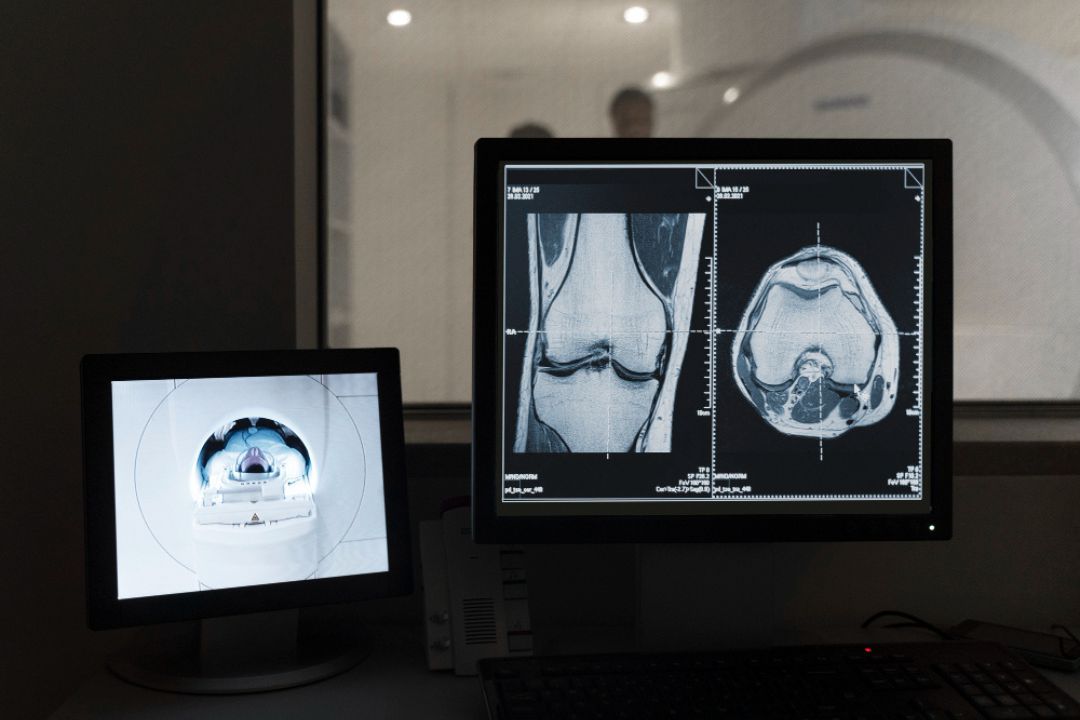
A plain CT scan of the paranasal sinuses (PNS) uses advanced X-ray technology and computer processing to create detailed images of the sinus cavities located around the nose and eyes.
The paranasal sinuses include:
Frontal sinuses (forehead area)
Maxillary sinuses (cheek area)
Ethmoid sinuses (between the eyes)
Sphenoid sinuses (behind the nose)
This scan helps doctors clearly view these structures and detect abnormalities that may not be visible on a regular X-ray.
Doctors may recommend this scan when patients experience persistent sinus symptoms or nasal problems.
Visit Now: https://www.diagnopein.com
Common reasons include:
A CT scan helps evaluate long-term sinus infections and inflammation.
The scan can identify structural issues such as a deviated septum or blocked sinus passages.
Polyps are soft tissue growths that can block airflow and cause breathing difficulties.
In rare cases, CT scans help detect abnormal growths in the sinus cavities.
The scan helps determine whether sinus problems are causing facial pain or headaches.
A plain CT scan for sinuses is different from a contrast CT scan.
Plain CT PNS:
No contrast dye is used
Quick and simple procedure
Usually no special preparation required
CT PNS with contrast:
Uses contrast dye to highlight tissues and blood vessels
May require fasting before the scan
Used in specific cases such as tumors or complicated infections
Most routine sinus evaluations are performed using a plain CT scan.
A CT scan for sinuses is a simple and painless procedure.
Patients are usually asked to:
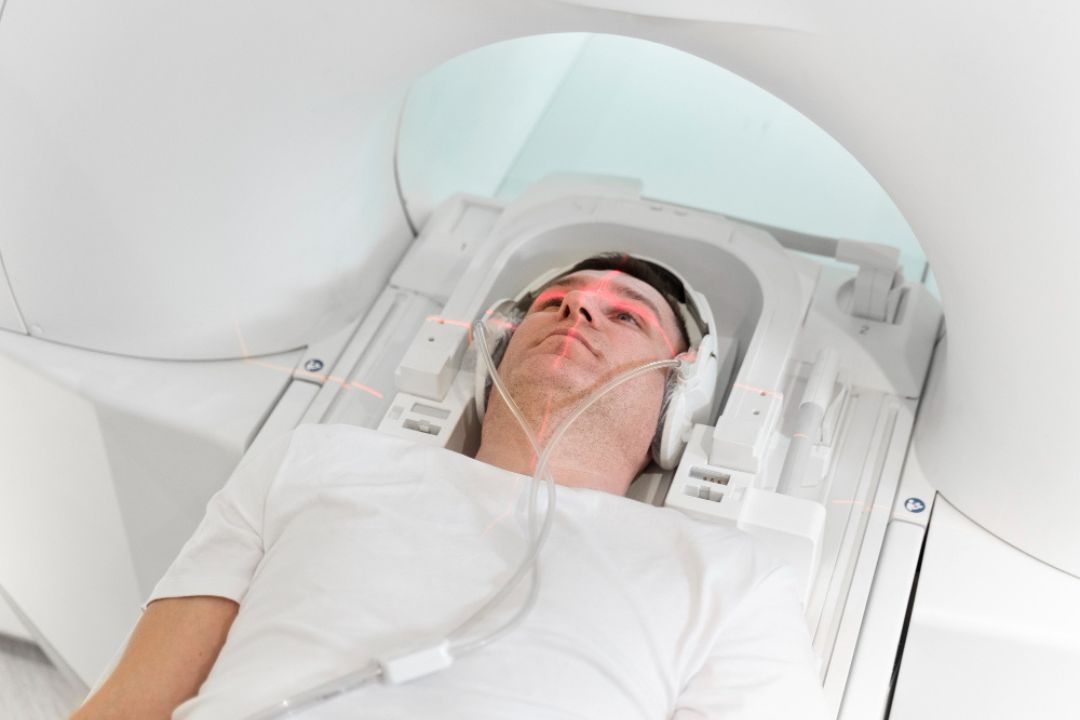
Remove metal objects such as jewelry or glasses
Wear comfortable clothing
Fasting is usually not required for a plain CT sinus scan.
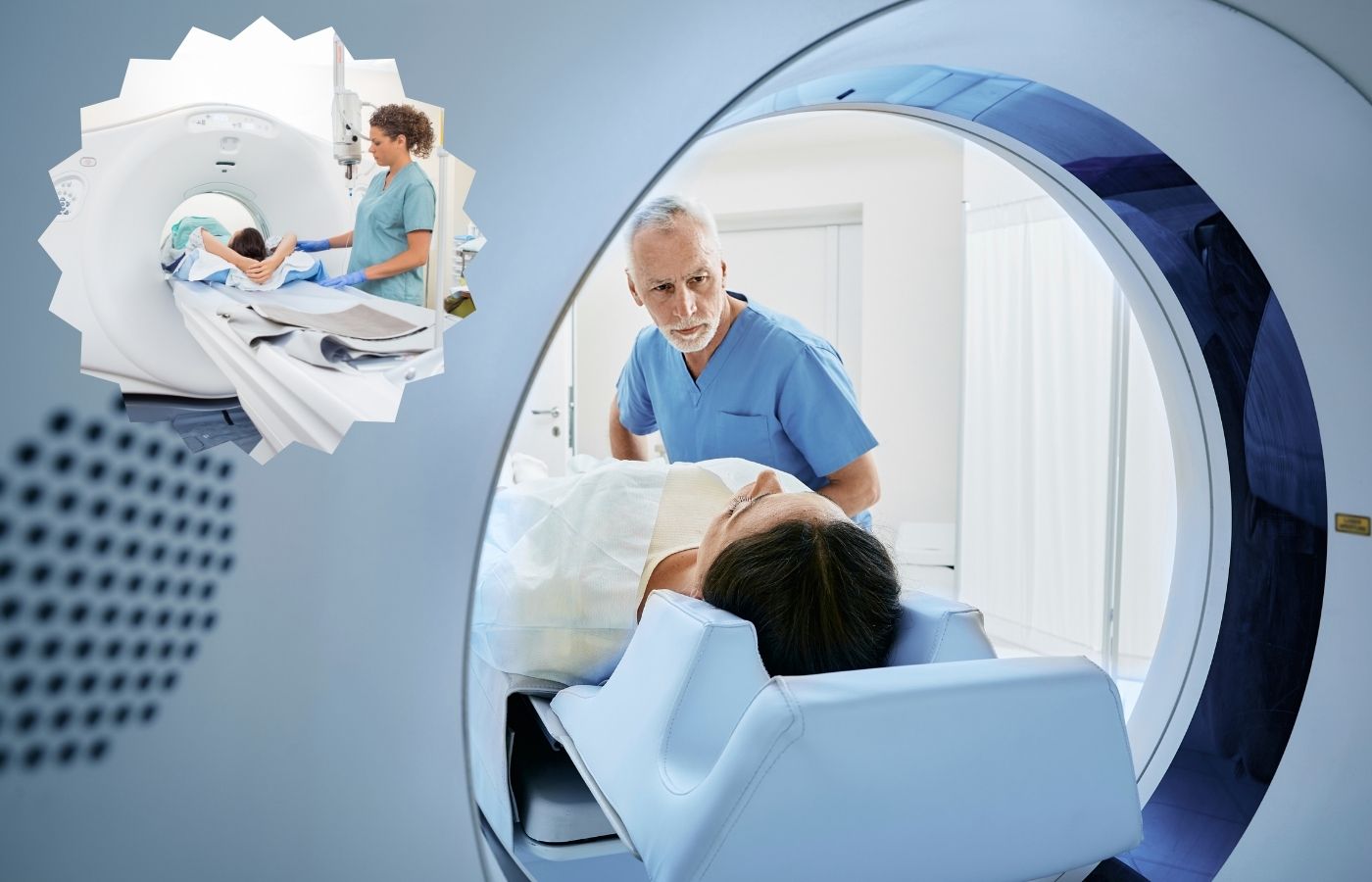
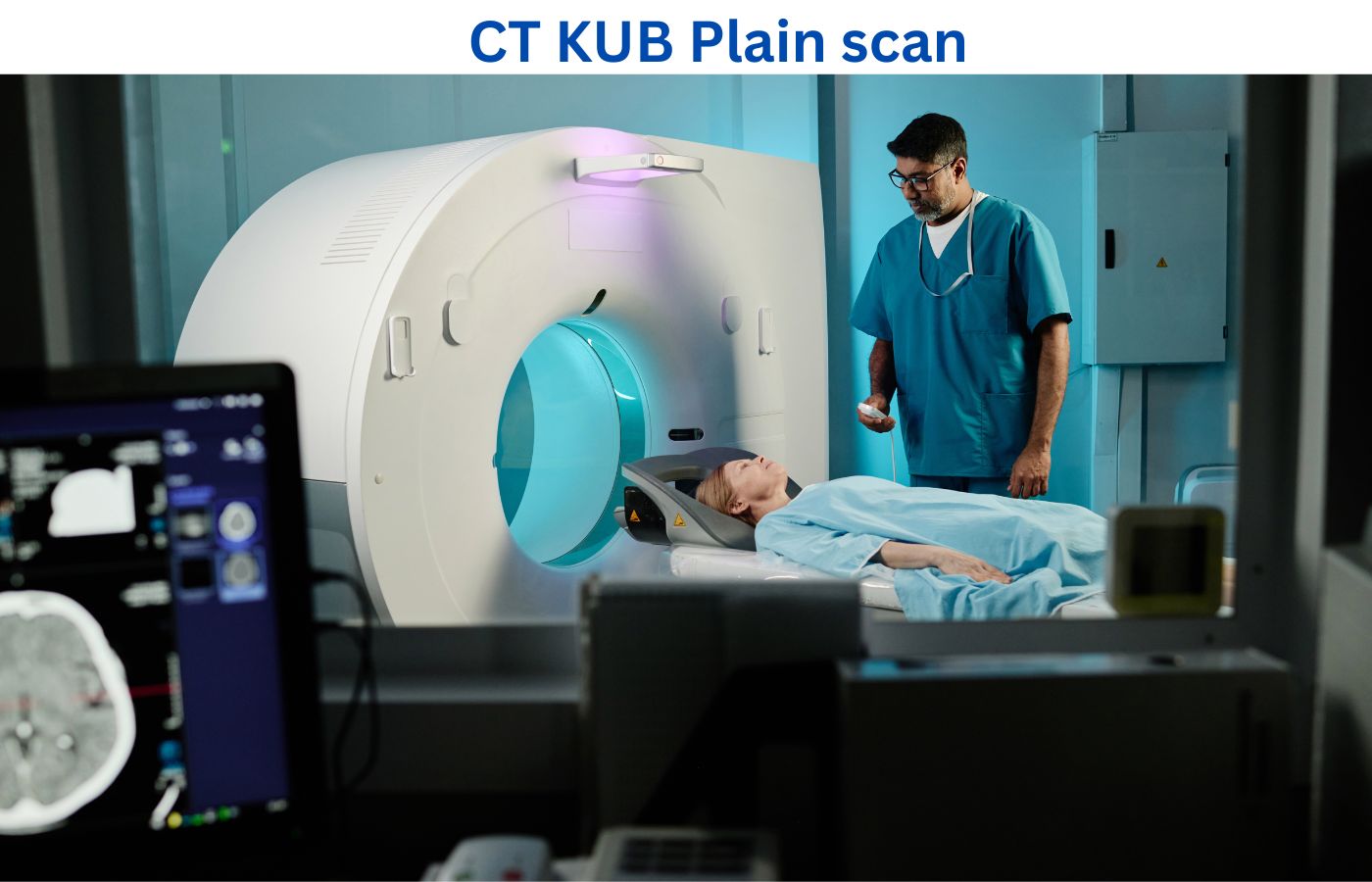
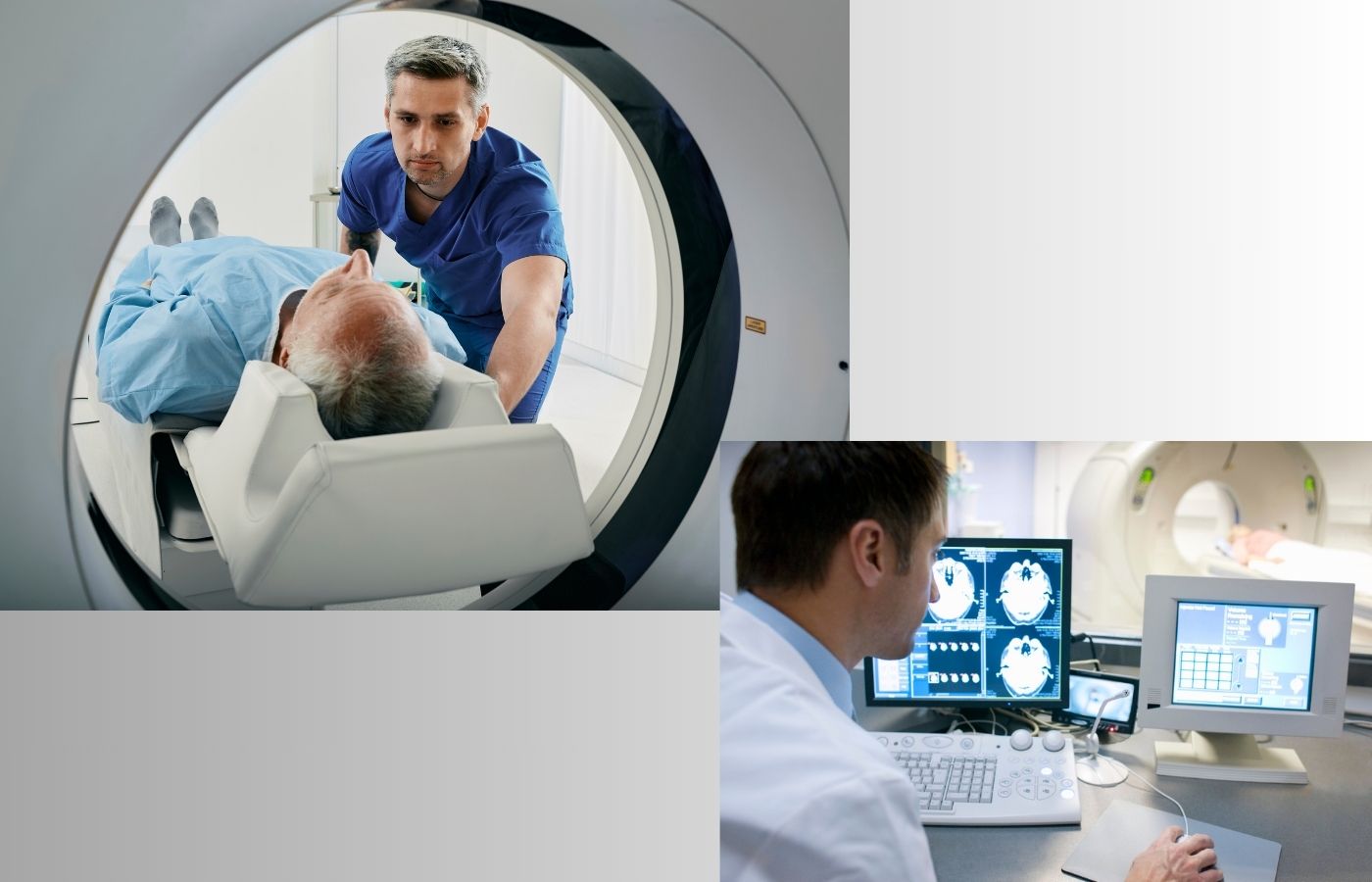
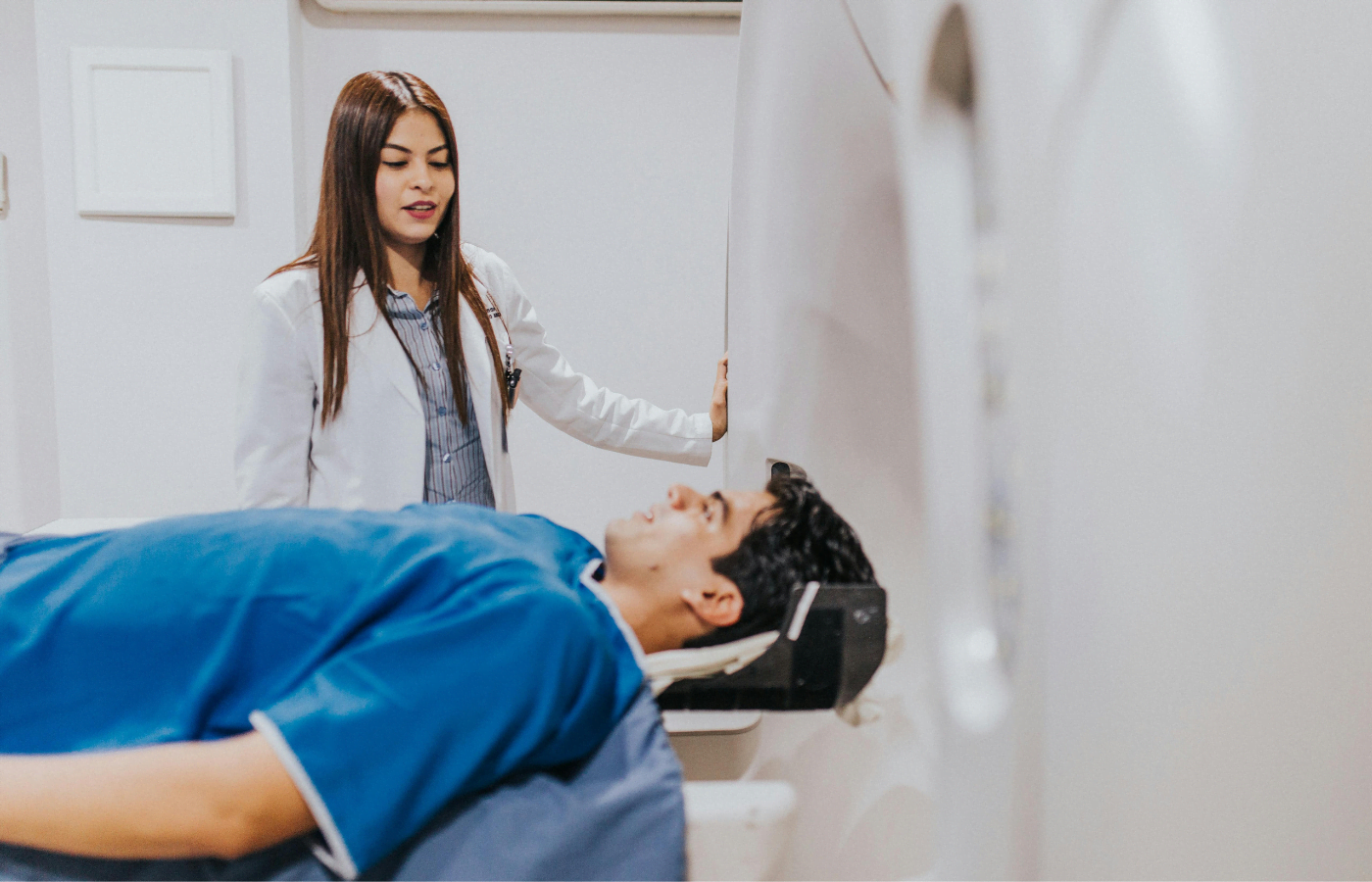
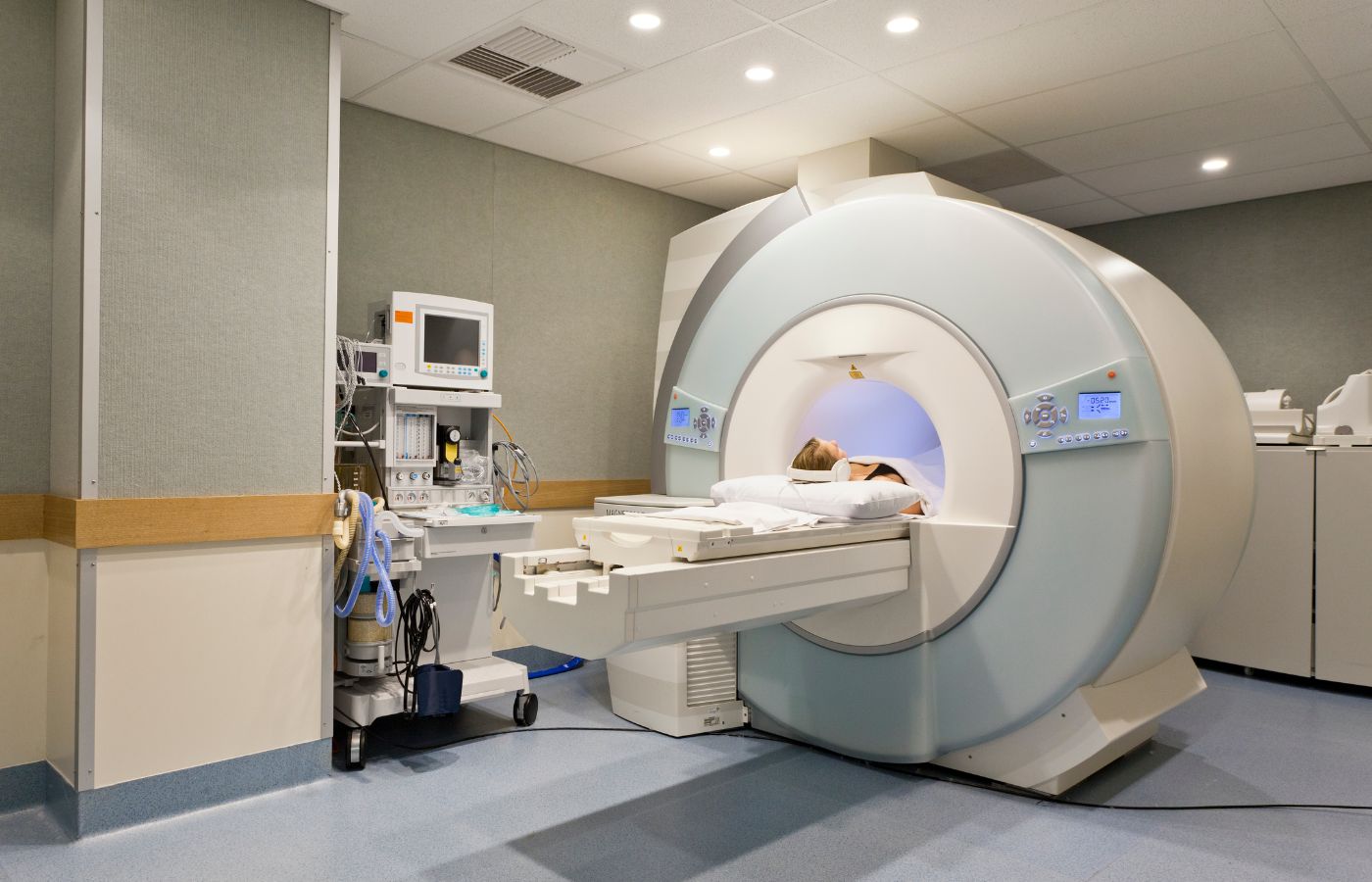
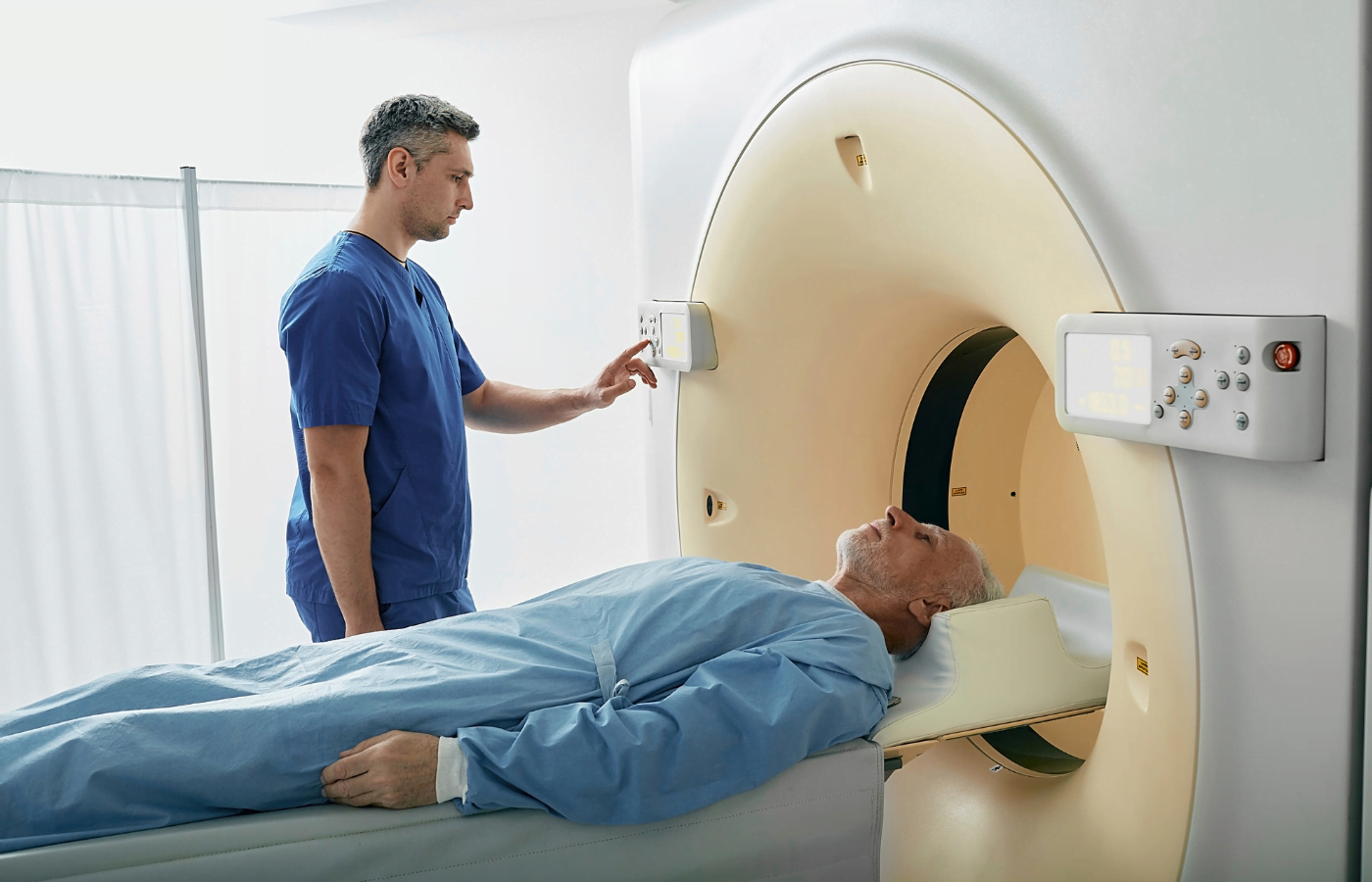
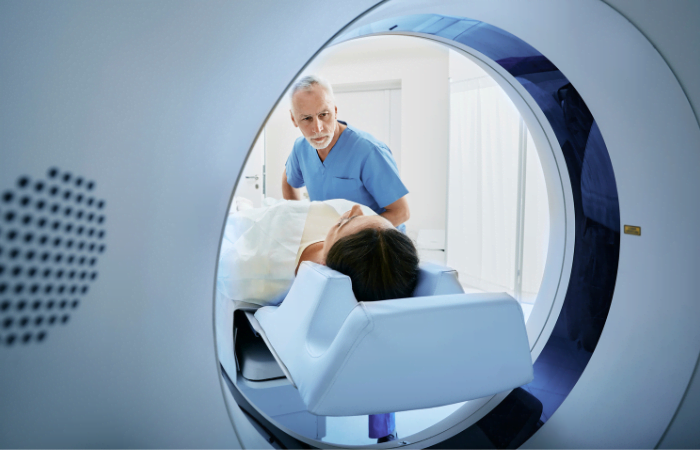
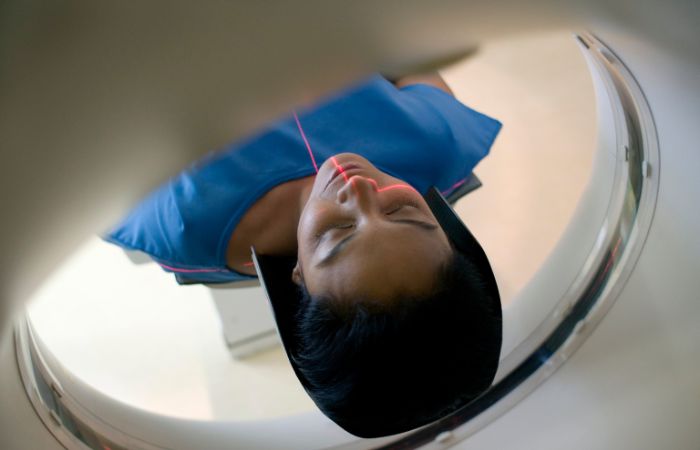
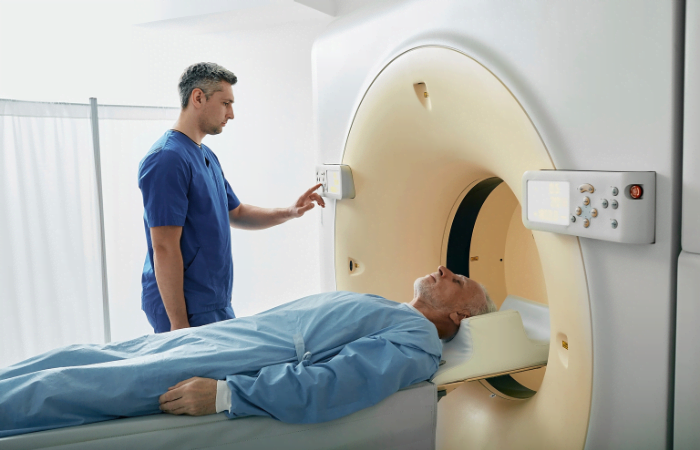
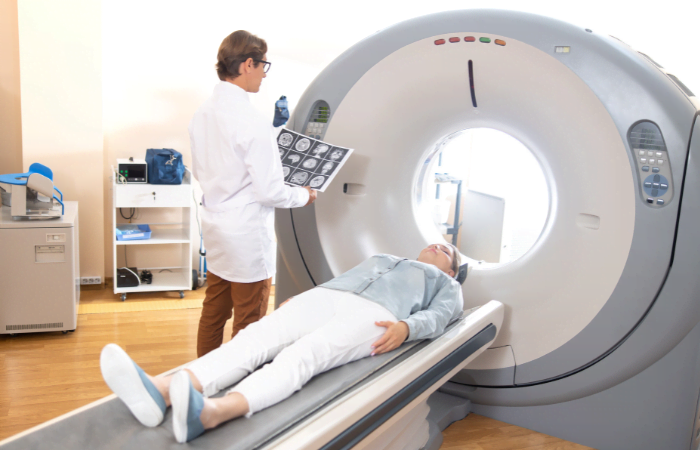
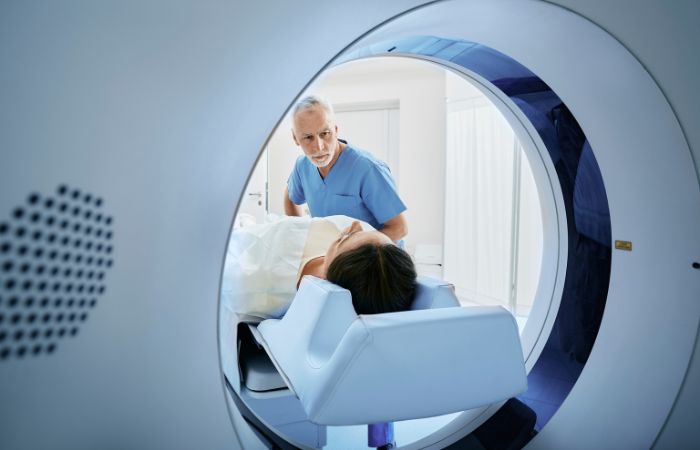
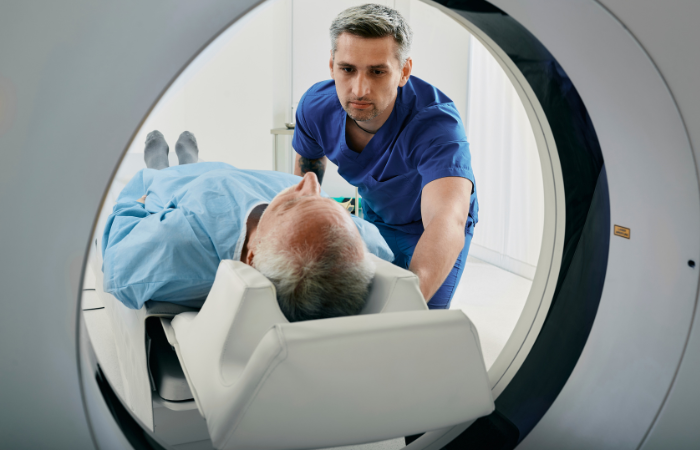
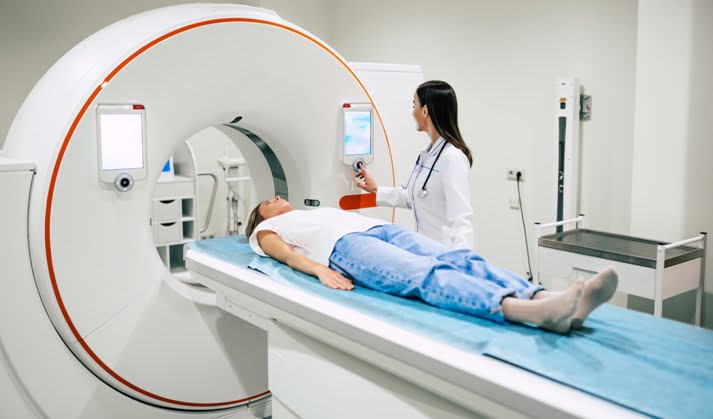
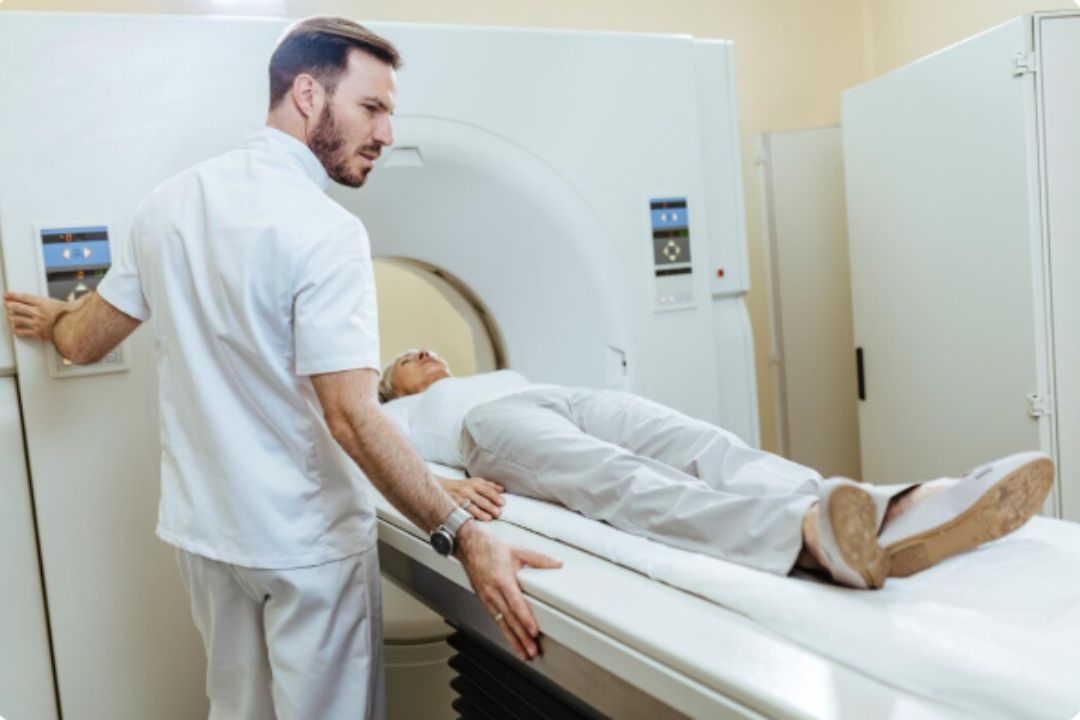
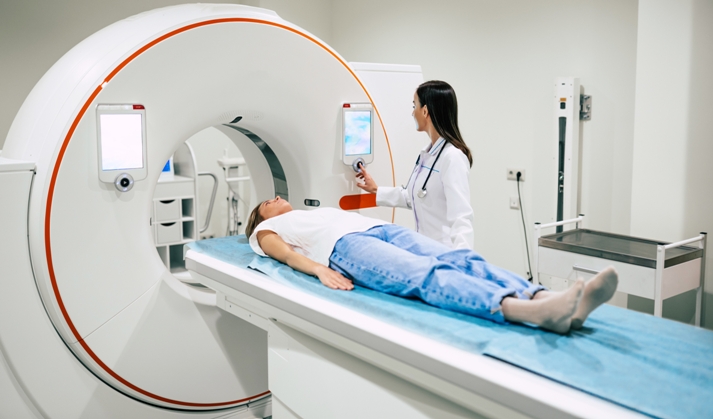
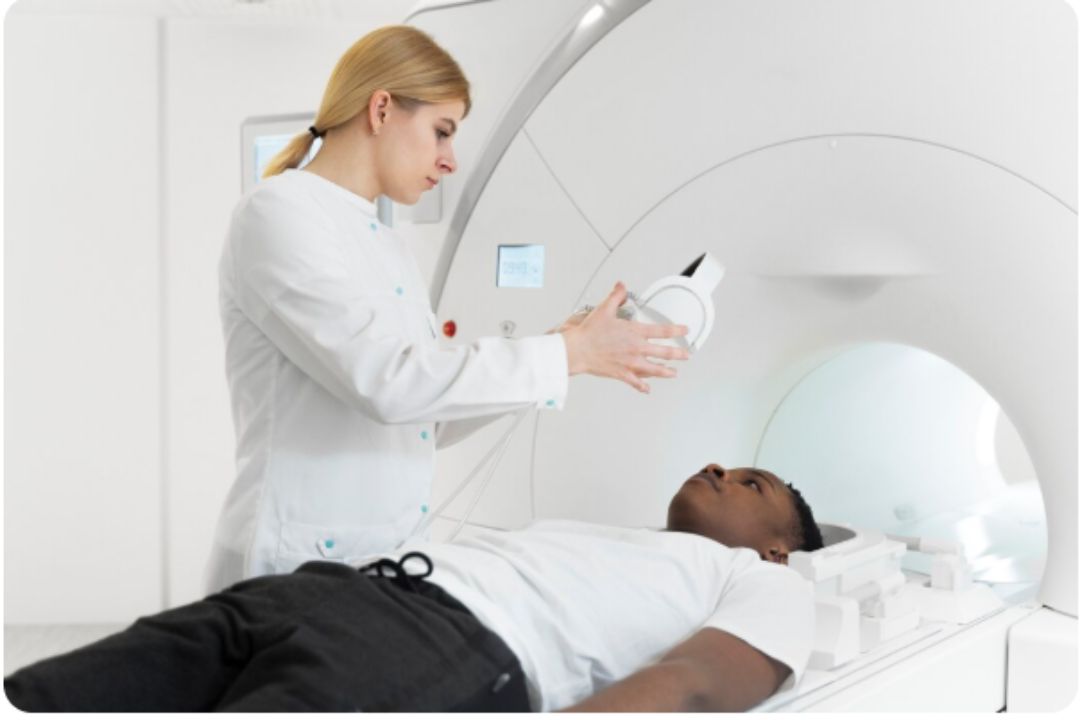
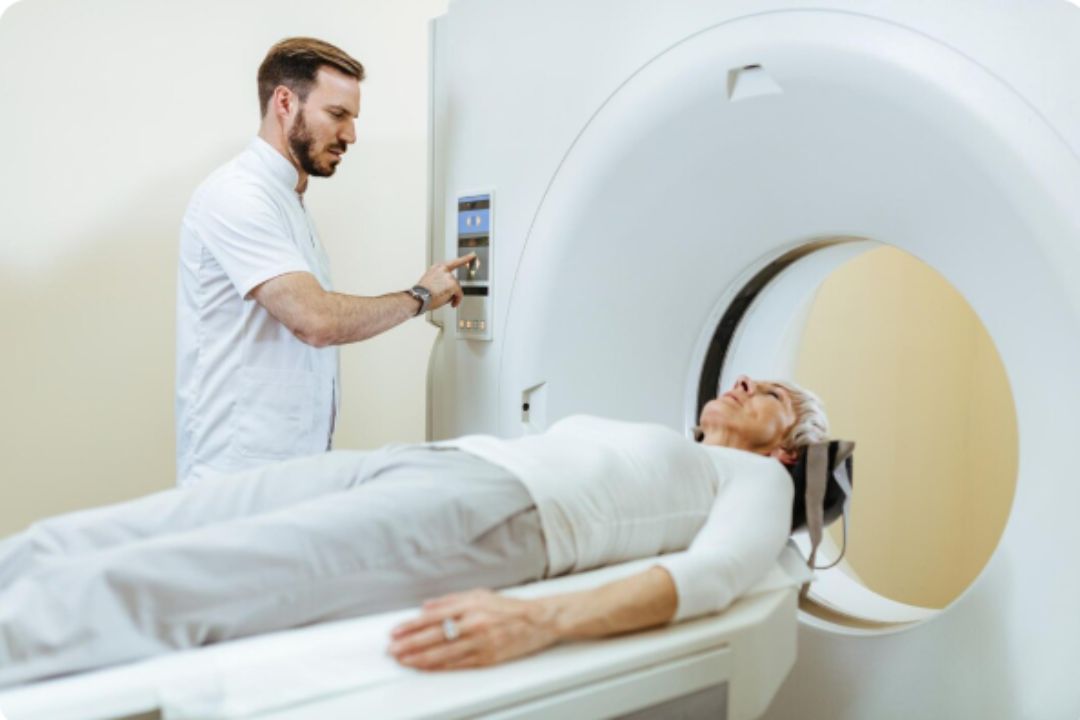
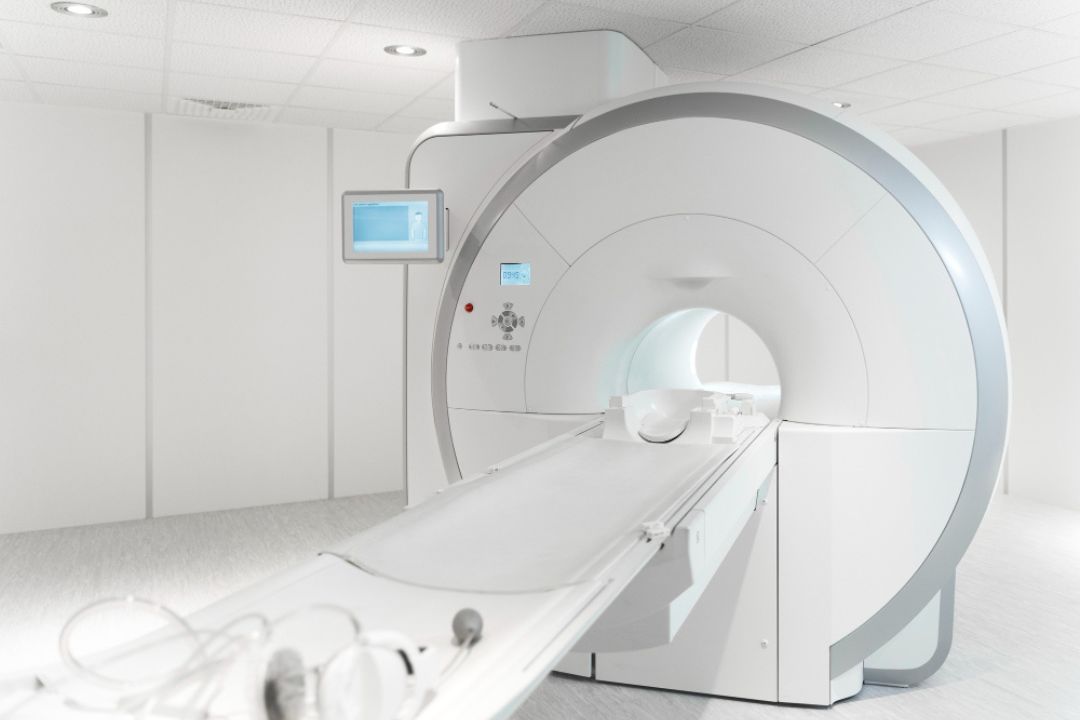
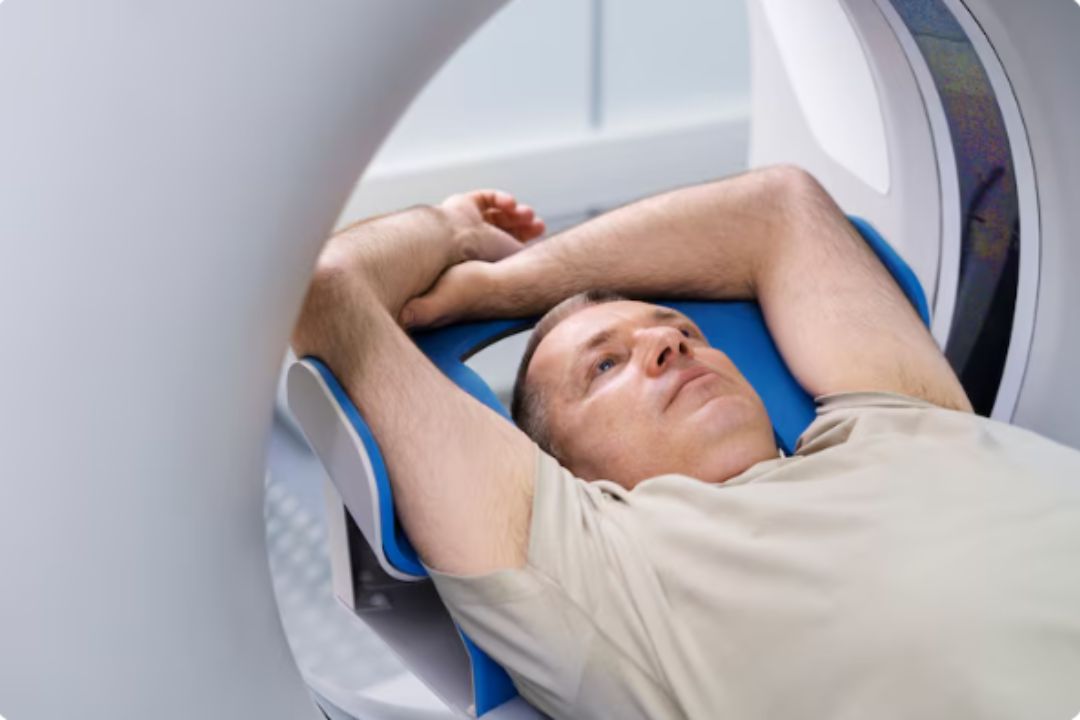
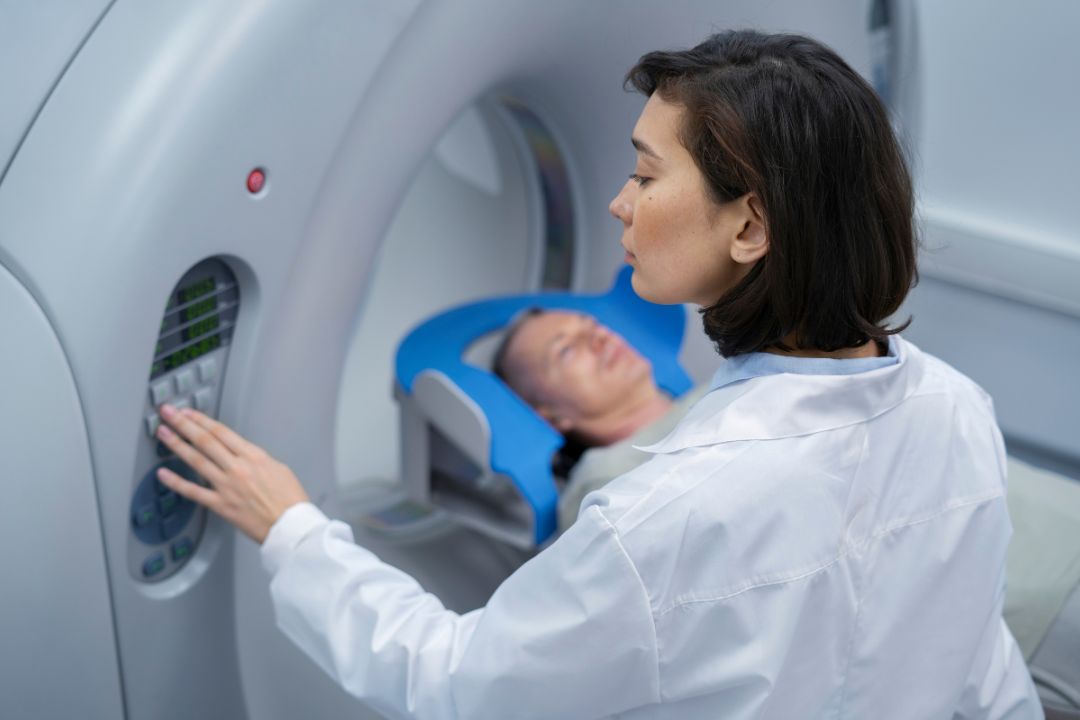
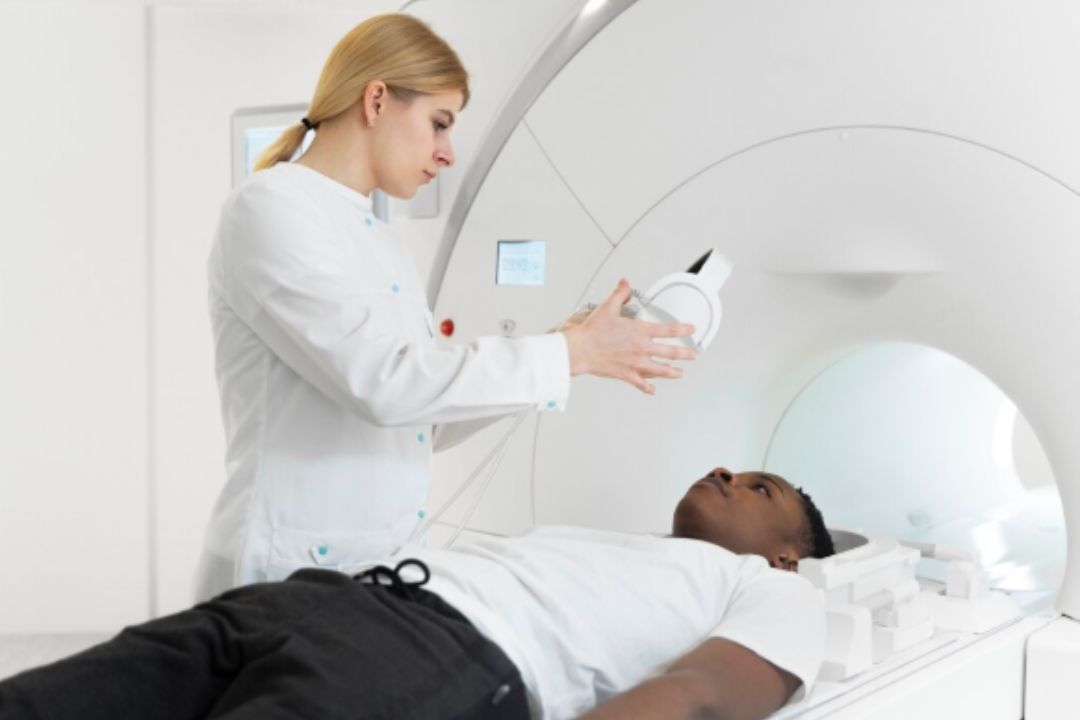
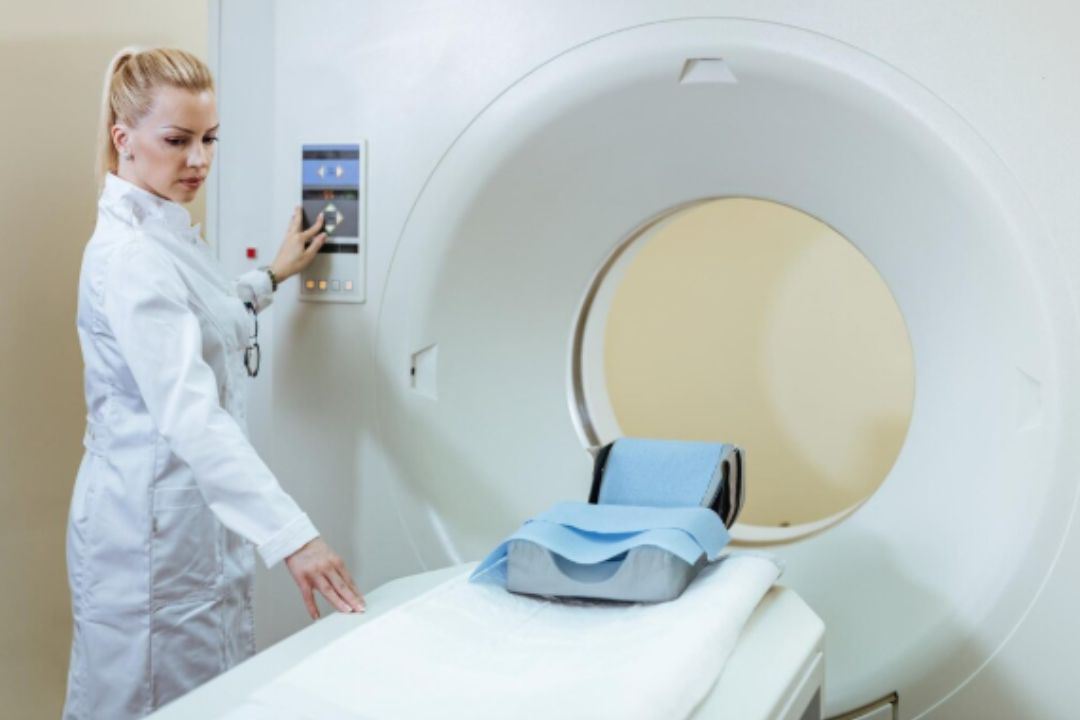
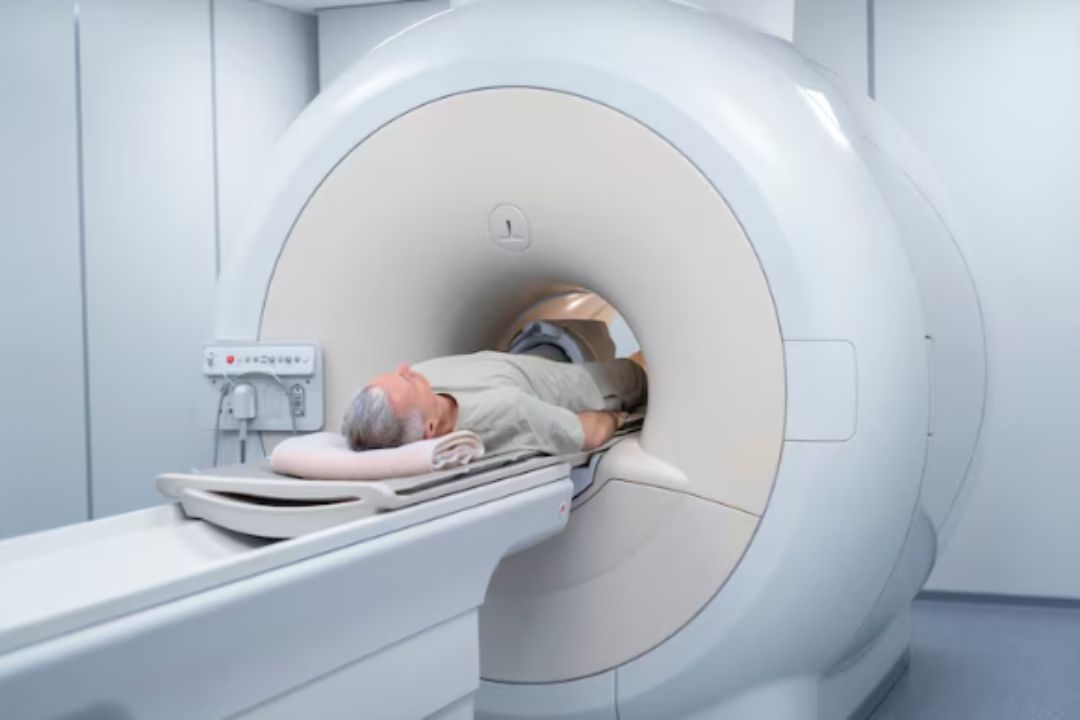
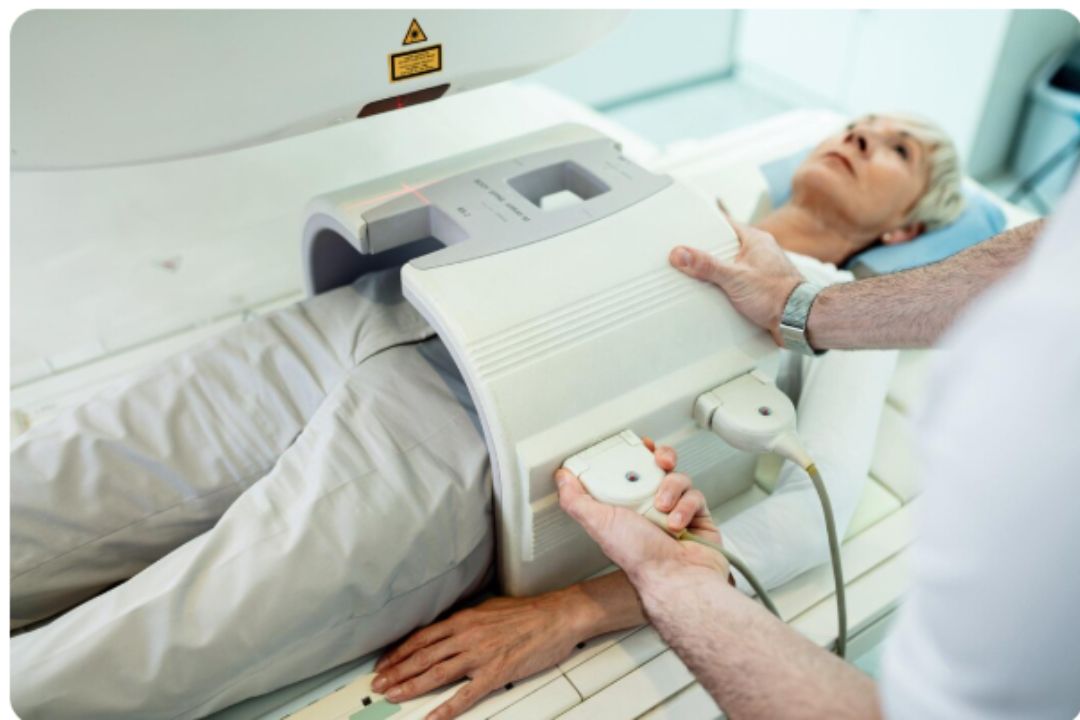
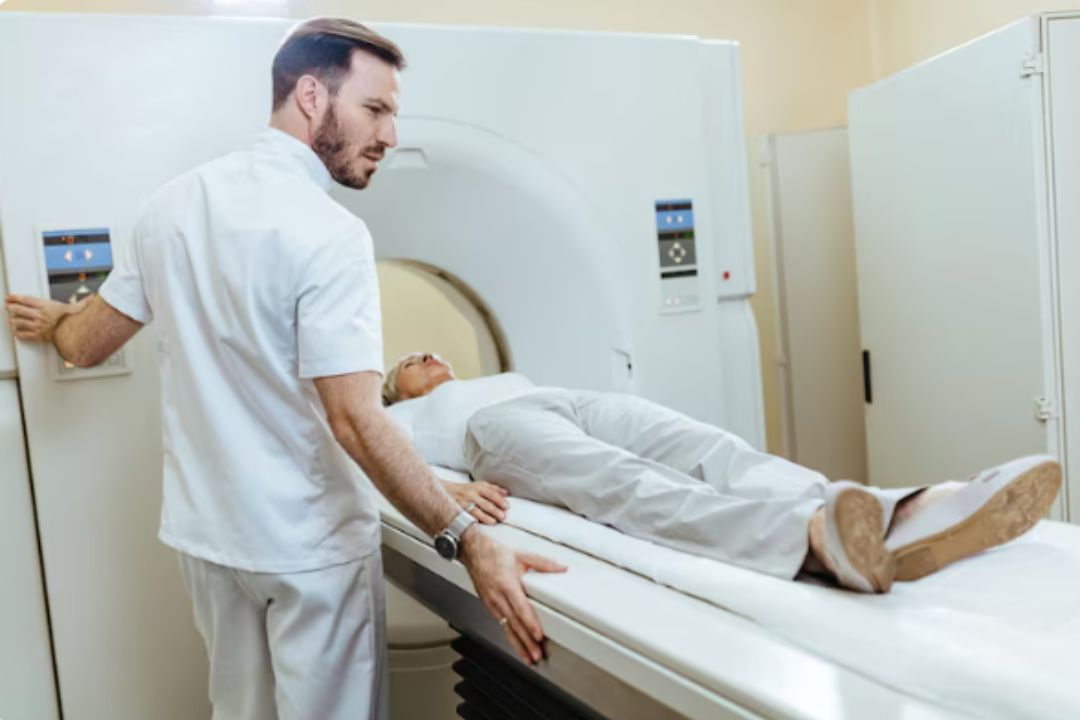
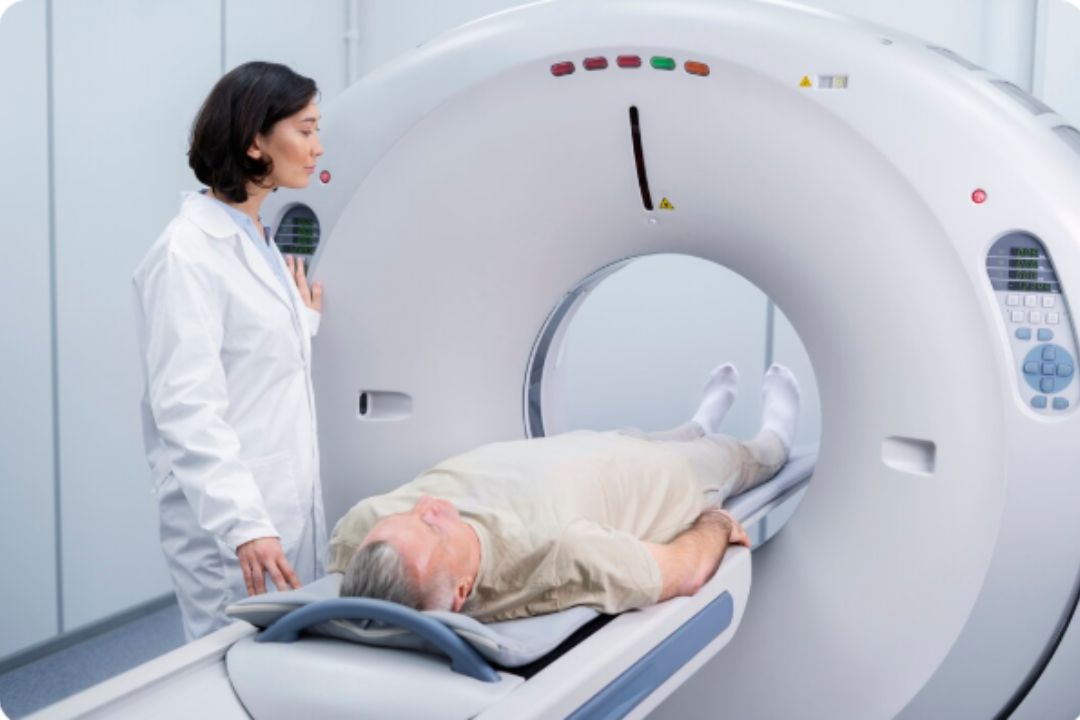
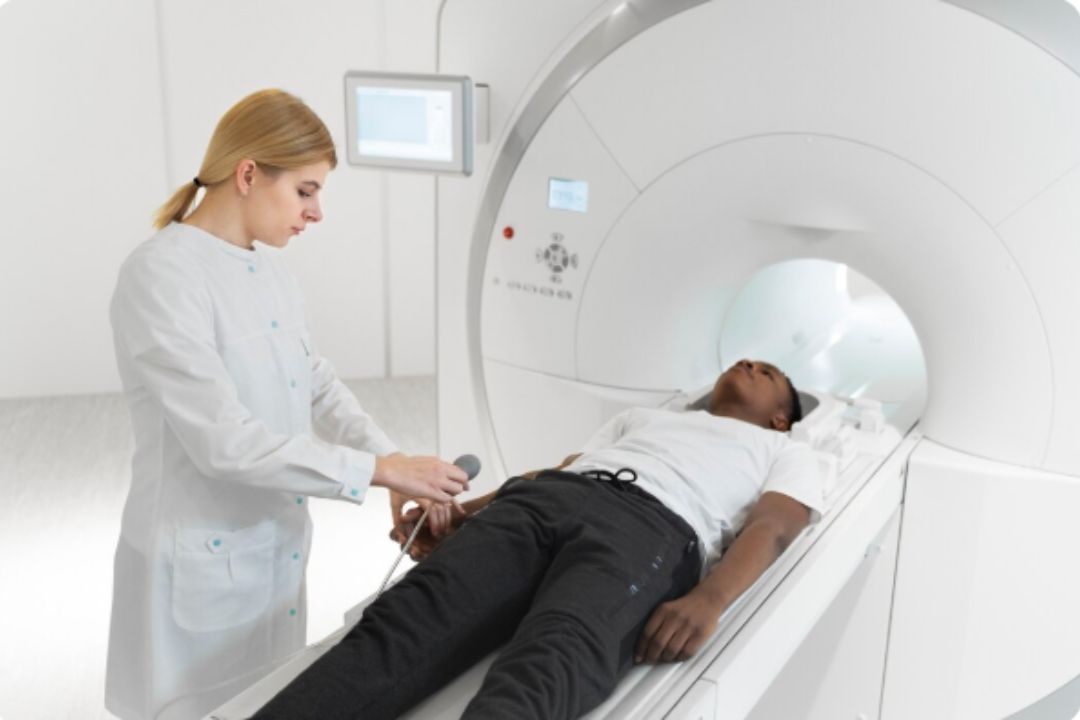
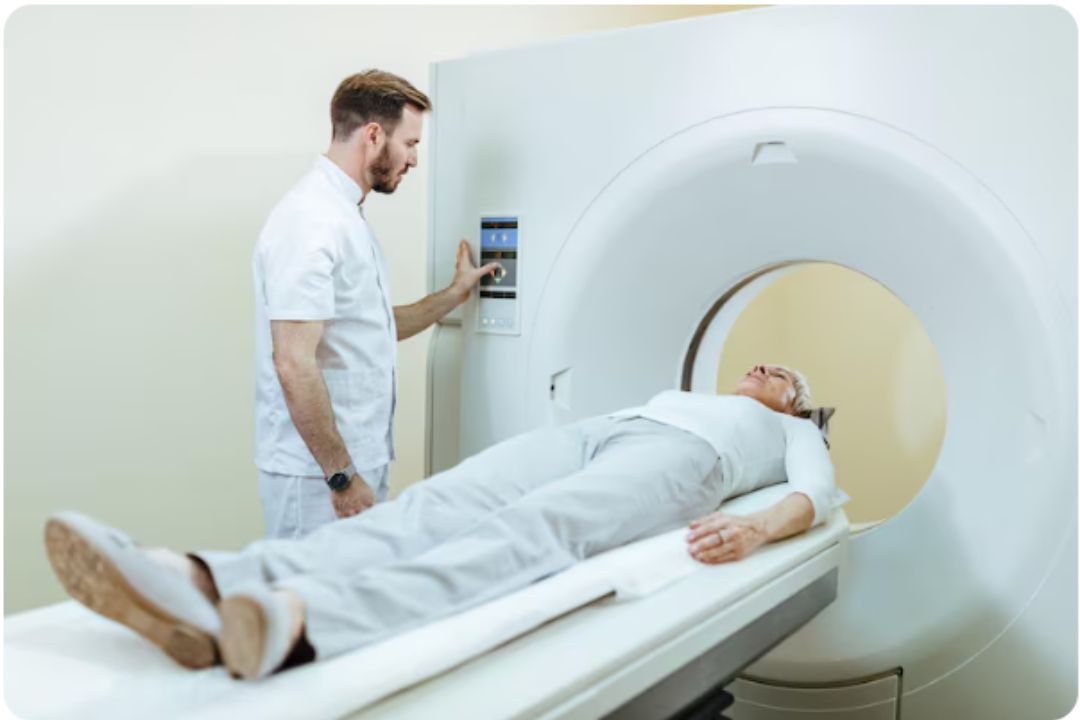
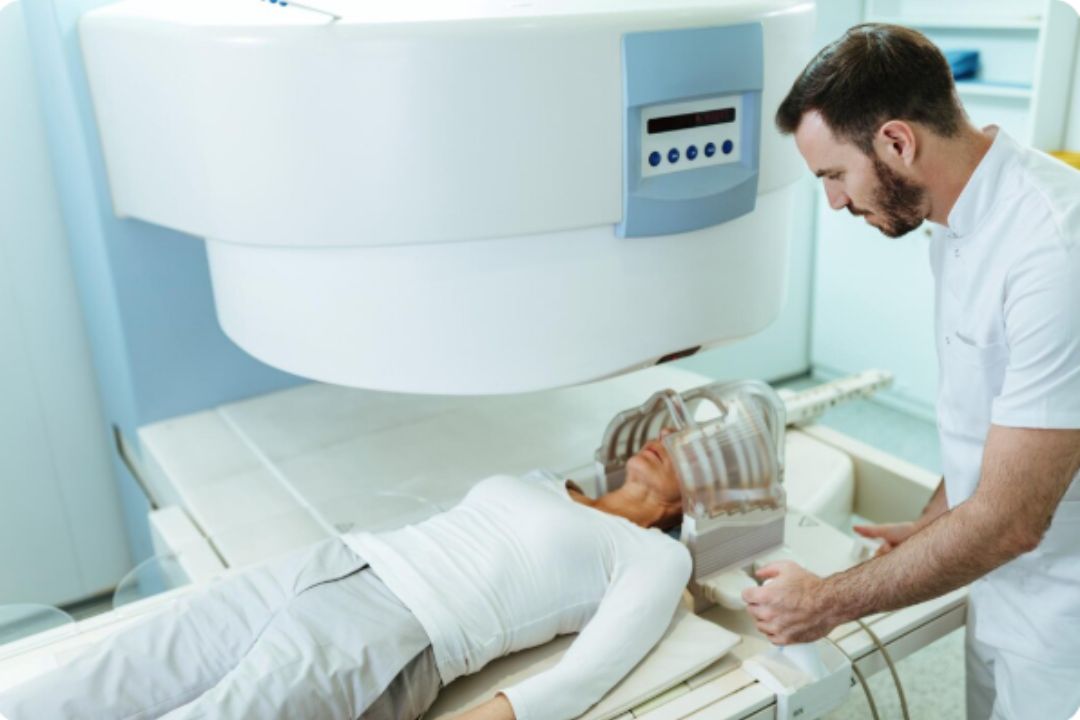
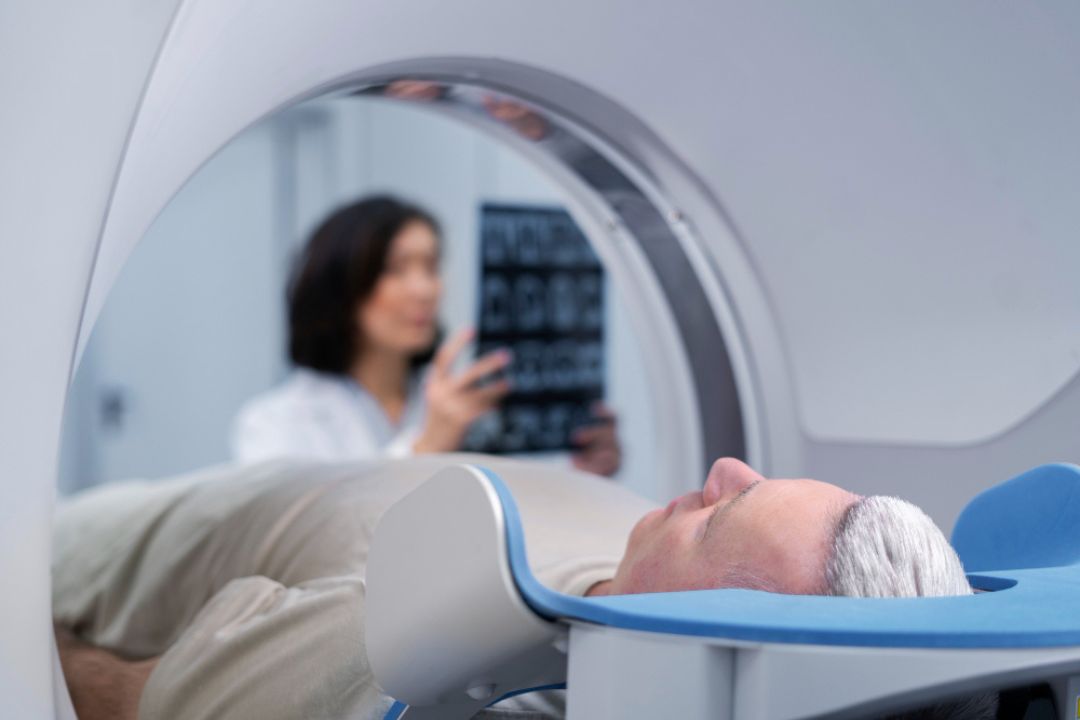
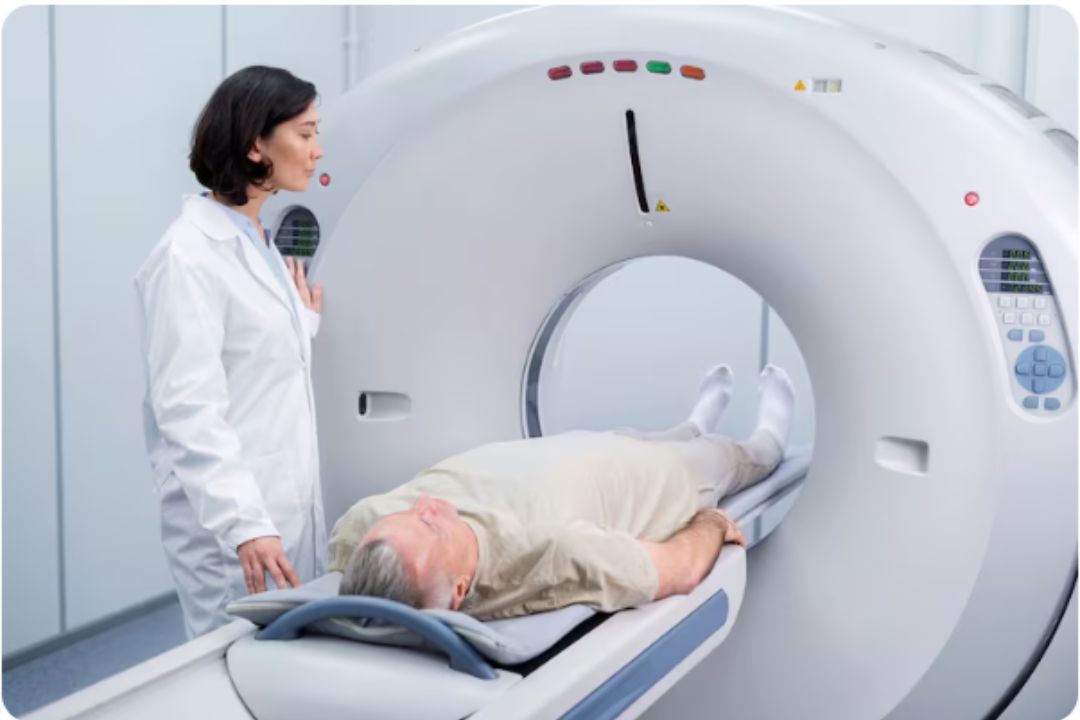
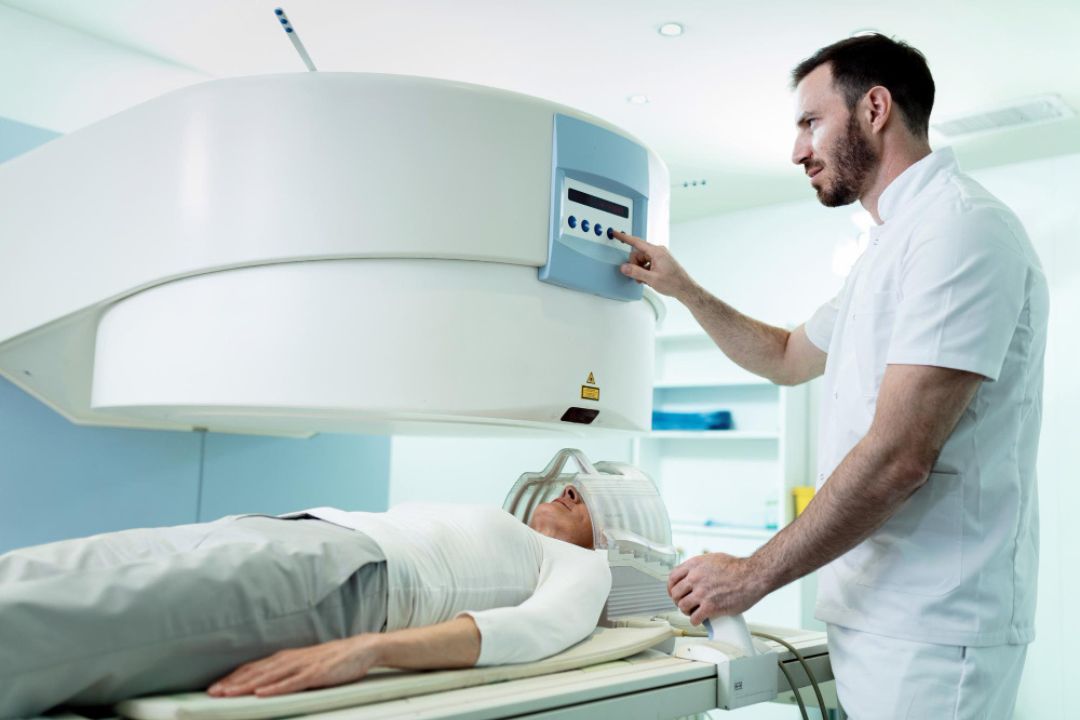
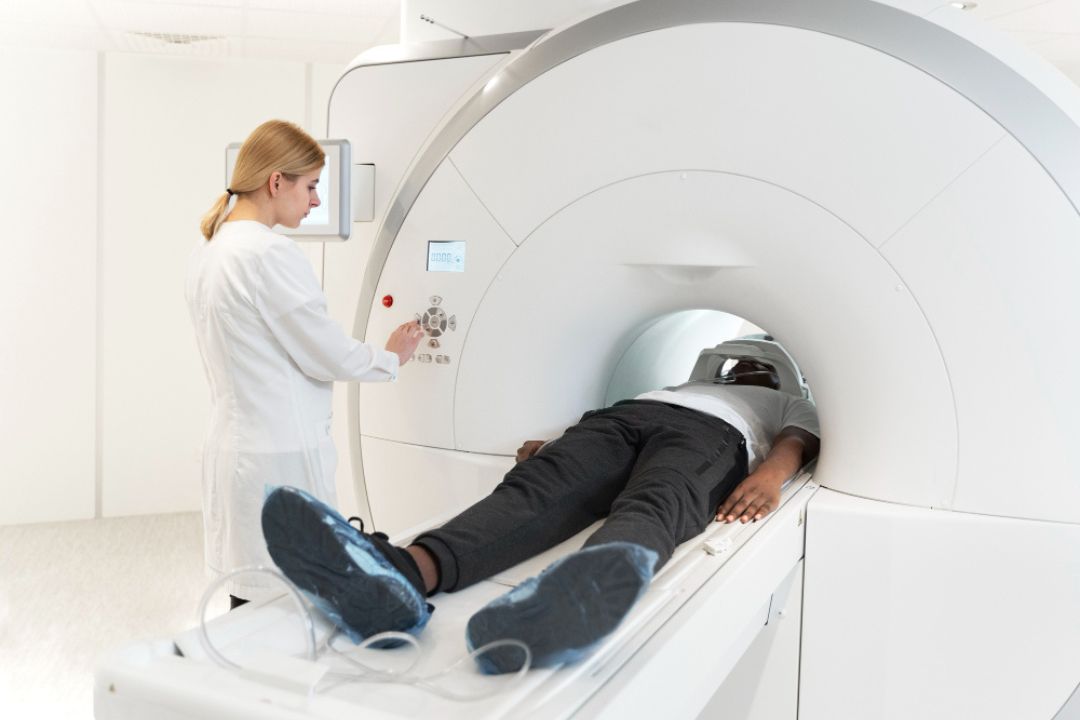
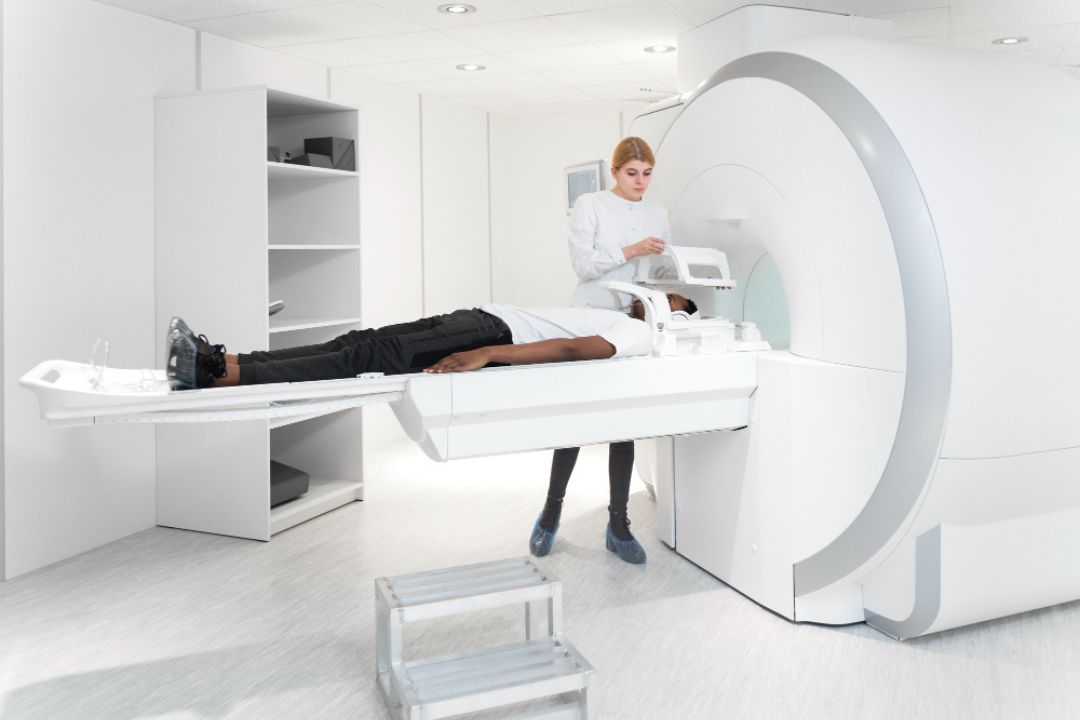
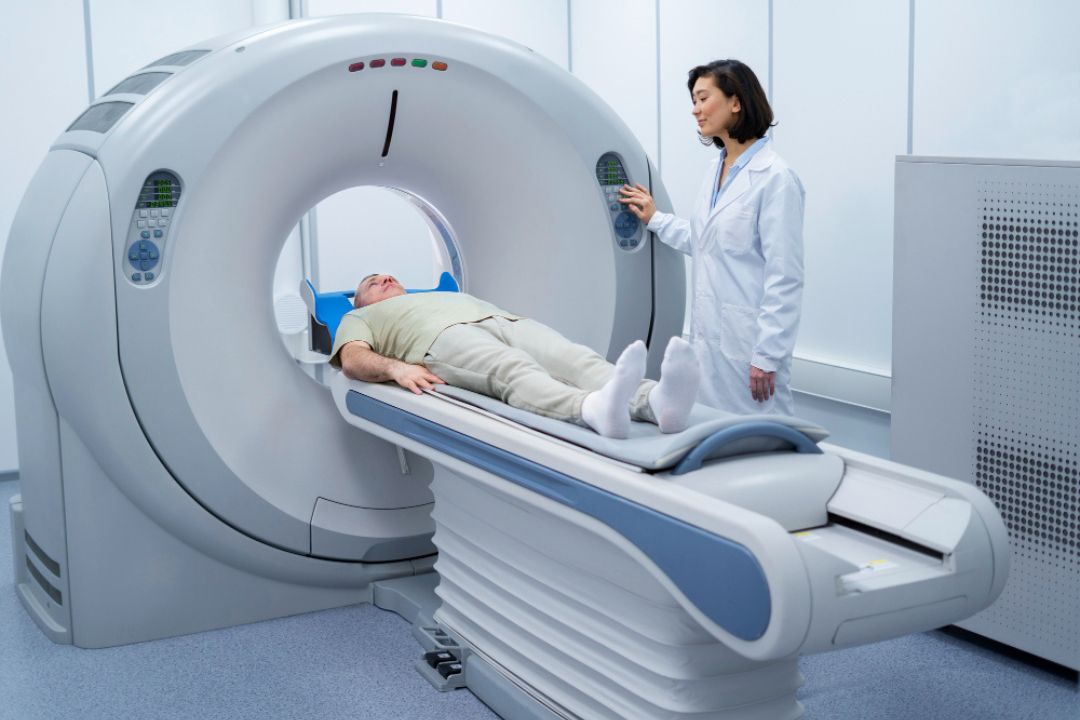
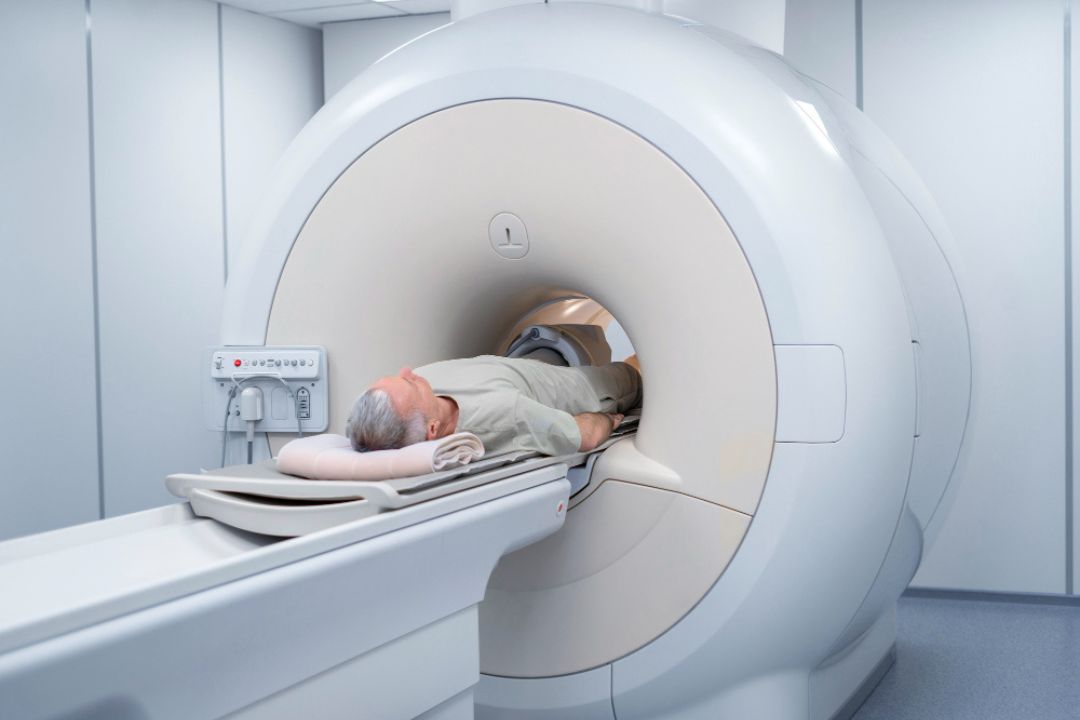
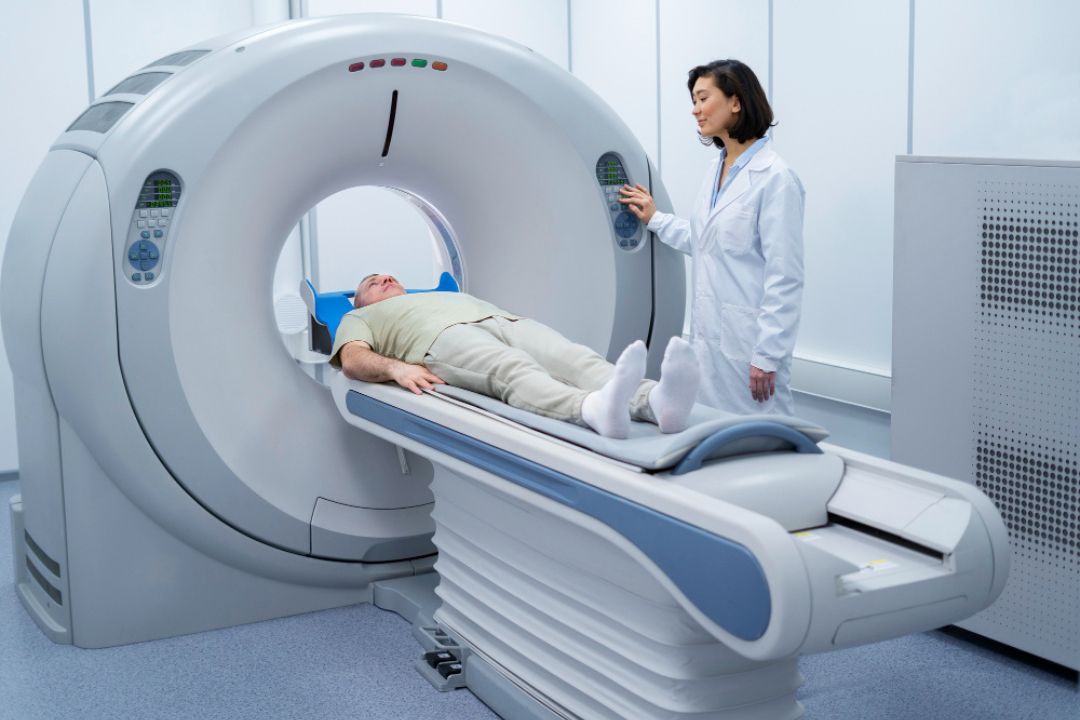
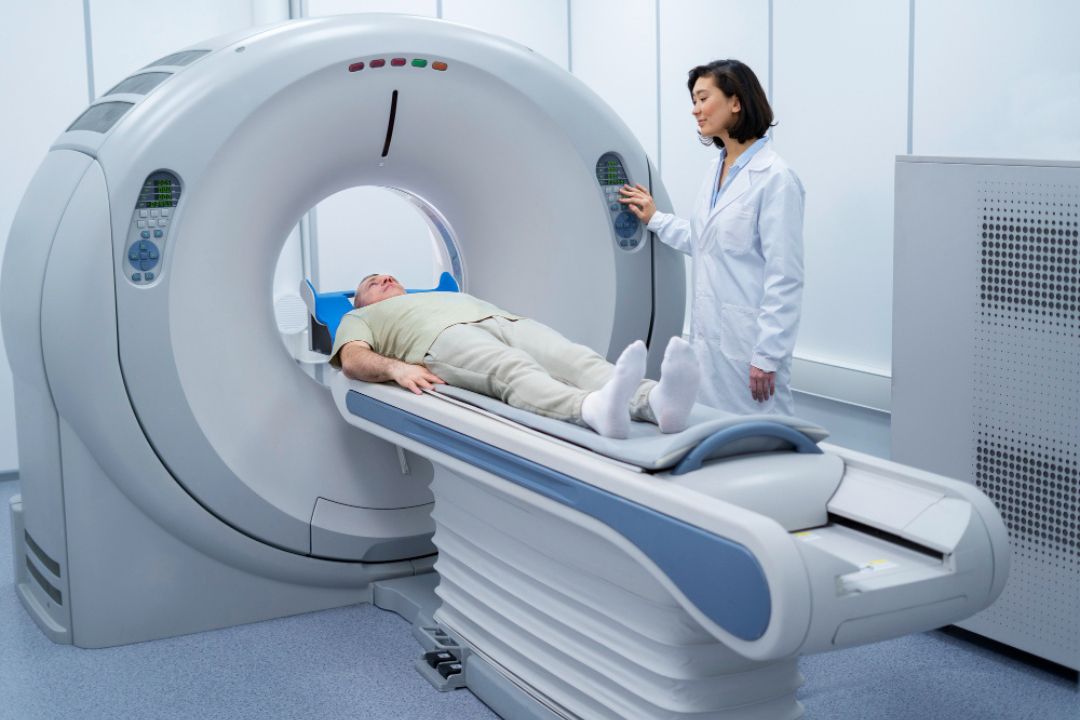
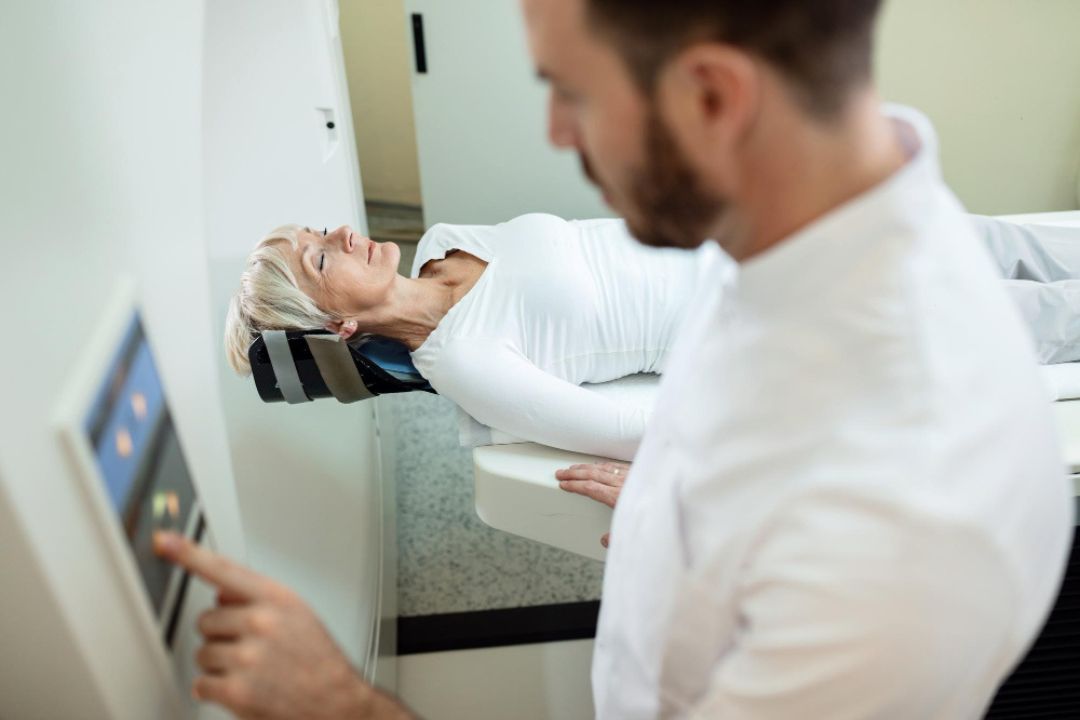
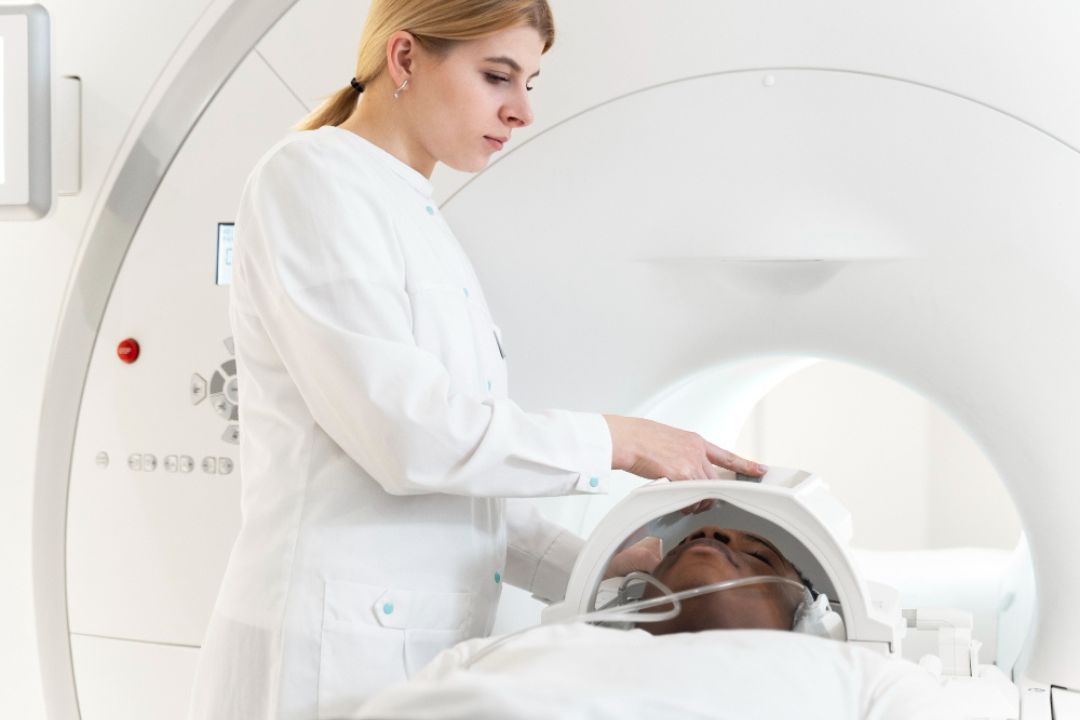
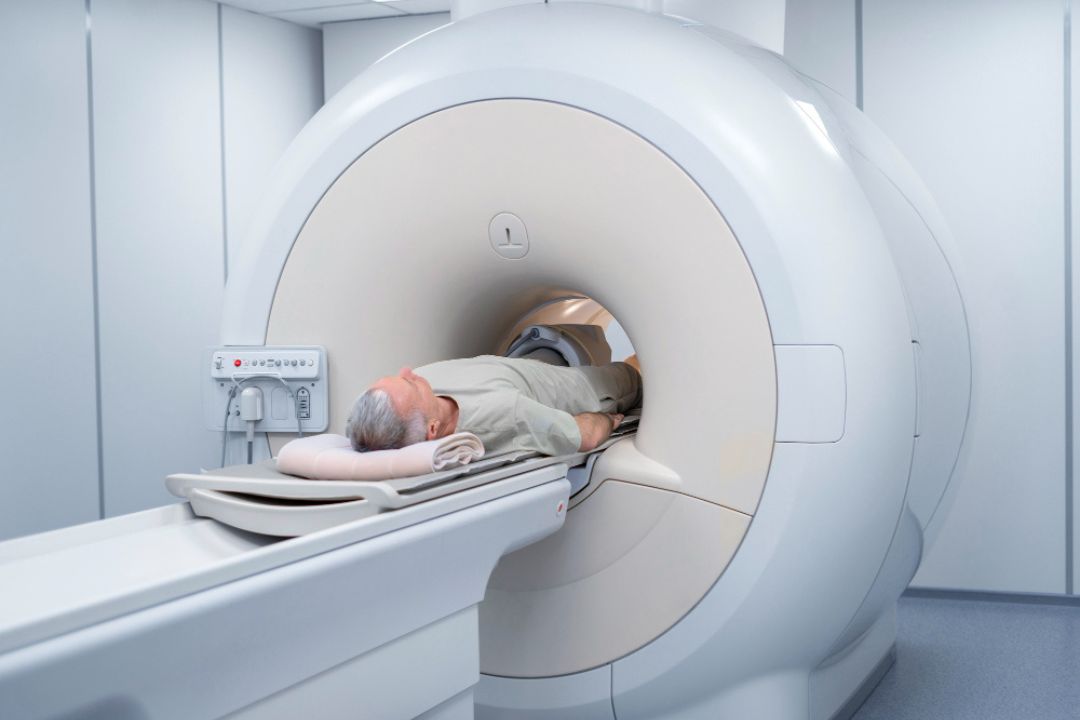
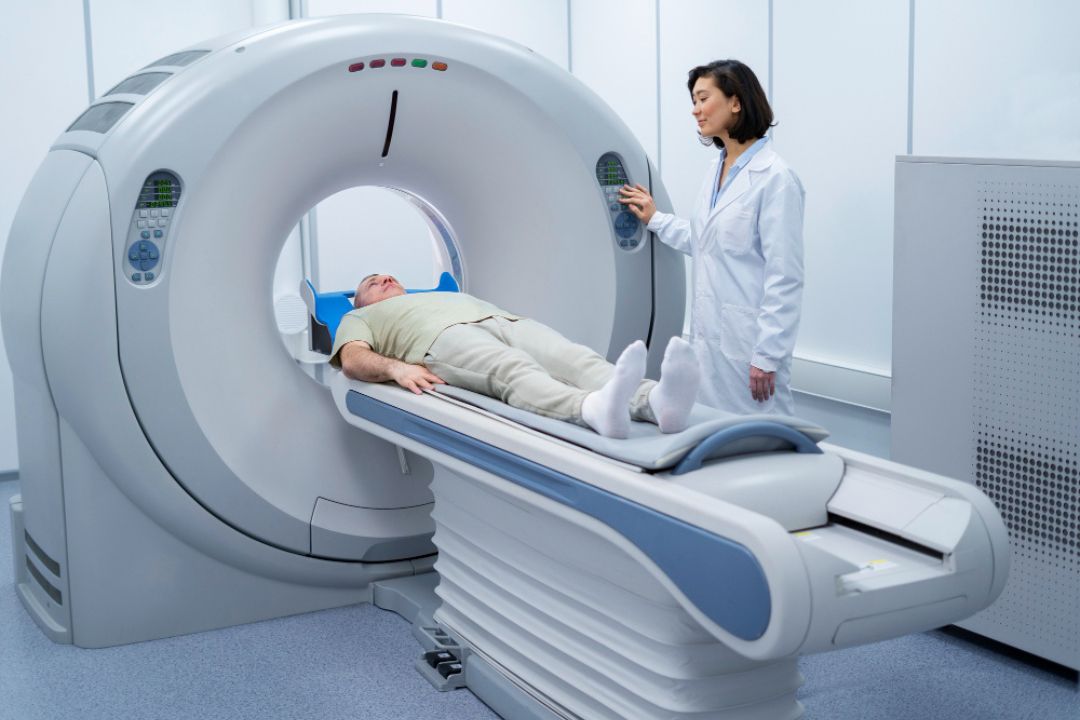
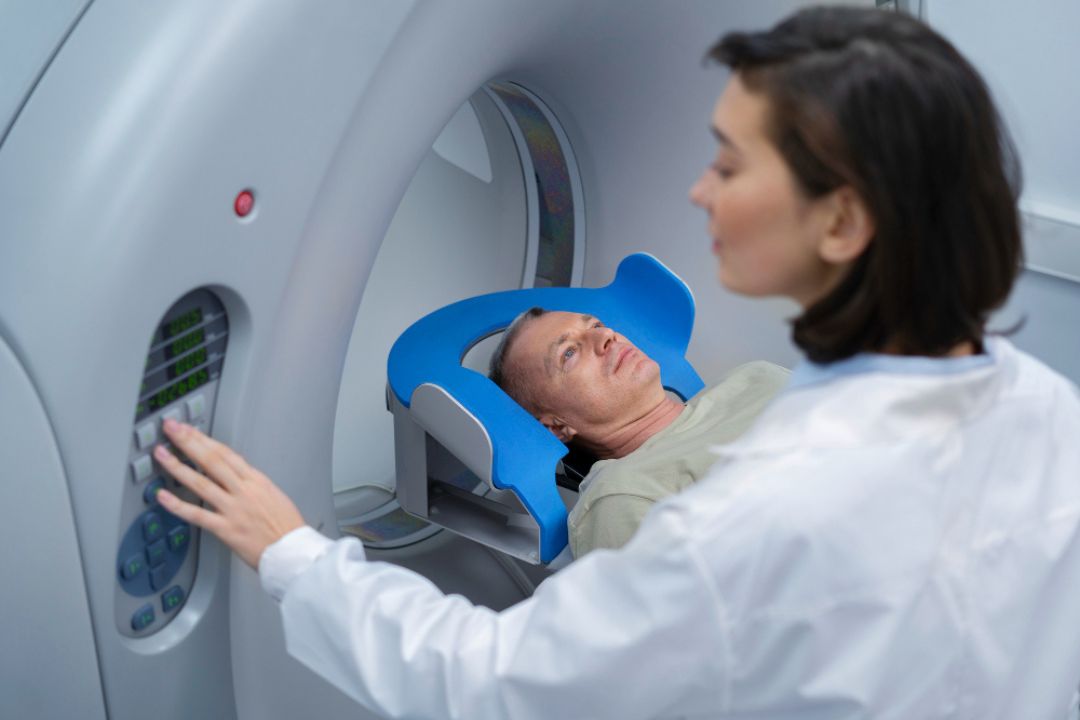
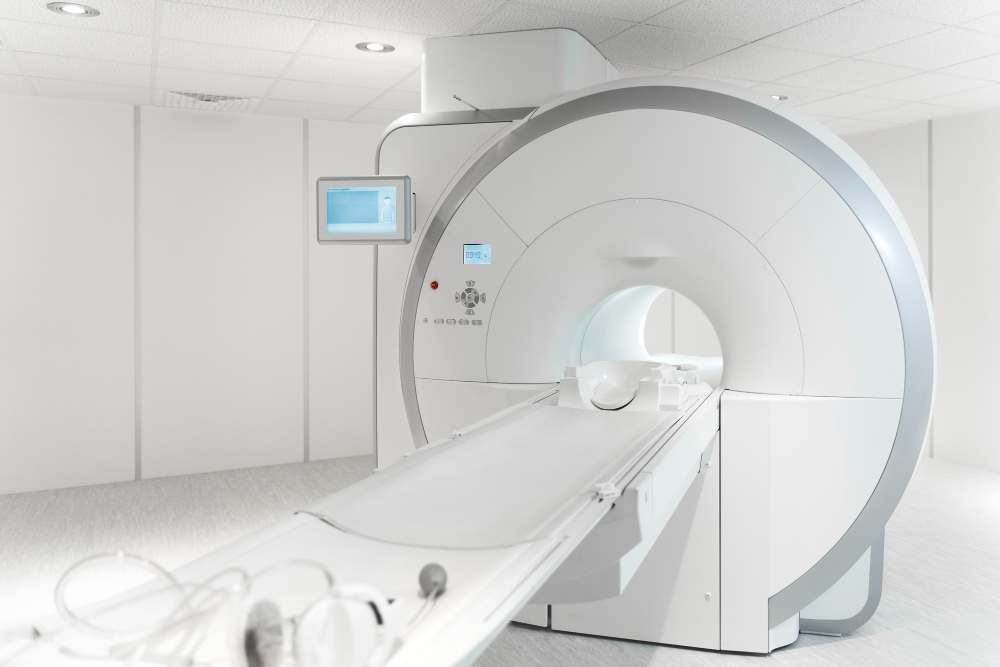
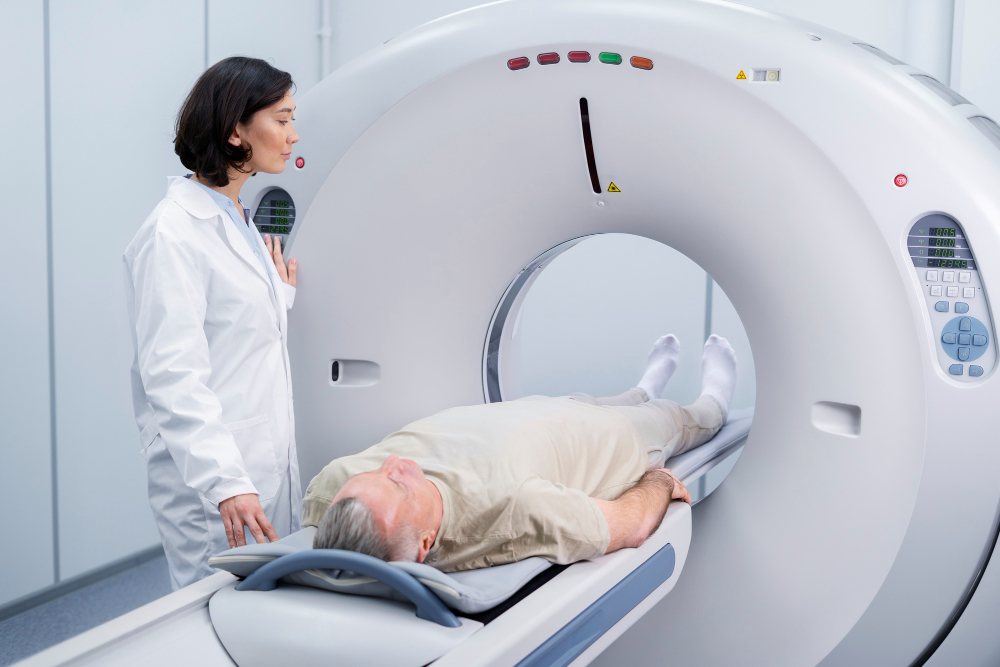
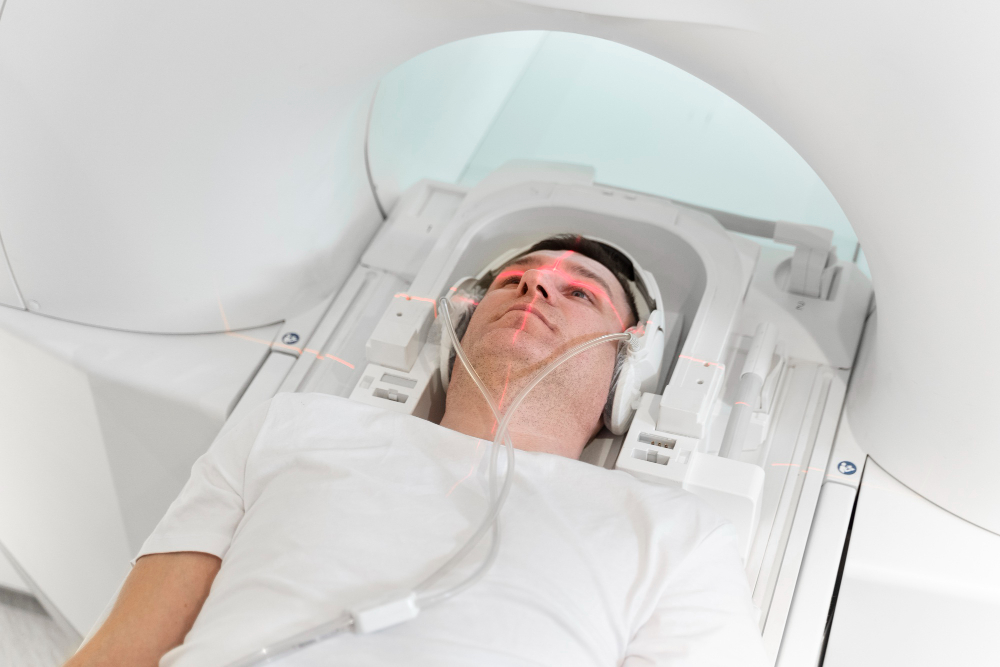
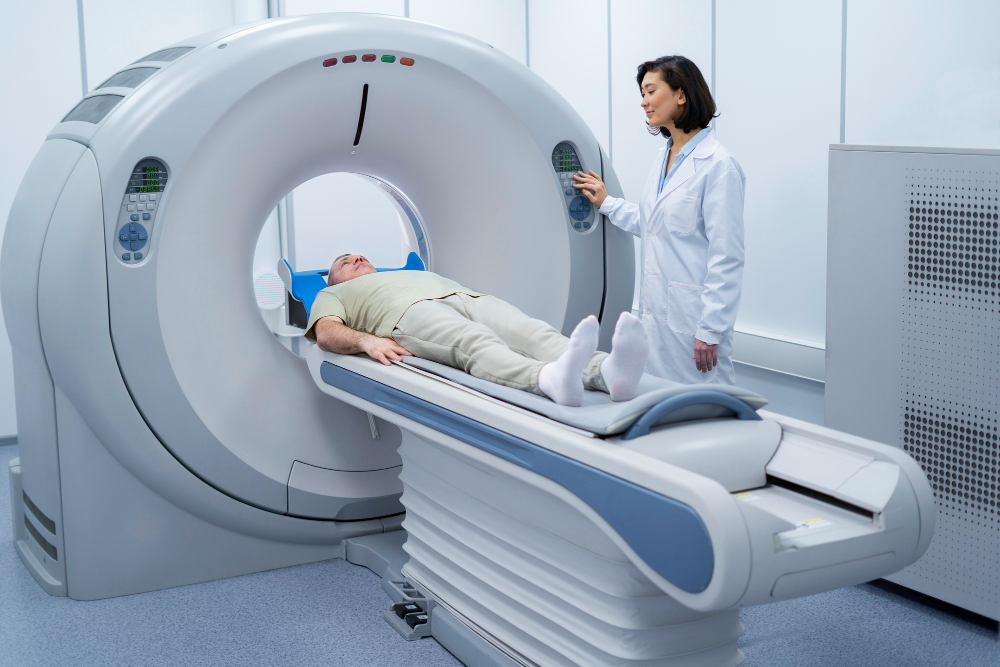
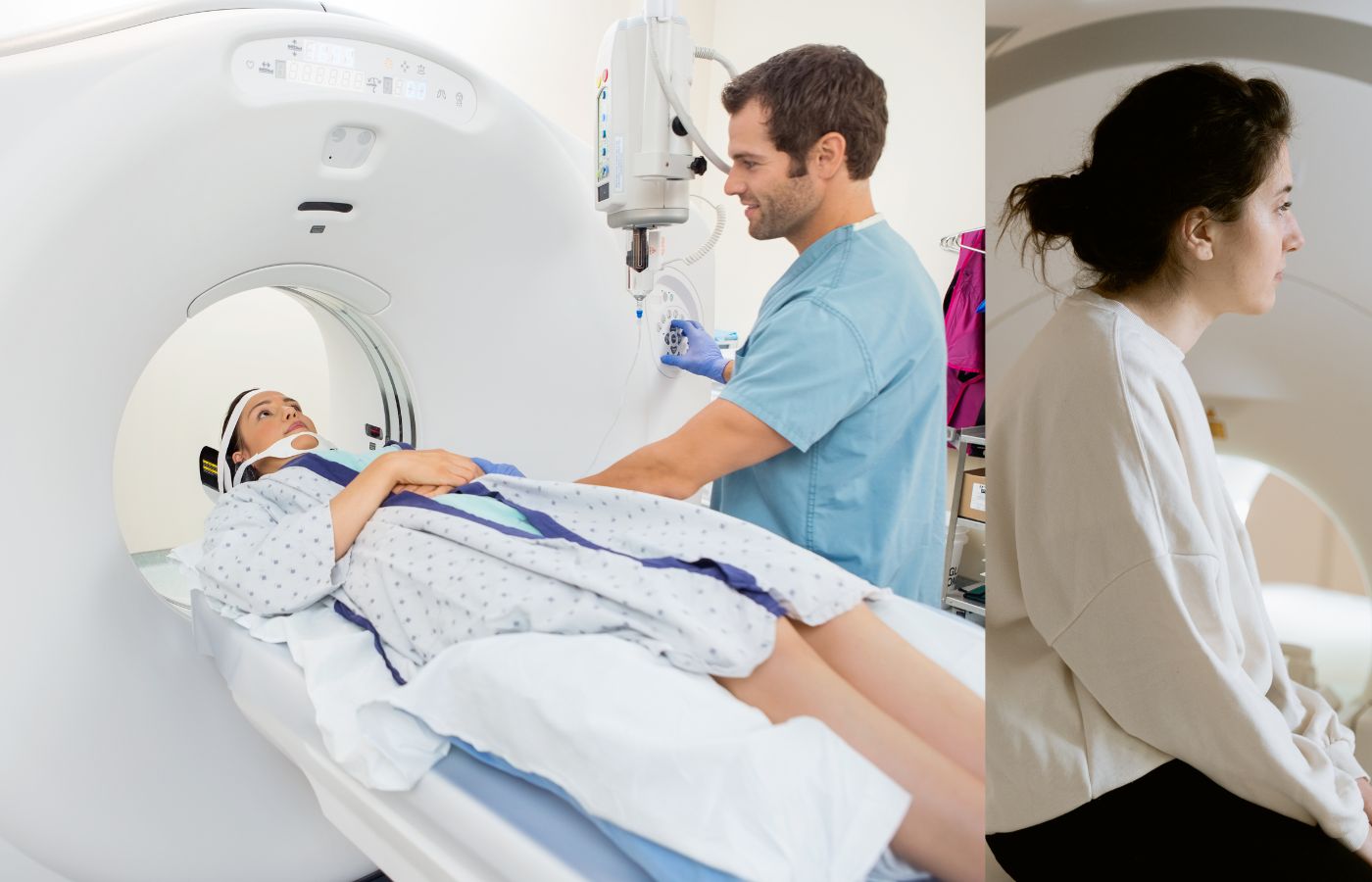
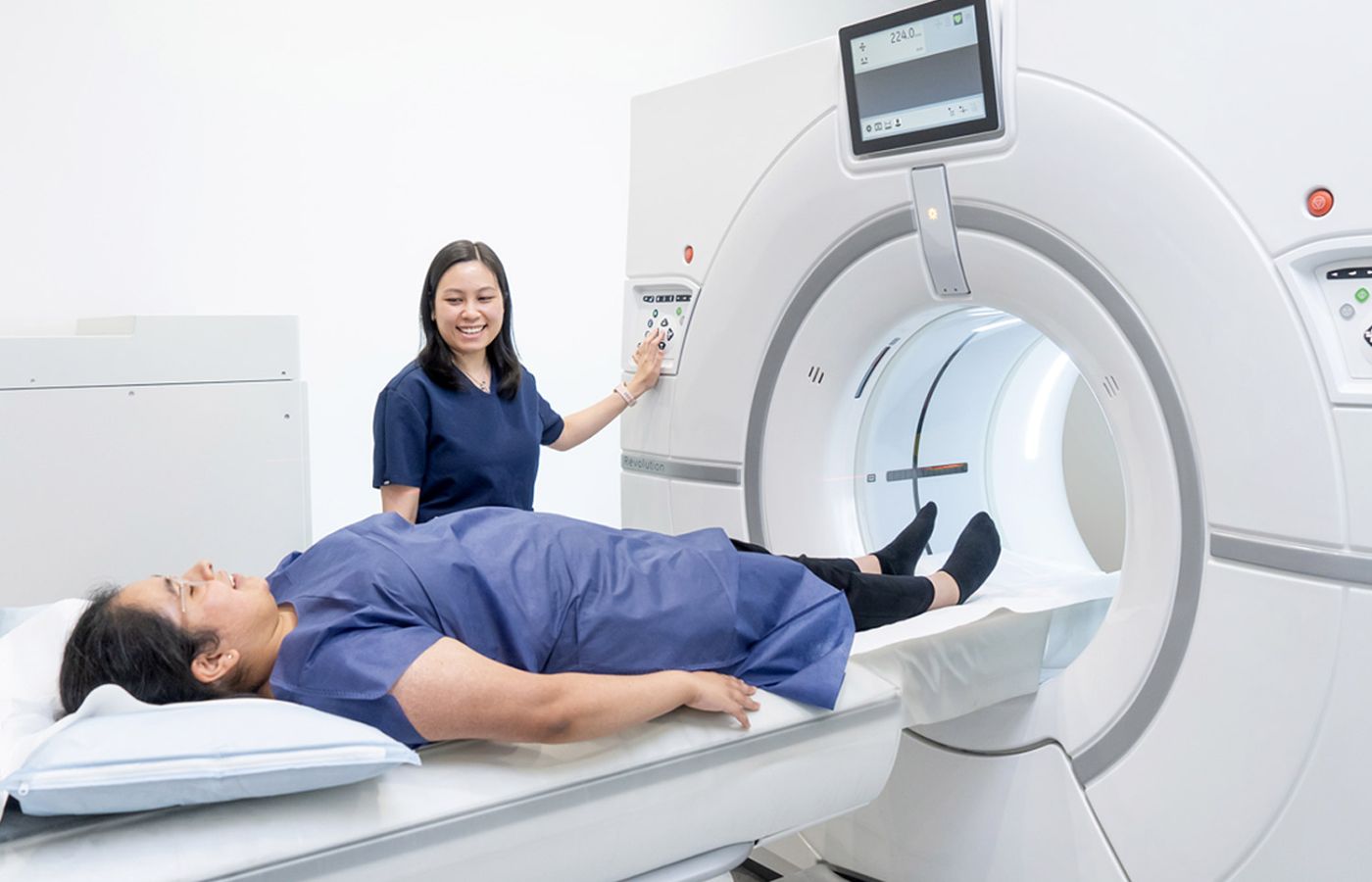
The patient lies on a motorized scanning table. The table slowly moves into the CT scanner while the machine rotates around the head.
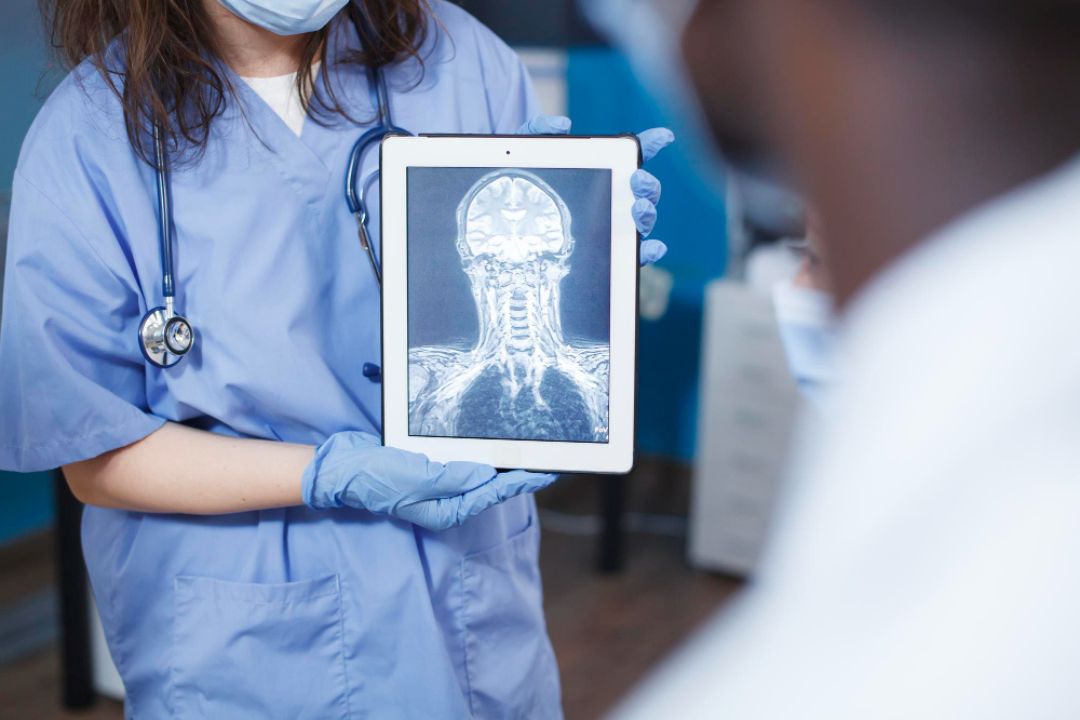
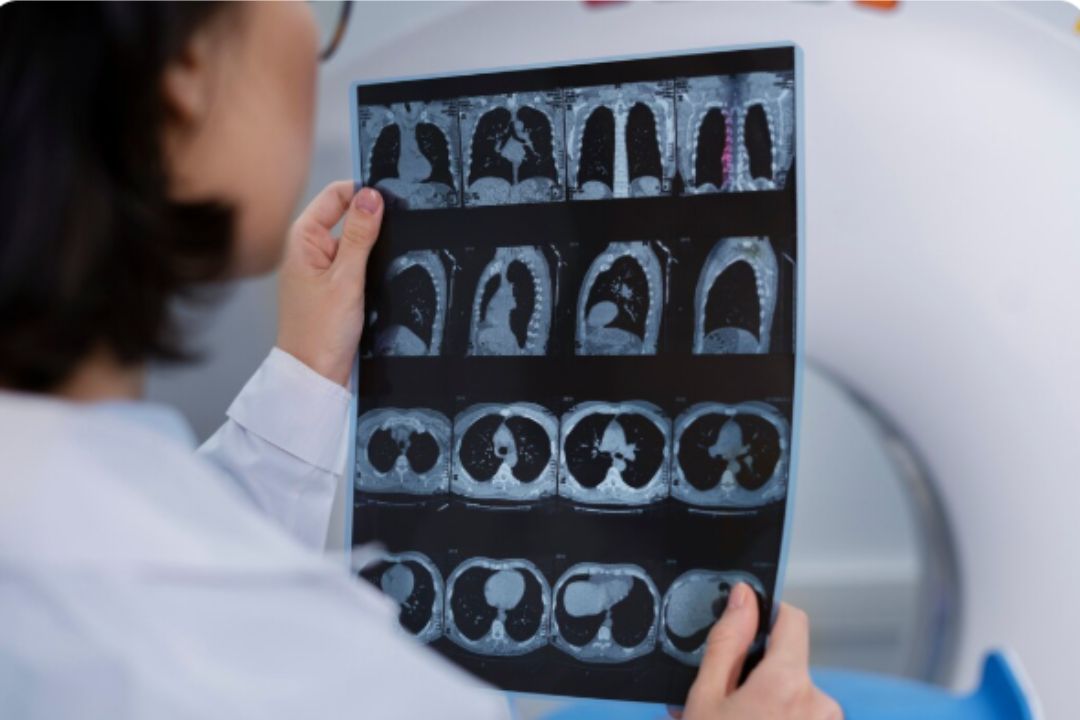
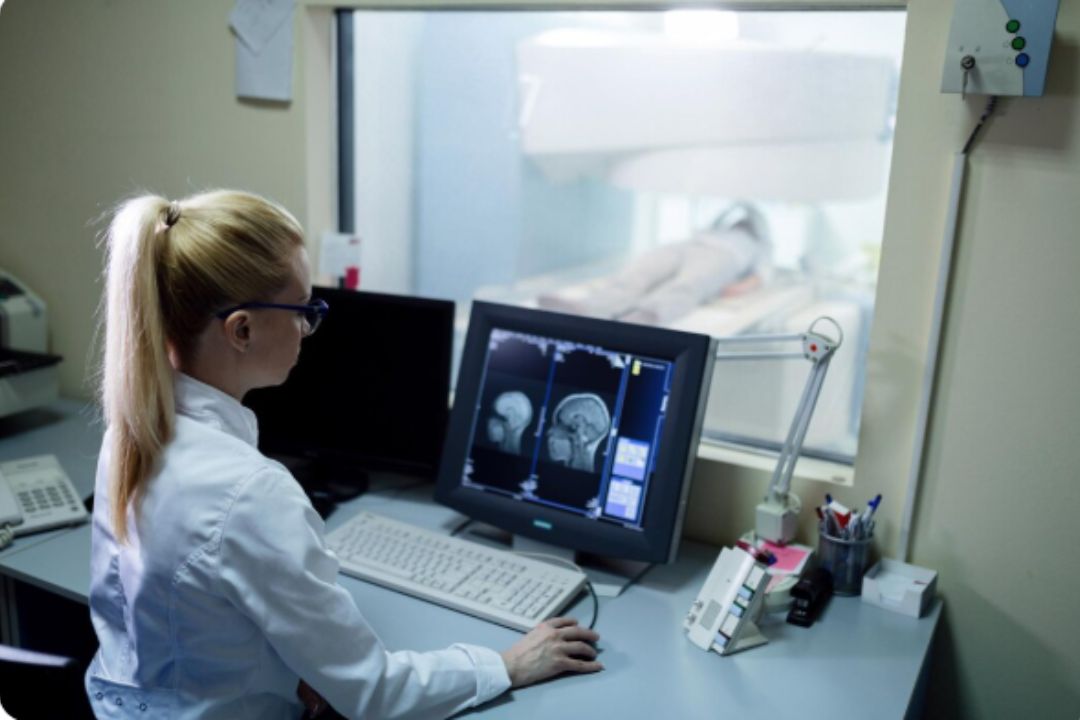
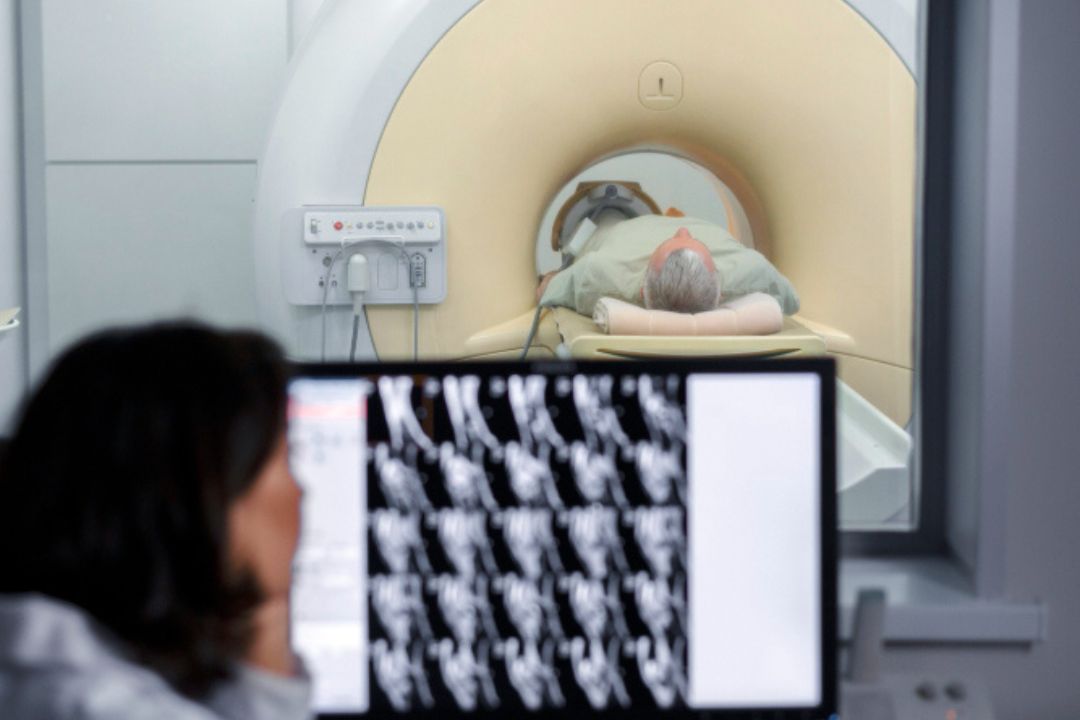
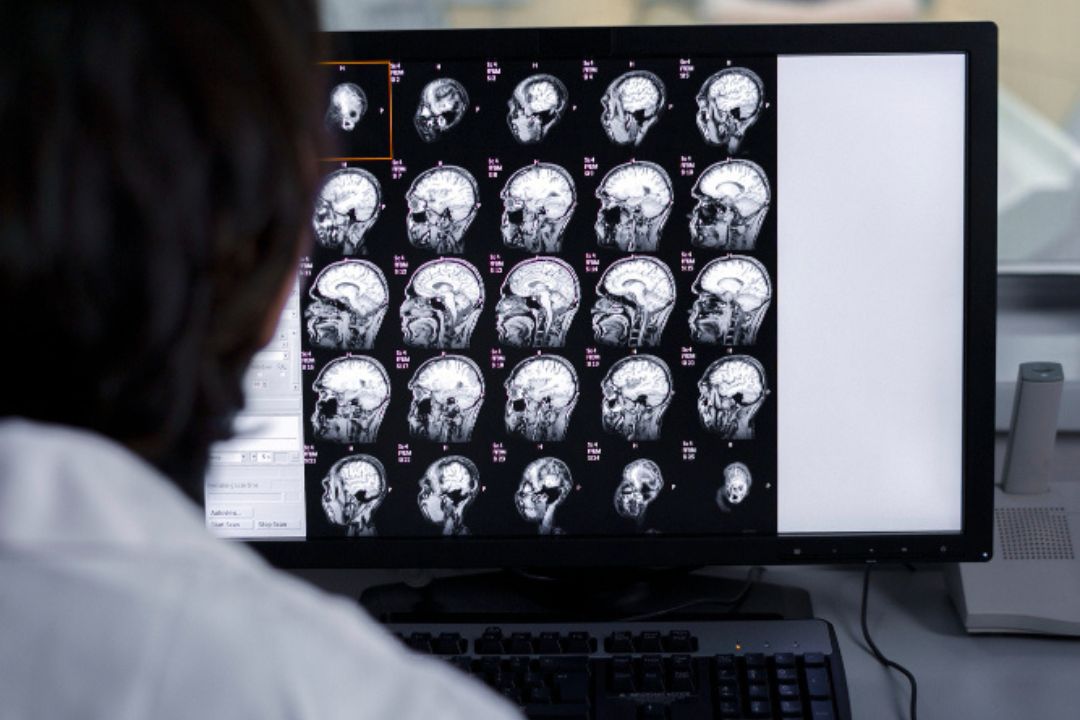
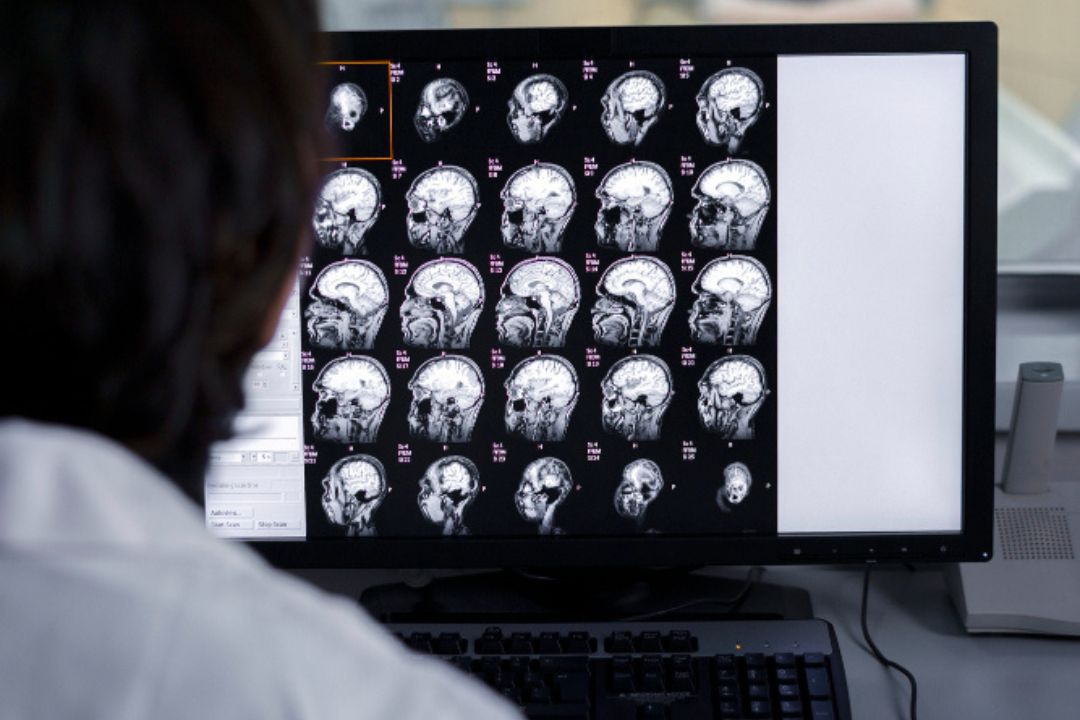
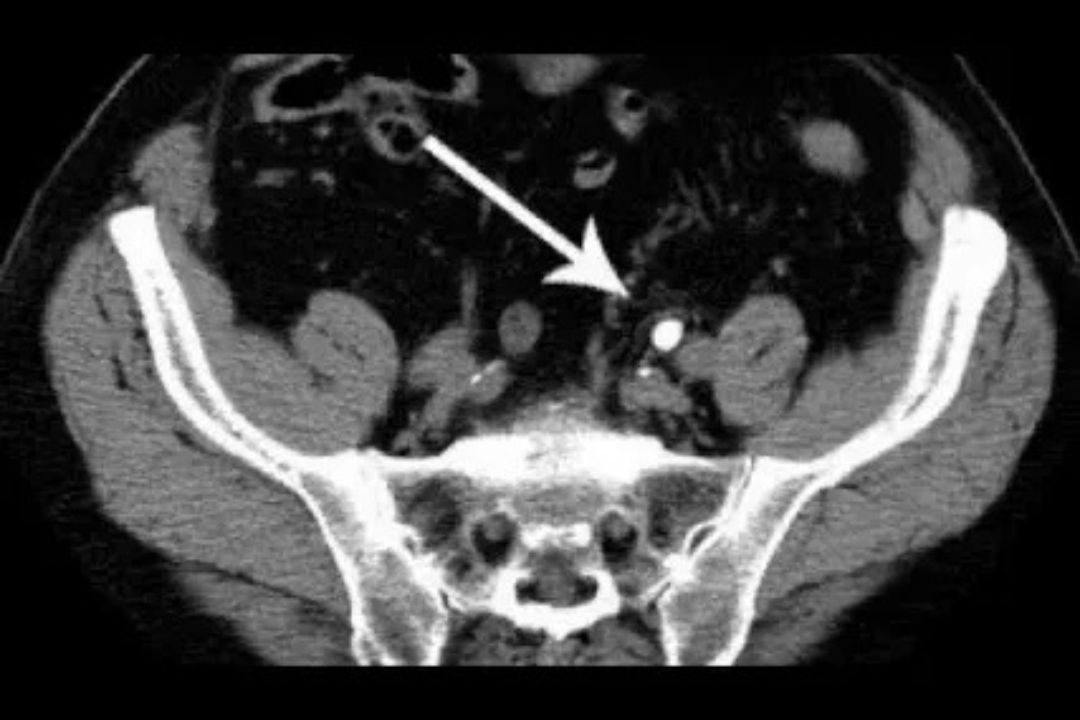
The scanner captures multiple images of the sinus area from different angles. These images are then combined to create detailed cross-sectional views of the sinuses.
The scanning process usually takes only a few minutes.
Once the scan is completed:
Patients can return to normal activities immediately
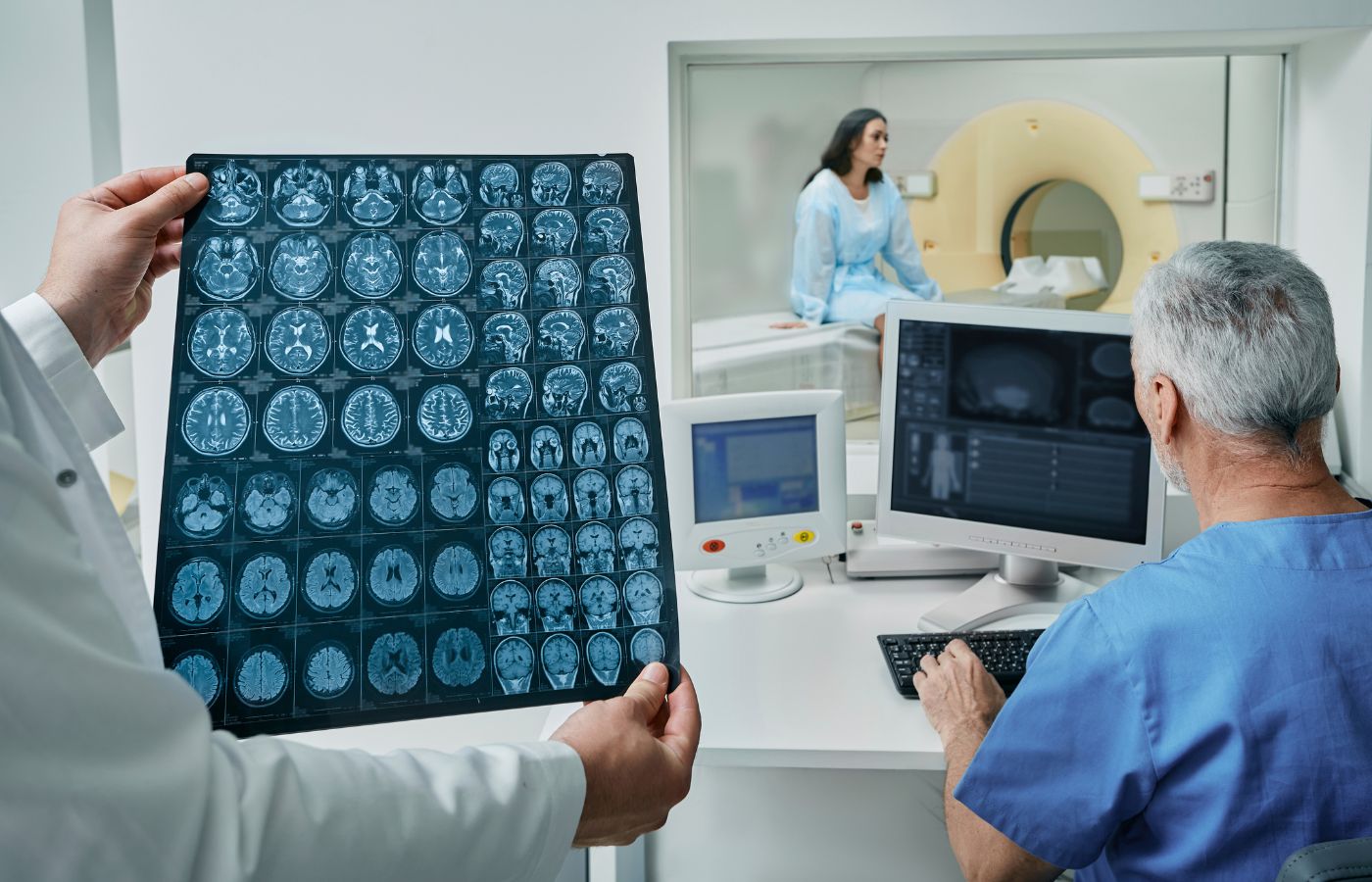
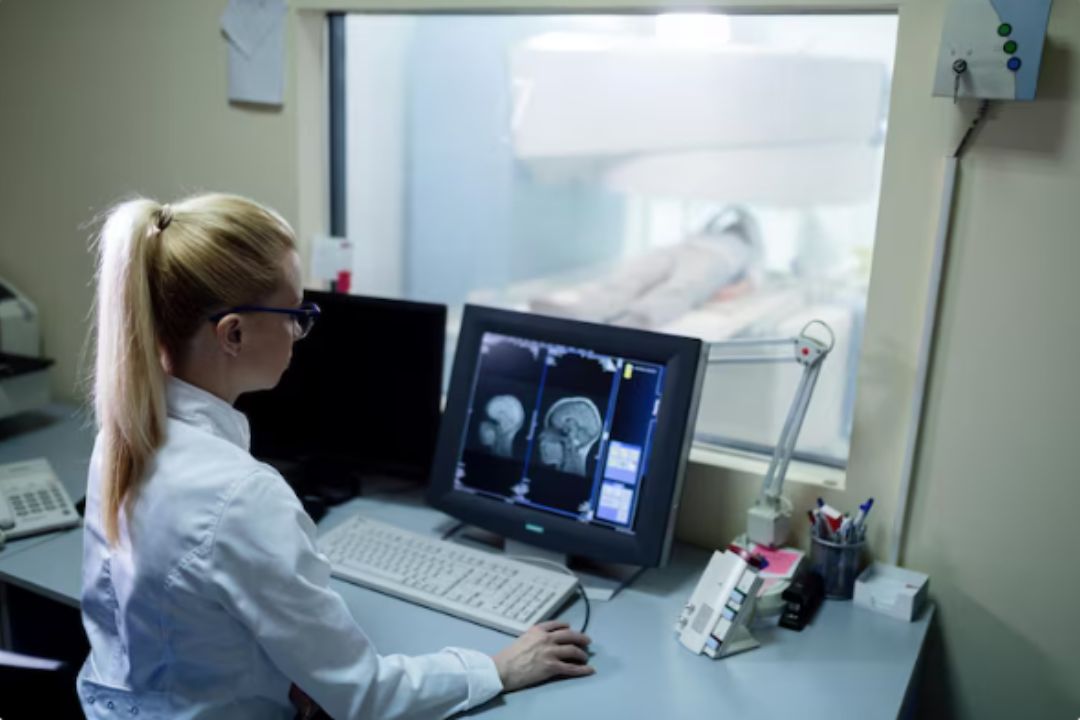
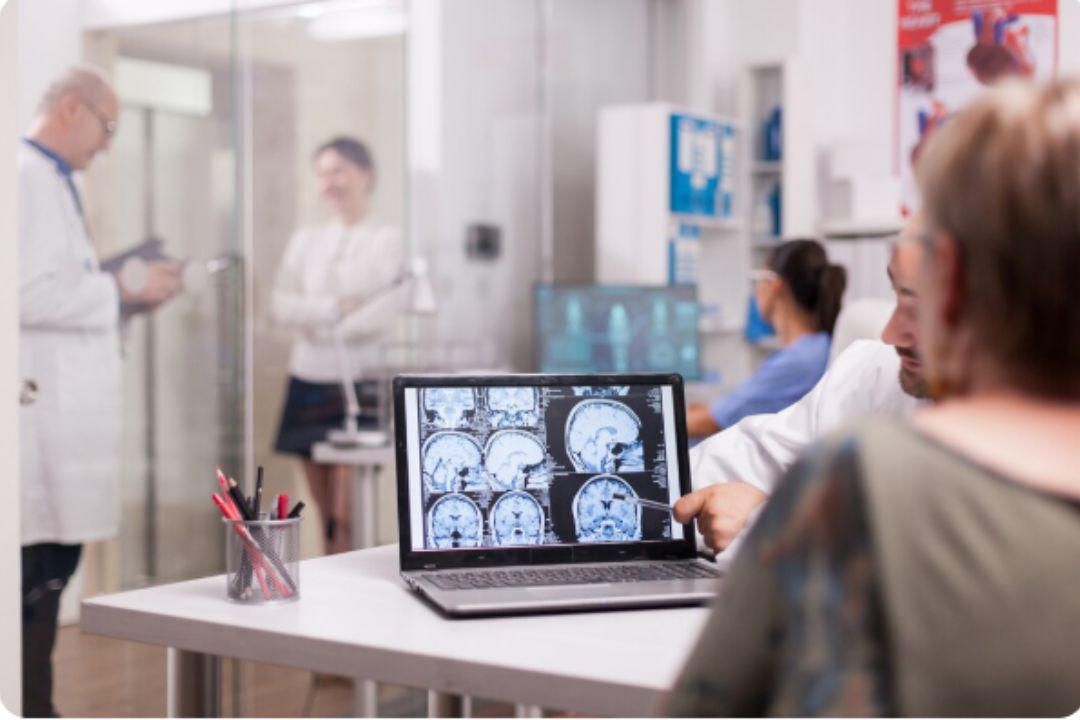
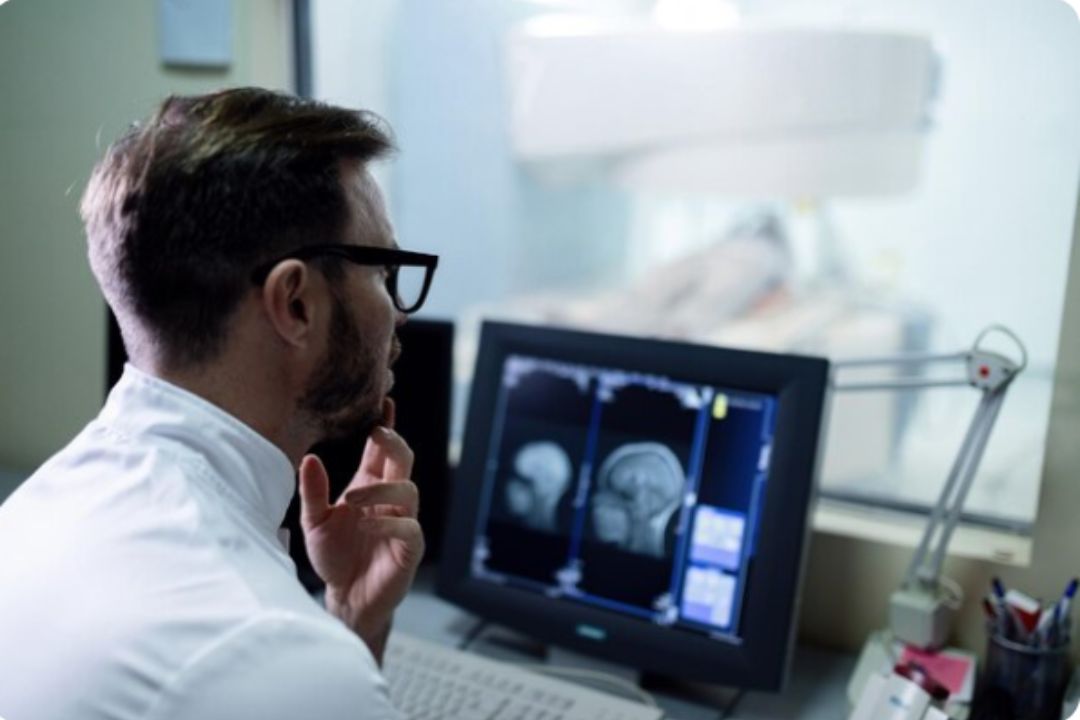
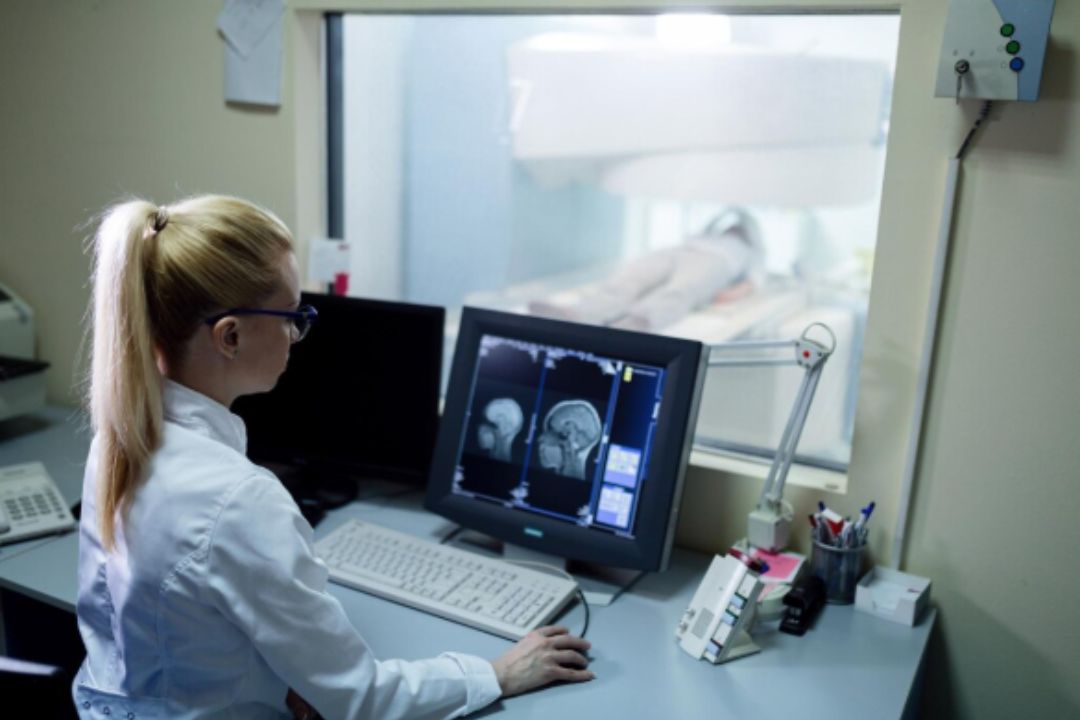
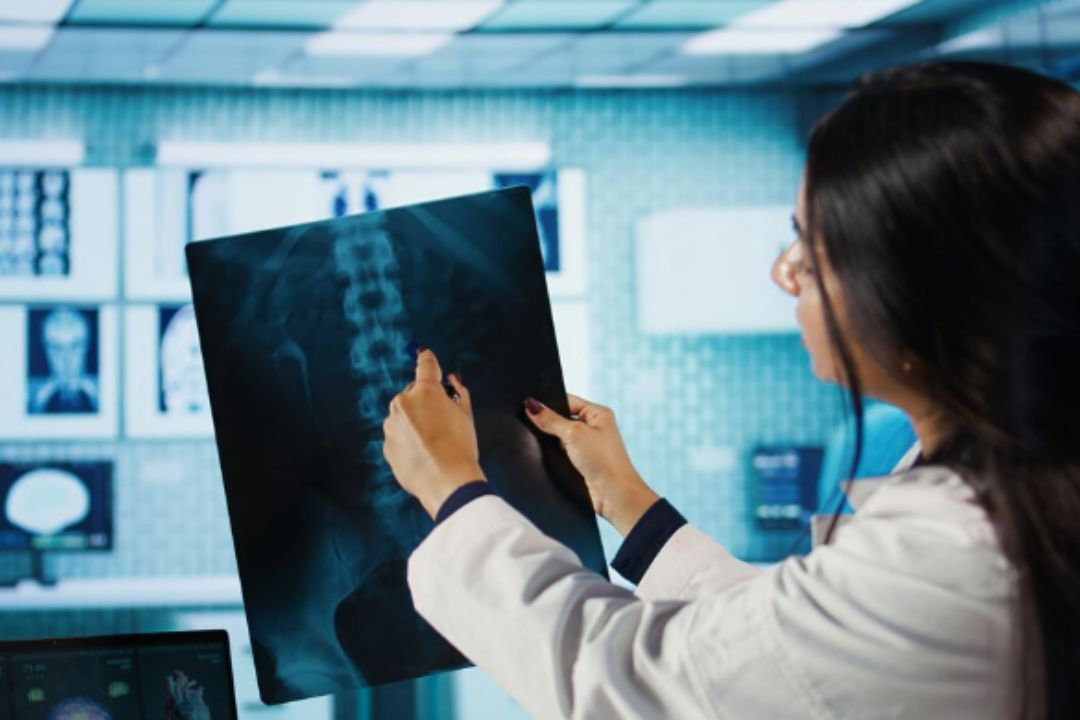
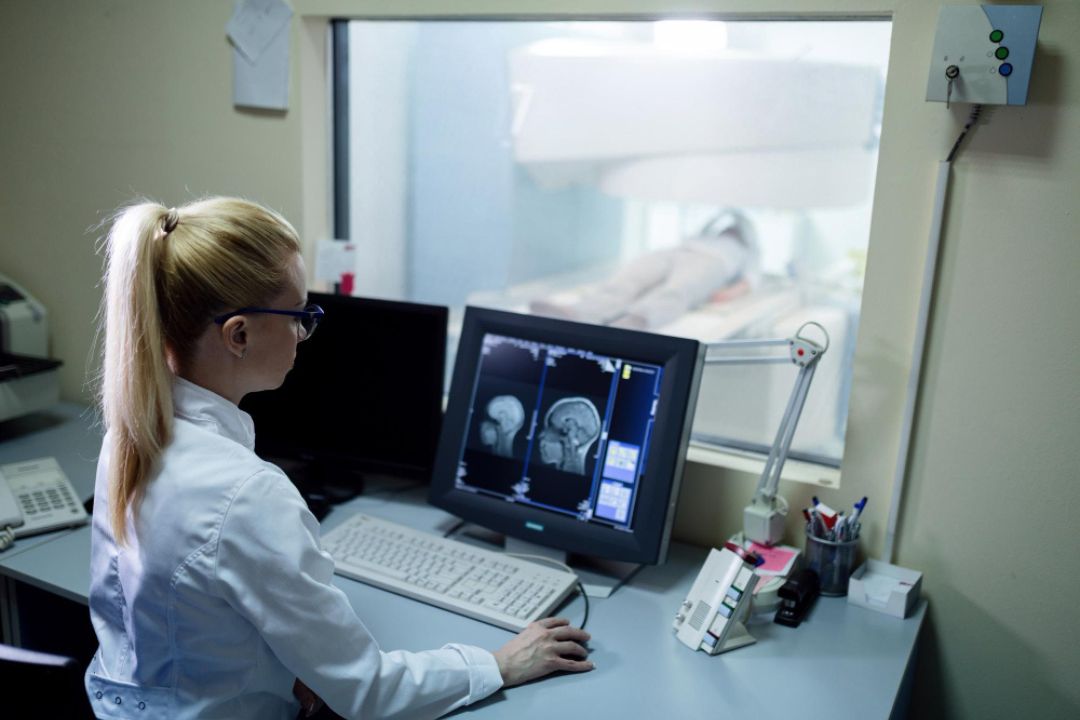
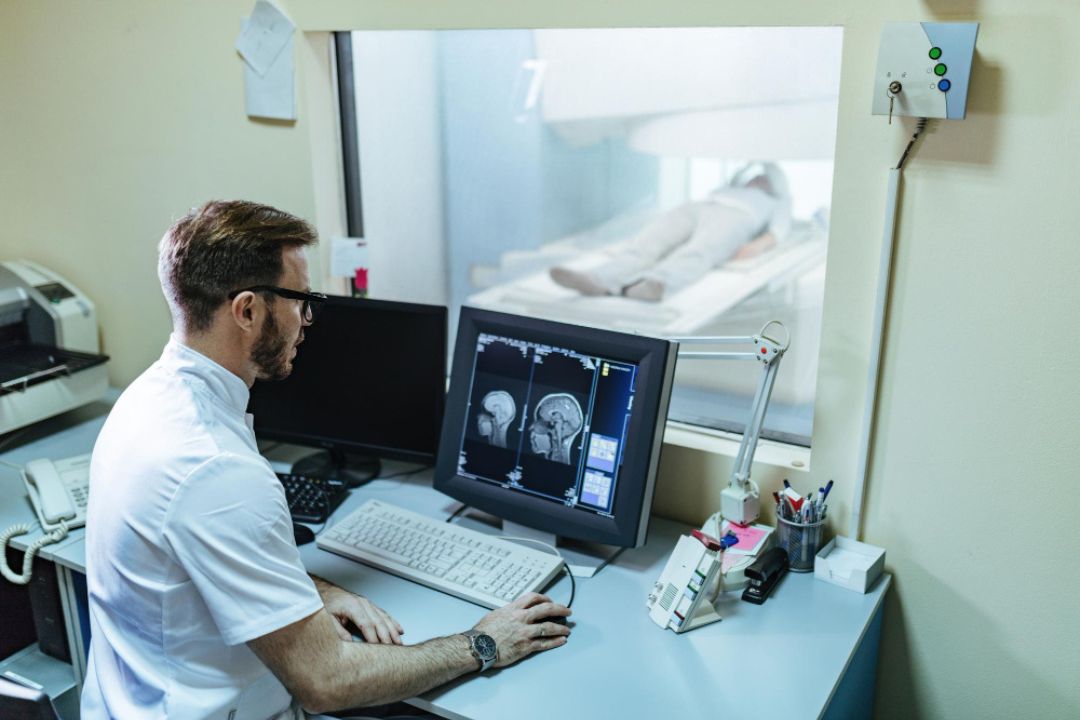
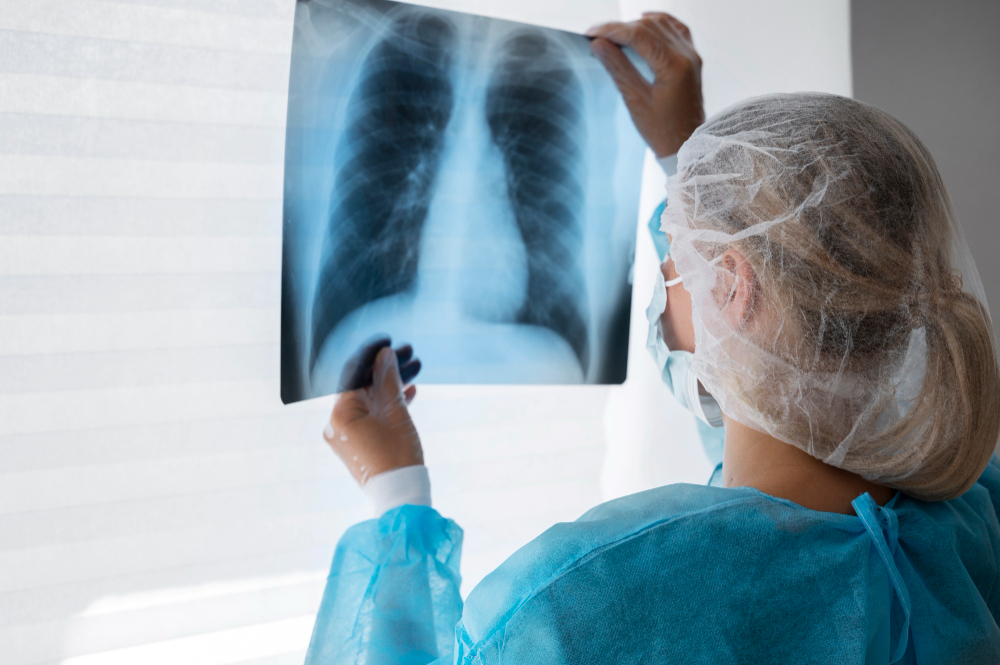
The images are reviewed by a radiologist
A diagnostic report is prepared for the doctor
Reports are typically available within 24 hours, depending on the diagnostic center.
This imaging test provides several advantages in diagnosing sinus problems.
CT scans provide highly detailed images of the sinus structures compared to standard X-rays.
The procedure is painless and does not require surgery or invasive techniques.
CT imaging helps doctors identify sinus infections, blockages, and structural abnormalities more accurately.
Doctors use CT scan results to determine the best treatment plan, including medications or sinus surgery if necessary.
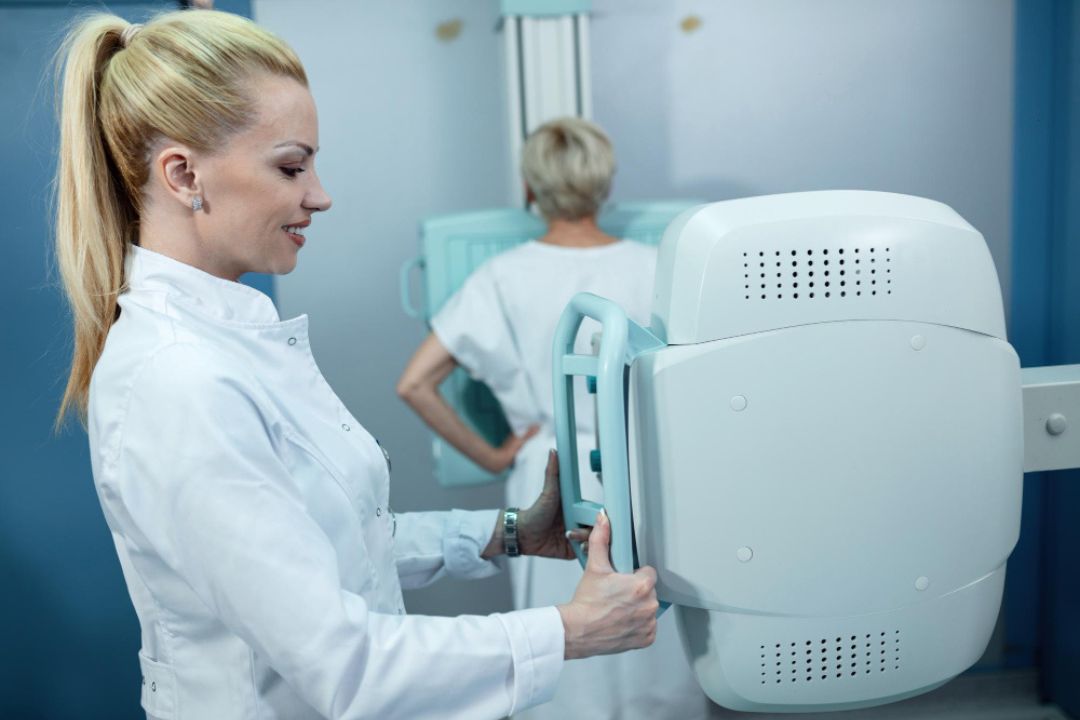
CT scans use controlled amounts of radiation to produce detailed images. Modern CT machines use advanced technology to minimize radiation exposure while maintaining high image quality.
Radiologists ensure that the scan is performed safely and only when medically necessary.
Patients should inform their doctor if they are pregnant or have any concerns about radiation exposure.
A doctor may recommend a CT sinus scan if symptoms persist despite treatment.
Common symptoms that may require imaging include:
Frequent sinus infections
Persistent nasal congestion
Severe facial pain
Chronic headaches related to sinus issues
Difficulty breathing through the nose
Early diagnosis helps doctors identify the cause of these symptoms and provide appropriate treatment.
A plain CT scan for sinuses (PNS) is an effective diagnostic test used to evaluate sinus infections, nasal blockages, and other sinus-related conditions. The procedure is quick, painless, and does not require contrast dye or special preparation in most cases.
With detailed imaging of the sinus cavities, CT scans help doctors diagnose problems accurately and plan the most effective treatment. If you experience persistent sinus symptoms, your doctor may recommend a CT sinus scan to better understand the underlying cause.












.jpg "ct brain scan plain and contrast")




















.jpg "ct scan")

.jpg "ct scan or mri for brain disorders")


.jpg "exploring the power of ct brain contrast in modern diagnostics")
.jpg "ct scan")
.jpg "ct scan")








.jpg "ct scan")

.jpg "CT Brain Scan for Headaches")
.jpg "The Future of 3D CT Imaging")