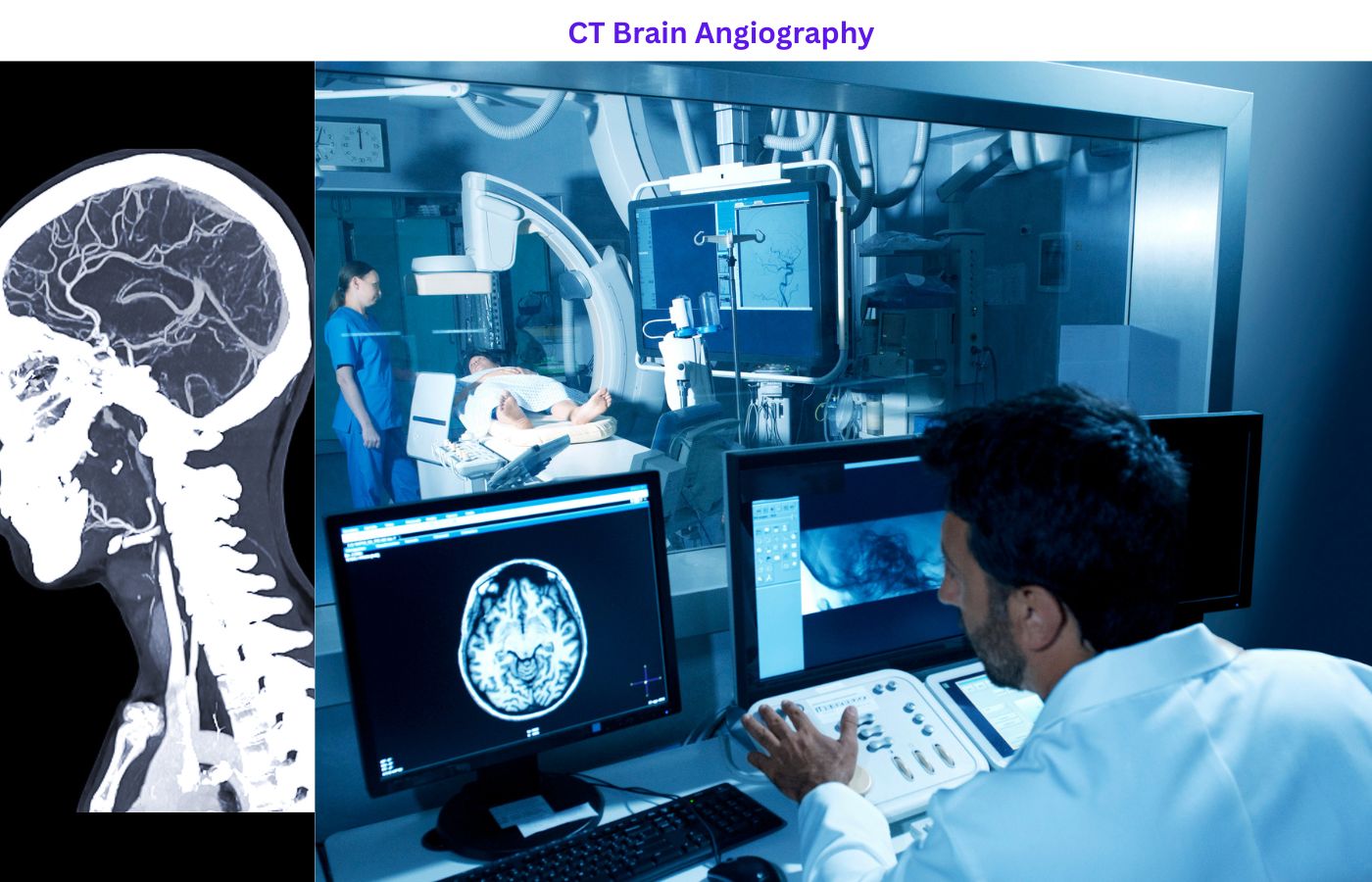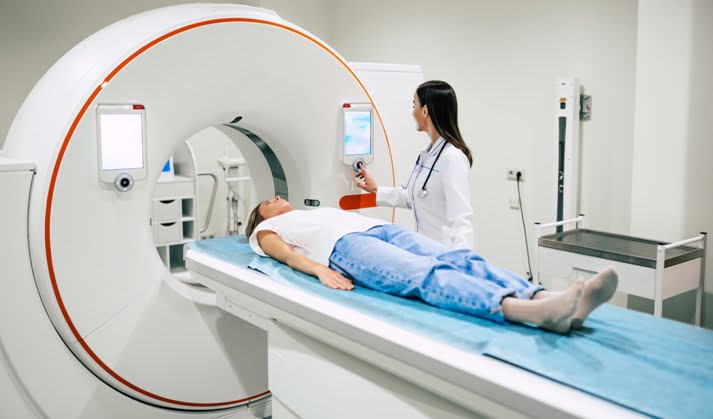
A CT PNS With Contrast is an imaging test used to examine the sinus cavities, nasal passages, and surrounding structures. Many patients preparing for this scan often ask: Do I need to fast before a CT PNS with contrast?
In most cases, yes — fasting for a few hours is usually recommended when contrast dye is used. However, the exact preparation instructions may vary depending on the diagnostic center and your medical condition.
A CT PNS scan with contrast uses a special iodine-based contrast dye to improve the visibility of tissues, blood vessels, and sinus structures.
Doctors may recommend this scan to detect:
Sinus infections
Nasal polyps
Sinus tumors
Blocked sinus passages
Structural abnormalities in the nasal cavity
The contrast dye helps highlight tissues that may not be clearly visible on a regular CT scan.
Yes, patients are commonly advised to fast for about 4–6 hours before a CT scan with contrast. This is a precaution that helps reduce the risk of nausea or vomiting after contrast injection.
Typical instructions include:
Avoid before the scan:
Solid foods
Milk
Tea or coffee
Juice
Allowed:
Small amounts of plain water (unless instructed otherwise)
Fasting helps ensure a comfortable and safe scanning procedure.
There are several reasons doctors may recommend fasting before a CT scan with contrast.
Contrast dye can sometimes cause mild nausea. Having an empty stomach reduces the chances of vomiting during or after the scan.
Food in the stomach can sometimes interfere with imaging quality, especially if nearby structures need to be examined.
Fasting helps minimize complications and allows the contrast dye to circulate effectively through the bloodstream.
Preparation for CT PNS depends on whether contrast dye is used.
| Type of CT PNS Scan | Fasting Required |
|---|---|
| CT PNS without contrast | No fasting required |
| CT PNS with contrast | Usually 4–6 hours fasting |
Most routine sinus CT scans are performed without contrast, which means fasting is usually not necessary.
However, if the doctor needs to evaluate tumors, infections, or blood vessels, contrast CT may be recommended.
The procedure is quick and painless.
You may be asked to:
Remove jewelry or metal objects
Change into a hospital gown
Inform the technician about allergies or medications
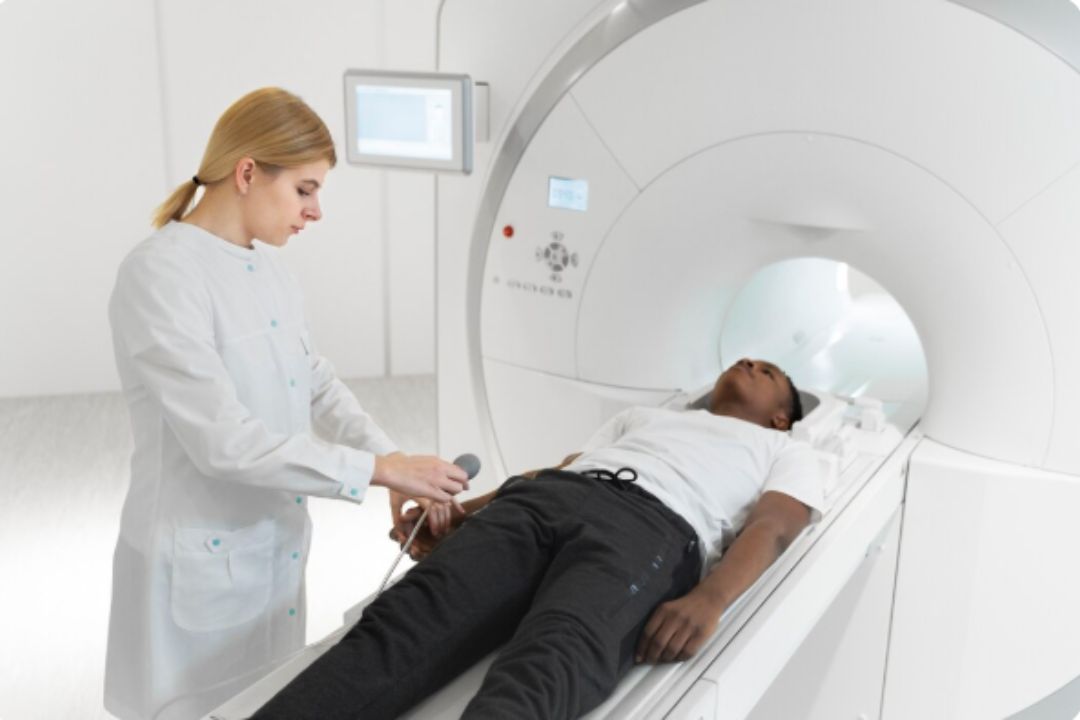
A contrast dye is injected into a vein in your arm.
Some patients may feel:
Warm sensation
Metallic taste in the mouth
These sensations are temporary and harmless.
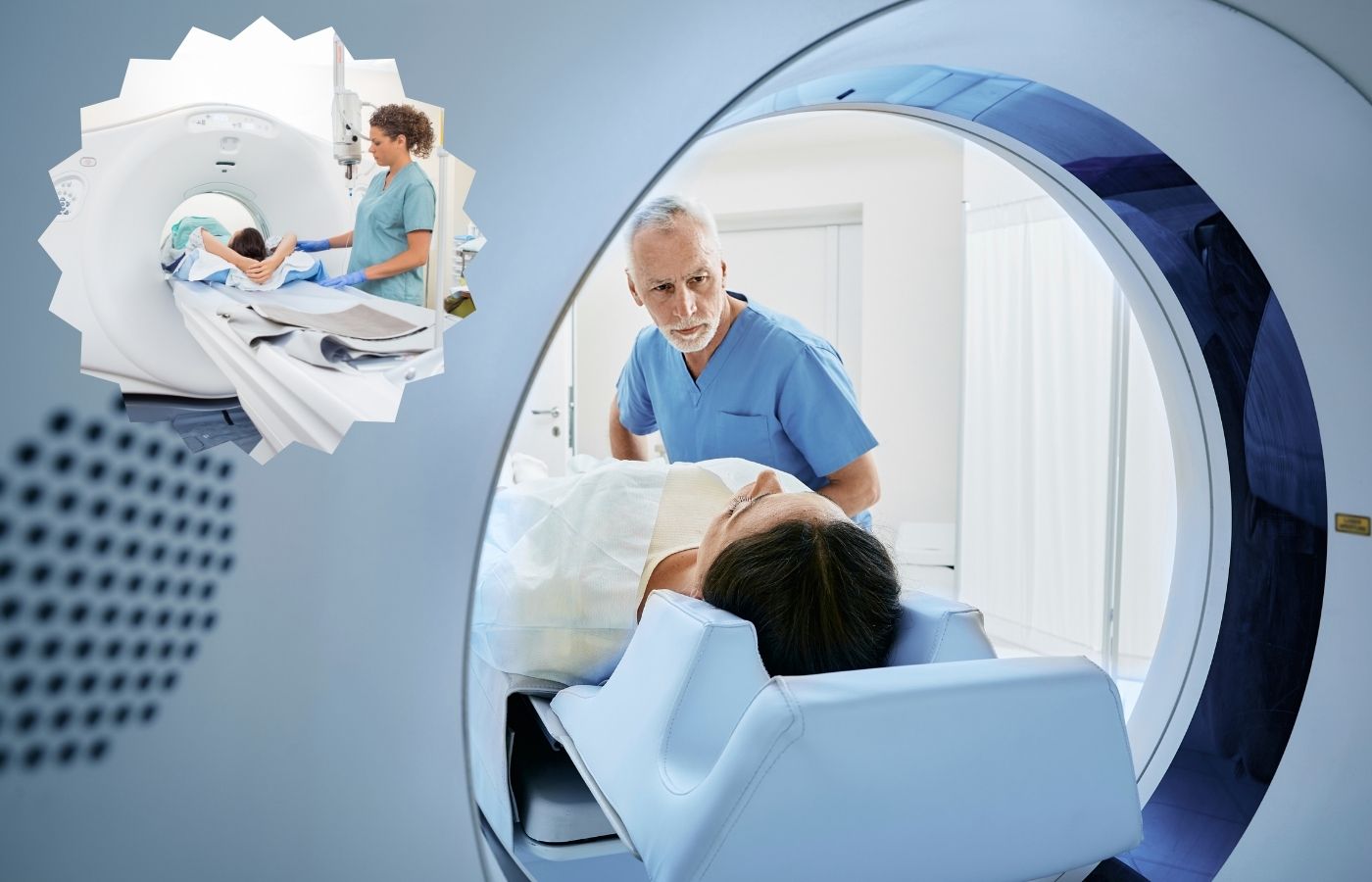
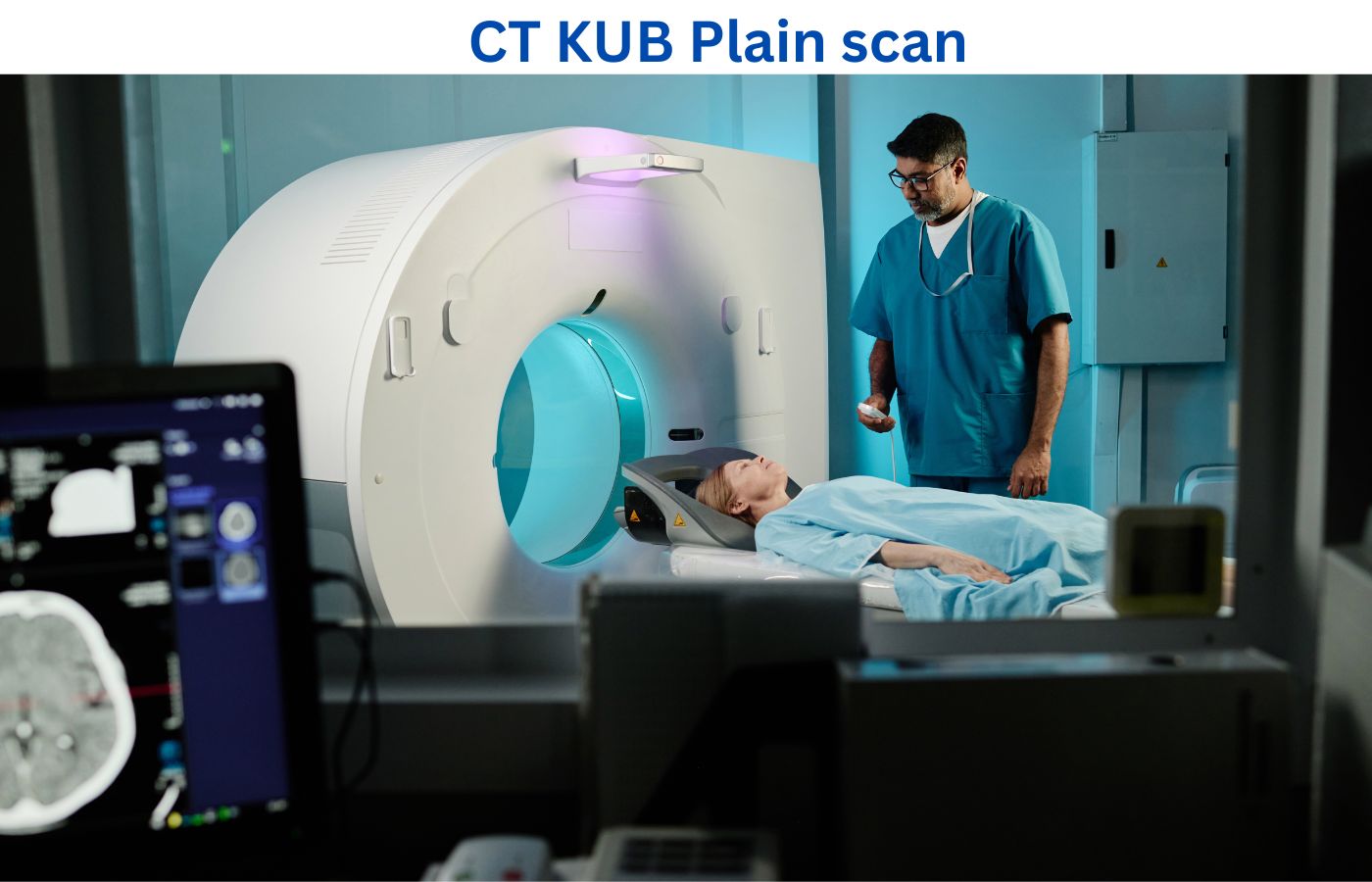
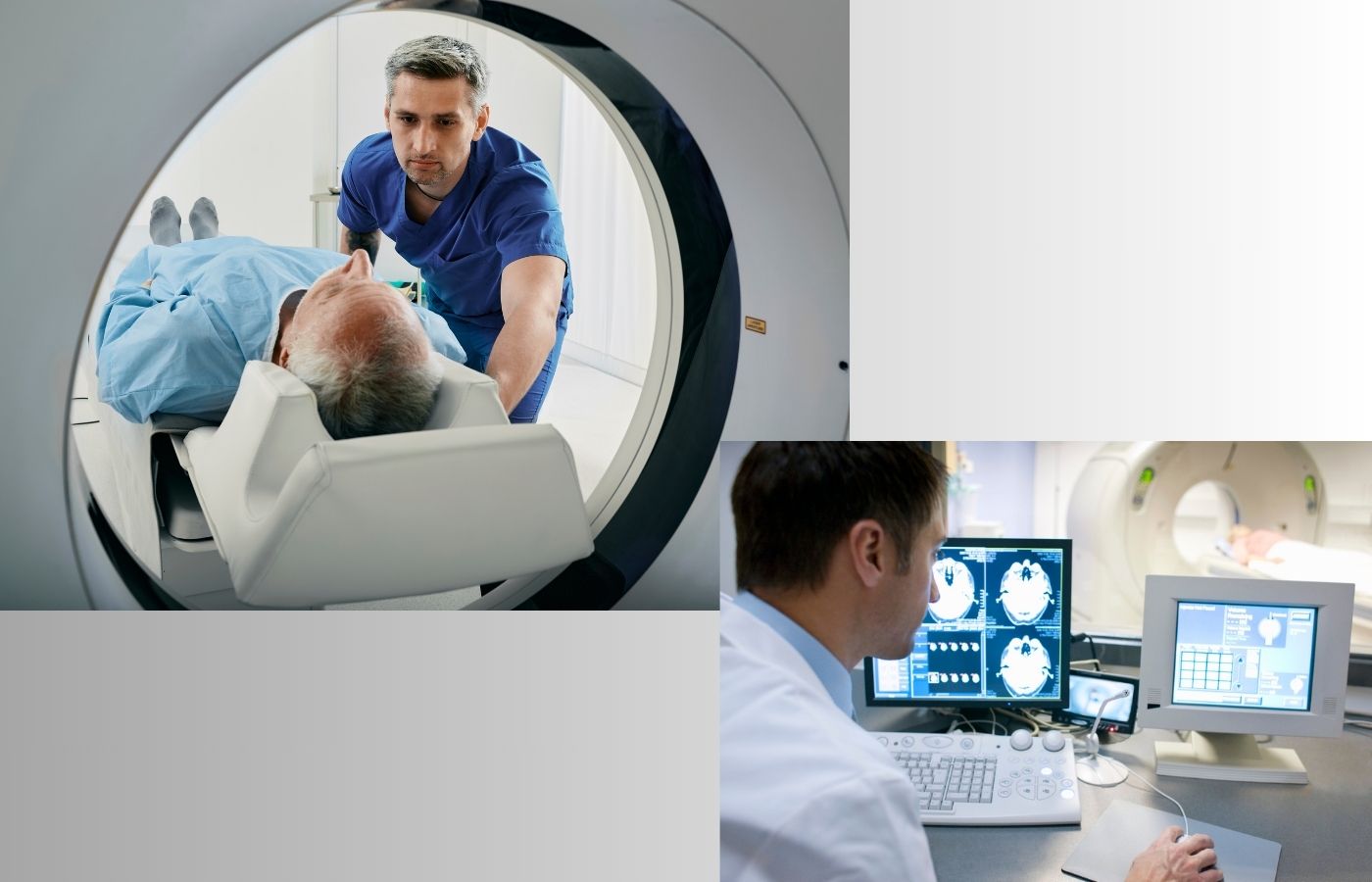
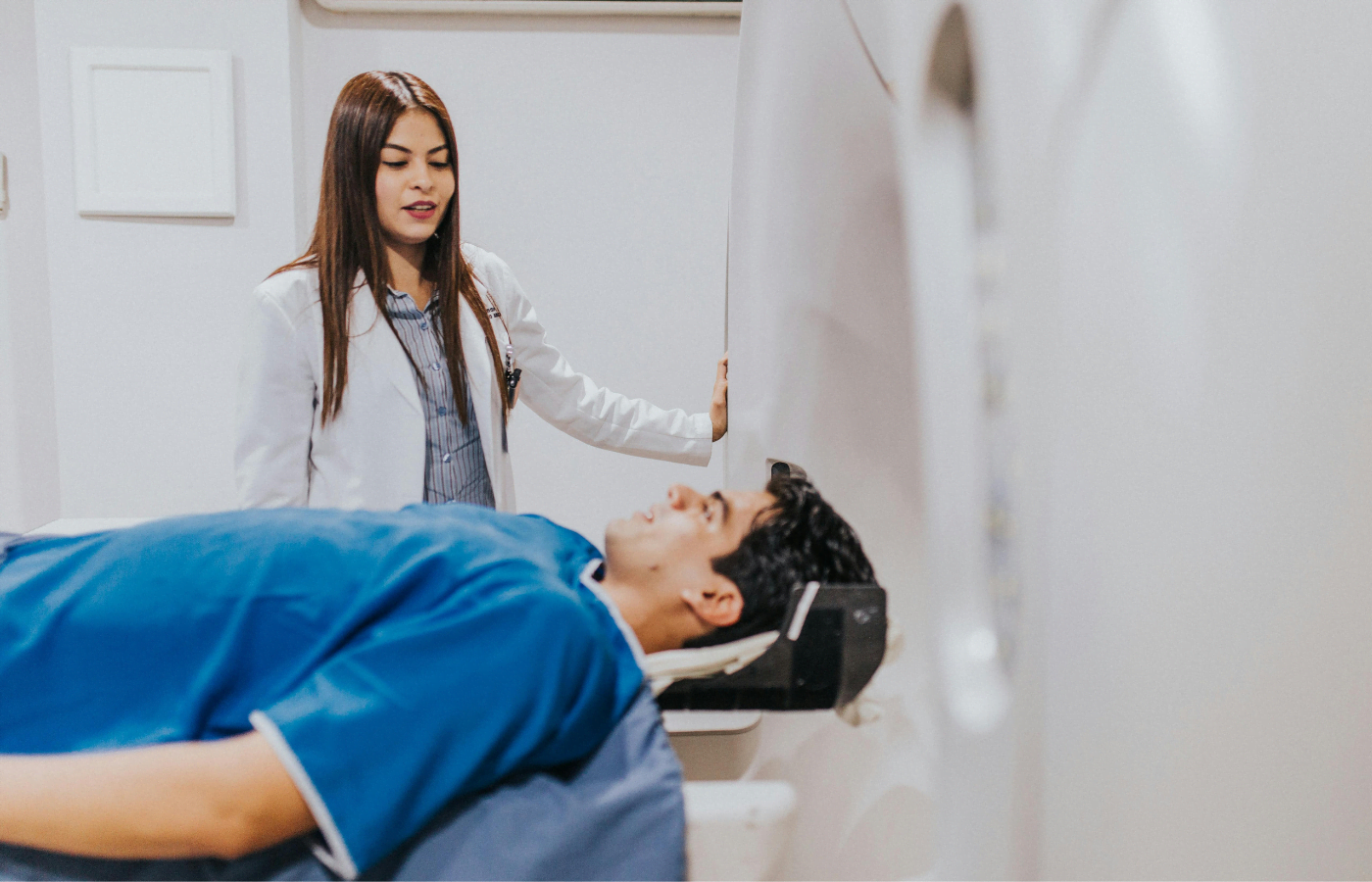
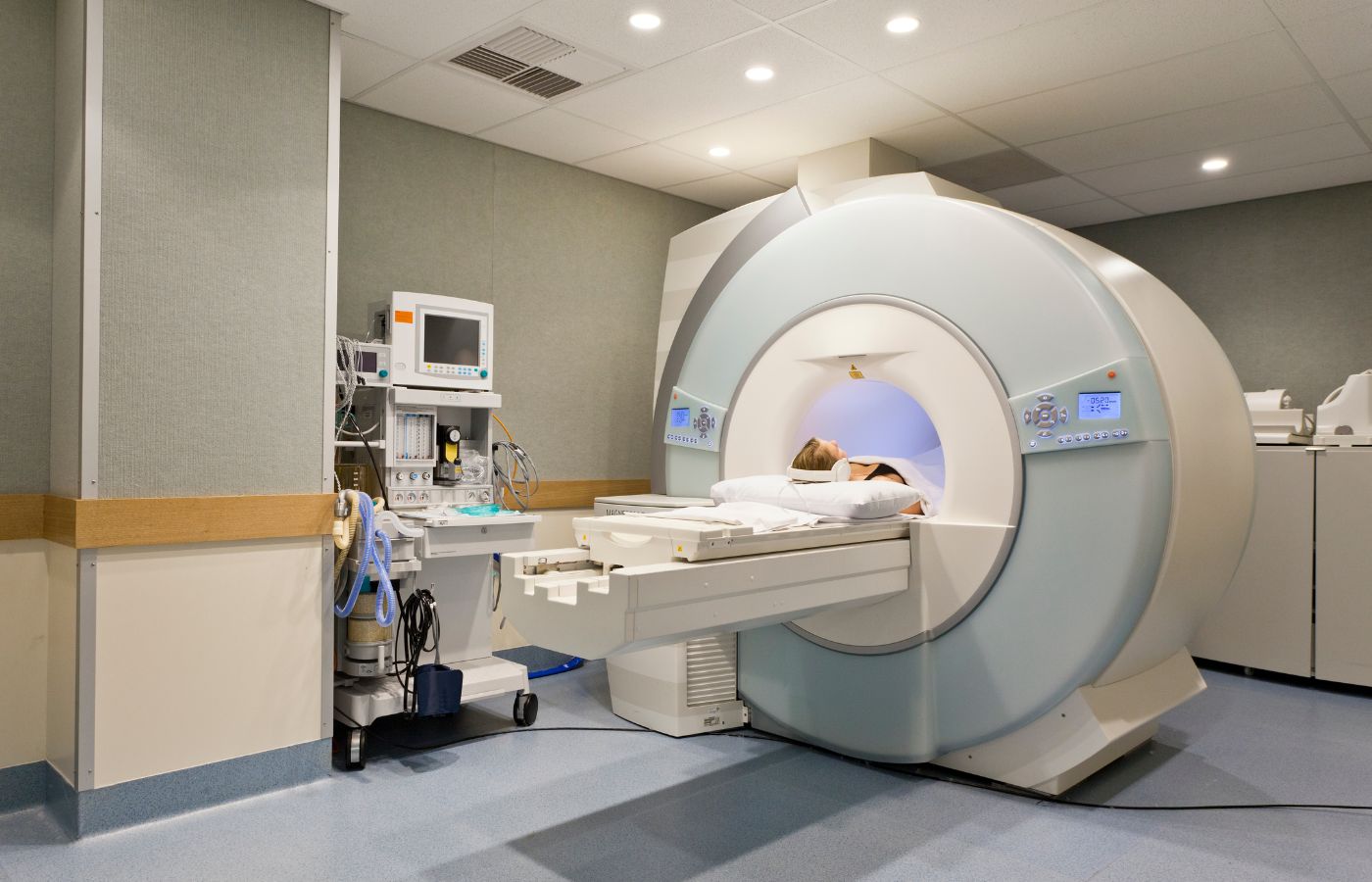
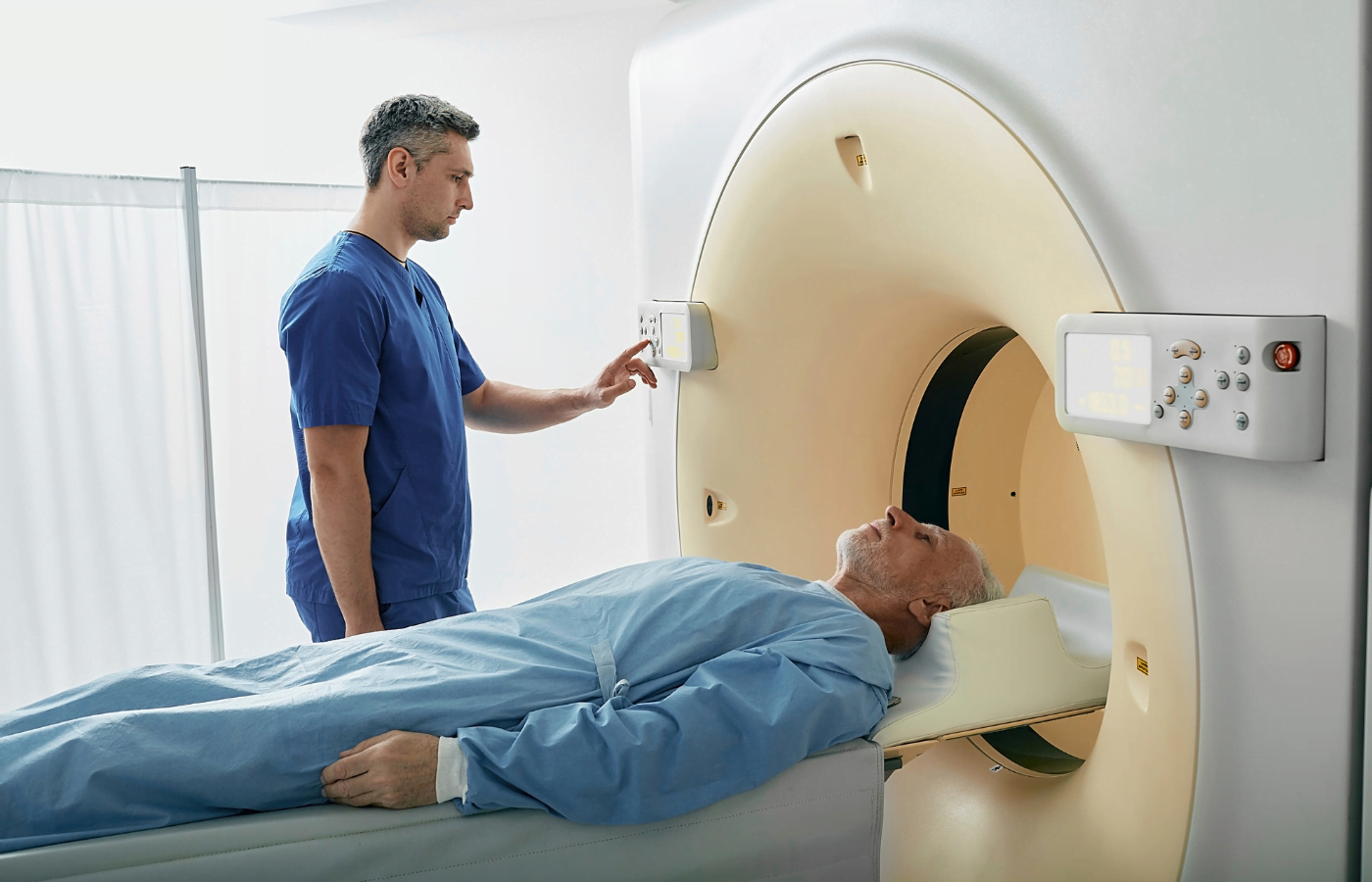
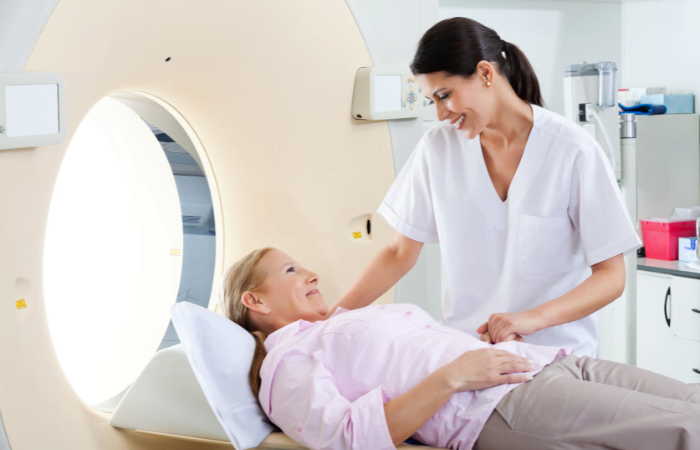
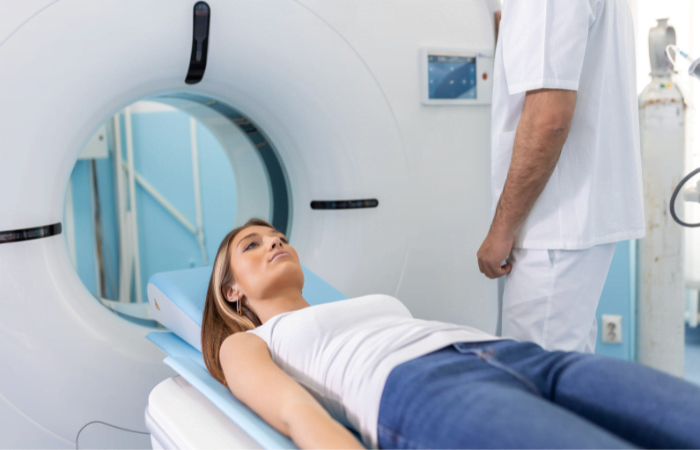
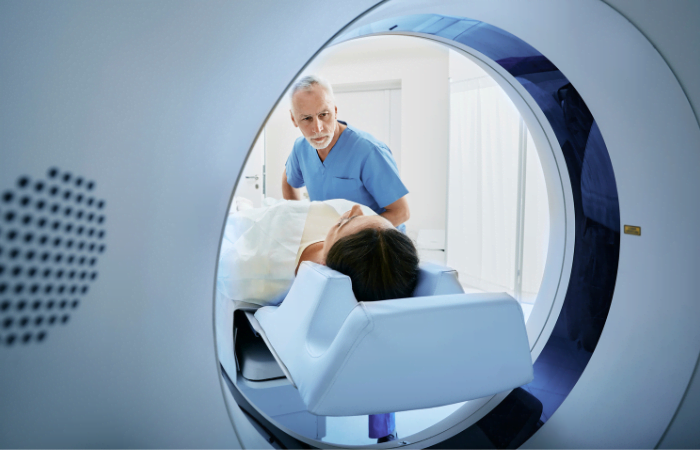
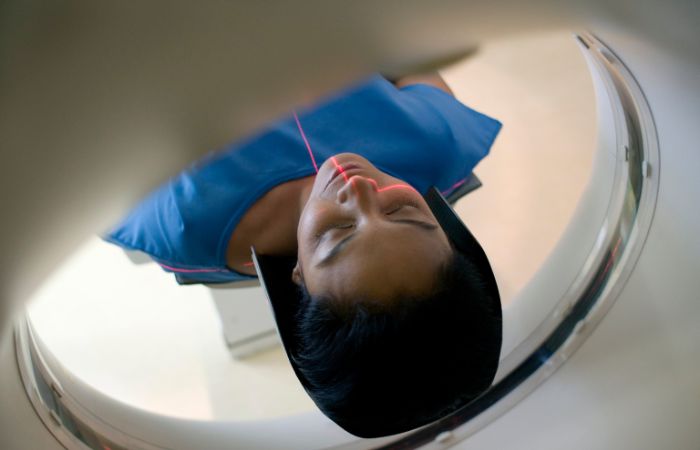
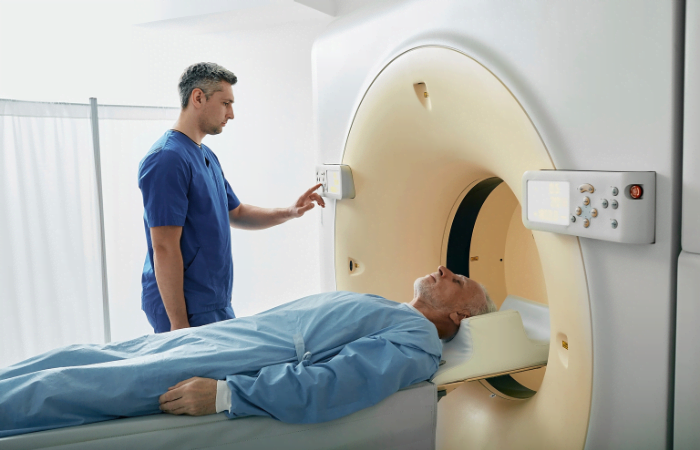
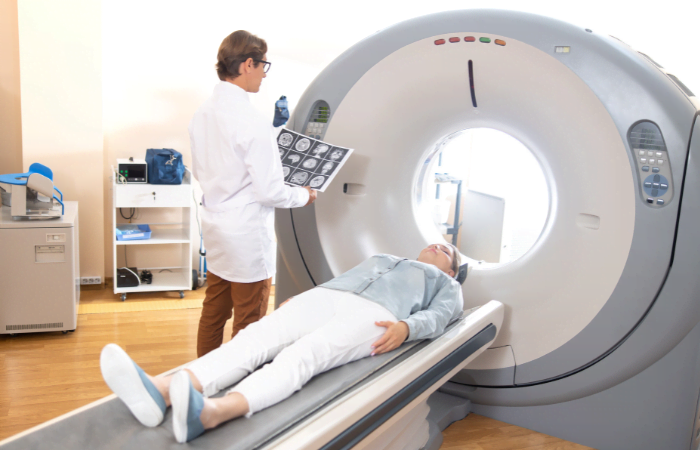
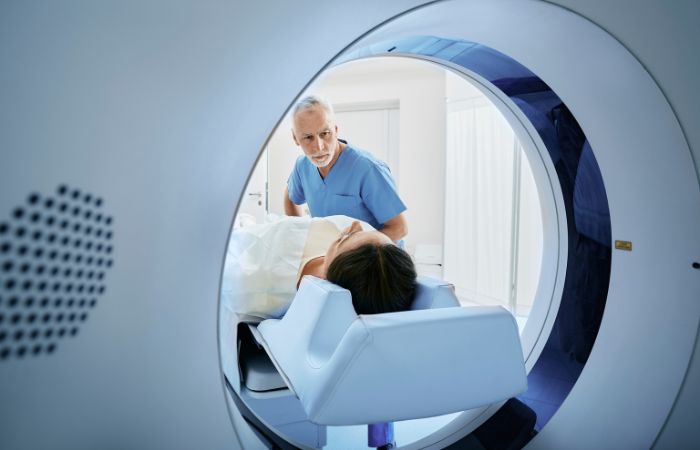
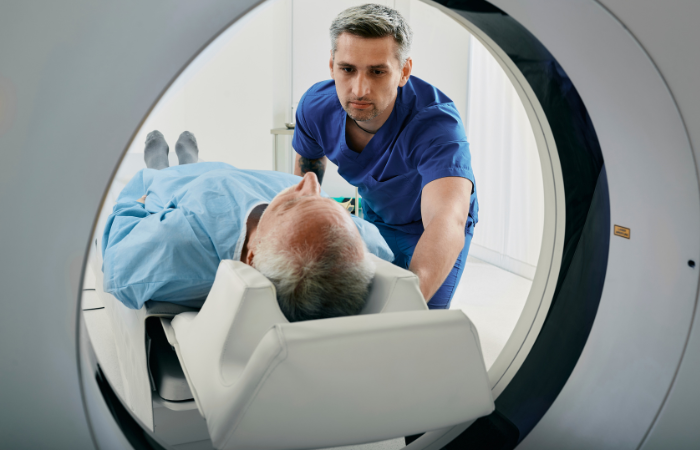
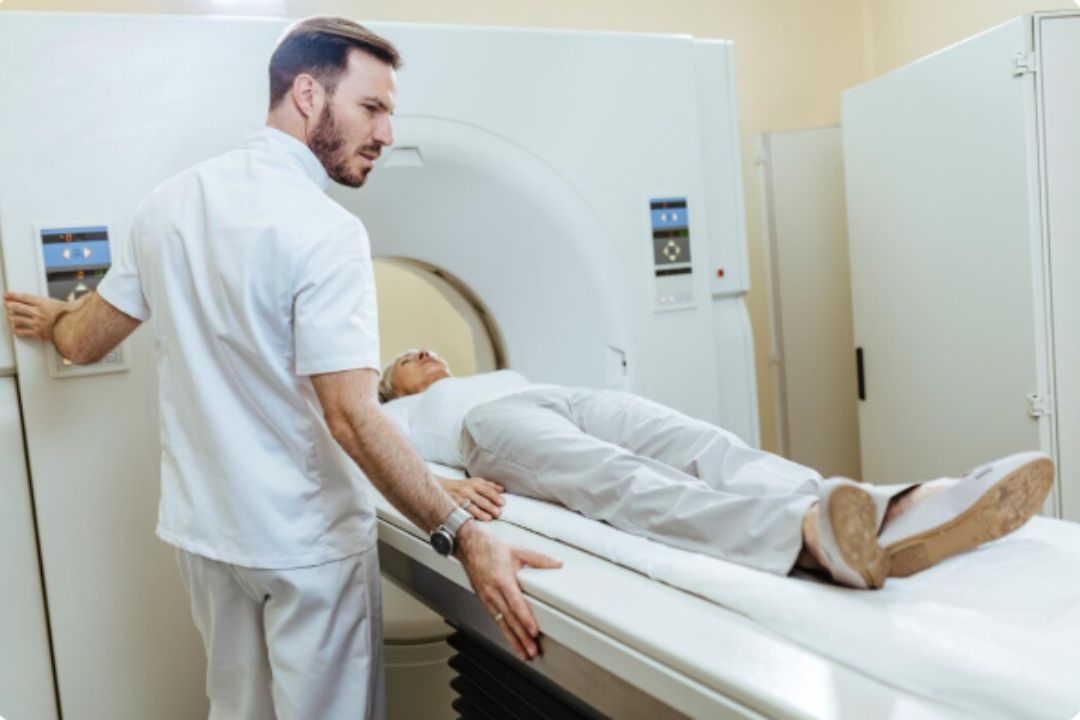
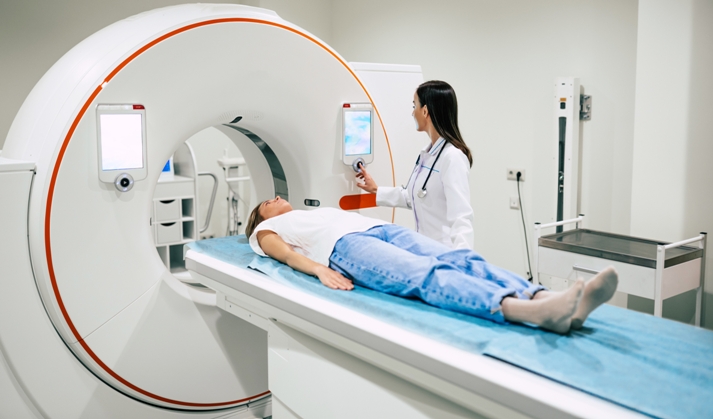
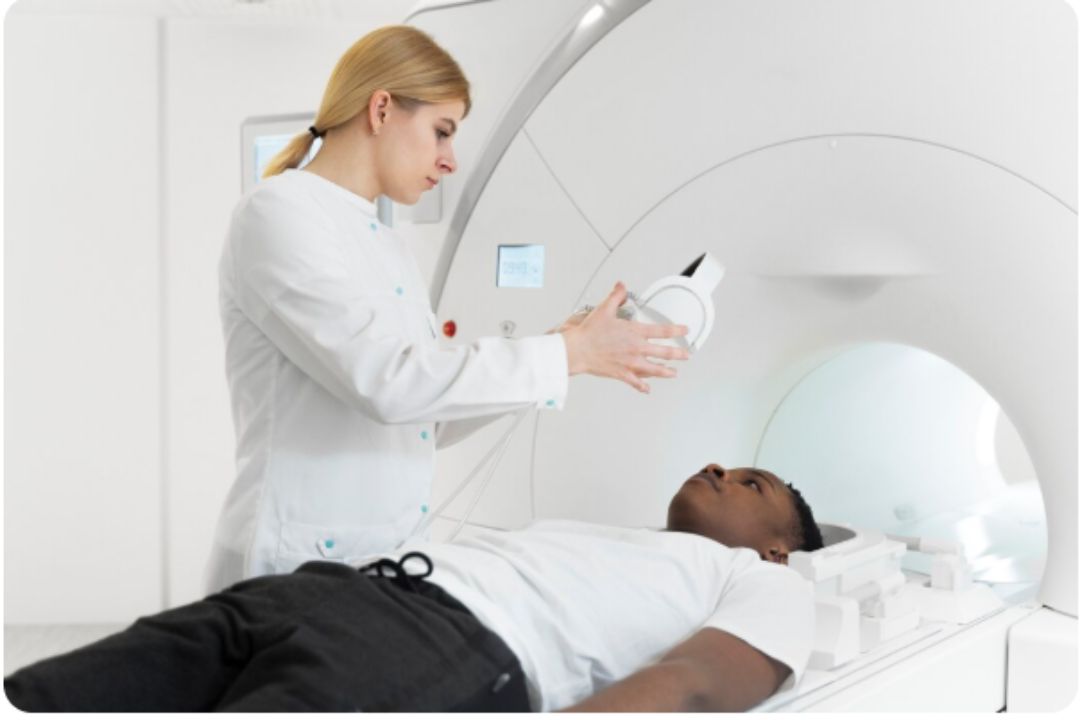
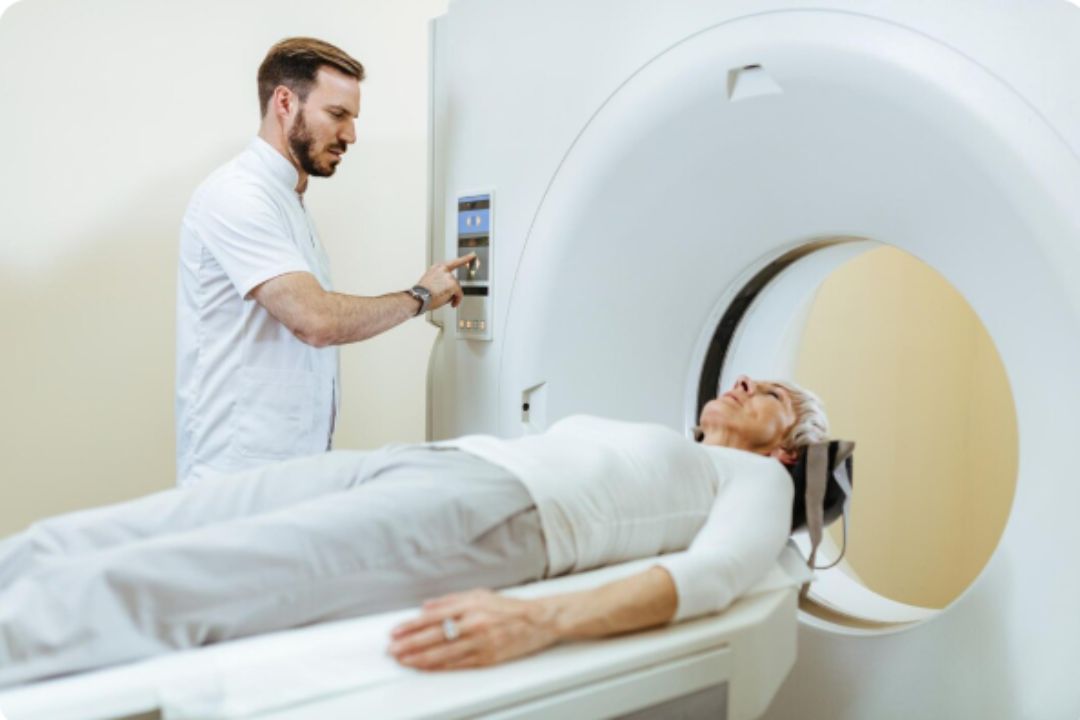
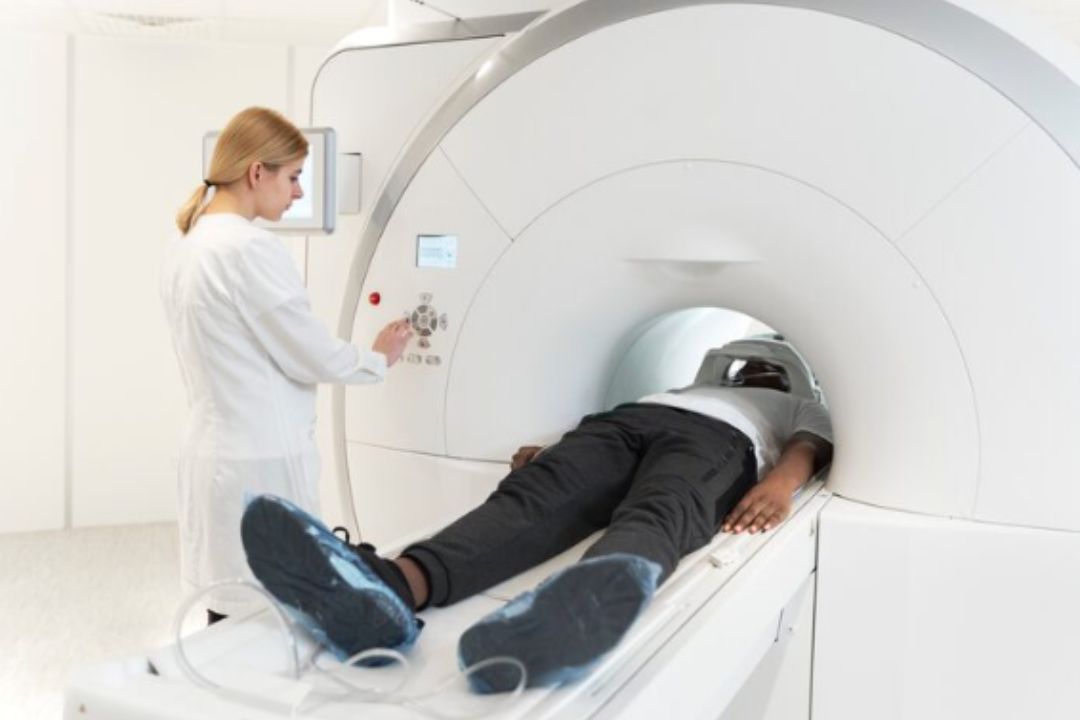
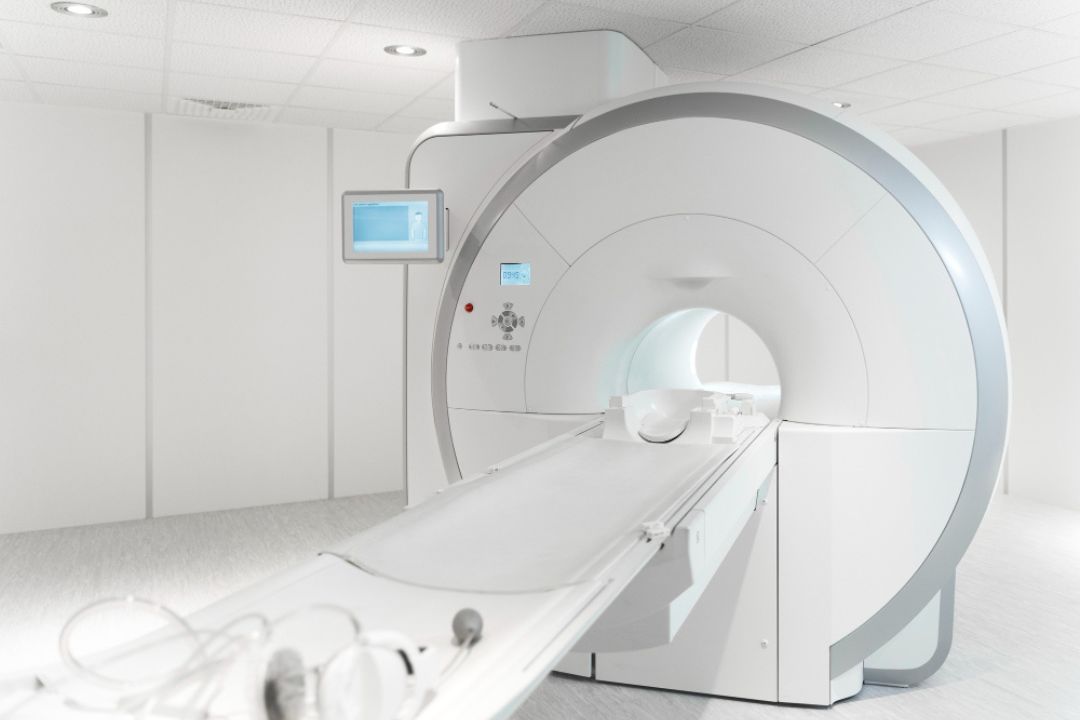
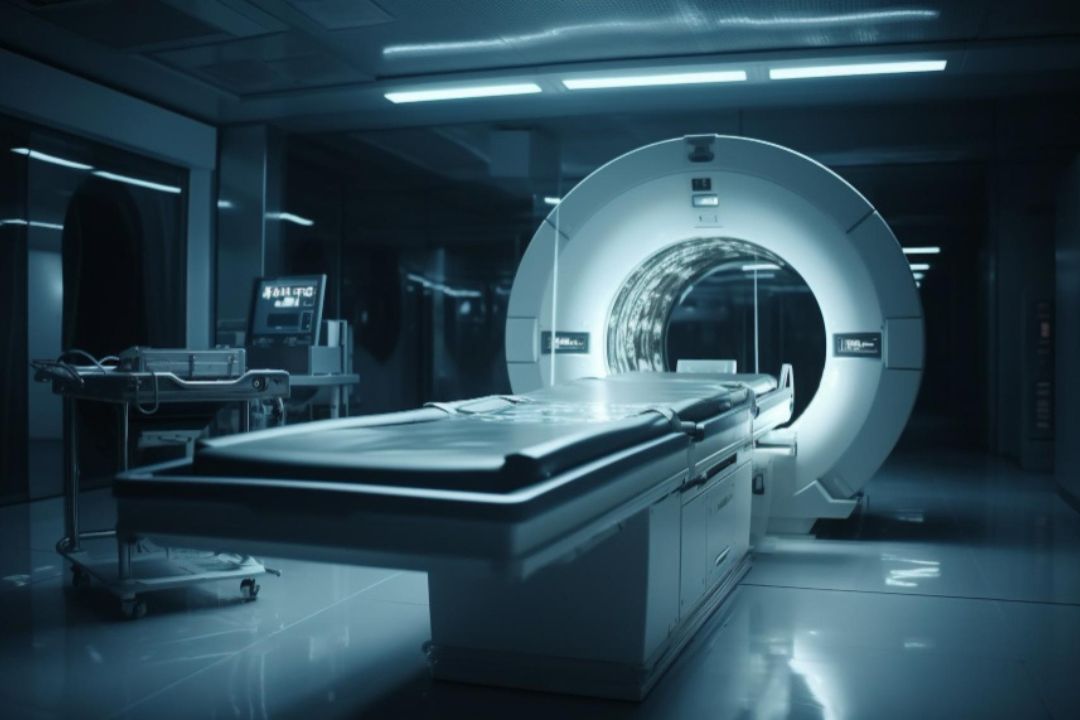
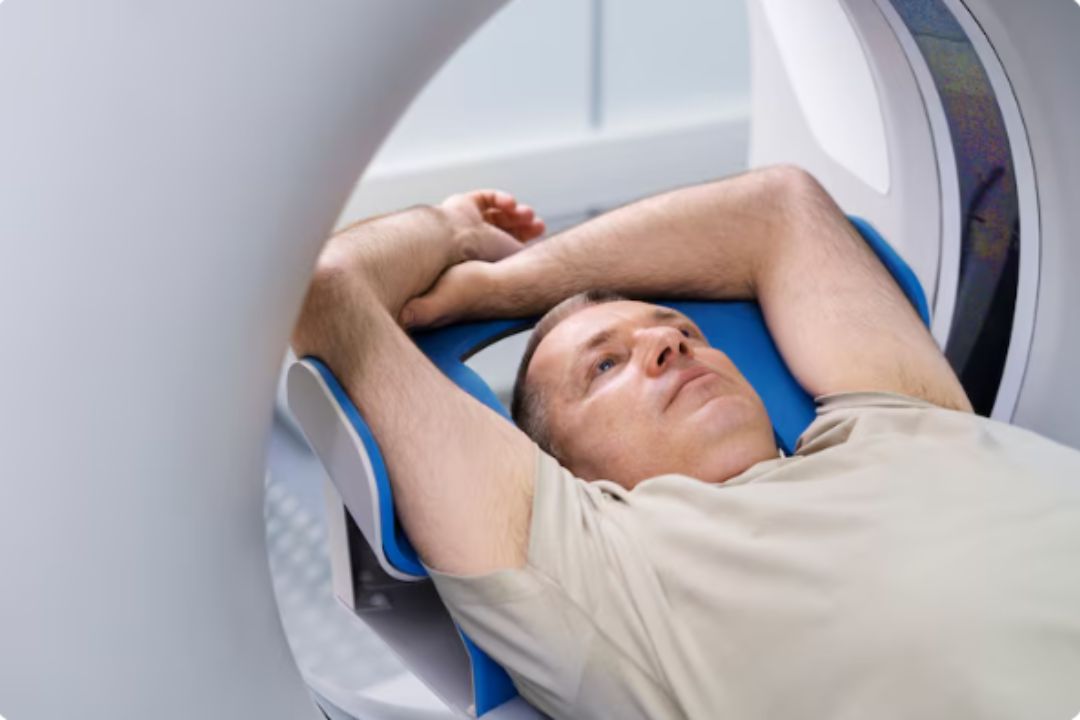
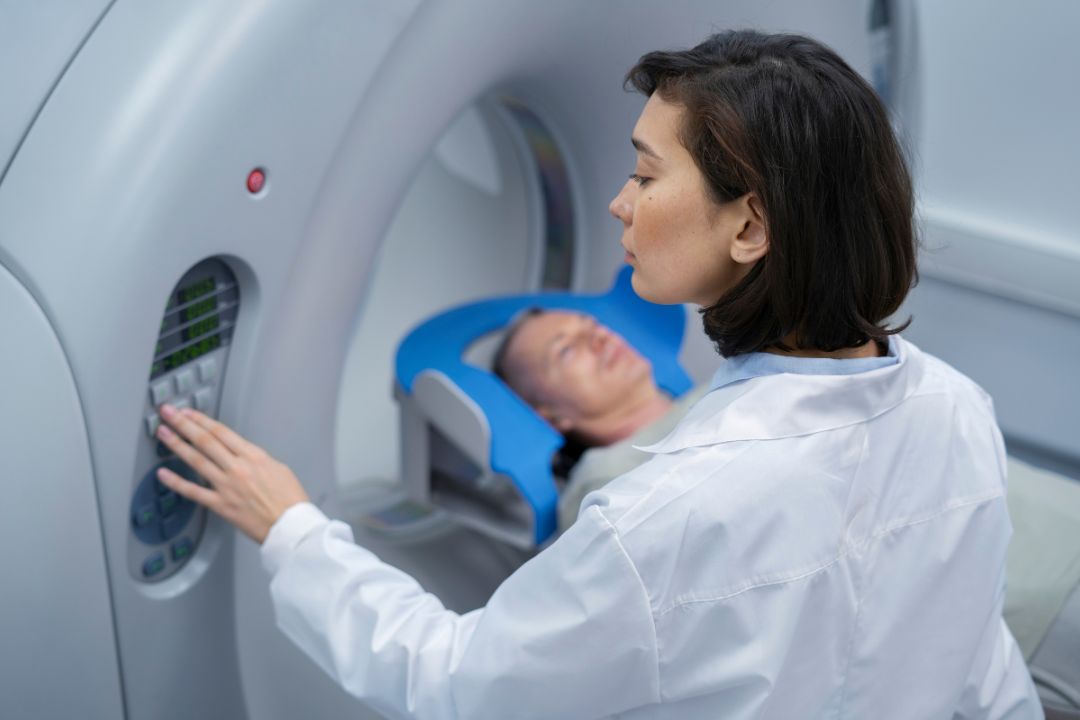
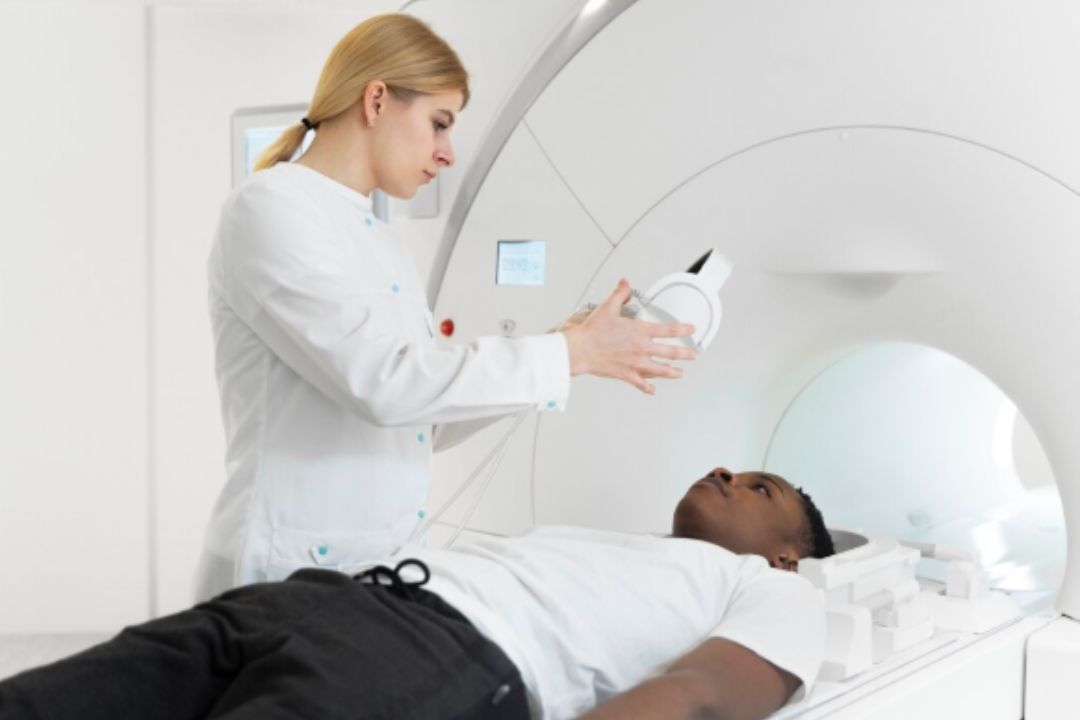
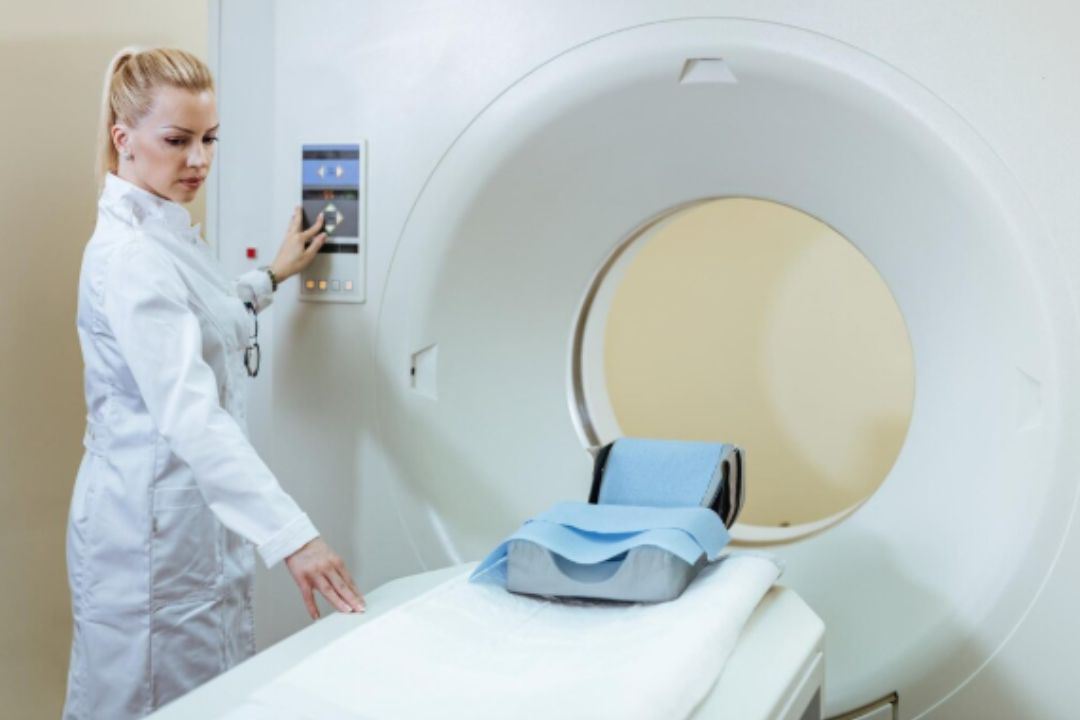
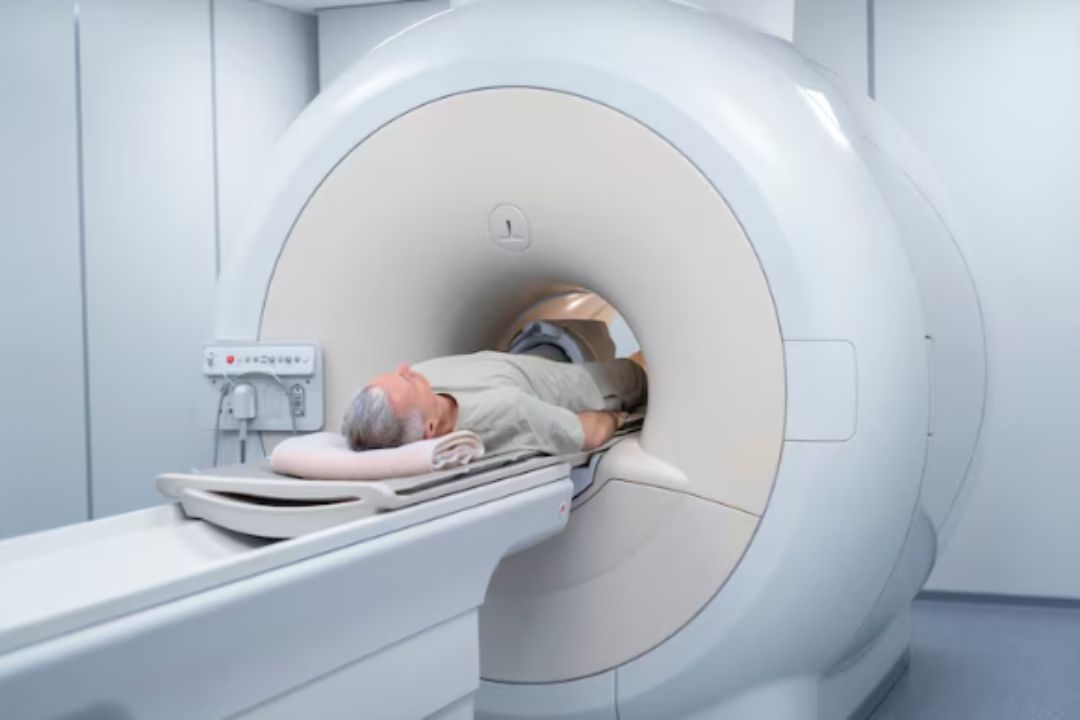
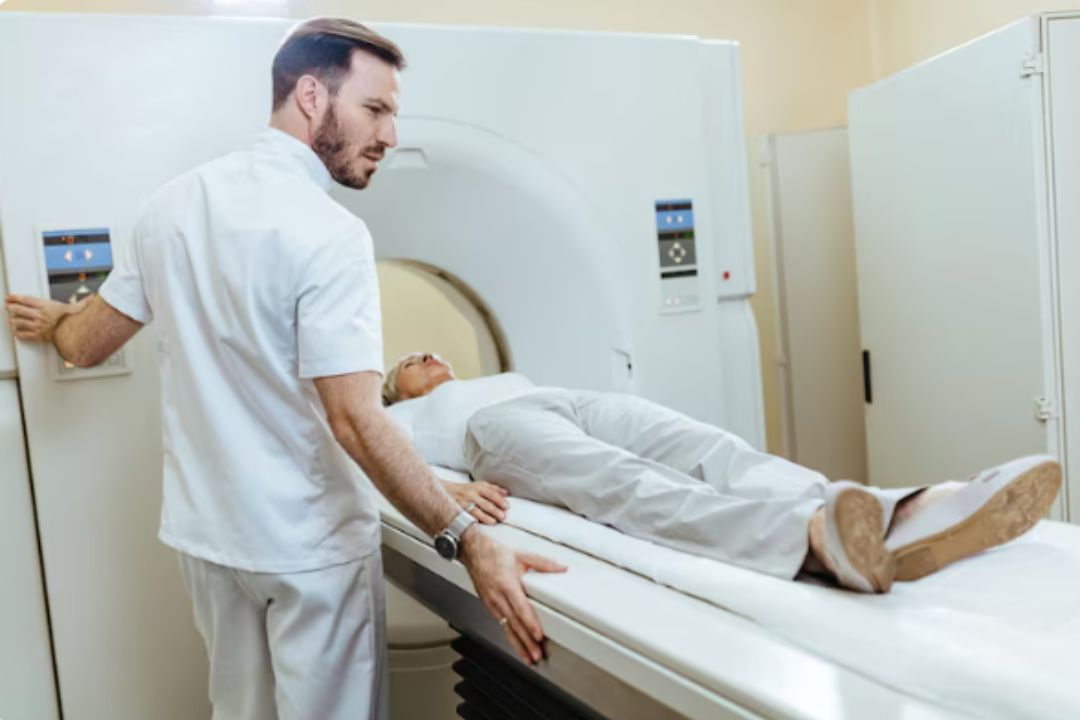
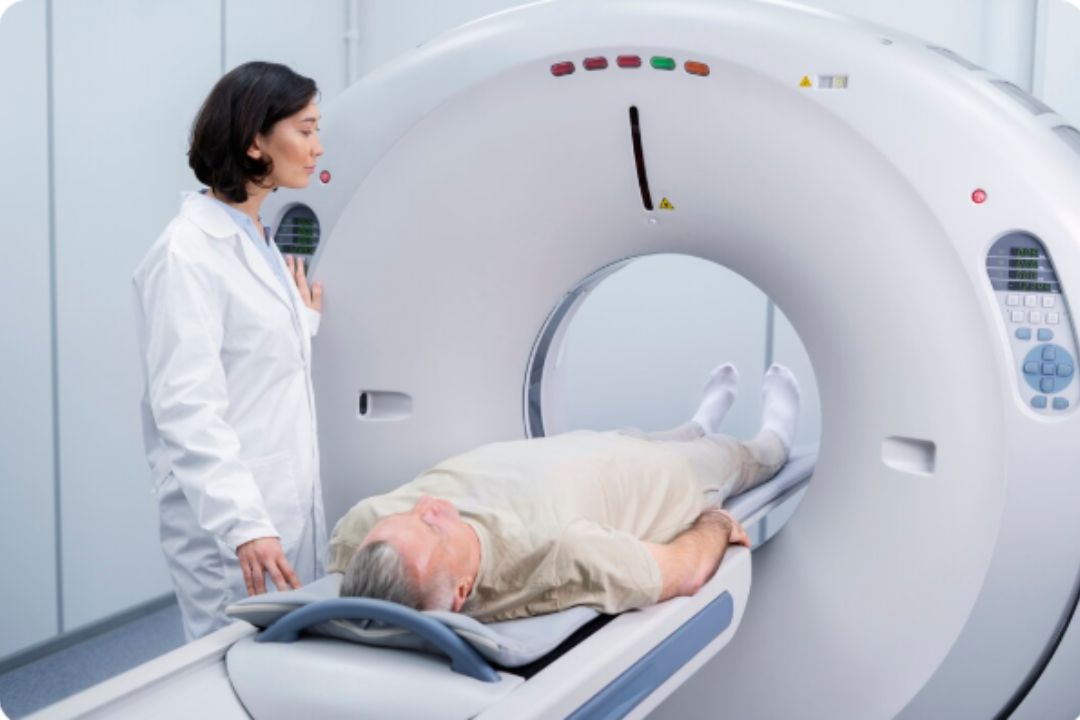
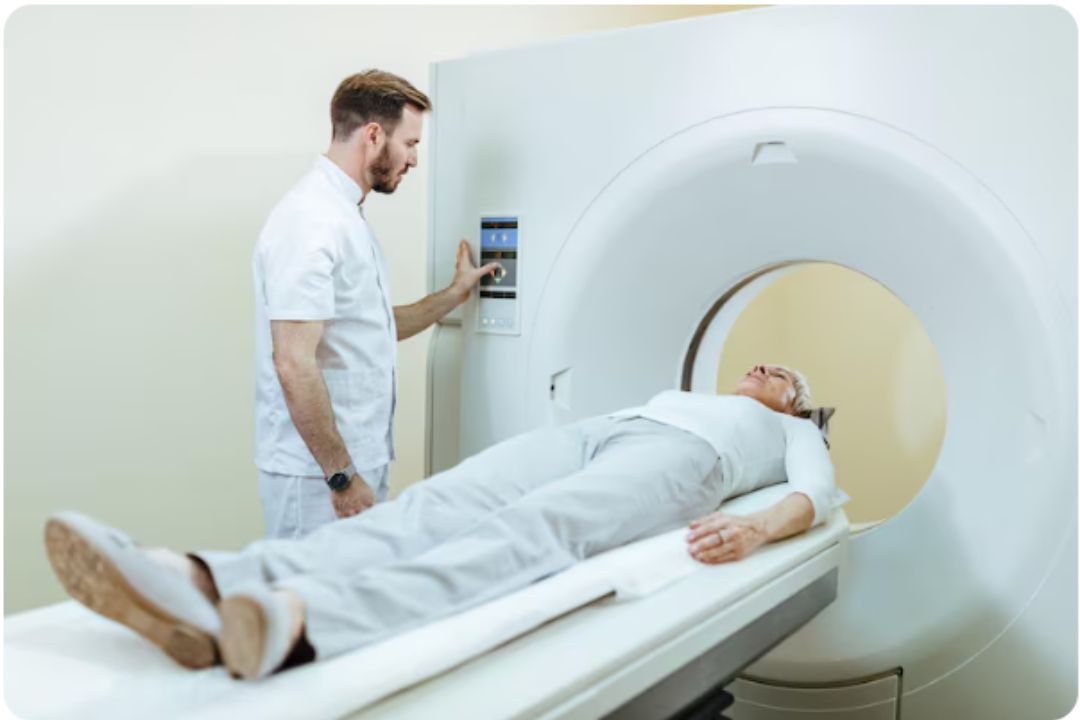
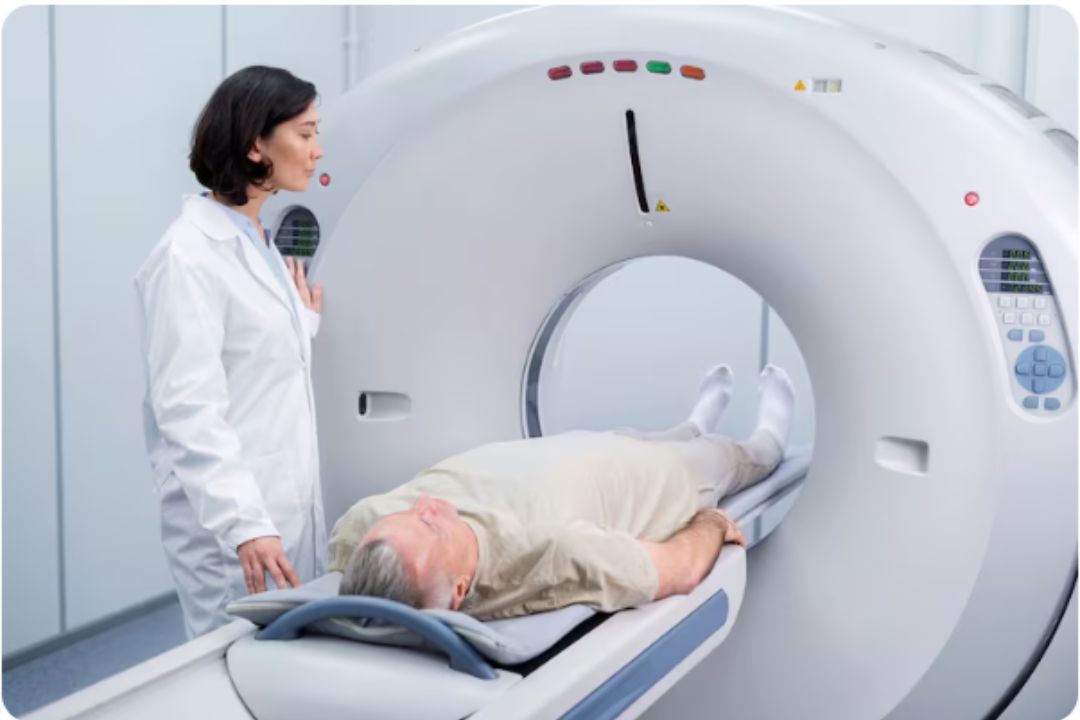
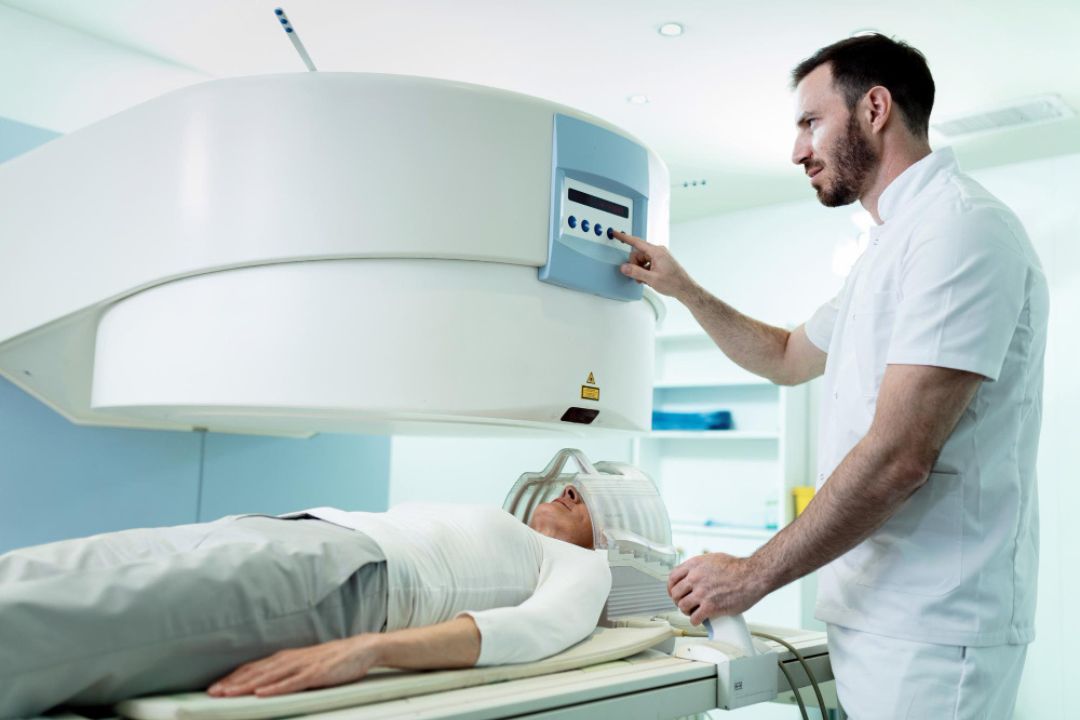
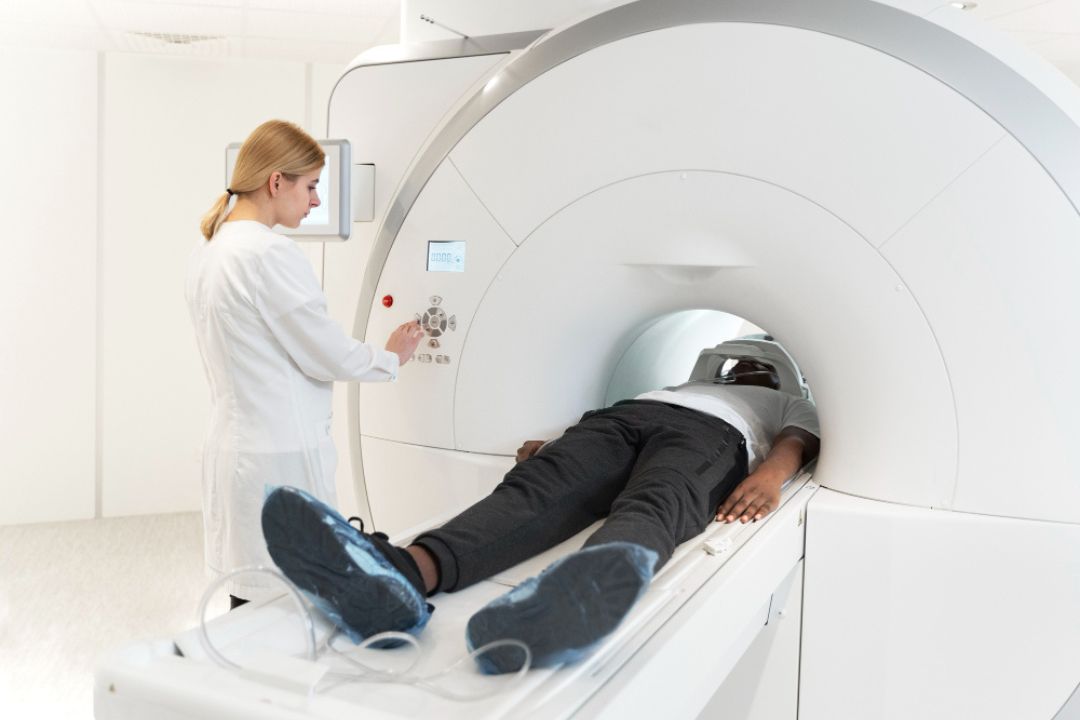
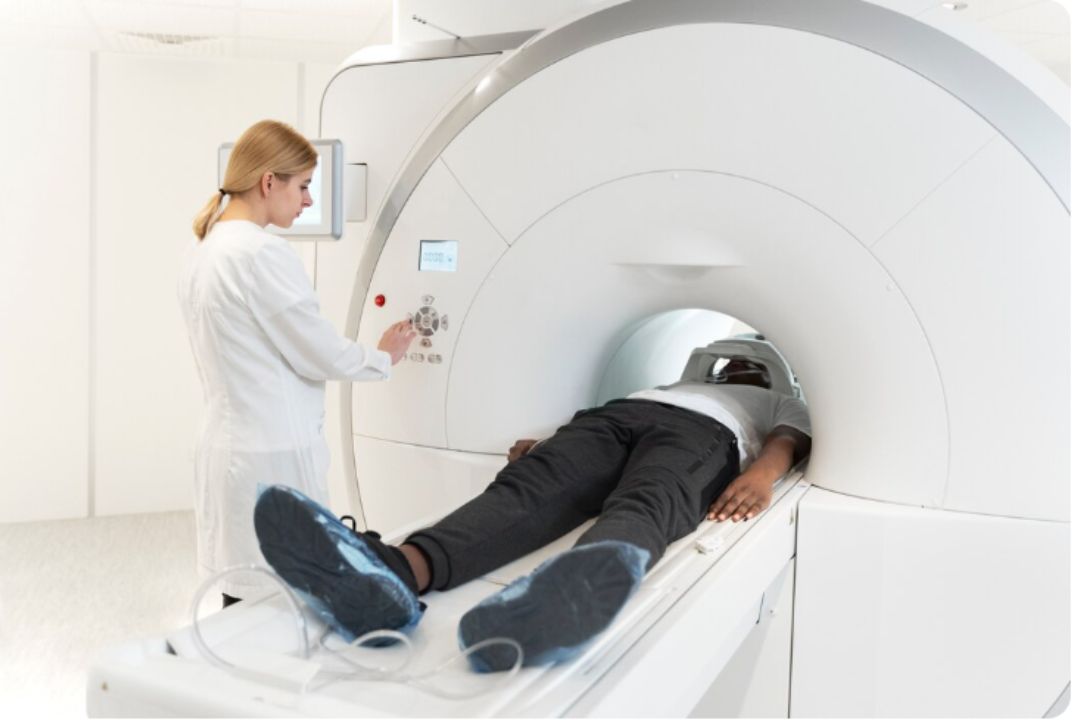
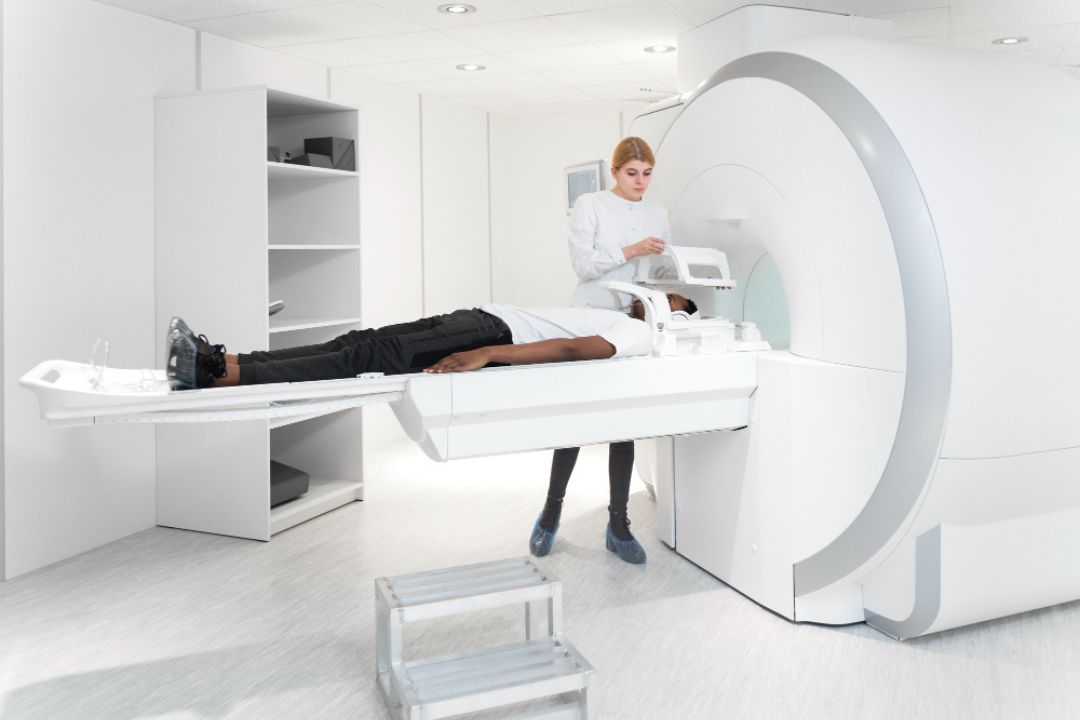
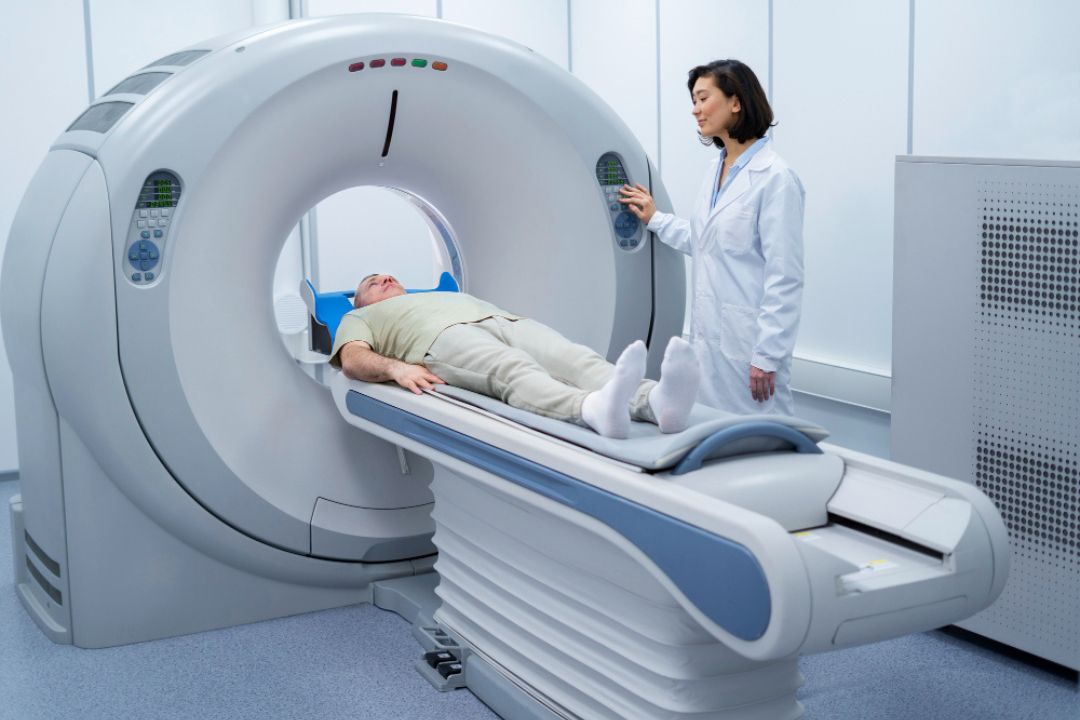
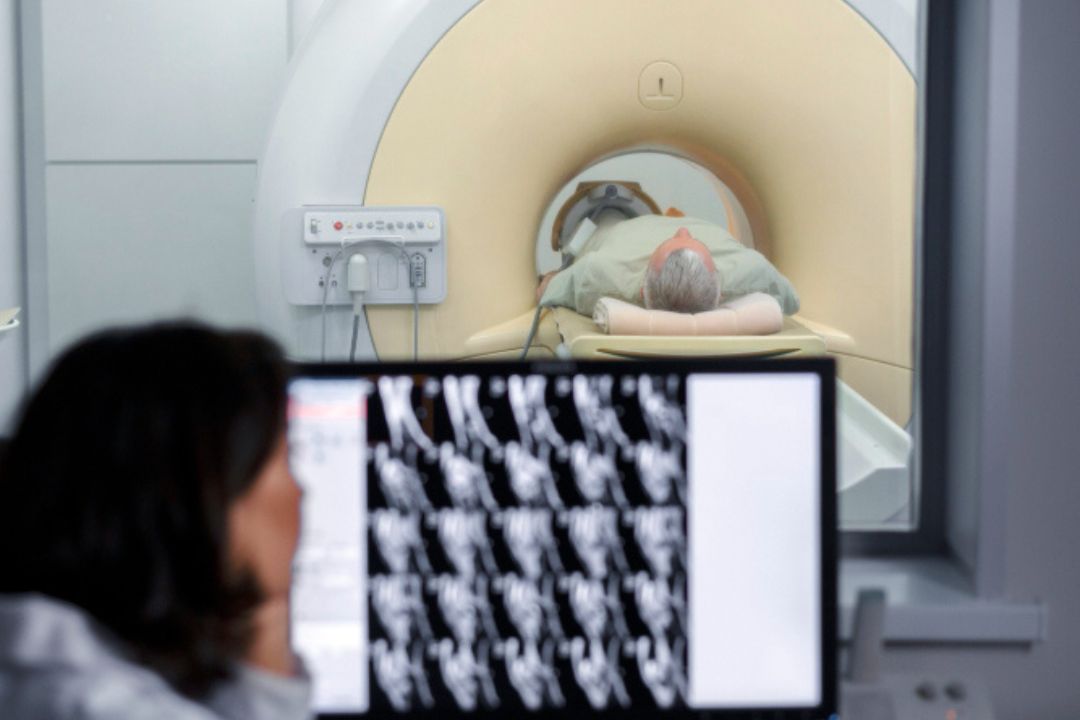
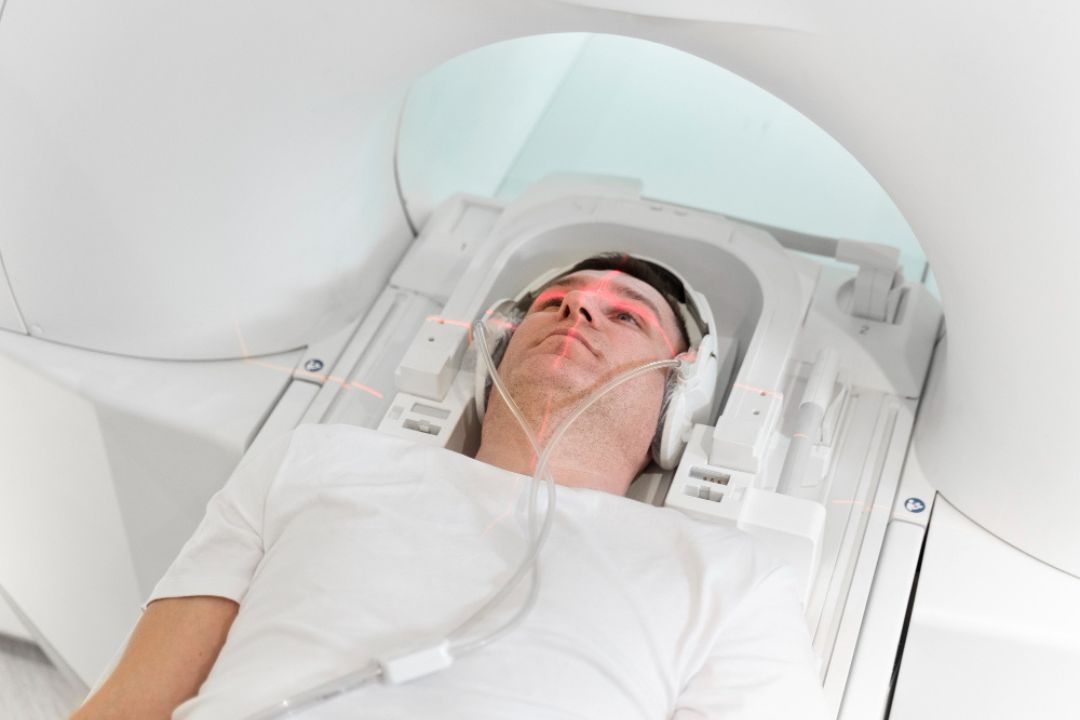
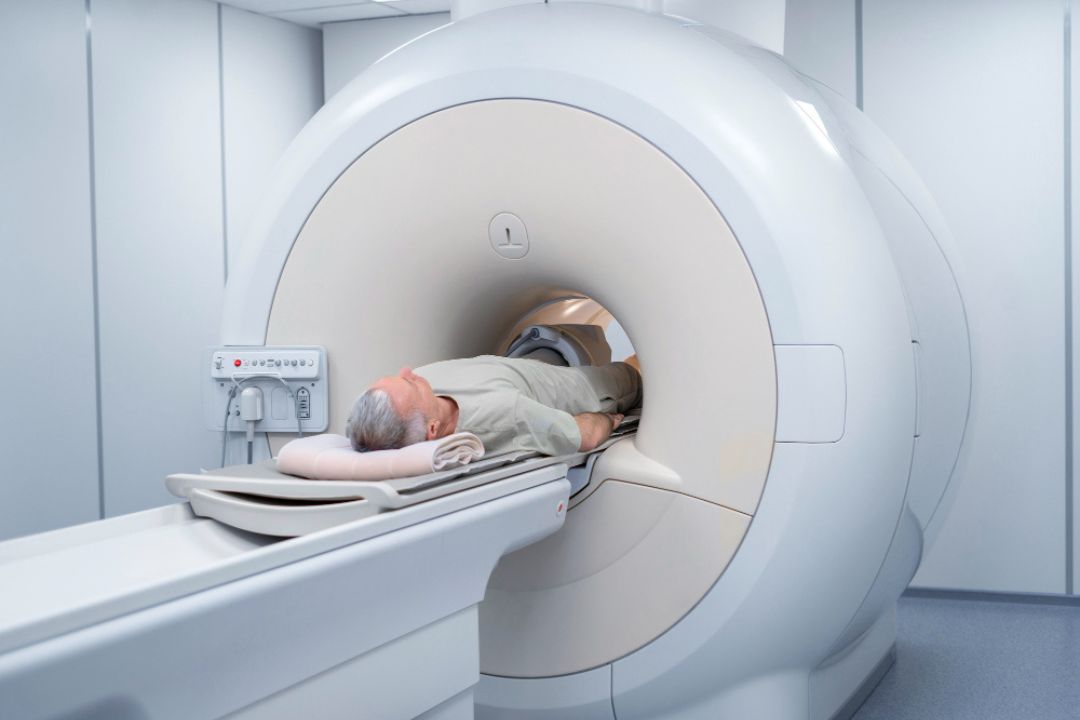
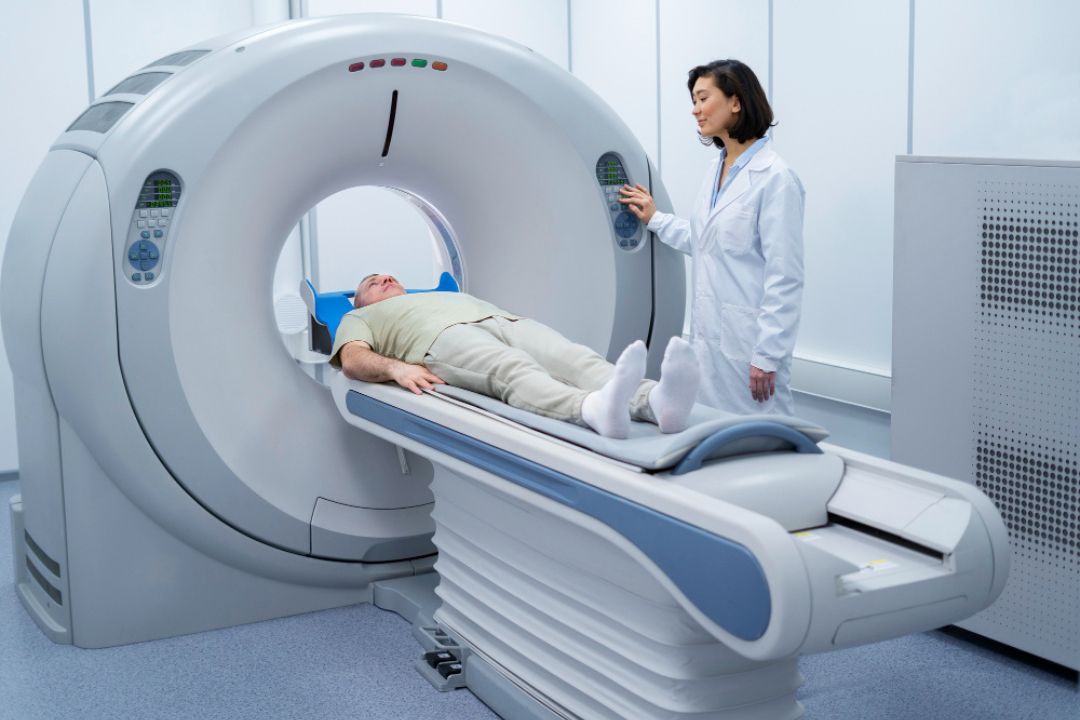
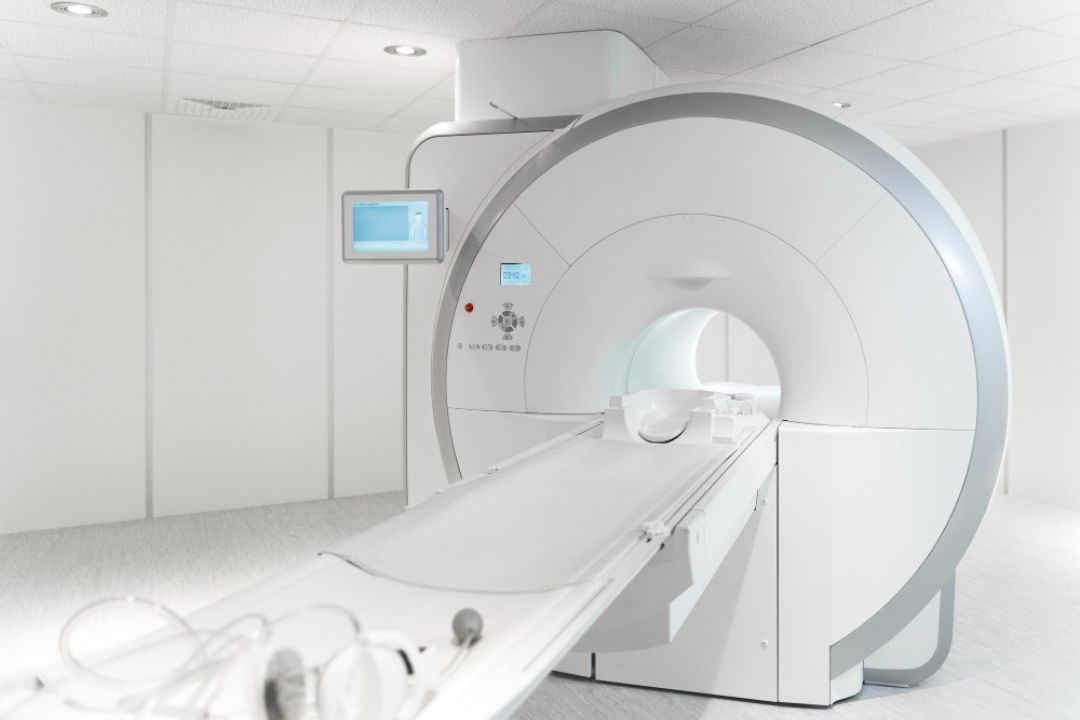
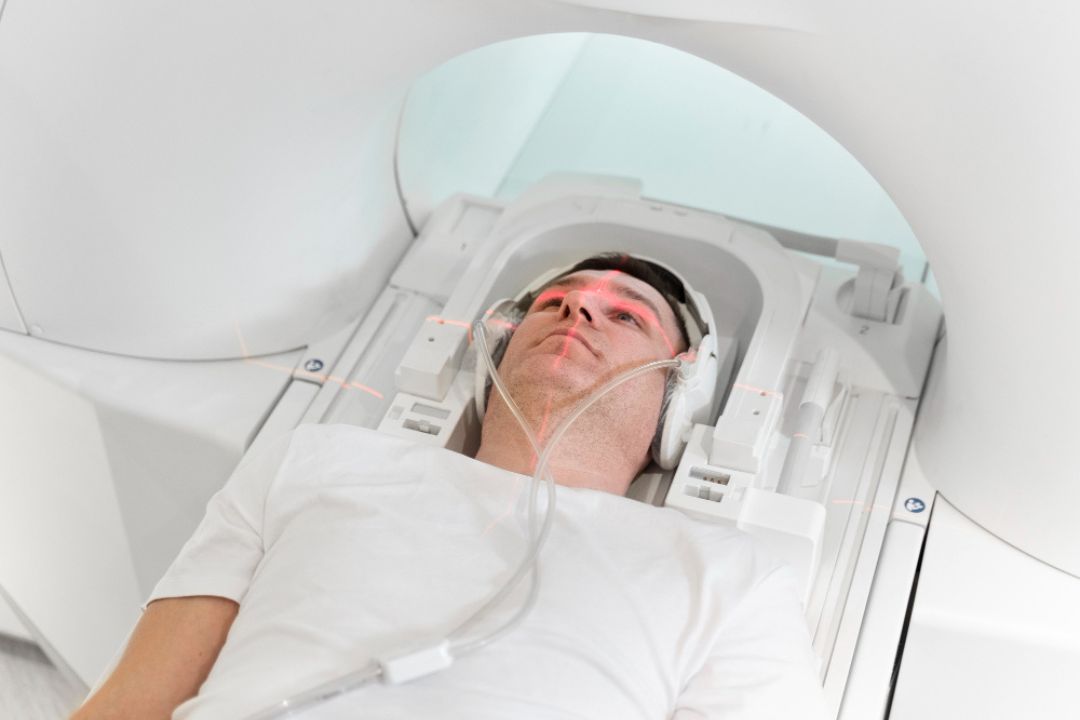
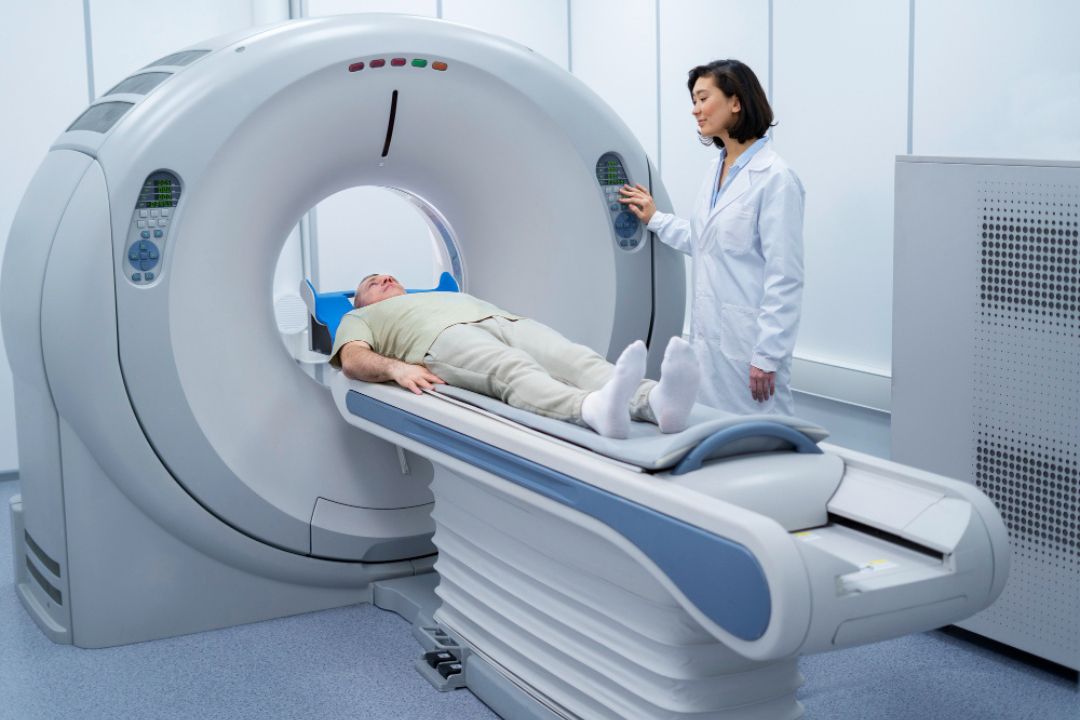
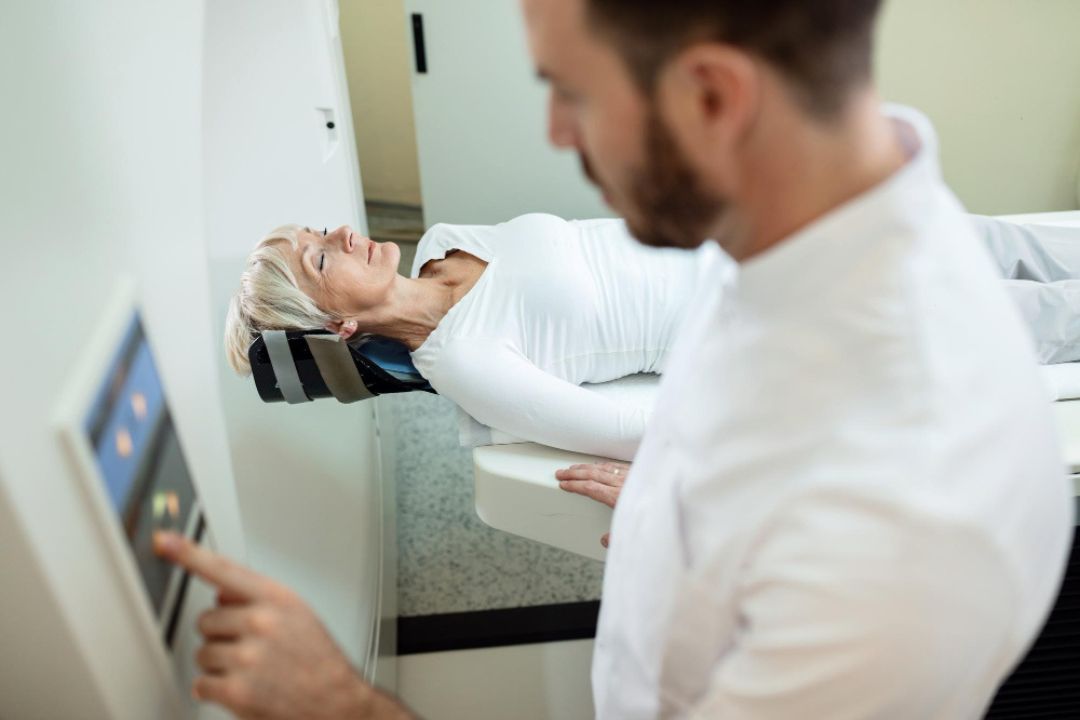
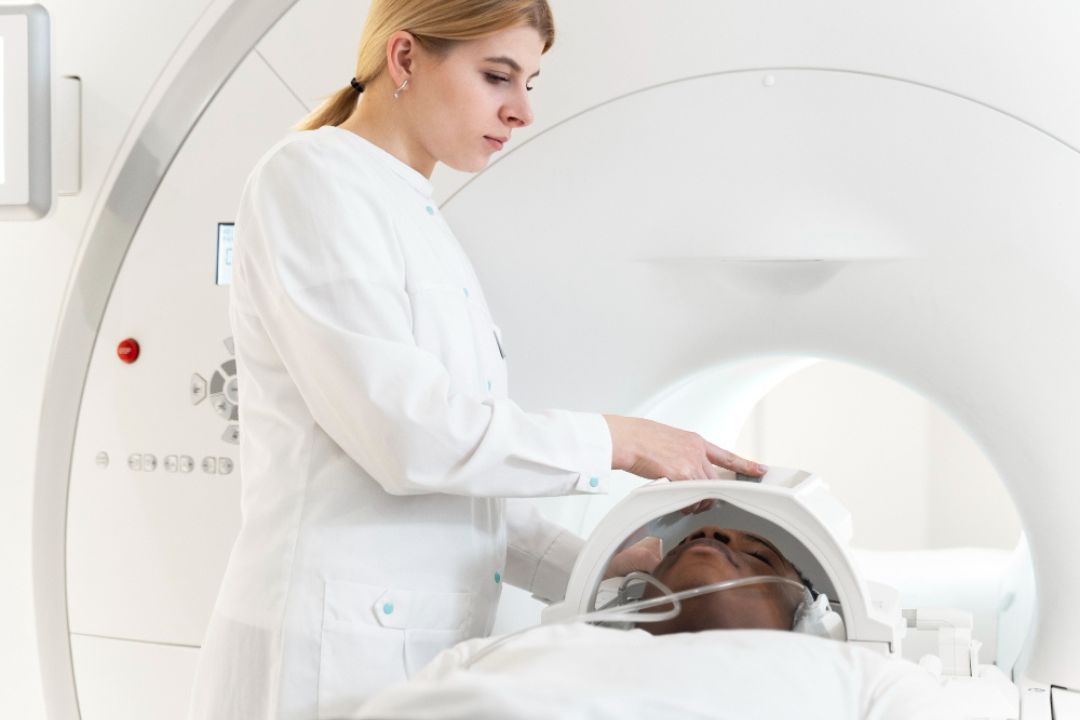
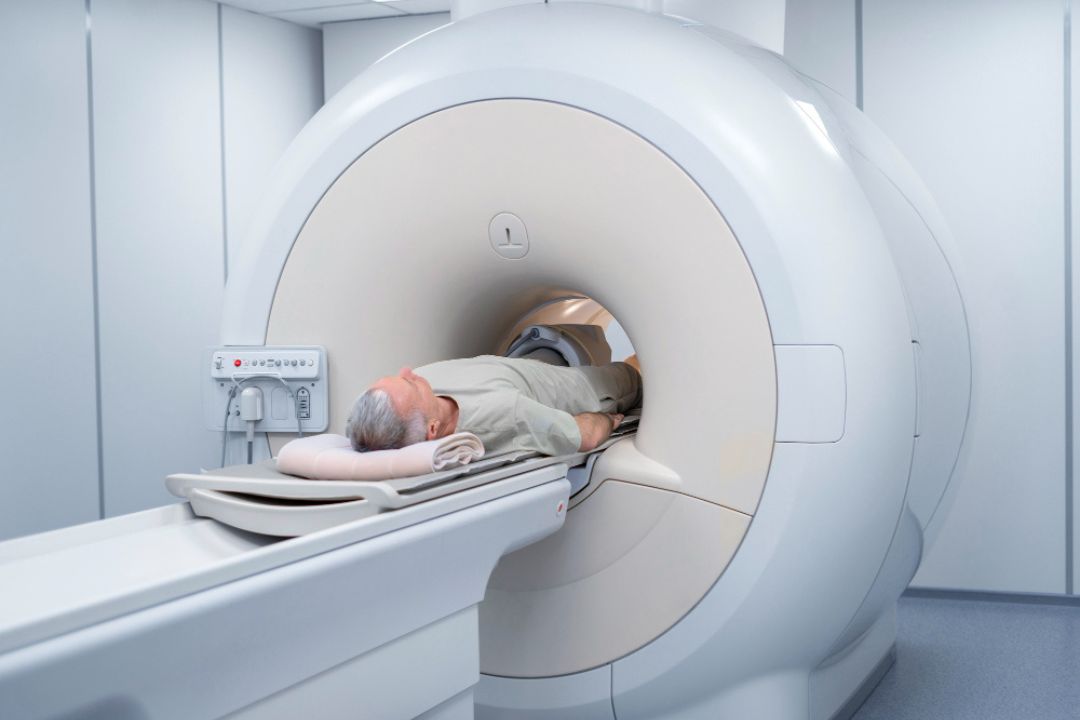
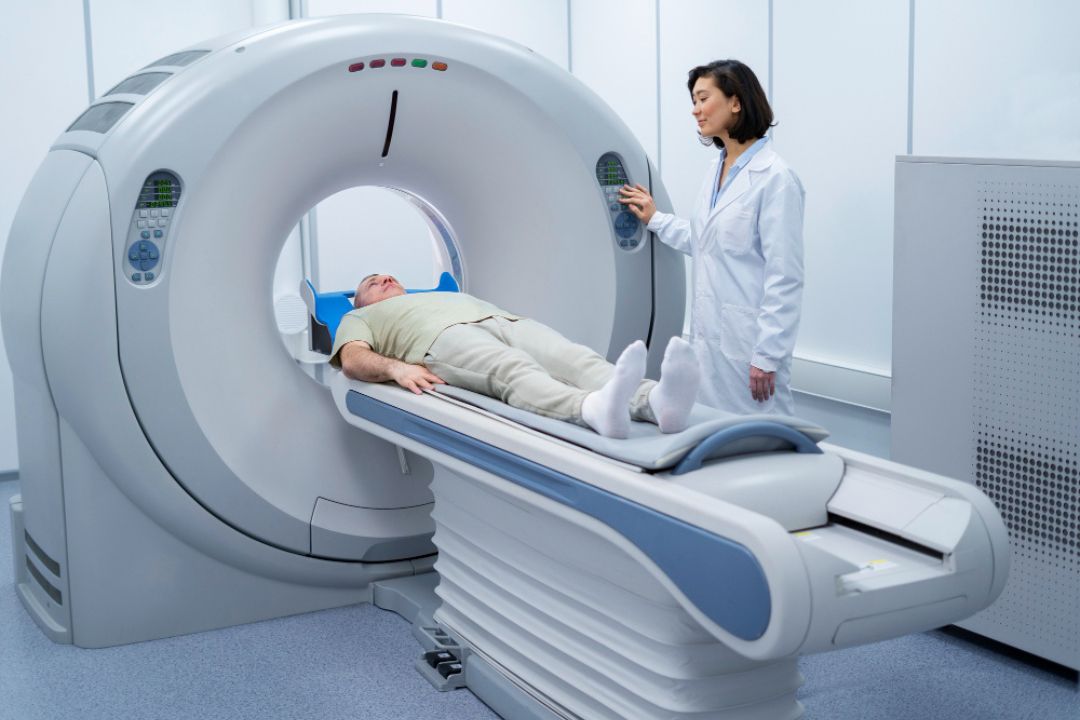
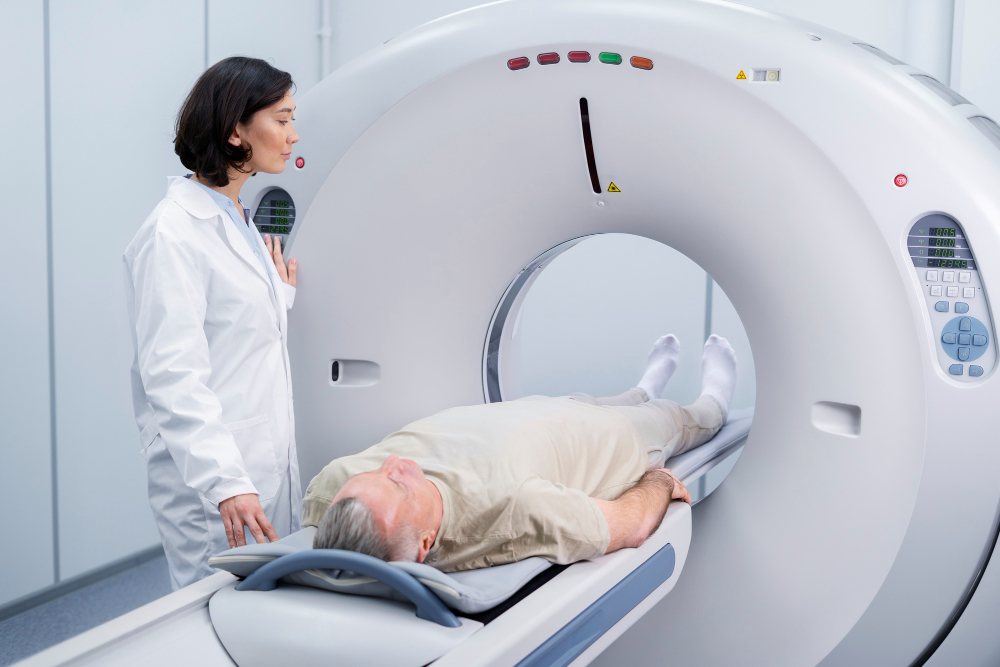
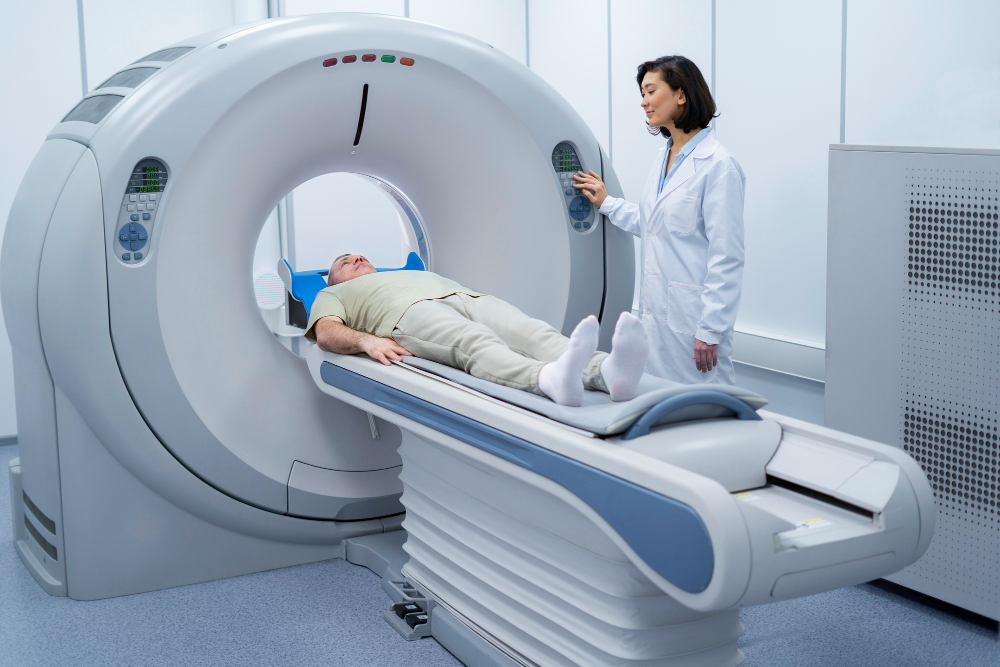
You will lie on a motorized table that slides into the CT scanner.
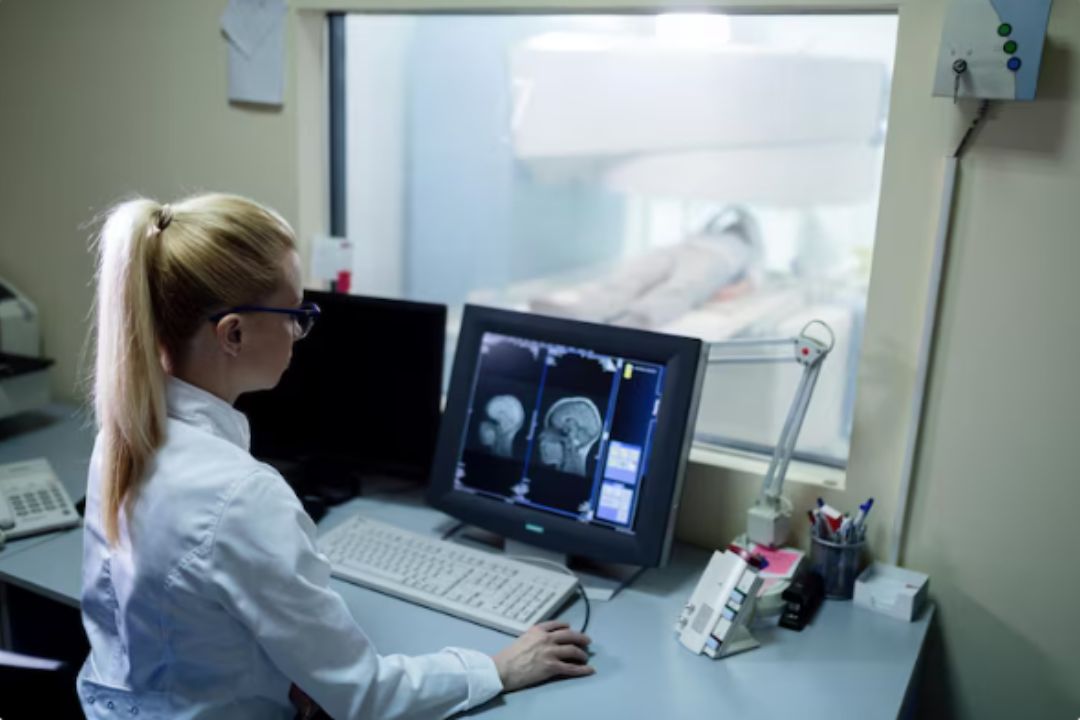
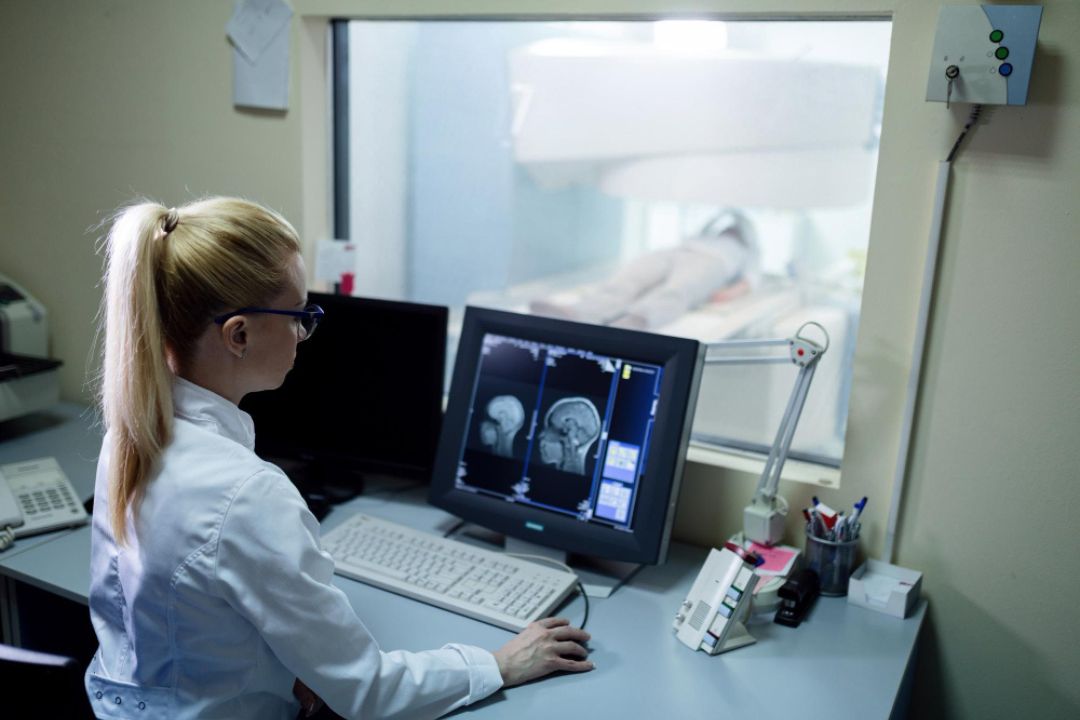
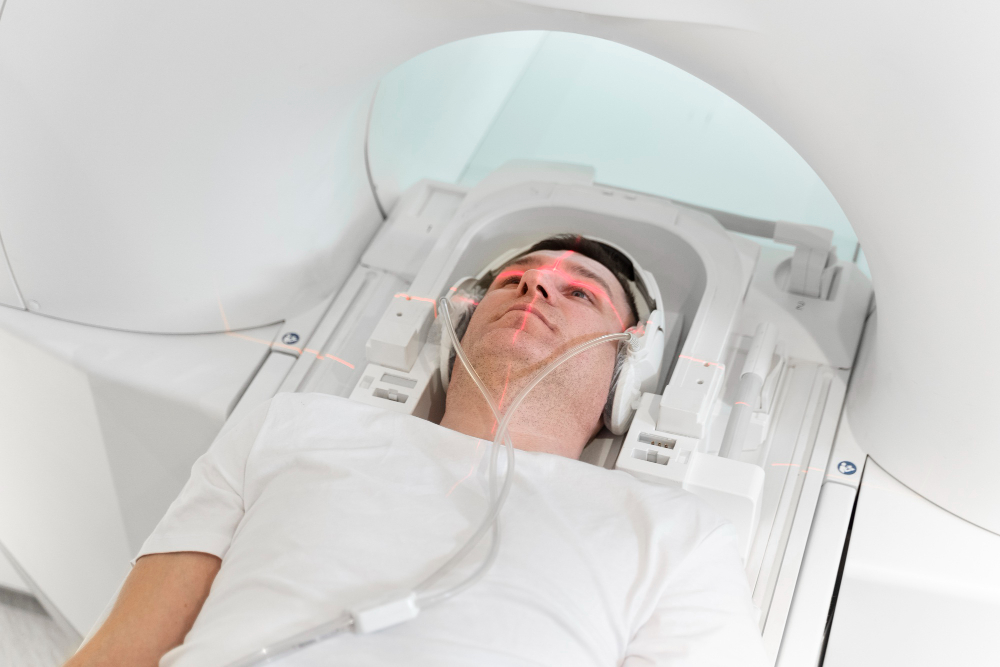
The machine rotates around your head and captures detailed images of the sinus cavities.
The scan usually takes 5–10 minutes.
Before undergoing a CT PNS with contrast, inform your doctor if you:
Have kidney disease
Have diabetes
Are allergic to iodine or contrast dye
Are pregnant
Are taking medications such as metformin
These factors help doctors determine whether contrast dye can be used safely.
After the CT scan:
Drink plenty of water to help flush the contrast dye from your body.
Resume normal diet and activities unless instructed otherwise.
Most patients can leave the diagnostic center immediately after the procedure.
Fasting is usually recommended before a CT PNS with contrast, typically for 4–6 hours before the scan. This preparation helps reduce nausea, ensures safe contrast administration, and improves imaging results.








.jpg "ct brain scan plain and contrast")













.jpg "ct scan")
.jpg "ct scan or mri for brain disorders")


.jpg "exploring the power of ct brain contrast in modern diagnostics")
.jpg "ct scan")
.jpg "ct scan")







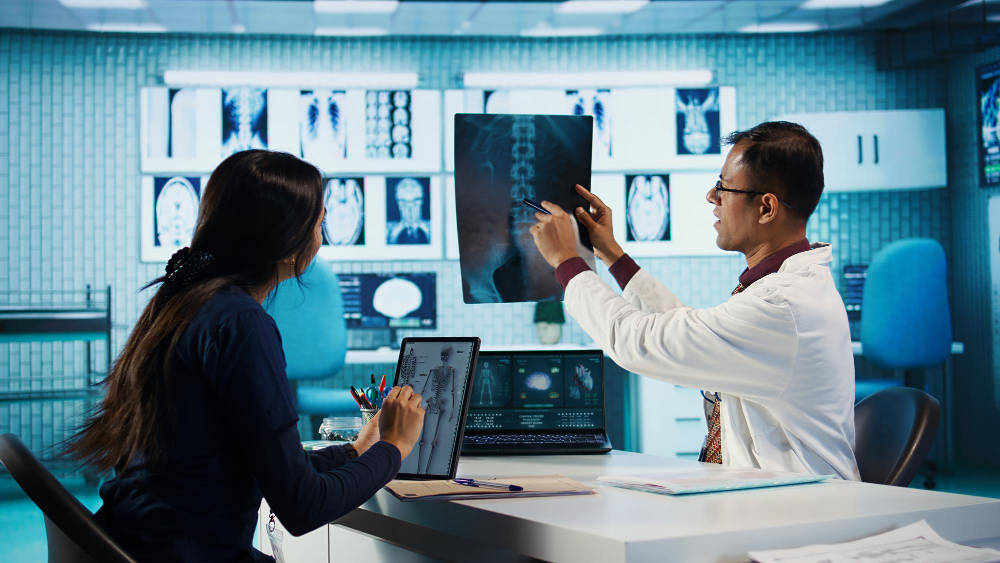

.jpg "ct scan")

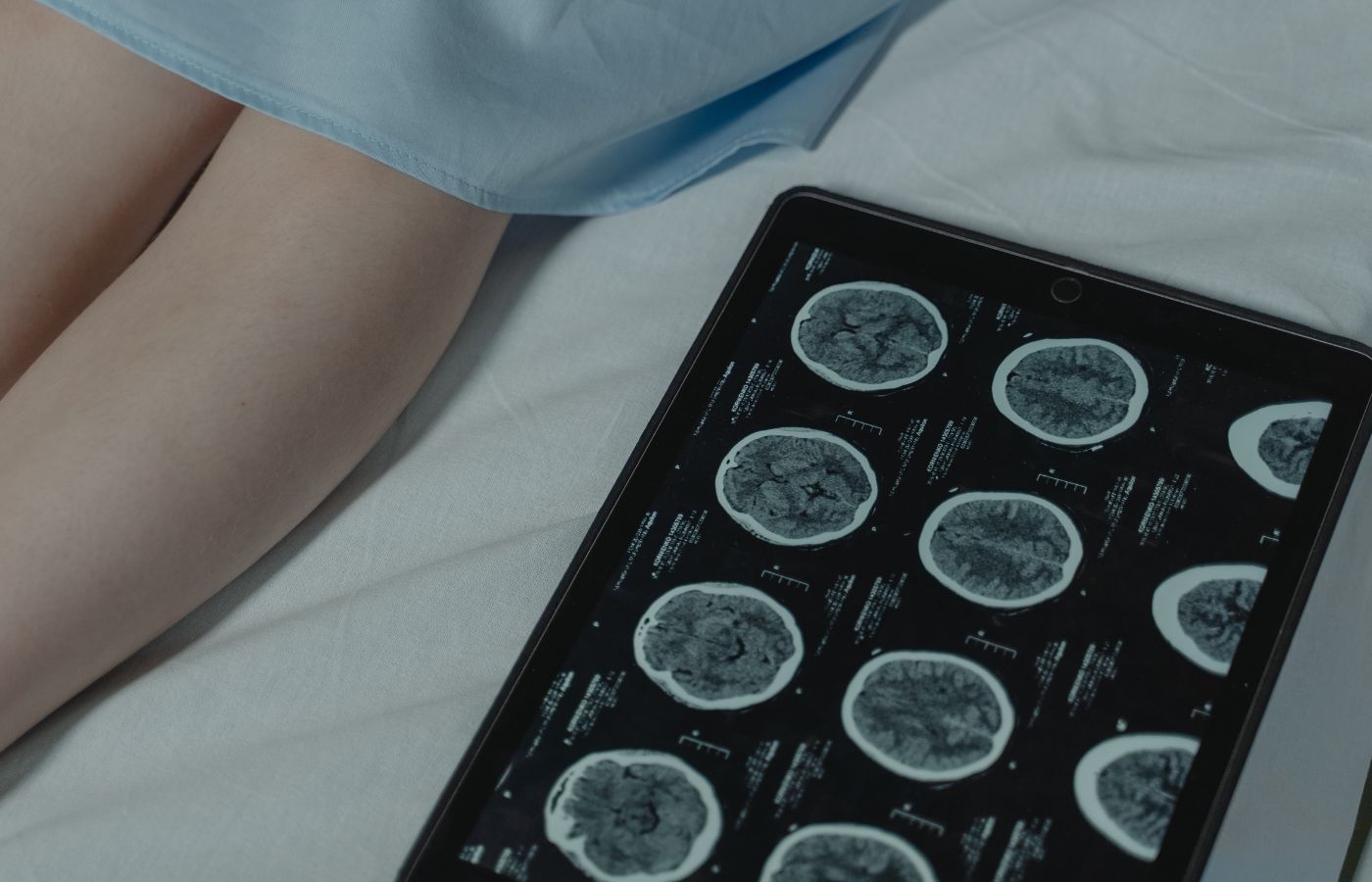
.jpg "CT Brain Scan for Headaches")
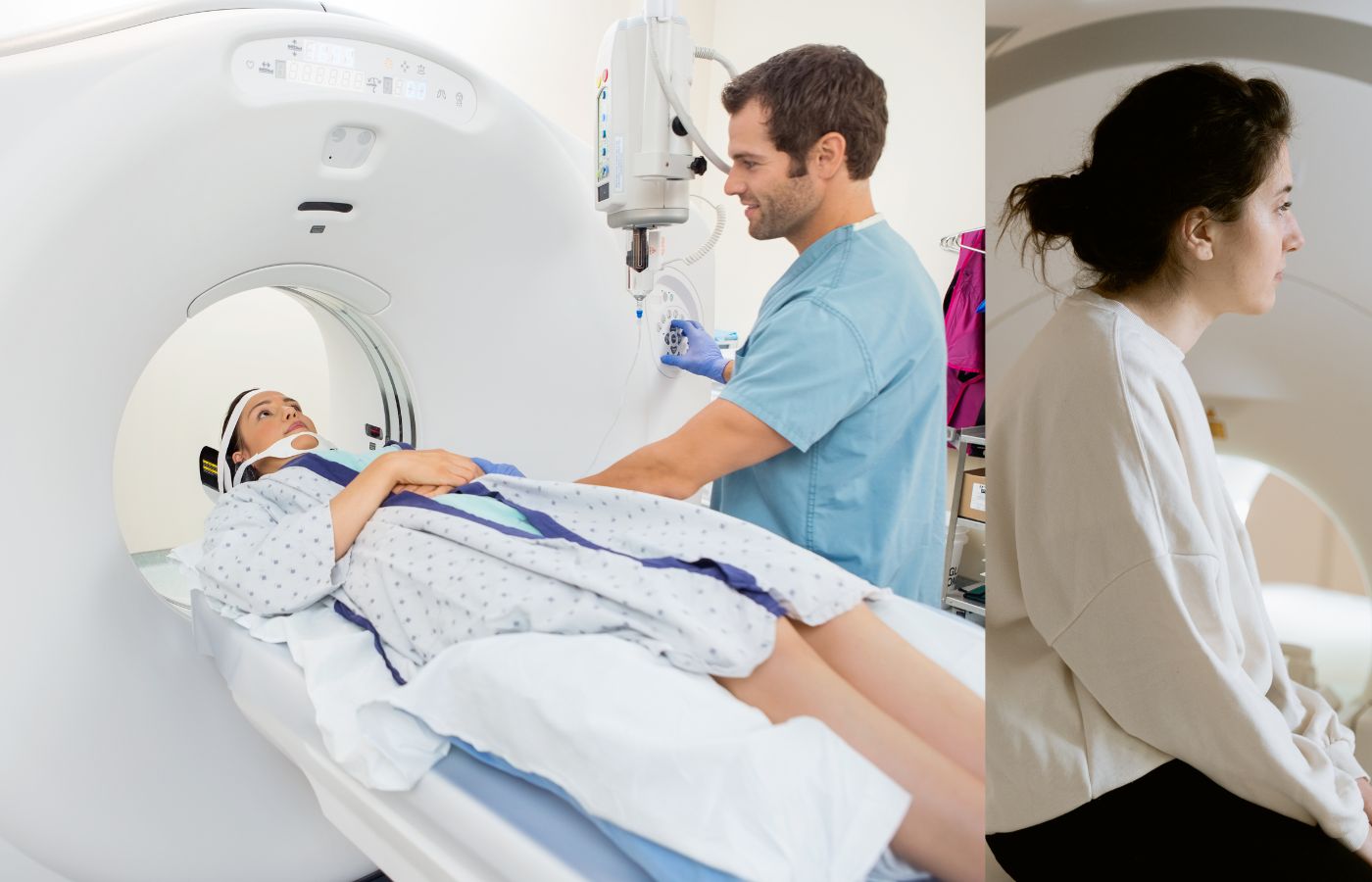
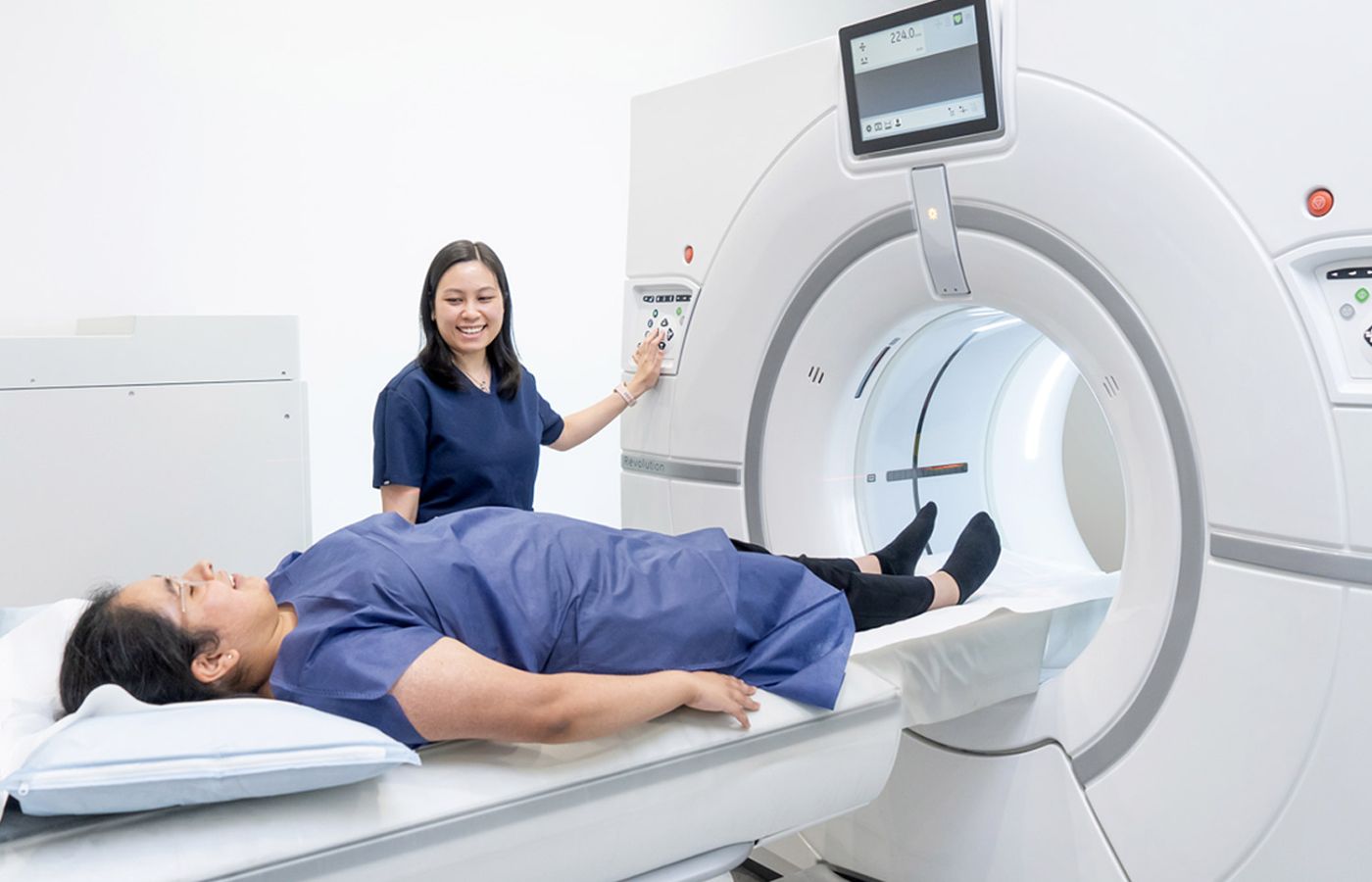
.jpg "The Future of 3D CT Imaging")