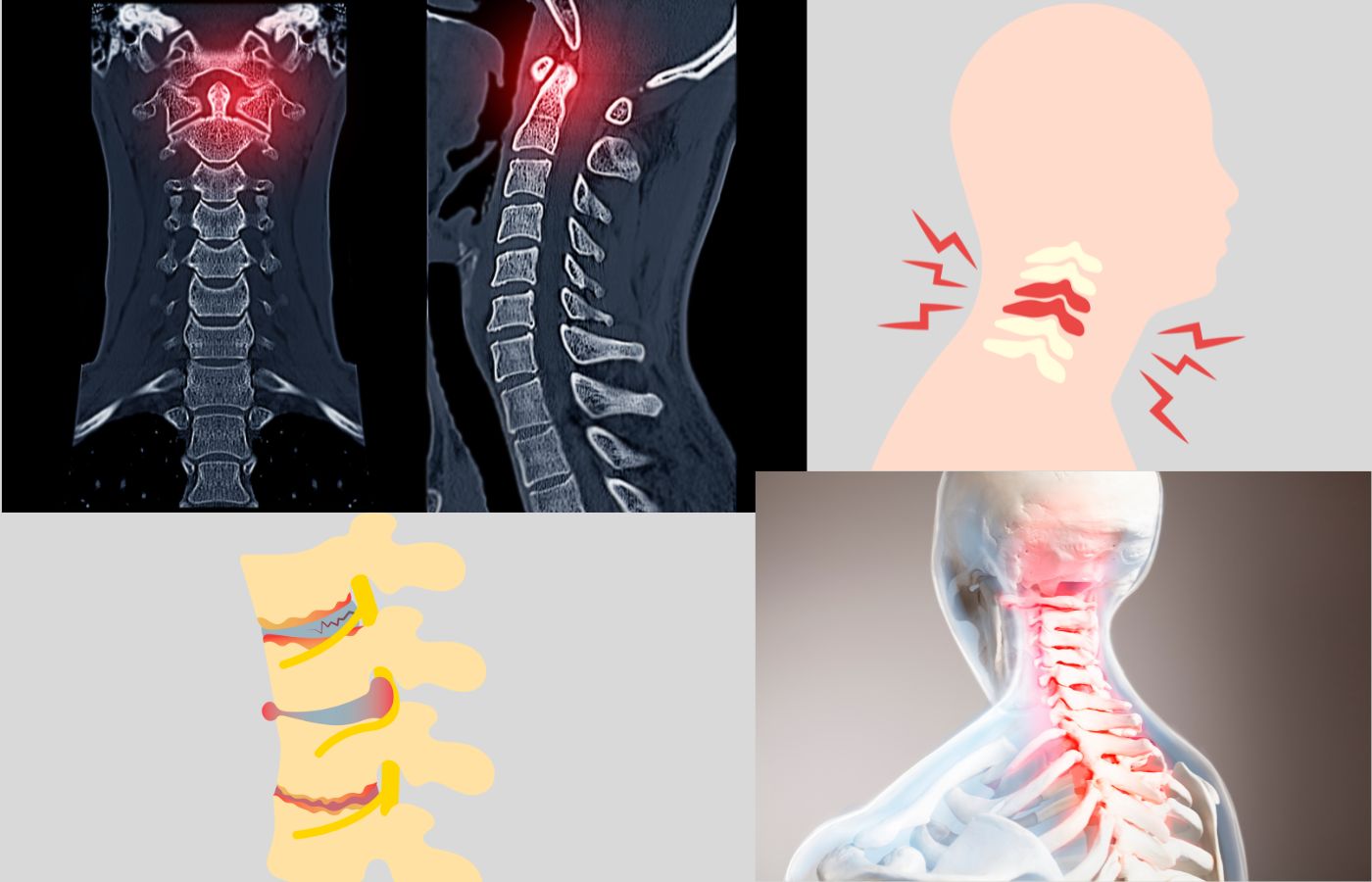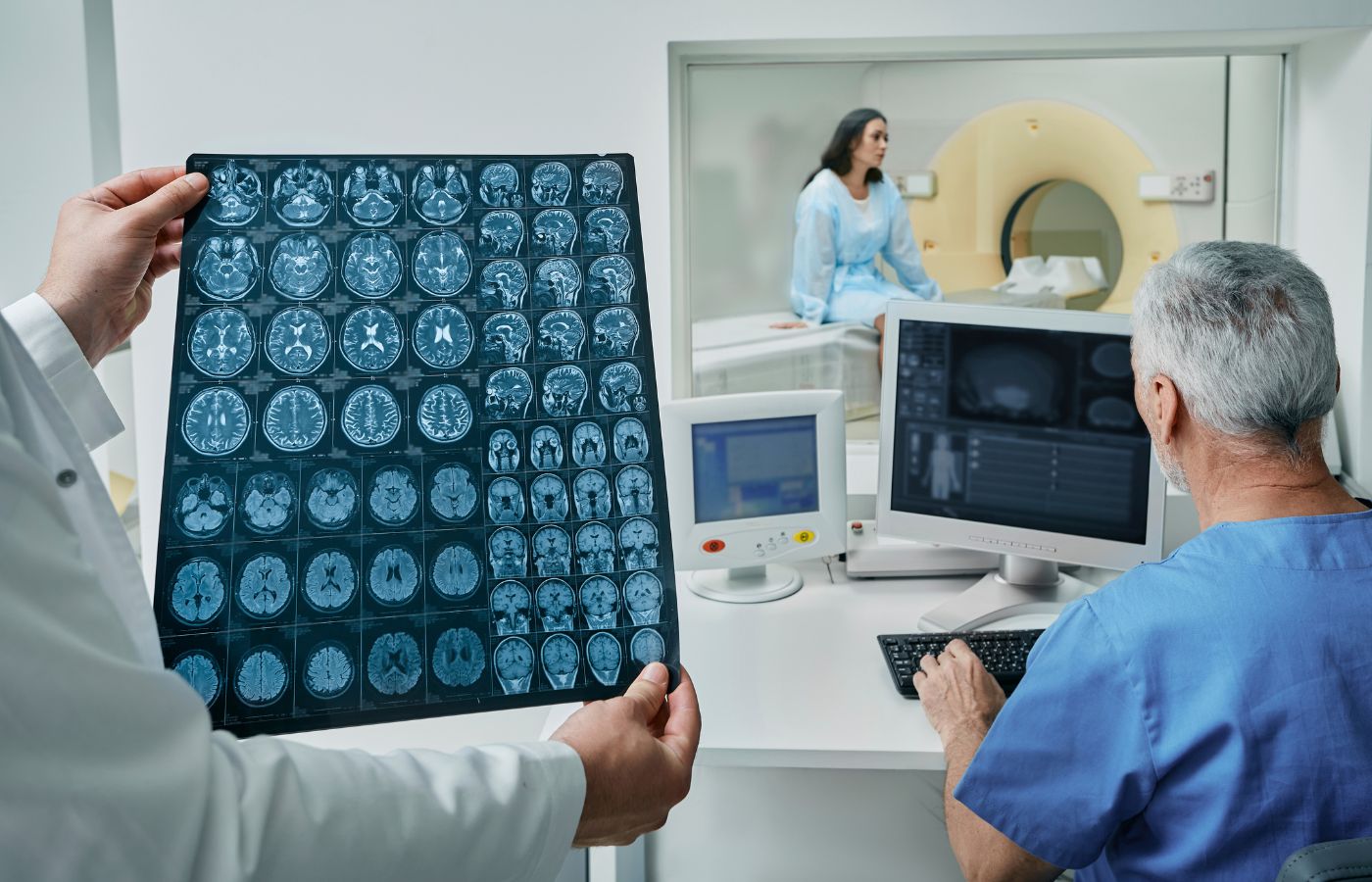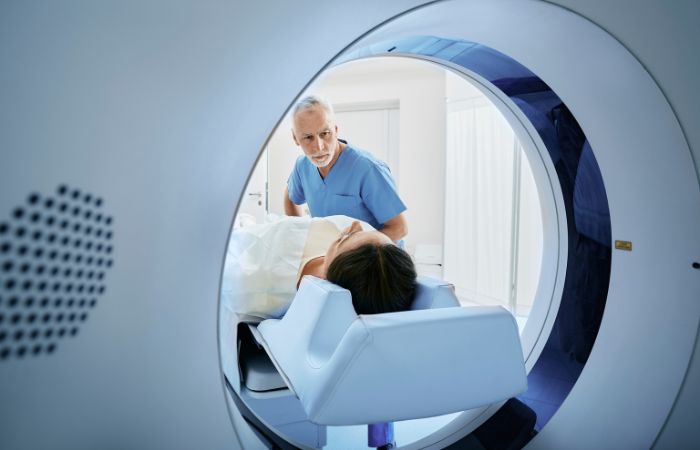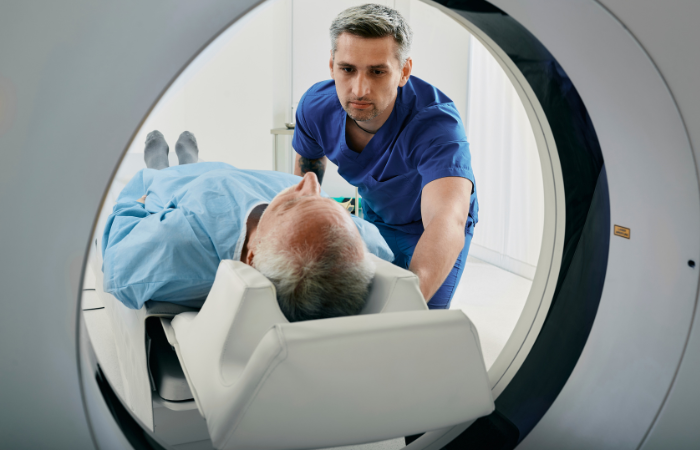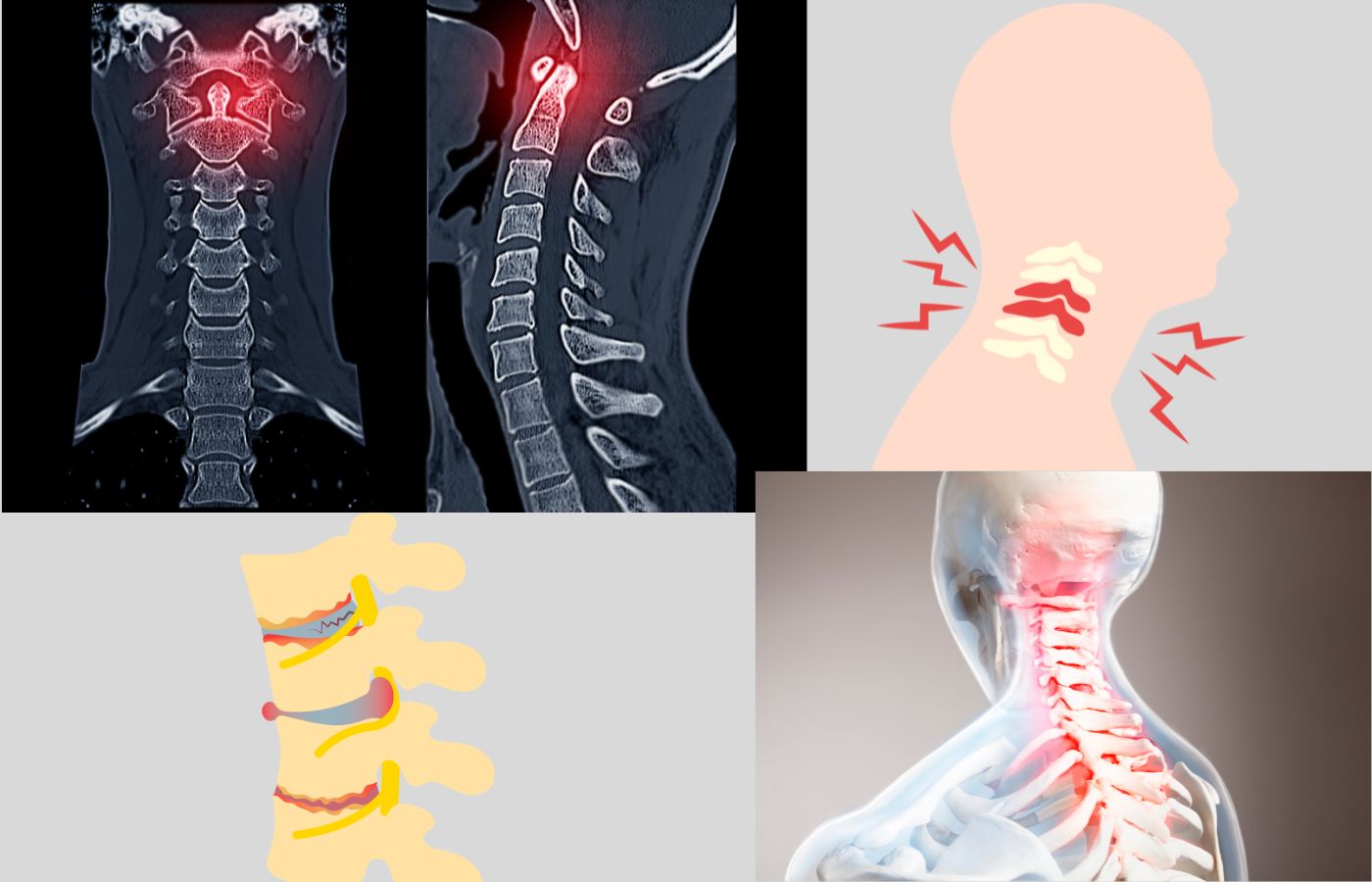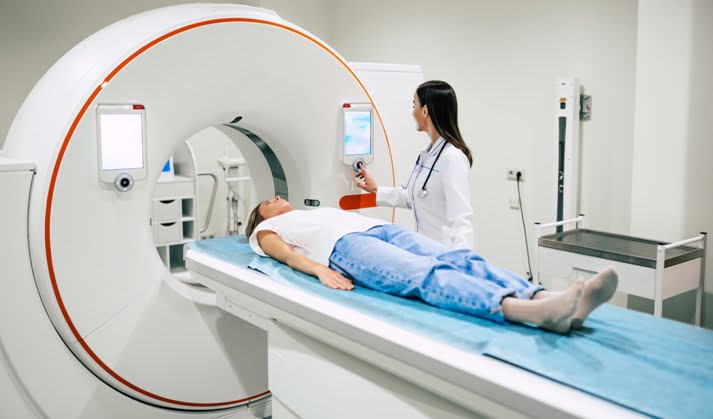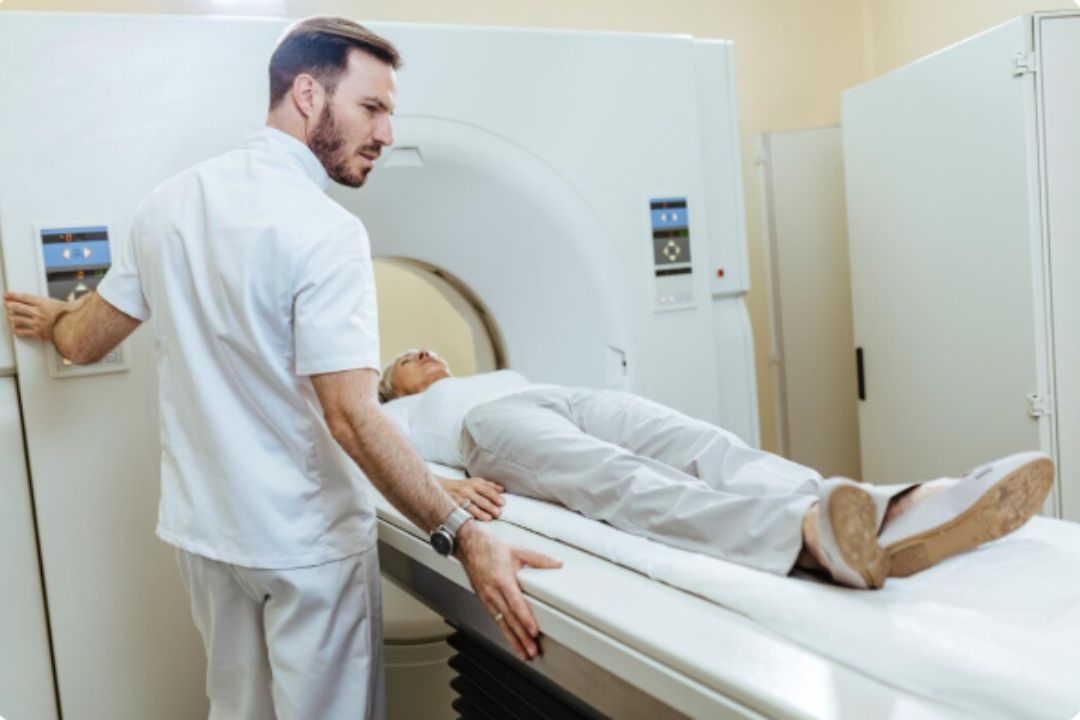
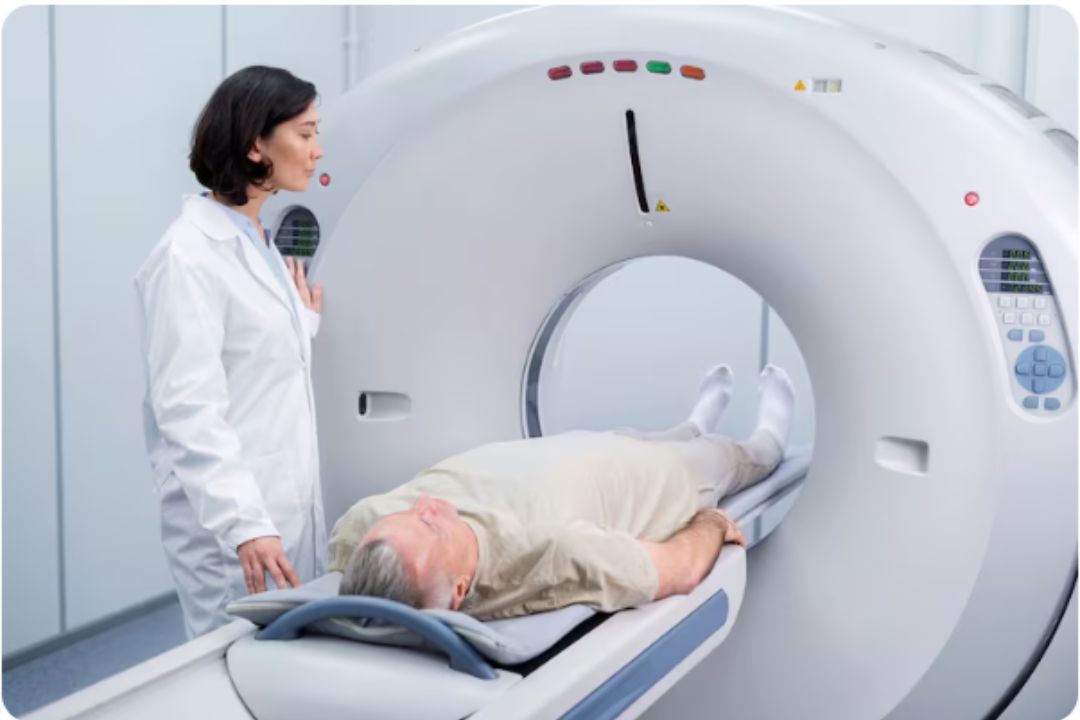
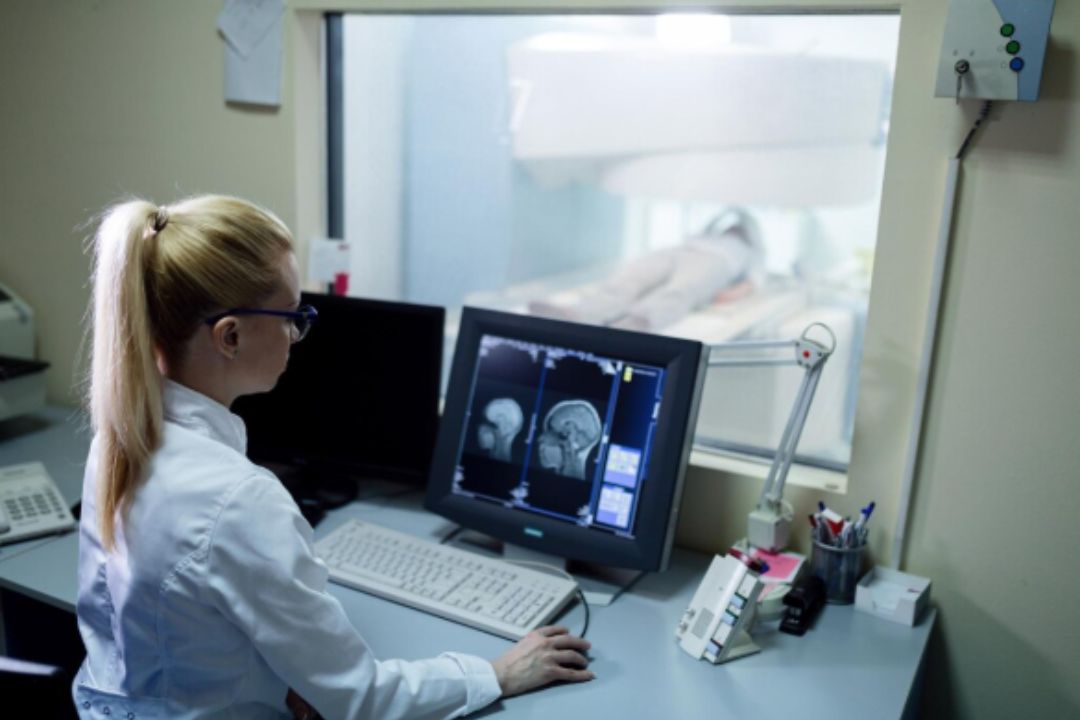
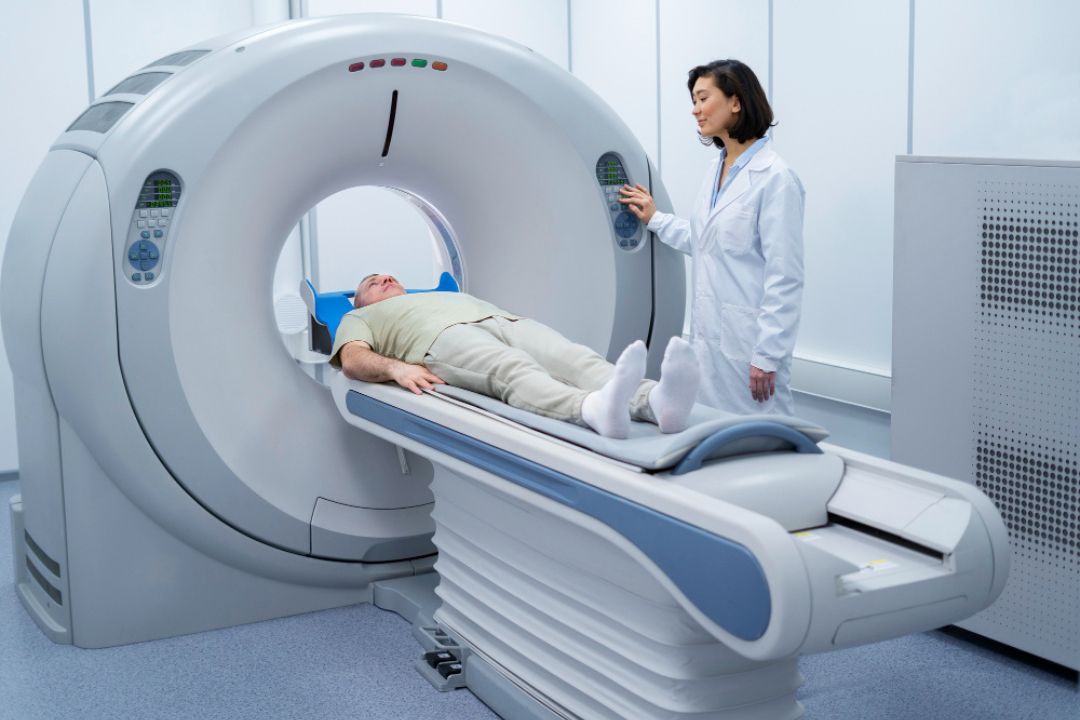
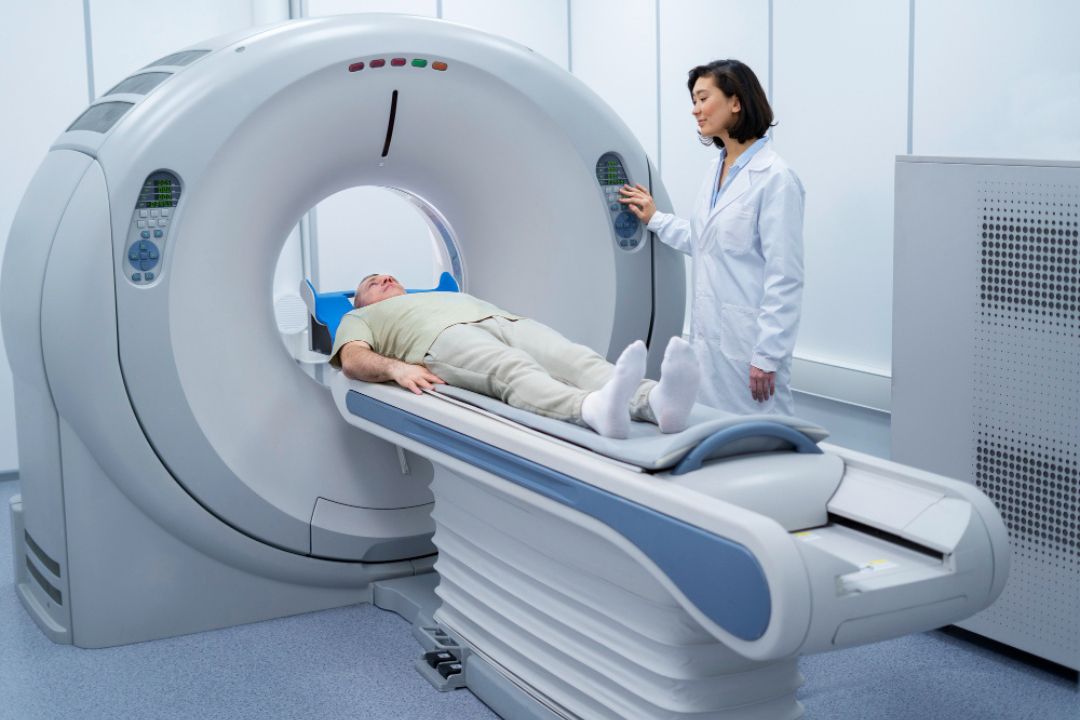
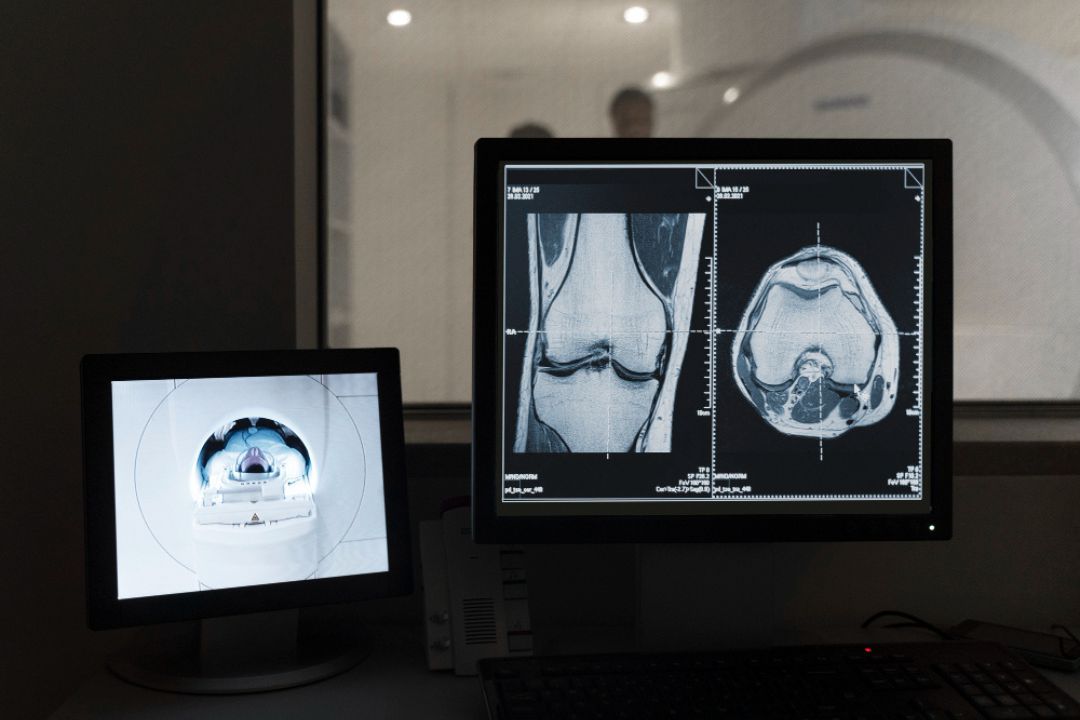
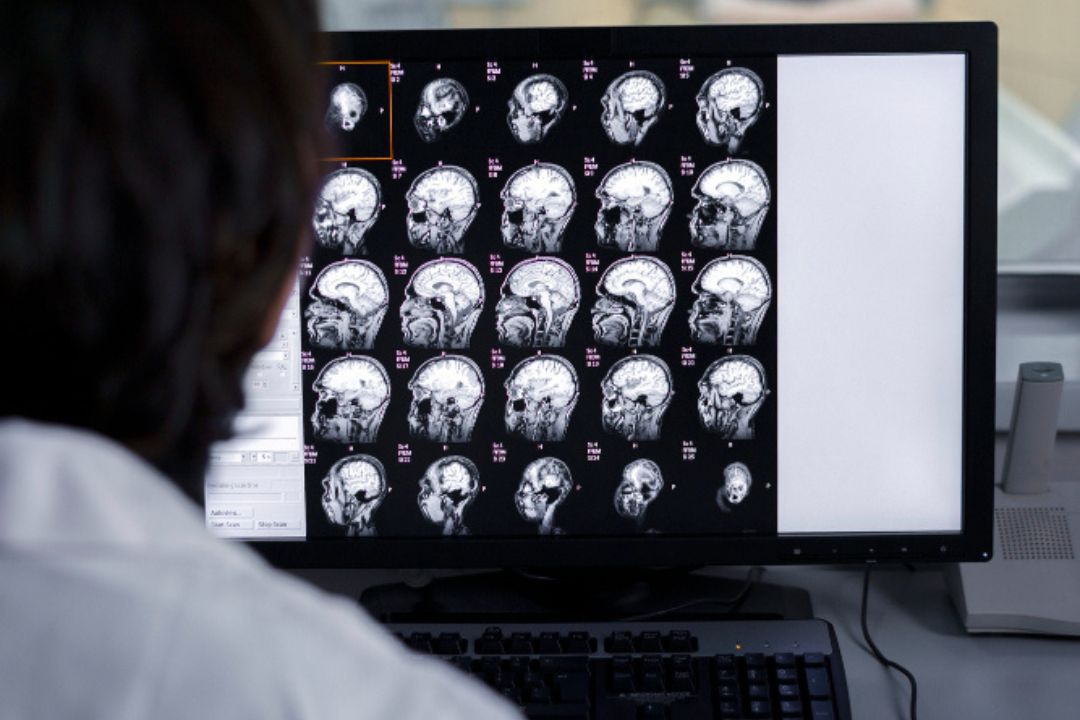
CT scans are widely used in modern medicine to detect tumors and evaluate abnormal growths in different parts of the body. Doctors often choose between a contrast CT scan and a non-contrast CT scan depending on the medical condition being investigated.
Many patients wonder whether Contrast CT Scans are better than non-contrast scans for detecting tumors. In most cases, contrast-enhanced CT scans provide more detailed information and help doctors identify tumors more accurately.
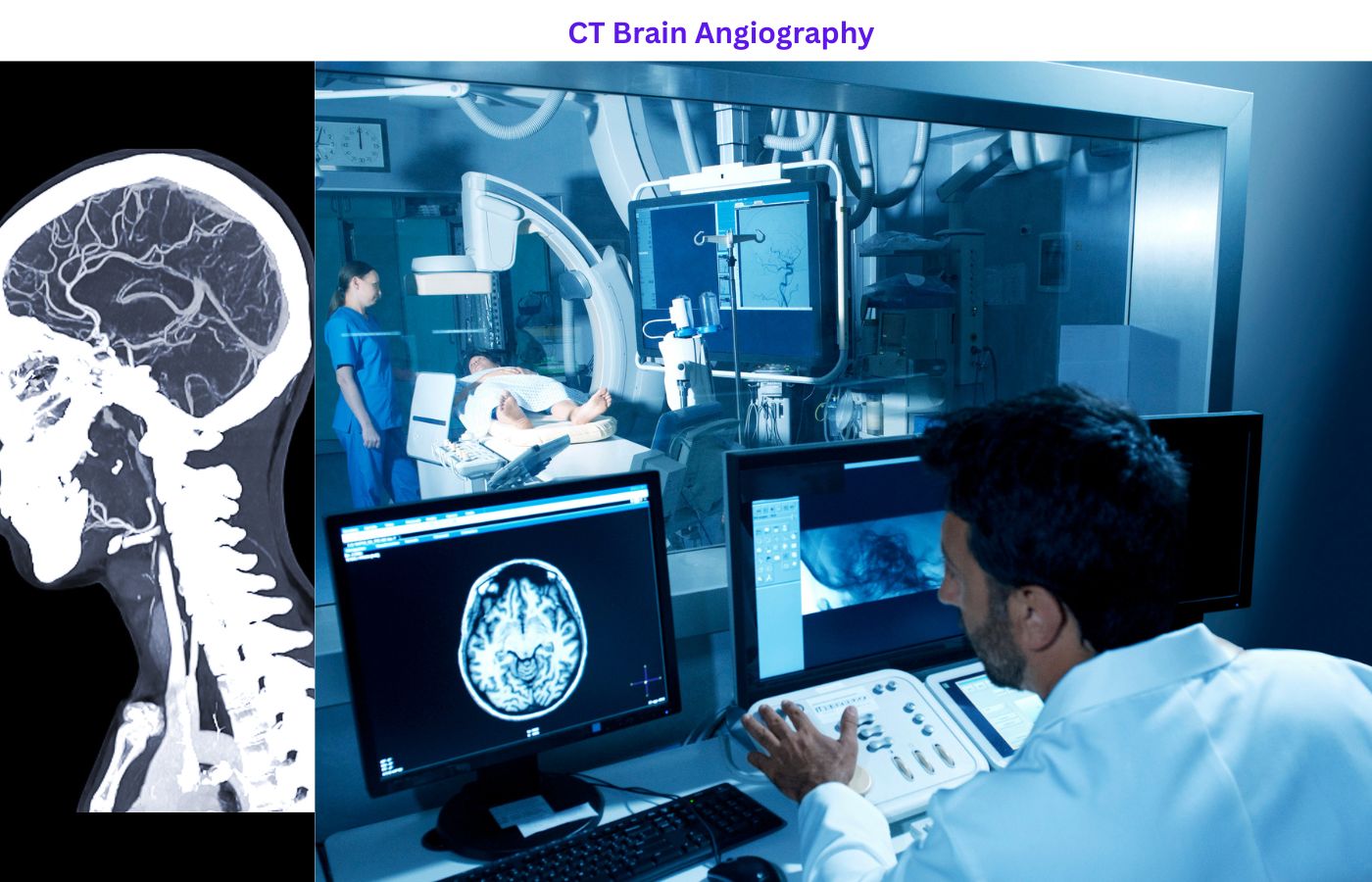
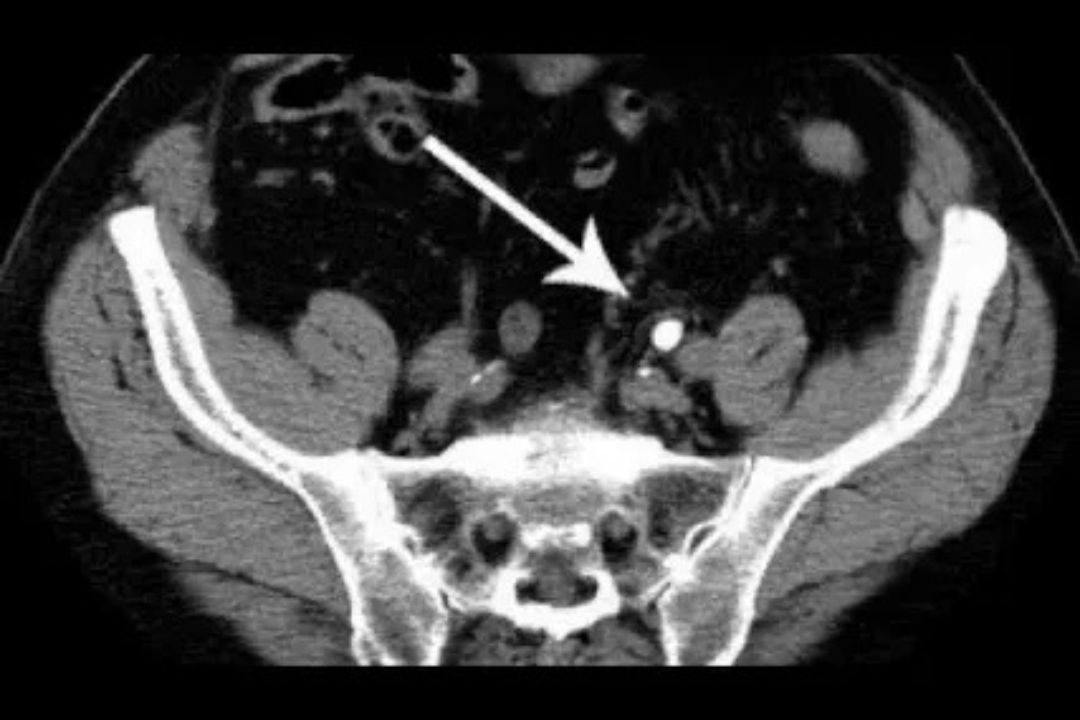
A Contrast CT Scan uses a special dye called contrast material that is injected into a vein before the scan. This contrast dye improves the visibility of blood vessels, organs, and tissues during imaging.
The dye circulates through the bloodstream and highlights areas with increased blood supply. Tumors often have abnormal blood vessels, so the contrast helps doctors clearly identify them.
Contrast CT scans are commonly used to evaluate:
Tumors and cancers
Infections and inflammation
Blood vessel abnormalities
Organ damage or injury
Because of the enhanced visualization, contrast CT scans are often preferred when doctors suspect cancer or abnormal tissue growth.
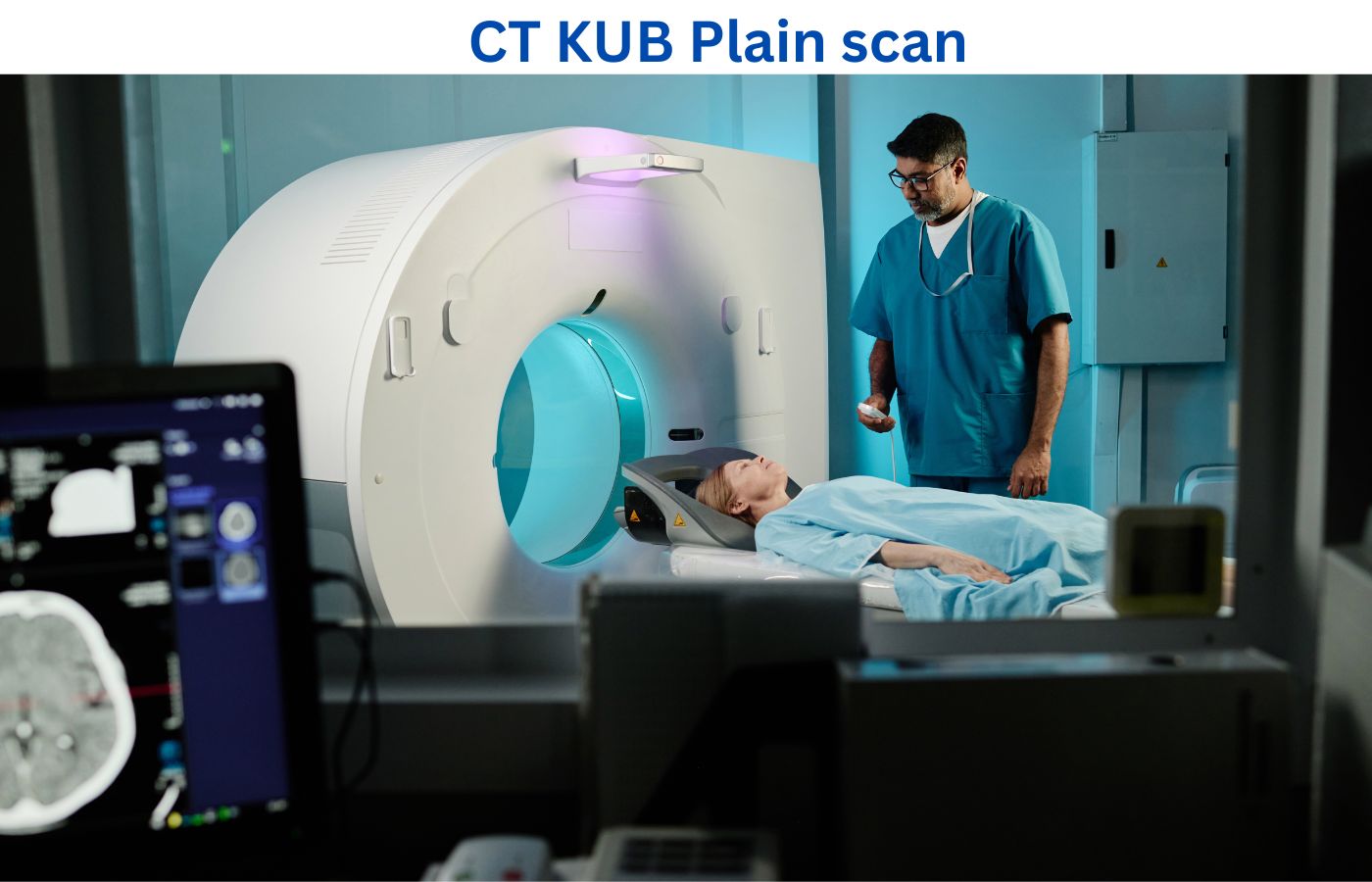
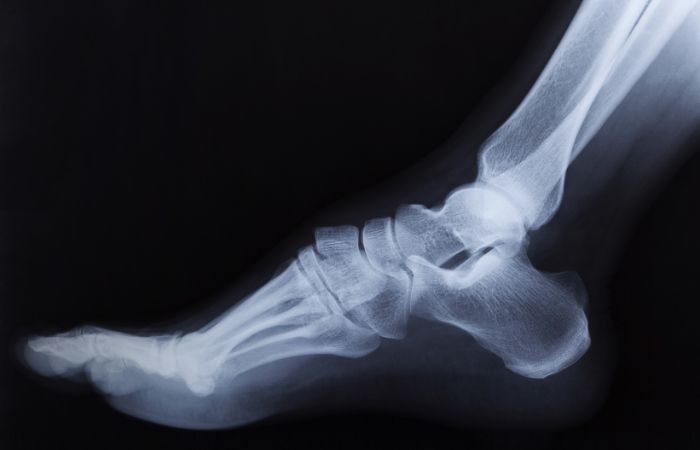
A non-contrast CT scan is performed without using contrast dye. The scan relies only on X-ray images to create cross-sectional pictures of the body.
These scans are faster and simpler because they do not require an injection. Non-contrast CT scans are commonly used to detect conditions such as:
Kidney stones
Bone fractures
Certain types of bleeding
Lung diseases
Although non-contrast scans can detect large tumors, they may not clearly distinguish between different types of tissues.
Contrast CT scans are usually more effective in detecting tumors because the contrast dye improves the visibility of abnormal tissues.
Tumors often have a rich and irregular blood supply. Contrast dye highlights these blood vessels, making tumors easier to detect and evaluate.
Contrast helps doctors distinguish between normal tissue, benign growths, and malignant tumors.
Small tumors may blend with surrounding tissues on a non-contrast scan. Contrast enhancement helps identify these small lesions more clearly.
Contrast CT scans help doctors determine the size of the tumor and whether cancer has spread to nearby organs or lymph nodes.
Because of these advantages, contrast-enhanced CT is commonly used for tumor detection and cancer staging.
While non-contrast CT scans can still detect abnormalities, they have some limitations when evaluating tumors.
These limitations include:
Reduced ability to differentiate soft tissues
Difficulty detecting very small tumors
Less accurate identification of tumor spread
Limited visualization of blood vessels and lymph nodes
Because of these limitations, non-contrast CT scans are usually not the first choice when doctors suspect cancer.
Despite the advantages of contrast imaging, there are situations where doctors may choose a non-contrast CT scan.
These situations include:
Patients with kidney disease
Patients allergic to contrast dye
Evaluation of kidney stones
Emergency scans where contrast is not required
In some cases, doctors may perform both contrast and non-contrast scans for better evaluation.
Contrast CT scans are generally safe, but some patients may experience mild side effects.
Possible reactions include:
Warm sensation during injection
Metallic taste in the mouth
Mild nausea
Rare allergic reactions
Patients with kidney problems should inform their doctor before receiving contrast dye.
For most cancer-related evaluations, contrast CT scans provide better diagnostic accuracy than non-contrast scans. Contrast enhancement improves the detection and characterization of tumors and helps doctors evaluate how far the disease has spread.
However, the final decision depends on the patient’s medical condition and the doctor’s clinical judgment.
Both contrast and non-contrast CT scans are valuable diagnostic tools, but contrast CT scans are usually more effective for detecting tumors. The contrast dye highlights abnormal tissues and blood vessels, allowing doctors to identify tumors more clearly and determine their size and spread.
If your doctor recommends a contrast CT scan, it is usually because it provides more accurate information for diagnosing and managing possible tumors.





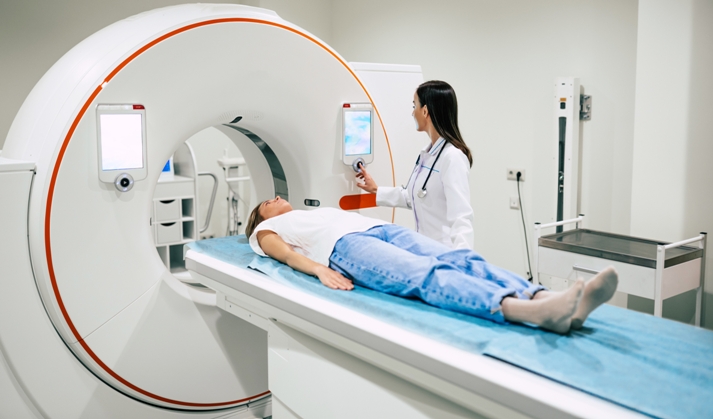
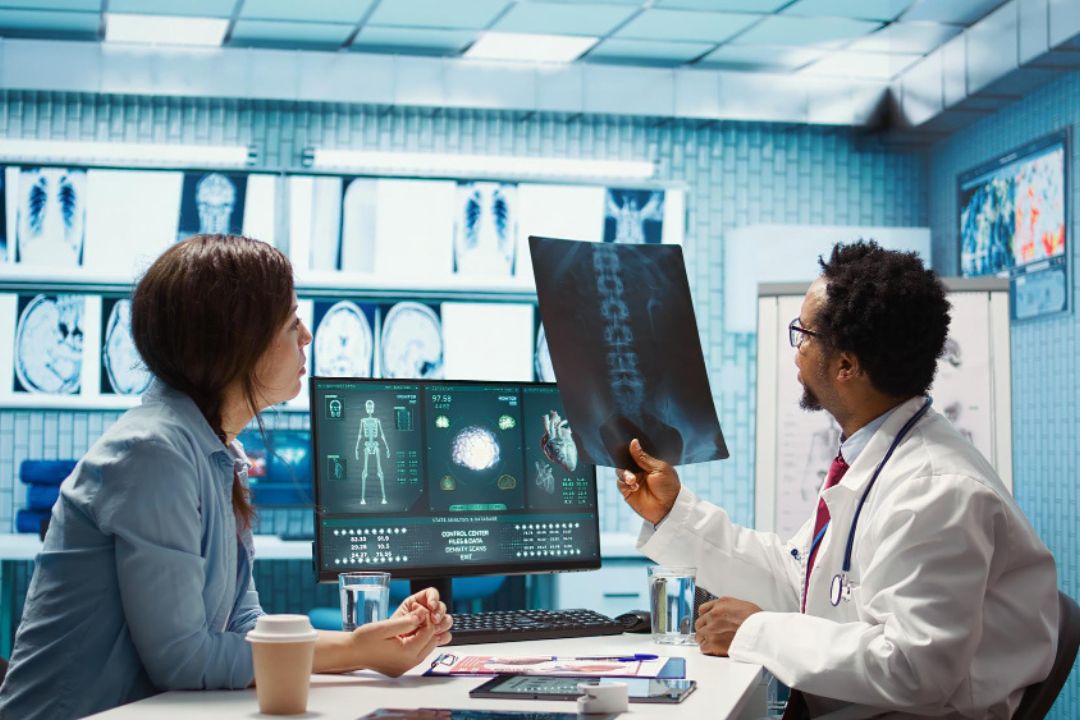
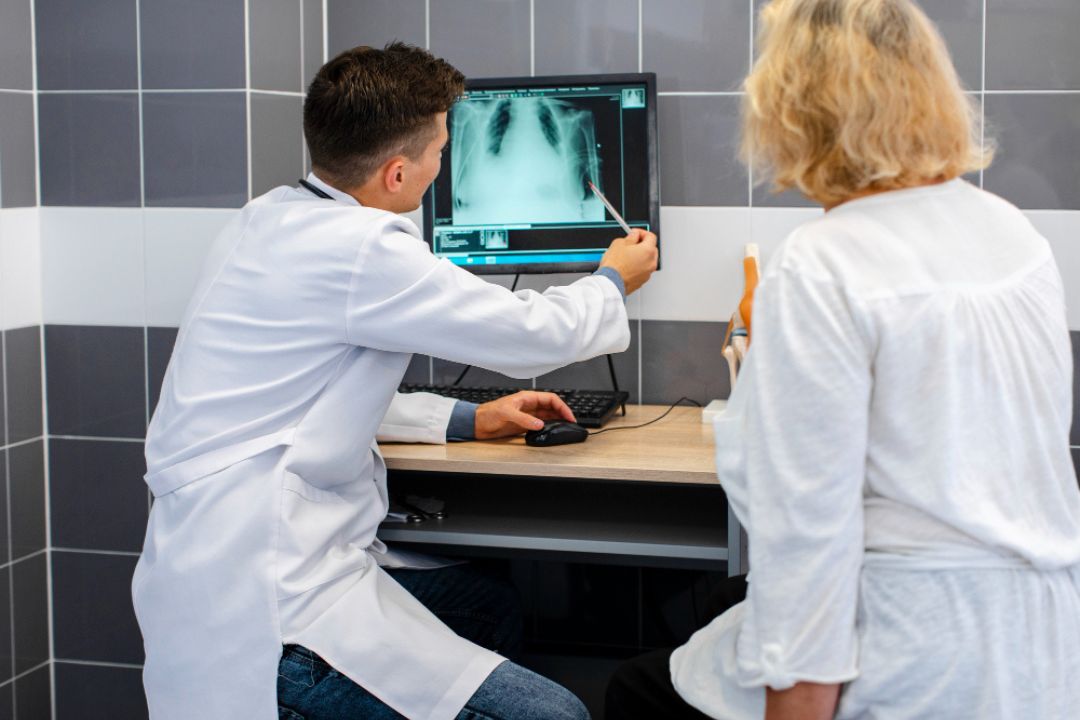
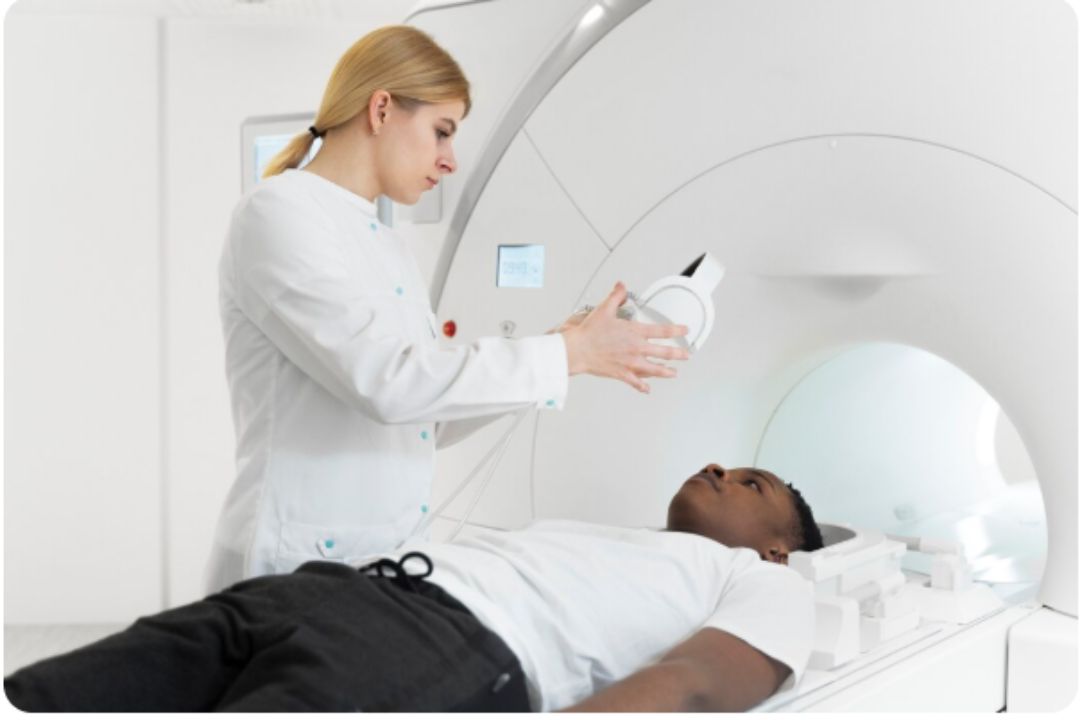

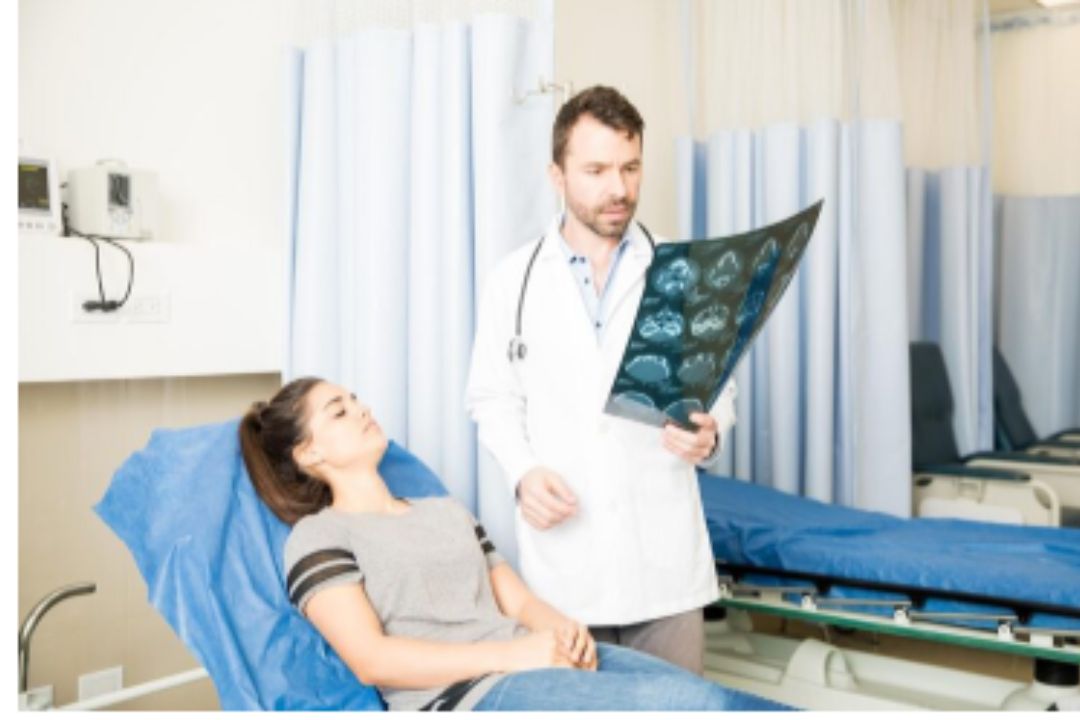
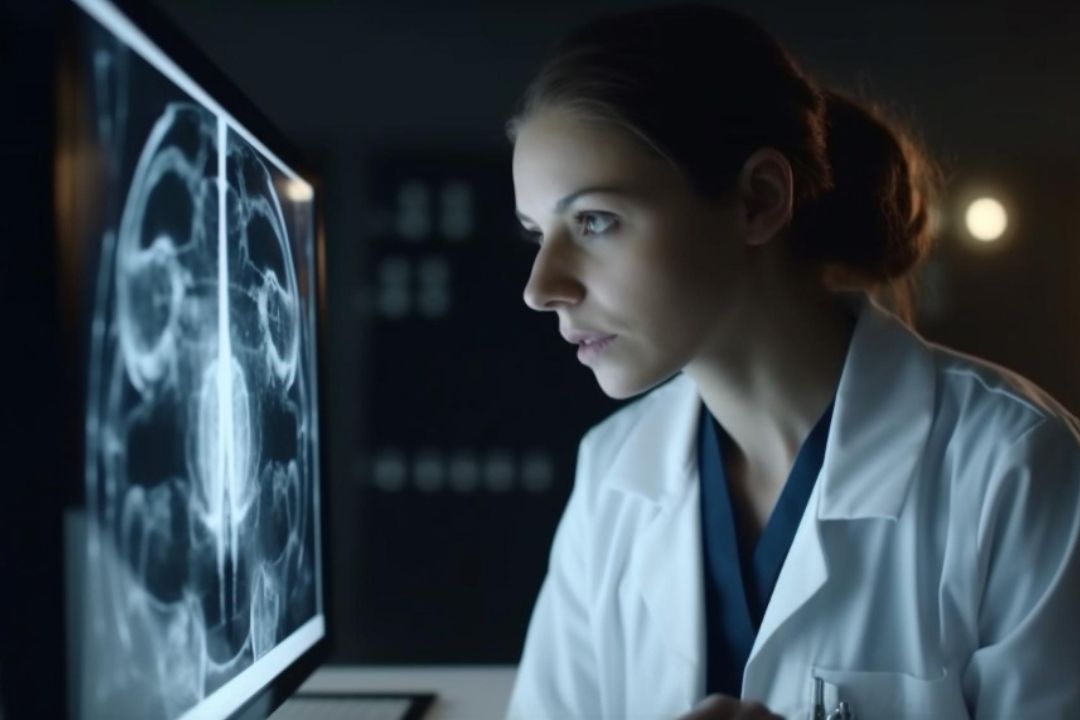
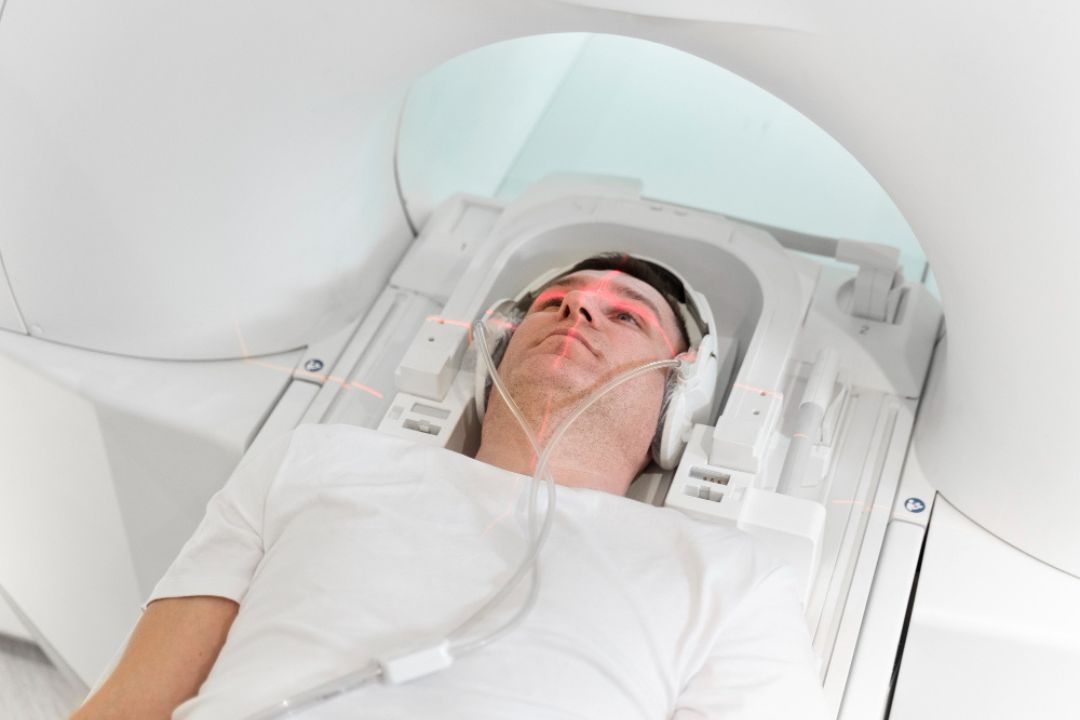
.jpg "ct brain scan plain and contrast")



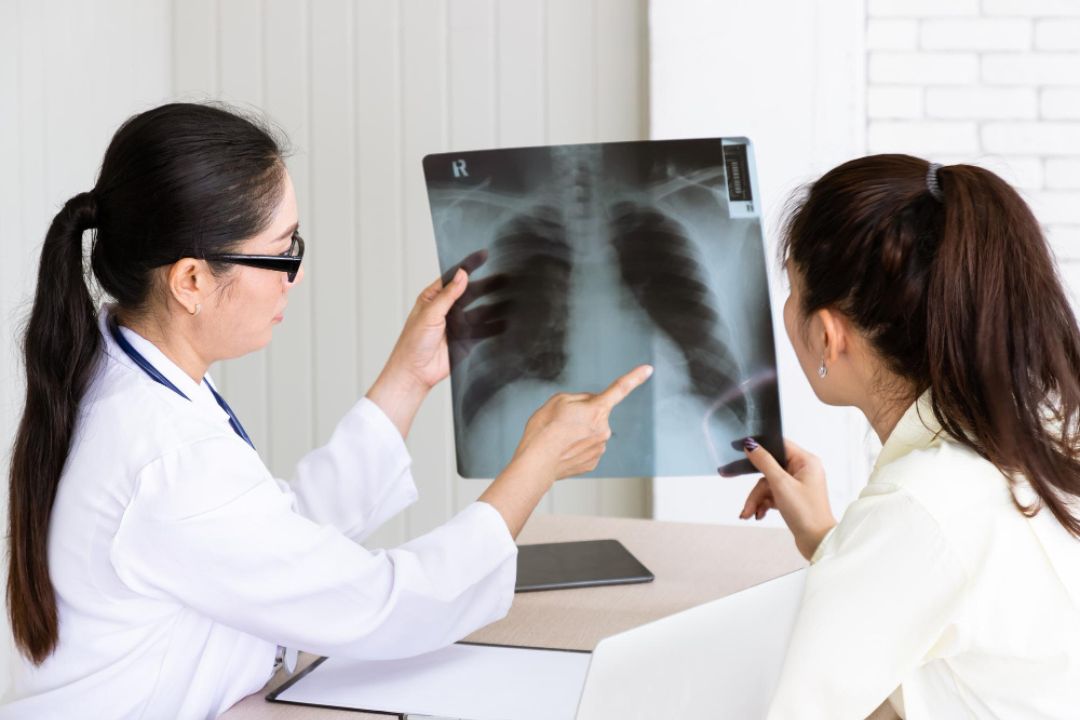

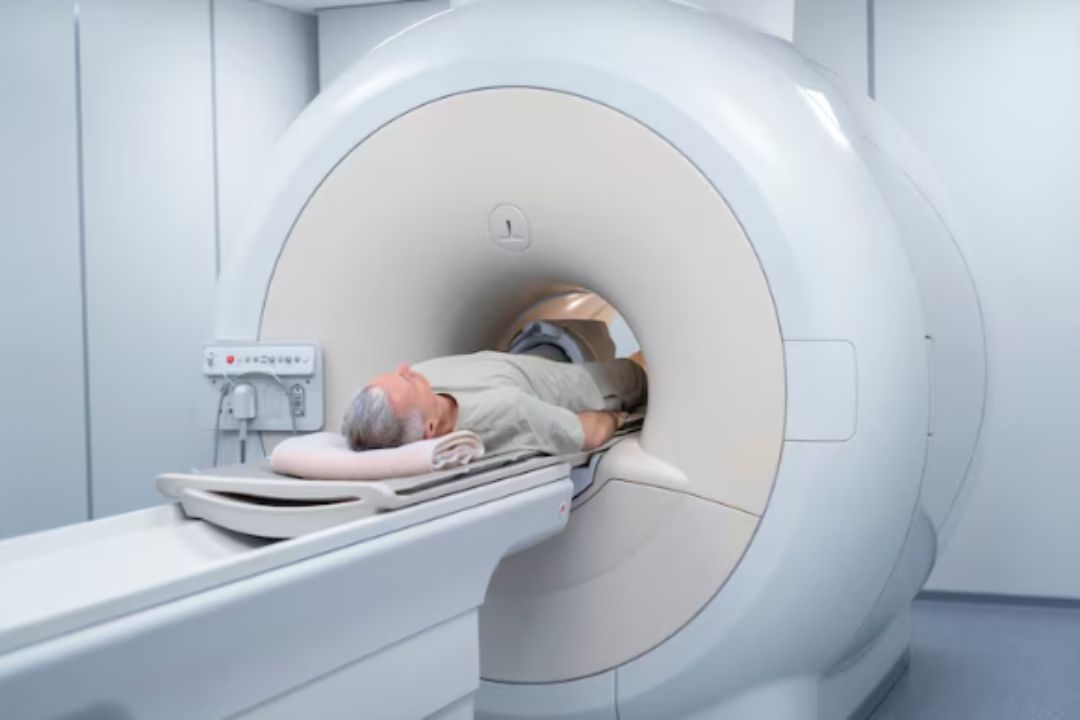
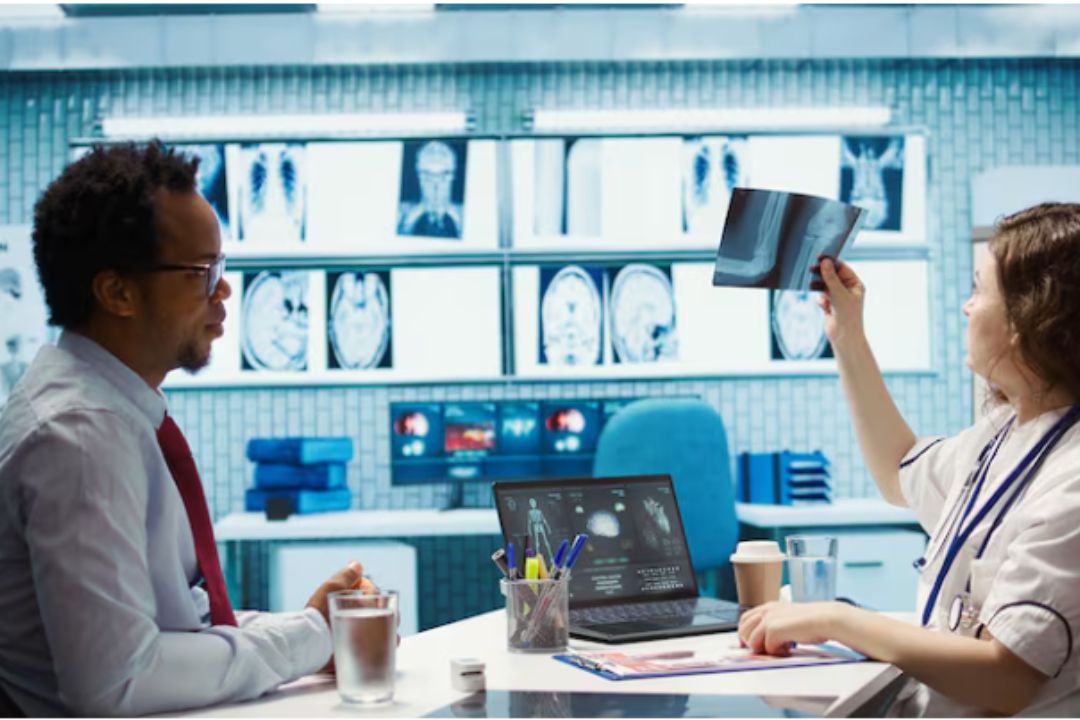
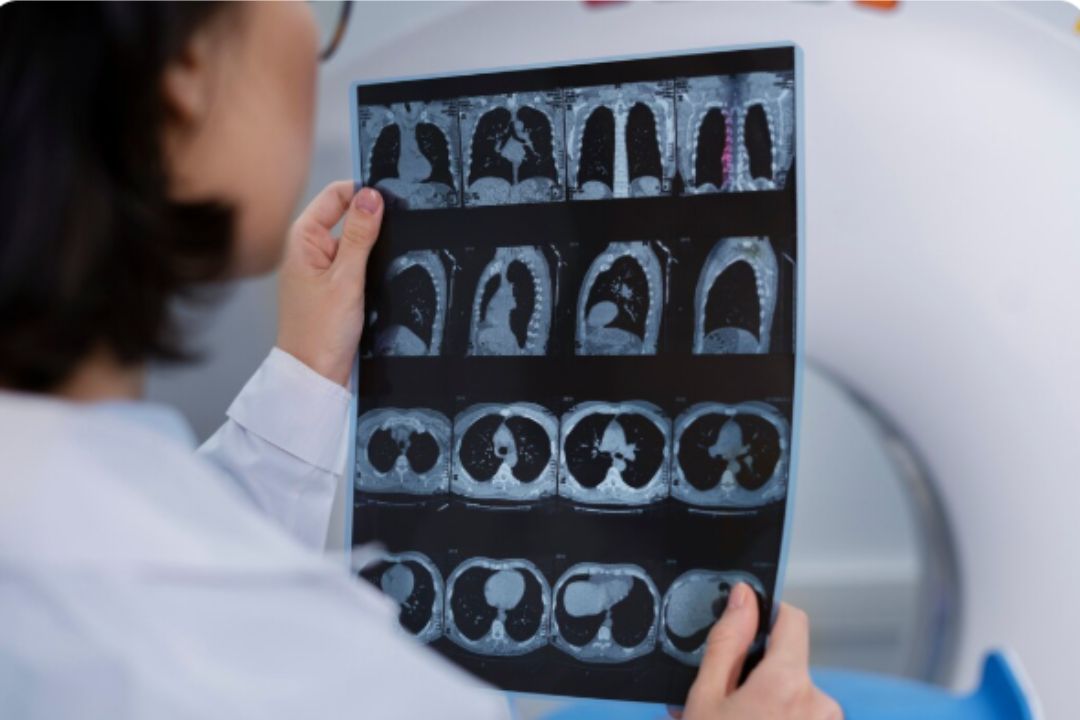


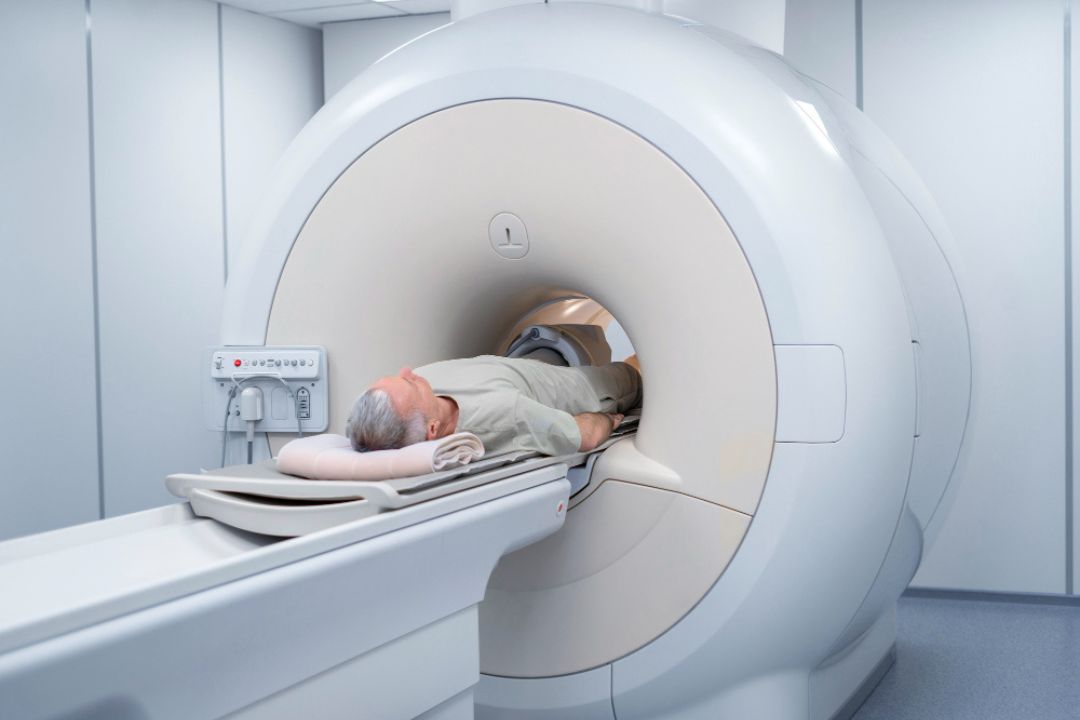
.jpg "ct scan")
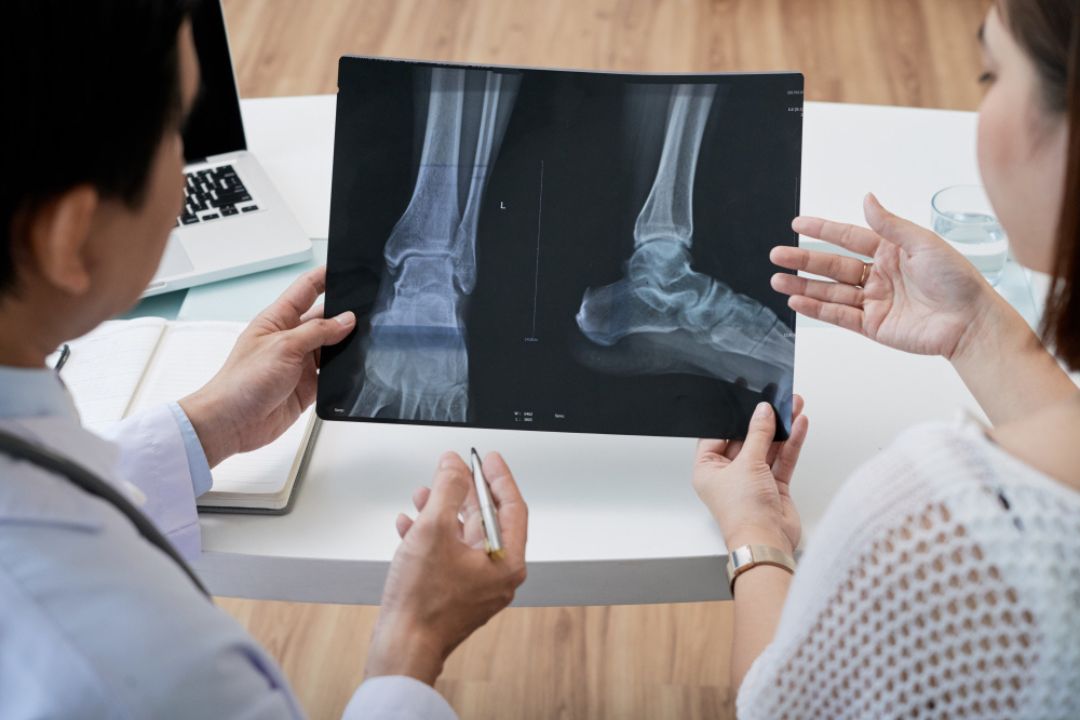
.jpg "ct scan or mri for brain disorders")


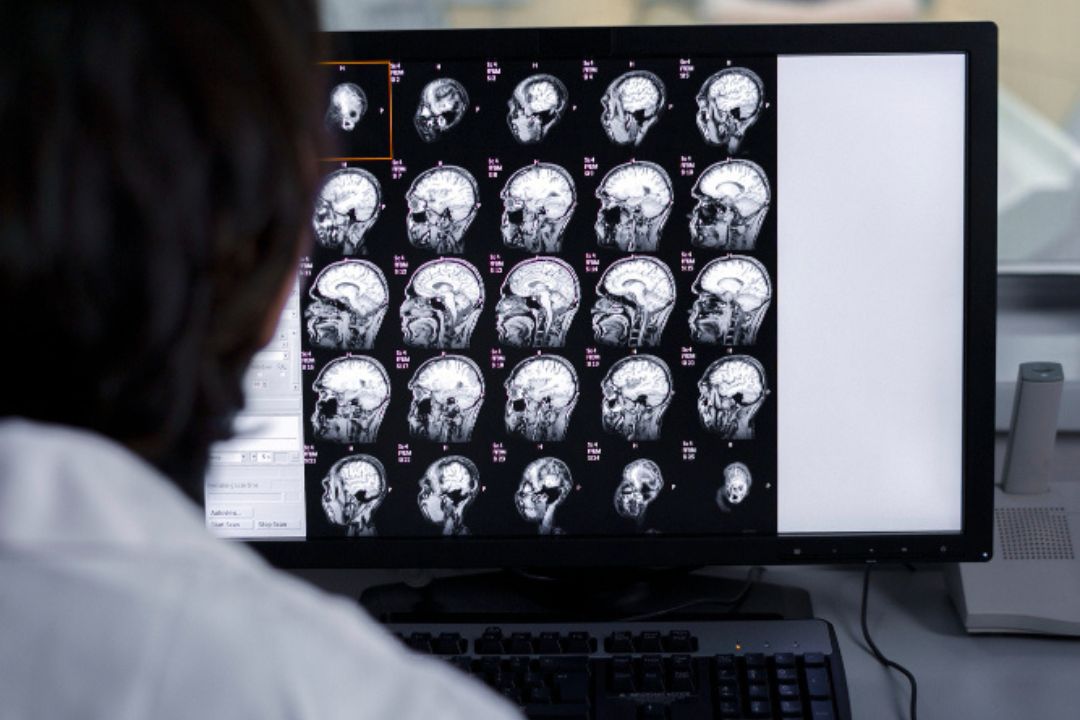
.jpg "exploring the power of ct brain contrast in modern diagnostics")
.jpg "ct scan")
.jpg "ct scan")





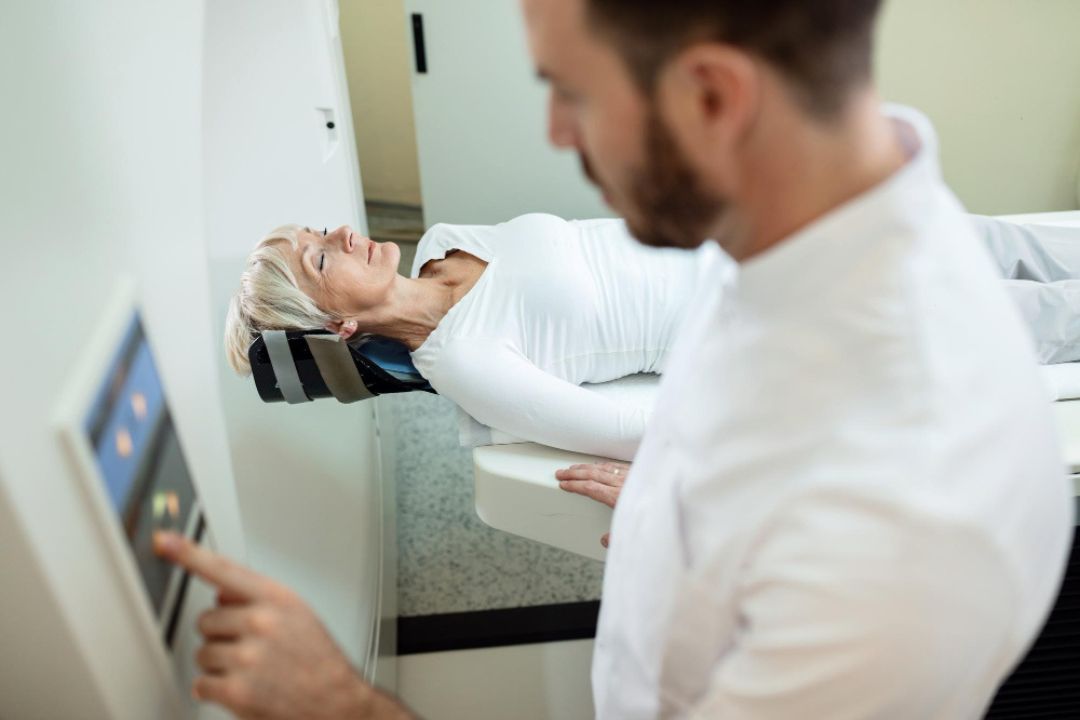

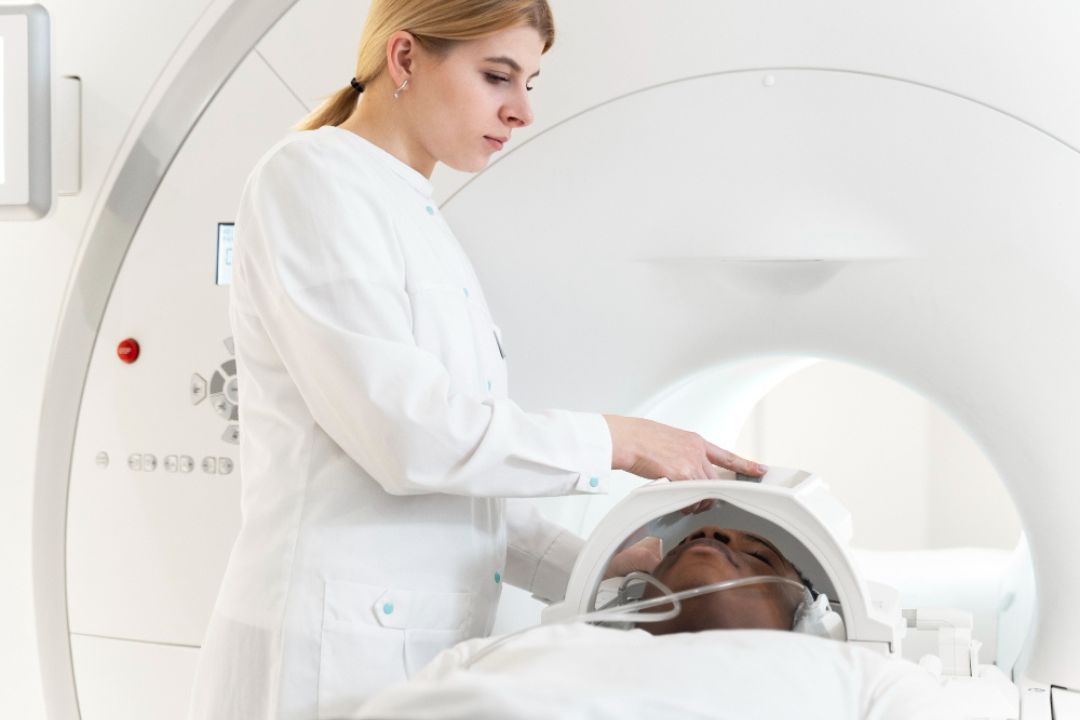

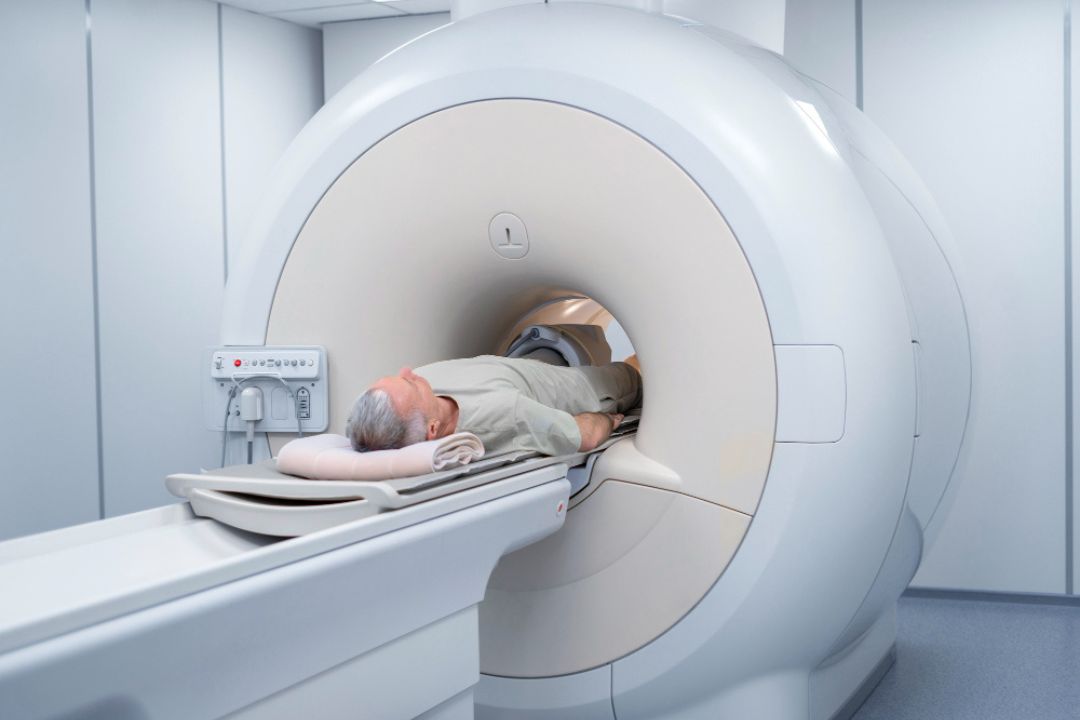
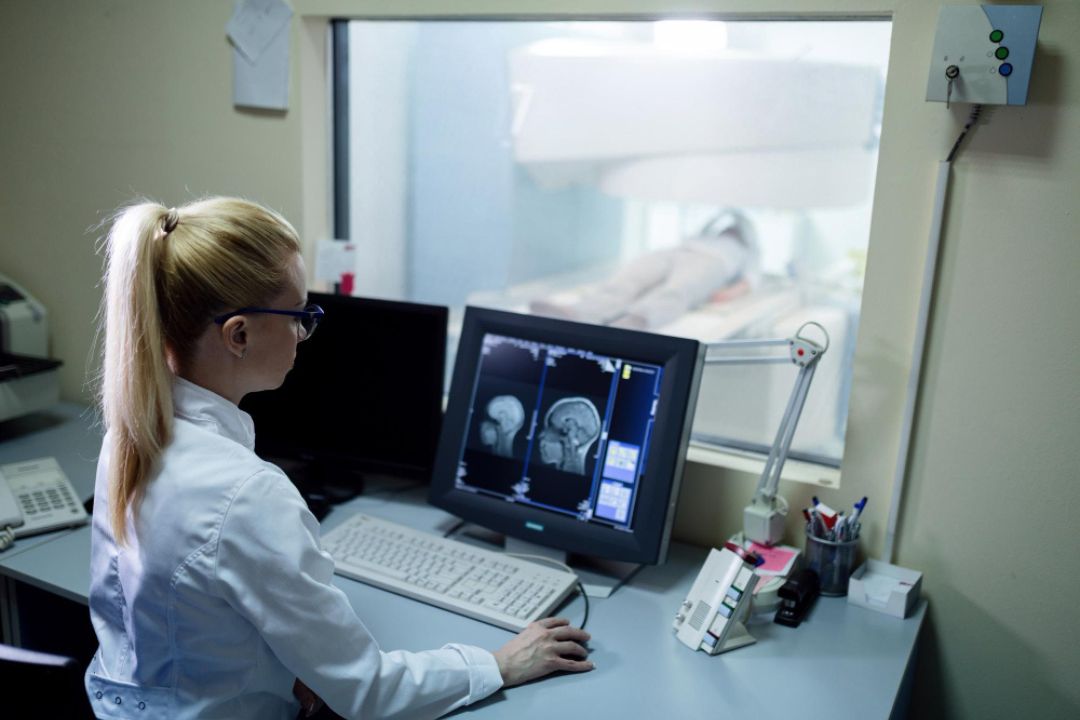
.jpg "ct scan")

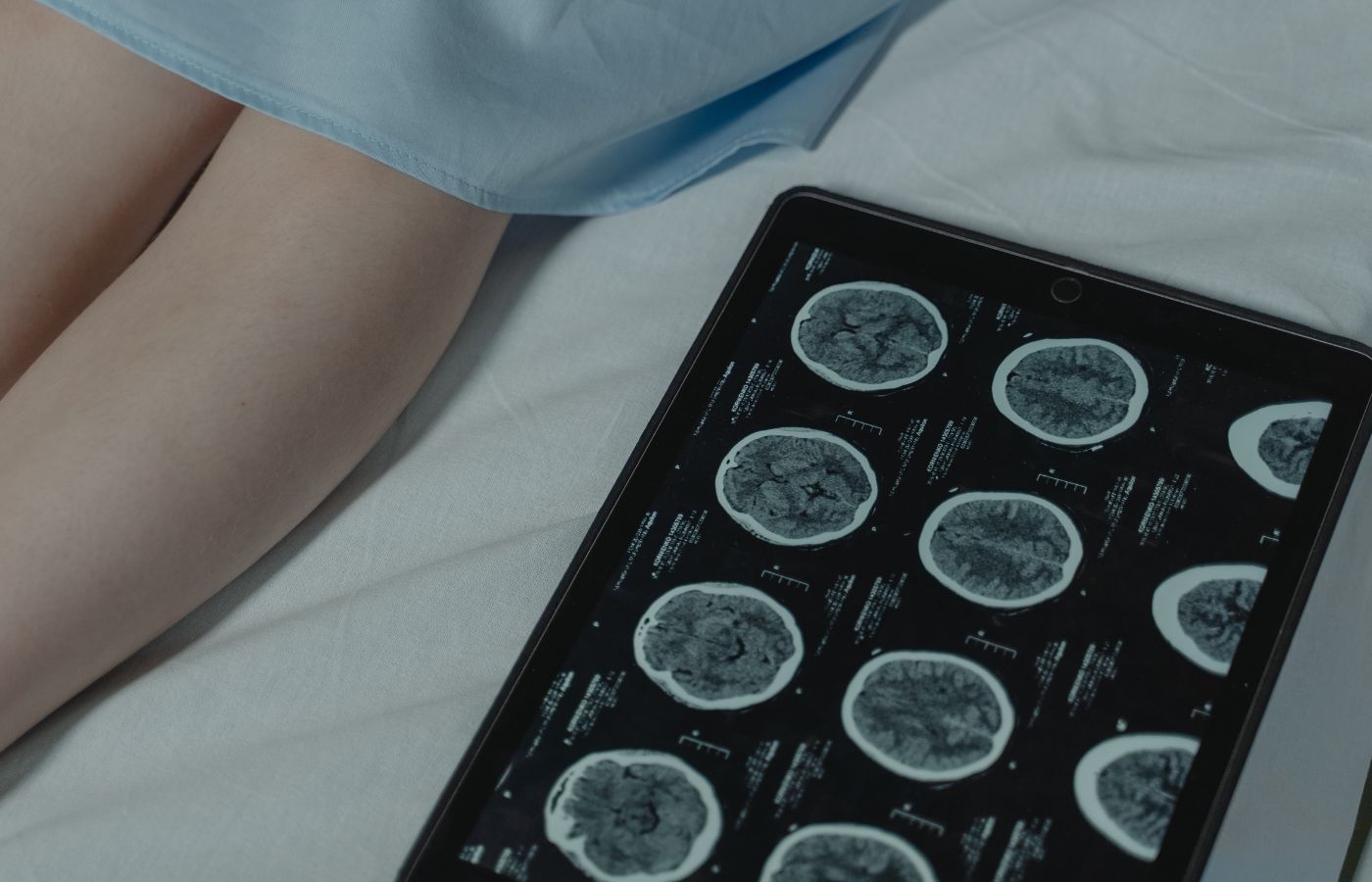
.jpg "CT Brain Scan for Headaches")
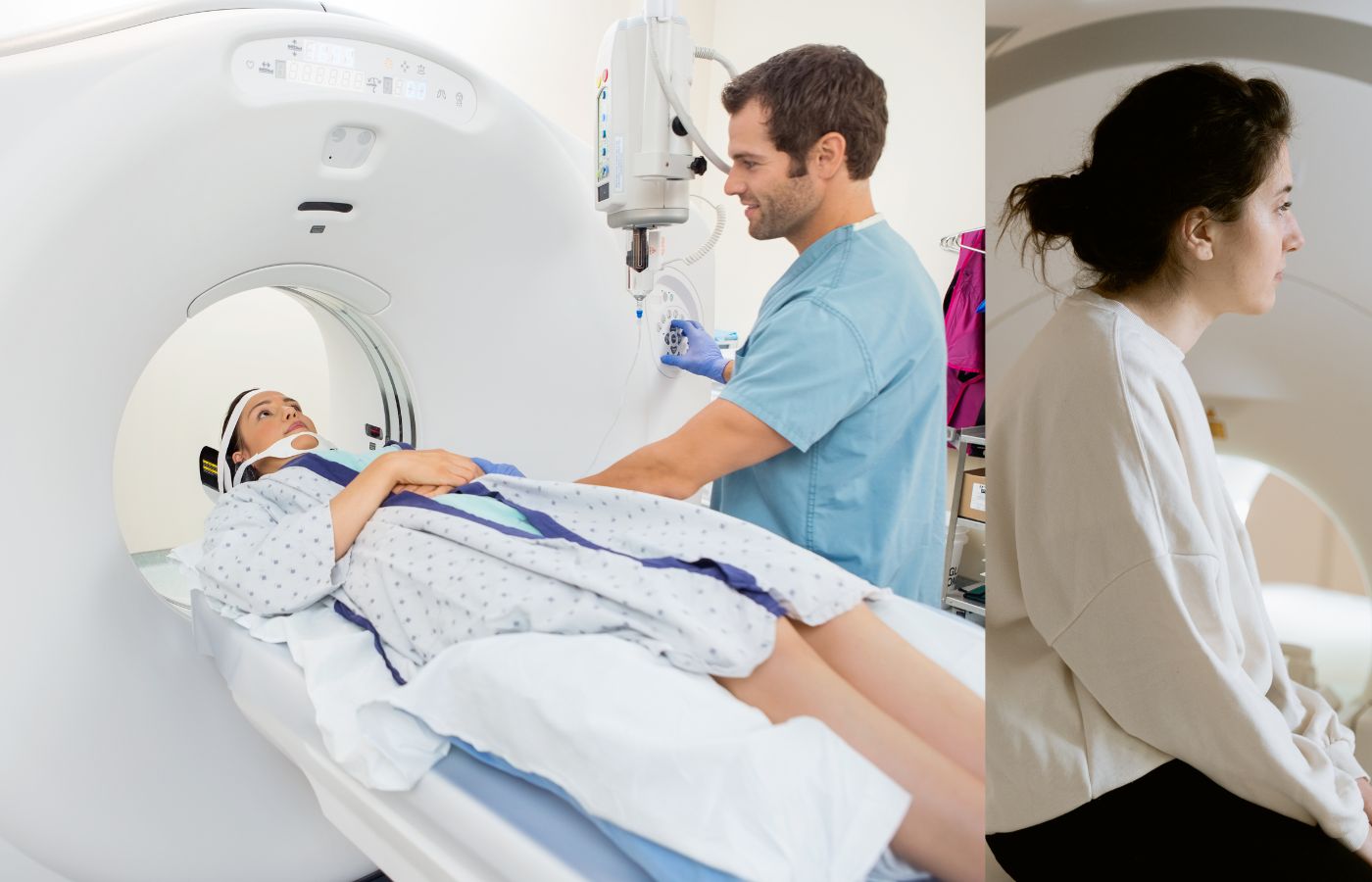
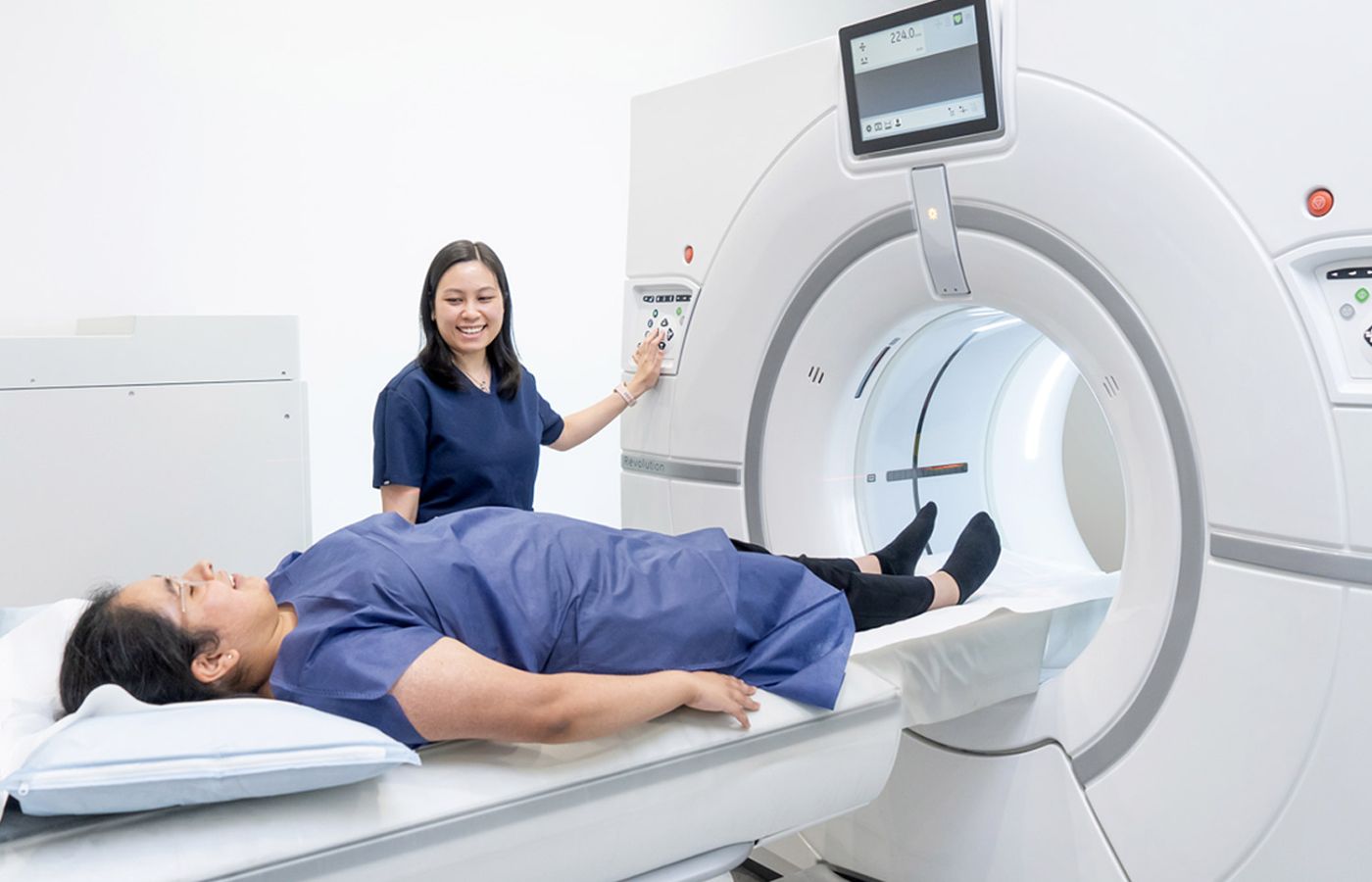
.jpg "The Future of 3D CT Imaging")