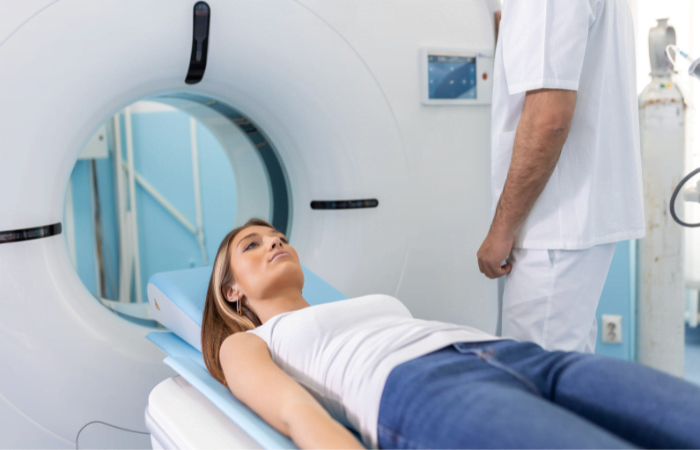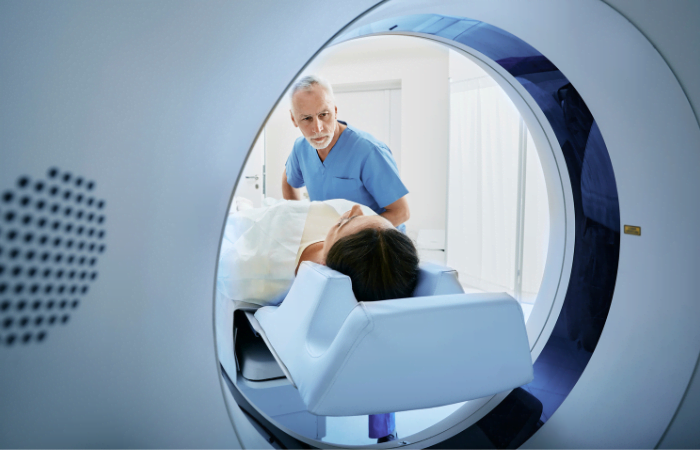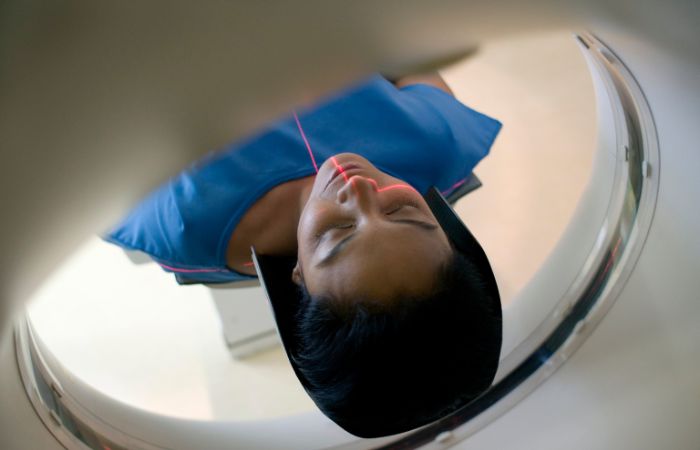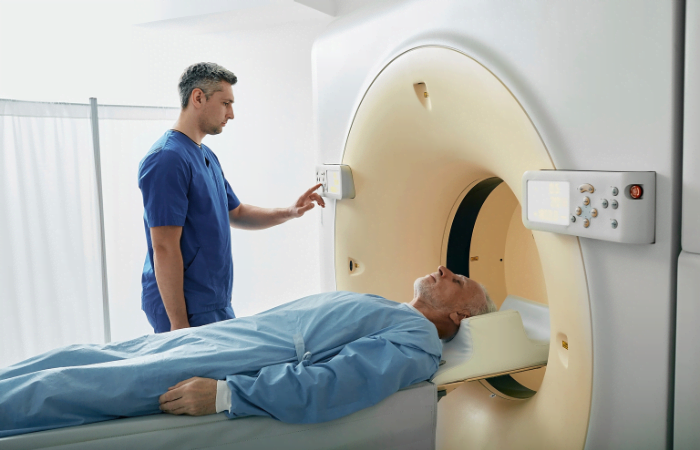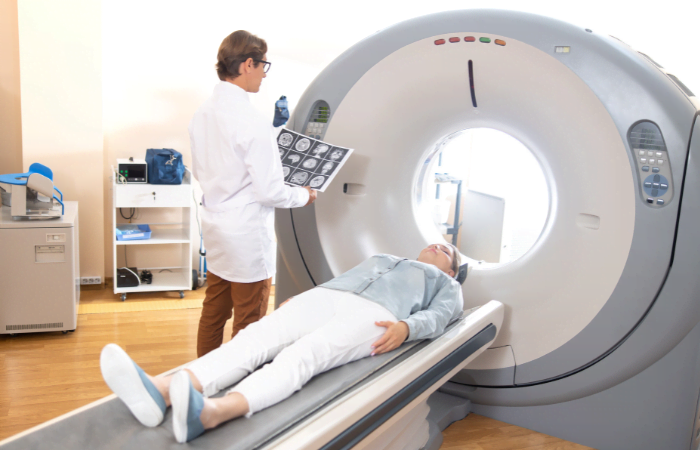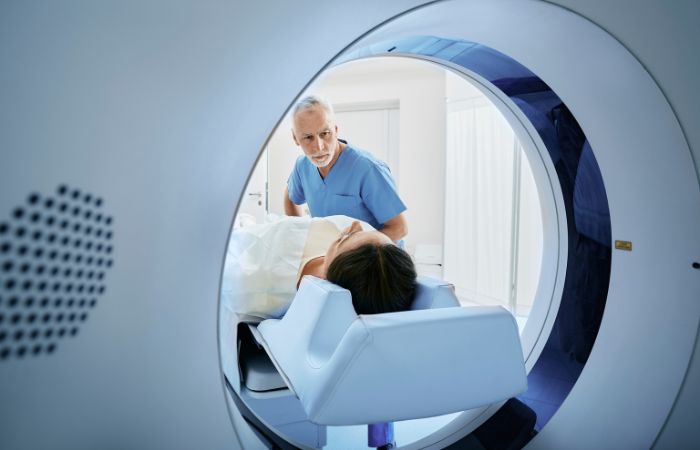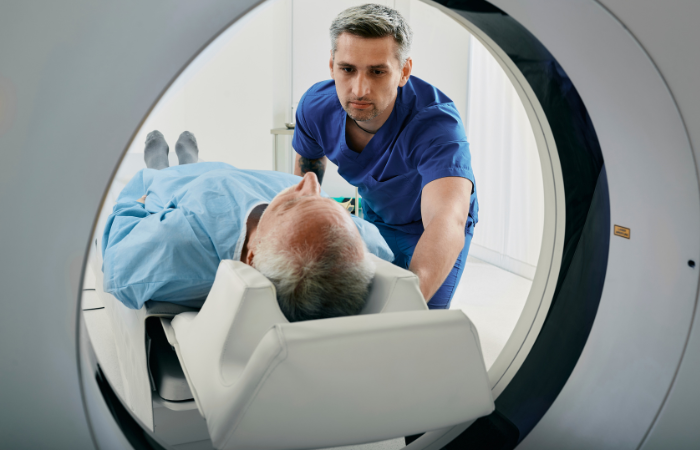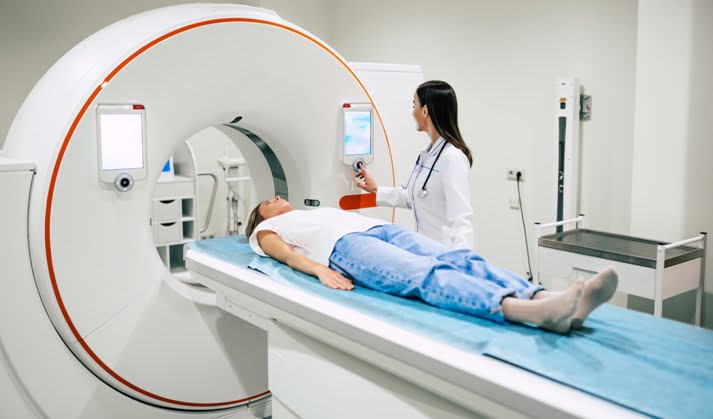
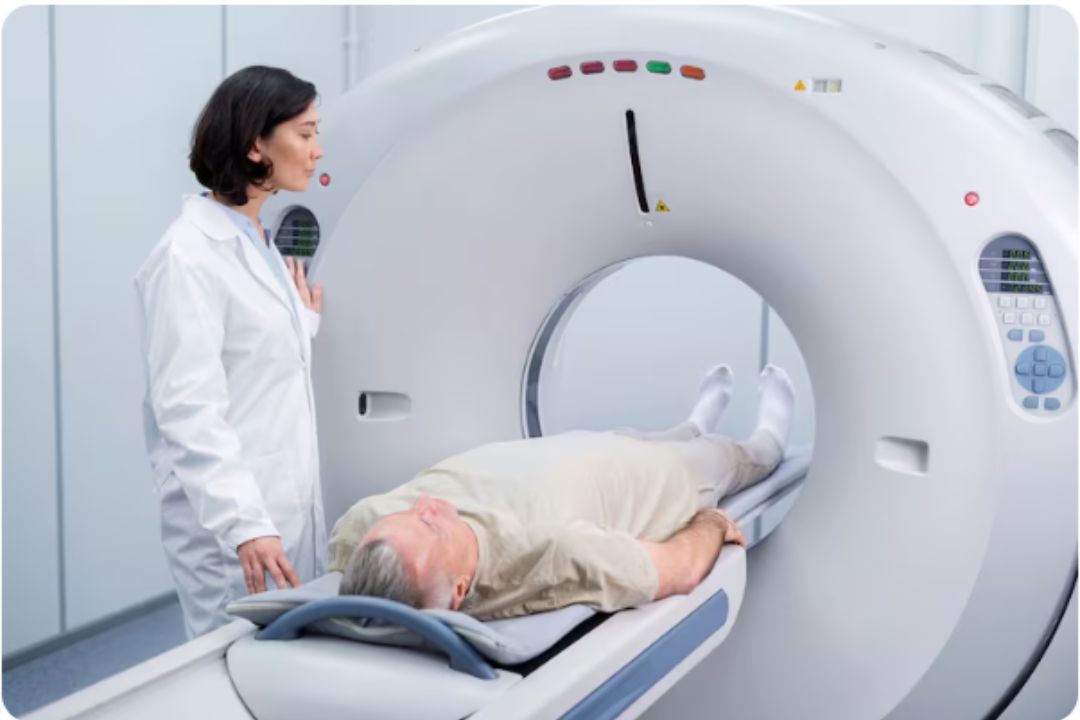
When you are lying inside a CT scanner, the machine instructs you to "hold your breath" and "stay still." Patients often wonder: Is it really that serious? What happens if I cough or move my hand?
Even the slightest movement—a shrug, a breath, or a twitch—can blur the images, potentially rendering the scan diagnostically useless.
Here is an in-depth look at why stillness matters, how Diagnopein Pune ensures comfort, and why we are the top choice for CT scans near me.
A Complete Patient Guide
A CT scan is a powerful diagnostic tool used by doctors to see detailed images of the inside of your body. Whether it’s for evaluating injuries, diagnosing disease, or helping plan treatment, a CT scan can reveal crucial information that other tests cannot. However, one common concern that many patients have involves movement during the scan. What happens if you accidentally move? Will it ruin the test? Could it cause harm? This guide explains everything you need to know.
Book Now: https://www.diagnopein.com/ct-scan/Pune
Understanding how movement affects a CT scan can help you feel more confident and cooperative during the procedure. Let’s walk through the reasons motion matters, what can happen if you shift or wiggle, and how technologists and machines compensate for it.
Before we explore movement, it helps to know what a CT scan actually does.
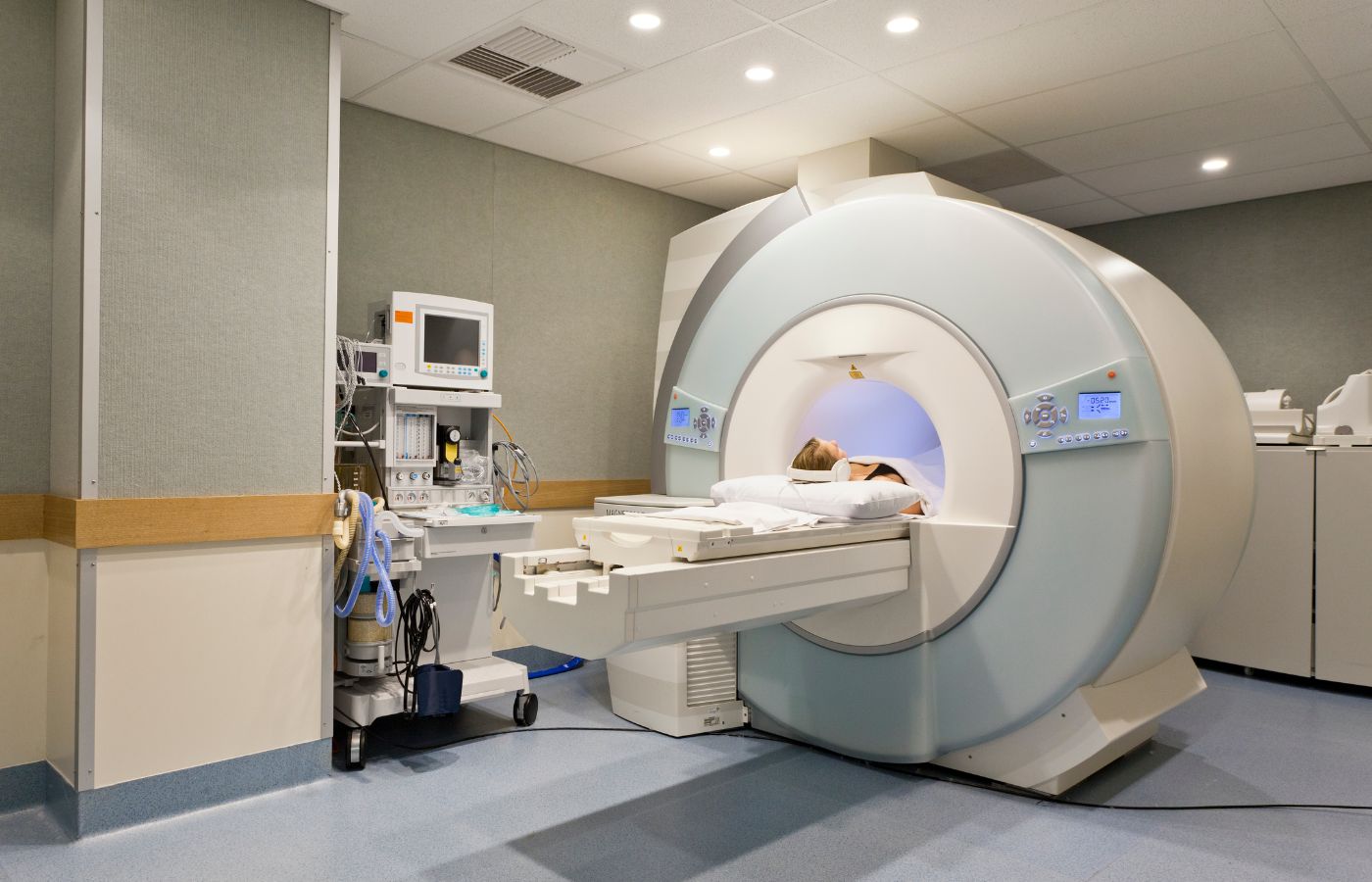
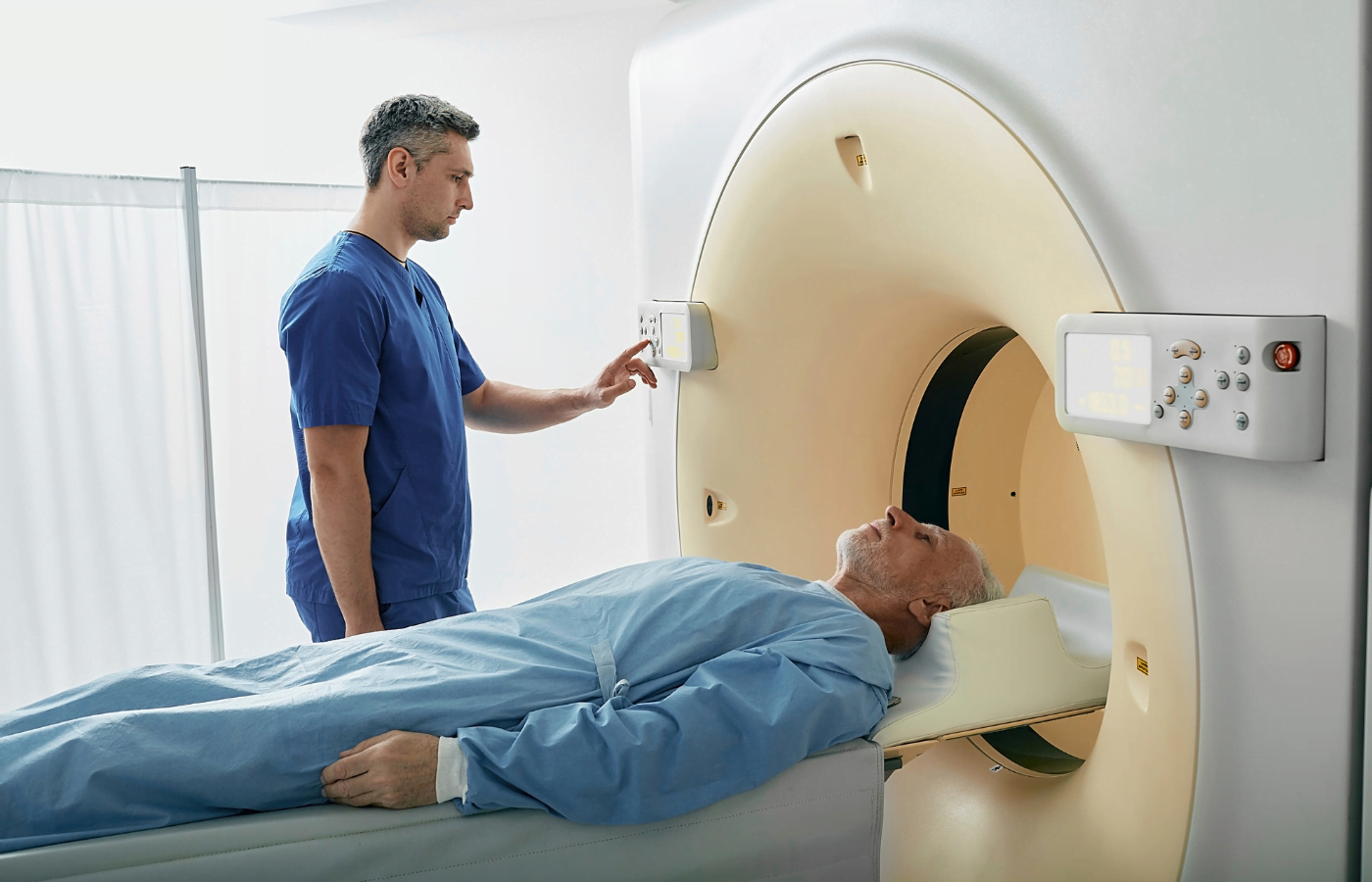
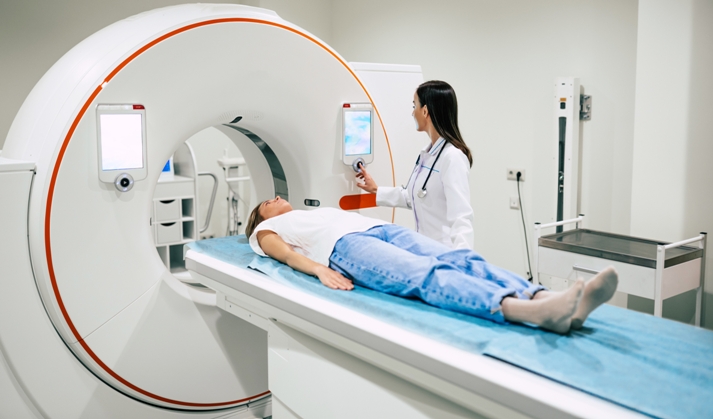
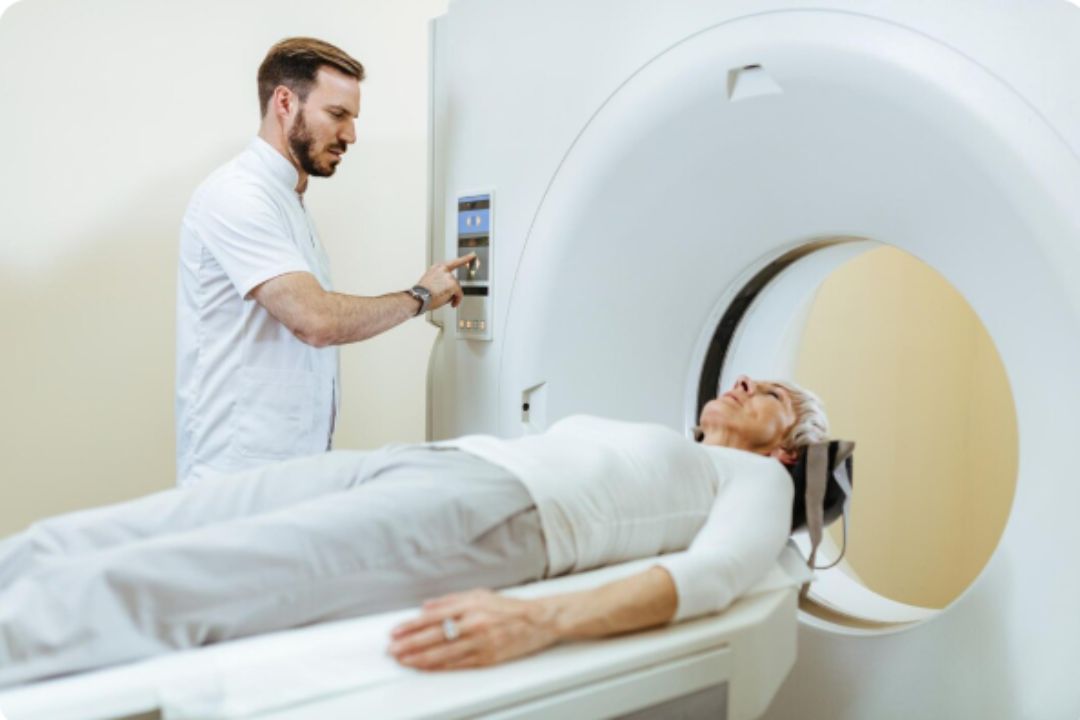
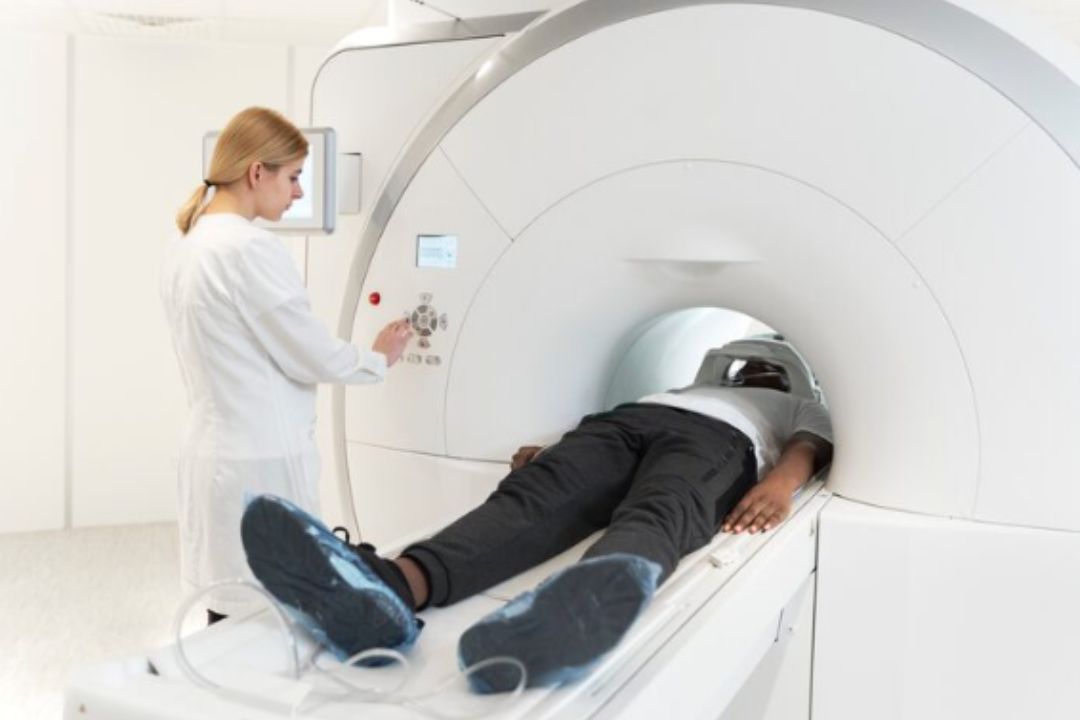
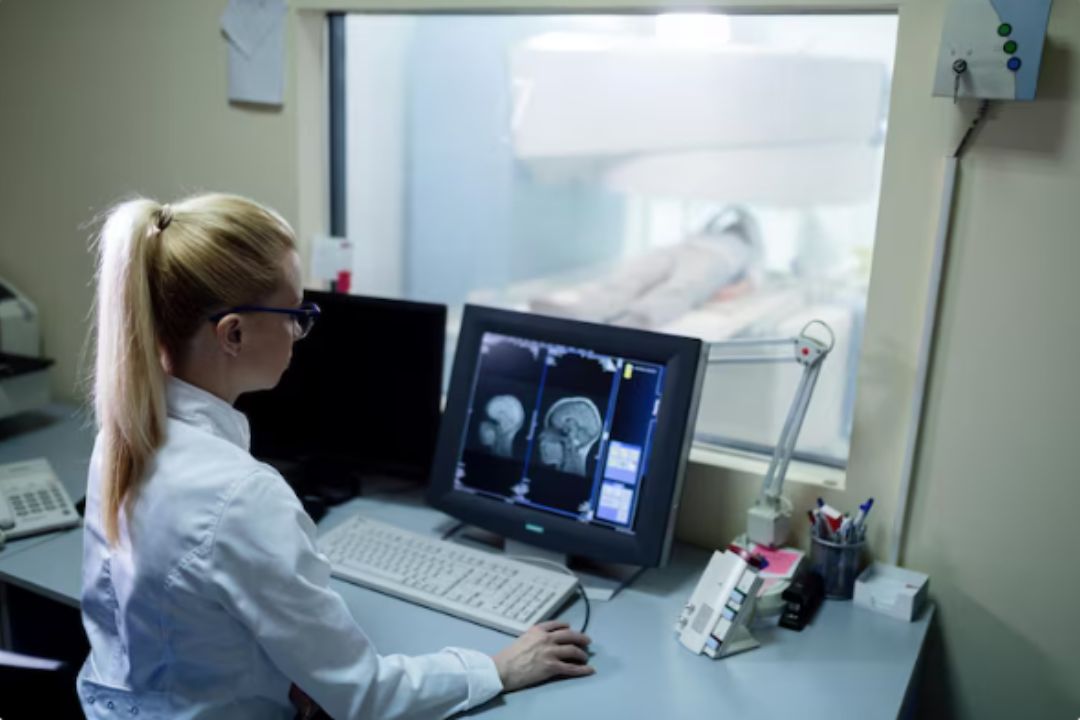
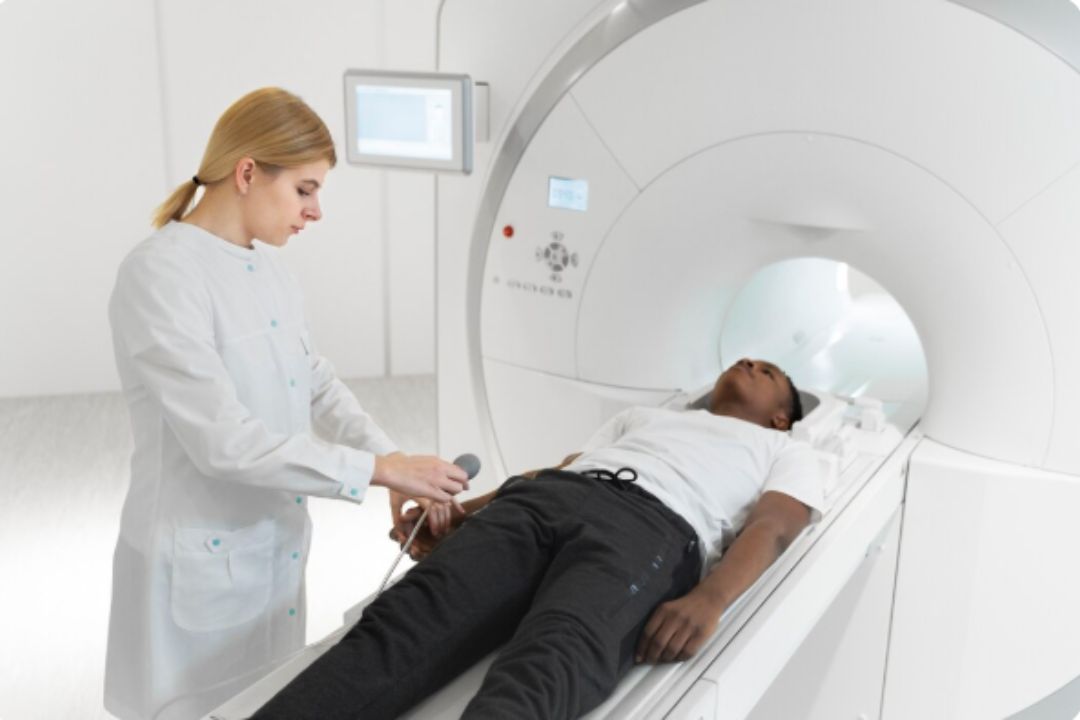
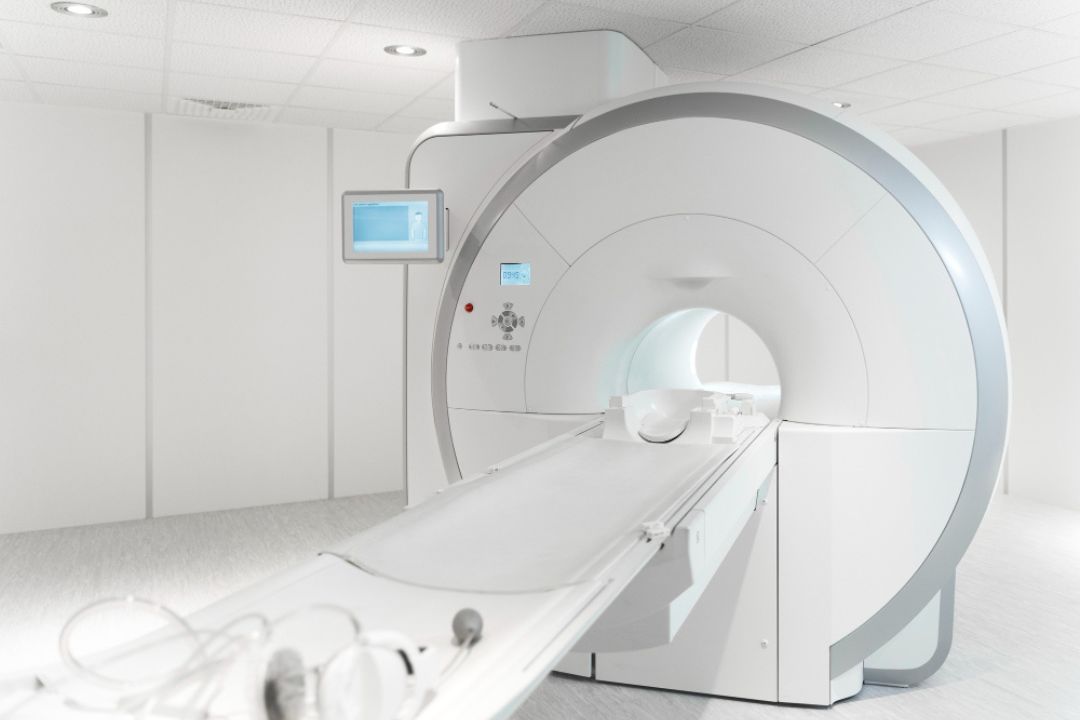
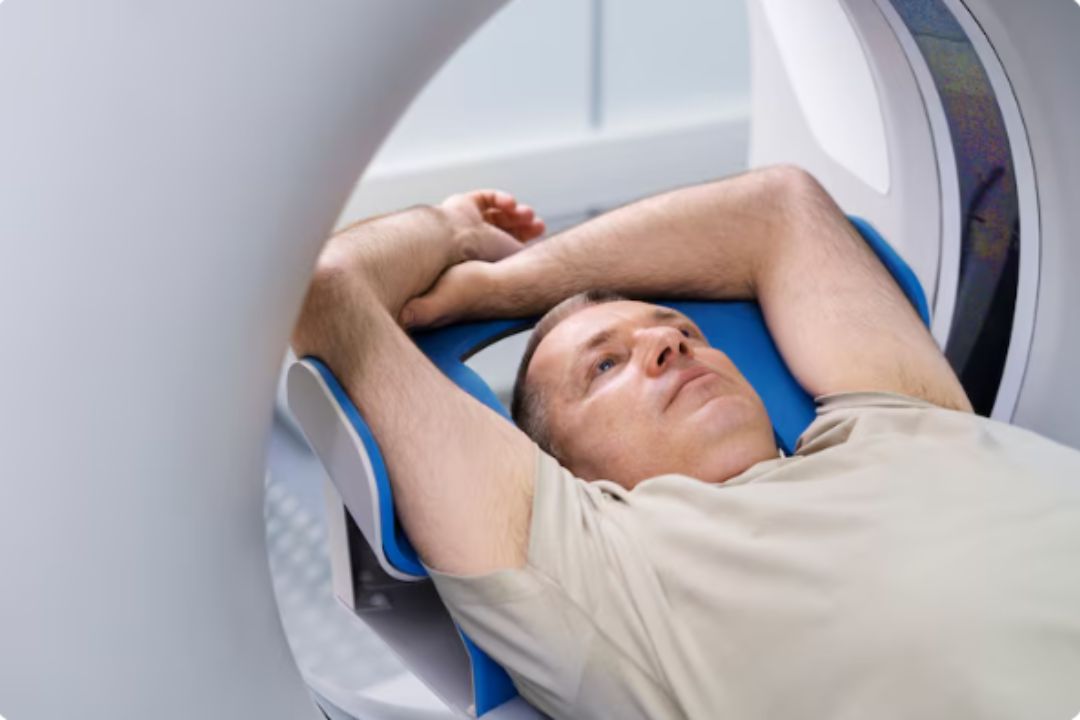
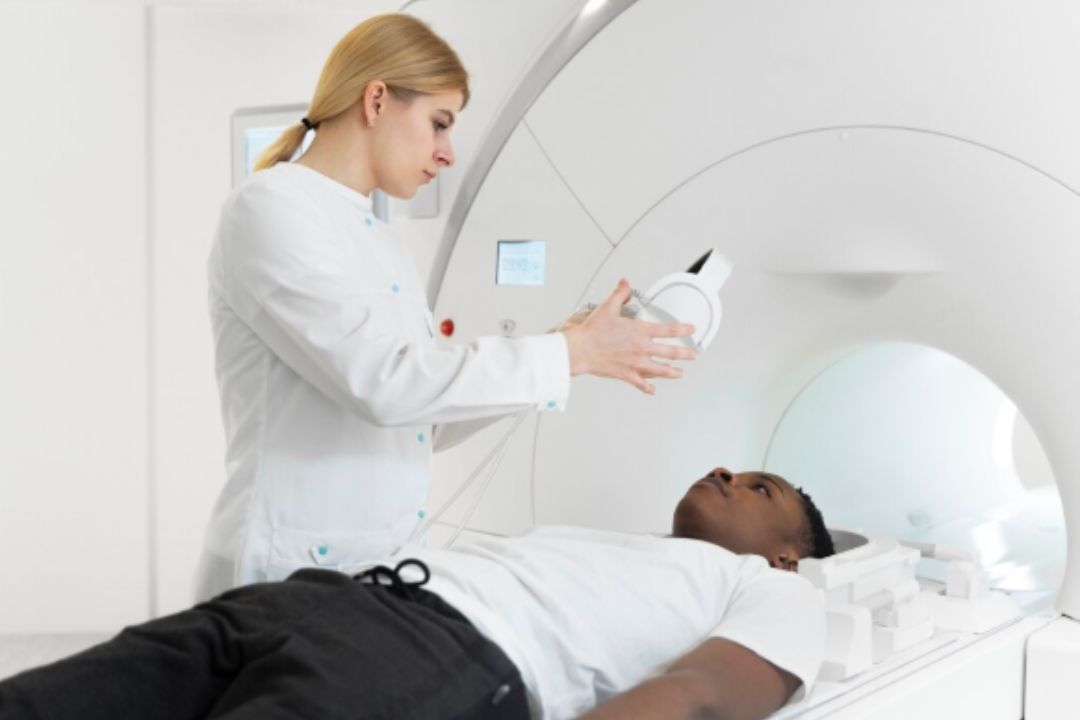
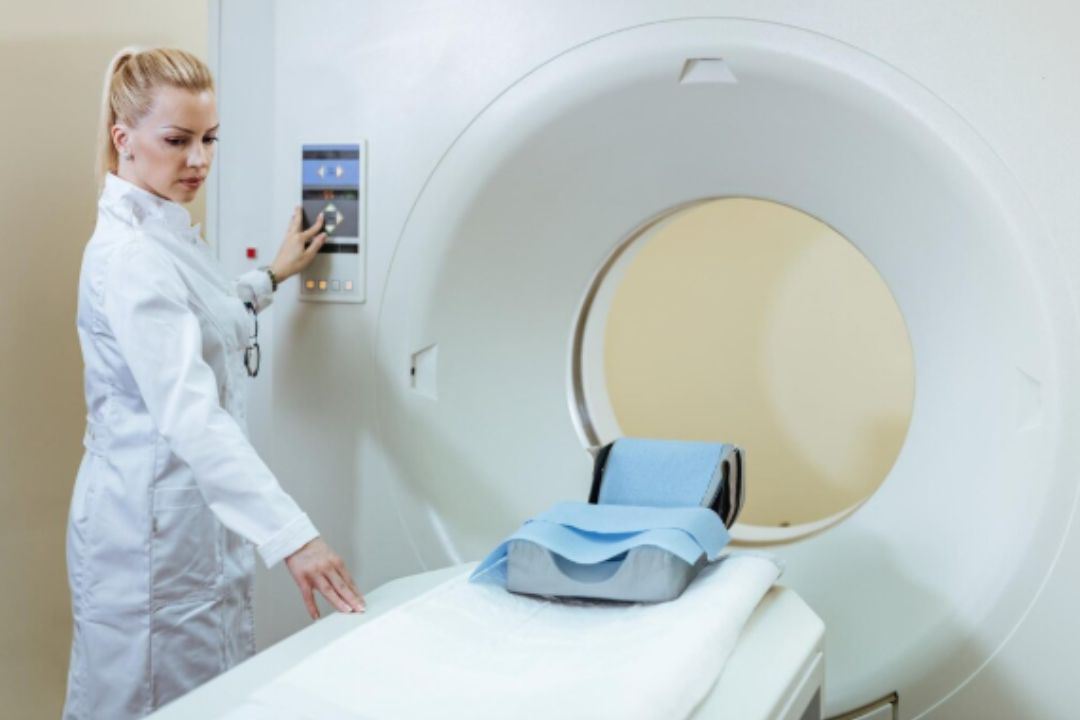
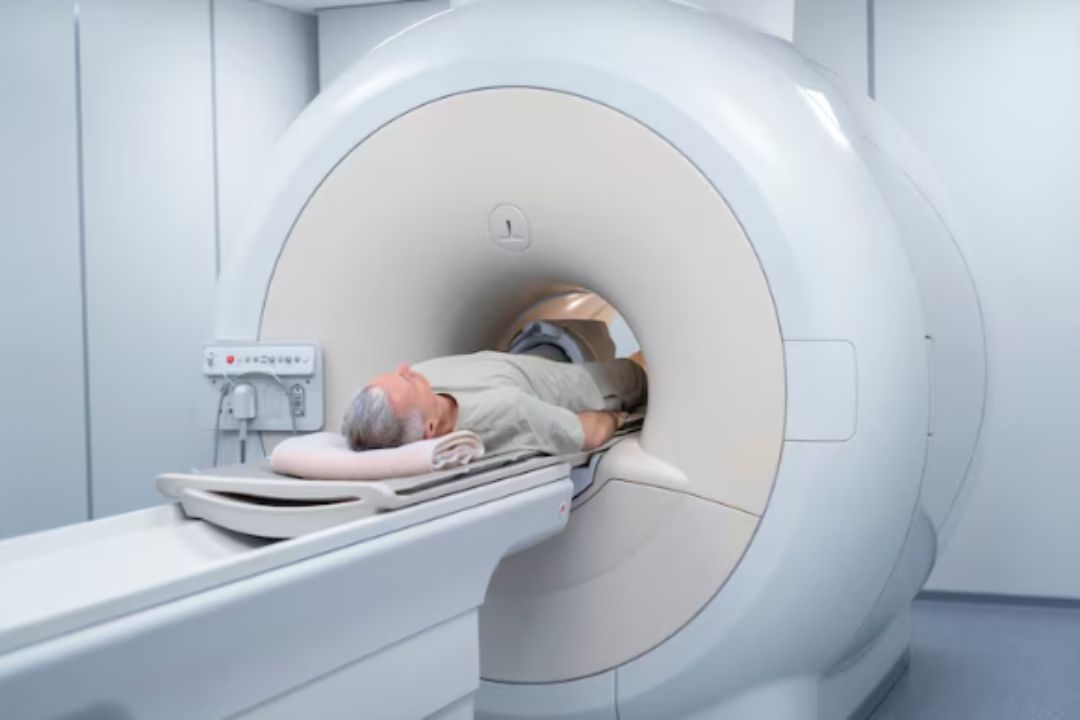
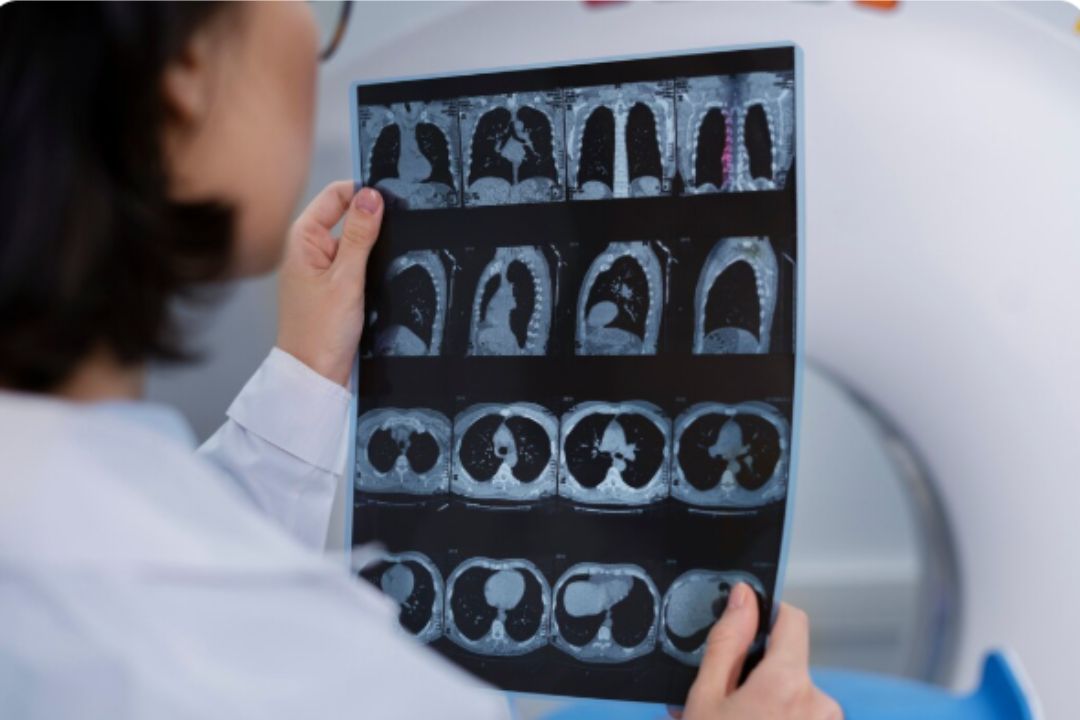
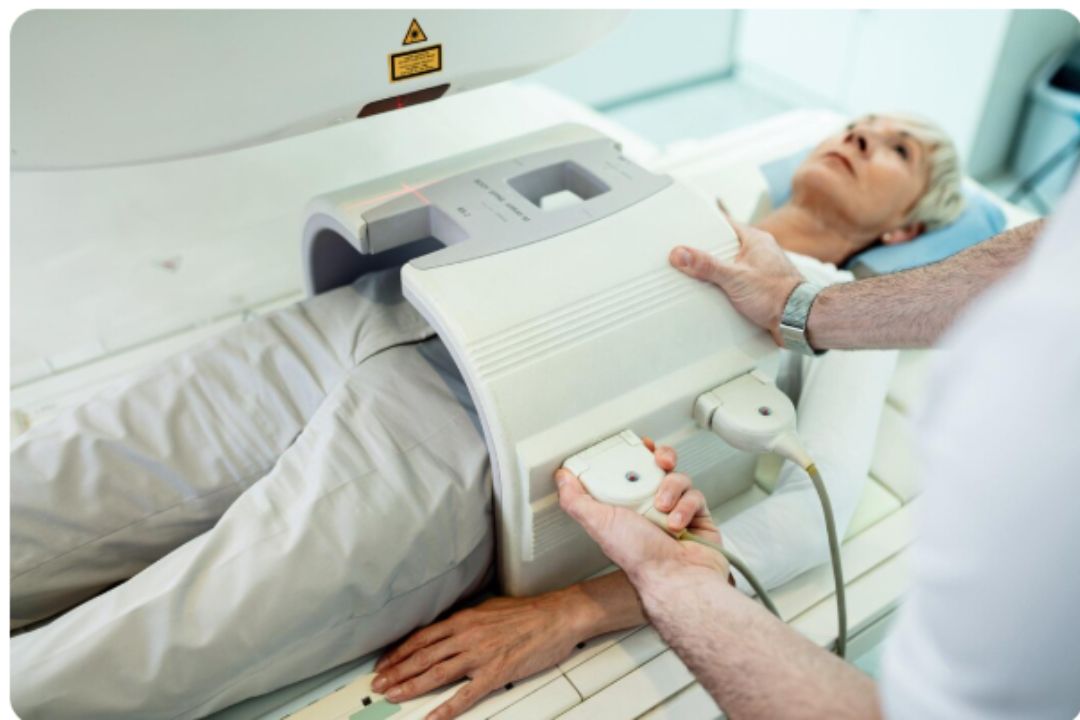
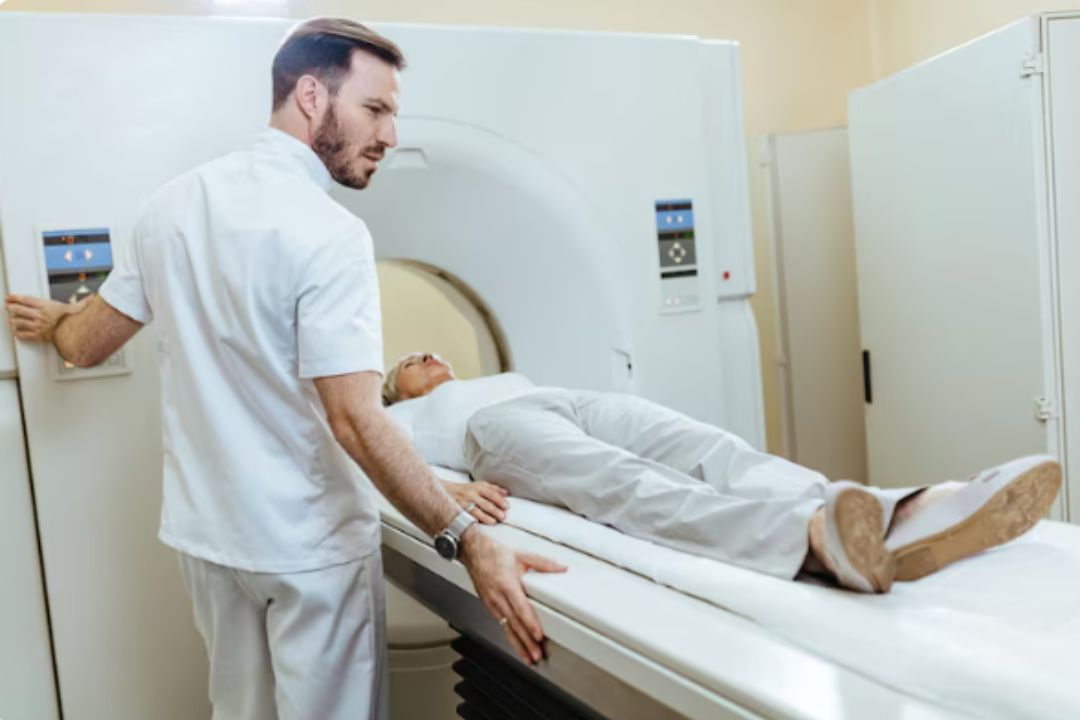
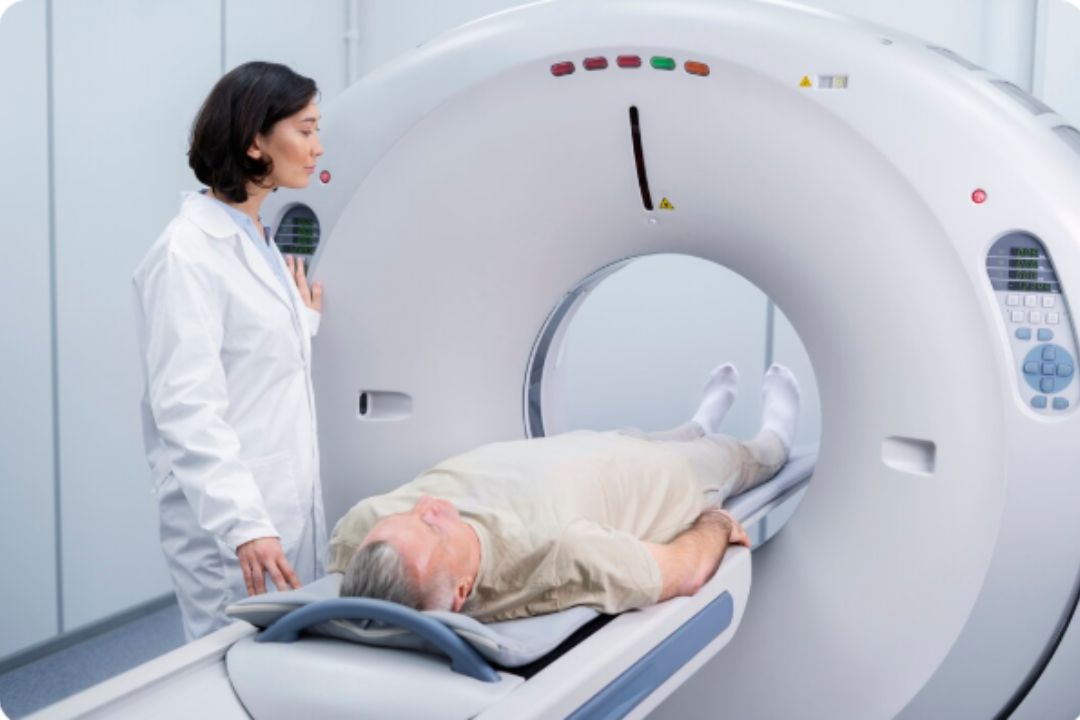
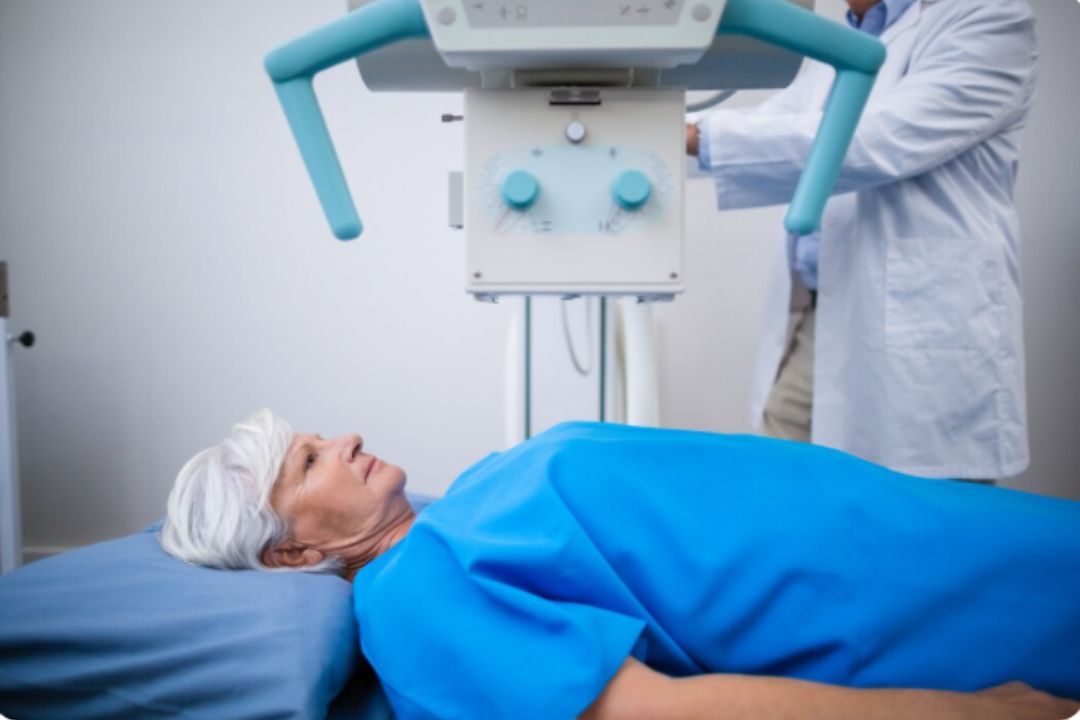
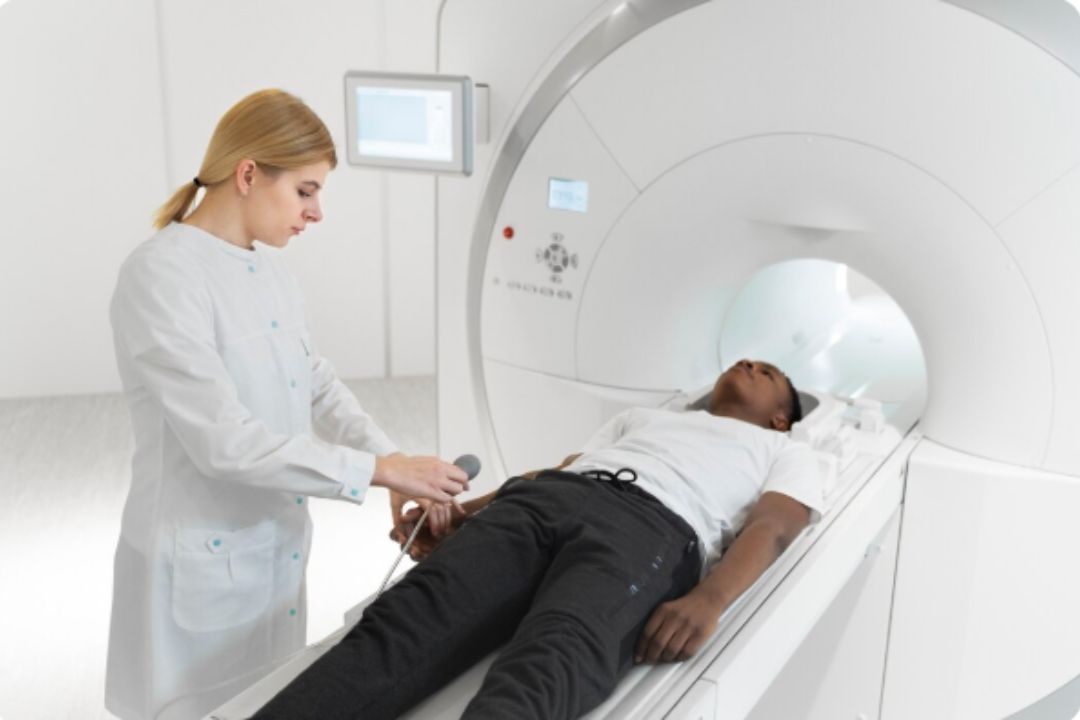
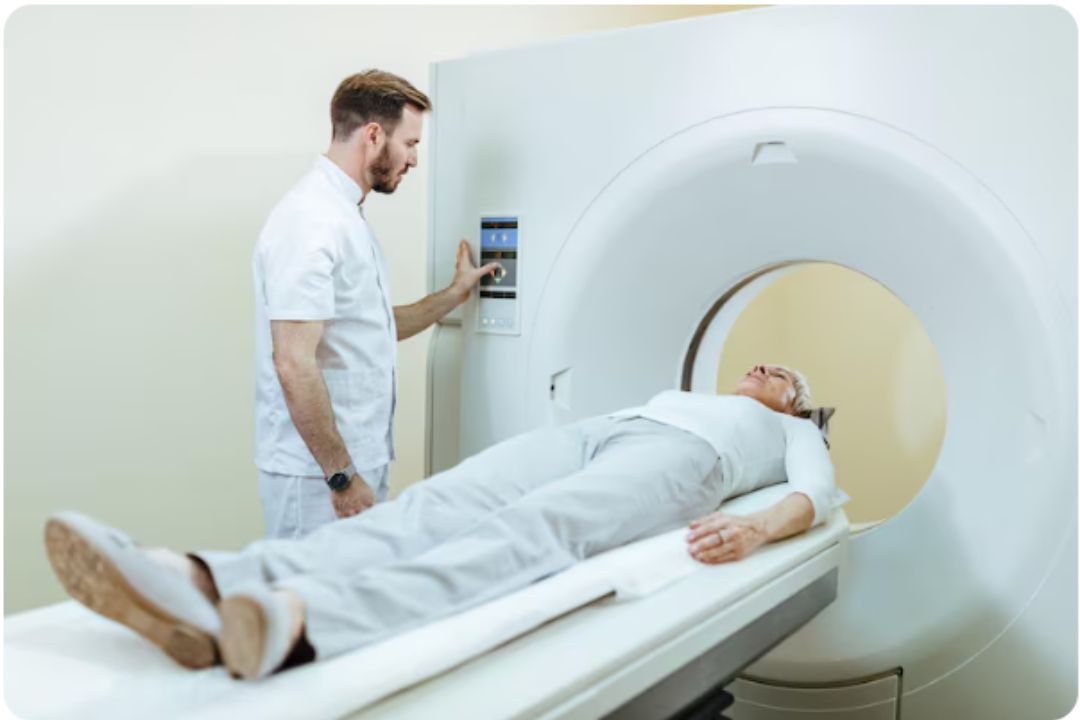
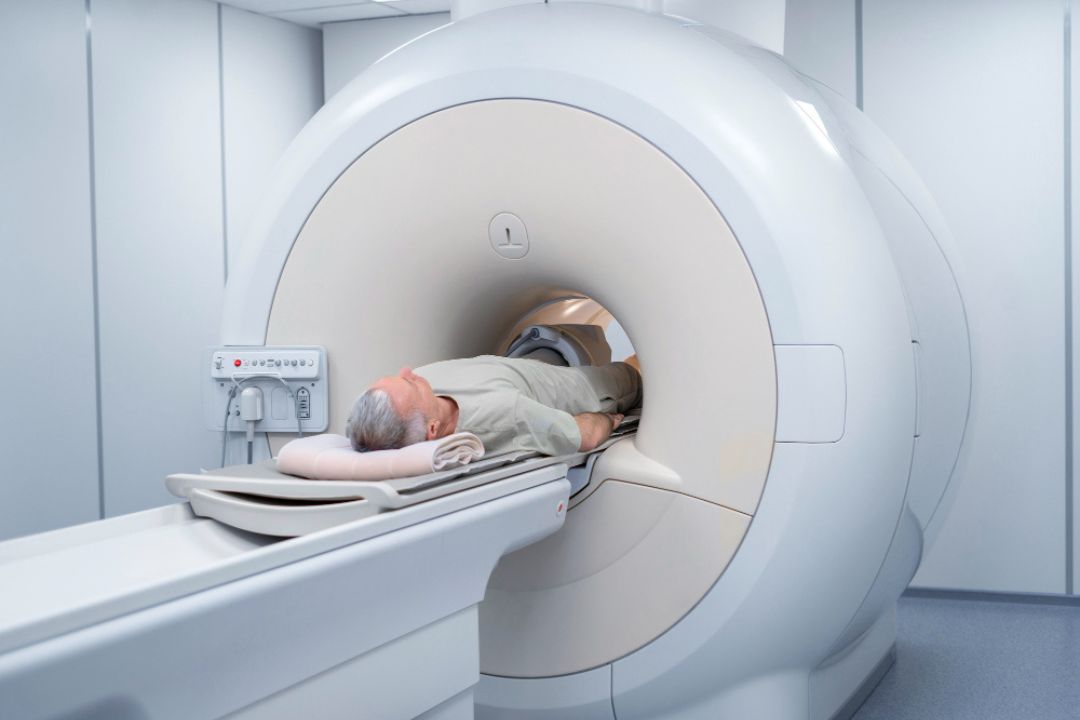
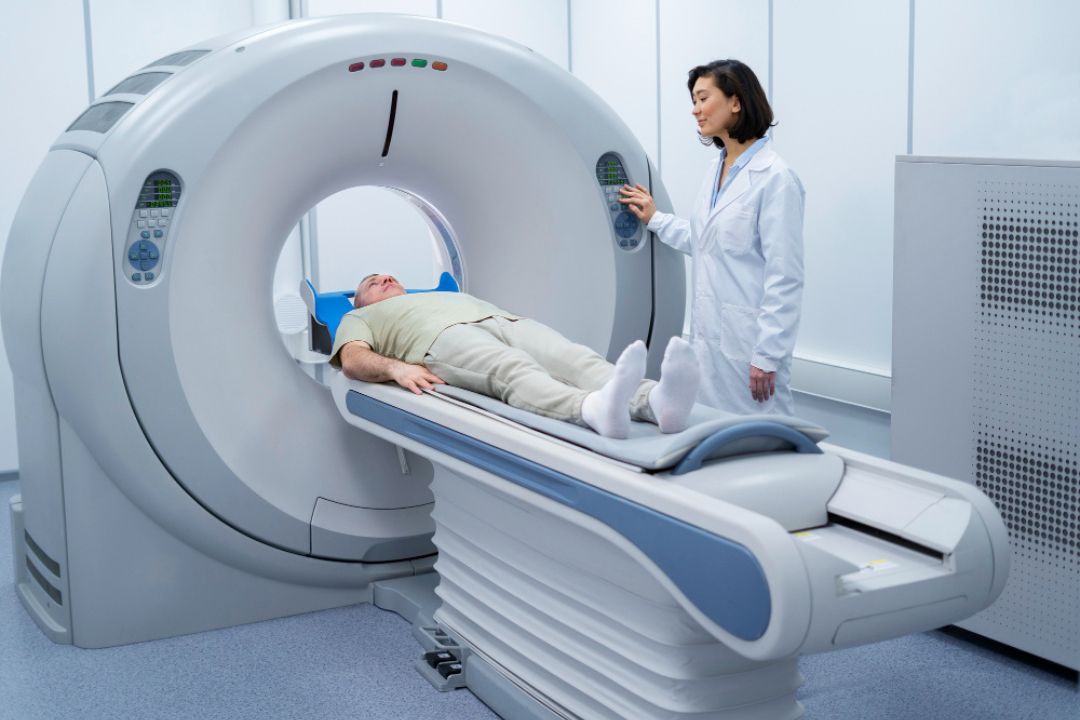
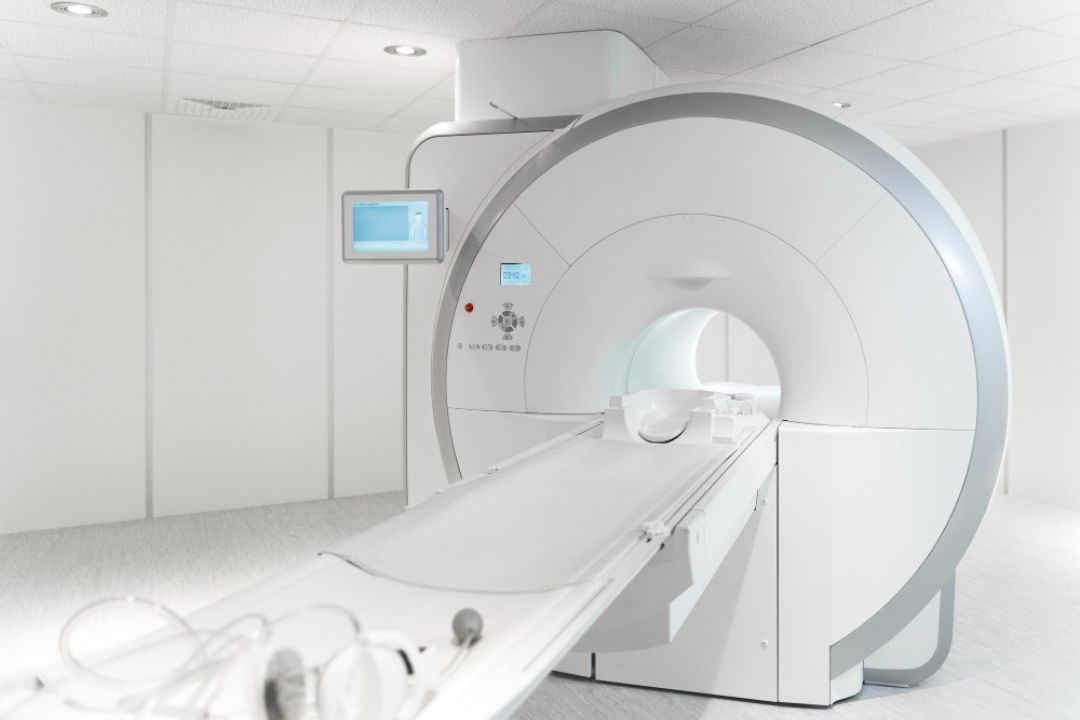
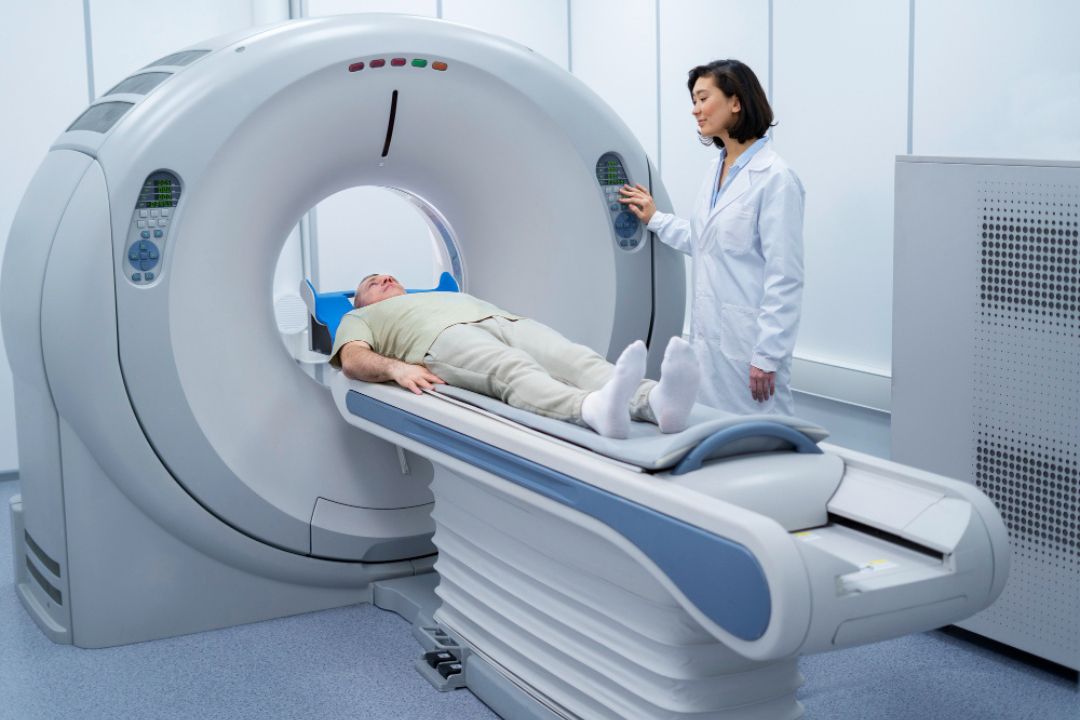
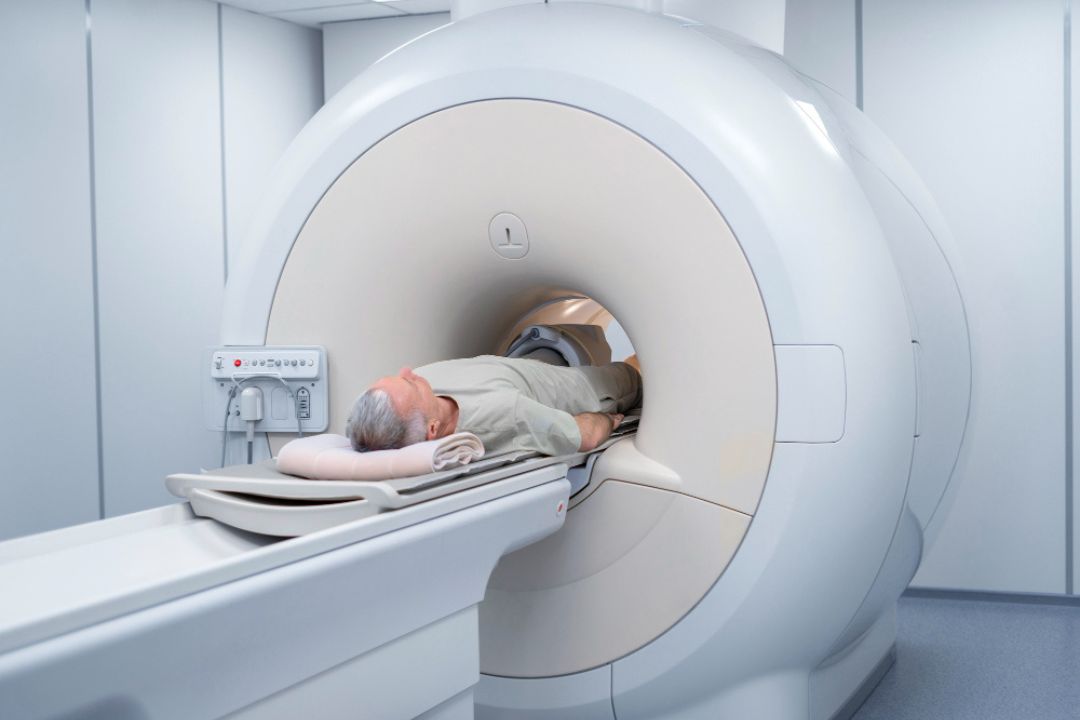
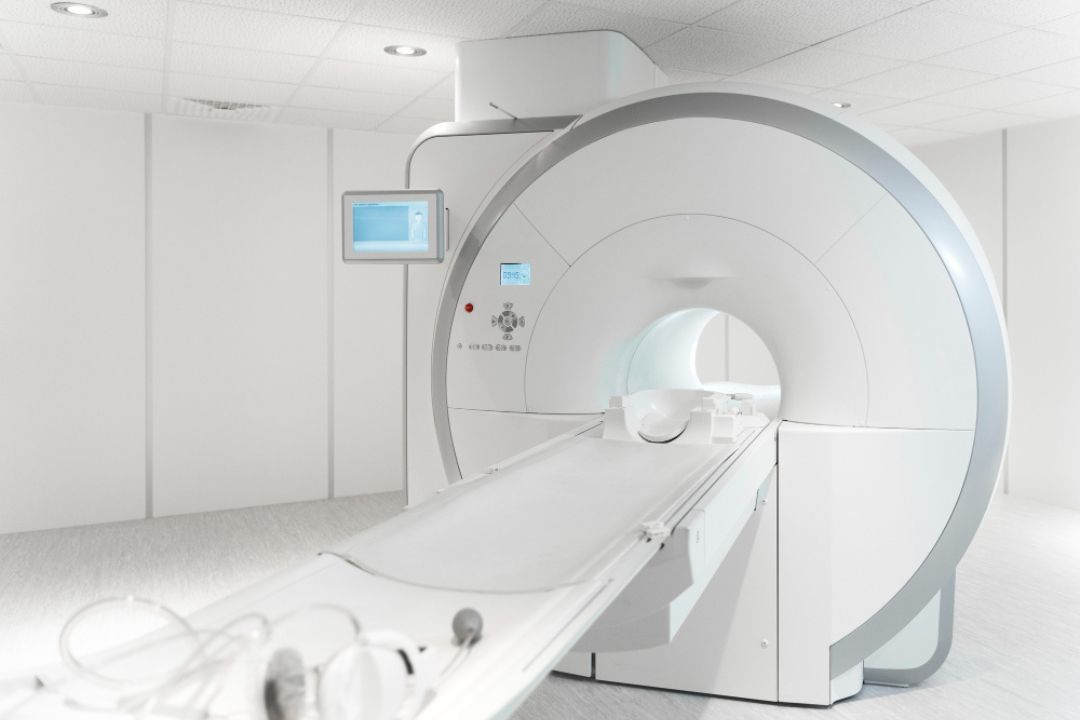
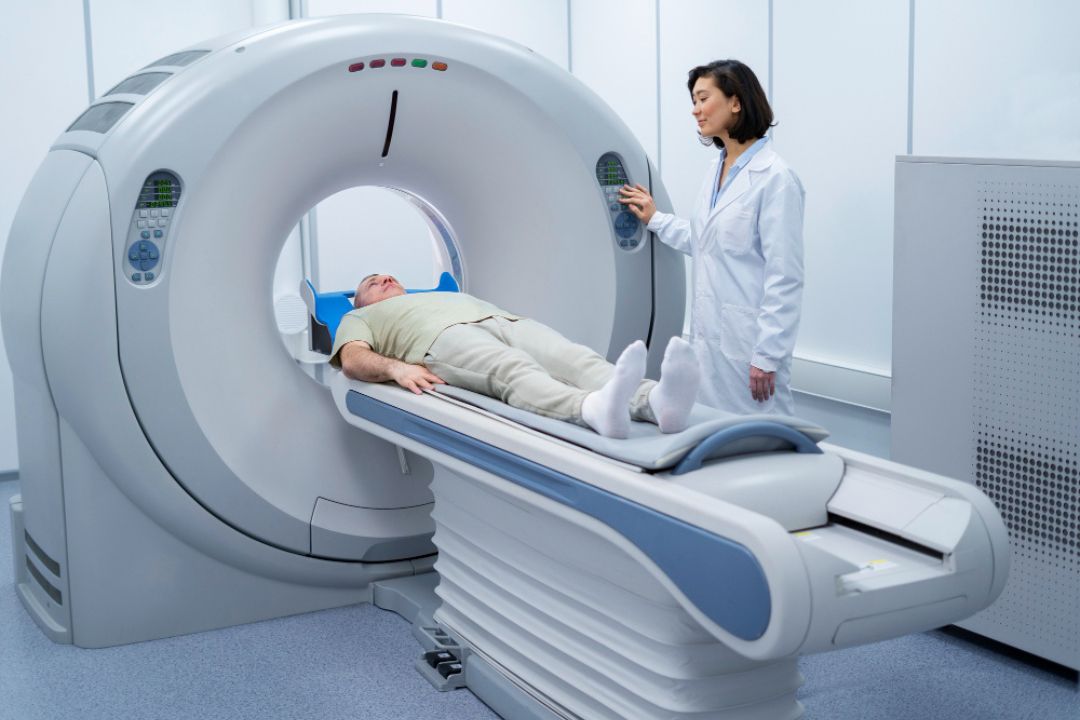
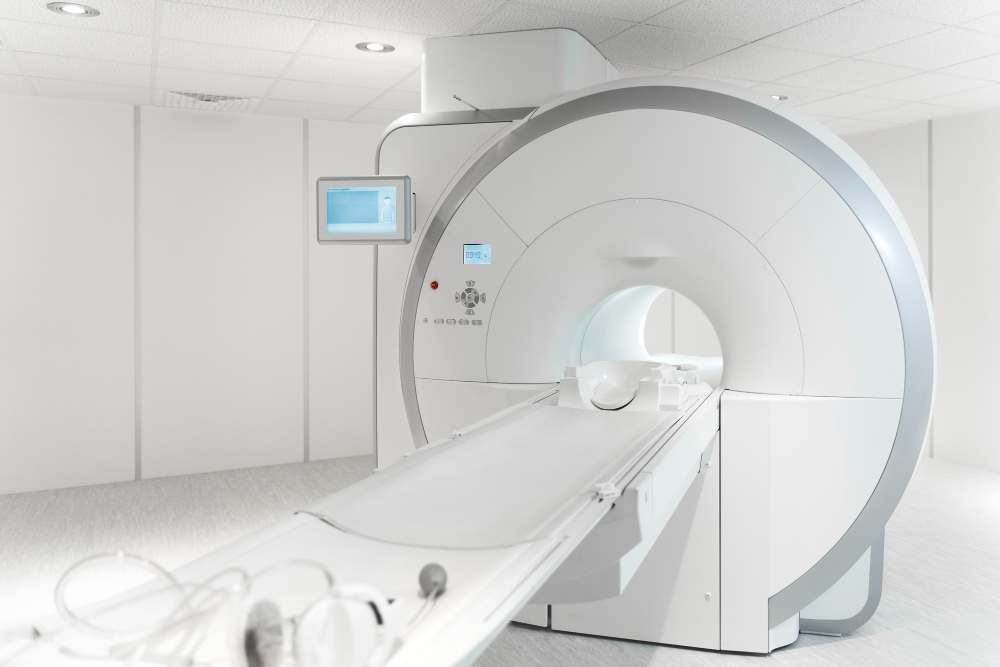
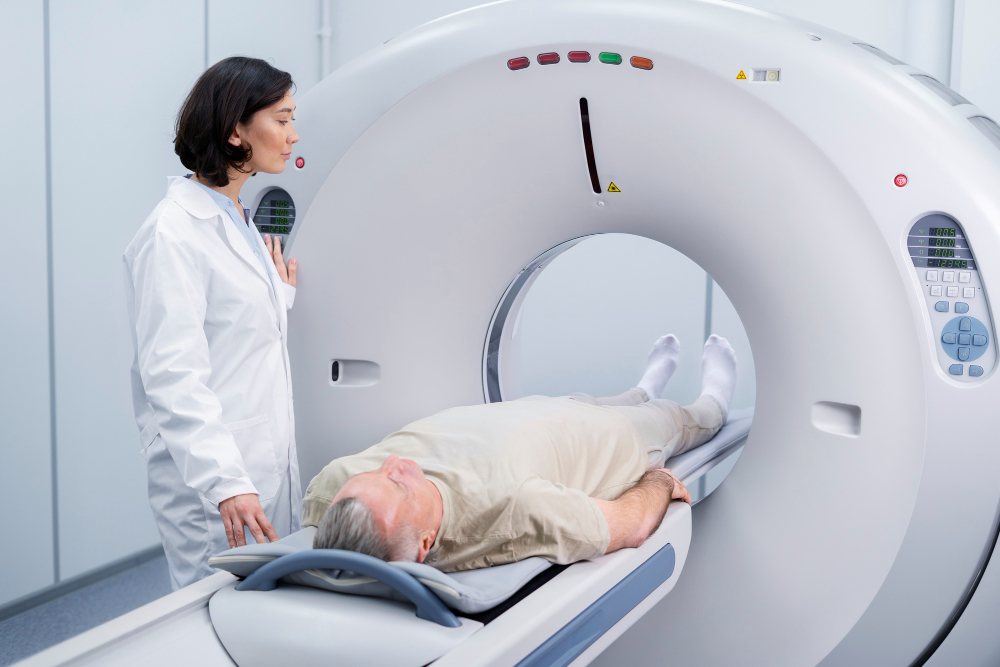
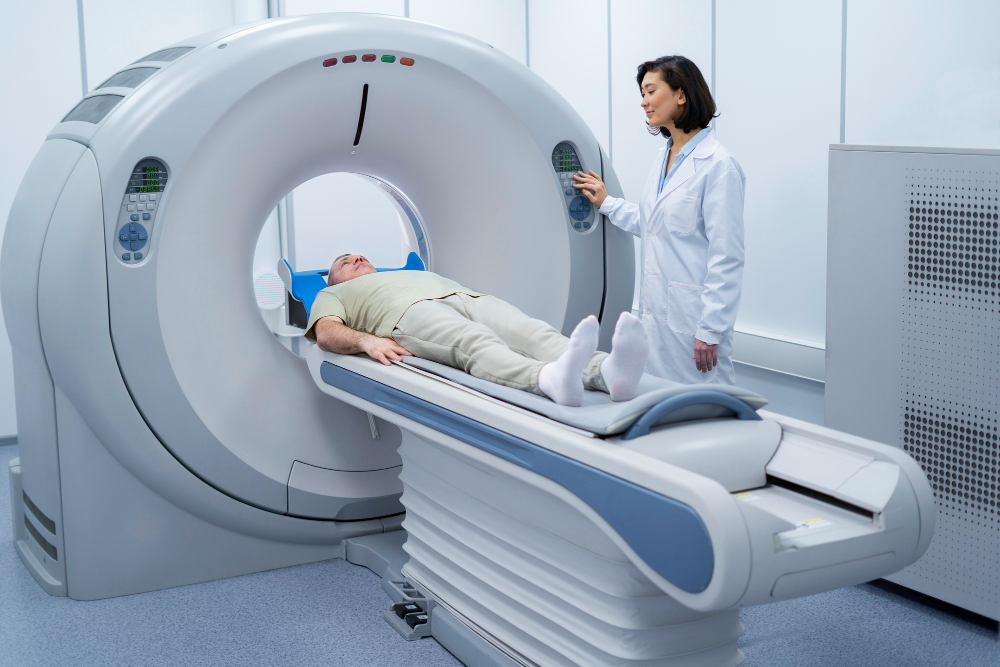
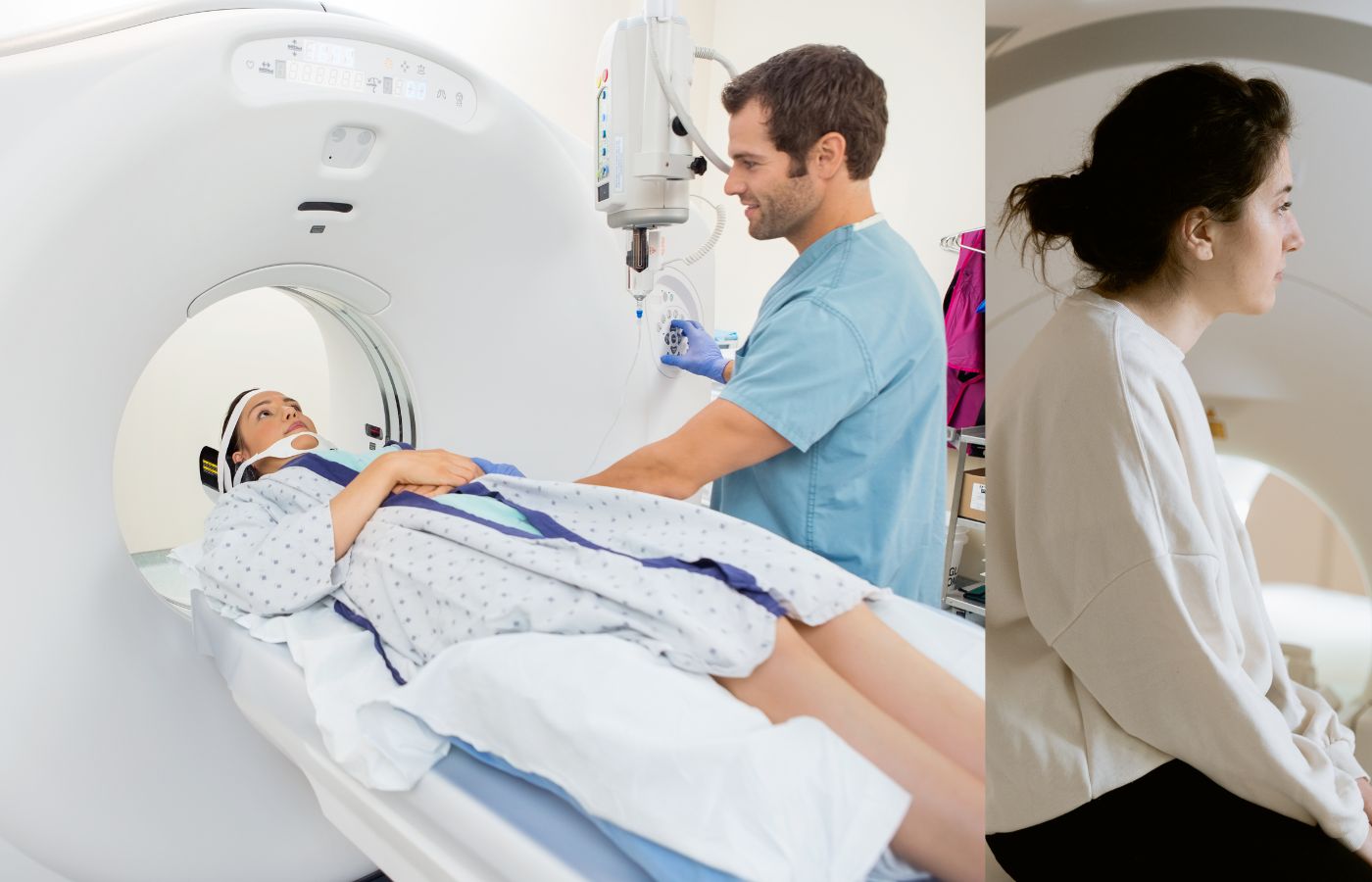
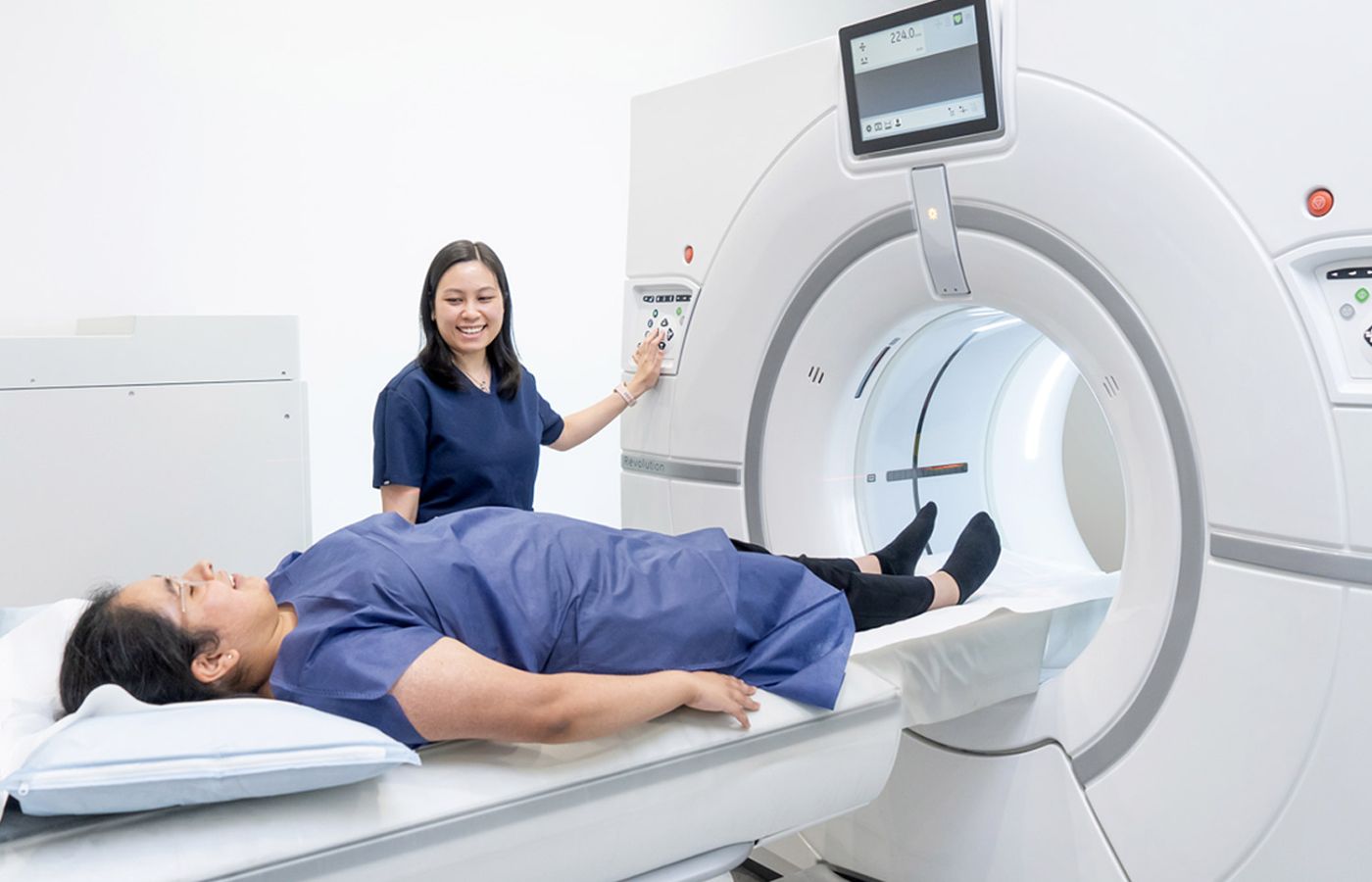
CT stands for computed tomography. During a CT scan, you lie on a table that slowly passes through a large, doughnut-shaped machine. Inside, an X-ray tube rotates around you, sending narrow beams of radiation through your body. These X-rays are picked up by detectors on the opposite side. A computer then uses this data to create detailed cross-sectional images or "slices" of the area being examined.
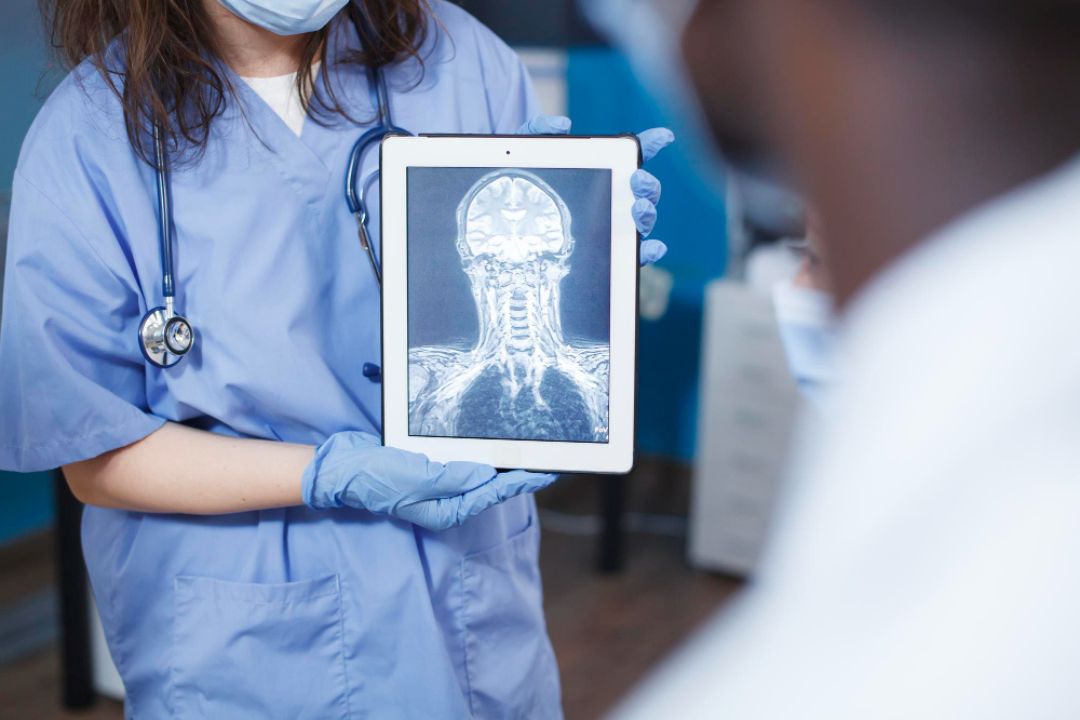
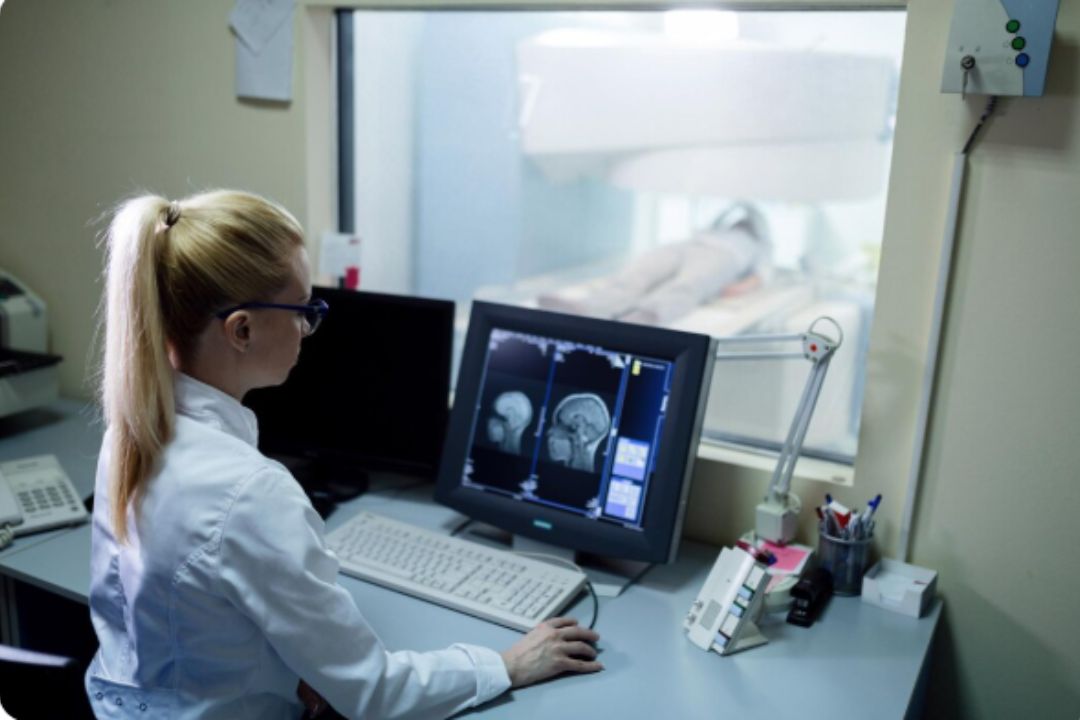
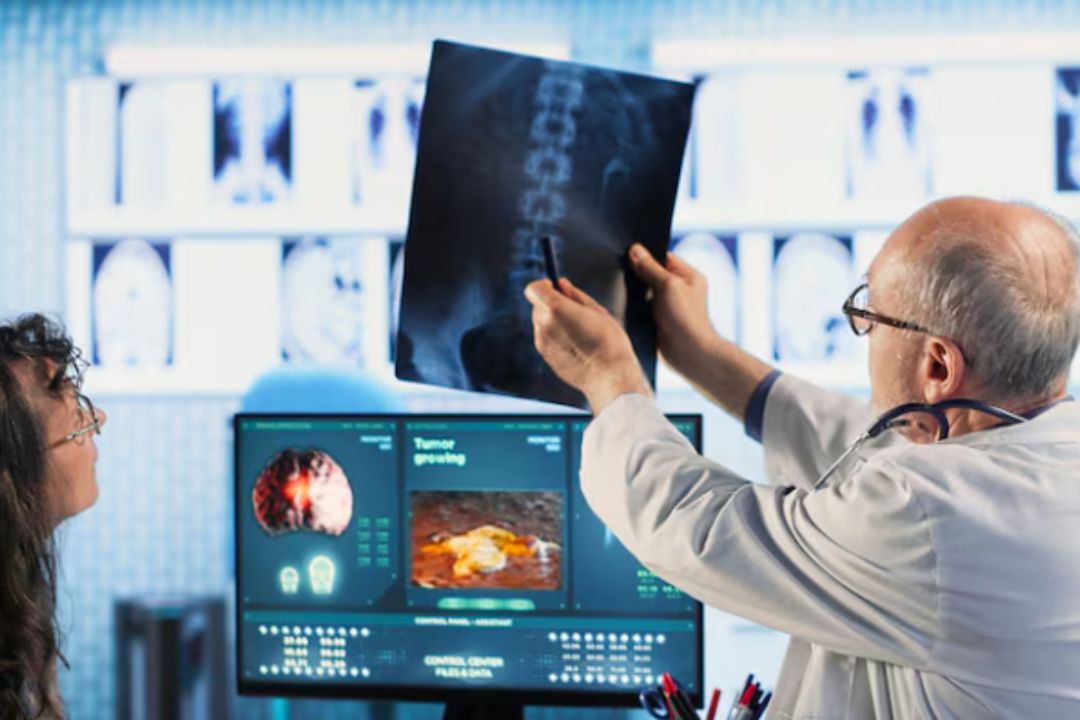
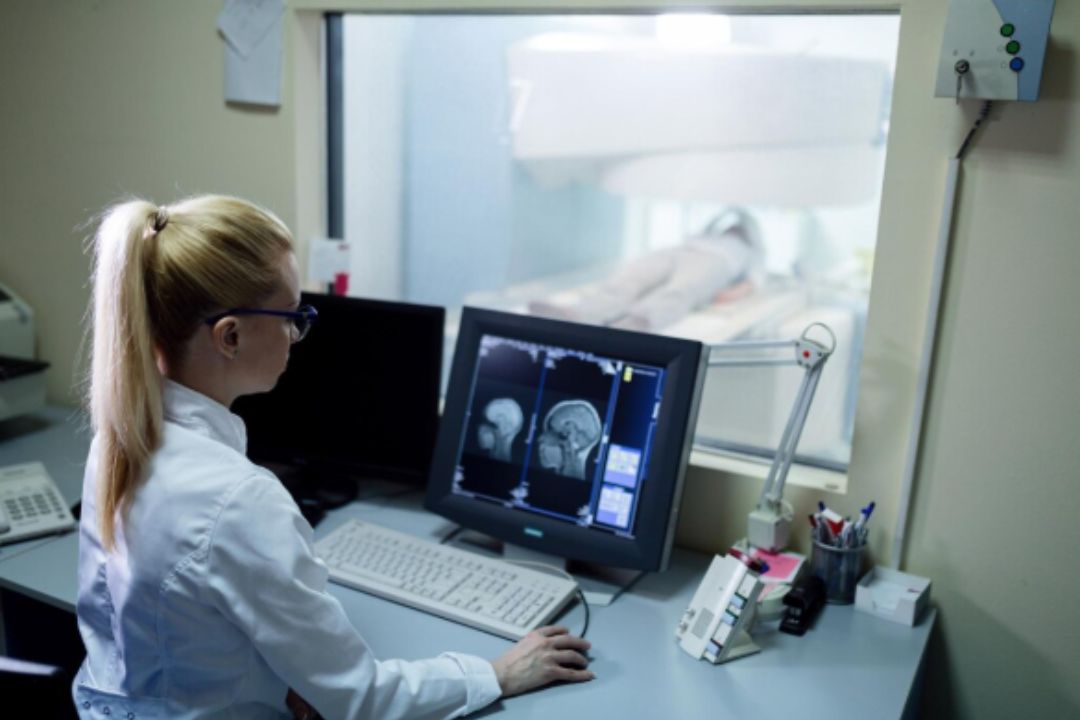
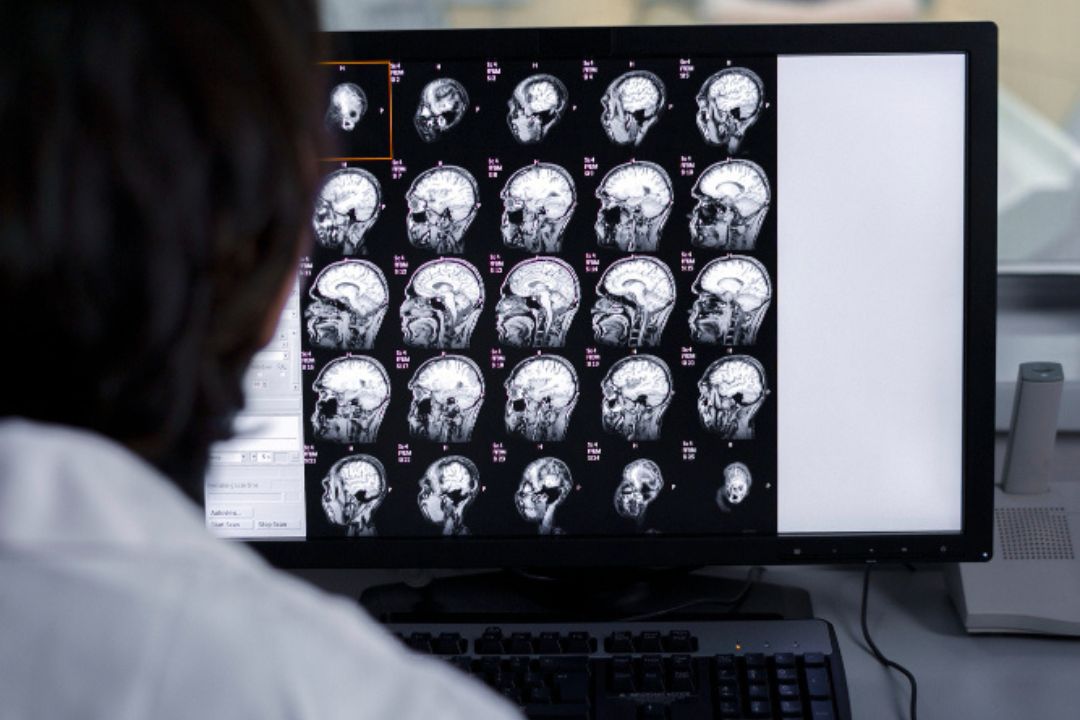
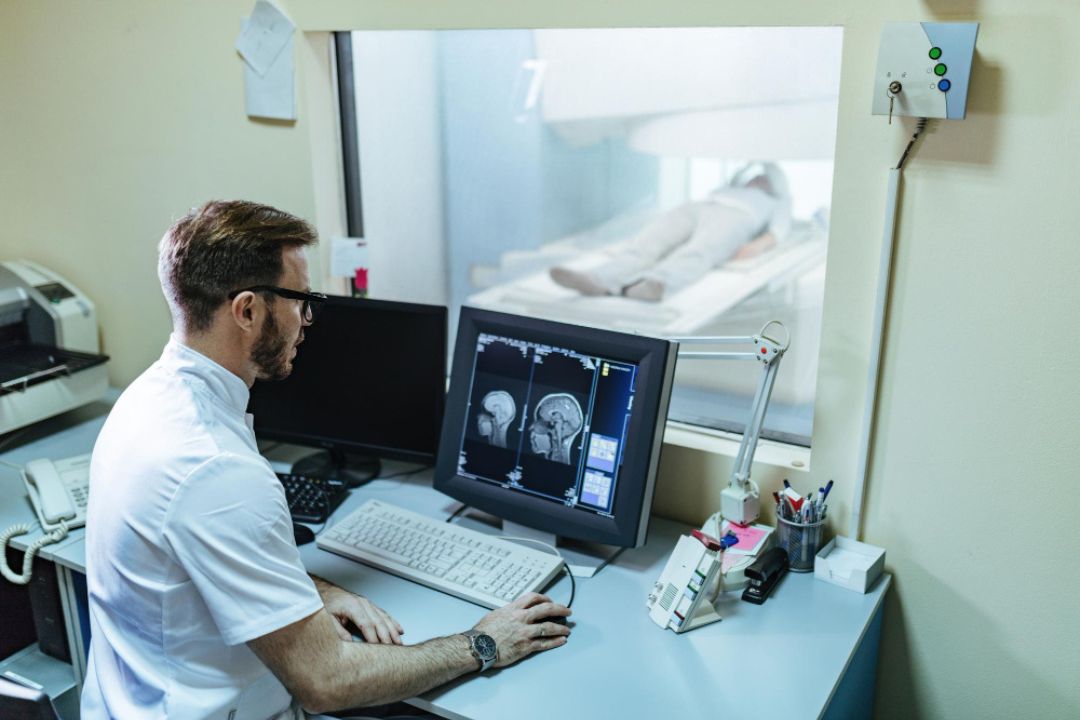
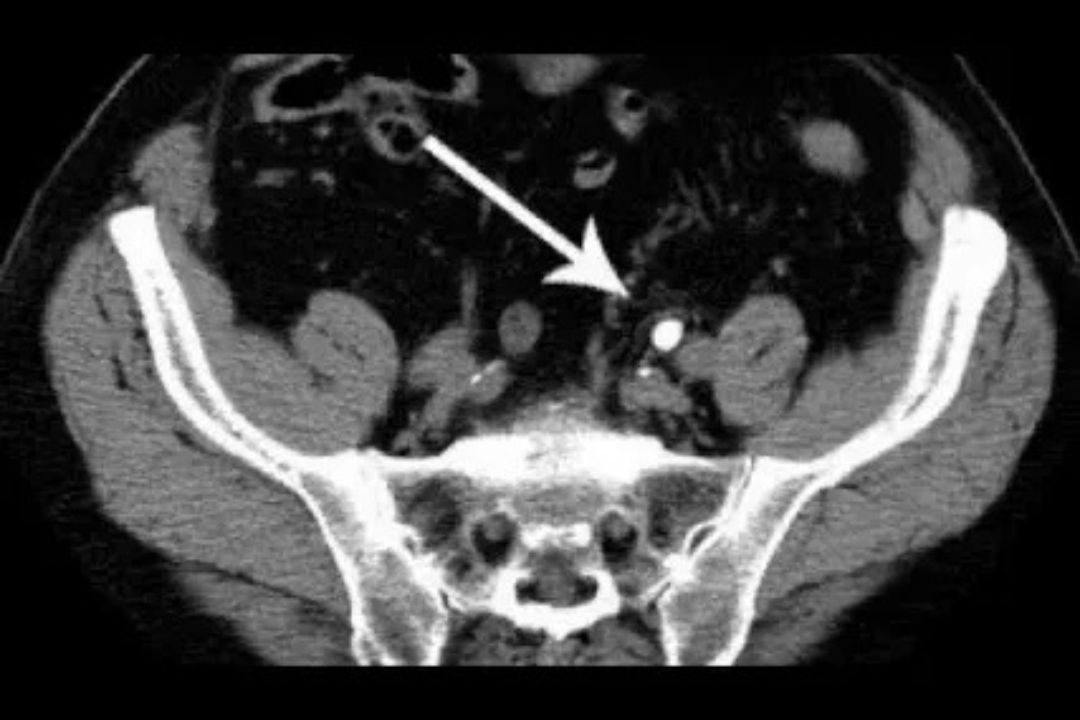
CT images show bones, organs, soft tissues, and blood vessels with much greater clarity than a regular X-ray. This makes it extremely useful for diagnosing trauma, tumors, infections, vascular disease, and many other conditions.
As the CT Machine collects data, it expects the body part being scanned to remain in the exact same position for each pass. Here’s why:
CT scans produce multiple individual slices. For the computer to build a clear final image, each slice must align perfectly with the ones before and after it. Movement can change the position of internal structures between slices, making the final set appear blurry or distorted.
When you shift, even slightly, the X-ray data collected no longer matches the assumed position. It’s similar to taking a photo while the camera is shaking. The result is blurry images that may hide important details.
Bones, small blood vessels, and delicate tissues like nerves are hard to image clearly, even under ideal conditions. Movement makes it even more difficult for the computer to resolve these fine features accurately.
CT scans can be very fast, but each instant still requires precision. Areas like the chest and abdomen are affected by breathing, while the head and spine require stillness that surpasses even normal breathing. That is why technologists often ask patients to hold their breath briefly.
Here are the possible results if movement occurs:
Visit Now: https://www.diagnopein.com
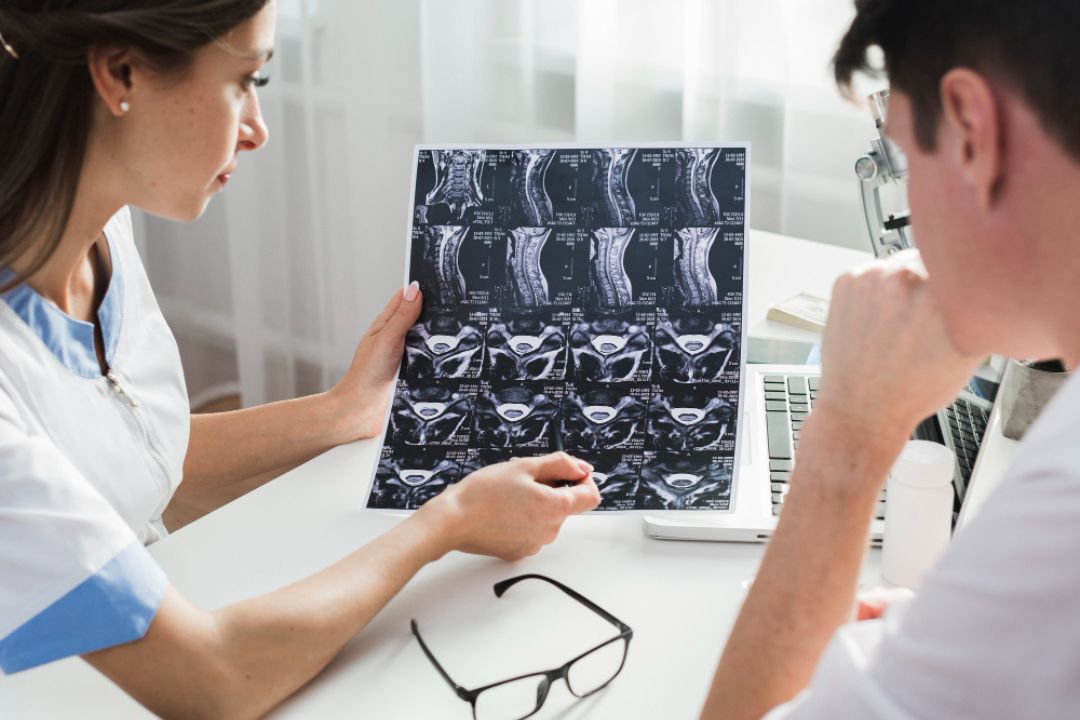
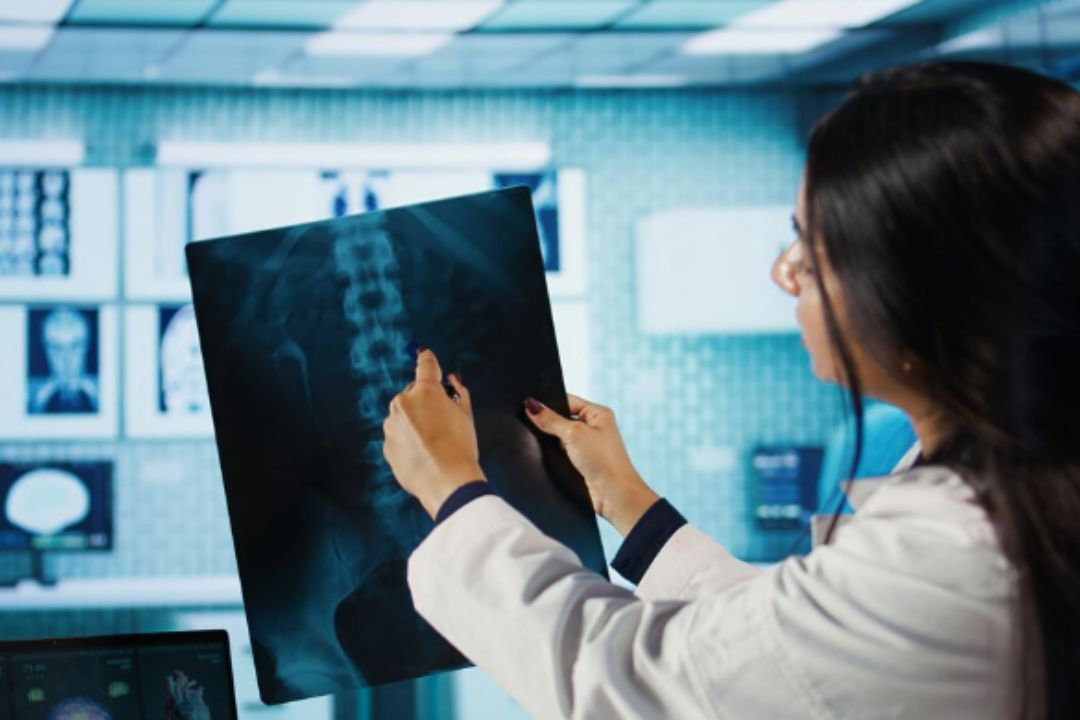
The most common effect of motion is blurred or unclear images. Radiologists may describe these as “motion artifacts,” meaning the picture has distortions caused by patient movement. These artifacts can obscure important details, making it harder for doctors to interpret the scan correctly.
If the images are too unclear to interpret, the radiologist may request that the scan be repeated. This means the patient has to go back into the machine and do the procedure again. While this usually isn’t harmful, it can be frustrating and time-consuming.
Repeating a scan means a second dose of radiation. Although modern scanners use low doses and are considered safe for most people, unnecessary additional exposure is avoided whenever possible. That is why minimizing movement during the first scan is important.
If movement has ruined some sections of the scan, the technologist may need to recapture those areas. This extends the appointment time and can cause delay in diagnosis and treatment planning.
Not all motion is the same. Some examples include:
During chest, abdominal, pelvic, and some upper body scans, breathing can cause internal motion. That is why technologists often give instructions to hold breath for a few seconds to "freeze" internal organs.
Patients who feel anxious or uncomfortable may inadvertently move their head, hands, or feet. Fidgeting during the scan can reduce image quality.
People with severe pain may find it difficult to lie still. Even slight attempts to shift or relieve discomfort can be enough to affect the scan.
Some patients may have involuntary movements due to medical conditions such as tremors. In these cases, special techniques or cushions may be used to help stabilize the body.
Young children often find it hard to lie still for long periods of time. To get good images:
For very young children or those unable to hold still, a mild sedative may be given to help them relax or sleep through the scan.
Some imaging centers use videos, music, or child-focused environments to help younger patients remain calm and still during scans.
Modern CT machines can capture images extremely quickly, minimizing the time the child needs to stay motionless.
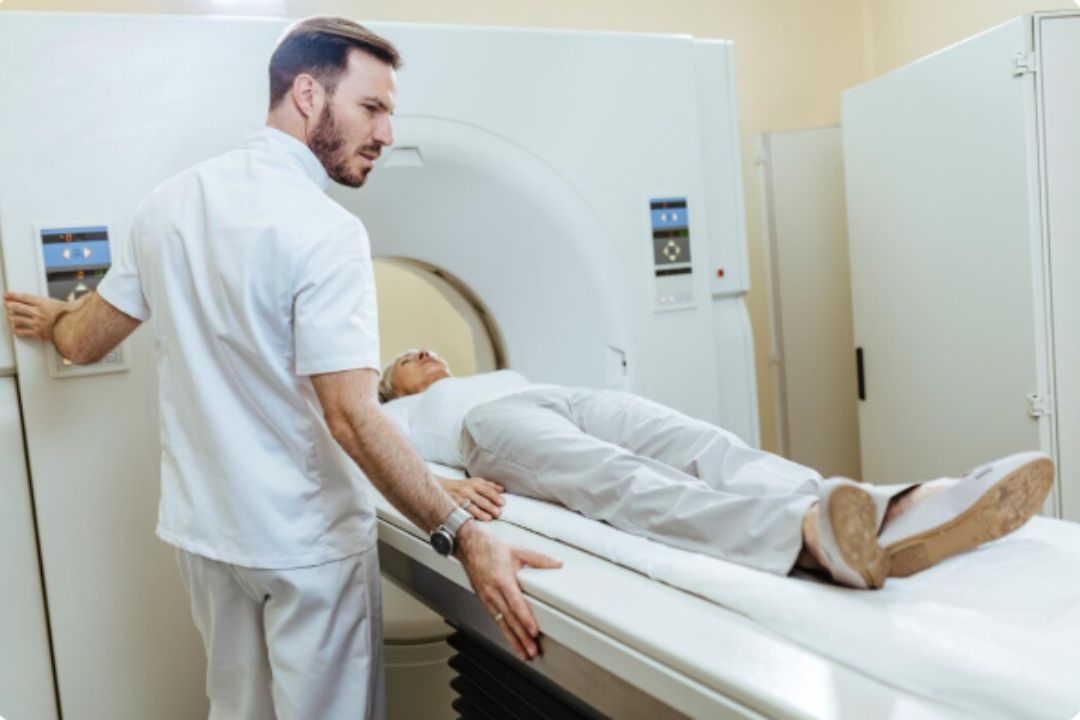
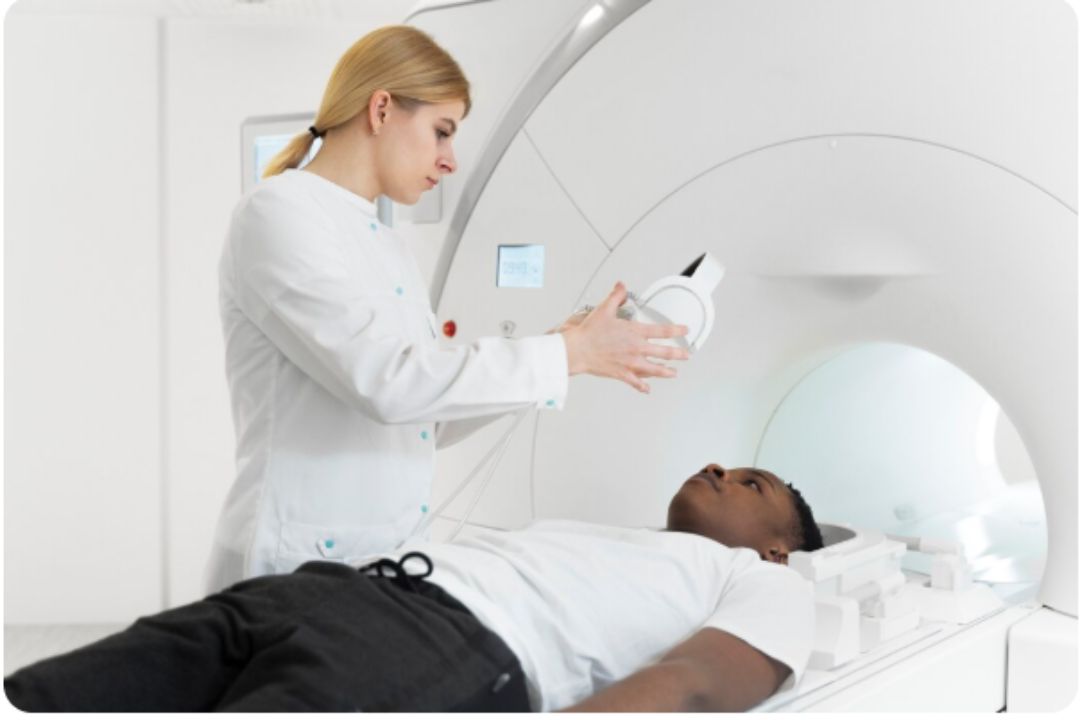
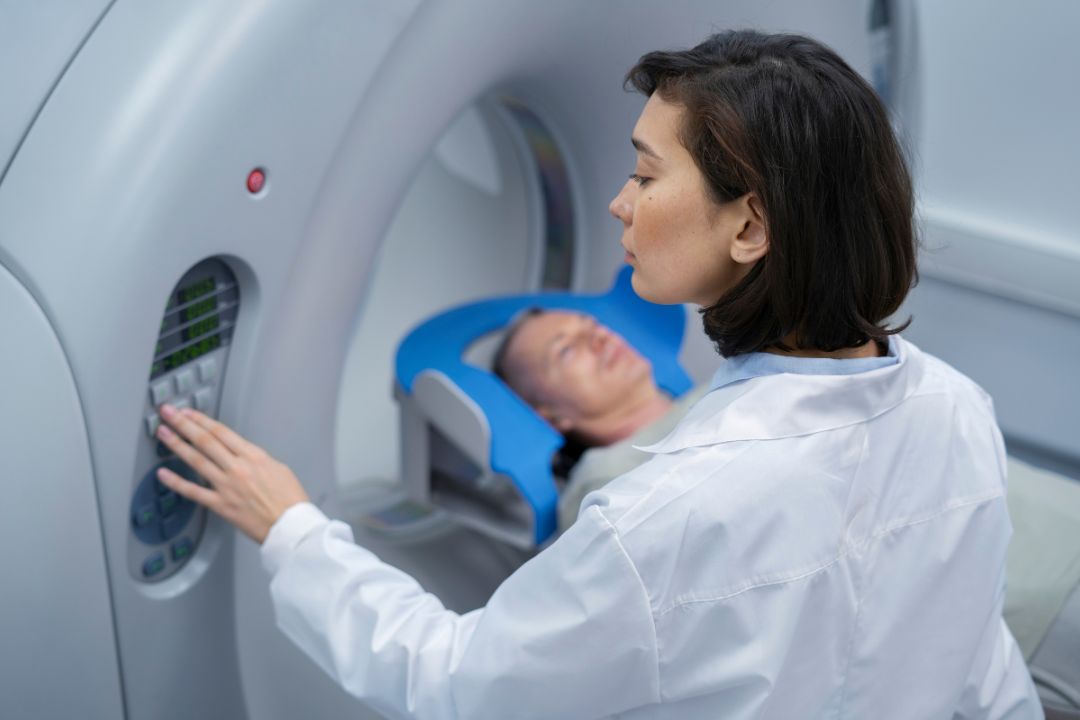
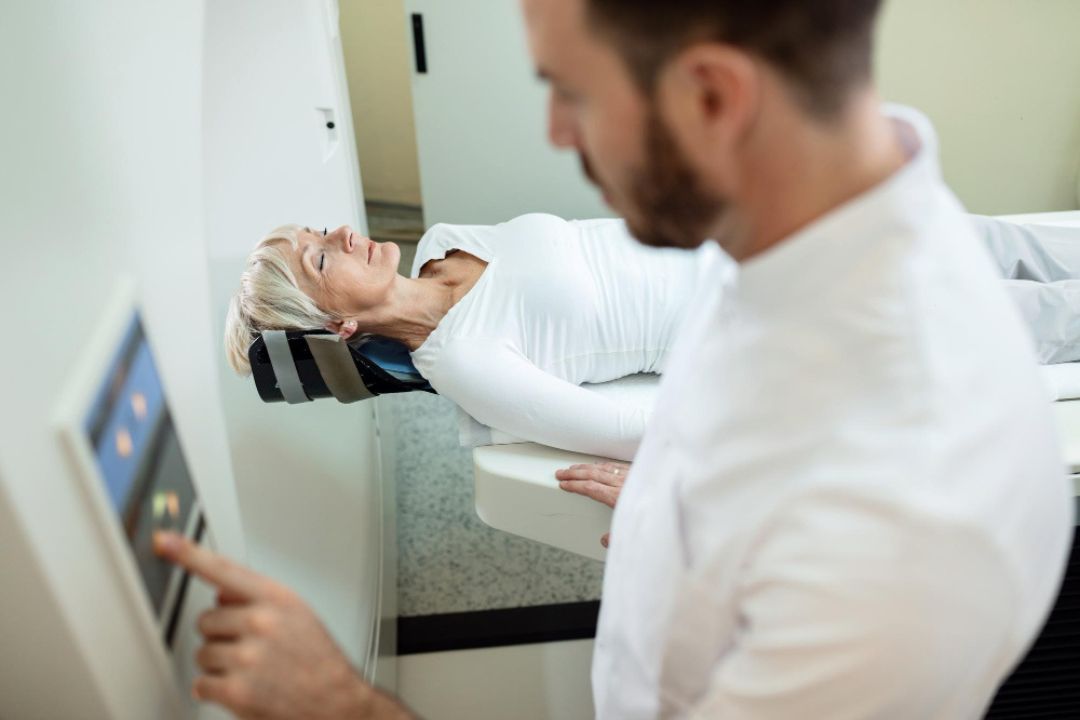
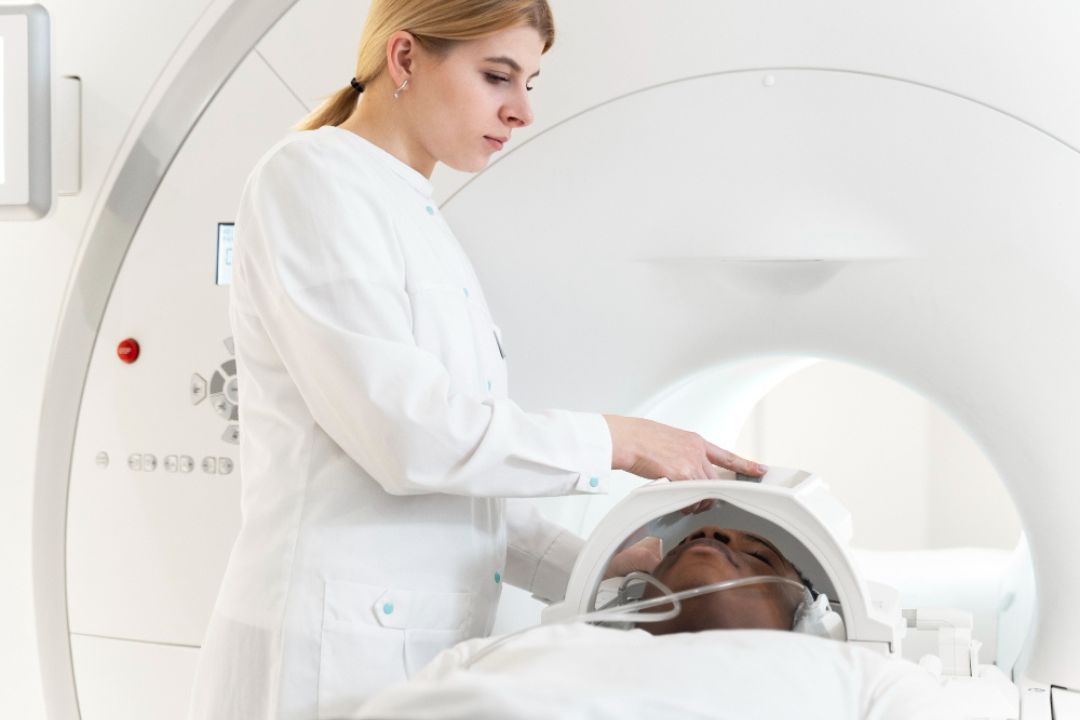
CT technologists are trained to help patients stay still and comfortable. They may:
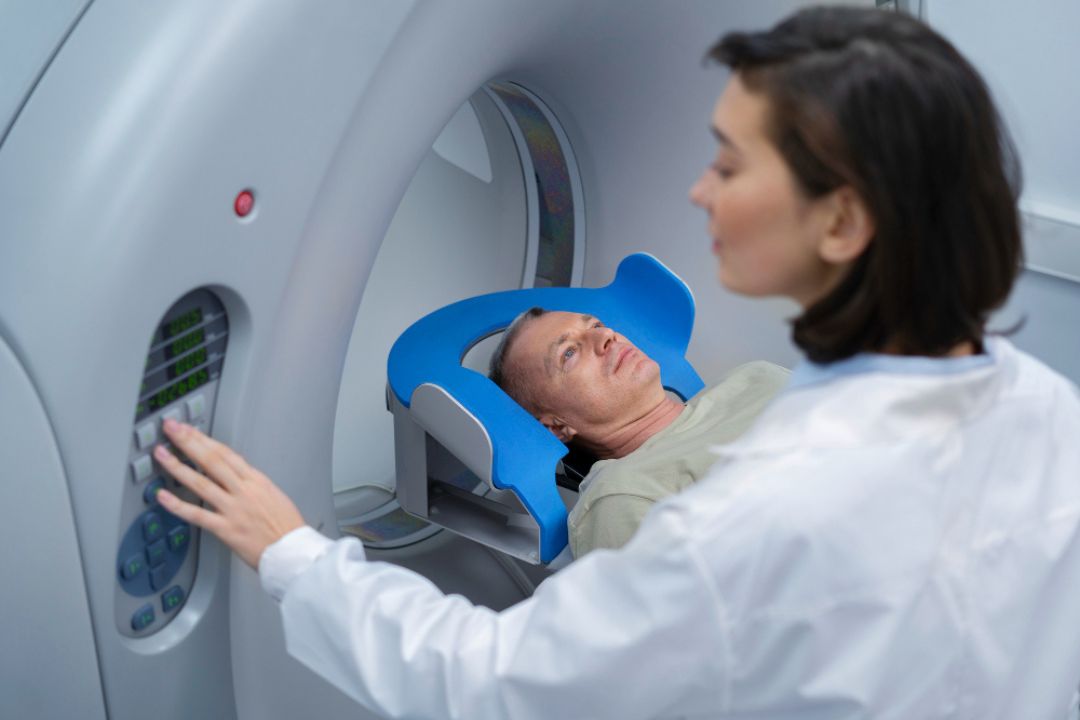
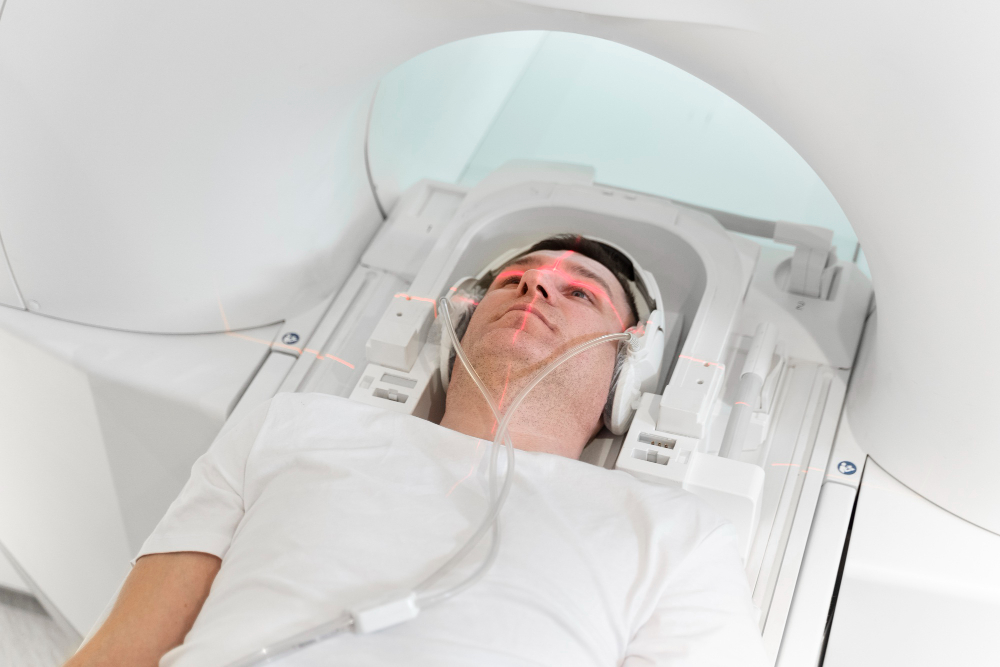
Special foam cushions, straps, and supports can help stabilize the head, arms, or torso so that movement is reduced.
Technologists often say, “Hold your breath now,” for short periods so the internal organs stop moving during image capture.
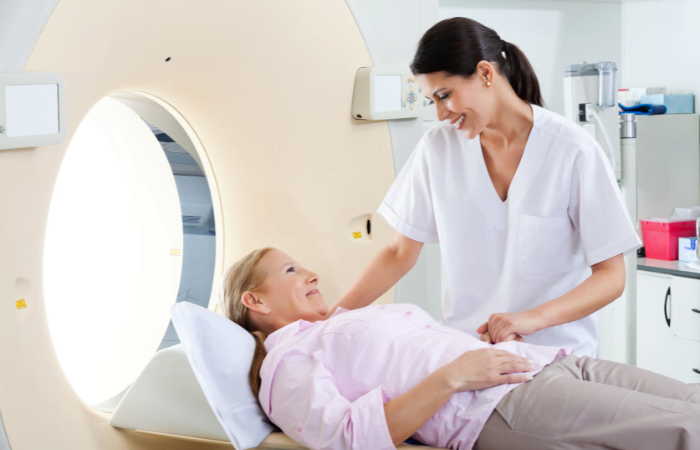
Understanding how long the scan will take and what will happen helps many patients remain calm and less likely to move.
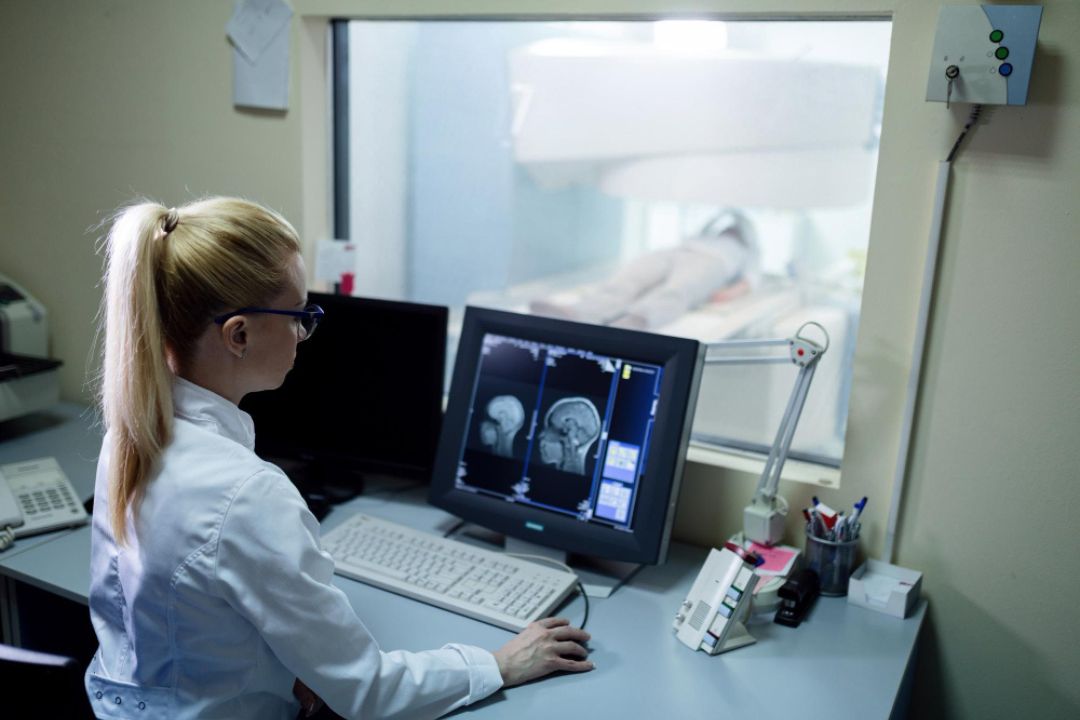
Patients can talk to the technologist through a speaker system. Knowing they can alert someone if they feel uncomfortable helps patients relax.
Some newer CT scanners have motion-correction software. These advanced systems analyze small movements and mathematically adjust the images to reduce blur.
While motion correction technology helps, it is not a complete substitute for keeping still. Significant movement can still reduce image quality and require a repeat scan.
Here are practical tips to help you cooperate during your CT scan:
Take slow, calm breaths before the scan. Reducing anxiety makes it easier to stay still.
When the technologist asks you to hold your breath, do so exactly as directed. These moments are brief and crucial for image quality.
Tight or itchy clothes can make you fidget. Comfortable attire helps you focus on staying calm.
If you feel unsure about the process, ask the technologist. Knowing what’s happening reduces anxiety that can lead to movement.
If you are uncomfortable because of pain, let the technologist know. They can help adjust your position to make you more stable.
It is important to emphasize that moving during the scan does not make the procedure unsafe. You will not be harmed by accidentally moving. The main consequence is imaging quality and, potentially, the need to repeat the test.
CT scans use X-rays, which deliver radiation in a controlled amount. The risk from movement itself is unrelated to radiation exposure. However, repeating scans because of motion means additional radiation that could have been avoided.
A repeat scan is ordered only when:
• The images are too unclear to interpret
• The area of interest is obscured
• The distortion makes diagnosis unreliable
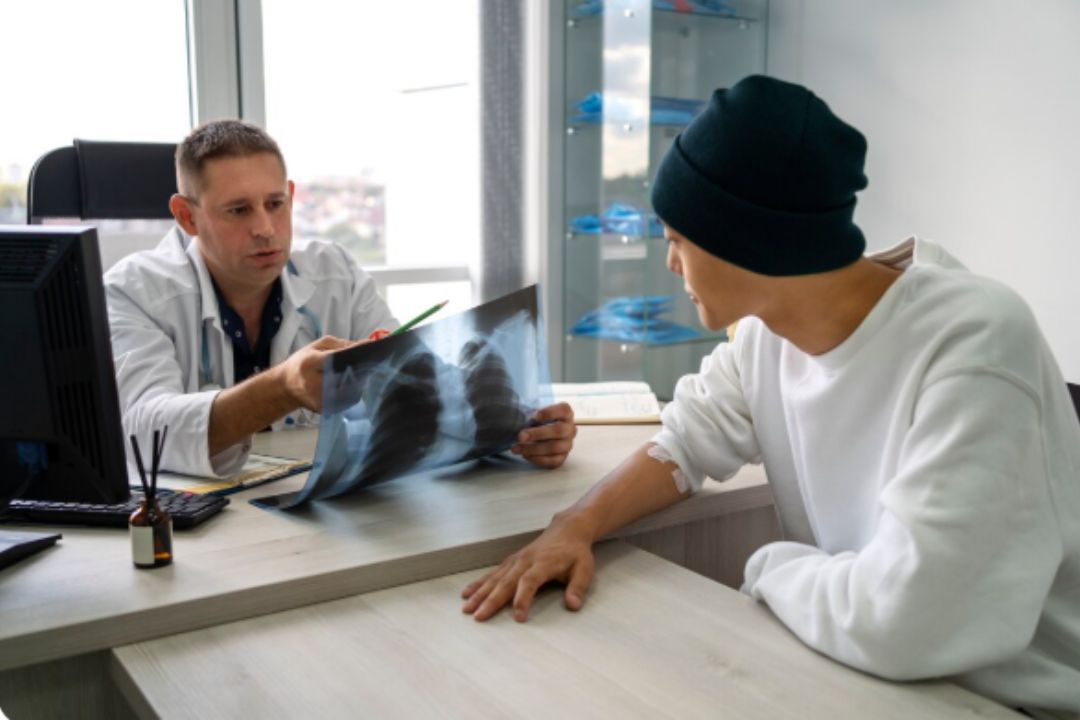
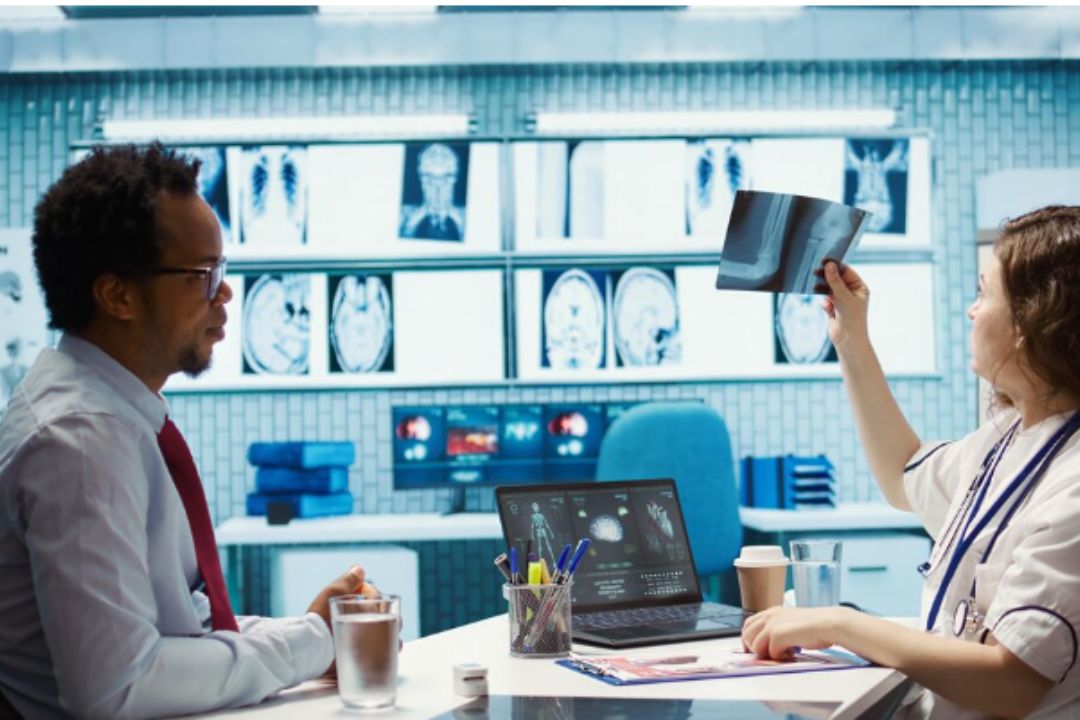
Radiologists prefer clear, useful images to ensure the best care. Repeating the scan, while inconvenient, helps ensure the right diagnosis and treatment decisions.
Movement during a CT scan most commonly results in blurred or distorted images. These artifacts reduce the diagnostic value and may require repeating sections of the scan. Staying still and following breath-holding instructions helps ensure high-quality images, a faster appointment, and minimal radiation exposure.
If you accidentally move, you will not be harmed. However, clear communication with the technologist and proper positioning can significantly improve your experience and the usefulness of your scan.
Understanding what can happen if you move during a CT scan gives you the confidence to cooperate fully and get the best possible outcome from your imaging appointment.









.jpg "ct brain scan plain and contrast")














.jpg "ct scan")

.jpg "ct scan or mri for brain disorders")


.jpg "exploring the power of ct brain contrast in modern diagnostics")
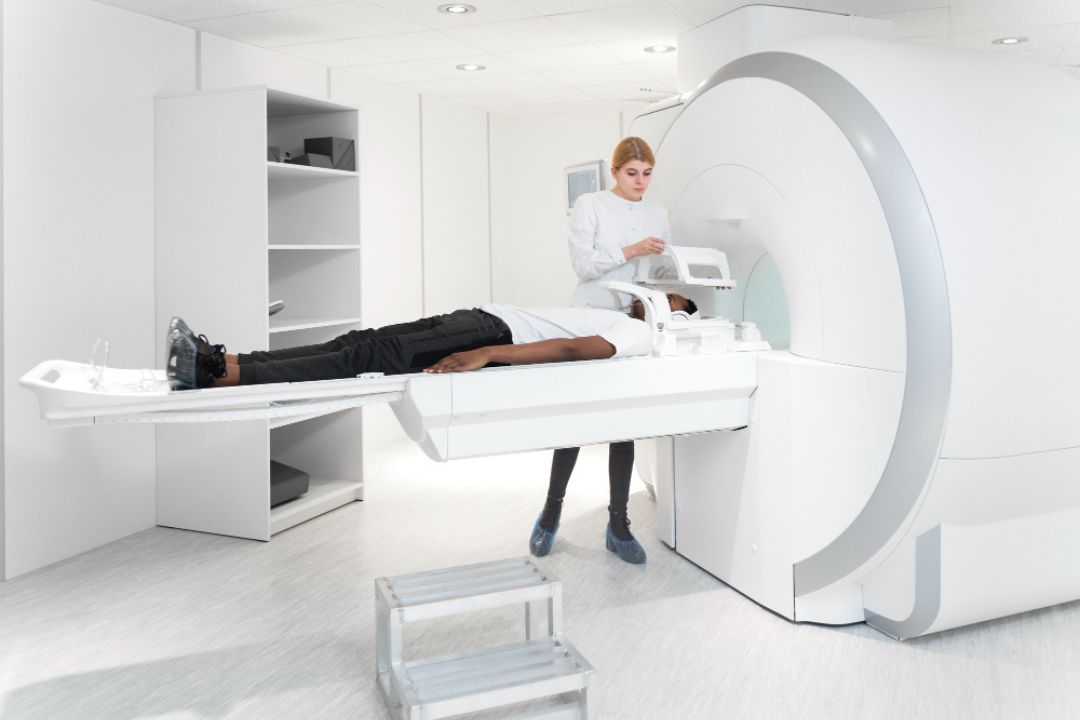
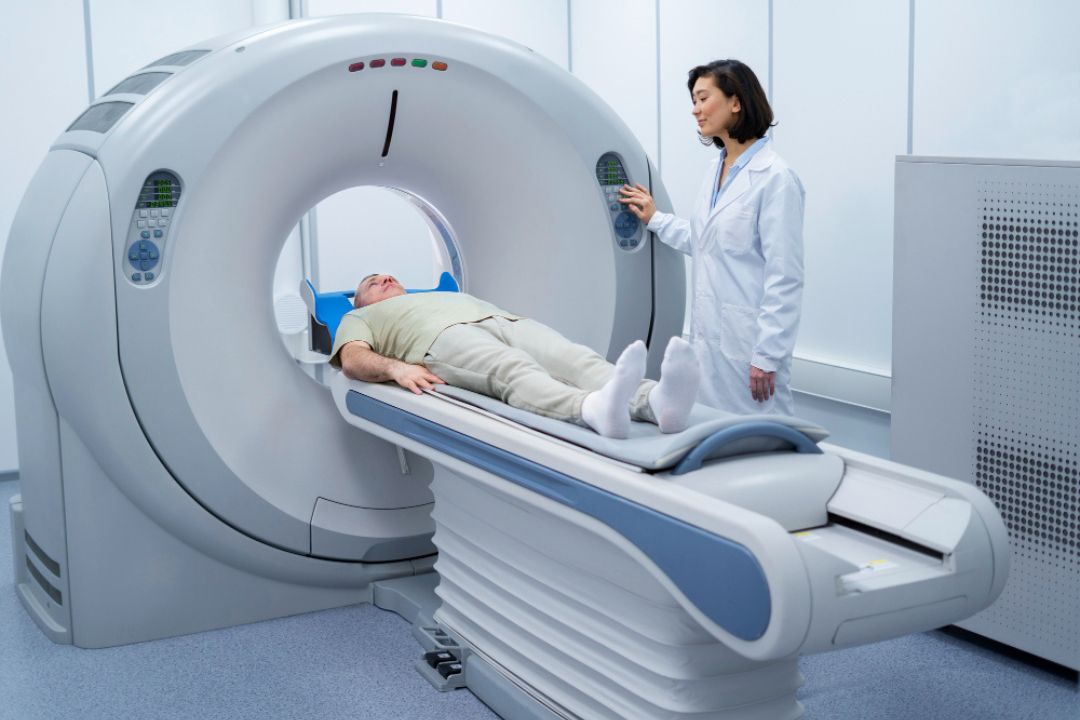
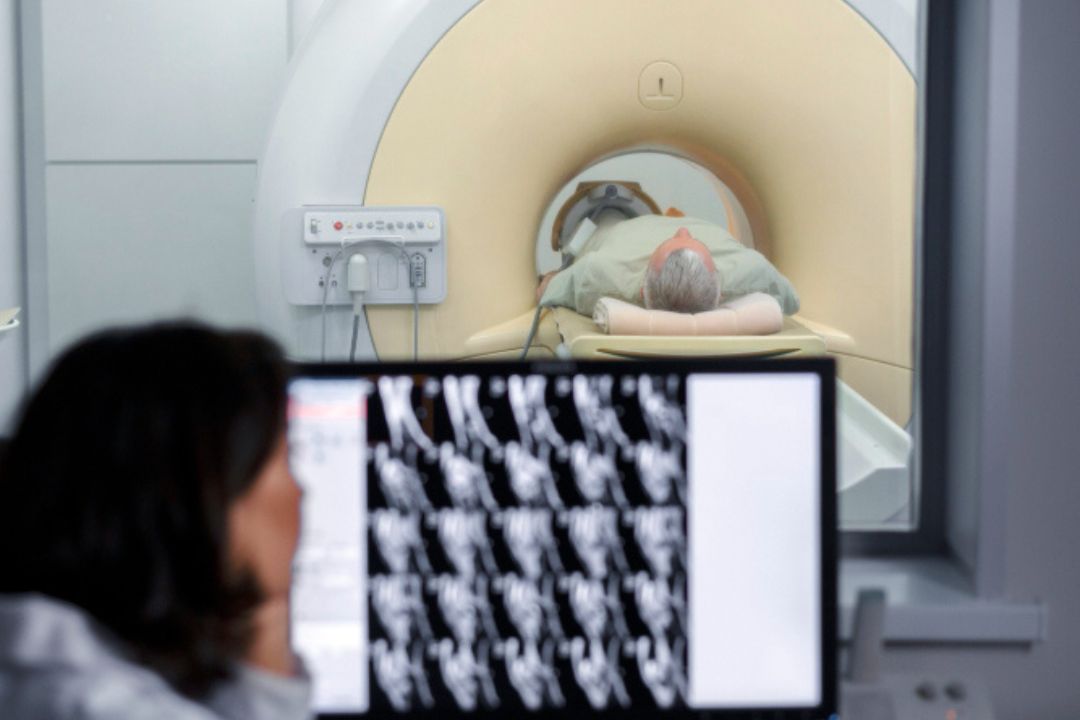
.jpg "ct scan")
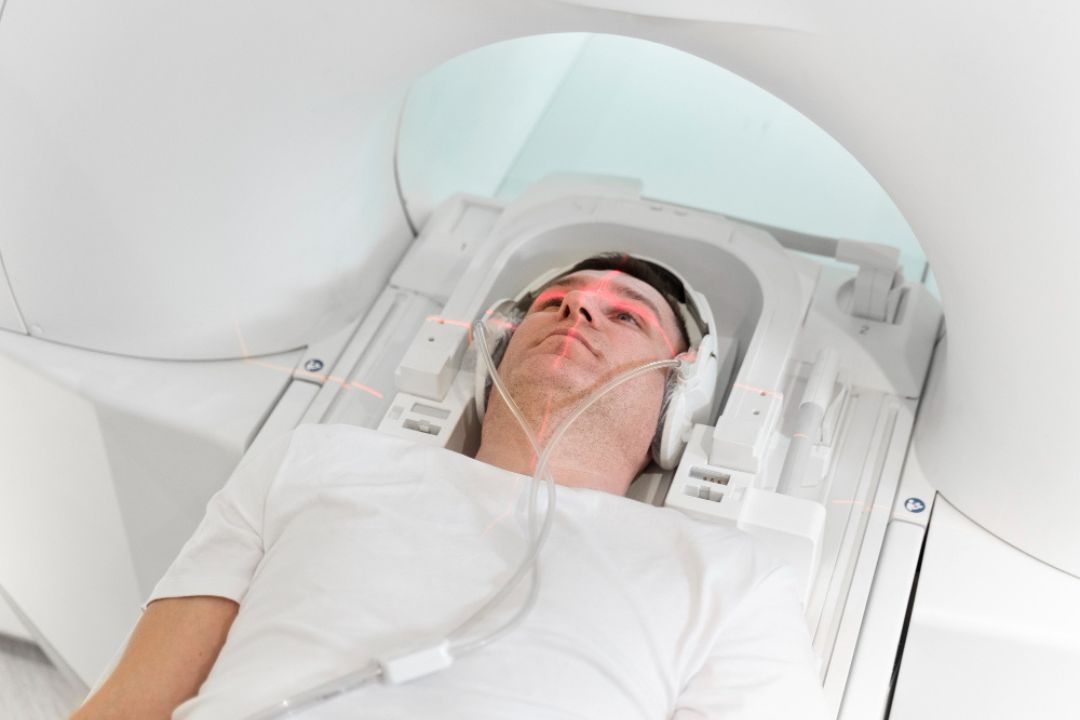
.jpg "ct scan")









.jpg "ct scan")

.jpg "CT Brain Scan for Headaches")
.jpg "The Future of 3D CT Imaging")