The thyroid gland is a small butterfly-shaped organ located at the front of the neck. Despite its small size, it plays a major role in regulating metabolism, growth, and hormone balance in the body. When doctors suspect thyroid problems such as nodules, goiter, or cancer, imaging tests are often used to examine the gland more closely.
Visit Now: https://www.diagnopein.com/ct-scan/Pune
One of the most advanced imaging techniques used in thyroid evaluation is a neck CT scan. This scan provides detailed cross-sectional images of the thyroid gland and surrounding structures, helping doctors identify abnormalities and plan appropriate treatment.
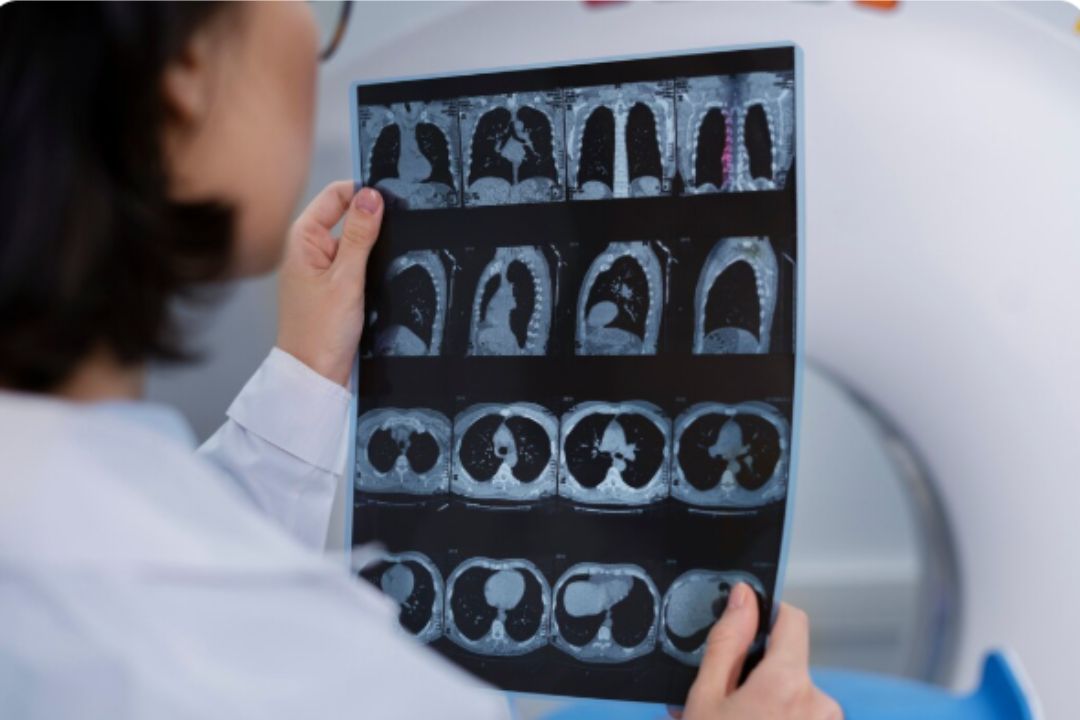
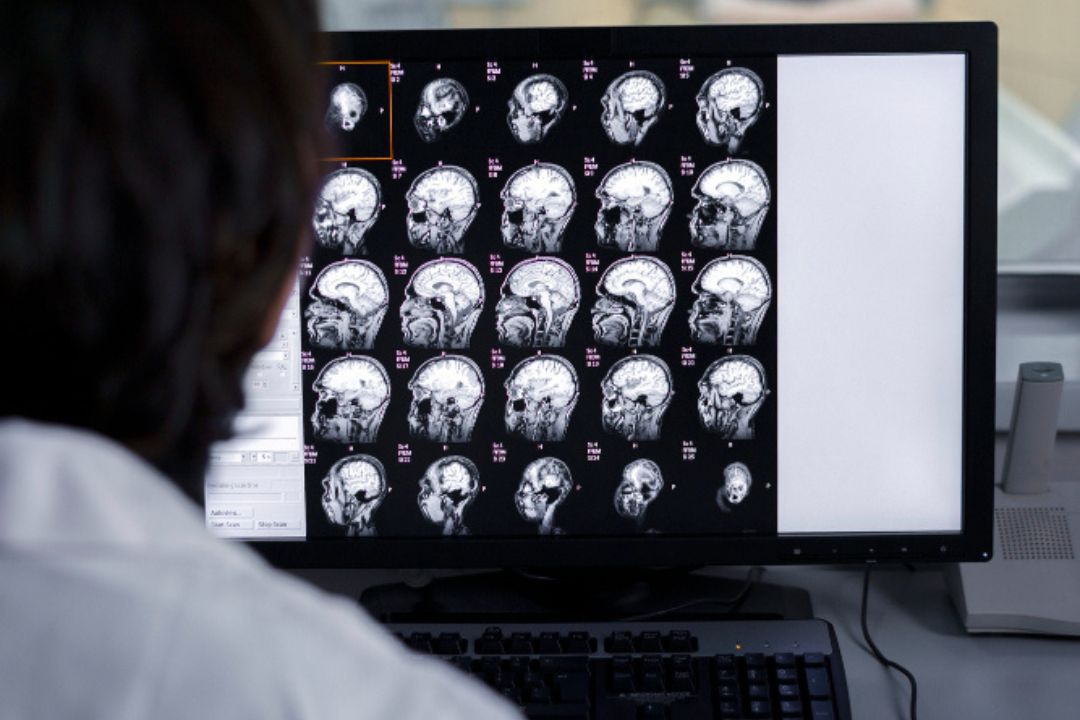
A CT Scan is a medical imaging technique that uses X-rays and computer technology to create highly detailed images of the body. Unlike regular X-rays, CT scans produce cross-sectional views that allow doctors to examine organs, tissues, and blood vessels more clearly.
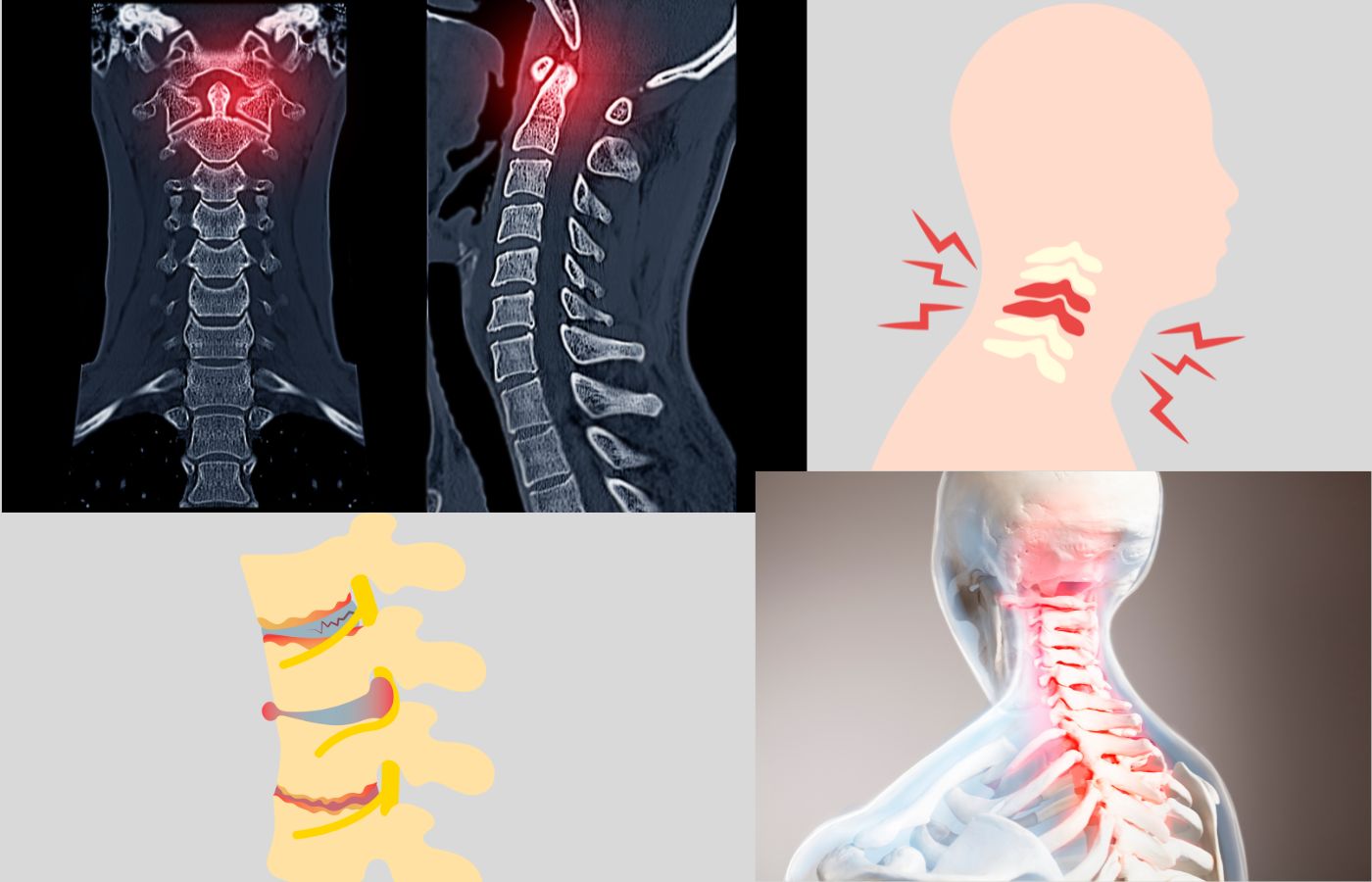
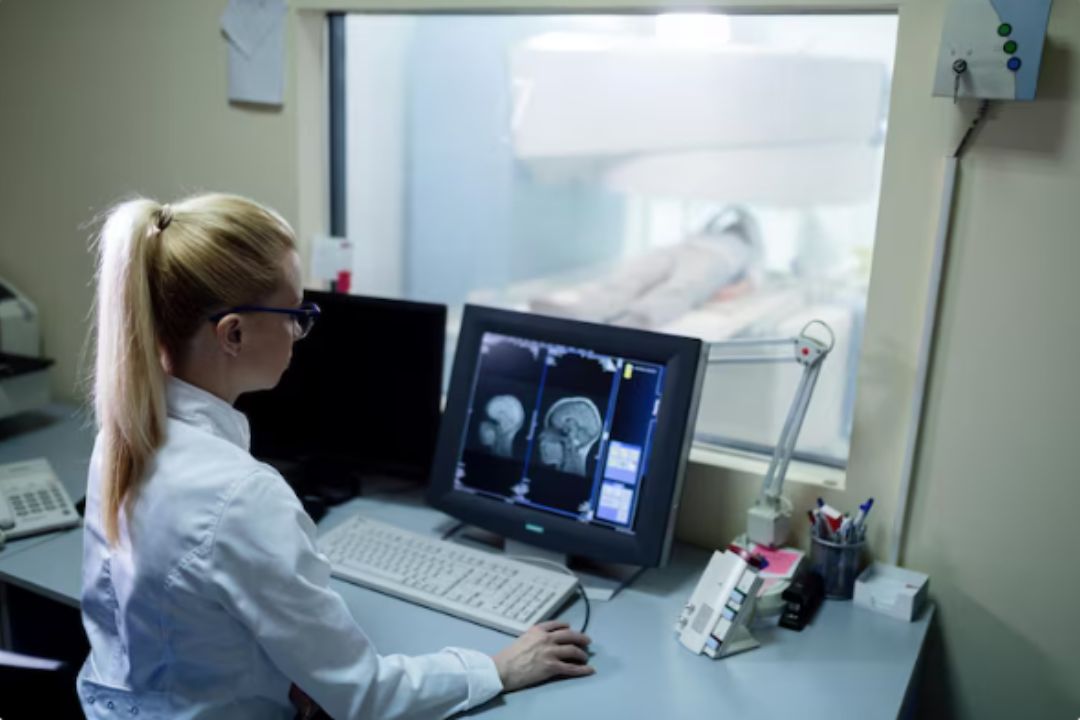
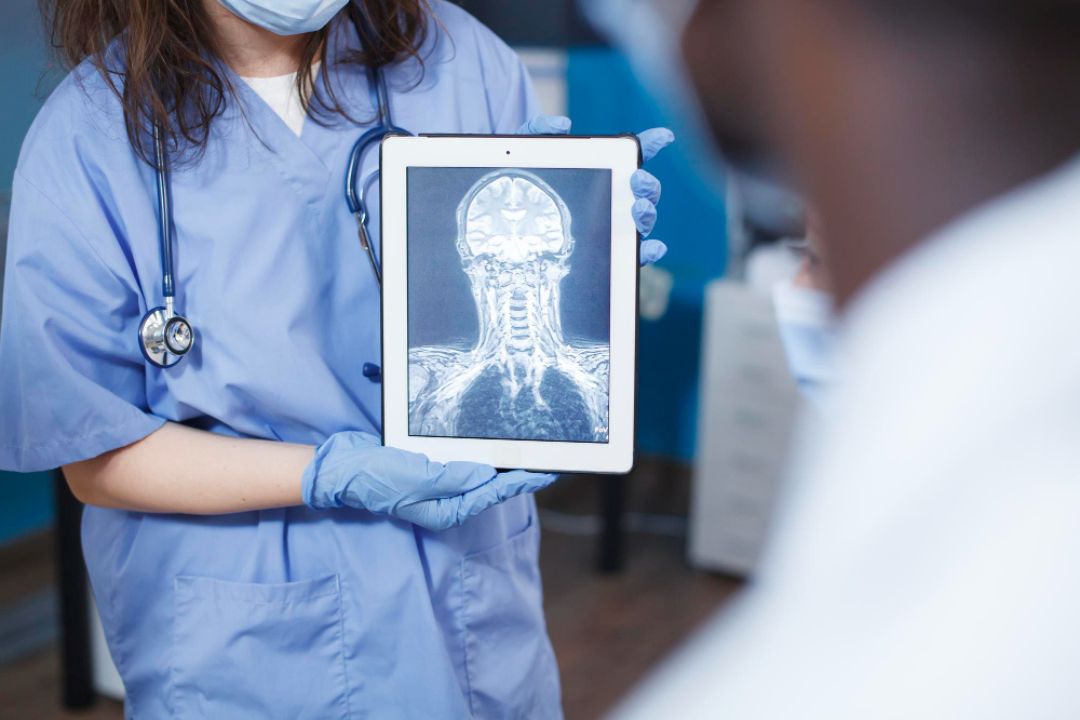
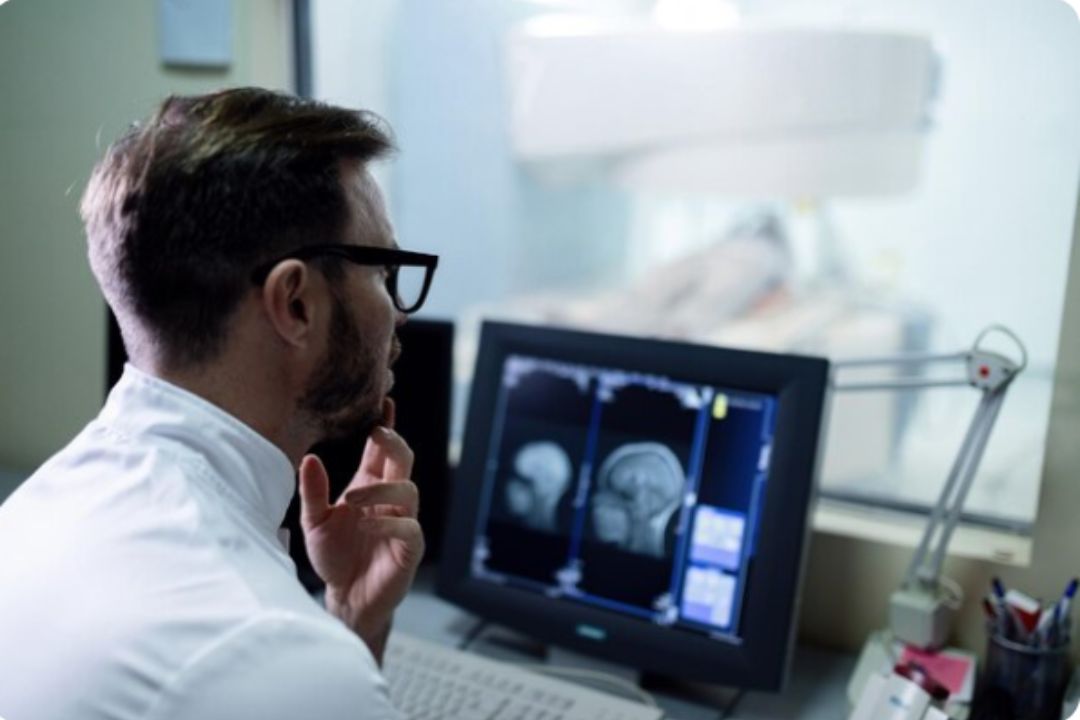
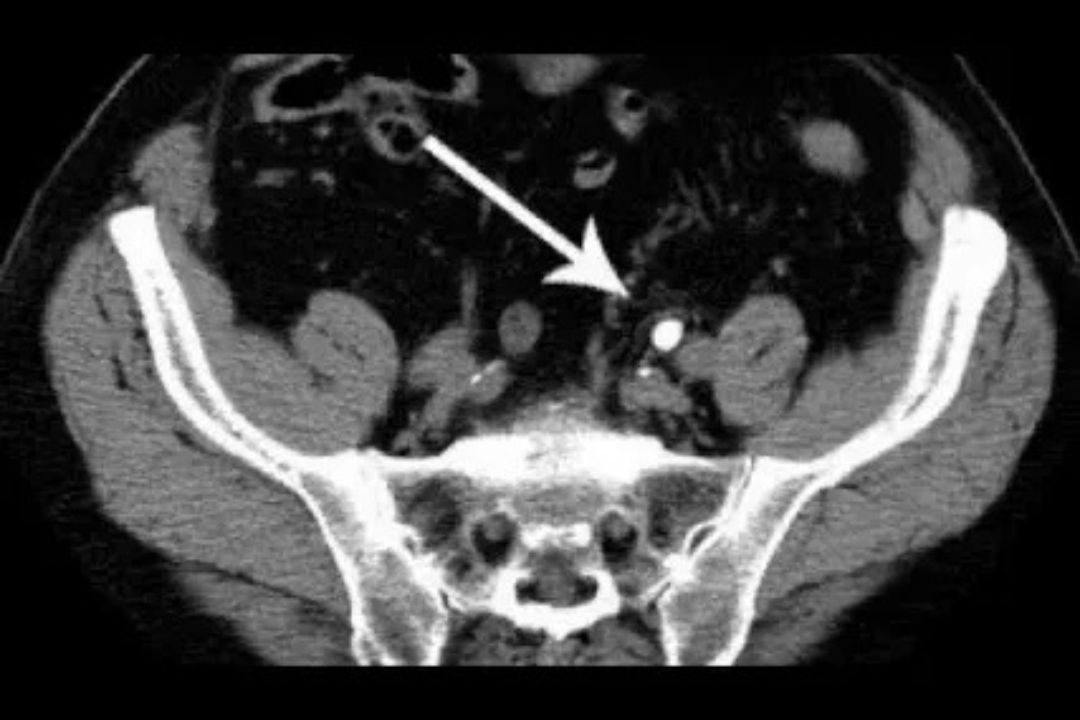
When performed on the neck, the scan creates a detailed map of the thyroid gland and nearby structures such as the trachea, esophagus, lymph nodes, and blood vessels. This helps doctors understand the size, shape, and location of abnormalities affecting the thyroid.
Although ultrasound is often the first imaging test used for thyroid evaluation, CT scans provide additional information when more detailed imaging is required.
A neck CT scan can help doctors:
Identify thyroid nodules and tumors
Detect enlargement of the thyroid gland (goiter)
Examine lymph nodes in the neck
Evaluate the spread of thyroid cancer
Assess compression of nearby structures such as the trachea
Plan surgery for thyroid conditions
CT imaging is particularly useful when doctors need to see how thyroid abnormalities affect surrounding tissues.
Thyroid nodules are small lumps that form within the thyroid gland. While many nodules are benign, some may require further evaluation to rule out cancer.
A goiter is an abnormal enlargement of the thyroid gland. CT scans help determine the size and extent of the enlargement, especially if it extends into the chest.
CT imaging is useful for evaluating whether thyroid cancer has spread to nearby lymph nodes or surrounding structures in the neck.
Inflammation of the thyroid gland, also known as thyroiditis, can sometimes be identified through imaging when structural changes occur.
Enlarged lymph nodes in the neck may indicate infection, inflammation, or cancer spread. CT scans help identify these changes and determine their cause.
A neck CT scan does not only focus on the thyroid gland. It also provides detailed images of nearby structures, including:
Thyroid gland
Parathyroid glands
Lymph nodes
Trachea (windpipe)
Esophagus
Blood vessels in the neck
Muscles and soft tissues
This comprehensive view helps doctors evaluate both thyroid conditions and other potential causes of neck symptoms.
Preparing for a neck CT scan is usually simple. Patients may be asked to avoid eating for a few hours before the scan if contrast dye is used.
Other preparation steps may include:
Removing jewelry and metal objects
Informing the doctor about allergies
Reporting kidney problems or previous reactions to contrast dye
Informing the doctor if you are pregnant
These precautions help ensure that the scan is performed safely.
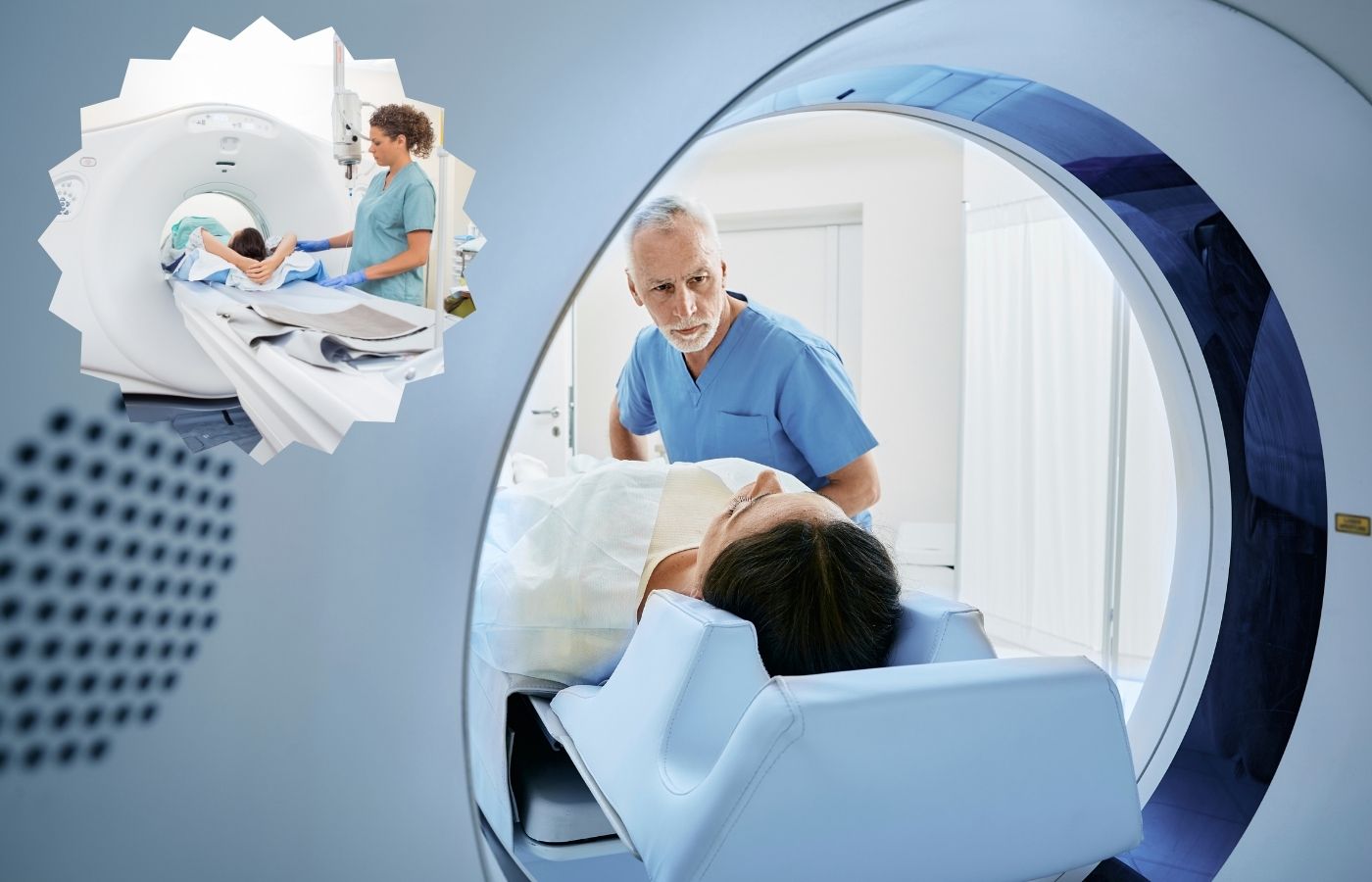
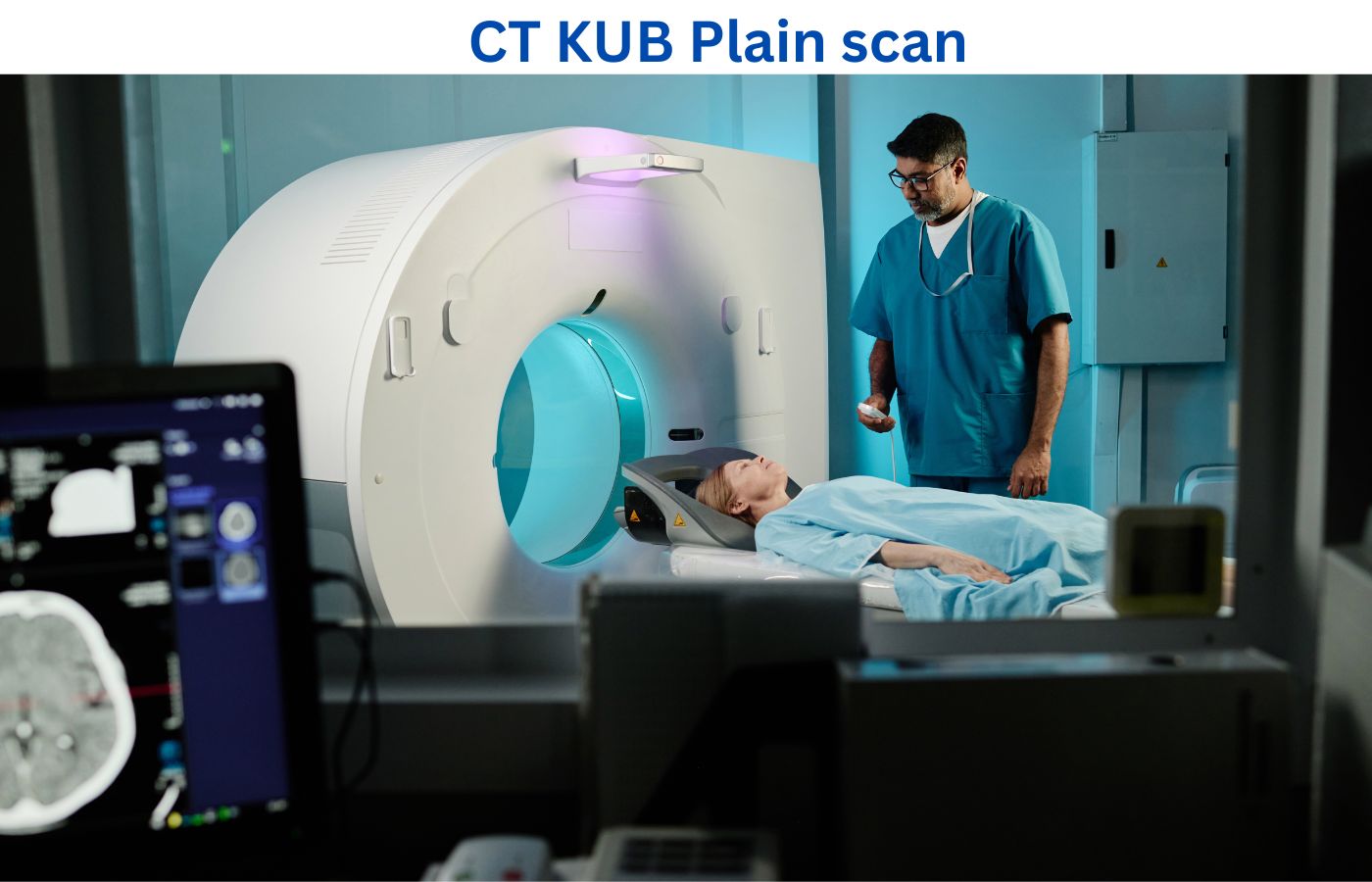
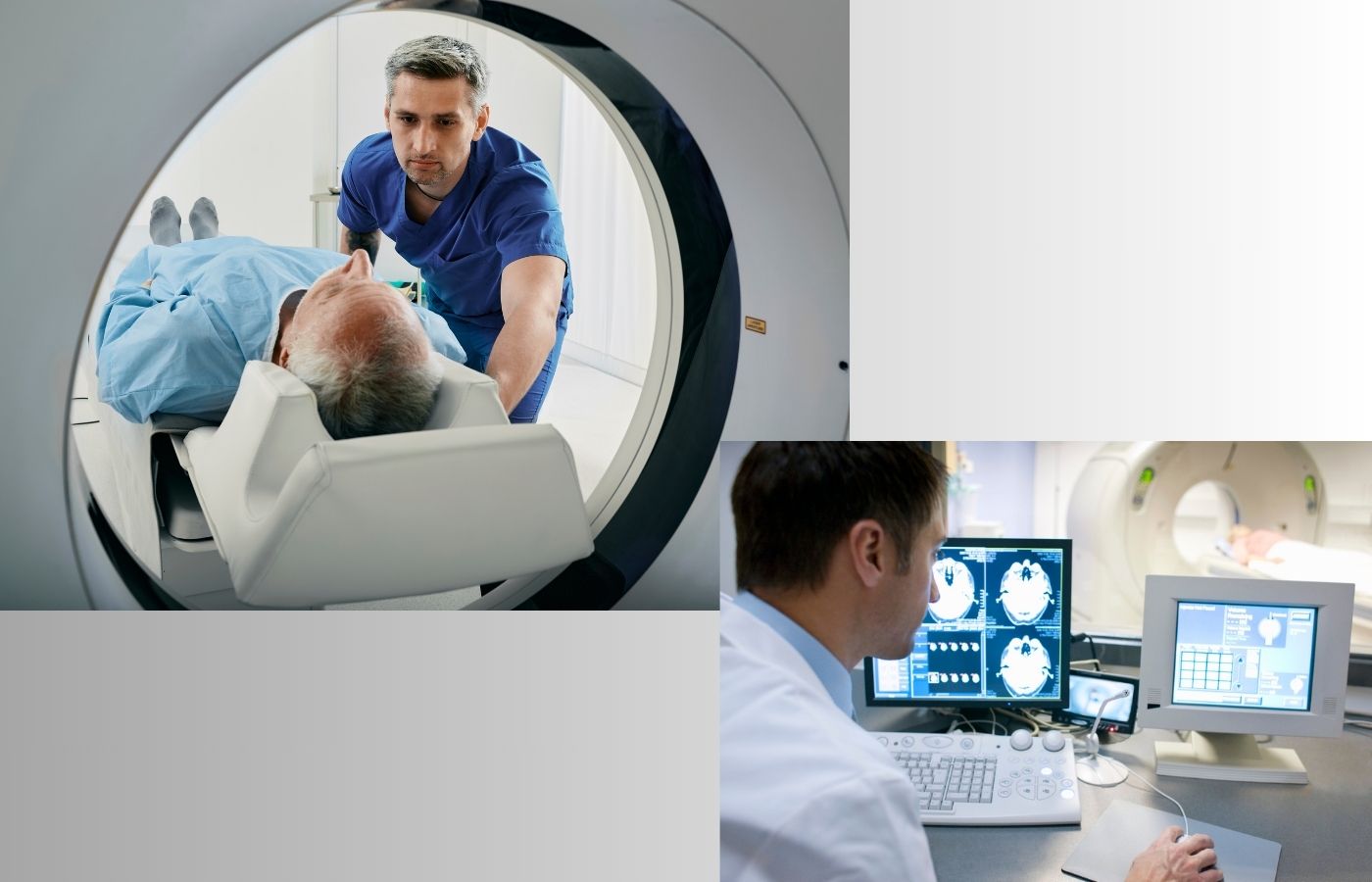
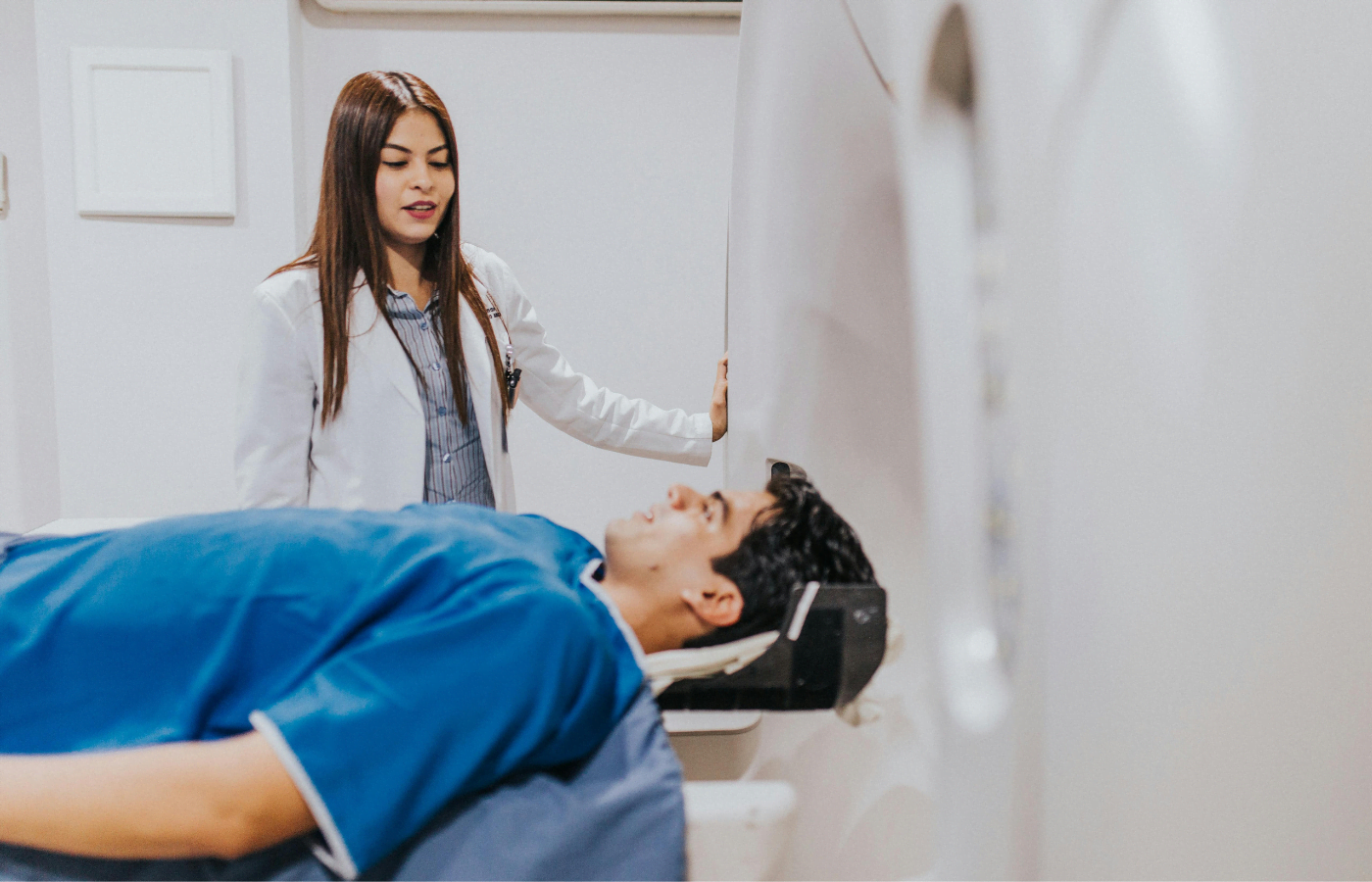
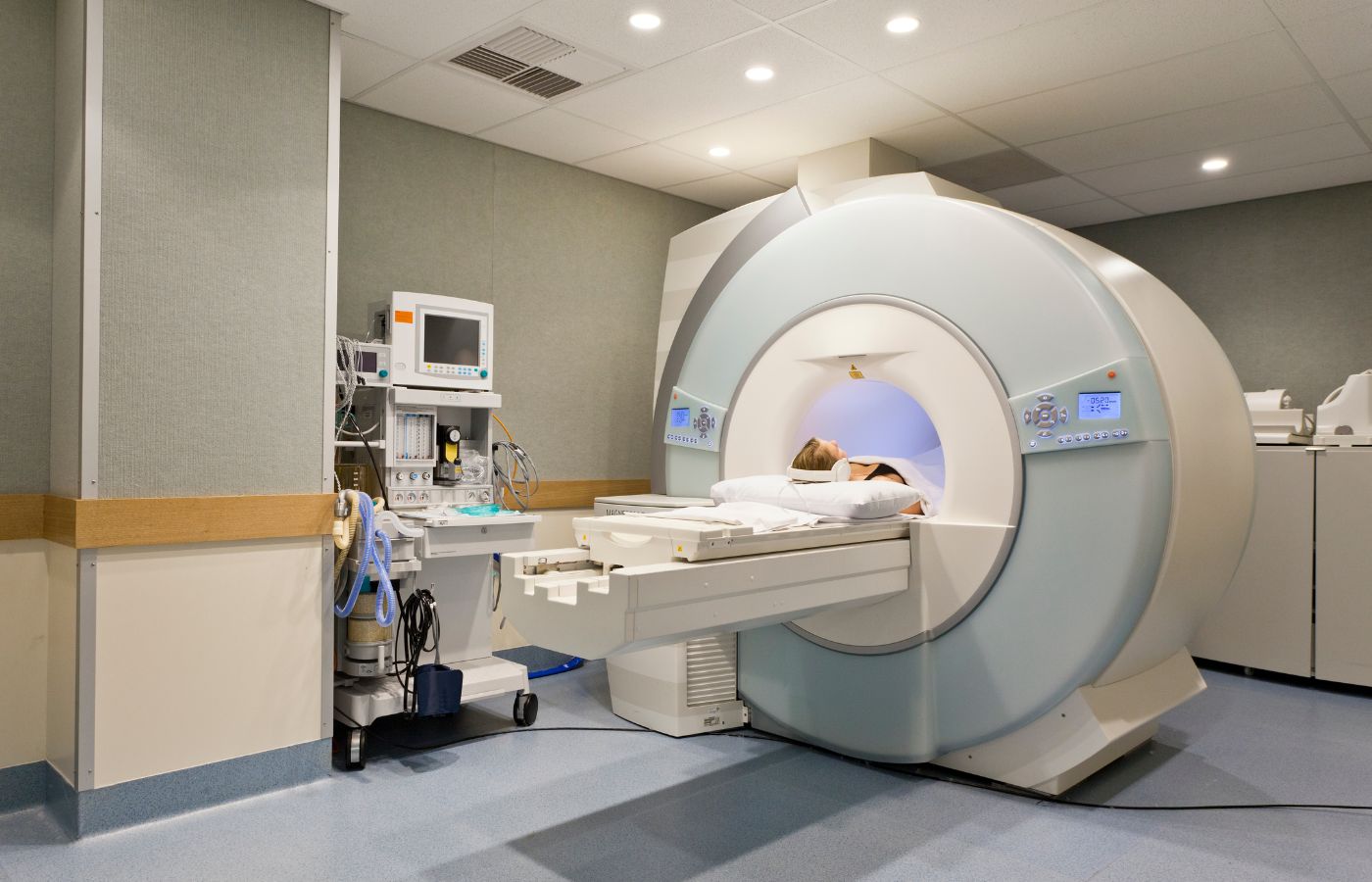
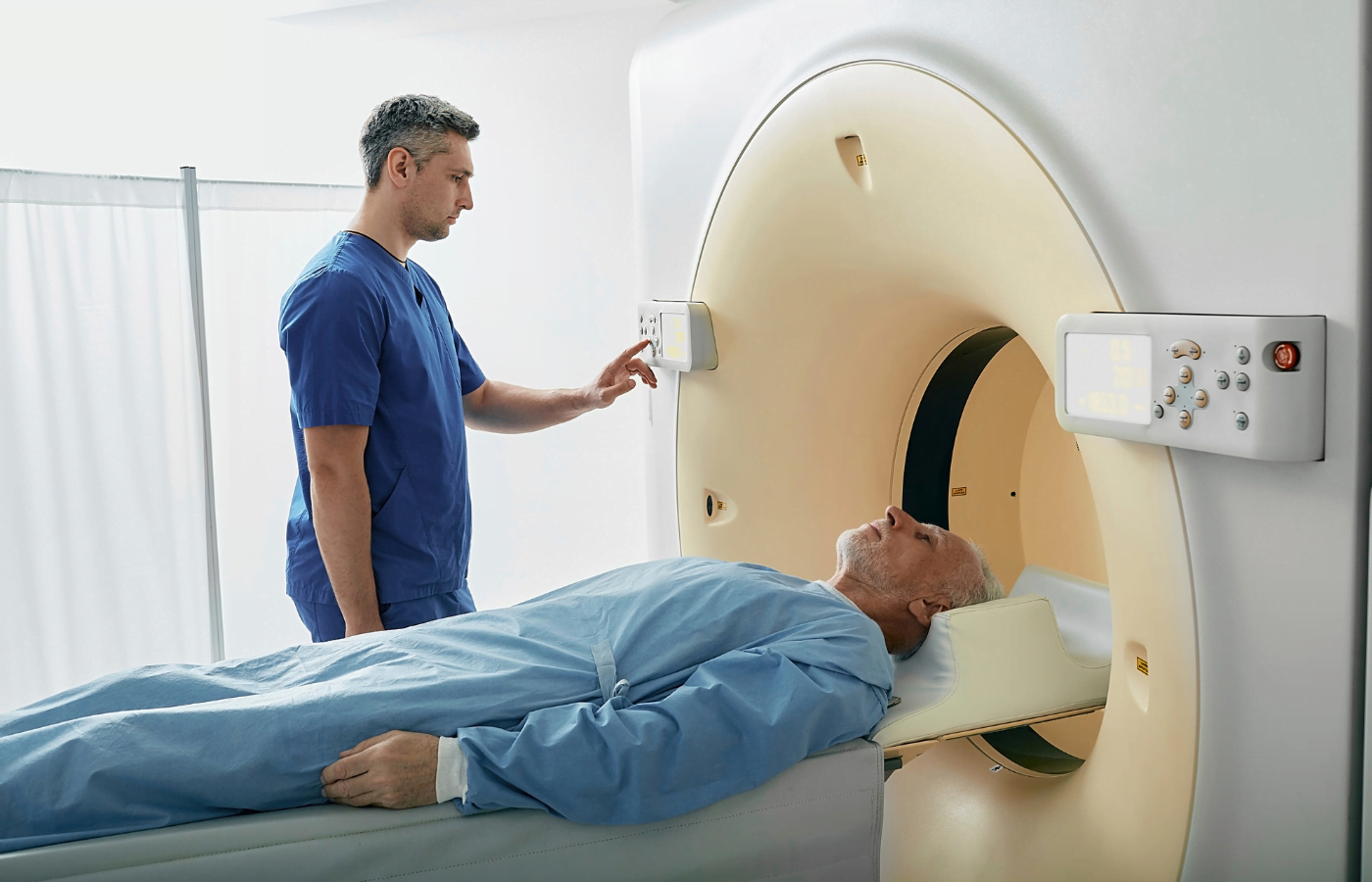
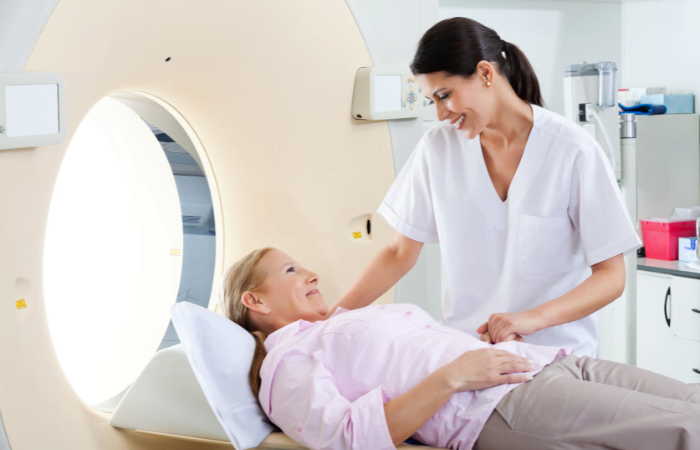
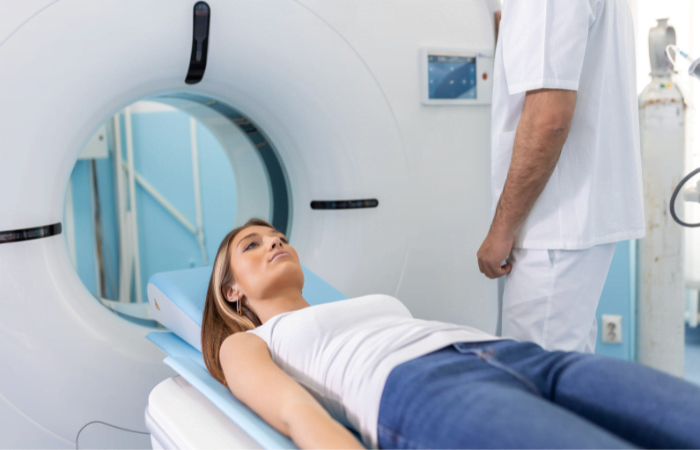
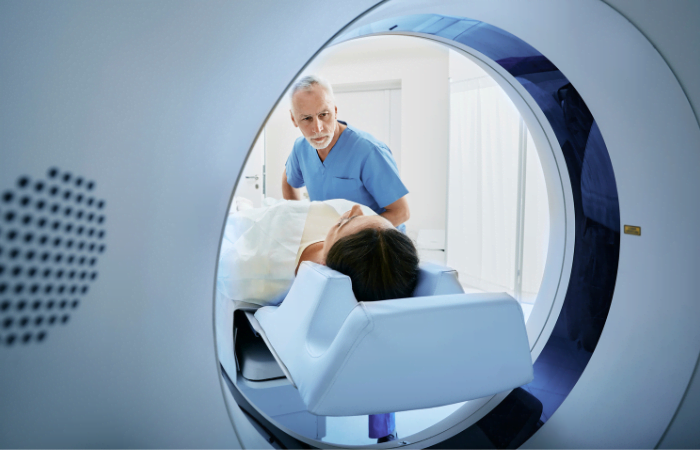
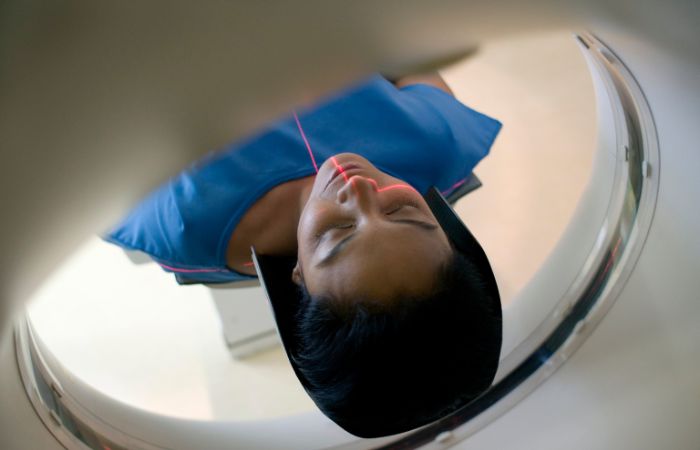
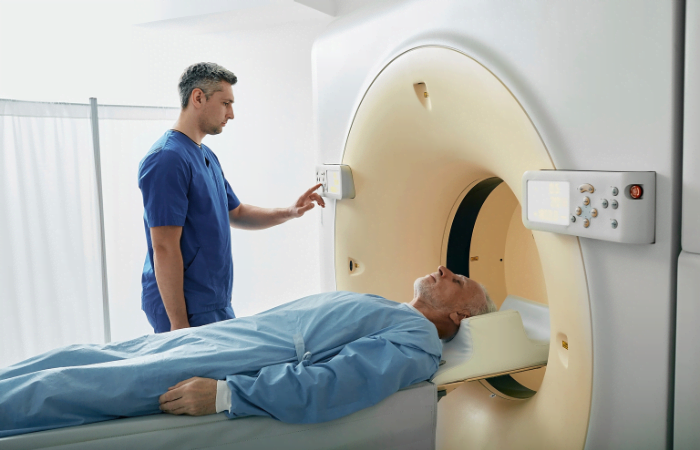
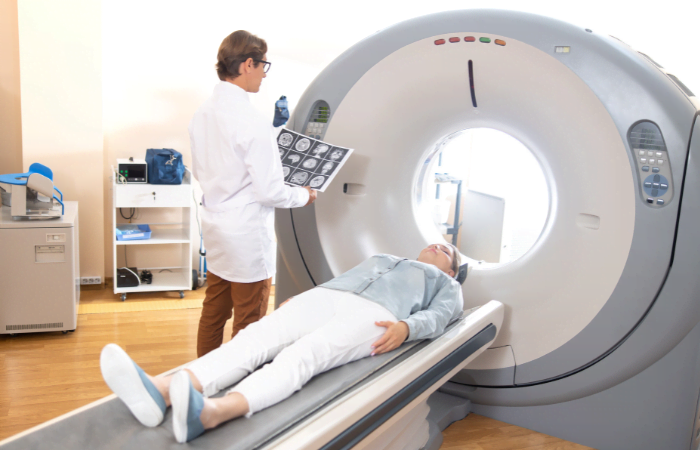
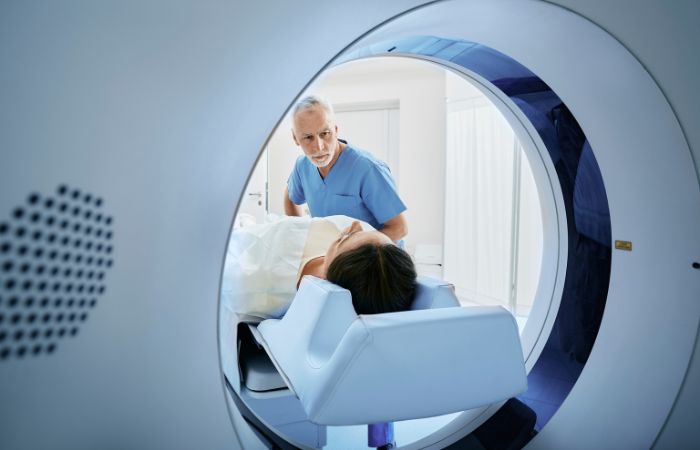
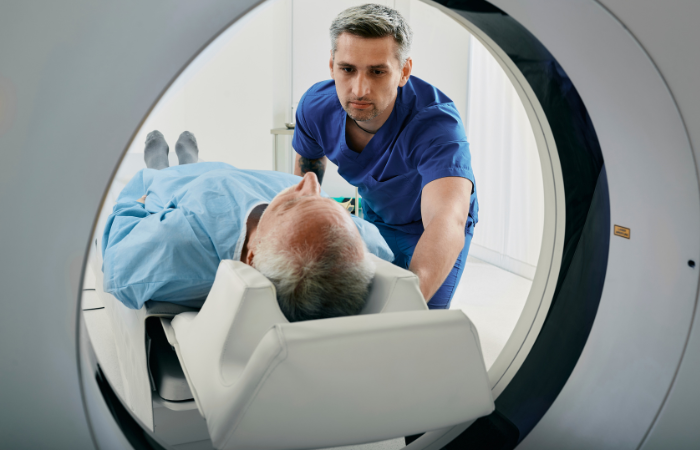
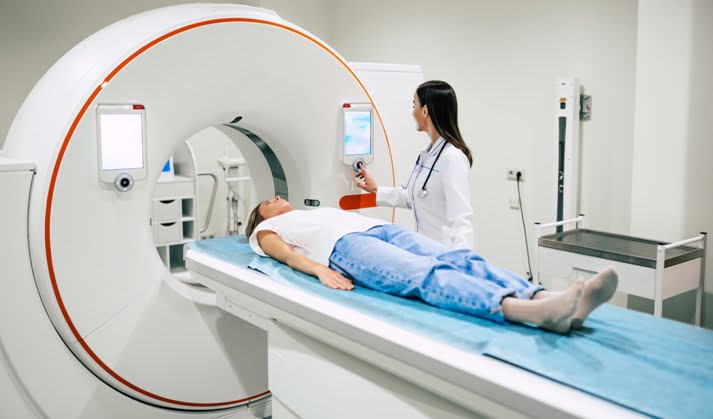
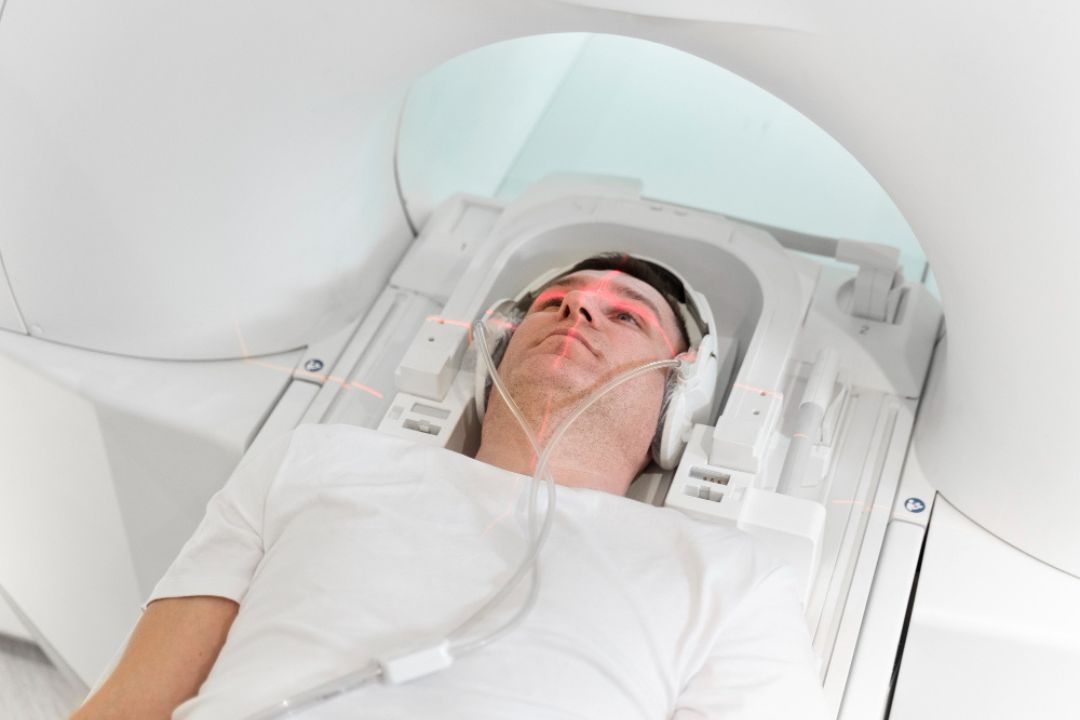
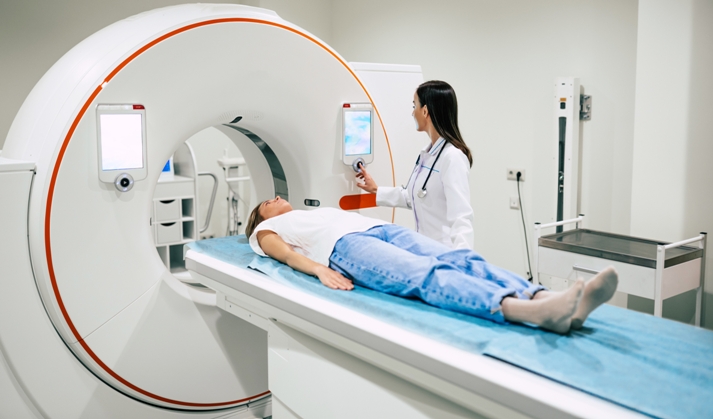
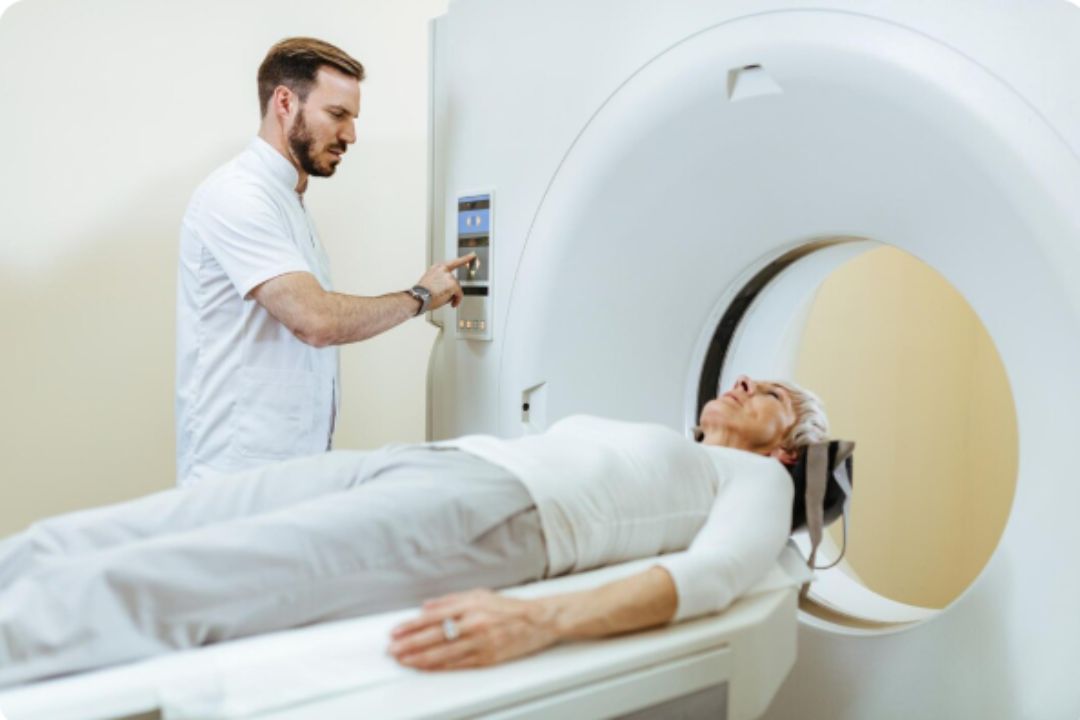
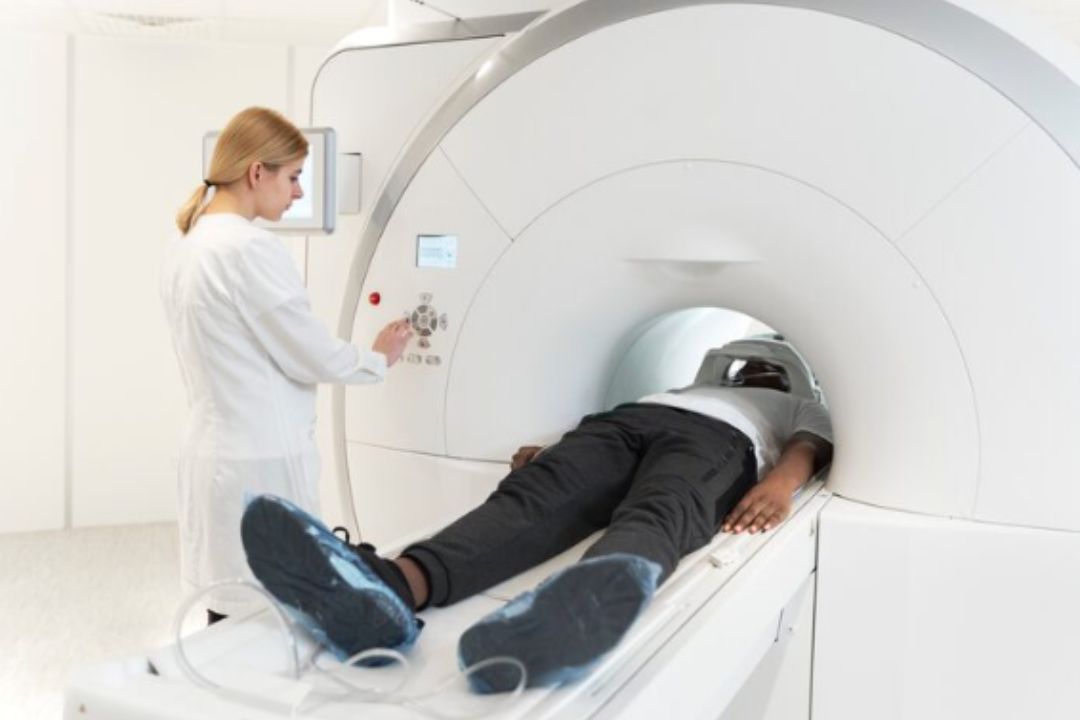
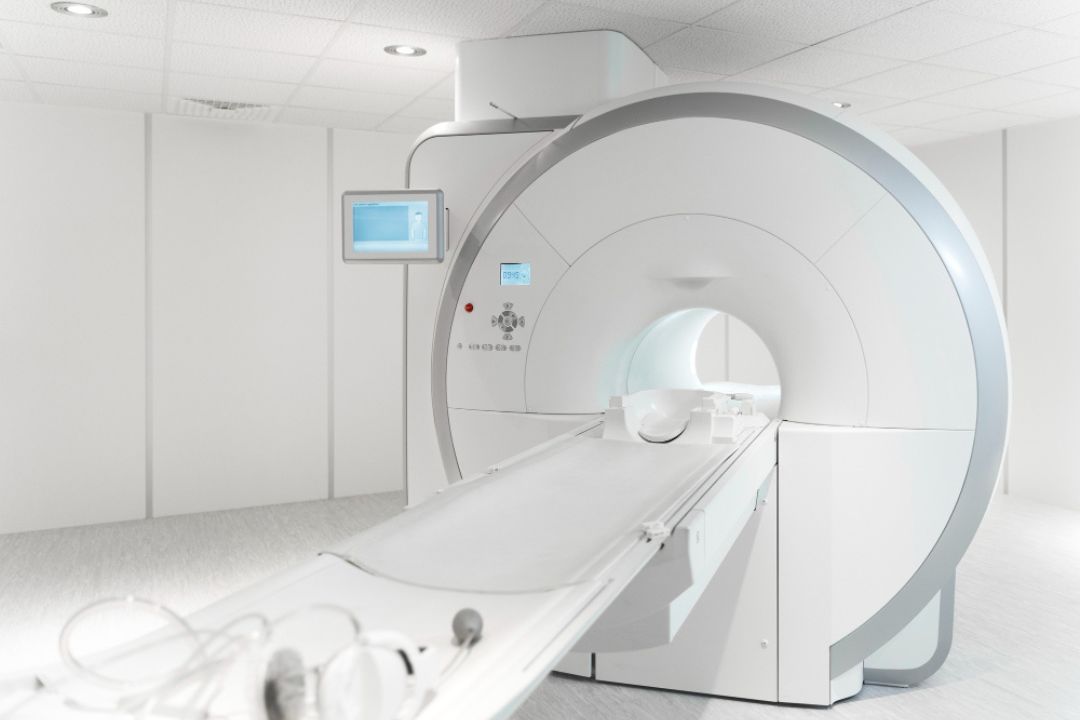
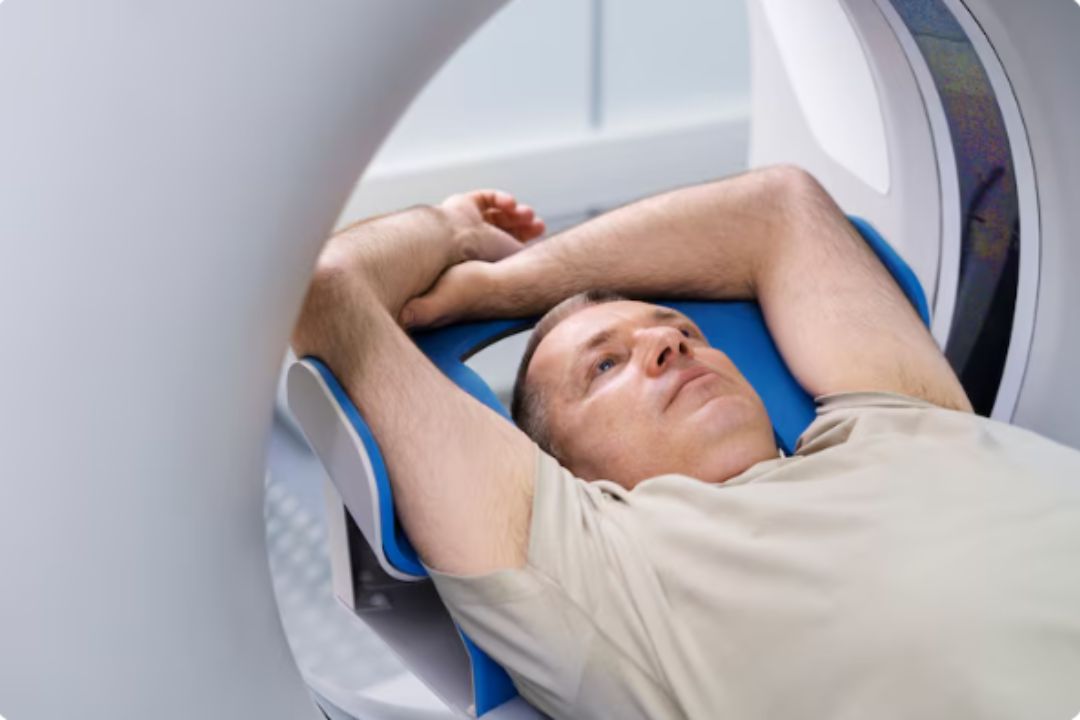
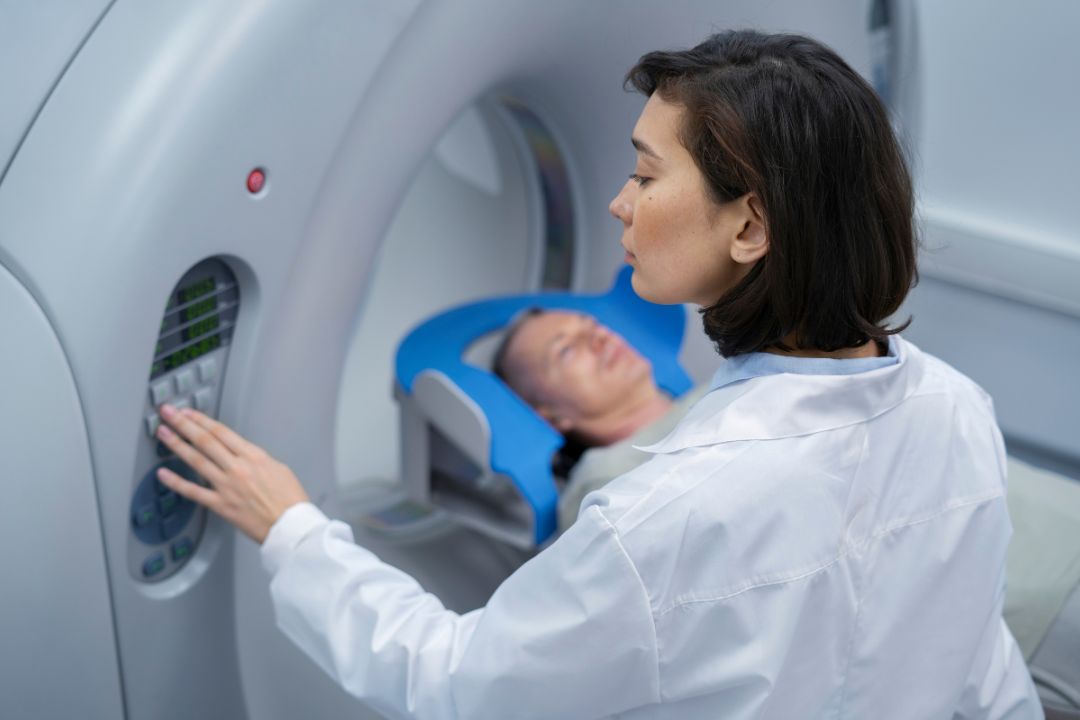
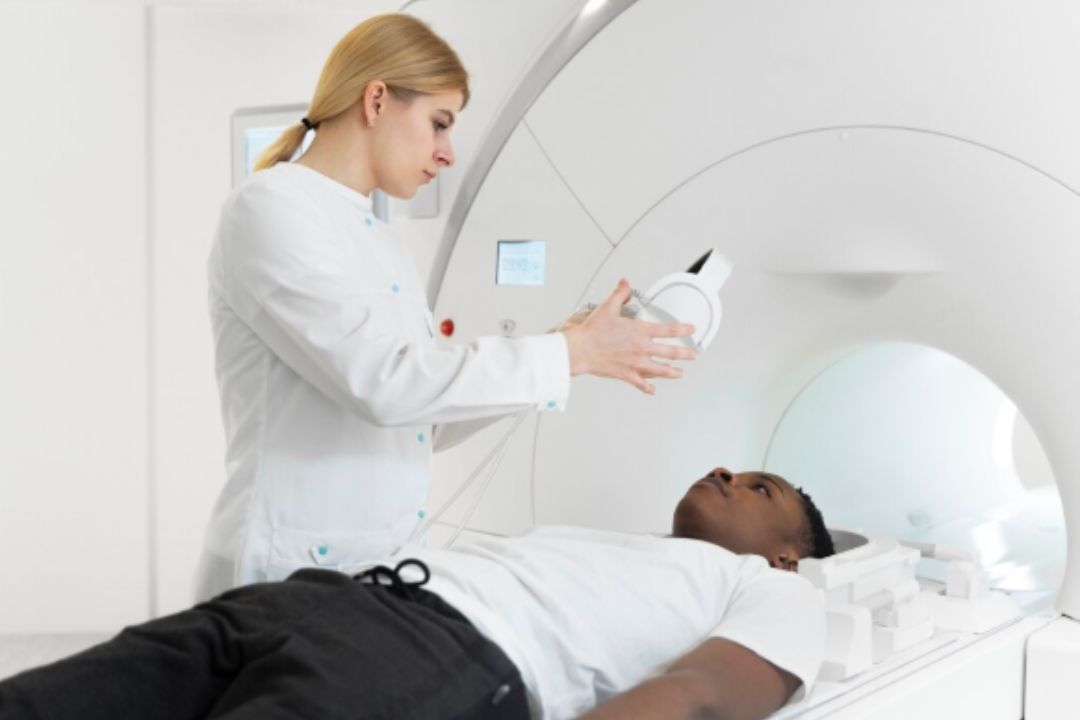
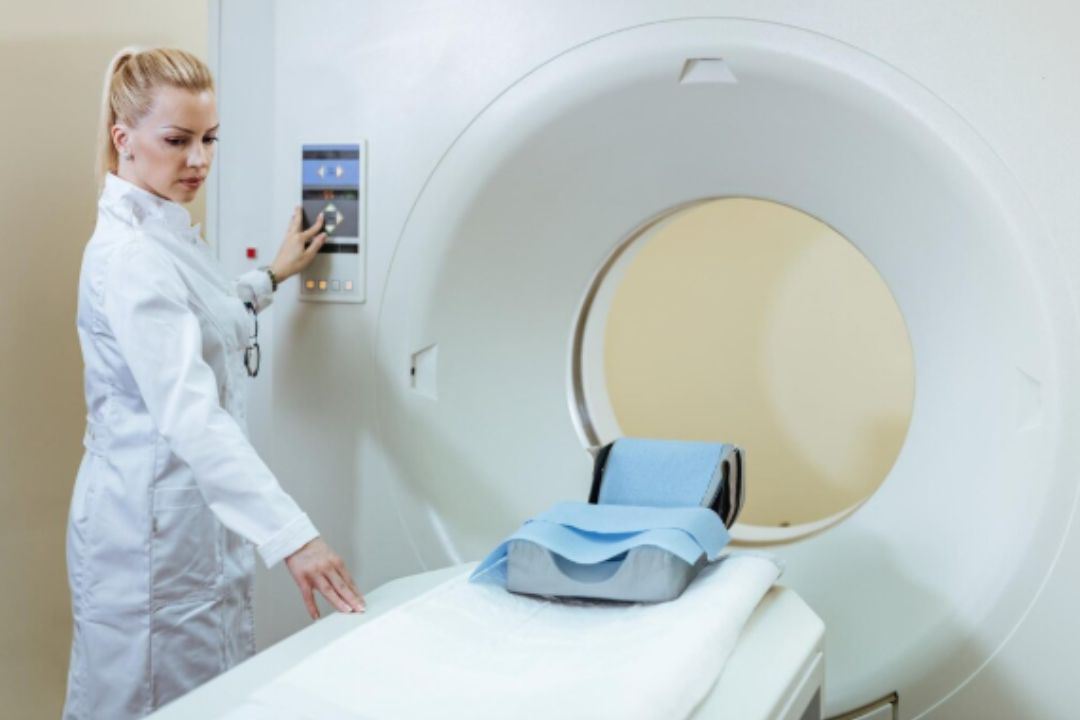
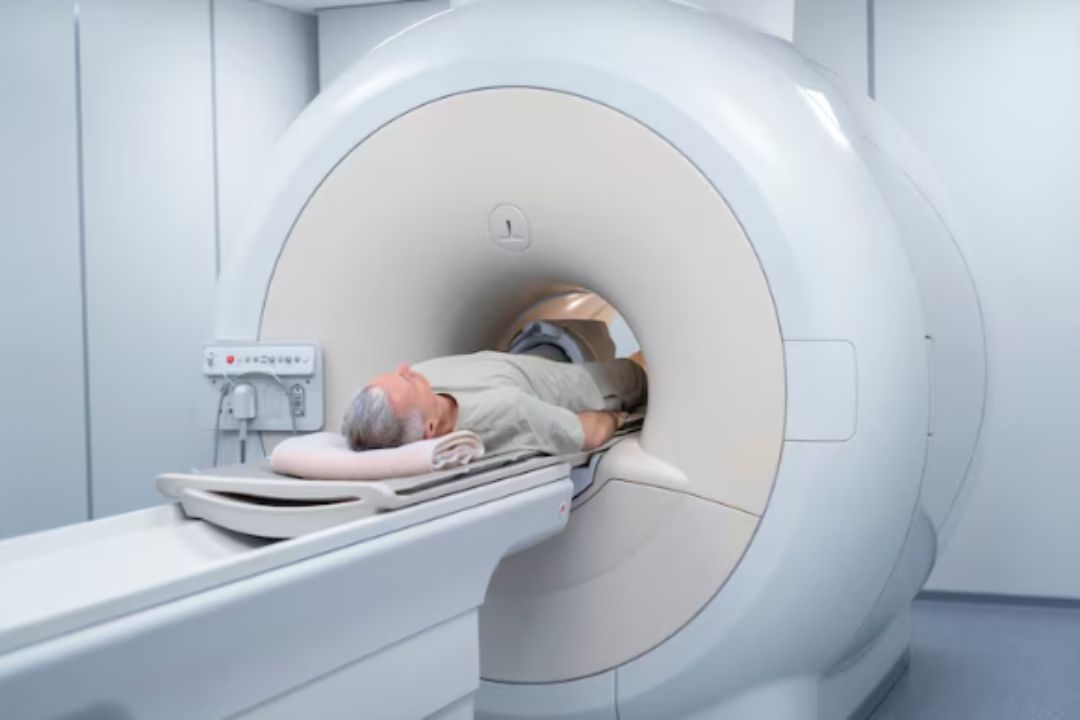
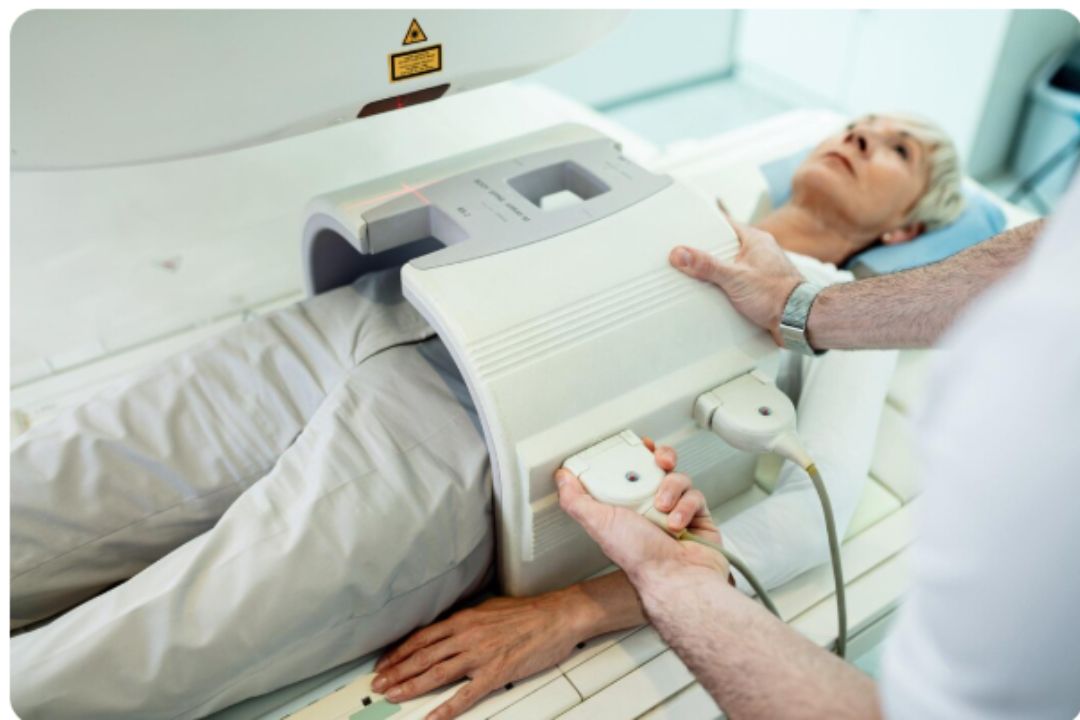
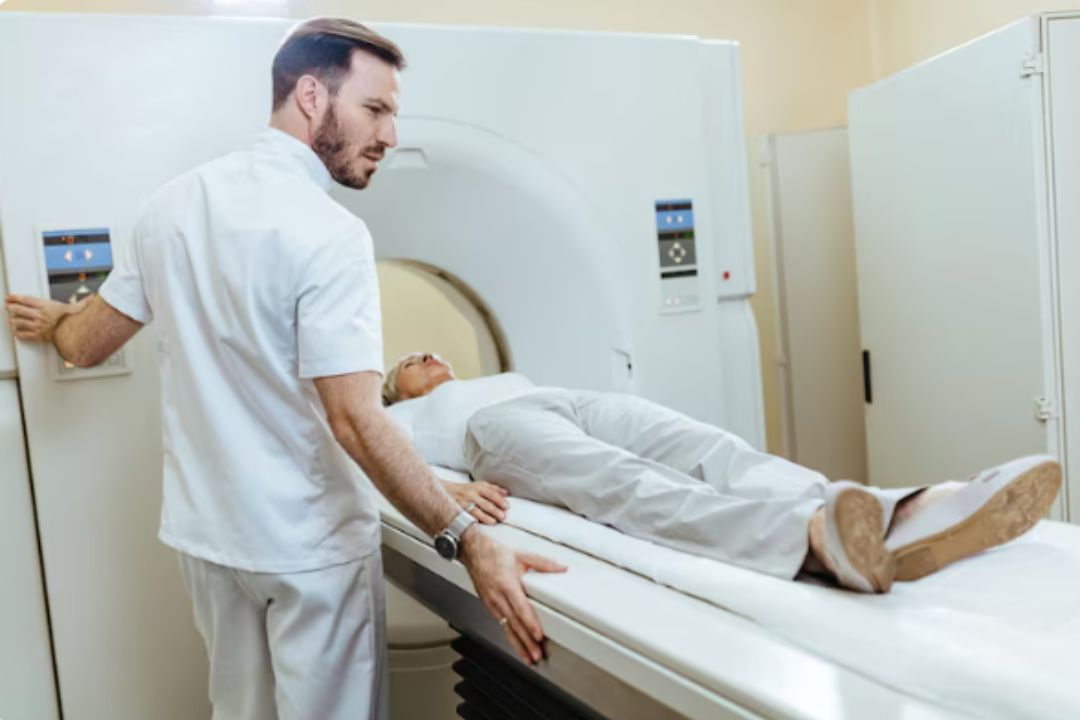
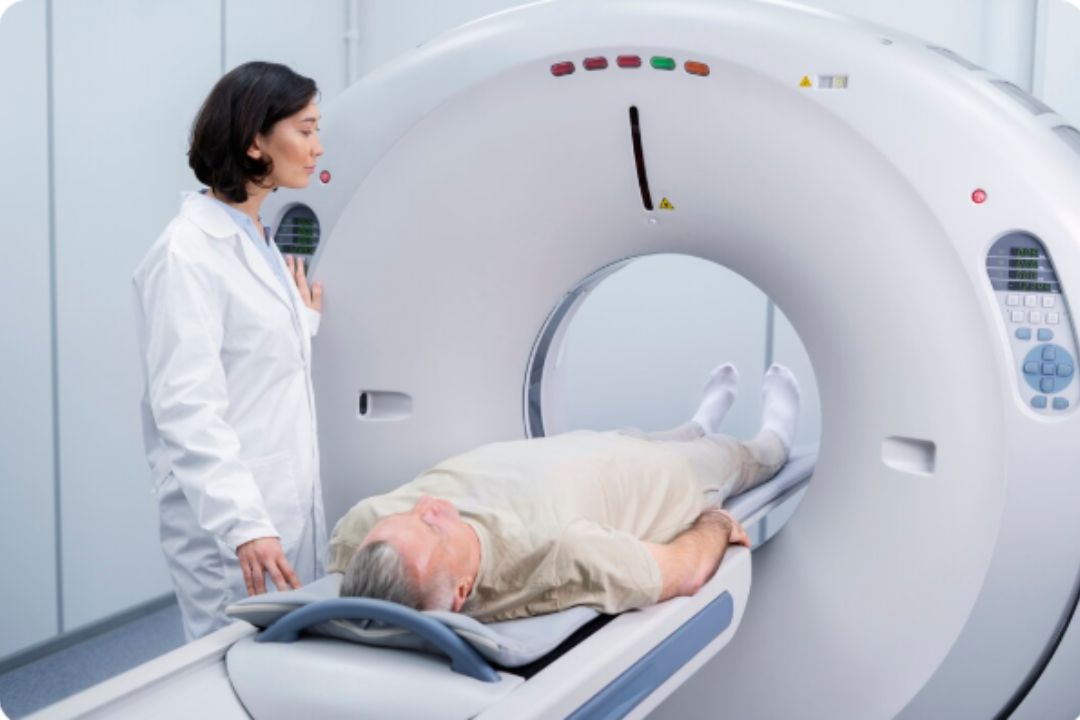
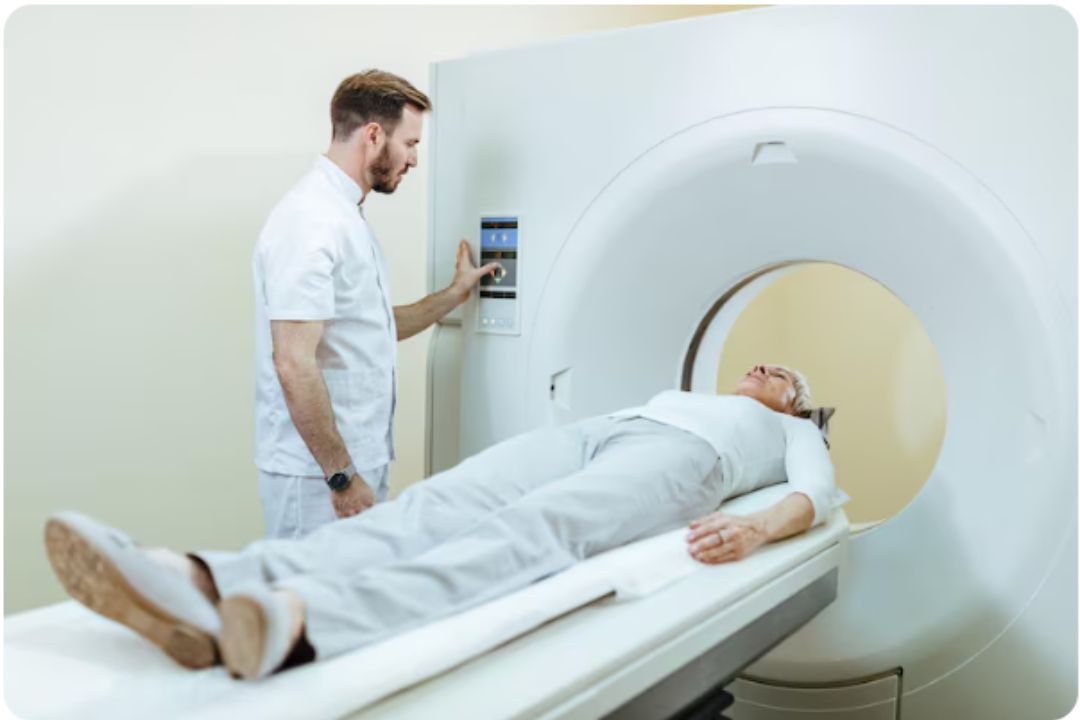
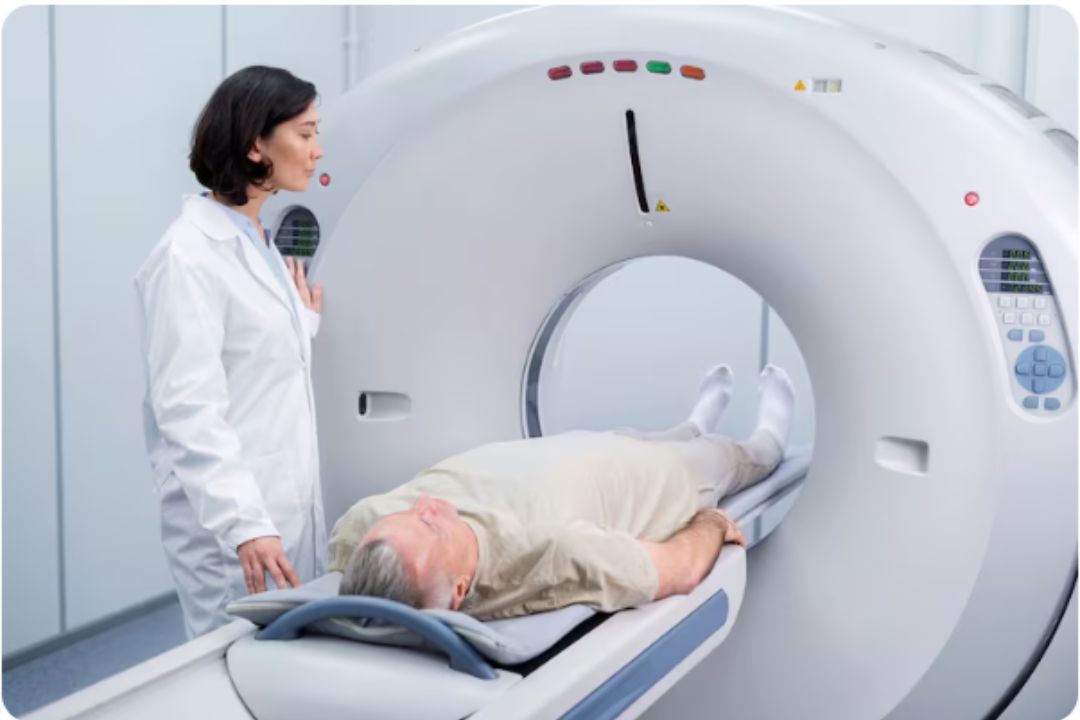
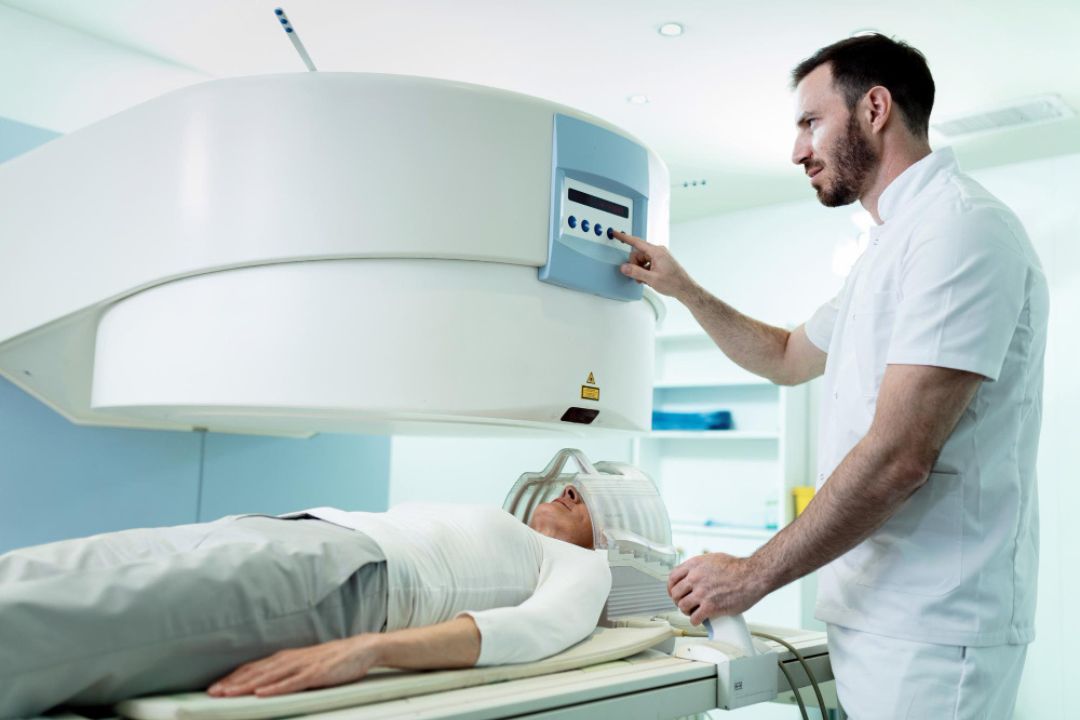
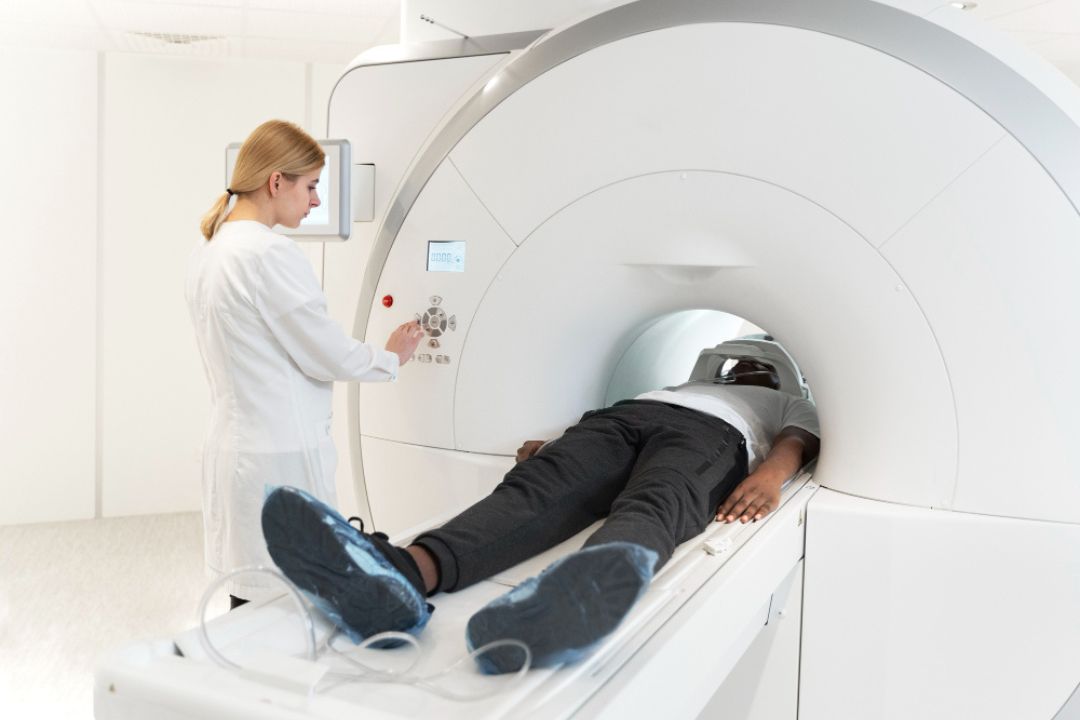
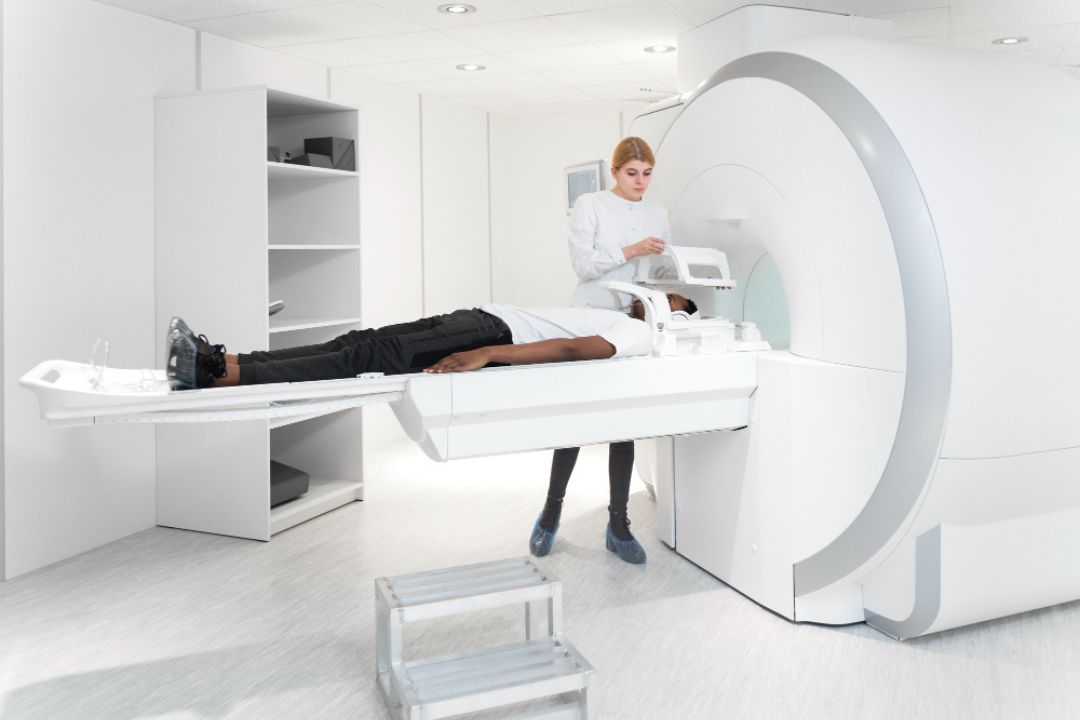
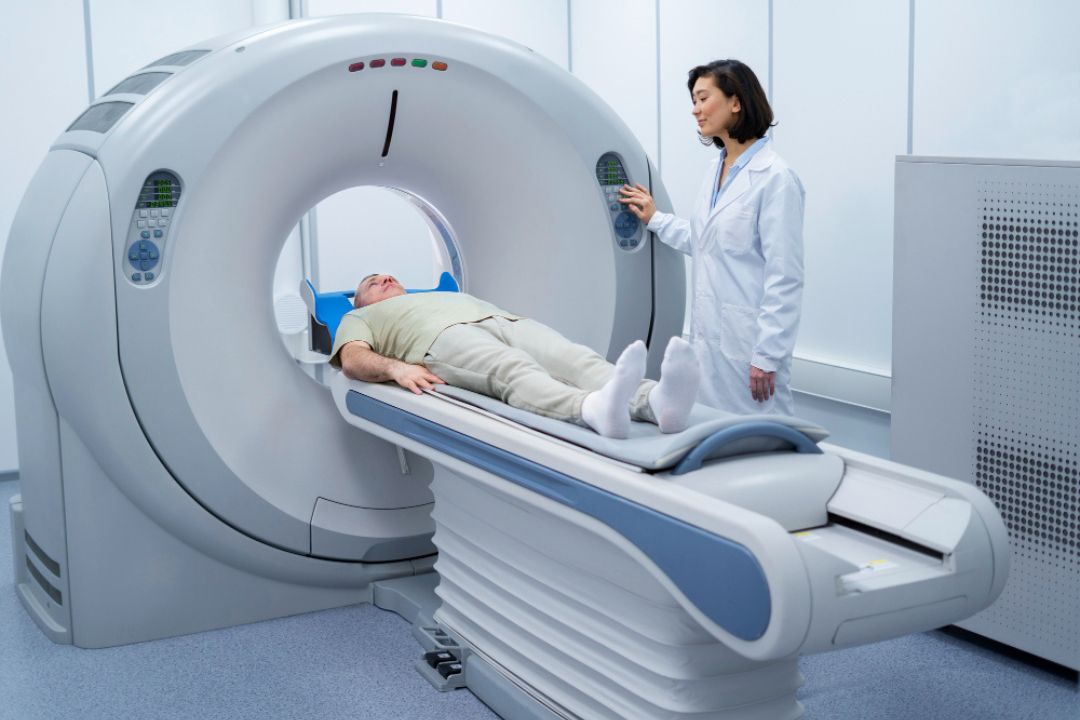
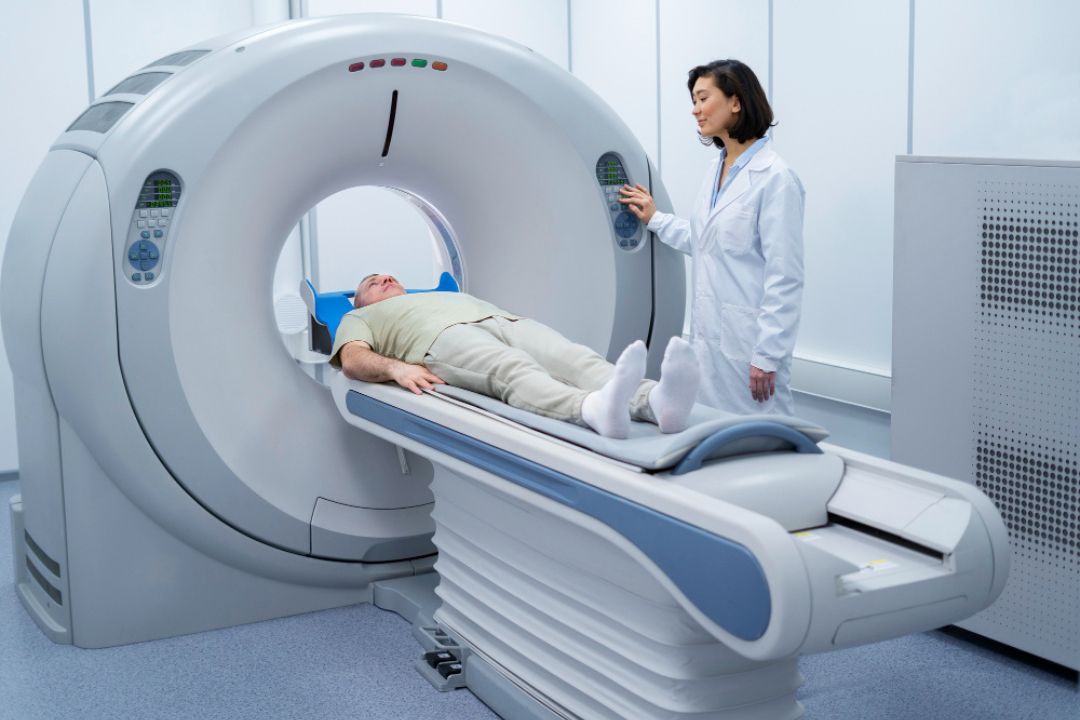
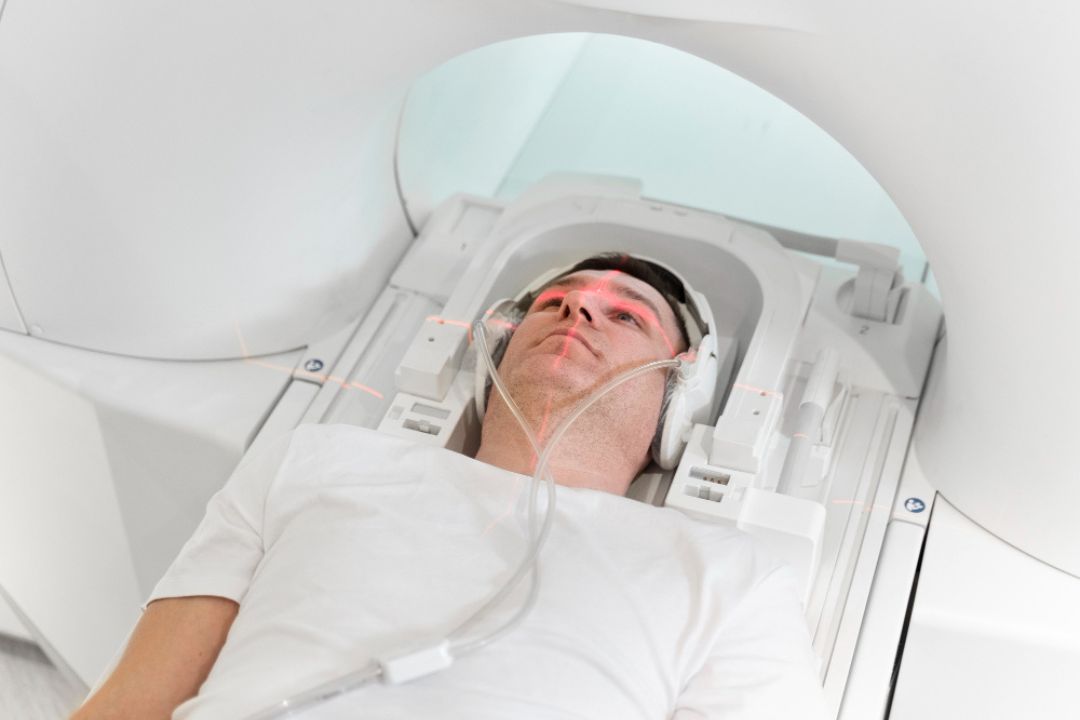
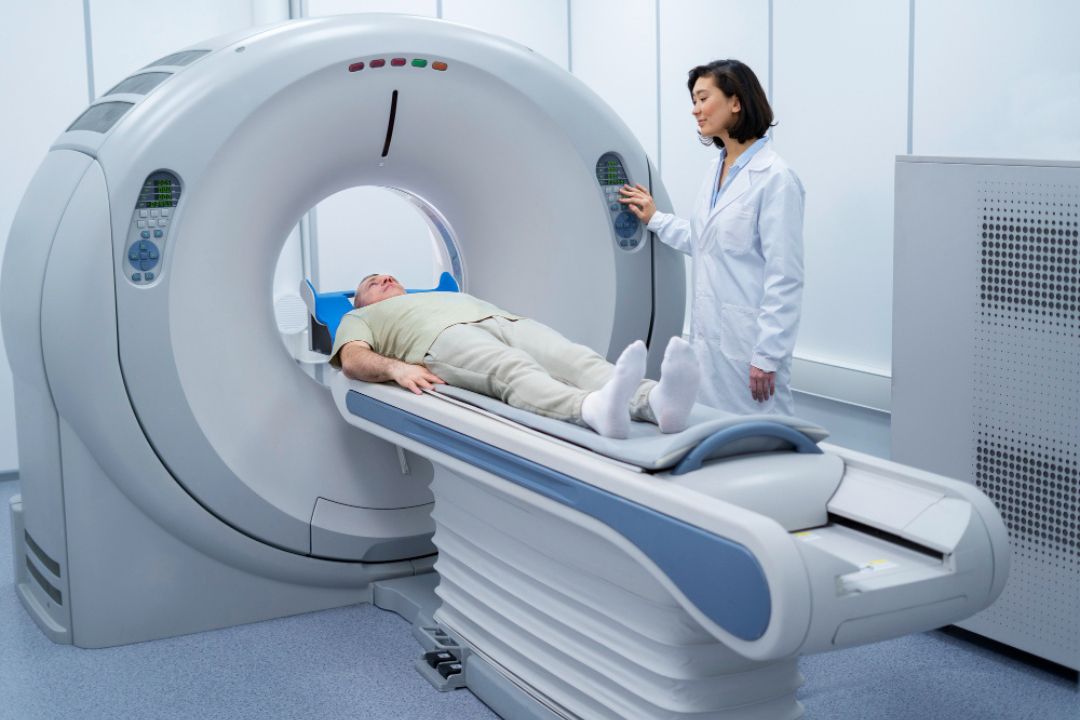
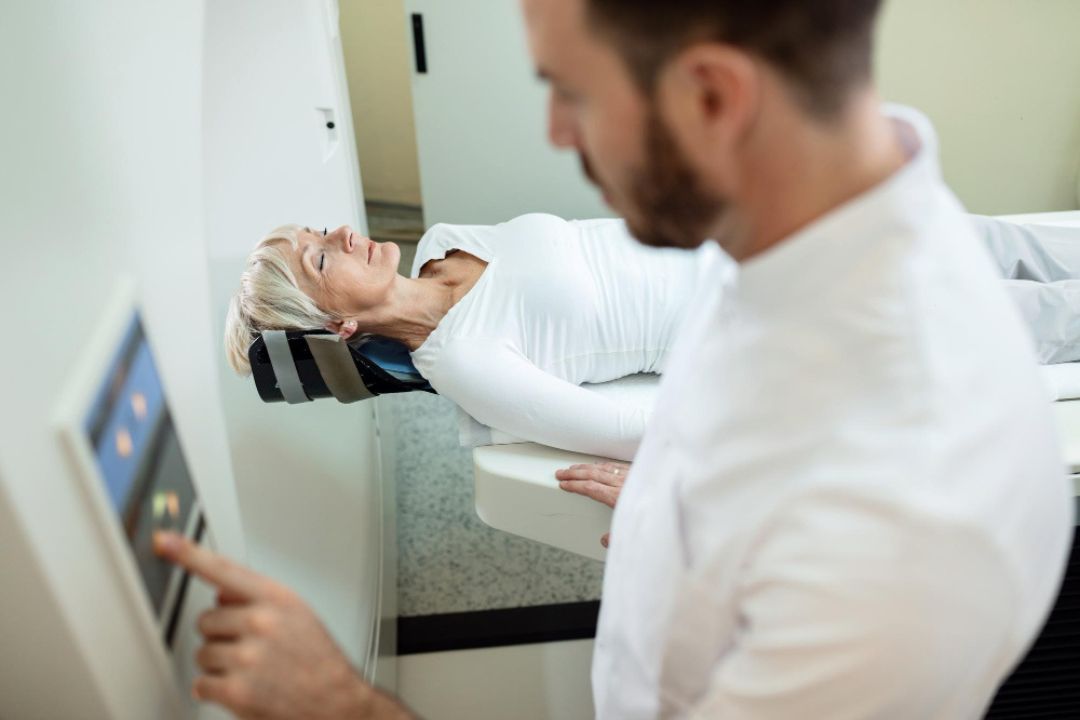
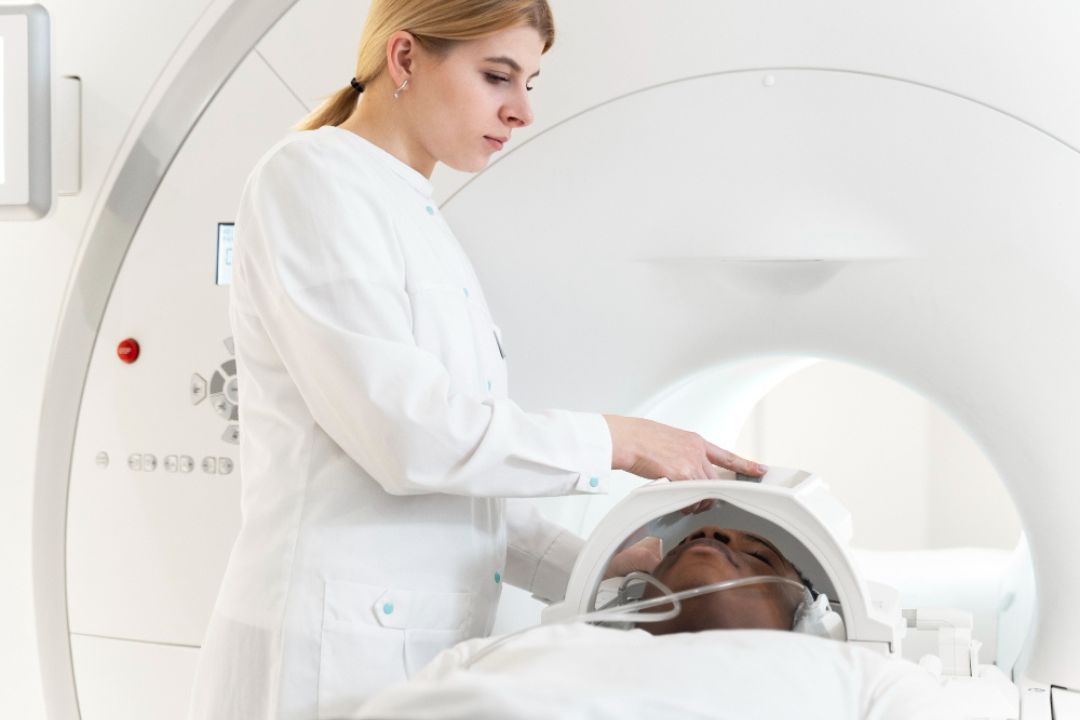
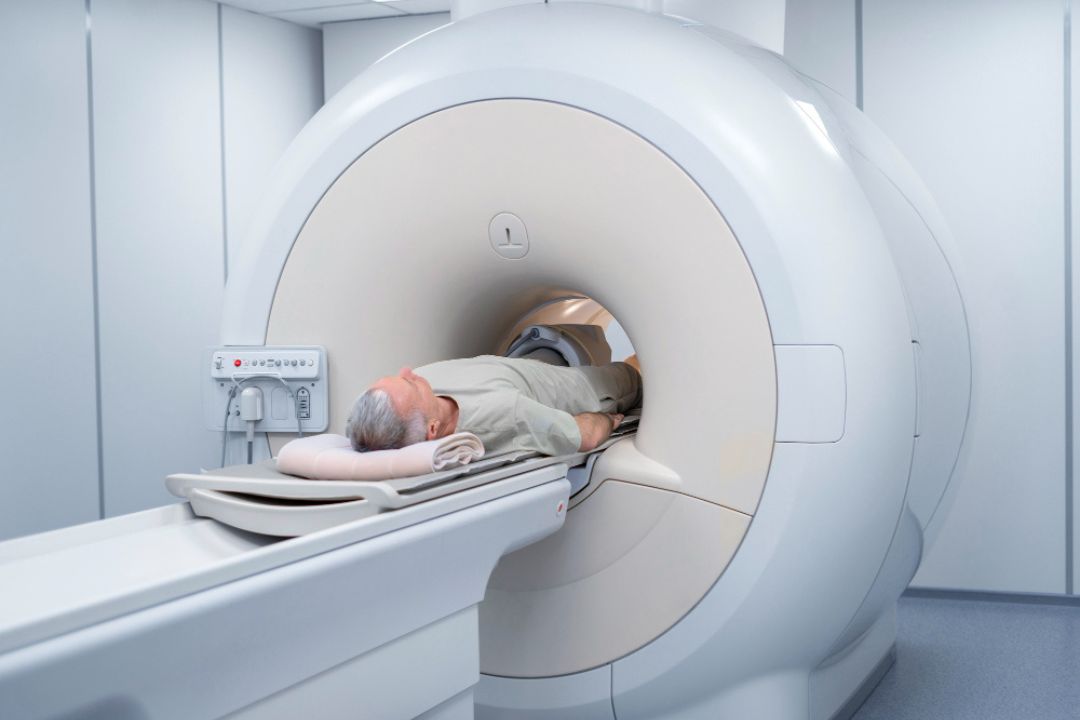
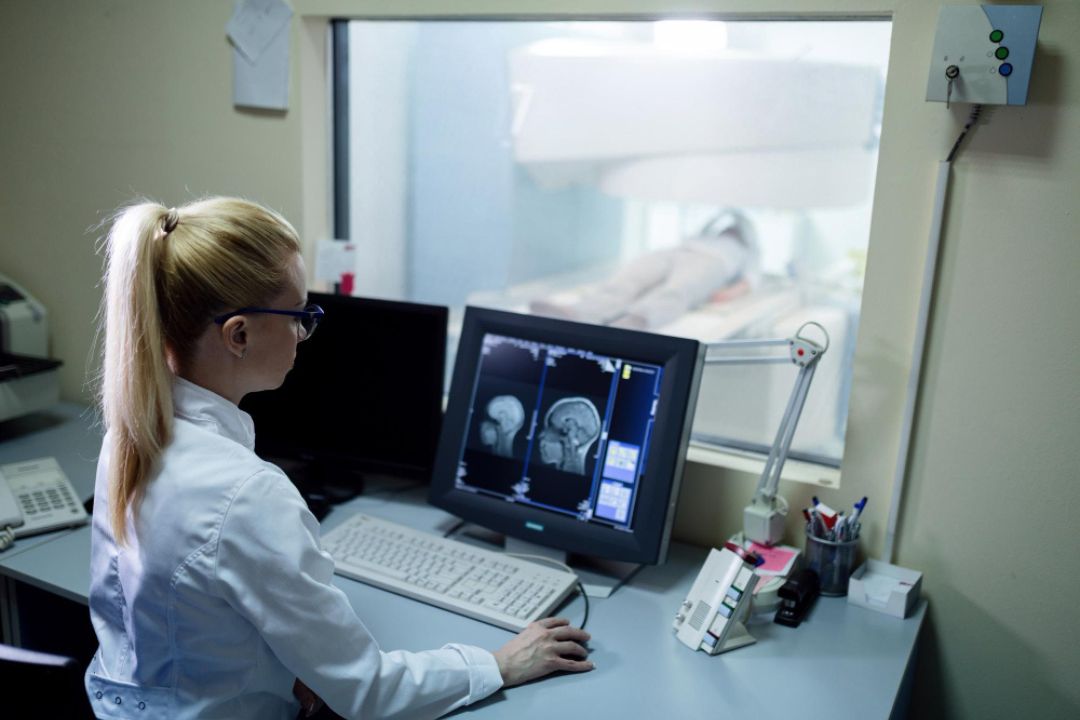
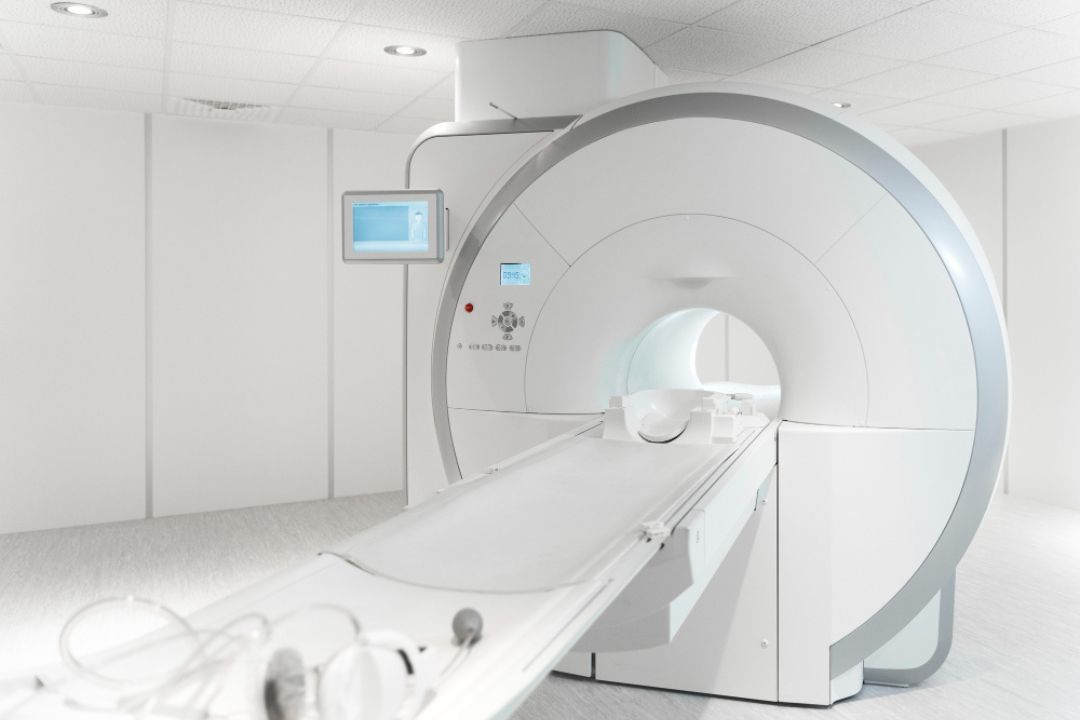
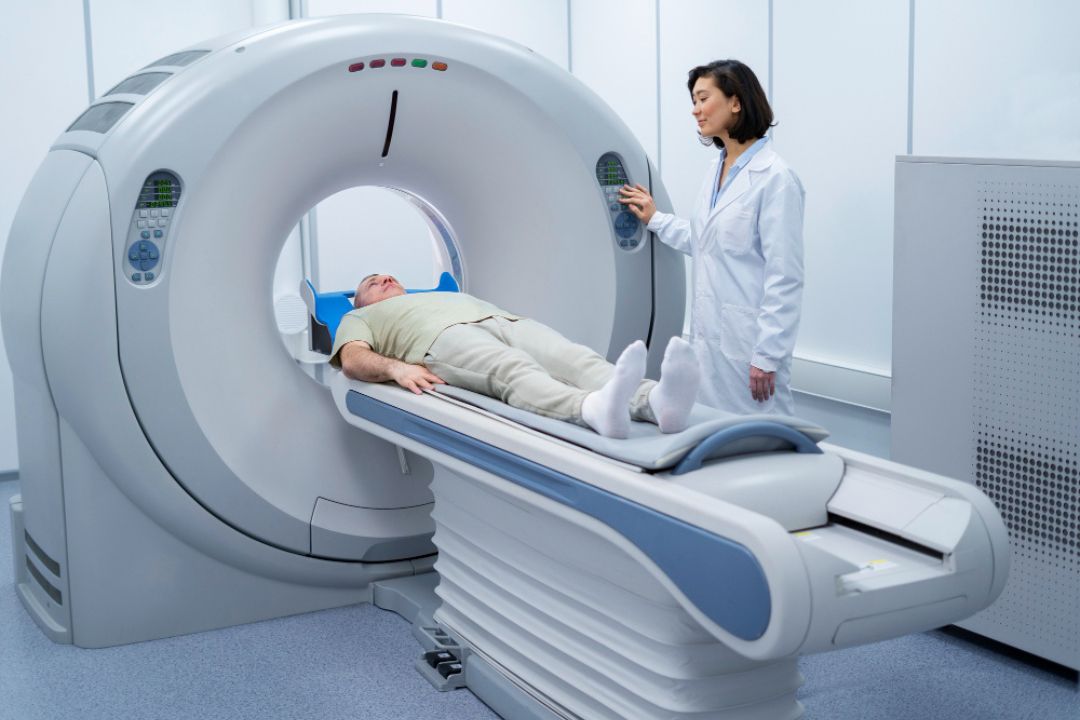
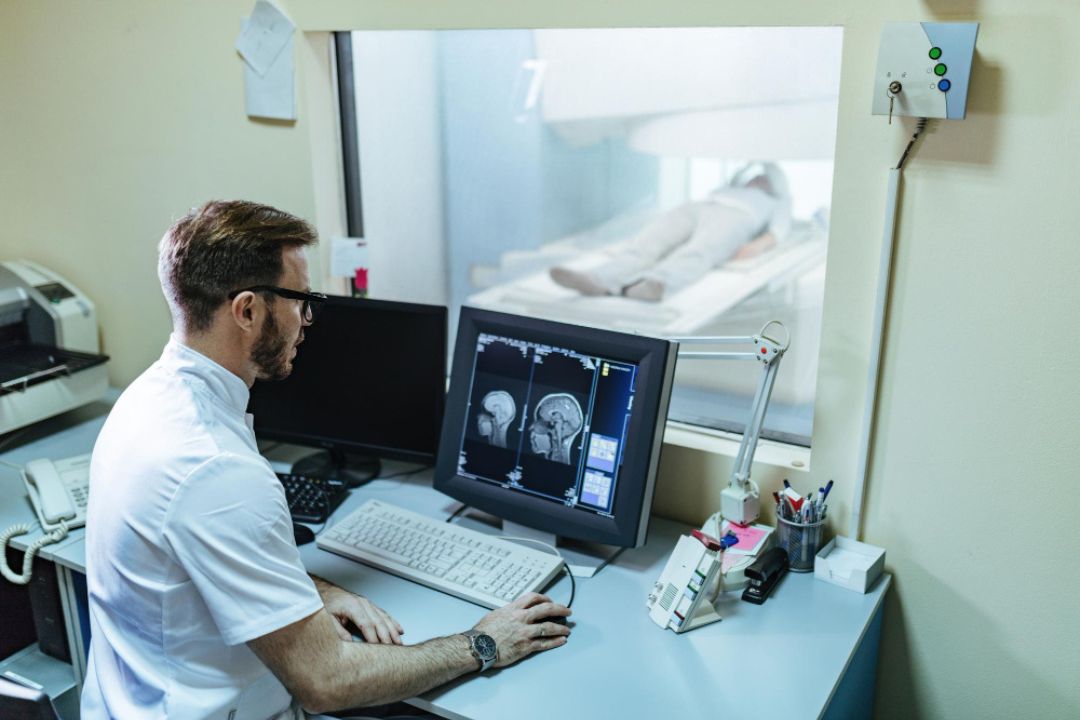
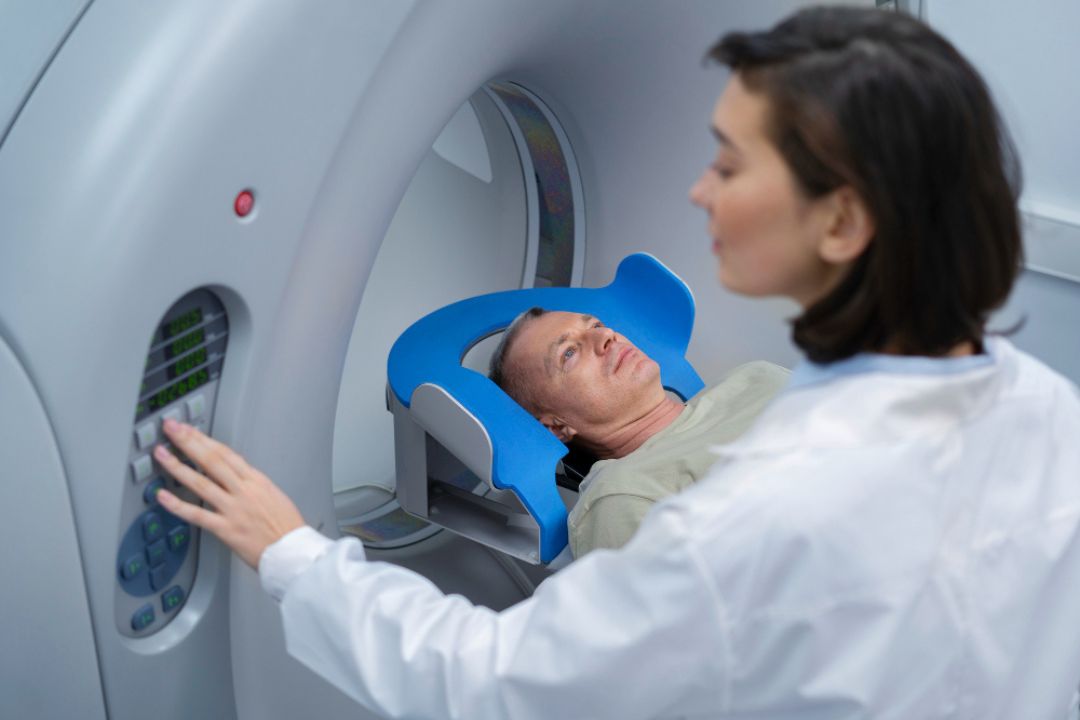
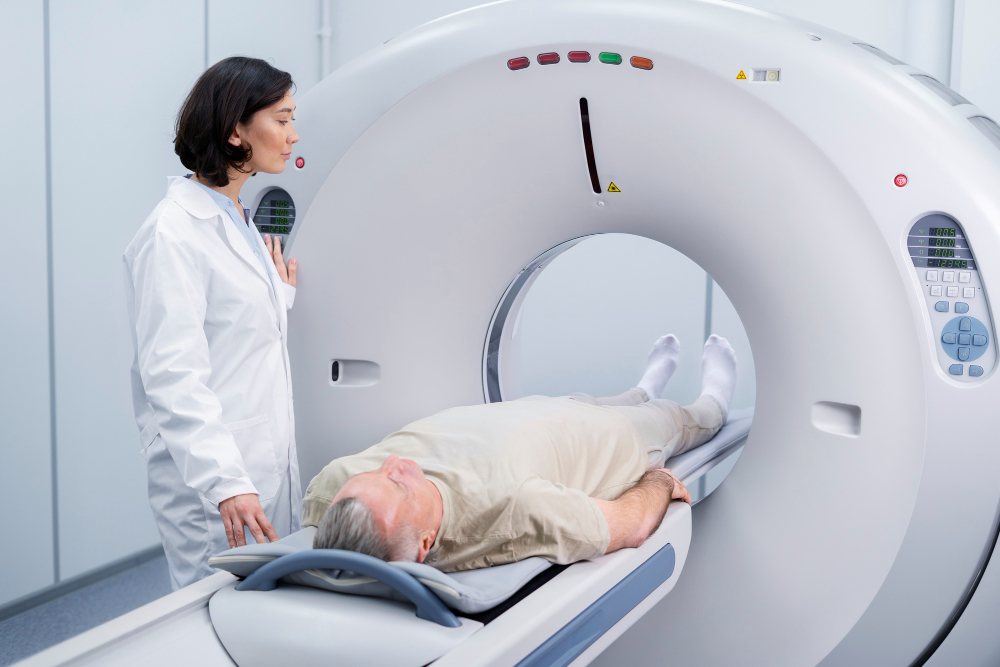
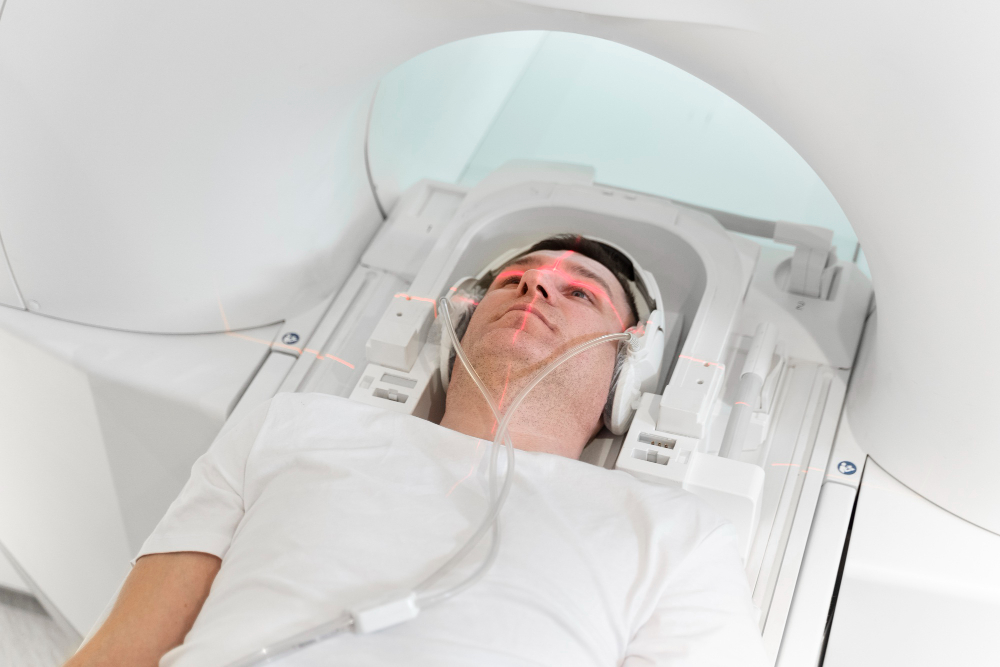
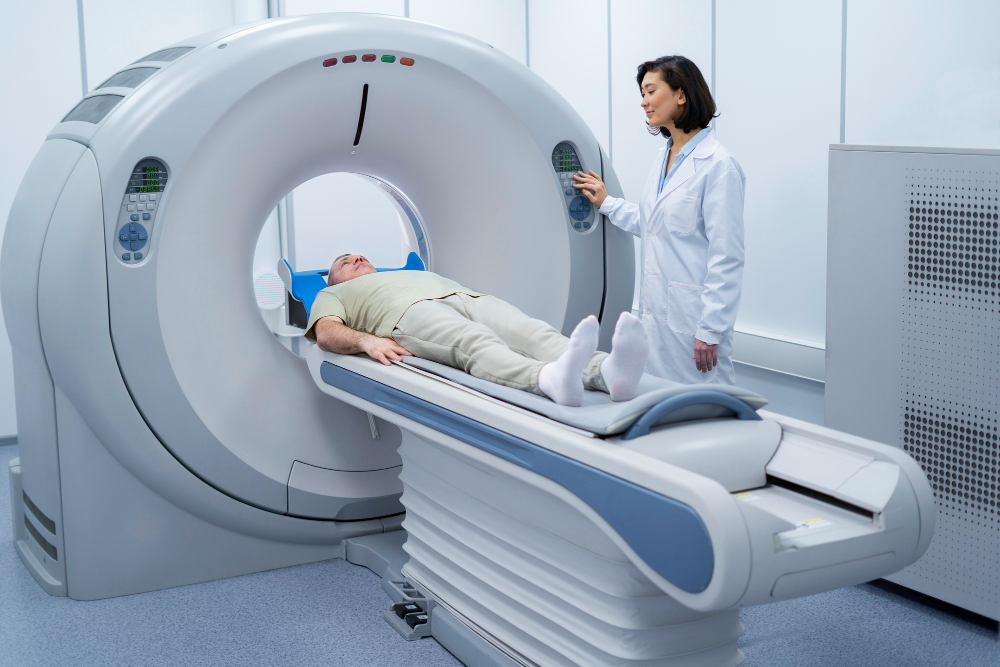
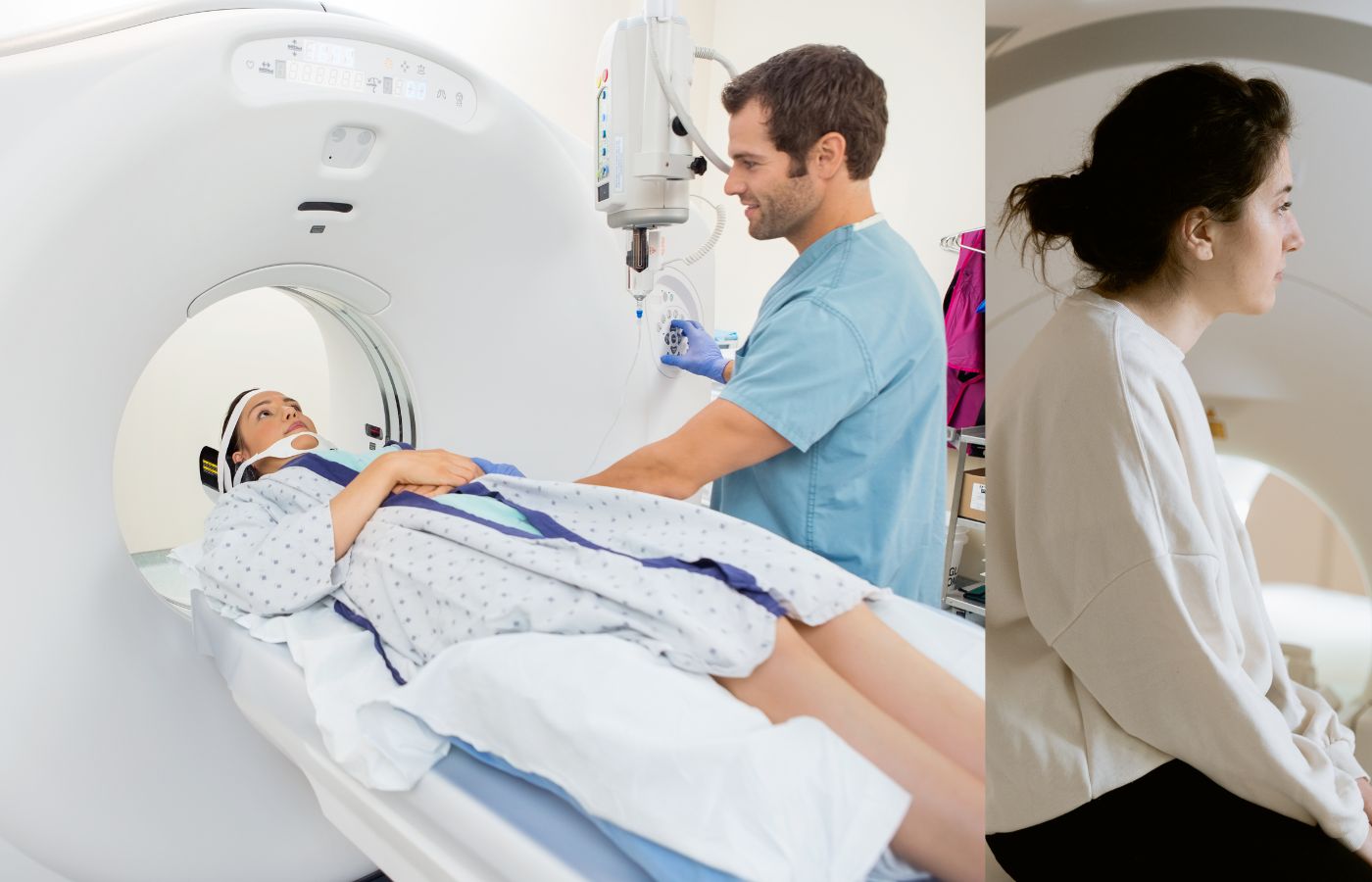
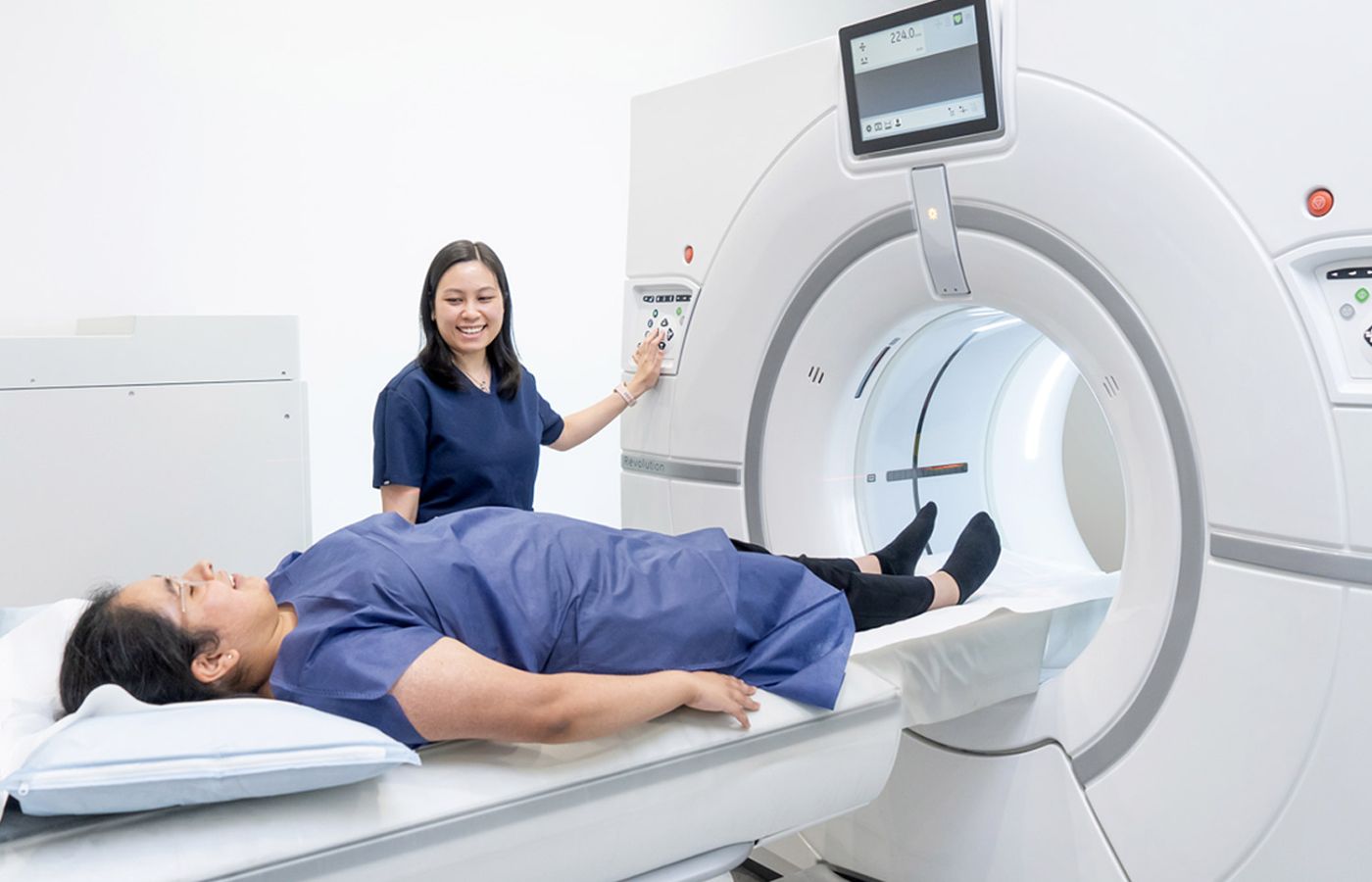
During the procedure, the patient lies on a motorized table that moves slowly through the CT scanner. The scanner rotates around the neck and captures multiple images from different angles.
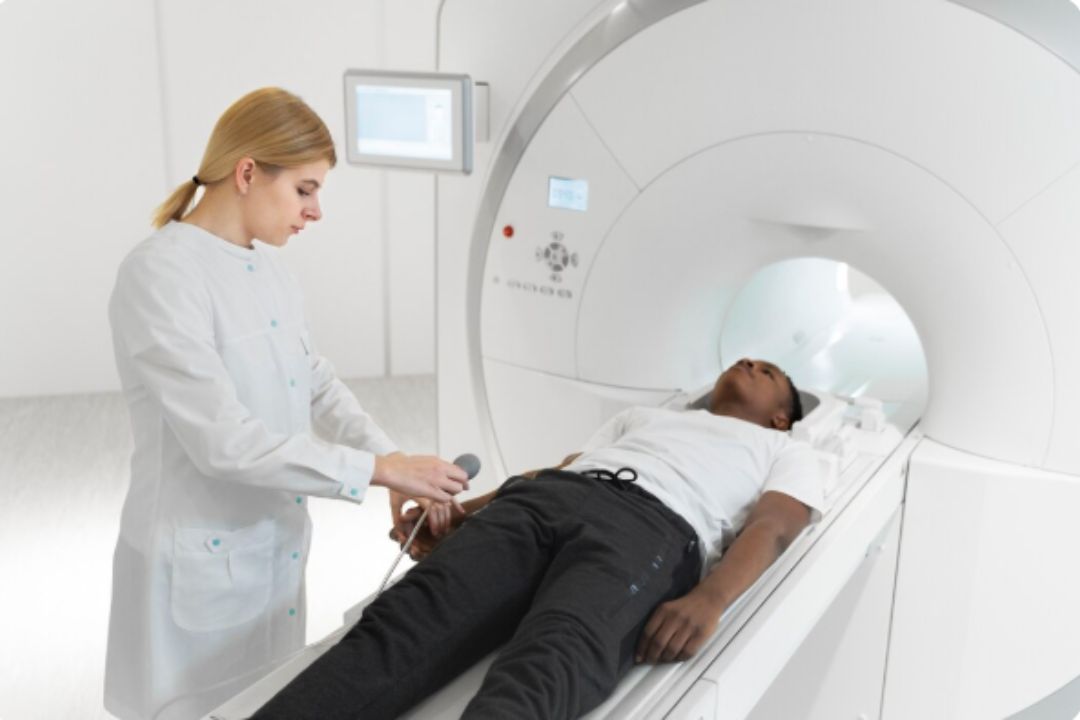
If contrast dye is used, it is injected through an intravenous line to improve image clarity. The dye helps highlight blood vessels and soft tissues.
The entire procedure usually takes around 10 to 15 minutes and is generally painless.
Ultrasound is typically the first imaging test used for thyroid problems because it is quick and does not involve radiation. However, CT scans offer advantages in certain situations.
A CT scan can:
Show deeper structures that ultrasound cannot detect
Evaluate large thyroid tumors
Detect cancer spread to lymph nodes
Provide detailed images for surgical planning
Because of these advantages, CT scans are often used when ultrasound results are inconclusive or when more detailed imaging is required.
Neck CT scans offer several advantages in thyroid diagnosis:
Highly detailed images of neck structures
Quick and widely available diagnostic tool
Helpful in cancer staging and treatment planning
Ability to detect abnormalities beyond the thyroid gland
Accurate assessment of tumor spread
These benefits make CT imaging an important diagnostic tool in thyroid care.
Although CT scans are generally safe, they involve exposure to a small amount of radiation. The risk is considered minimal compared to the benefits of accurate diagnosis.
Some patients may experience mild reactions to contrast dye, such as a warm sensation or nausea. Severe allergic reactions are rare.
Doctors carefully evaluate each patient before recommending the scan to ensure it is appropriate and safe.
Neck CT scans play a vital role in the diagnosis and evaluation of thyroid disorders. By providing detailed images of the thyroid gland and surrounding structures, these scans help doctors detect abnormalities, assess disease progression, and plan effective treatment.
While ultrasound remains the first-line imaging test for many thyroid conditions, CT scans offer deeper insights when more comprehensive imaging is needed. If your doctor recommends a neck CT scan, it can be an important step toward accurate diagnosis and better management of thyroid health.












.jpg "ct brain scan plain and contrast")





















.jpg "ct scan")

.jpg "ct scan or mri for brain disorders")


.jpg "exploring the power of ct brain contrast in modern diagnostics")
.jpg "ct scan")
.jpg "ct scan")










.jpg "ct scan")

.jpg "CT Brain Scan for Headaches")
.jpg "The Future of 3D CT Imaging")