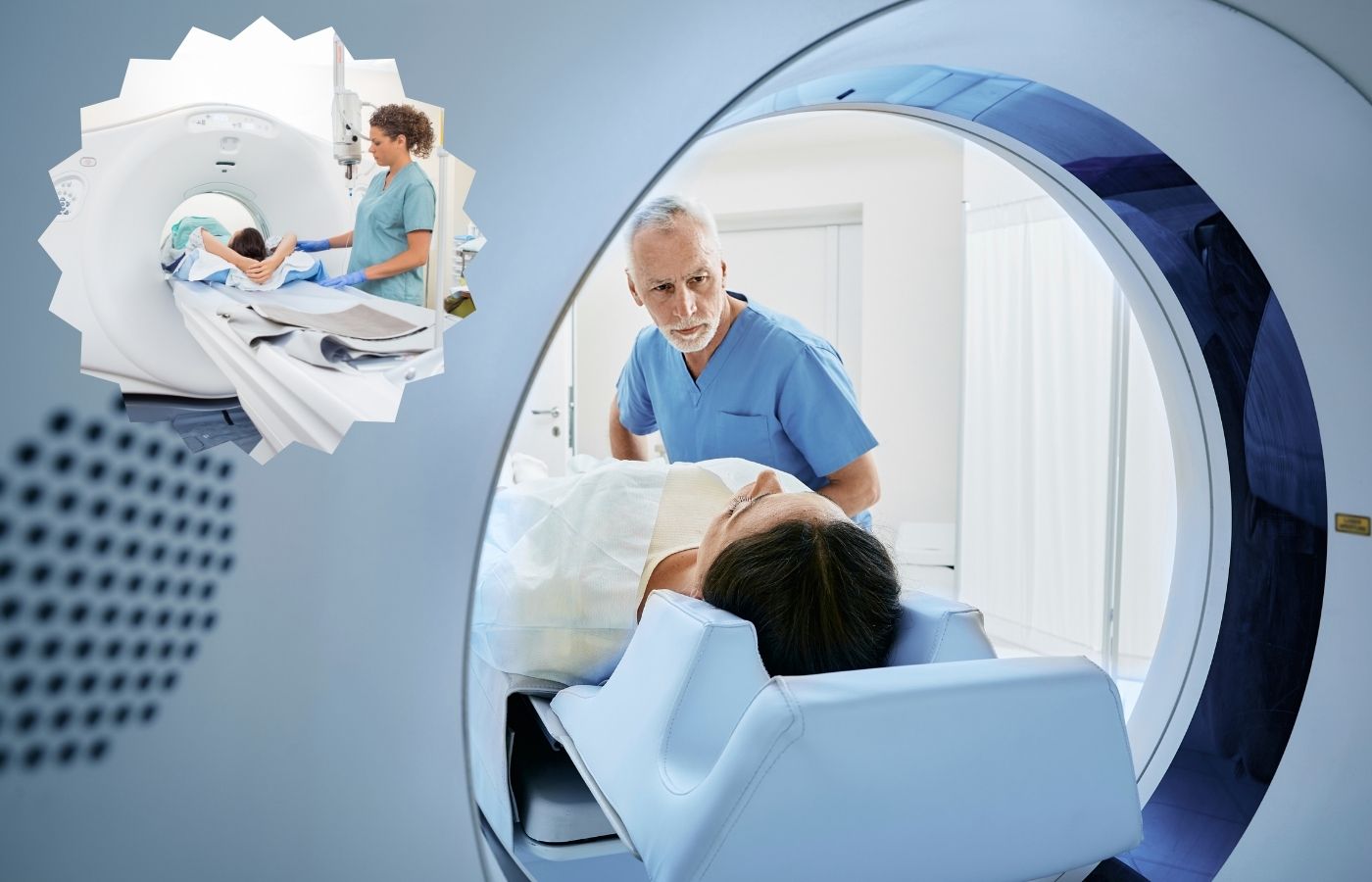
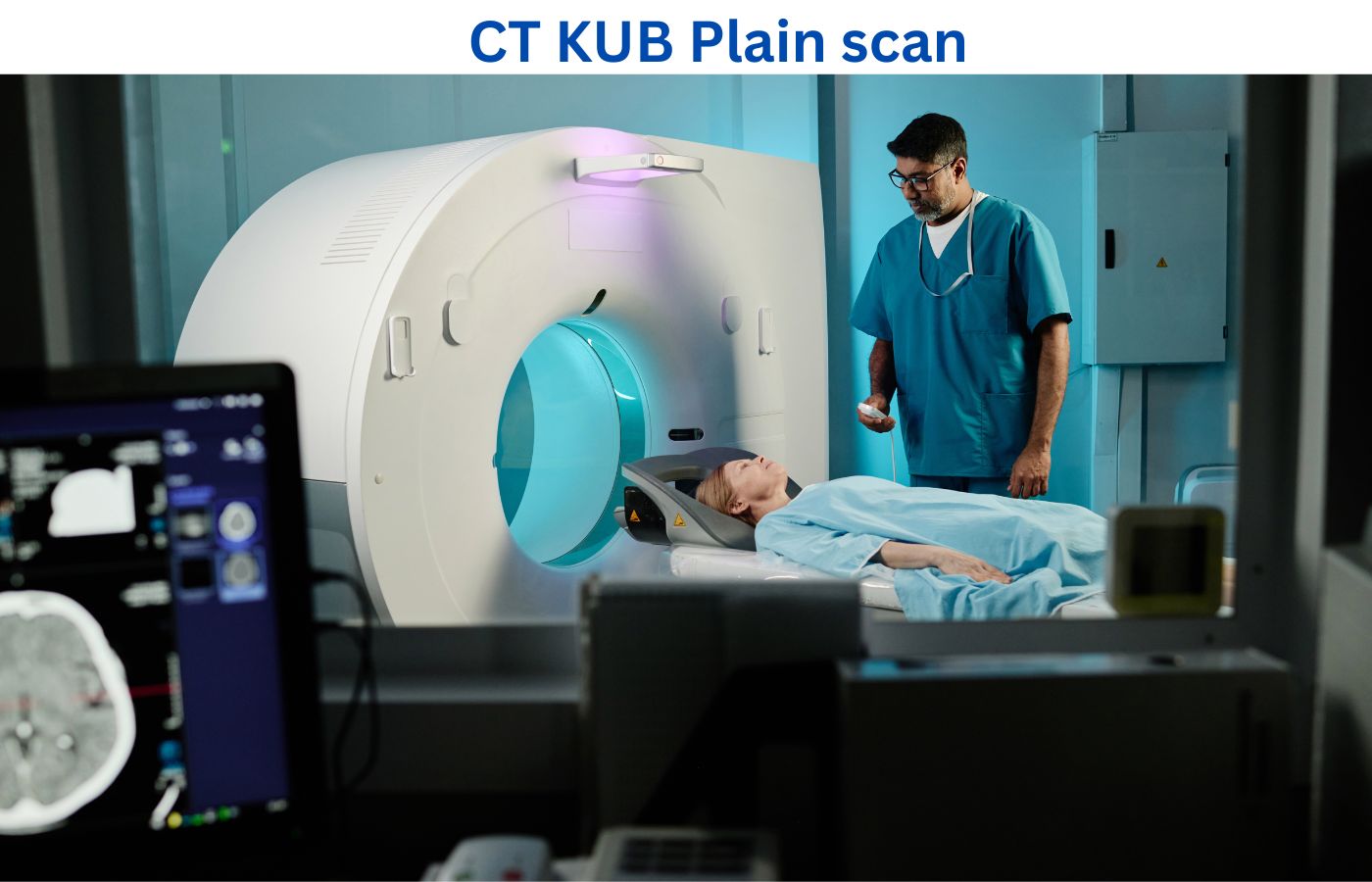
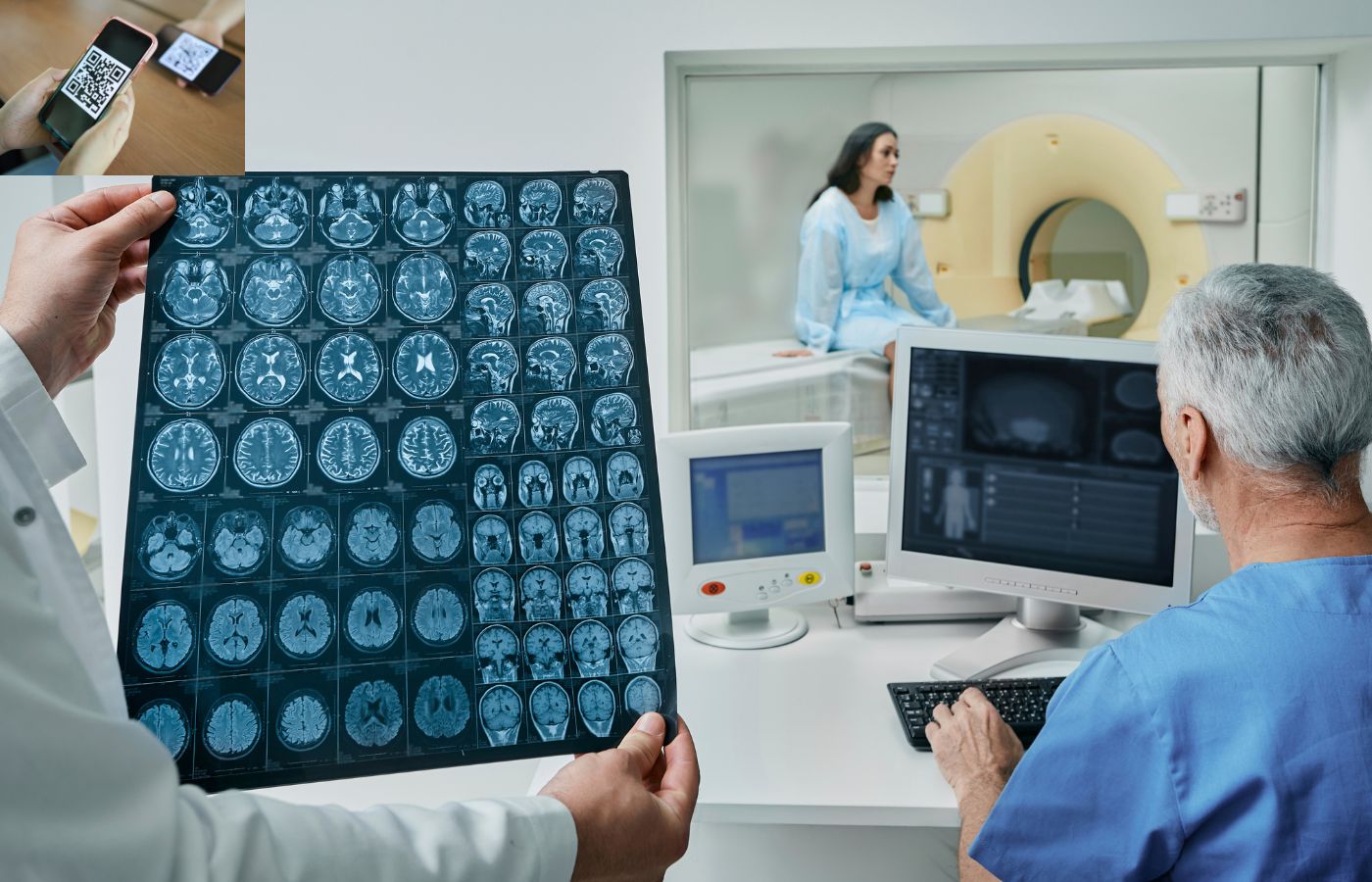
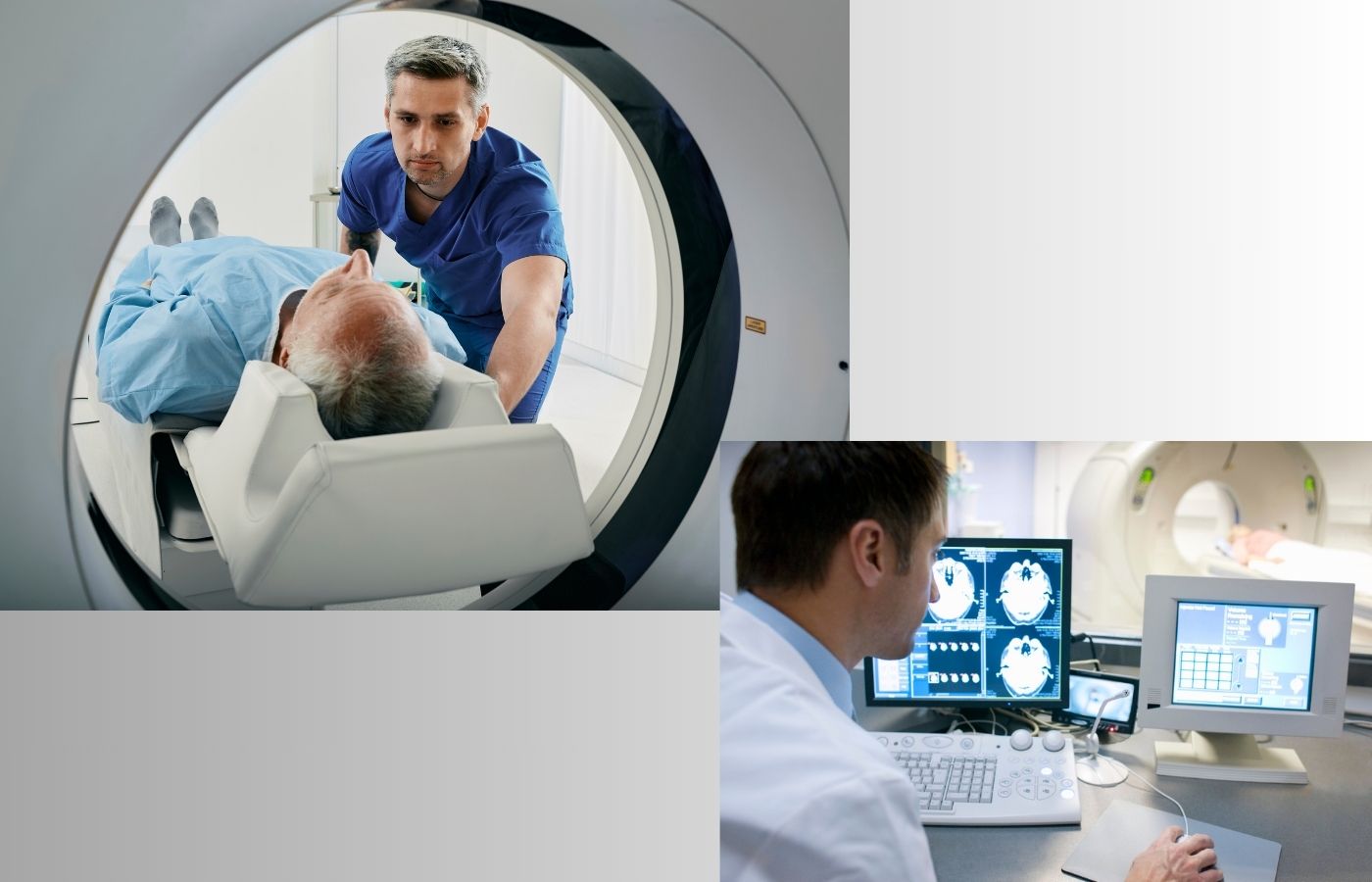
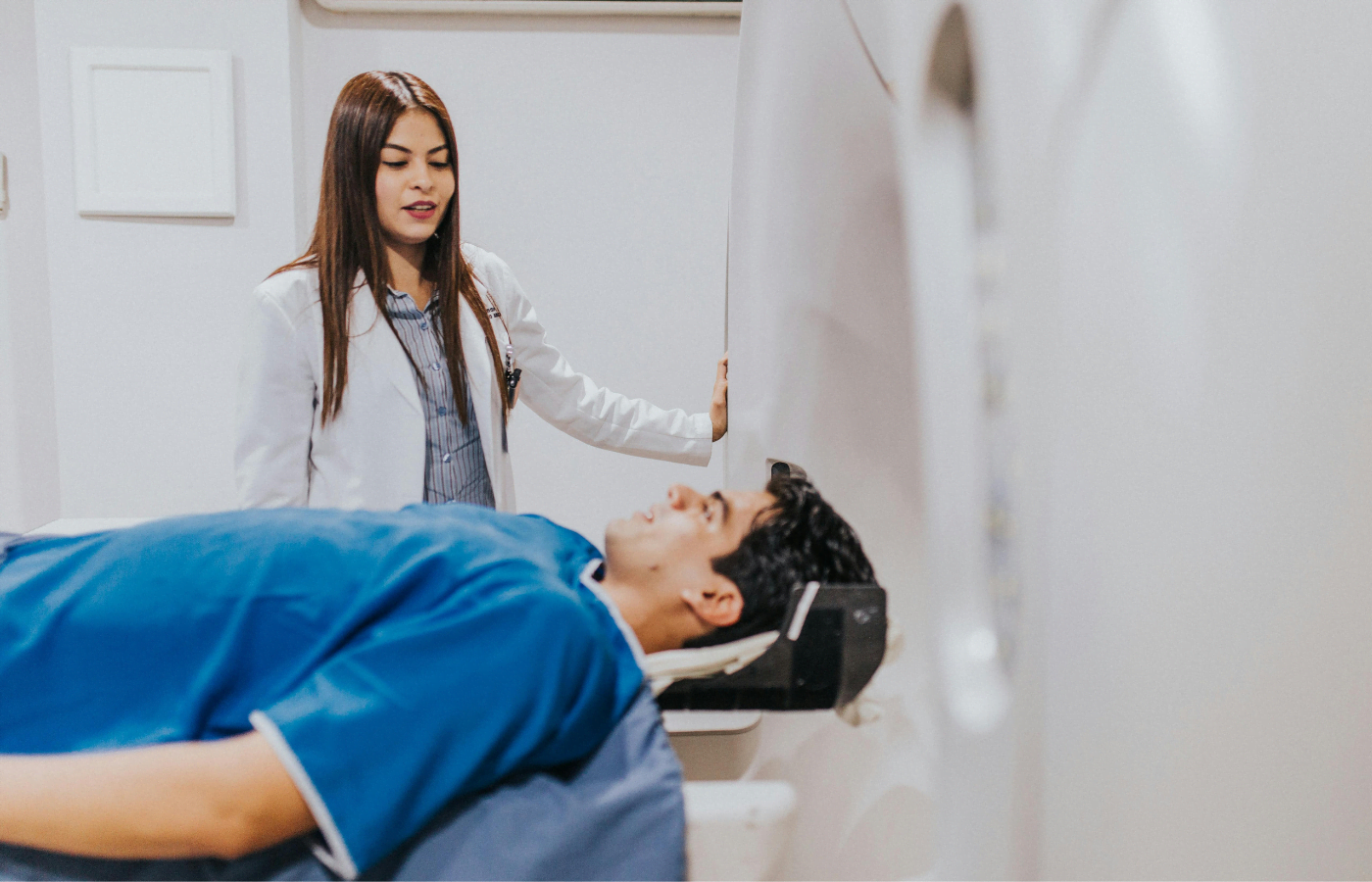
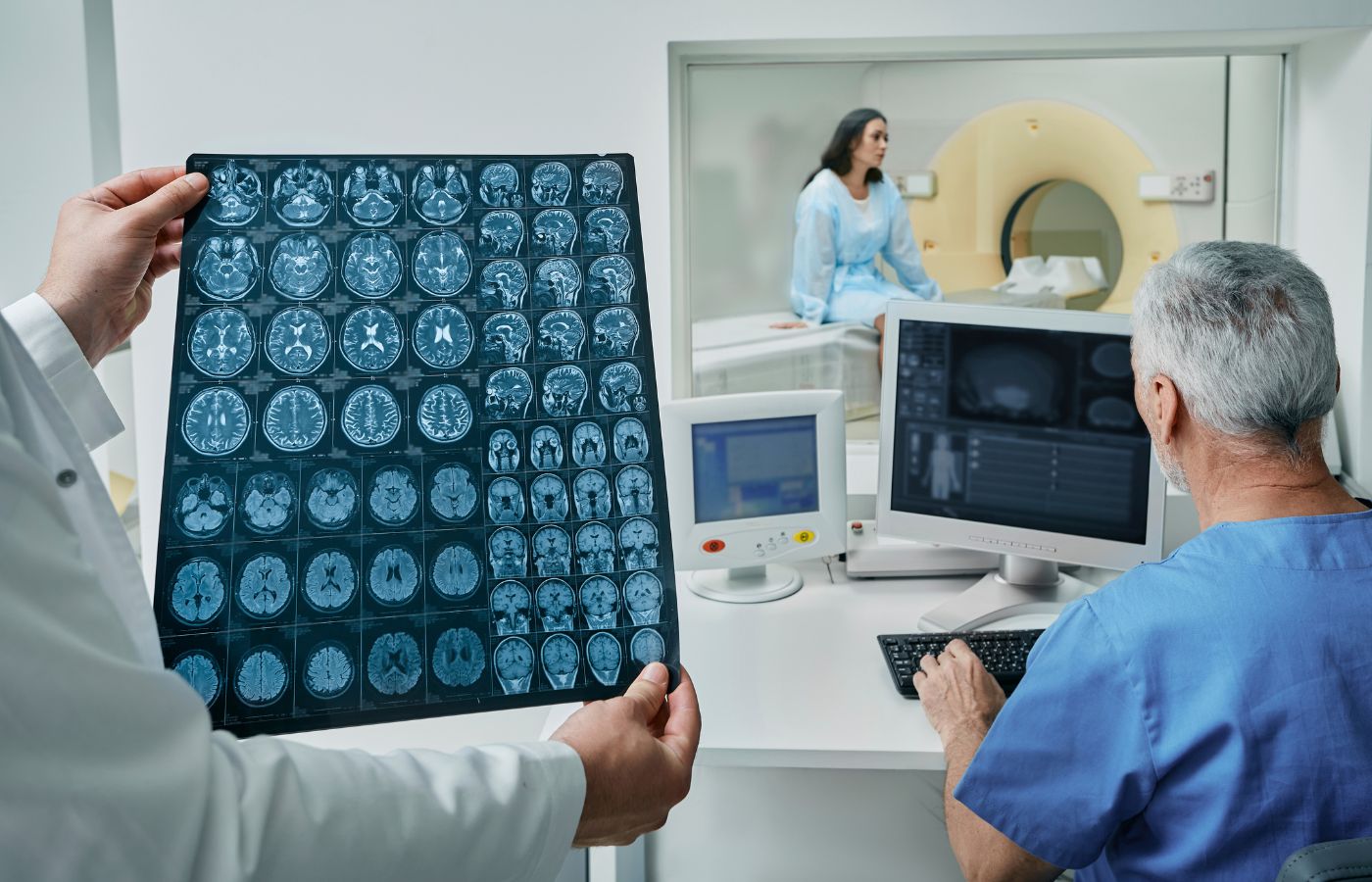
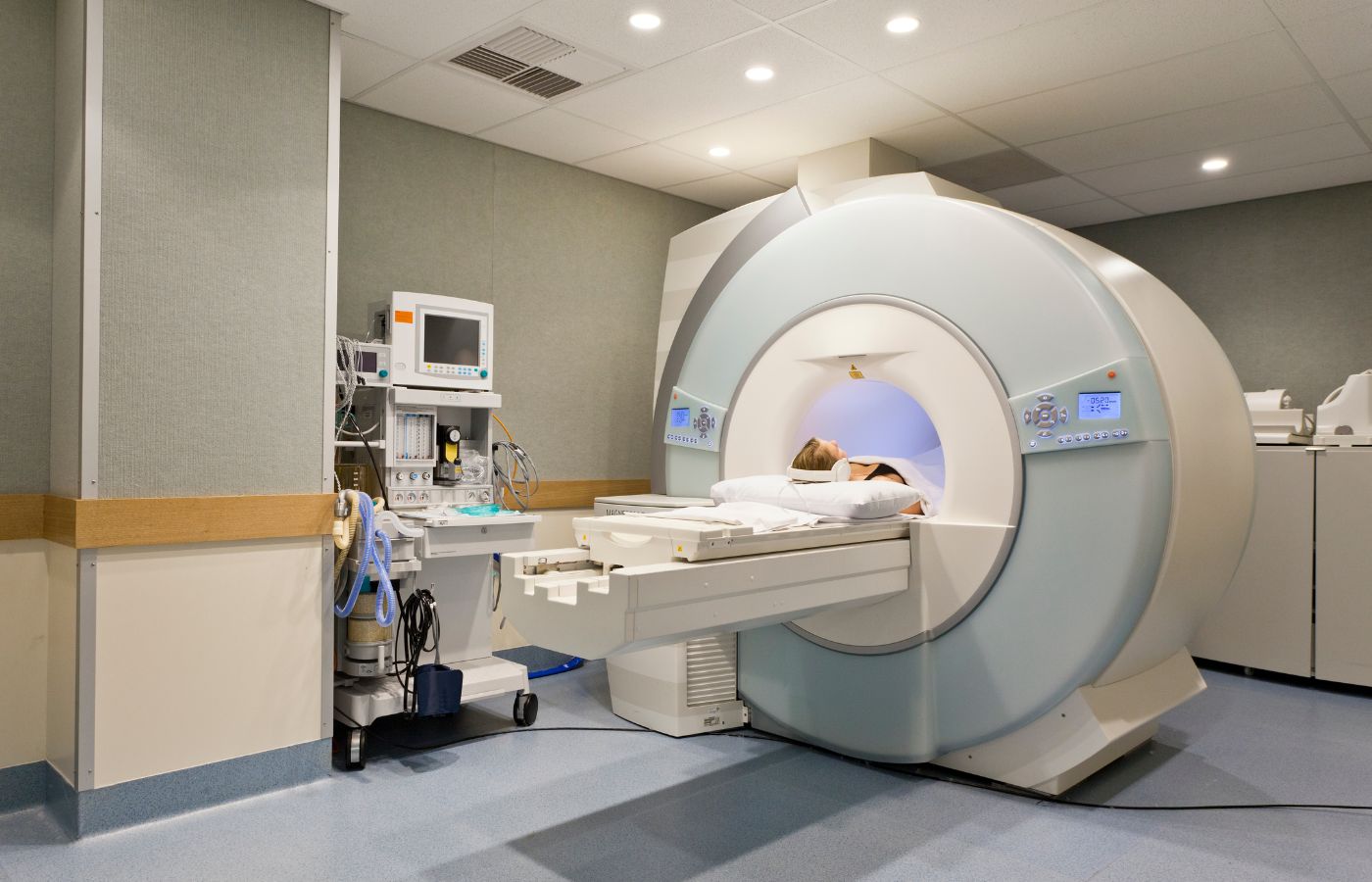
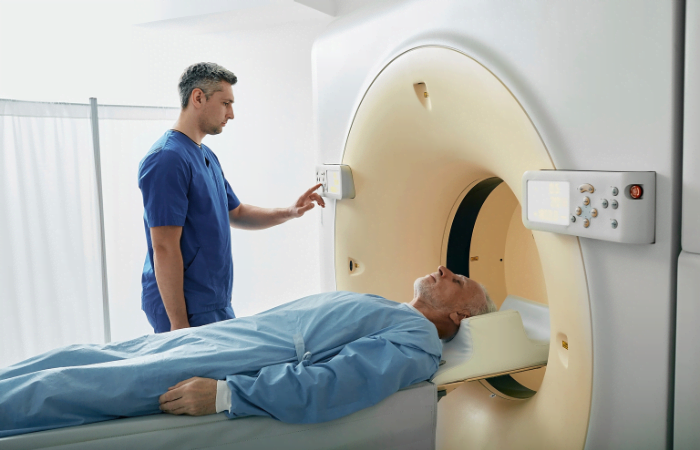
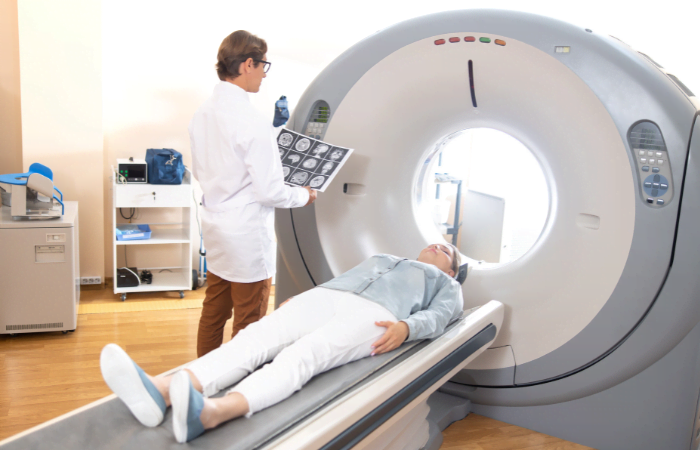
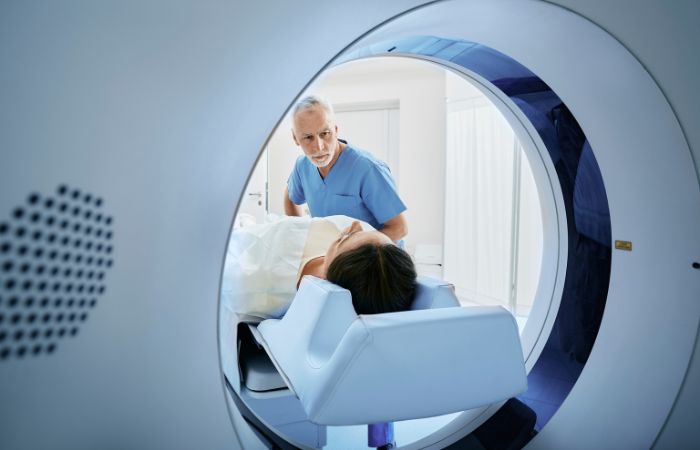
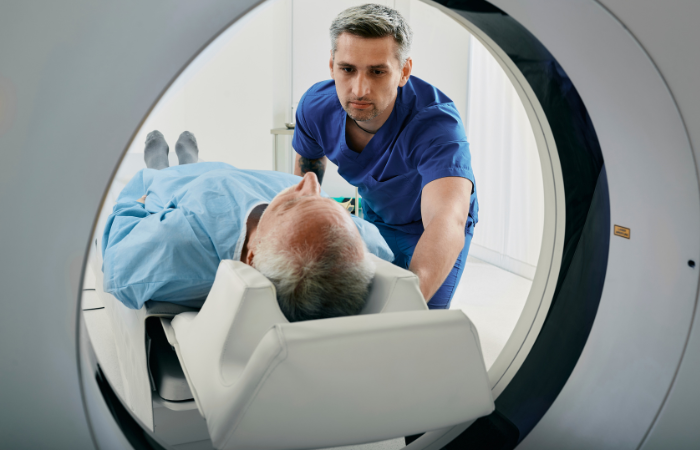
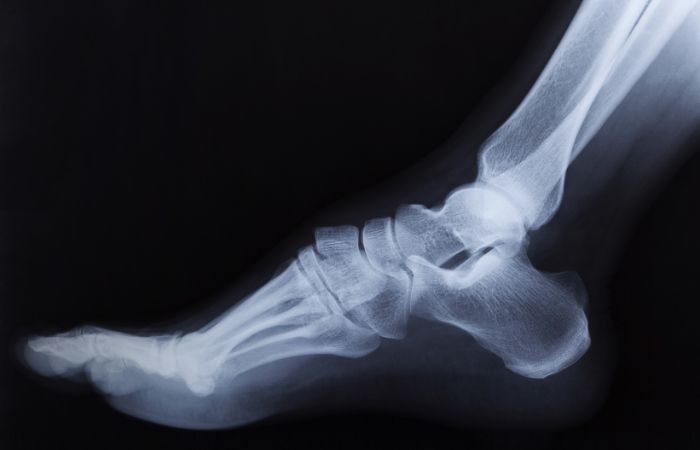
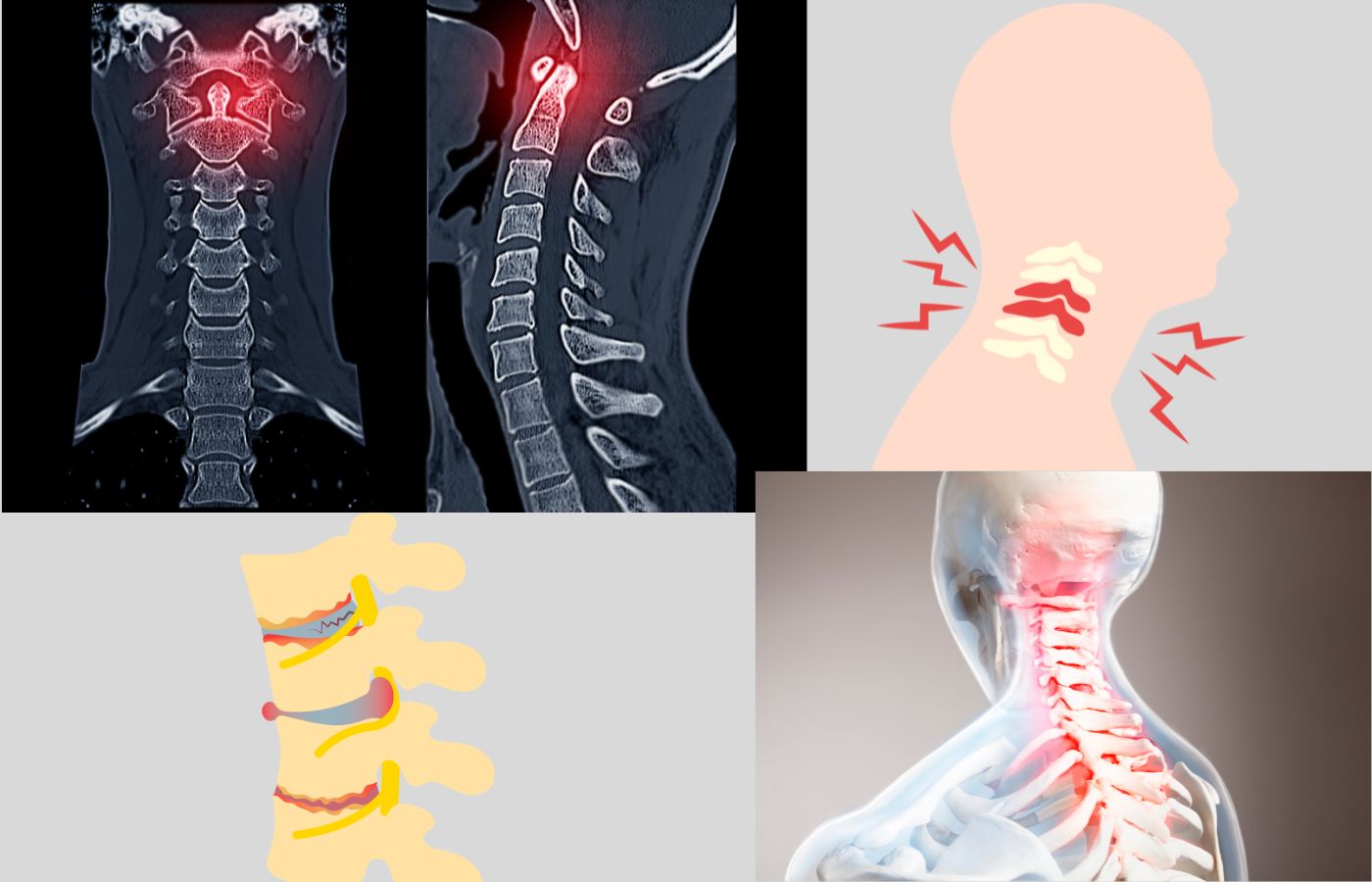
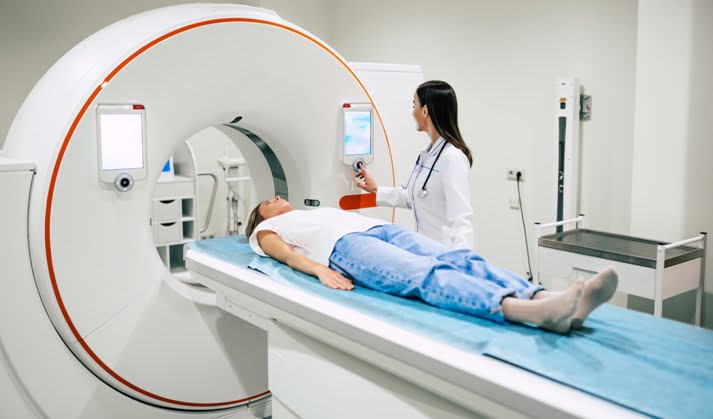
.jpg "ct scan with contrast for fungal sinus infection")
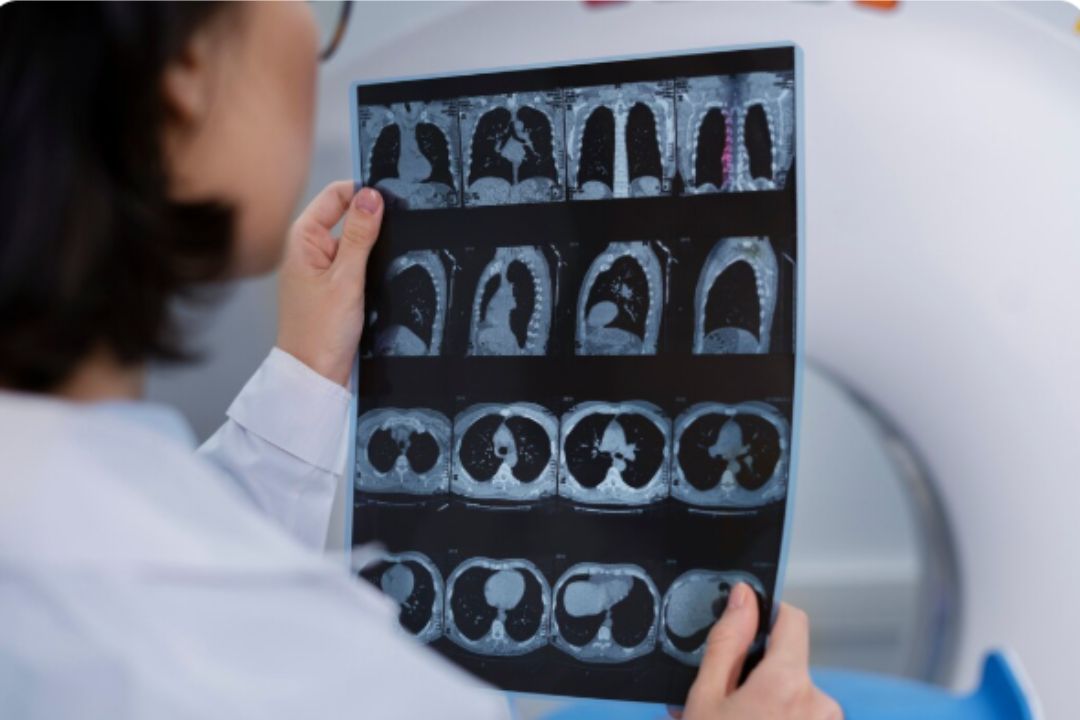
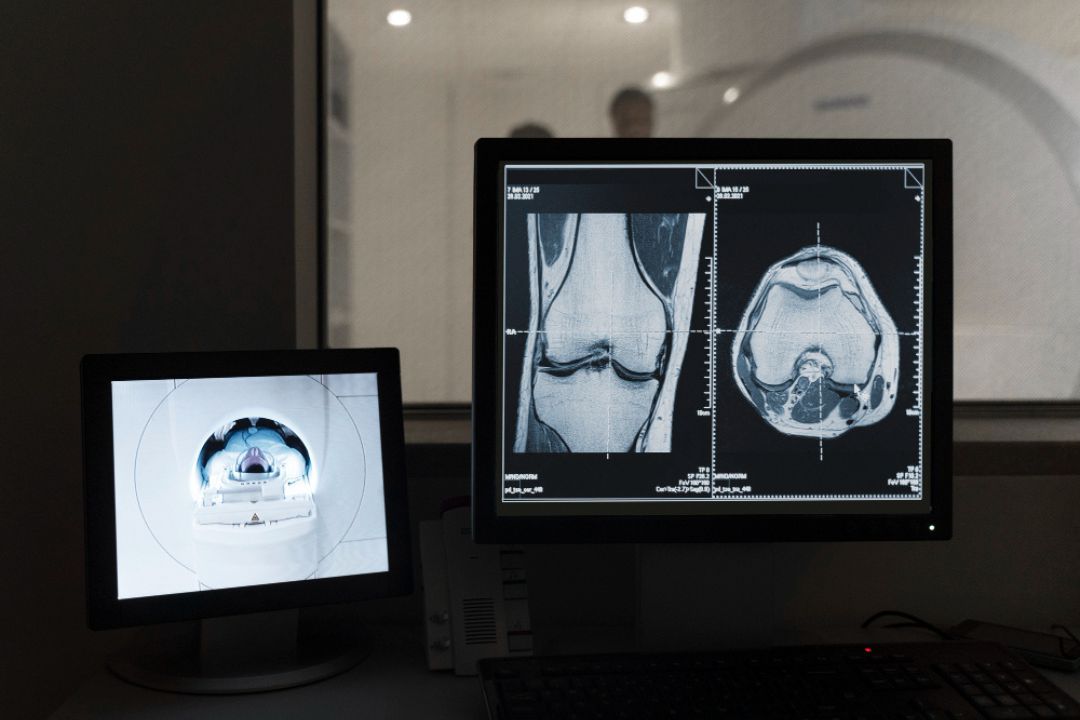
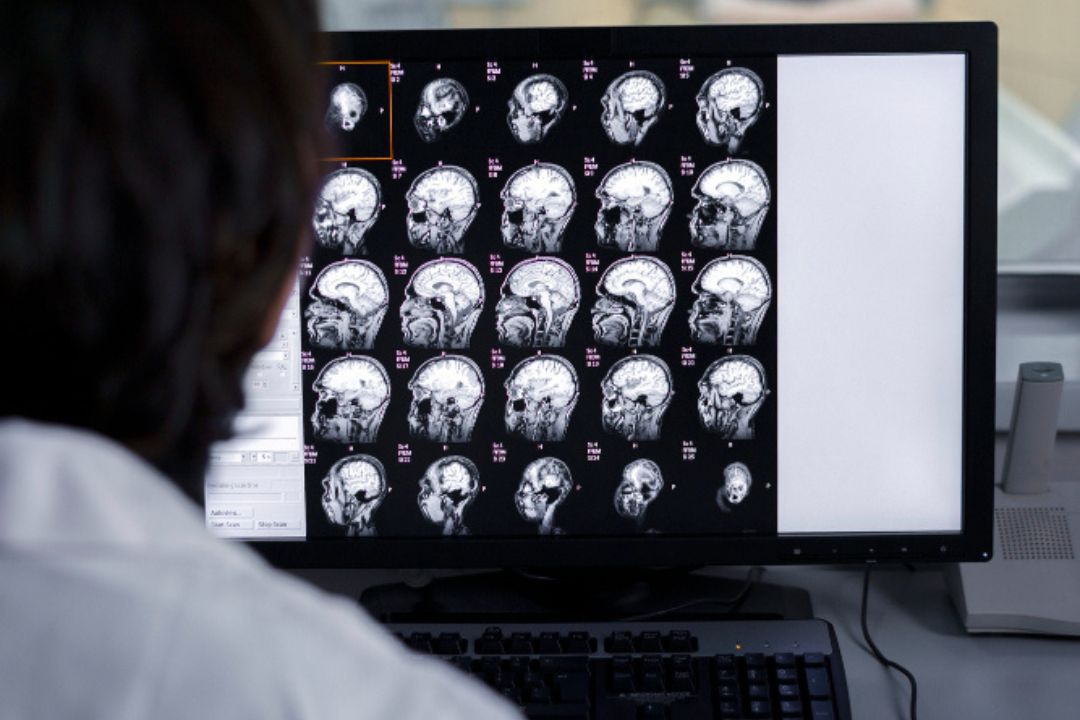
A CT scan with contrast is an advanced imaging test used to diagnose sinus infections, including fungal sinus infections. This scan produces detailed cross-sectional images of the sinuses, helping doctors identify inflammation, blockages, fungal growth, or damage to surrounding structures.
Fungal sinus infections occur when fungi enter the sinus cavities and begin to grow. These infections are more common in people with weakened immune systems but can also occur in otherwise healthy individuals. Imaging tests such as CT scans help doctors locate the infection and determine its severity.
A CT Scan is a diagnostic imaging procedure that uses X-rays and computer processing to create detailed images of internal structures. When contrast dye is used, it highlights blood vessels, tissues, and areas of inflammation, allowing doctors to see abnormalities more clearly.
Contrast-enhanced CT scans are especially useful when doctors suspect complications or invasive infections that may spread beyond the sinuses.
A fungal sinus infection occurs when fungal organisms enter the sinus cavities and grow in the moist environment of the nasal passages. These infections can range from mild to severe.
Common types include:
Allergic fungal sinusitis
Fungal ball (mycetoma)
Chronic fungal sinusitis
Invasive fungal sinusitis
If left untreated, invasive fungal sinus infections can spread to nearby areas such as the eyes or brain, causing serious complications.
Doctors may recommend a CT scan with contrast when symptoms suggest a fungal infection or when standard imaging does not provide enough information.
Common reasons include:
Persistent sinus infections
Severe sinus pain or pressure
Facial swelling
Vision problems related to sinus infection
Suspected fungal growth in the sinuses
Evaluation before sinus surgery
A CT scan helps determine the extent of infection and whether surrounding structures such as bones or tissues are affected.
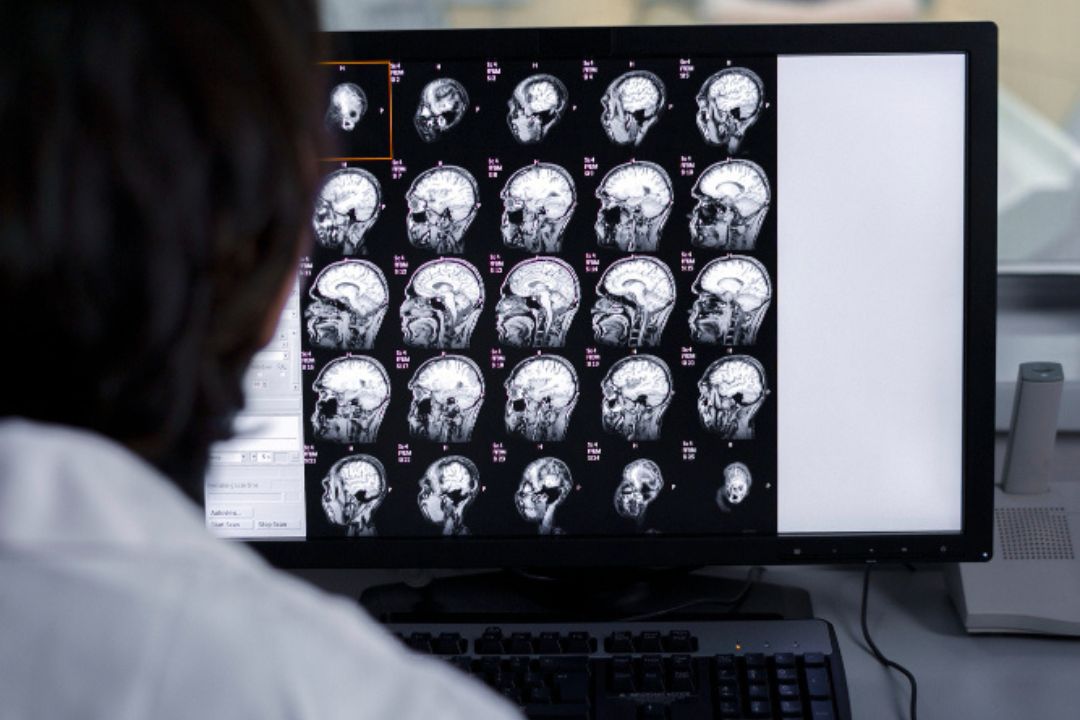
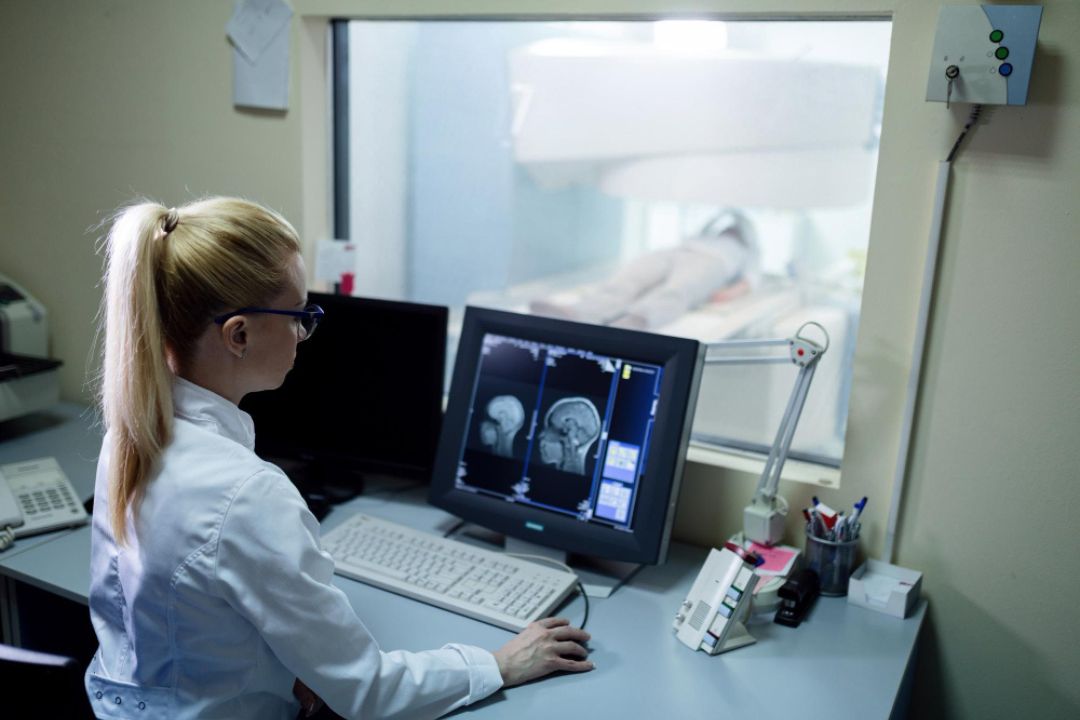
CT imaging provides detailed views of the sinus cavities and surrounding structures. Certain findings on CT scans may suggest fungal infection.
These may include:
Thickening of sinus lining
Blockage or opacification of sinus cavities
Dense fungal material inside the sinuses
Bone erosion or destruction in severe cases
Extension of infection beyond the sinus walls
Radiologists analyze these patterns to determine whether the infection may be fungal rather than bacterial.
A CT scan of the sinuses typically examines several sinus cavities located around the nose and eyes.
These include:
Maxillary sinuses located in the cheek area
Ethmoid sinuses located between the eyes
Frontal sinuses located in the forehead
Sphenoid sinuses located deeper behind the nasal cavity
Fungal infections can affect one or multiple sinus cavities, and CT imaging helps determine which areas are involved.
Preparation for a Contrast CT Scan is usually simple.
Patients may be asked to avoid eating for several hours before the scan. Jewelry and metal objects should be removed because they can interfere with imaging.
Patients should inform their doctor if they have:
Allergies to contrast dye
Kidney problems
Thyroid disorders
Pregnancy
These conditions may affect whether contrast dye can be safely used.
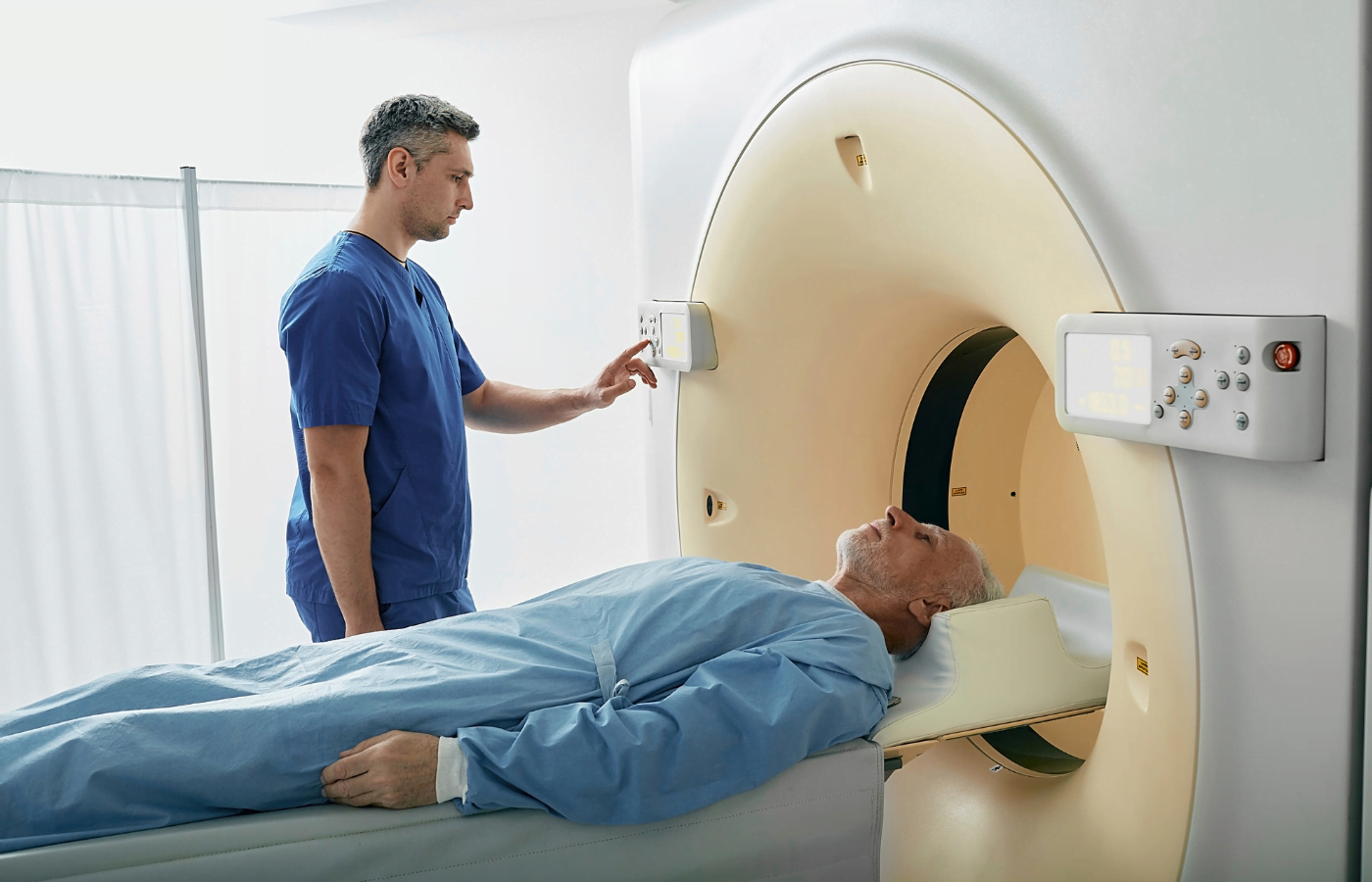
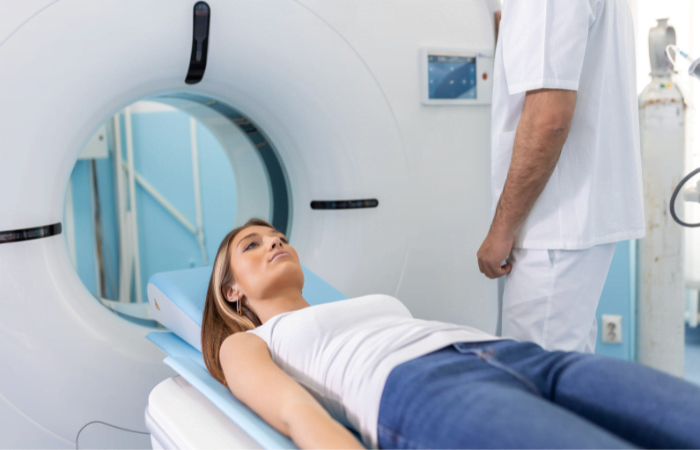
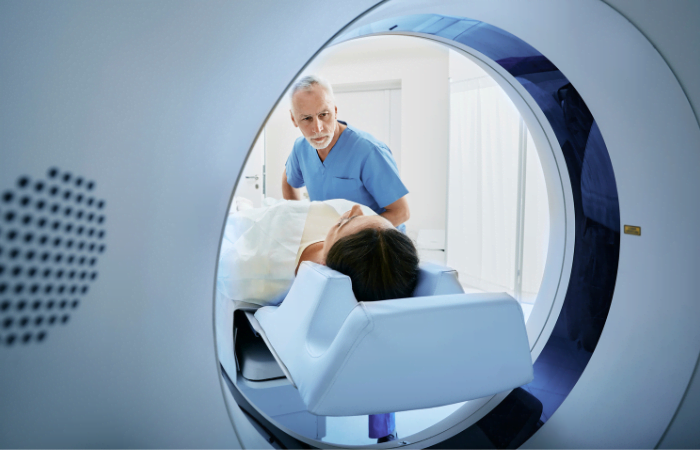
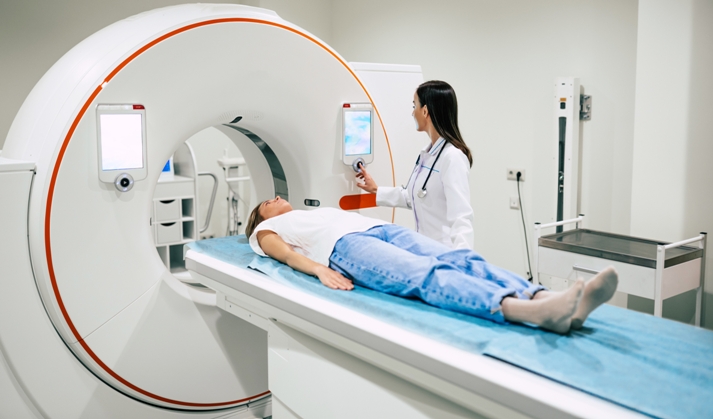
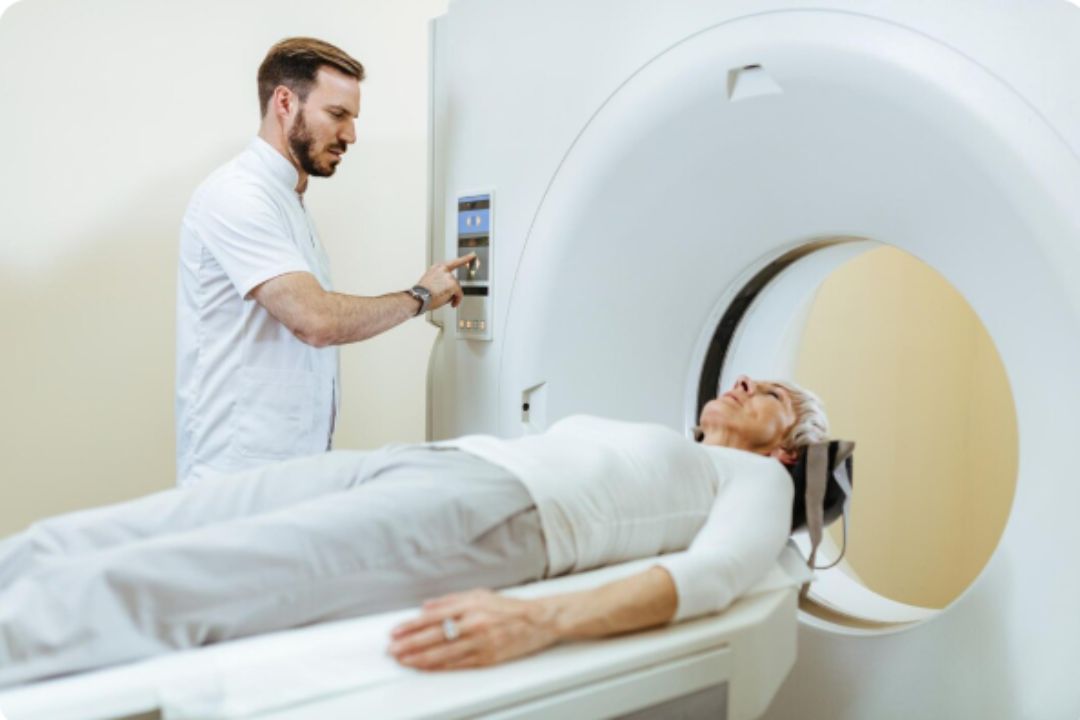
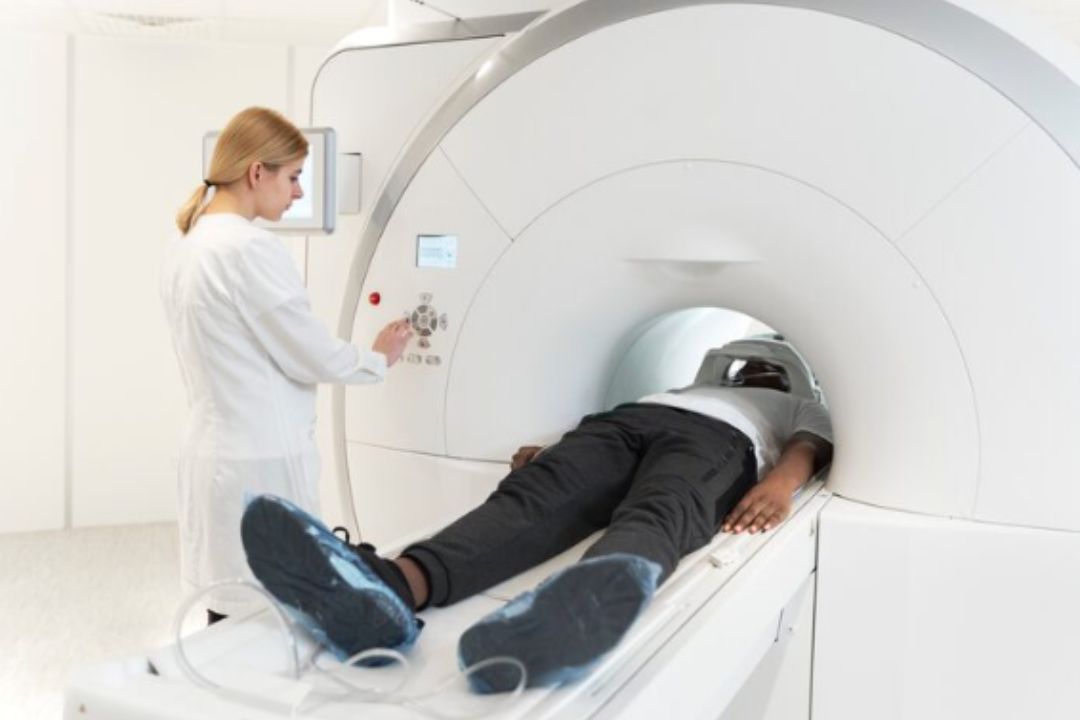
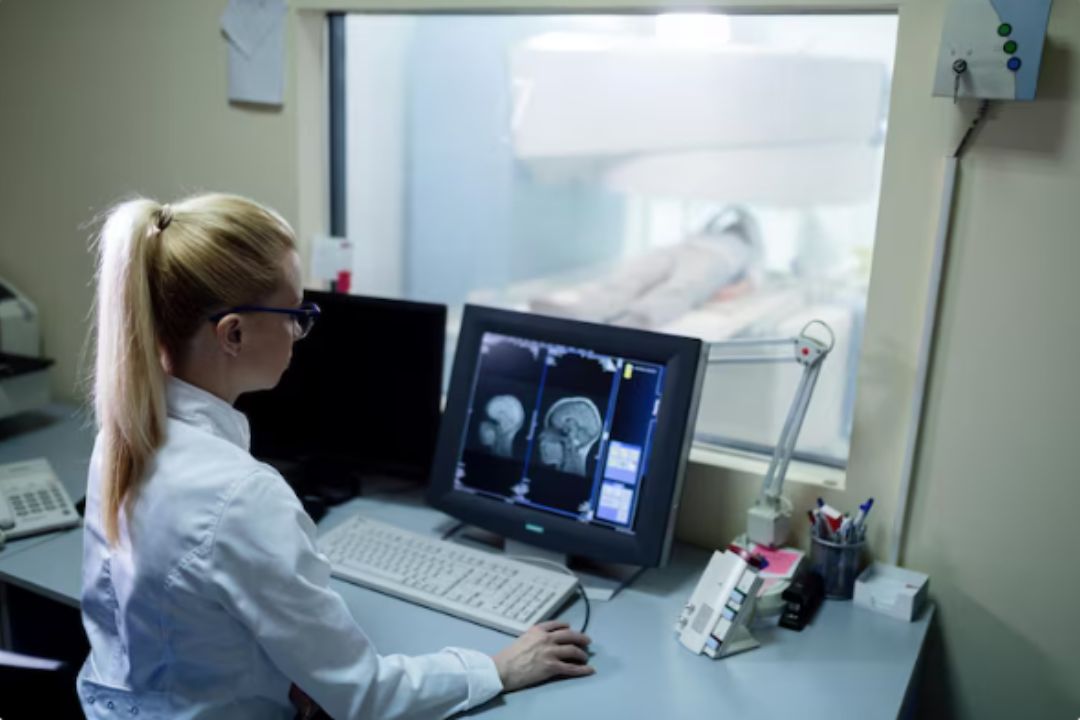
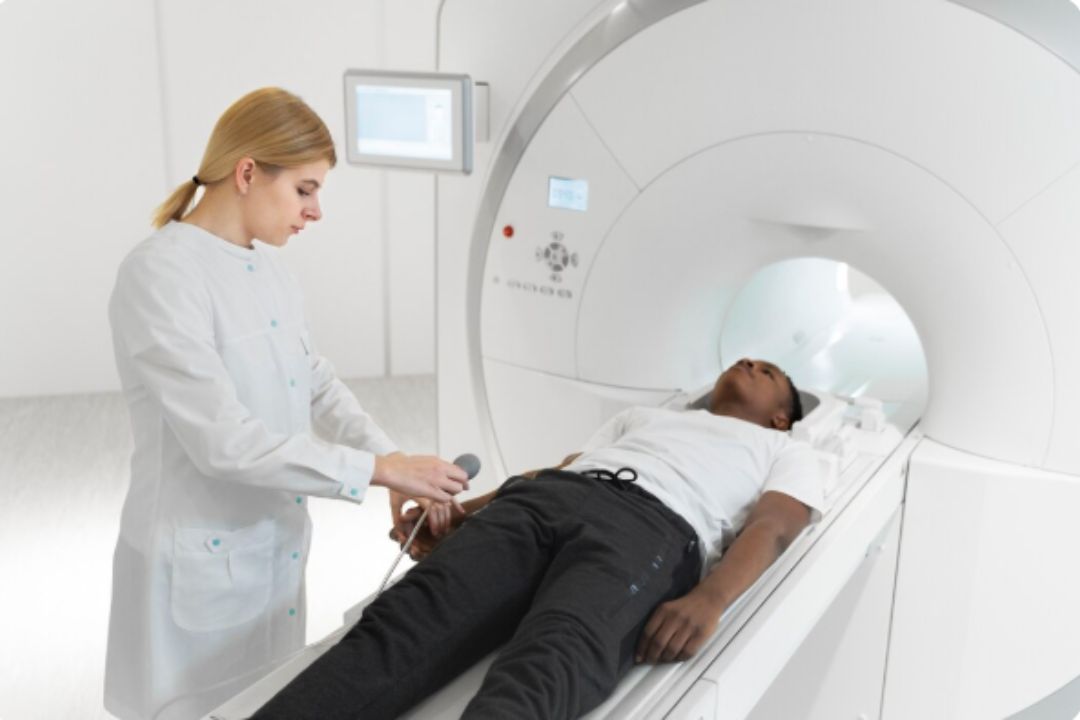
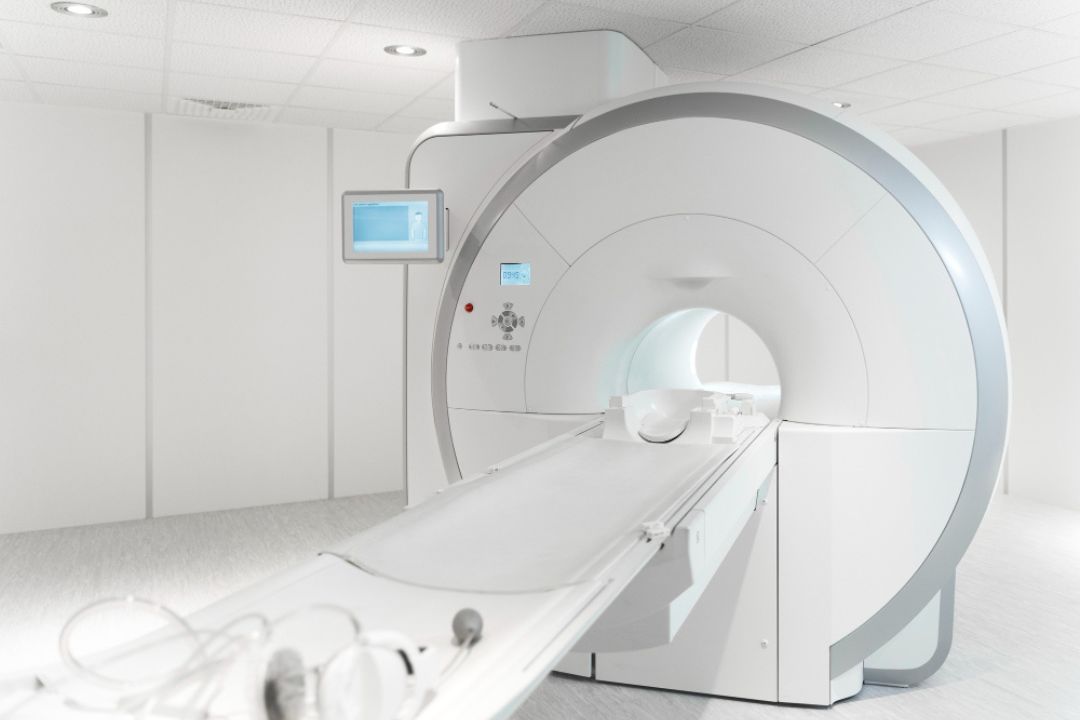
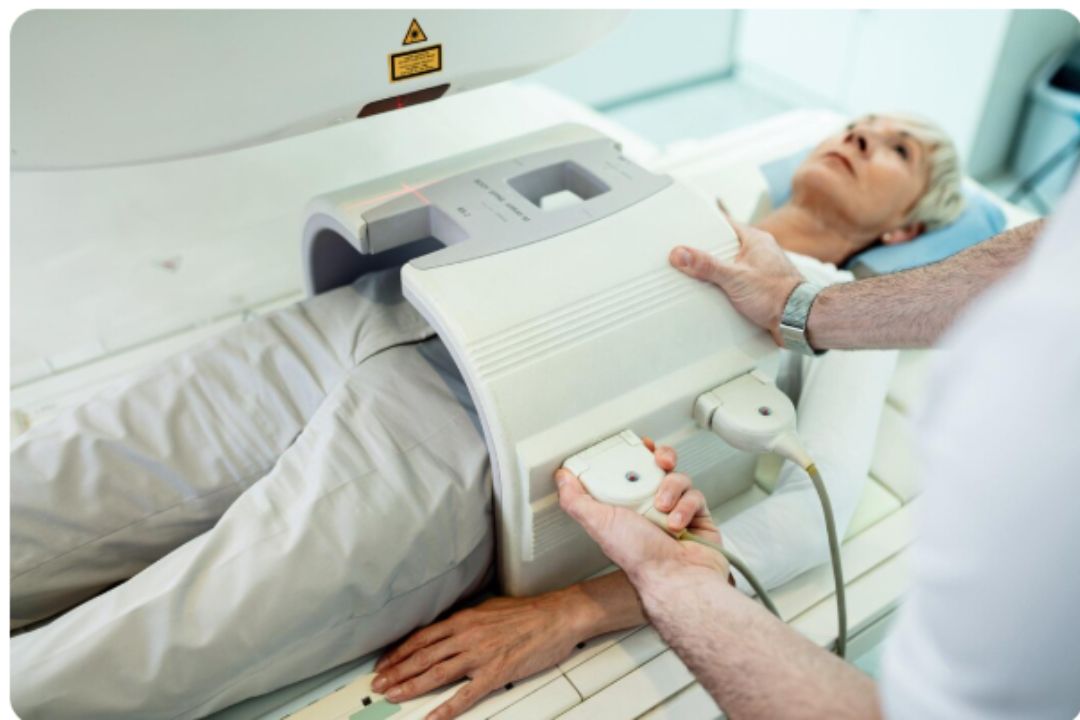
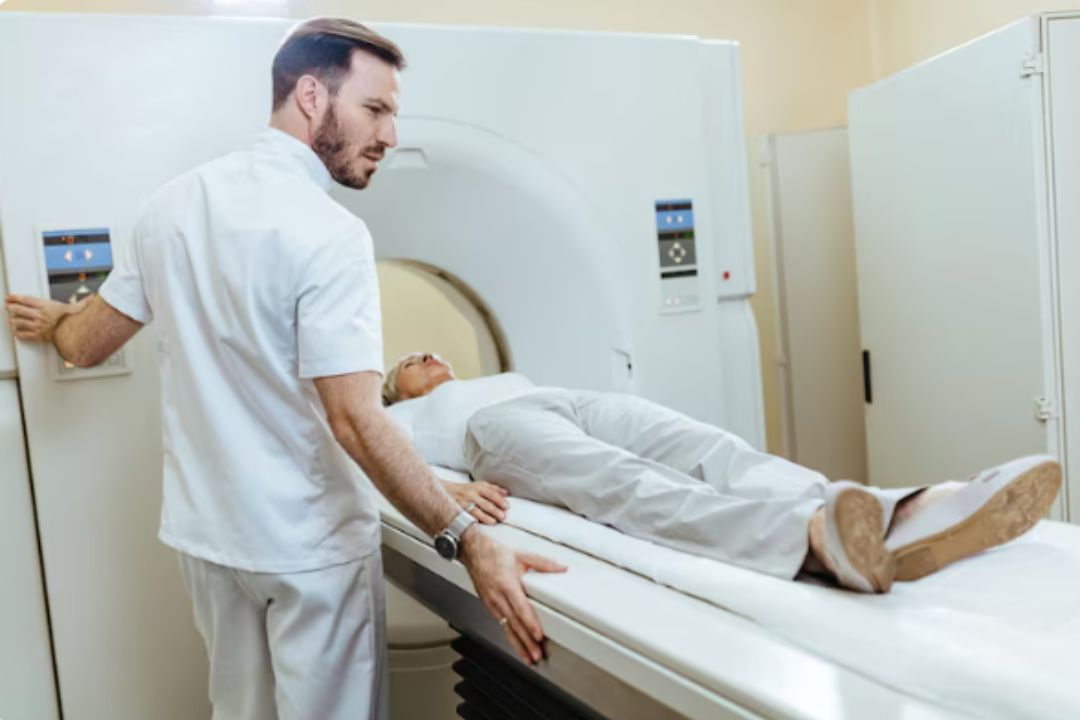
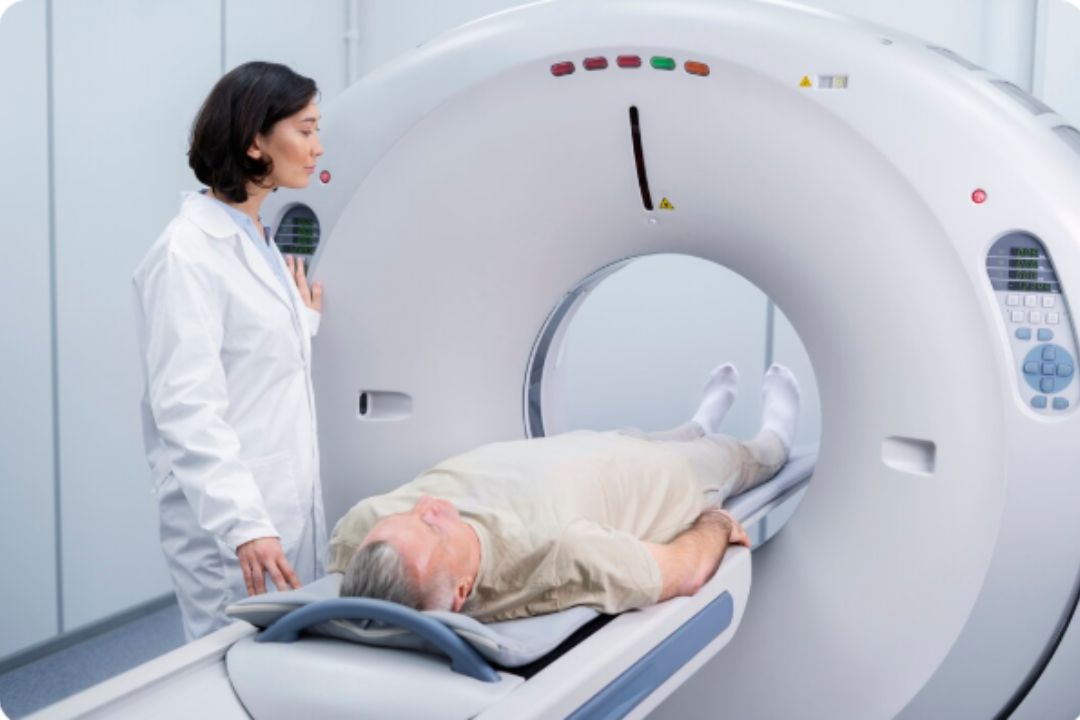
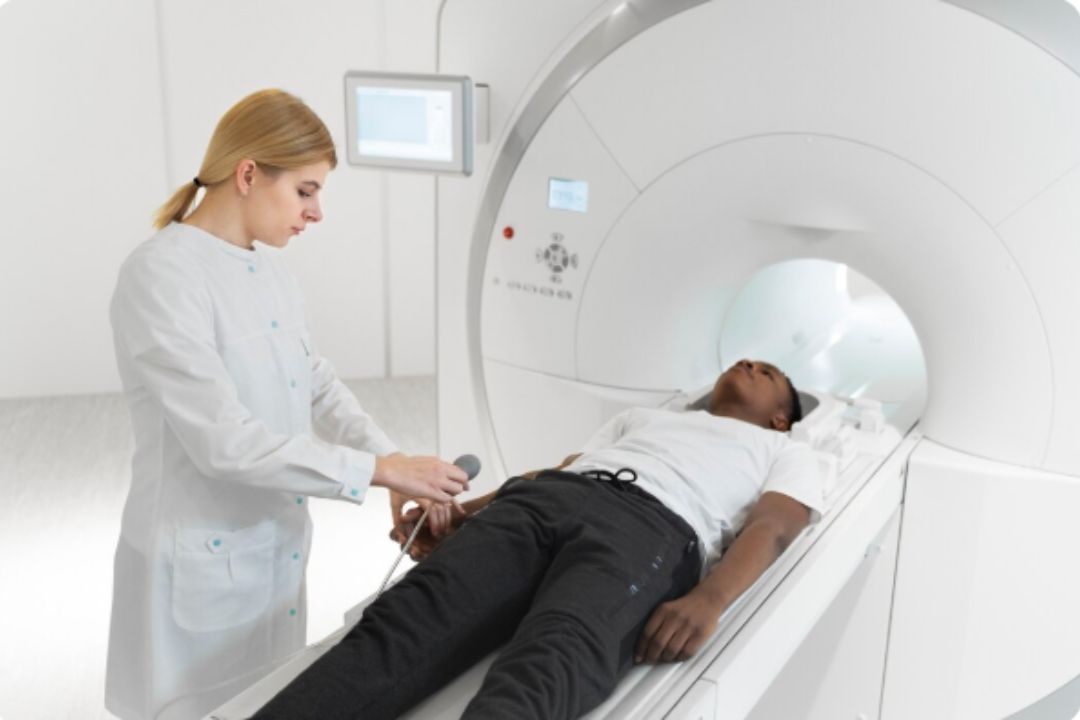
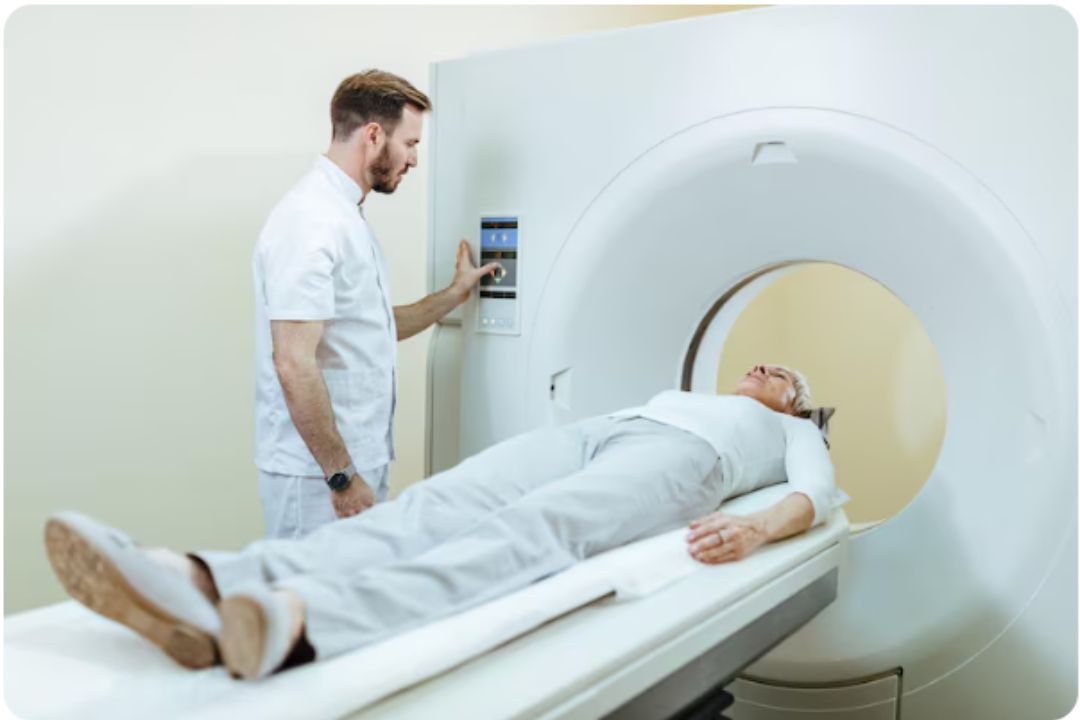
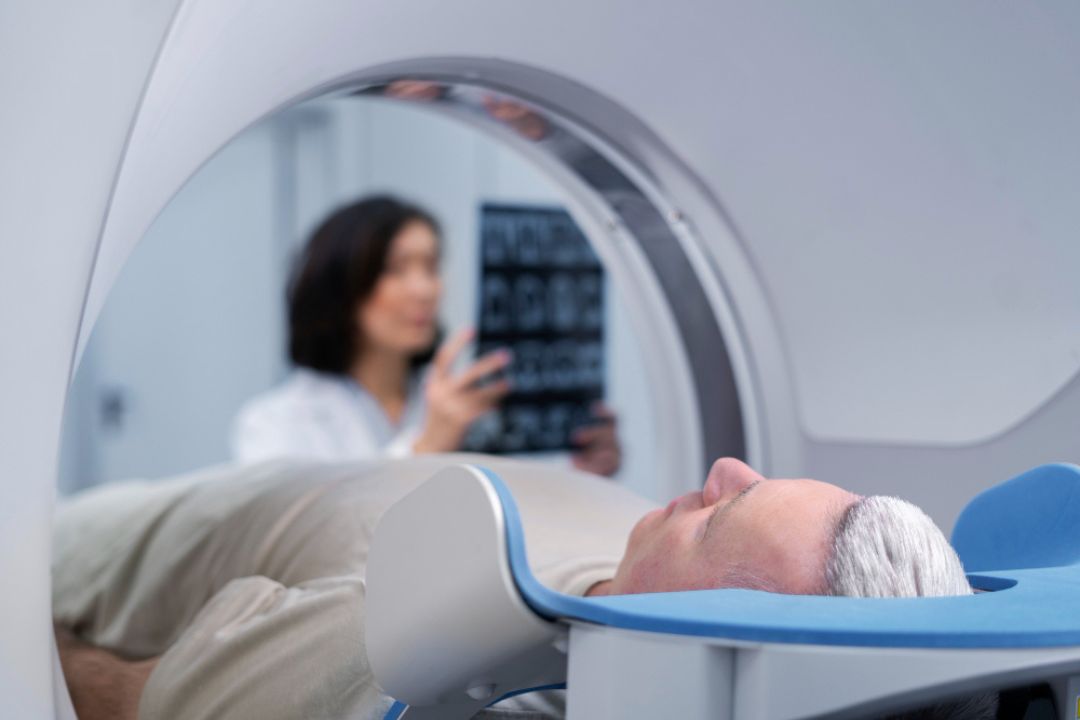
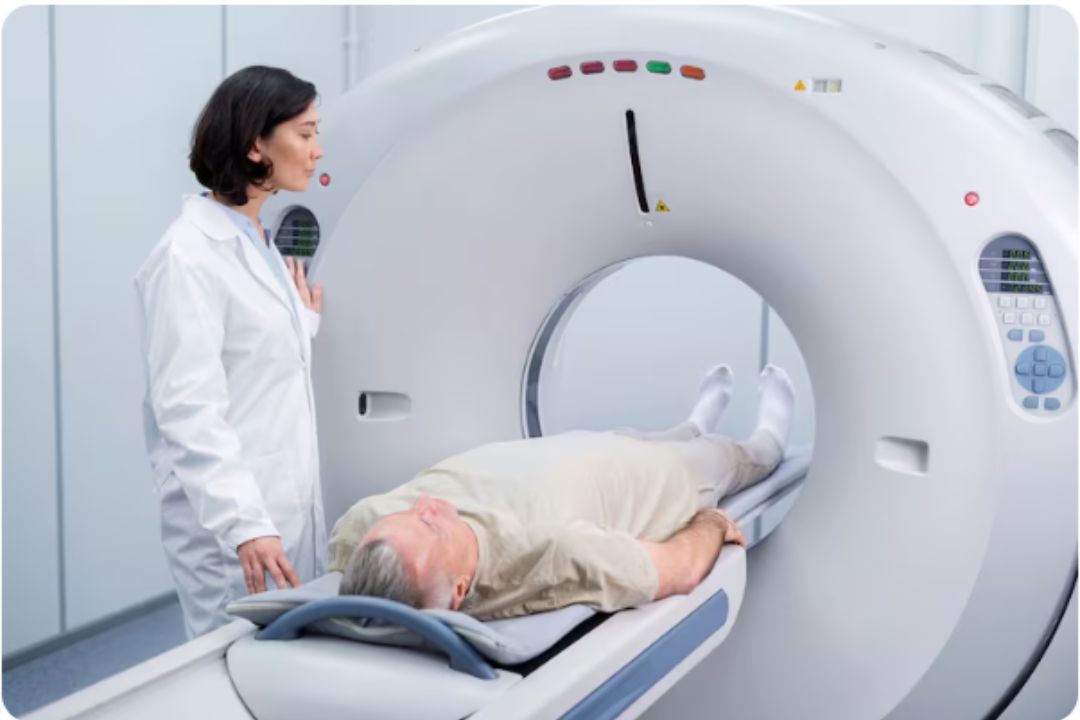
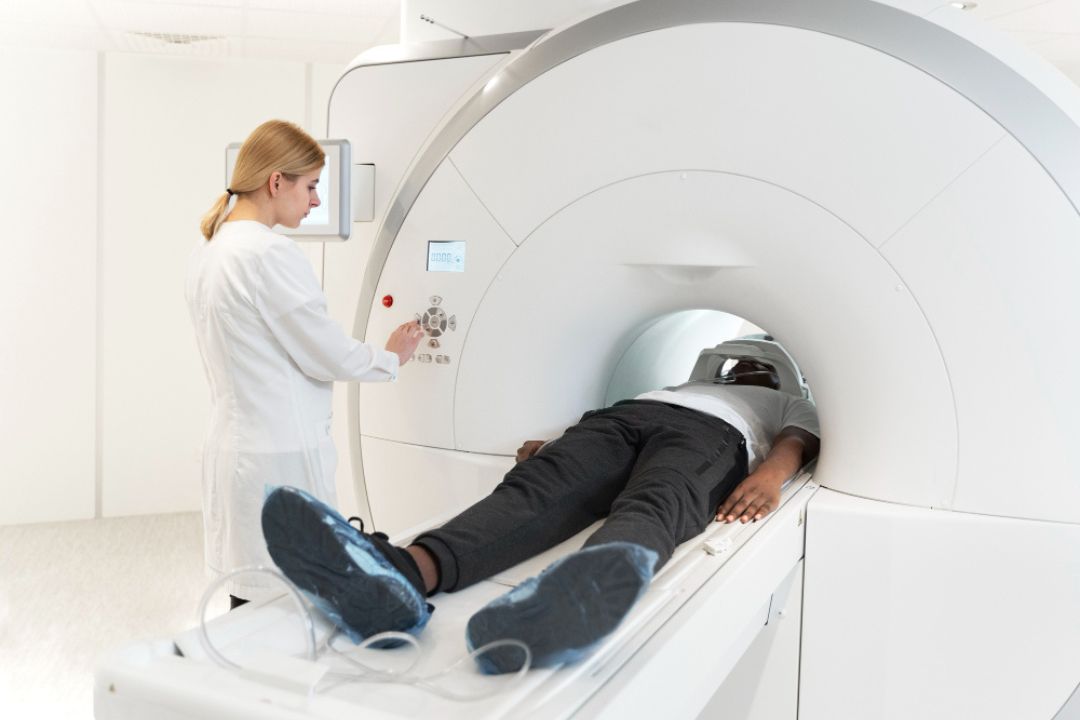
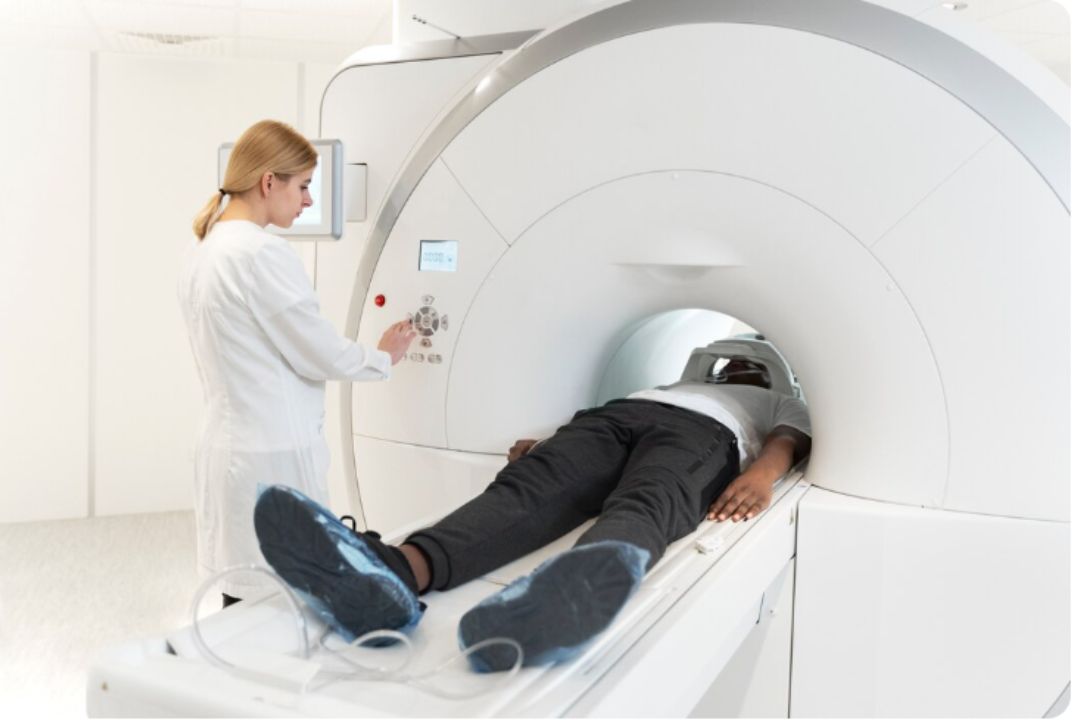
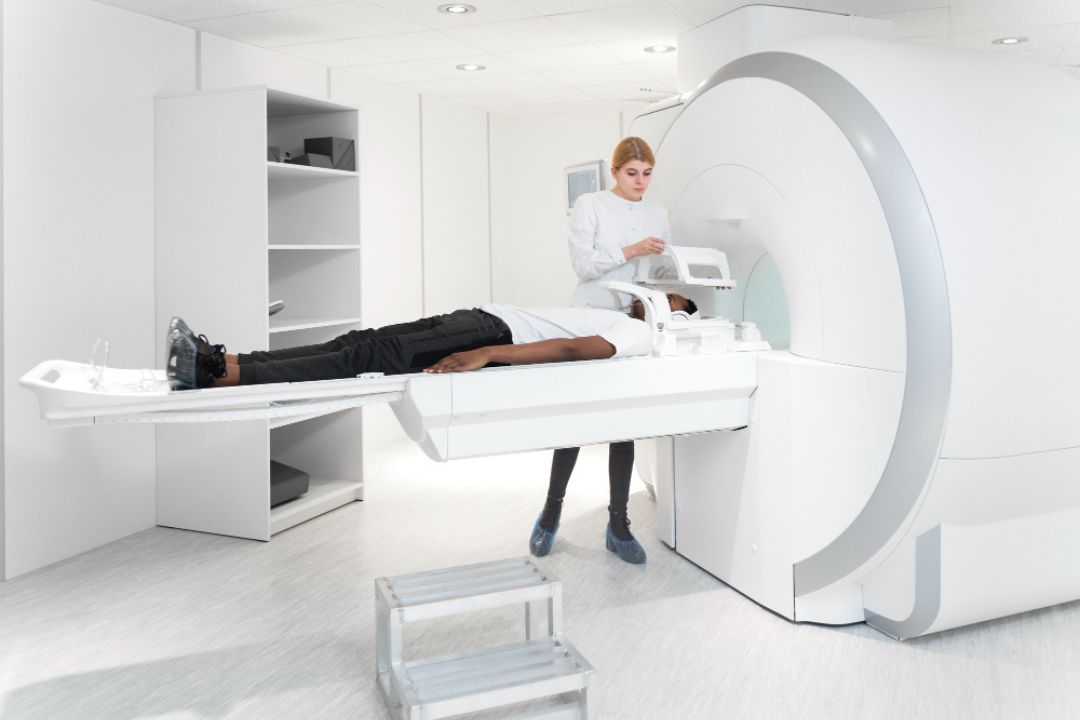
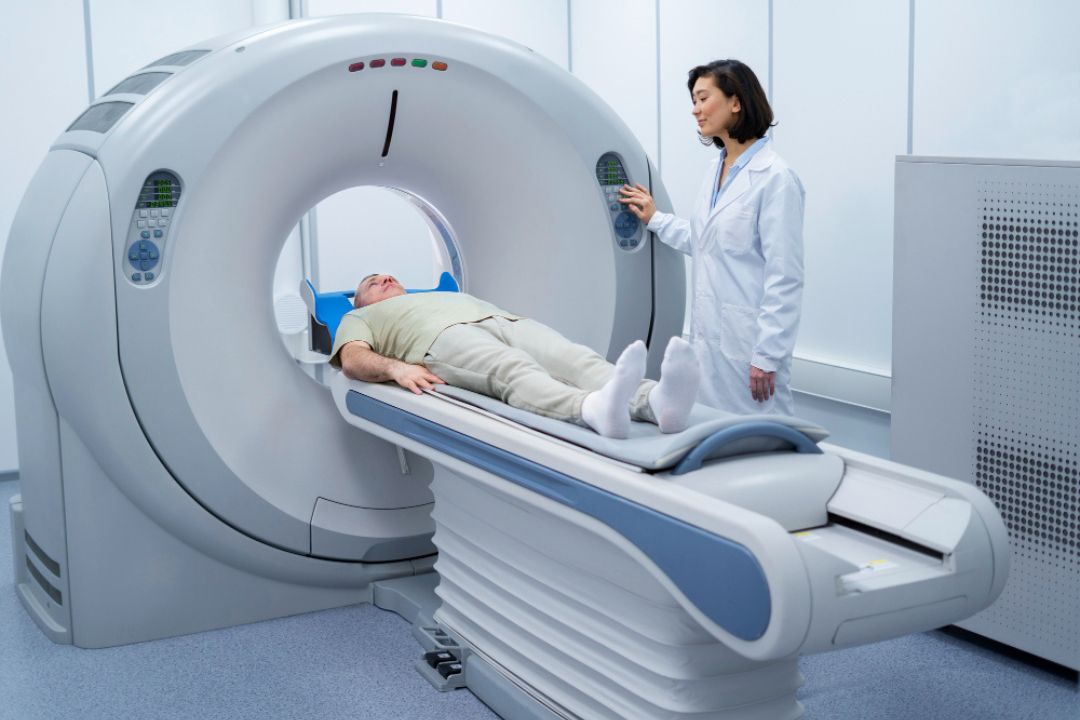
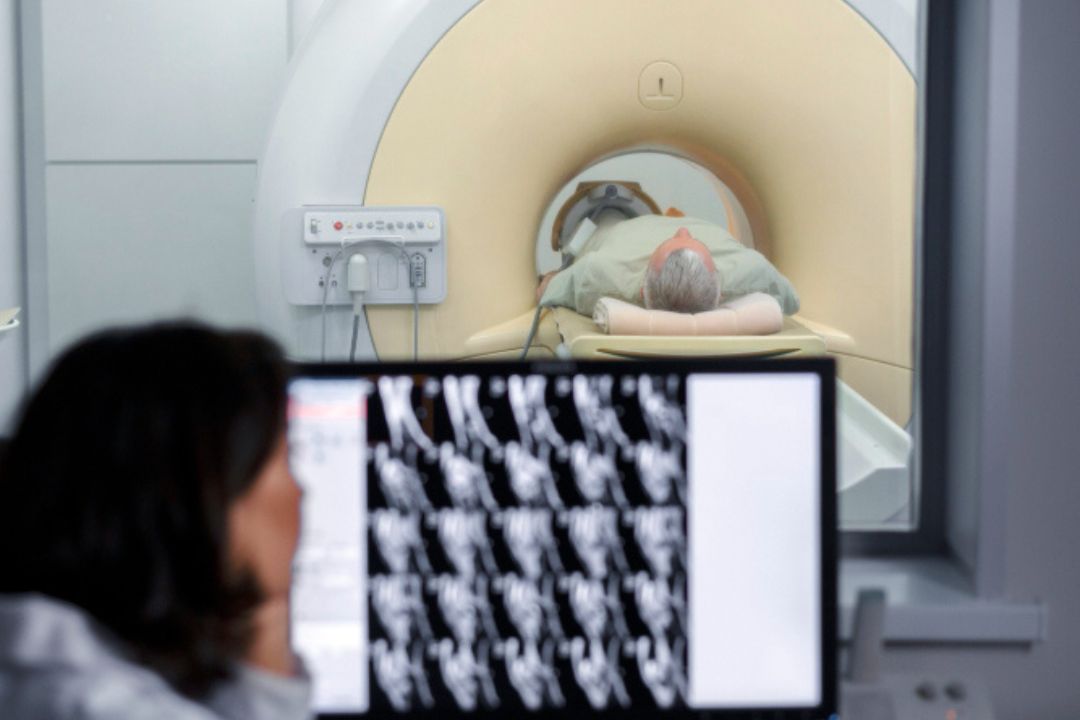
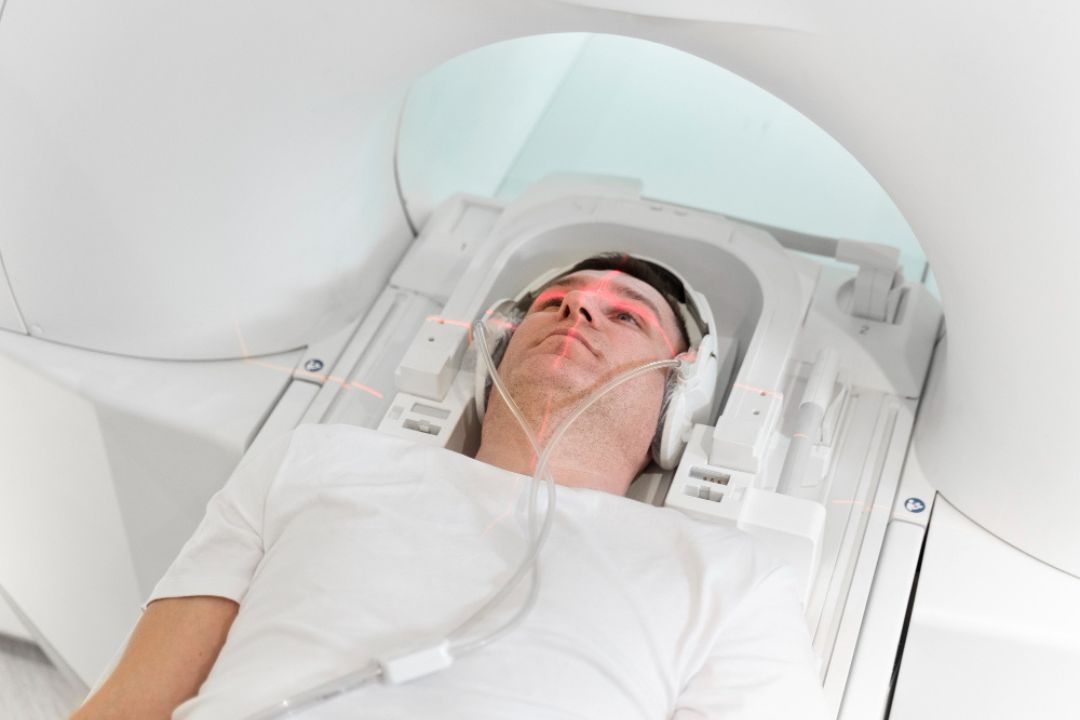
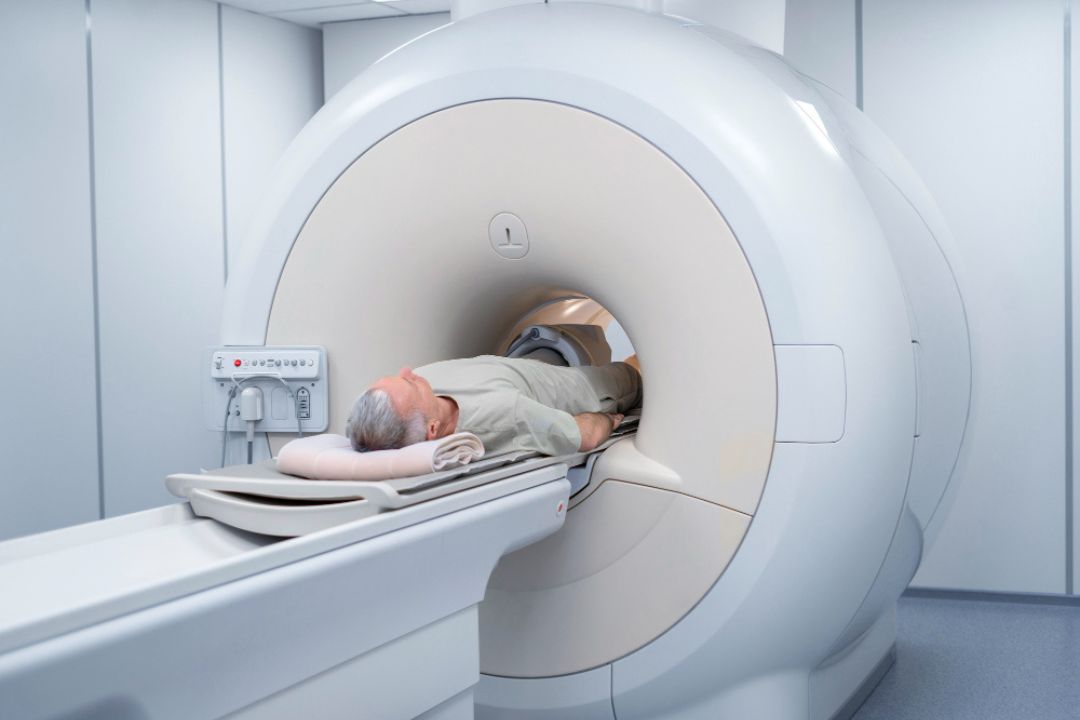
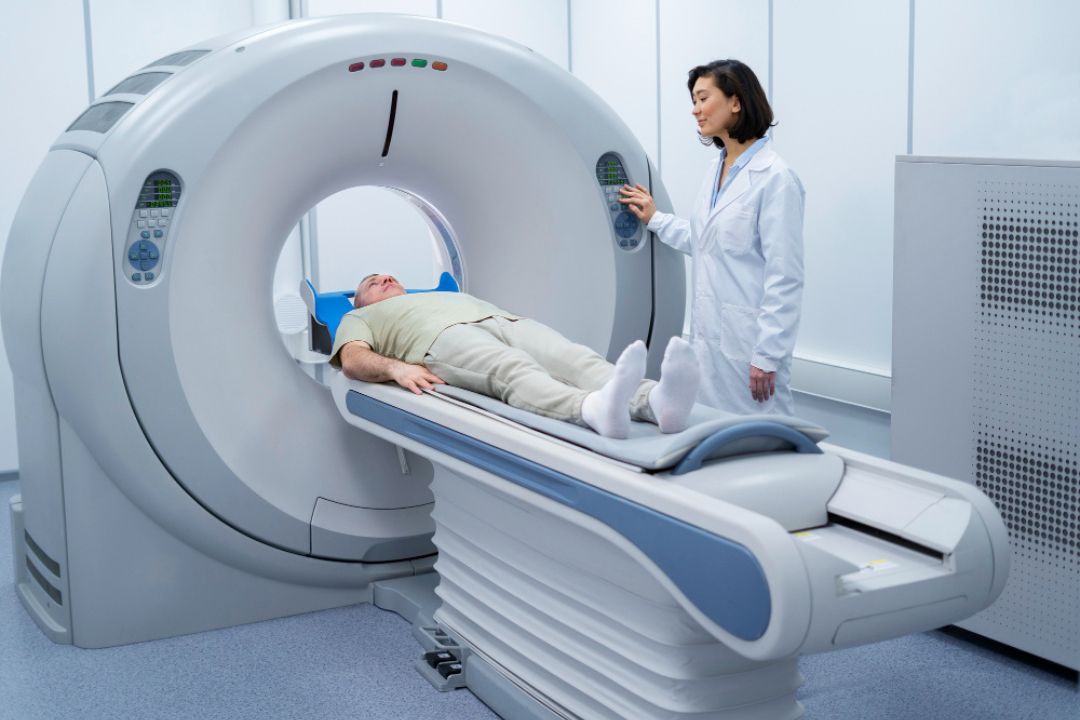
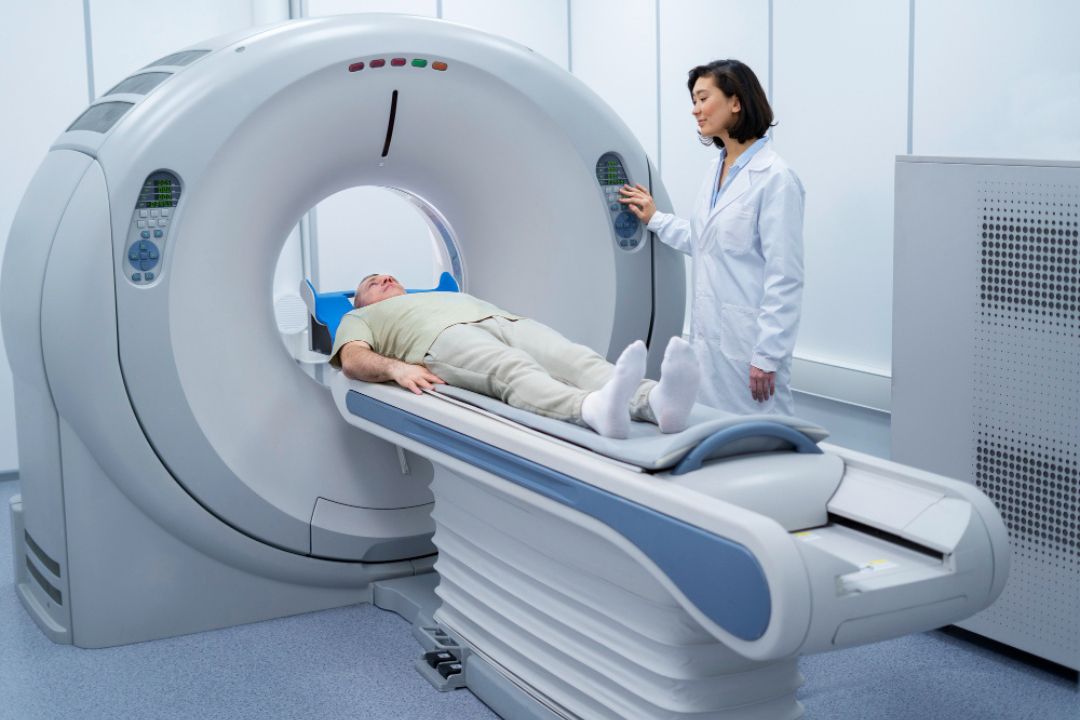
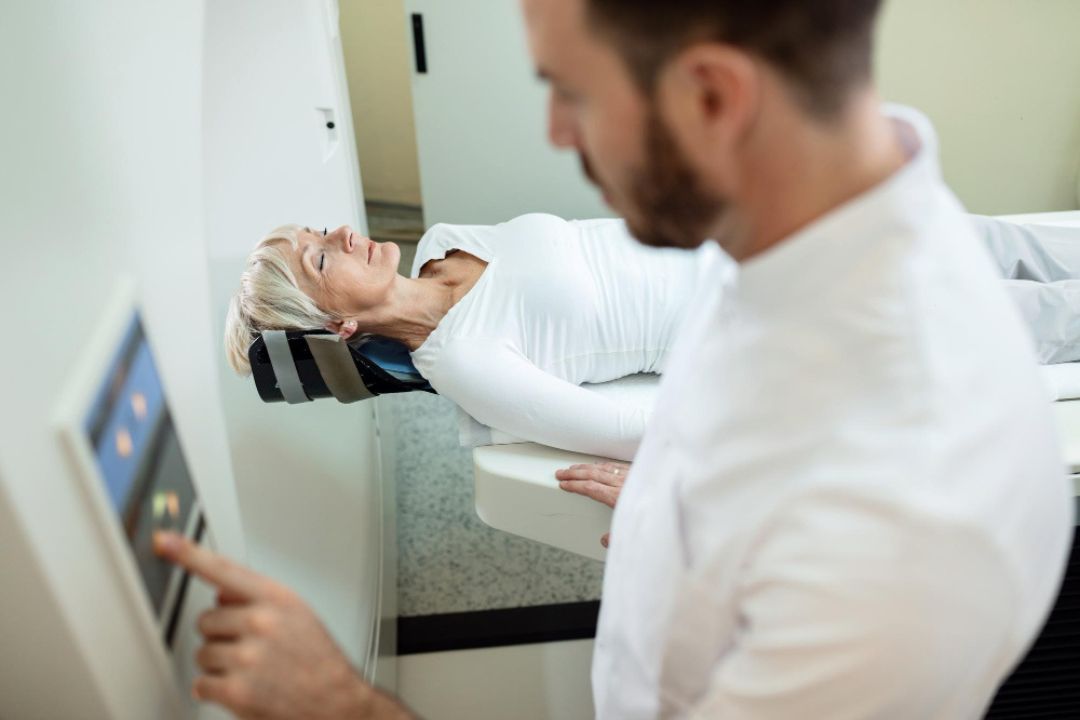
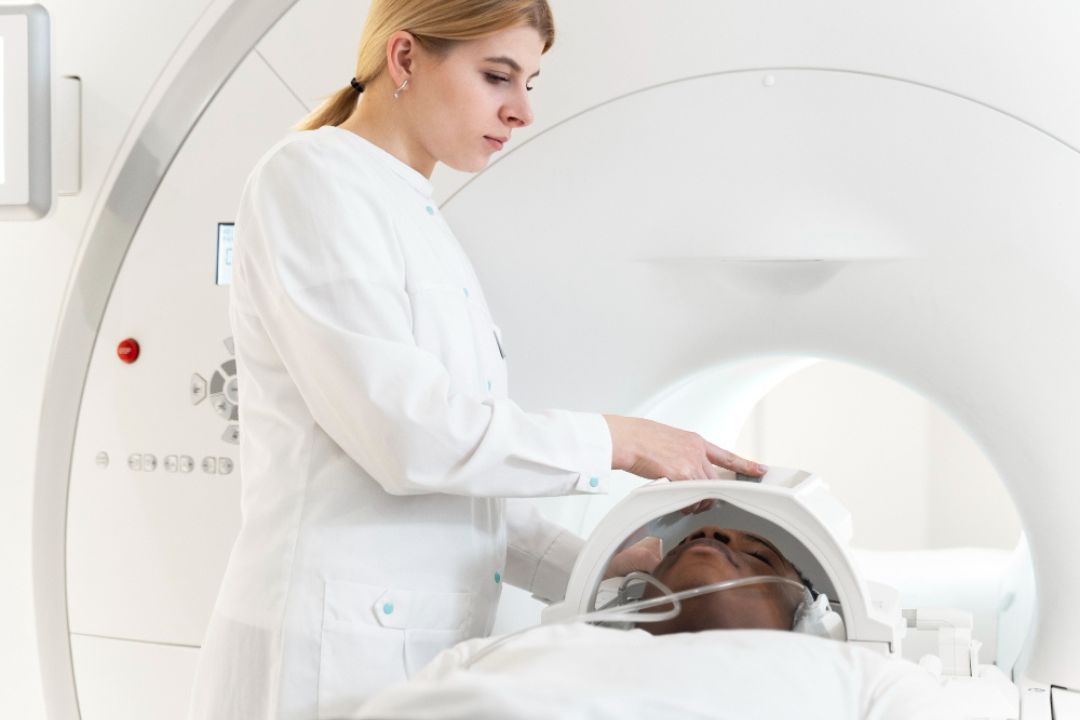
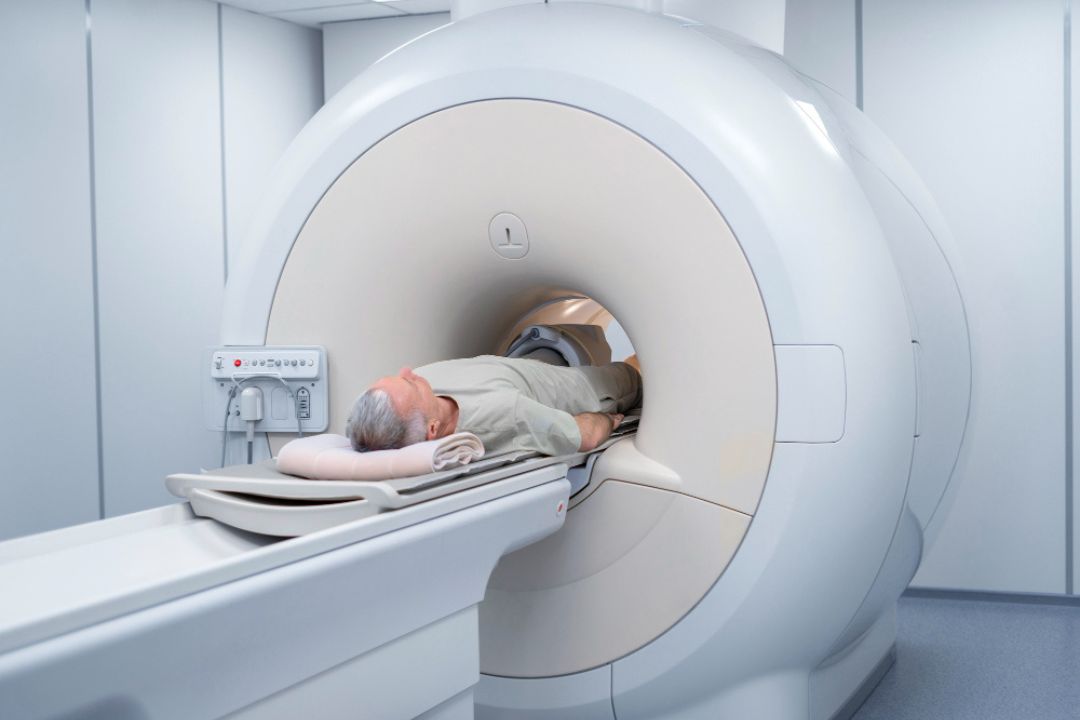
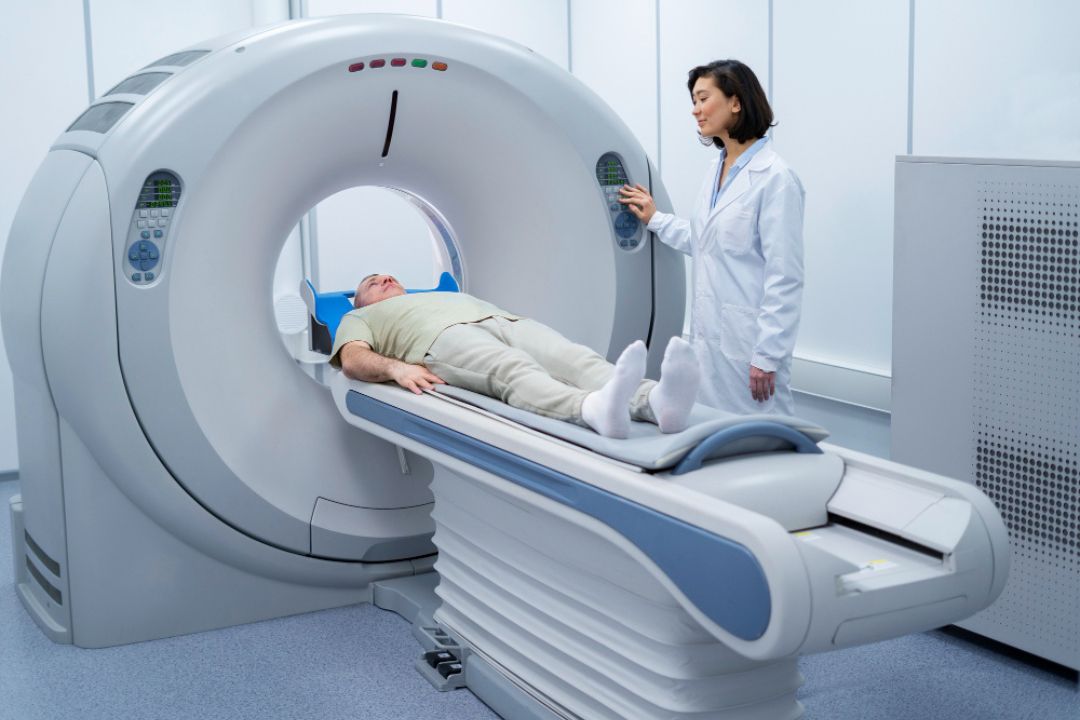
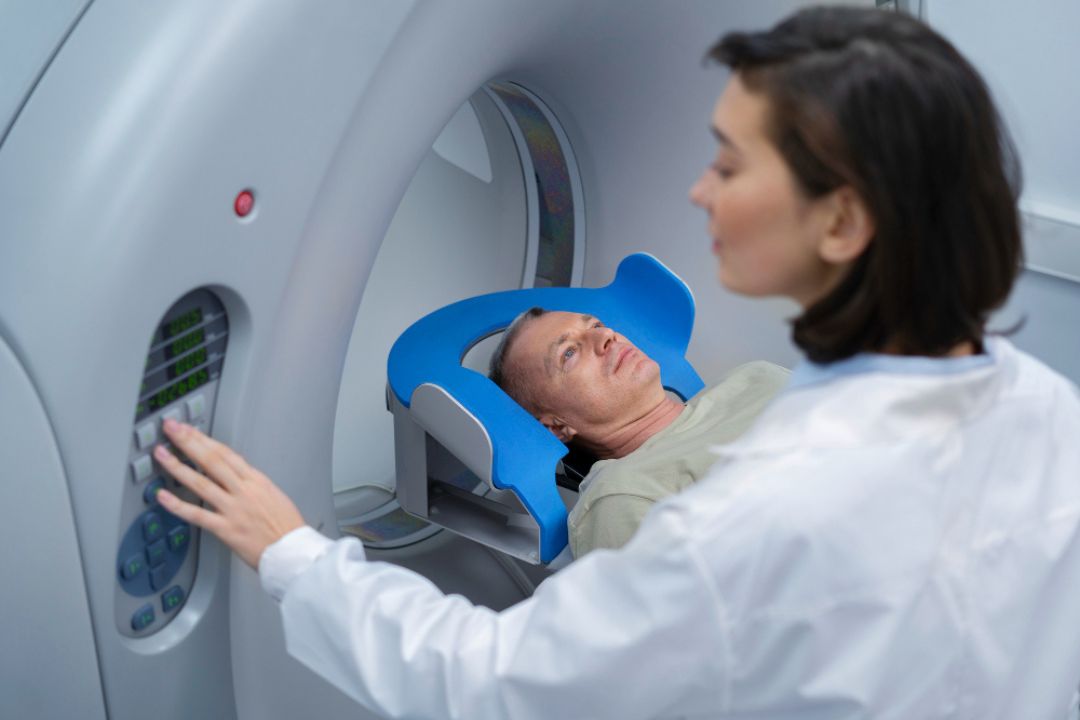
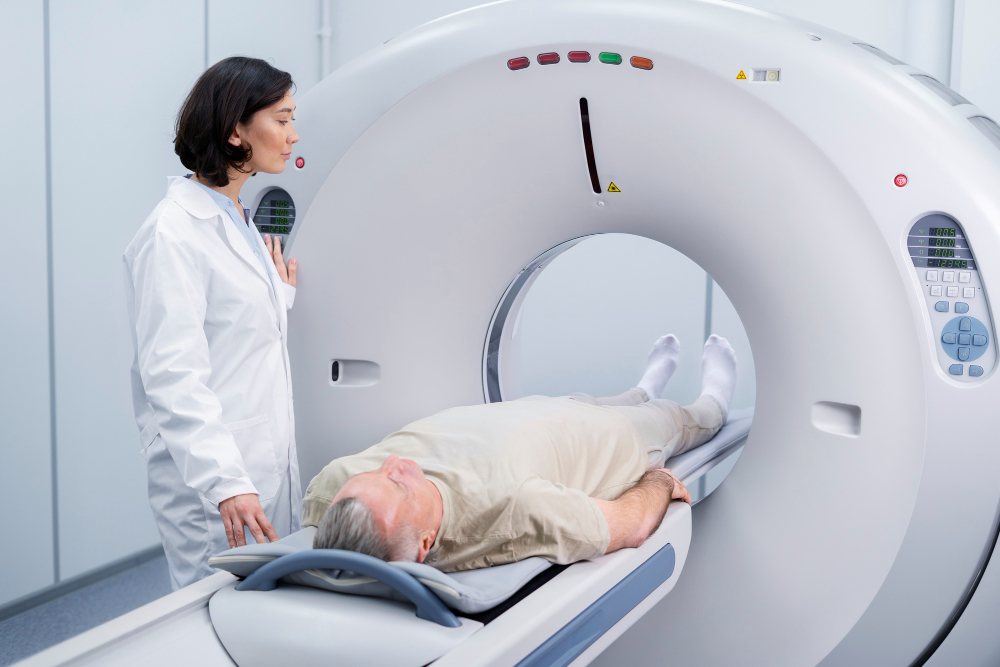
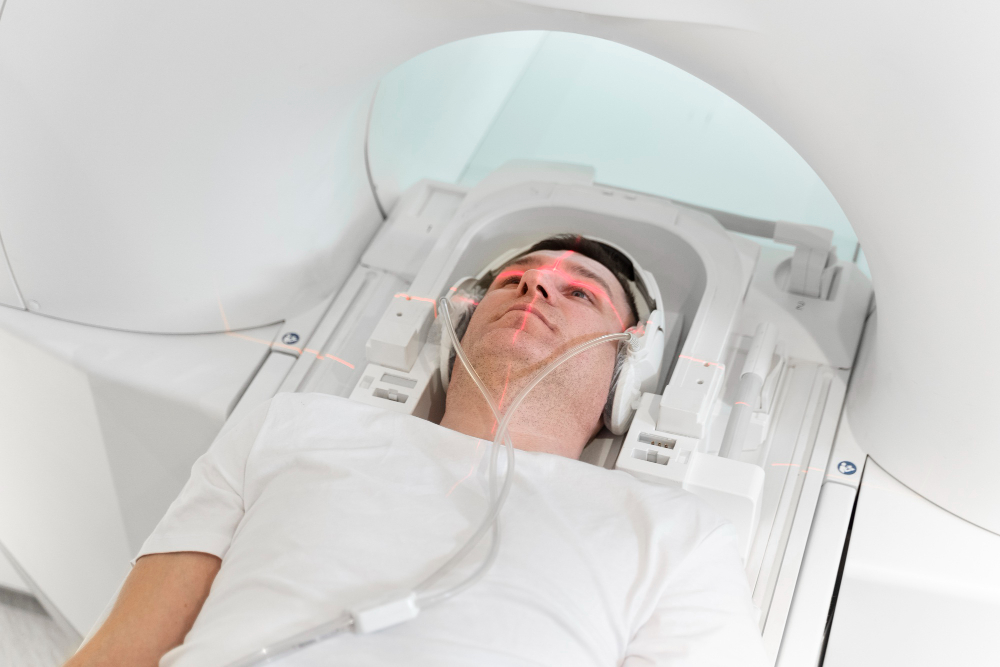
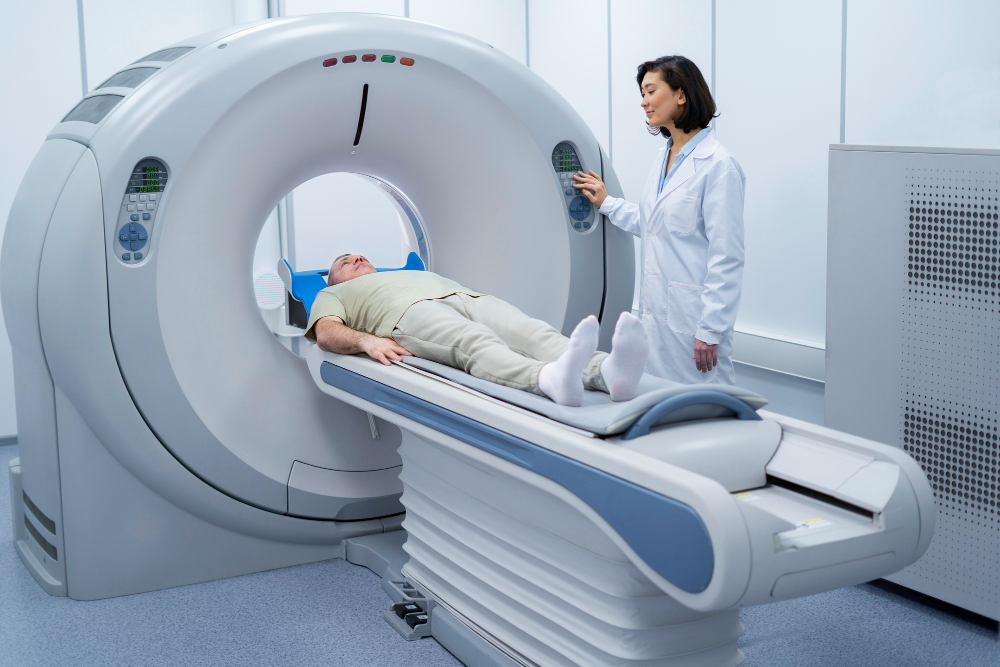
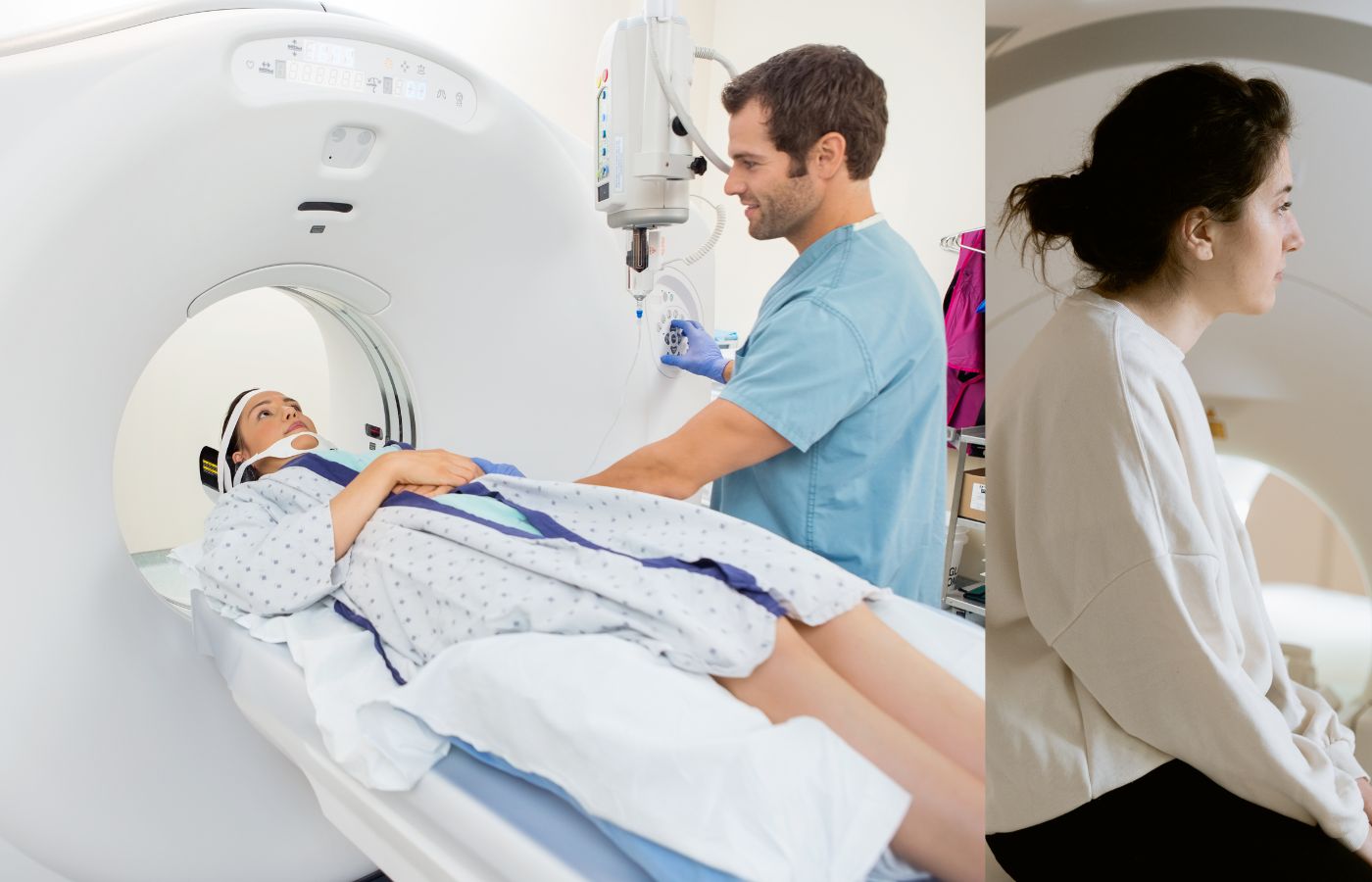
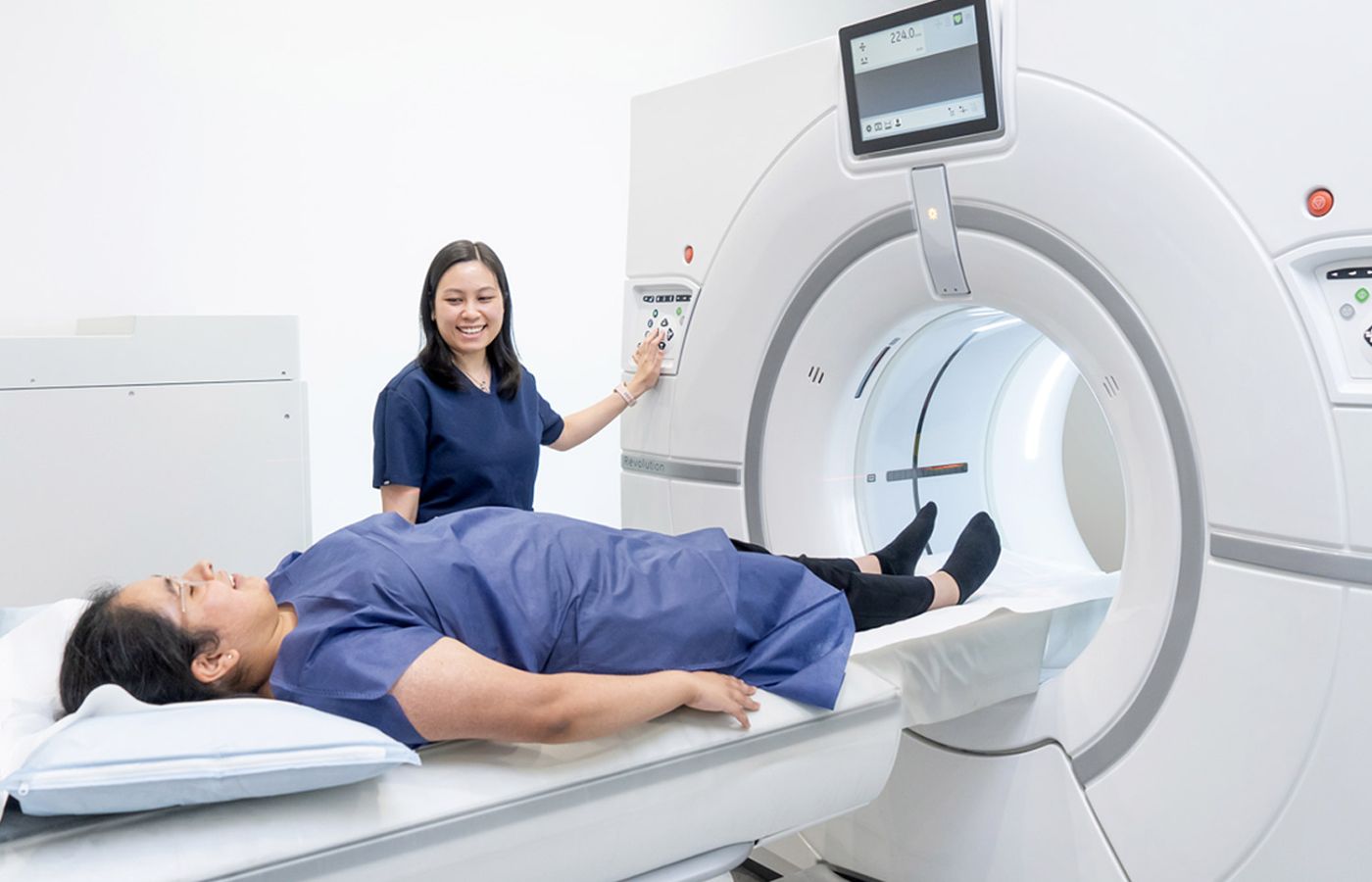
During the scan, the patient lies on a motorized table that moves slowly through the CT scanner. If contrast dye is required, it is injected through a small intravenous line.
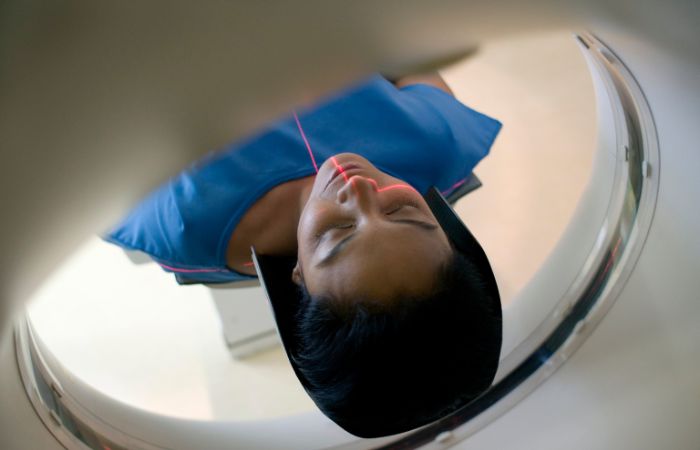
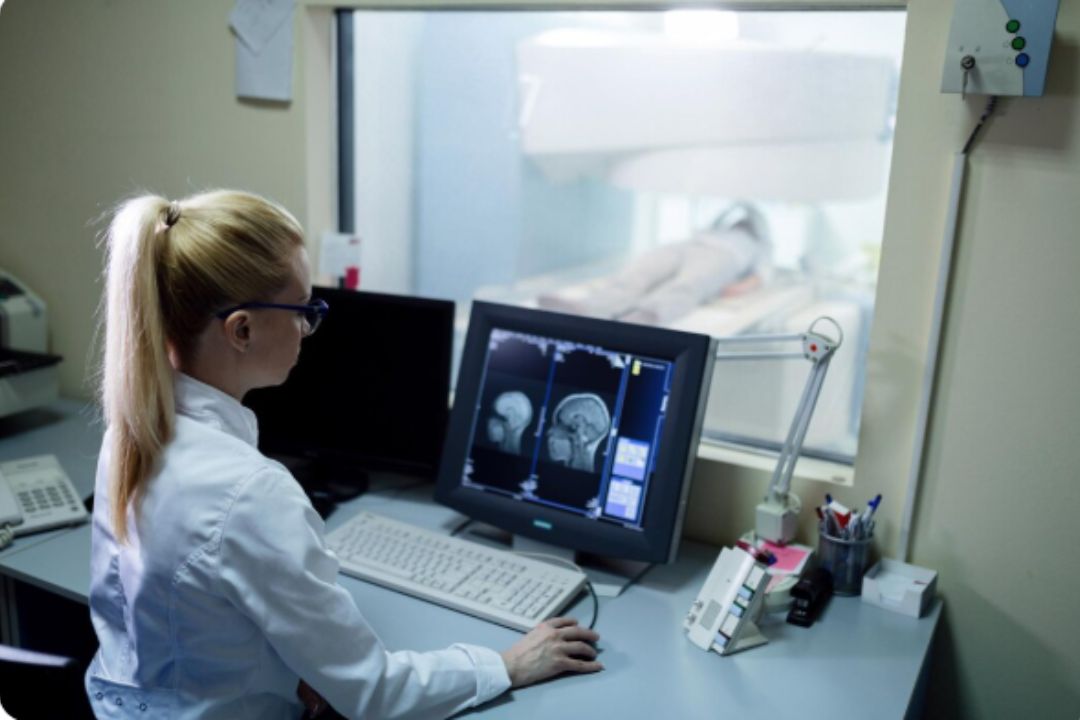
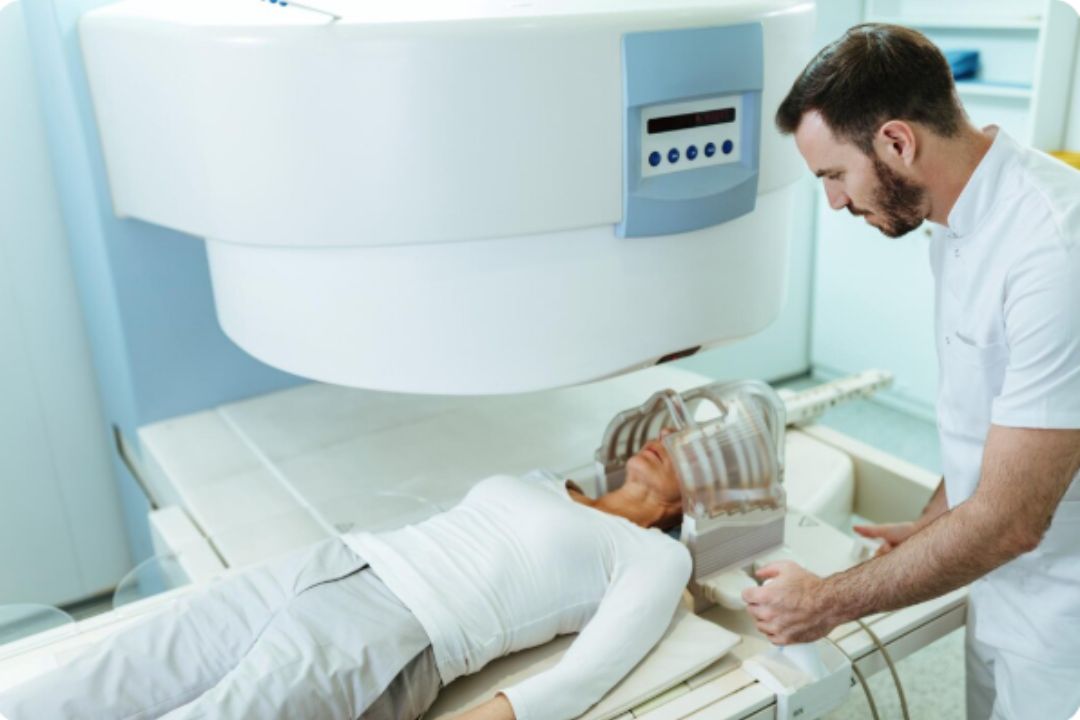
The scanner rotates around the head and captures multiple images of the sinus cavities. Patients may be asked to remain still or hold their breath briefly during the scan.
The entire procedure usually takes about 10 to 15 minutes.
A contrast CT scan provides several advantages in diagnosing fungal sinus infections.
It provides highly detailed images of the sinus cavities.
It helps detect fungal growth and sinus blockages.
It identifies bone damage or spread of infection.
It assists doctors in planning surgical treatment if necessary.
It helps differentiate fungal infections from other sinus diseases.
Because of its accuracy, CT scanning is considered one of the most effective imaging methods for evaluating sinus infections.
CT scans involve a small amount of radiation exposure. However, the benefits of accurate diagnosis usually outweigh the risks.
Some patients may experience mild side effects from contrast dye such as a warm sensation, metallic taste, or mild nausea. Serious allergic reactions are rare.
Doctors carefully evaluate each patient before recommending a contrast CT scan.
A CT scan with contrast plays an important role in diagnosing fungal sinus infections. It allows doctors to examine the sinus cavities in detail, detect fungal growth, evaluate inflammation, and determine whether the infection has spread to surrounding tissues.
Early detection using CT imaging helps doctors provide timely treatment and prevent serious complications. If symptoms such as persistent sinus pain, facial swelling, or chronic sinus infections occur, a CT scan may be recommended to identify the underlying cause.






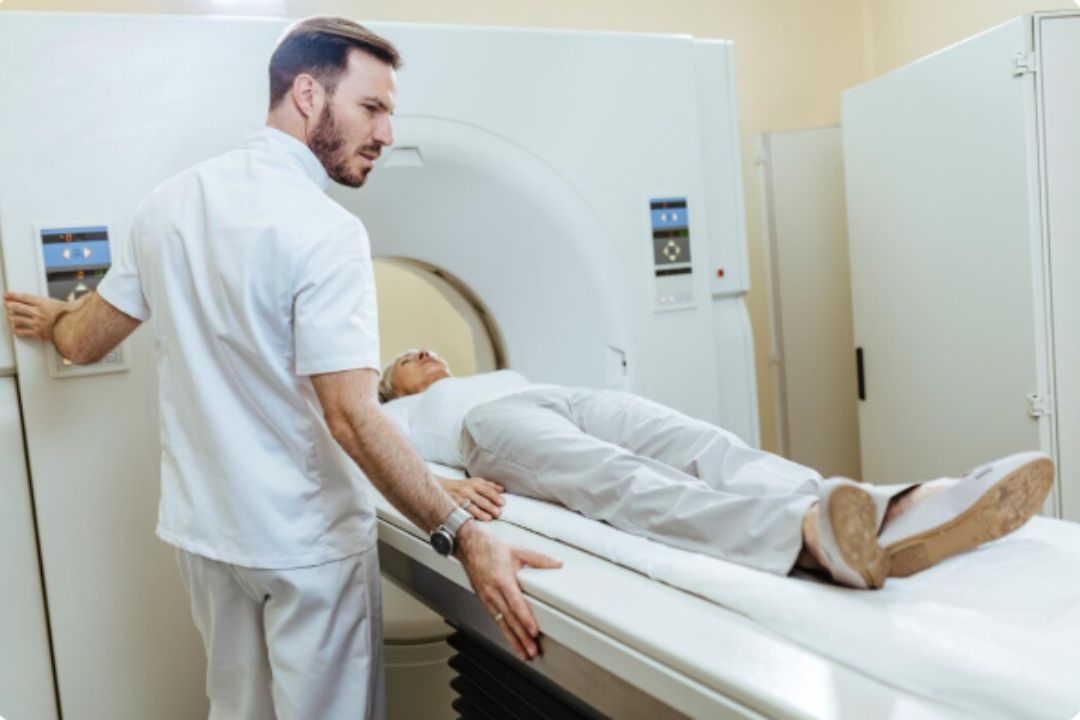










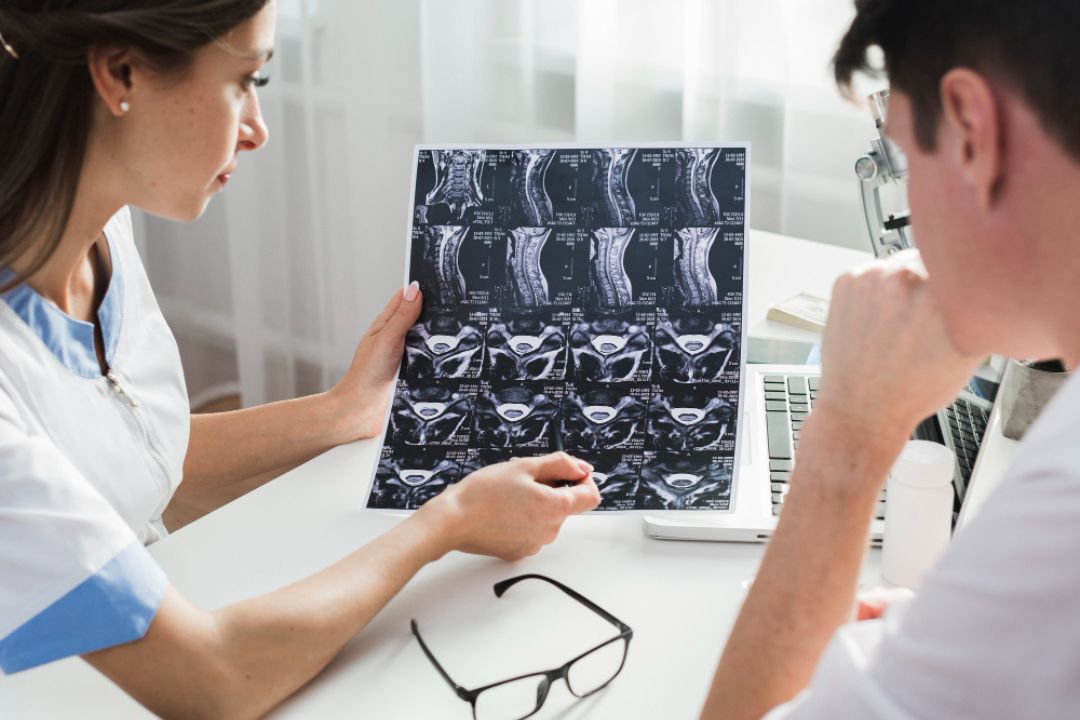





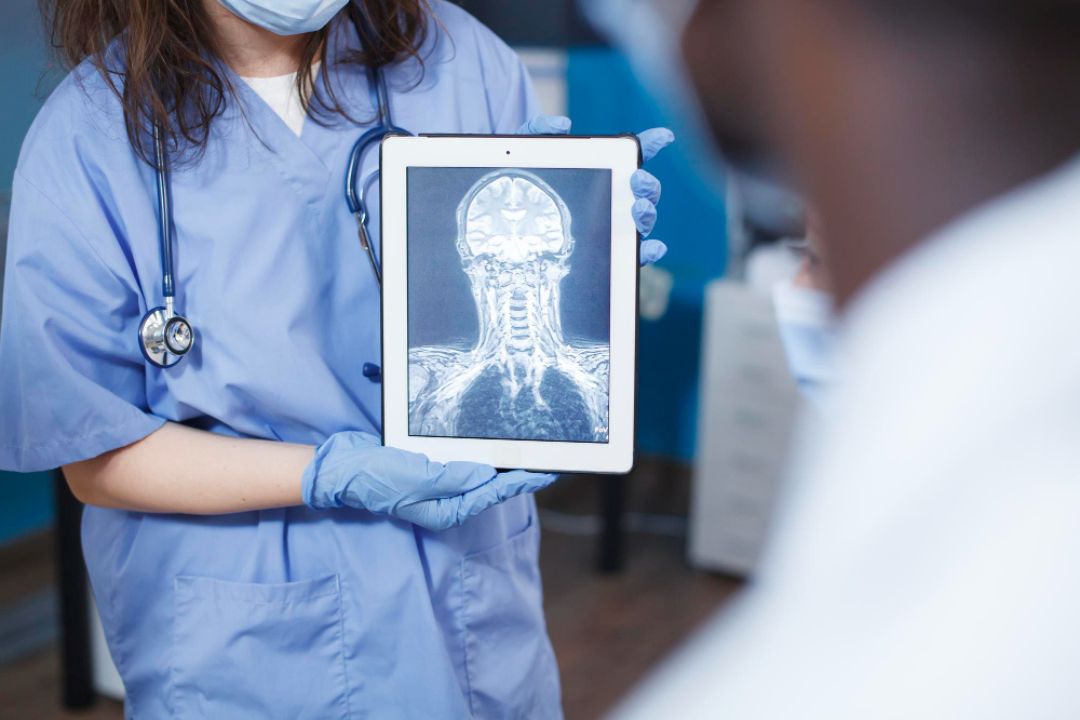
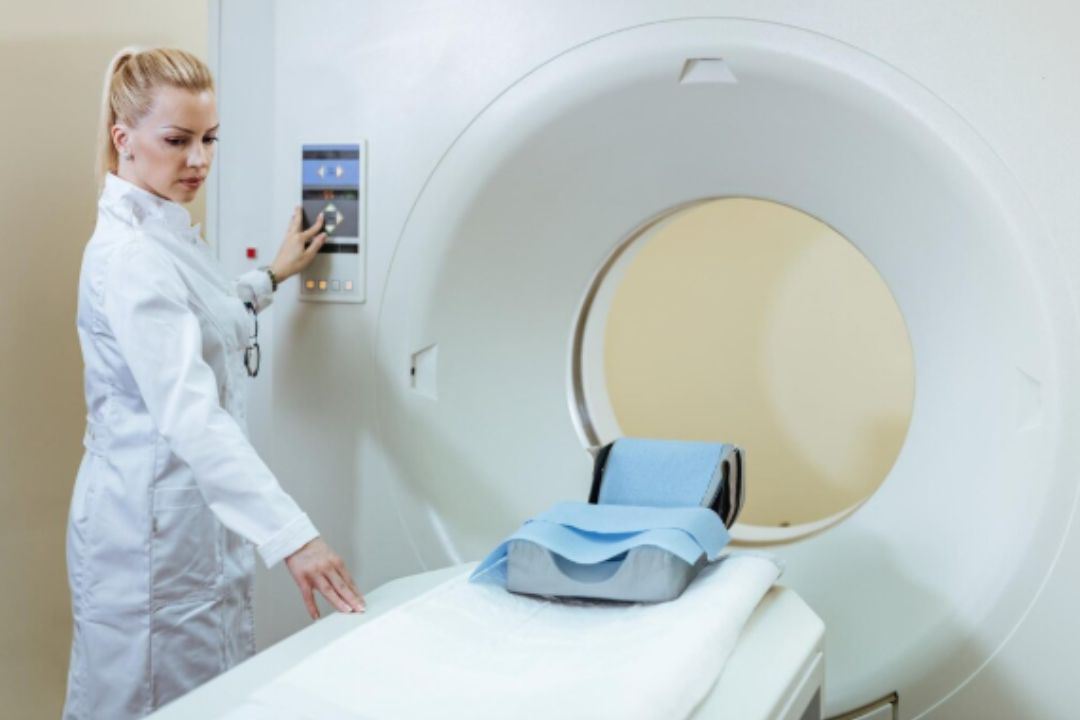













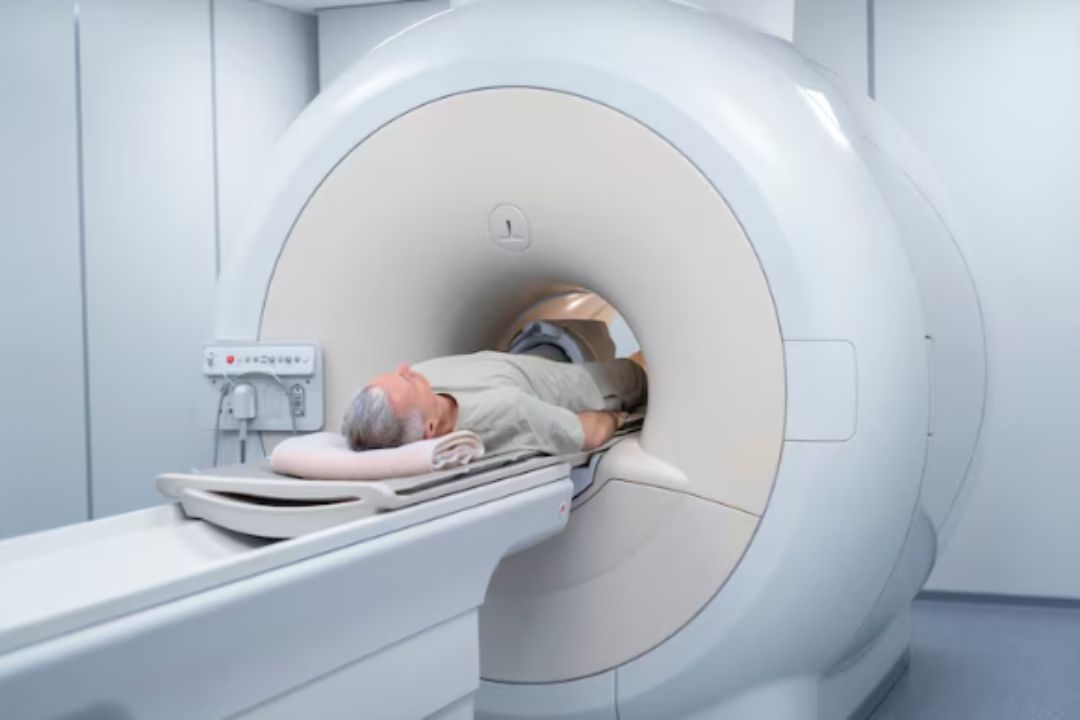














.jpg "ct scan")

.jpg "ct scan or mri for brain disorders")


.jpg "exploring the power of ct brain contrast in modern diagnostics")
.jpg "ct scan")

.jpg "ct scan")












.jpg "ct scan")

.jpg "CT Brain Scan for Headaches")
.jpg "The Future of 3D CT Imaging")