Kidney stones are a common medical condition that can cause severe pain and discomfort. Accurate diagnosis is essential to determine the size, location, and severity of the stone so that doctors can recommend the most effective treatment. One of the most reliable diagnostic methods used today is a CT scan for kidney stones.
A CT scan provides detailed images of the kidneys, ureters, and bladder, helping doctors detect even very small stones that may not be visible through other imaging tests.
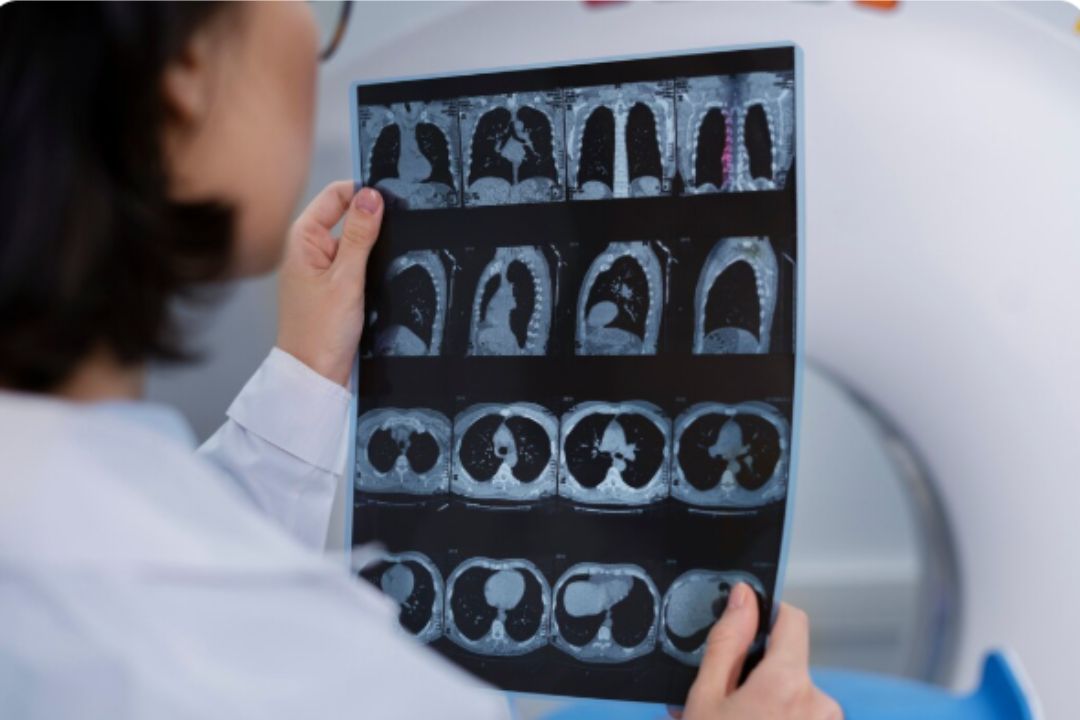
A CT scan (Computed Tomography scan) uses advanced X-ray technology to create detailed cross-sectional images of the body. For kidney stones, doctors usually recommend a CT KUB scan, which focuses on the kidneys, ureters, and bladder.
This type of scan helps doctors:
Detect kidney stones quickly
Determine the exact size and location of the stone
Identify blockages in the urinary tract
Plan the most suitable treatment
CT scans are considered one of the most accurate methods for diagnosing kidney stones.
Doctors often recommend CT scans because they provide highly detailed images and quick results.
CT scans can detect very small kidney stones that may not appear on ultrasound or X-ray tests.
The scan takes only a few minutes and provides fast results, which is especially important in emergency cases.
CT scans provide clear images of the urinary system, helping doctors evaluate complications such as infections or blockages.
The cost of a CT scan for kidney stones can vary depending on the diagnostic center, technology used, and location.
In most diagnostic centers, the CT KUB scan cost usually ranges between ?2,500 and ?5,500.
Factors that may influence the price include:
Quality of CT scan equipment
Experience of radiologists
Diagnostic center facilities
Report delivery time
Choosing a trusted diagnostic center ensures accurate diagnosis and reliable results.
Preparing for a CT scan is usually simple. In many cases, no special preparation is required for a CT KUB scan.
However, patients may be advised to:
Inform the doctor about any medications
Share medical history, especially kidney issues
Avoid eating for a few hours if contrast dye is required
Most CT scans for kidney stones are done without contrast, making the procedure quicker and easier.
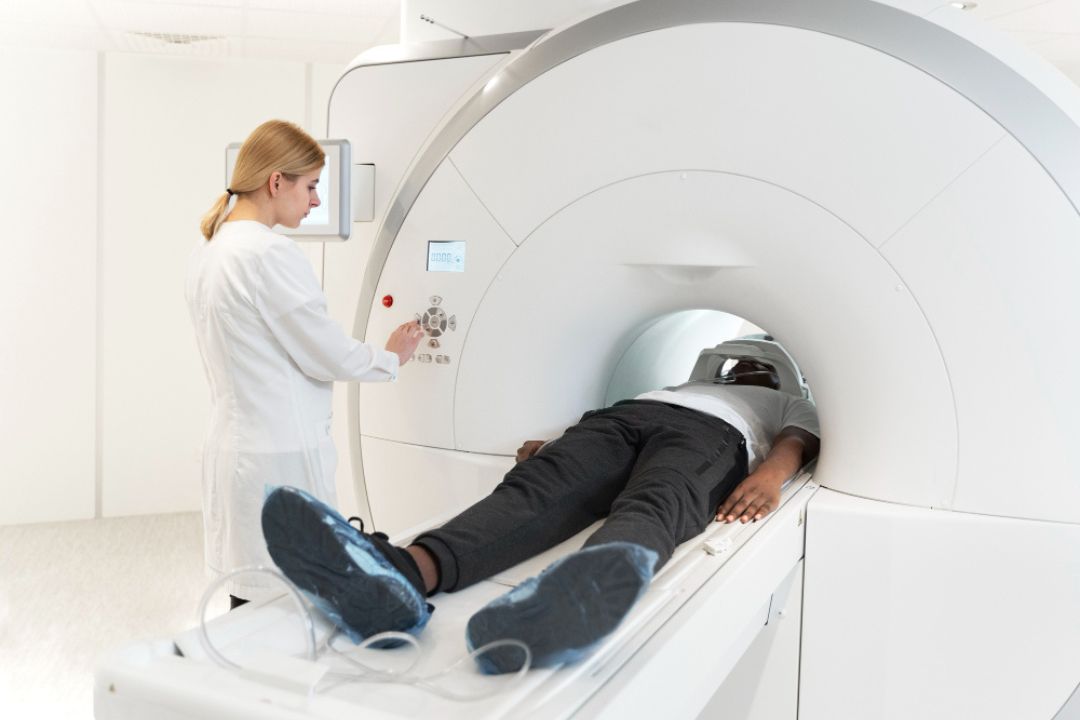
During the scan:
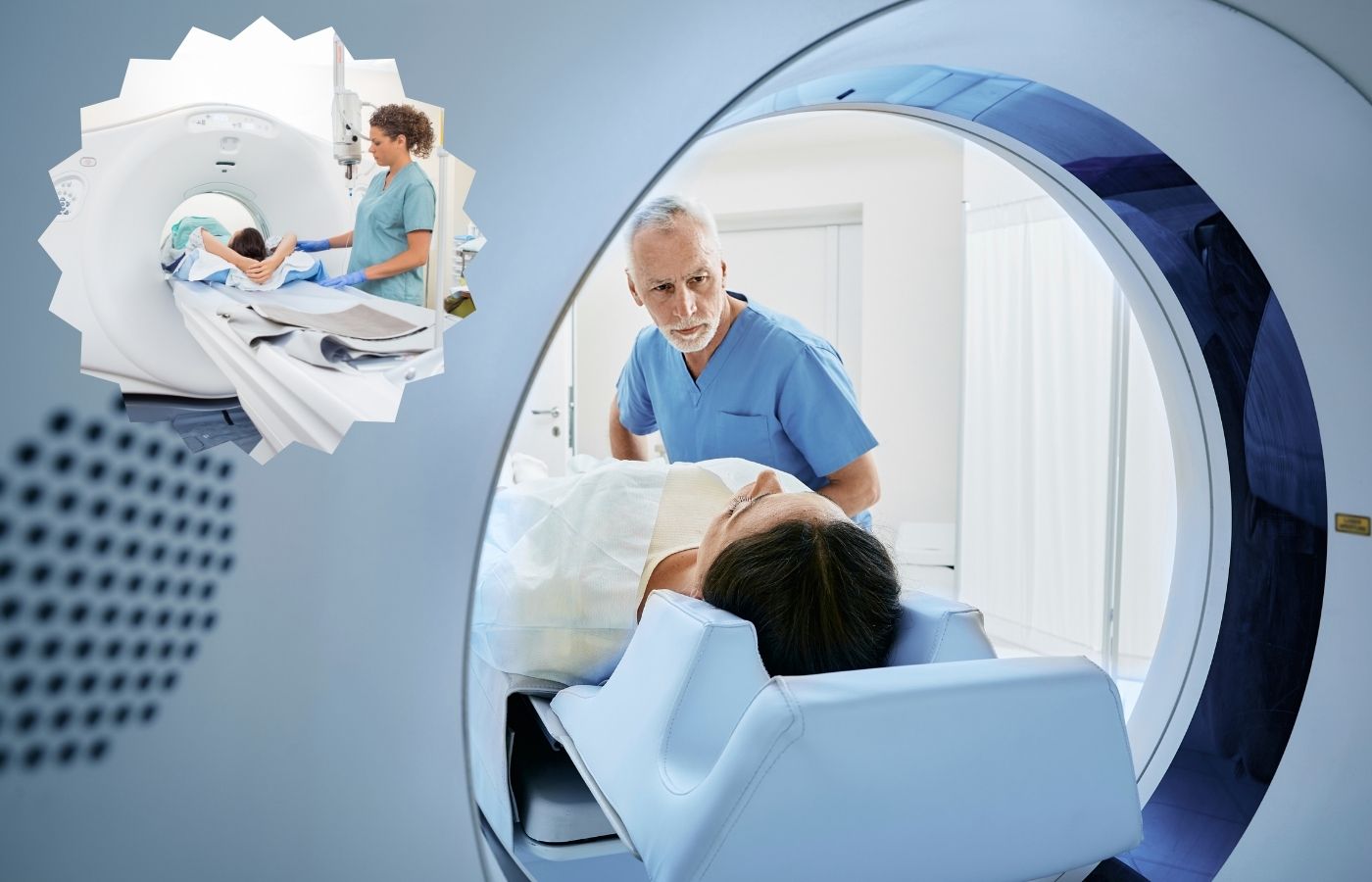
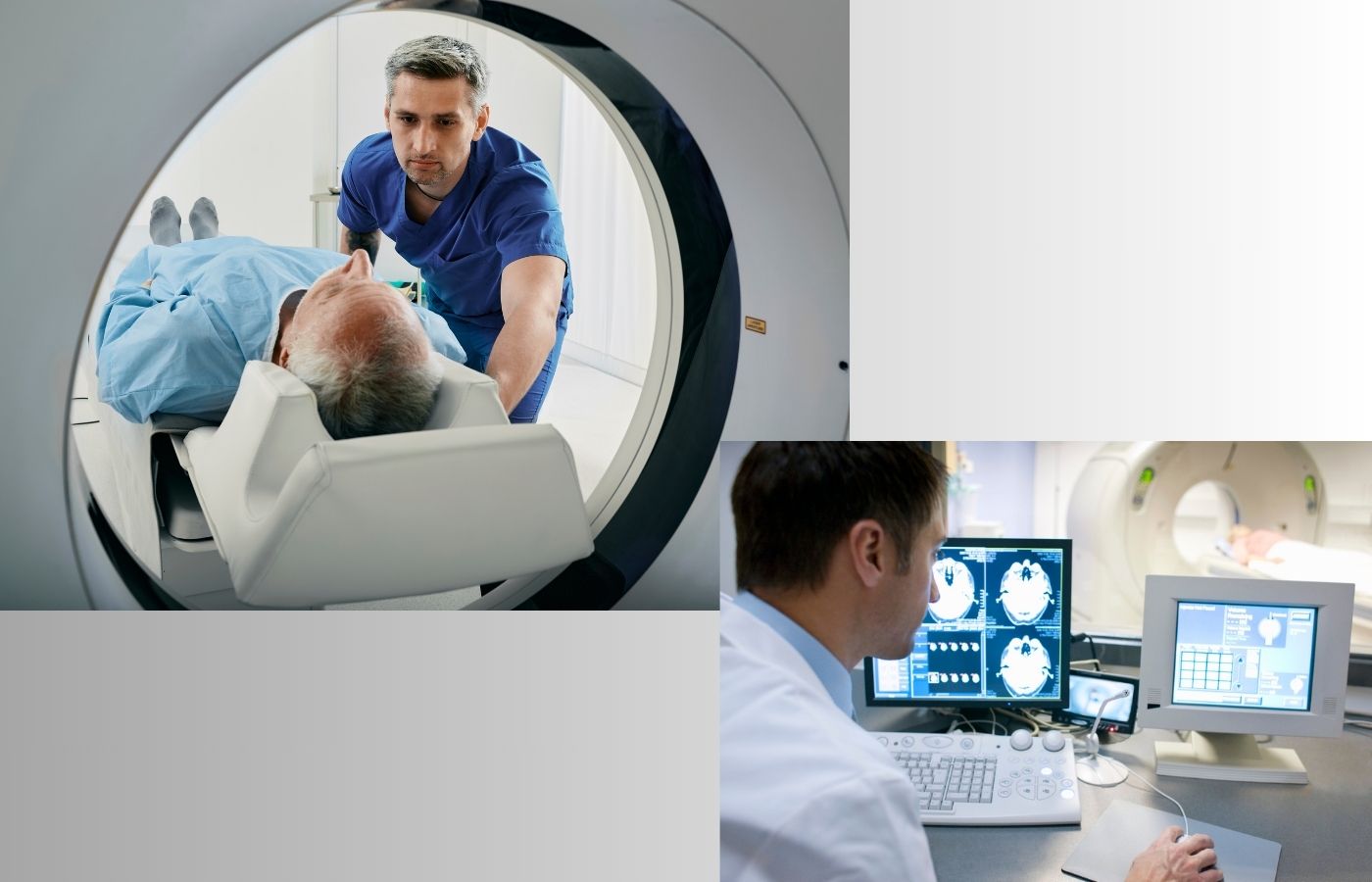
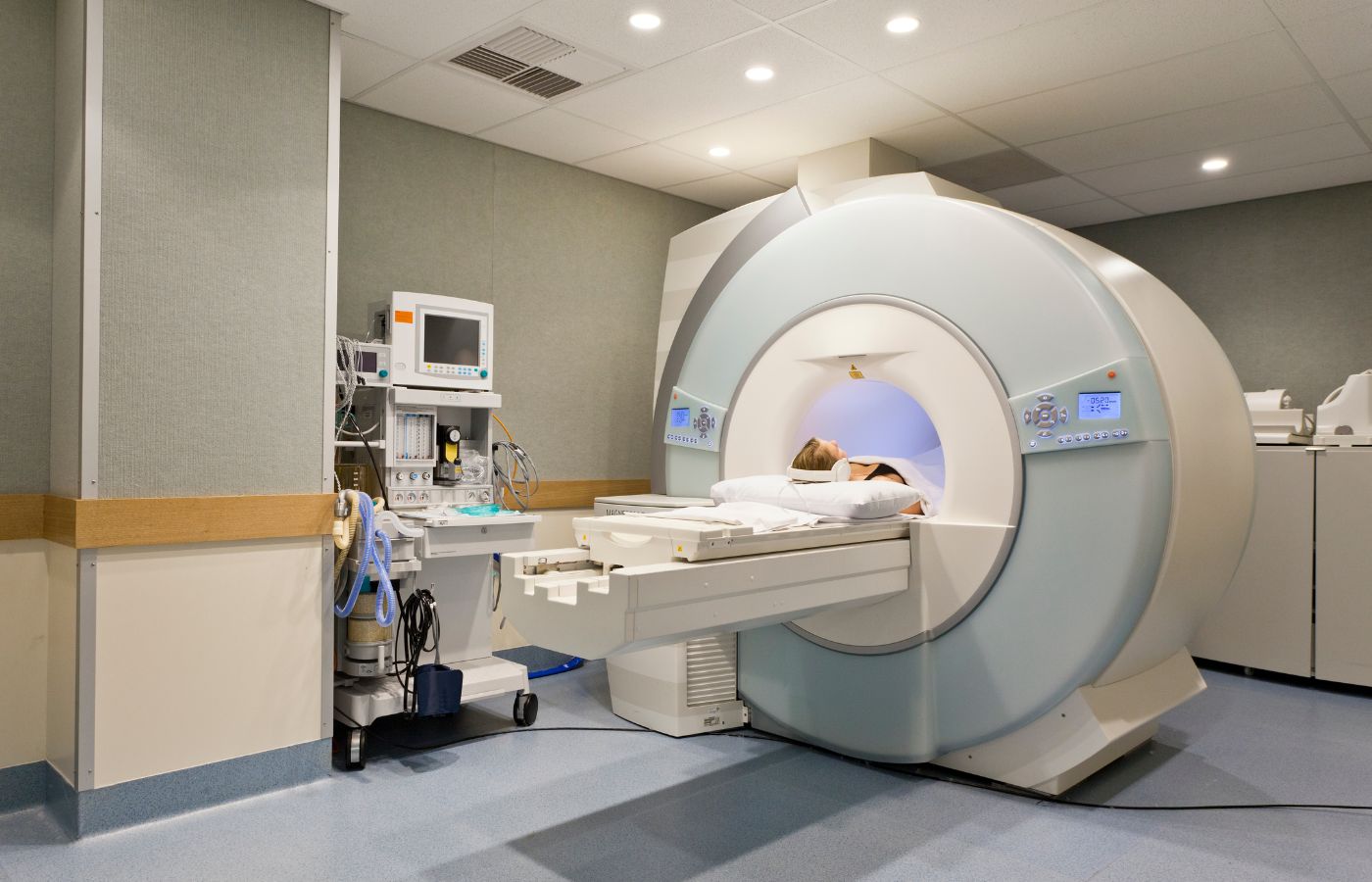
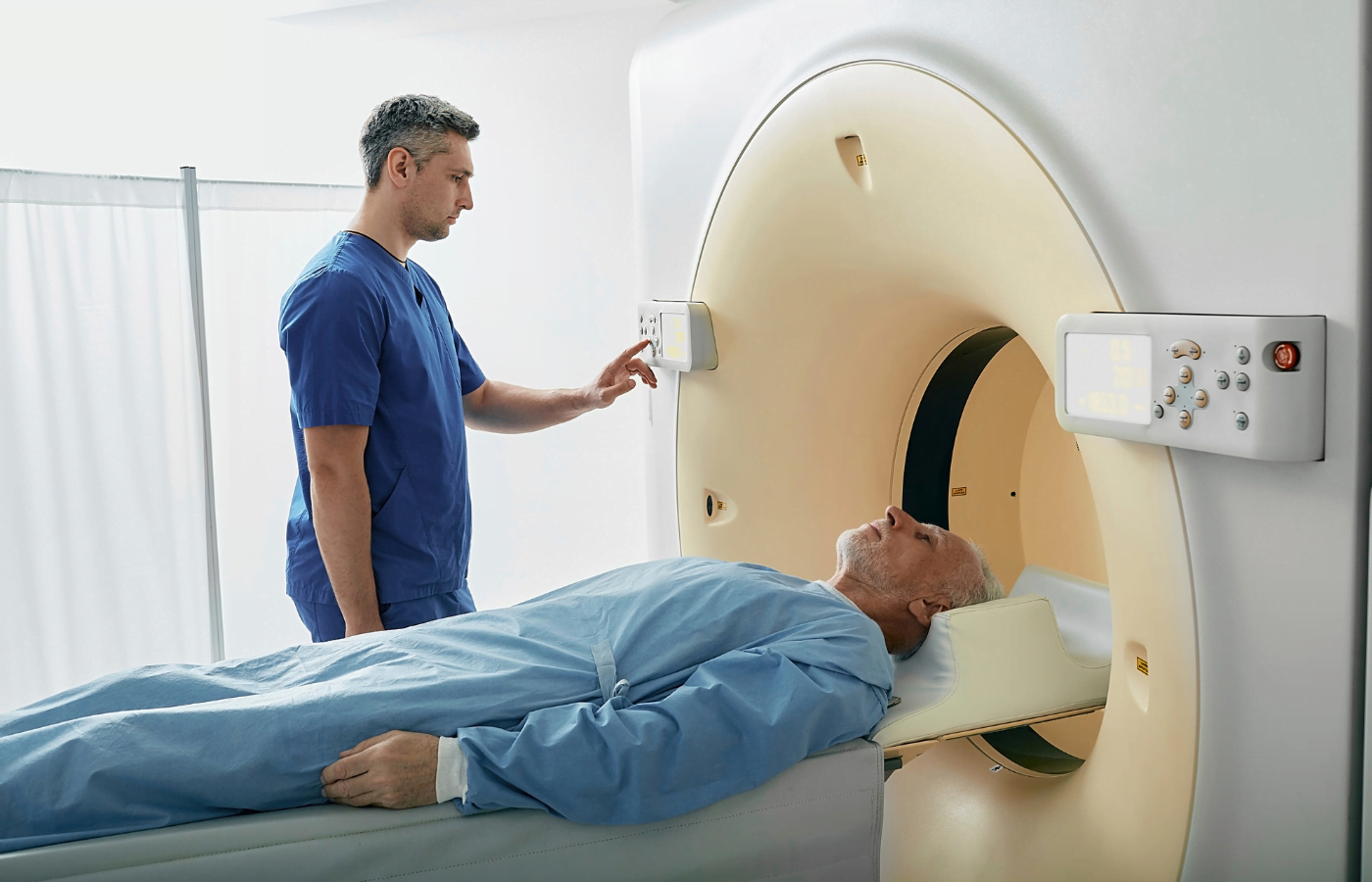
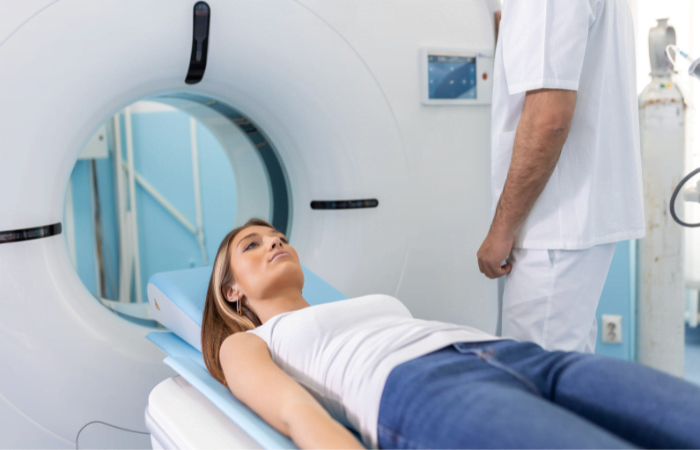
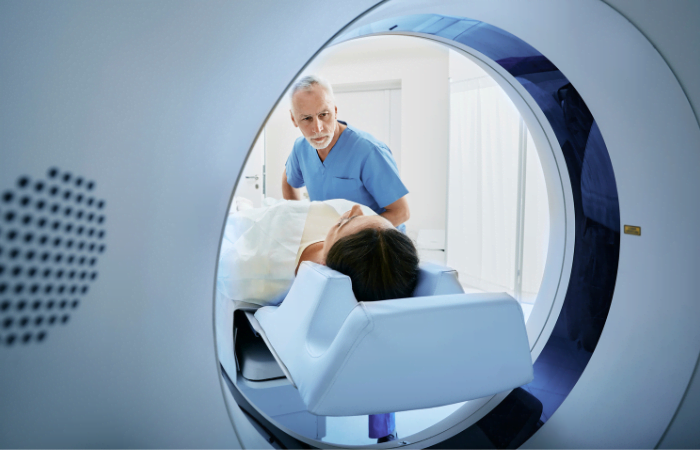
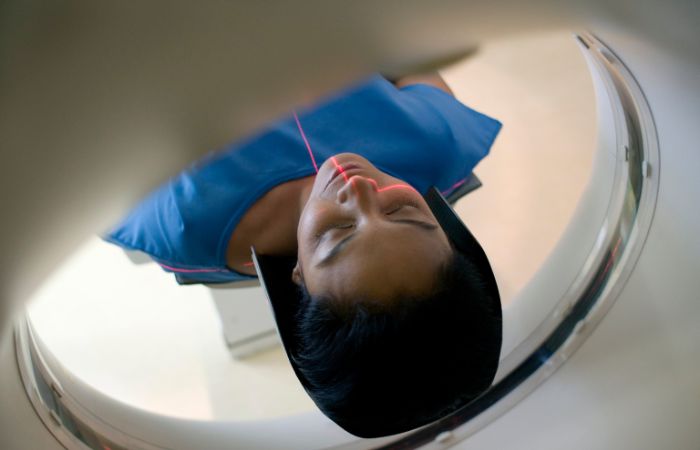
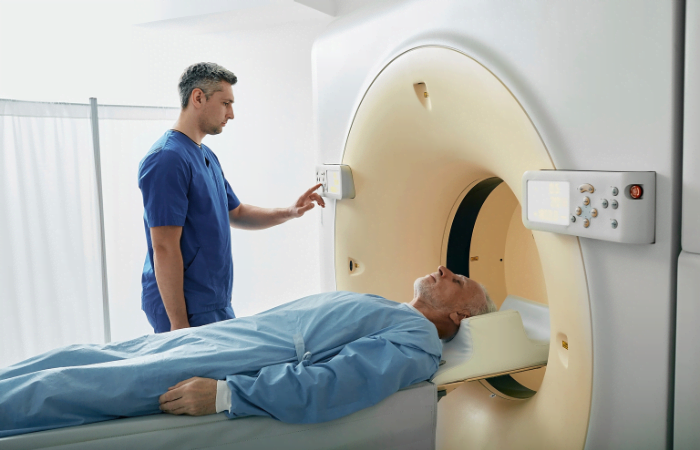
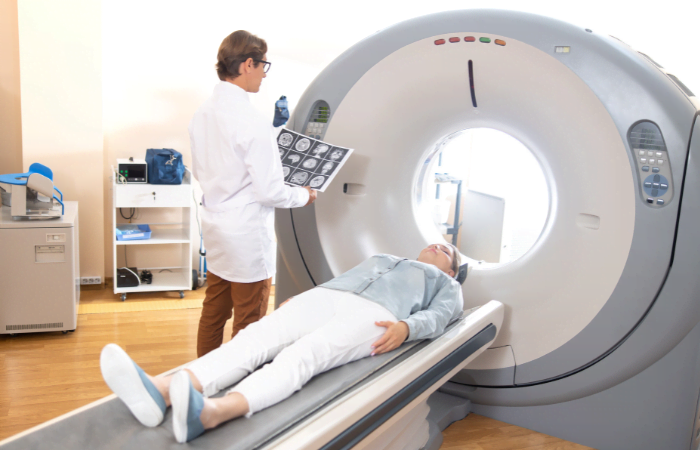
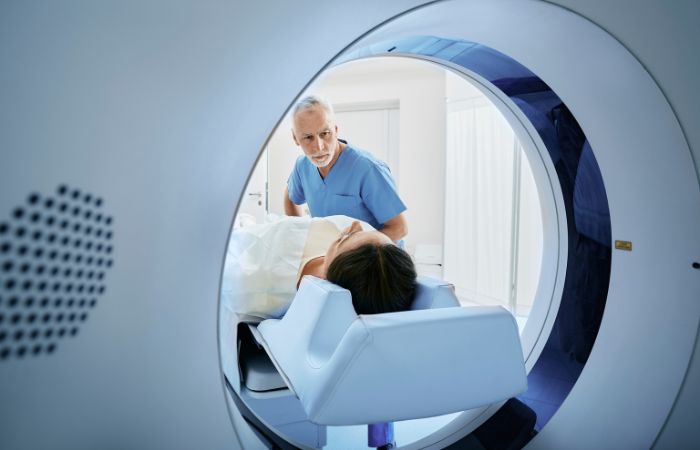
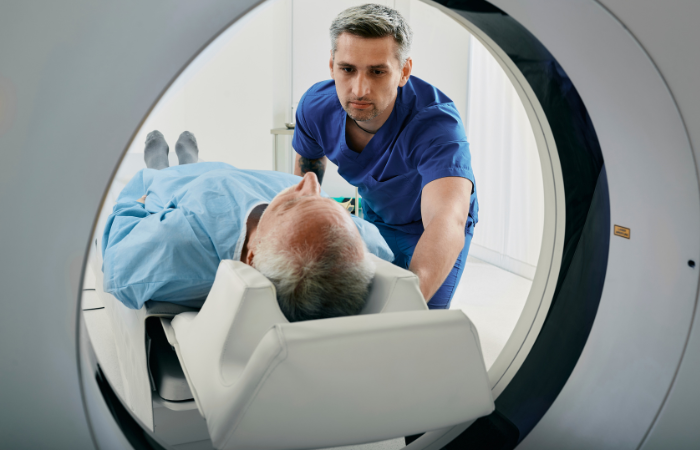
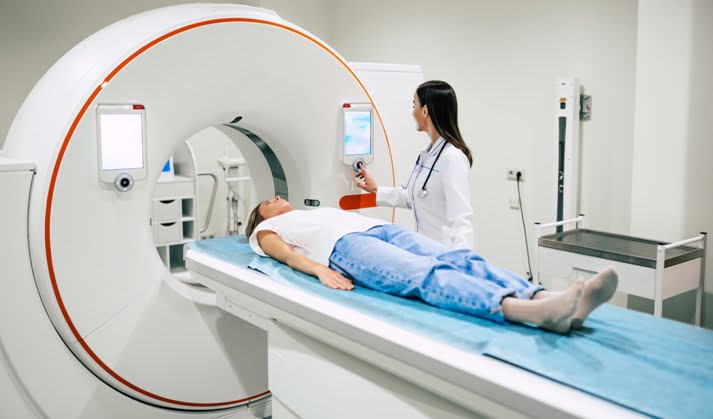
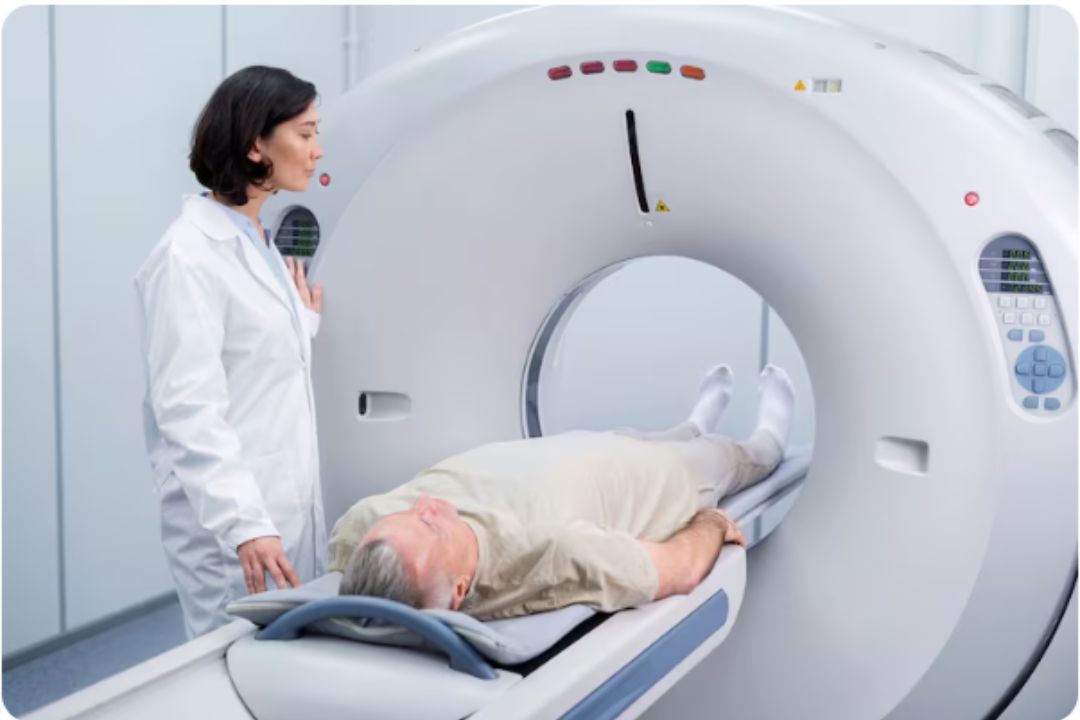
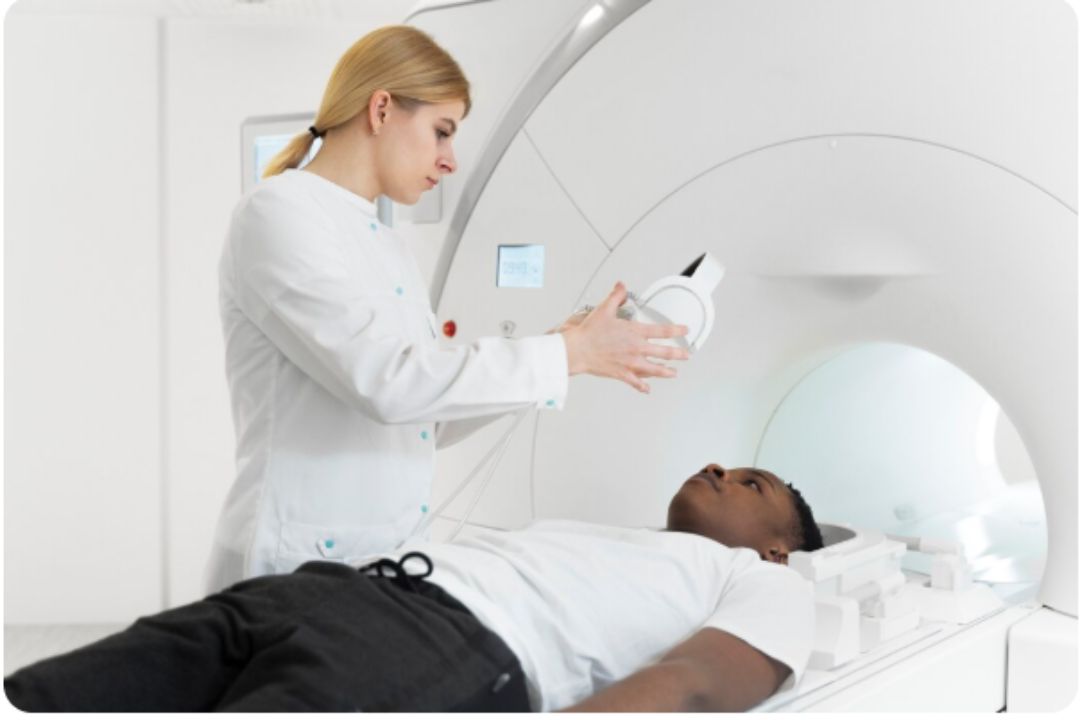
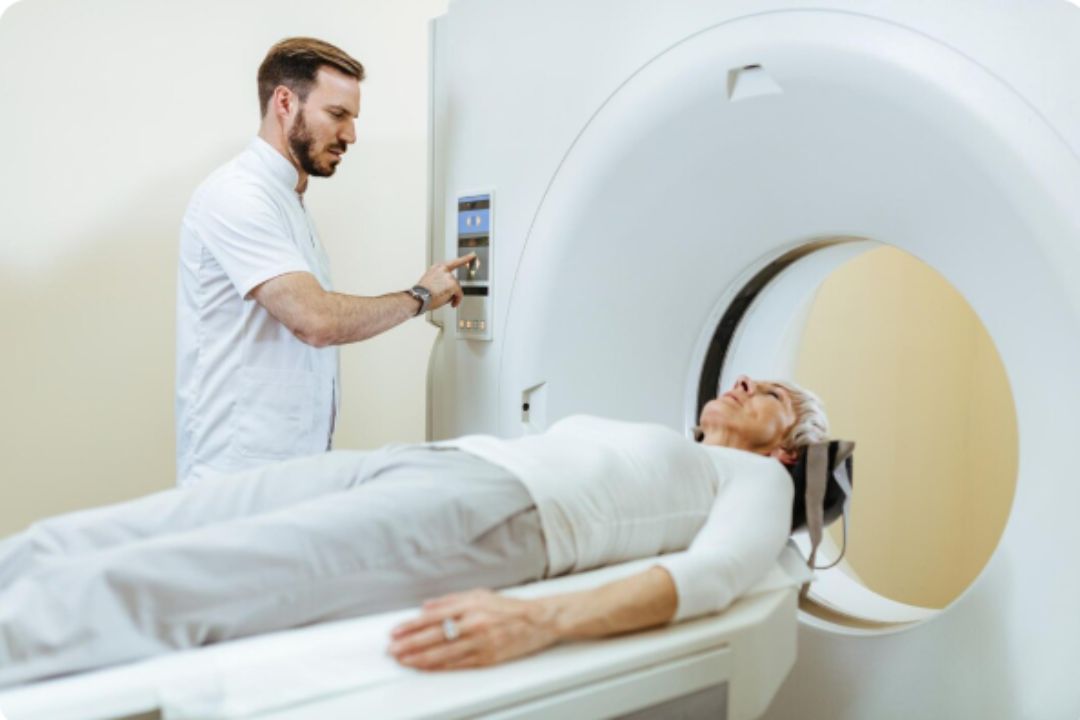
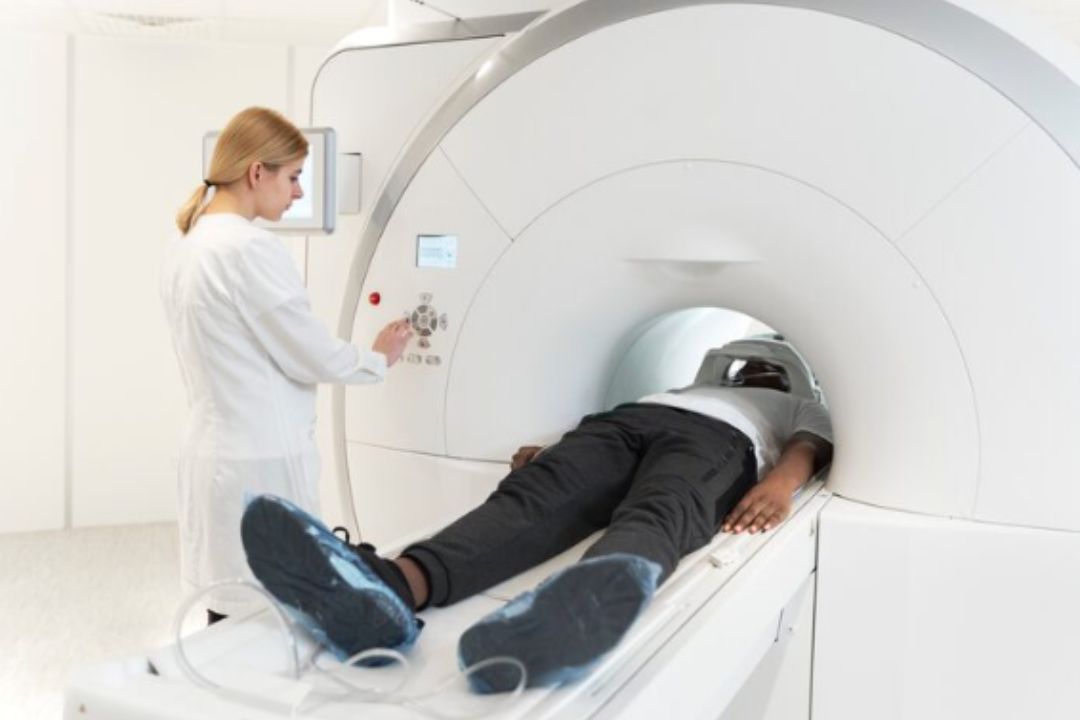
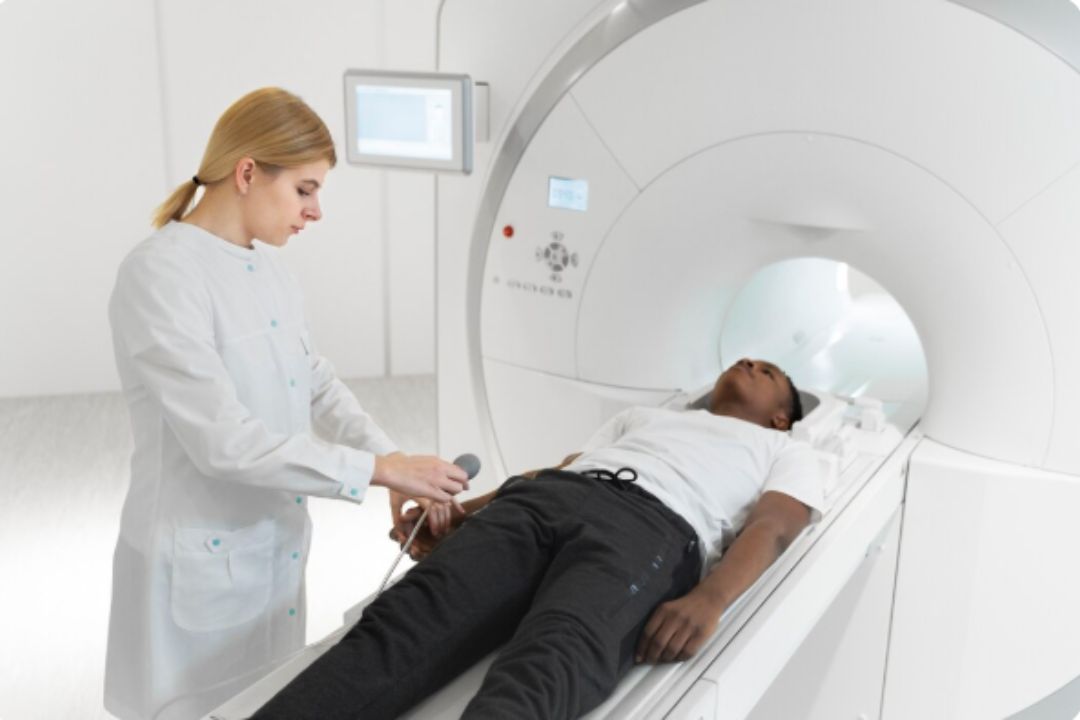
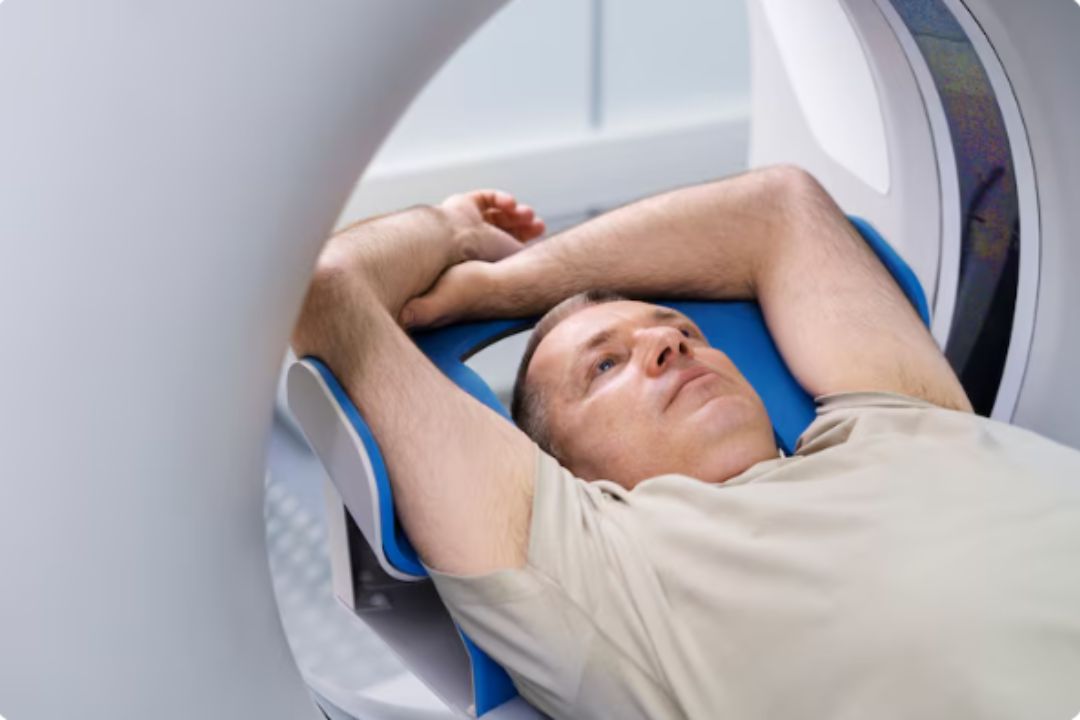
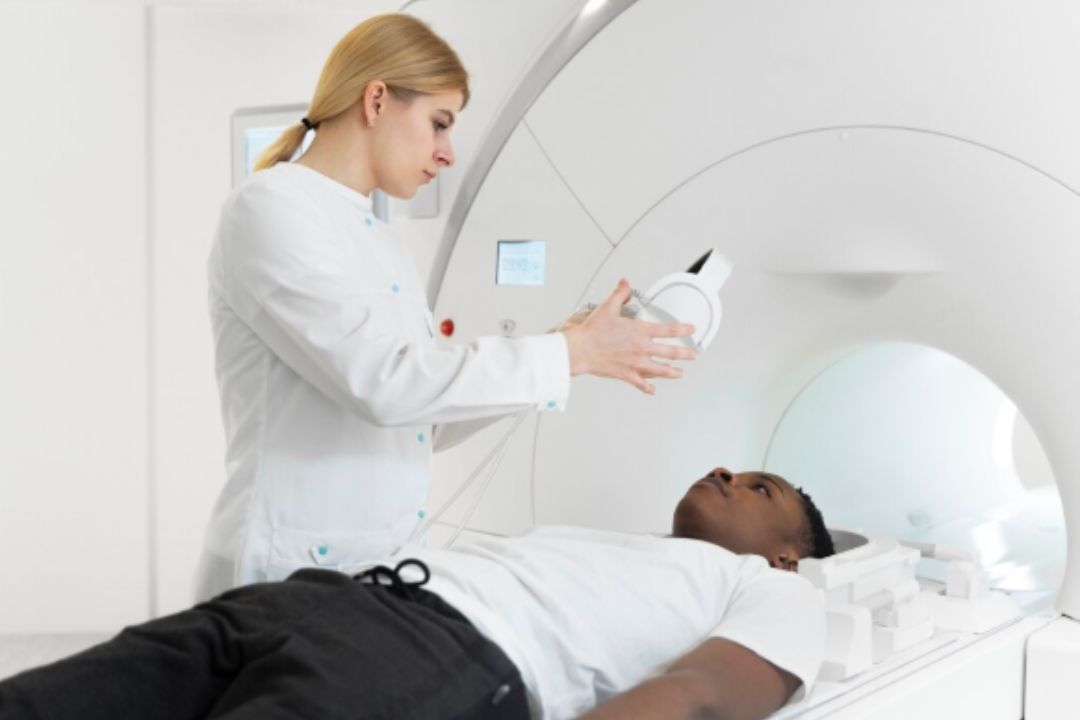
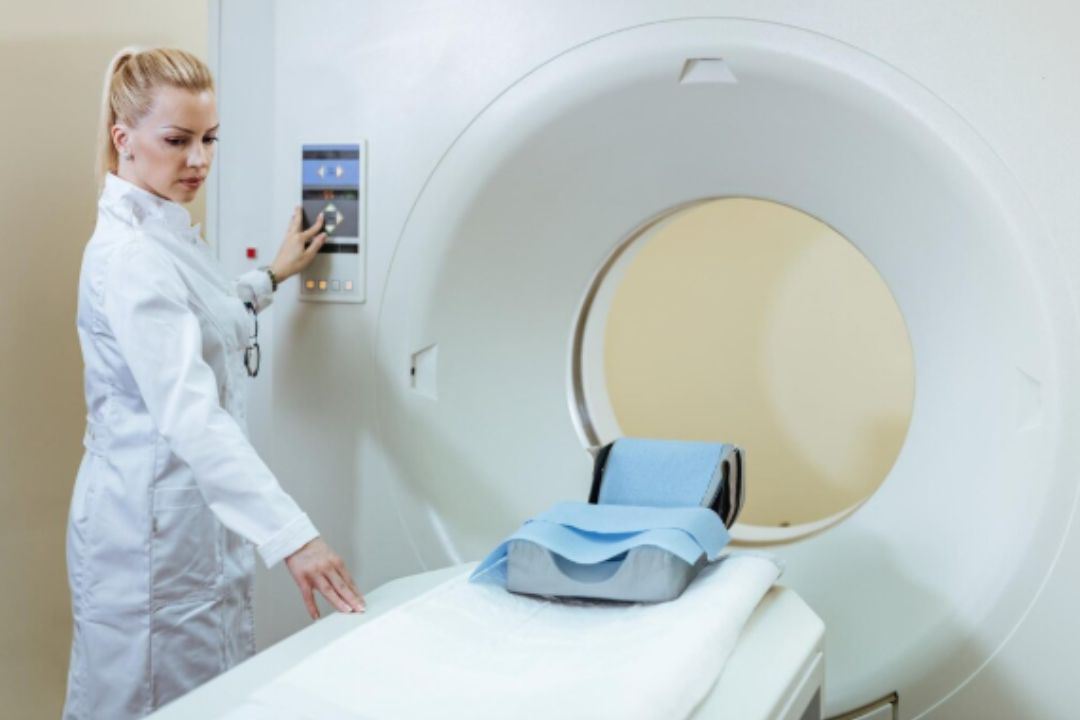
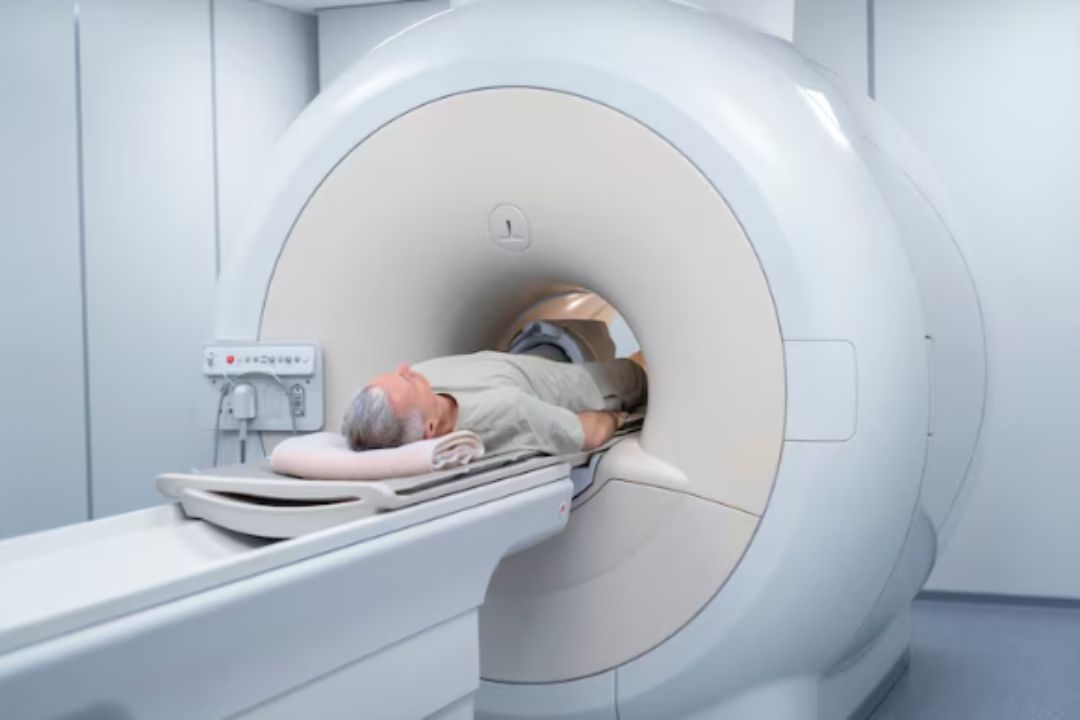
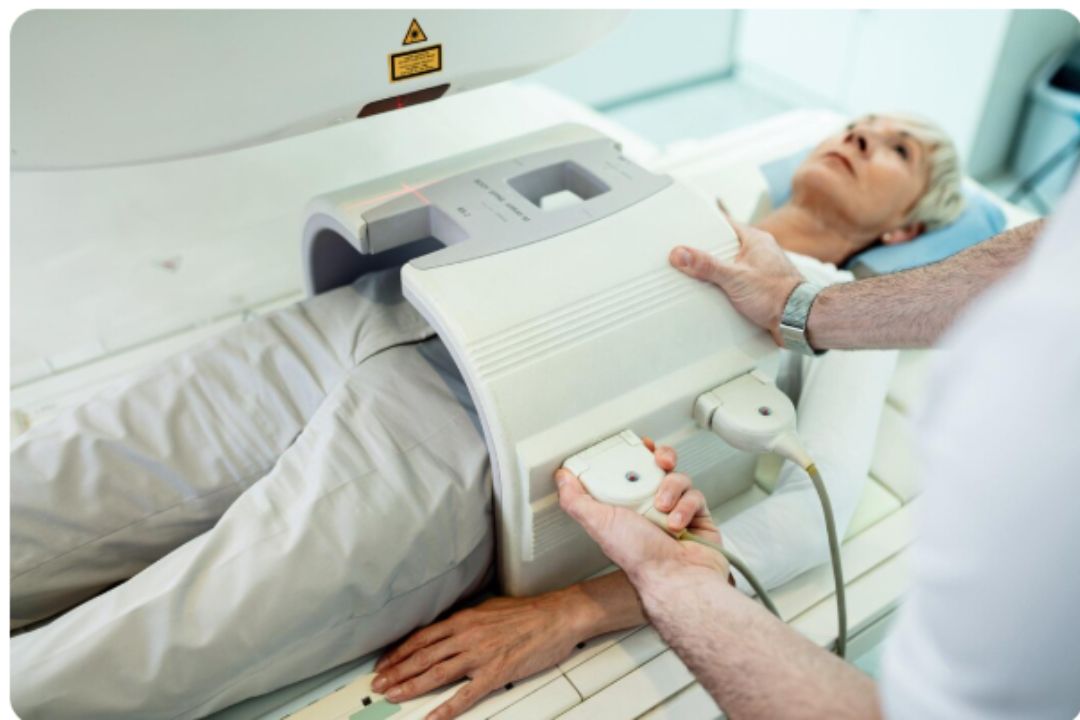
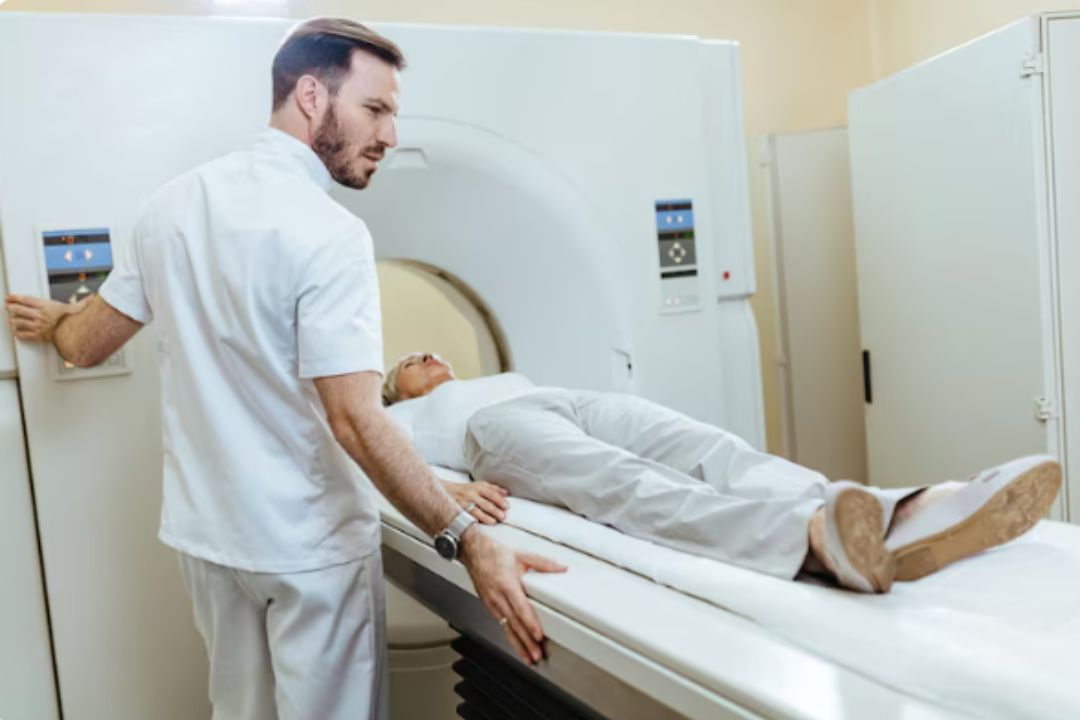
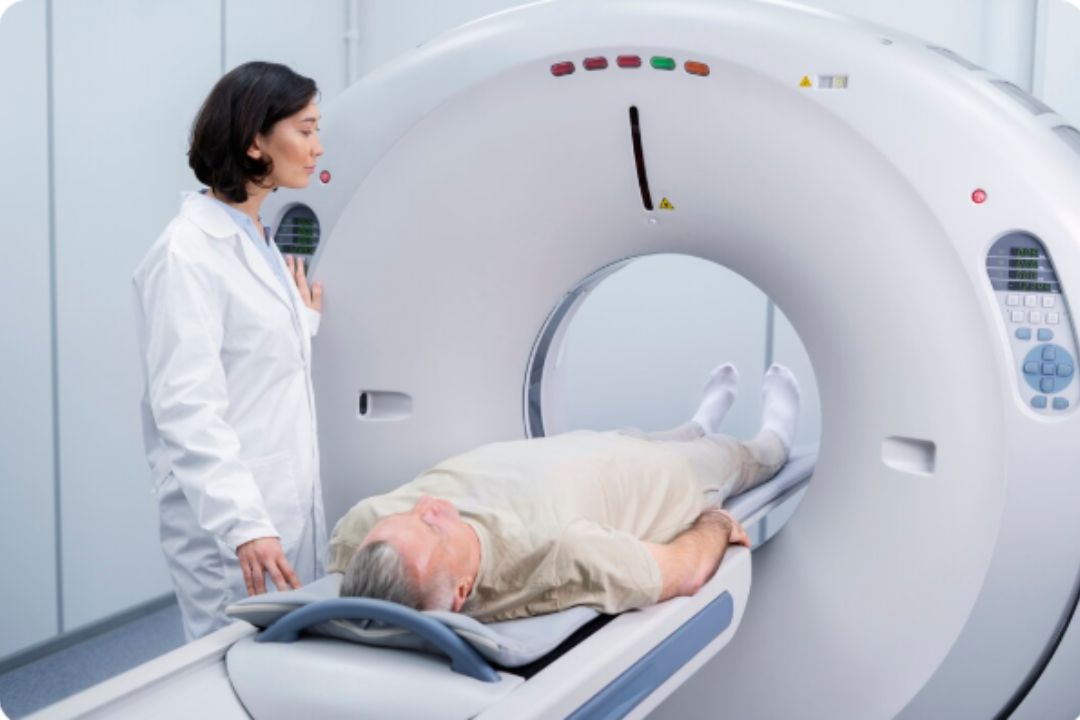
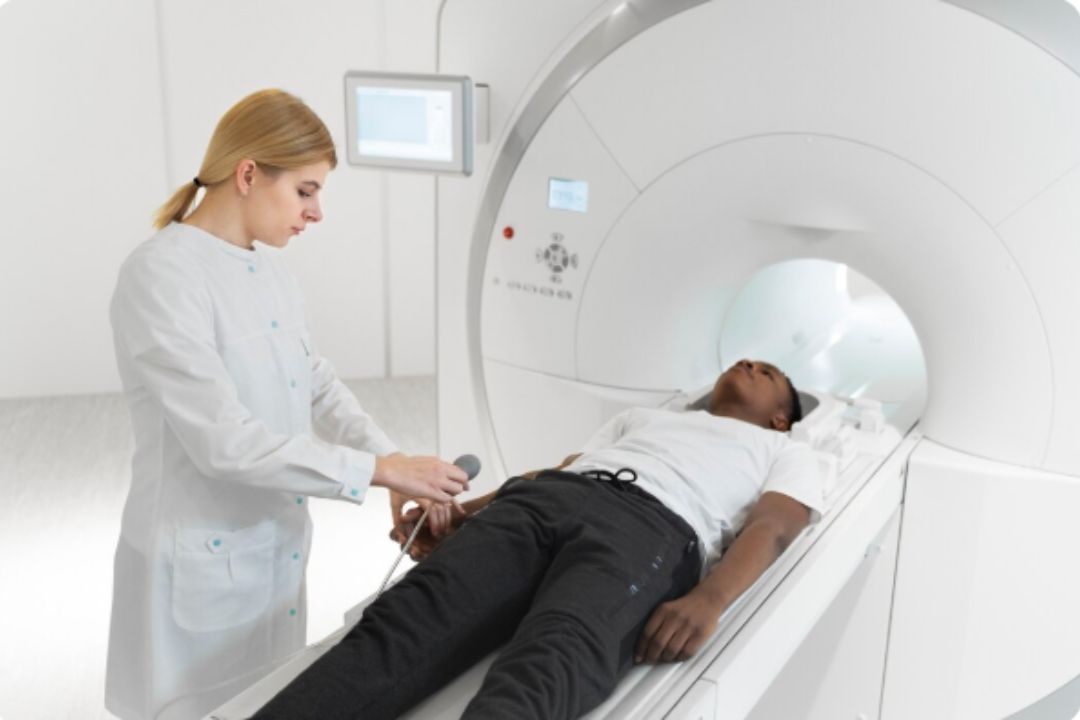
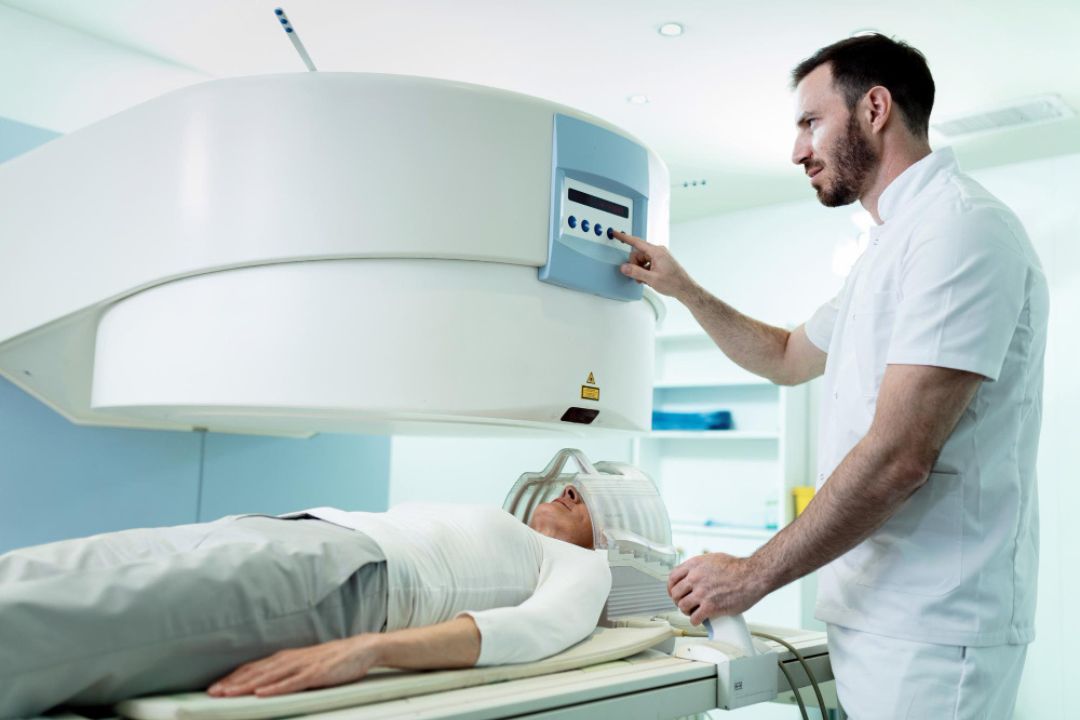
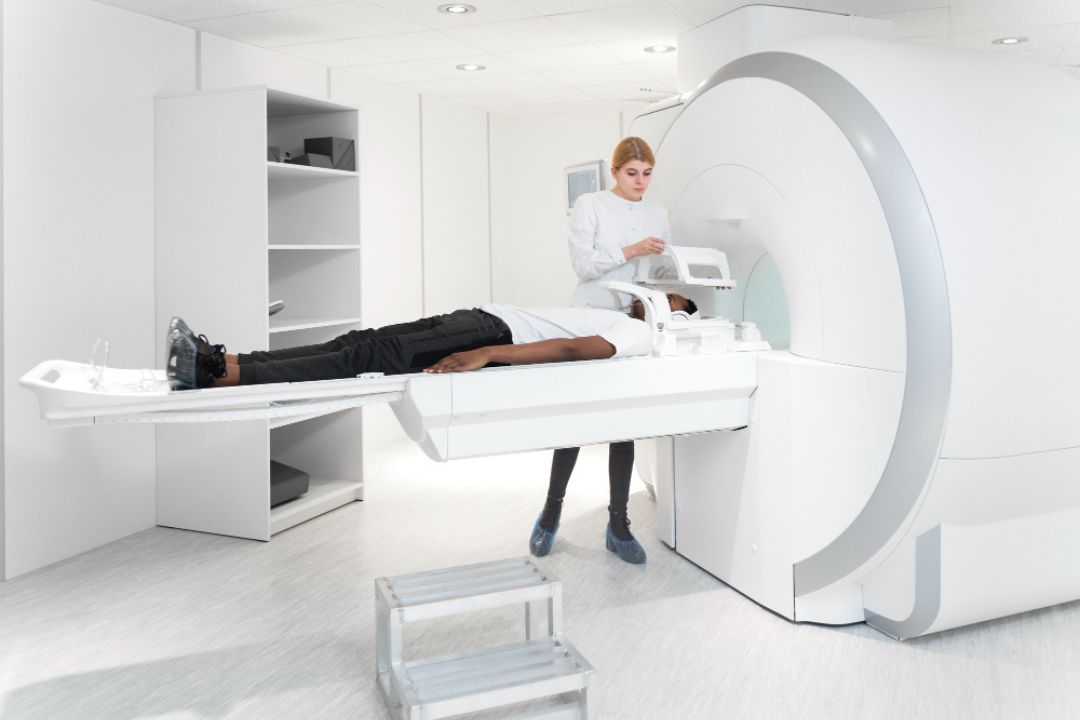
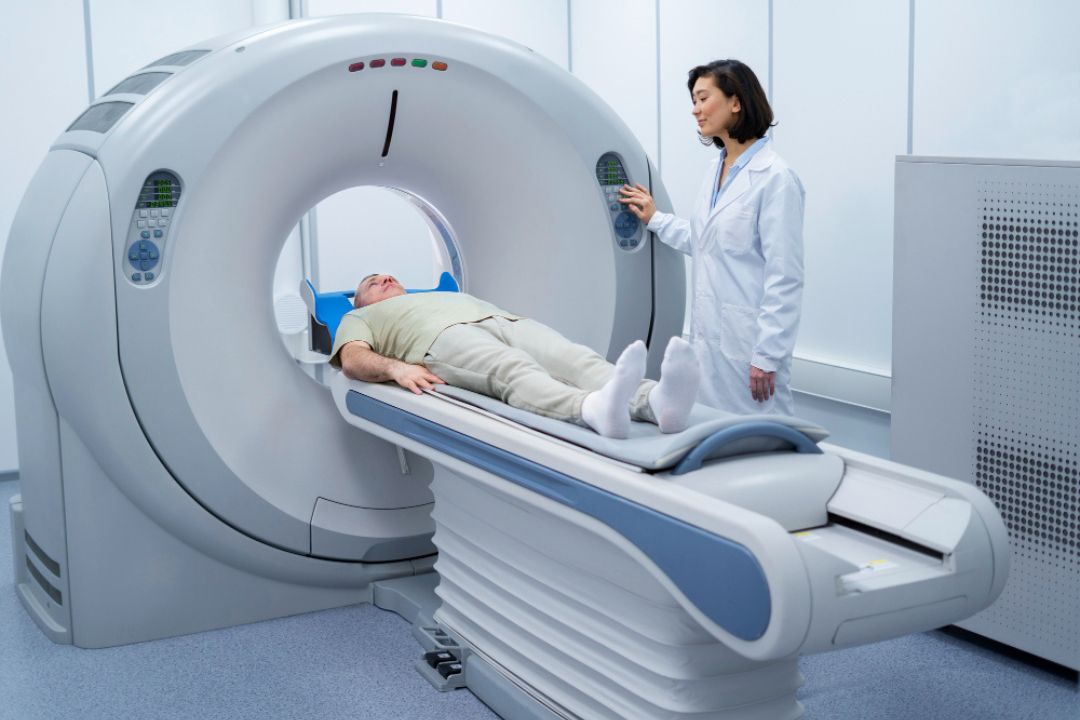
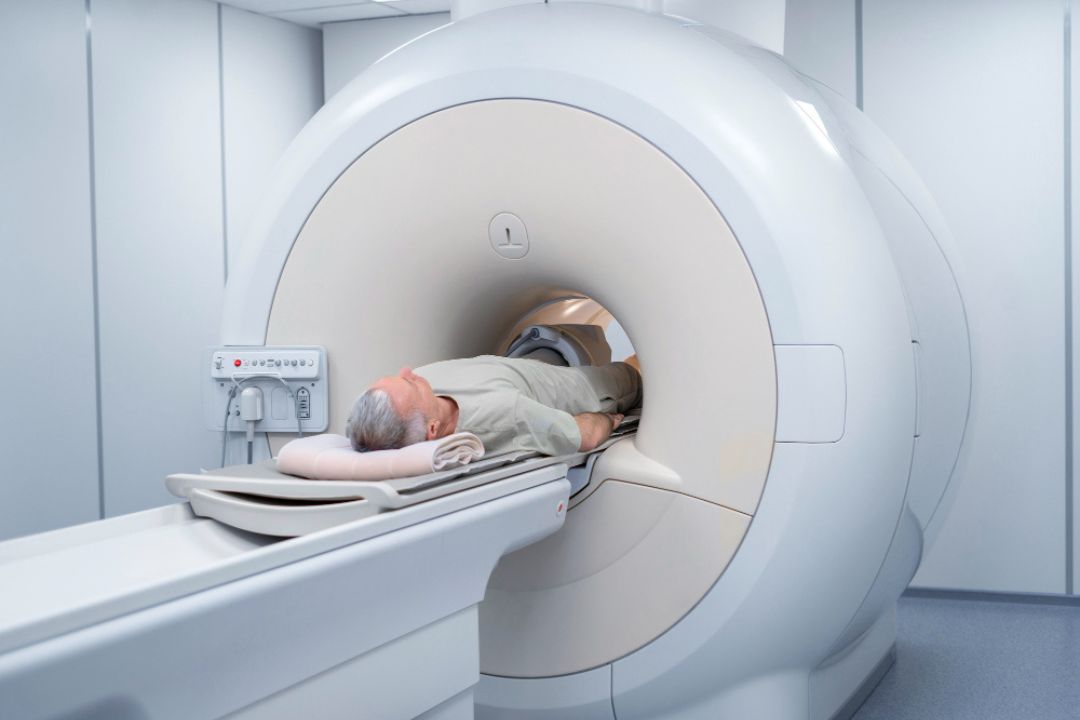
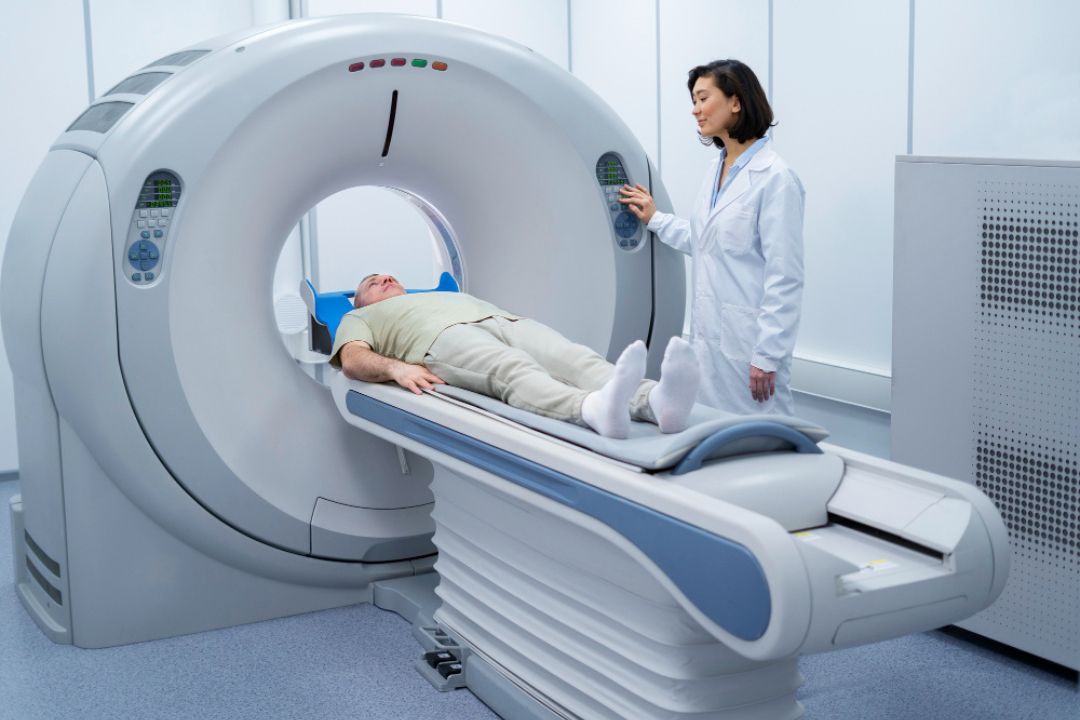
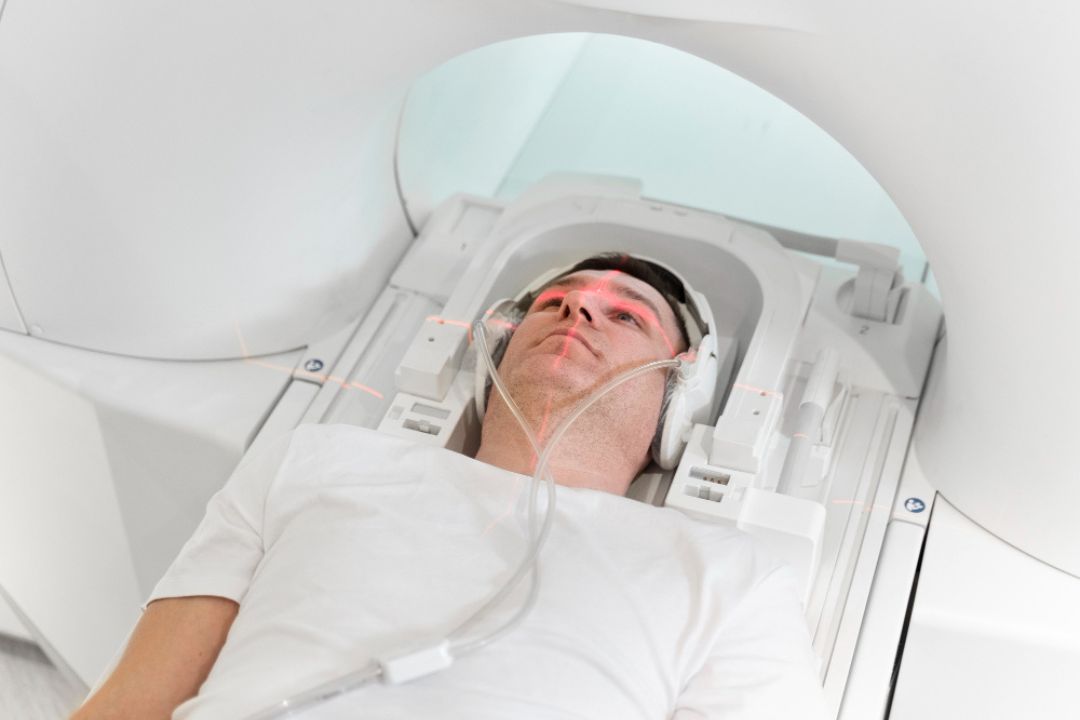
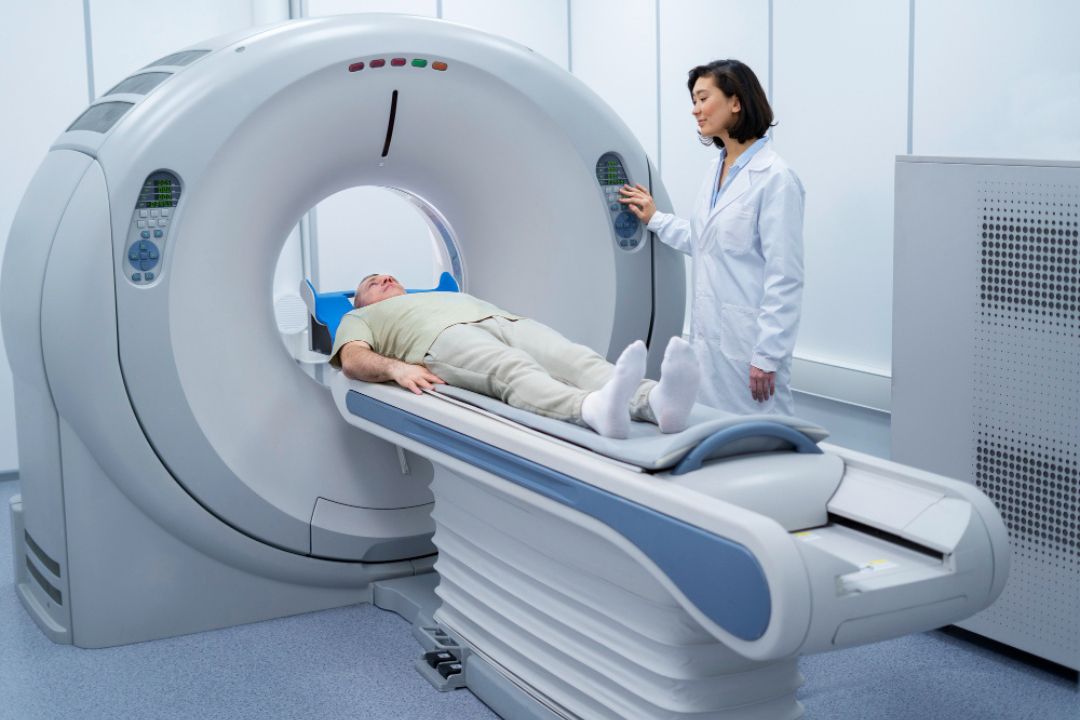
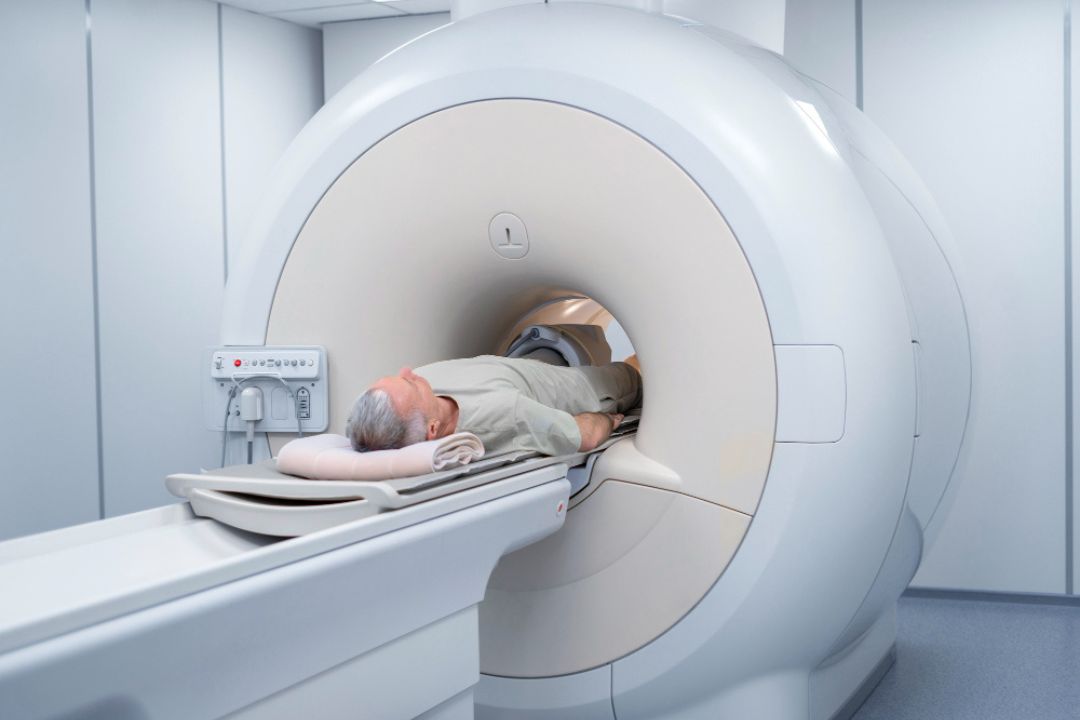
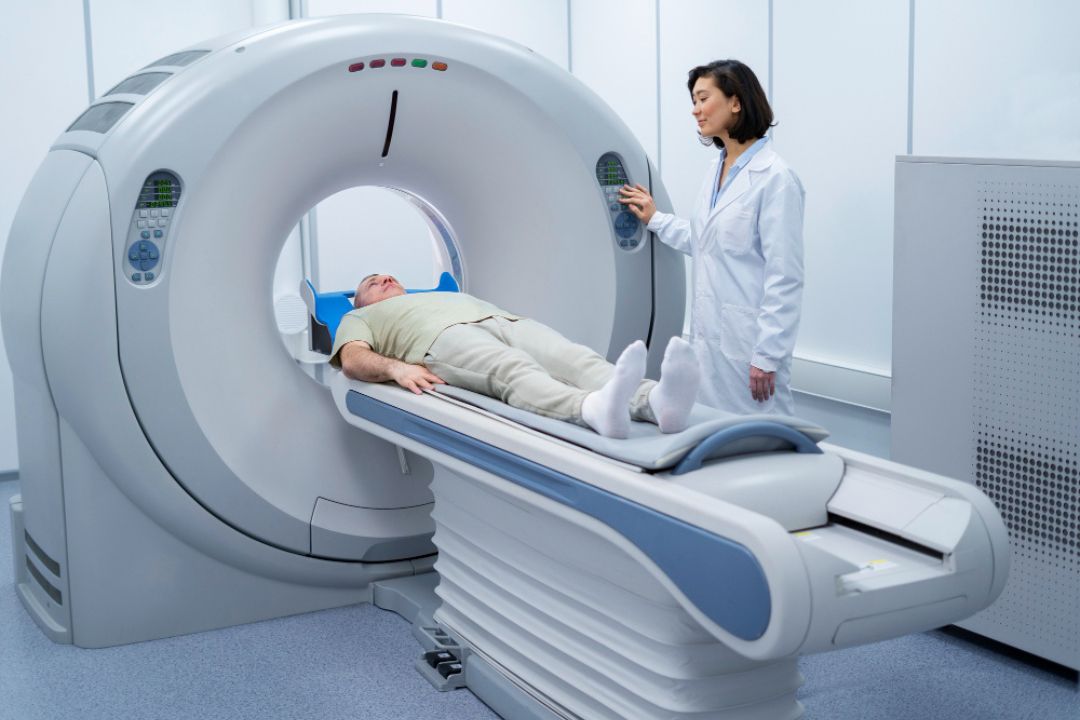
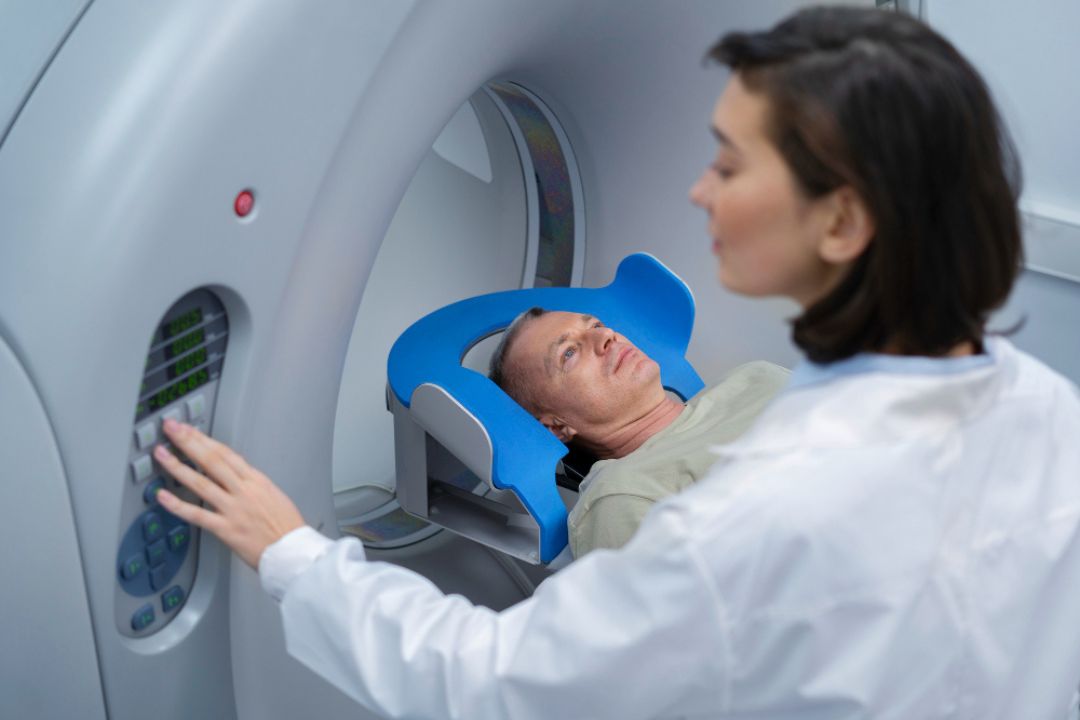
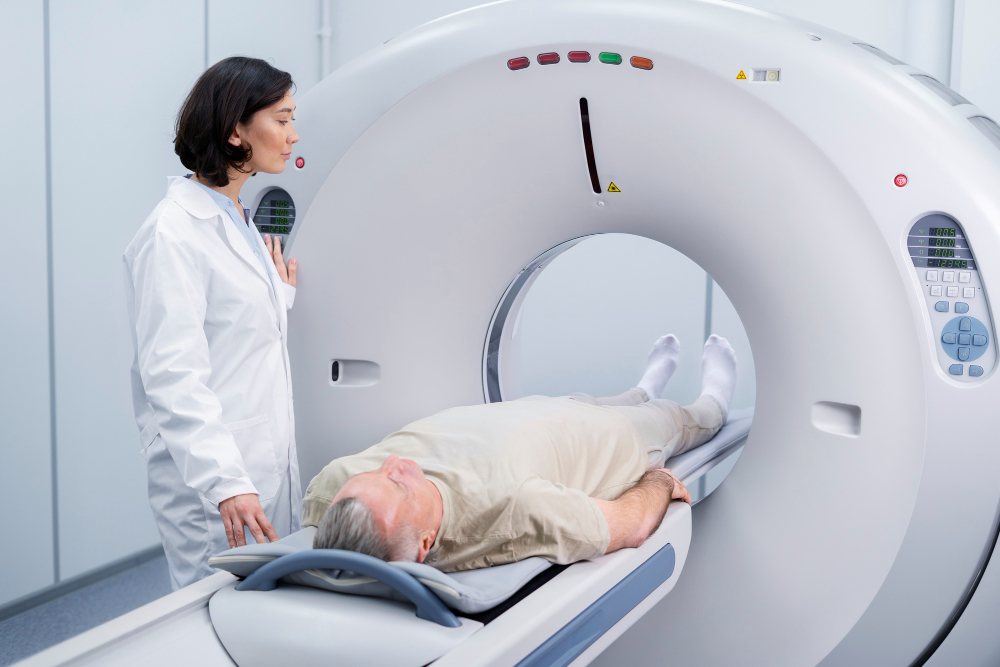
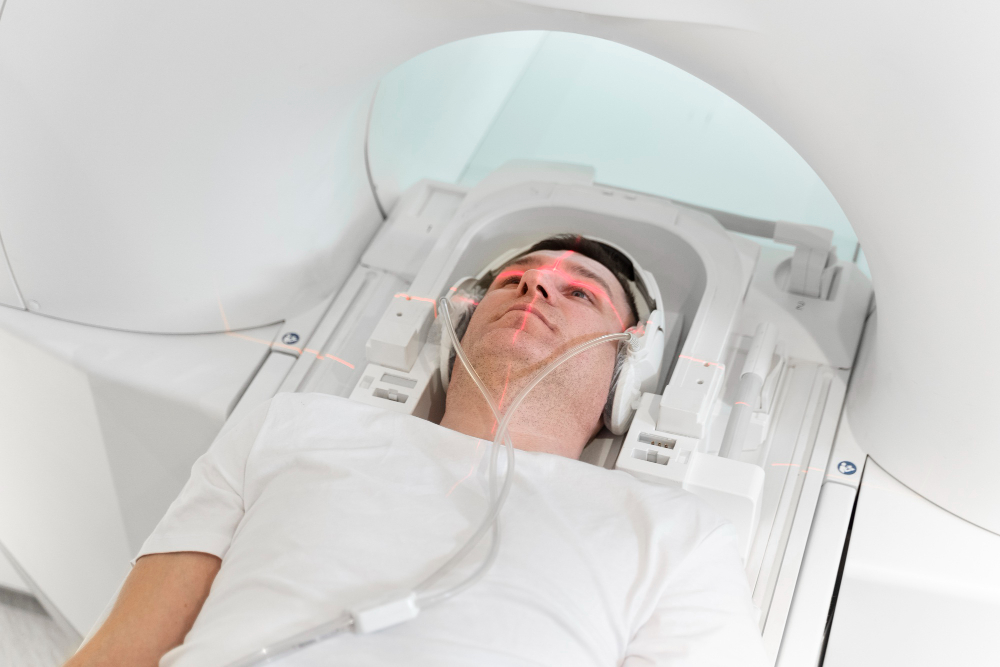
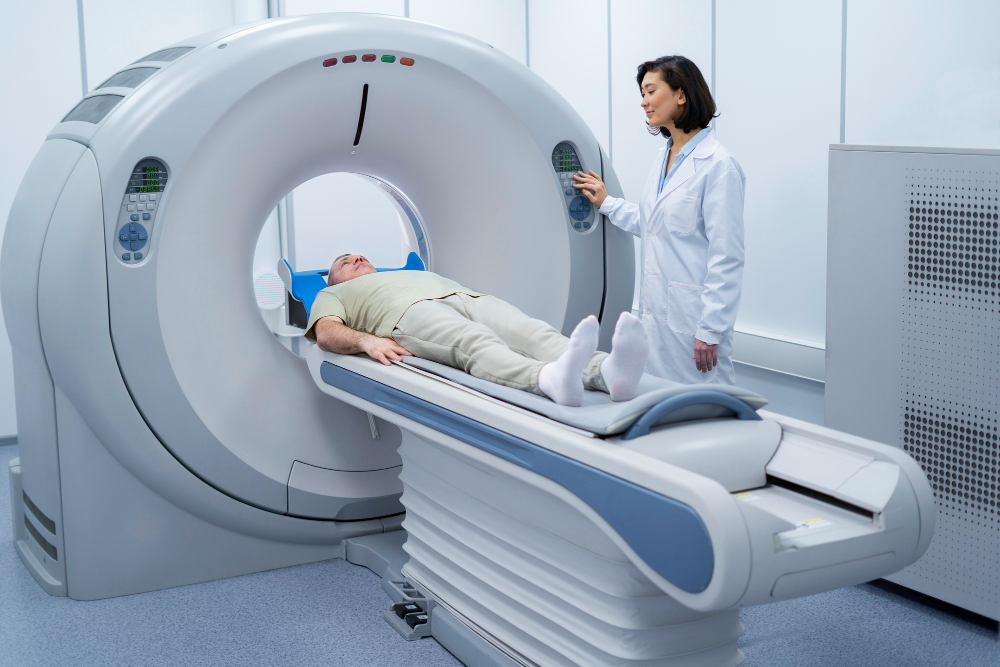
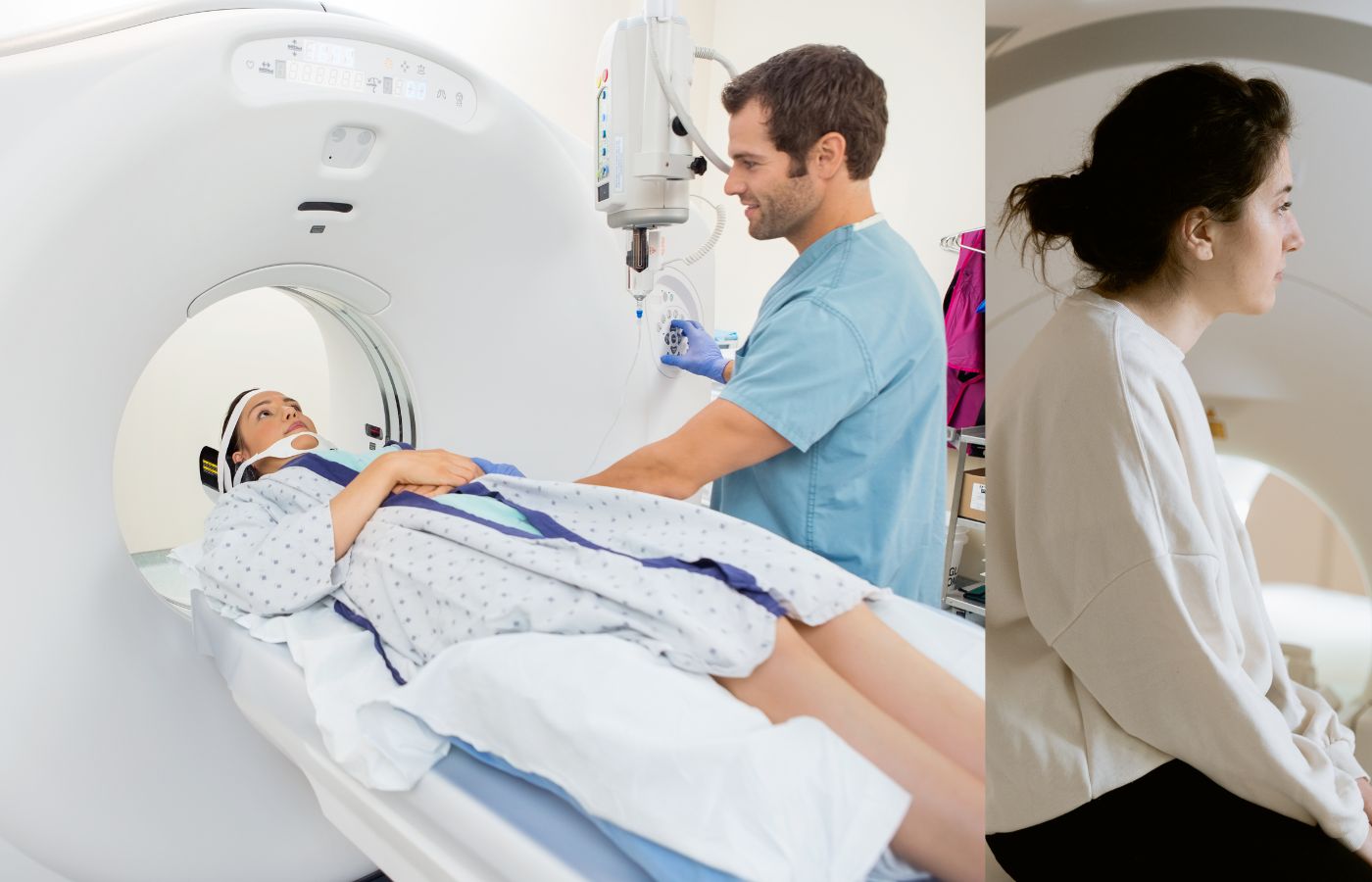
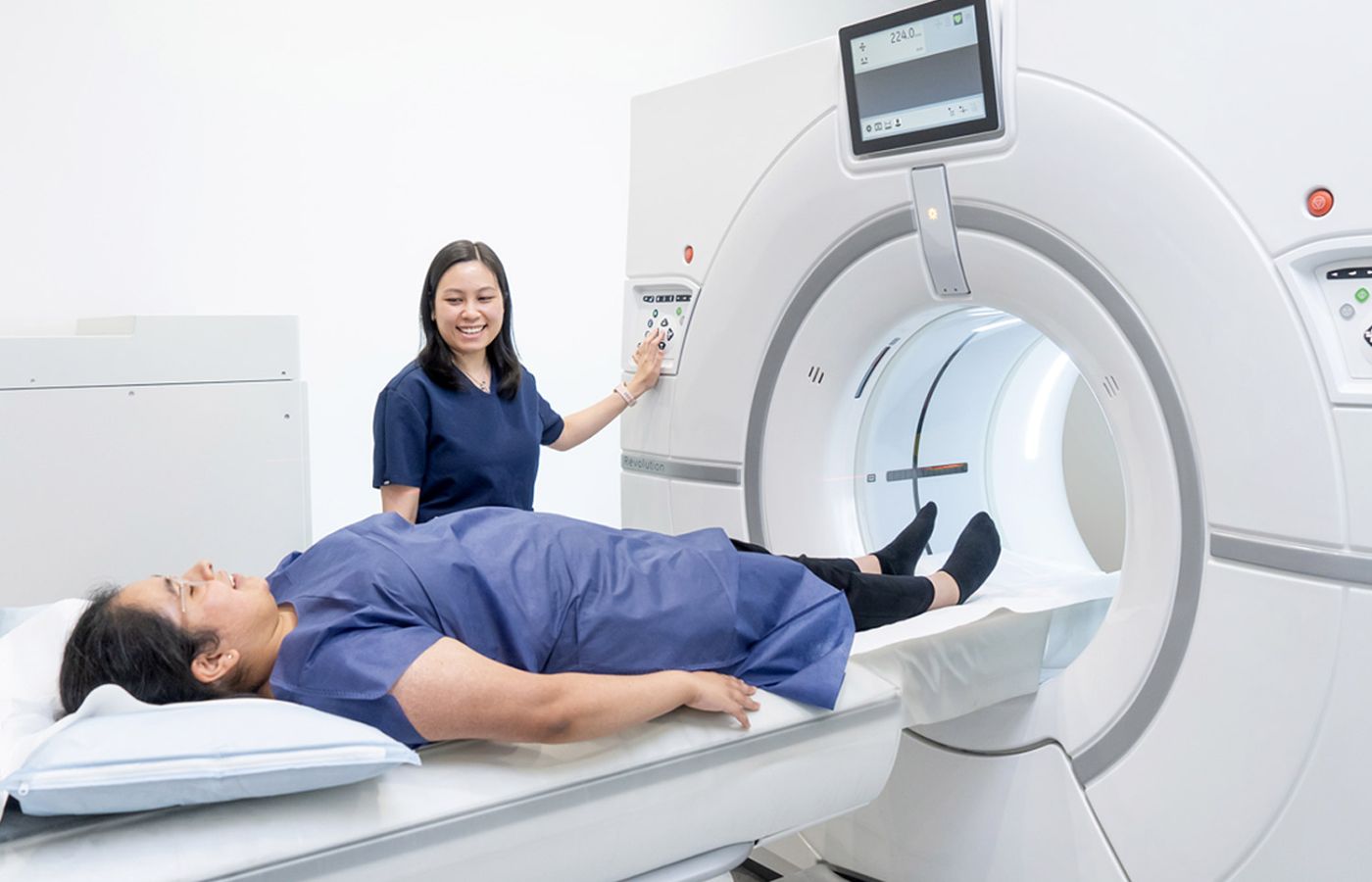
The patient lies on a movable table.
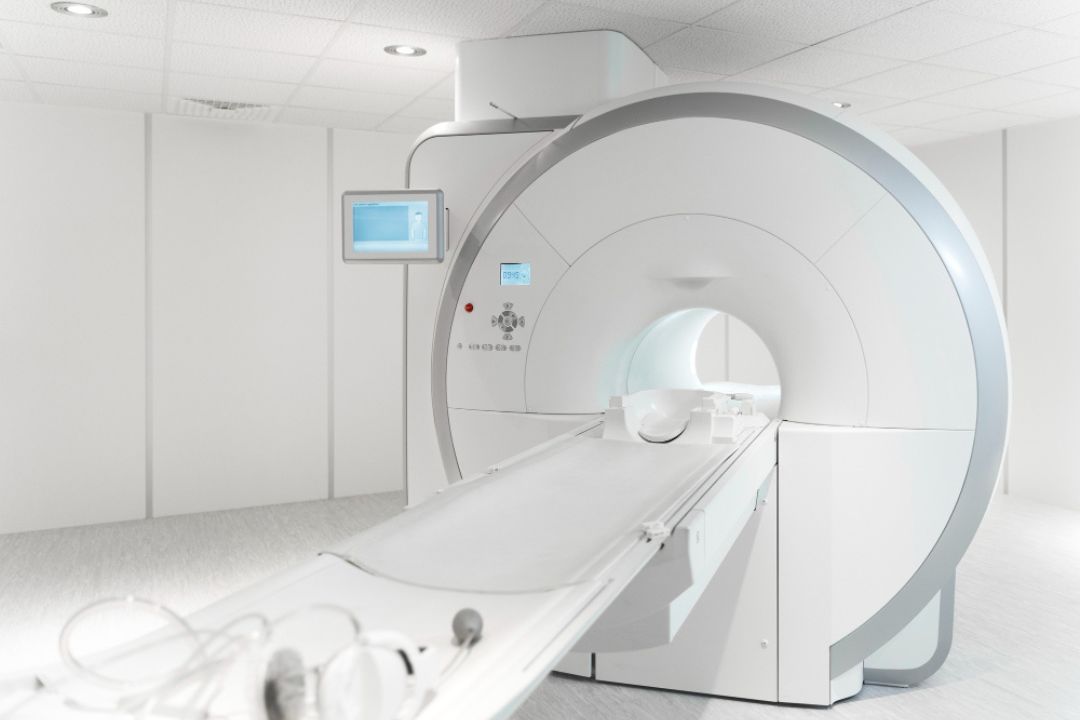
The table slides into the CT scanner.
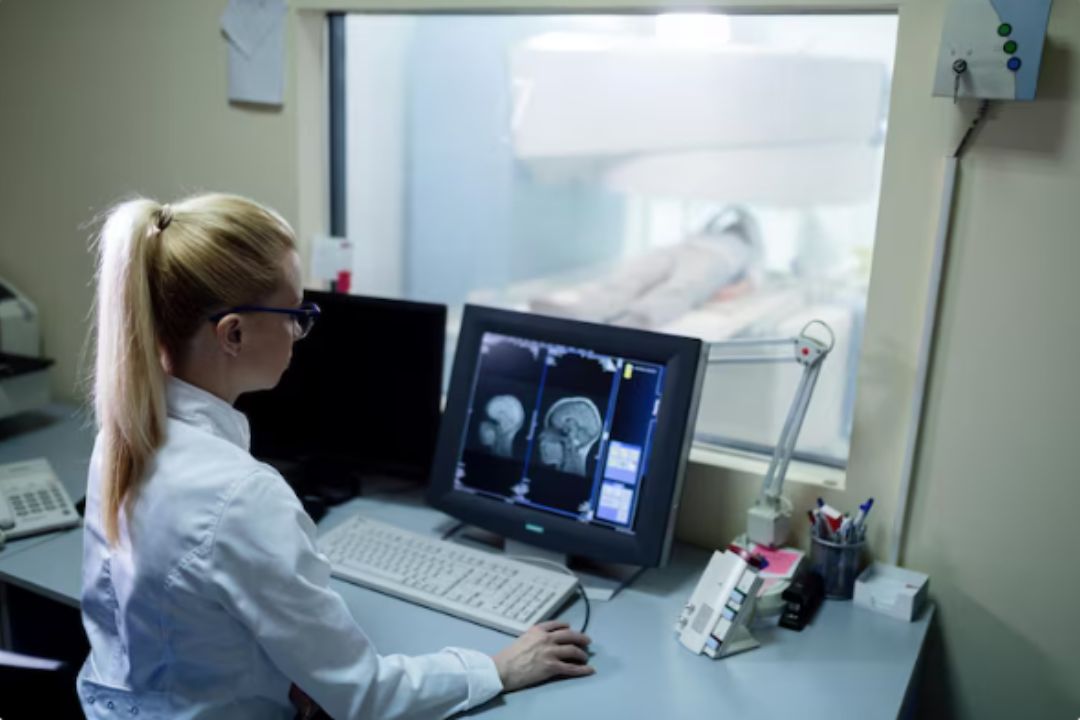
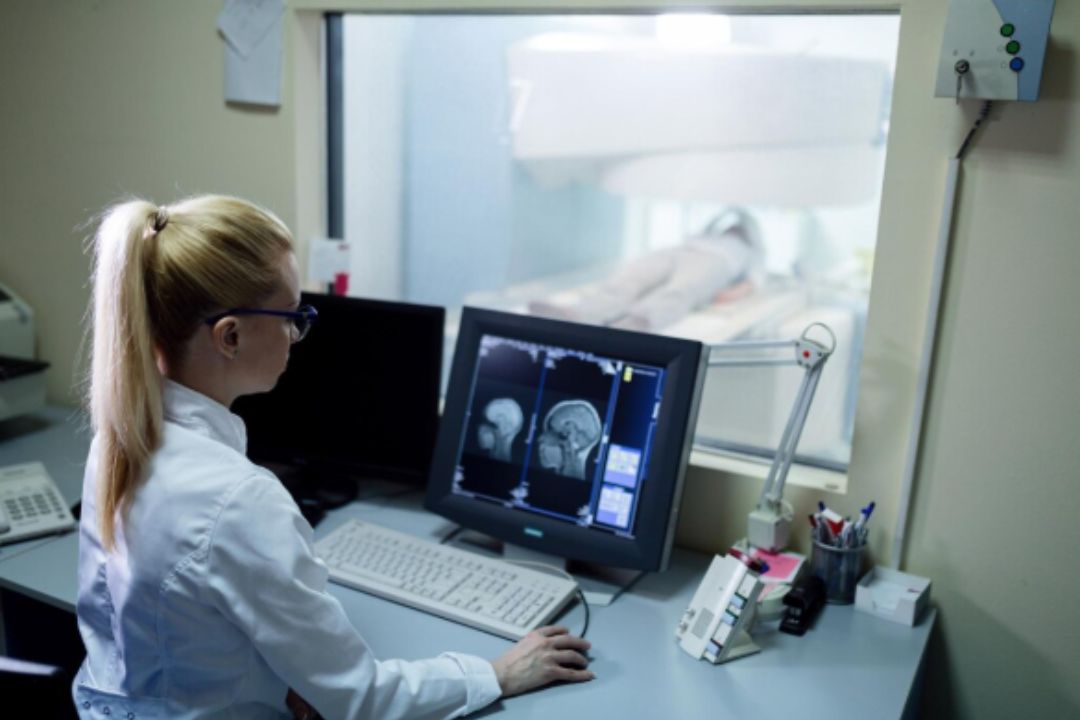
The machine takes multiple images of the abdominal area.
The entire process usually takes 5–10 minutes.
The procedure is painless and non-invasive, and patients can usually return to their normal activities immediately after the scan.
Doctors may recommend a CT scan if you experience symptoms such as:
Severe pain in the lower back or side
Pain while urinating
Blood in urine
Nausea or vomiting
Frequent urge to urinate
Early diagnosis helps doctors start treatment quickly and prevent complications.
A CT scan for kidney stone diagnosis is one of the most accurate and reliable imaging tests available today. It helps doctors detect kidney stones quickly and determine the most effective treatment plan.
If you are experiencing symptoms of kidney stones, getting a CT scan at a trusted diagnostic center can help ensure early diagnosis, proper treatment, and better health outcomes.















.jpg "ct brain scan plain and contrast")



























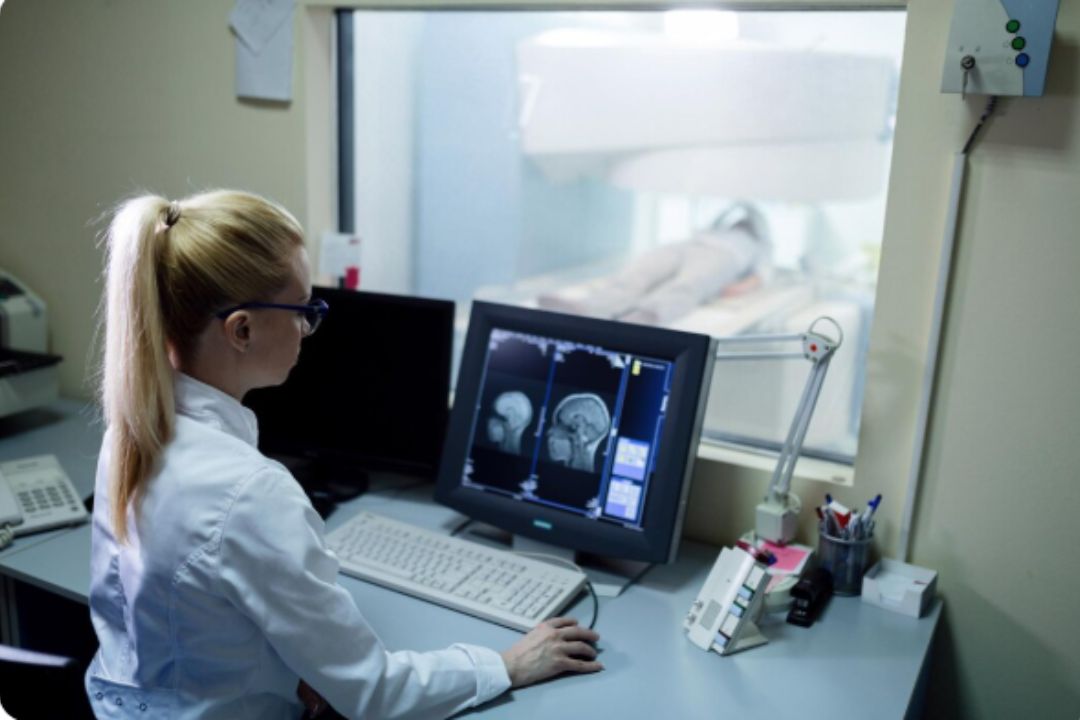



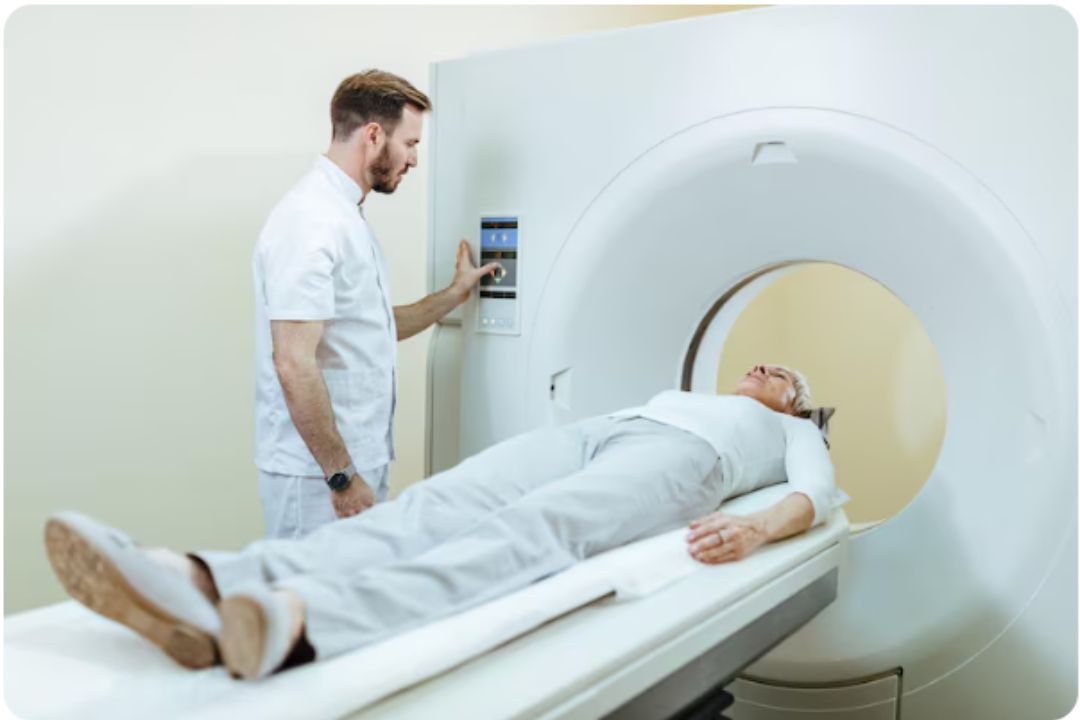
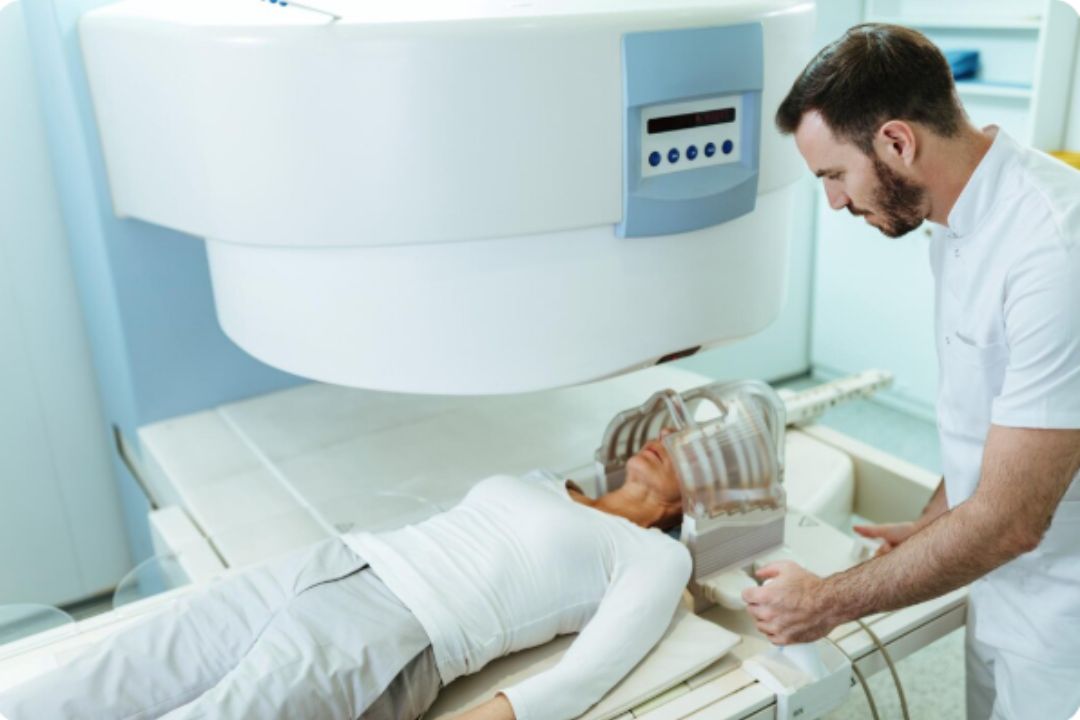
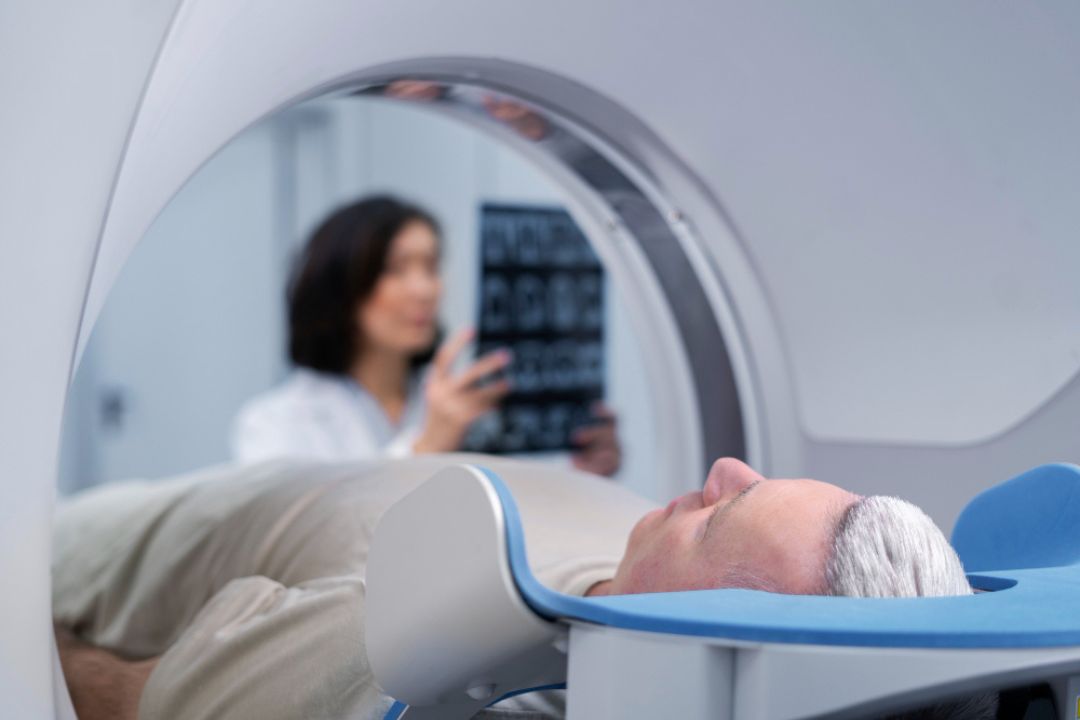



.jpg "ct scan")

.jpg "ct scan or mri for brain disorders")


.jpg "exploring the power of ct brain contrast in modern diagnostics")
.jpg "ct scan")

.jpg "ct scan")














.jpg "ct scan")


.jpg "CT Brain Scan for Headaches")
.jpg "The Future of 3D CT Imaging")