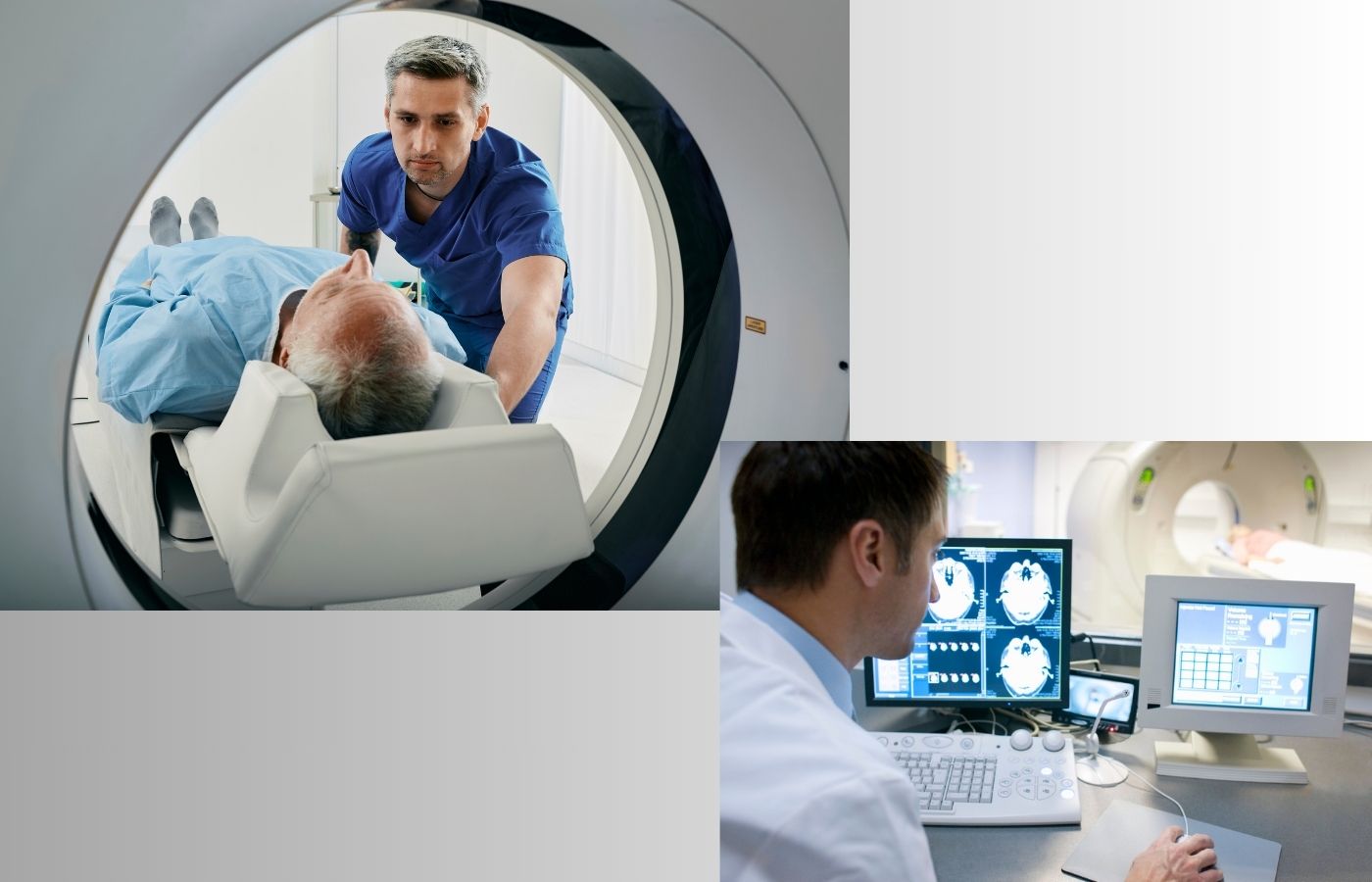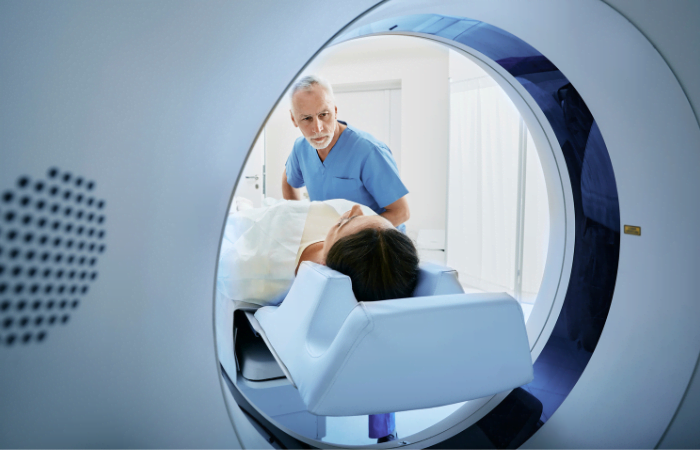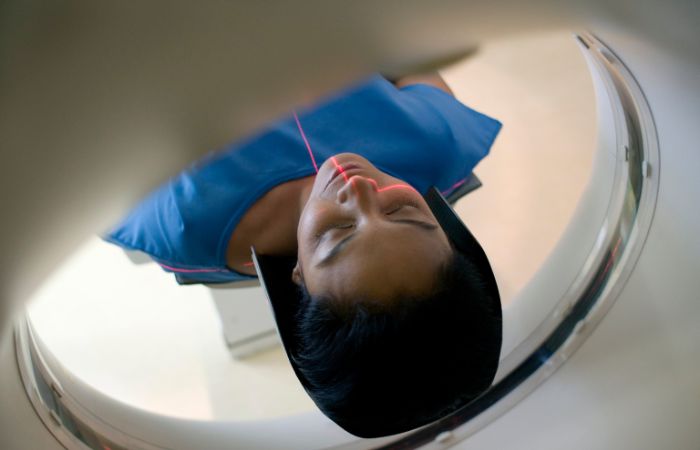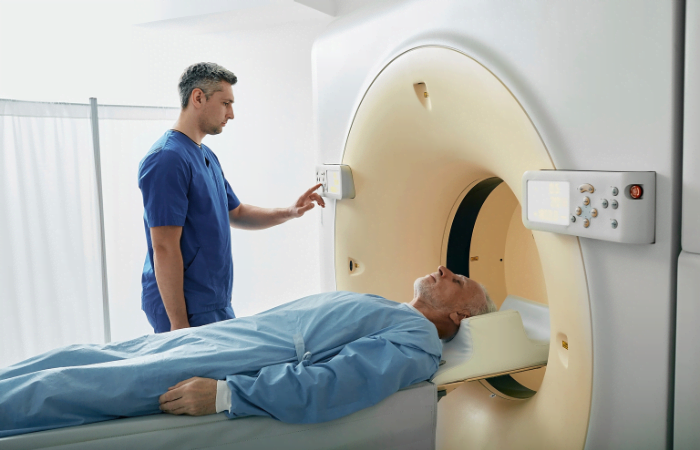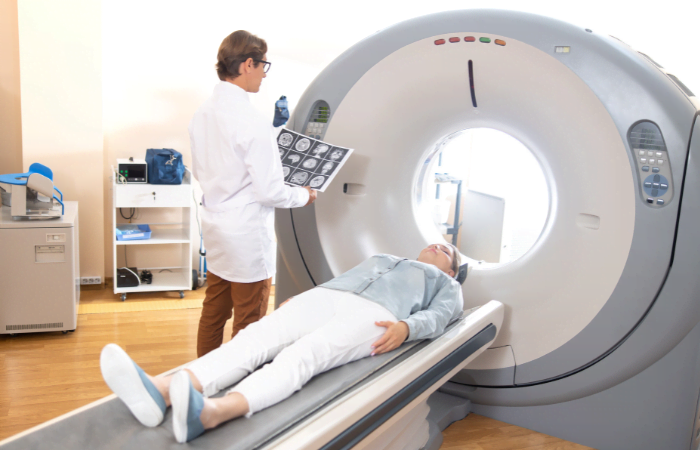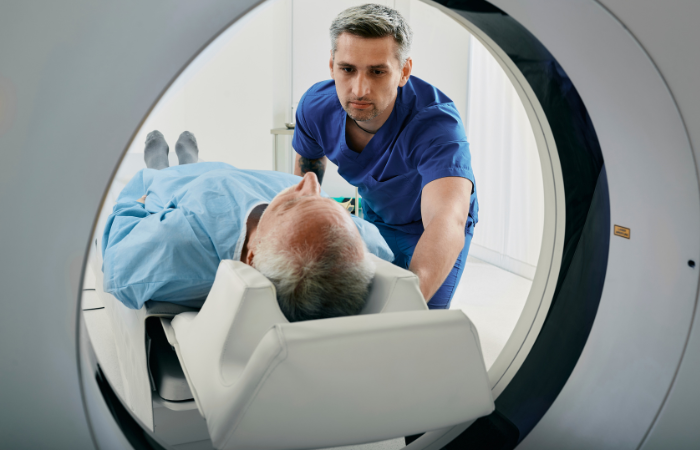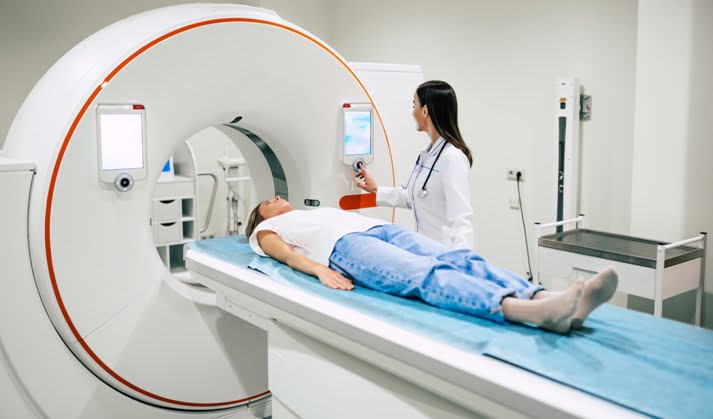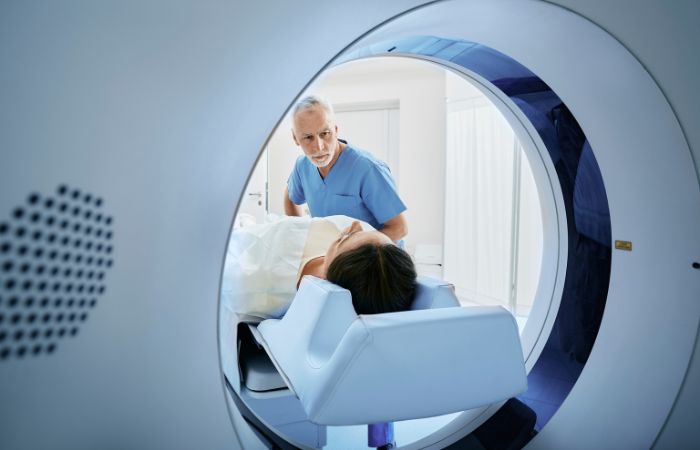
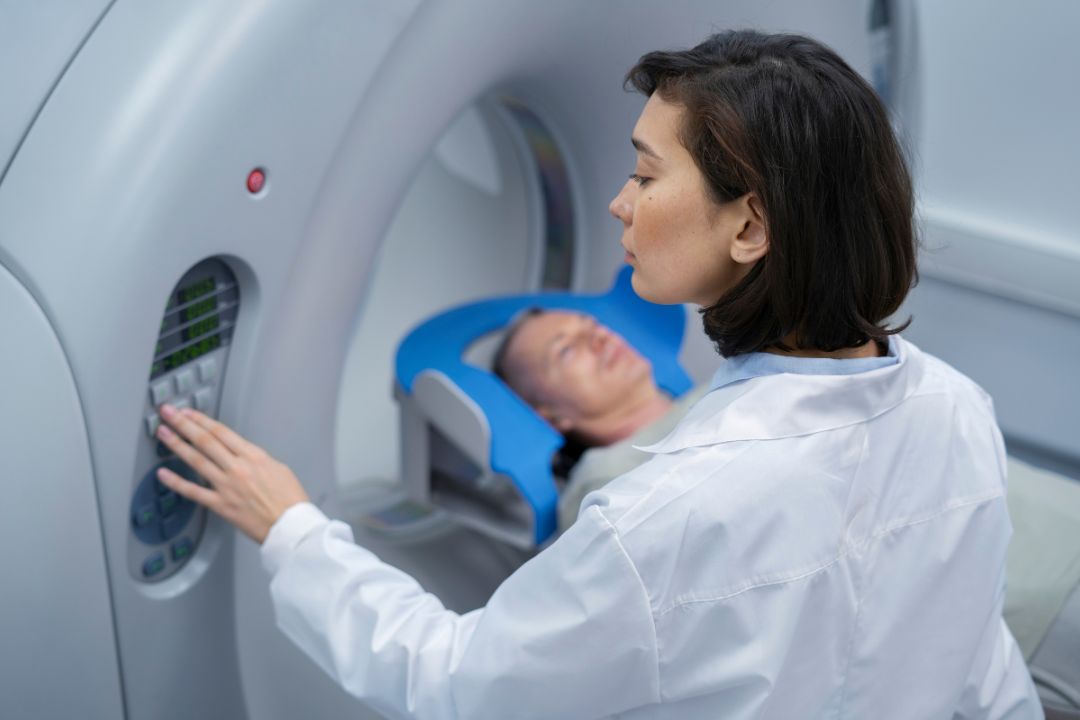
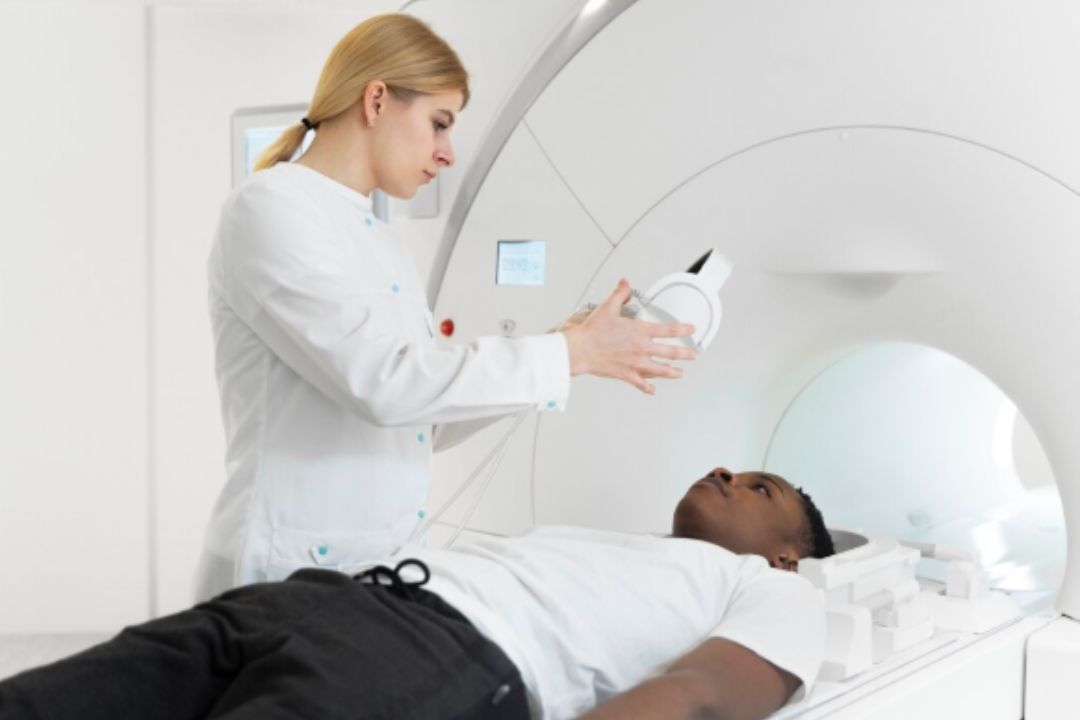
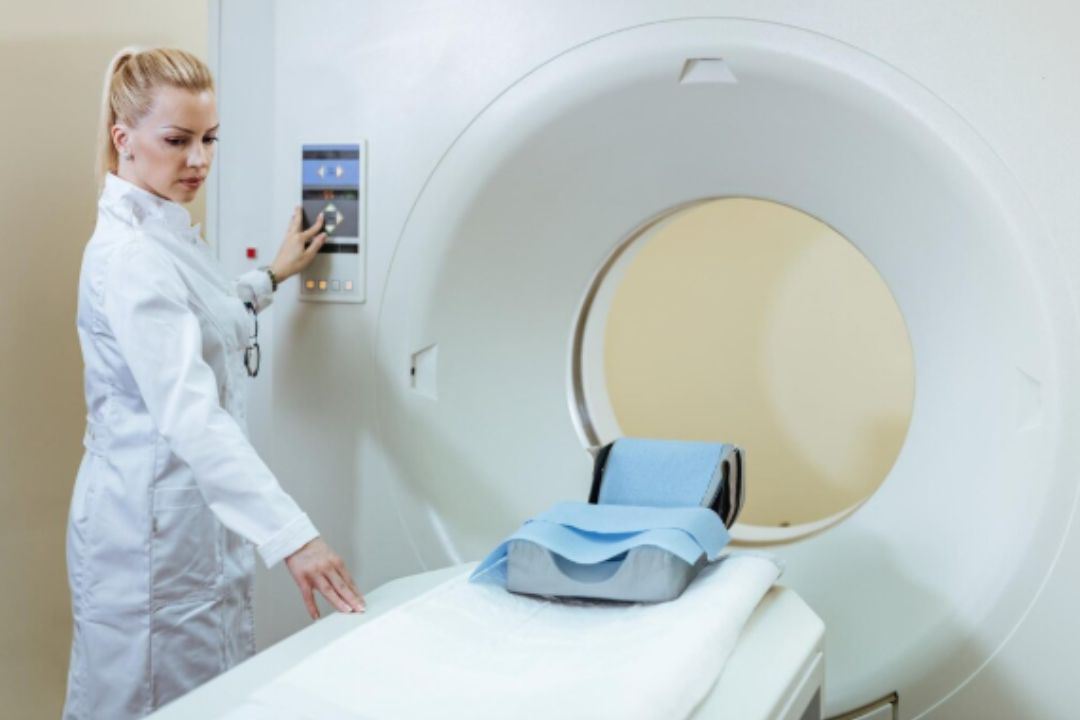
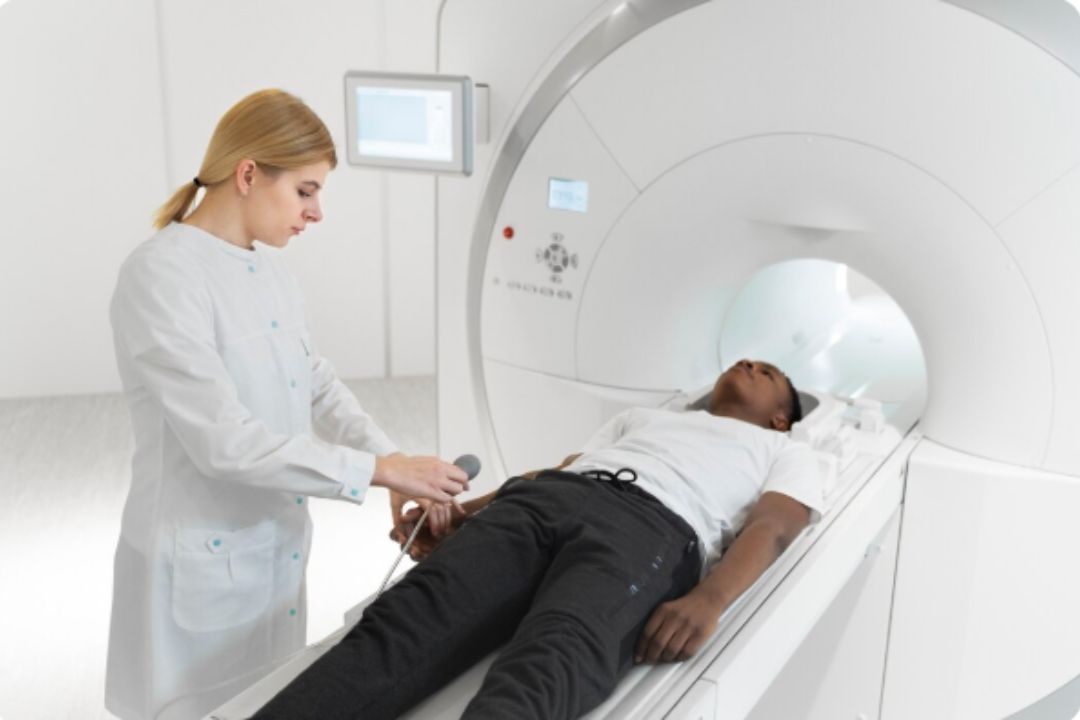
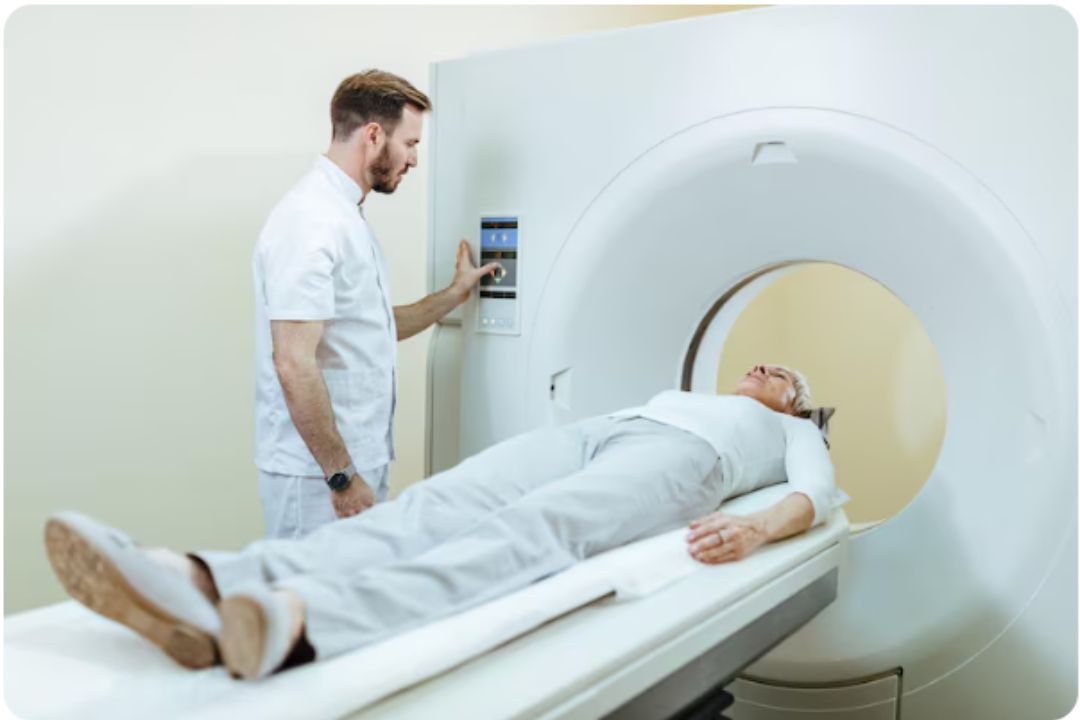
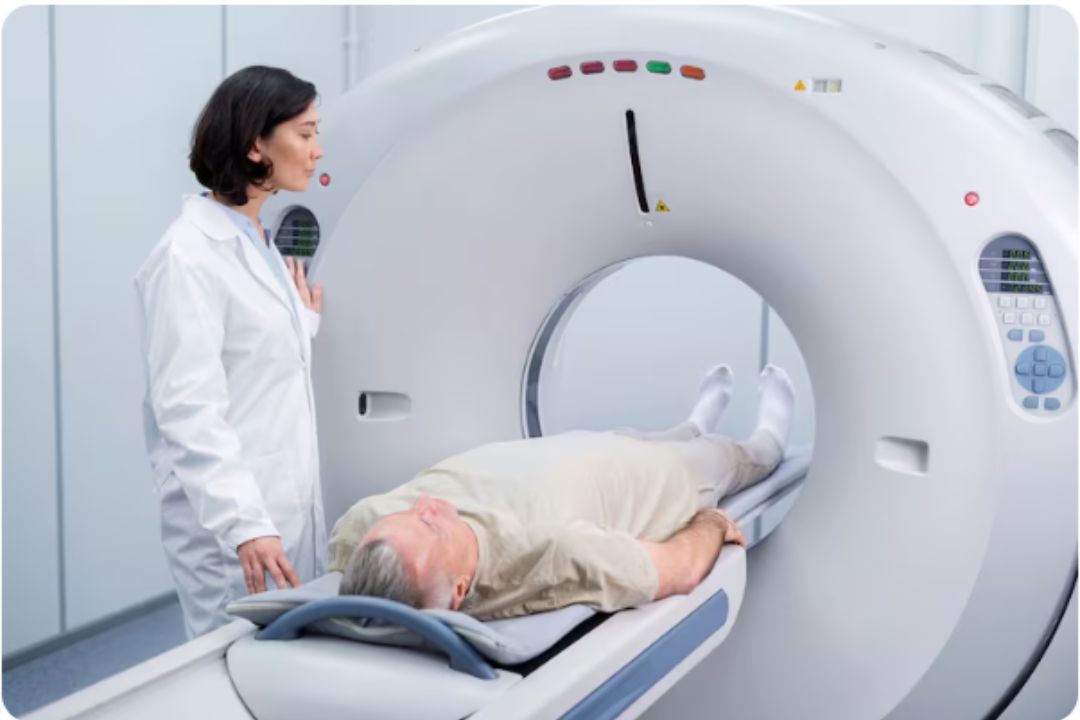
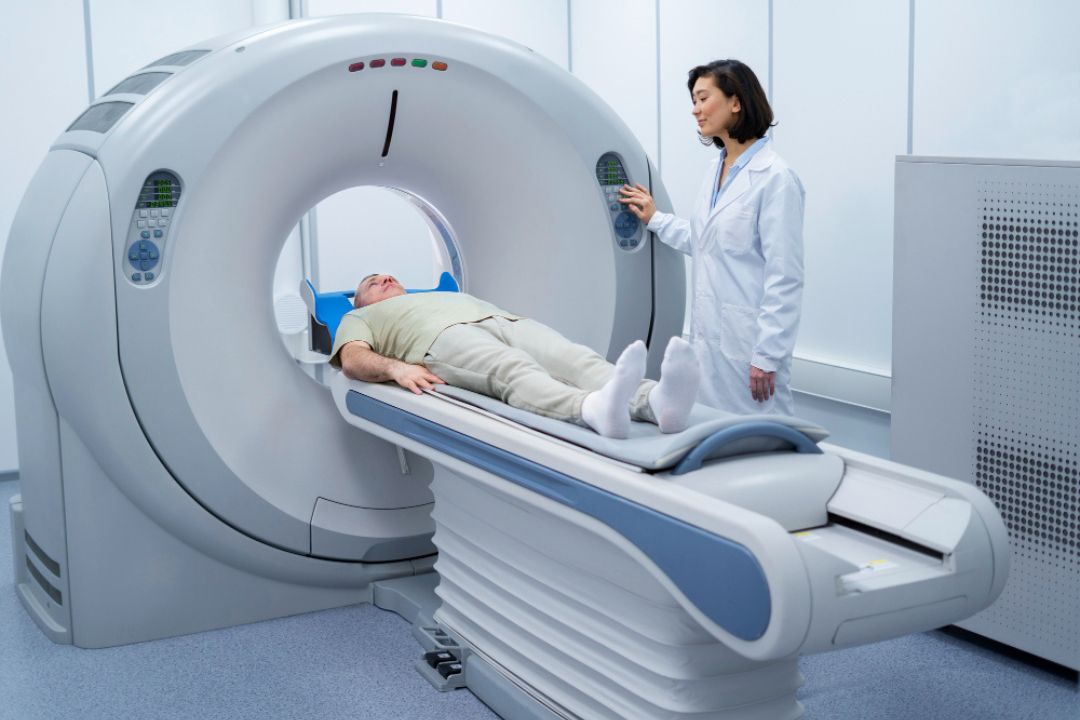
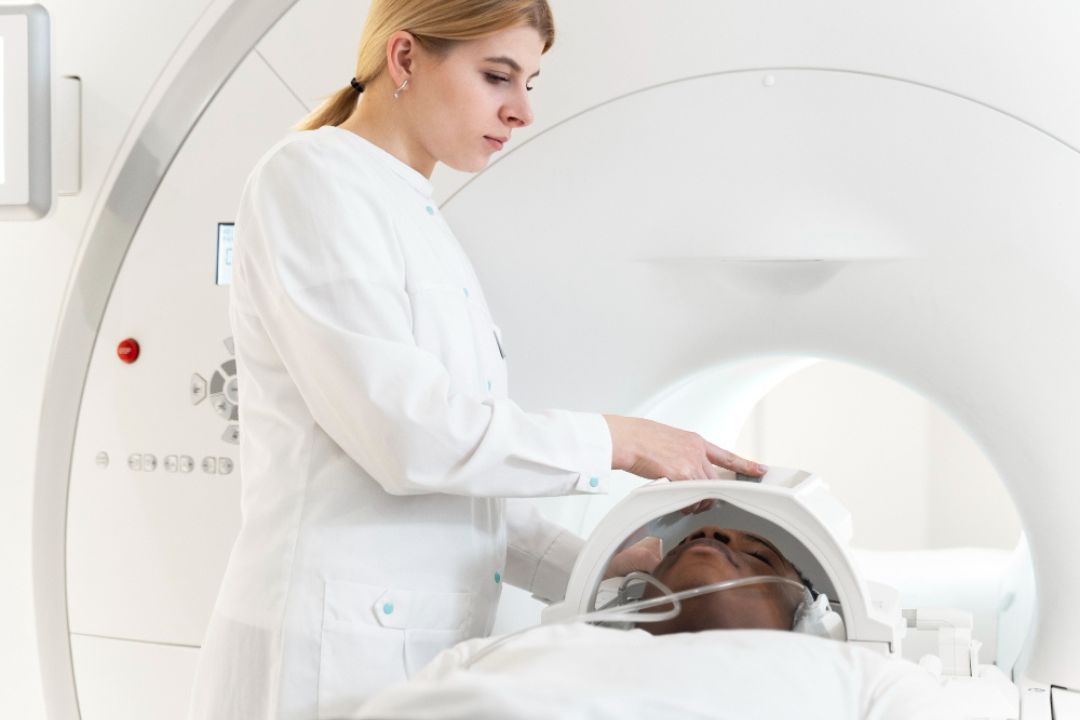
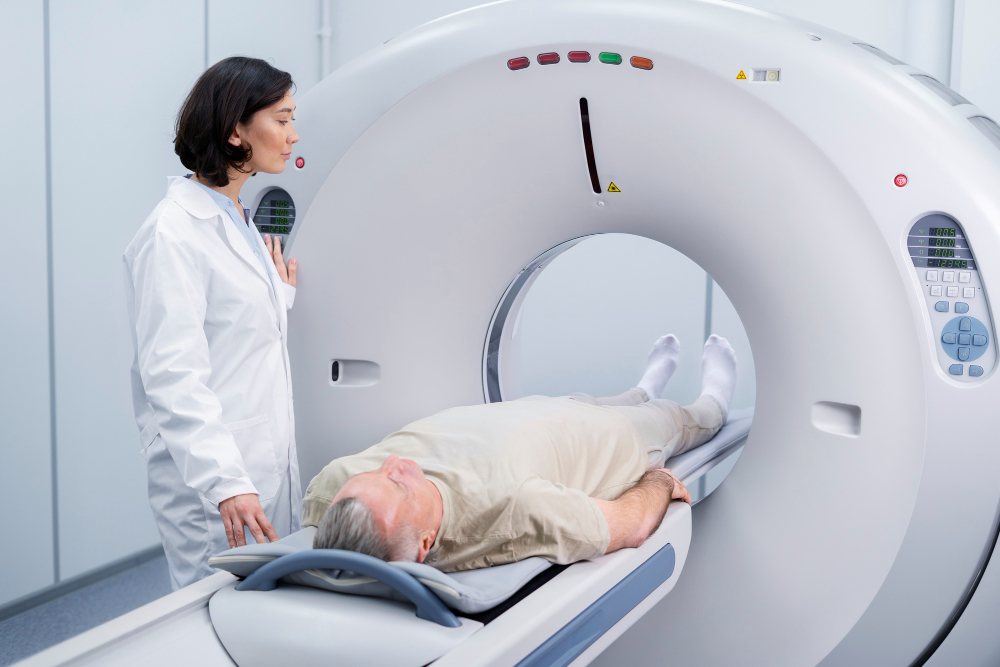
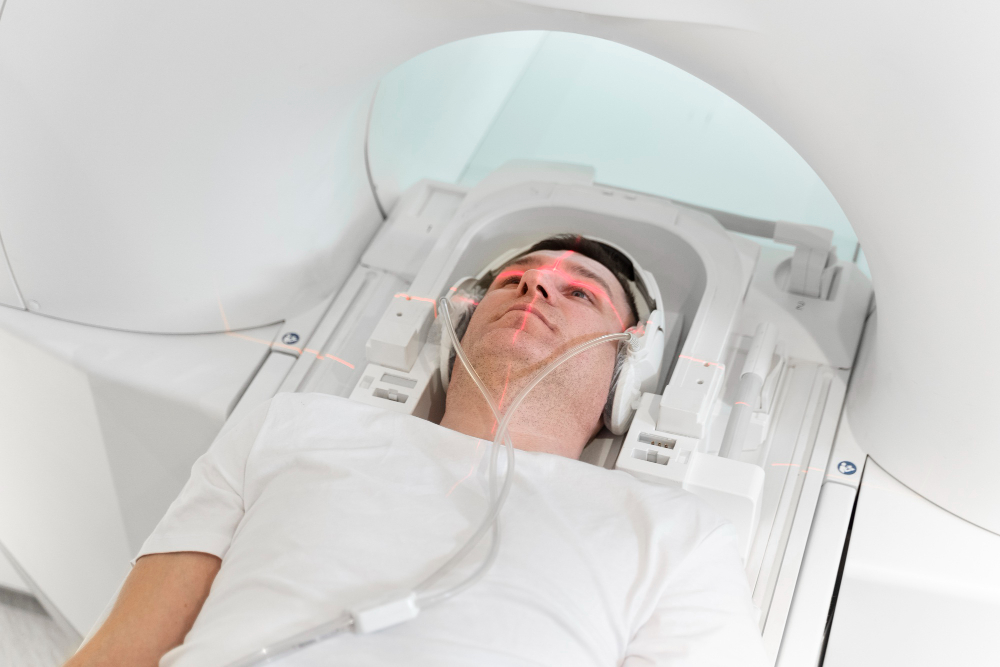
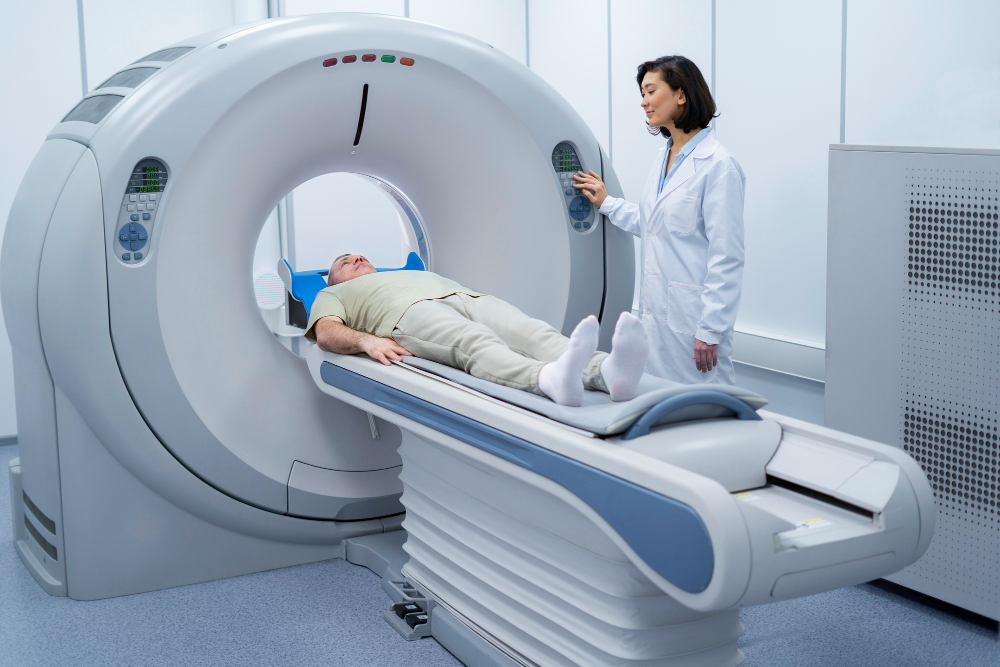
Medical imaging technology has improved significantly over the past few decades. One of the most important advancements is the development of 3D CT Scanning, which provides a more detailed view of the body's internal structures compared to traditional CT imaging.
While conventional CT scans produce multiple two-dimensional images, 3D CT scans combine these images to create a three-dimensional representation of organs, bones, and tissues. This technology helps doctors better understand complex medical conditions and plan treatments more effectively.
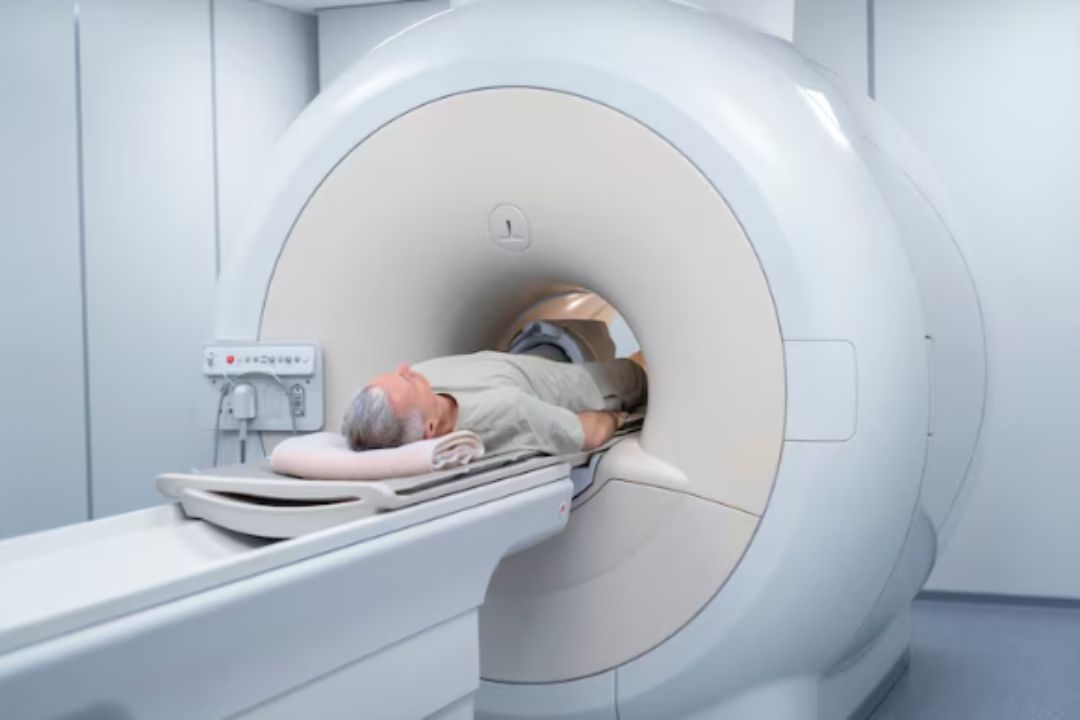
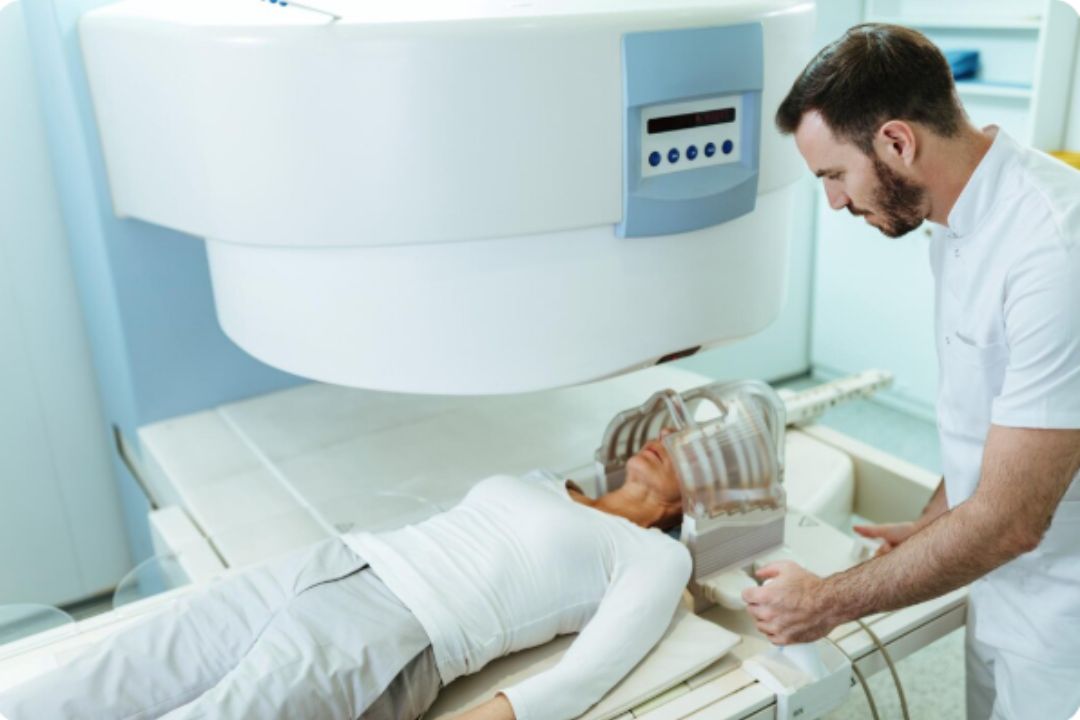
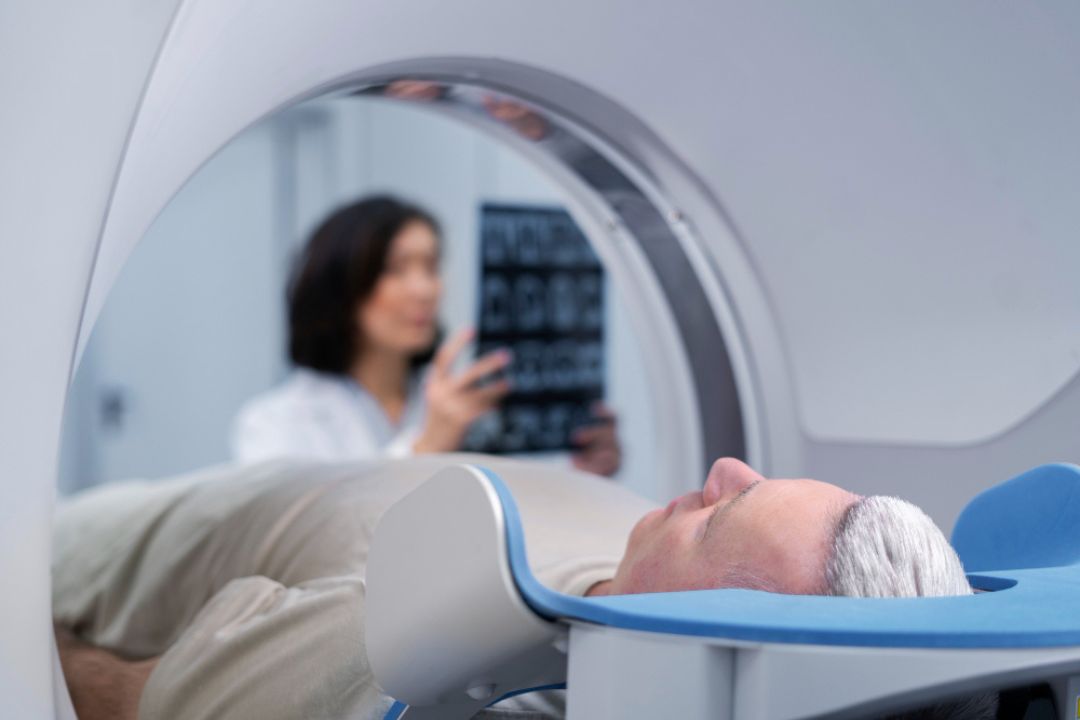
A 3D CT Scan is an advanced imaging technique that uses computed tomography data to generate three-dimensional images of the body.
Instead of viewing flat cross-sectional slices, doctors can examine structures from multiple angles. This allows them to study the exact shape, size, and position of organs, bones, and blood vessels.
3D CT scans are commonly used for diagnosing conditions involving the:
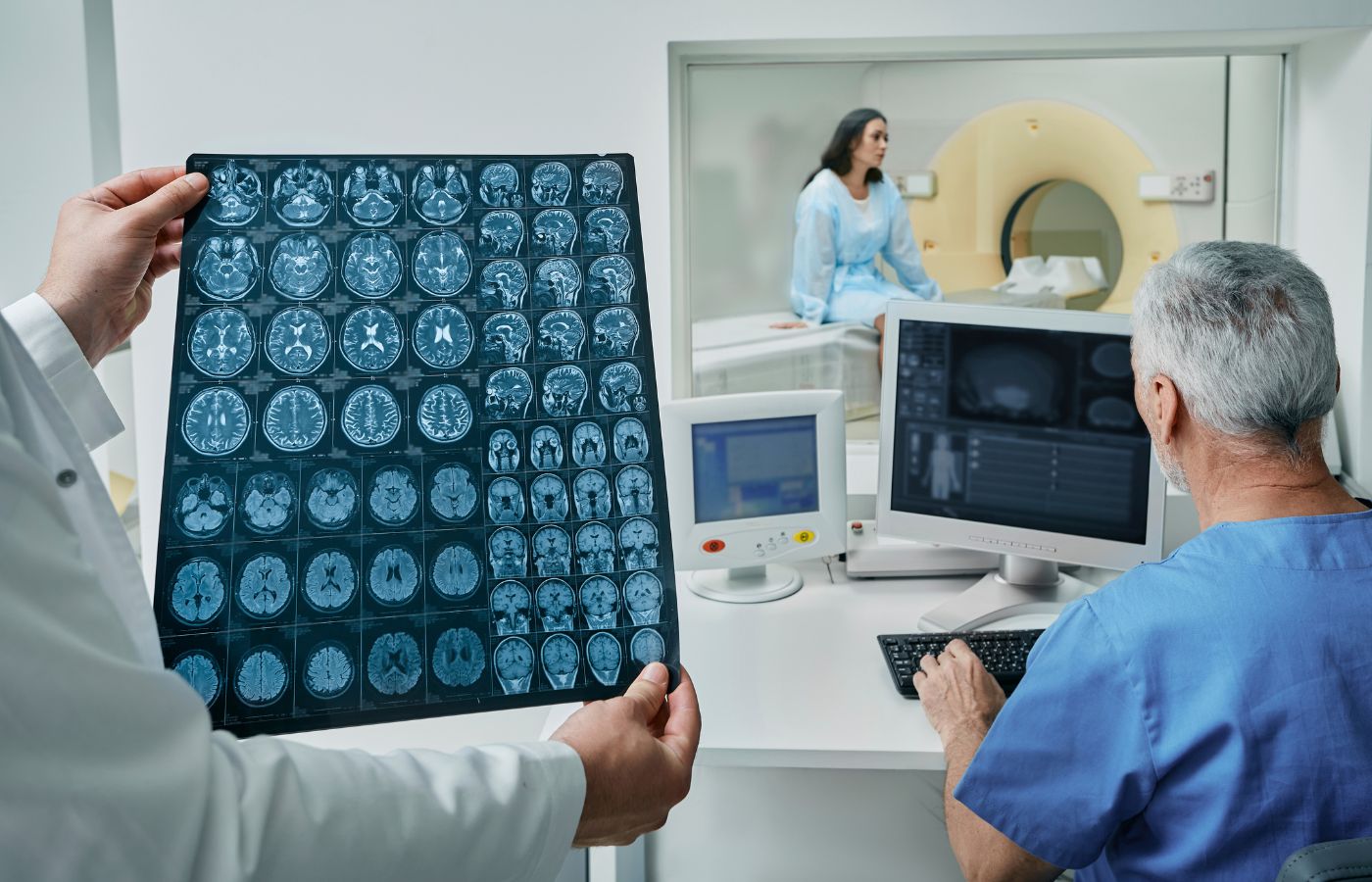
Brain
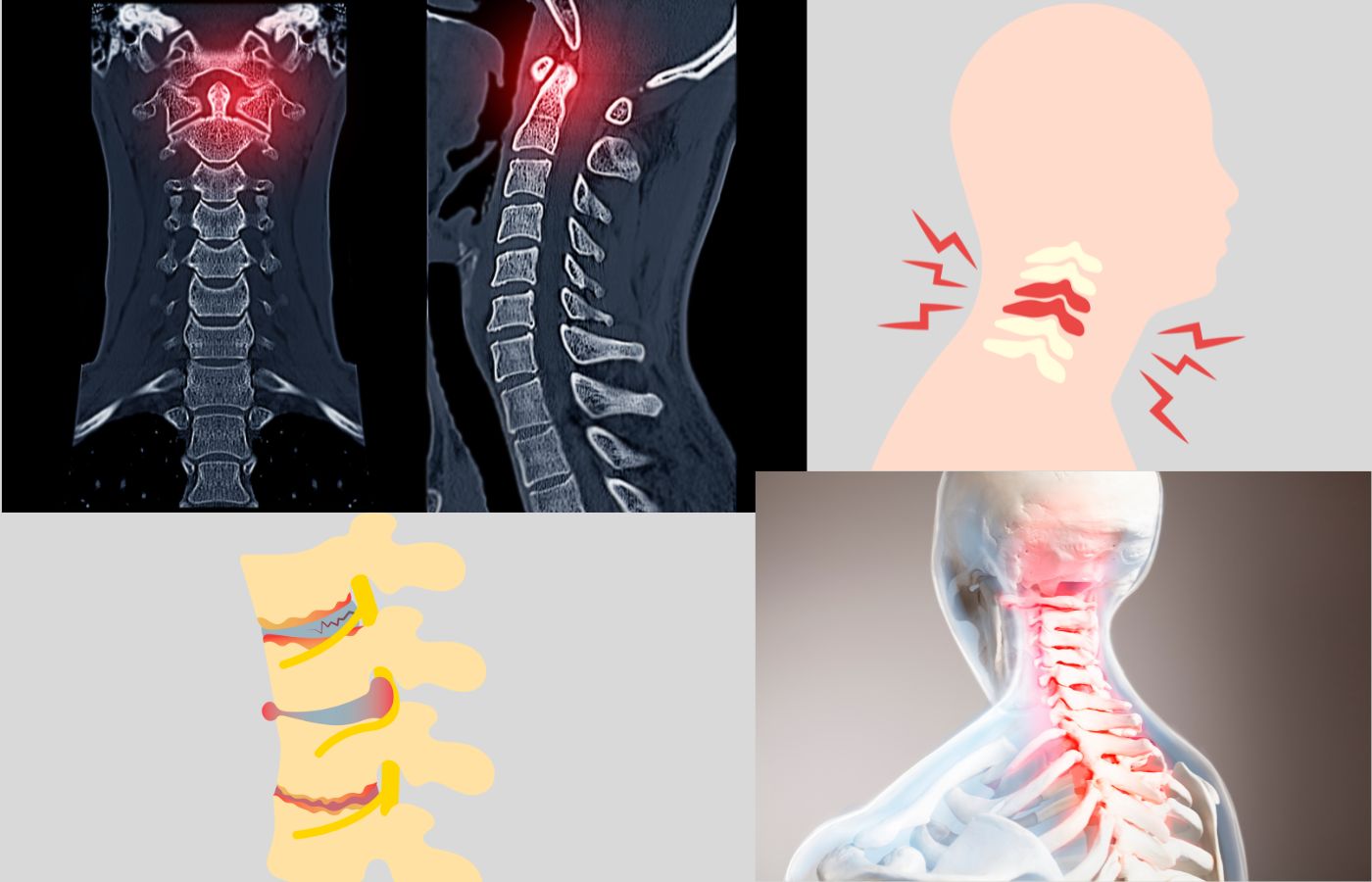
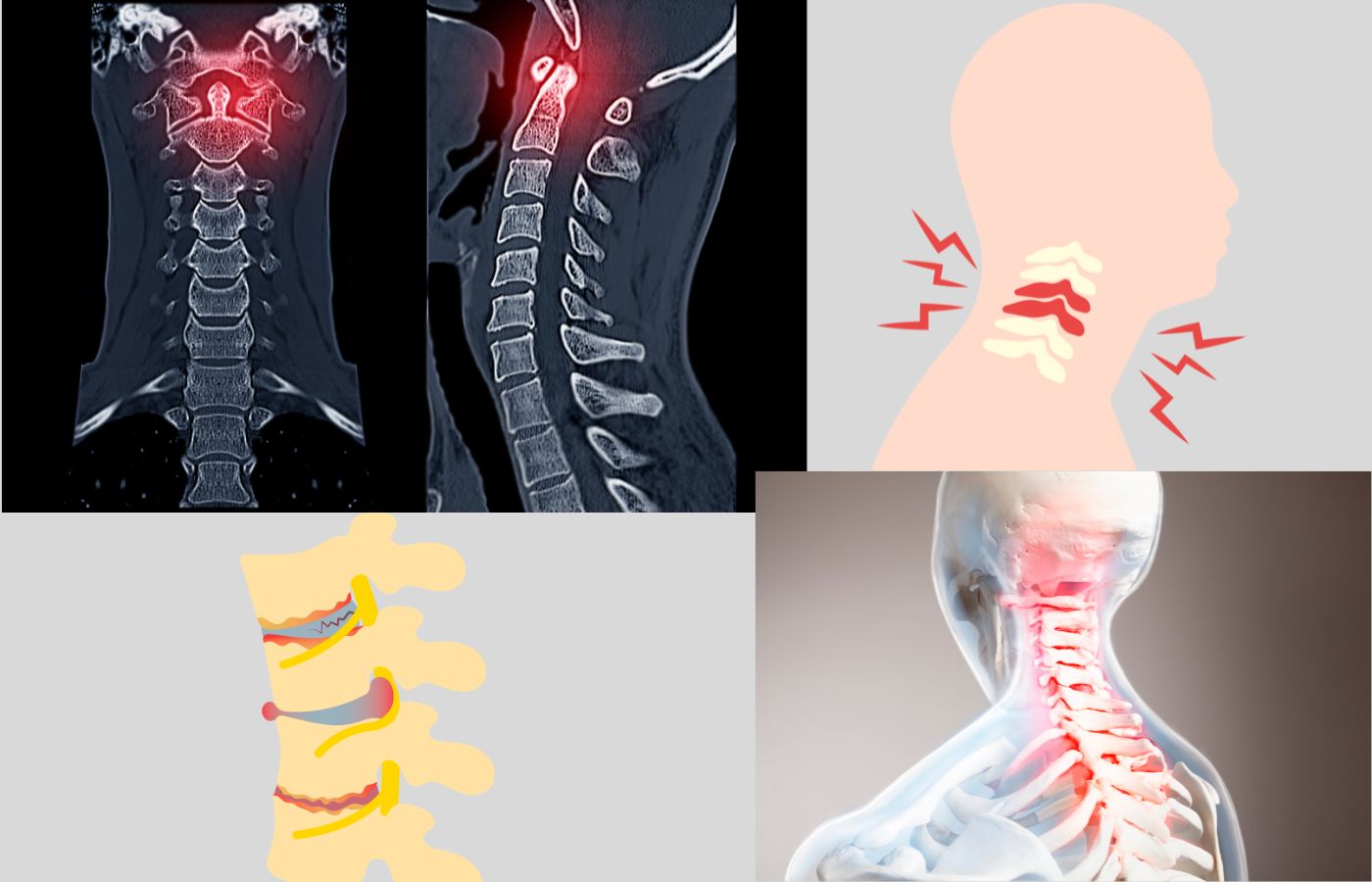
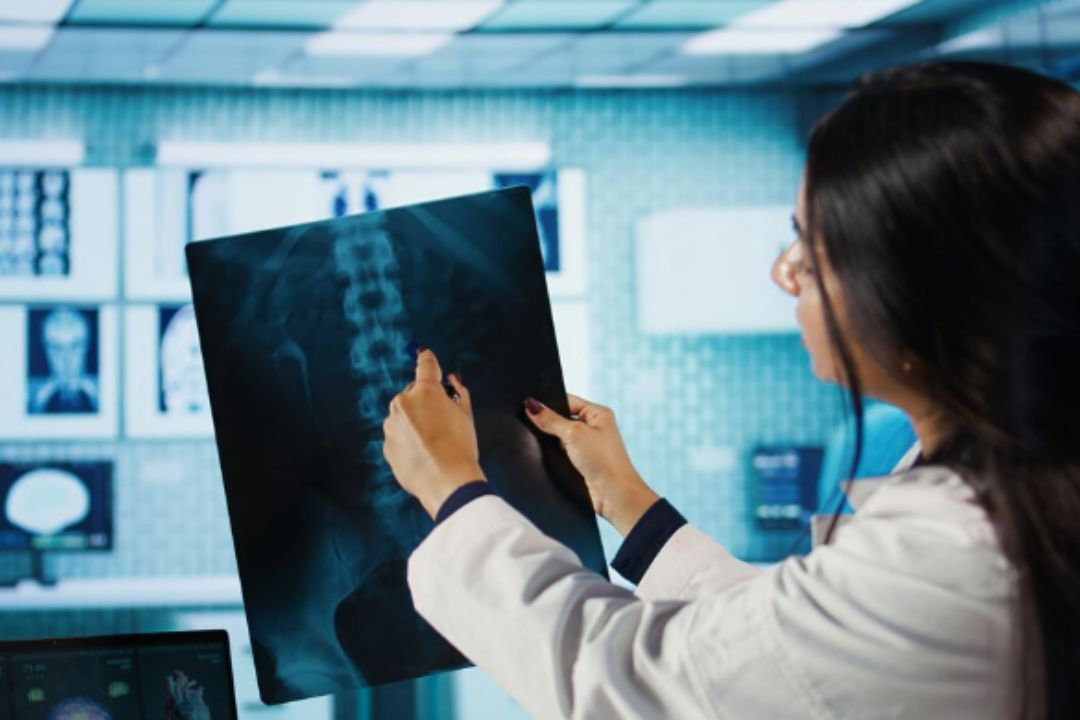
Spine
Blood vessels
Lungs
Bones and joints
Sinuses
This technology helps doctors obtain more precise diagnostic information compared to traditional imaging methods.
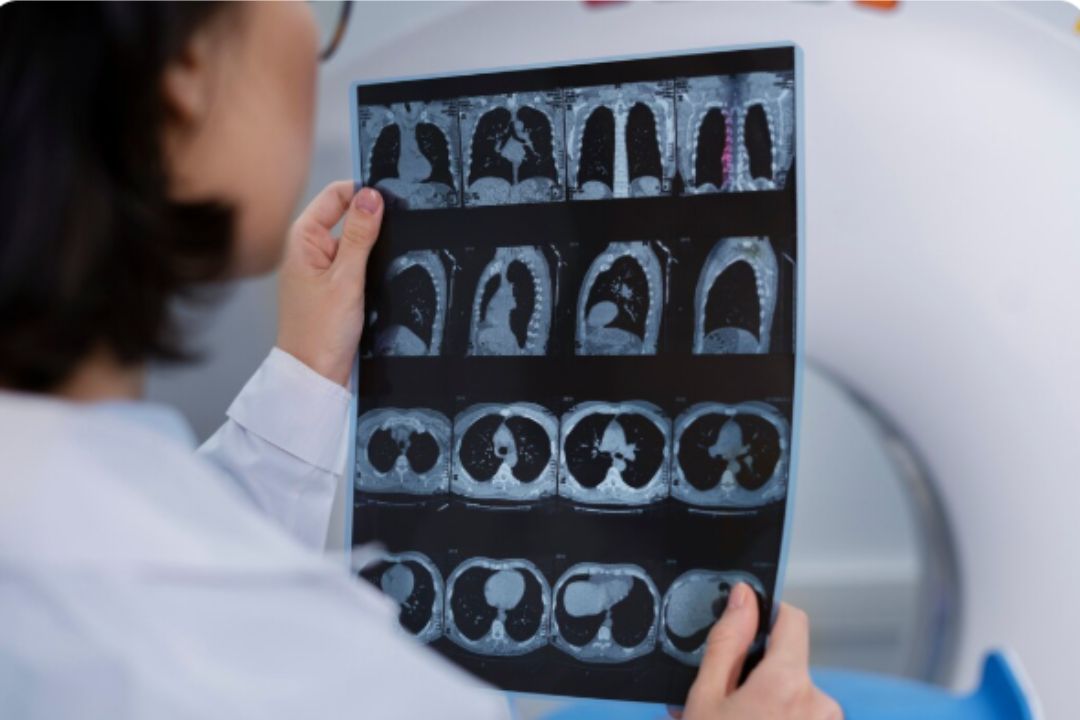
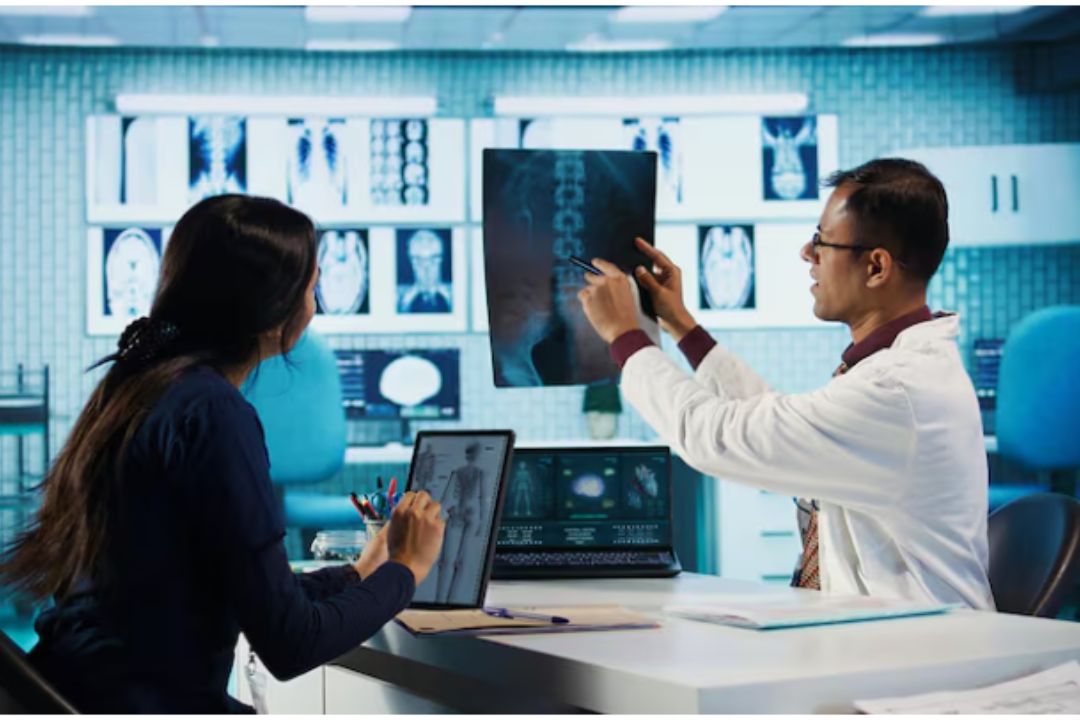
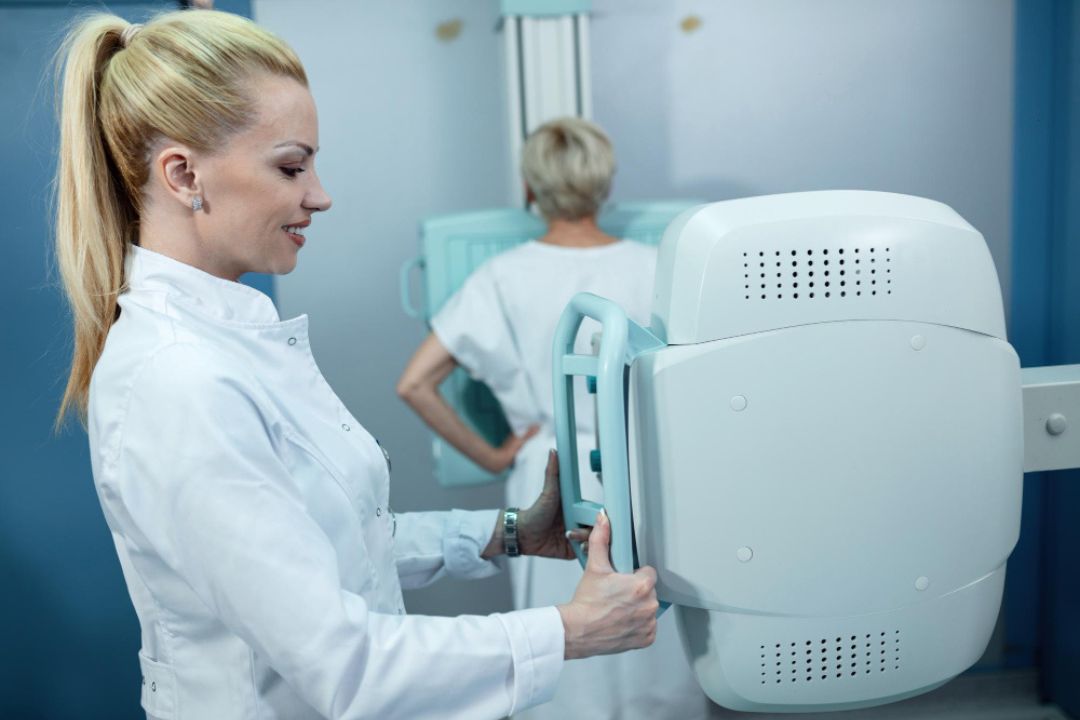
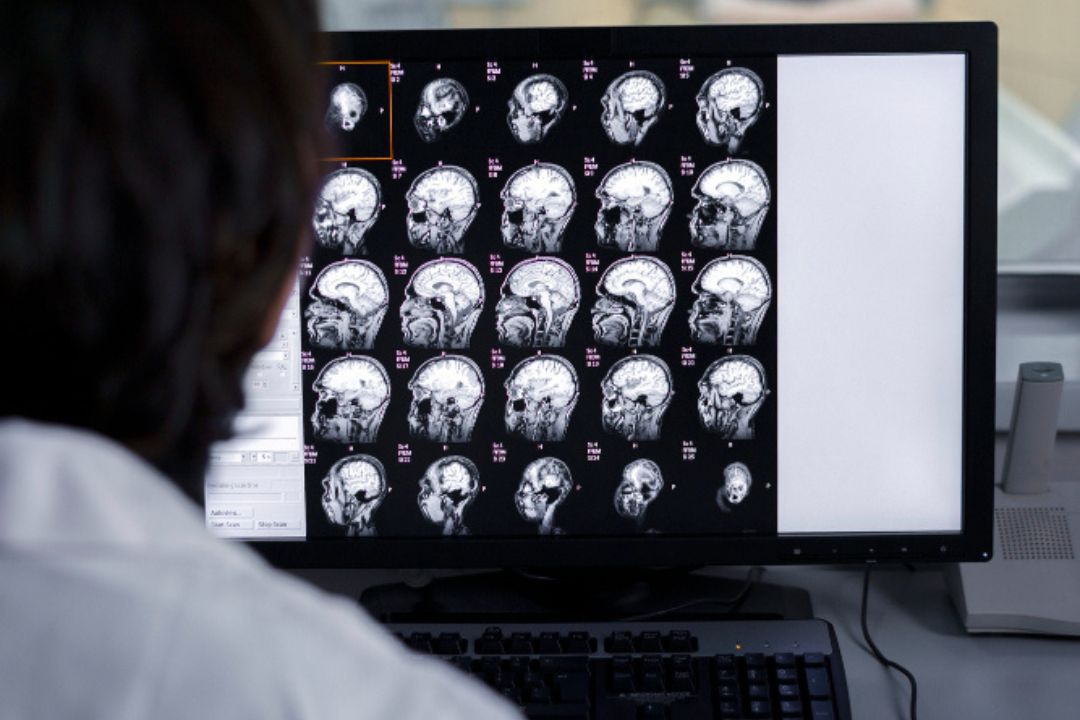
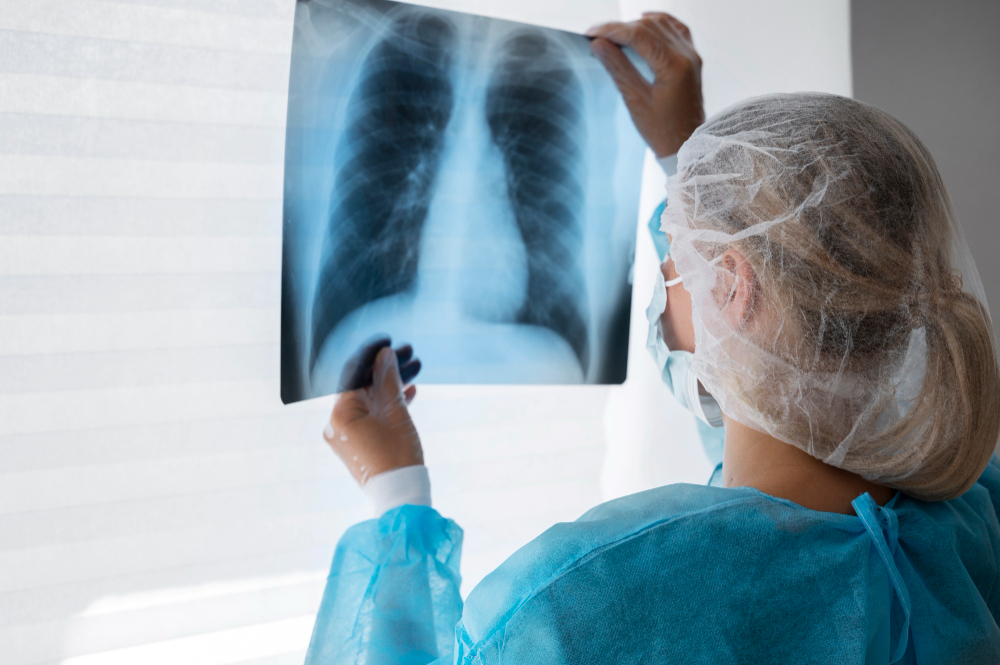
Traditional CT imaging creates a series of two-dimensional cross-sectional images of the body. These images are useful for diagnosing many conditions, but they may not always provide a complete view of complex structures.
Visit Now: https://www.diagnopein.com
Doctors often need to analyze multiple CT slices individually to understand the overall anatomy. While this approach is effective, it can sometimes make it difficult to visualize complicated medical problems.
3D CT technology solves this limitation by converting multiple slices into a single detailed three-dimensional image.
One of the biggest advantages of 3D CT scans is the ability to visualize anatomical structures in three dimensions.
Doctors can rotate and examine the images from different angles, making it easier to understand the relationship between bones, organs, and blood vessels.
This improved visualization helps doctors detect abnormalities that may be difficult to identify using traditional CT images.
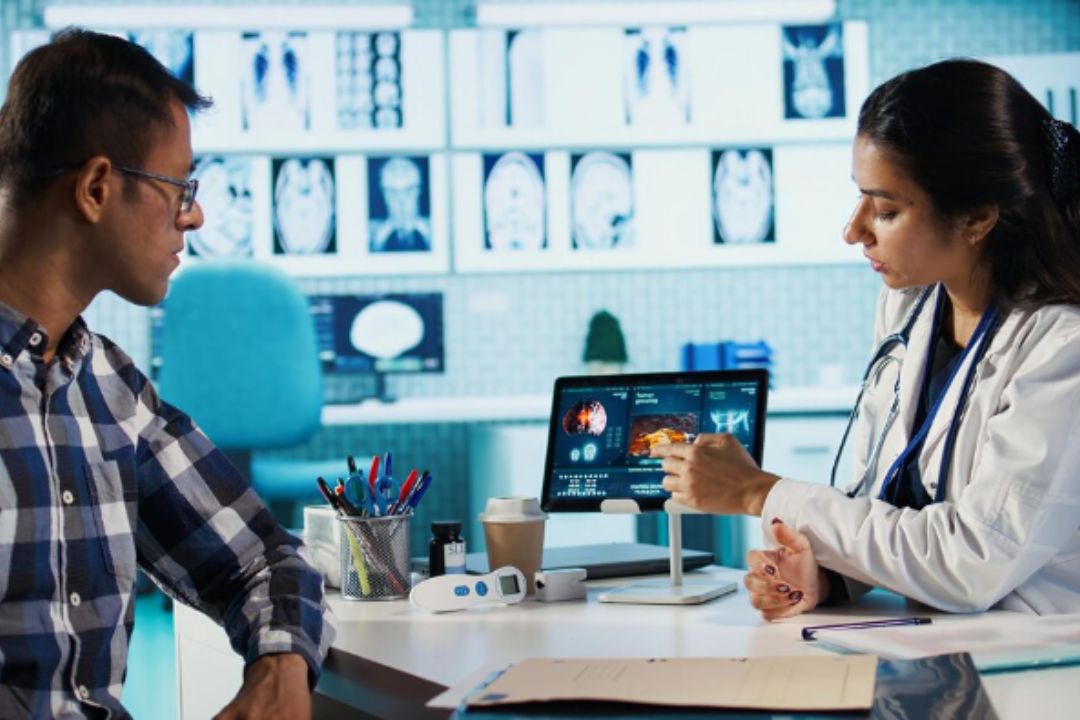
3D imaging allows doctors to examine medical conditions with greater detail and precision.
For example, doctors can clearly see:
Complex bone fractures
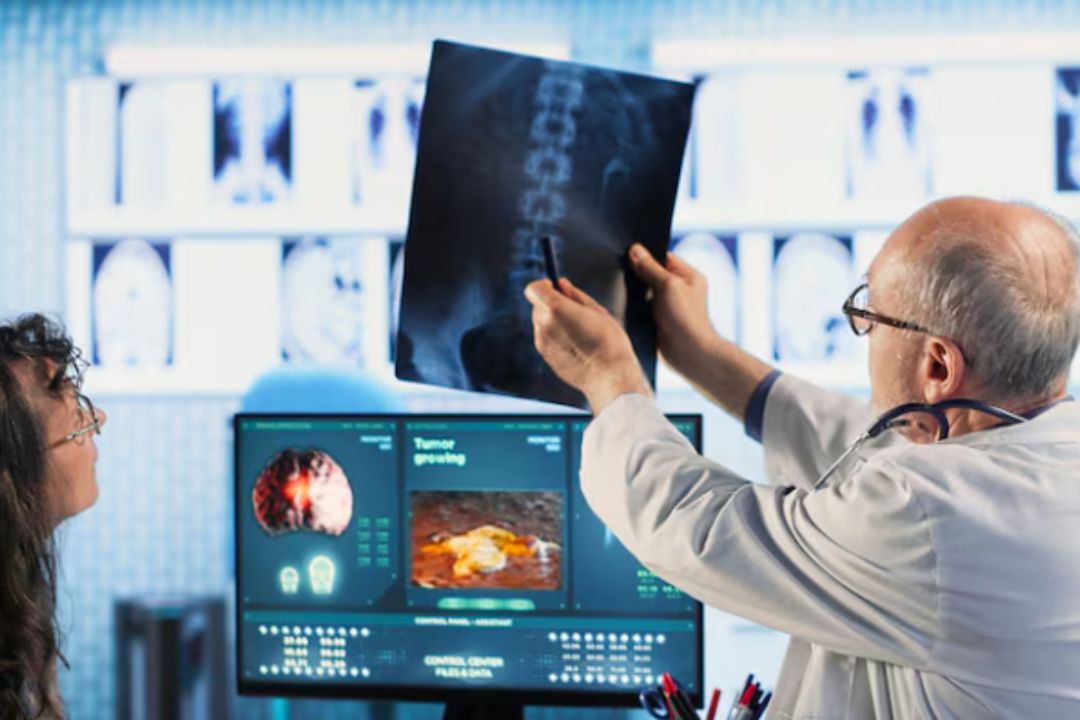
Tumor shapes and locations
Blood vessel abnormalities
Structural problems in organs
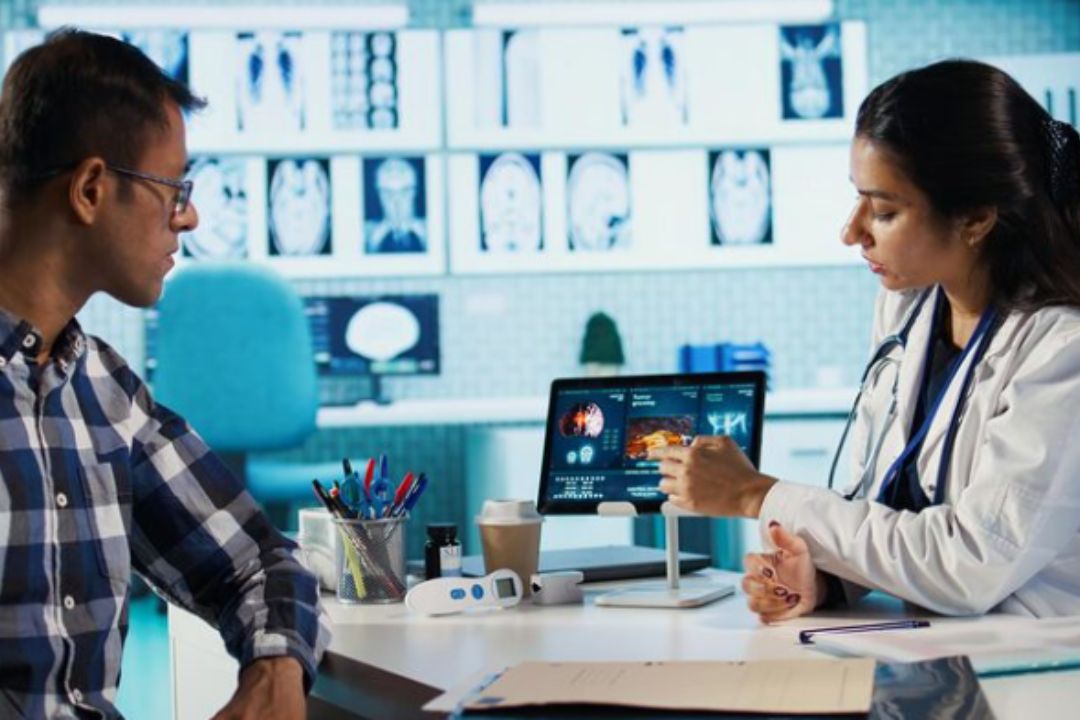
This detailed view improves diagnostic accuracy and reduces the risk of misinterpretation.
3D CT scans are especially valuable for surgical planning.
Surgeons can study a patient’s anatomy before performing procedures, allowing them to determine the safest and most effective surgical approach.
This is particularly useful for surgeries involving:
Orthopedic procedures
Brain surgery
Vascular surgery
Facial reconstruction
Better planning helps reduce complications and improve surgical outcomes.
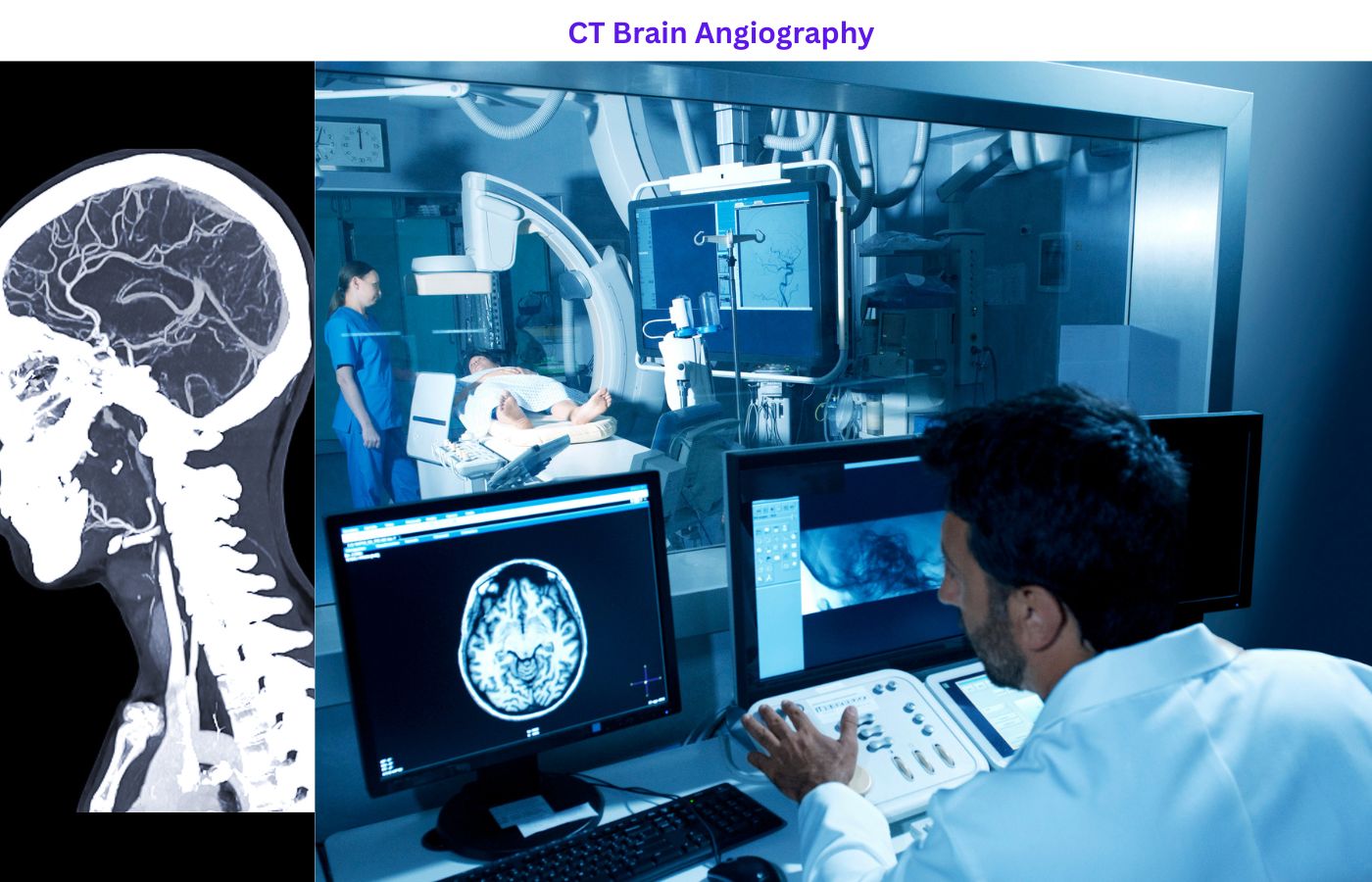
3D CT imaging is widely used in CT Angiography, a technique that examines blood vessels.
With 3D visualization, doctors can identify:
Narrowed arteries
Blood clots
Aneurysms
Blocked blood vessels
Early detection of these conditions is essential for preventing serious complications such as heart attack
s or strokes.
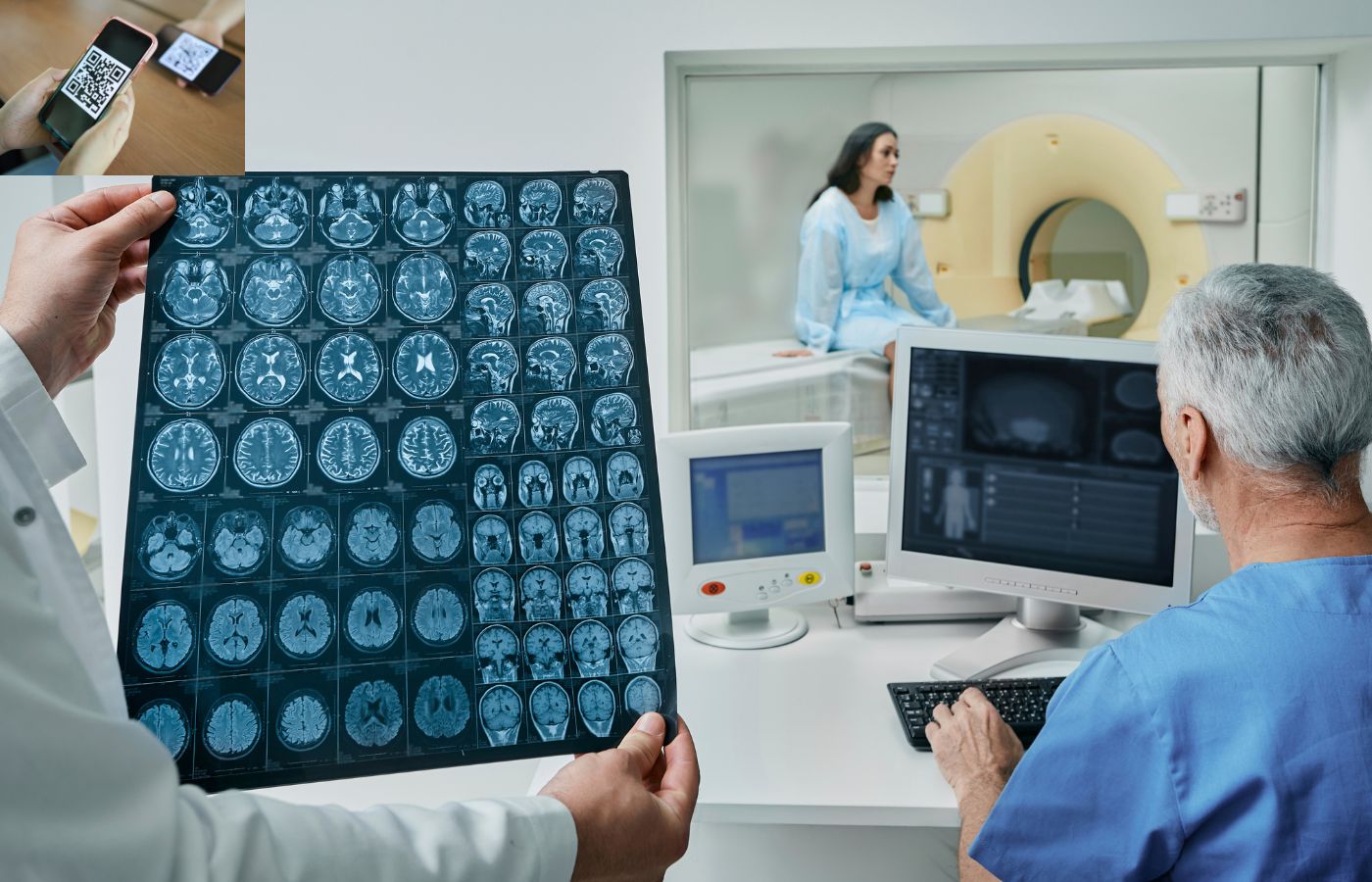
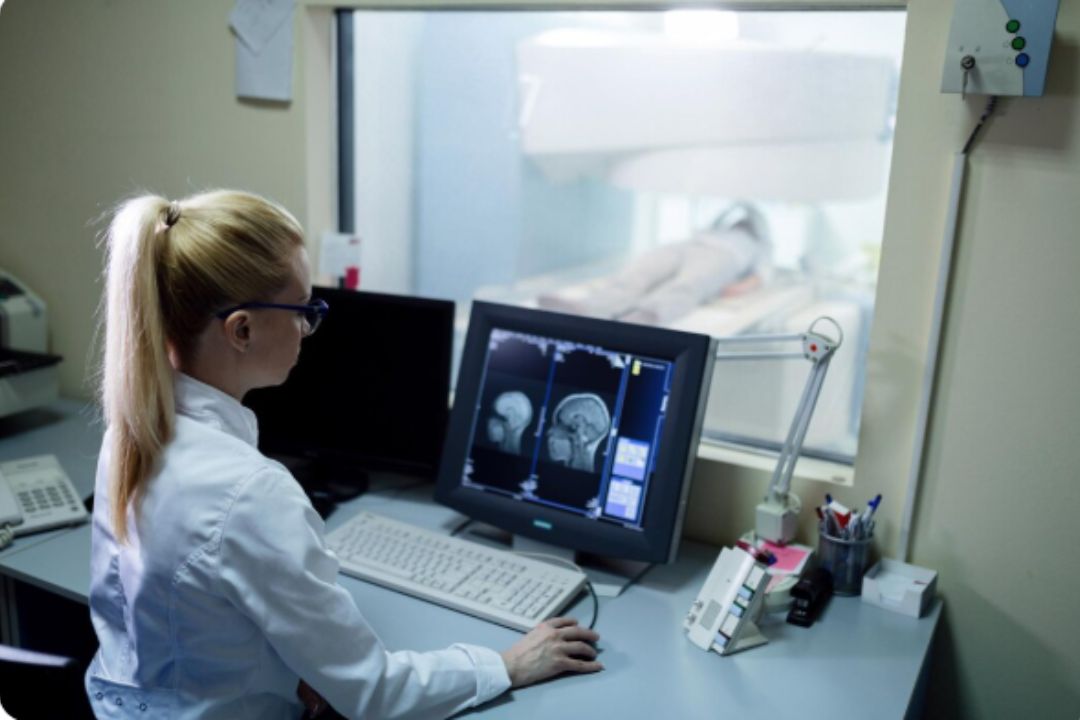
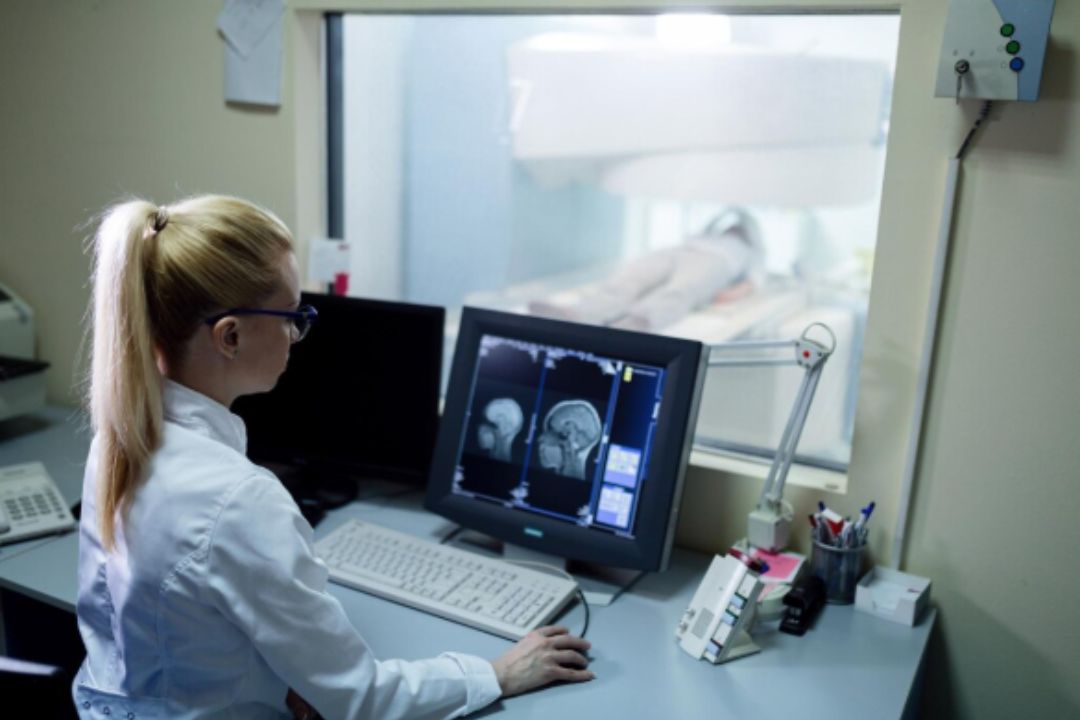
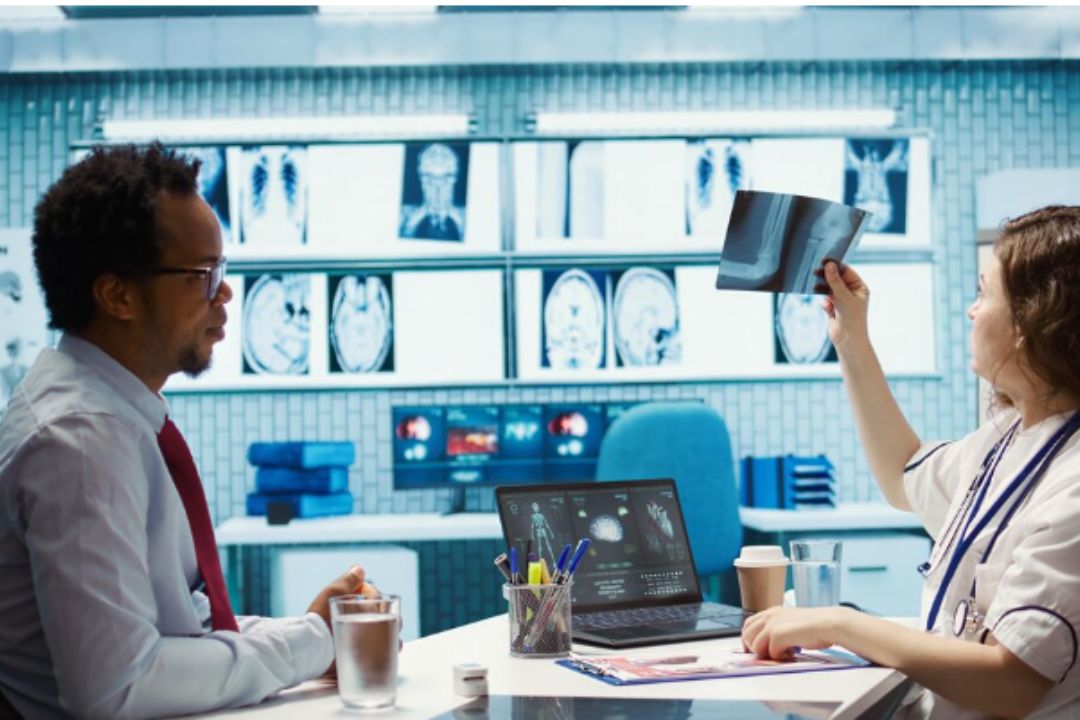
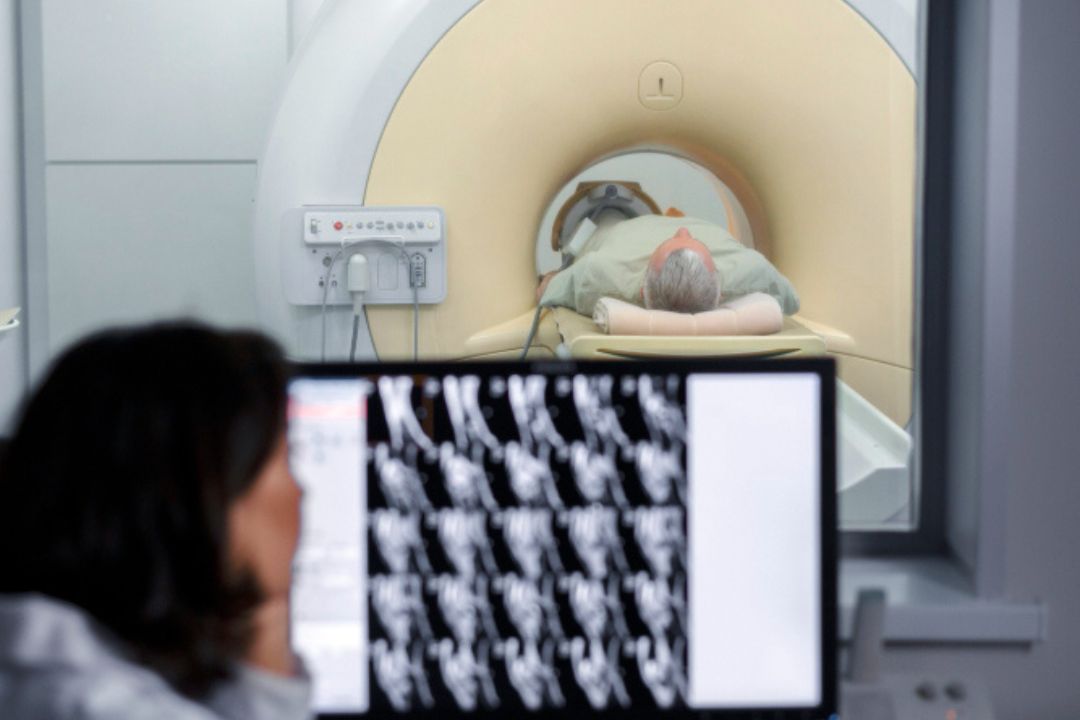
Because 3D CT scans provide a comprehensive view of anatomy, radiologists can interpret images more efficiently.
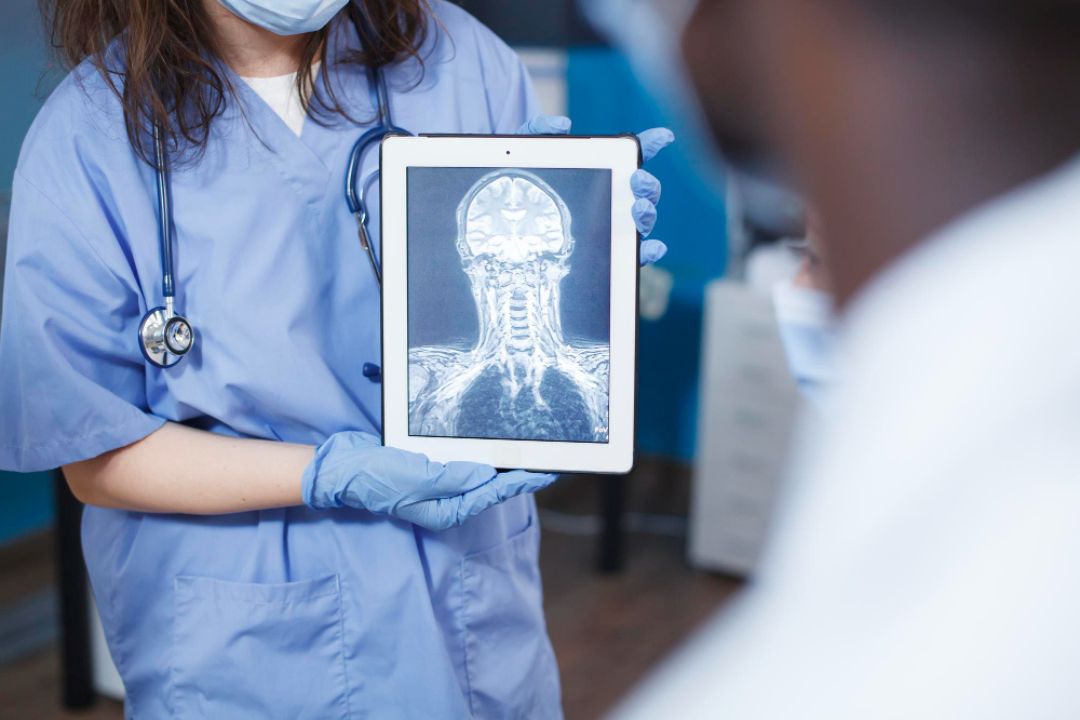
Instead of reviewing hundreds of separate slices, doctors can analyze the entire structure in a single three-dimensional model.
This can help speed up diagnosis and treatment decisions.
3D CT scanning is used in many areas of medicine.
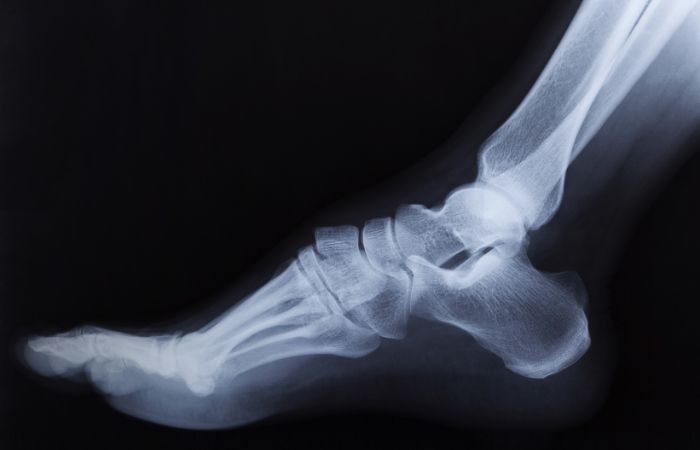
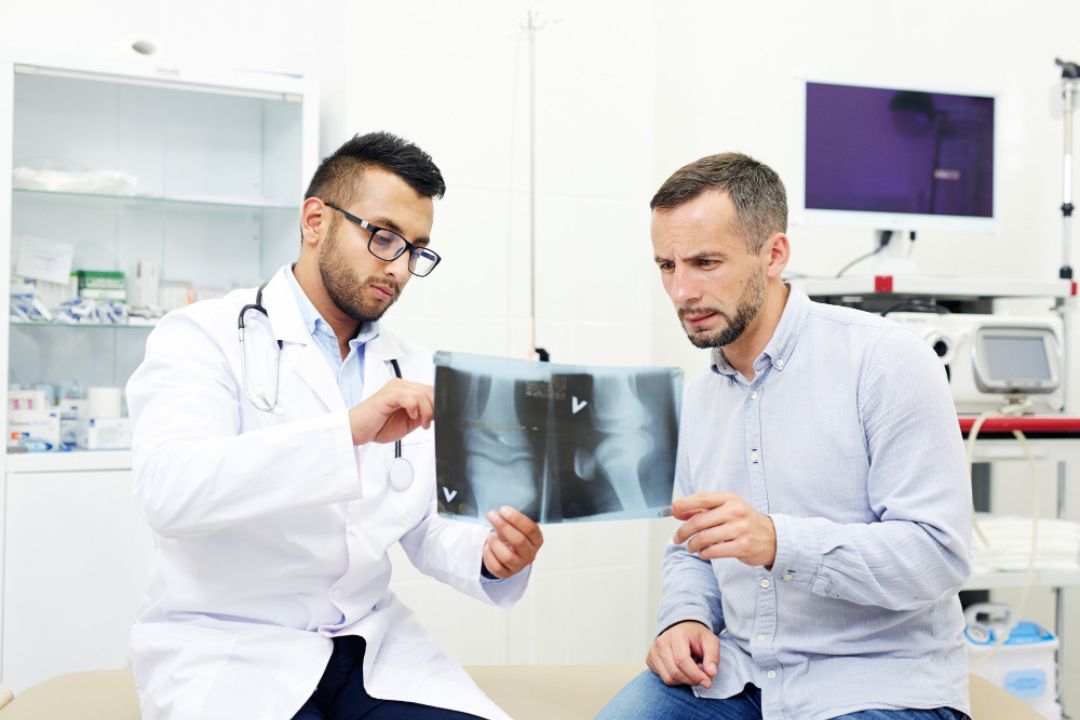
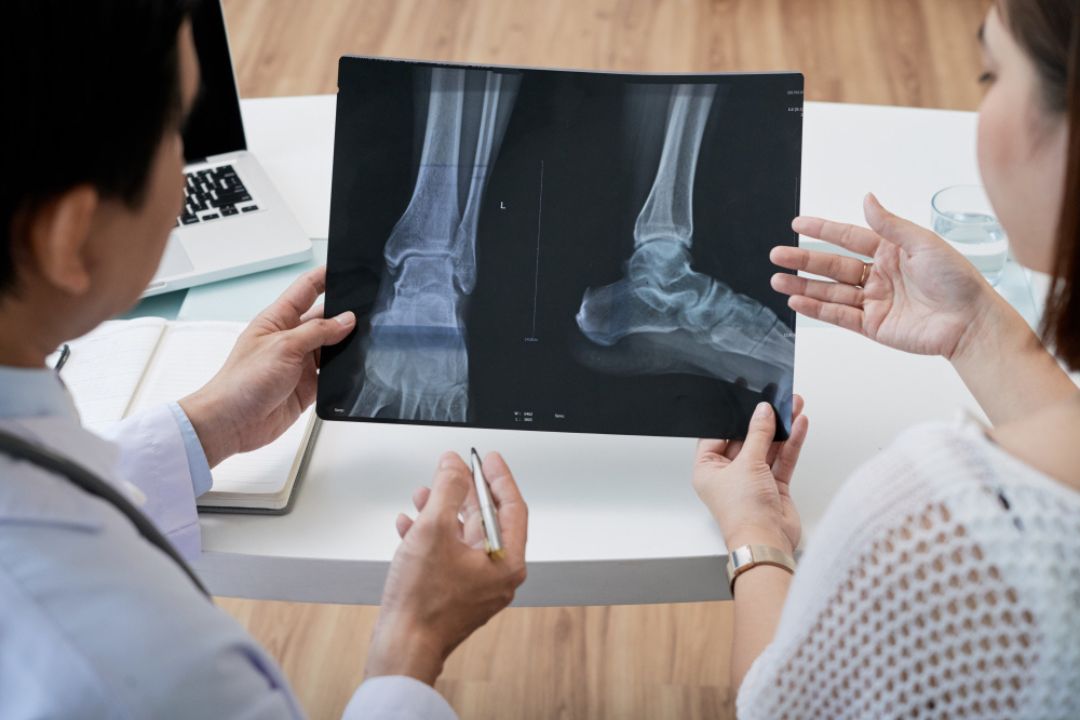
3D imaging helps doctors evaluate bone fractures, joint problems, and skeletal deformities.
It is particularly useful for planning complex orthopedic surgeries.
In cardiology, 3D CT scans help doctors examine coronary arteries and detect blockages that may lead to heart disease.
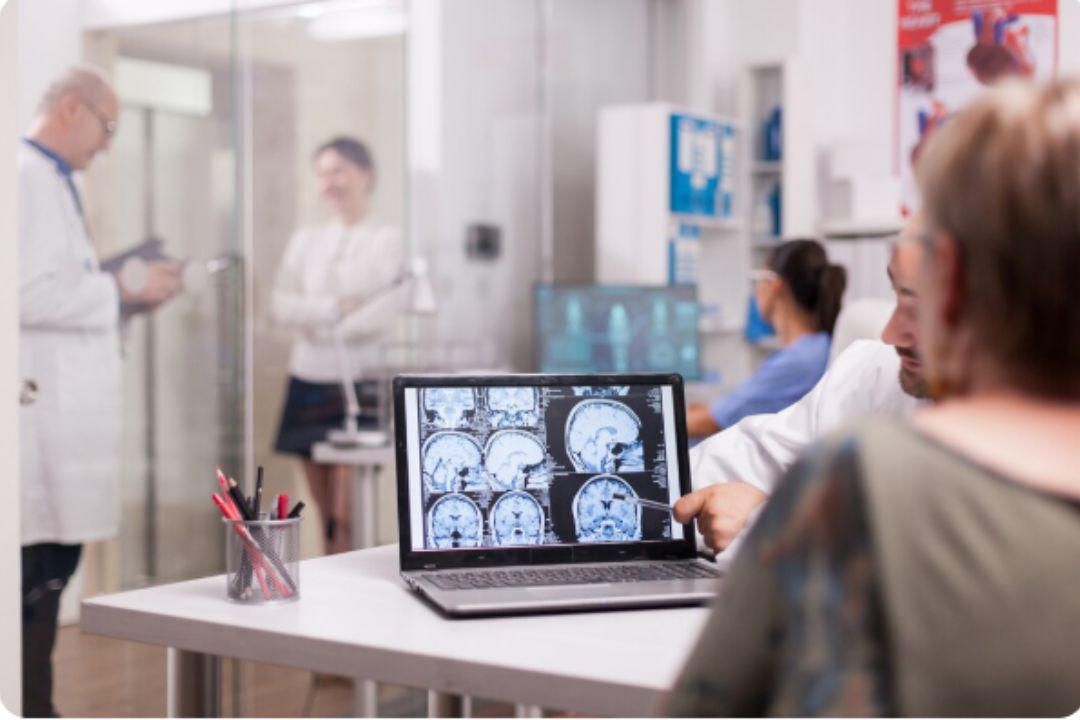
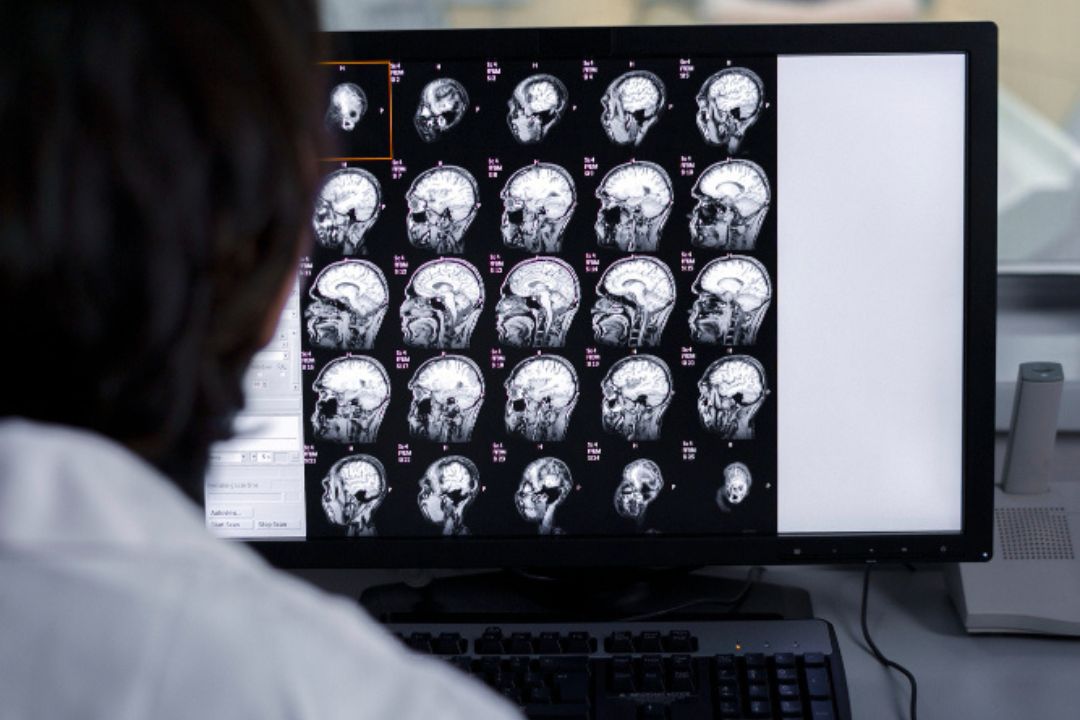
3D CT imaging can assist in diagnosing brain injuries, tumors, and vascular abnormalities.
Dentists and oral surgeons use 3D CT scans to evaluate jawbone structures, plan dental implants, and diagnose facial injuries.
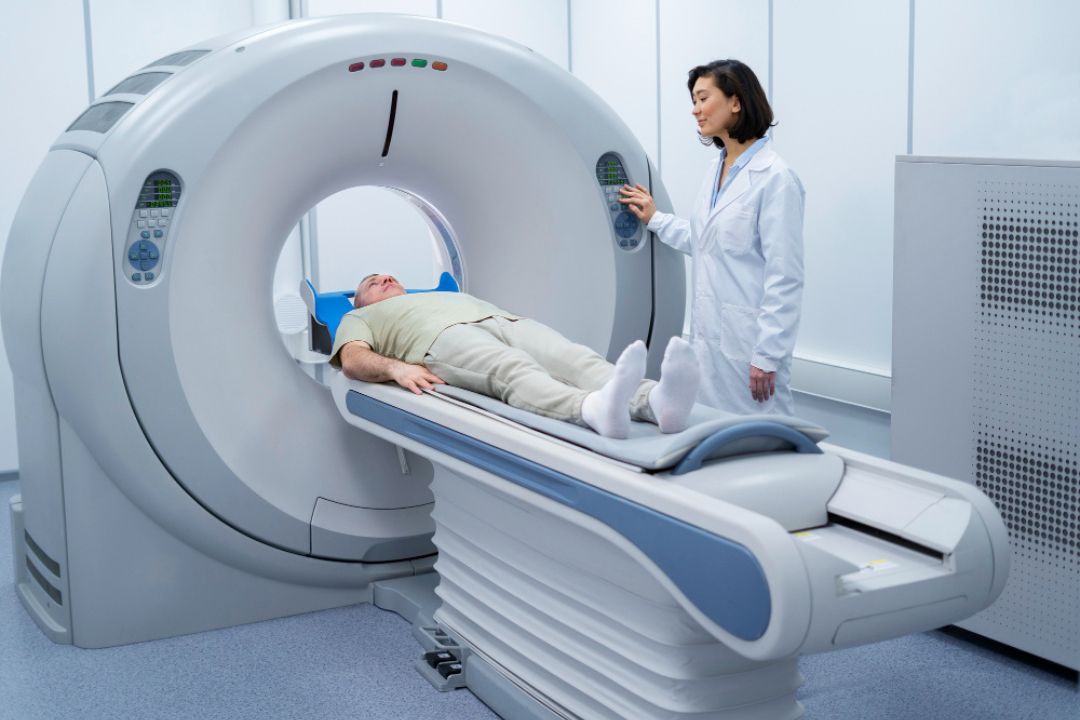
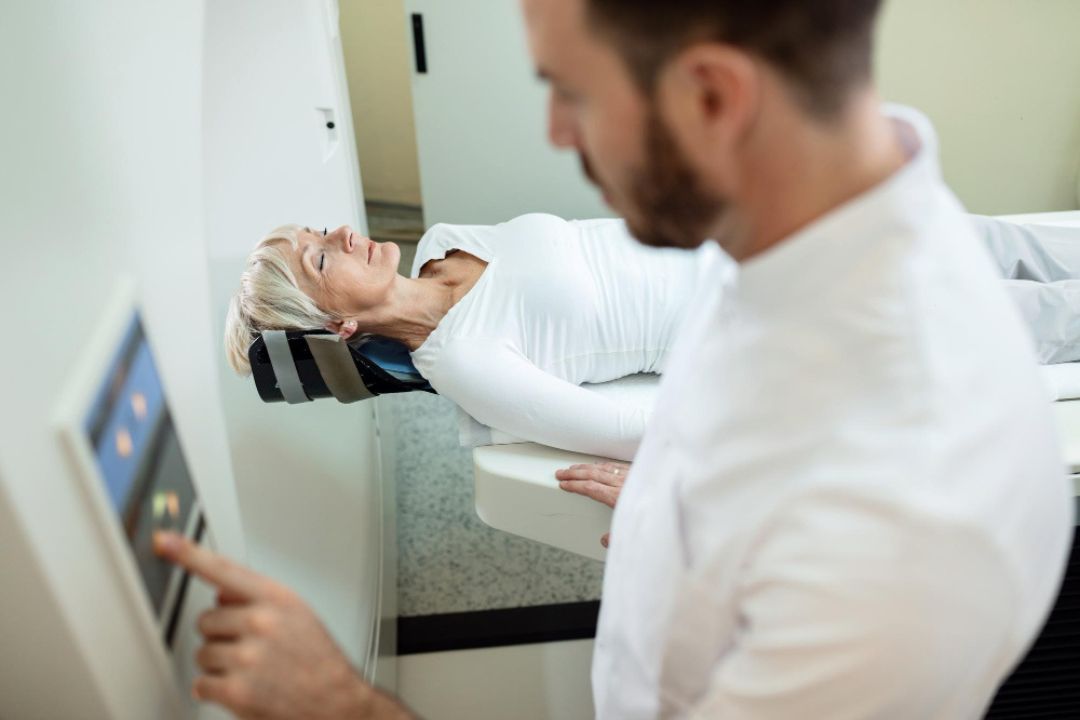
Like traditional CT scans, 3D CT imaging uses controlled levels of radiation. However, modern CT machines are designed with advanced dose-reduction technologies to minimize radiation exposure.
Radiologists carefully adjust scanning parameters to ensure that patients receive the lowest radiation dose necessary for accurate imaging.
CT scans are generally considered safe when performed under medical supervision.
The future of CT imaging is rapidly evolving. New developments such as artificial intelligence and advanced image reconstruction techniques are expected to further enhance 3D CT technology.
Future improvements may include:
Faster image processing
Lower radiation doses
More detailed 3D visualization
AI-assisted diagnostic tools
These innovations will continue to improve the accuracy and efficiency of medical imaging.
3D CT scanning represents a major advancement in medical imaging technology. Compared to traditional CT imaging, it provides clearer visualization, improved diagnostic accuracy, and better surgical planning.
By transforming multiple CT slices into detailed three-dimensional images, doctors can gain a deeper understanding of complex medical conditions. As imaging technology continues to evolve, 3D CT scans will play an increasingly important role in modern healthcare and patient diagnosis.






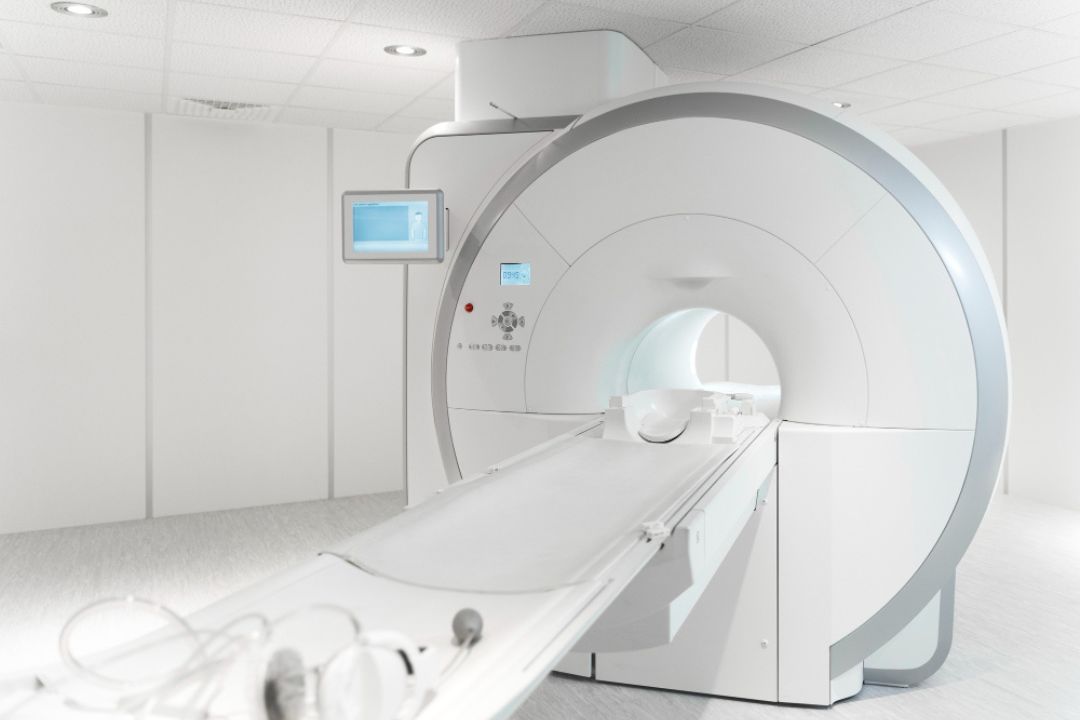
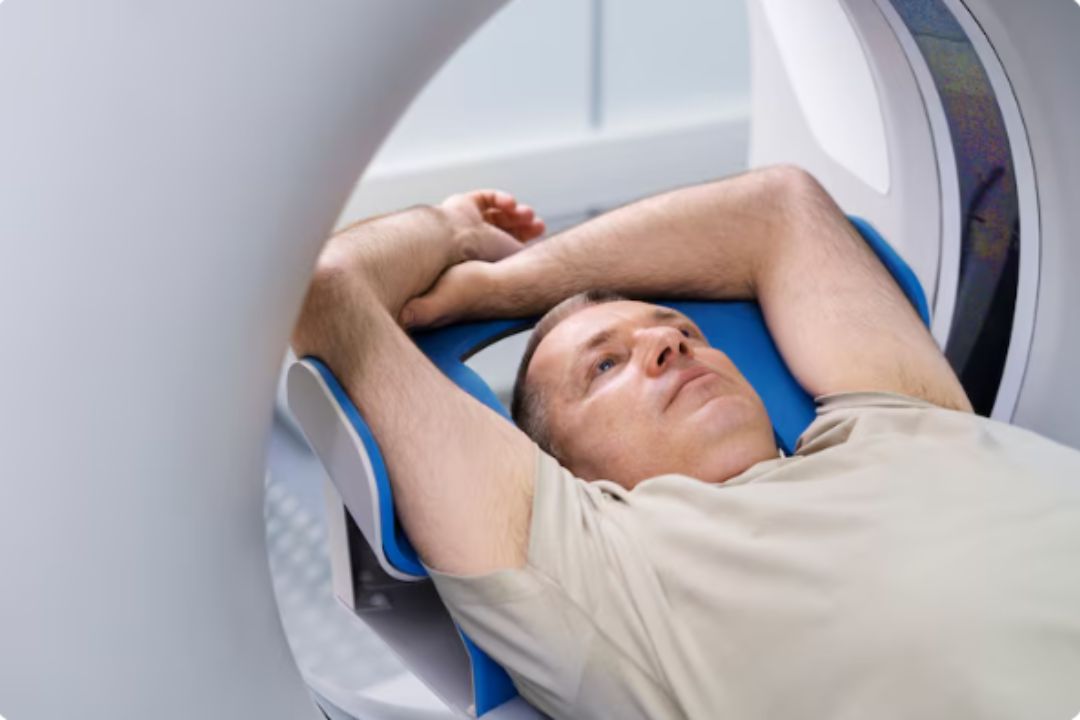

.jpg "ct brain scan plain and contrast")
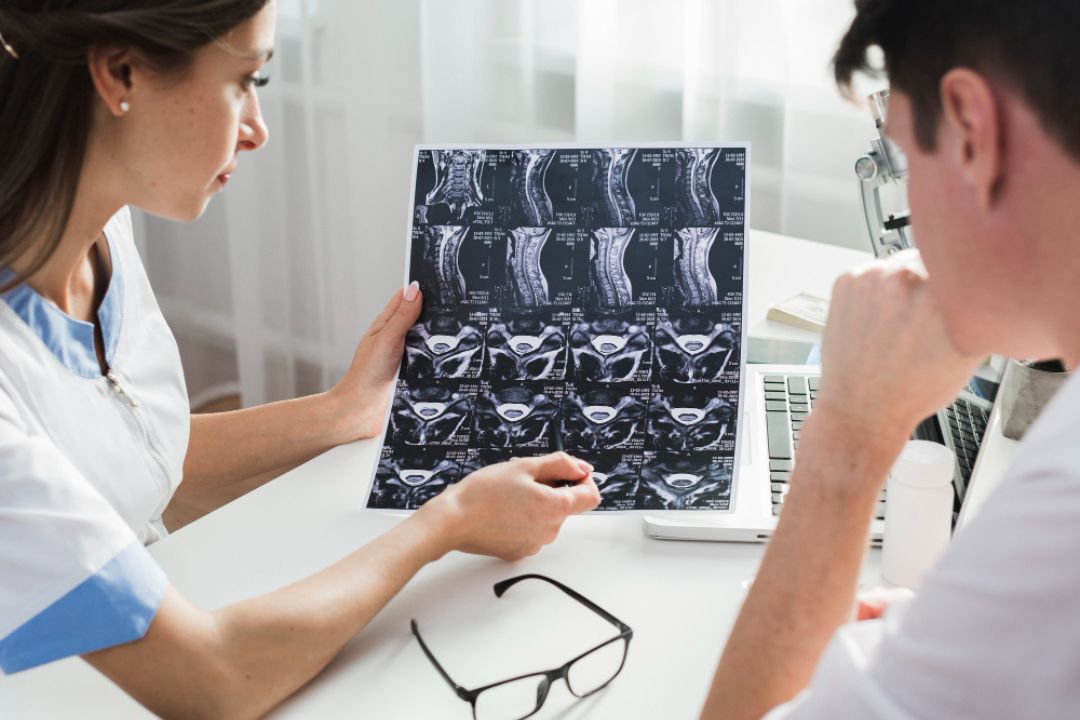










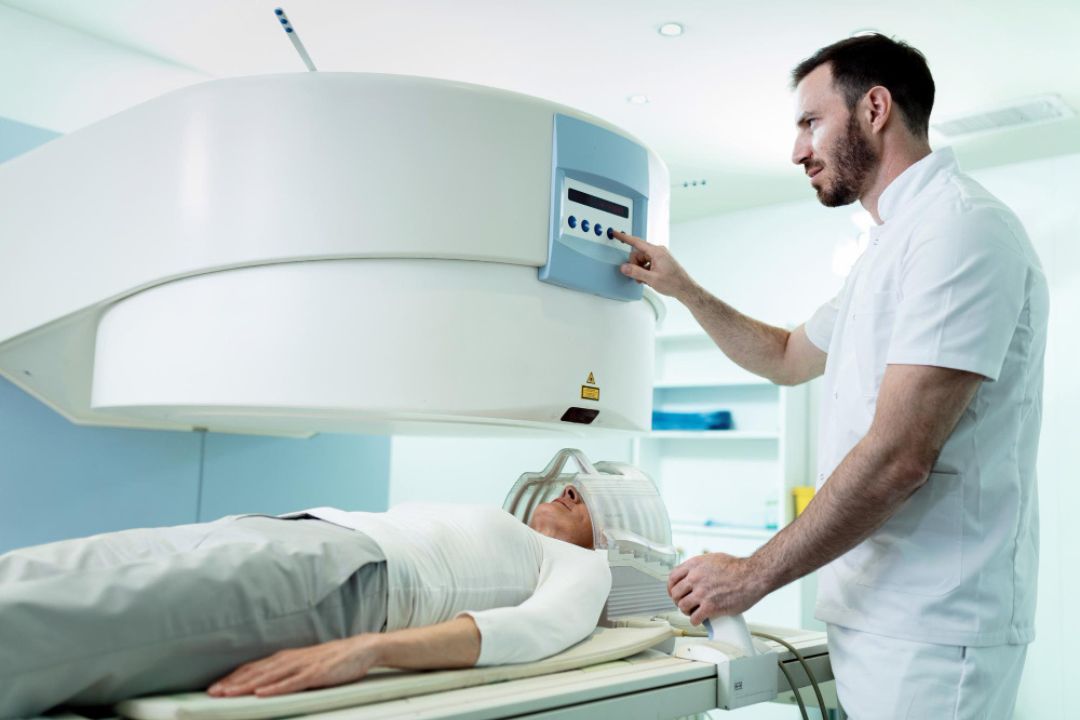
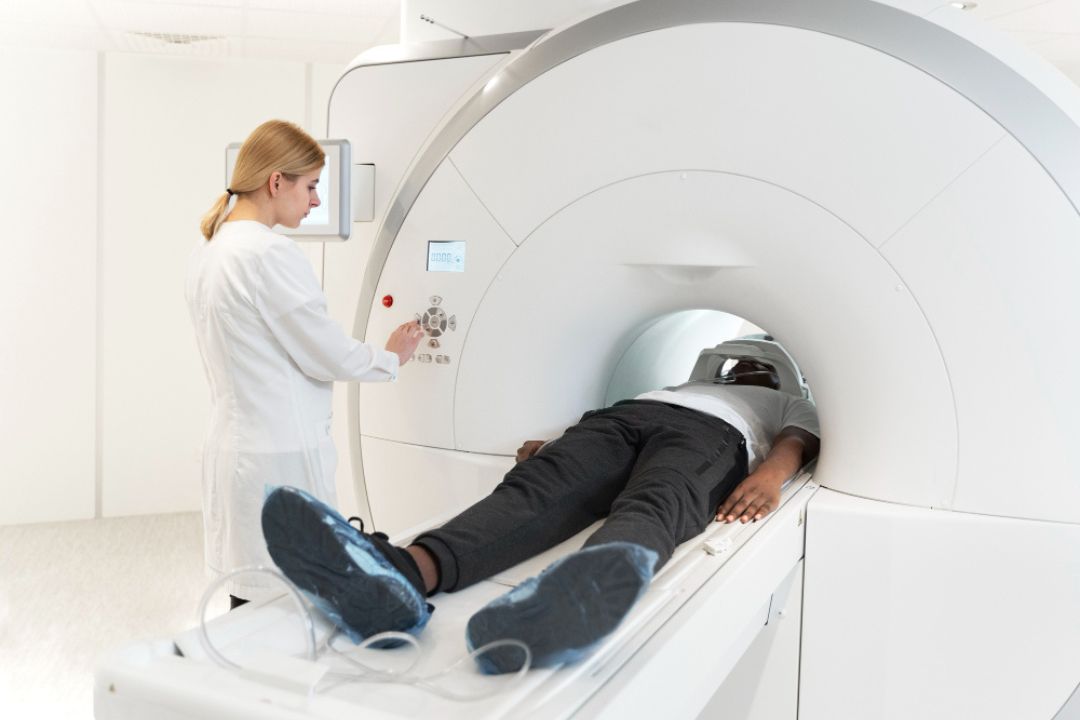
.jpg "ct scan")

.jpg "ct scan or mri for brain disorders")


.jpg "exploring the power of ct brain contrast in modern diagnostics")
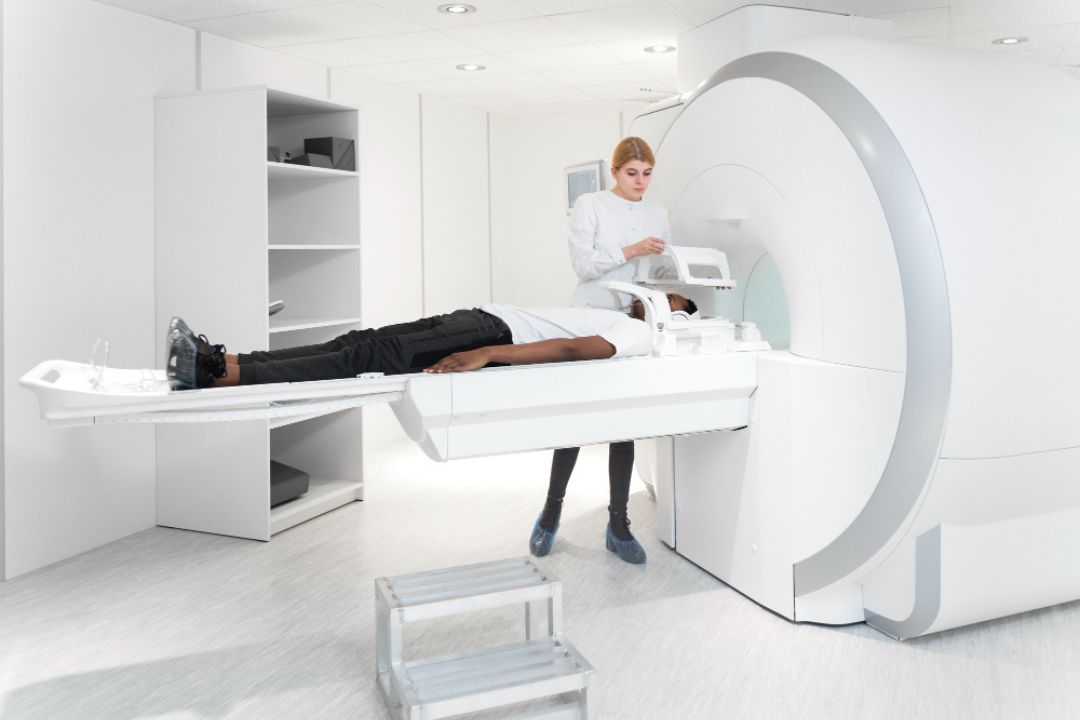
.jpg "ct scan")
.jpg "ct scan")







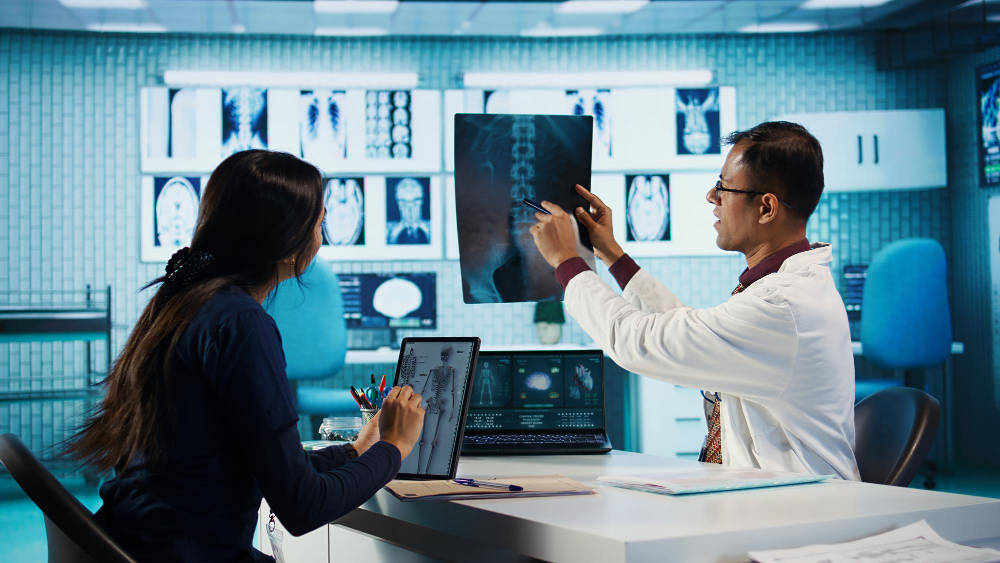
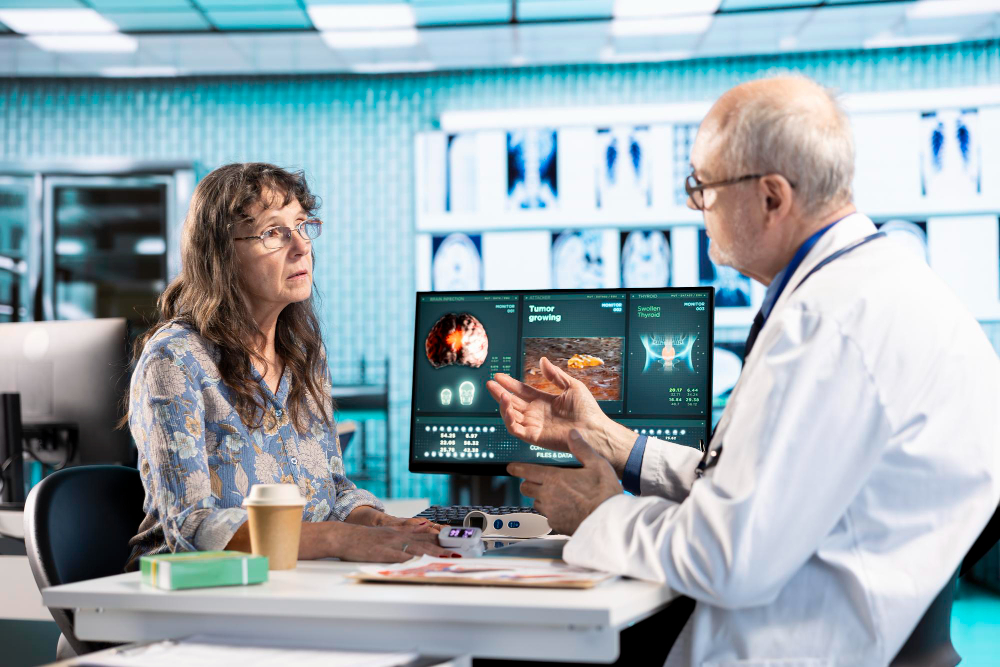
.jpg "ct scan")

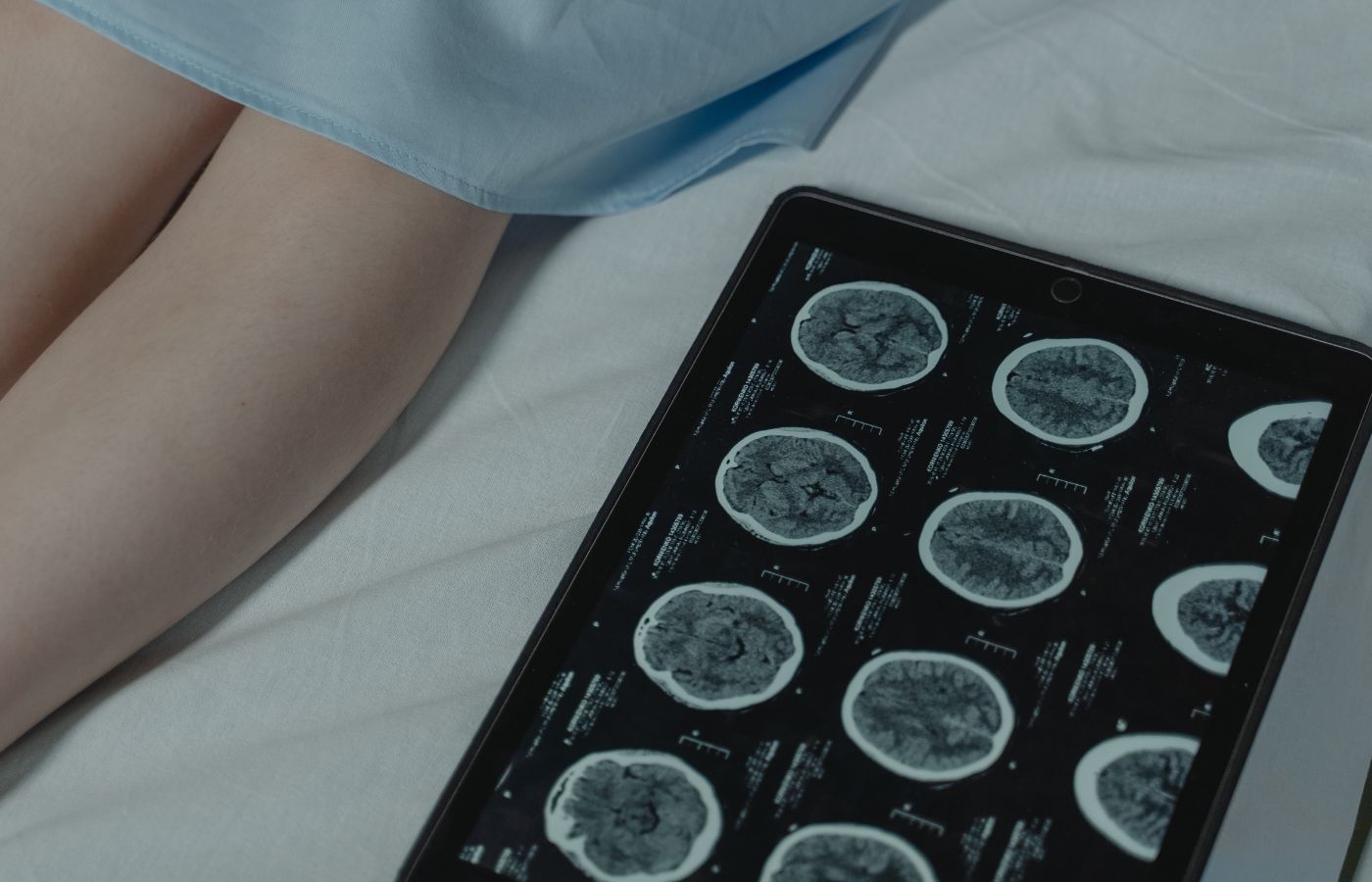
.jpg "CT Brain Scan for Headaches")
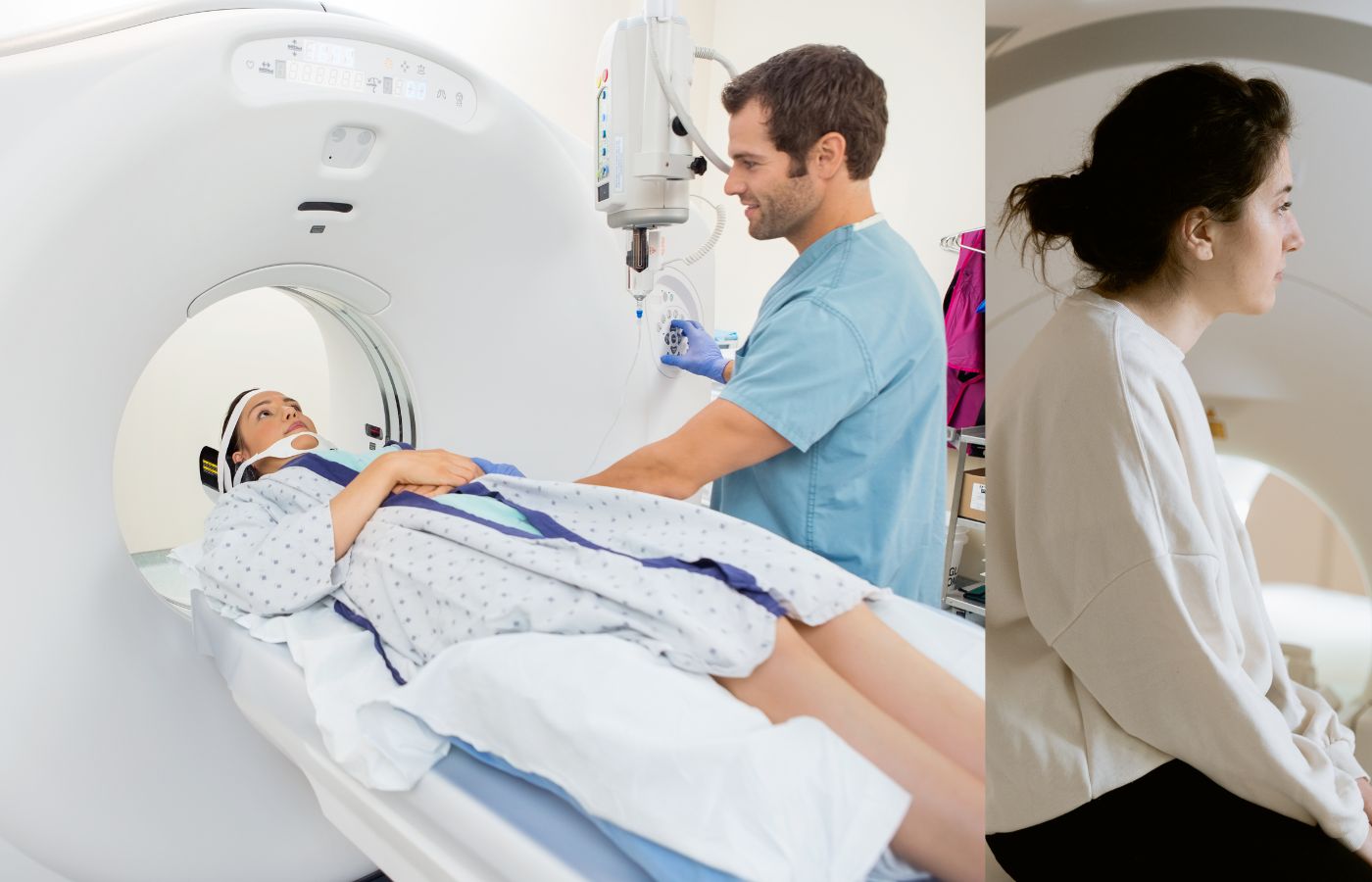
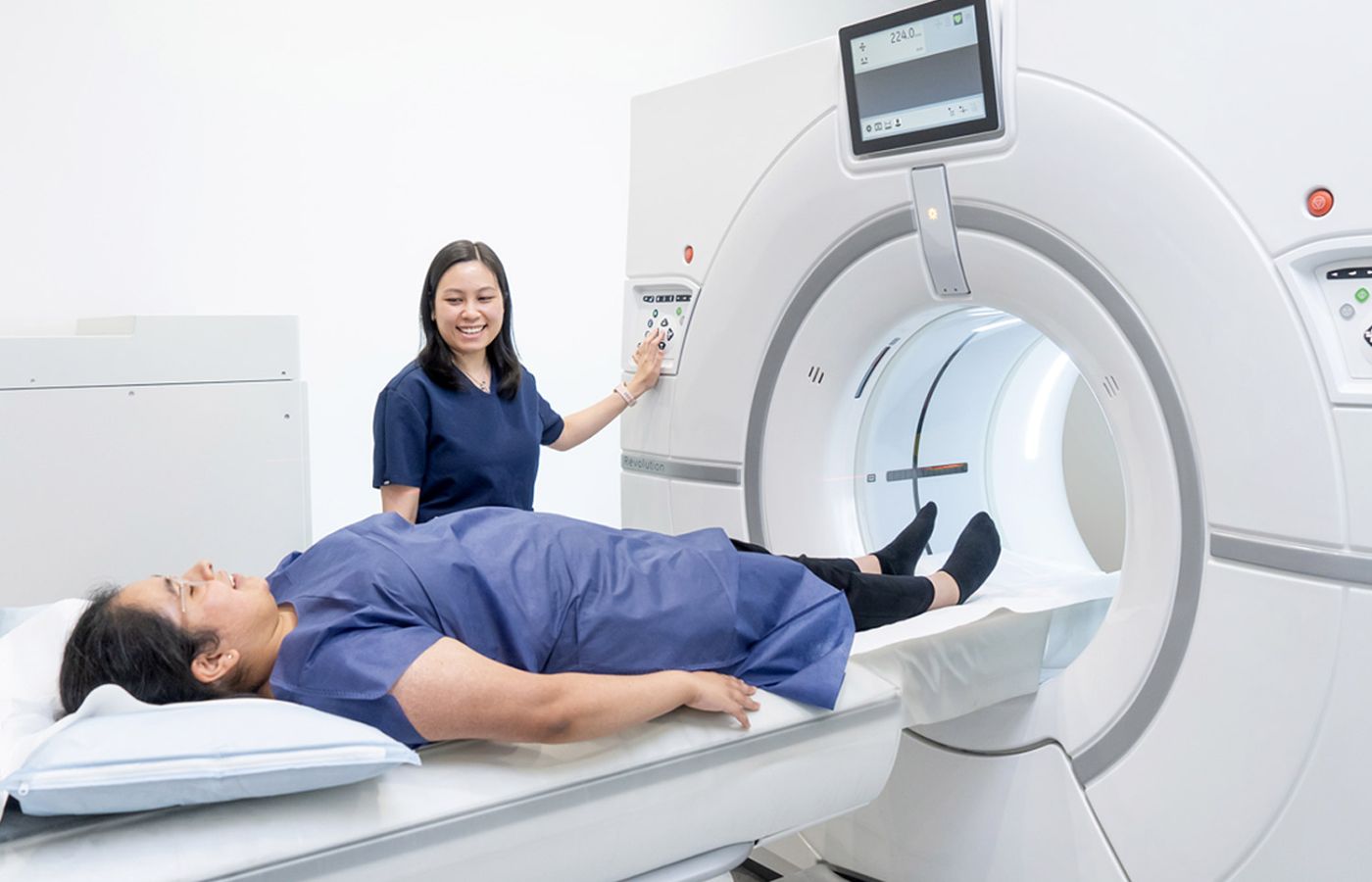
.jpg "The Future of 3D CT Imaging")