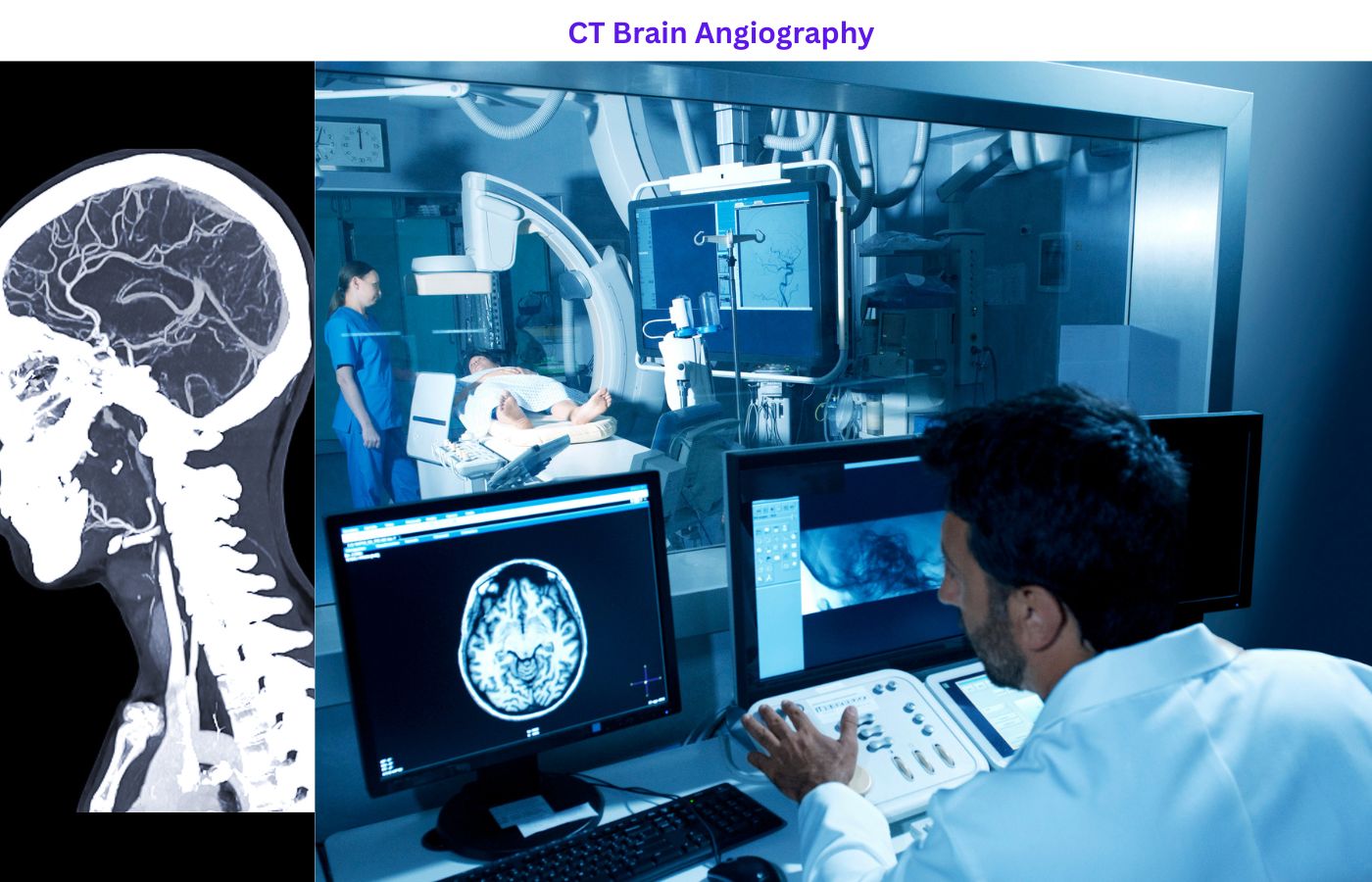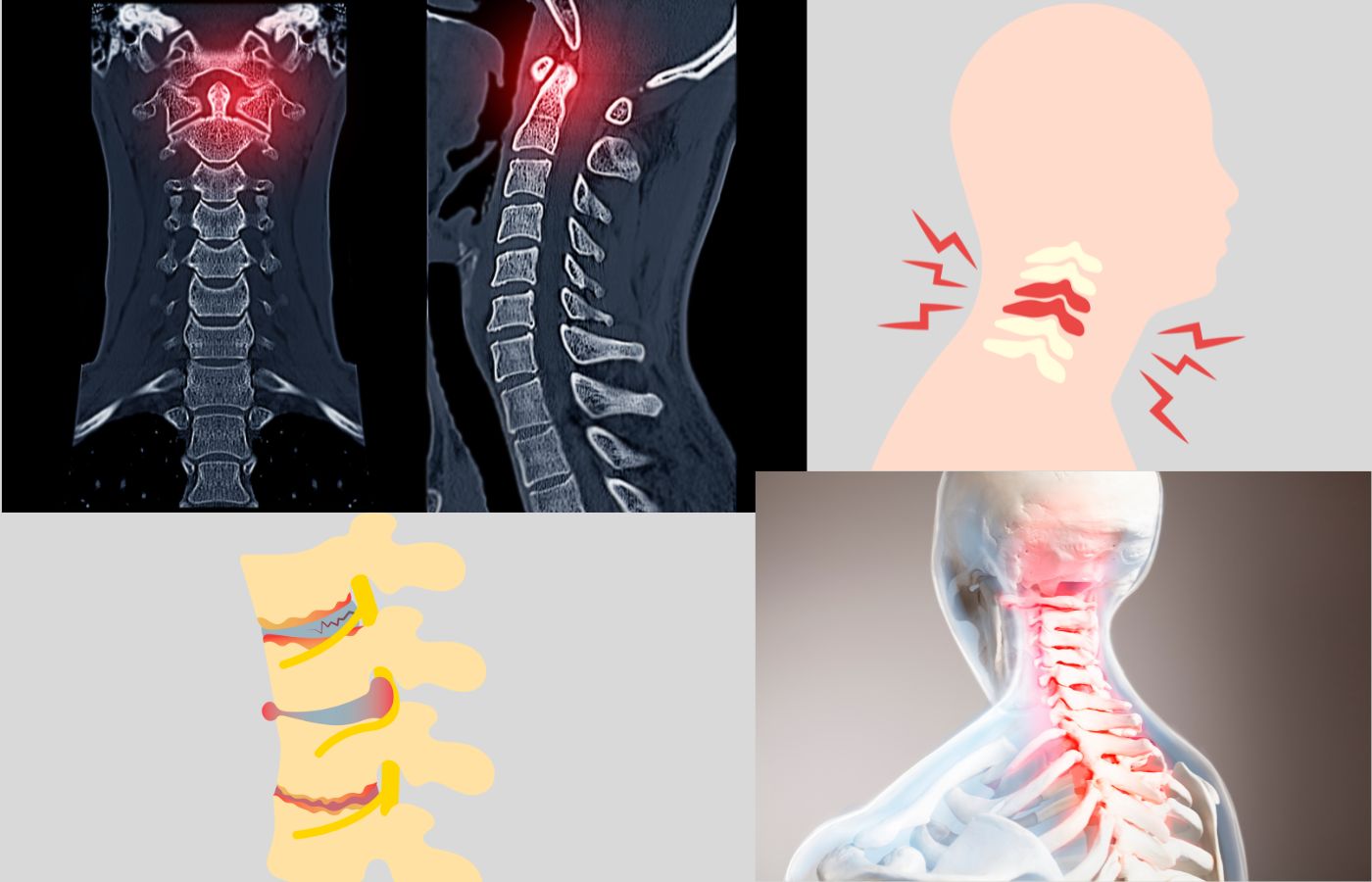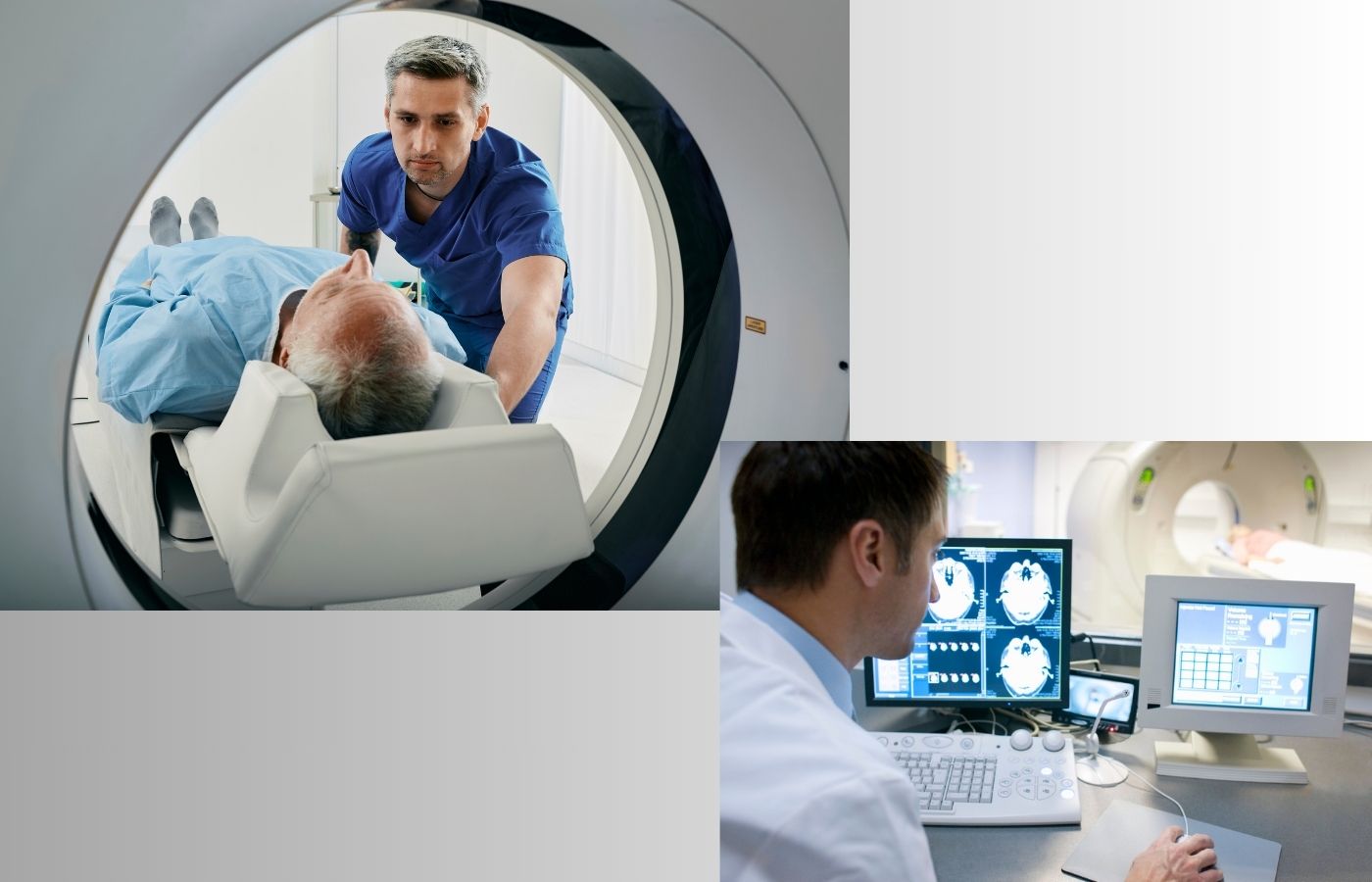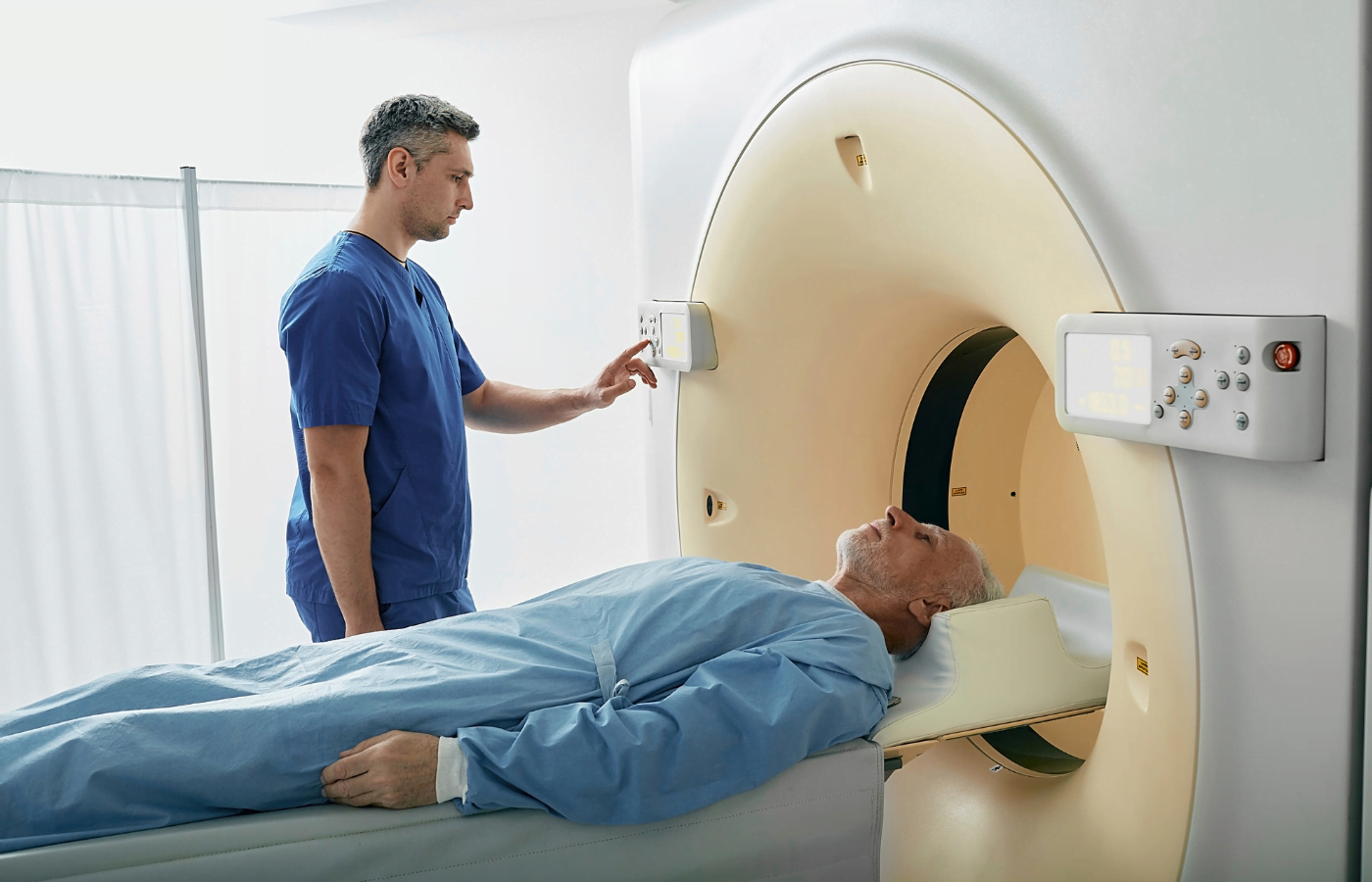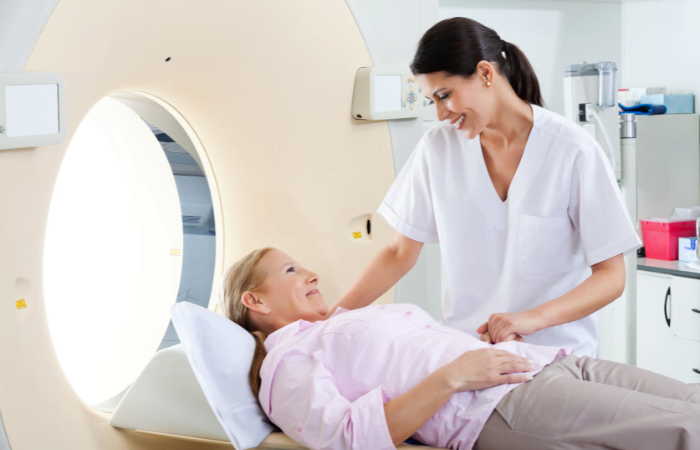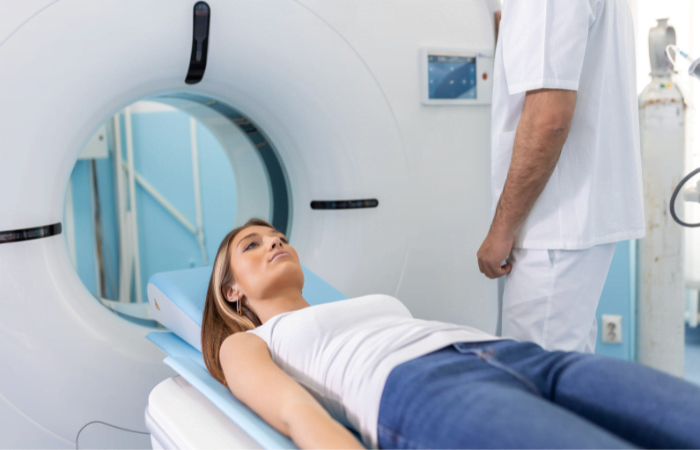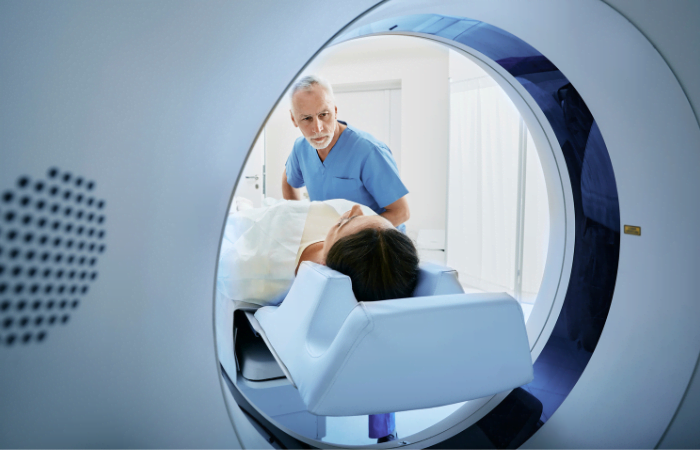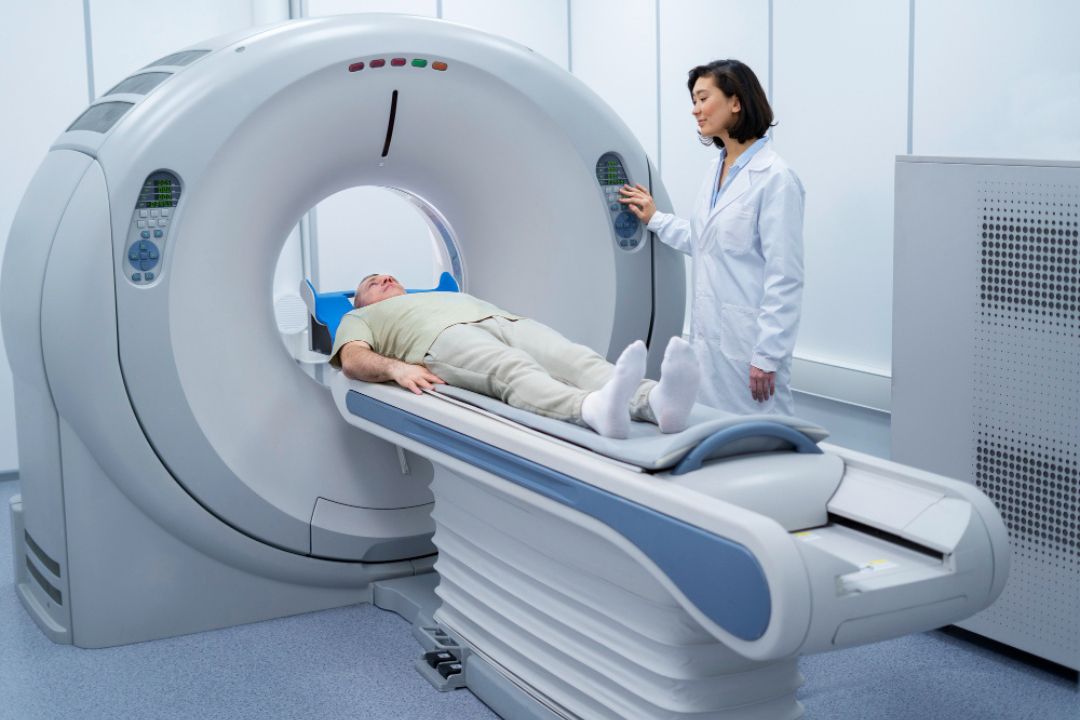
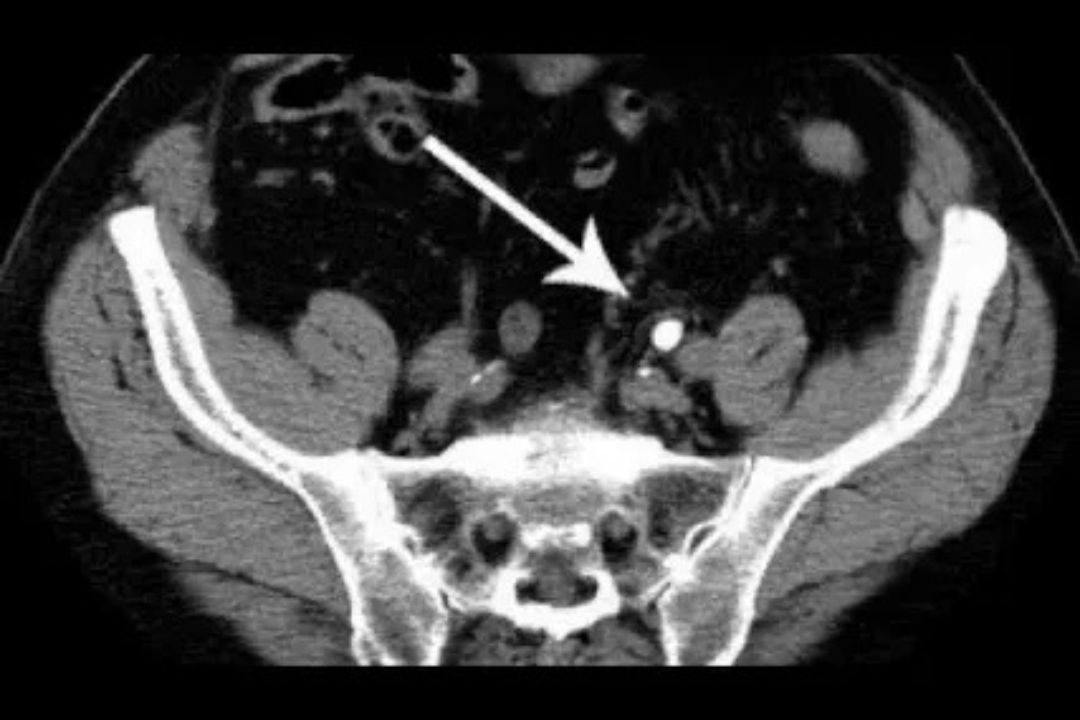
A virtual colonoscopy CT scan, also known as CT colonography, is a modern imaging test used to examine the large intestine (colon) and rectum. This advanced diagnostic procedure uses CT scan technology to create detailed images of the colon and detect abnormalities such as polyps, tumors, or signs of colorectal cancer.
Unlike a traditional colonoscopy, a virtual colonoscopy is minimally invasive and does not require inserting a long scope throughout the entire colon. Because of this, many patients find it more comfortable and convenient.
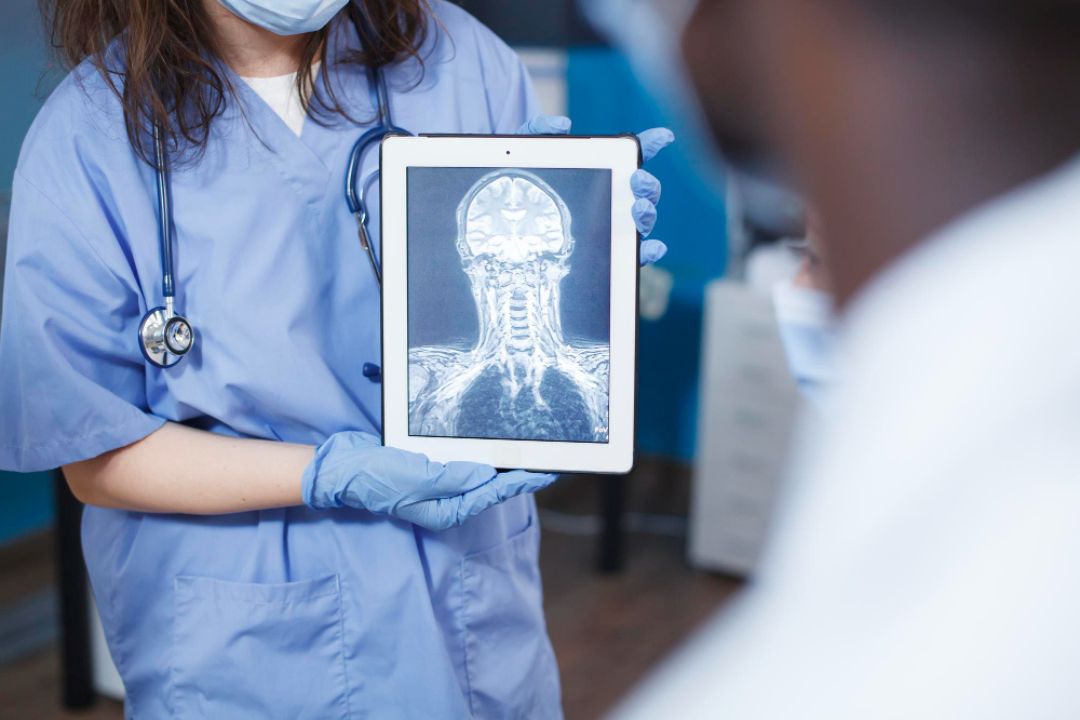
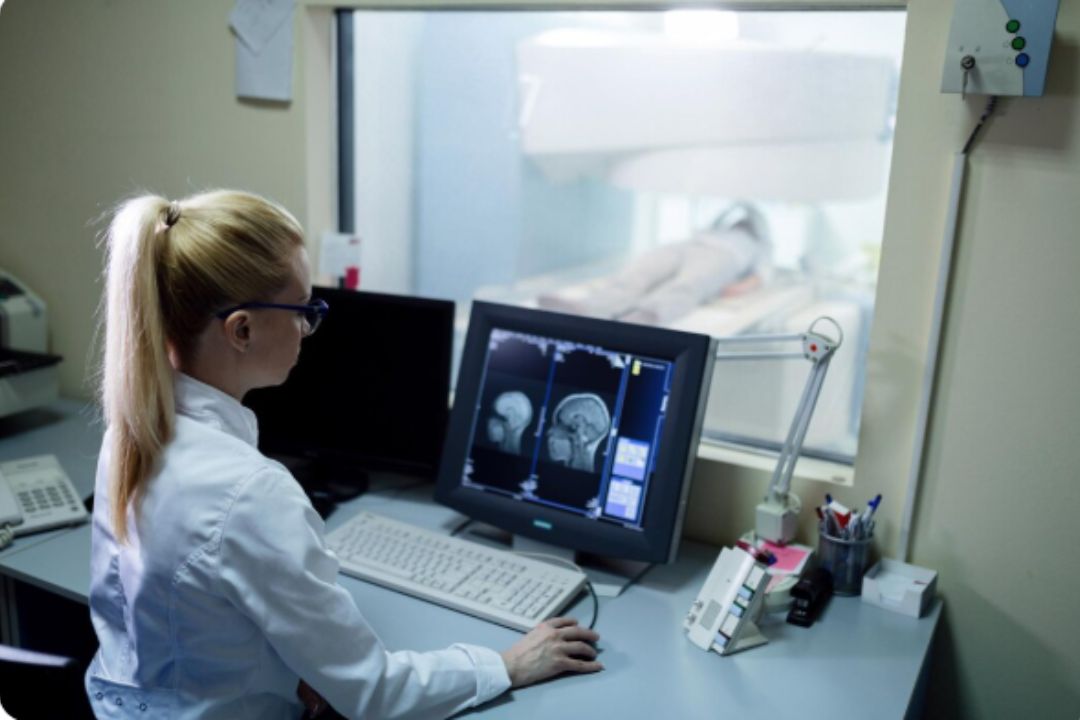
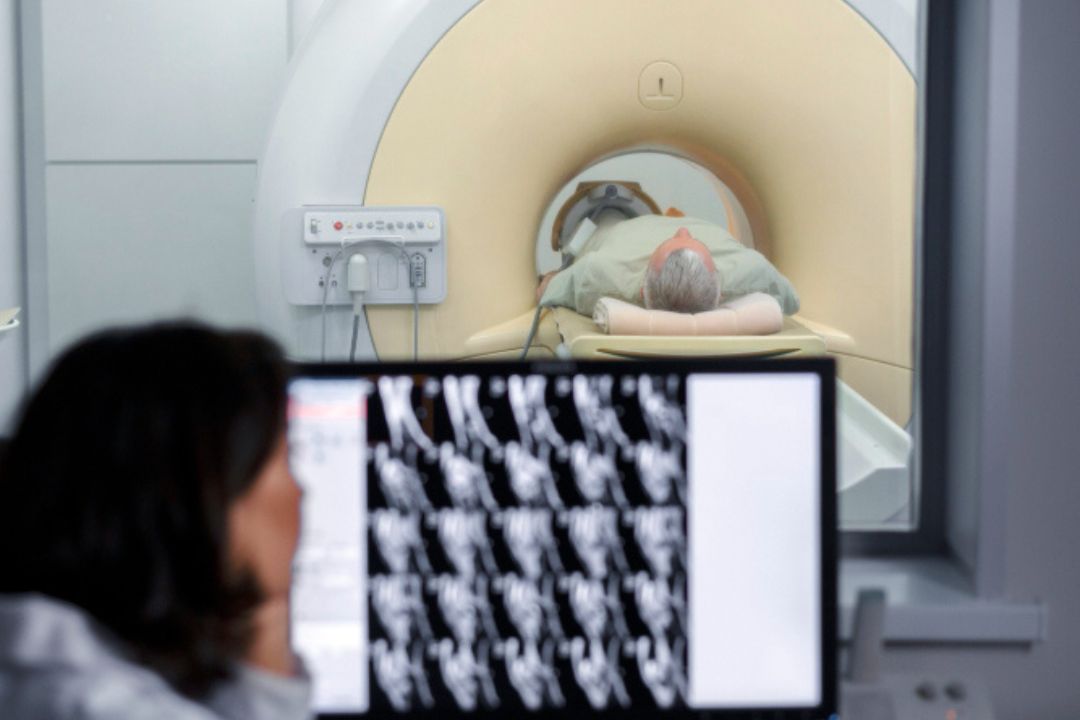
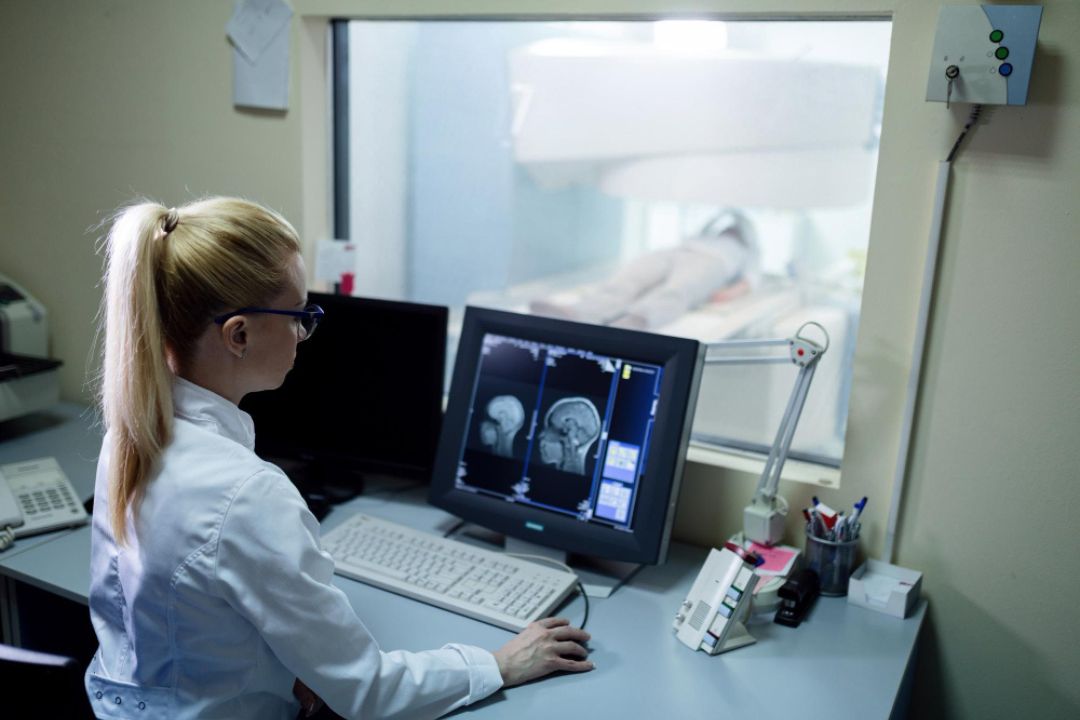
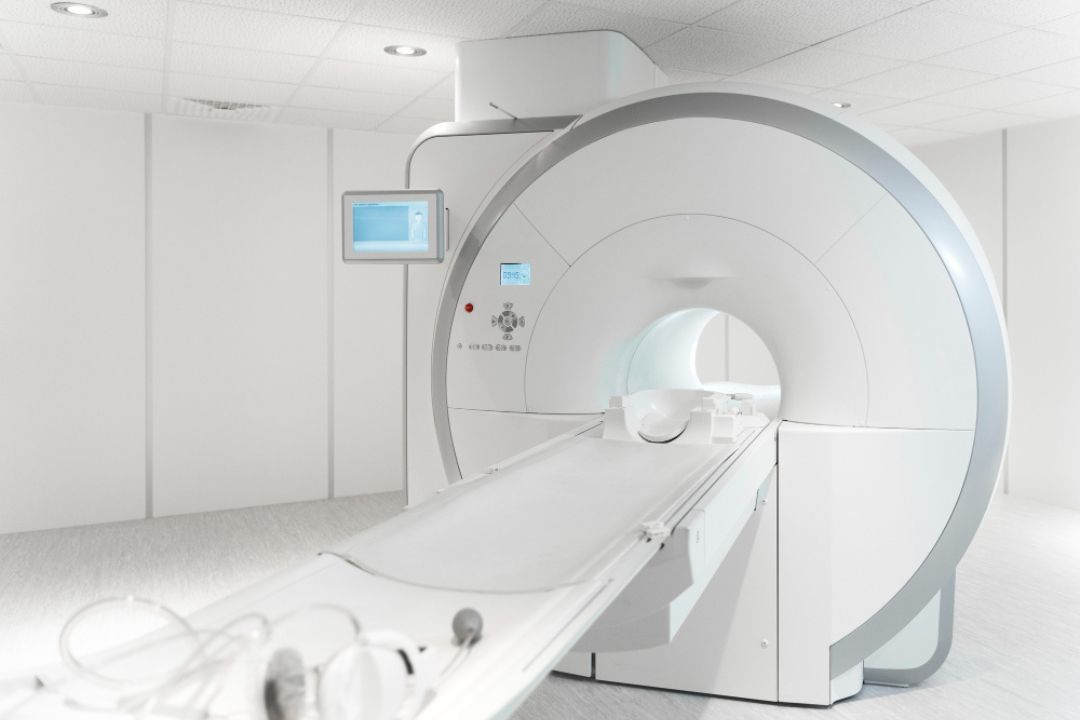
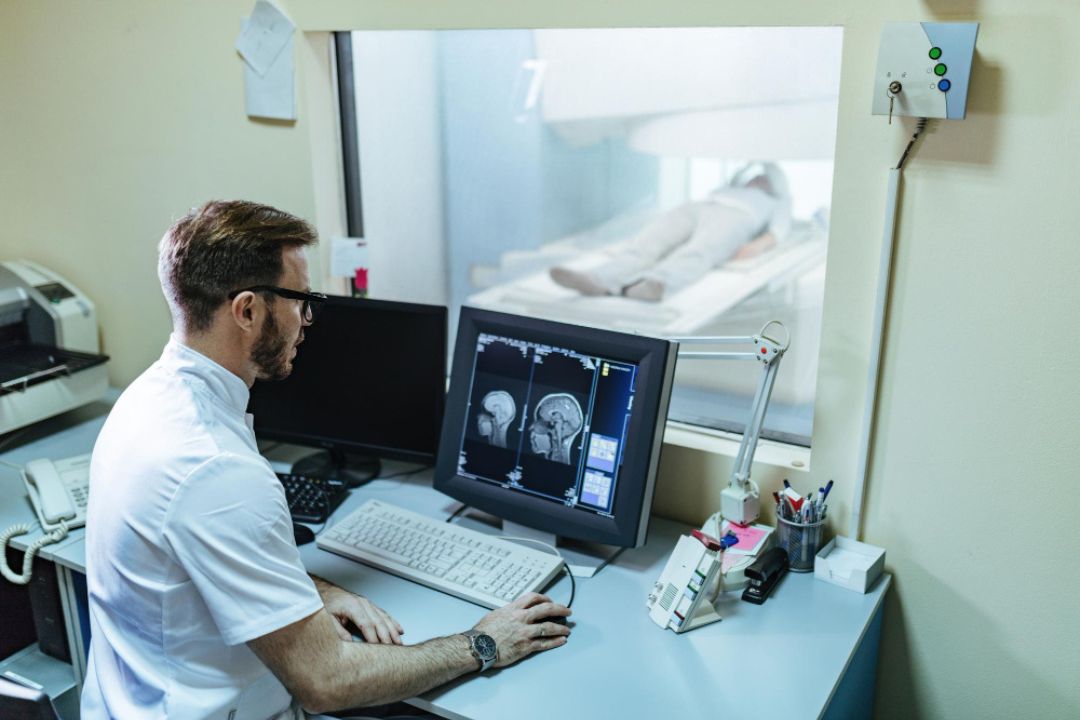
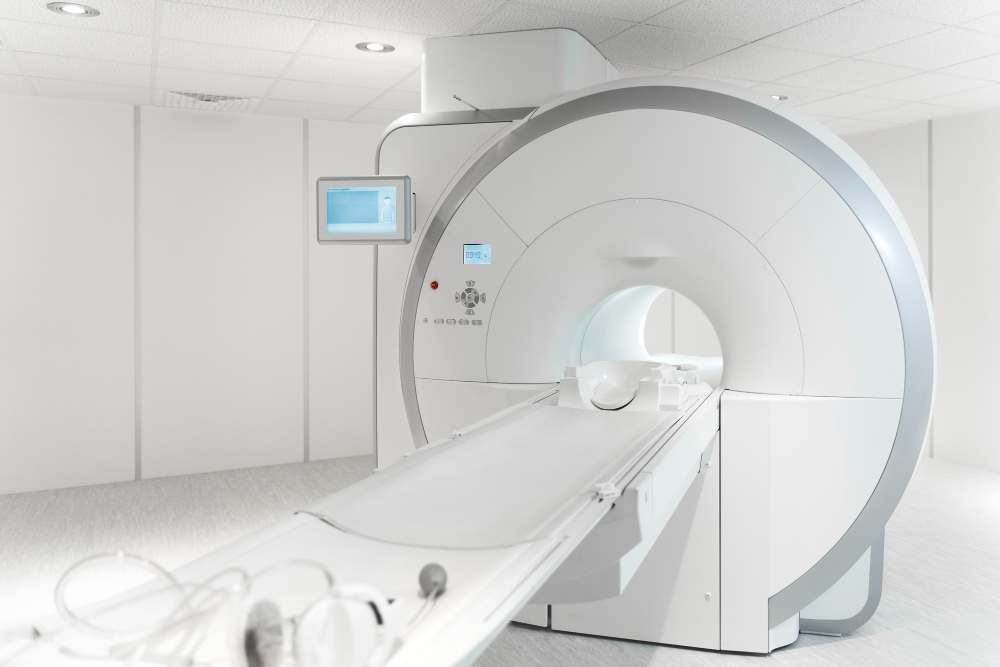
A virtual colonoscopy uses computed tomography (CT) to produce high-resolution images of the colon. These images are then processed by specialized software to create 3D views of the colon and rectum.
Doctors use this test to detect:
Colon polyps
Colorectal cancer
Inflammation in the colon
Abnormal growths or tumors
Diverticulosis
Early detection through screening tests like a virtual colonoscopy can significantly improve treatment outcomes.
Doctors may recommend a virtual colonoscopy CT scan for several reasons:
It is commonly used as a screening test for colorectal cancer, especially in people over the age of 45.
The scan helps detect small polyps in the colon that may develop into cancer if not treated early.
Patients who cannot undergo a standard colonoscopy due to medical conditions may be advised to have a virtual colonoscopy instead.
Doctors may recommend the test if a patient experiences symptoms such as:
Persistent abdominal pain
Unexplained weight loss
Blood in stool
Changes in bowel habits
Proper preparation is important to obtain accurate imaging results.
Patients are usually advised to:
Follow a clear liquid diet before the procedure
Take prescribed laxatives to clean the colon
Avoid solid food for several hours before the scan
Inform the doctor about any medications or medical conditions
A clean colon allows doctors to detect abnormalities more clearly during the scan.
The virtual colonoscopy procedure is quick and generally takes 10 to 20 minutes.
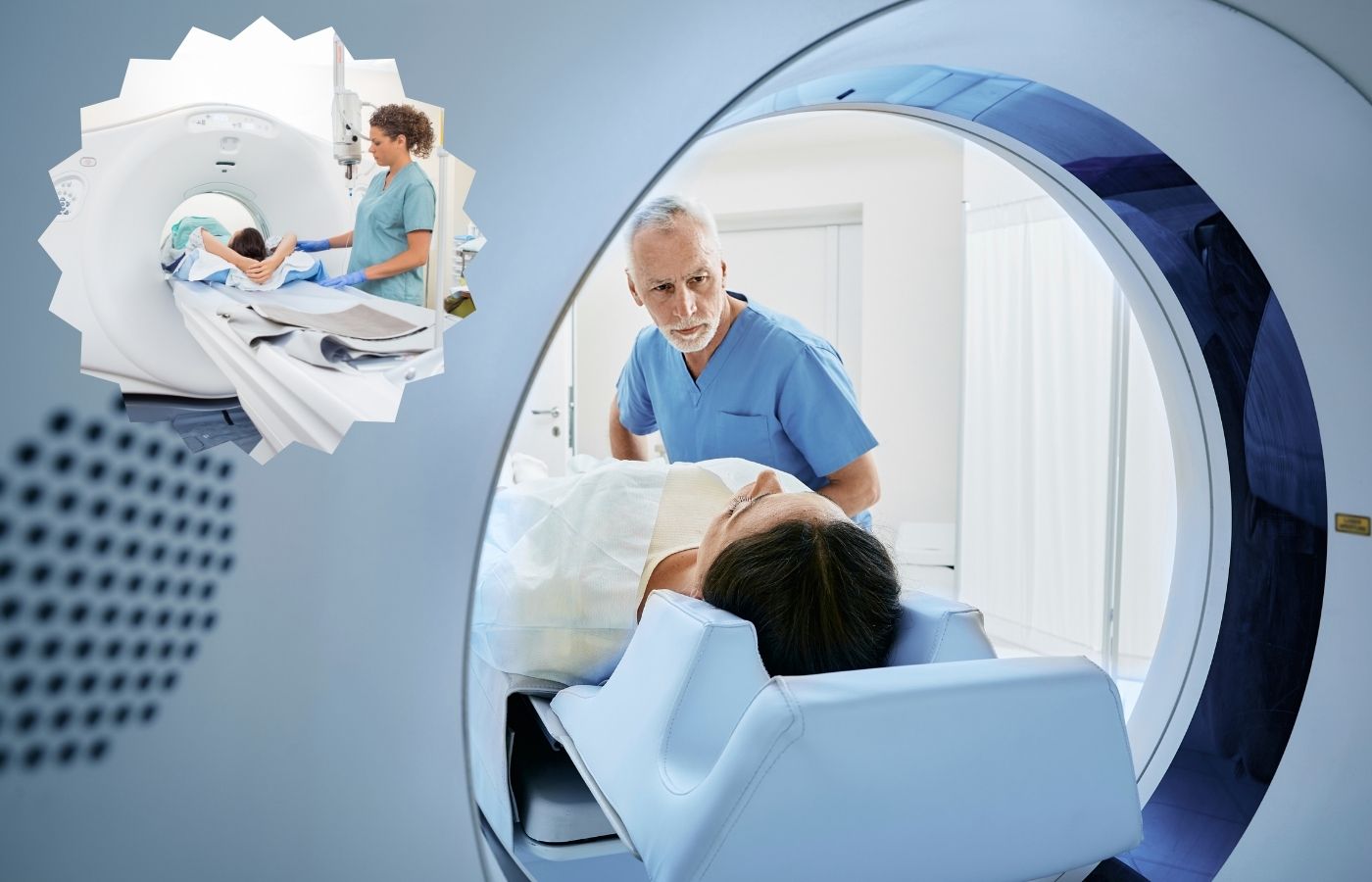
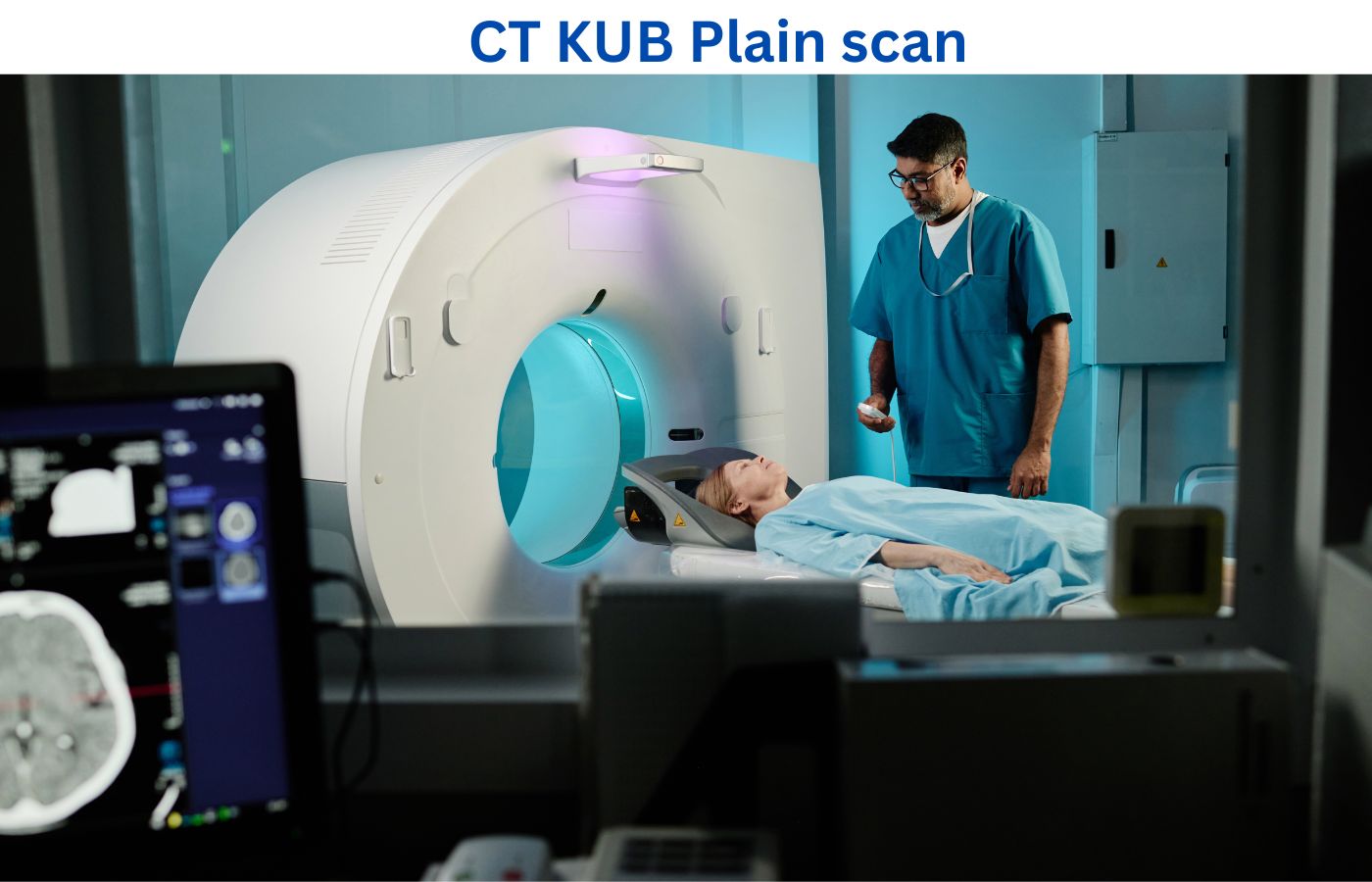
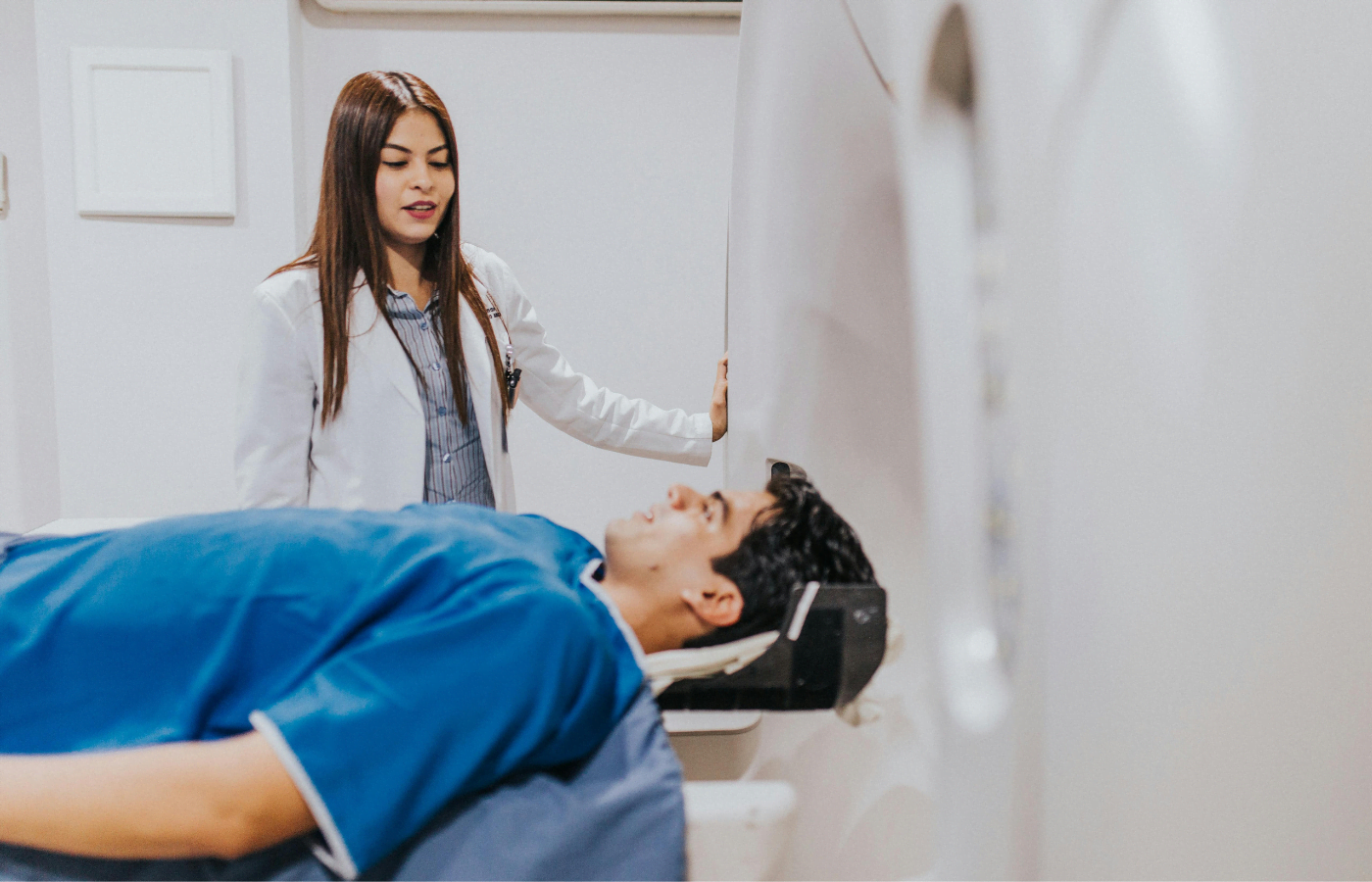
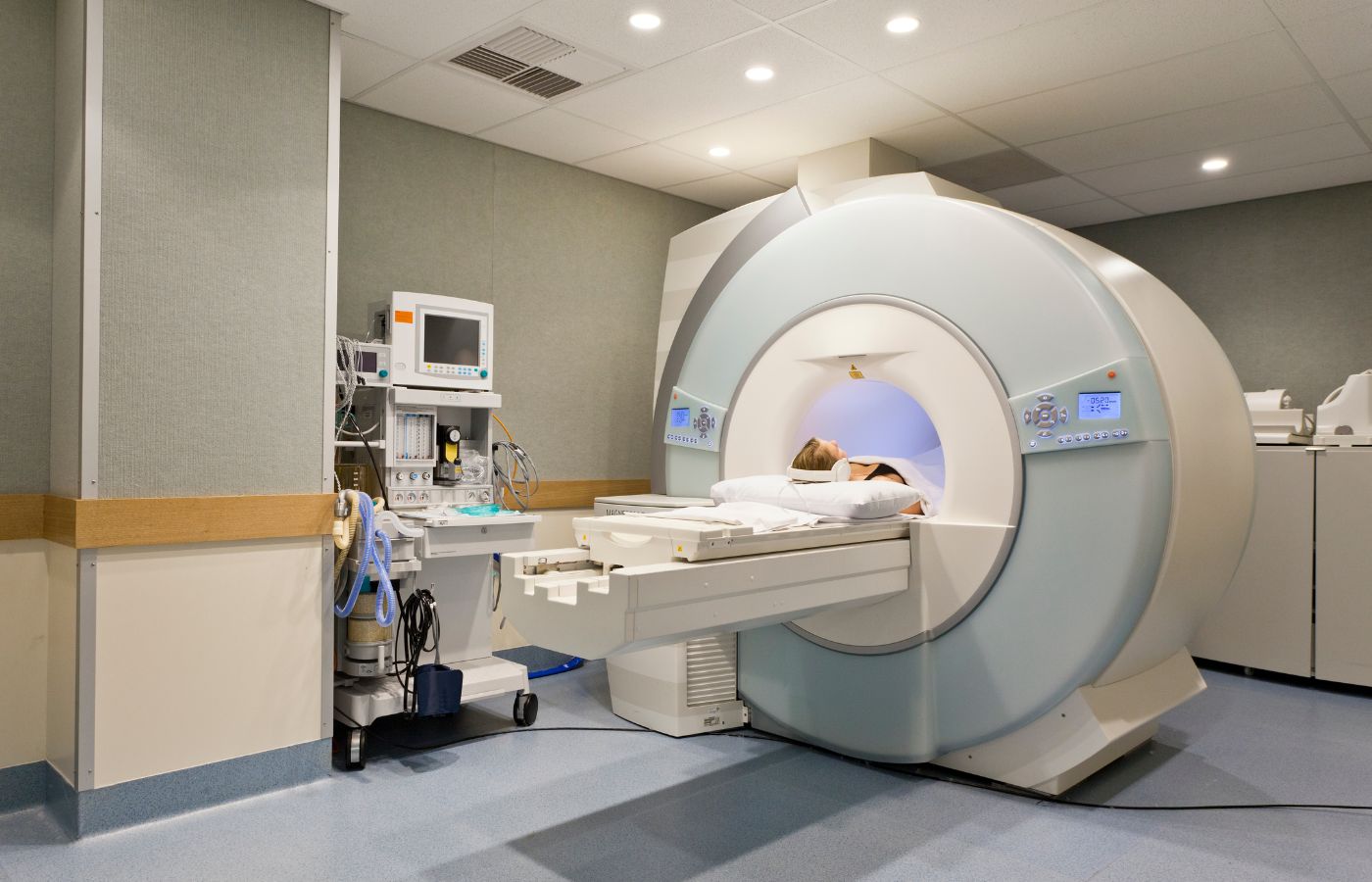
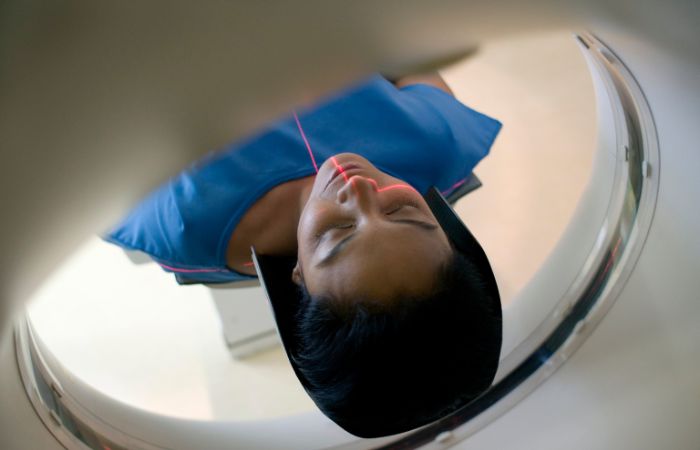
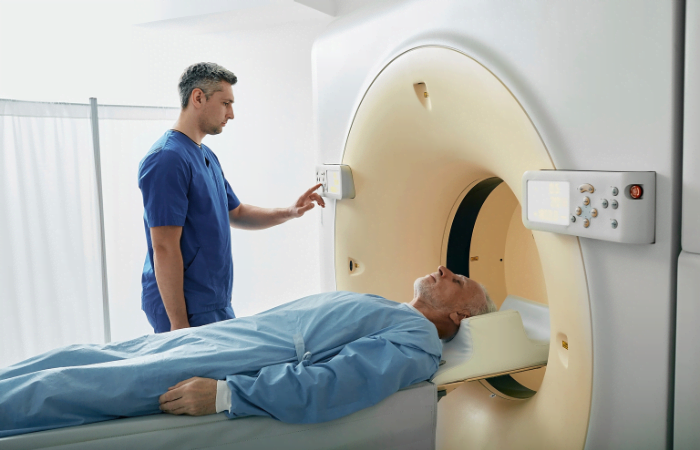
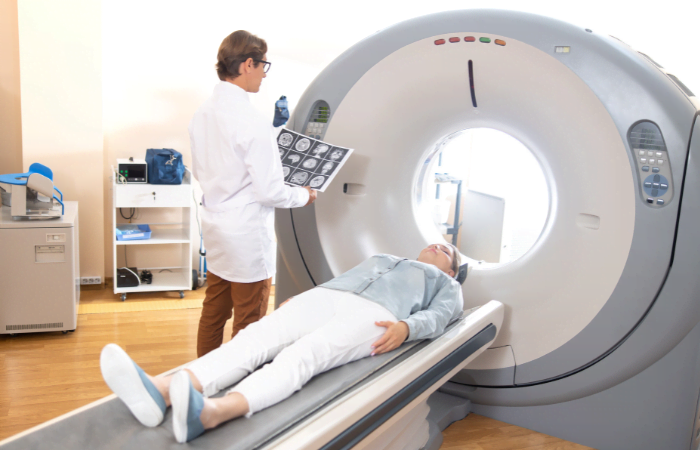
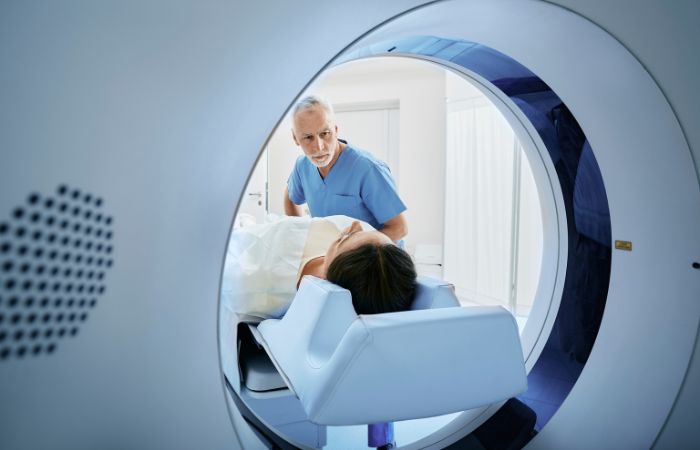
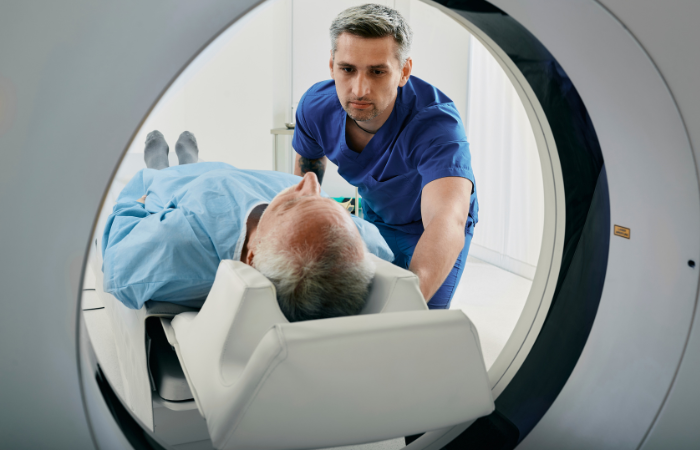
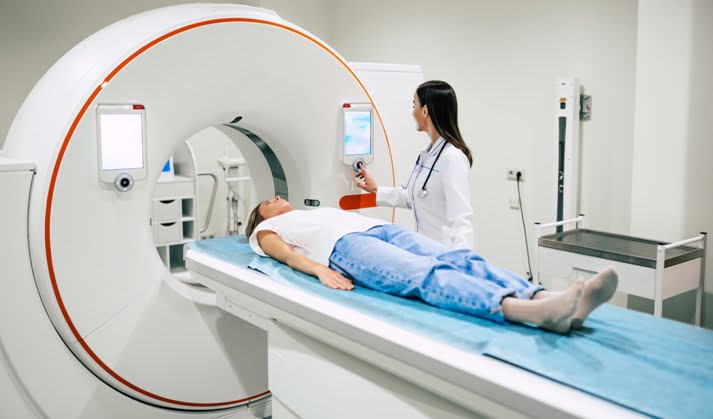
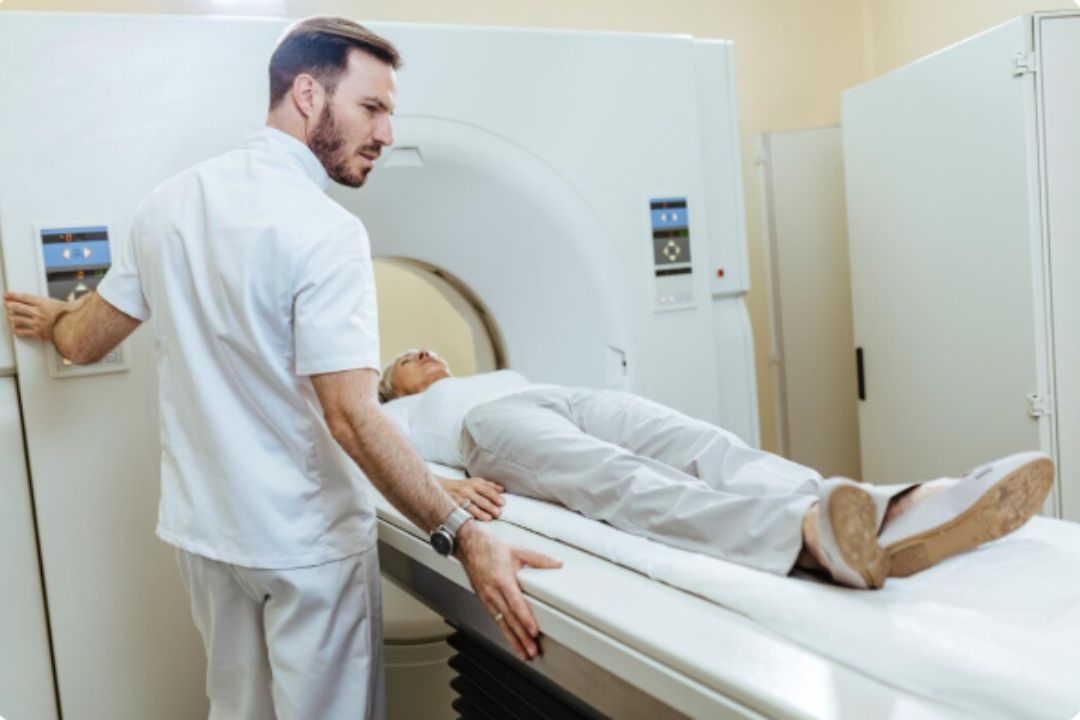
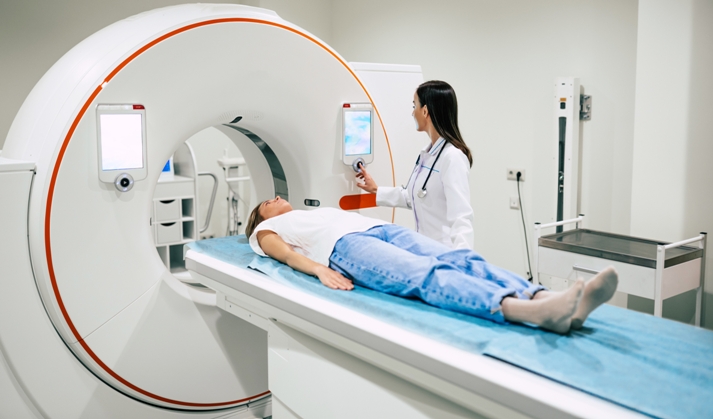
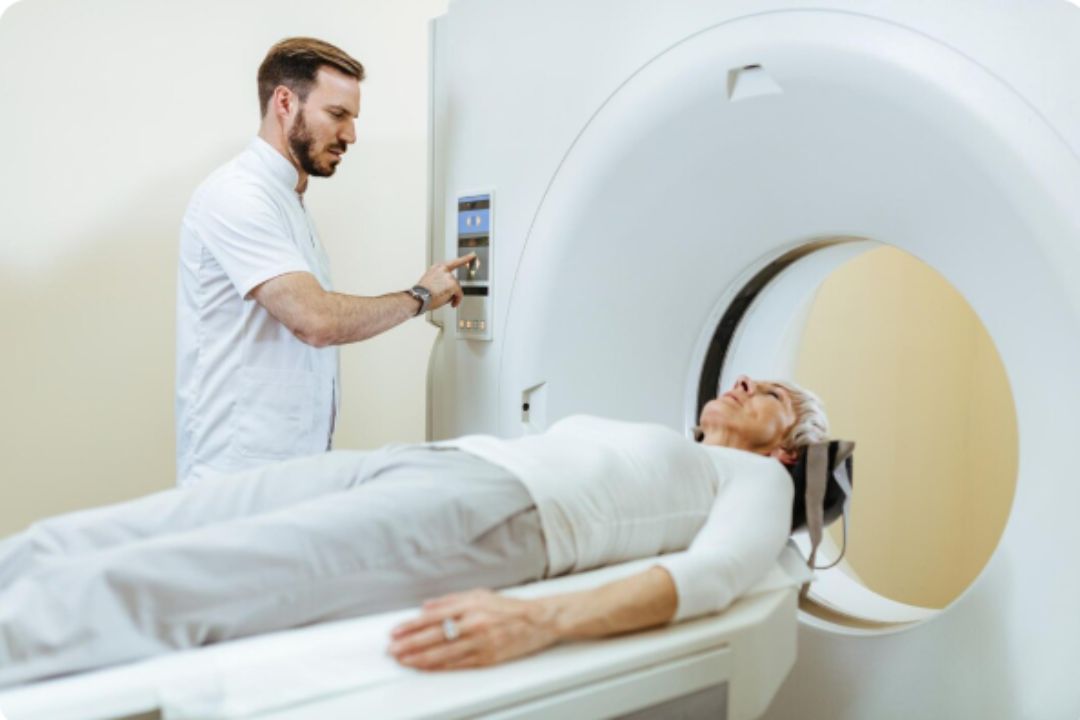
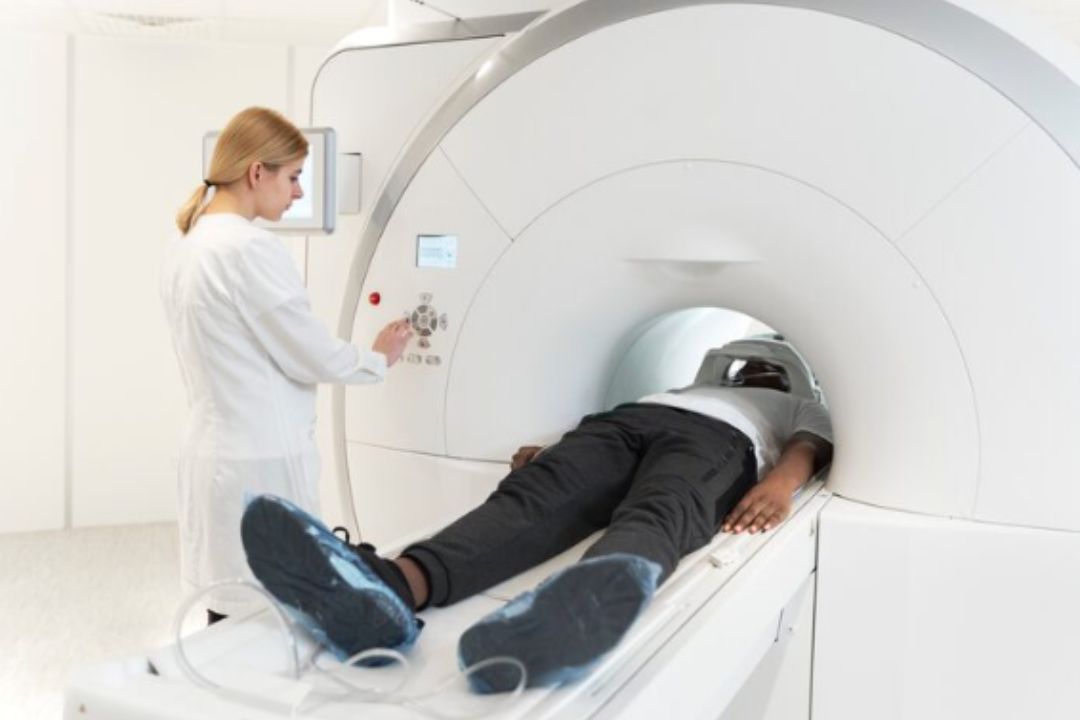
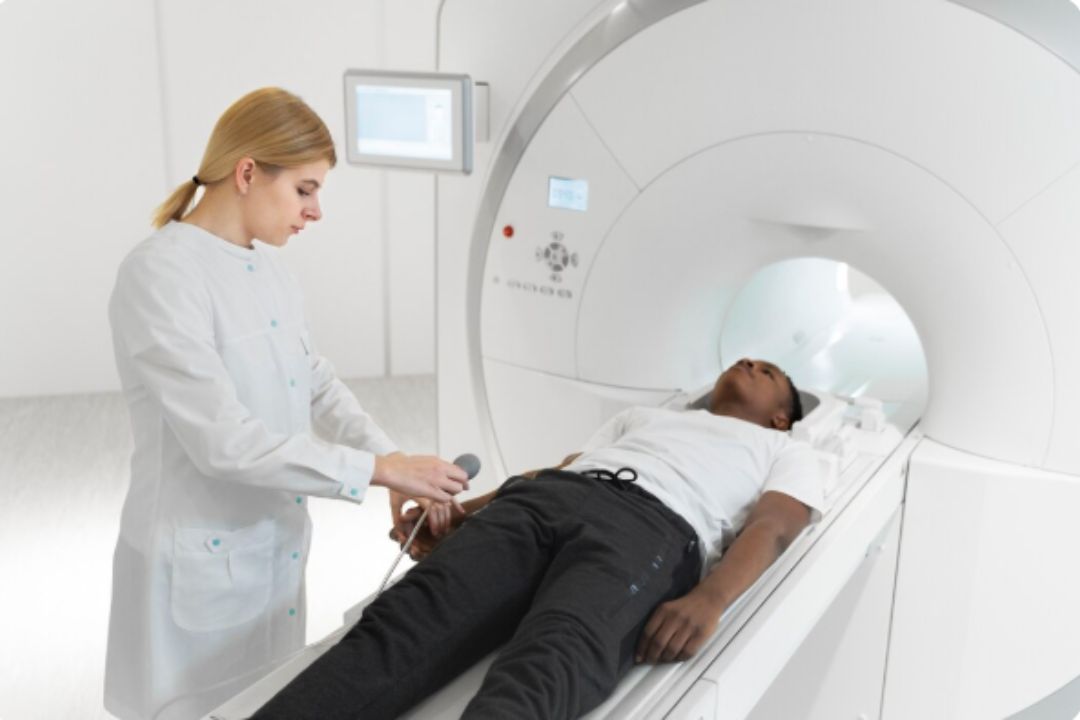
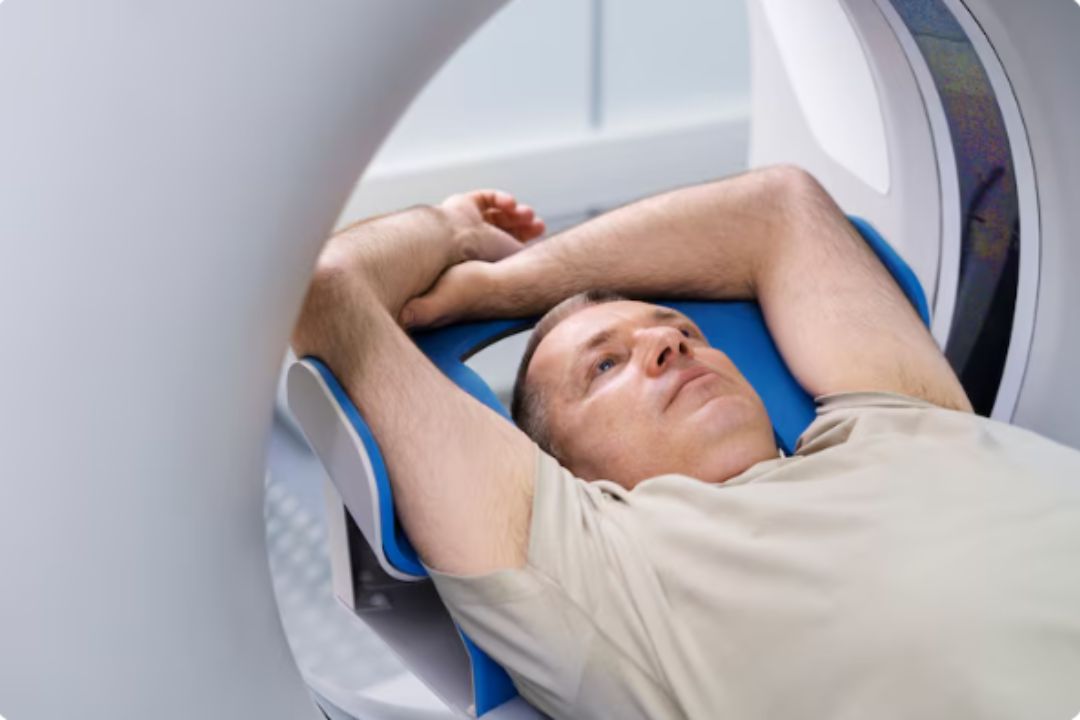
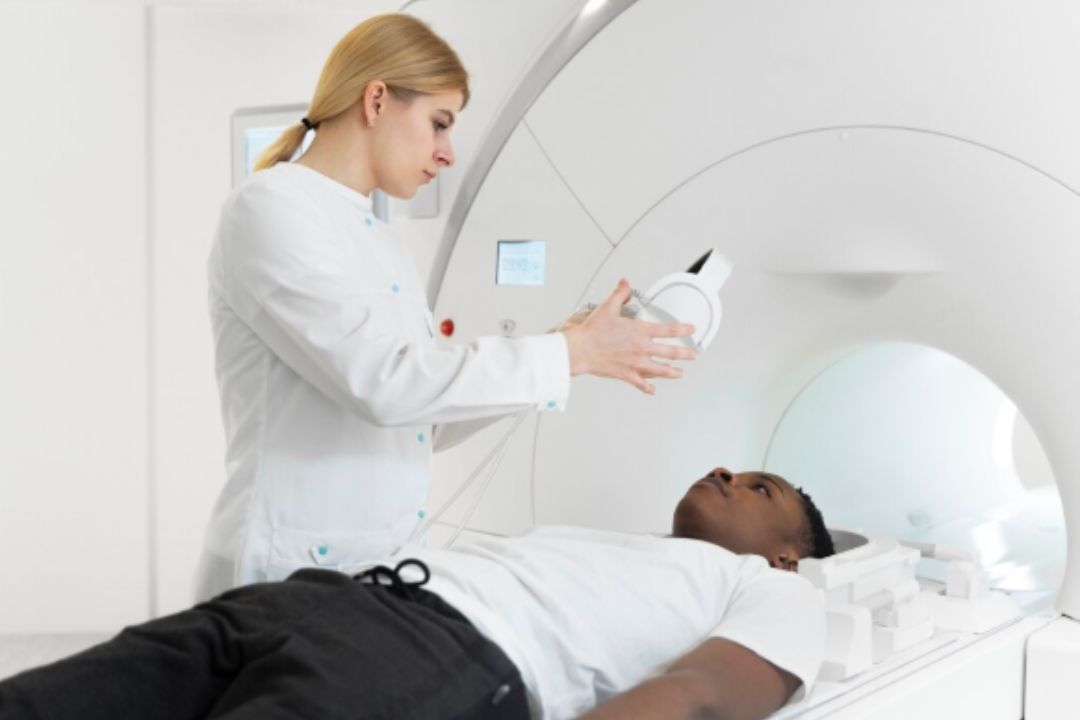
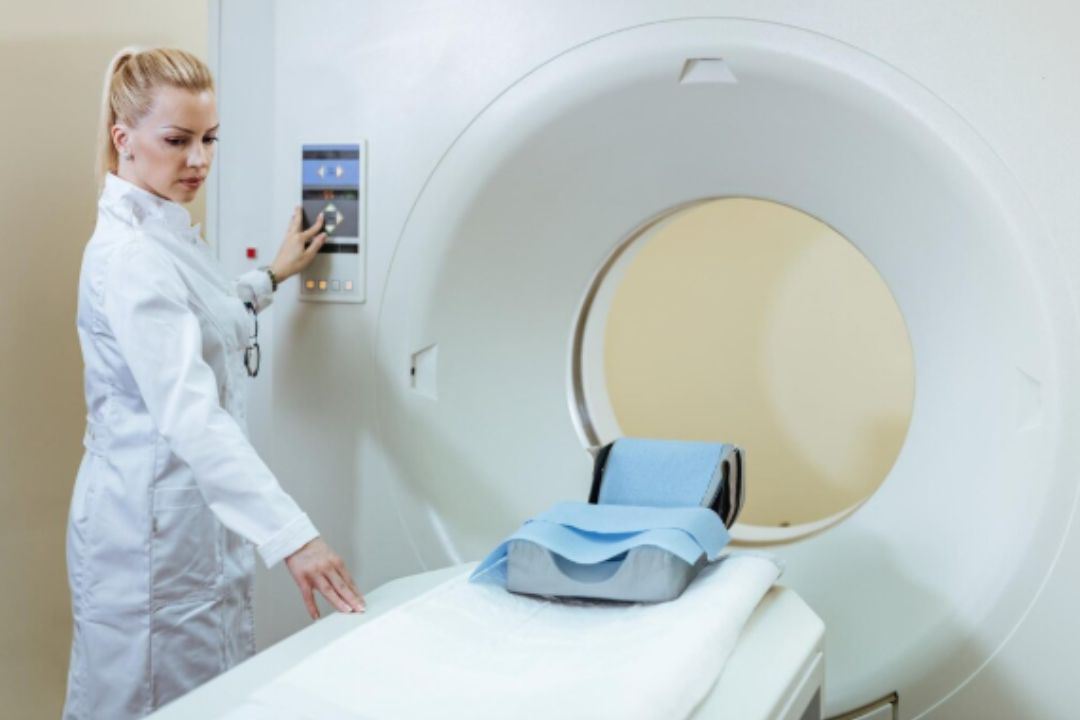
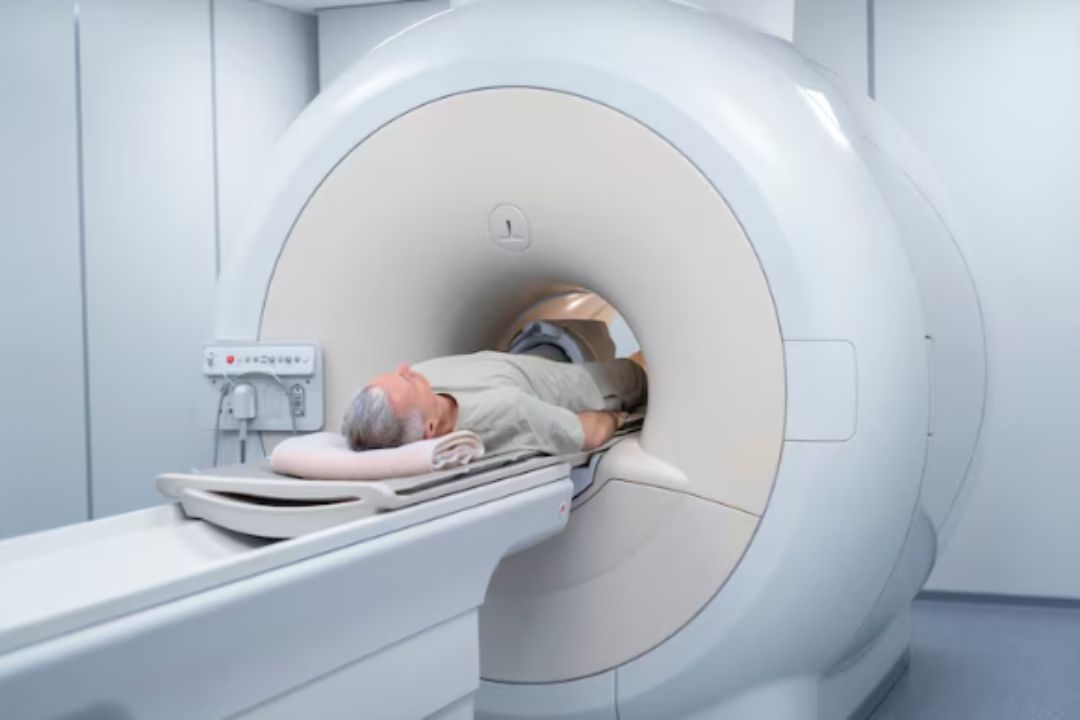
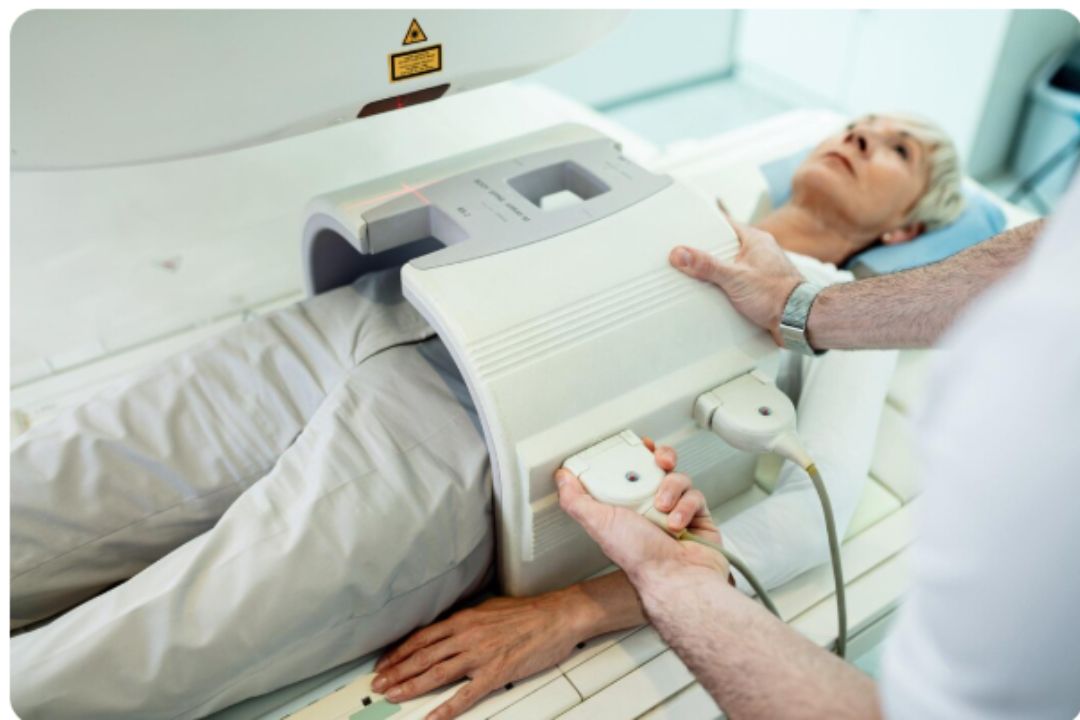
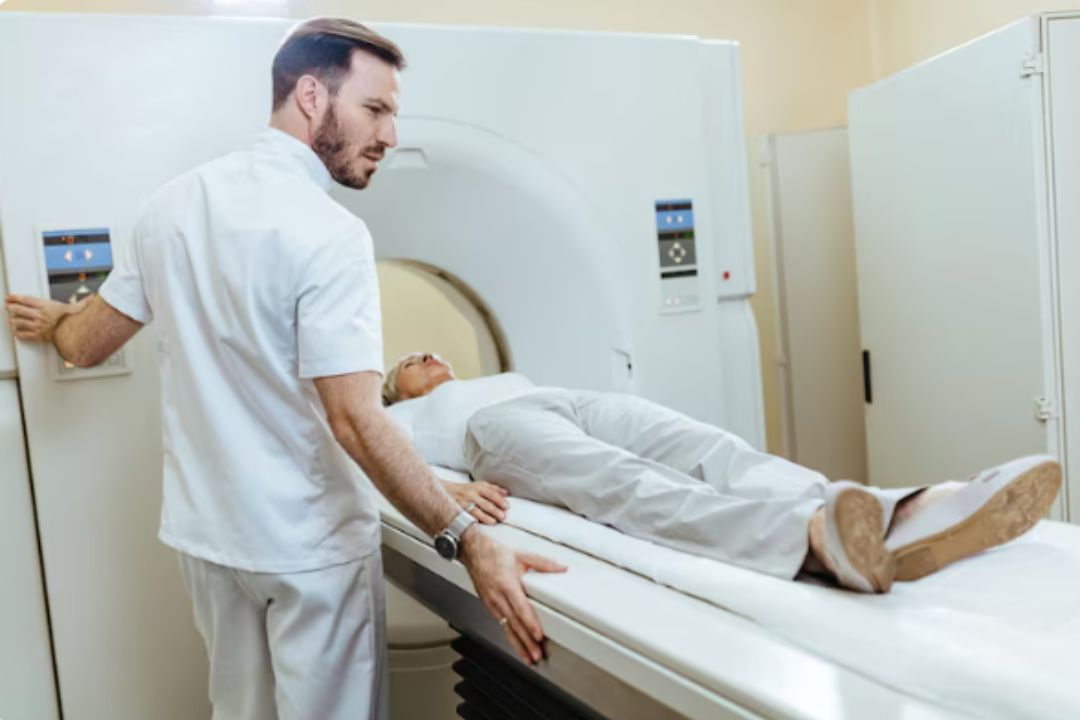
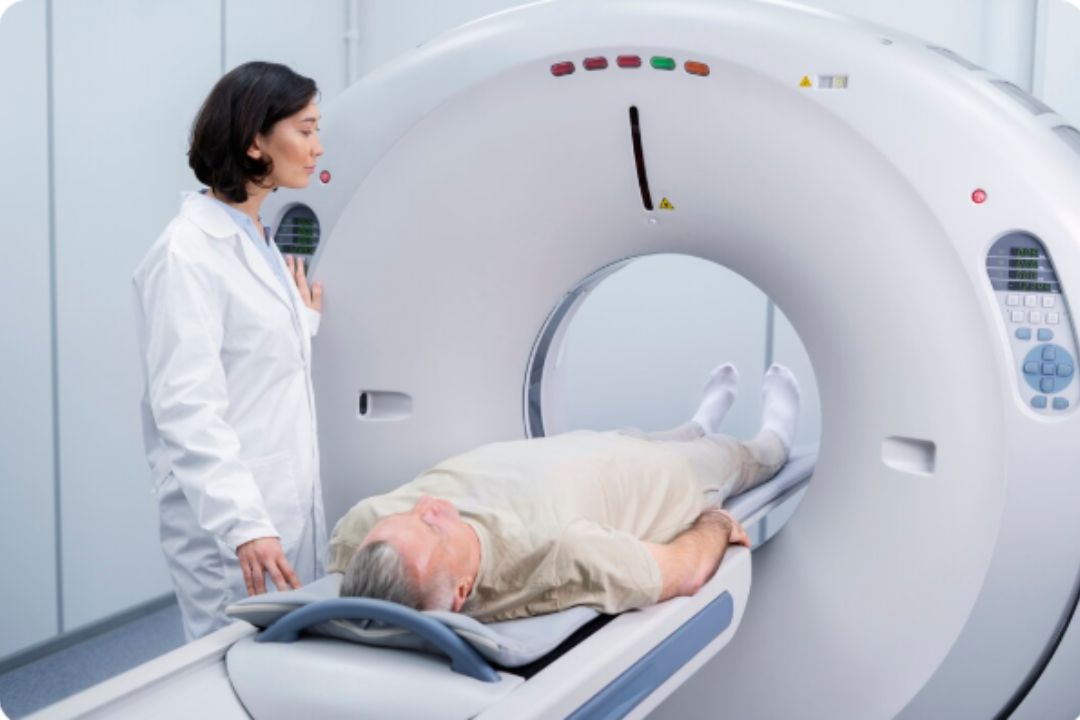
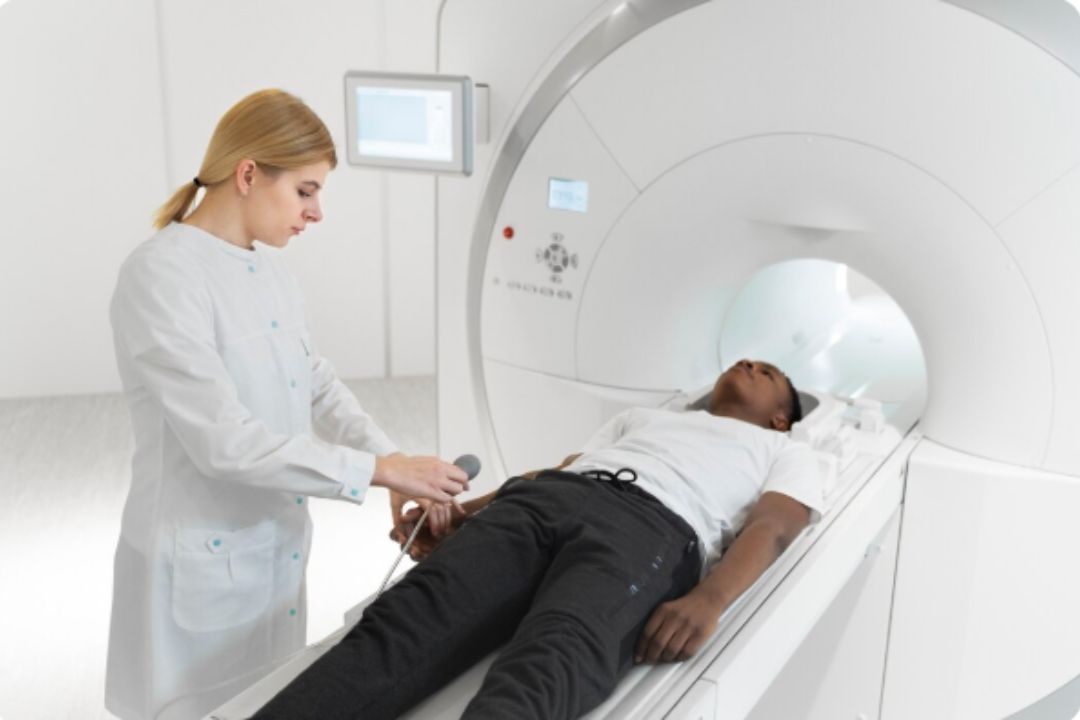
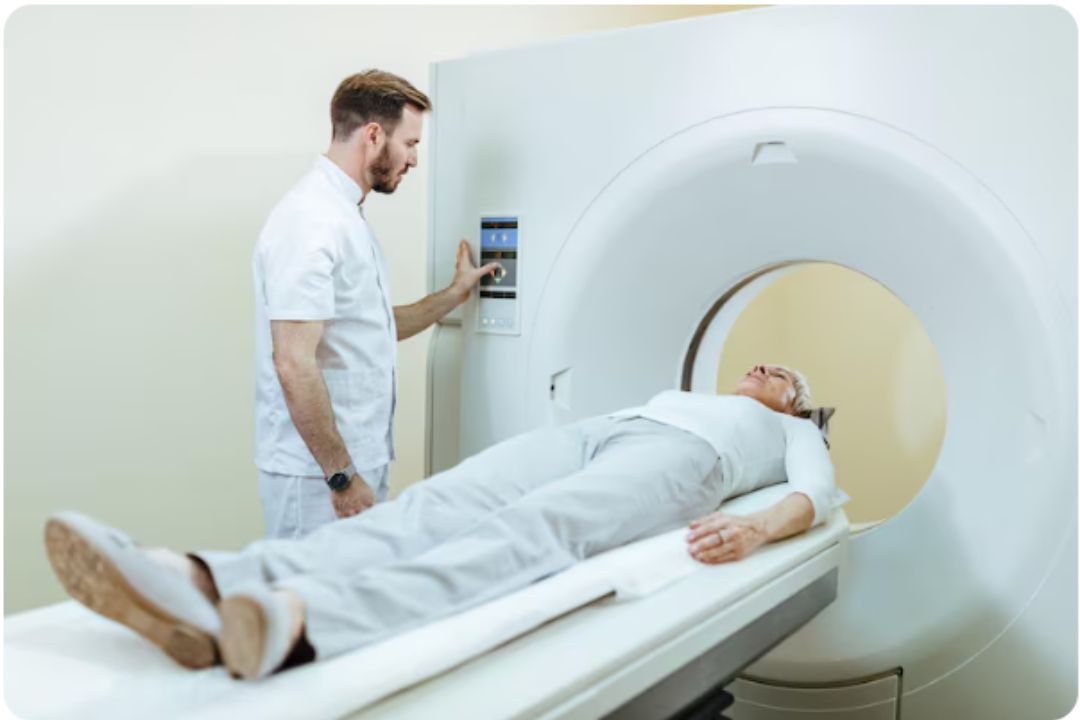
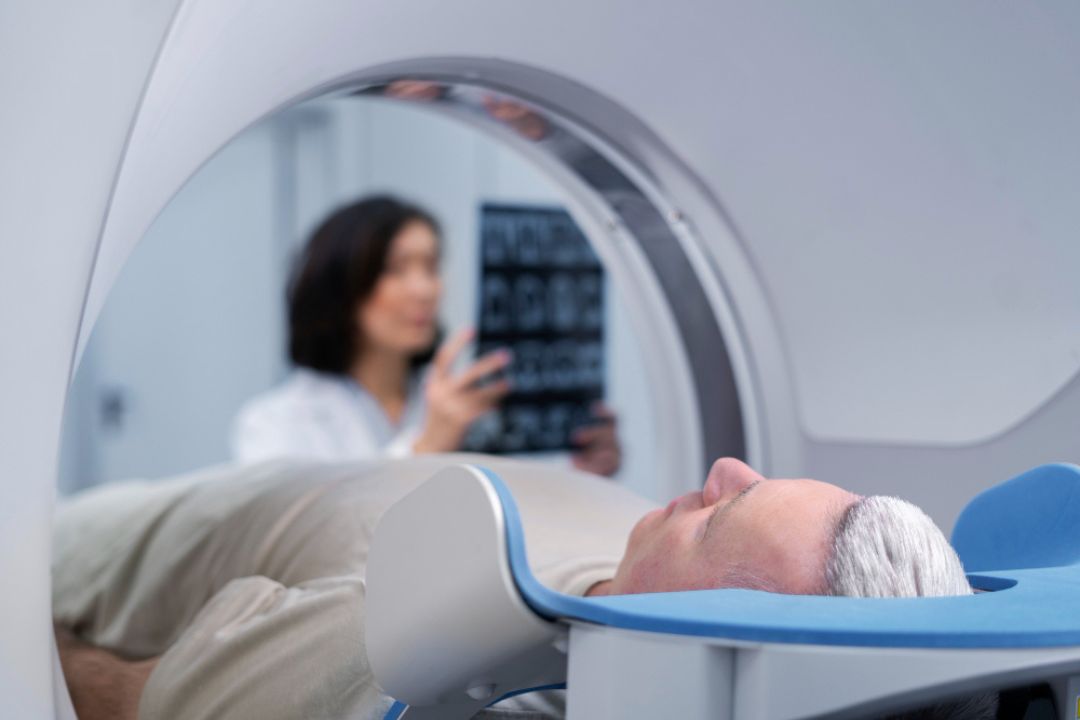
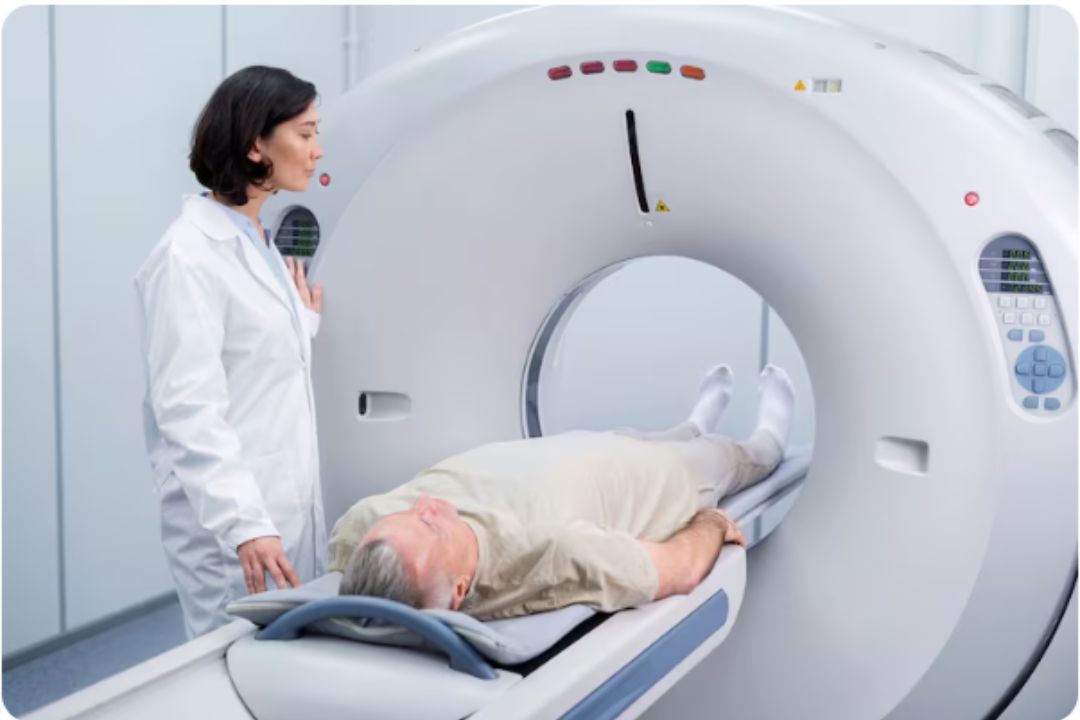
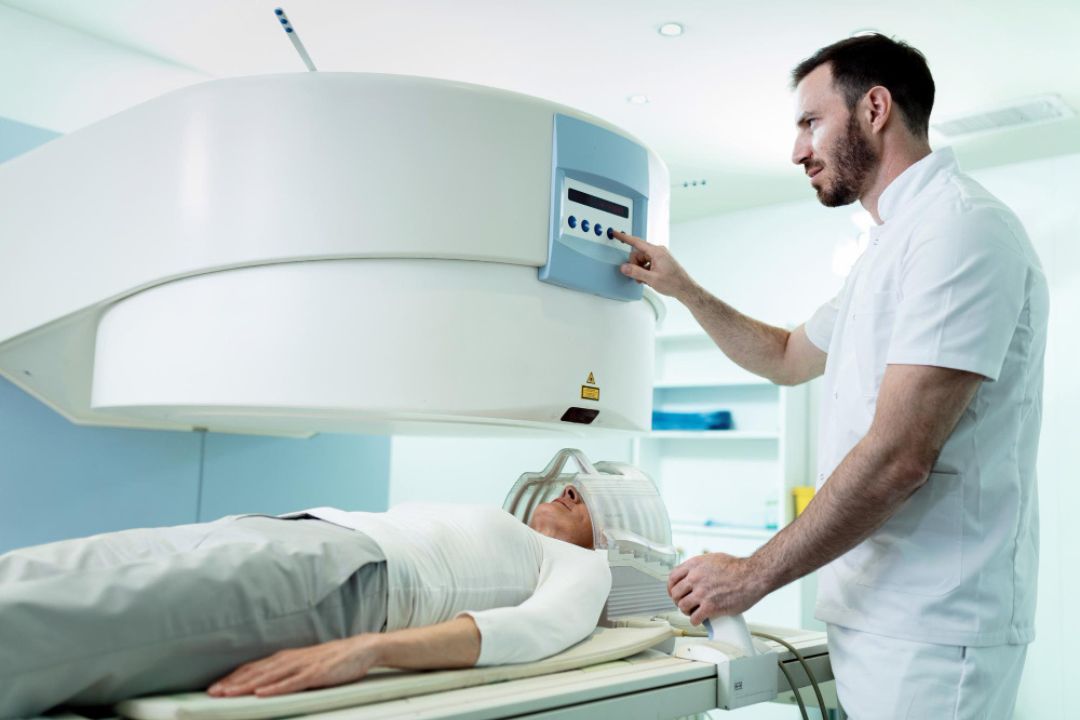
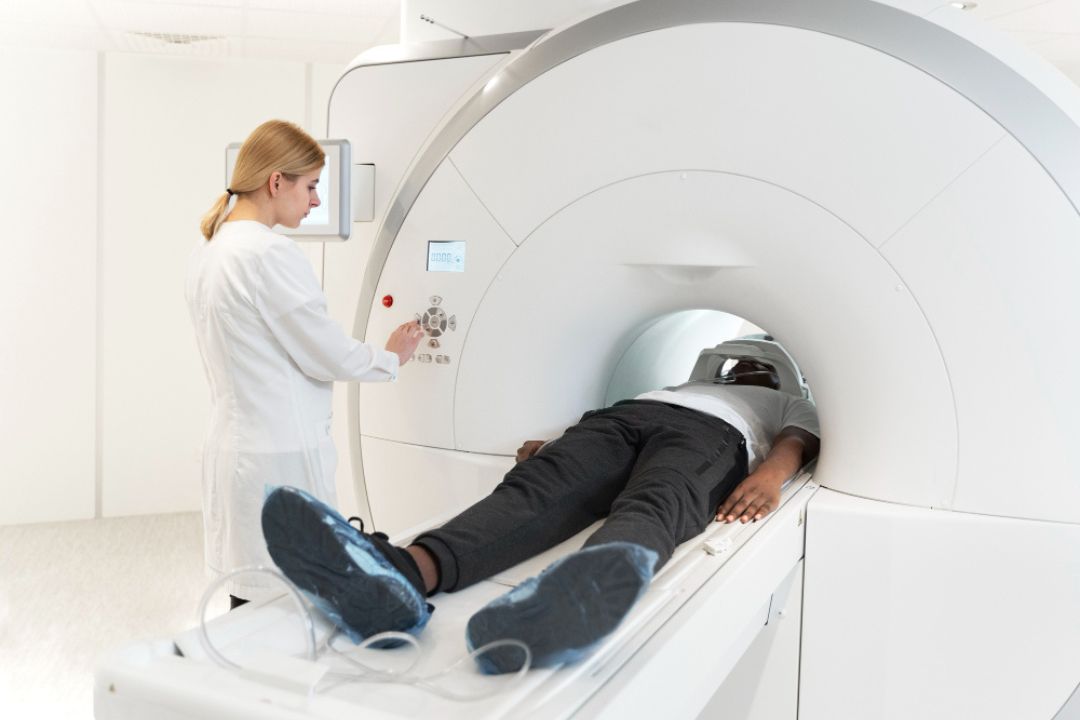
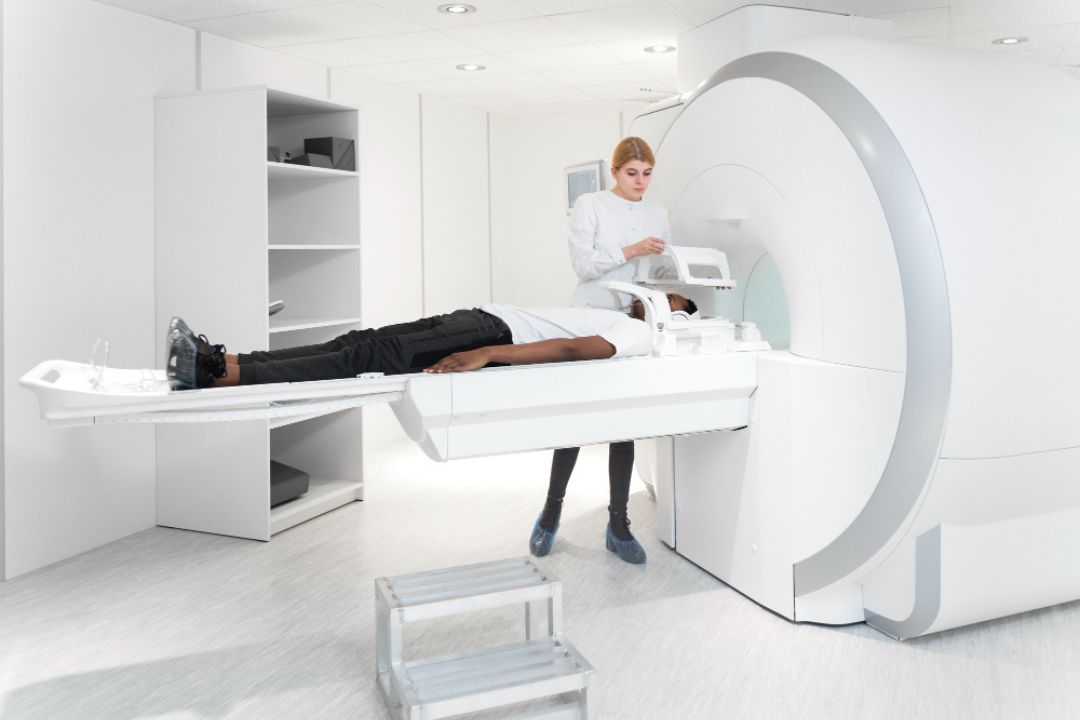
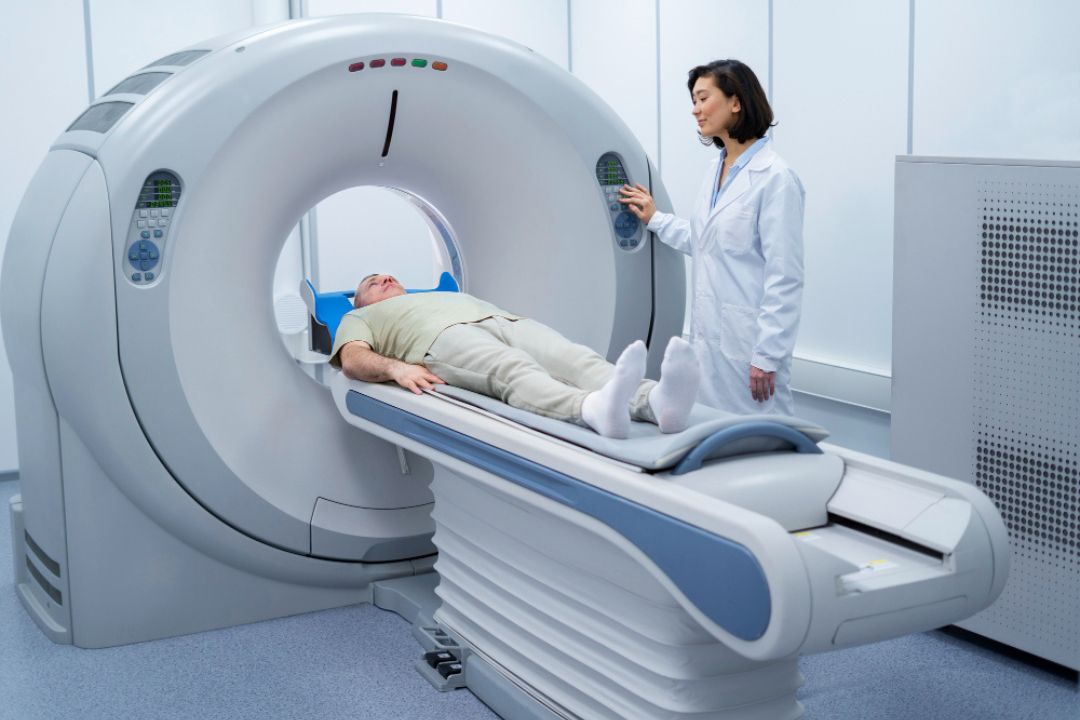
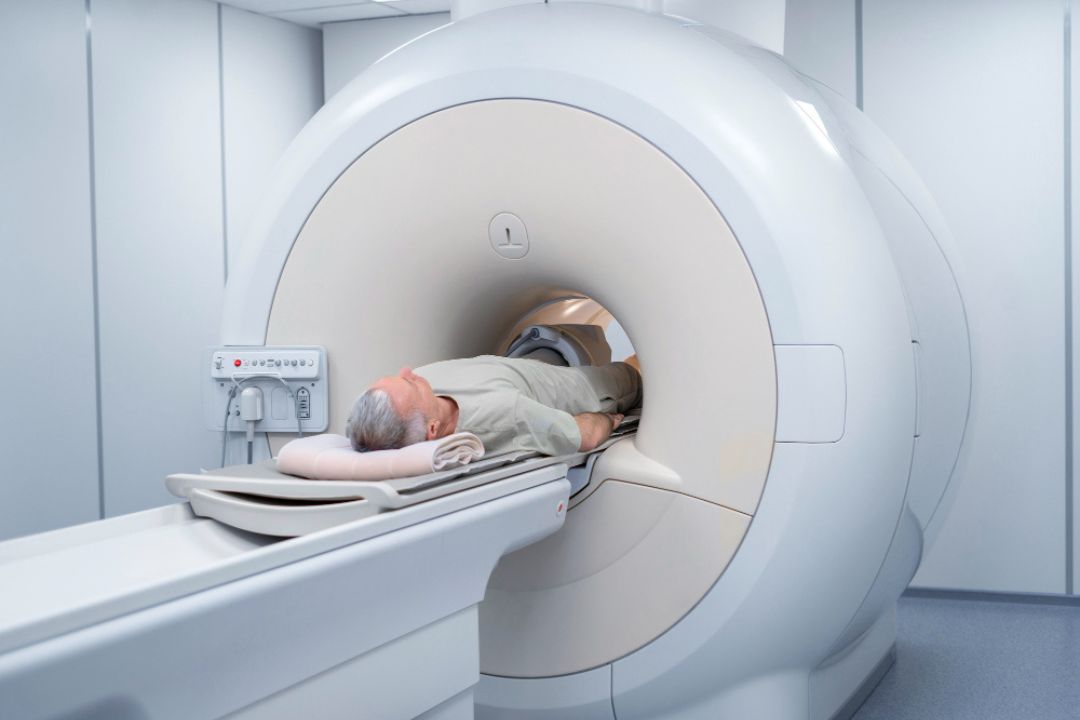
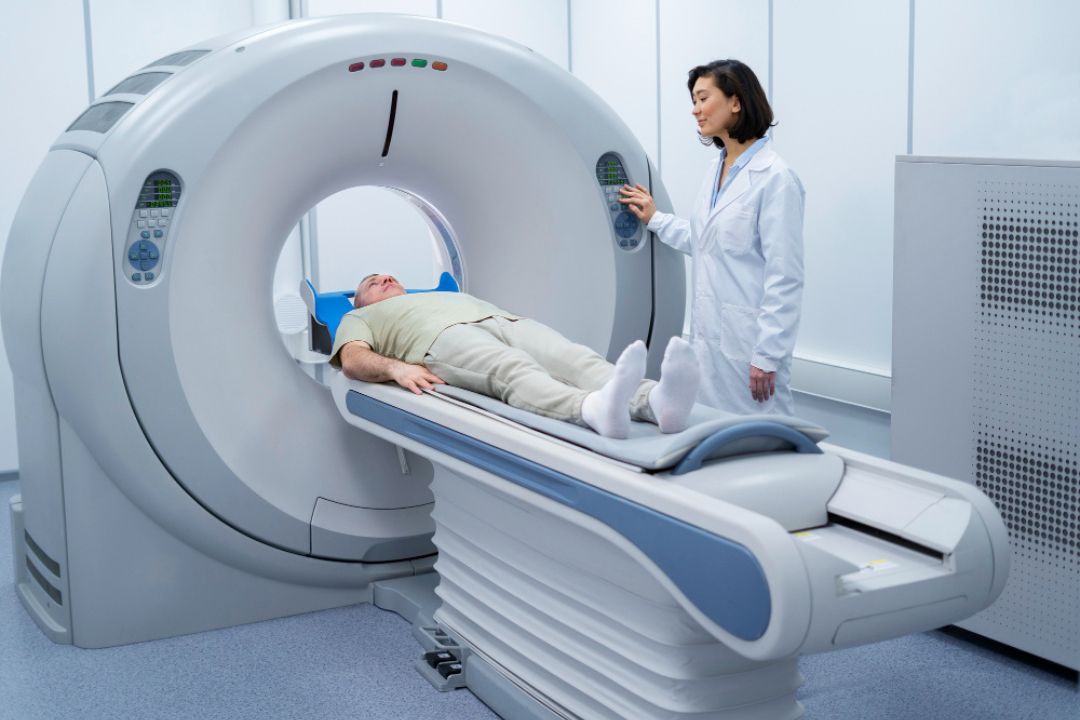
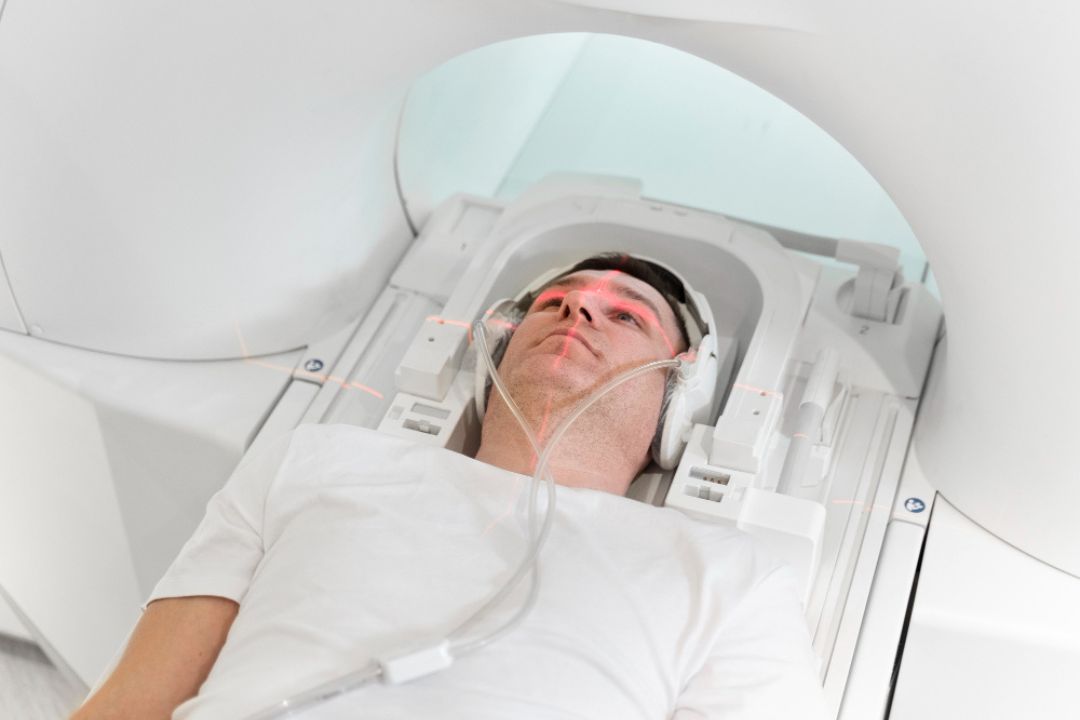
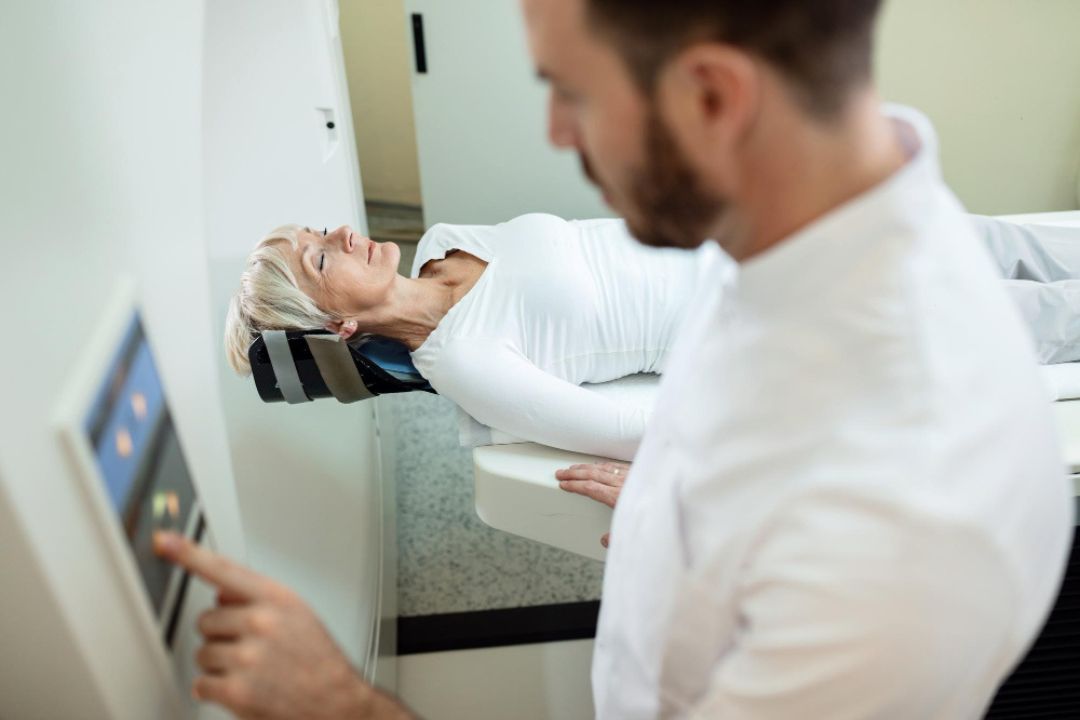
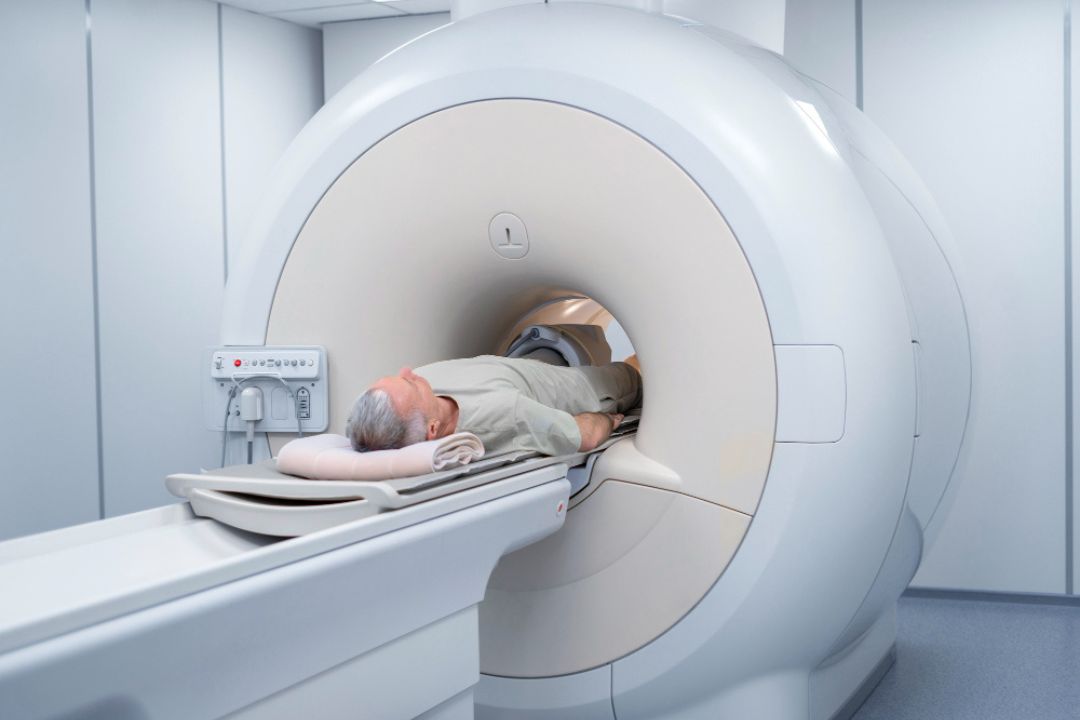
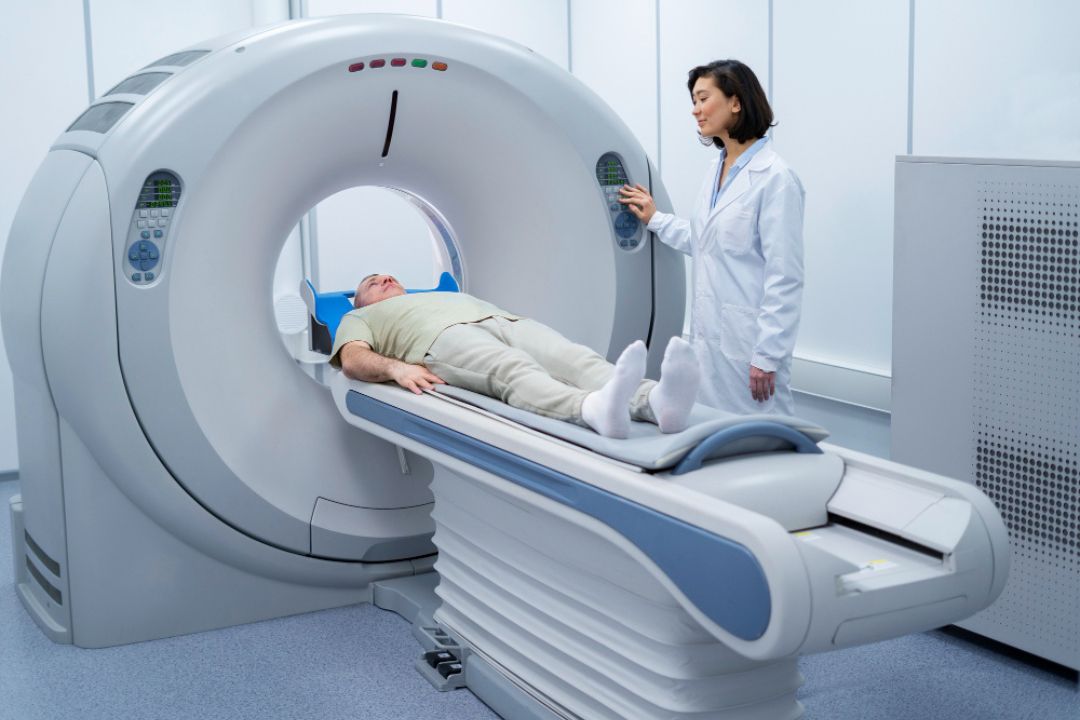
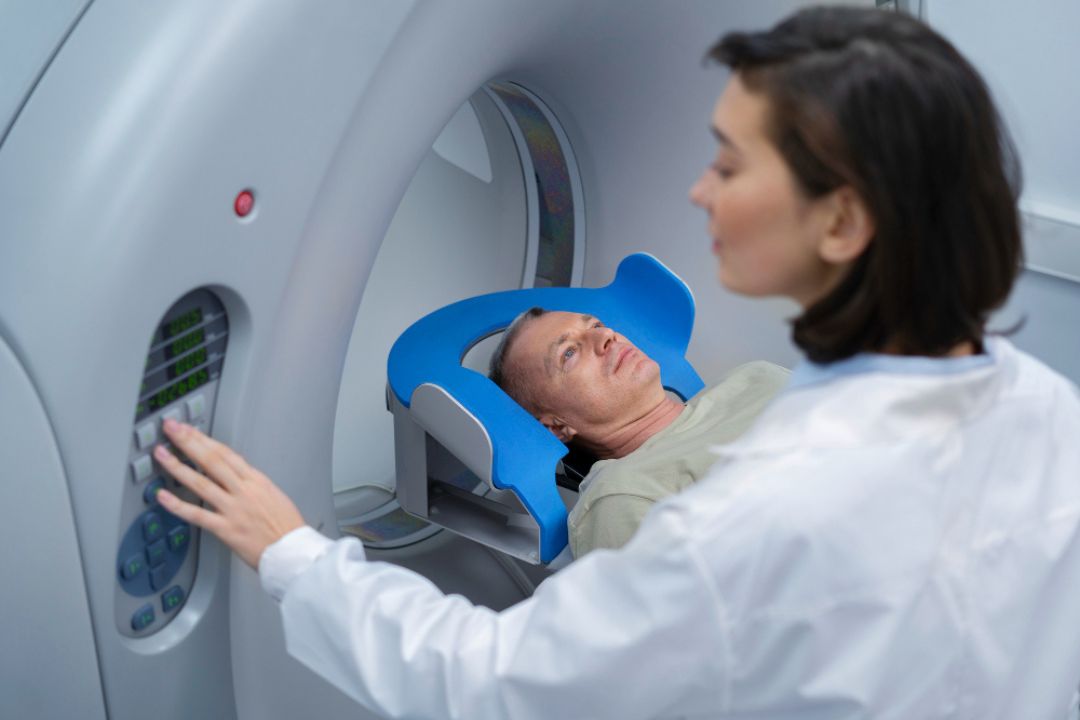
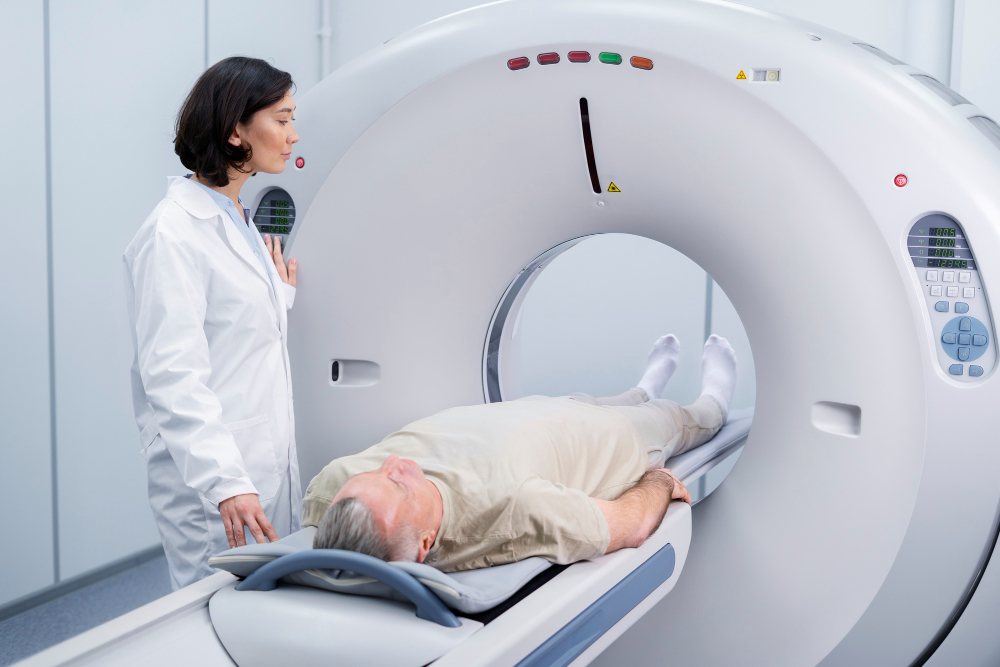
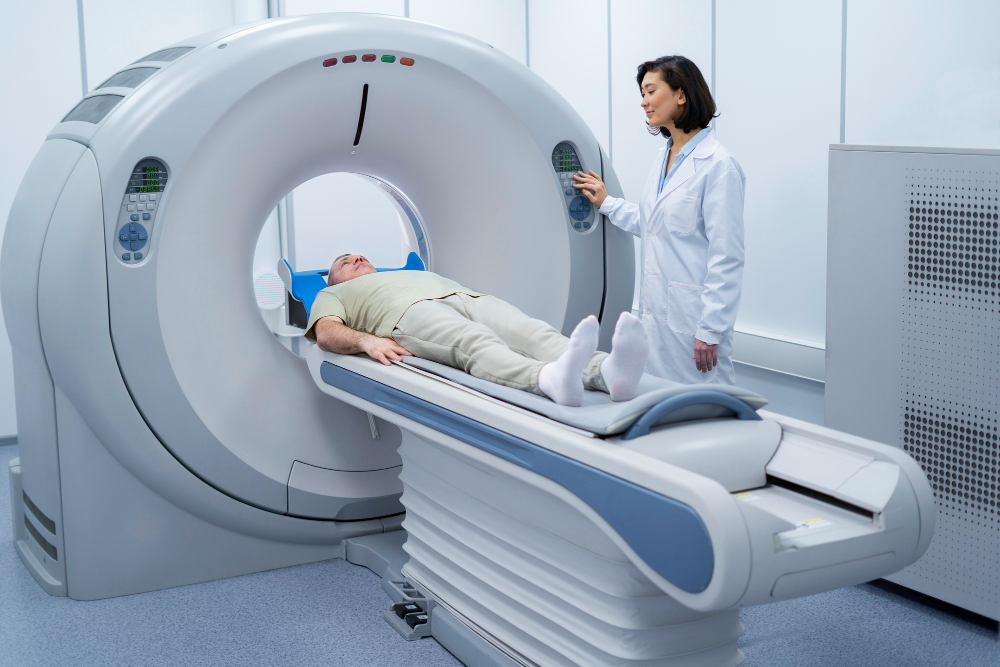
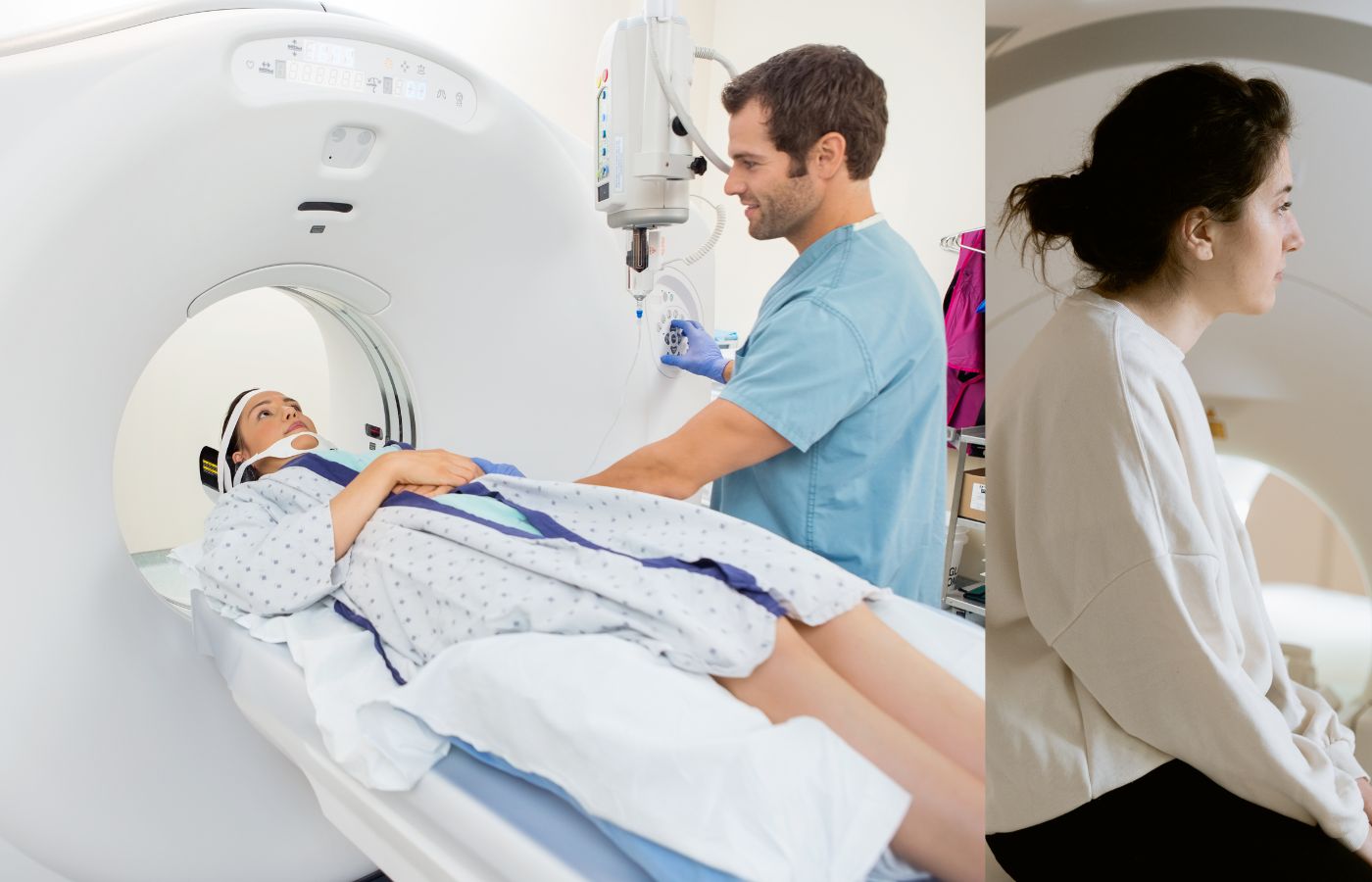
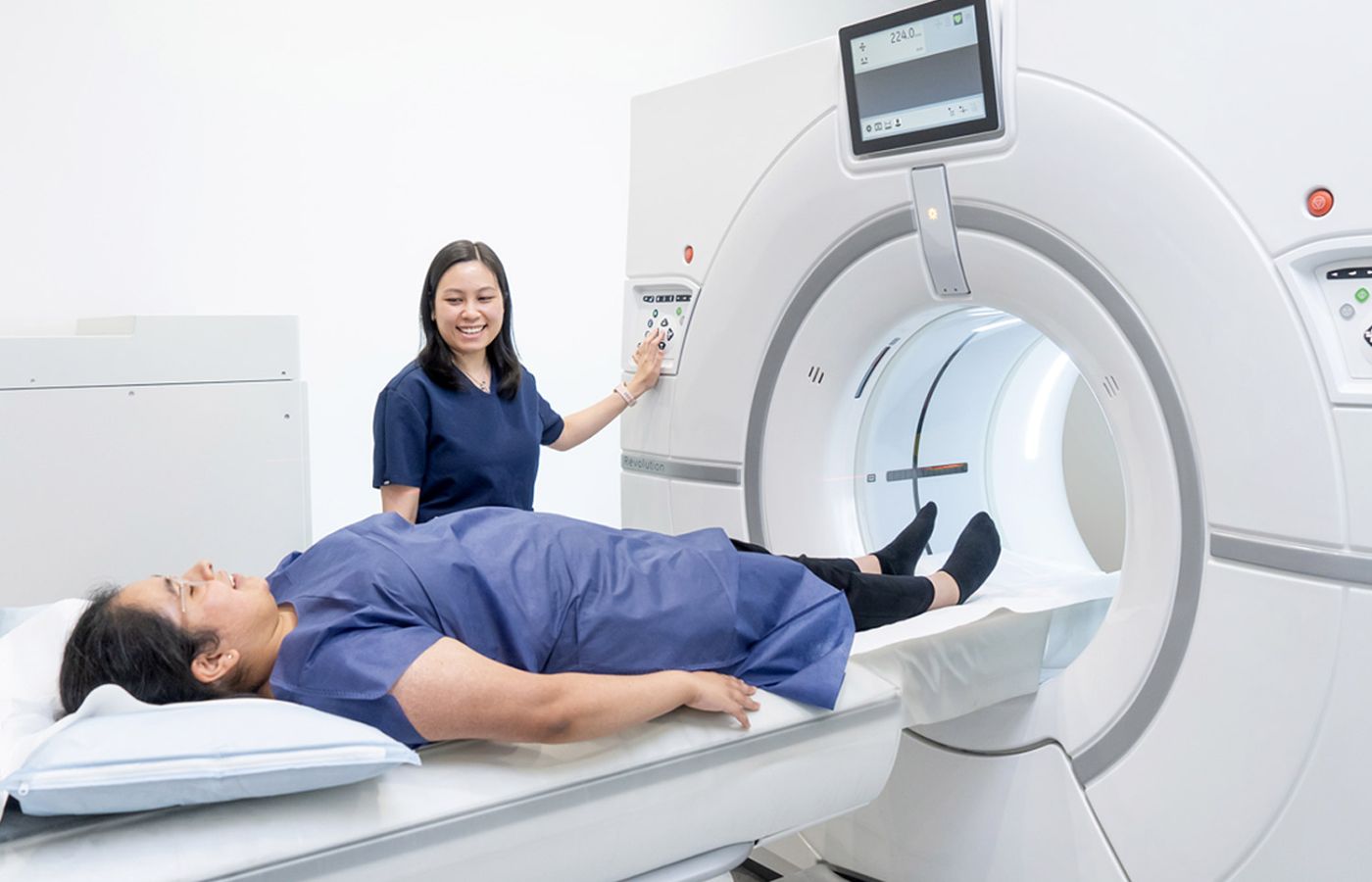
The patient lies on the CT scan table.
A small tube may be inserted into the rectum to gently inflate the colon with air or carbon dioxide.
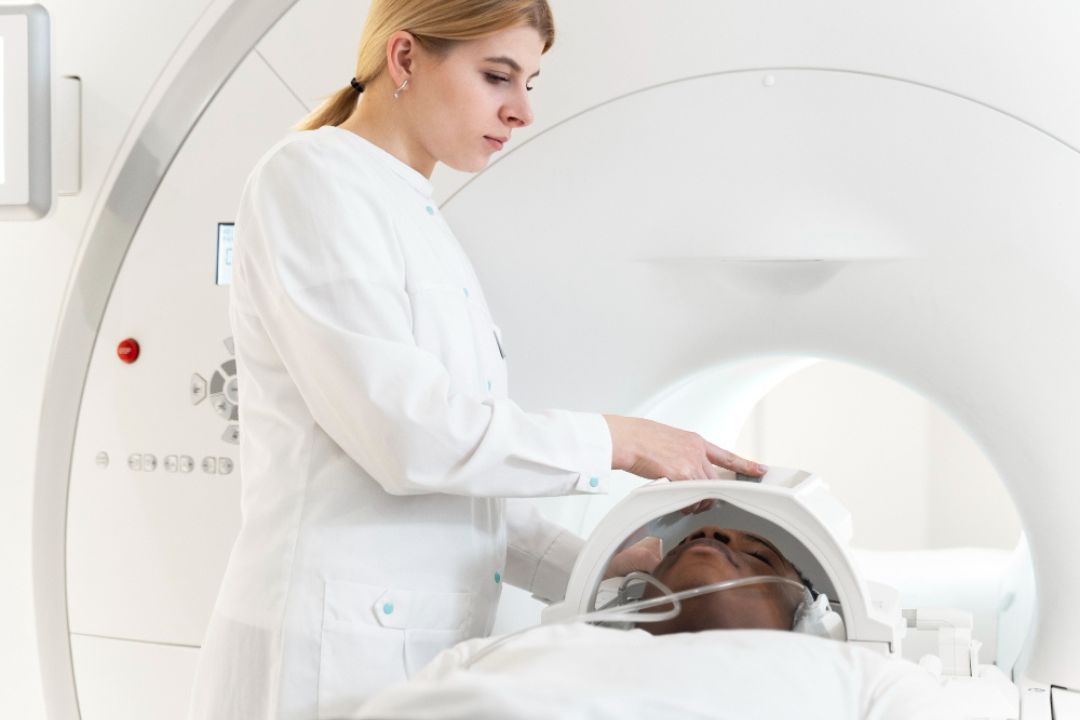
The CT scanner captures multiple images of the abdomen and pelvis.
The table moves through the scanner while images are taken from different angles.
Patients may be asked to hold their breath for a few seconds during the scan to obtain clear images.
A virtual colonoscopy offers several advantages compared to traditional colonoscopy.
Non-invasive procedure
No sedation required in most cases
Short procedure time
Quick recovery
High accuracy in detecting polyps and tumors
Because it is less invasive, patients can typically return to normal activities immediately after the test.
Virtual colonoscopy is generally safe, but like any medical test, it may have minor risks.
Possible risks include:
Mild discomfort from air inflation
Exposure to a small amount of radiation
Rare complications involving the colon
Doctors carefully evaluate each patient's condition before recommending the procedure.
A virtual colonoscopy CT scan is a safe and effective diagnostic tool used to detect colon abnormalities, polyps, and colorectal cancer. It provides detailed images of the colon without the need for a traditional invasive colonoscopy procedure.
Regular screening and early detection can help prevent serious digestive diseases and ensure better long-term health outcomes. If your doctor recommends a virtual colonoscopy, it can be an important step in maintaining your digestive health.











.jpg "ct brain scan plain and contrast")


























.jpg "ct scan")

.jpg "ct scan or mri for brain disorders")


.jpg "exploring the power of ct brain contrast in modern diagnostics")
.jpg "ct scan")
.jpg "ct scan")










.jpg "ct scan")


.jpg "CT Brain Scan for Headaches")
.jpg "The Future of 3D CT Imaging")