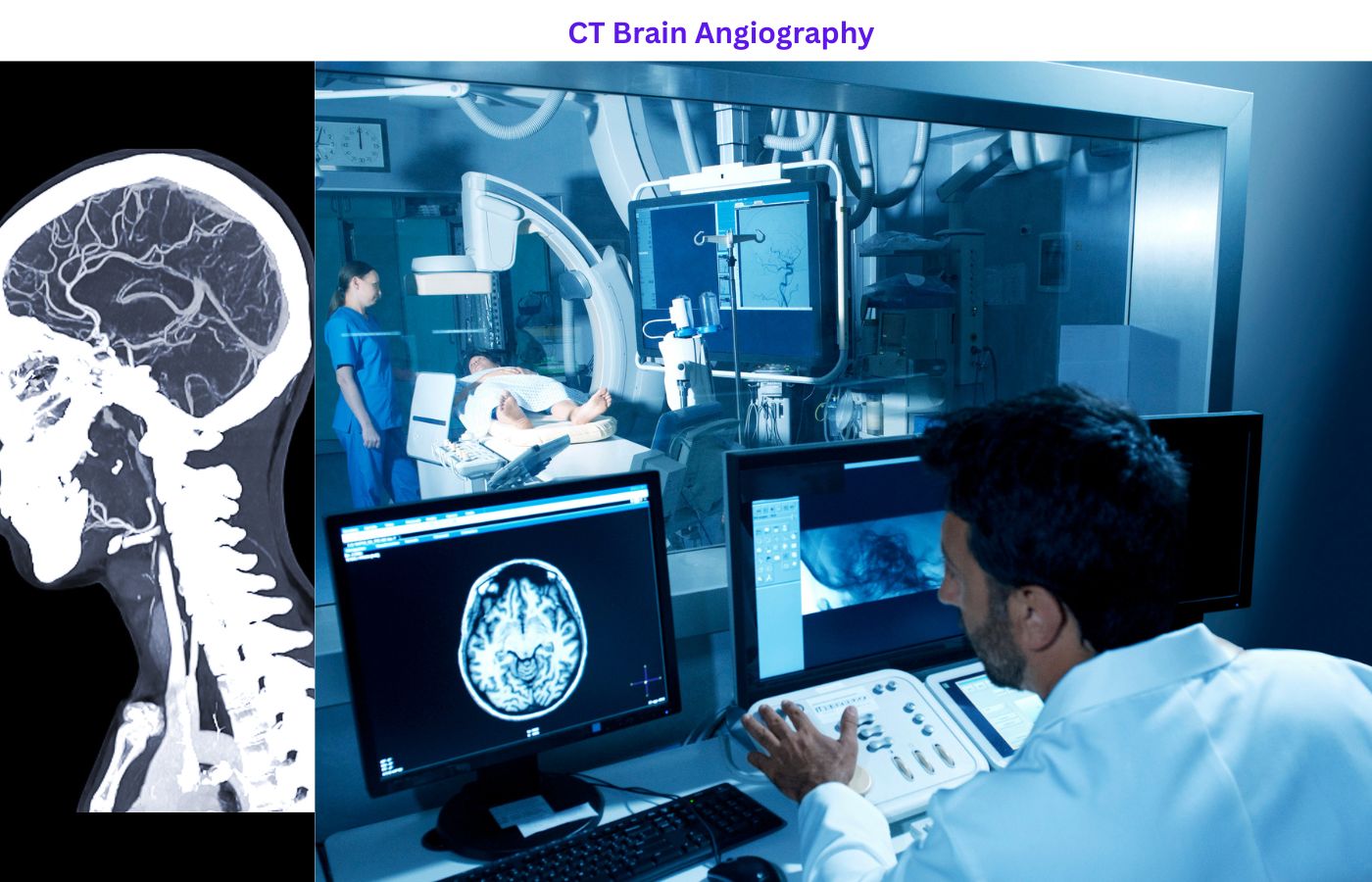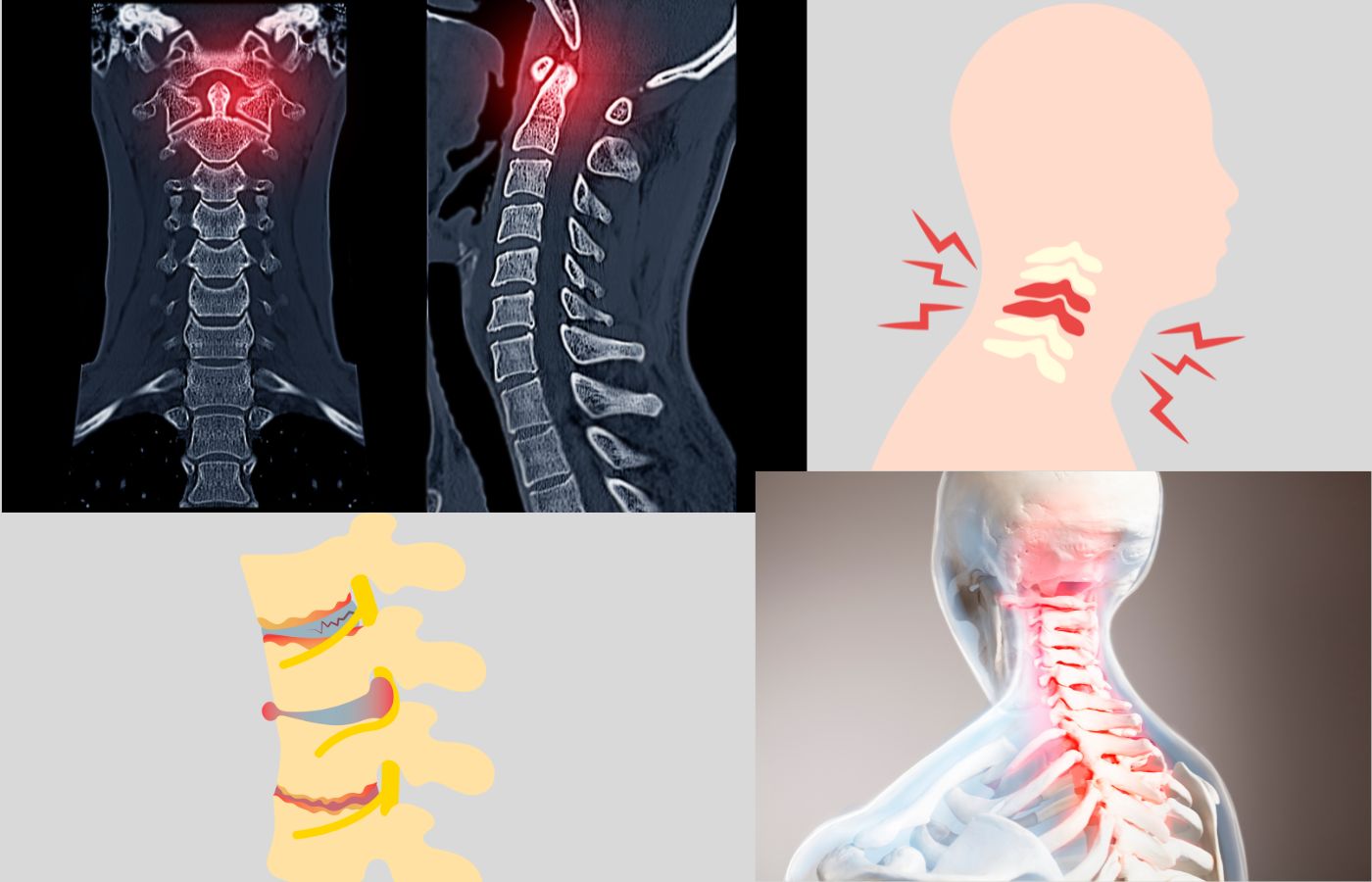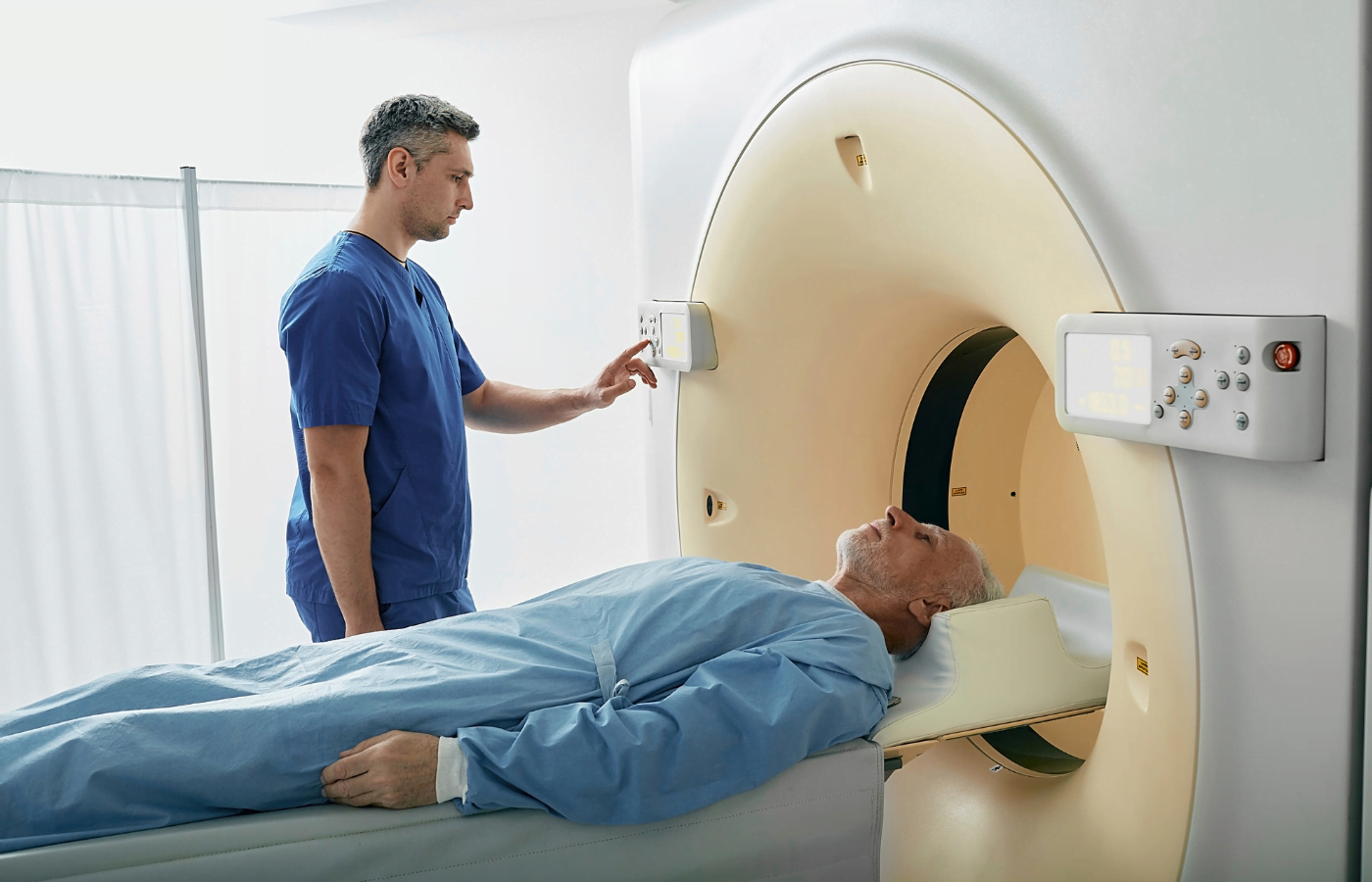
A CT Scan (Computed Tomography scan) is an advanced medical imaging technique that uses X-rays and computer technology to create detailed images of the inside of the body. Doctors often recommend CT scans to diagnose various medical conditions, detect injuries, and monitor treatments. Understanding how a CT scan works, its benefits, and possible risks can help patients feel more prepared before undergoing the procedure.
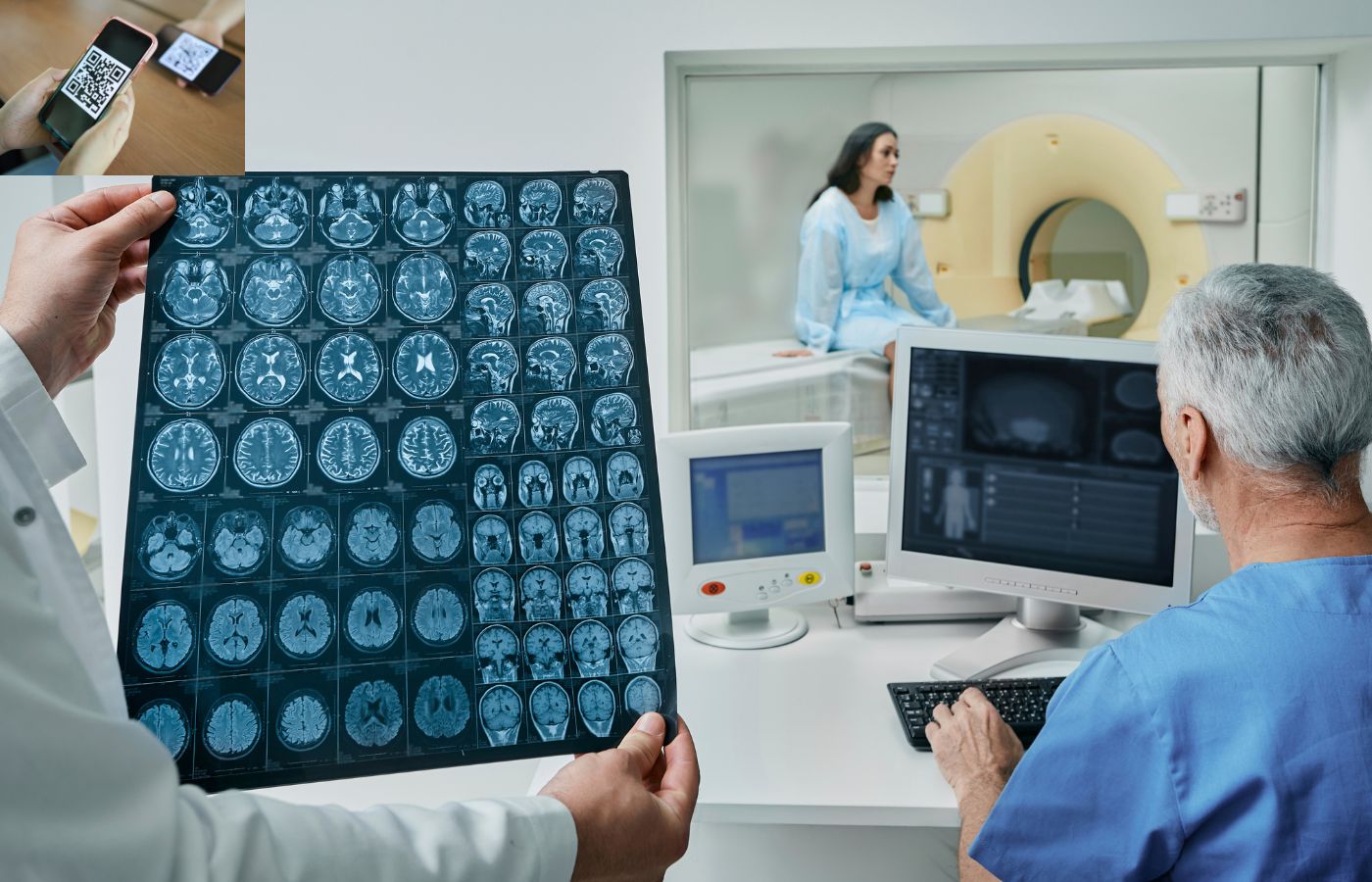
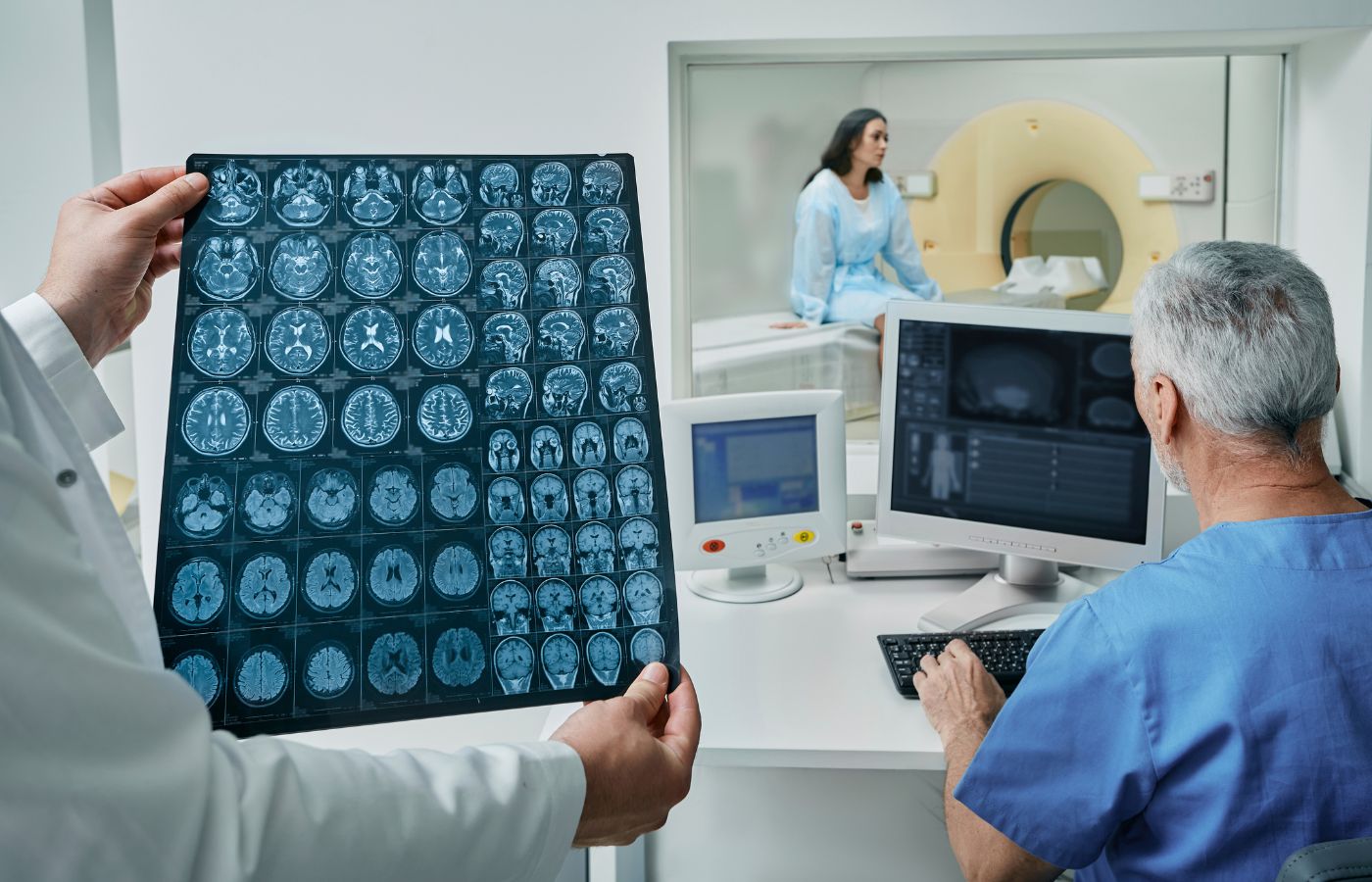
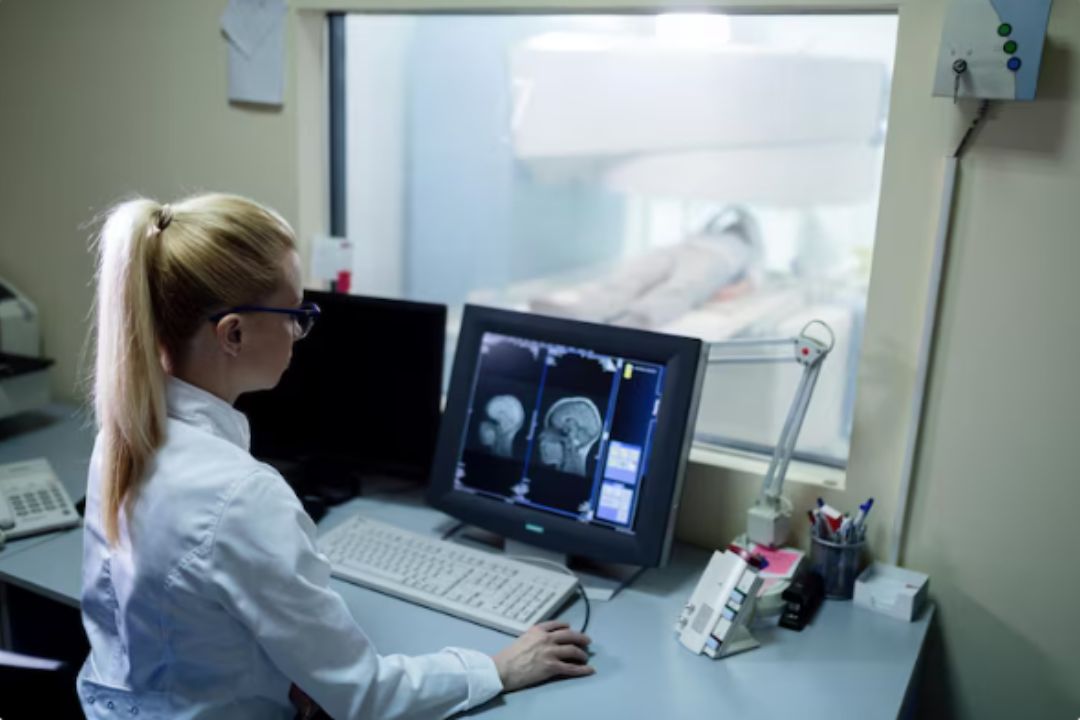
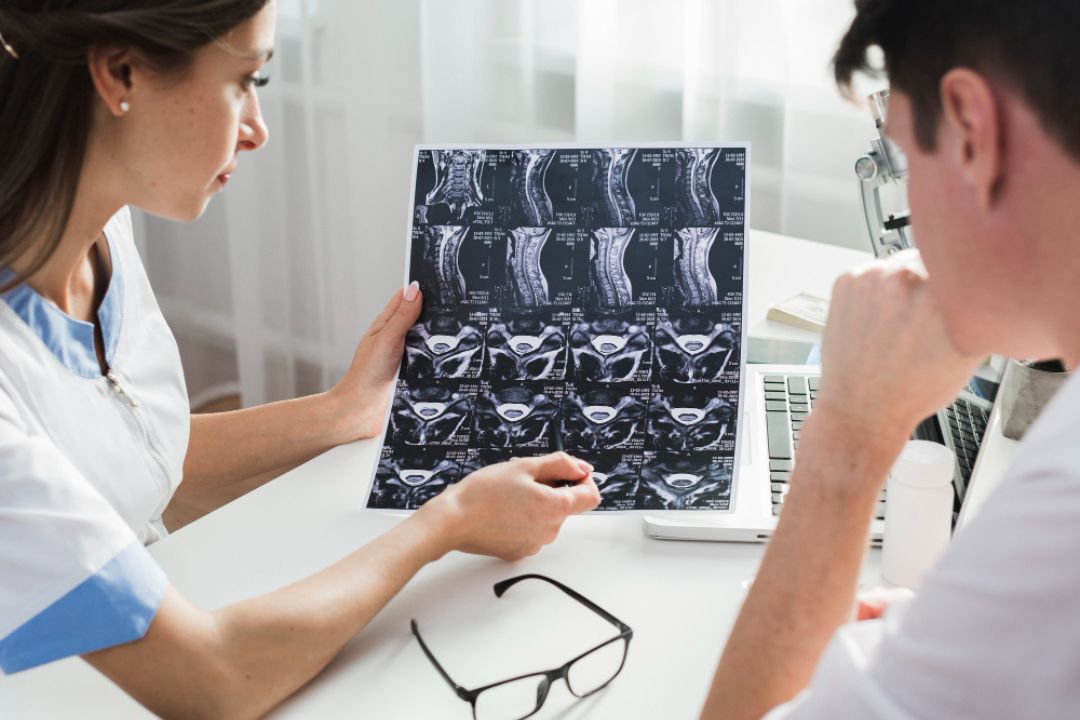
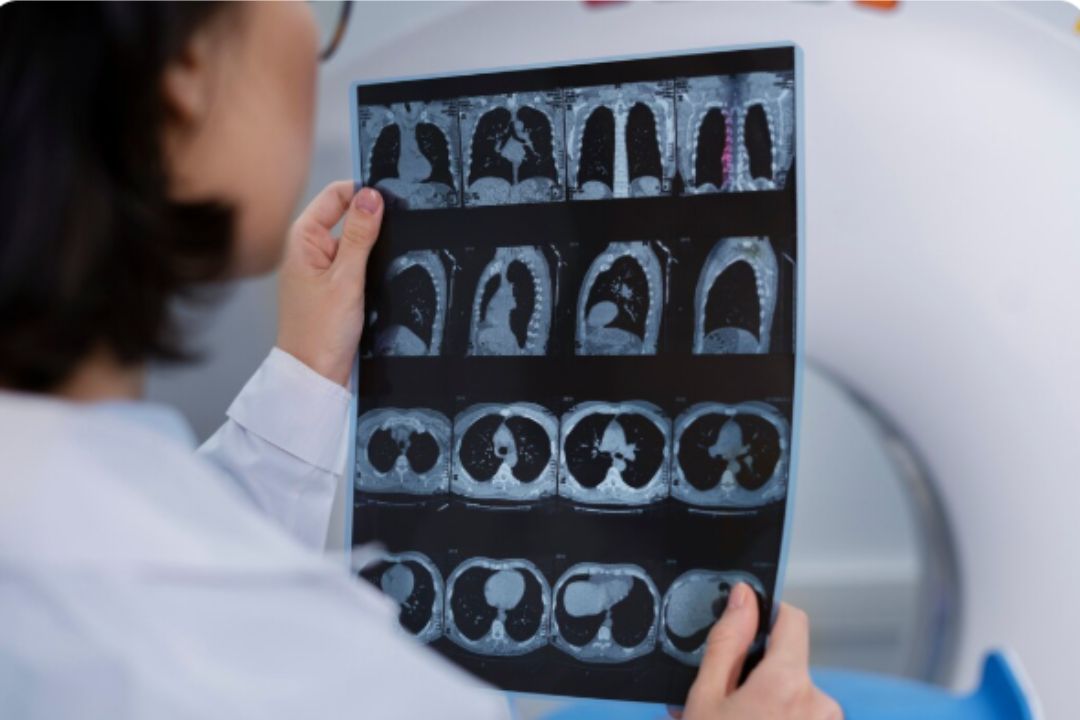
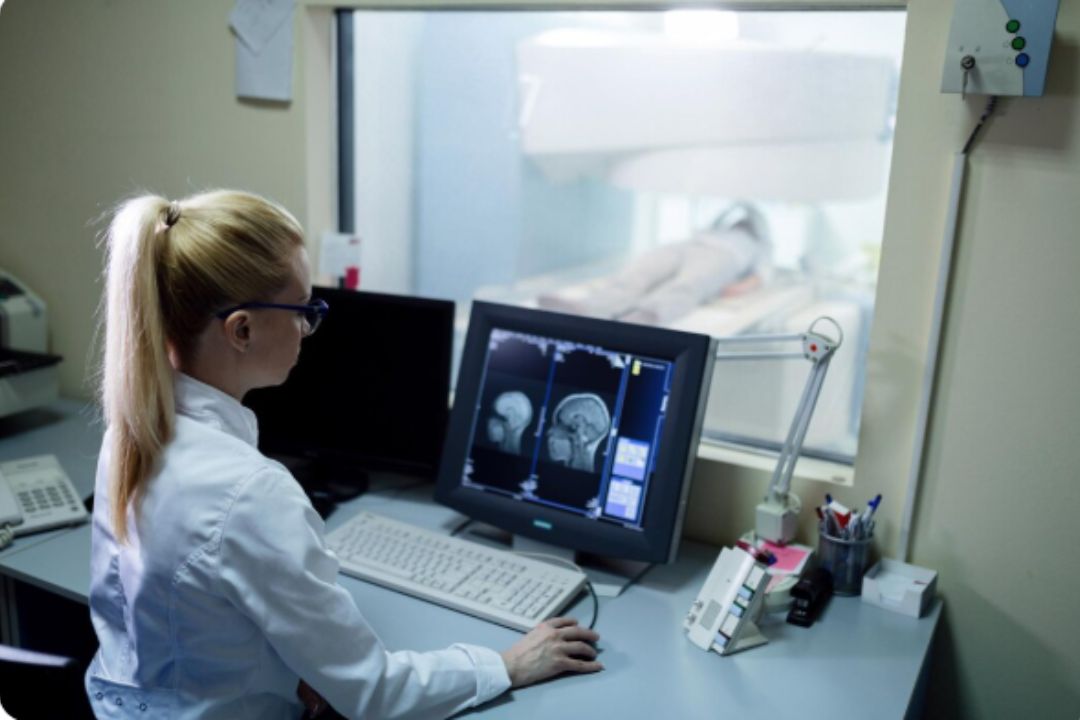
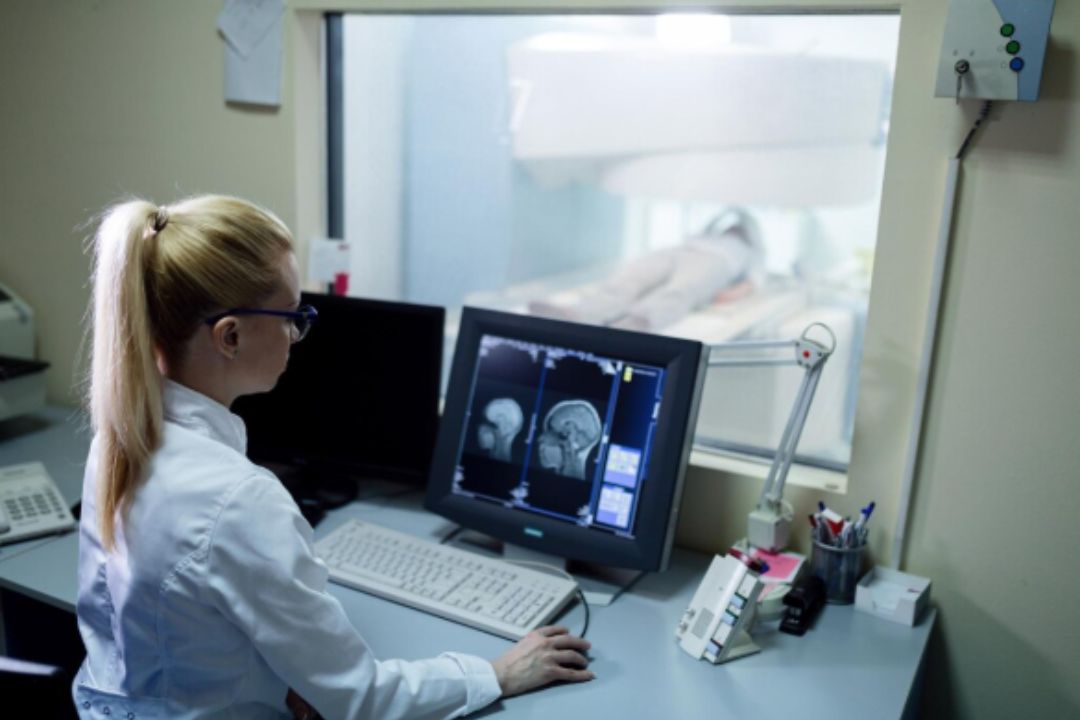
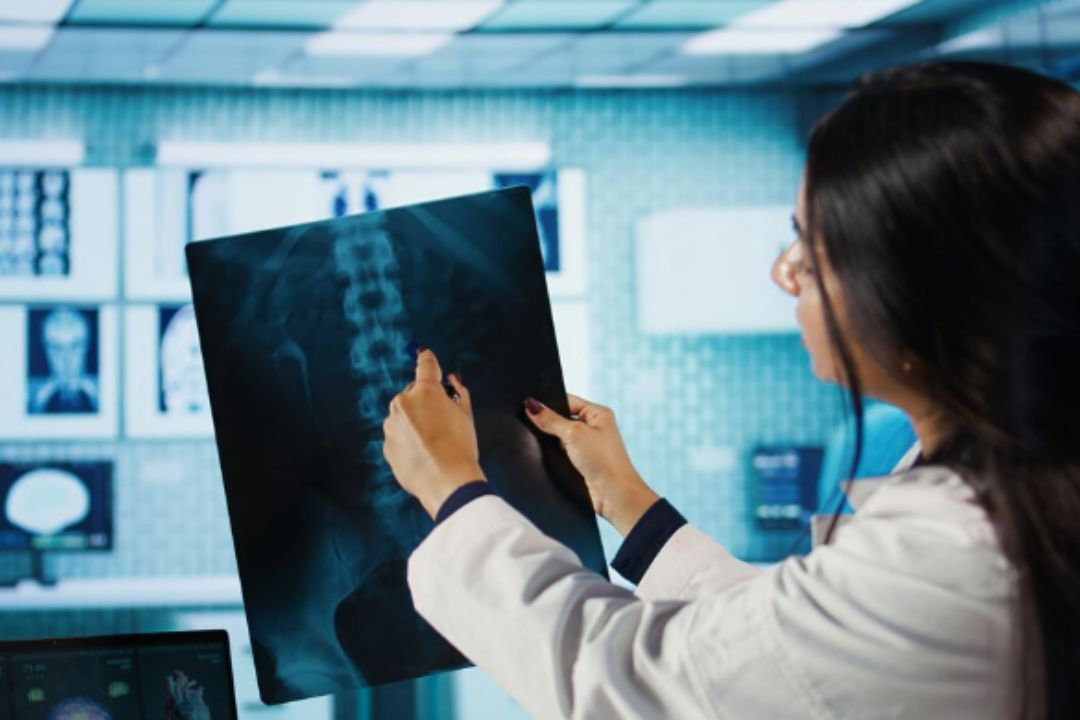
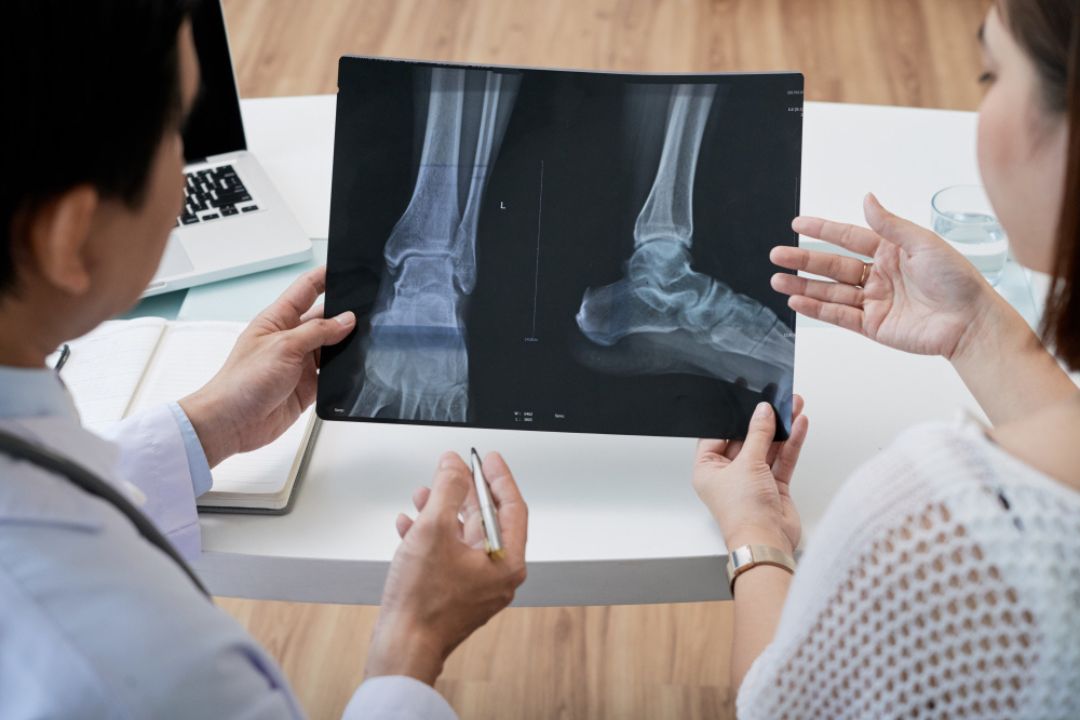
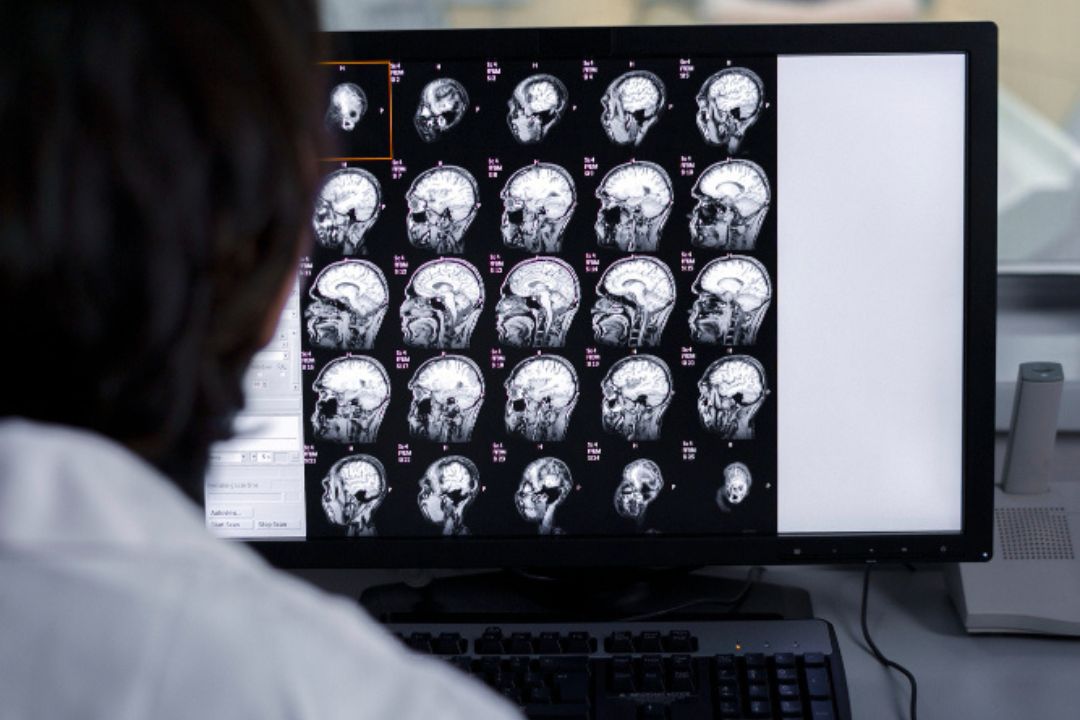
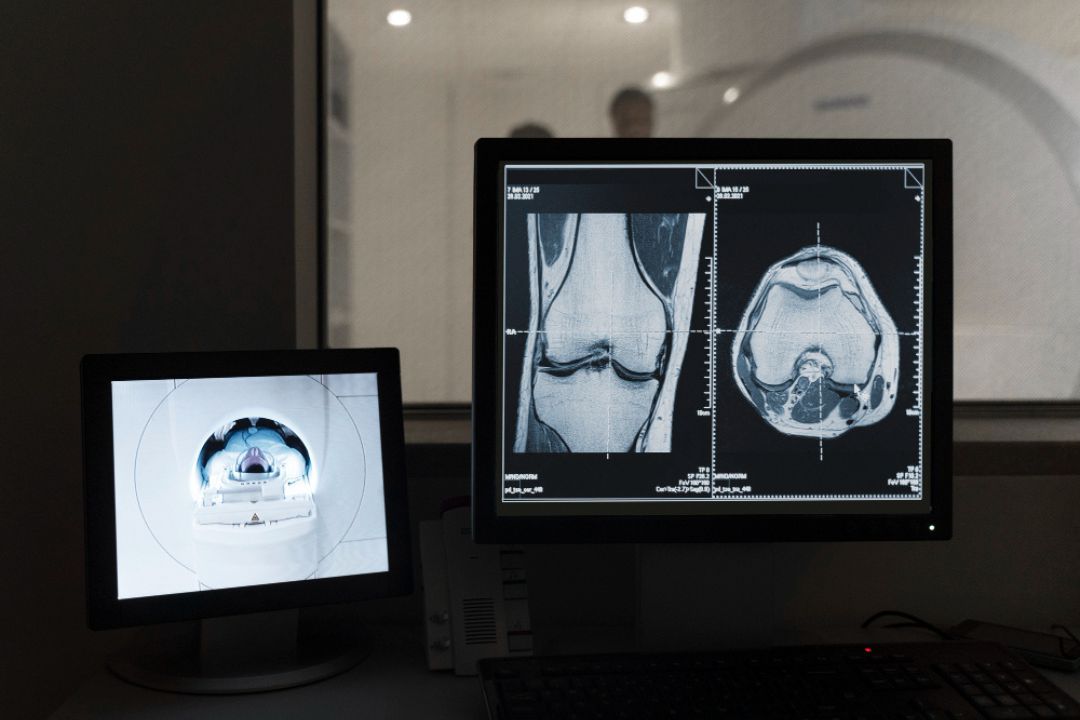
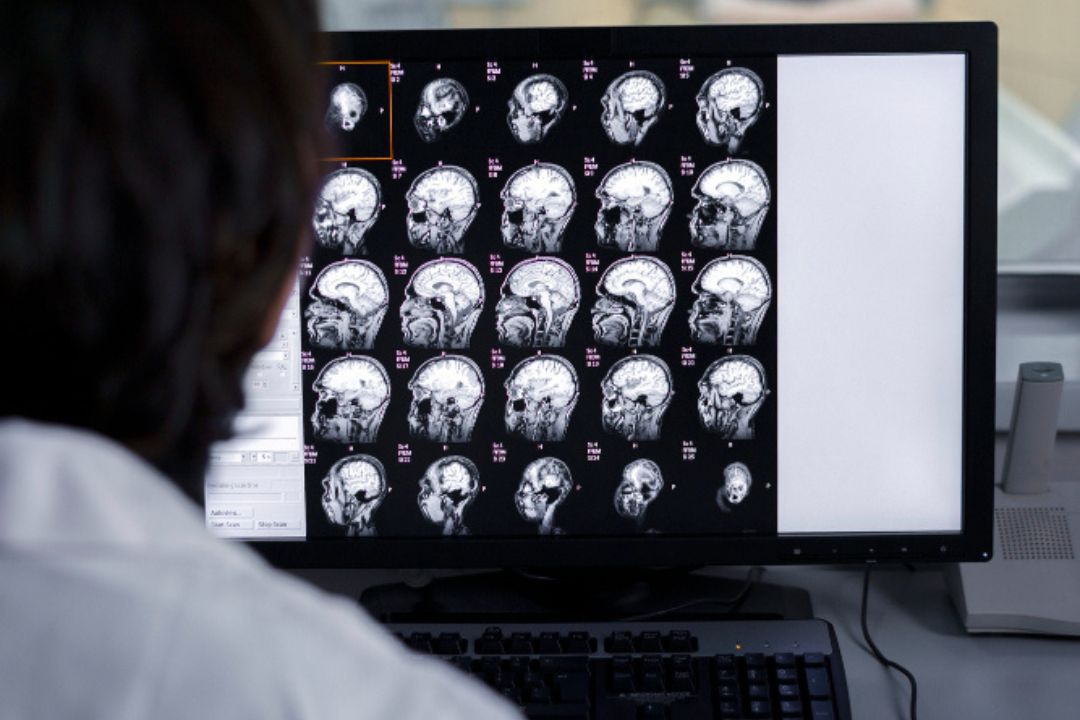
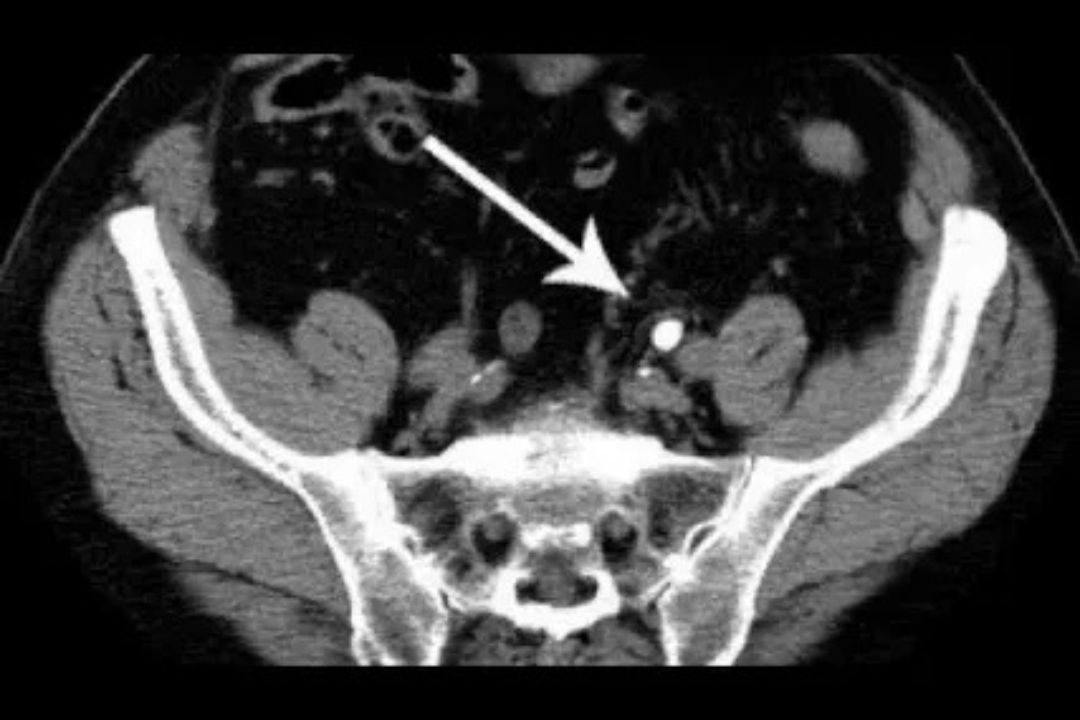
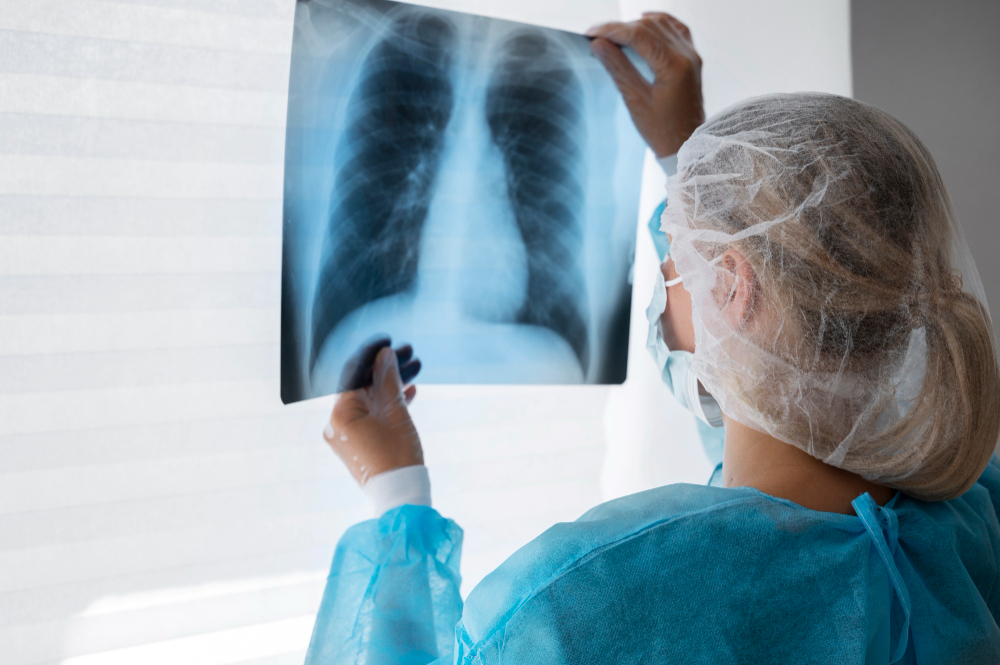
A CT scan combines multiple X-ray images taken from different angles to produce cross-sectional pictures of bones, blood vessels, and soft tissues. These images provide much more detail than standard X-rays, making CT scans an essential tool in modern medical diagnostics.
Visit Now: https://www.diagnopein.com
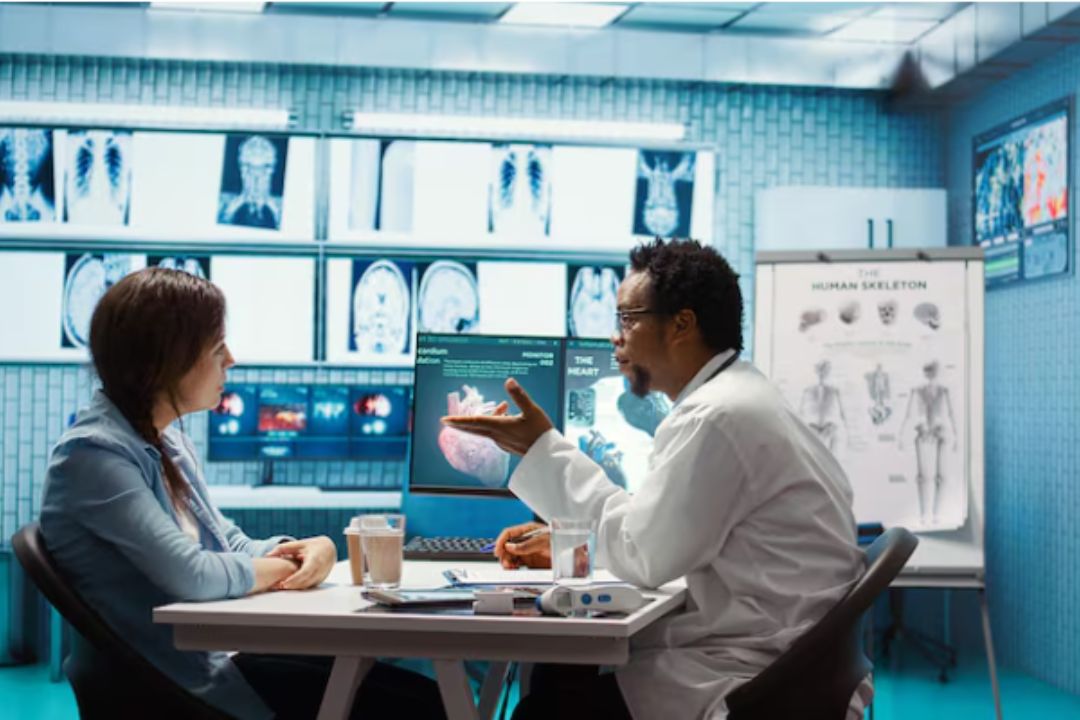
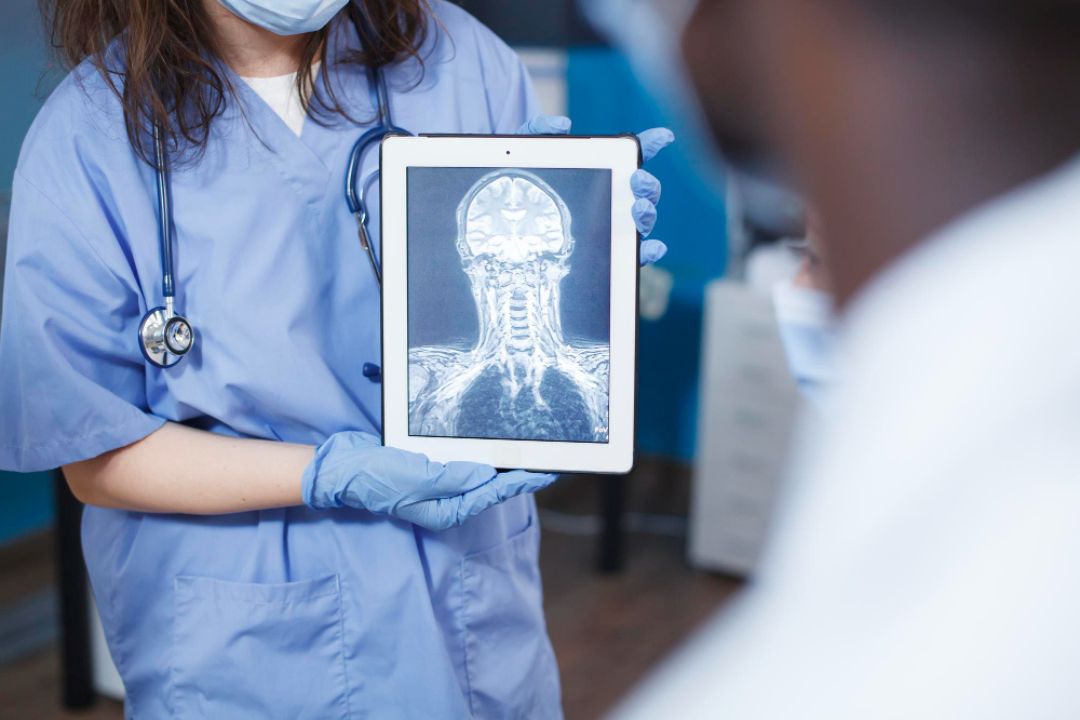
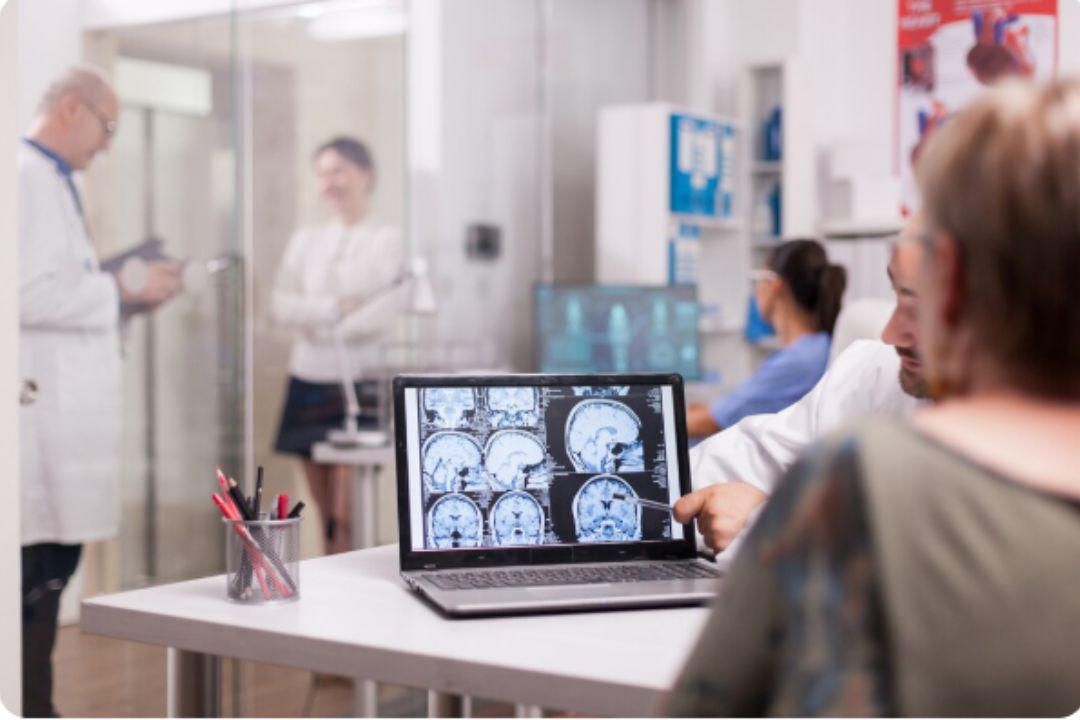
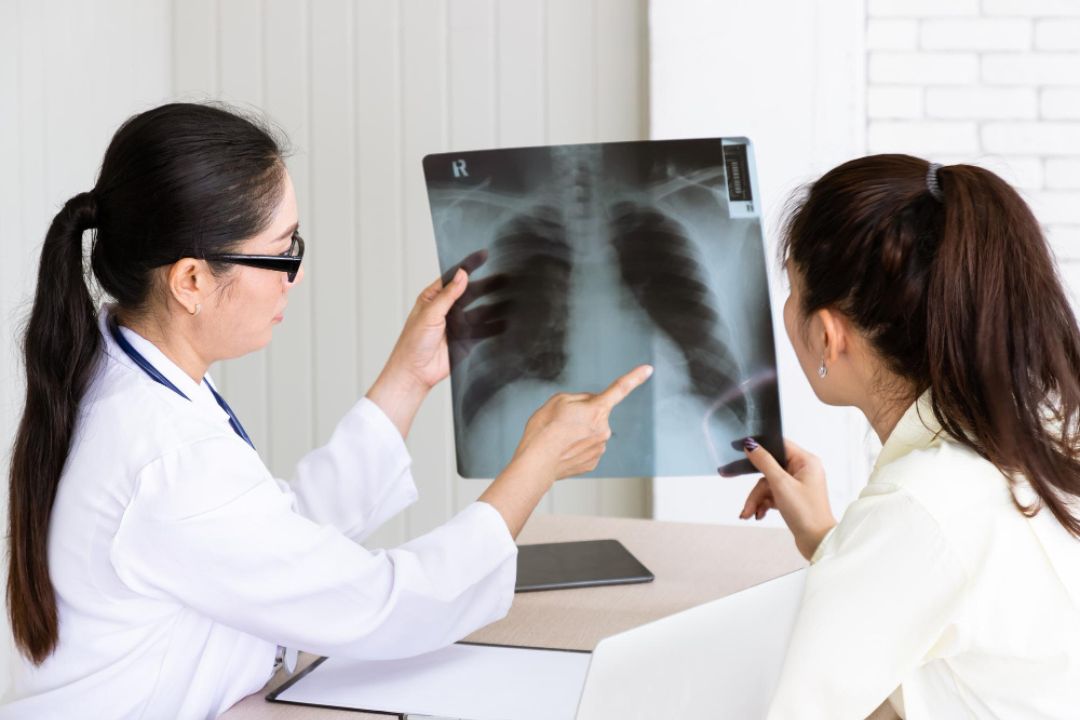
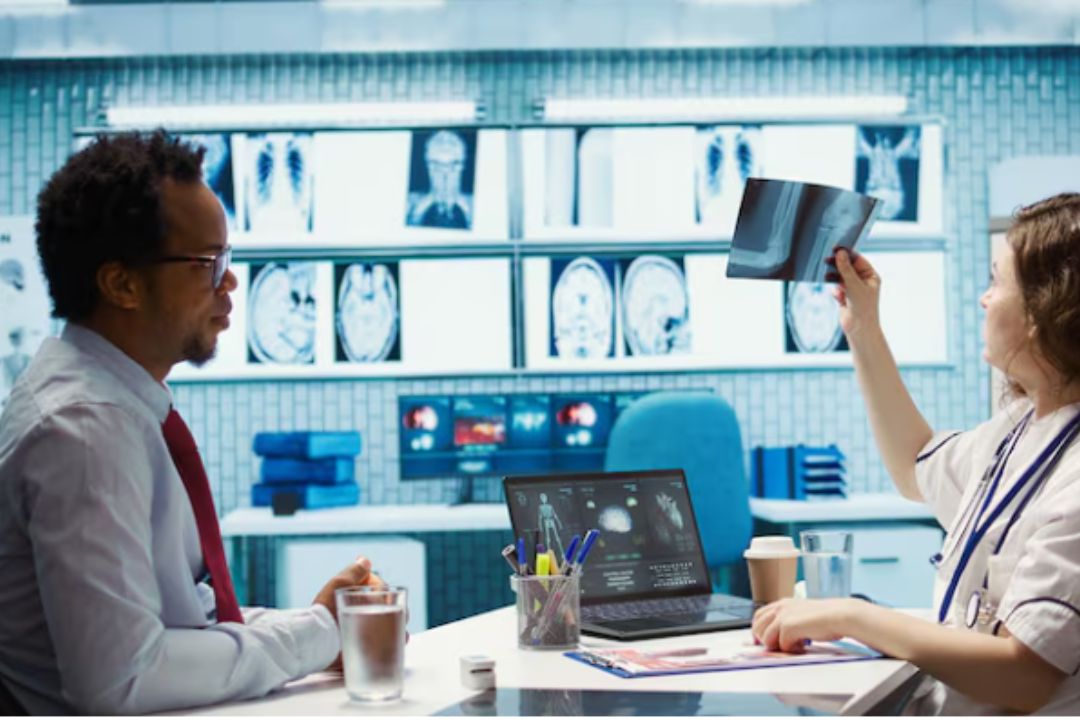
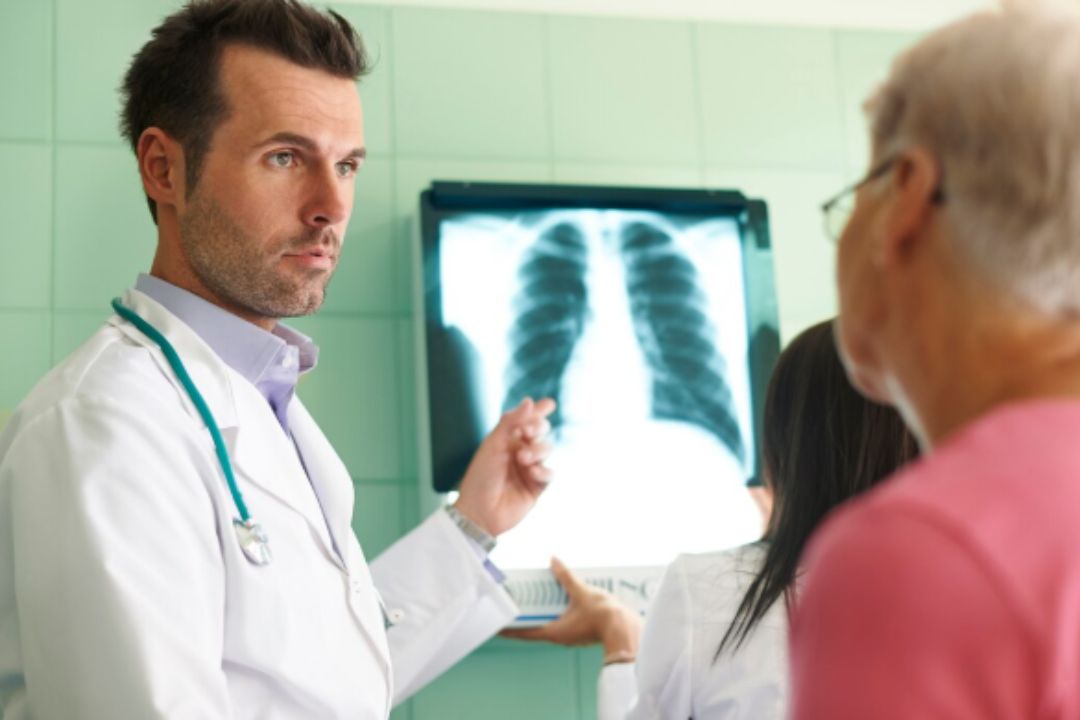
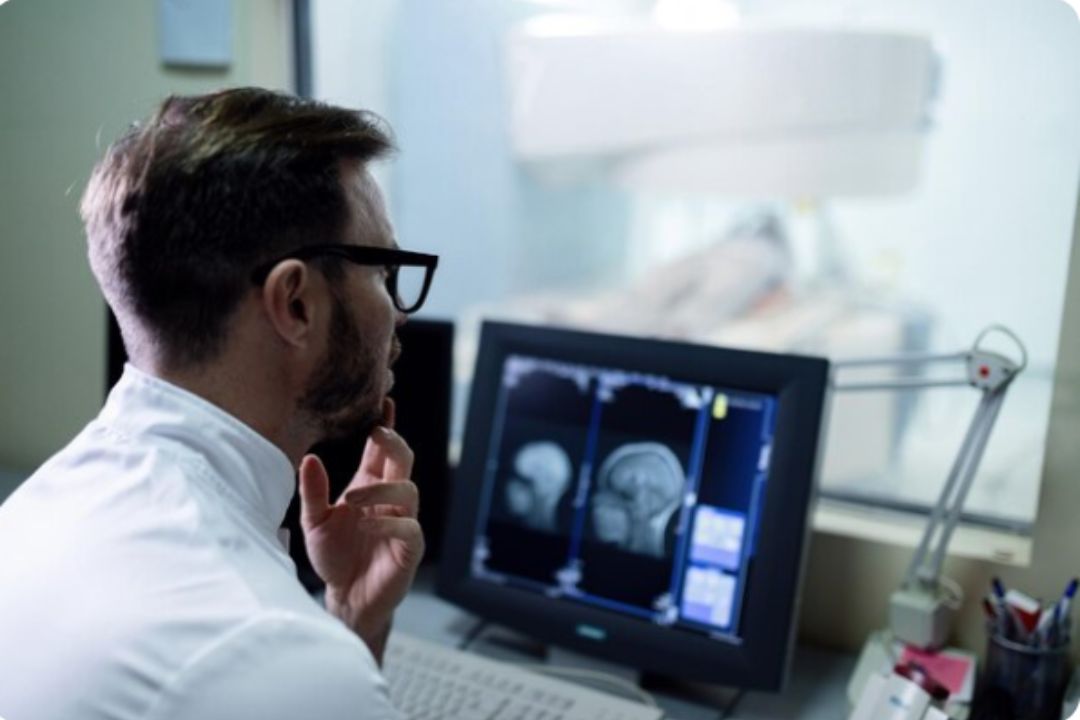
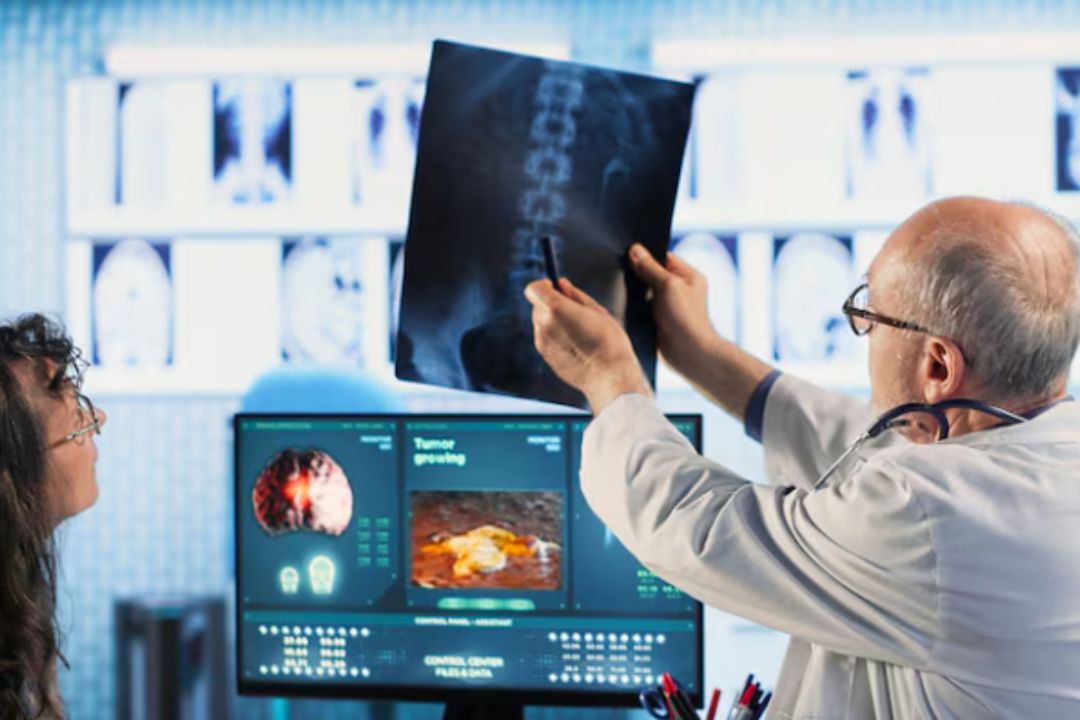
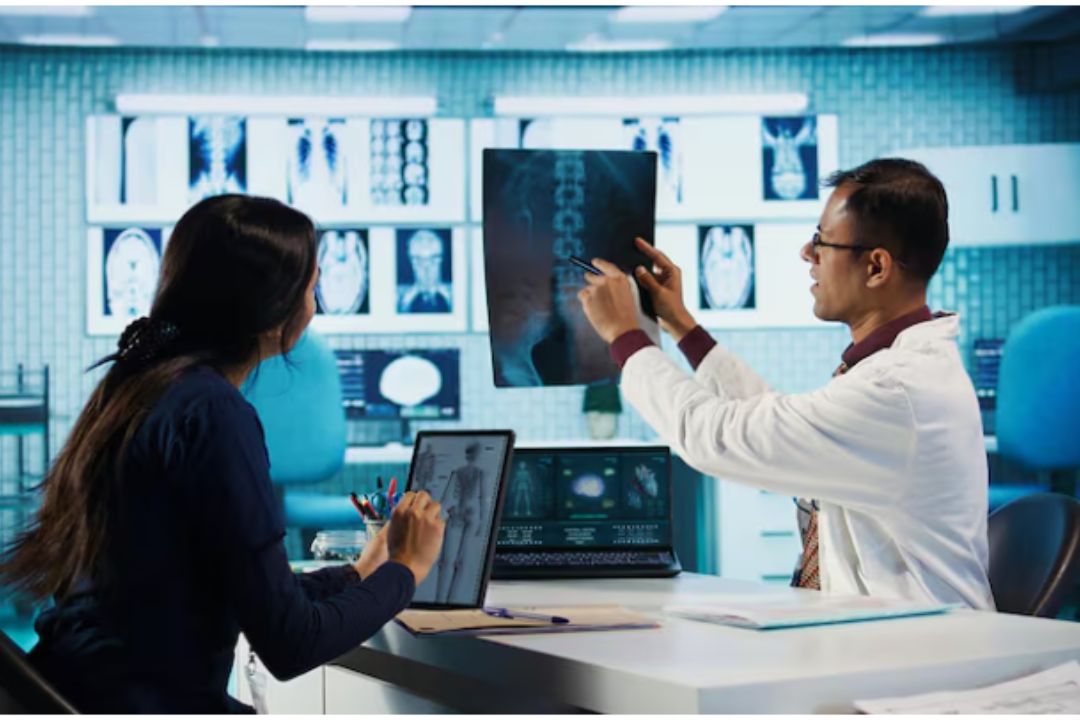
Doctors use CT scans to examine different parts of the body, including the brain, chest, abdomen, pelvis, and bones.
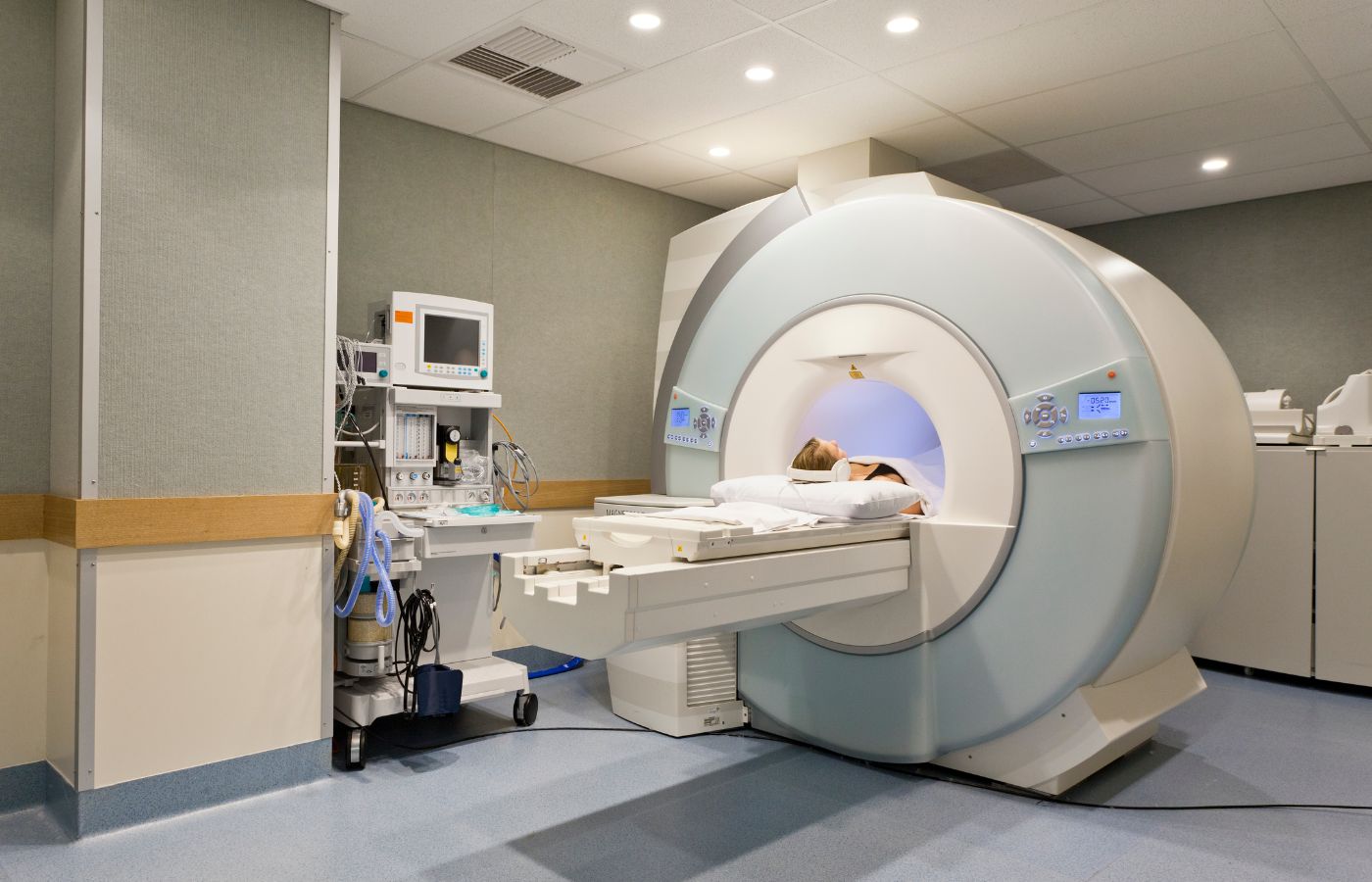
The CT scan procedure is generally quick, painless, and non-invasive. Here is what patients can expect during the process
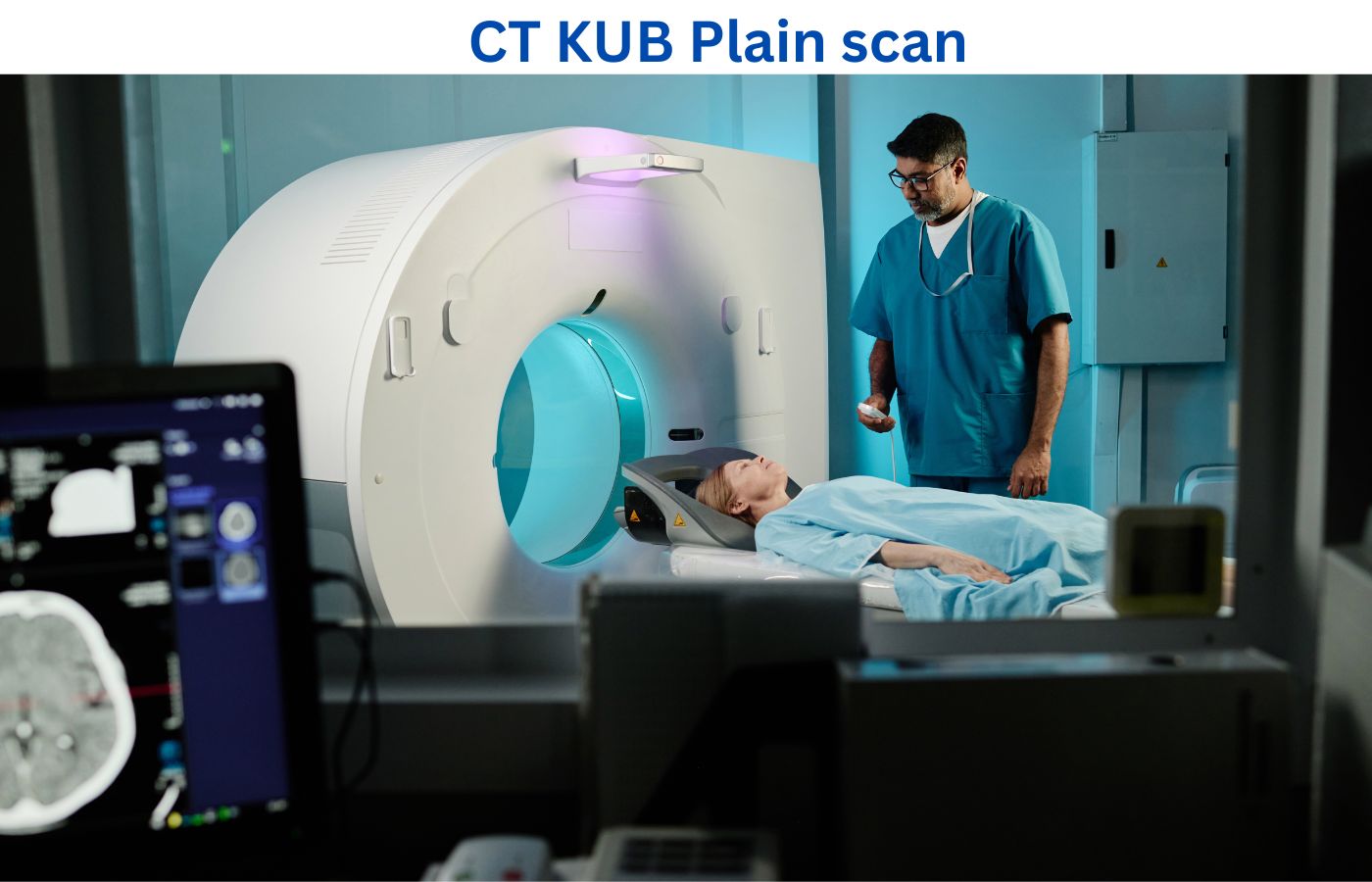
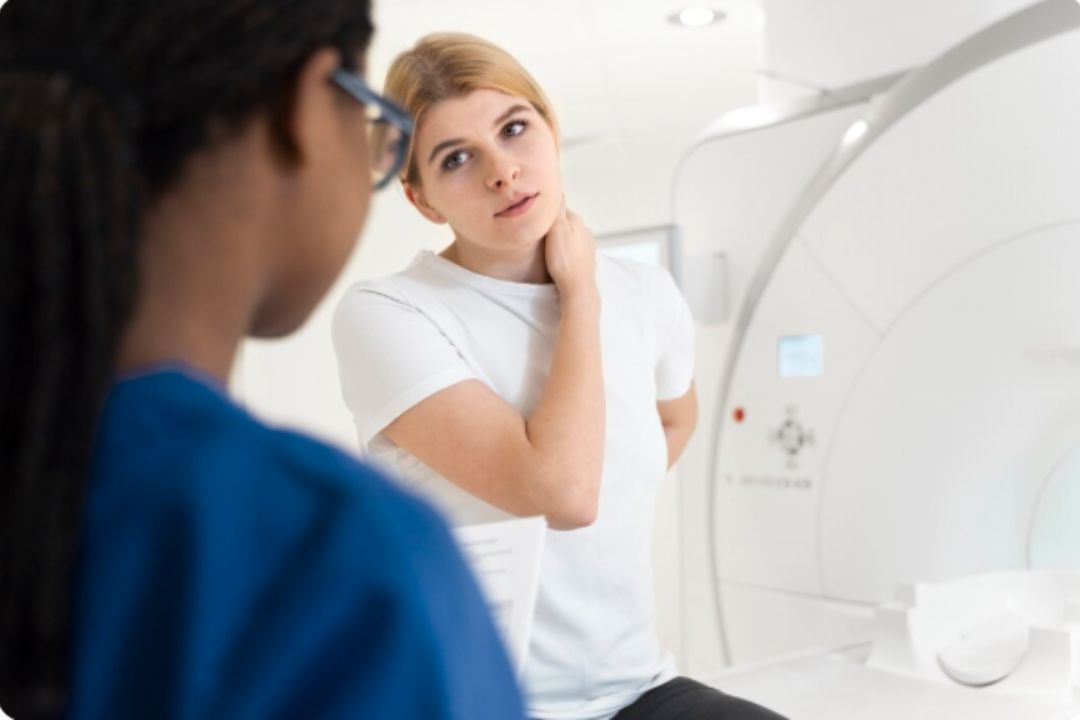
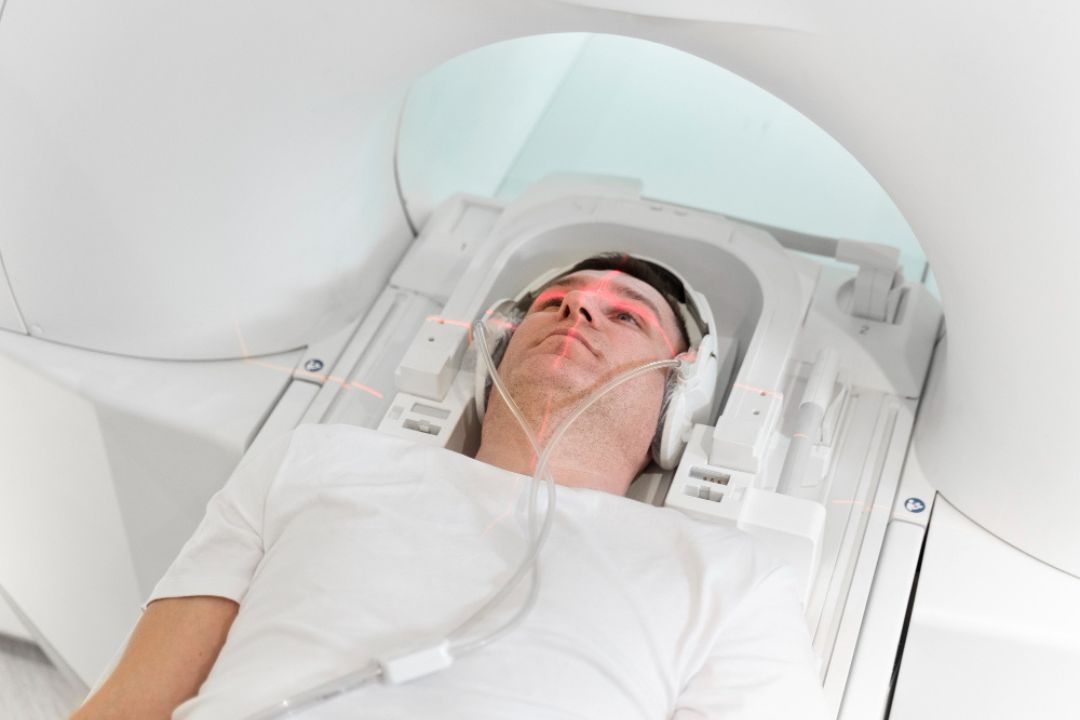
Before the scan, patients may be asked to remove metal objects such as jewelry, glasses, or belts. In some cases, fasting may be required if a contrast dye is used to enhance the images.
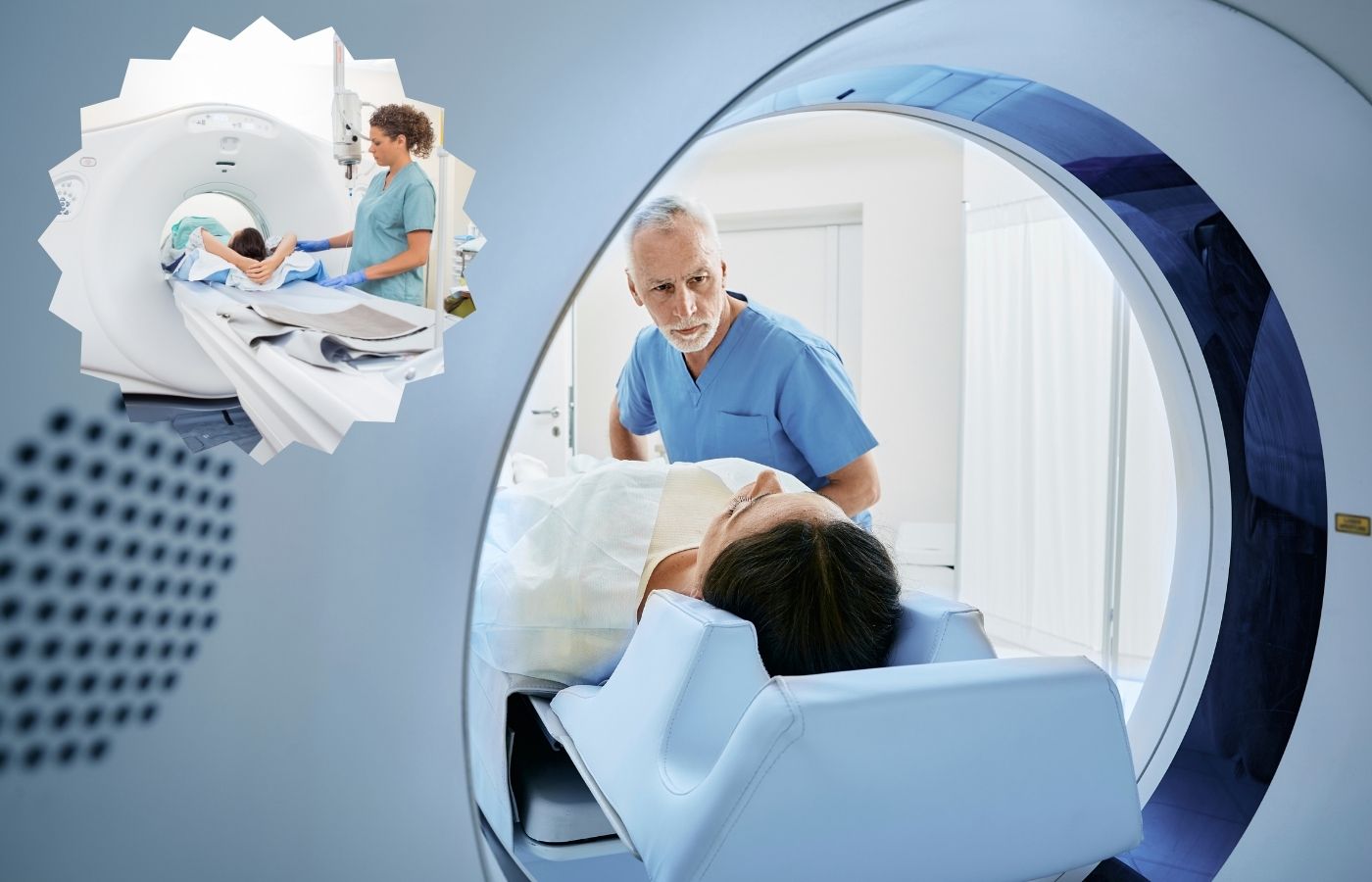
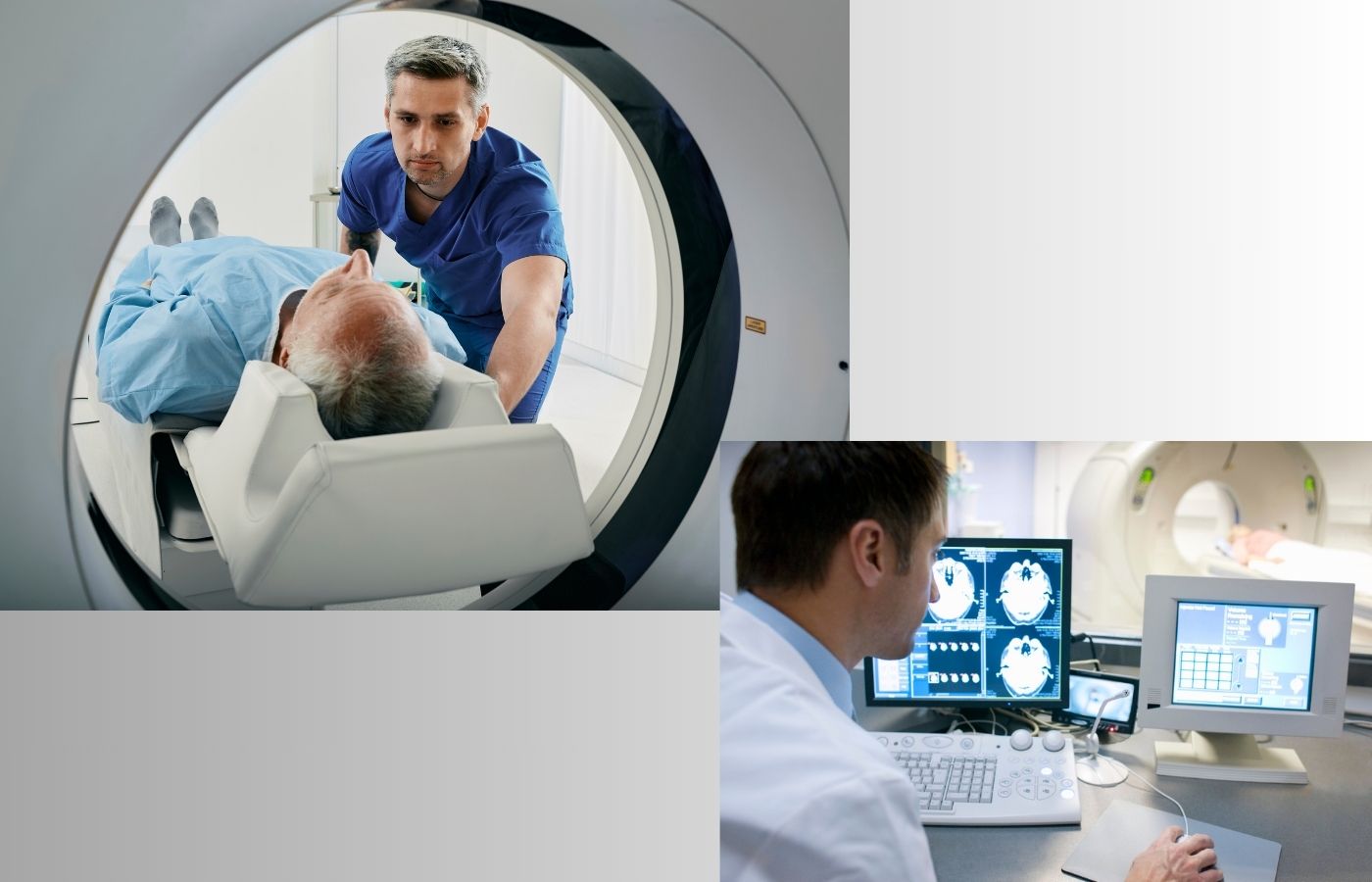
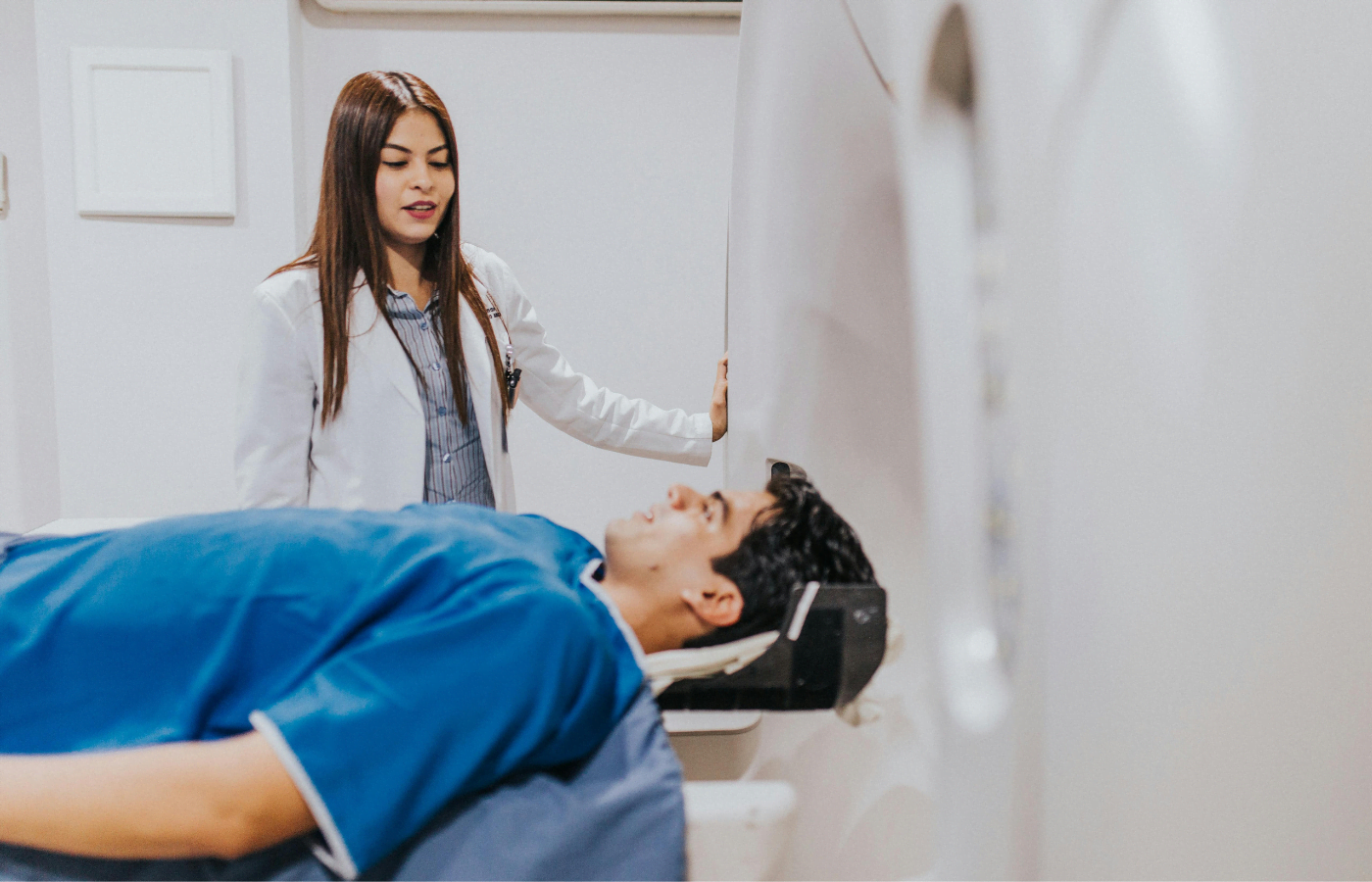
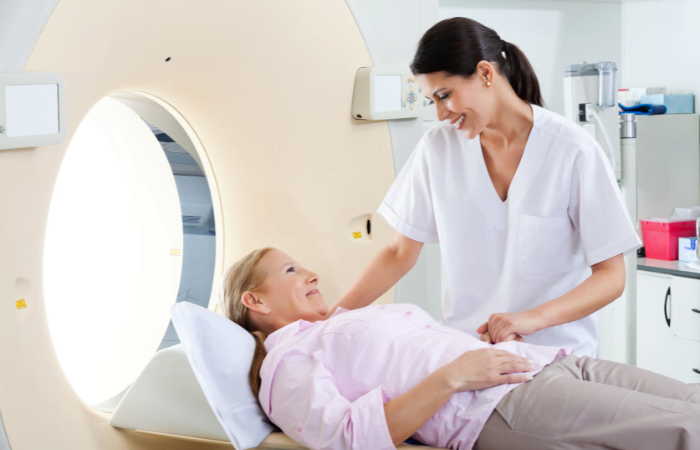
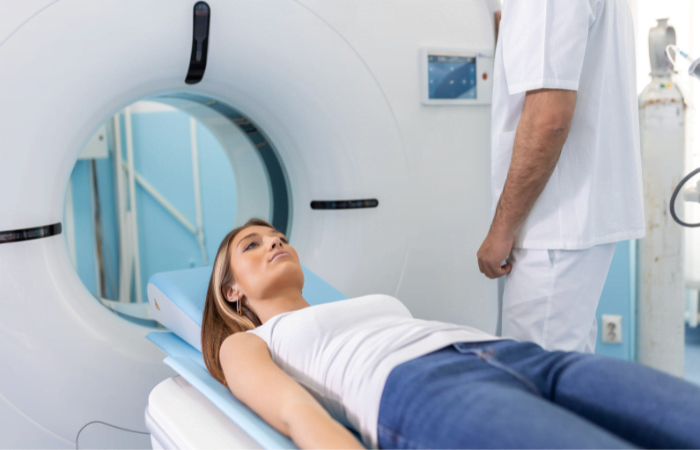
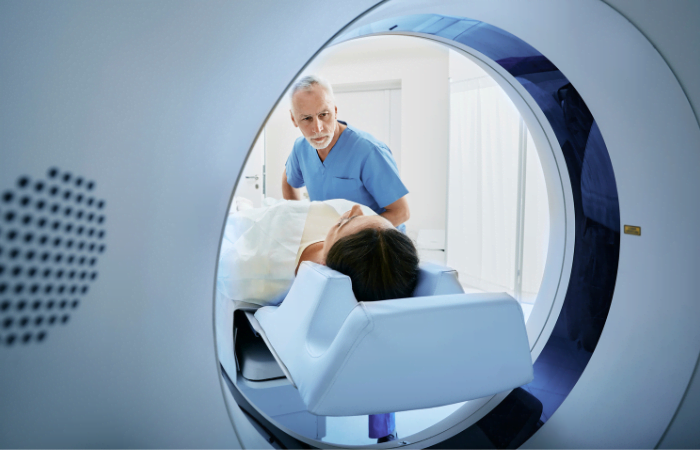
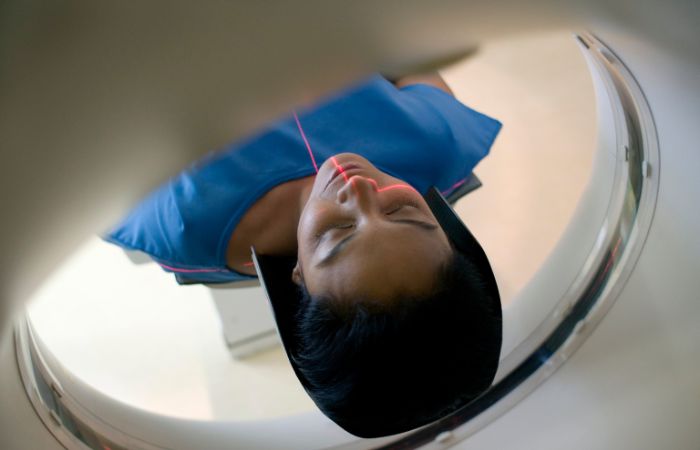
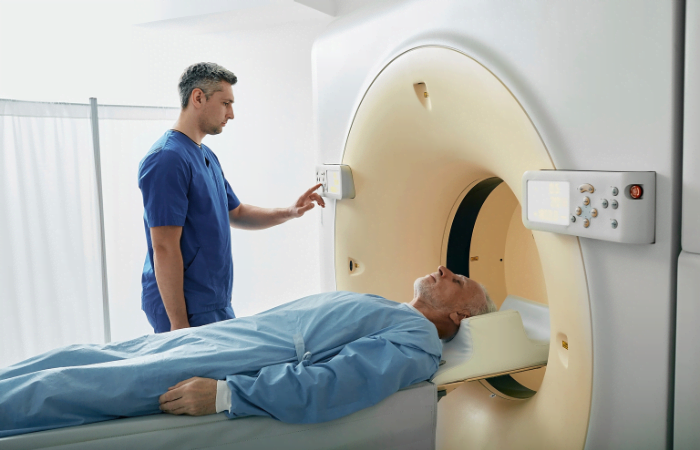
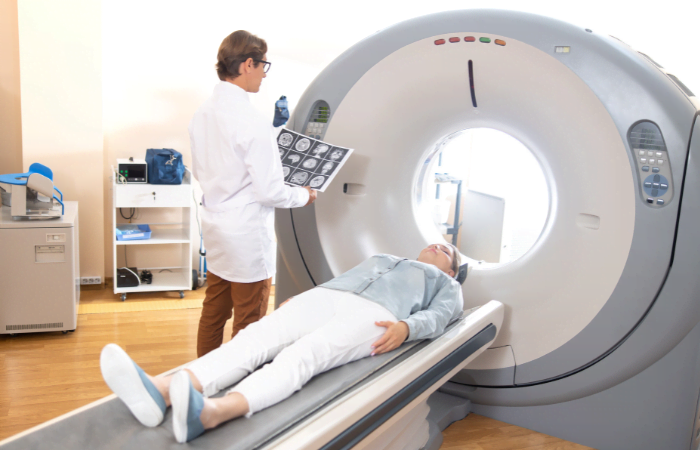
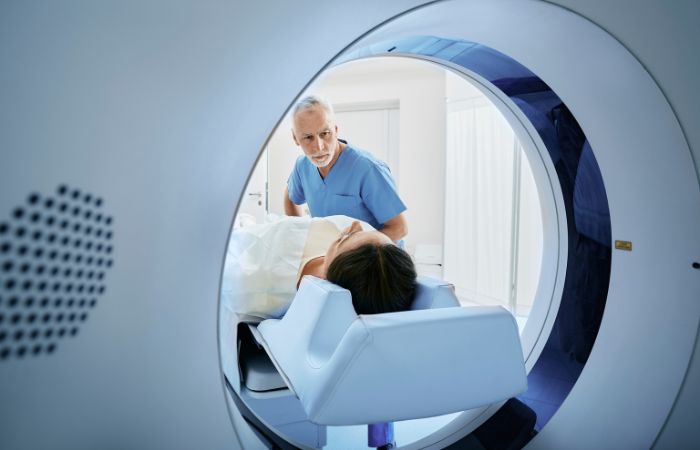
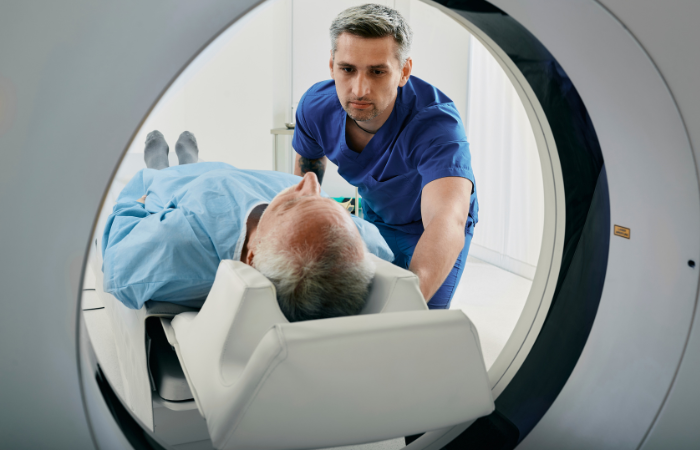
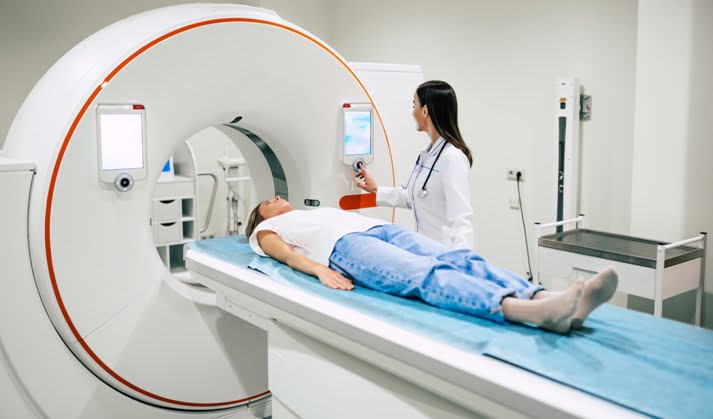
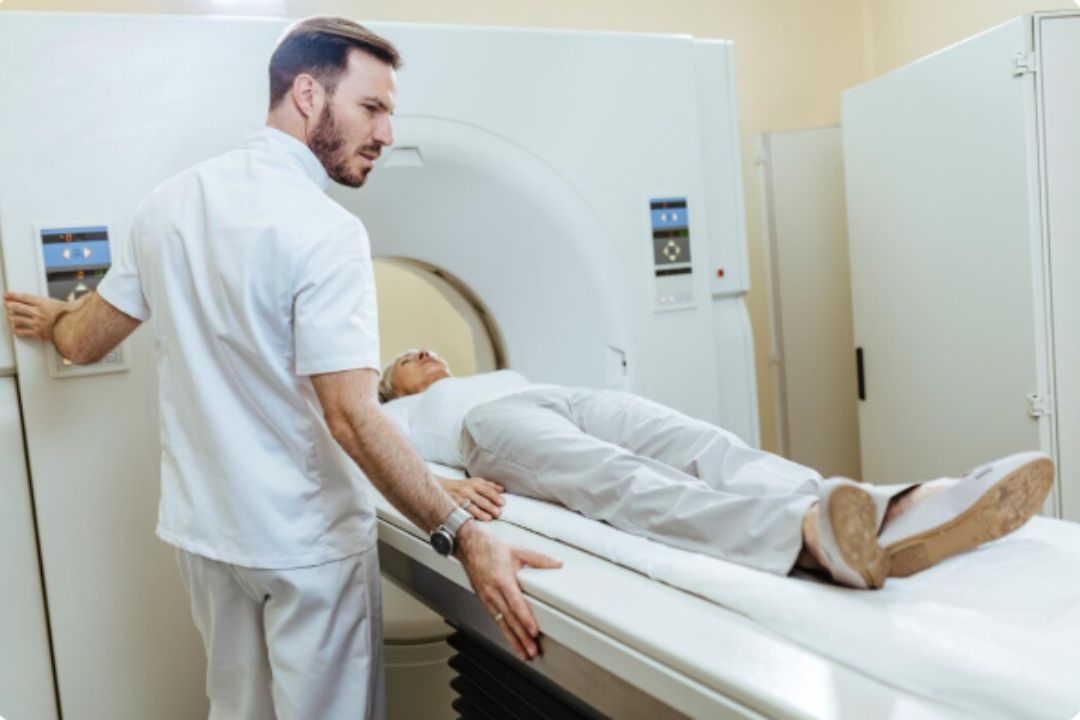
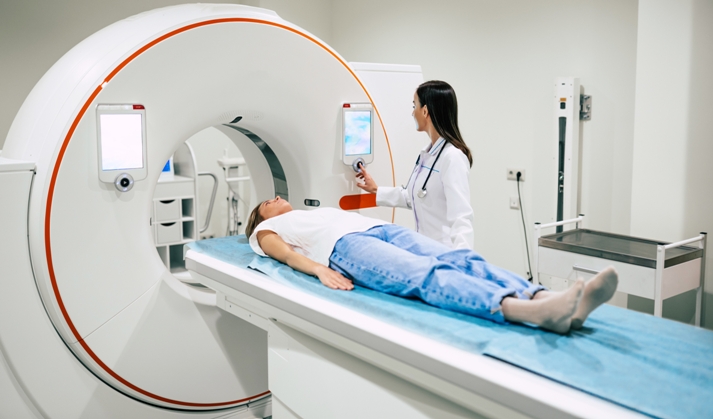
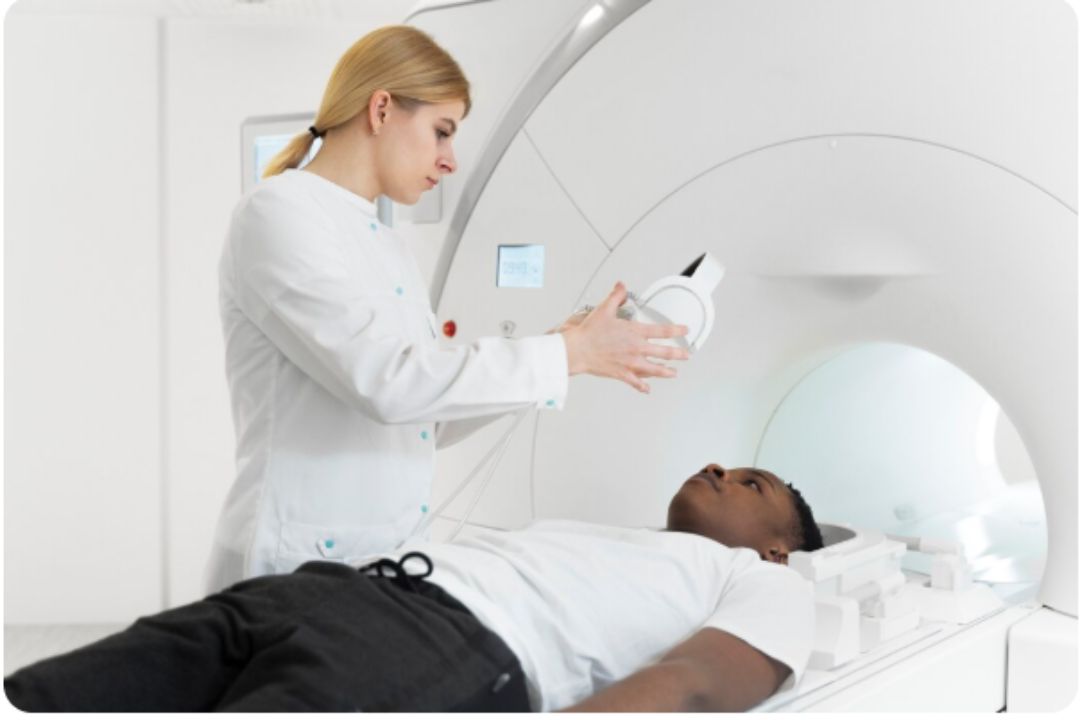
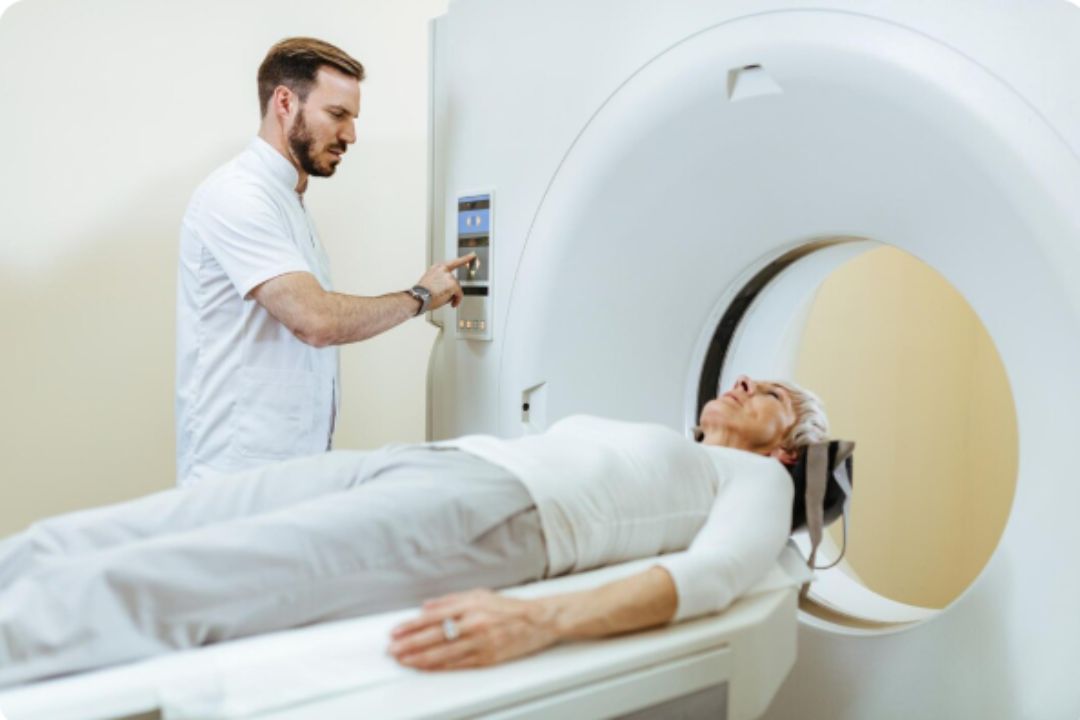
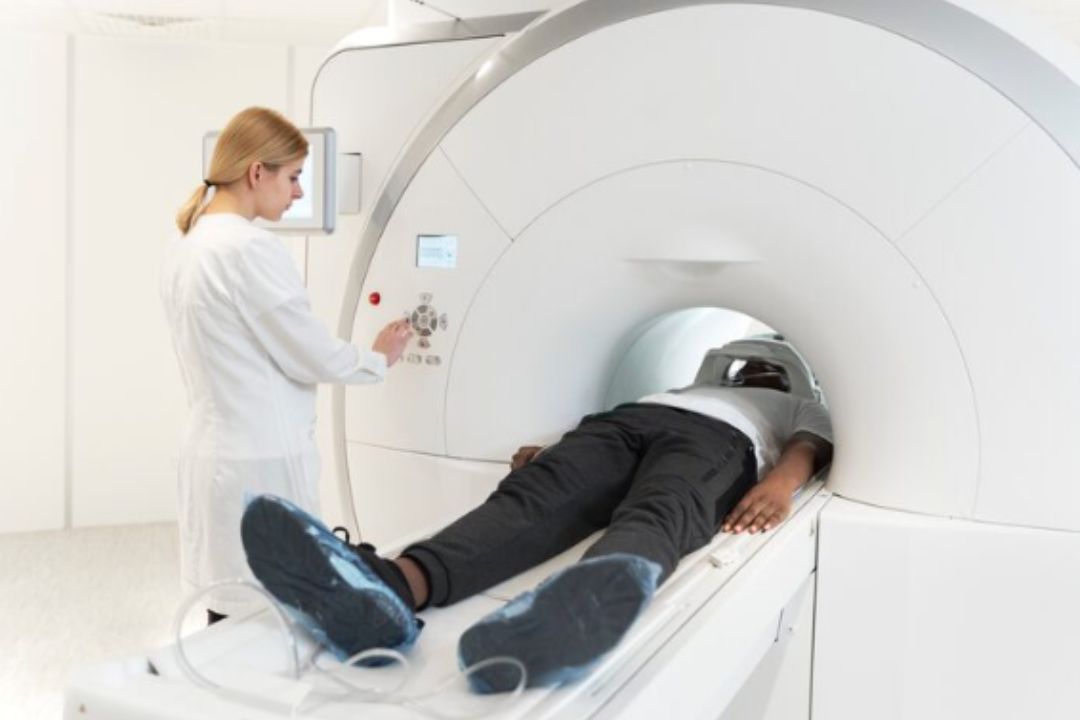
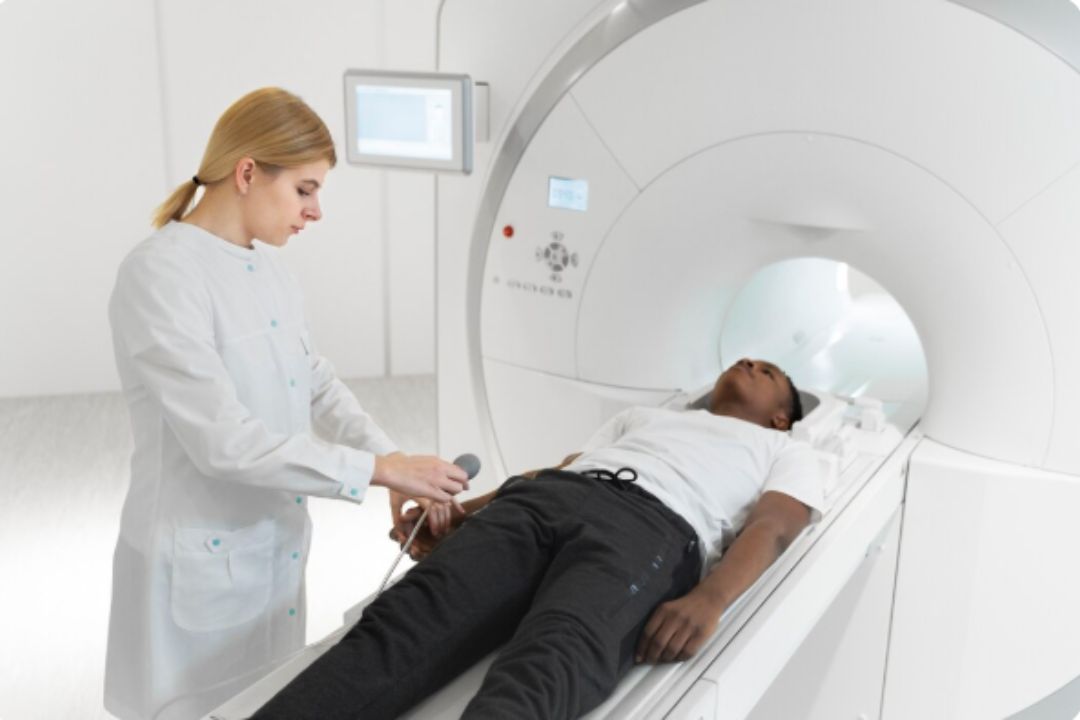
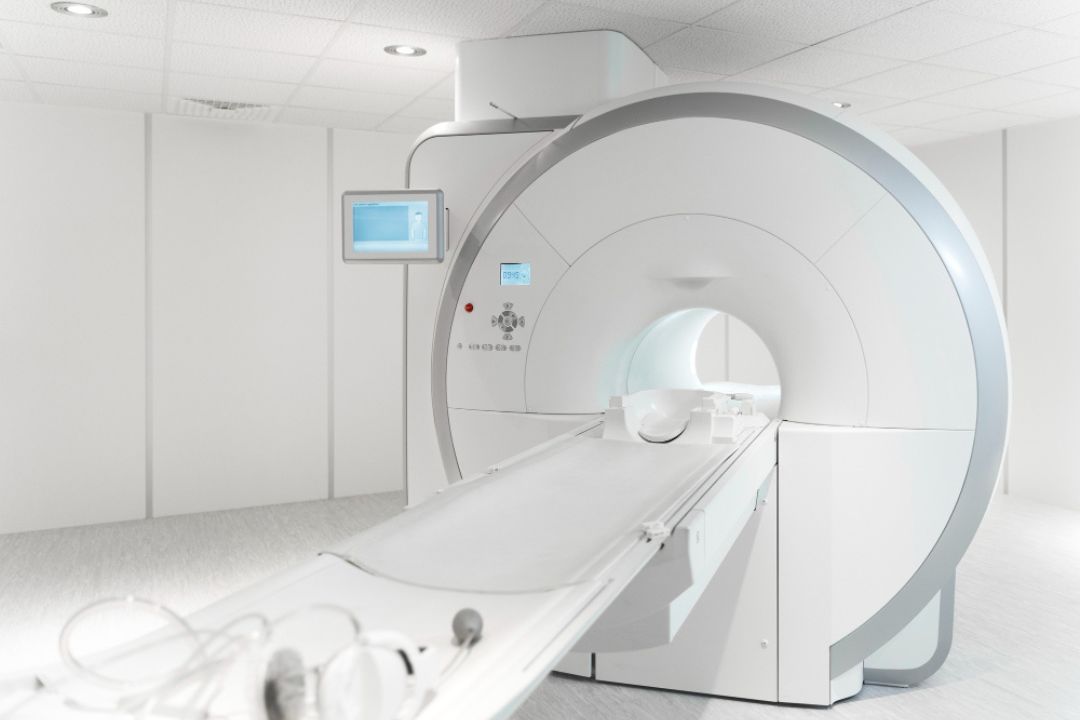
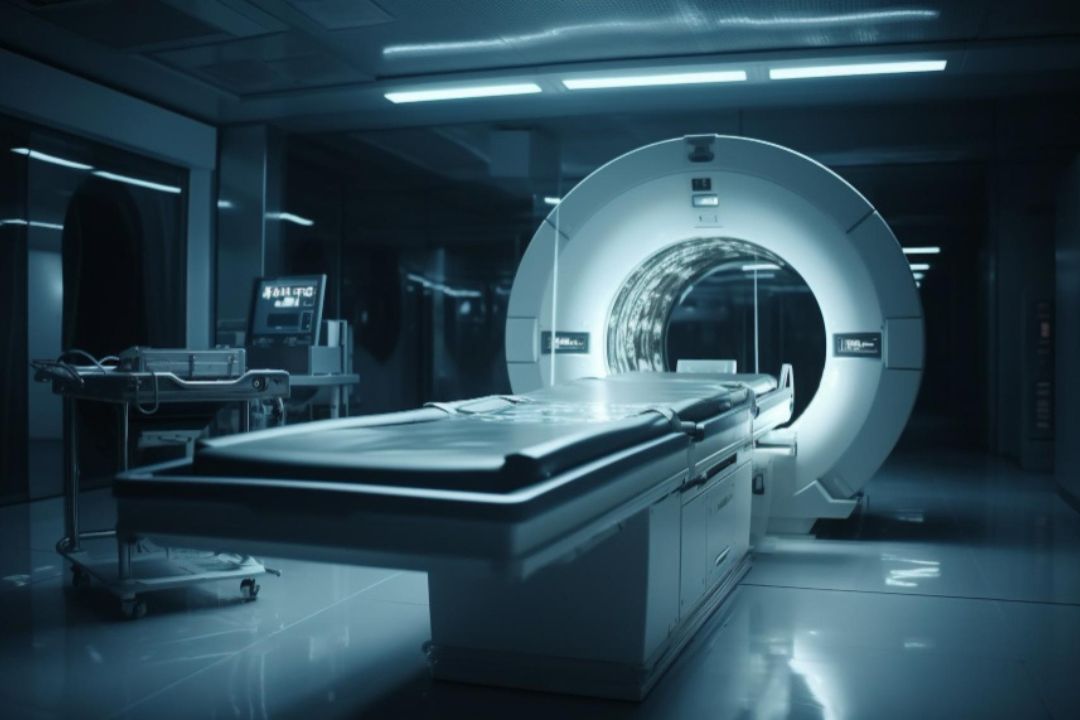
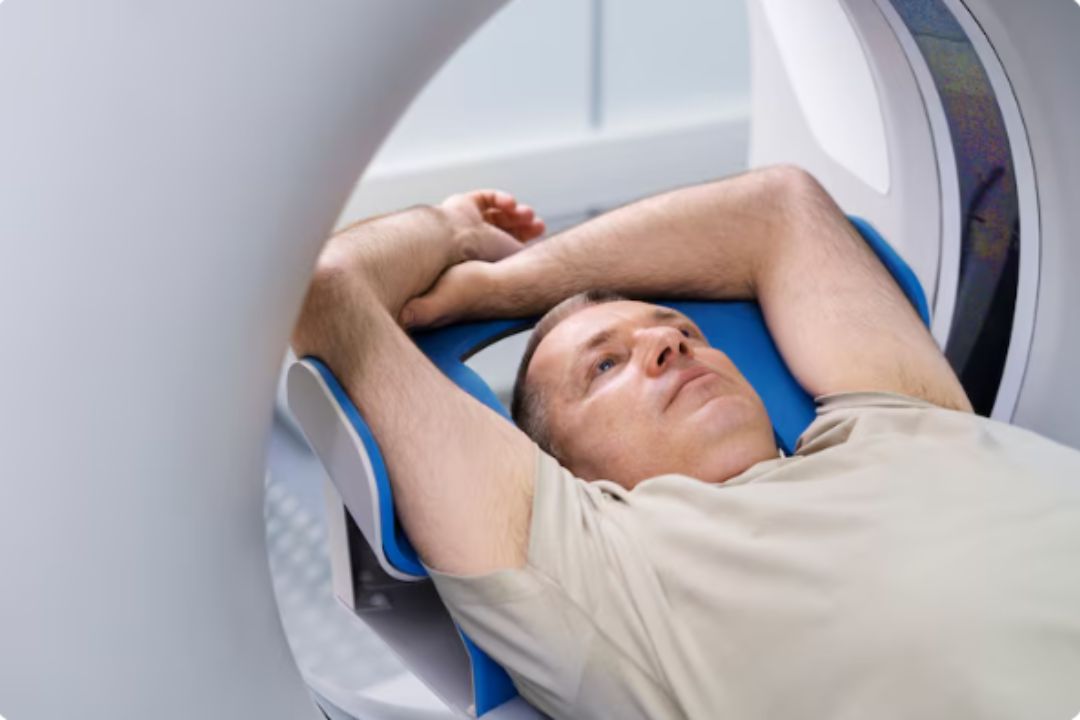
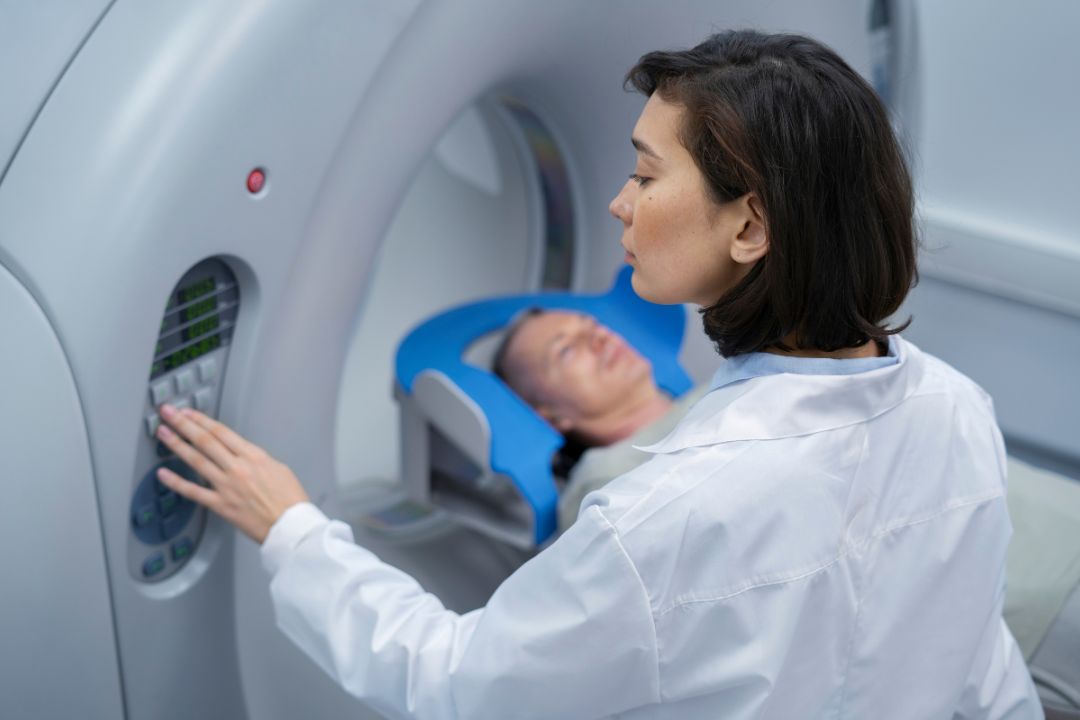
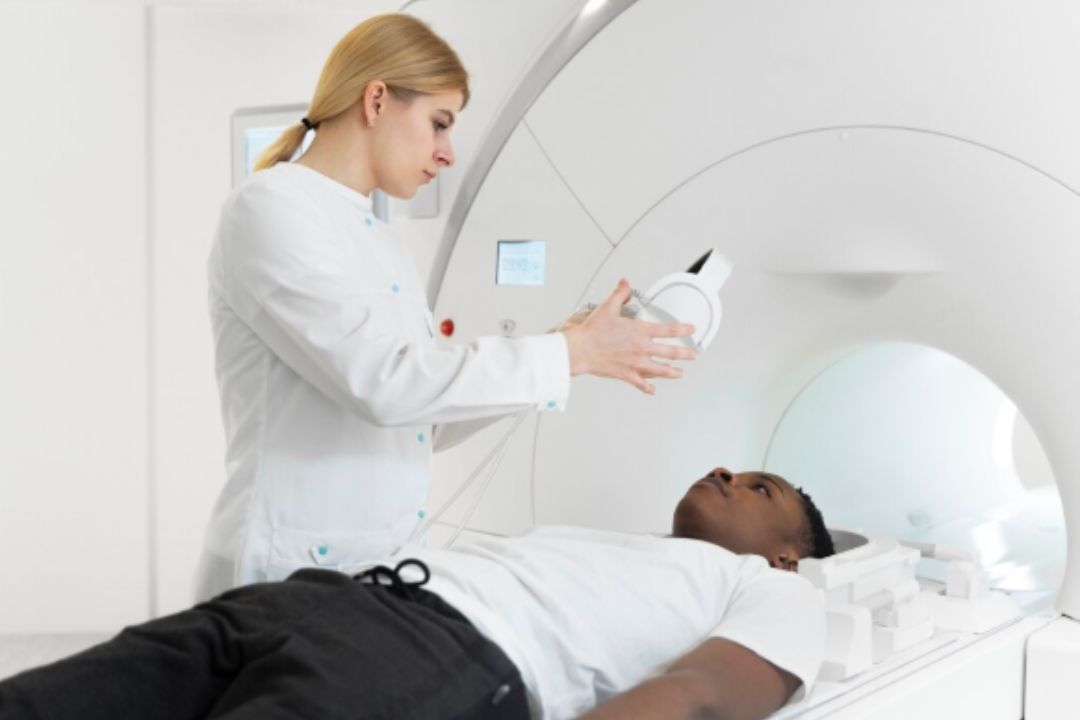
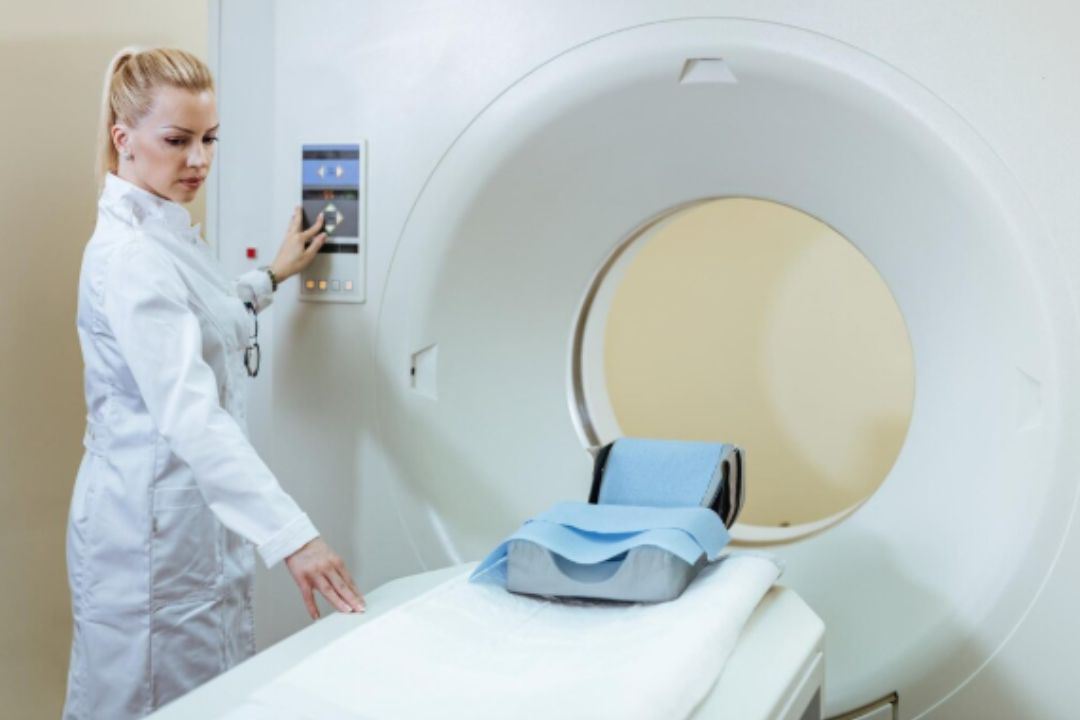
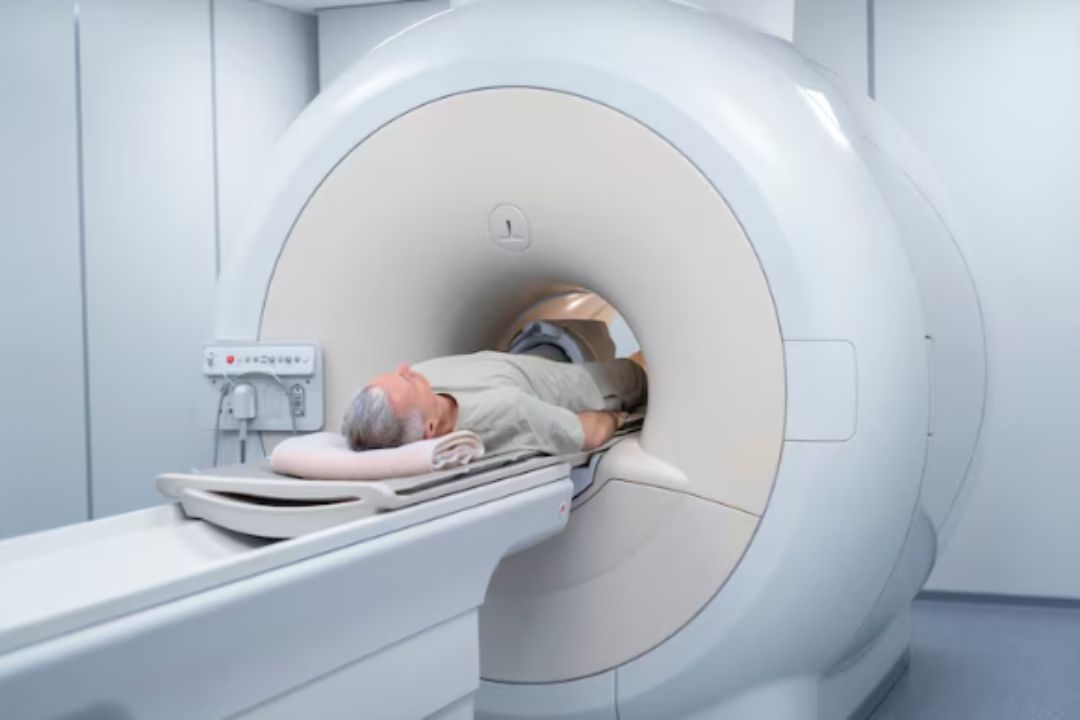
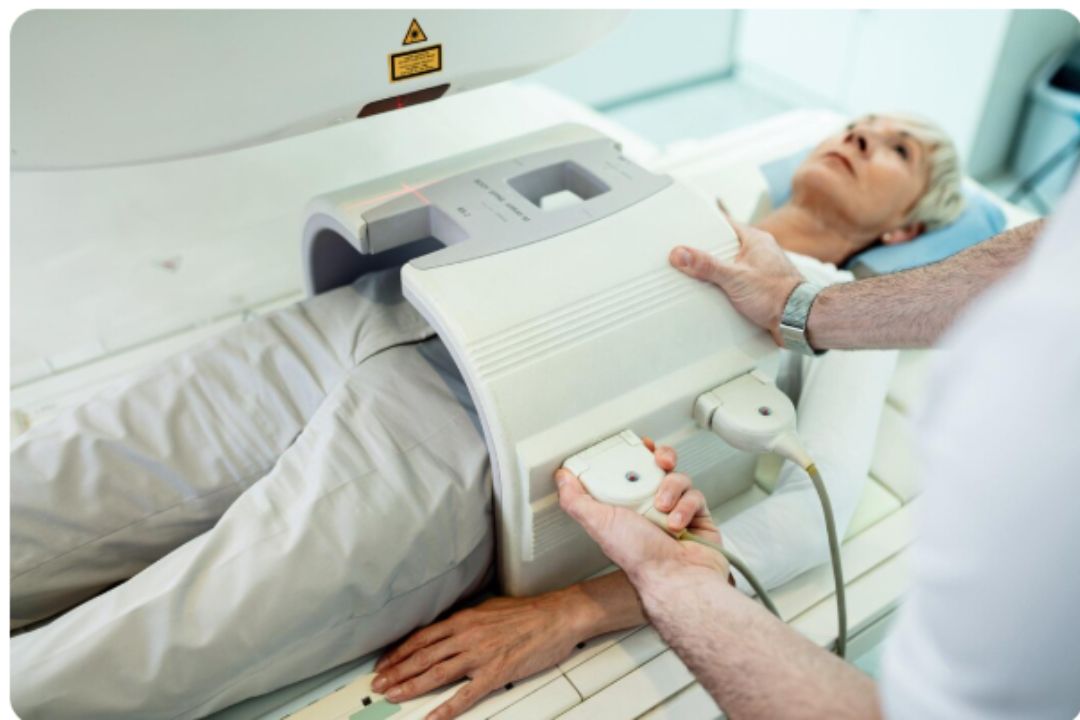
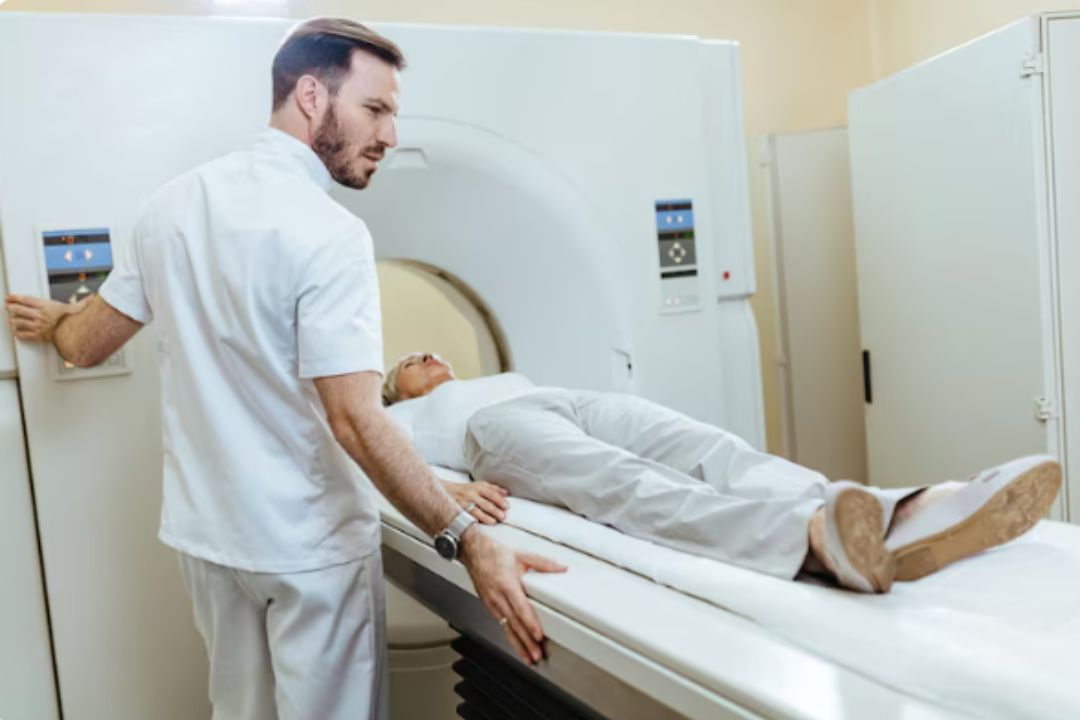
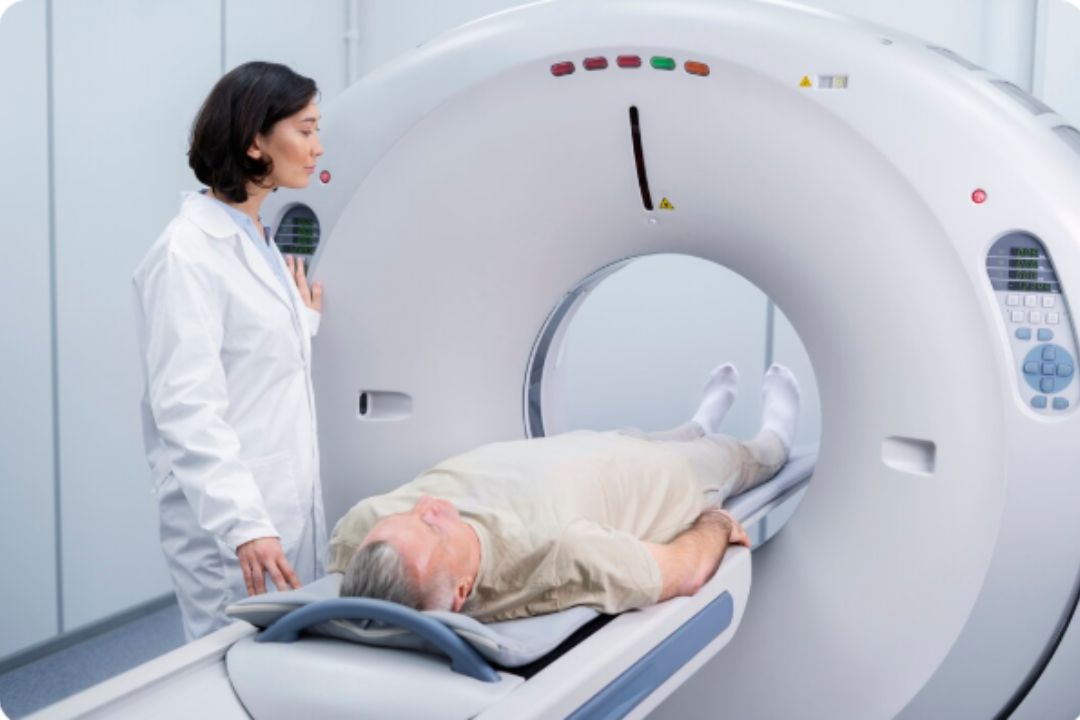
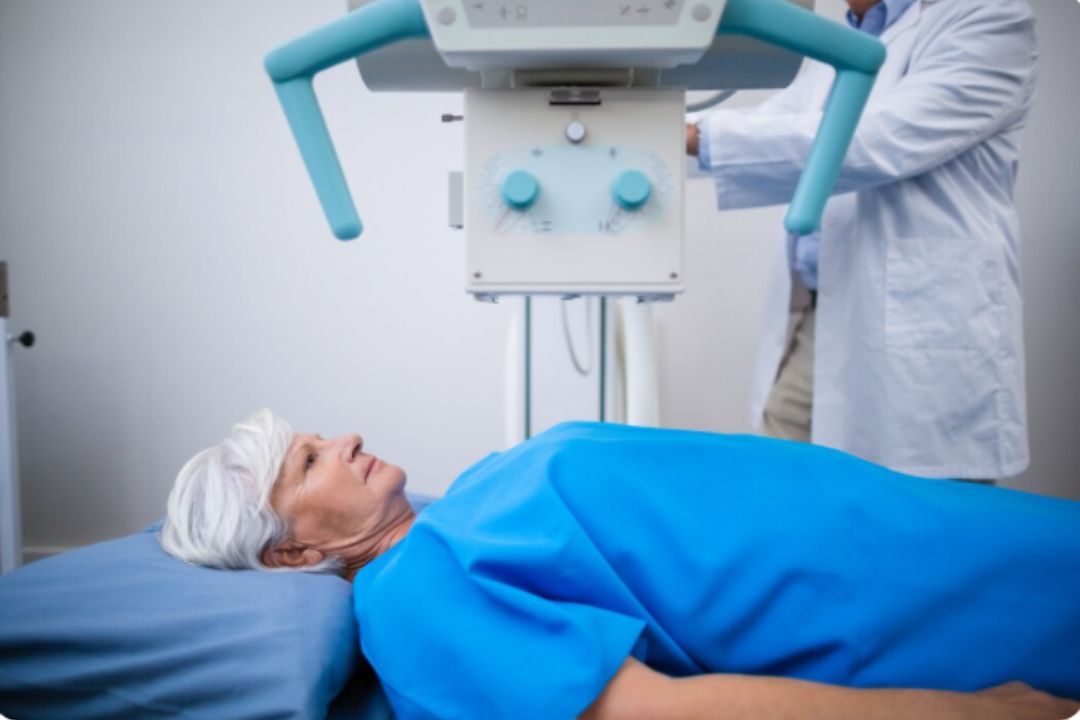
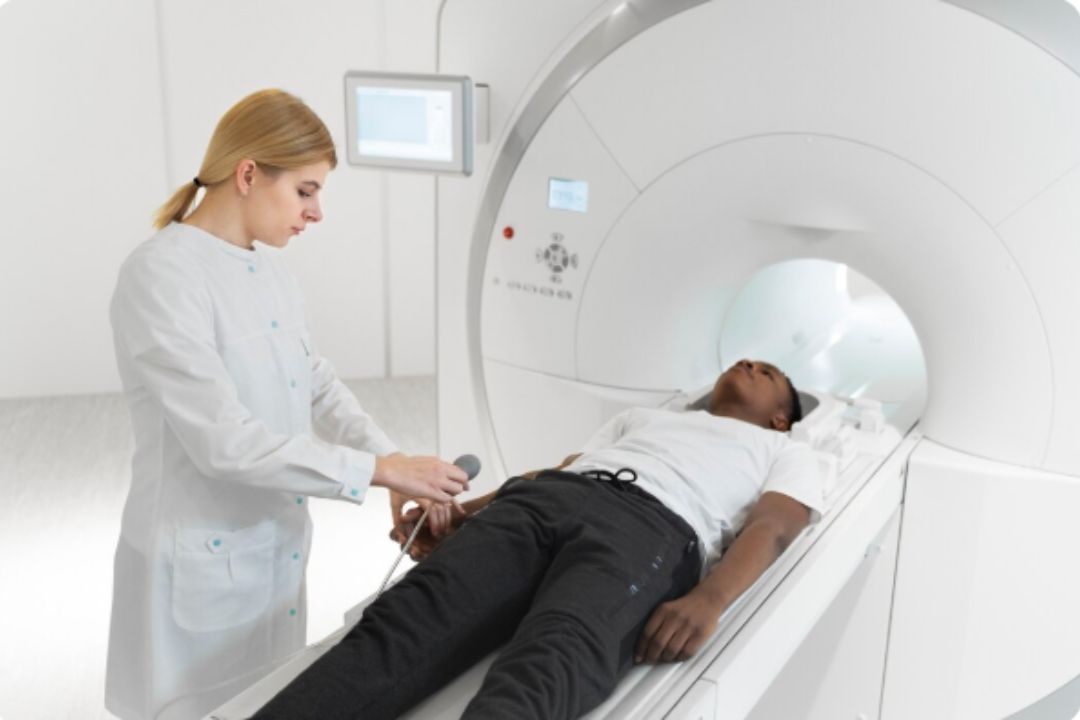
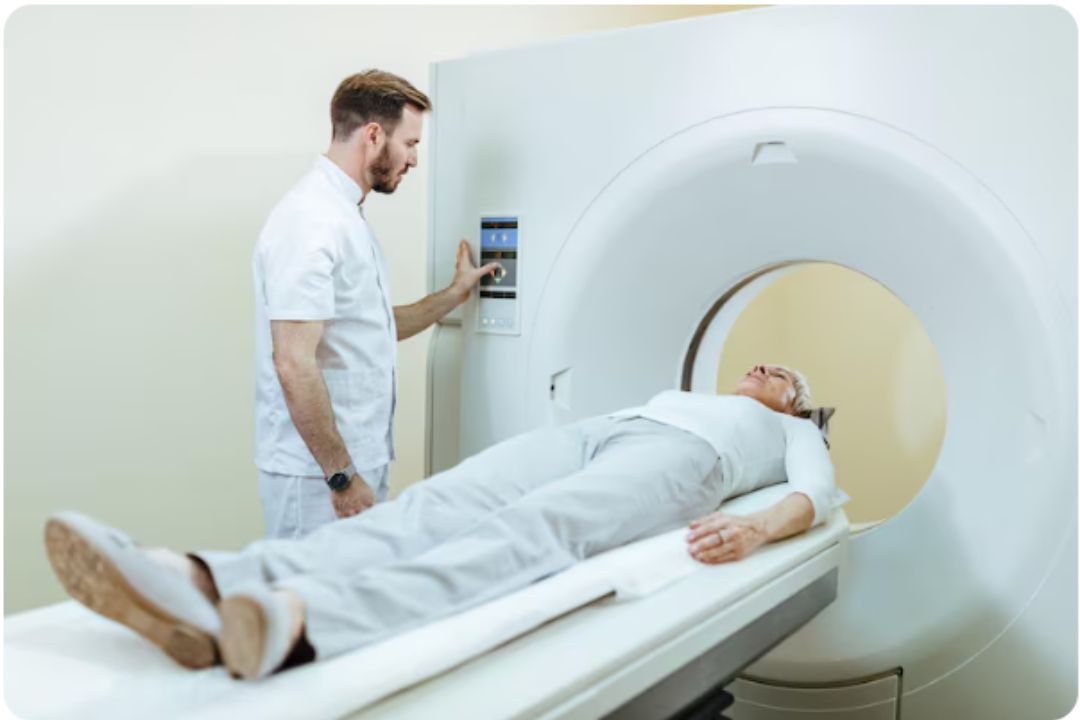
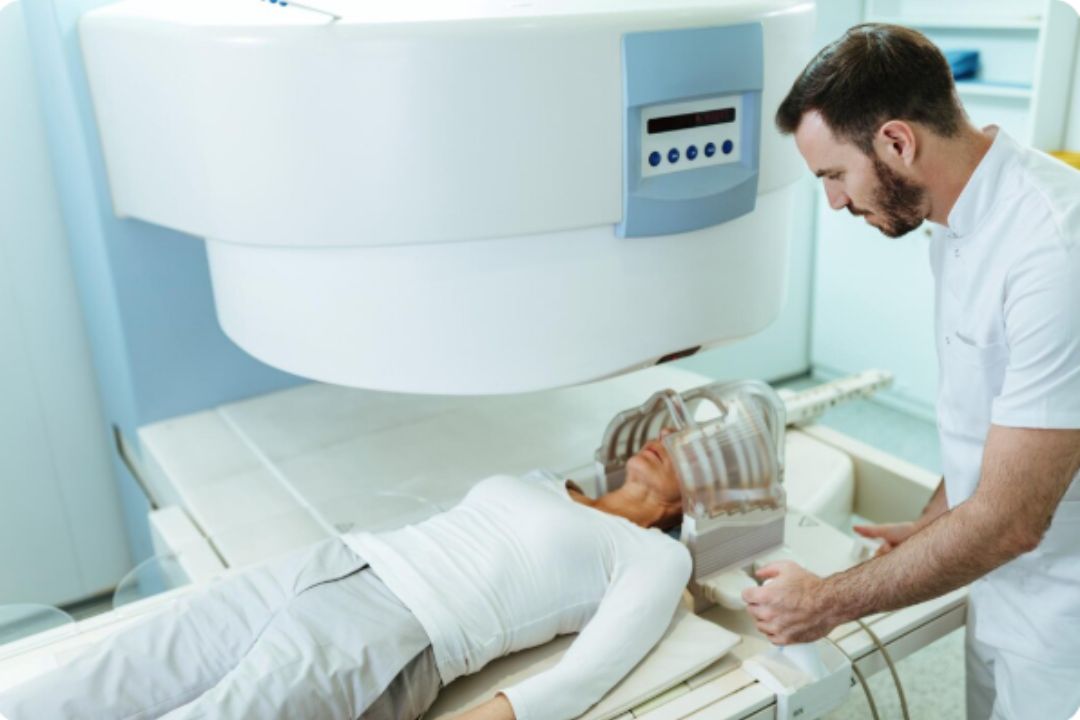
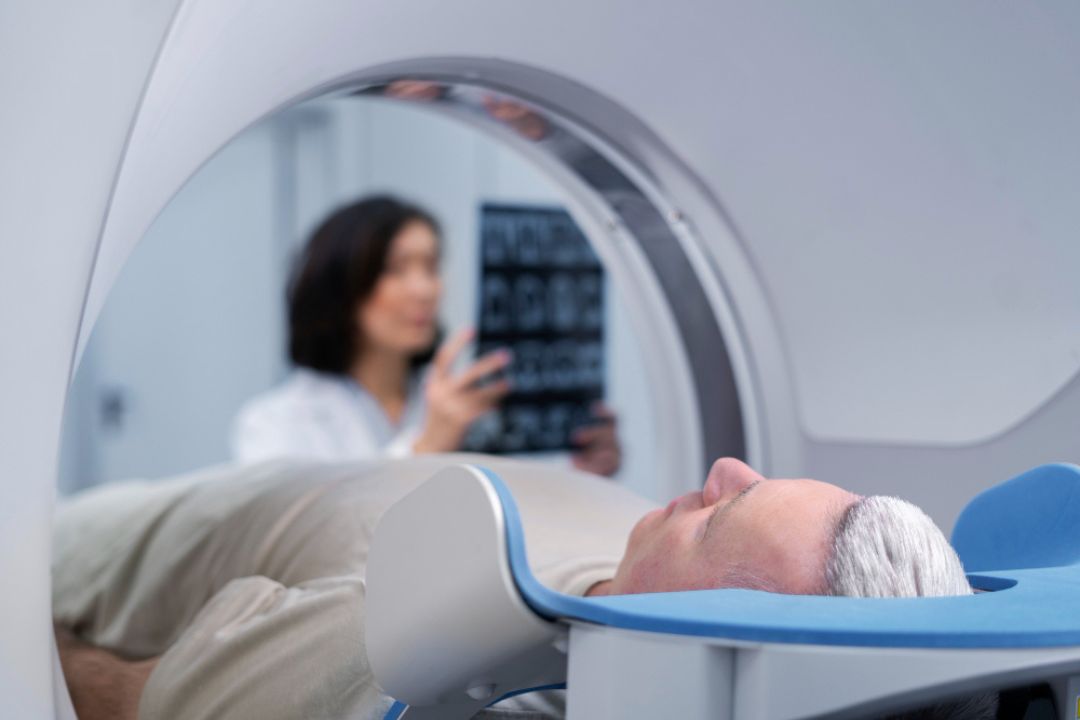
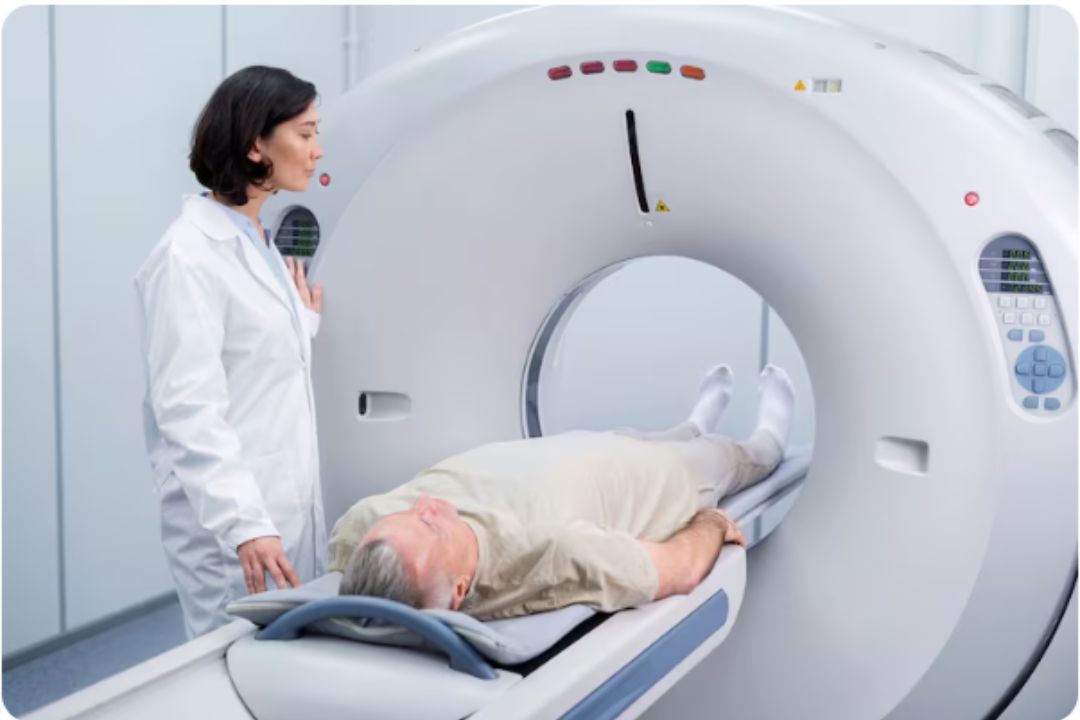
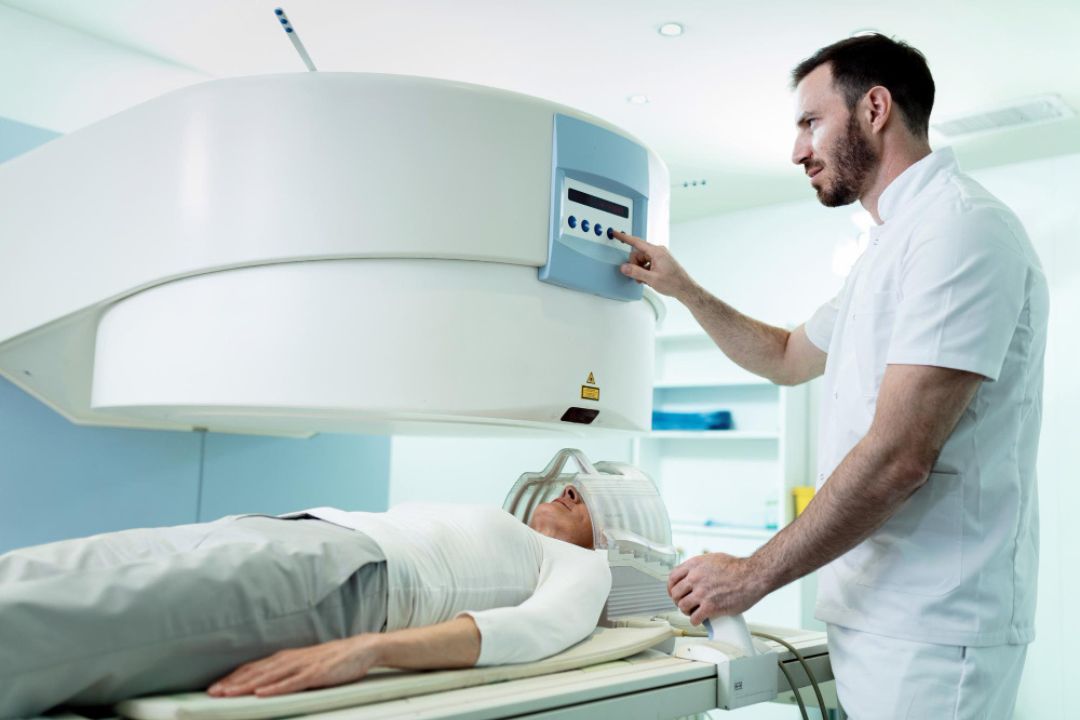
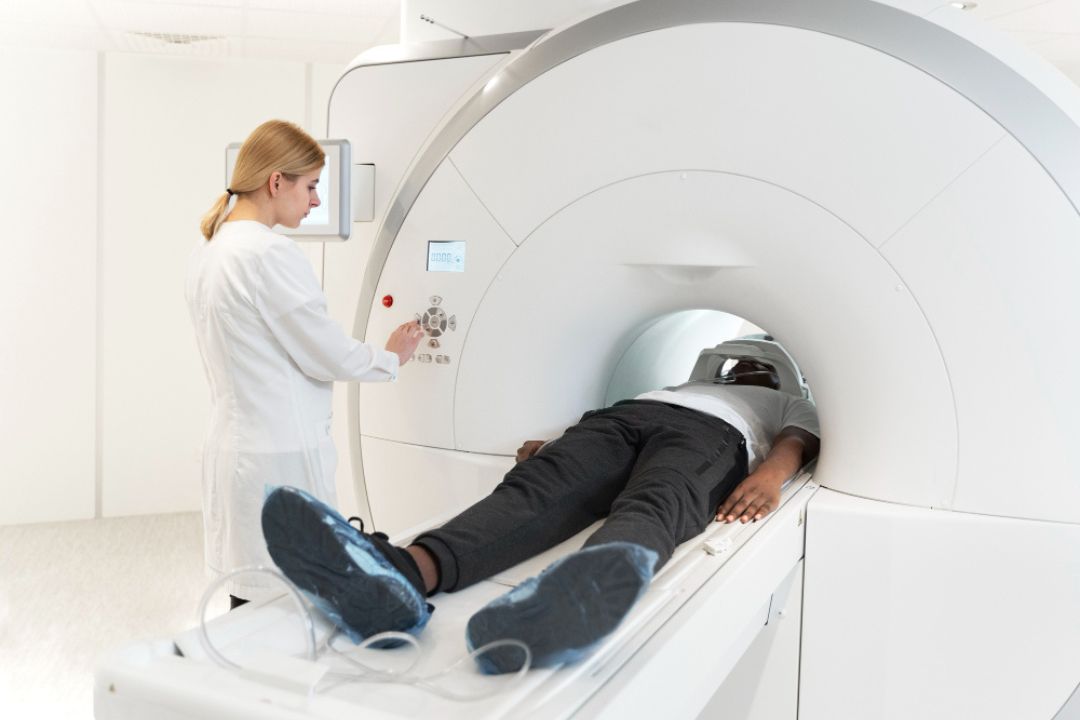
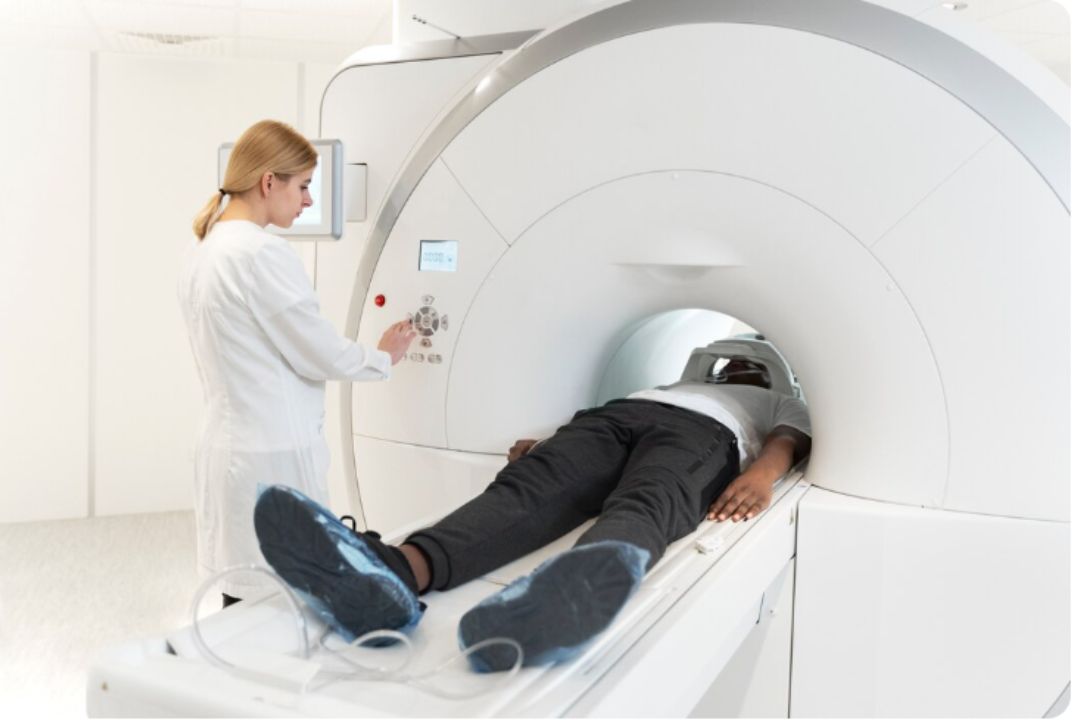
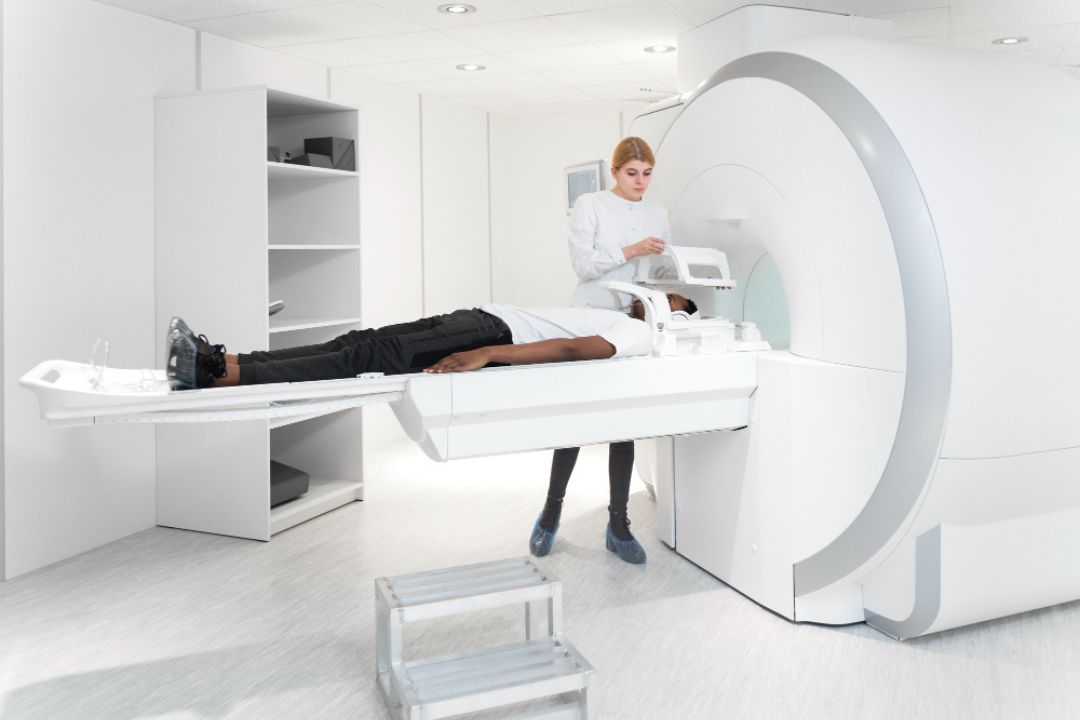
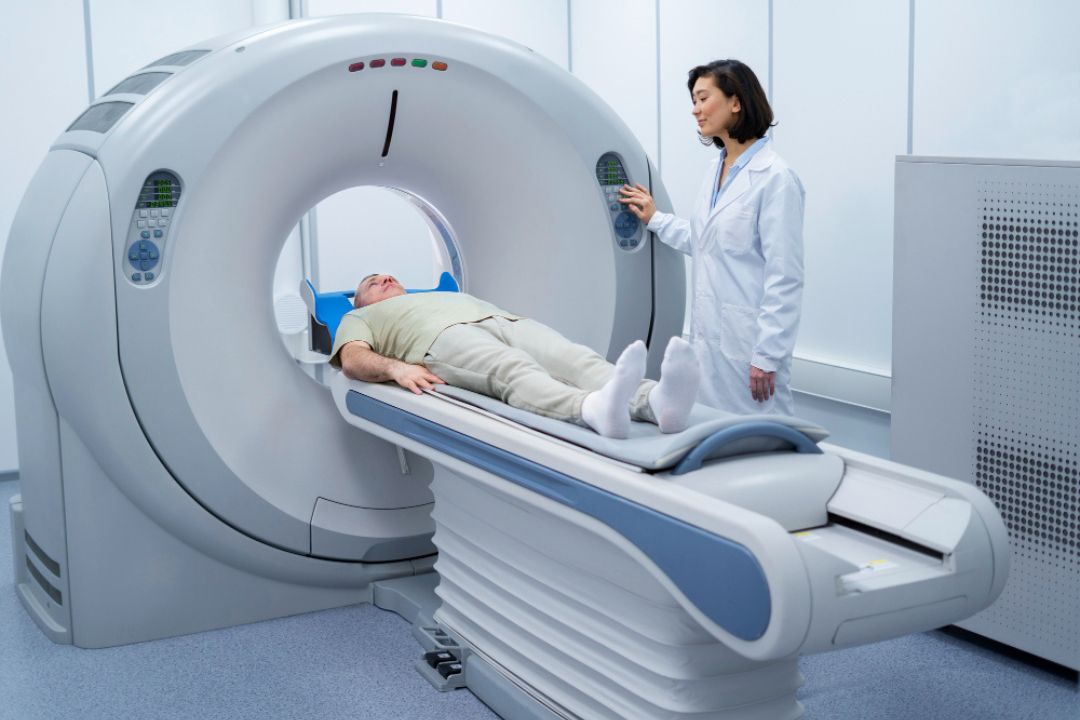
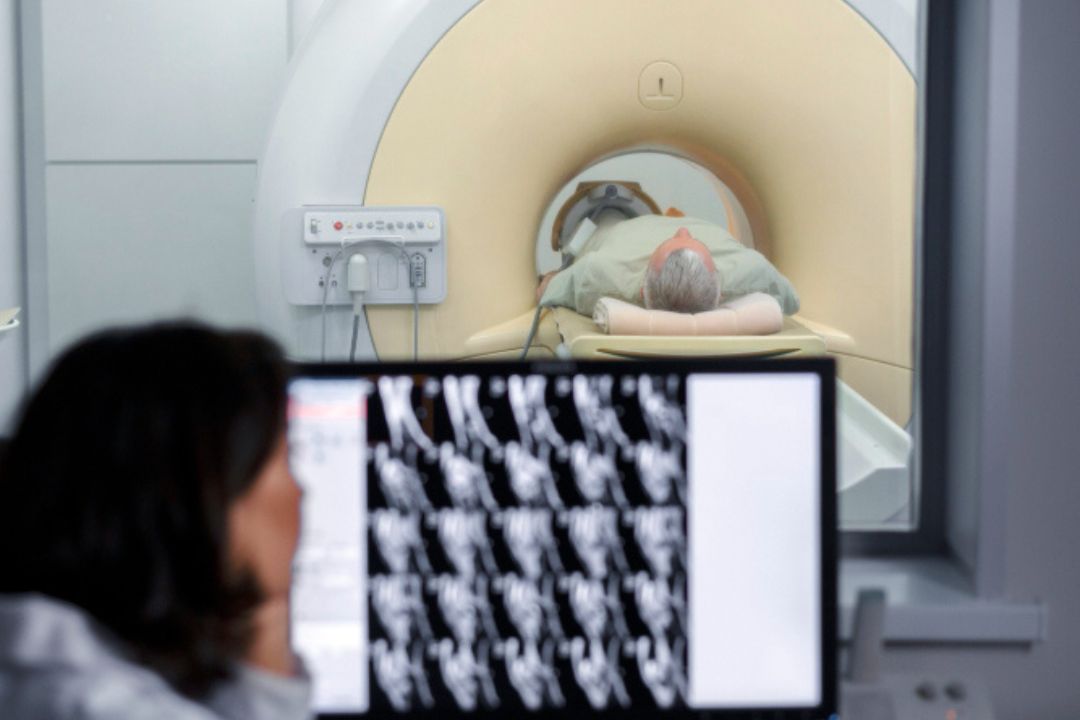
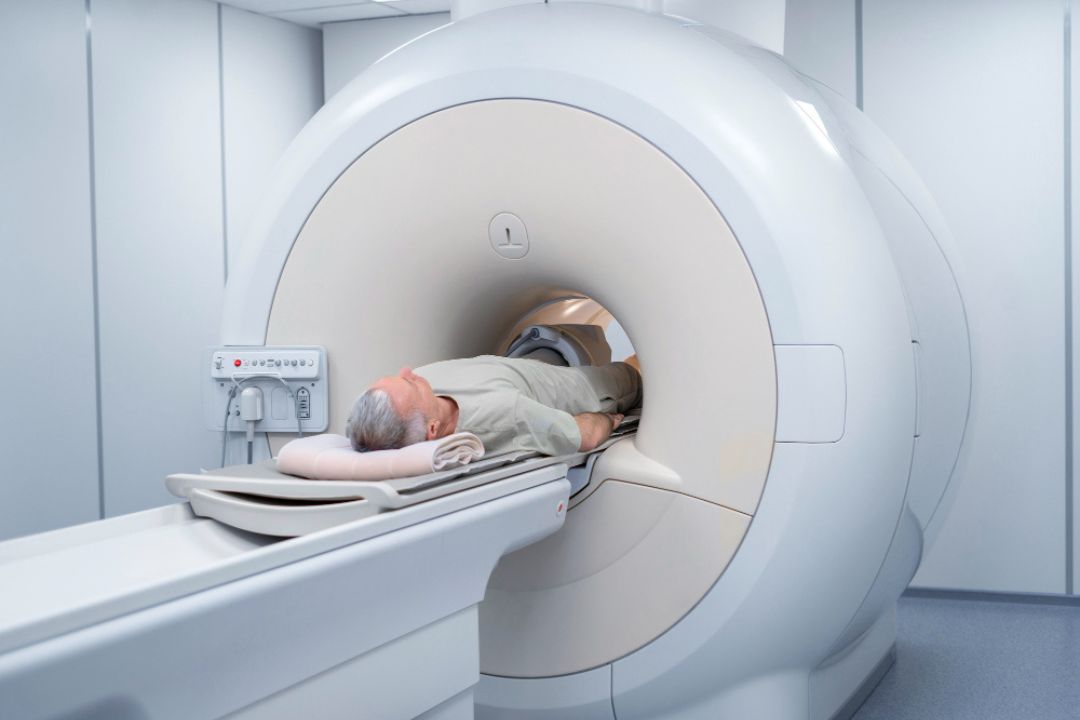
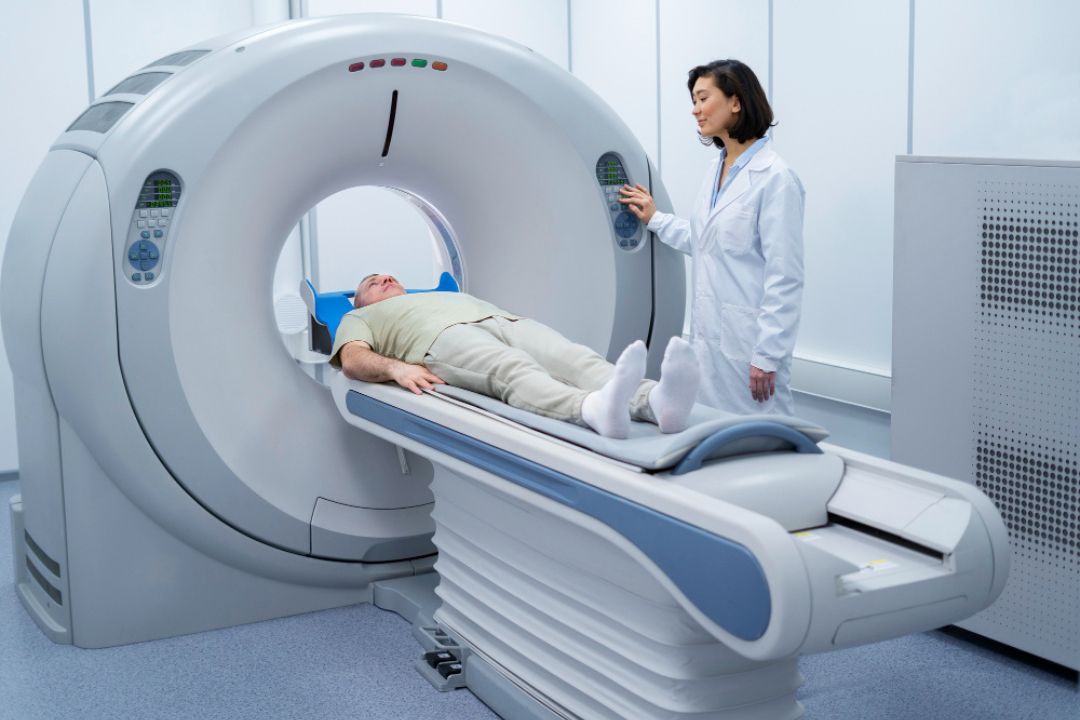
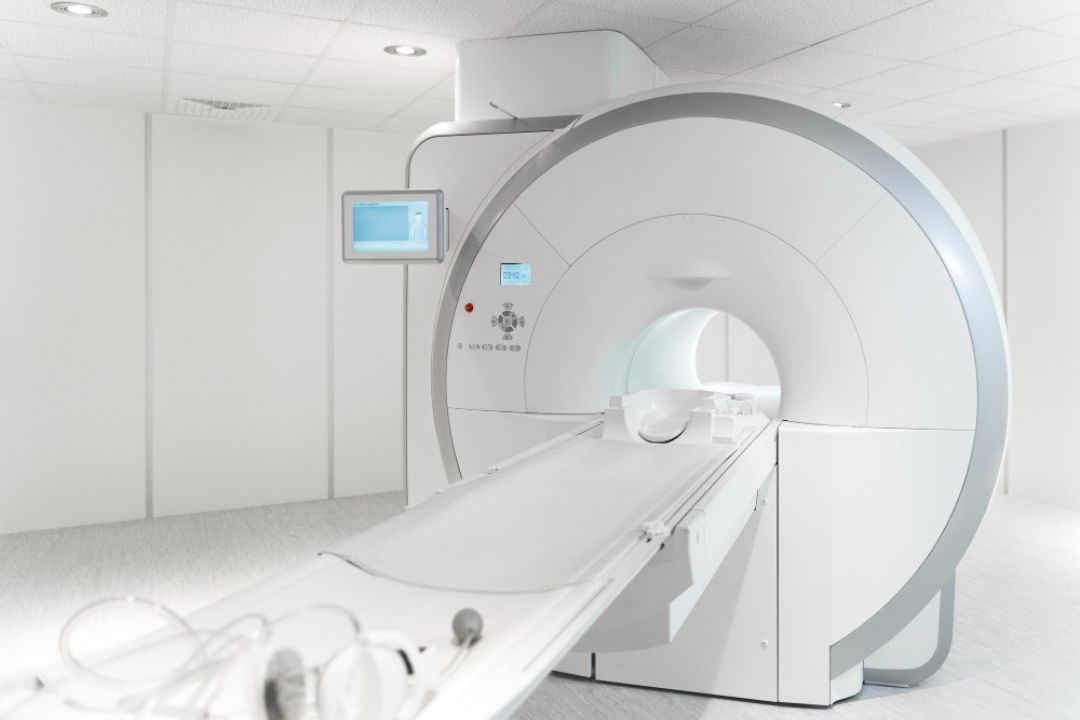
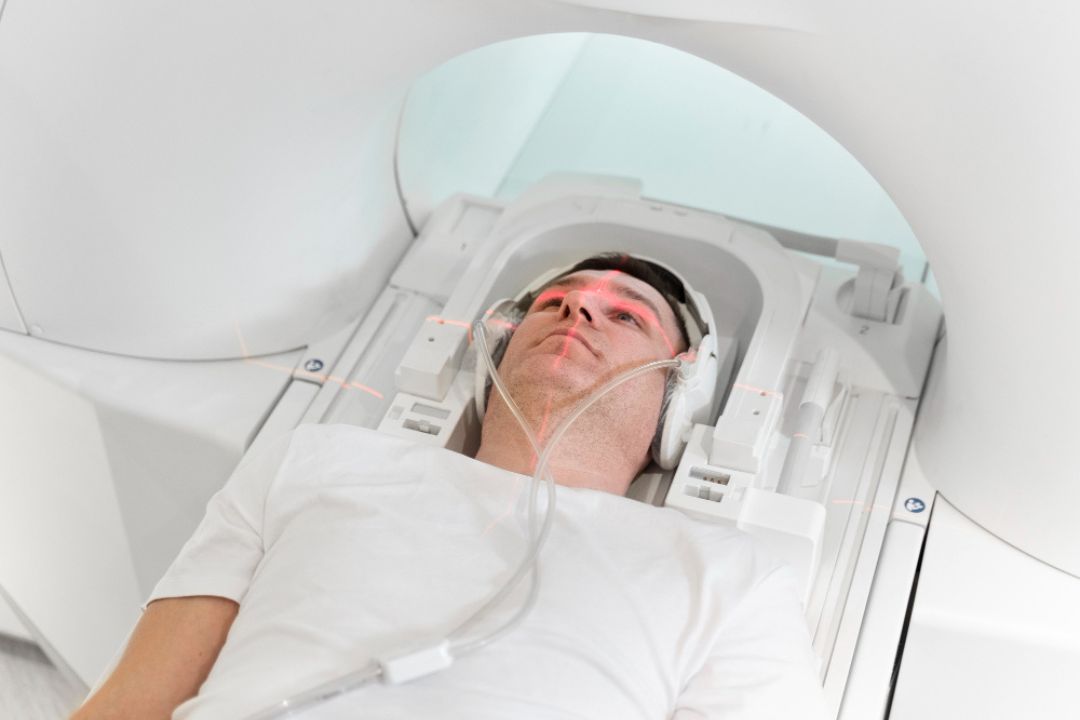
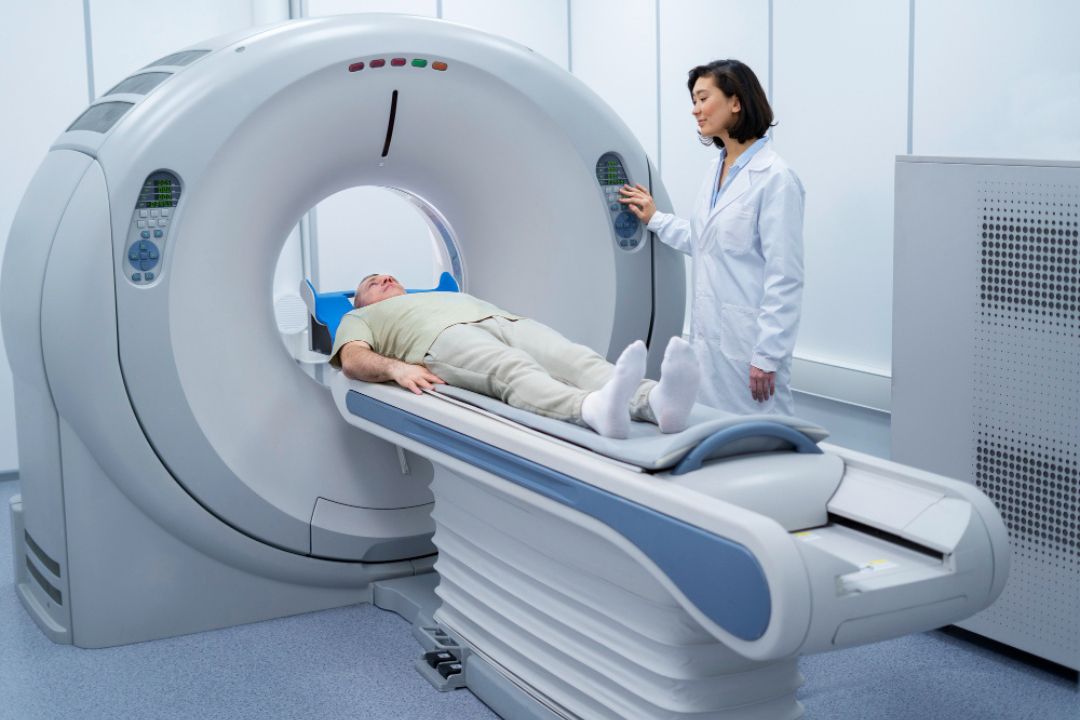
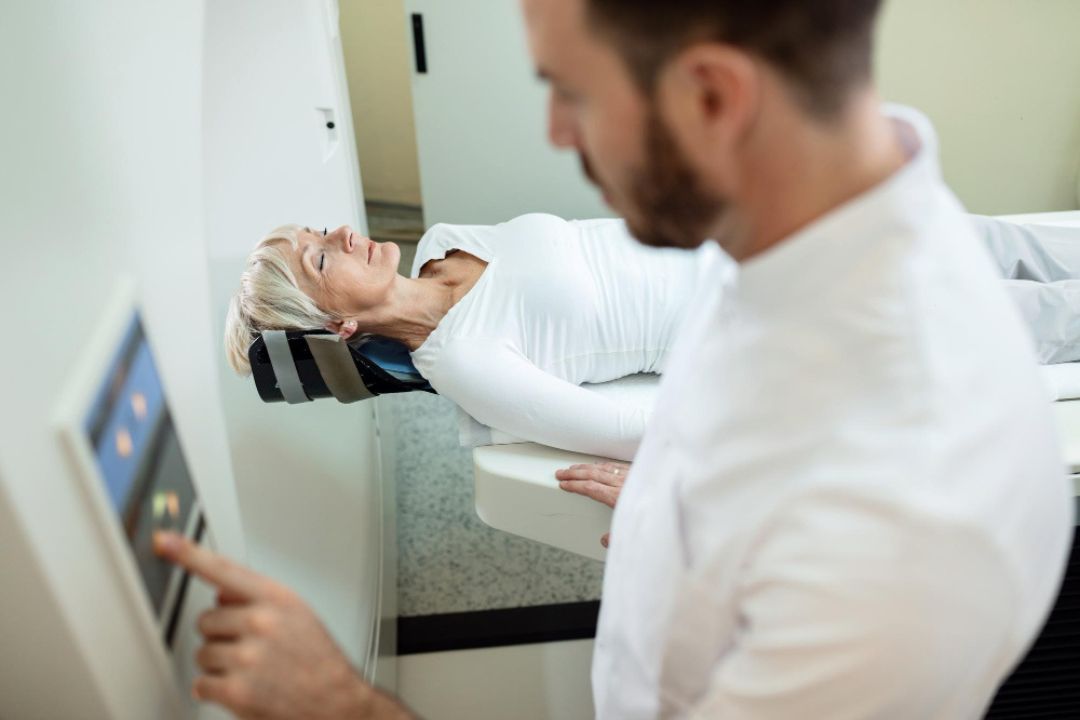
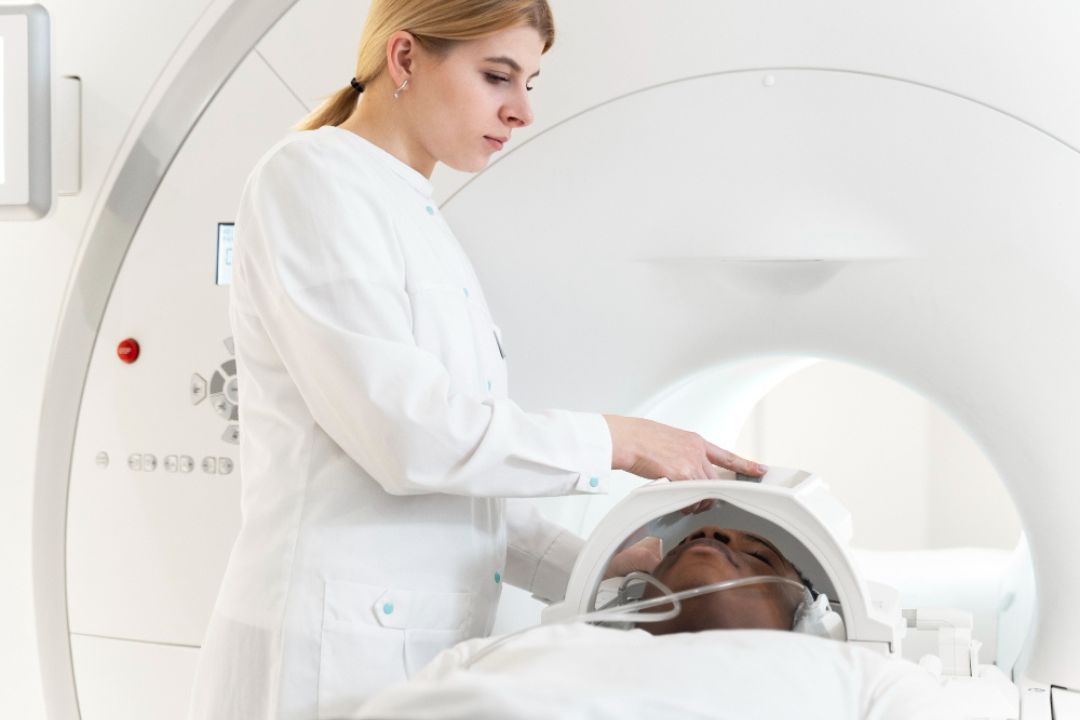
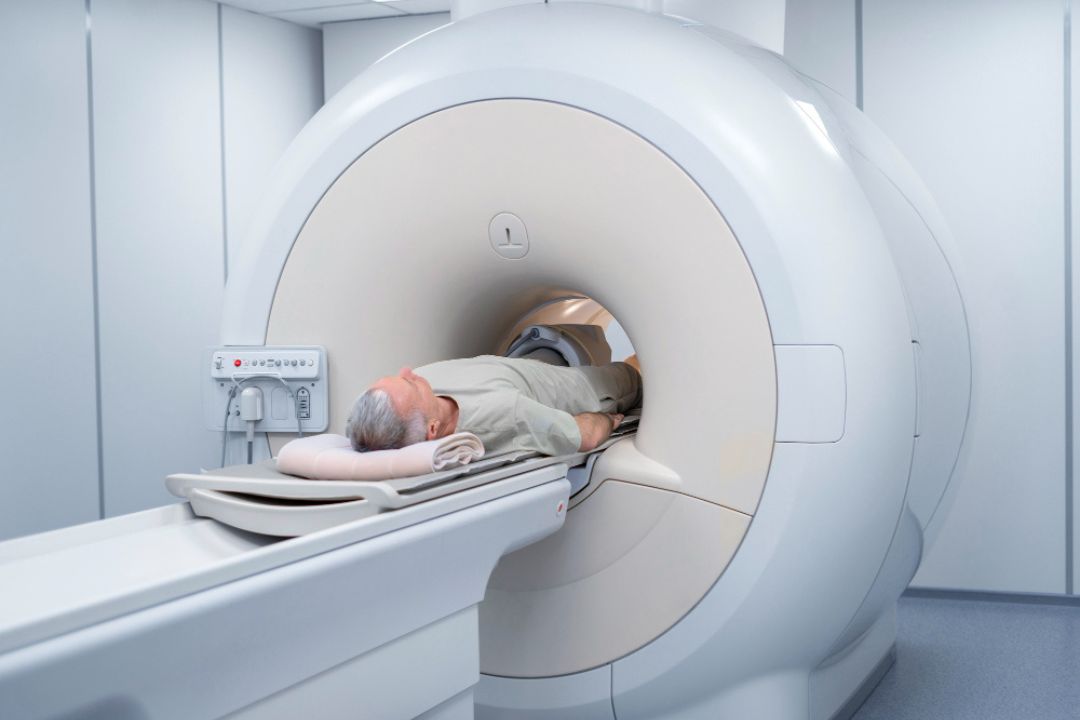
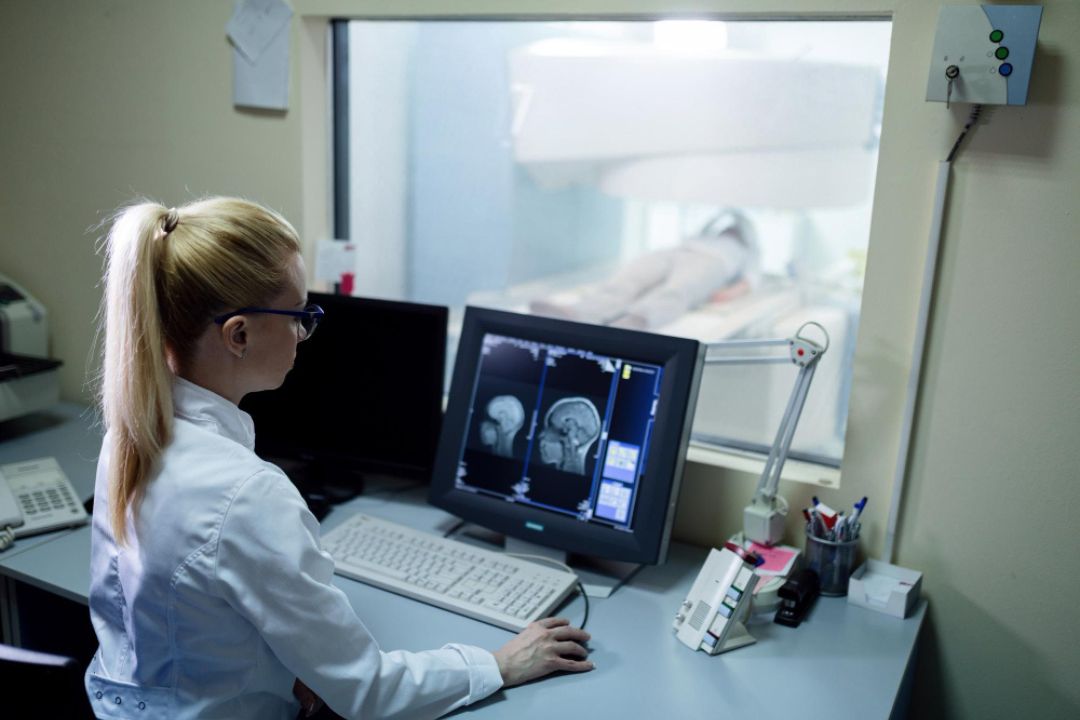
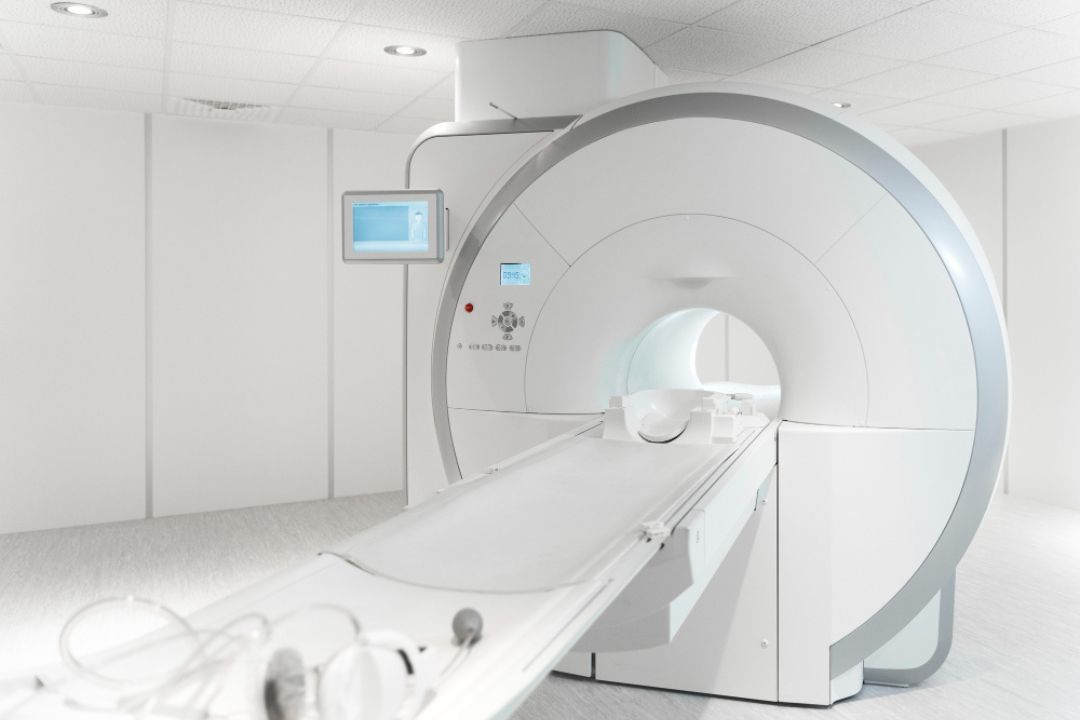
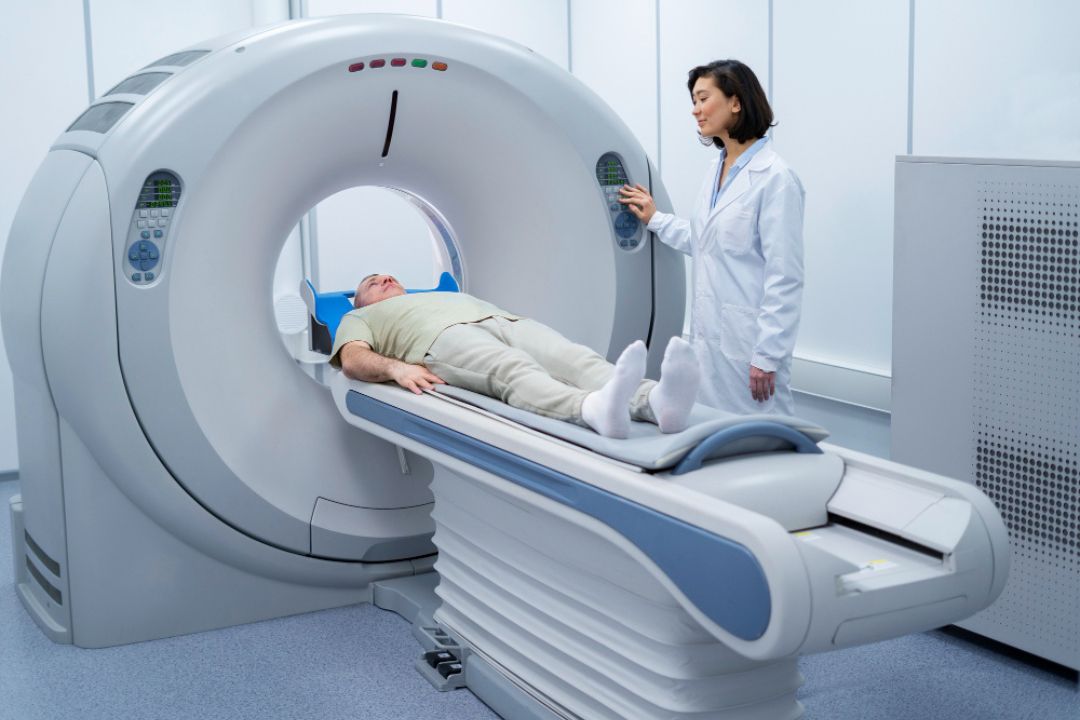
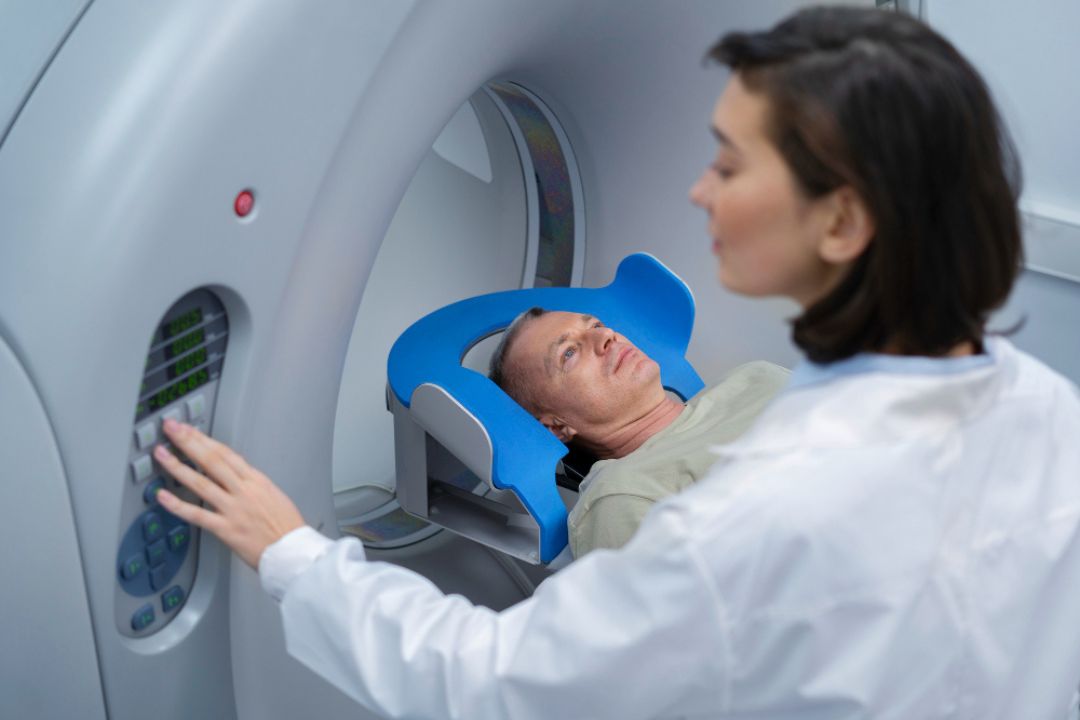
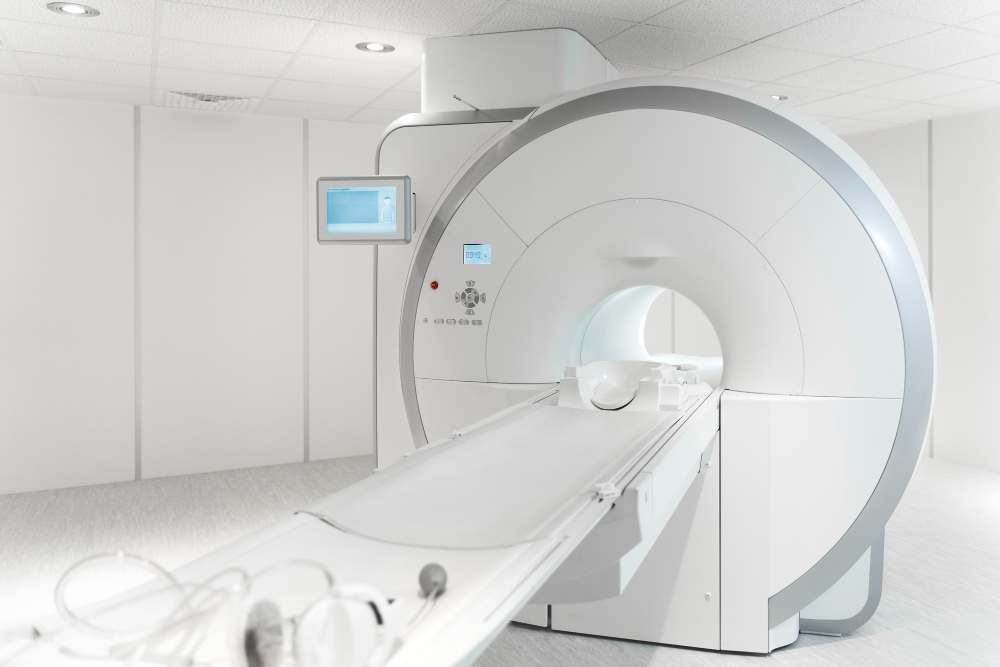
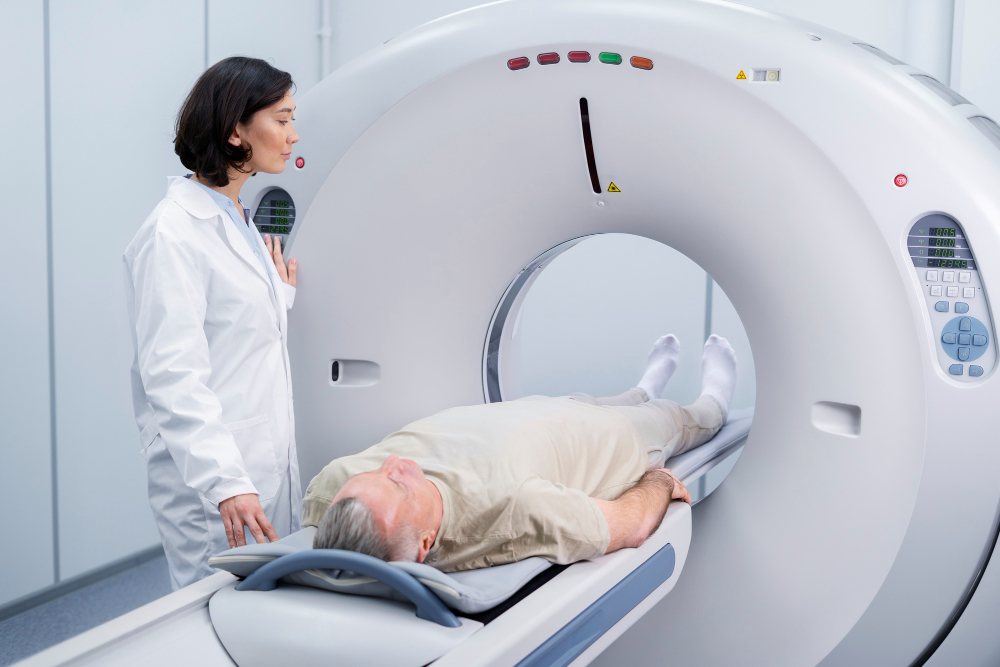
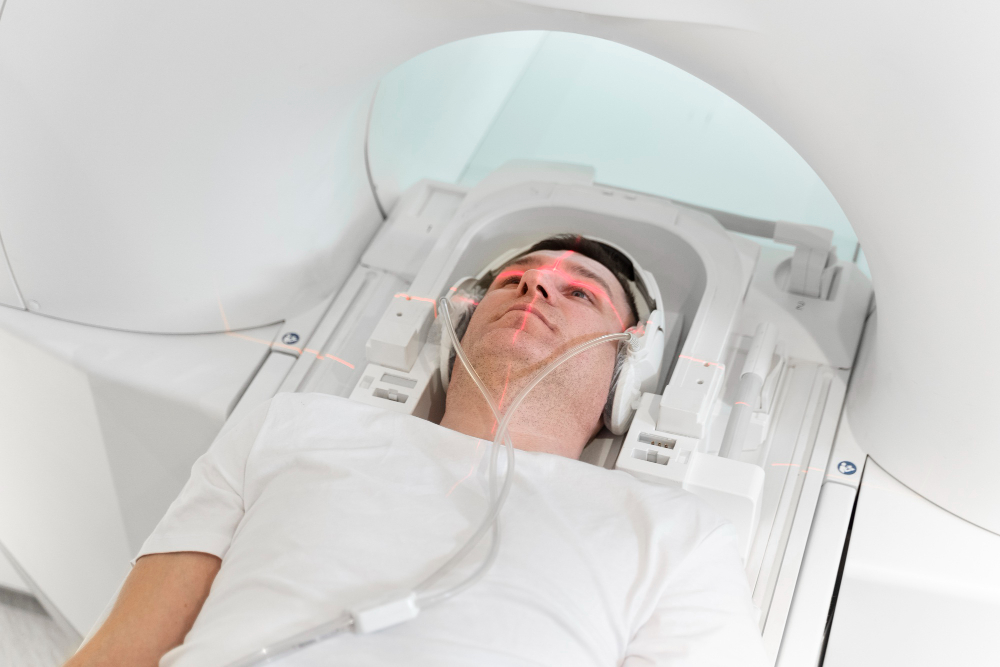
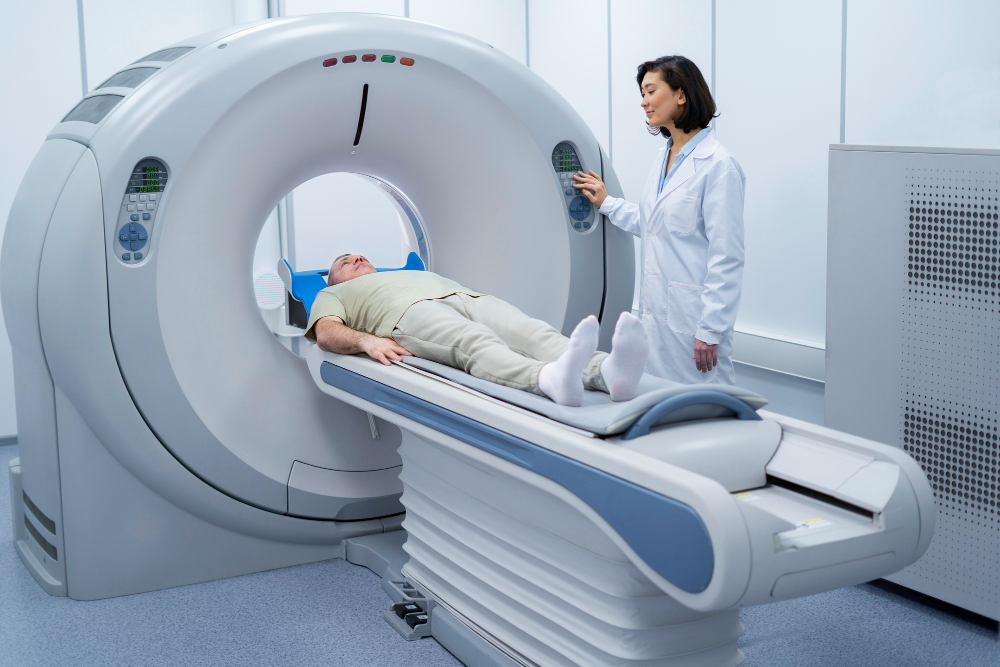
Patients lie on a movable table that slides into the CT scanner. The scanner is a large, donut-shaped machine that rotates around the body while capturing images.
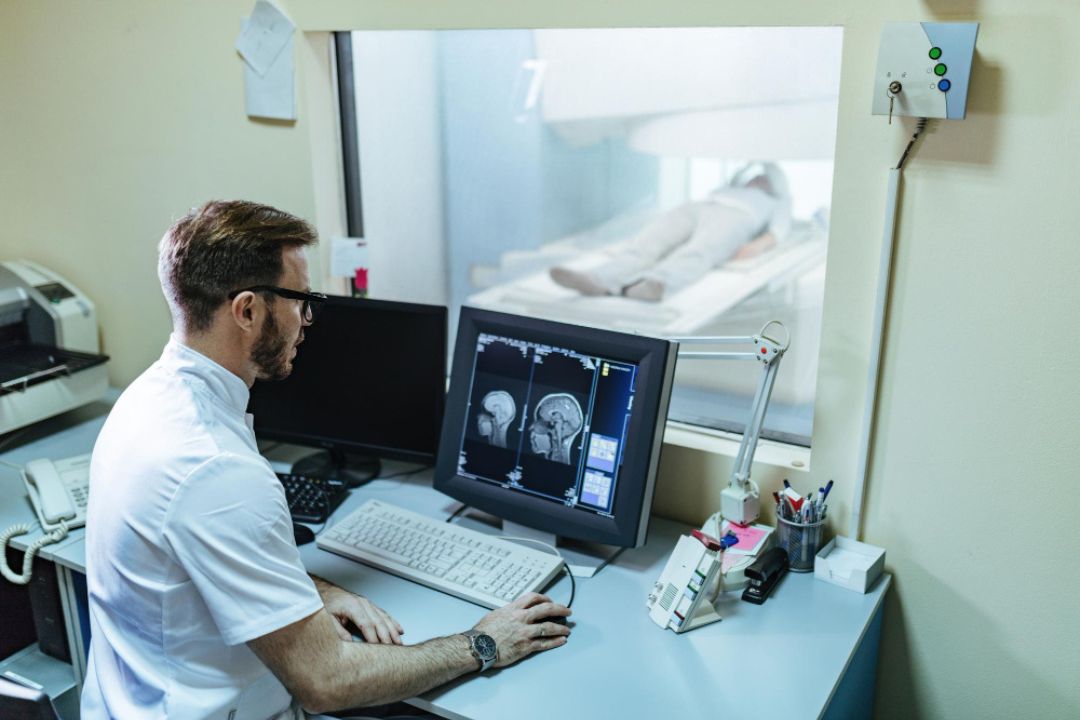
The scanner takes several X-ray images from different angles. Patients may be asked to hold their breath for a few seconds to ensure clear images.
Most CT scans take 10 to 30 minutes, depending on the area being examined.
After the scan is completed, patients can usually return to their normal activities unless specific instructions are given by their doctor.
CT scans provide several advantages that make them highly valuable in medical diagnosis.
CT scans produce highly detailed images that help doctors detect diseases, tumors, infections, and internal injuries.
Compared to many other imaging techniques, CT scans can be completed quickly, which is especially useful in emergency situations.
The procedure does not require surgery or incisions, making it a safe diagnostic option for many conditions.
Doctors may use CT scans to guide procedures such as biopsies, radiation therapy, or surgical planning.
Although CT scans are generally safe, there are some potential risks to consider.
CT scans use a small amount of radiation. However, medical professionals carefully control the radiation dose to minimize risk.
In some cases, a contrast dye is used to improve image clarity. A small number of patients may experience mild allergic reactions to the dye.
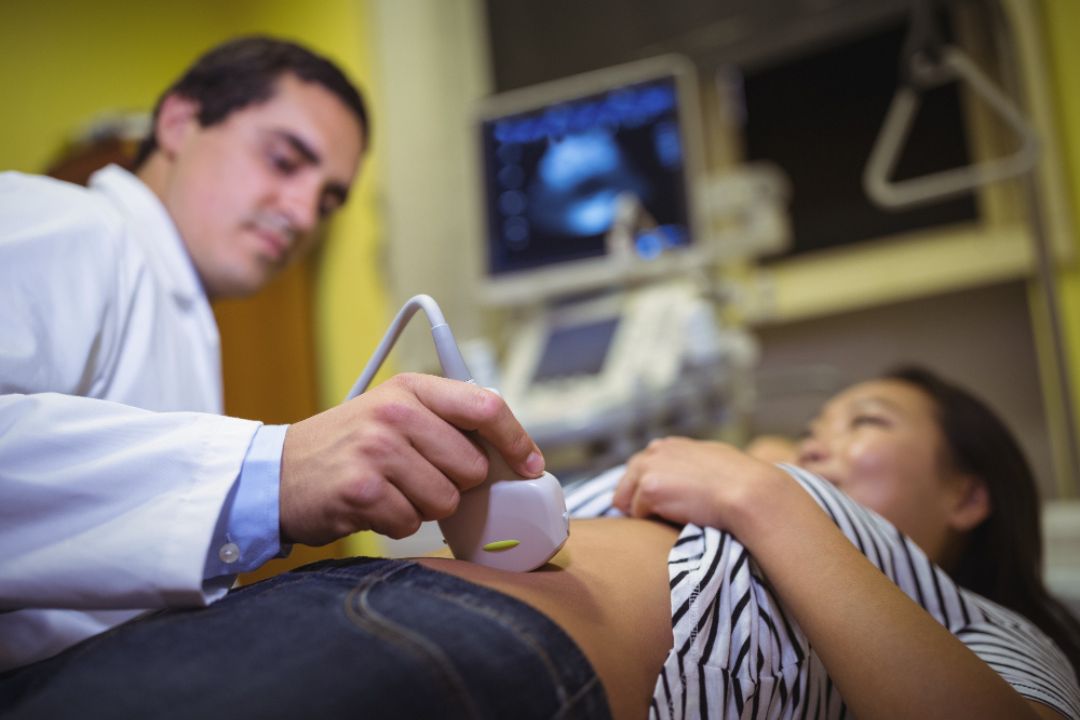
Pregnant women should inform their doctor before undergoing a CT scan because radiation may pose risks to the developing fetus.
Doctors may recommend a CT scan for several reasons, including
Detecting tumors or cancers
Diagnosing infections or internal injuries
Identifying kidney stones
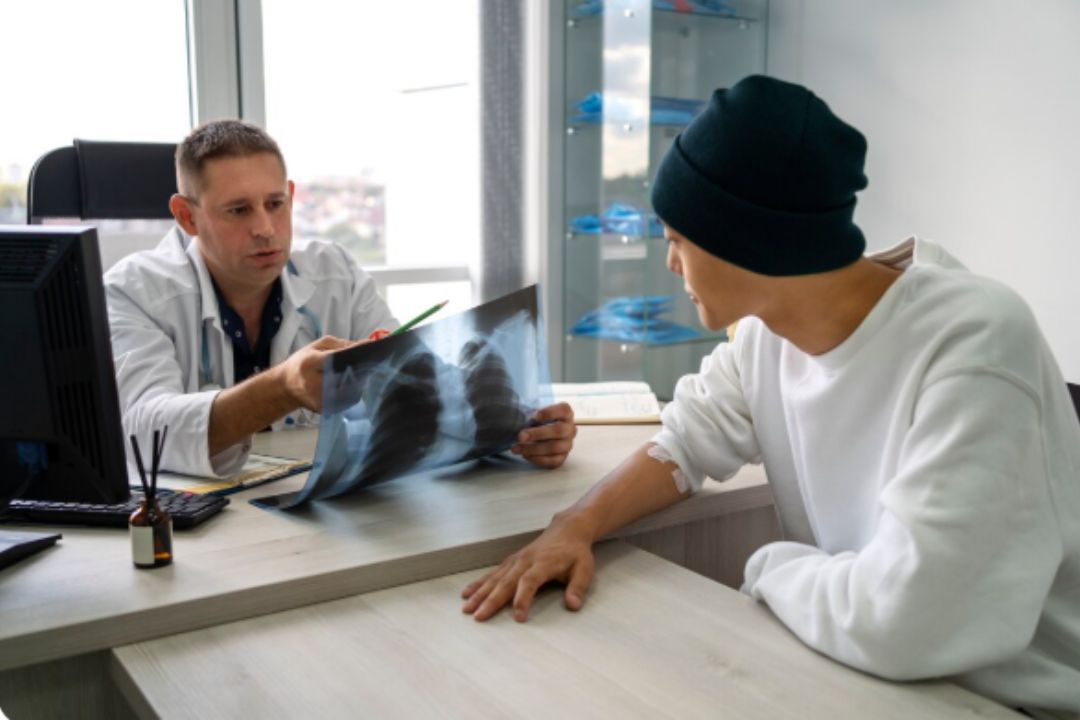
Evaluating lung diseases
Monitoring treatment progress
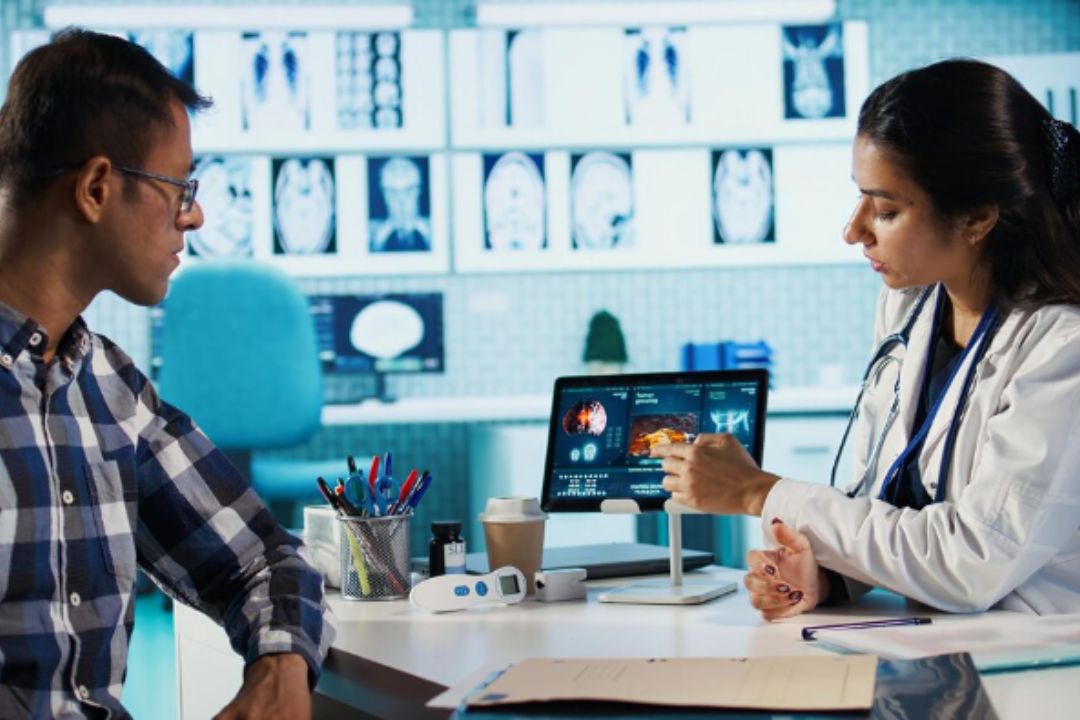
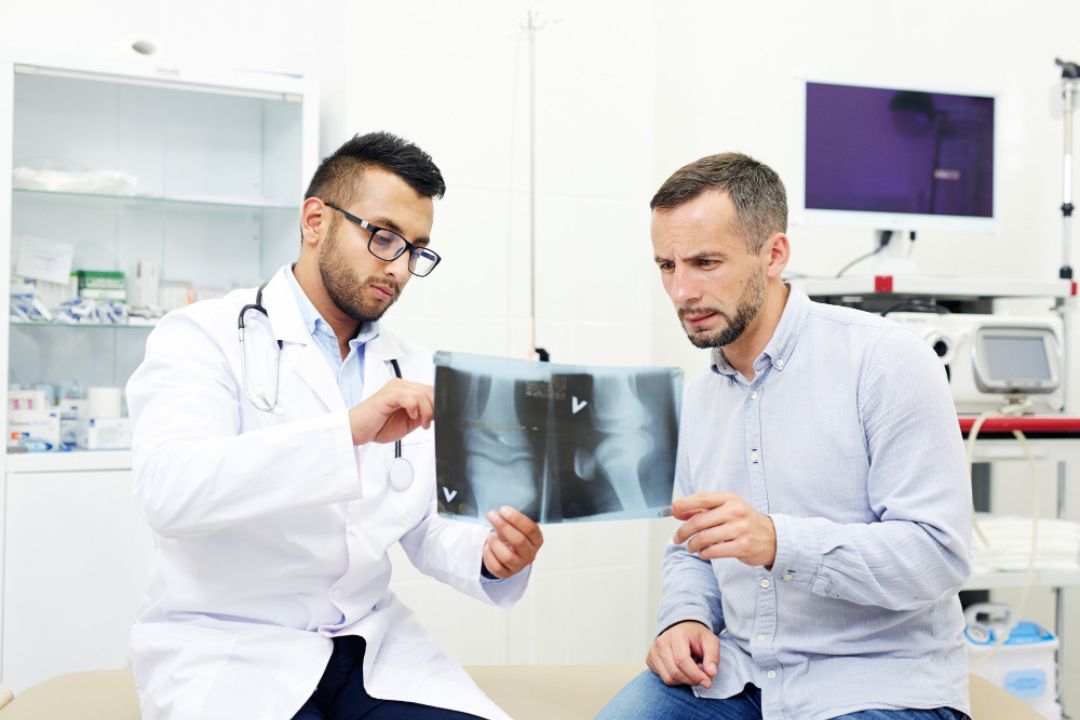
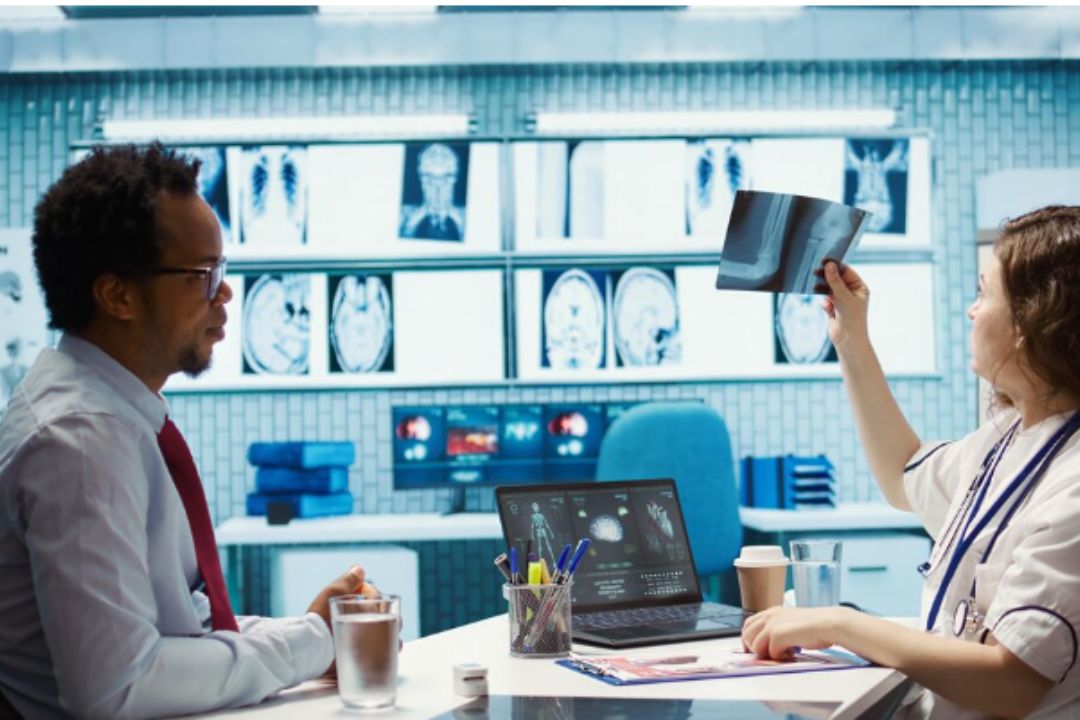
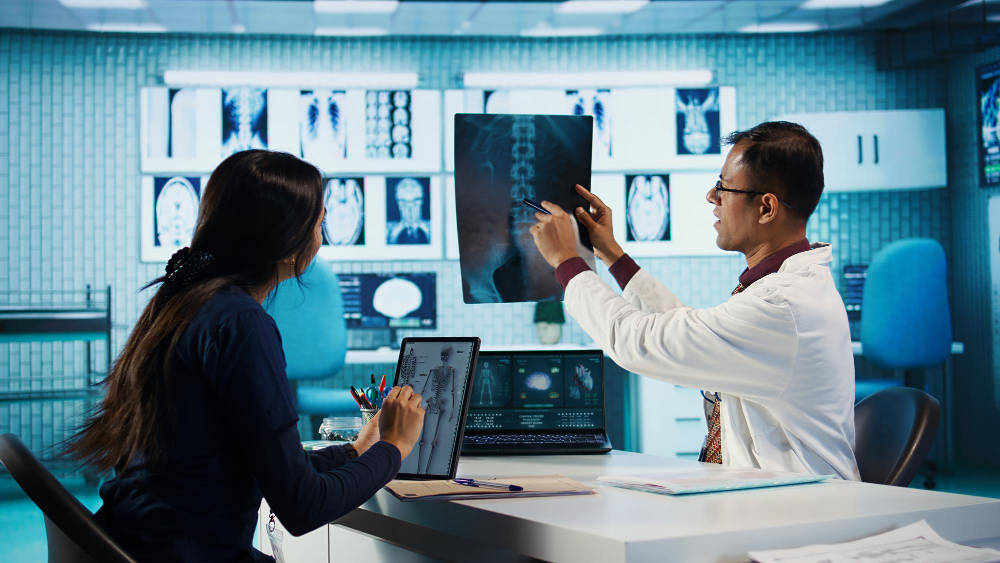
CT scans play an important role in helping doctors make accurate medical decisions.
CT scans are a powerful diagnostic tool that allows doctors to examine the internal structures of the body in great detail. The procedure is fast, painless, and highly effective for diagnosing many medical conditions. By understanding the procedure, benefits, and risks of CT scans, patients can feel more confident and prepared when undergoing this important medical imaging test.






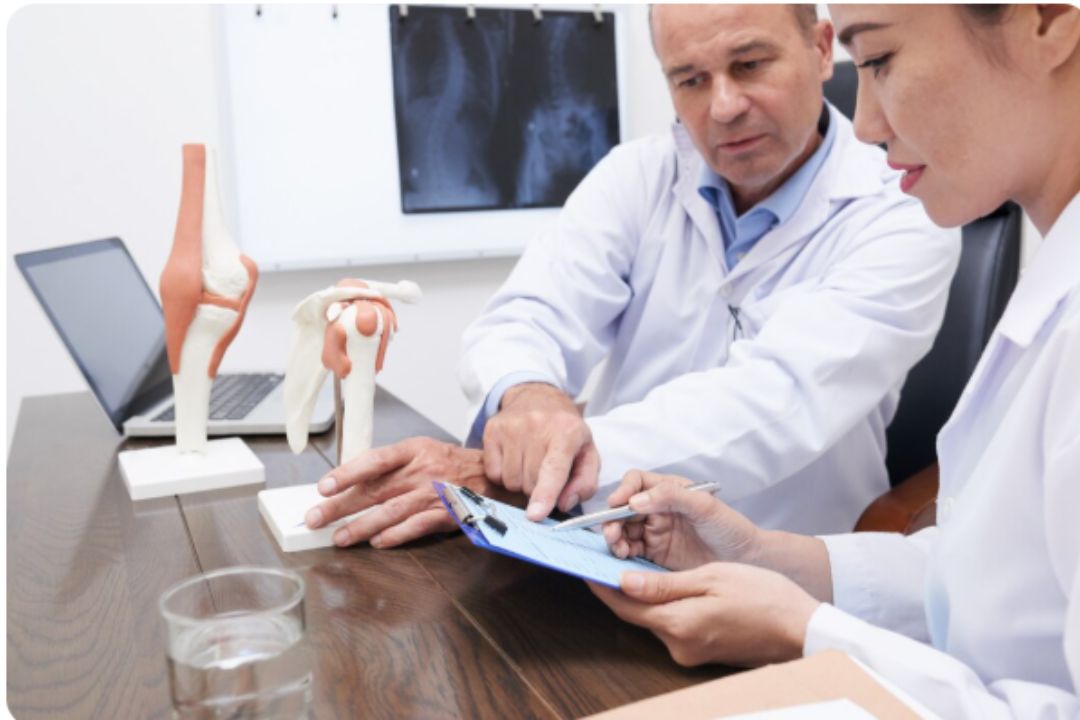
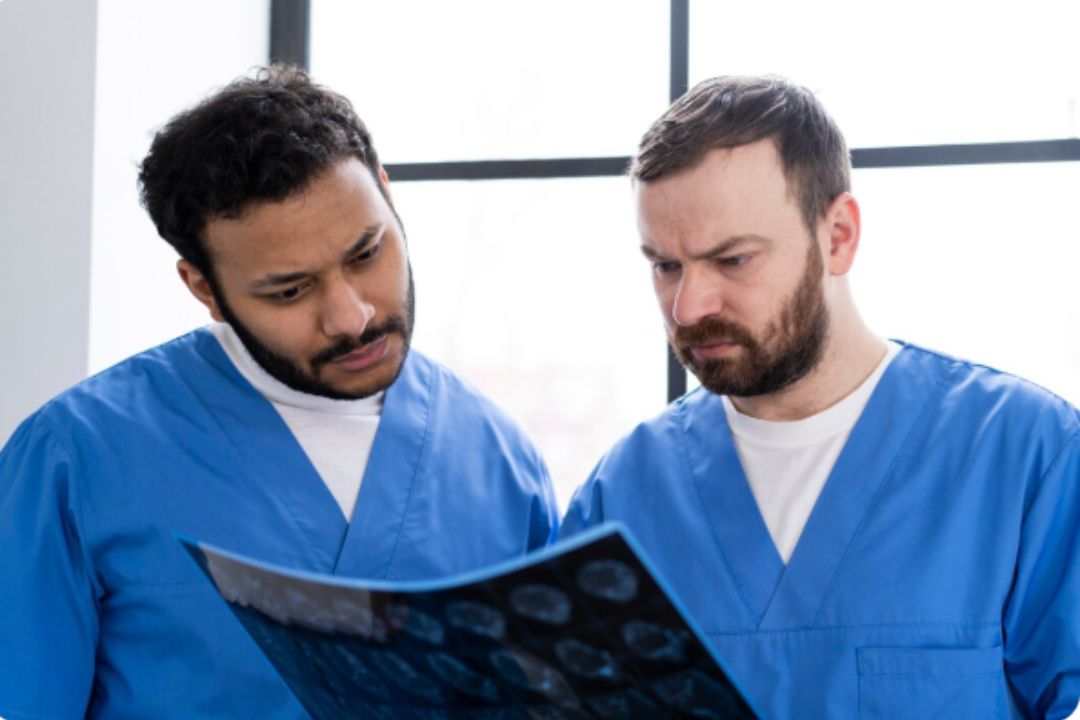
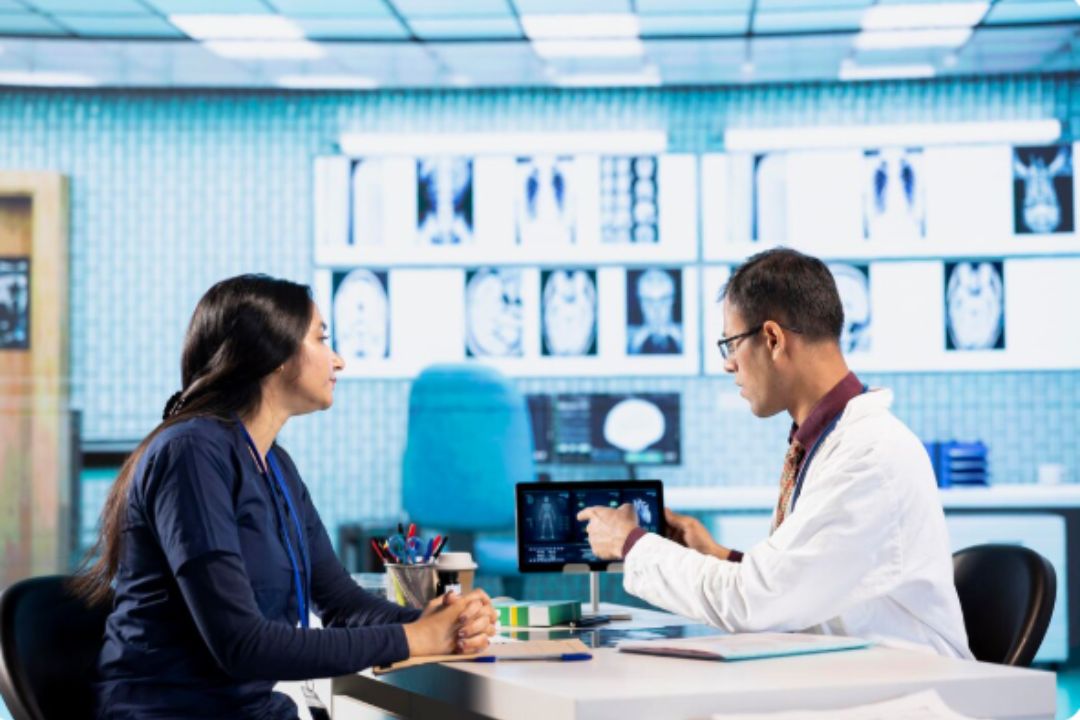

.jpg "ct brain scan plain and contrast")








.jpg "ct scan")
.jpg "ct scan or mri for brain disorders")


.jpg "exploring the power of ct brain contrast in modern diagnostics")
.jpg "ct scan")
.jpg "ct scan")







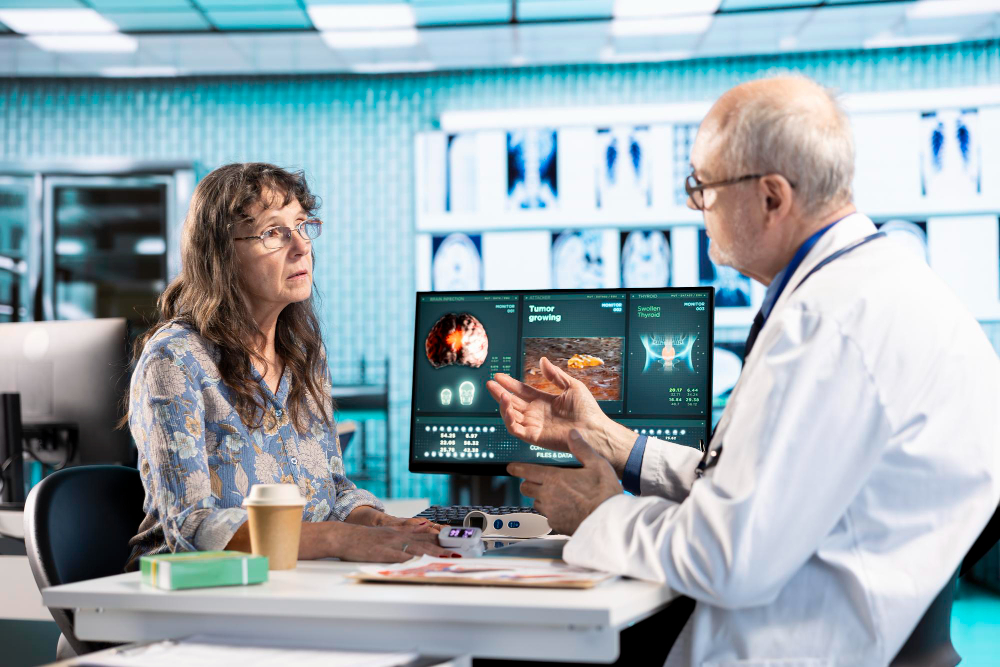
.jpg "ct scan")

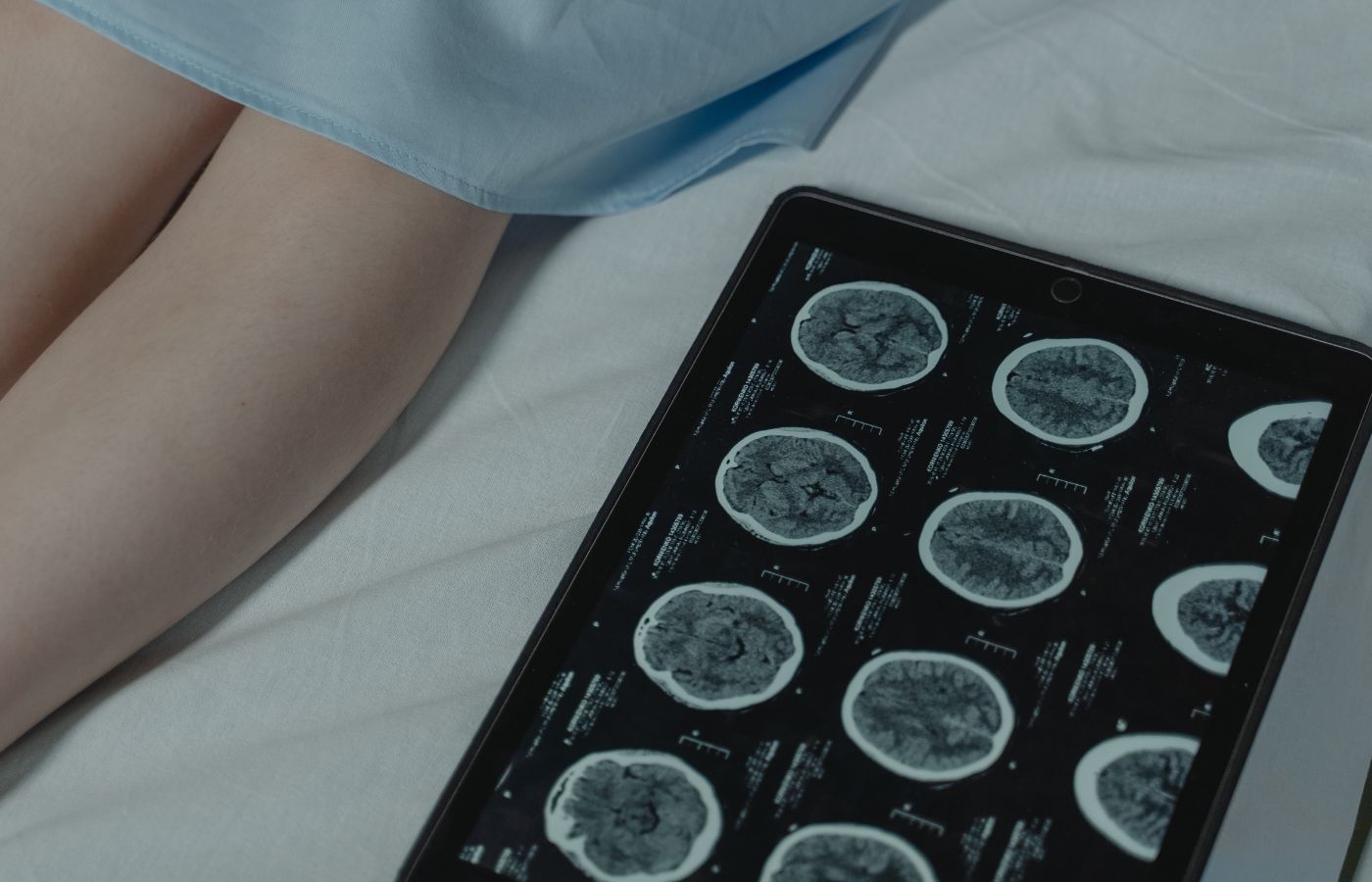
.jpg "CT Brain Scan for Headaches")
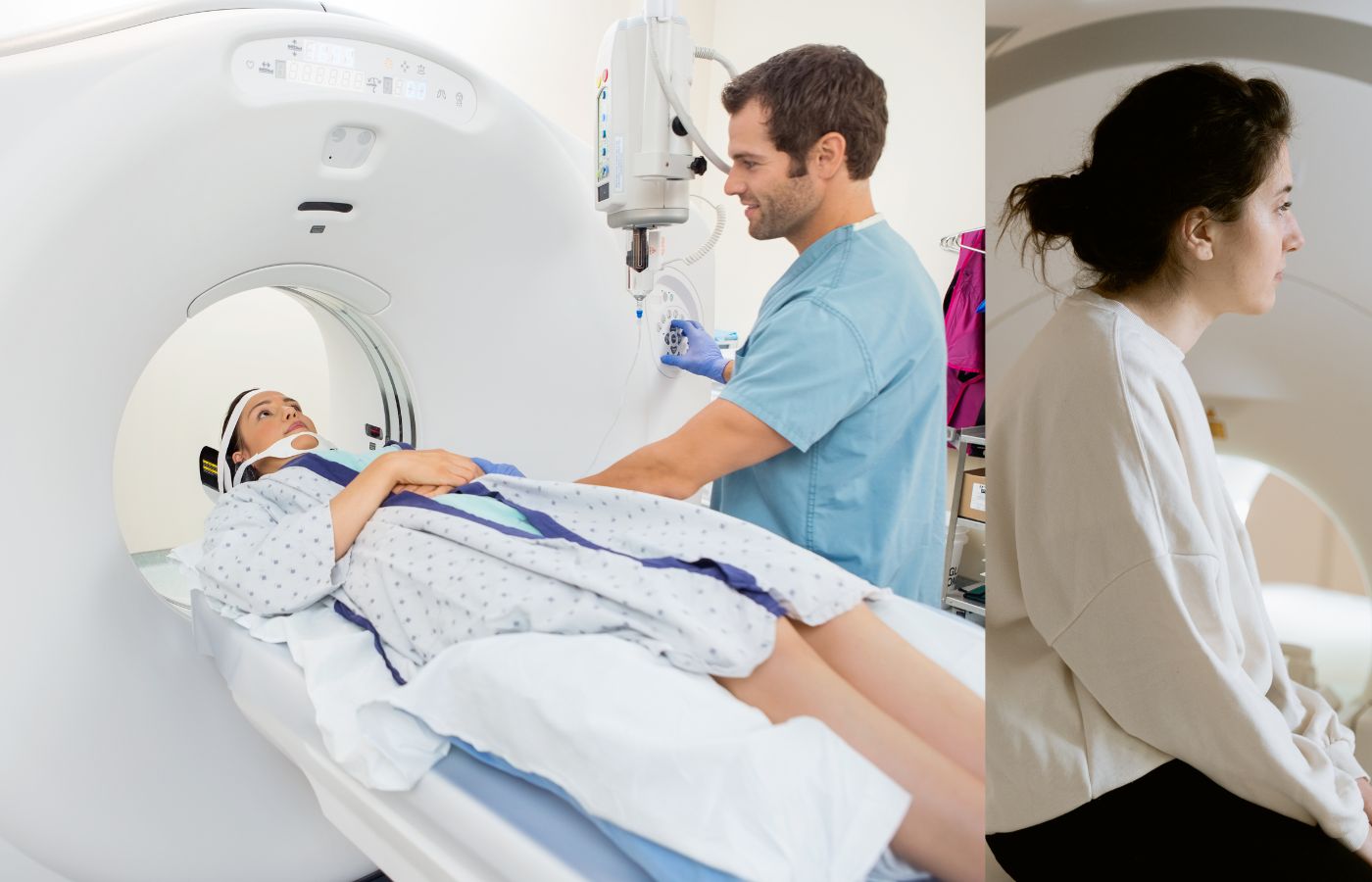
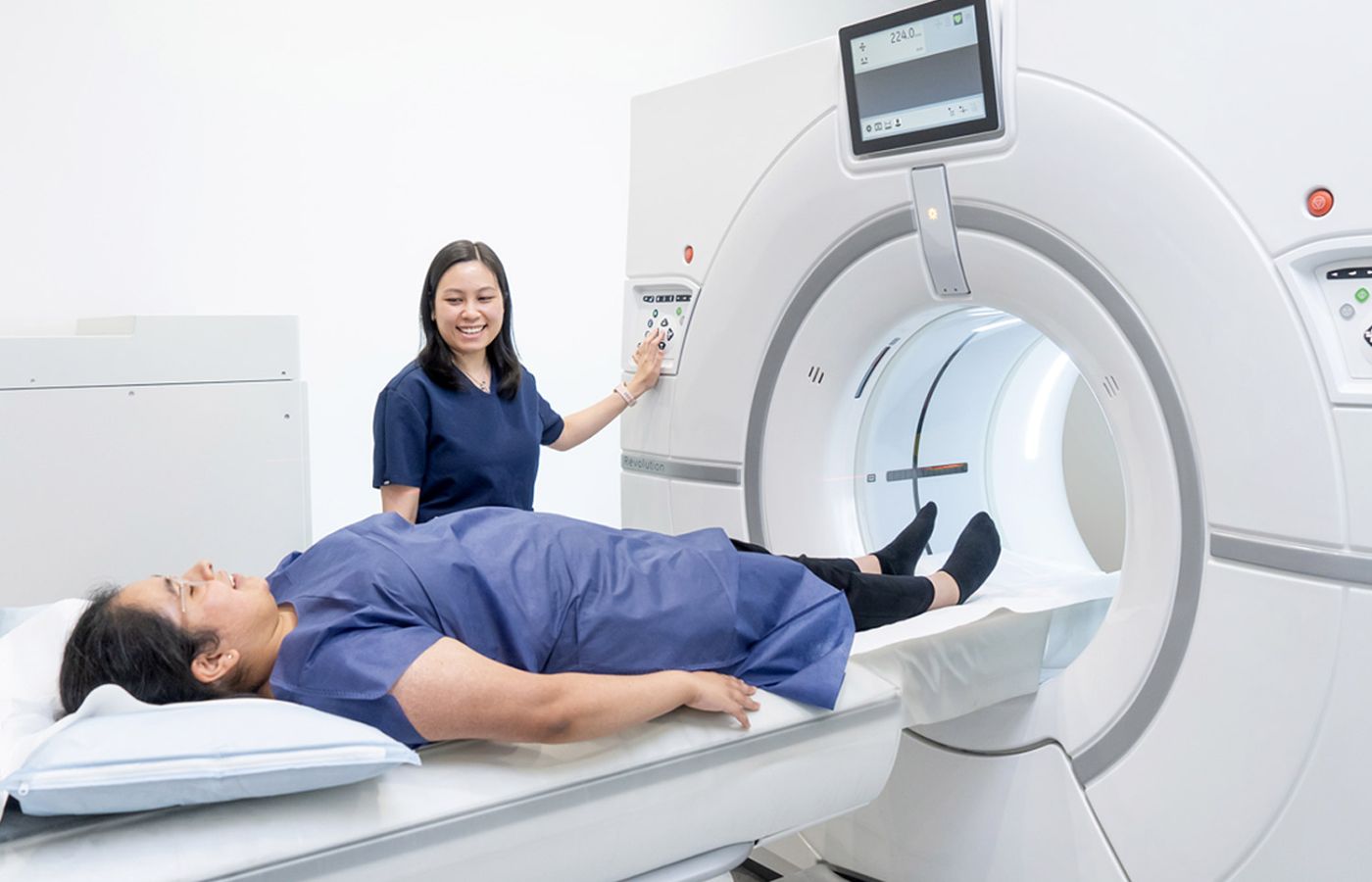
.jpg "The Future of 3D CT Imaging")