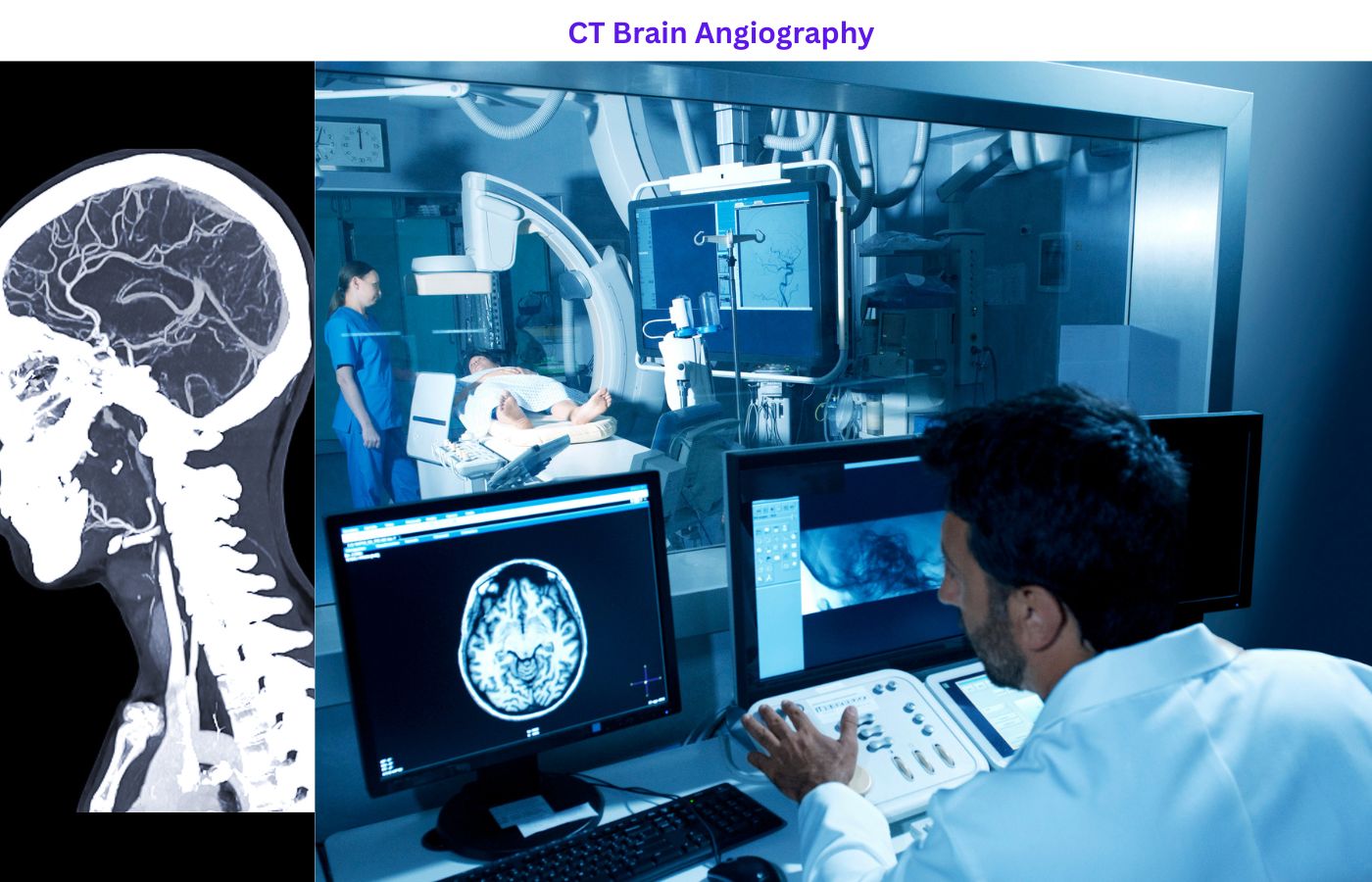
A CT scan for brain tumor detection is an important diagnostic imaging test used to examine the brain for abnormal growths or tumors. Brain tumors can cause a variety of symptoms, including headaches, seizures, vision problems, and changes in behavior. Early detection plays a crucial role in effective treatment and improved health outcomes.
A CT scan (Computed Tomography scan) uses X-rays and advanced computer technology to create detailed images of the brain. These images help doctors identify tumors, swelling, bleeding, or other abnormalities in the brain quickly and accurately.
A CT Brain Scan is a medical imaging procedure that produces cross-sectional images of the brain and skull. It helps doctors visualize the brain structure in detail and detect abnormalities that may not be visible through standard imaging methods.
The scan can identify:
Brain tumors
Brain swelling (edema)
Internal bleeding
Brain infections
Structural abnormalities
Because CT scans are fast and widely available, they are often used as an initial test when brain-related symptoms appear.
Doctors recommend a CT scan for brain tumor detection when patients experience symptoms that suggest potential brain problems.
Common reasons include:
Persistent or severe headaches
Seizures or sudden neurological symptoms
Vision or speech difficulties
Unexplained nausea or vomiting
Head injuries or trauma
Changes in memory or behavior
A CT scan helps doctors quickly determine whether a tumor or other condition is causing these symptoms.
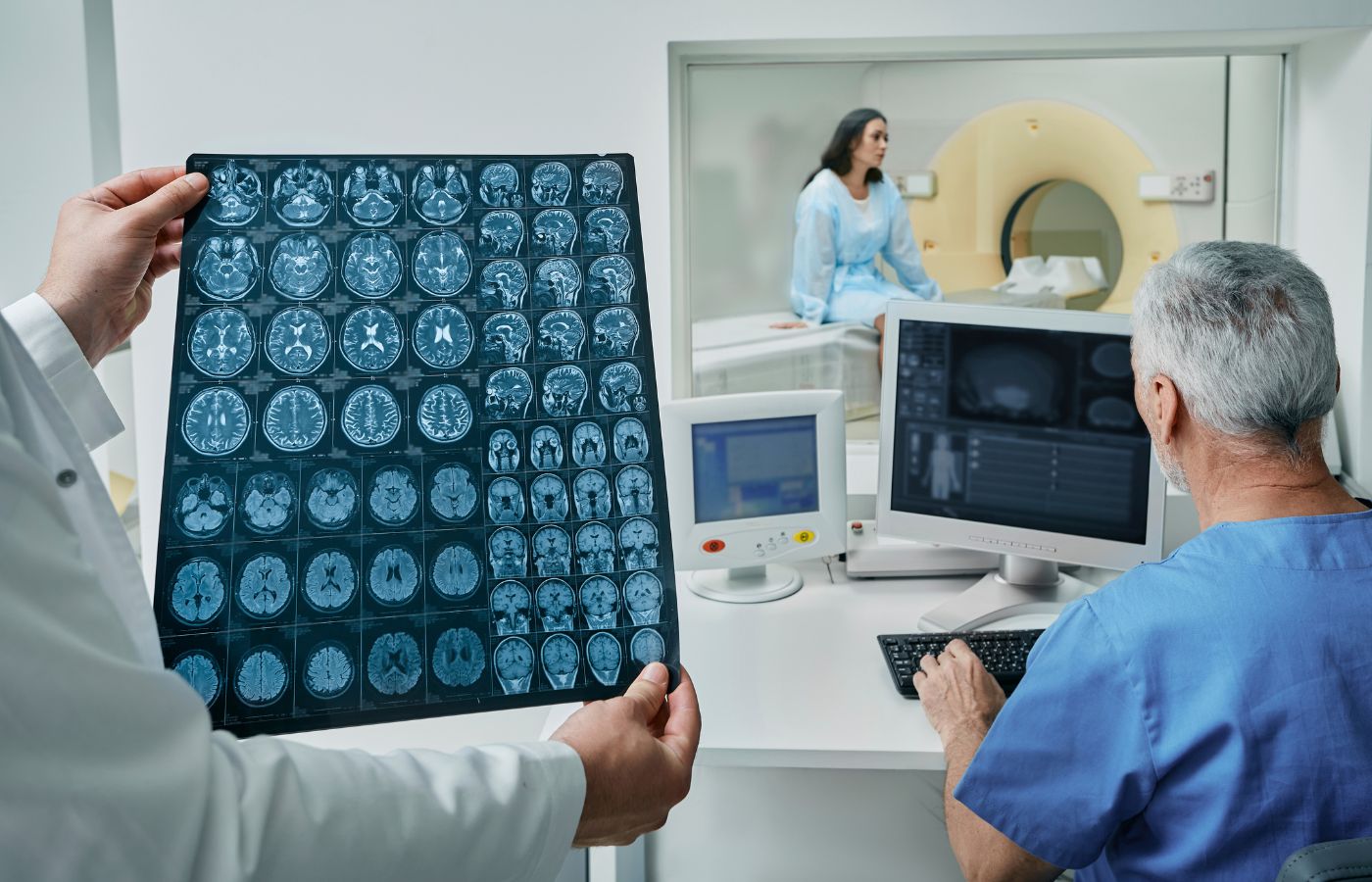
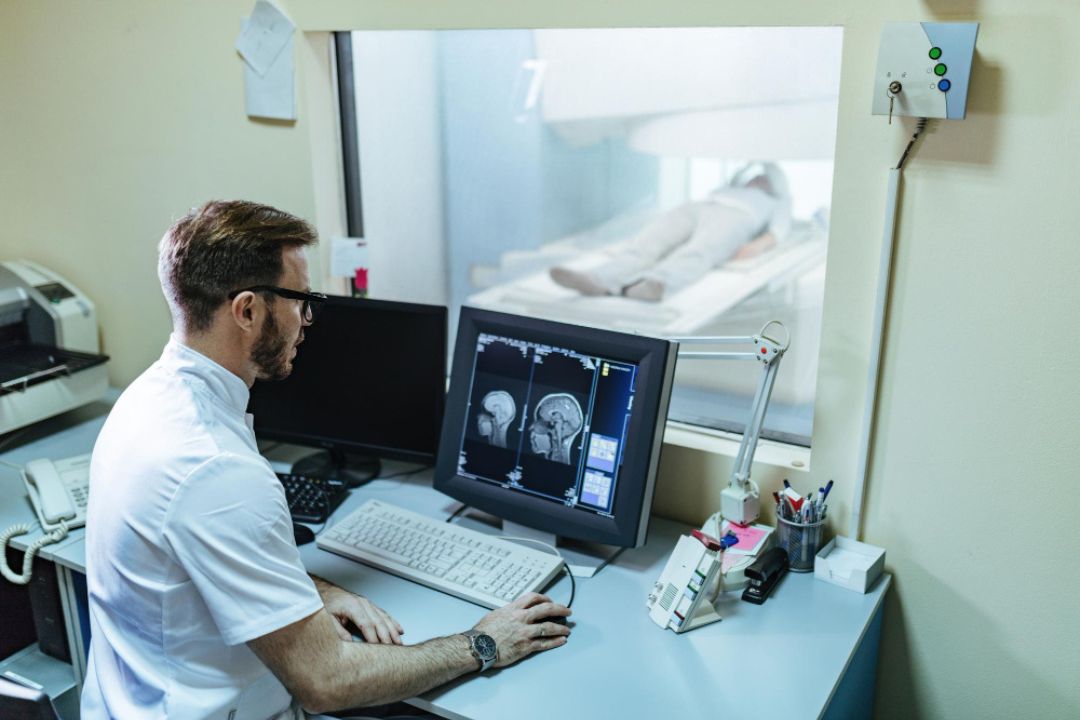
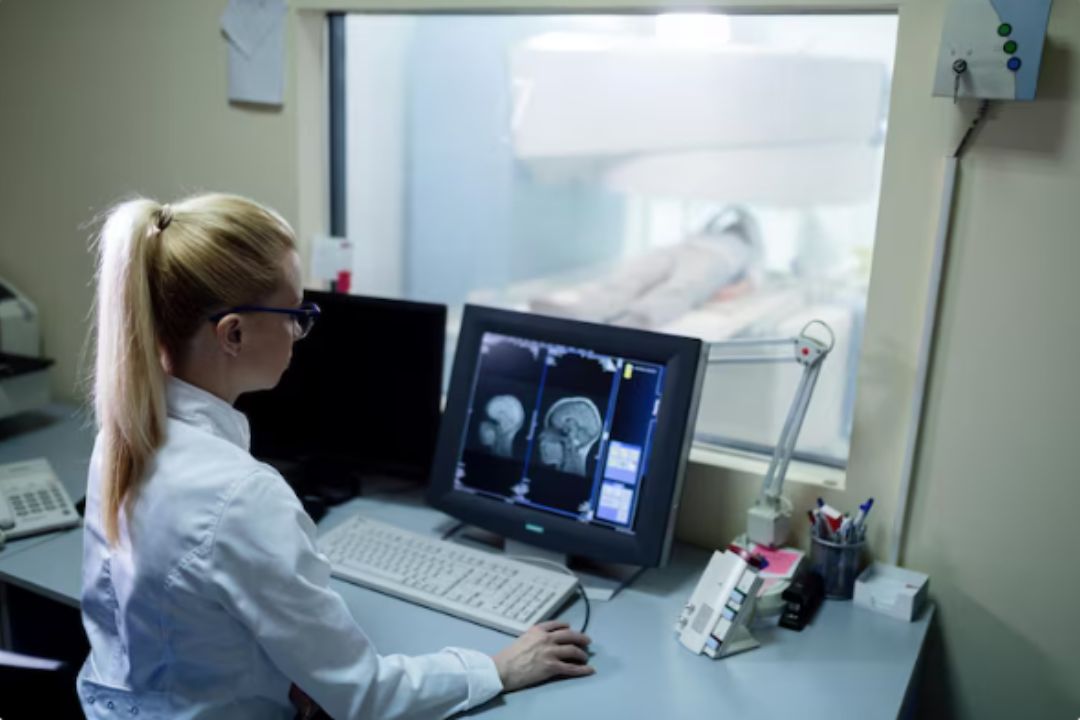
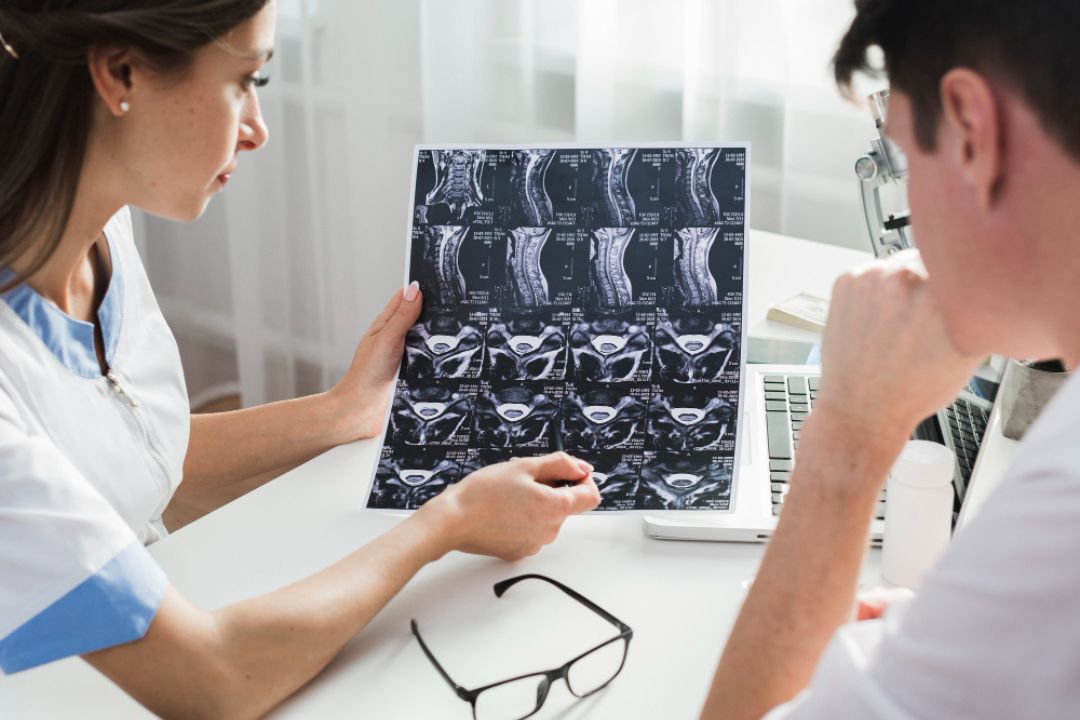
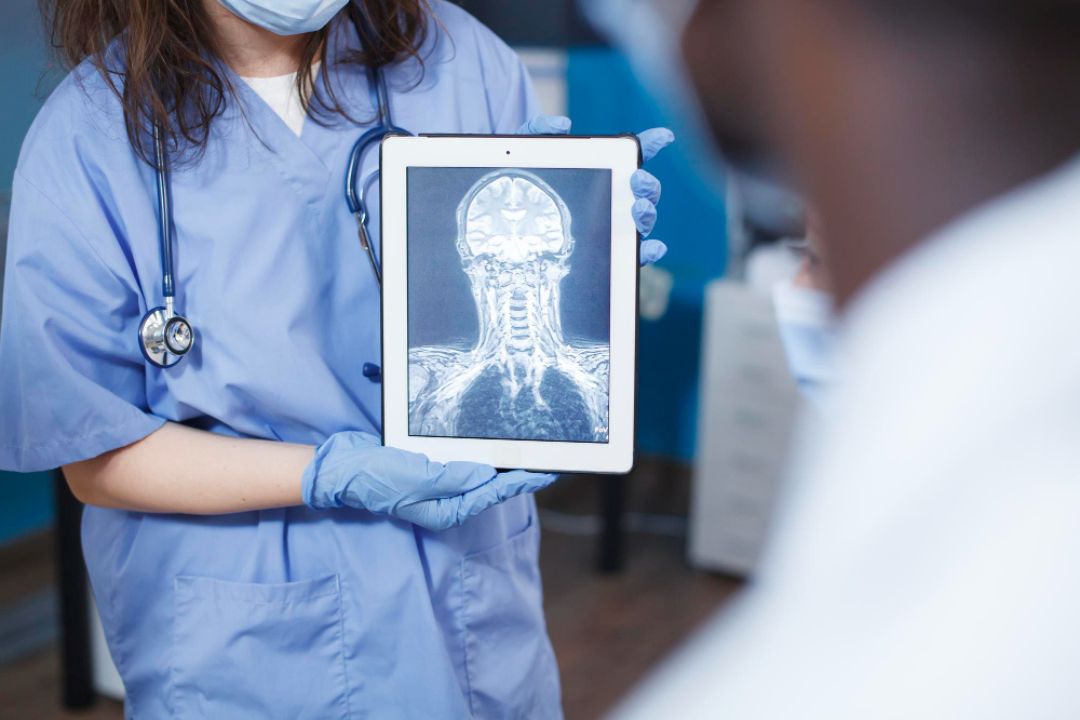
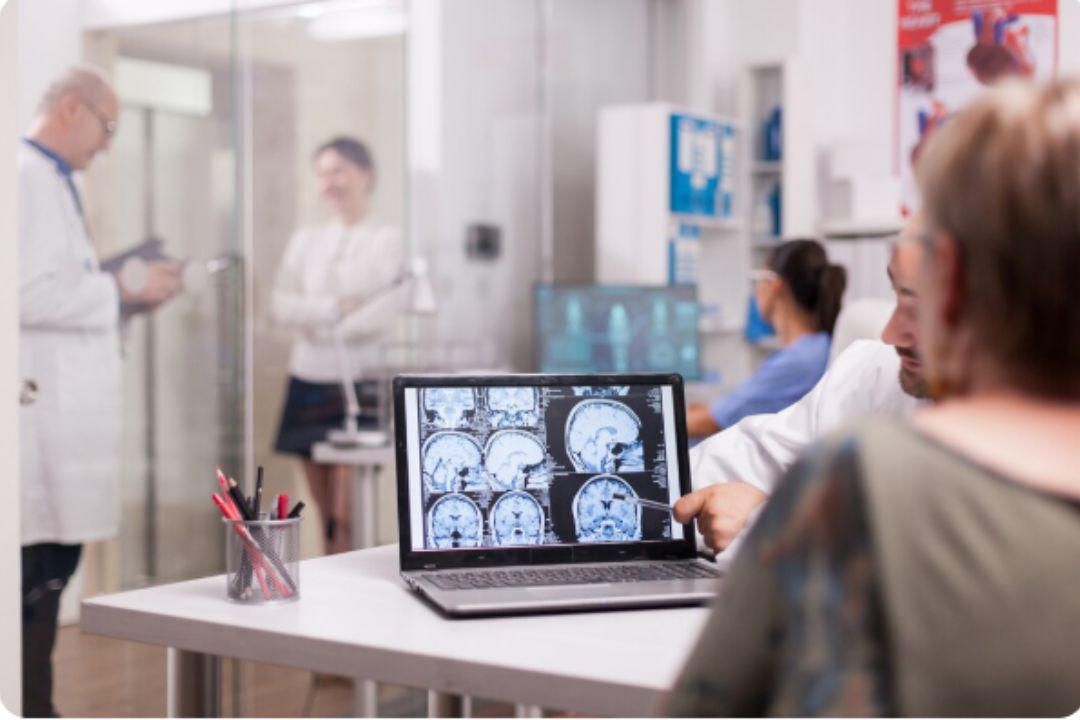
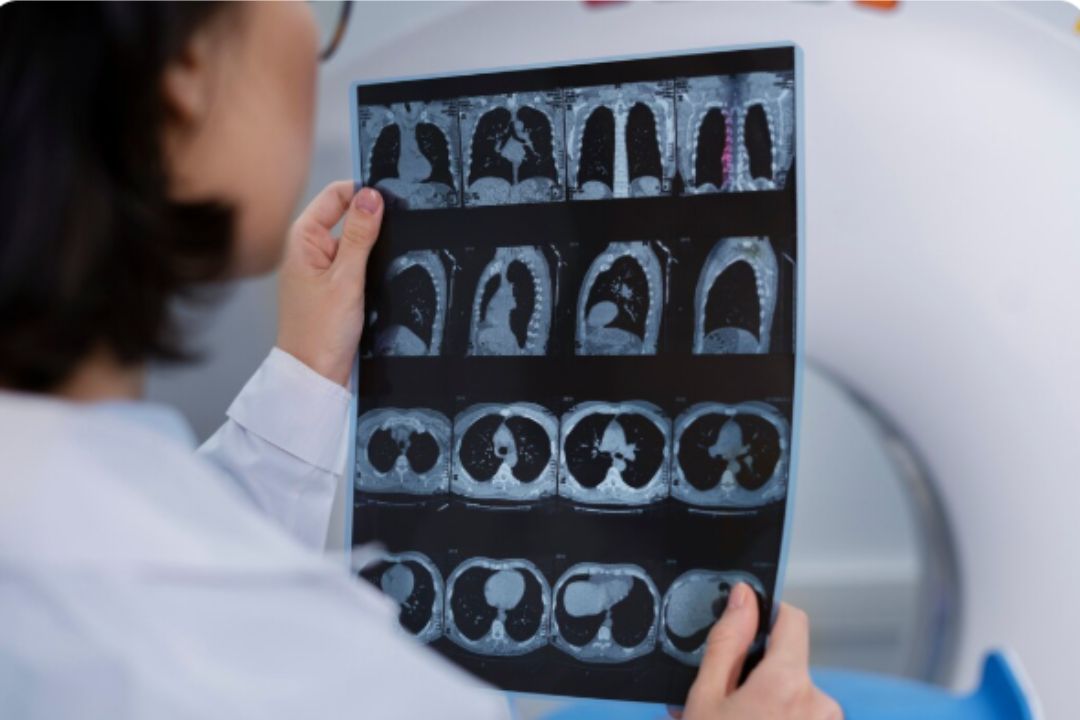
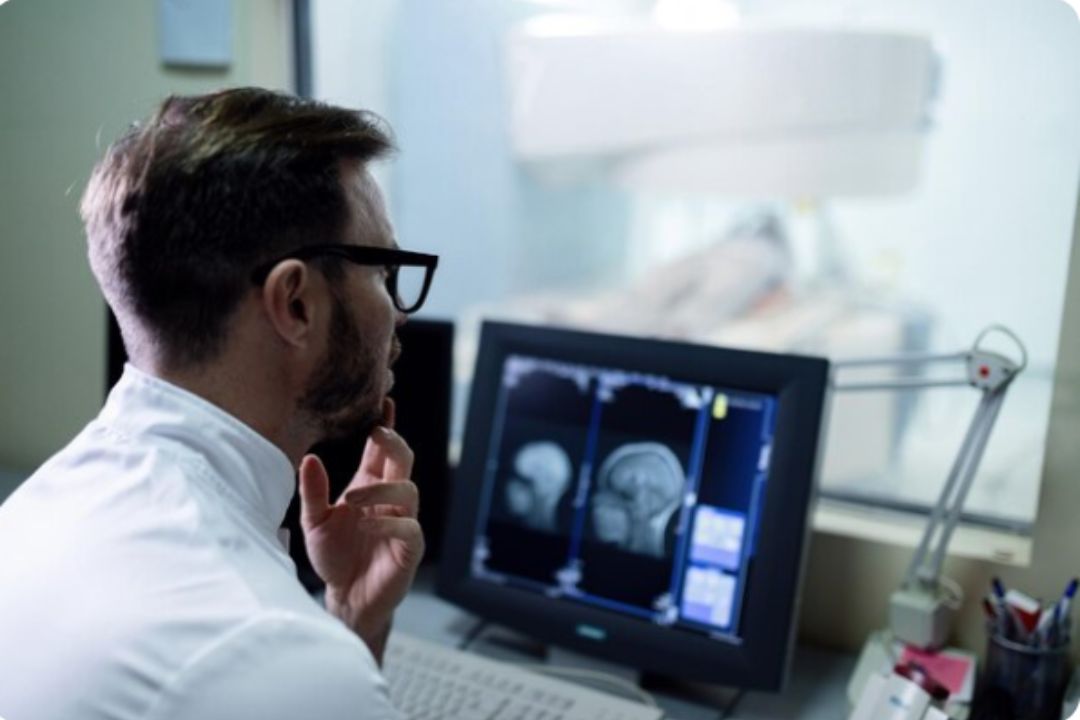
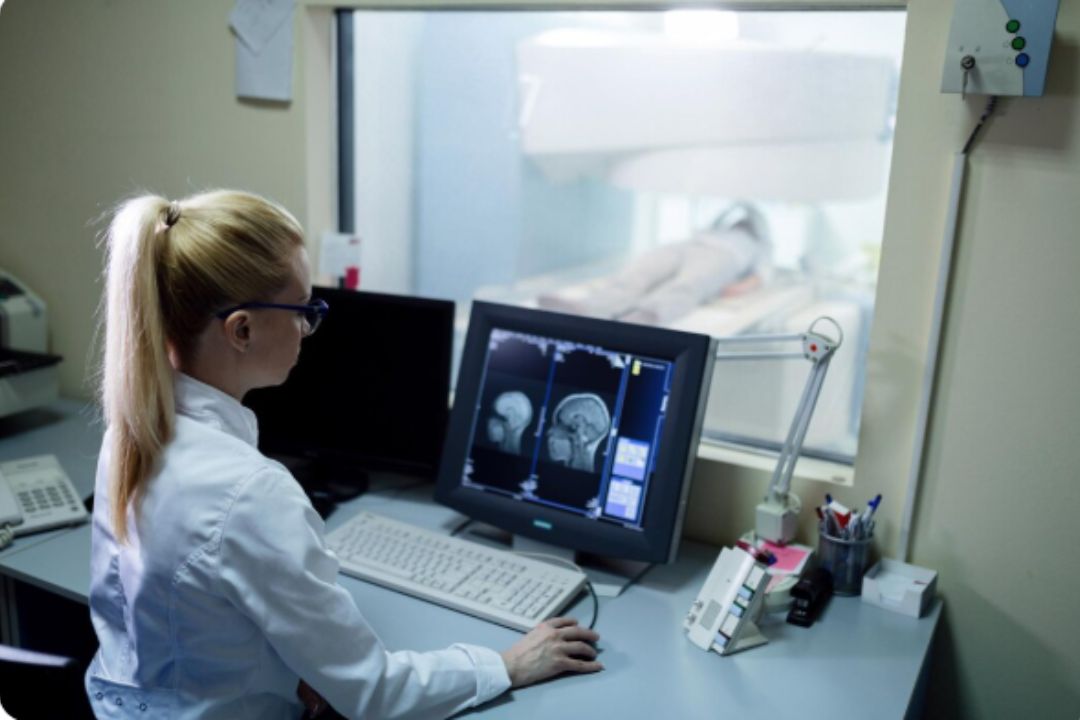
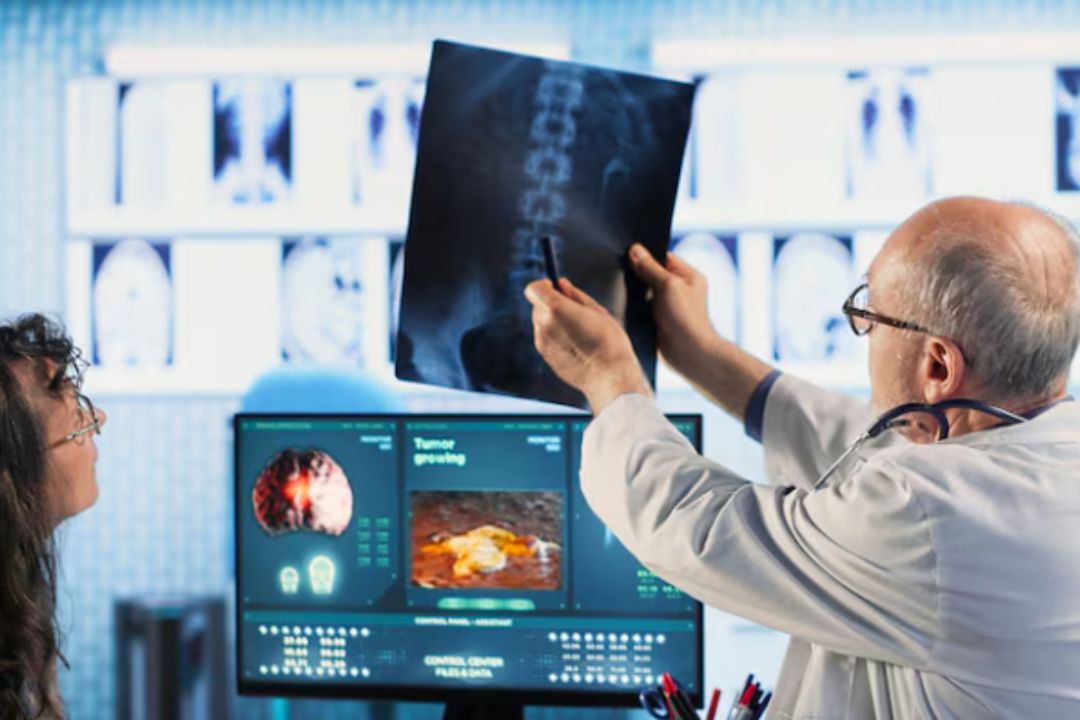
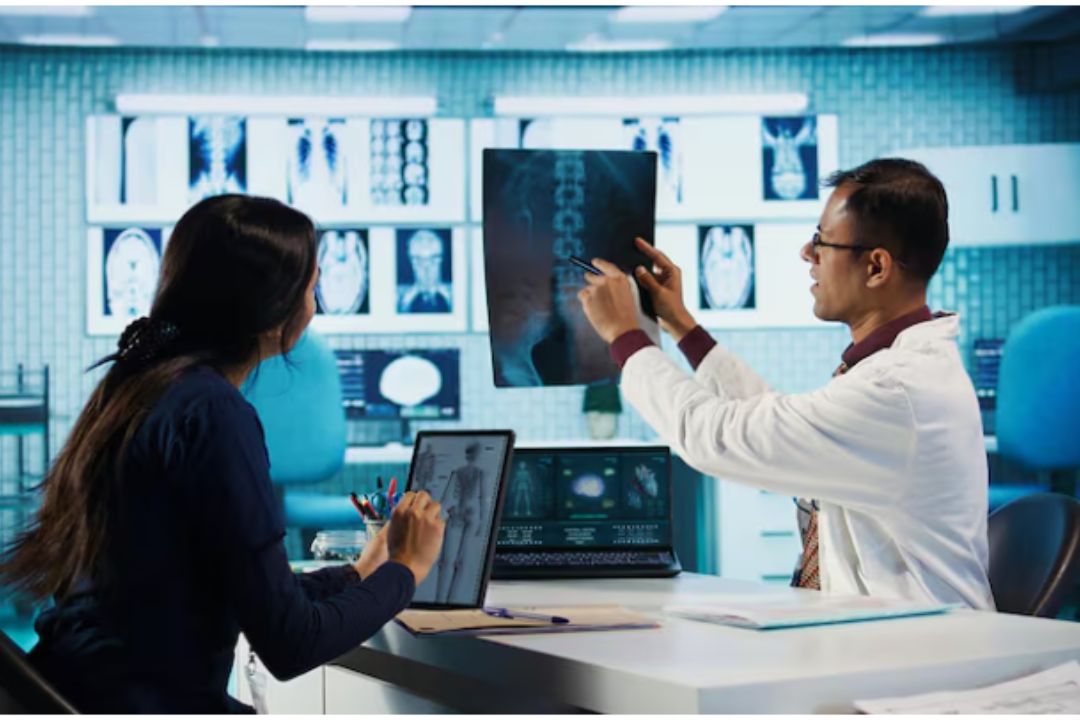
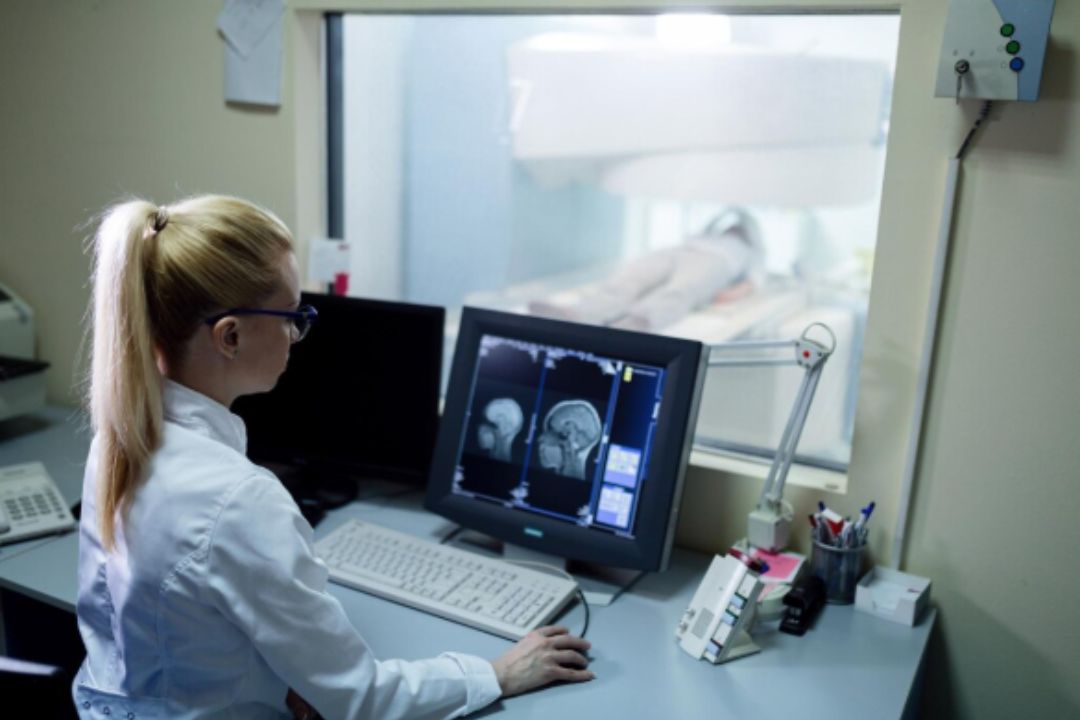
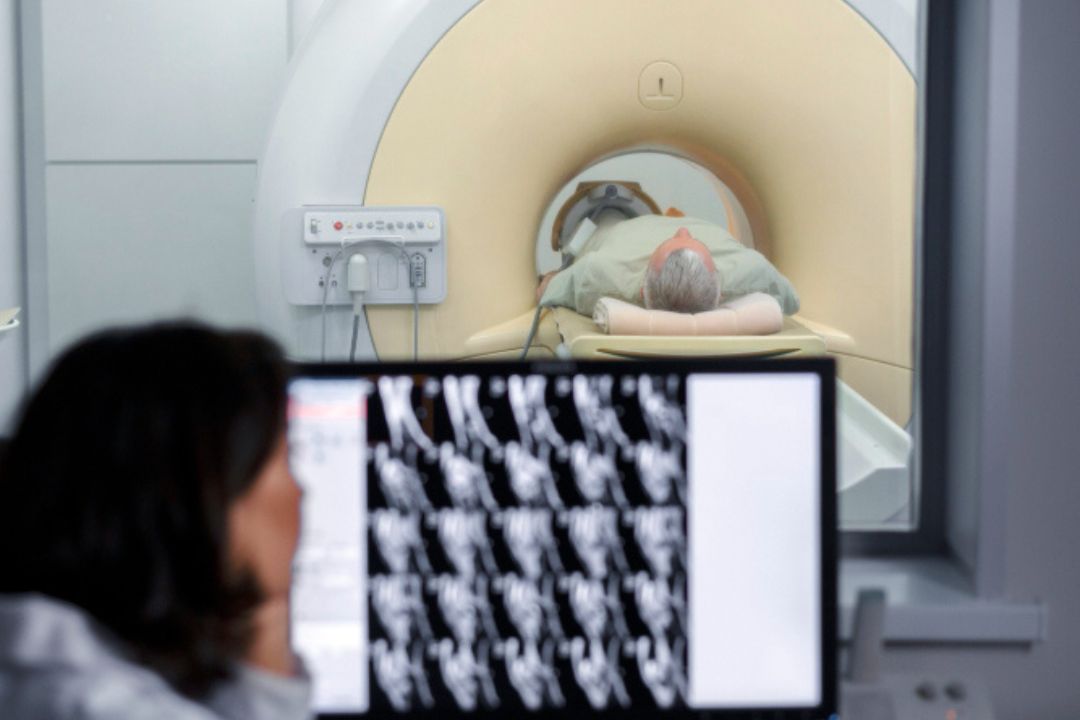
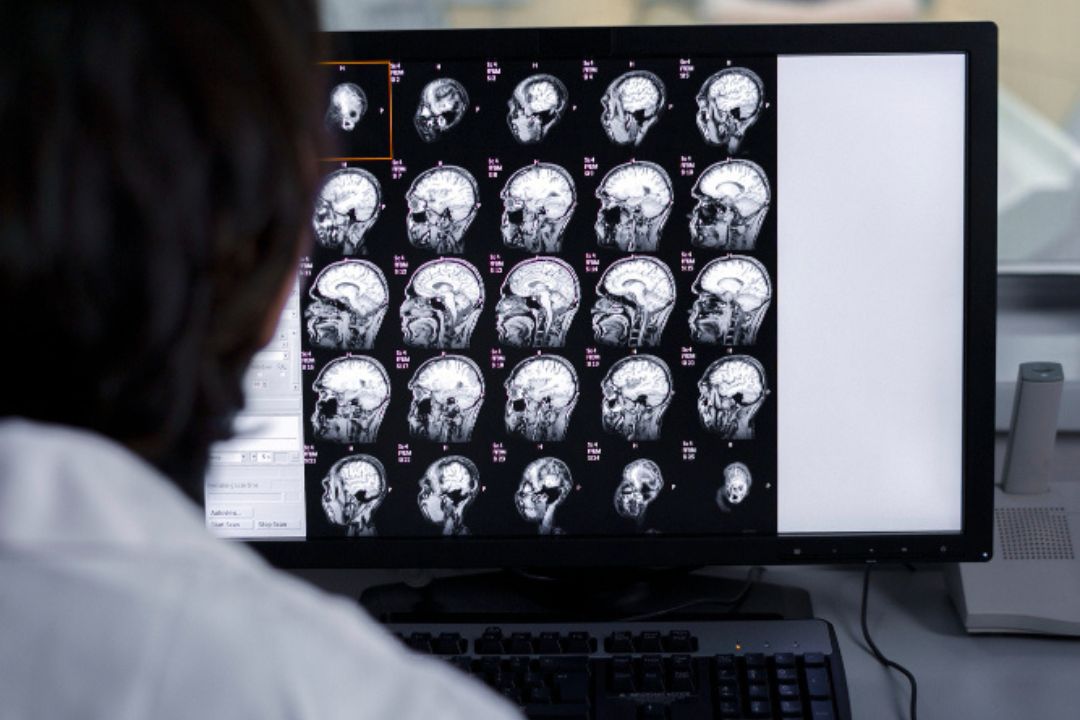
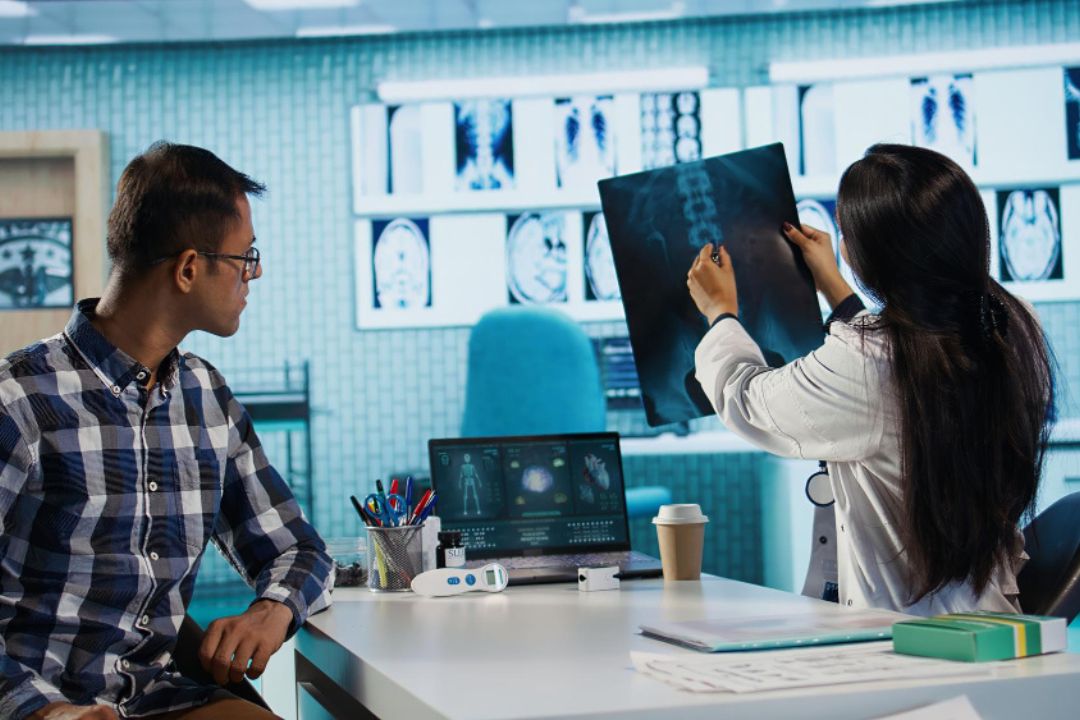
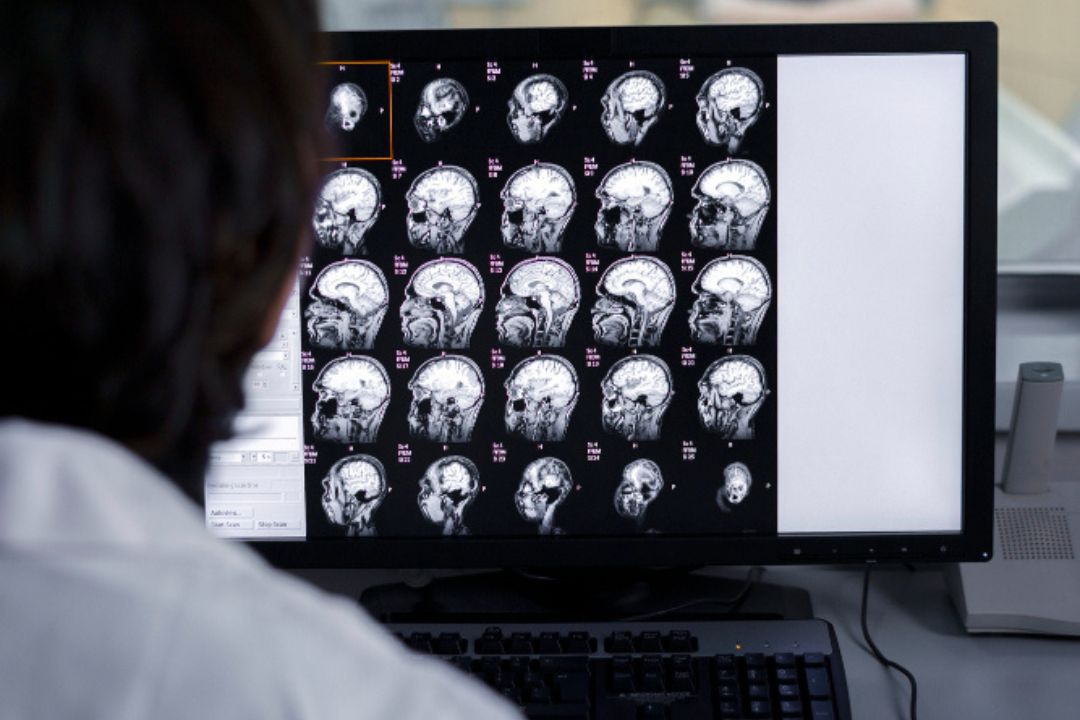
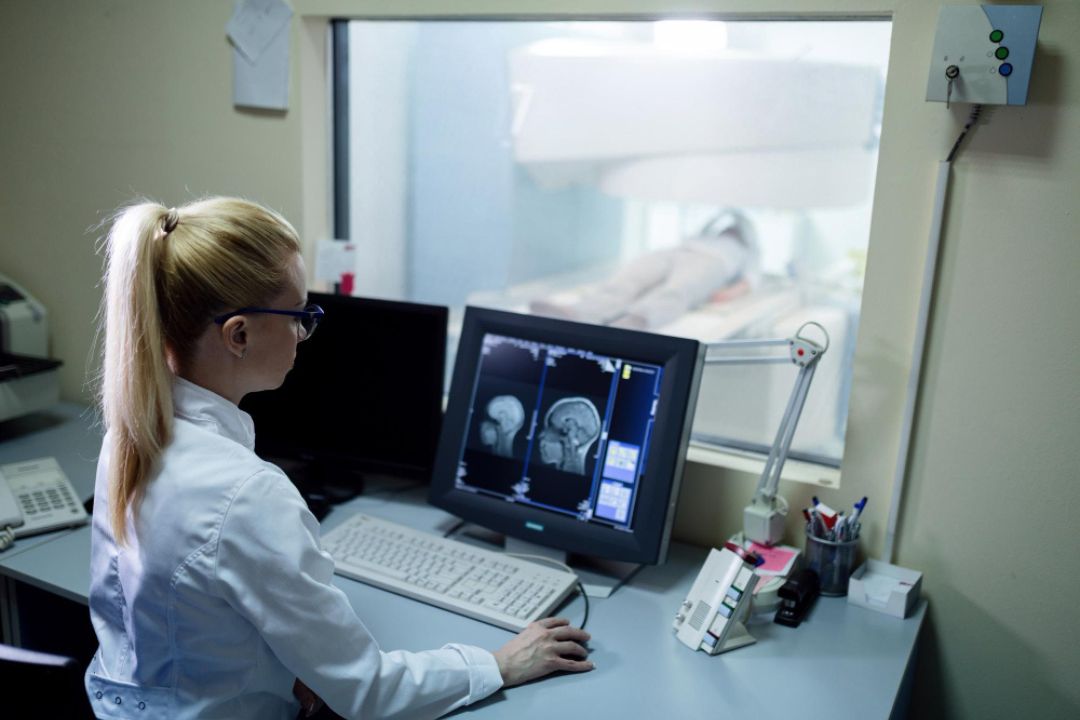
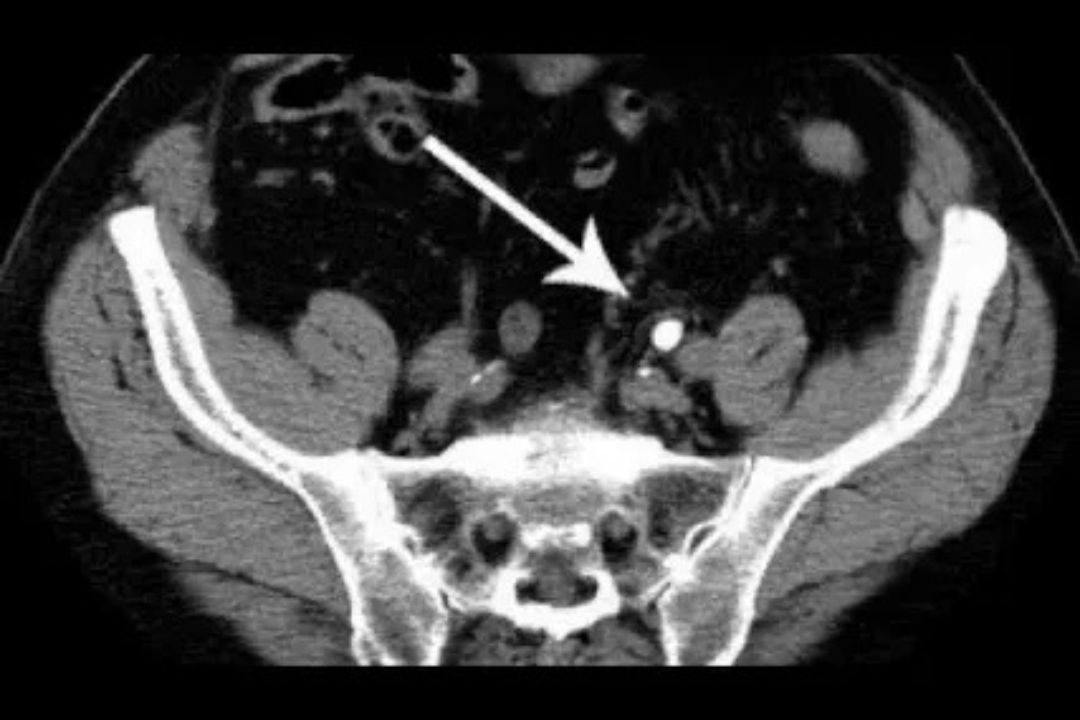
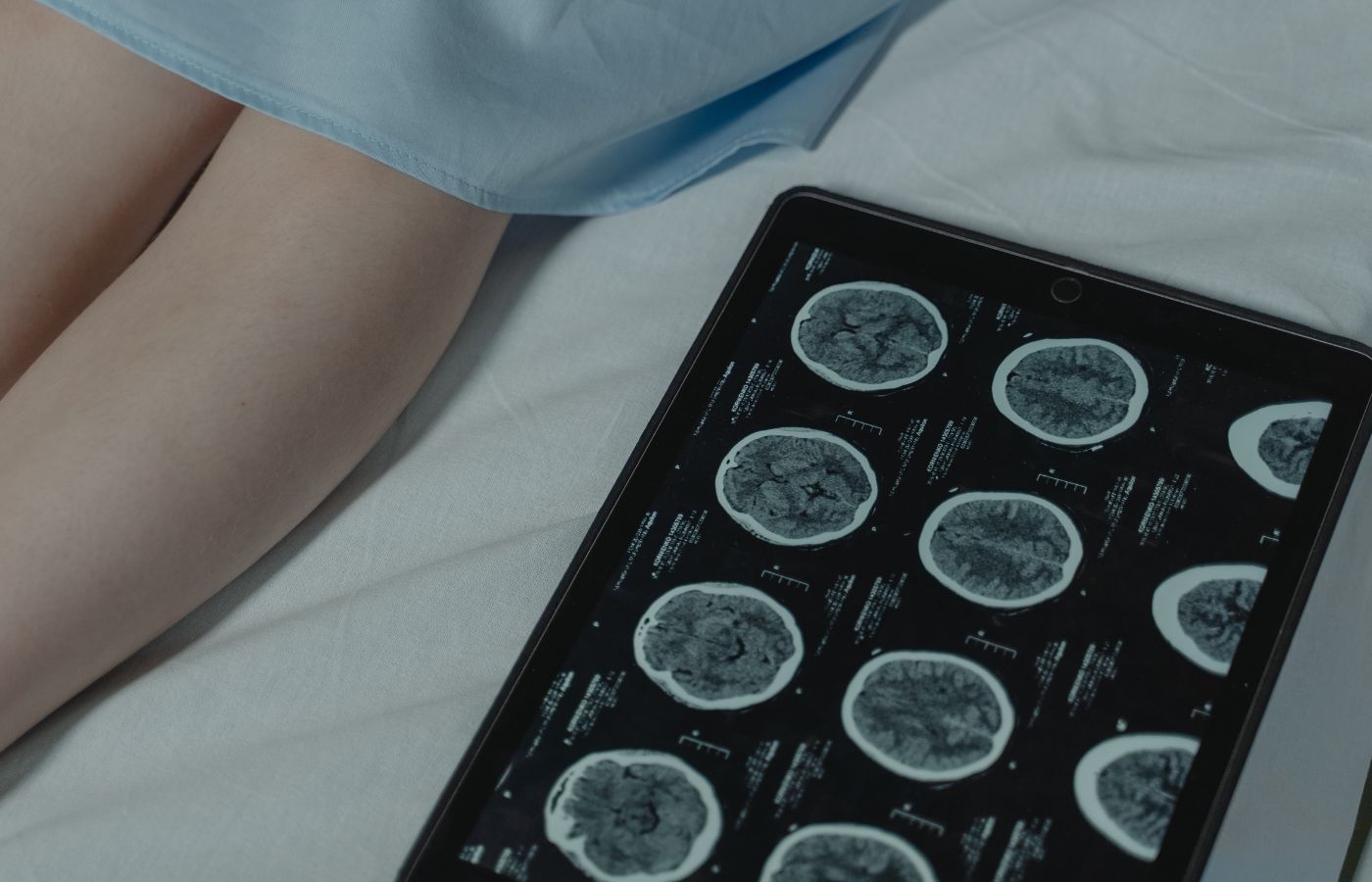
A CT scan detects brain tumors by creating multiple detailed images of the brain from different angles. These images are combined by a computer to form a complete view of the brain.
Tumors appear as abnormal masses or irregular tissue structures in the images. In many cases, doctors may use contrast dye during the scan to highlight blood vessels and improve tumor visibility.
This allows radiologists to identify:
Tumor size
Location of the tumor
Effects on surrounding brain tissue
Possible swelling or pressure in the brain
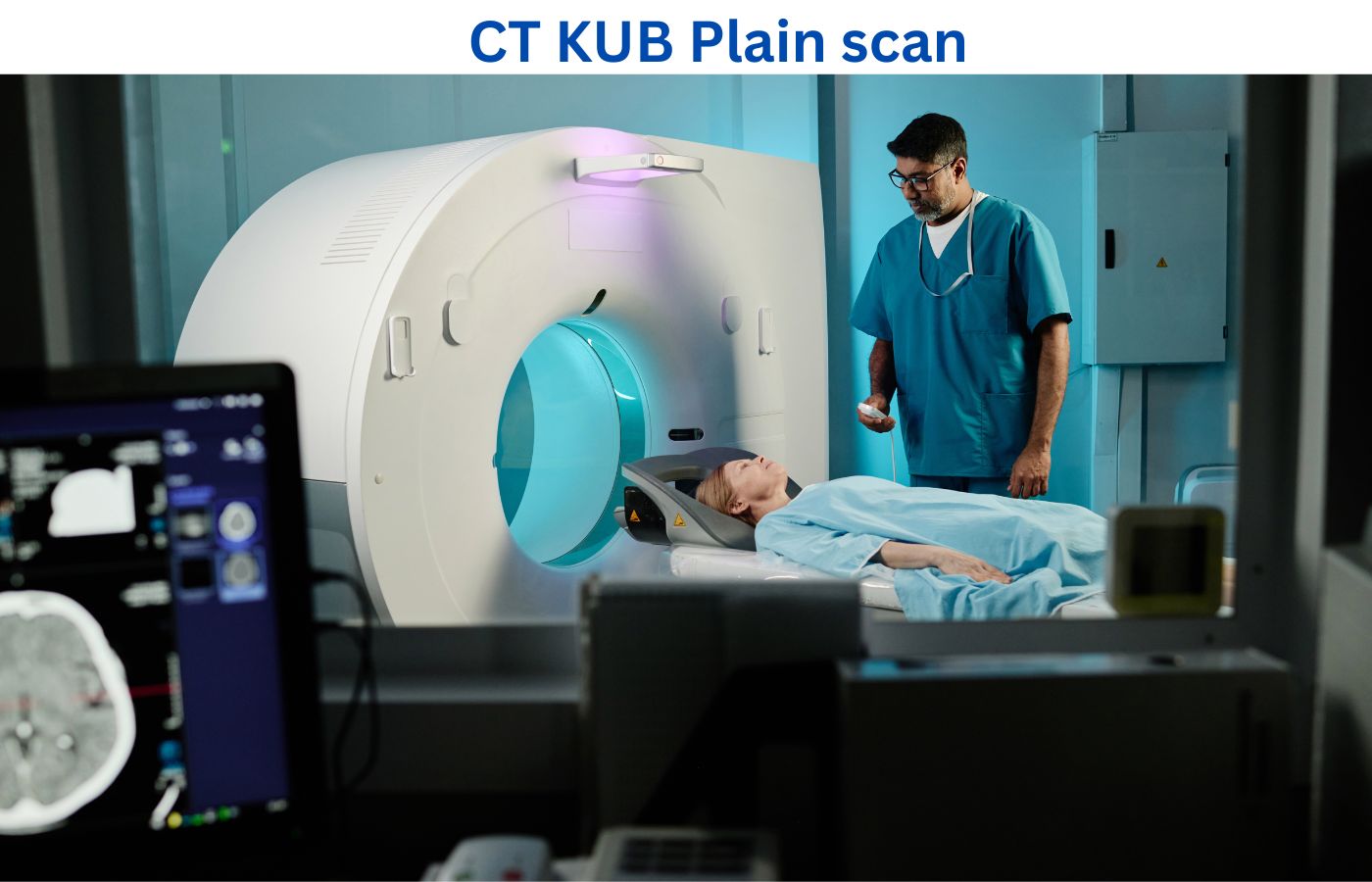
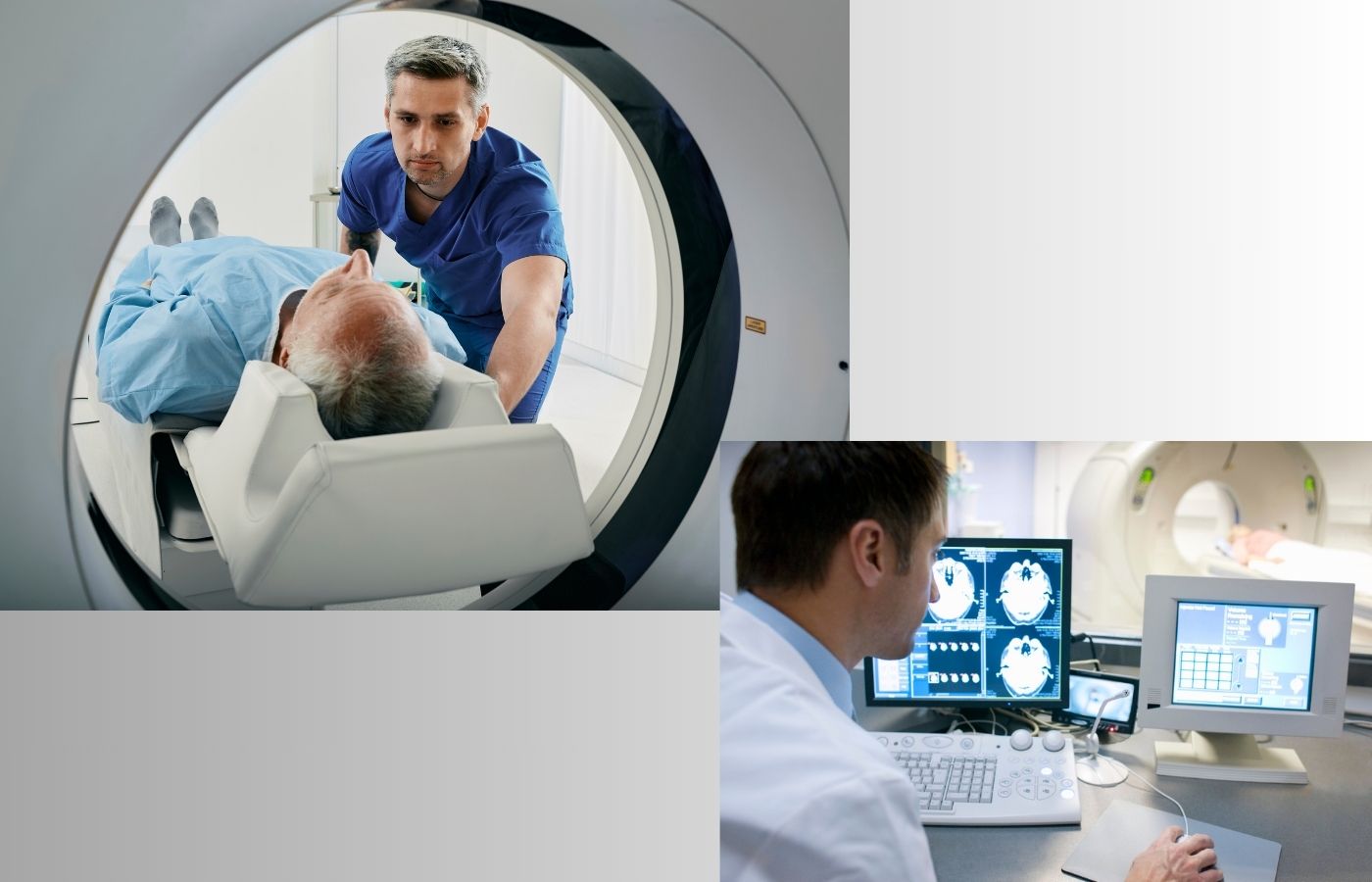
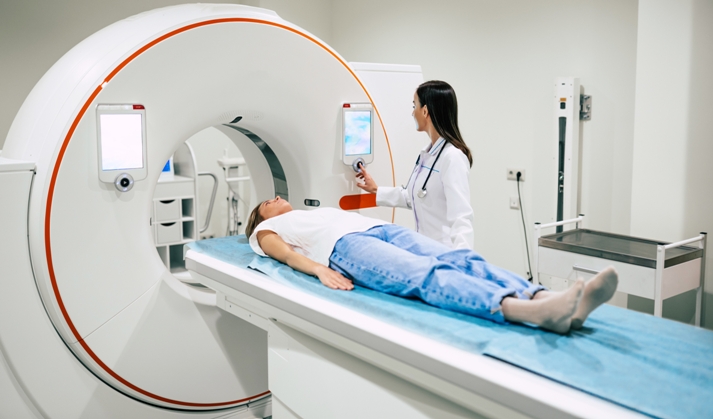
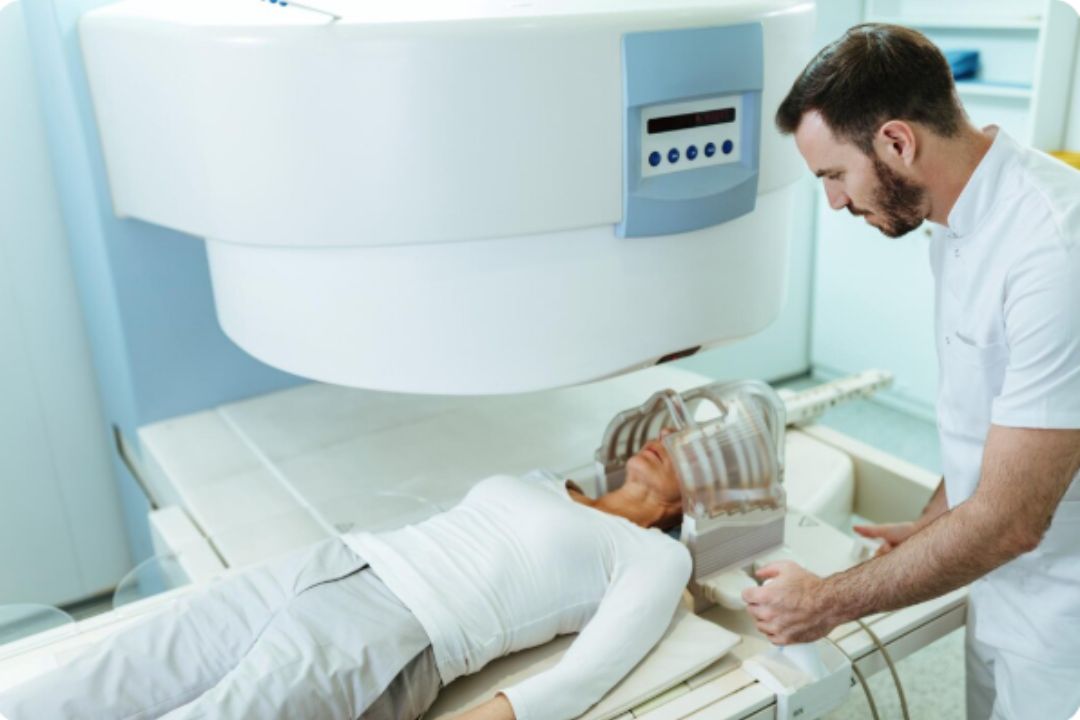
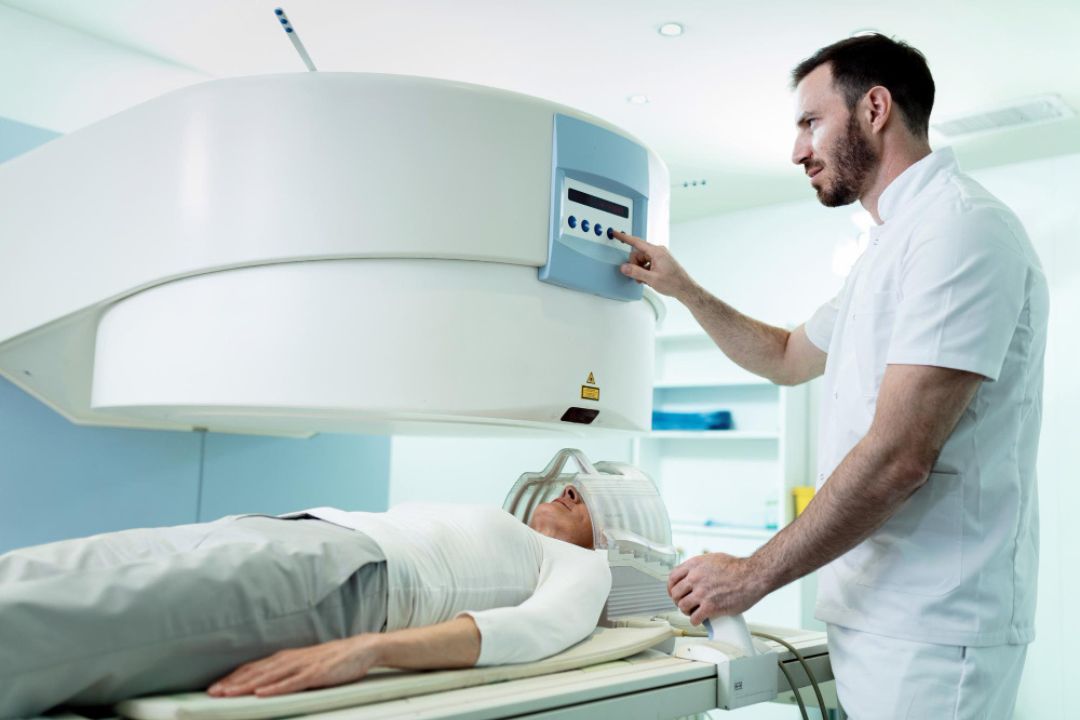
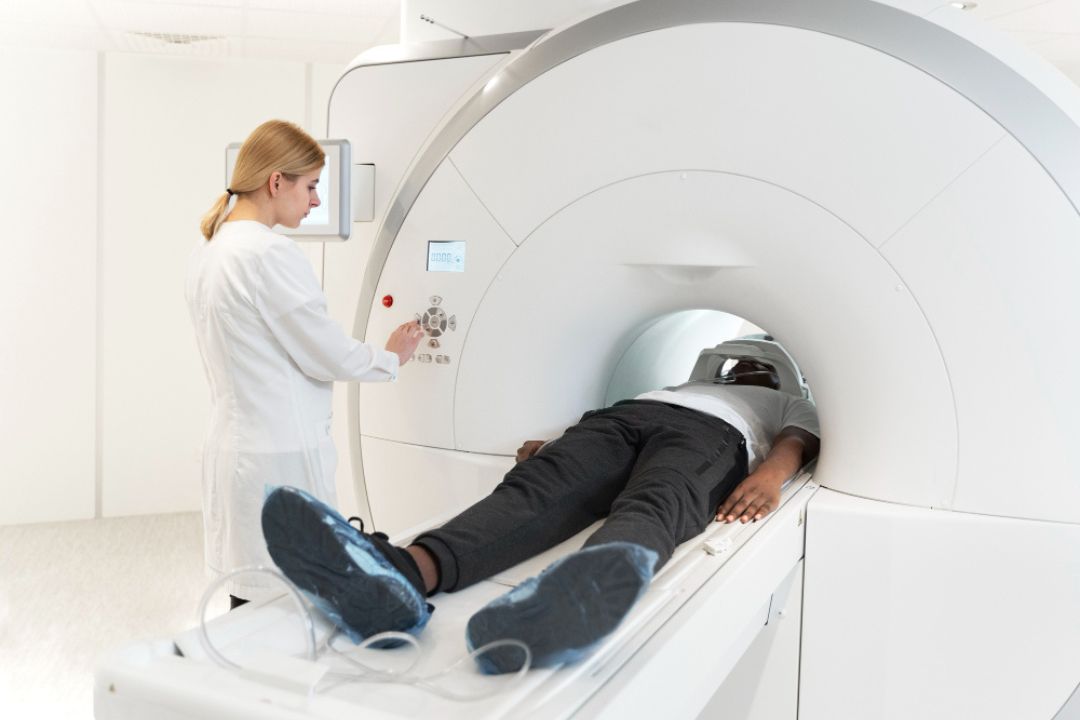
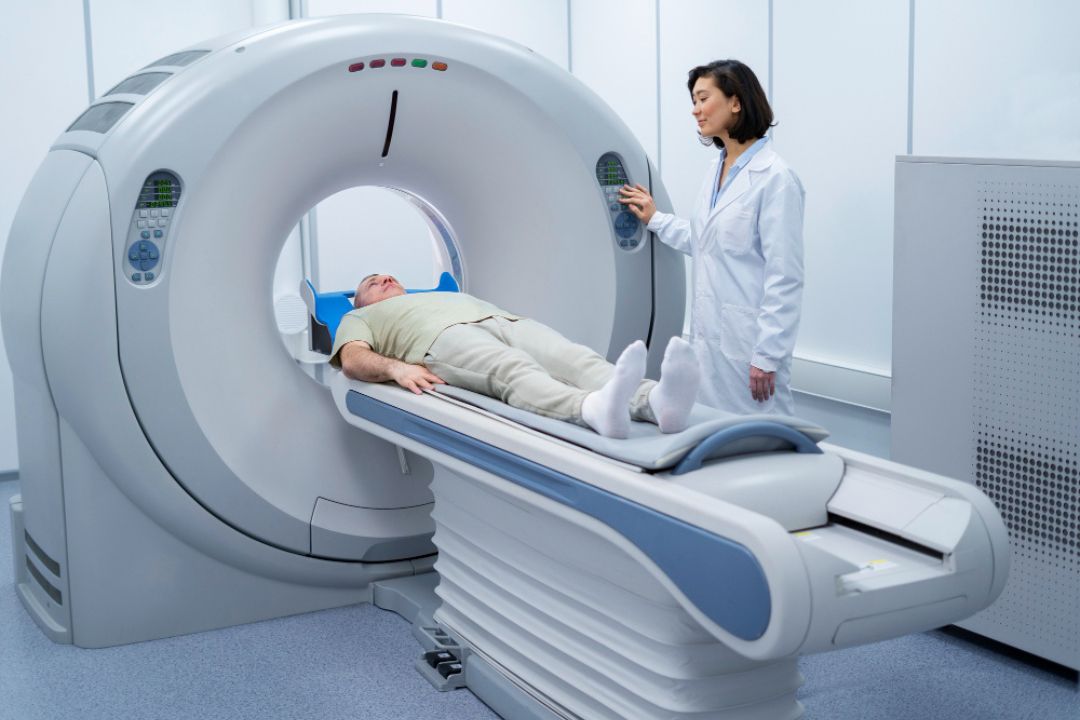
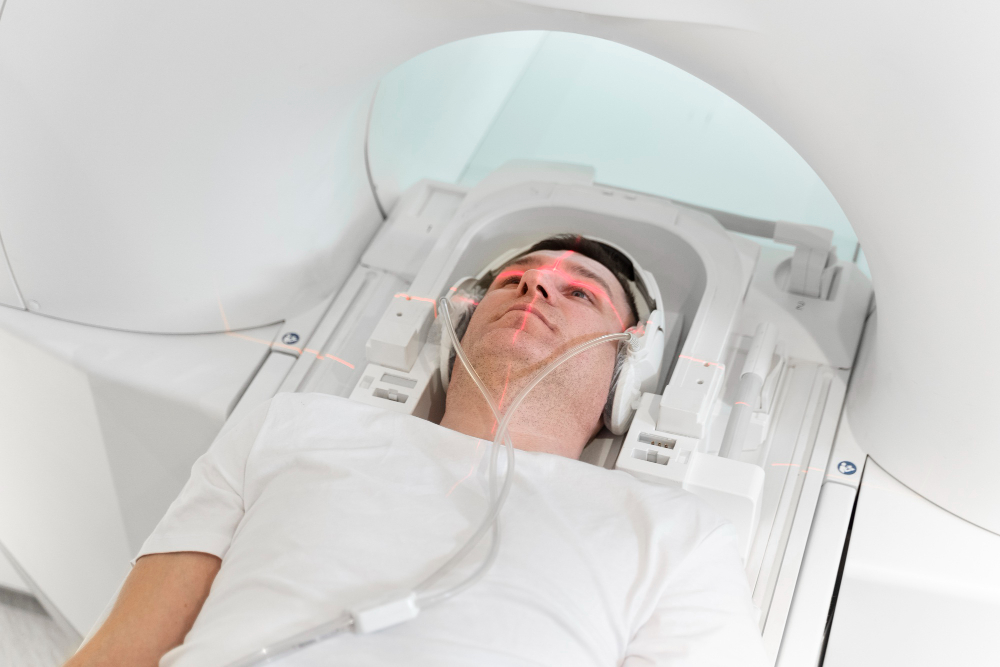
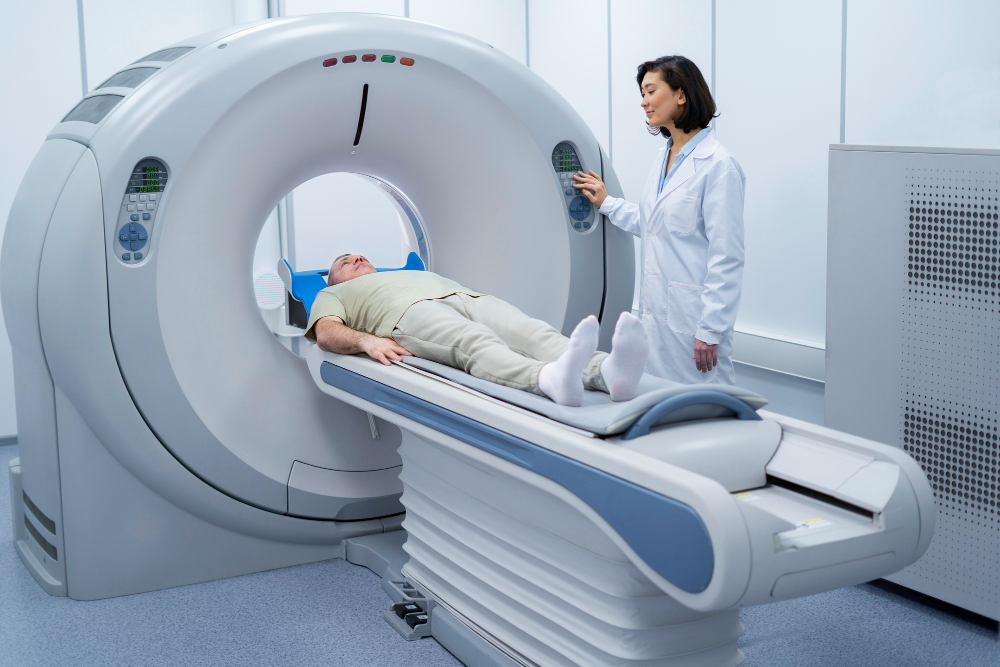
The CT scan procedure is simple and usually takes only a short time.
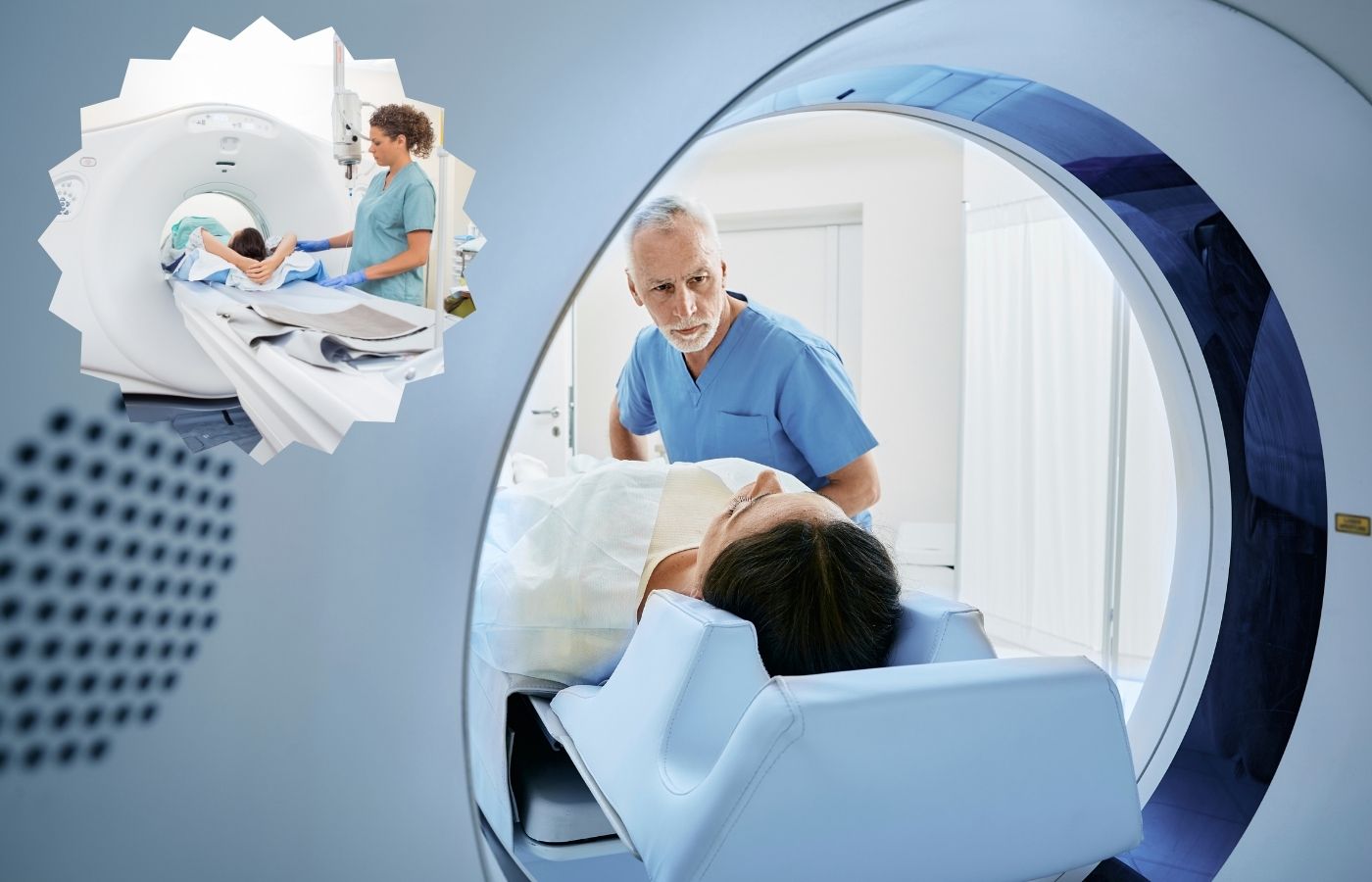
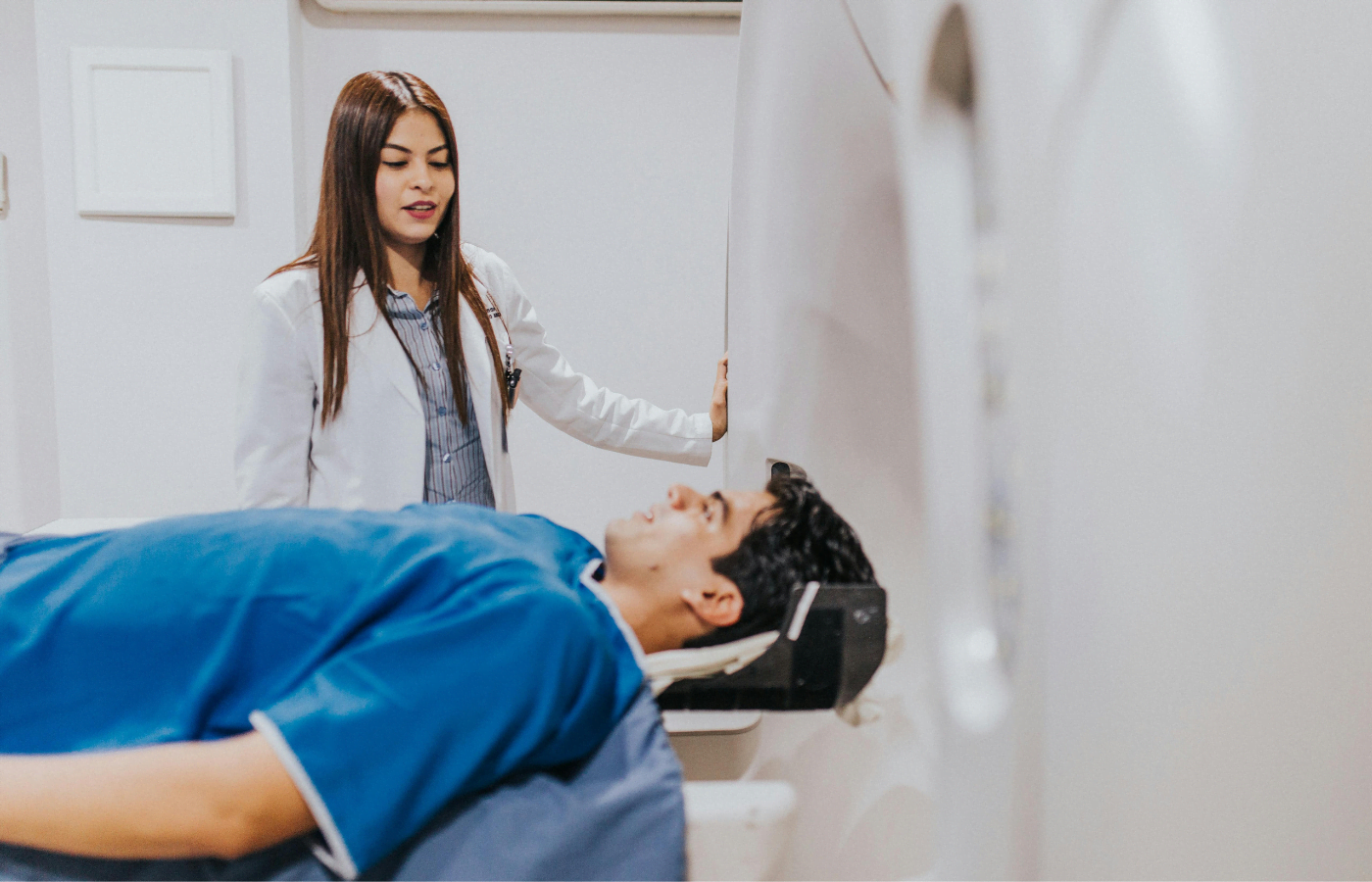
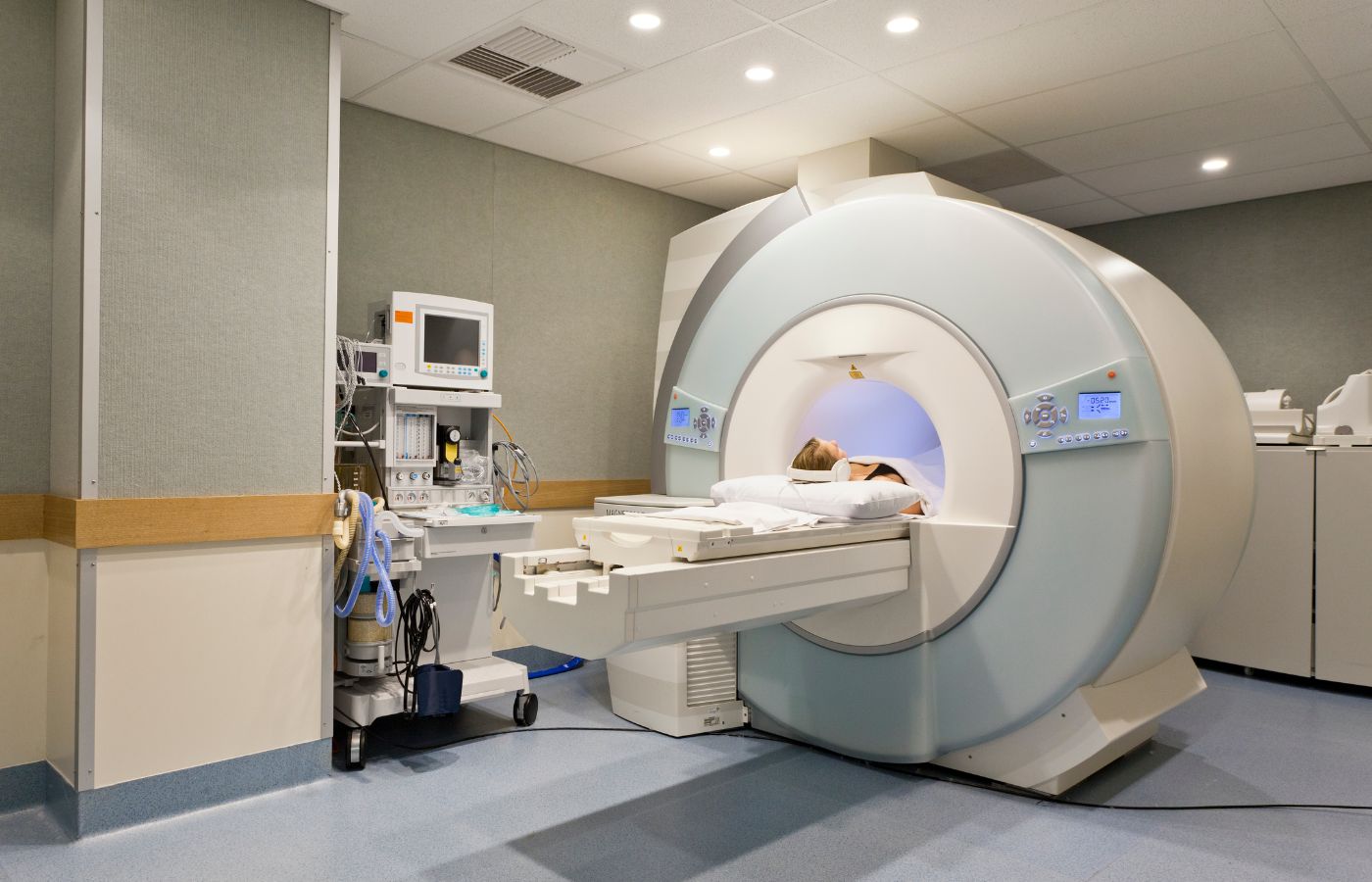
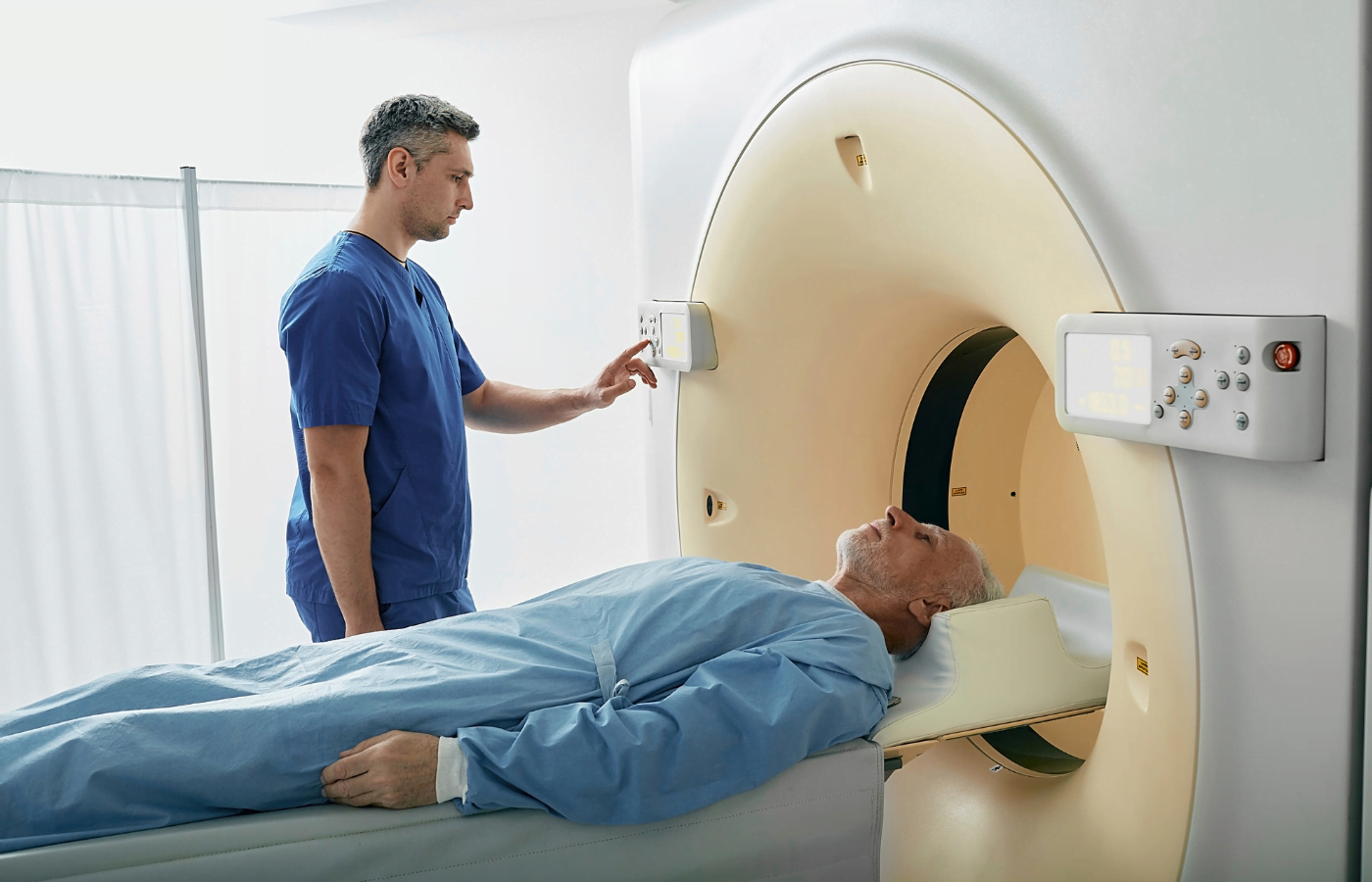
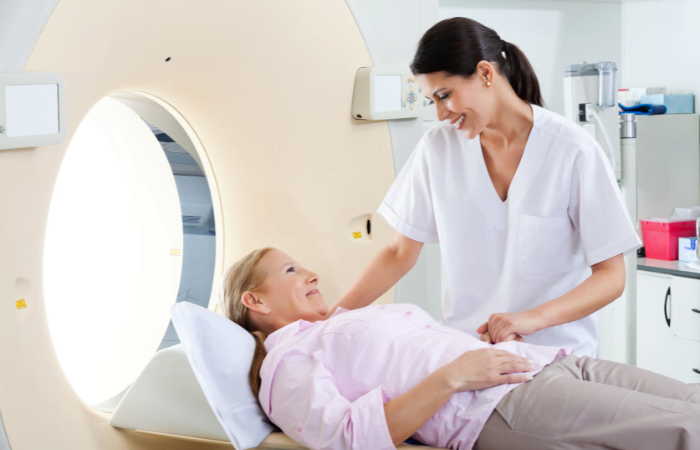
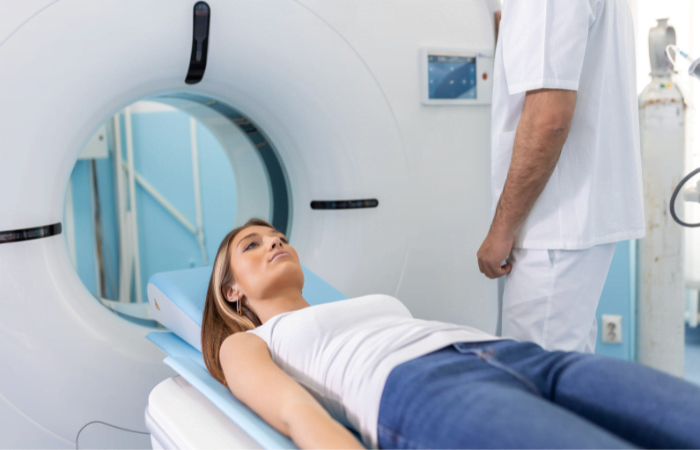
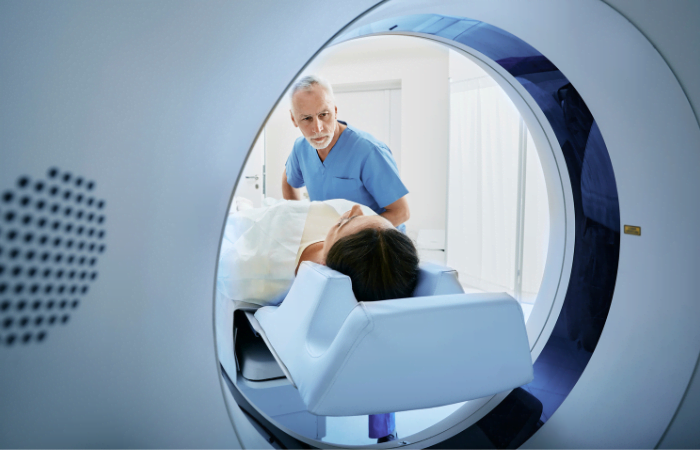
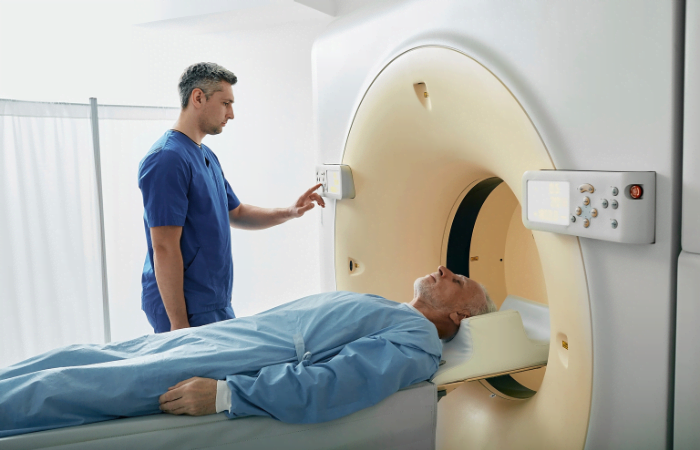
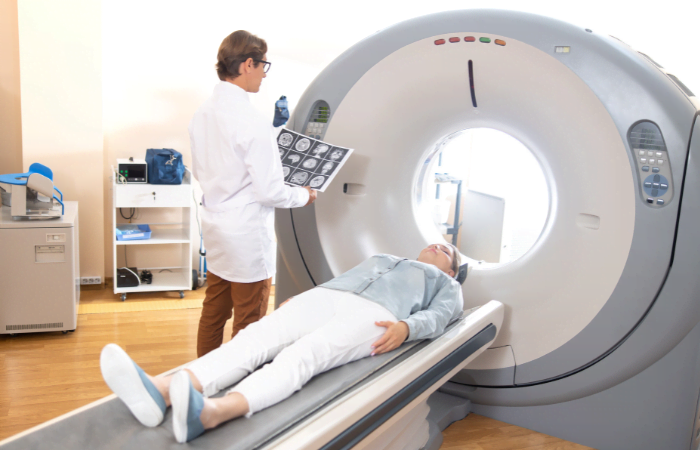
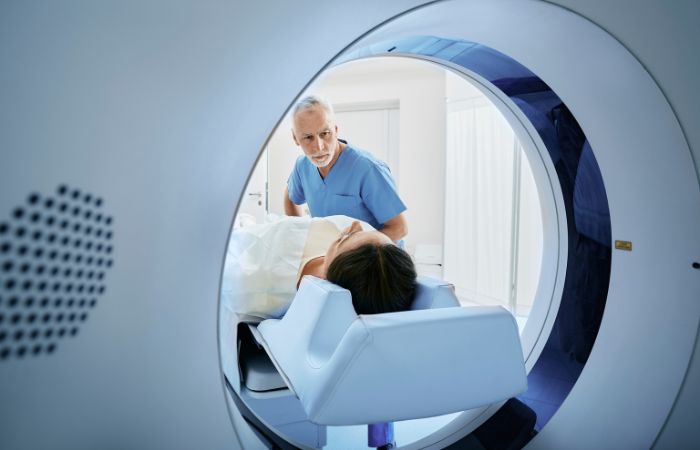
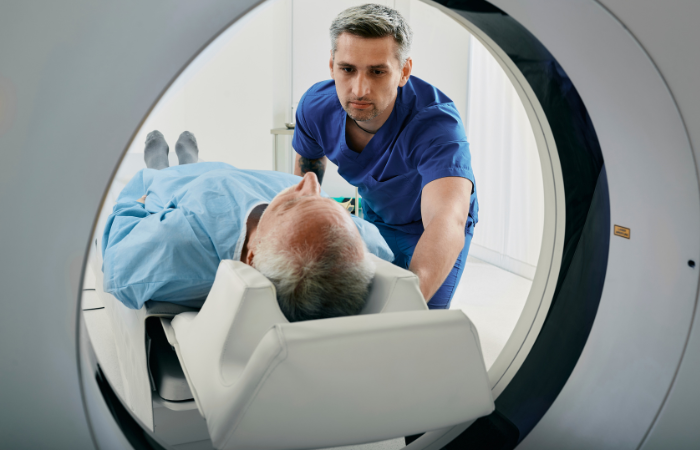
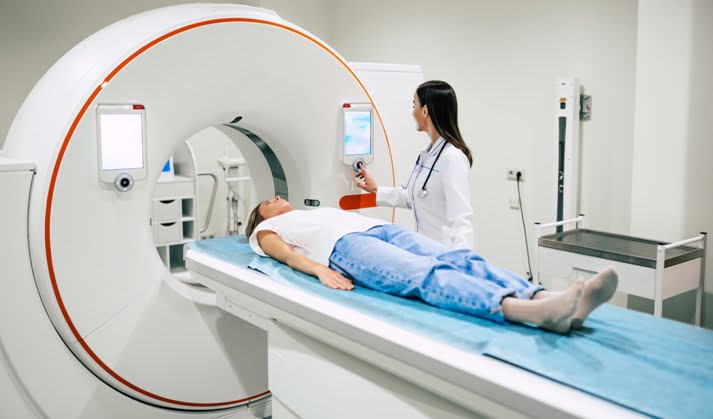
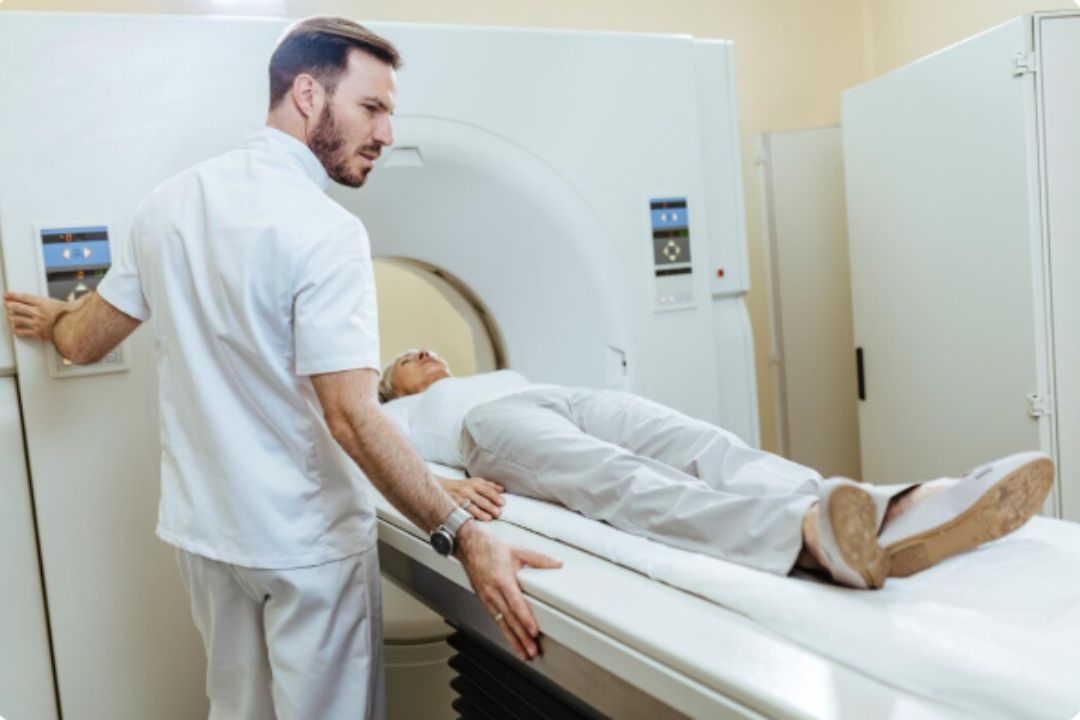
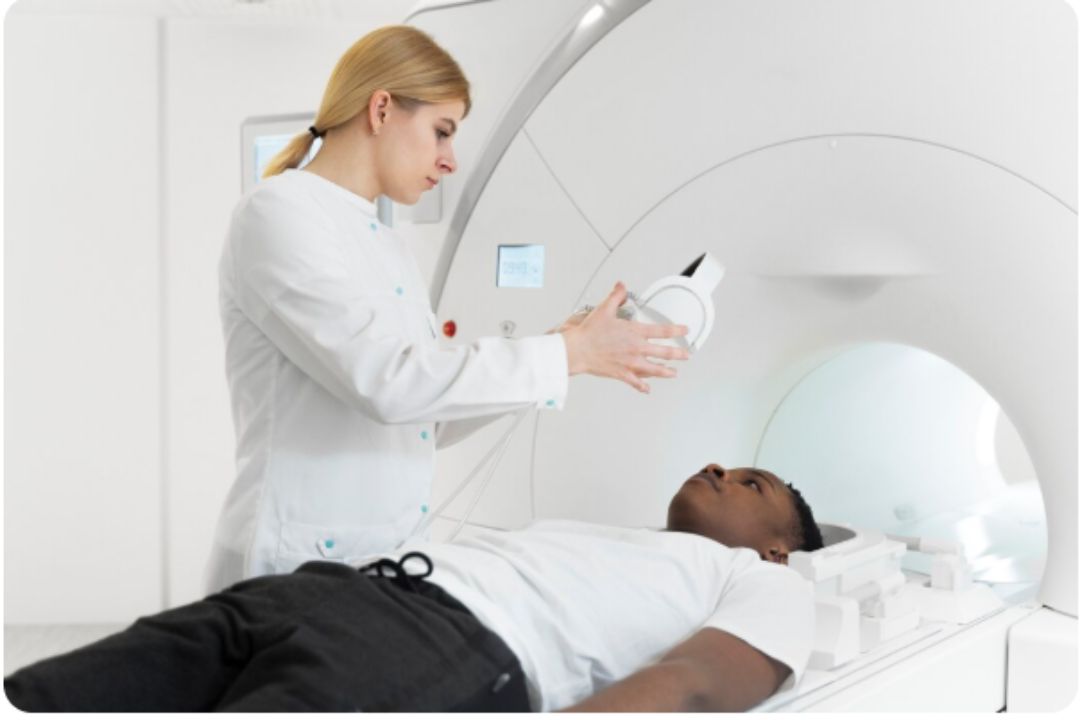
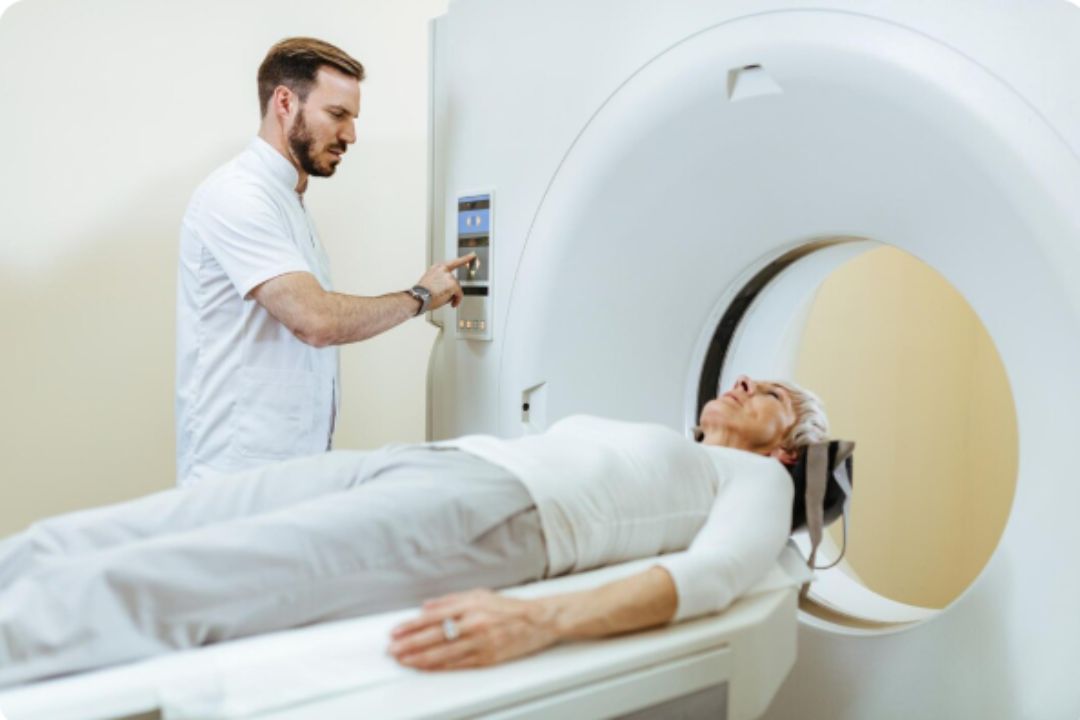
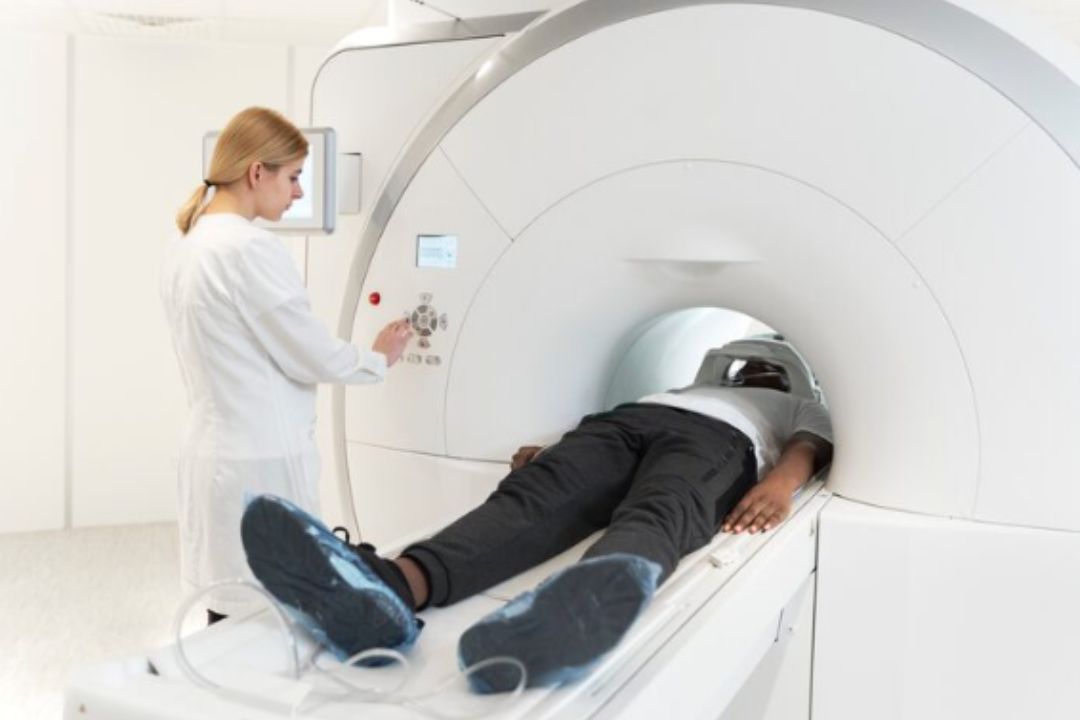
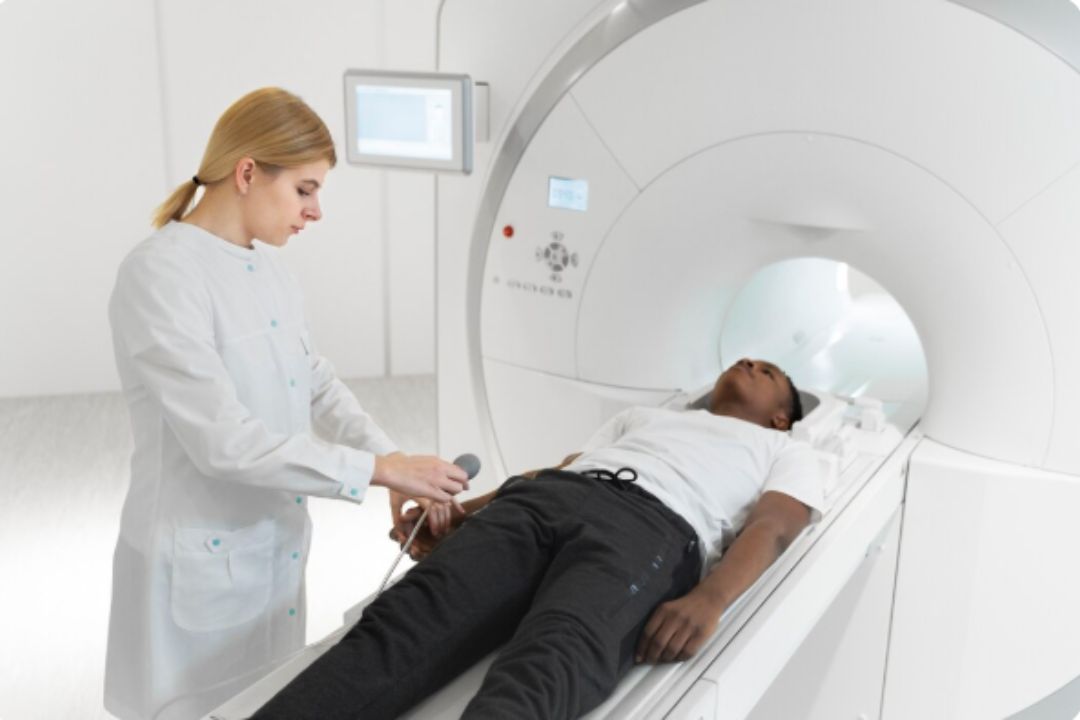
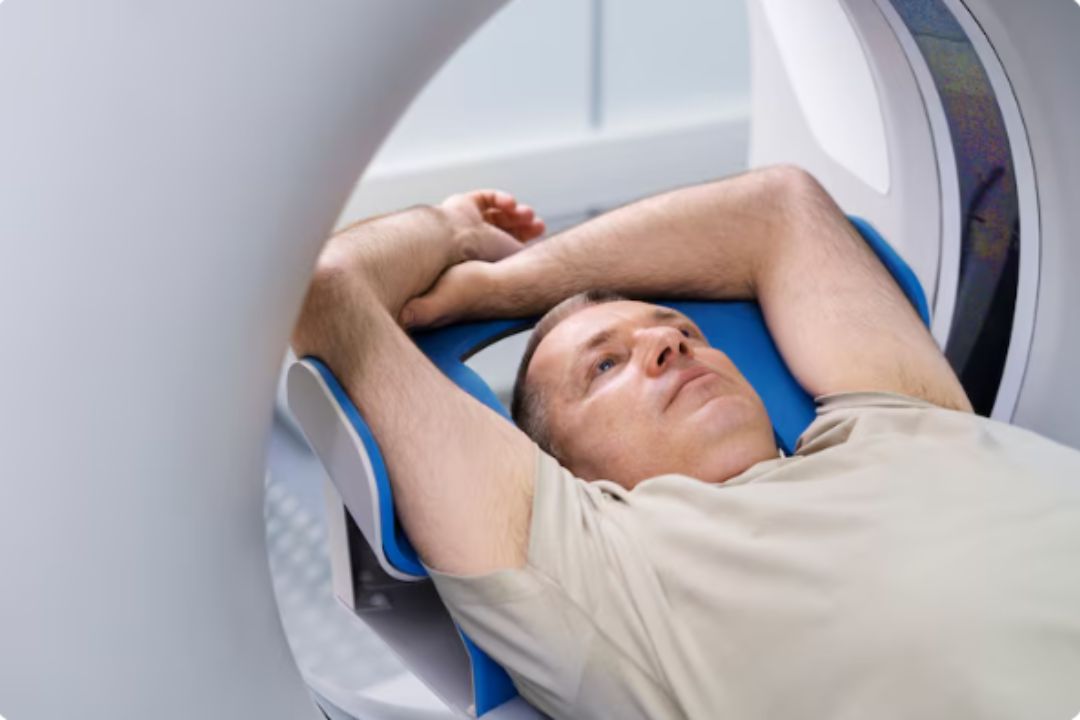
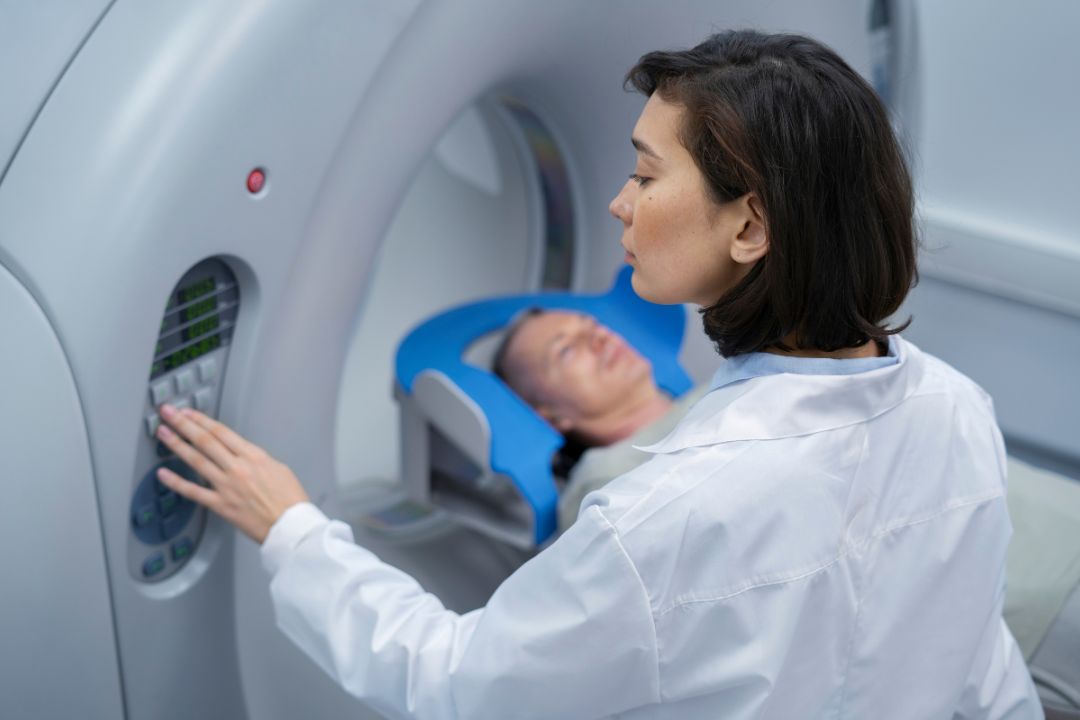
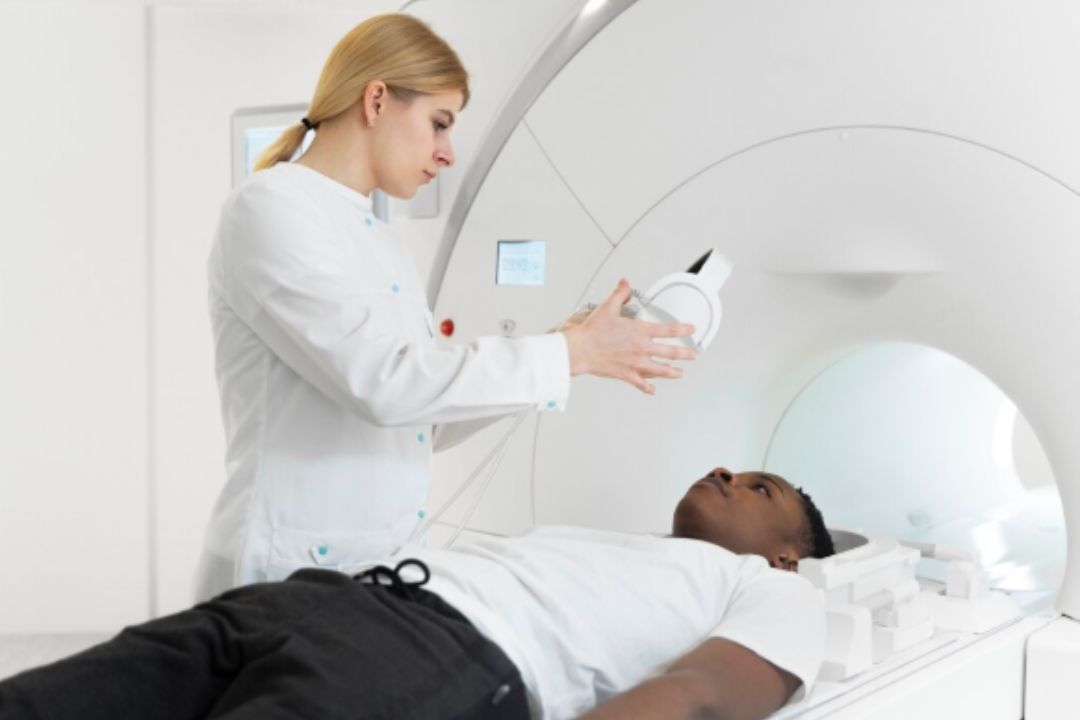
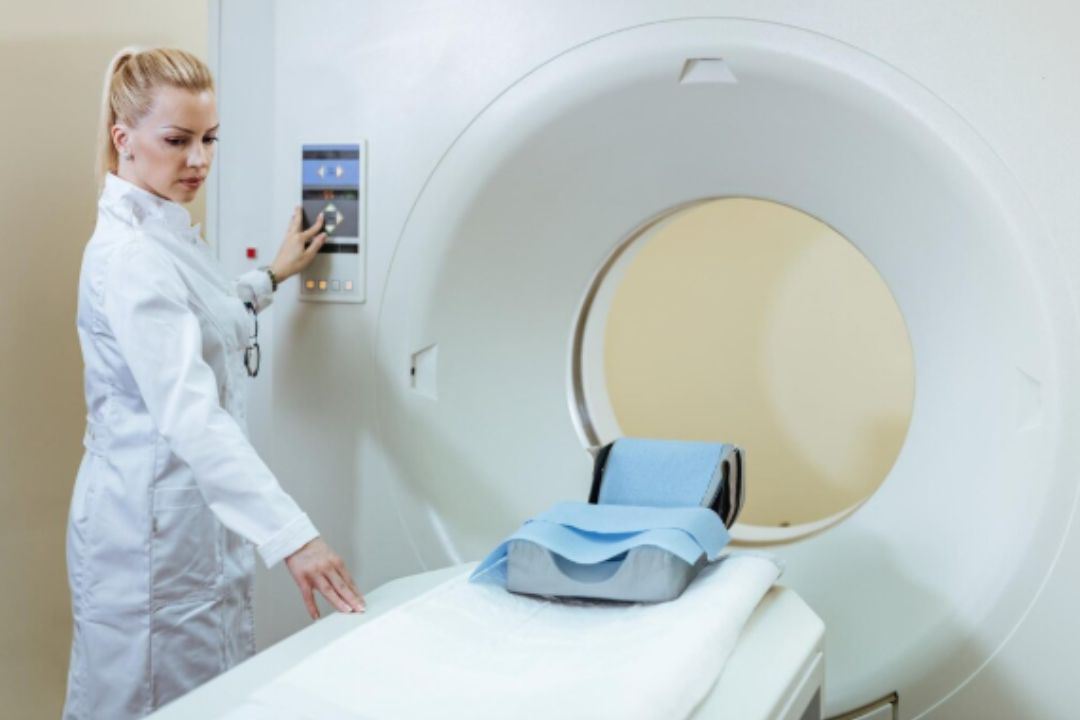
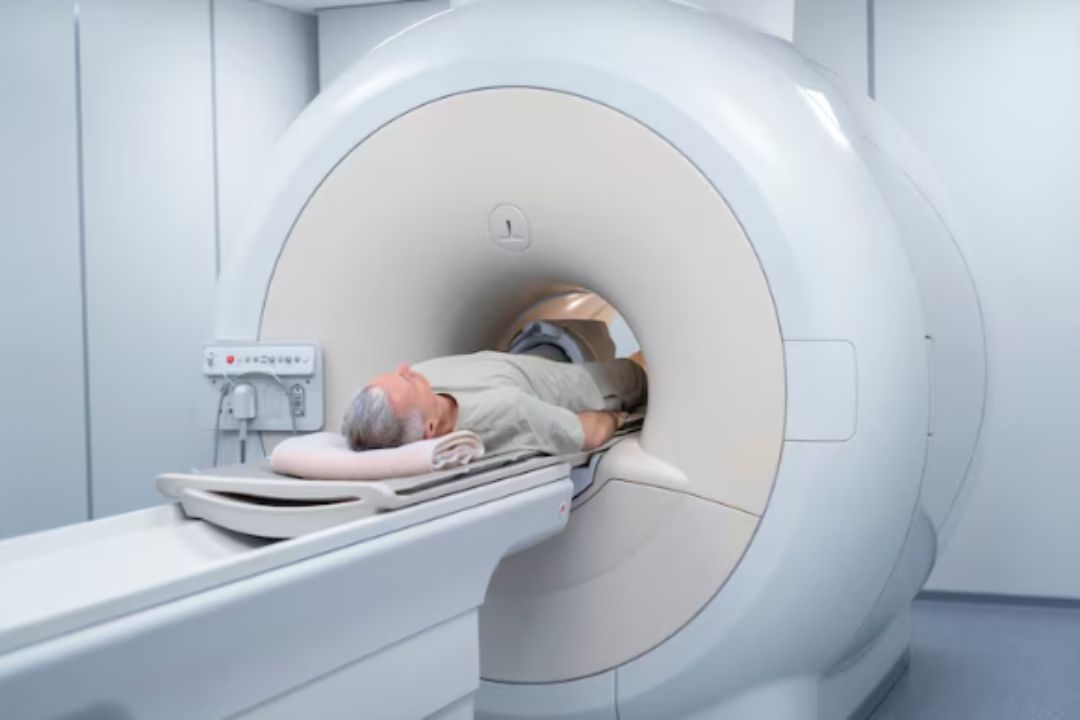
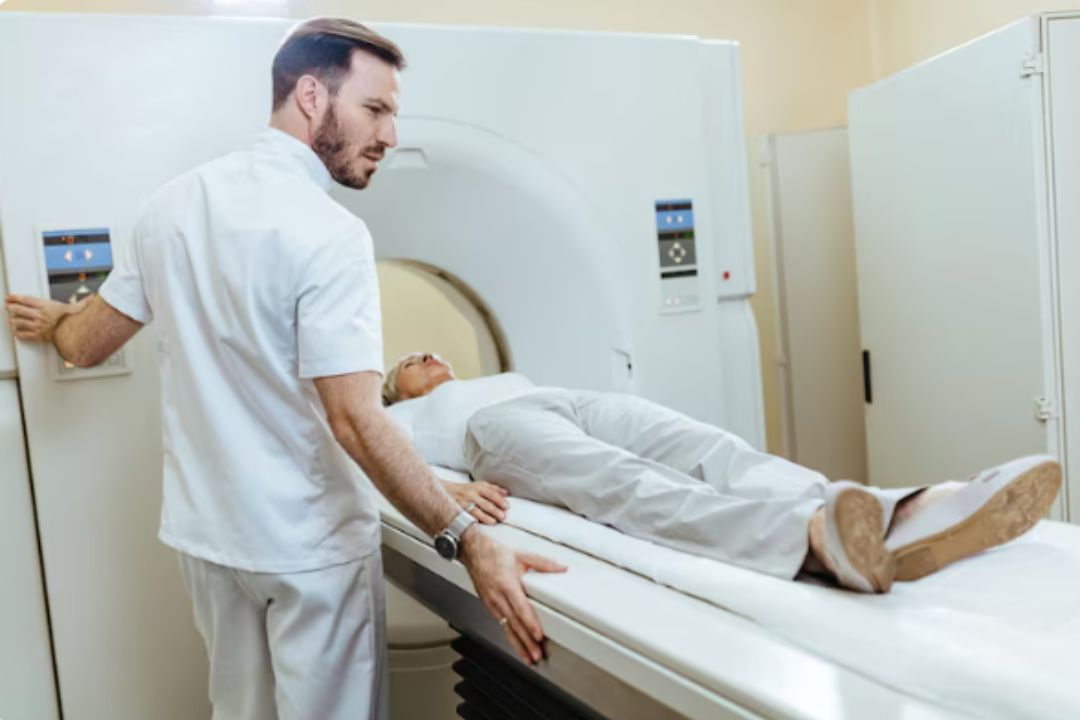
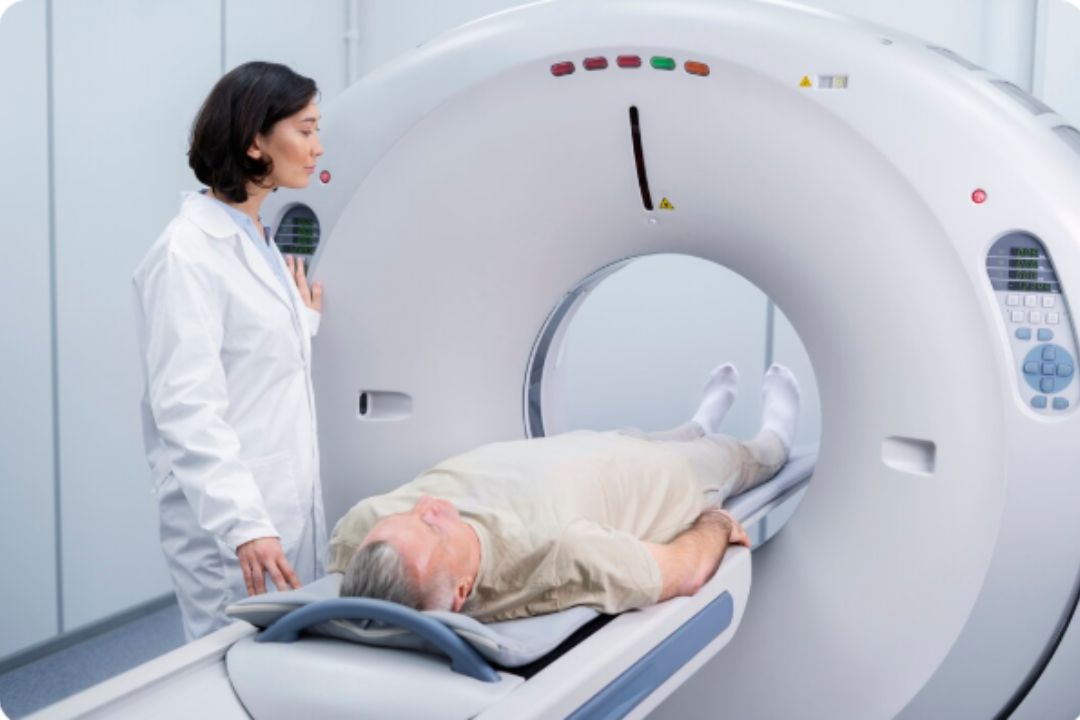
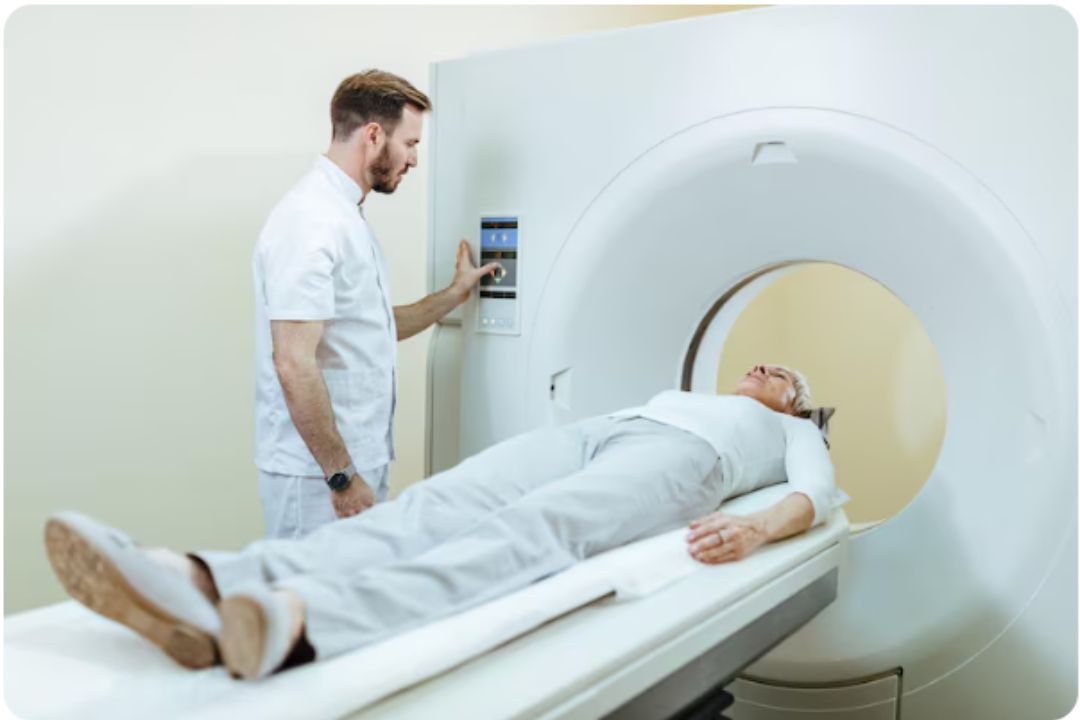
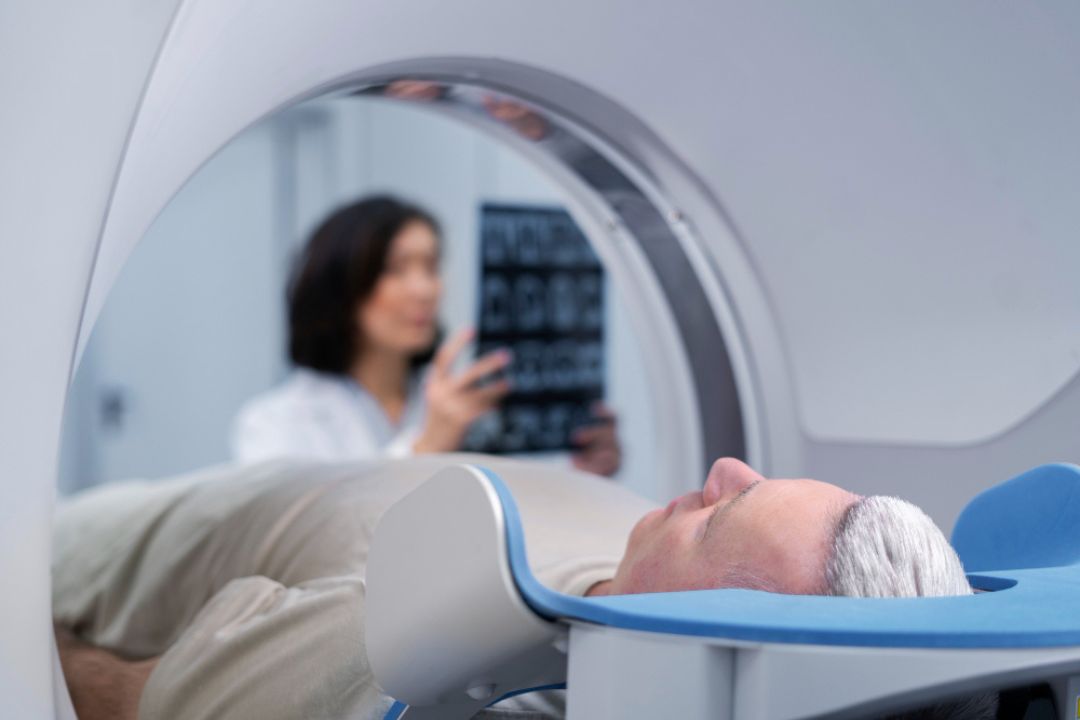
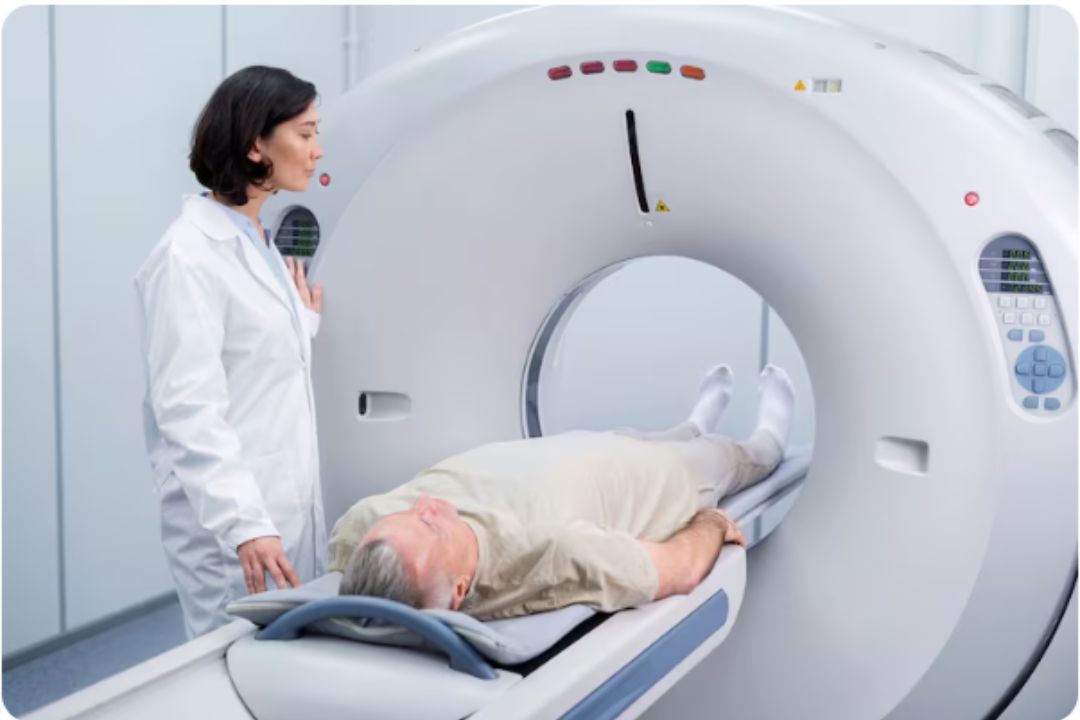
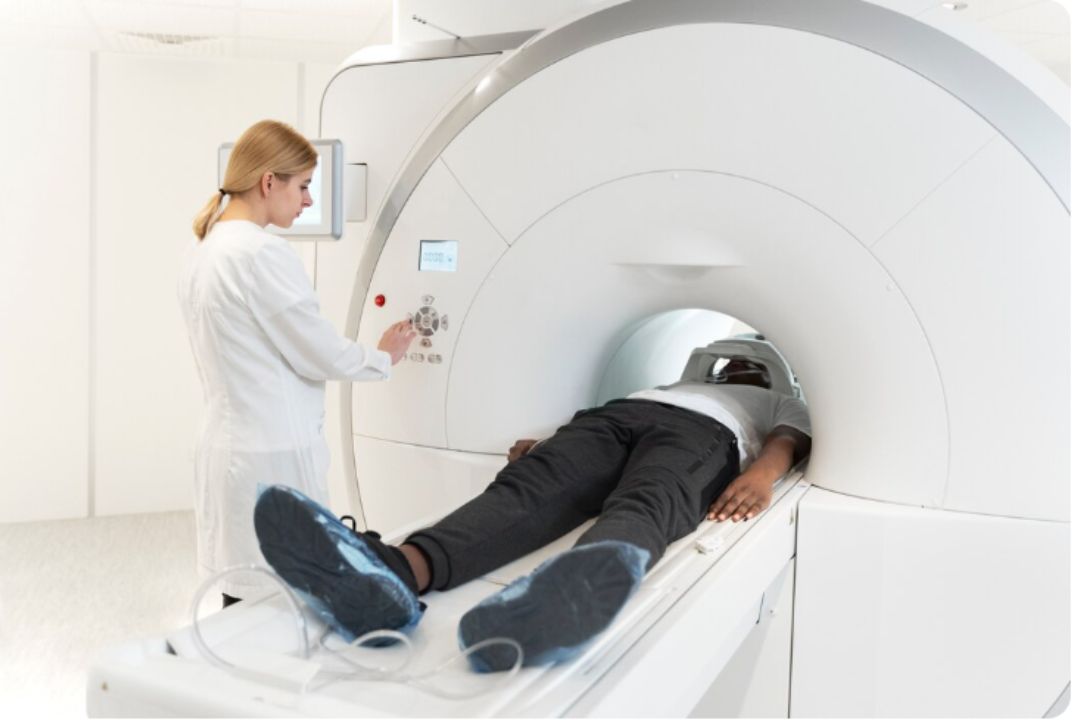
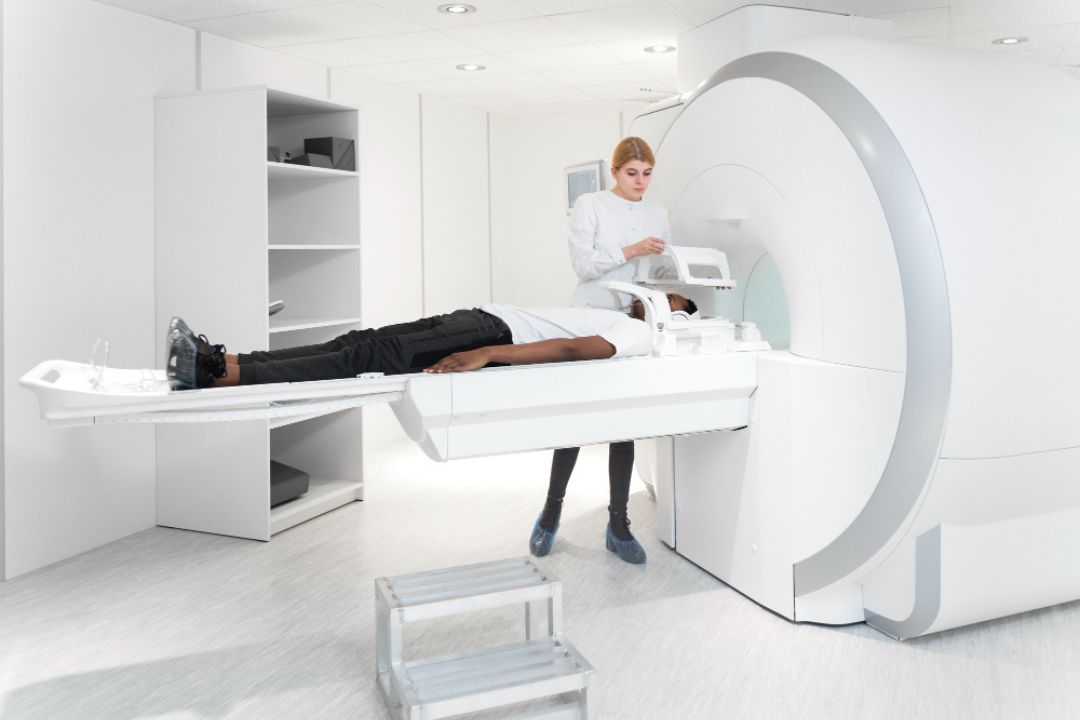
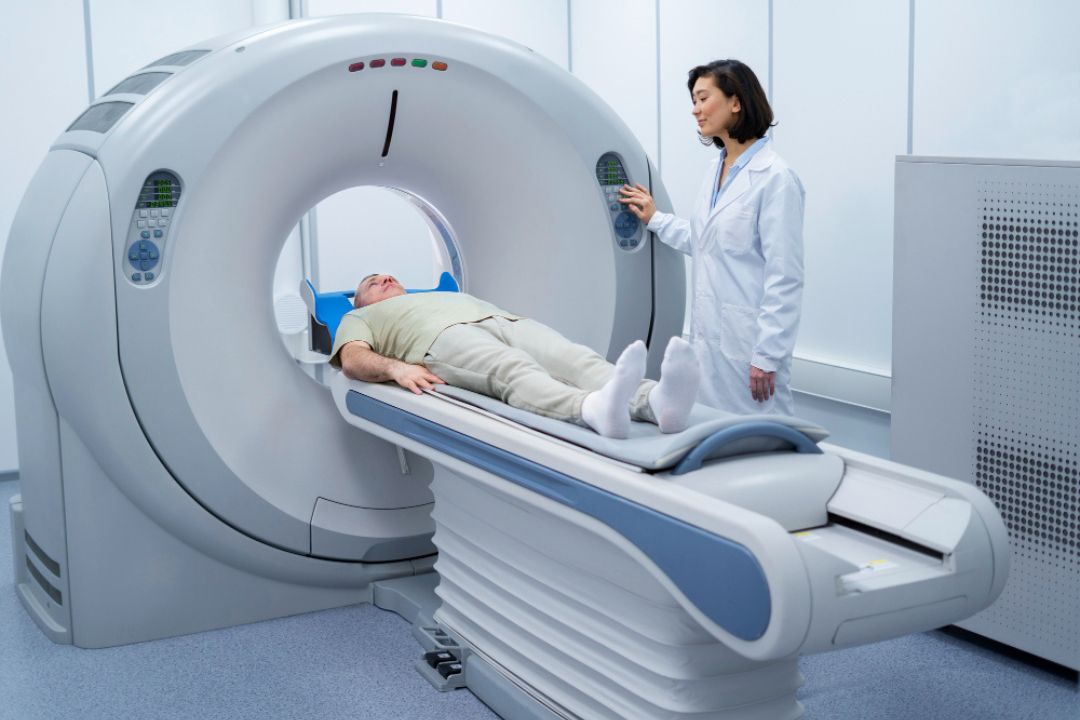
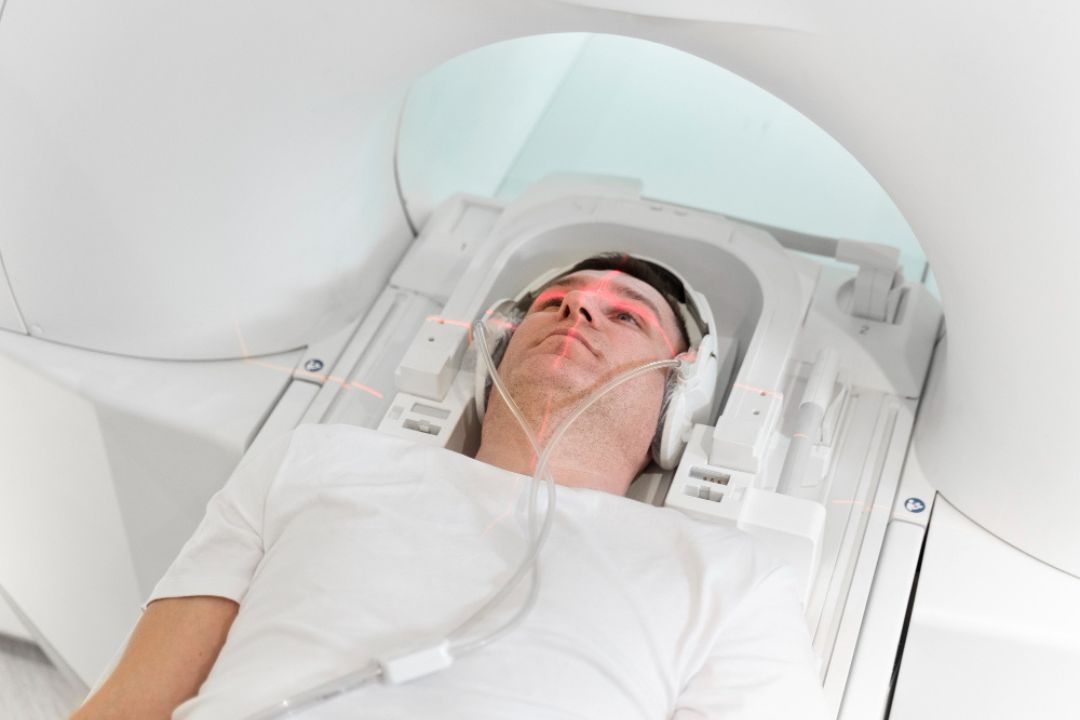
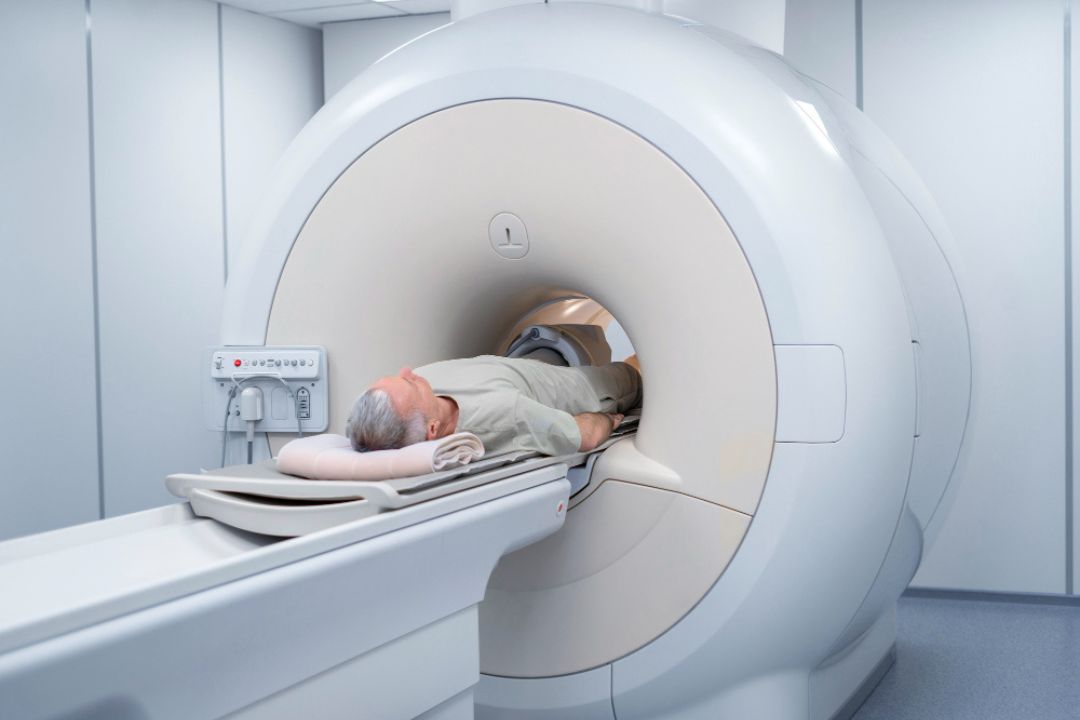
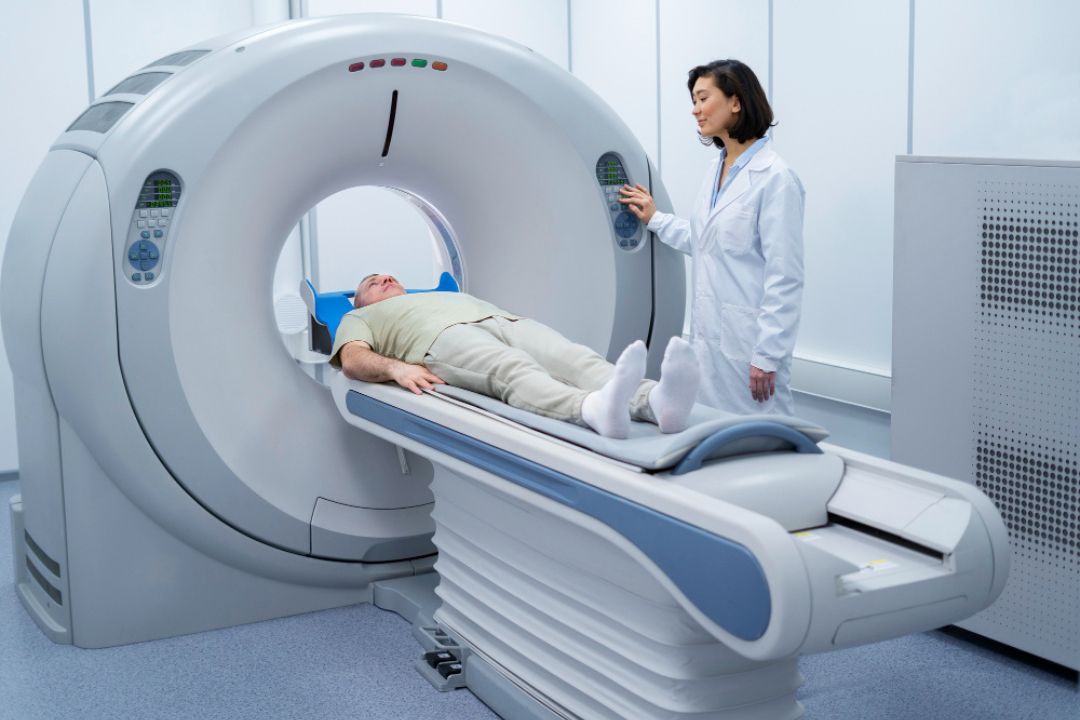
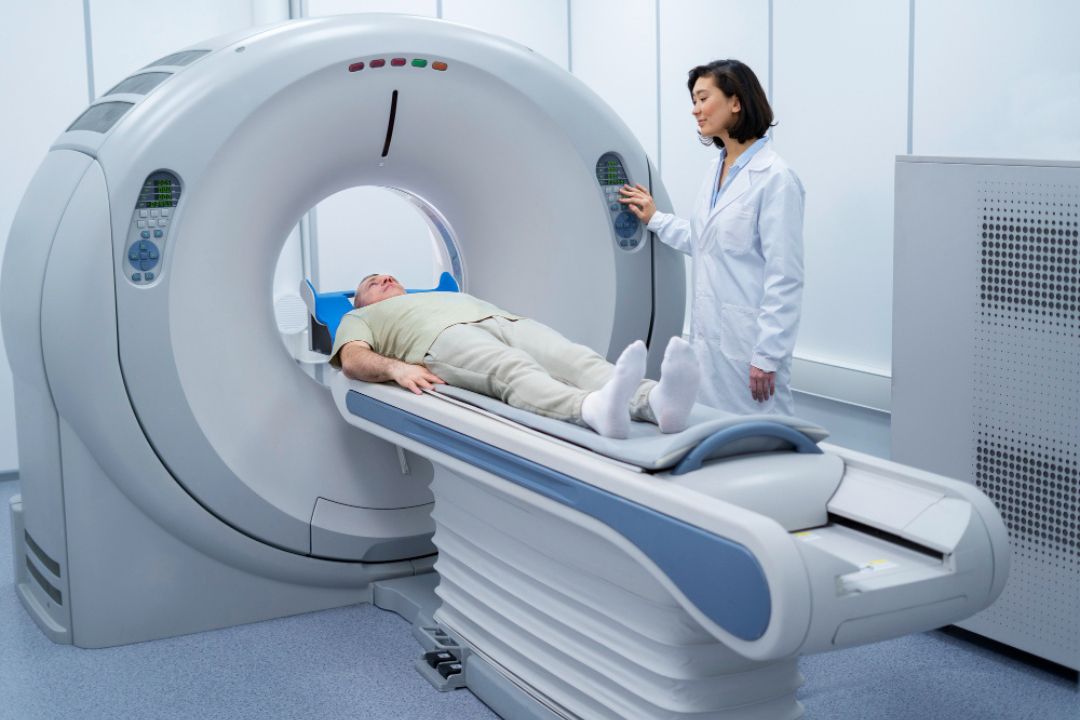
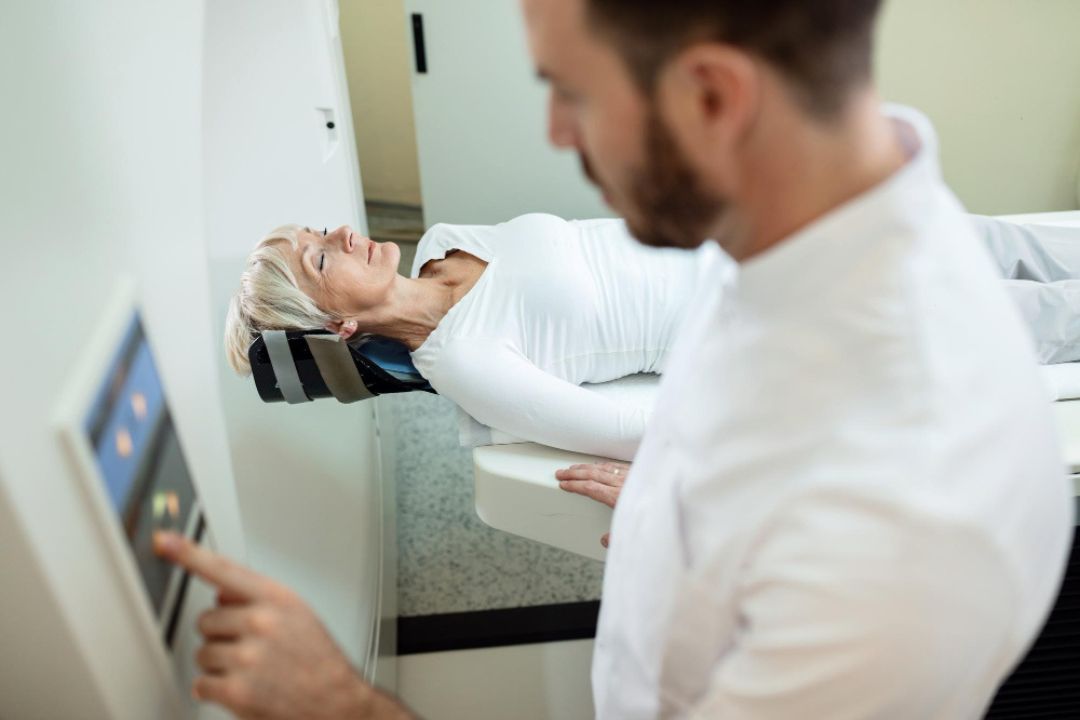
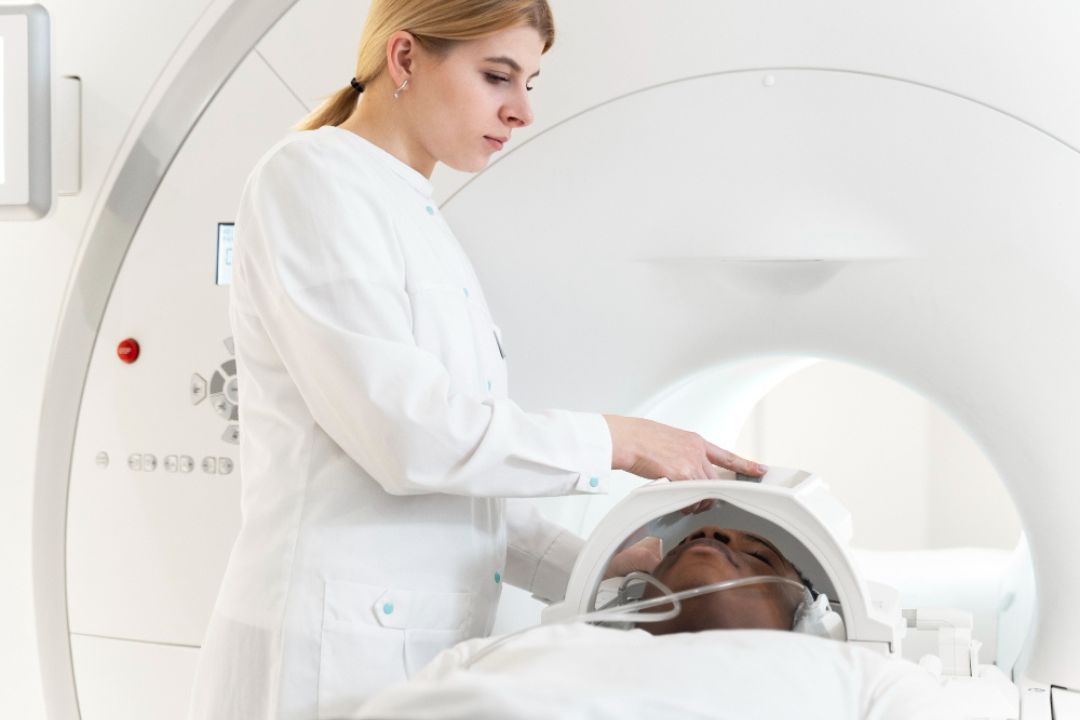
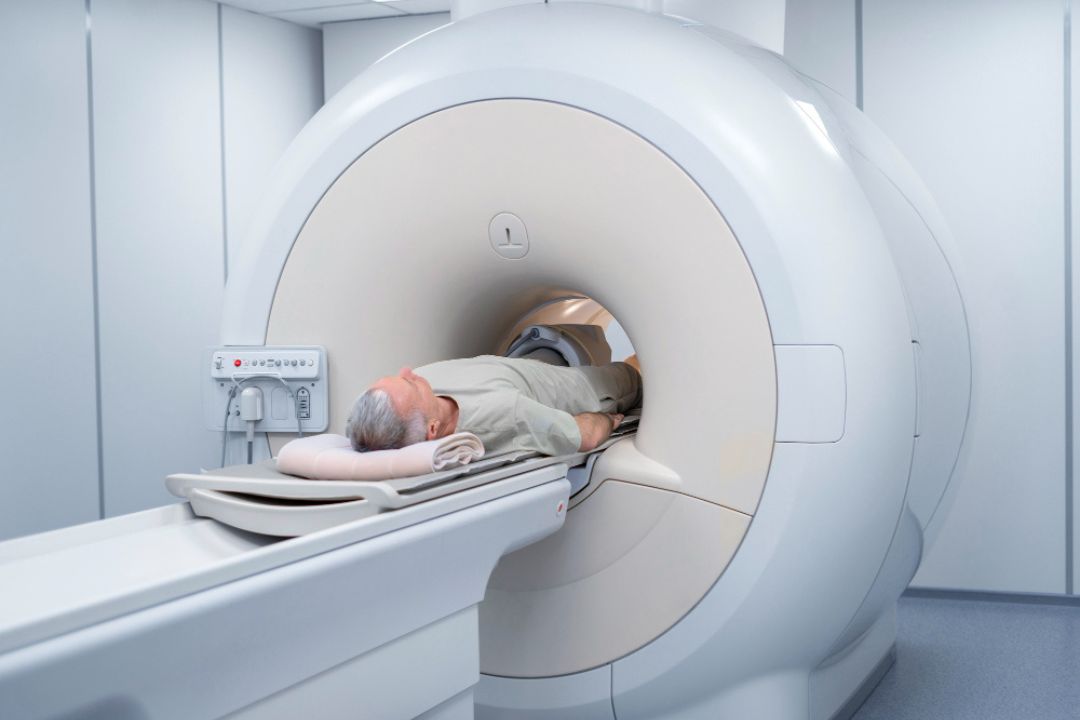
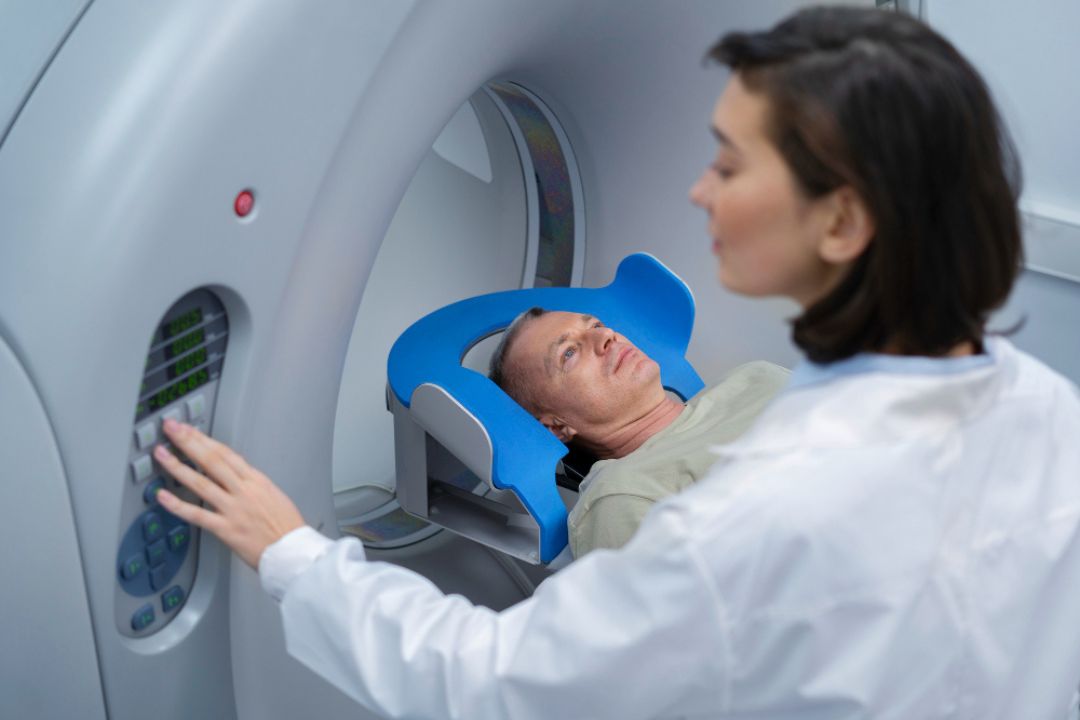
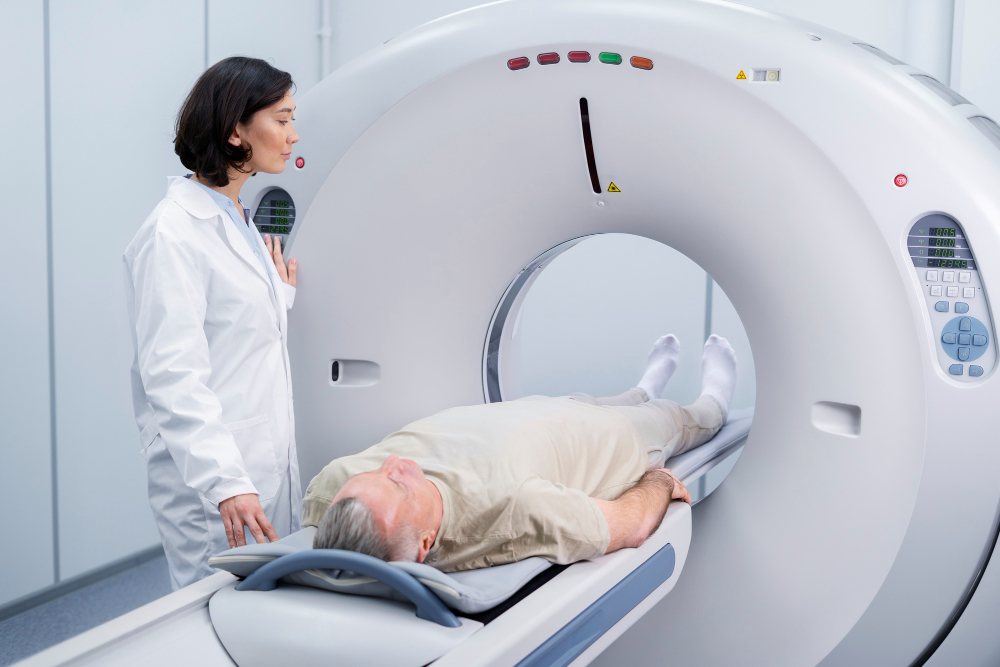
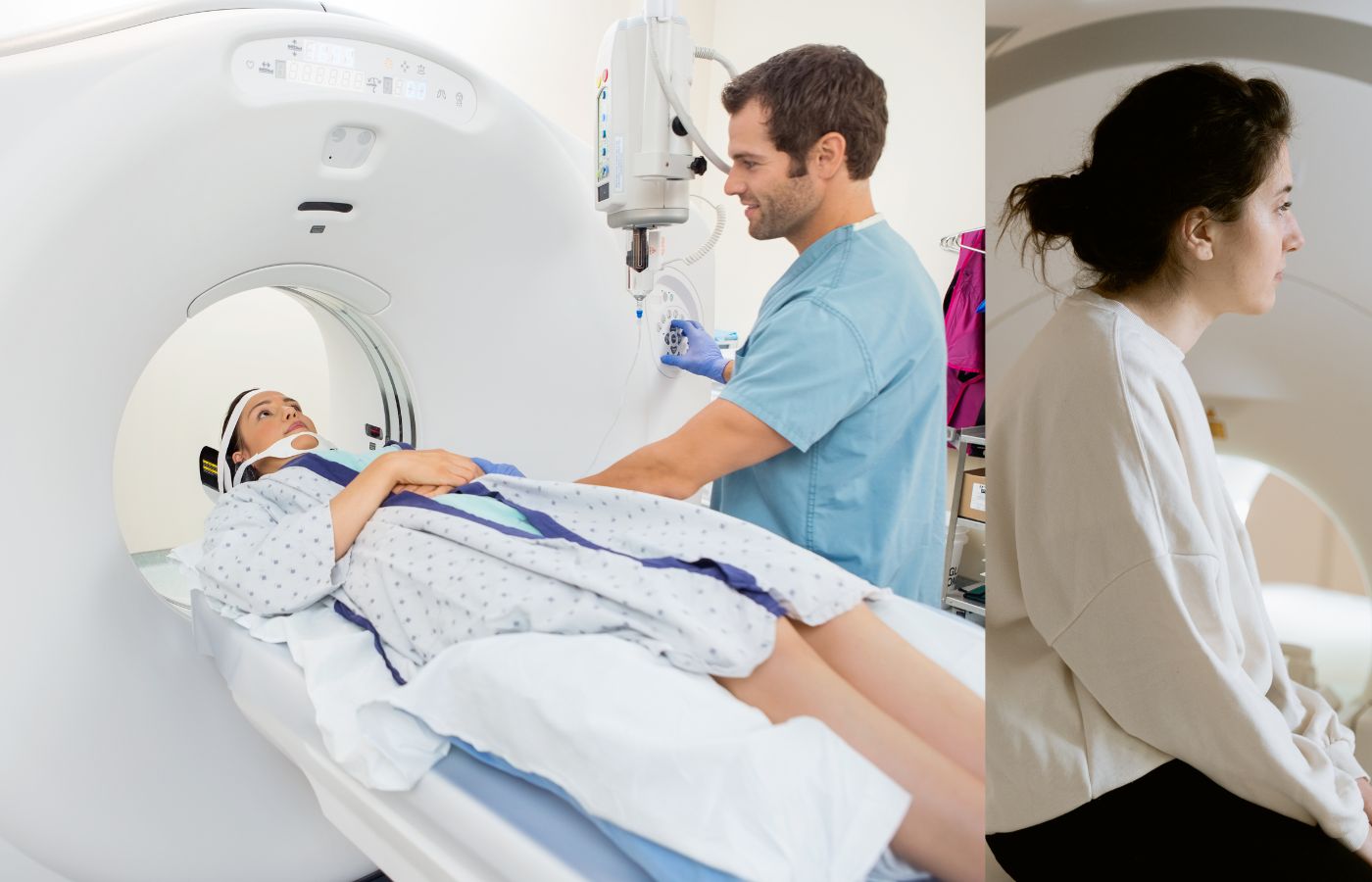
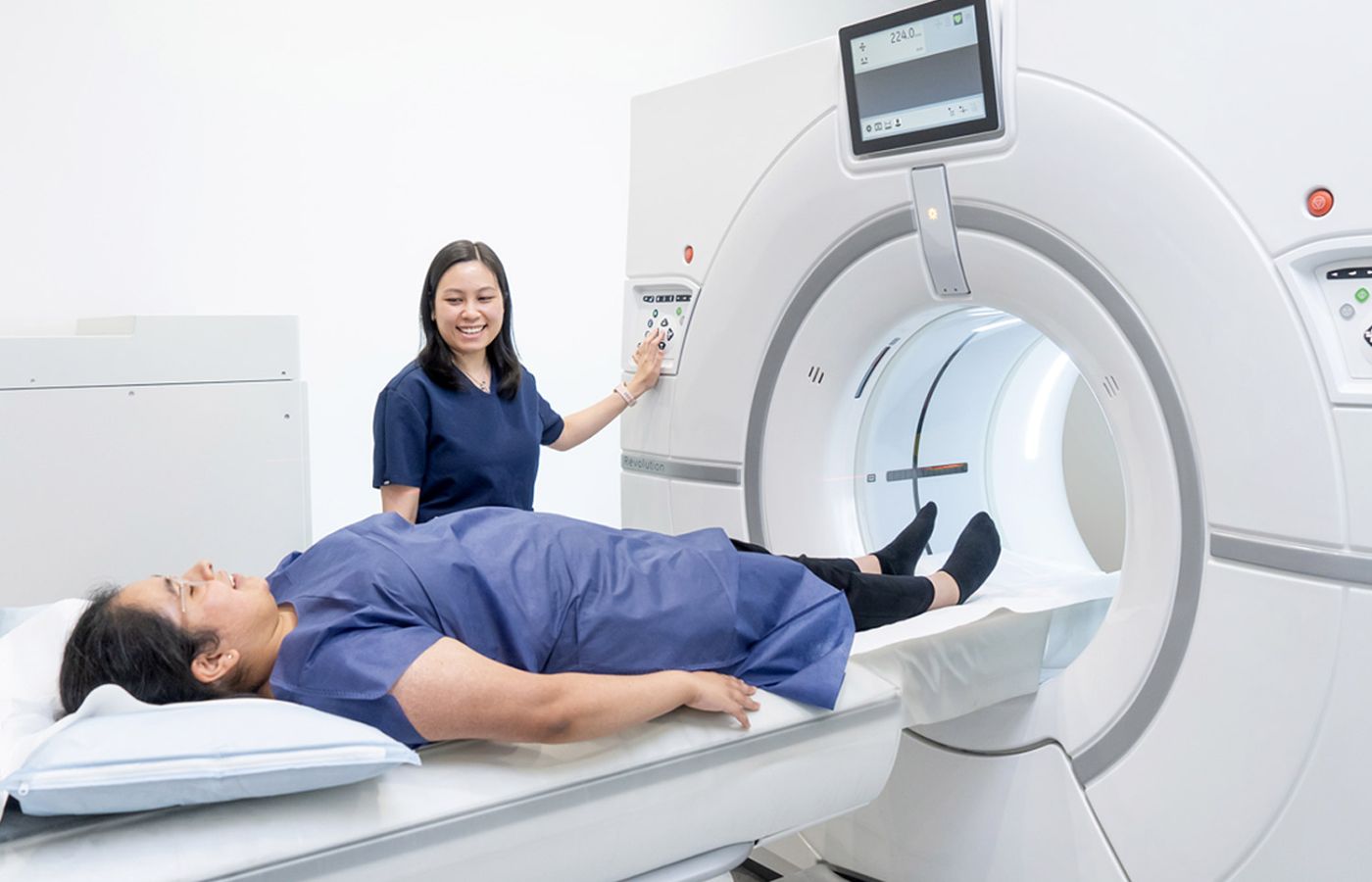
The patient lies on a motorized table attached to the CT scanner.
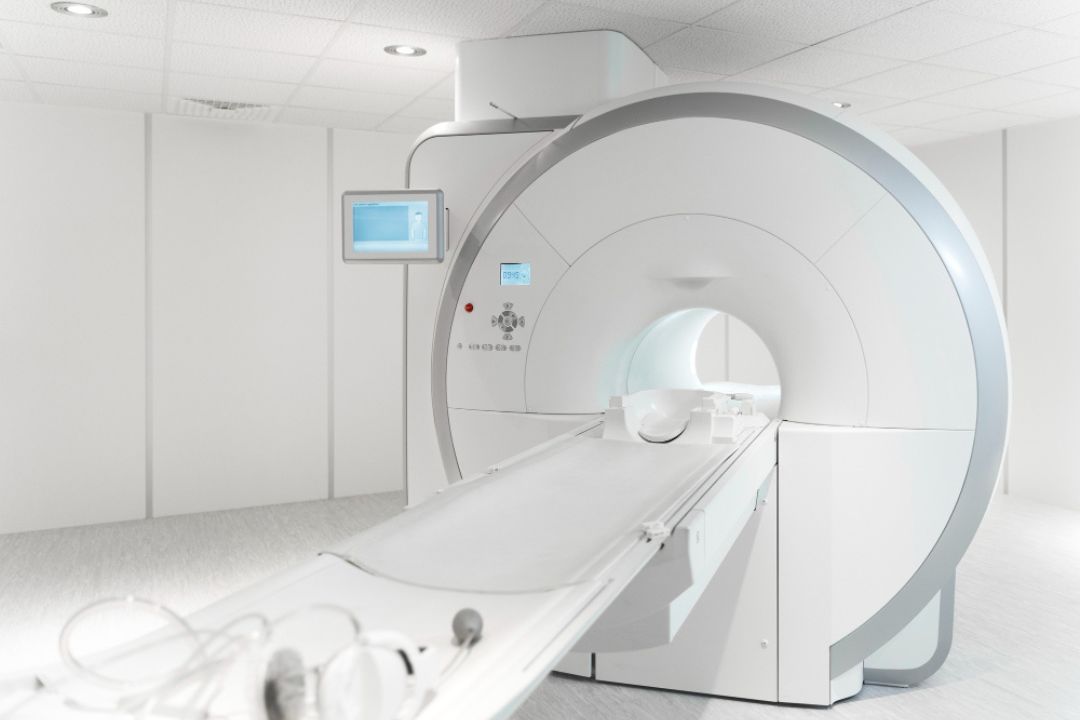
The table moves slowly through the circular scanning machine.
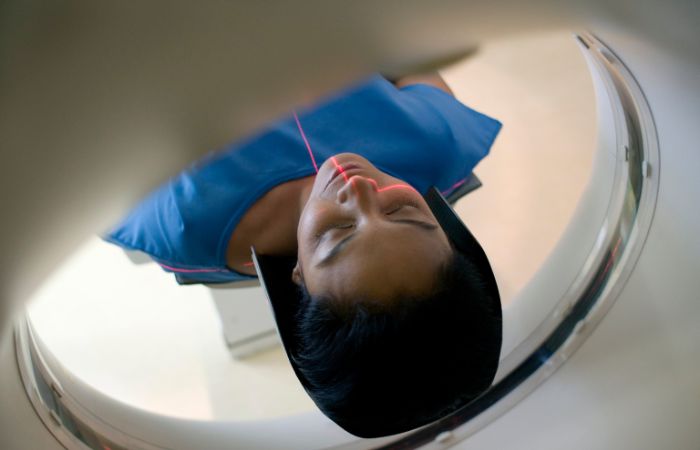
The scanner rotates around the head and captures detailed brain images.
If contrast dye is required, it may be injected through a vein before the scan.
The entire process generally takes 10 to 20 minutes.
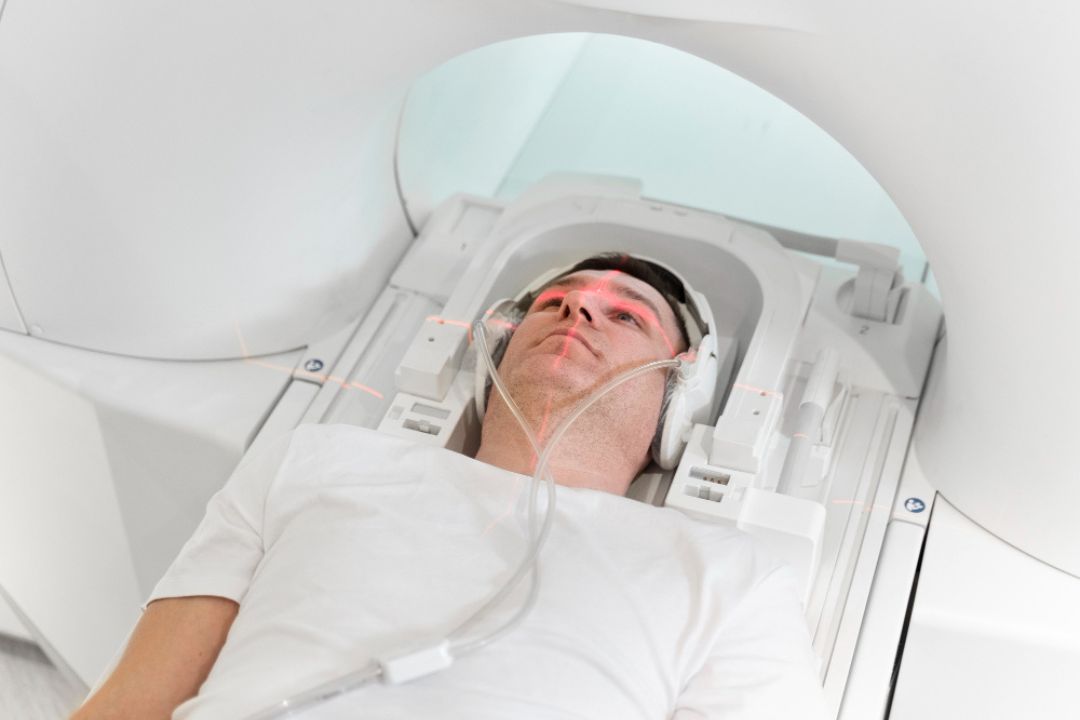
Patients may be asked to remain still during the scan to ensure clear images.
Preparation for a CT scan for brain tumor detection is usually minimal.
Patients may be asked to:
Remove jewelry or metal objects
Inform the doctor about allergies or medications
Avoid eating for a few hours if contrast dye is used
Wear comfortable clothing during the scan
Following these instructions helps ensure accurate imaging results.
A CT brain scan provides several advantages in diagnosing brain tumors and other neurological conditions.
Key benefits include:
Fast and accurate diagnosis
Detailed images of brain structures
Non-invasive imaging procedure
Useful in emergency situations
Helps doctors plan appropriate treatment
These advantages make CT scans an essential tool in modern neurological diagnosis.
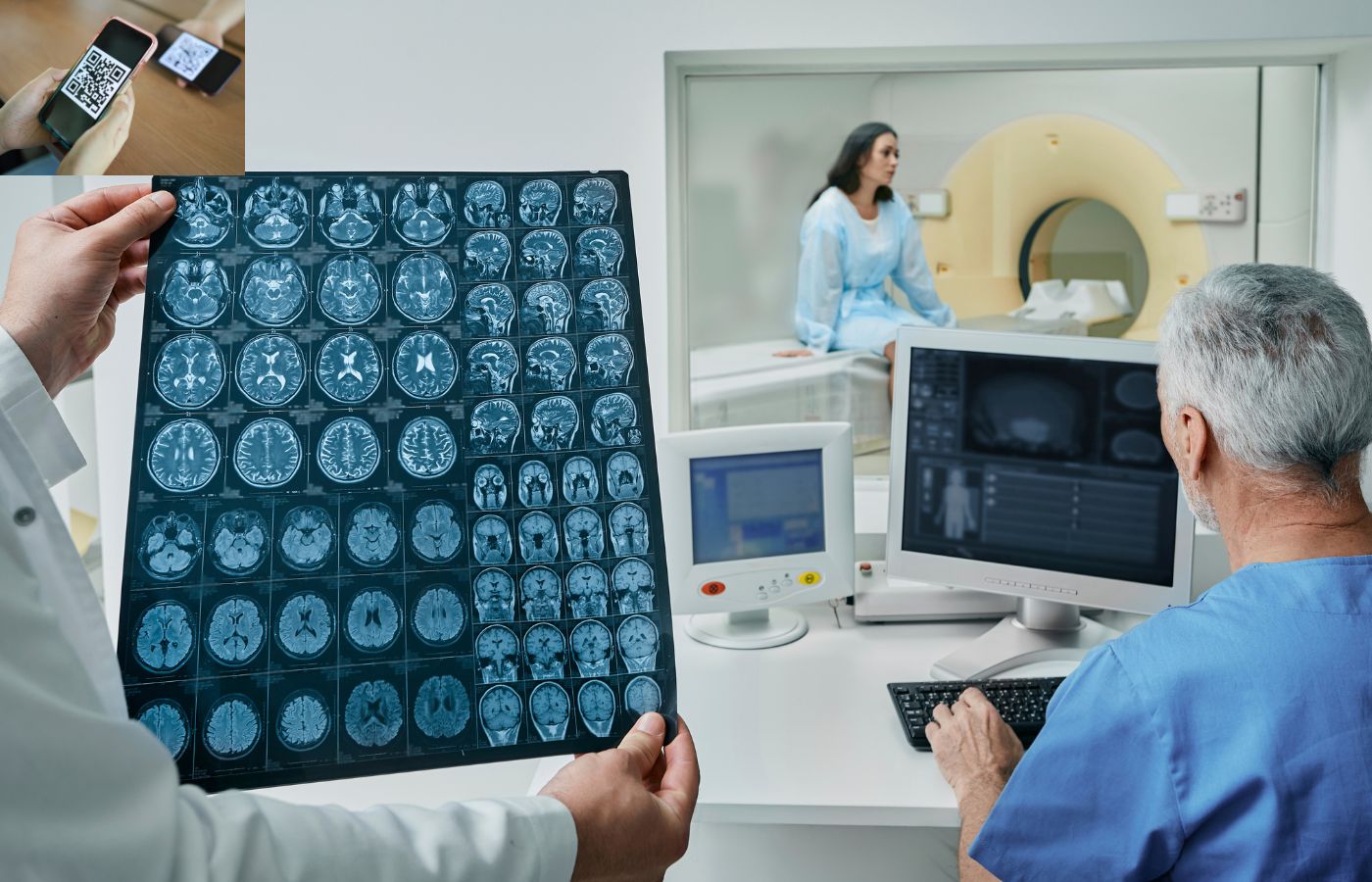
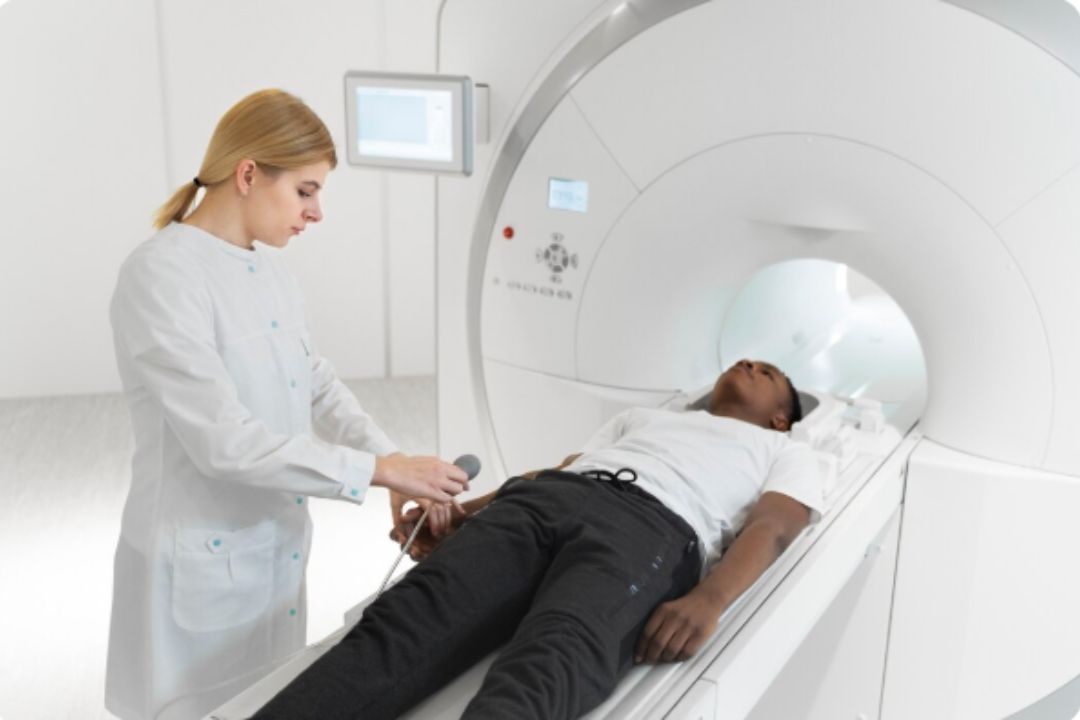
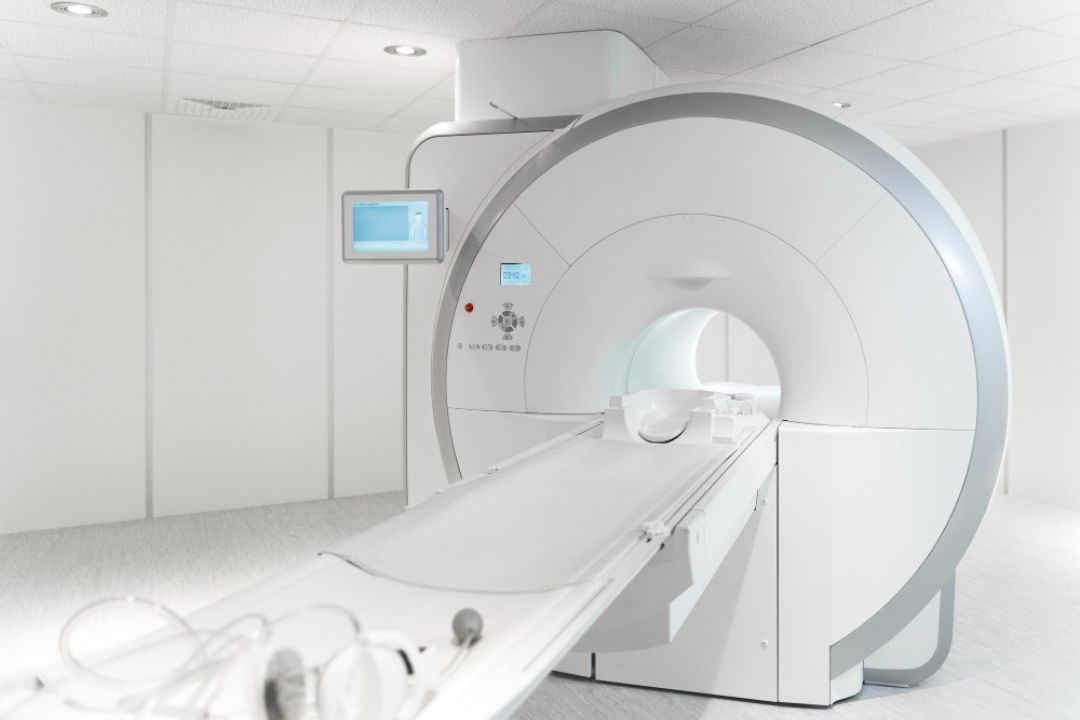
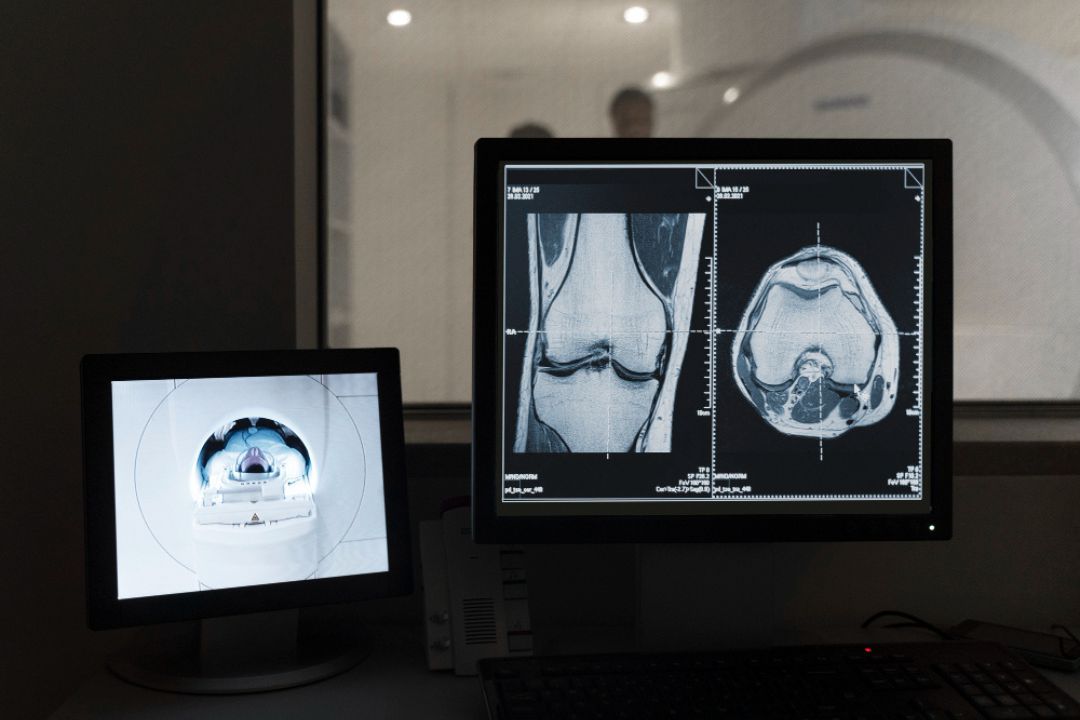
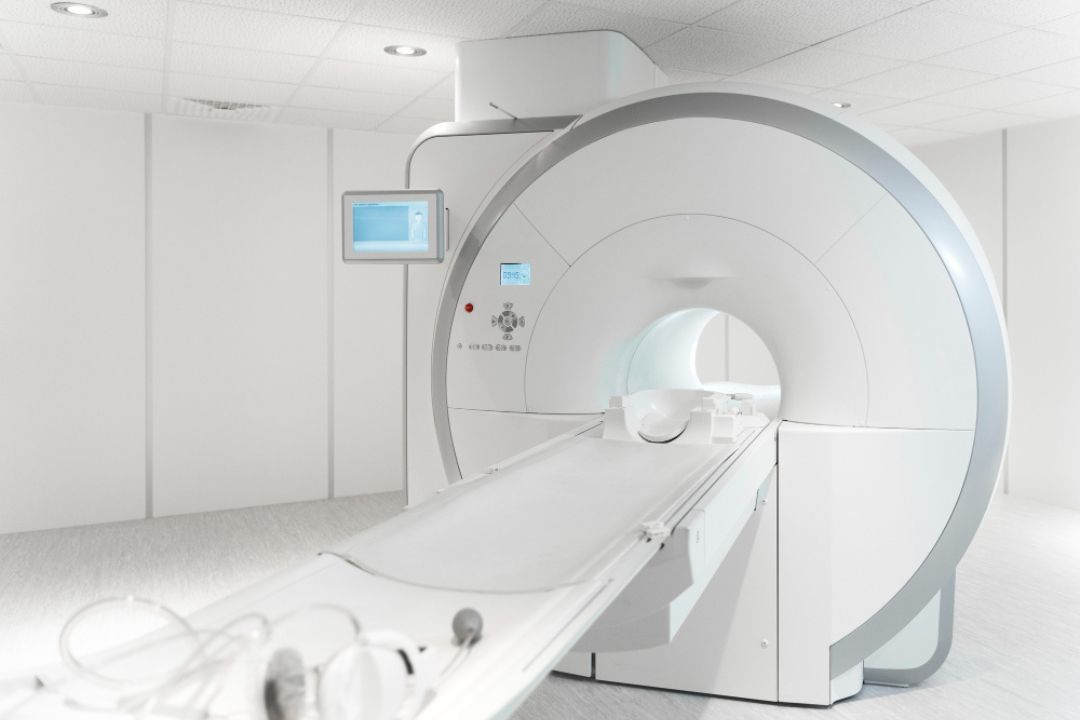
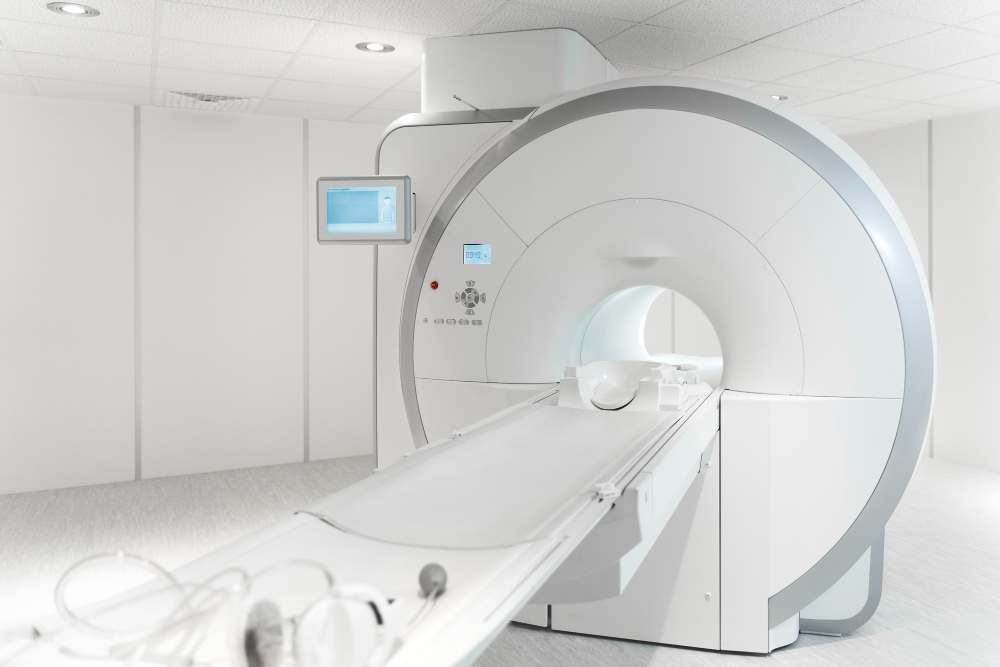
Both CT scans and MRI scans are used to detect brain tumors, but they have different advantages.
| CT Scan | MRI Scan |
|---|---|
| Faster imaging procedure | Provides more detailed soft tissue images |
| Widely available | Longer scan time |
| Useful in emergencies | Better for detailed tumor analysis |
Doctors often use CT scans for quick diagnosis, while MRI scans may be used for further evaluation if needed.
You should seek medical attention and consider a CT brain scan if you experience symptoms such as:
Severe or persistent headaches
Sudden vision problems
Unexplained seizures
Difficulty speaking or walking
Frequent nausea or vomiting
Early diagnosis can help detect brain tumors sooner and improve treatment outcomes.
A CT scan for brain tumor detection is a reliable and efficient imaging test that helps doctors identify tumors and other brain abnormalities. By producing detailed images of the brain, CT scans assist healthcare professionals in diagnosing conditions quickly and planning effective treatment.
Early detection through imaging can significantly improve patient outcomes and ensure timely medical care.







.jpg "ct brain scan plain and contrast")













.jpg "ct scan")

.jpg "ct scan or mri for brain disorders")


.jpg "exploring the power of ct brain contrast in modern diagnostics")
.jpg "ct scan")
.jpg "ct scan")







.jpg "ct scan")

.jpg "CT Brain Scan for Headaches")
.jpg "The Future of 3D CT Imaging")