Medical imaging has transformed the way doctors diagnose and monitor diseases. Among the many diagnostic tools available today, CT Scans (Computed Tomography scans) stand out for their precision and speed. Compared to older imaging techniques, CT technology provides clearer, more detailed views of the body, allowing healthcare professionals to detect conditions earlier and treat them more effectively.
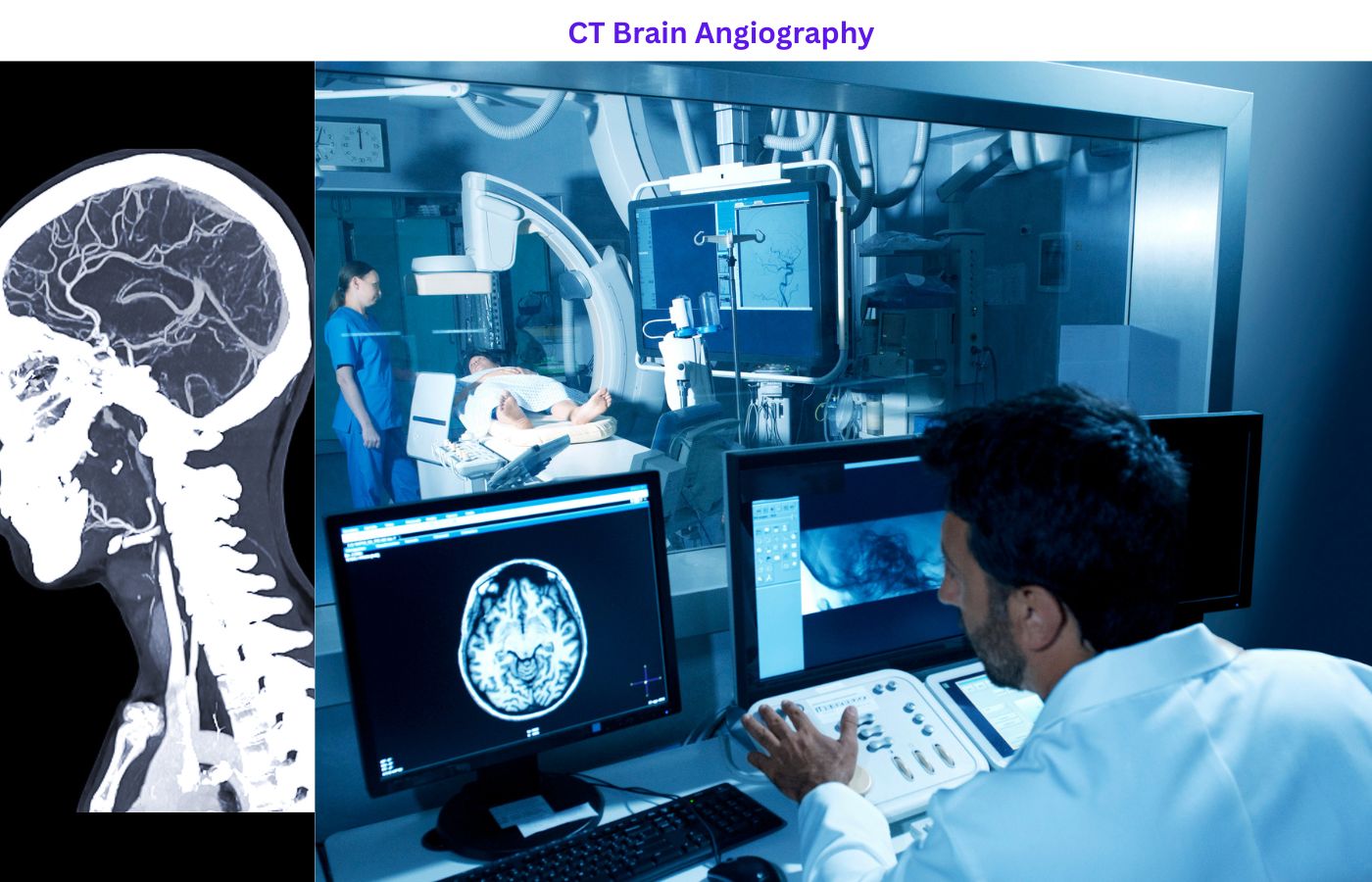
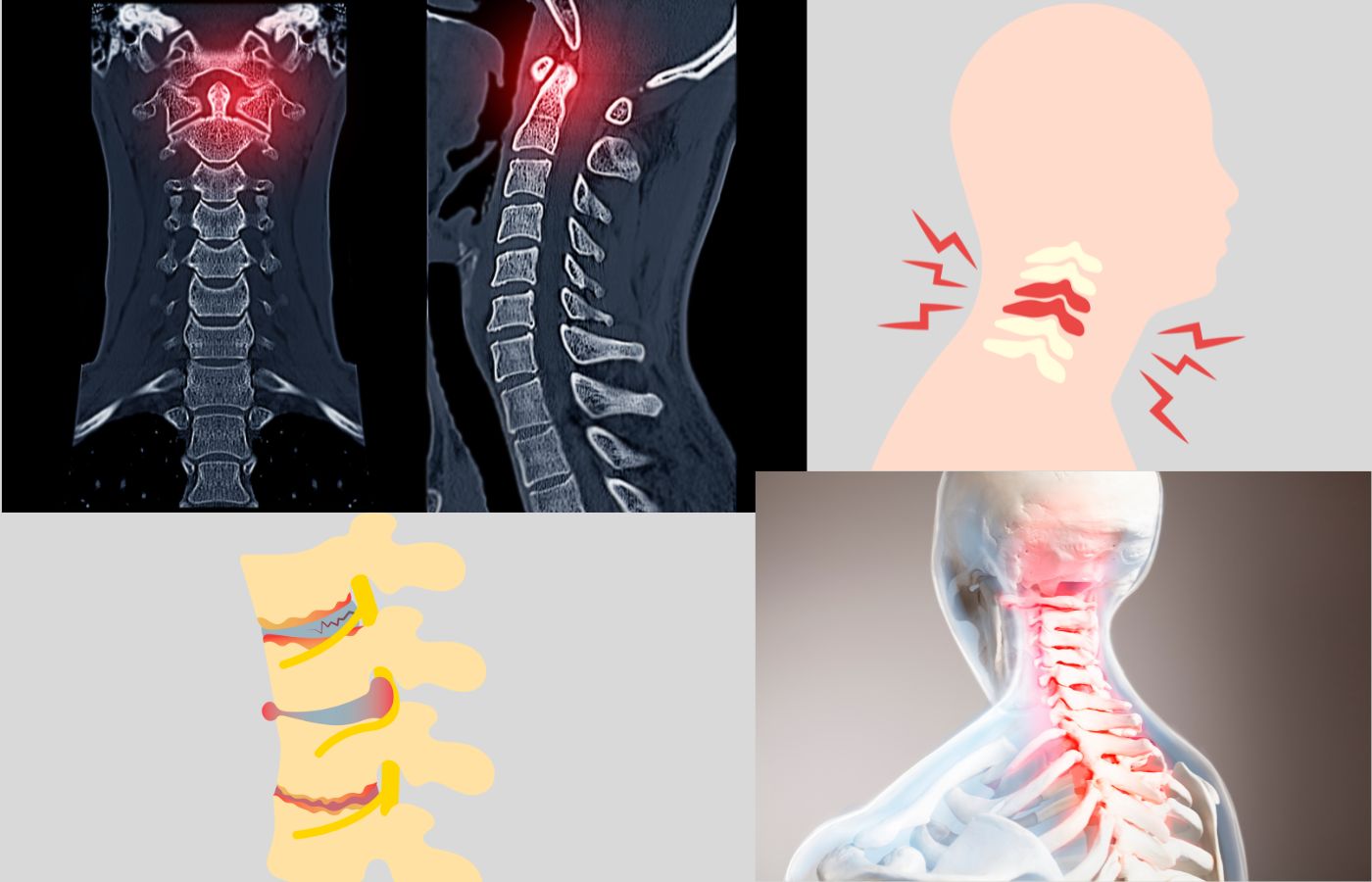
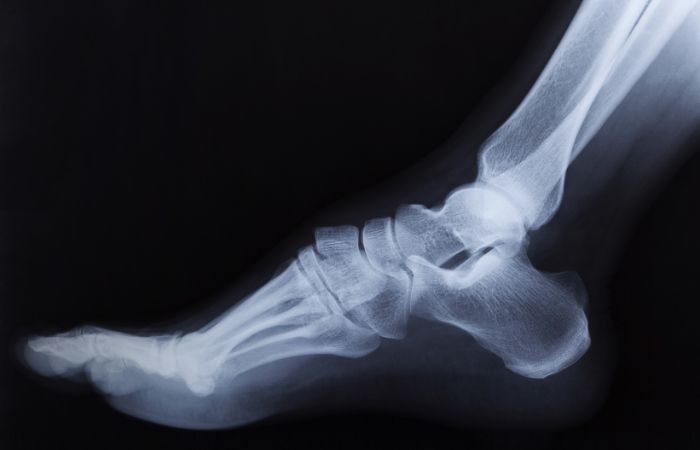
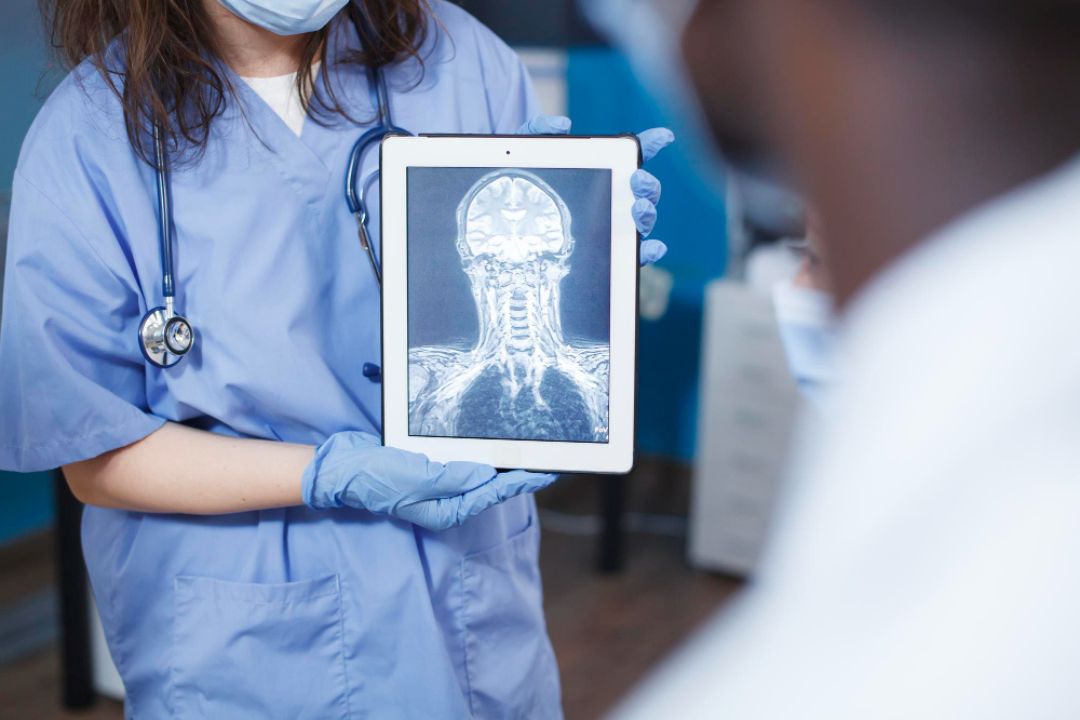
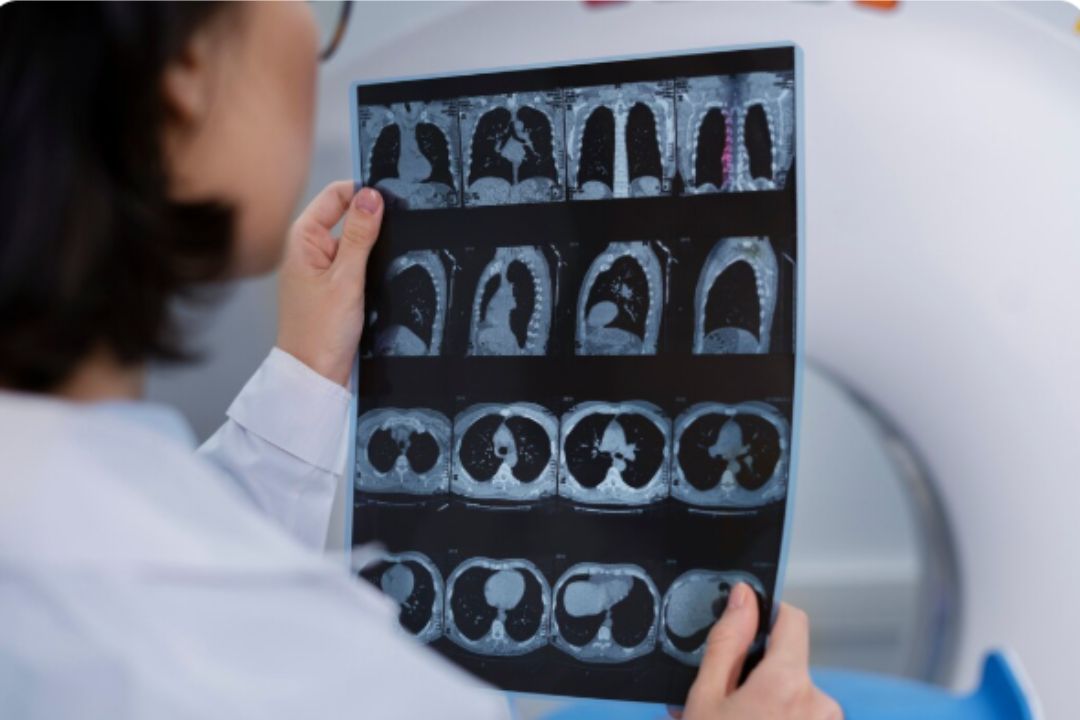
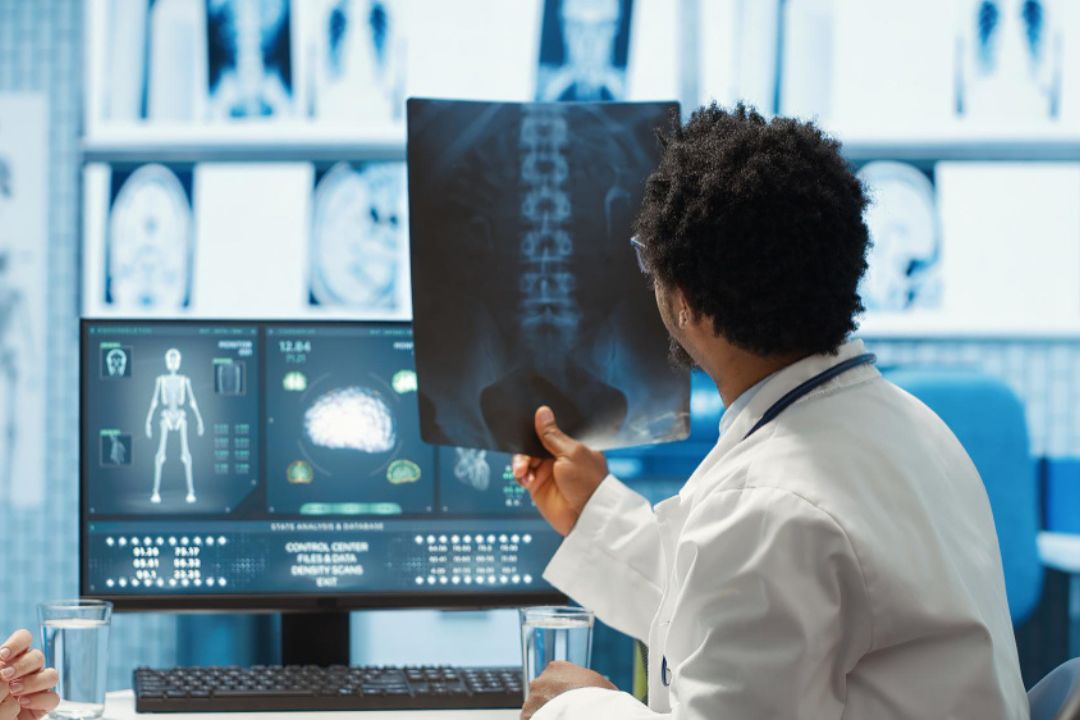
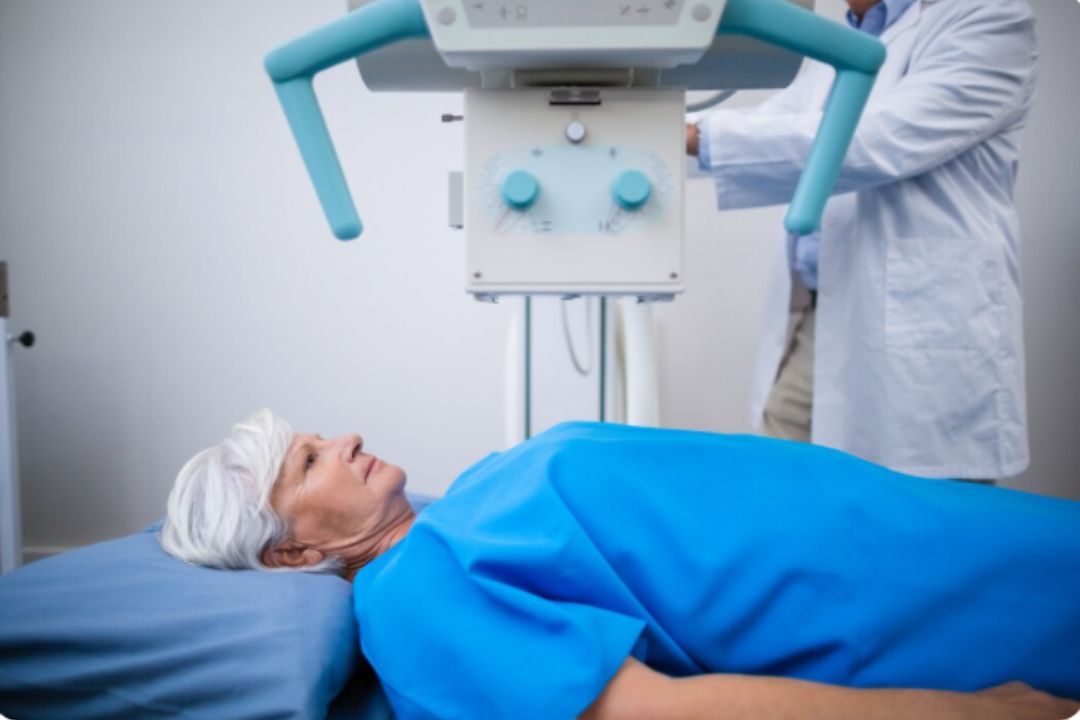
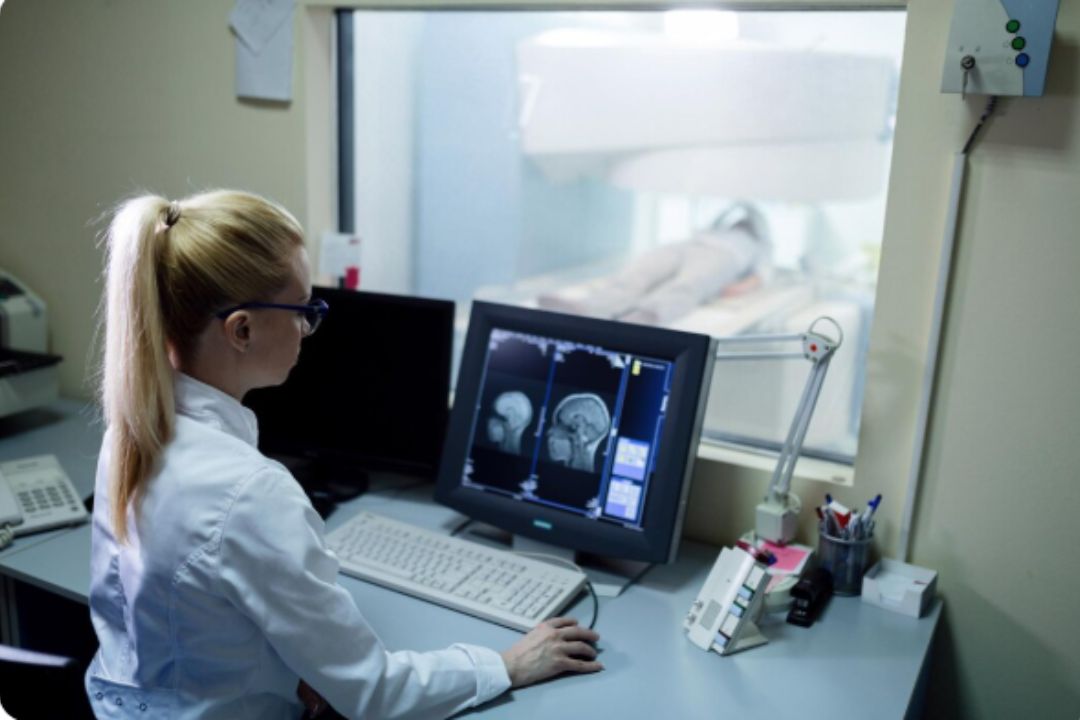
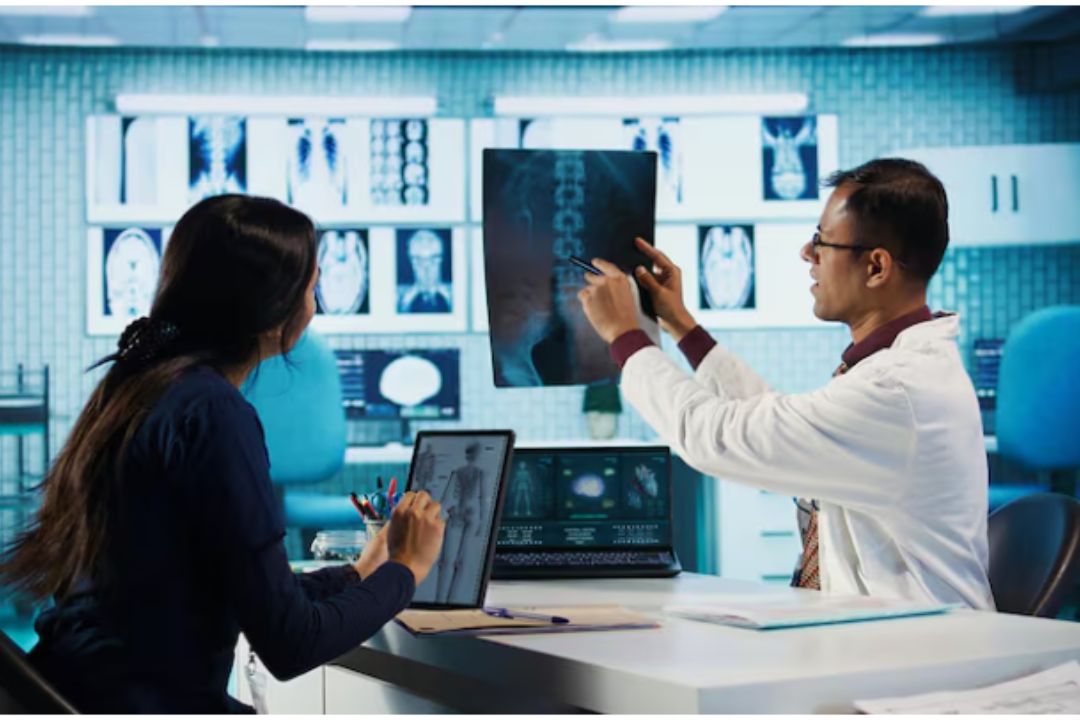
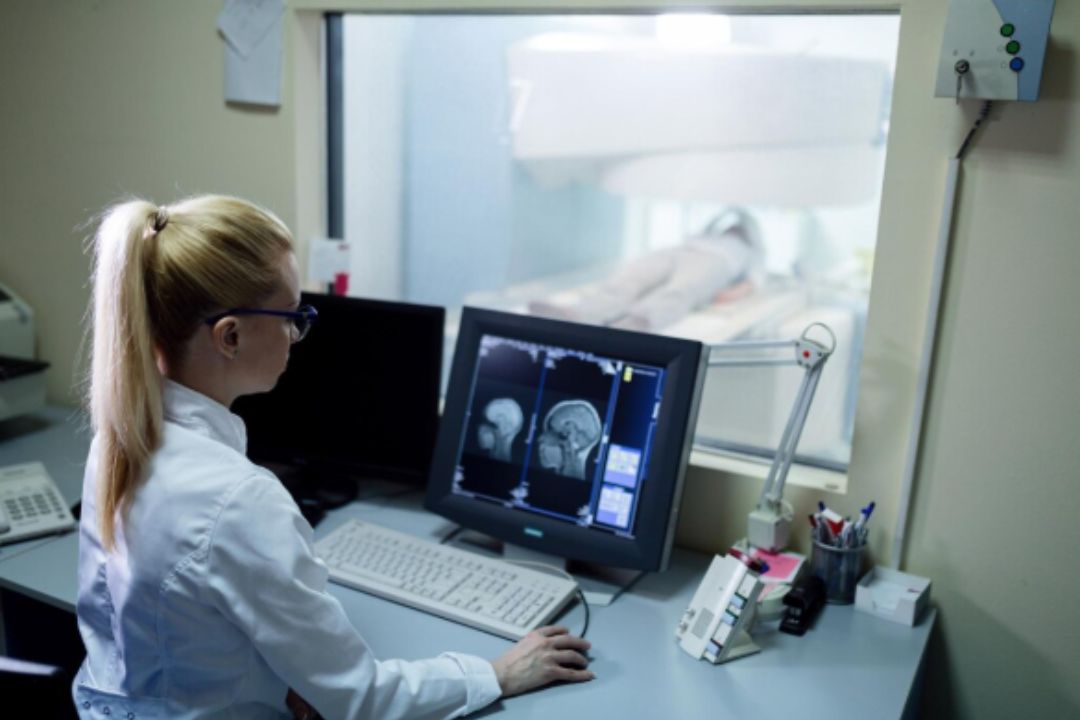
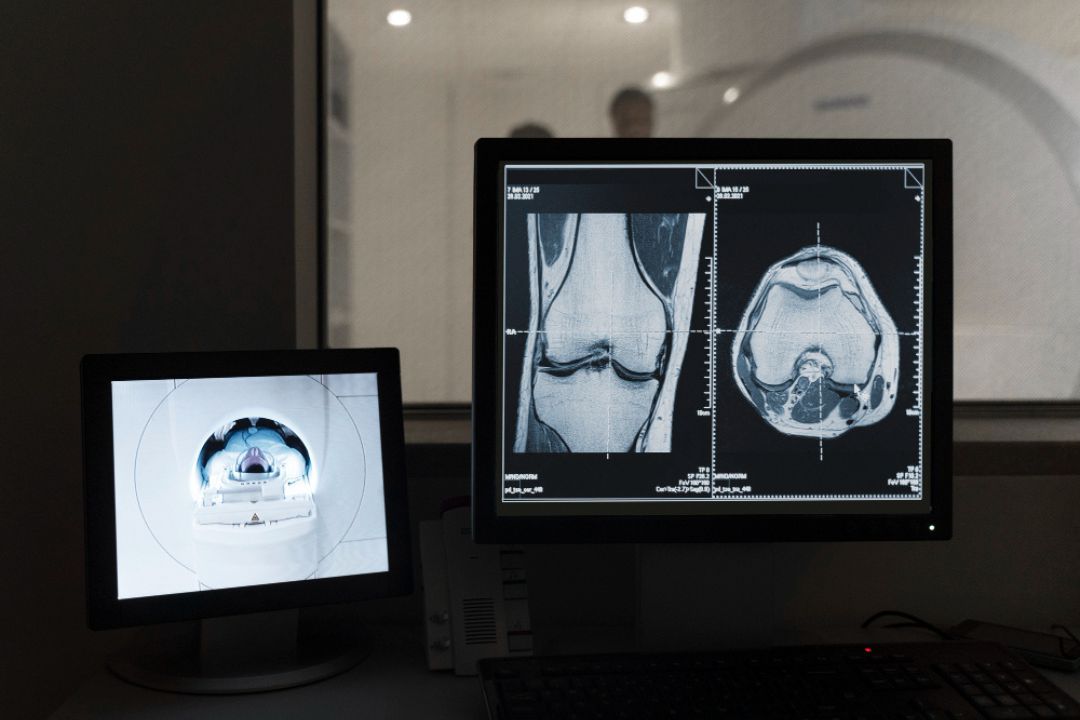
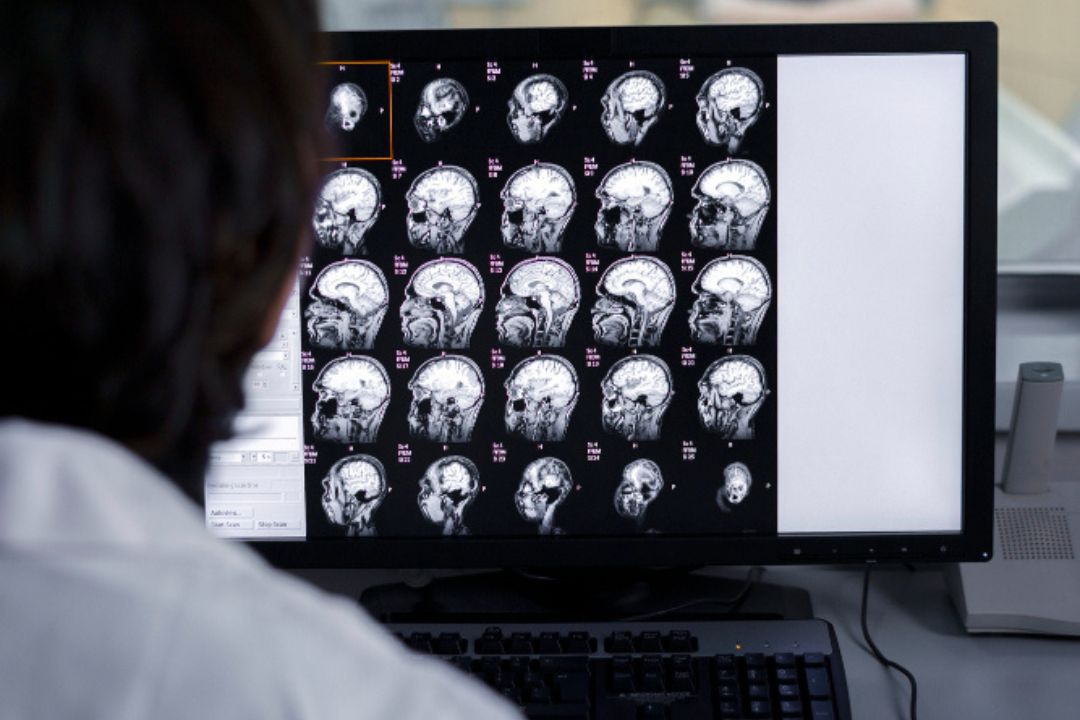
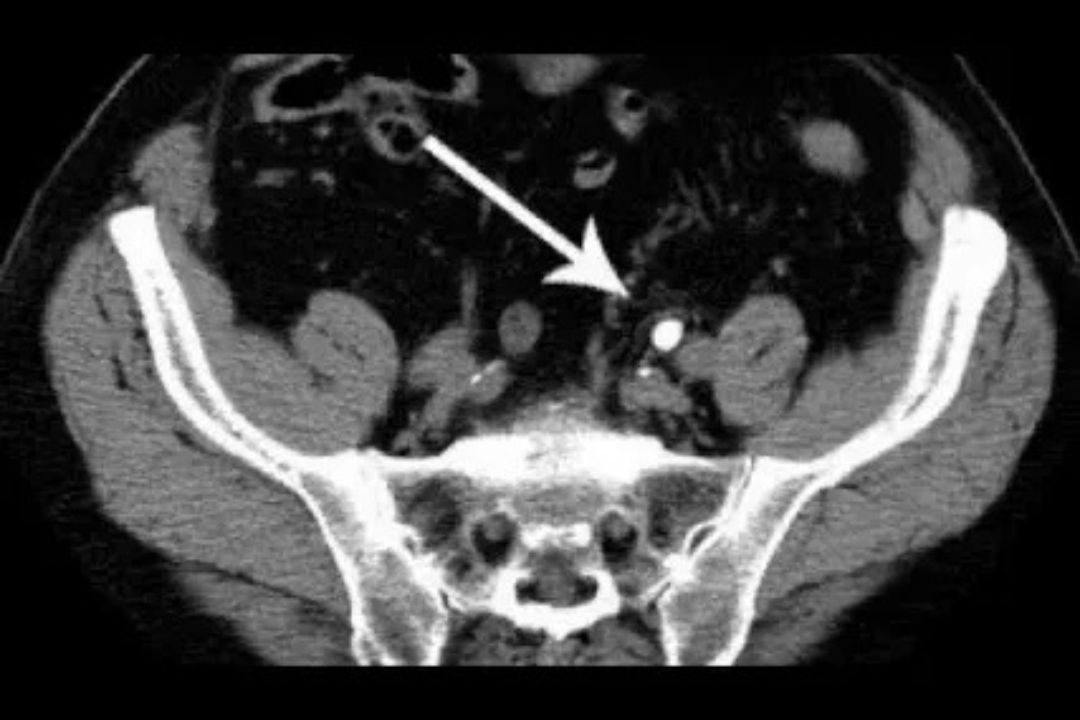
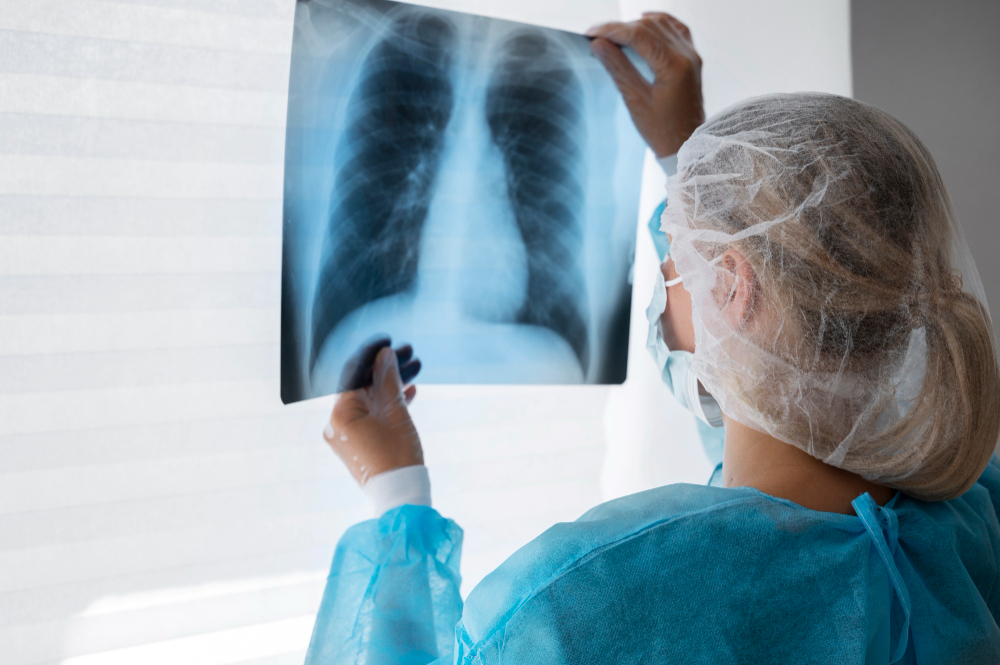
A CT scan is an advanced imaging procedure that uses X-rays and computer processing to create detailed cross-sectional images of the body. Unlike standard X-rays that show only a flat image, CT scans produce layered images of organs, bones, blood vessels, and tissues.
Visit Now: https://www.diagnopein.com
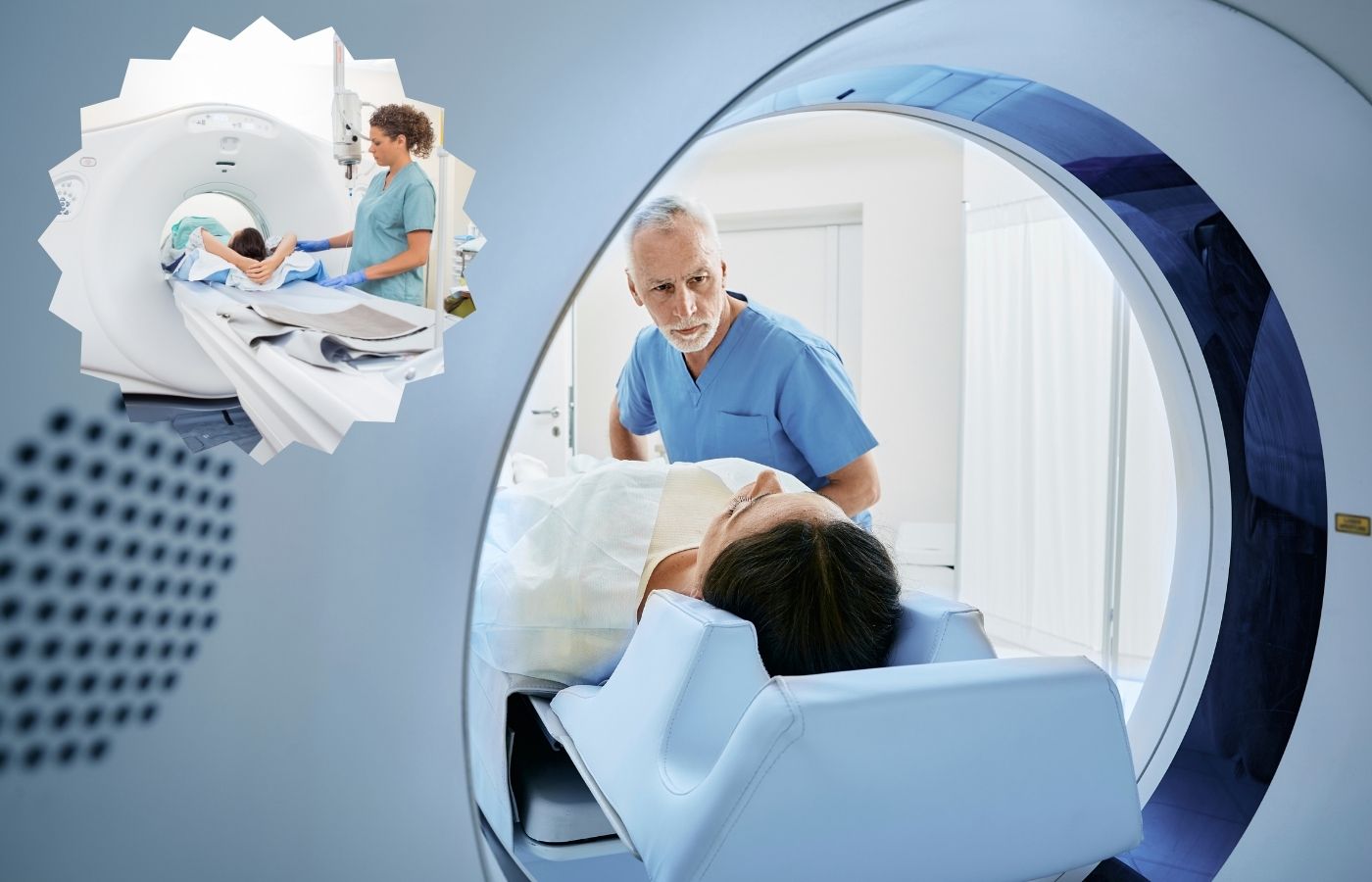
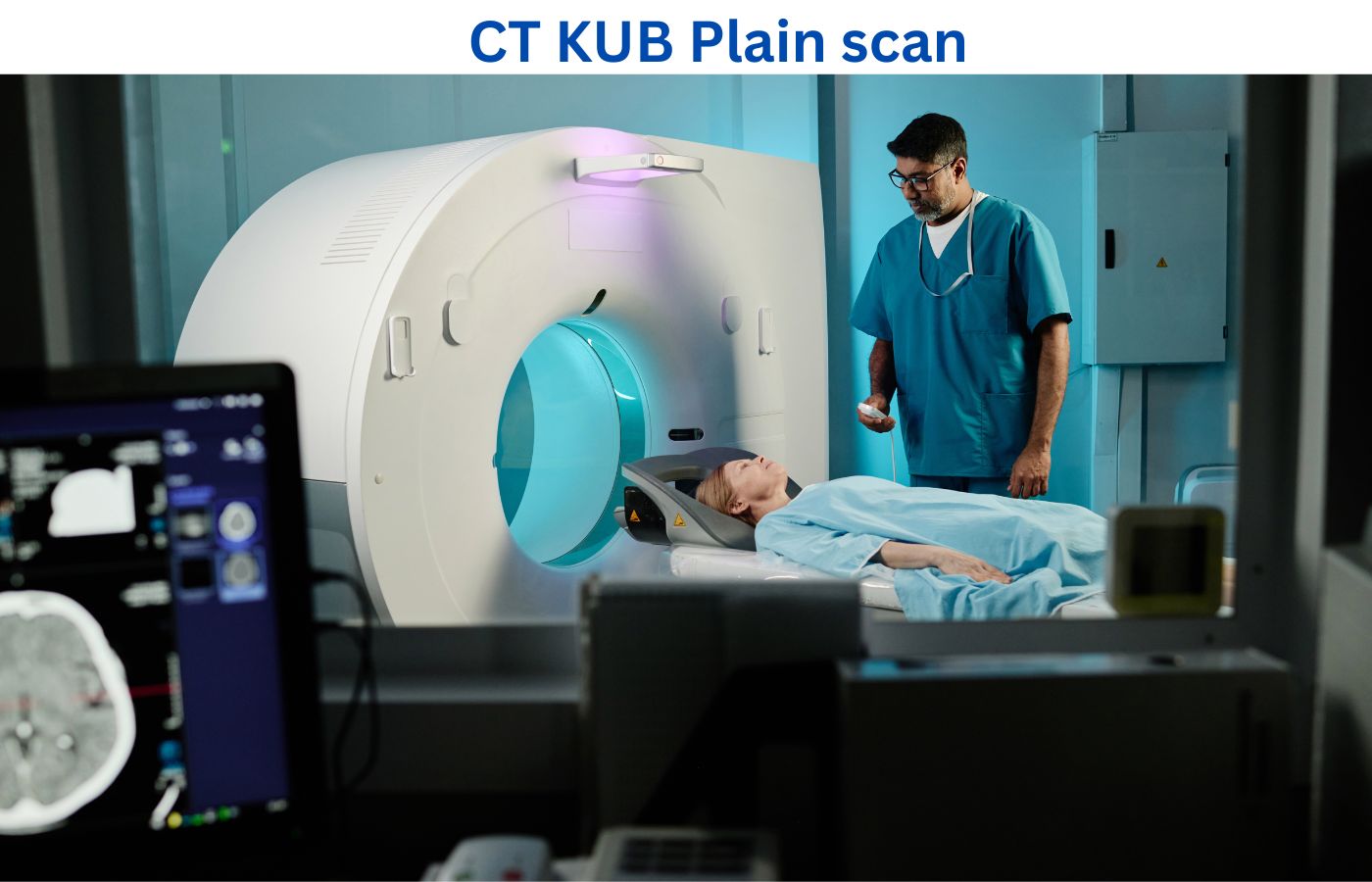
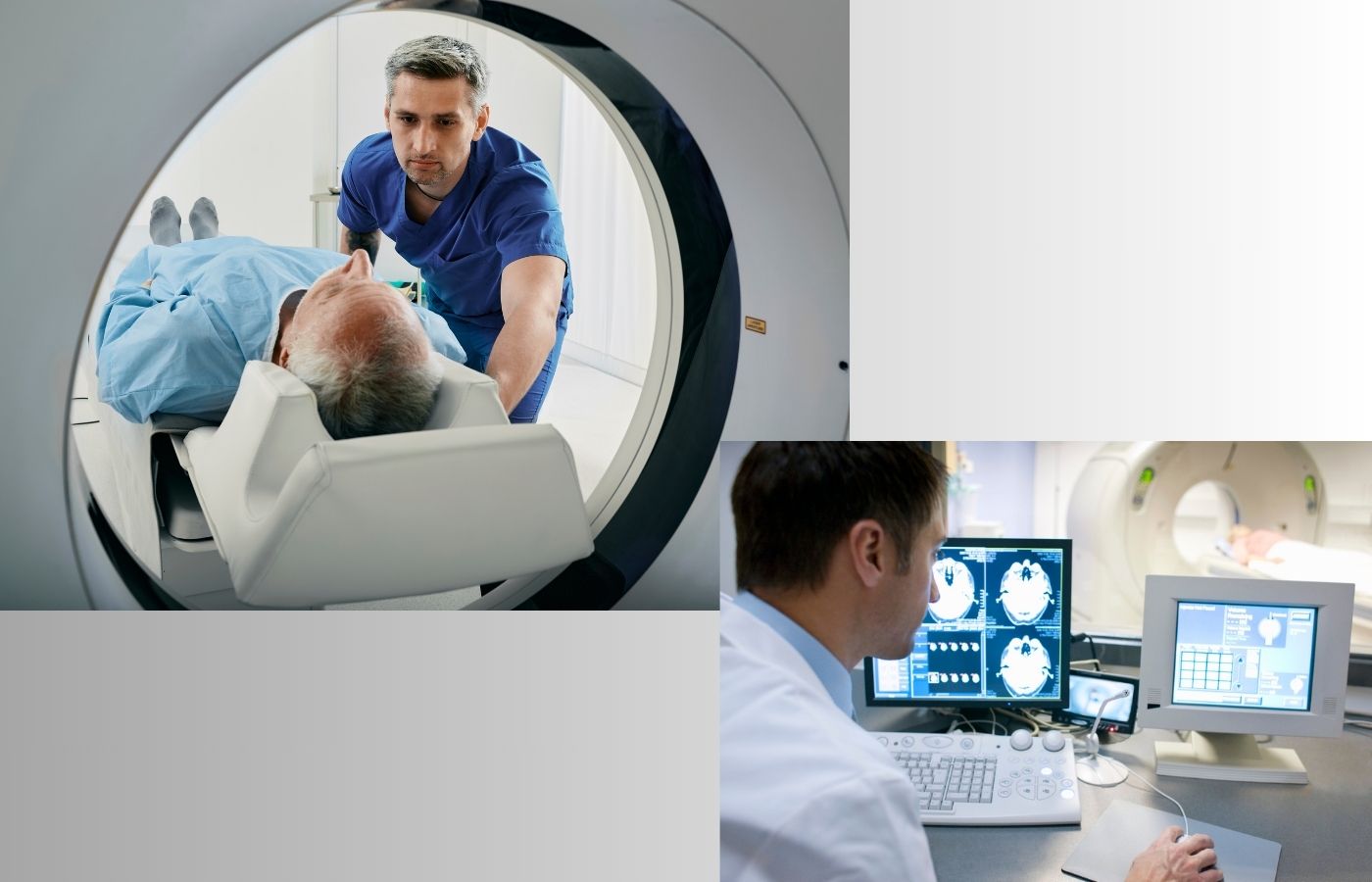
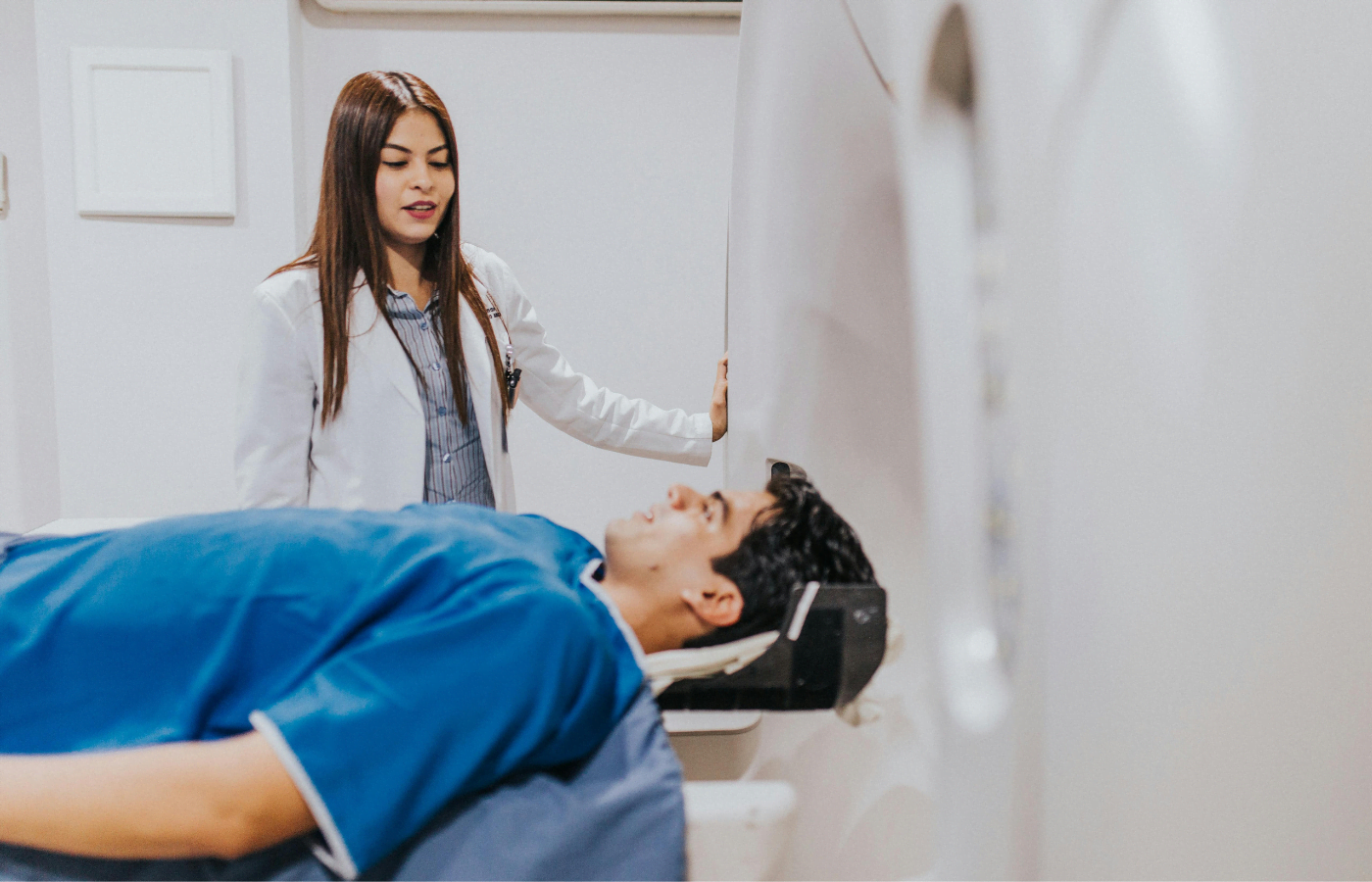
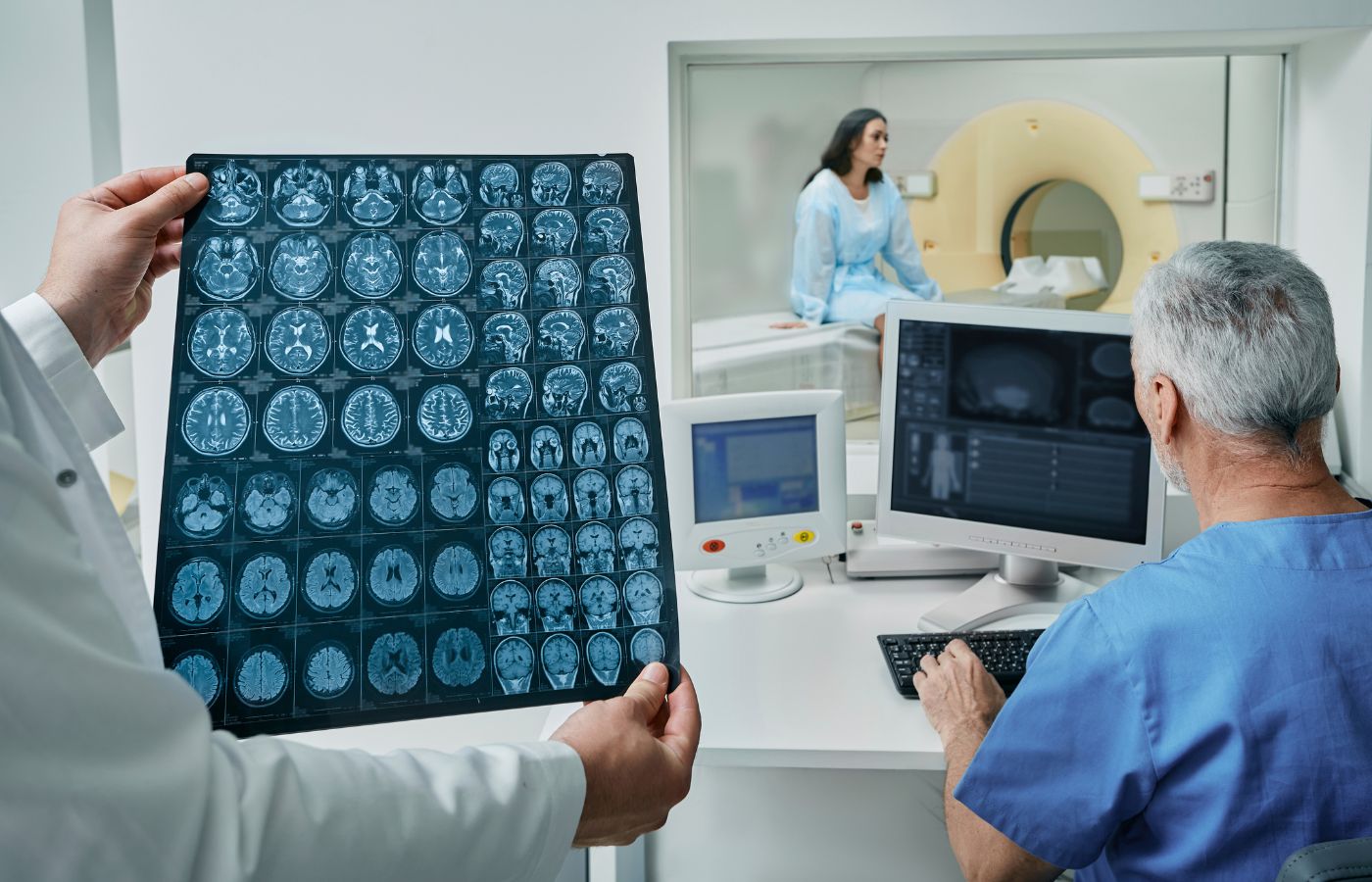
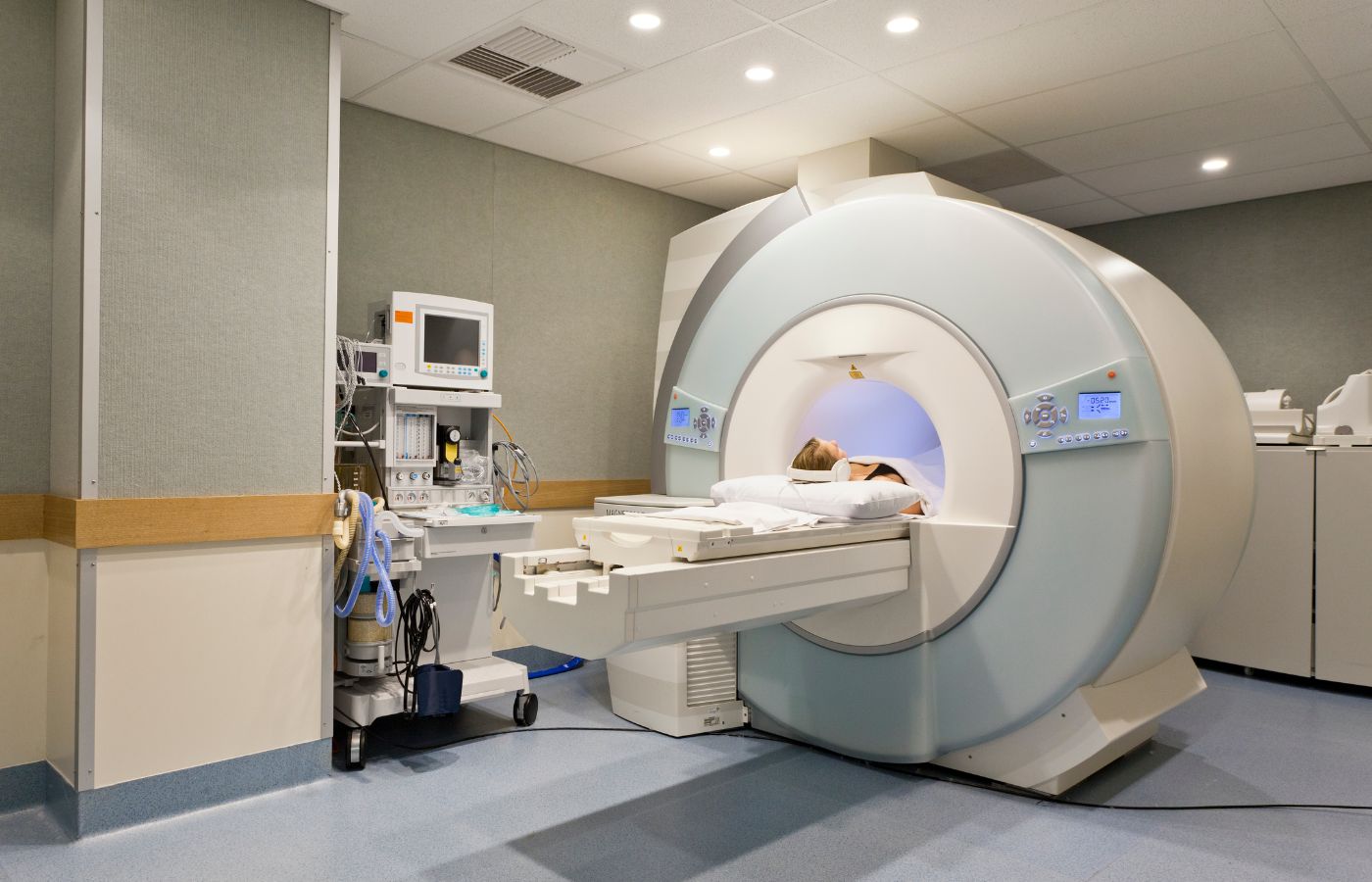
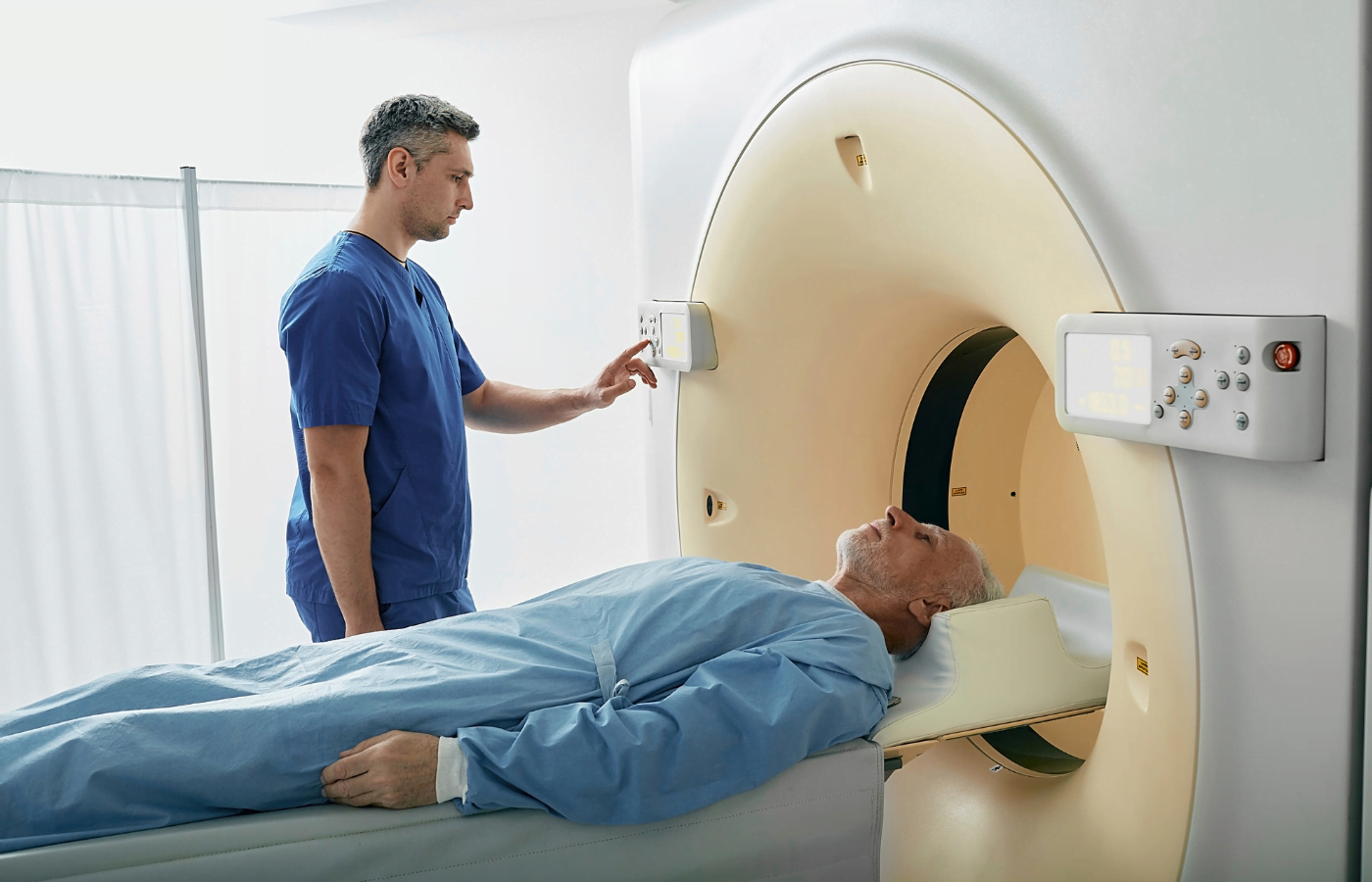
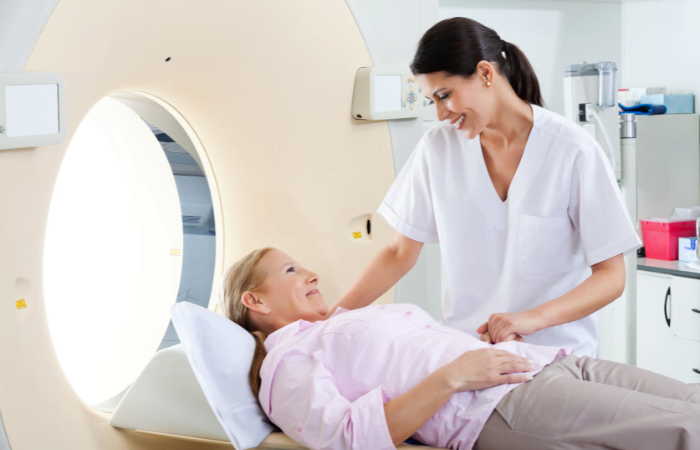
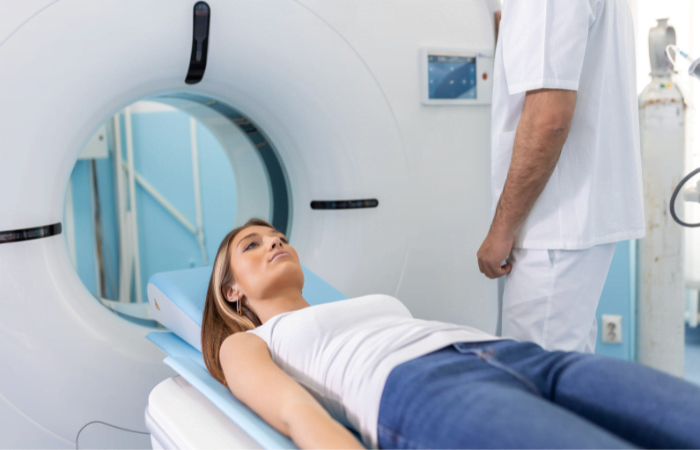
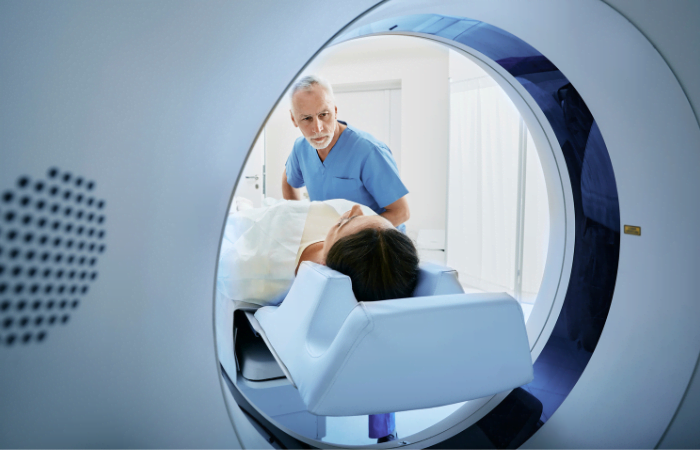
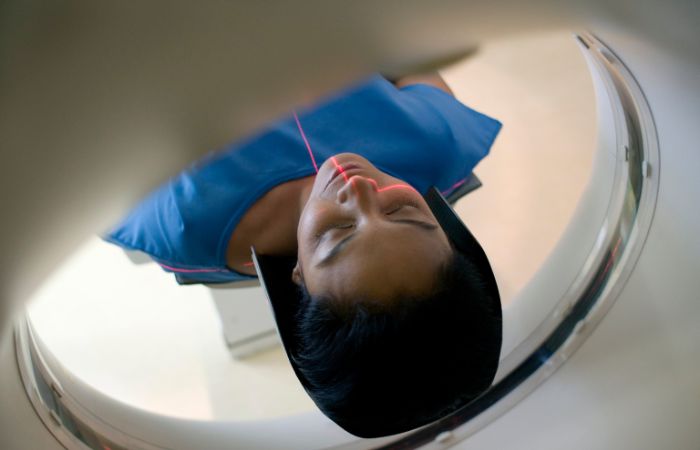
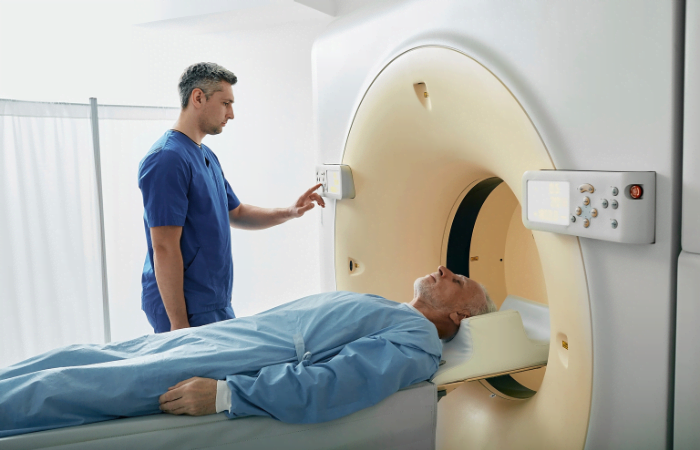
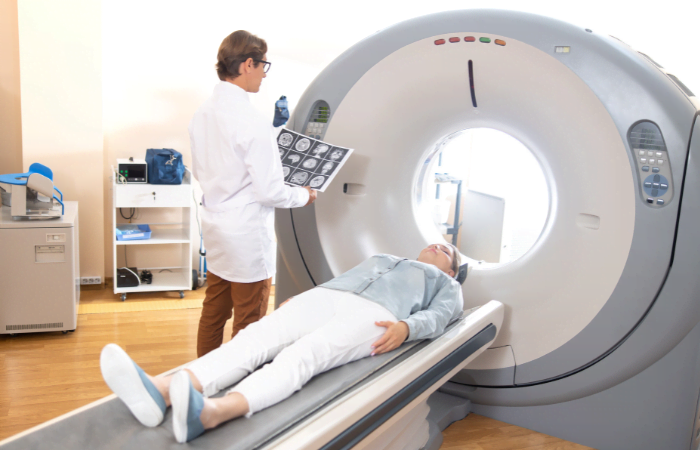
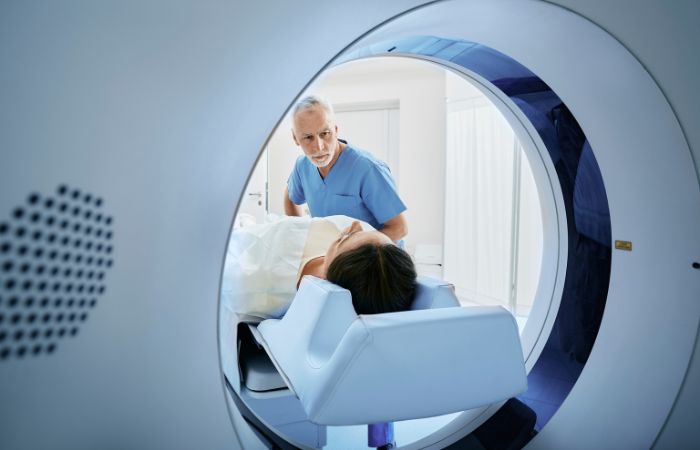
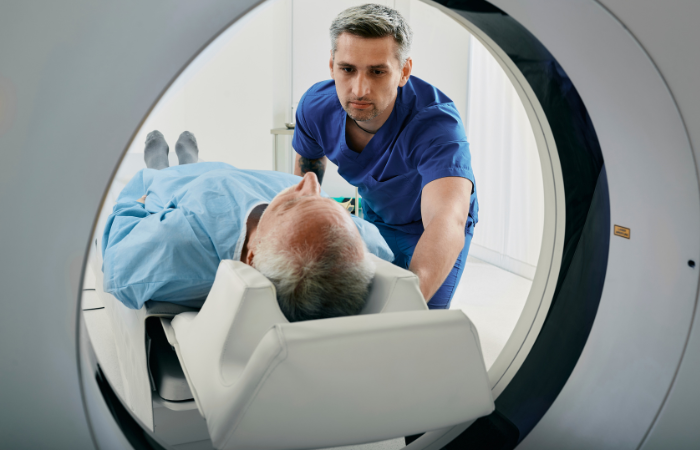
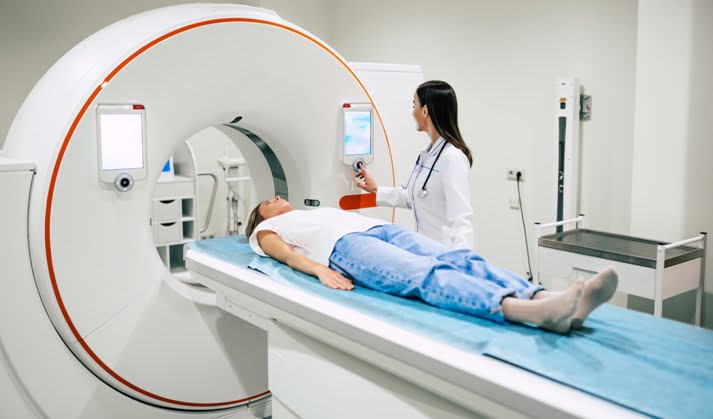
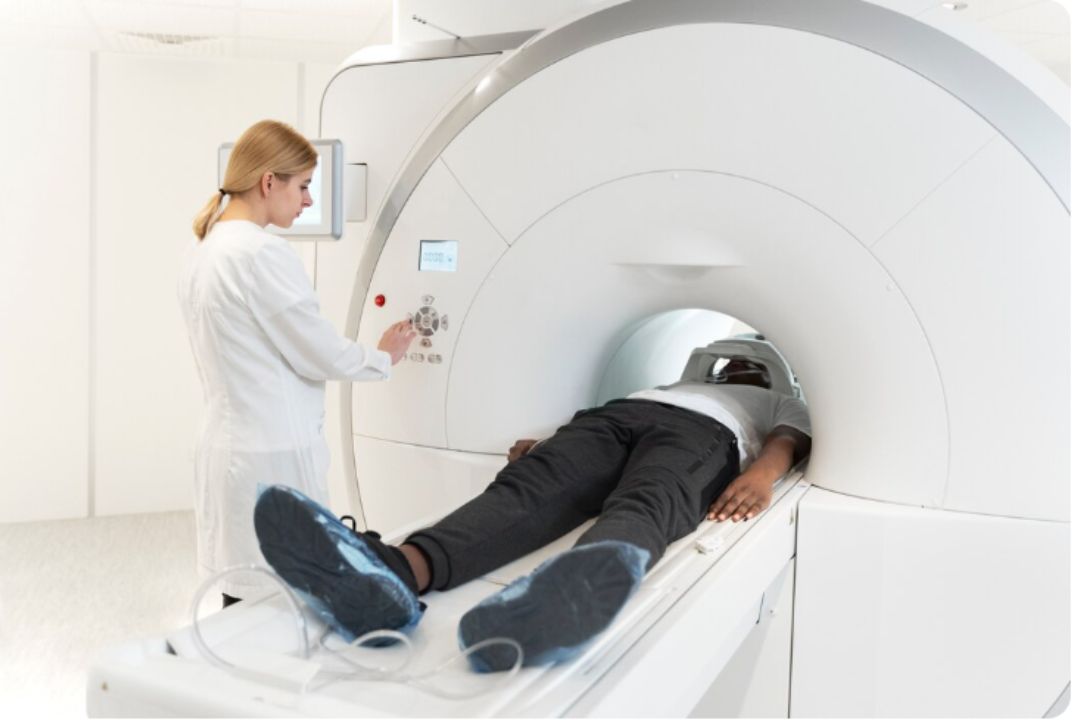
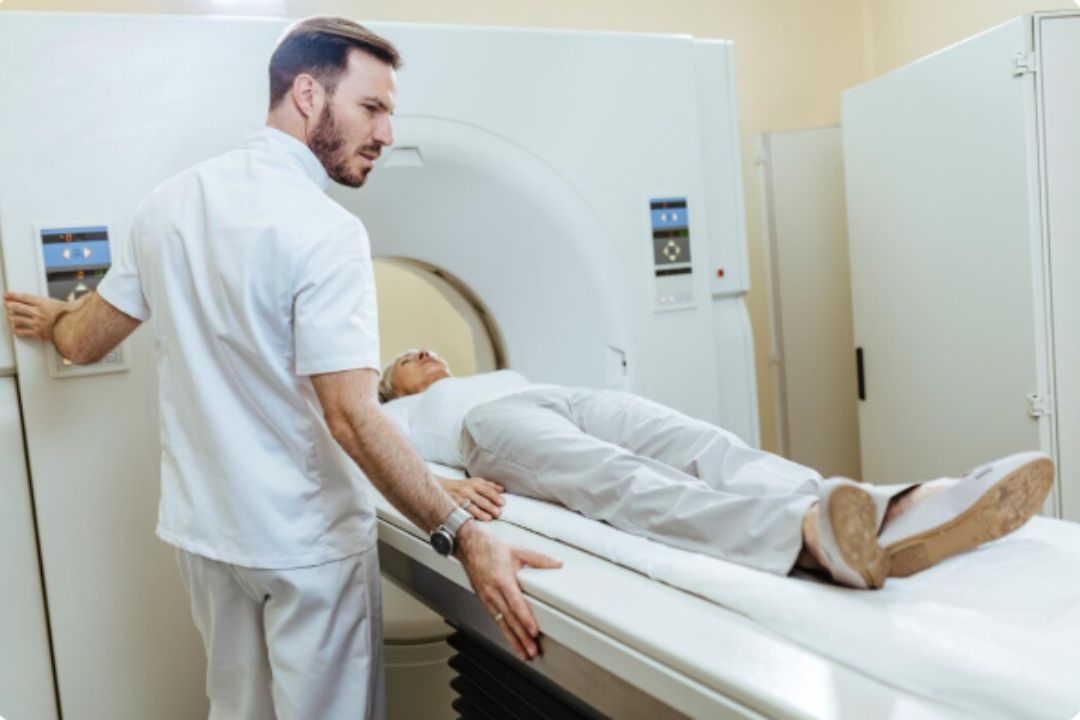
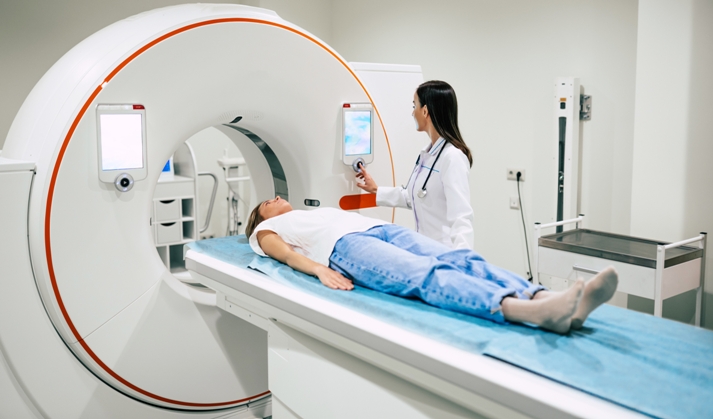
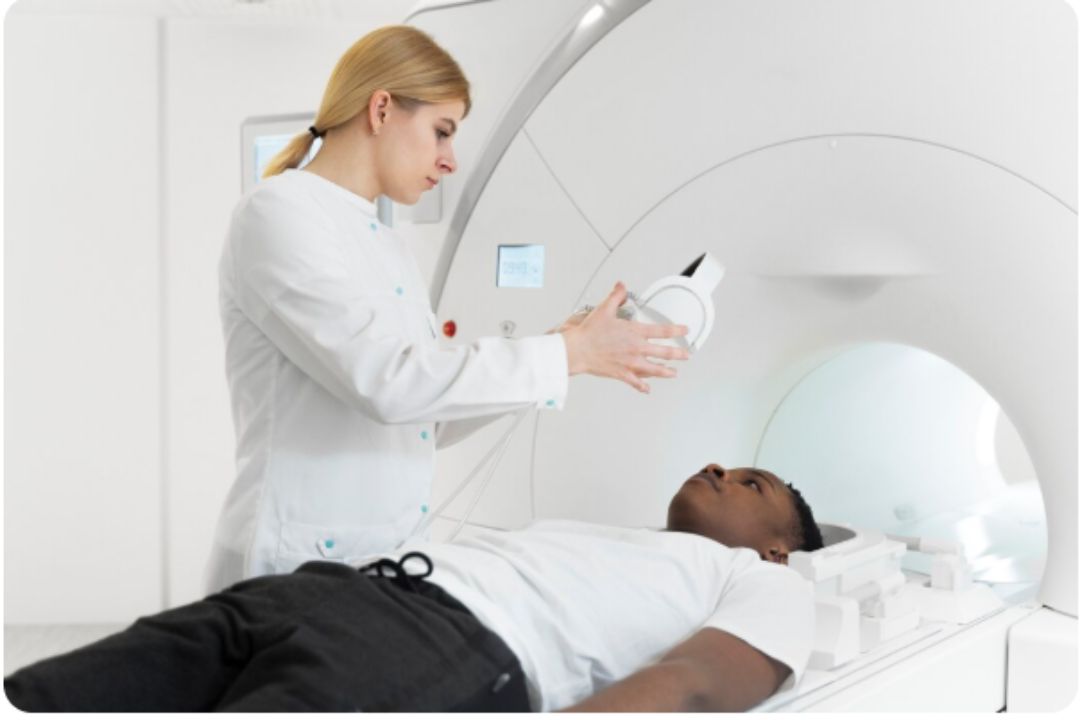
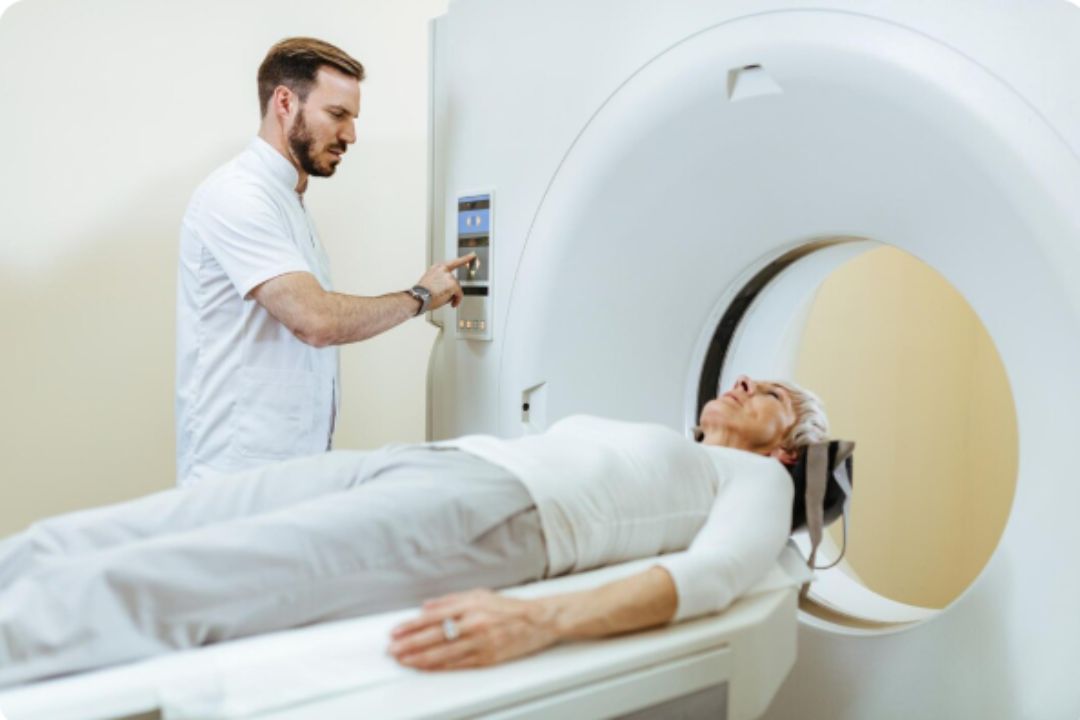
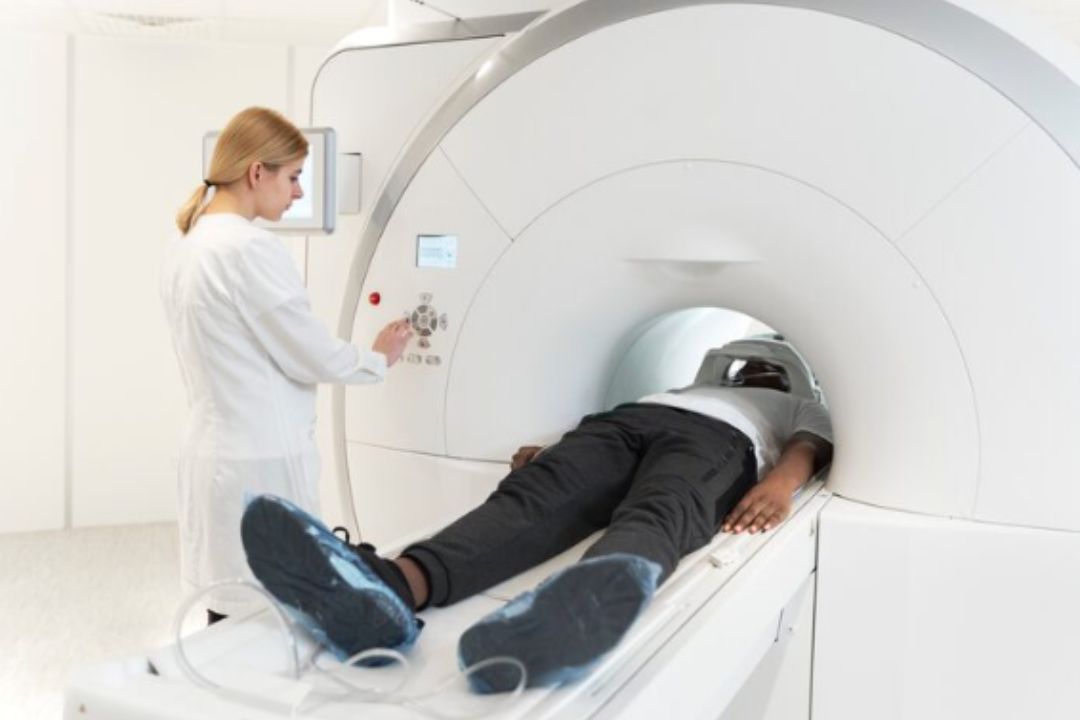
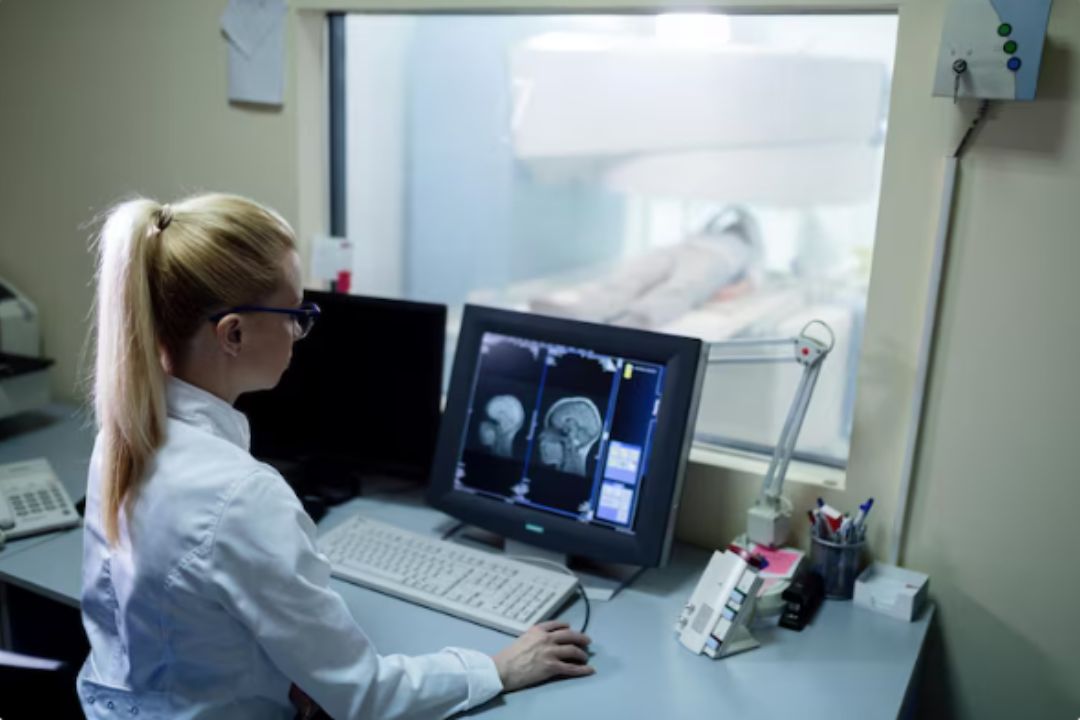
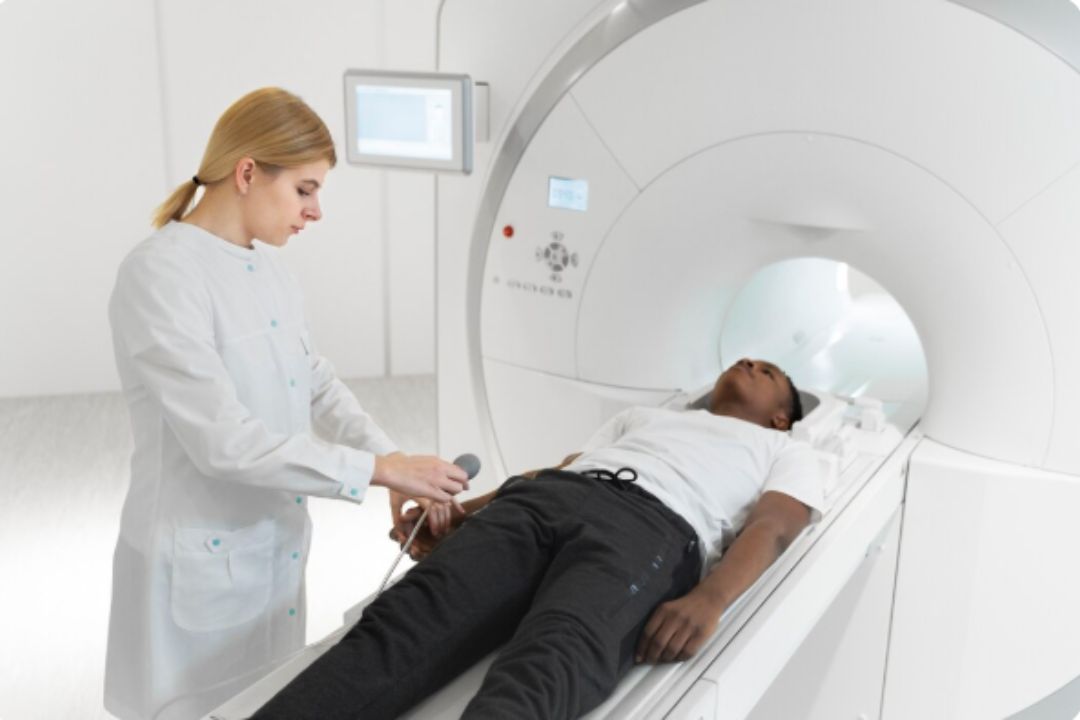
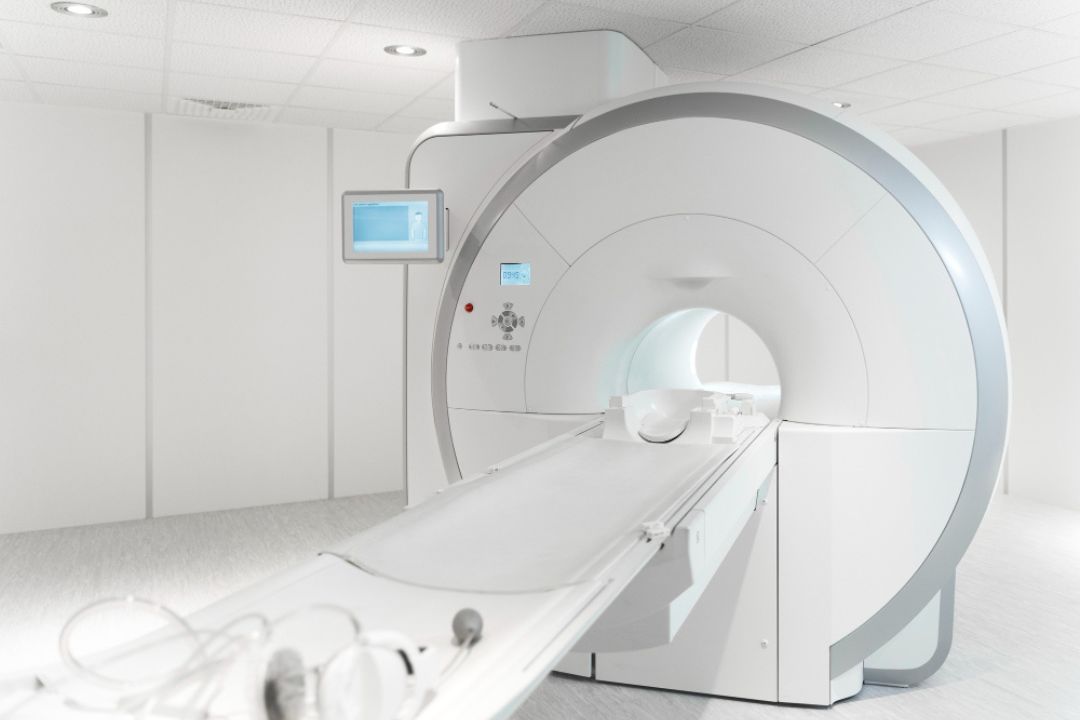
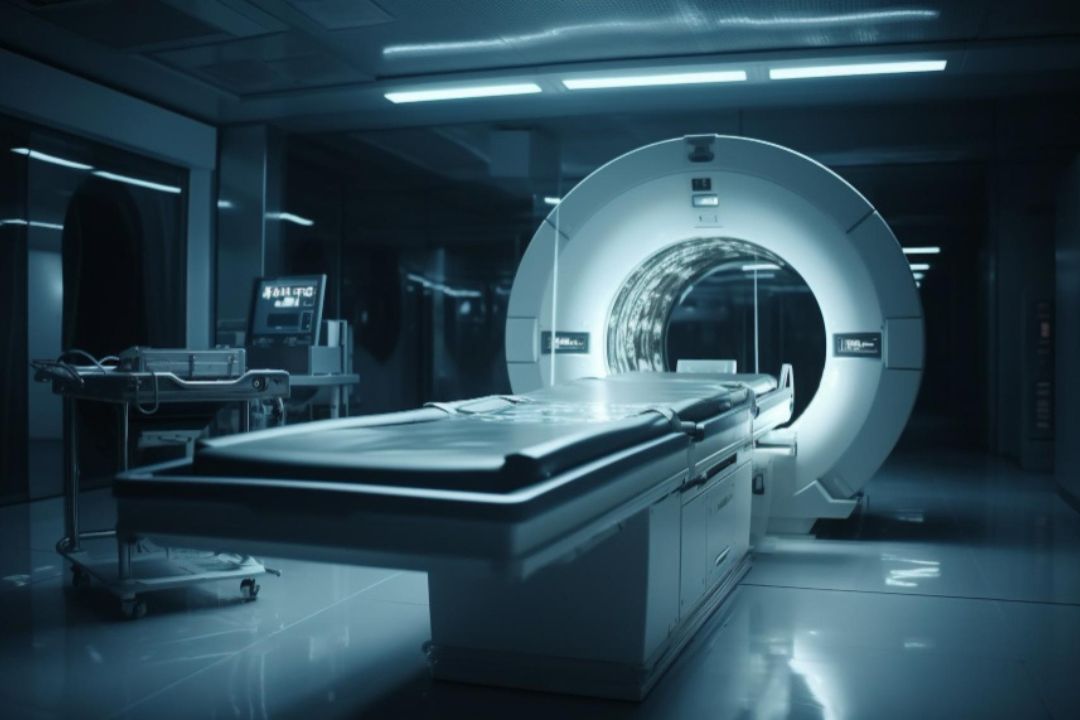
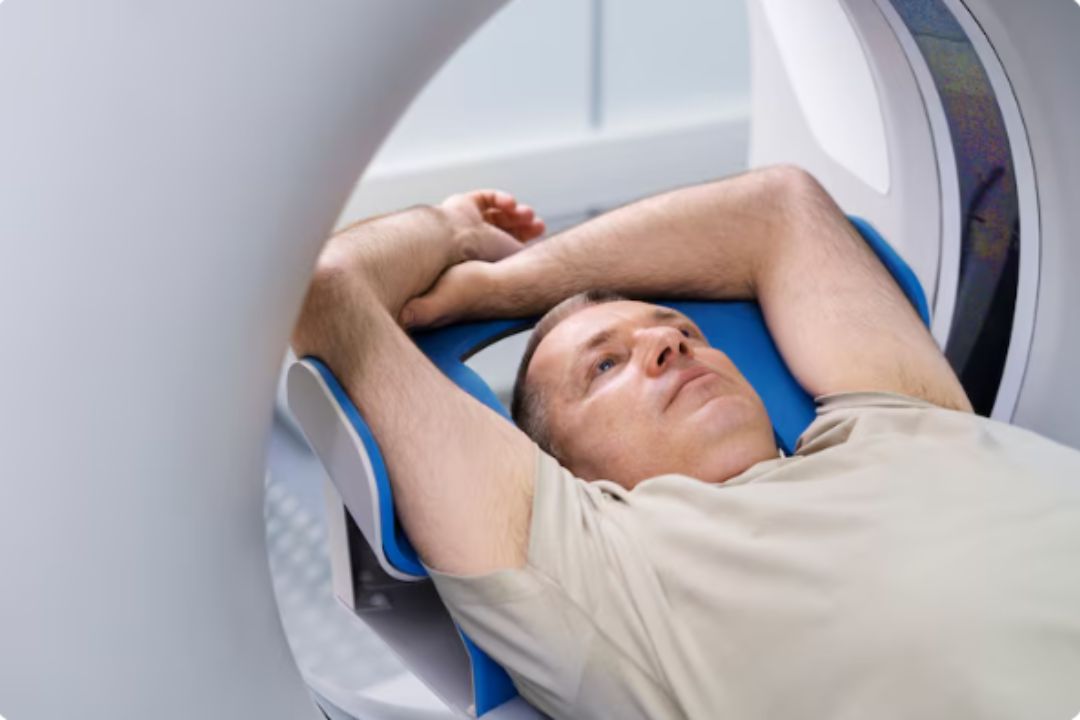
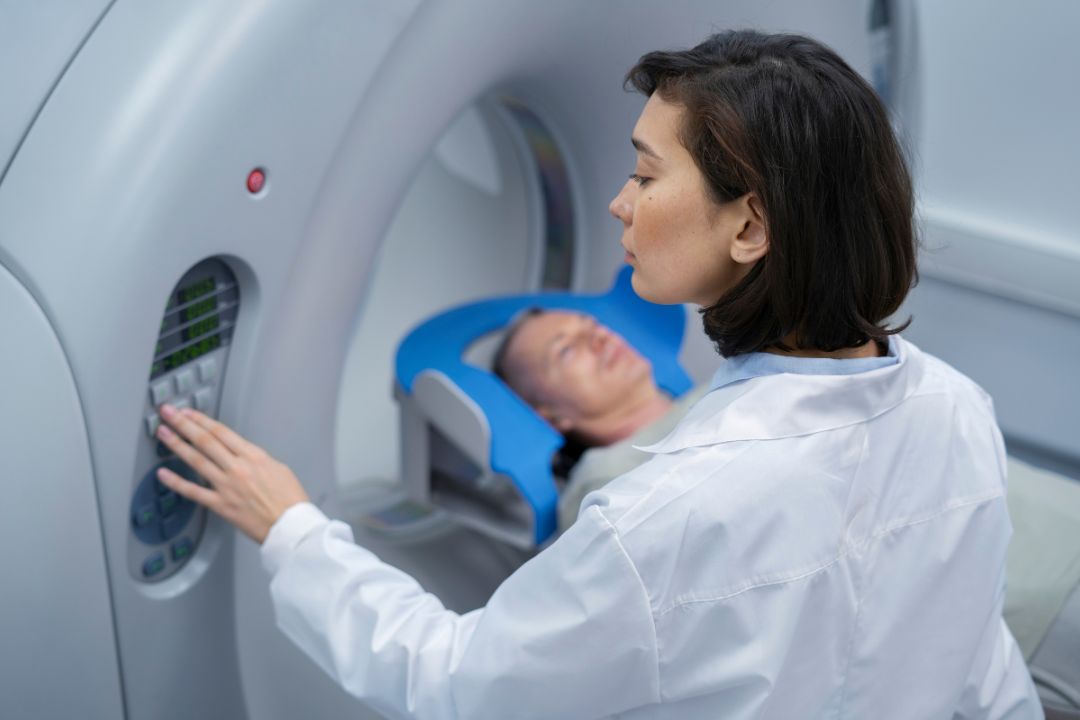
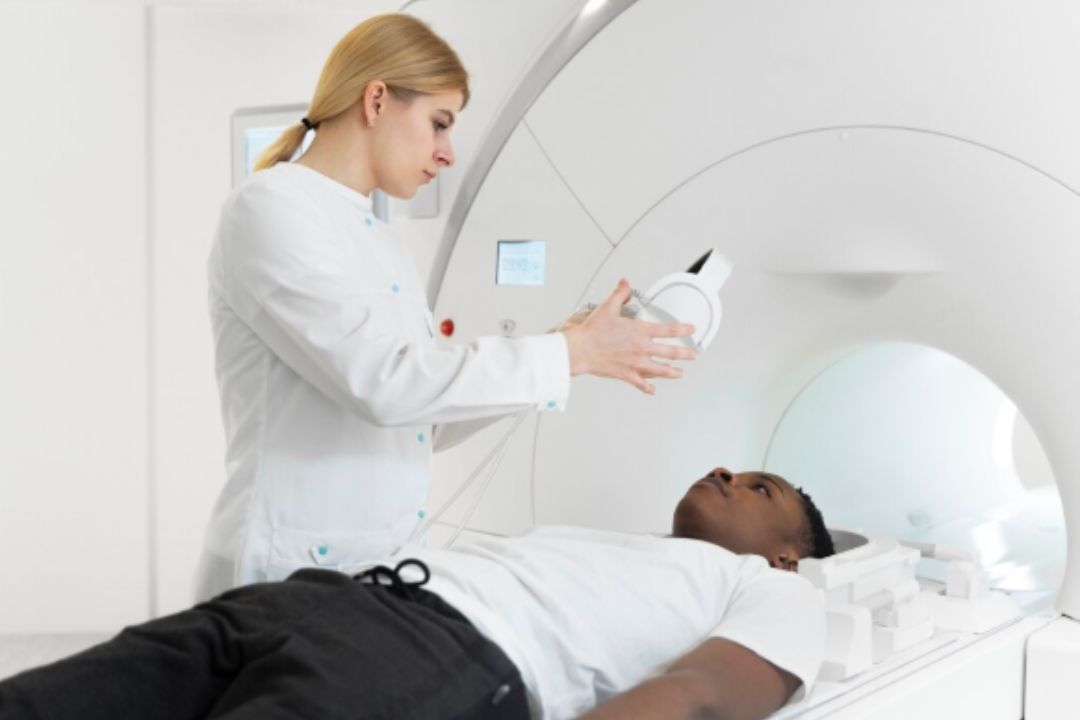
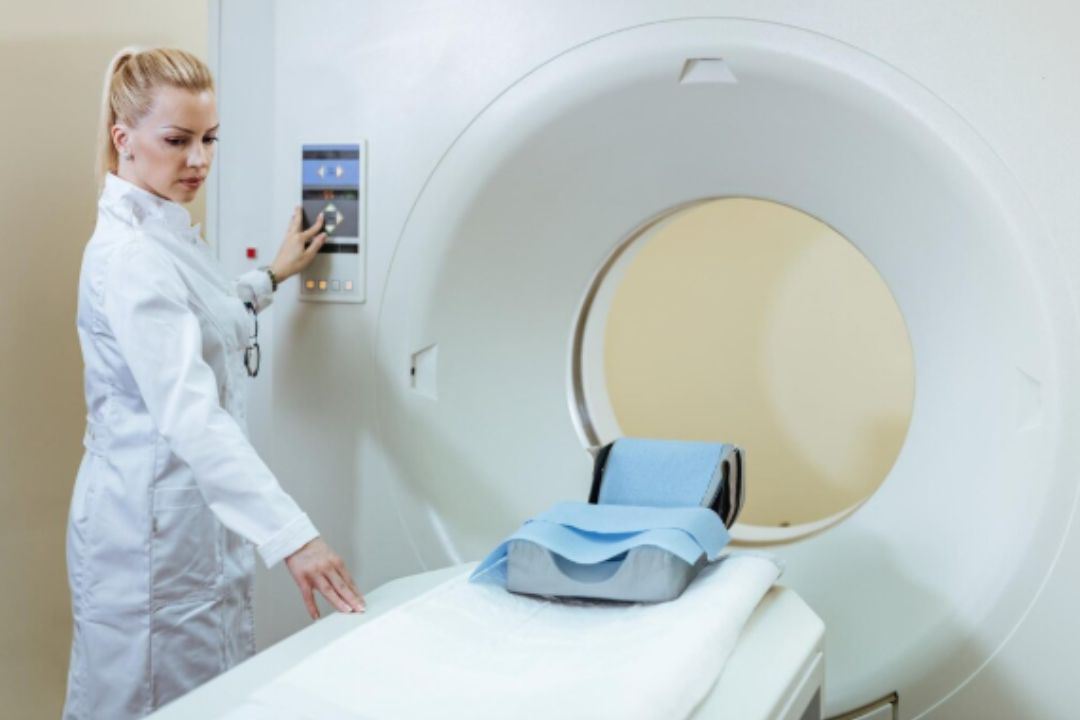
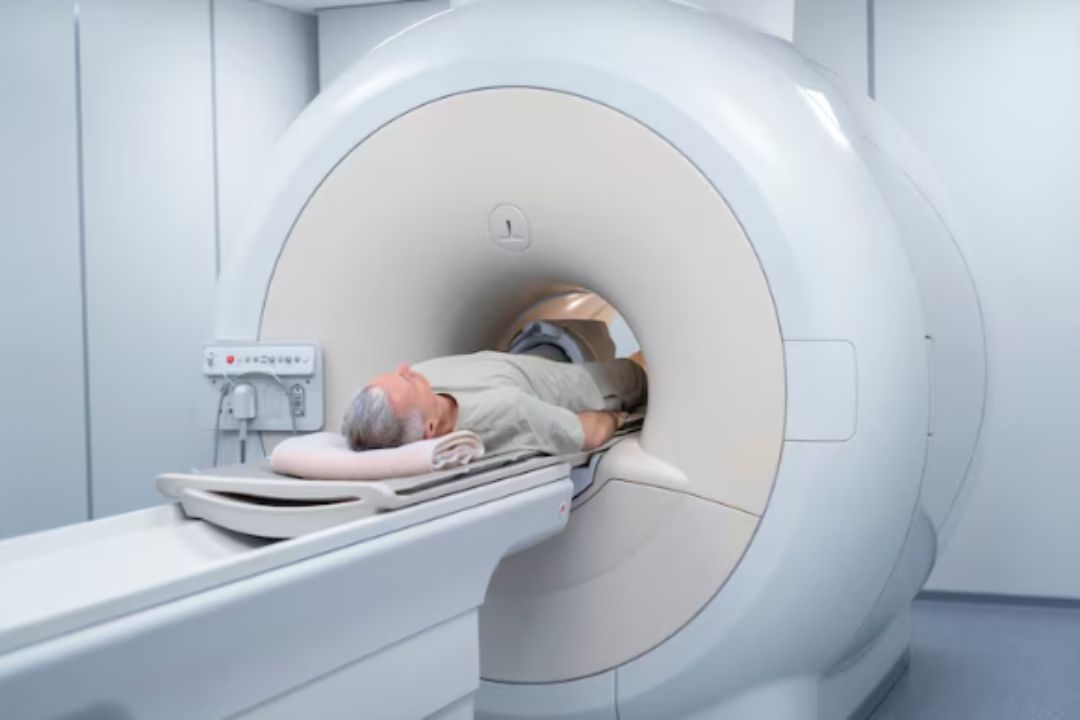
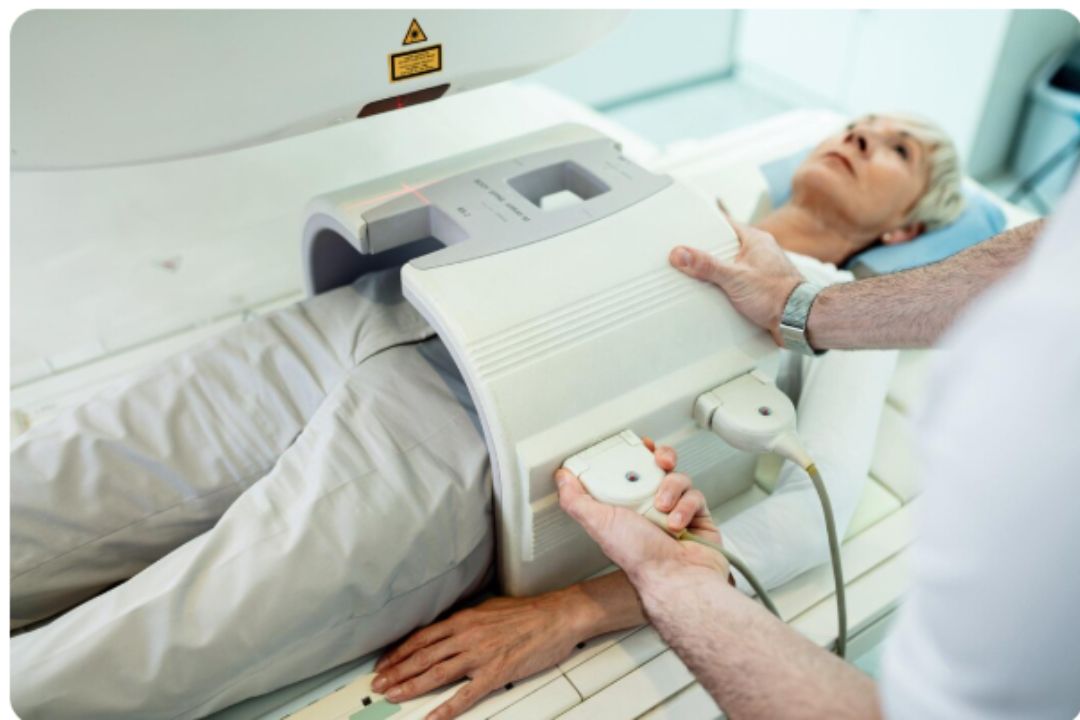
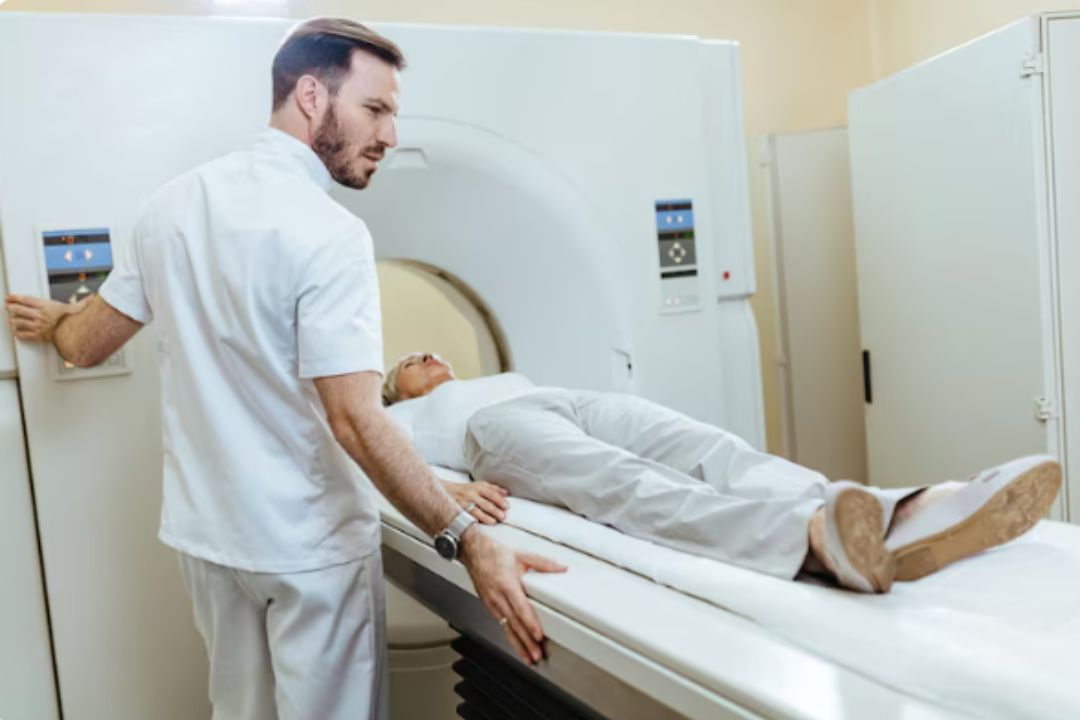
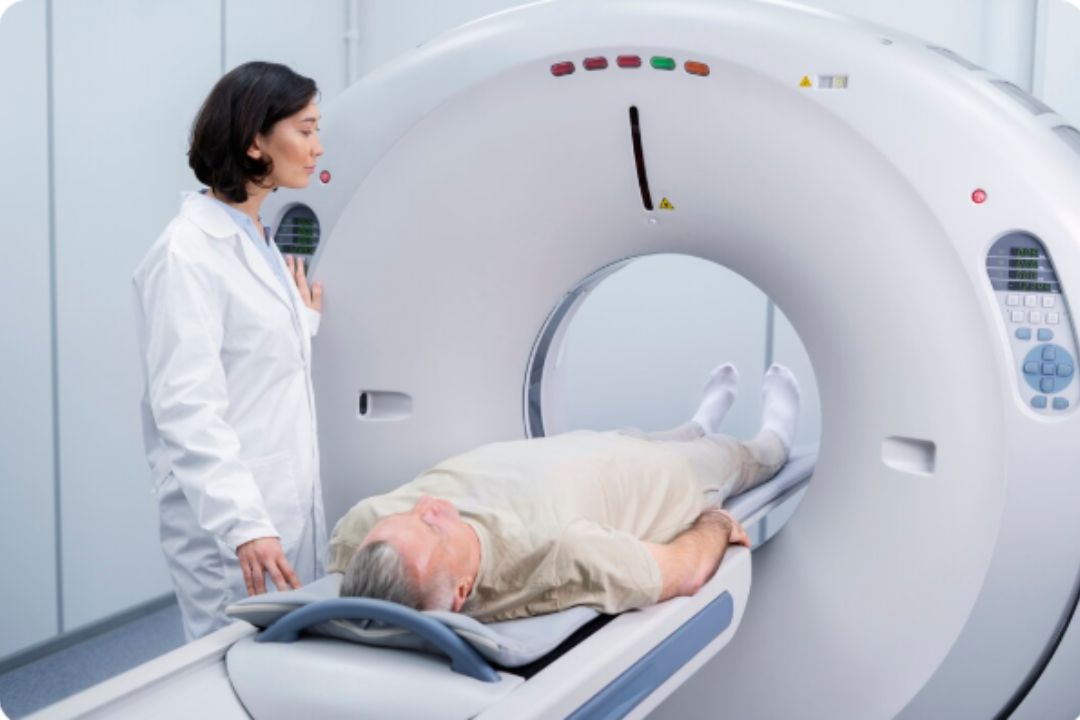
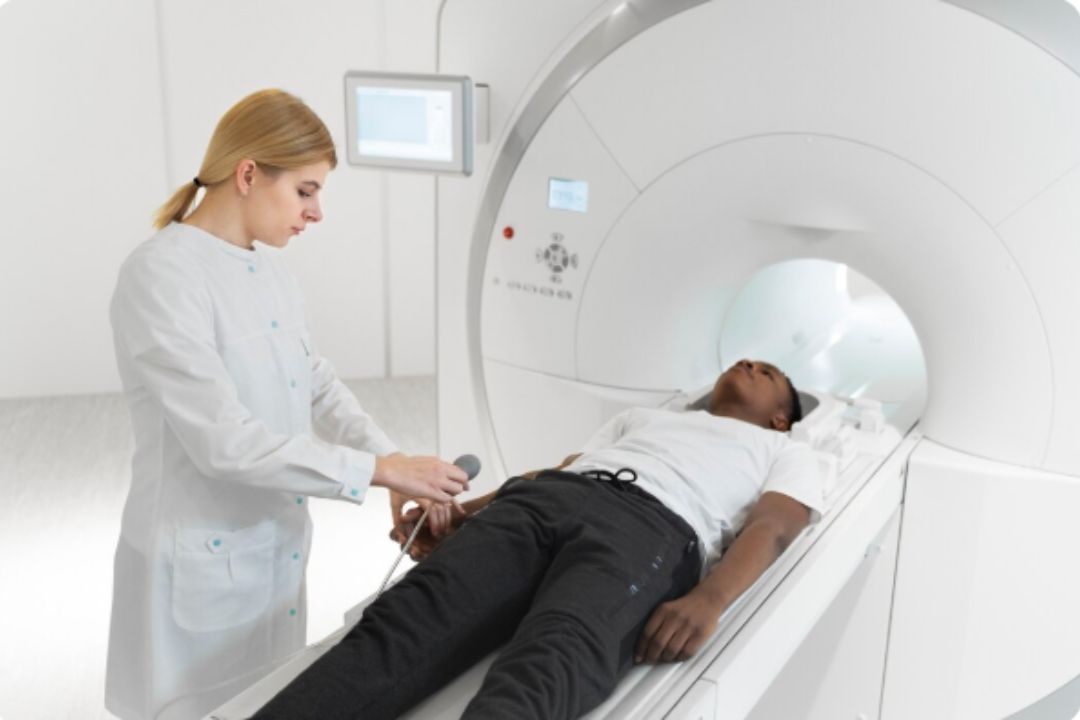
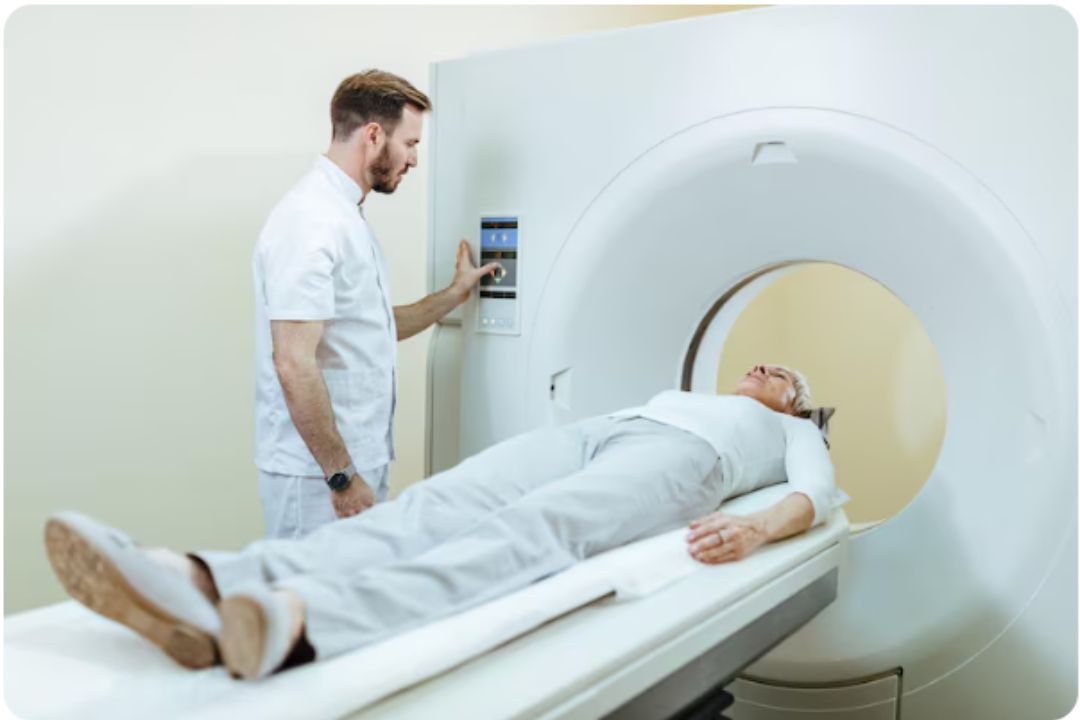
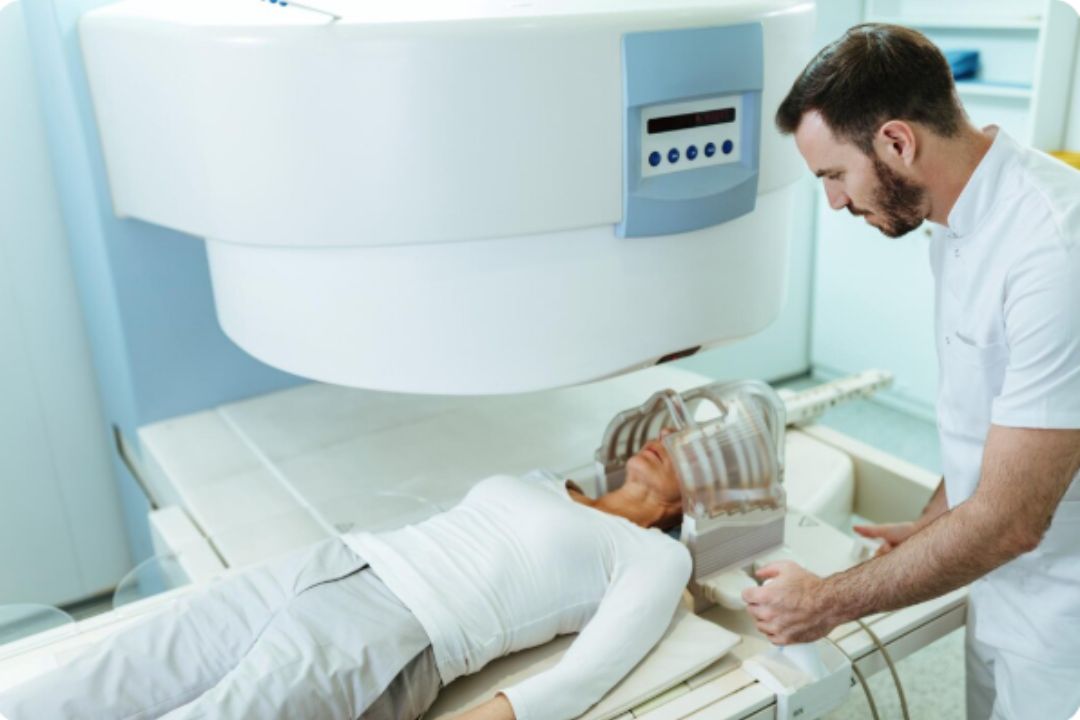
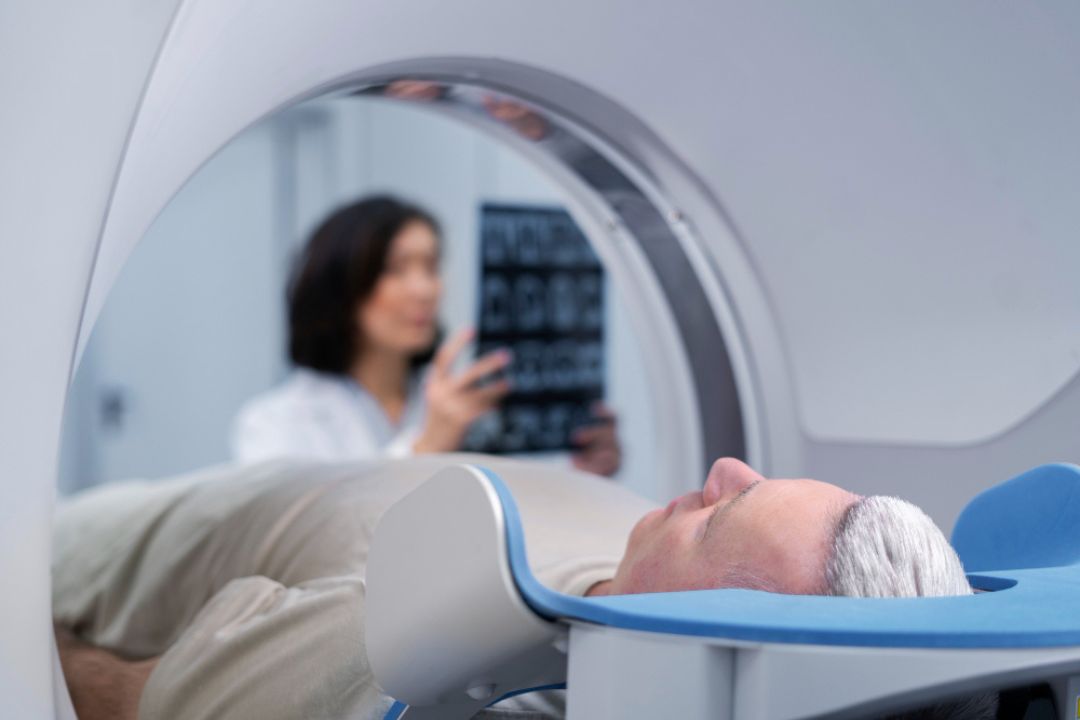
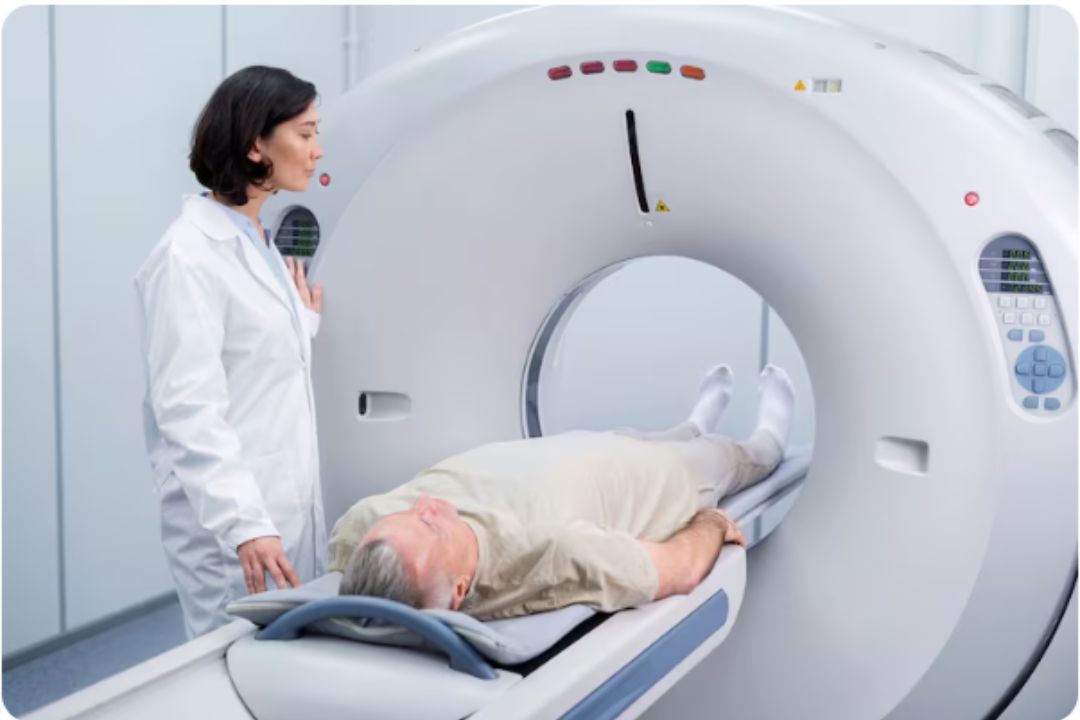
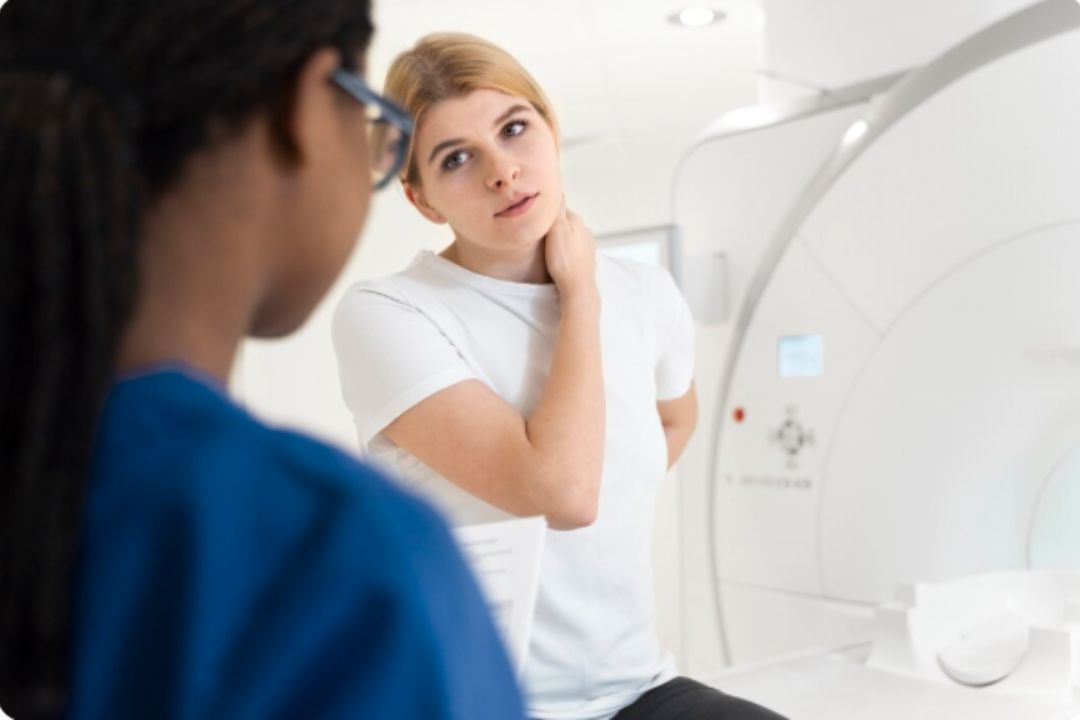
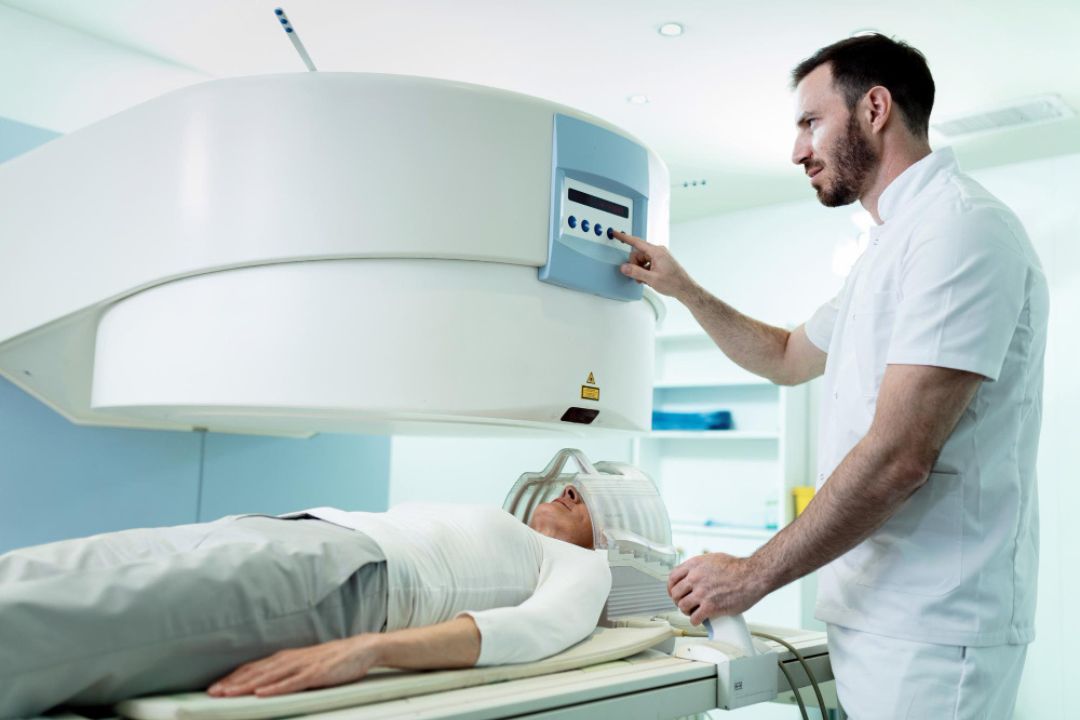
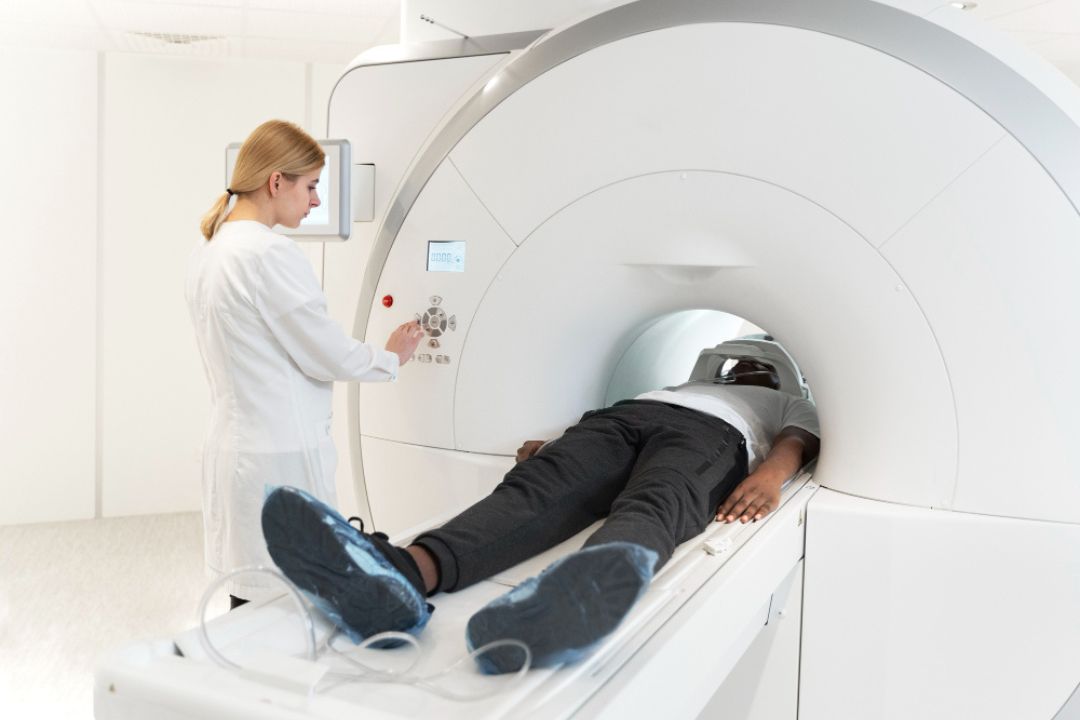
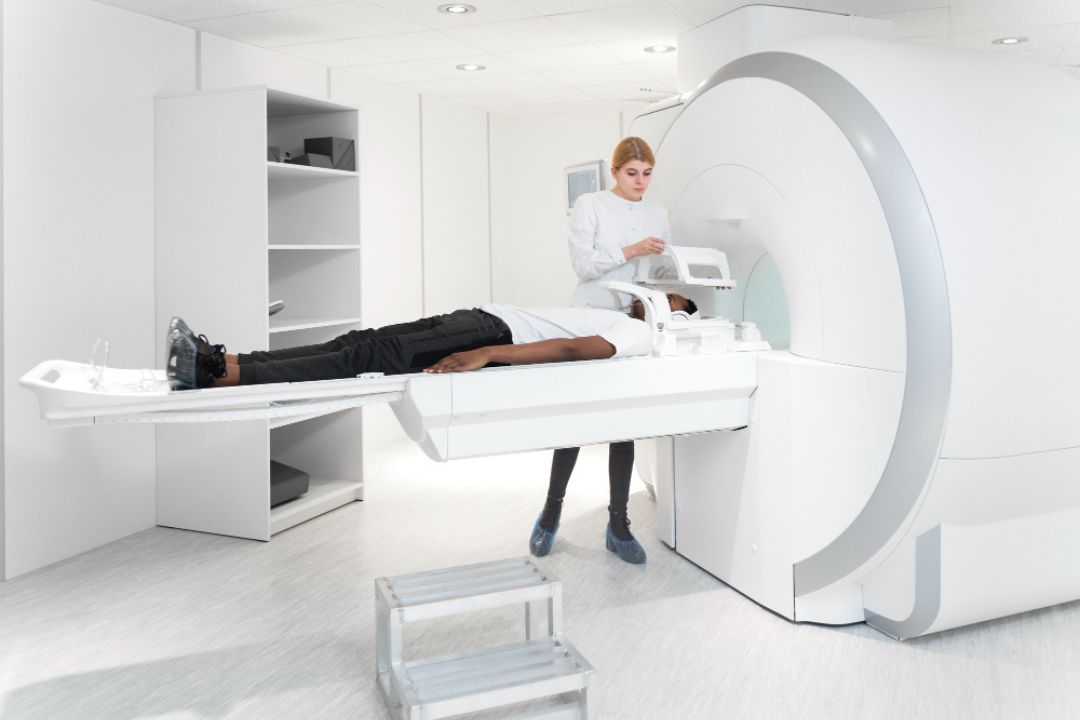
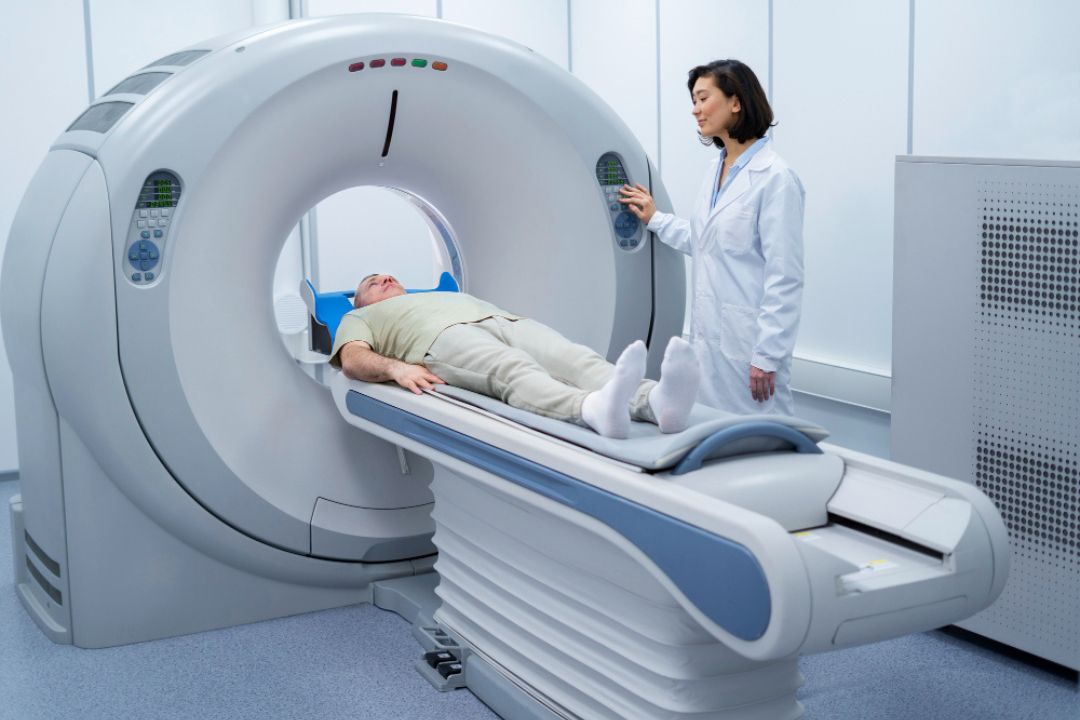
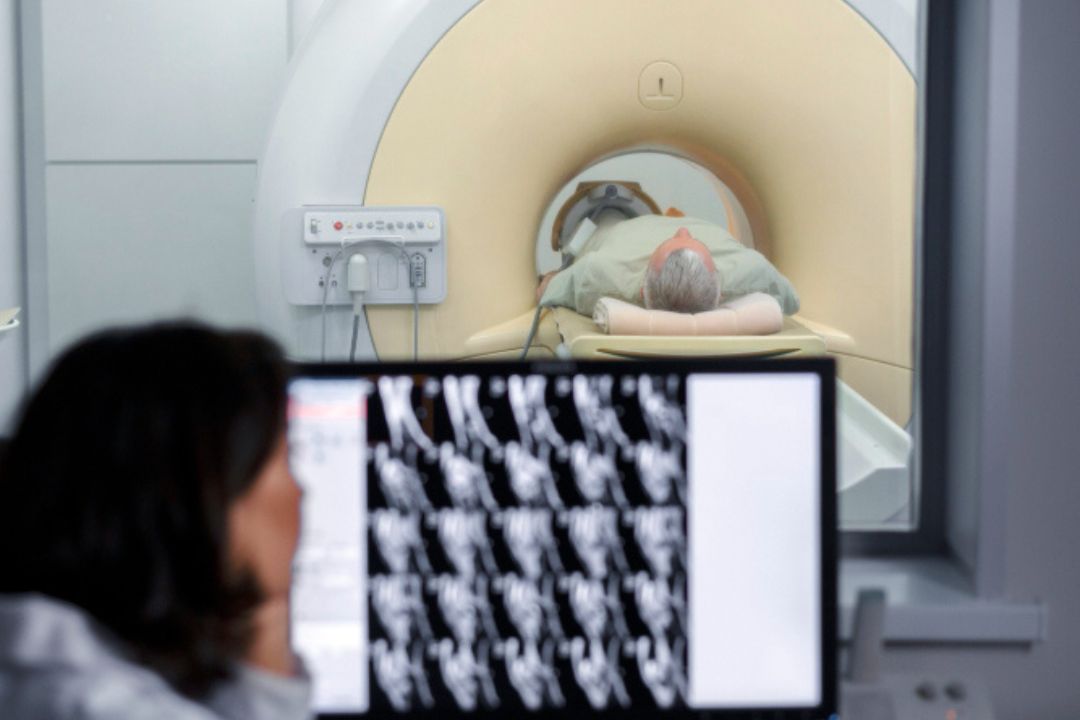
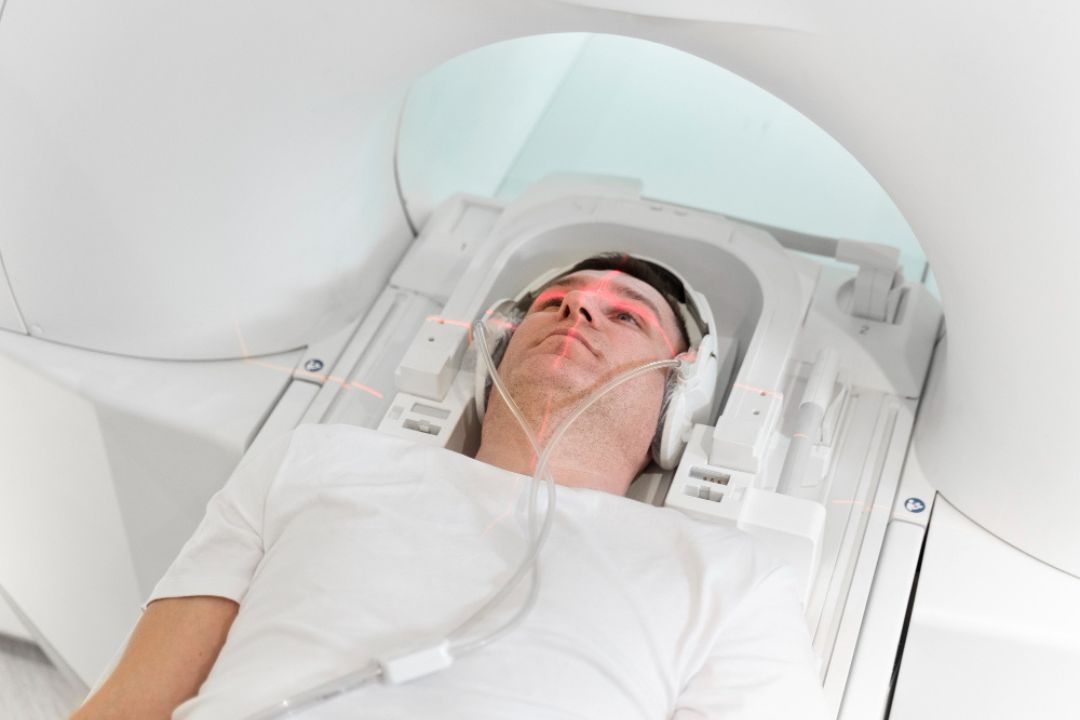
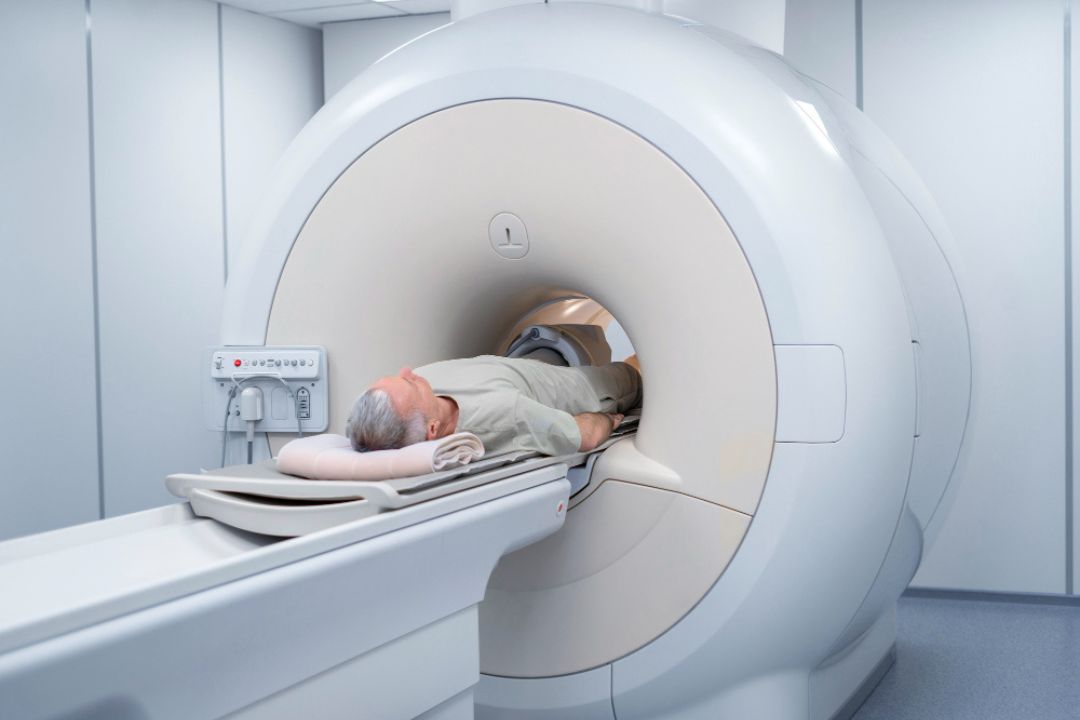
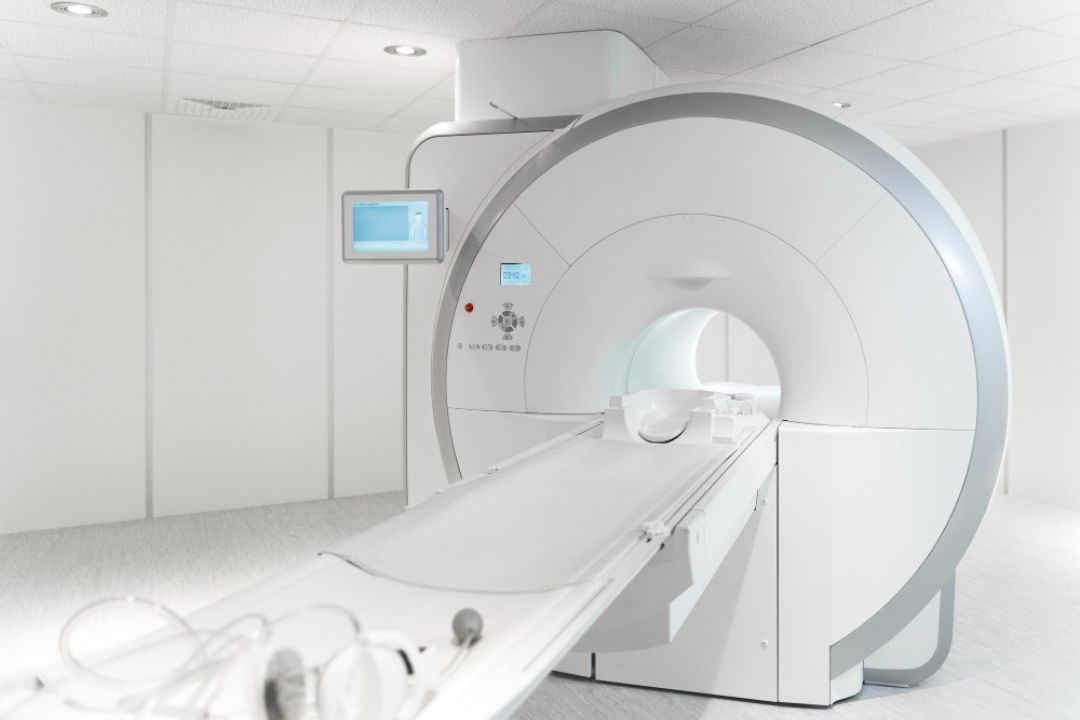
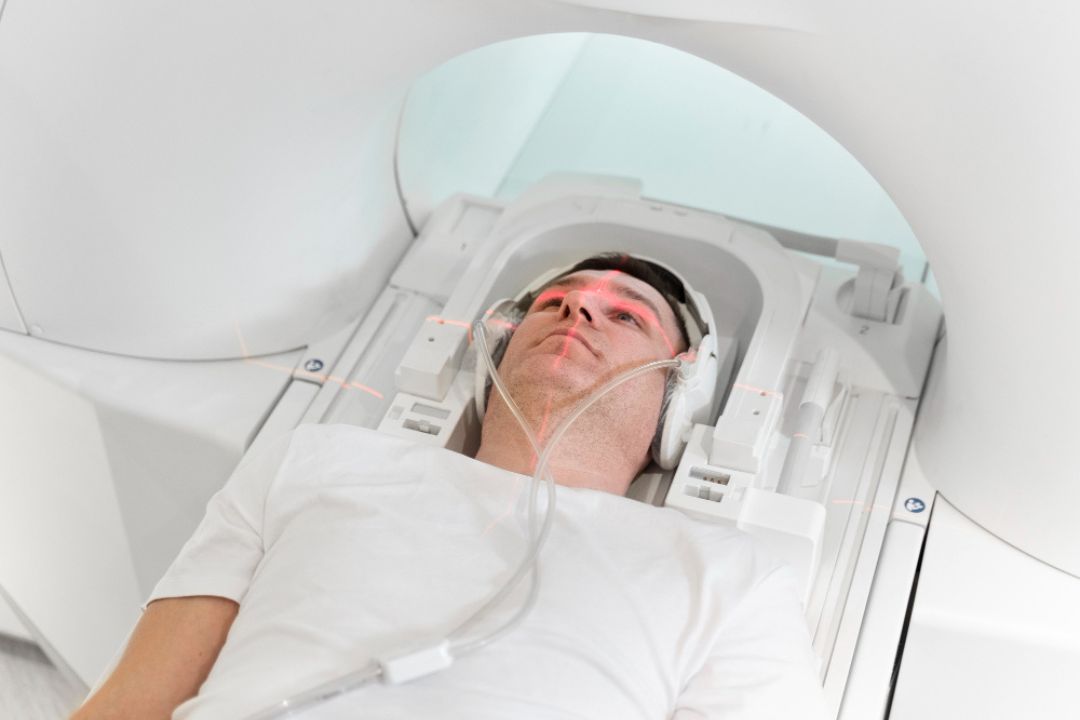
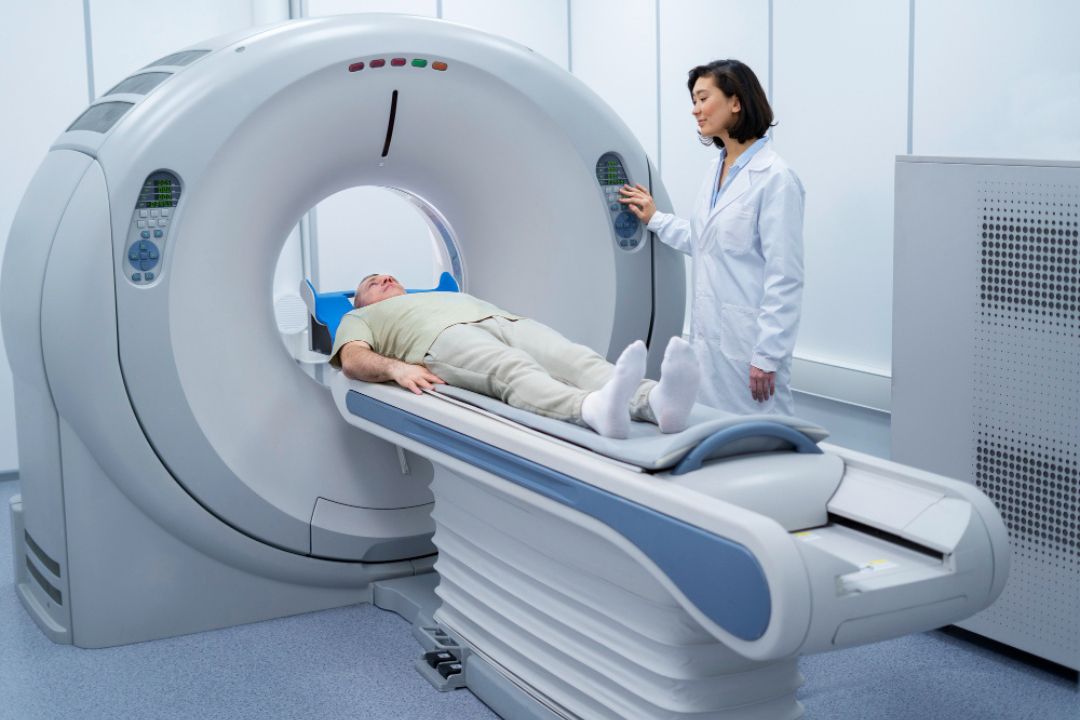
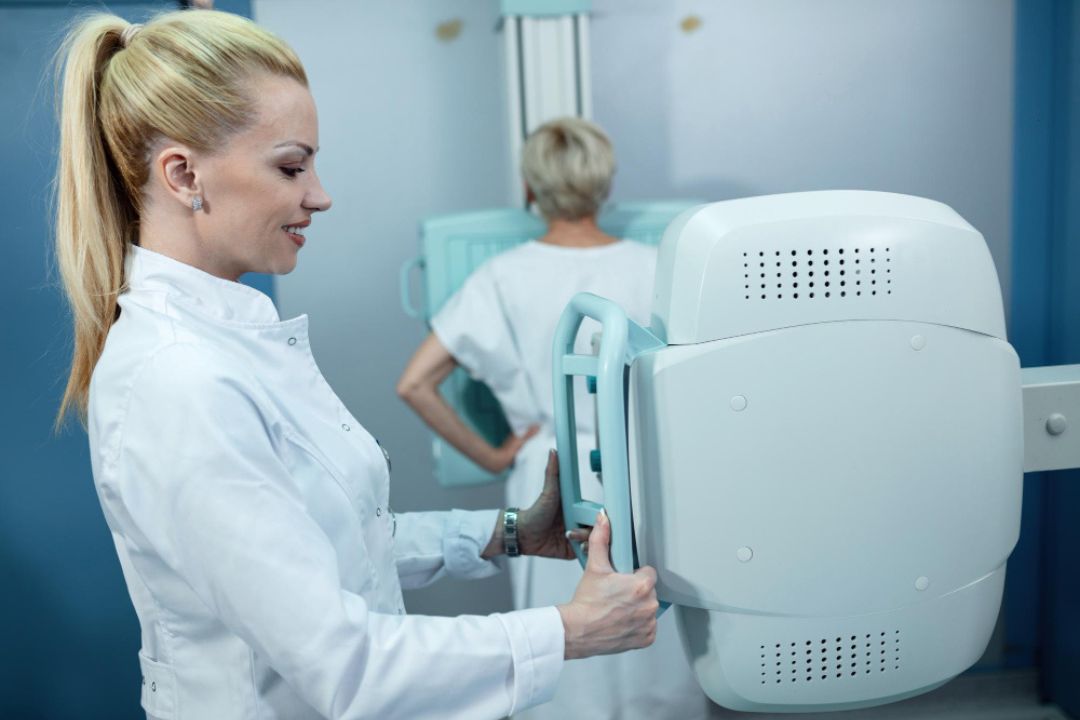
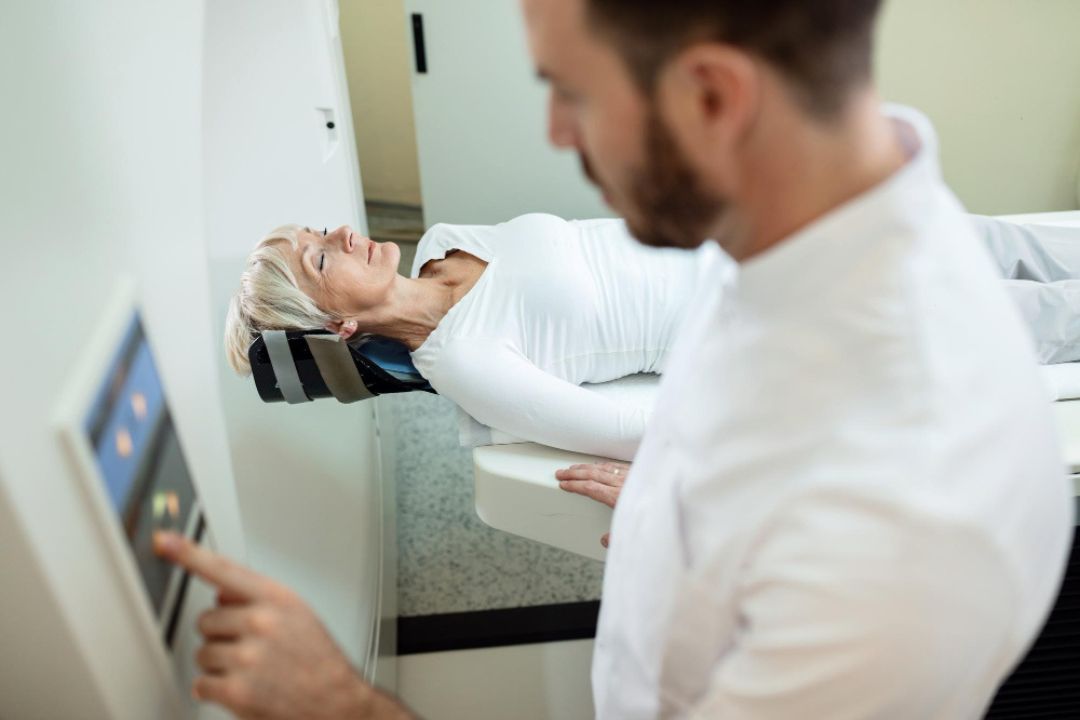
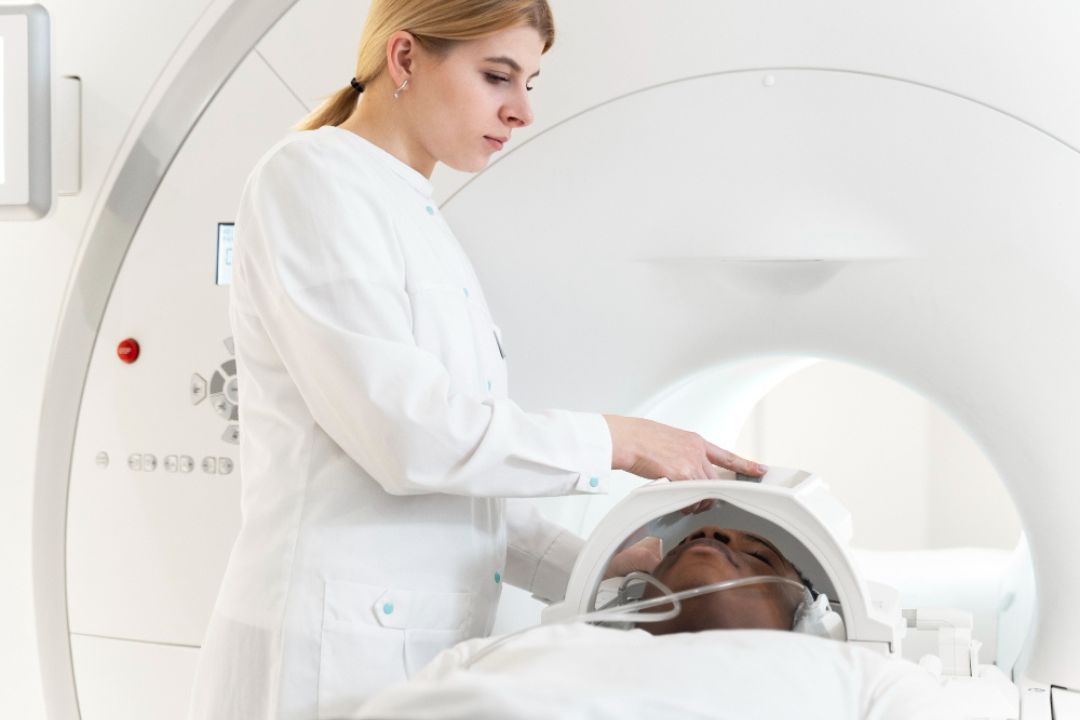
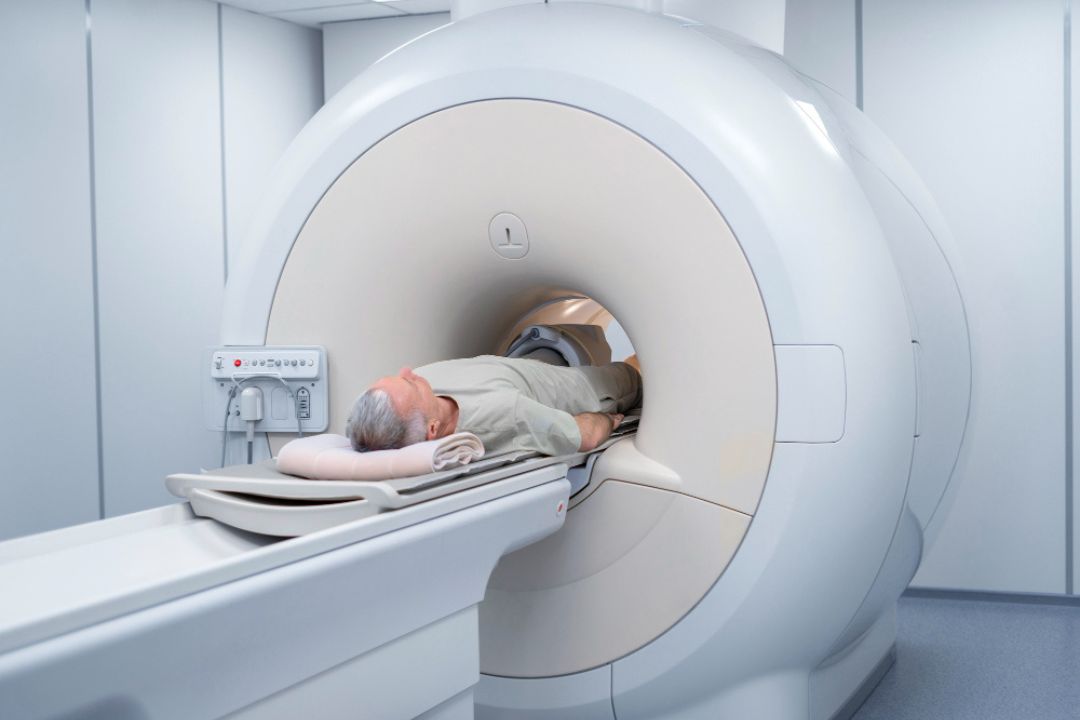
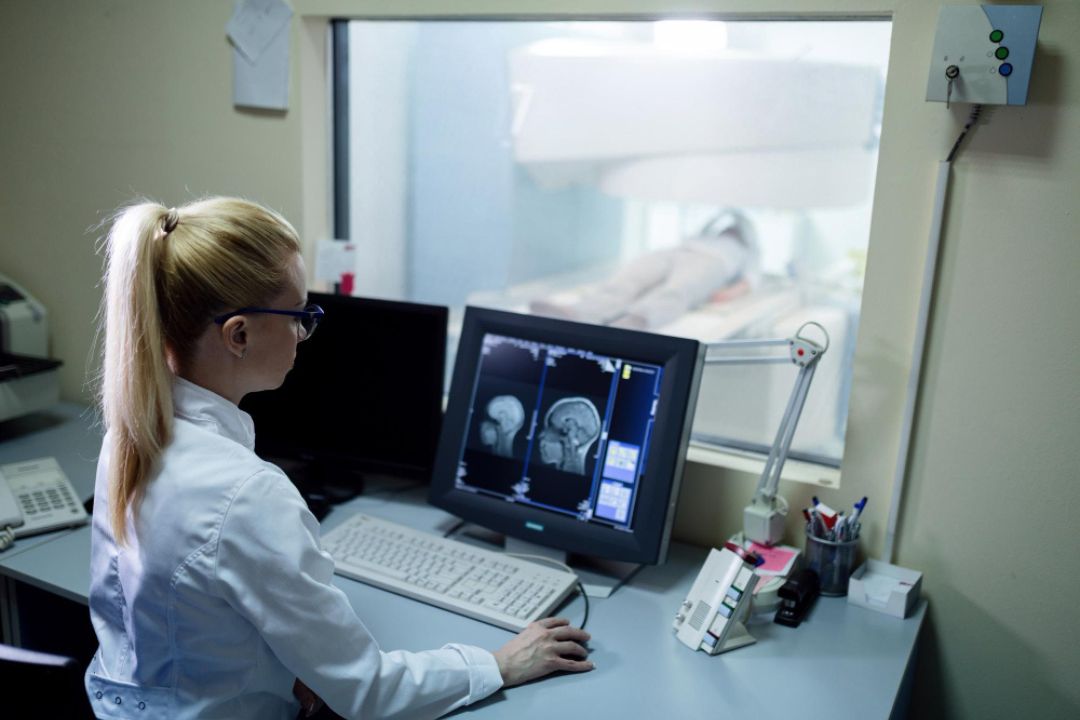
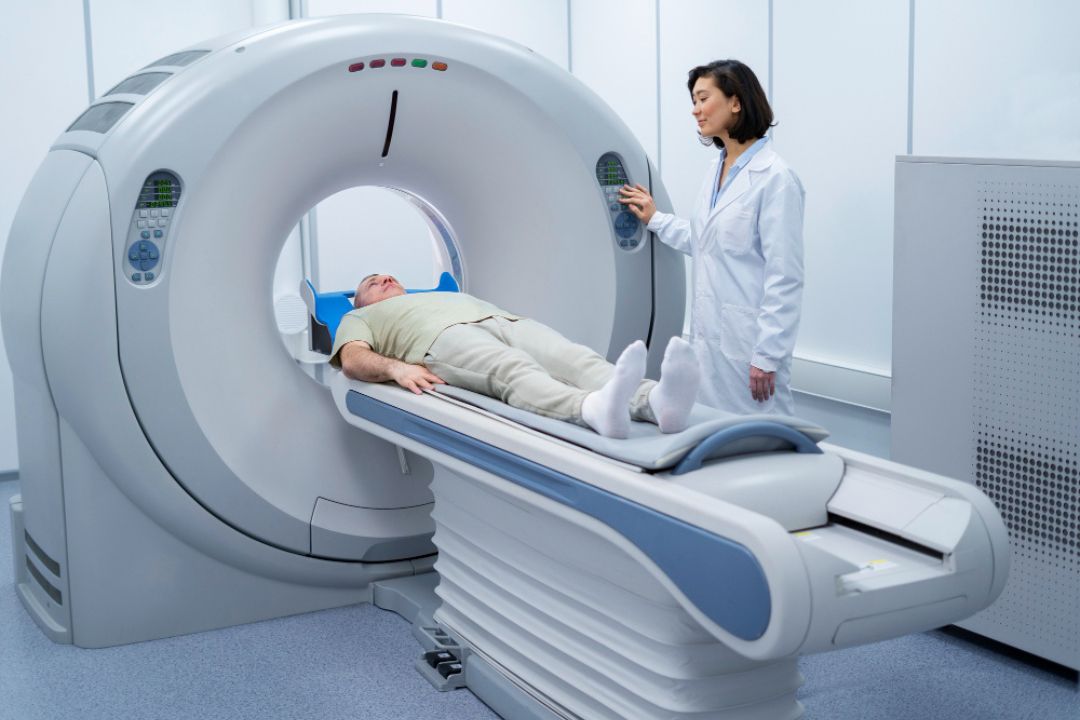
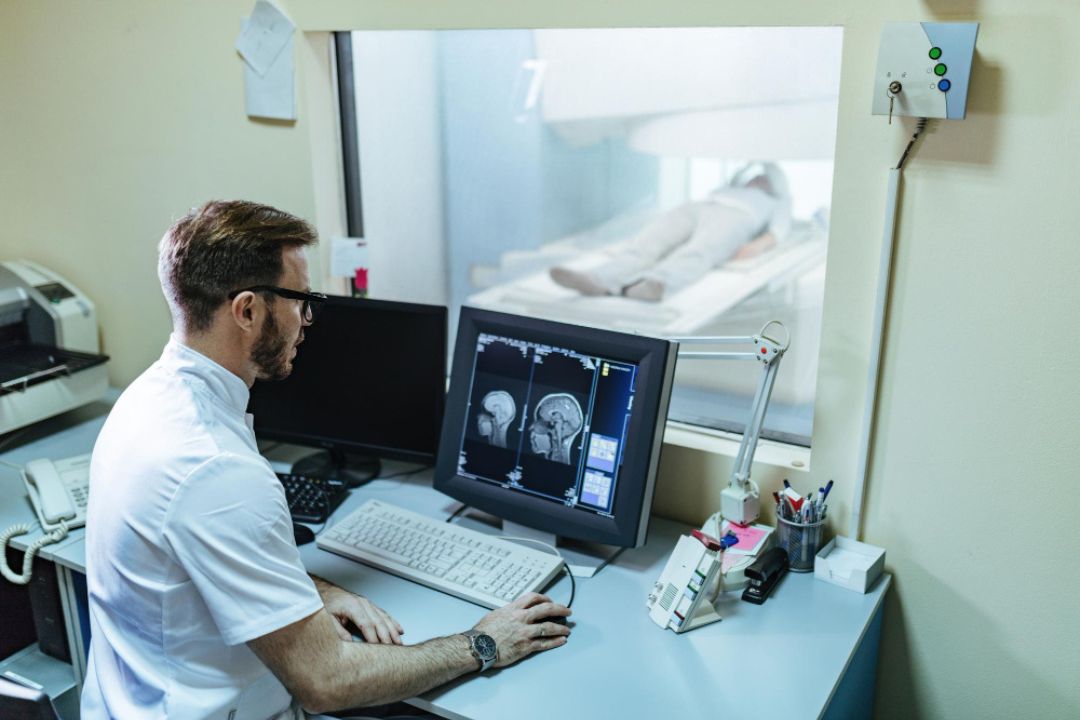
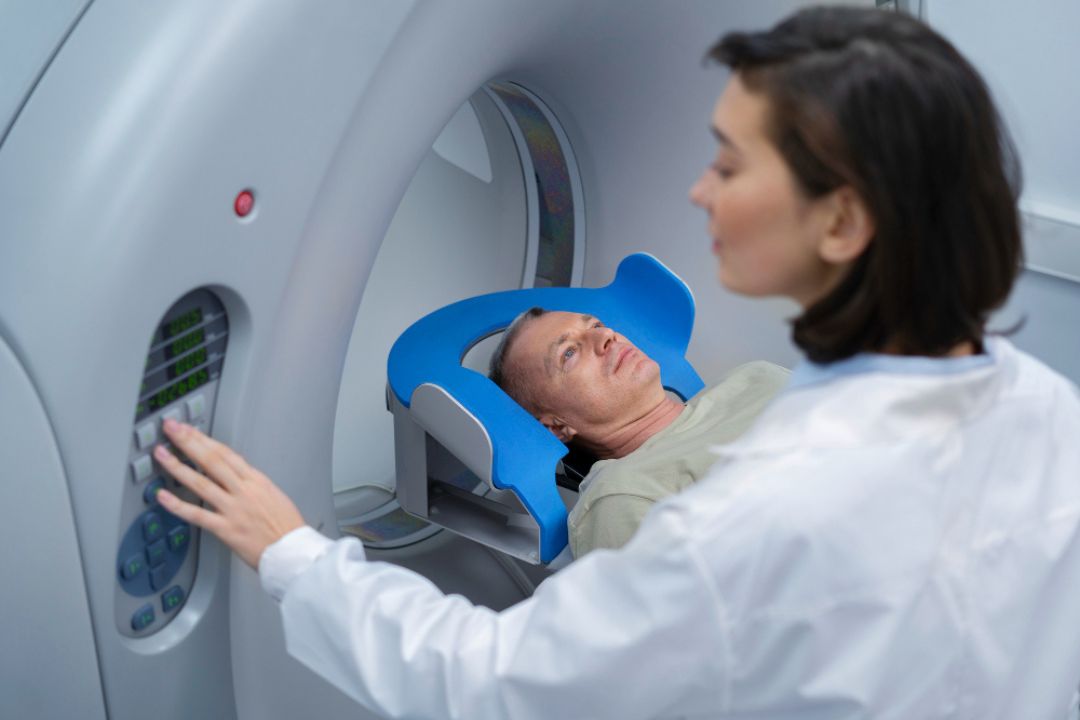
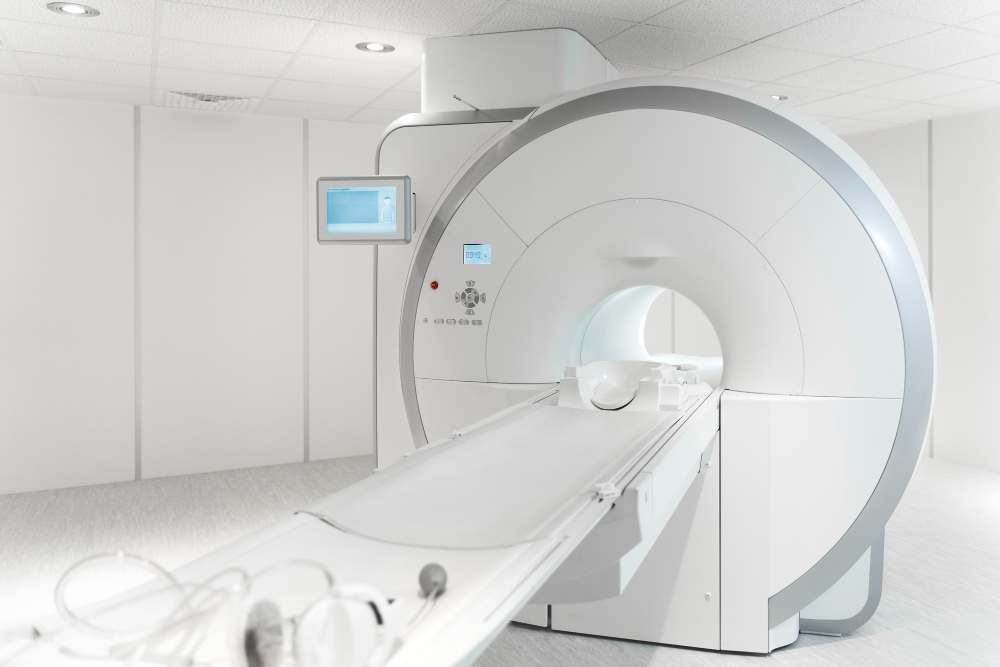
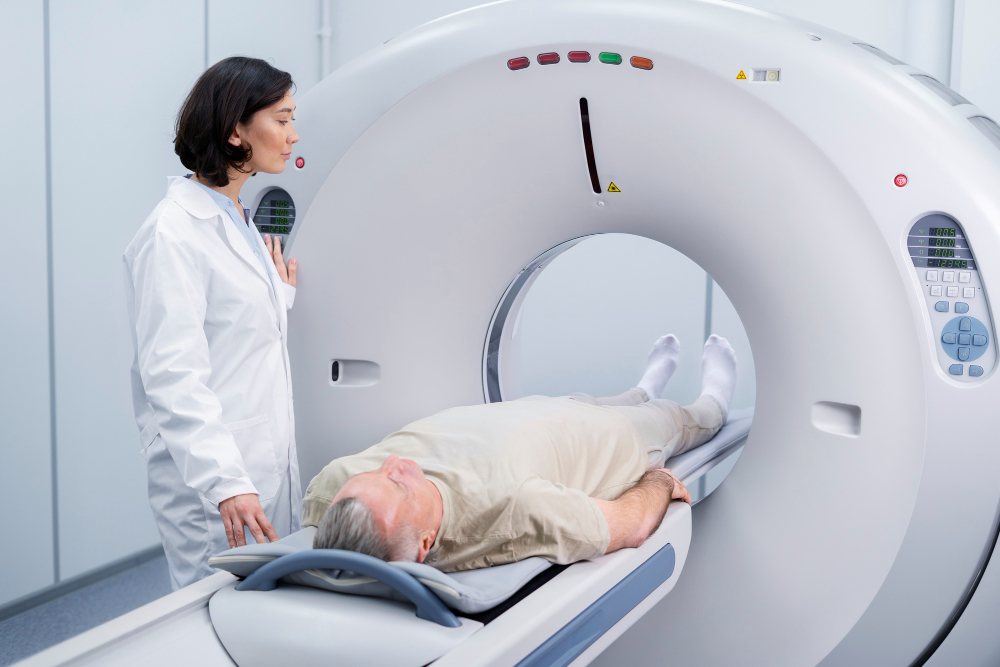
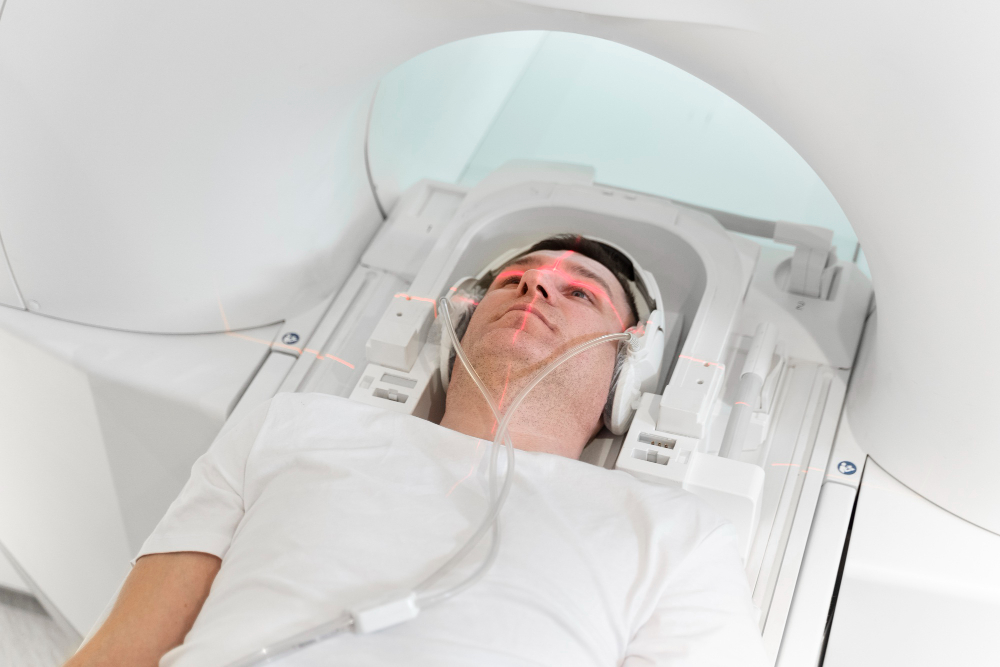
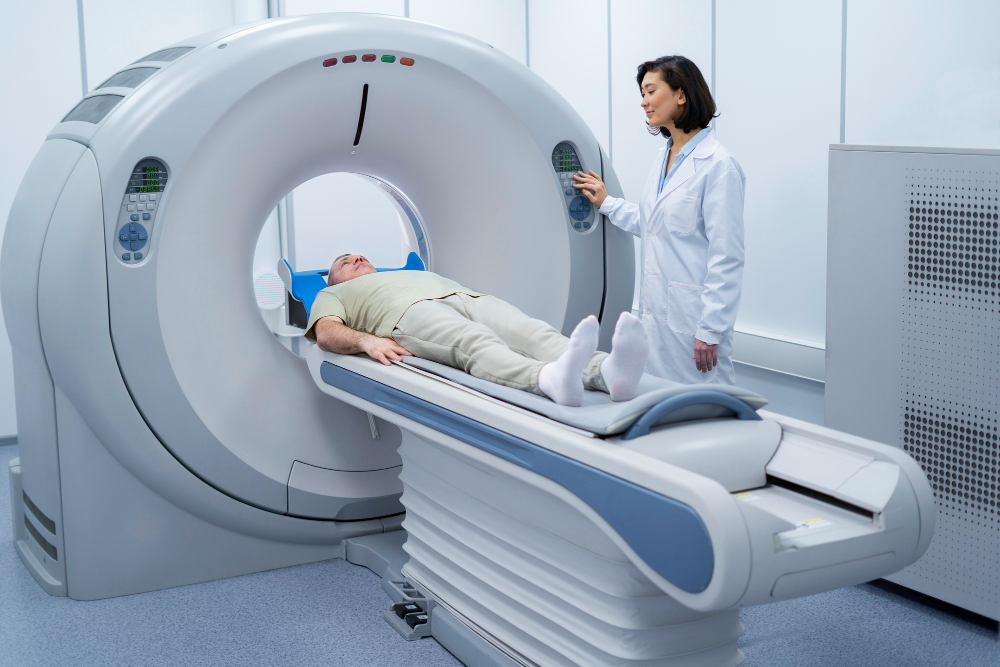
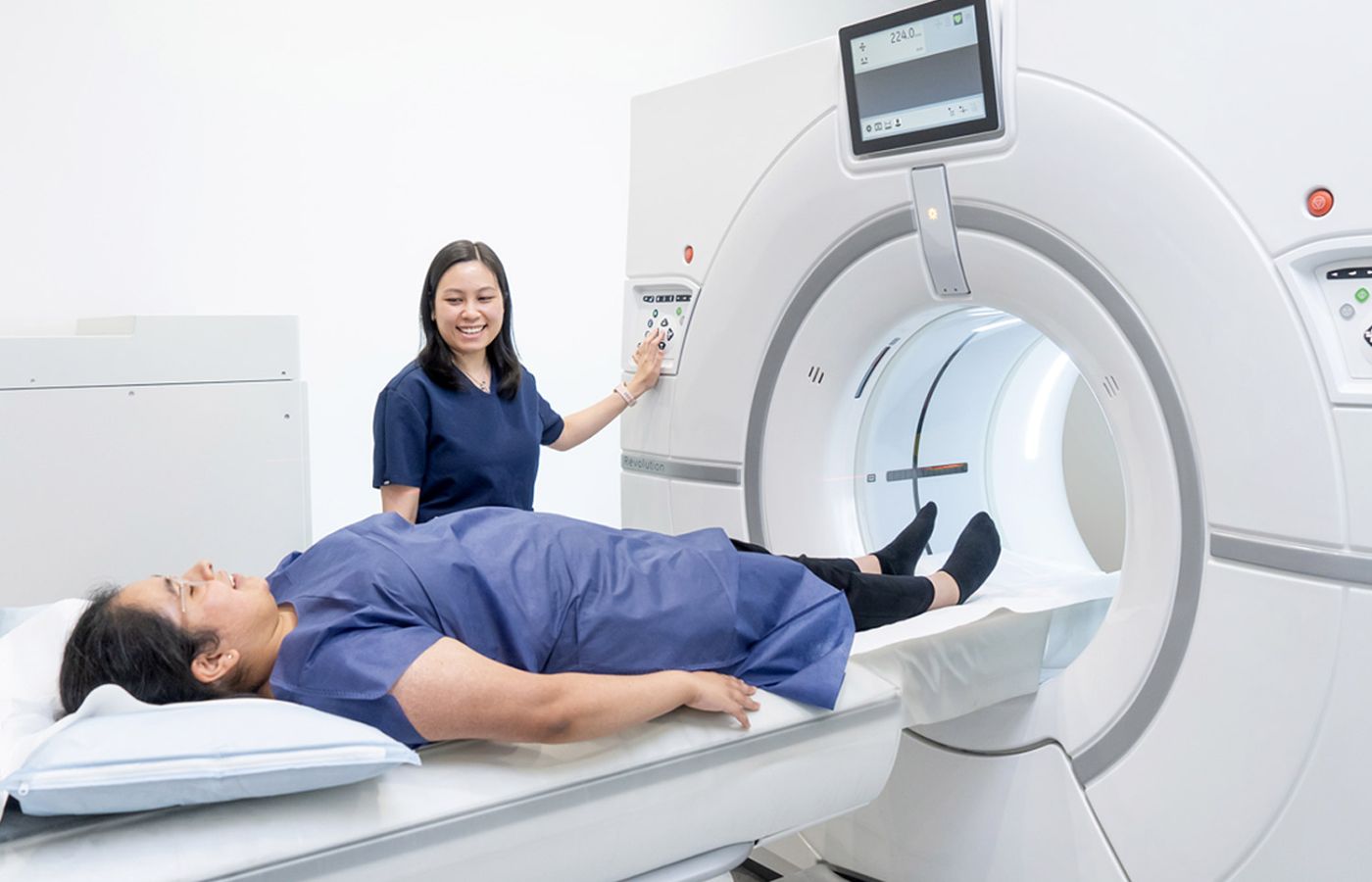
During the scan, the patient lies on a motorized table that moves through a circular machine. The scanner captures multiple images from different angles, which are then combined by a computer to create a complete internal view of the body.
CT scans provide extremely detailed images that allow doctors to detect small abnormalities that traditional imaging methods may miss. This level of accuracy is especially important for diagnosing tumors, infections, and internal injuries.
Traditional imaging methods can take longer to capture and interpret results. CT scans are designed for rapid image acquisition, making them ideal in emergency situations such as trauma or stroke diagnosis.
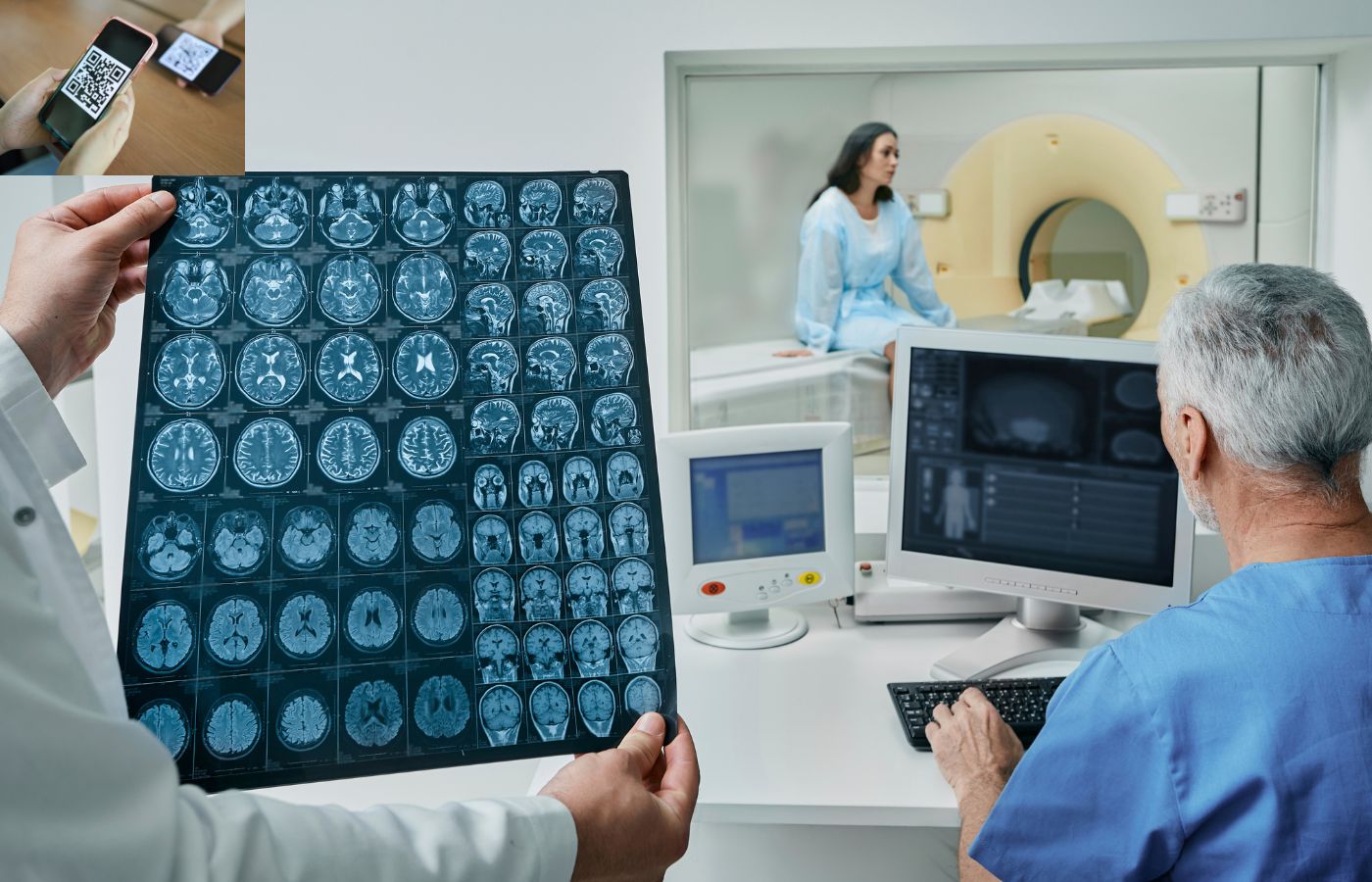
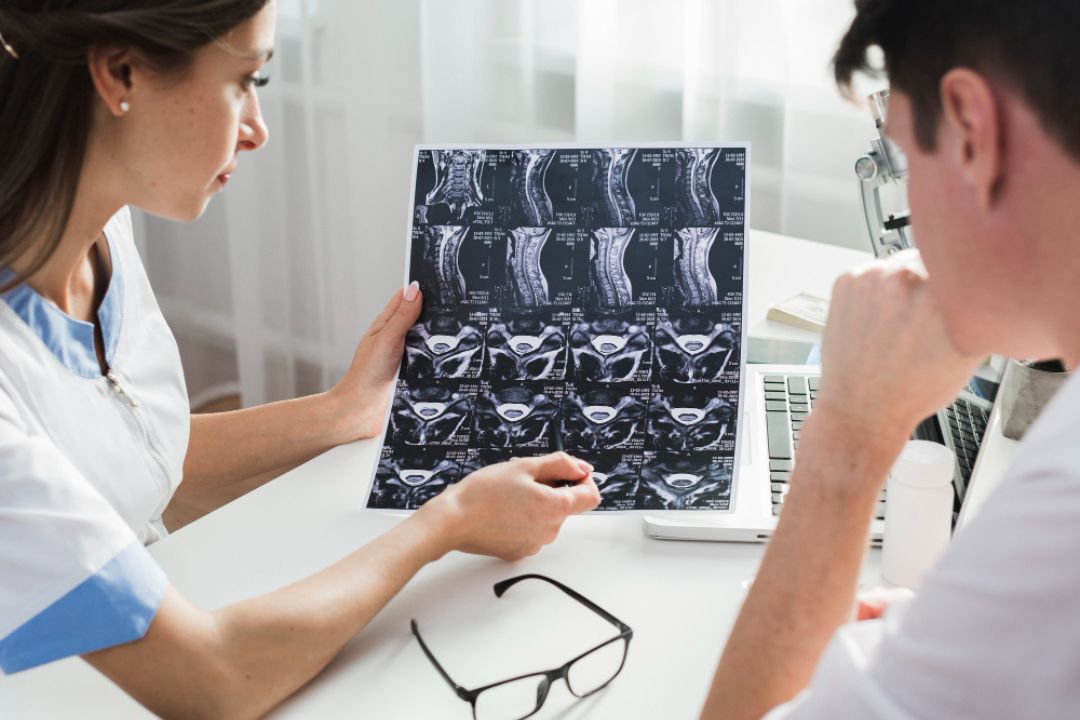
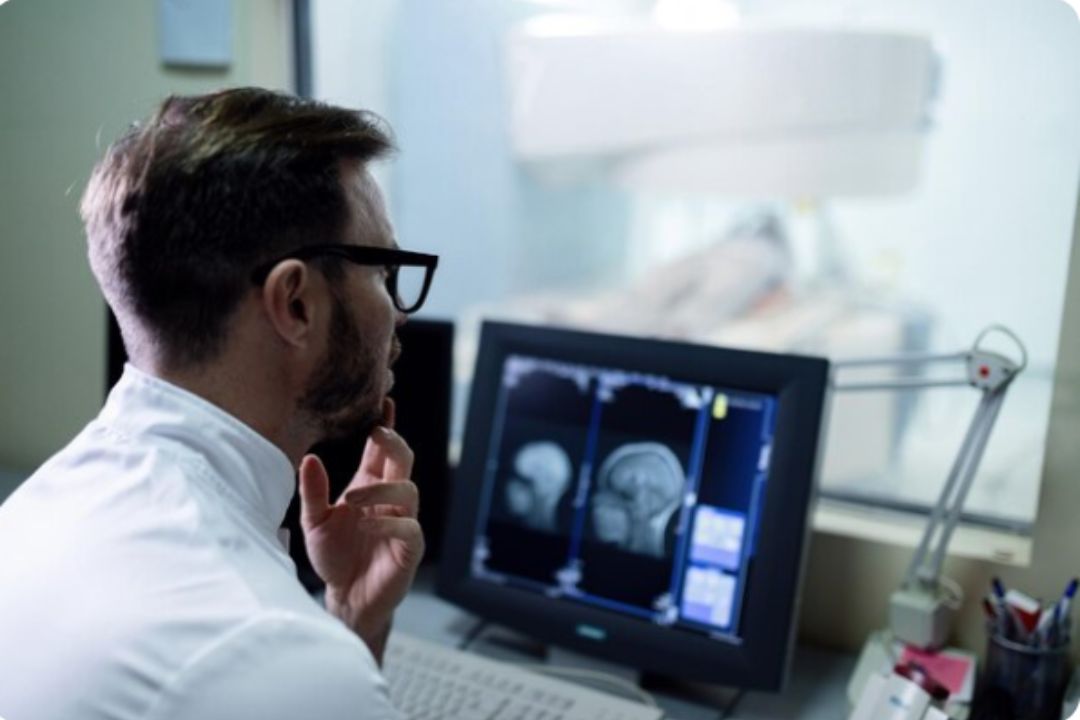
Unlike conventional imaging, CT technology produces cross-sectional images of the body. This allows physicians to examine organs layer by layer and better understand the exact location and size of a medical condition.
CT scans are widely used to detect conditions such as:
Internal bleeding
Tumors and cancers
Bone fractures
Lung diseases
Blood clots
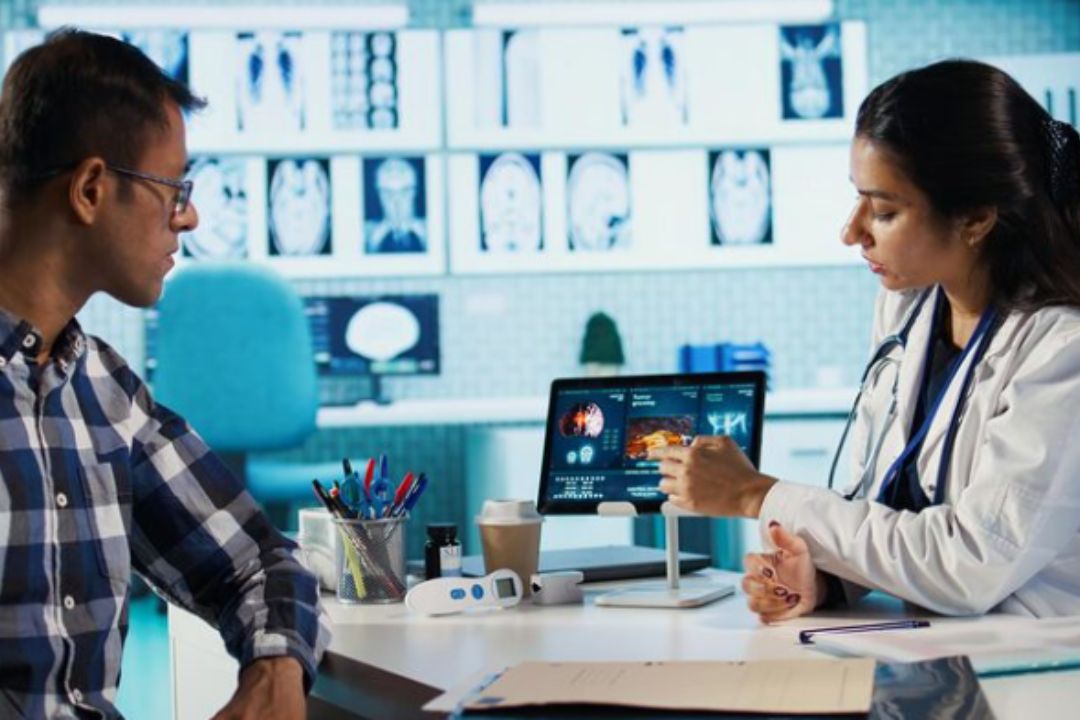
Because of their detailed imaging, CT scans help doctors plan treatments more accurately.
CT imaging is often used to guide biopsies, surgeries, and other medical procedures. The clear images help doctors place instruments precisely, reducing risks and improving outcomes.
Healthcare providers may recommend a CT scan to:
Investigate unexplained pain
Diagnose injuries after accidents
Monitor cancer treatment progress
Detect infections or inflammation
Evaluate organs such as the brain, lungs, liver, or kidneys
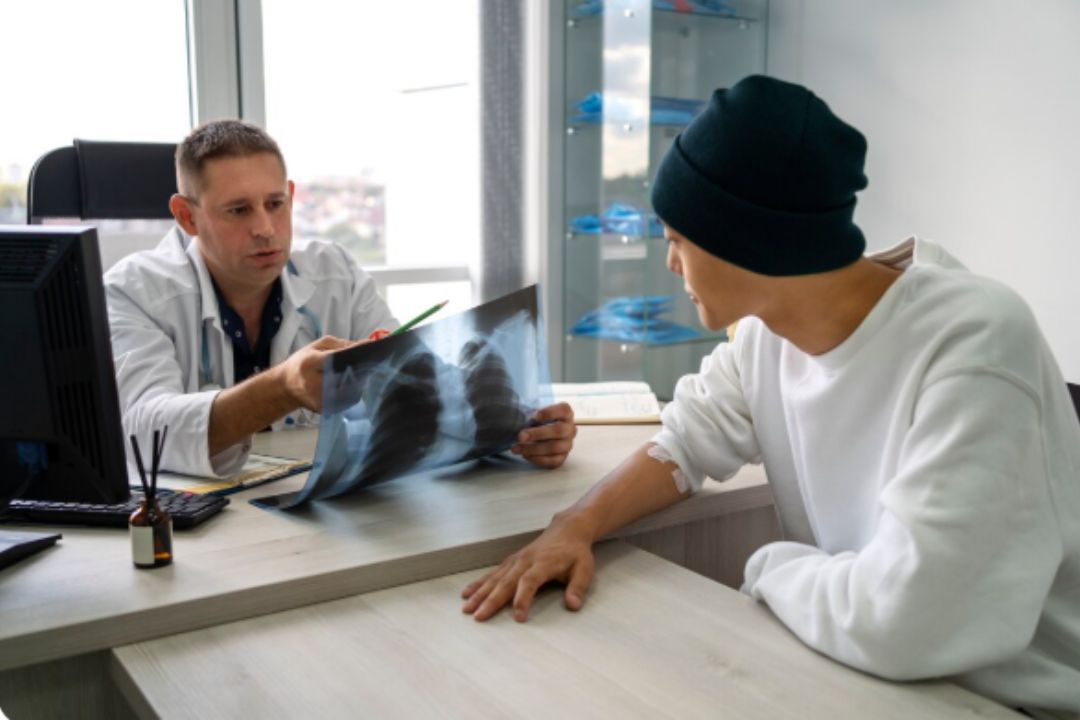
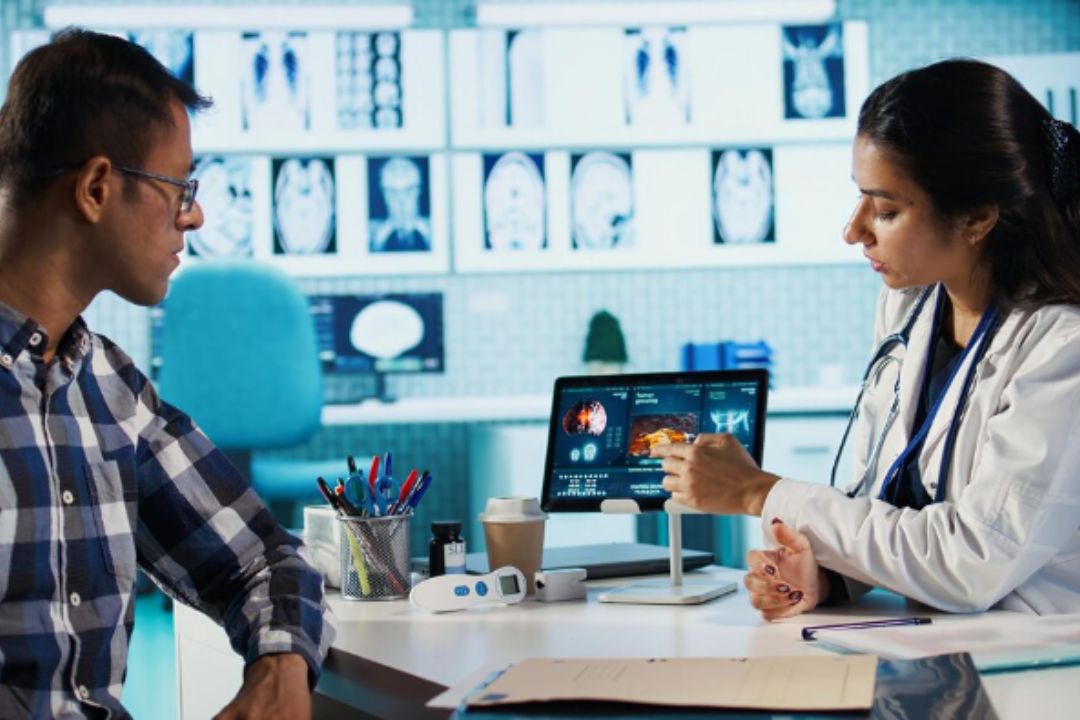
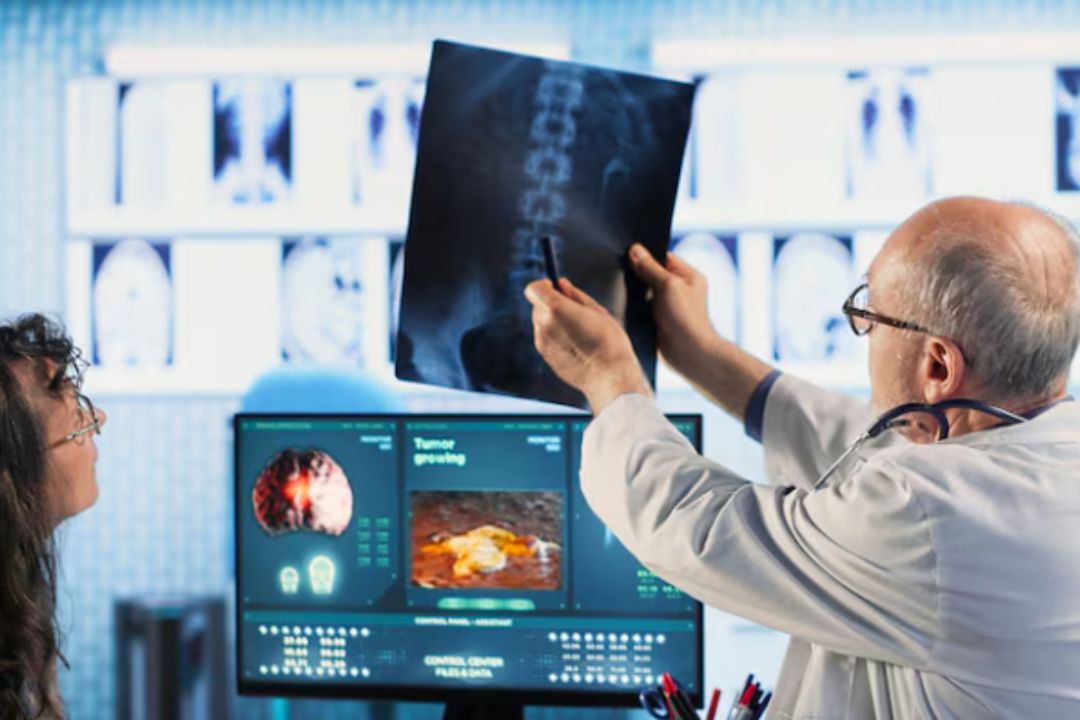
The scan helps doctors make faster and more informed medical decisions.
CT scans are generally considered safe when performed under proper medical supervision. While the procedure involves a small amount of radiation, modern CT machines use advanced technology to minimize exposure while still producing high-quality images.
Doctors recommend CT scans only when the diagnostic benefits outweigh the minimal risks.
CT Scans have become one of the most reliable diagnostic tools in modern medicine. Their ability to deliver high-resolution images, fast results, and accurate diagnoses makes them far superior to traditional imaging methods in many situations. As medical technology continues to evolve, CT imaging will play an even greater role in improving patient care and treatment outcomes.






.jpg "ct brain scan plain and contrast")


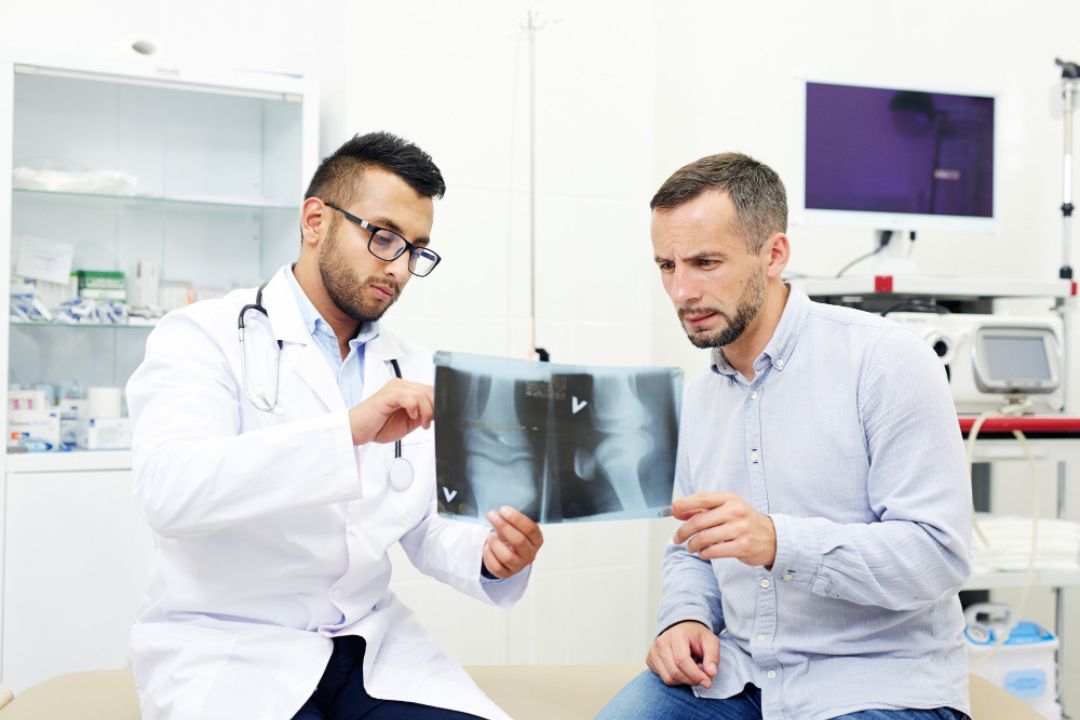

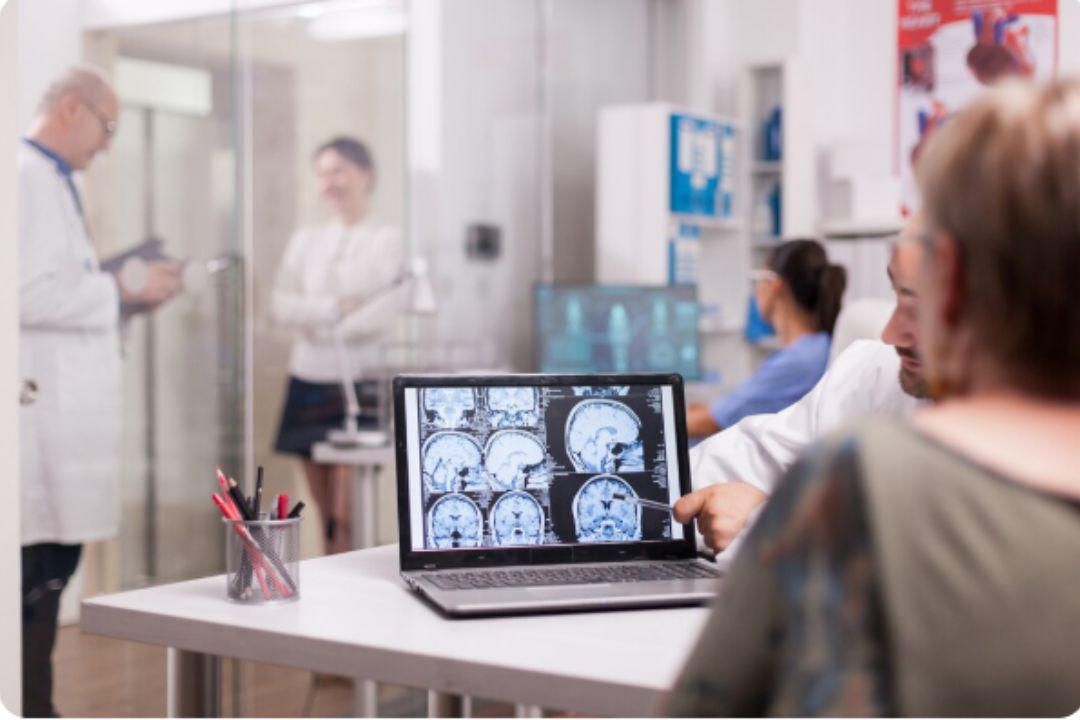
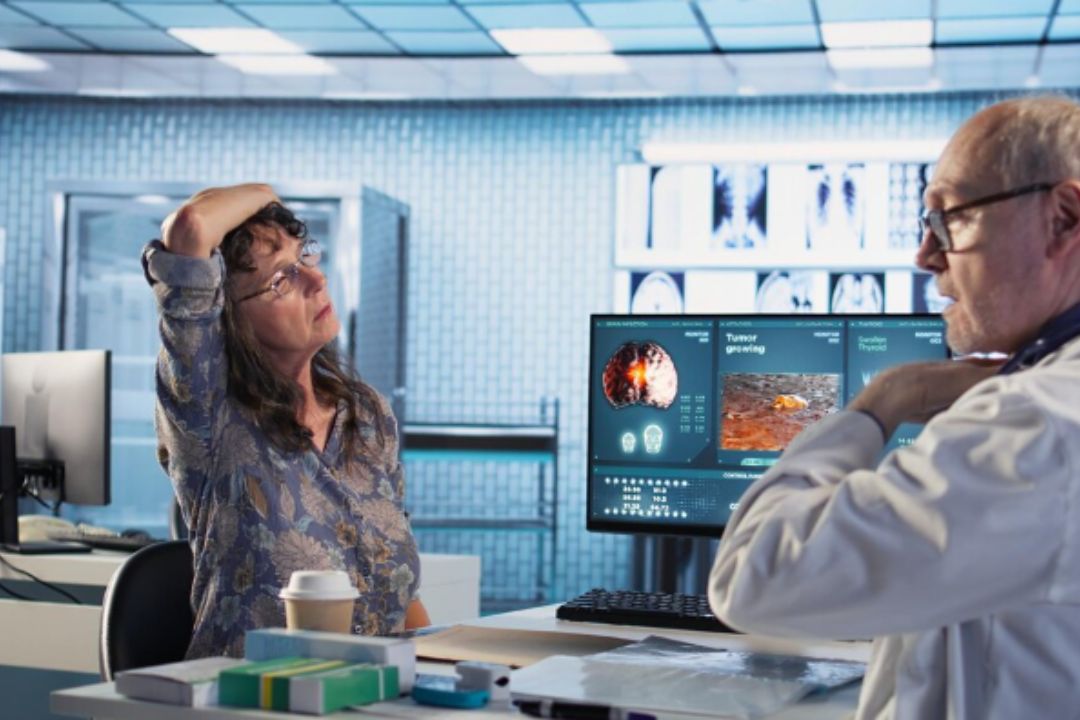

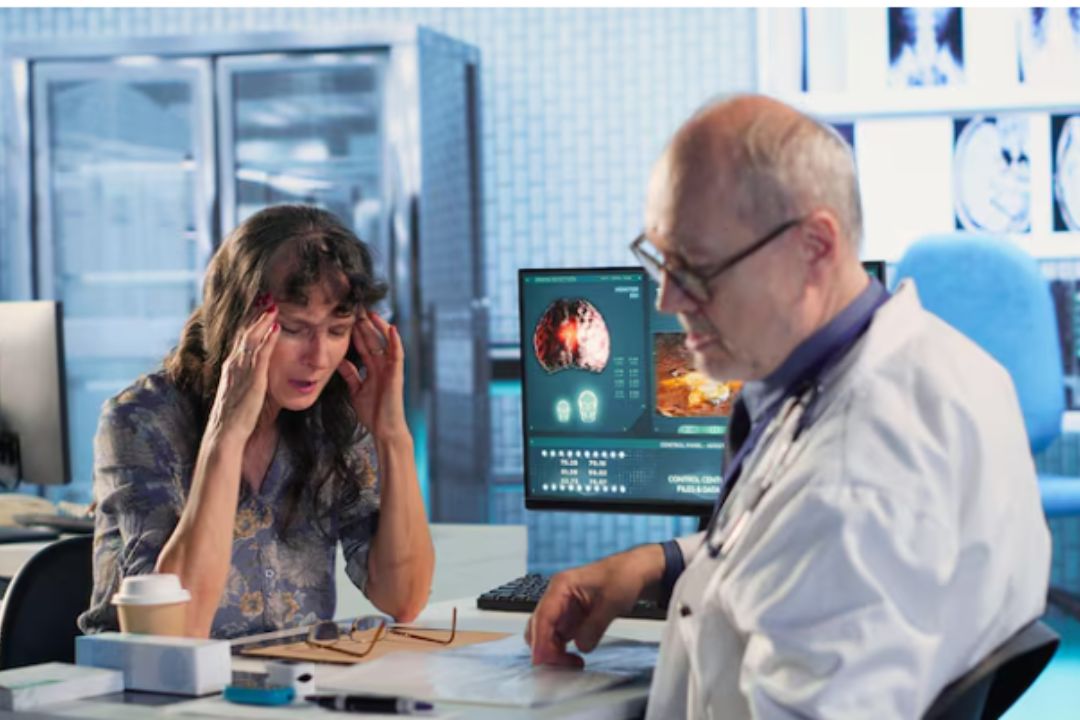



.jpg "ct scan")

.jpg "ct scan or mri for brain disorders")


.jpg "exploring the power of ct brain contrast in modern diagnostics")
.jpg "ct scan")
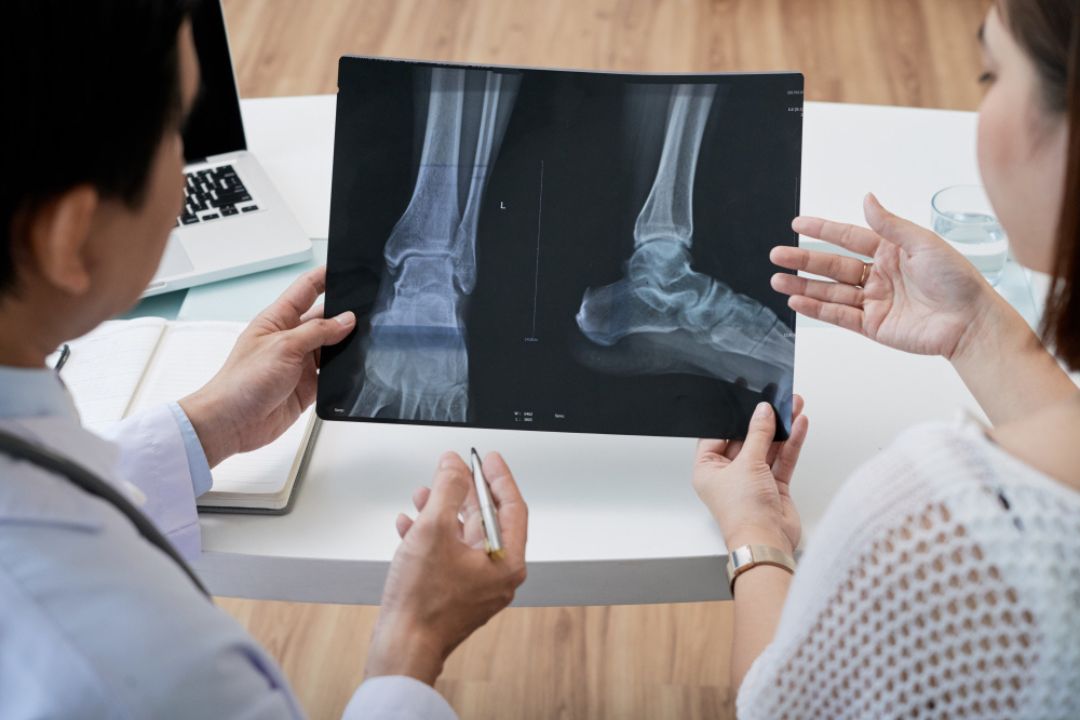
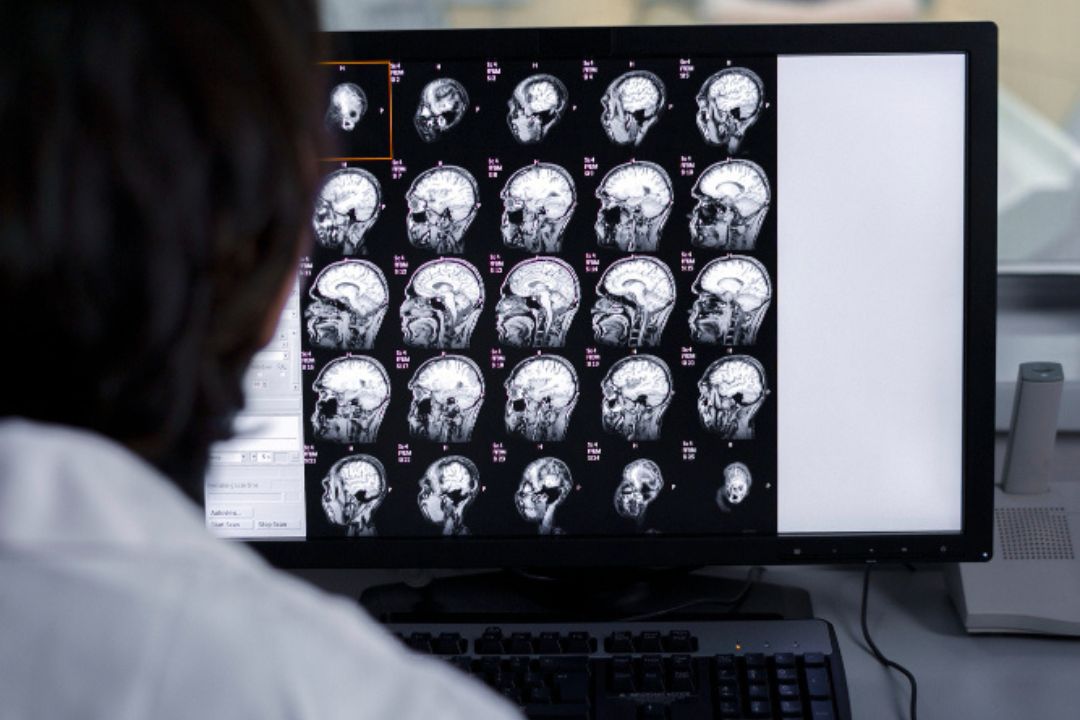
.jpg "ct scan")

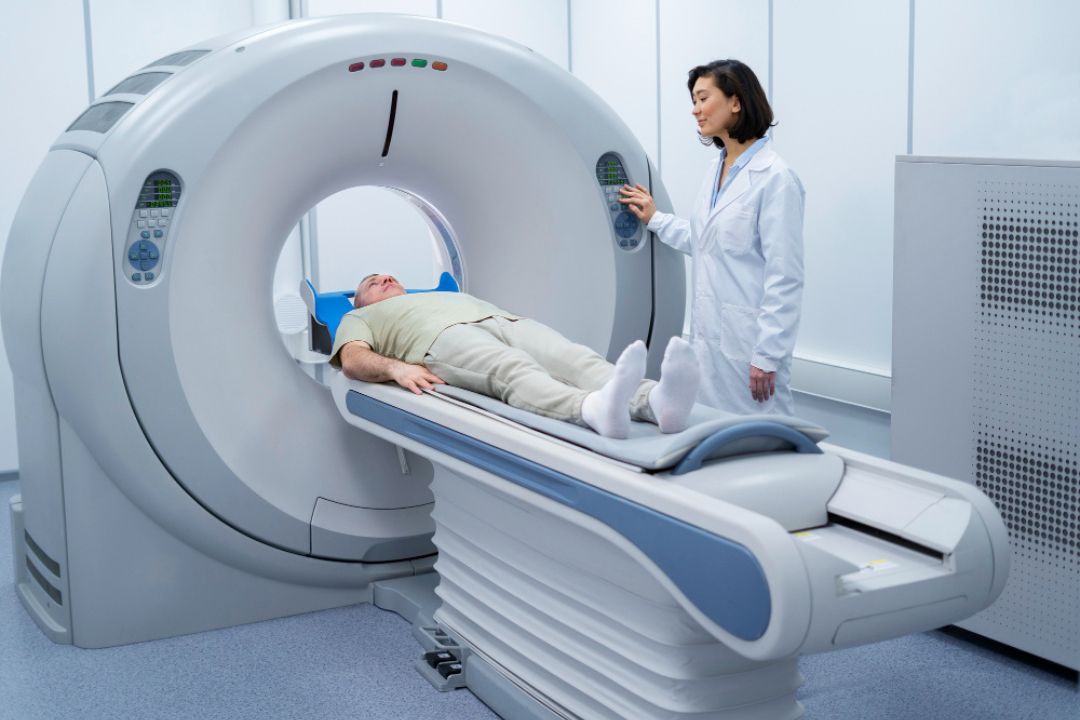
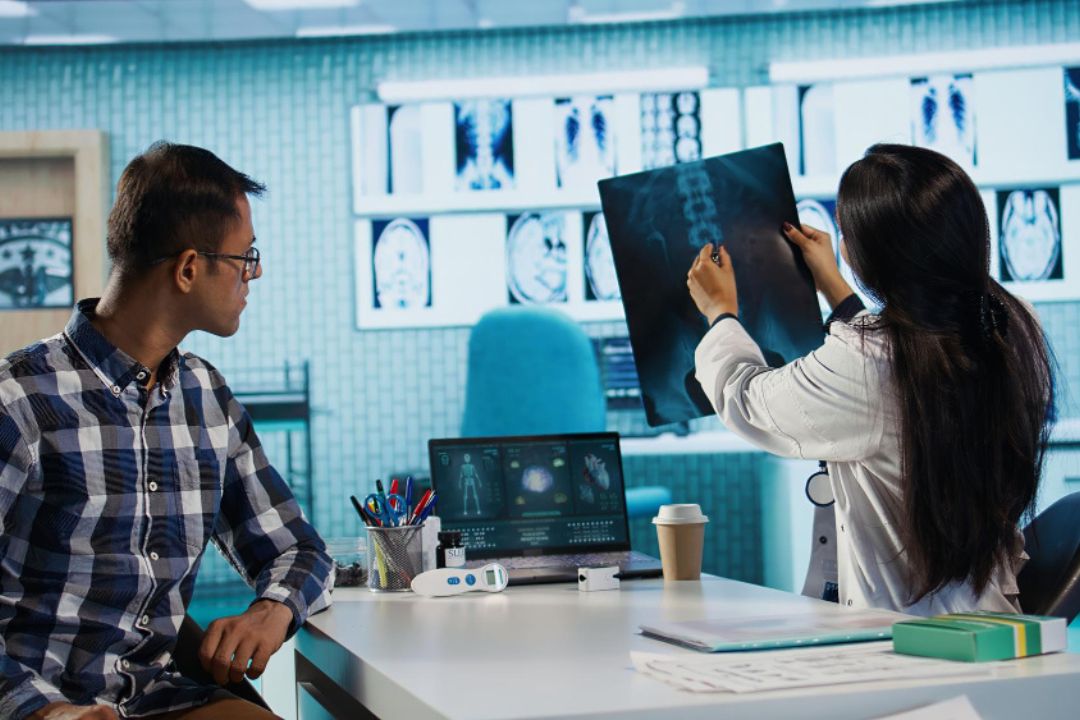






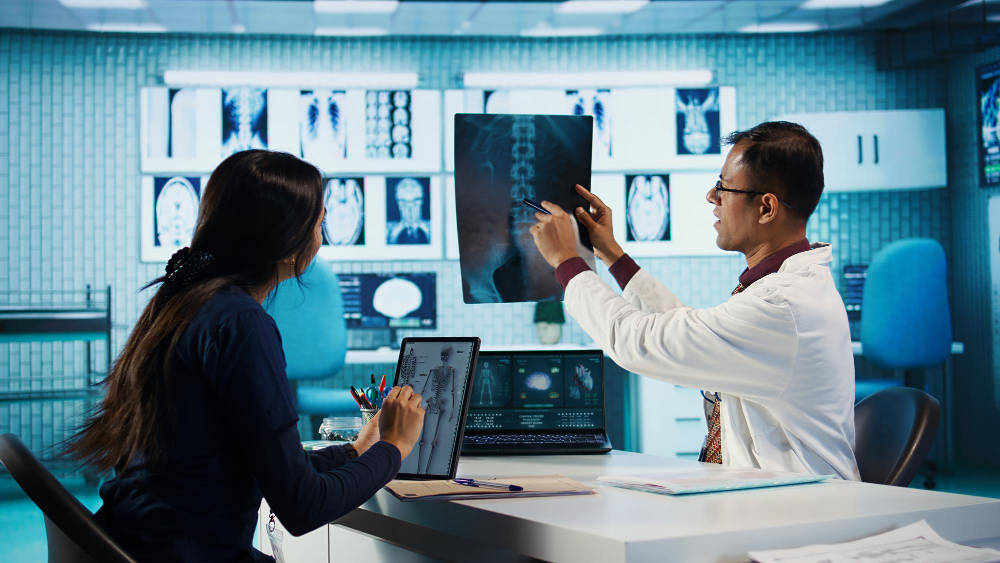
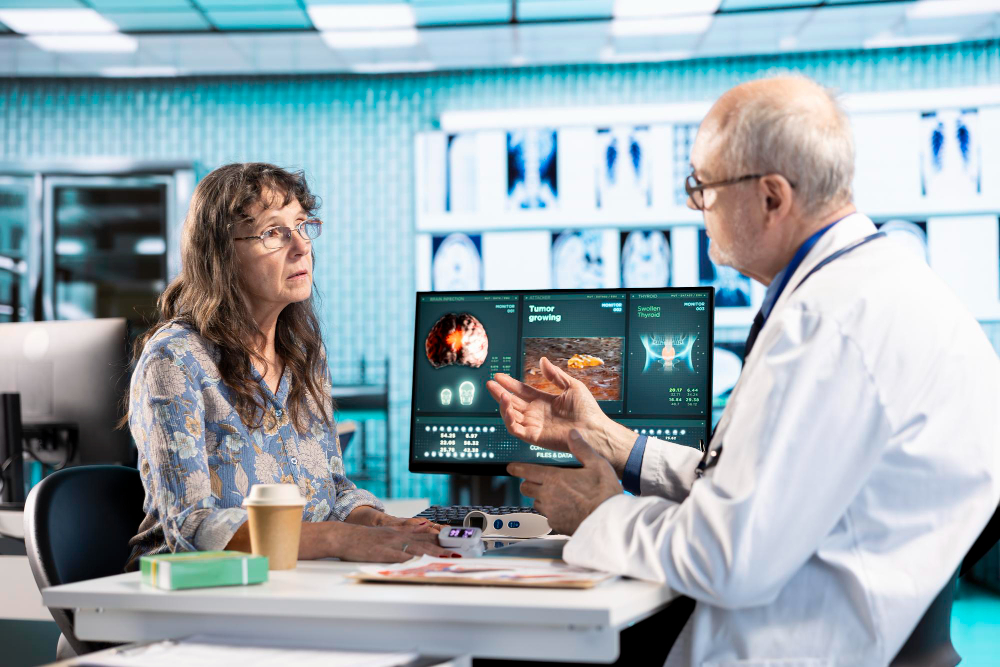
.jpg "ct scan")

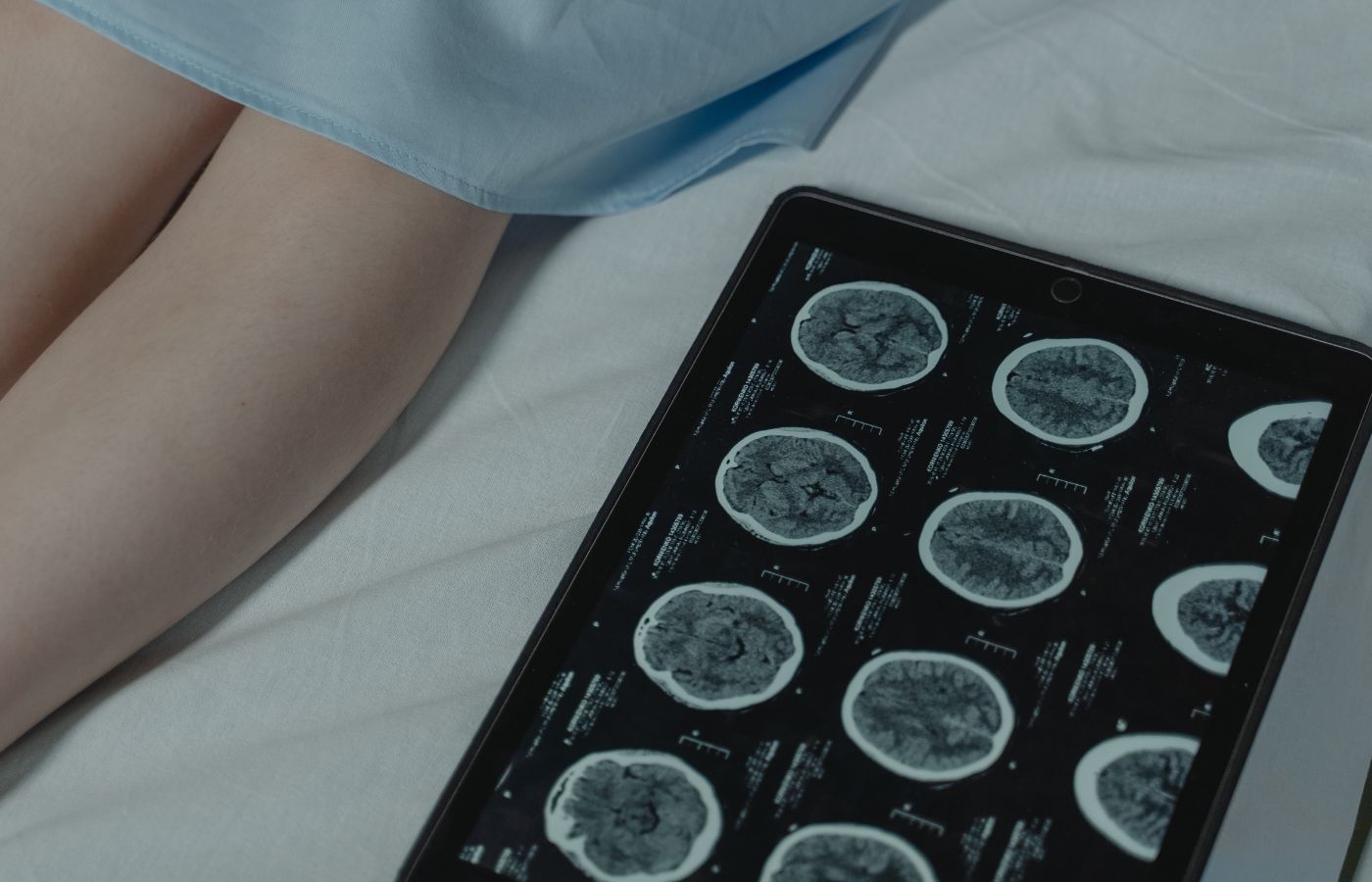
.jpg "CT Brain Scan for Headaches")
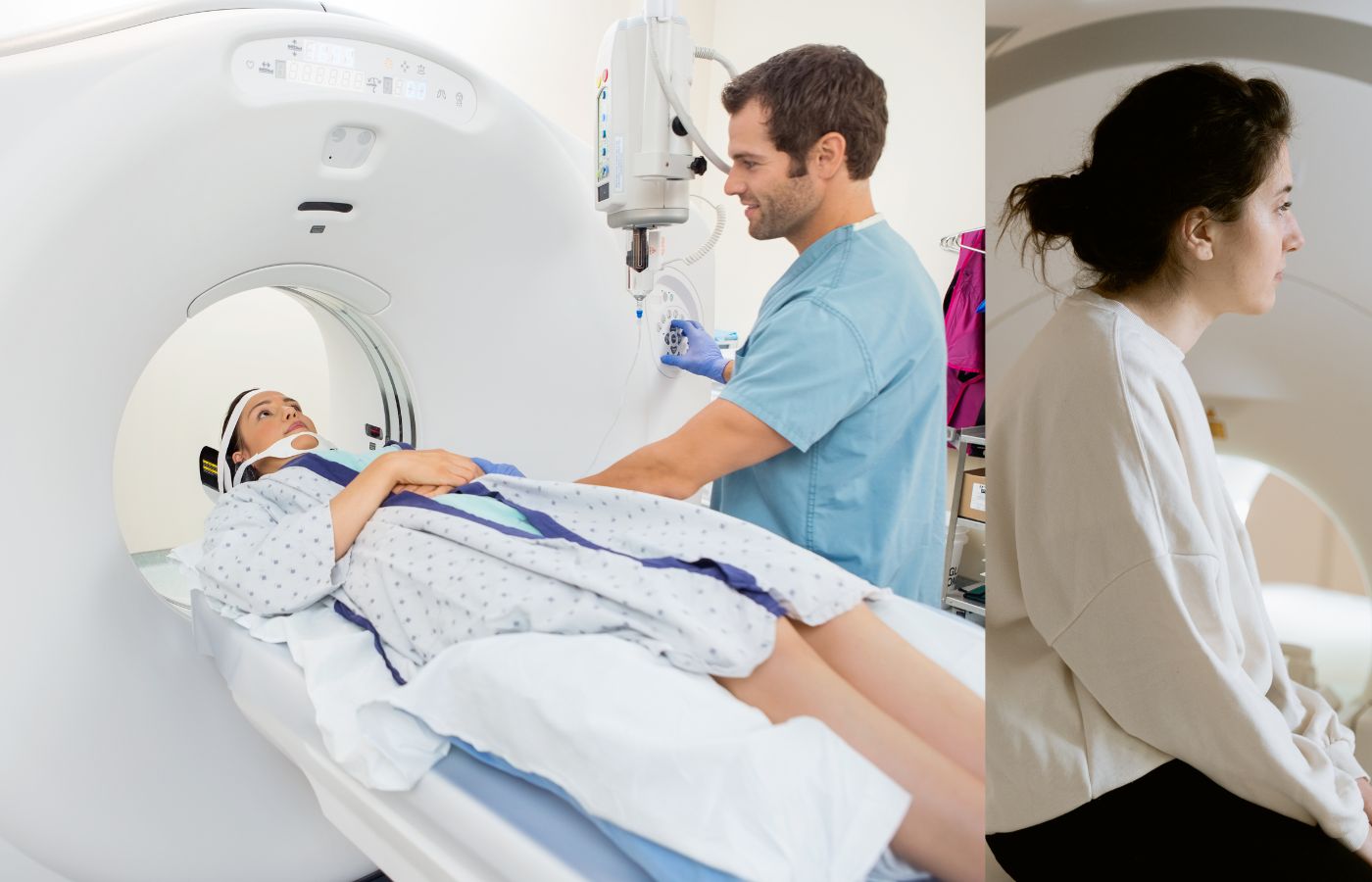
.jpg "The Future of 3D CT Imaging")