In the world of modern medicine, the CT (Computed Tomography) scan is a revolutionary diagnostic workhorse. It acts as a medical super-sleuth, peering inside the body with incredible detail to uncover fractures, tumors, internal injuries, and blockages. When you search for a "CT scan near me" for a quick diagnosis, it’s often the go-to recommendation. However, this powerful tool is not a one-size-fits-all solution. Its very strength—the use of ionizing radiation—also defines its key limitations. Understanding when to avoid a CT scan is not about fear, but about informed, safe, and responsible healthcare.
This comprehensive guide delves into the critical contraindications, helping you and your doctor make the best decision for your health. We’ll also explore the benefits, costs, and why choosing a patient-centric CT scan centre like Diagnopein Mumbai makes all the difference.
A contraindication is a specific situation where a treatment or procedure could cause harm. For CT scans, these are non-negotiable scenarios that demand serious consideration or complete avoidance.
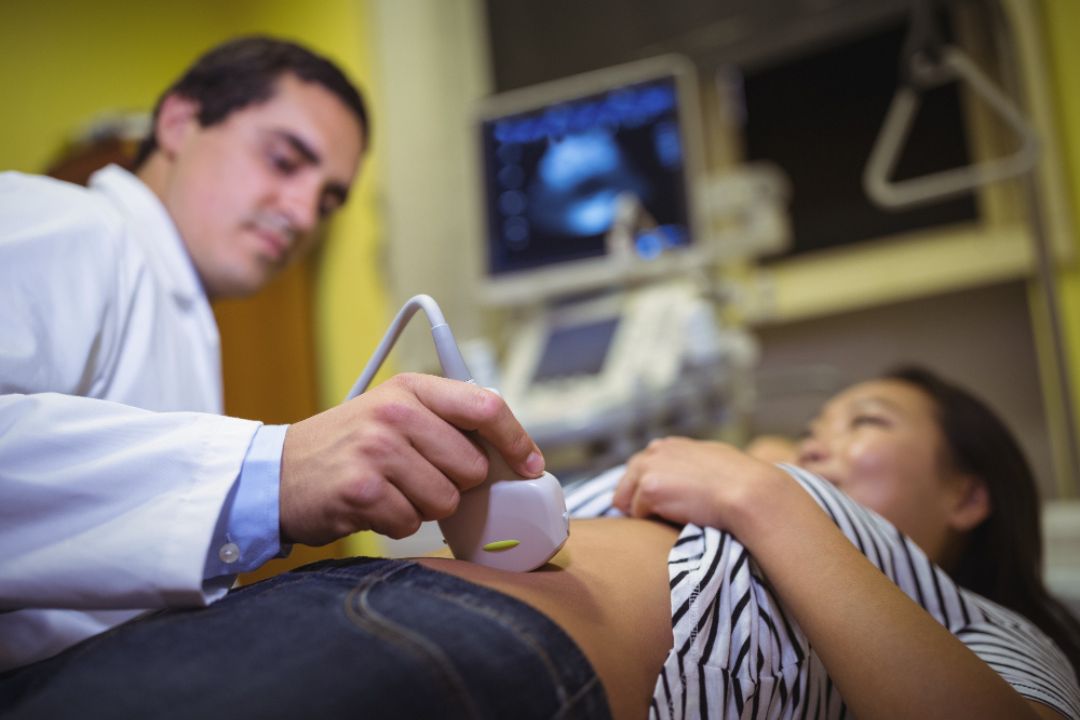
This is the most absolute contraindication. A developing fetus is highly sensitive to radiation. While a single CT scan of the head or chest typically delivers radiation away from the fetus, scans of the abdomen or pelvis directly expose it, posing a potential risk for developmental issues. The Rule: Ultrasound (which uses sound waves) or MRI (which uses magnets) are the preferred, zero-radiation alternatives during pregnancy. A CT scan is only considered in dire emergencies where the mother’s life is at immediate risk and the information cannot be obtained any other way.
Many CT scans require an iodinated "contrast dye" injected into your veins to highlight blood vessels and organs. This dye is filtered out by your kidneys. If you have pre-existing kidney disease (renal insufficiency), the dye can place excessive strain on them, potentially leading to a serious condition called Contrast-Induced Nephropathy (CIN). The Protocol: A reputable CT scan centre will always ask about your kidney history and often require a recent blood test (creatinine level) before administering contrast. For patients with poor kidney function, alternatives like a non-contrast CT or MRI with a different contrast agent (gadolinium) may be explored.
While modern contrast agents are safer, some individuals can have reactions. A mild itch or hives is manageable, but a history of a severe, life-threatening anaphylactic reaction (difficulty breathing, swelling) is a strong contraindication. The Solution: Inform your doctor and radiologist without fail. In some cases, pre-medication with steroids and antihistamines can allow a necessary scan to proceed safely. Otherwise, an alternative imaging method will be chosen.
Radiation exposure is cumulative over a lifetime. If you have recently undergone multiple CT scans or other high-radiation procedures (like nuclear medicine scans), the justification for another scan must be extremely compelling. This is particularly crucial for younger patients and children. The Principle: Always maintain a record of your past imaging studies and inform your current doctor. The guiding principle in radiology is ALARA—As Low As Reasonably Achievable—meaning using the minimum radiation necessary to get a diagnostic answer.
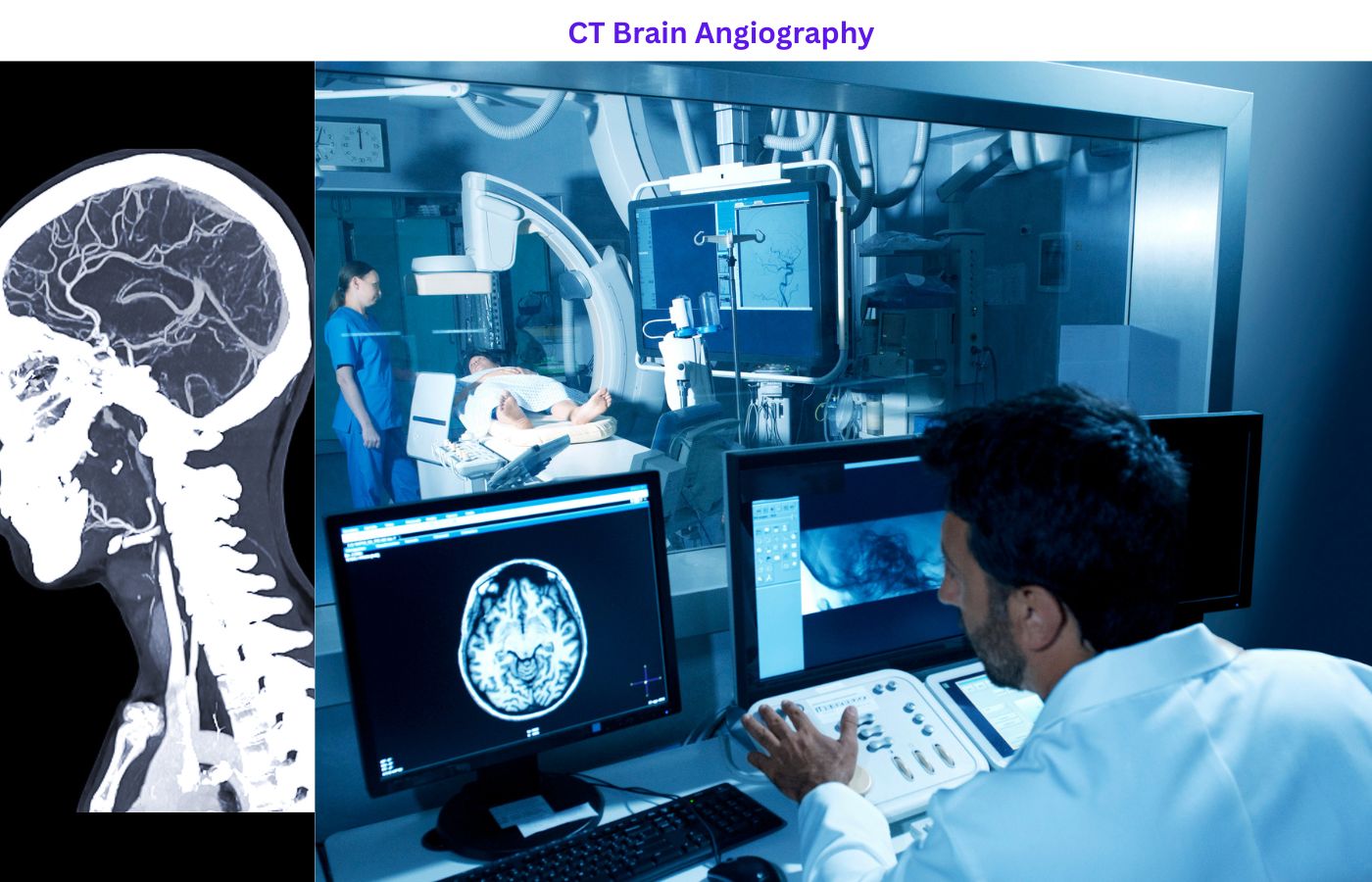
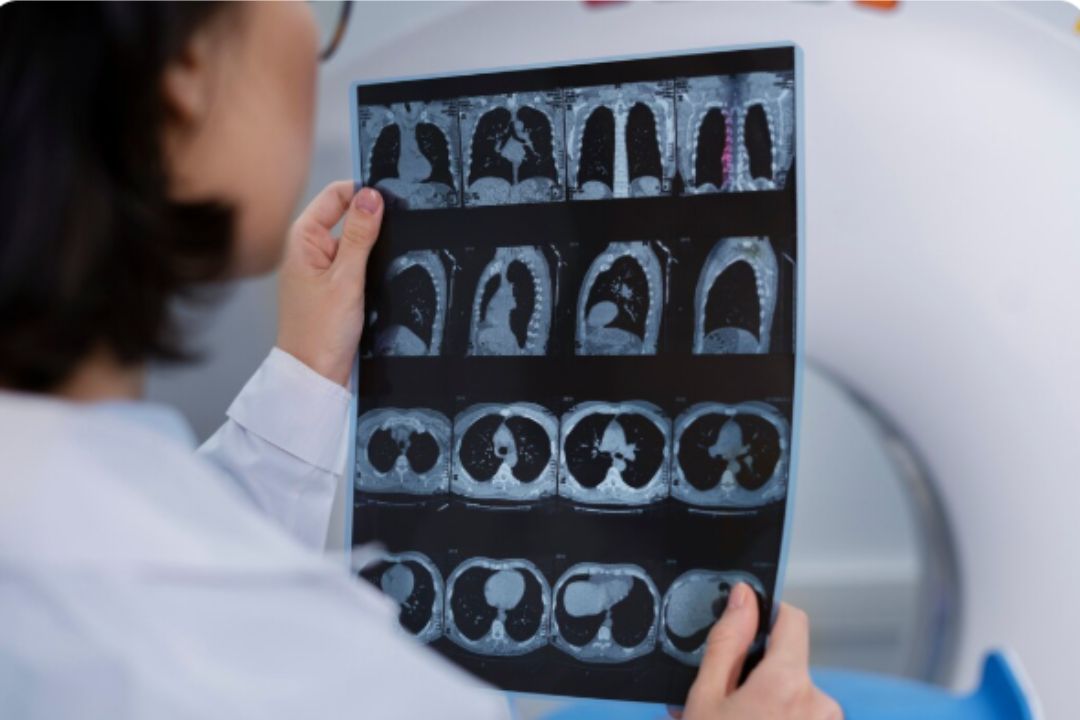
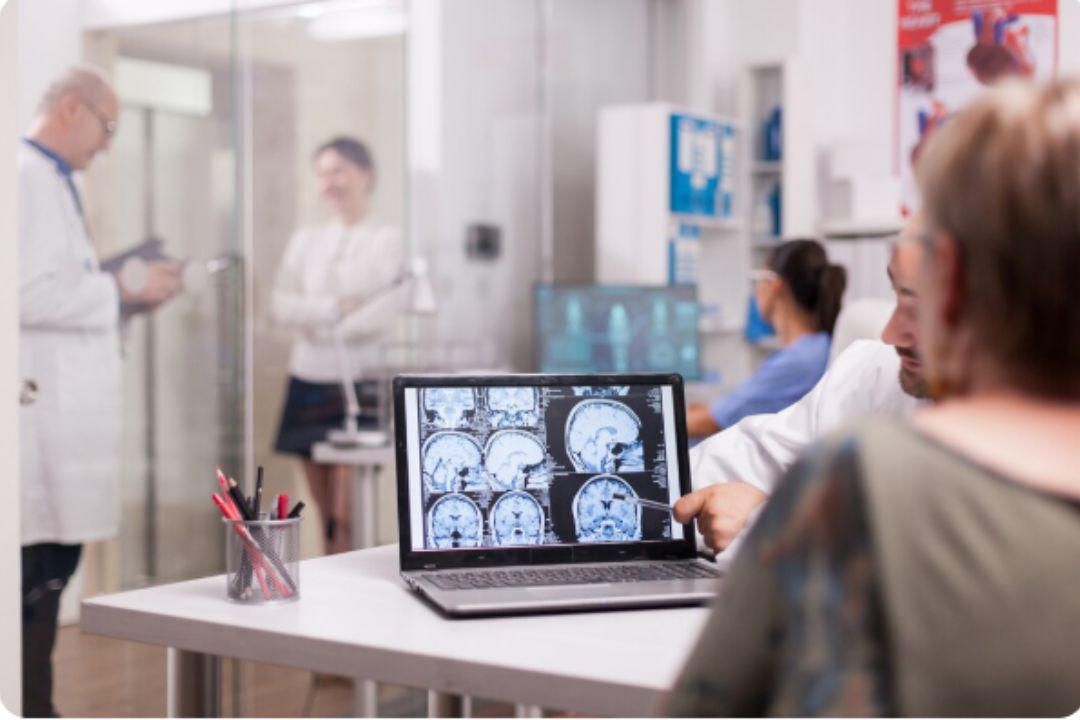
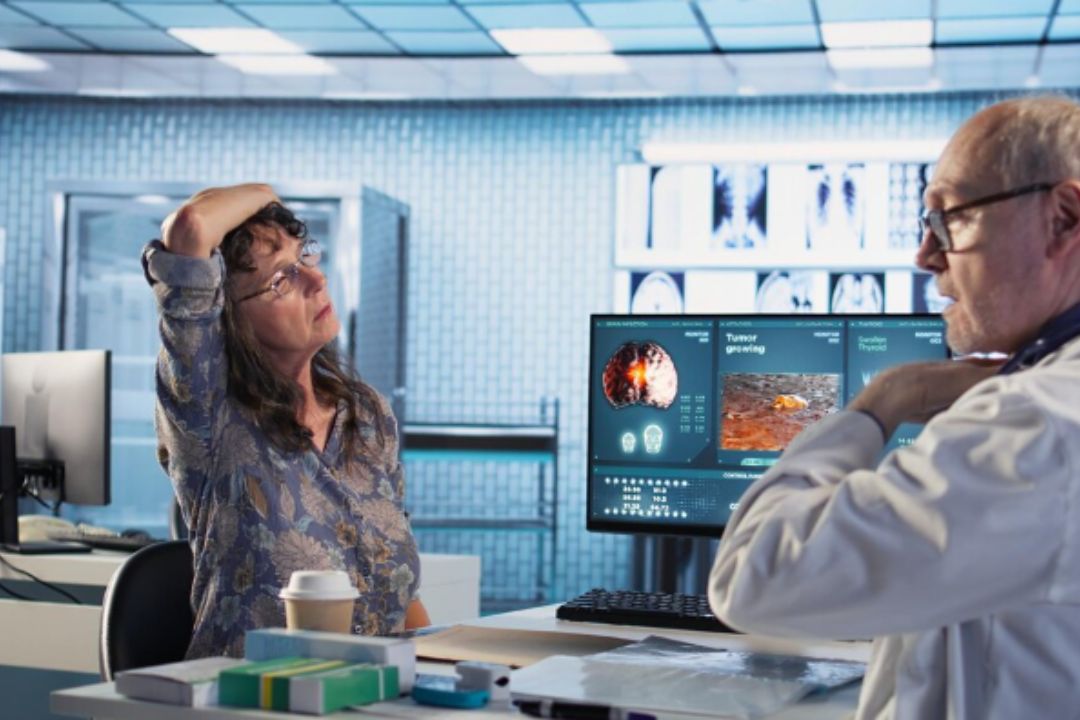
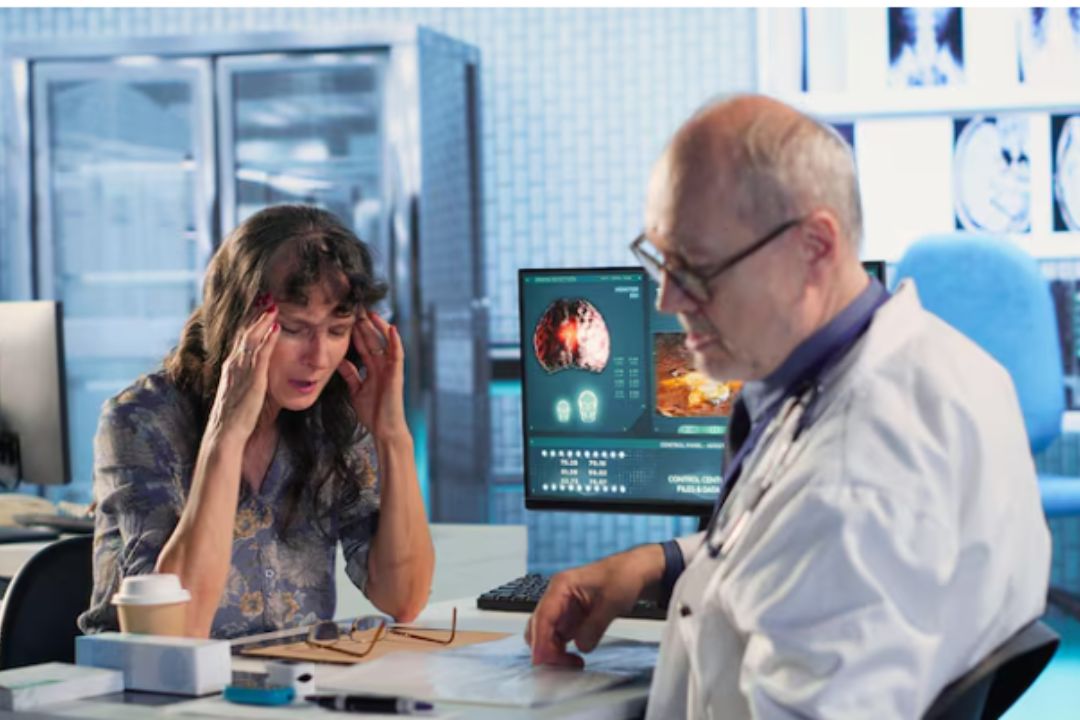
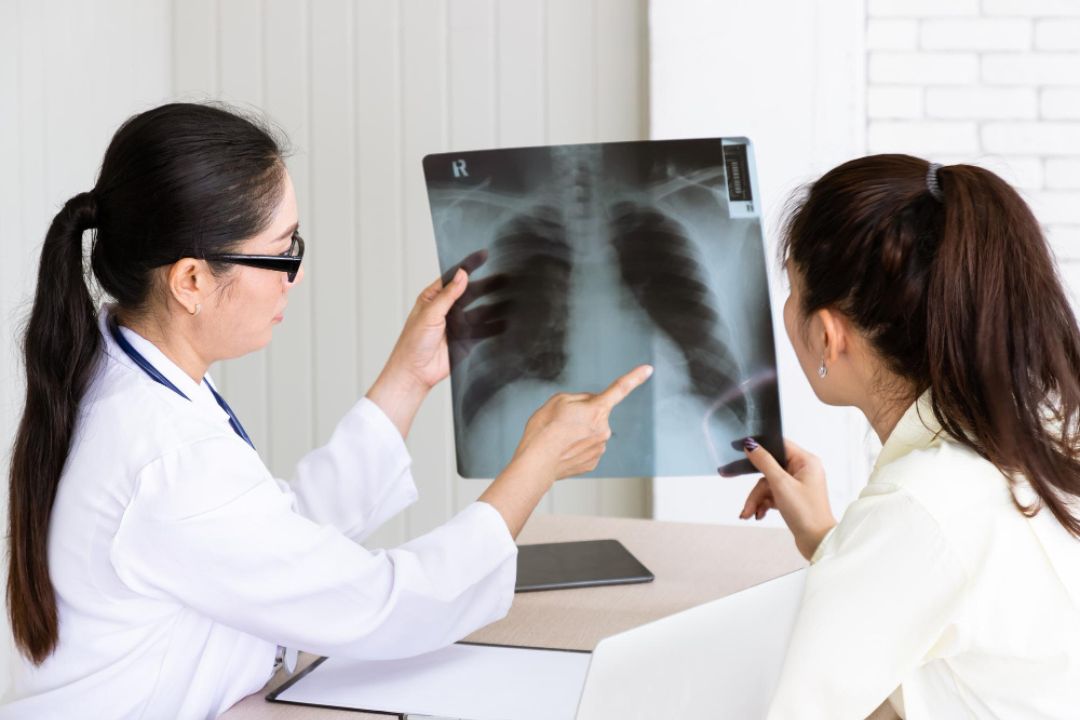
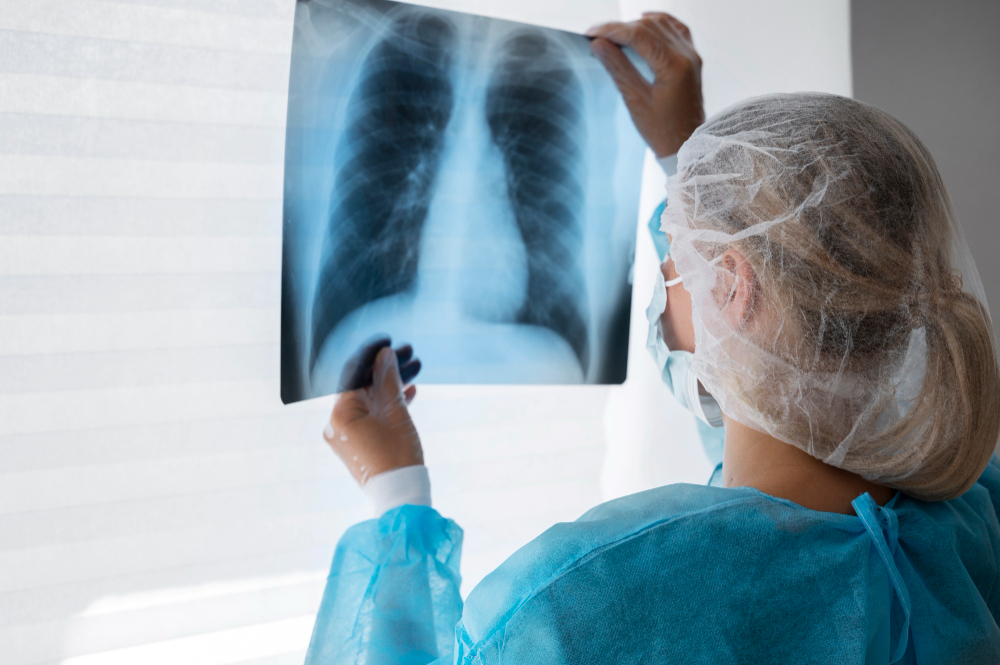
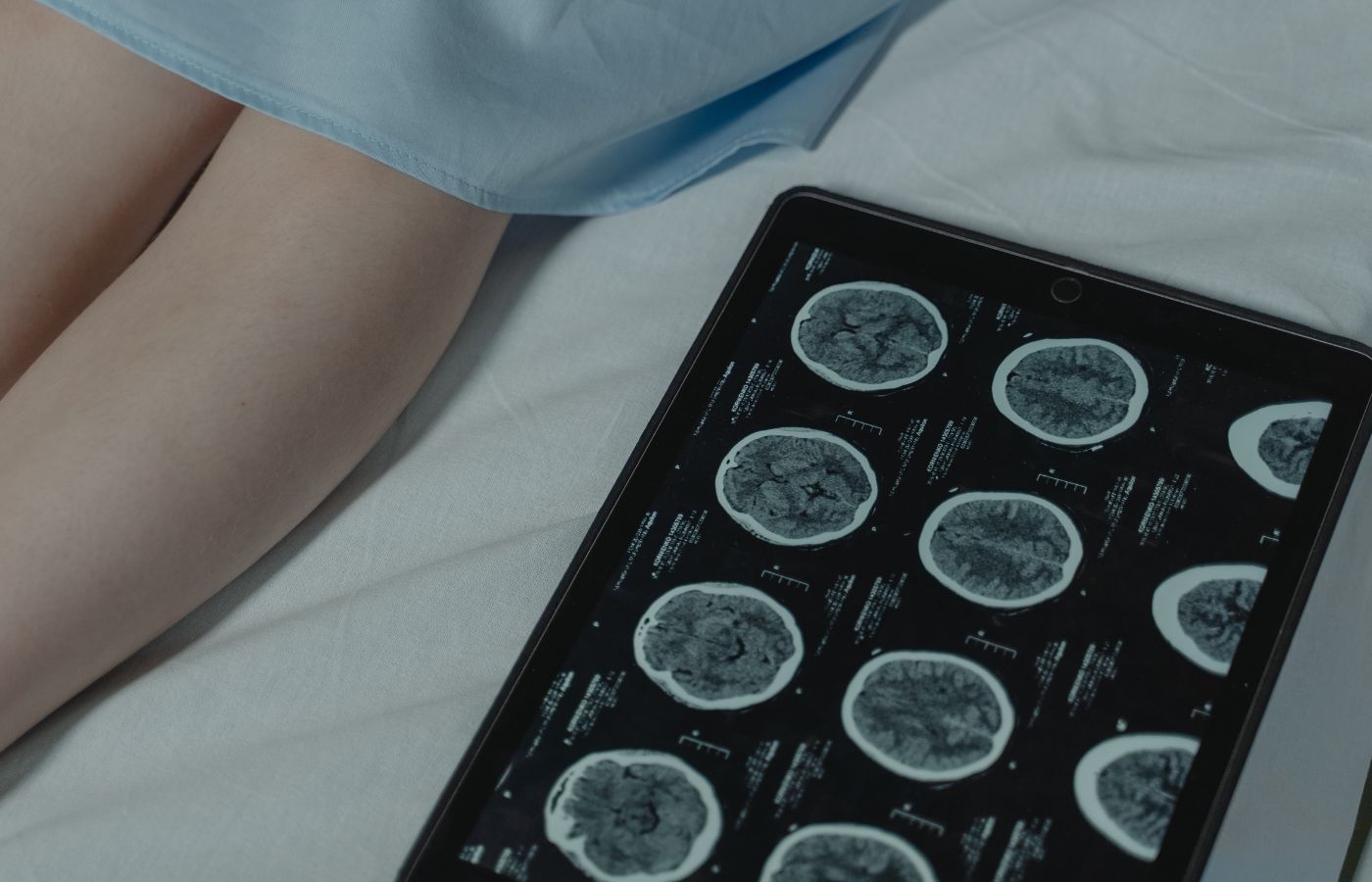
The primary benefit of a CT scan is its unparalleled ability to provide rapid, high-resolution images of internal structures. In emergencies—such as a suspected stroke, traumatic accident, or acute abdominal pain—a CT scan can be lifesaving. It’s the gold standard for visualizing bone fractures, lung conditions (like pneumonia or pulmonary embolism), and acute bleeding. When time is of the essence, a CT scan centre that offers quick, accurate results is invaluable.
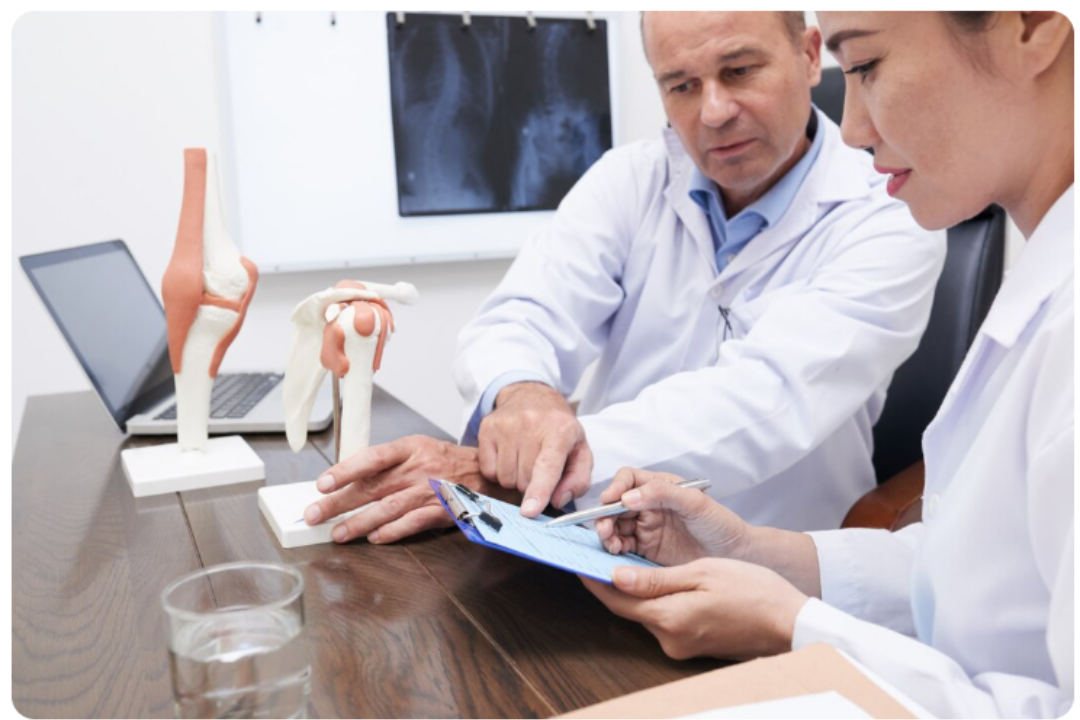
Understanding the difference helps clarify why one might be recommended over the other.
CT Scan: Uses X-rays. Pros: Extremely fast (often under 5 minutes), excellent for bones, lungs, and acute bleeding, less expensive, less sensitive to patient movement. Cons: Involves ionizing radiation, less detailed for soft tissues like ligaments or brain tumors.
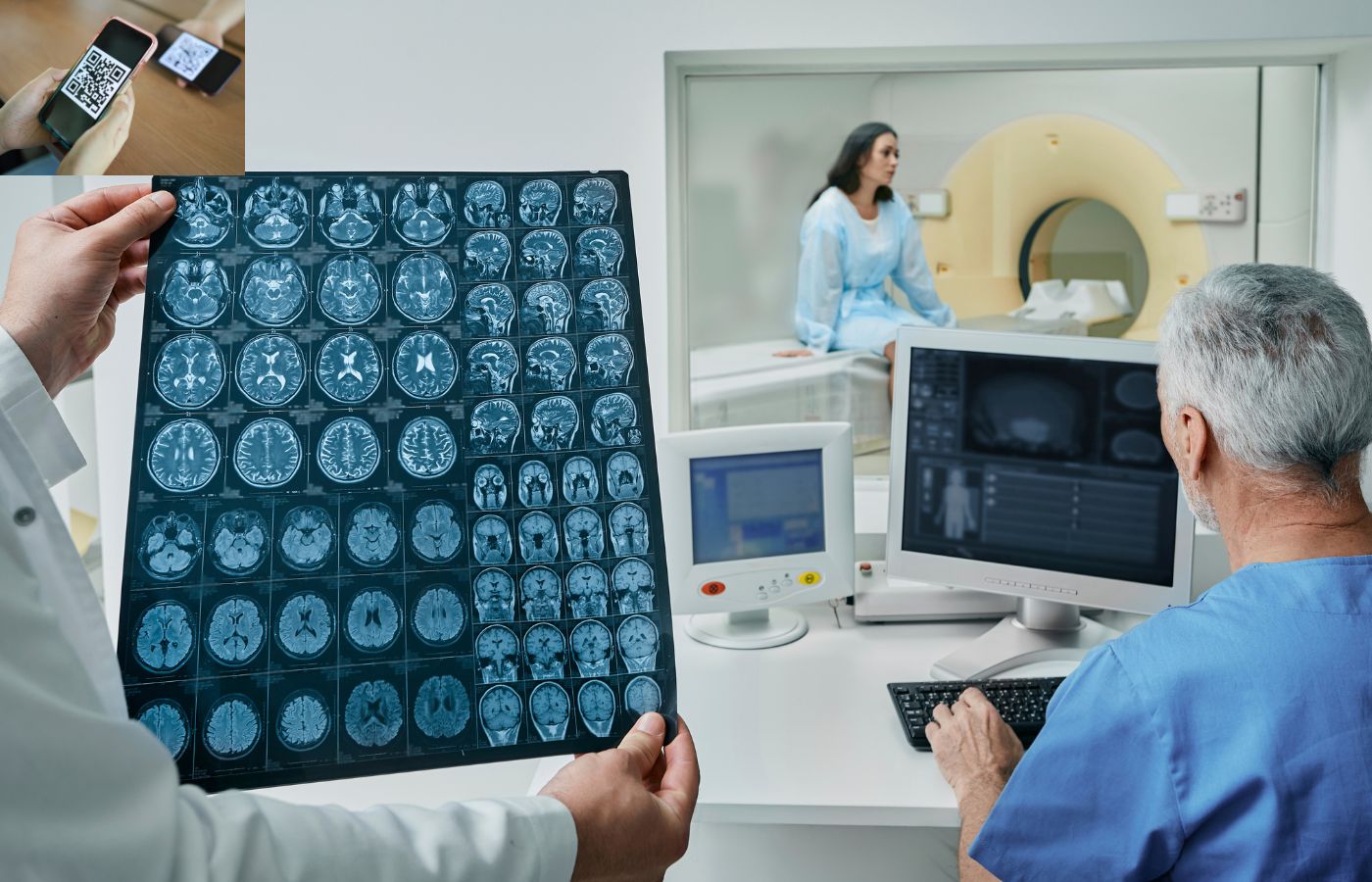
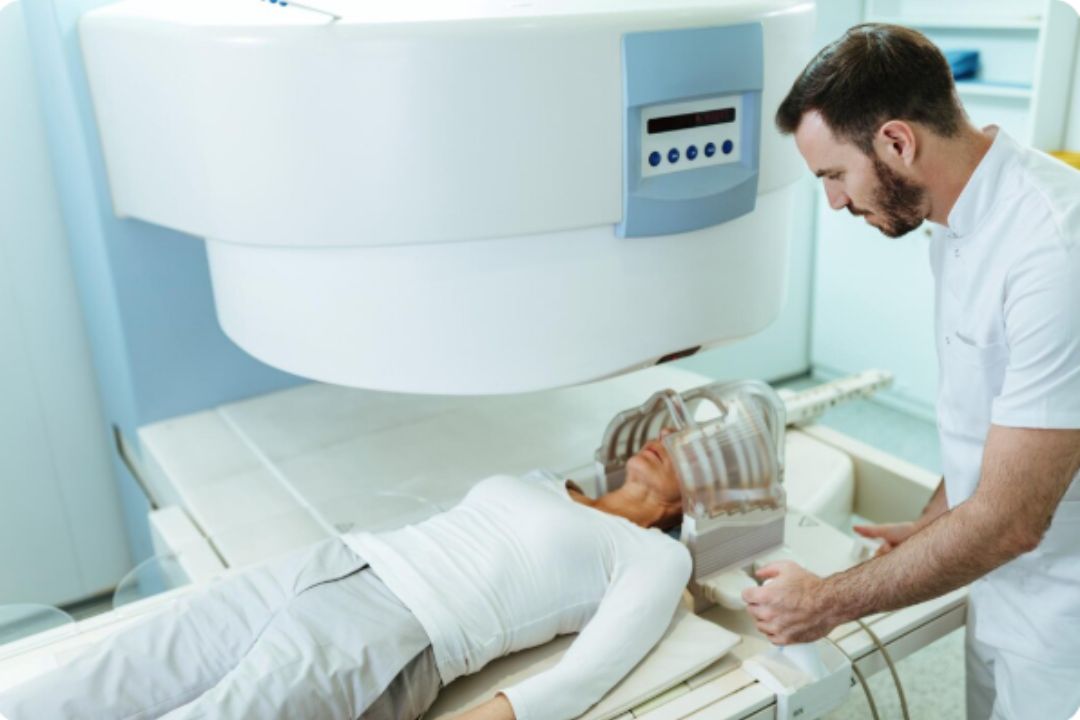
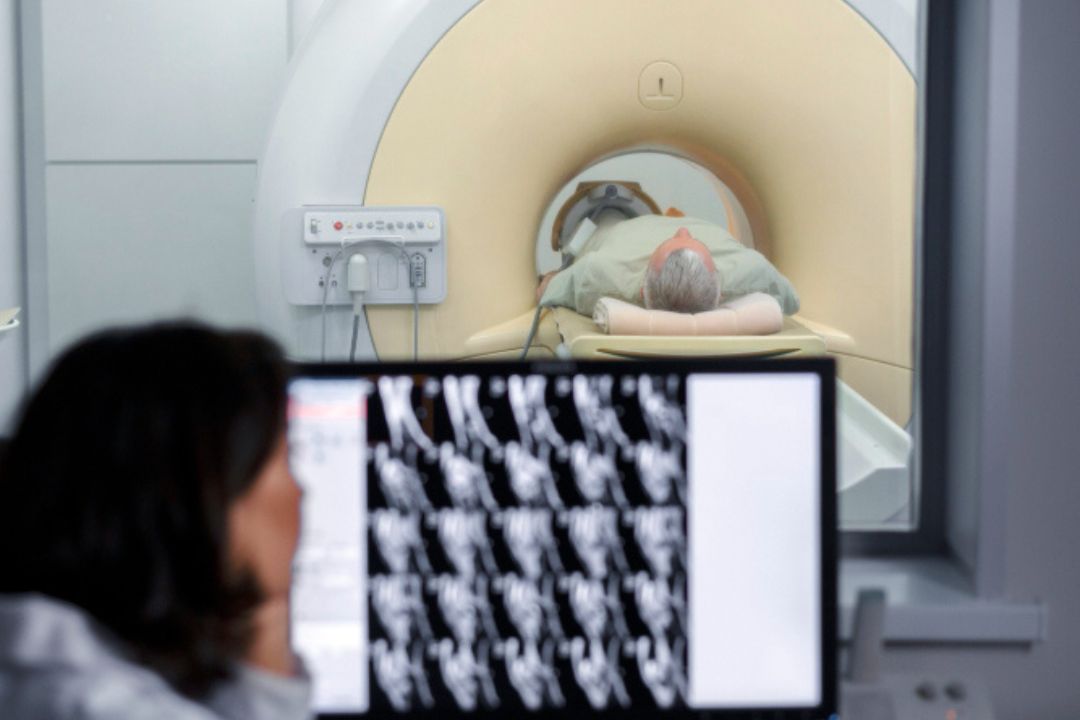
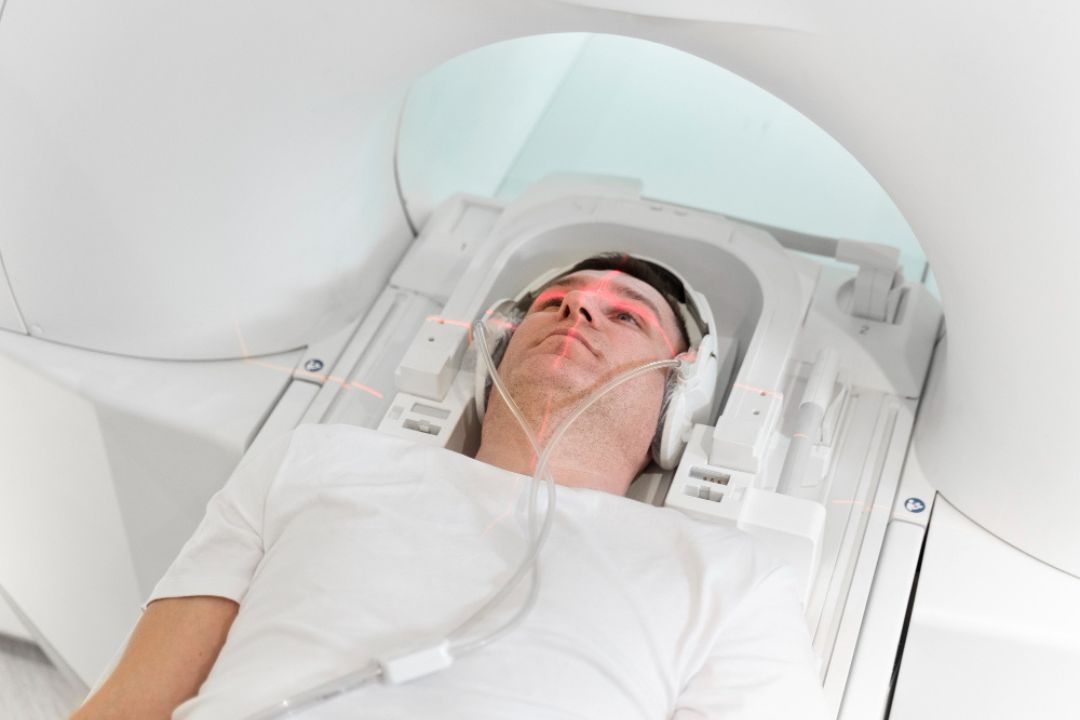
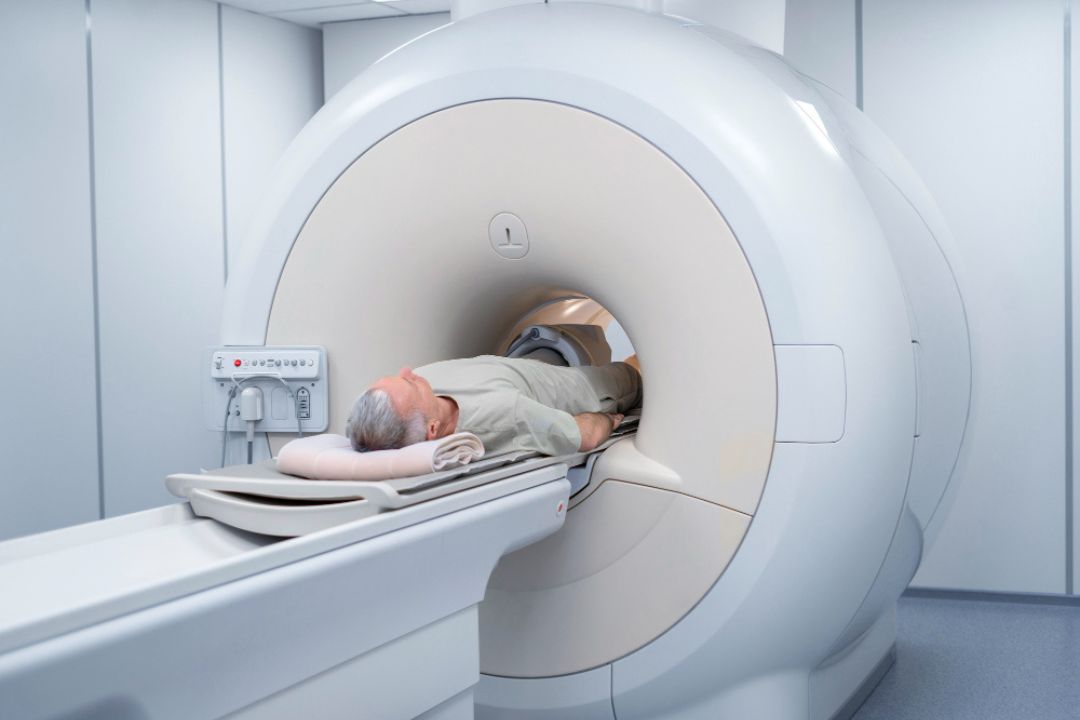
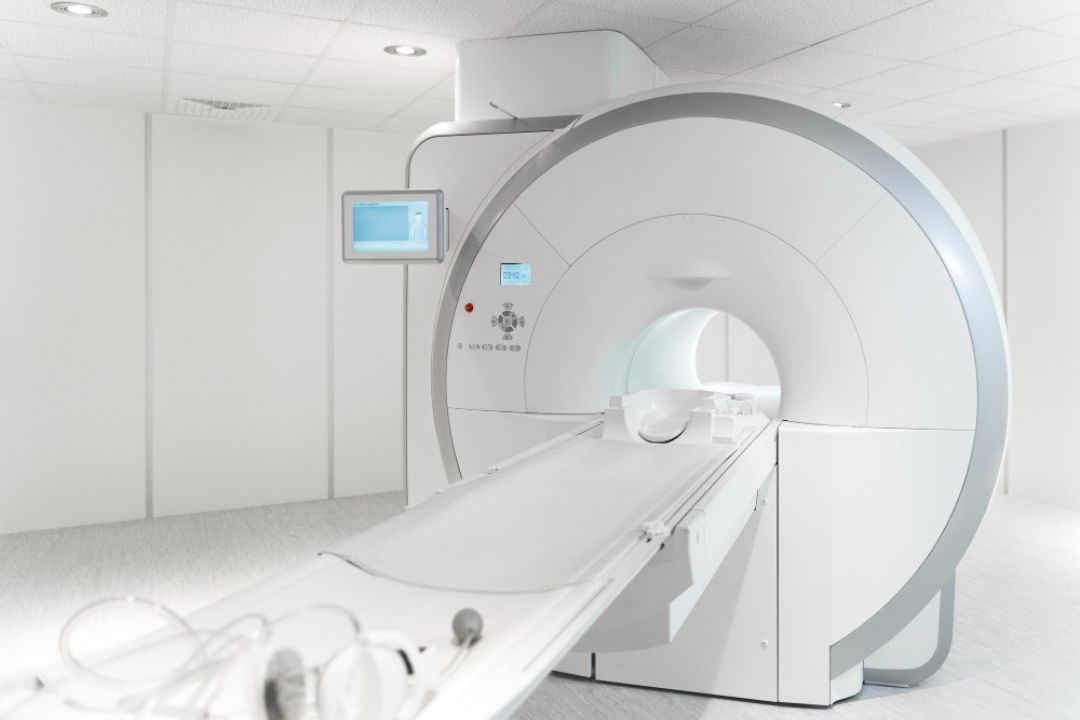
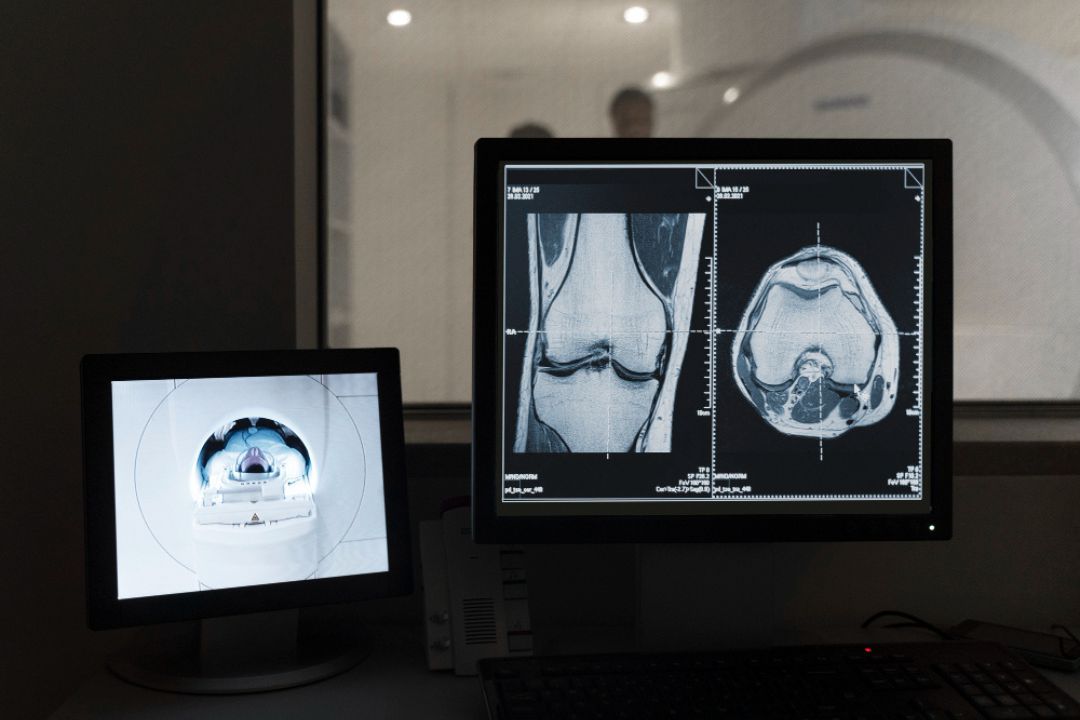
MRI (Magnetic Resonance Imaging): Uses powerful magnets and radio waves. Pros: No radiation, exquisite detail for soft tissues, brain, spinal cord, and joints. Cons: Much longer (30-60 minutes), more expensive, can be claustrophobic, not suitable for patients with certain metal implants (like pacemakers).
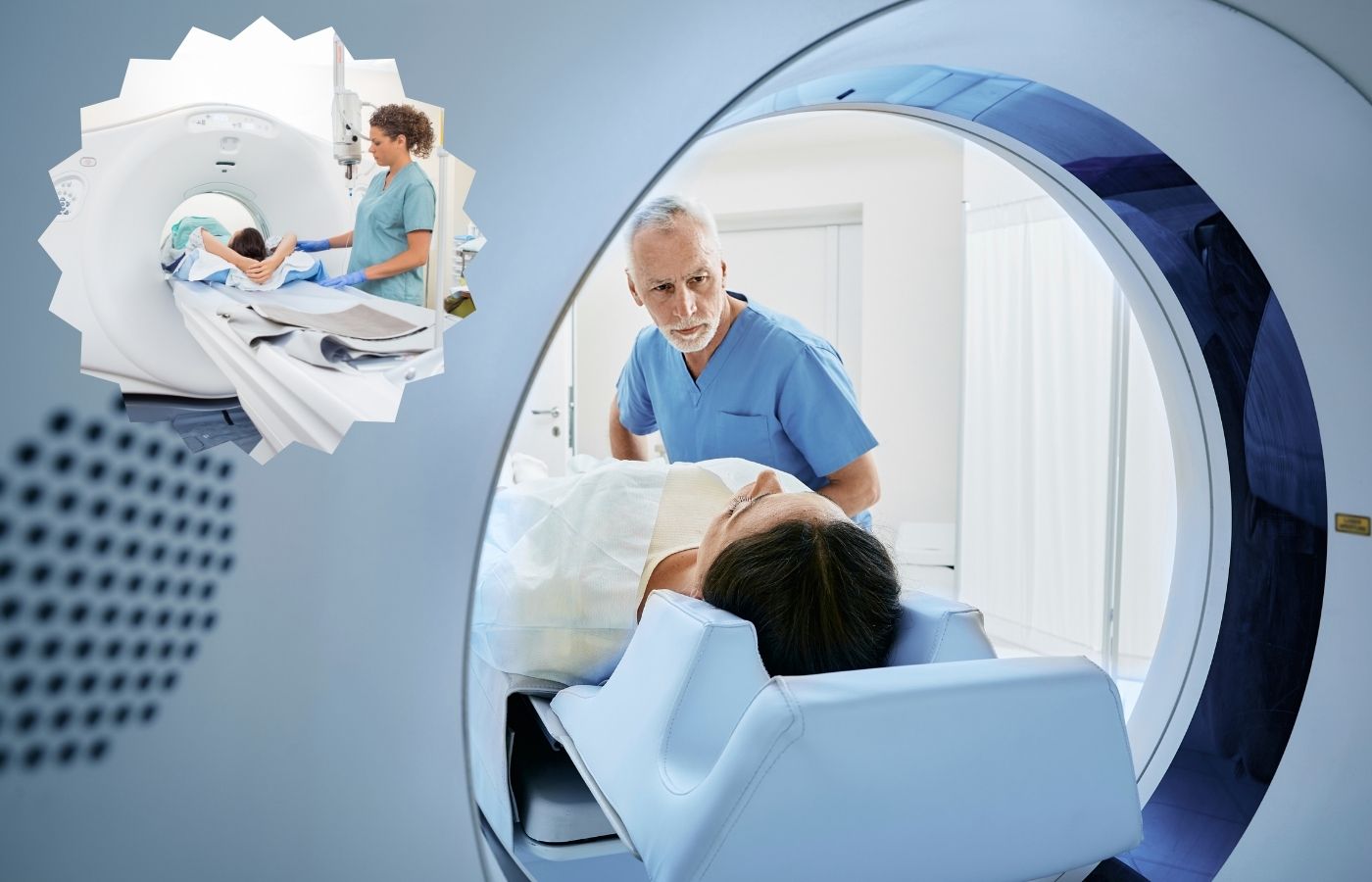
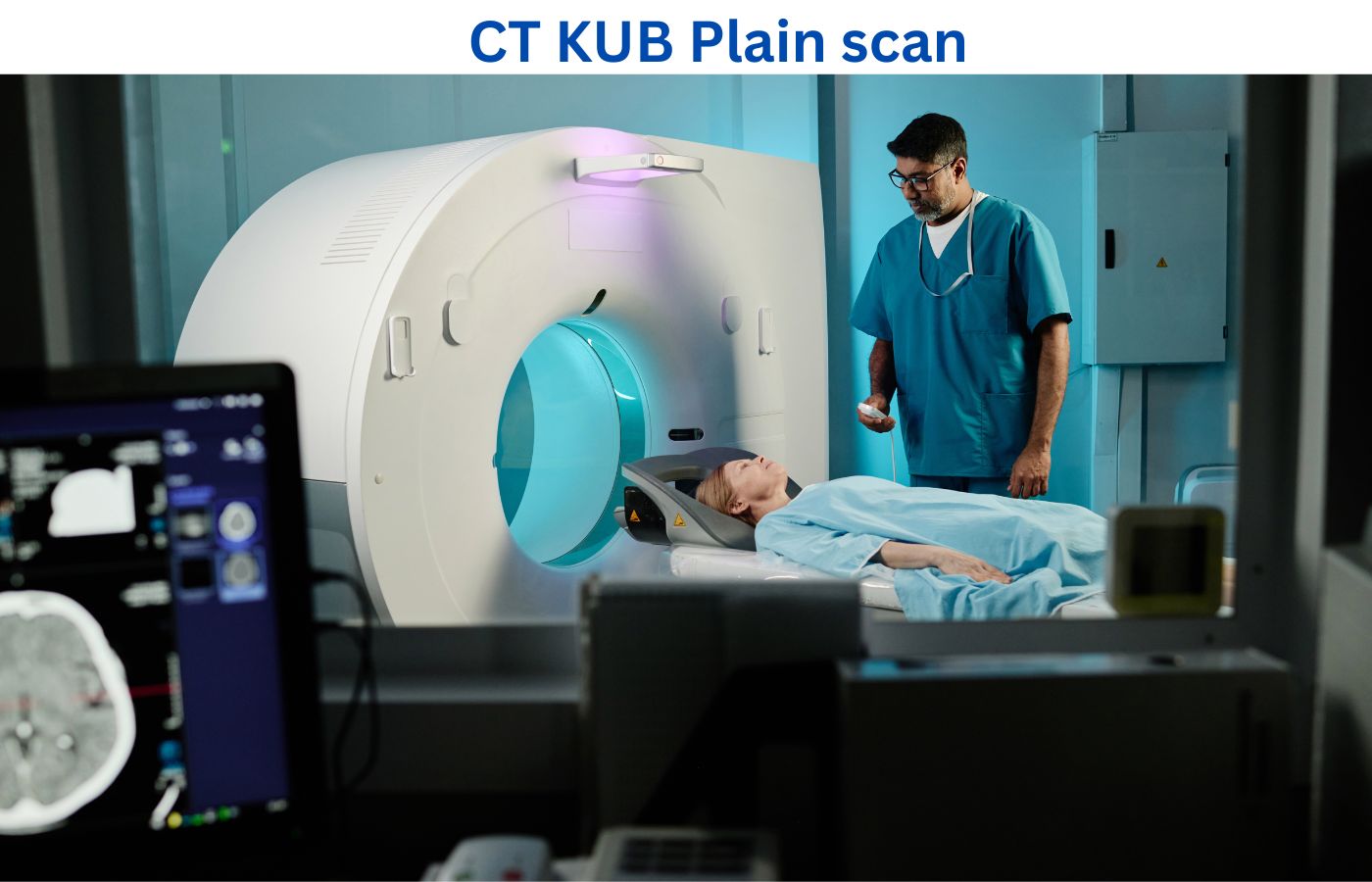
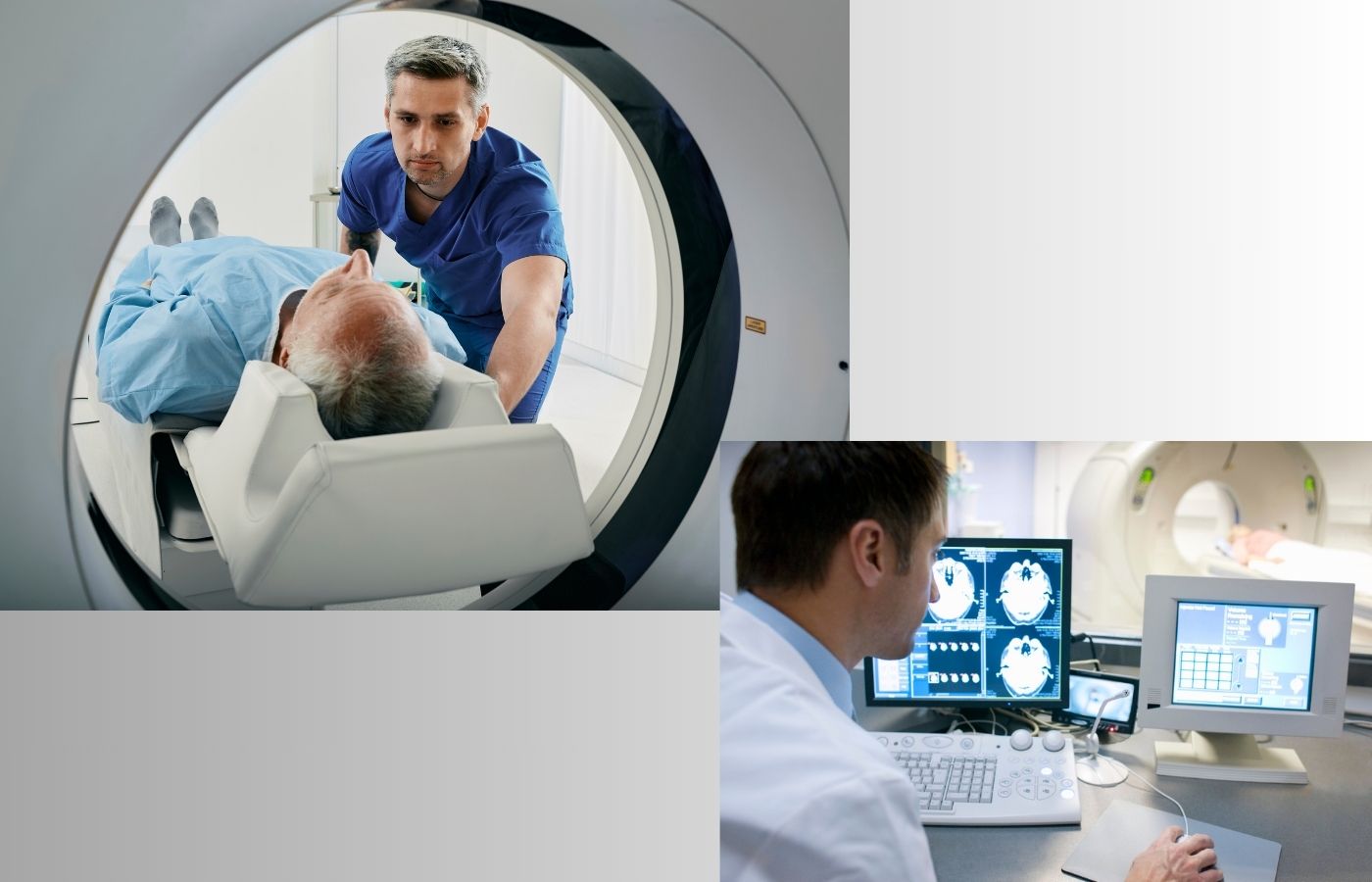
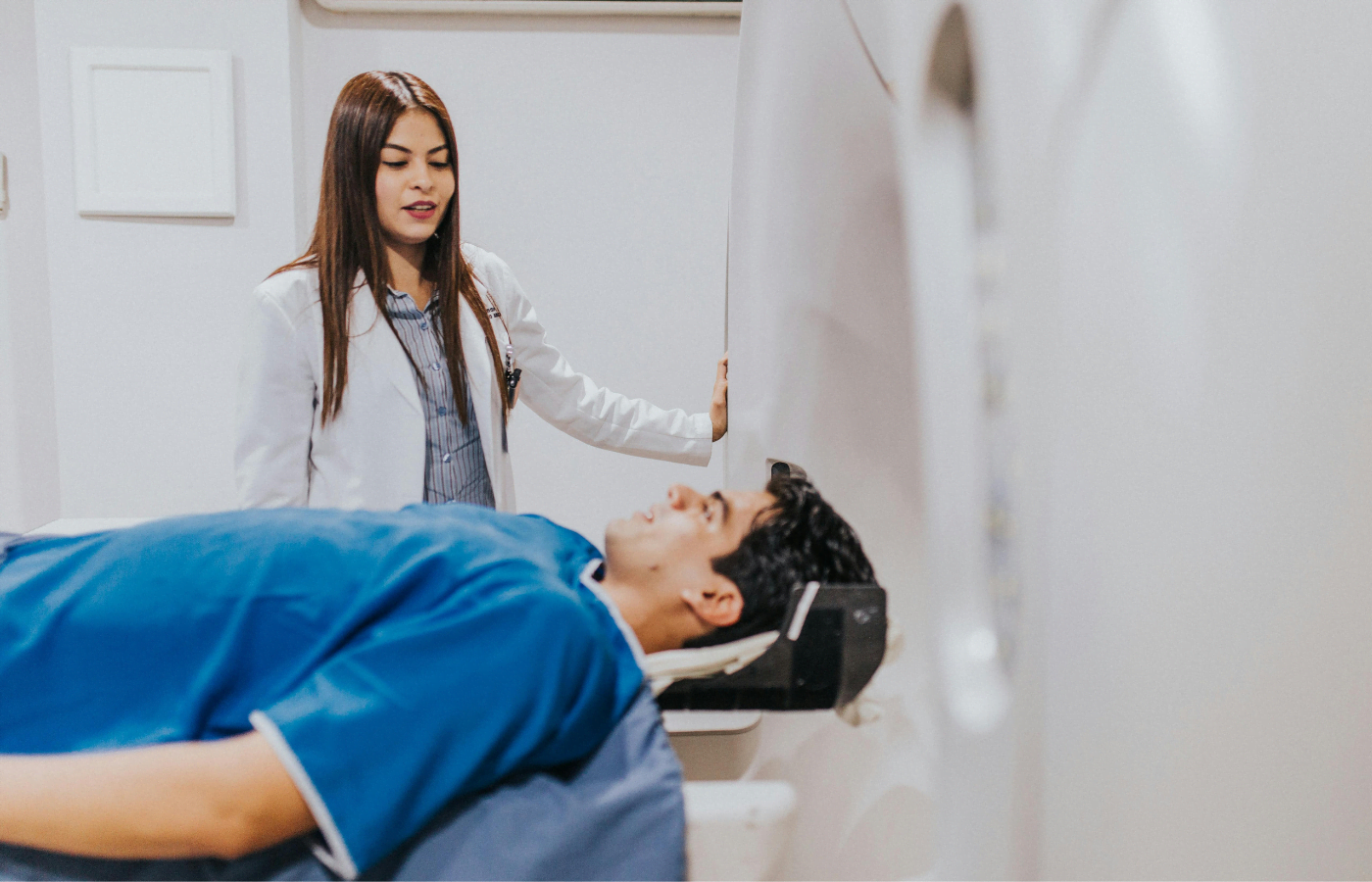
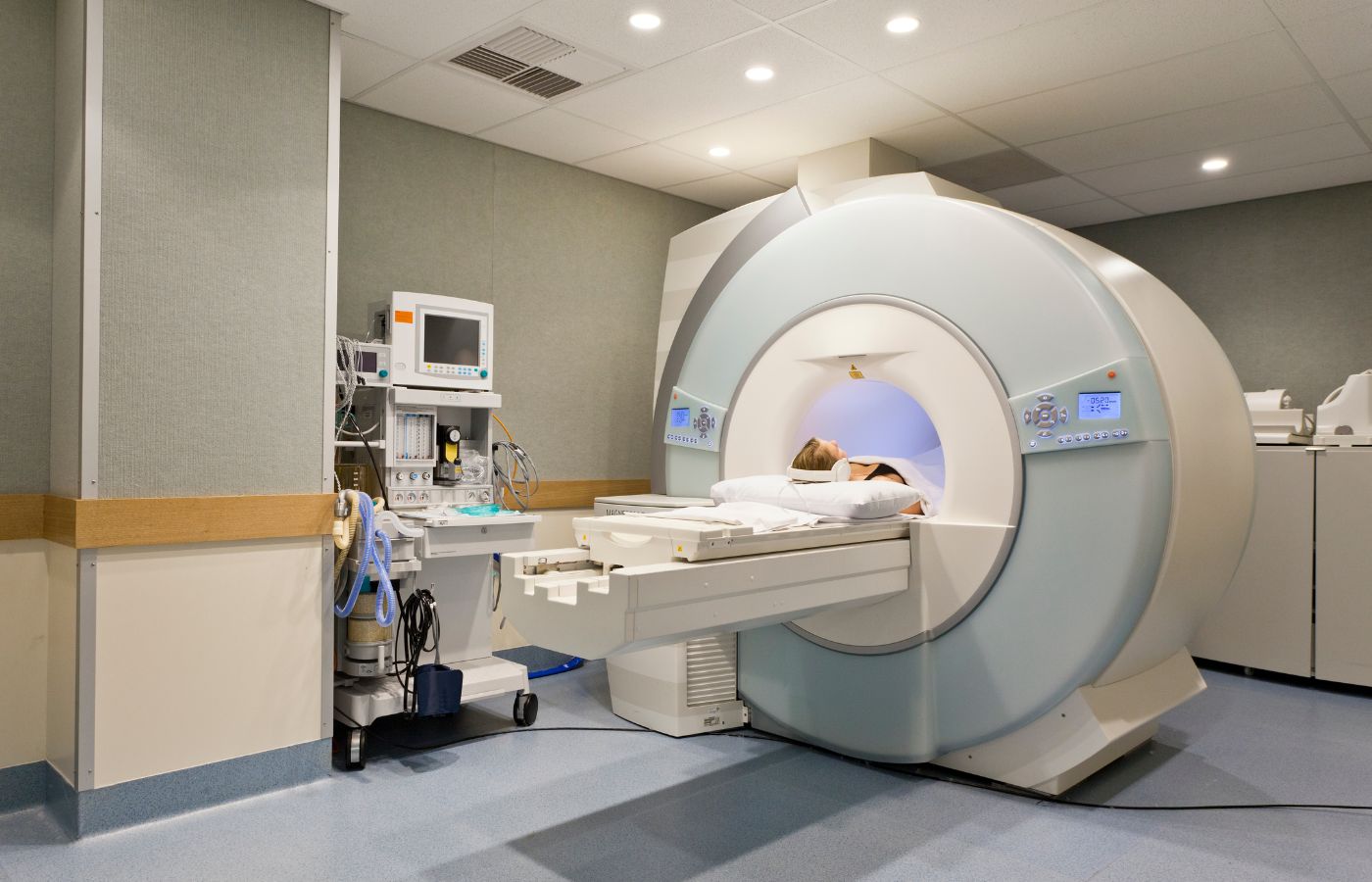
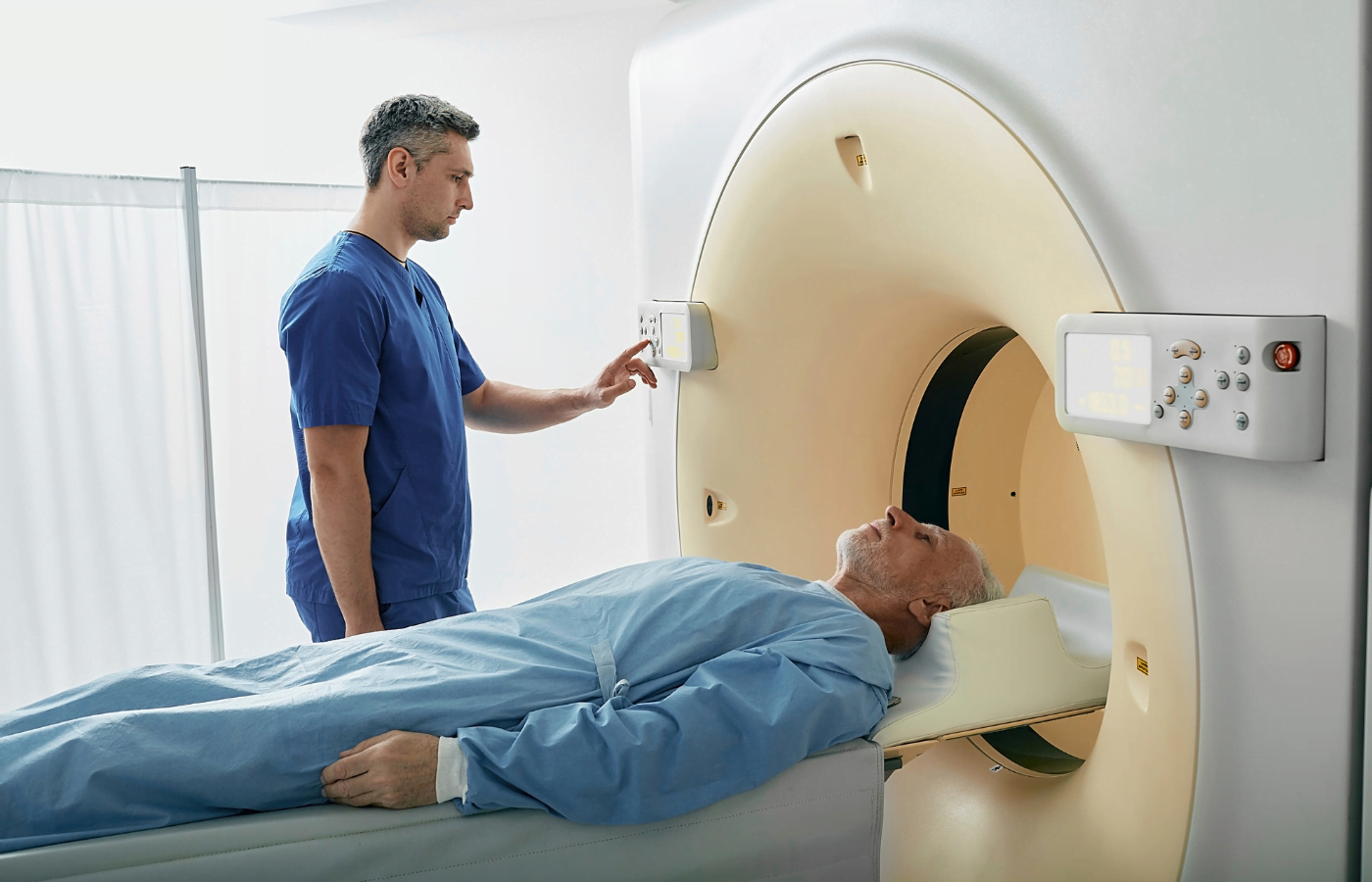
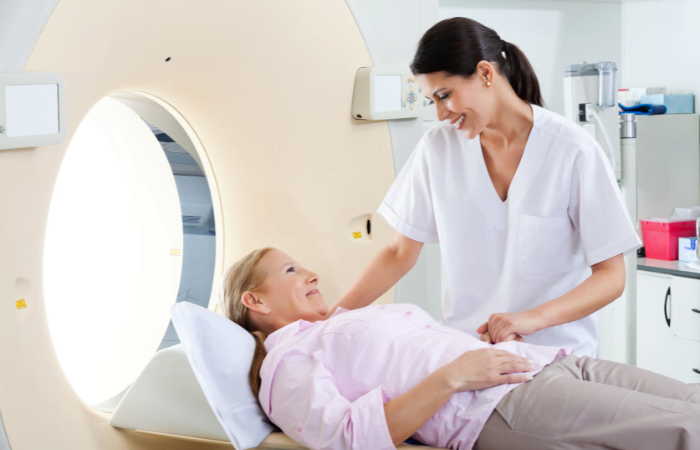
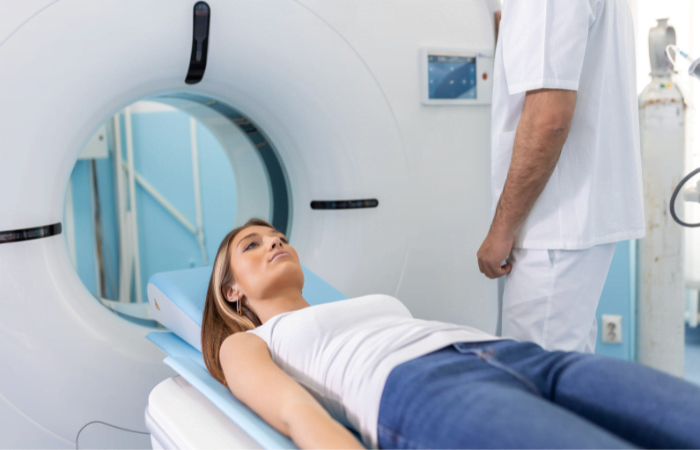
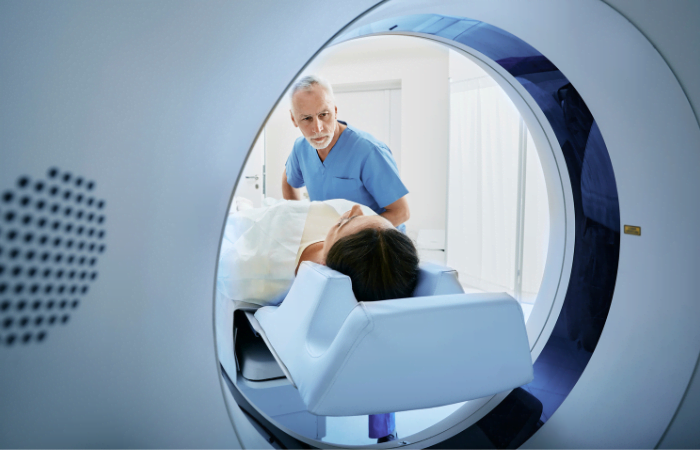
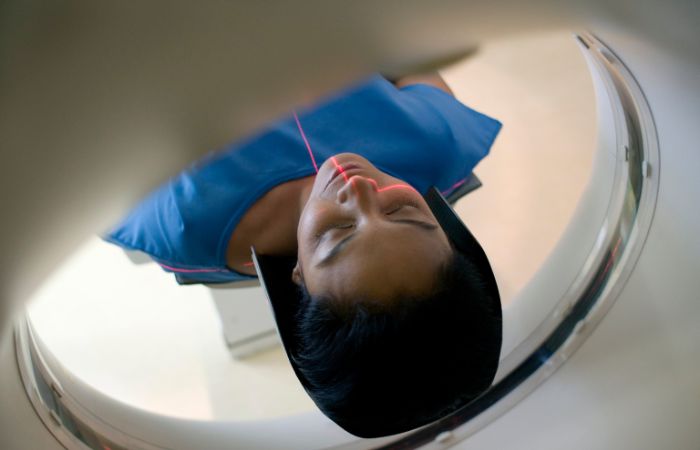
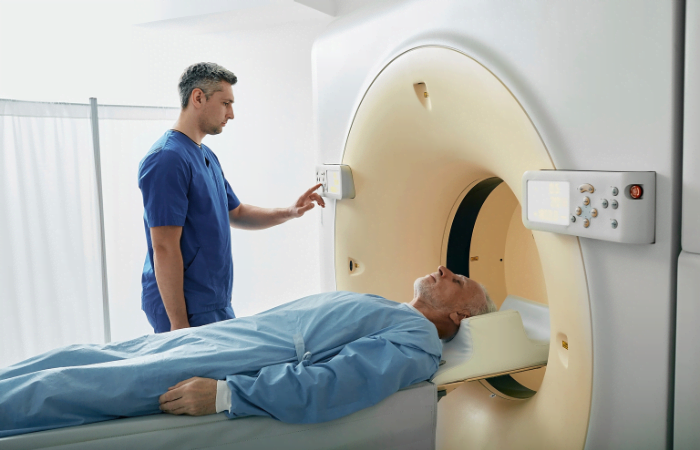
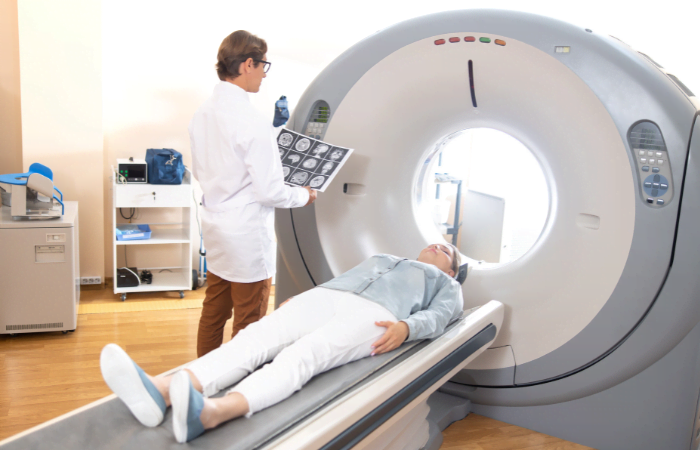
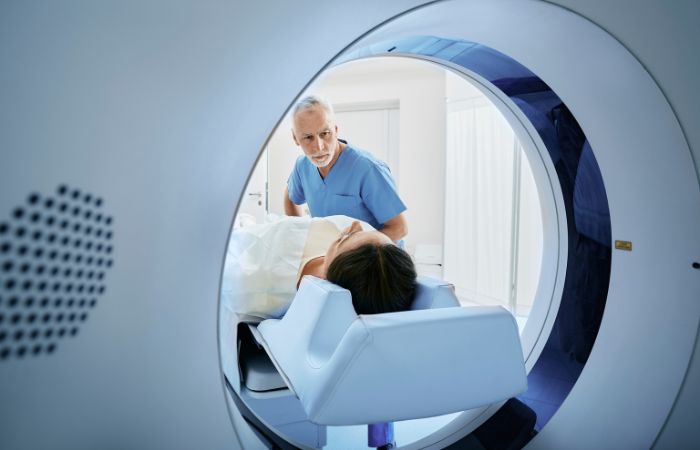
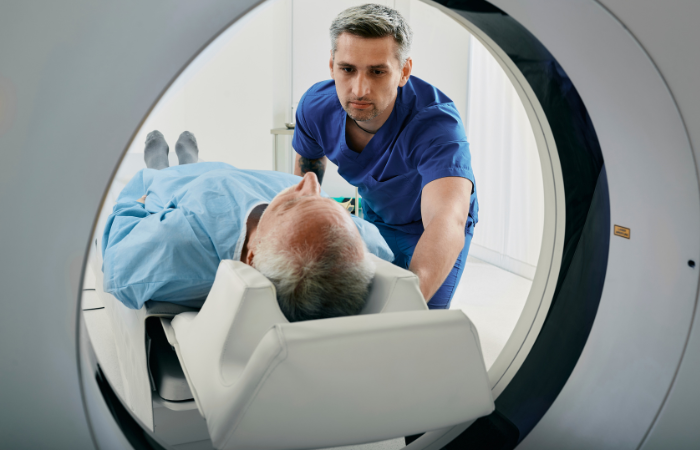
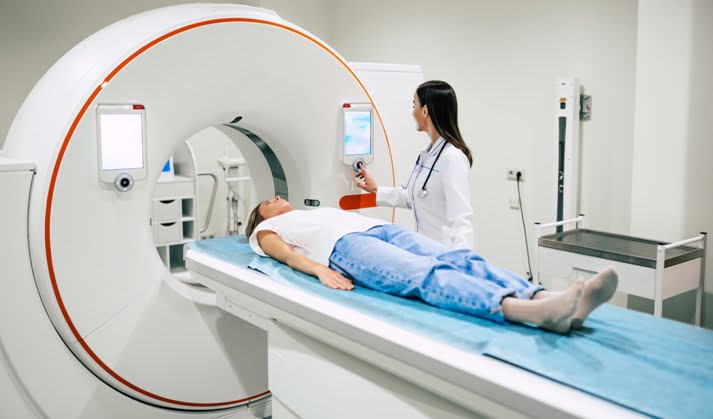
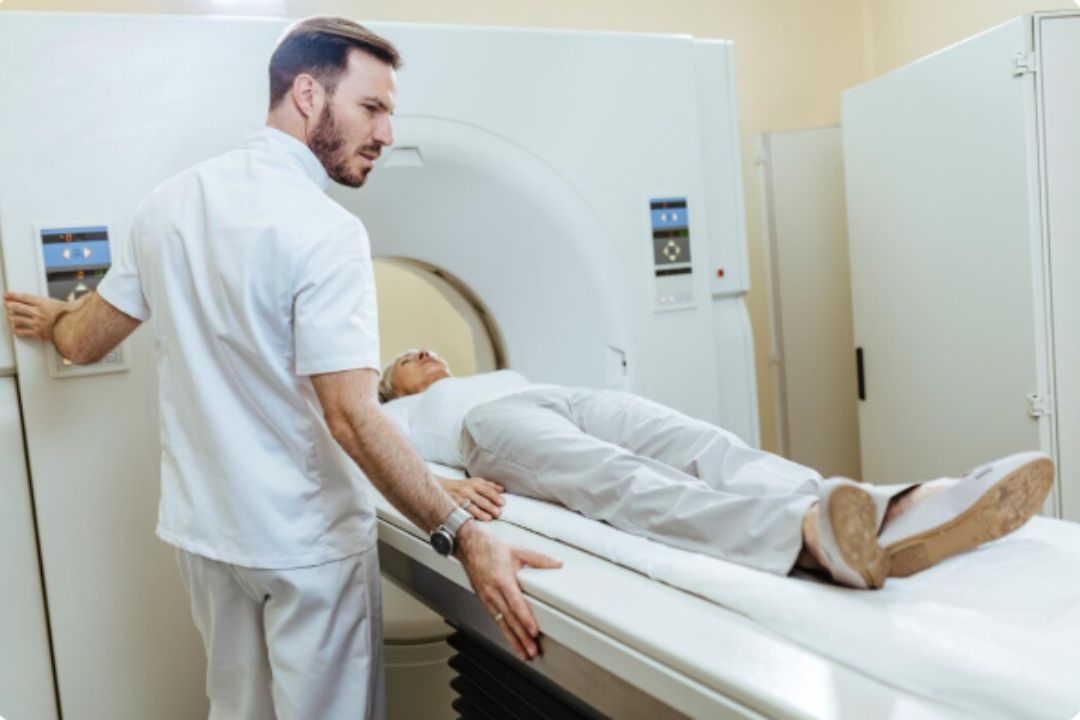
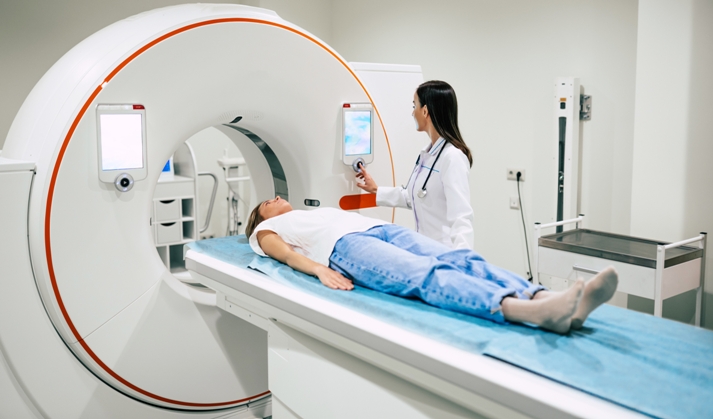
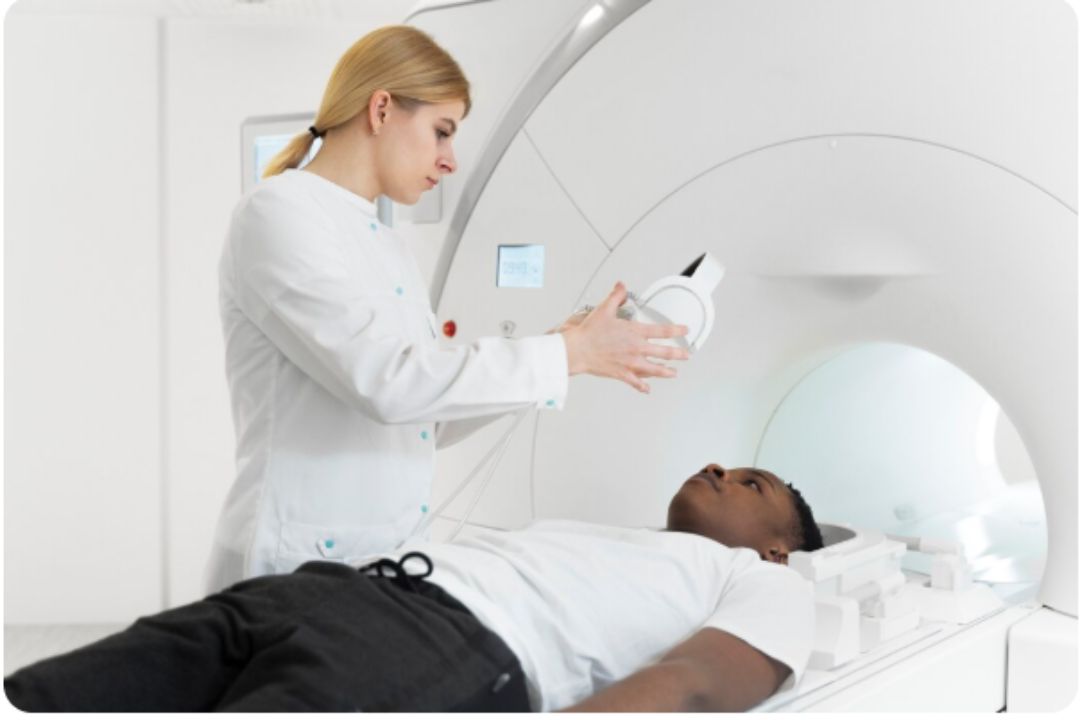
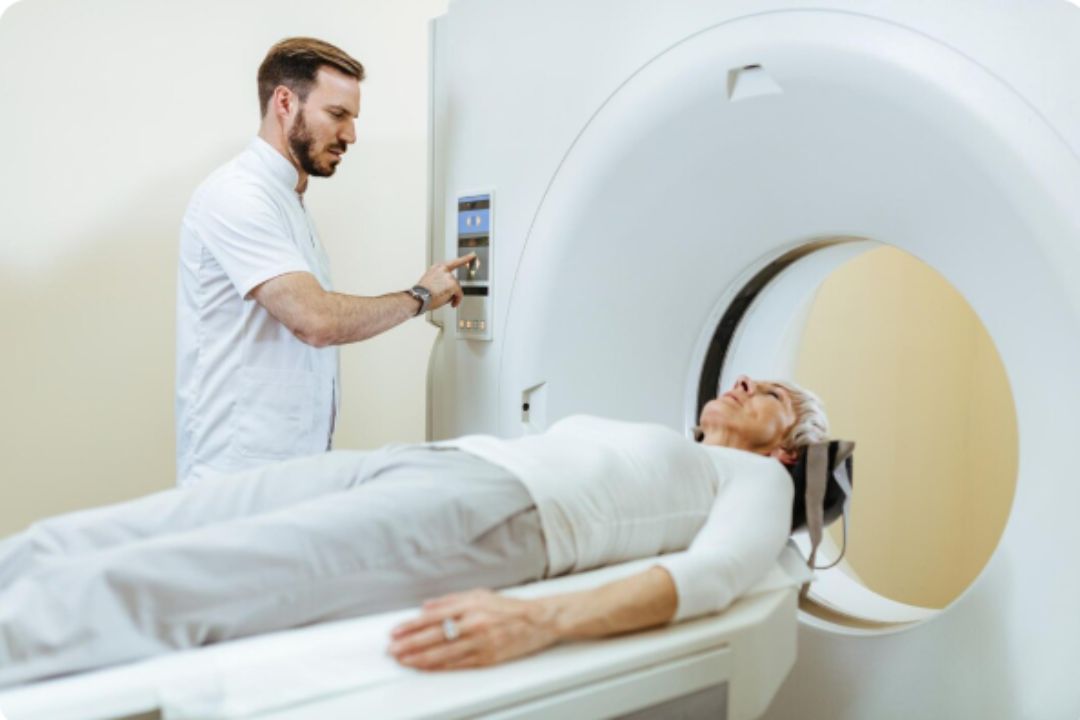
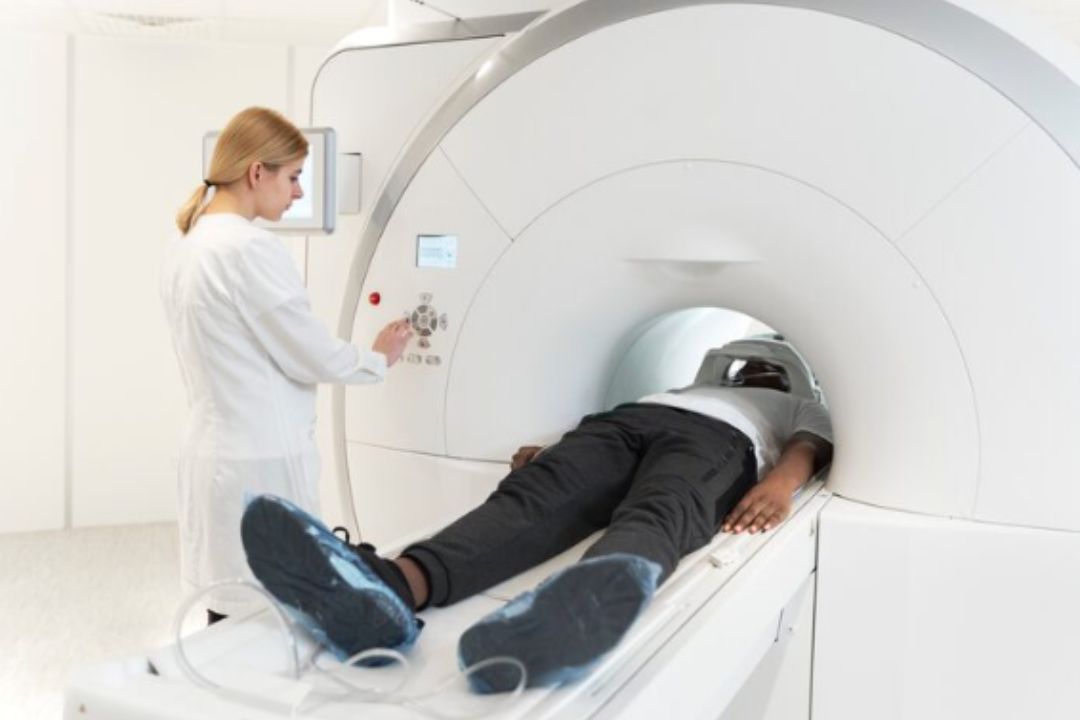
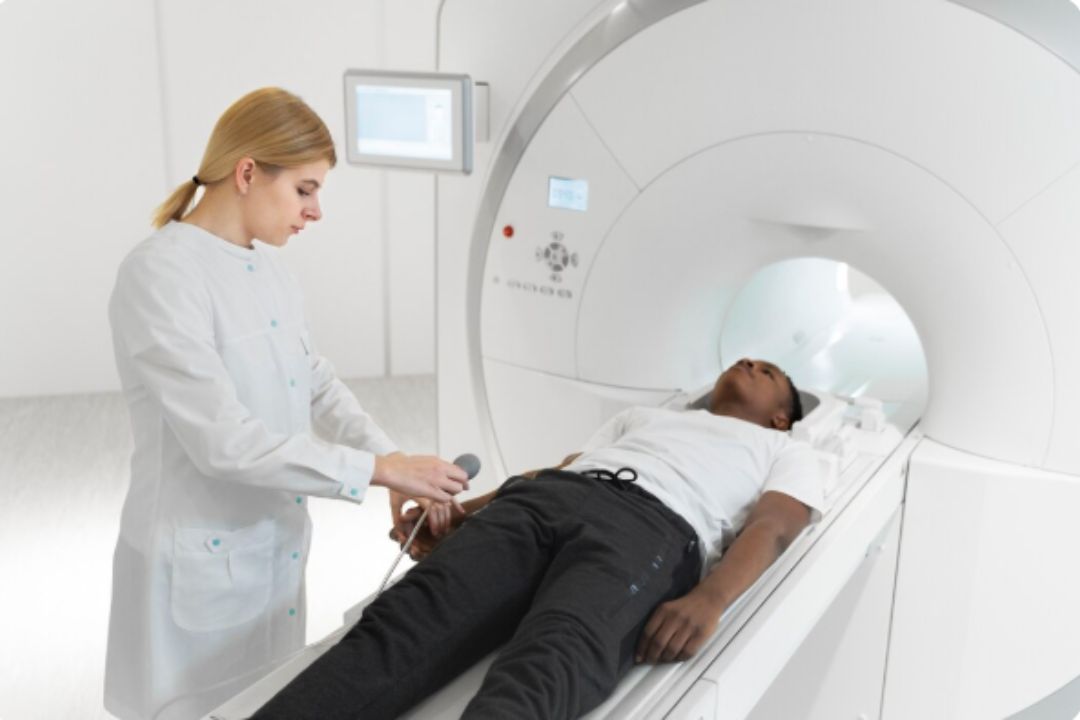
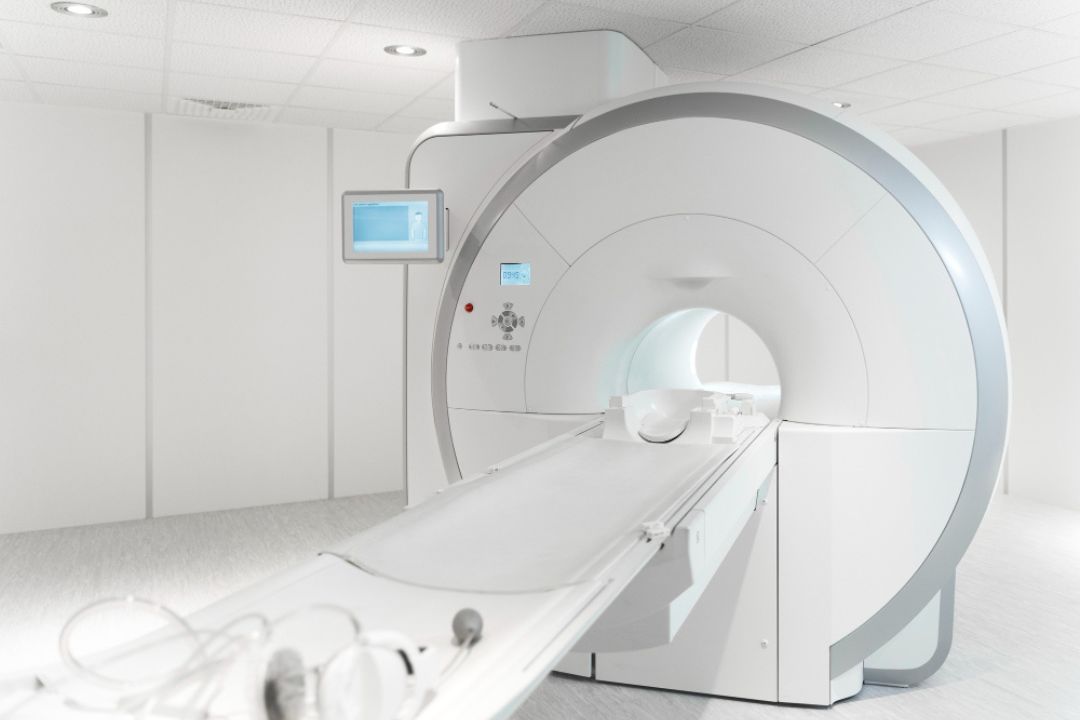
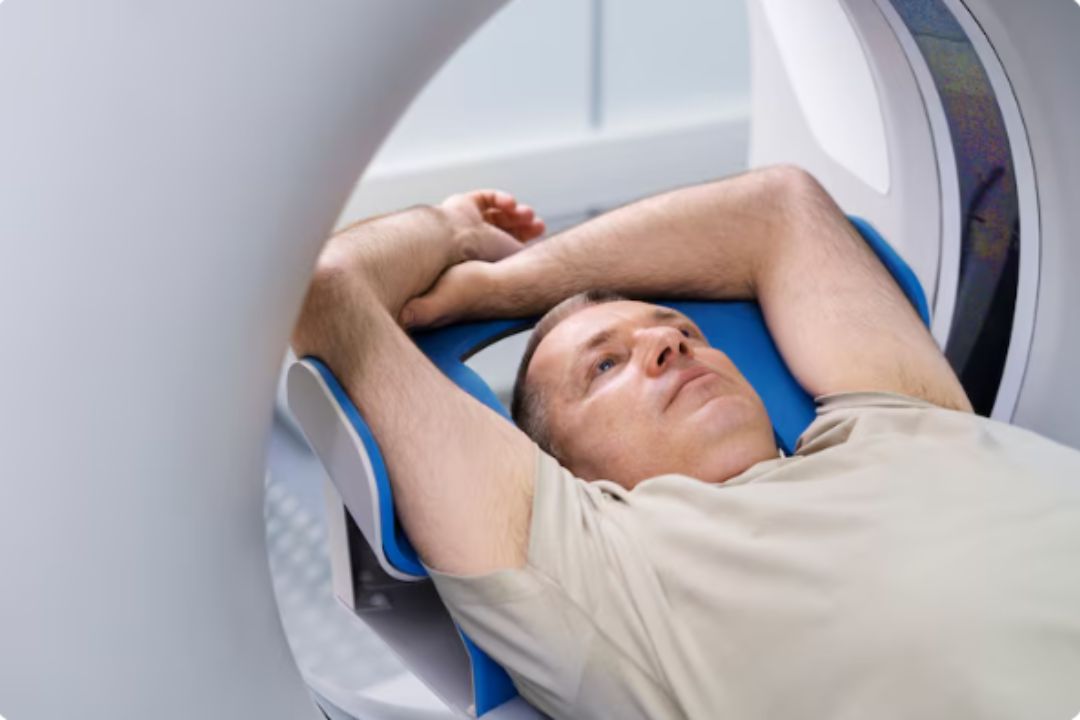
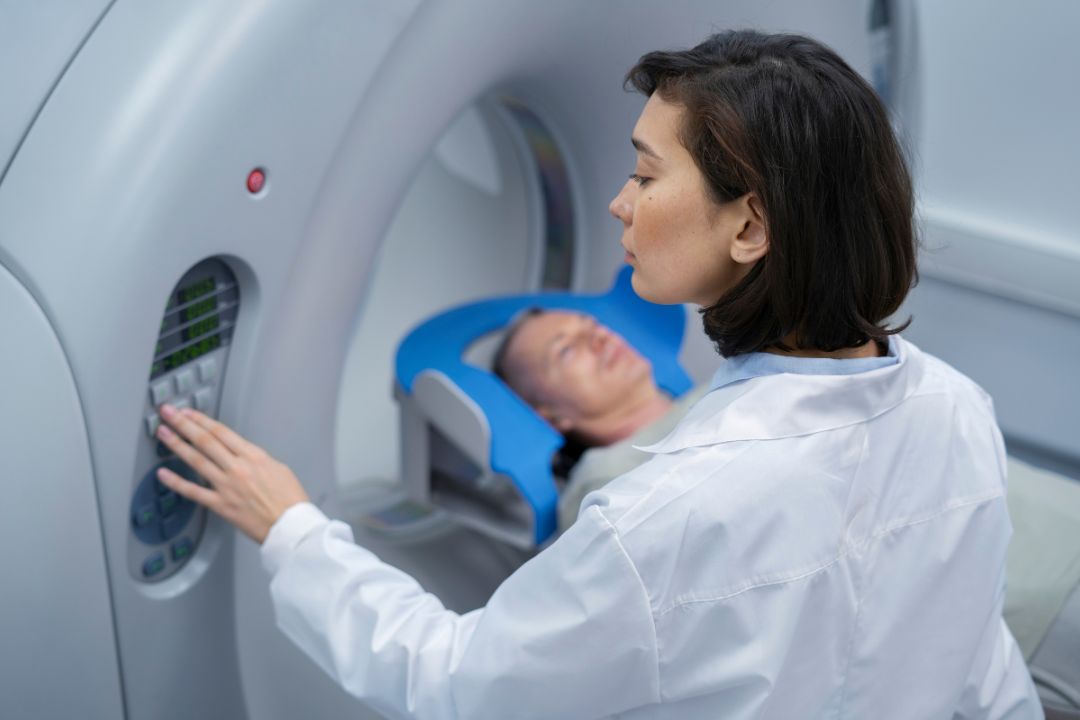
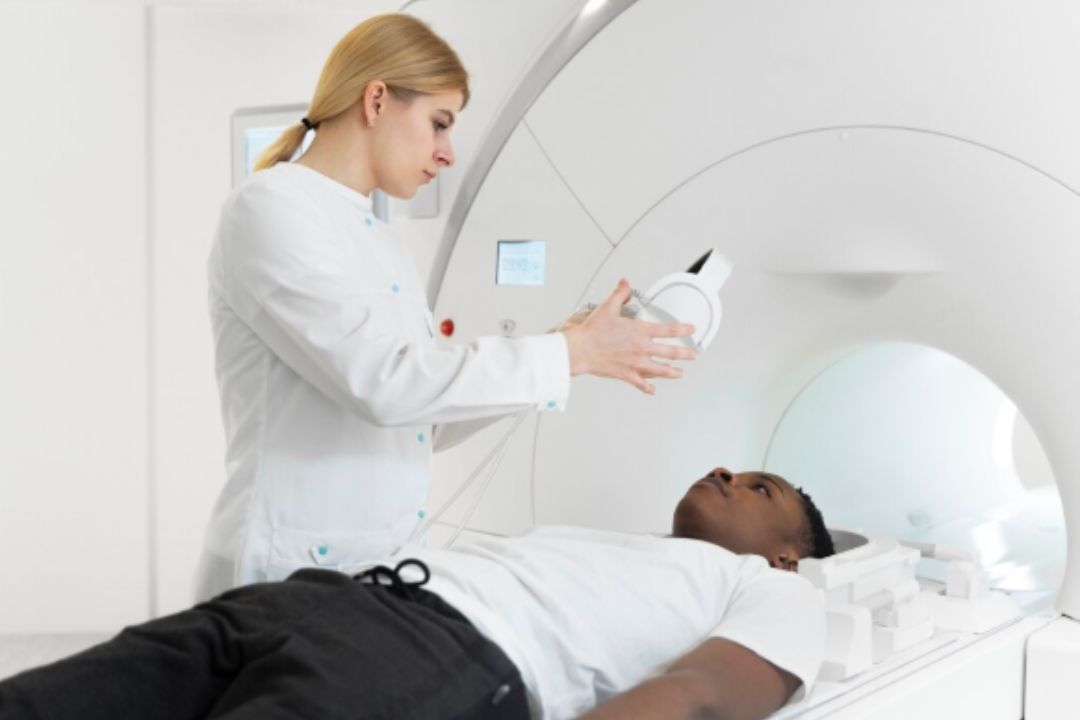
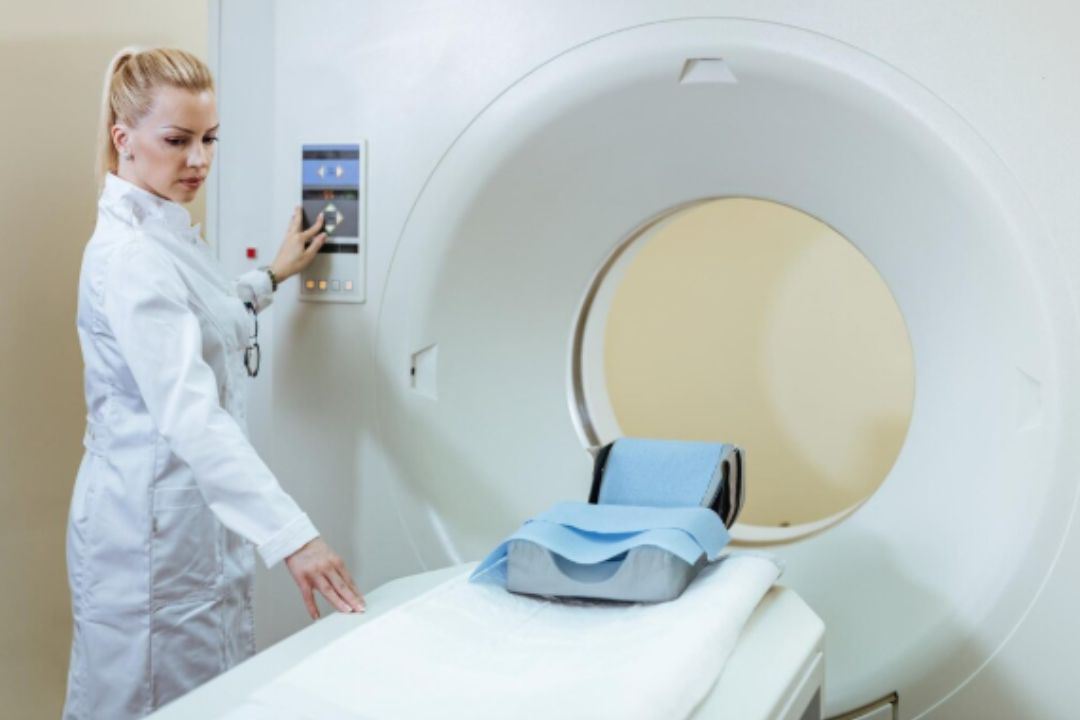
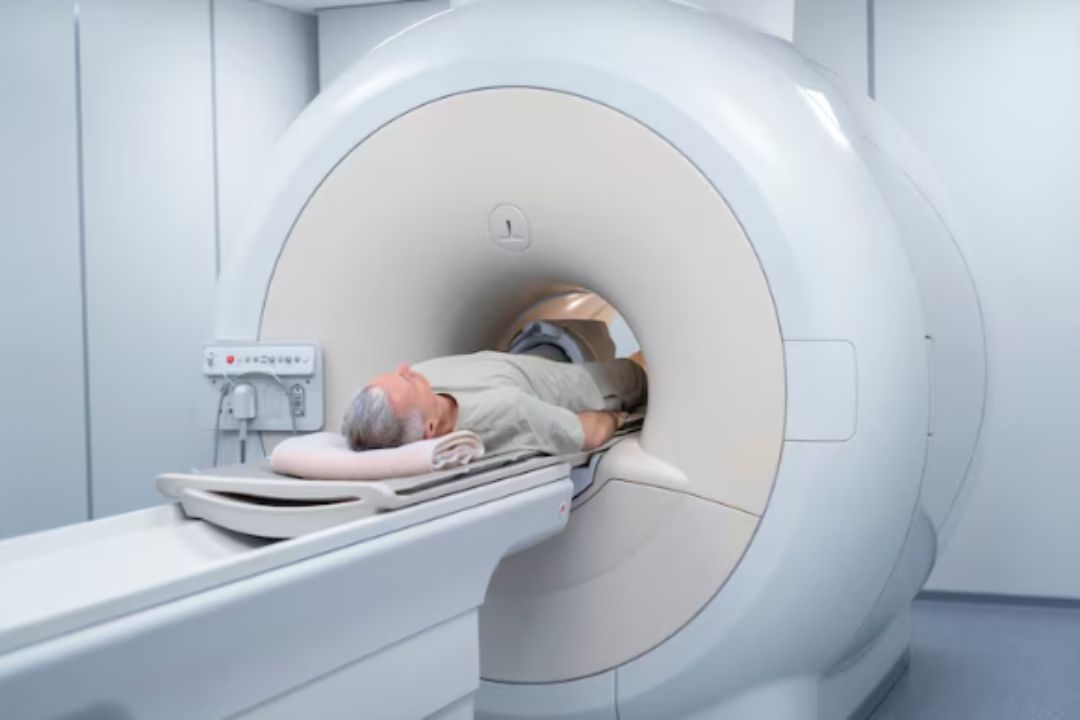
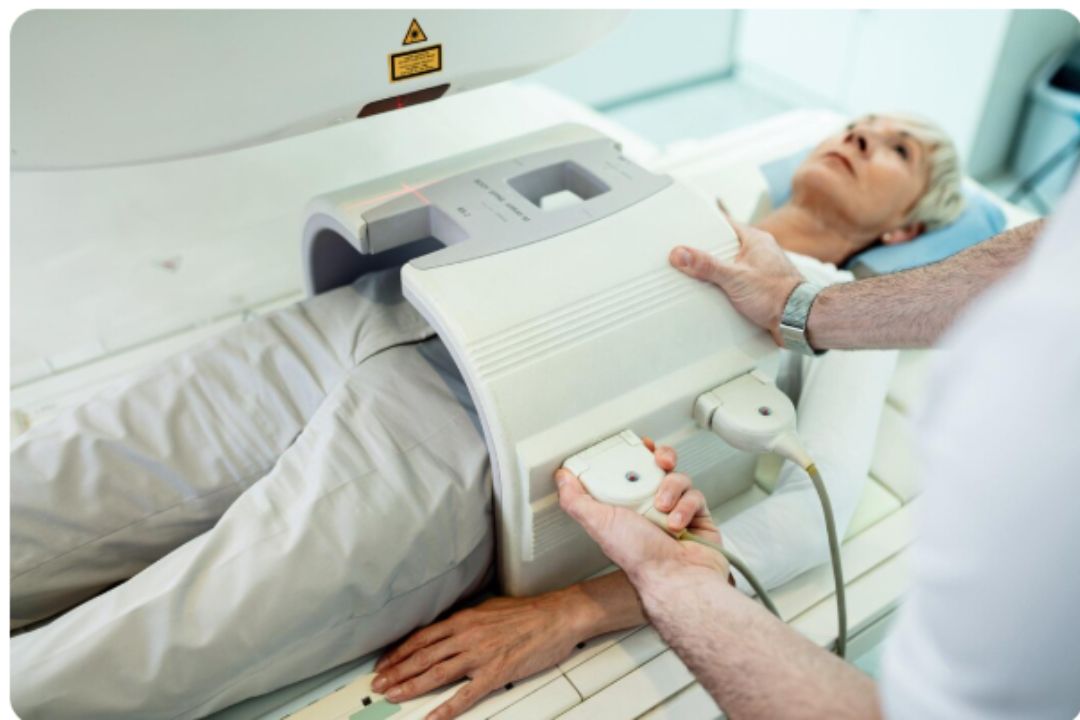
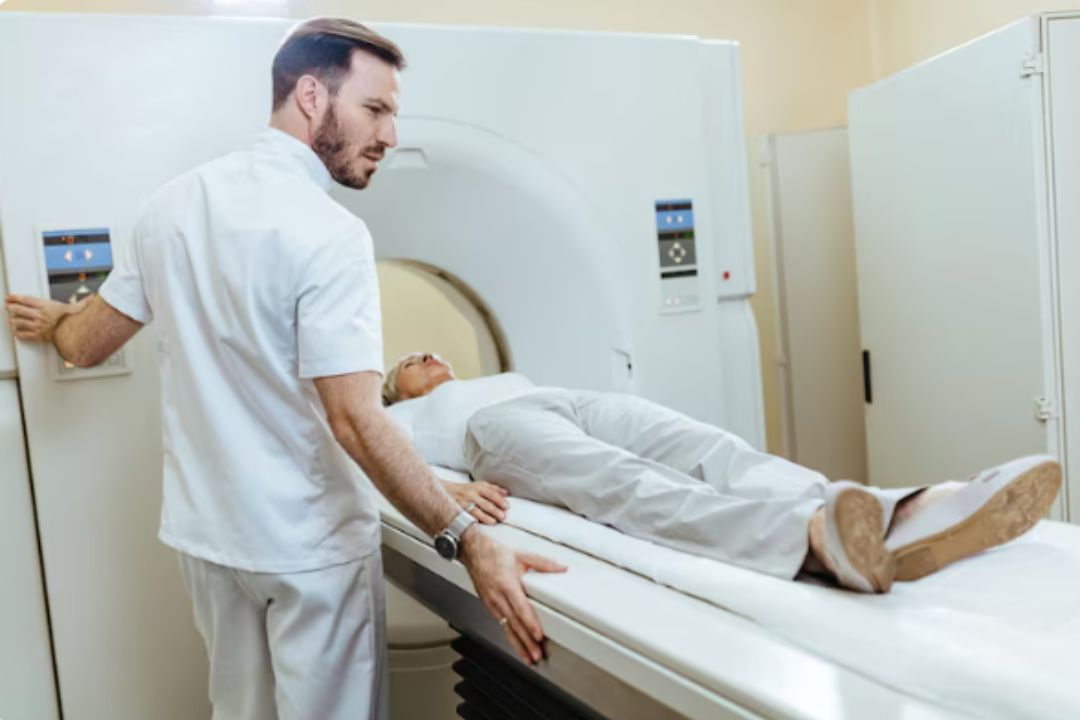
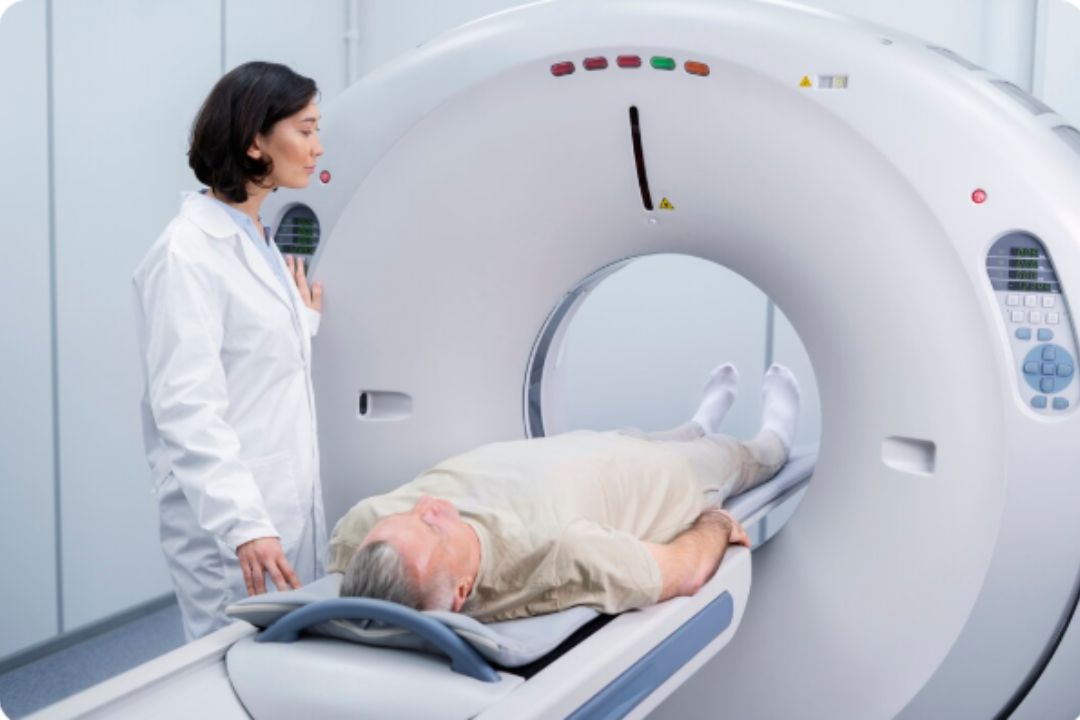
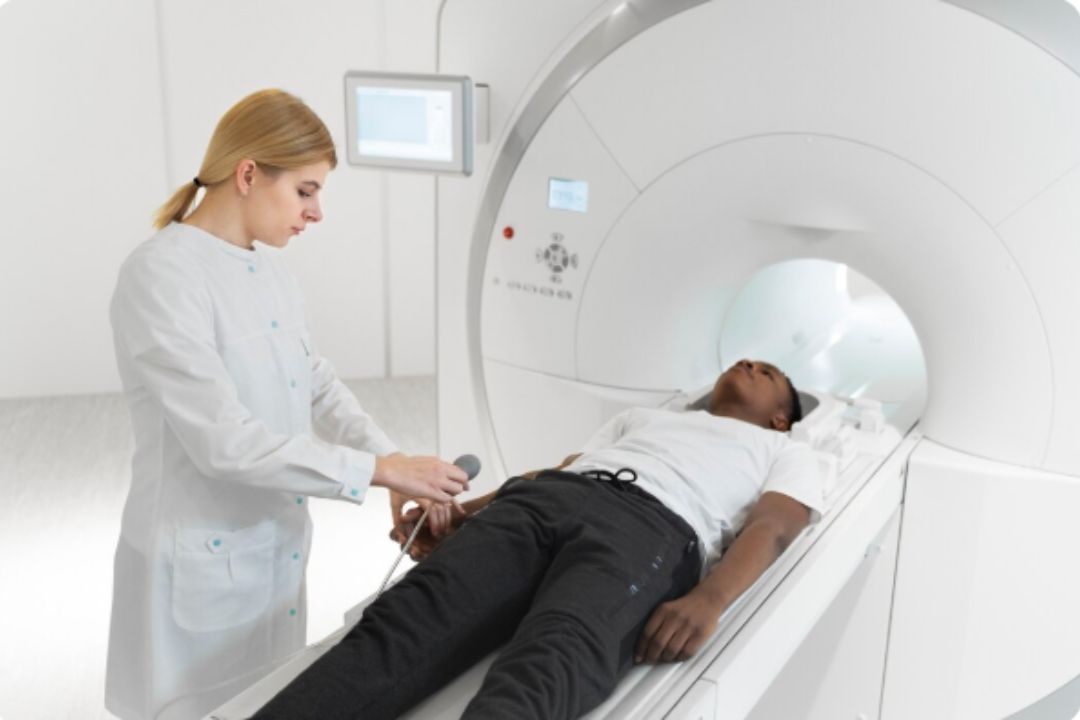
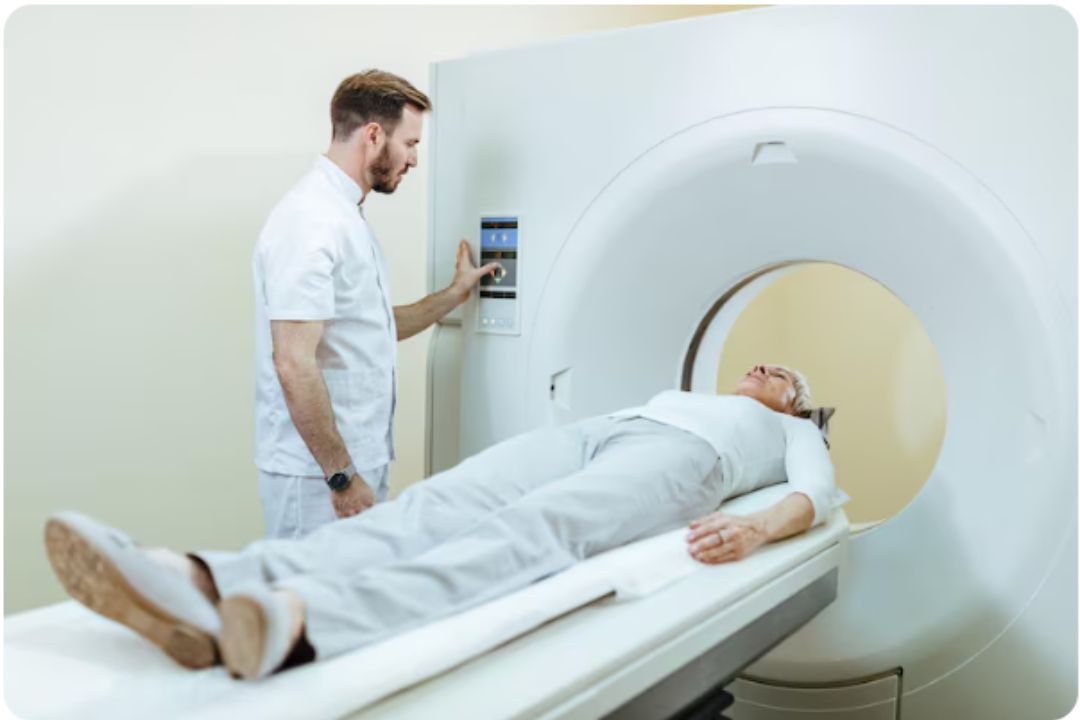
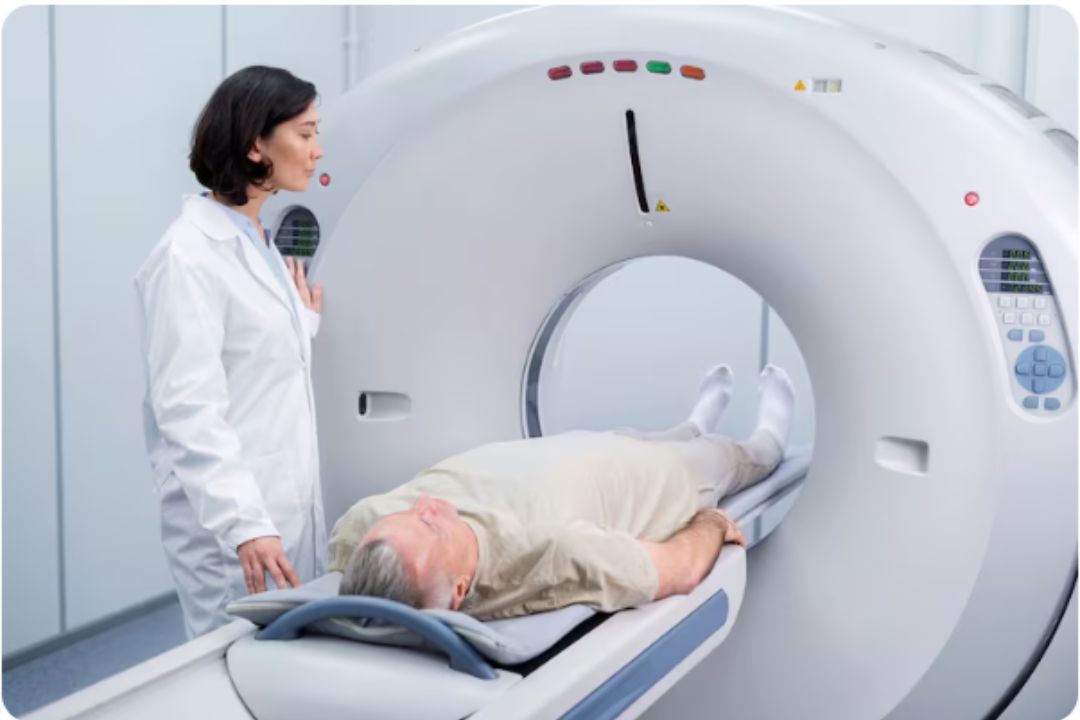
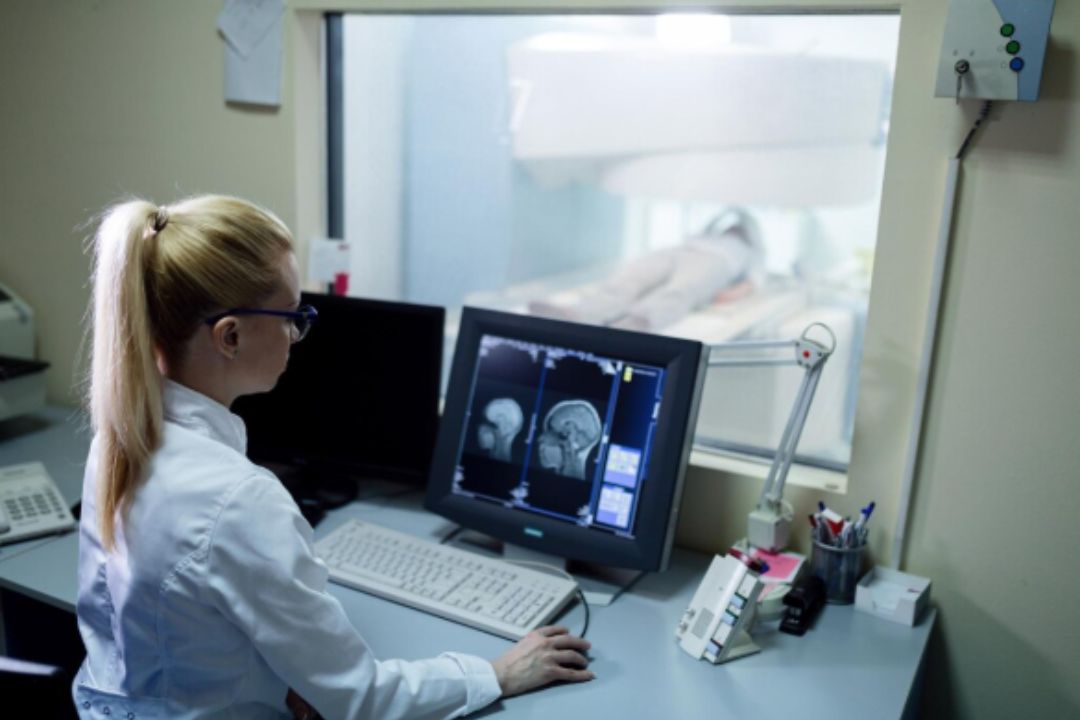
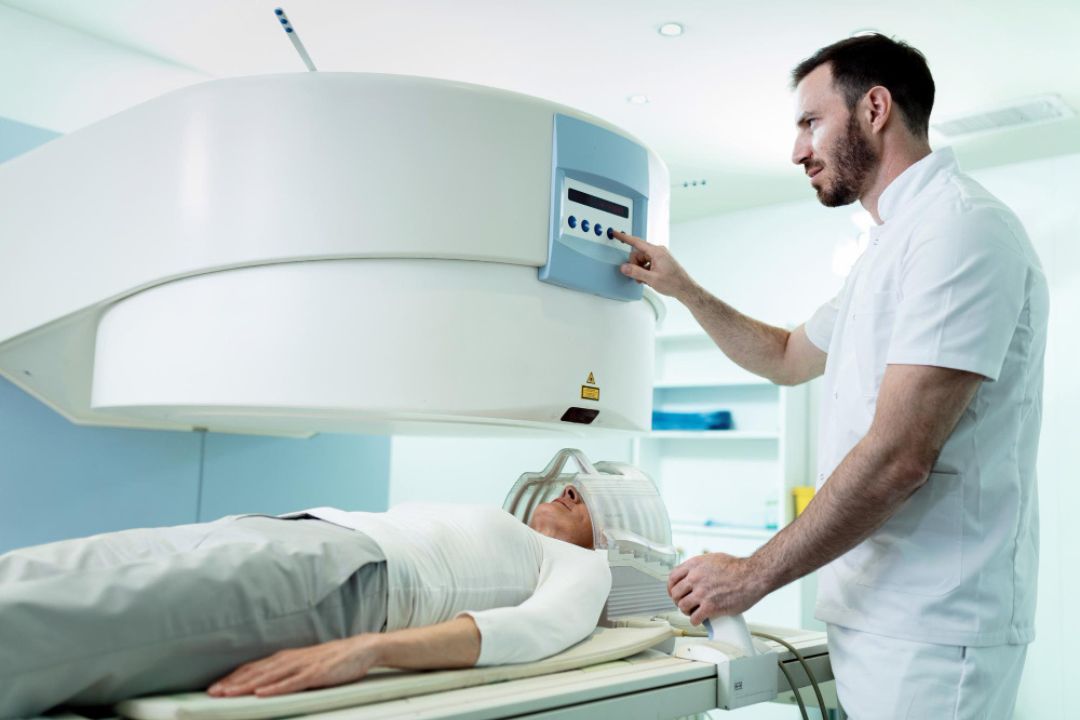
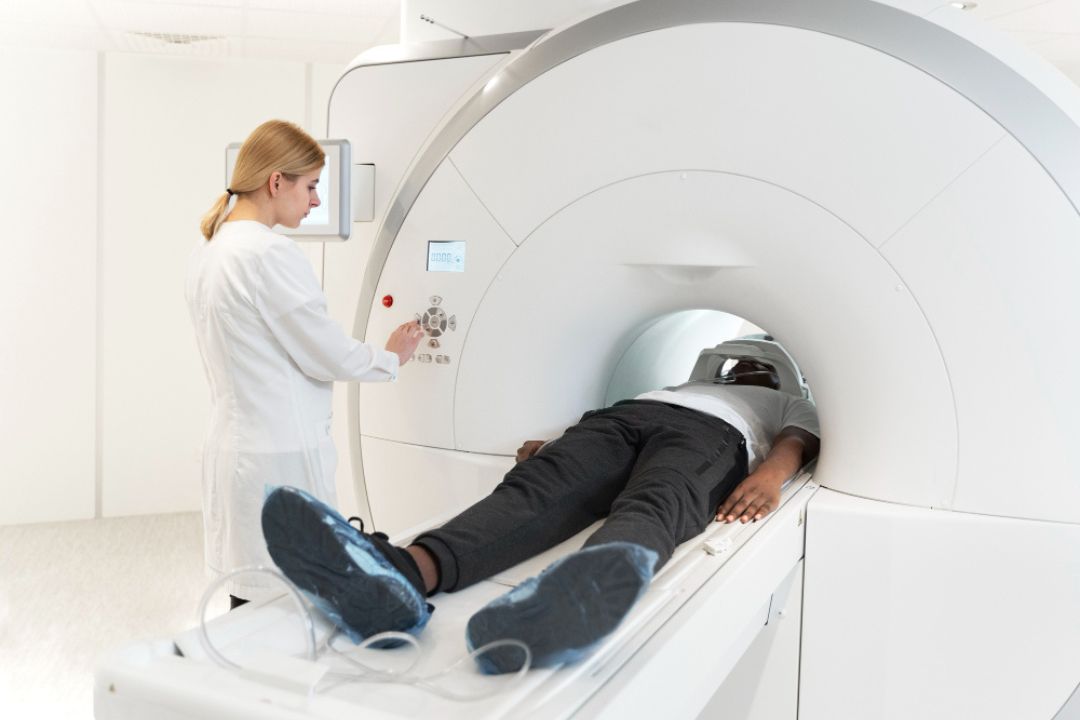
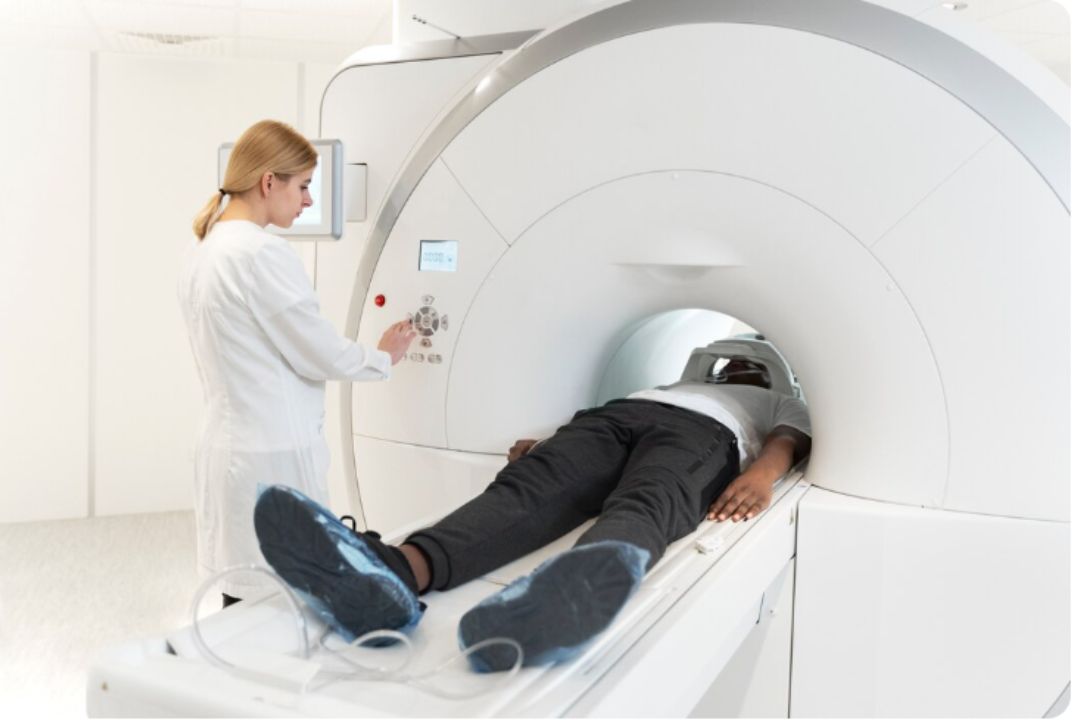
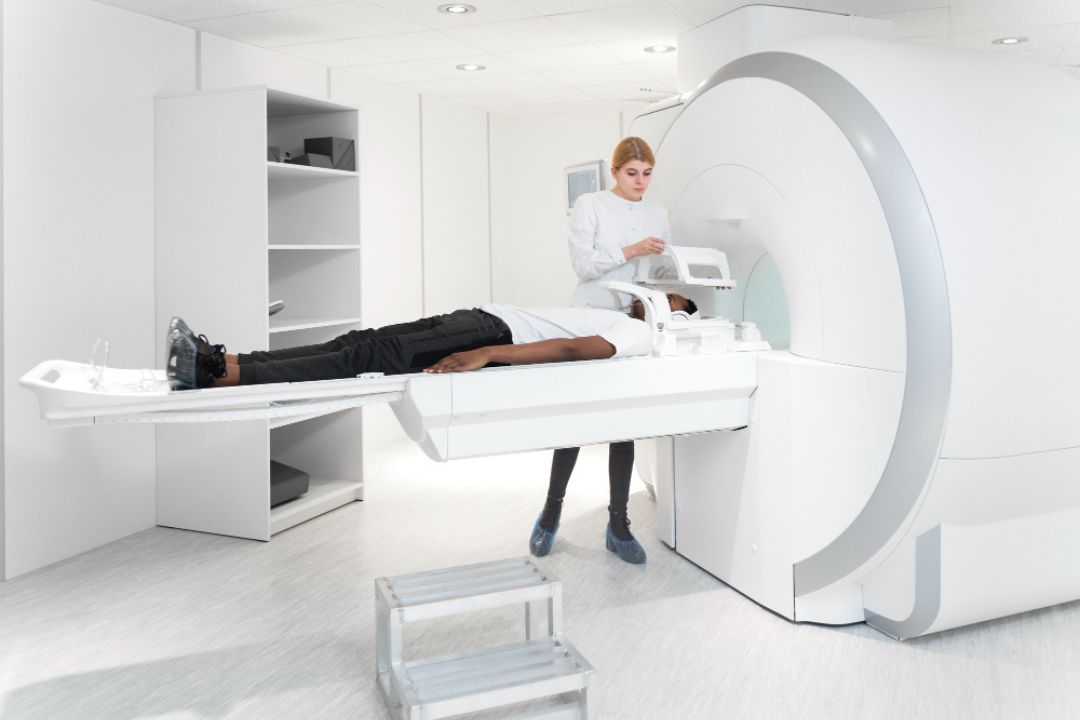
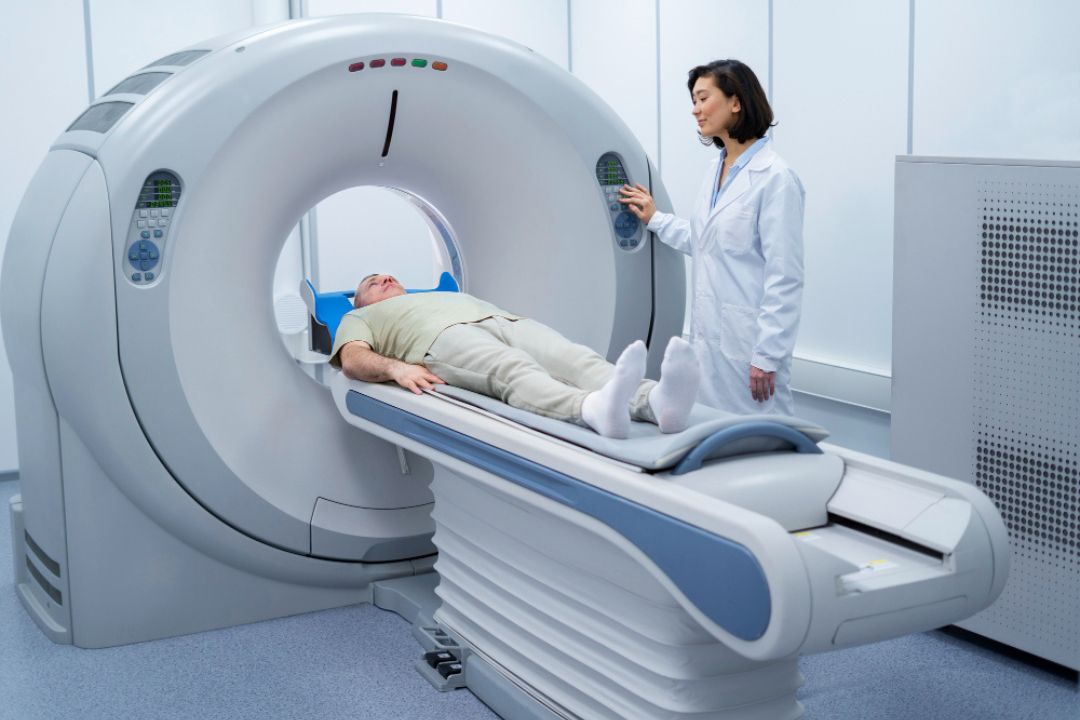
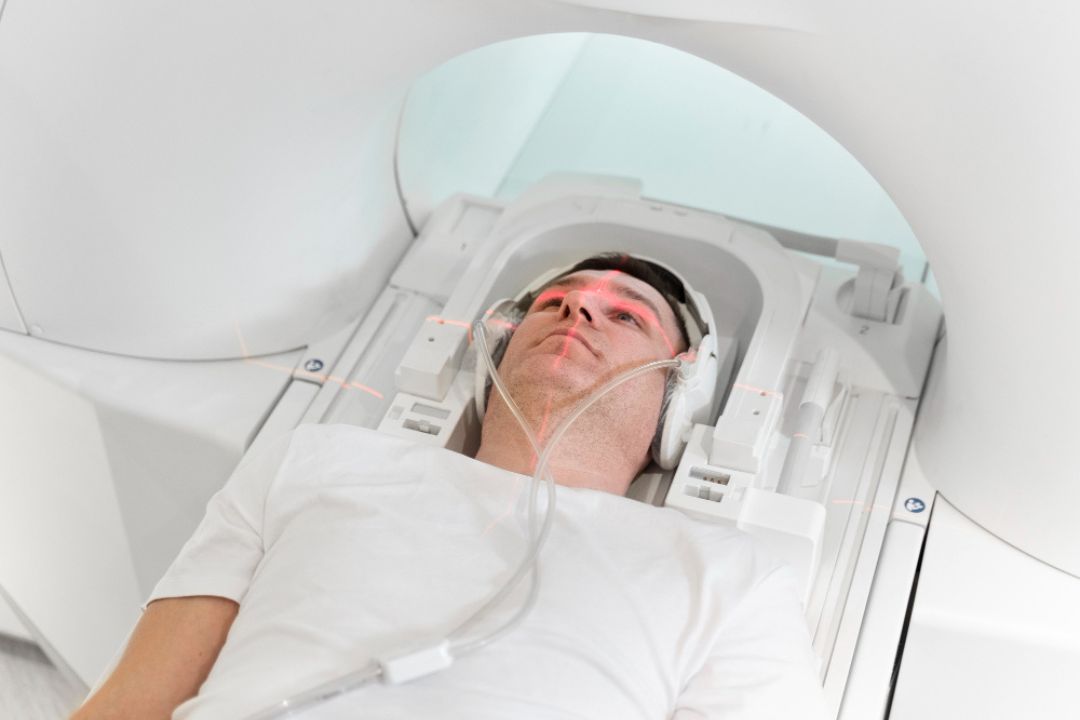
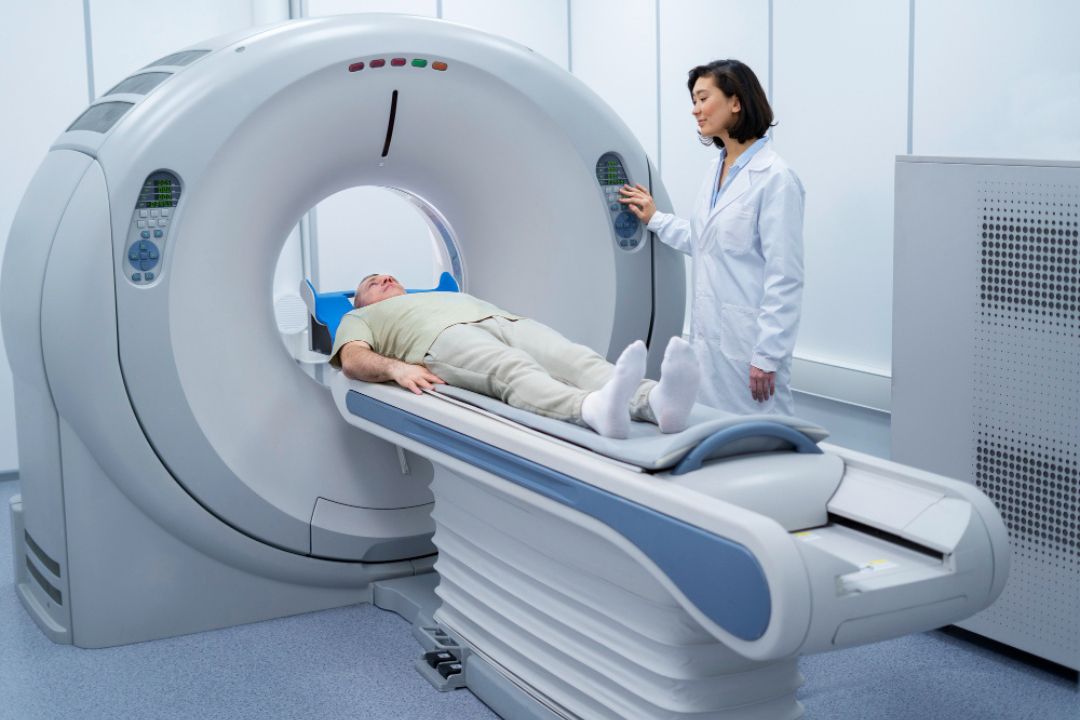
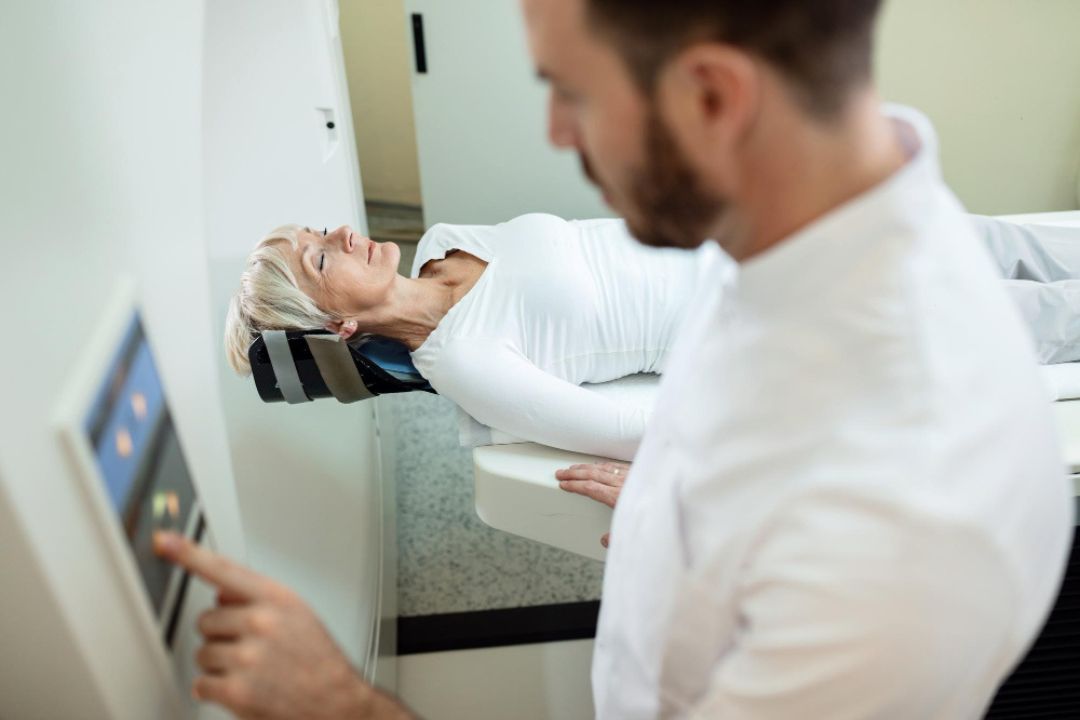
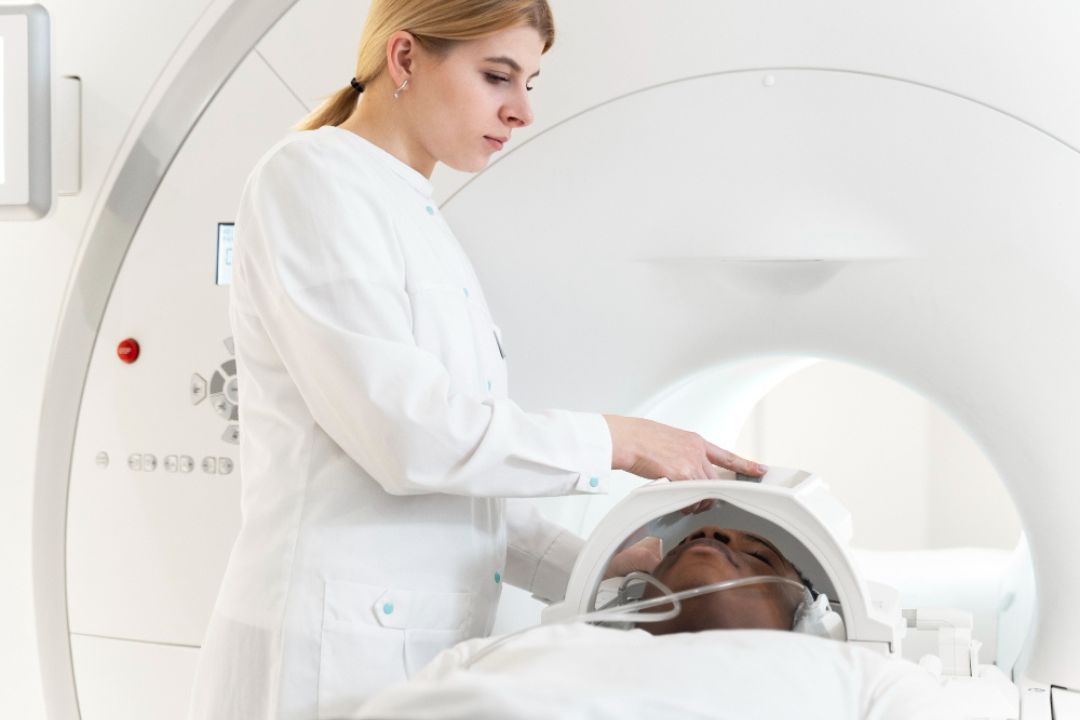
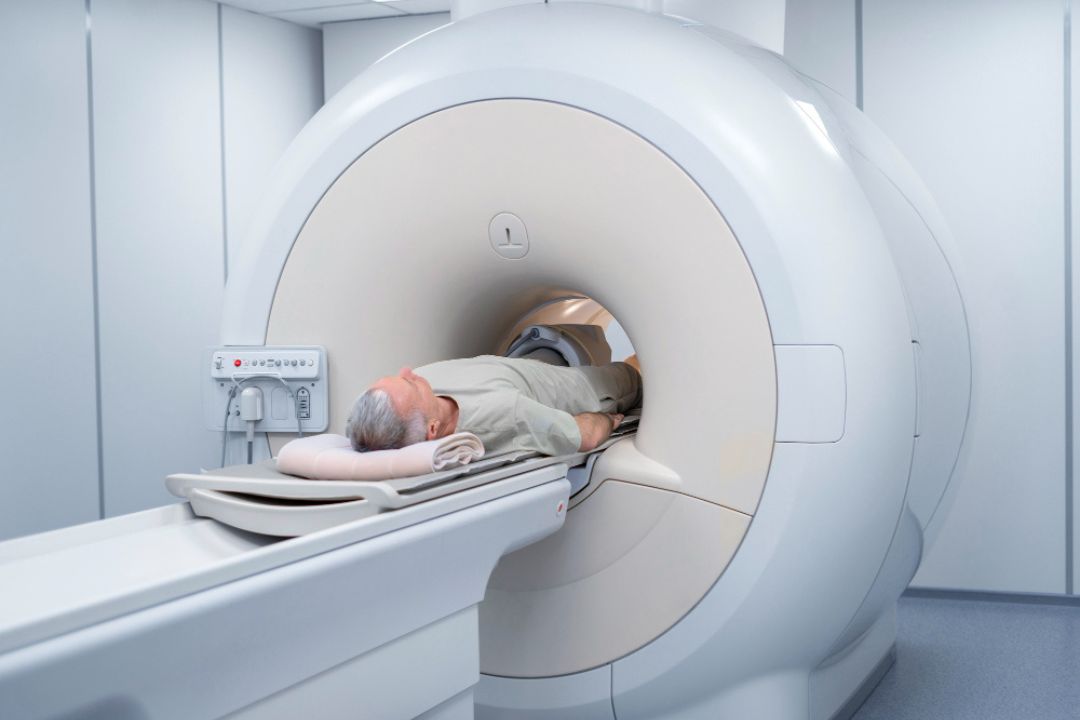
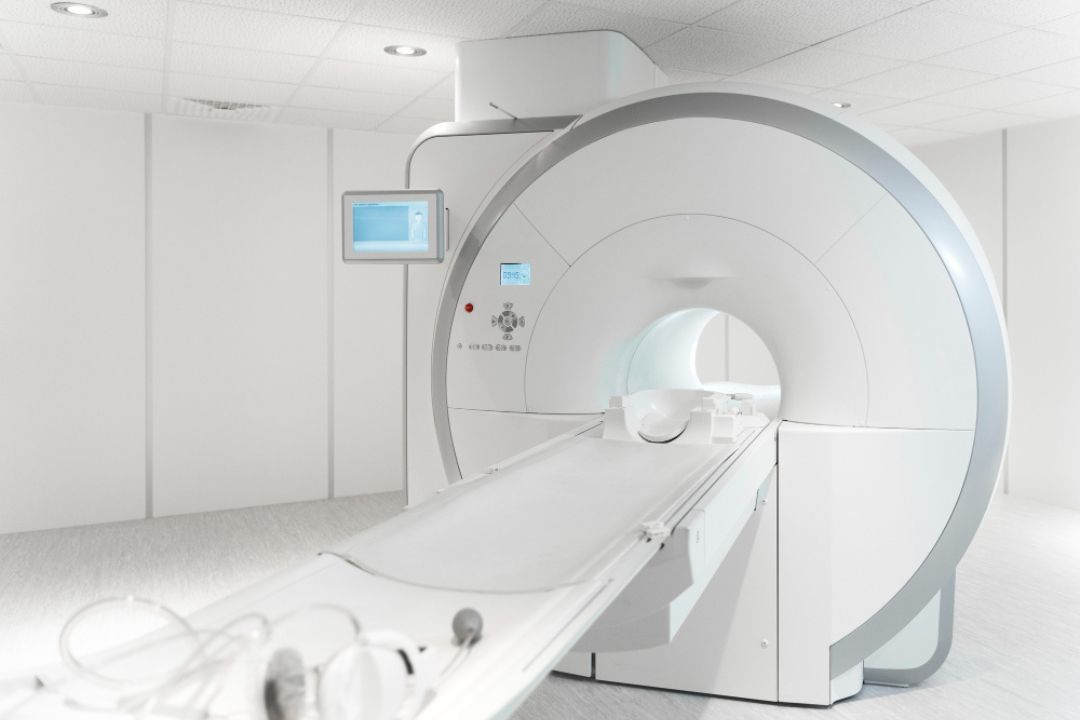
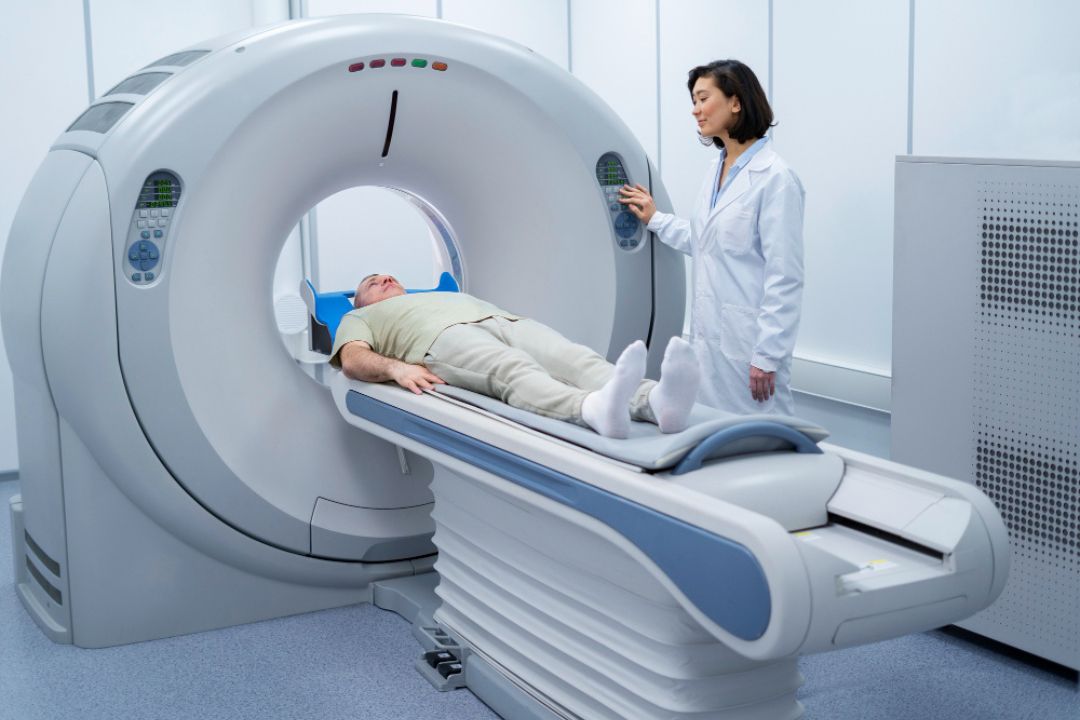
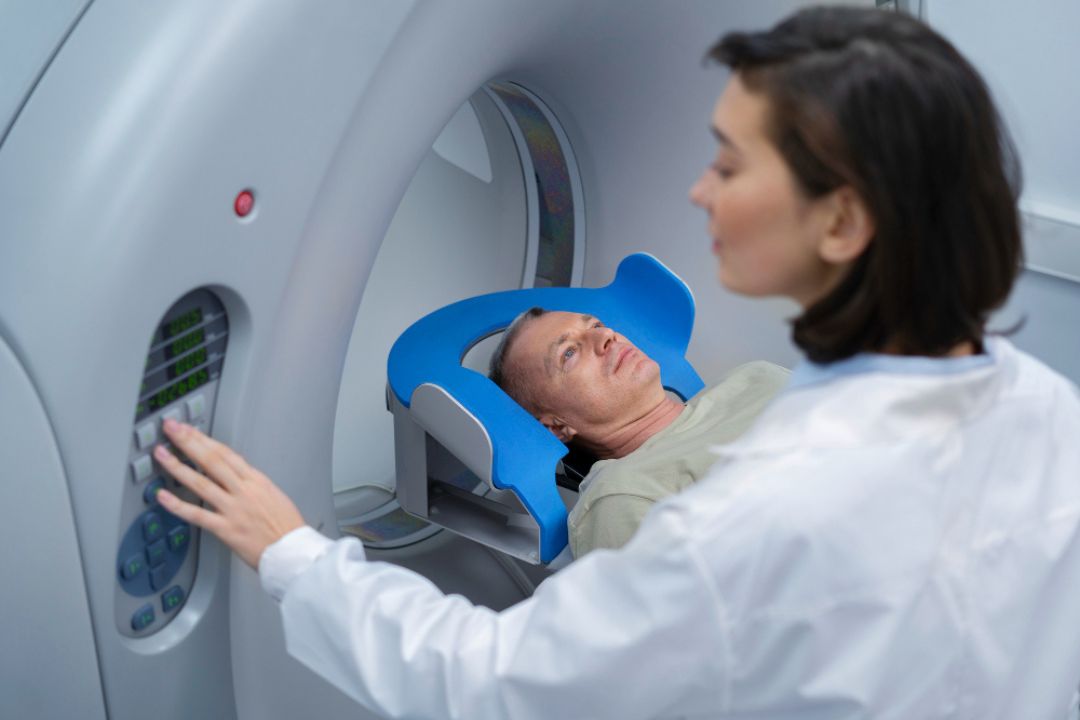
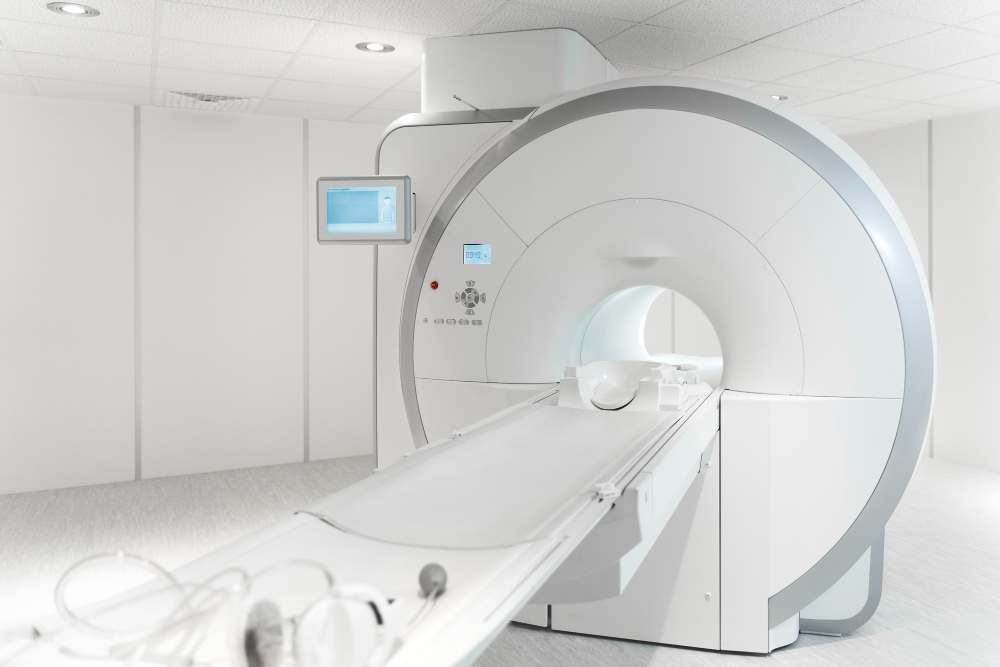
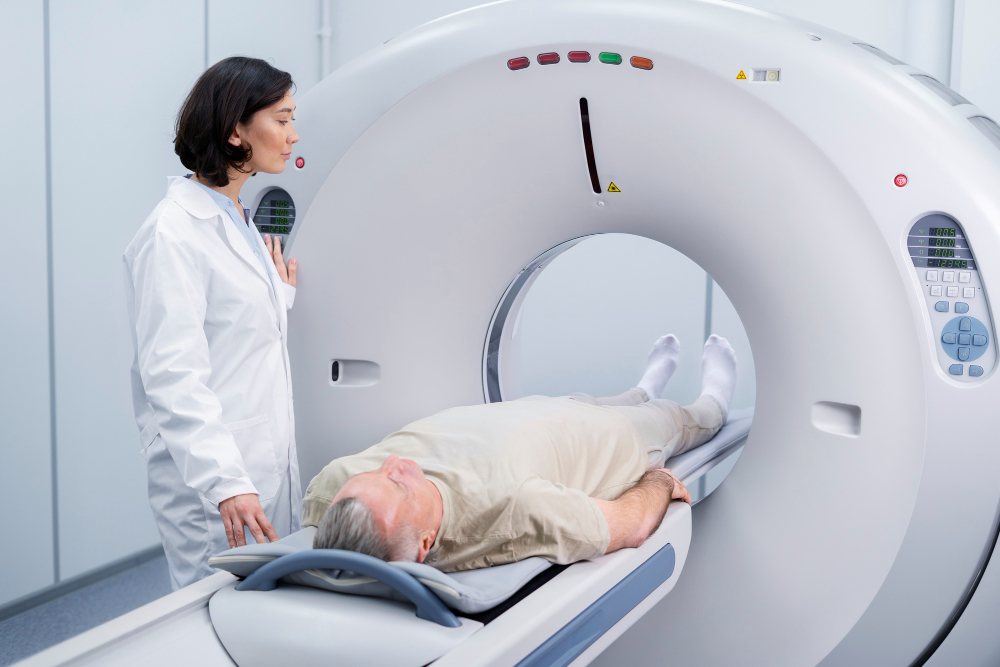
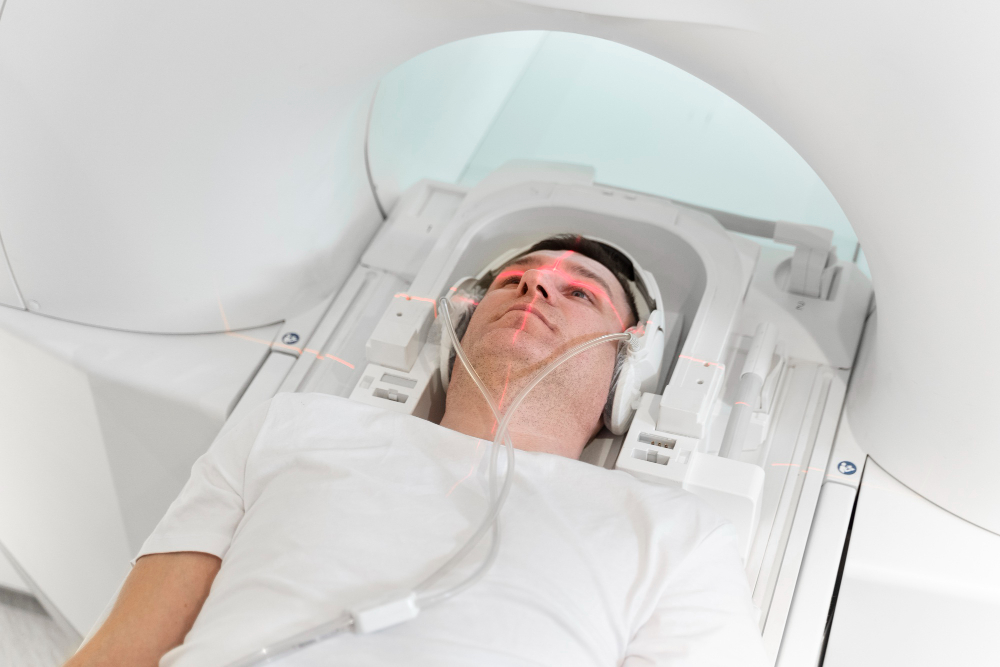
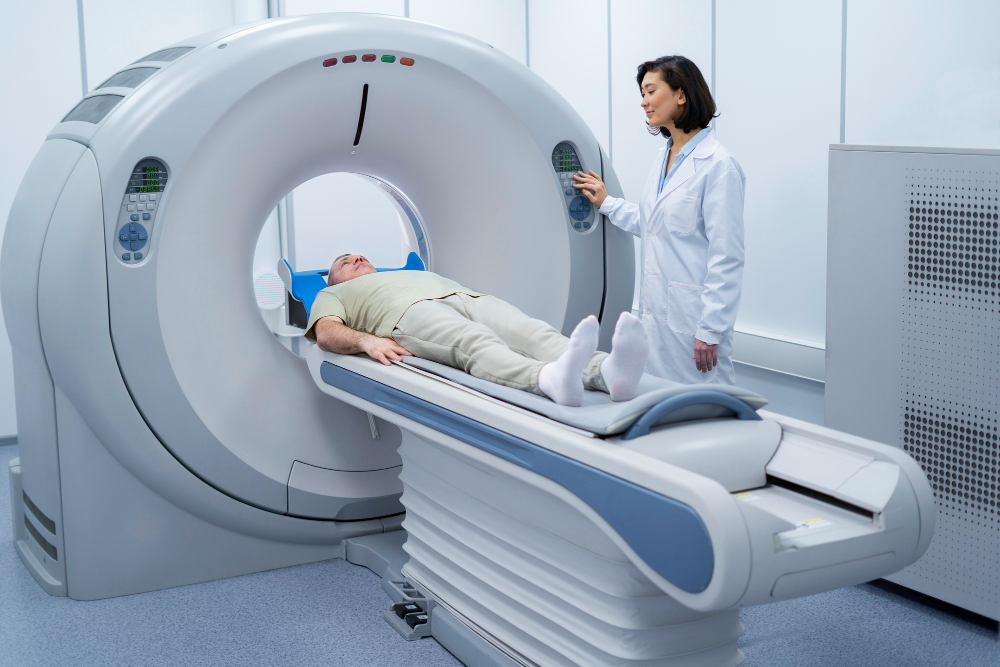
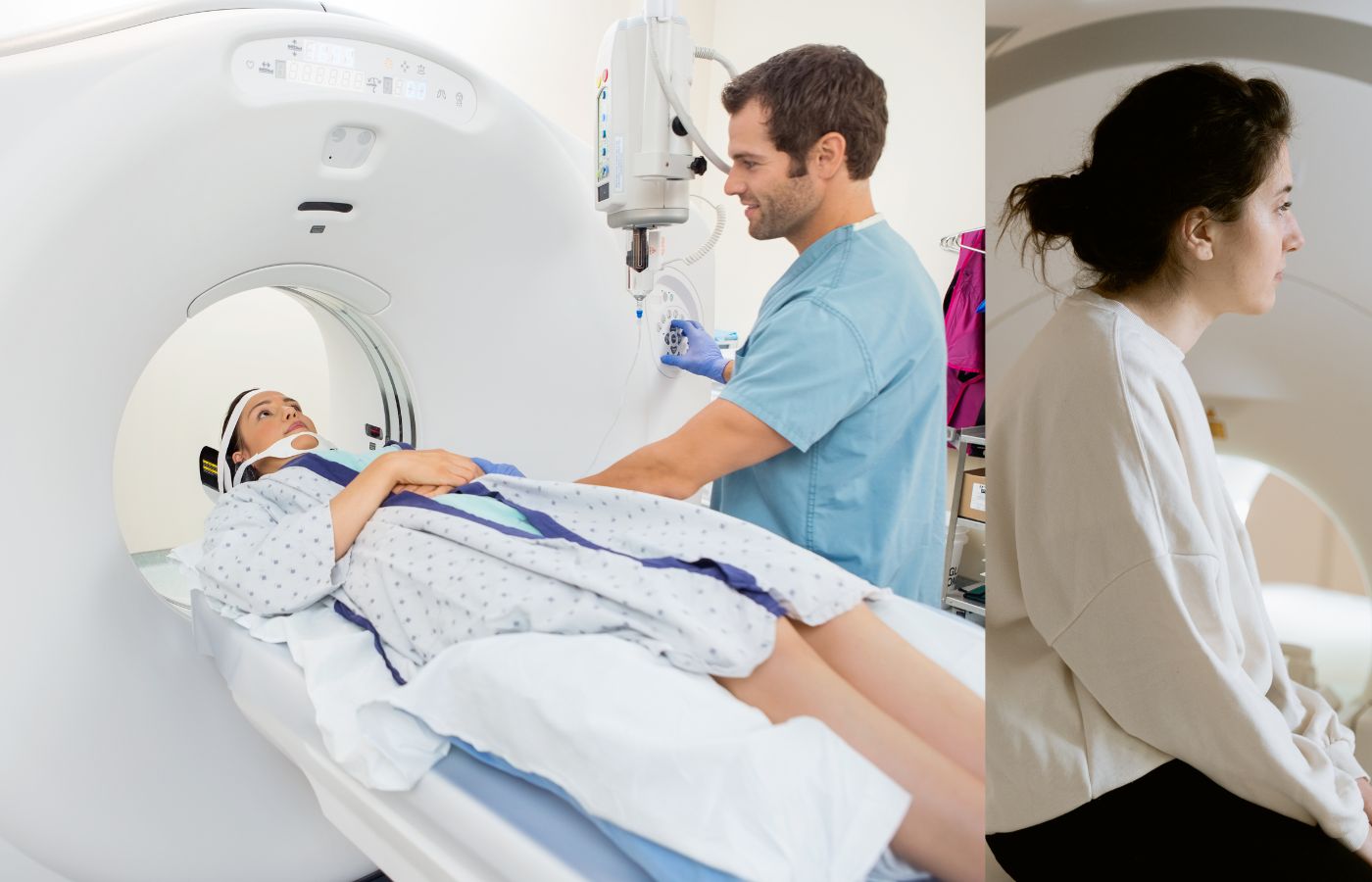
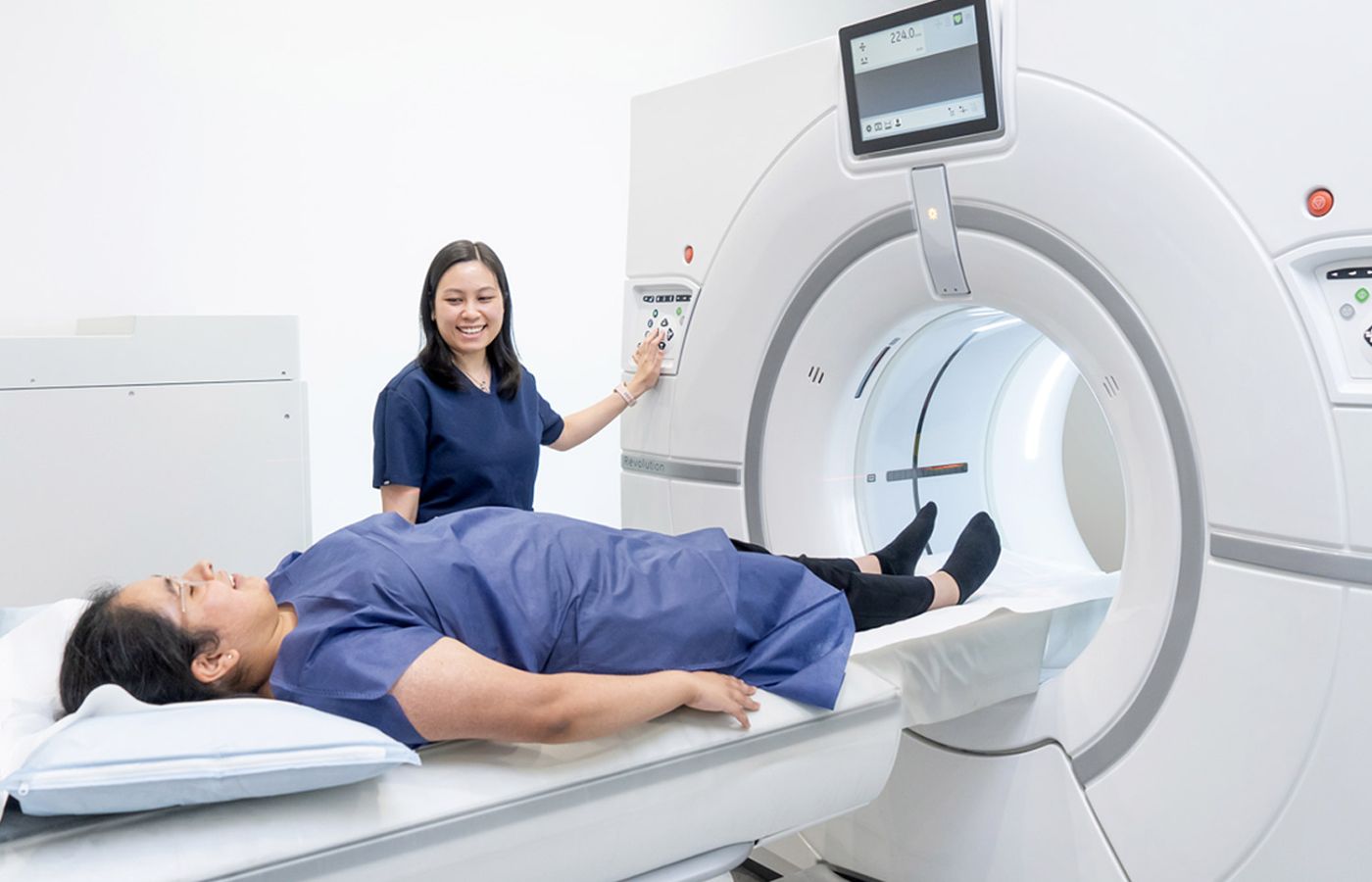
A CT scan is generally a quick and painless procedure. You will lie on a narrow bed that slides into a large, doughnut-shaped scanner. The machine may hum or whir. The main requirement is to stay perfectly still for clear images. Some people feel mild claustrophobia, though the scanner is open at both ends. If a contrast dye is used, you may feel a warm flush or a metallic taste—these sensations are normal and subside within a minute.
The "CT scan price near me" is a common and valid concern. The CT scan cost in Mumbai is not fixed and depends on several factors:
Body Part Scanned: A simple sinus CT costs less than a detailed cardiac CT angiogram.
Use of Contrast: A scan with contrast dye is more complex and thus more expensive.
Type of Facility: Advanced CT scan centres with the latest technology (like 128-slice or 256-slice CT scanners) may charge a premium for superior image quality and lower radiation doses.
On average, you can expect a range from or more for specialized scans. Always inquire about the final, all-inclusive CT scan price to avoid surprises.
When your health is on the line, and you search for a reliable "CT scan near me," the choice of diagnostic partner is critical. Diagnopein Mumbai is built on a foundation of safety, accuracy, and compassionate care.
Safety as Our Core Philosophy: We don’t just perform scans; we advocate for patient safety. Our experienced radiologists actively consult on every case to ensure a CT scan is truly justified, rigorously screening for the contraindications mentioned above. We employ the latest low-dose CT scanning technology, adhering strictly to the ALARA principle to protect you from unnecessary exposure.
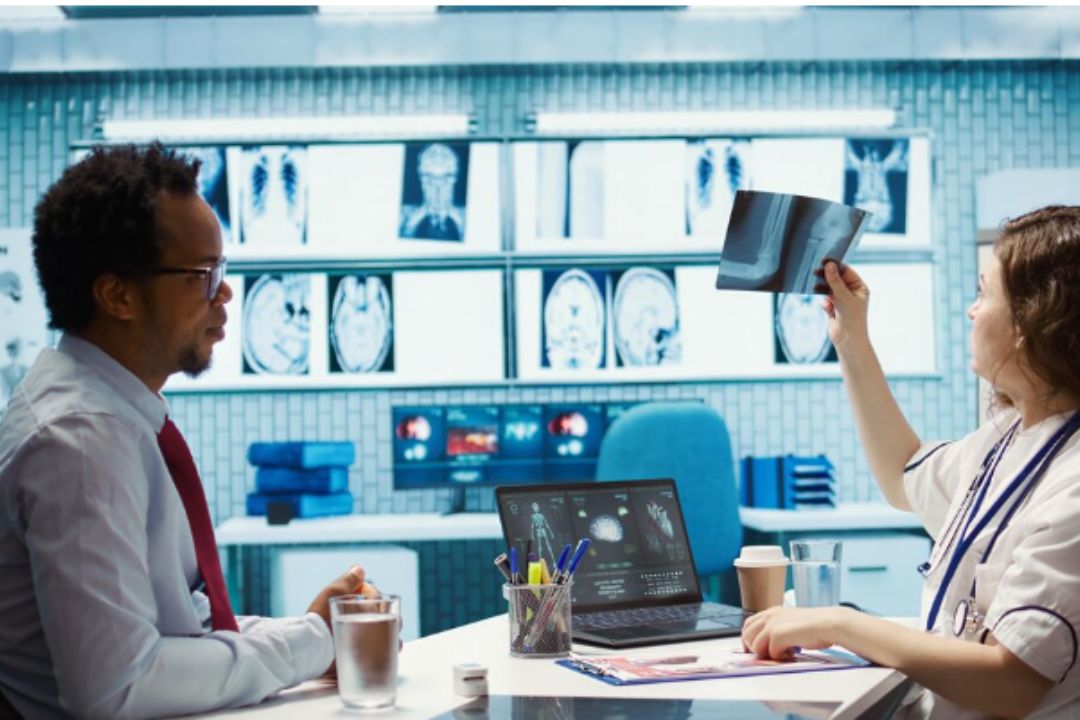
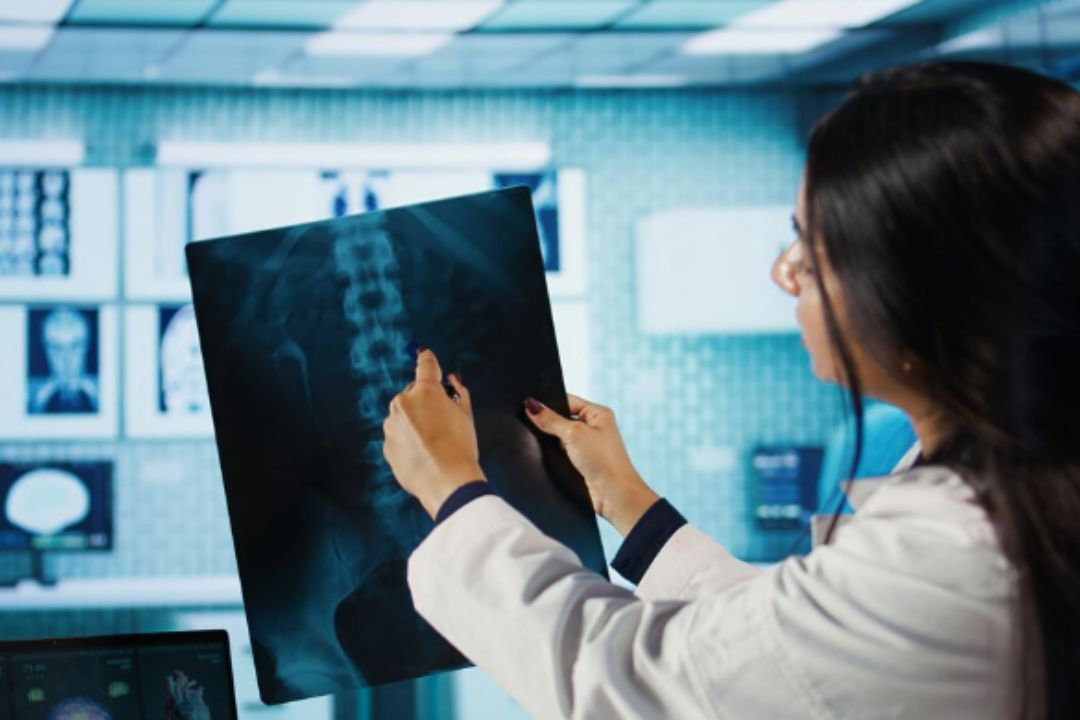
Expertise You Can Trust: Our team comprises seasoned radiologists and technologists who specialize in interpreting complex images. We don’t just provide a report; we offer clarity and are available to discuss findings with your referring doctor.
Transparency in Pricing: We believe in honest healthcare. At Diagnopein, you will receive a clear, upfront breakdown of the CT scan cost in Mumbai, with no hidden fees. We also assist with insurance and cashless facility paperwork.
Patient-Centric Experience: From the moment you walk into our CT scan centre, our focus is on your comfort and peace of mind. We explain each step, address all your anxieties, and ensure the process is as smooth and swift as possible. Our modern, comfortable facilities are designed to reduce the stress of medical testing.
Comprehensive Care Under One Roof: Beyond CT scans, we offer a full spectrum of diagnostic services, including MRI, Ultrasound, and X-Rays. This allows for integrated care and expert guidance on the most appropriate imaging pathway for your specific condition.
A CT scan is an indispensable diagnostic marvel, but its use must be precise and prudent. The decision to proceed should always follow a careful risk-benefit analysis conducted by your doctor in partnership with a responsible imaging centre.







.jpg "ct brain scan plain and contrast")











.jpg "ct scan")
.jpg "ct scan or mri for brain disorders")


.jpg "exploring the power of ct brain contrast in modern diagnostics")
.jpg "ct scan")
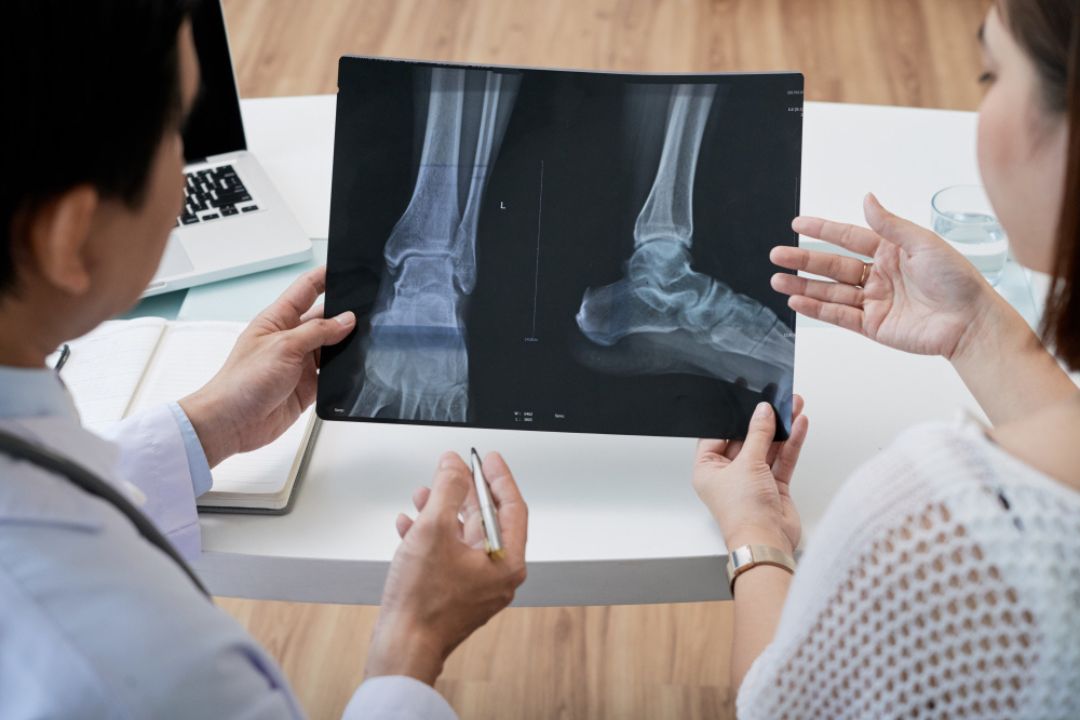
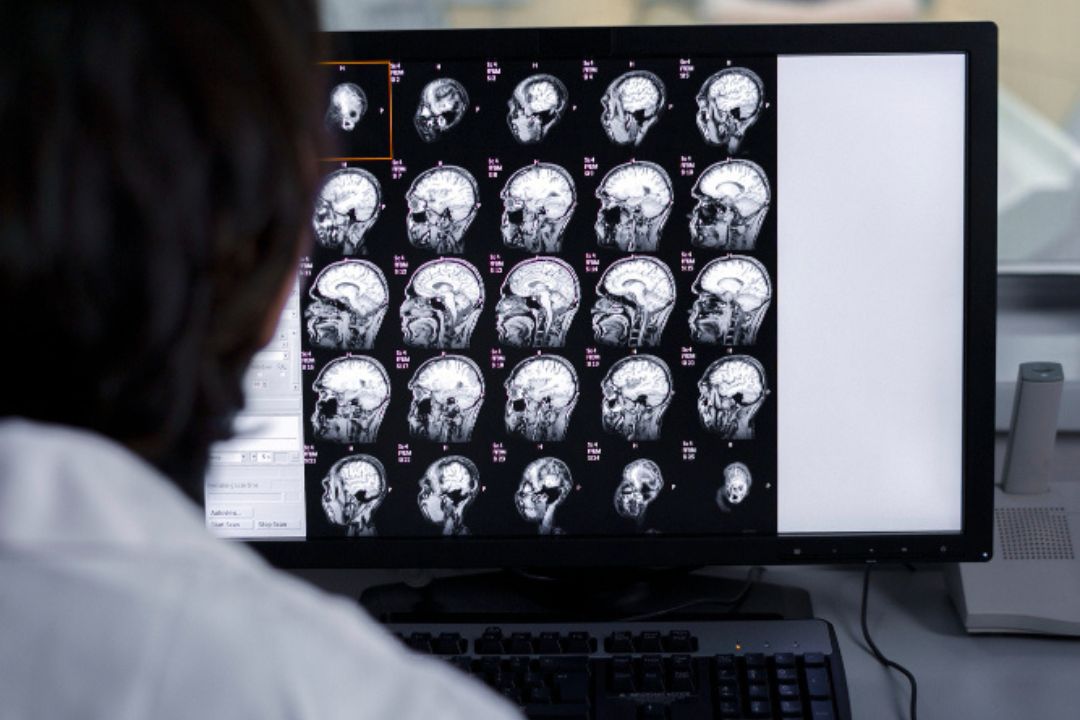
.jpg "ct scan")

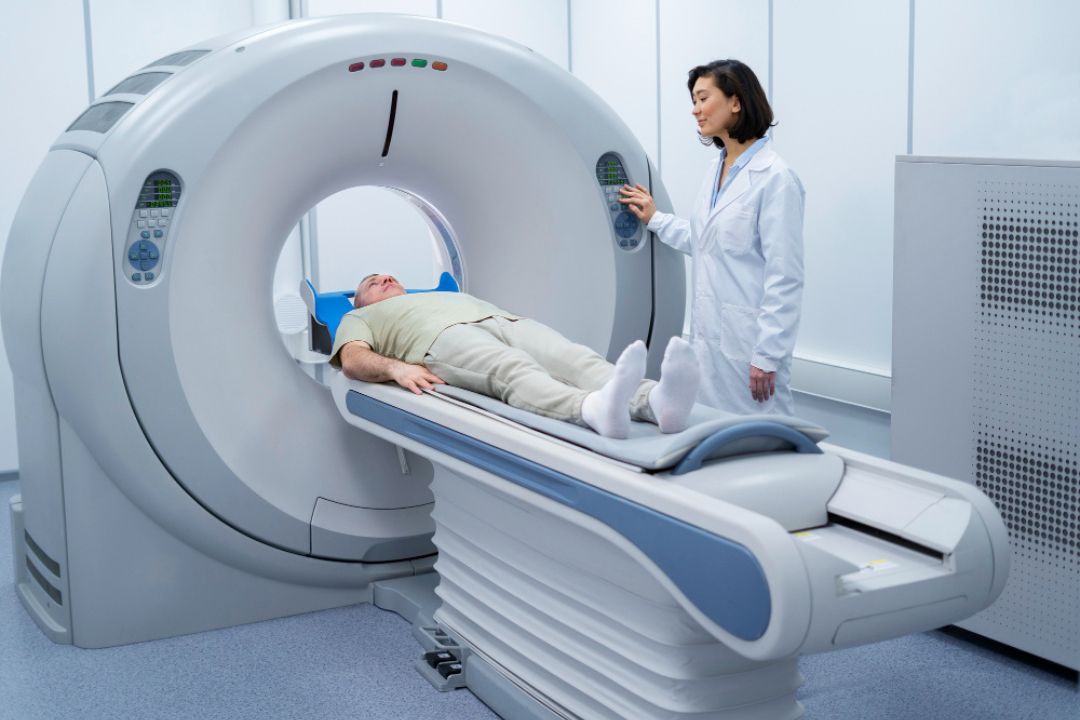
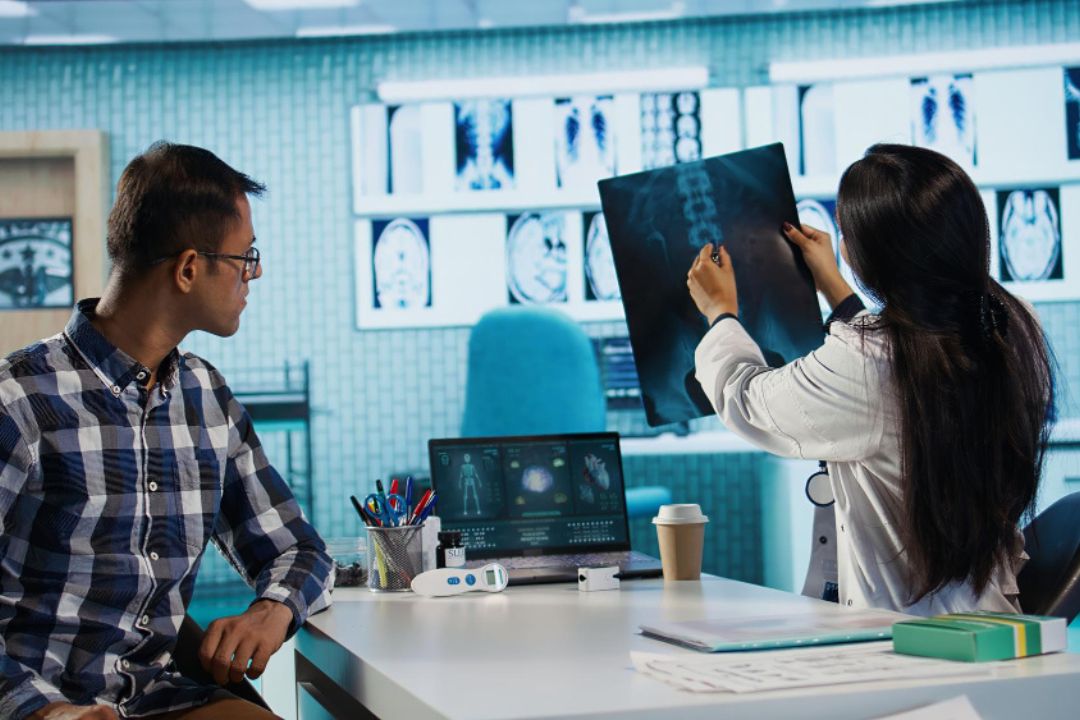






.jpg "ct scan")

.jpg "CT Brain Scan for Headaches")
.jpg "The Future of 3D CT Imaging")