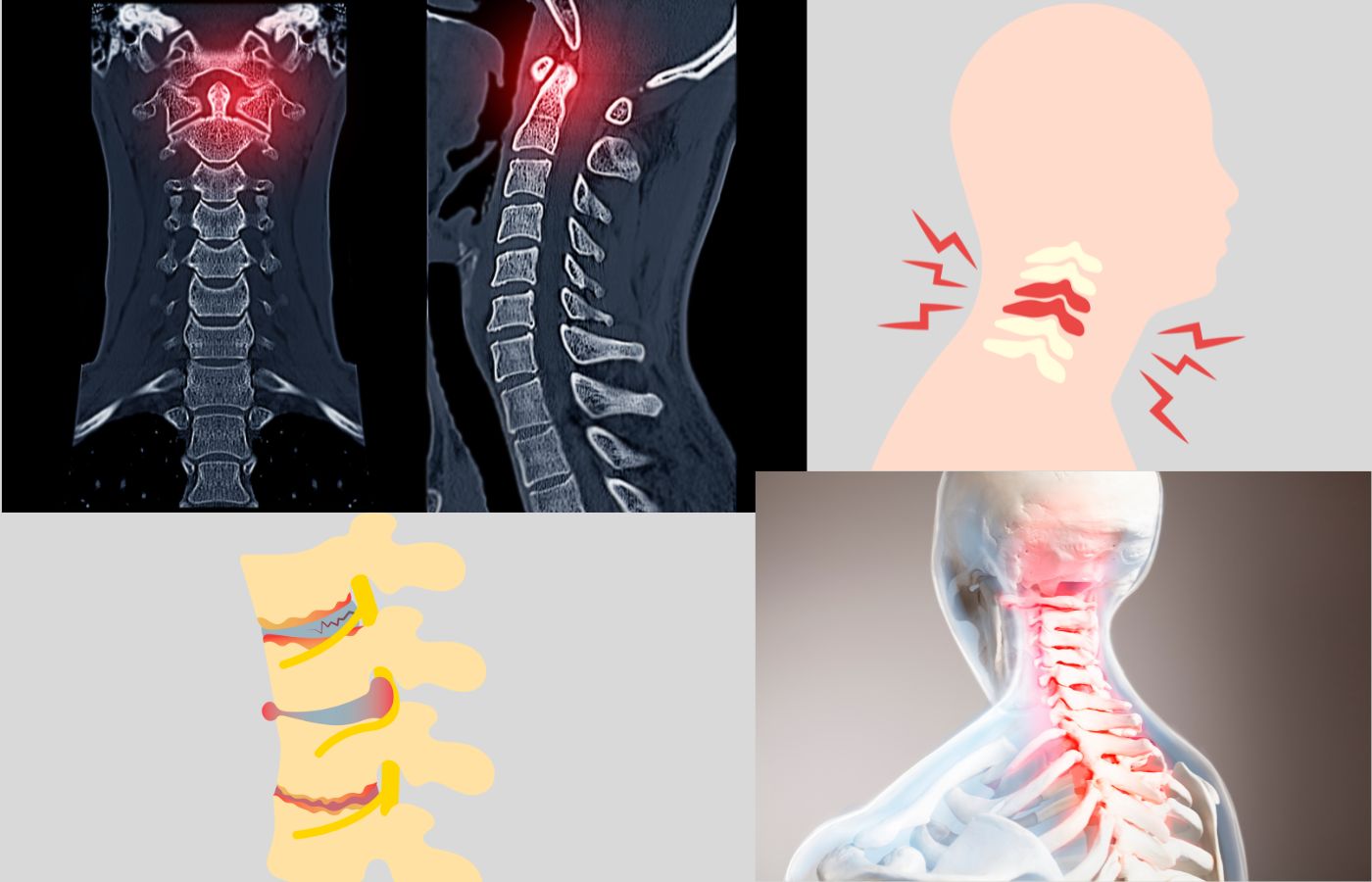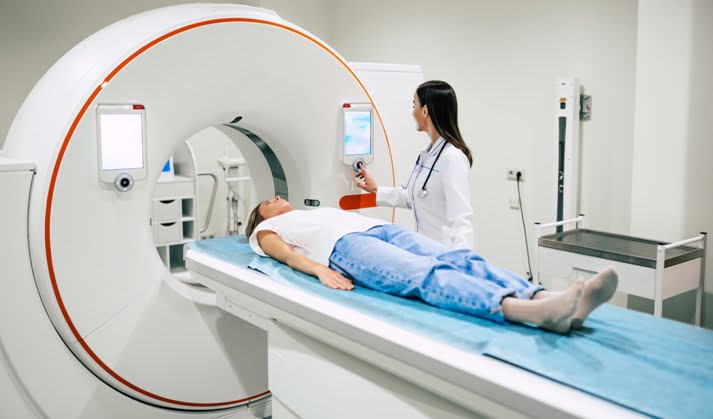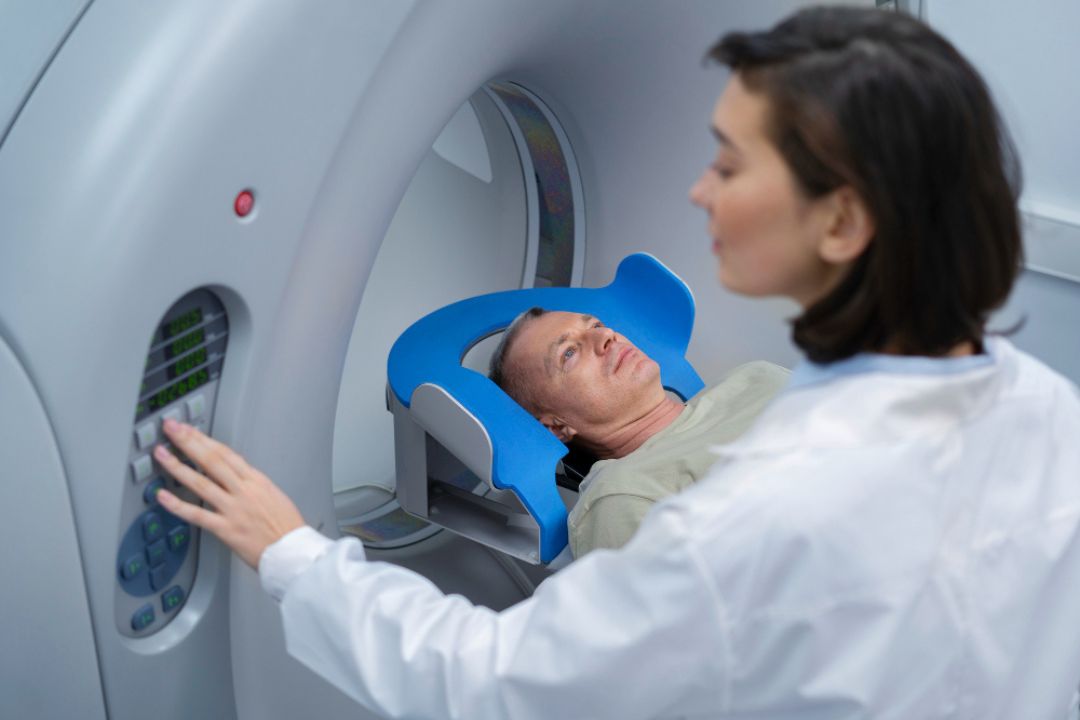
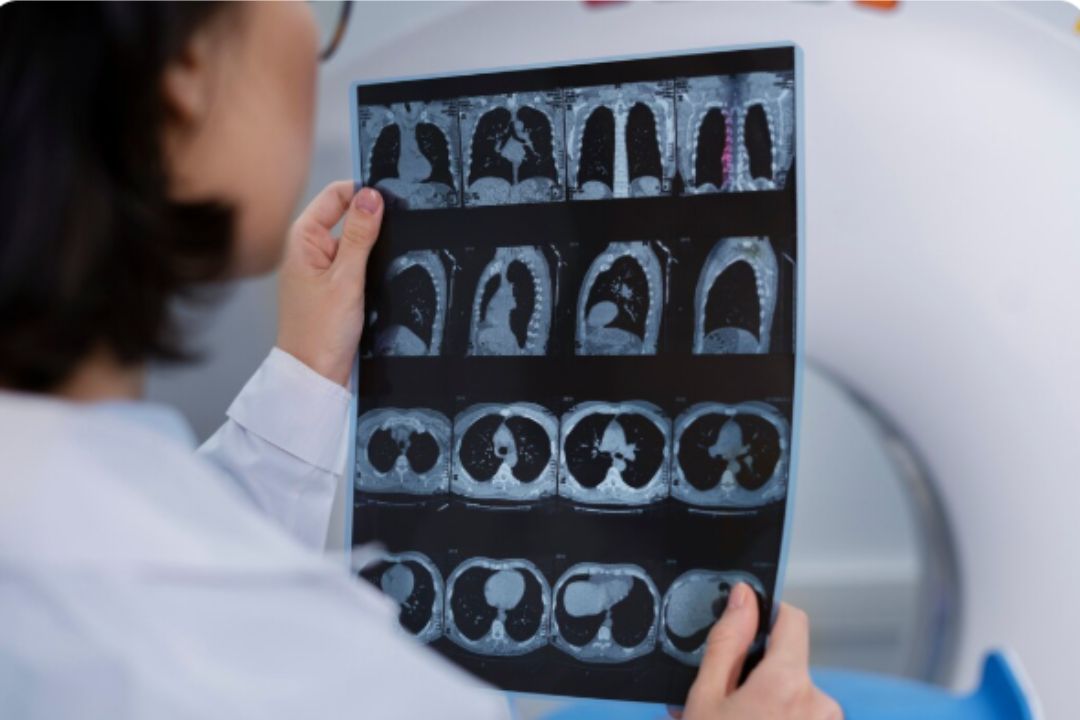
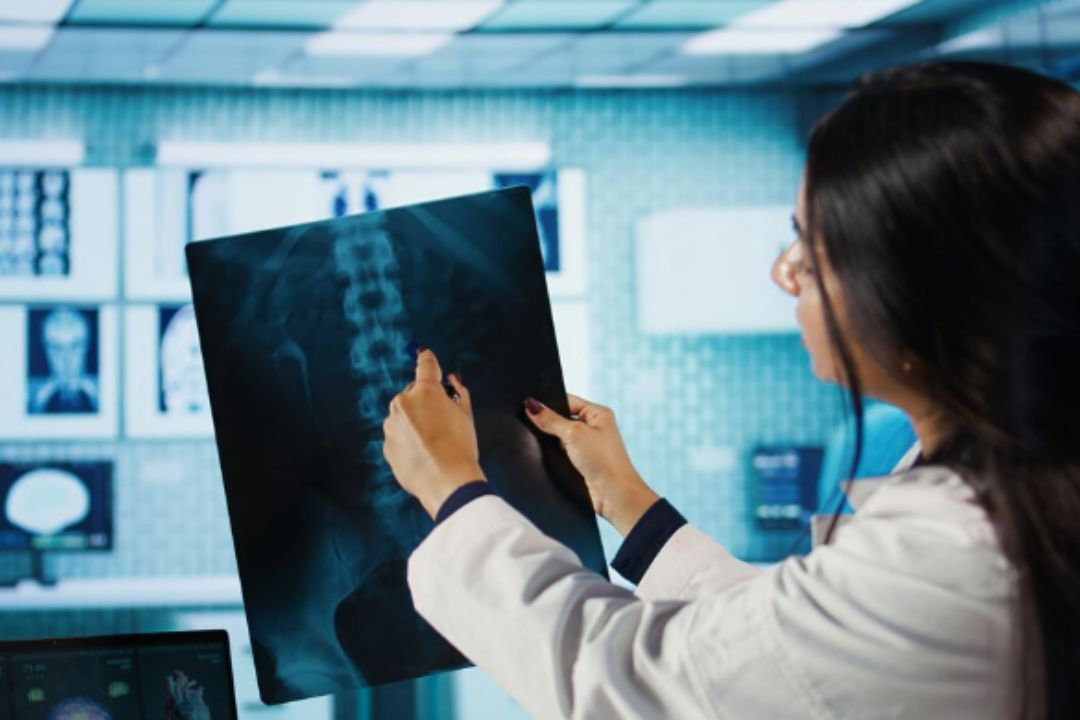
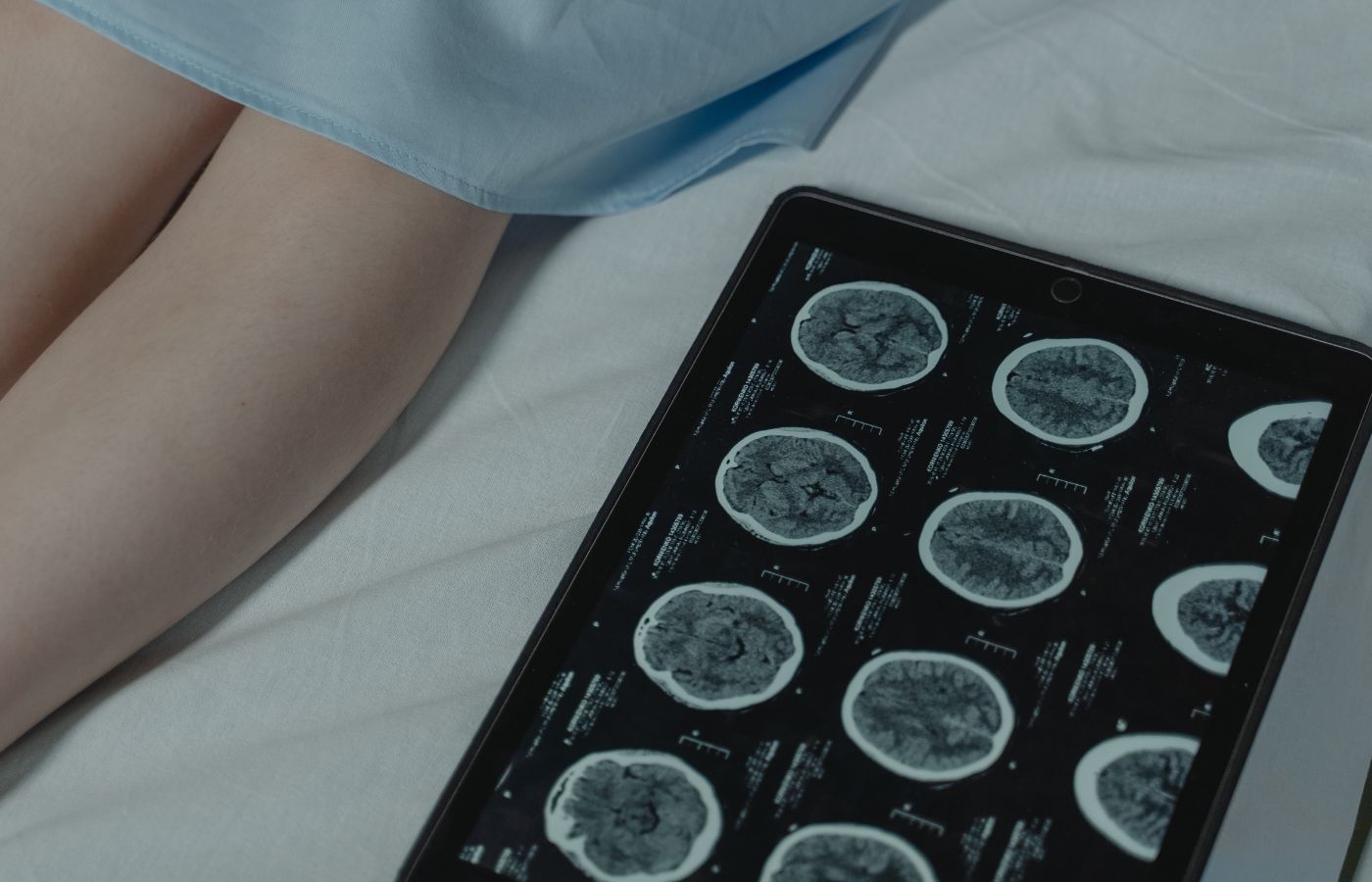
A CT Scan (Computed Tomography scan) is a common medical imaging procedure used to diagnose a wide range of health conditions. It uses advanced X-ray technology to create detailed cross-sectional images of the body, helping doctors examine bones, organs, blood vessels, and tissues with high accuracy.
If your doctor has recommended a CT scan, you may be wondering what to expect during the procedure. Understanding the process can help reduce anxiety and ensure you are well prepared for the test.
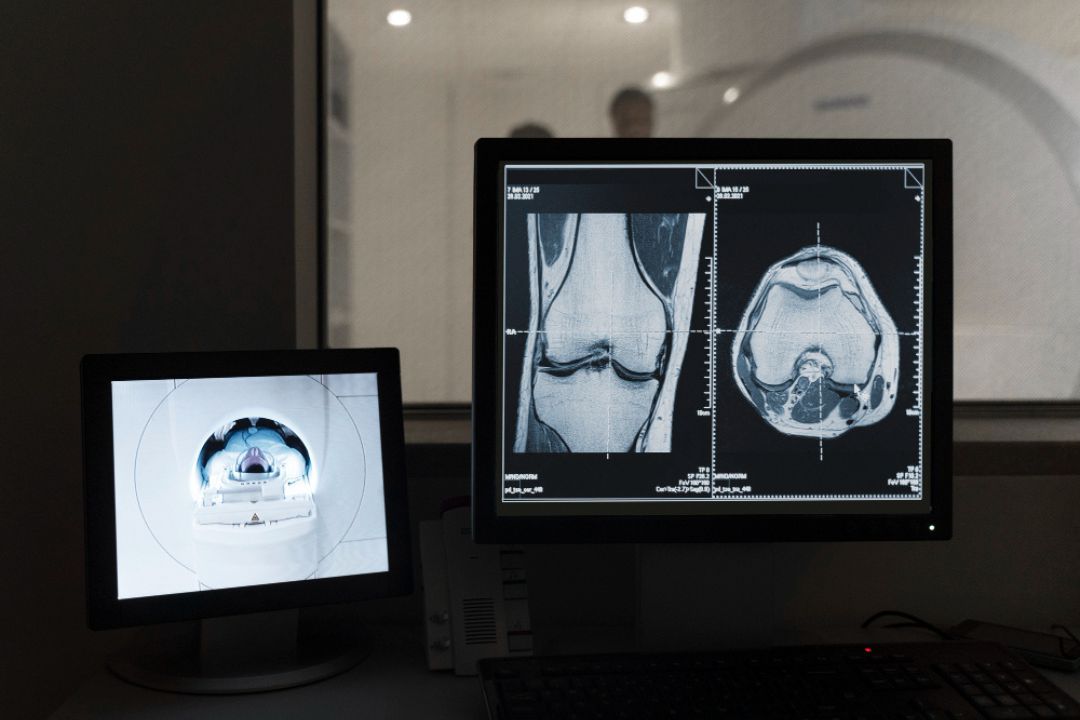
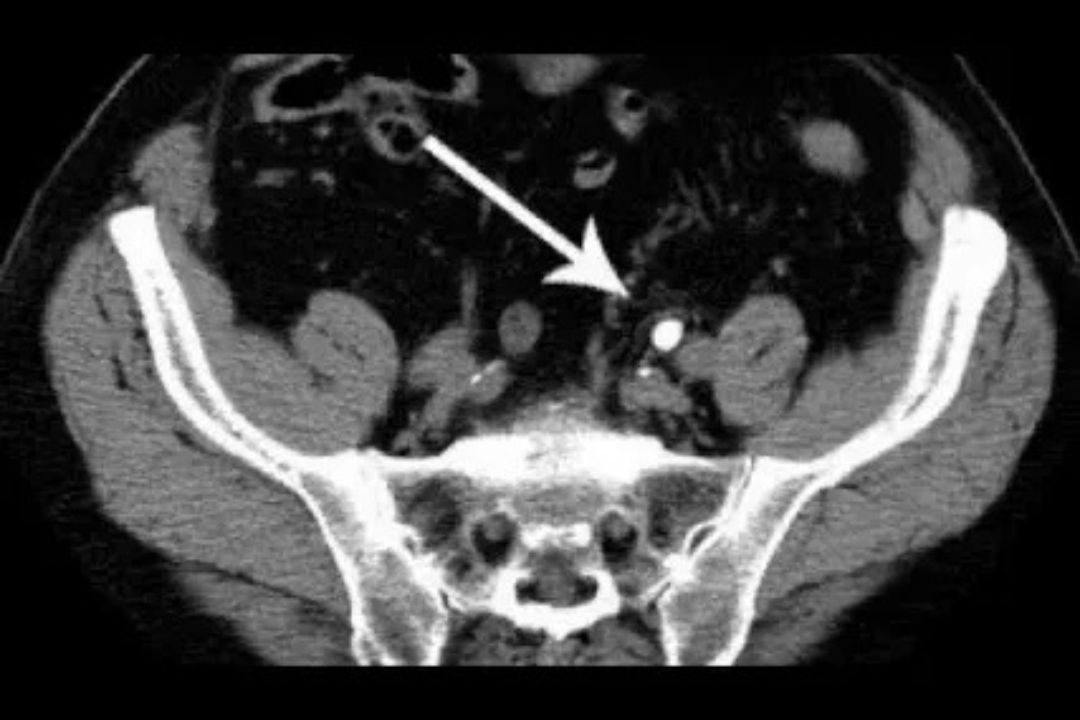
A CT Scan combines multiple X-ray images taken from different angles and processes them using a computer to create detailed internal images of the body.
Doctors often recommend CT scans to detect or monitor conditions such as:
Internal injuries
Tumors or cancers
Bone fractures
Infections
Blood vessel disorders
Organ abnormalities
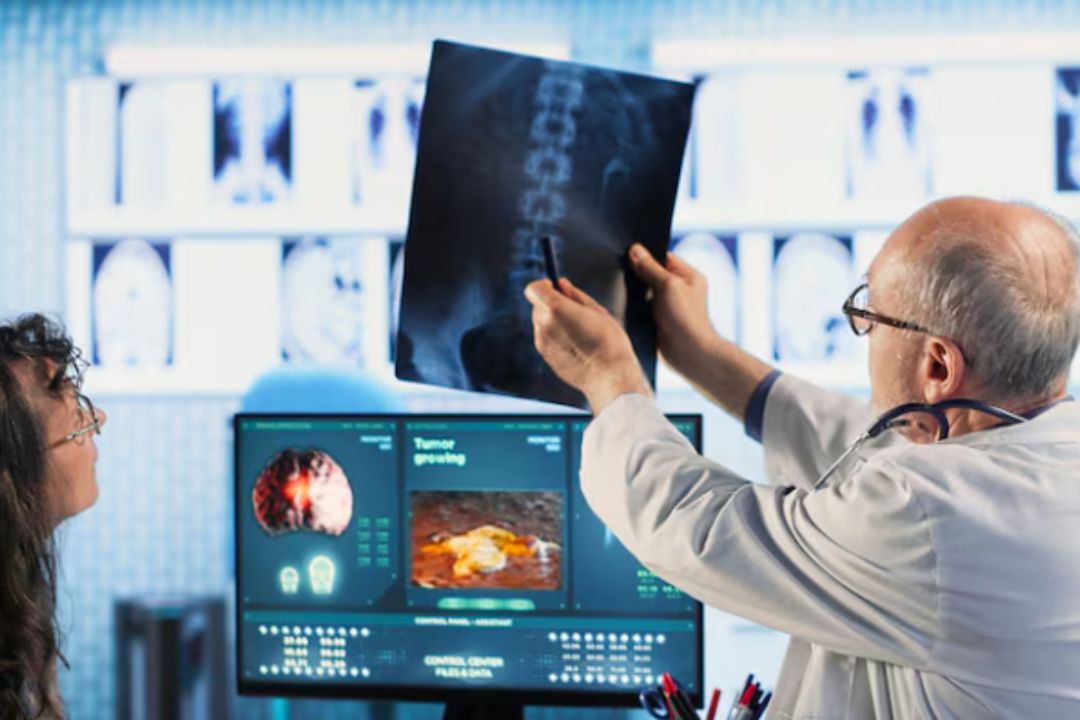
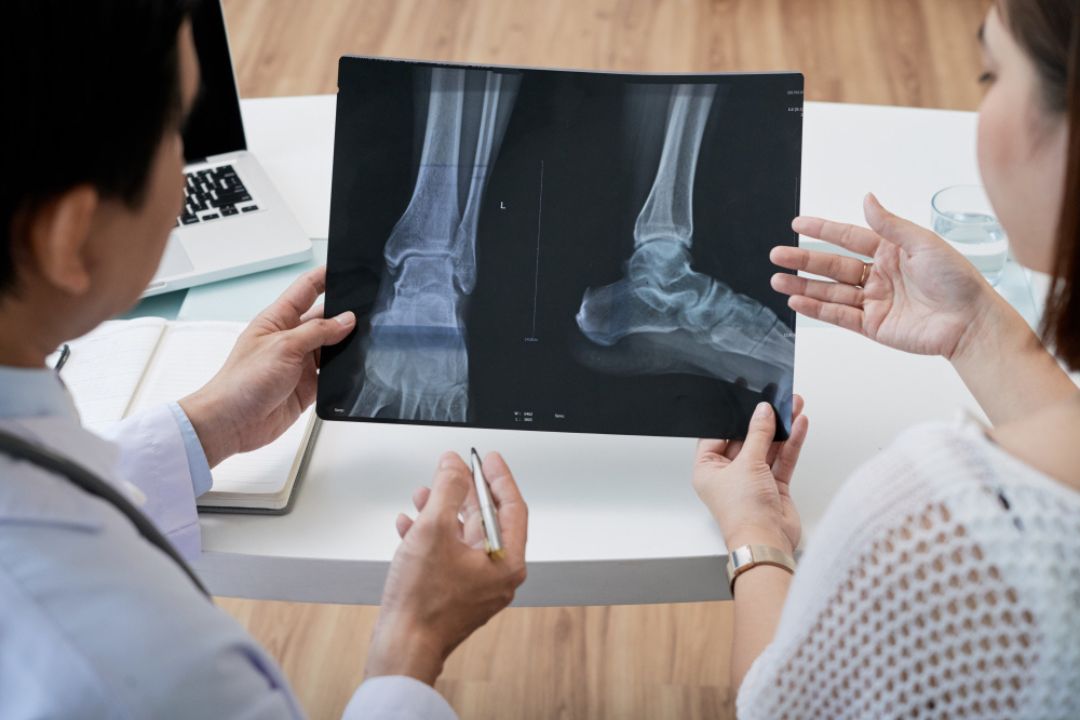
CT scans provide clearer and more detailed images compared to standard X-rays.
Preparation for a CT scan depends on the type of scan being performed. Your healthcare provider or diagnostic center may provide specific instructions.
Common preparation steps include:
Wearing comfortable clothing
Removing metal objects such as jewelry, glasses, or belts
Fasting for a few hours if contrast dye is used
Informing the doctor about allergies or medications
Informing the technician if you are pregnant
Following these guidelines helps ensure accurate imaging results.
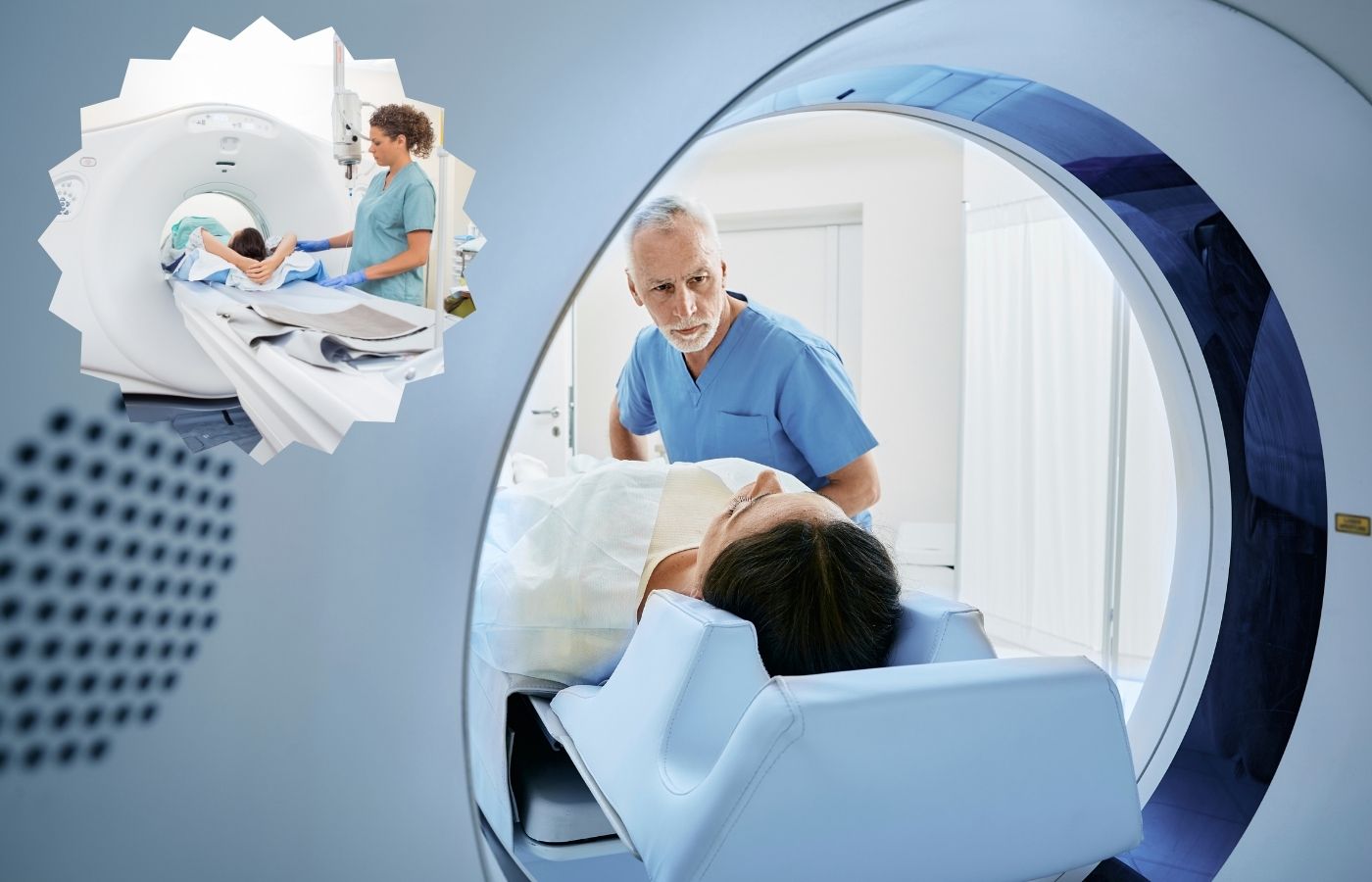
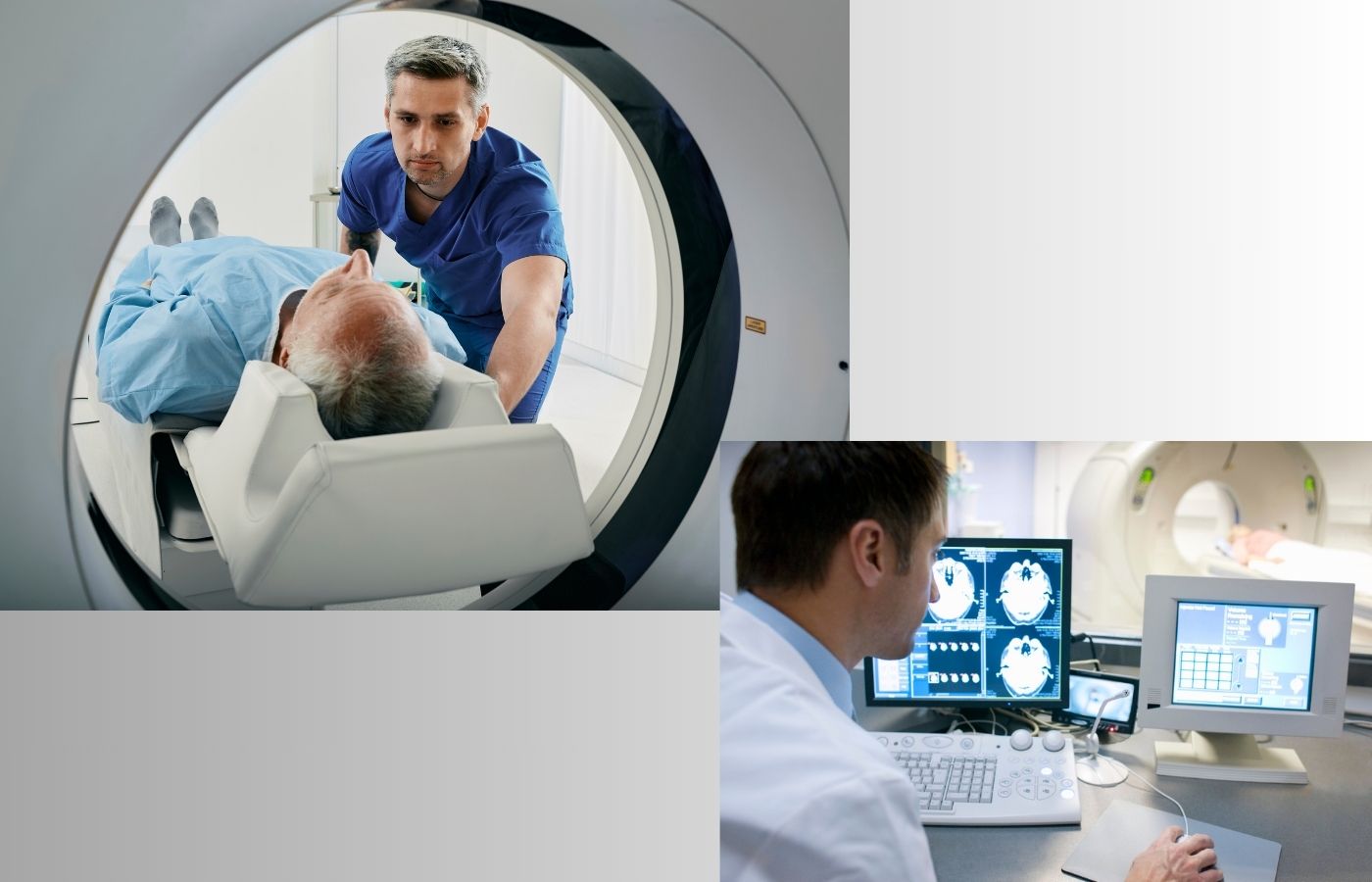
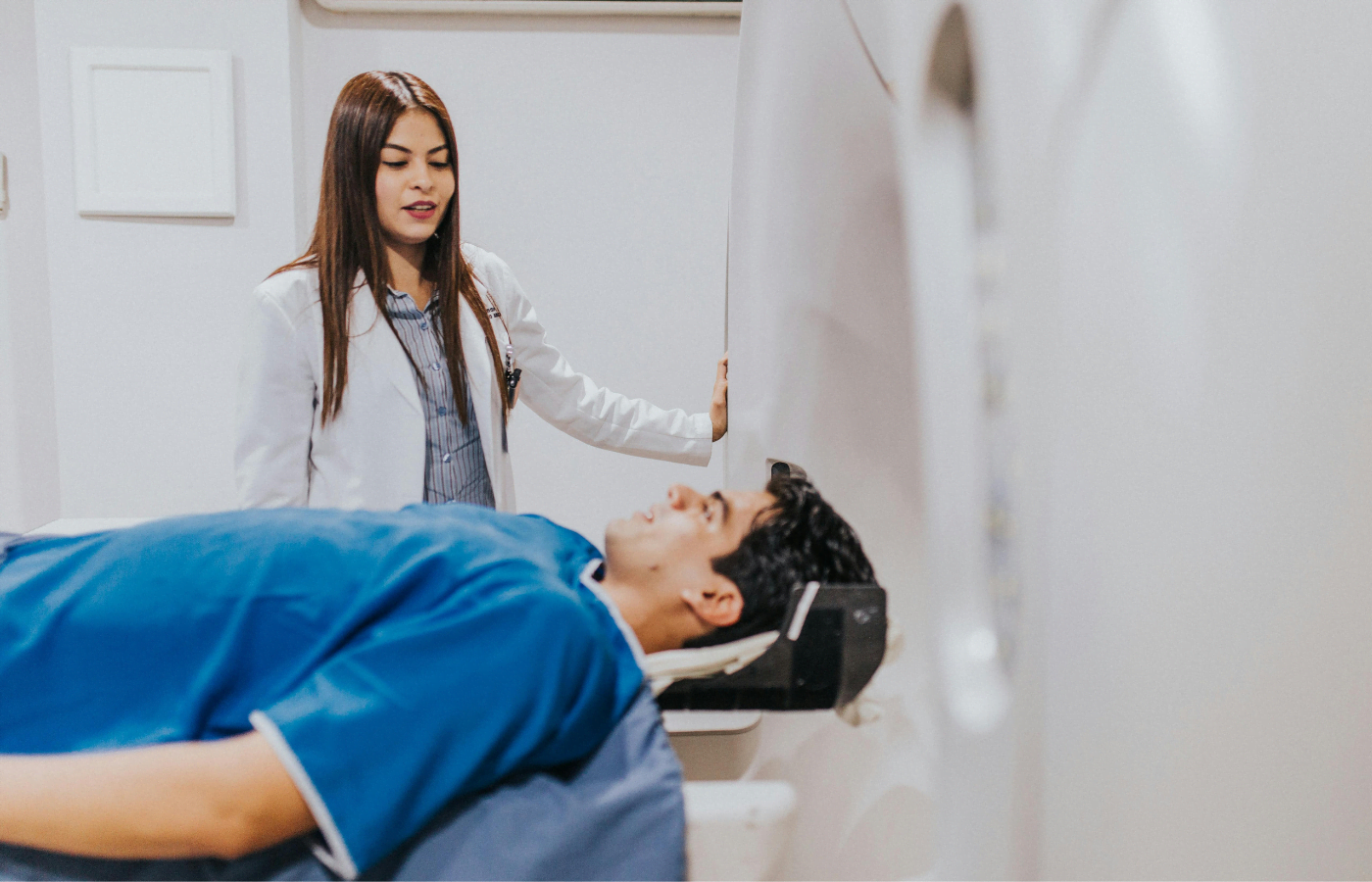
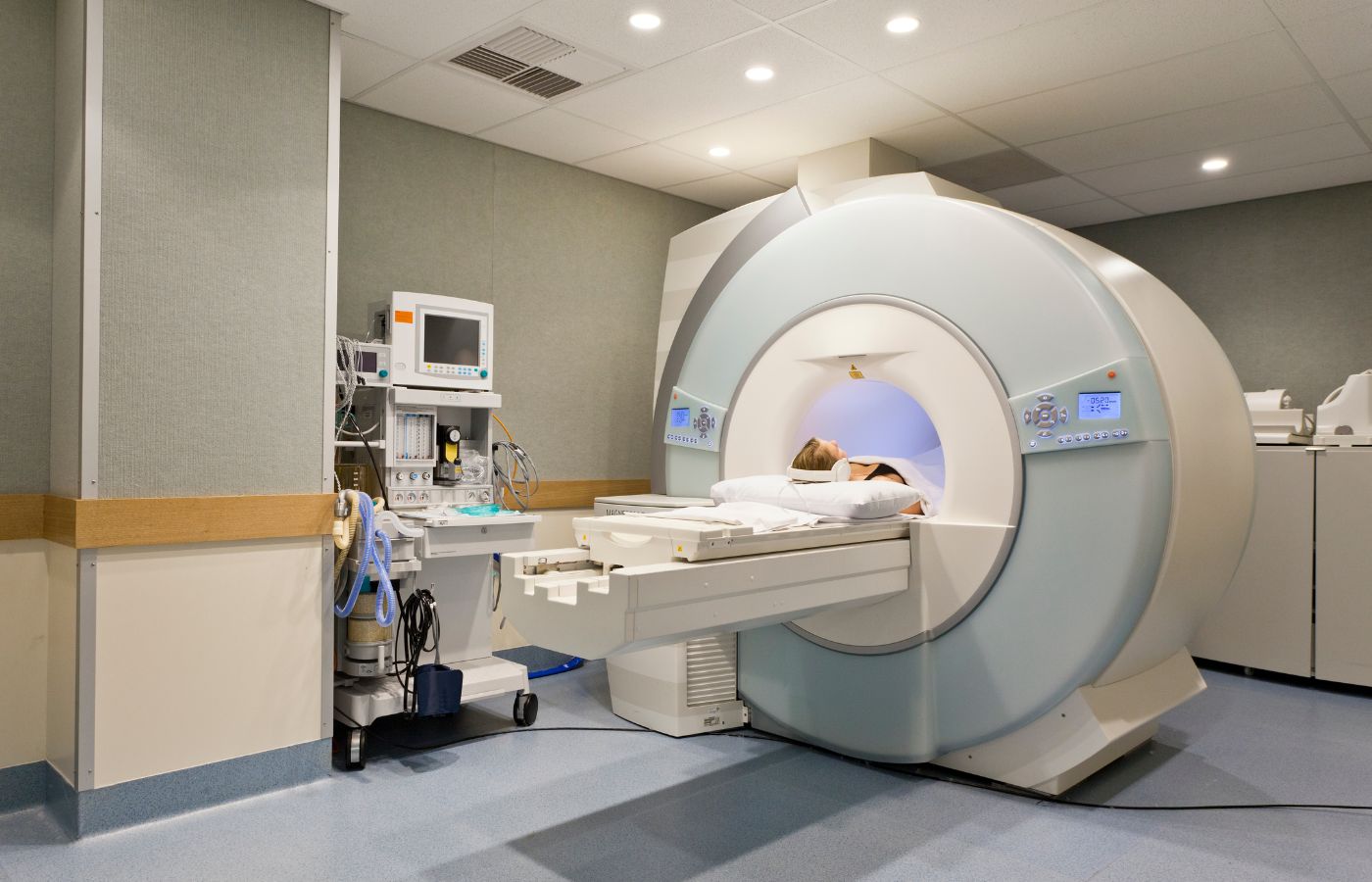
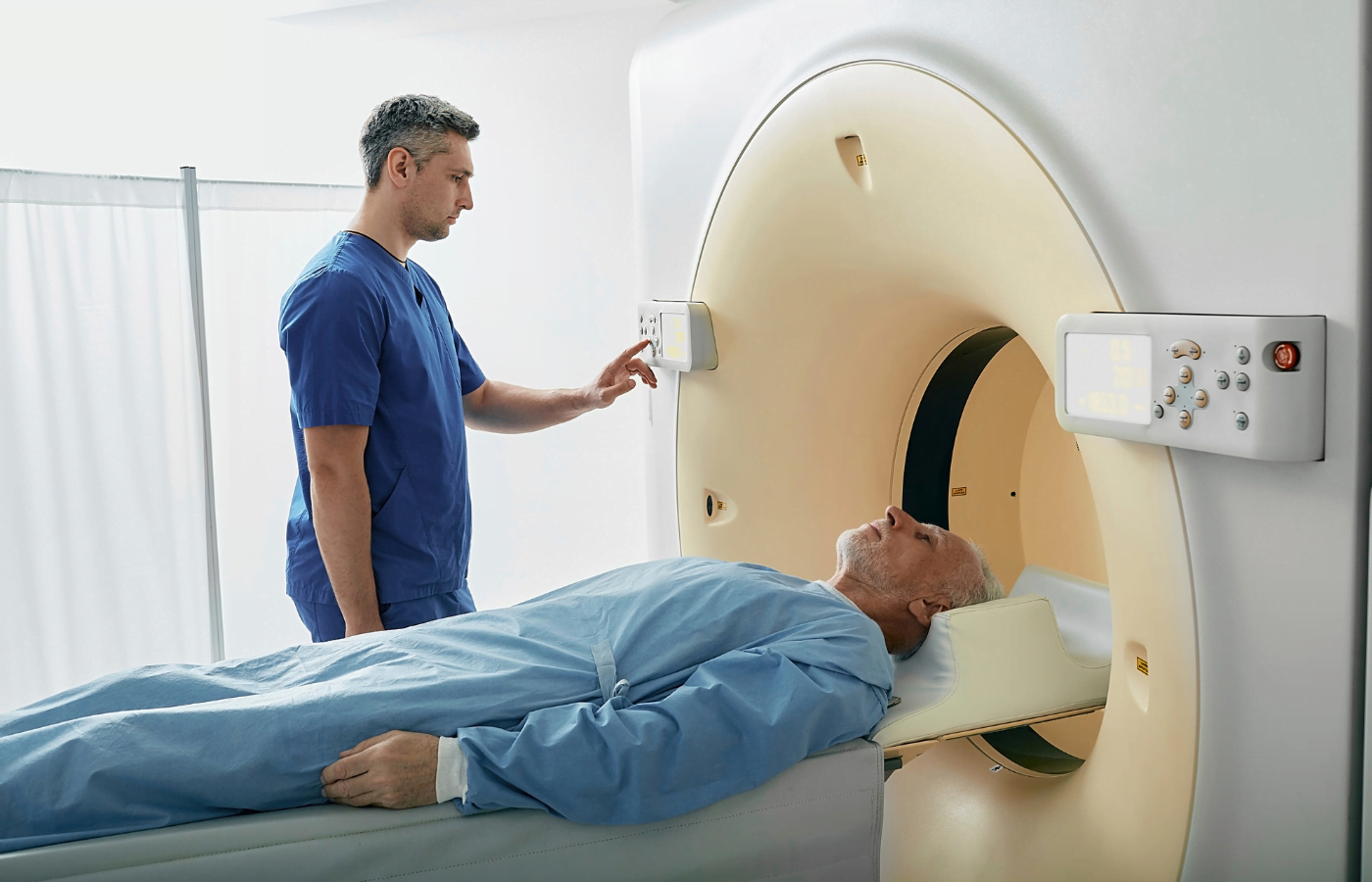
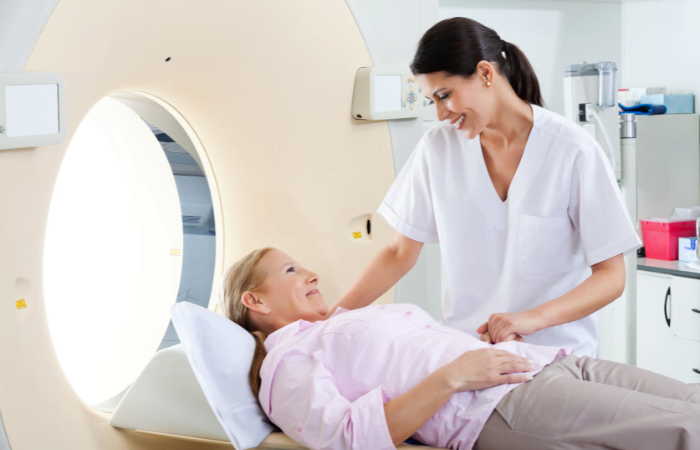
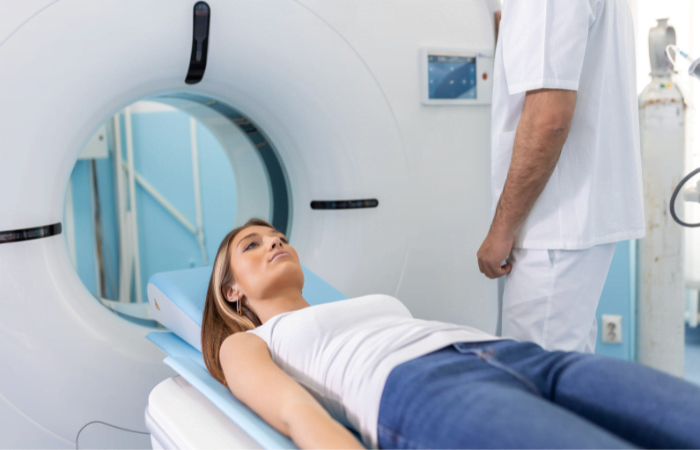
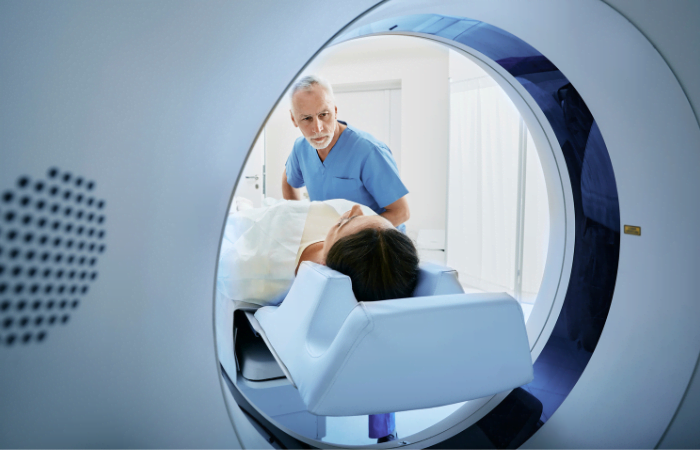
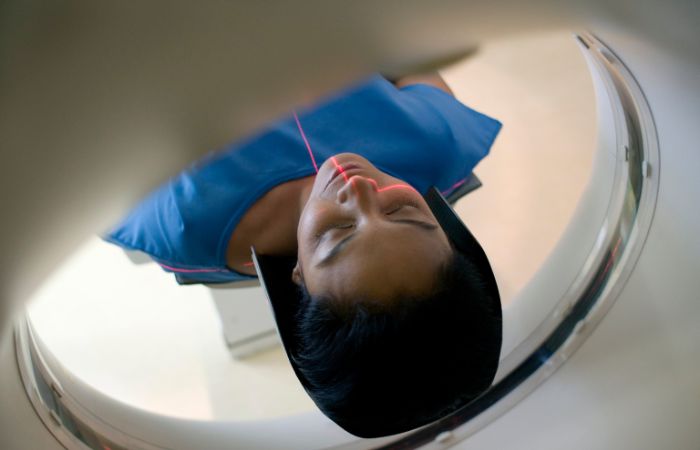
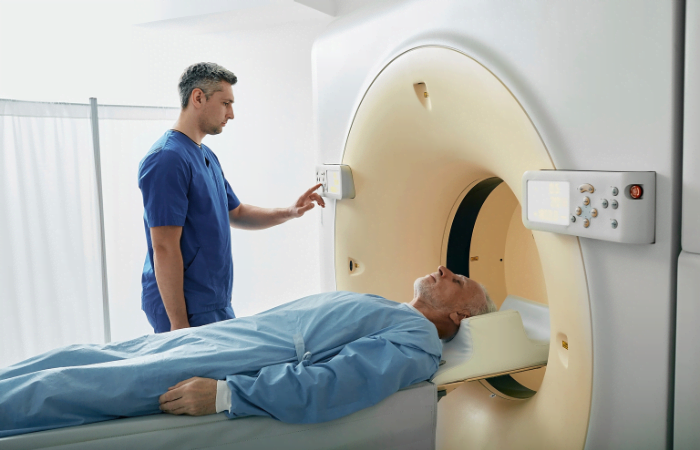
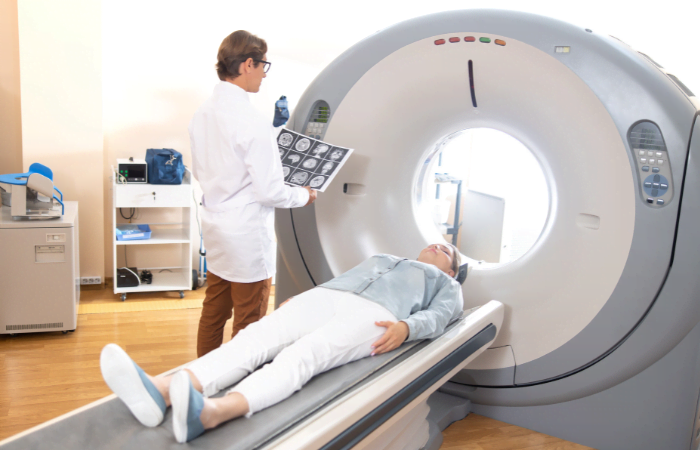
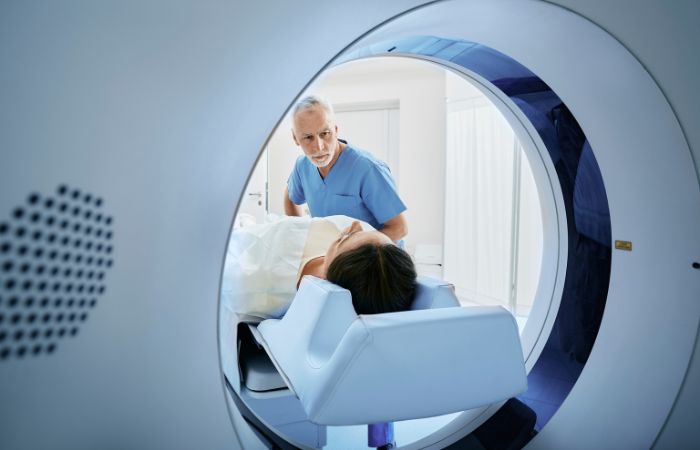
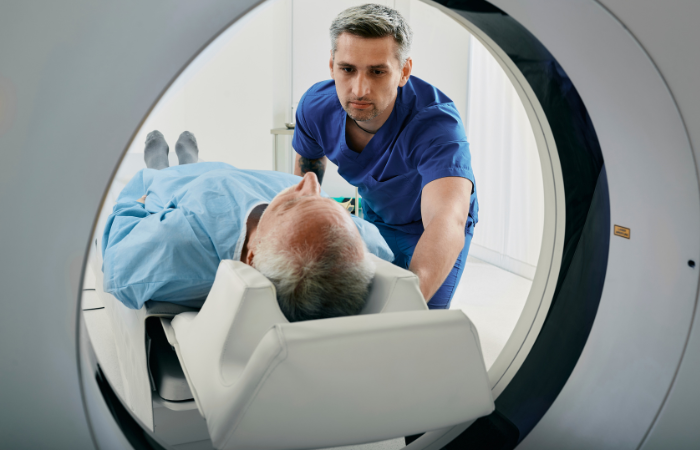
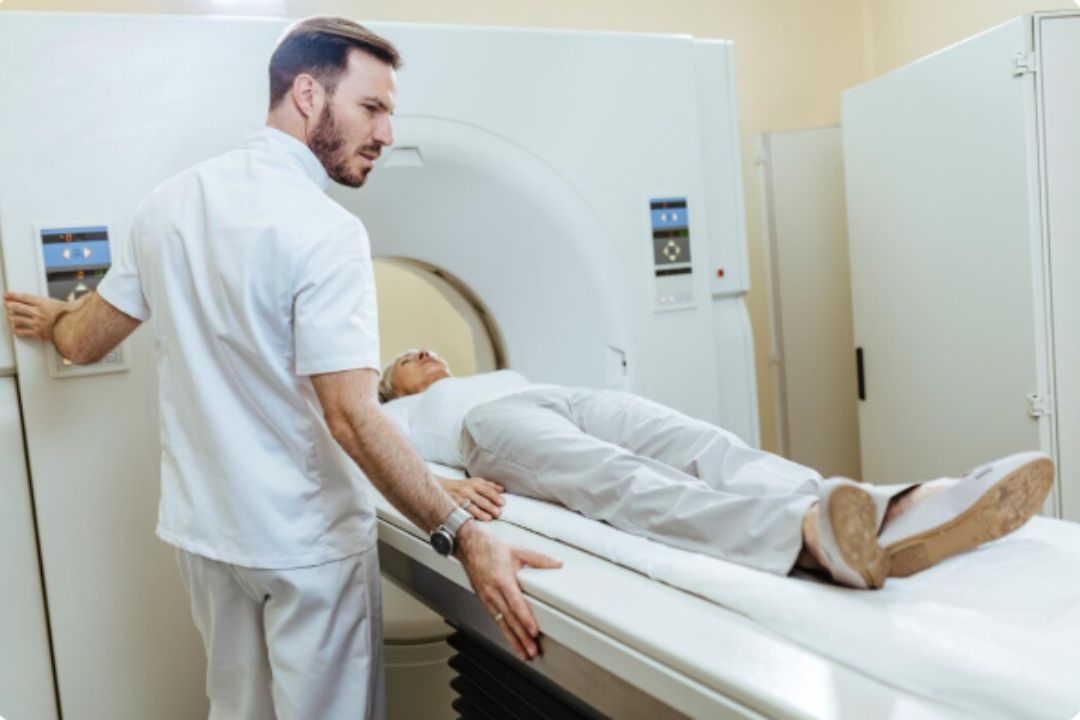
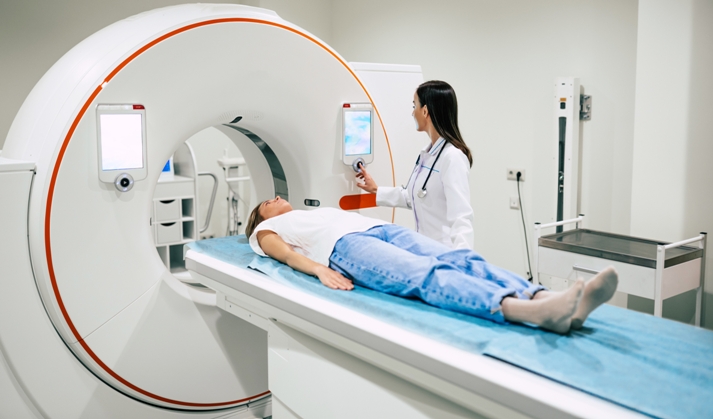
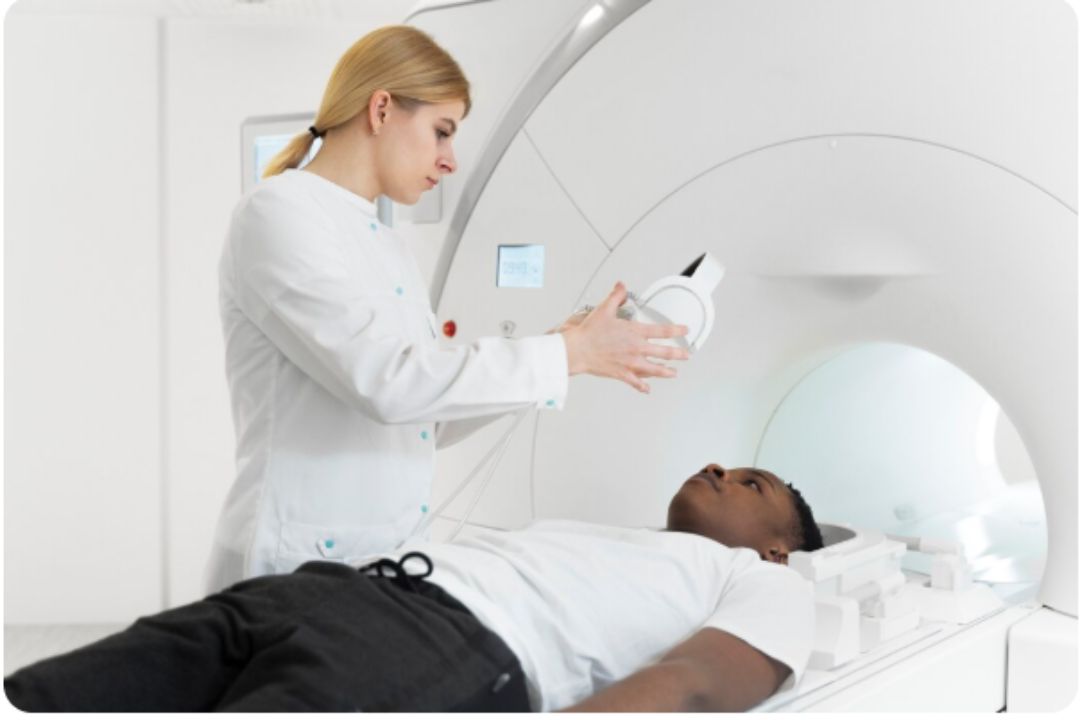
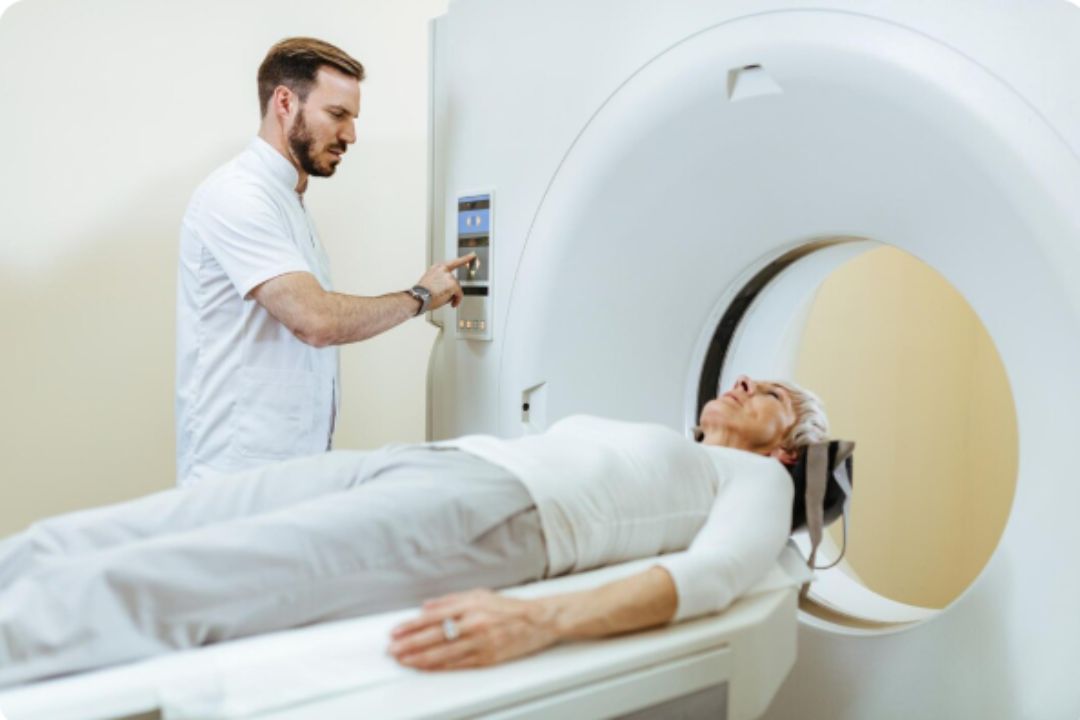
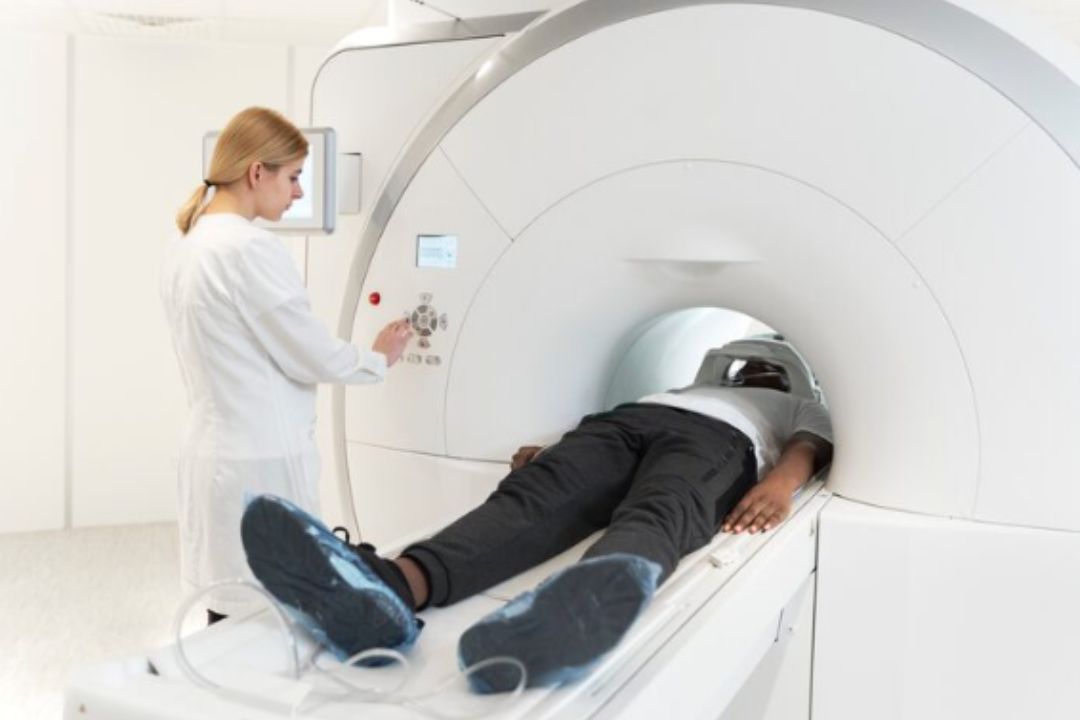
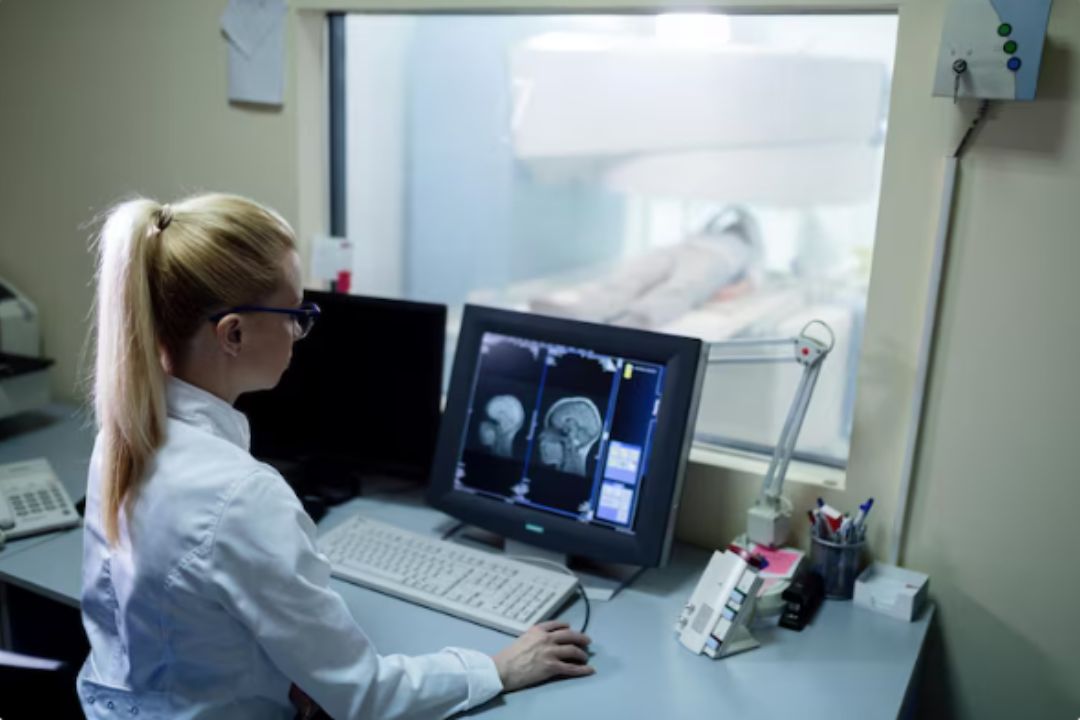
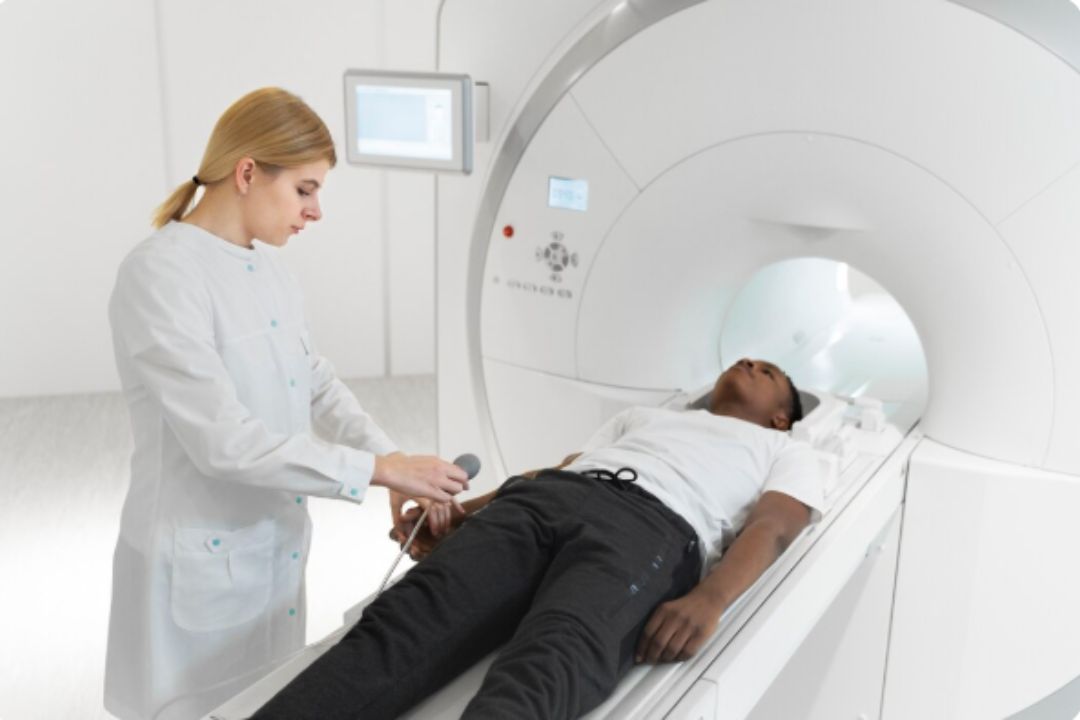
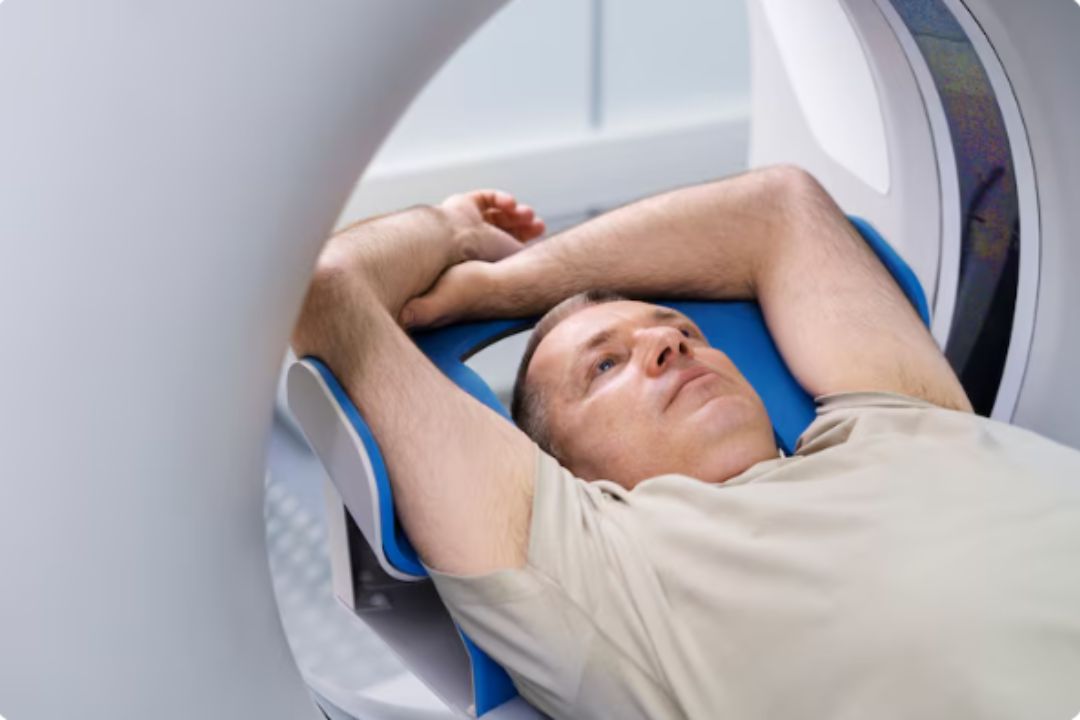
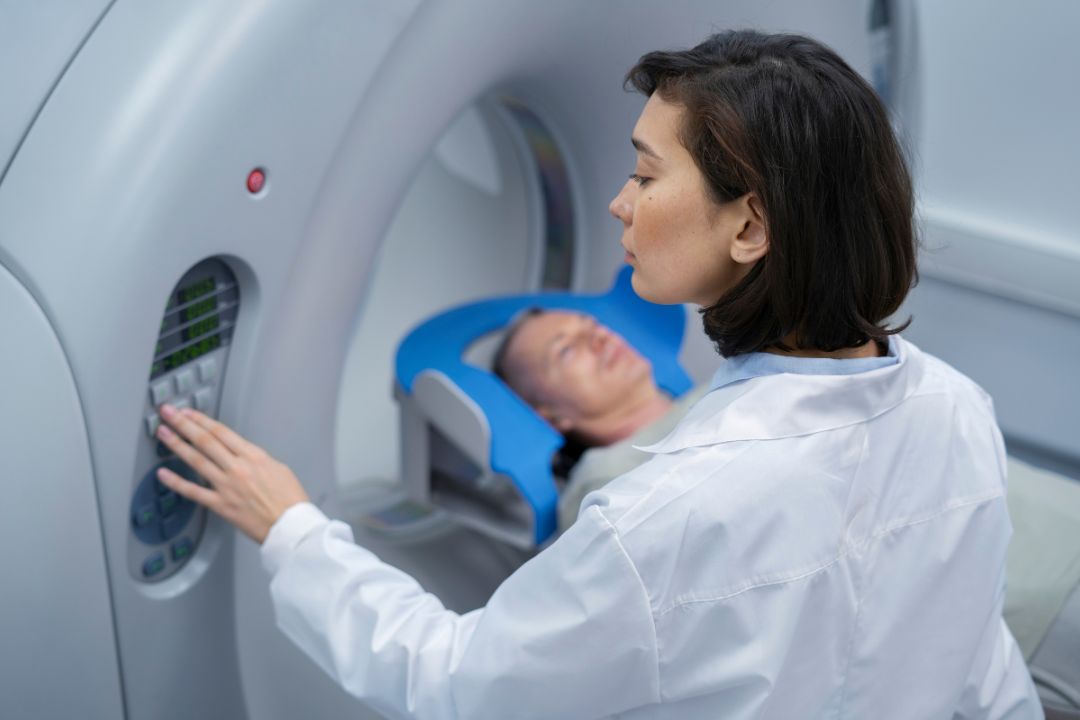
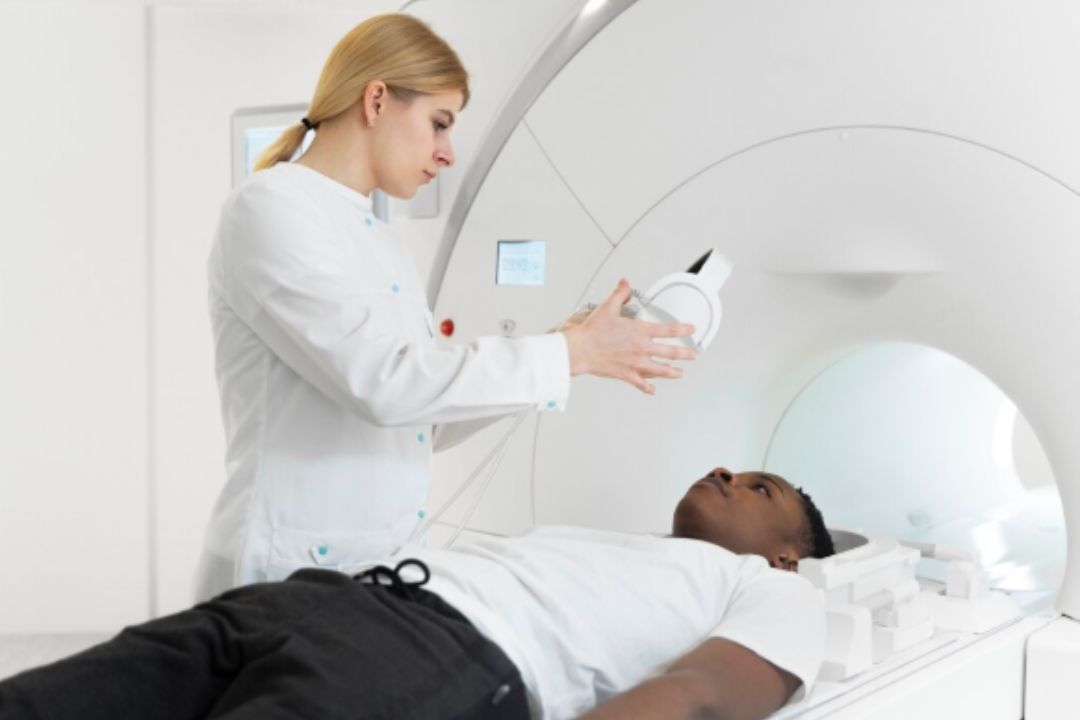
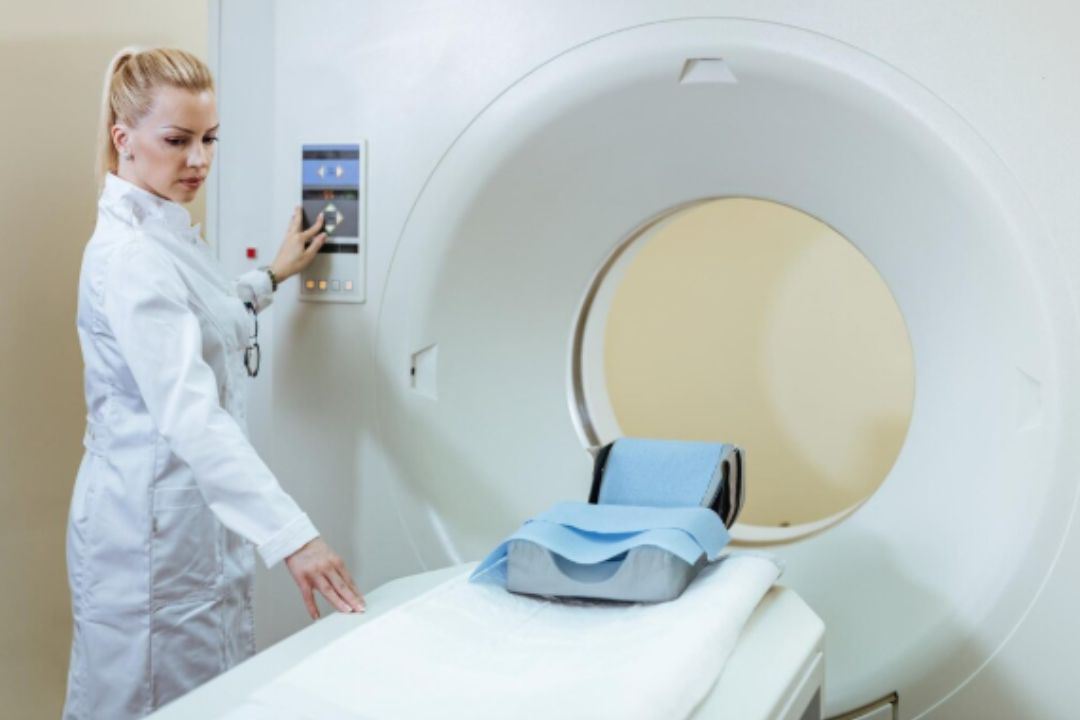
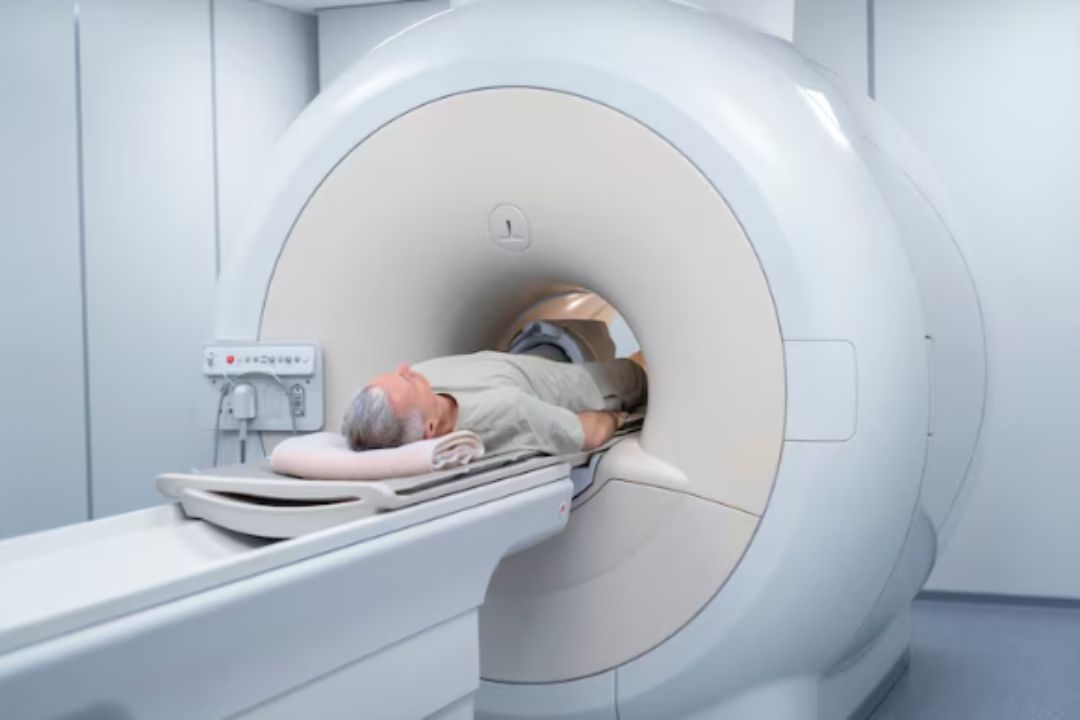
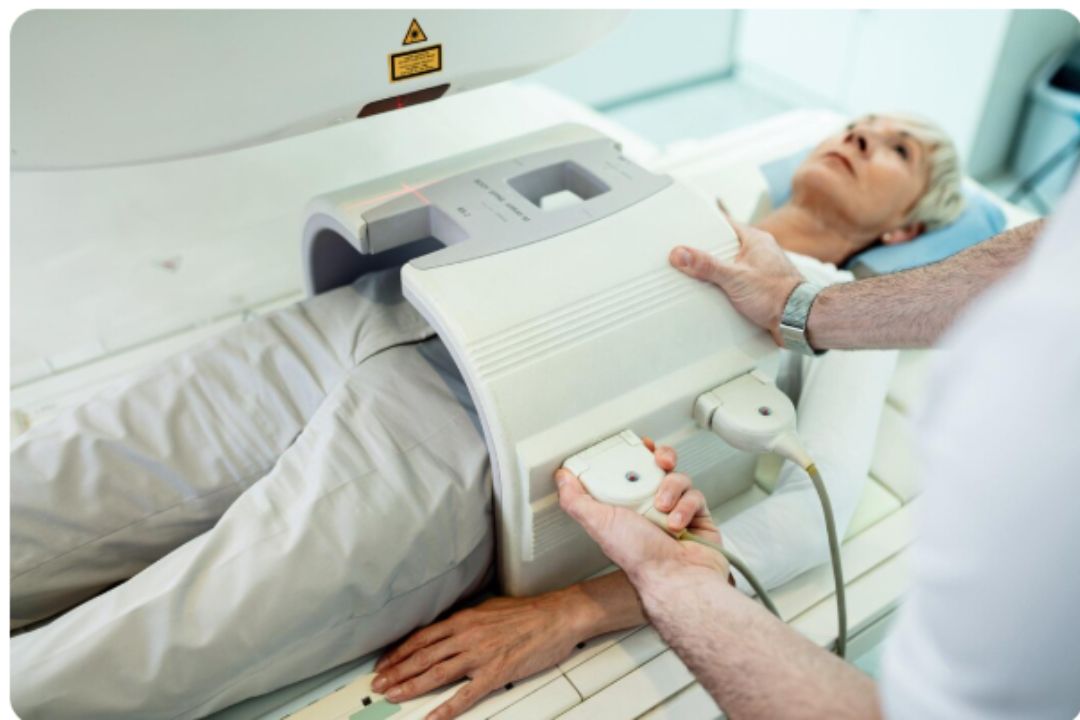
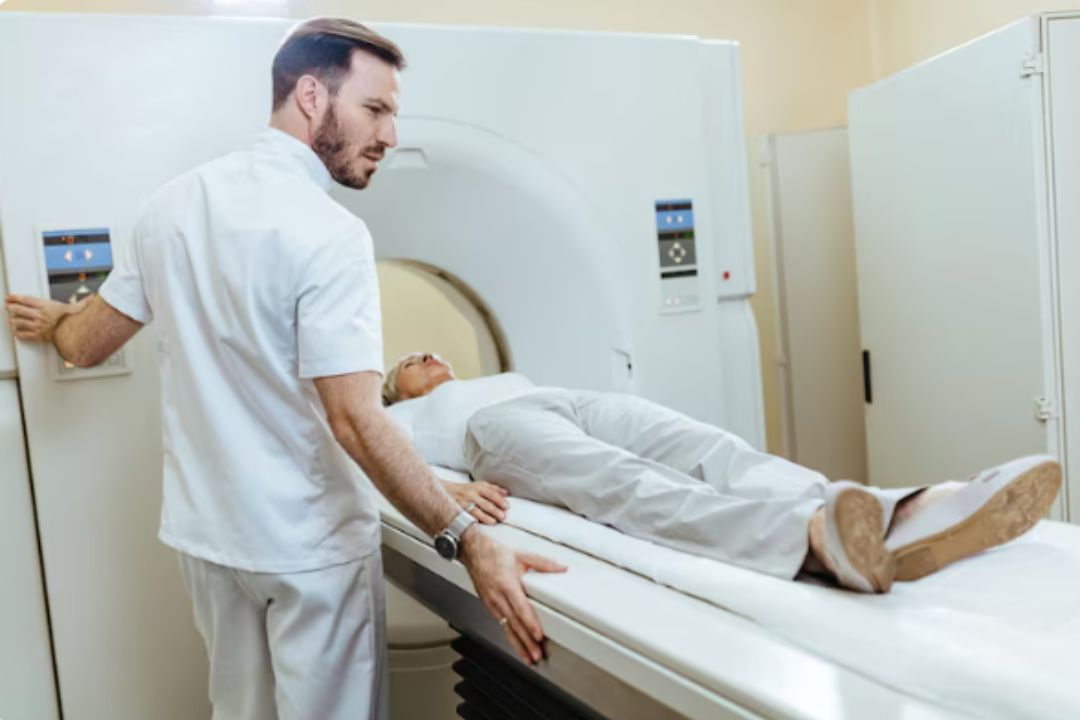
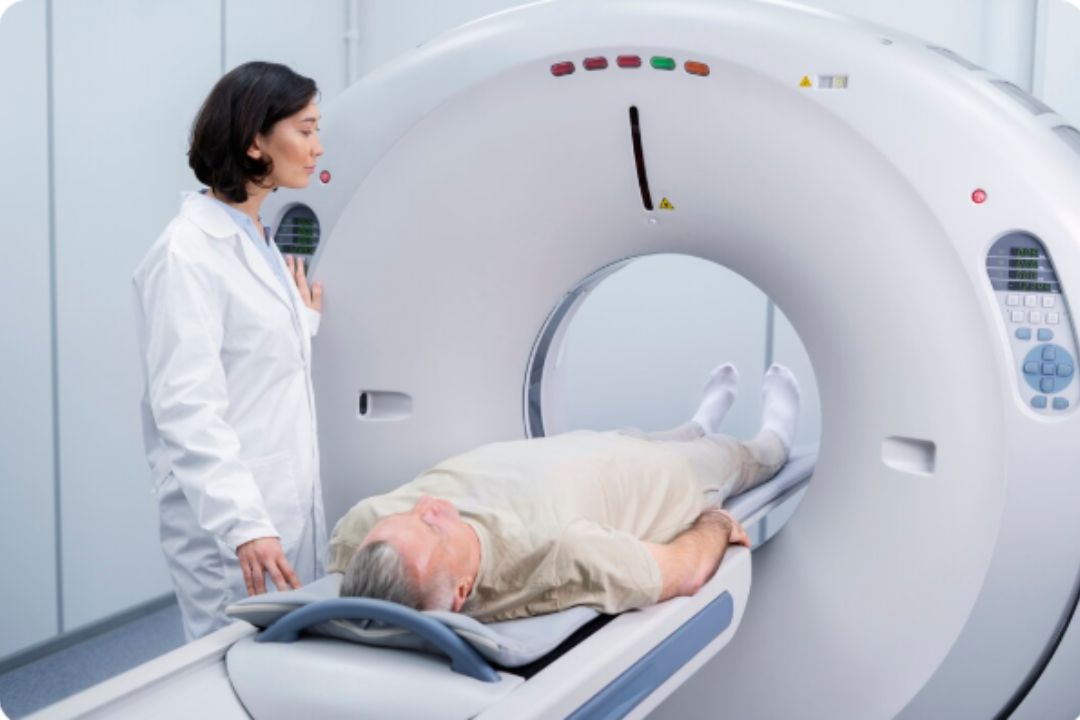
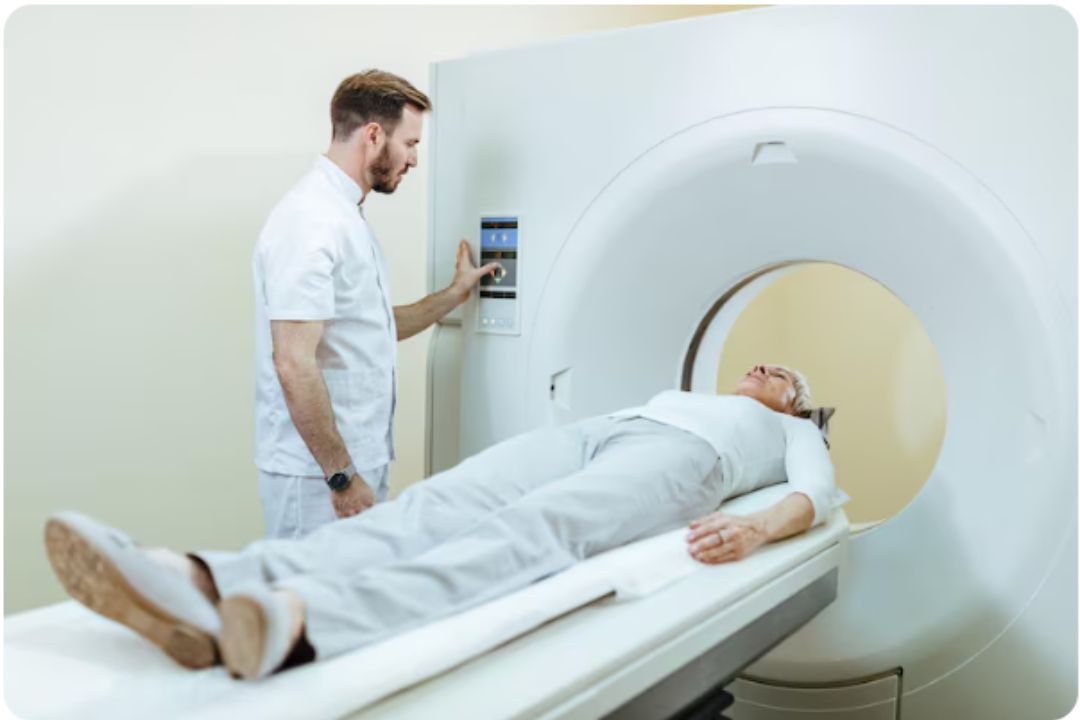
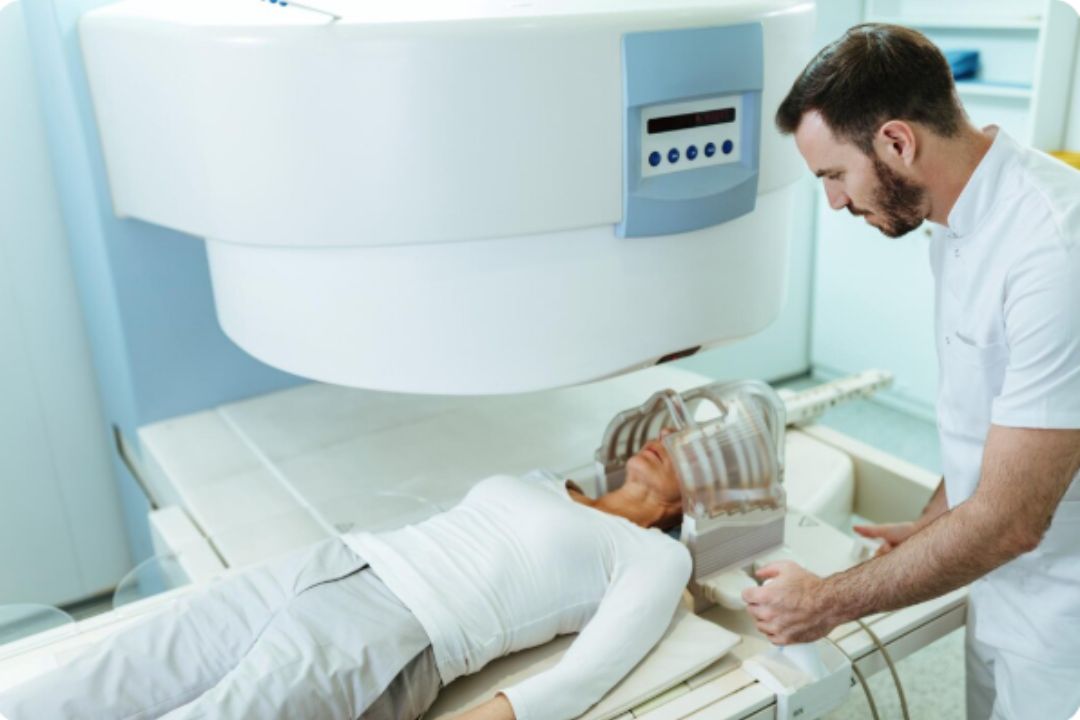
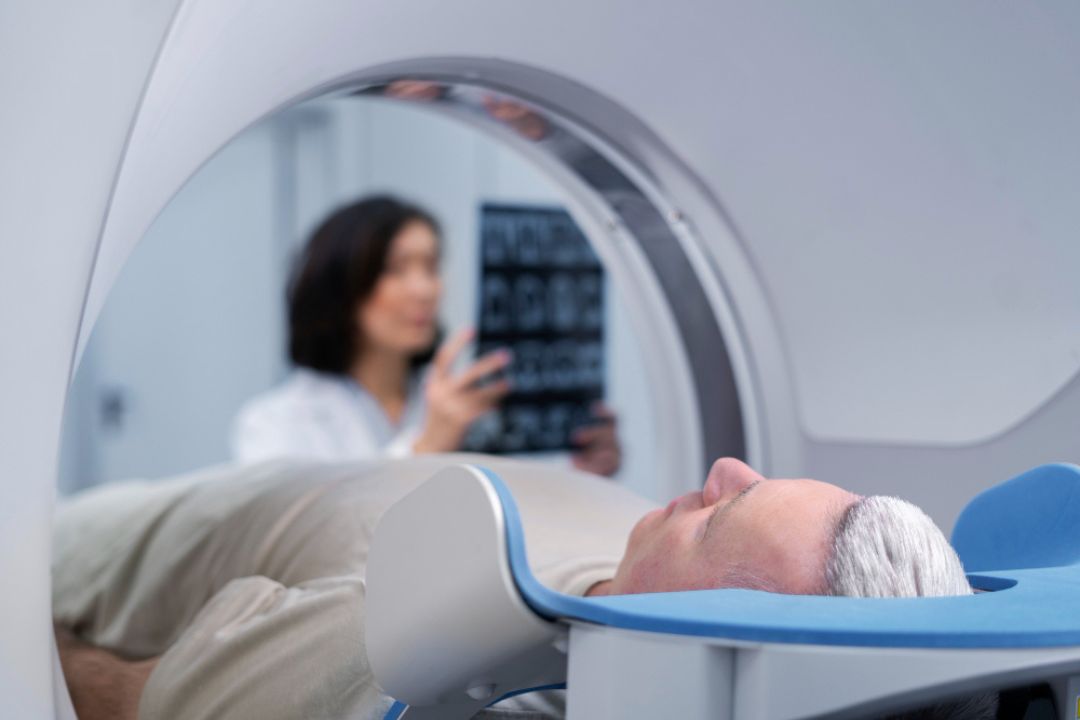
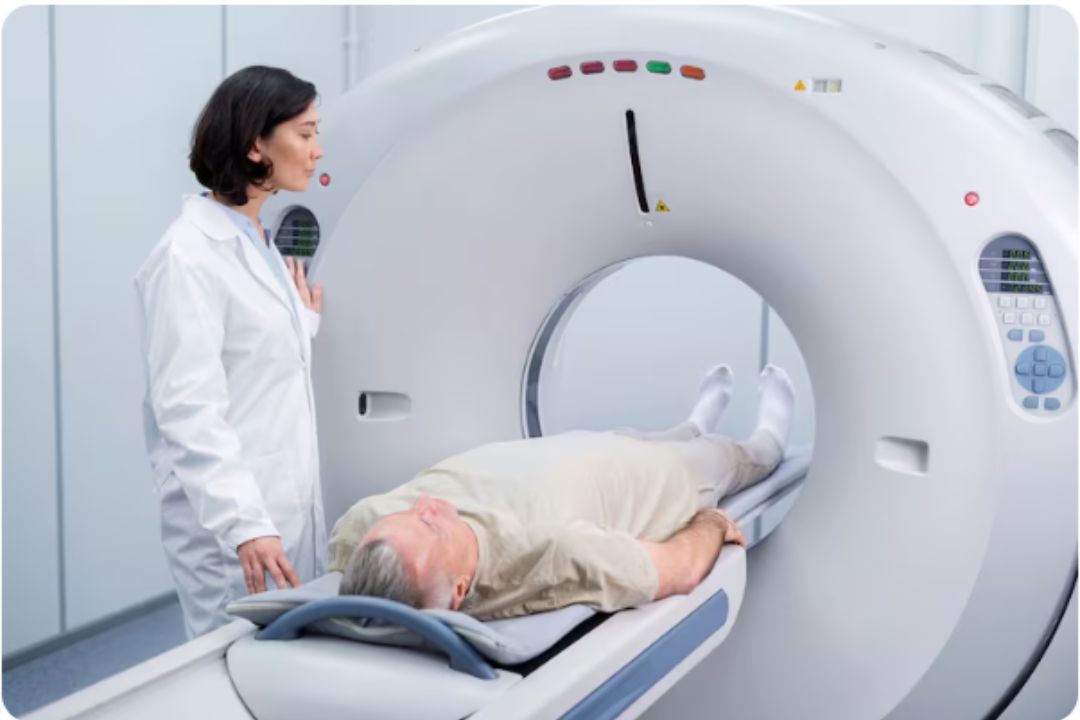
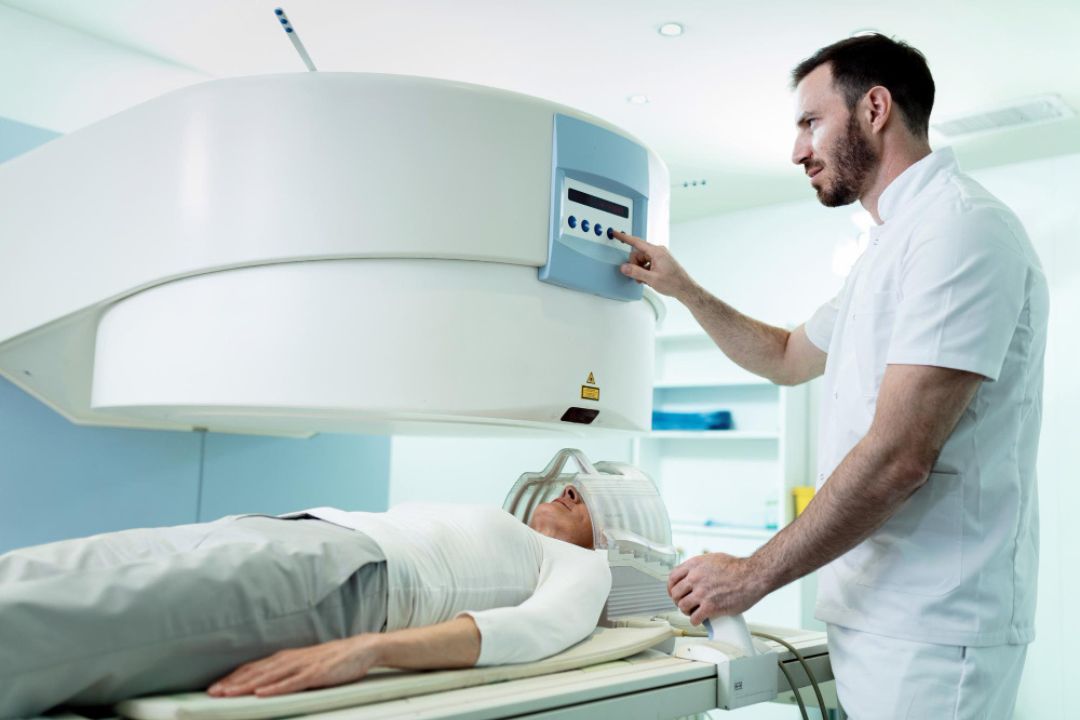
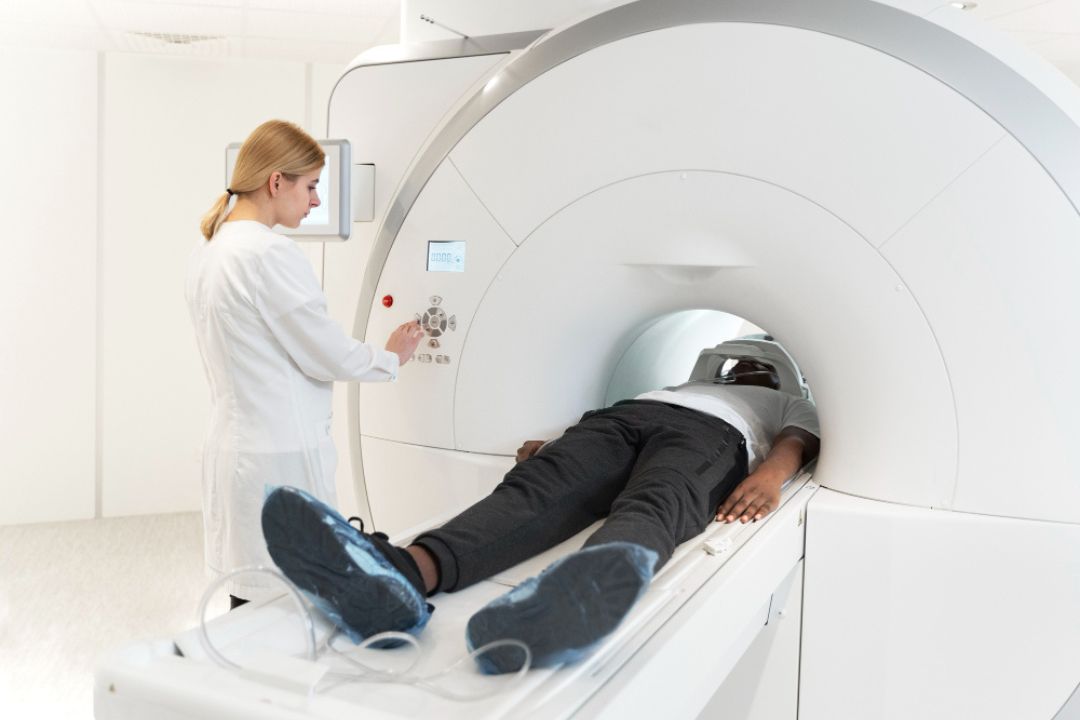
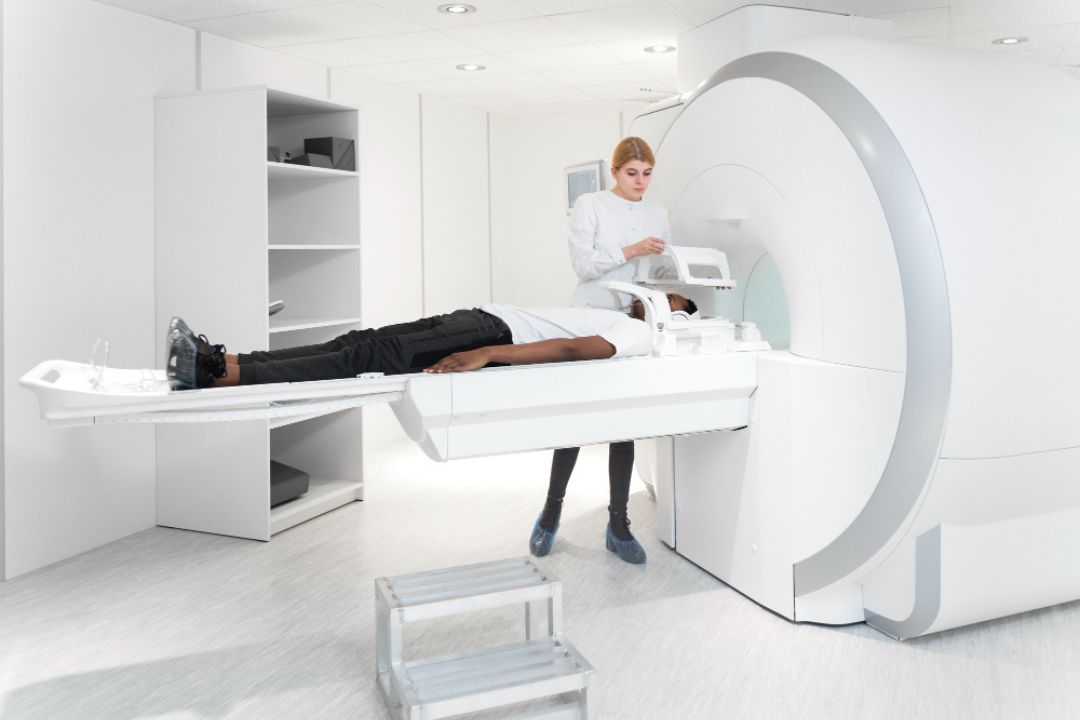
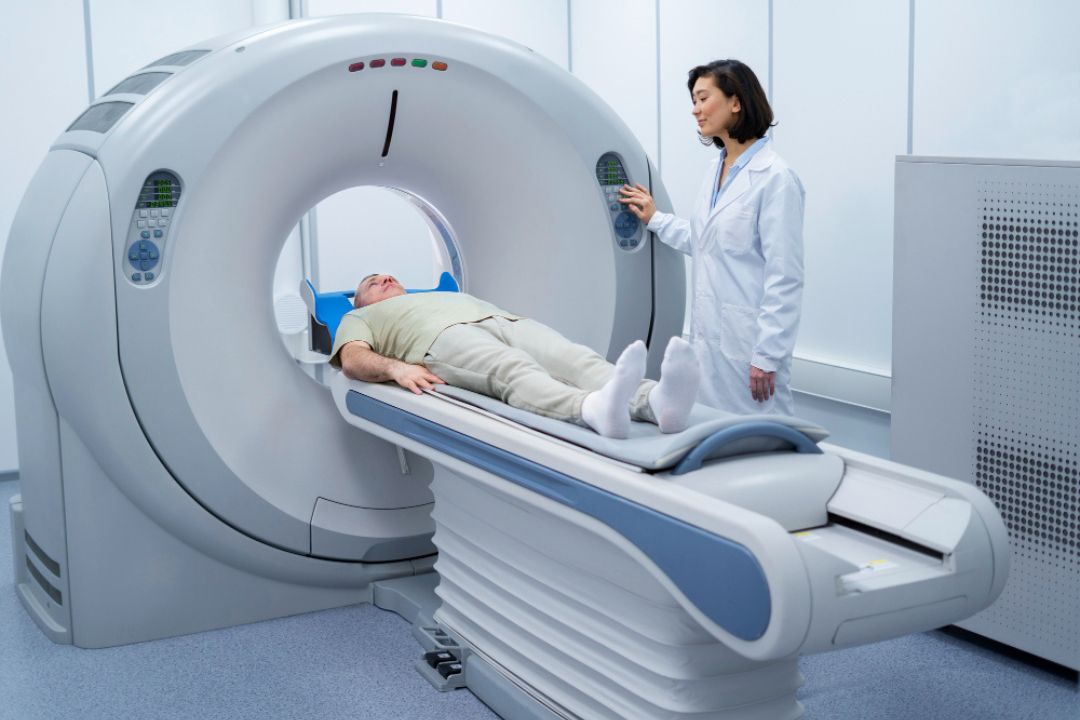
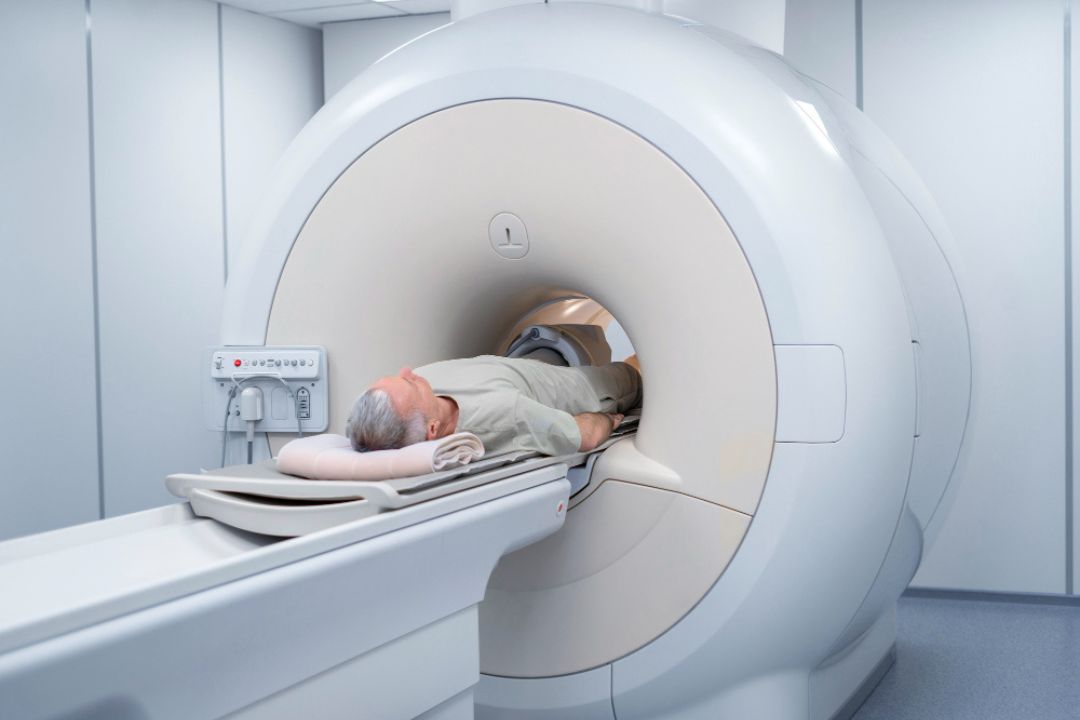
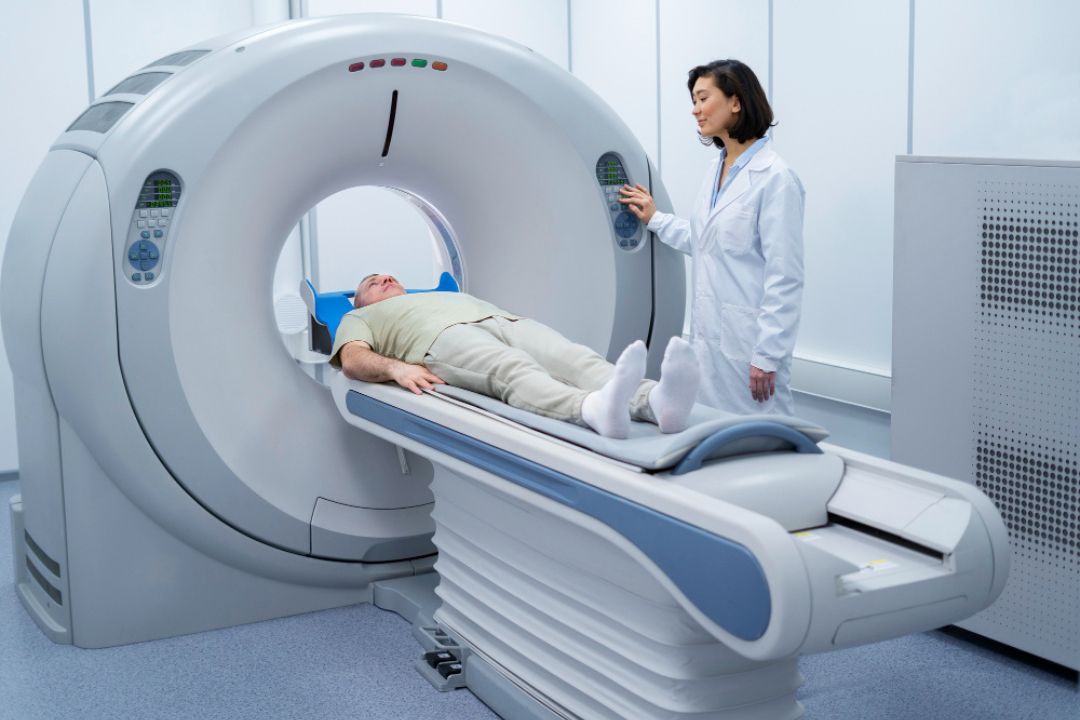
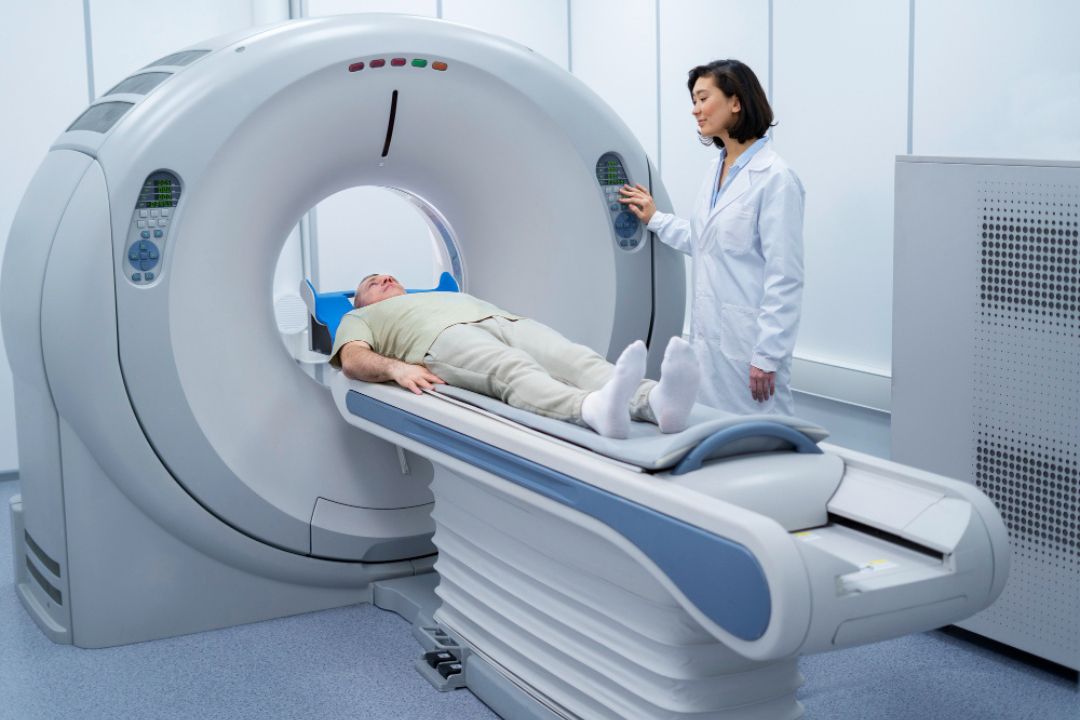
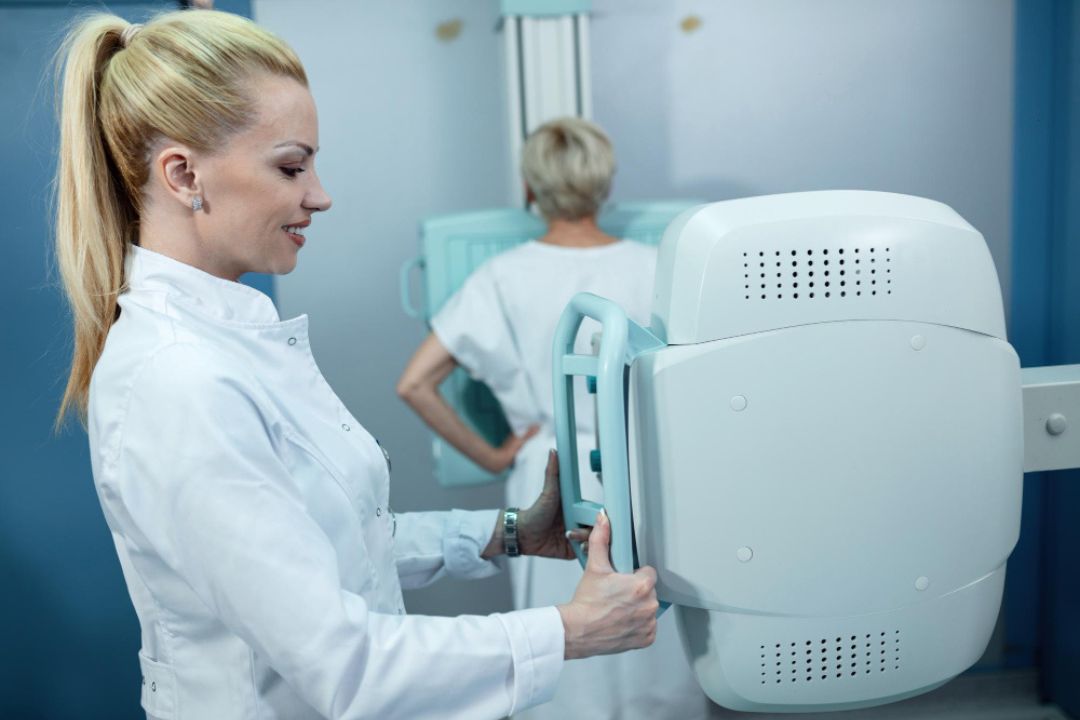
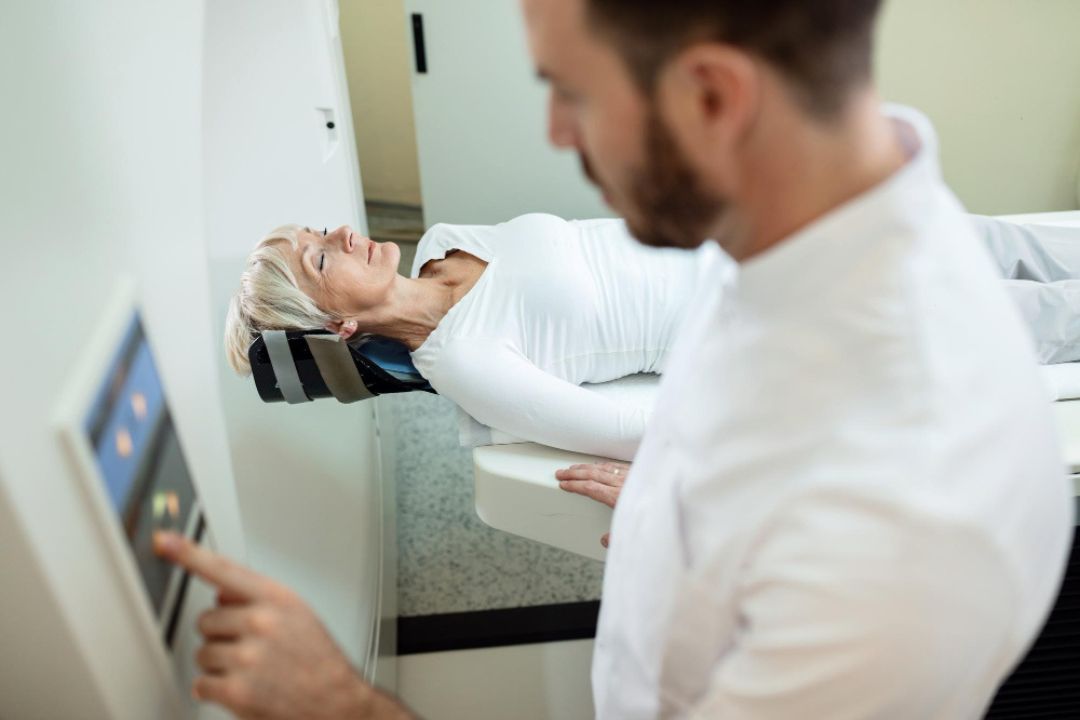
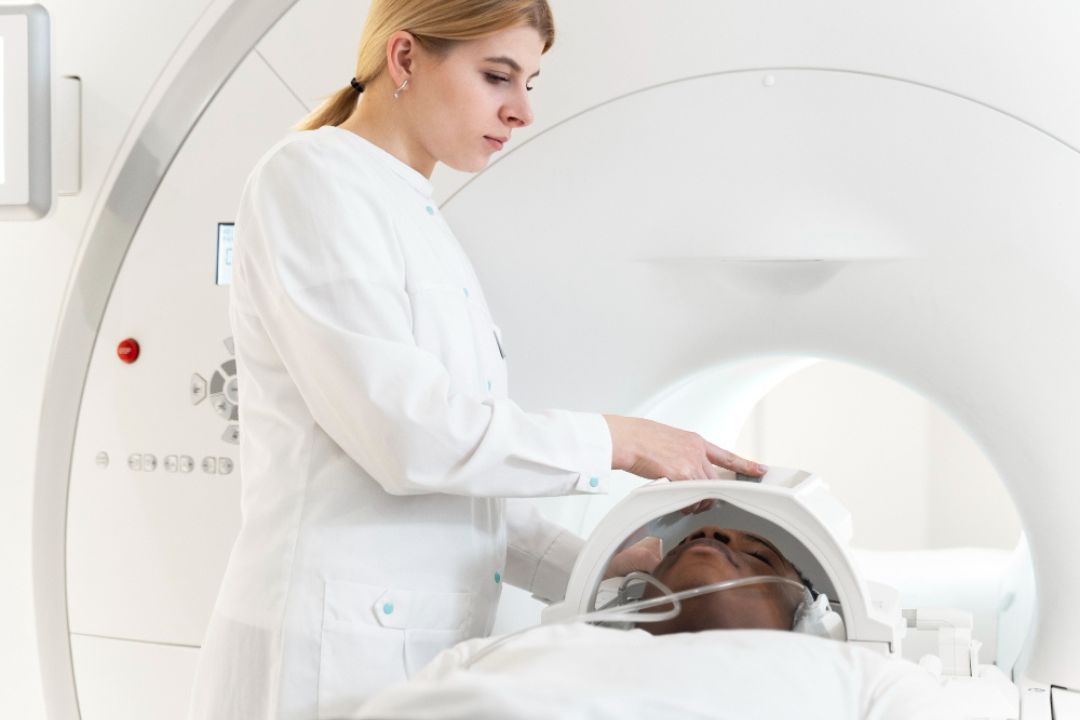
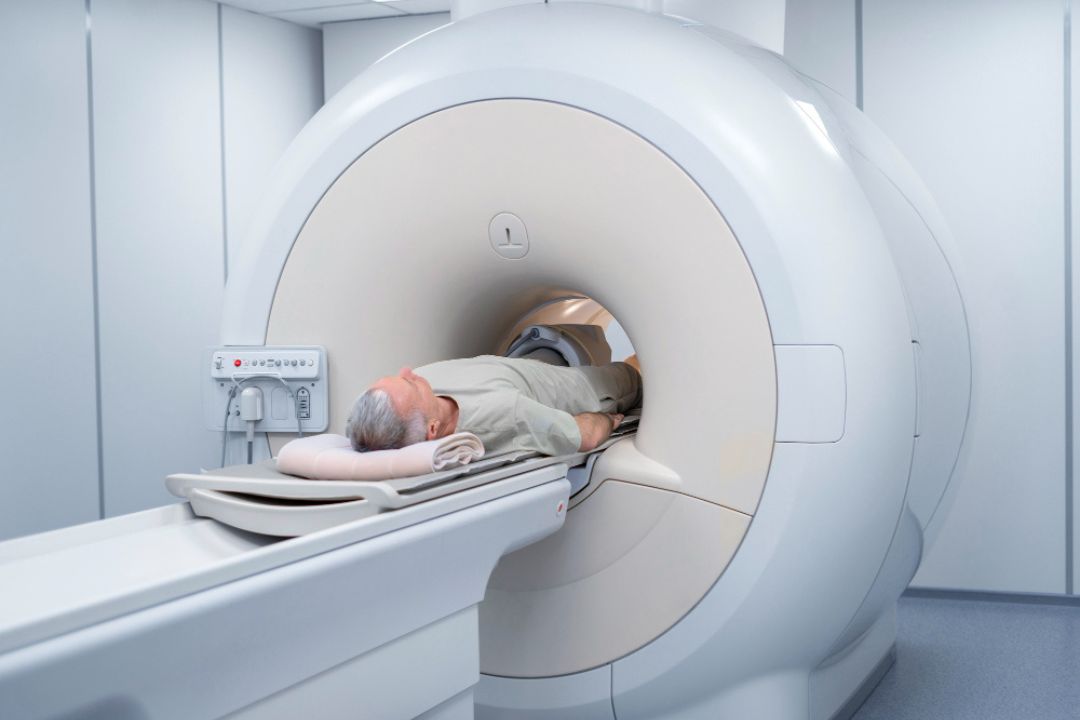
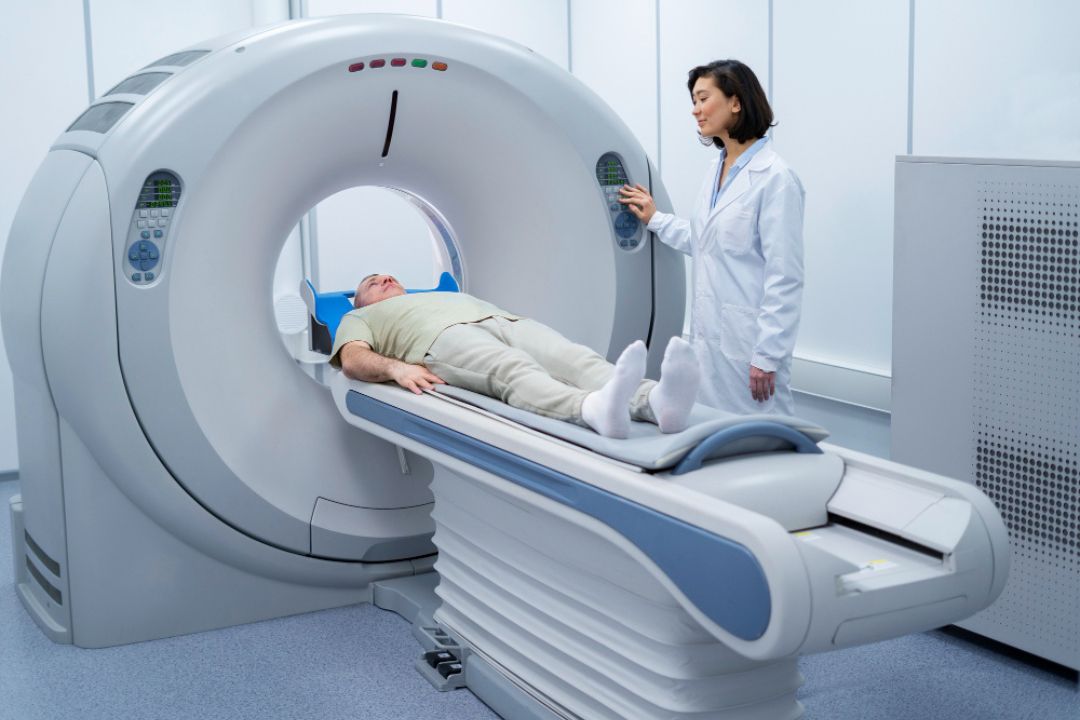
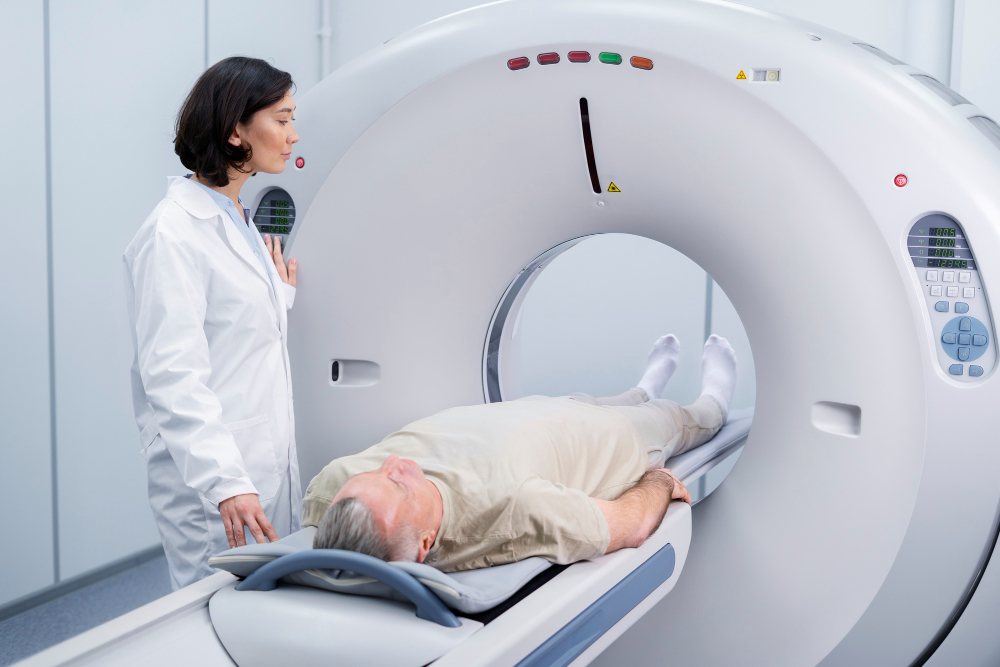
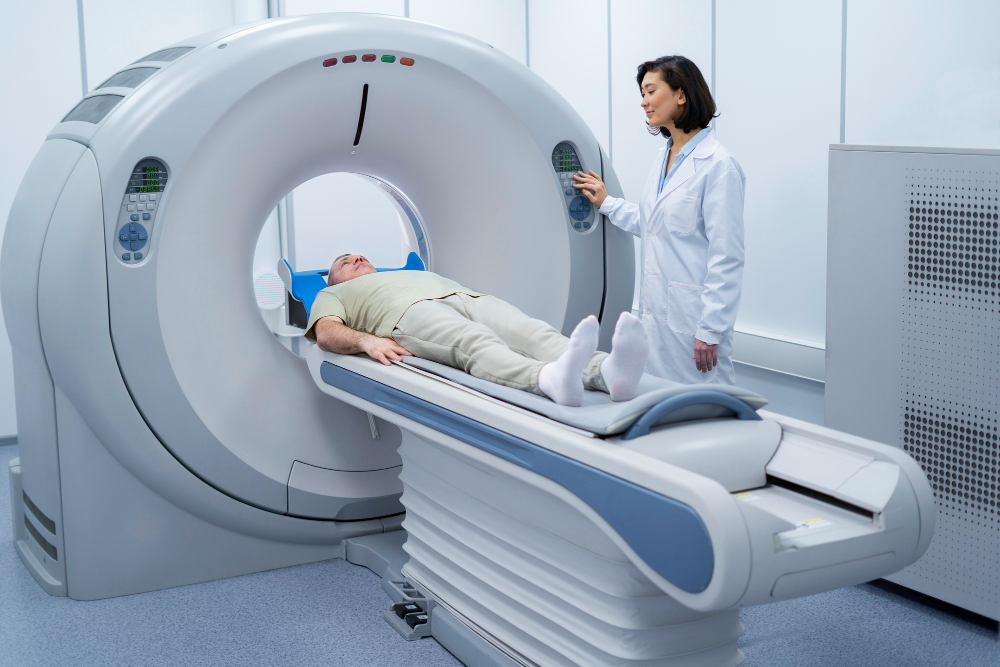
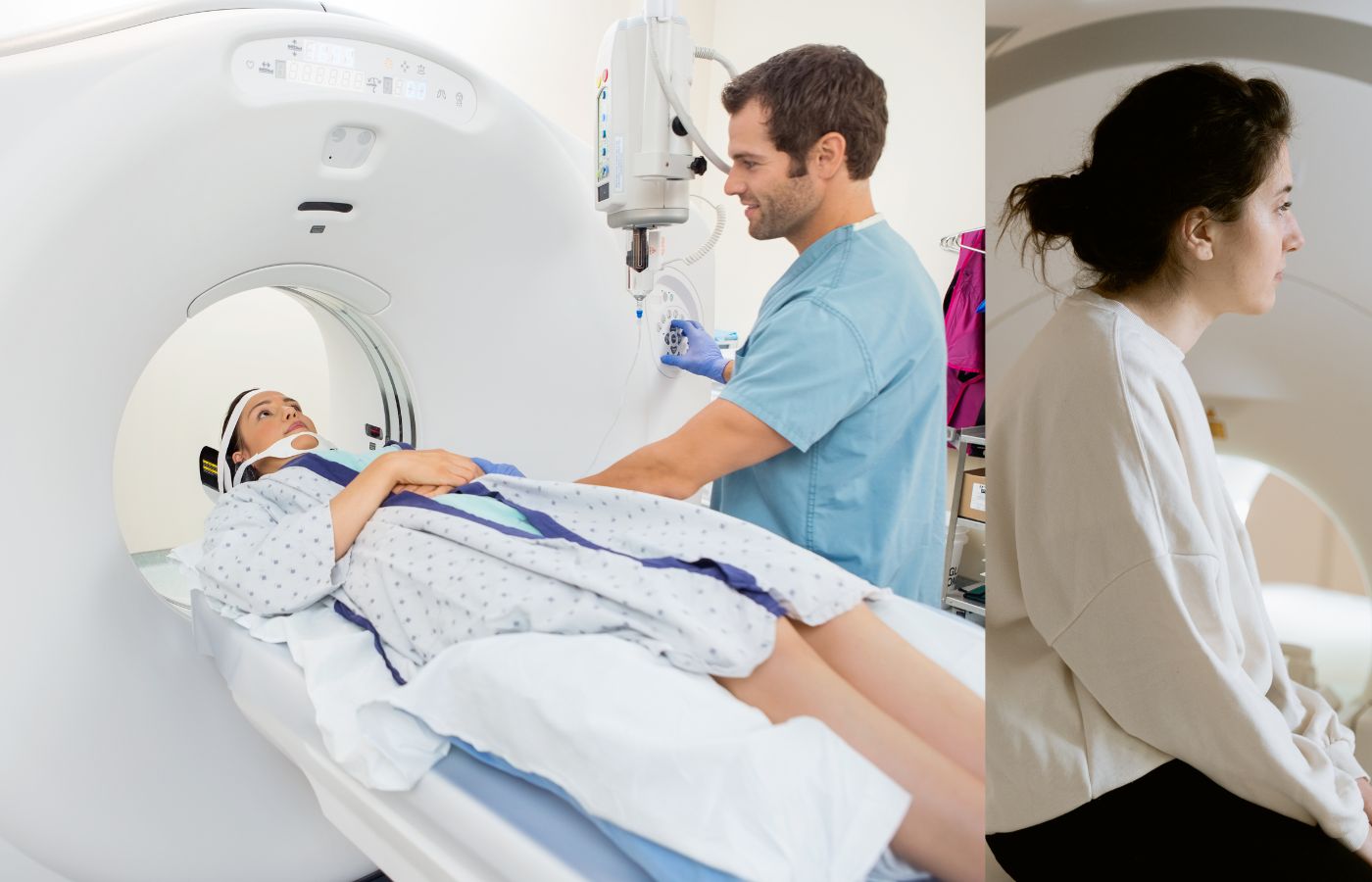
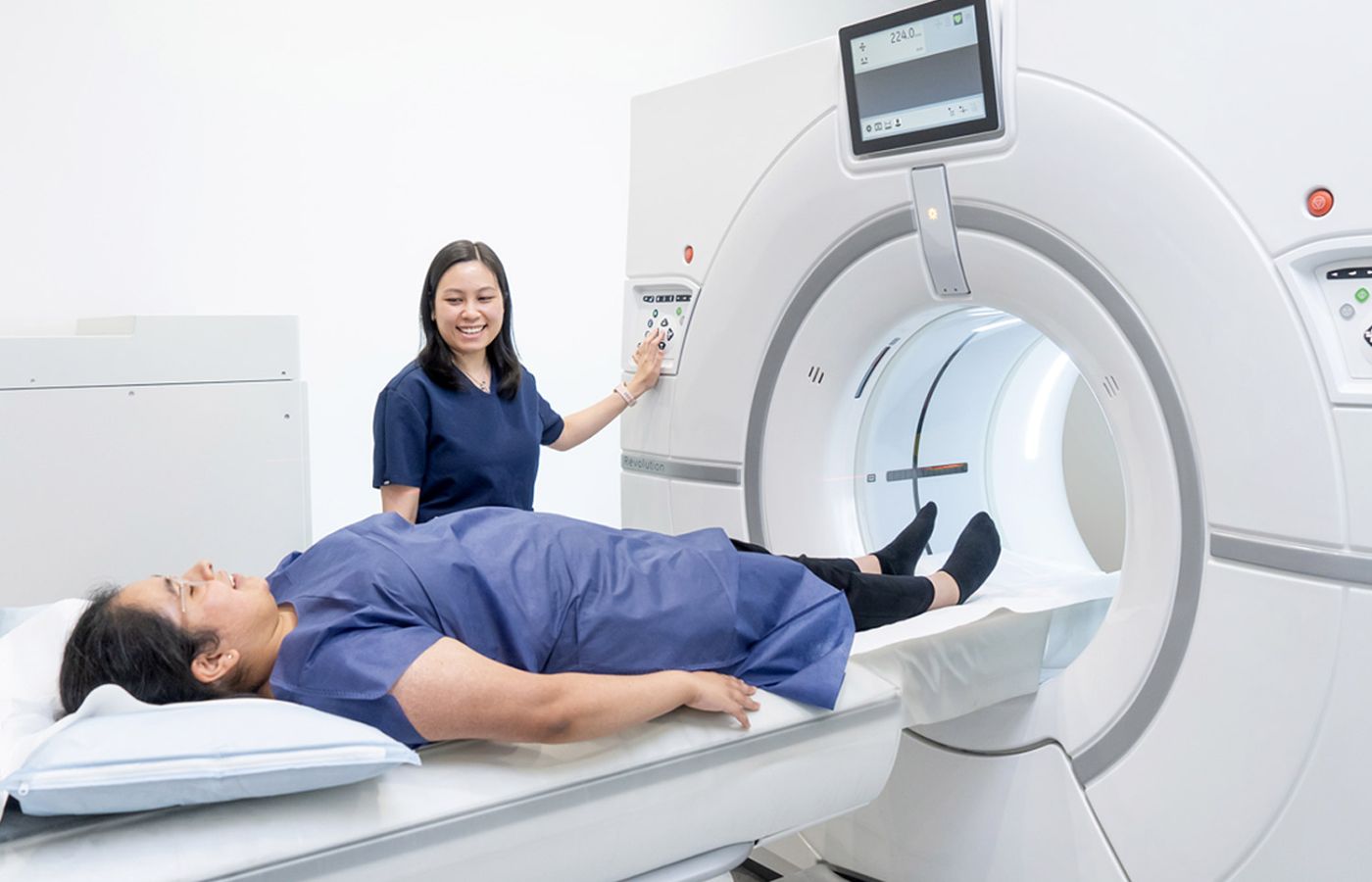
You will lie down on a motorized scanning table that slides into the CT scanner. The technician will help position your body correctly depending on the area being scanned.
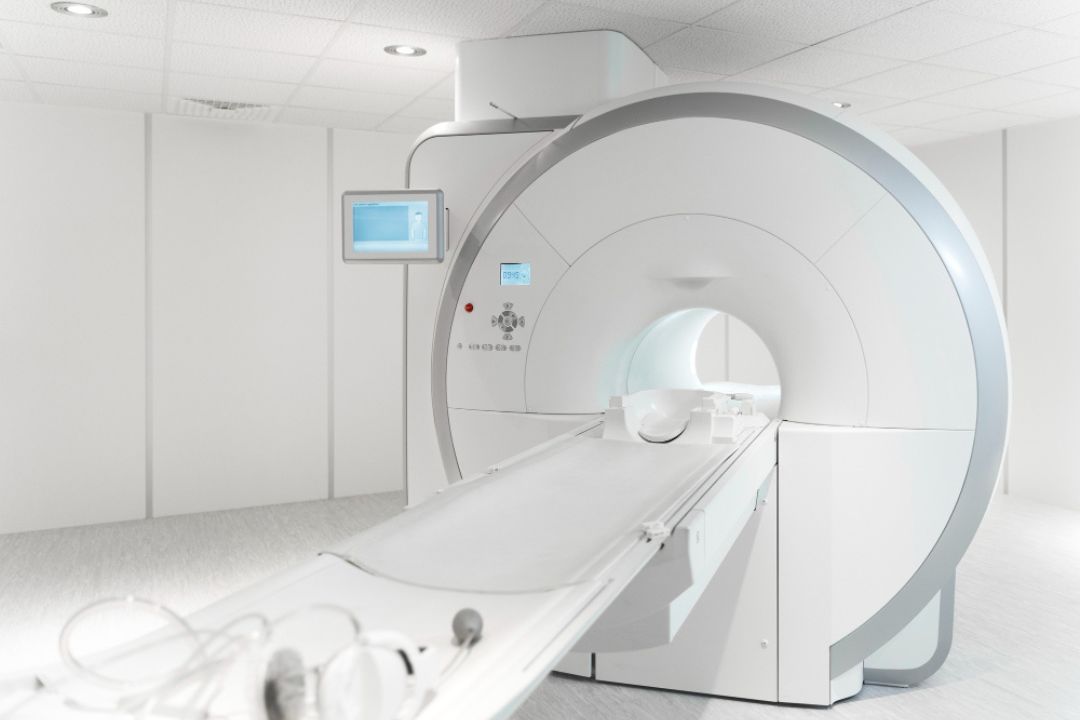
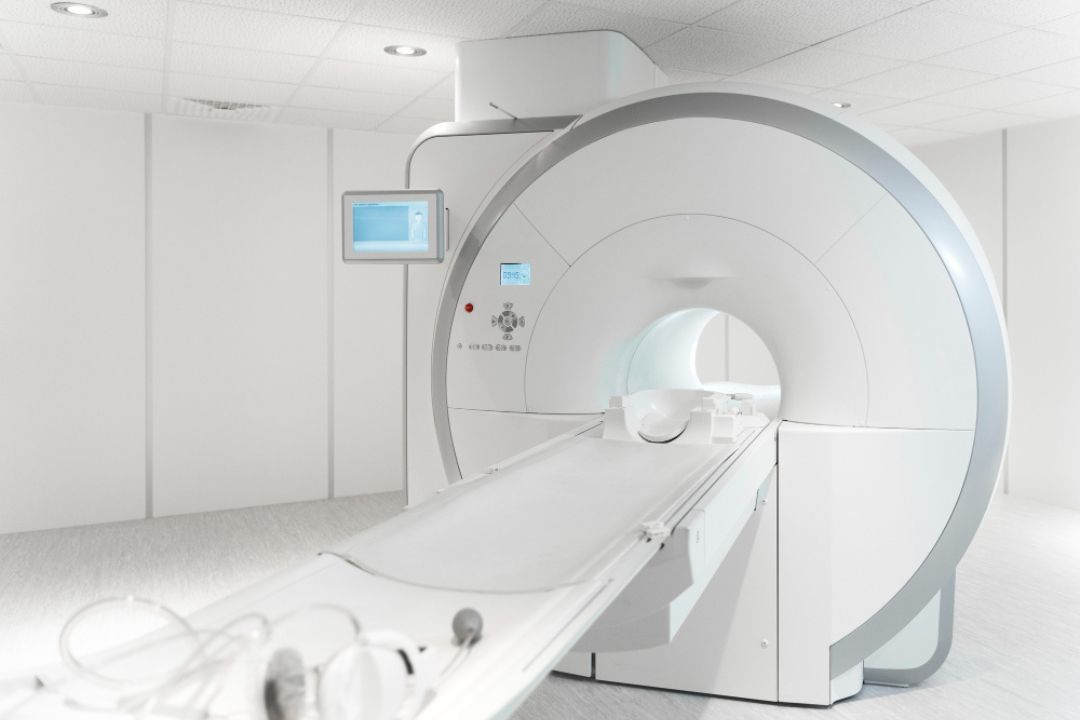
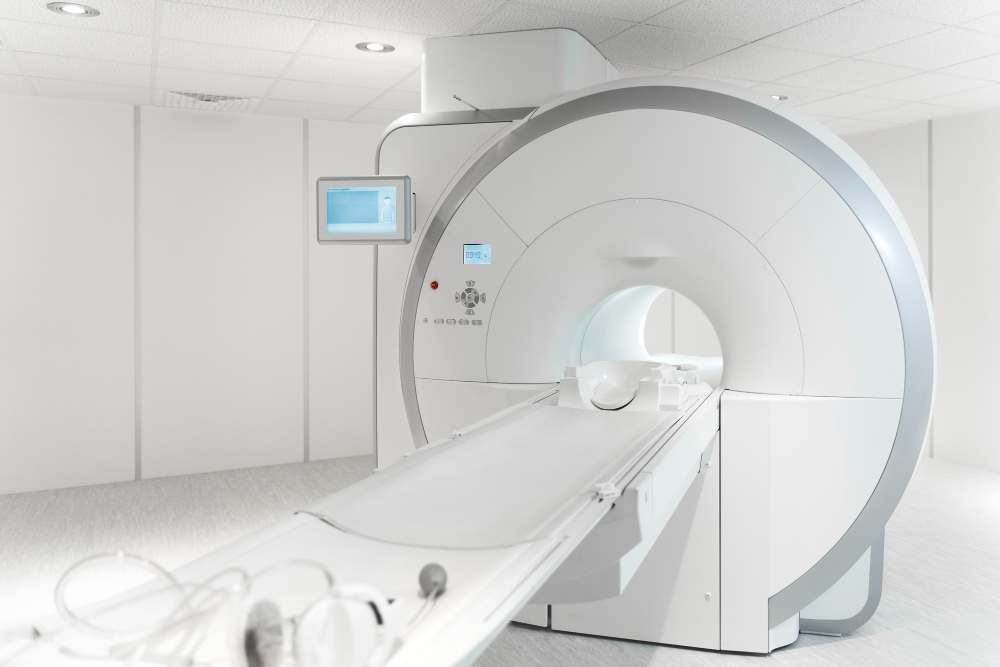
The table moves slowly through the circular opening of the CT scanner. The machine rotates around your body to capture multiple images from different angles.
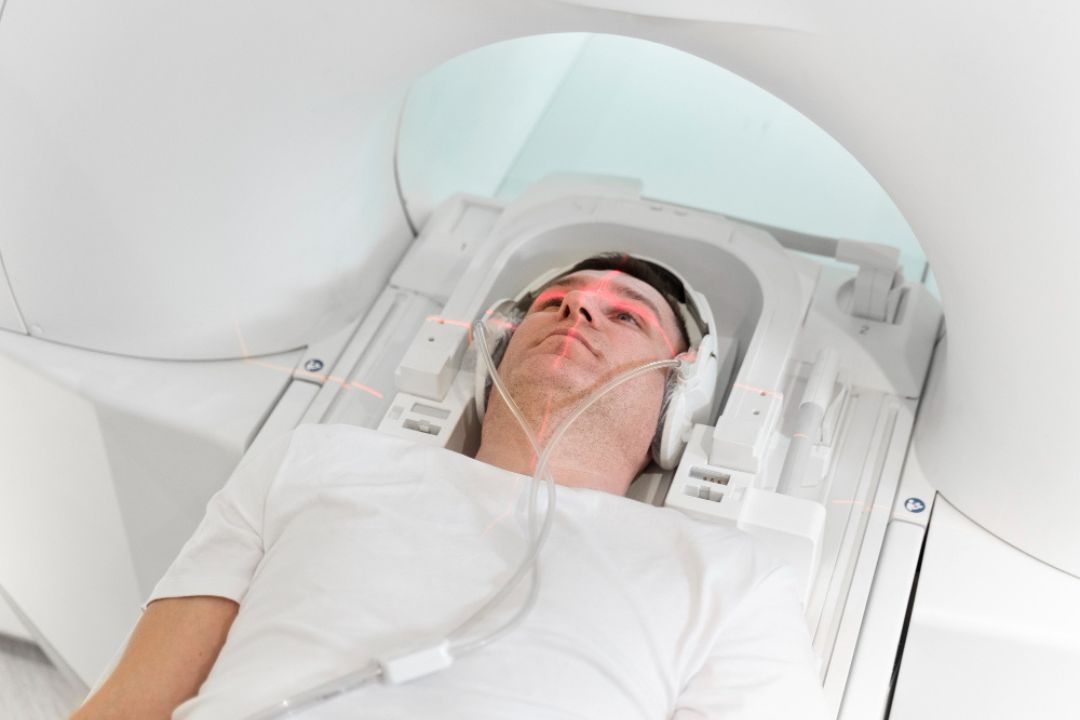
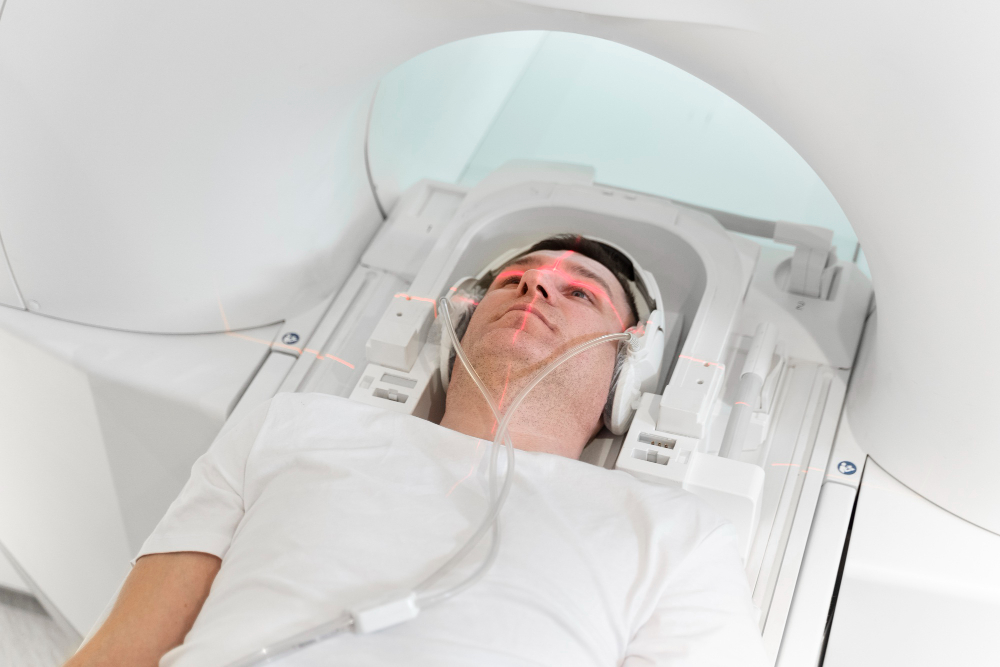
During the scan, you will need to remain still for a few seconds at a time to ensure clear images. In some cases, you may be asked to hold your breath briefly.
For certain scans, a contrast dye may be injected into a vein or given orally to improve the visibility of blood vessels and organs. Some people may feel a warm sensation after the injection, which usually disappears quickly.
A CT Scan is generally a quick and painless procedure. The entire process usually takes 10 to 30 minutes, depending on the type of scan and whether contrast dye is used.
The actual imaging part often takes only a few minutes.
No, a CT scan is not painful. The procedure is non-invasive and most patients experience little to no discomfort.
If contrast dye is used, you may feel:
A warm sensation
A metallic taste in the mouth
Mild flushing
These effects are temporary and usually disappear within a few minutes.
Once the scan is complete, you can usually return to your normal activities immediately.
If contrast dye was used, doctors may recommend drinking plenty of water to help flush the dye from your body.
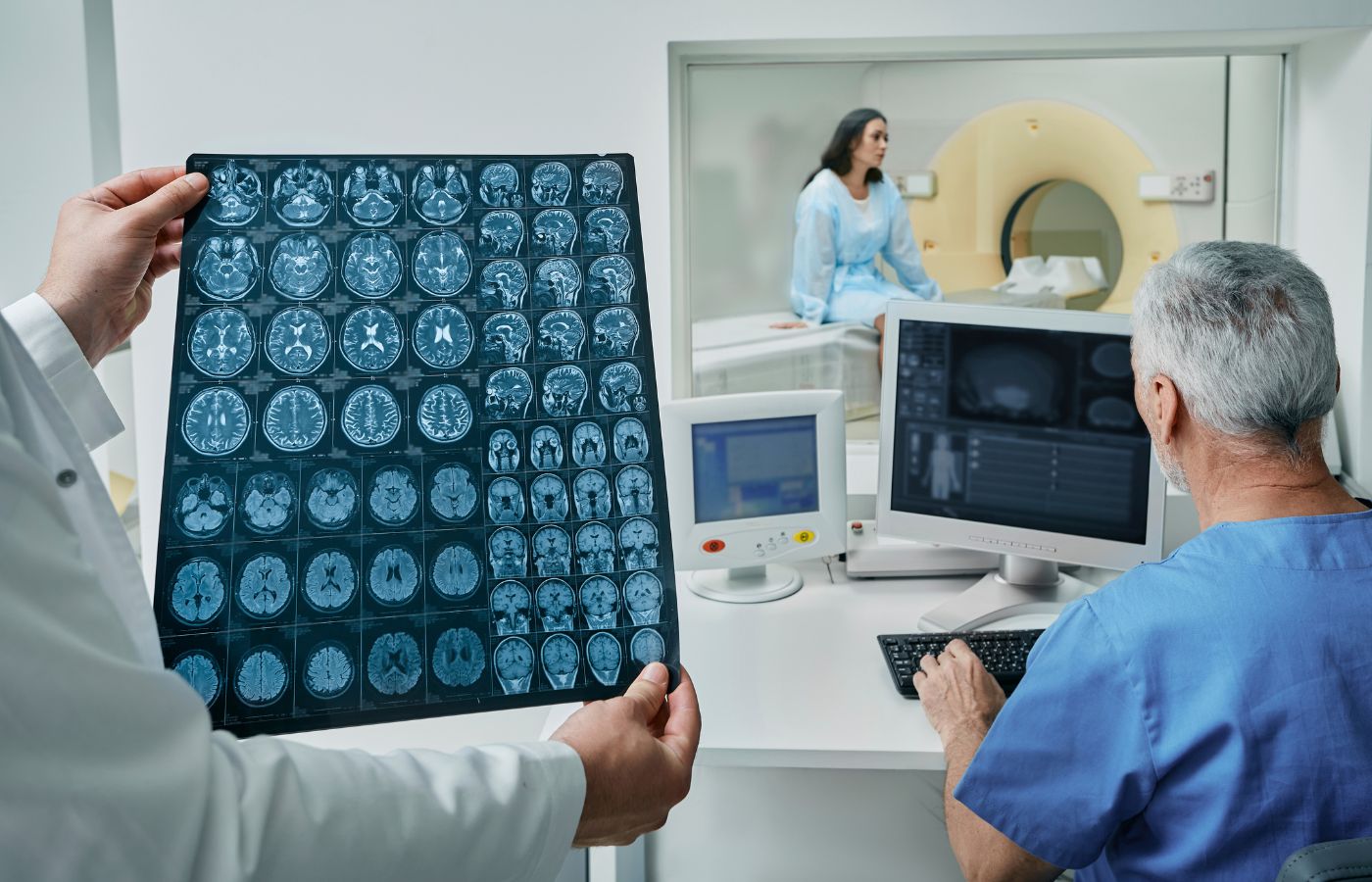
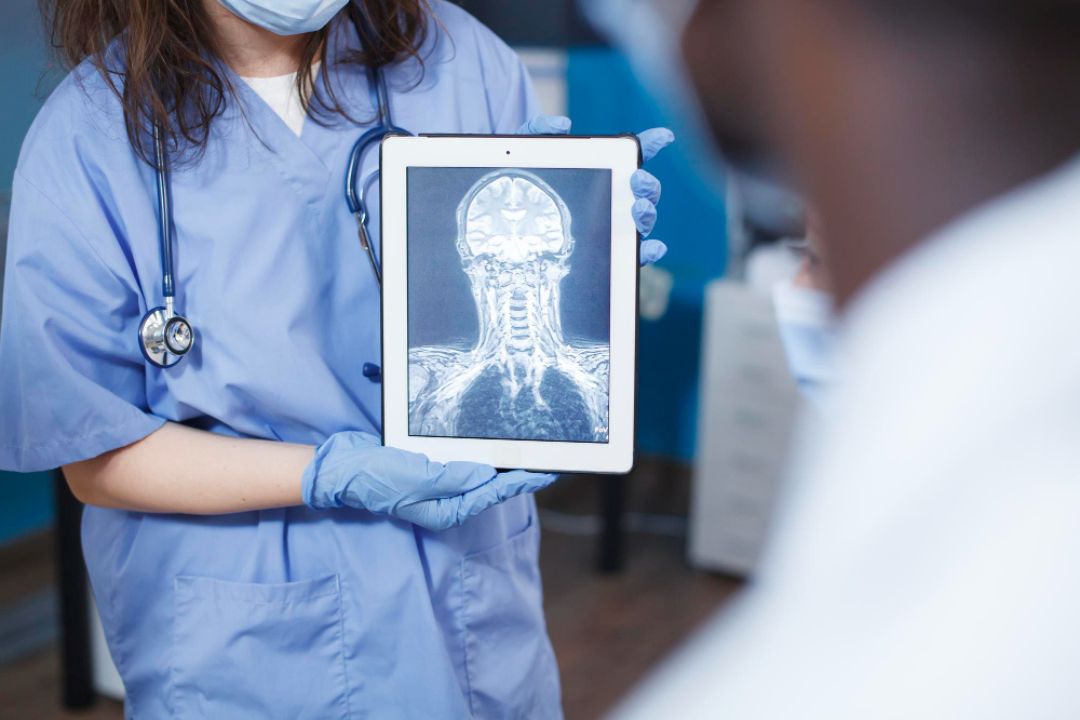
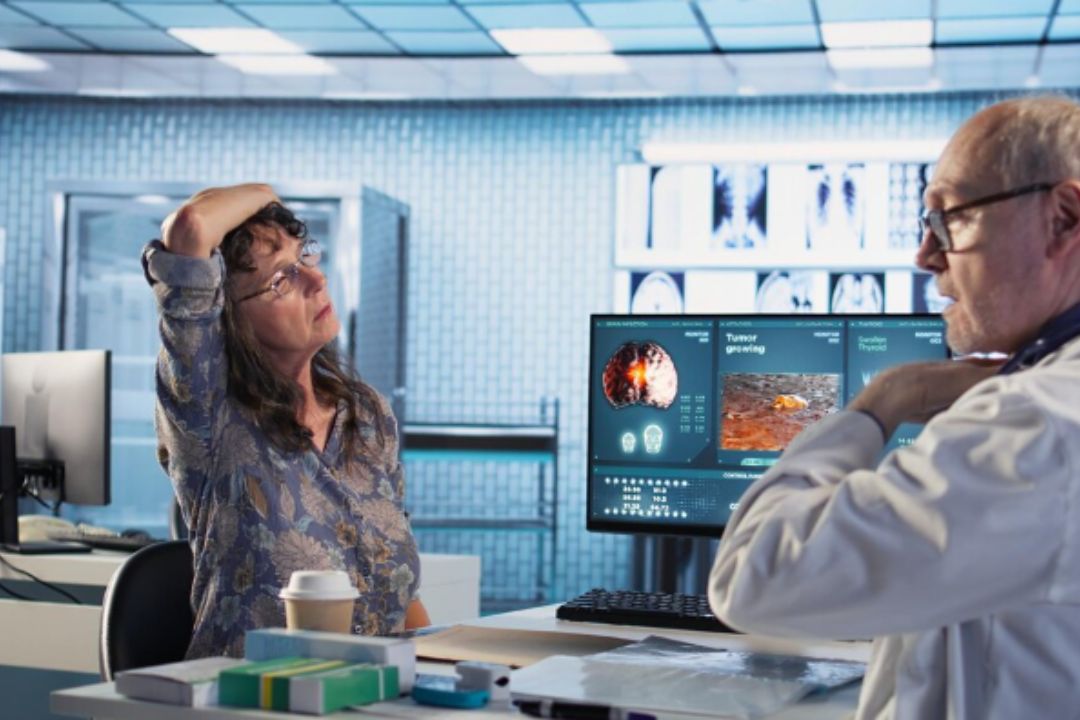
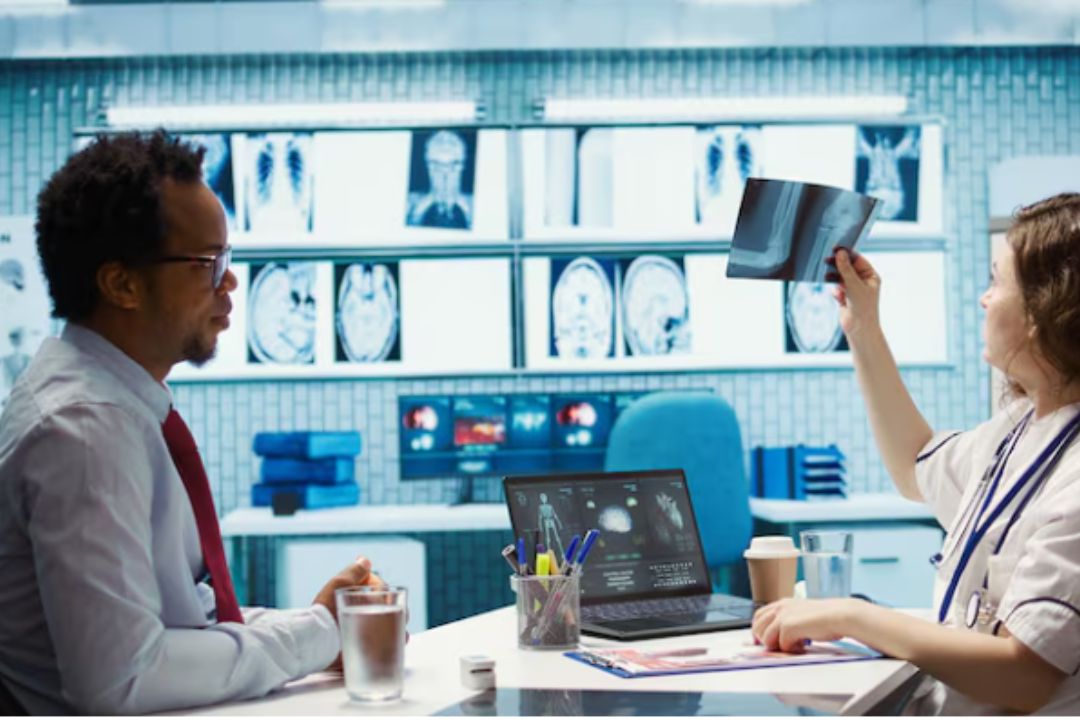
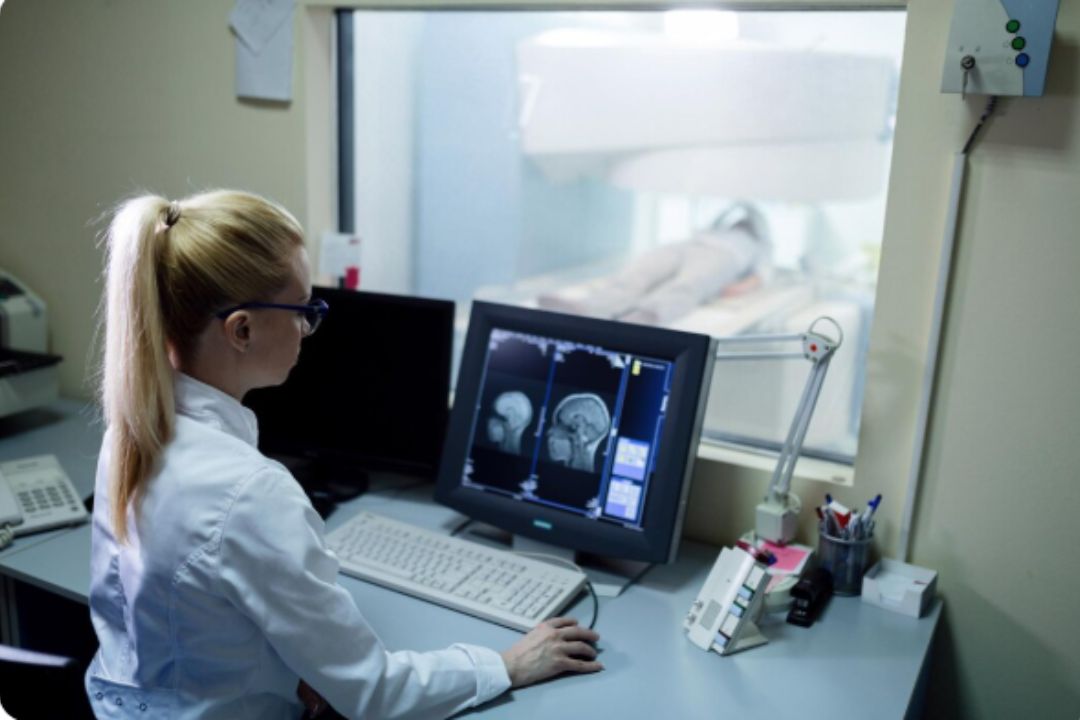
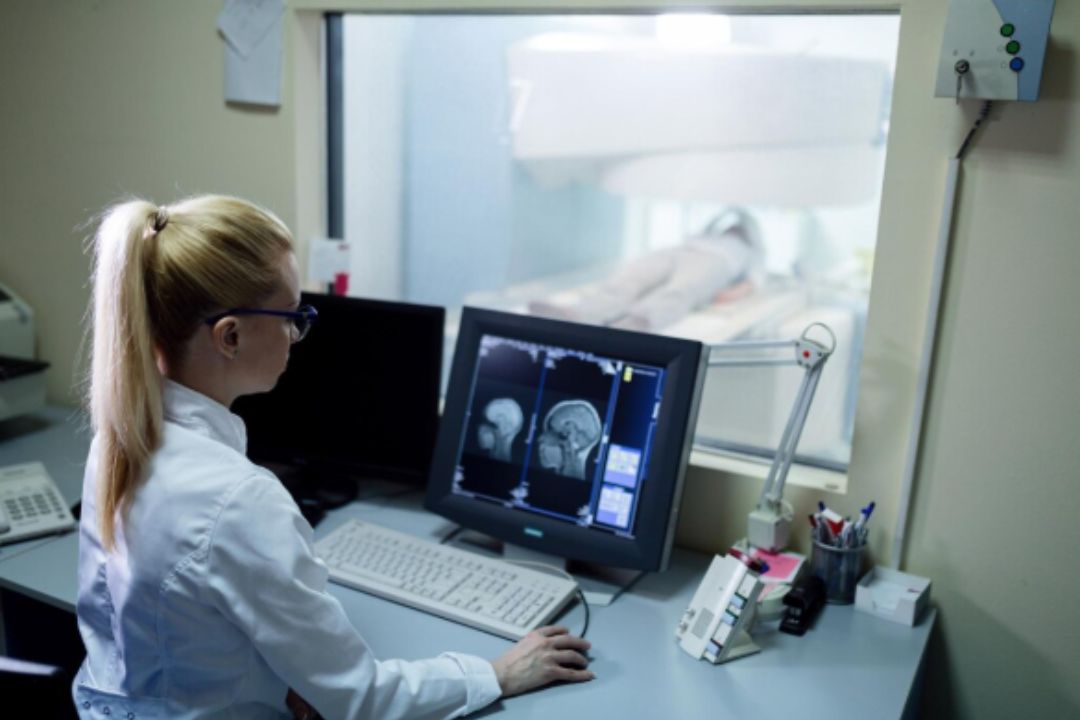
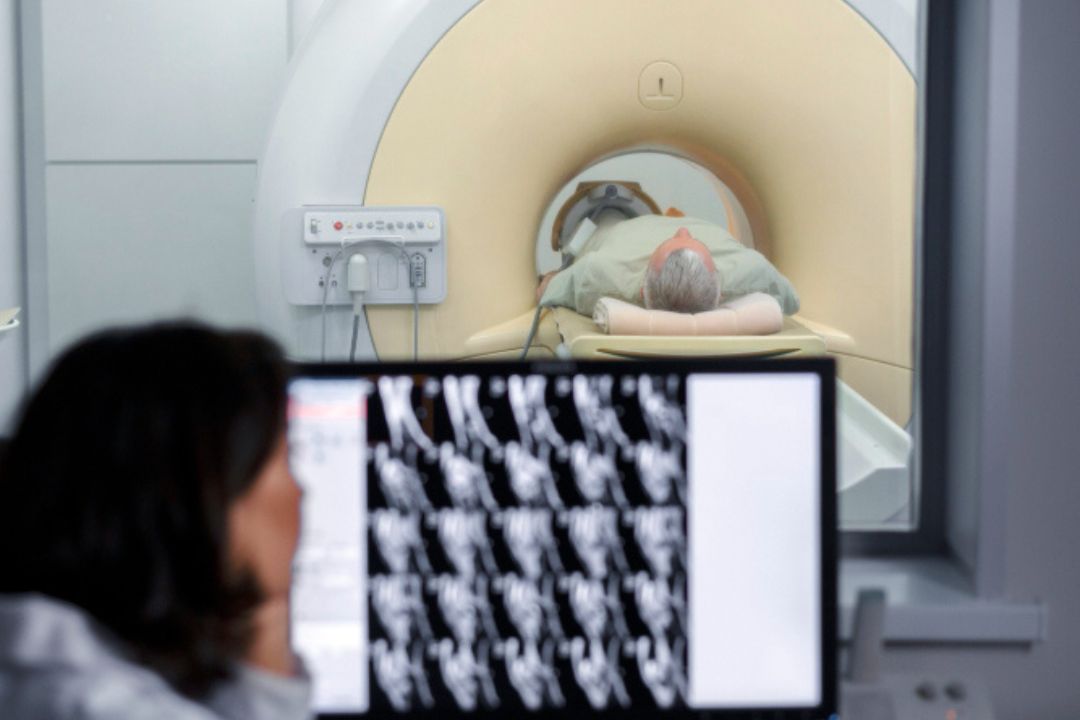
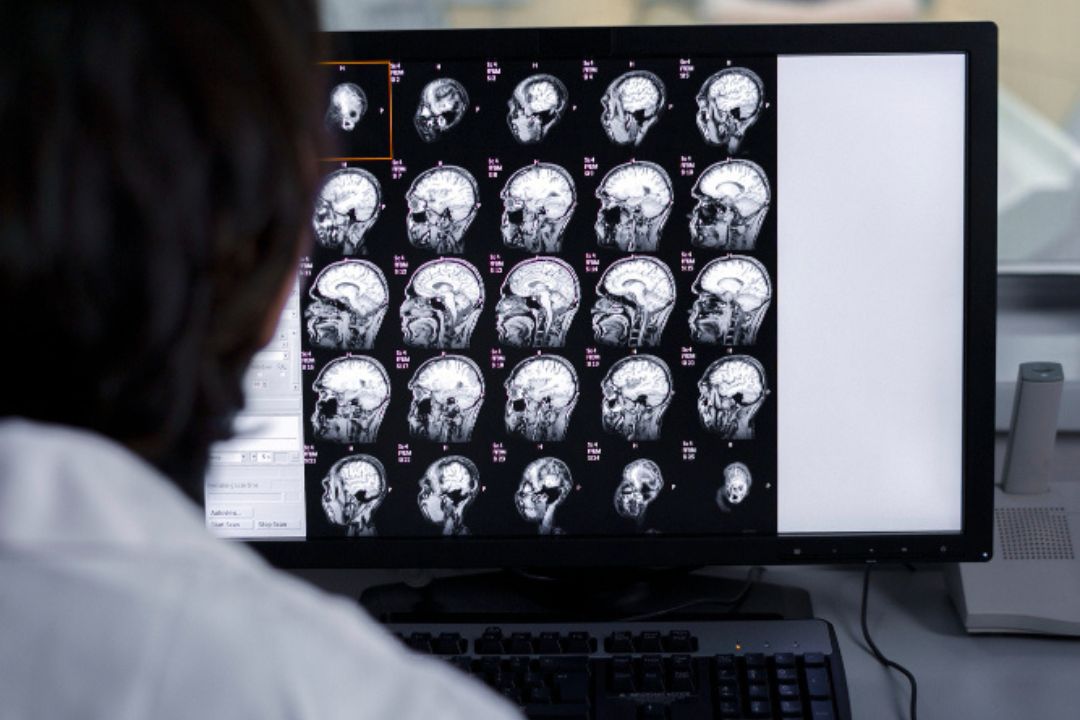
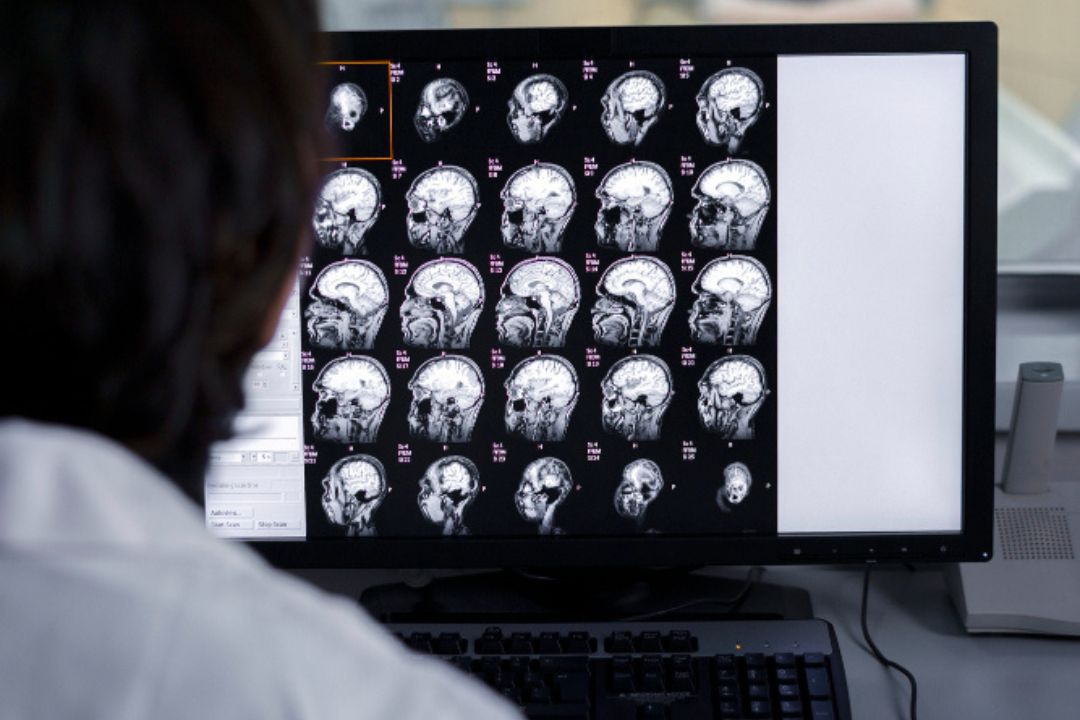
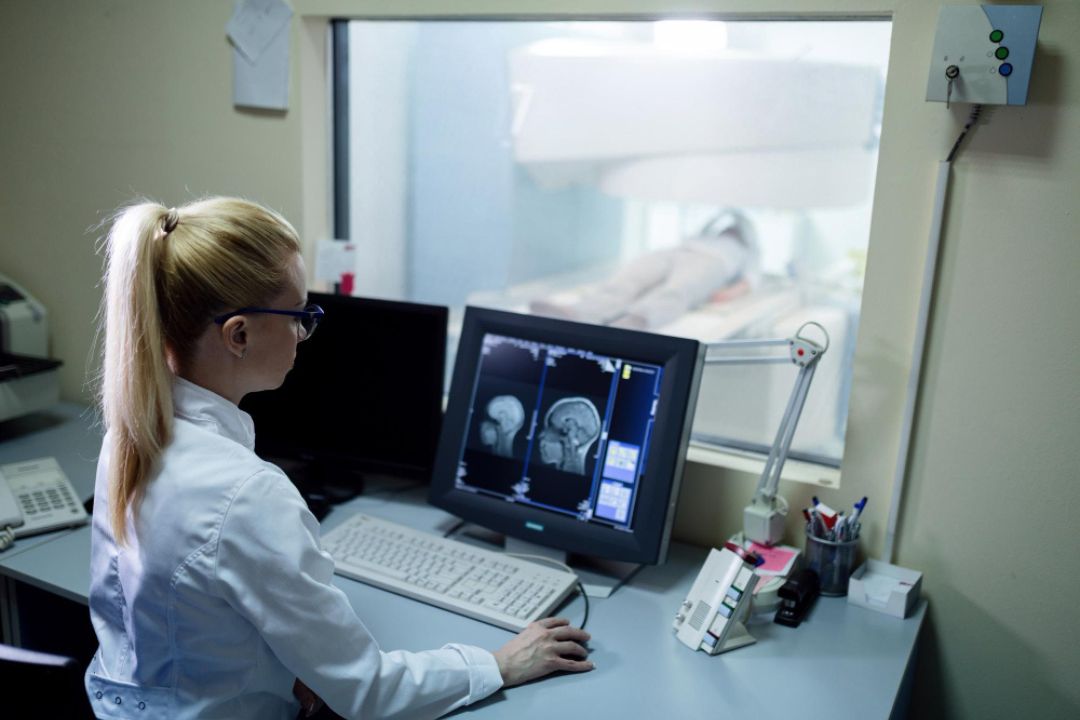
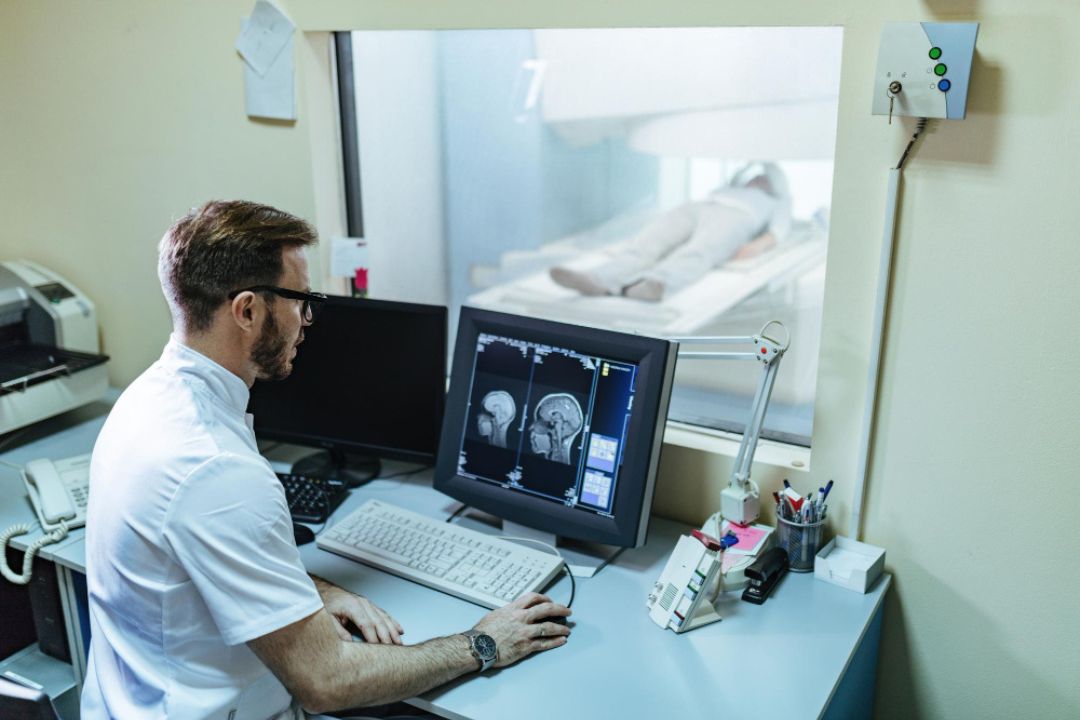
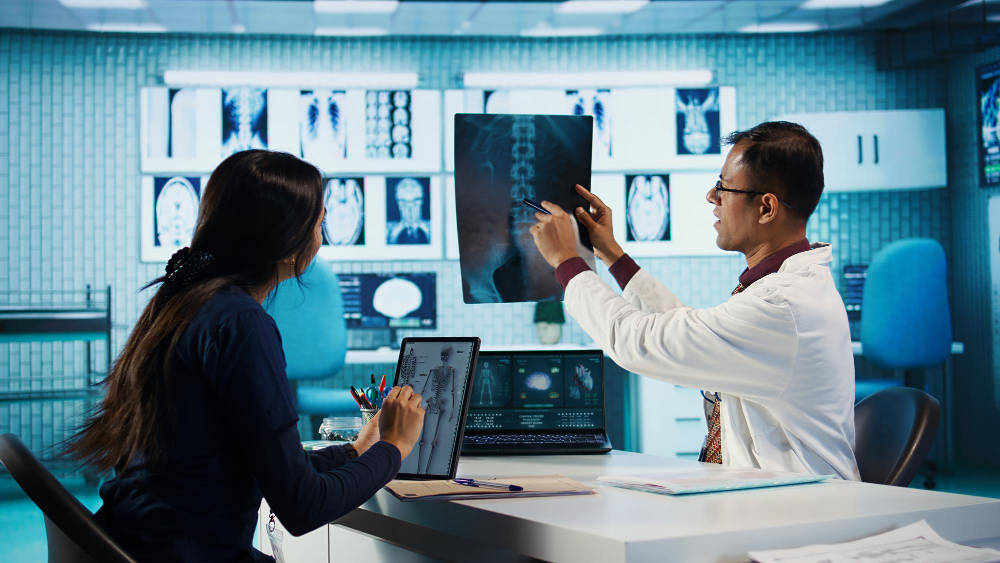
A radiologist will analyze the images and send the report to your doctor, who will discuss the results with you.
CT scans involve a small amount of radiation exposure. However, modern CT technology is designed to minimize radiation while still producing high-quality diagnostic images.
Doctors recommend CT scans only when the benefits of accurate diagnosis outweigh the potential risks.
Knowing what to expect during a CT scan can make the experience much less stressful. The procedure is quick, painless, and highly effective in helping doctors diagnose a wide range of medical conditions.
If your doctor recommends a CT scan, following the preparation guidelines and understanding the procedure can help ensure a smooth and comfortable experience.










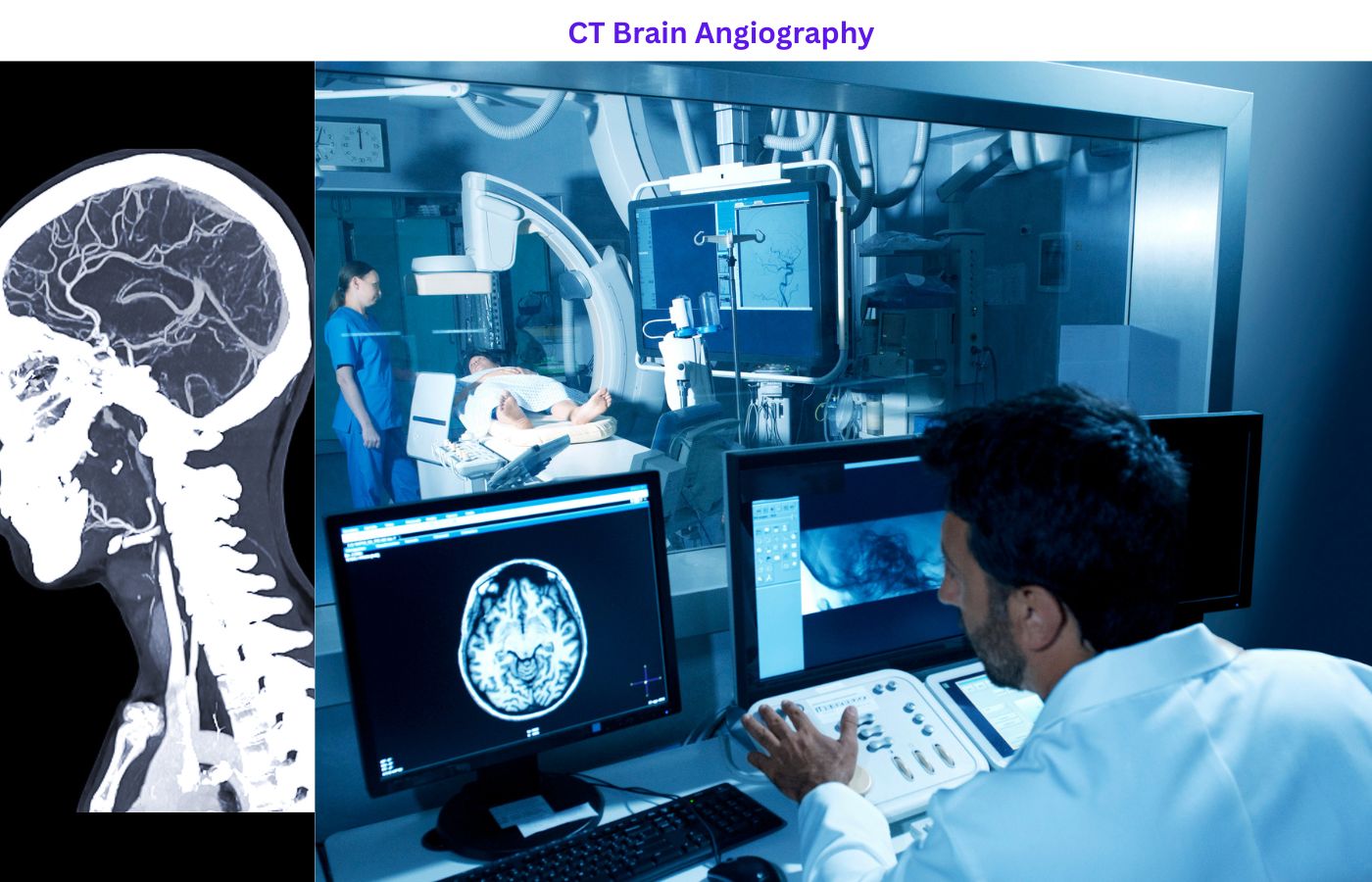
.jpg "ct brain scan plain and contrast")























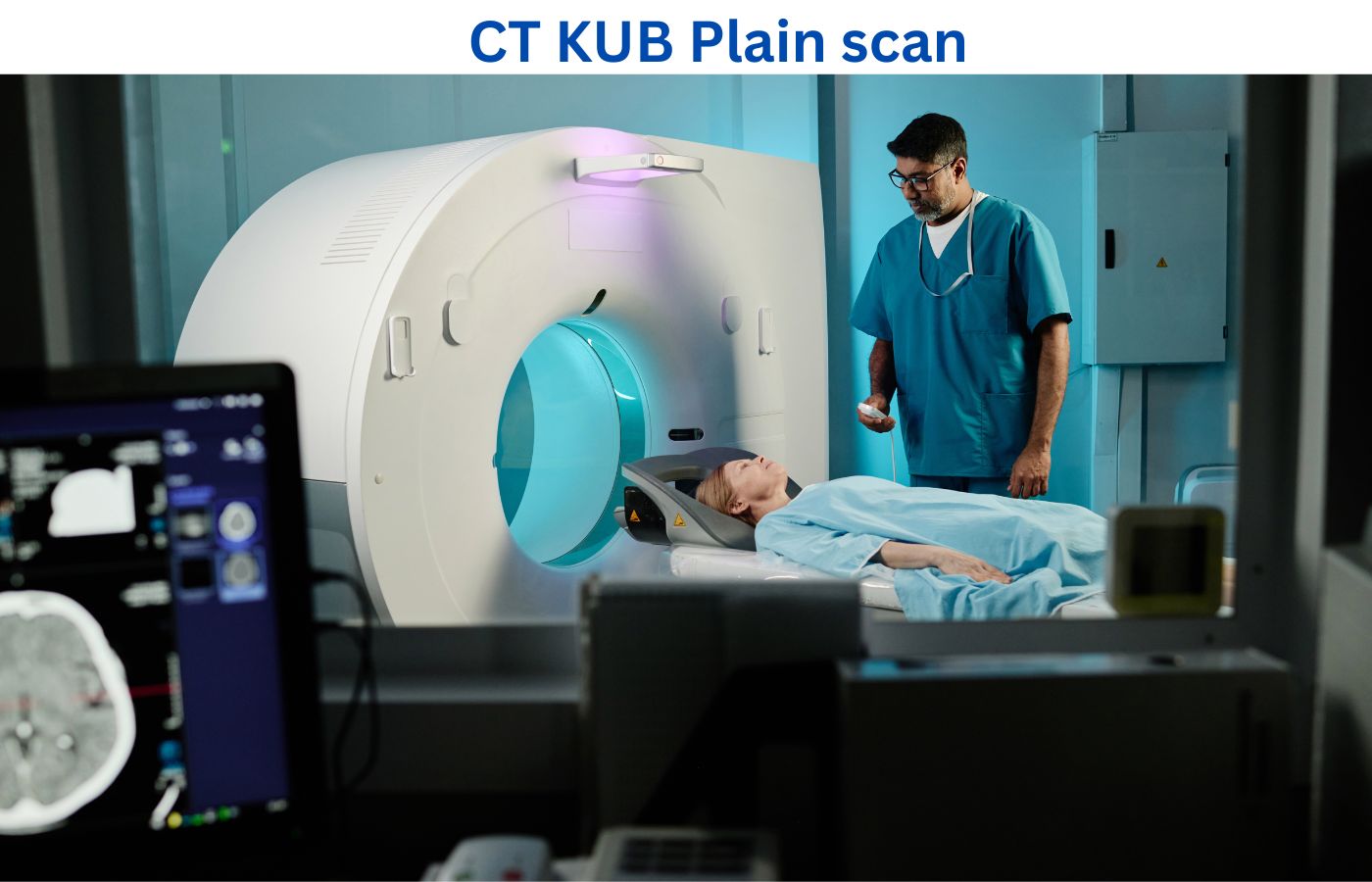
.jpg "ct scan")

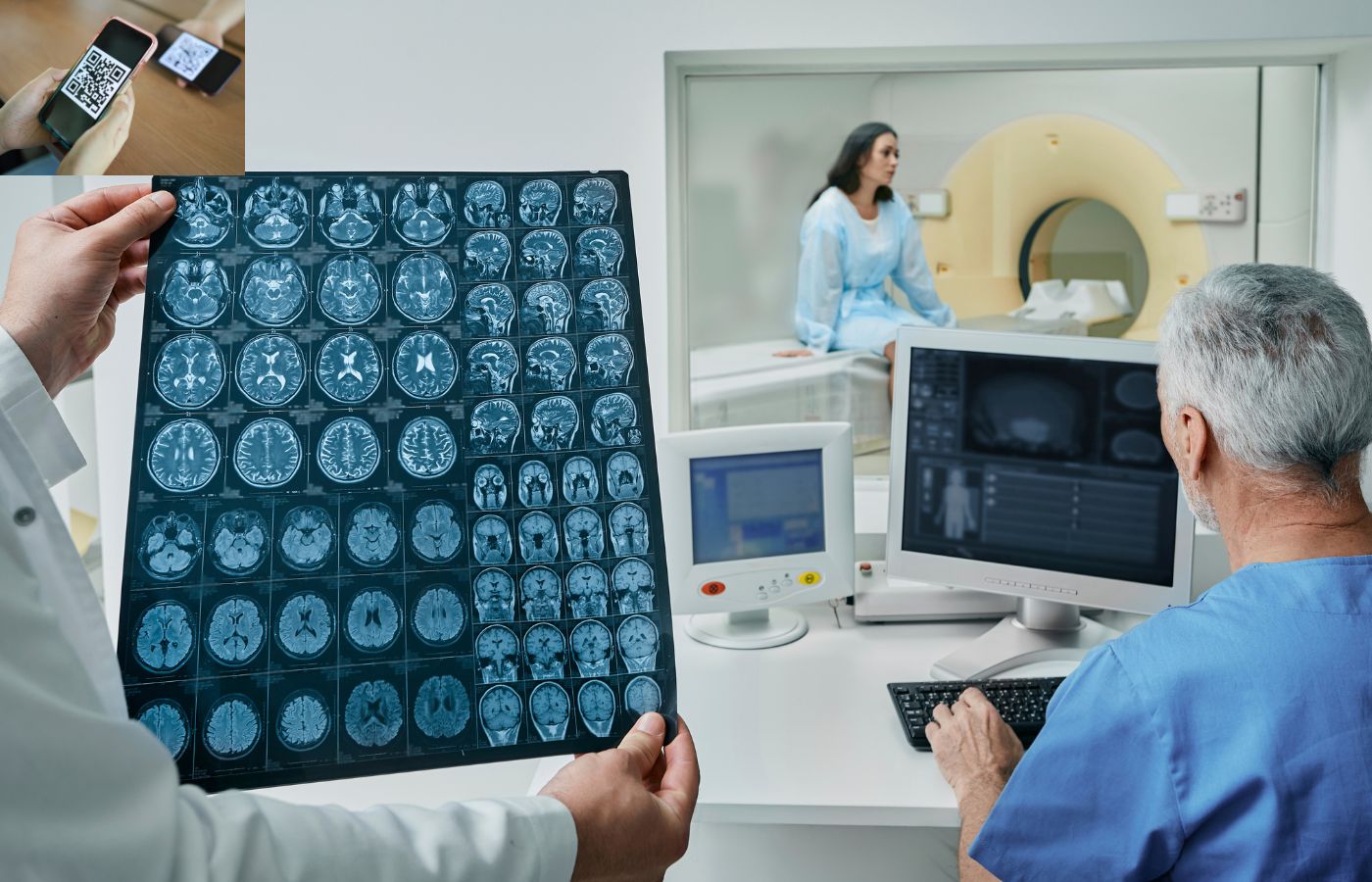
.jpg "ct scan or mri for brain disorders")


.jpg "exploring the power of ct brain contrast in modern diagnostics")
.jpg "ct scan")
.jpg "ct scan")









.jpg "ct scan")

.jpg "CT Brain Scan for Headaches")
.jpg "The Future of 3D CT Imaging")