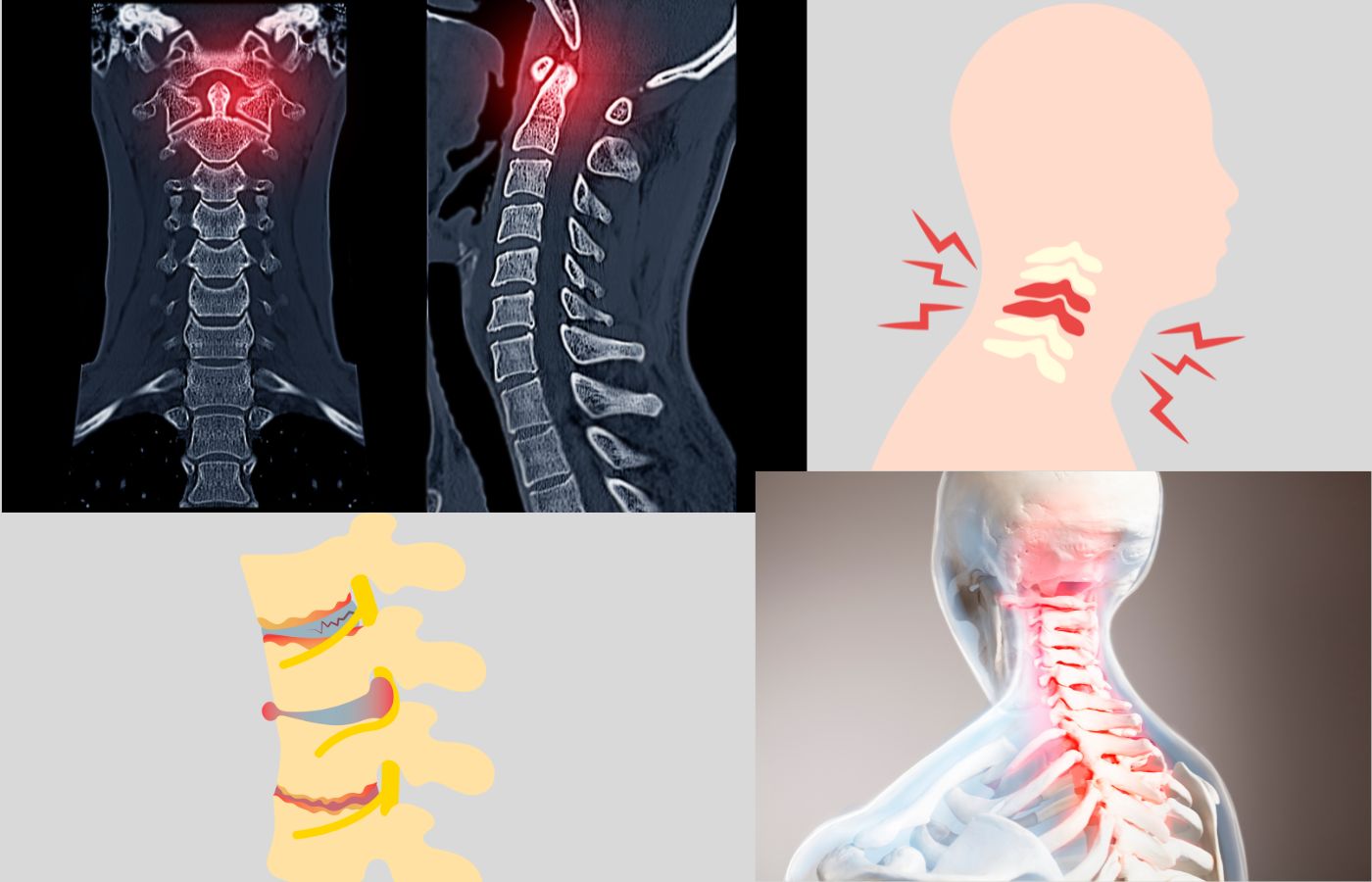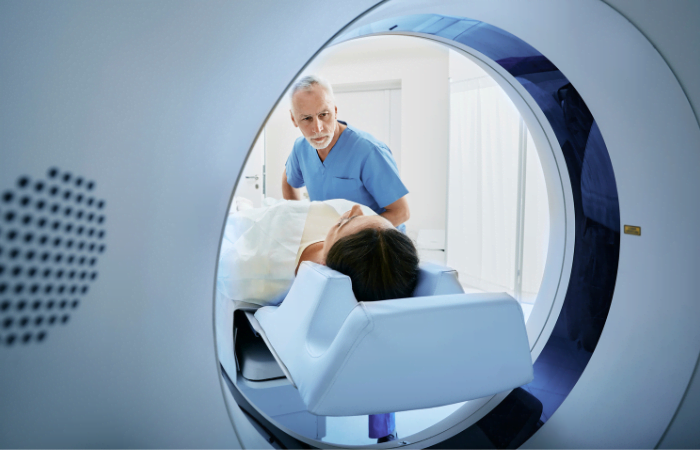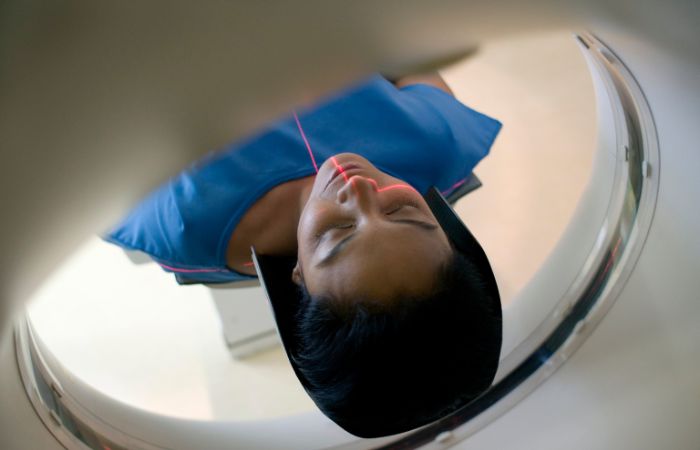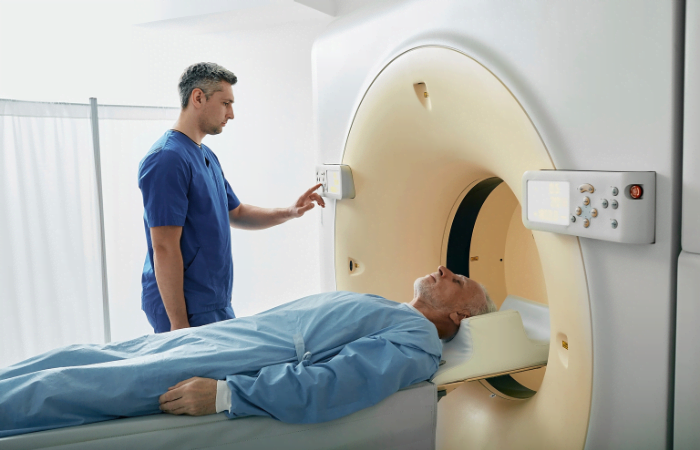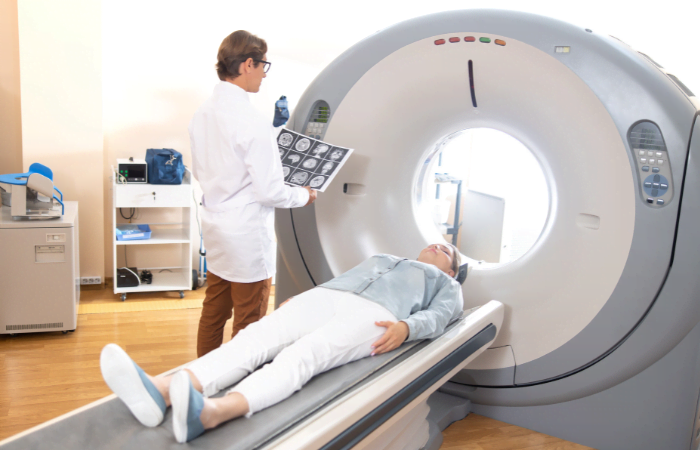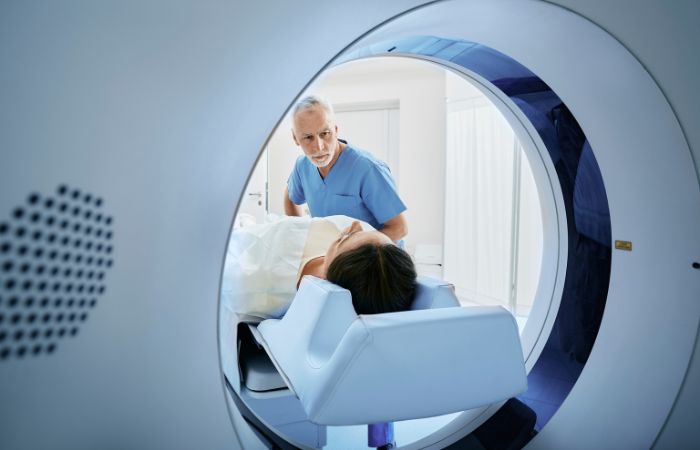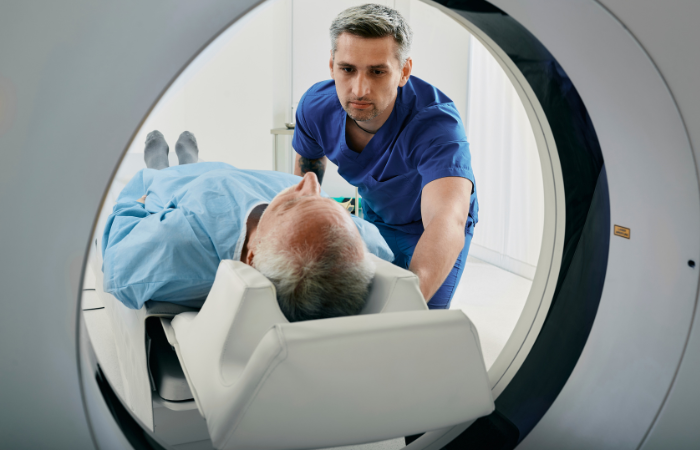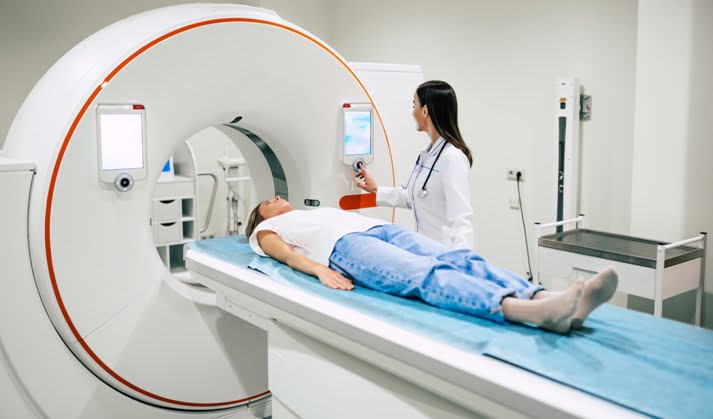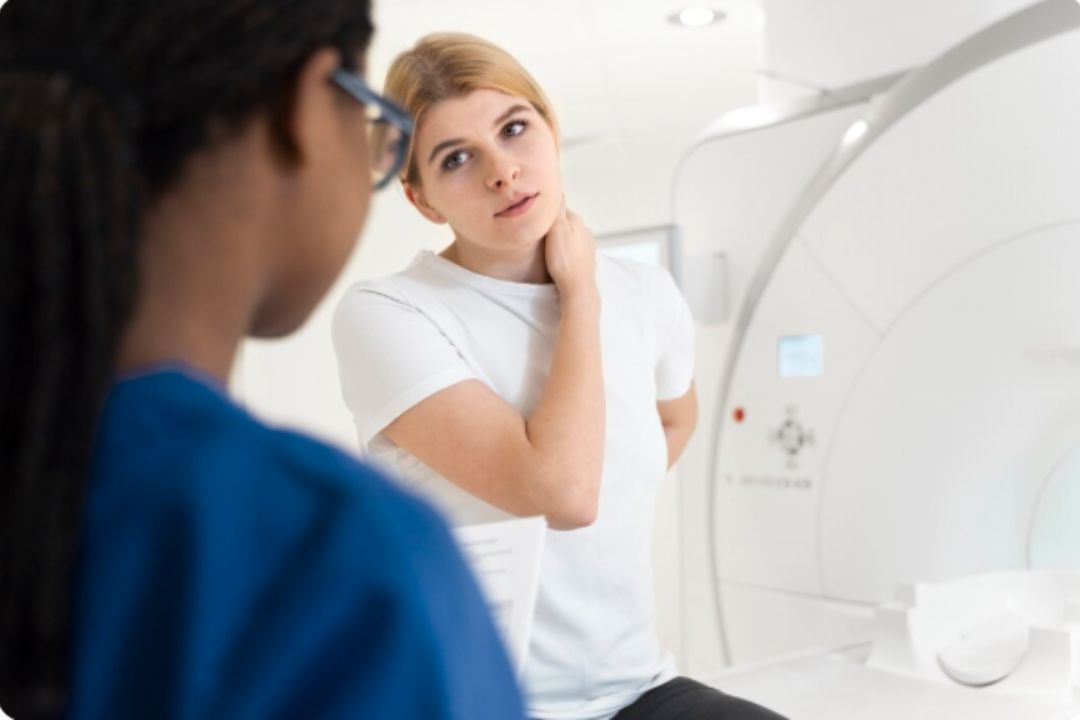
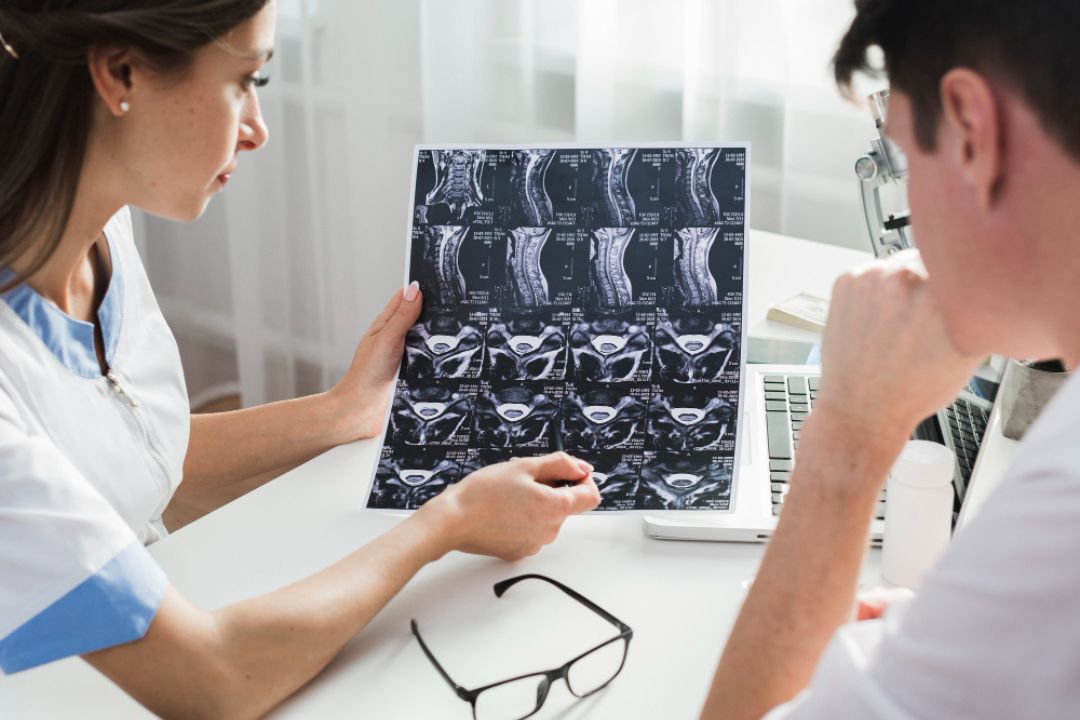
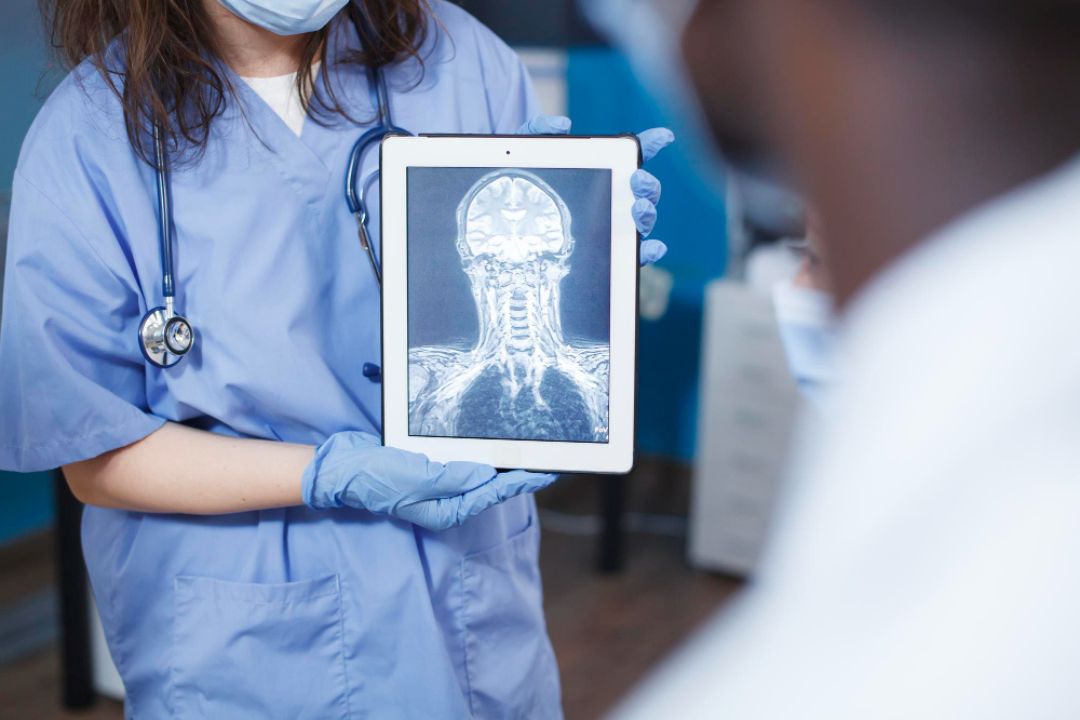
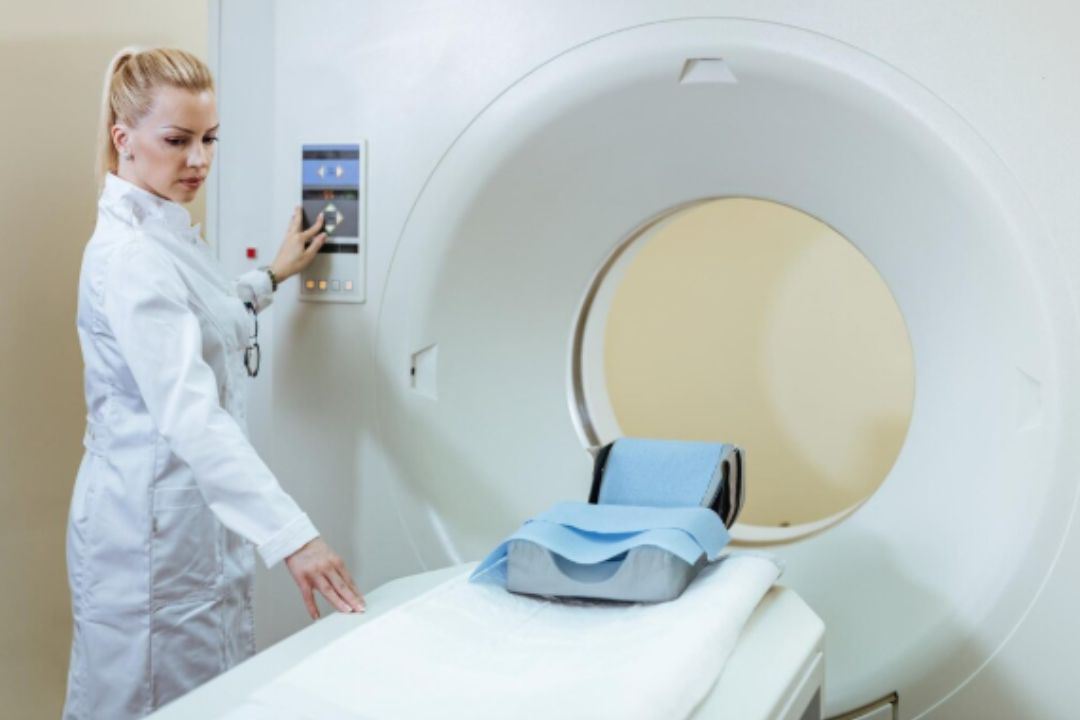
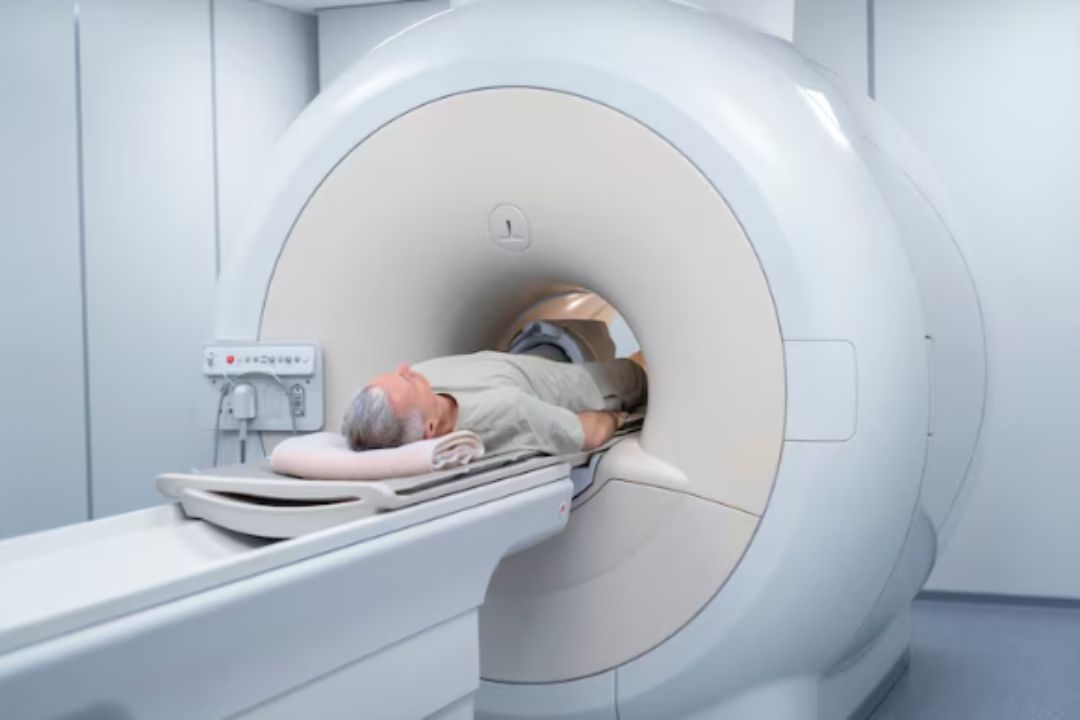
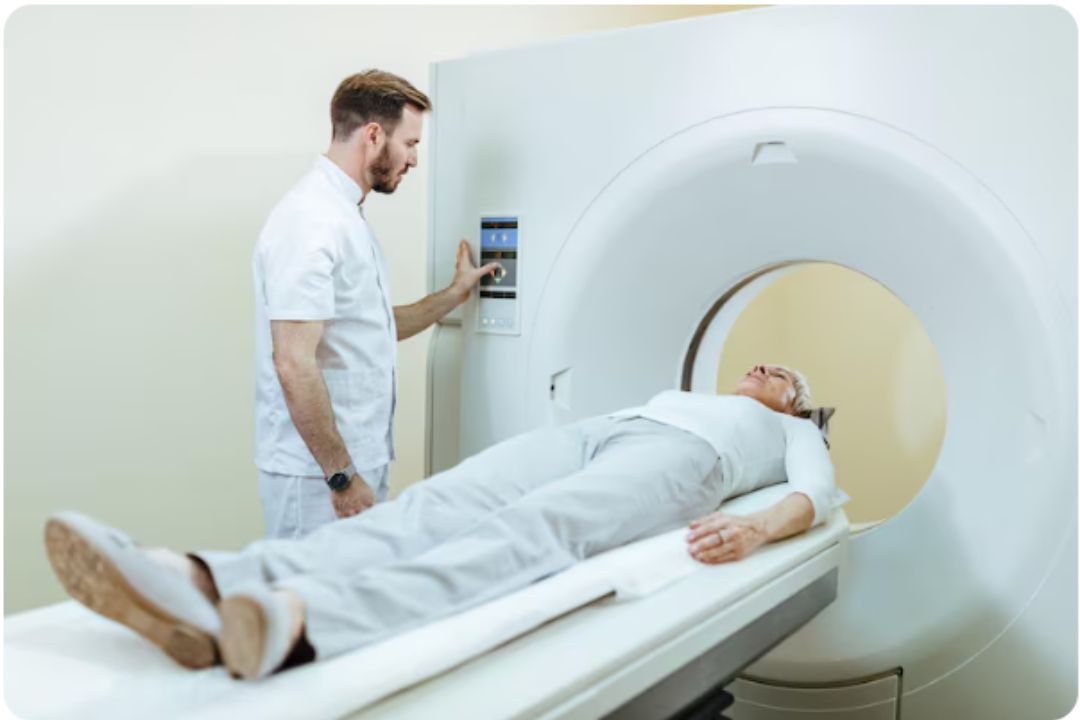
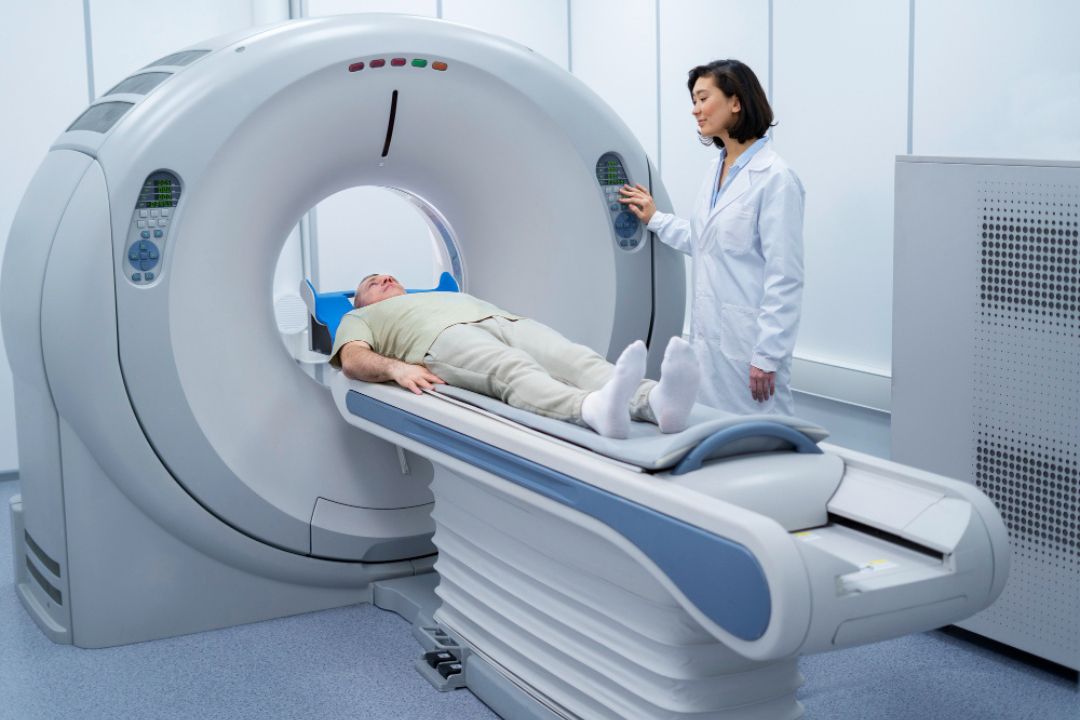
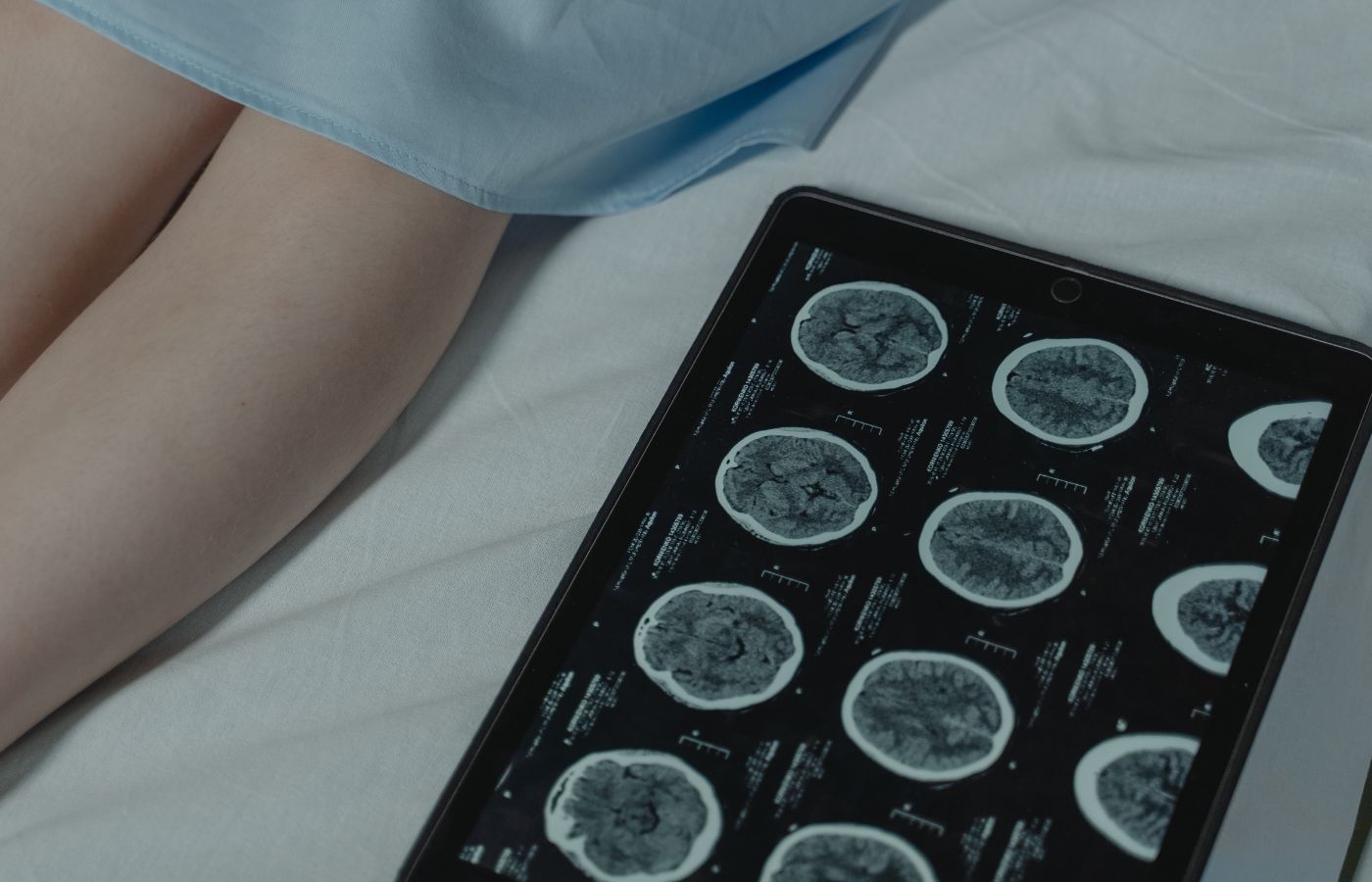
A CT Scan (Computed Tomography scan) is an advanced imaging test that helps doctors diagnose a wide range of medical conditions by producing detailed images of the body. While the procedure itself is quick and painless, proper preparation is important to ensure accurate results.
Many patients unknowingly make mistakes before a CT scan that can affect the quality of the images or delay the procedure. Understanding what not to do before a CT scan can help make the process smoother and ensure reliable diagnostic results.
For certain CT Scans, especially those that involve contrast dye, doctors may ask you to avoid eating or drinking for a few hours before the test. Eating before the scan can interfere with the imaging results and may cause complications if contrast material is used.
Always follow the fasting instructions provided by your doctor or diagnostic center.
Metal items can interfere with CT scan images and create distortions in the results. Before the scan, avoid wearing or carrying:
Jewelry
Hairpins
Watches
Glasses
Belts with metal buckles
You may be asked to change into a hospital gown to ensure clear imaging.
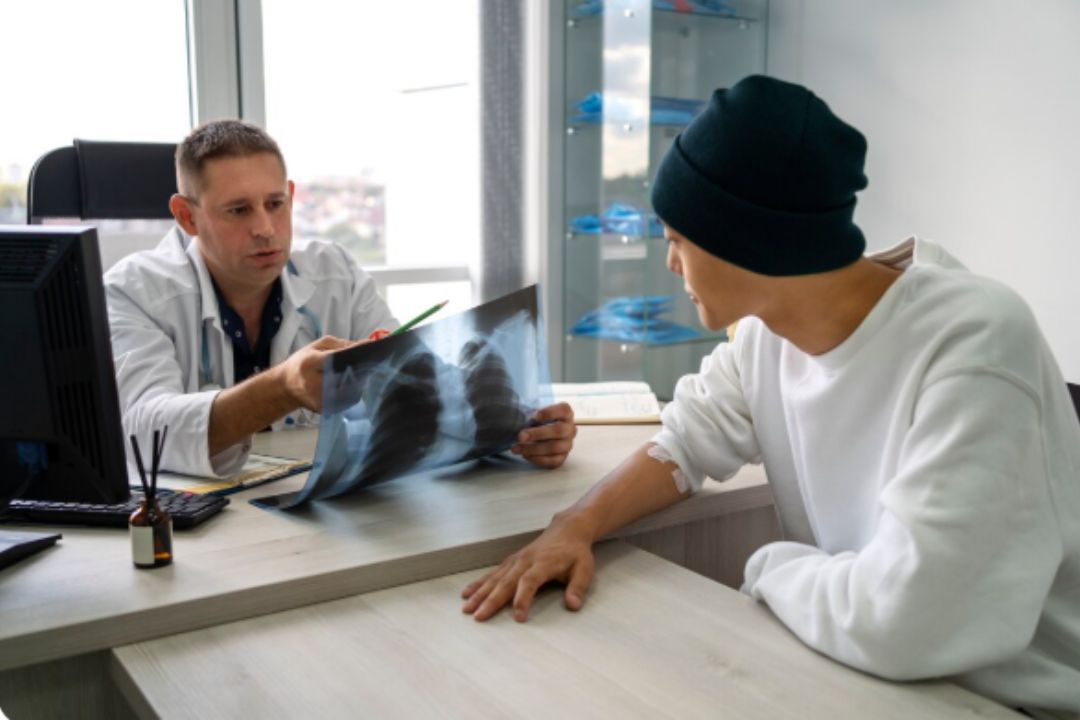
It is important to inform your doctor about your medical history before a CT scan. Failing to share certain information can increase risks, especially when contrast dye is used.
Tell your doctor if you:
Have kidney disease
Have allergies to iodine or contrast dye
Are pregnant or suspect pregnancy
Are taking medications such as metformin for diabetes
Providing complete information helps the medical team take the necessary precautions.
Some medications may need to be paused before a CT scan, especially if contrast dye is used. Do not stop or continue medications without consulting your doctor first.
Your doctor will guide you about which medications are safe to take before the scan.
For some CT scans, you may be asked to drink plenty of water before or after the procedure, especially when contrast dye is used. Staying hydrated helps your body flush the contrast material more effectively.
Ignoring hydration instructions can delay recovery or affect the test process.
CT scan appointments often involve preparation steps before the actual scan. Arriving late may lead to delays or even rescheduling of your test.
Try to reach the diagnostic center 15–20 minutes early to complete the necessary paperwork and preparation.
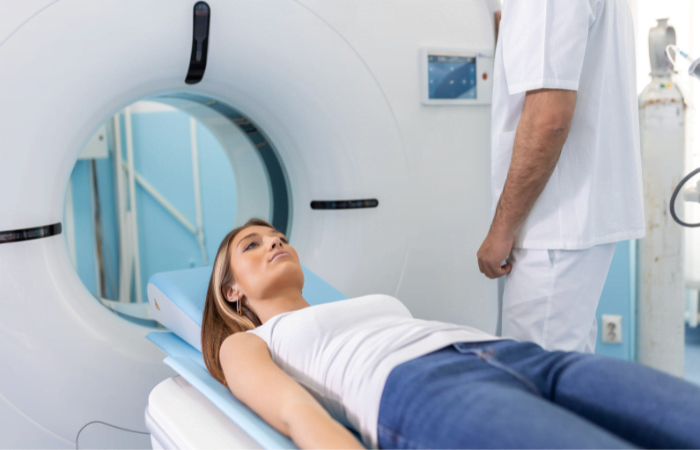
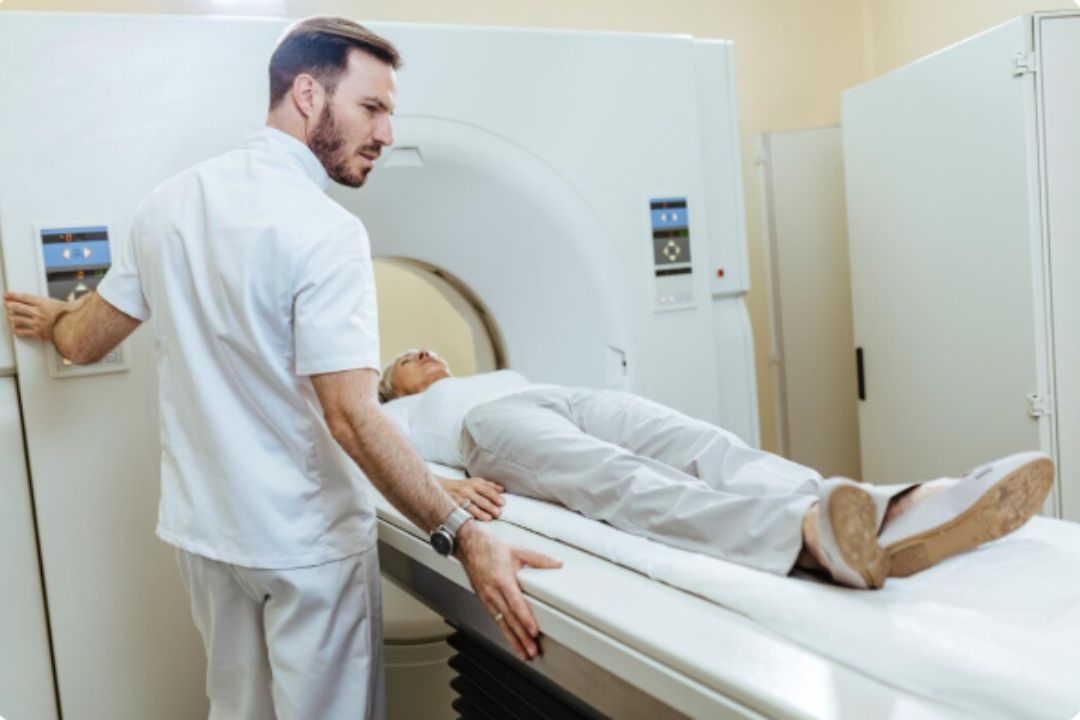
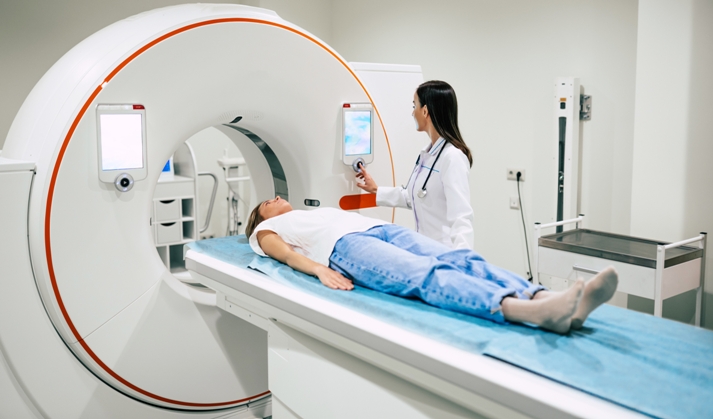
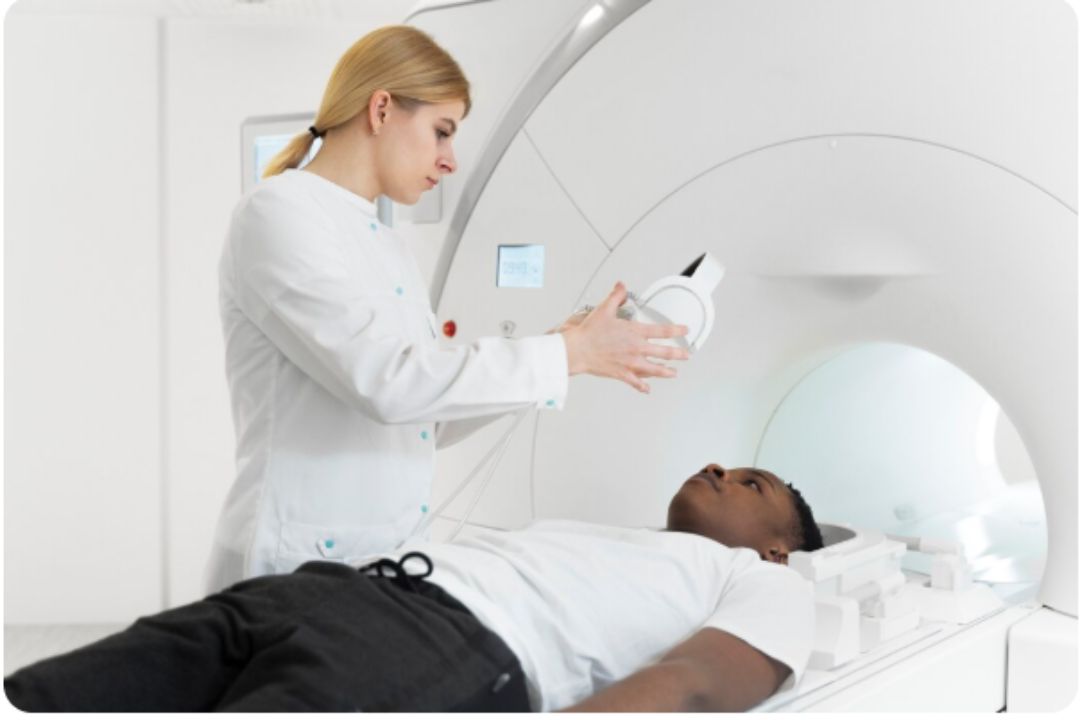
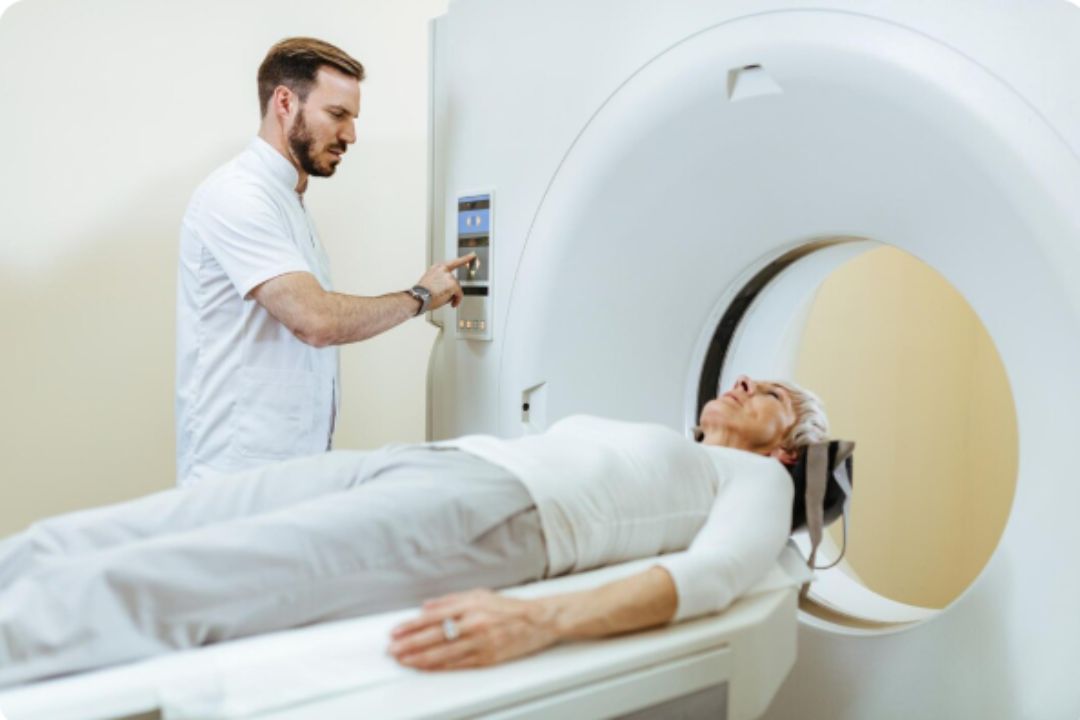
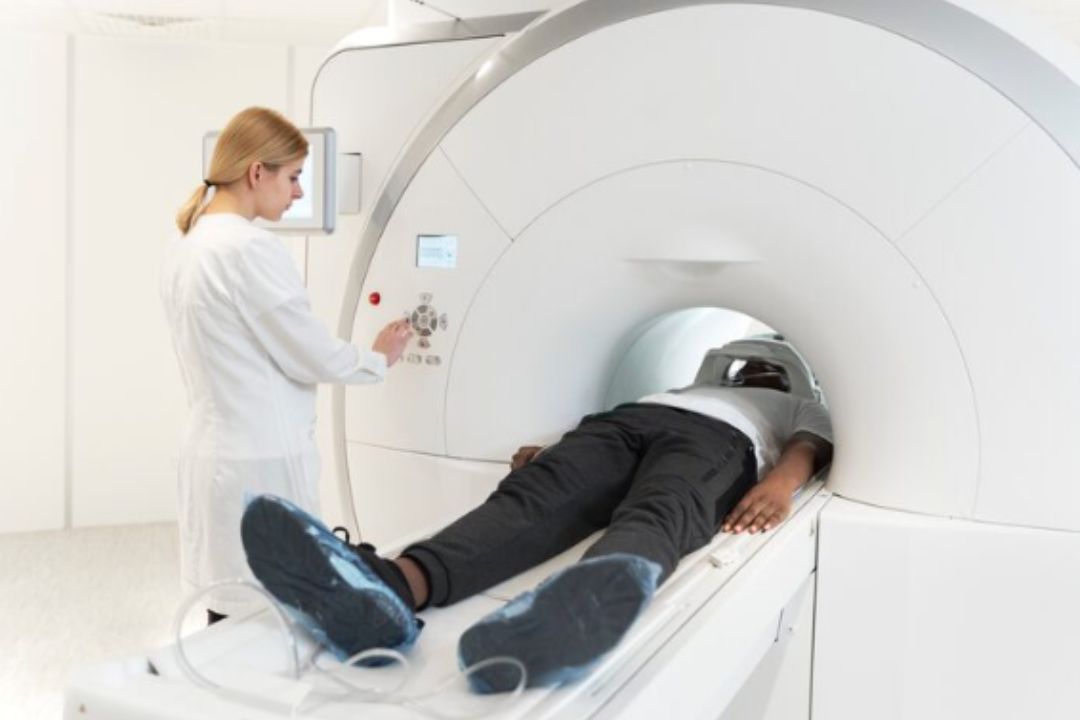
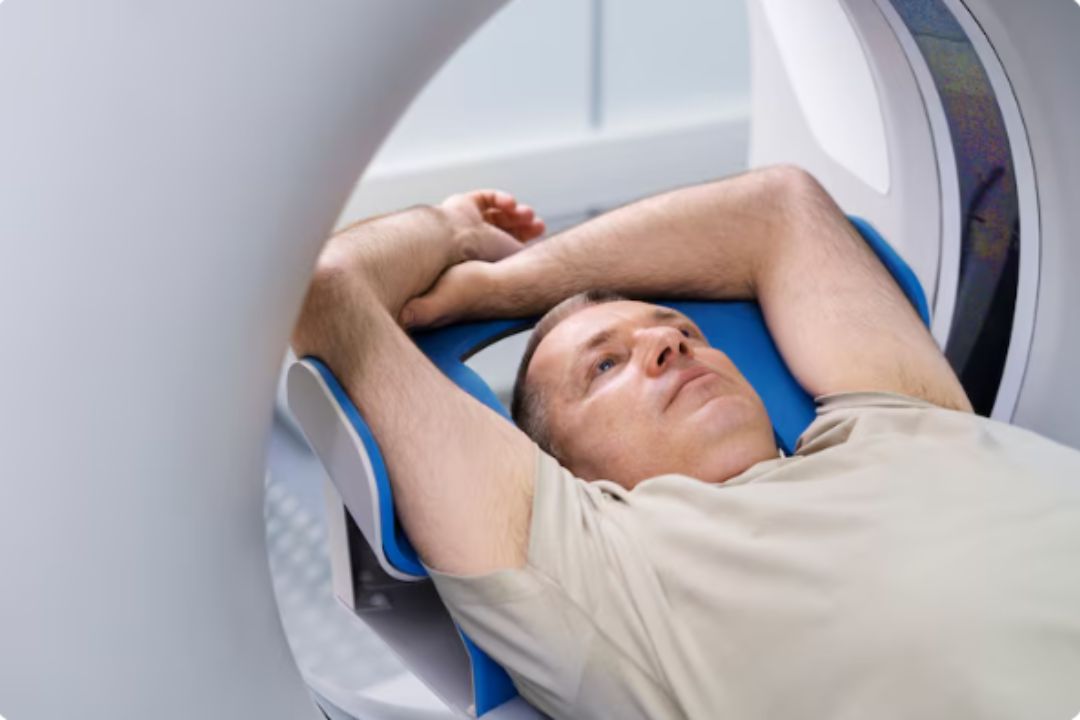
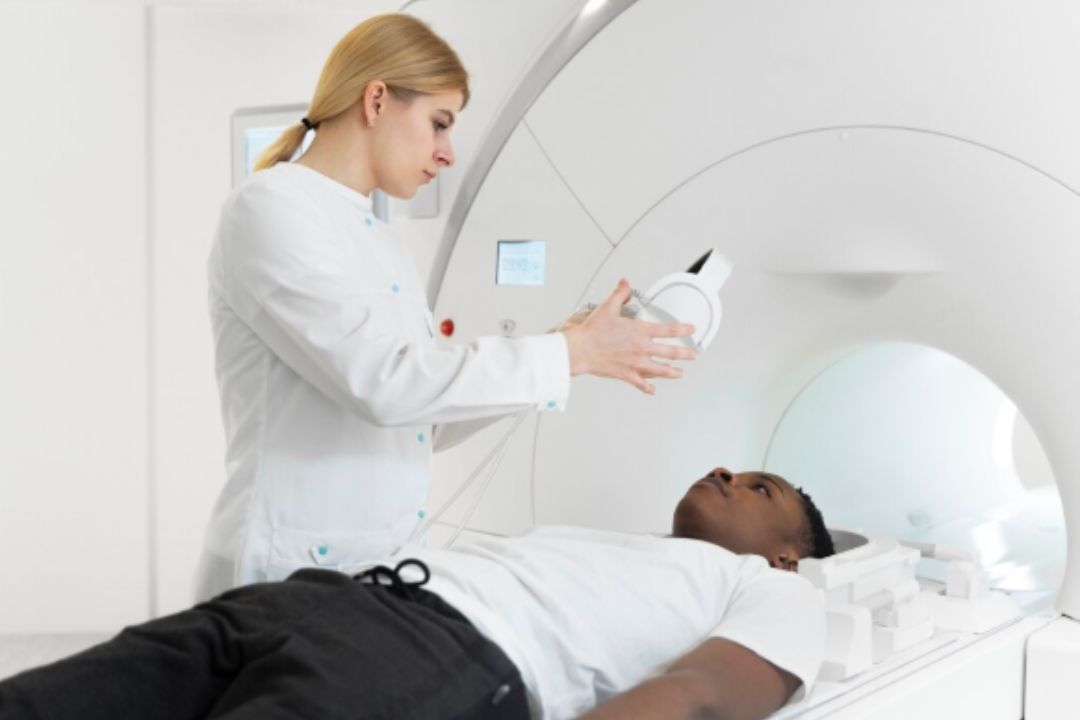
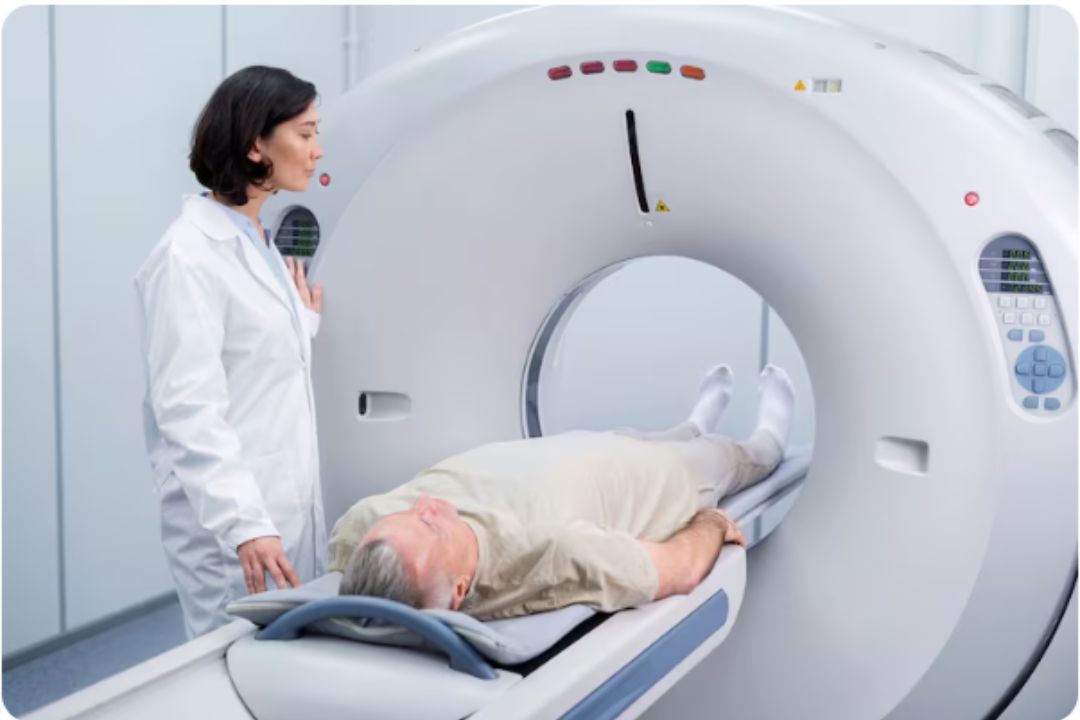
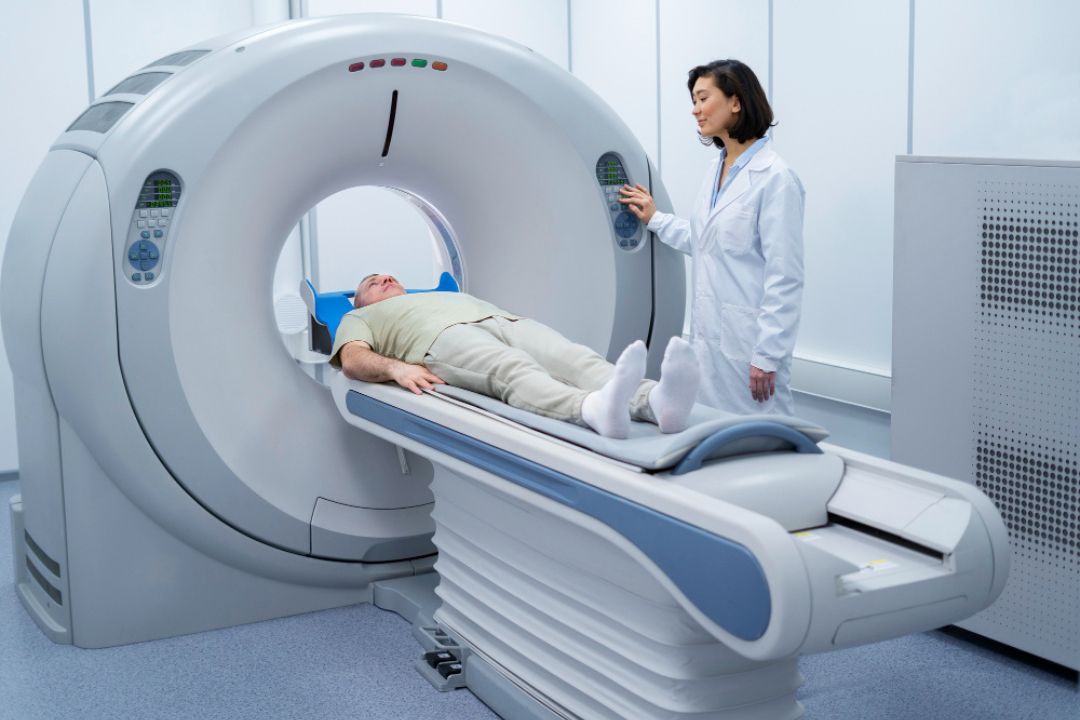
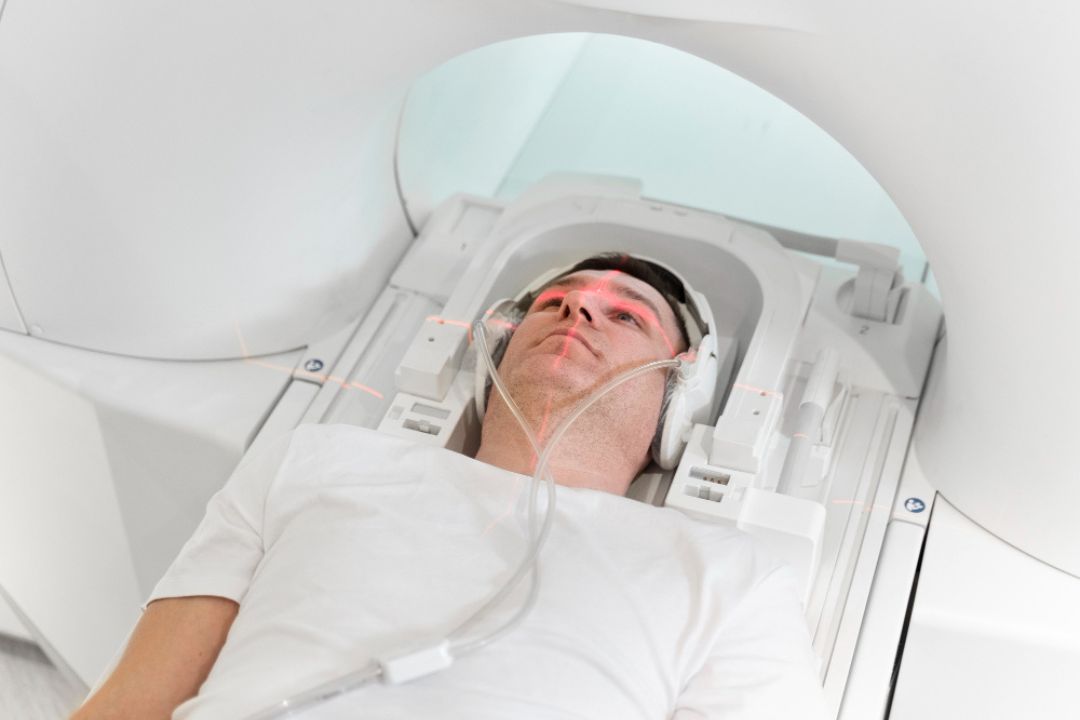
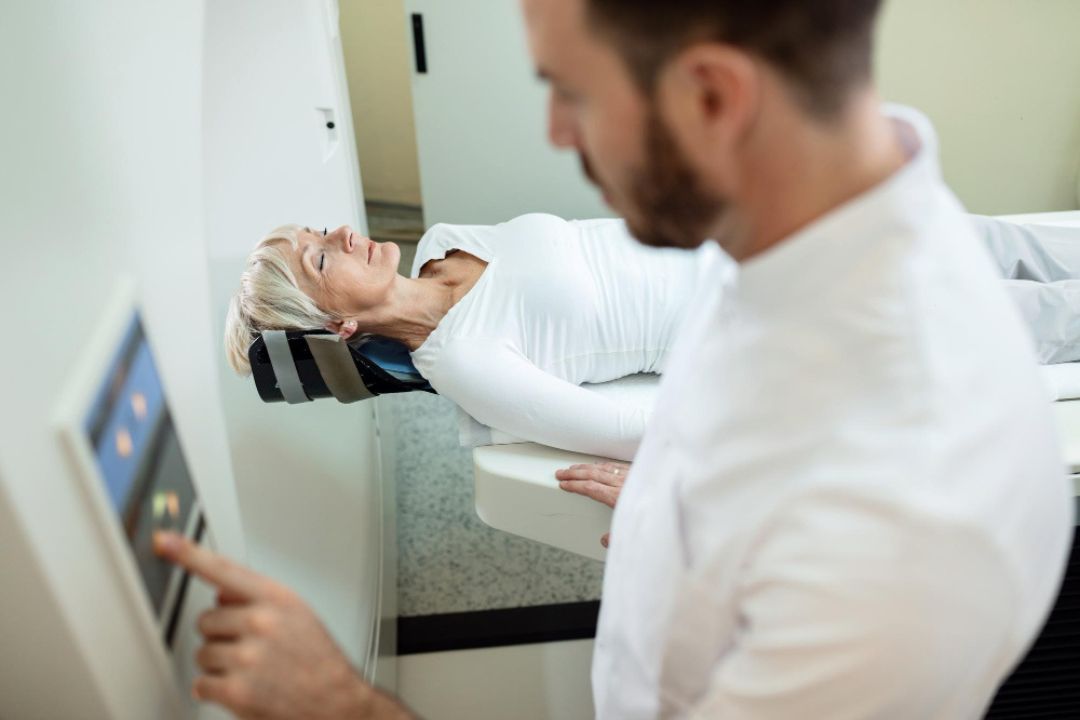
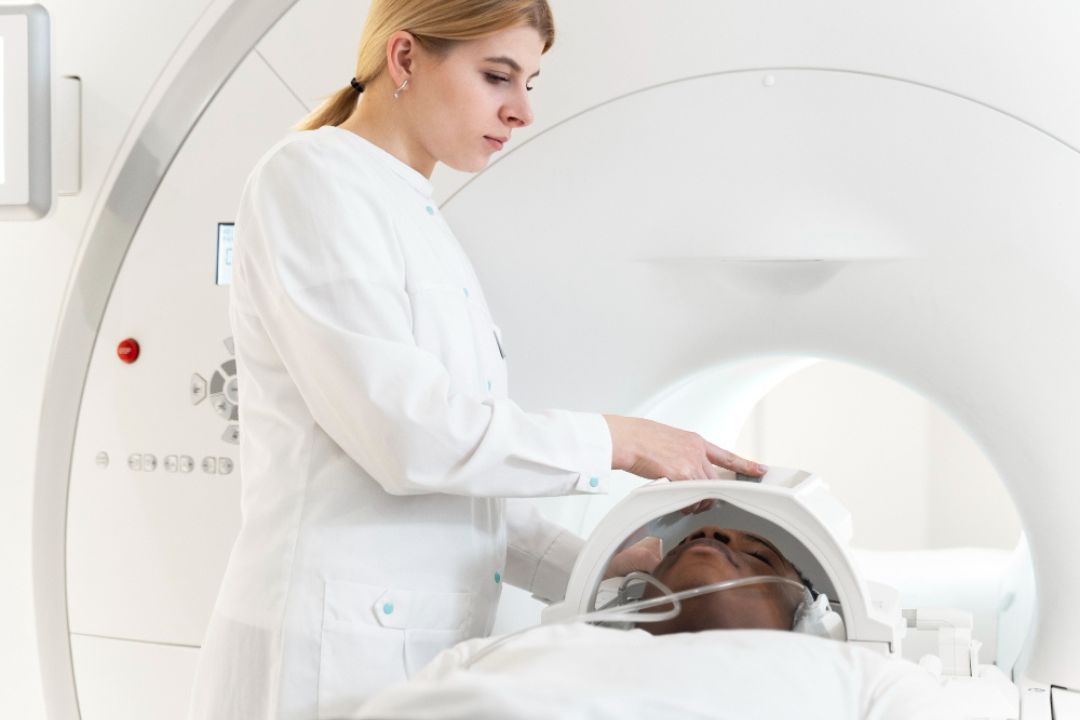
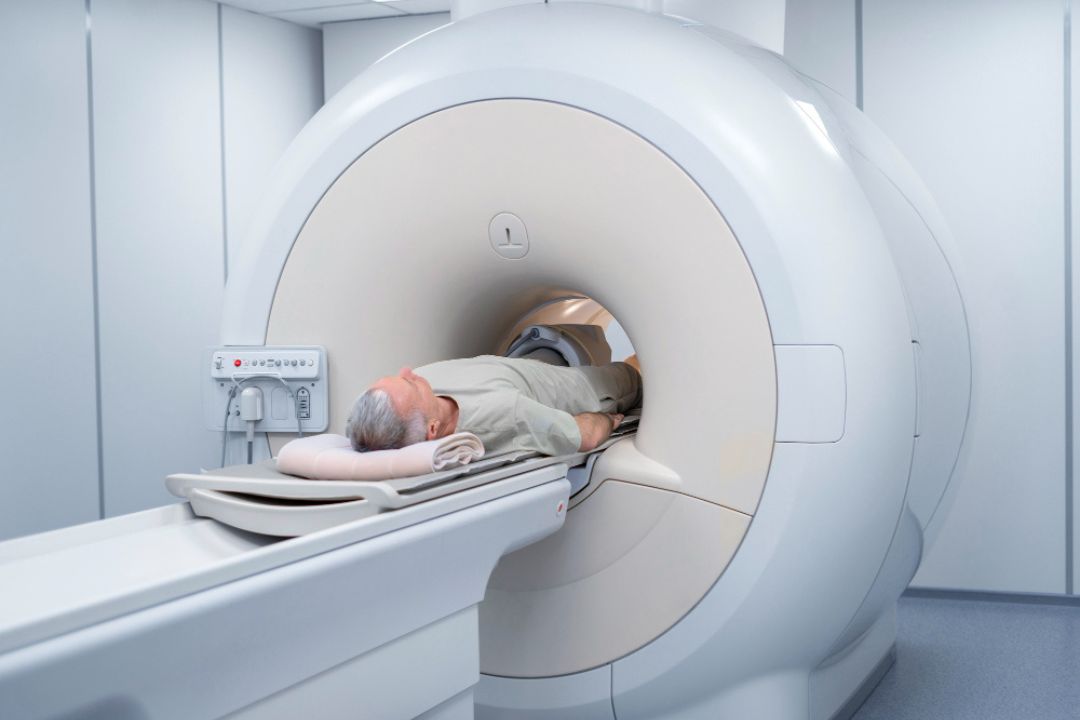
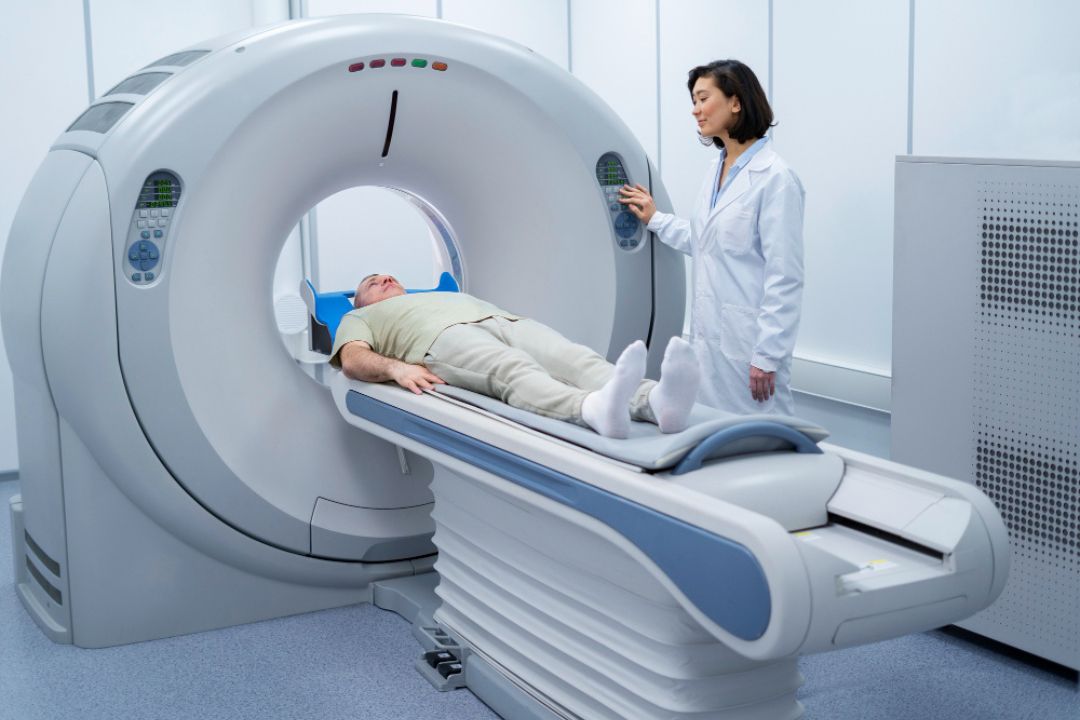
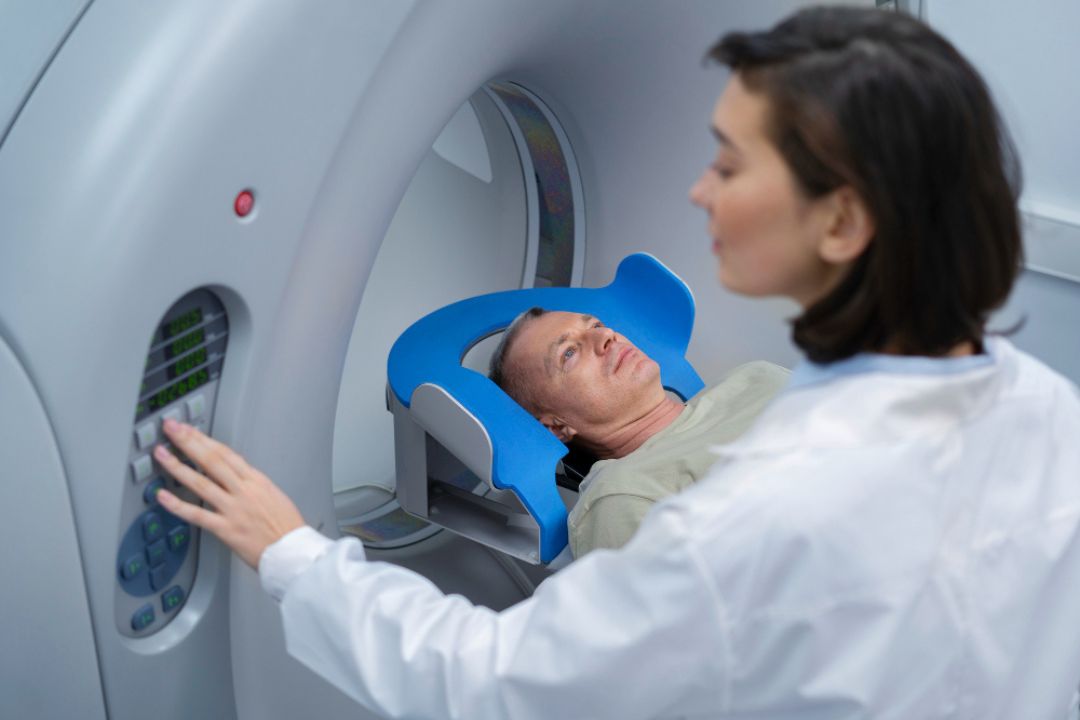
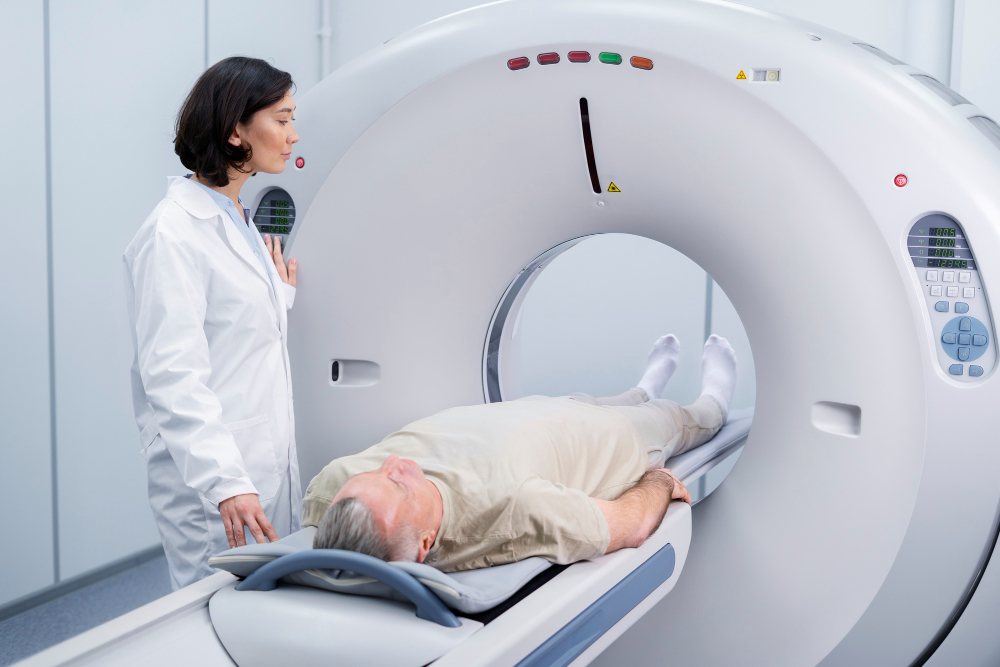
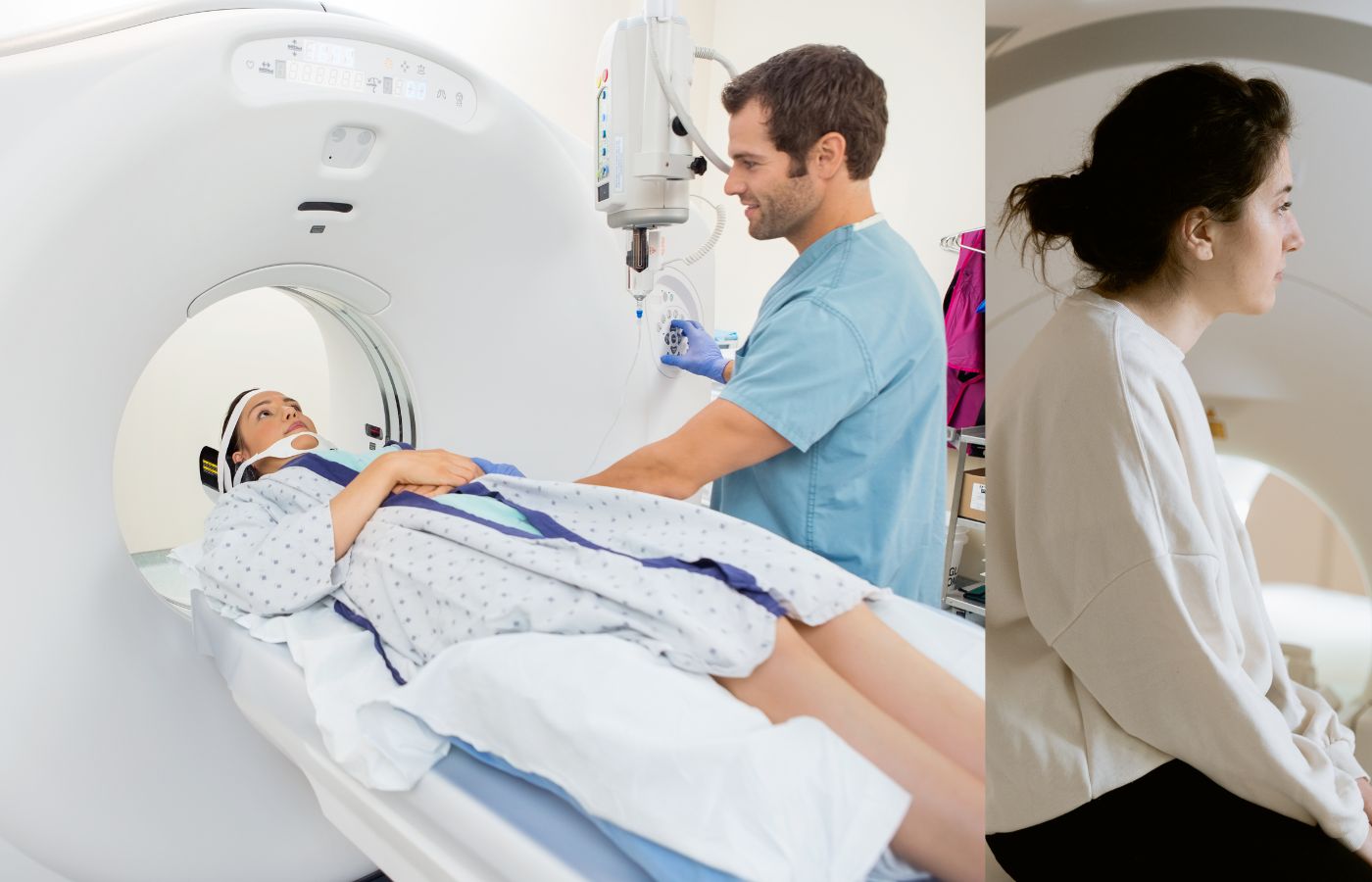
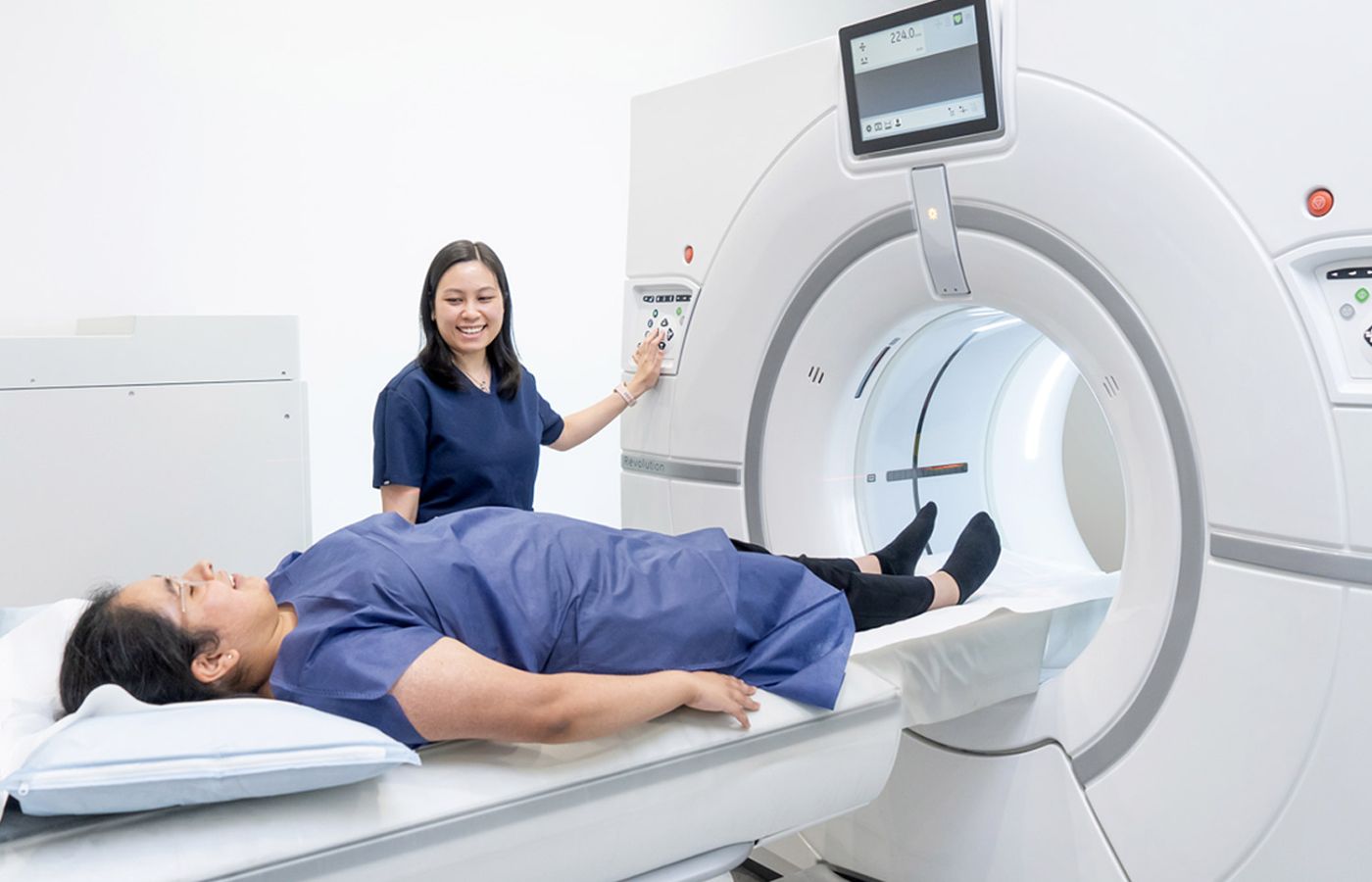
Although this happens during the procedure rather than before it, patients should understand that remaining still during the scan is essential. Movement can blur the images and may require the scan to be repeated.
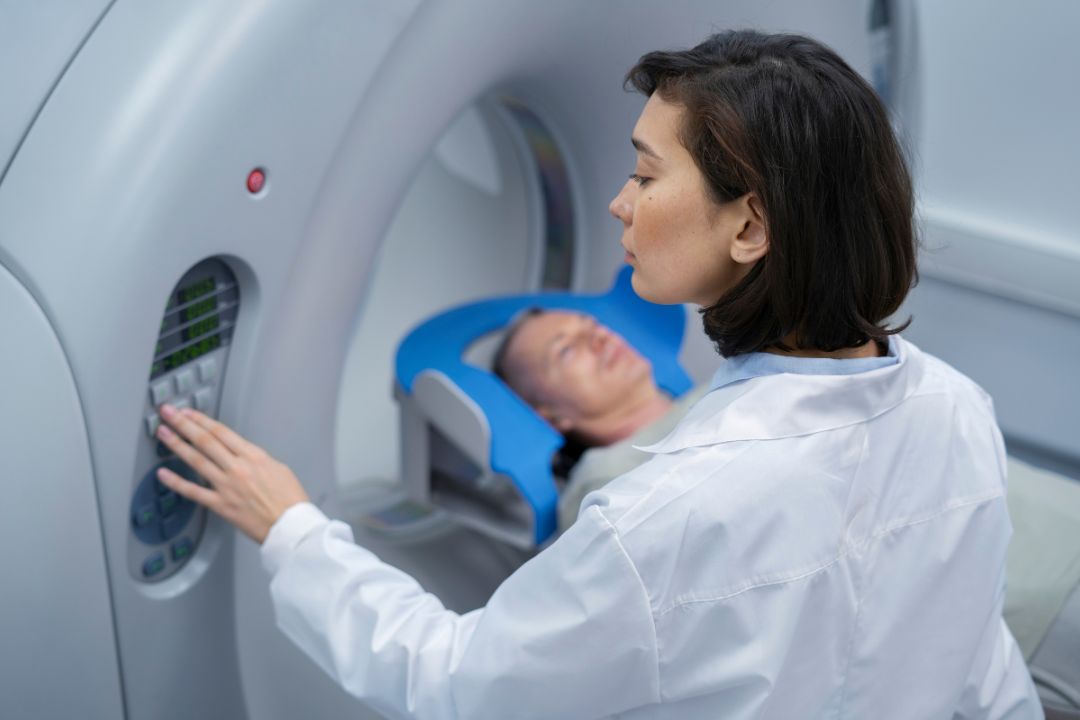
Listening carefully to the technician’s instructions ensures clear and accurate imaging results.
A CT scan is a safe and effective diagnostic tool used to detect many medical conditions. However, following the proper guidelines and avoiding common mistakes before the scan is important for obtaining accurate results.
By understanding what not to do before a CT scan, you can ensure a smooth experience and help your healthcare provider make the most accurate diagnosis possible.
If you have any questions about CT scan preparation, always consult your doctor or the diagnostic center before your appointment.





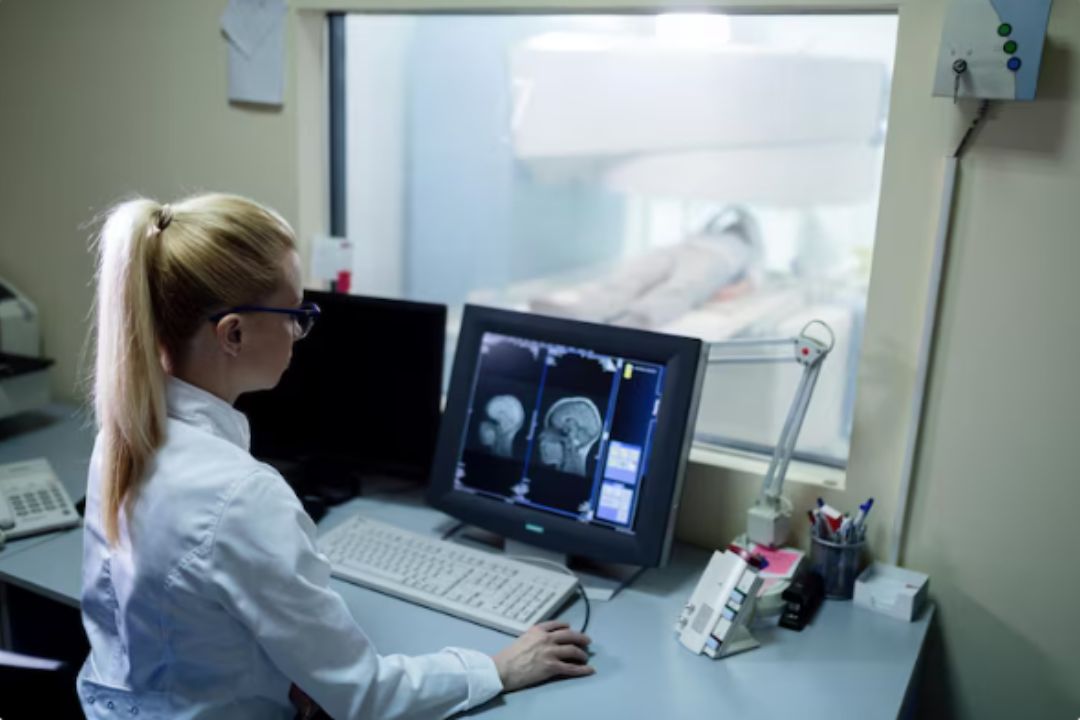
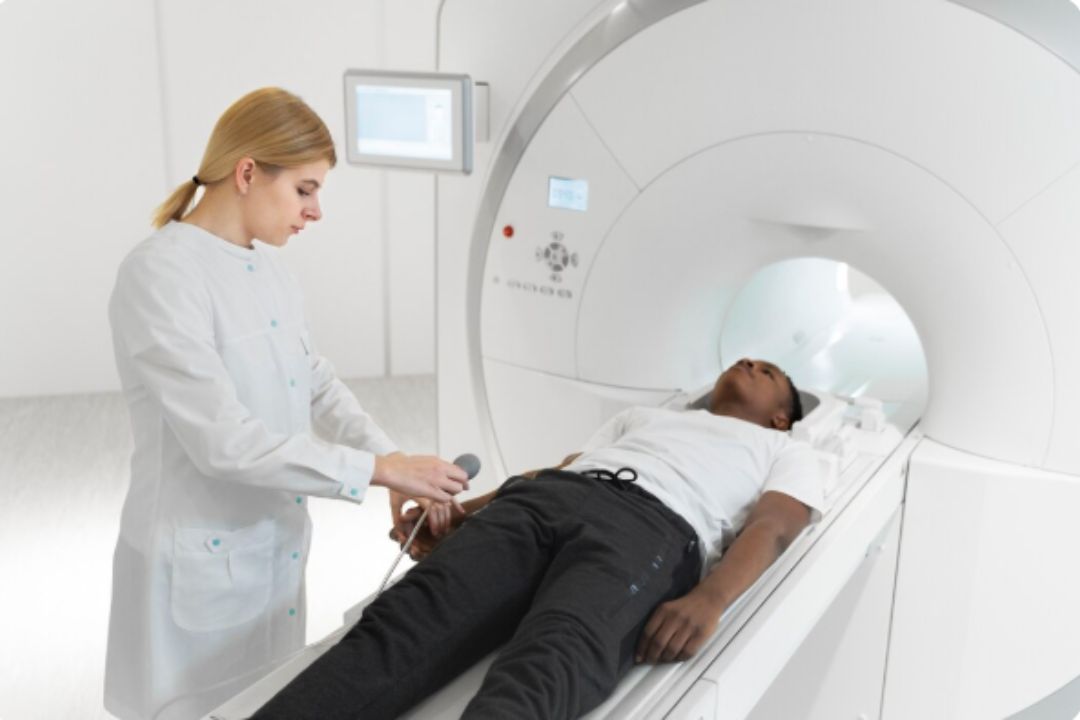

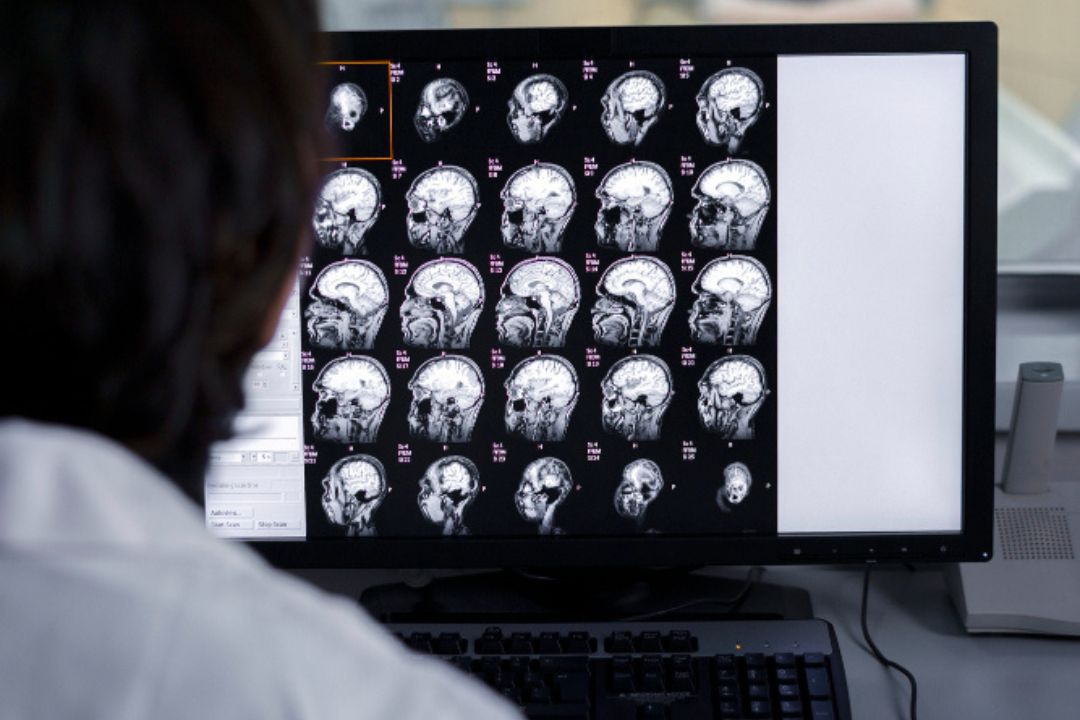
.jpg "ct brain scan plain and contrast")









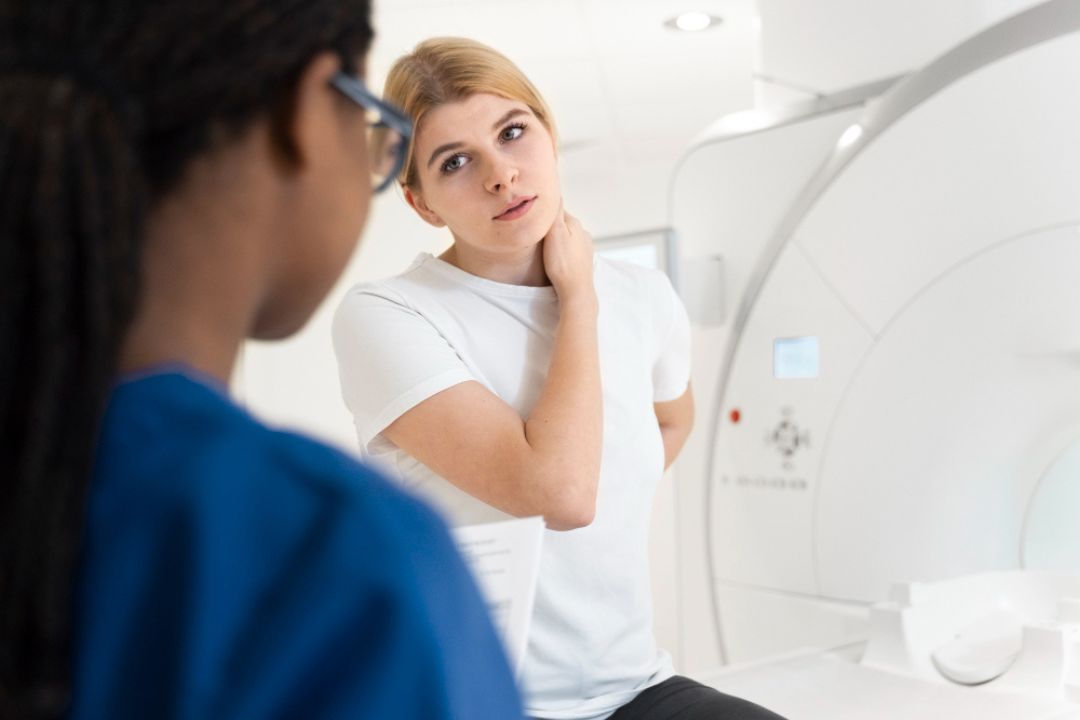
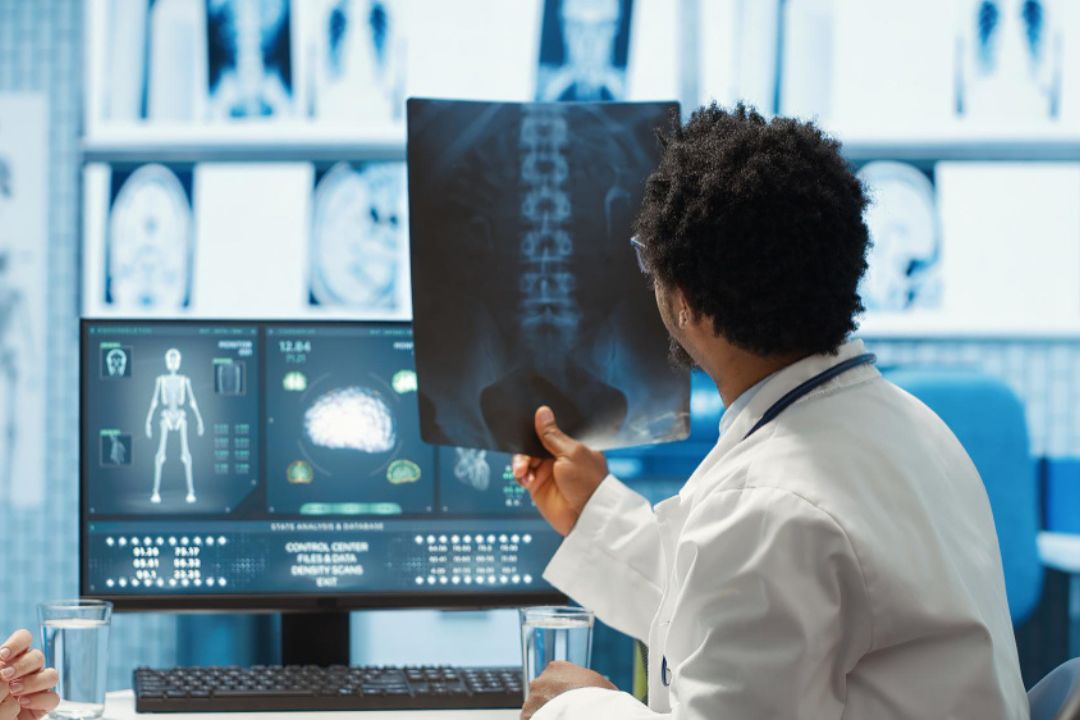
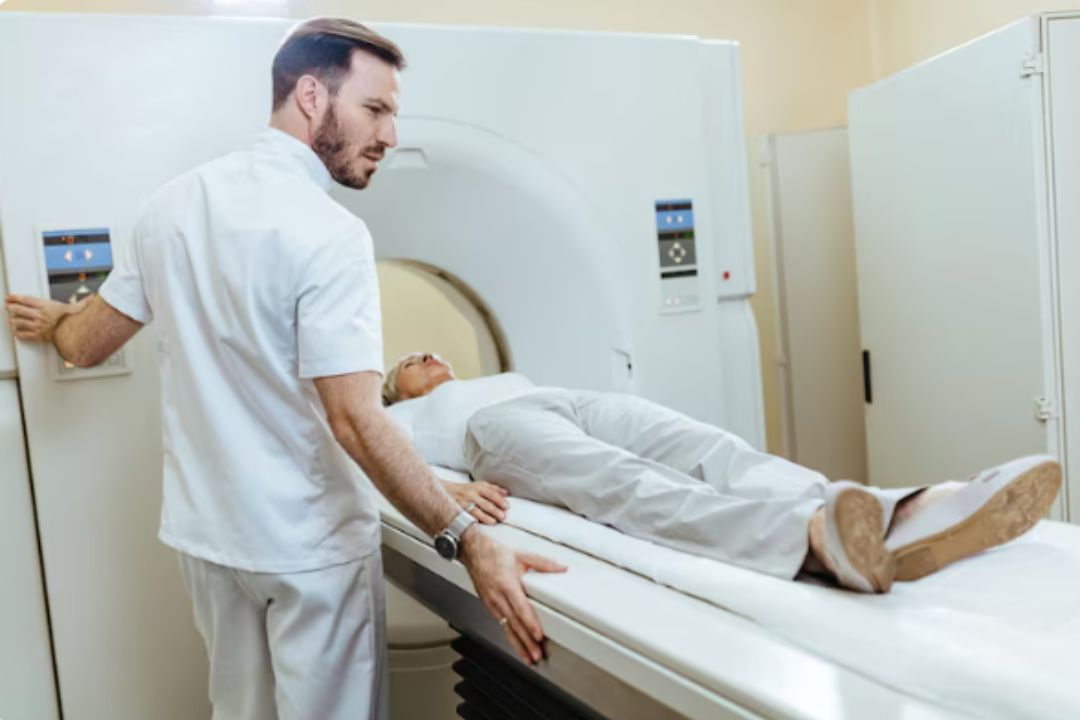
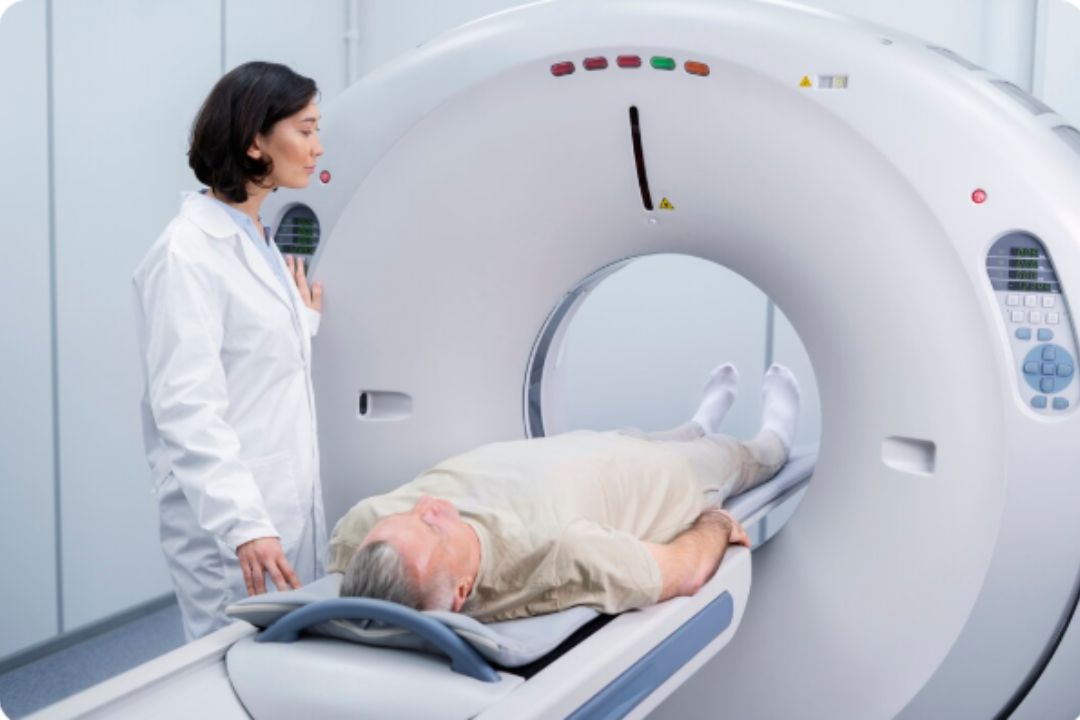
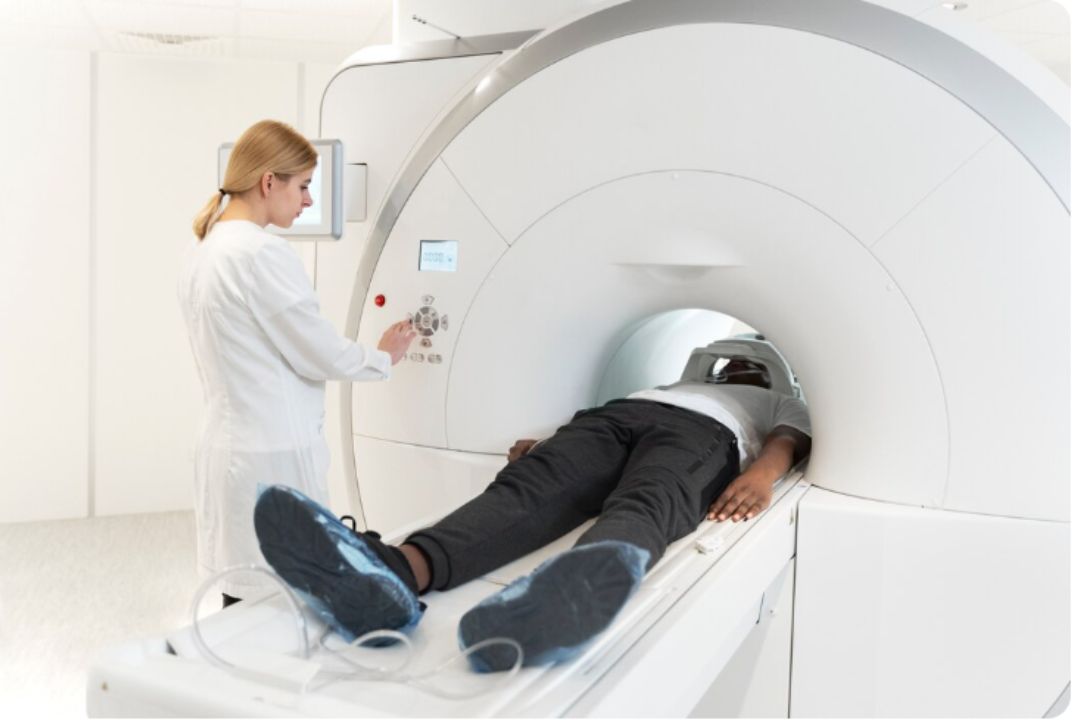
.jpg "ct scan")
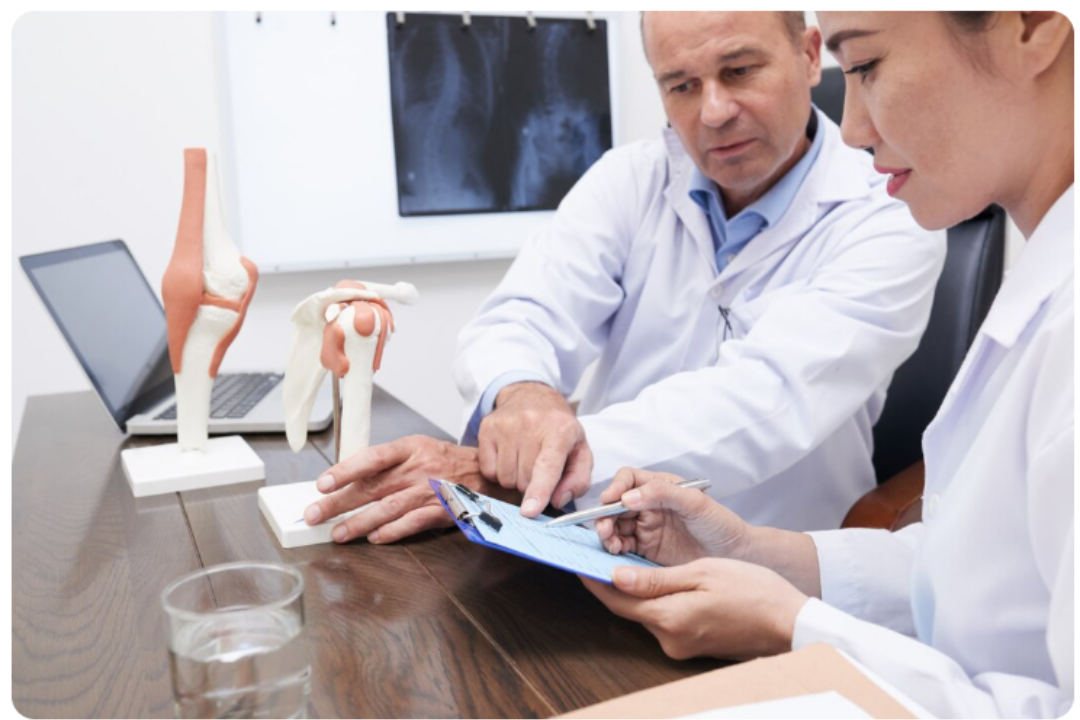
.jpg "ct scan or mri for brain disorders")


.jpg "exploring the power of ct brain contrast in modern diagnostics")
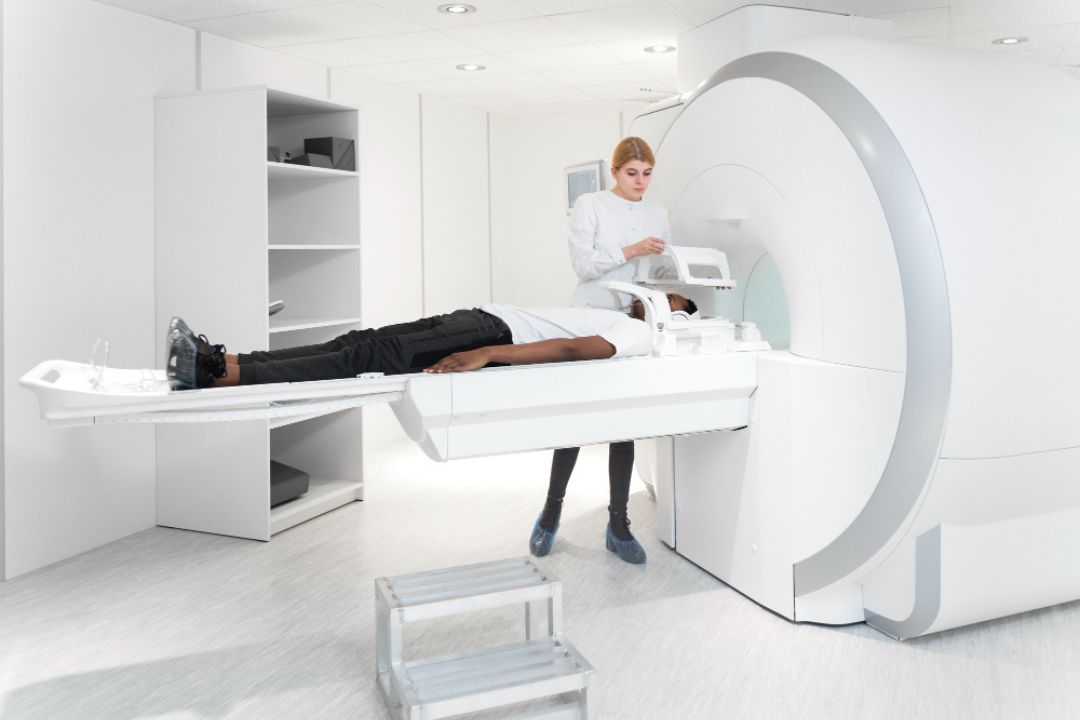
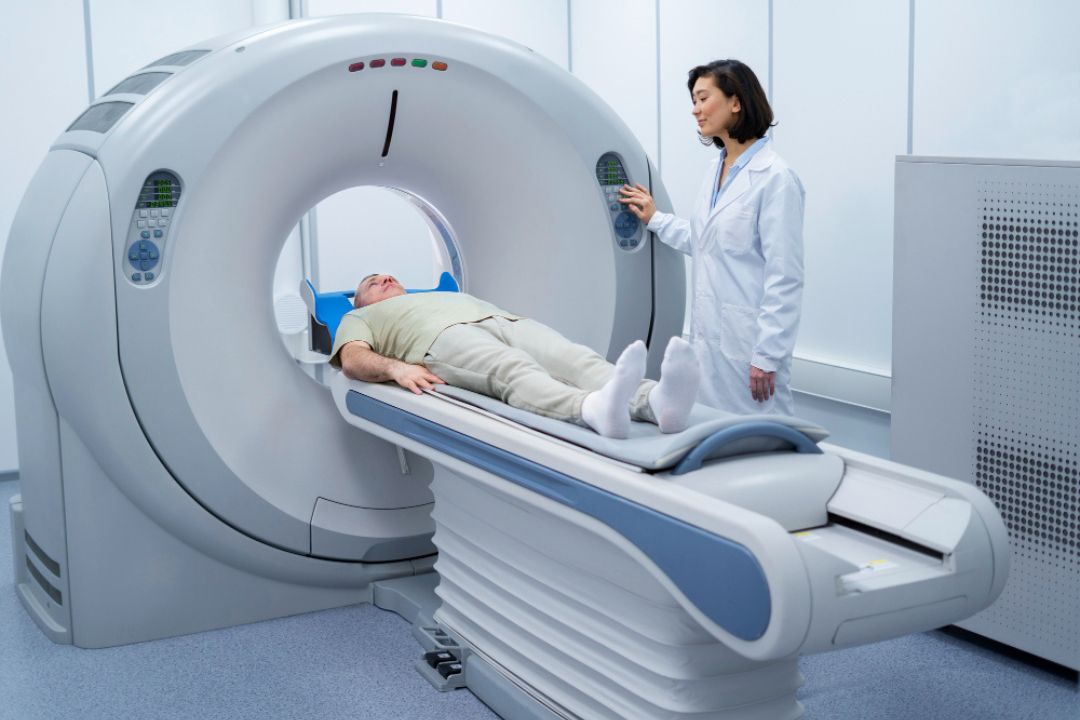
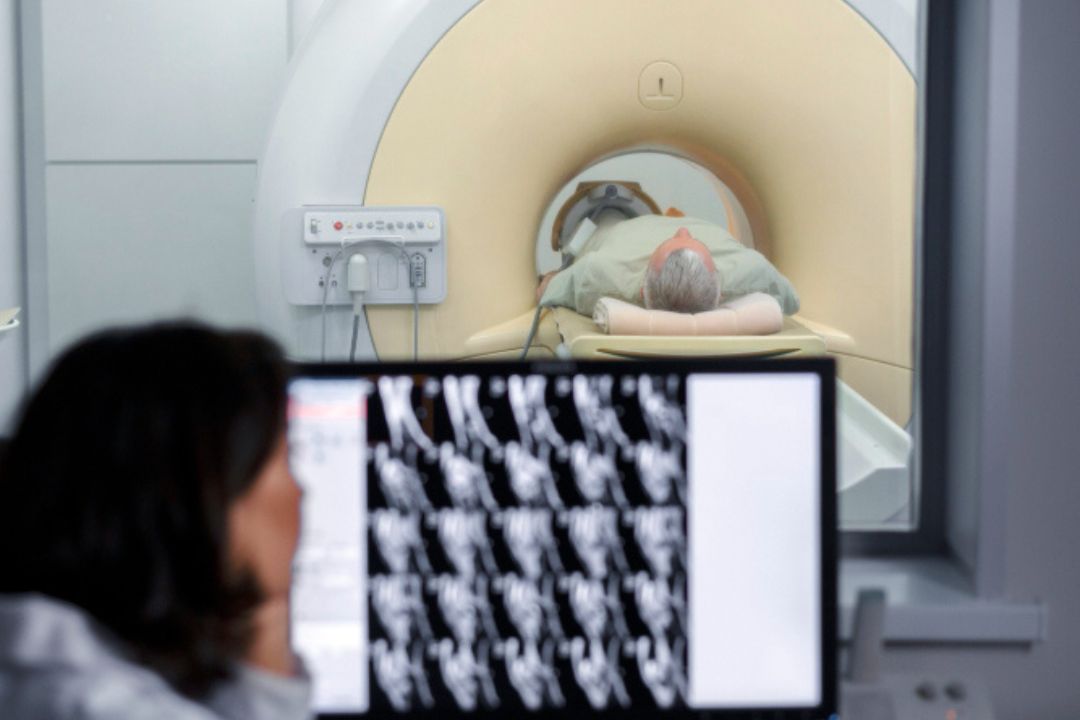
.jpg "ct scan")
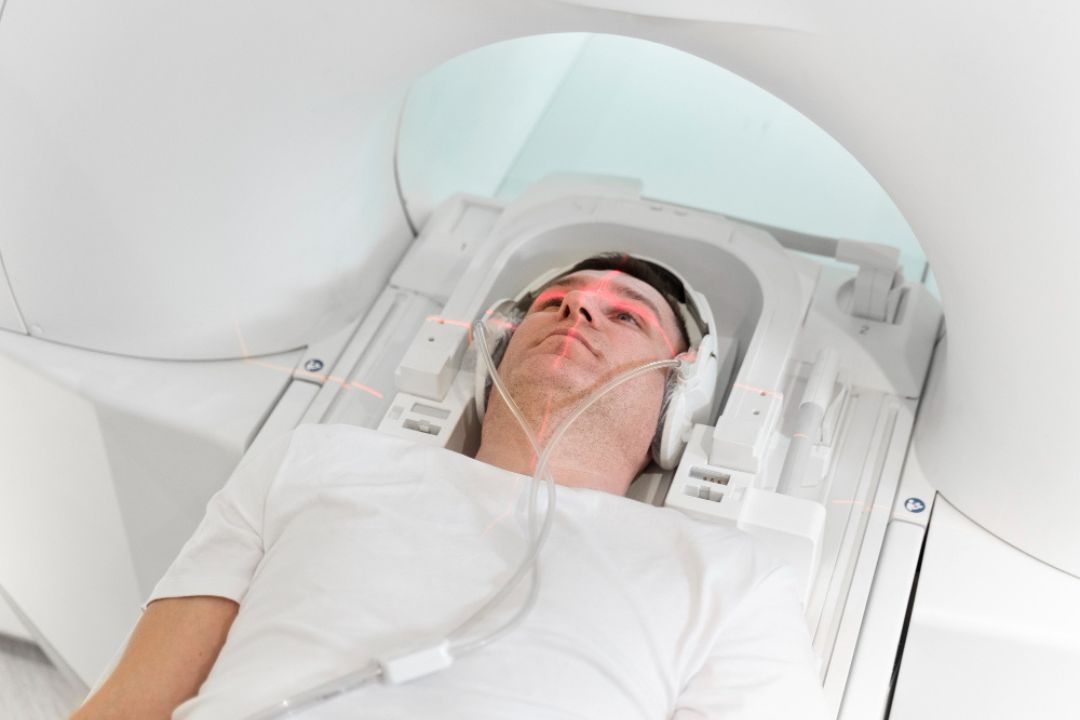
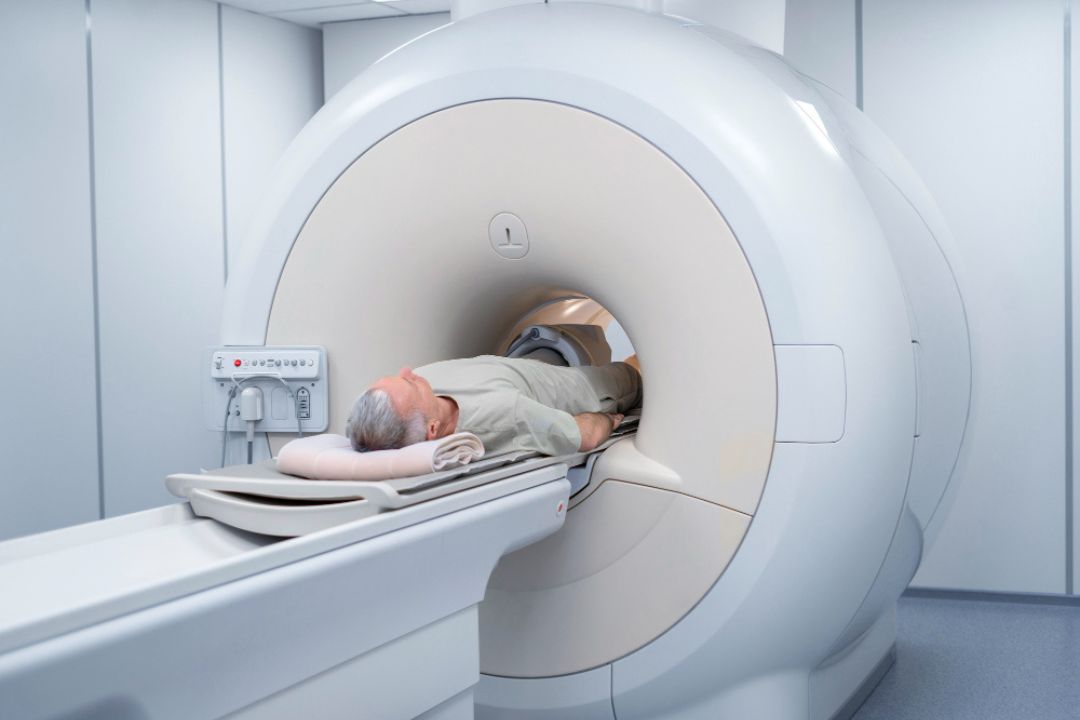
.jpg "ct scan")







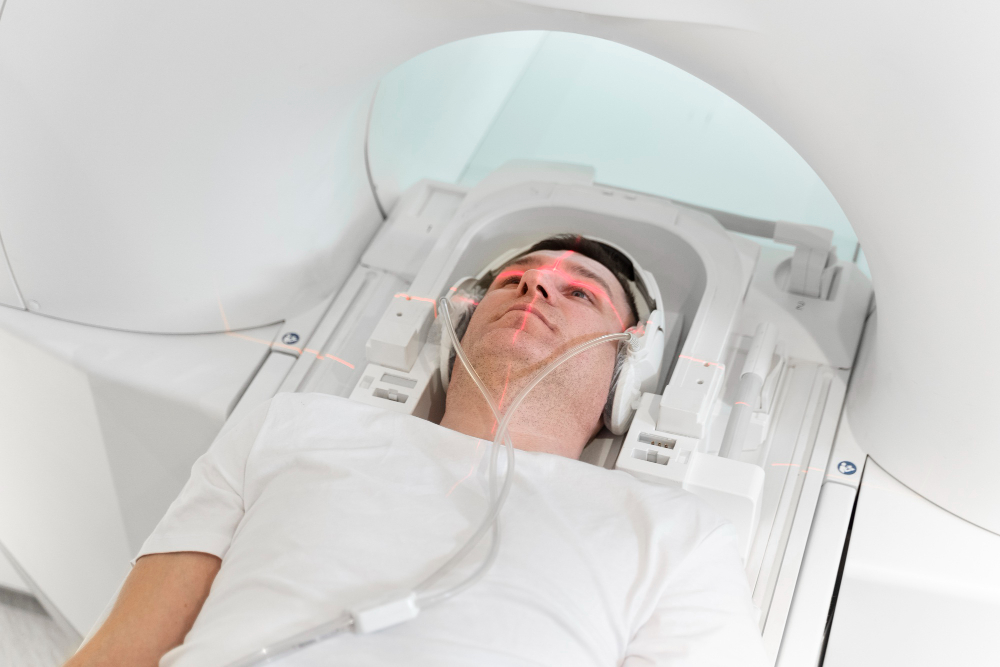
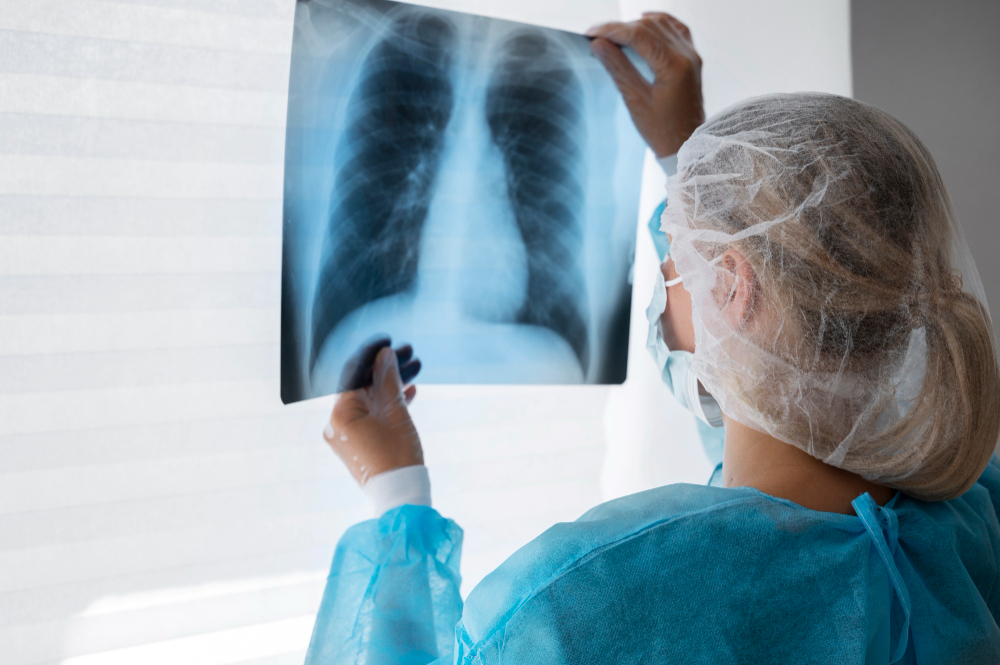
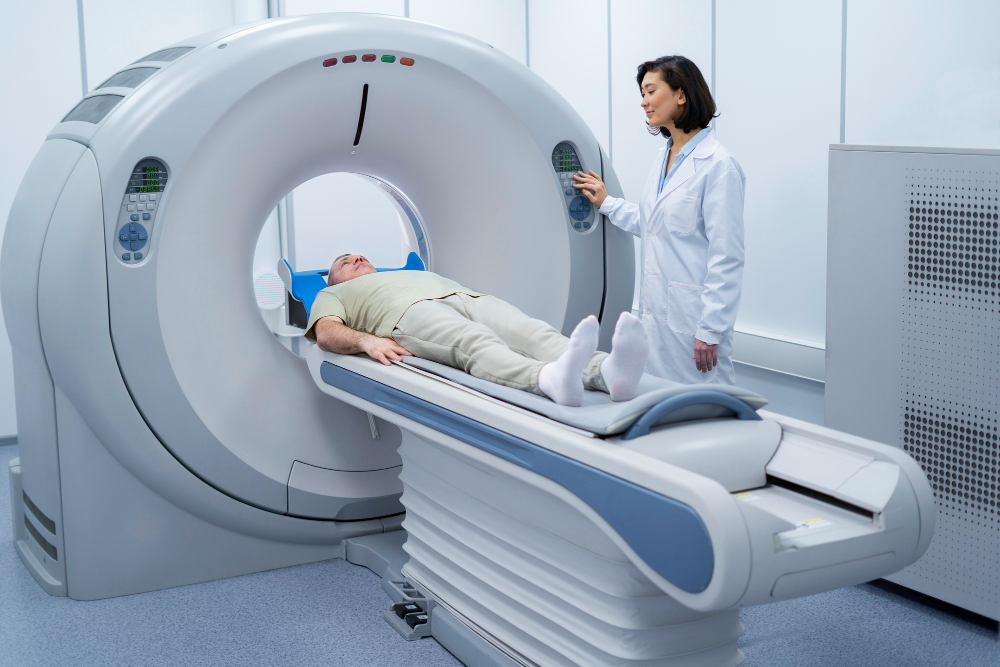
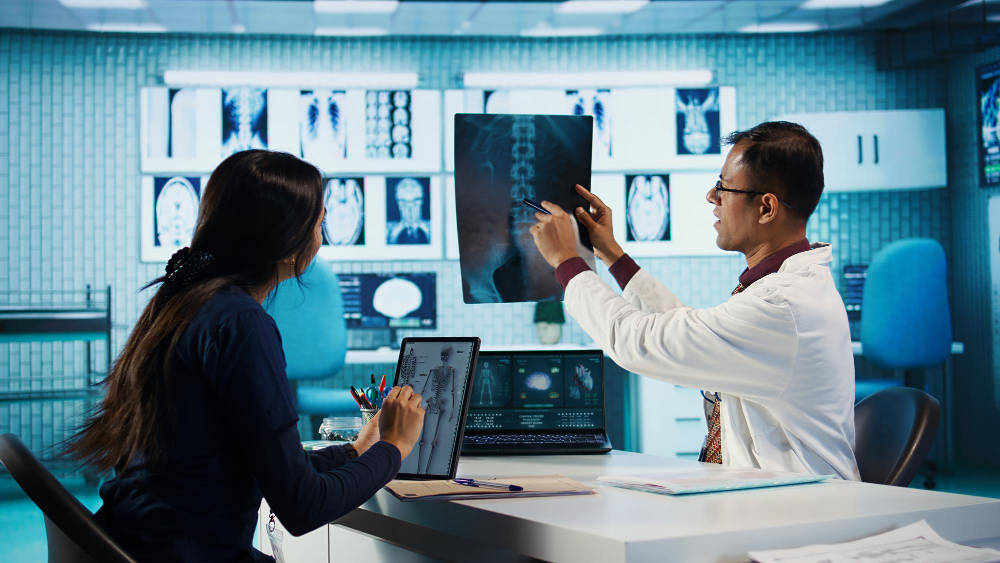

.jpg "ct scan")

.jpg "CT Brain Scan for Headaches")
.jpg "The Future of 3D CT Imaging")