A Serum Electrolytes Test is a common blood test used to measure the levels of important minerals in the body. These electrolytes help regulate many essential functions such as hydration, nerve signals, muscle function, and maintaining the body's acid–base balance.
Doctors often recommend this test to check overall health, diagnose medical conditions, or monitor ongoing treatments. Understanding the uses, normal values, and cost of a serum electrolytes test can help patients better prepare for the test and interpret the results.
A serum electrolytes test measures the levels of key minerals present in the blood. These minerals carry an electrical charge and play an important role in maintaining the body's fluid balance and organ function.
The main electrolytes tested include:
Sodium (Na?)
Potassium (K?)
Chloride (Cl?)
Bicarbonate (HCO3?)
These electrolytes help regulate important processes such as blood pressure, hydration, and nerve communication.
Doctors may recommend this test for several medical reasons.
Electrolytes are closely related to kidney health. Abnormal levels may indicate kidney problems.
Changes in sodium and potassium levels can help doctors determine if a patient is dehydrated.
Electrolyte imbalances, especially potassium abnormalities, can affect heart rhythm.
Patients with conditions like diabetes, hypertension, or kidney disease often require regular electrolyte monitoring.
Weakness
Fatigue
Confusion
Irregular heartbeat
Muscle cramps
Normal electrolyte levels may vary slightly depending on the laboratory, but typical ranges include:
| Electrolyte | Normal Range |
|---|---|
| Sodium | 135 – 145 mEq/L |
| Potassium | 3.5 – 5.0 mEq/L |
| Chloride | 98 – 106 mEq/L |
| Bicarbonate | 22 – 28 mEq/L |
If results fall outside these ranges, doctors may recommend further evaluation or treatment.
The test is simple and usually takes only a few minutes.
A healthcare professional collects a small blood sample from a vein in your arm.
The sample is sent to a laboratory for analysis.
Results are typically available within a few hours or the next day.
The procedure is quick and involves minimal discomfort.
In most cases, no special preparation is required for a serum electrolytes test. However, your doctor may advise fasting or avoiding certain medications depending on the purpose of the test.
Always inform your doctor about any medications or supplements you are taking.
The cost of a serum electrolytes test can vary depending on the diagnostic center and location. In many diagnostic laboratories, the test is affordable and widely available.
Typically, the price may range from ?200 to ?800 in India, depending on the lab and additional tests included in the panel.
This test provides valuable insights into overall health and helps doctors detect medical conditions early.
Key benefits include:
Early detection of electrolyte imbalances
Monitoring kidney and heart health
Evaluating hydration levels
Supporting diagnosis of metabolic disorders
Helping guide treatment decisions
A Serum Electrolytes Test is a simple yet important diagnostic test that helps measure essential minerals in the blood. It plays a key role in monitoring hydration, kidney function, heart health, and overall body balance.
If your doctor recommends this test, it can provide valuable information that helps diagnose and manage various medical conditions effectively.





















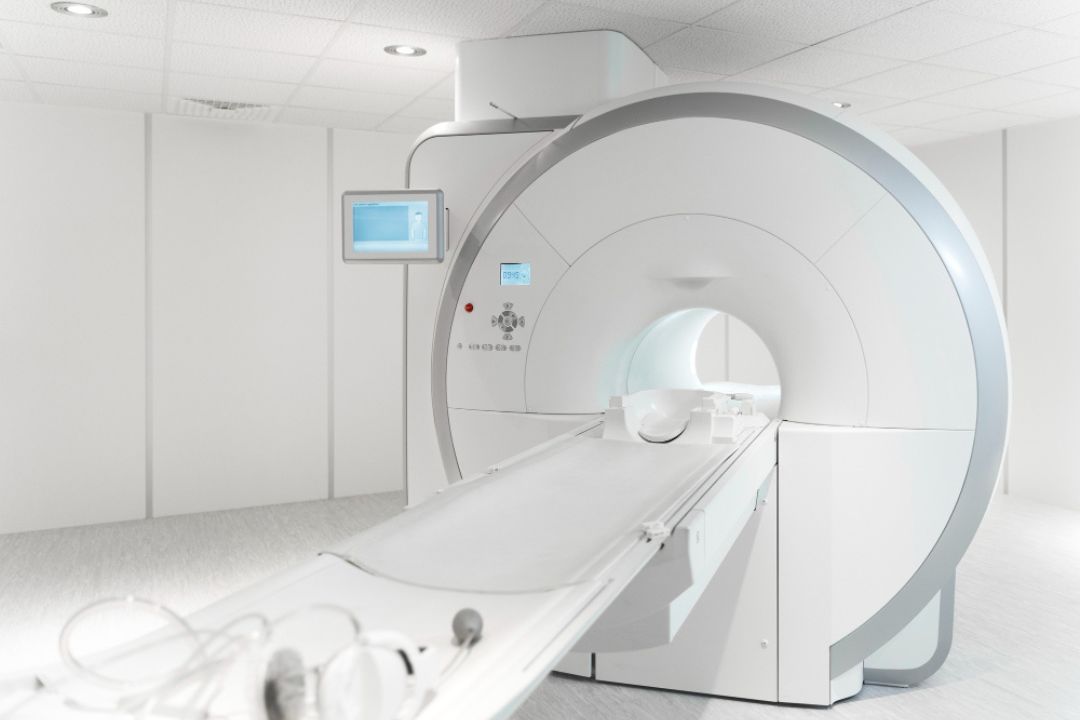



.jpg "ct brain scan plain and contrast")

























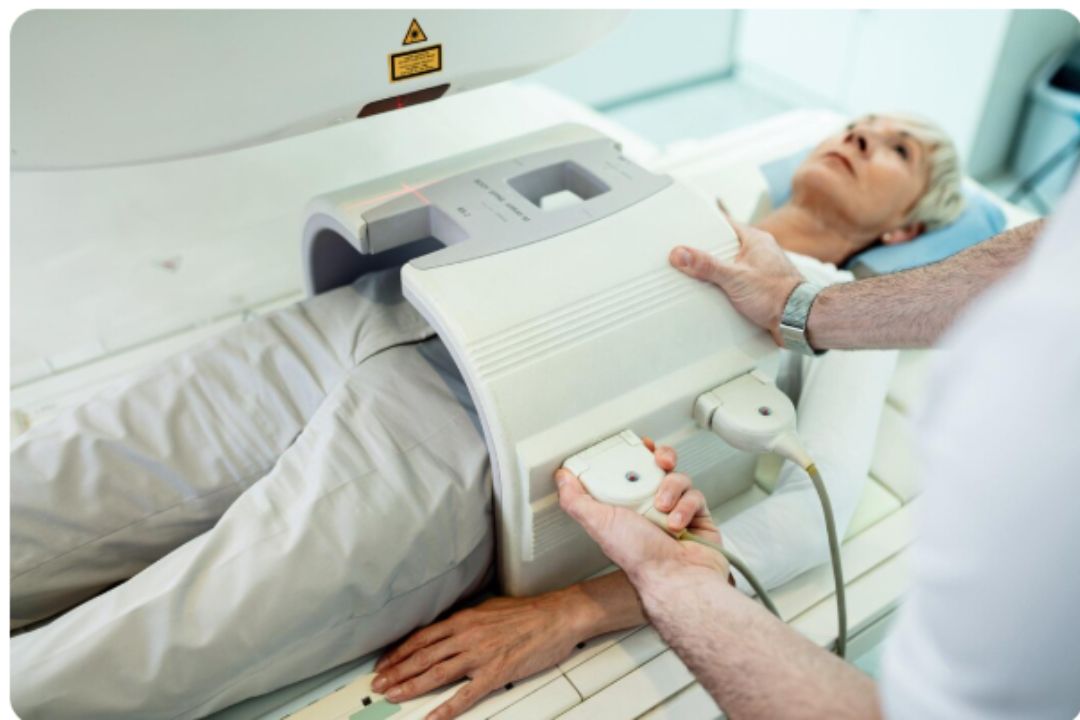
























.jpg "ct scan")

.jpg "ct scan or mri for brain disorders")


.jpg "exploring the power of ct brain contrast in modern diagnostics")



.jpg "ct scan")




.jpg "ct scan")





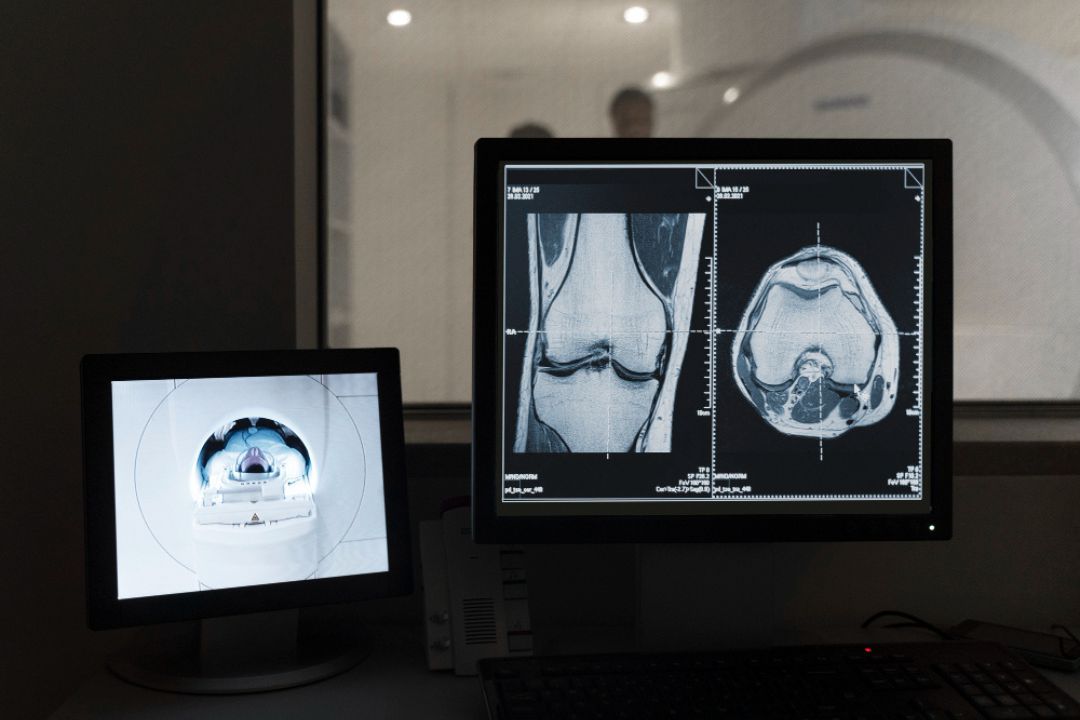




















.jpg "ct scan")


.jpg "CT Brain Scan for Headaches")


.jpg "The Future of 3D CT Imaging")