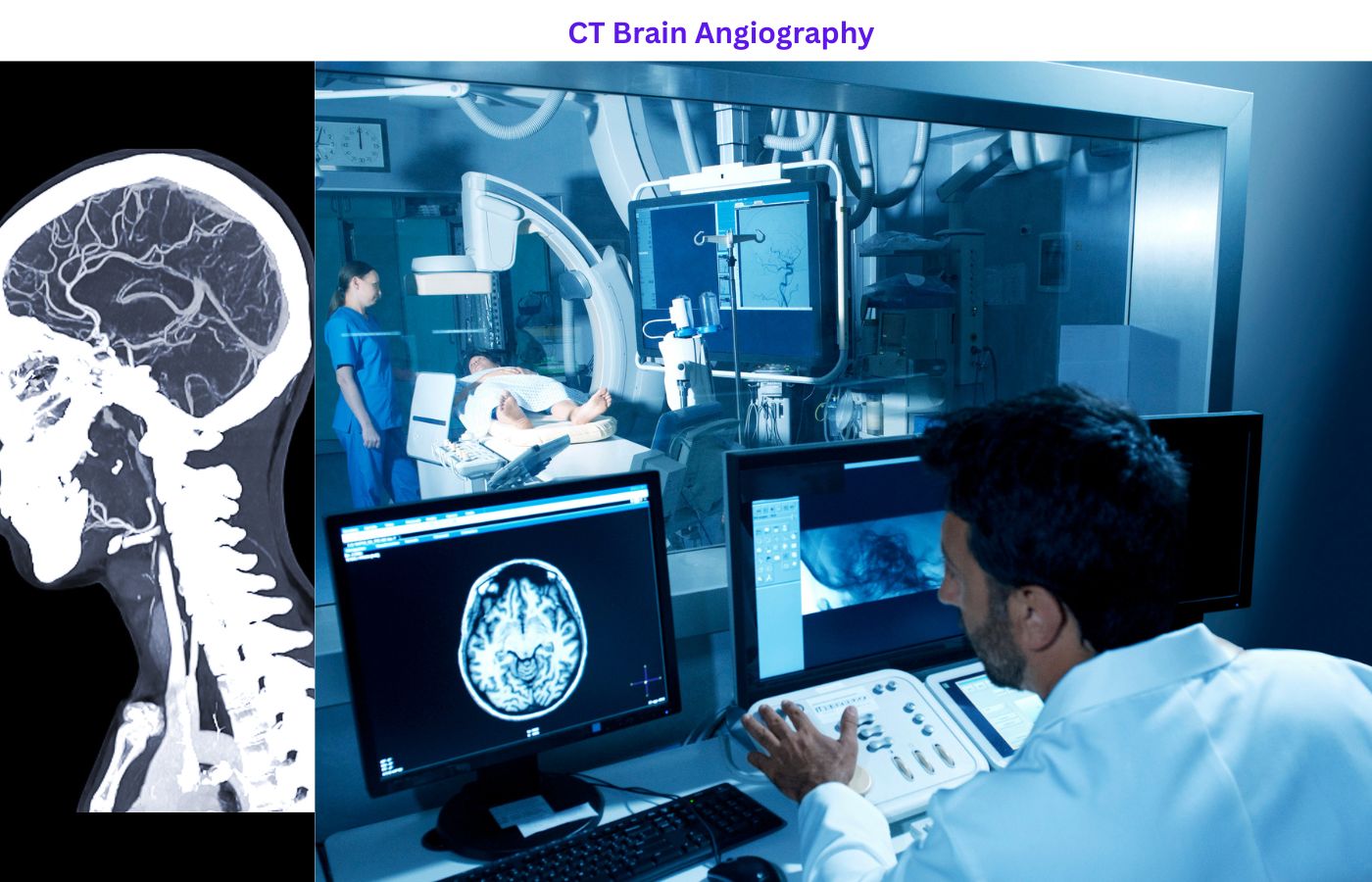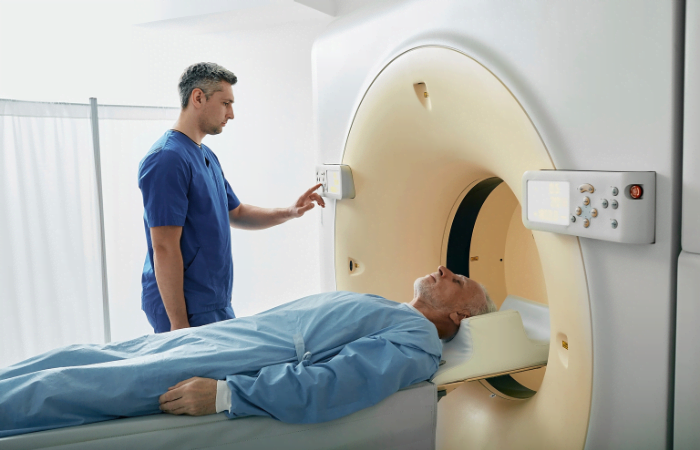
A CT Scan (Computed Tomography scan) is one of the most commonly used diagnostic imaging tests in modern medicine. Doctors recommend CT scans to examine internal organs, bones, tissues, and blood vessels with high accuracy.
Many patients feel anxious before the test because they are unsure about what happens during the procedure. Understanding the step-by-step CT scan process can help reduce stress and make the experience more comfortable.
In this guide, we explain what happens during a CT scan, how the procedure works, and what patients can expect before, during, and after the scan.
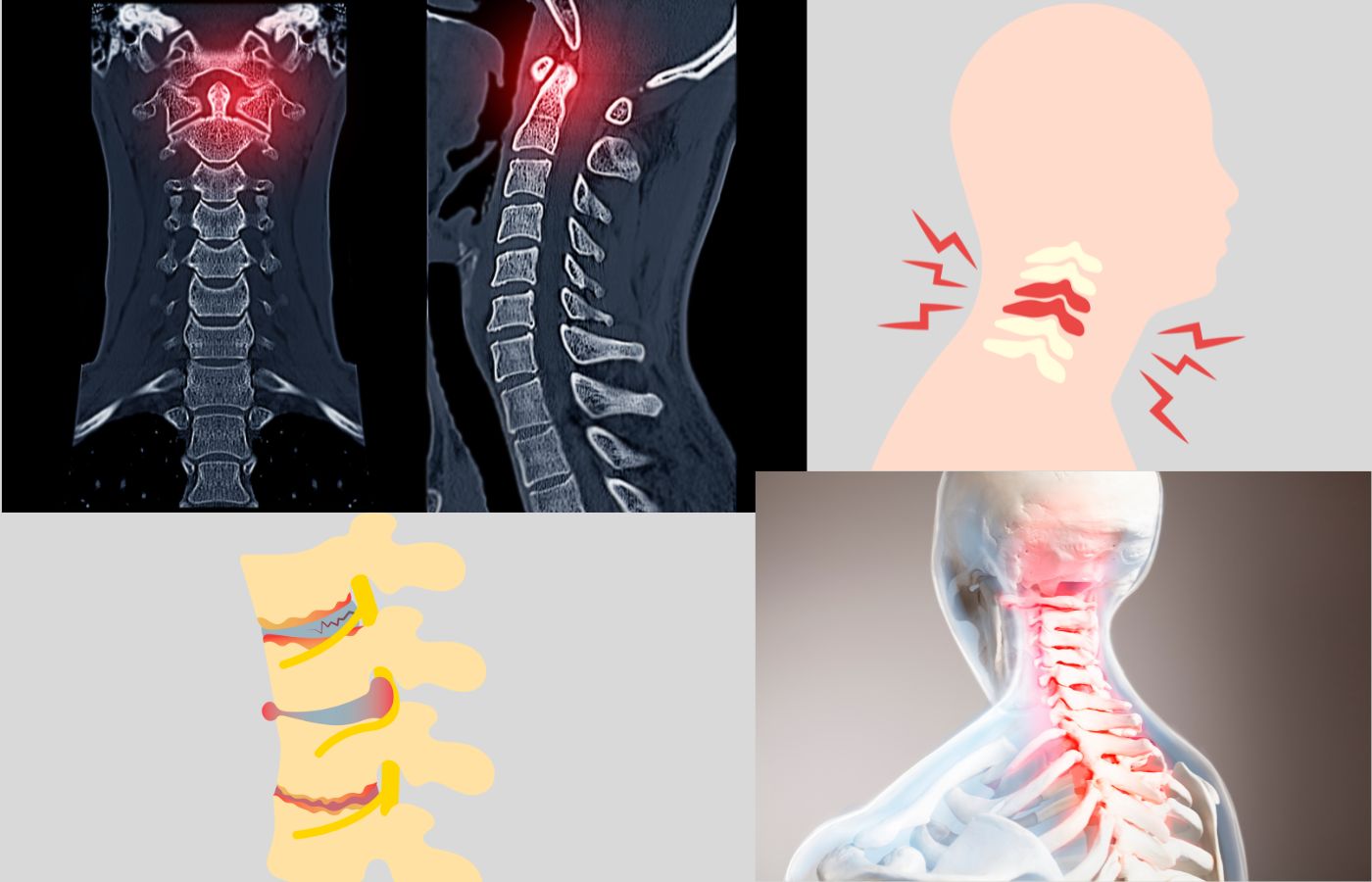
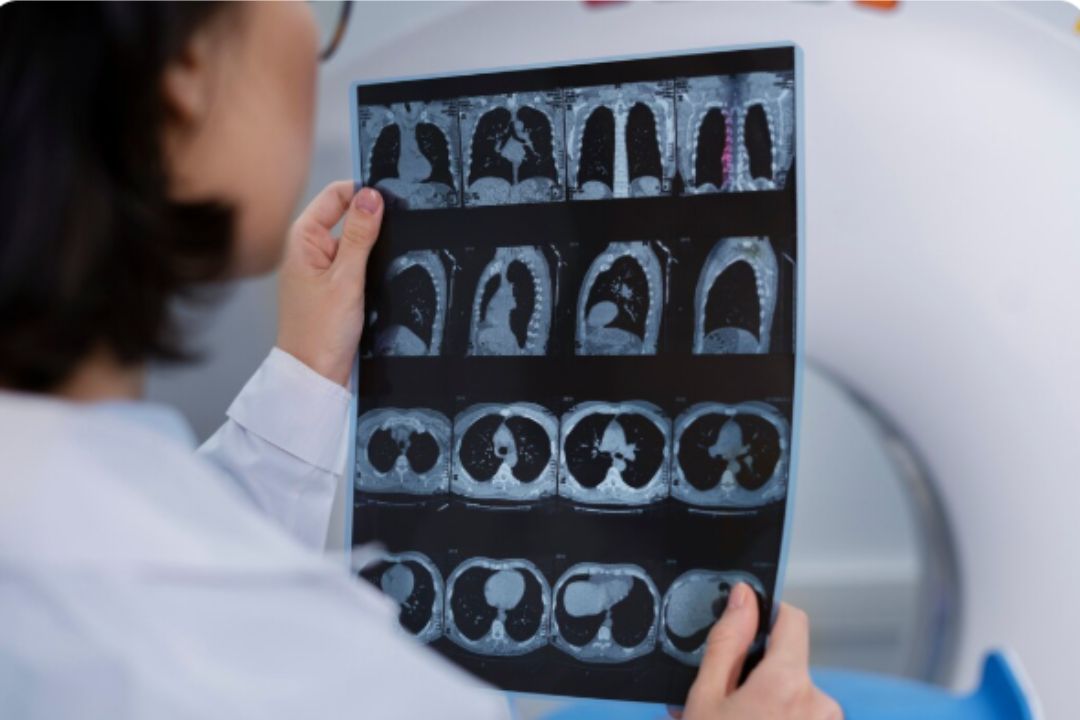
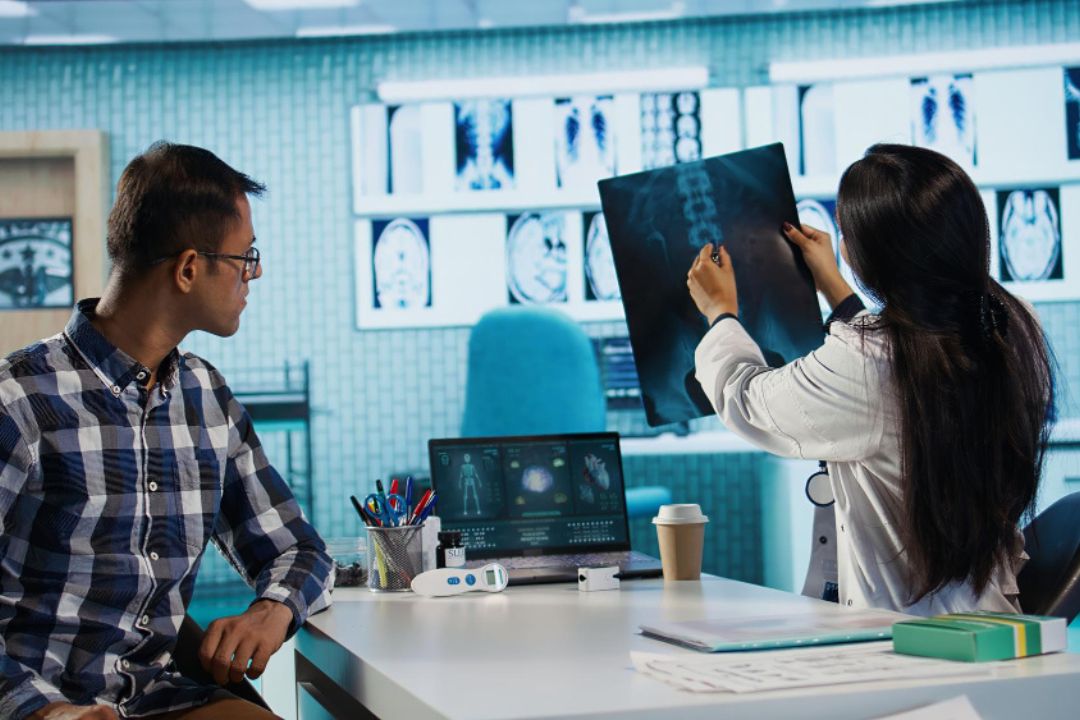
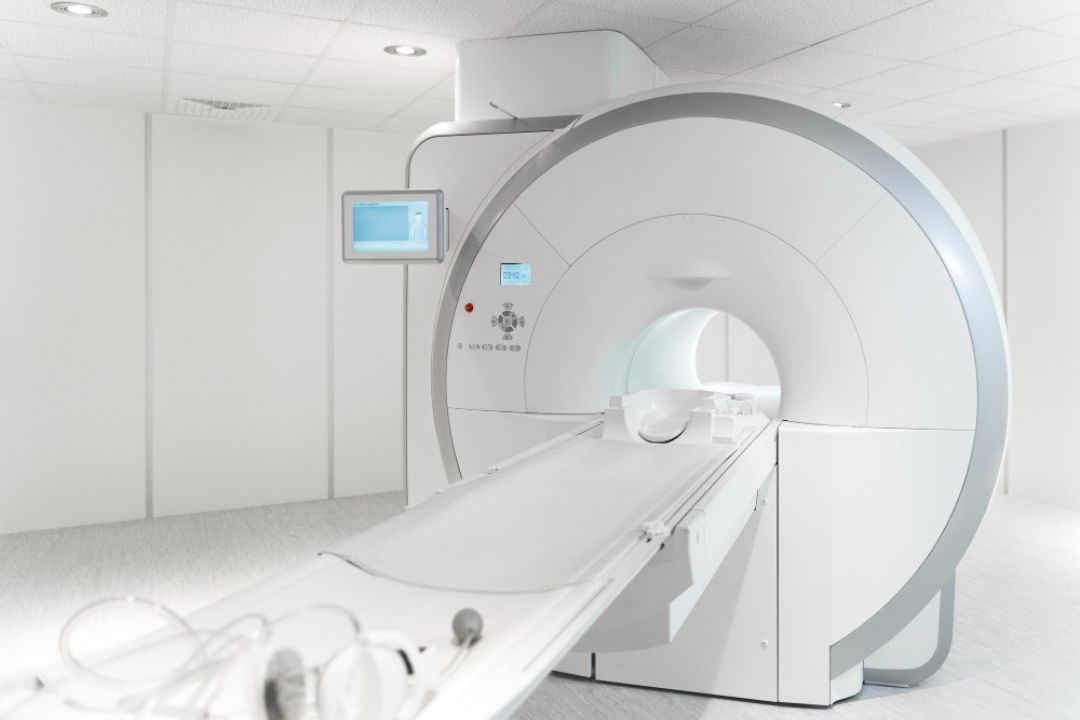
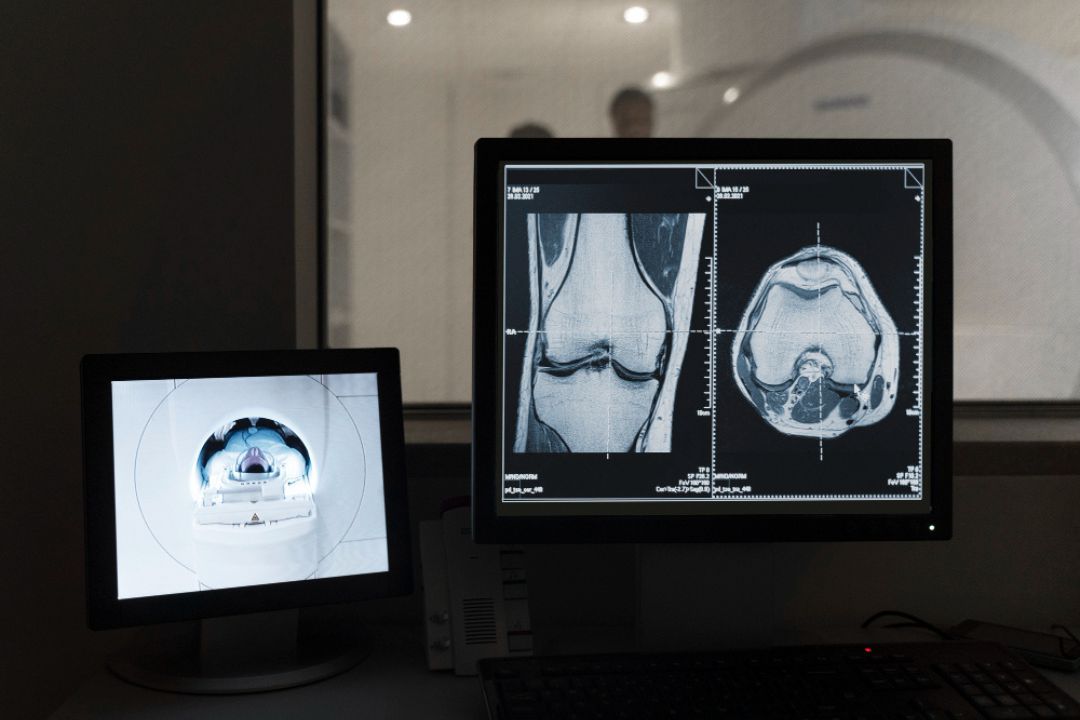
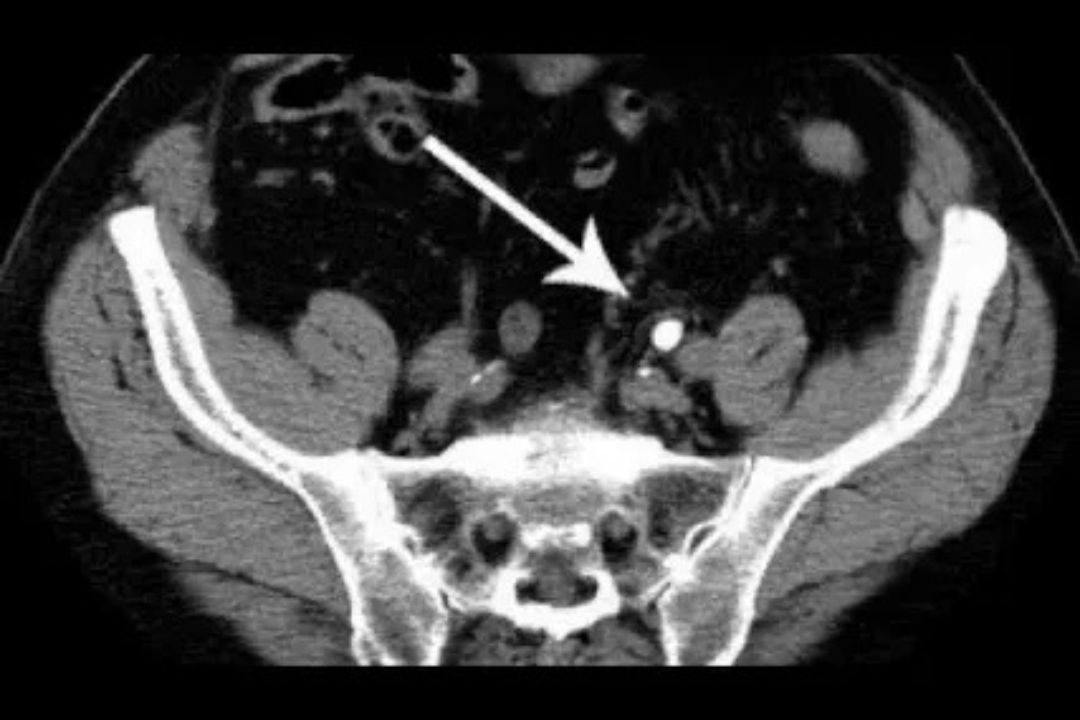
A CT Scan is an advanced imaging technique that combines X-ray technology with computer processing to create detailed cross-sectional images of the body.
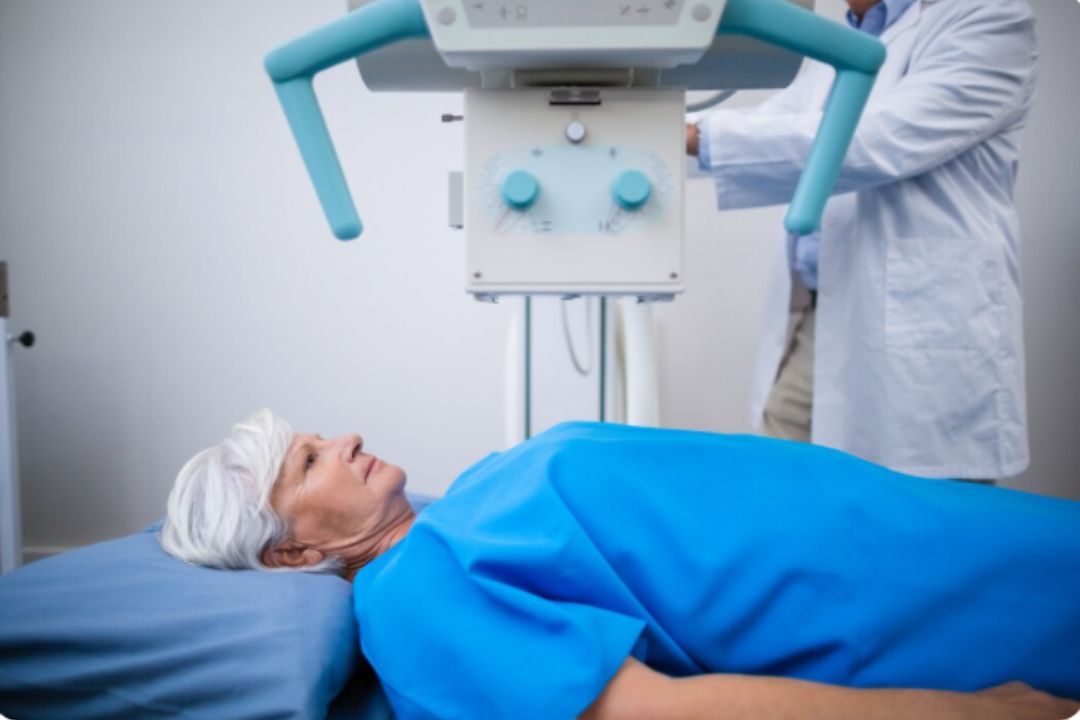
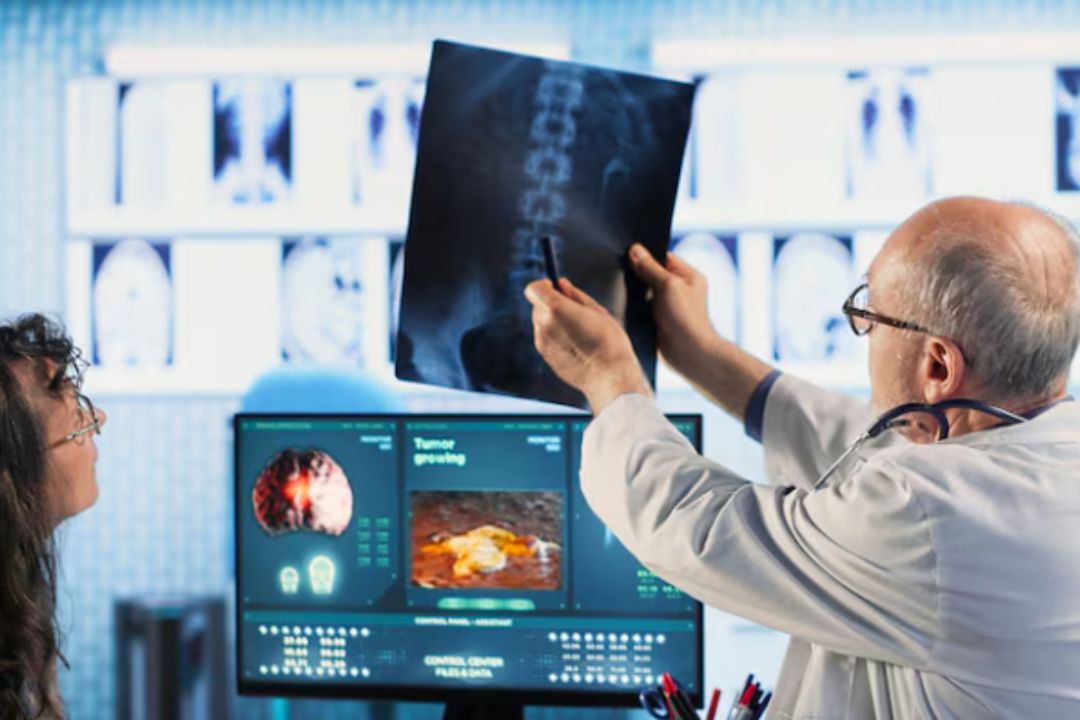
Unlike standard X-rays, CT scans capture images from multiple angles, allowing doctors to examine the body in greater detail. These images help detect injuries, infections, tumors, and other medical conditions.
Doctors may recommend a CT scan for many medical reasons, including:
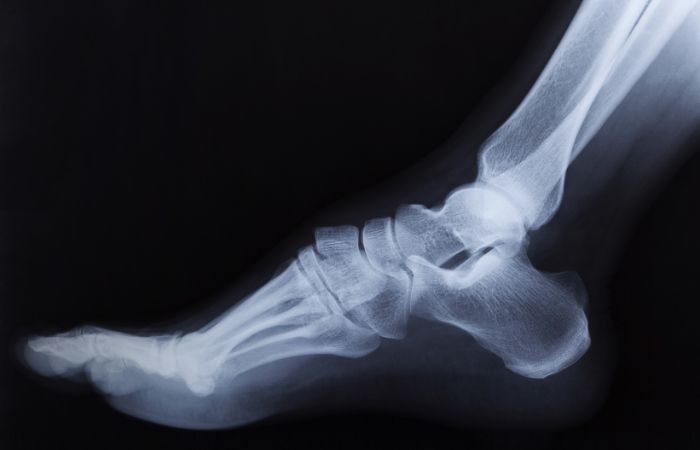
Diagnosing bone fractures or injuries
Detecting tumors or abnormal growths
Identifying internal bleeding
Evaluating organs such as the brain, lungs, or abdomen
Checking blood vessels and soft tissues
Monitoring the progress of disease or treatment
Because CT scans provide clear and detailed images, they are widely used for accurate diagnosis.
Understanding each stage of the CT scan can help patients feel more prepared for the test.
Visit Now: https://www.diagnopein.com
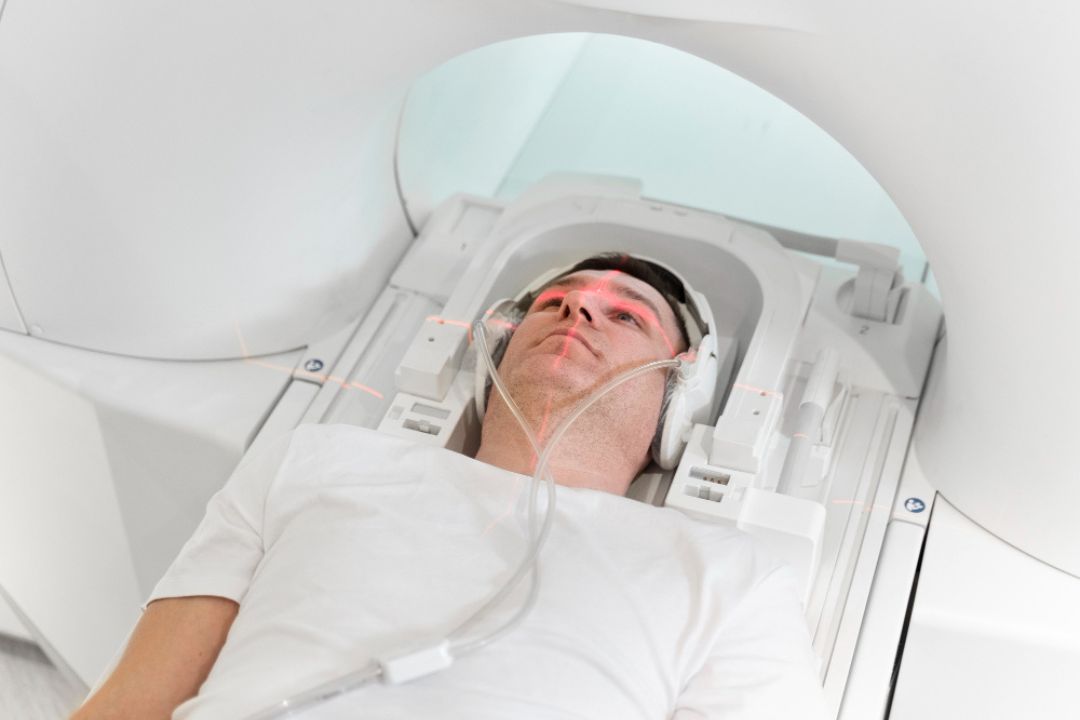
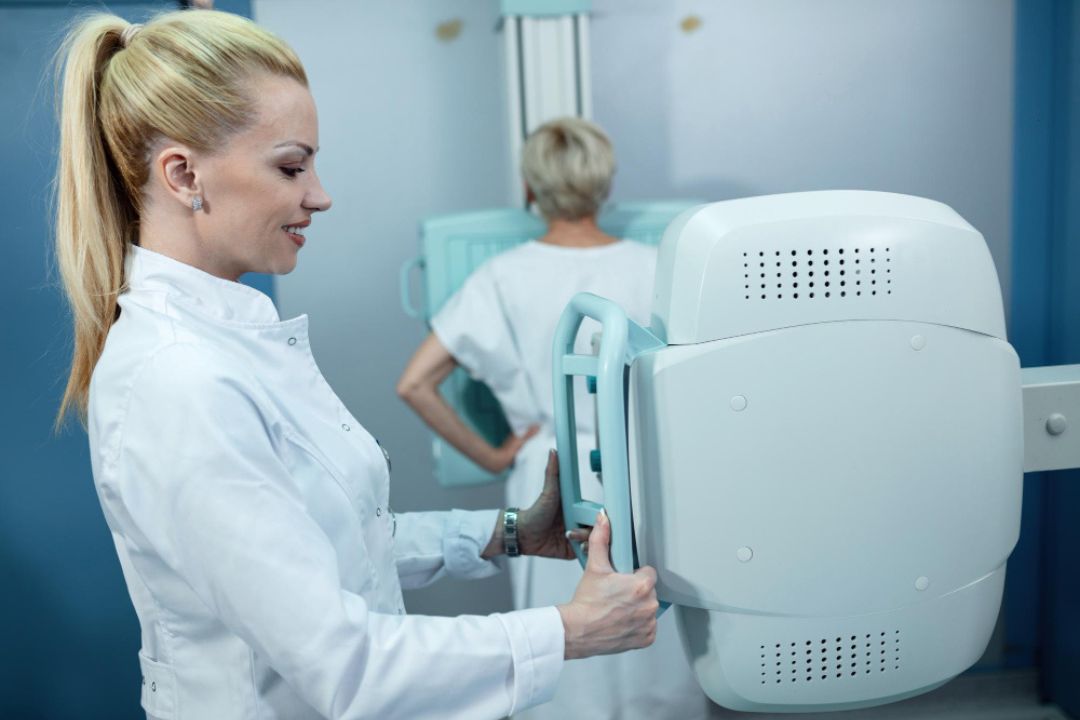
Before the scan begins, the technician may ask you to remove metal objects such as jewelry, glasses, or belts because metal can interfere with imaging results.
In some cases, patients may need to change into a hospital gown.
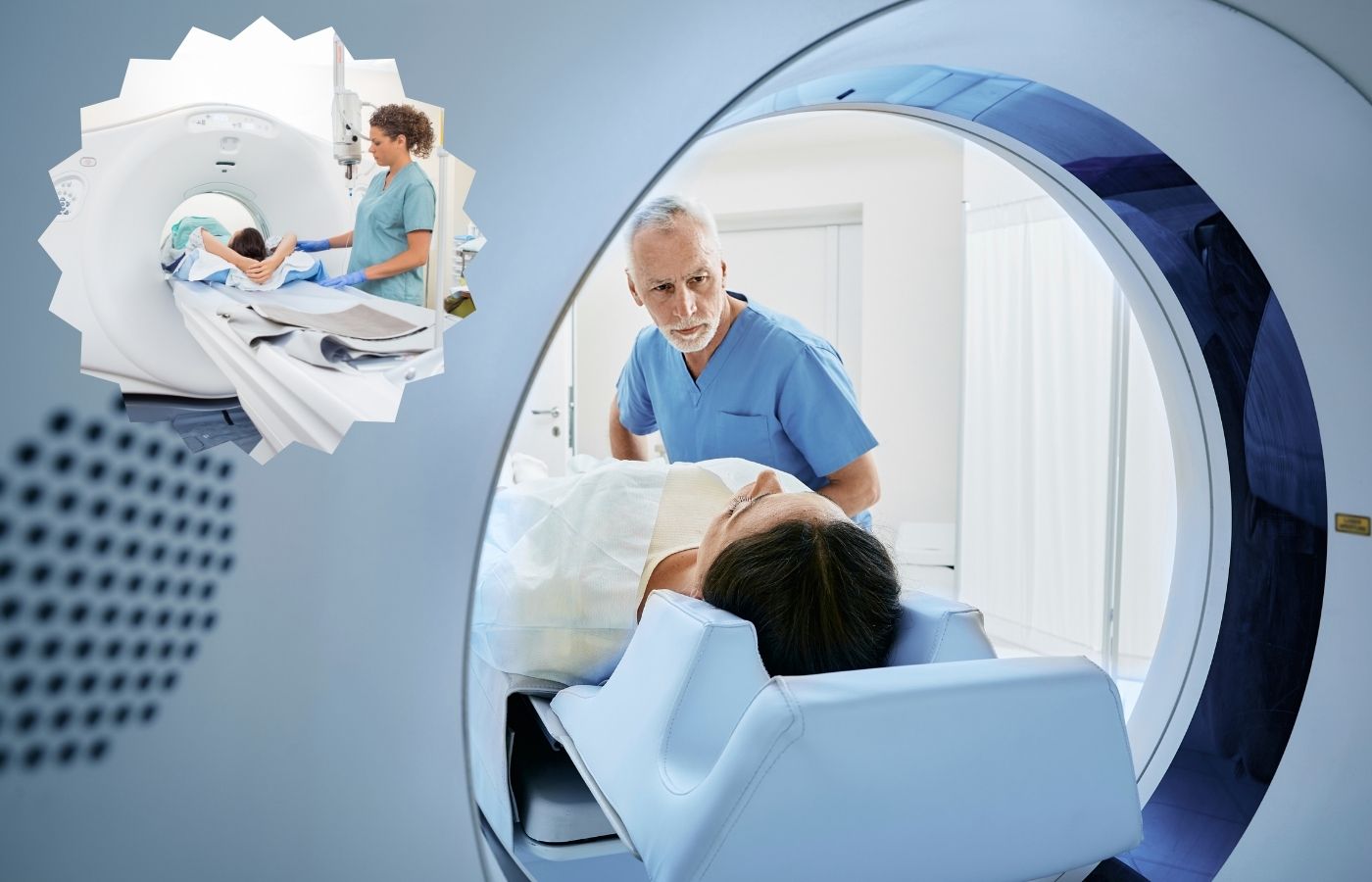
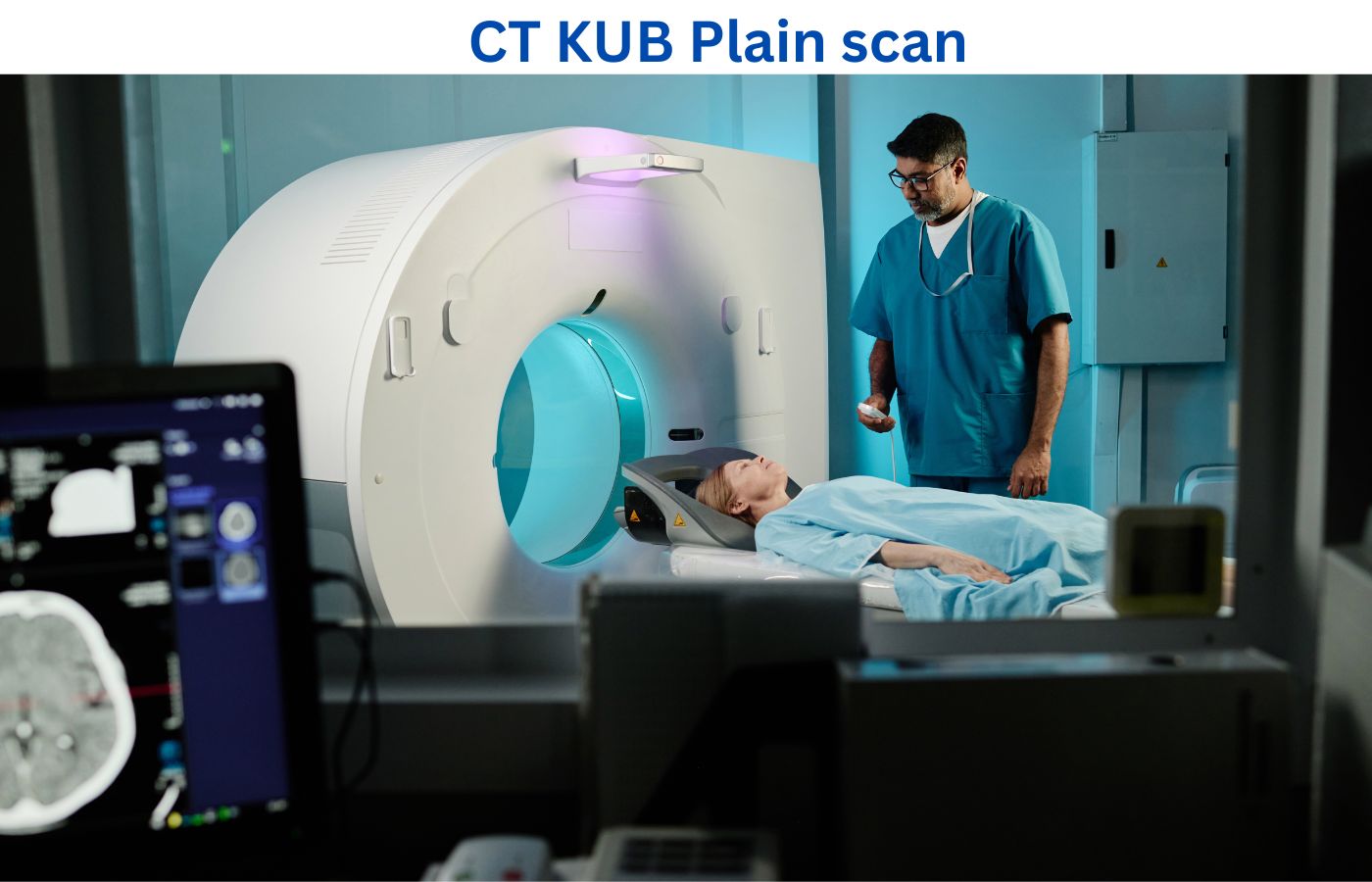
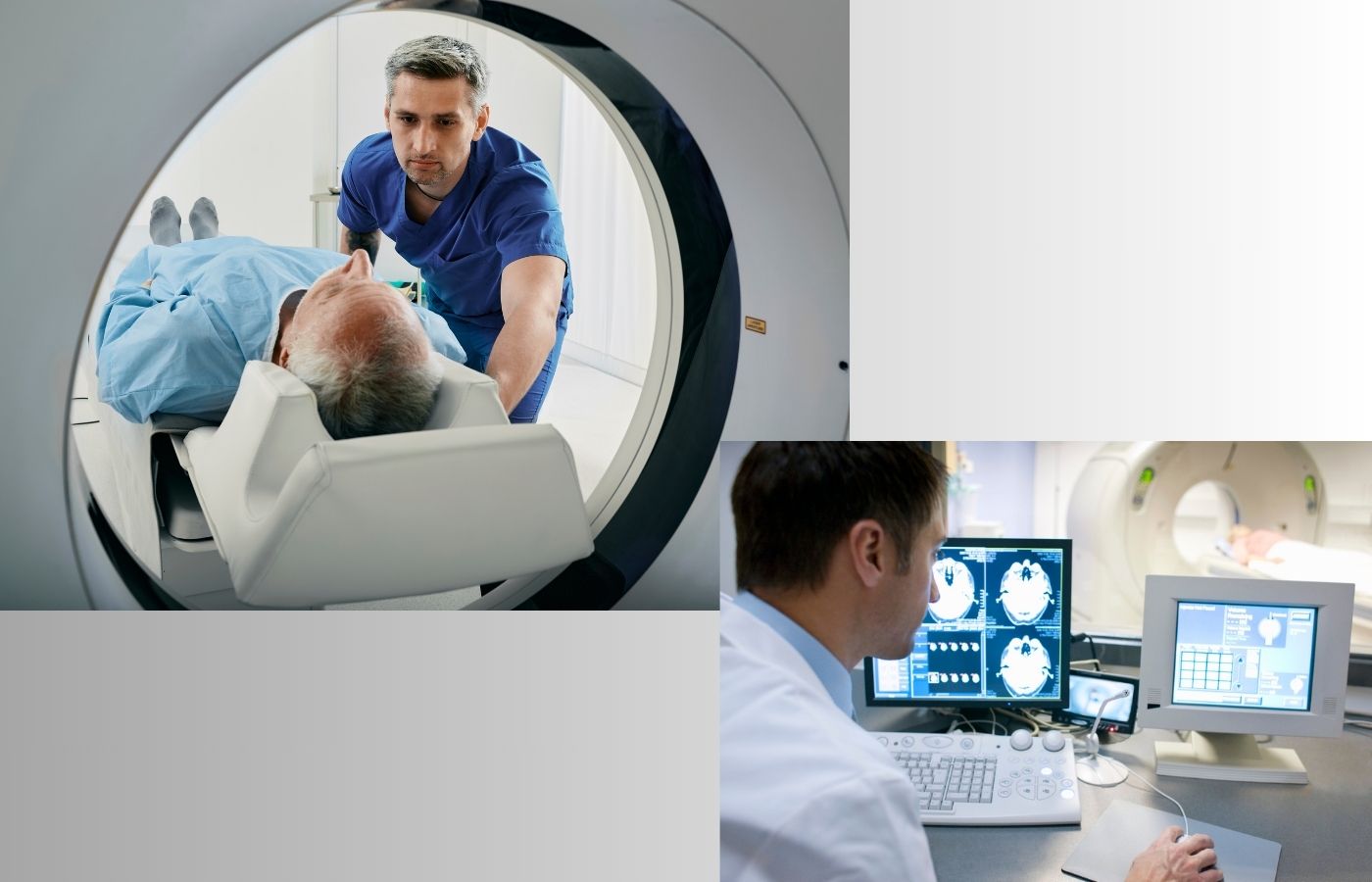
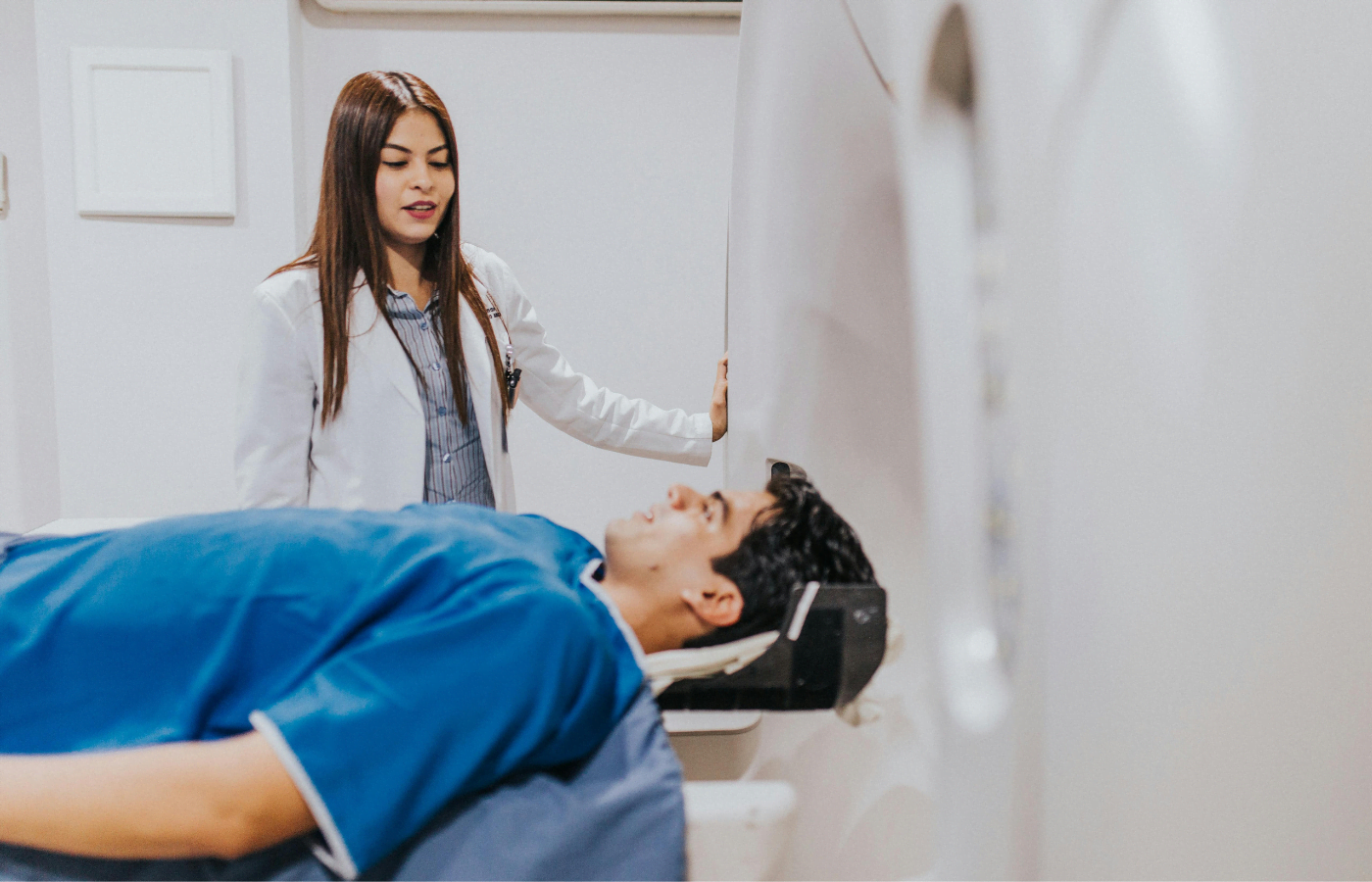
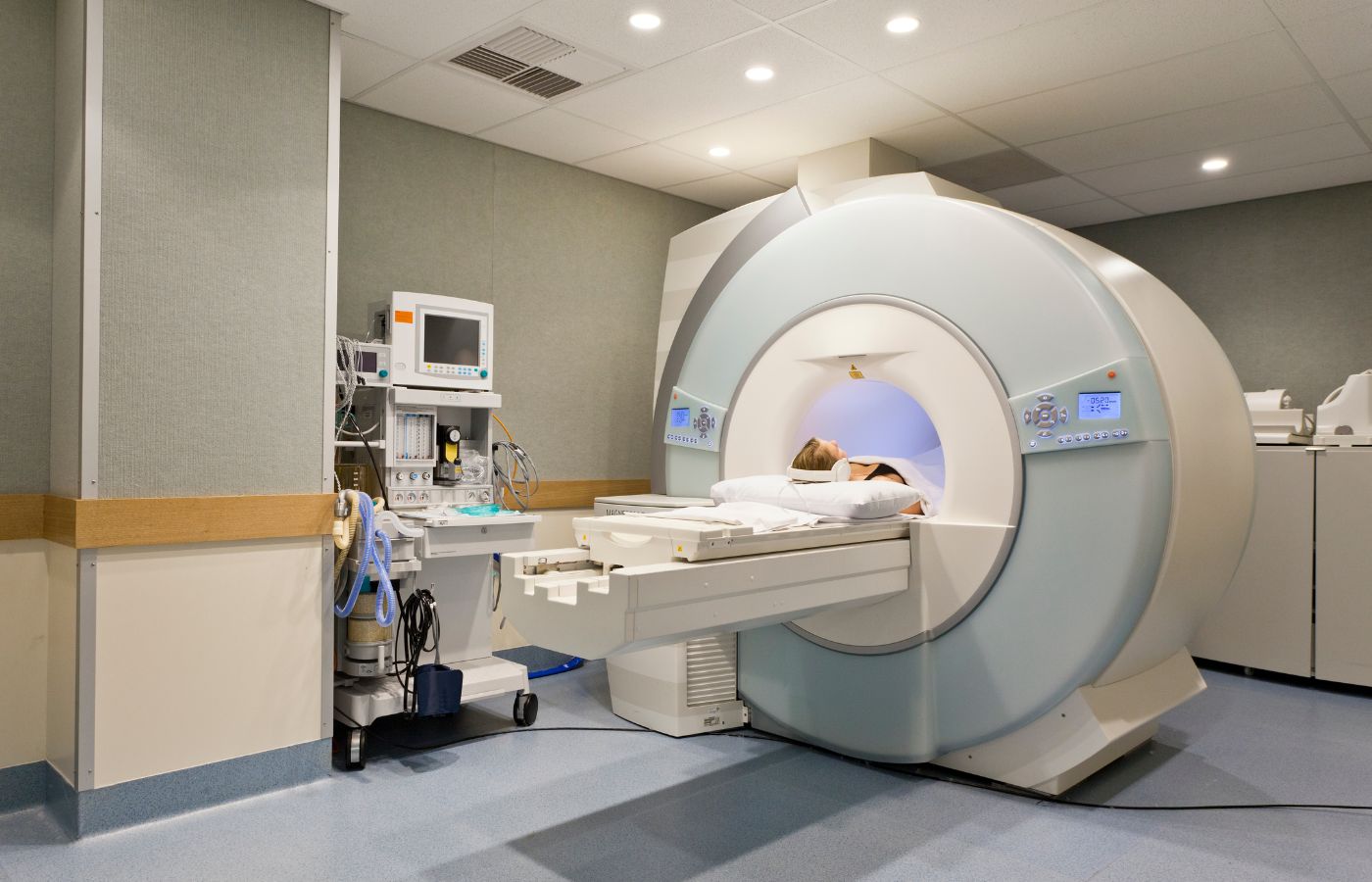
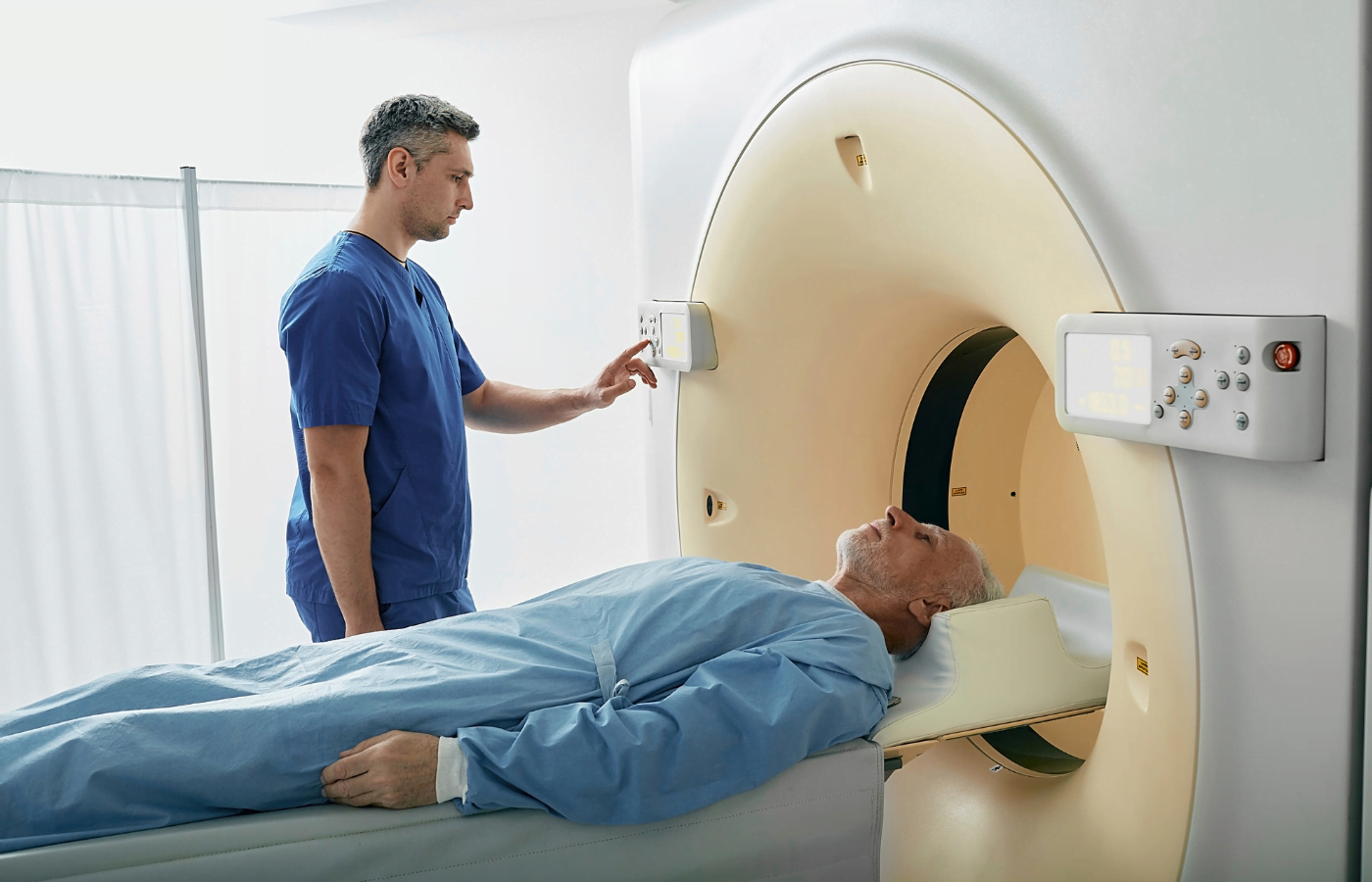
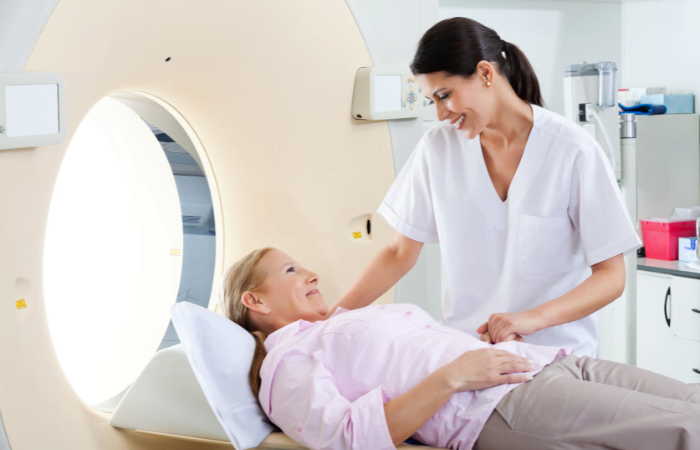
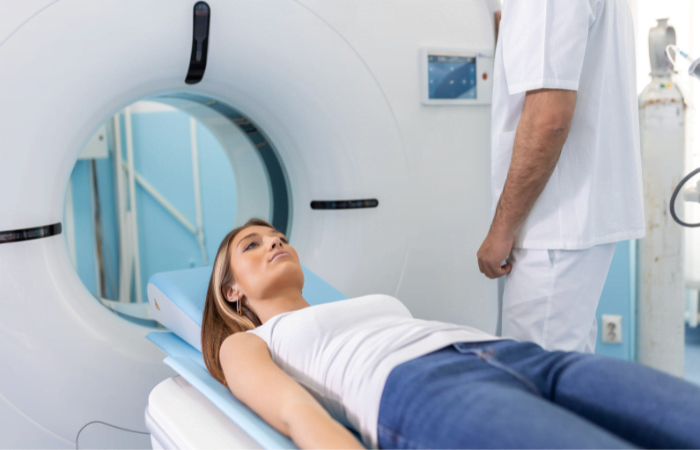
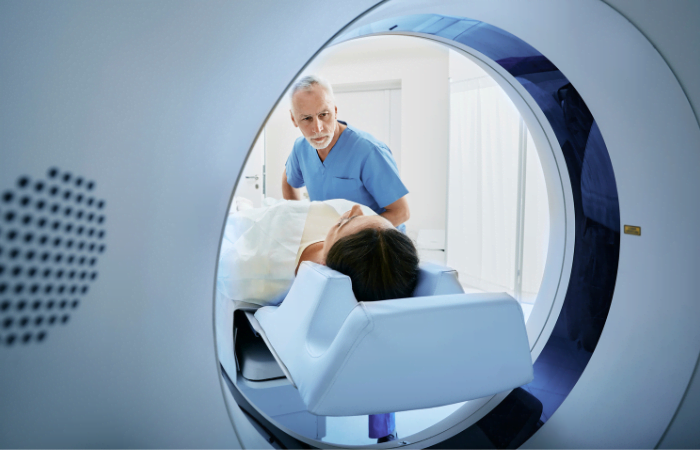
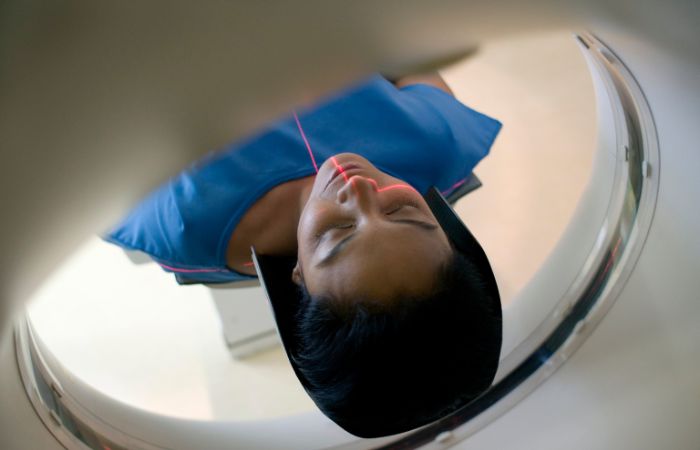
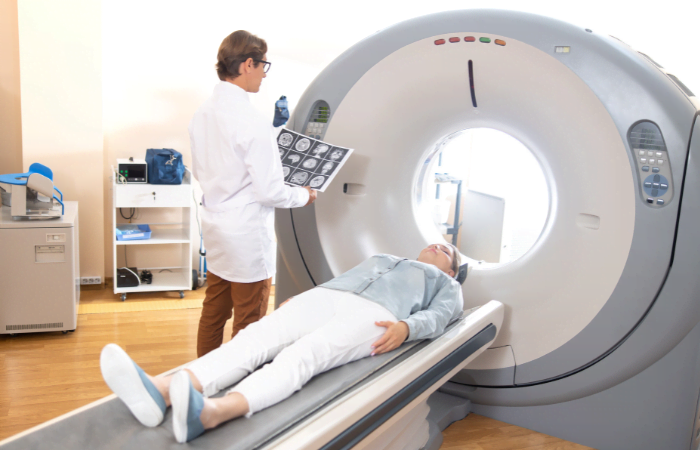
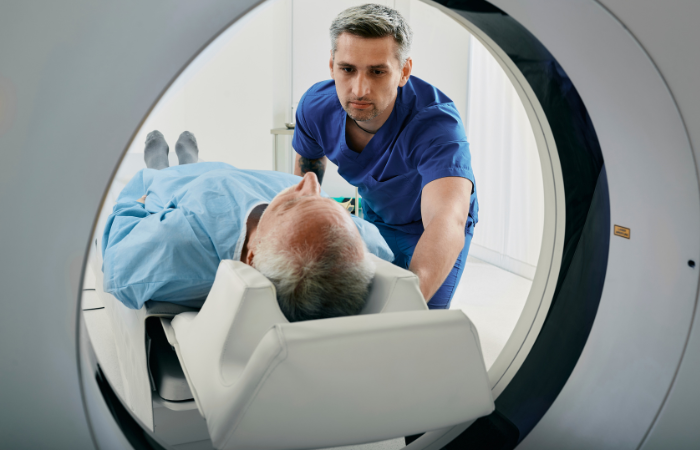
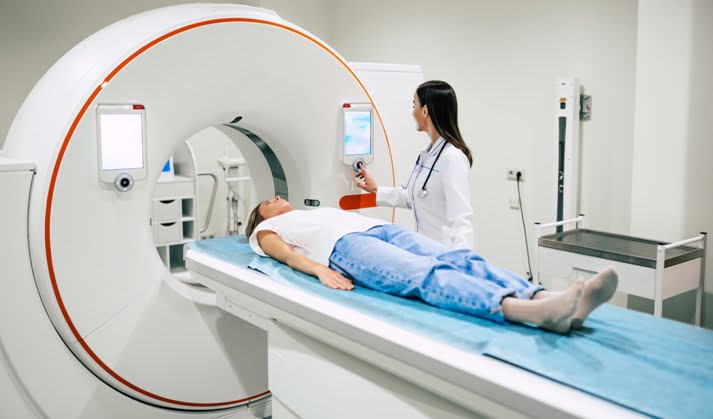
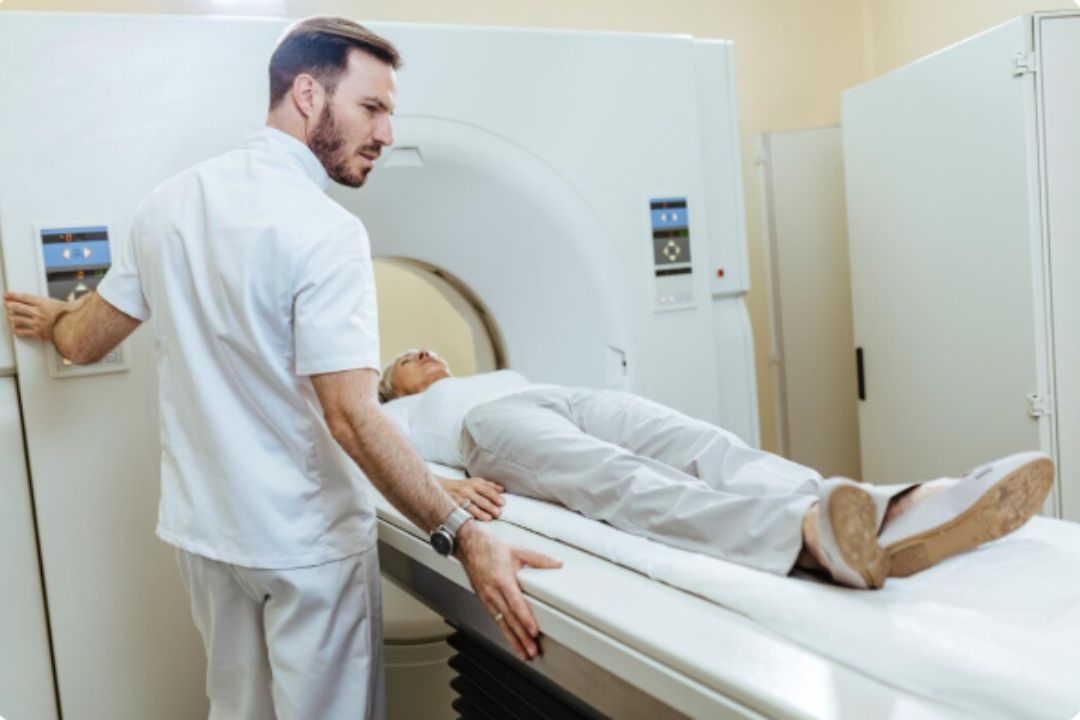
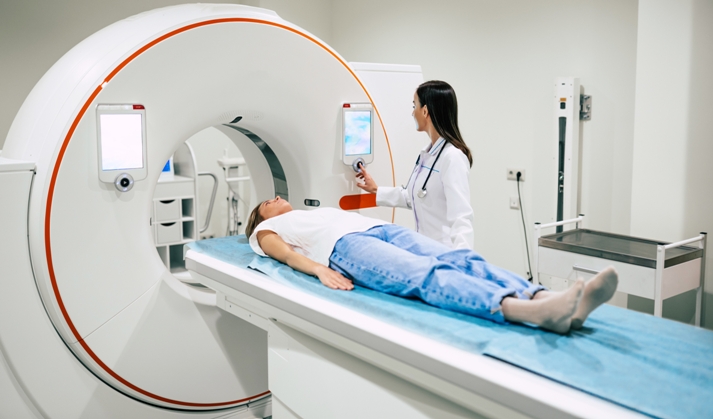
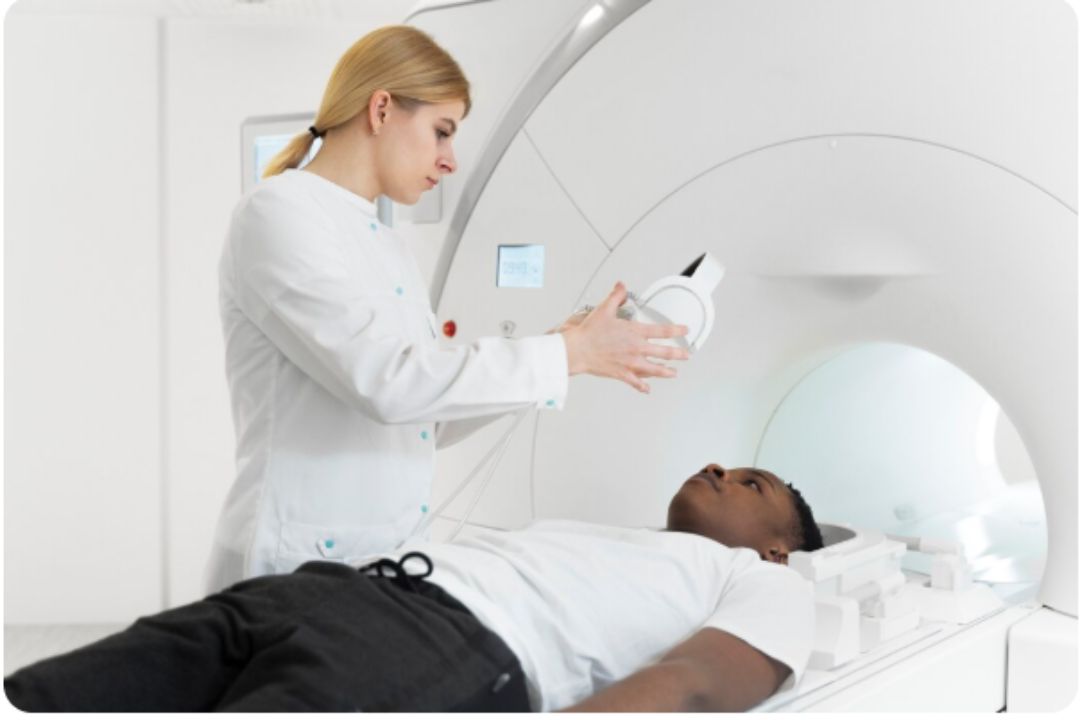
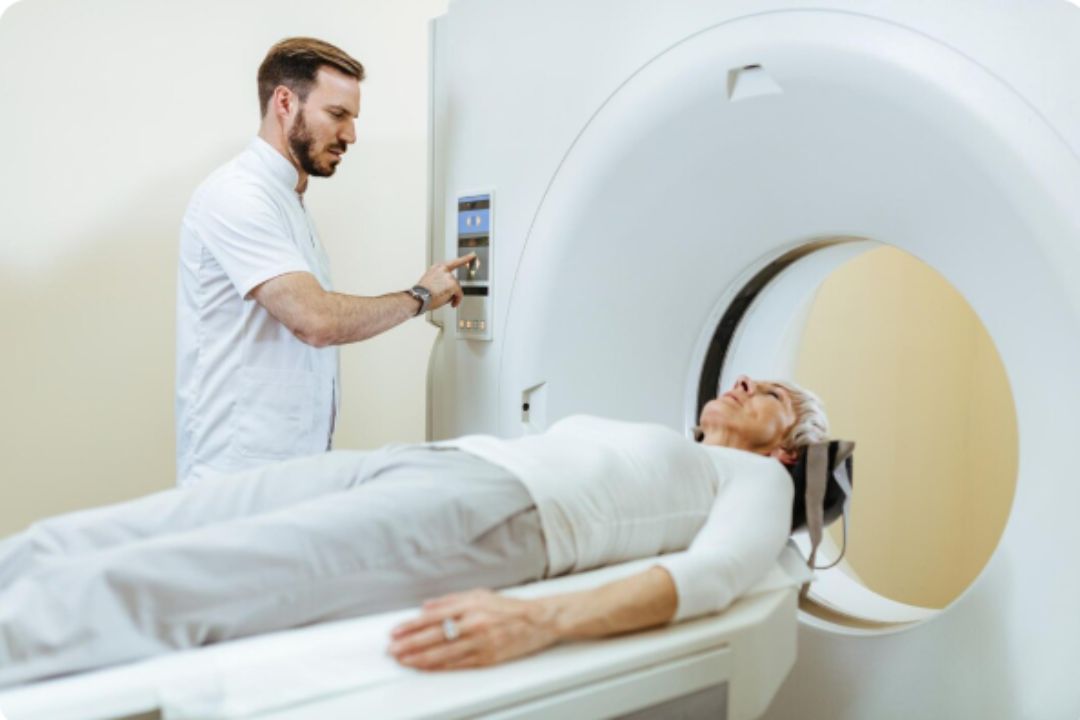
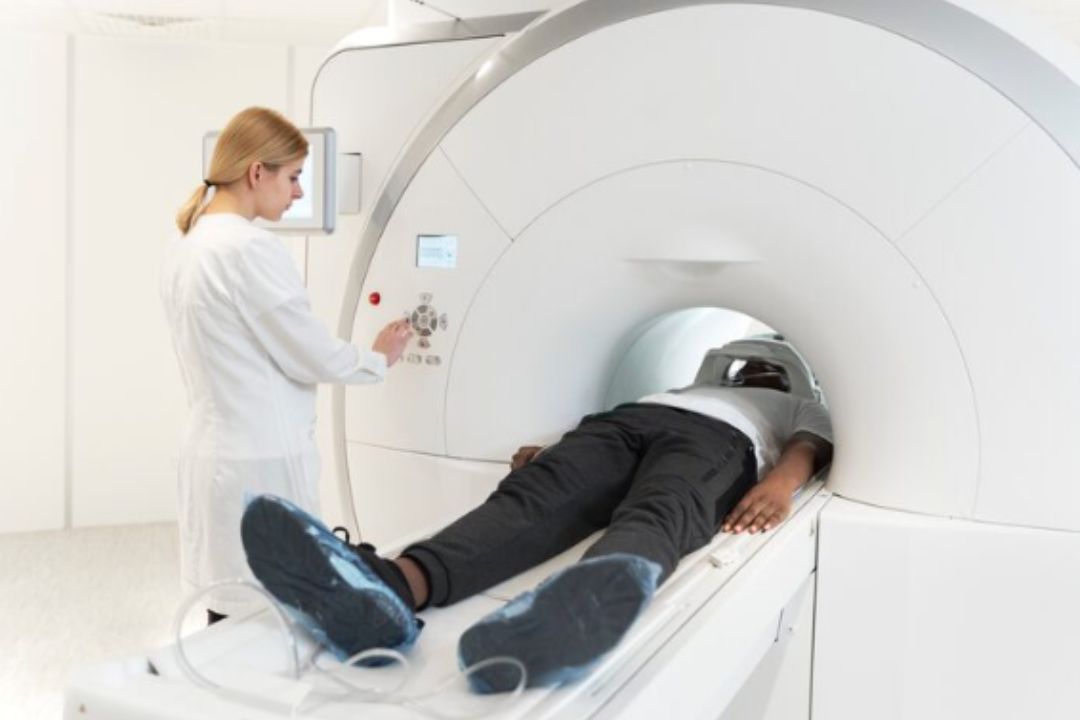
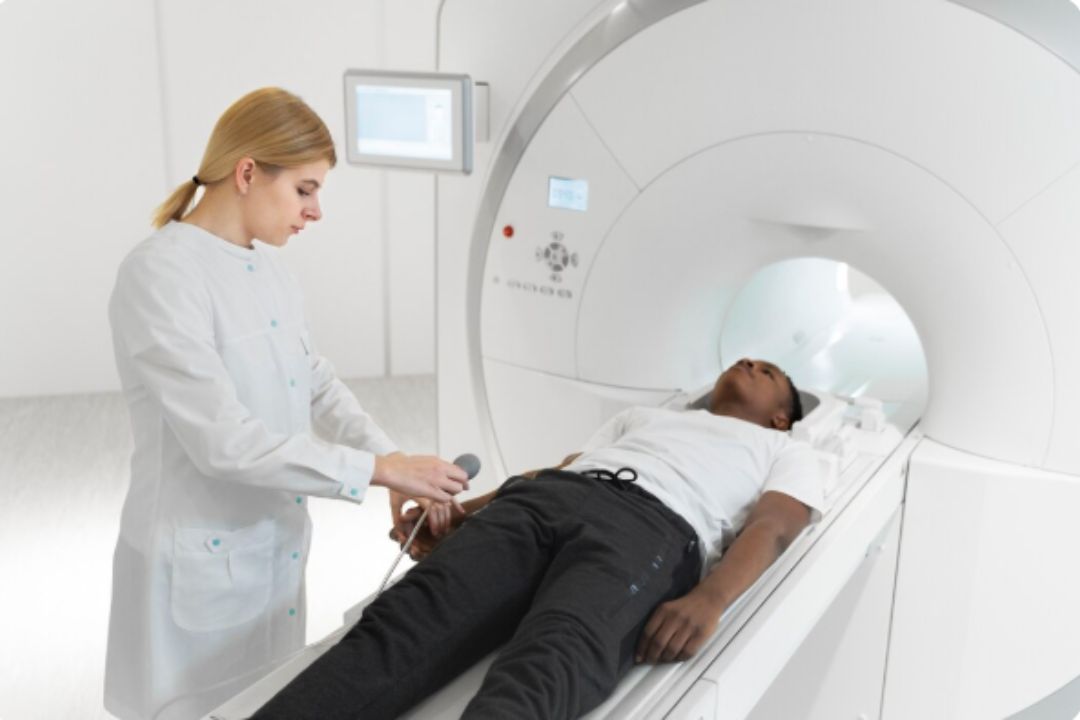
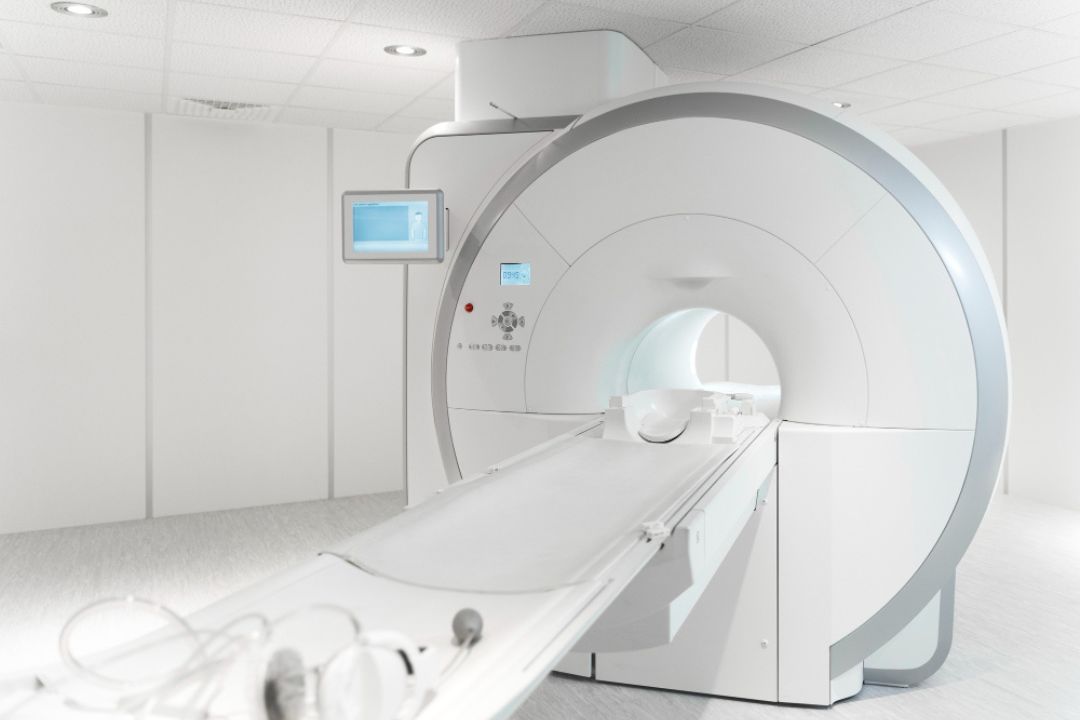
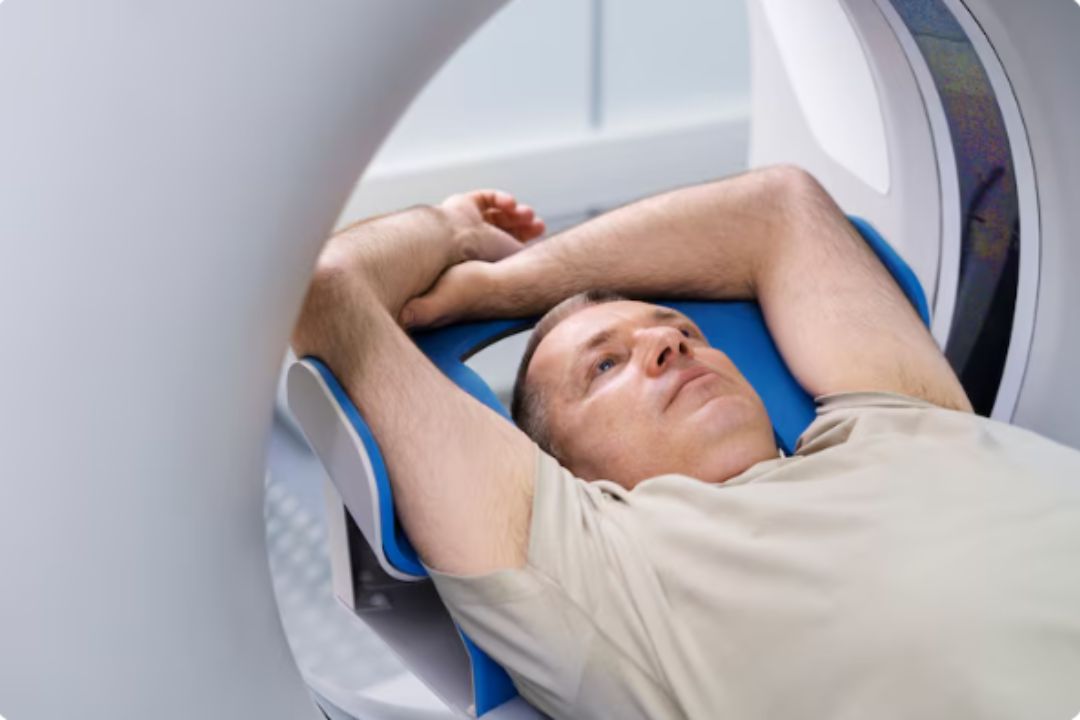
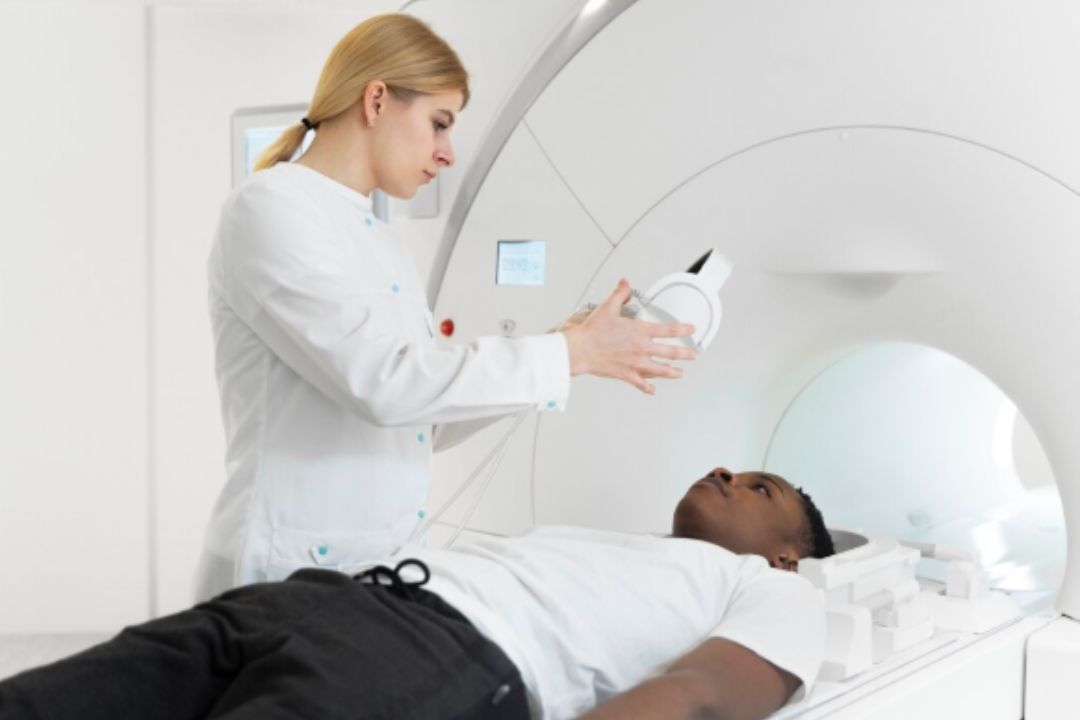
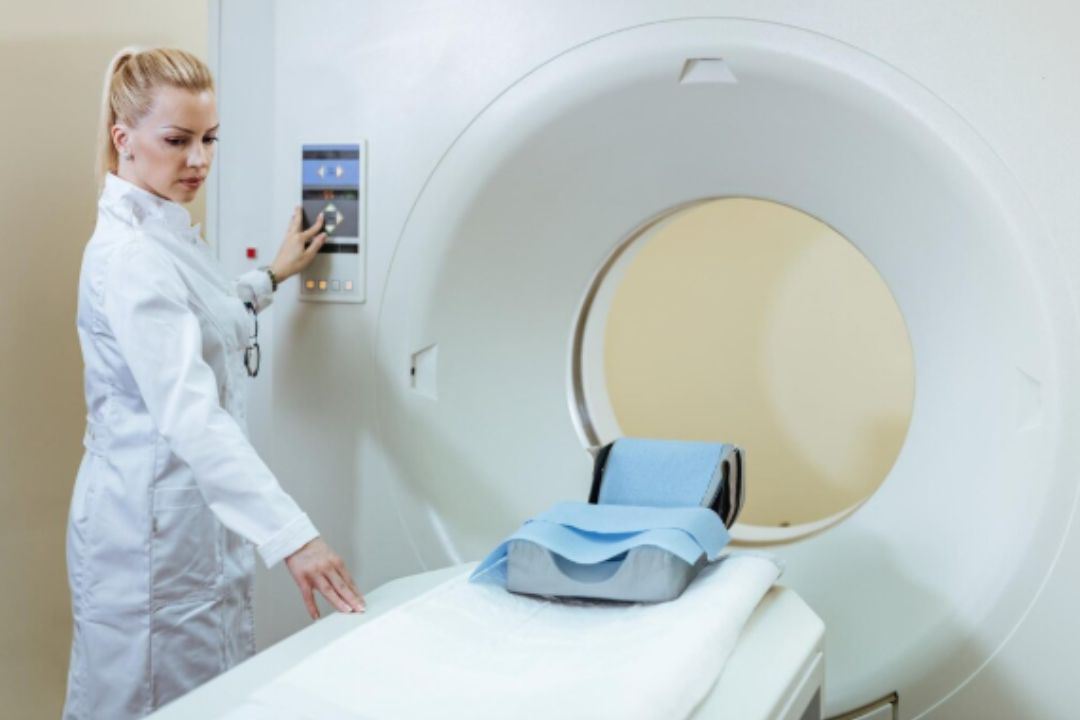
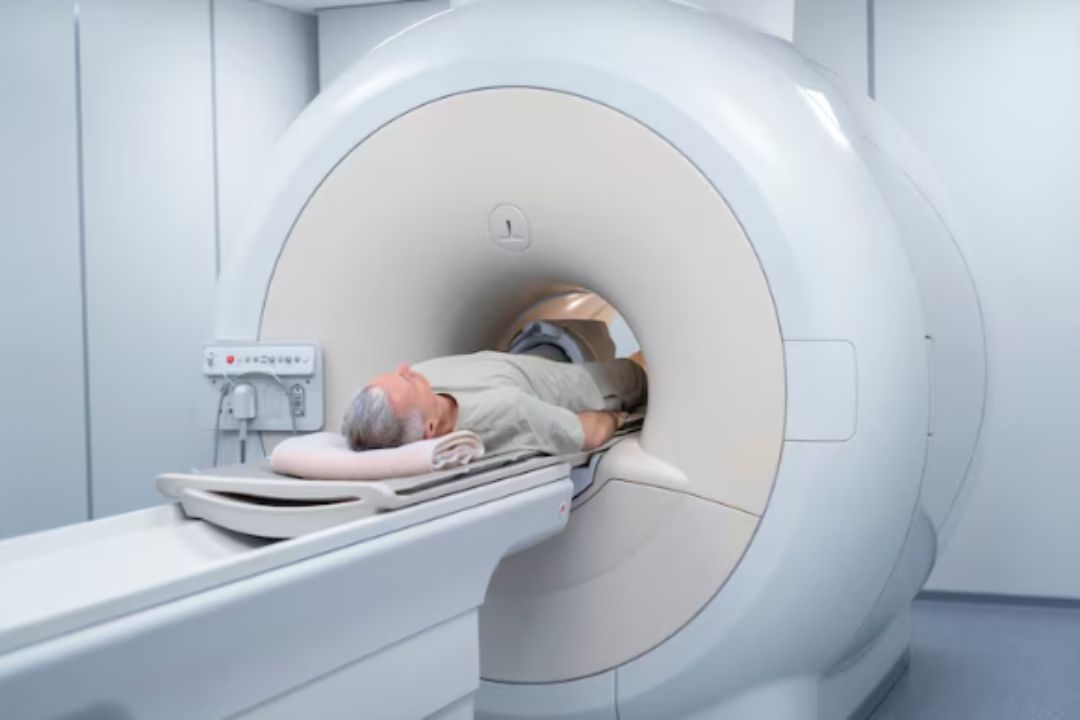
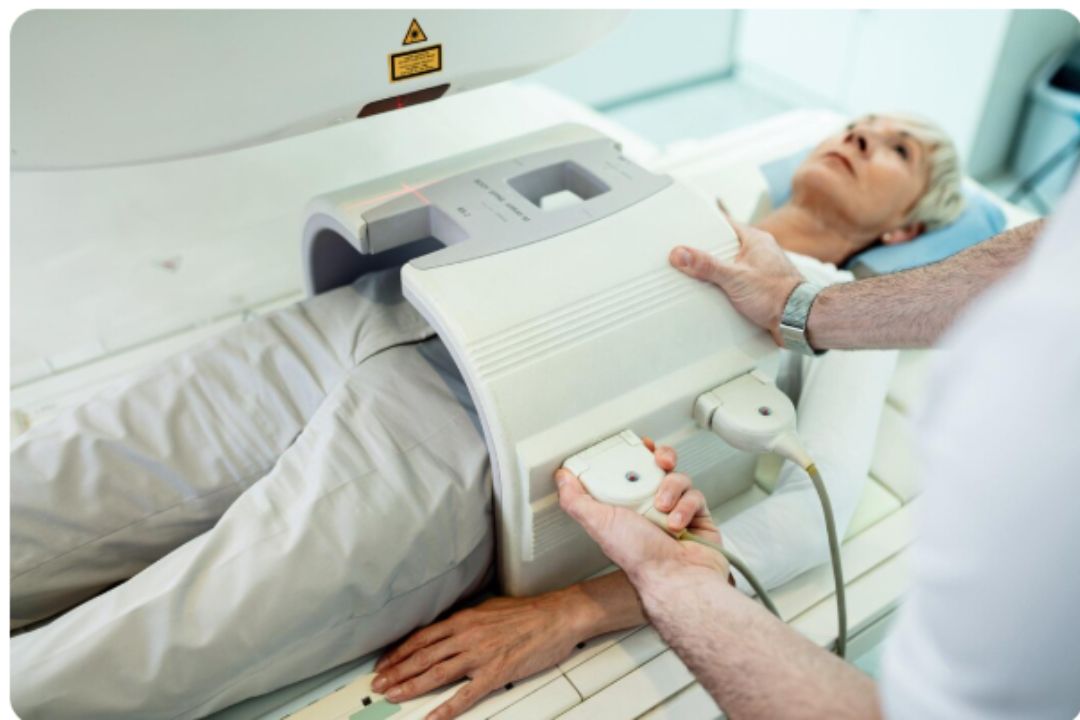
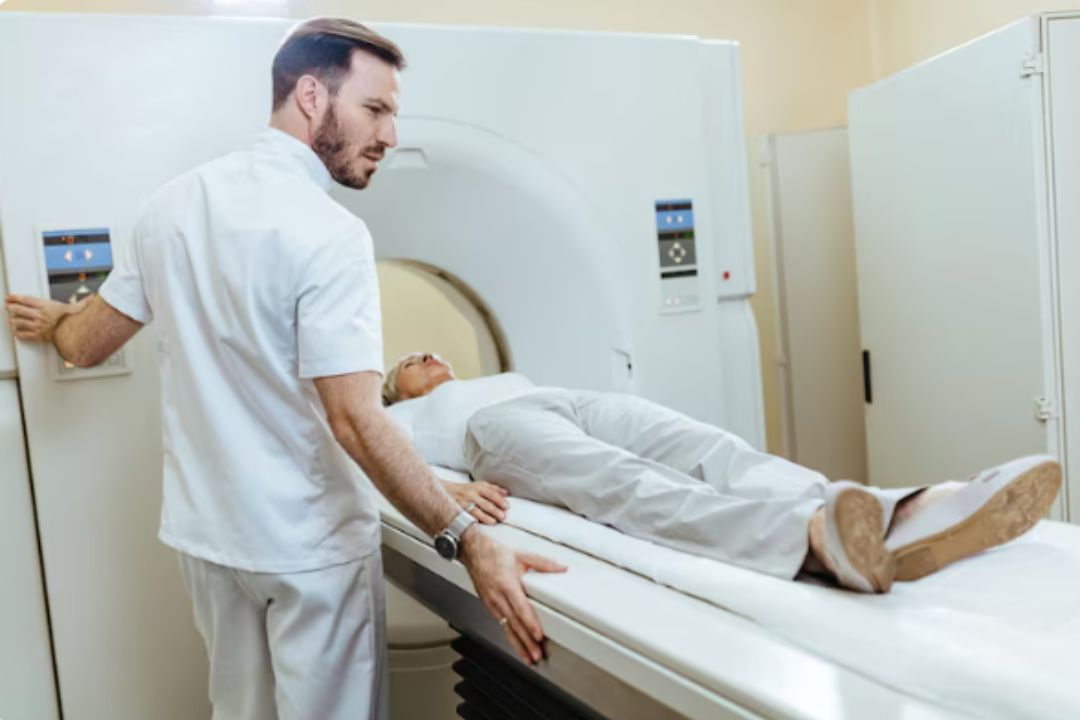
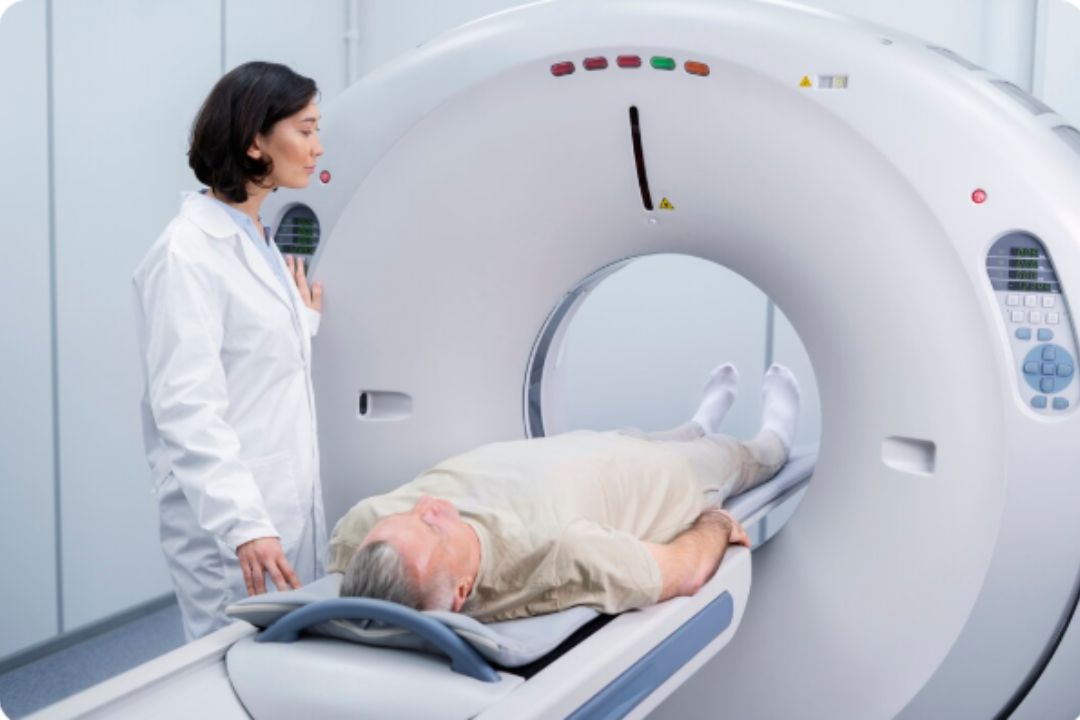
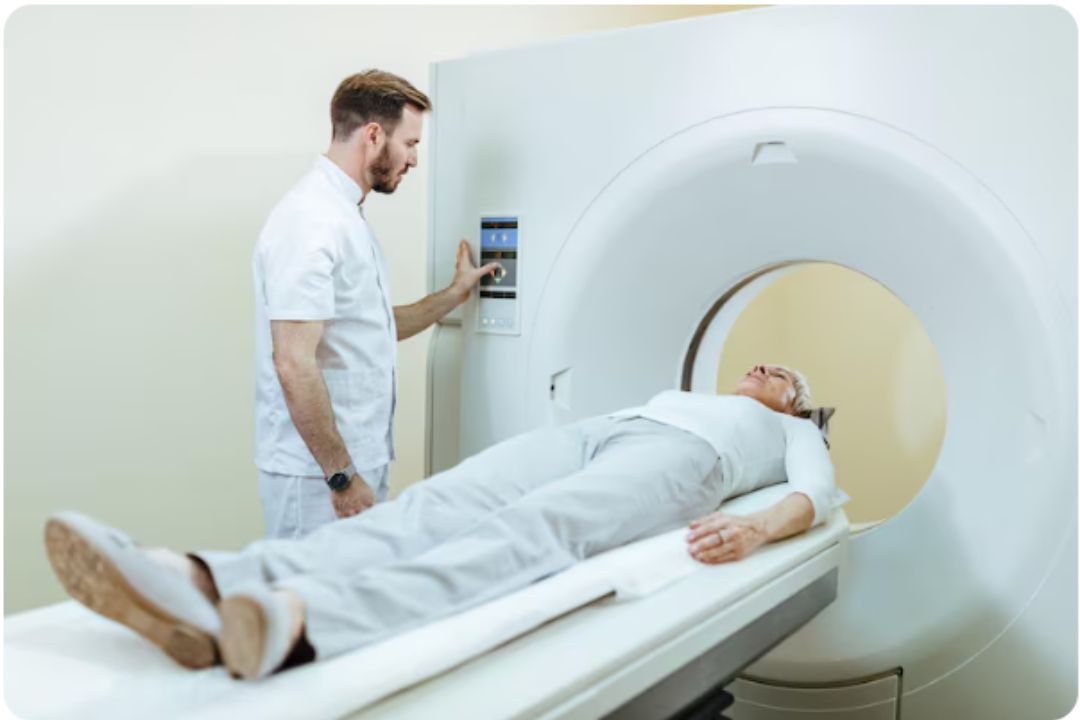
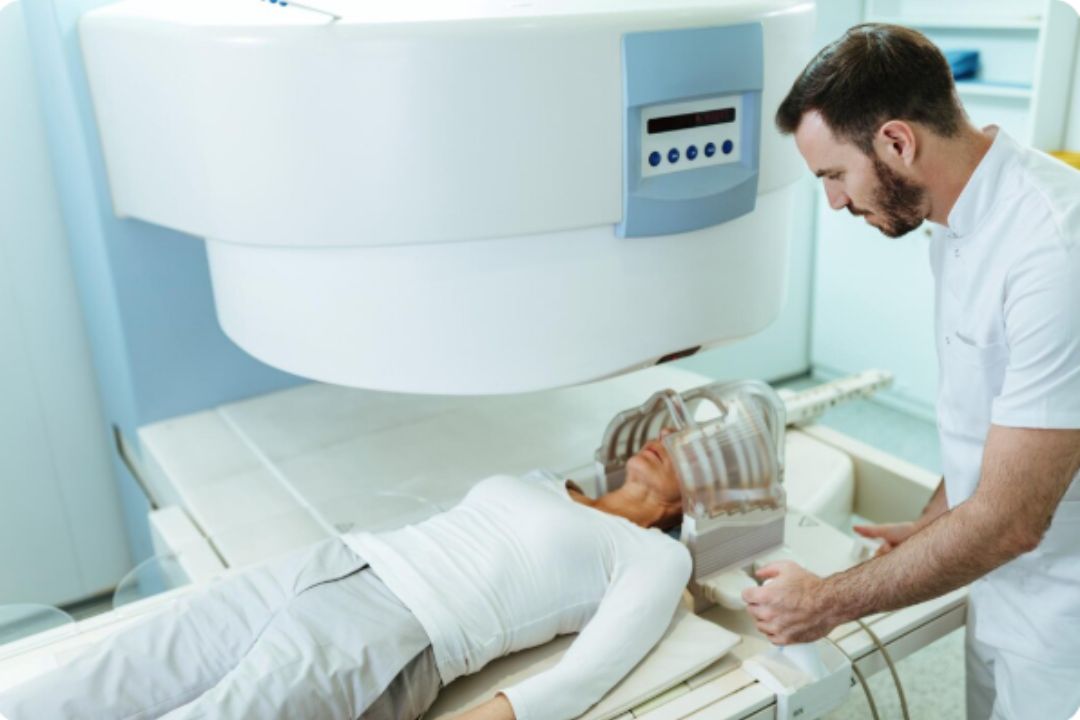
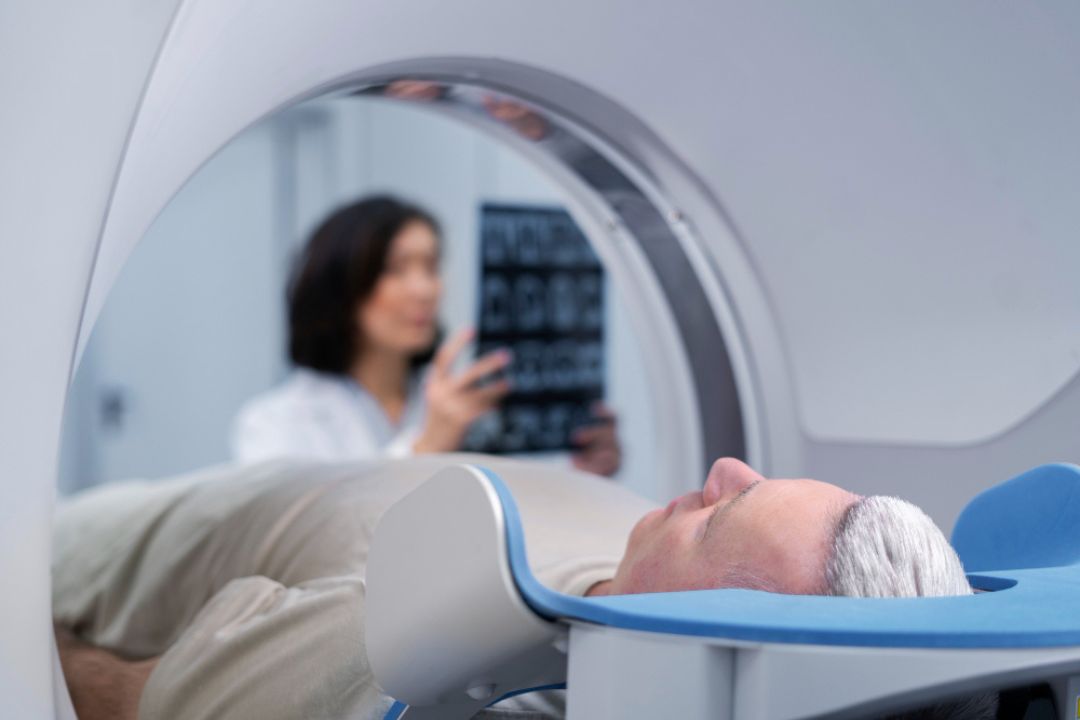
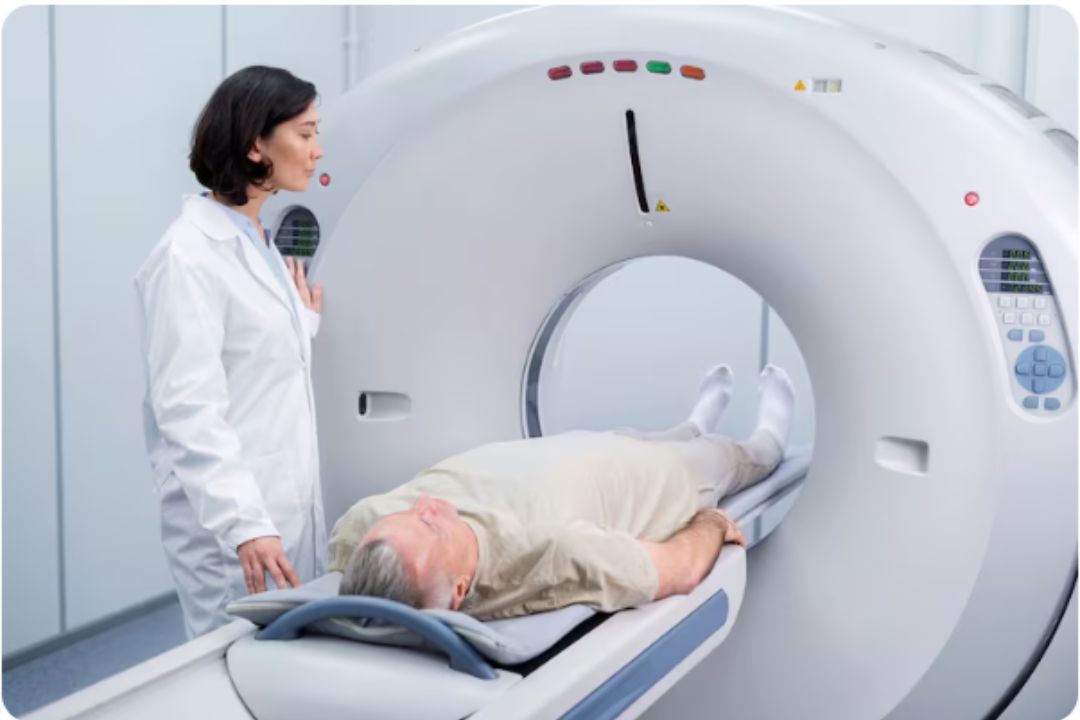
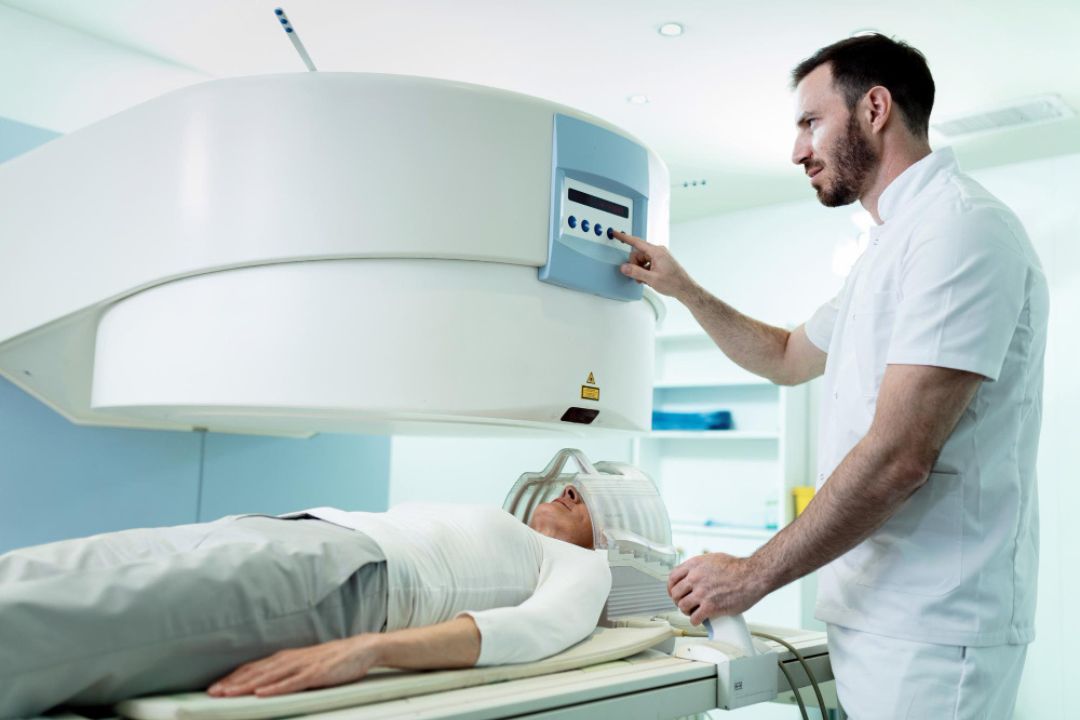
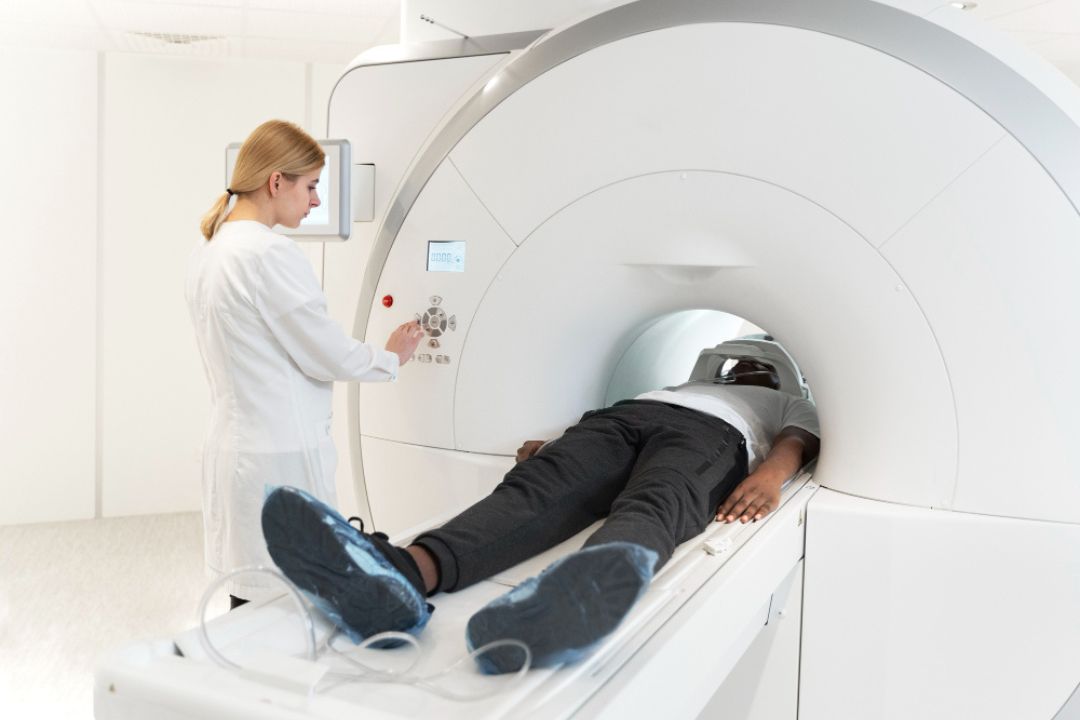
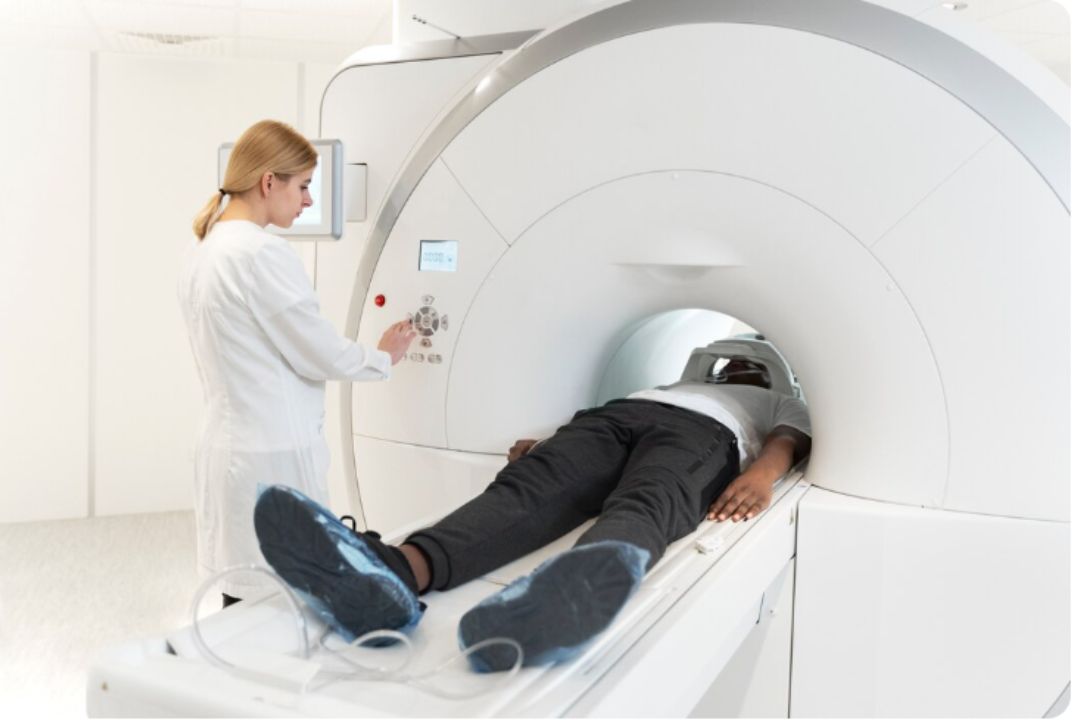
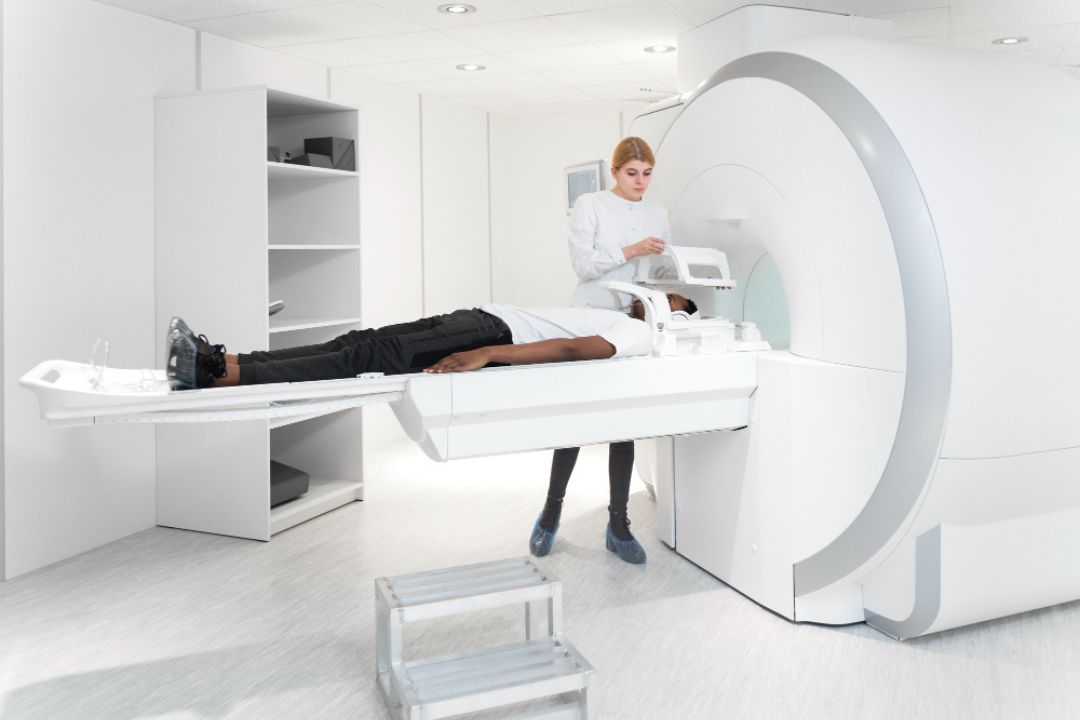
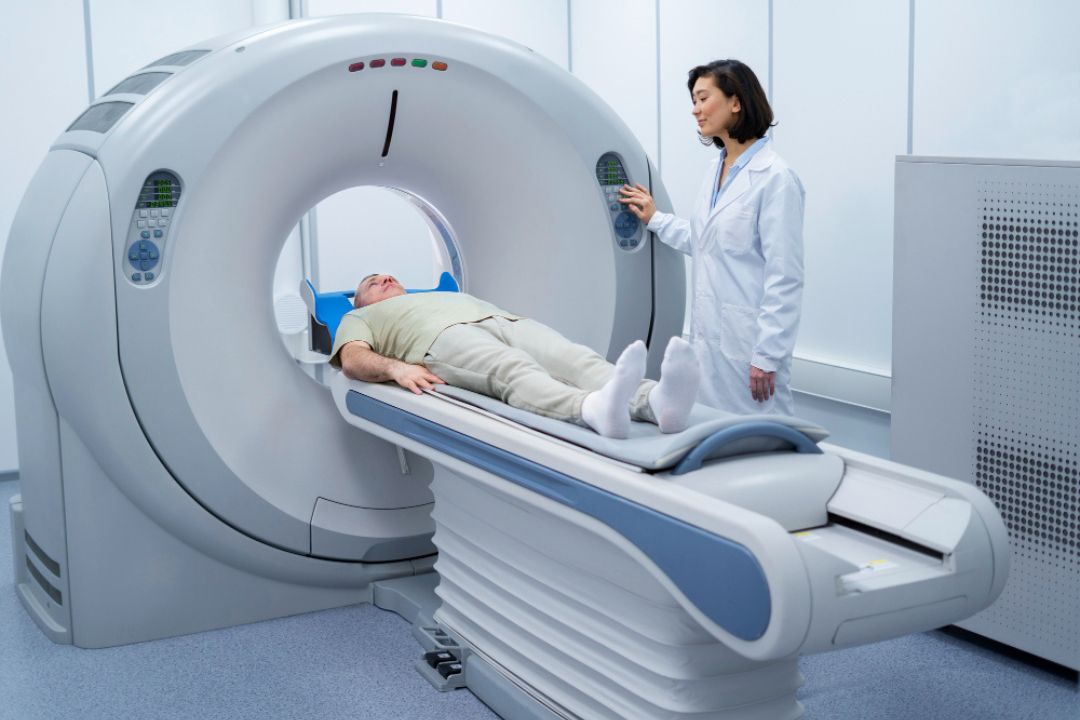
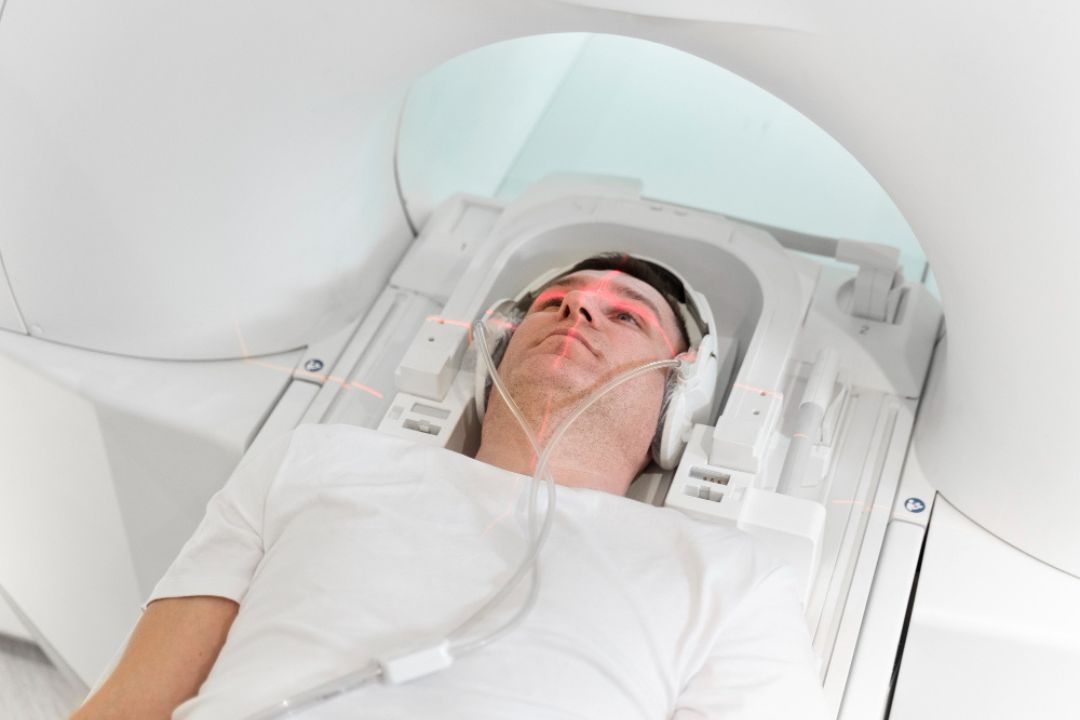
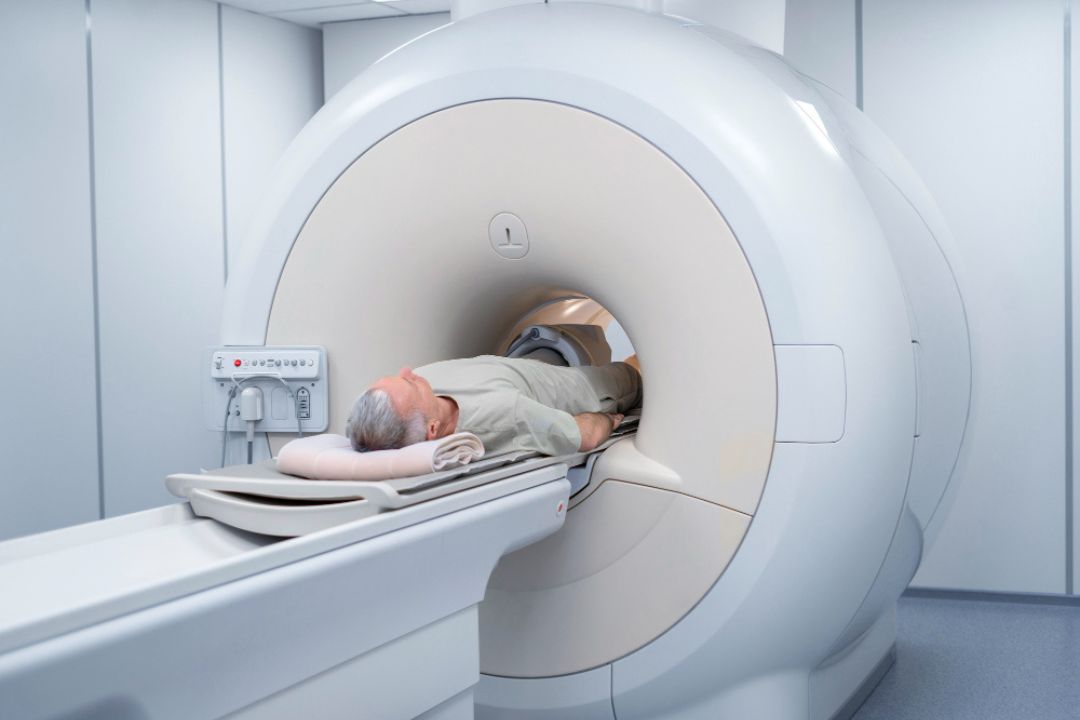
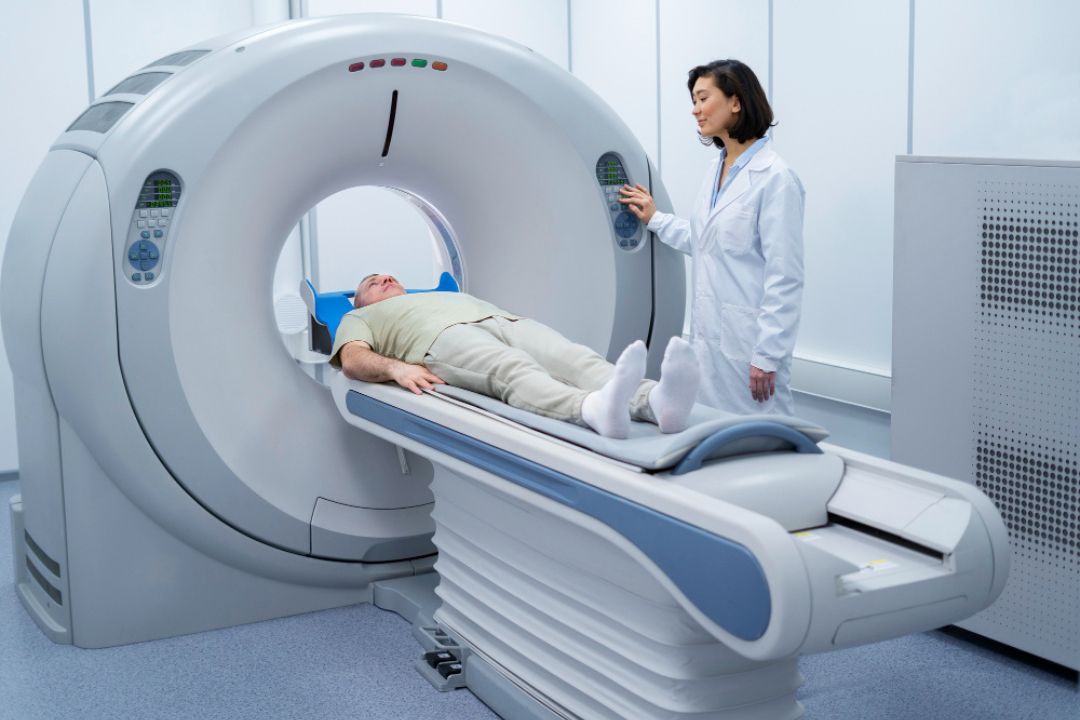
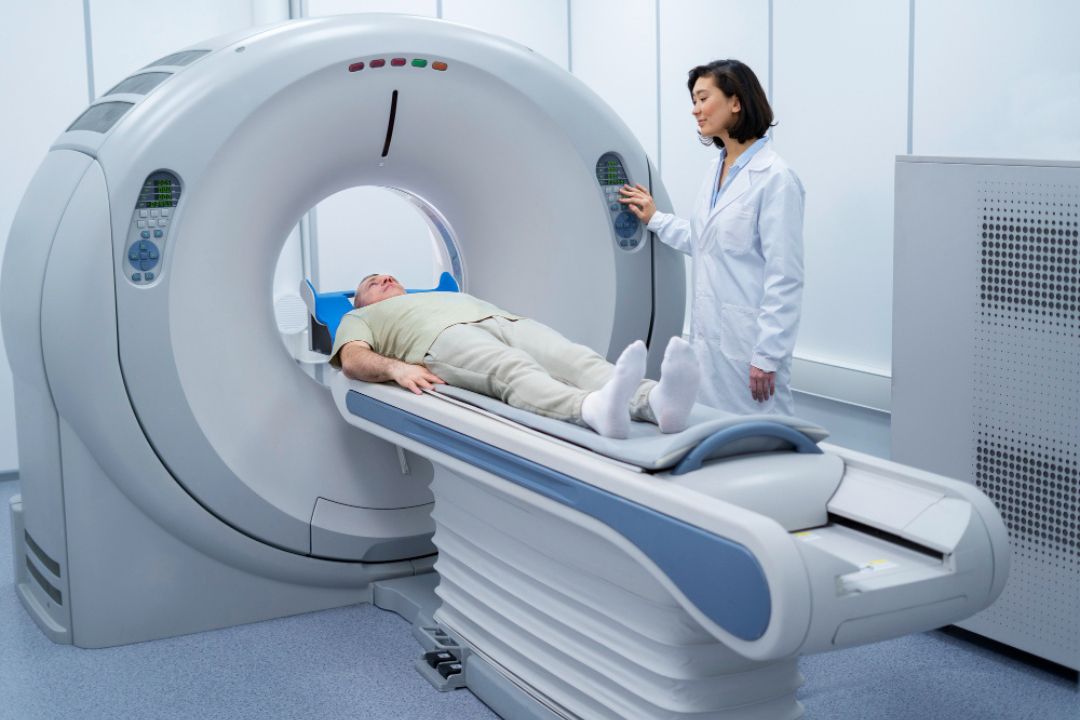
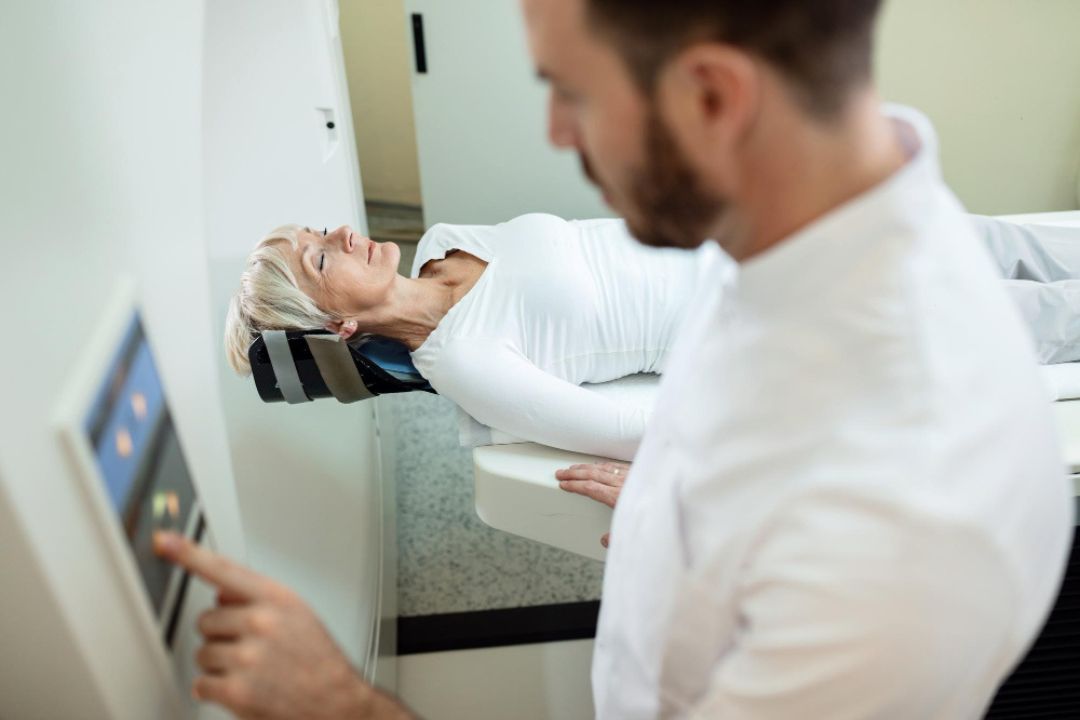
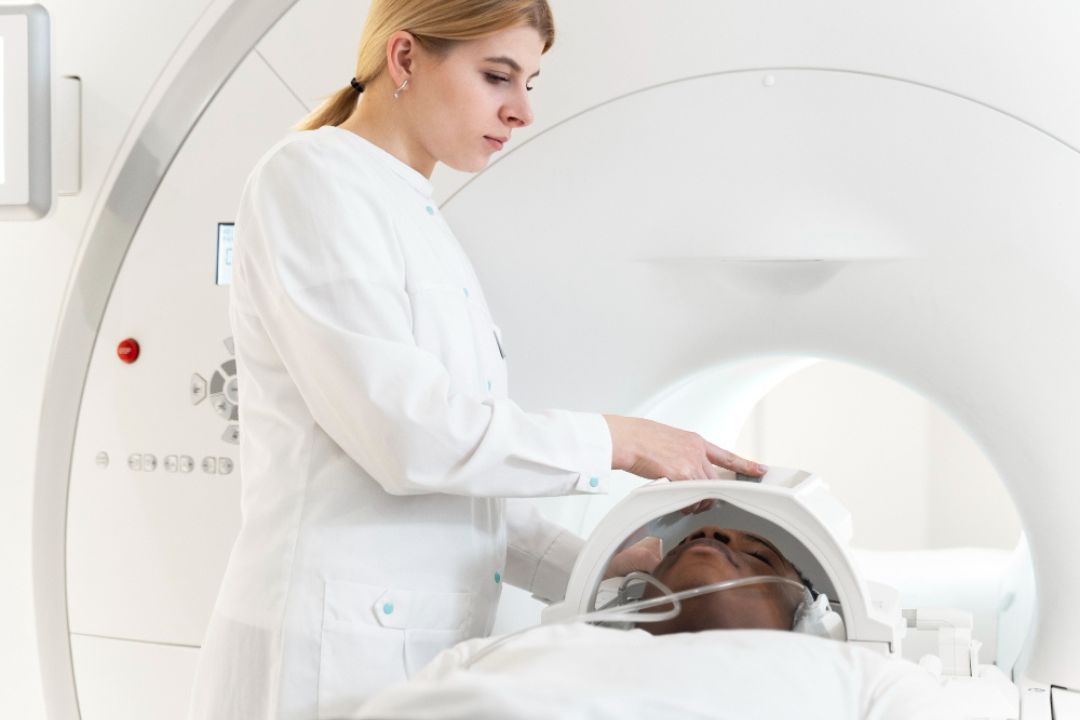
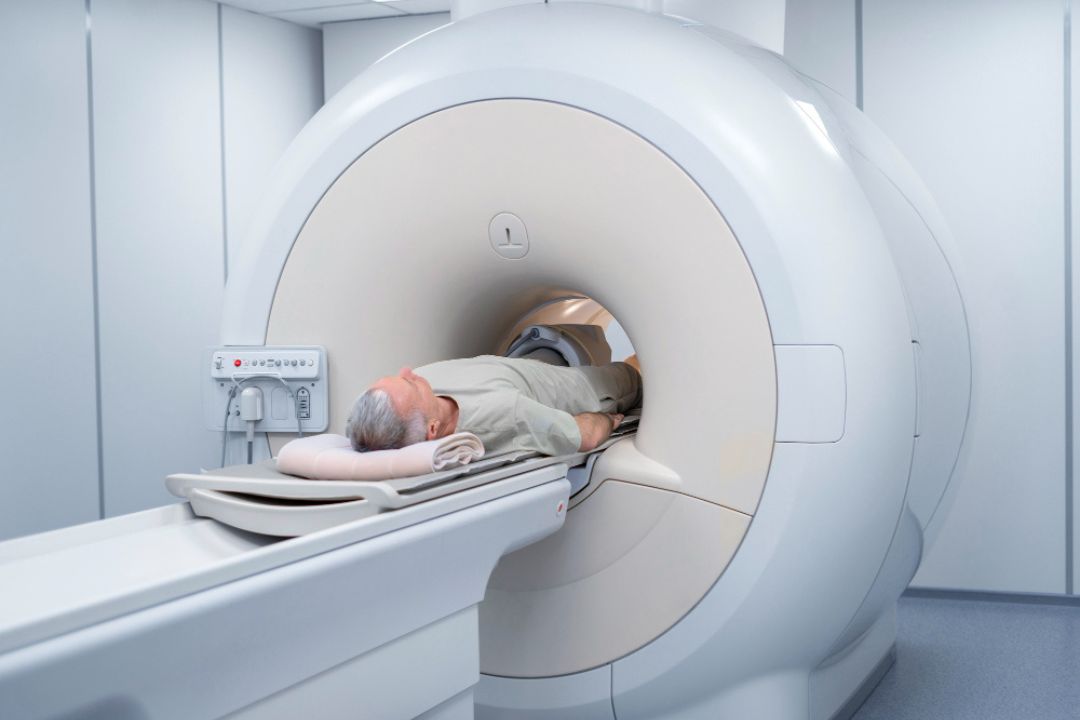
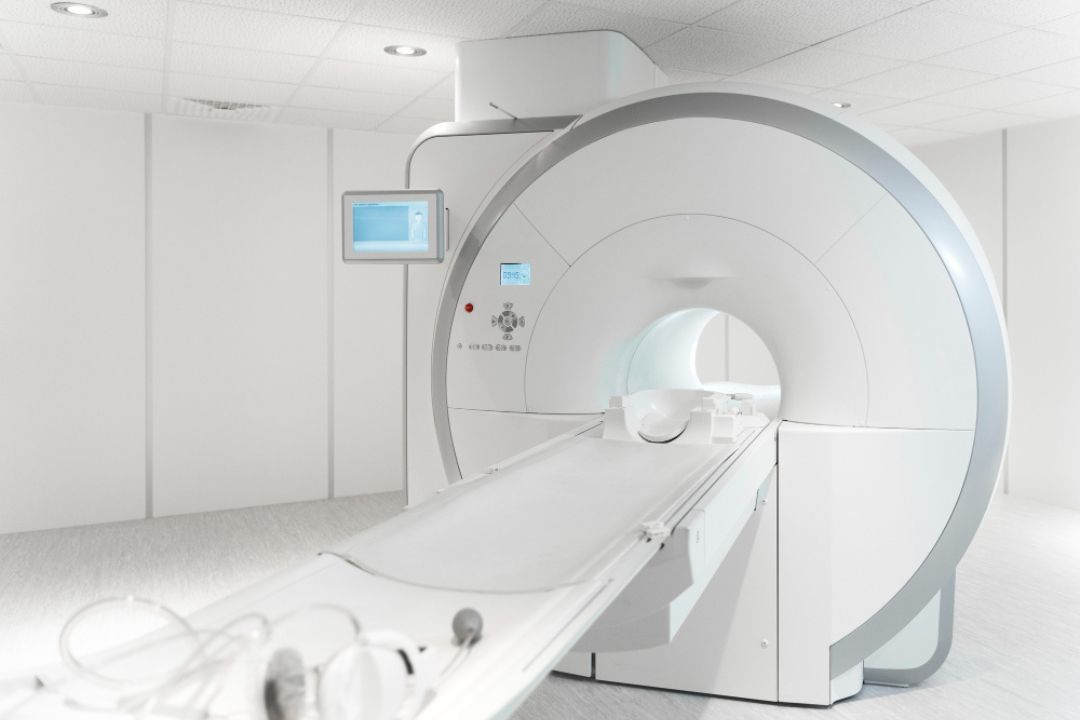
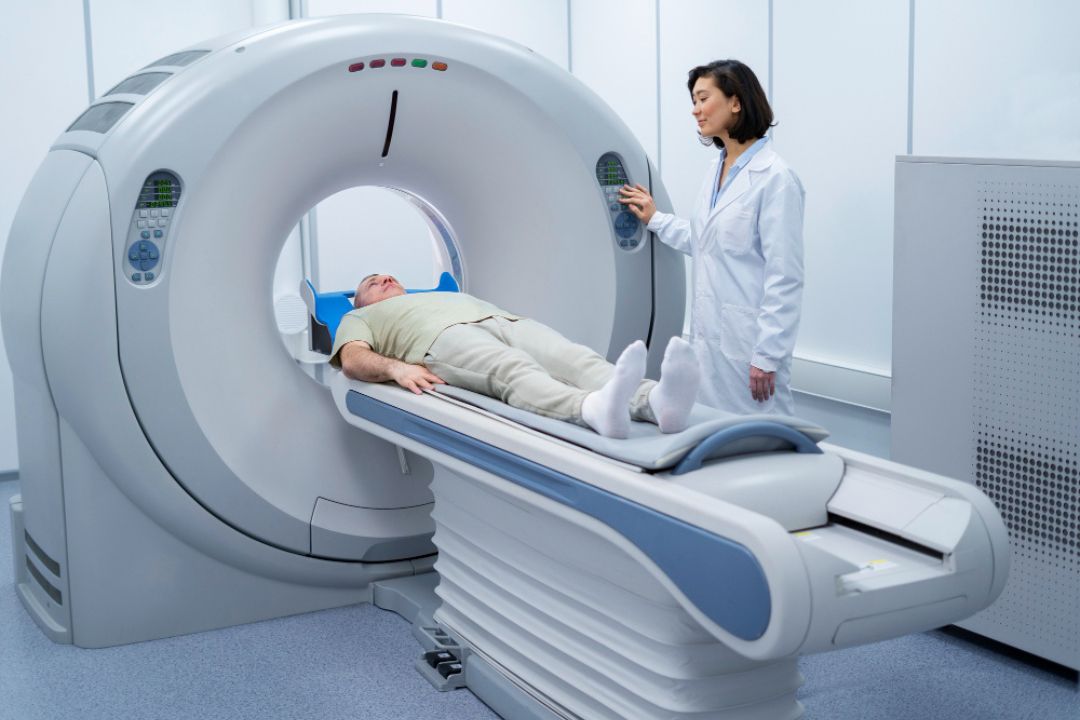
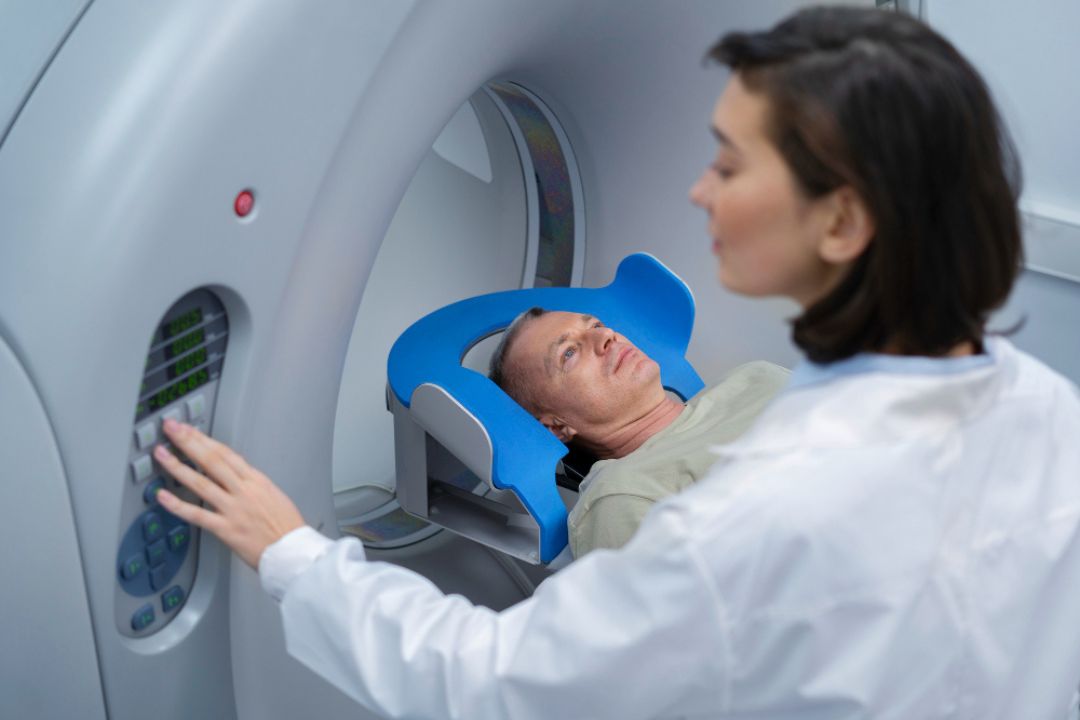
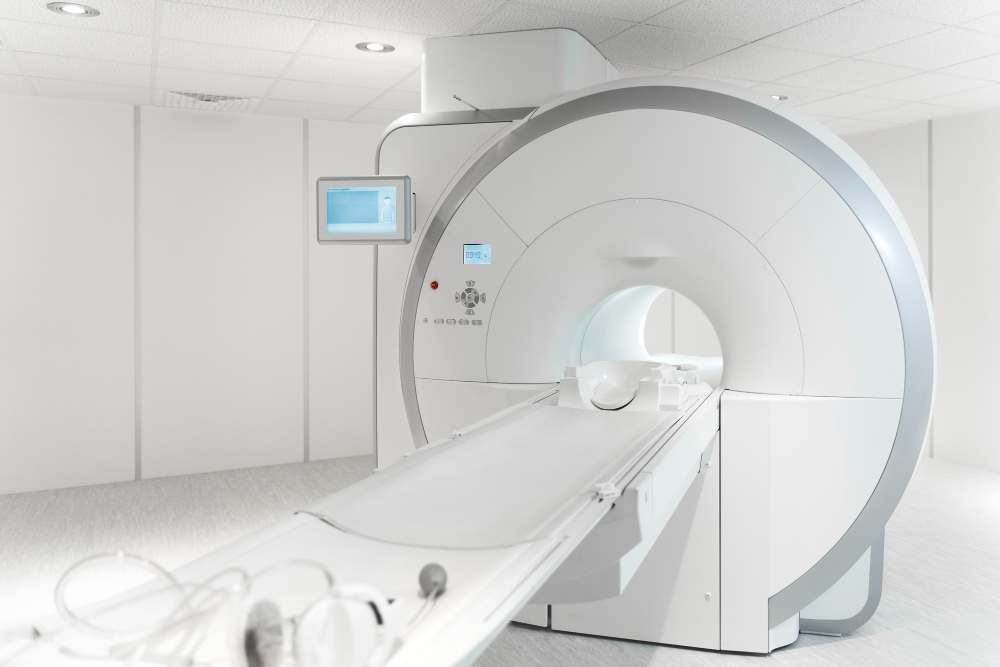
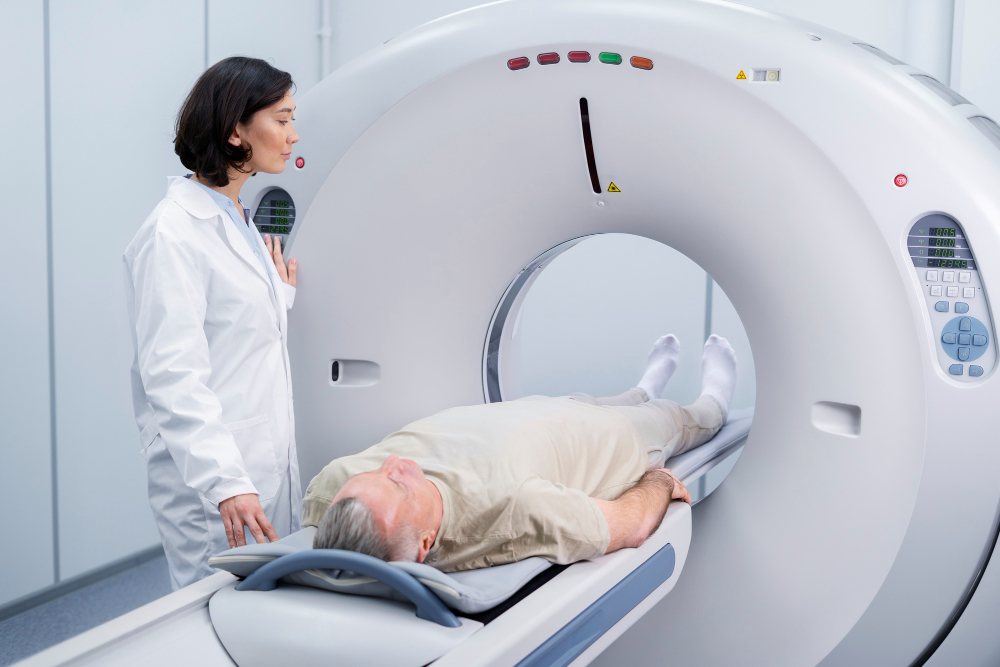
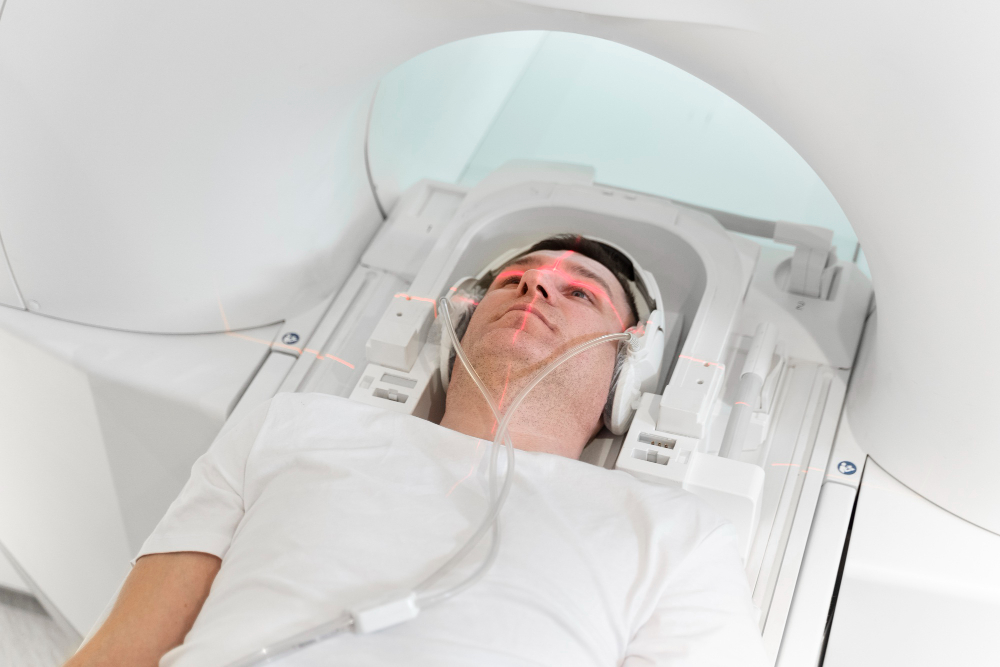
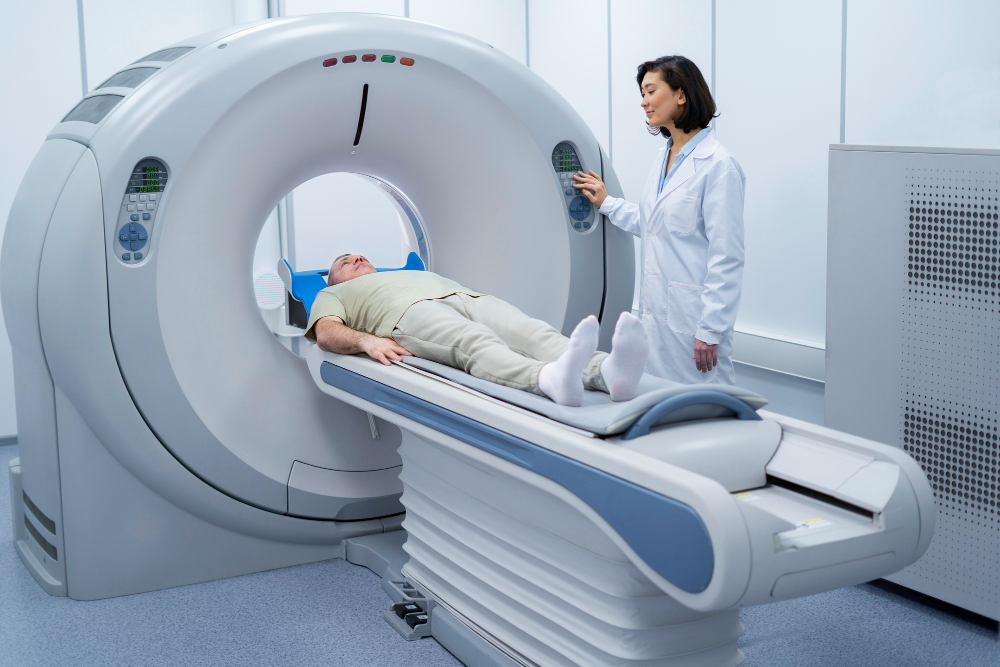
You will lie on a motorized table that moves slowly into the CT scanner. The technician will help position your body properly depending on the area being examined.
Remaining still during the scan is important to ensure clear images.
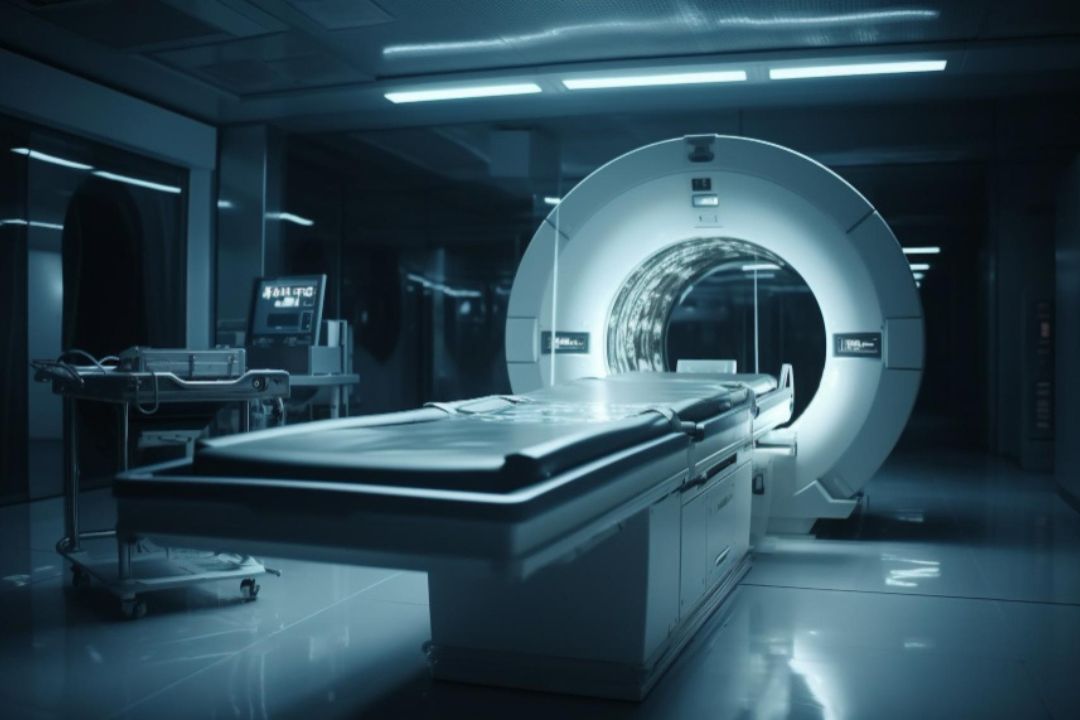
Once the scan begins, the CT scanner rotates around your body while taking multiple images.
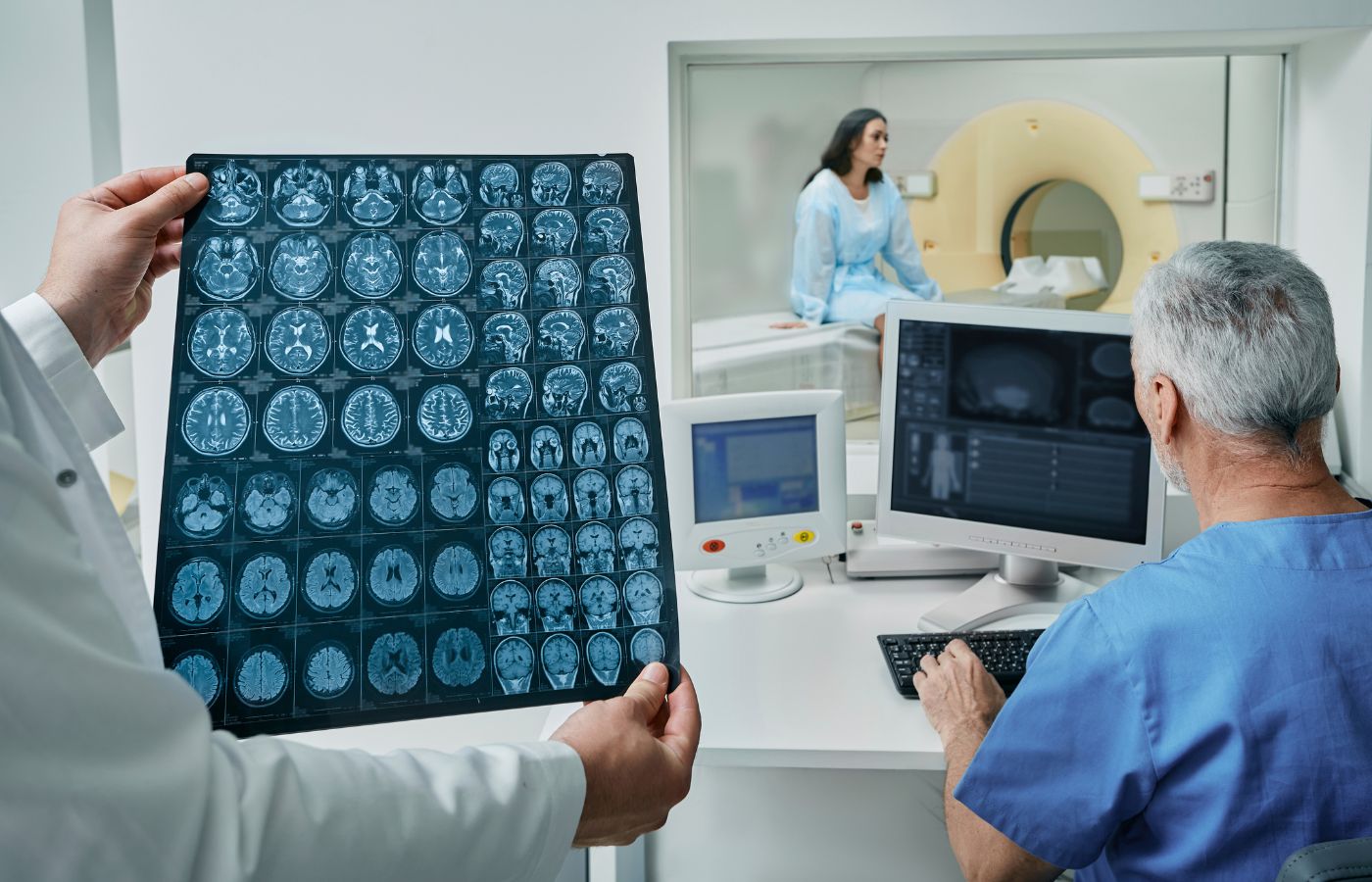
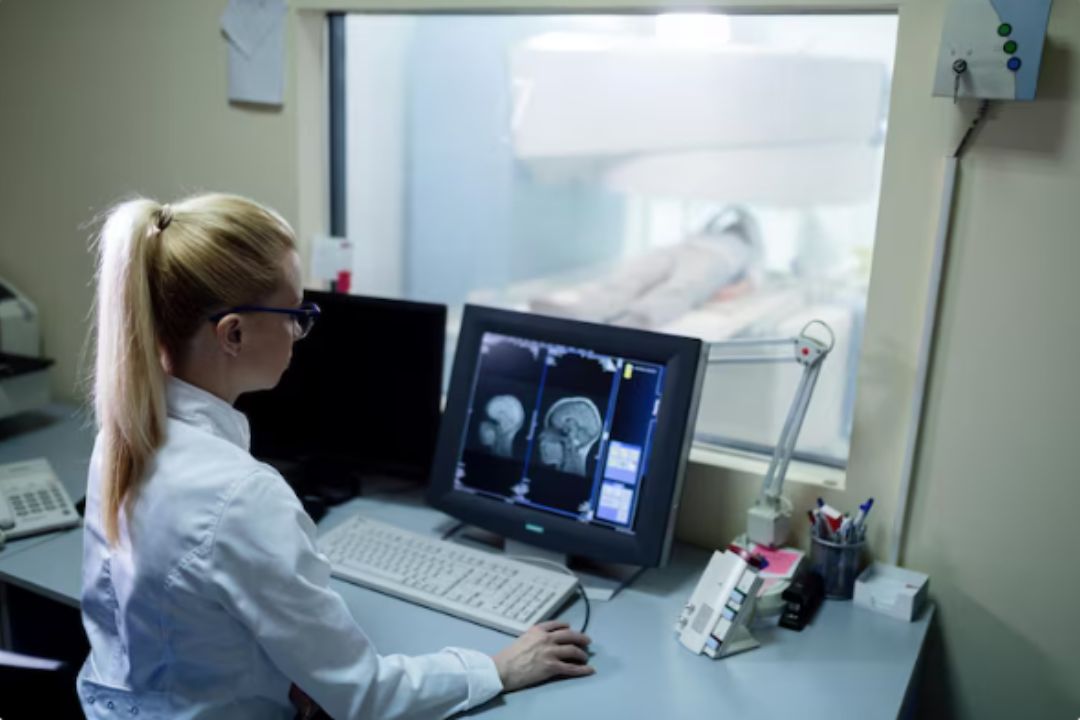
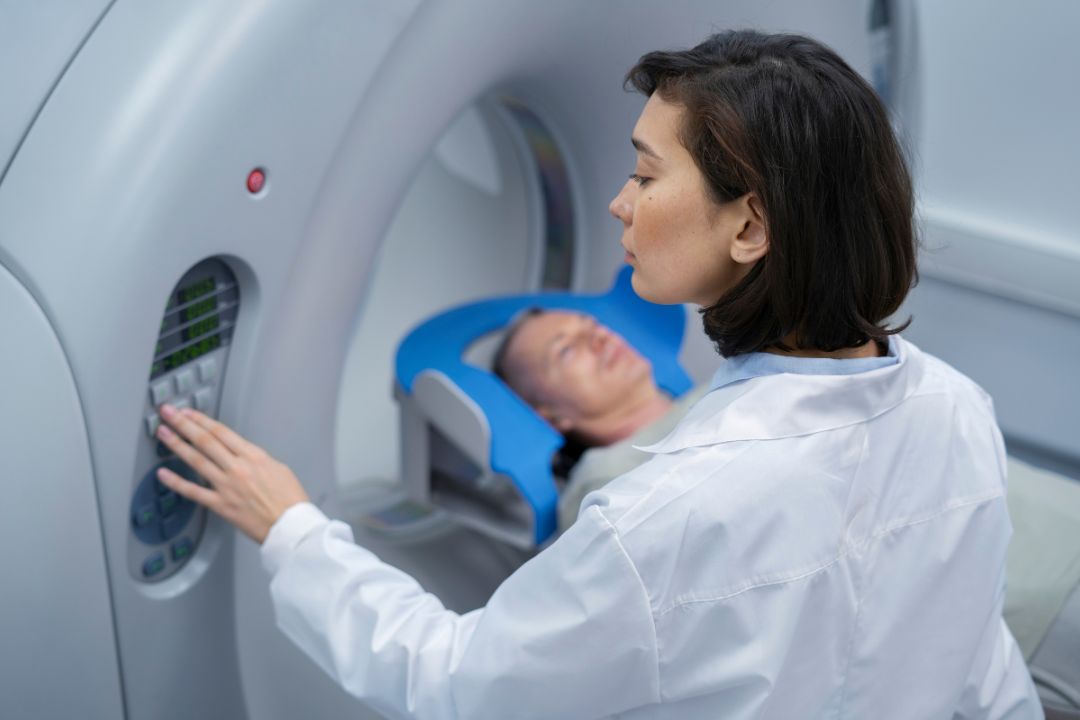
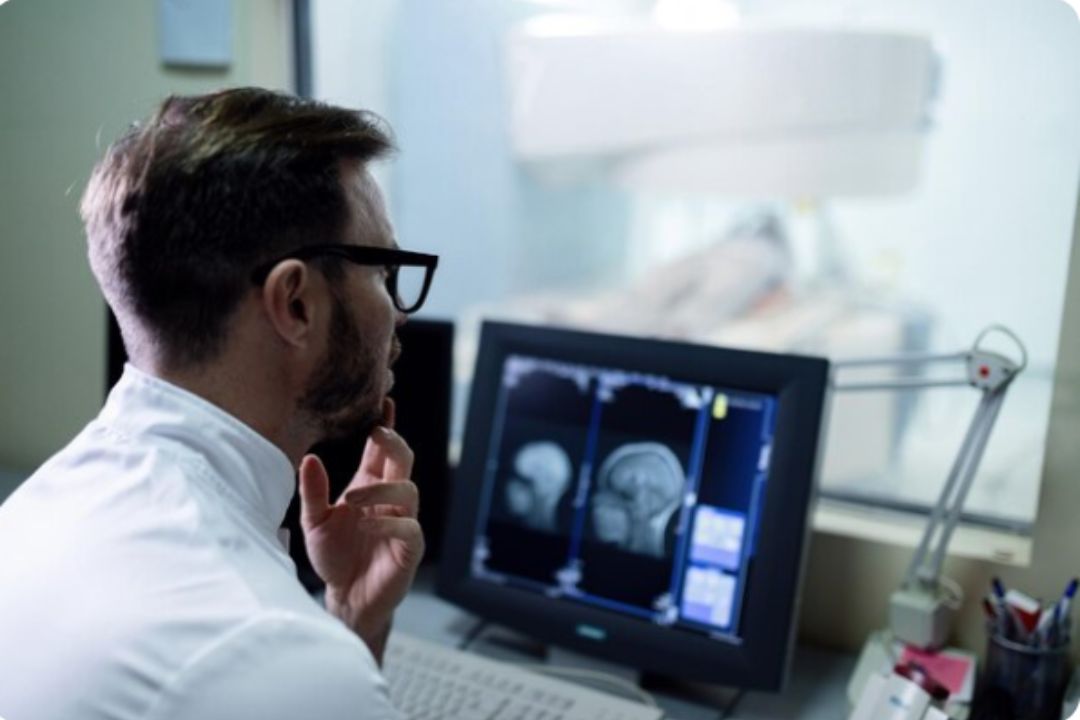
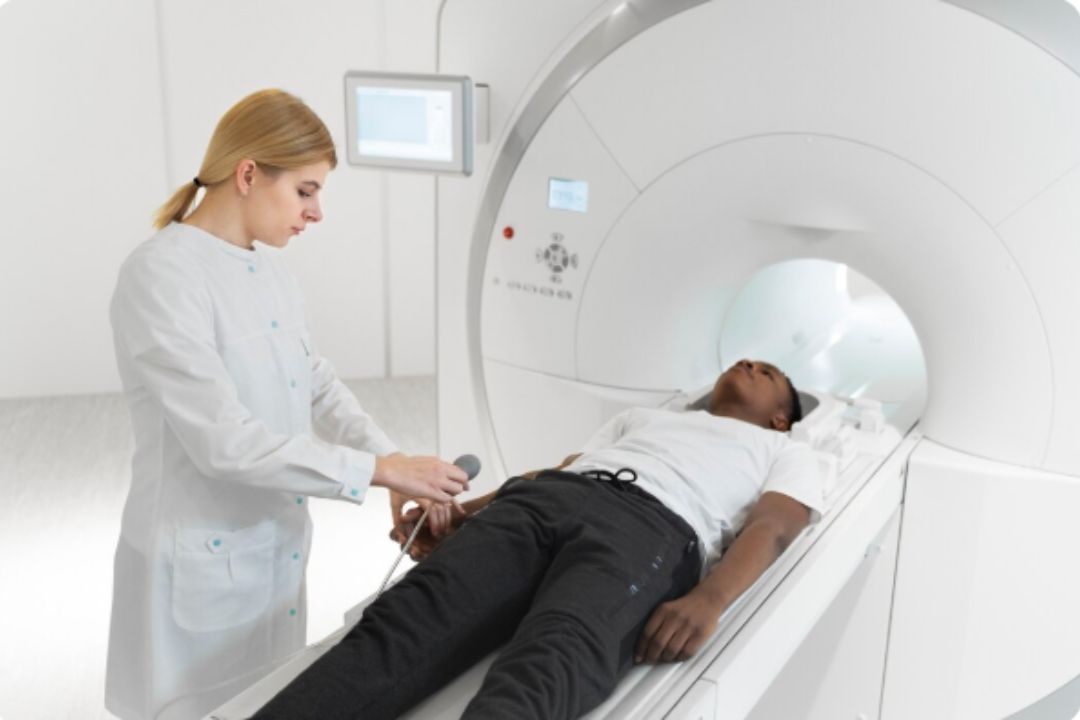
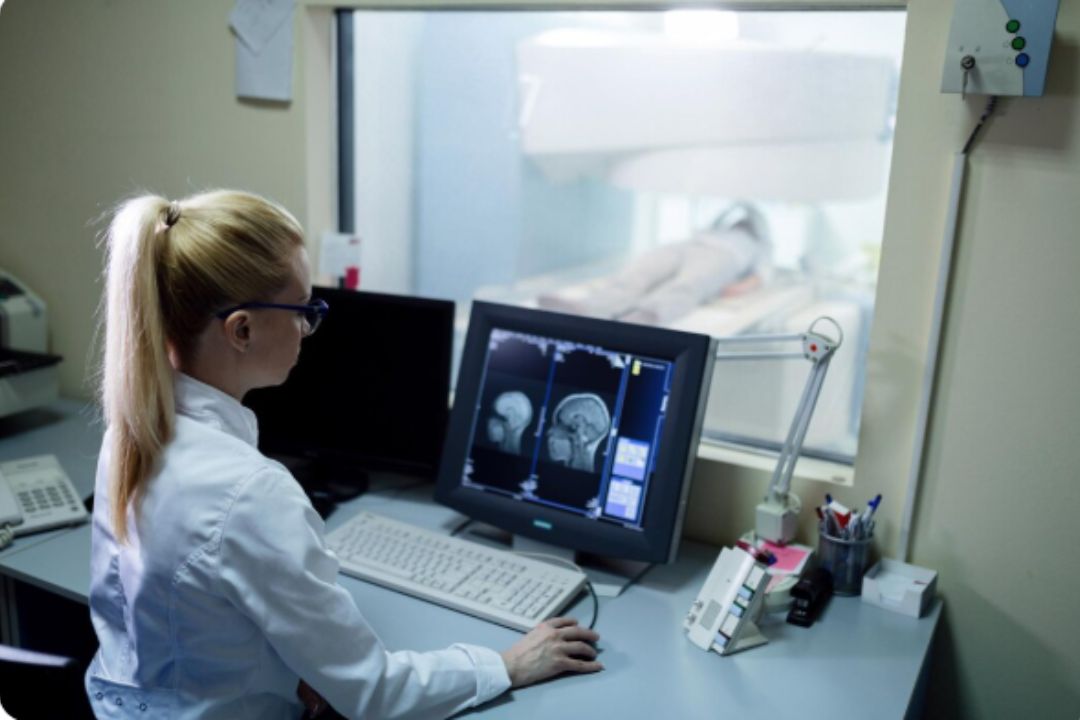
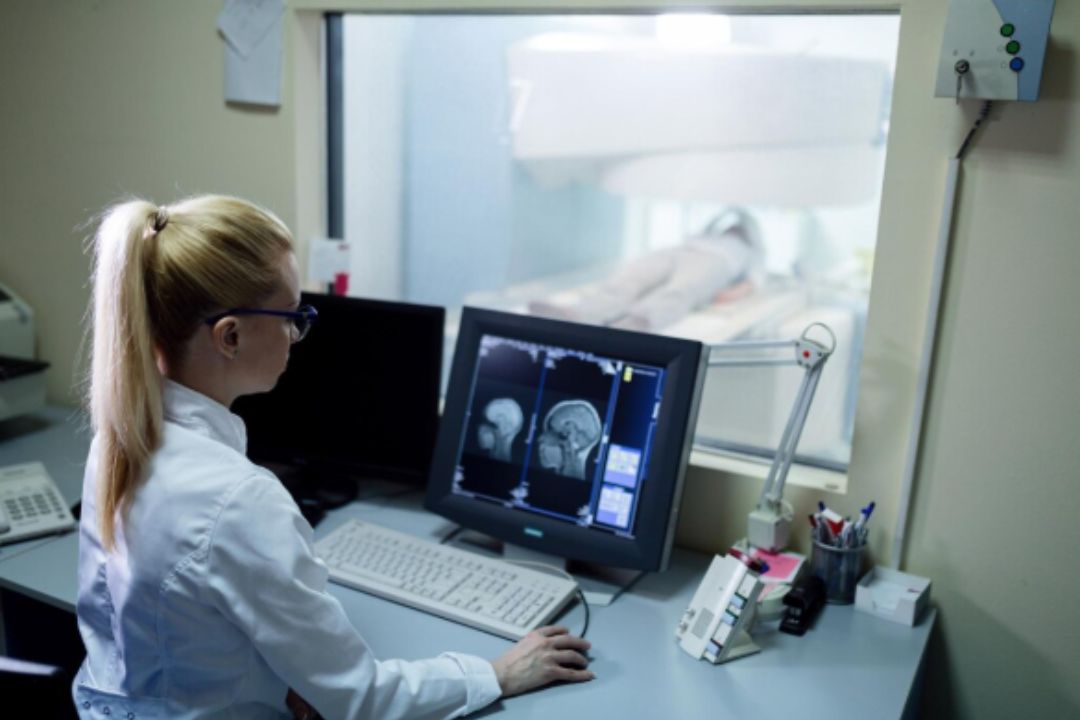
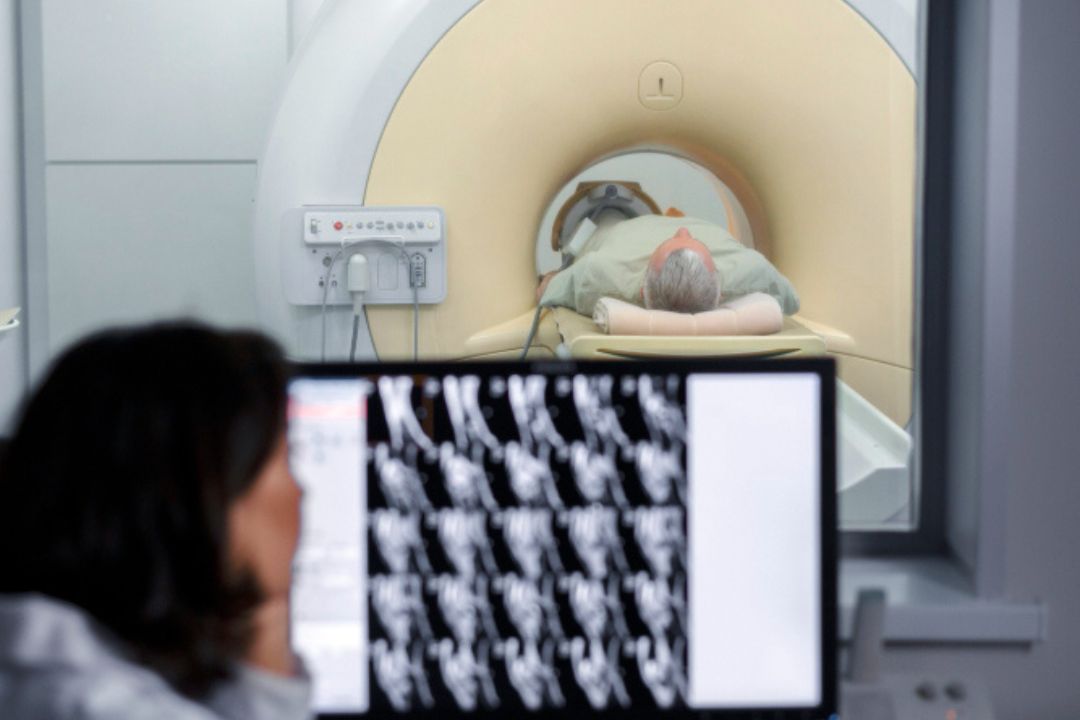
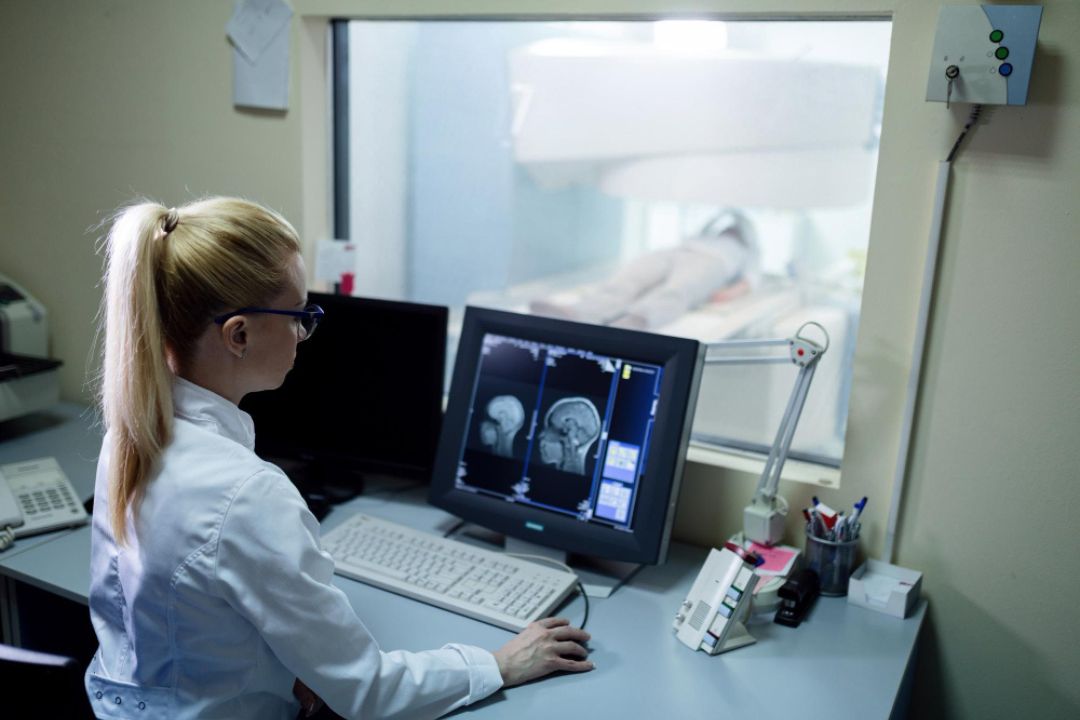
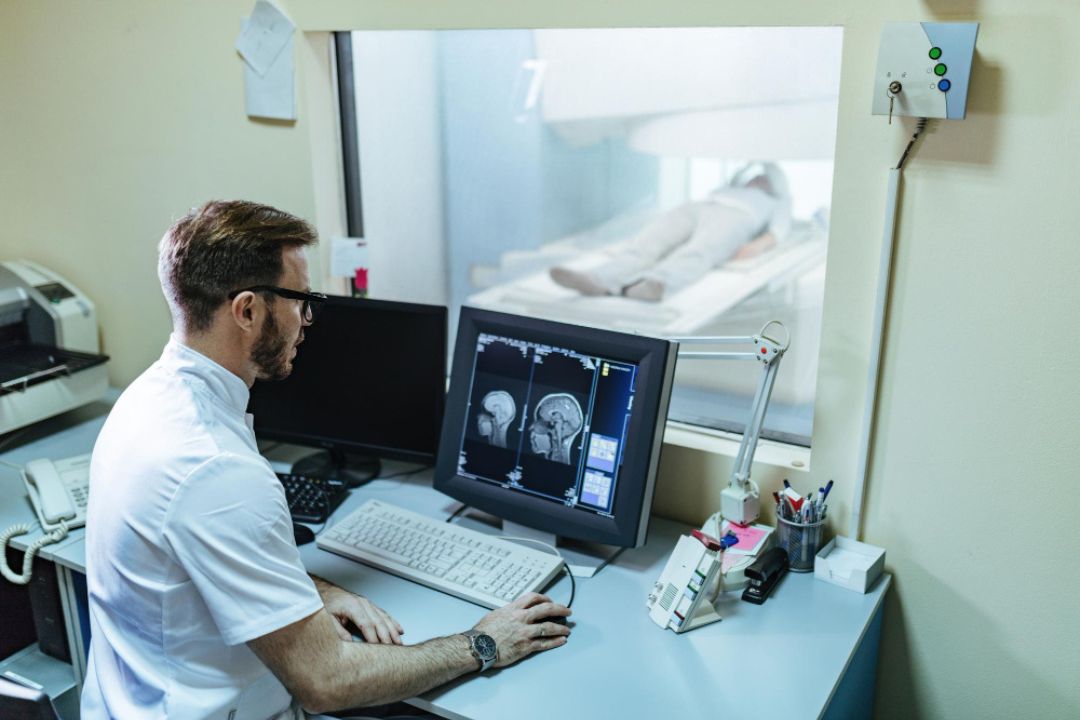
The machine may produce soft humming or whirring sounds as it captures images from different angles. The technician monitors the procedure from another room but can communicate with you through an intercom.
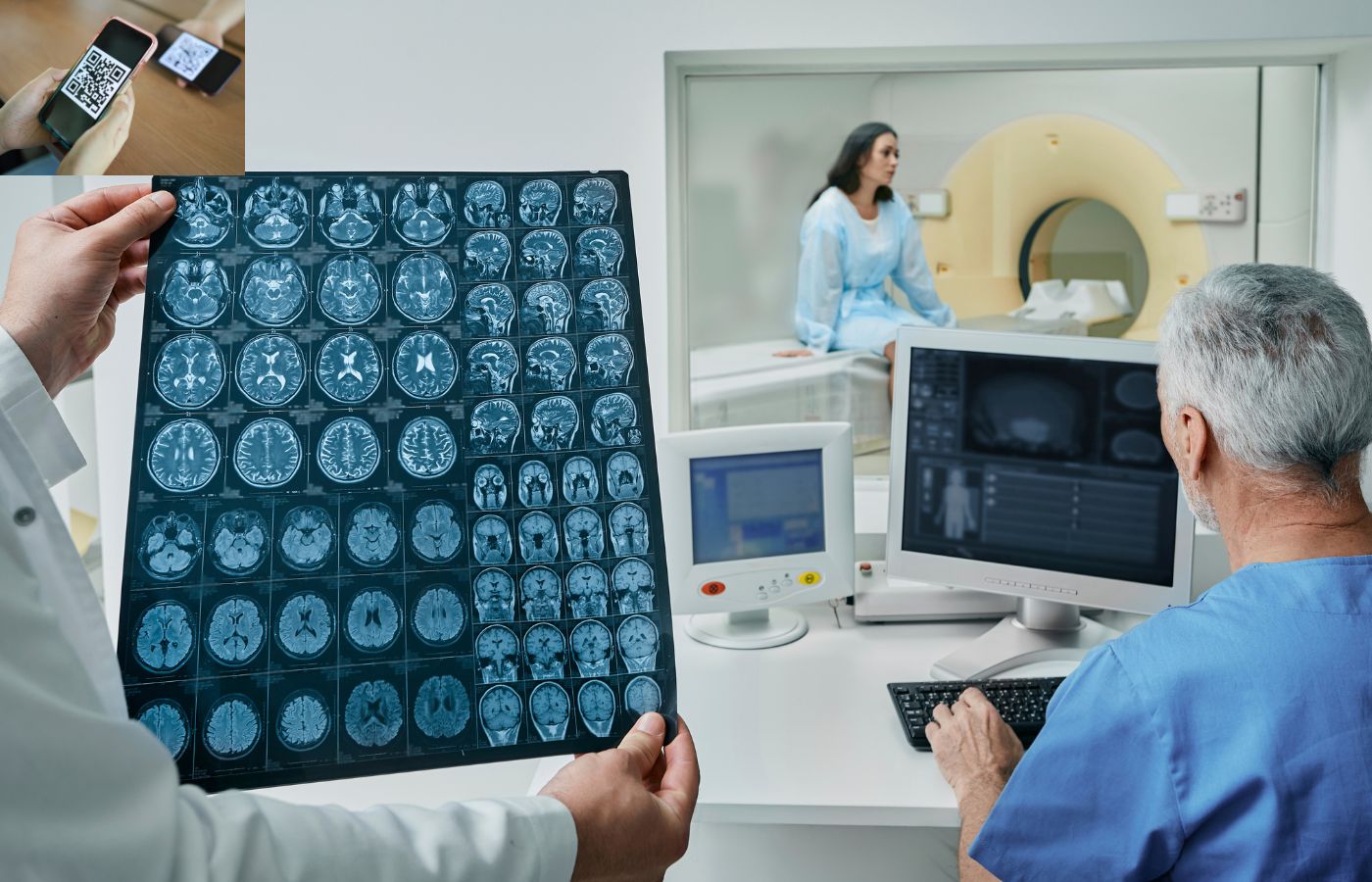
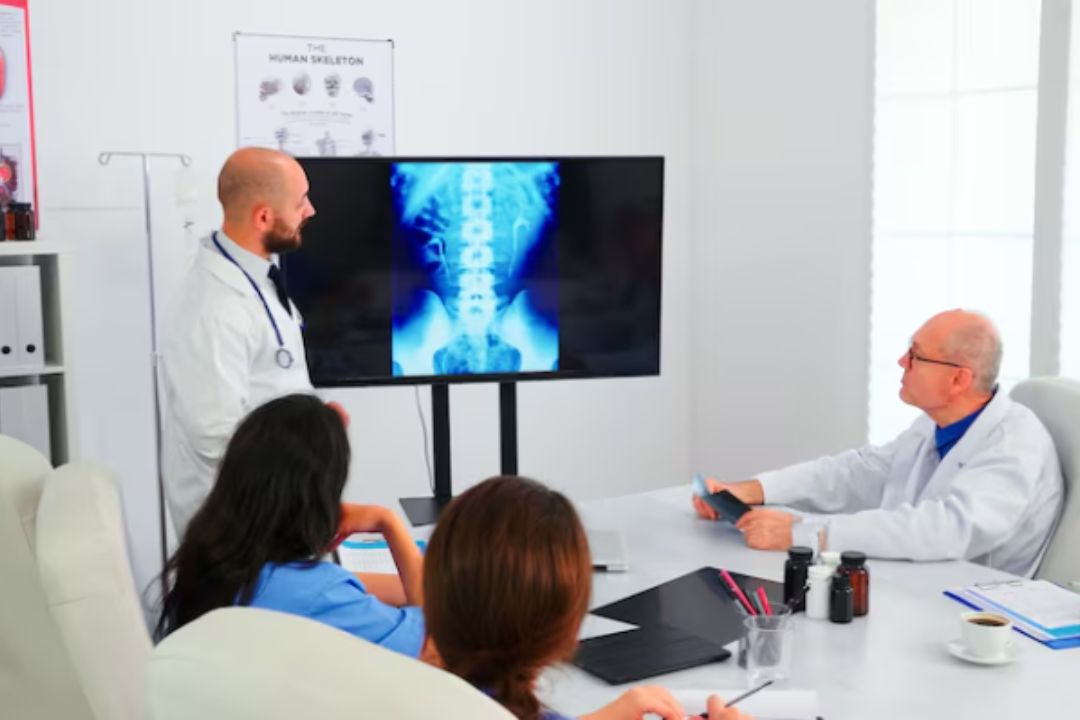
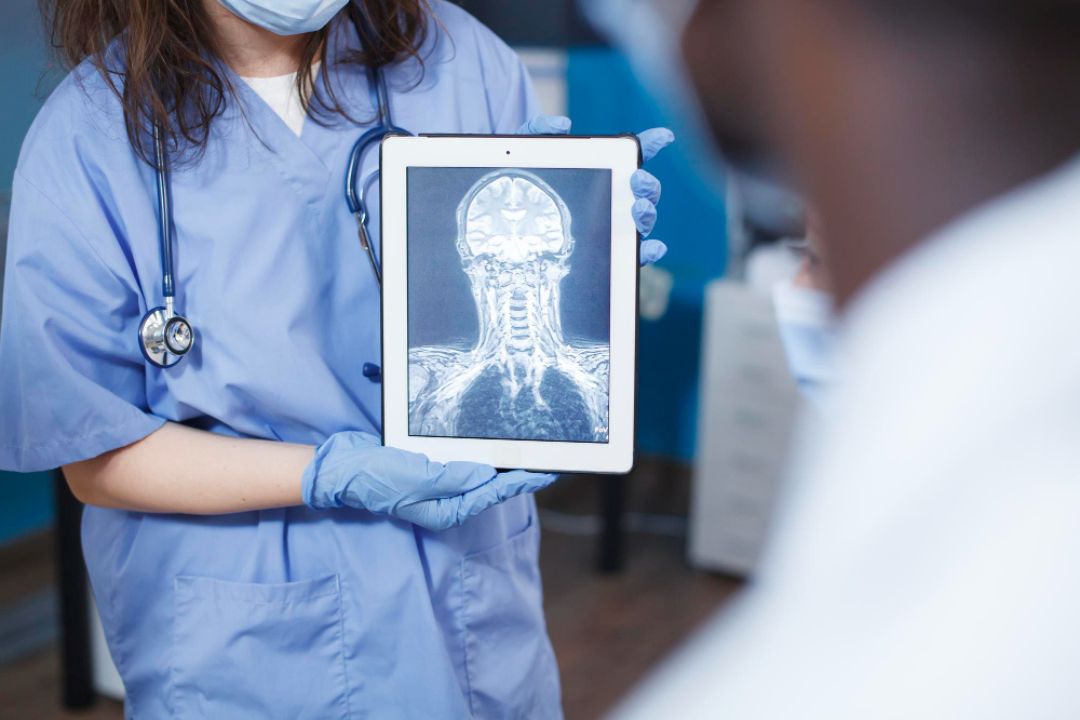
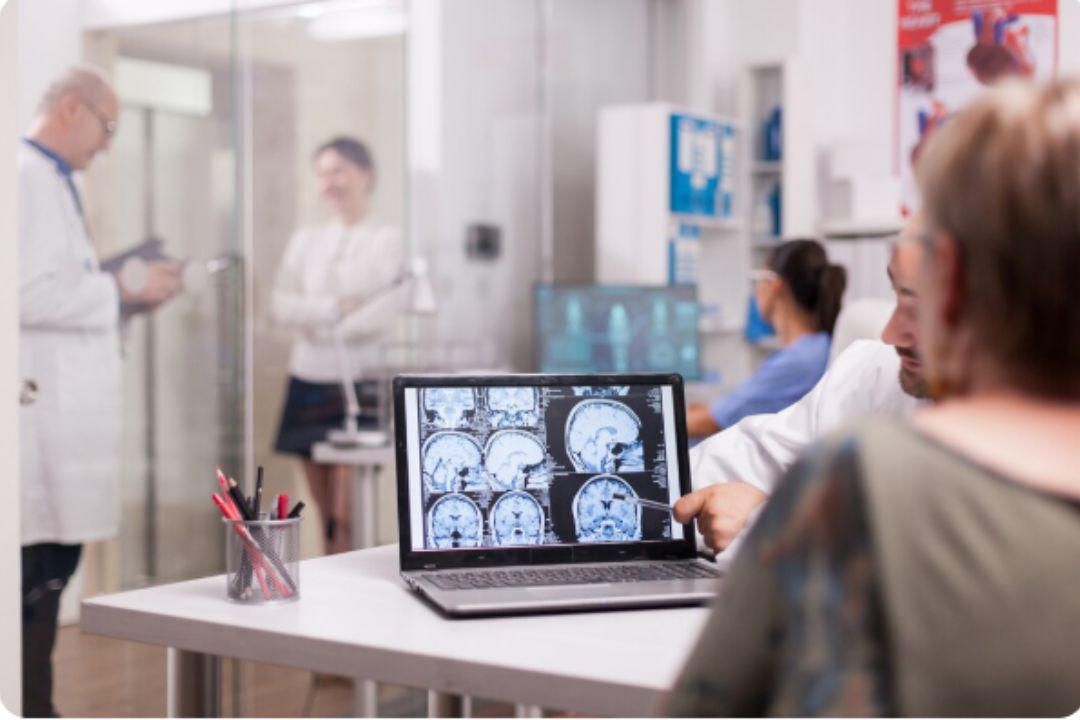
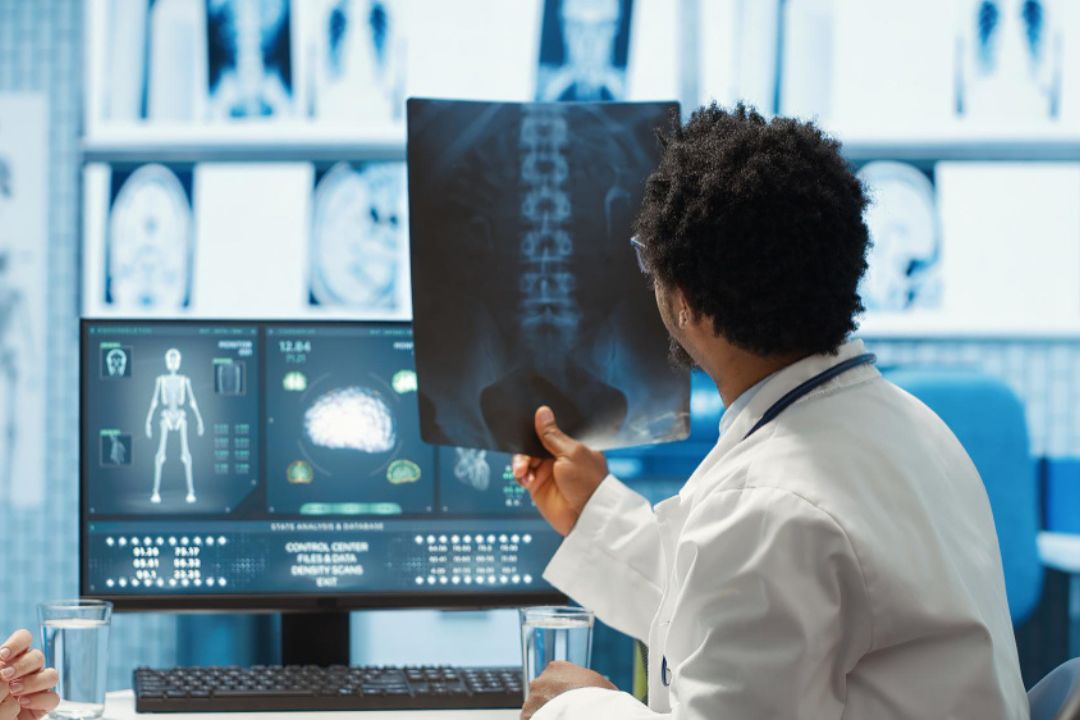
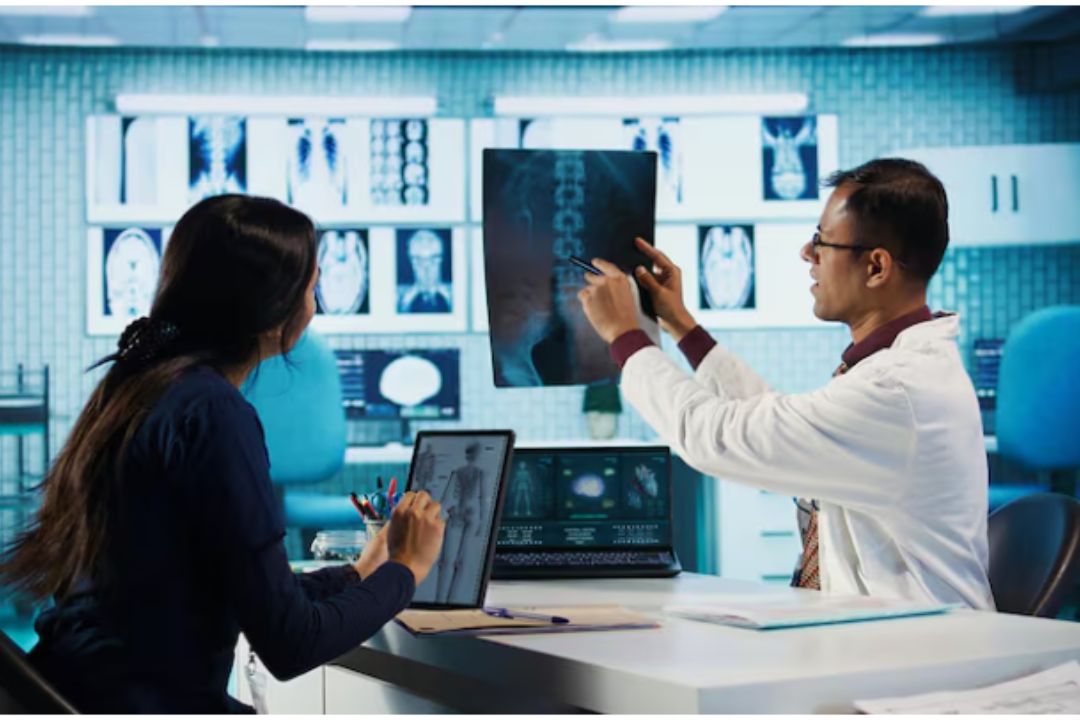
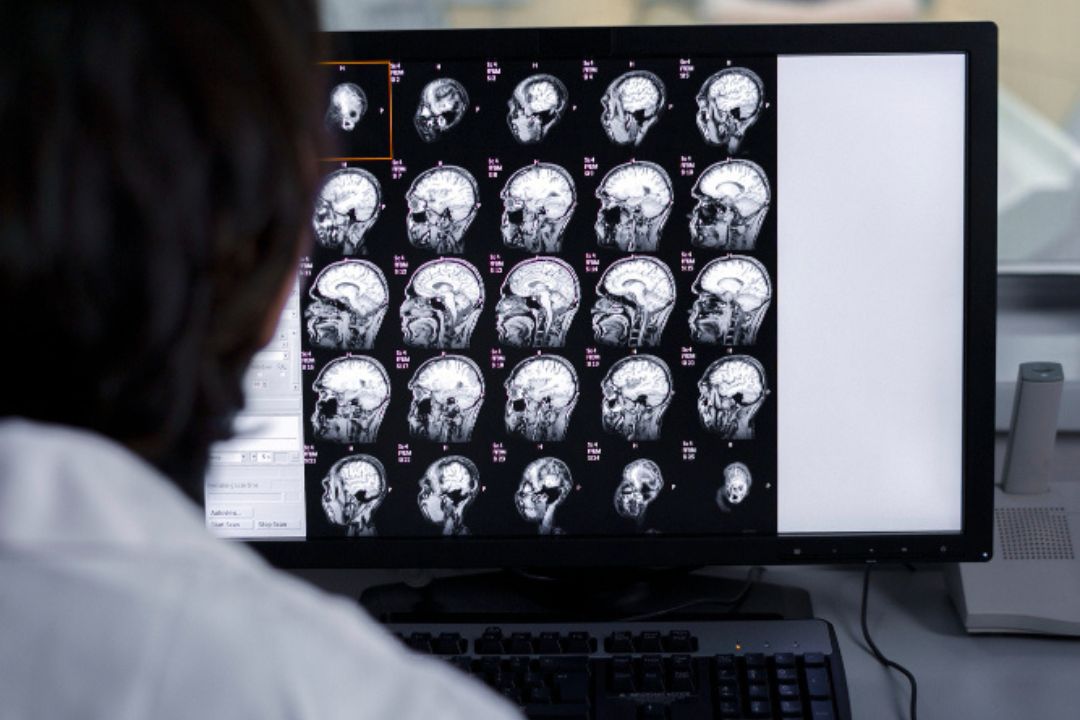
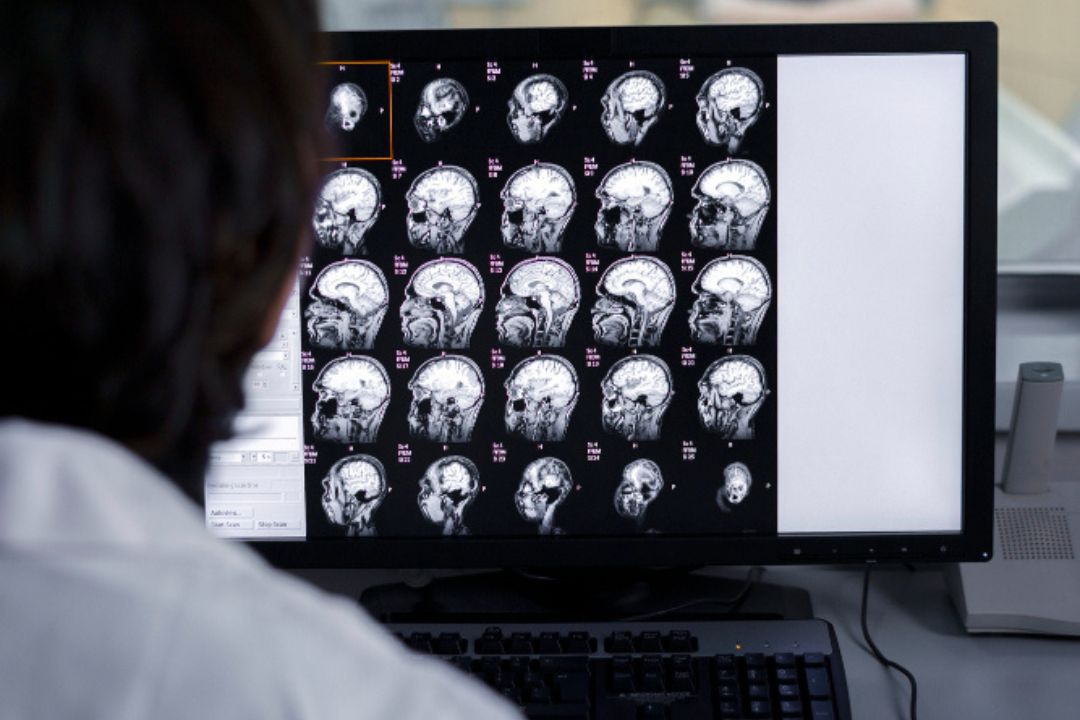
The captured images are sent to a computer that creates detailed cross-sectional views of the scanned body part. These images allow doctors to analyze the internal structures accurately.
Most CT scans take 10 to 20 minutes to complete. After the scan is finished, the technician will help you get off the table, and you can usually return to your normal activities immediately.
A CT scan is completely painless. Patients simply need to lie still while the scanner captures images.
If contrast dye is used in some scans, patients may feel a mild warm sensation for a short time, but this is temporary and generally harmless.
CT scans offer several advantages in medical diagnosis.
Highly detailed images
Fast and accurate results
Non-invasive procedure
Helps doctors detect conditions early
Useful for diagnosing a wide range of medical problems
Because of these benefits, CT scans are an essential tool in modern healthcare.
A CT Scan is a quick, safe, and highly effective imaging test that helps doctors diagnose many medical conditions. Understanding the step-by-step CT scan procedure can help patients feel more comfortable and confident before the test.
If your doctor recommends a CT scan, it is usually to ensure an accurate diagnosis and provide the best possible treatment for your condition.











.jpg "ct brain scan plain and contrast")




















.jpg "ct scan")

.jpg "ct scan or mri for brain disorders")


.jpg "exploring the power of ct brain contrast in modern diagnostics")
.jpg "ct scan")

.jpg "ct scan")








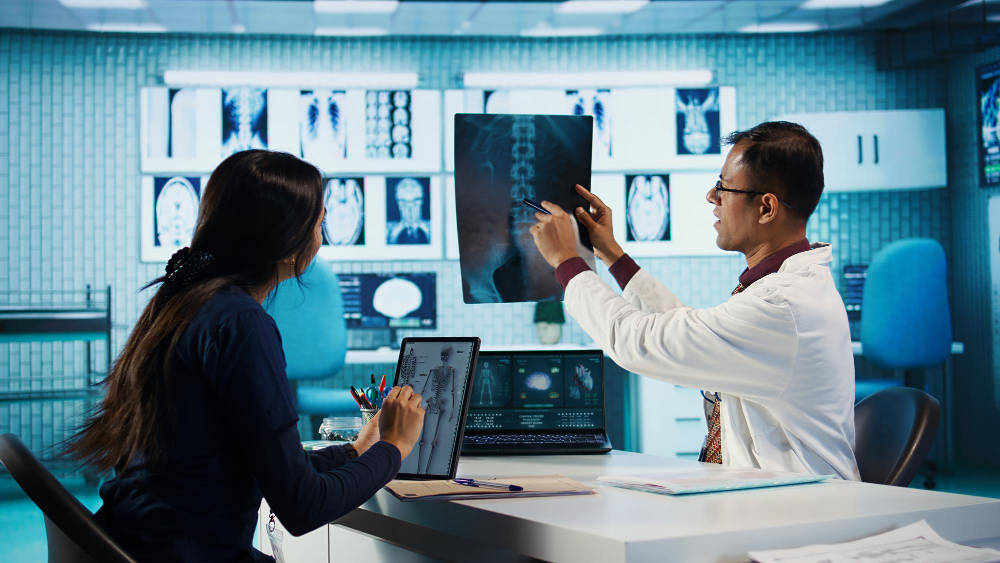

.jpg "ct scan")

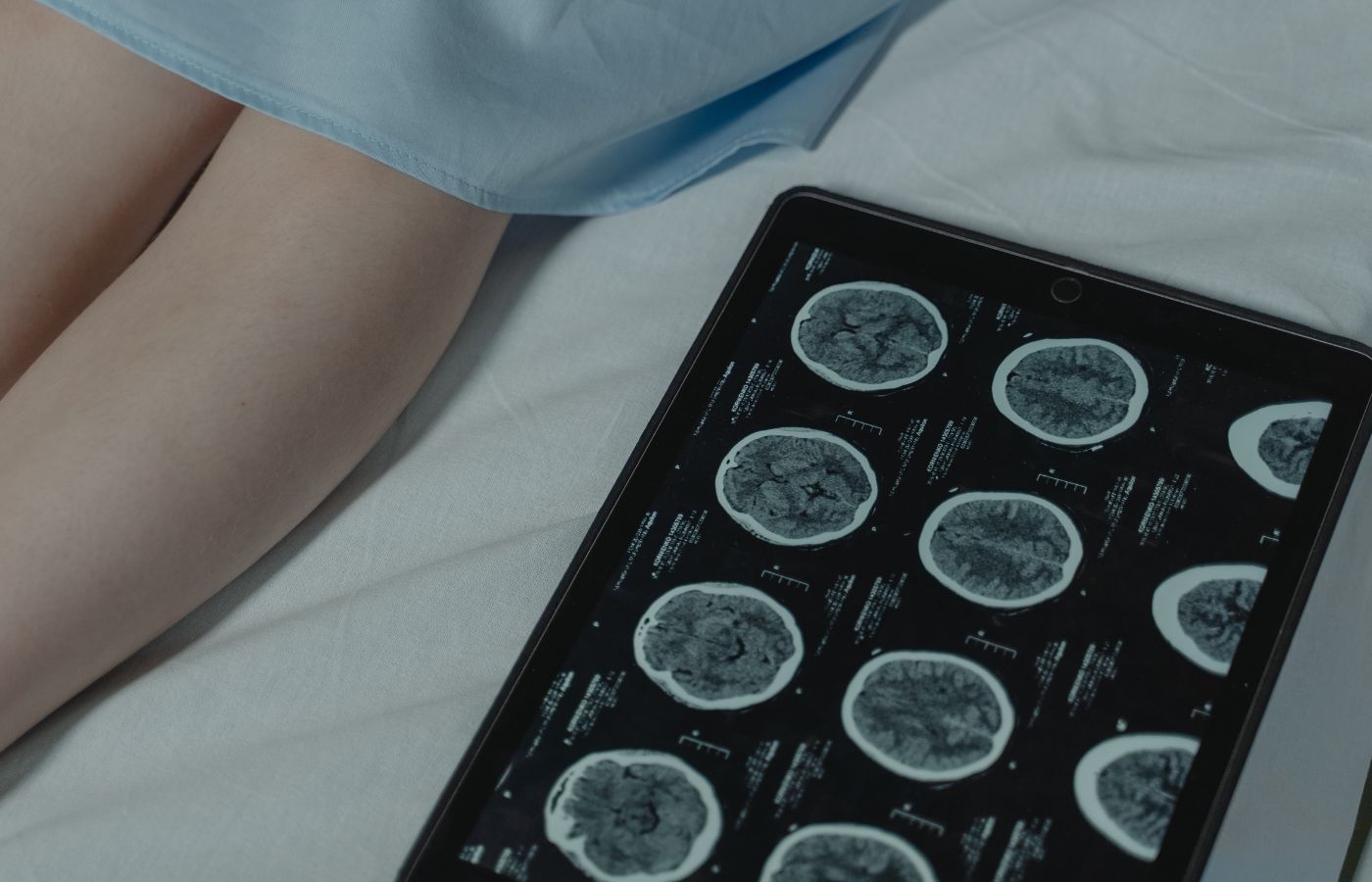
.jpg "CT Brain Scan for Headaches")
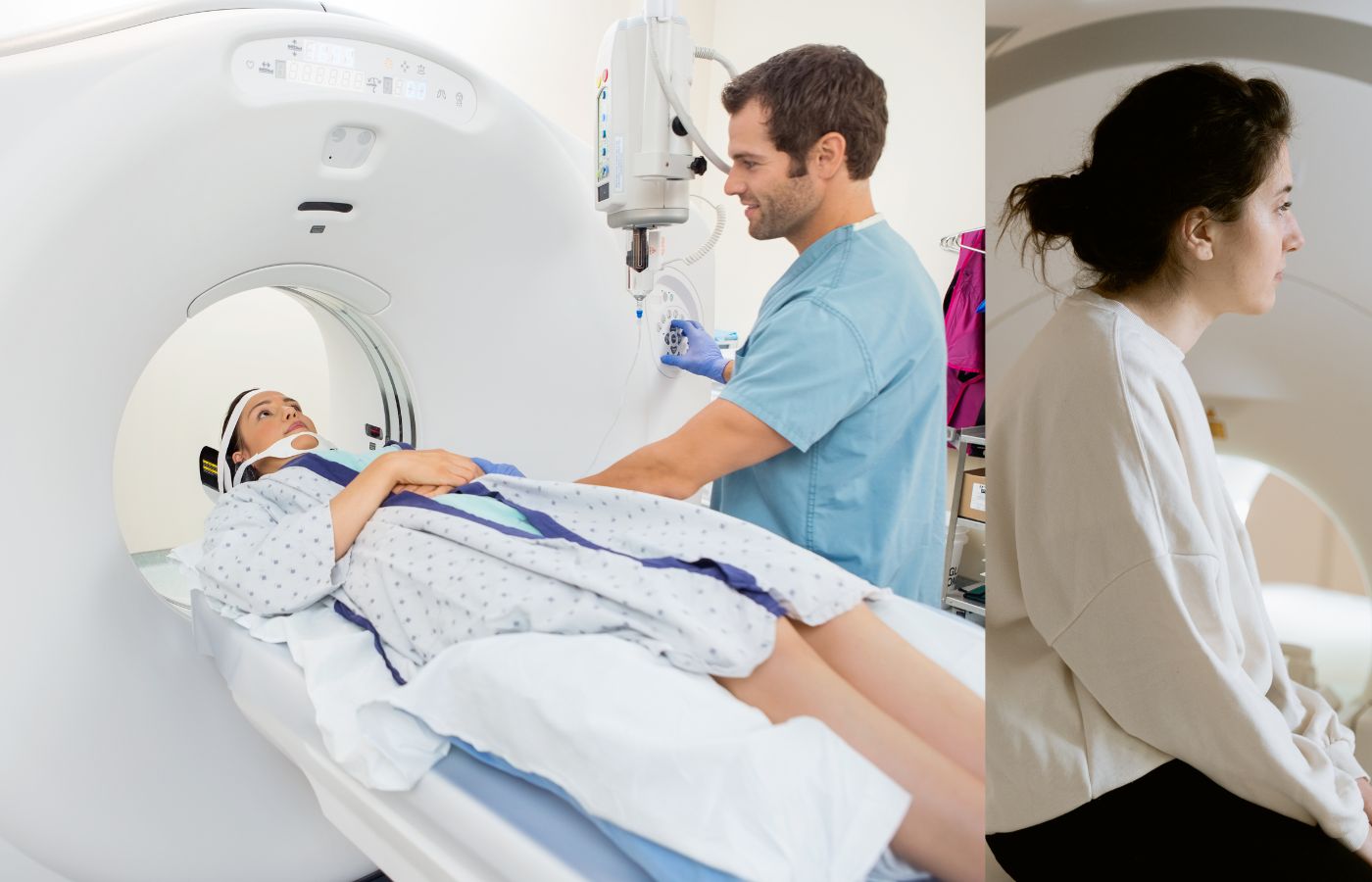
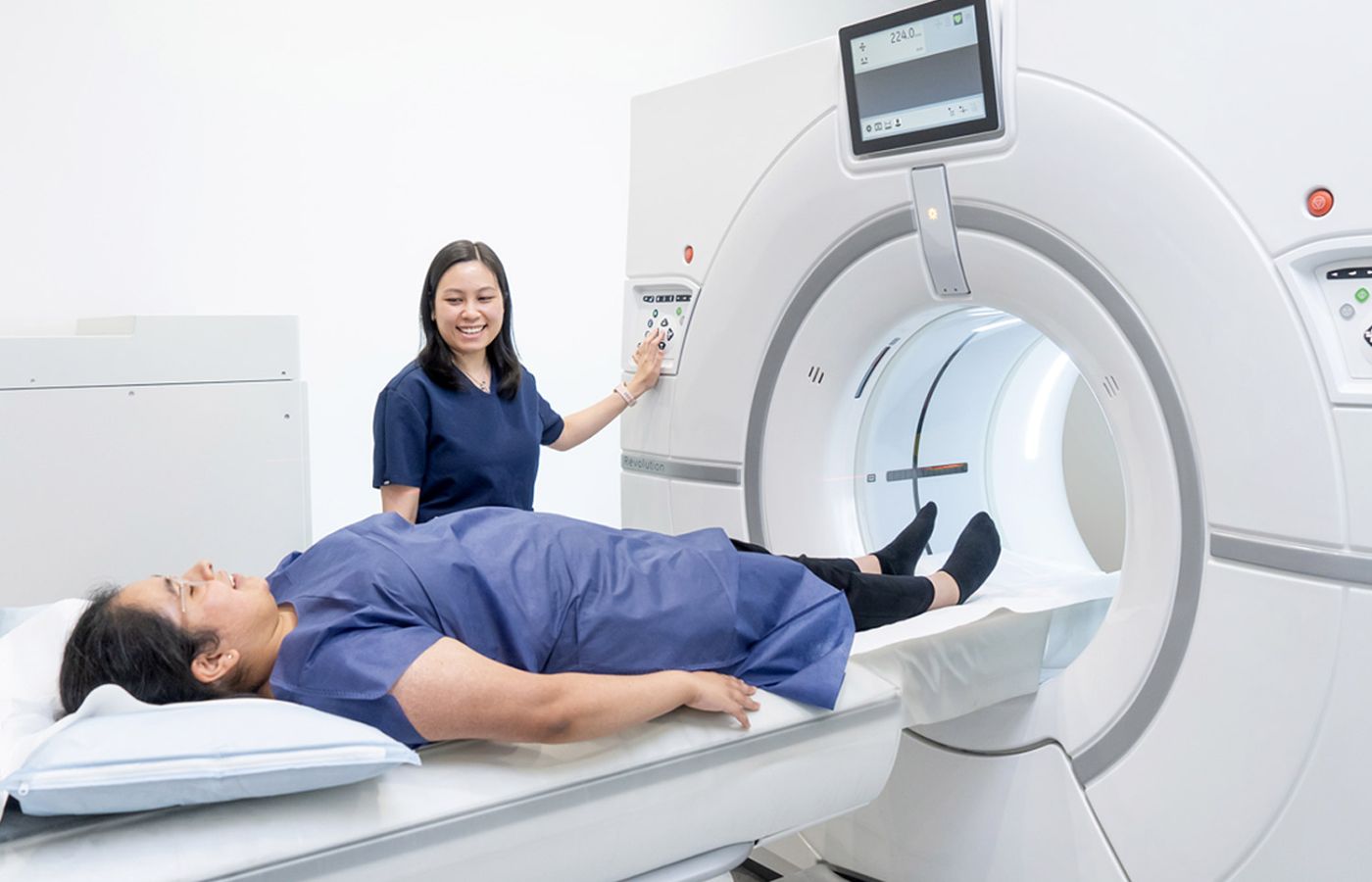
.jpg "The Future of 3D CT Imaging")