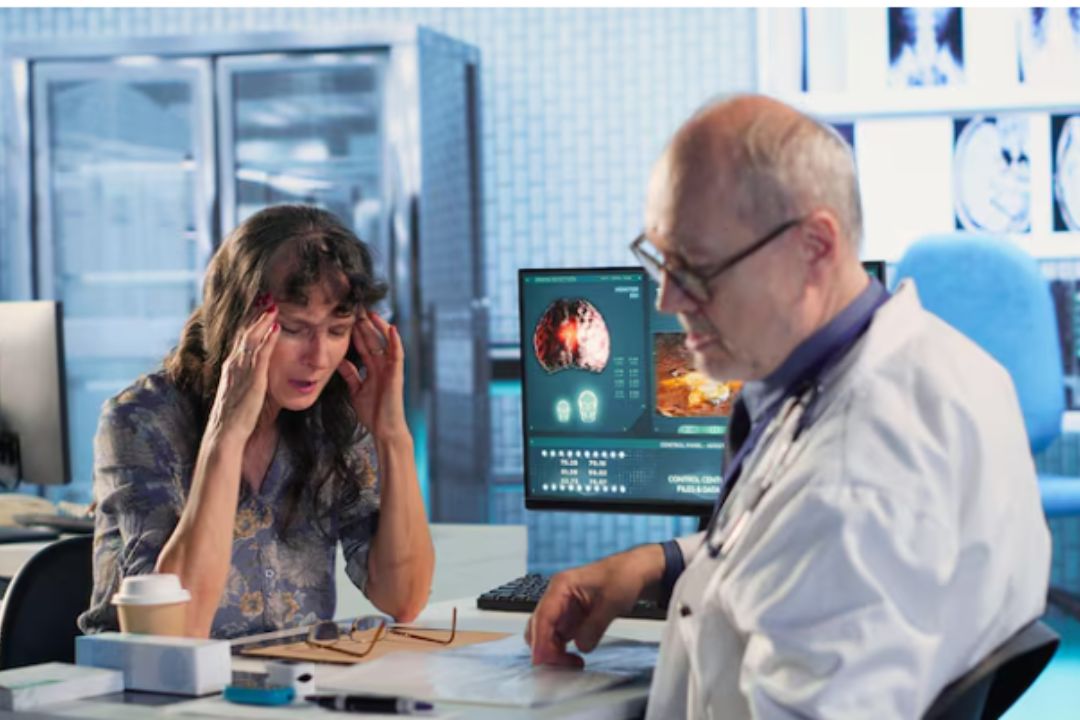
Headaches, sudden neurological symptoms, or persistent head pain can sometimes indicate serious medical conditions. In such cases, doctors often recommend a CT Brain Scan to quickly evaluate the brain and identify potential problems.
CT brain scans are one of the most important diagnostic tools in modern medicine. They allow doctors to detect conditions such as strokes, brain tumors, internal bleeding, and traumatic injuries with speed and accuracy.
Understanding how CT brain scans work and why they are important can help patients feel more confident when undergoing this imaging test.
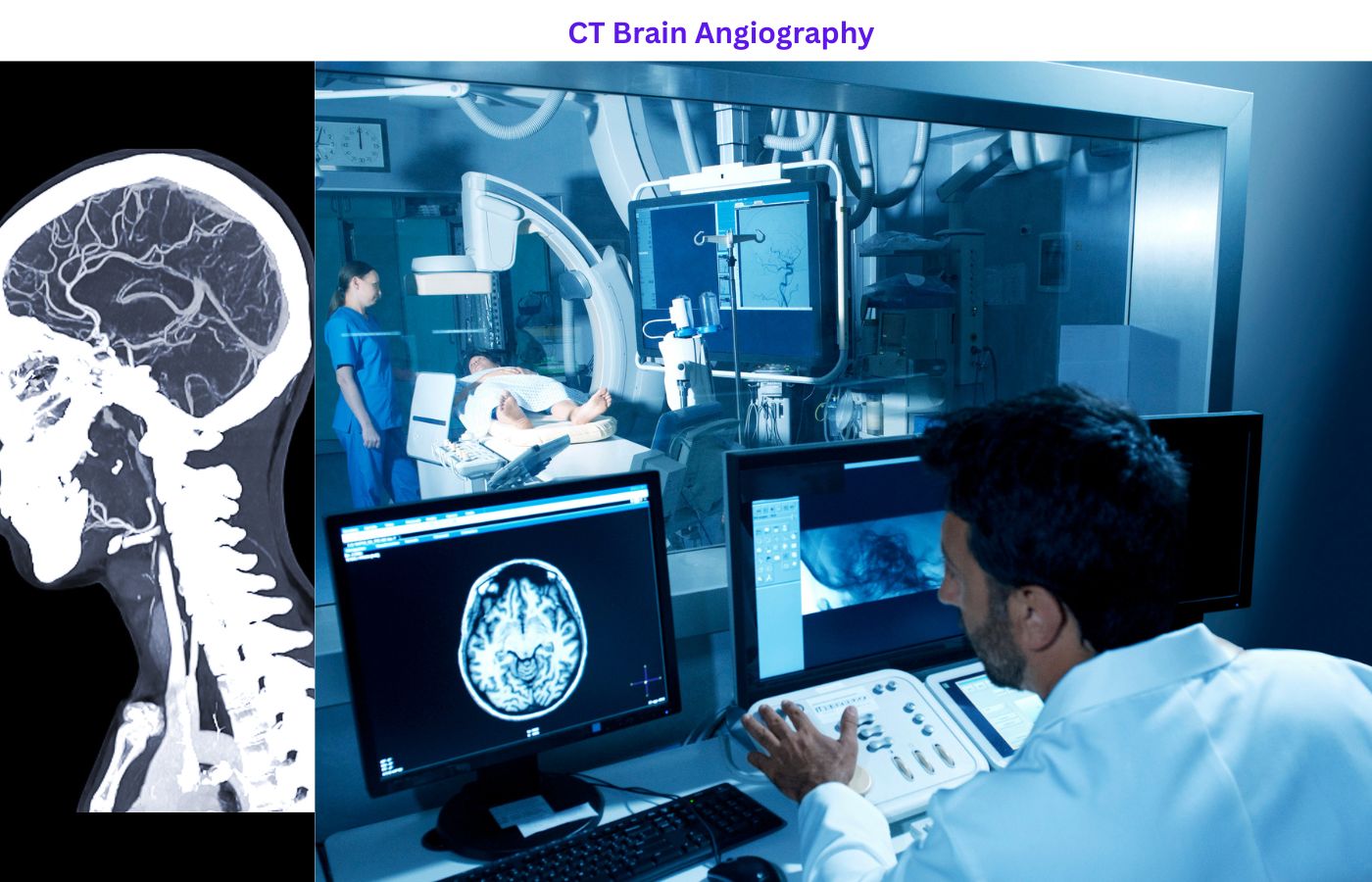
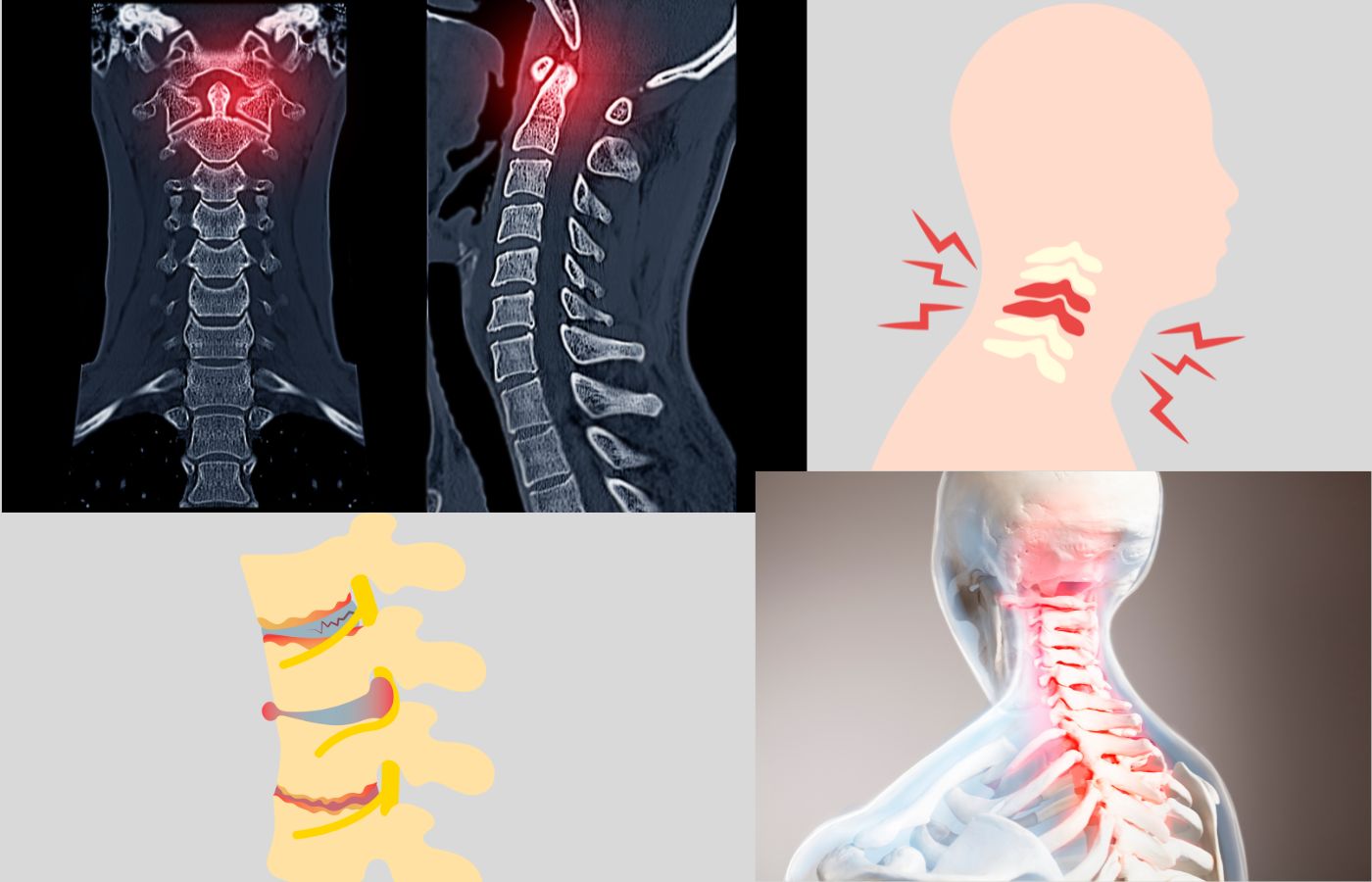
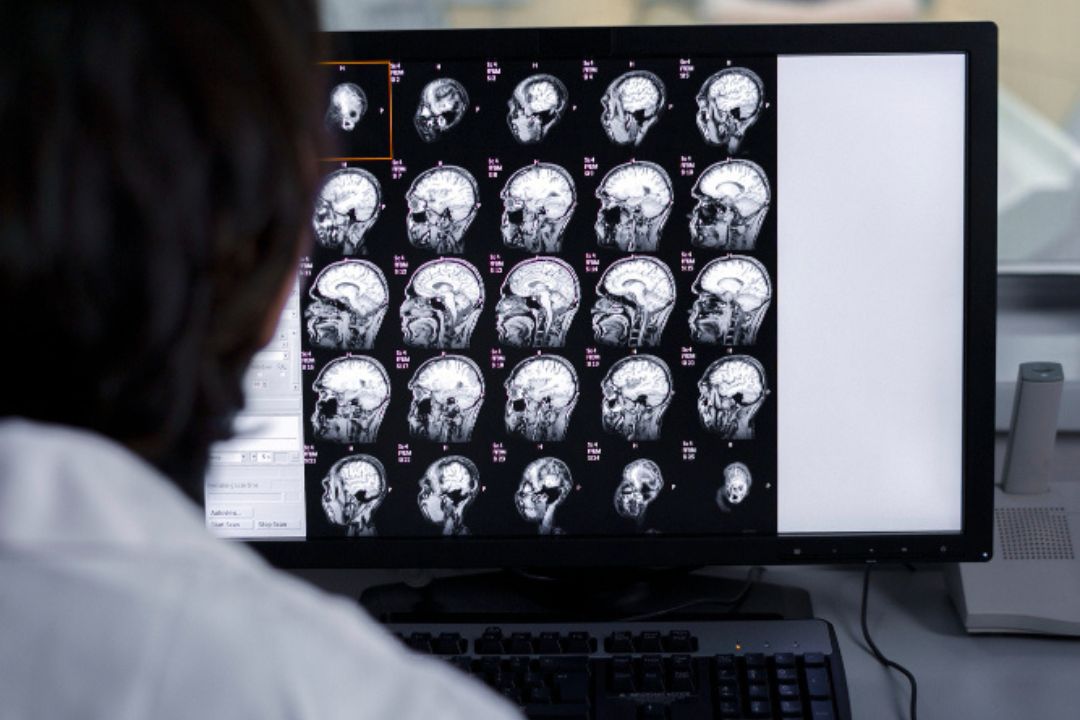
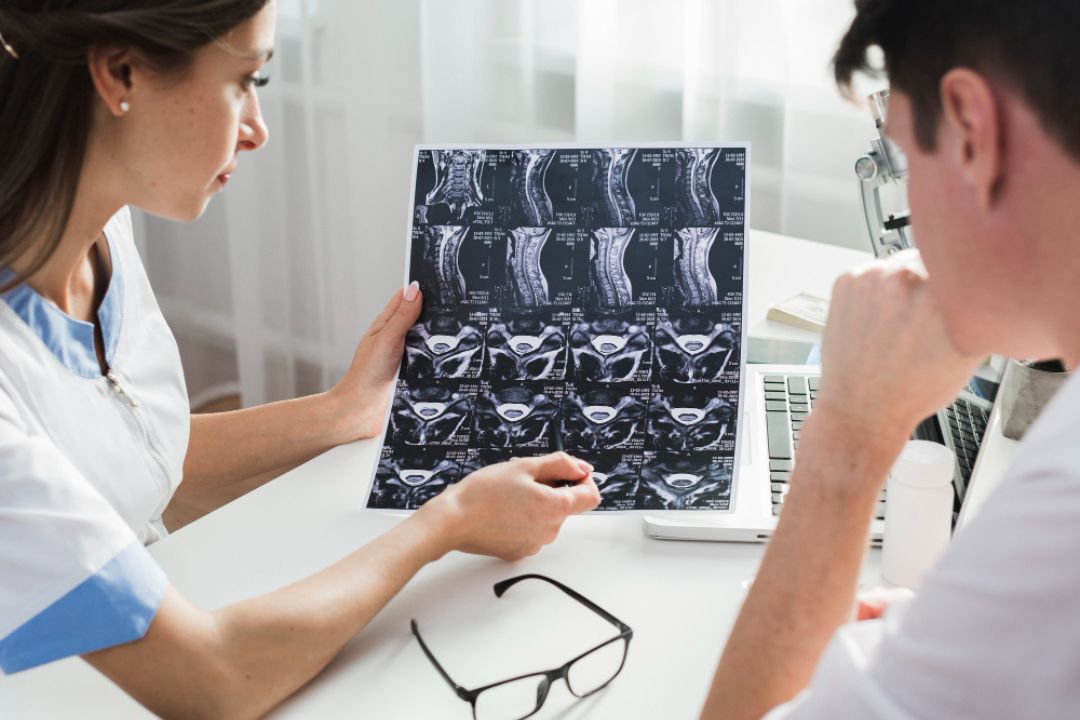
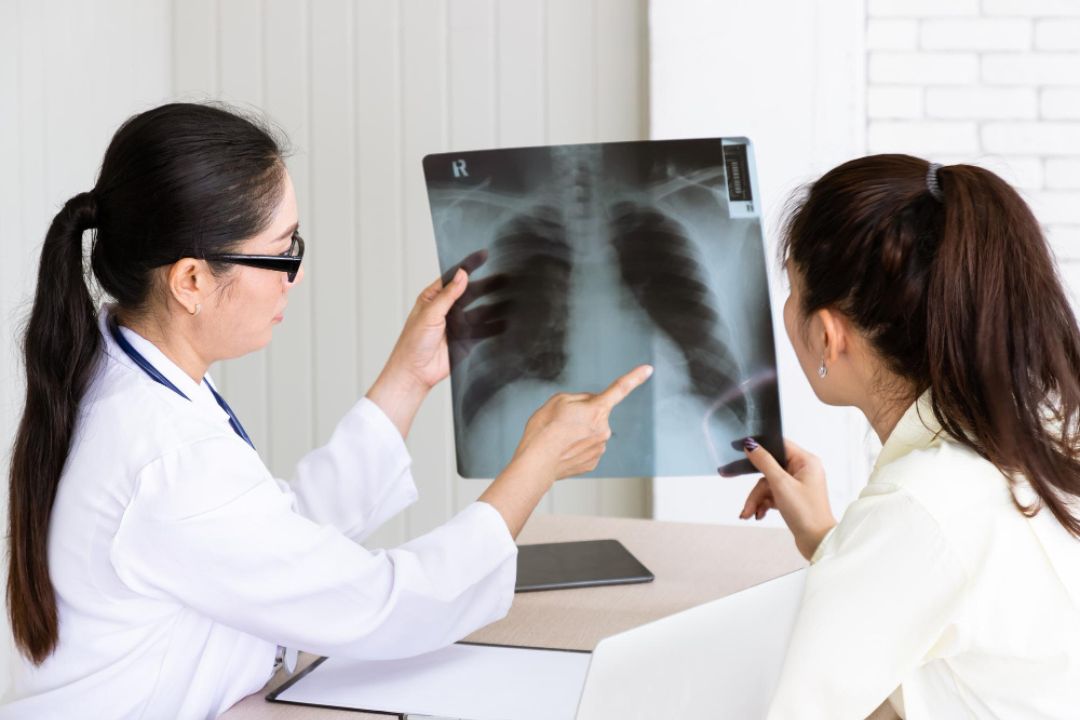
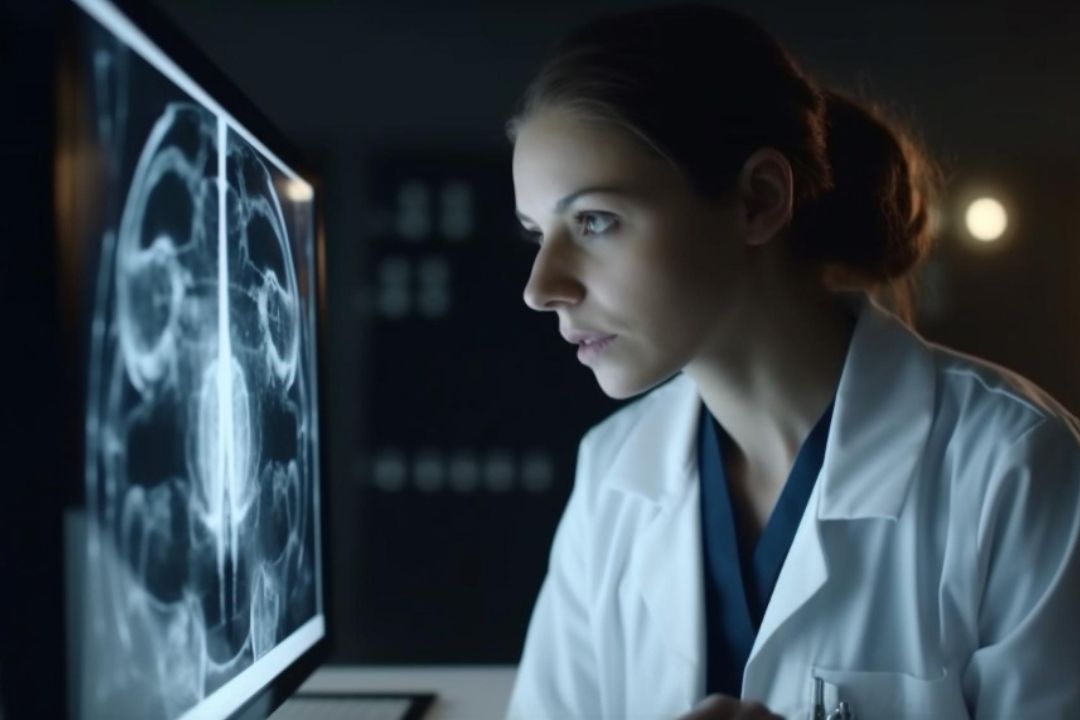
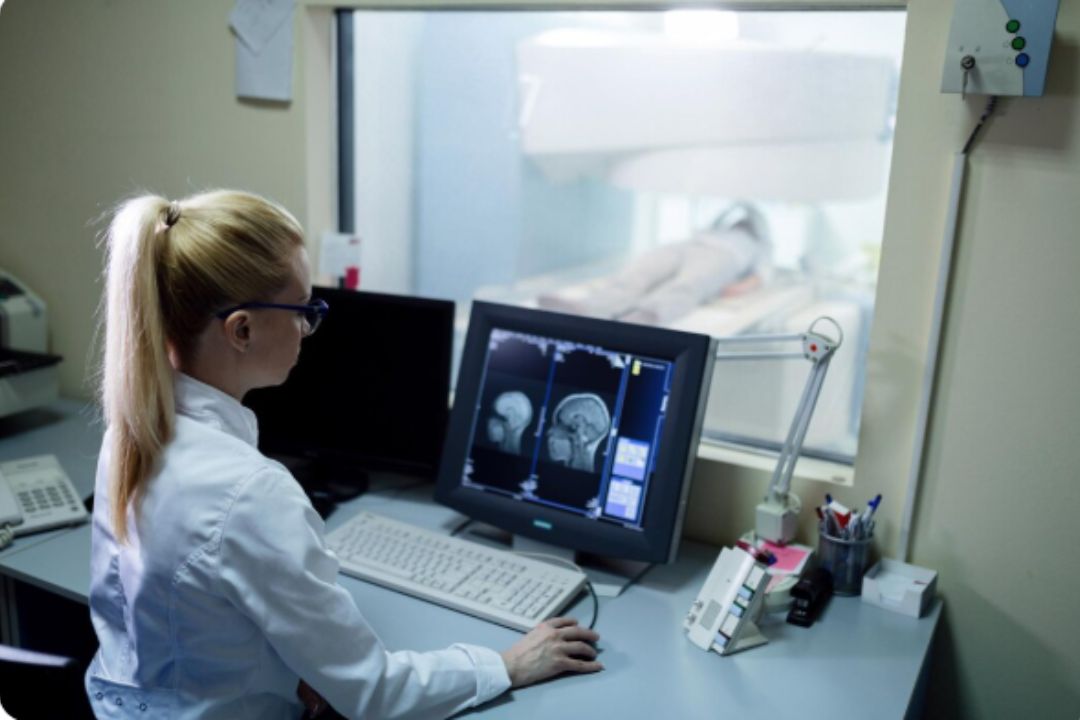
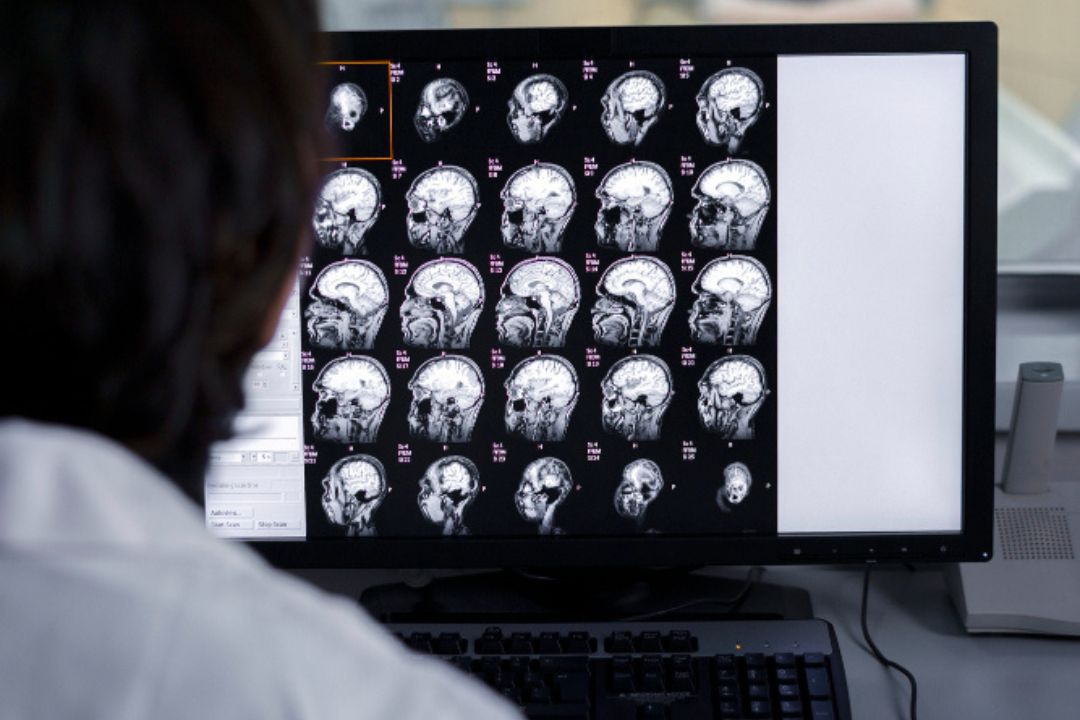
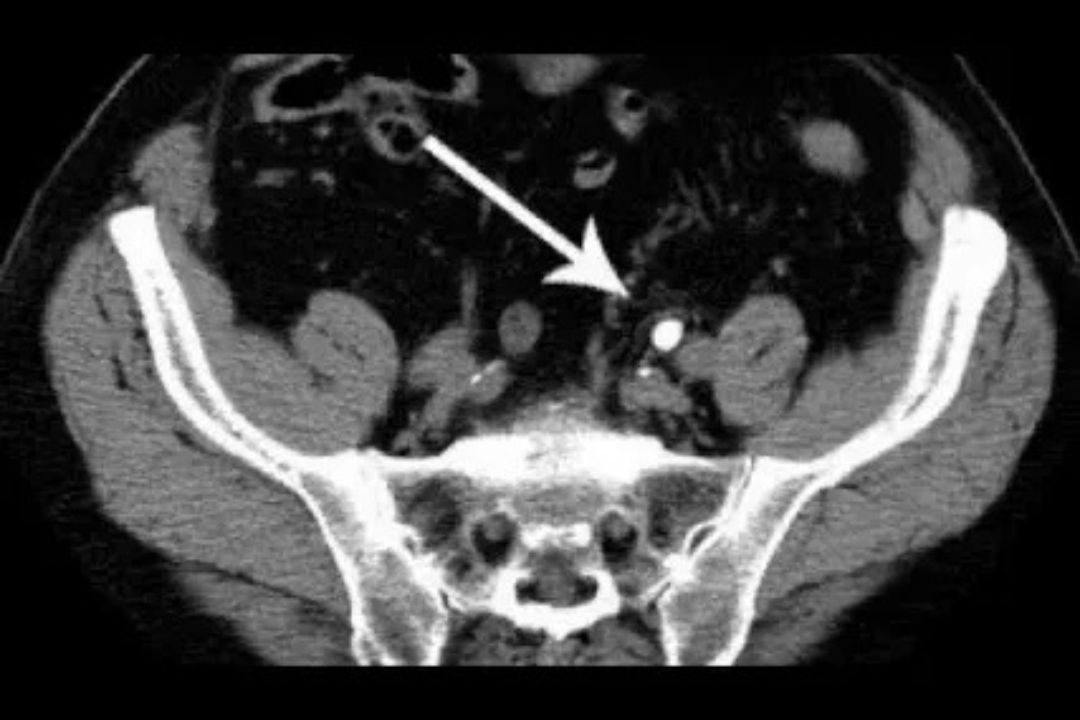
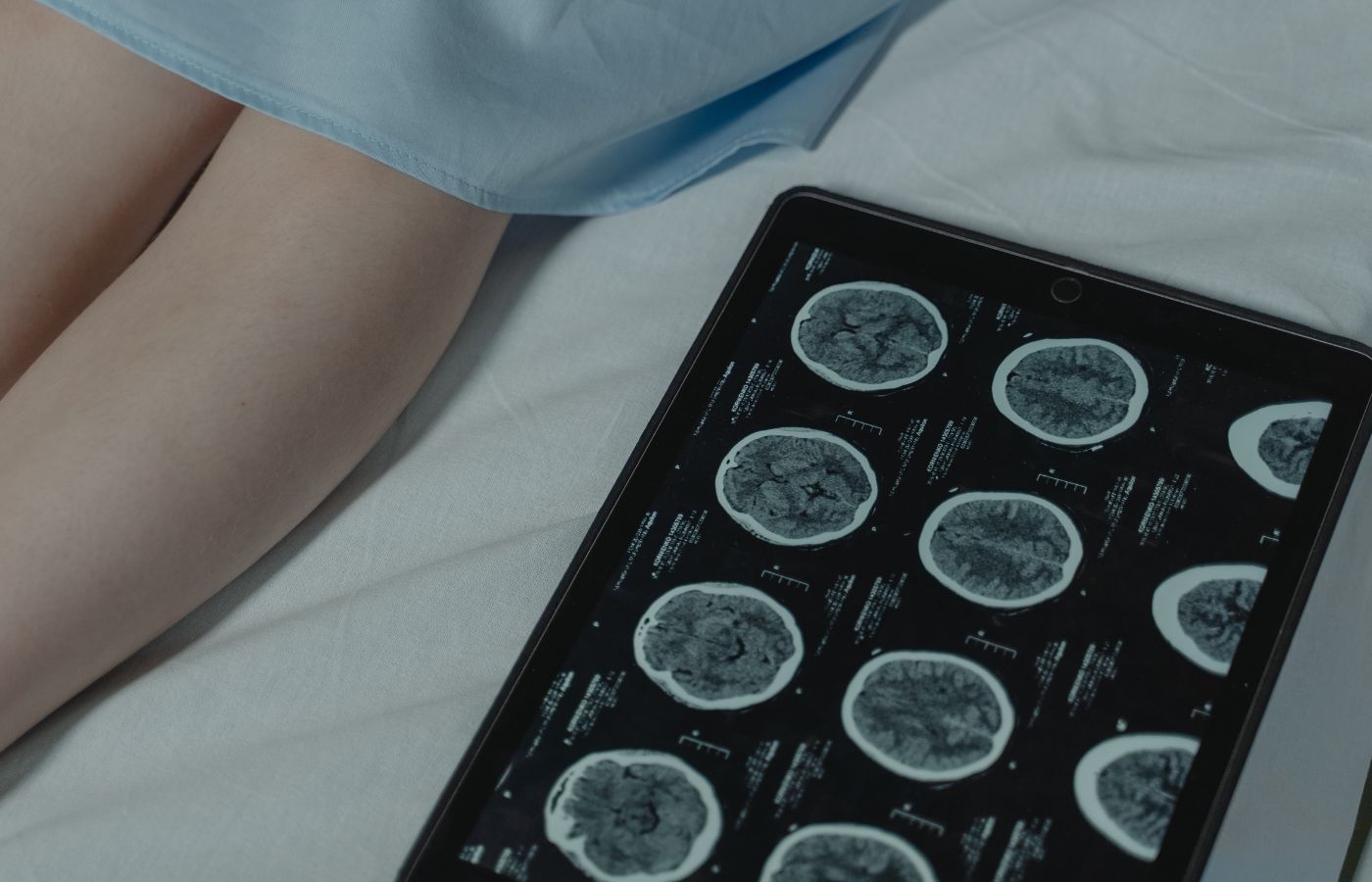
A CT Brain Scan is an advanced imaging test that uses X-rays and computer processing to create detailed cross-sectional images of the brain.
Unlike standard X-rays, a CT scan produces multiple images from different angles. These images are combined to create highly detailed pictures of the brain’s structure, including:
Brain tissues
Blood vessels
Skull bones
Fluid spaces around the brain
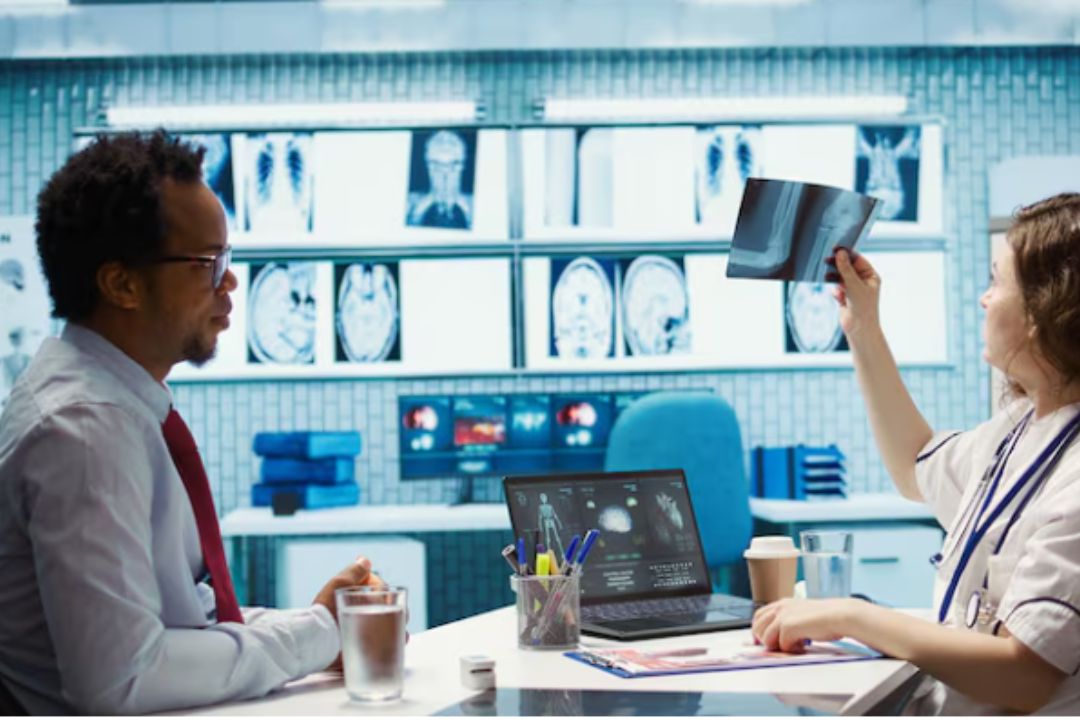
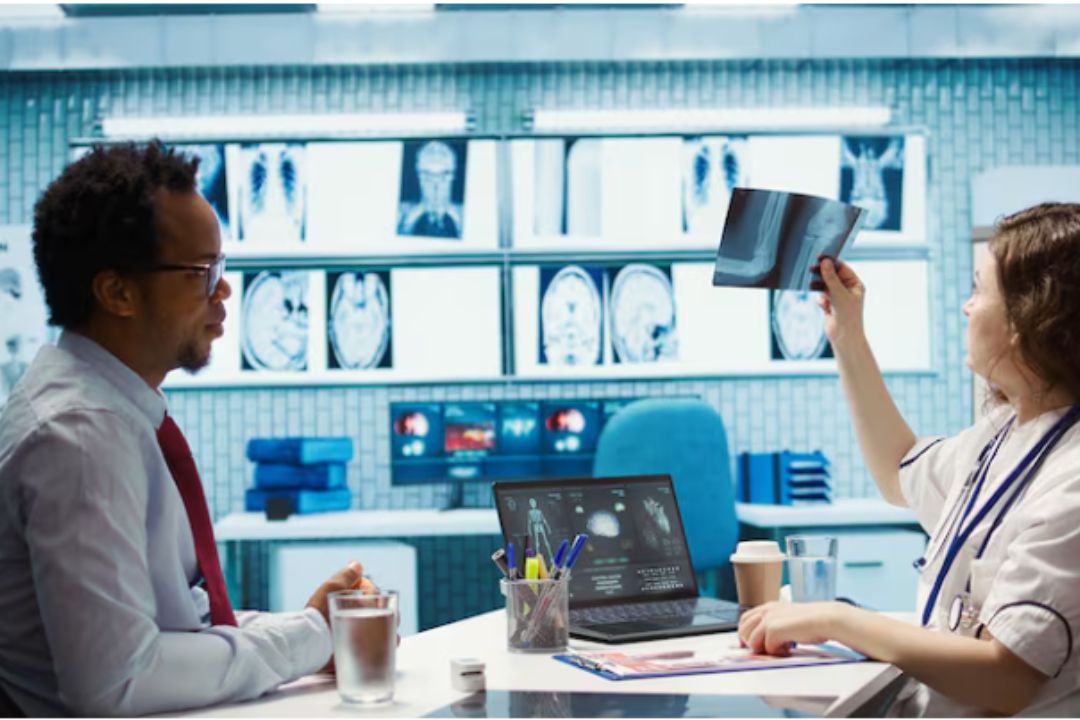
Doctors use these images to diagnose many neurological conditions quickly and accurately.
A CT brain scan is often recommended when patients experience symptoms that may indicate problems in the brain.
Visit Now: https://www.diagnopein.com
Common reasons include:
Severe or persistent headaches
Sudden dizziness or confusion
Head injuries or trauma
Weakness or numbness in the body
Seizures
Vision or speech problems
The scan helps doctors identify the underlying cause of these symptoms and determine the appropriate treatment.
Headaches are one of the most common neurological complaints. While many headaches are harmless, some may indicate serious medical conditions.
Doctors may recommend a CT brain scan when headaches are:
Severe or sudden
Persistent and worsening over time
Accompanied by neurological symptoms
Occurring after a head injury
The scan helps detect conditions such as bleeding in the brain, tumors, or structural abnormalities that may be causing the headache.
A stroke occurs when blood flow to the brain is interrupted, either due to a blockage or bleeding. Early diagnosis is crucial because timely treatment can significantly improve recovery.
CT brain scans play a critical role in stroke diagnosis by helping doctors:
Detect bleeding in the brain
Identify blocked blood vessels
Differentiate between ischemic and hemorrhagic strokes
Because CT scans are fast and widely available, they are often the first imaging test performed in suspected stroke cases.
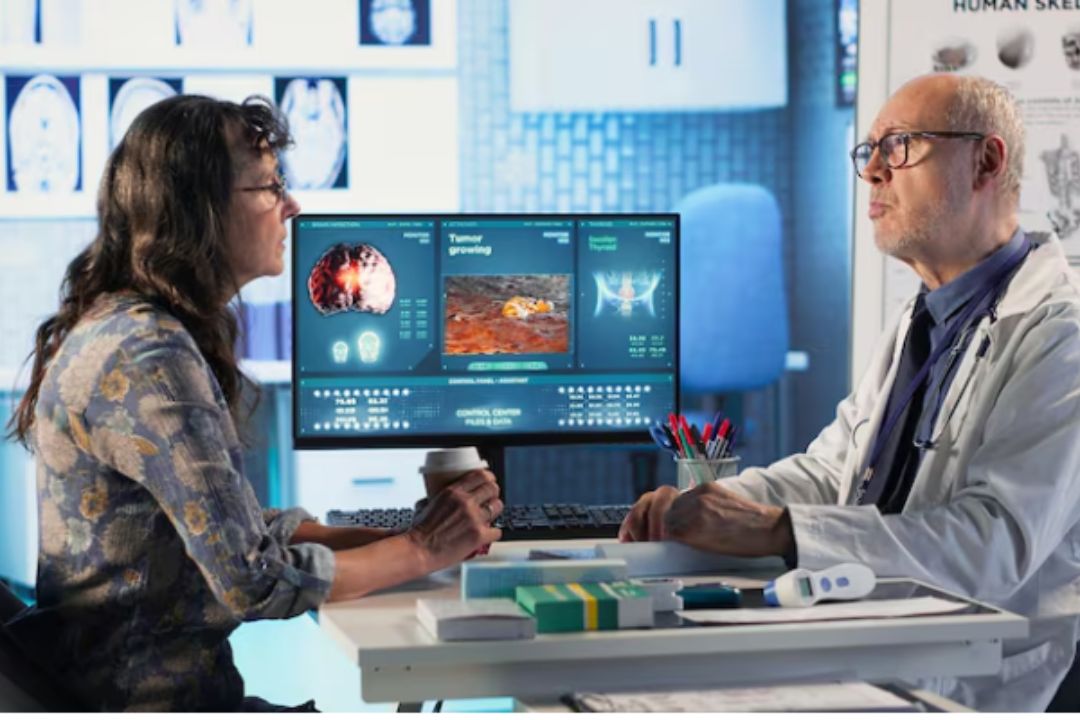
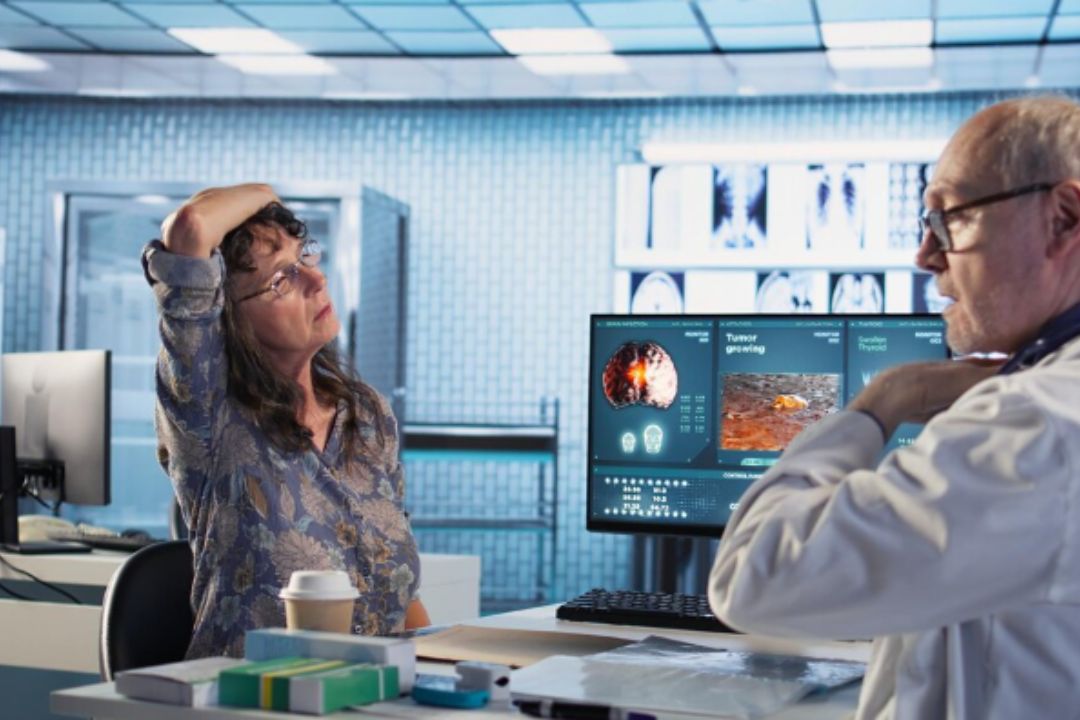
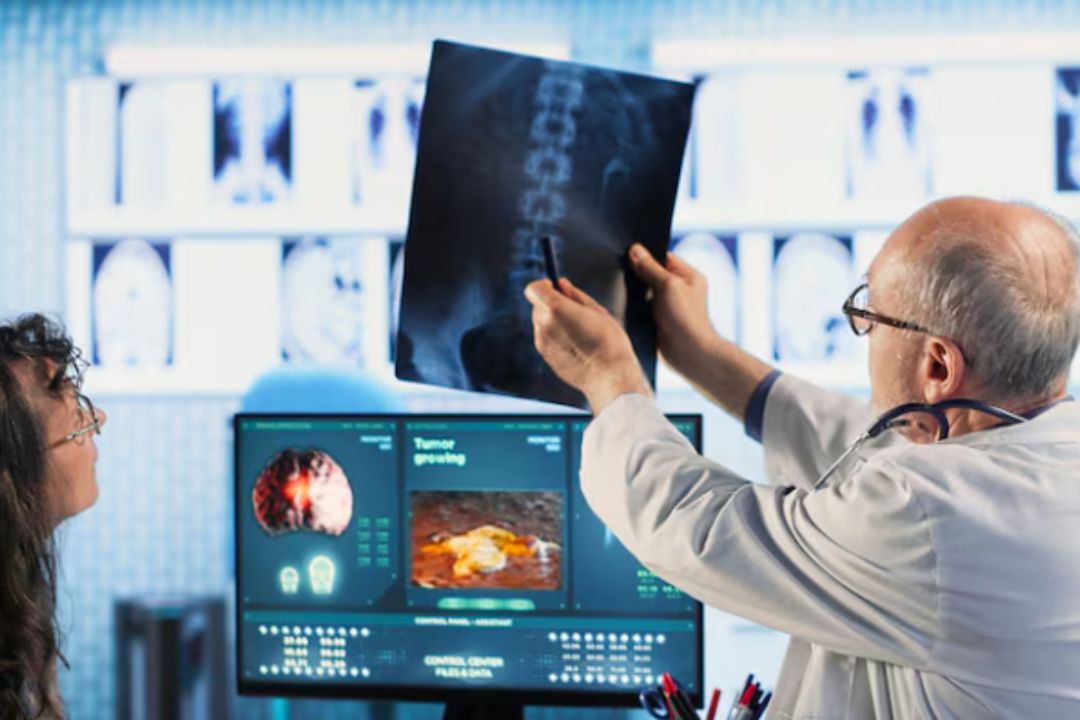
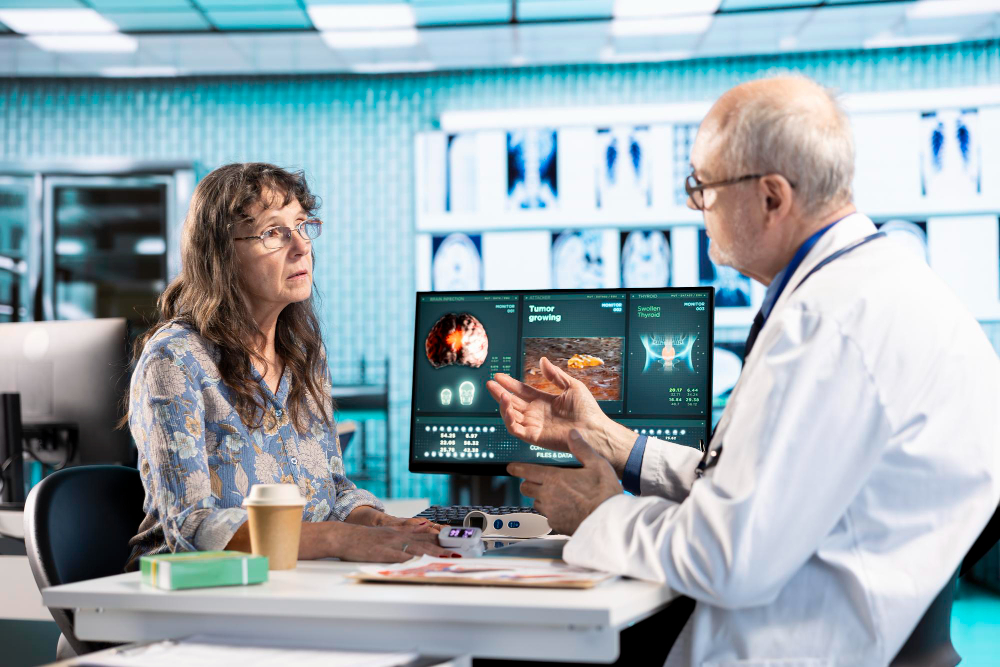
CT brain scans can also help detect brain tumors or abnormal growths inside the brain.
The scan can reveal:
Tumor location
Size of the tumor
Effects on surrounding brain tissues
Swelling or pressure inside the brain
While further imaging such as MRI may sometimes be required, CT scans often provide the initial diagnosis and guidance for treatment planning.
A CT brain scan is a quick and painless procedure.
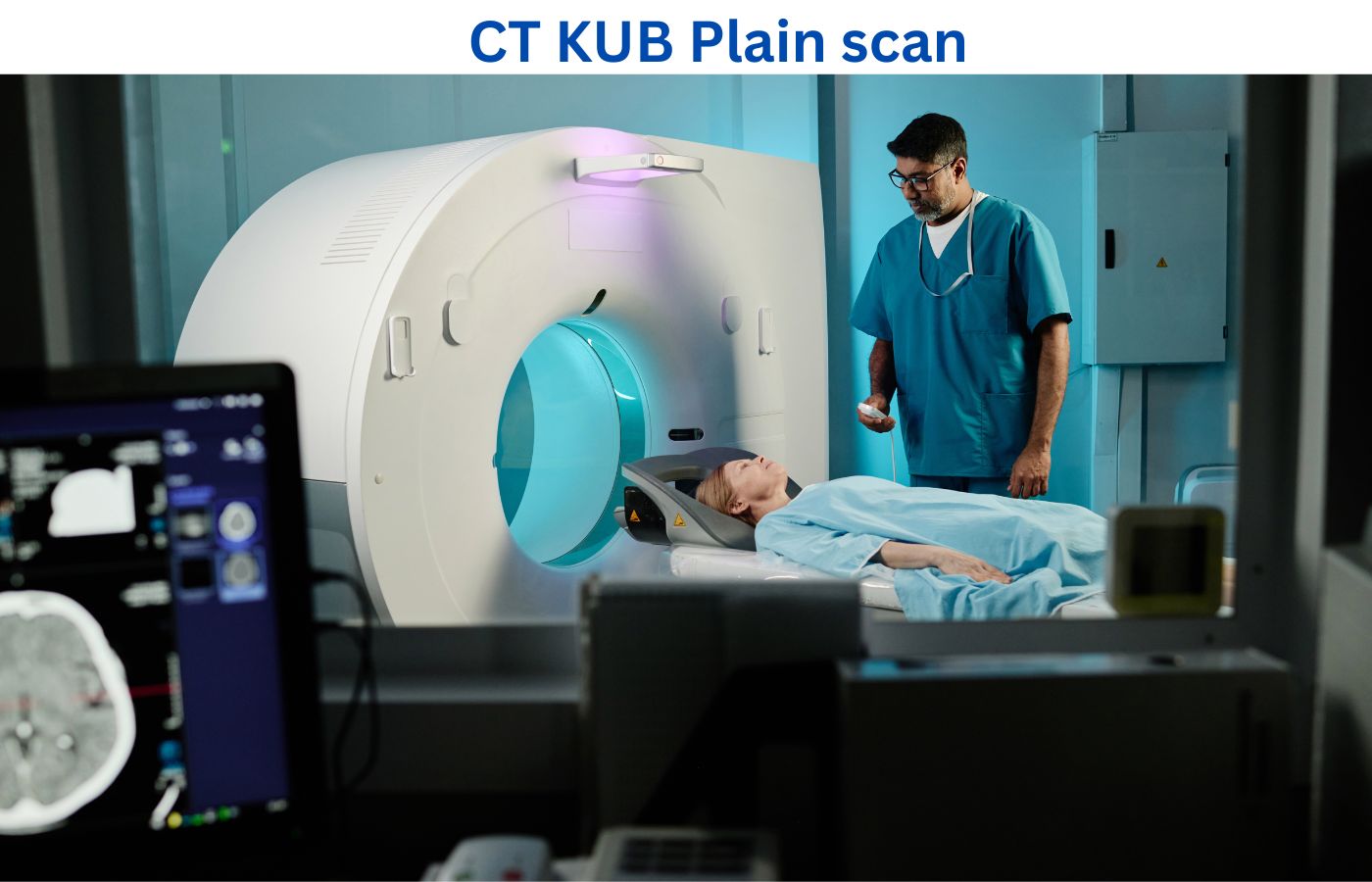
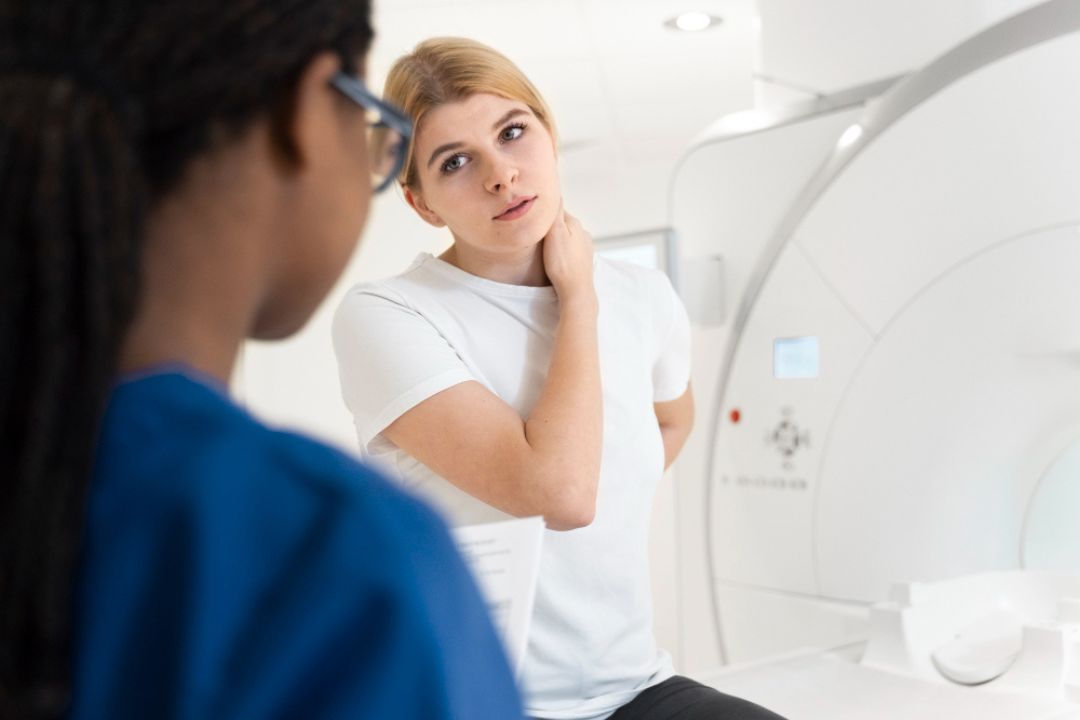
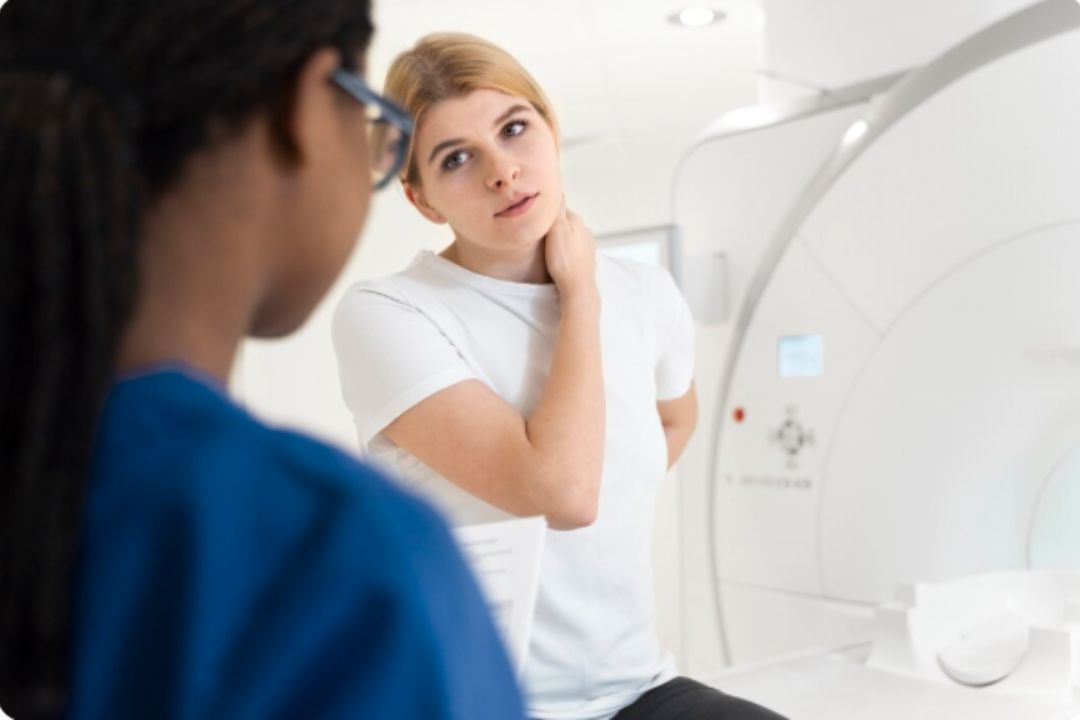
Patients may be asked to remove metal objects such as jewelry or glasses before the scan. In some cases, a contrast dye may be used to enhance image clarity.
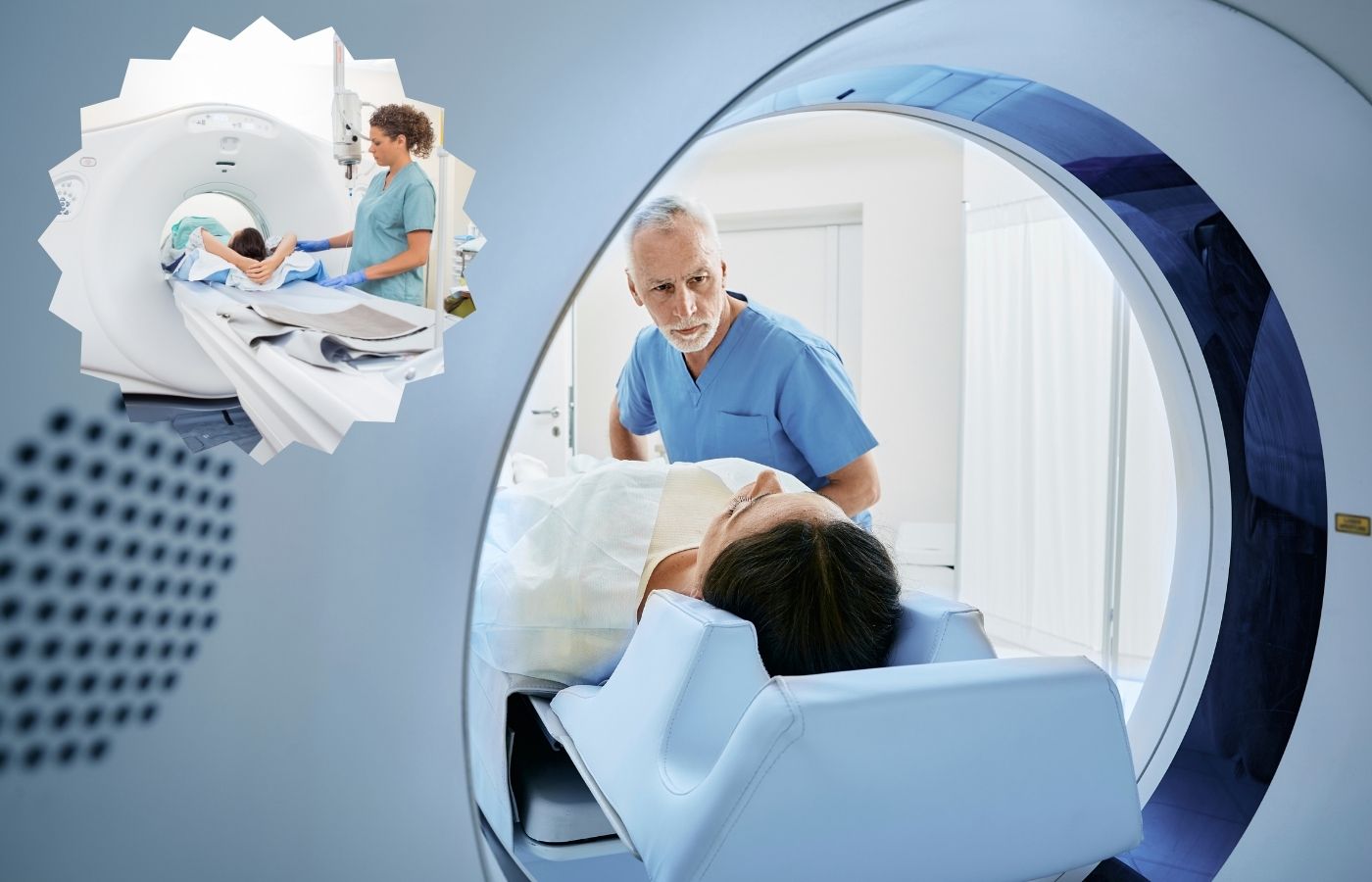
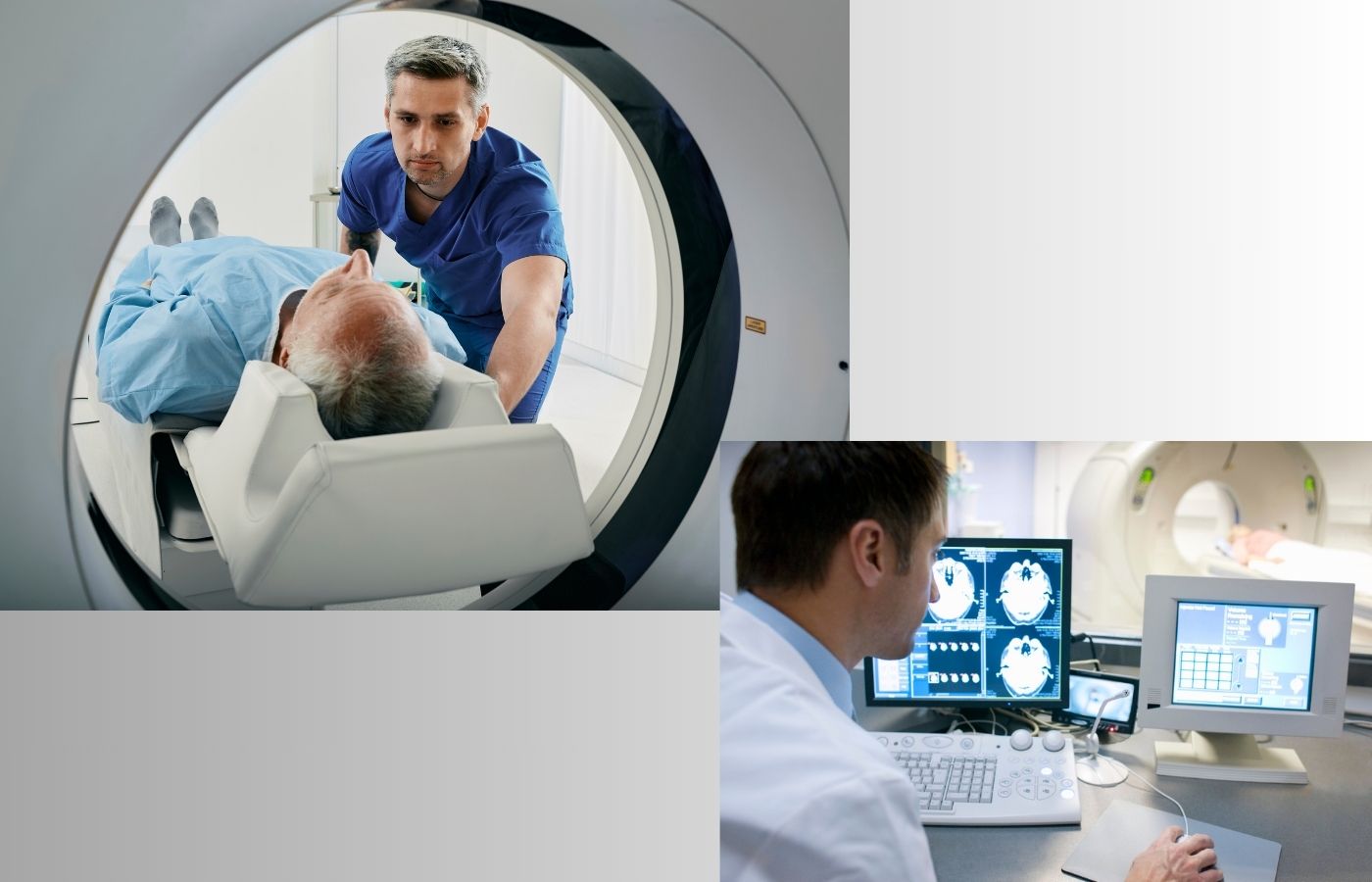
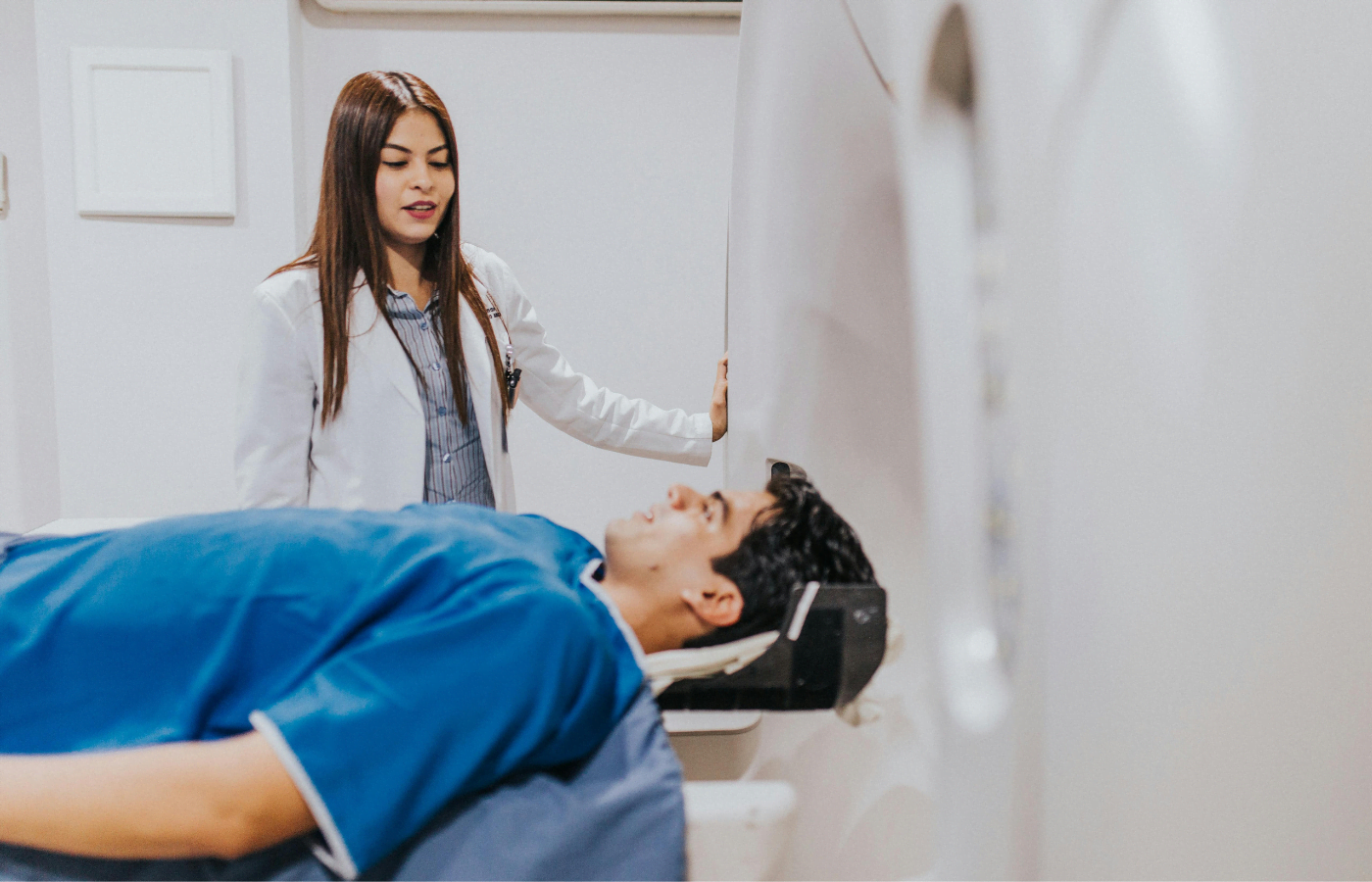
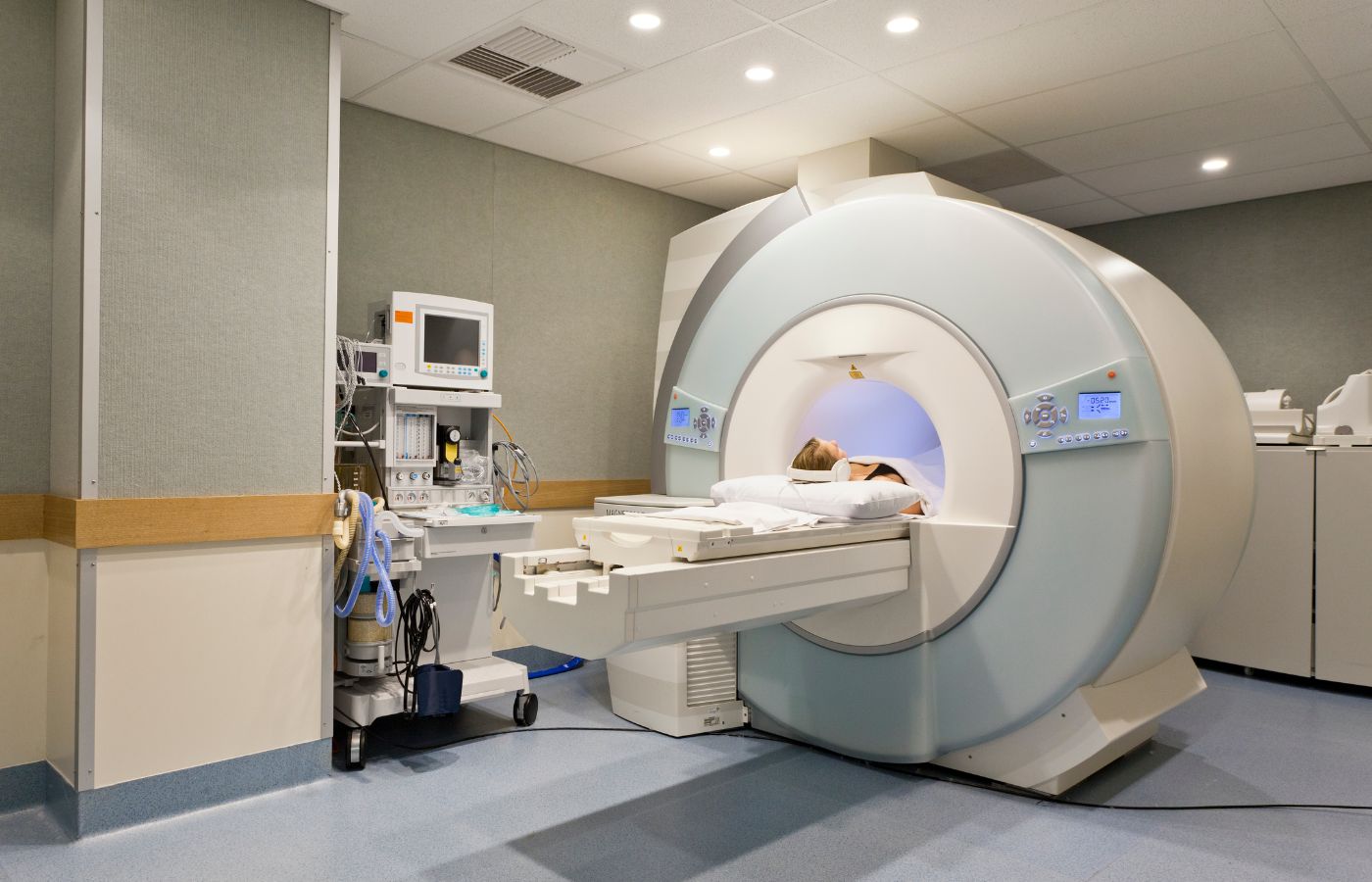
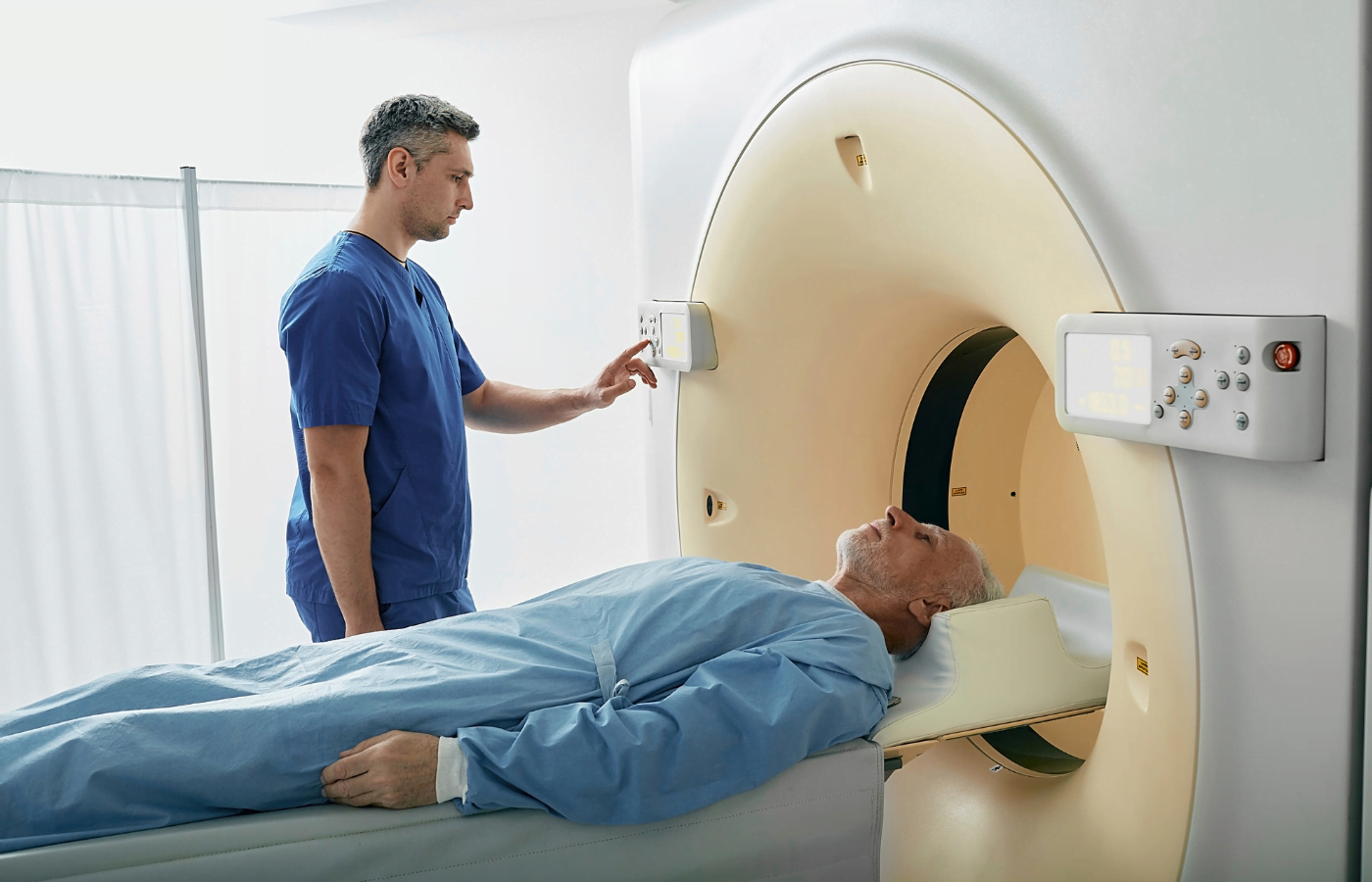
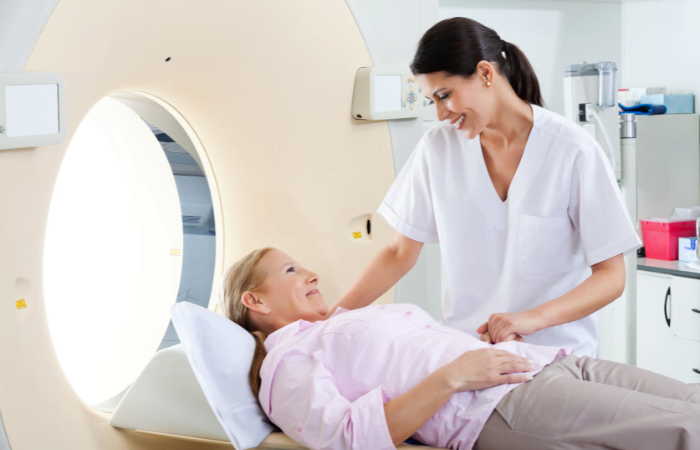
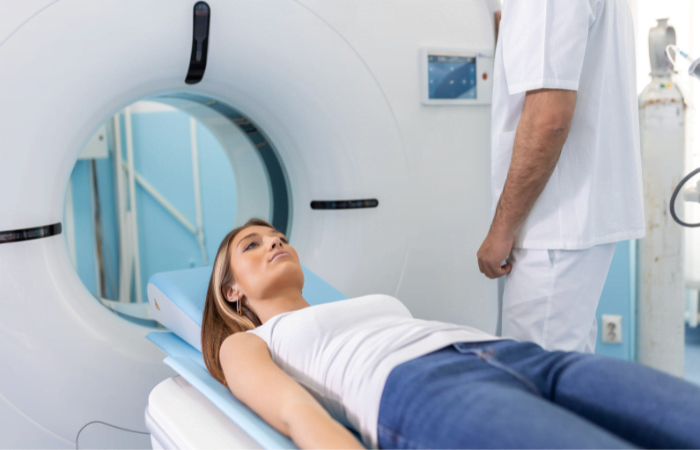
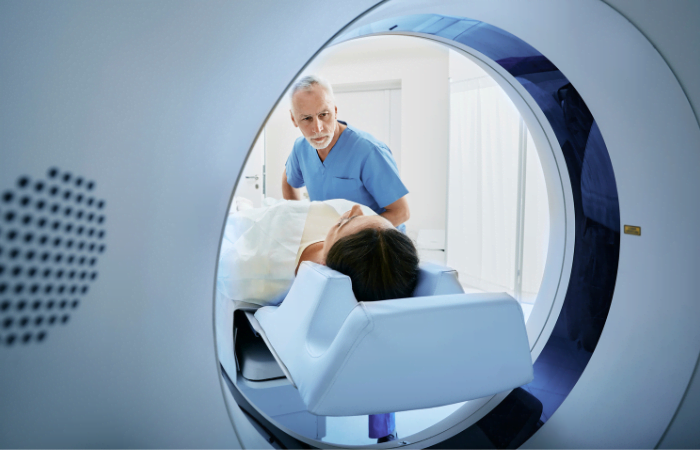
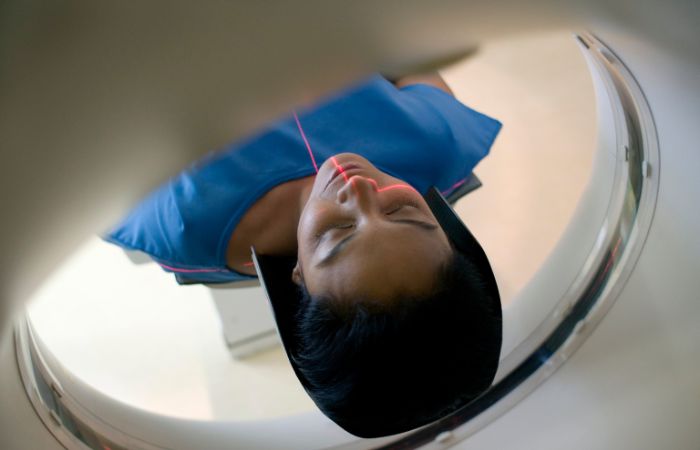
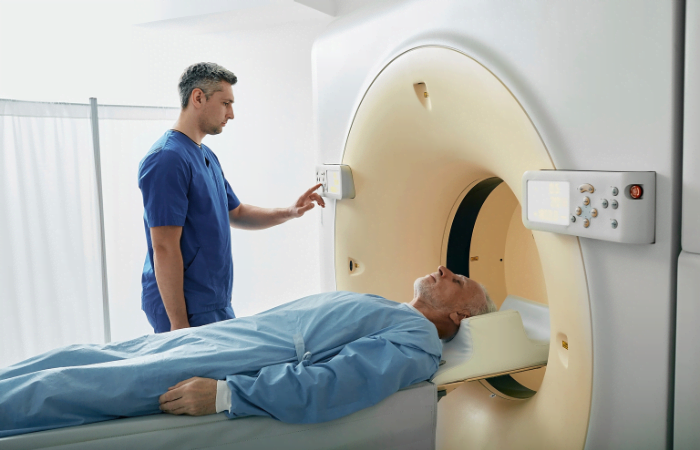
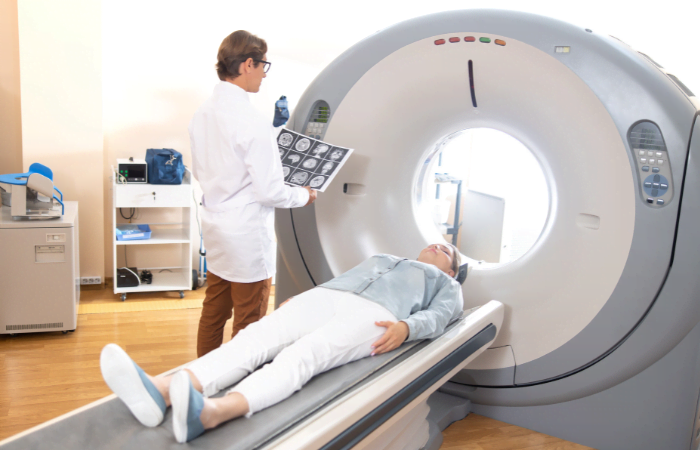
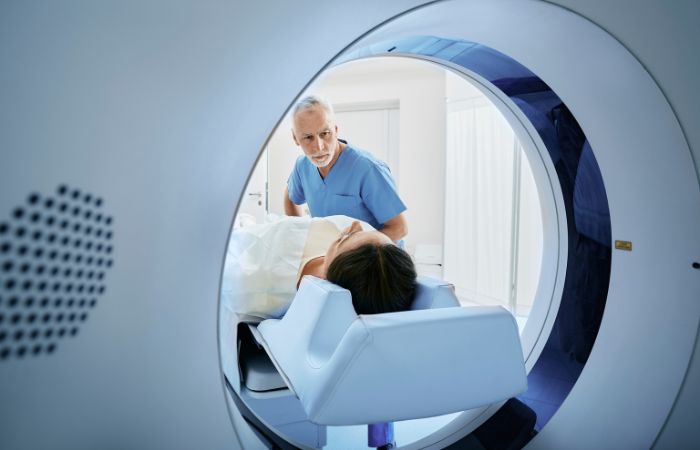
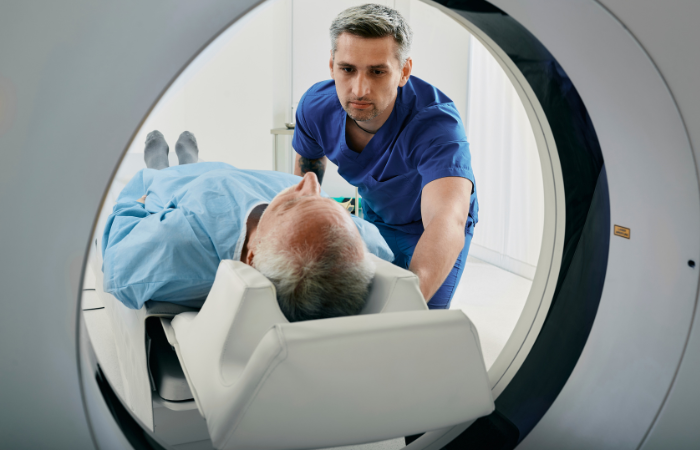
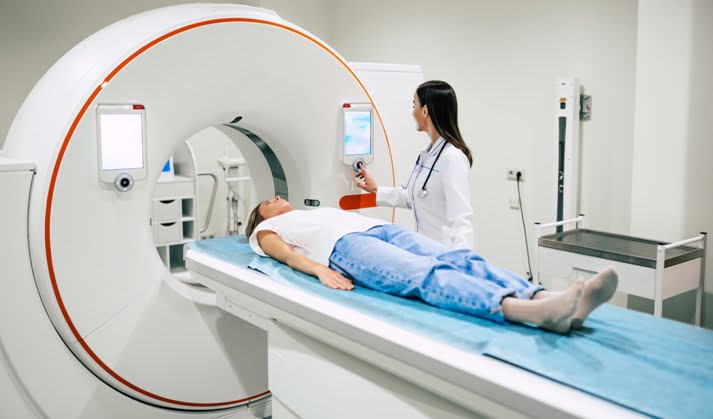
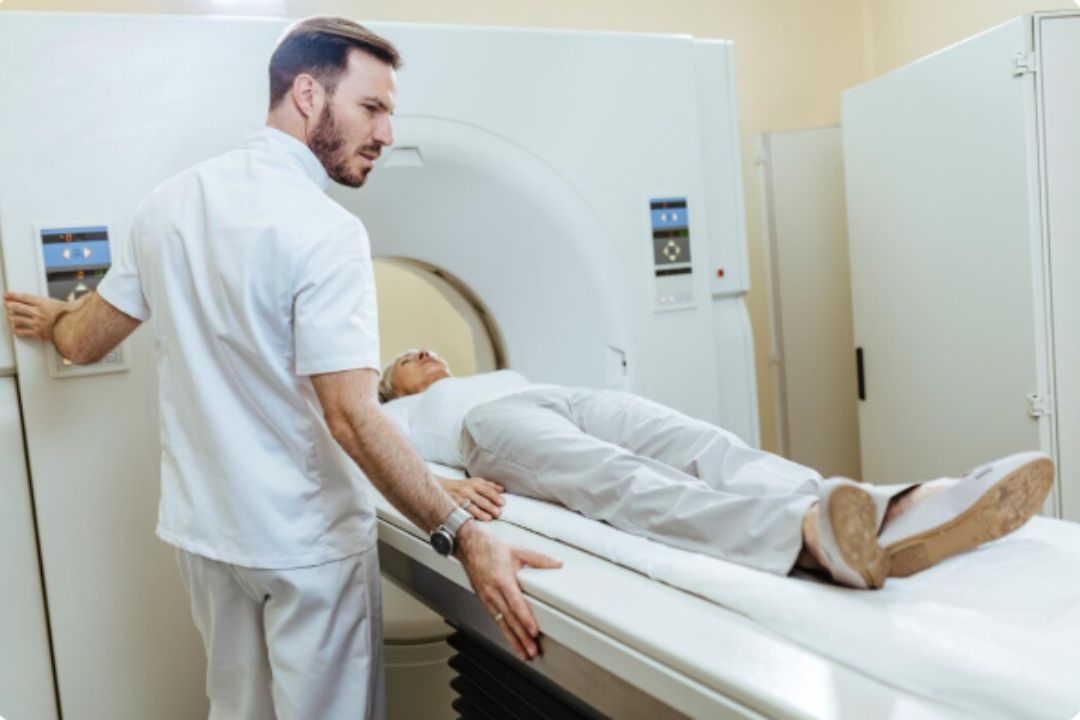
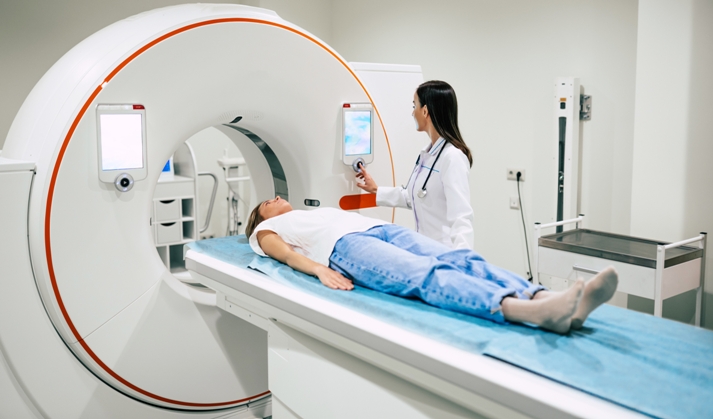
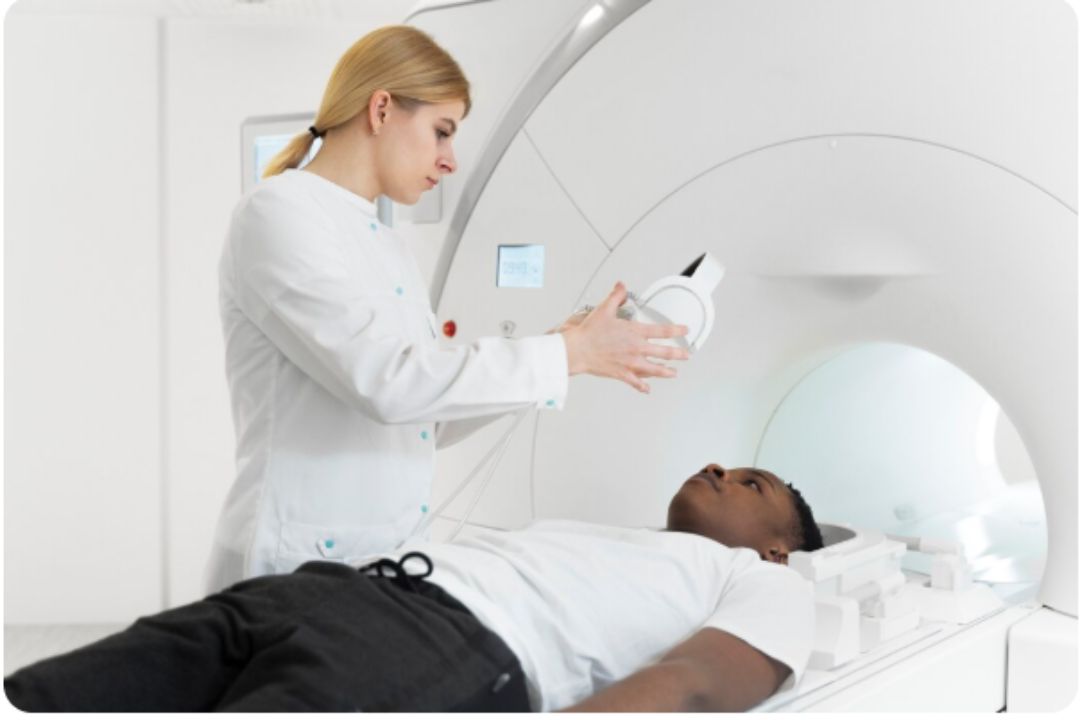
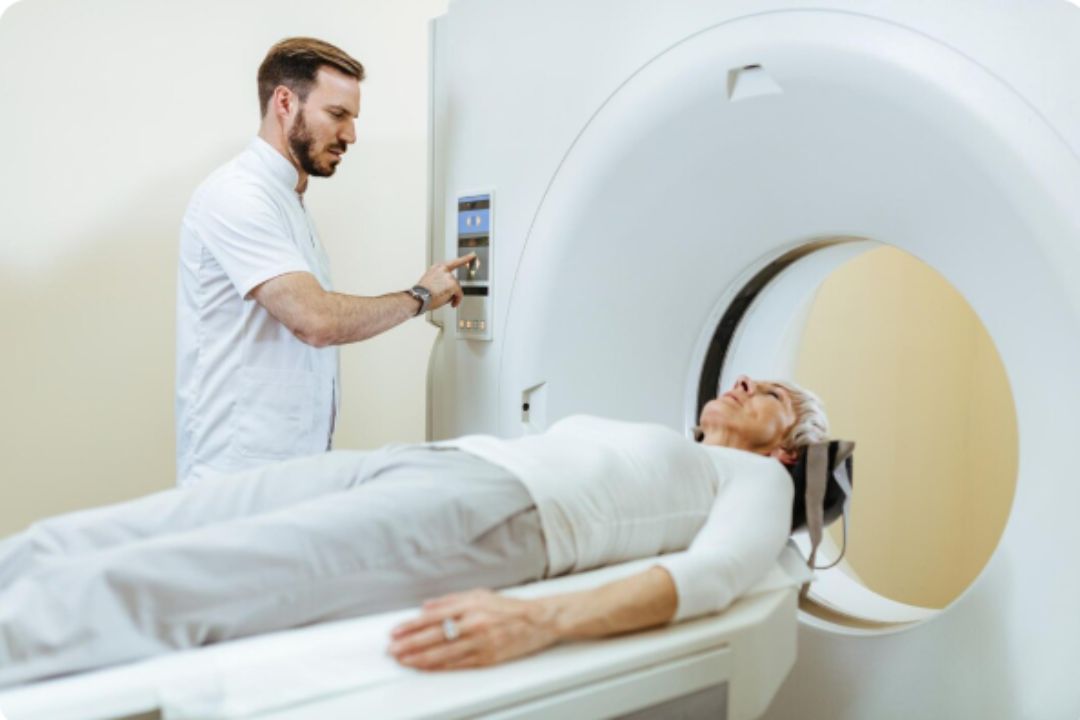
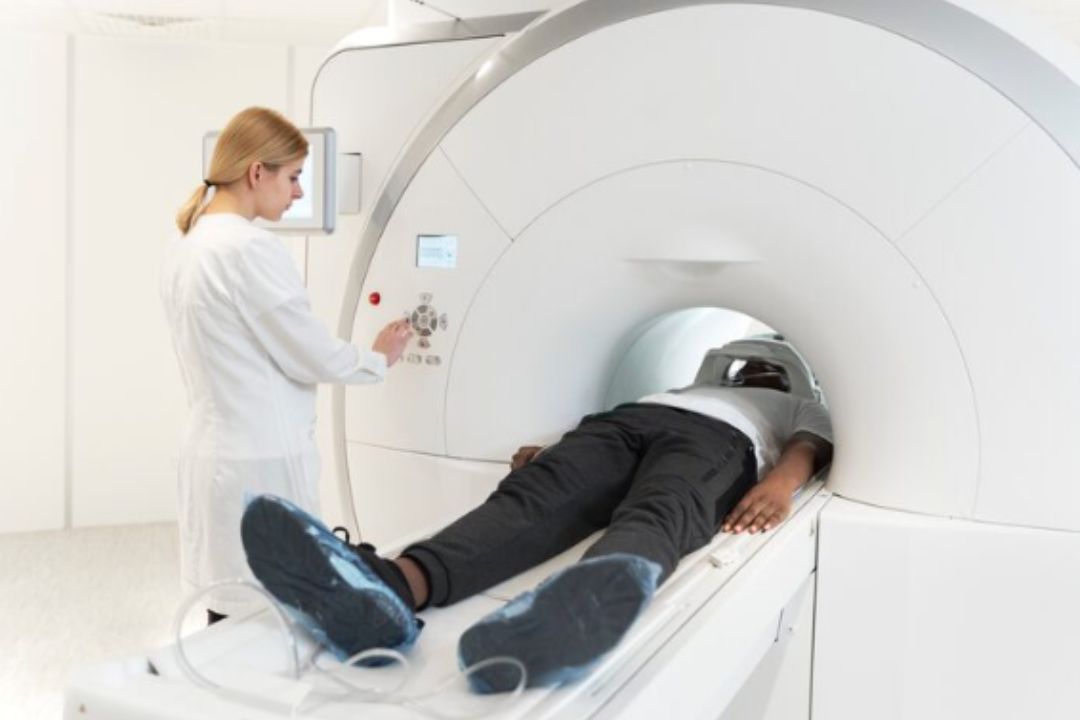
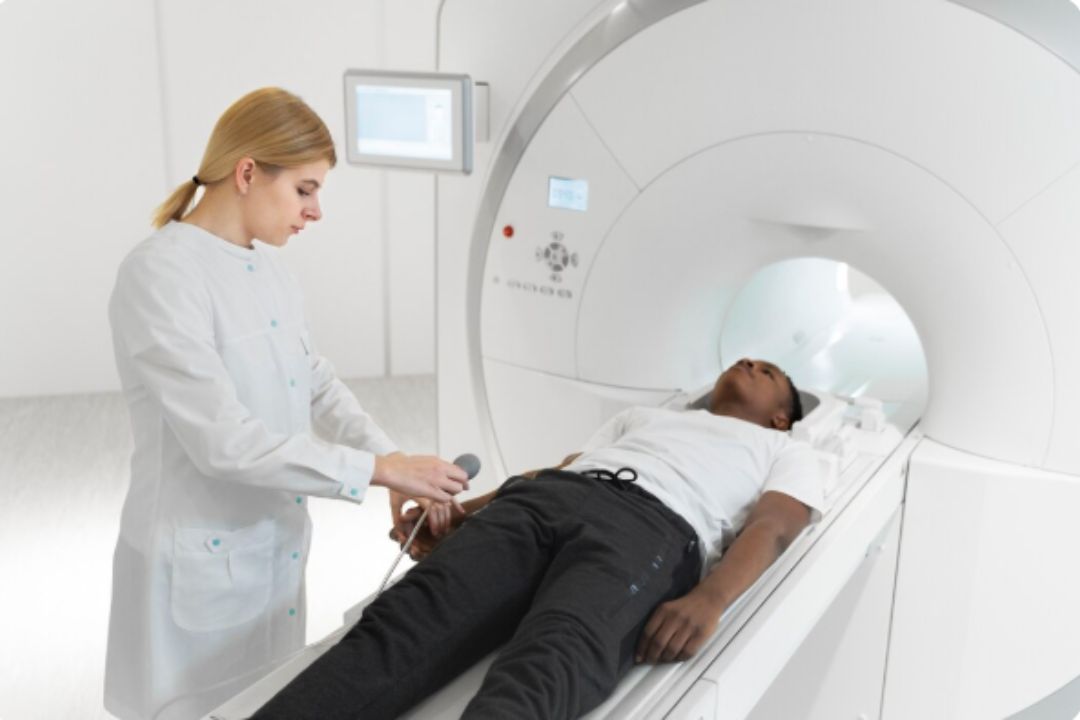
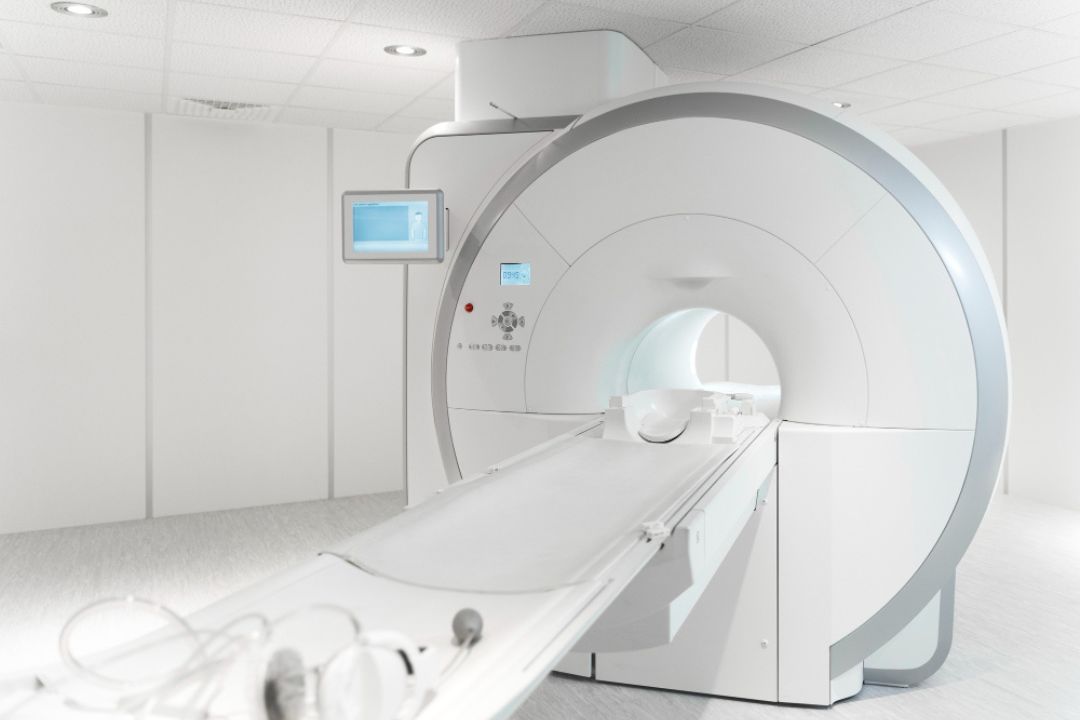
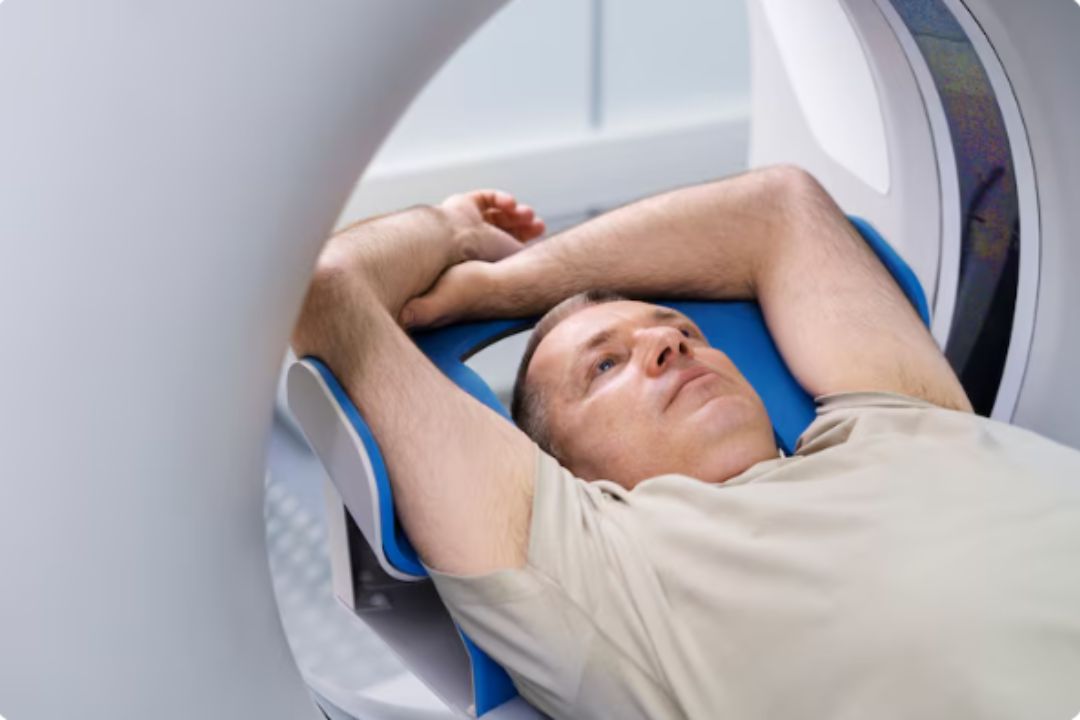
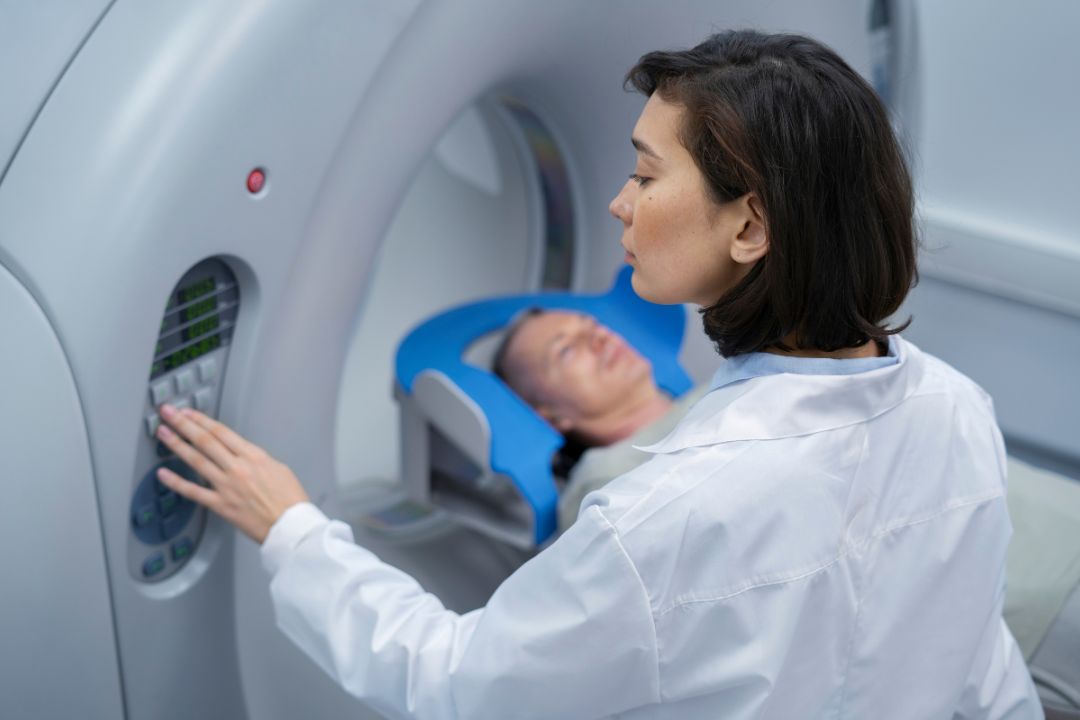
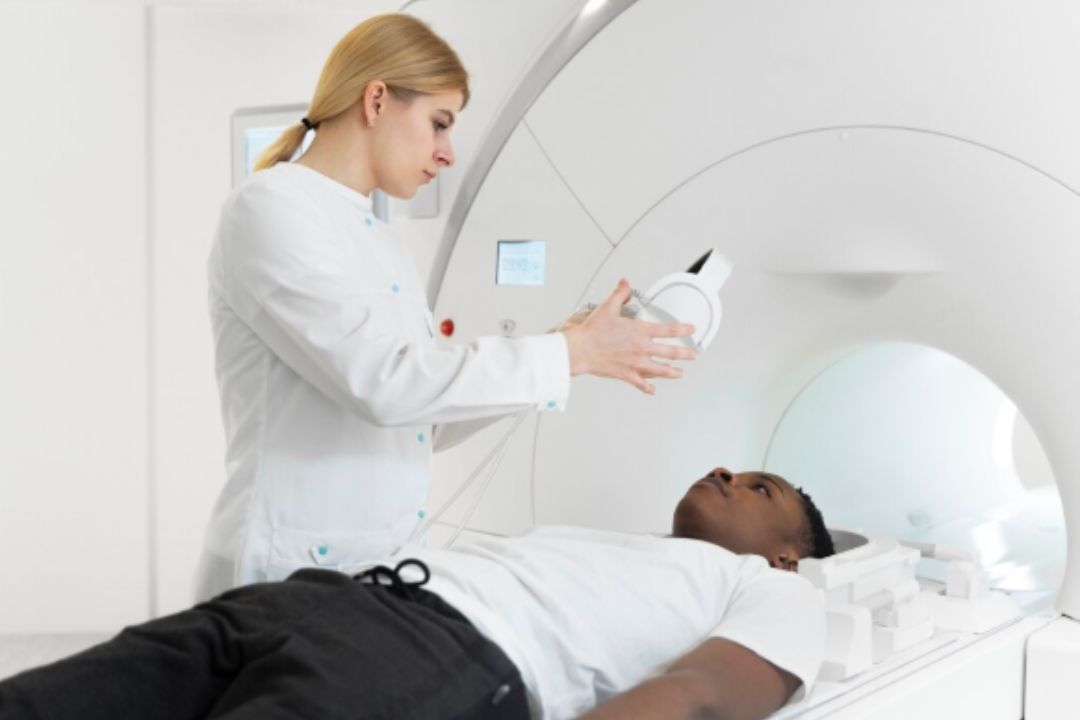
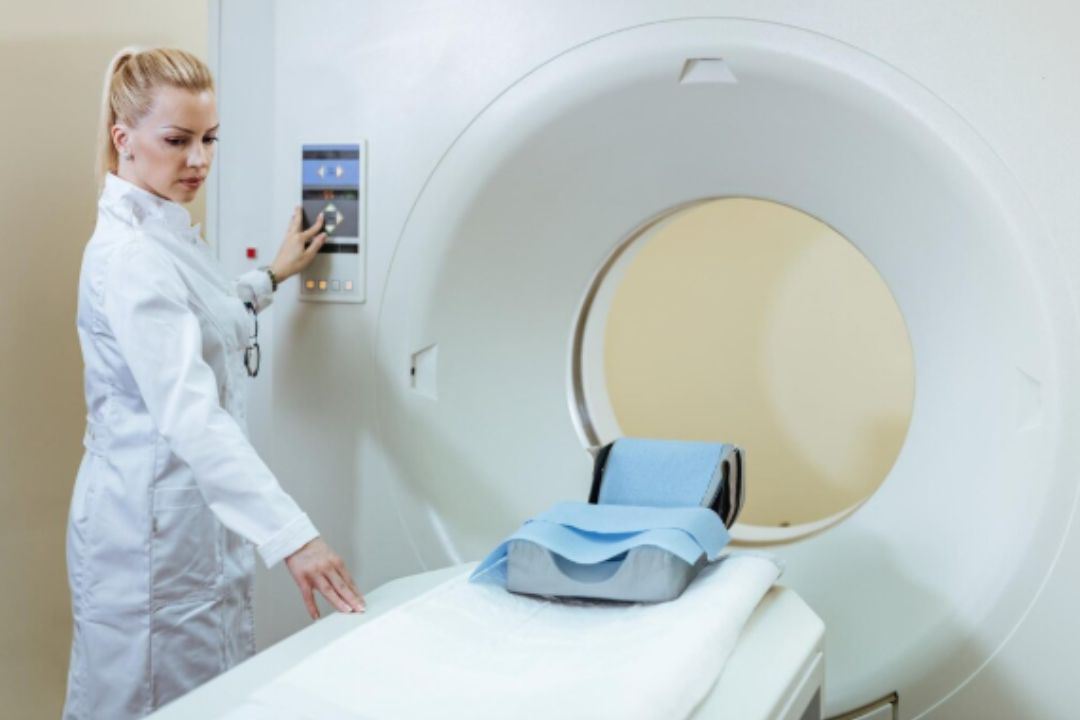
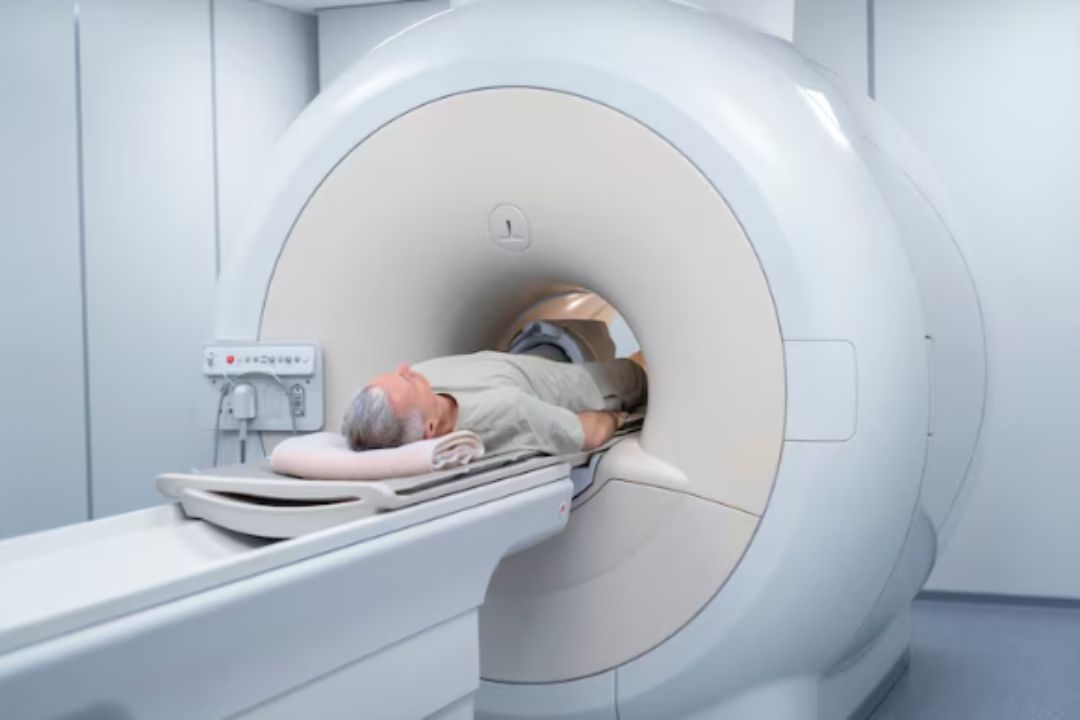
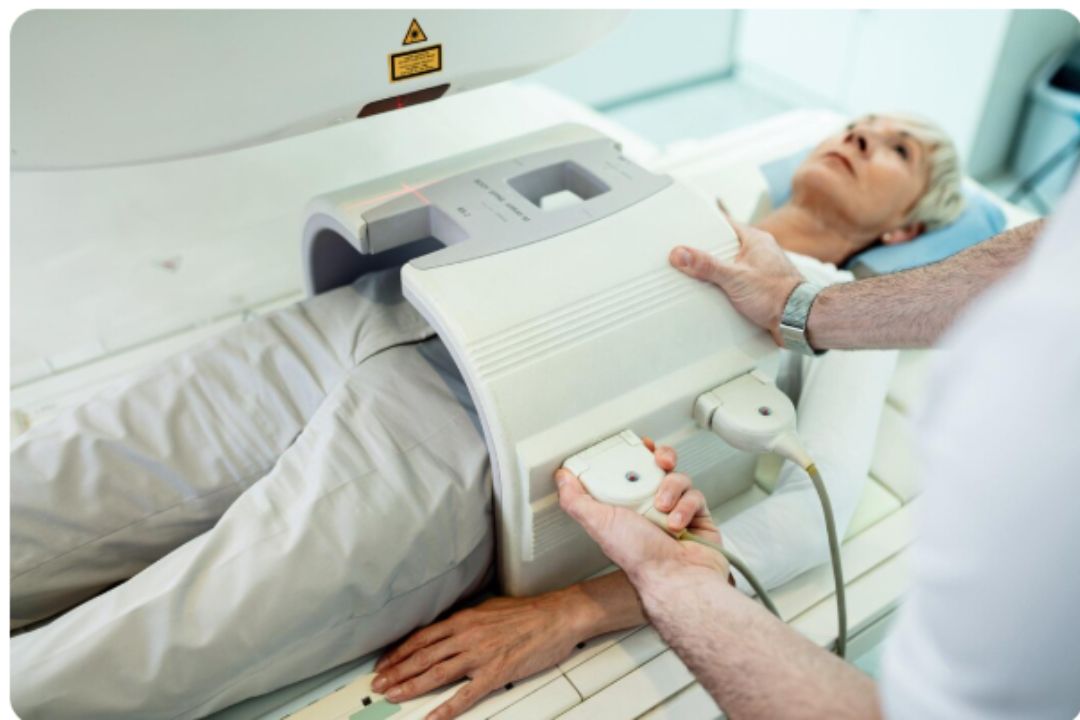
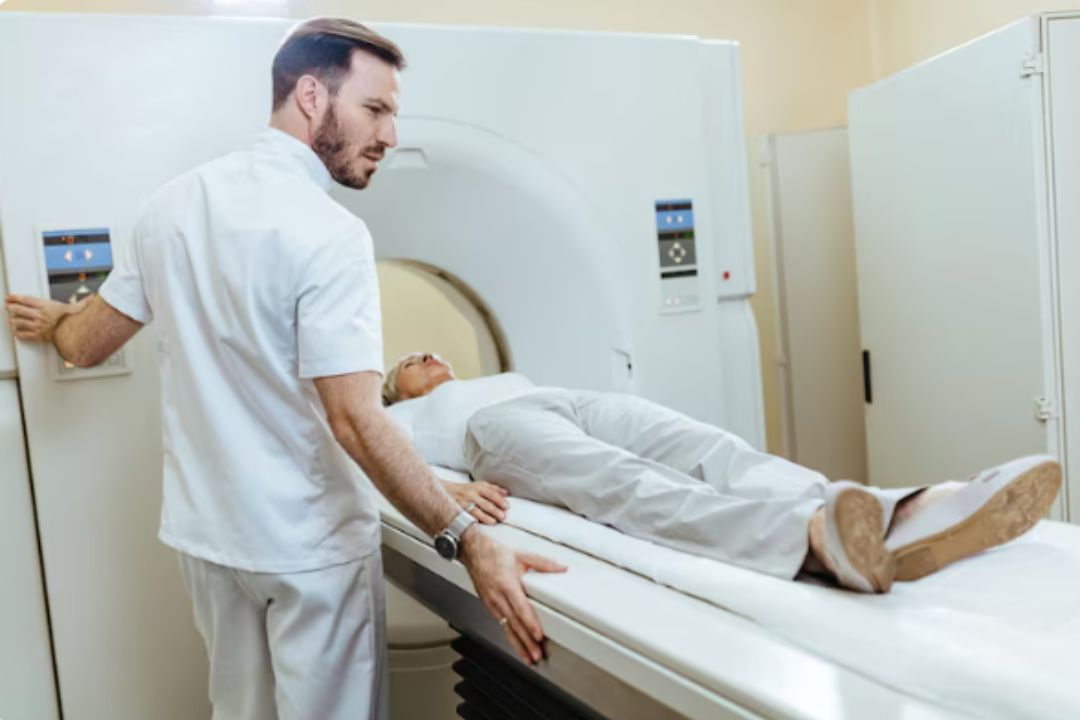
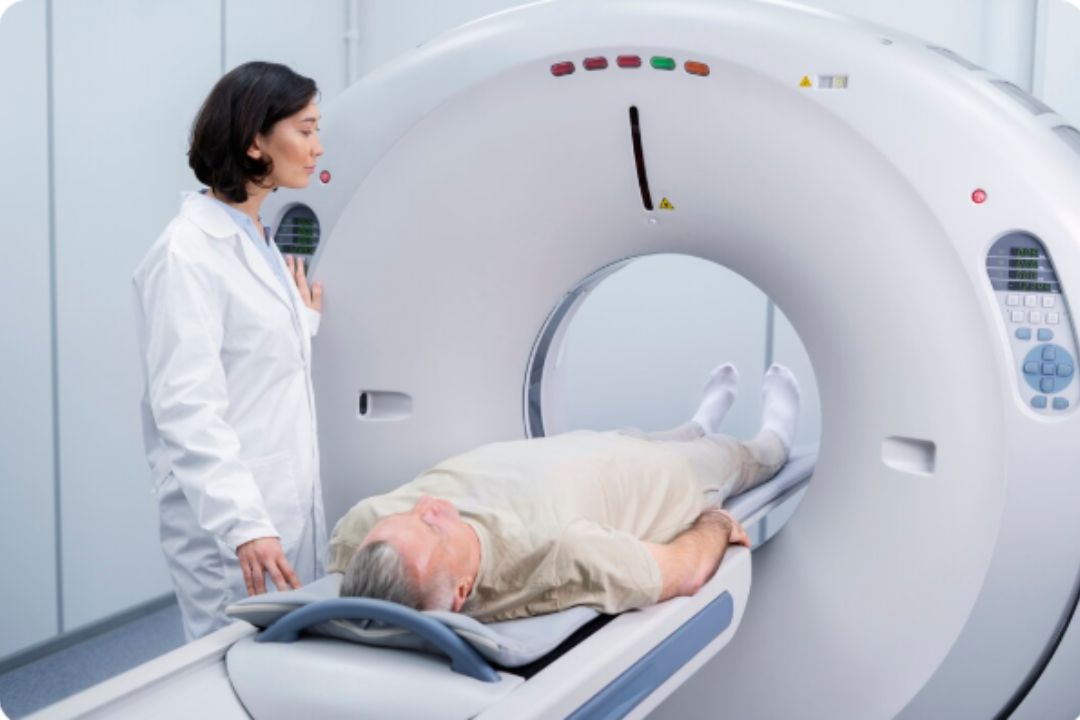
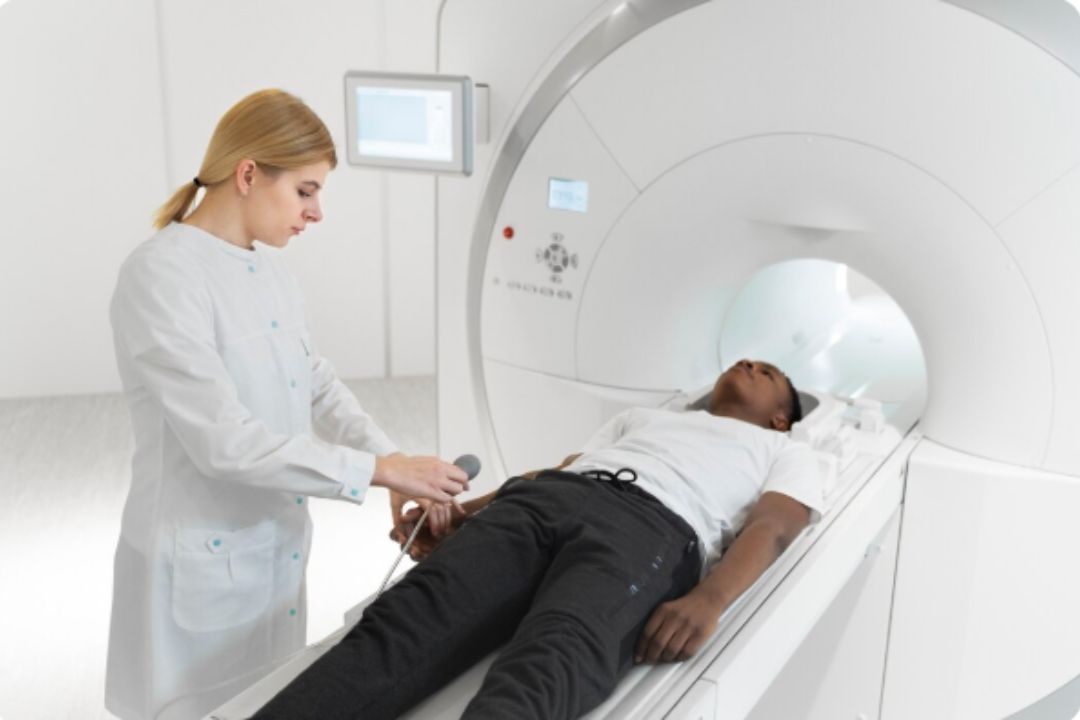
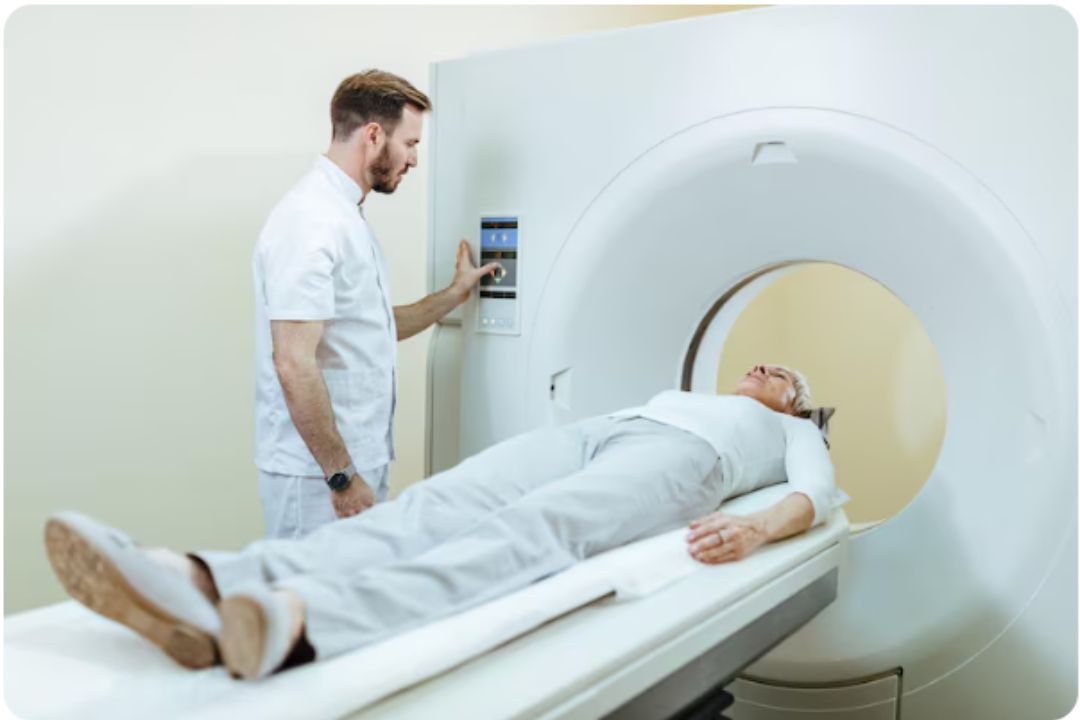
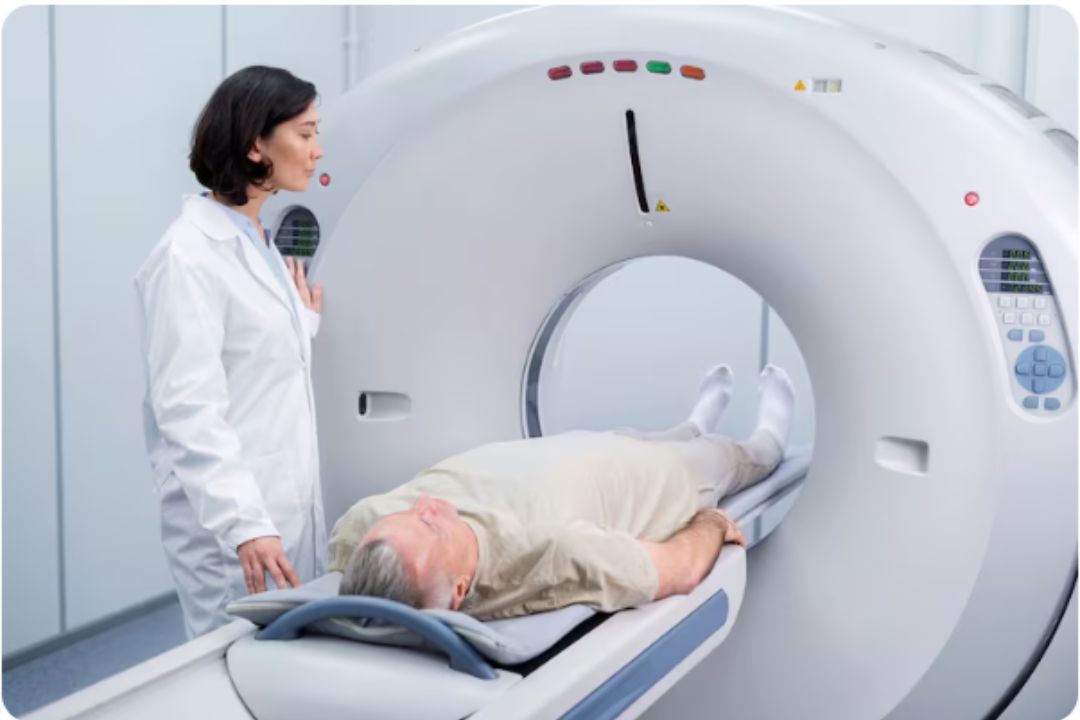
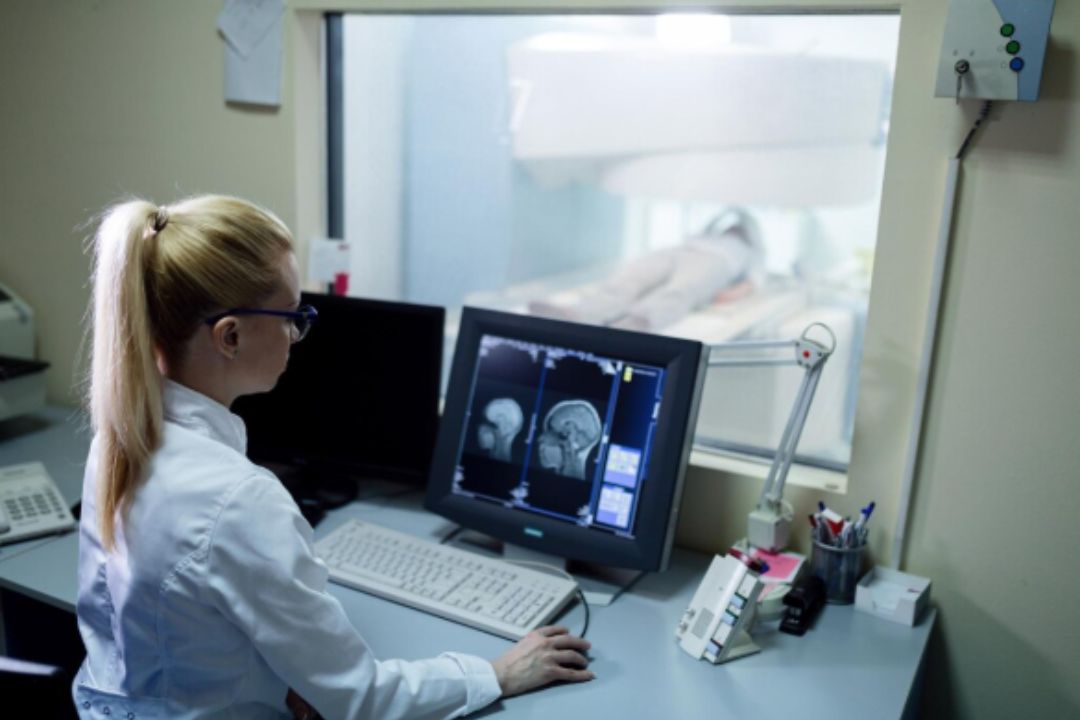
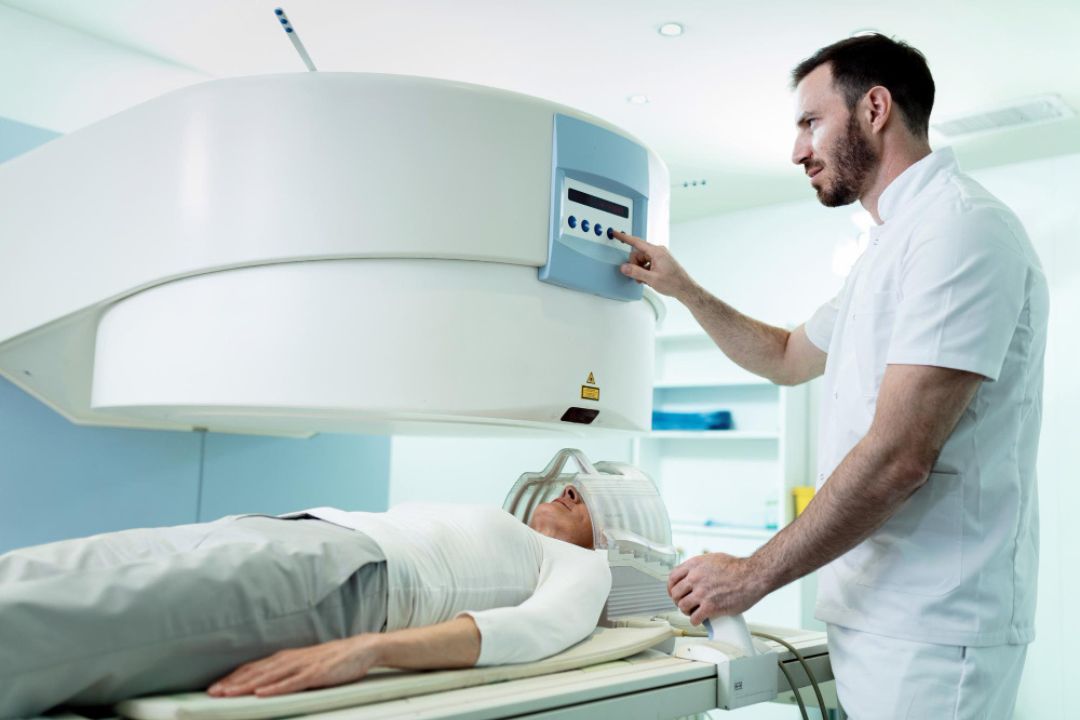
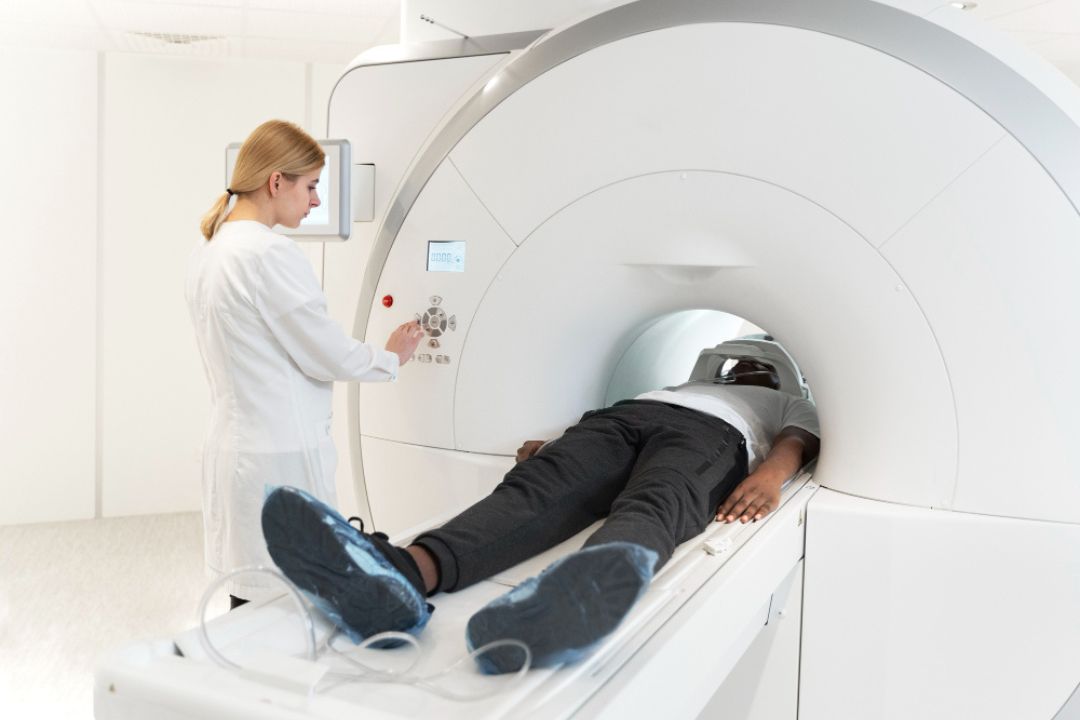
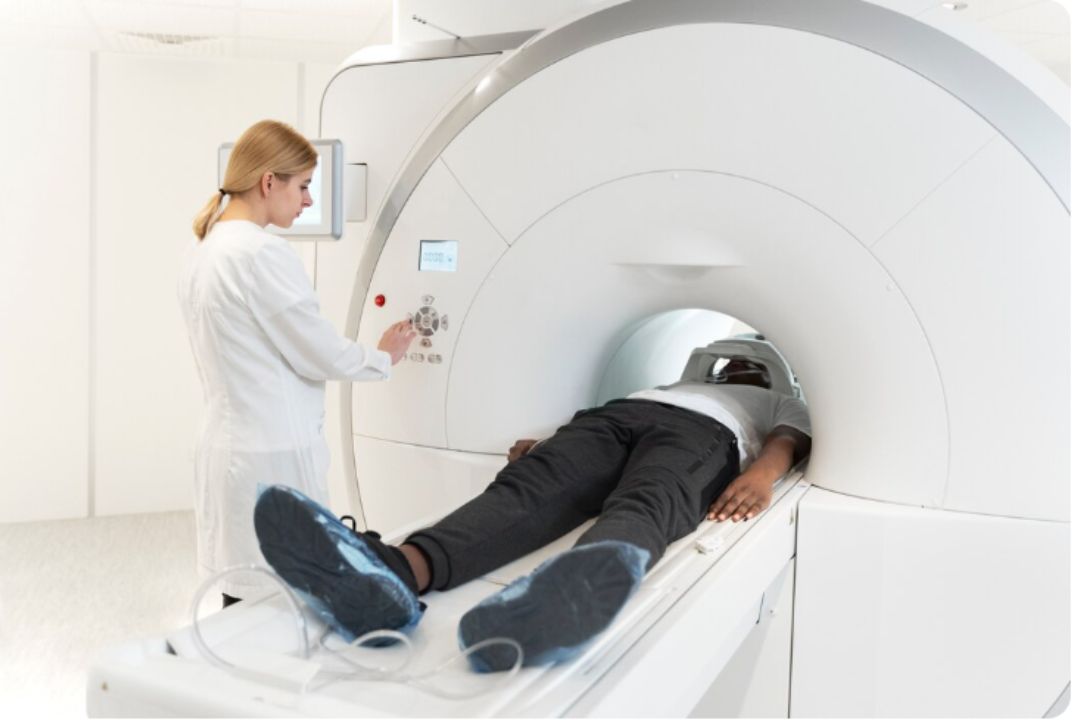
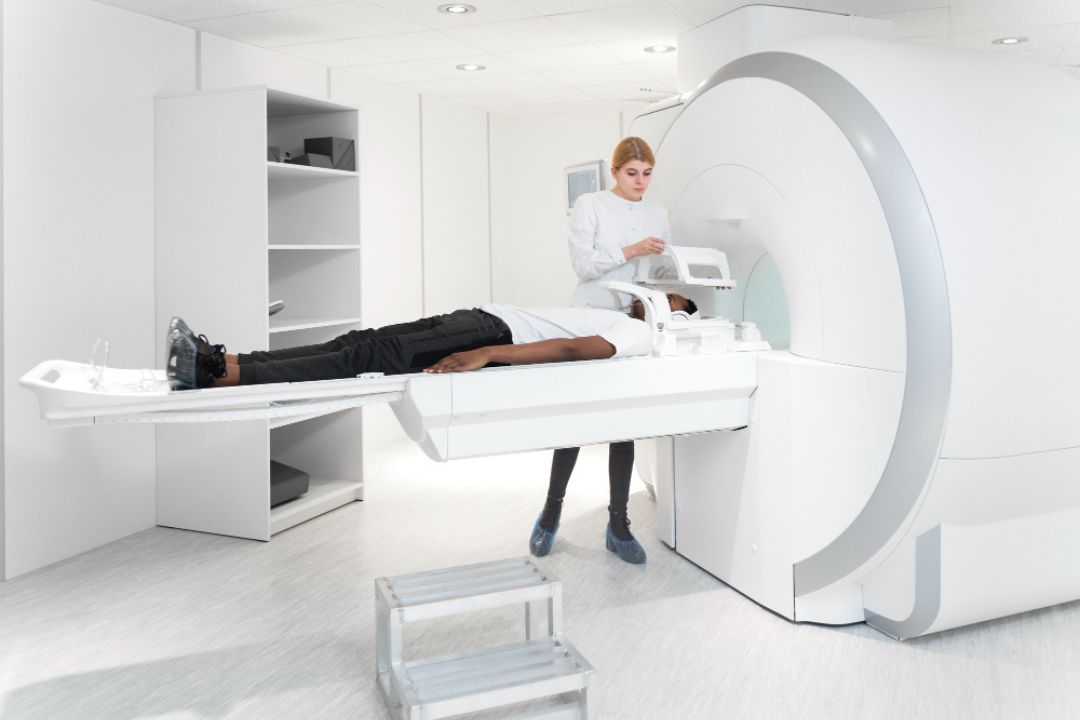
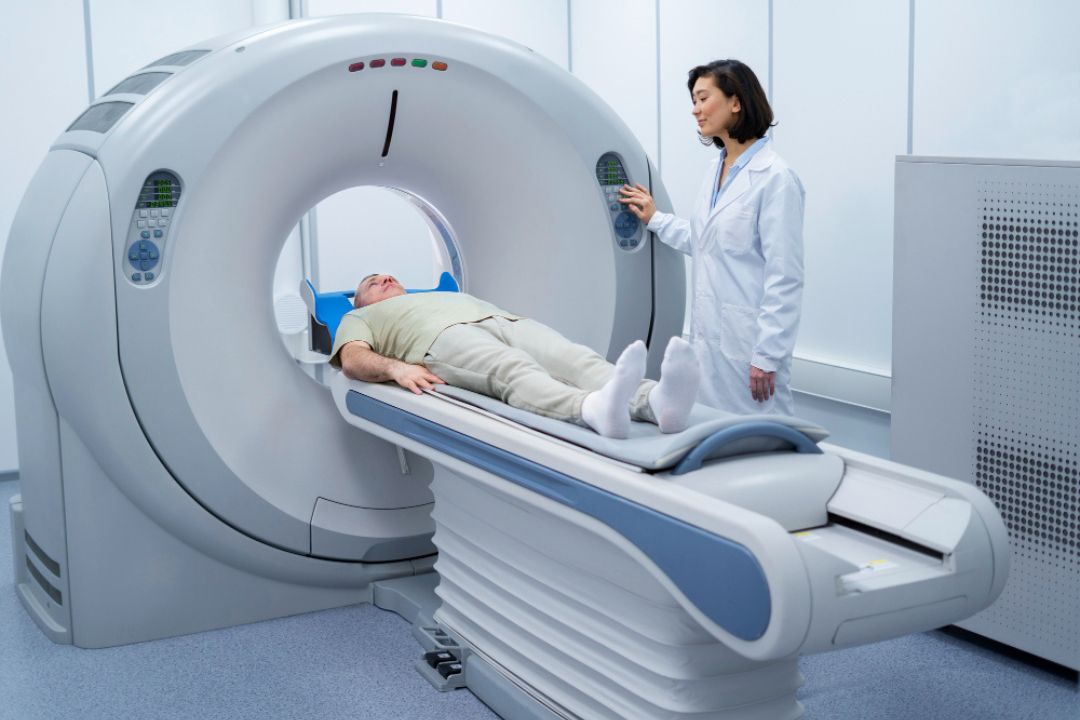
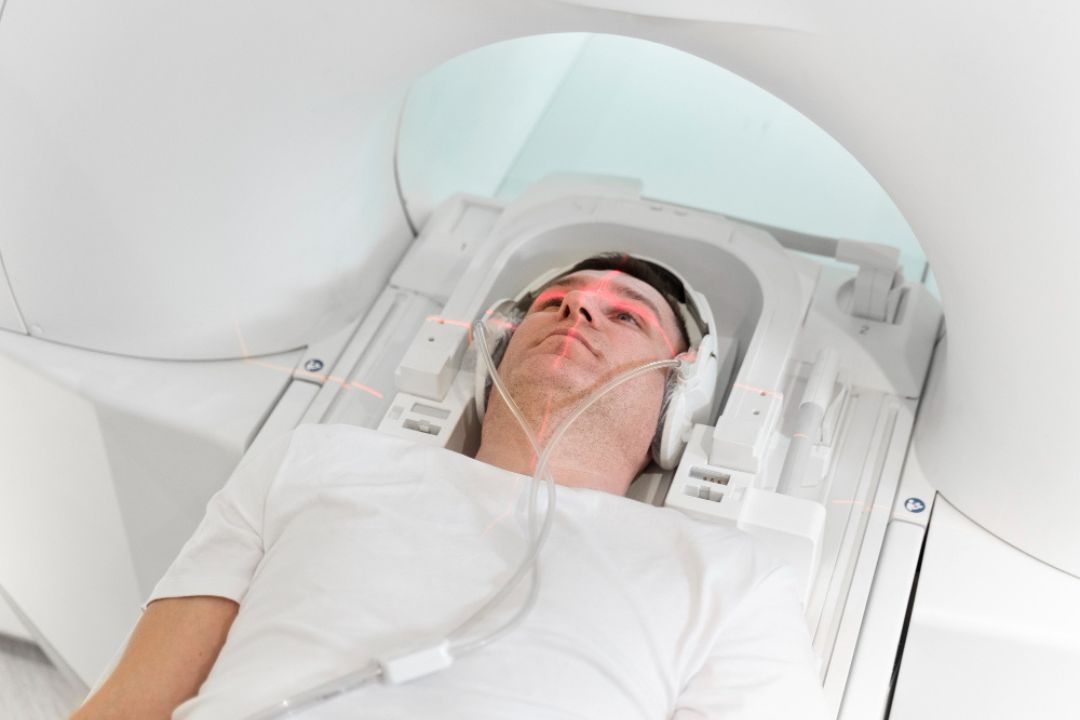
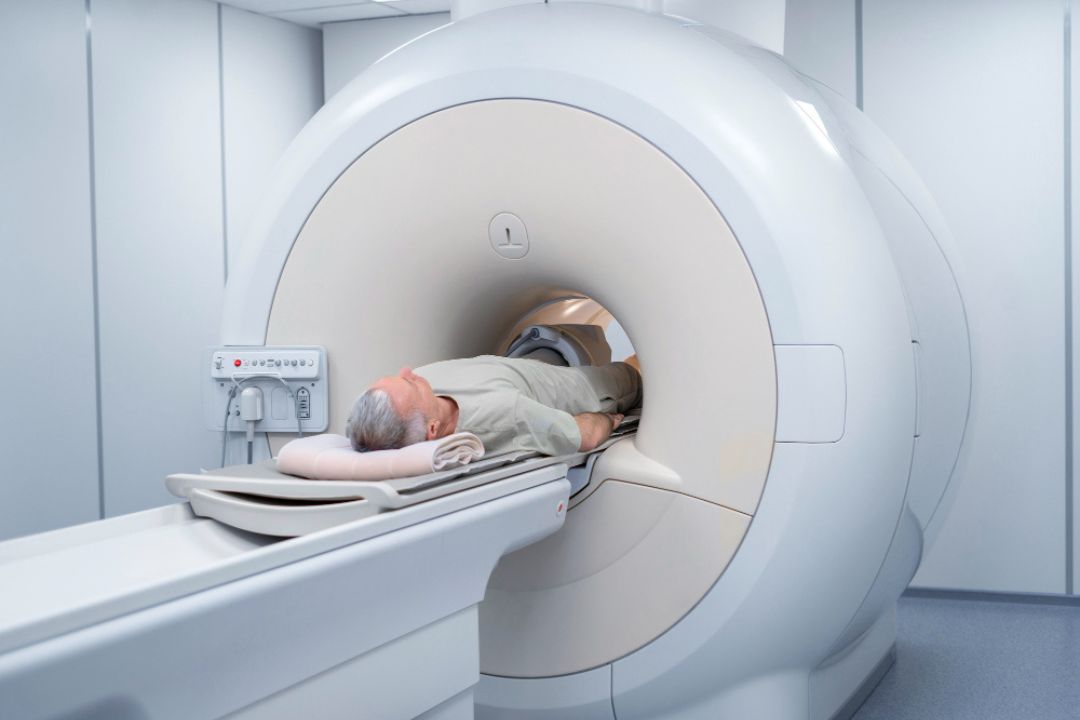
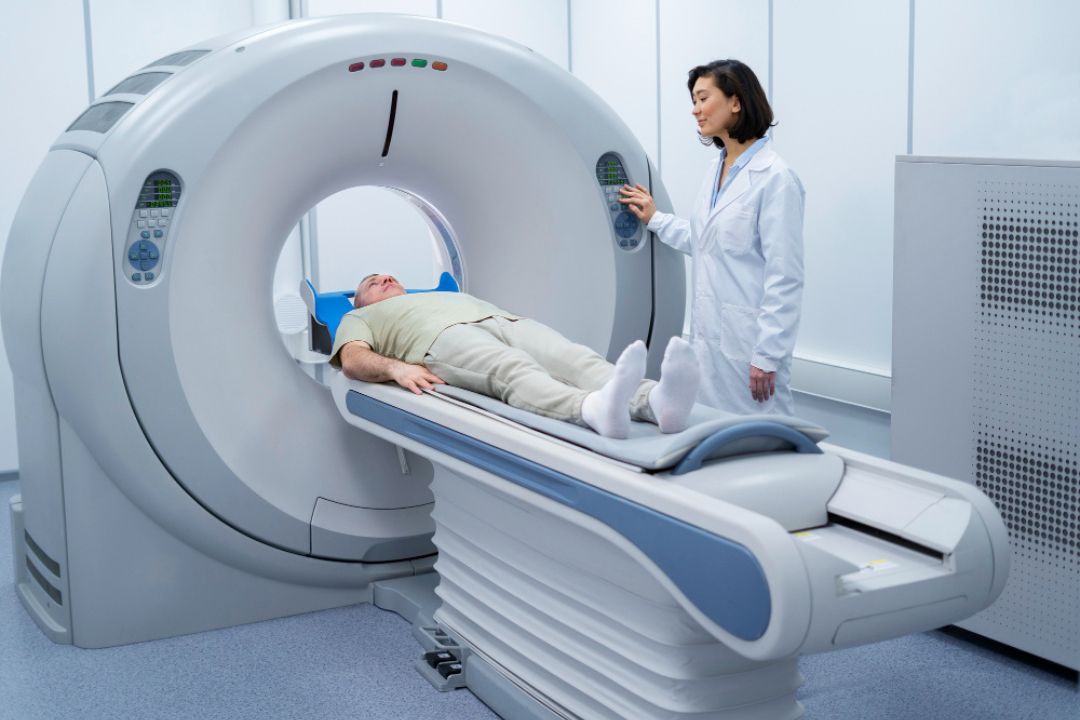
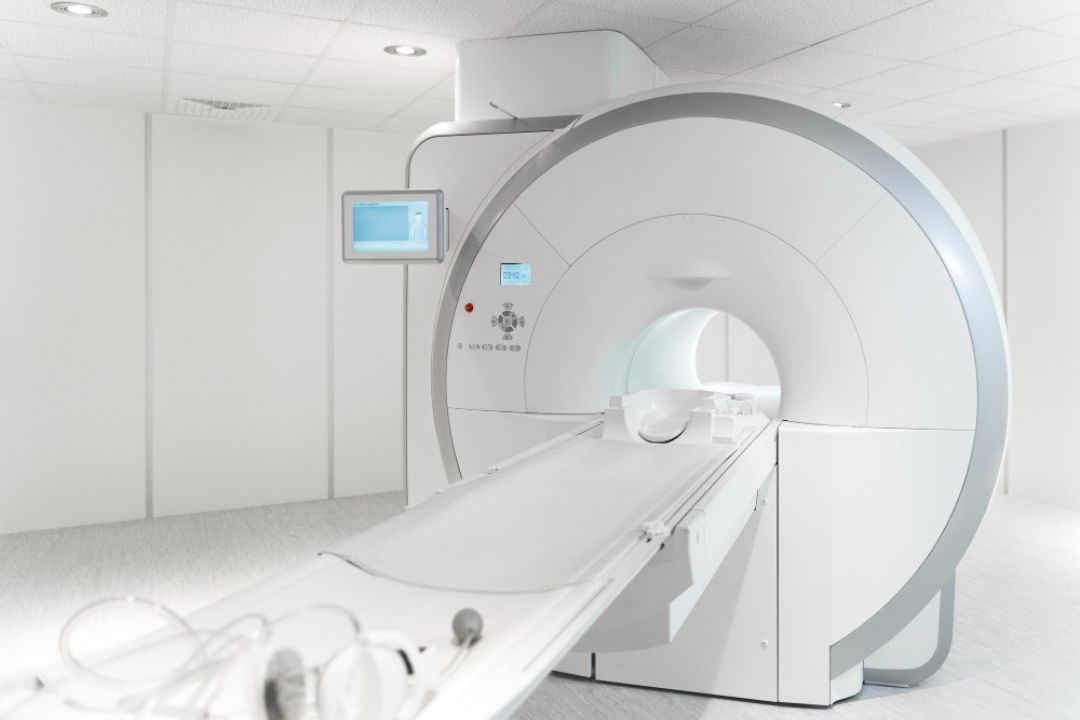
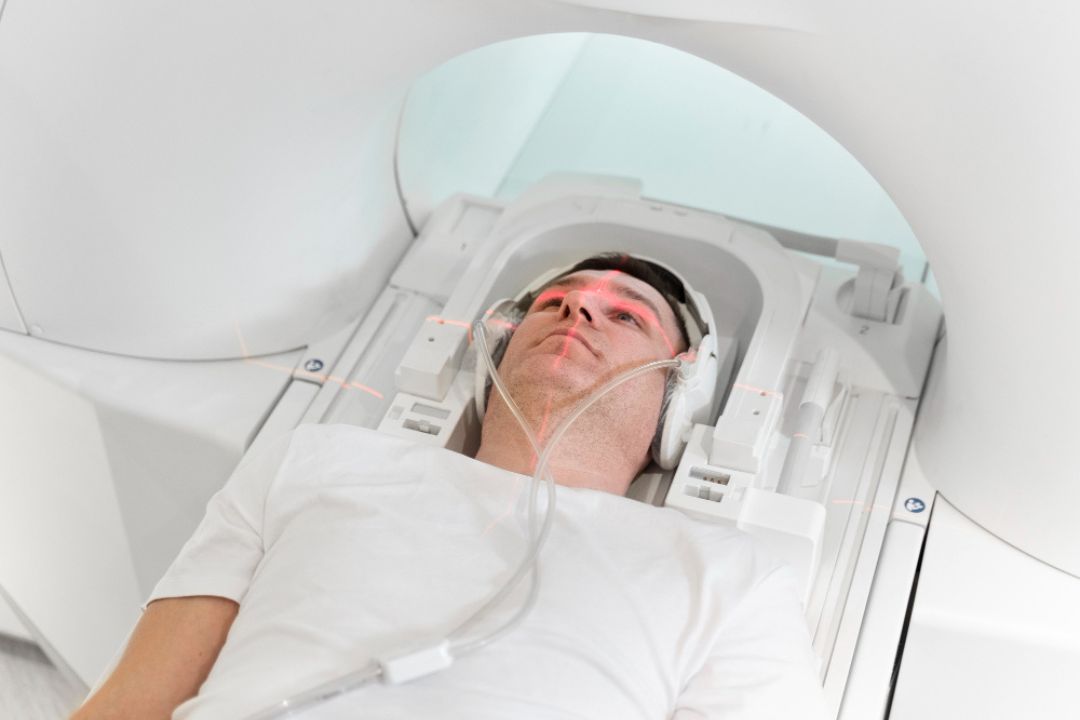
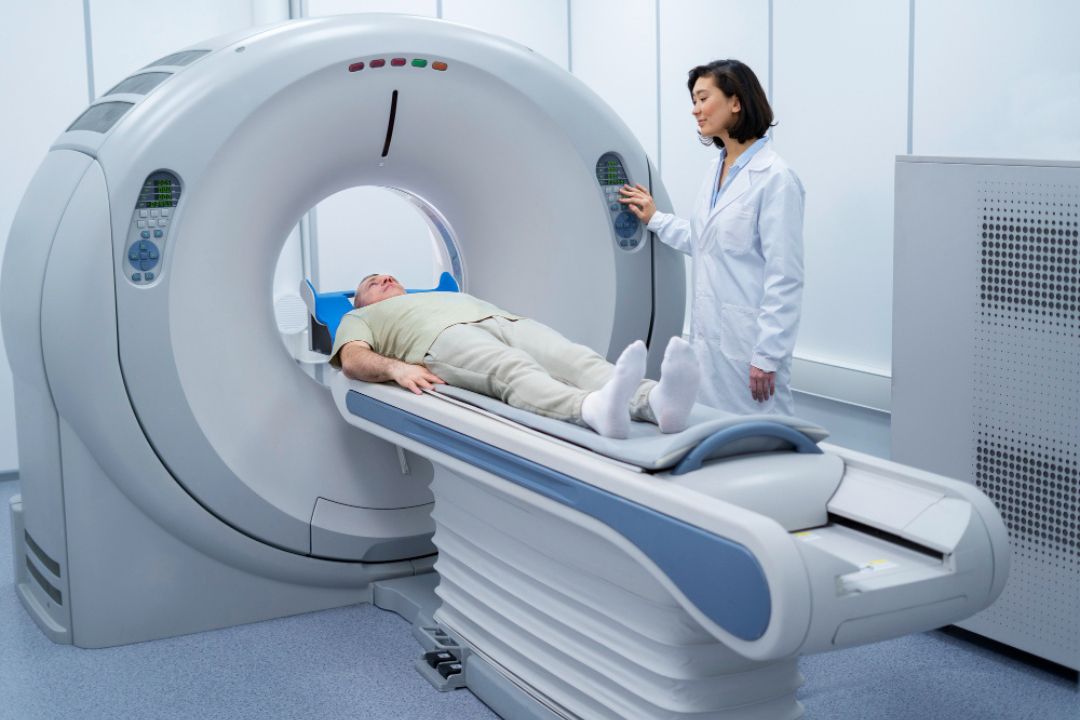
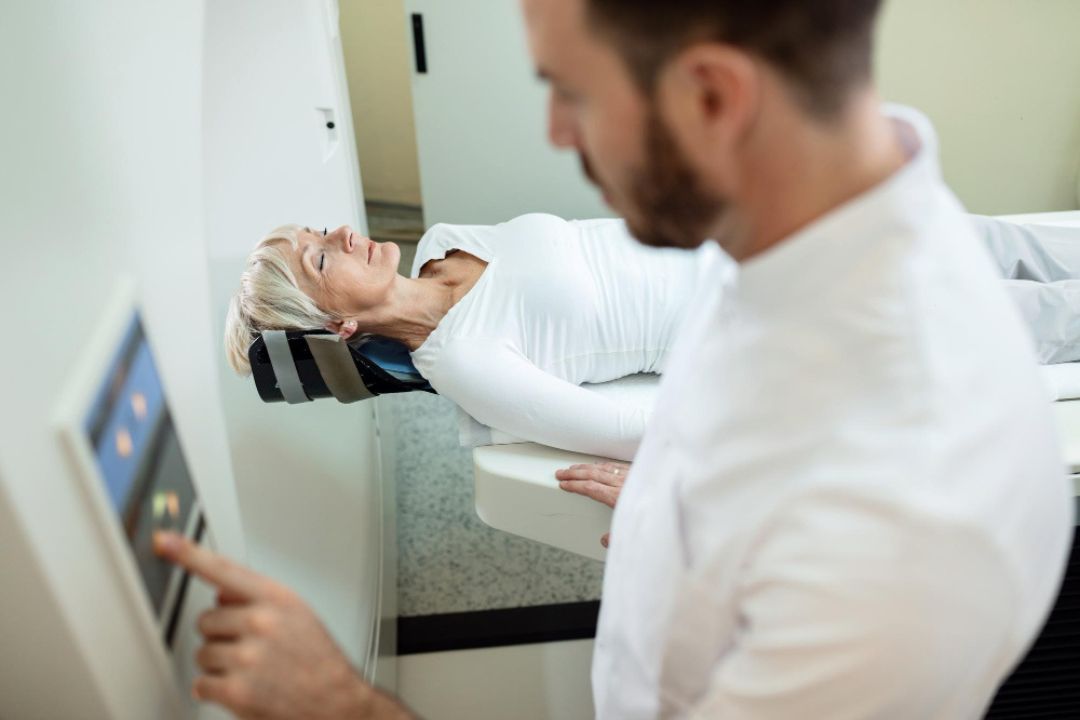
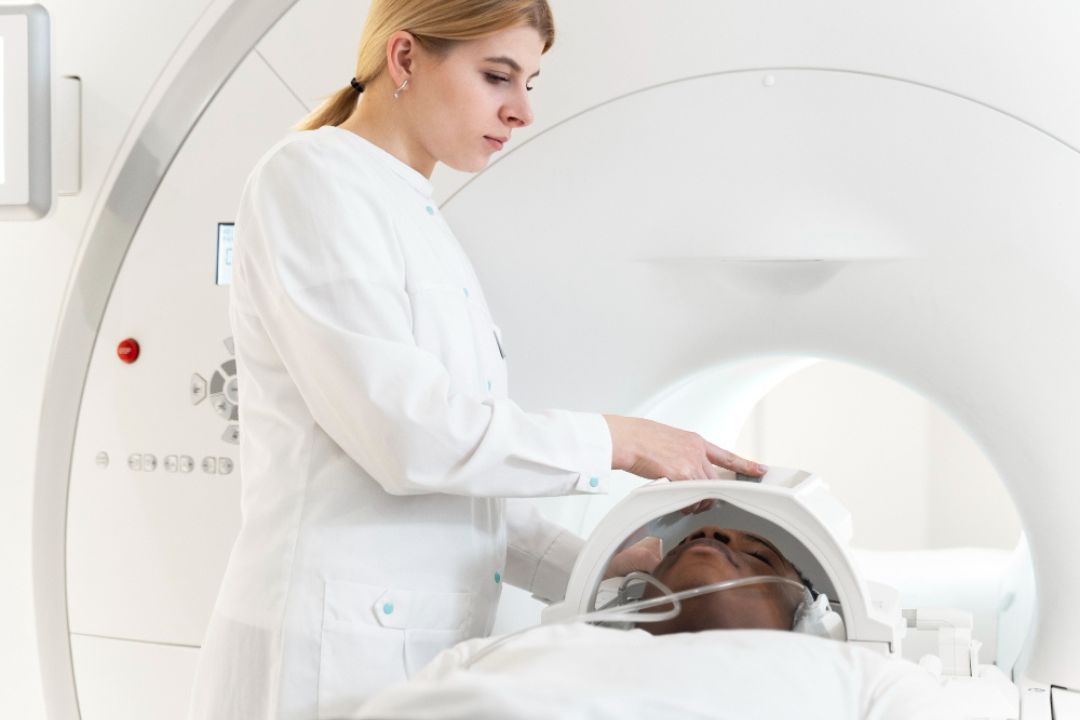
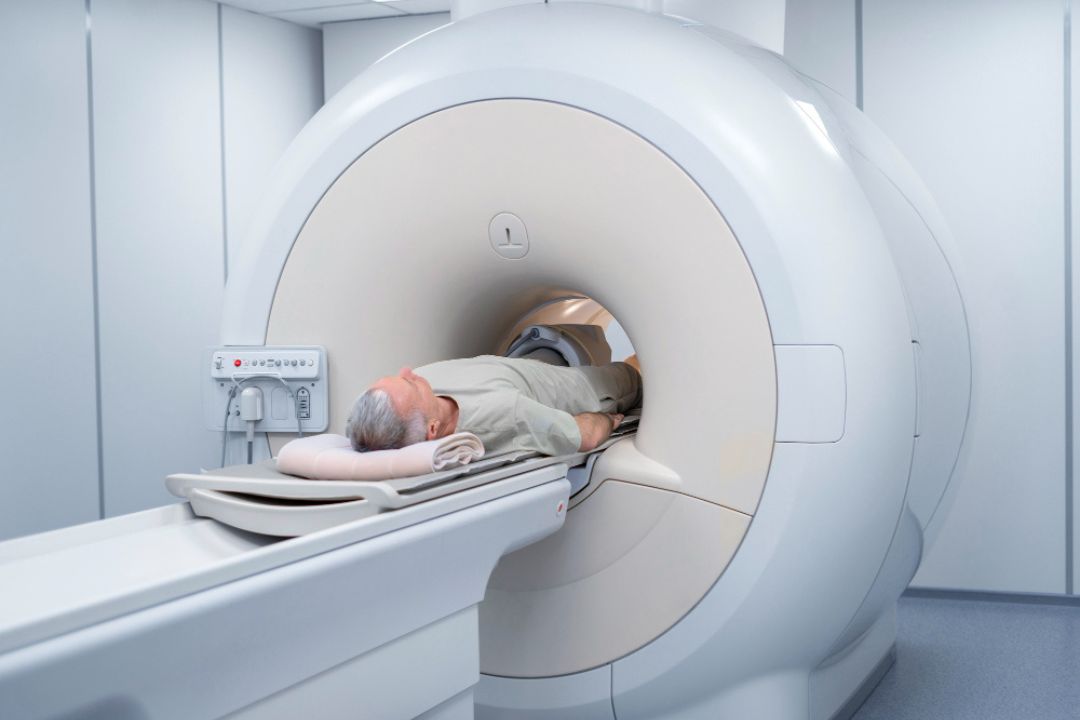
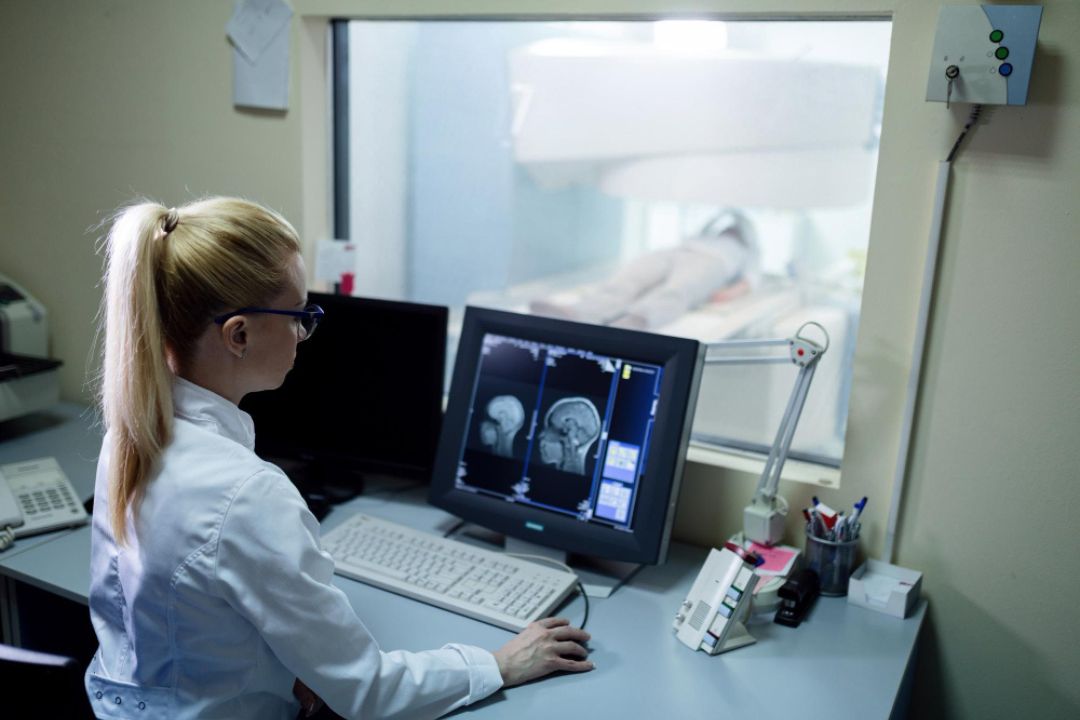
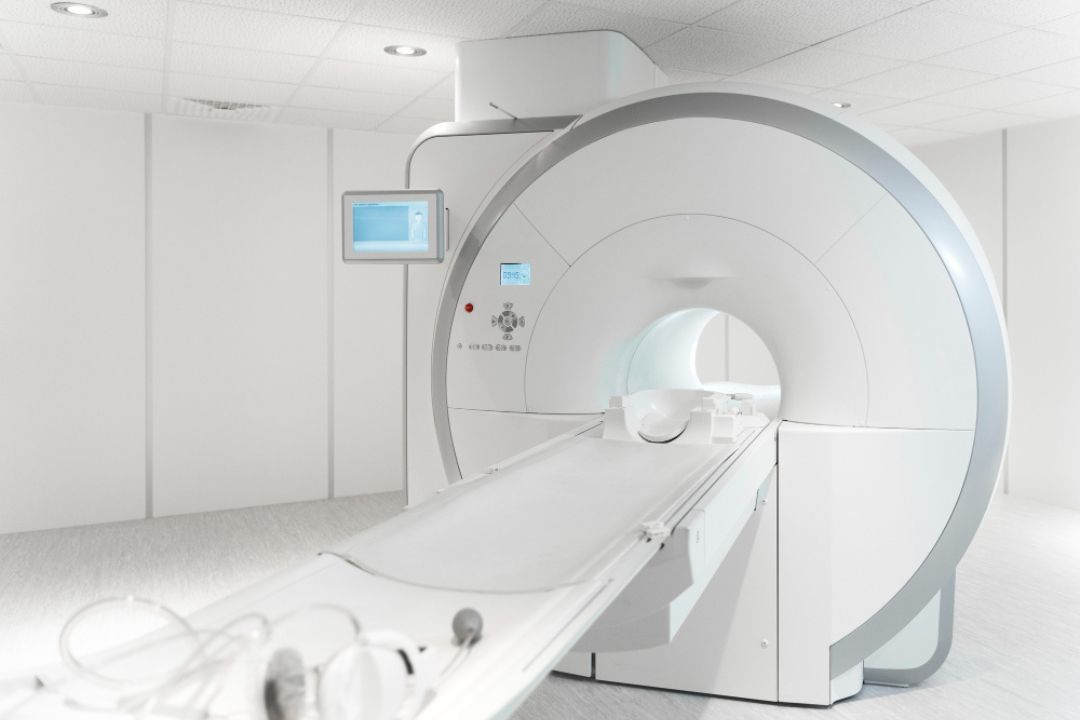
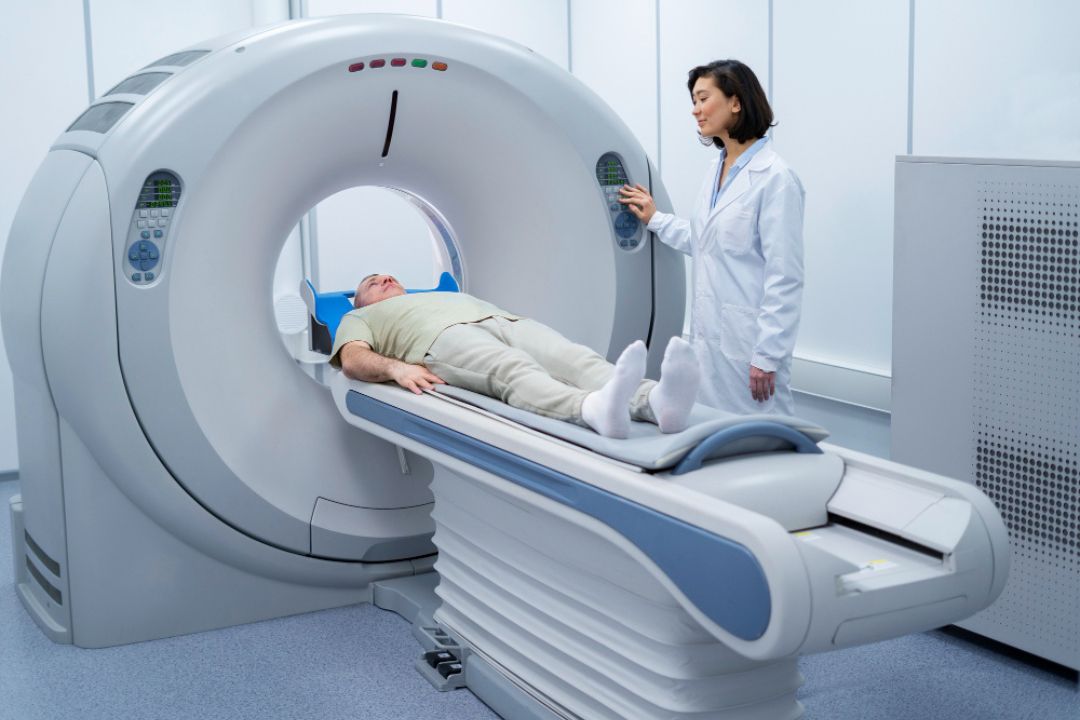
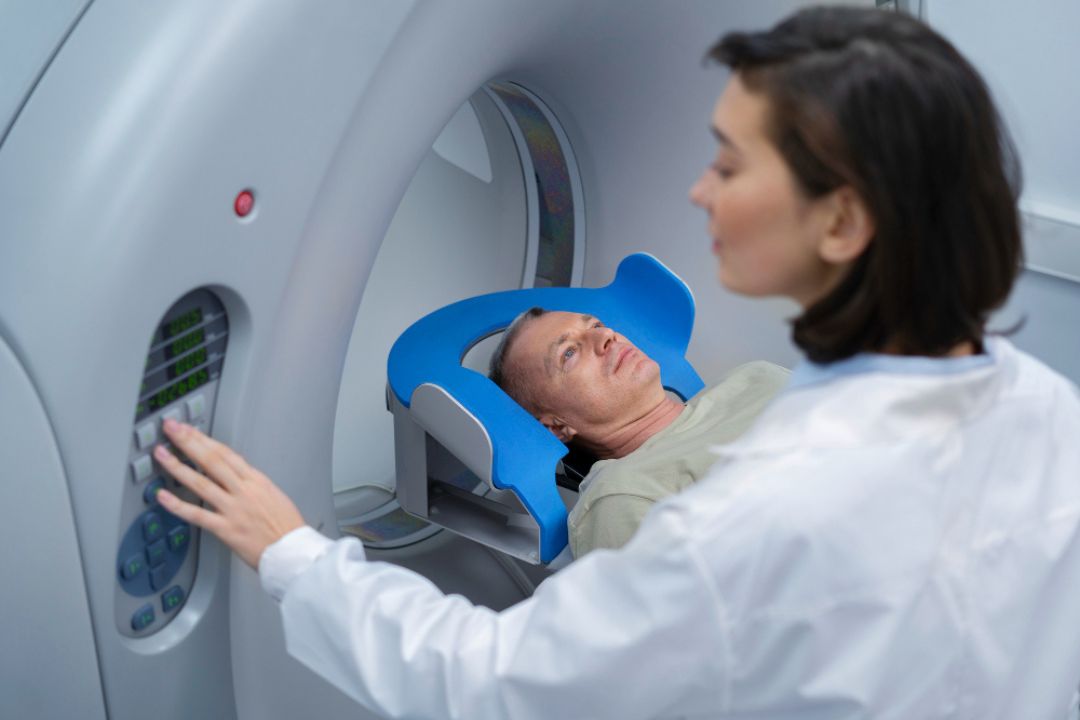
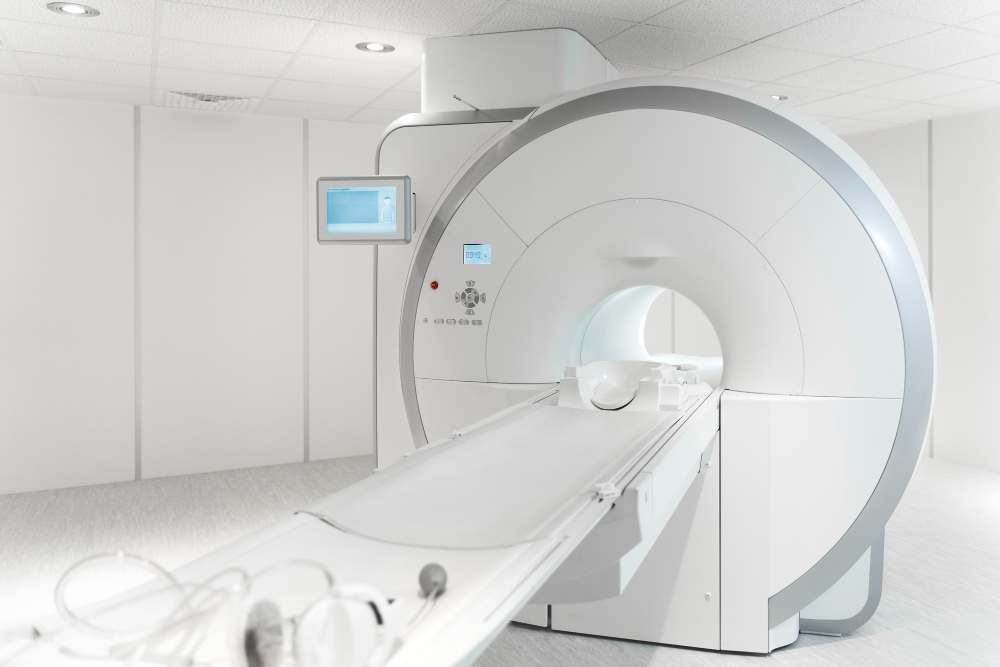
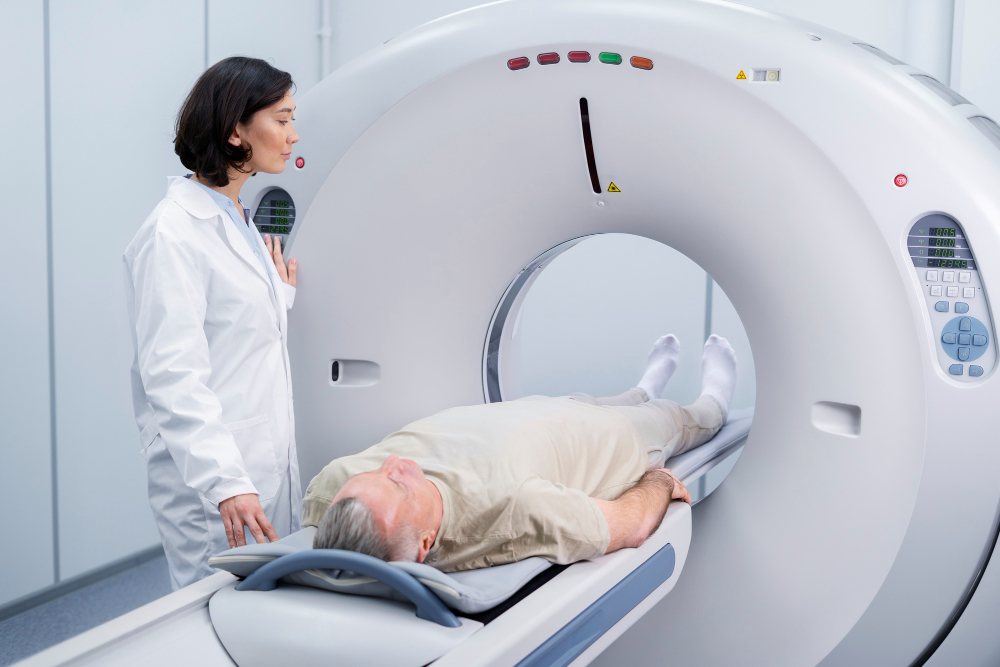
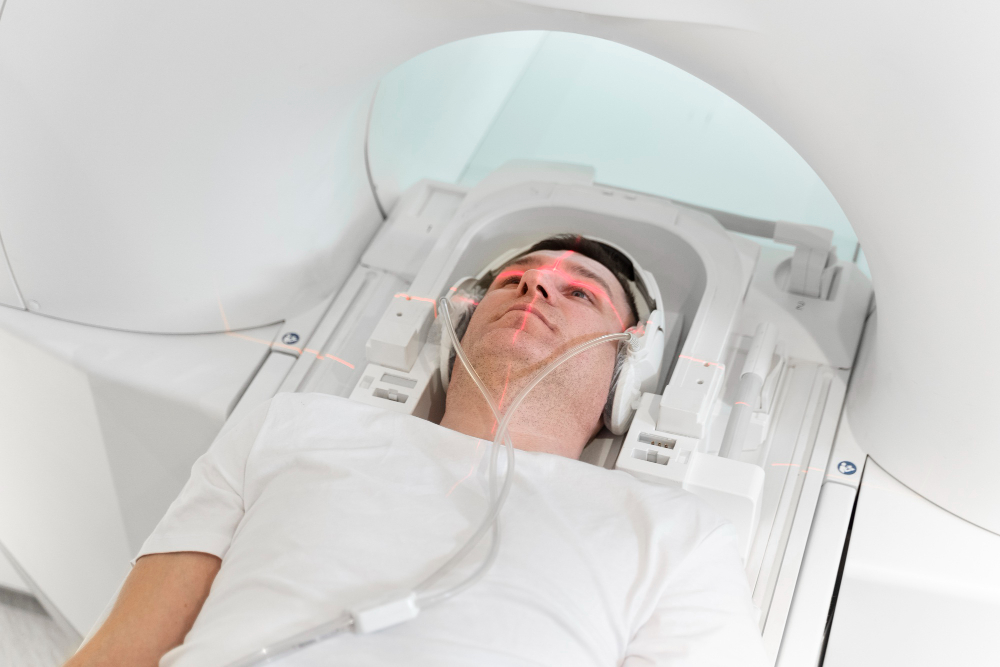
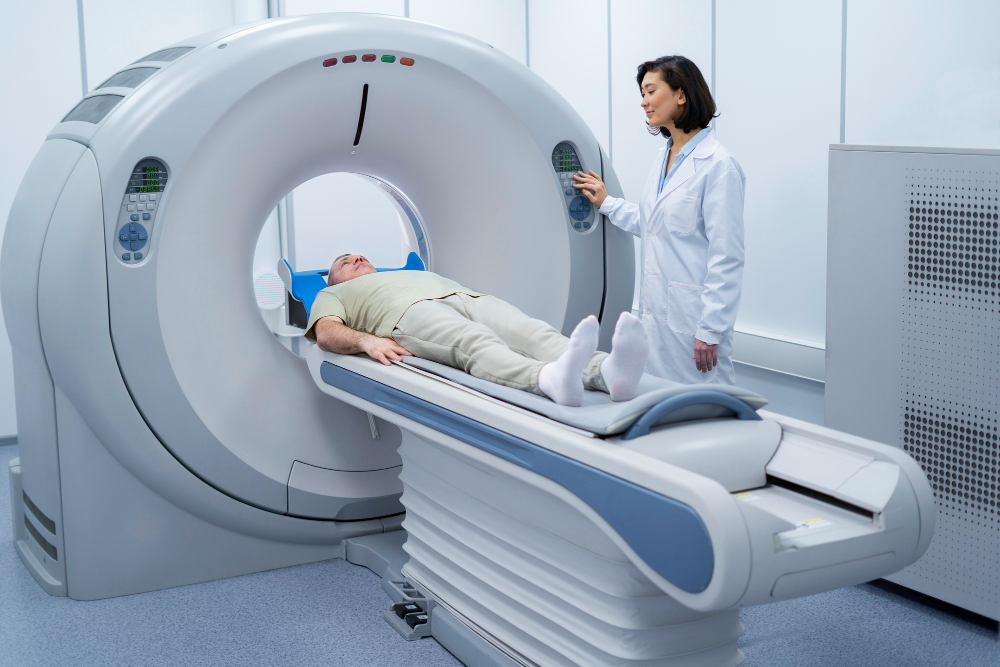
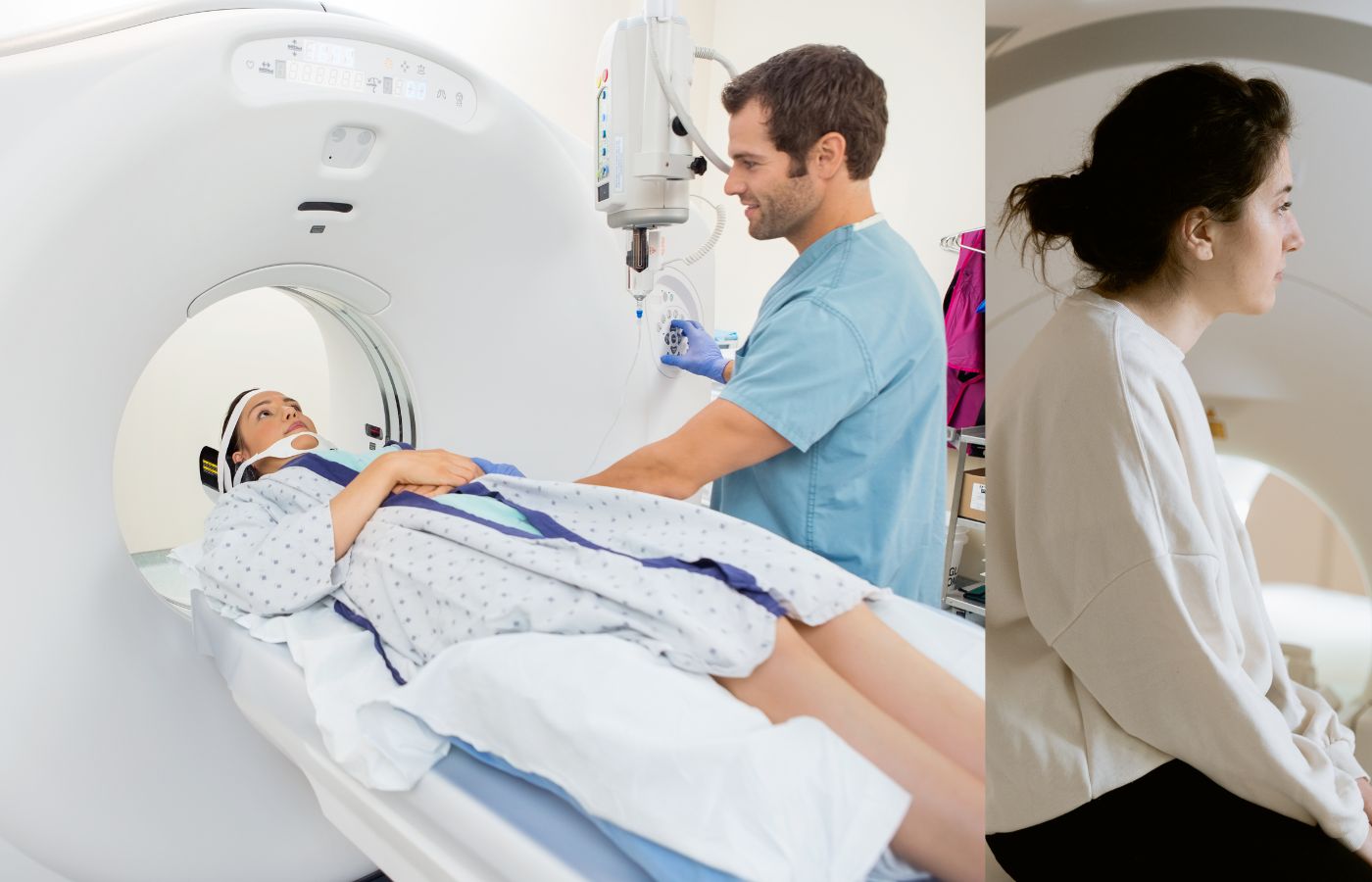
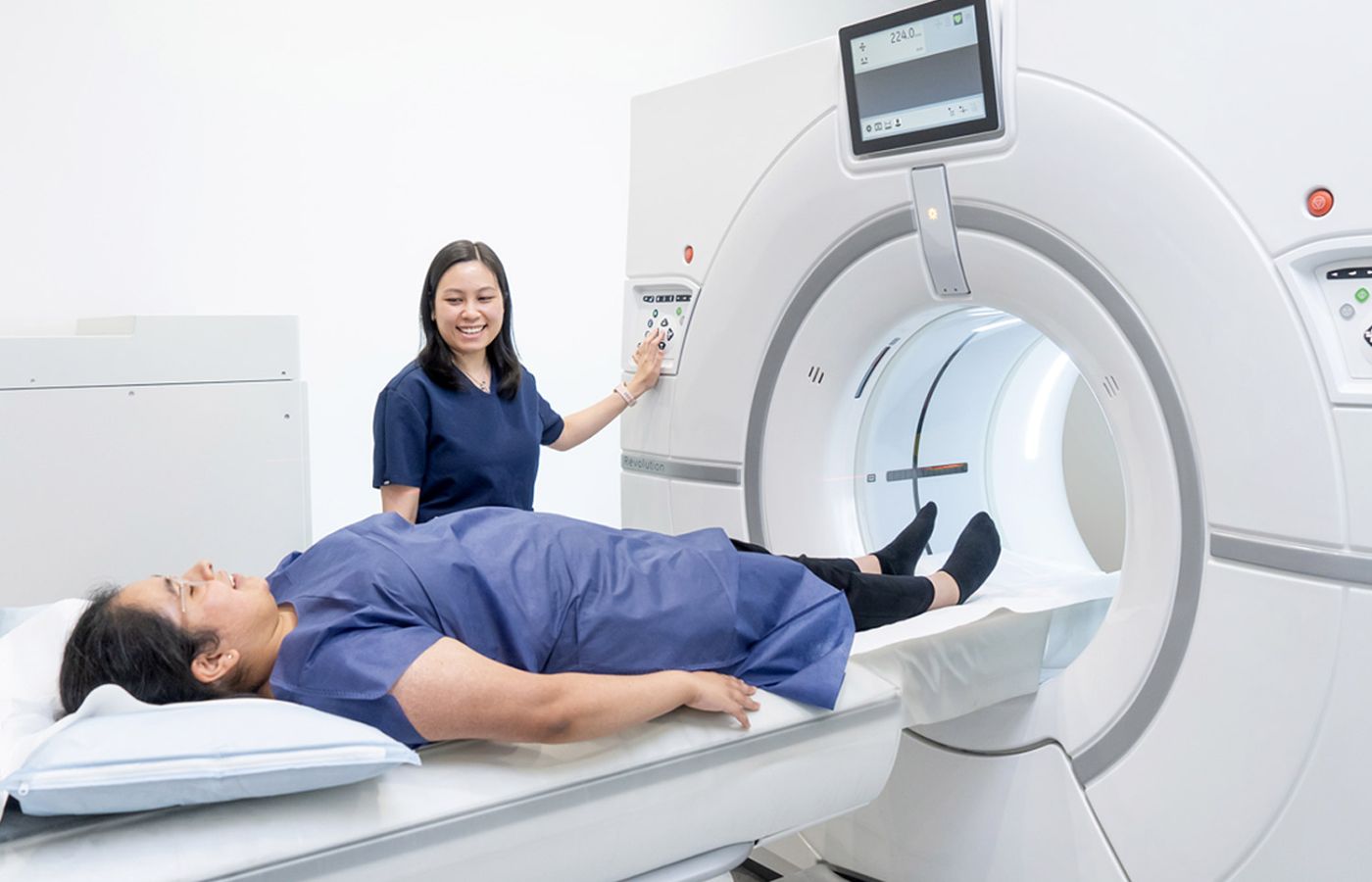
The patient lies on a motorized table that slowly moves into the CT scanner. The machine rotates around the head and captures detailed images of the brain.
The scan usually takes only a few minutes, and patients are asked to remain still while the images are taken.
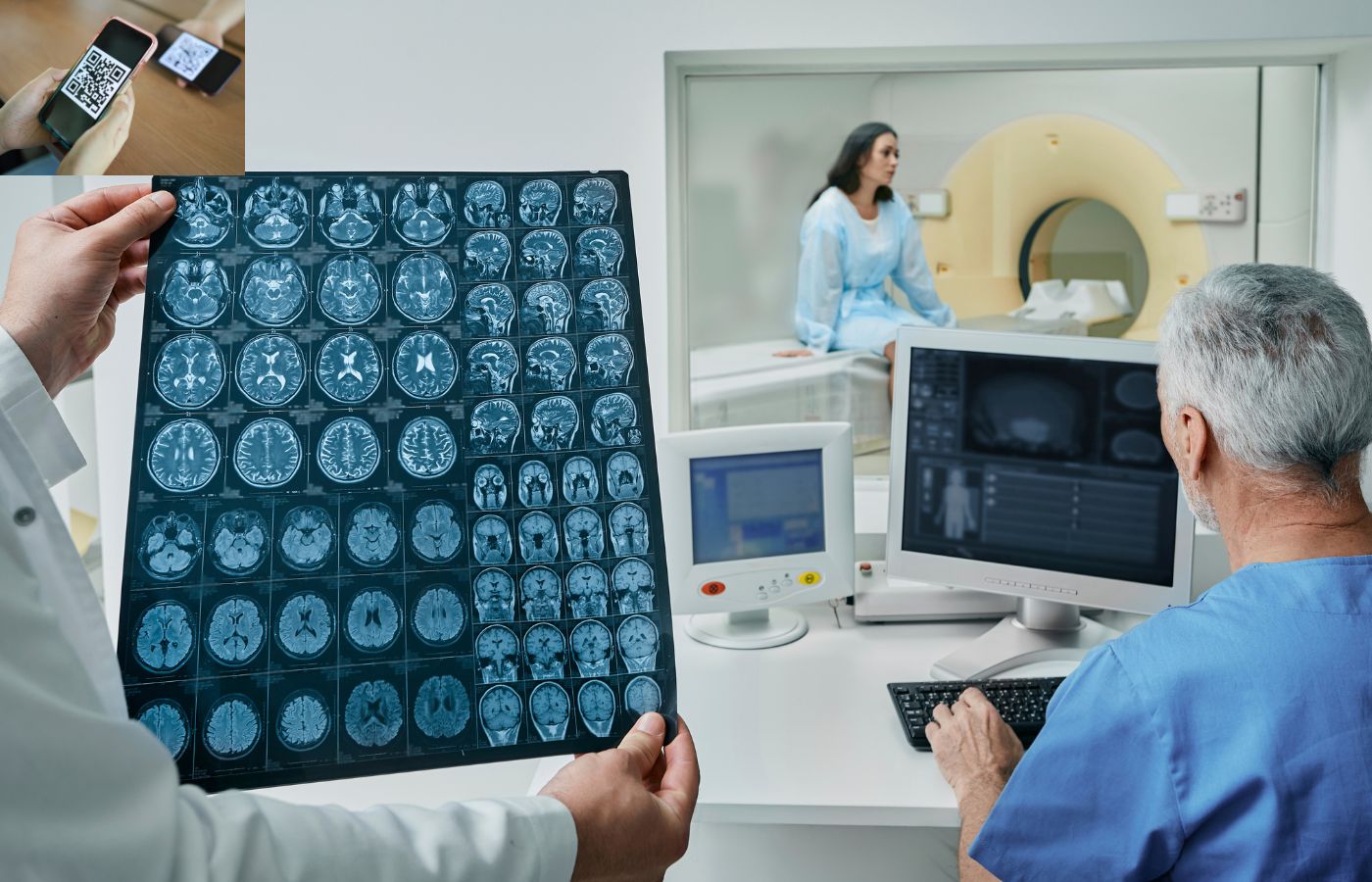
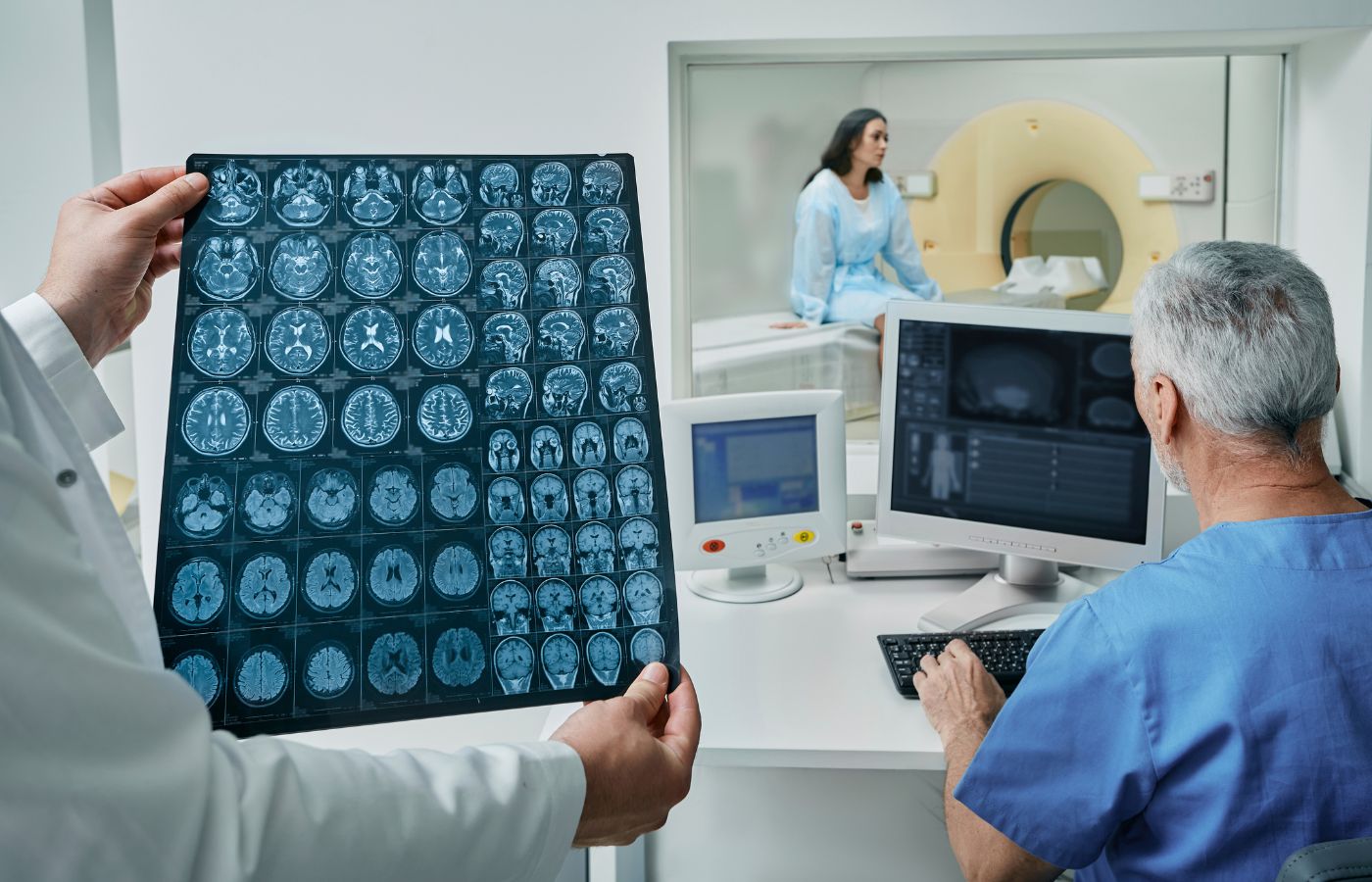
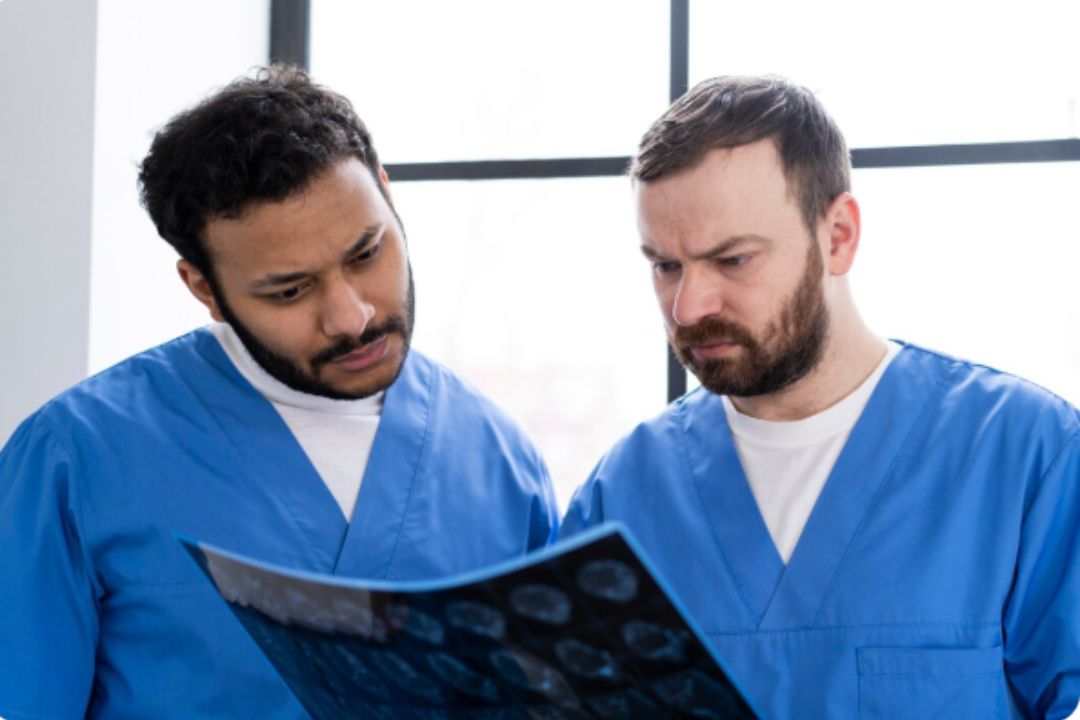
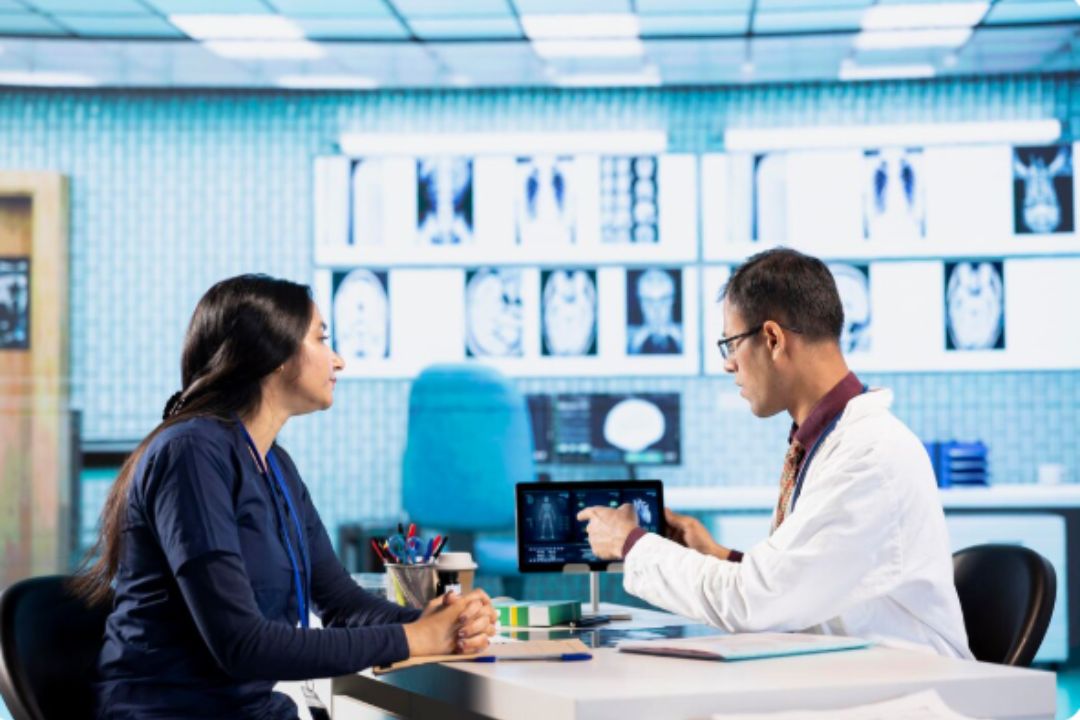
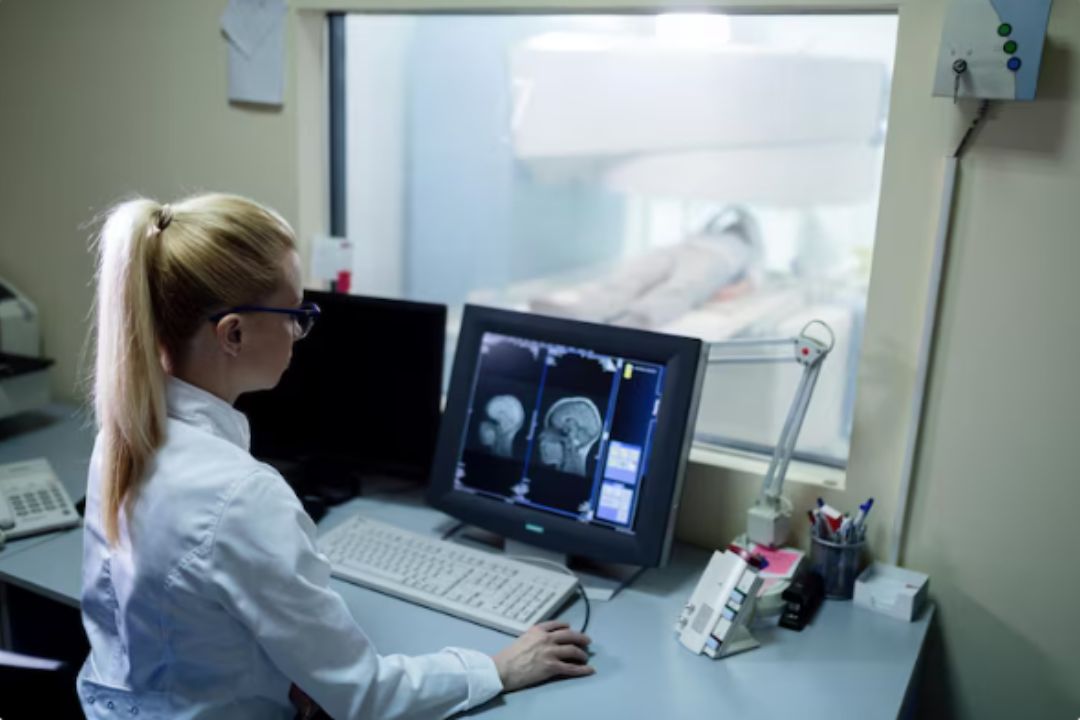
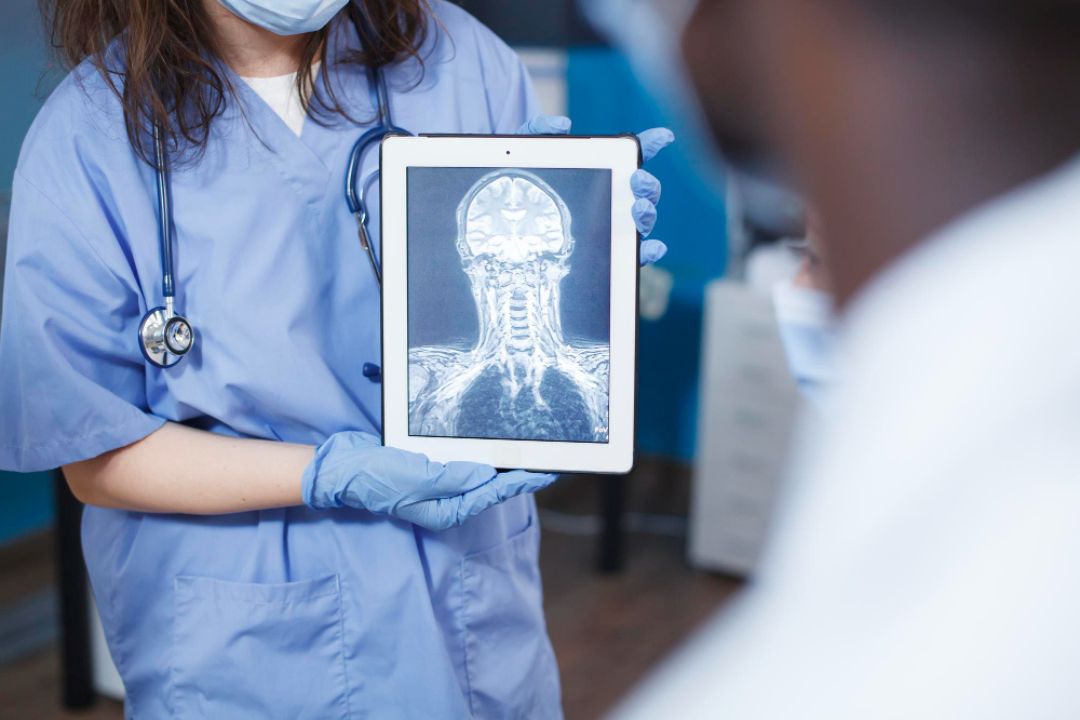
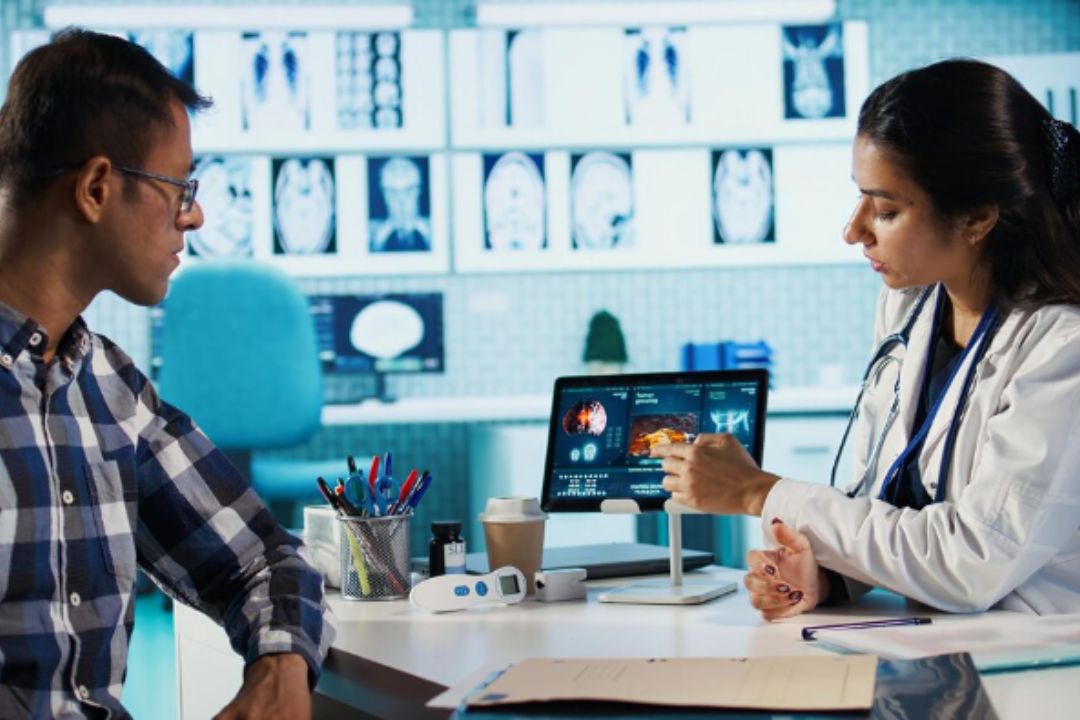
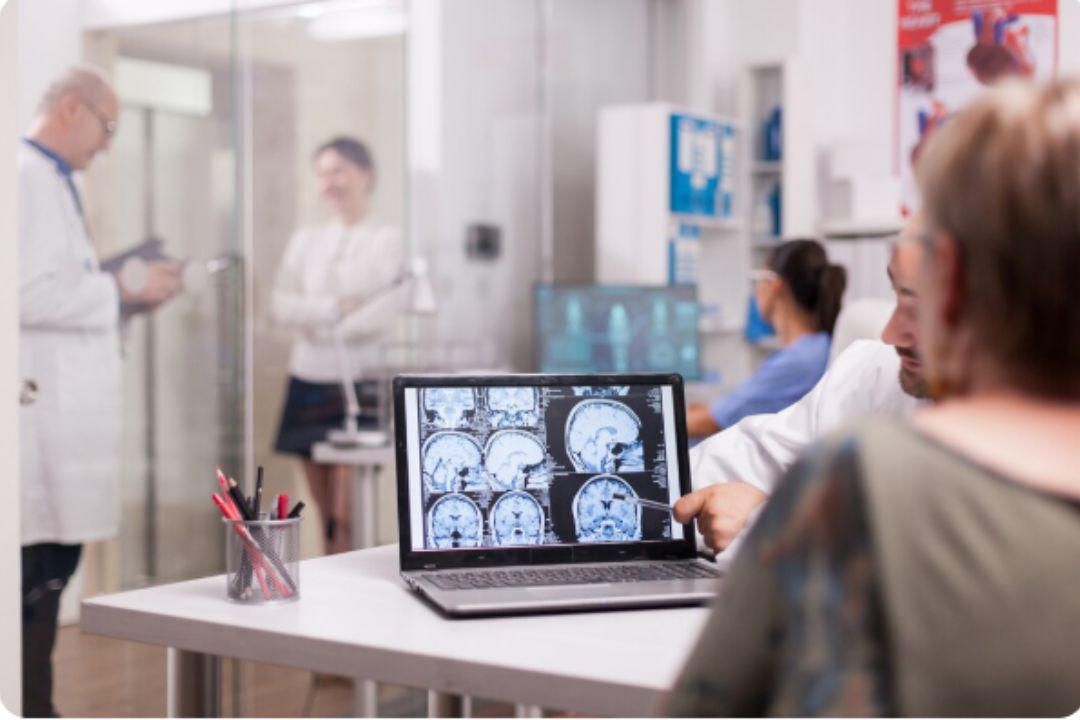
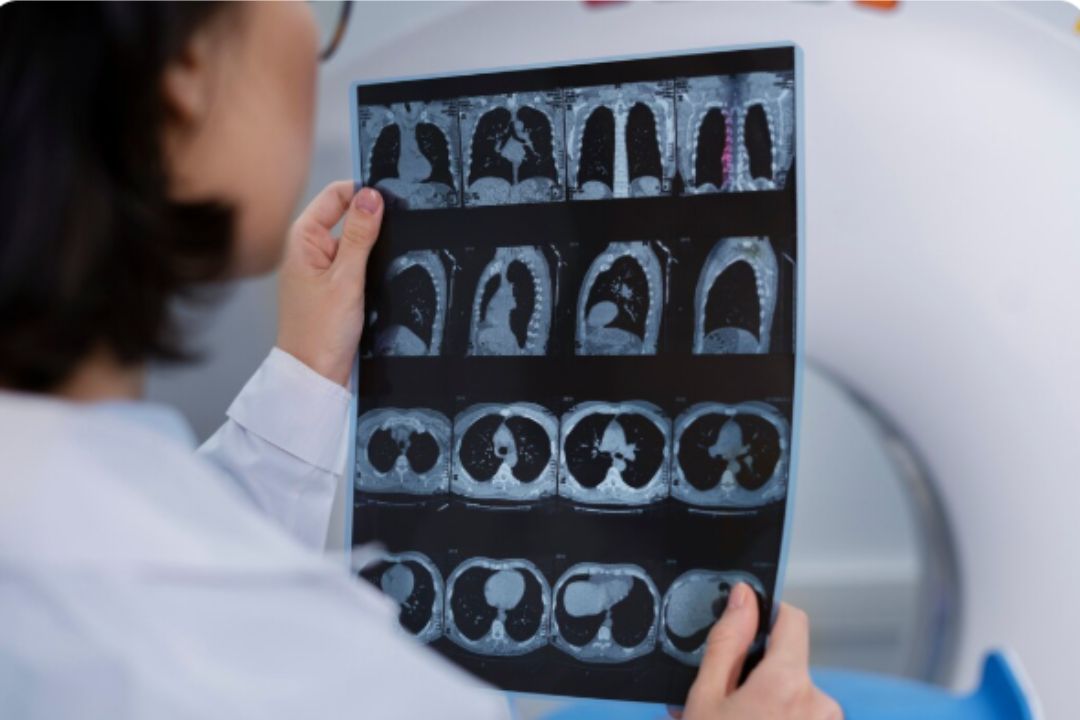
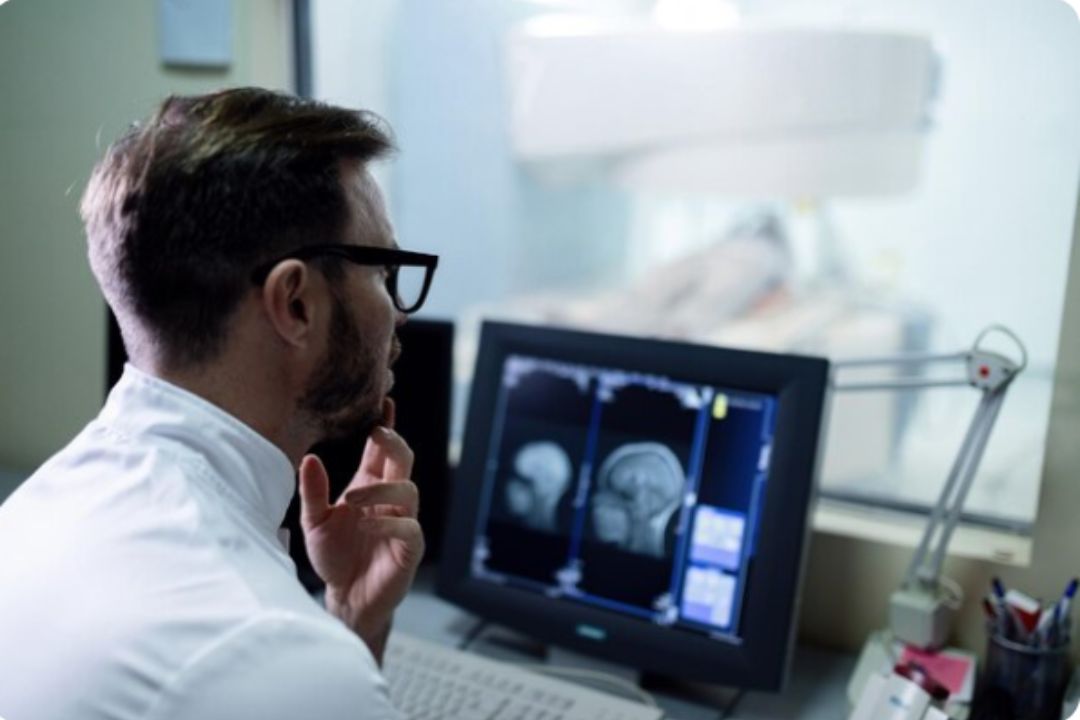
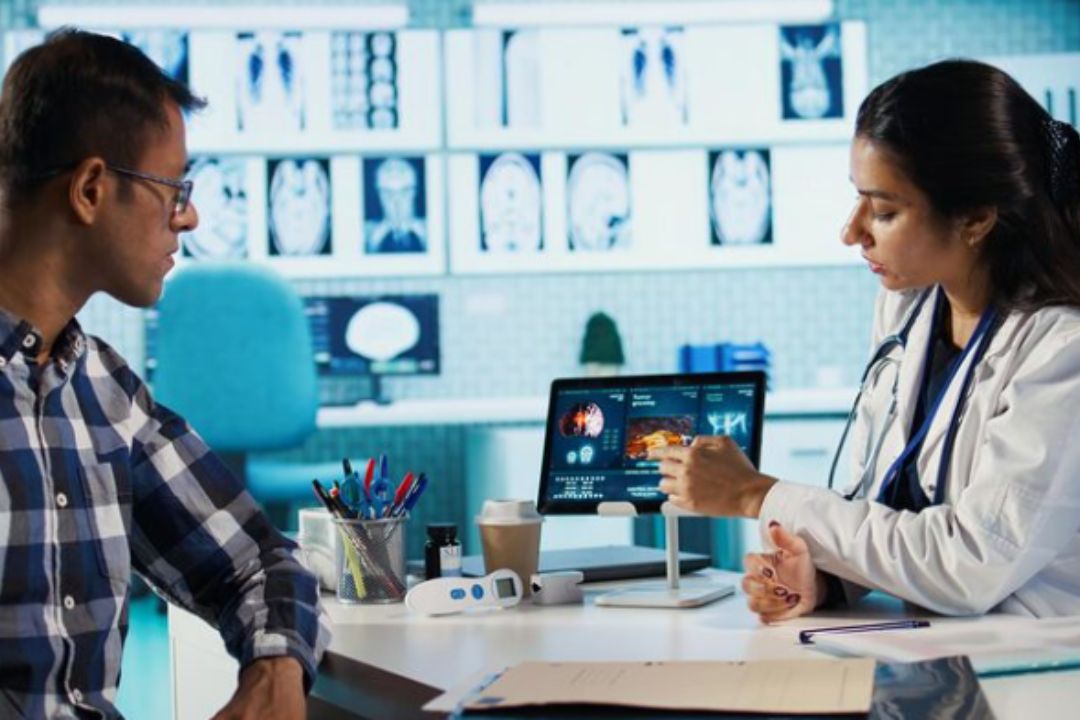
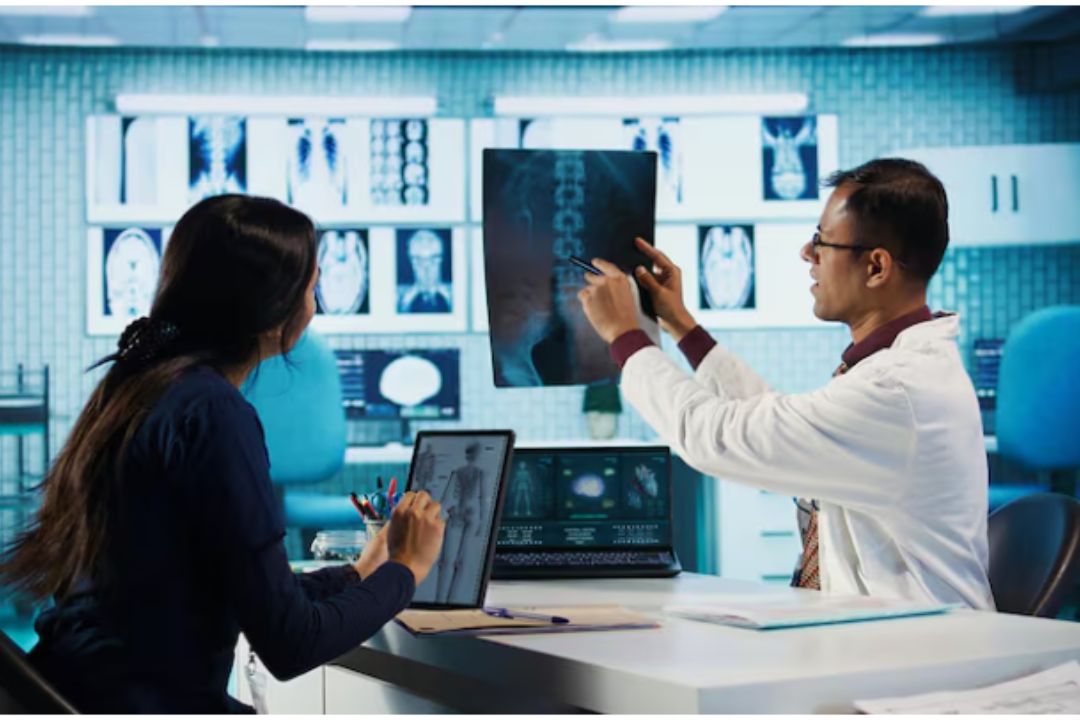
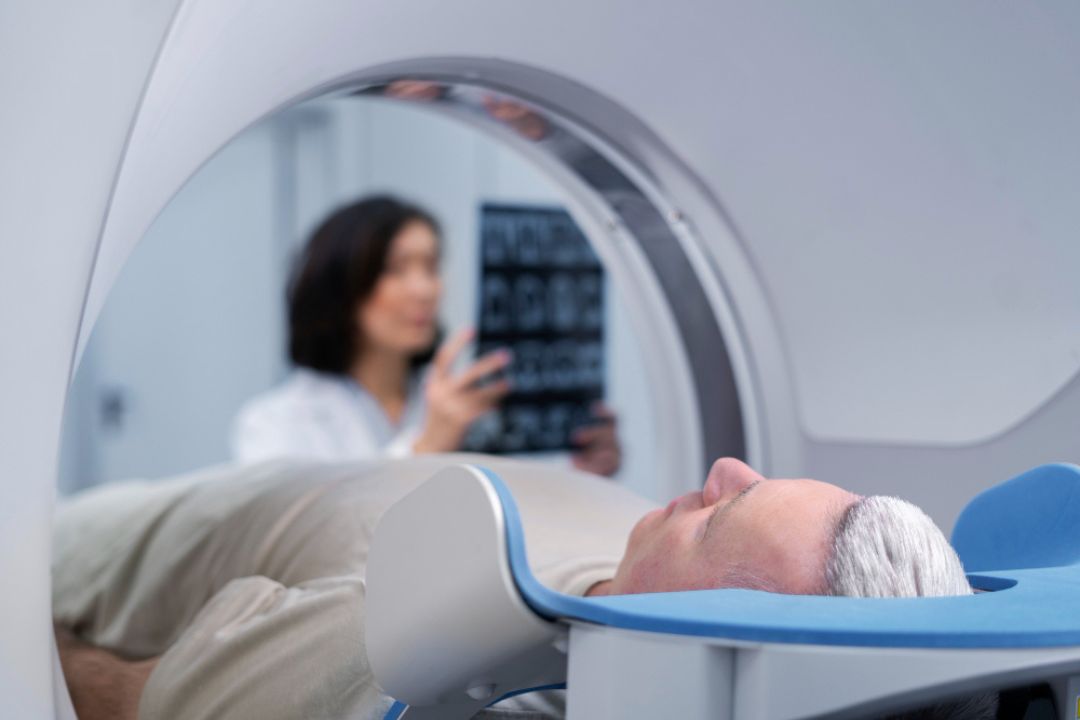
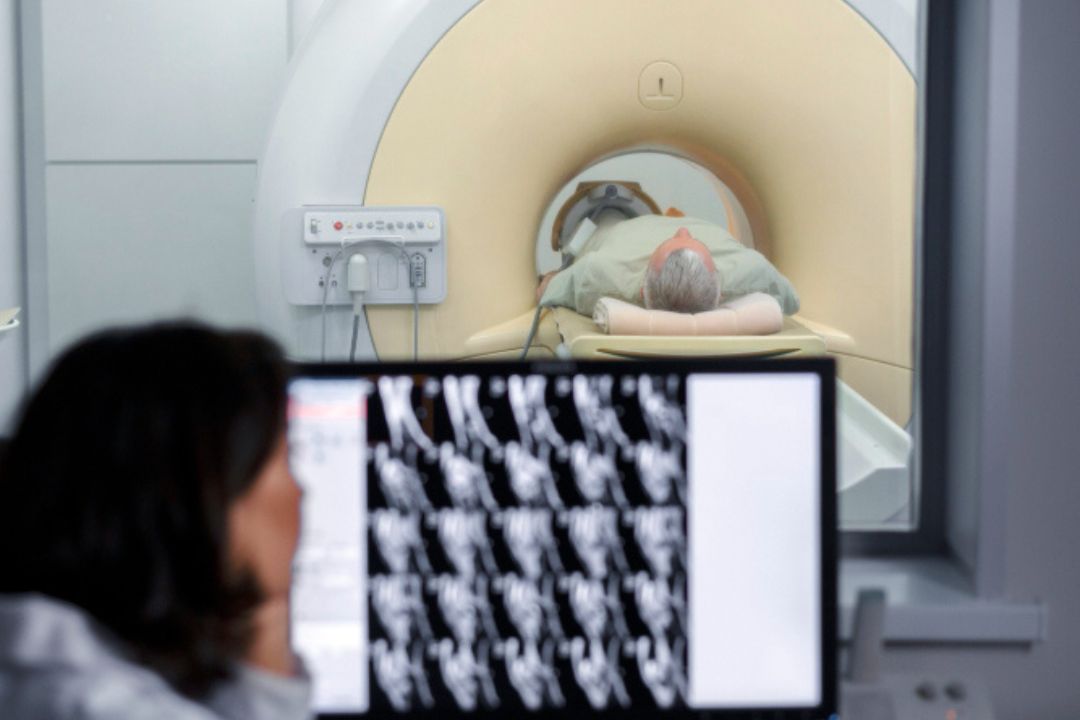
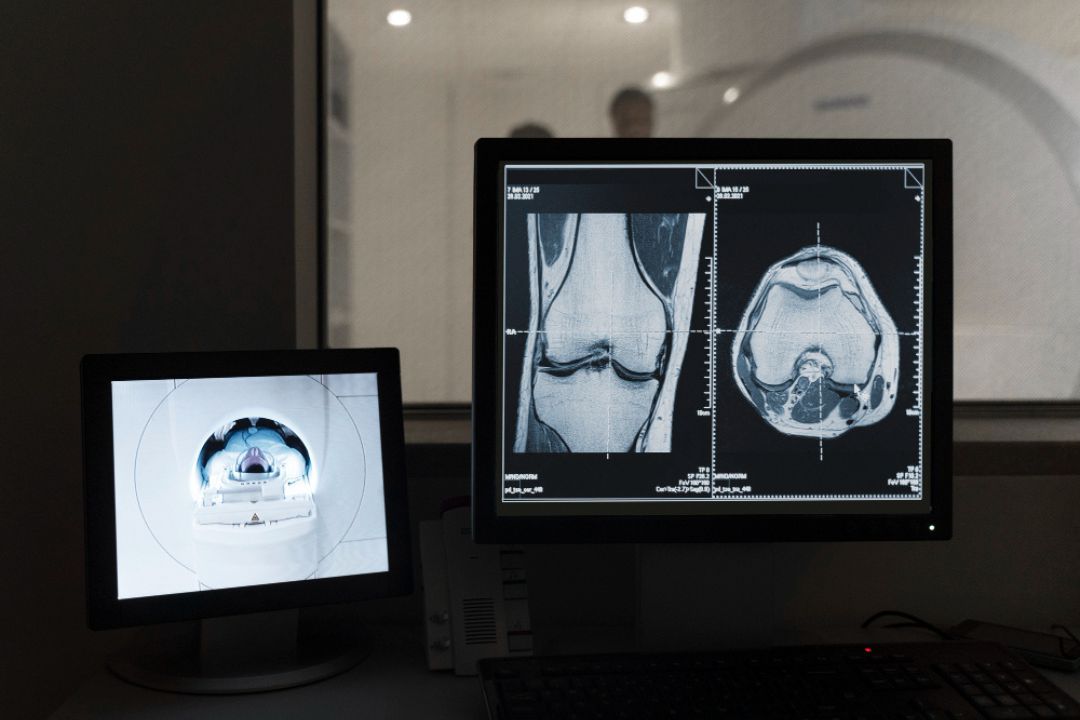
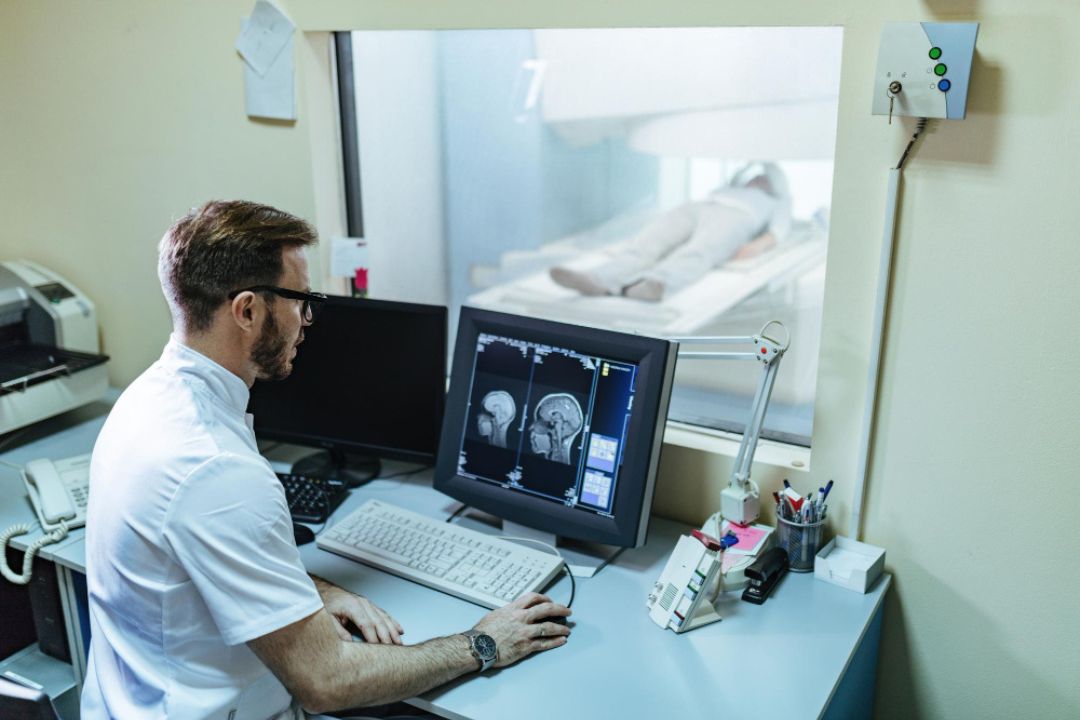
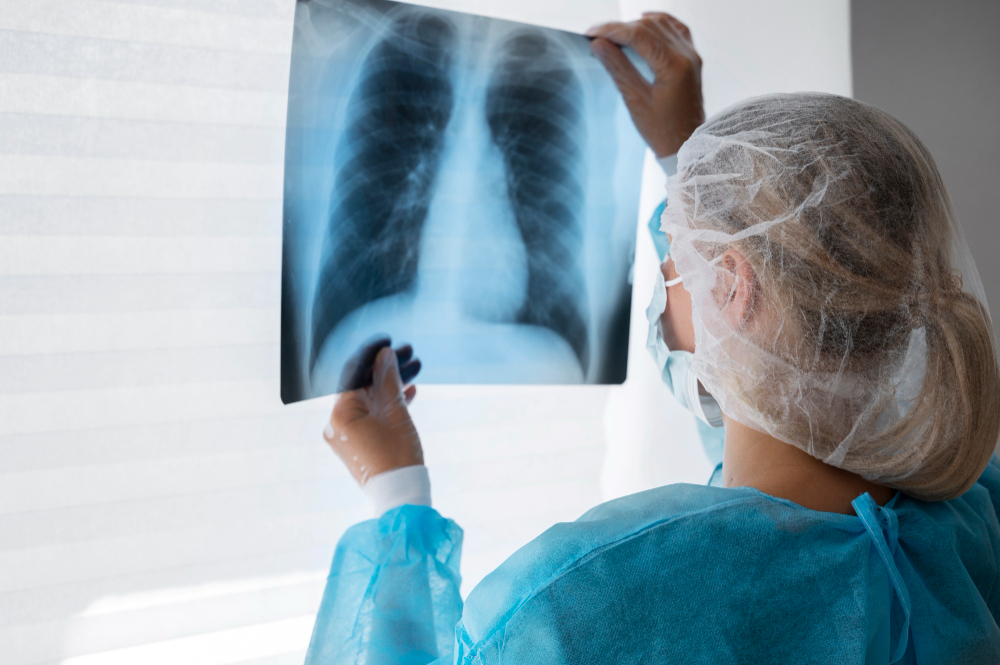
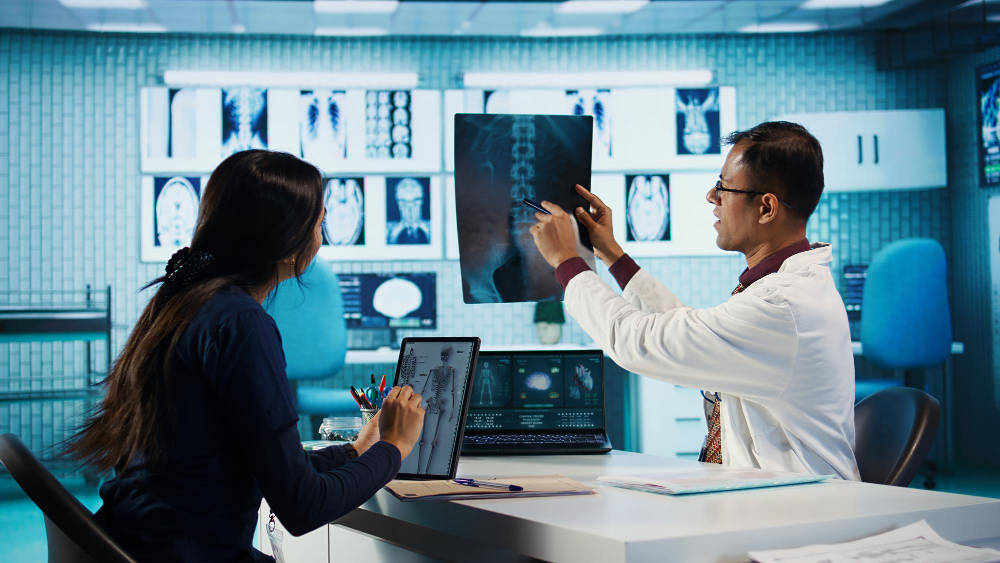
Once the scan is completed, patients can usually return to their normal activities immediately. A radiologist analyzes the images and prepares a report for the doctor.
CT brain scans offer several important benefits in medical diagnosis.
CT scans can be completed quickly, making them ideal for emergency situations such as strokes or head injuries.
The scan provides clear images of the brain, helping doctors identify abnormalities accurately.
CT scanners are available in many hospitals and diagnostic centers, making the test accessible for patients.
The scan does not involve surgery and is generally painless.
Doctors may recommend a CT brain scan if you experience symptoms such as:
Sudden severe headache
Persistent headaches that do not improve
Head injury after an accident
Sudden weakness or numbness
Difficulty speaking or seeing
Seizures
Early imaging can help doctors detect serious conditions and begin treatment promptly.
CT Brain Scans play a critical role in diagnosing serious neurological conditions such as headaches caused by underlying issues, strokes, and brain tumors. The ability to quickly produce detailed images of the brain allows doctors to identify problems early and provide timely medical care.
With modern imaging technology, CT brain scans are fast, reliable, and widely used in emergency and routine medical diagnosis. For patients experiencing concerning neurological symptoms, this test can be an essential step toward accurate diagnosis and effective treatment.







.jpg "ct brain scan plain and contrast")











.jpg "ct scan")

.jpg "ct scan or mri for brain disorders")


.jpg "exploring the power of ct brain contrast in modern diagnostics")
.jpg "ct scan")
.jpg "ct scan")







.jpg "ct scan")

.jpg "CT Brain Scan for Headaches")
.jpg "The Future of 3D CT Imaging")