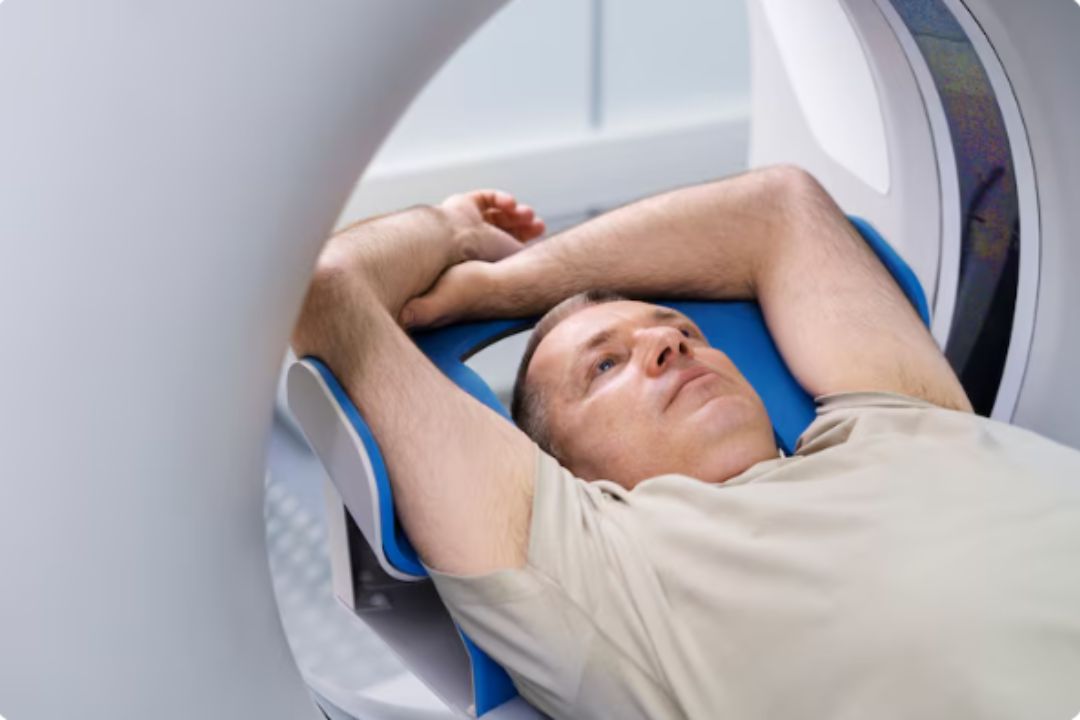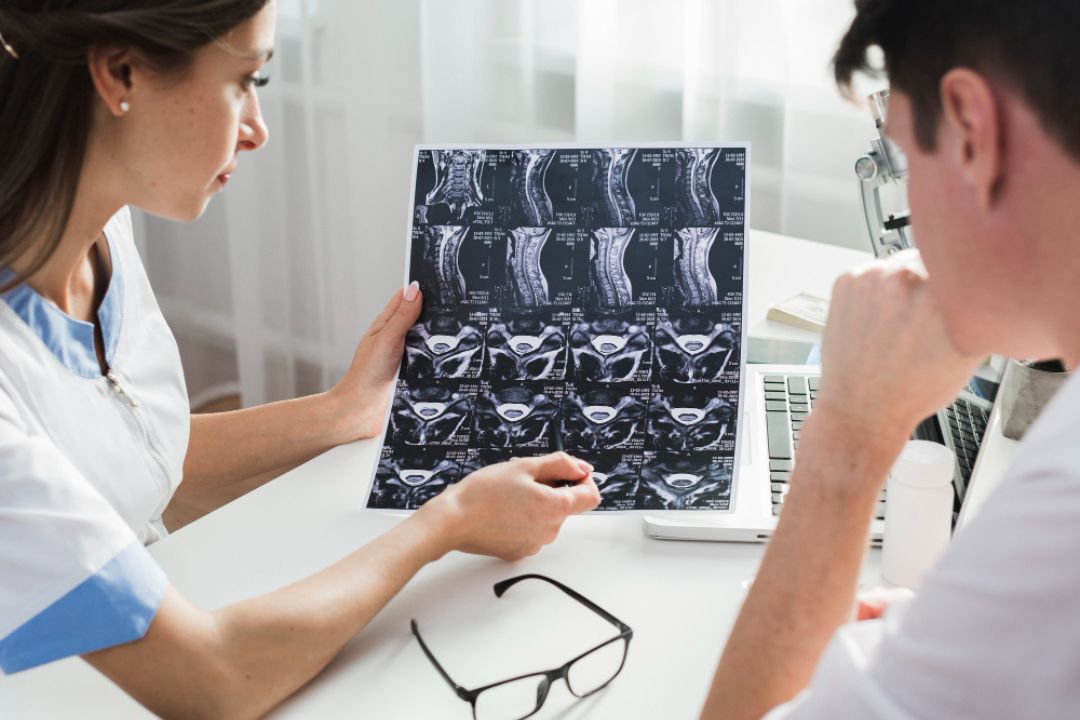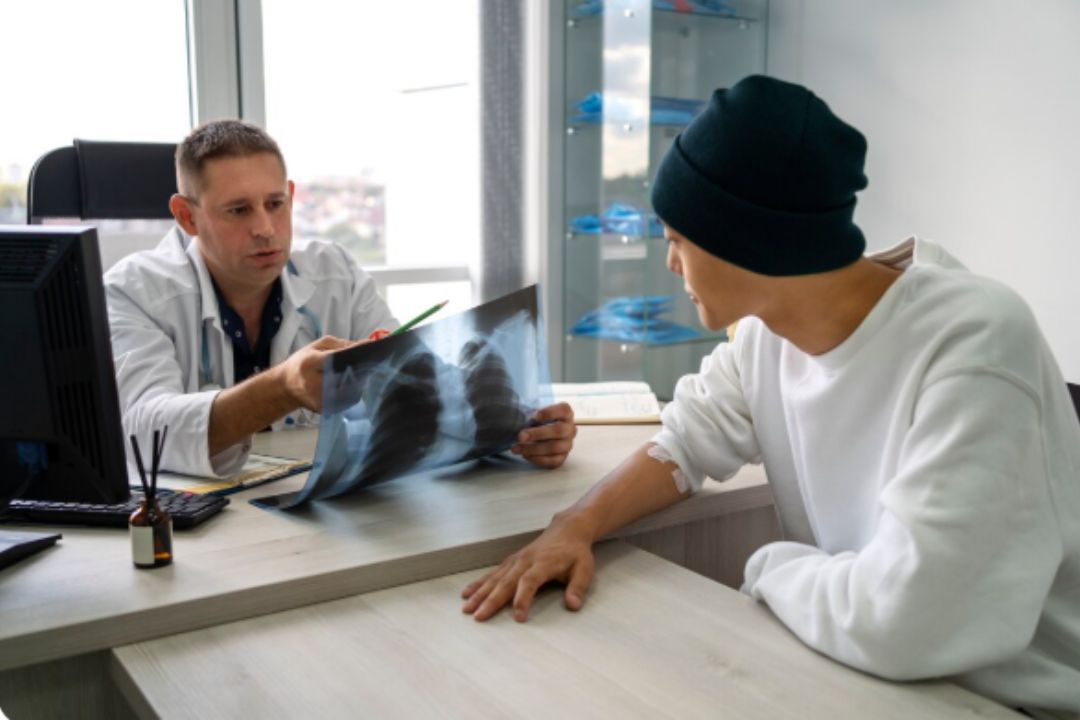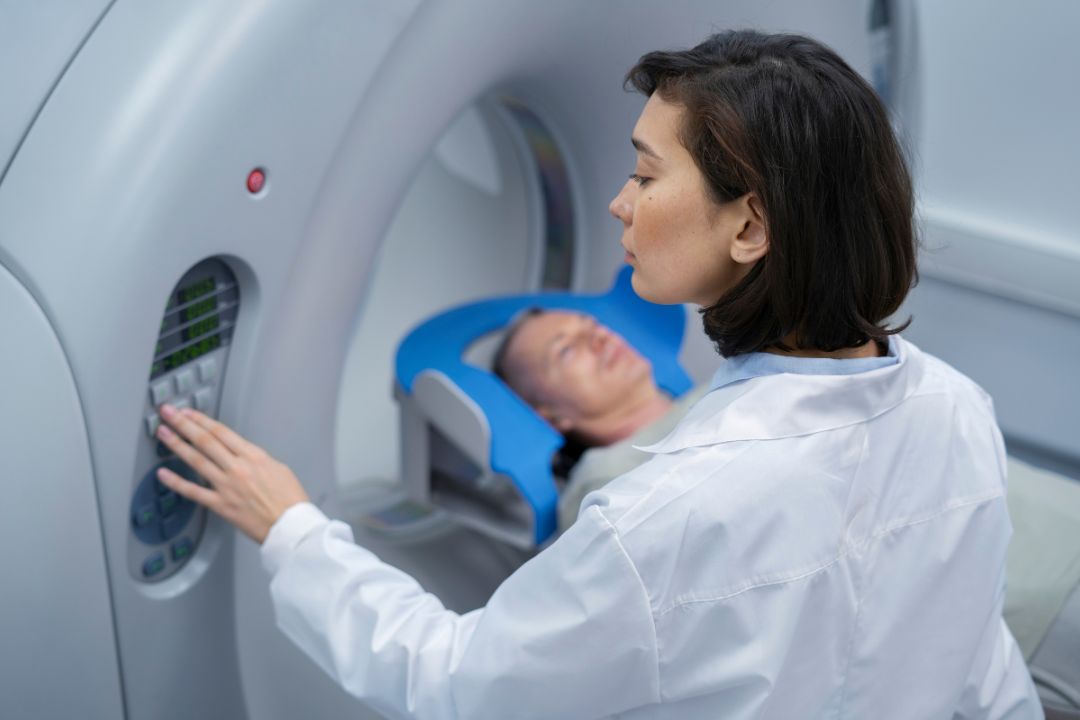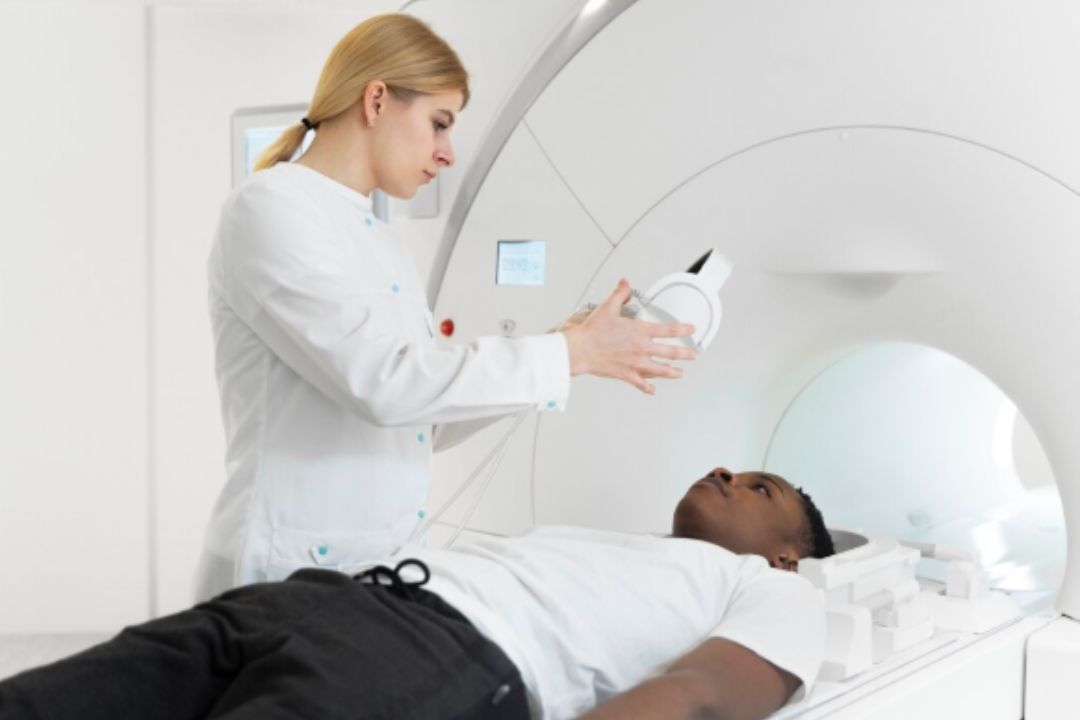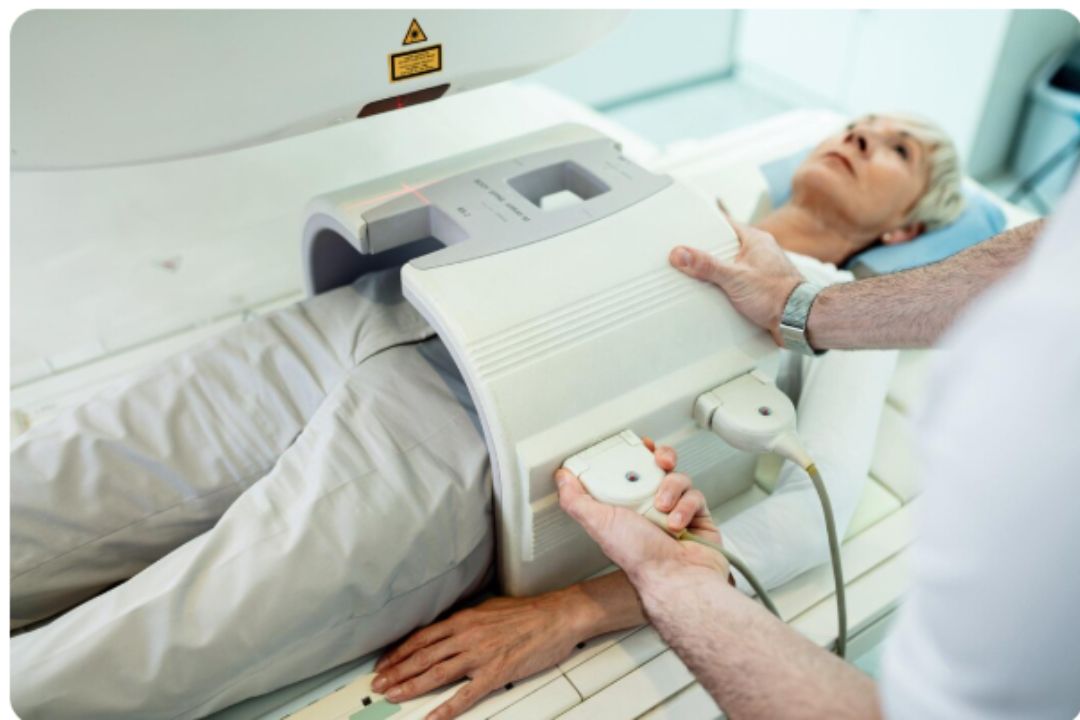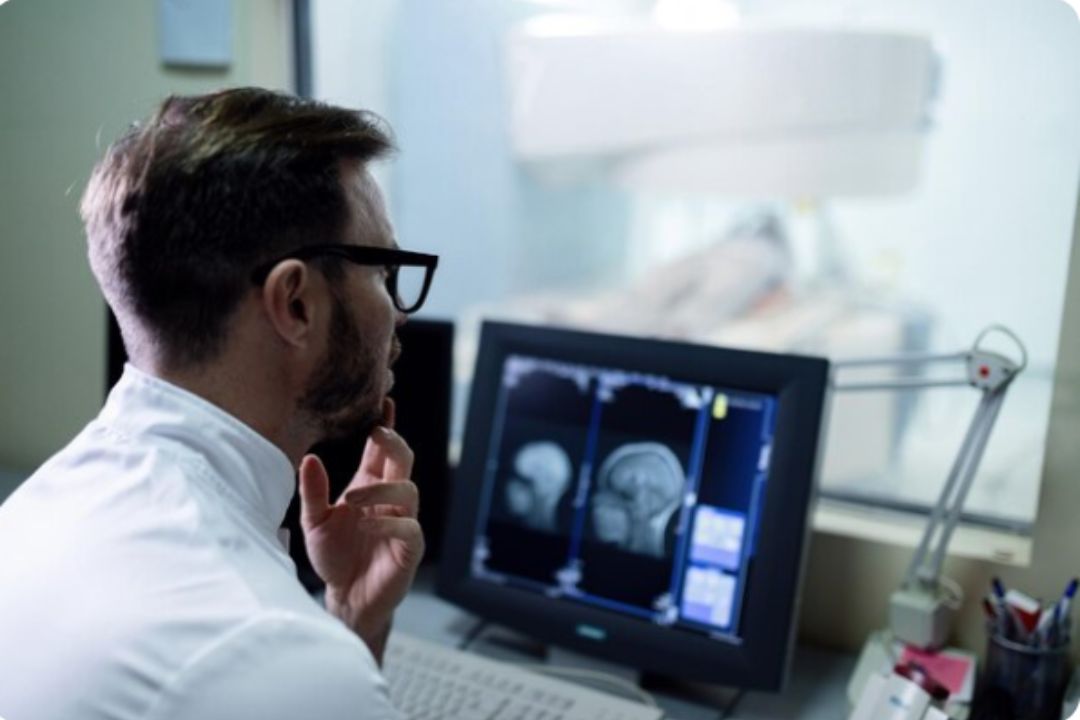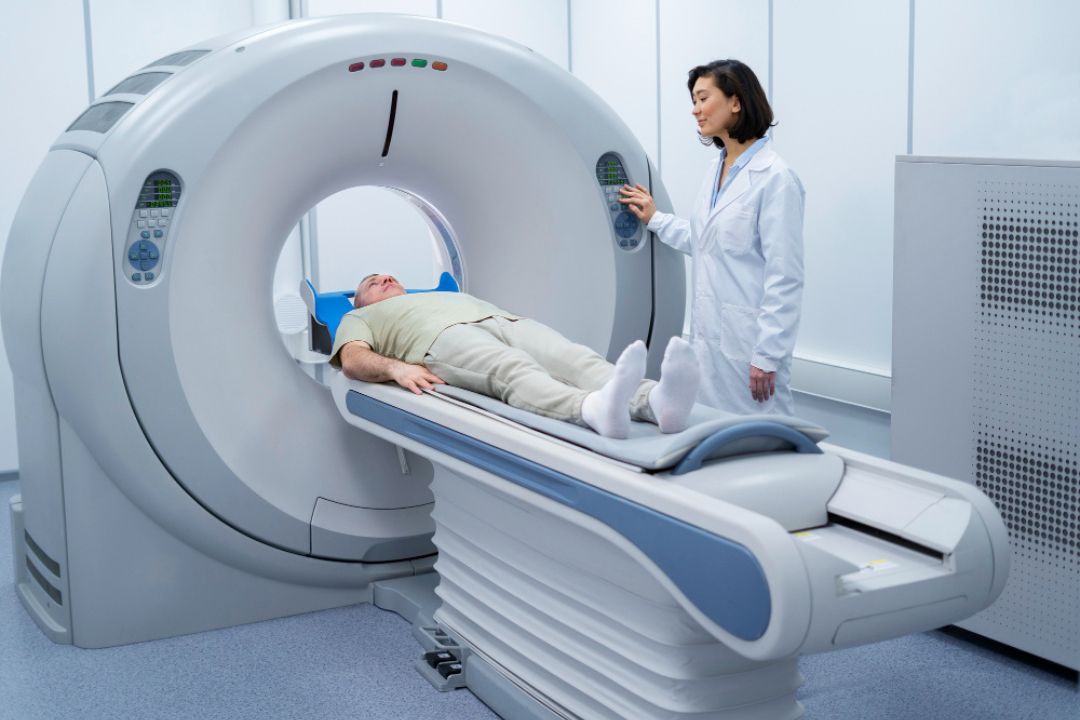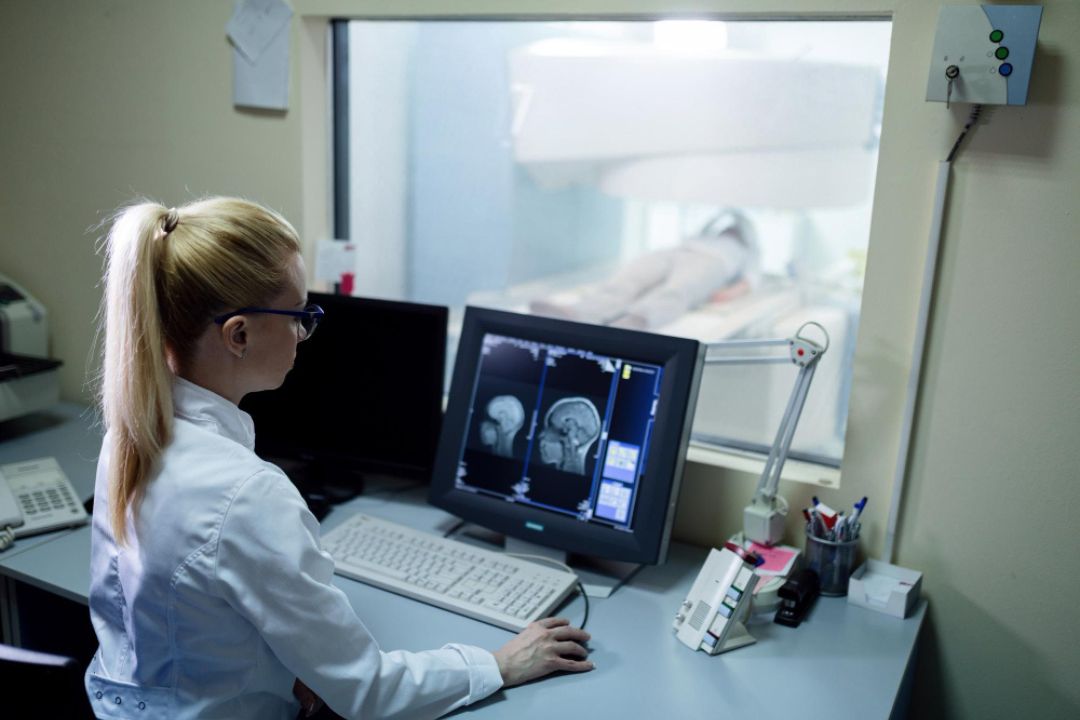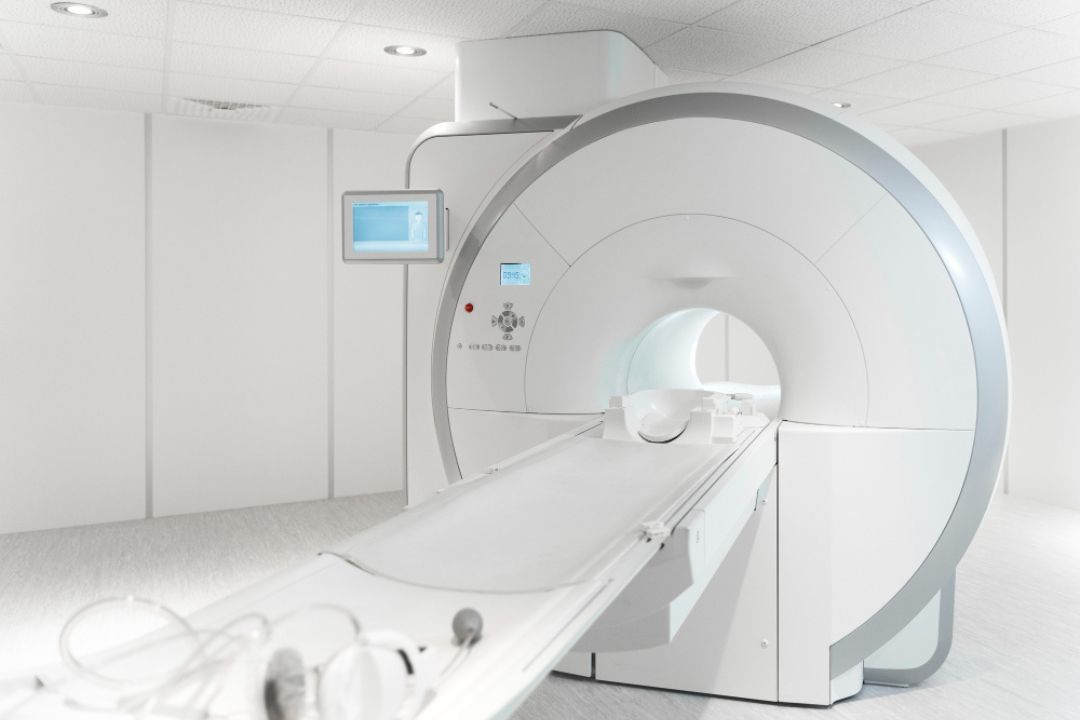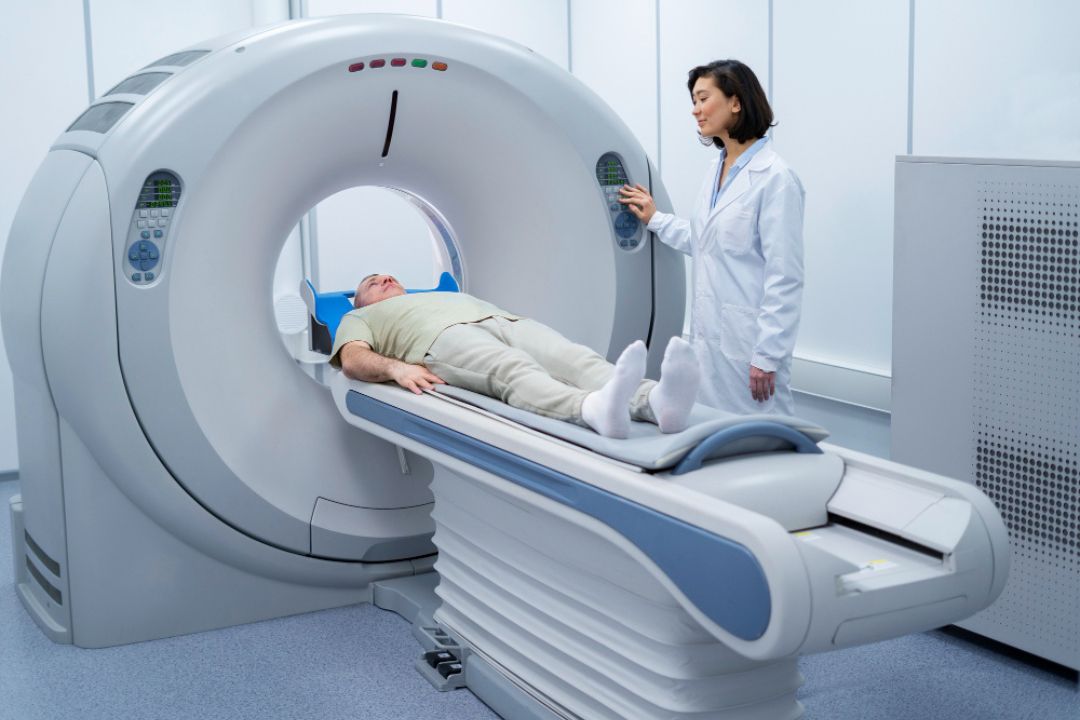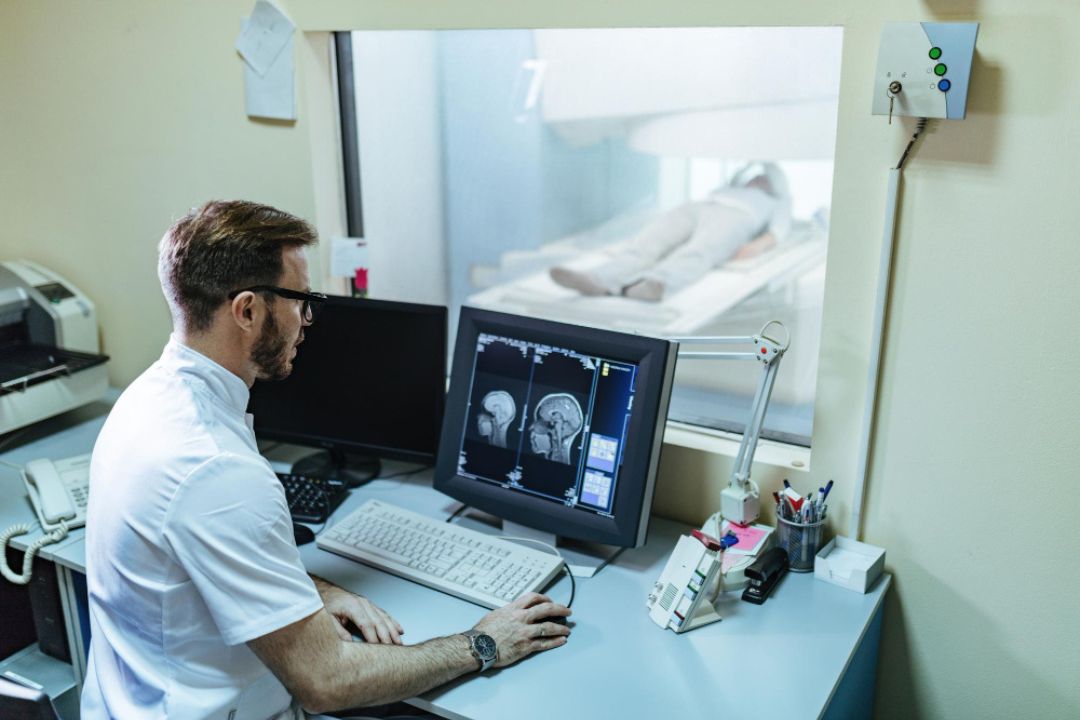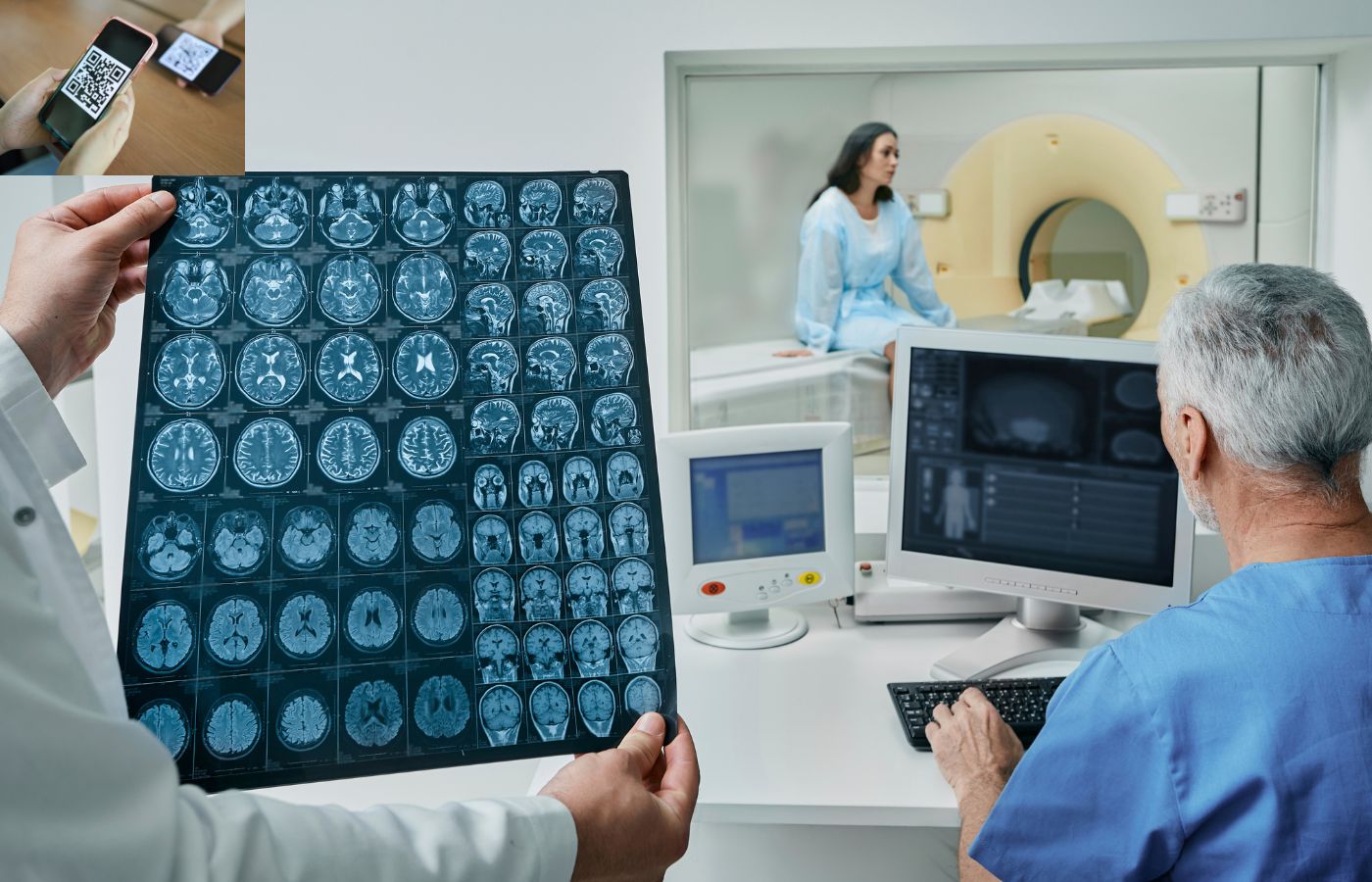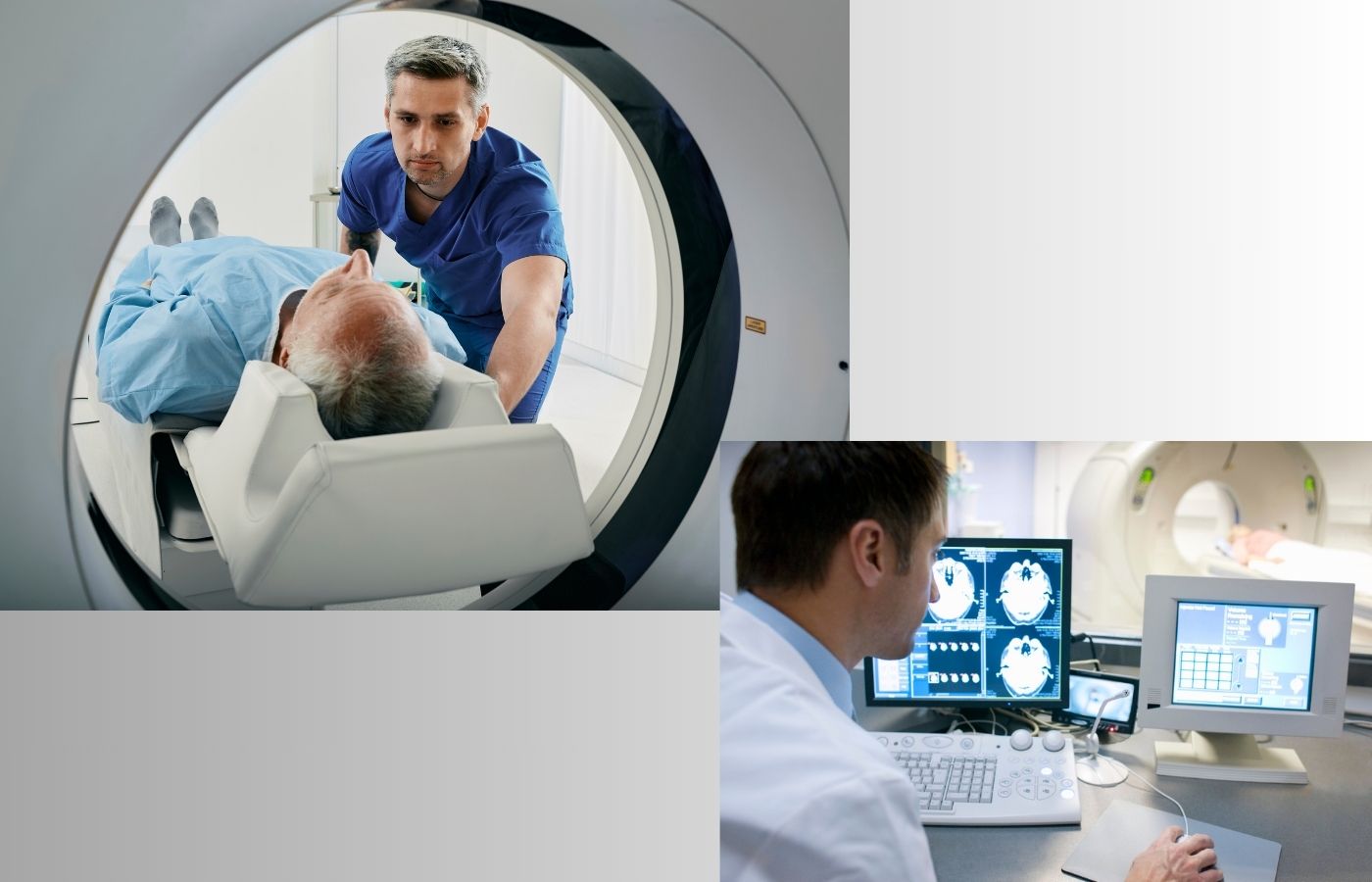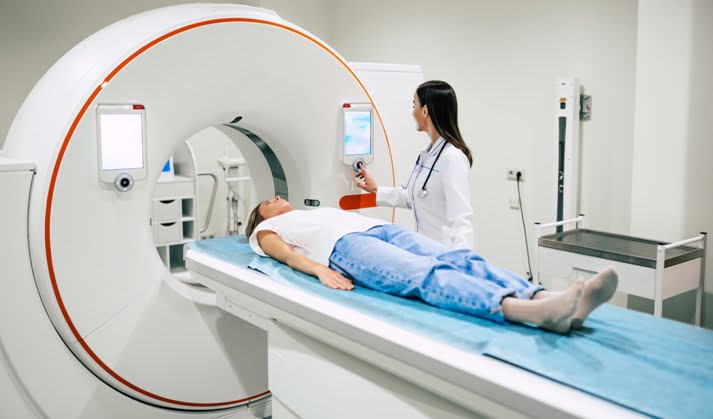
If you or a loved one has just undergone a contrast CT scan, the most common instruction you likely heard was: "Drink plenty of water." But how much is enough? Why is it necessary? And what happens if you don’t?
At Diagnopein Mumbai, we prioritize patient education just as much as diagnostic accuracy. In this guide, we break down the science behind post-contrast hydration, the difference between contrast and non-contrast scans, pricing transparency, and how we ensure your safety.
Let us address the most searched question first.
The Golden Rule:
You must drink 6 to 8 glasses of water (approximately 1.5 to 2 liters) over the 24 hours immediately following your contrast CT scan.
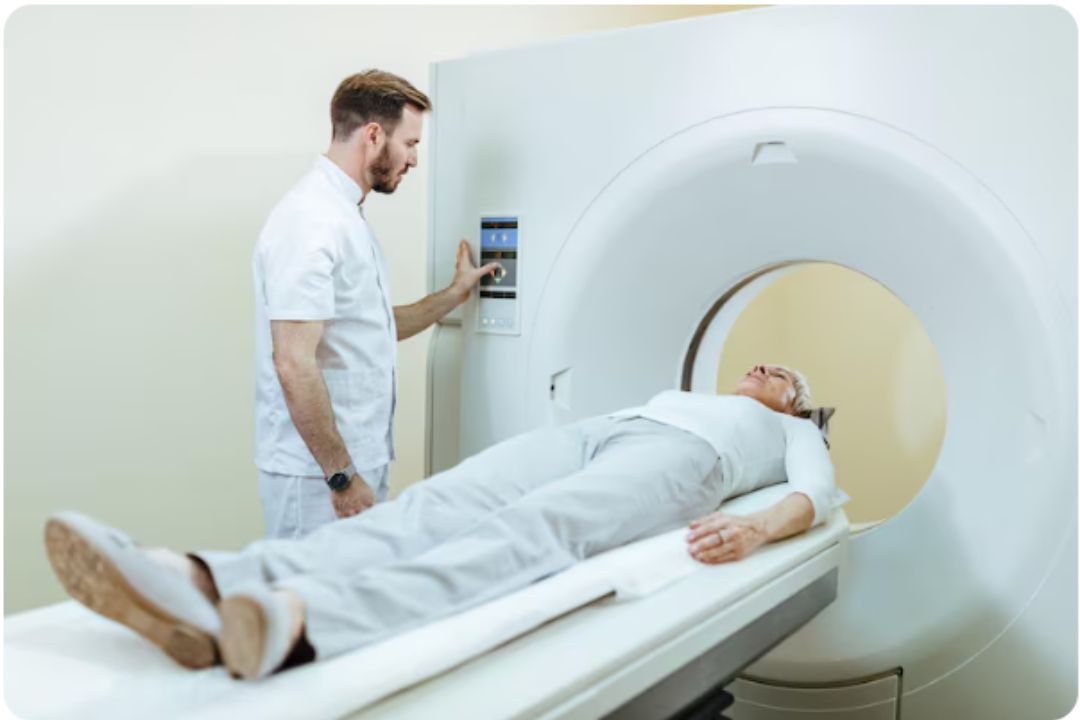
Why is this so critical?
Contrast material, usually iodine-based, is injected intravenously to enhance the visibility of blood vessels, organs, and soft tissues. While this allows radiologists to detect tumors, infections, clots, and inflammation with pinpoint accuracy, the dye is a foreign substance. Your kidneys work overtime to filter it out of your bloodstream.
Accelerated Dye Elimination: Water dilutes the contrast agent and speeds up its excretion through urine. The faster the dye leaves your body, the lower the risk of complications.
Prevention of Contrast-Induced Nephropathy (CIN): CIN is a form of acute kidney injury caused by the toxic effects of contrast media. Adequate hydration is the single most effective preventive measure, especially for patients with diabetes, hypertension, or pre-existing kidney disease.
Counteracting Osmotic Diuresis: Contrast agents have an osmotic effect. They pull fluid from your body into your kidneys, which can actually lead to mild dehydration. Drinking water replenishes this loss.
Good: Electrolyte solutions (Oral Rehydration Salts) or coconut water.
Avoid: Alcohol, caffeine (tea/coffee), and sugary sodas. These act as diuretics and can dehydrate you further.
When to start?
Start sipping water immediately after your scan. Do not chug; spread your intake evenly throughout the day.
While modern non-ionic contrast agents are remarkably safe, awareness is key to peace of mind.
Common (Mild and Self-Limiting) Side Effects:
Metallic Taste: A transient taste in the mouth lasting 1–2 minutes.
Warmth Sensation: A feeling of flushing or warmth spreading through the body. This is normal and passes quickly.
Nausea: Mild queasiness immediately post-injection.
Injection Site Bruising: Minor hematoma at the IV site.
Rare but Serious Side Effects (Require Immediate Attention):
Allergic Reaction: Hives, itching, or skin rash.
Anaphylaxis: Difficulty breathing, swelling of the lips or throat, sudden drop in blood pressure.
Extravasation: Leakage of contrast into the soft tissue around the vein, causing swelling and pain.
The Diagnopein Safety Protocol:
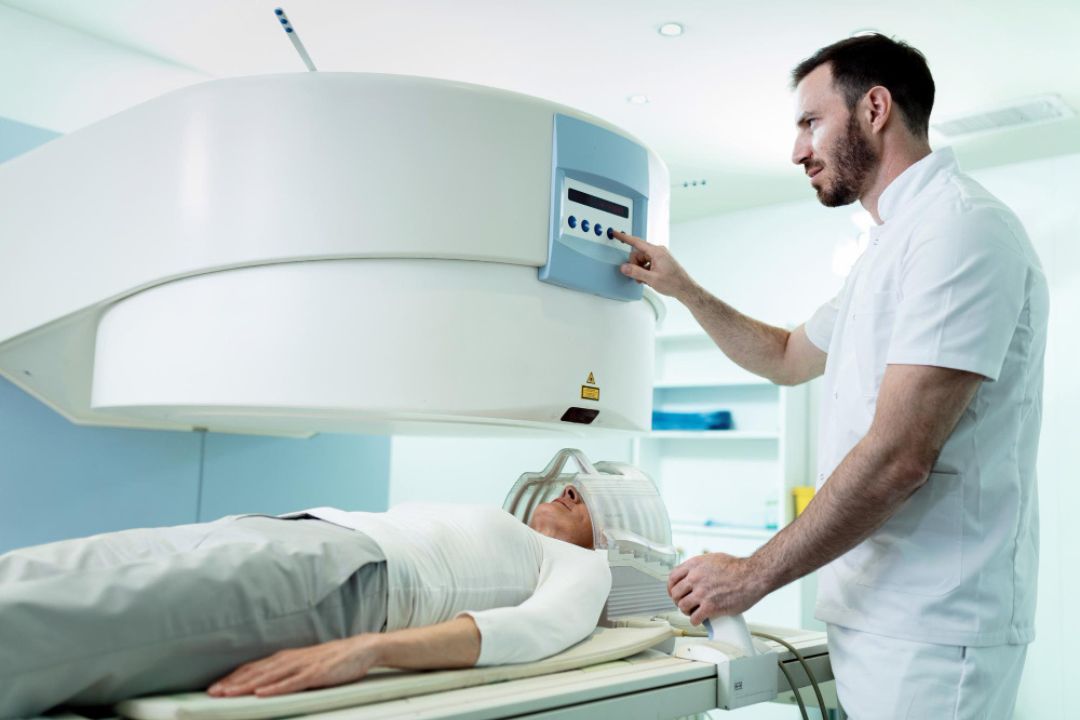
At Diagnopein Mumbai, we do not just hand you a report and send you off. We keep all patients under observation for 15–20 minutes post-injection. Our emergency response kit is always ready, and our technicians are trained to recognize early signs of contrast reactions.
Patients often confuse these two modalities. The choice is not about cost alone; it is about diagnostic necessity.
How it works: Uses X-rays to differentiate structures based on natural density.
Best for: Evaluating bones, sinuses, lung parenchyma, brain bleeds (acute hemorrhage), and kidney stones.
Preparation: No fasting. No needles. No post-scan hydration required.
How it works: Iodinated dye highlights vascularity and inflammation.
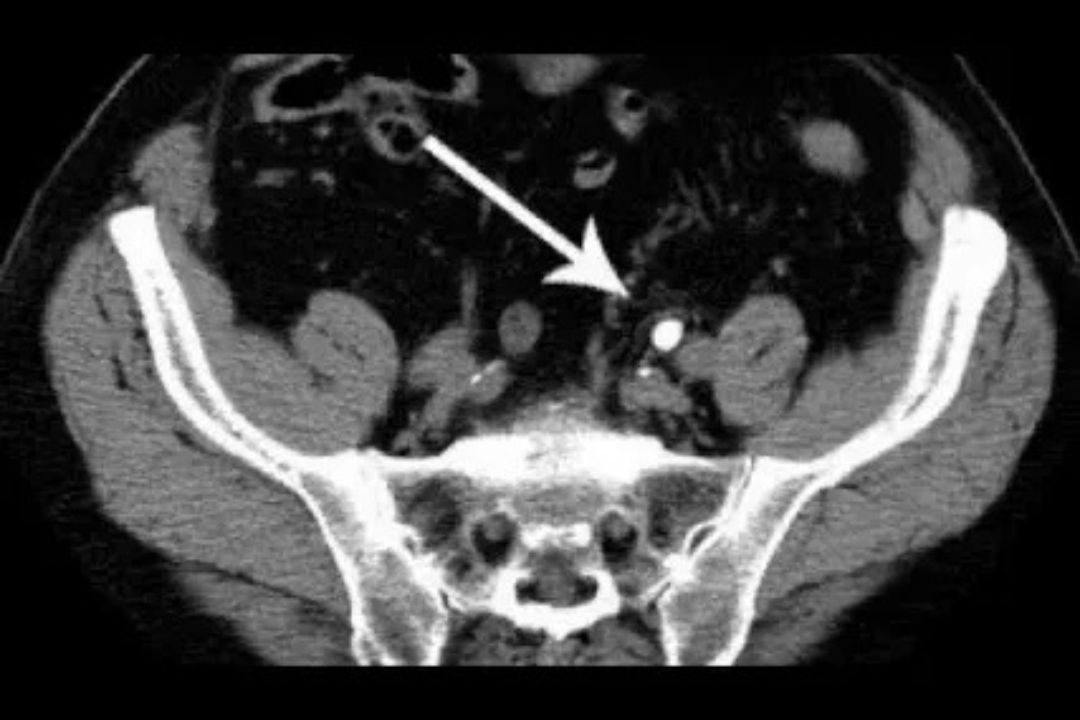
Best for: Detecting liver metastases, brain tumors, abscesses, pulmonary embolism, lymph node involvement, and bowel inflammation.
Preparation: Usually requires 4–6 hours of fasting. IV cannulation required. Heavy post-scan hydration mandatory.
Can you switch from non-contrast to contrast?
Yes. Often, a radiologist may review a non-contrast scan and recommend a contrast study for better characterization. At Diagnopein, we facilitate this seamlessly without double registration charges.
Cost transparency is a major trust factor. At Diagnopein Mumbai, we offer world-class radiology without hidden markups.
How much do CT scans cost?
CT Scan without contrast
CT Scan with contrast
Specialized studies (CT Angiography, Triple Phase CT, HRCT Chest)
Region of Scan: Single region (e.g., Brain) is cheaper than combined regions (Chest + Abdomen + Pelvis).
Contrast Material: The iodine agent itself costs between ?800 to ?1,500 depending on volume.
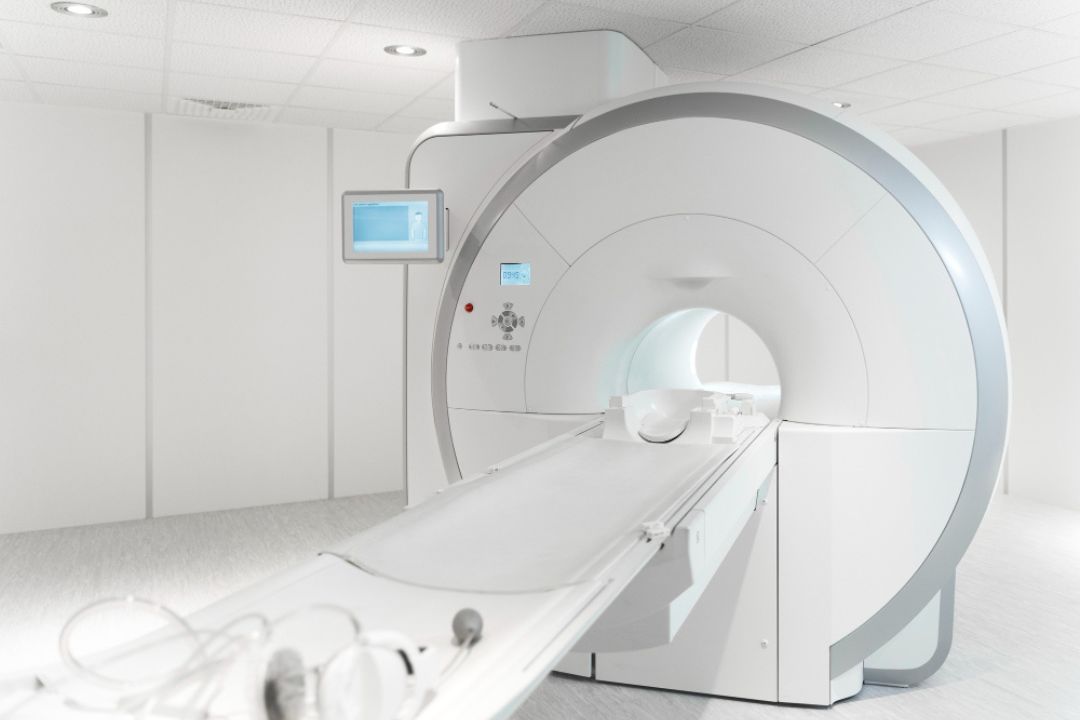
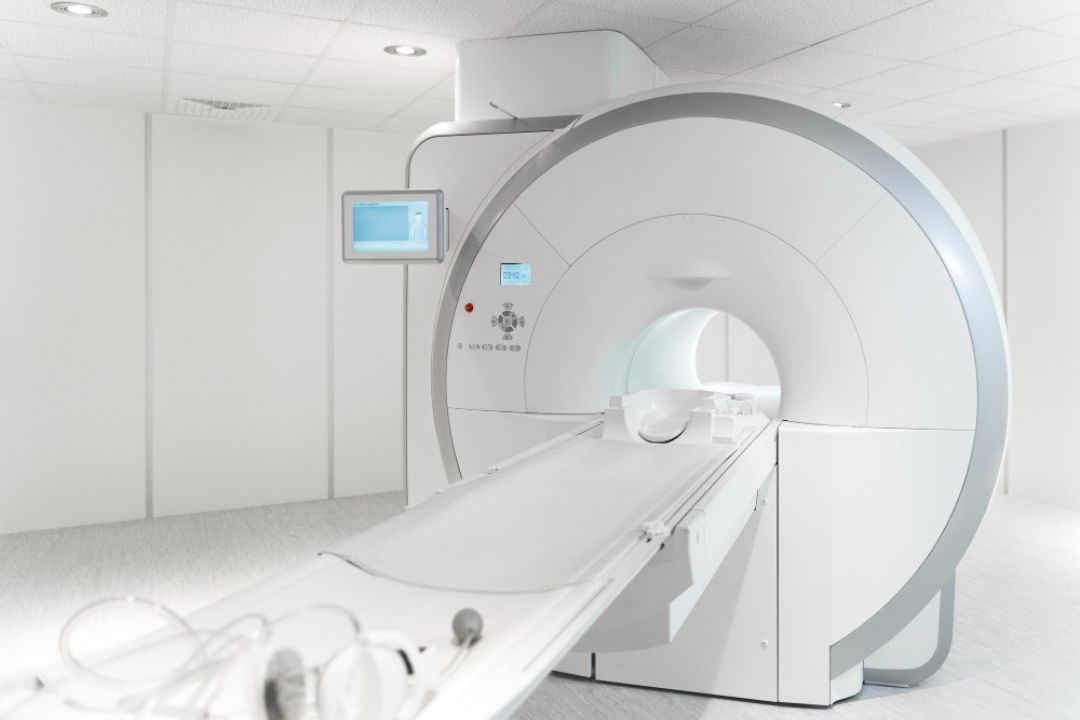
Machine Technology: 128-slice and 256-slice CT scanners cost slightly more than 16-slice machines. However, they offer lower radiation dose, faster breath-hold times, and higher resolution.
Radiologist Interpretation: High-quality scans require specialist reporting, which adds value to the diagnosis.
The Diagnopein Promise:
We use advanced multi-slice technology. You pay for accuracy, not just a picture.
For many patients, the fear of a CT scan is psychological, not physical. Here is how we address that.
1. Warm Contrast Injection:
Cold contrast injected into a vein can cause shivering and involuntary movement, ruining the image. We warm all contrast media to body temperature.
2. Communication During Scanning:
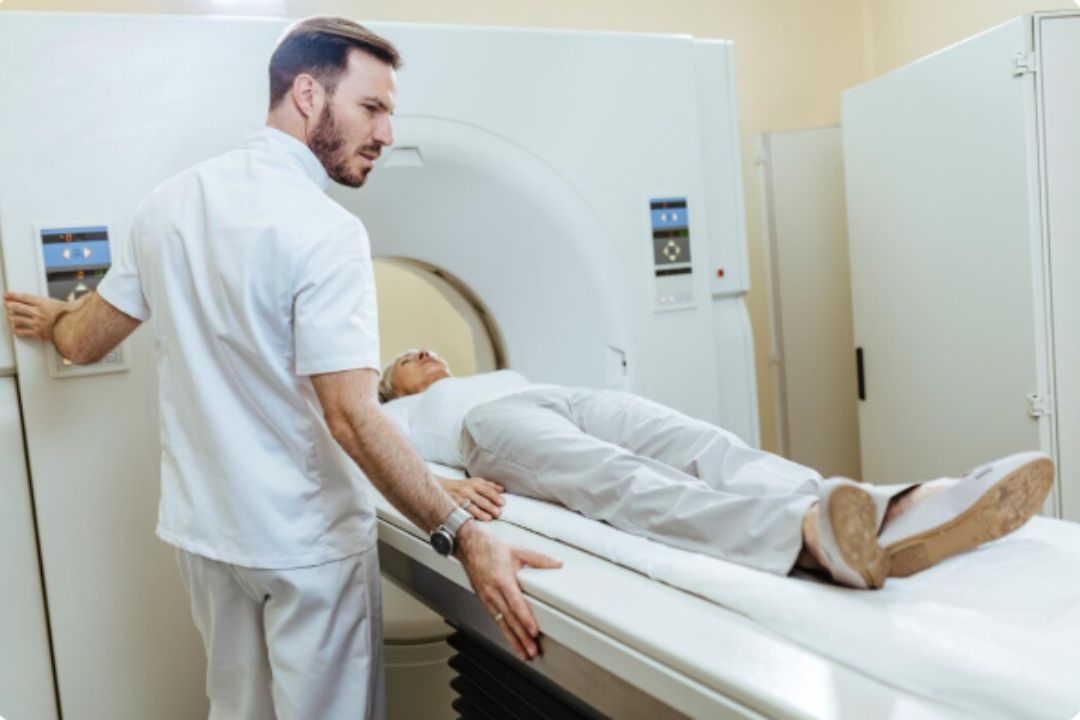
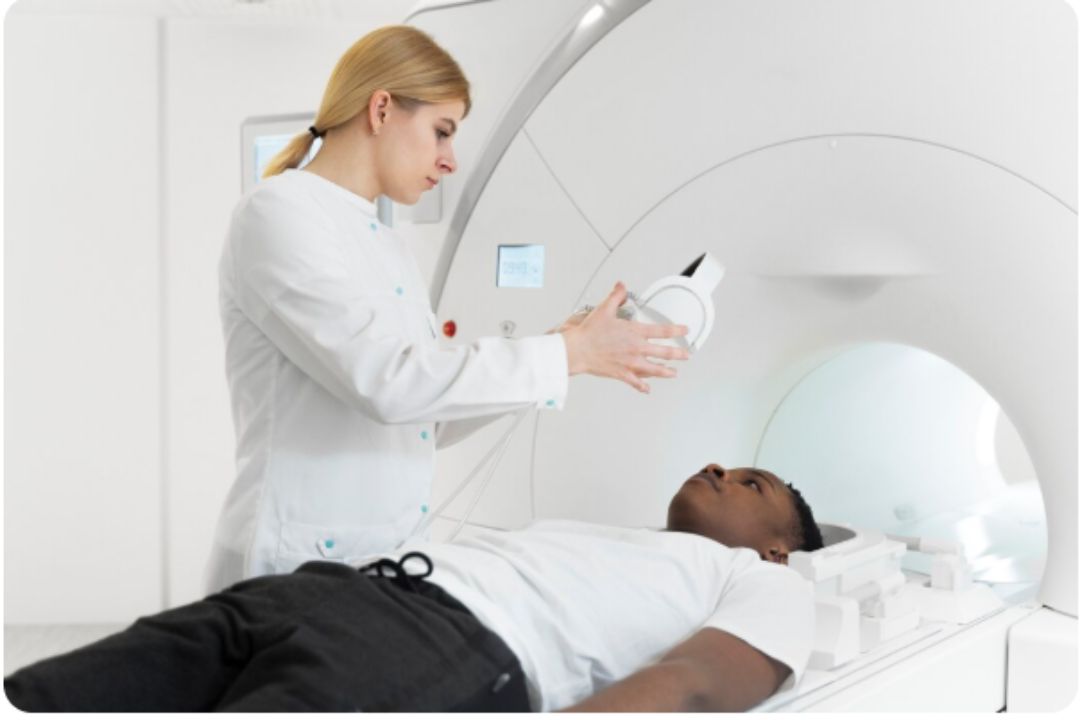
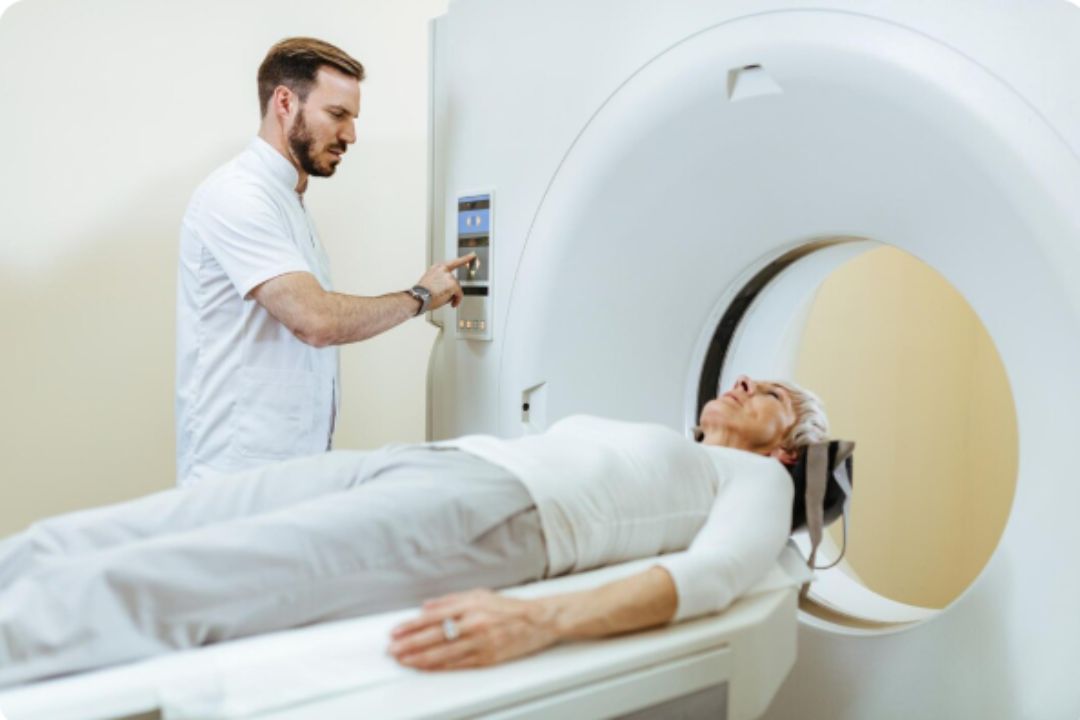
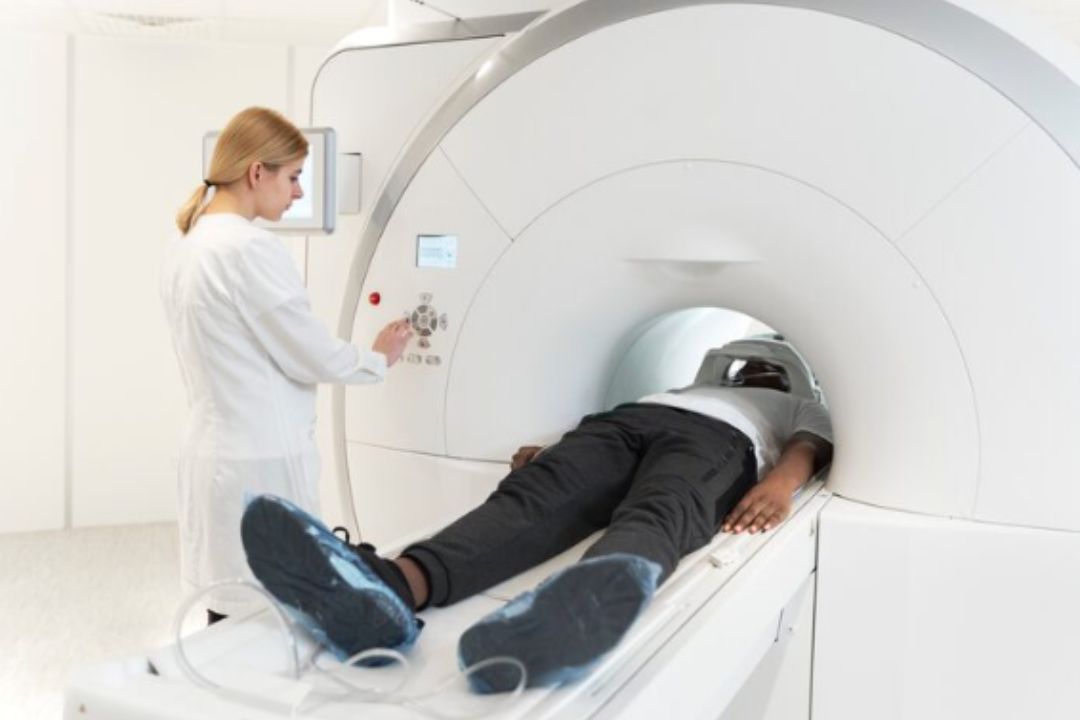
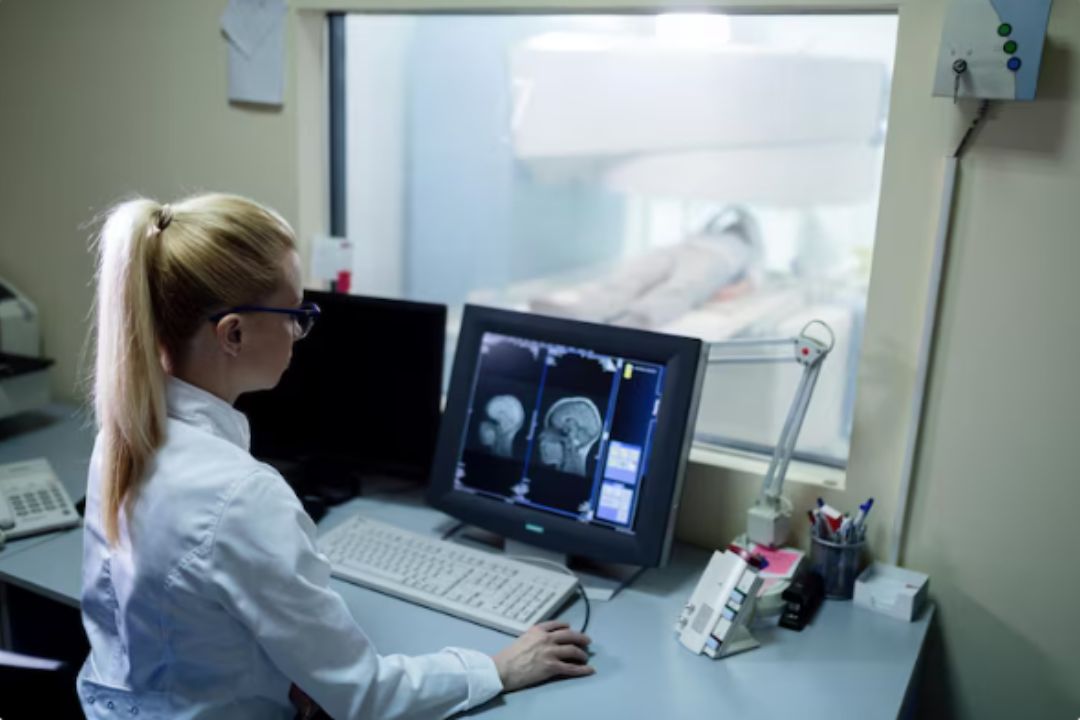
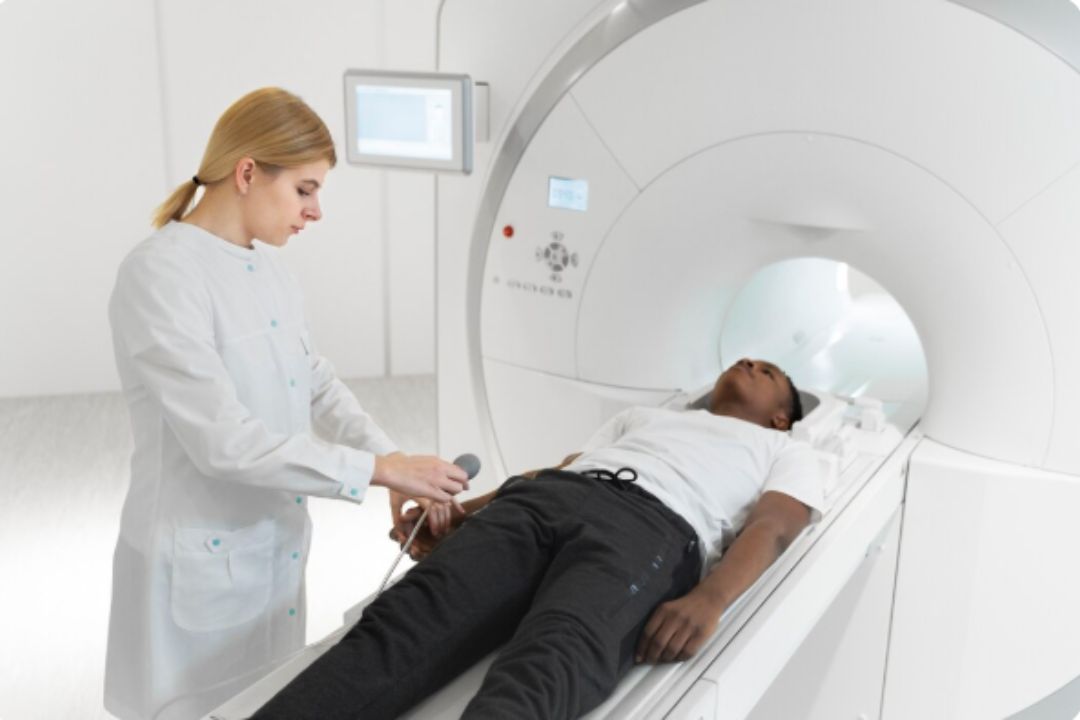
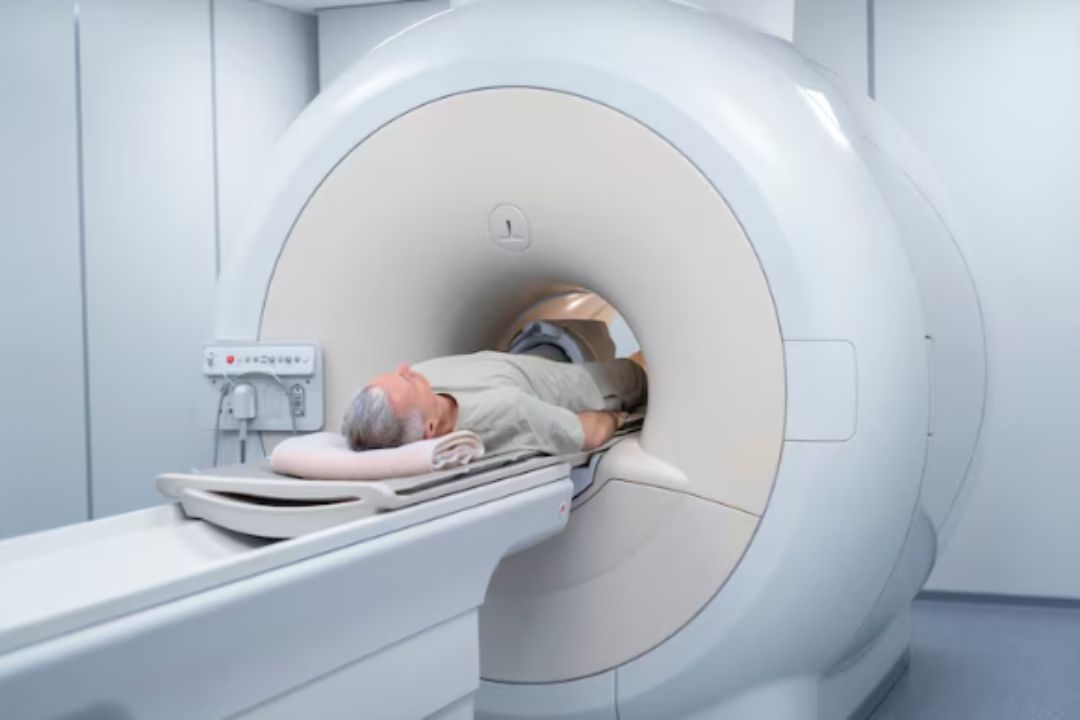
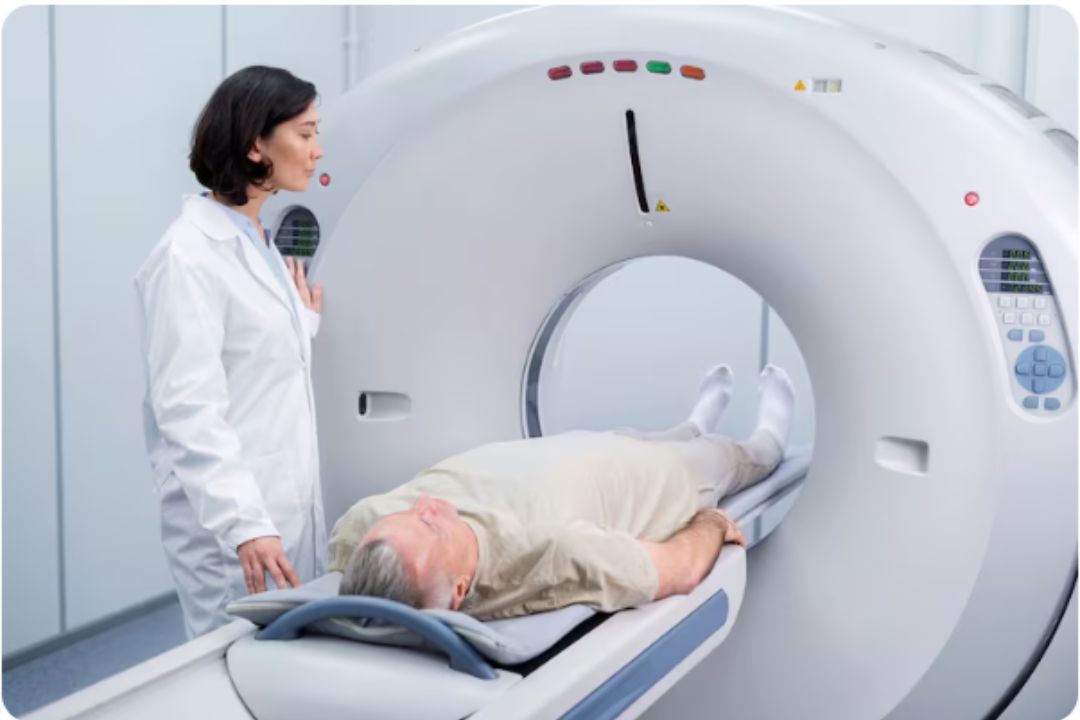
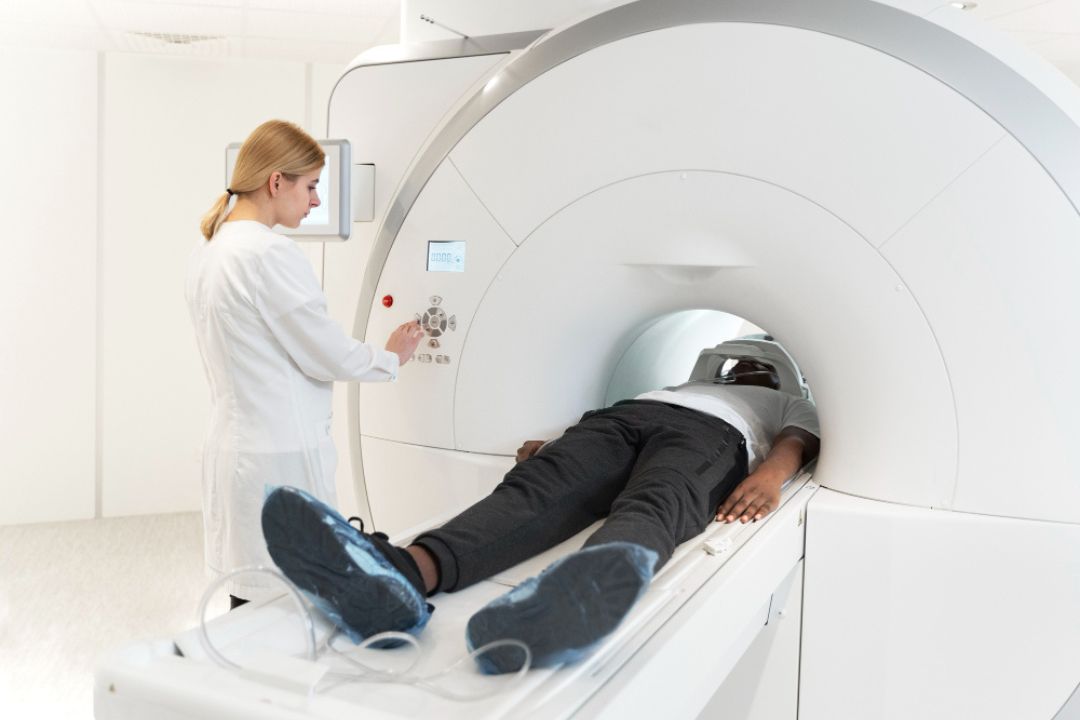
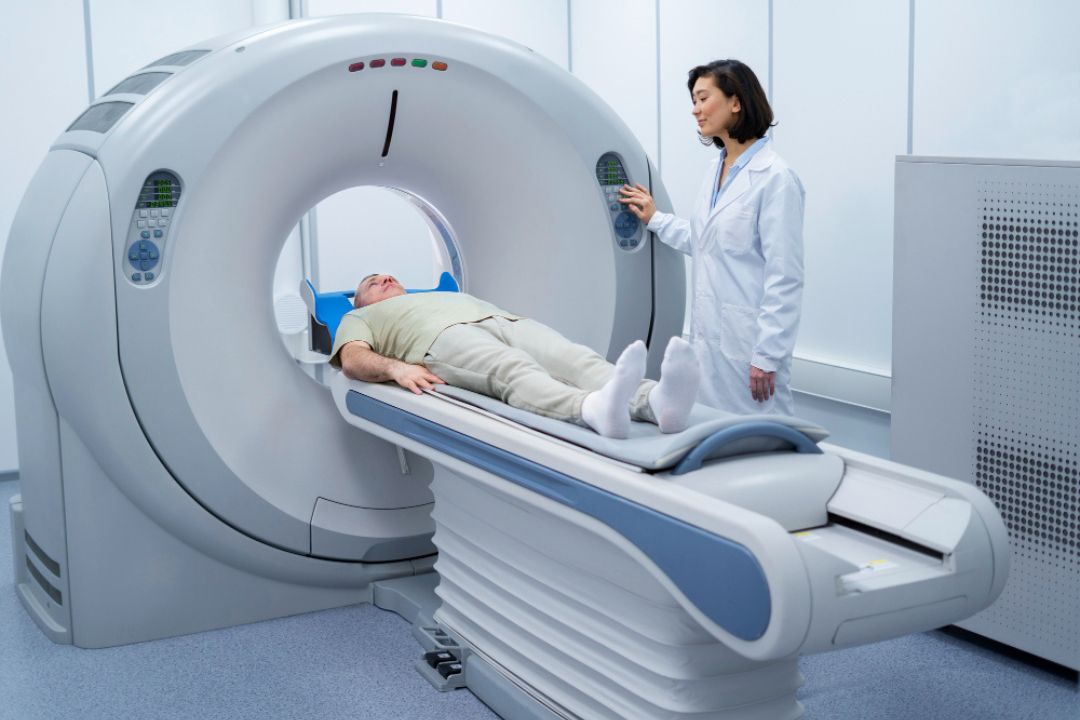
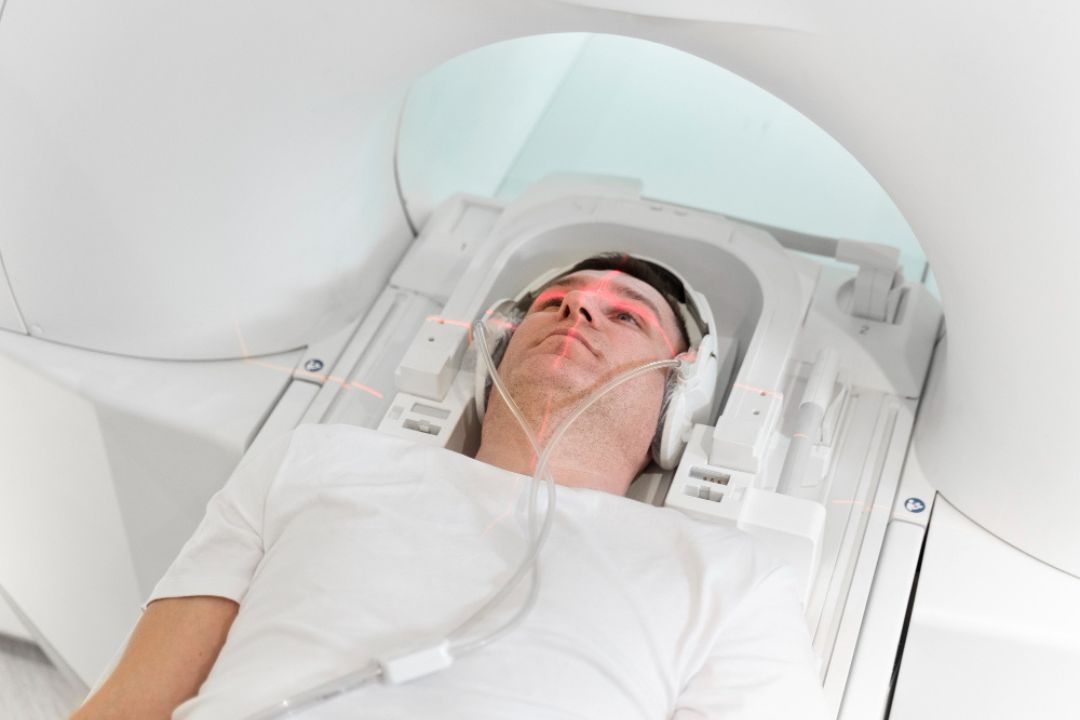
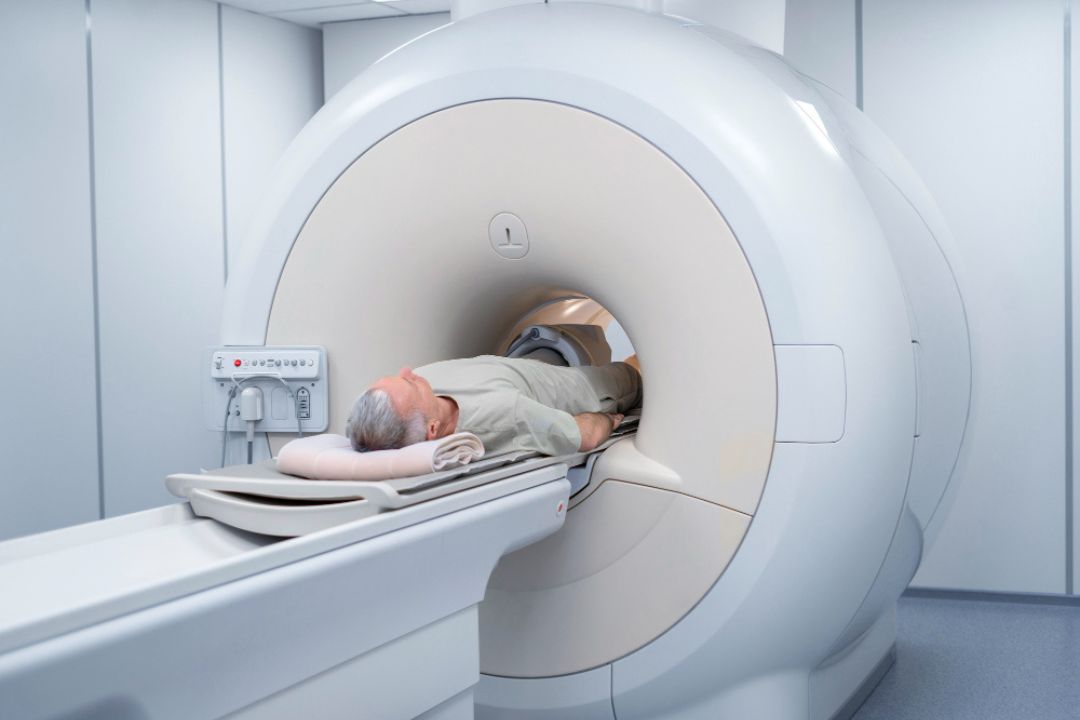
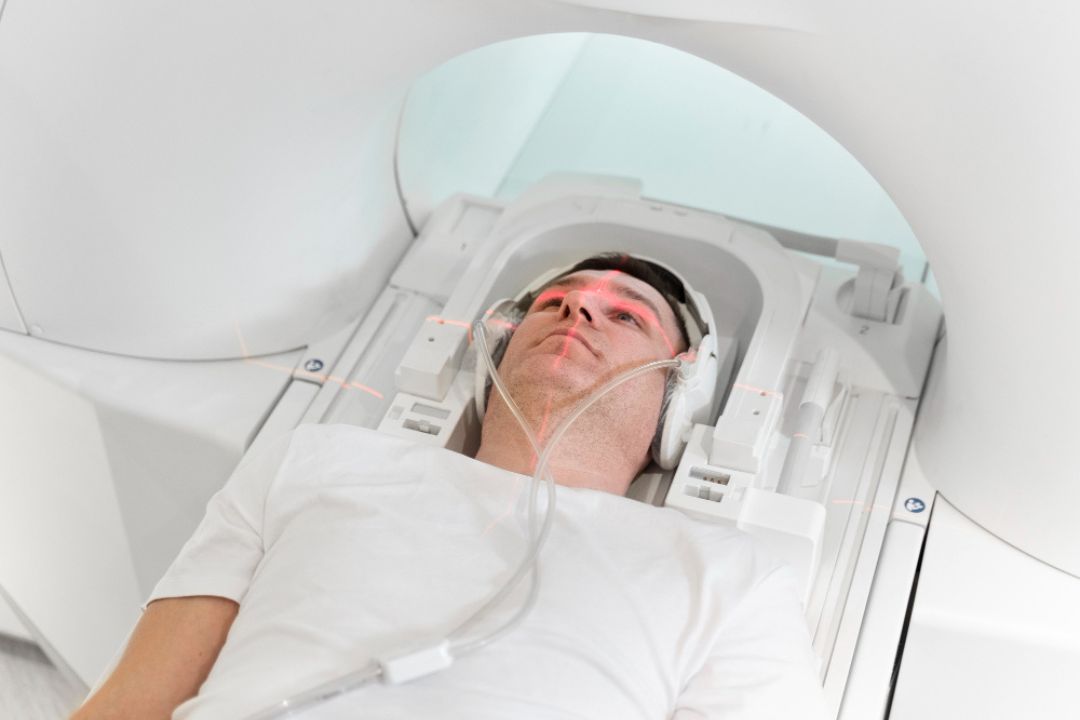
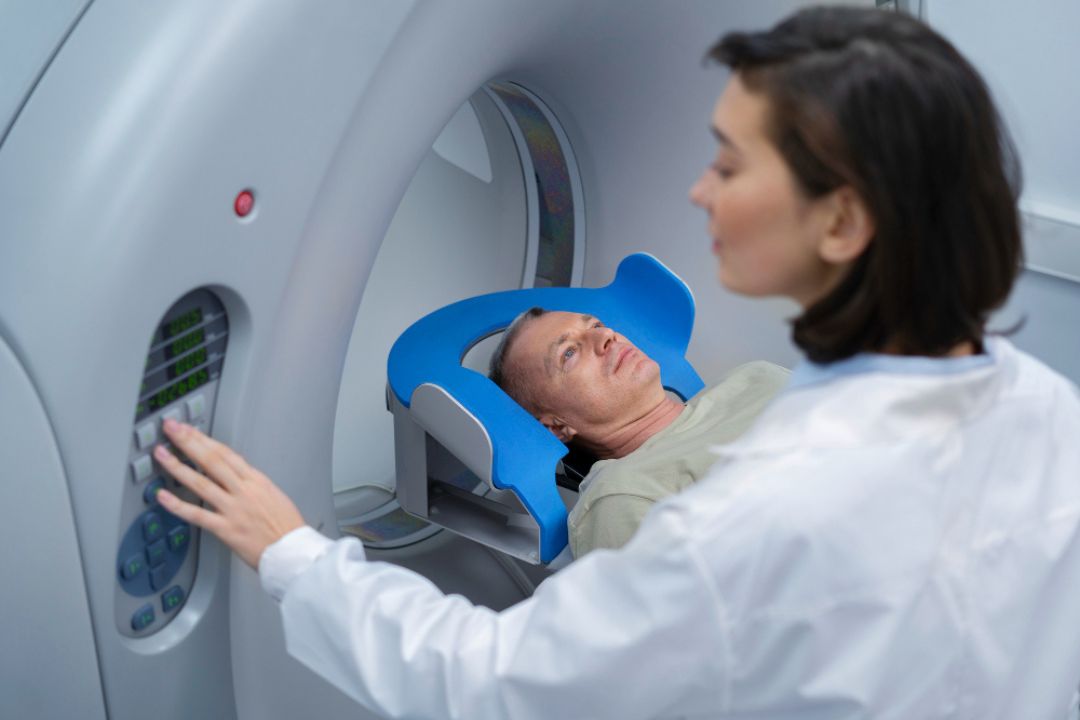
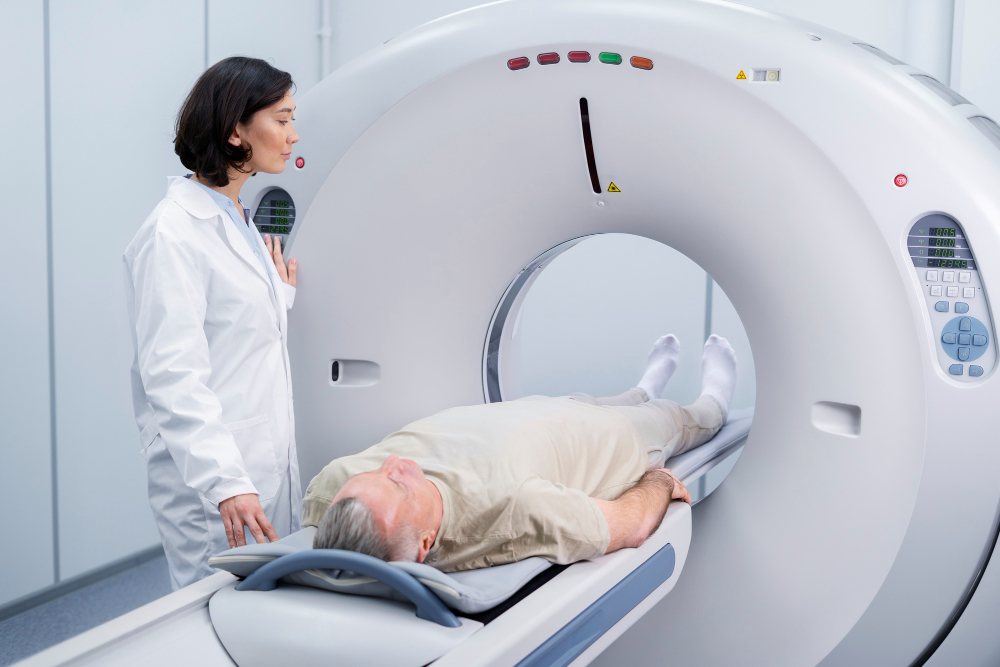
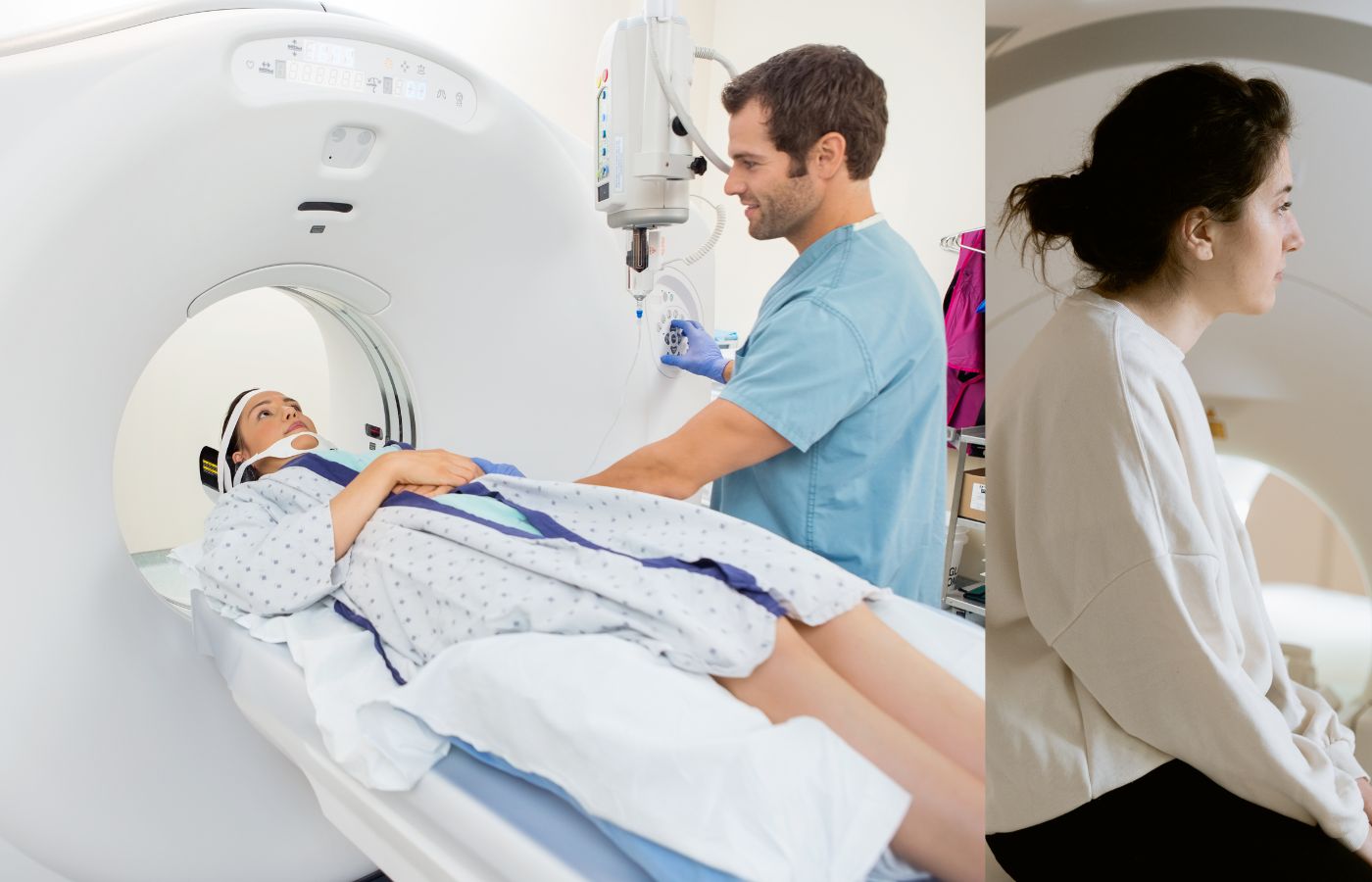
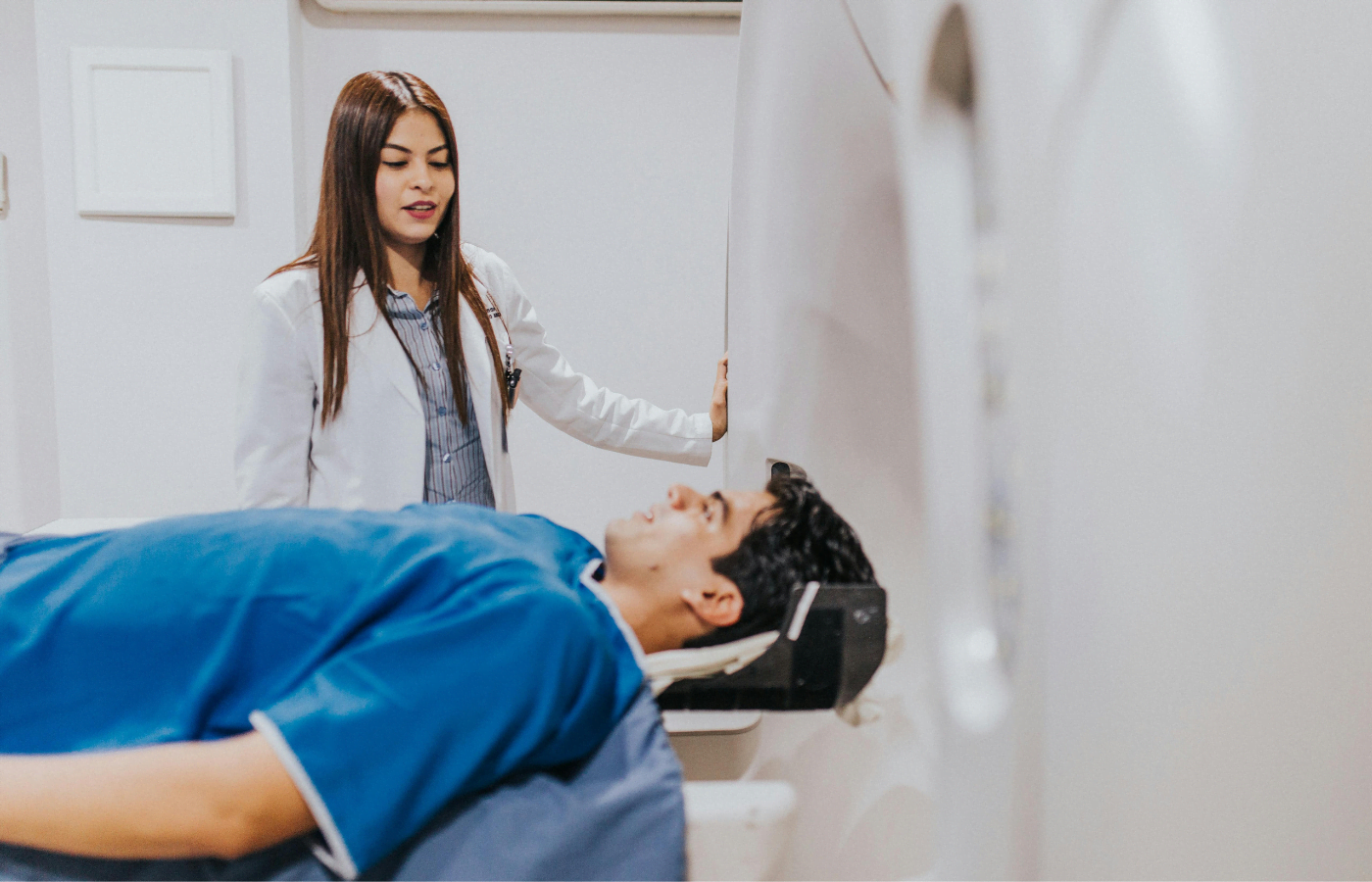
You are never left alone. Our technicians speak to you via the intercom, guiding you through breath-holds. For claustrophobic patients, we offer music or rapid protocols to minimize time in the bore.
3. Hydration Support:
Unlike other centers that simply instruct you to "drink water," we provide free packaged drinking water and electrolyte sachets at our Mumbai centers immediately post-scan.
4. Report Accessibility:
Digital copies via WhatsApp/Email within 1 hour.
Hard copies delivered to your home.
Option for a second opinion from our senior radiologists.
The single biggest risk of a contrast CT scan is Contrast-Induced Nephropathy (CIN) . At many diagnostic centers, you are injected with dye and sent home with a vague instruction to "drink water."
At Diagnopein, we operationalize safety.
Pre-Scan Kidney Screening: We do not administer contrast blindly. If you are diabetic, over 60, or have a history of hypertension, we insist on a recent serum creatinine report. If your kidney function is borderline, we involve your referring doctor before proceeding.
Hydration Protocol: We don't just tell you to drink water. We provide it. Every patient receiving contrast at our Mumbai centres (Mulund, Andheri, Dadar) is offered free packaged drinking water and ORS sachets post-scan.
Observation Period: You are monitored for 15–20 minutes post-injection. Our staff is trained to recognize the earliest signs of an allergic reaction.
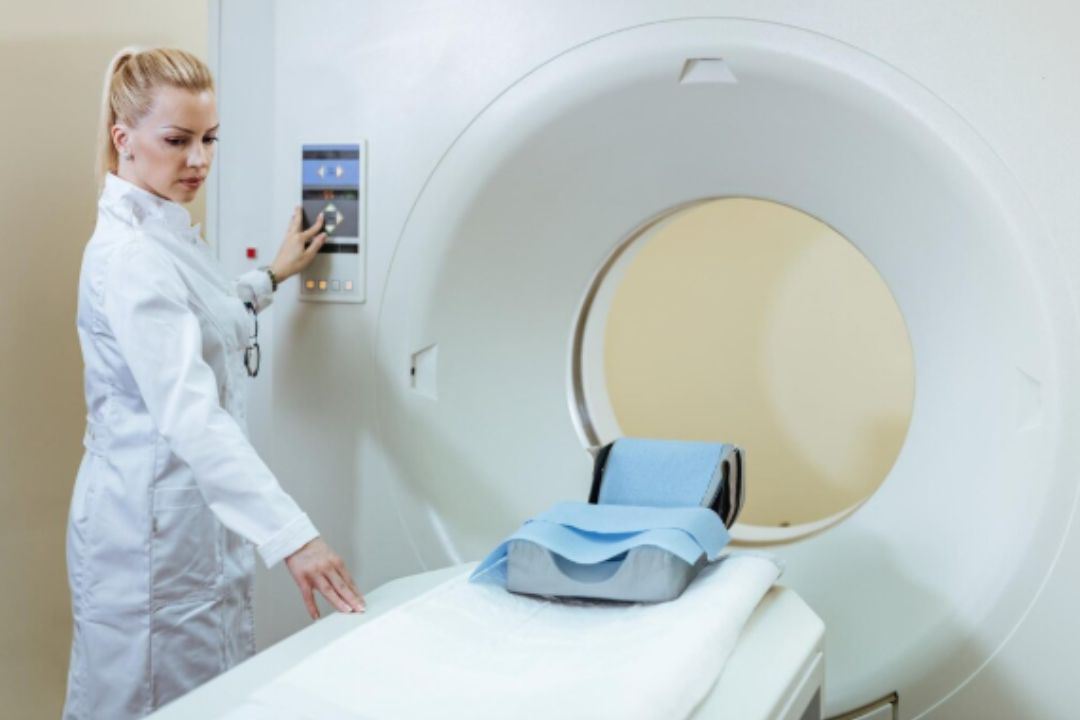
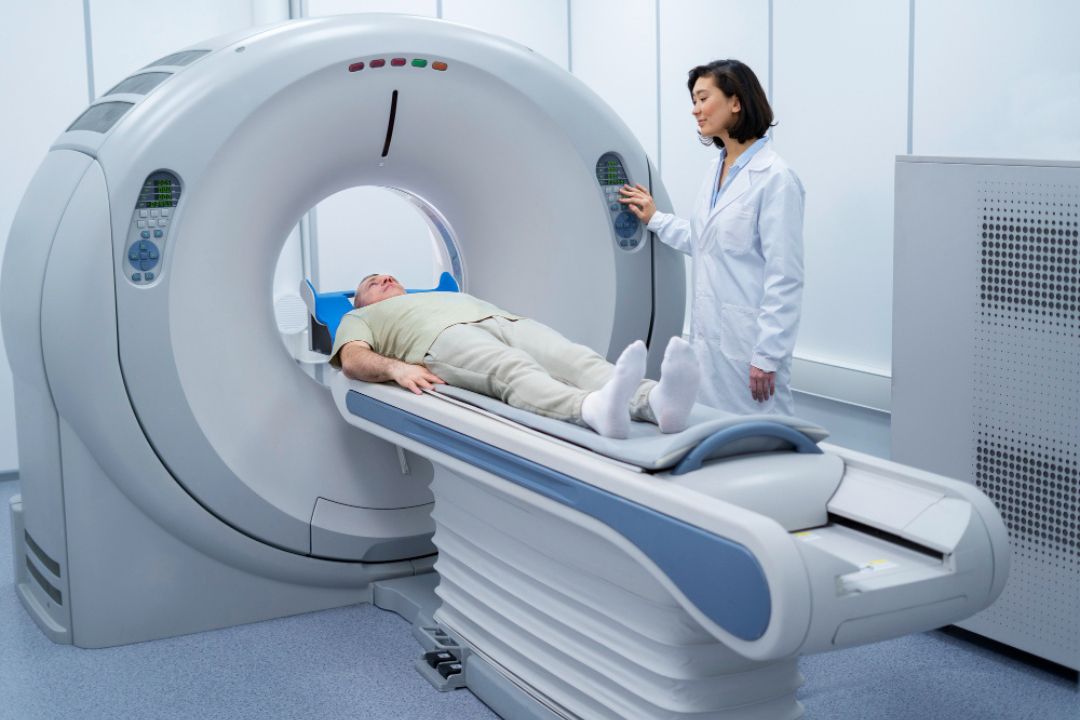
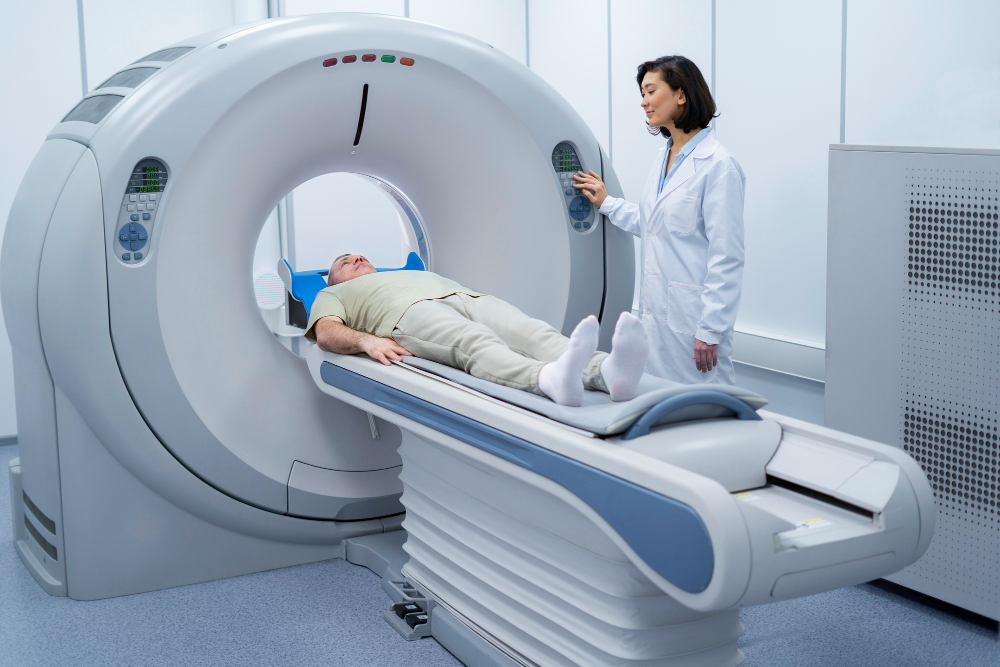
Not all CT scans are created equal. Older machines (16-slice or 32-slice) require longer breath-holds, expose you to higher radiation, and produce images that may miss subtle pathology.
At Diagnopein Mumbai, we invest in the future.
High-Speed Imaging: Our 128-slice and 256-slice CT scanners capture the entire chest in a single breath-hold (5–7 seconds). For patients with breathlessness, anxiety, or paediatric cases, this is a game-changer.
Low Radiation Dose: Advanced iterative reconstruction technology allows us to reduce radiation exposure by up to 40% compared to conventional CT scanners, without compromising image quality.
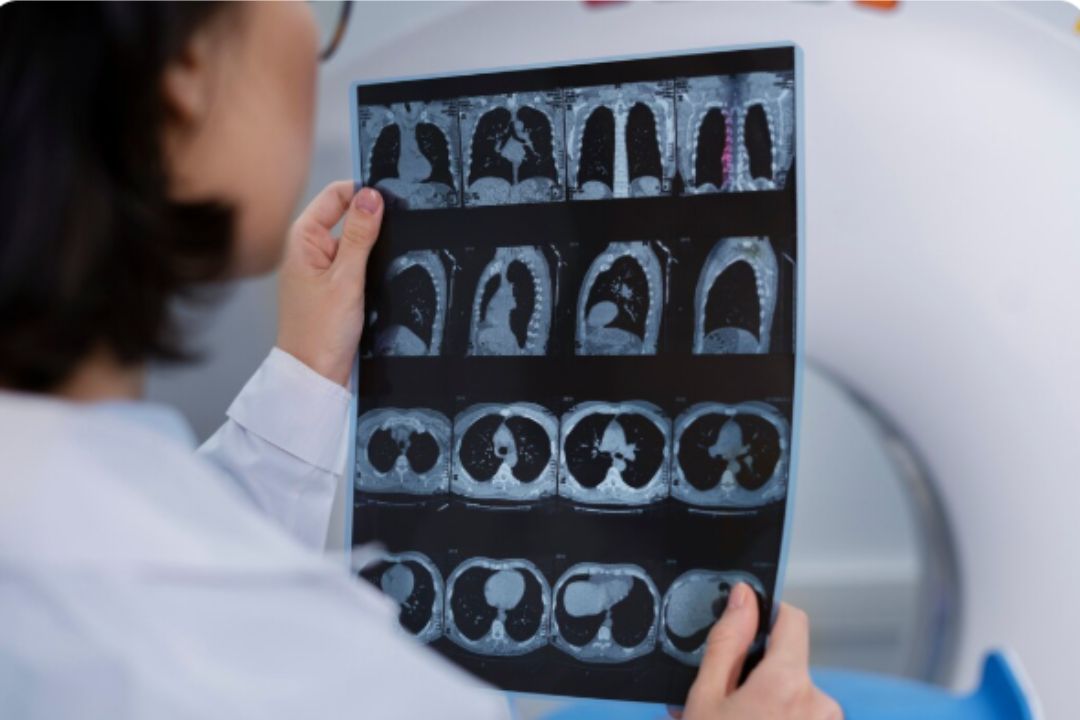
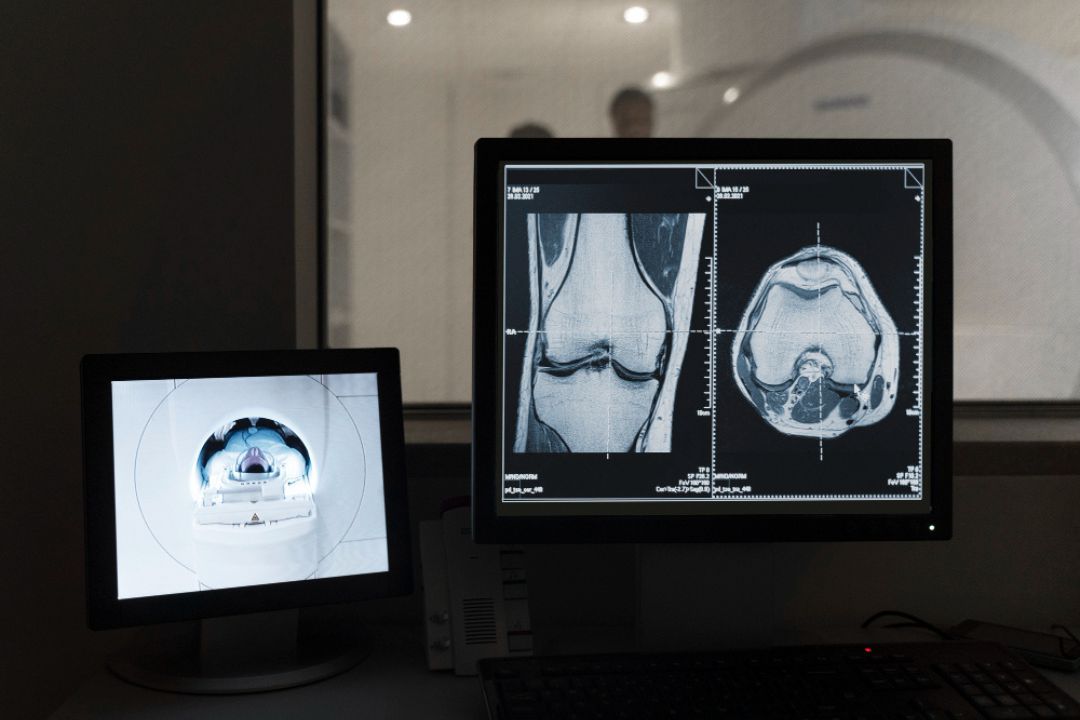
Sub-Millimeter Cuts: We detect lesions as small as 1mm—critical for early lung cancer detection and neuroimaging.
"How much do CT scans cost?" is the most common question we receive. Unfortunately, many patients only discover the real cost when they reach the billing counter.
At Diagnopein, we pioneered the "No Surprise Billing" policy.
All-Inclusive Pricing: The quote we give you over the phone or on our website is exactly what you pay. No separate "contrast charges," "report charges," or "CD charges" added later.
Lowest Price Guarantee: We benchmark our rates against NABH-accredited centres in Mumbai. We are proud to offer premium technology at genuinely affordable rates.
CT Scan without contrast: Starting ?1,599
CT Scan with contrast: Starting ?3,499
Corporate & Health Insurance: We are empanelled with all major TPAs and insurance providers. Our dedicated insurance desk handles your cashless paperwork.
Why choose Diagnopein? Because you deserve to know the cost before you walk in.
Here is a secret the diagnostic industry doesn't want you to know: At many centres, a technician performs the scan, and a remote radiologist (sometimes in a different city) reports it days later.
At Diagnopein, radiology is a physical presence.
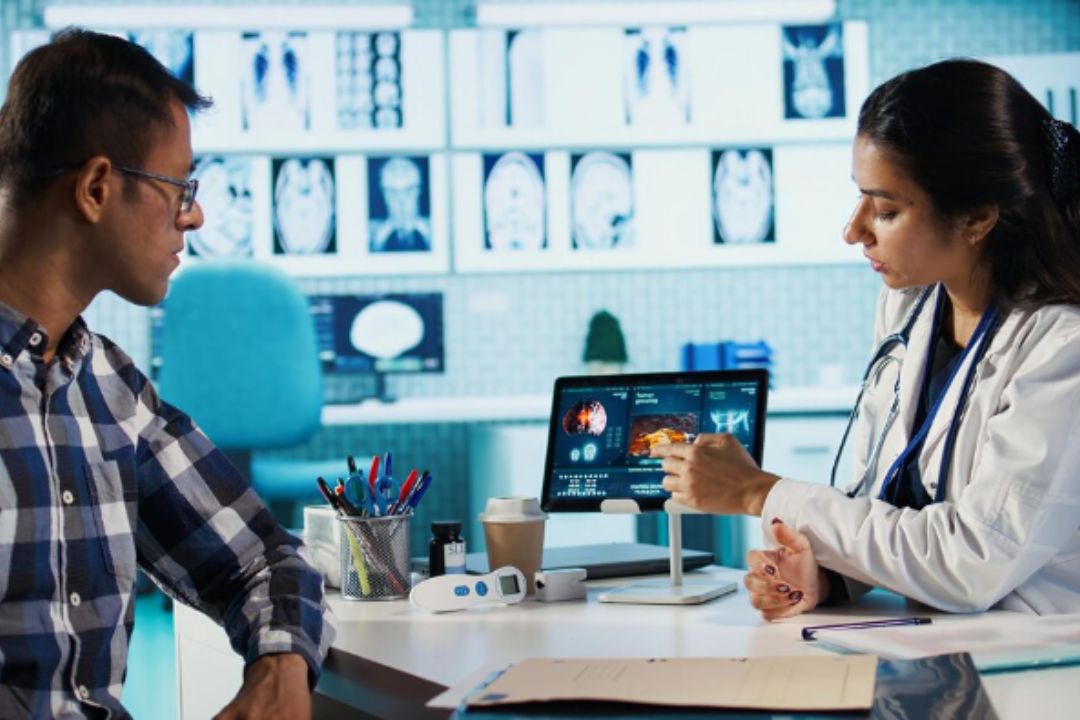
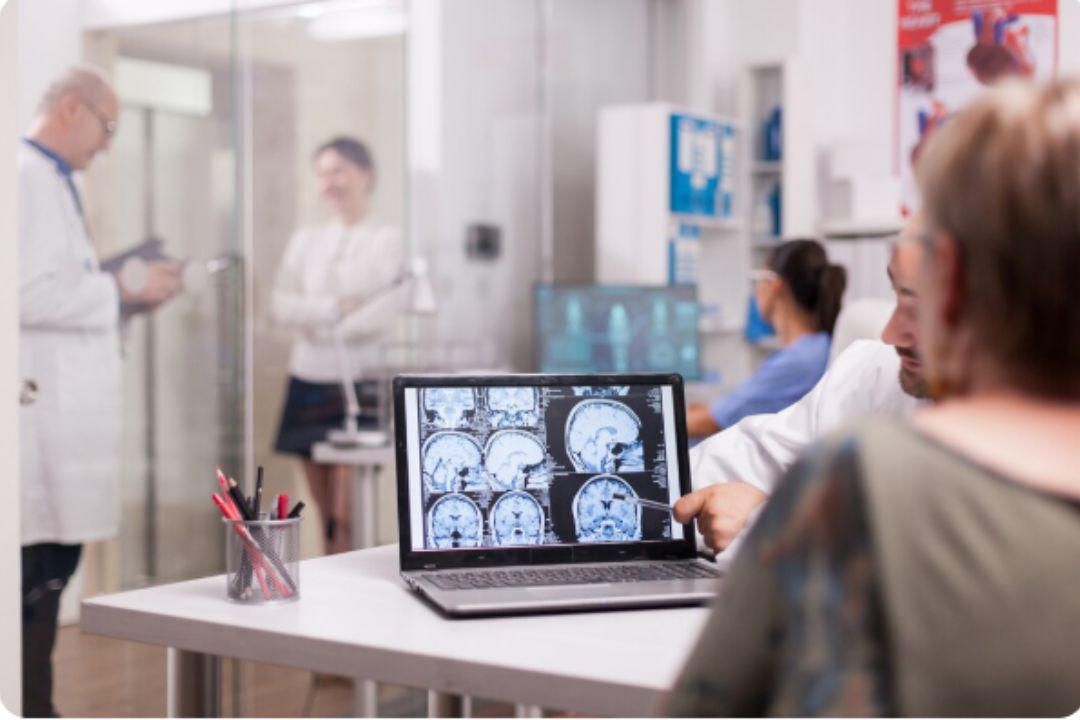
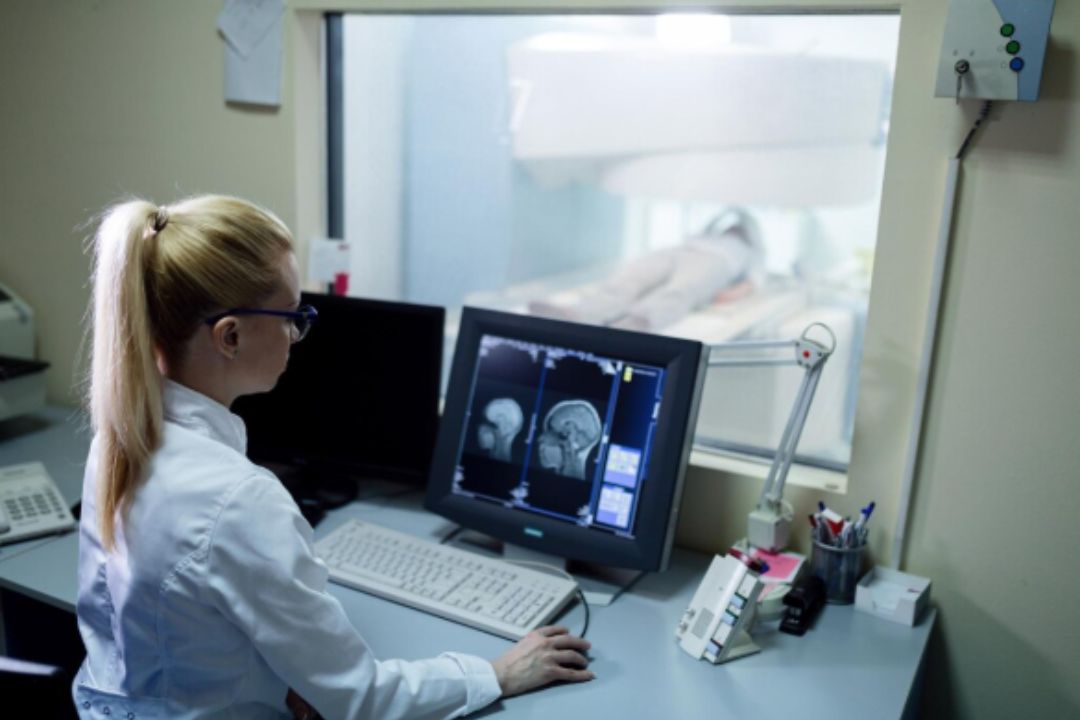
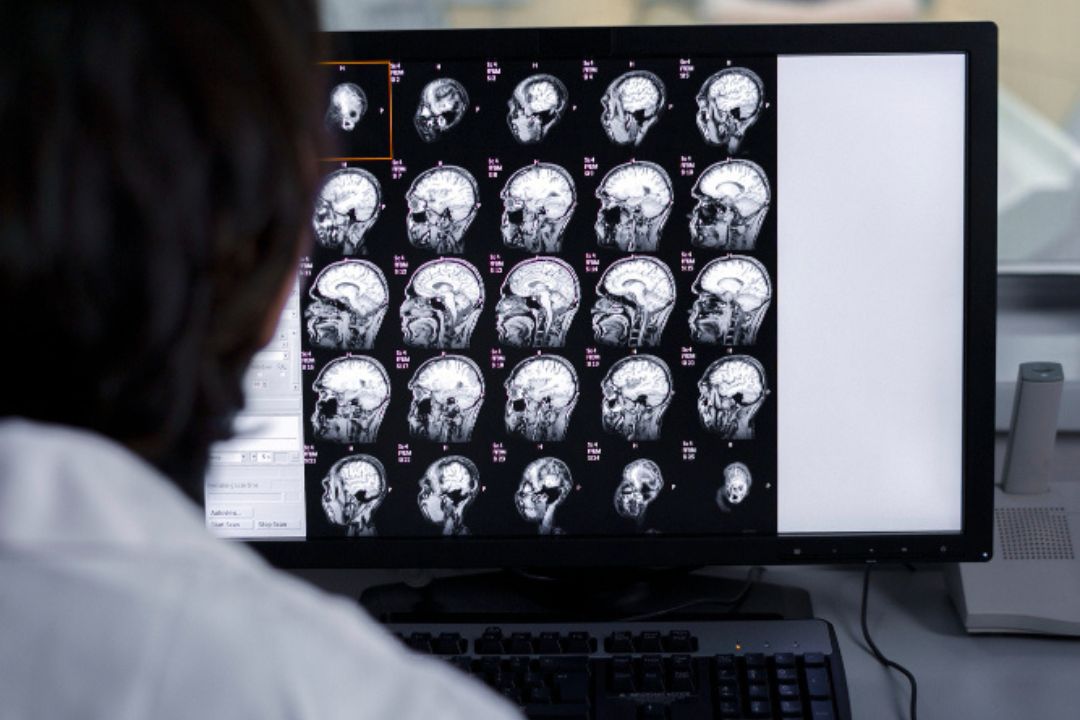
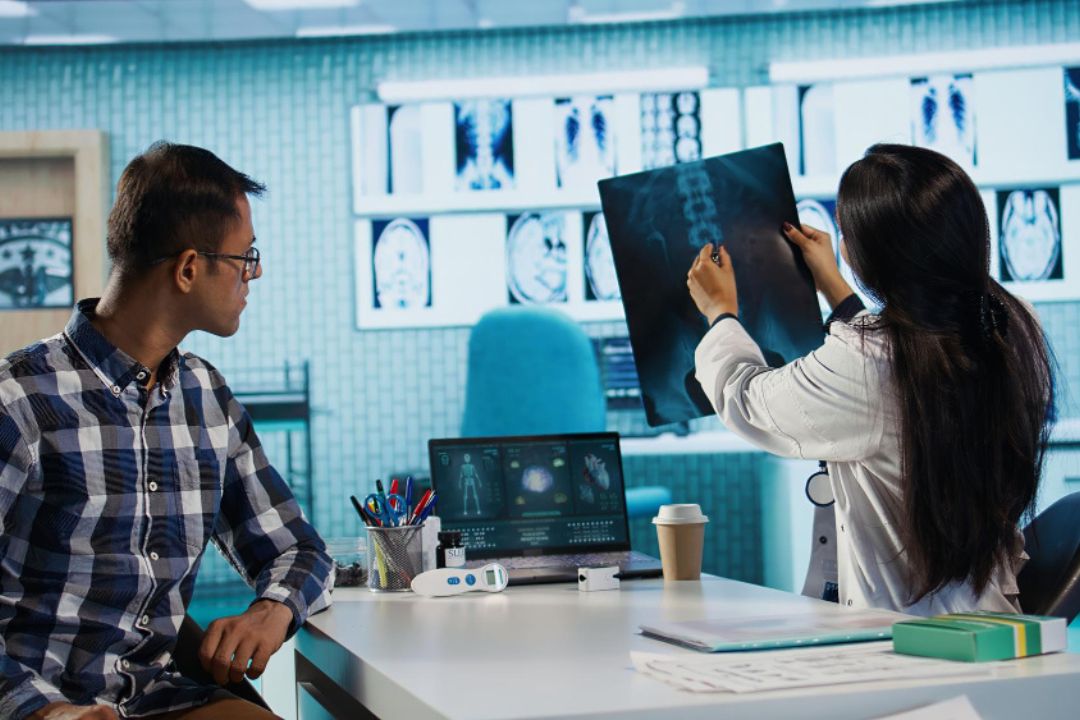
On-Site Senior Radiologists: Our scans are read by qualified, experienced radiologists physically present at our Mumbai centres. They can immediately identify a motion artifact or a suspicious finding and recommend a repeat sequence while you are still on the table.
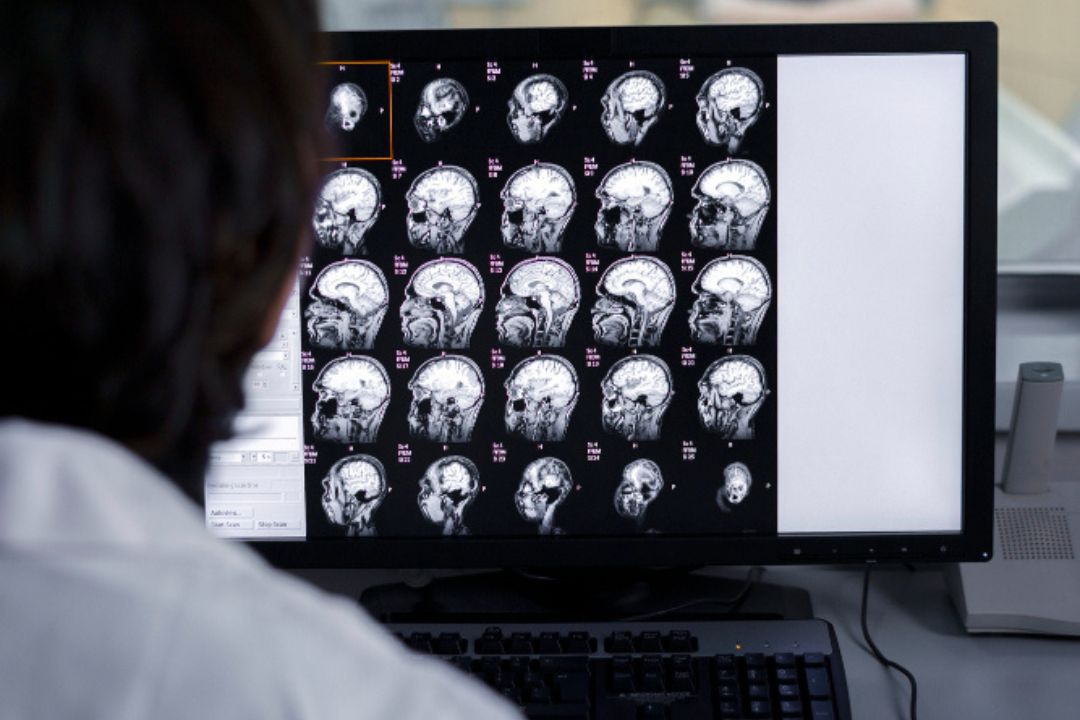
Sub-Specialty Expertise: We have radiologists with fellowship training in neuroradiology, musculoskeletal imaging, and abdominal radiology. A brain scan is read by a brain specialist; a liver scan is read by a liver specialist.
Second Opinion Included: If you or your doctor desires a second opinion from another Diagnopein radiologist, there is zero additional charge.
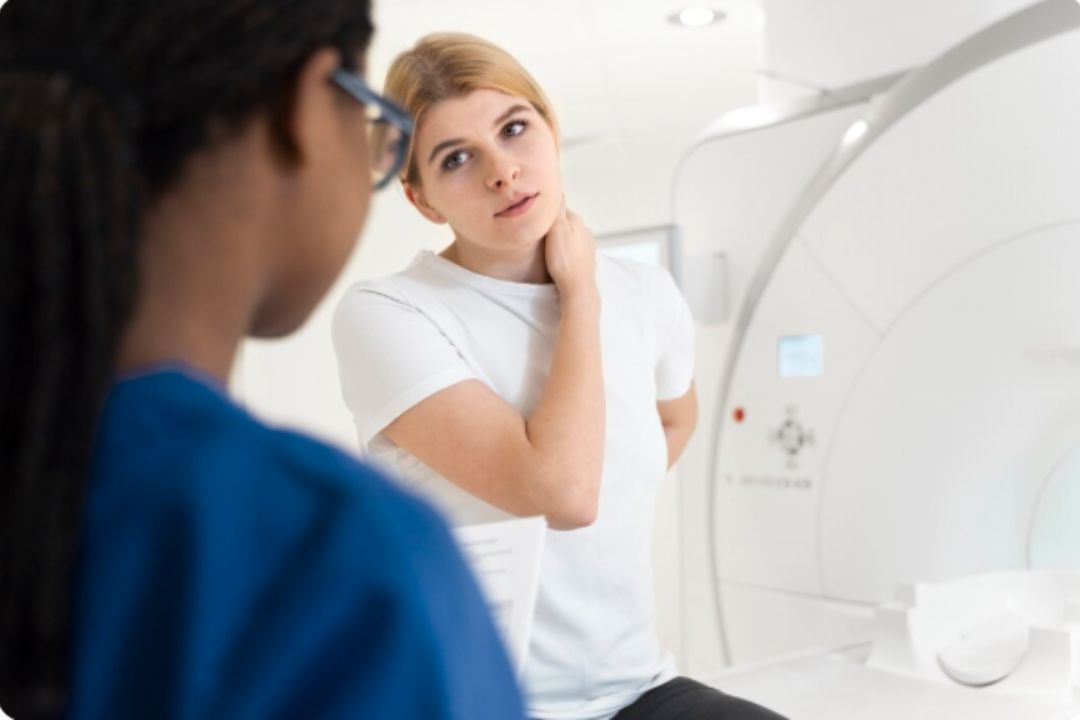
Medical anxiety is real. The cold room, the loud machine, the impersonal technicians—it can be overwhelming.
At Diagnopein, we designed our patient experience around empathy.
Warm Contrast: Unlike many centres that inject cold dye straight from the refrigerator, we warm all contrast media to body temperature. This prevents shivering, cold sensation, and involuntary movement.
Claustrophobia Protocols: For patients fearful of enclosed spaces, we offer rapid scanning protocols, verbal reassurance via intercom, and even music during the scan.
Painless IV Cannulation: Our senior nursing staff specializes in difficult venous access. We do not delegate cannulation to junior trainees.
Child-Friendly Environment: For paediatric patients, we offer child-life preparation, distraction techniques, and in some cases, feed-and-wrap protocols for infants.
In diagnostic medicine, time is tissue. Delayed reports can mean delayed treatment.
At Diagnopein, we respect your time.
Turbo Reporting: All emergency and outpatient CT scans are reported and verified within 60 minutes.
Digital First: Your reports and DICOM images are securely stored in the cloud. You can access them via our patient portal or mobile app anytime, anywhere.
WhatsApp Delivery: Walk out of our centre, and your report is already on your phone.
Home Collection: For follow-up patients or those needing only a report copy, we offer home delivery of physical CDs and printed reports across Mumbai.
Accessibility matters. Dragging a sick patient across town for a scan adds to the stress.
Diagnopein is strategically located to serve Mumbai:
Diagnopein Mulund: Serving the eastern suburbs with ample parking and wheelchair accessibility.
Diagnopein Andheri: Located in the heart of the western suburbs, close to the airport and major transit hubs.
Diagnopein Dadar: Central Mumbai’s premier diagnostic destination, easily accessible from both harbour and western lines.
Your health decisions should never be based on guesswork. Whether you are comparing CT scan cost across Mumbai, weighing the necessity of contrast, or simply wondering how much water should you drink after a contrast CT scan, the answer always circles back to choosing a provider who values safety as much as accuracy.
Let us recap the essentials:
Hydrate: 1.5 to 2 liters of water post-contrast. No shortcuts.
Know the difference: Non-contrast scans are for bones and bleeds; contrast scans are for tumors and infections.
Understand the cost: At Diagnopein, we are among the most competitive while using premium contrast agents.
Monitor side effects: Mild warmth is normal; shortness of breath is not.
Diagnopein Mumbai is not just a diagnostic centre—we are your partners in prevention. With locations in Mulund, Andheri, and Dadar, we bring high-resolution imaging closer to your neighbourhood.