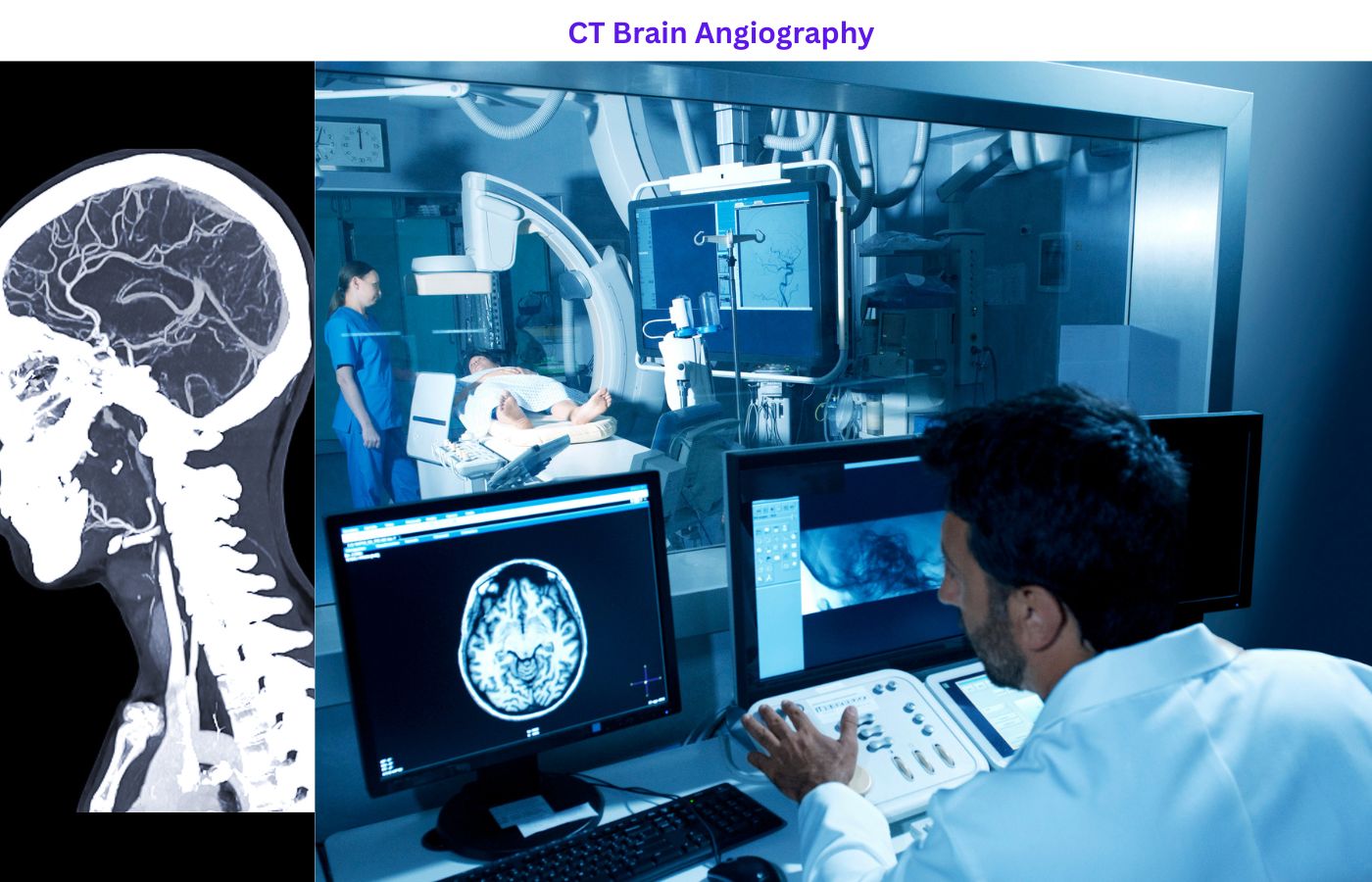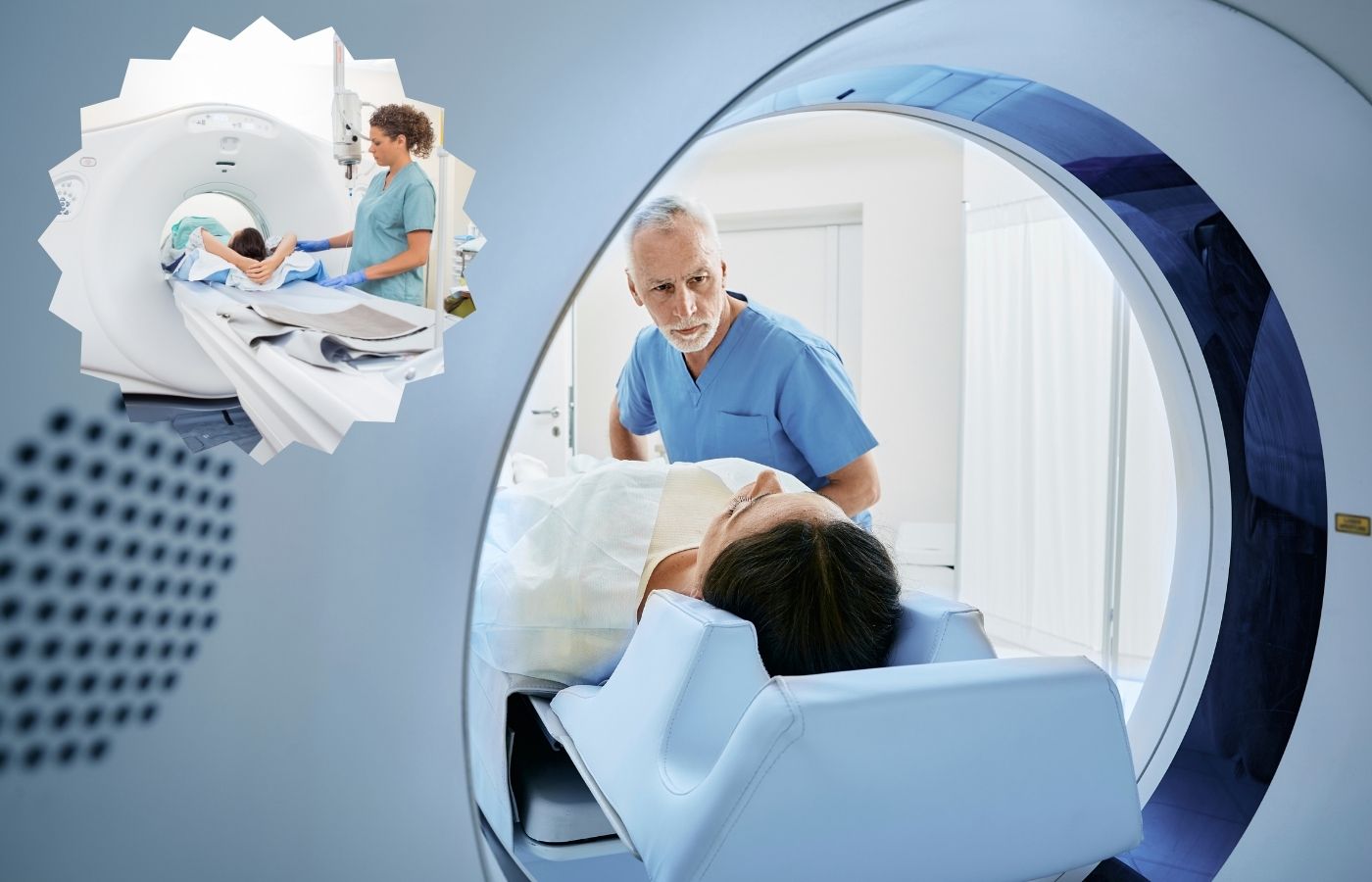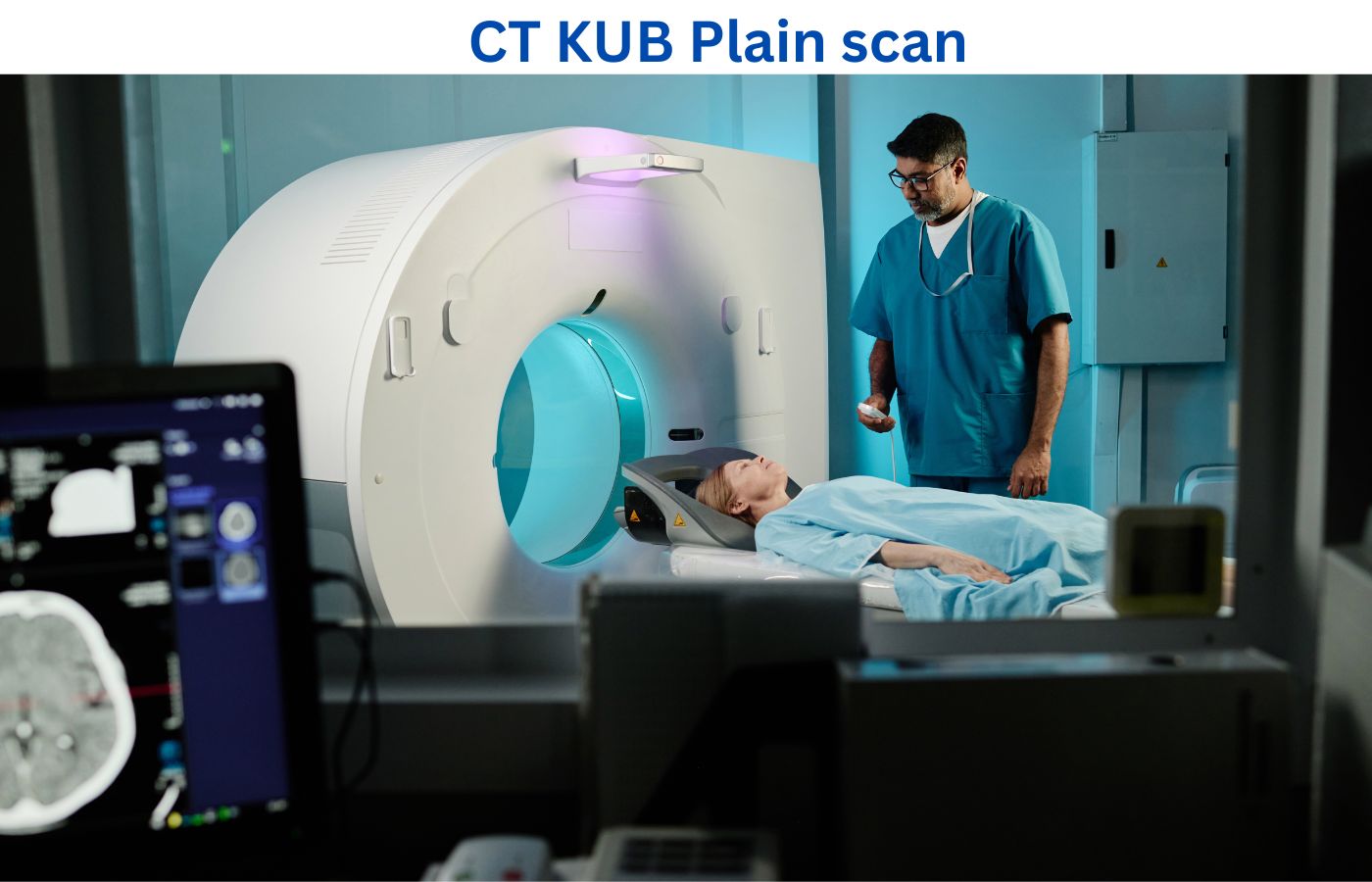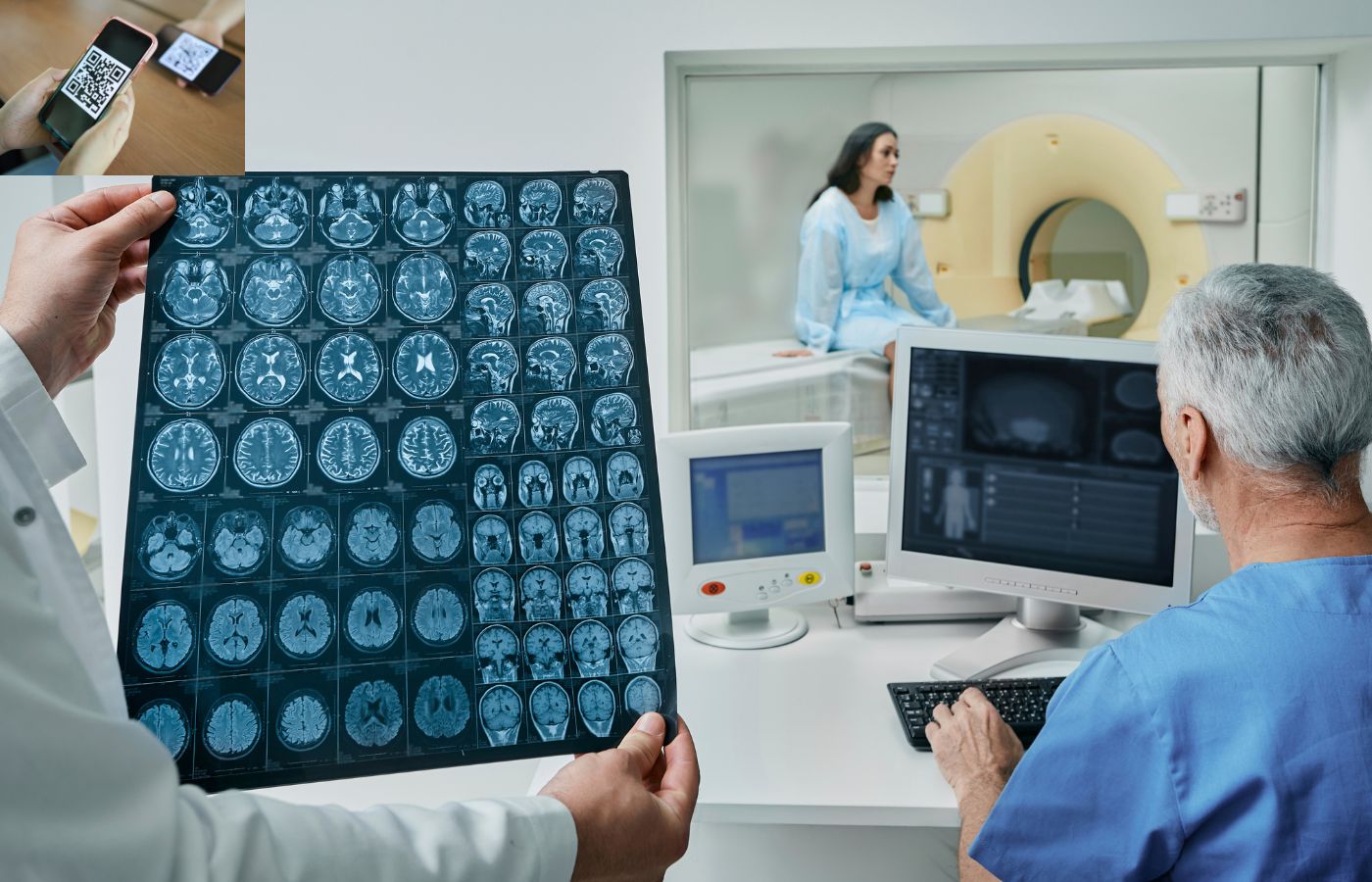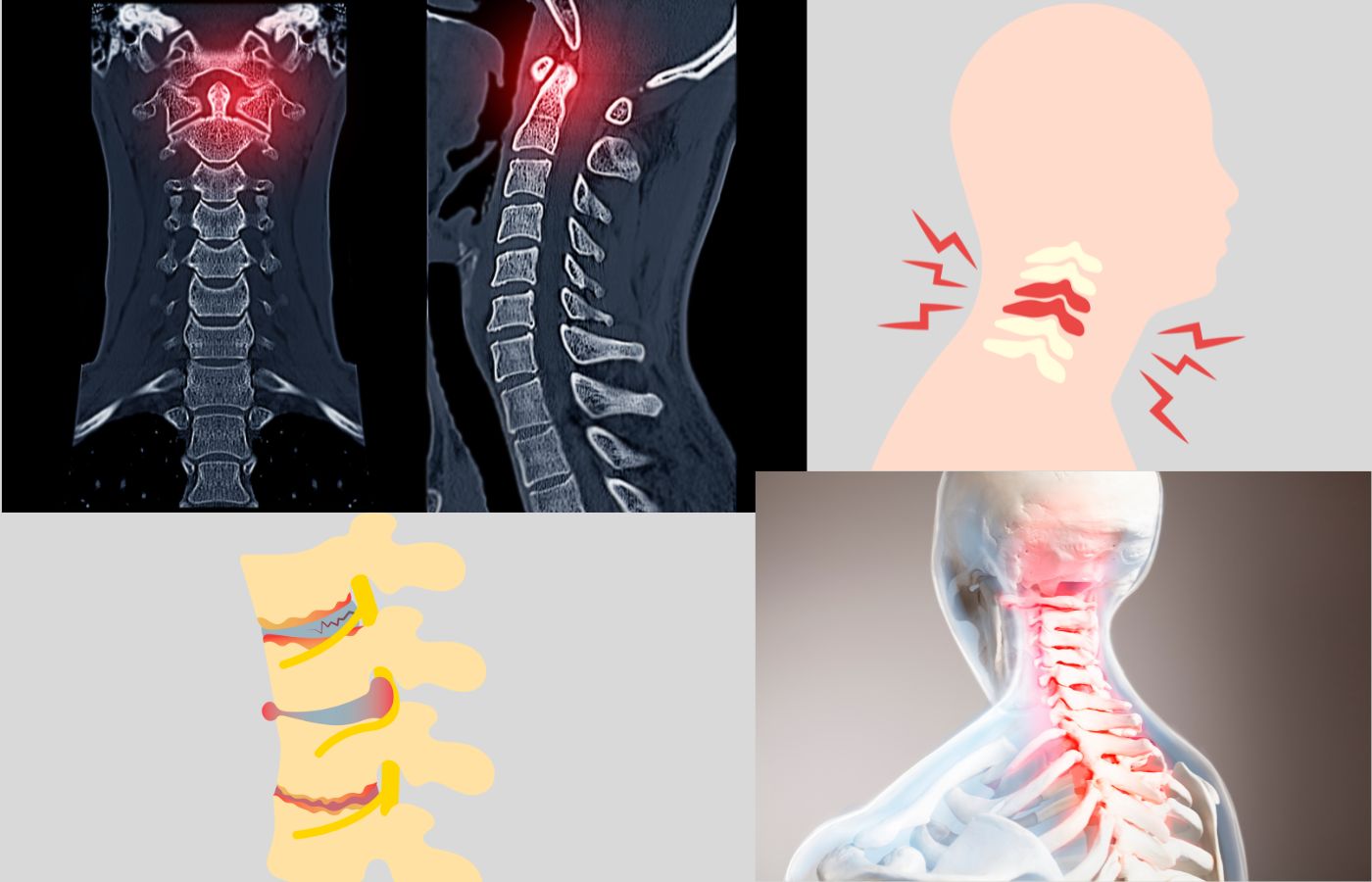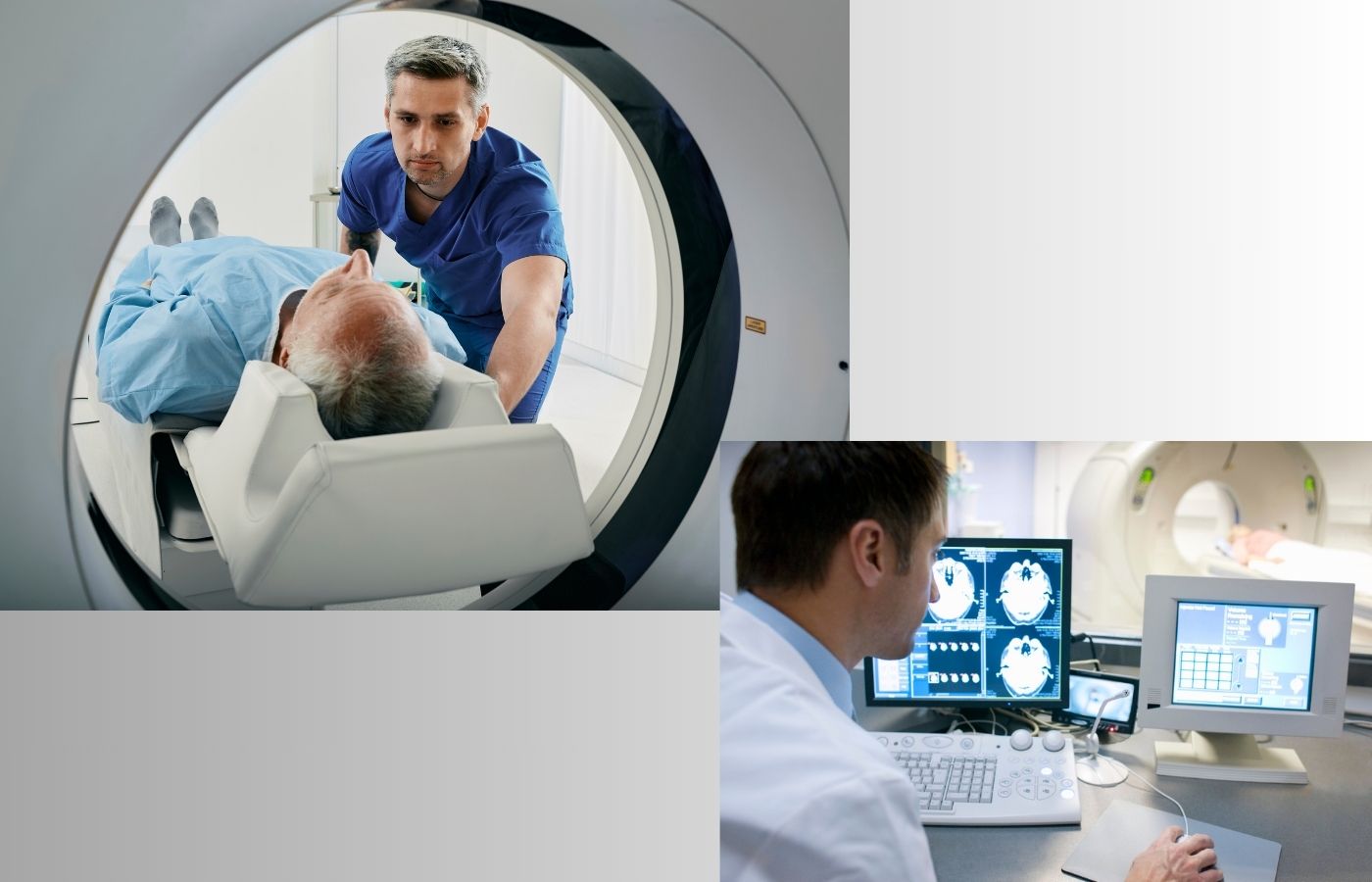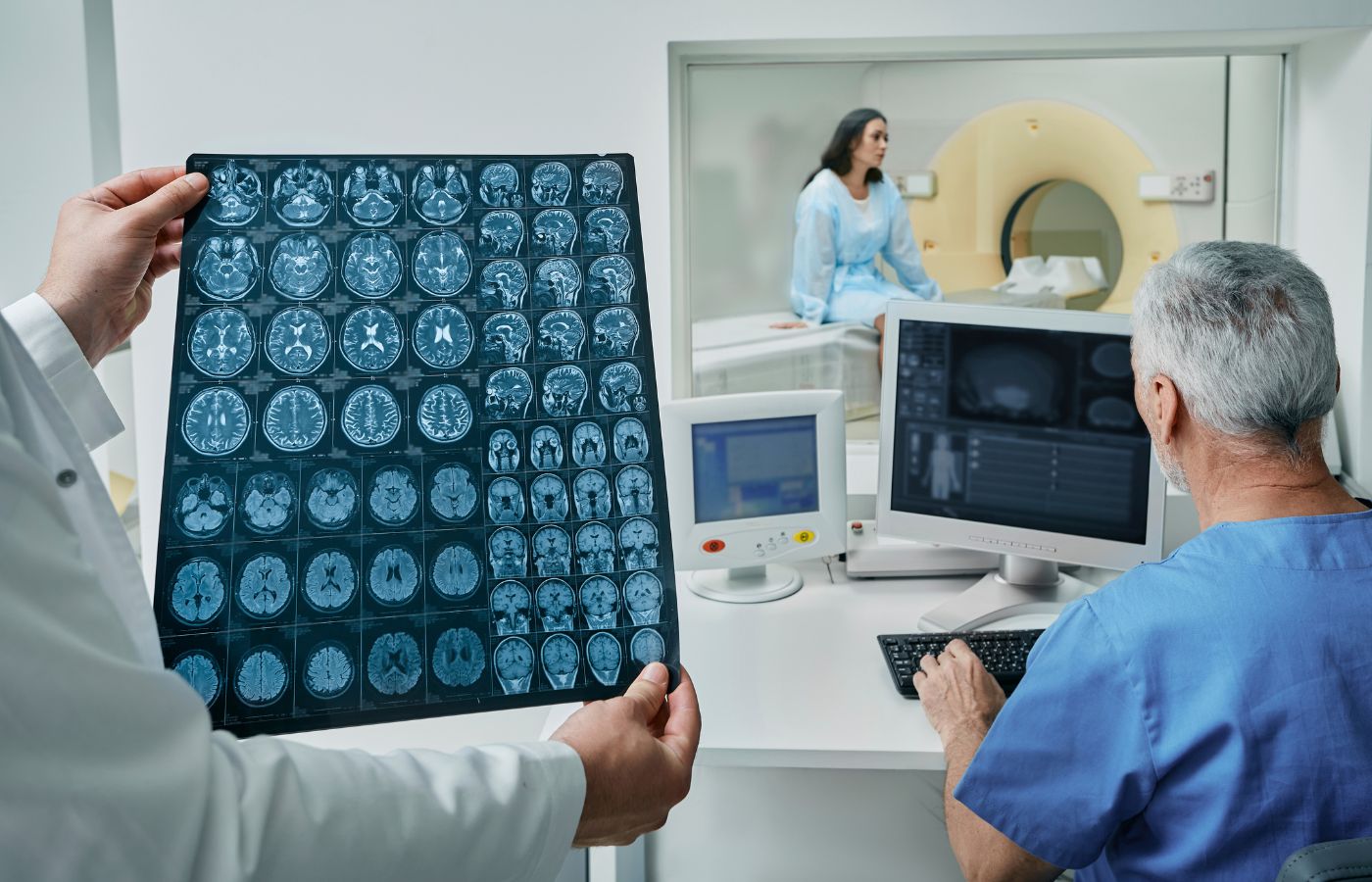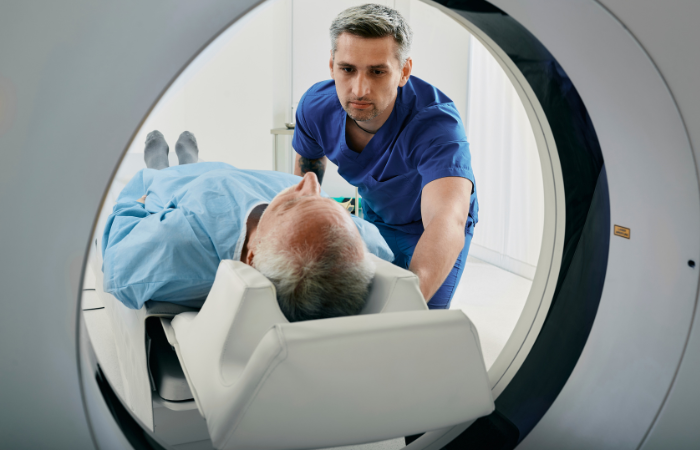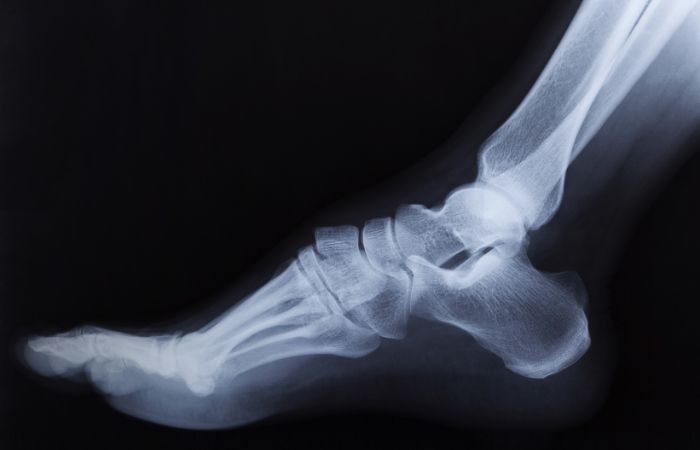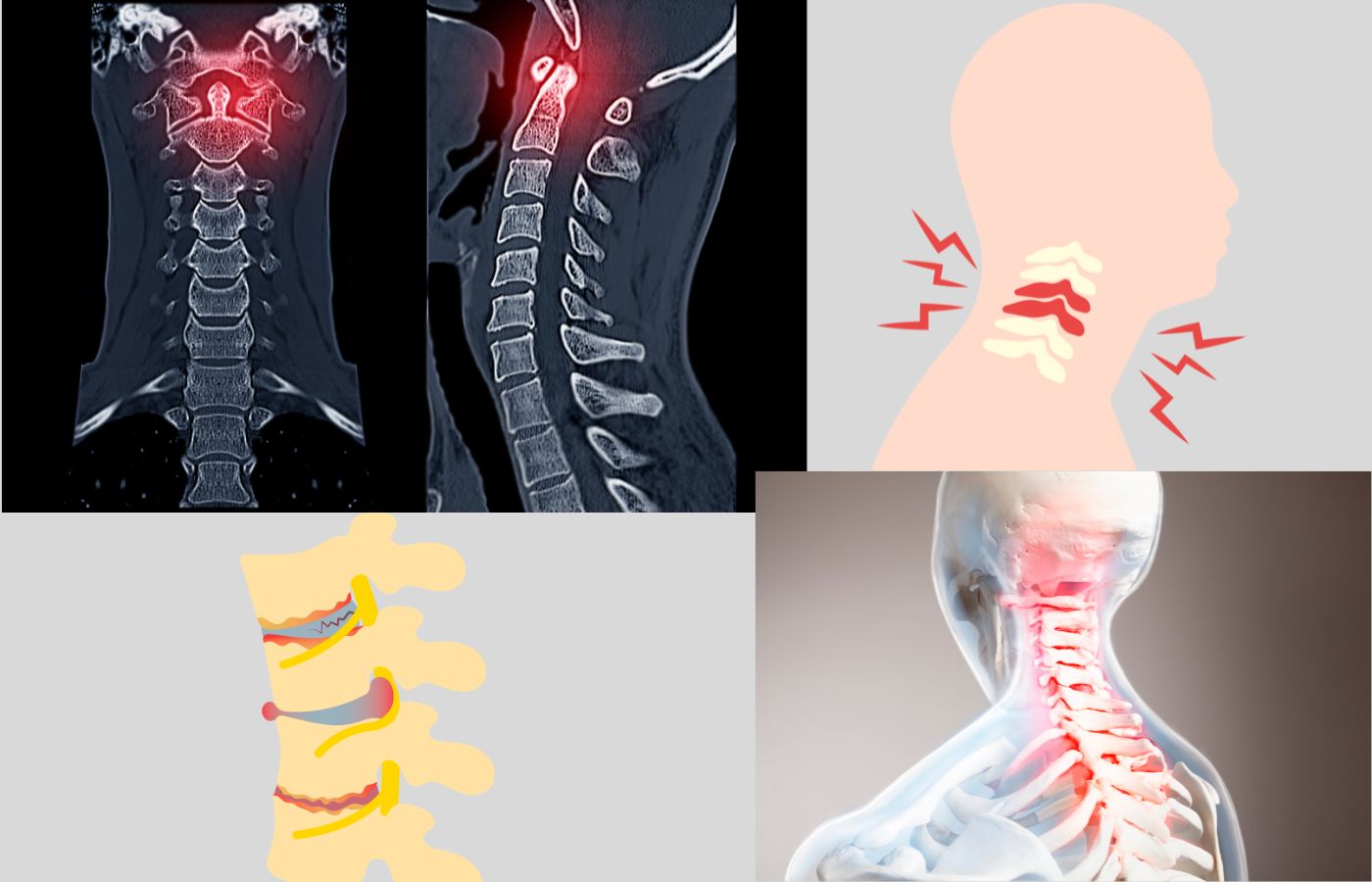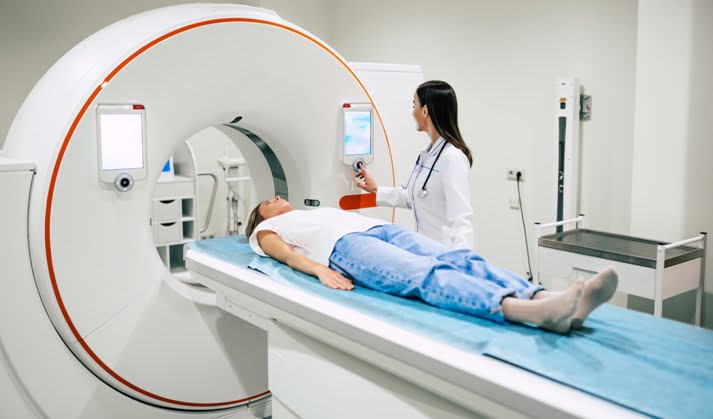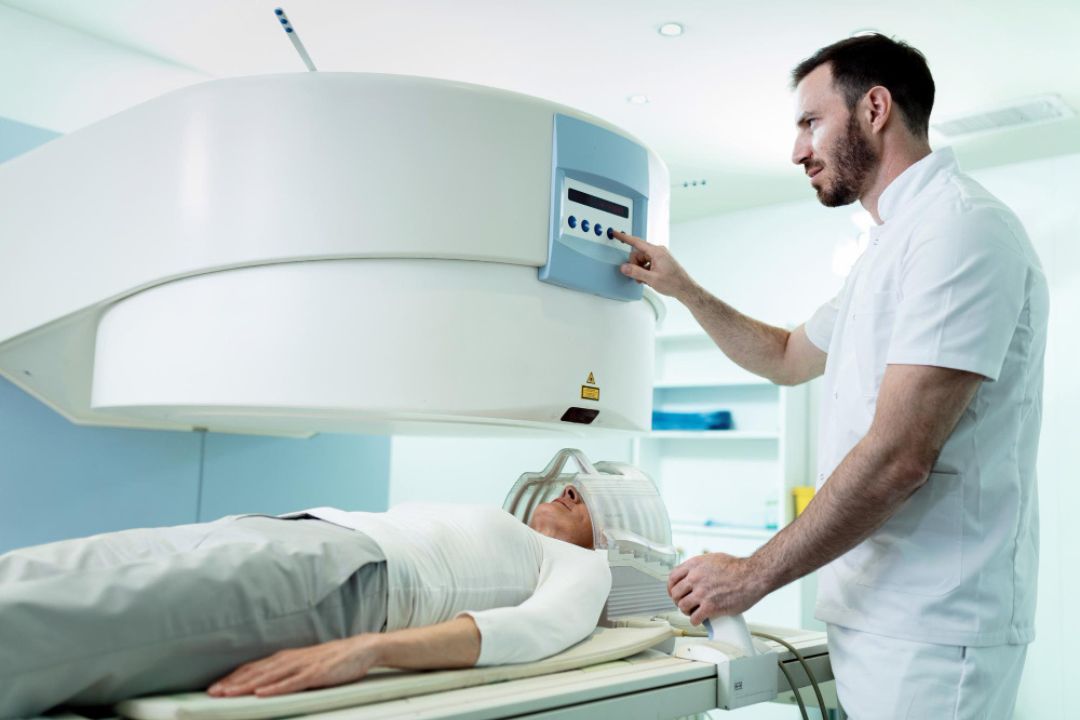
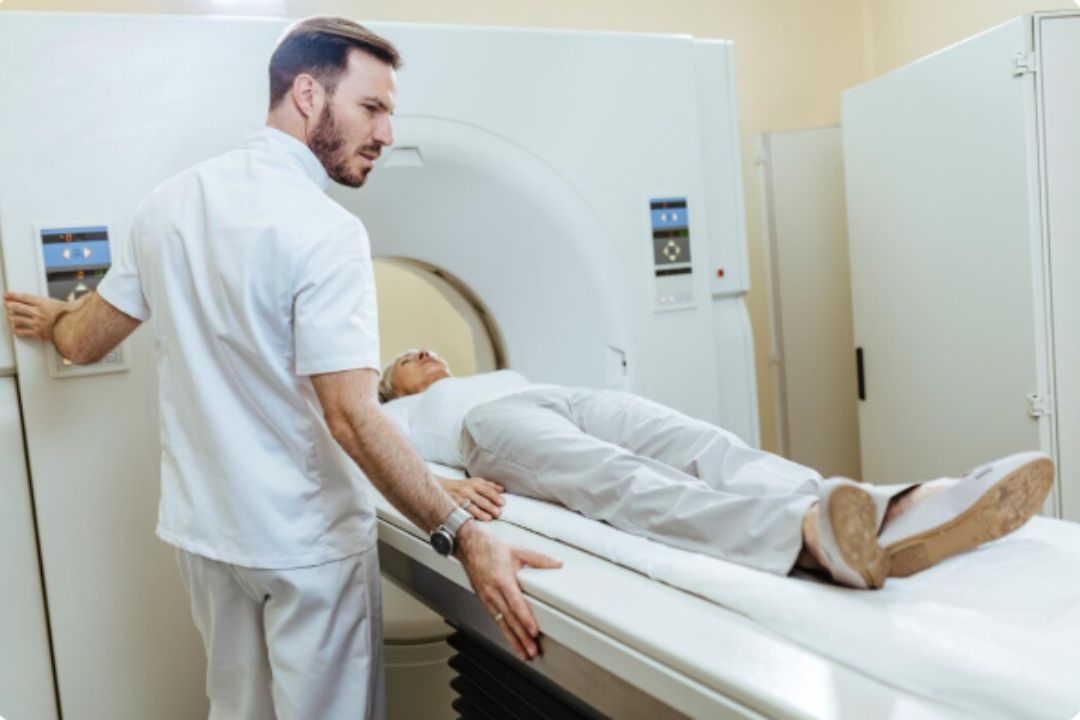
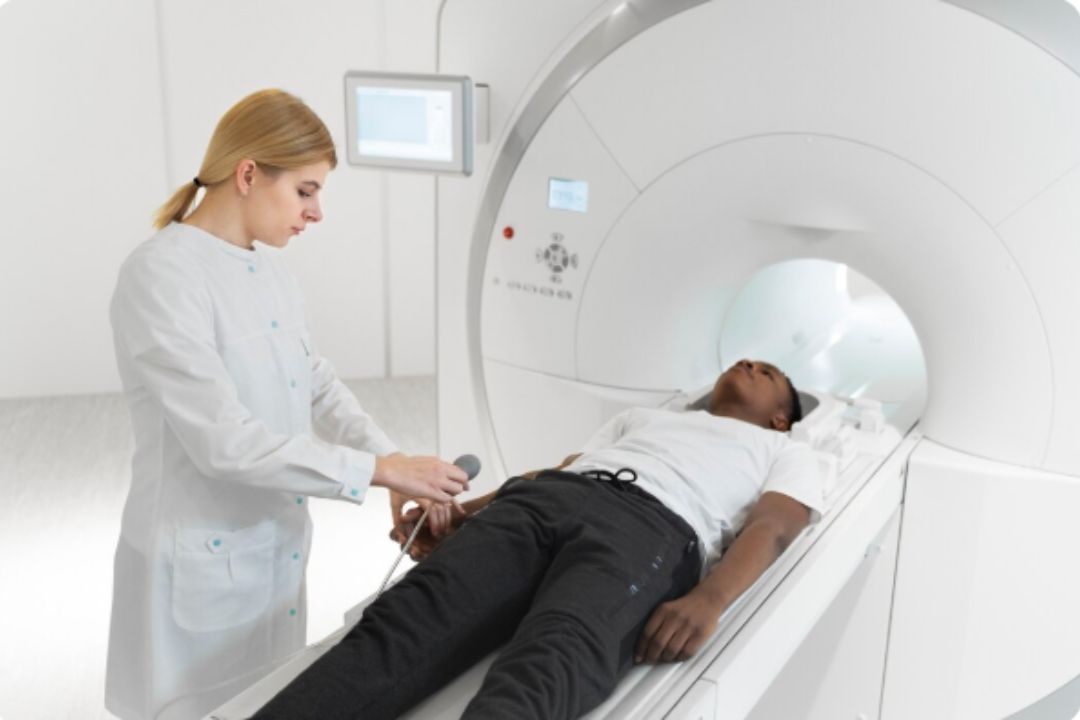
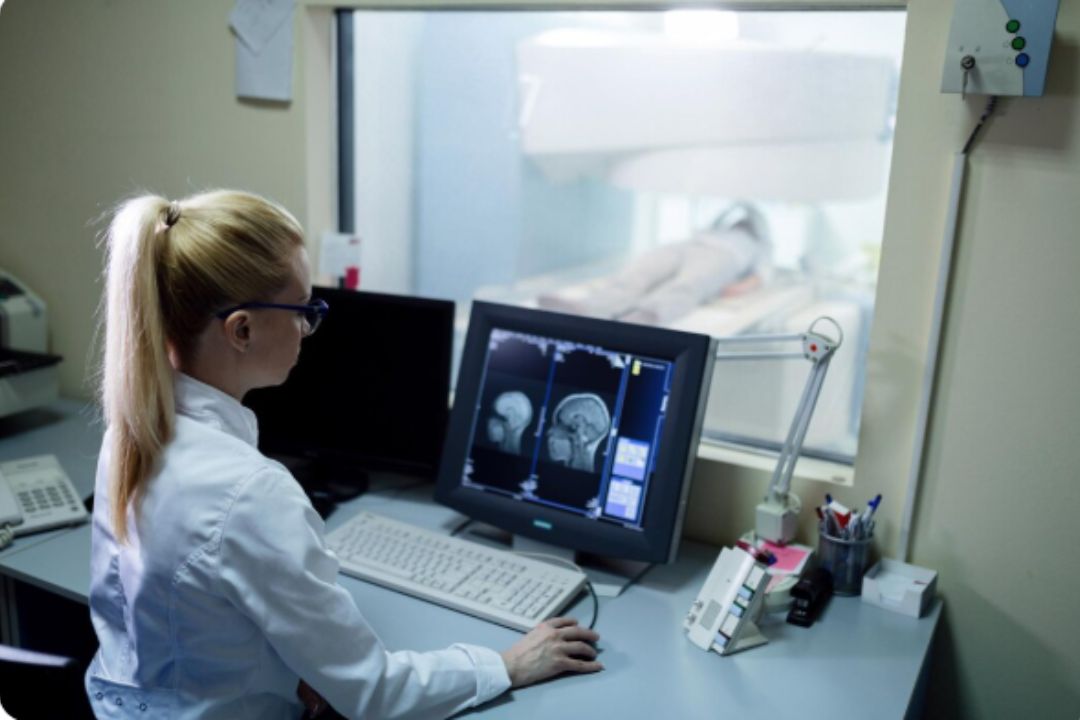
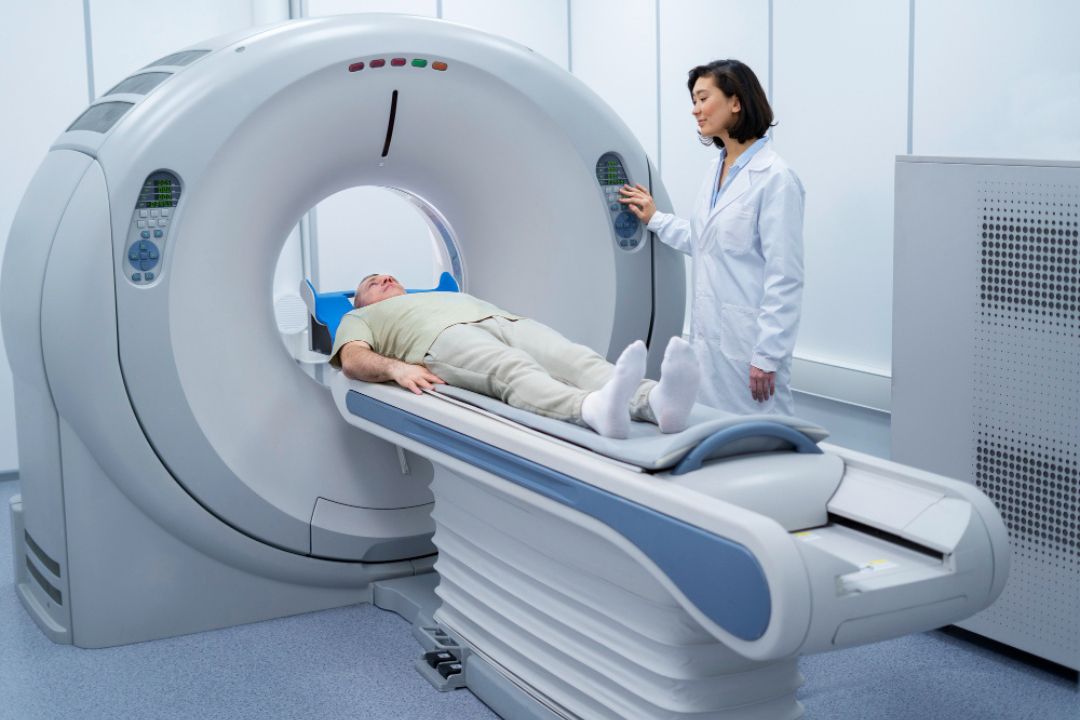
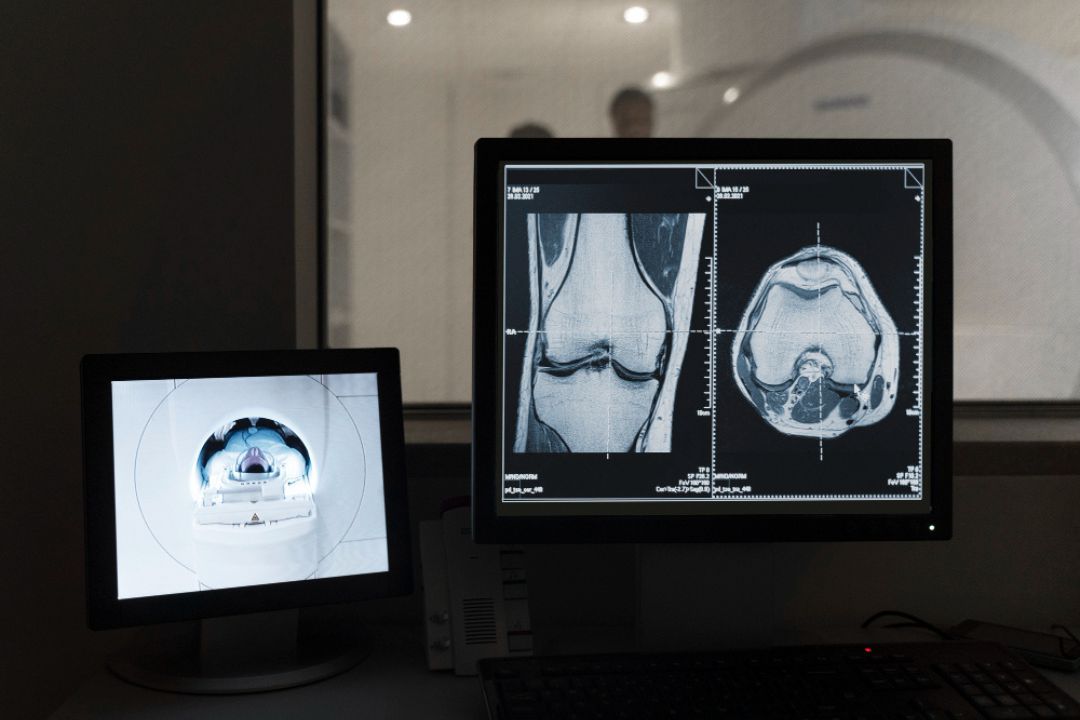
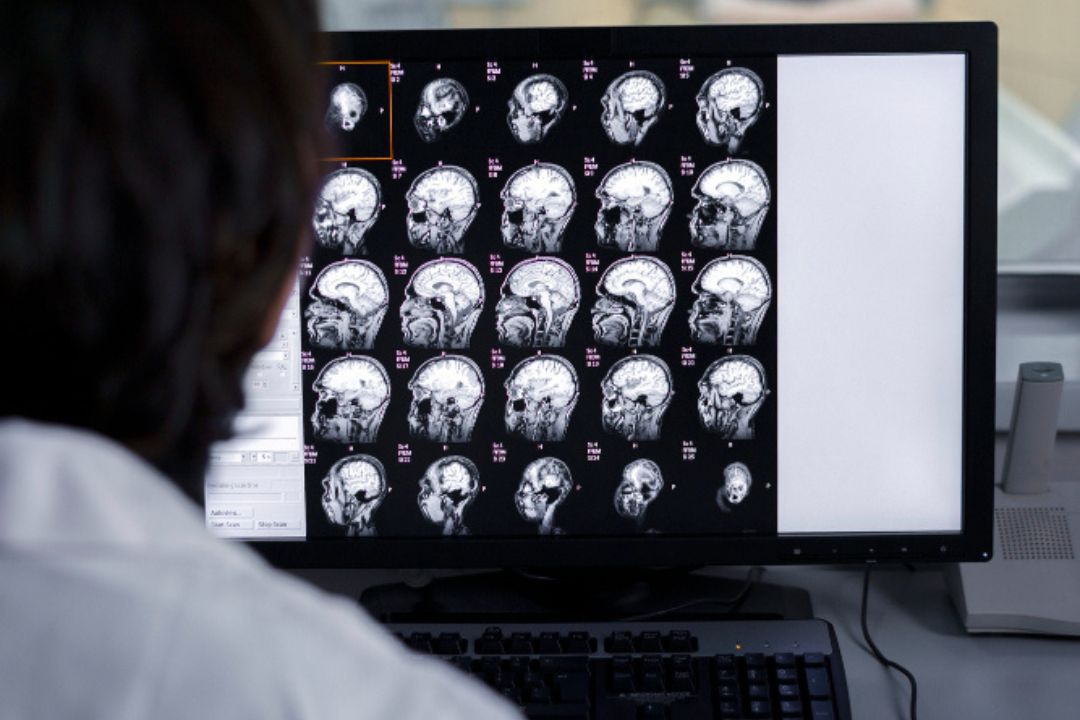
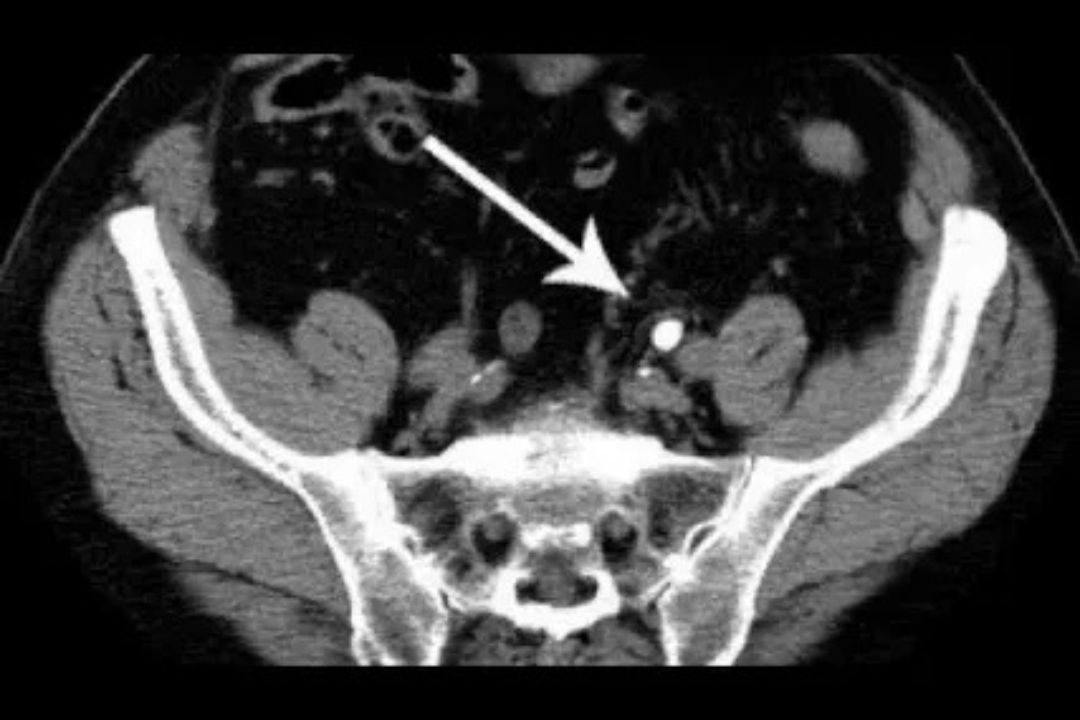
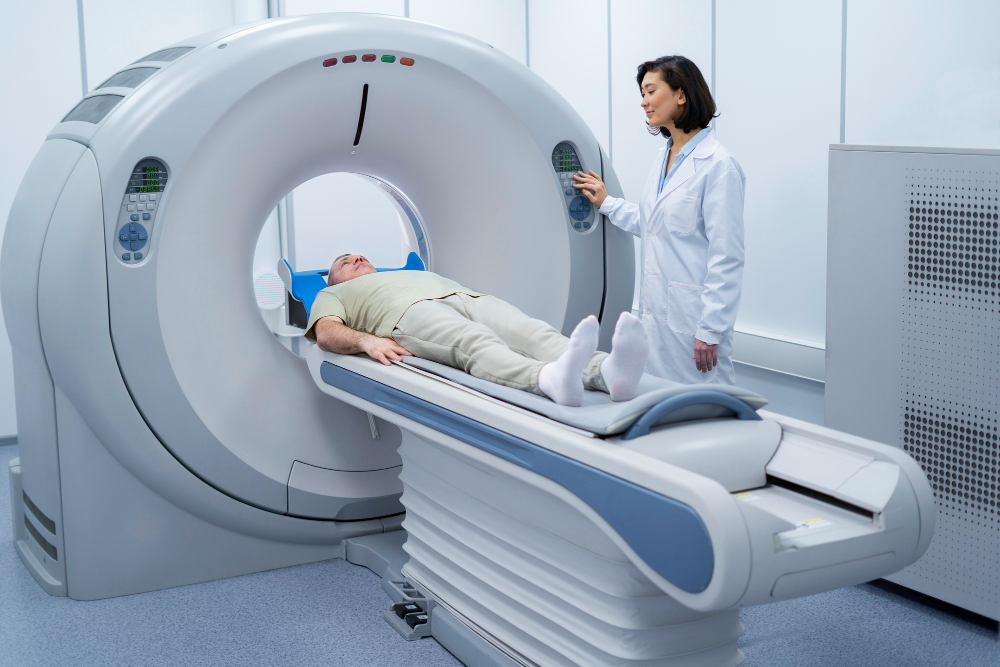
A CT scan with contrast is a common medical imaging test used to produce detailed images of internal organs, blood vessels, and tissues. During this procedure, a special contrast dye—usually iodine-based—is injected into the bloodstream or taken orally to improve the clarity of the scan images.
Many patients often wonder how long this contrast dye stays in the body and whether it causes any long-term effects. Understanding how the body processes and removes the contrast material can help patients feel more confident before undergoing the scan.
CT Scan Contrast, often called contrast dye, is a special substance used during imaging tests to highlight specific structures in the body. It helps doctors clearly see organs, blood vessels, tumors, and infections that may not be visible on a regular CT scan.
The most common type used in CT scans is iodine-based contrast. It circulates through the bloodstream and temporarily improves the visibility of tissues and organs during the scan.
In most people with healthy kidneys, CT scan contrast leaves the body fairly quickly.
After the injection, the contrast dye begins circulating in the bloodstream and is filtered by the kidneys. The kidneys remove the dye through urine as part of the body’s natural filtration process. Most of the contrast material is removed from the body within about 24 hours.
Small traces may remain slightly longer, but the contrast is usually almost completely eliminated within 24 to 48 hours in healthy individuals.
The body removes CT contrast through a natural process involving the kidneys.
First, the contrast dye travels through the bloodstream after it is injected. The kidneys then filter the dye from the blood. Finally, it leaves the body through urine.
This process starts immediately after the scan and continues for several hours until the contrast is mostly cleared from the system.
The amount of time contrast dye remains in the body can vary depending on several factors.
Healthy kidneys remove contrast dye quickly. People with kidney disease may take longer to eliminate the dye.
Drinking plenty of water after the scan helps flush the contrast out of the body faster.
Older adults or patients with certain medical conditions may eliminate the dye more slowly than healthy individuals.
The amount of contrast administered during the scan can also influence how long it remains in the body.
After the scan, most people can return to their normal activities immediately. Some patients may experience mild sensations when the contrast is injected, such as a warm feeling in the body or a metallic taste in the mouth. These sensations usually disappear within minutes.
Doctors often recommend drinking extra water after the scan to help the kidneys remove the contrast dye from the body more efficiently.
CT Scan Contrast is generally safe for most patients. However, some people may experience mild side effects.
Common temporary effects include:
Warm sensation during injection
Metallic taste in the mouth
Mild nausea
Headache or dizziness
These effects typically disappear within a few hours. In rare cases, delayed reactions such as skin rash or itching may appear within a few days but usually resolve on their own.
Certain patients may need special precautions before receiving contrast dye. These include:
People with kidney disease
Patients with a history of contrast allergy
Individuals with severe dehydration
Pregnant women
Doctors may perform kidney function tests before administering contrast to ensure it is safe for the patient.
Patients can help their body eliminate contrast dye more efficiently by following a few simple steps after the scan:
Drink plenty of water
Avoid alcohol for several hours
Follow any instructions given by the doctor
Monitor for unusual symptoms
Staying well hydrated is one of the most effective ways to help the kidneys flush the contrast dye out of the body.
CT Scan Contrast is designed to remain in the body only for a short time. In most healthy individuals, the kidneys filter and remove the dye through urine within about 24 hours, and it is nearly completely cleared within one to two days.
Because of its rapid elimination and strong diagnostic benefits, contrast-enhanced CT scans remain an important tool for detecting diseases, identifying abnormalities, and guiding medical treatment.










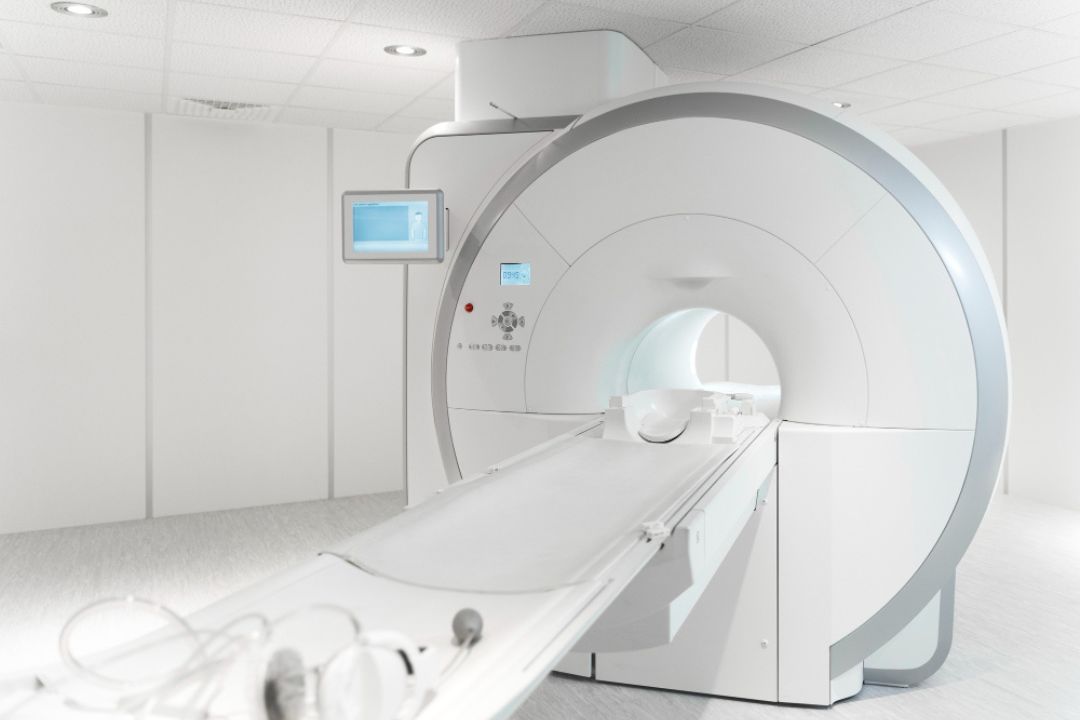
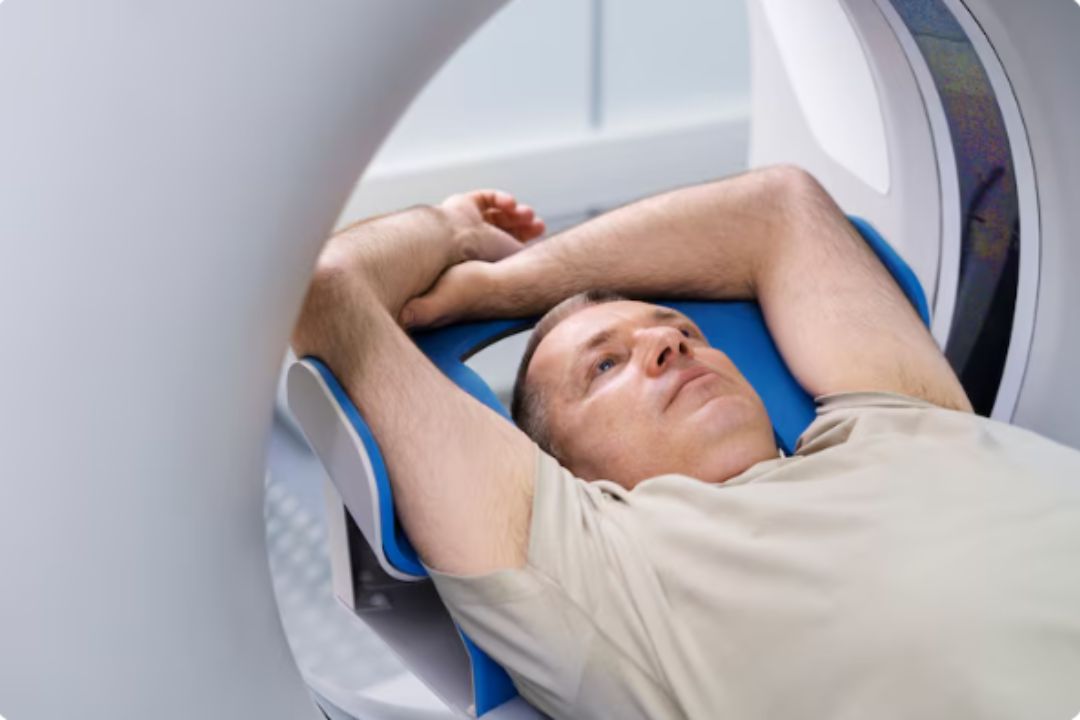

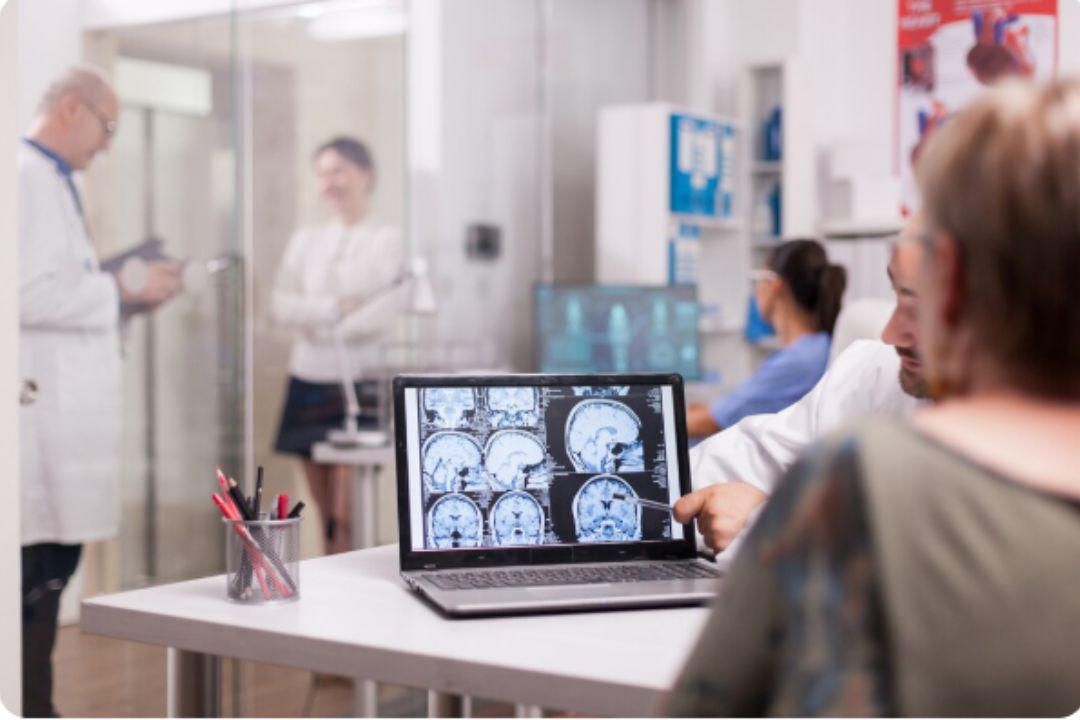
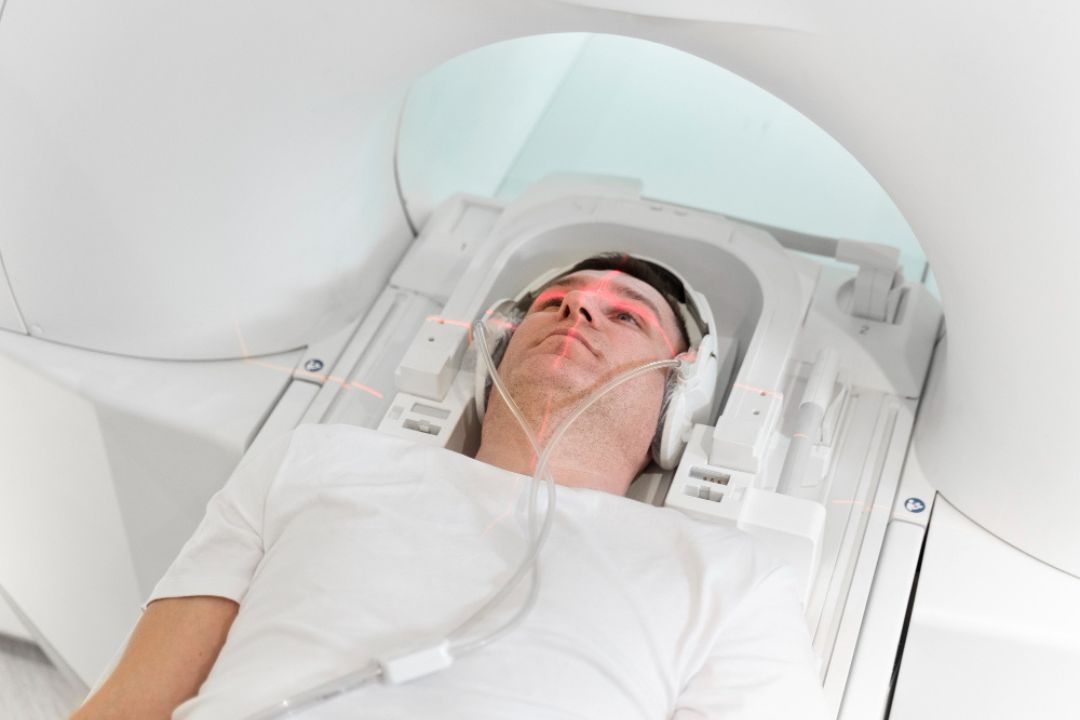
.jpg "ct brain scan plain and contrast")
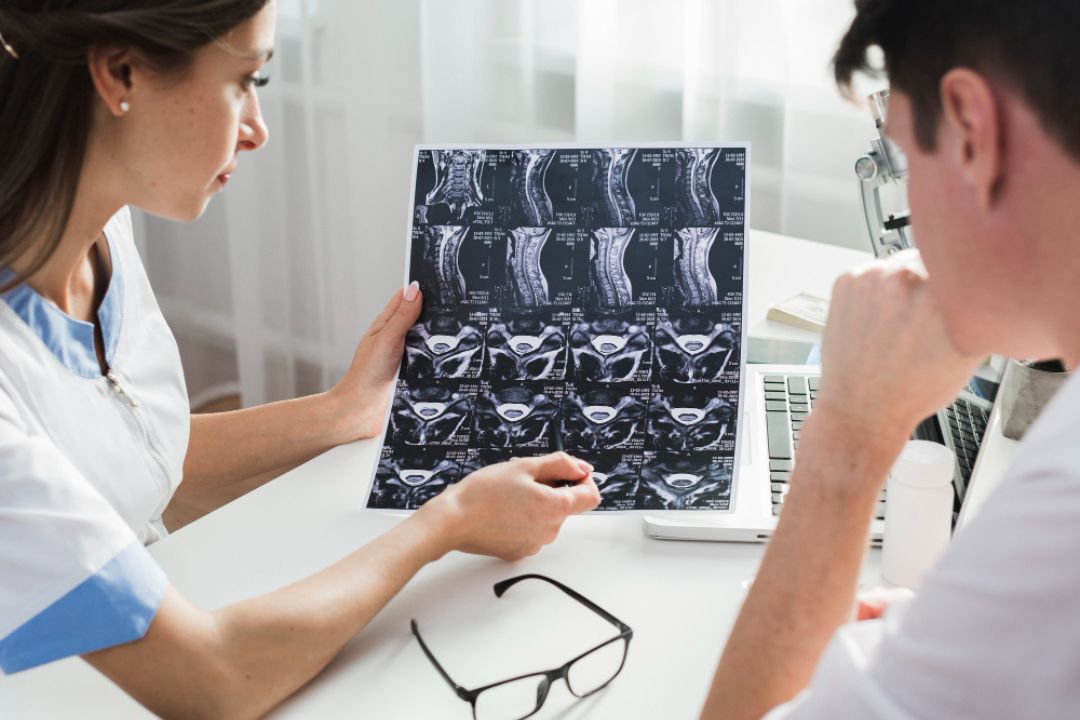














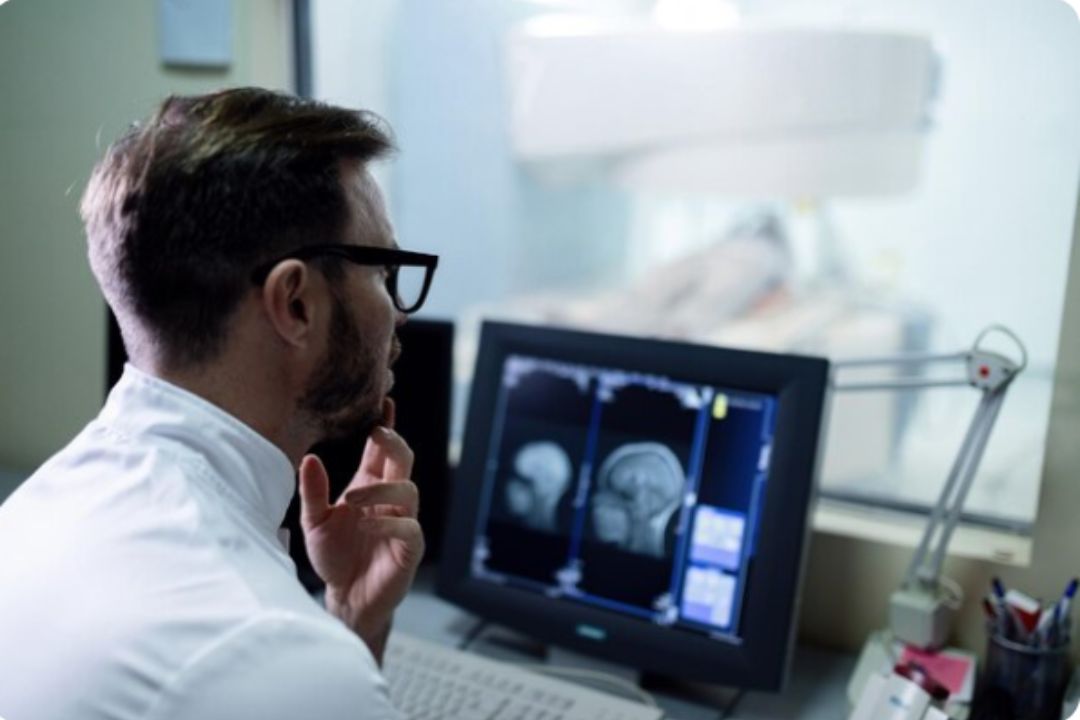


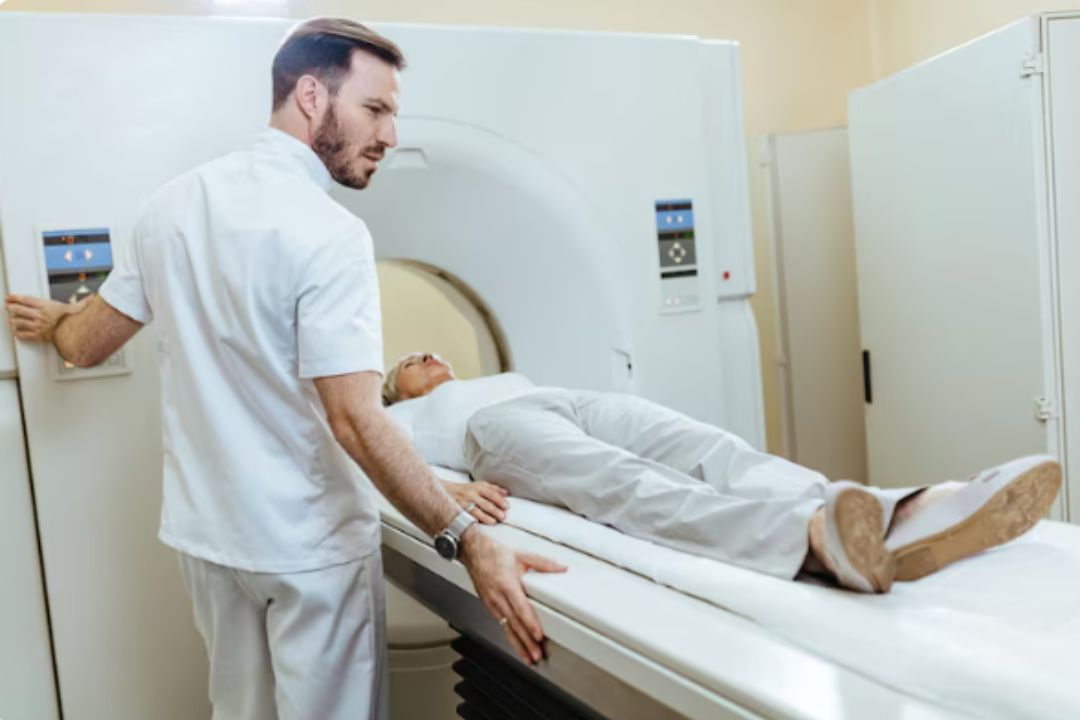
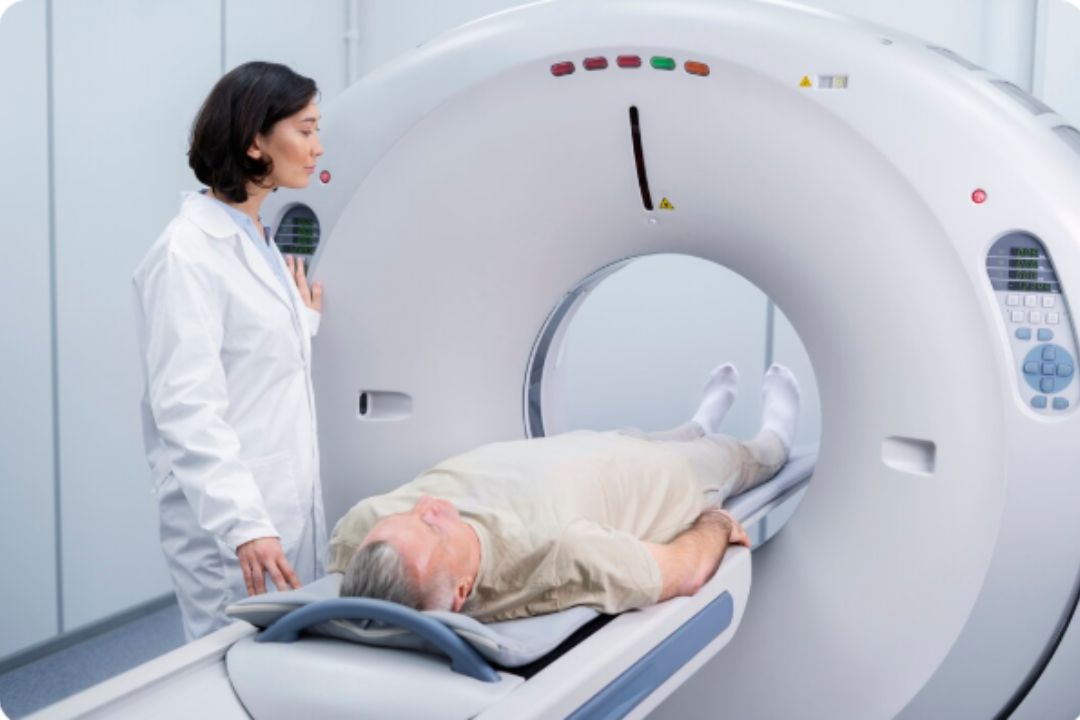


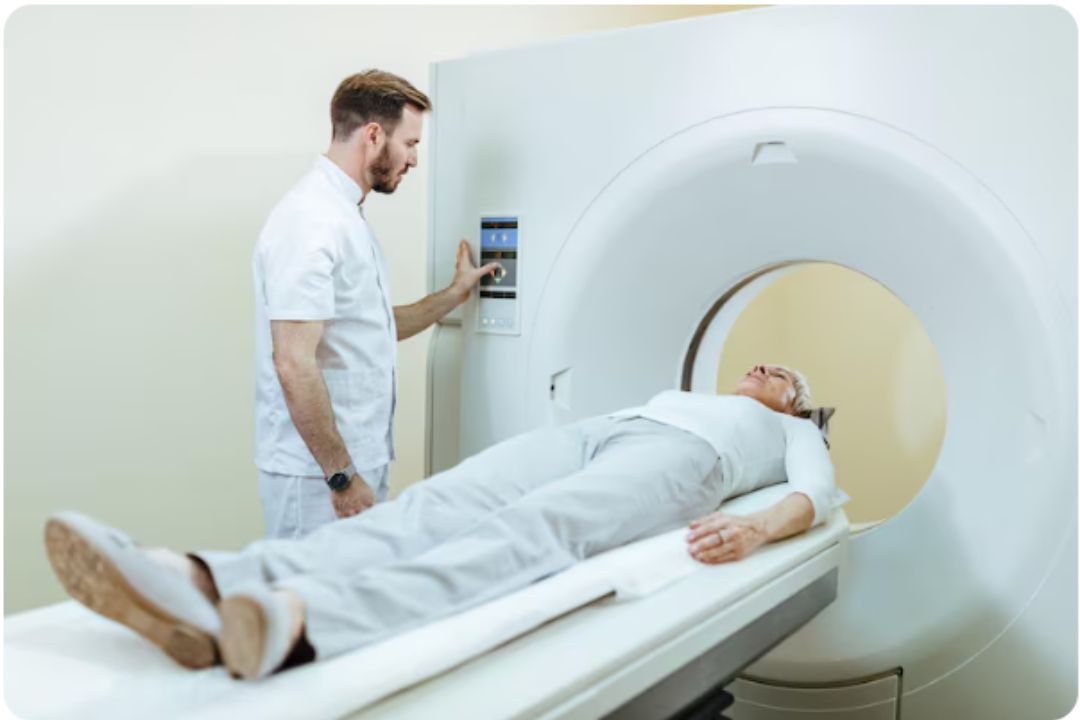
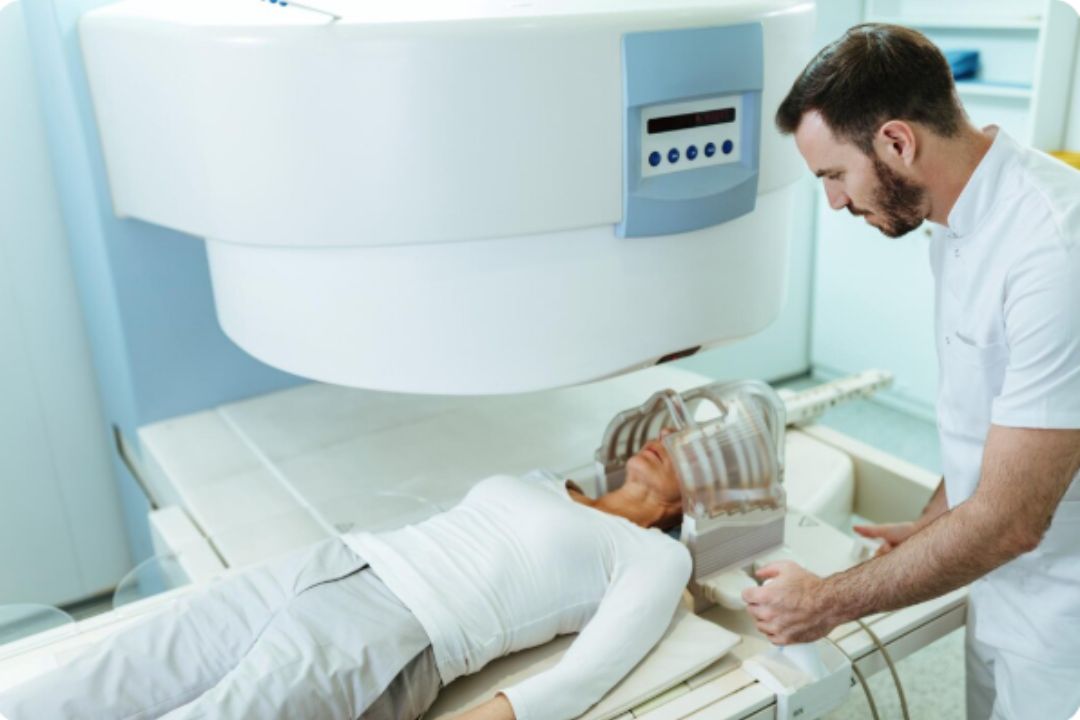
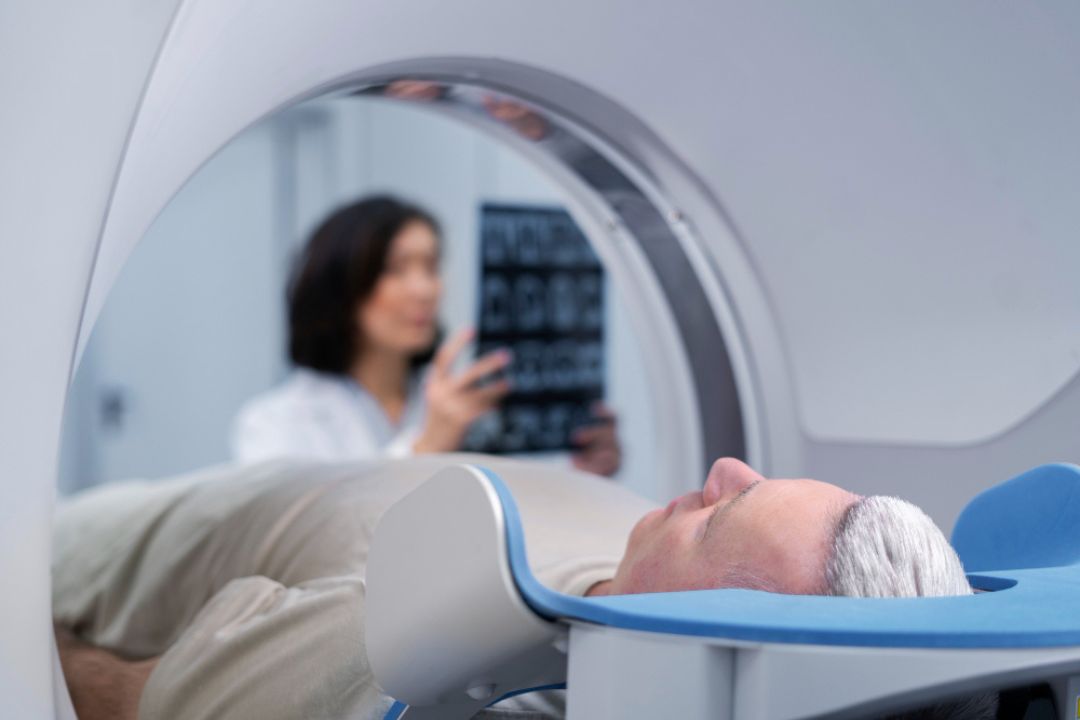
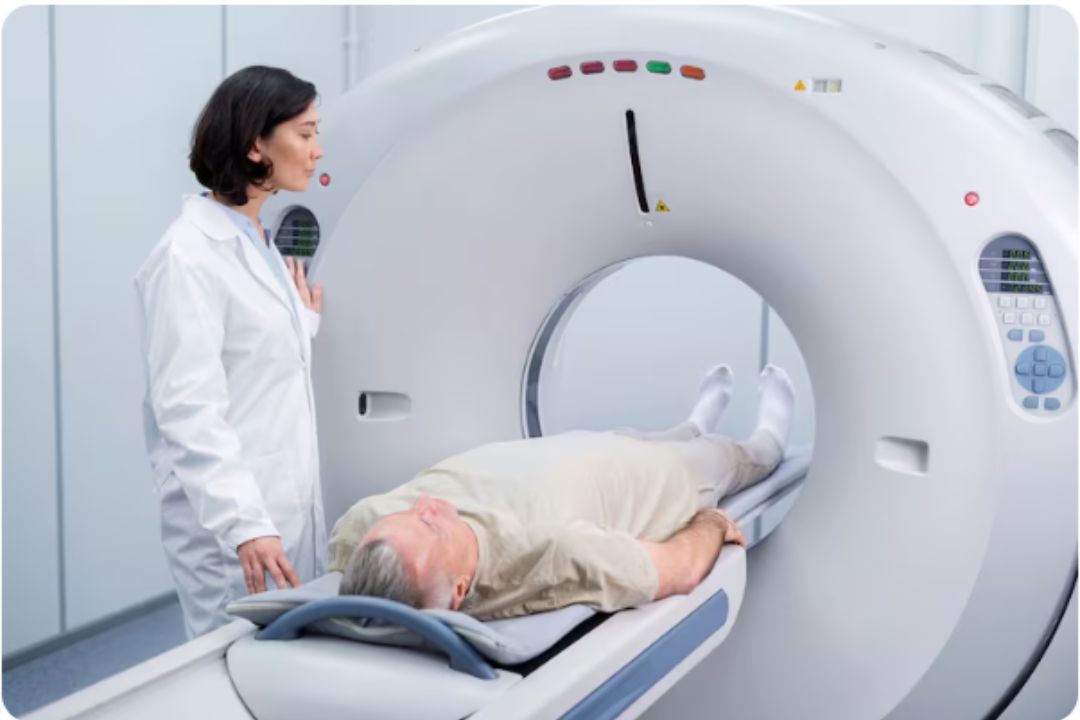

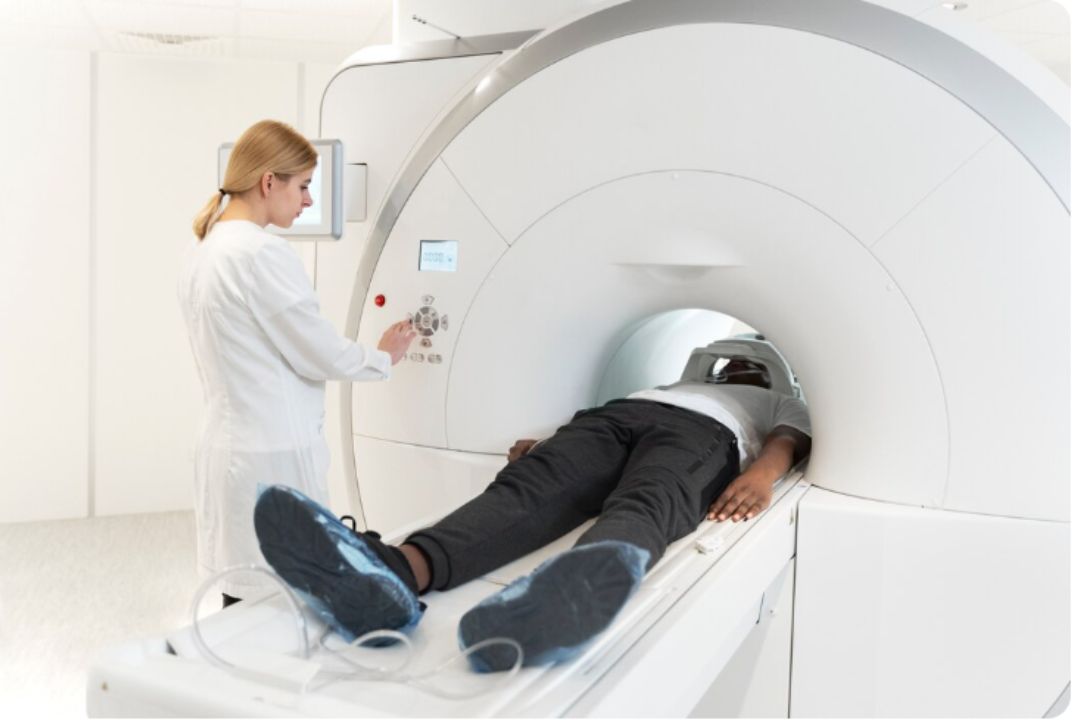
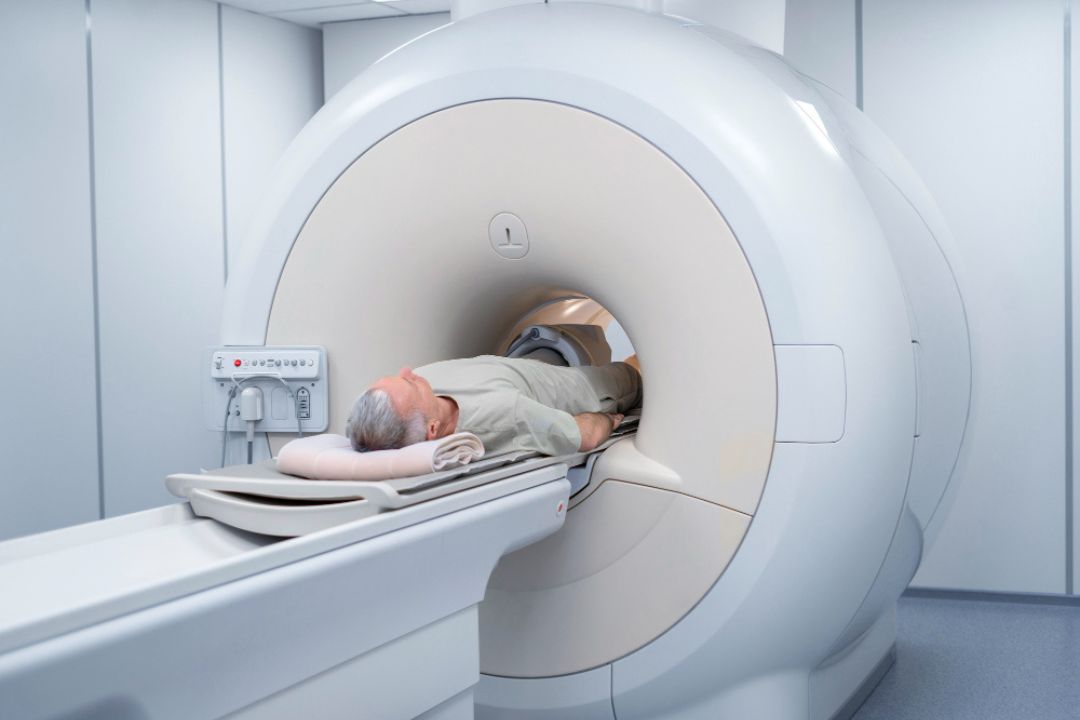
.jpg "ct scan")

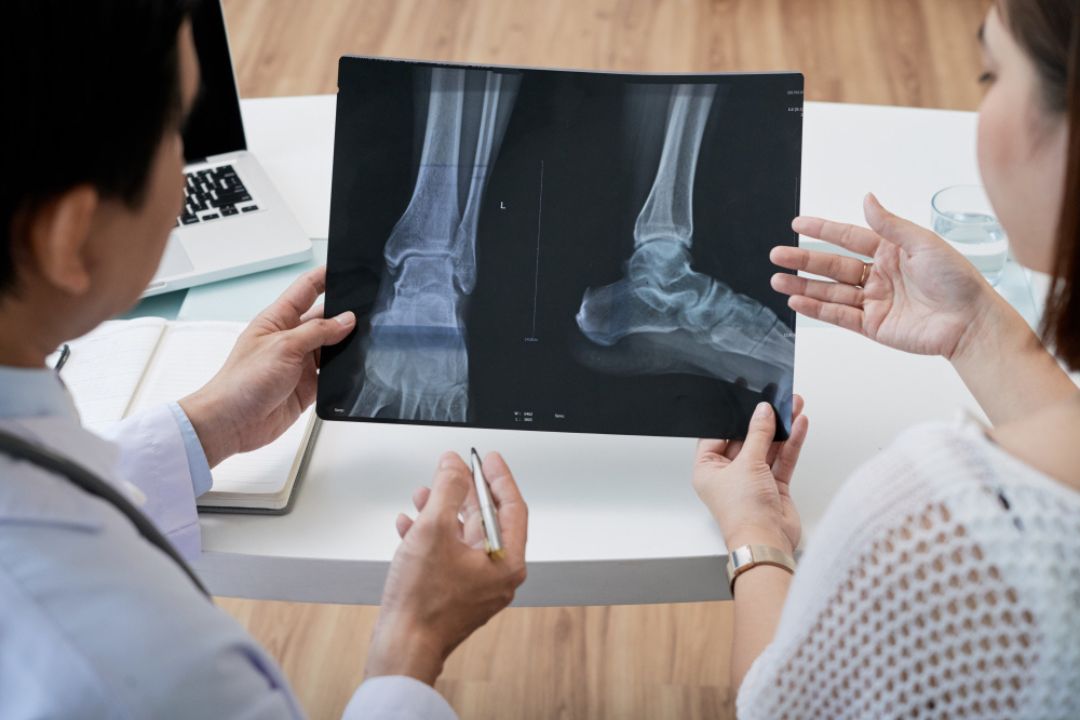
.jpg "ct scan or mri for brain disorders")


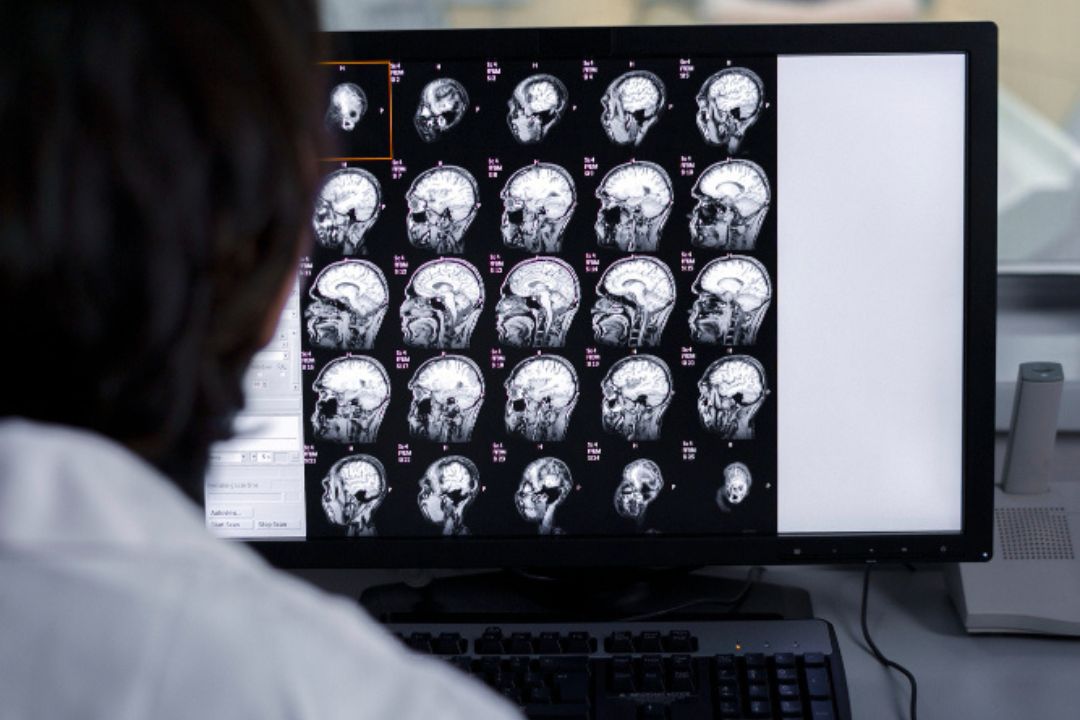
.jpg "exploring the power of ct brain contrast in modern diagnostics")
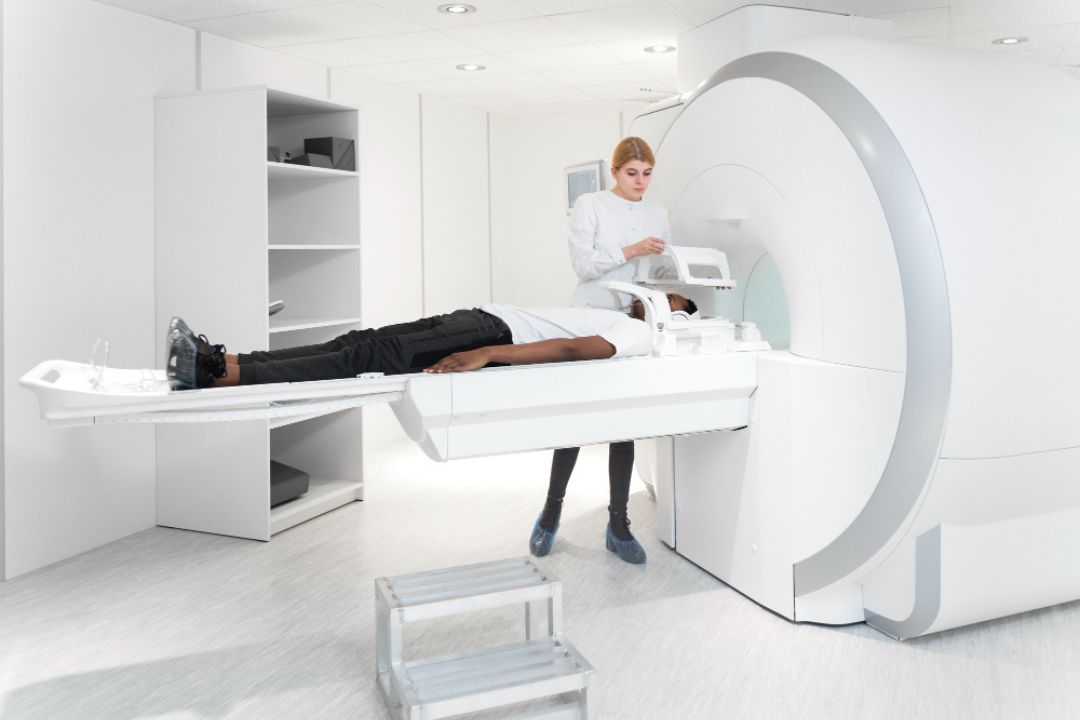
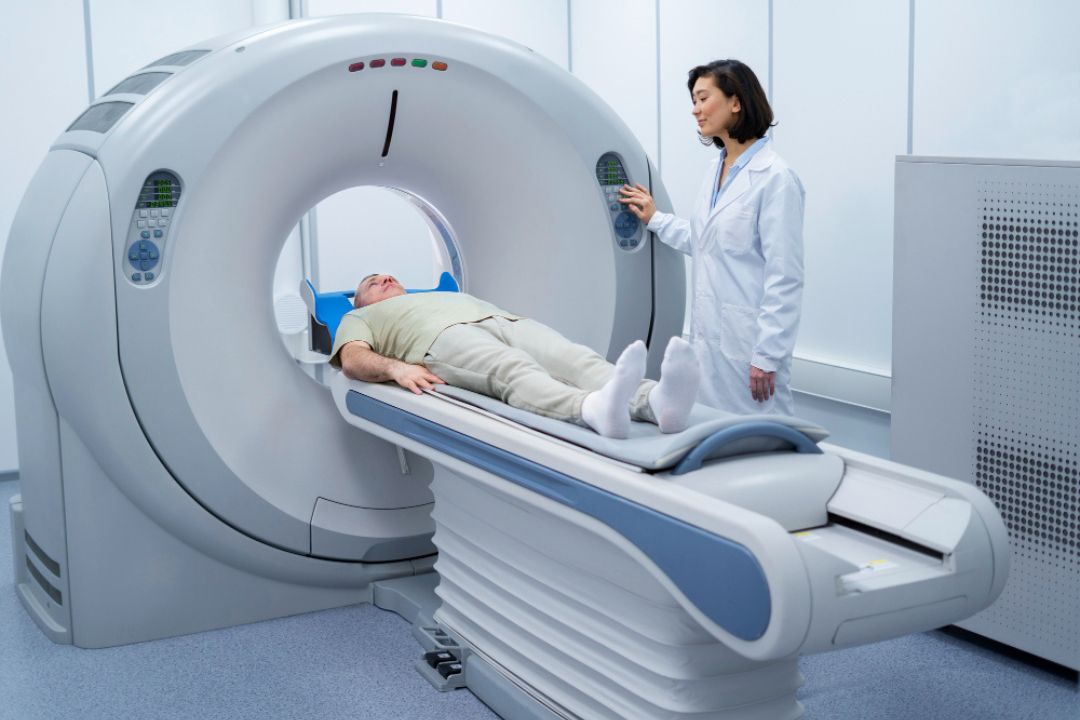
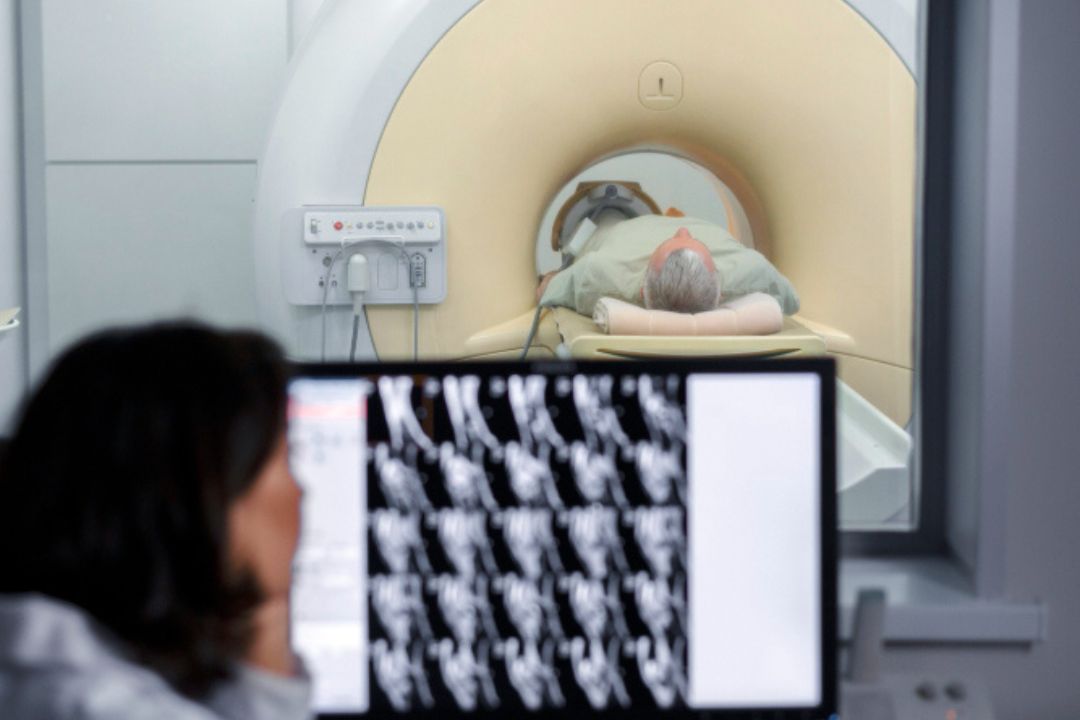
.jpg "ct scan")
.jpg "ct scan")








.jpg "ct scan")

.jpg "CT Brain Scan for Headaches")
.jpg "The Future of 3D CT Imaging")