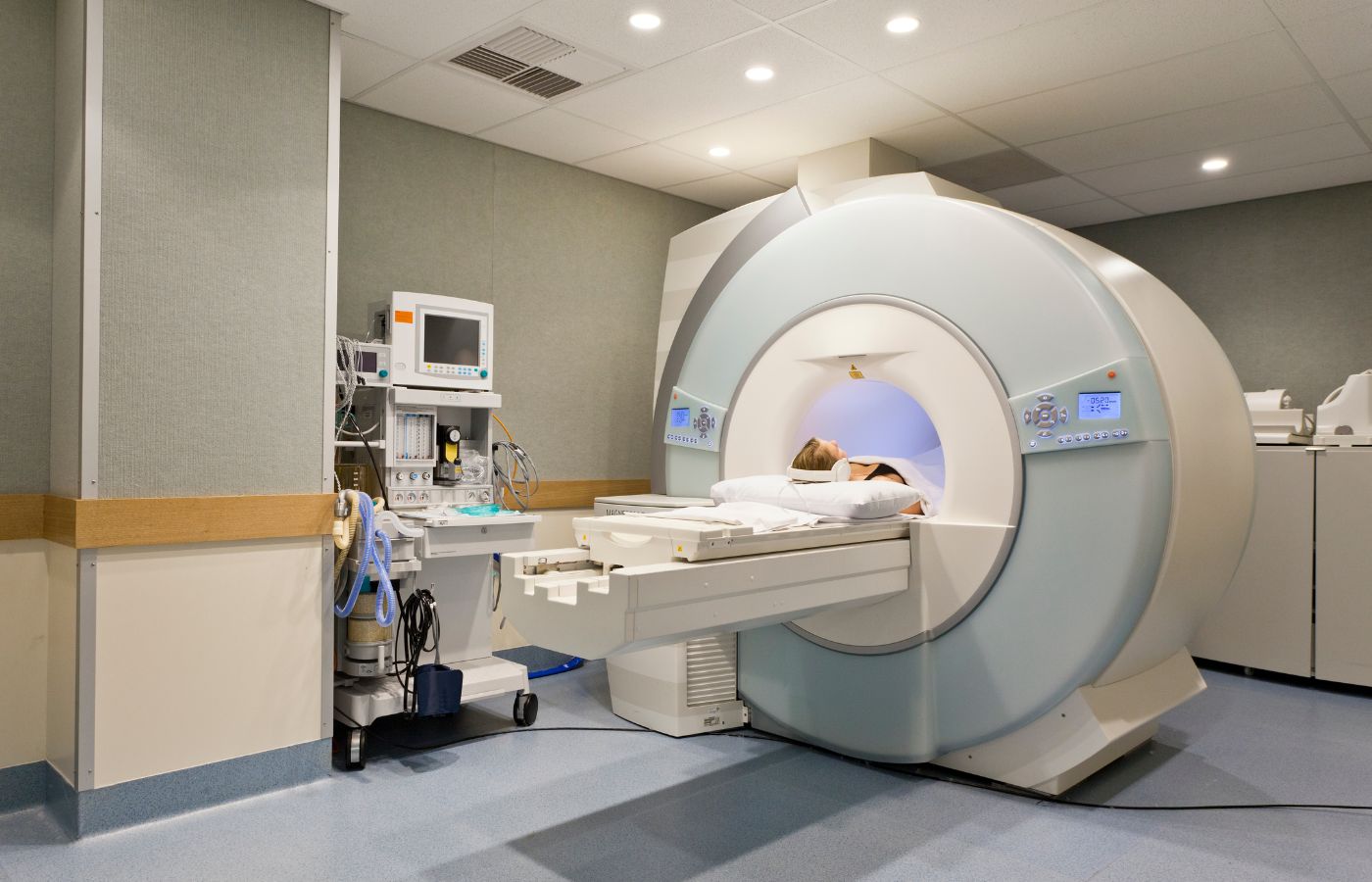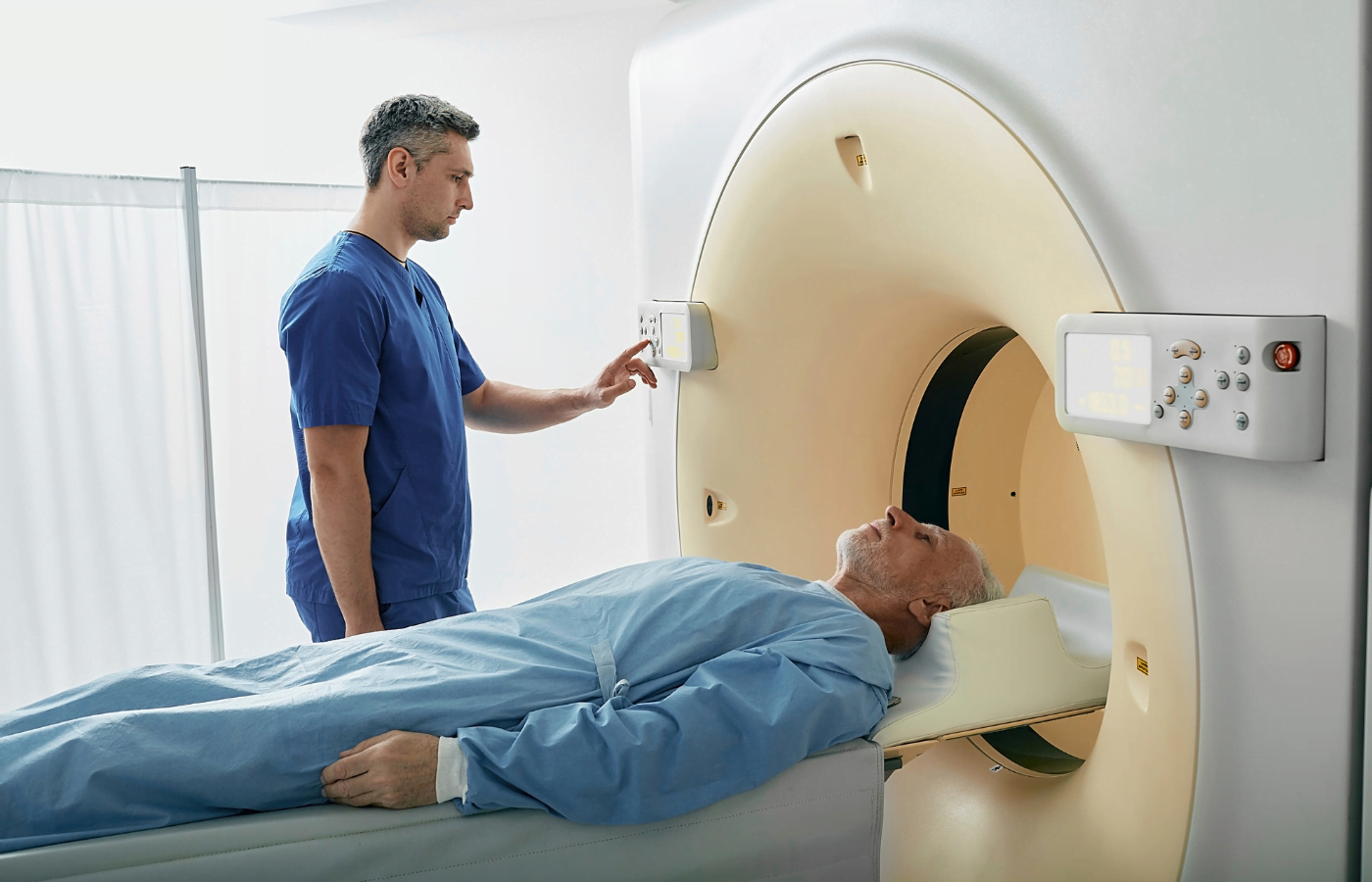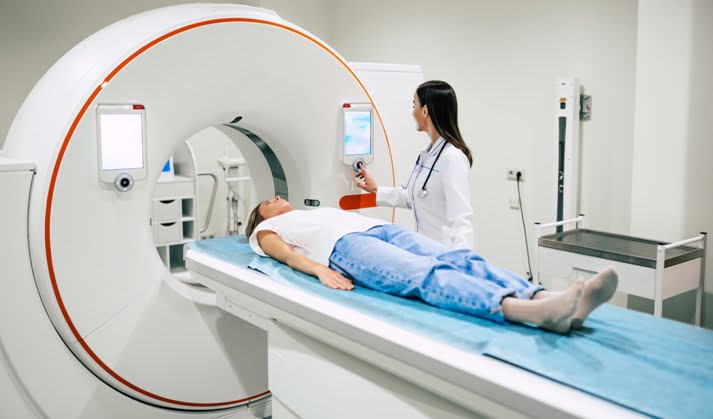
Cancer is one of the leading health concerns worldwide, and early diagnosis plays a crucial role in improving survival rates and treatment success. Modern medical imaging technologies have made it possible to detect many cancers at an early stage, even before symptoms appear. One of the most effective imaging techniques used today is the CT scan.
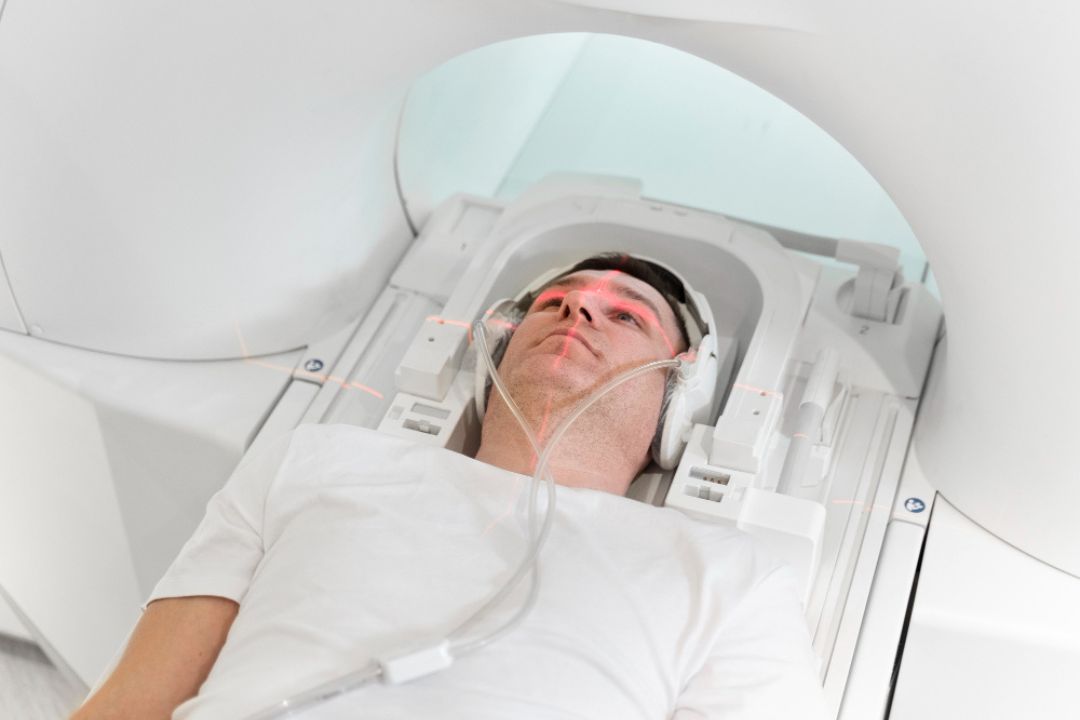
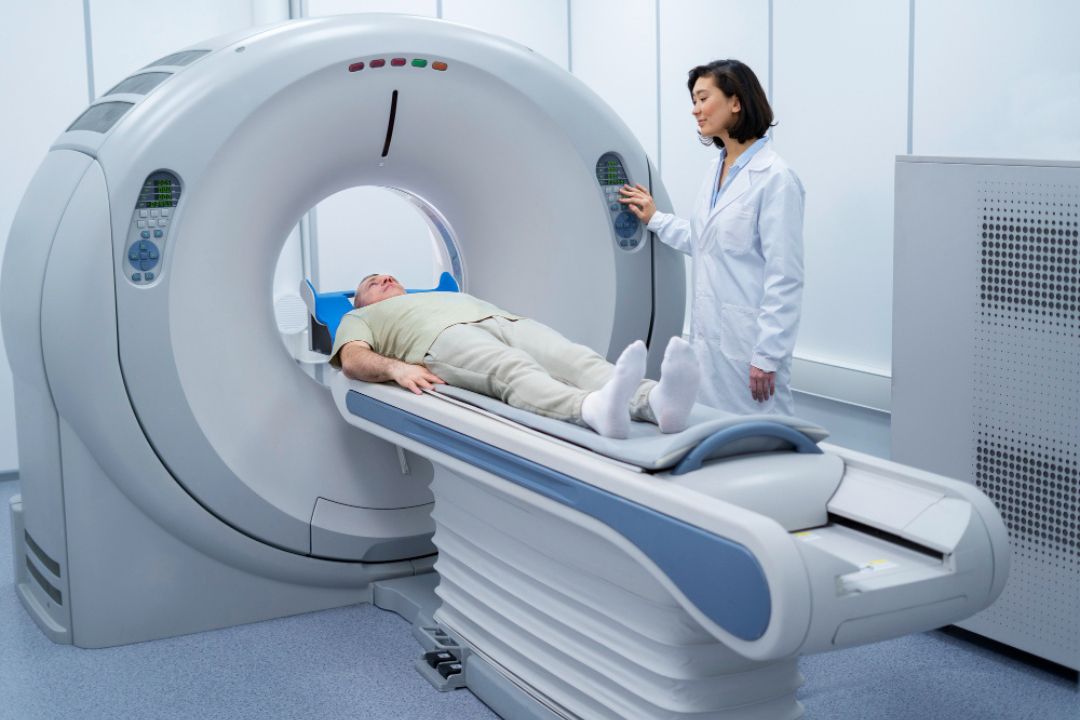
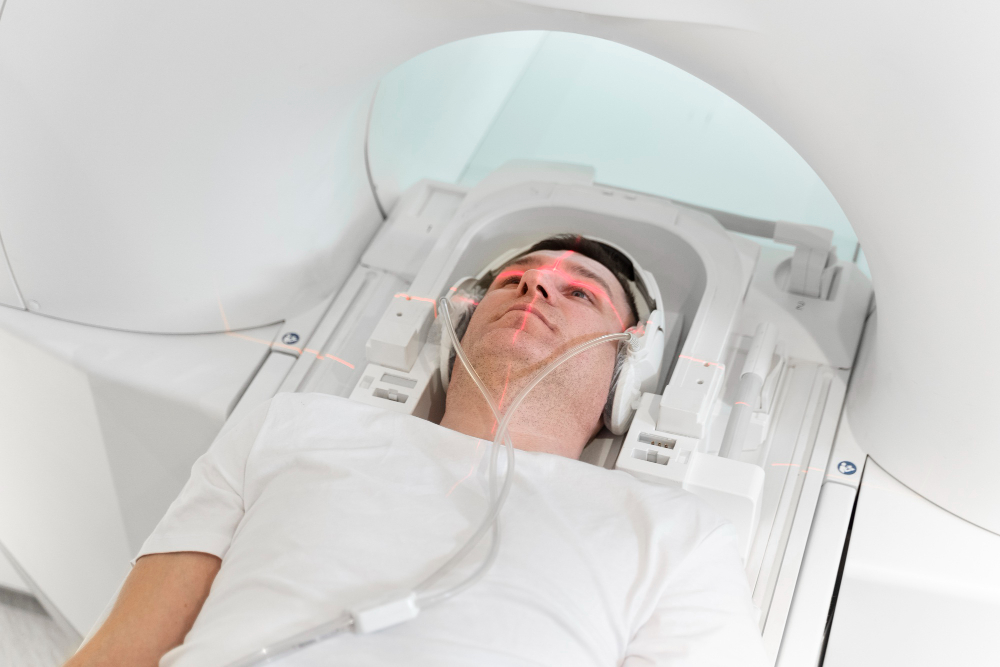
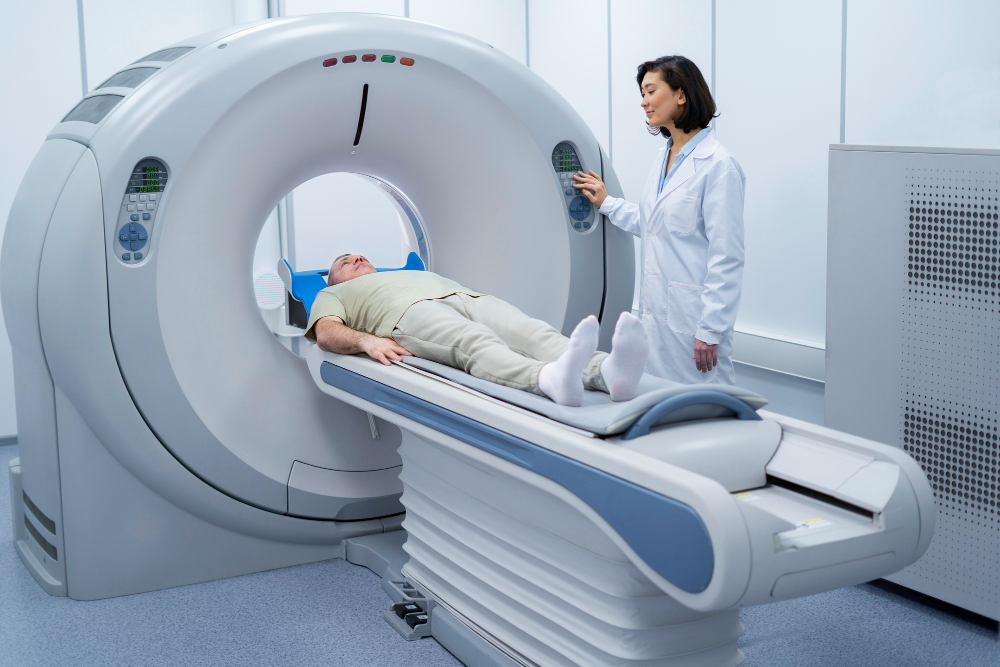
A CT Scan, also known as Computed Tomography, provides detailed cross-sectional images of the body. These images allow doctors to examine internal organs, tissues, and blood vessels with great precision, helping them identify abnormal growths or tumors at an early stage. Early detection allows doctors to start treatment sooner and significantly improves patient outcomes.
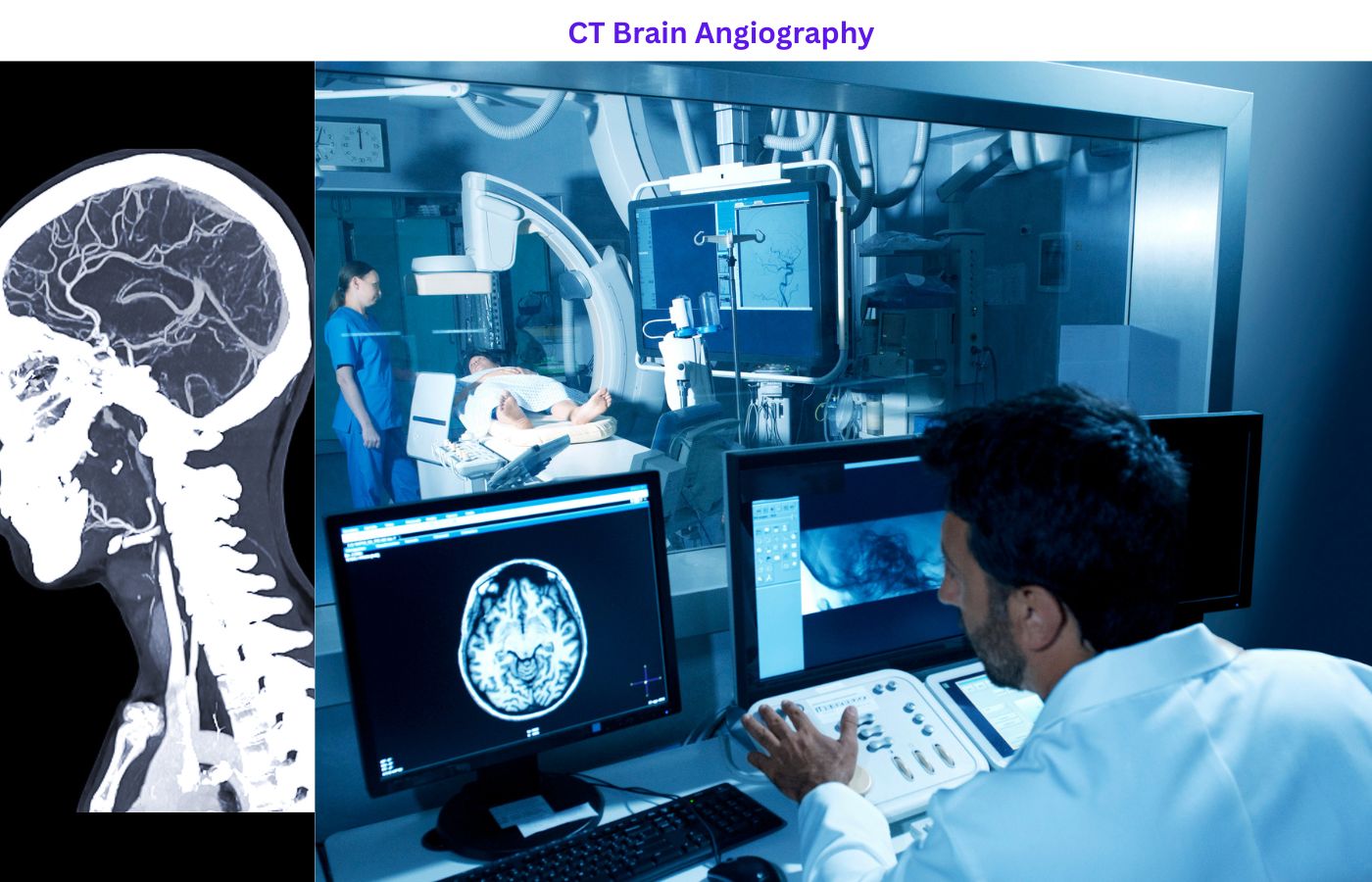
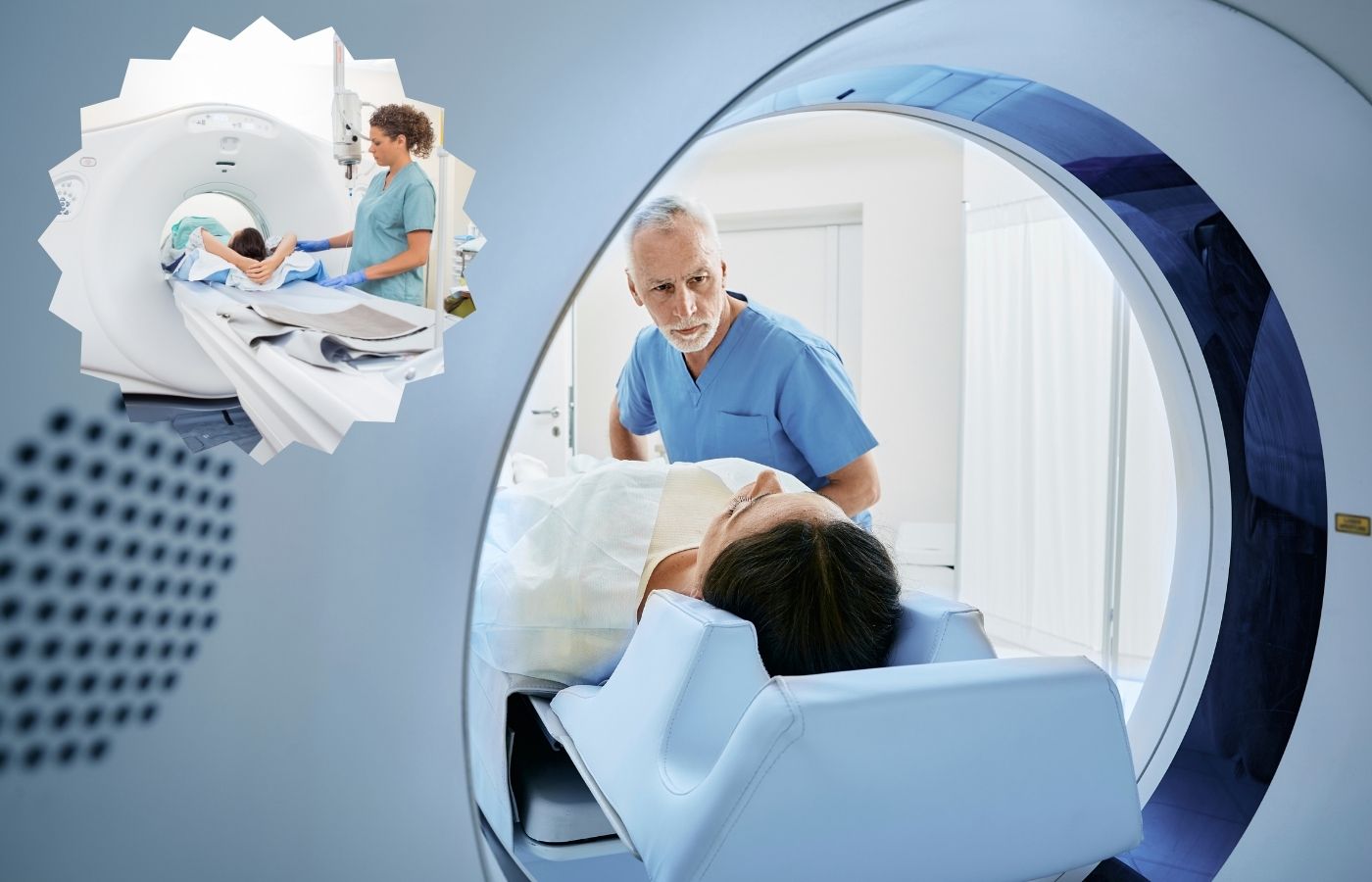
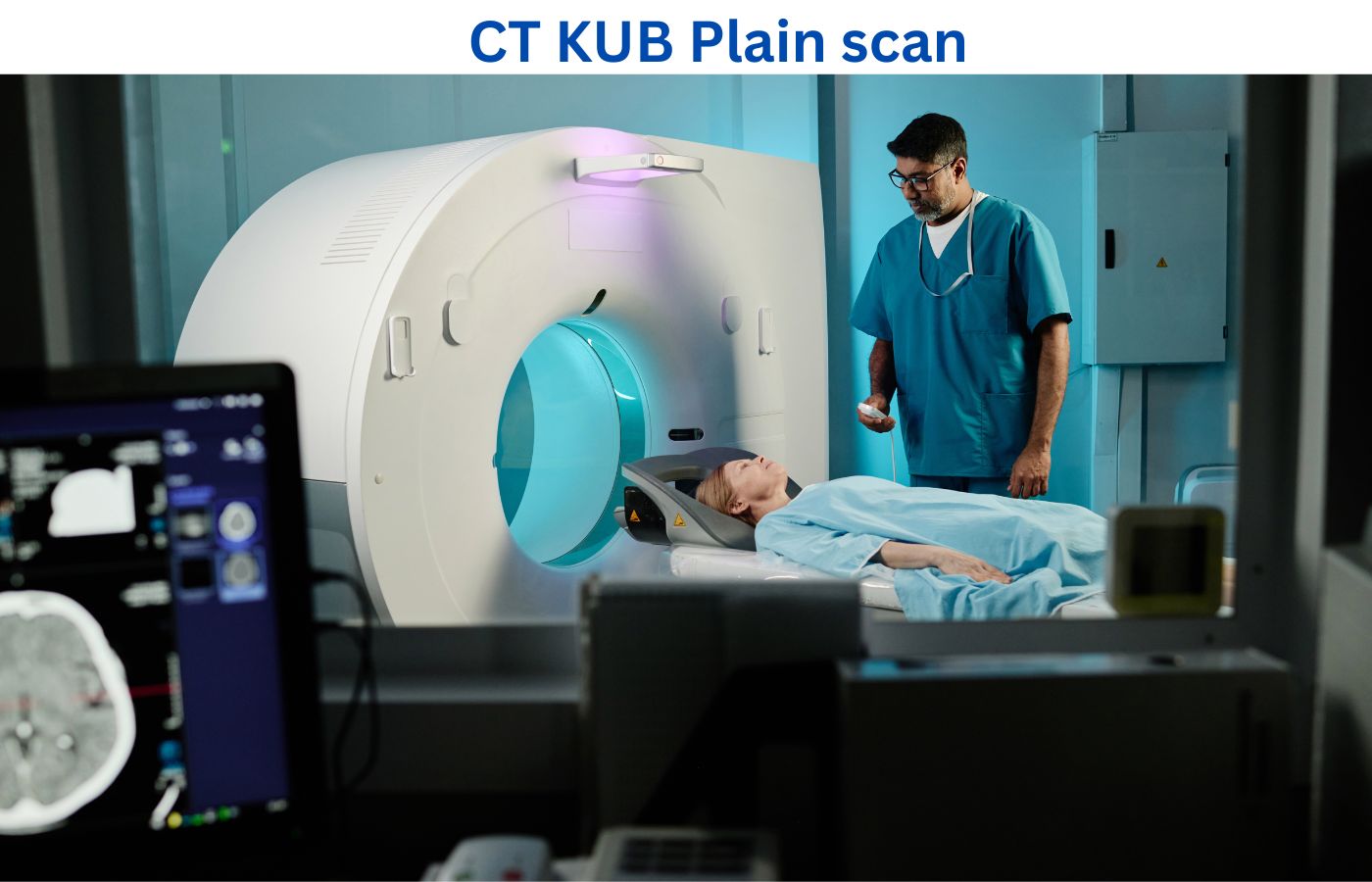
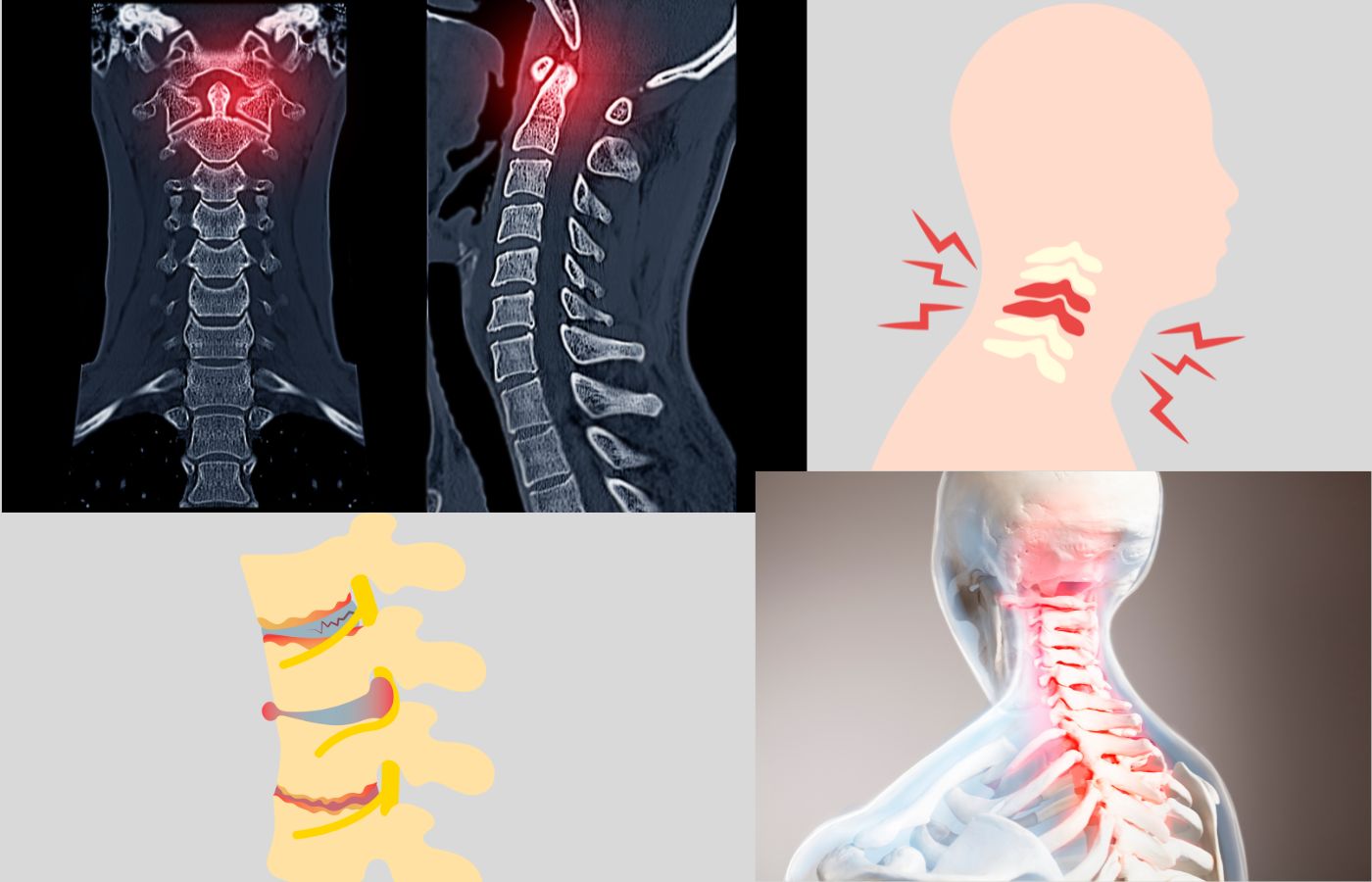
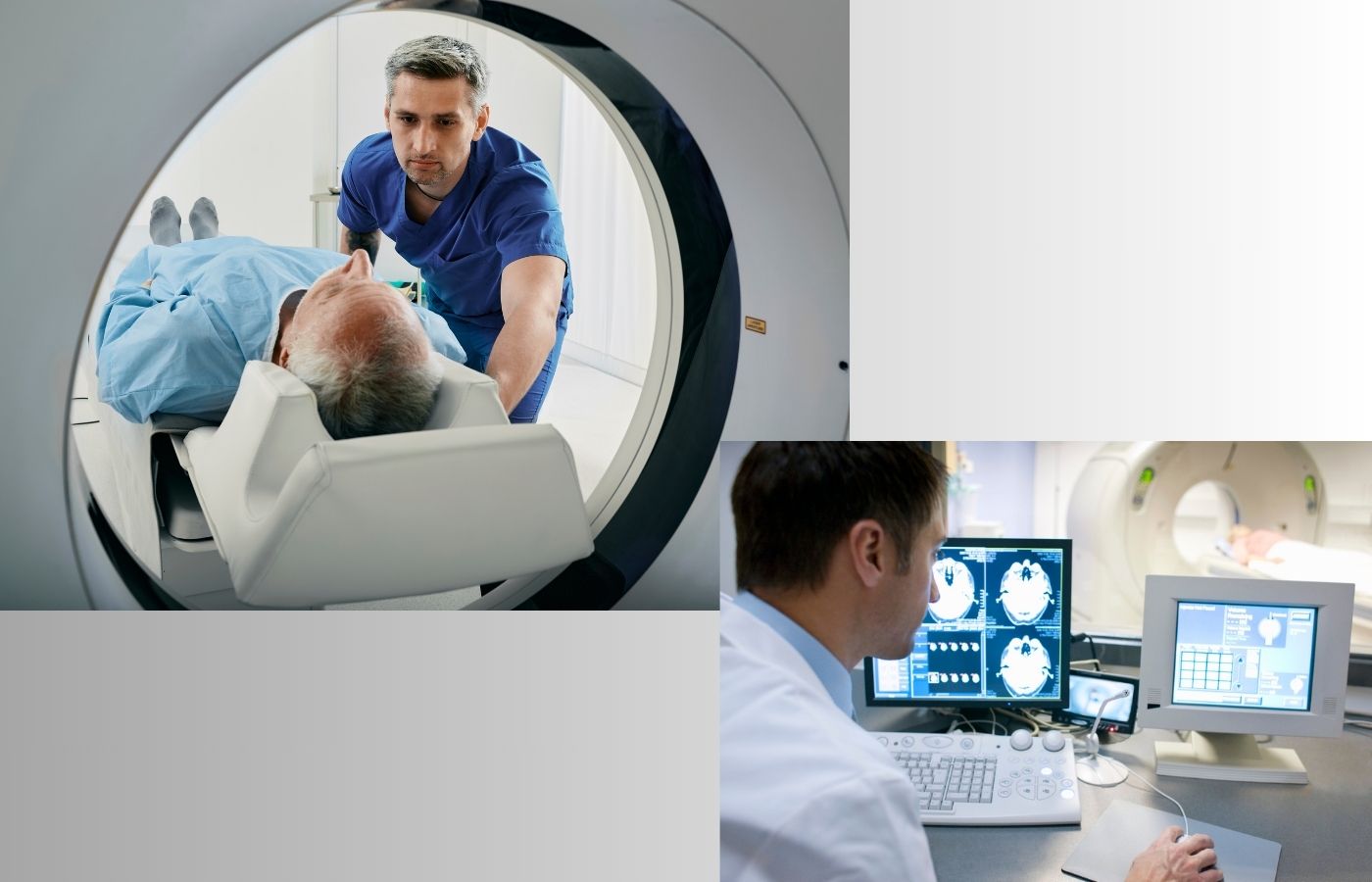
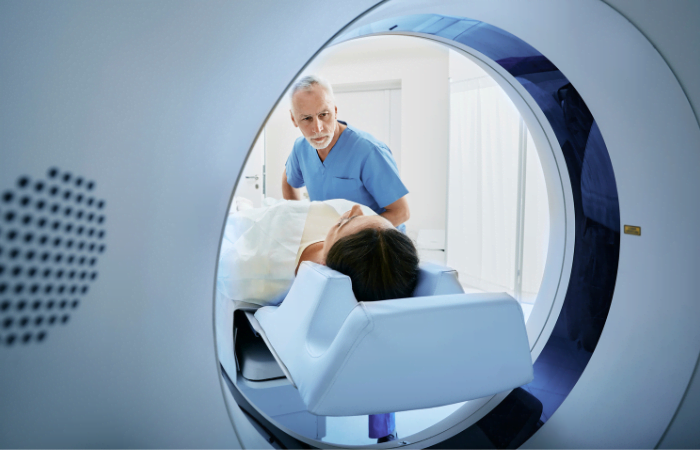
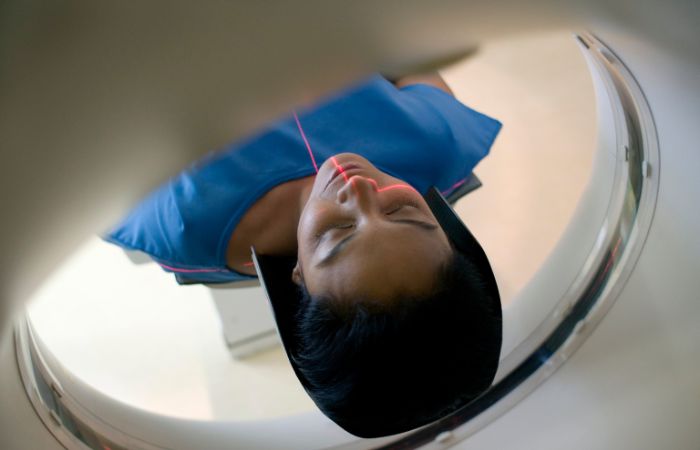
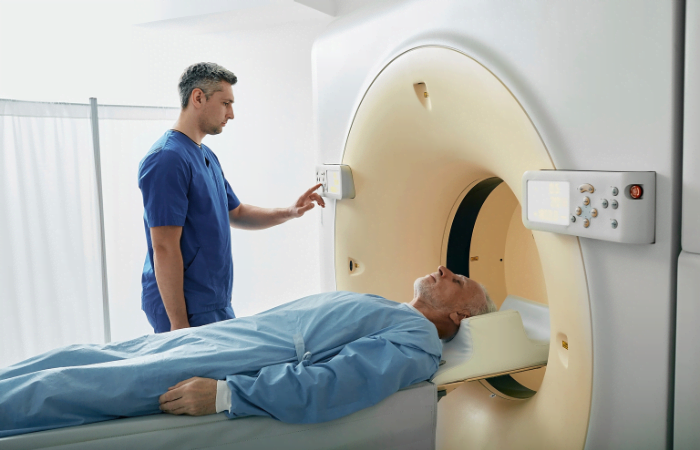
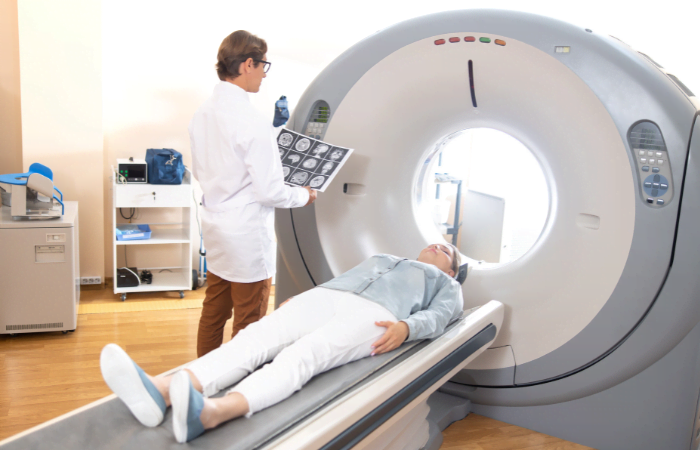
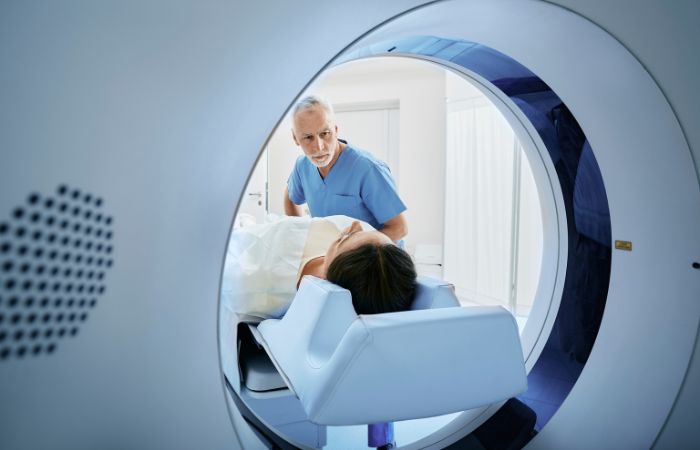
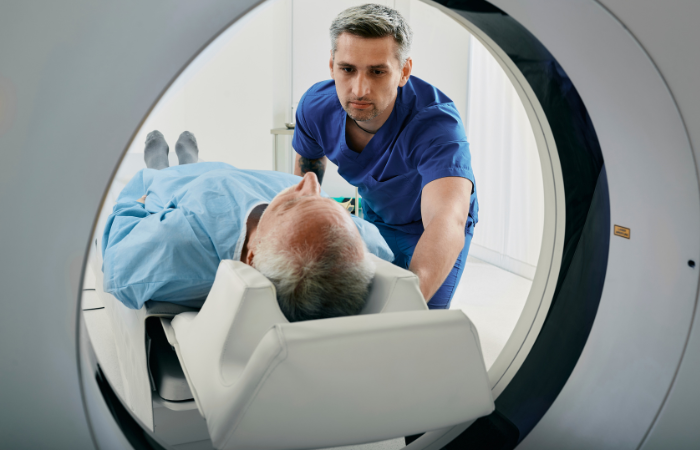
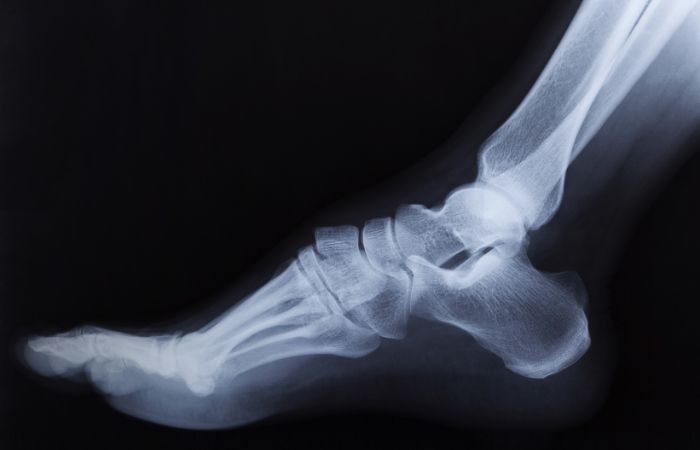
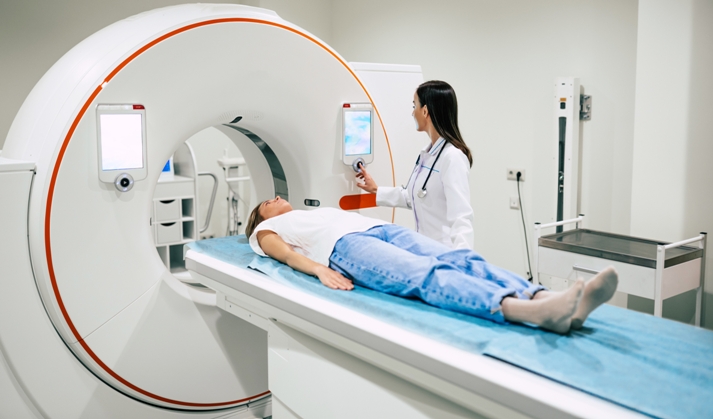
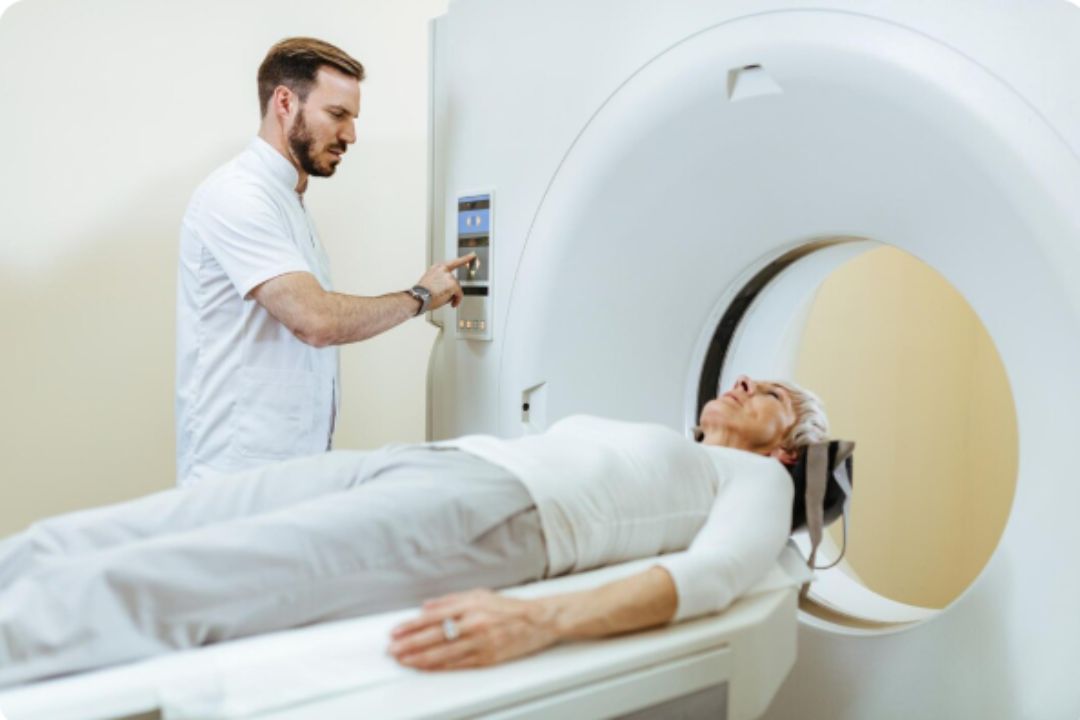
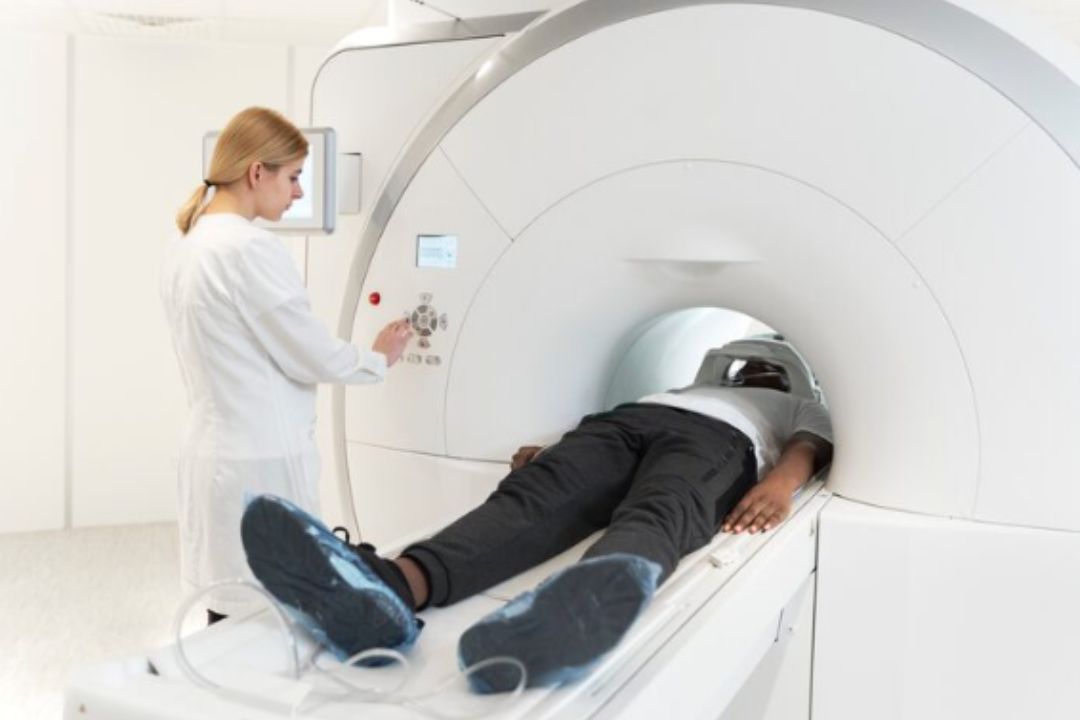
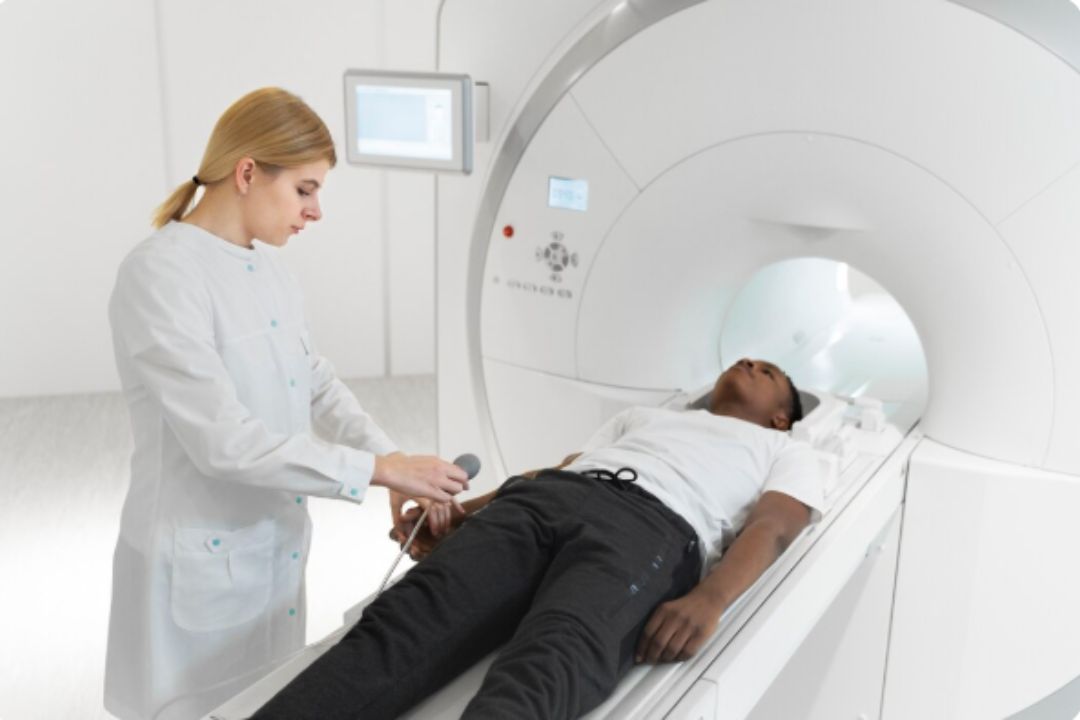
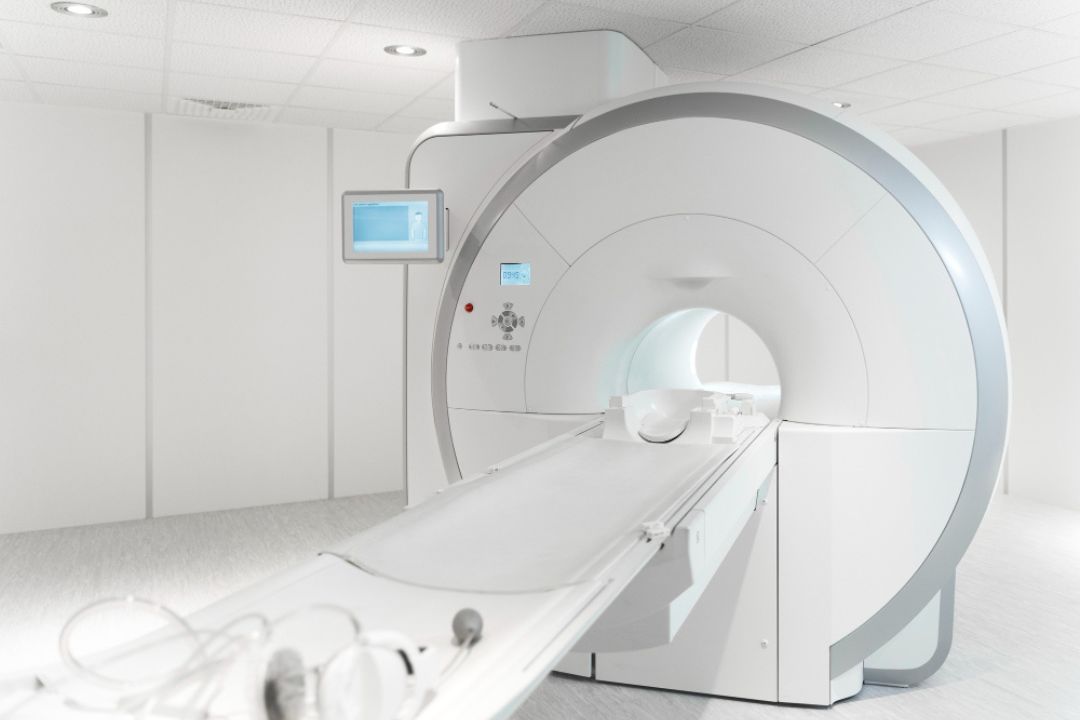
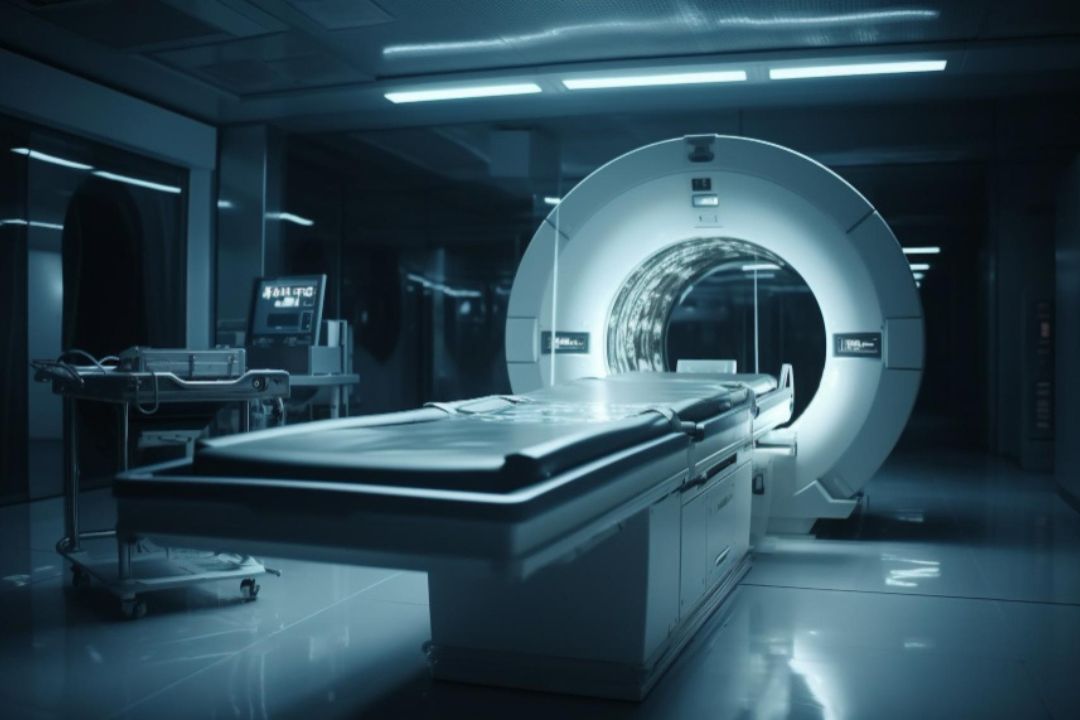
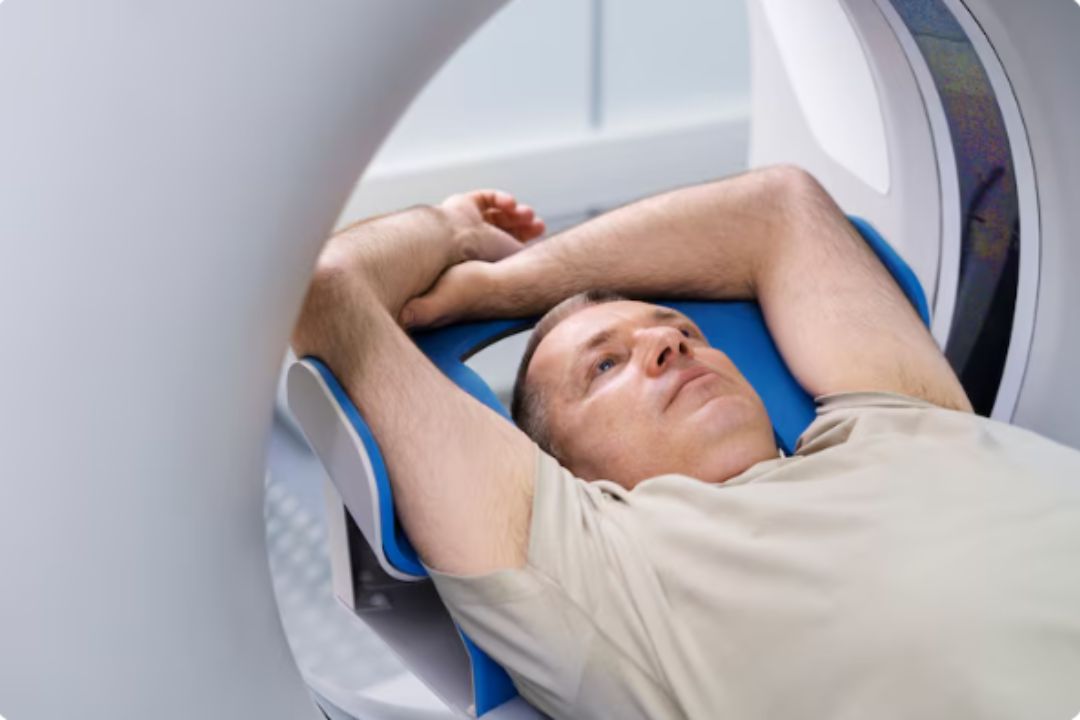
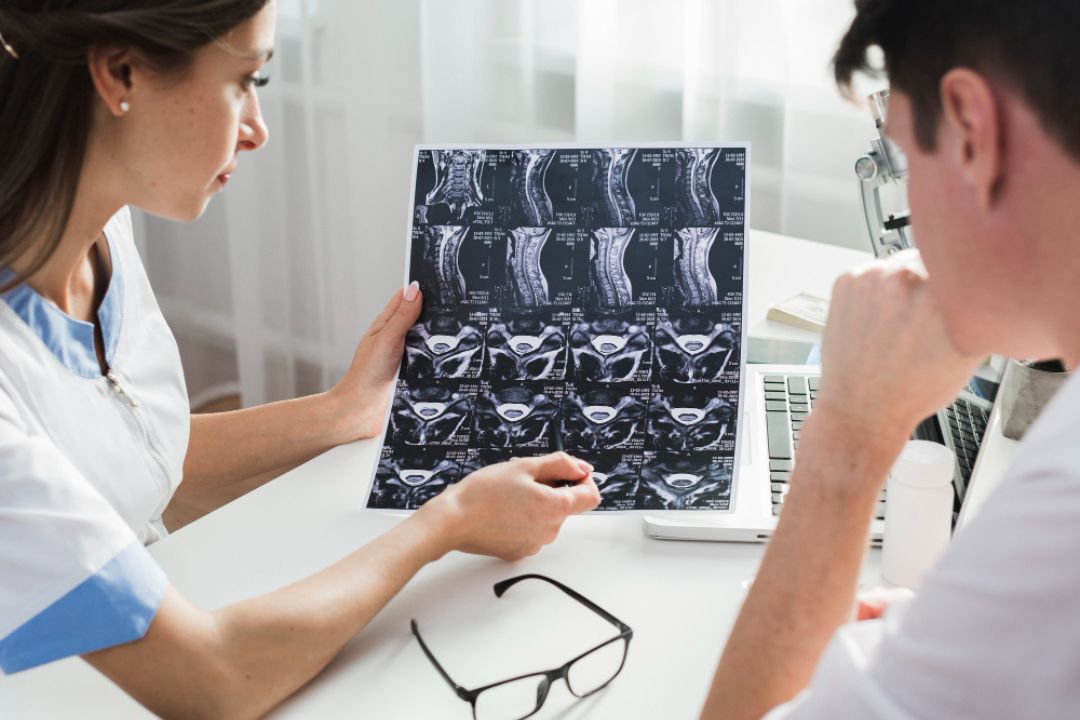
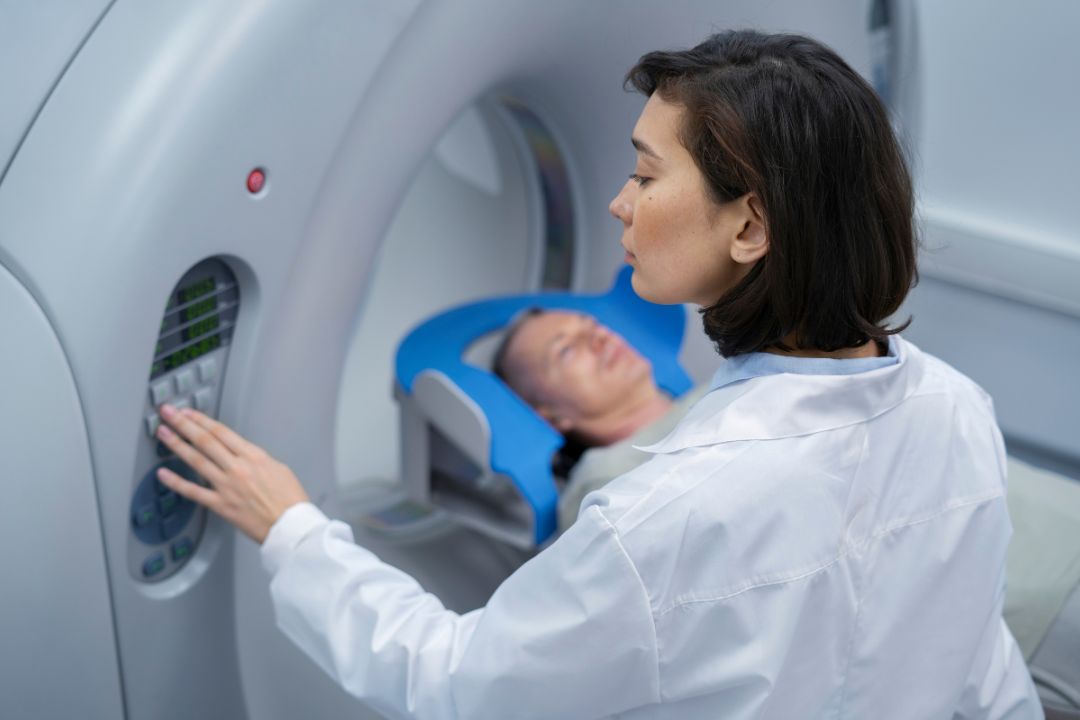
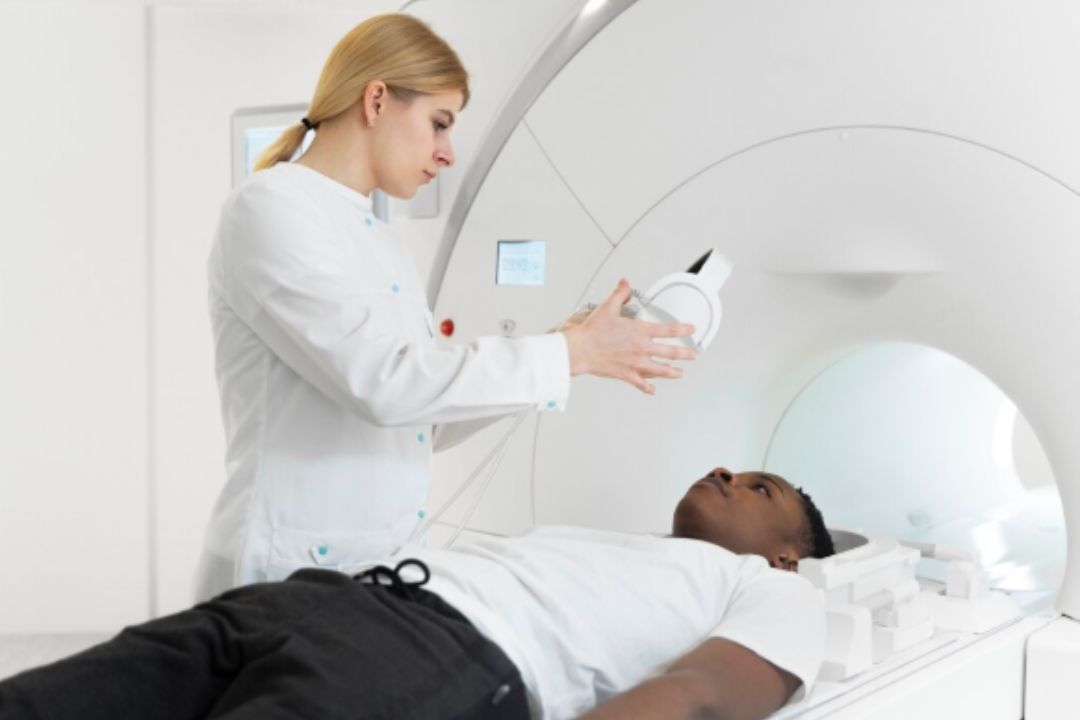
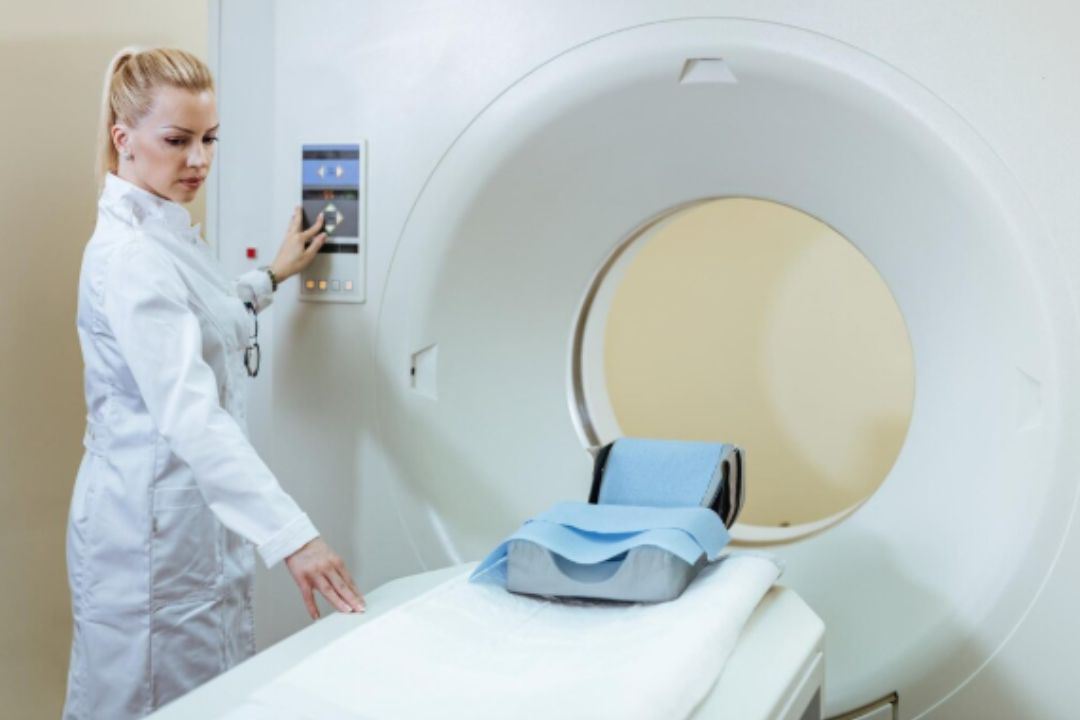
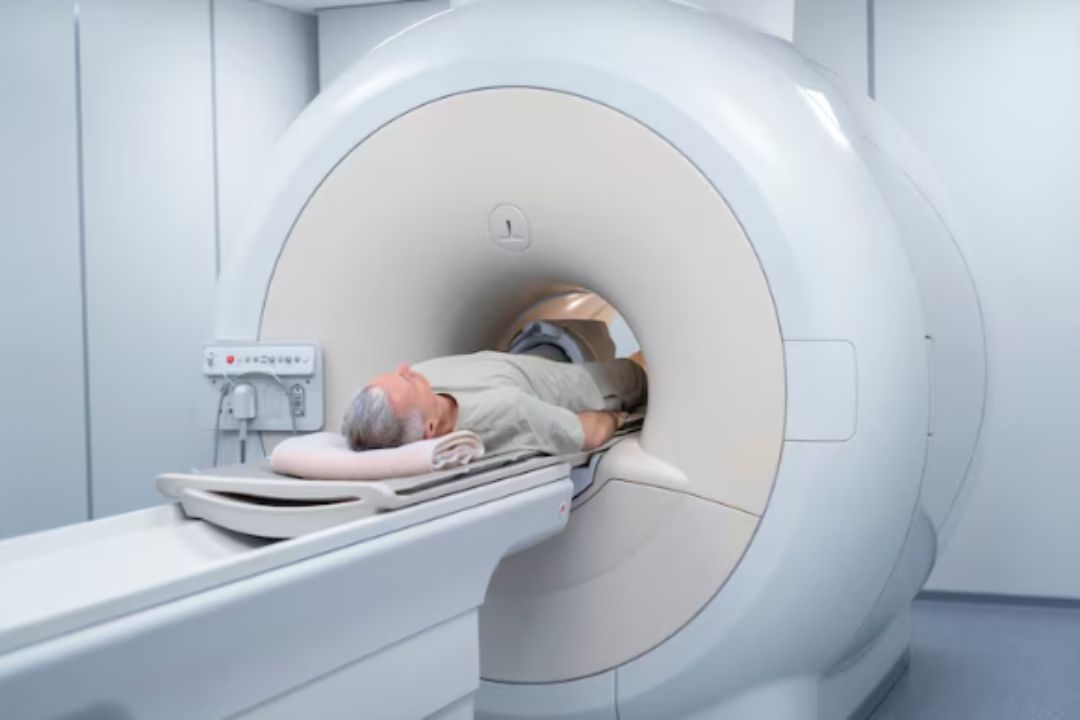
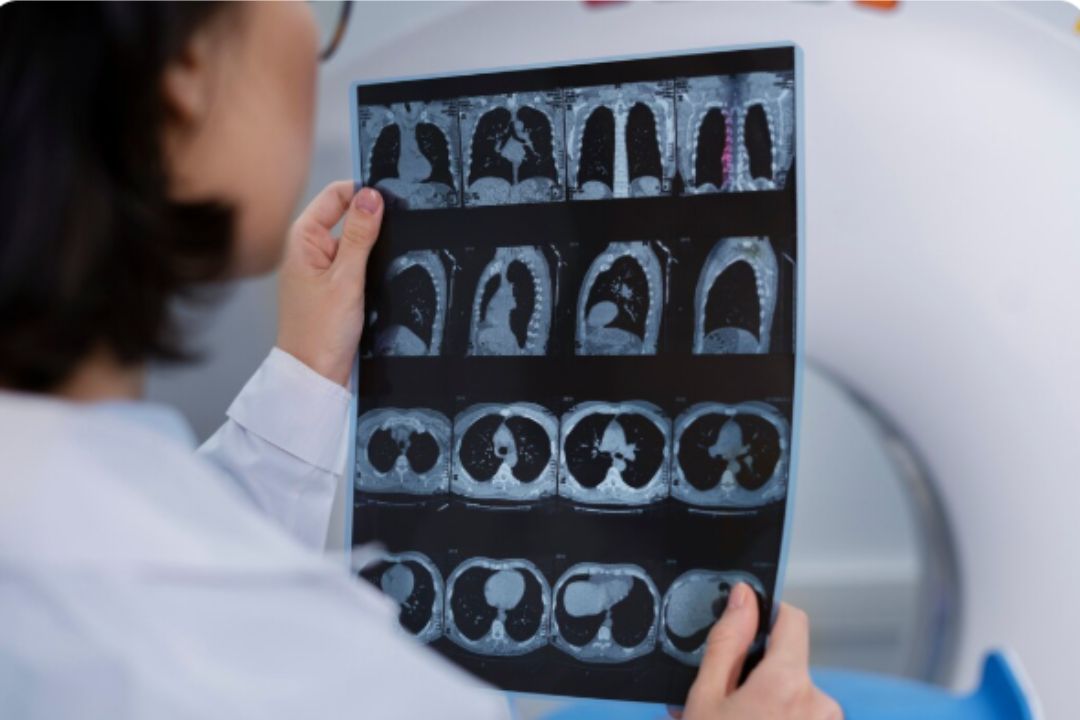
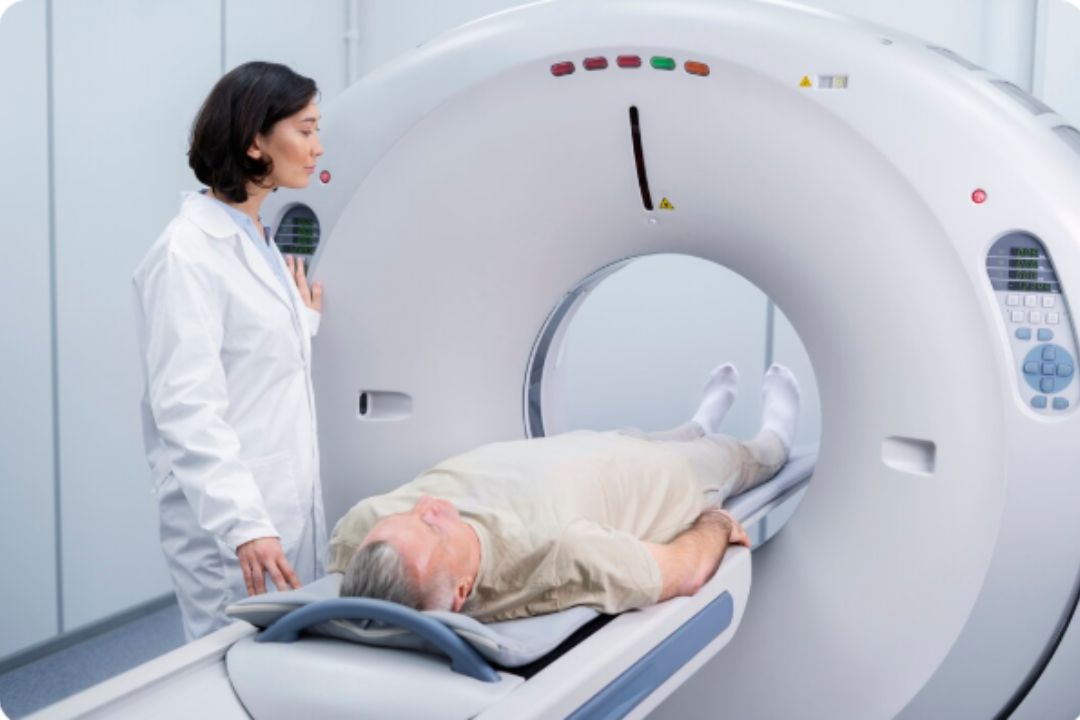
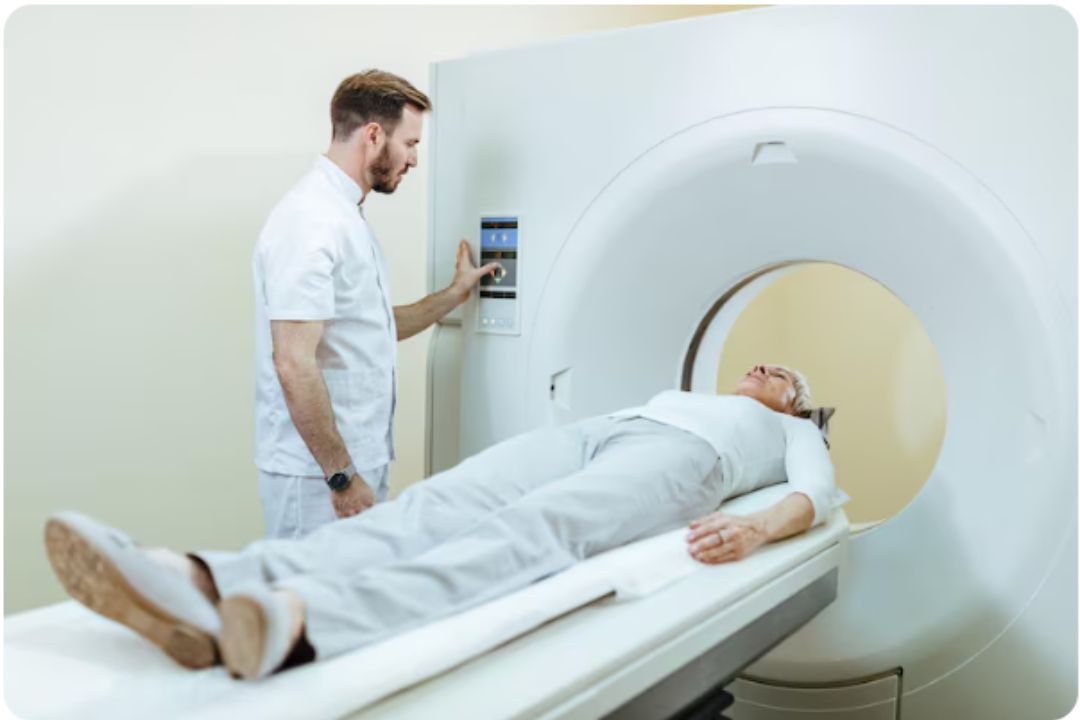
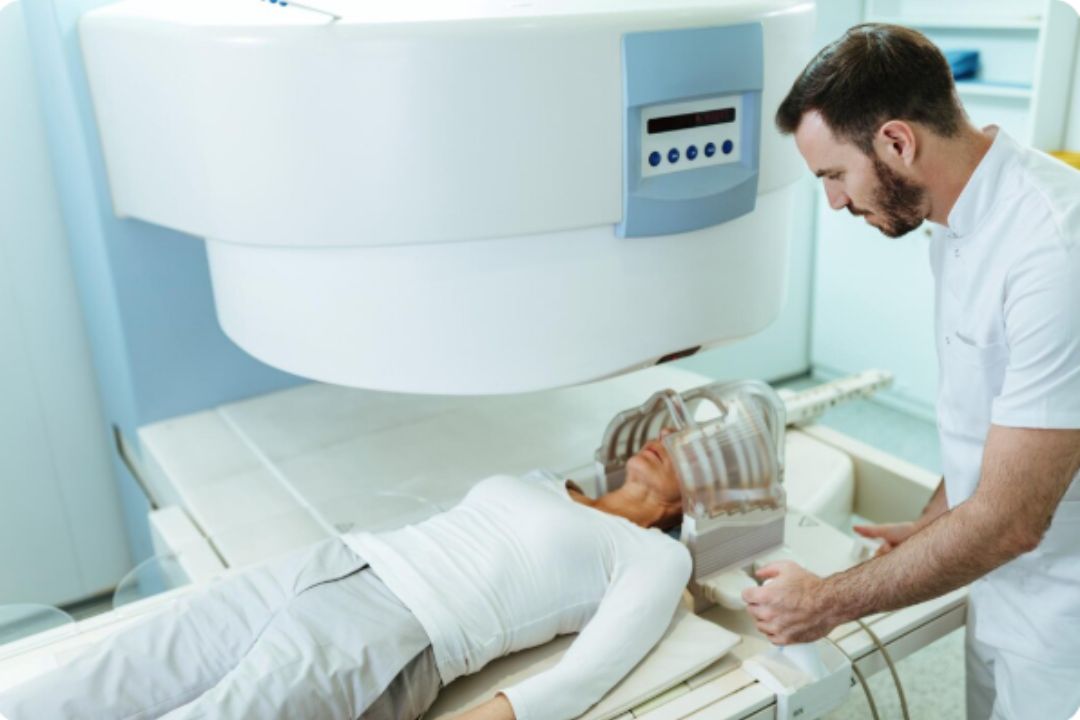
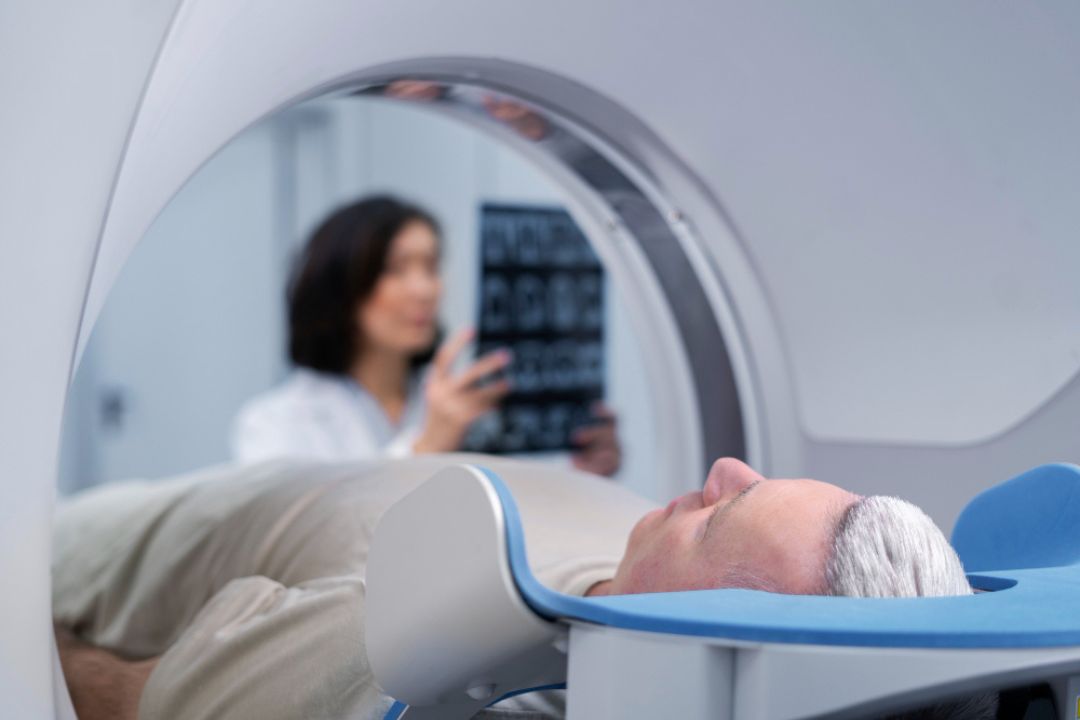
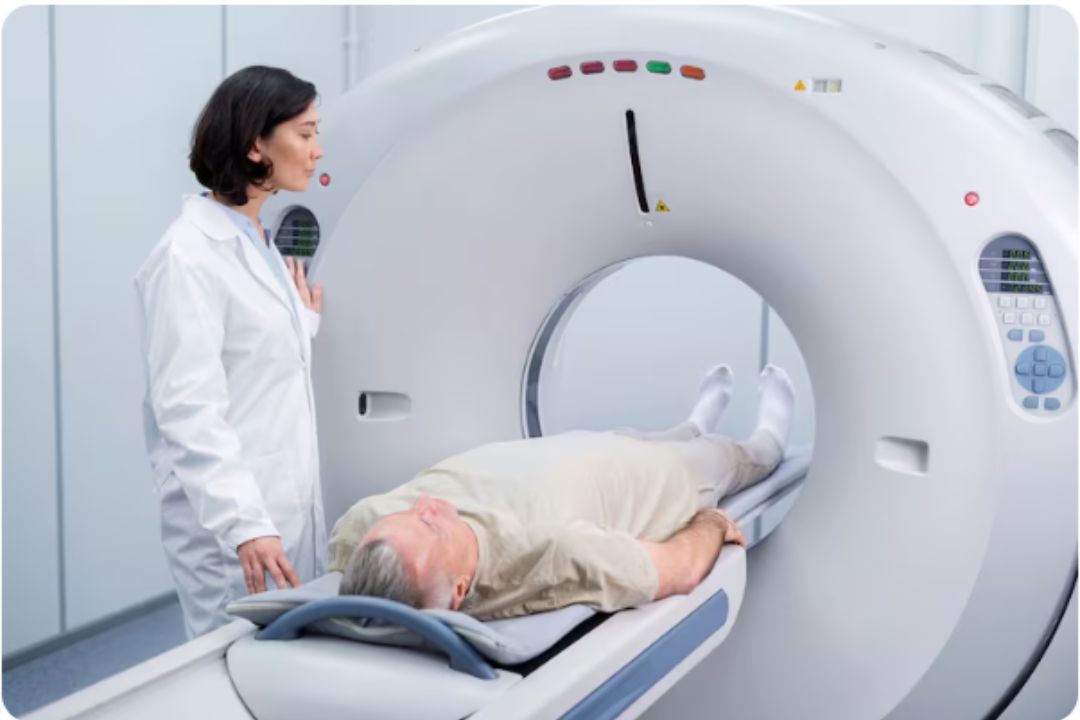
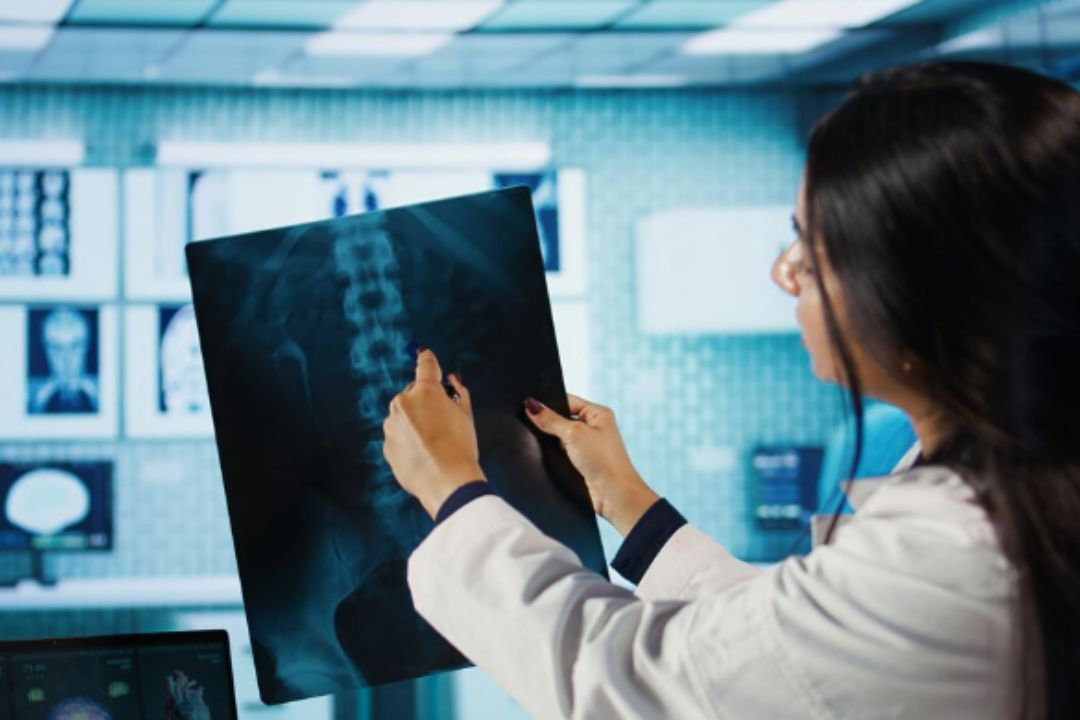
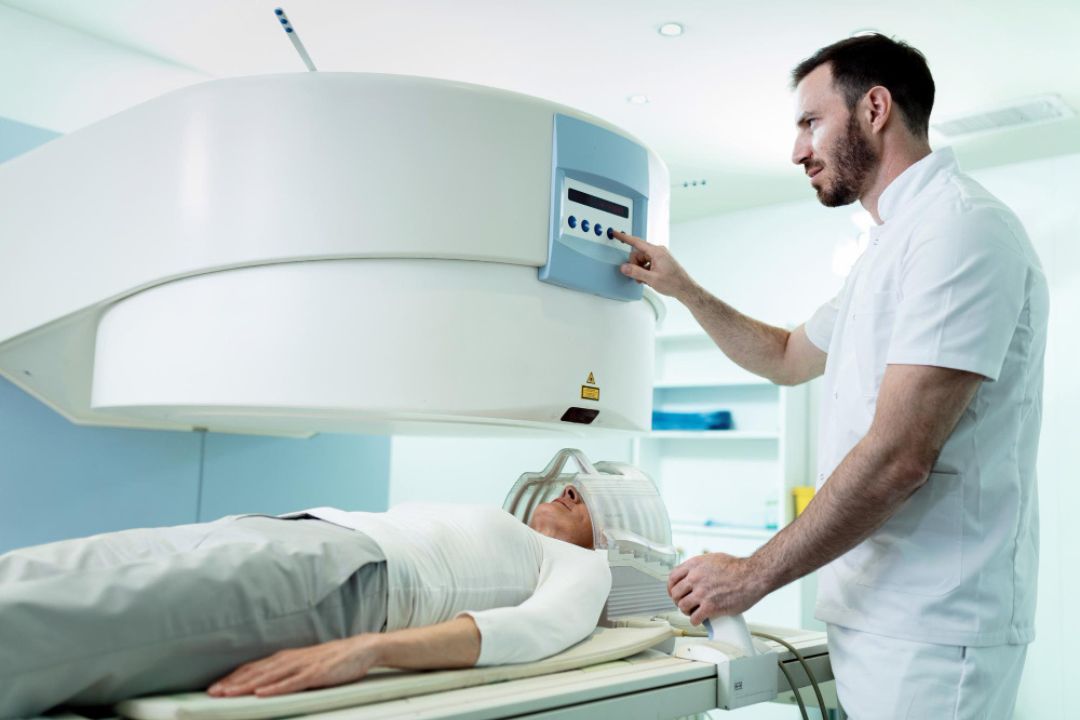
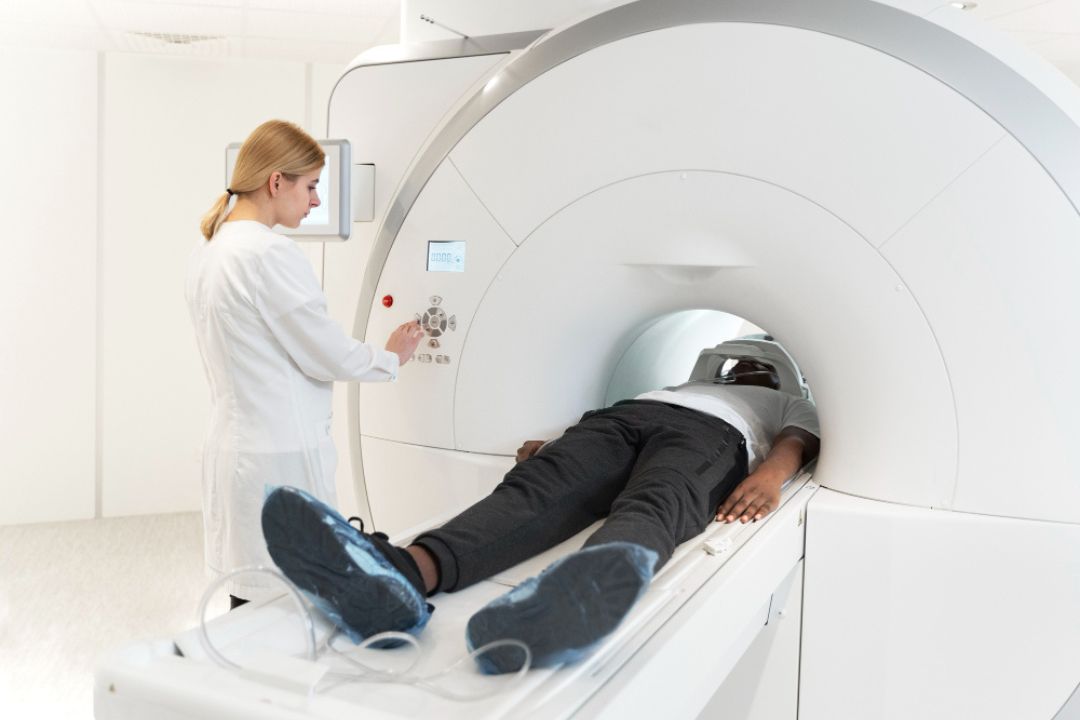
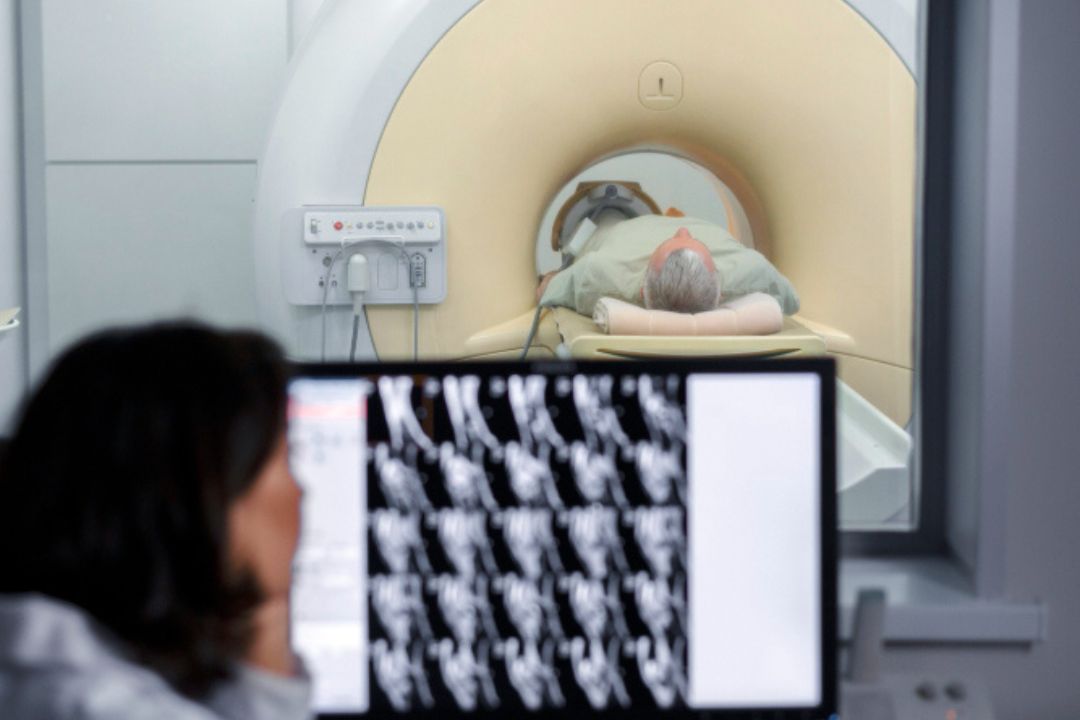
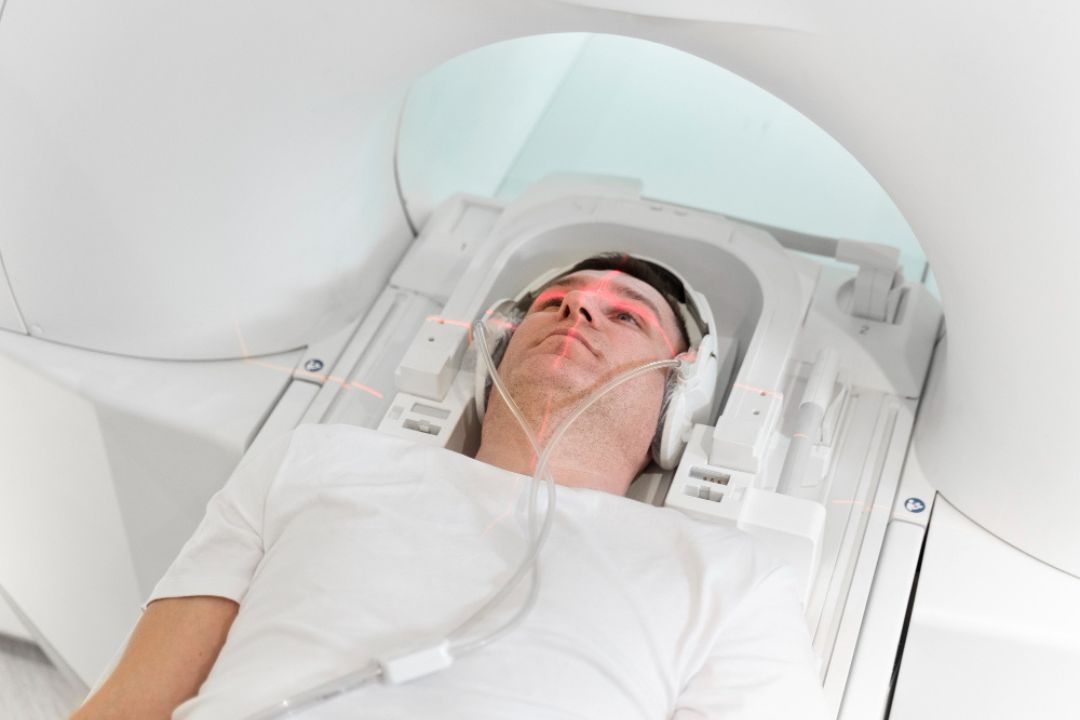
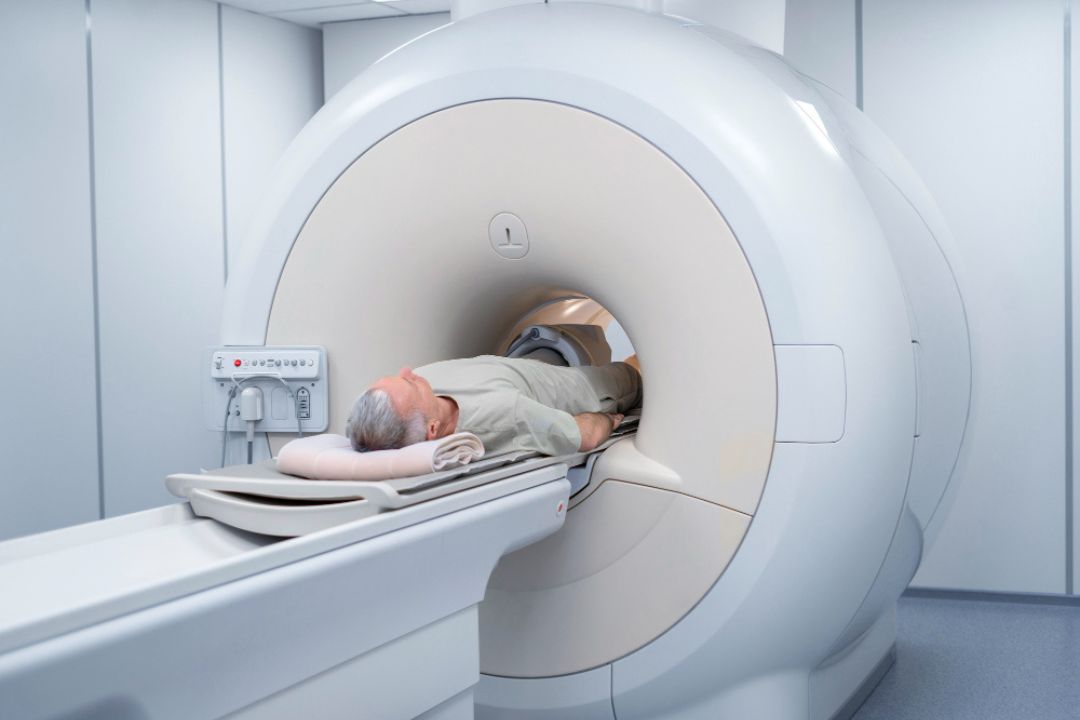
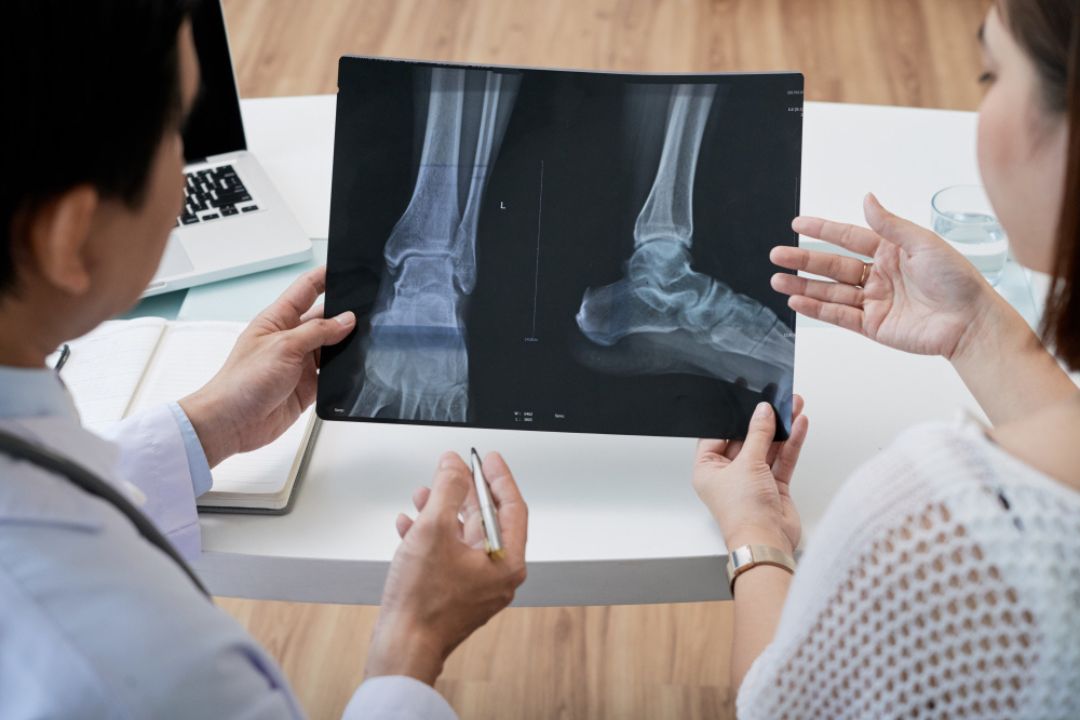
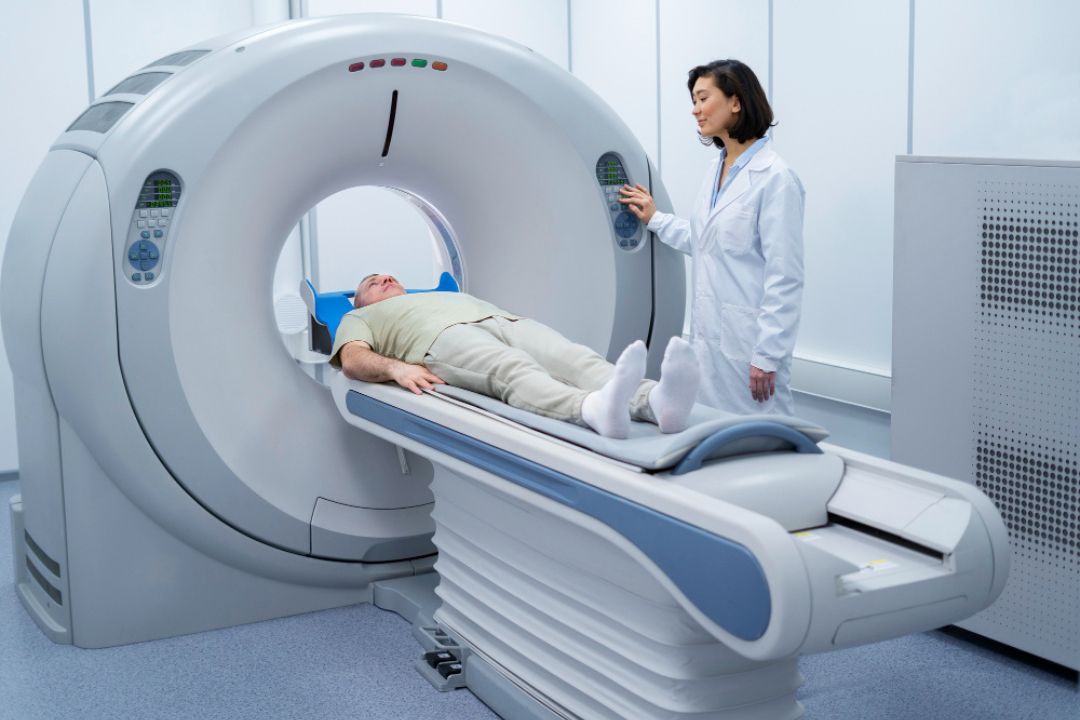
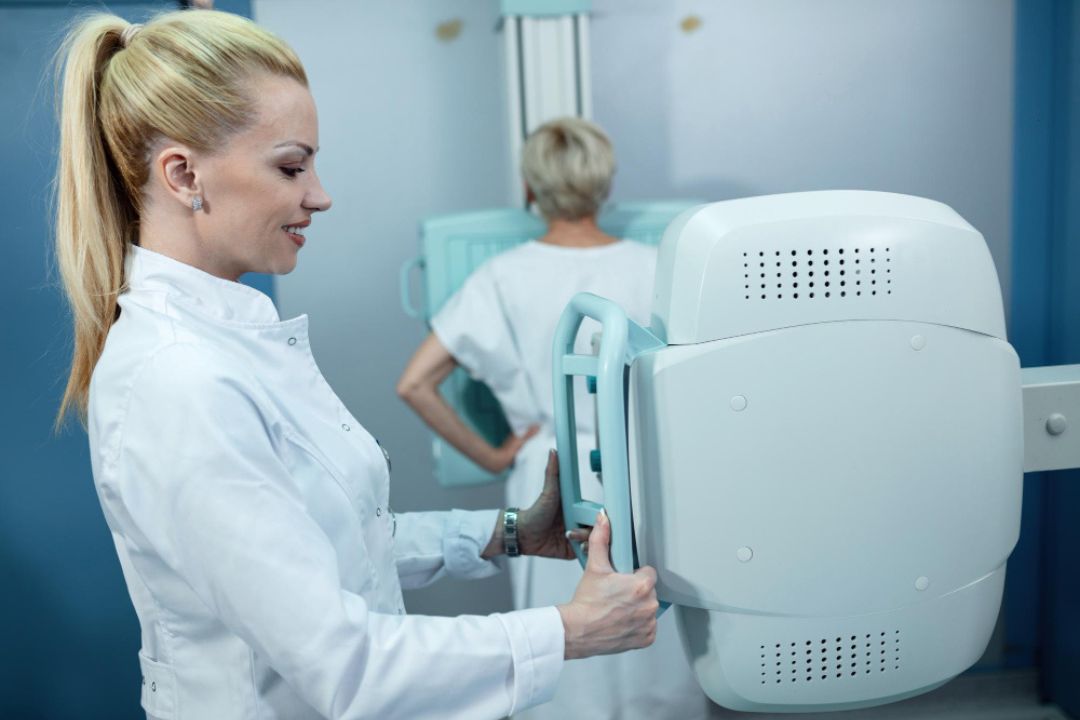
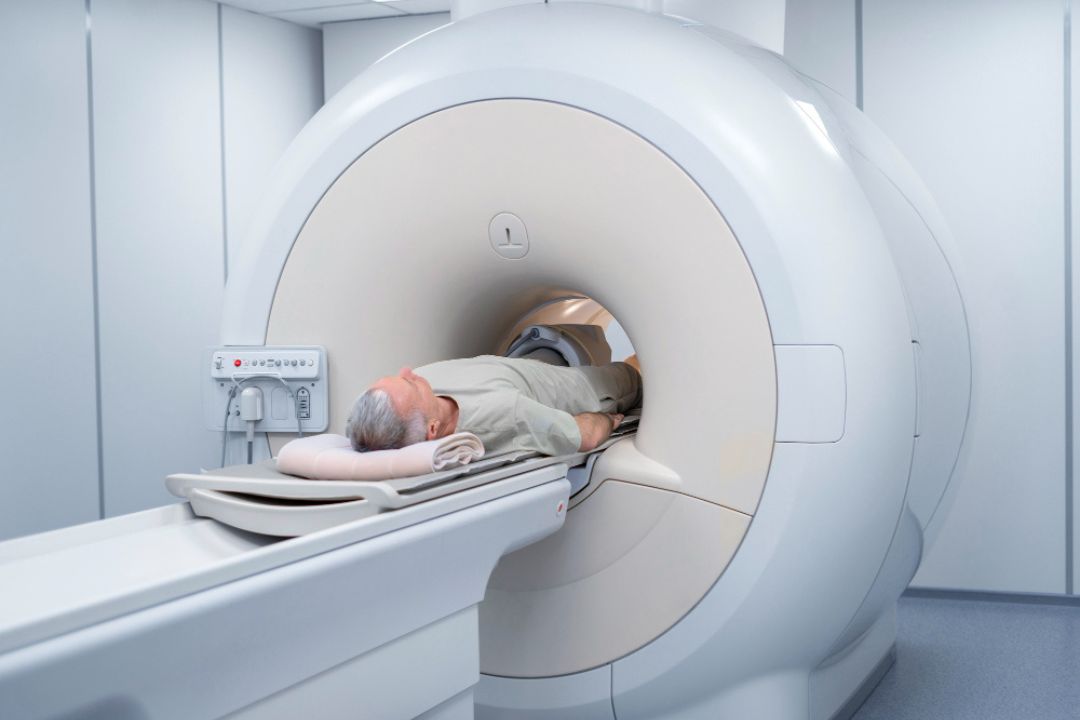
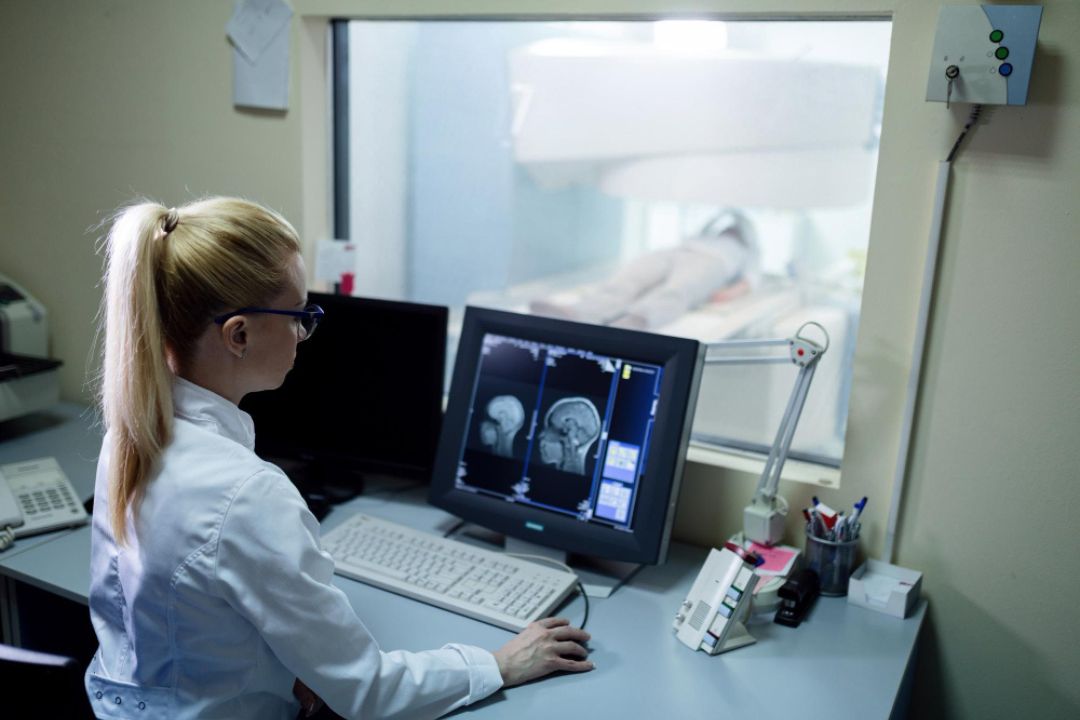
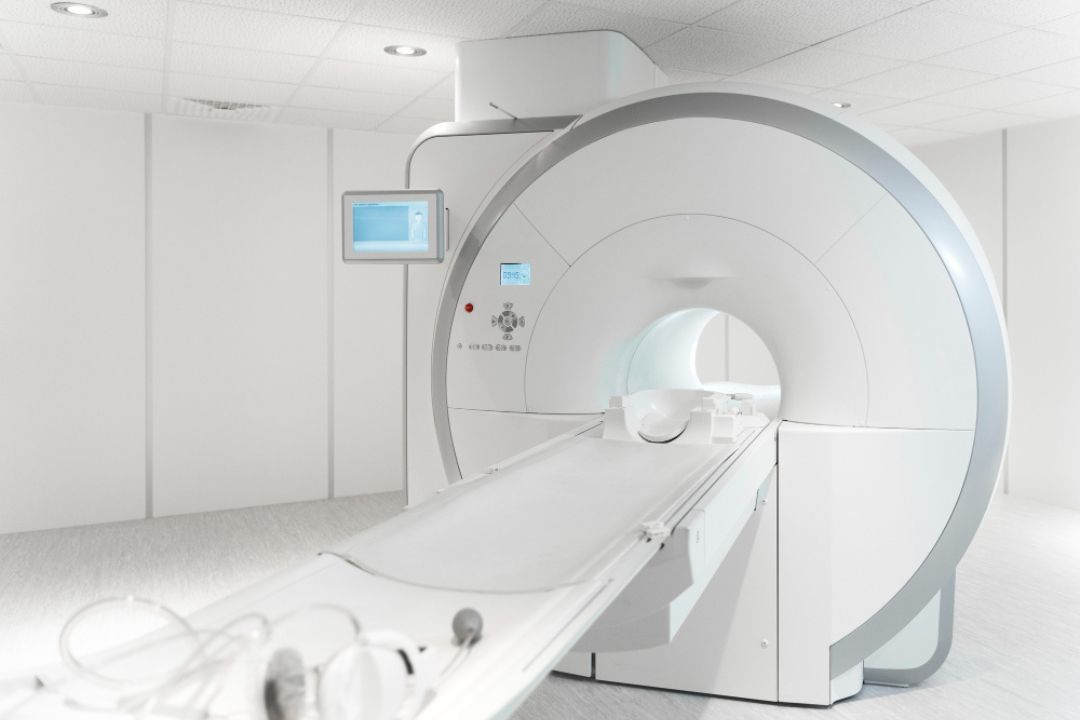
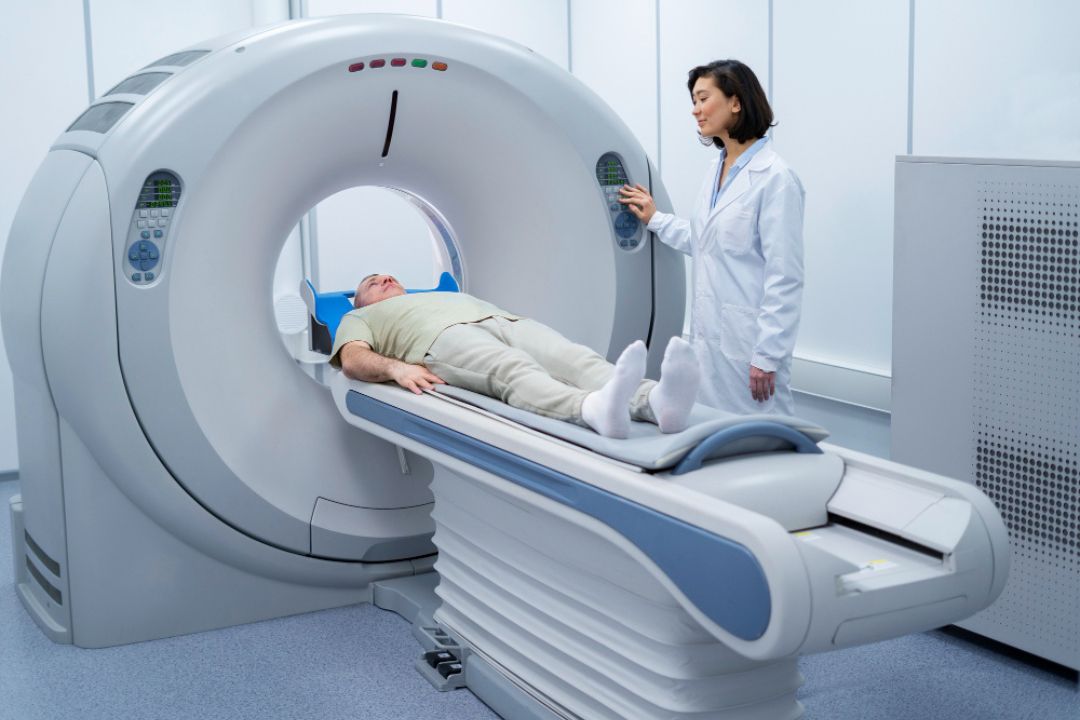
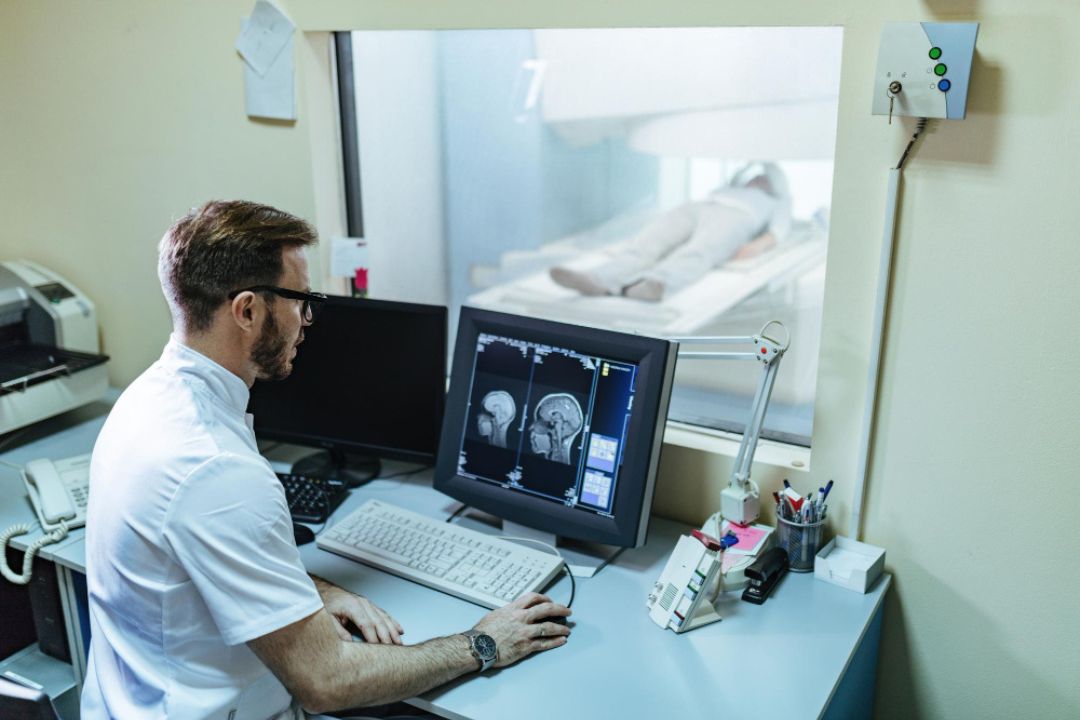
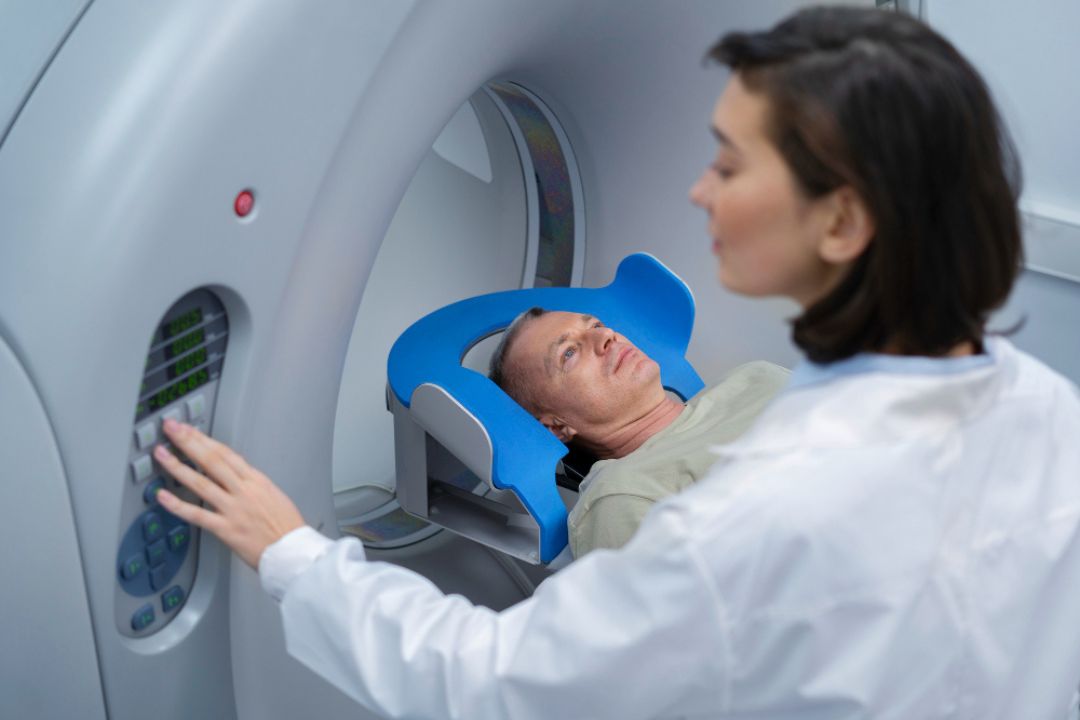
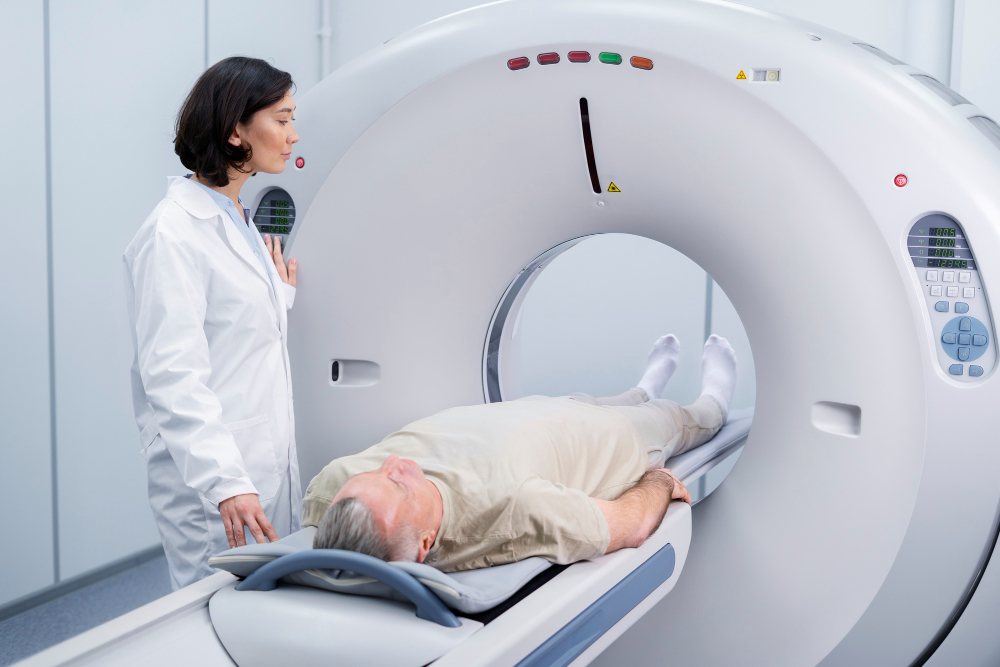
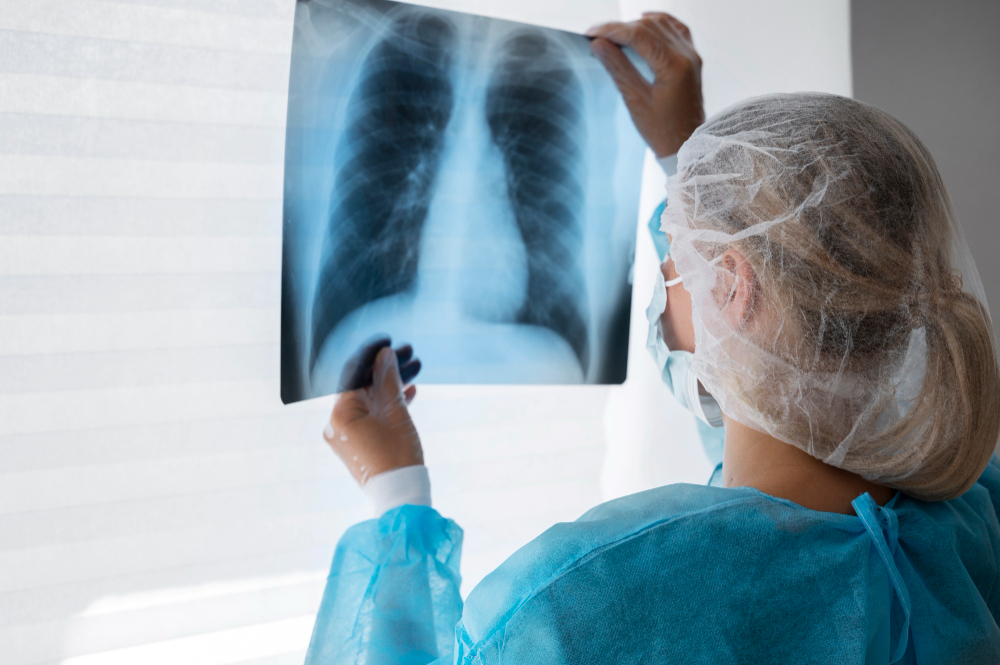
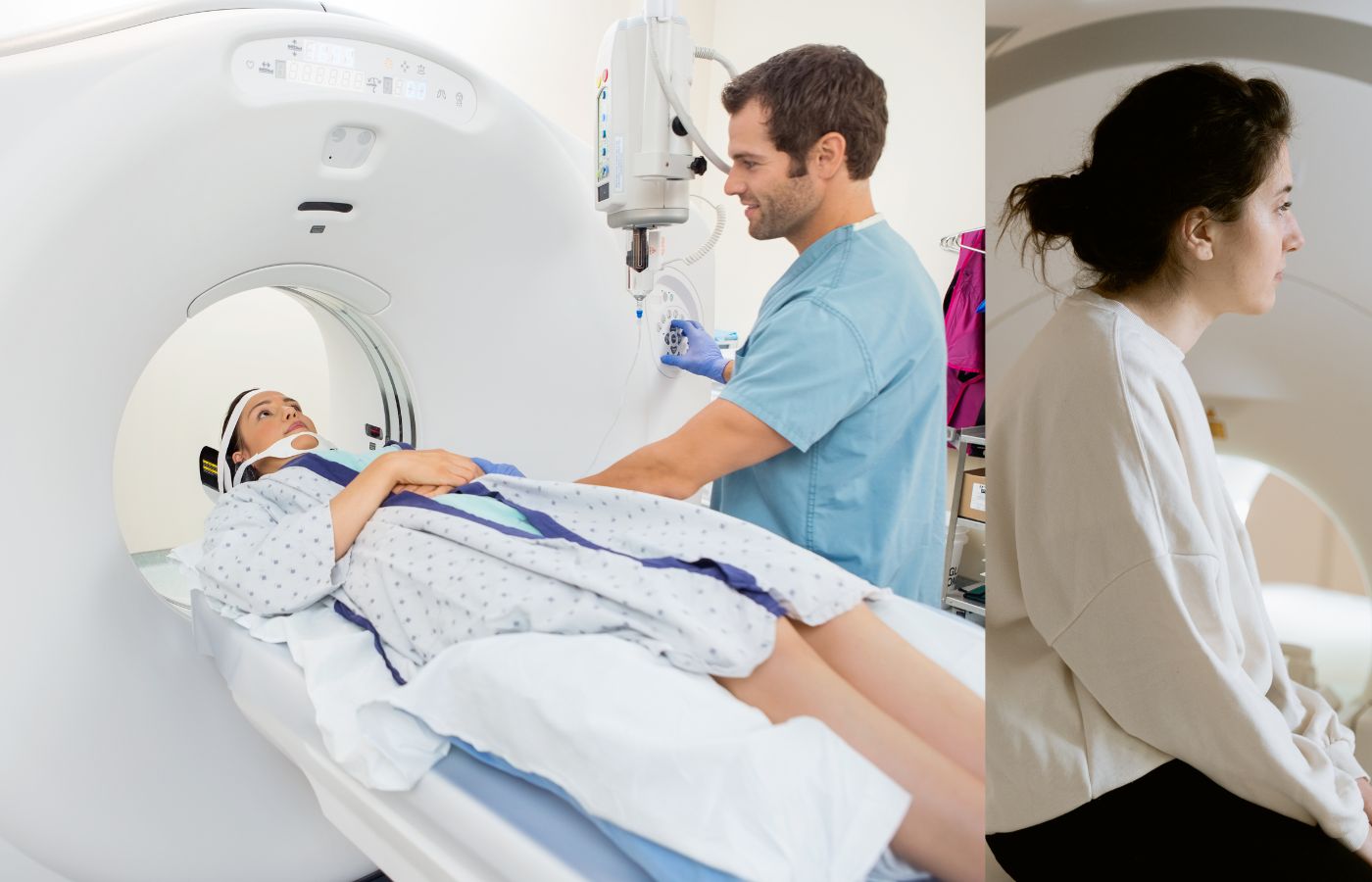
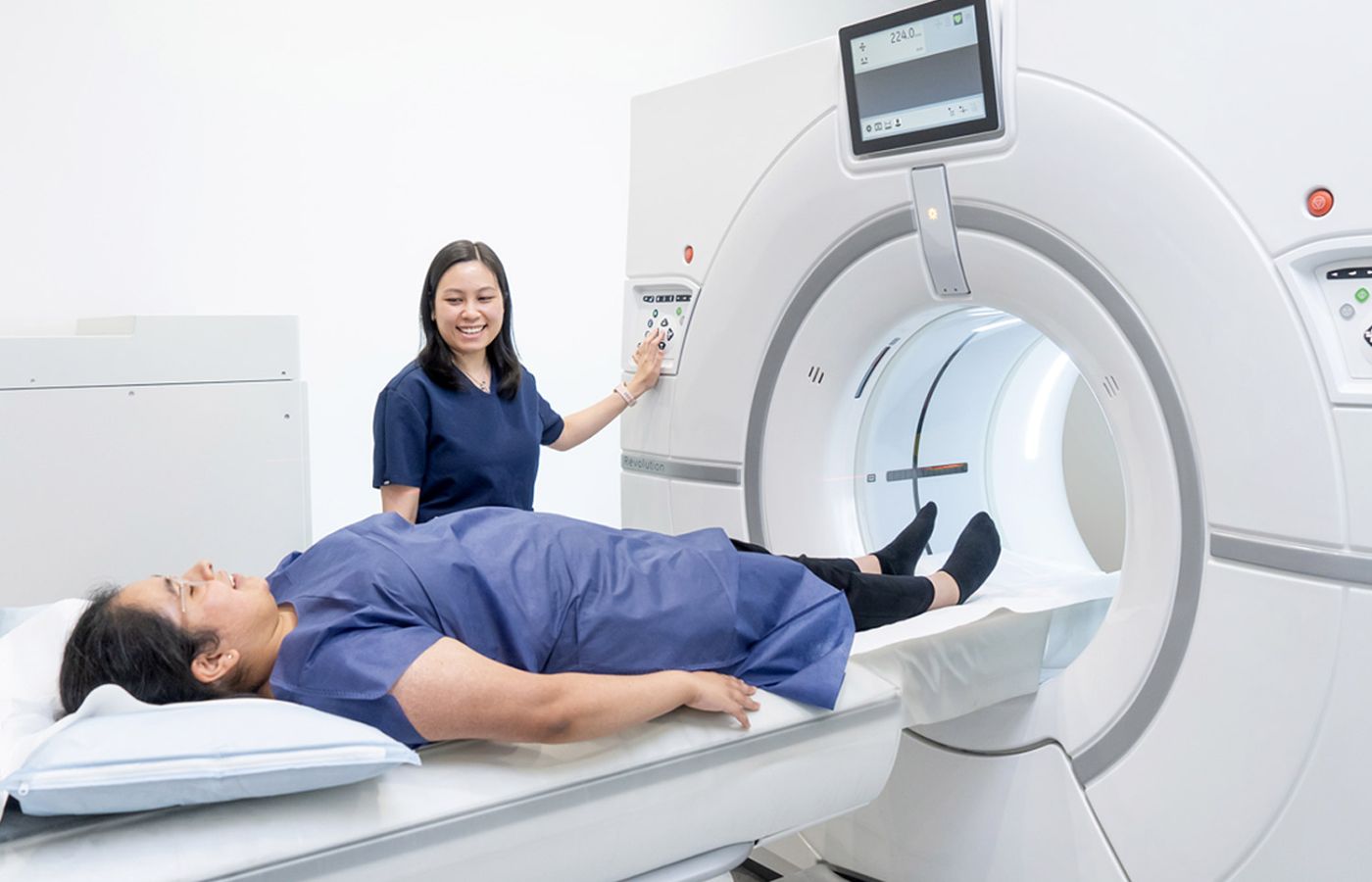
A CT scan is an advanced imaging test that combines X-rays with computer technology to produce detailed images of the inside of the body. Unlike a regular X-ray, which shows a single image, a CT scan creates multiple cross-sectional images that provide a more complete view of organs and tissues.
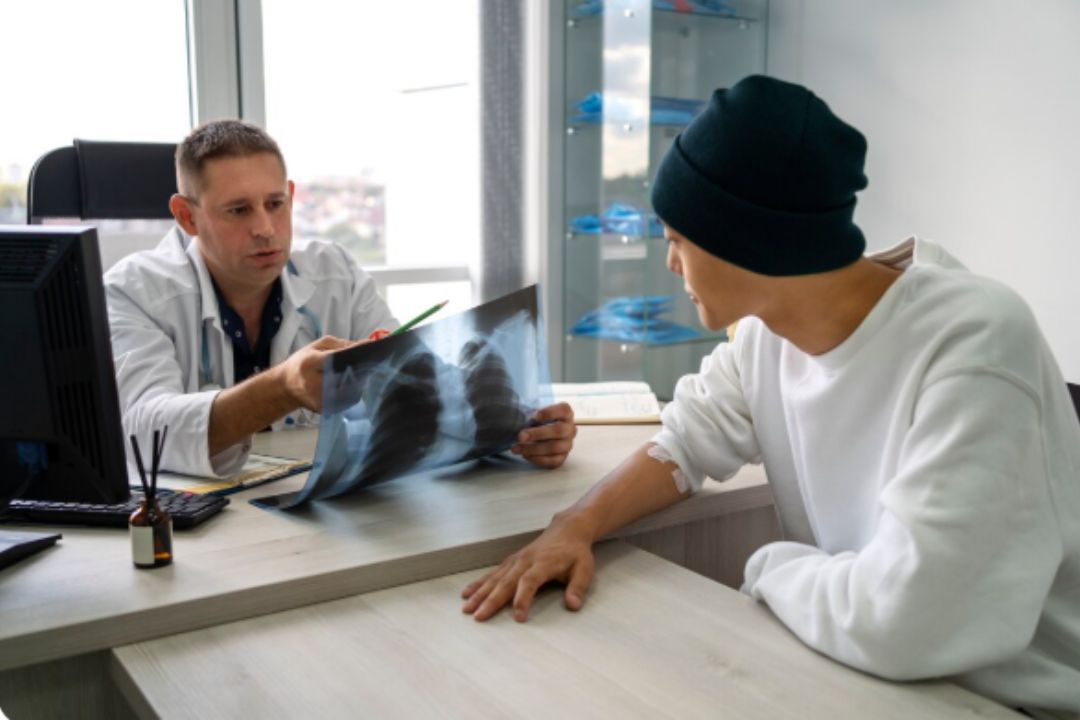
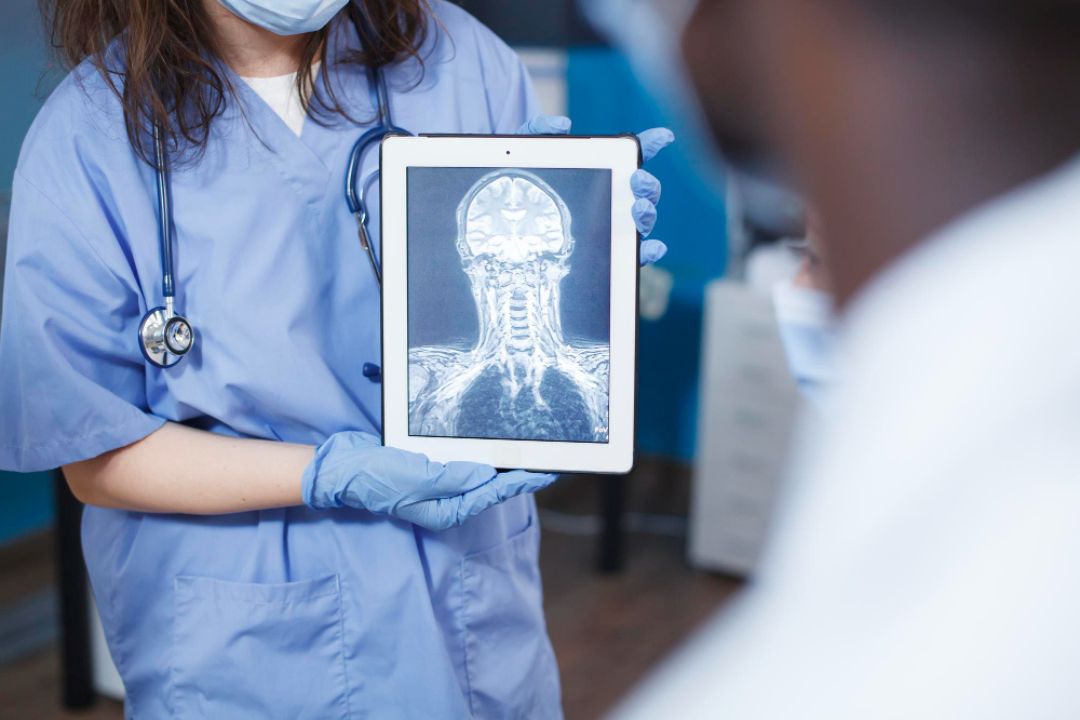
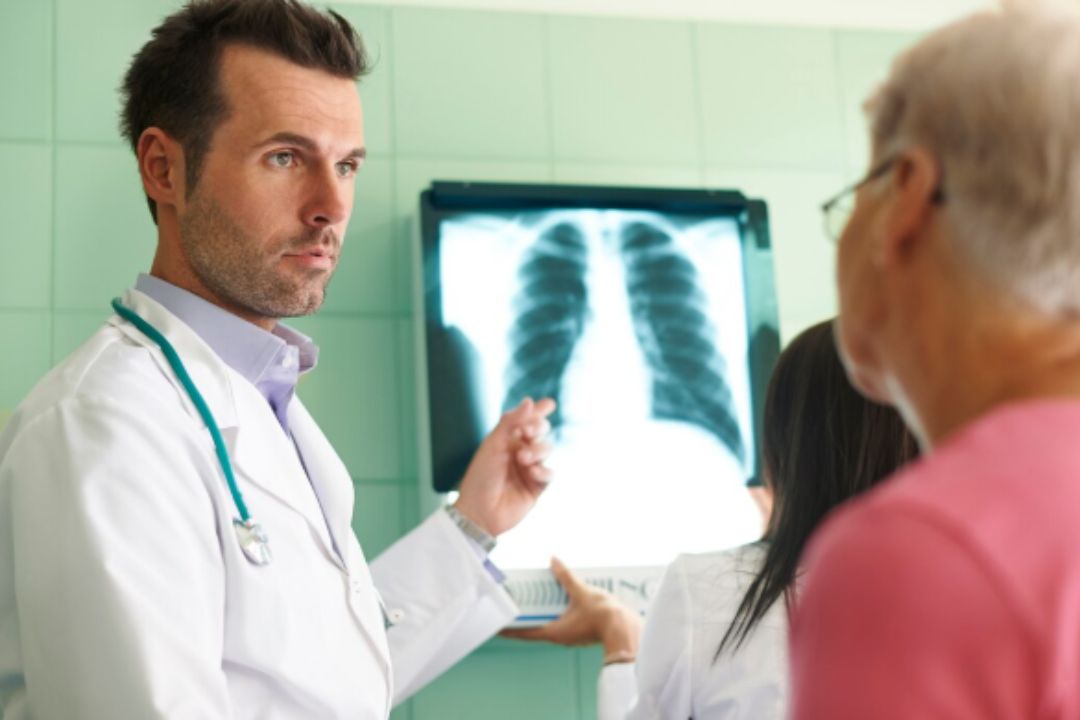
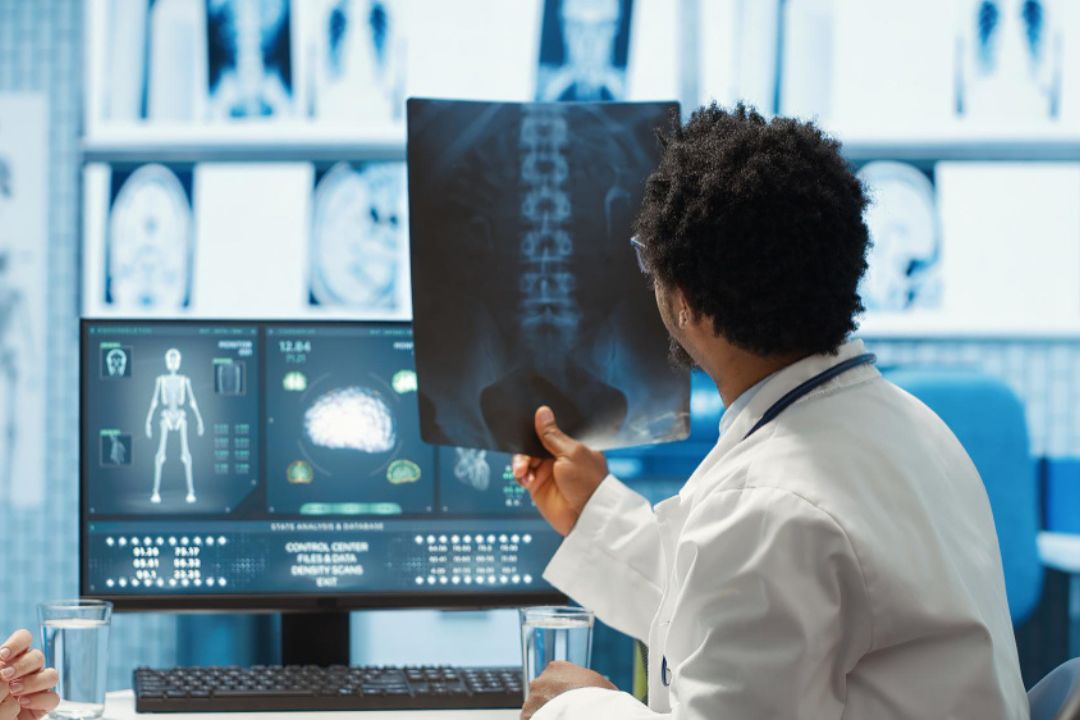
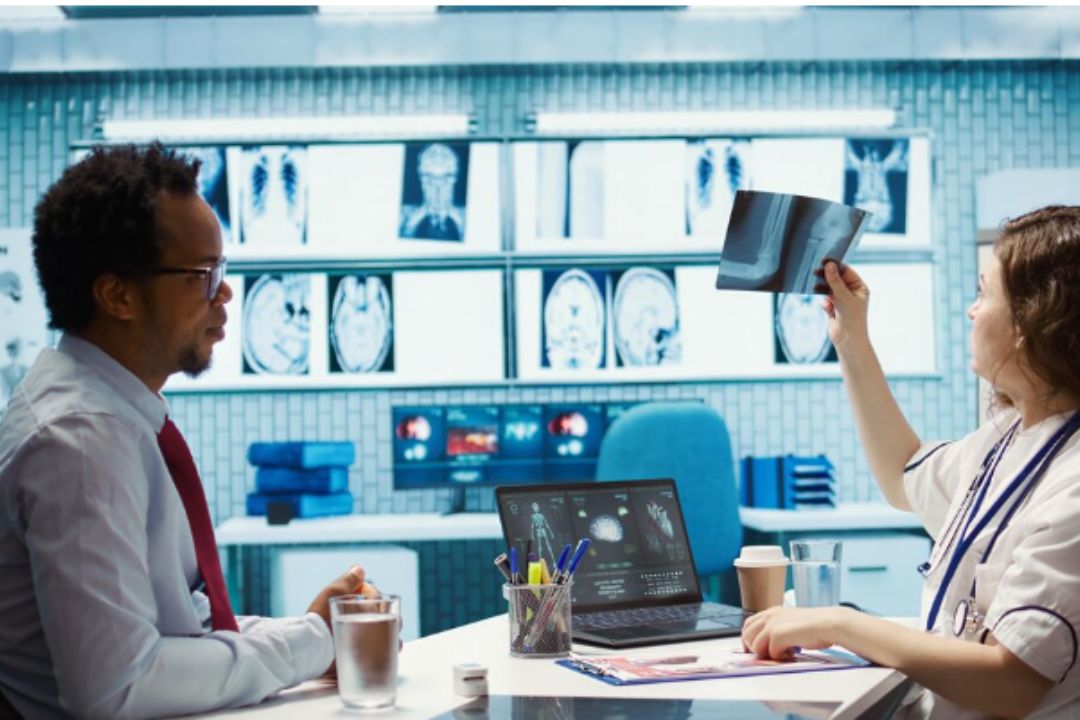
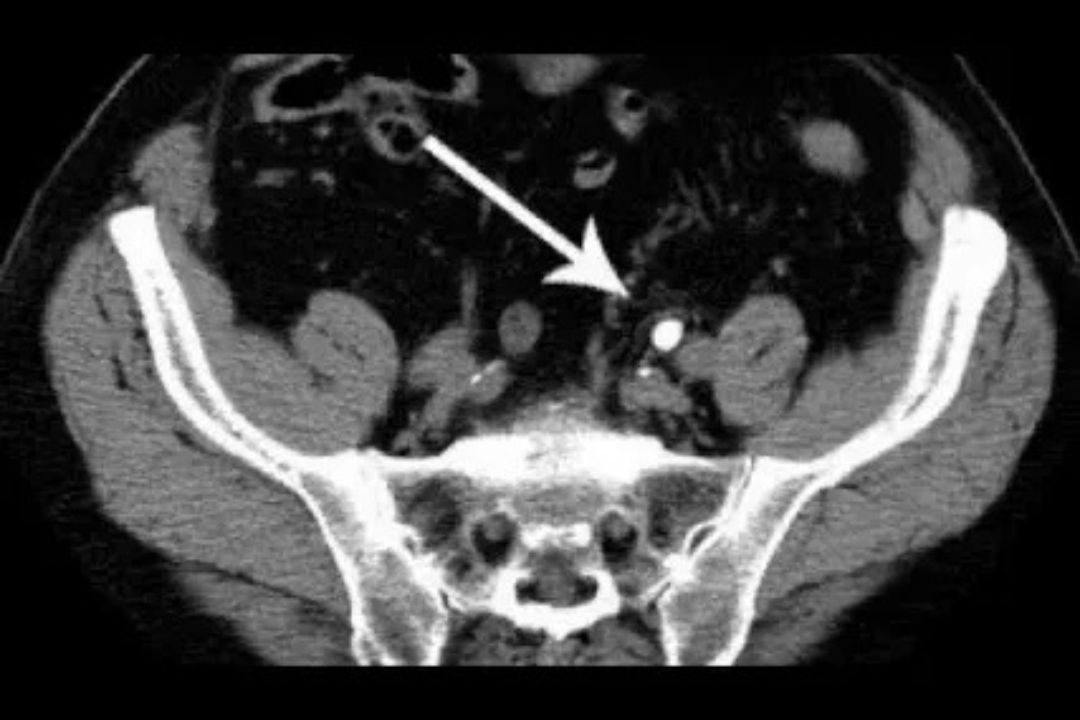
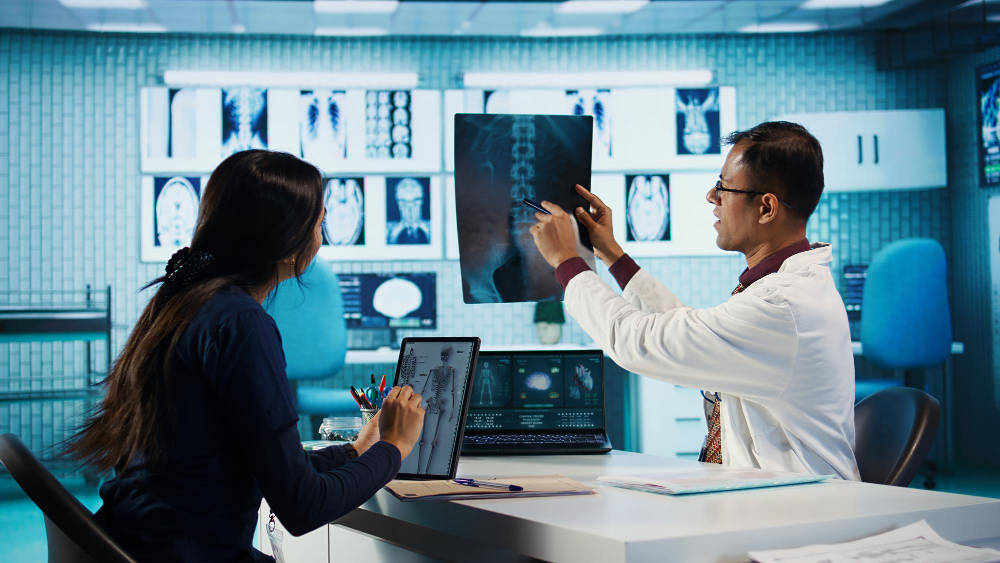
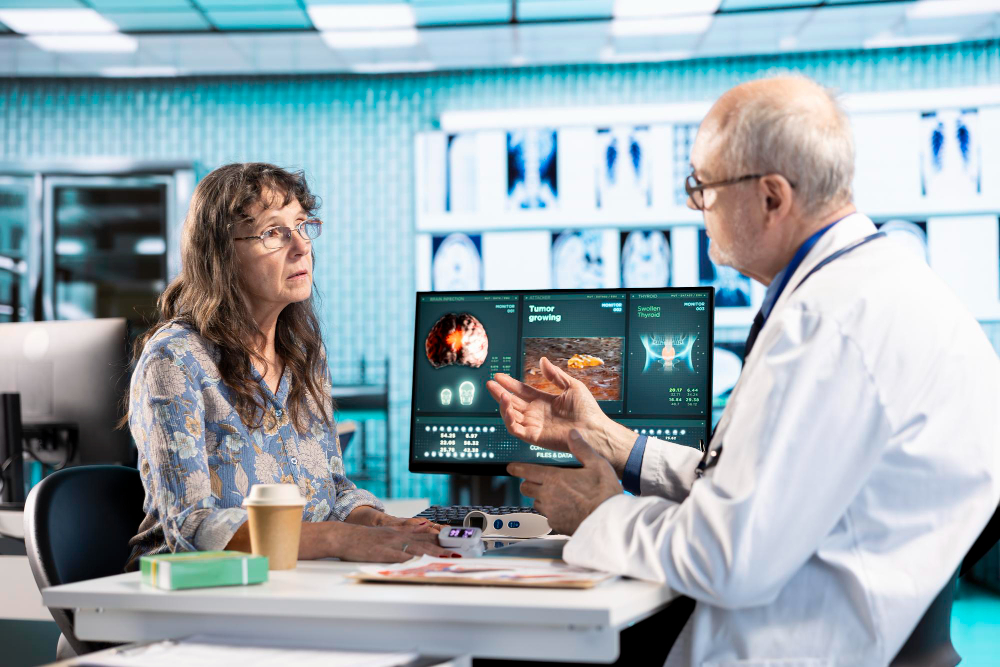
These detailed images help doctors detect abnormalities such as tumors, infections, internal injuries, or bleeding. CT scans are widely used in medical diagnosis because they can provide highly accurate information about the structure and condition of different parts of the body.
Many types of cancer develop silently and may not produce noticeable symptoms during the early stages. By the time symptoms appear, the disease may already be advanced. Detecting cancer early increases the chances of successful treatment and recovery.
When cancer is diagnosed early:
Treatment options are more effective
Tumors are usually smaller and easier to remove
The risk of cancer spreading to other organs is lower
Survival rates are significantly higher
Early diagnosis also allows doctors to monitor the disease closely and provide timely medical intervention.
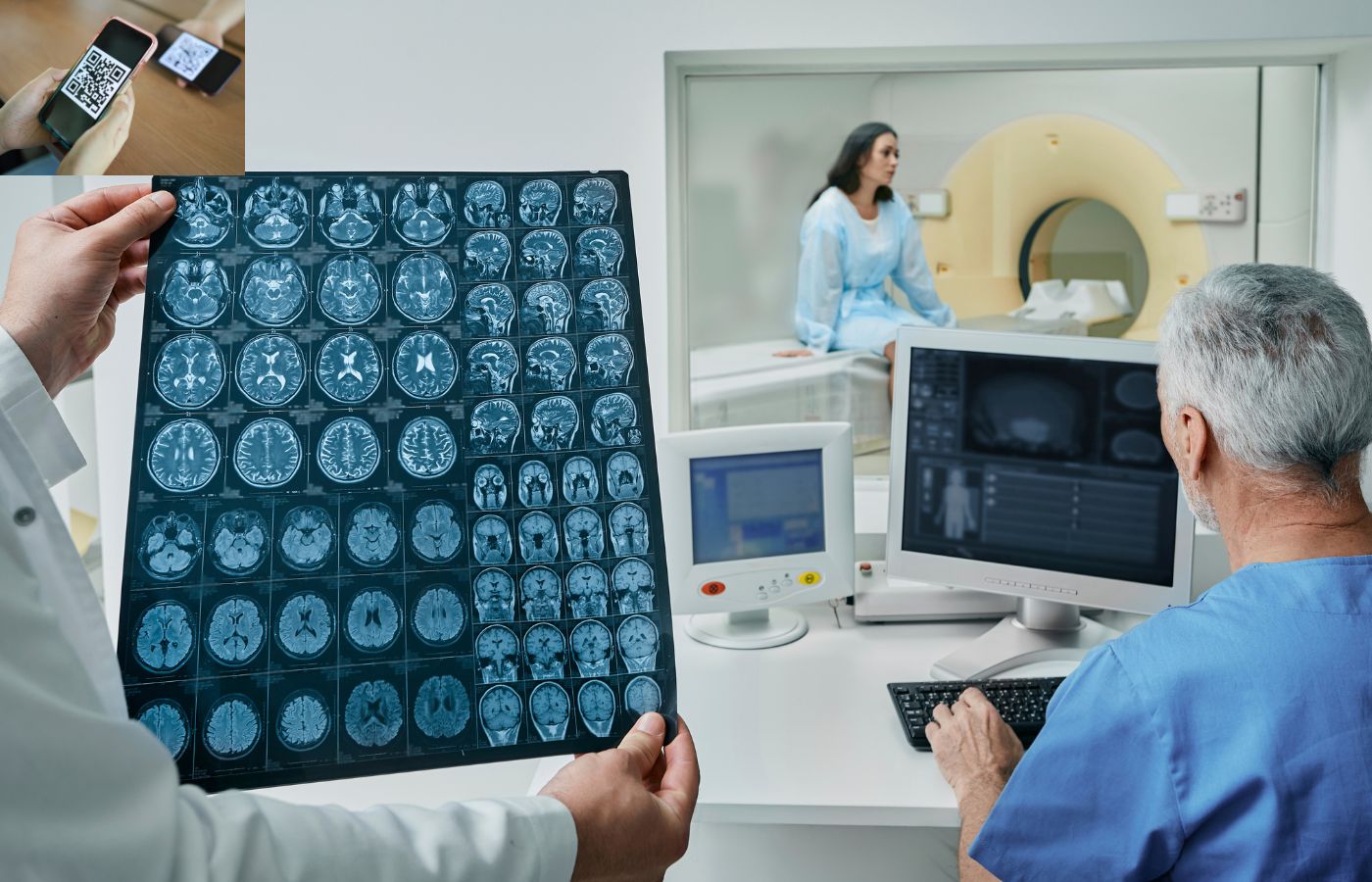
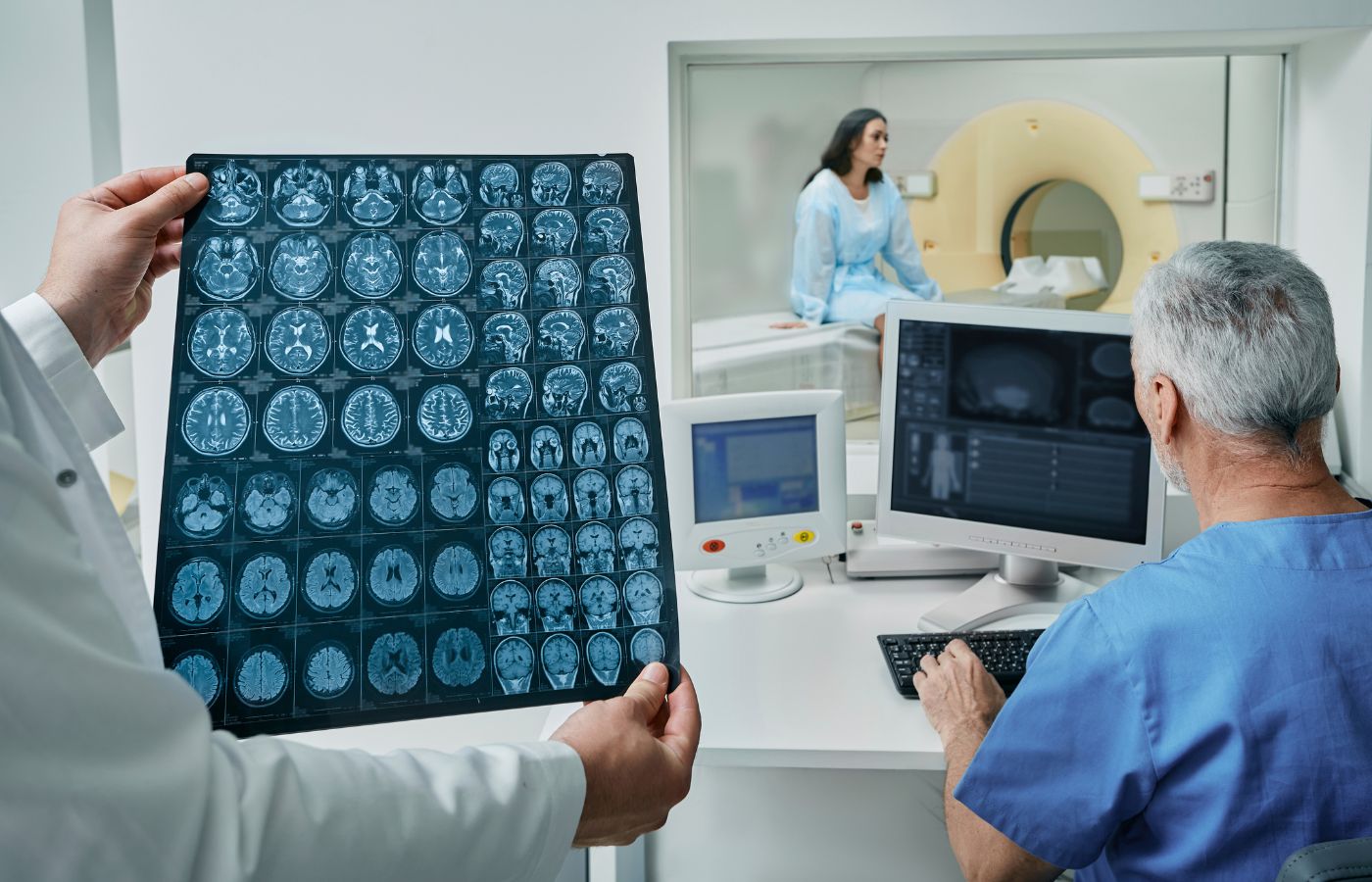
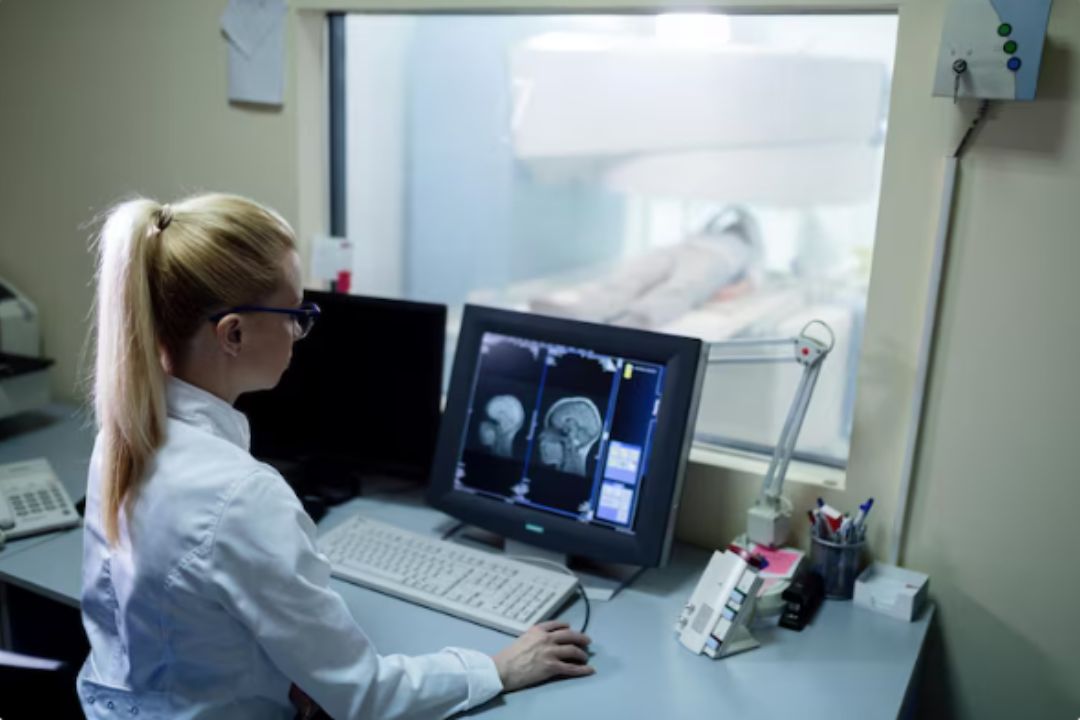
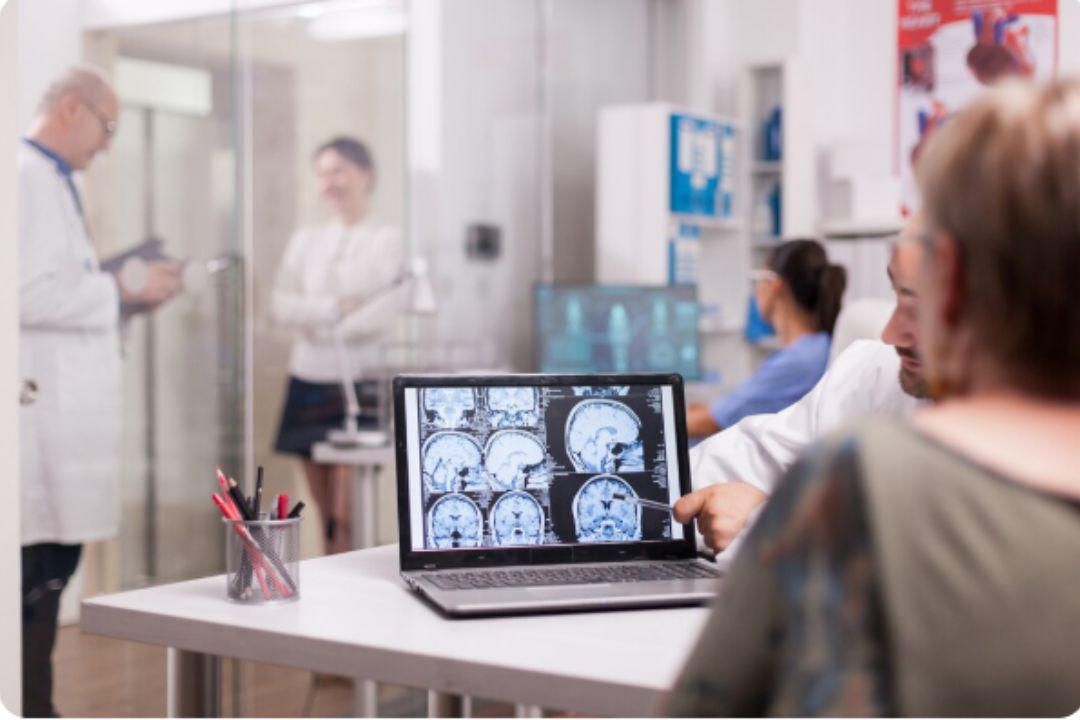
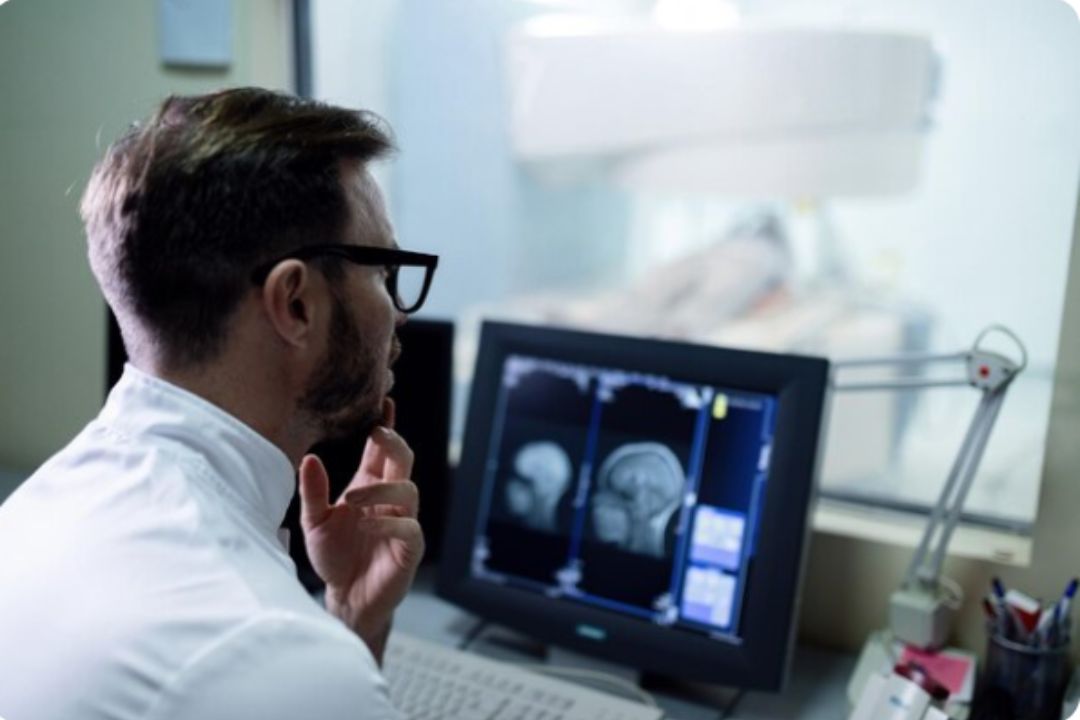
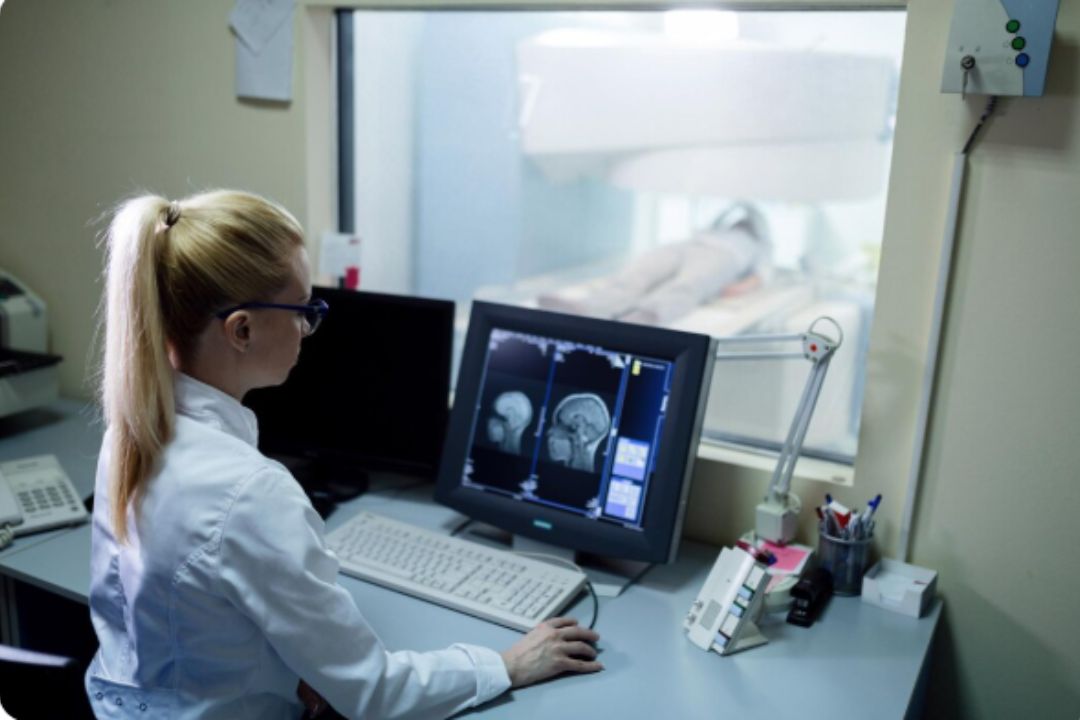
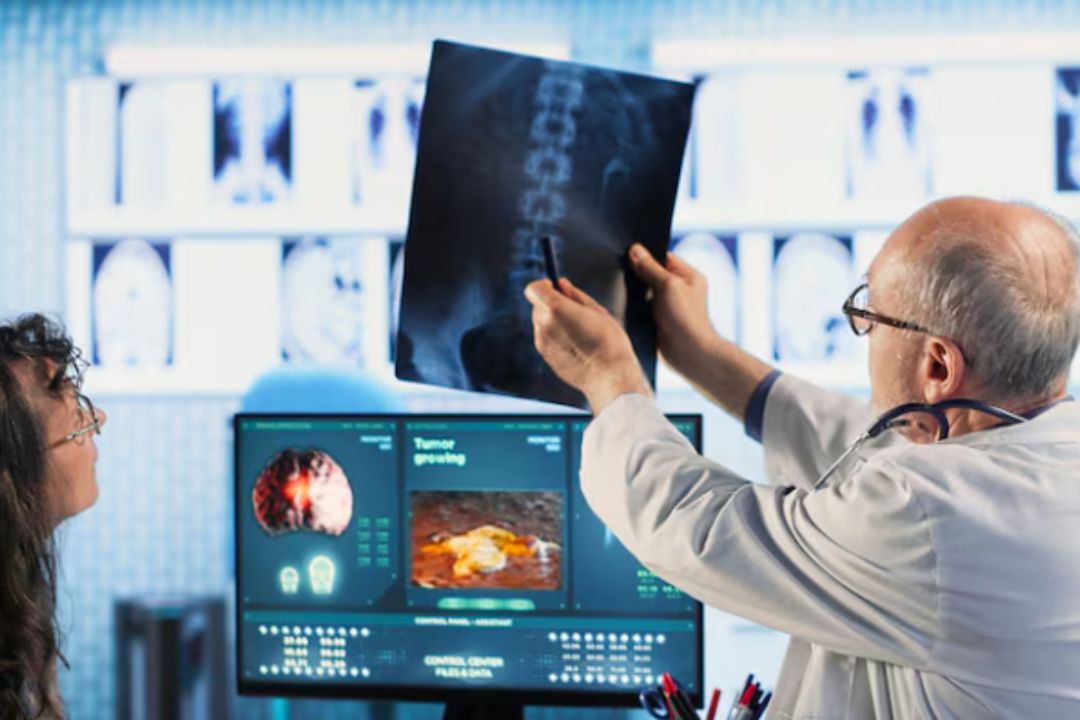
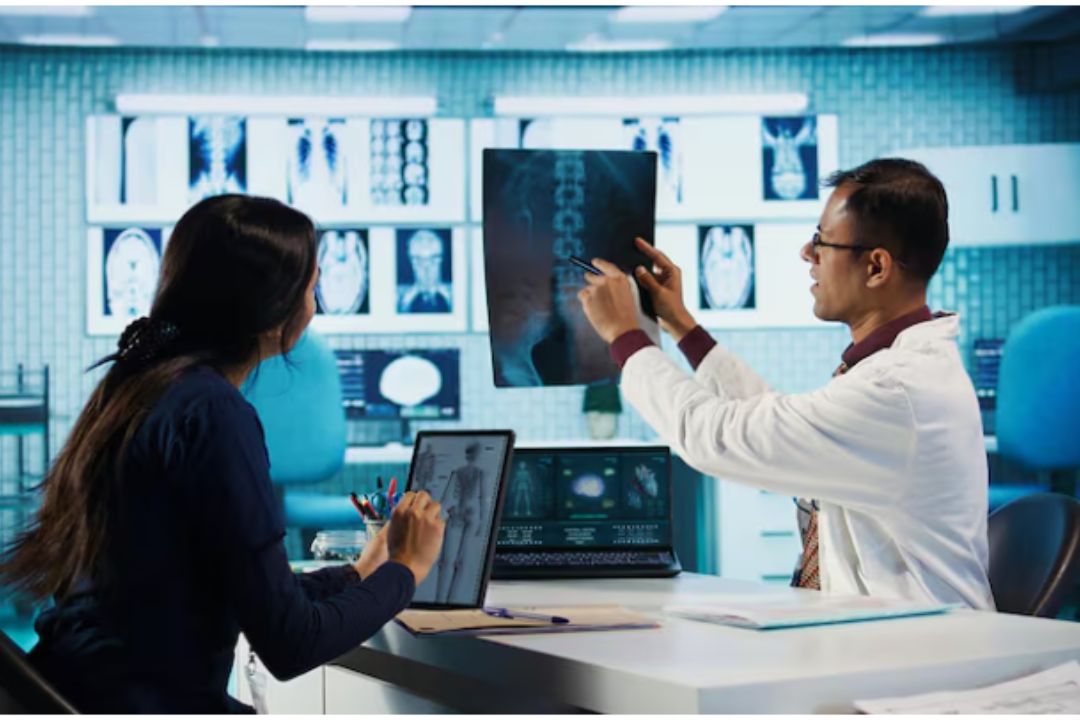
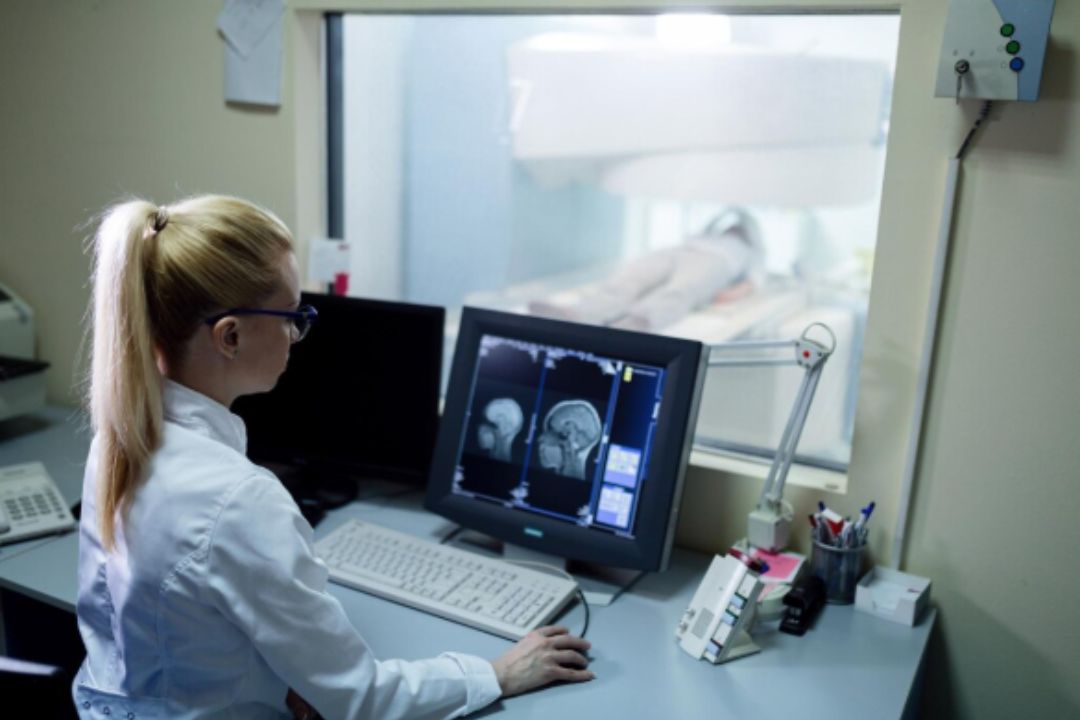
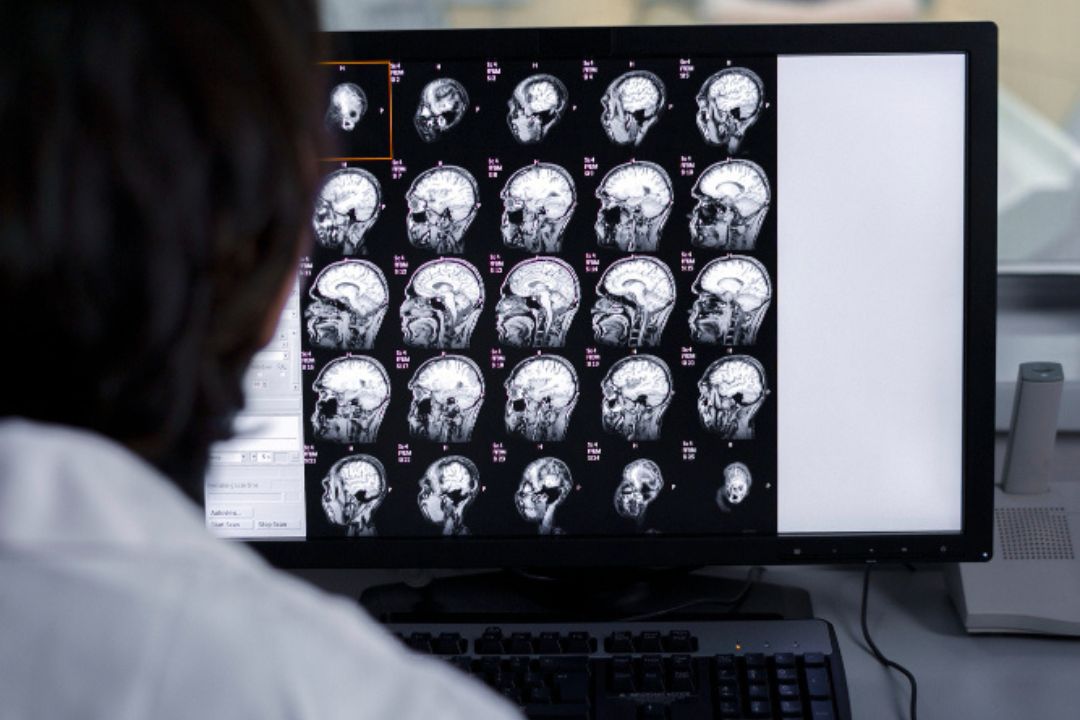
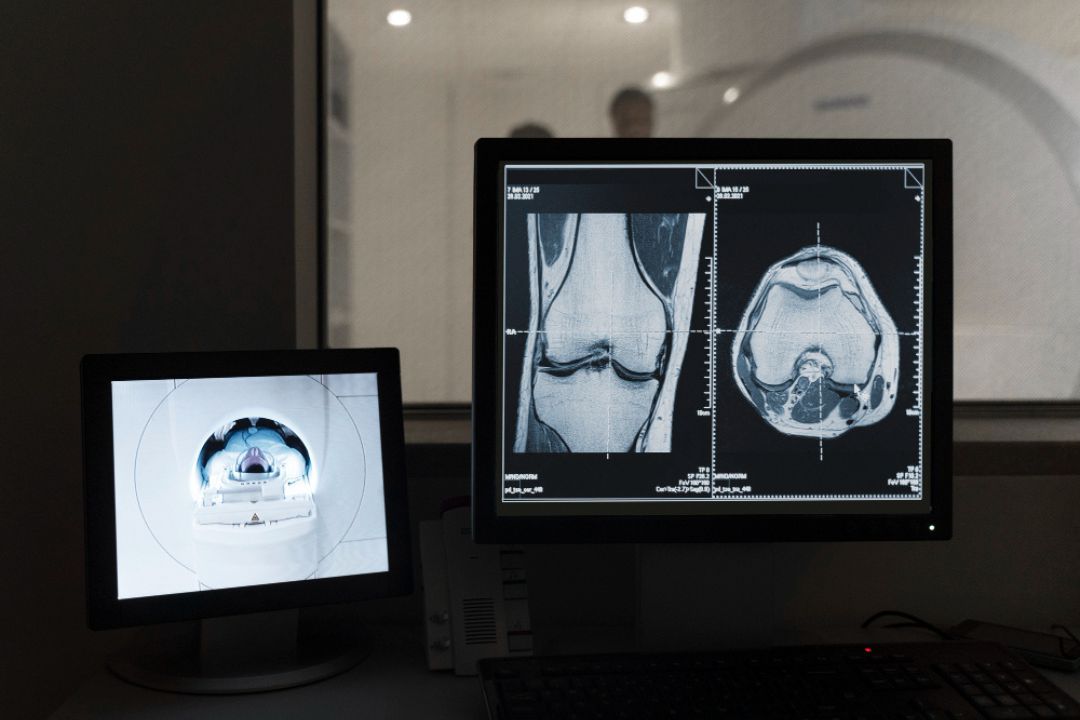
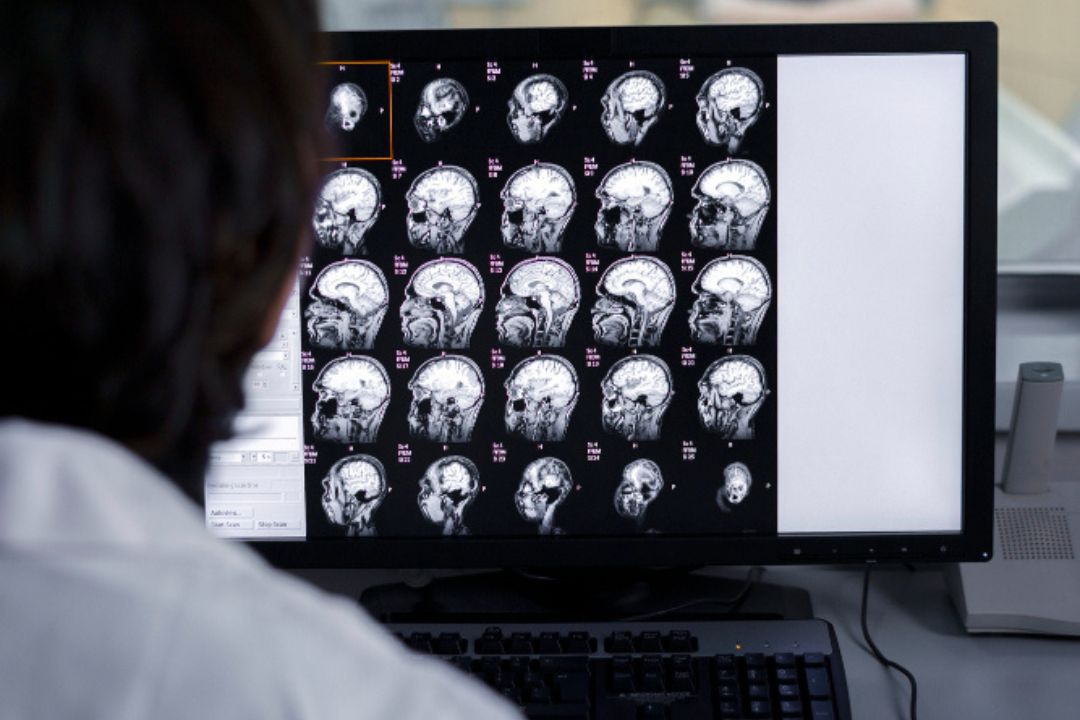
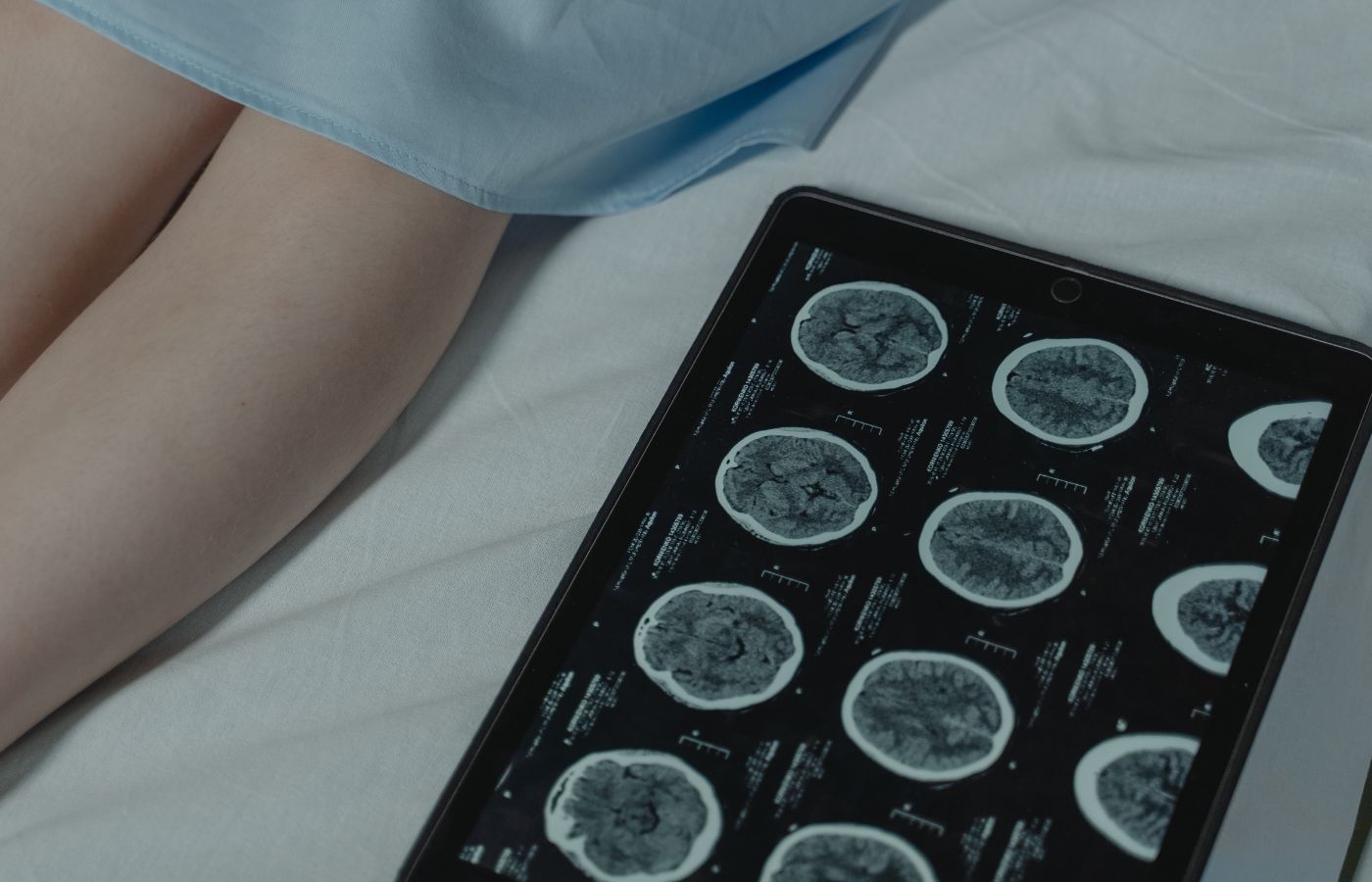
CT scans produce high-resolution images that allow doctors to examine internal organs in great detail. These images help identify small abnormalities or tumors that may not be visible on standard imaging tests.
The ability to visualize the body layer by layer helps doctors detect even tiny changes in tissues, which can be an early sign of cancer.
One of the biggest advantages of CT imaging is its ability to detect small tumors before they grow larger. Early detection of tumors allows doctors to diagnose cancer at an early stage when treatment is more effective.
In many cases, CT scans can reveal nodules or abnormal masses that may indicate the presence of cancer.
CT scans help doctors determine the exact location of a tumor within the body. Knowing the precise location of cancer allows healthcare professionals to plan treatments more accurately, including surgery, radiation therapy, or chemotherapy.
The scan also helps doctors understand how close the tumor is to nearby organs or blood vessels.
Once cancer is detected, doctors must determine how advanced the disease is. This process is called cancer staging.
CT scans play a vital role in staging because they can show:
The size of the tumor
Whether nearby lymph nodes are affected
If cancer has spread to other organs
Accurate staging helps doctors choose the most effective treatment plan for each patient.
CT scans are not only useful for diagnosing cancer but also for monitoring treatment progress. Doctors use CT imaging to evaluate how well treatments such as chemotherapy or radiation therapy are working.
By comparing images taken at different times, doctors can determine whether the tumor is shrinking, stable, or growing.
Even after successful treatment, cancer can sometimes return. Regular CT scans allow doctors to detect recurrence at an early stage so that additional treatment can begin quickly.
Early detection of recurrence can significantly improve the chances of controlling the disease.
CT scans are commonly used to detect and evaluate several types of cancer, including:
Lung cancer
Liver cancer
Pancreatic cancer
Kidney cancer
Colorectal cancer
Brain tumors
Abdominal cancers
These scans provide detailed information that helps doctors confirm the presence of tumors and evaluate their characteristics.
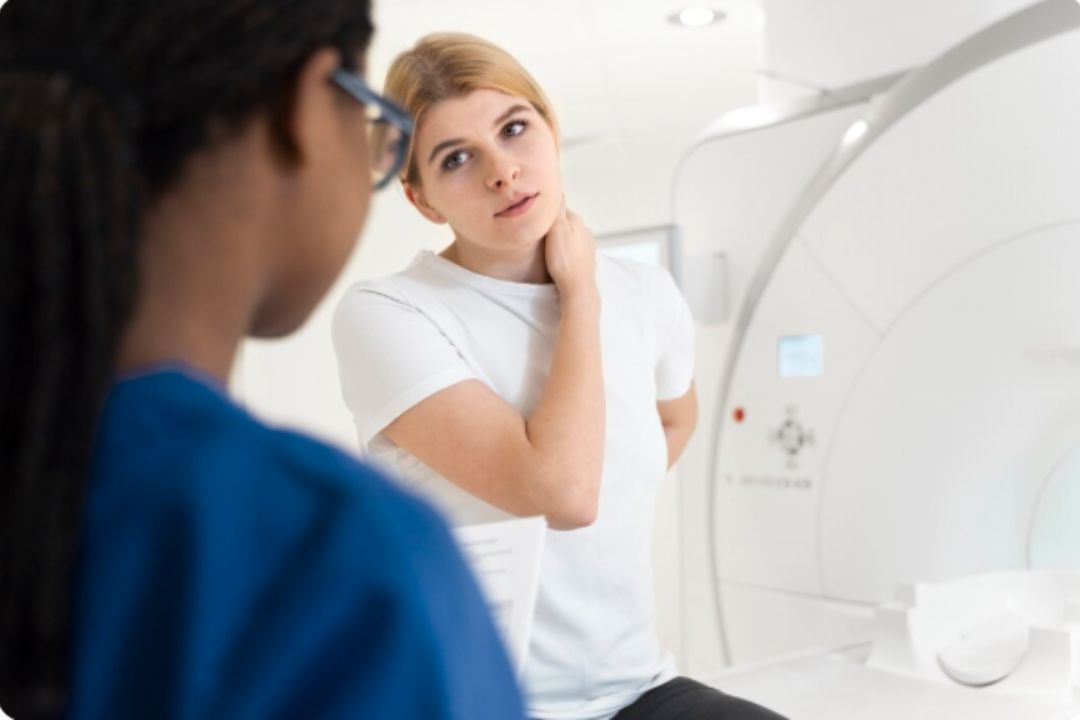
Doctors may recommend CT scans for individuals who are at higher risk of developing cancer. This may include people who:
Have a family history of cancer
Are long-term smokers
Have previous cancer history
Experience unexplained symptoms such as weight loss or persistent pain
Have abnormal findings in other medical tests
In high-risk individuals, CT scans can help identify cancer before symptoms develop.
CT scans offer several important benefits in cancer detection:
Highly detailed images of organs and tissues
Early detection of tumors
Accurate evaluation of cancer spread
Guidance for biopsy procedures
Monitoring treatment effectiveness
Because of these advantages, CT imaging has become an essential tool in modern cancer diagnosis and treatment planning.
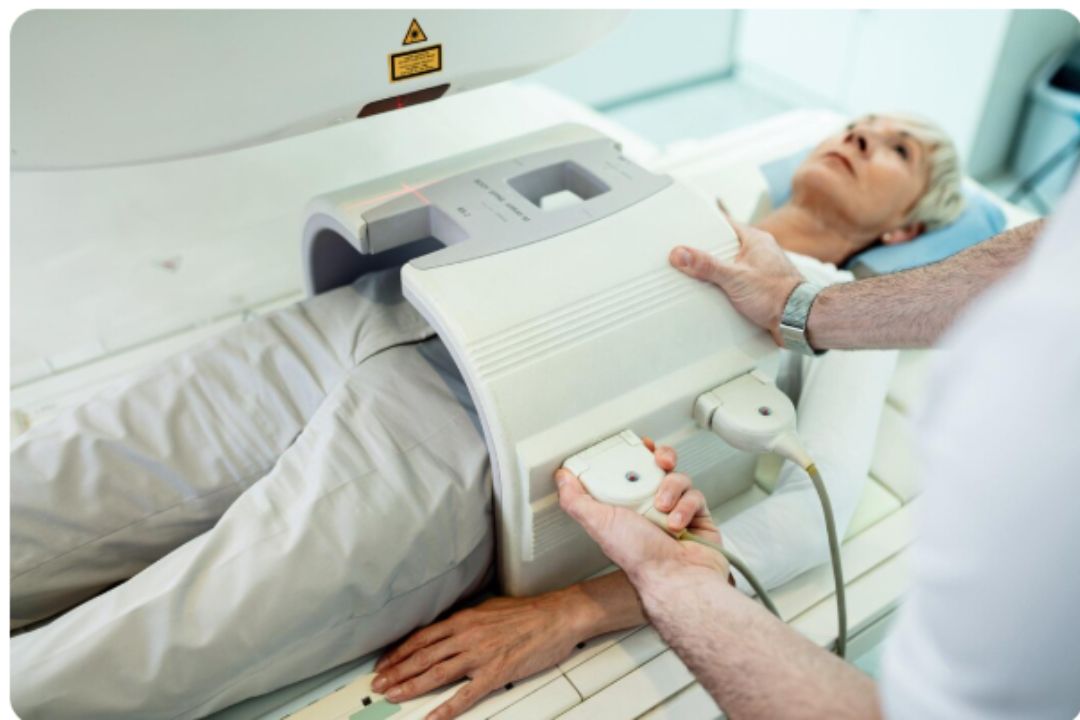
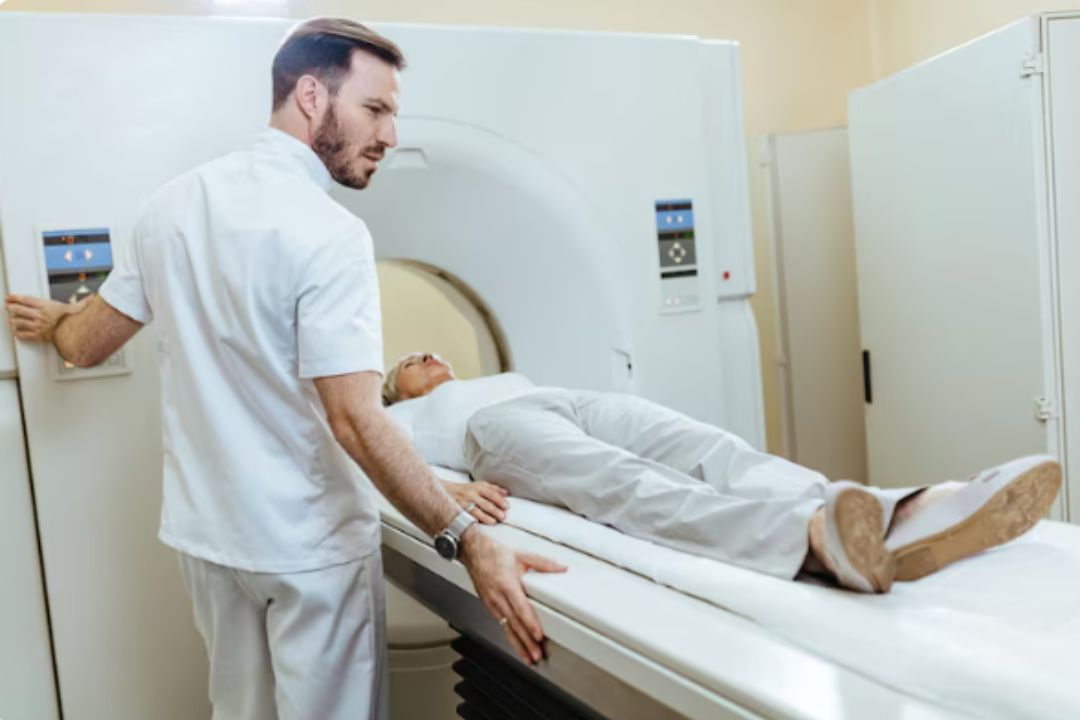
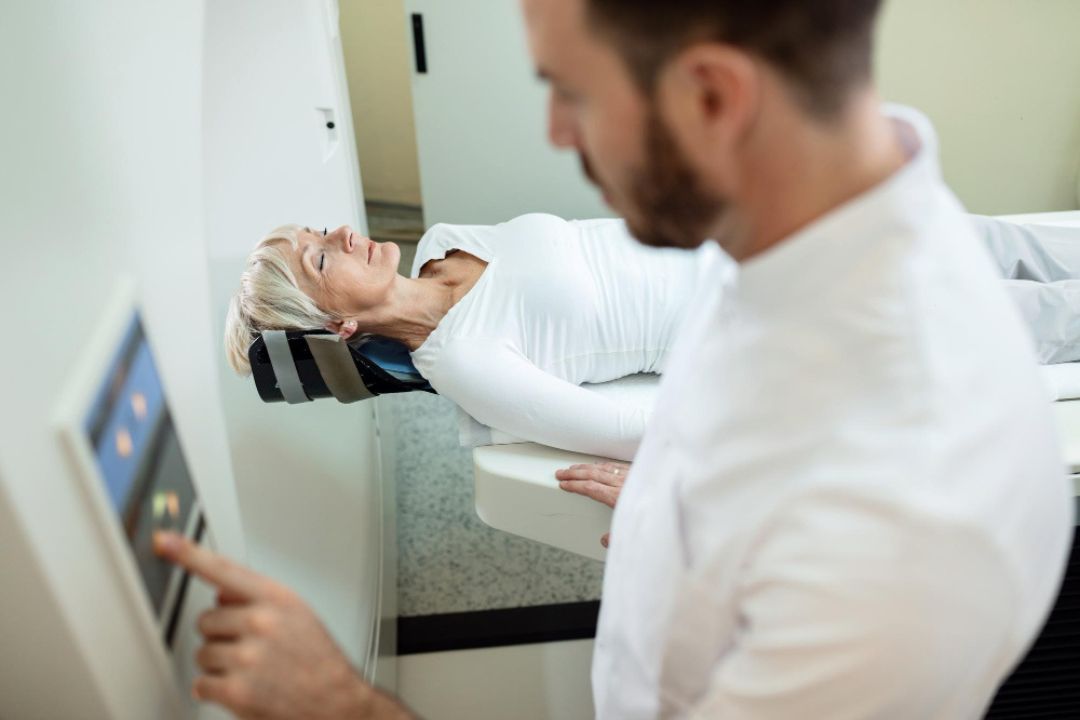
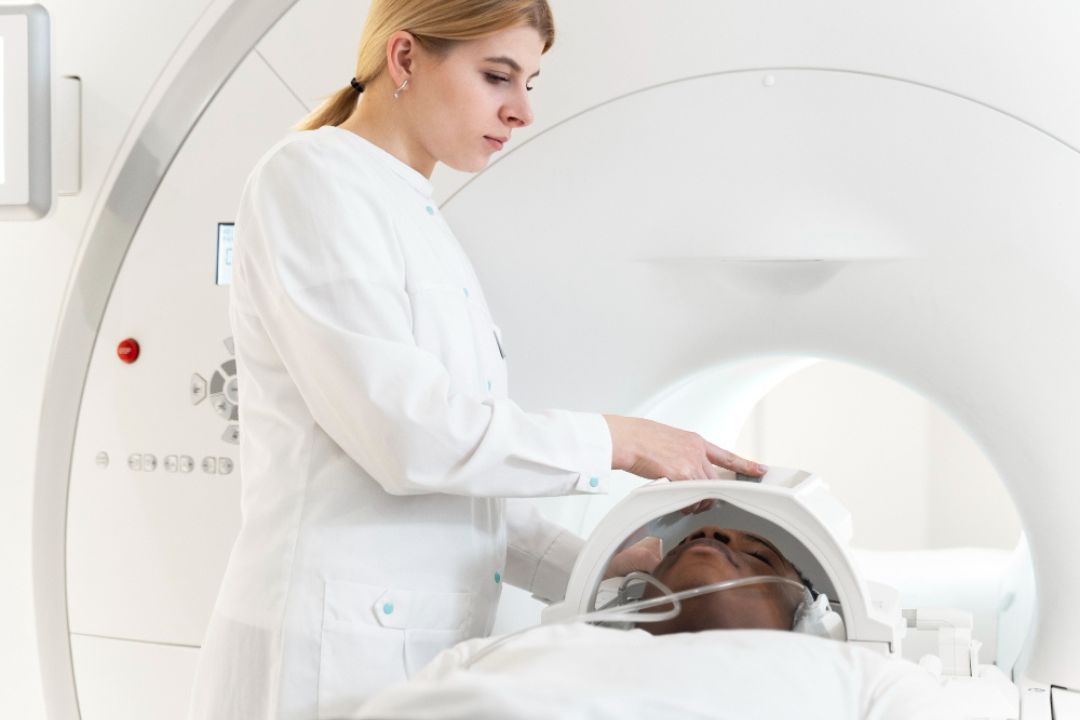
CT scans are generally safe and widely used in medical practice. The procedure is quick, painless, and non-invasive. Although CT scans involve exposure to a small amount of radiation, doctors carefully control the radiation dose to ensure patient safety.
In most cases, the benefits of accurate diagnosis and early detection far outweigh the potential risks associated with the scan.
CT scans play a vital role in the early diagnosis of cancer. By producing highly detailed images of internal organs and tissues, these scans allow doctors to detect tumors at an early stage, determine their location, and evaluate whether cancer has spread.
Early detection significantly improves treatment success and survival rates. For individuals at risk or experiencing concerning symptoms, a CT scan can be an important step in identifying cancer early and starting appropriate medical treatment.





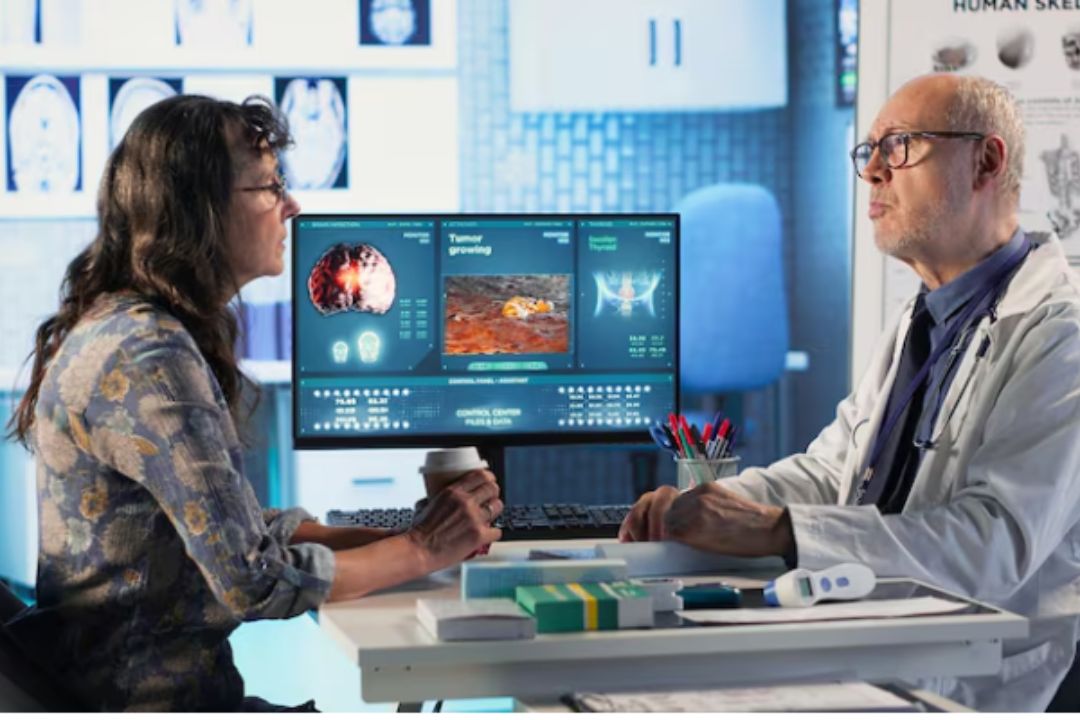
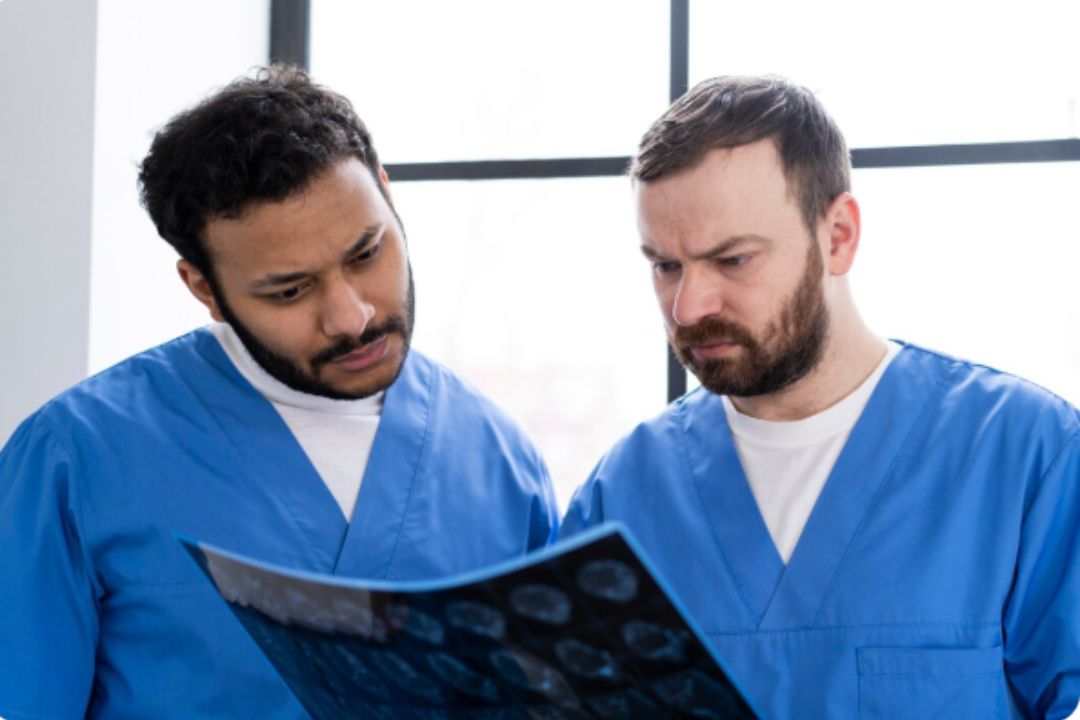
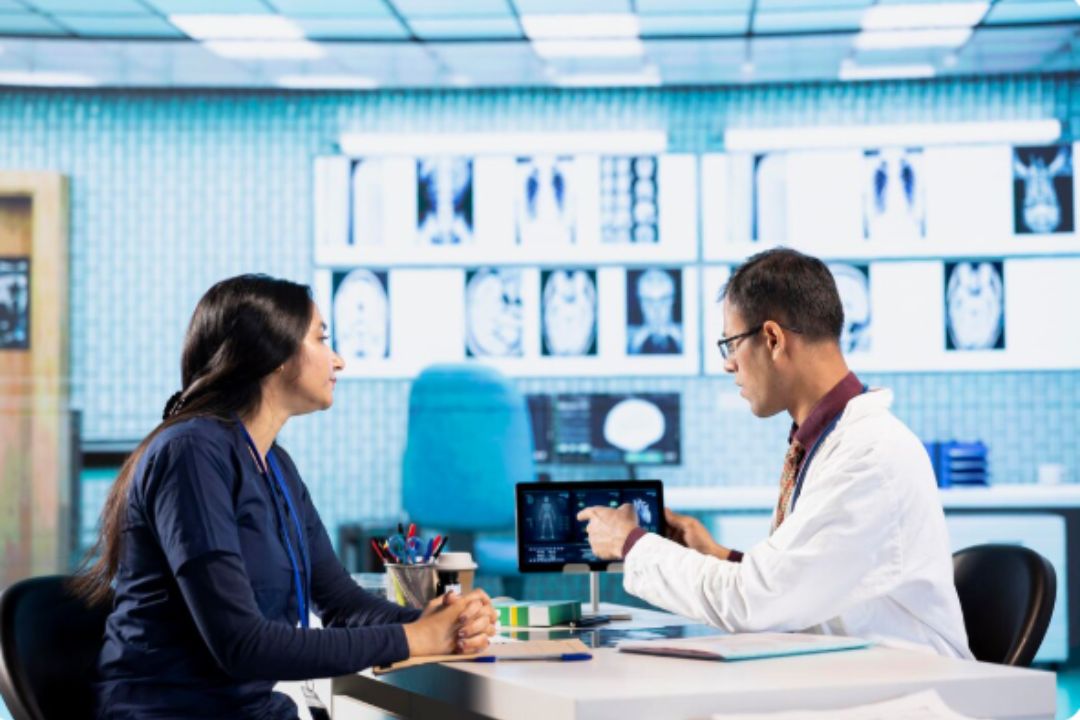

.jpg "ct brain scan plain and contrast")









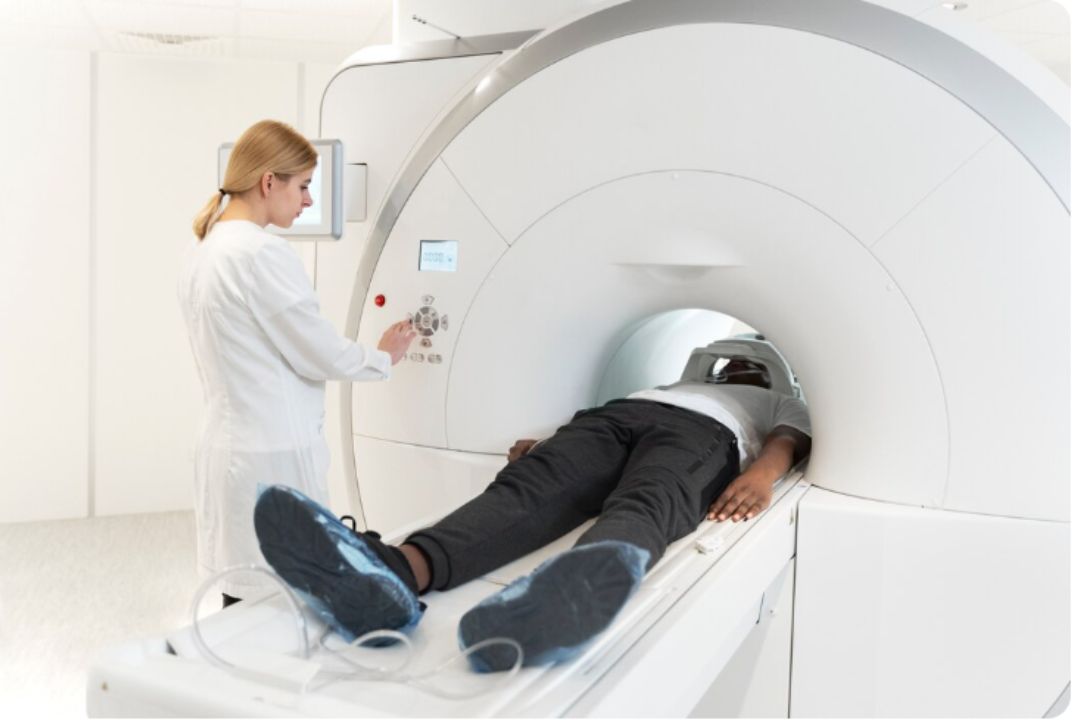
.jpg "ct scan")
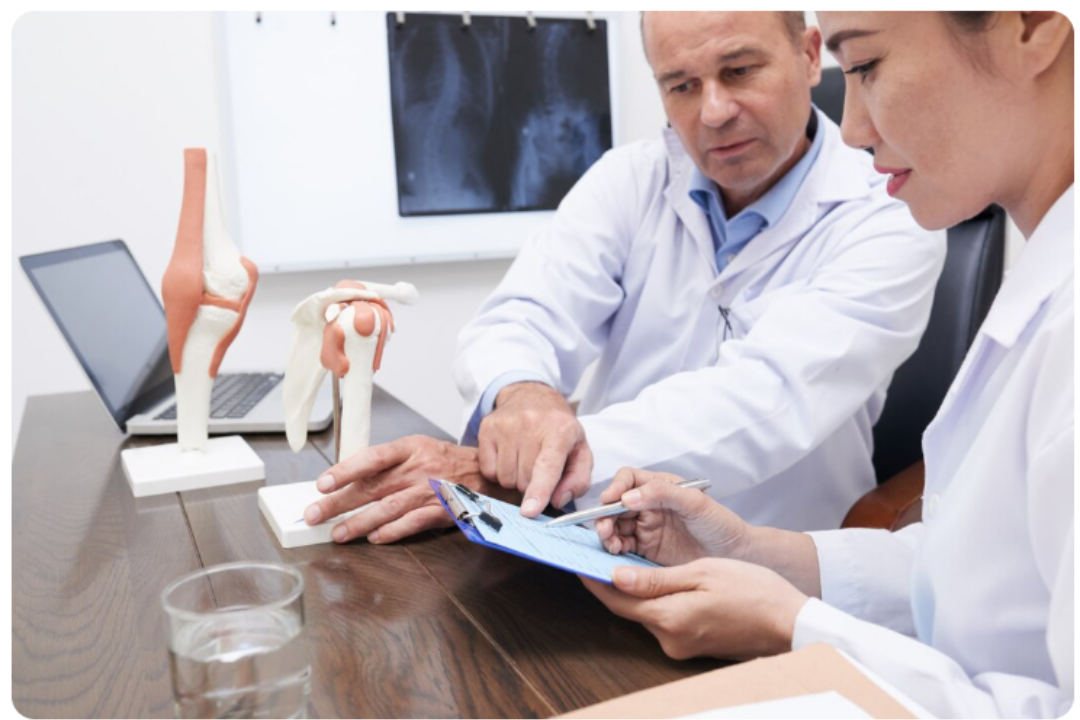
.jpg "ct scan or mri for brain disorders")


.jpg "exploring the power of ct brain contrast in modern diagnostics")
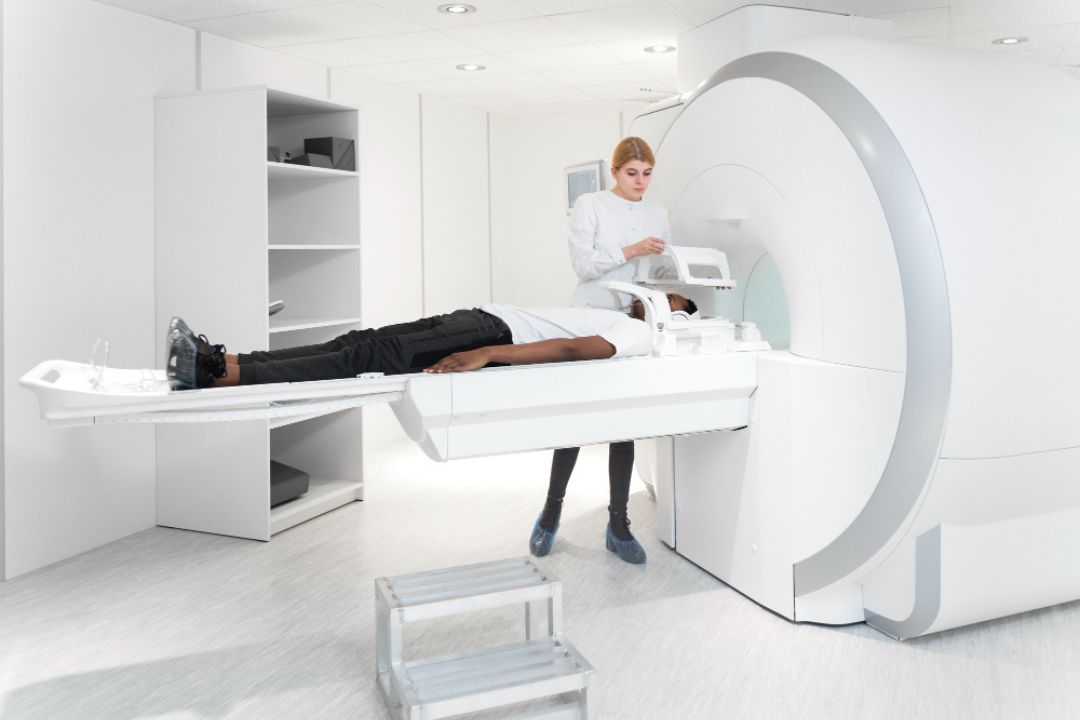
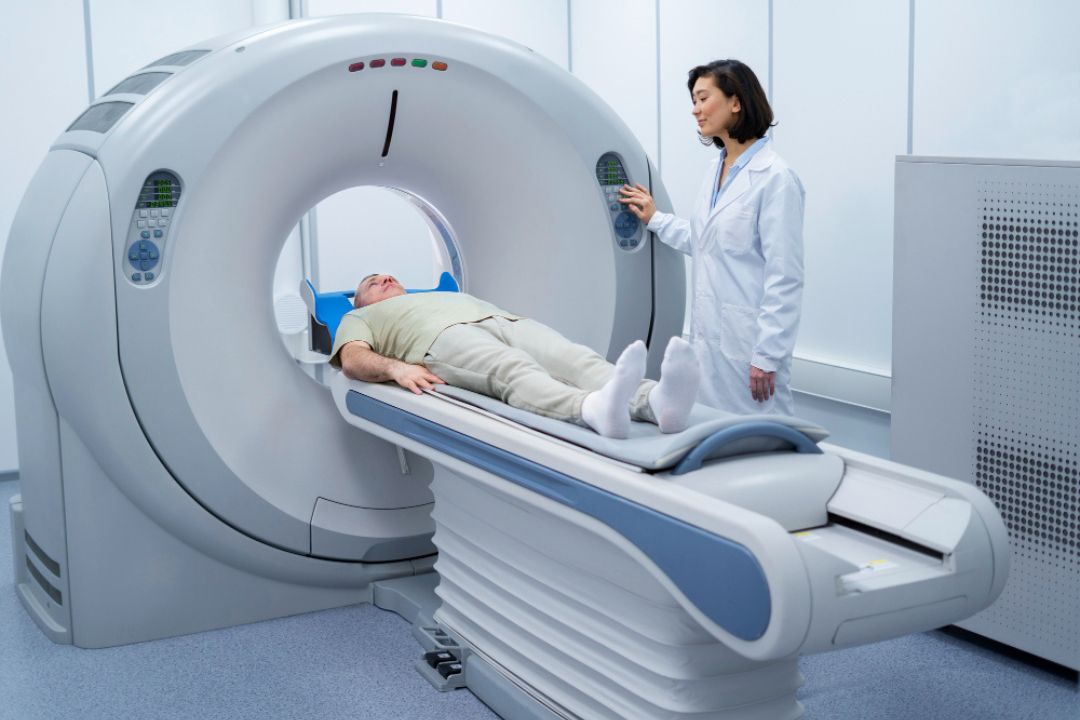
.jpg "ct scan")
.jpg "ct scan")







.jpg "ct scan")

.jpg "CT Brain Scan for Headaches")
.jpg "The Future of 3D CT Imaging")