CT Aortography is an advanced imaging technique used to examine the aorta, the largest artery in the human body. The aorta carries oxygen-rich blood from the heart to the rest of the body, making it essential for proper circulation. When conditions such as aneurysms, dissections, or blockages affect the aorta, accurate and timely diagnosis is critical.
CT Aortography uses computed tomography combined with contrast dye to produce detailed images of the aorta and its branches. These images allow doctors to detect abnormalities early and plan the most effective treatment.
CT Aortography is a specialized CT scan designed to visualize the aorta and surrounding blood vessels. During the procedure, a contrast dye is injected into a vein, which enhances the visibility of blood vessels and helps doctors examine the structure of the aorta more clearly.
The CT scanner captures multiple images from different angles, creating detailed cross-sectional and three-dimensional views of the aorta. This helps doctors detect even small abnormalities in the vessel walls.
An aortic aneurysm occurs when a section of the aorta becomes weak and begins to bulge or expand. If the aneurysm grows too large, it may rupture, leading to life-threatening internal bleeding.
Many aneurysms develop without noticeable symptoms, which is why imaging tests such as CT Aortography are important for early detection.
CT Aortography provides detailed information about the size, shape, and location of an aneurysm.
Doctors use the scan to:
Detect the presence of an aneurysm
Measure its exact diameter and growth rate
Identify the location of the bulge in the aorta
Evaluate blood flow inside the vessel
Check for signs of rupture or leakage
Because CT images are highly detailed, doctors can accurately assess the severity of the condition and decide on the best treatment approach.
Besides aneurysms, CT Aortography can diagnose several other serious conditions affecting the aorta.
A tear in the inner layer of the aorta allows blood to flow between the layers of the vessel wall, which can lead to severe complications if not treated quickly.
This condition involves narrowing of the aorta or its branches, restricting normal blood flow.
Inflammation of the aorta caused by autoimmune disorders or infections can damage the artery and lead to circulation problems.
Build-up of plaque inside the aorta can narrow the artery and increase the risk of cardiovascular disease.
CT Aortography allows doctors to visualize these conditions clearly and diagnose them at an early stage.
CT Aortography has become one of the most preferred imaging techniques for diagnosing aortic diseases.
The scan provides highly detailed images that allow doctors to detect small abnormalities in the aorta.
The entire procedure usually takes only a few minutes, making it useful in emergency situations.
Unlike traditional catheter-based aortography, CT Aortography requires only an intravenous injection of contrast dye rather than inserting a catheter into an artery.
The scan allows doctors to examine the entire aorta and its branches in a single test.
Doctors may recommend this scan if a patient experiences symptoms or conditions such as:
Severe chest pain
Sudden abdominal or back pain
Suspected aortic aneurysm
High blood pressure with vascular complications
Family history of aortic disease
Monitoring after aortic surgery
Early diagnosis through CT imaging helps prevent life-threatening complications.
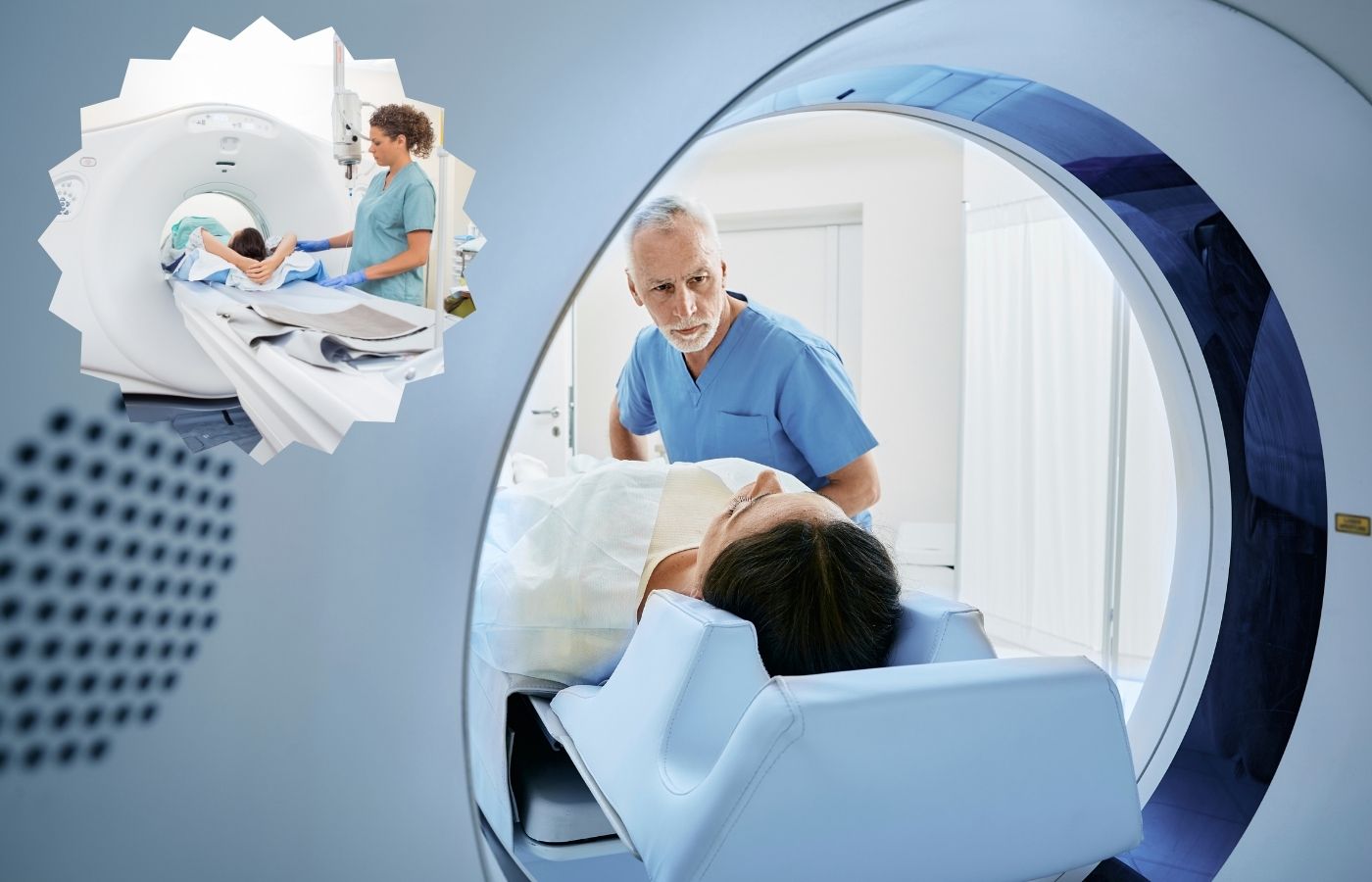
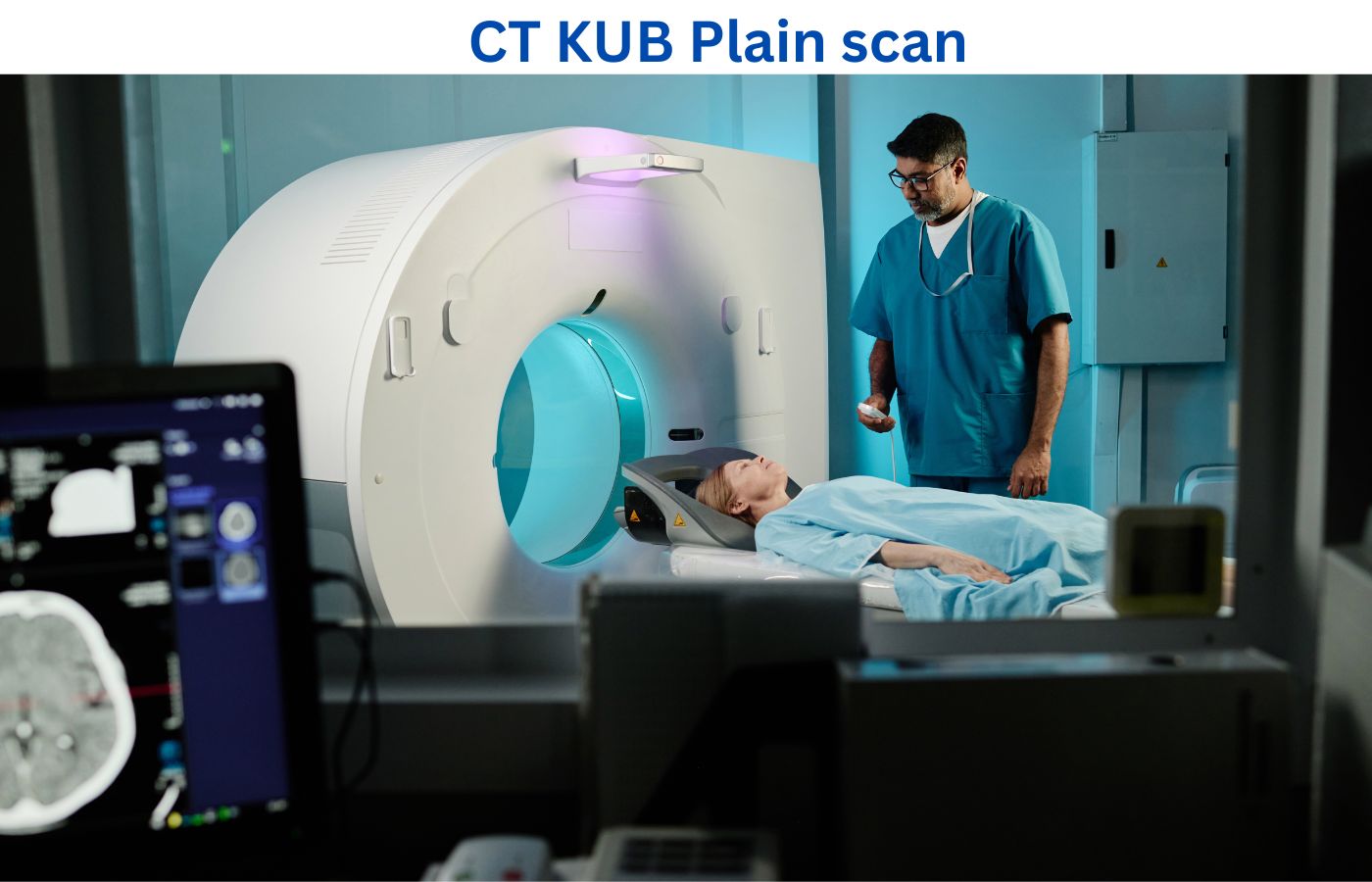
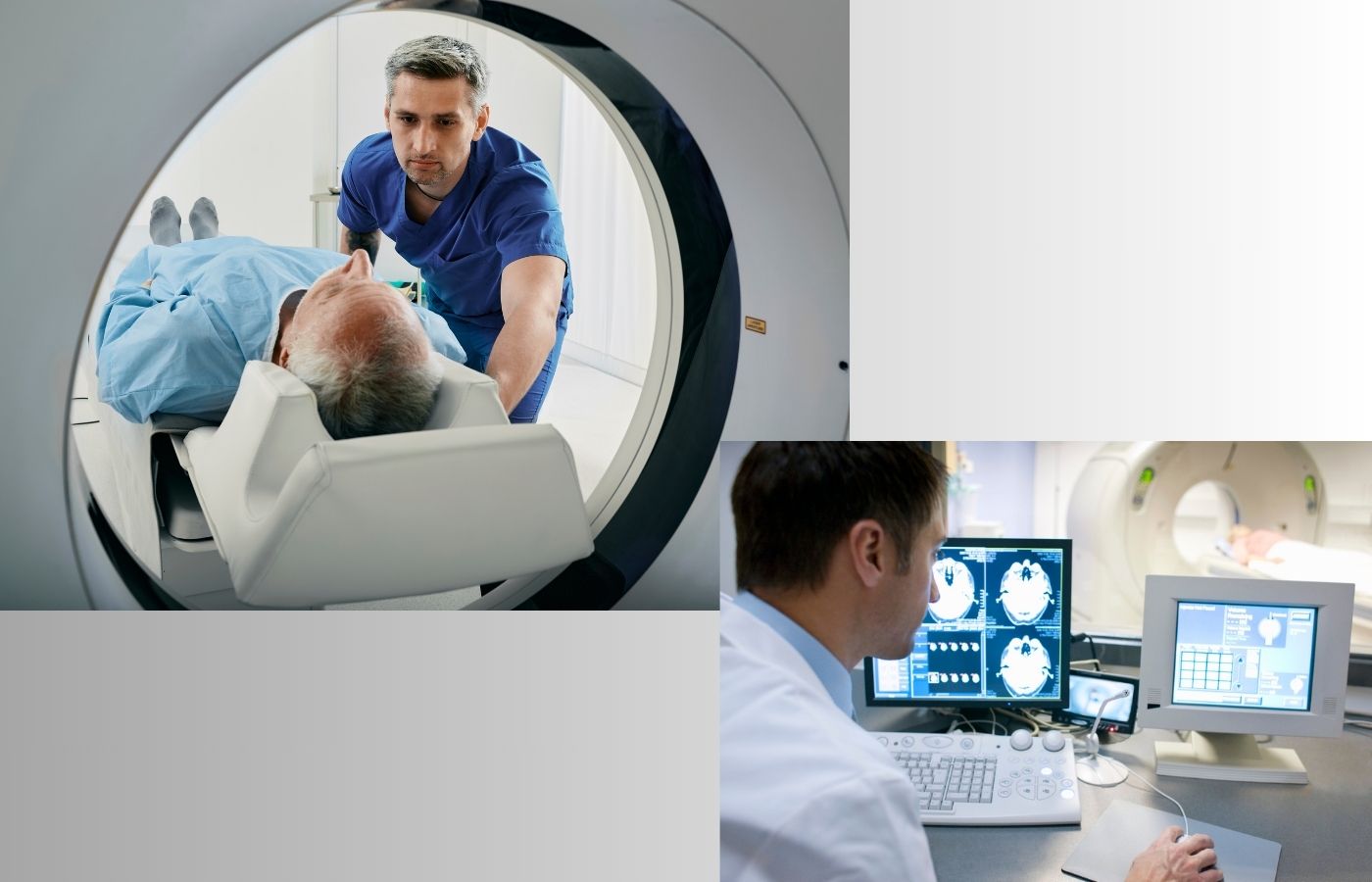
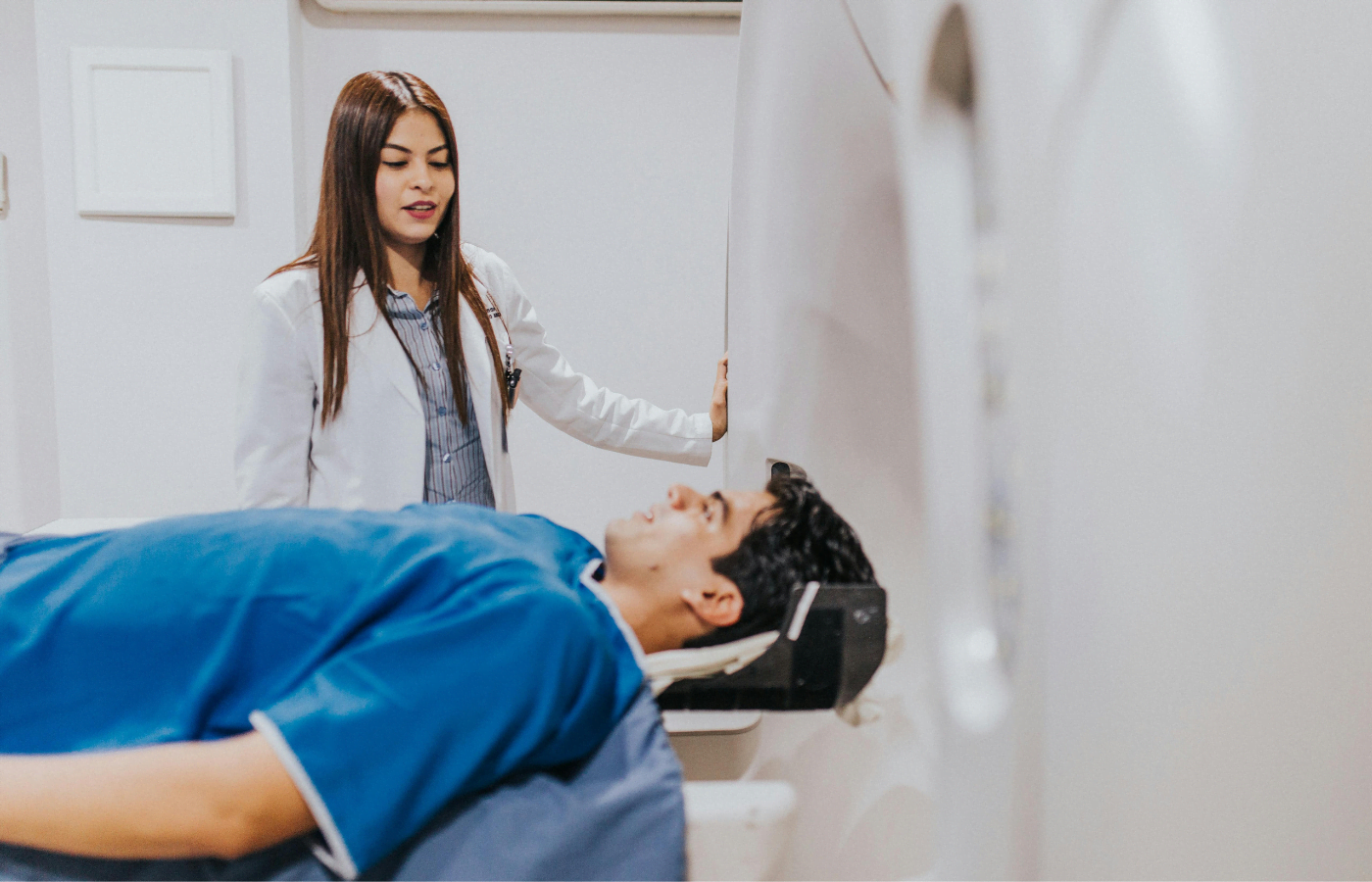
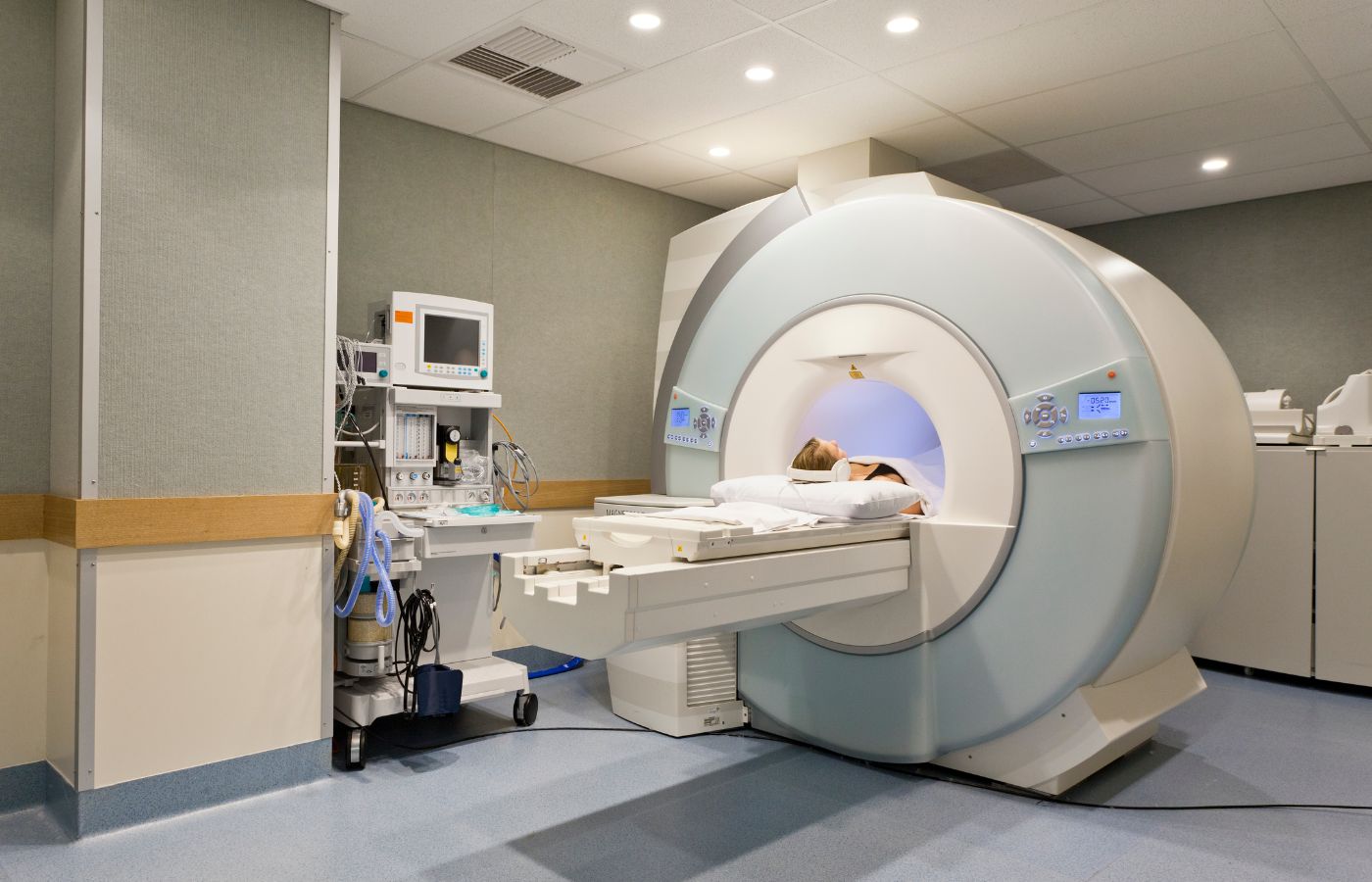
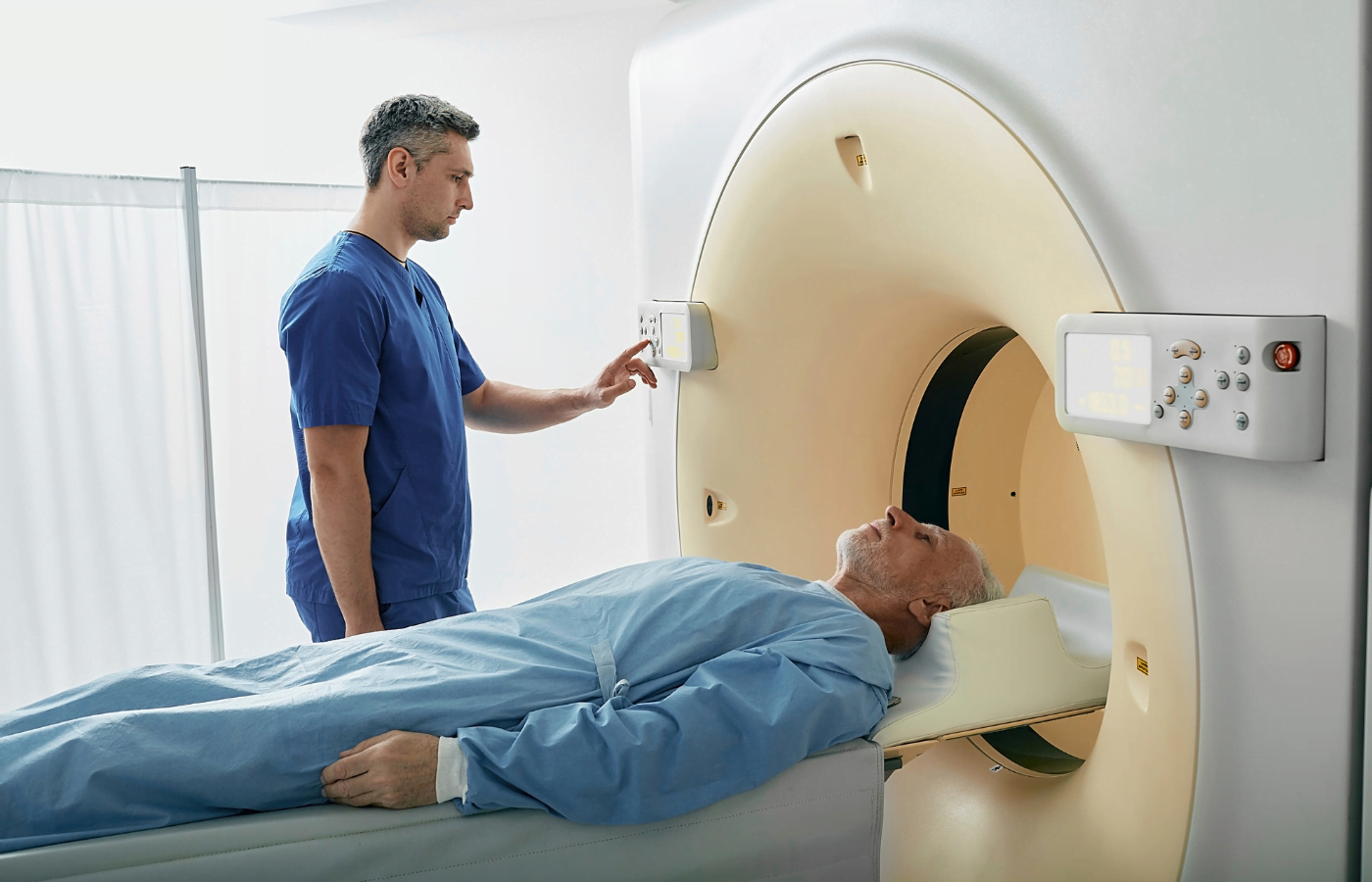
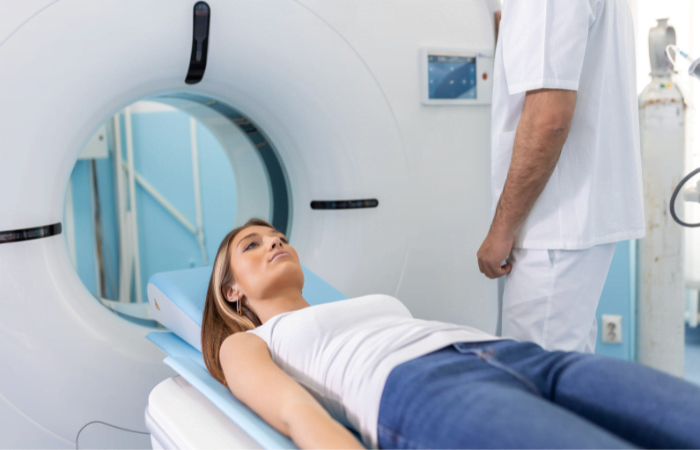
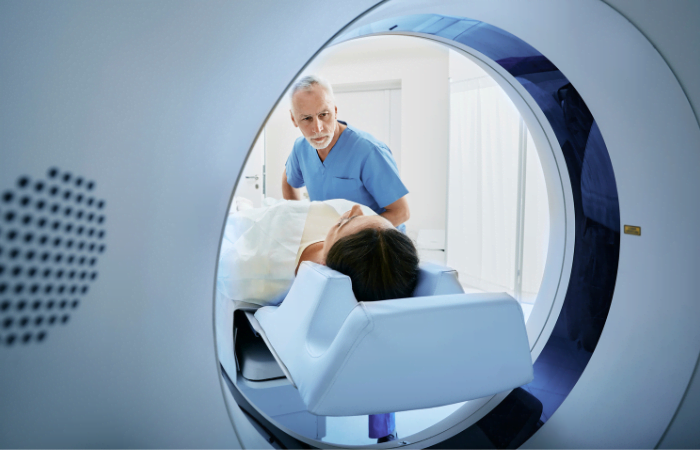
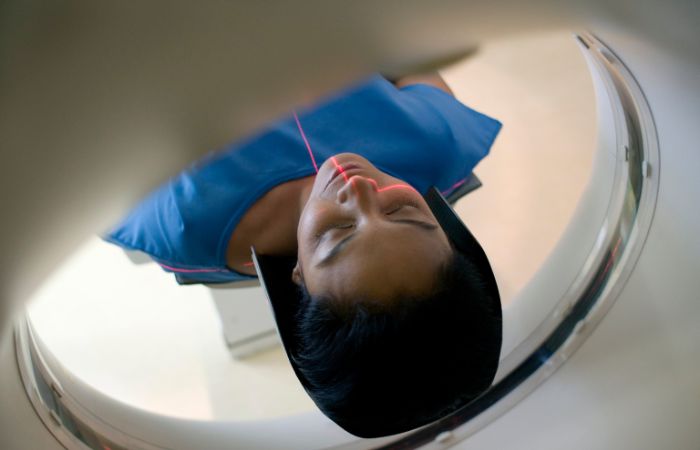
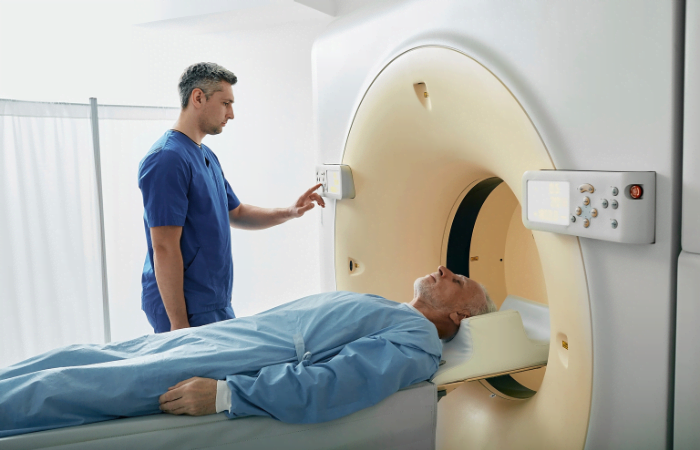
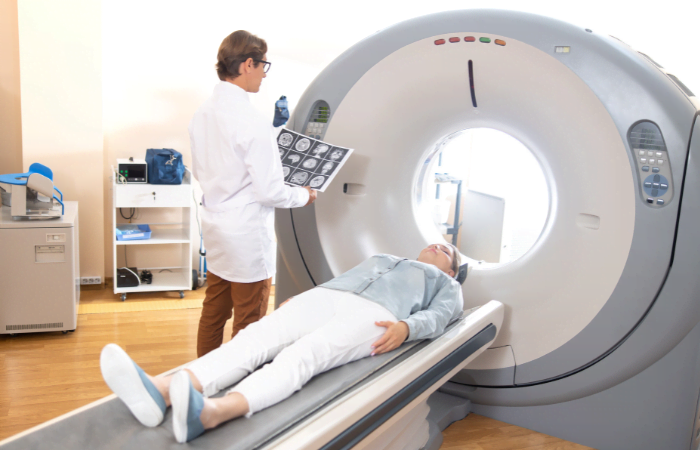
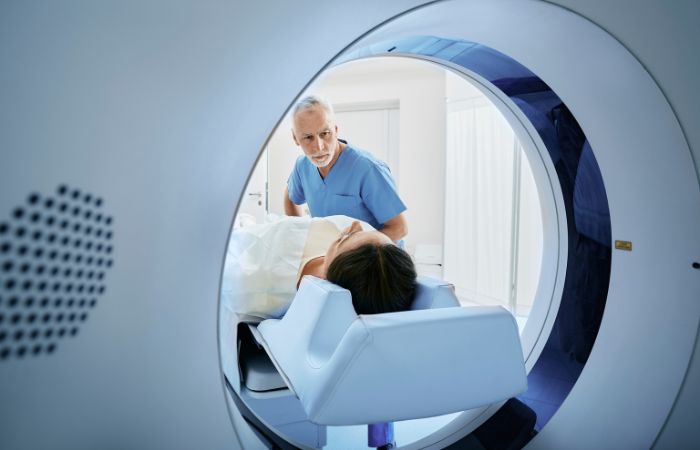
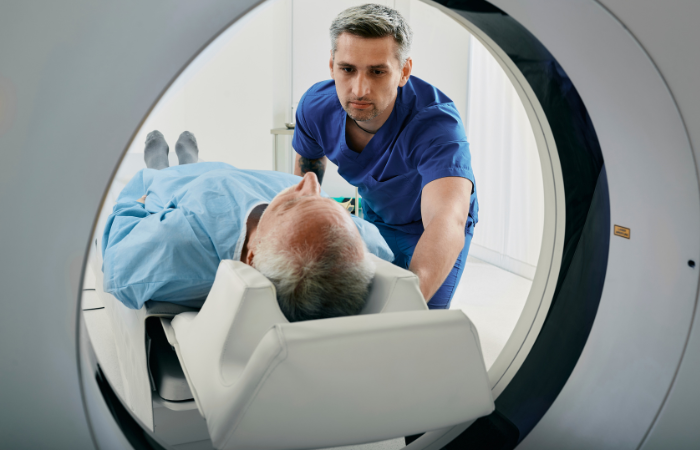
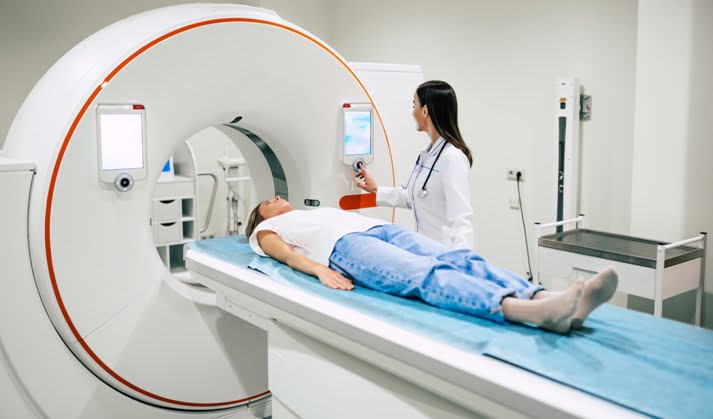
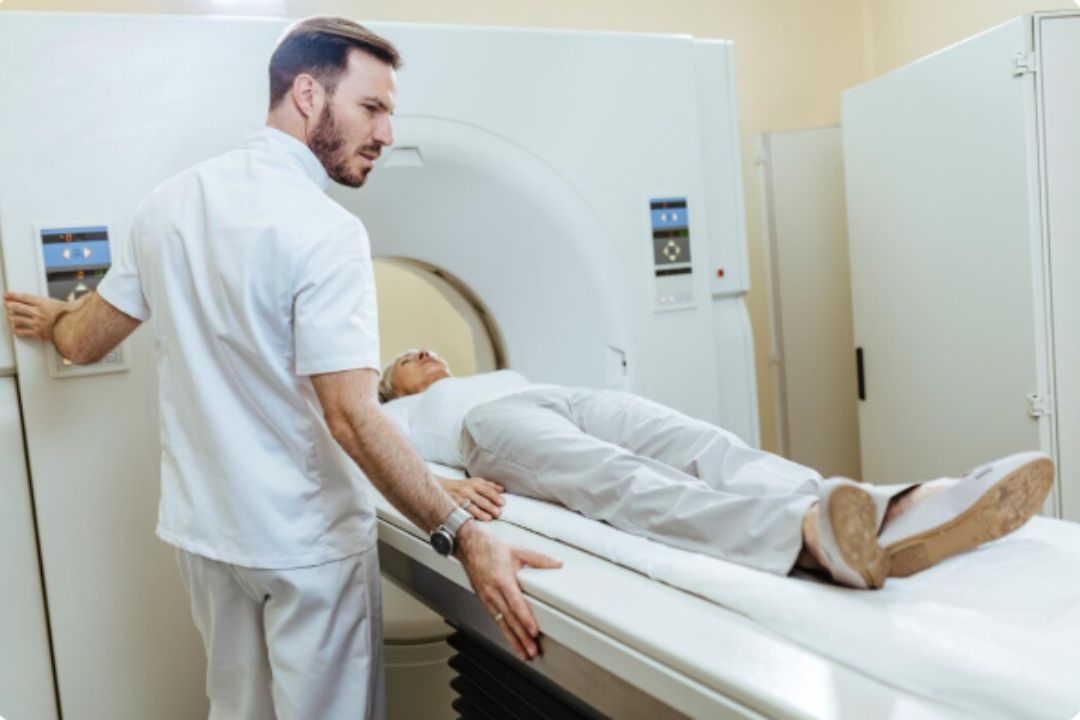
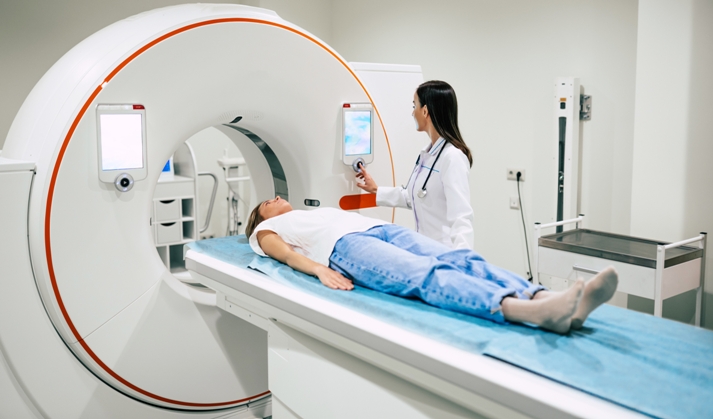
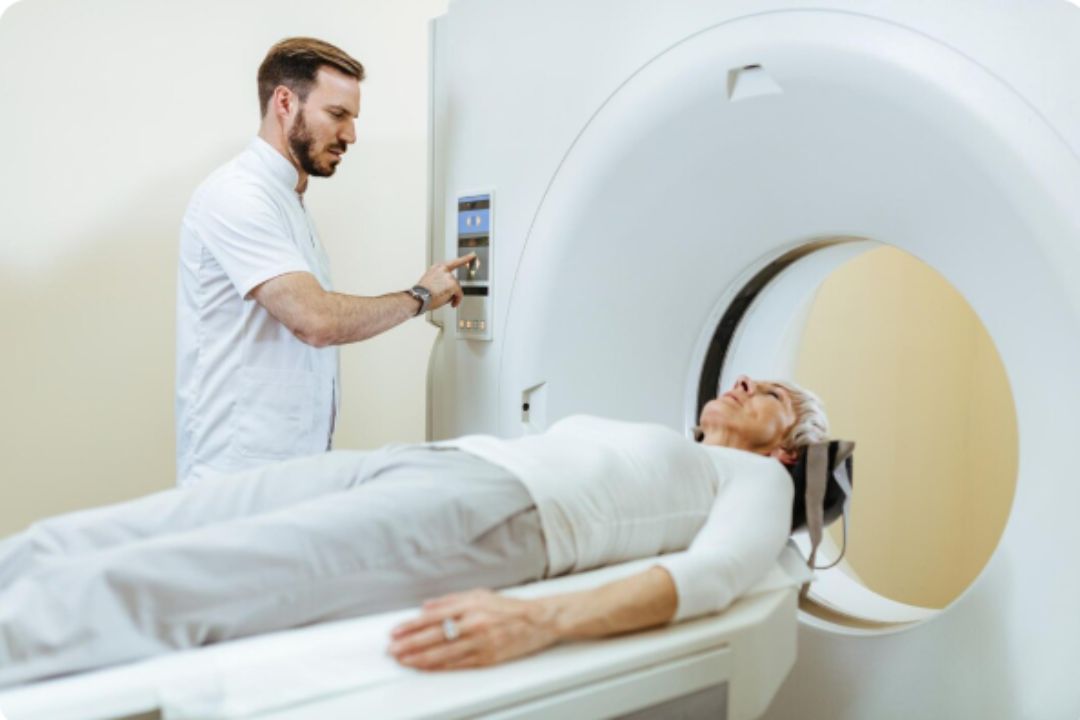
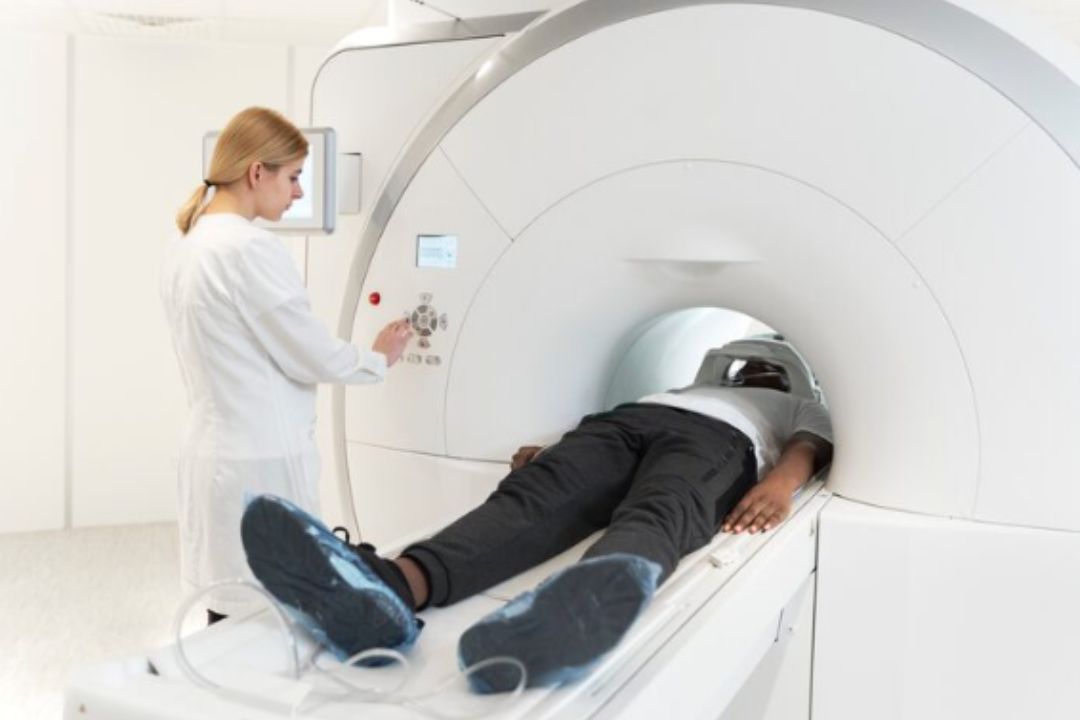
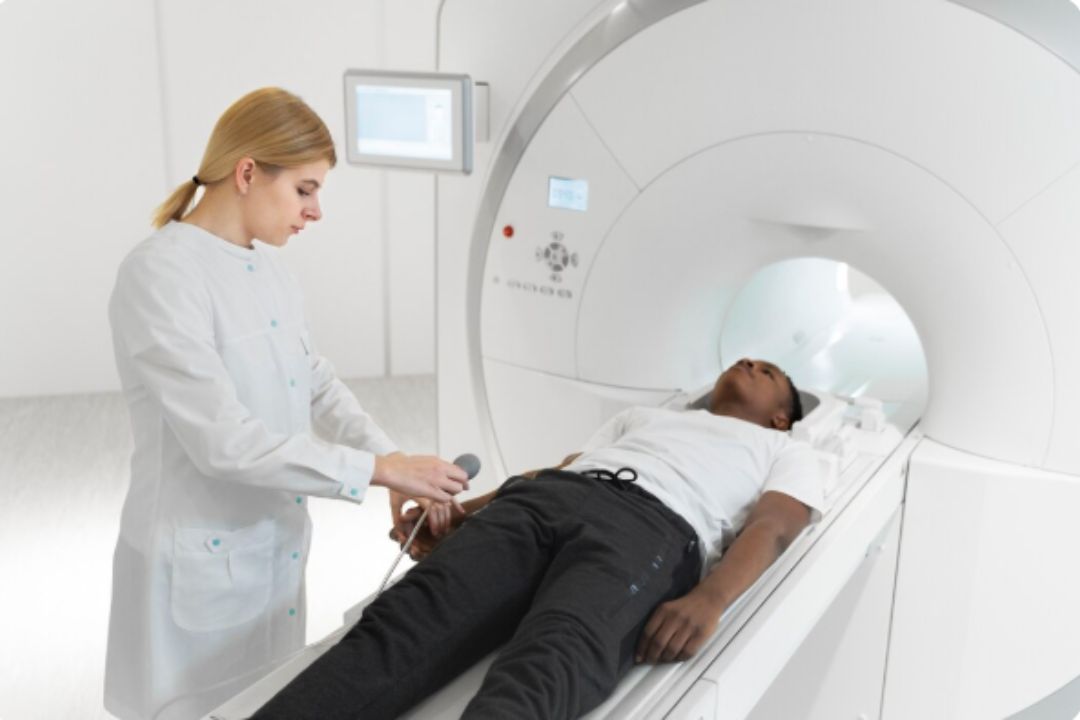
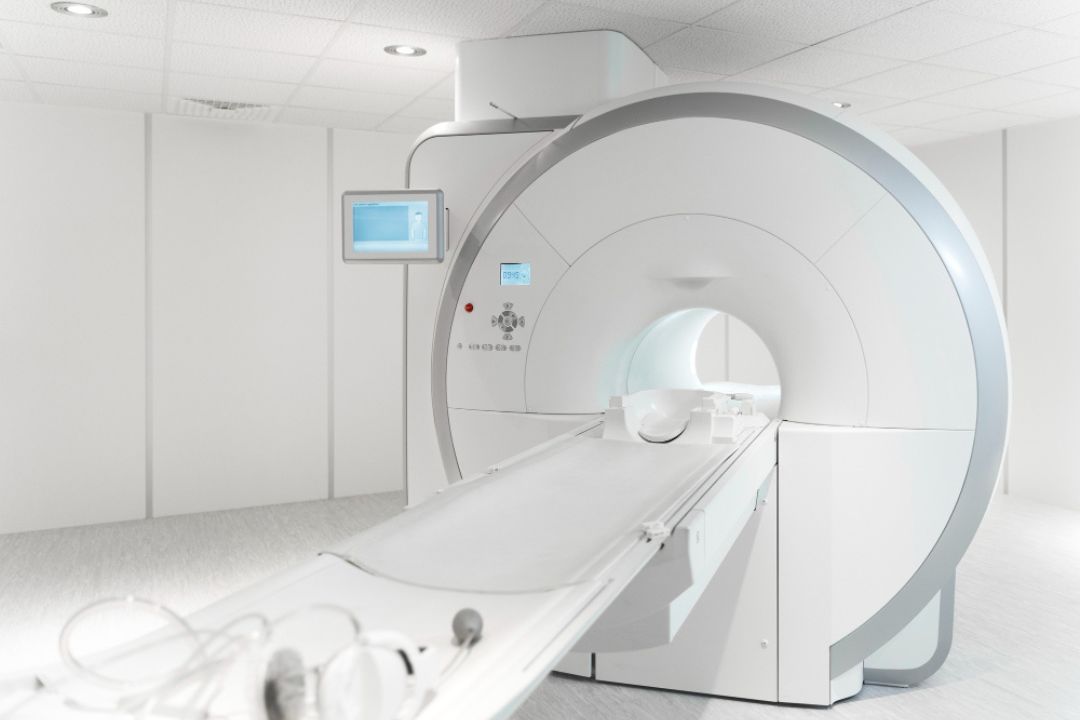
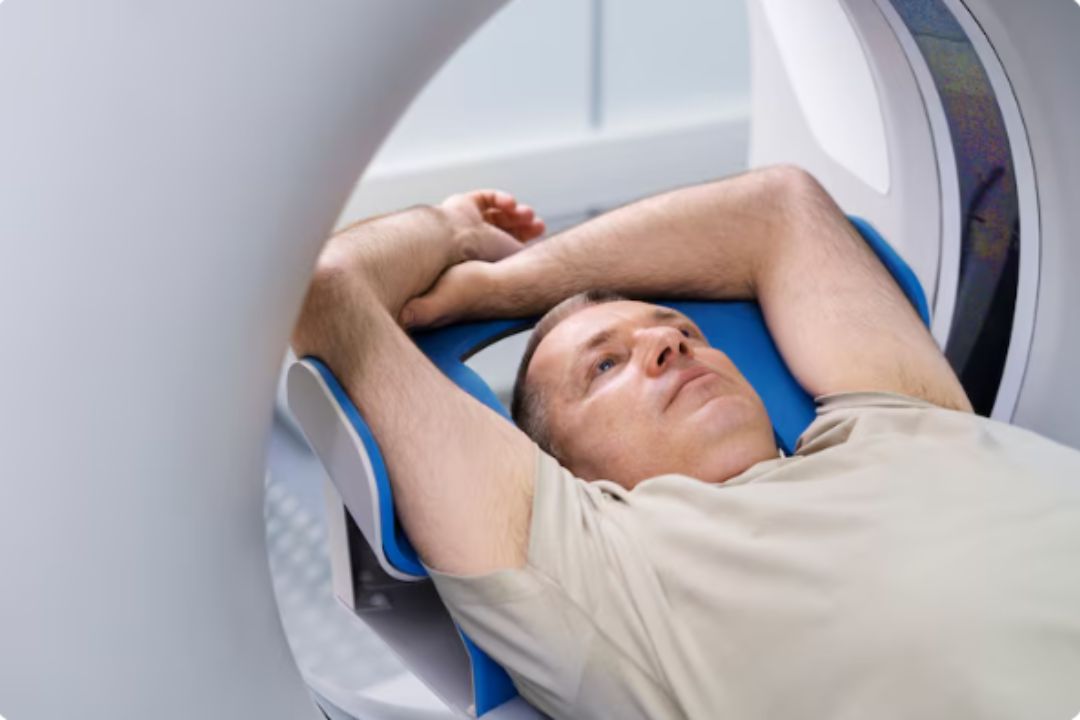
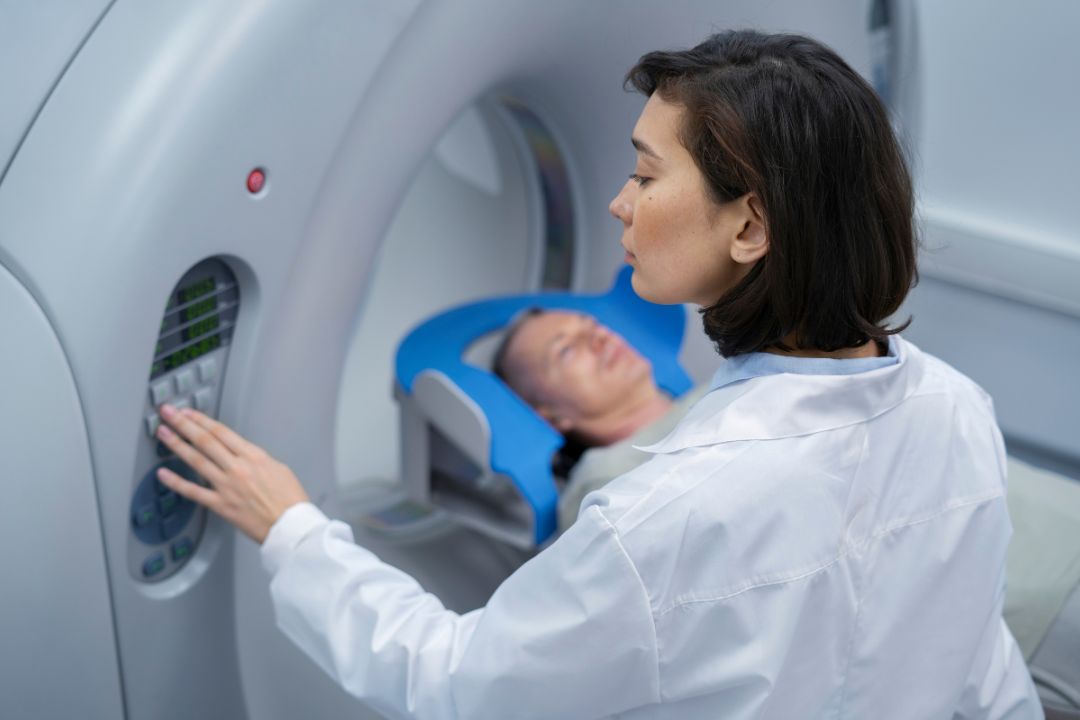
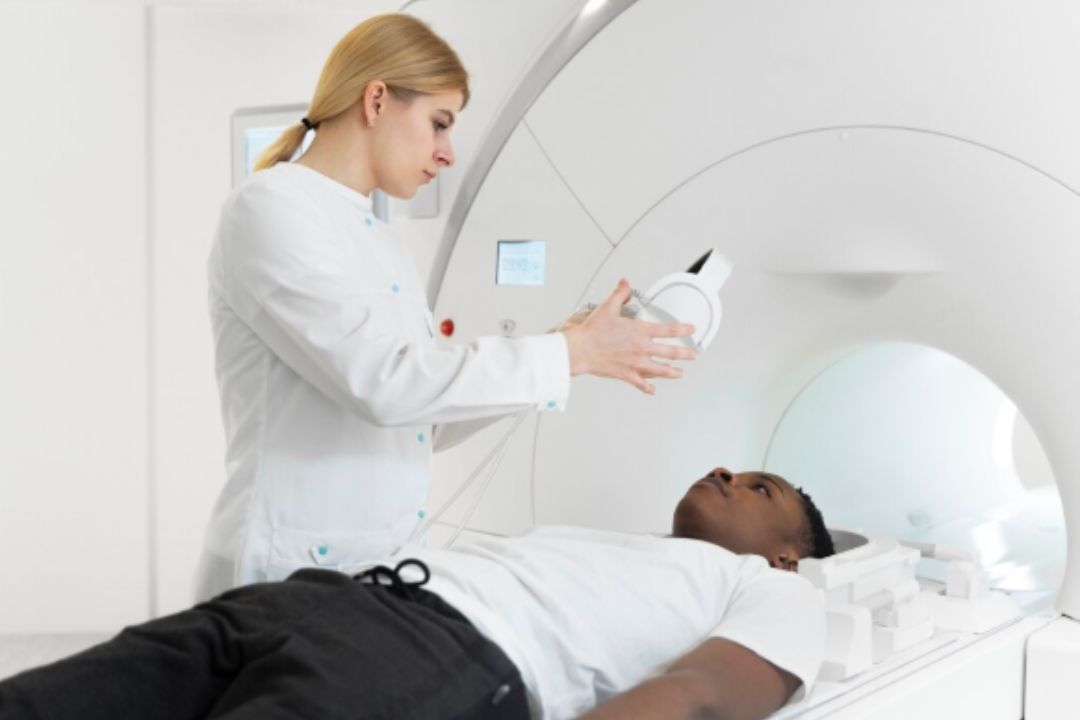
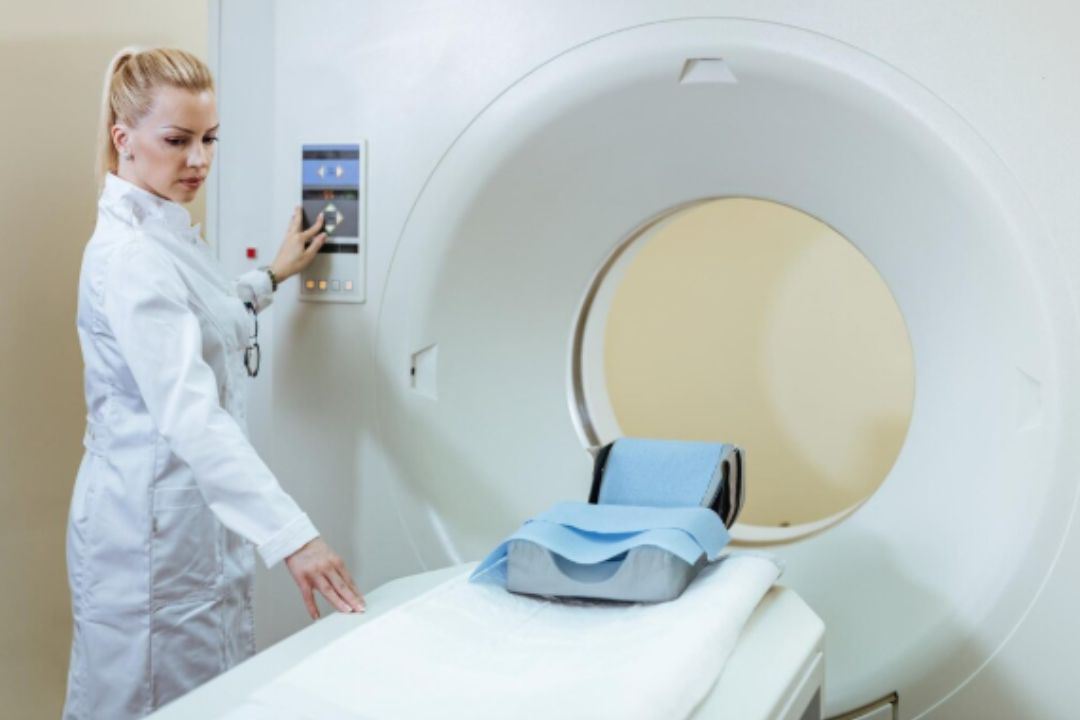
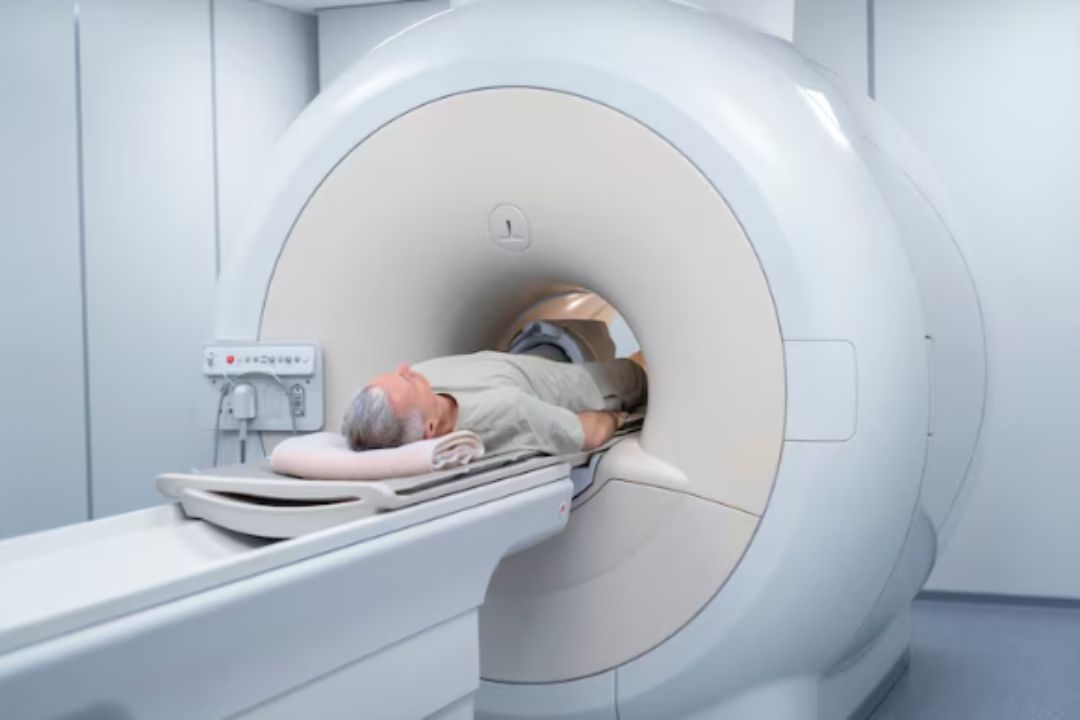
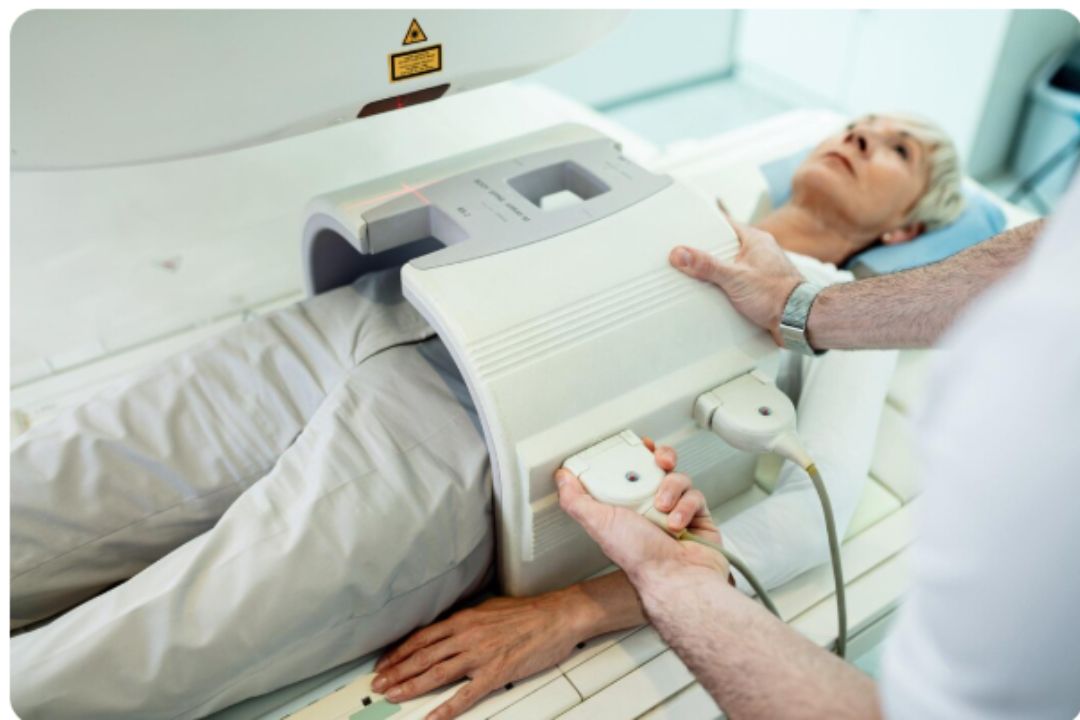
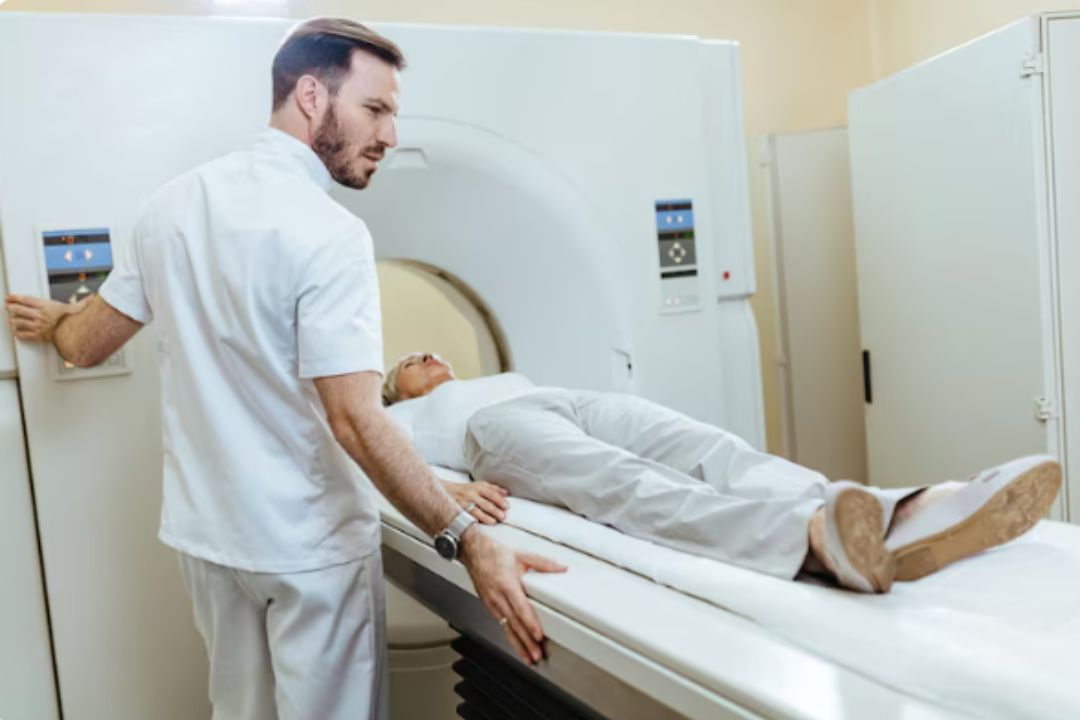
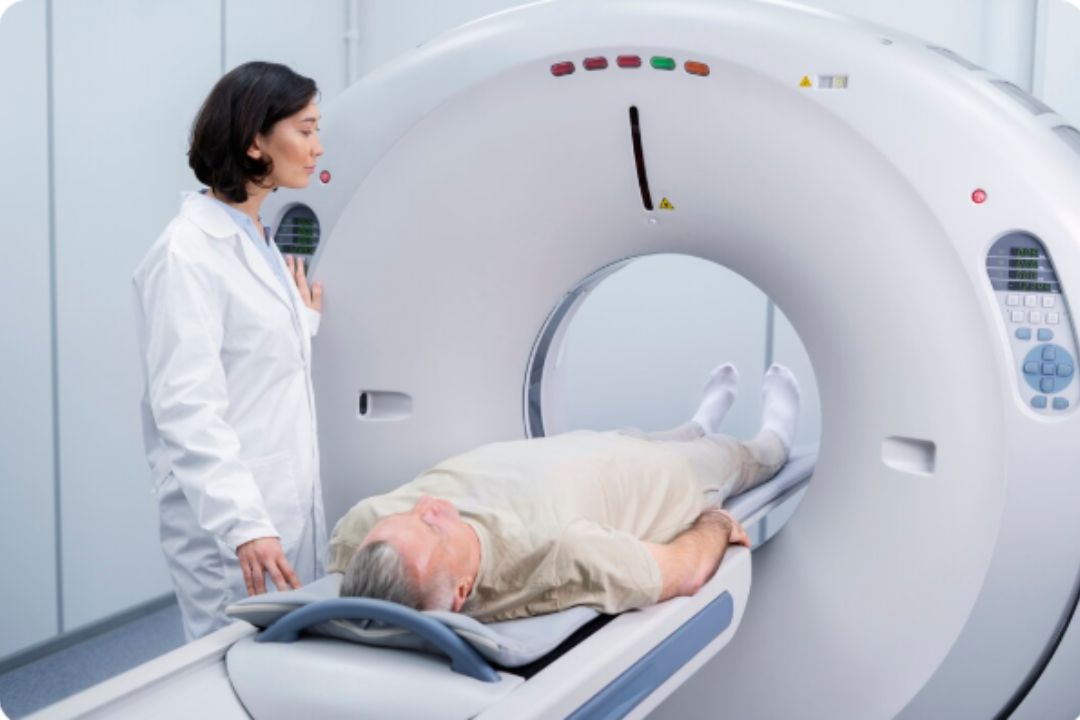
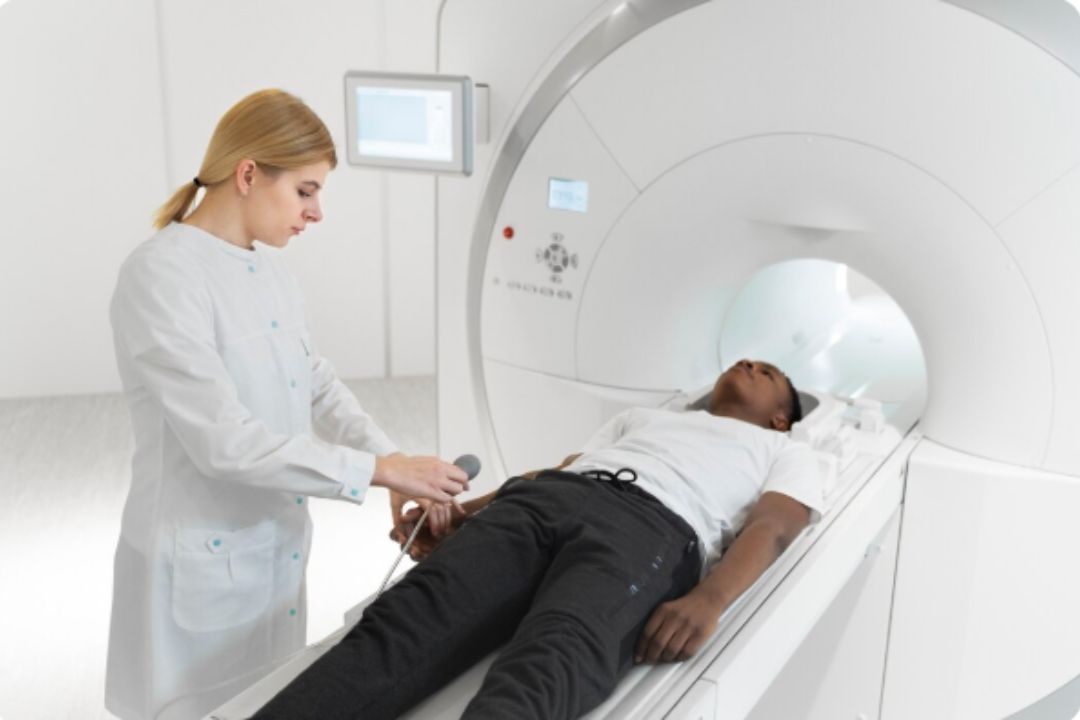
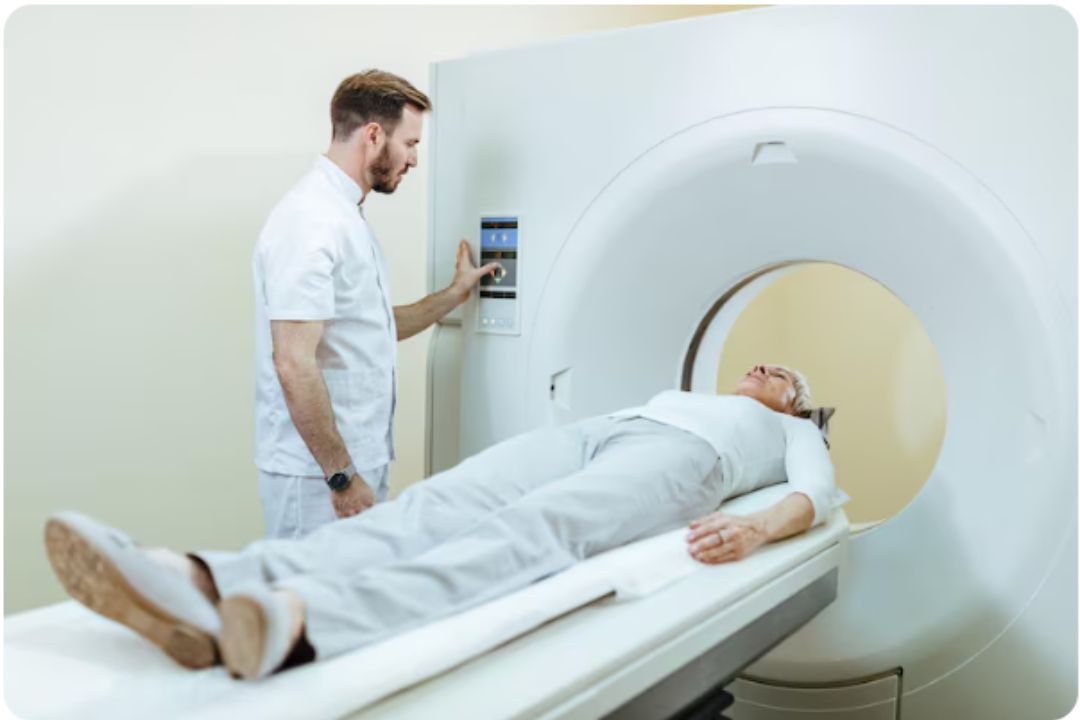
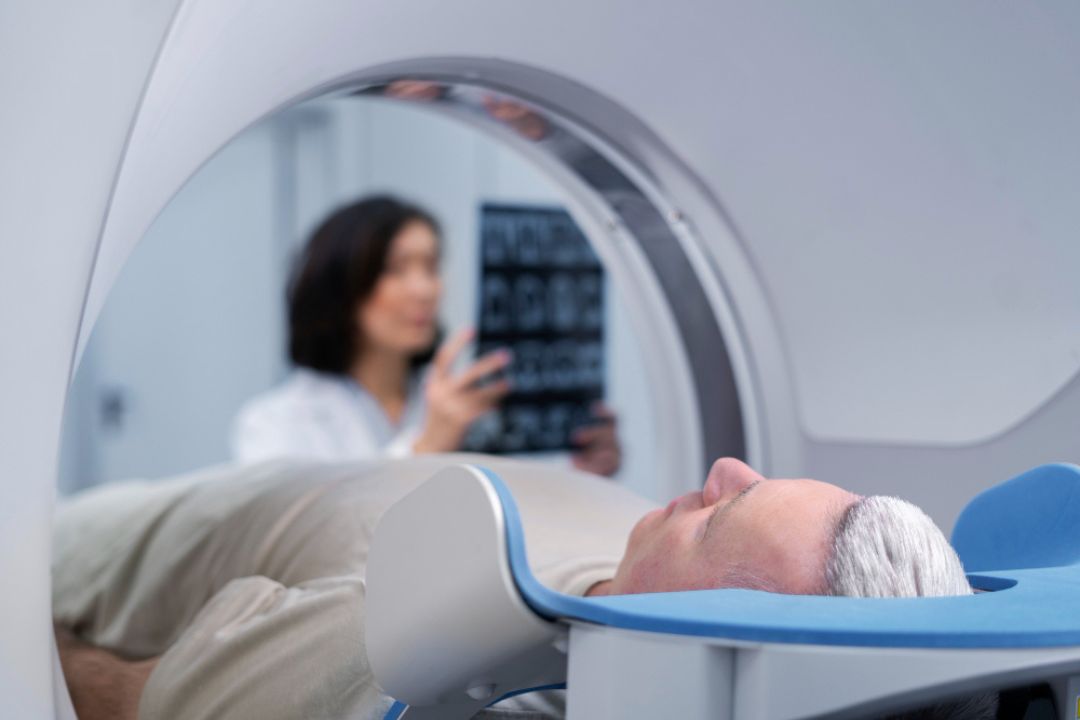
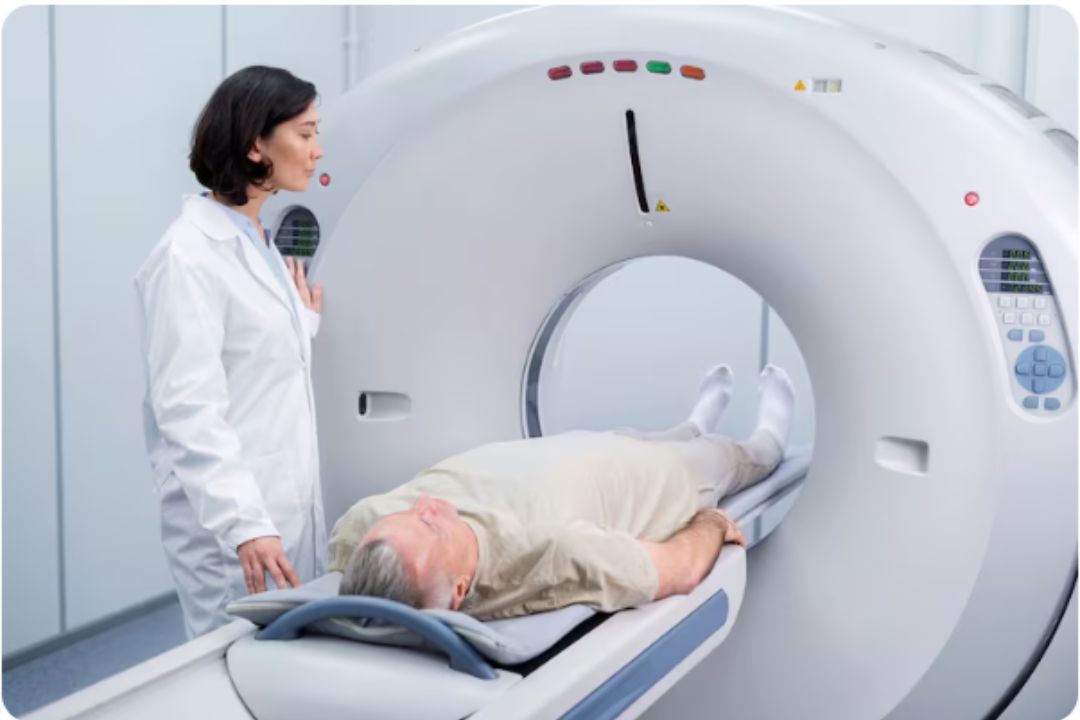
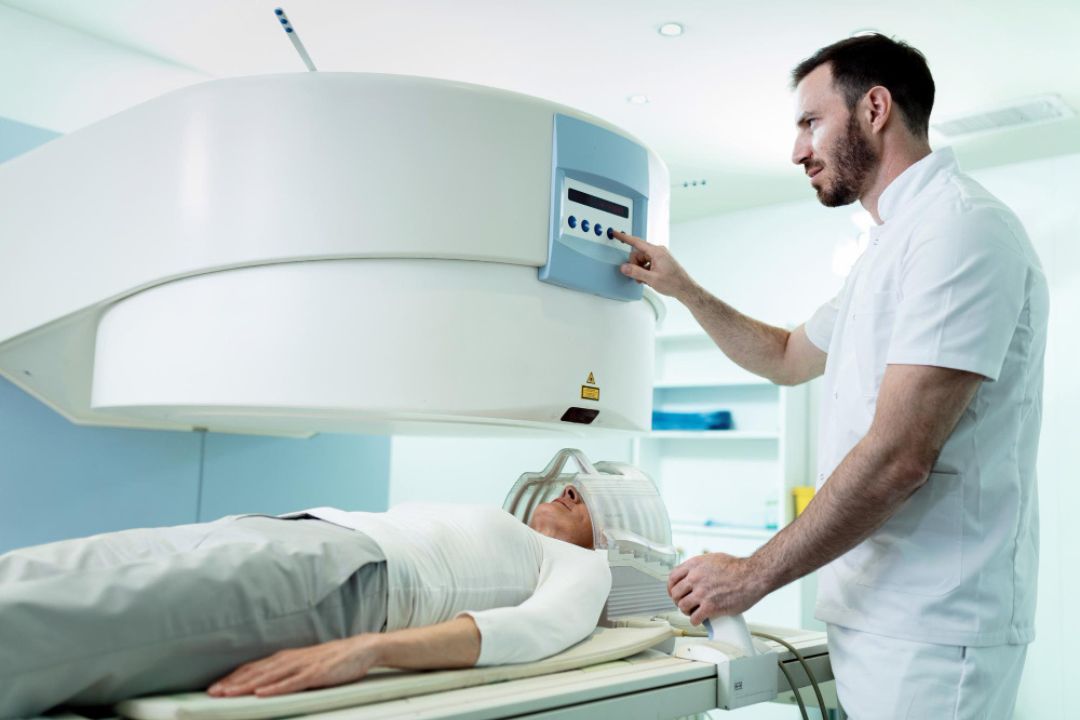
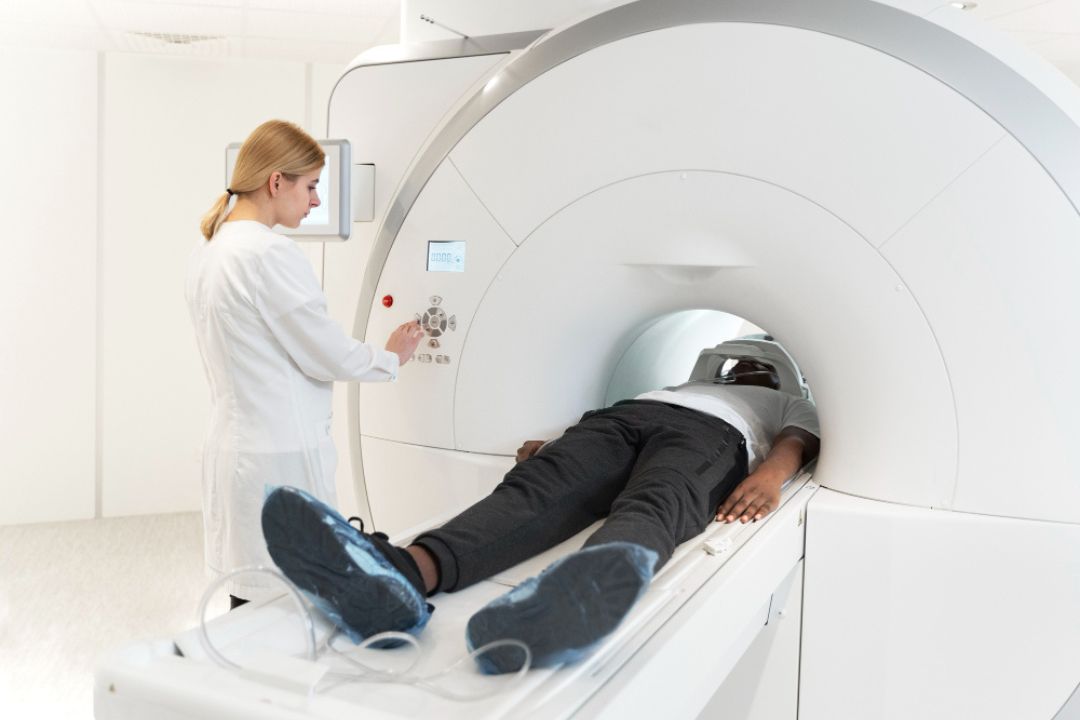
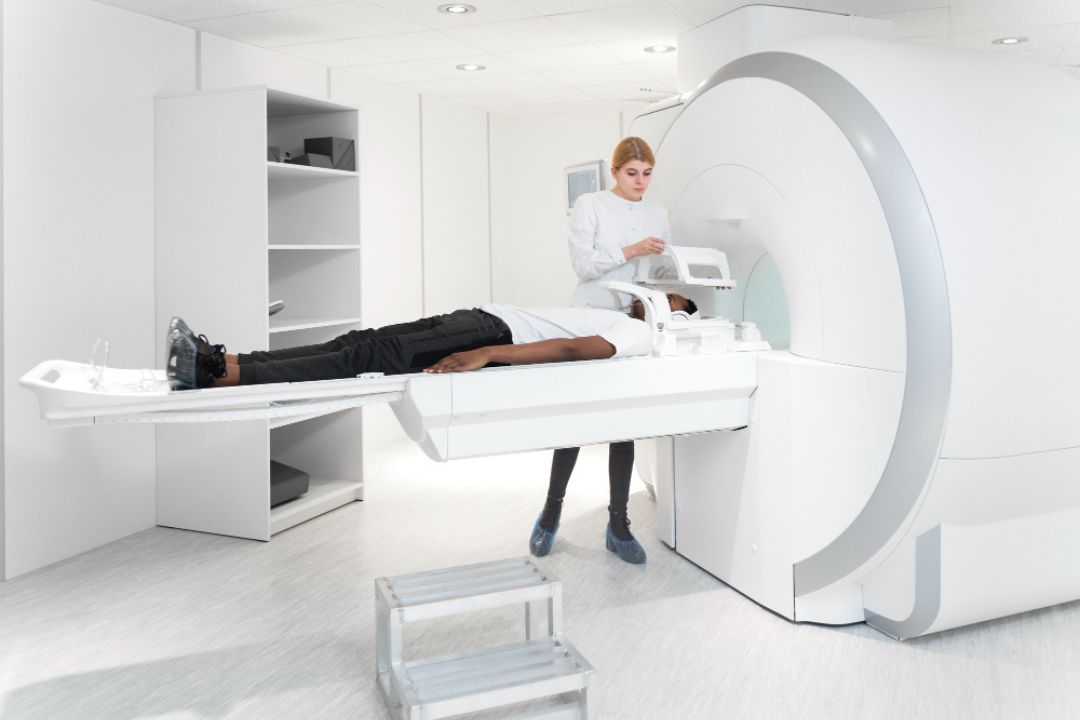
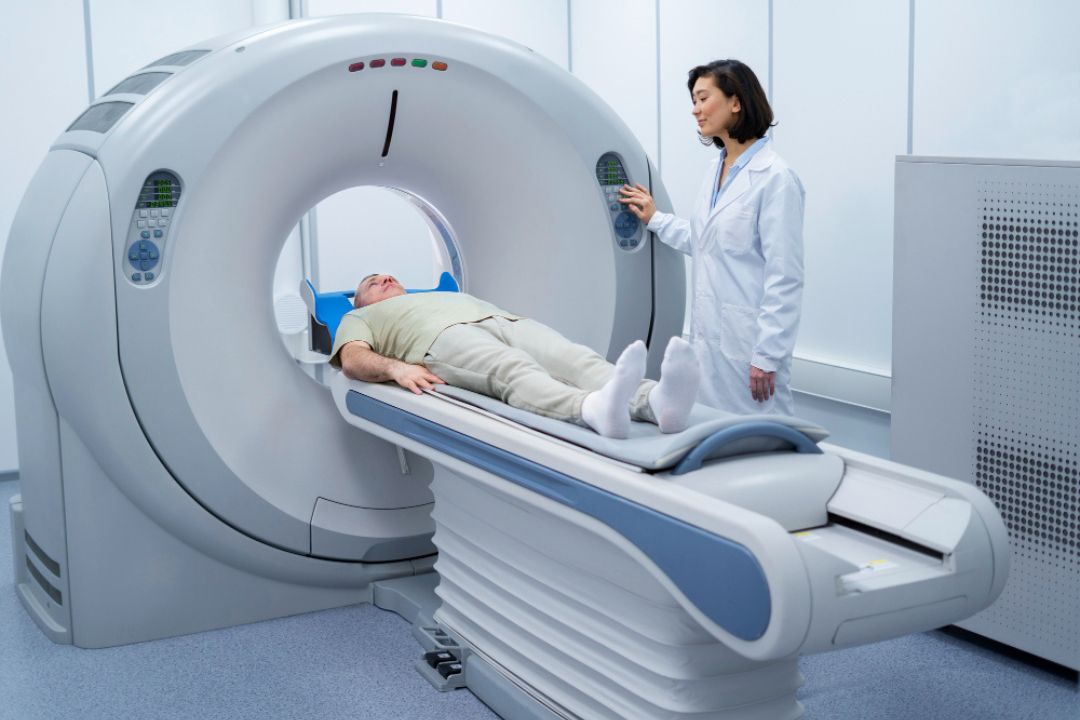
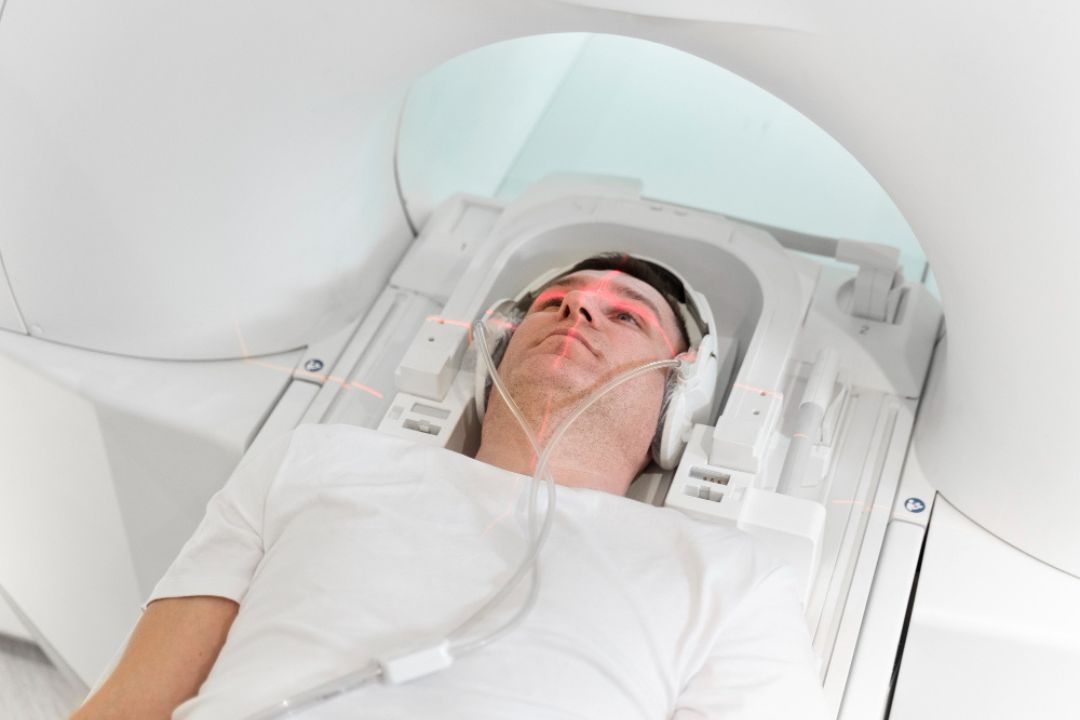
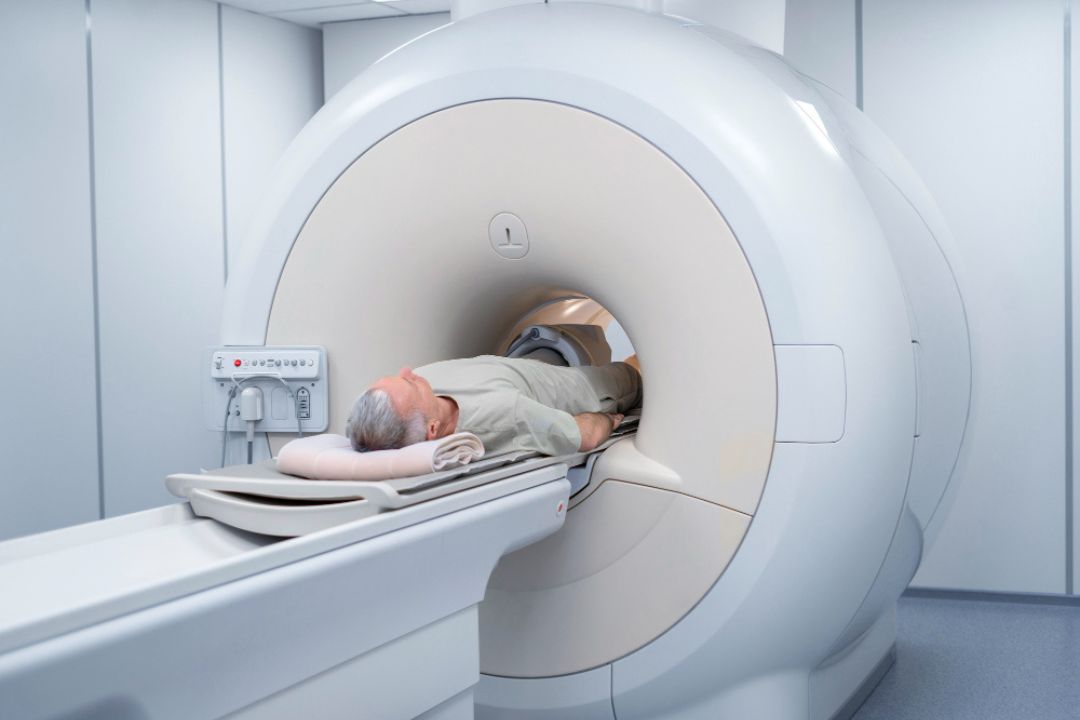
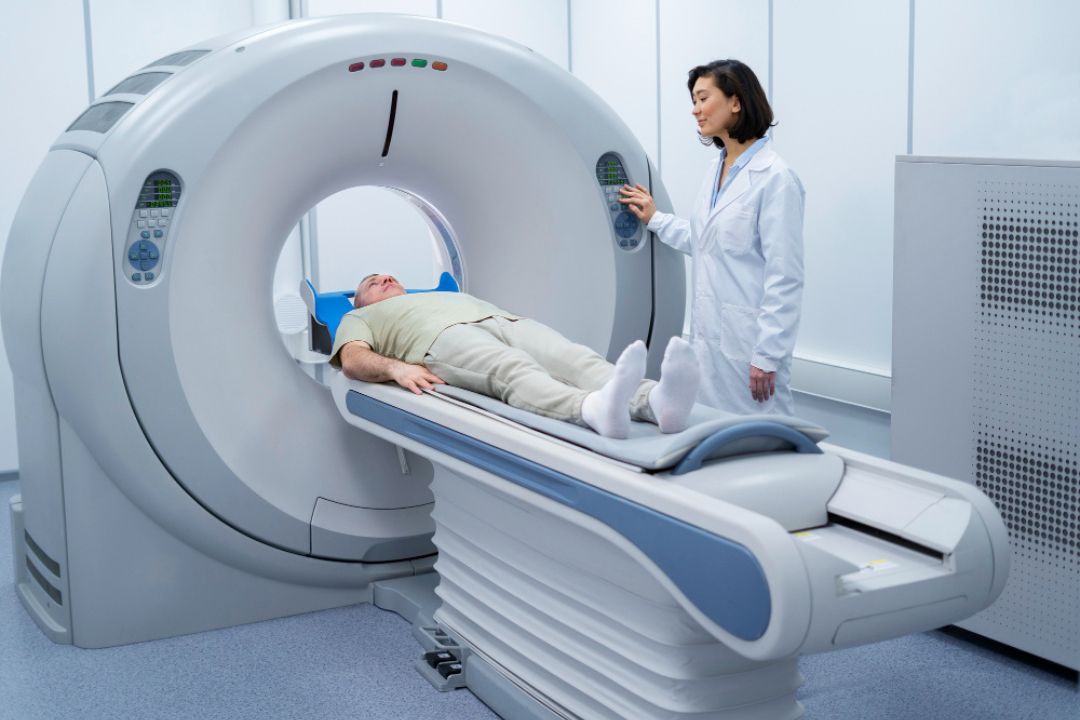
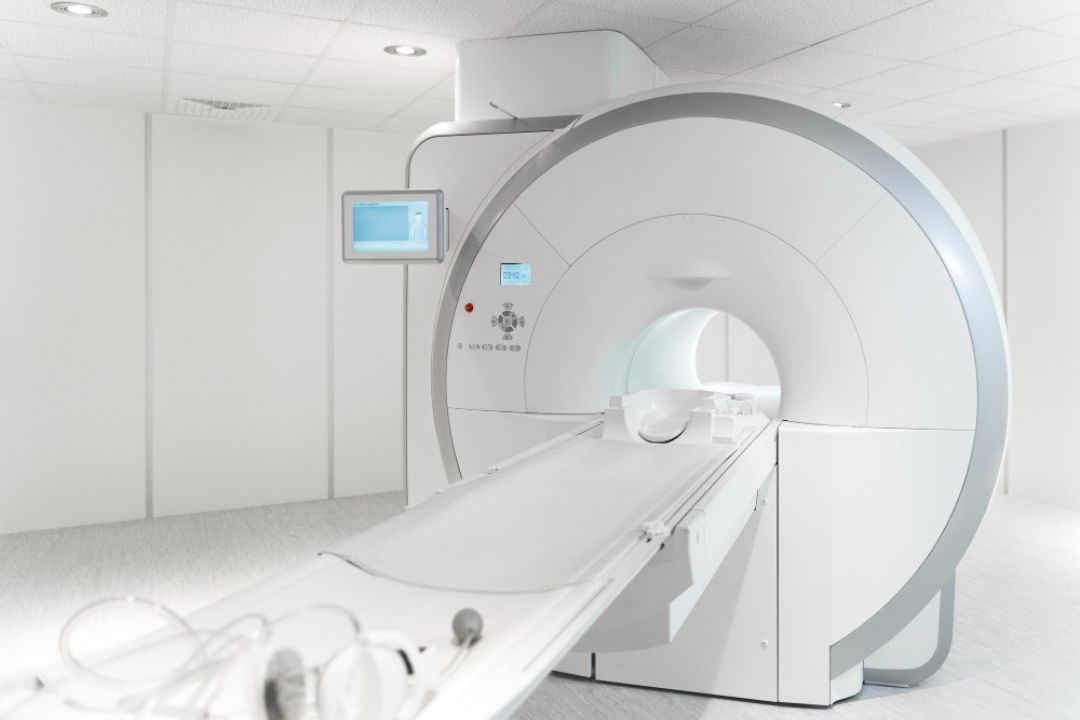
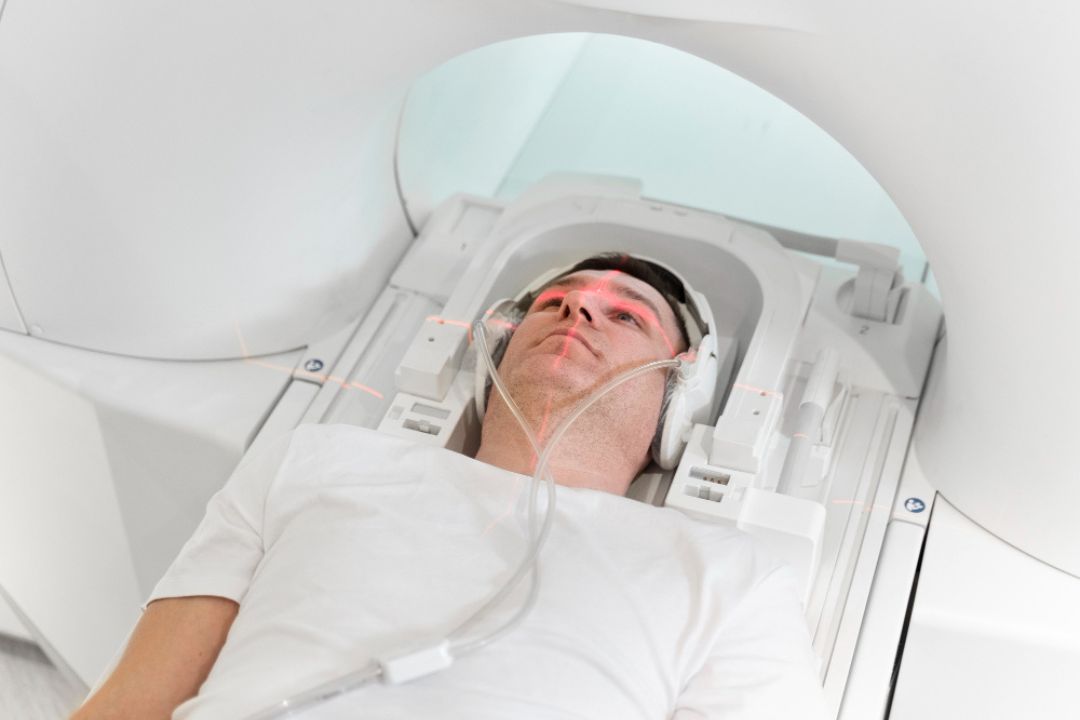
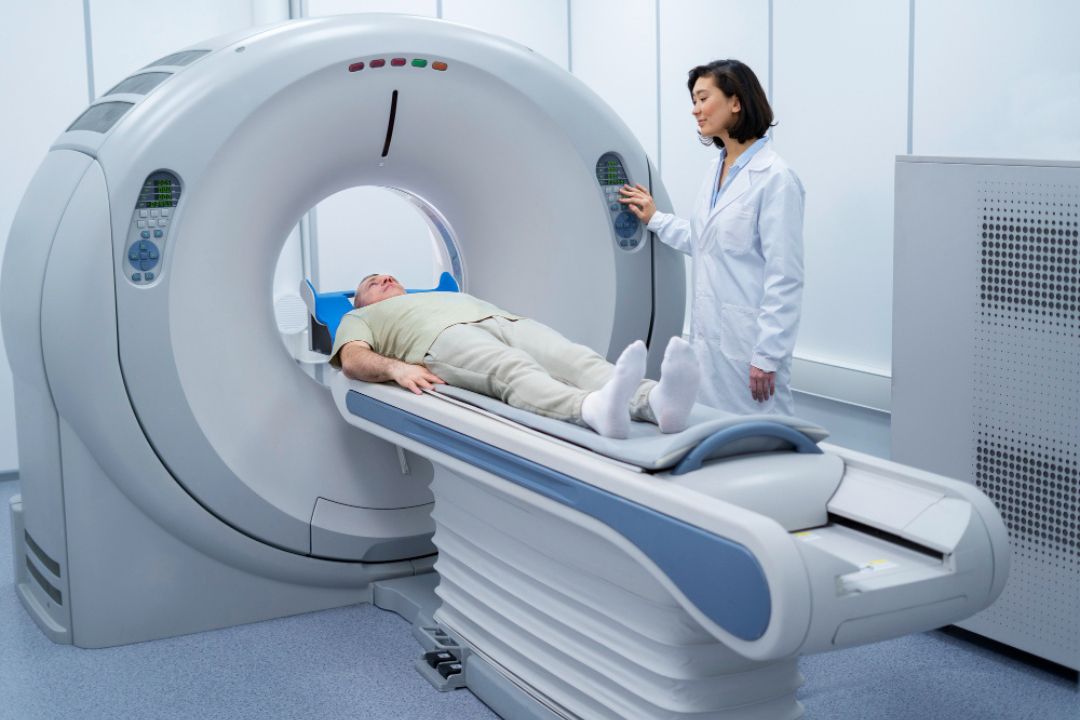
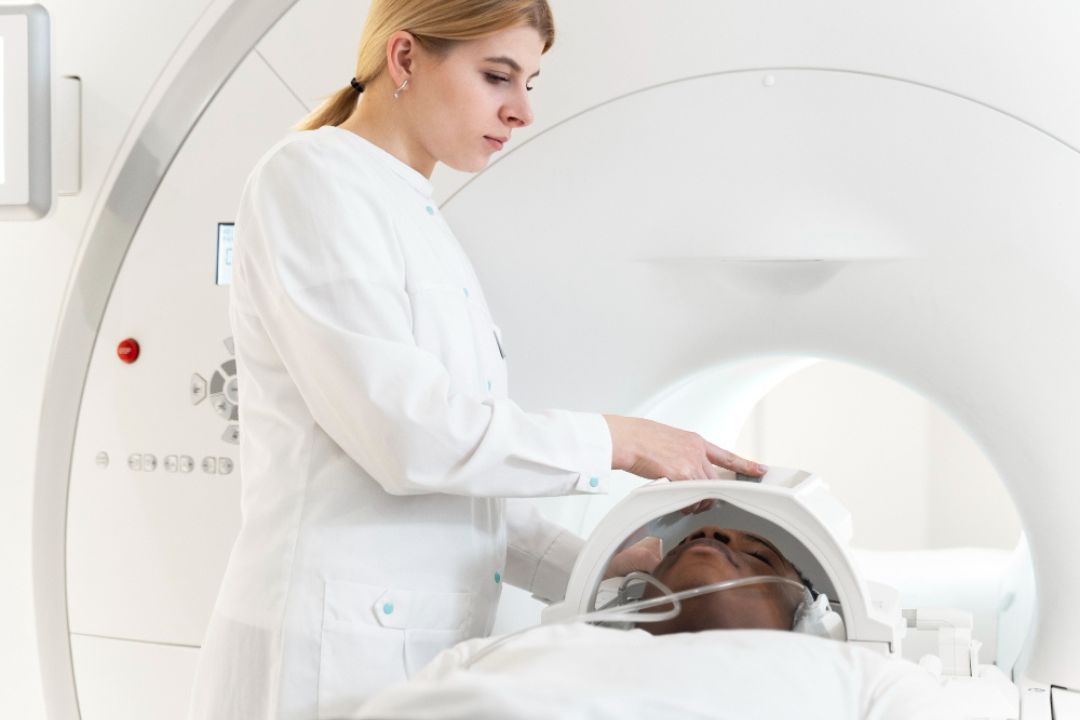
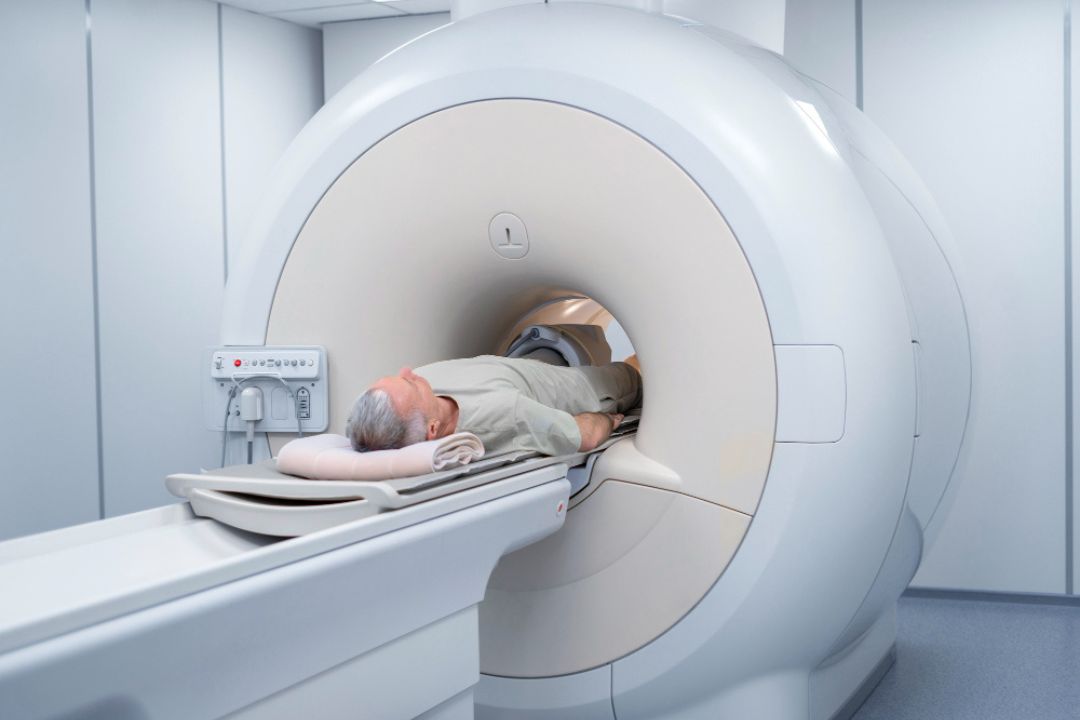
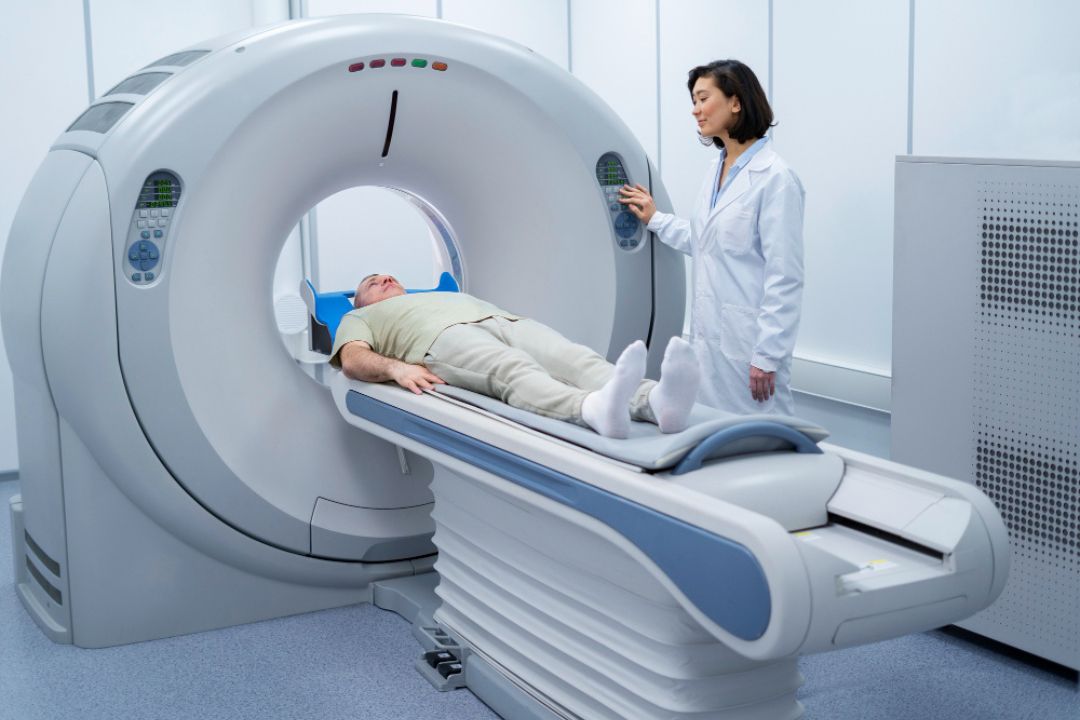
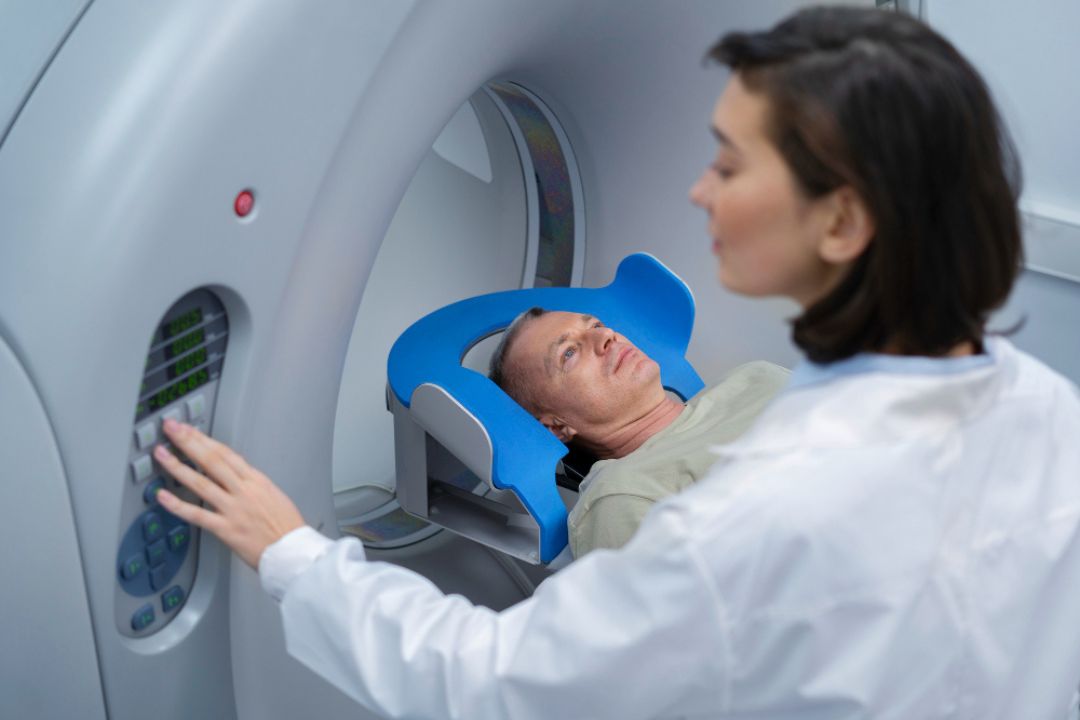
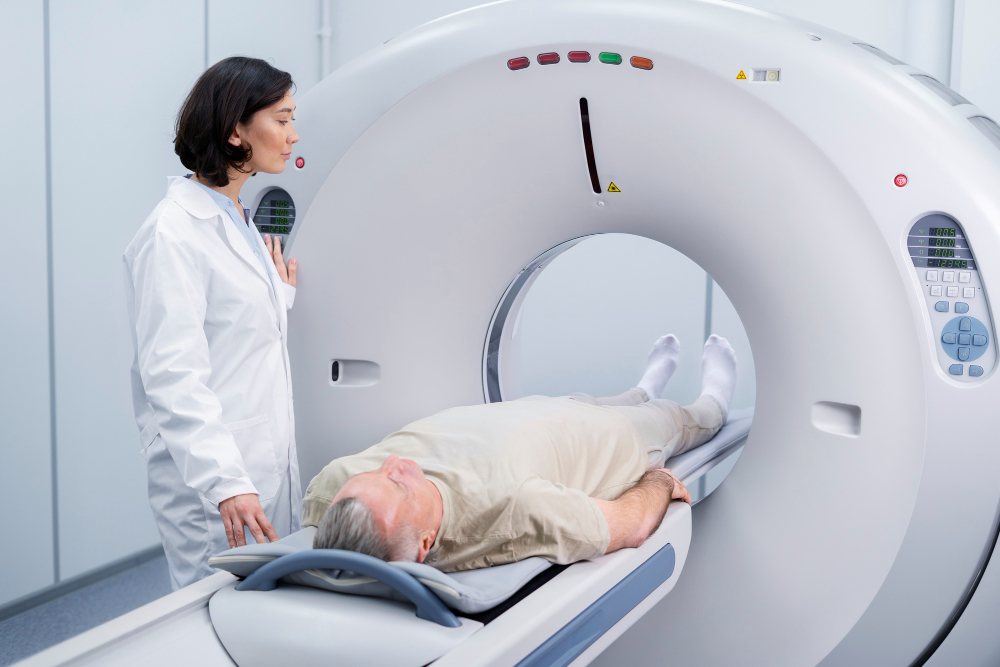
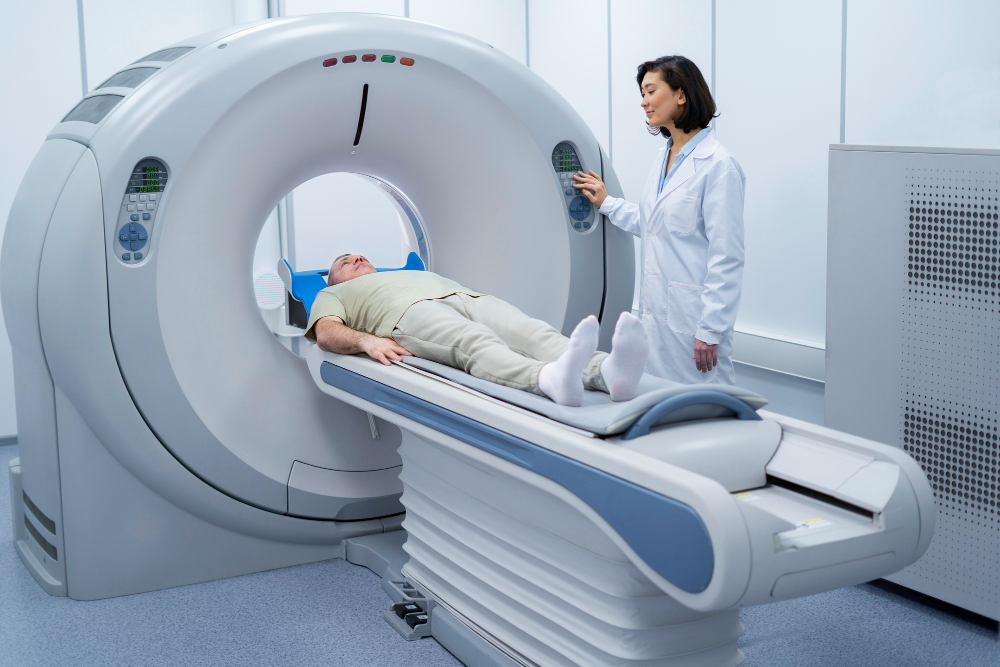
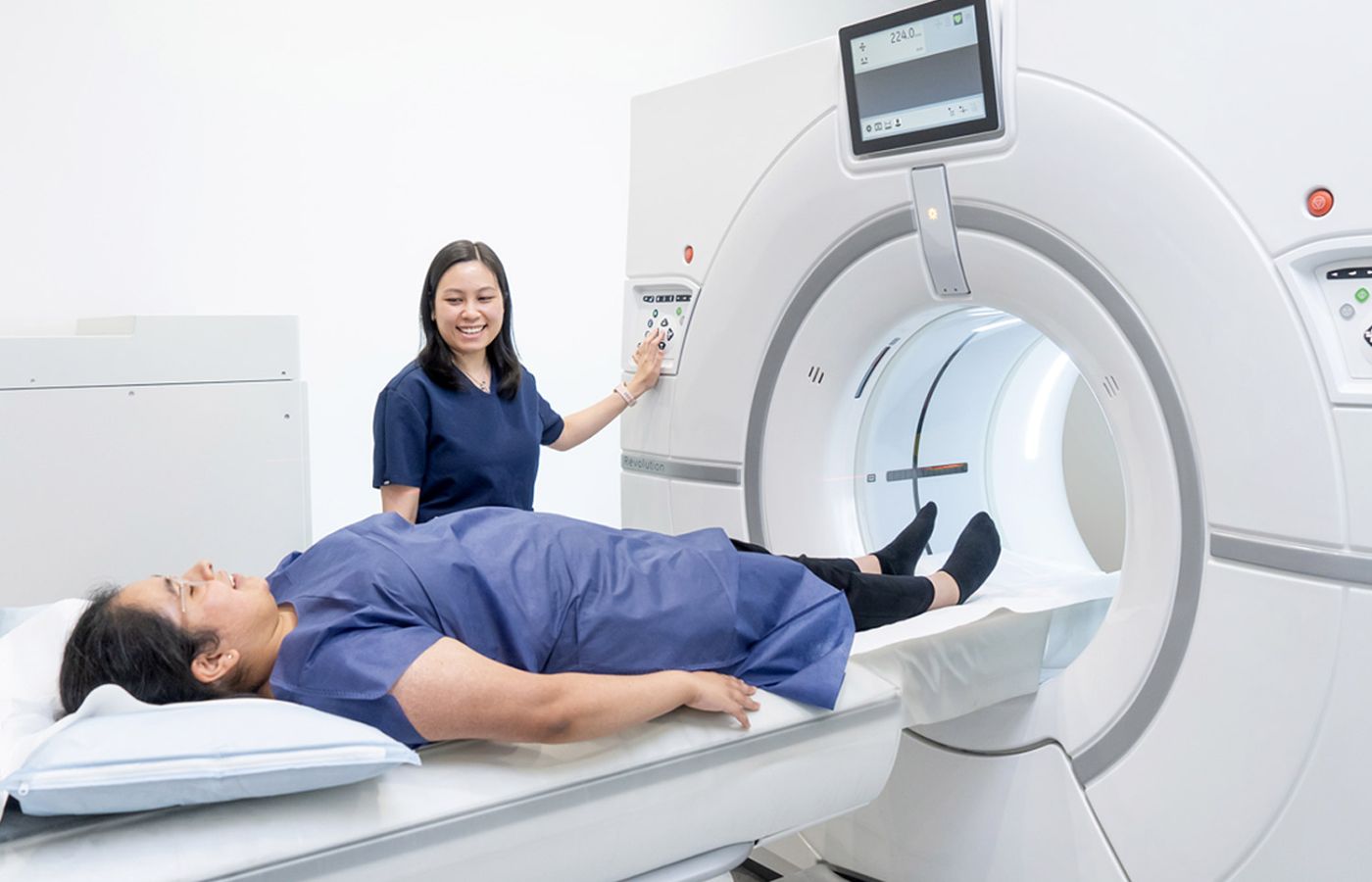
The patient lies on a motorized scanning table that moves through the CT scanner. A contrast dye is injected through an intravenous line to enhance the visibility of the blood vessels.
The scanner rotates around the body and captures multiple images of the aorta and surrounding structures. The procedure is painless and usually completed within 10 to 20 minutes.
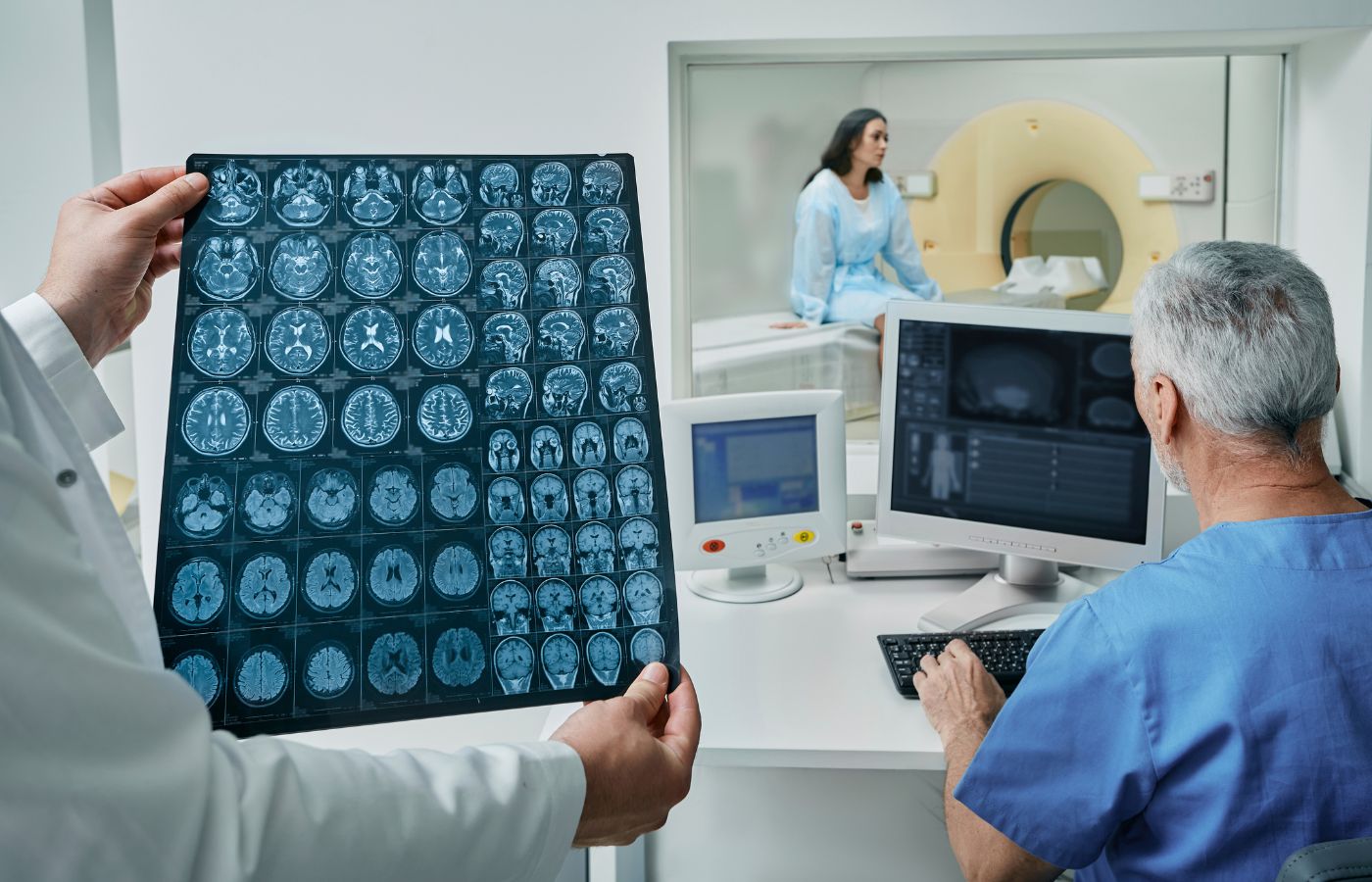
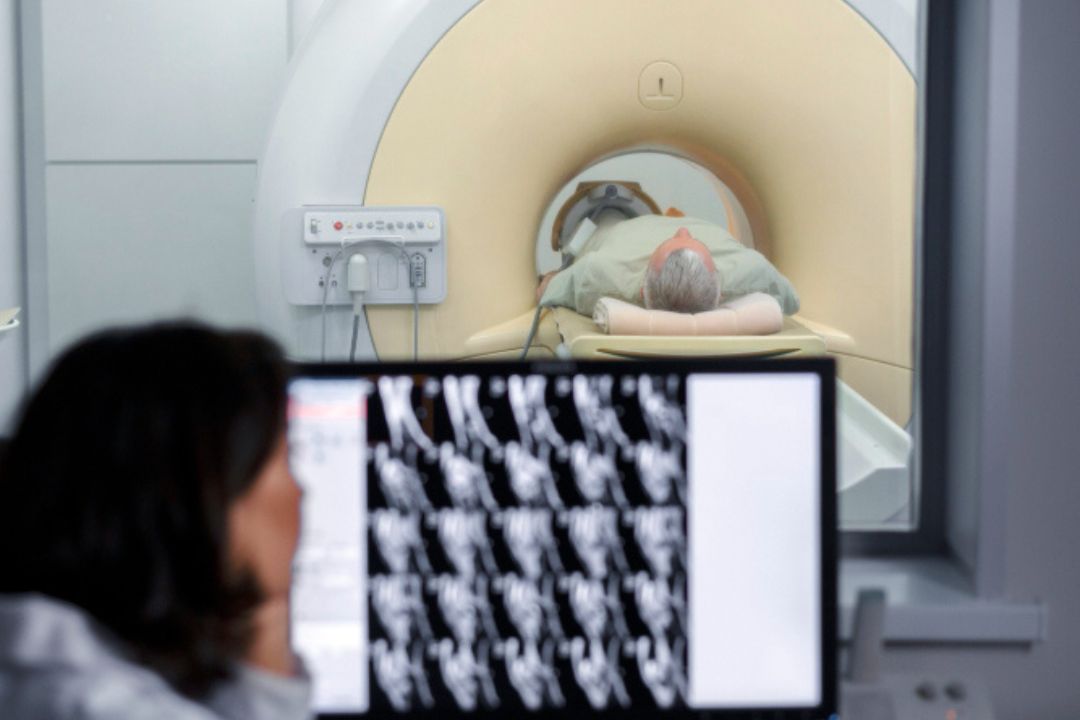
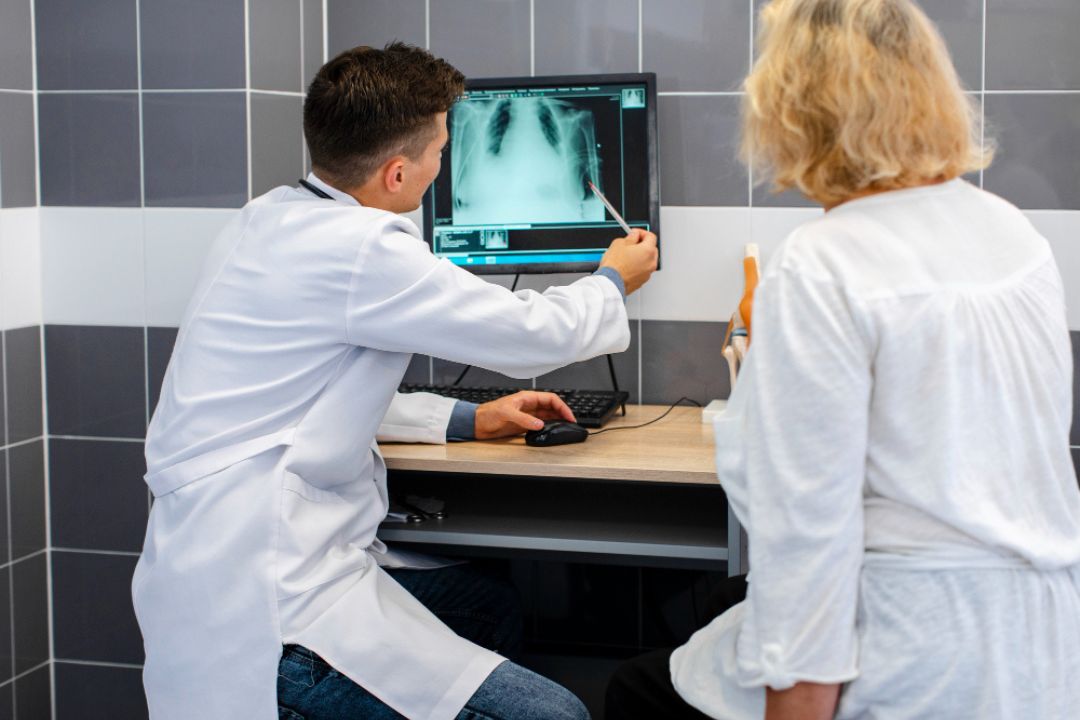
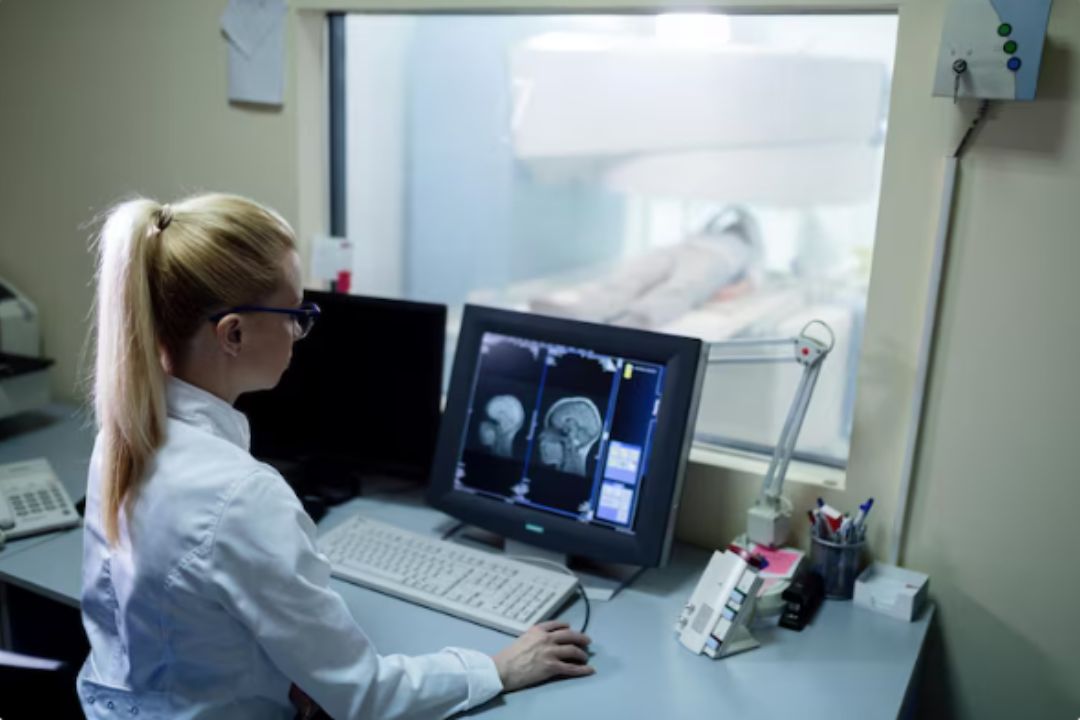
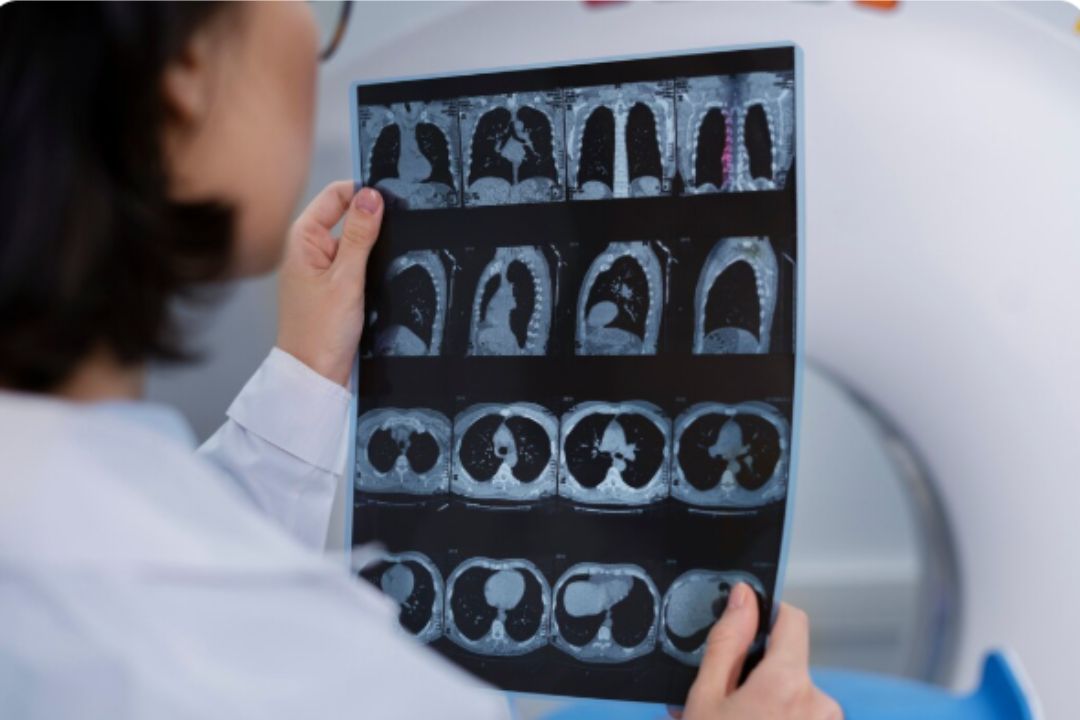
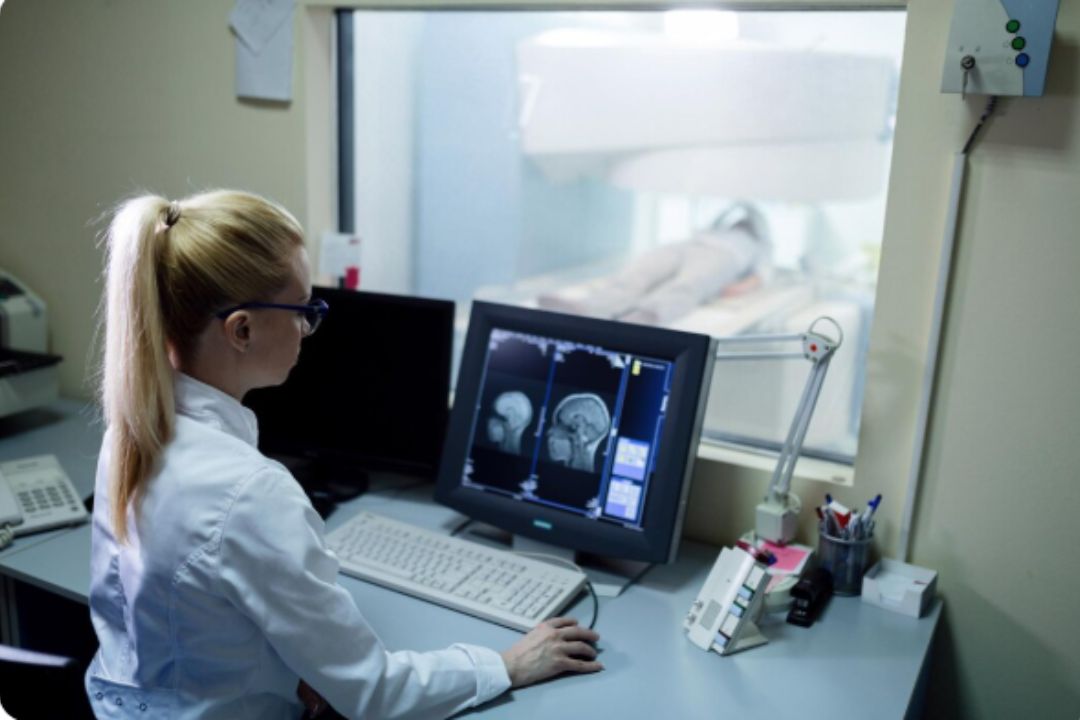
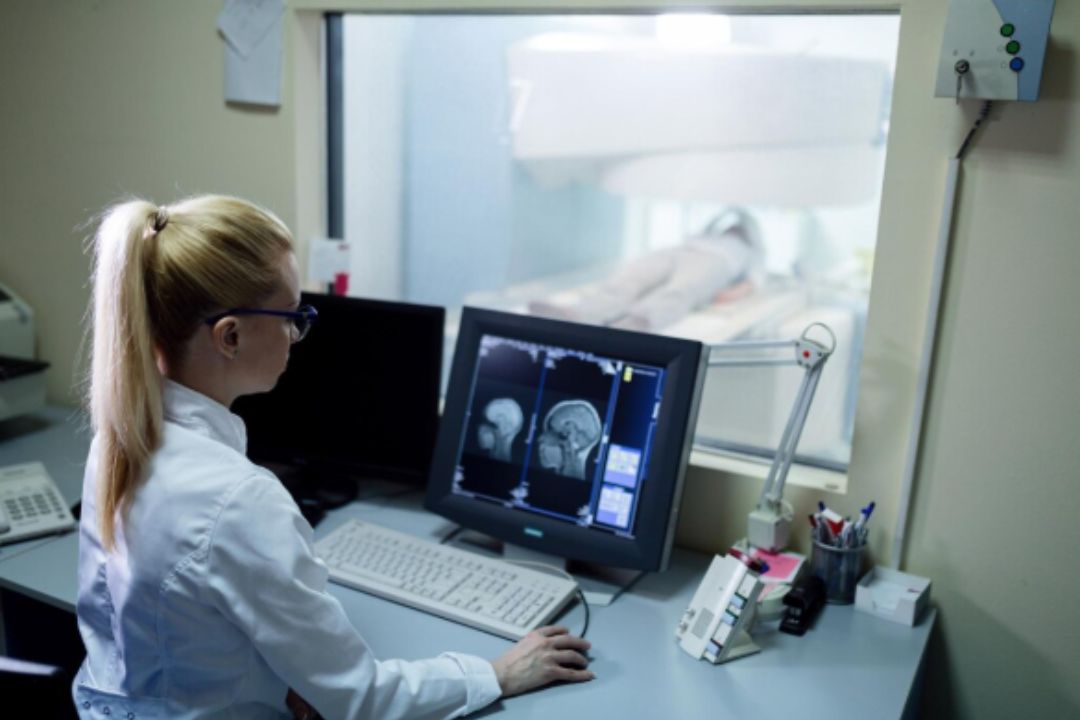
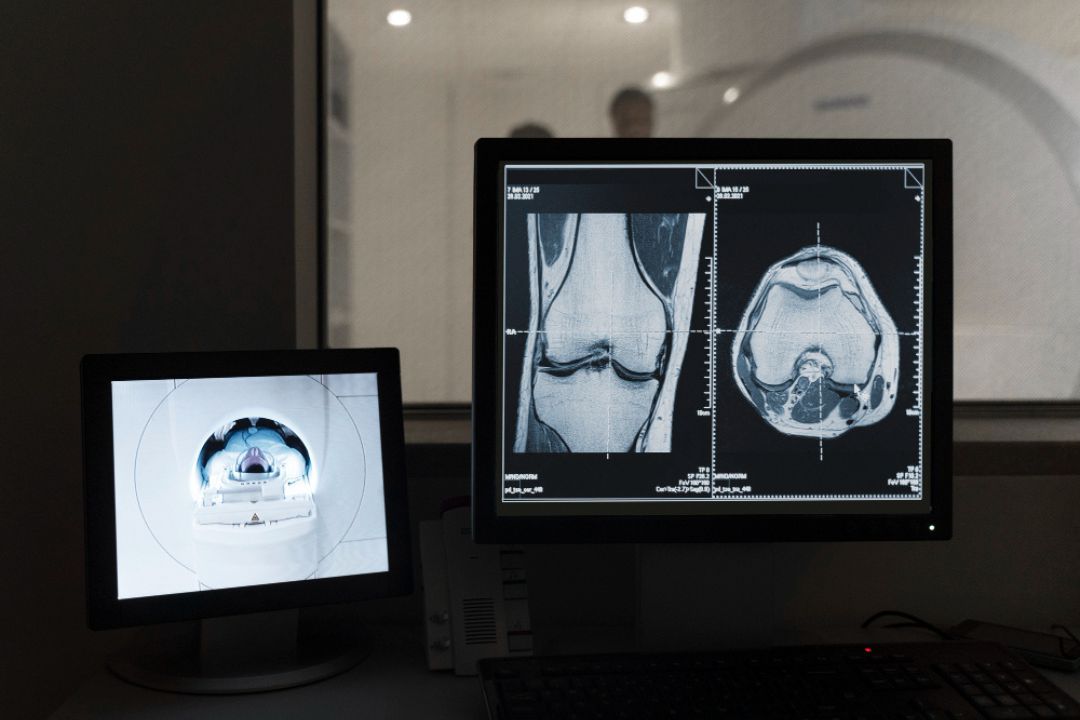
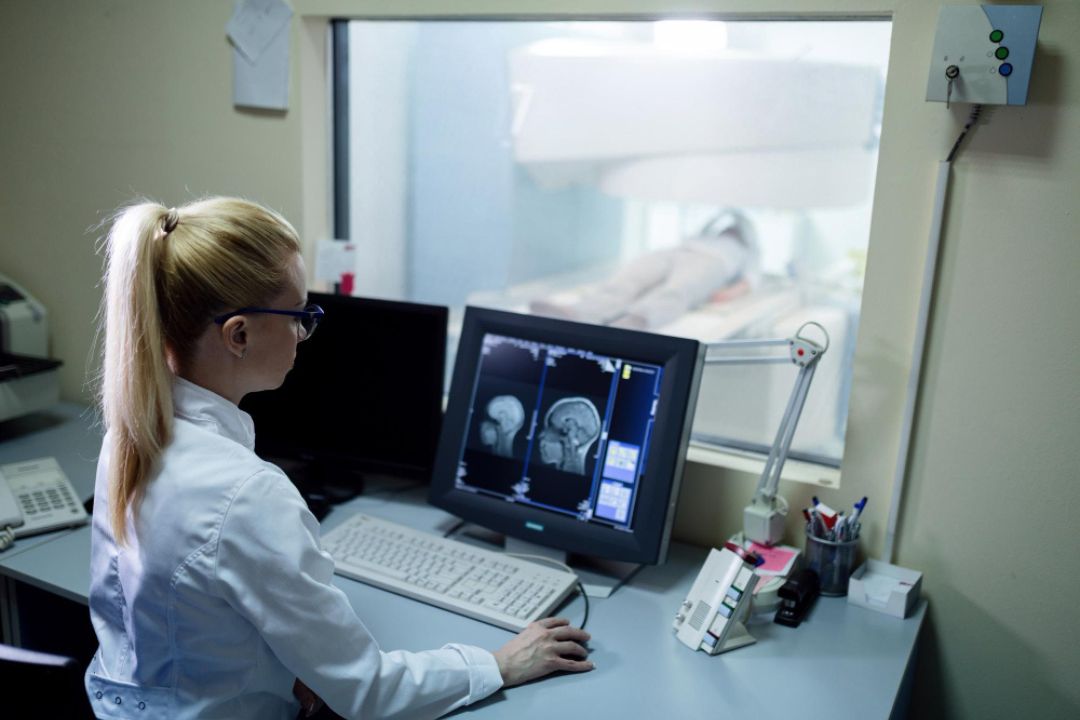
After the scan, a radiologist analyzes the images and prepares a detailed report for the doctor.
Early detection of aortic diseases can significantly improve treatment outcomes. CT Aortography allows doctors to identify problems before symptoms become severe.
Benefits include:
Early detection of aneurysms
Accurate monitoring of aortic size and growth
Better surgical planning
Reduced risk of rupture or complications
Timely diagnosis allows doctors to choose the most appropriate treatment strategy.
CT Aortography is a powerful diagnostic tool used to detect aortic aneurysms and other serious diseases affecting the aorta. By providing high-resolution images of the blood vessels, it enables doctors to diagnose conditions accurately and quickly.
With its speed, precision, and non-invasive nature, CT Aortography has become one of the most reliable imaging methods for evaluating aortic health and guiding life-saving treatments.














.jpg "ct brain scan plain and contrast")































.jpg "ct scan")

.jpg "ct scan or mri for brain disorders")


.jpg "exploring the power of ct brain contrast in modern diagnostics")
.jpg "ct scan")


.jpg "ct scan")














.jpg "ct scan")


.jpg "CT Brain Scan for Headaches")
.jpg "The Future of 3D CT Imaging")