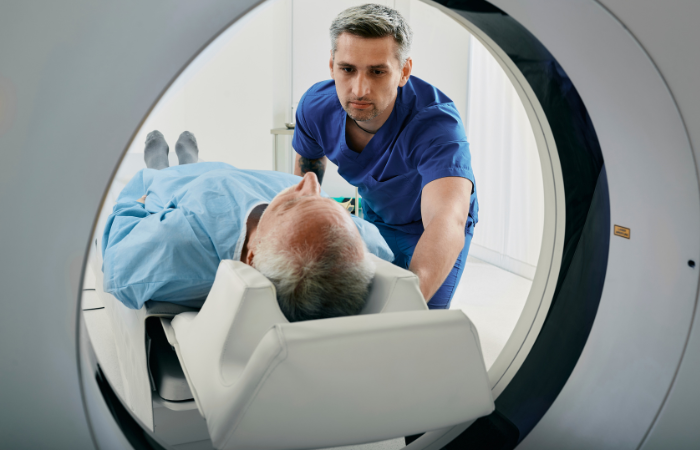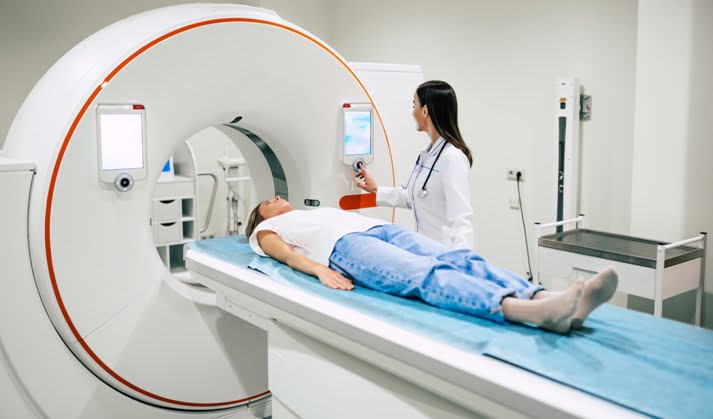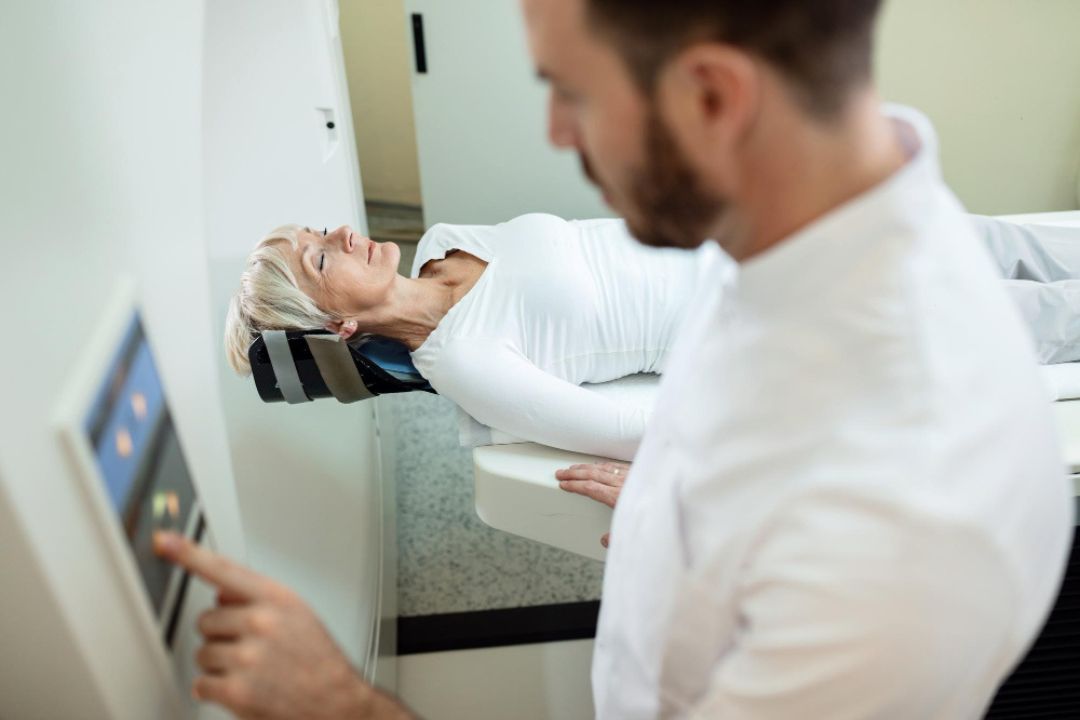
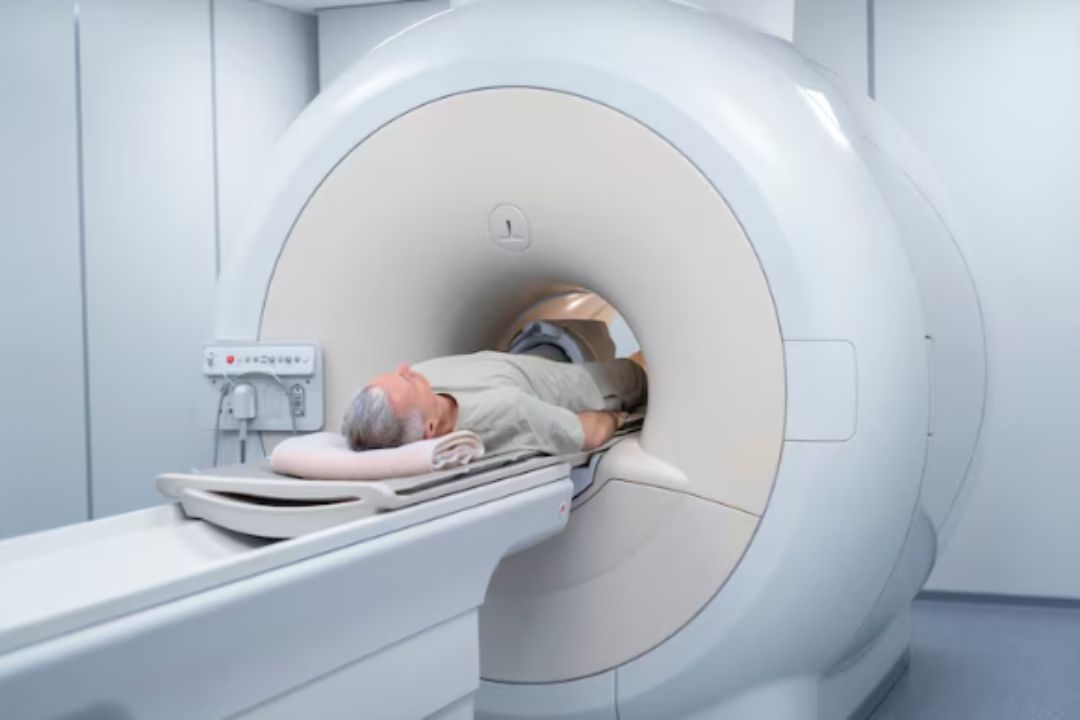
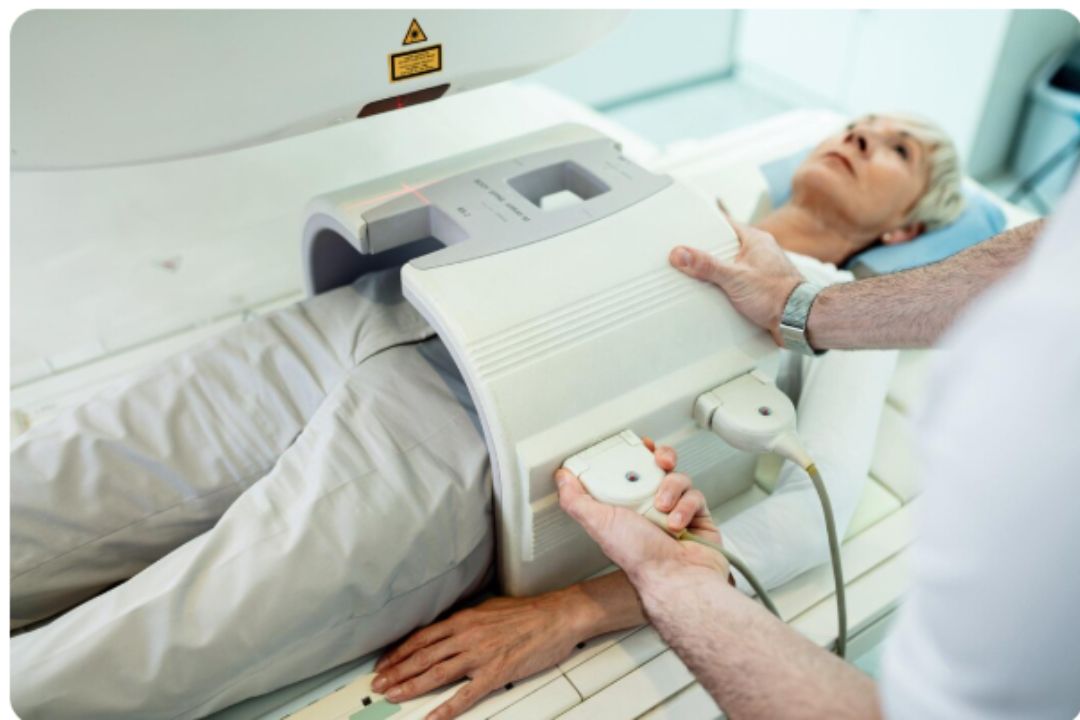
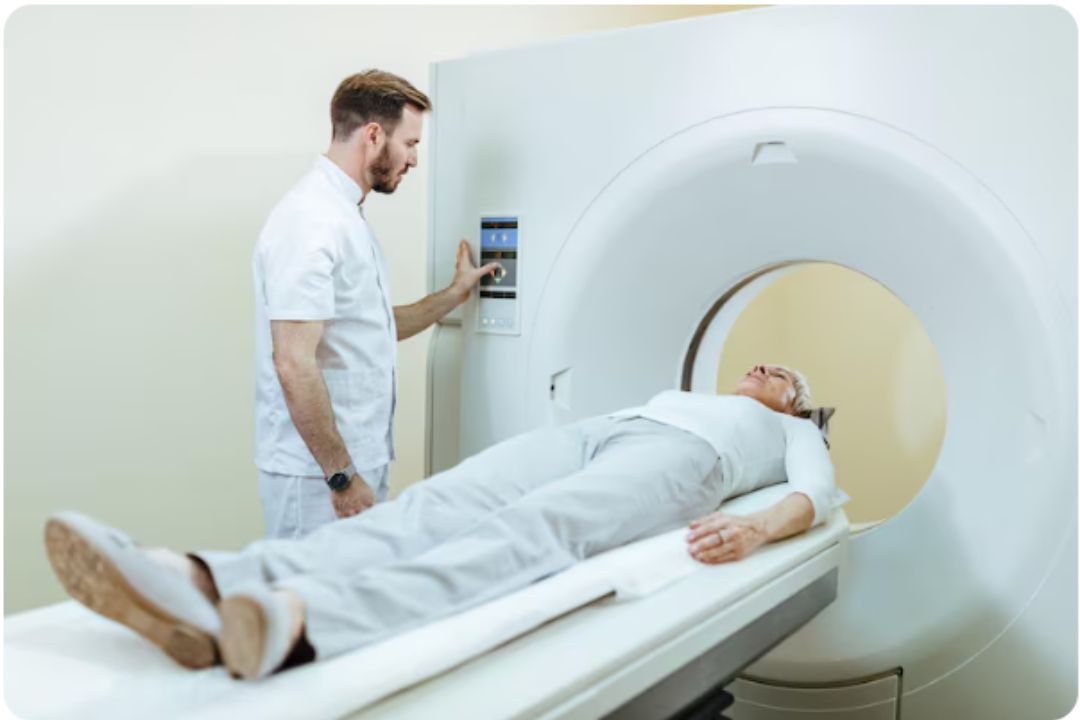
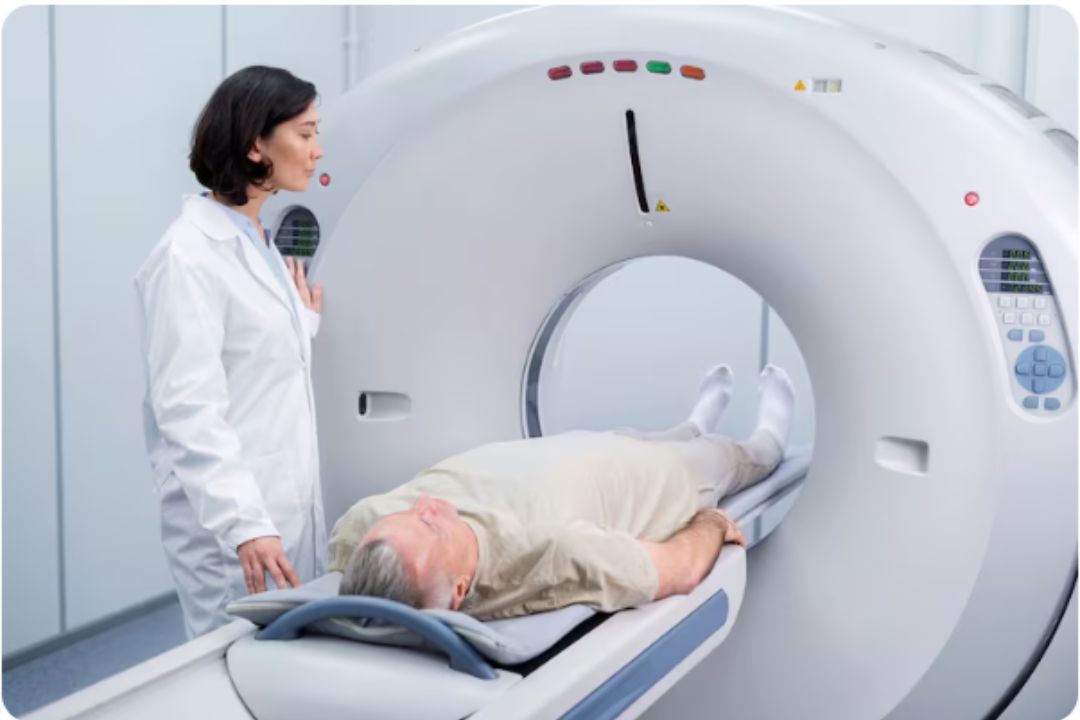
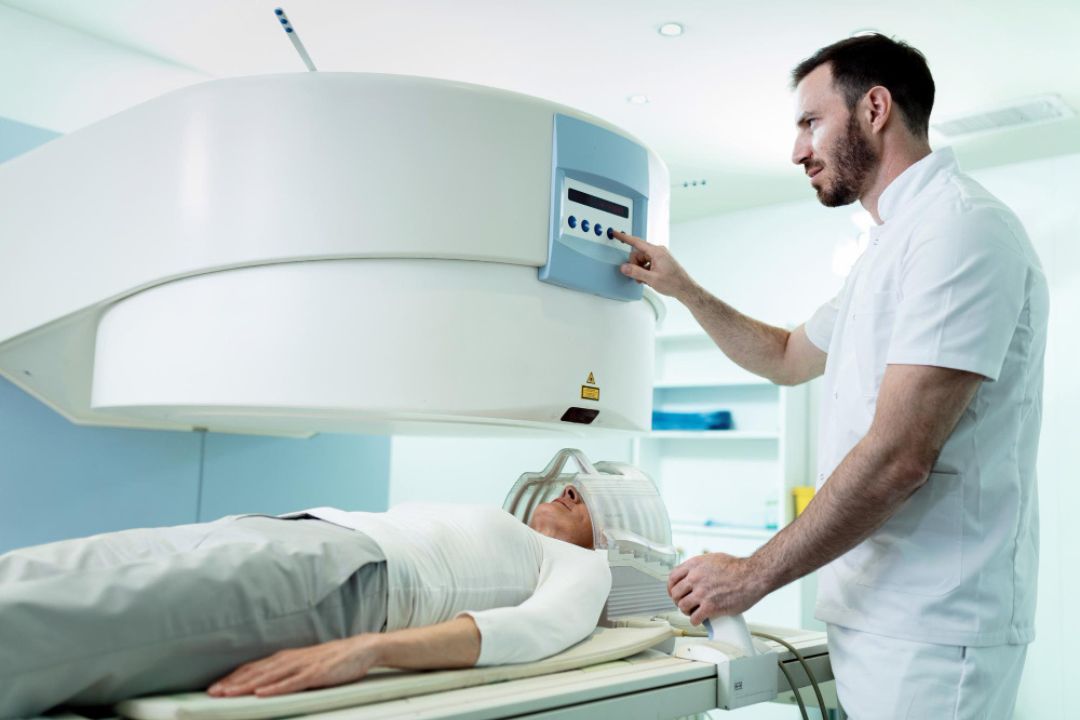
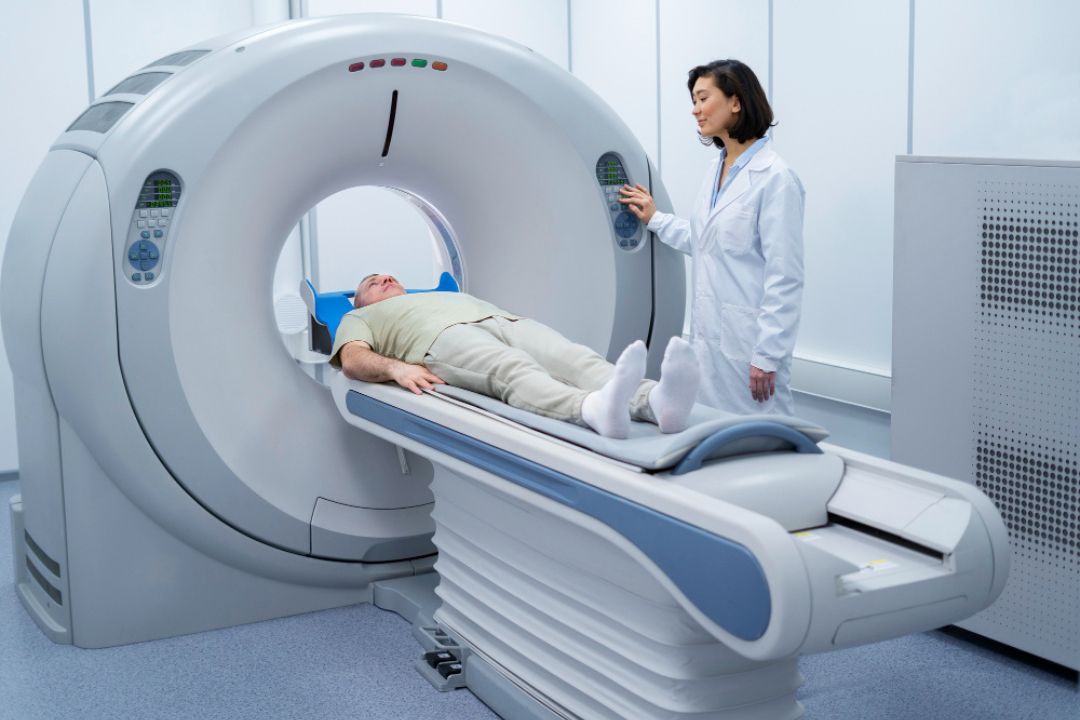
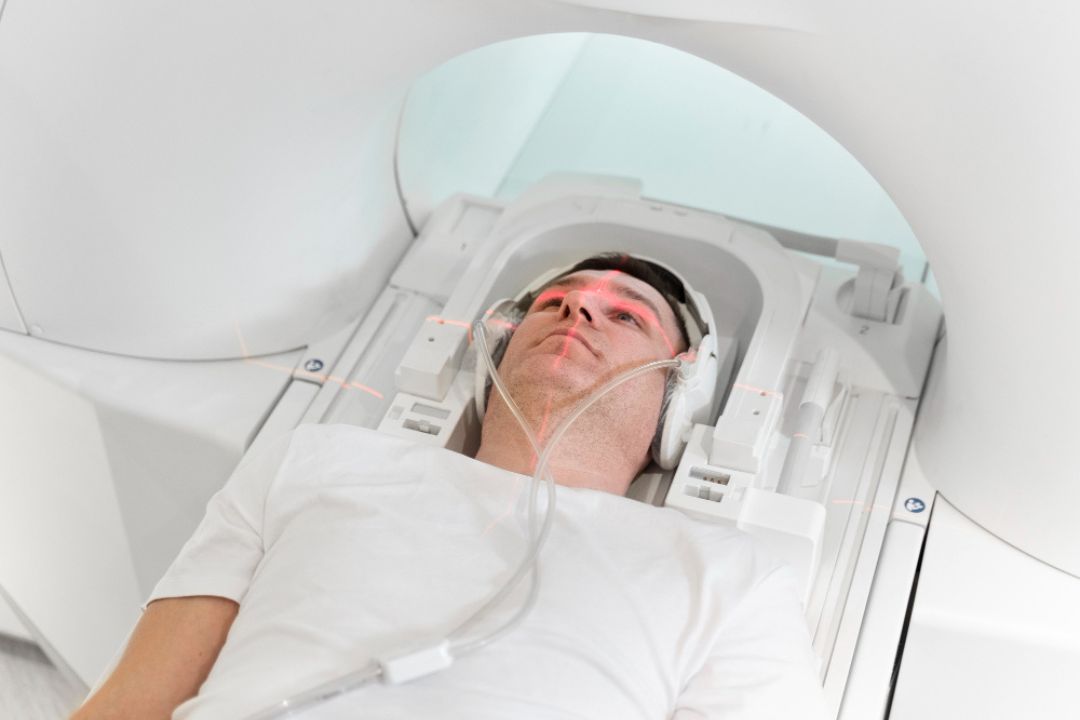
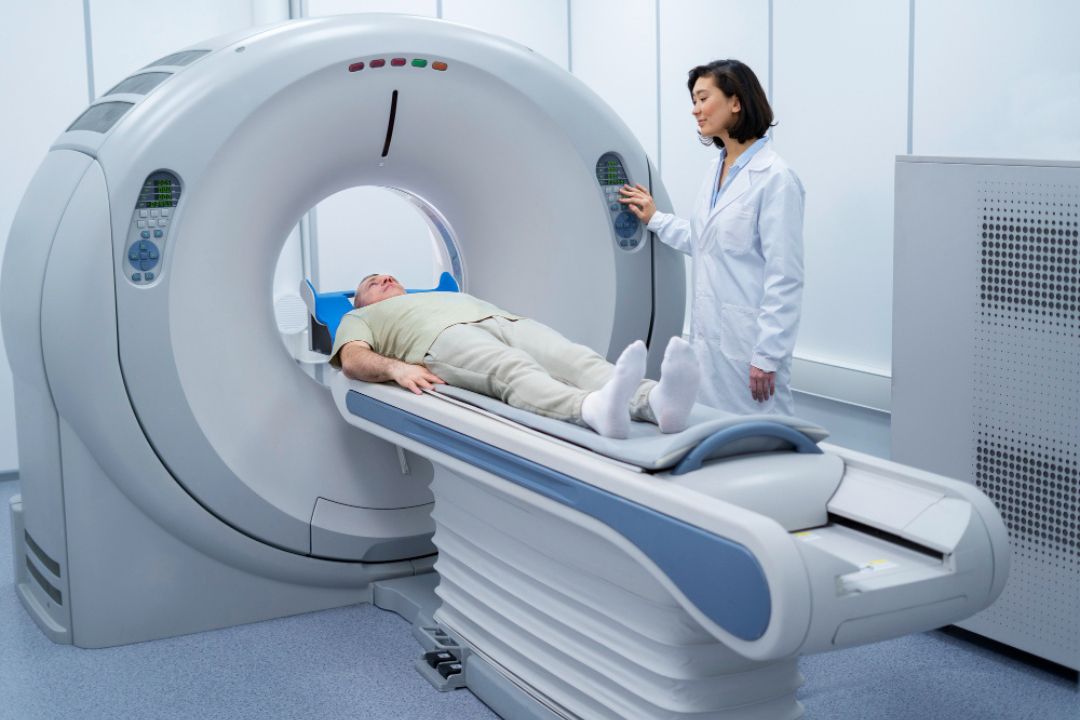
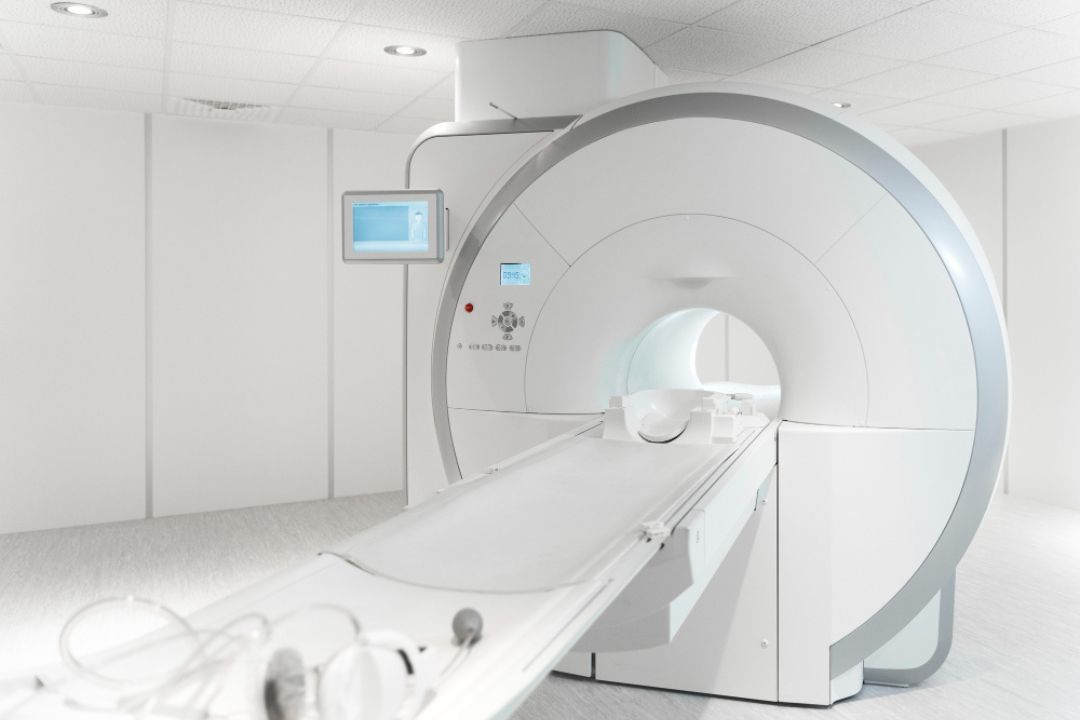
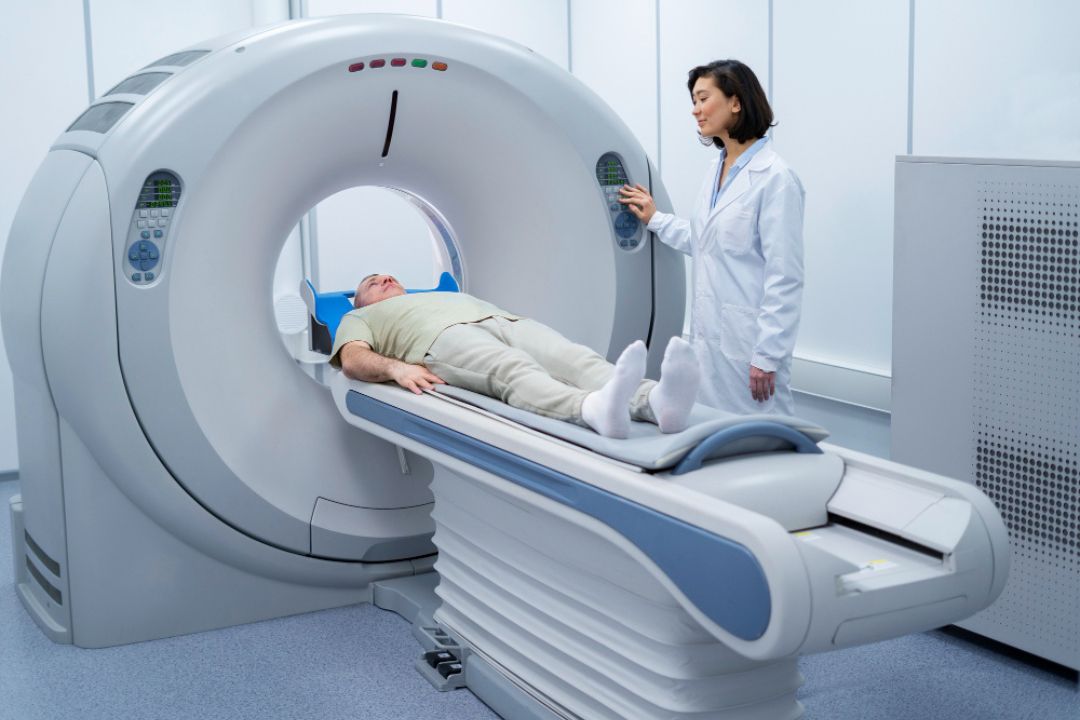
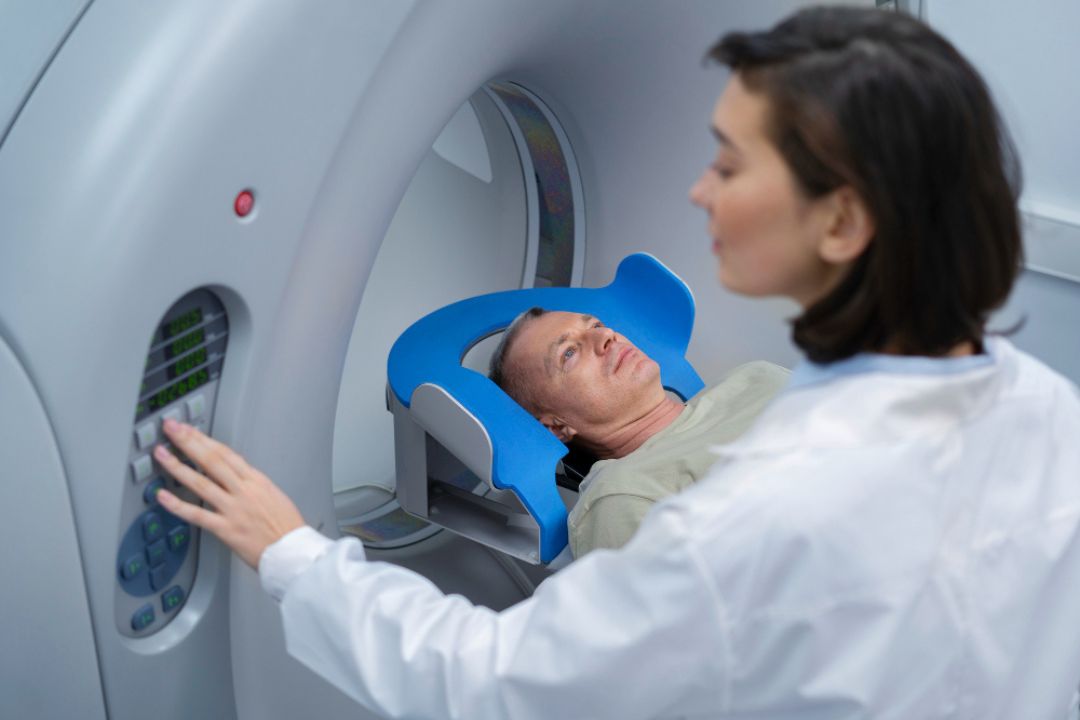
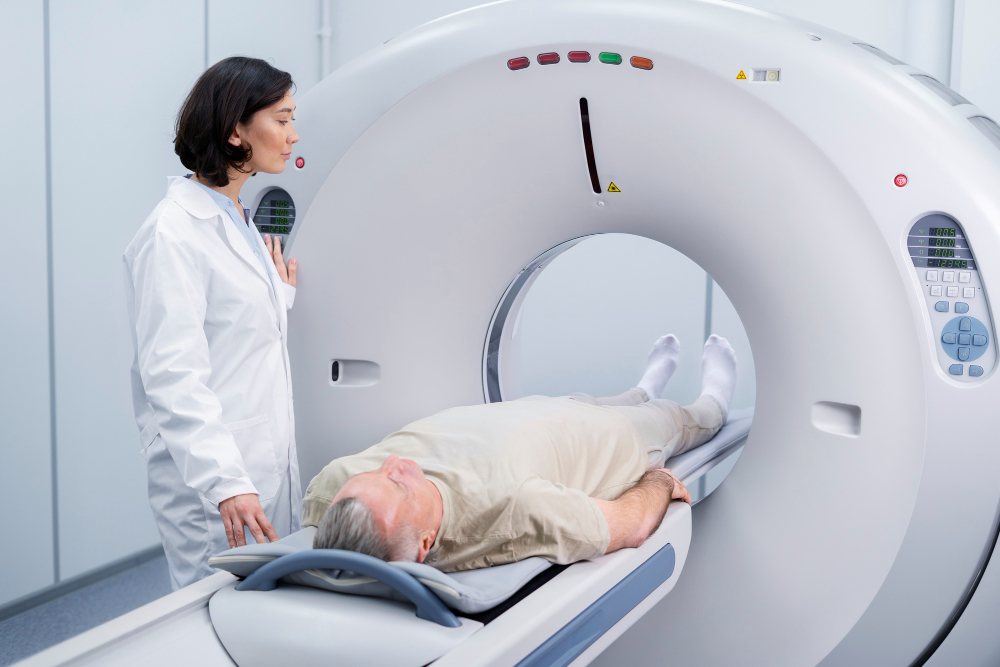
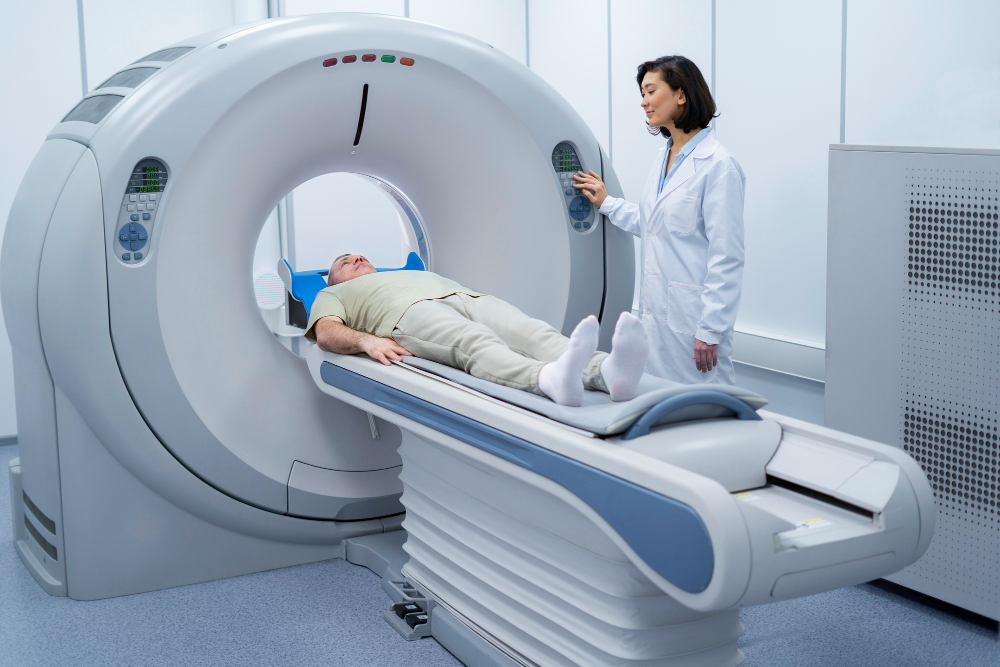
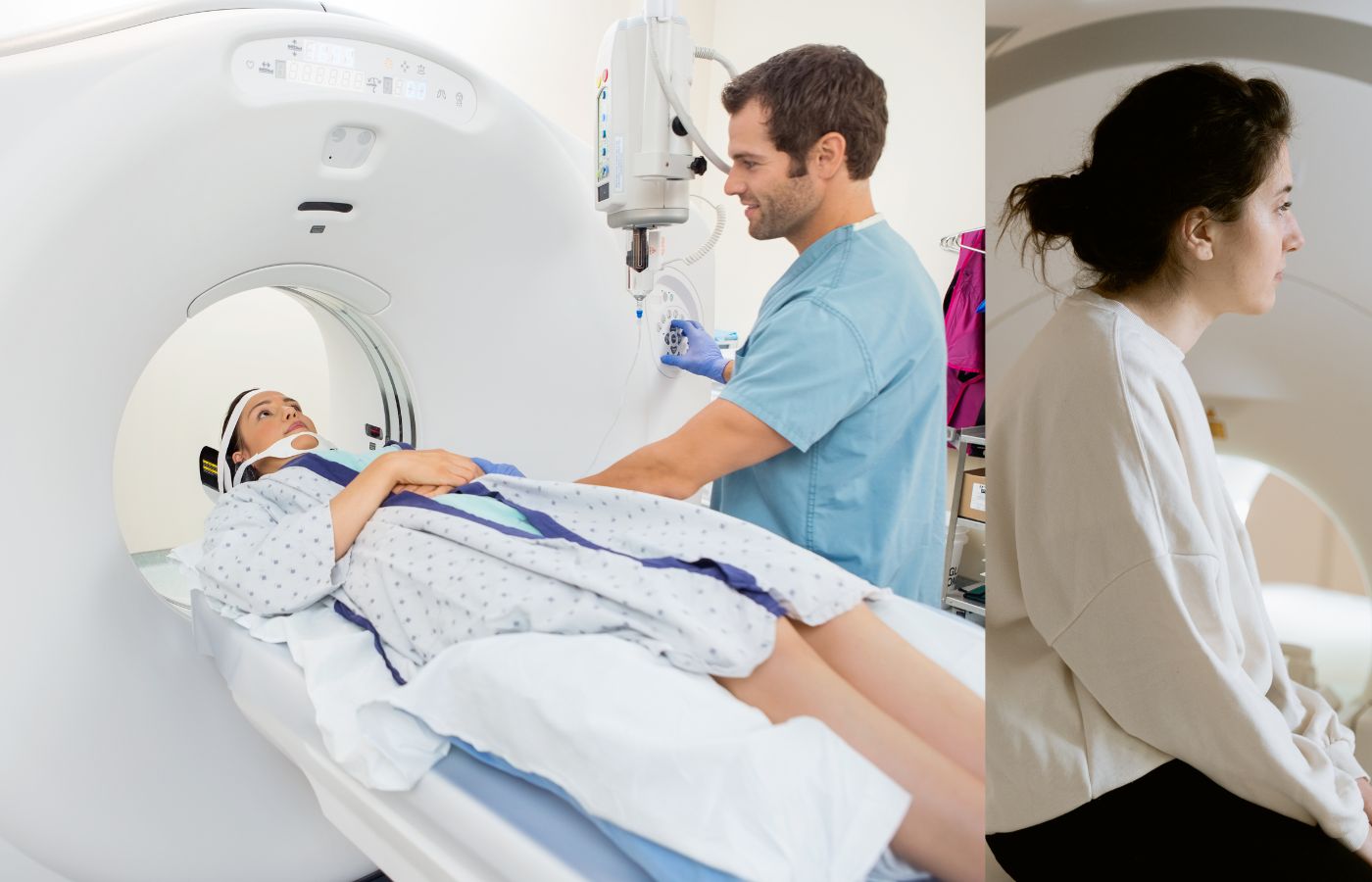
A CT Scan is an important diagnostic imaging test used to detect many medical conditions such as infections, tumors, internal injuries, and organ abnormalities. After completing the scan, many patients naturally wonder how long it will take to receive their results.
Understanding the typical CT scan results time frame can help reduce anxiety and give patients realistic expectations about when they will hear from their doctor.
The time required to receive CT Scan results can vary depending on the hospital, the complexity of the scan, and the urgency of the medical condition. In most cases, results are available within 24 to 72 hours after the scan.
However, the exact timing depends on several factors such as radiologist availability and the need for additional analysis.
If the CT Scan is performed in an emergency situation, such as after an accident, stroke symptoms, or suspected internal bleeding, doctors may receive preliminary results within minutes or a few hours so treatment can begin immediately.
For standard outpatient CT scans, the radiologist carefully reviews all the images and prepares a detailed report. This process usually takes 1 to 3 days.
If the scan findings are complicated or require comparison with previous scans, the report may take up to one or two weeks in some situations.
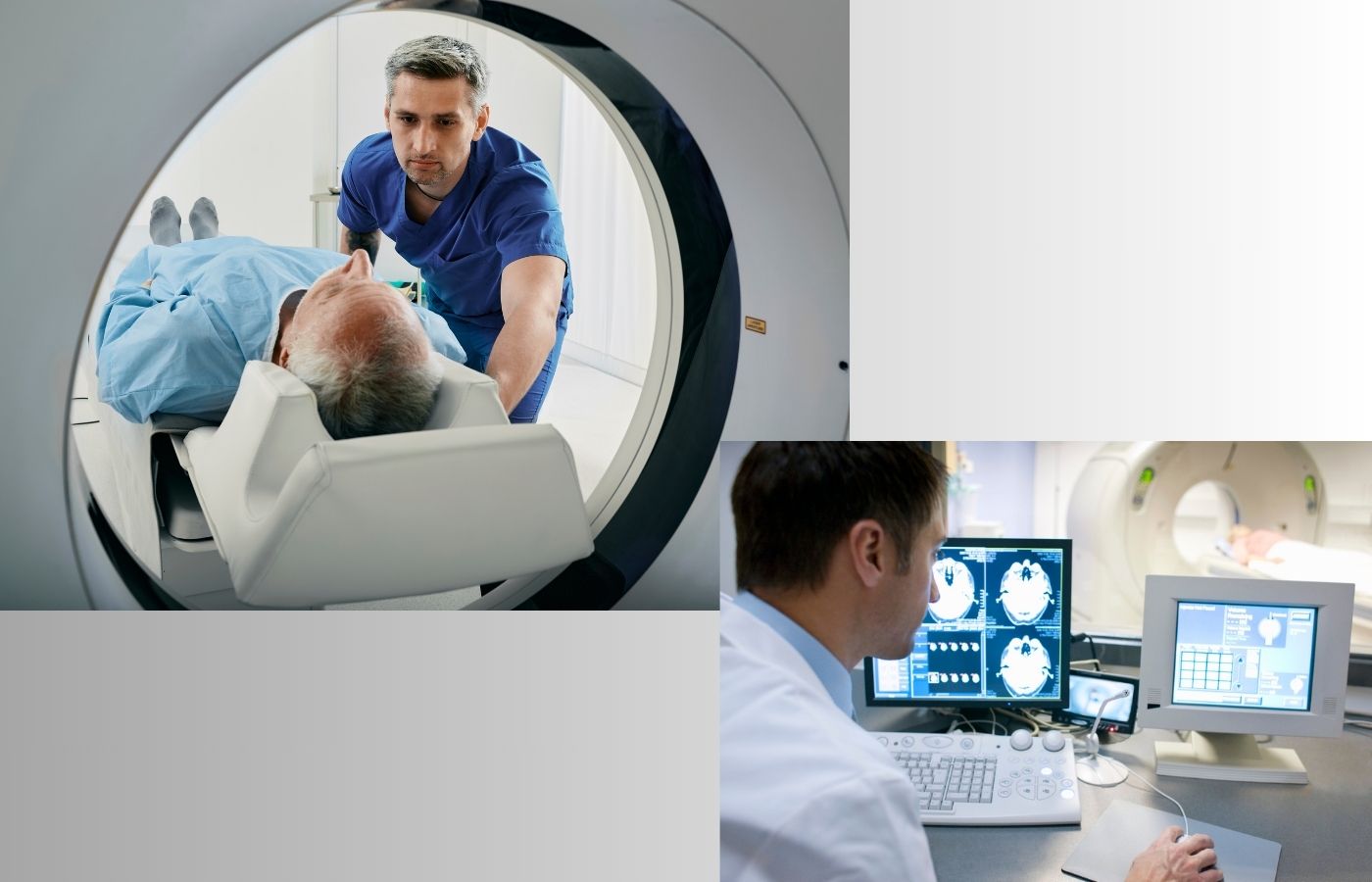
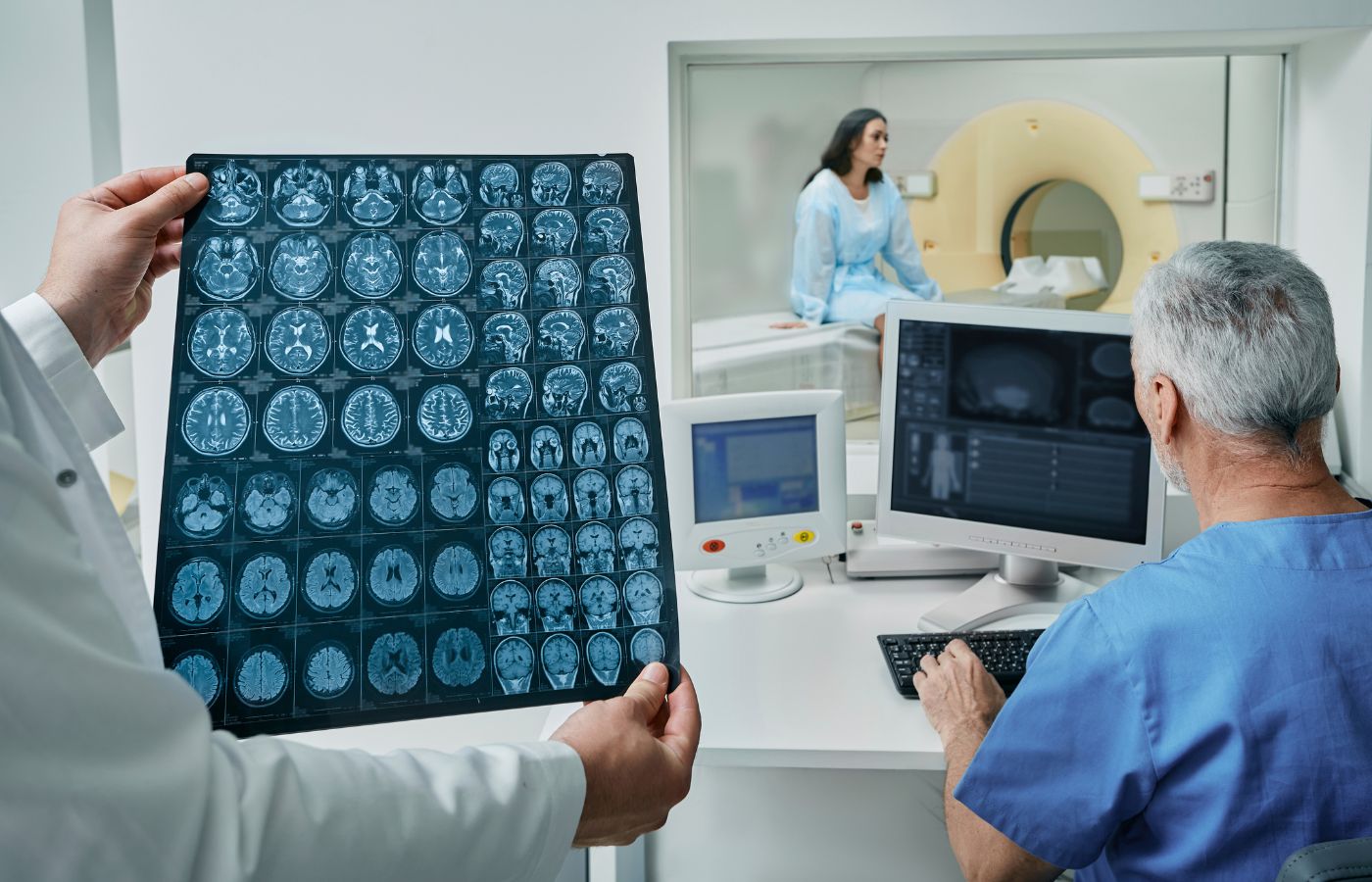
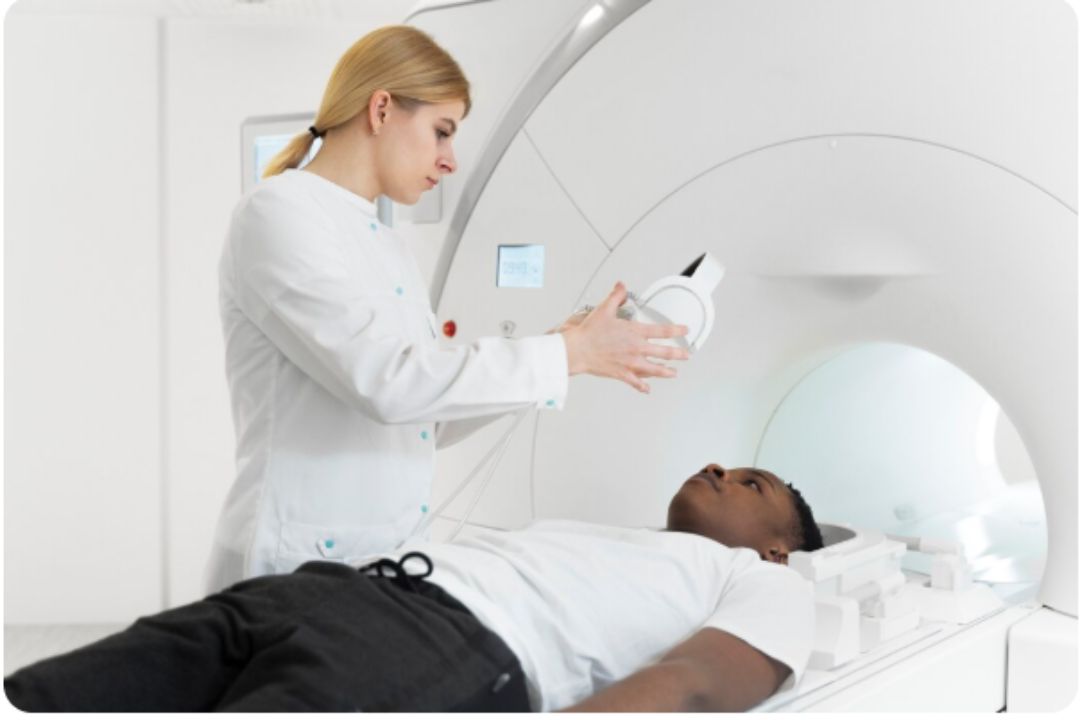
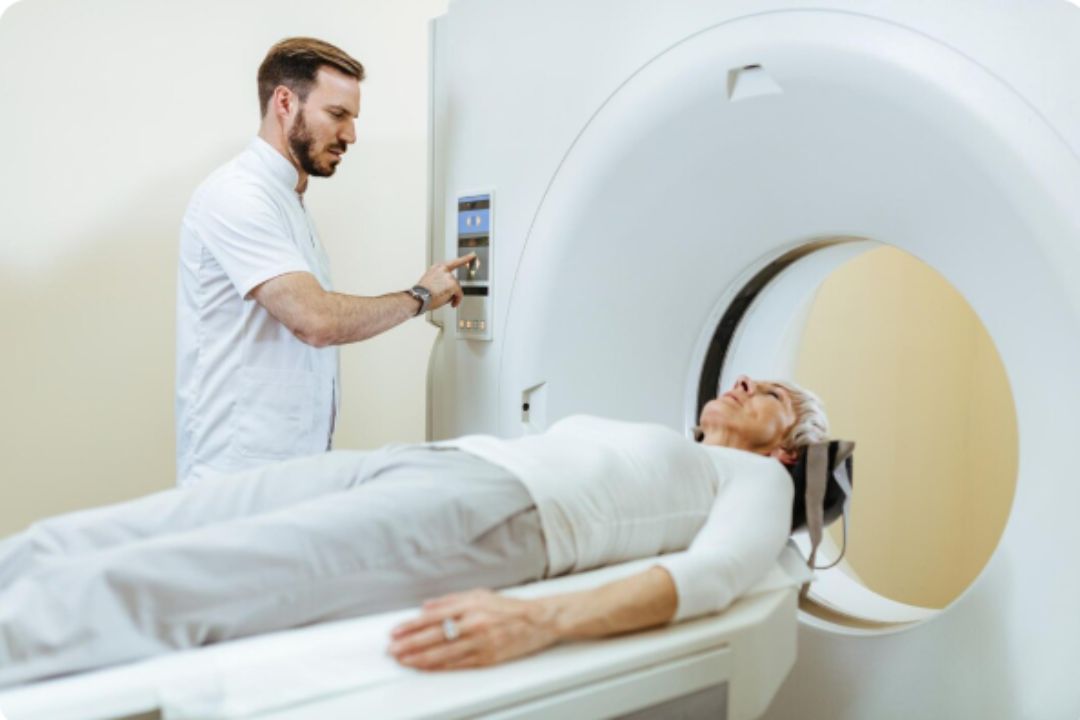
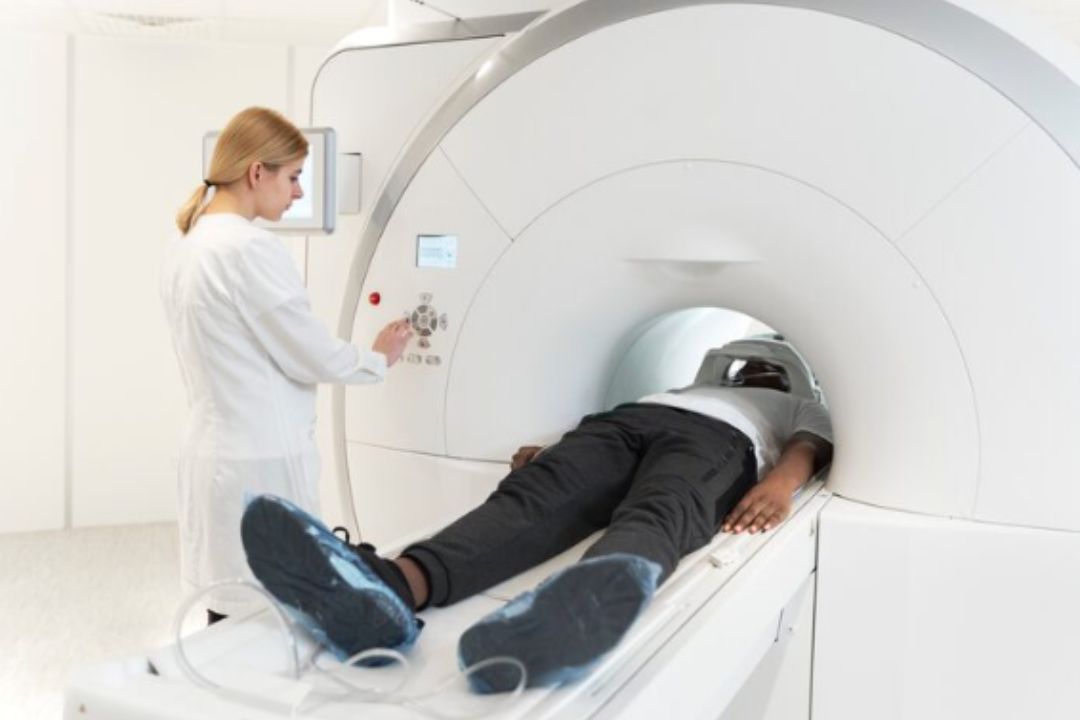
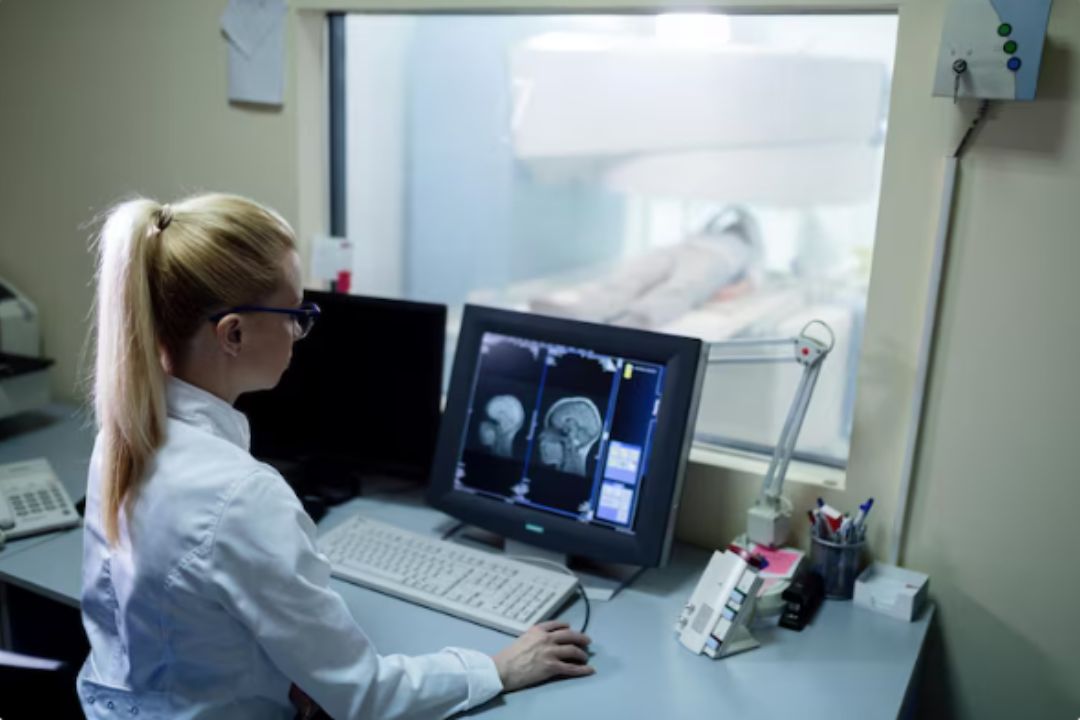
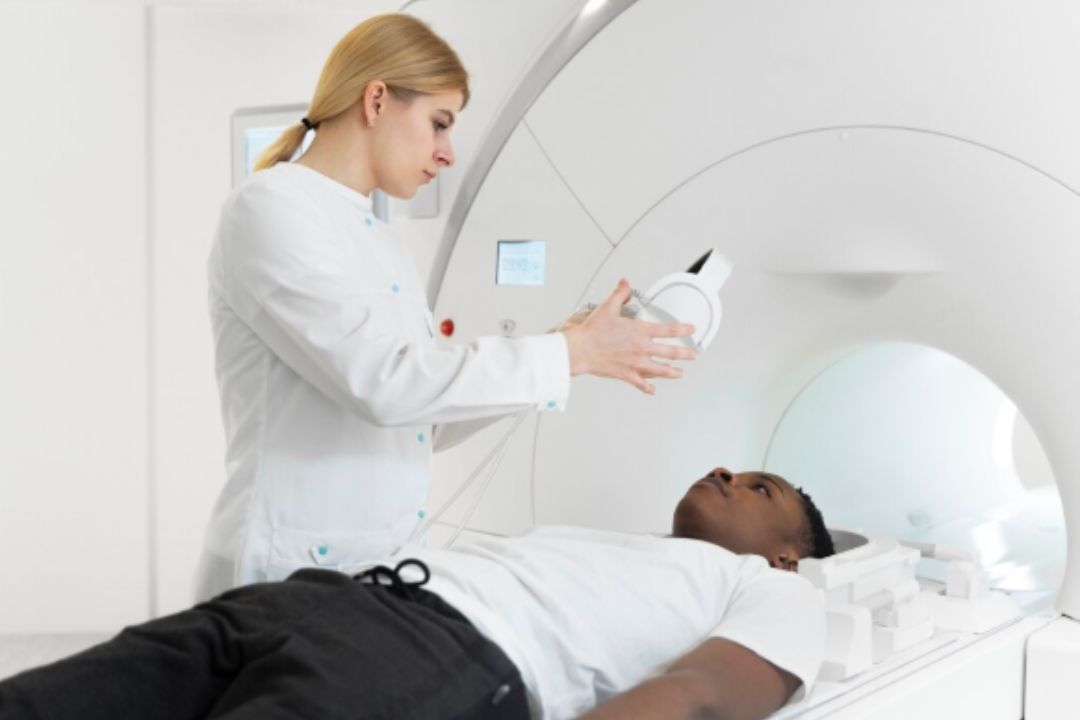
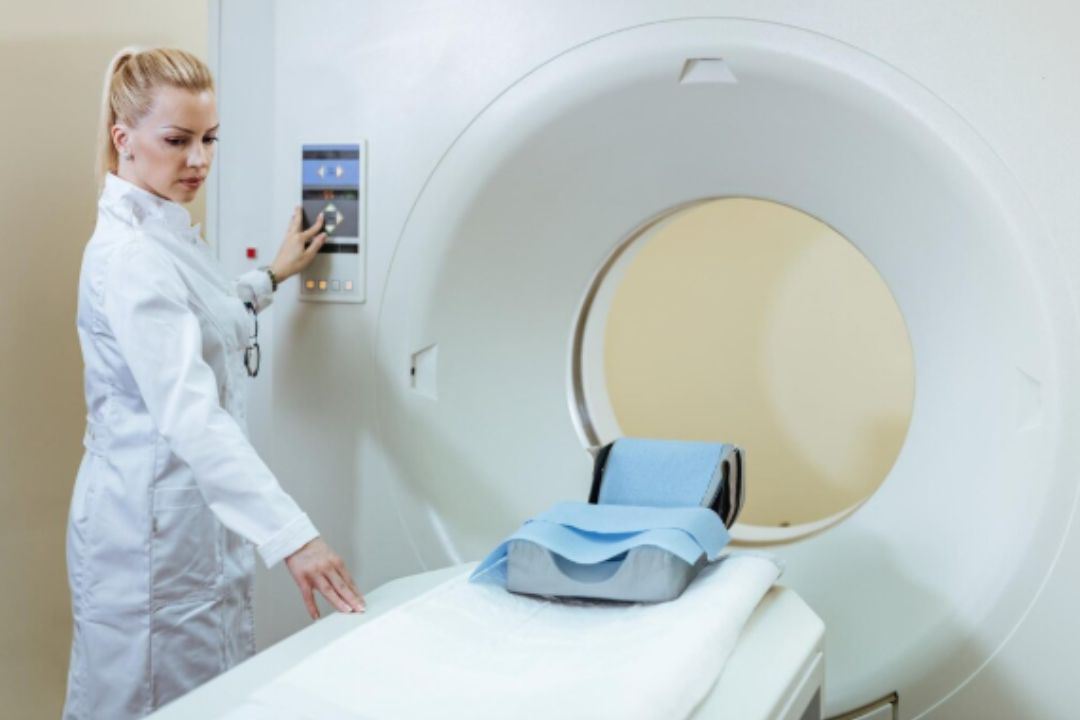
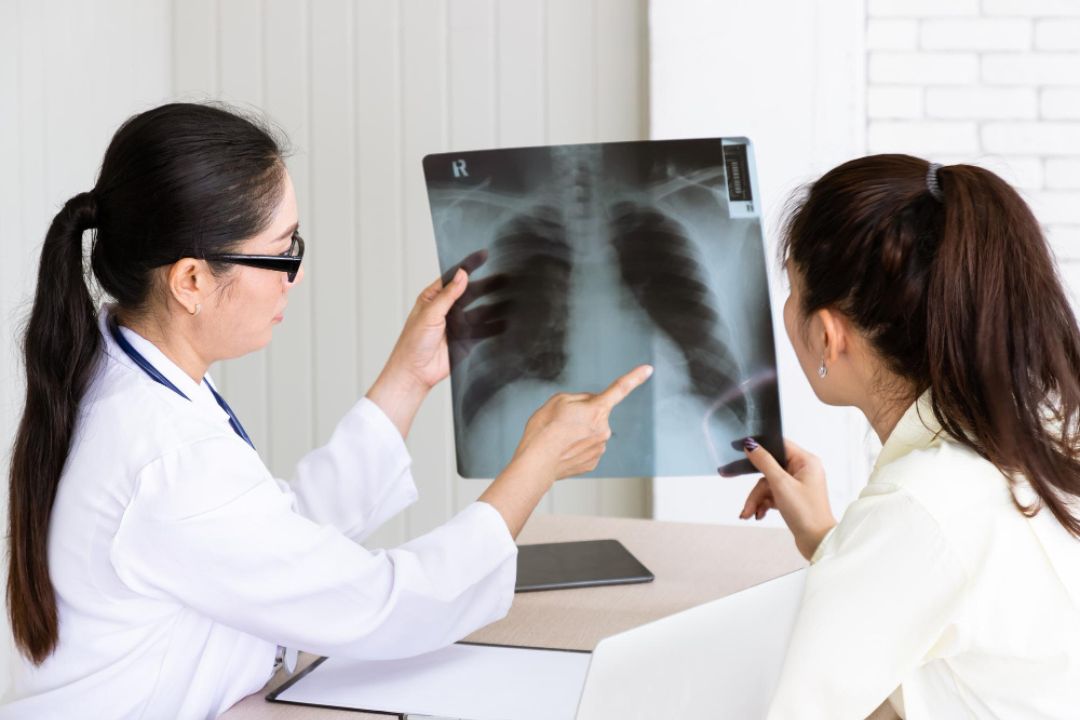
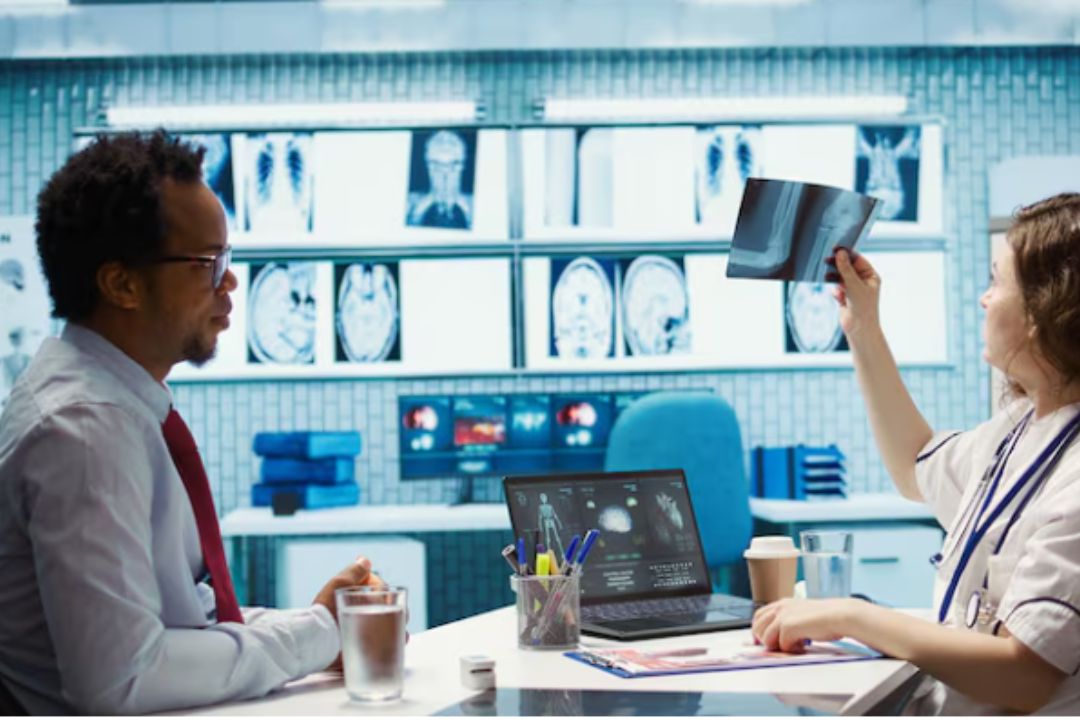
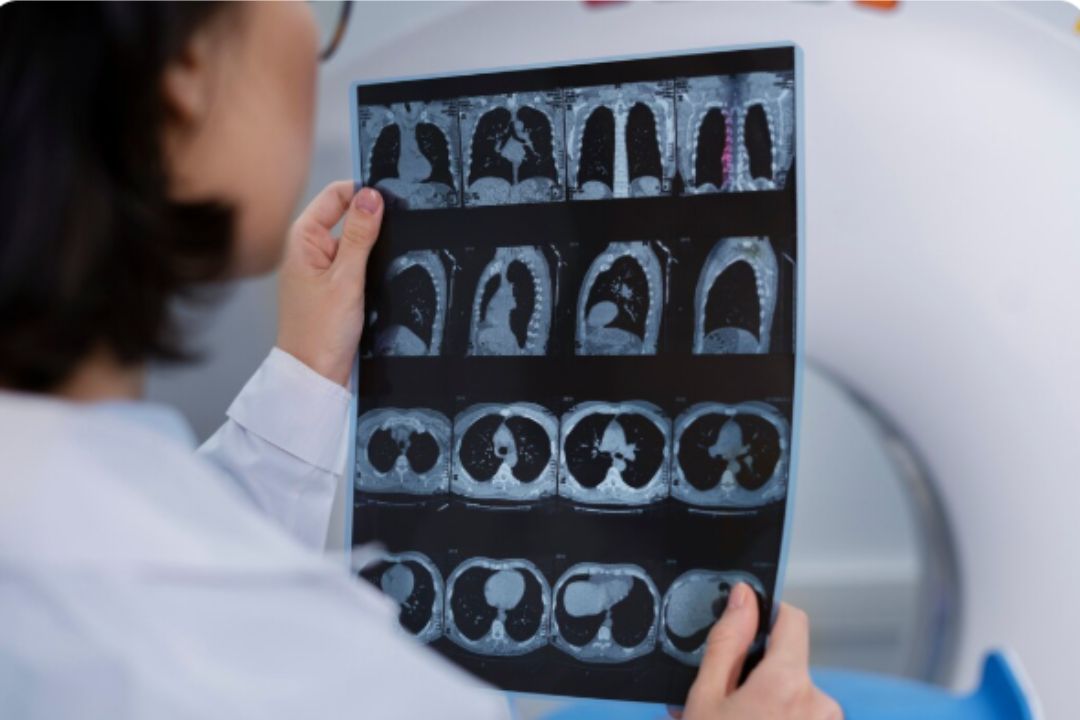
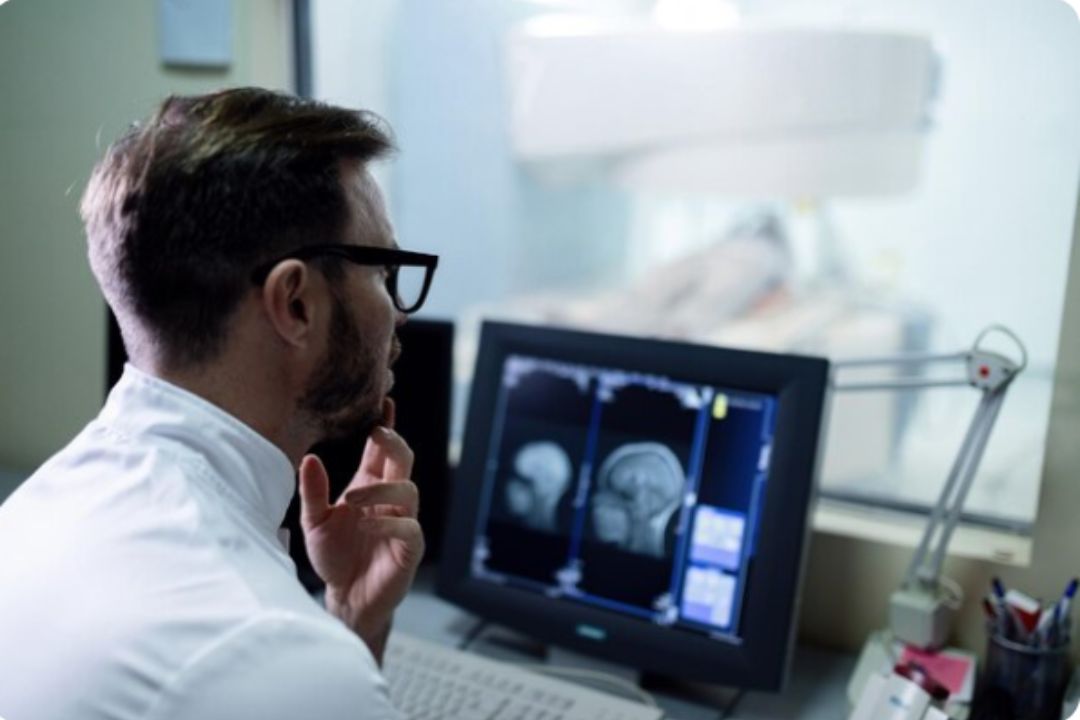
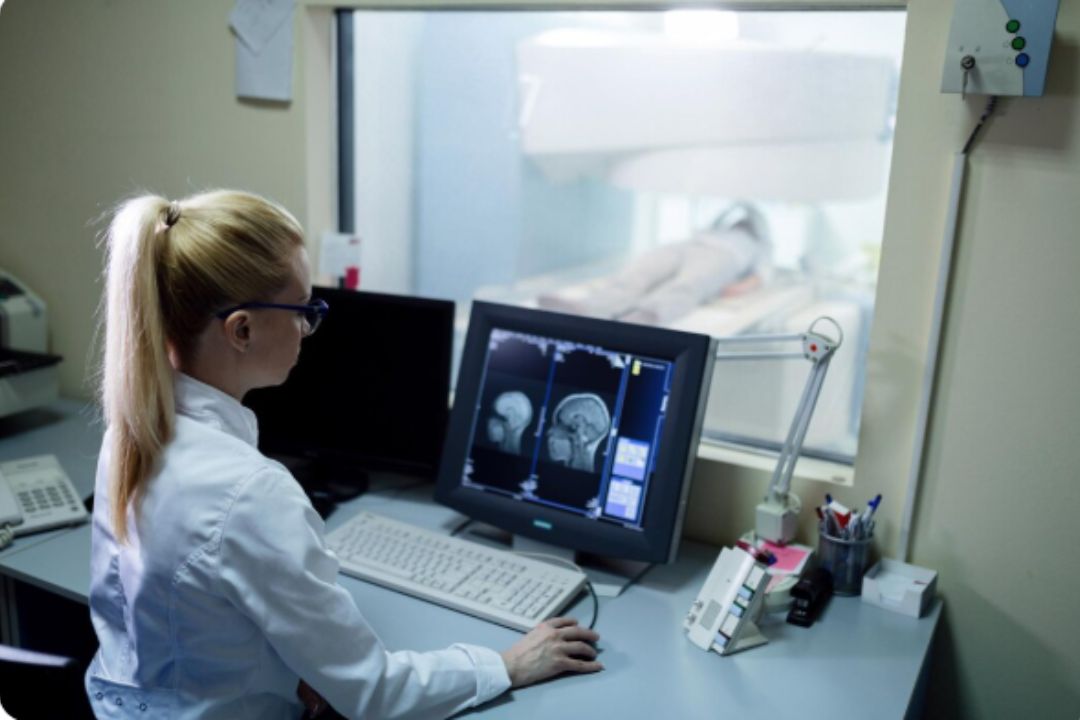
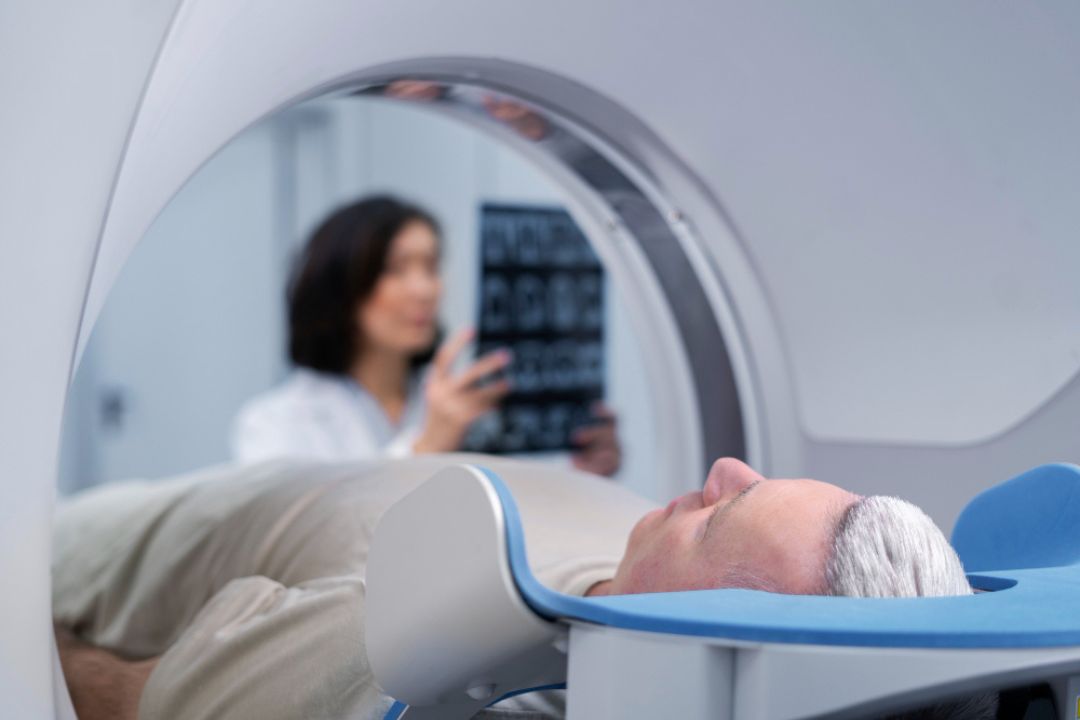
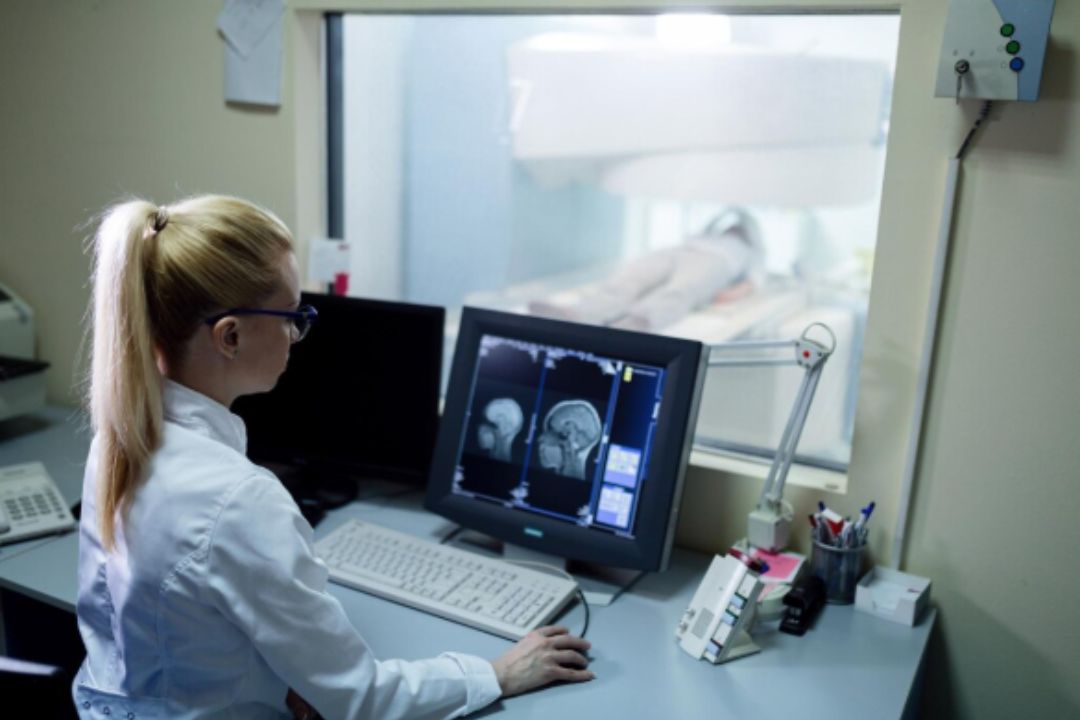
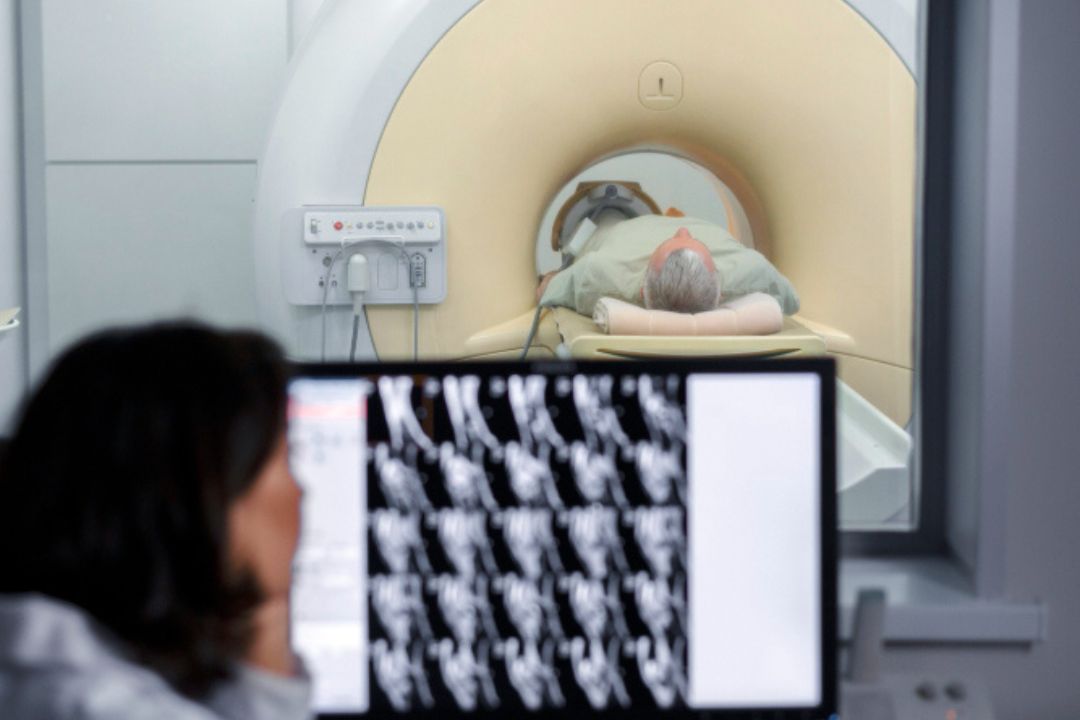
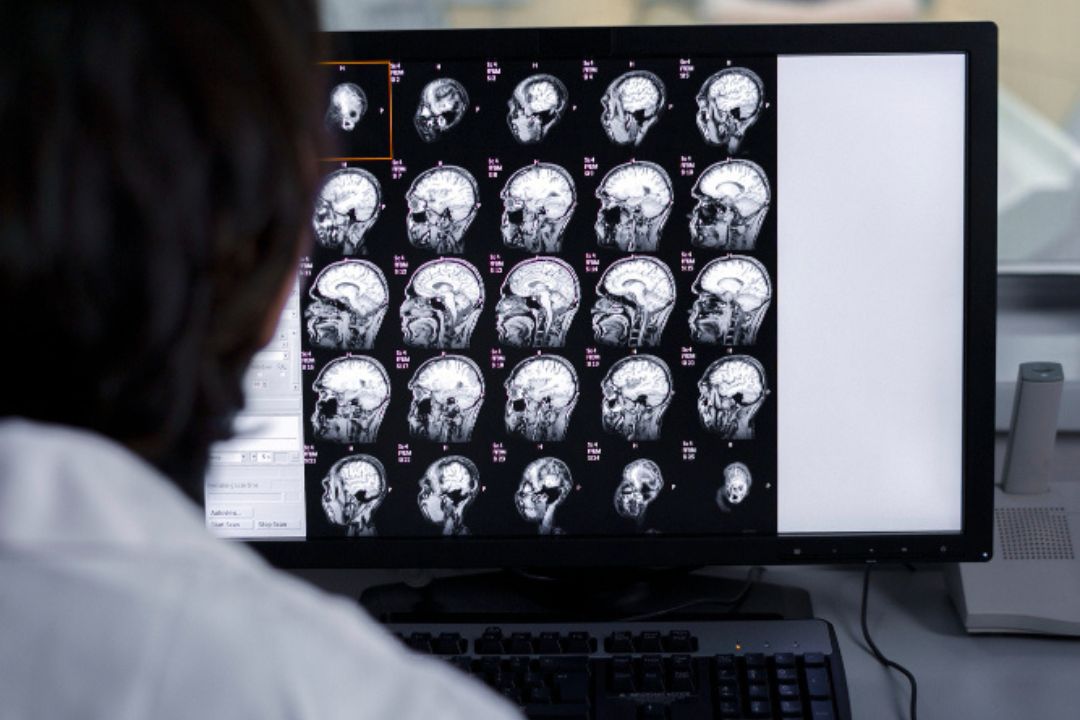
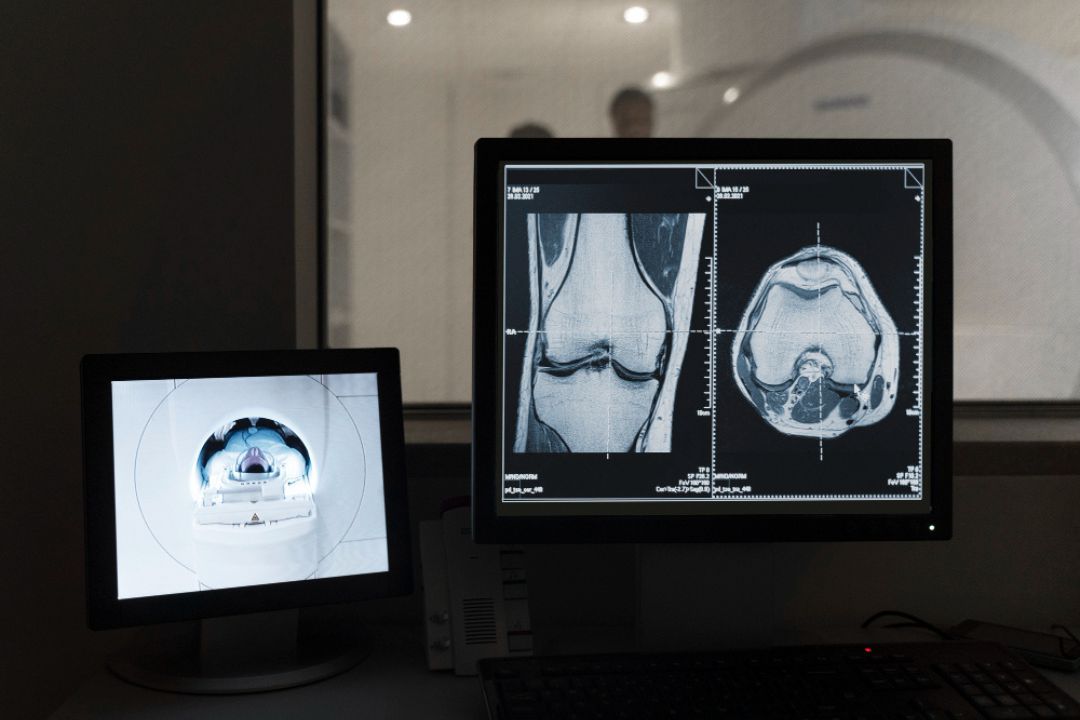
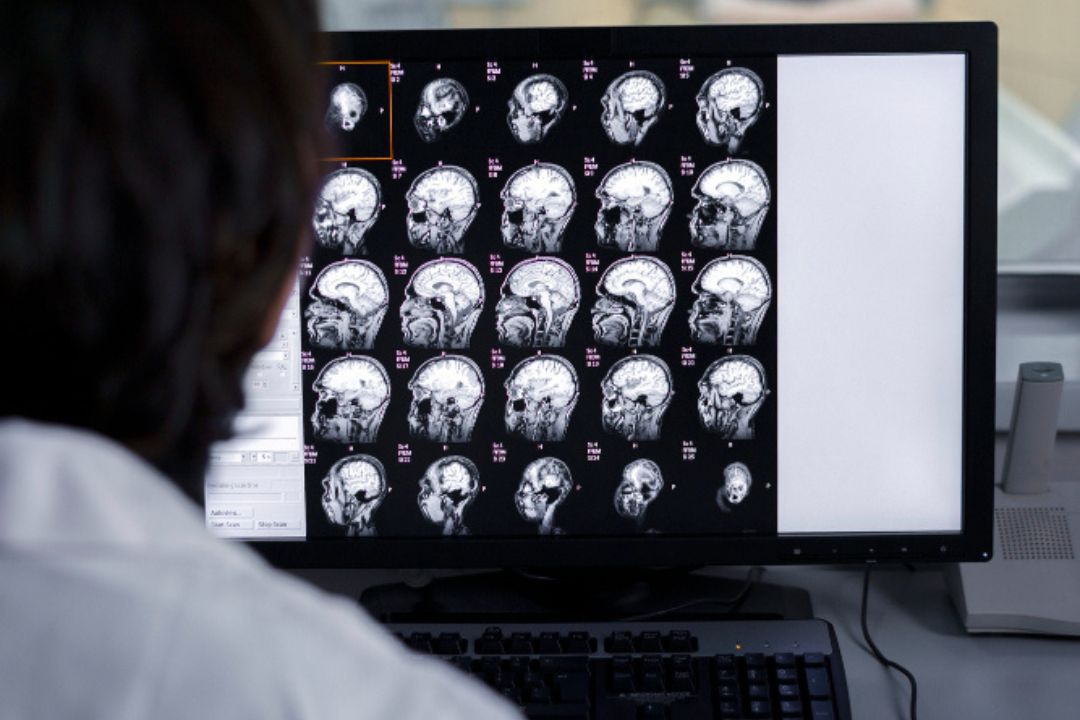
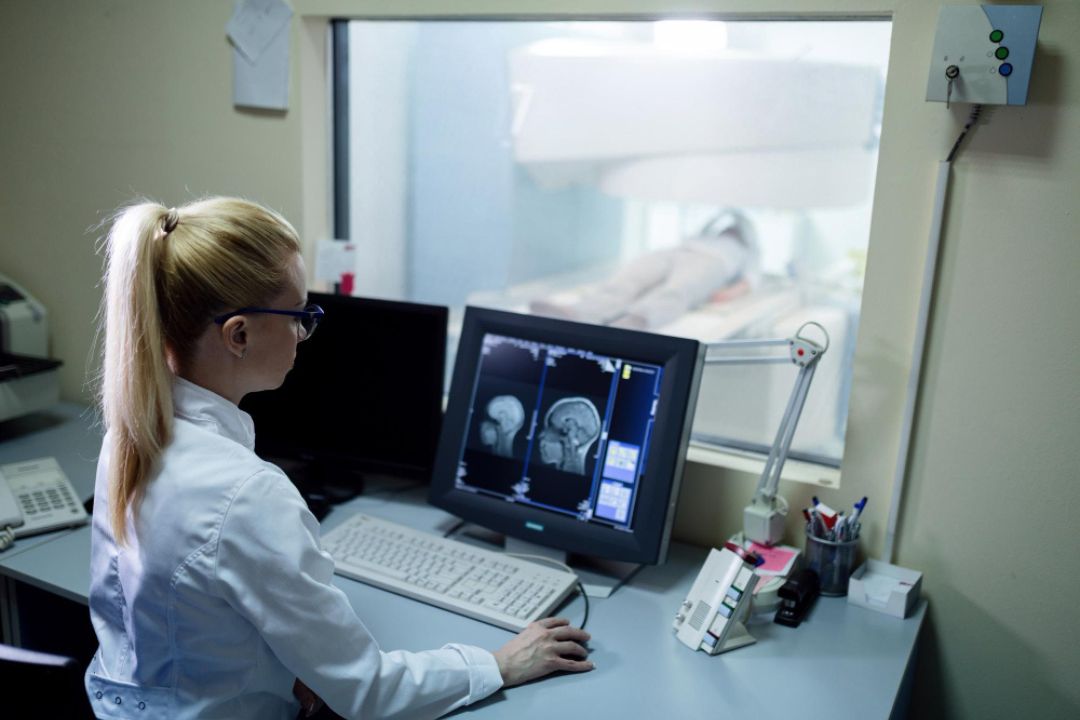
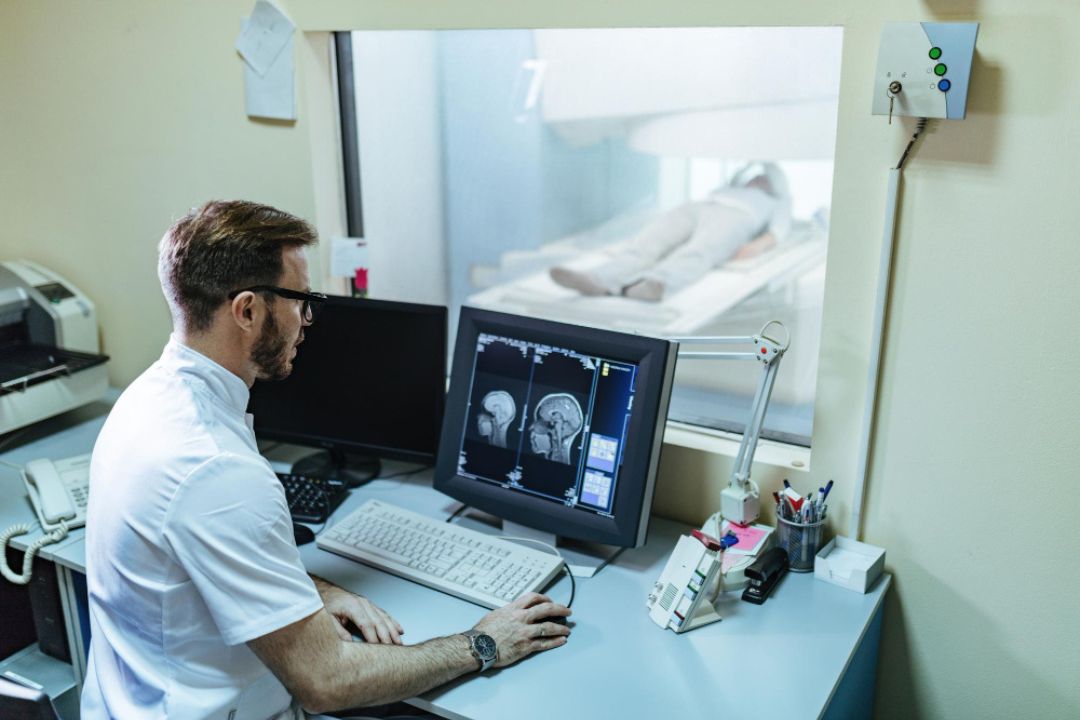
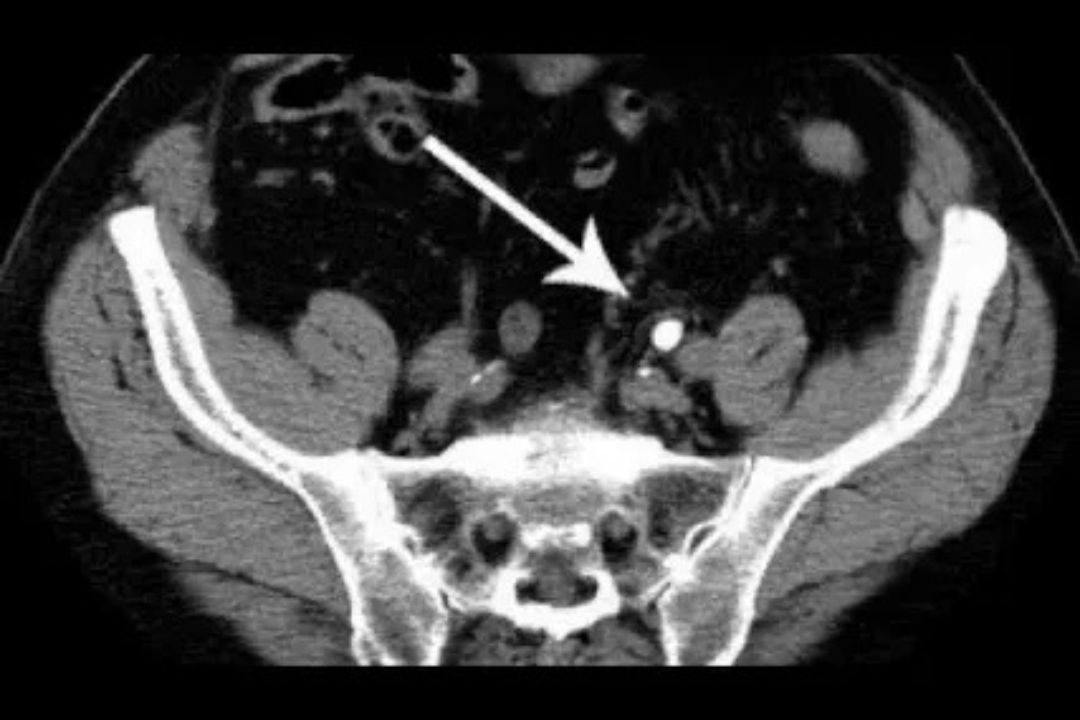
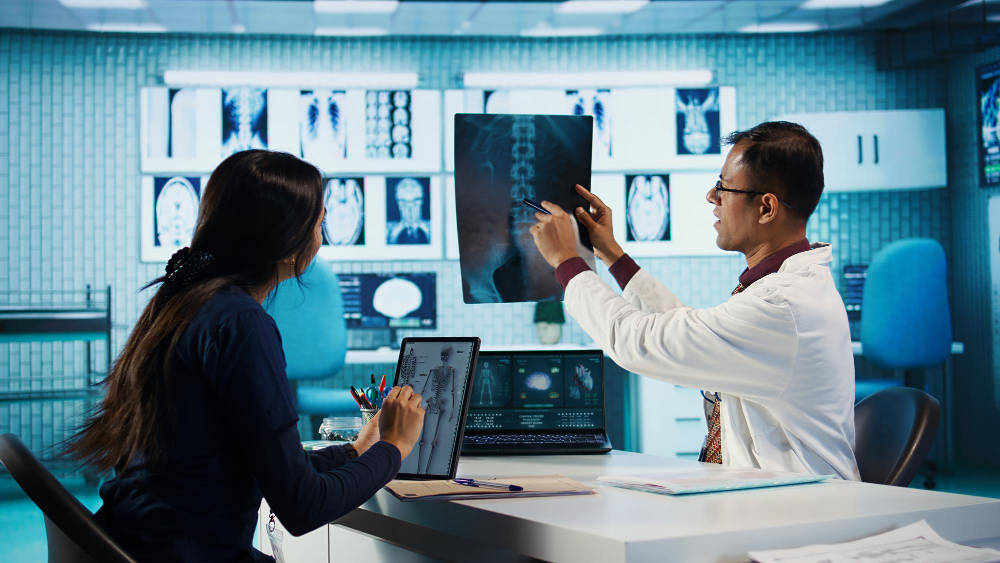
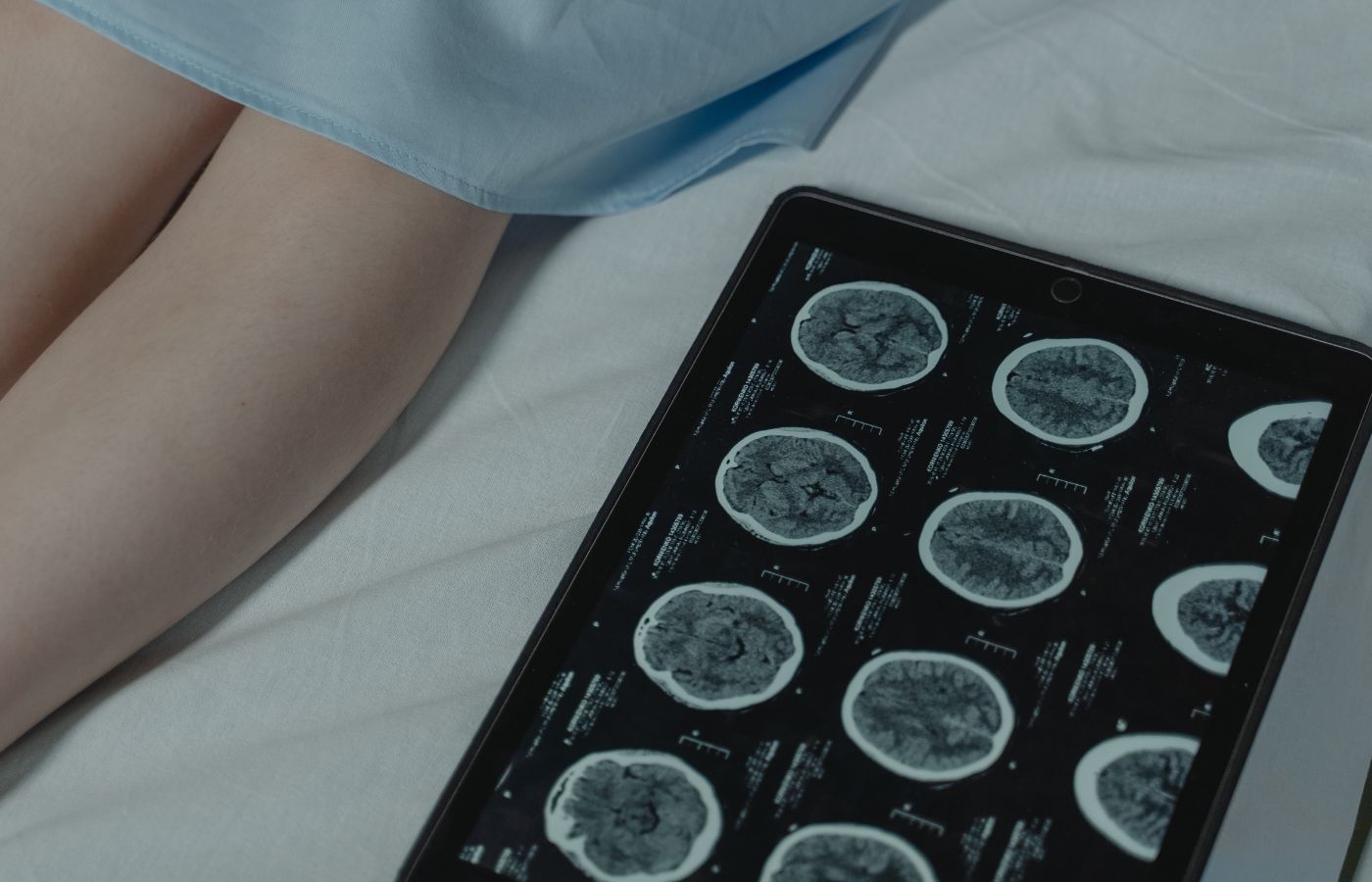
Once the CT Scan is completed, the images are sent to a specialist doctor called a radiologist. The radiologist carefully studies the images to look for abnormalities.
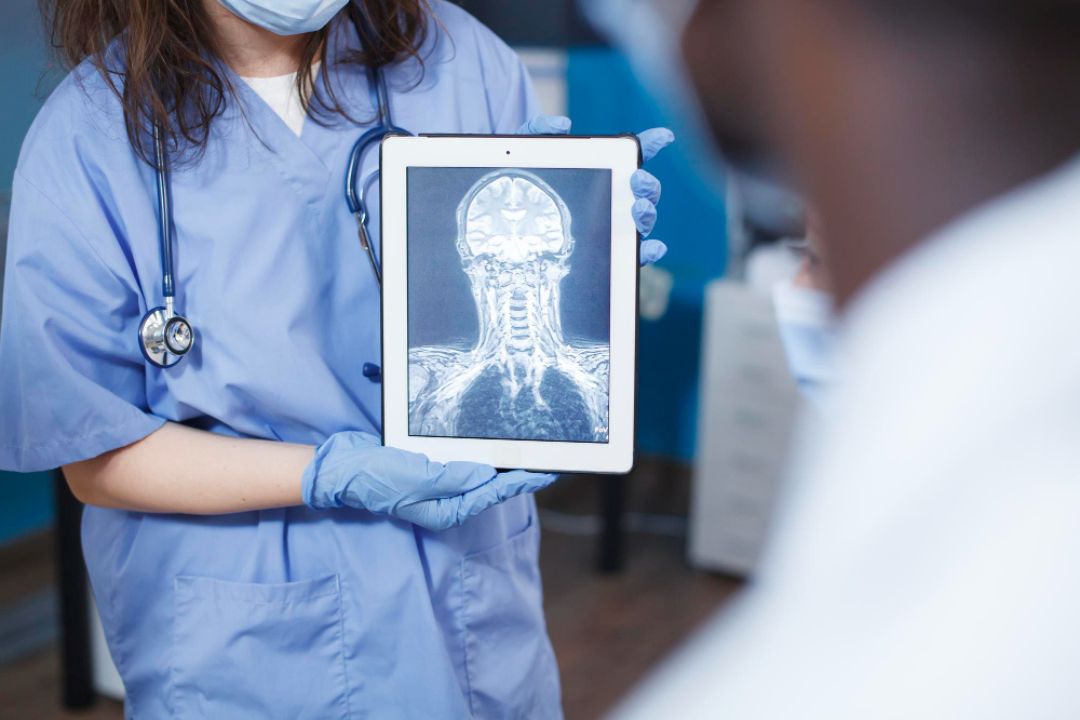
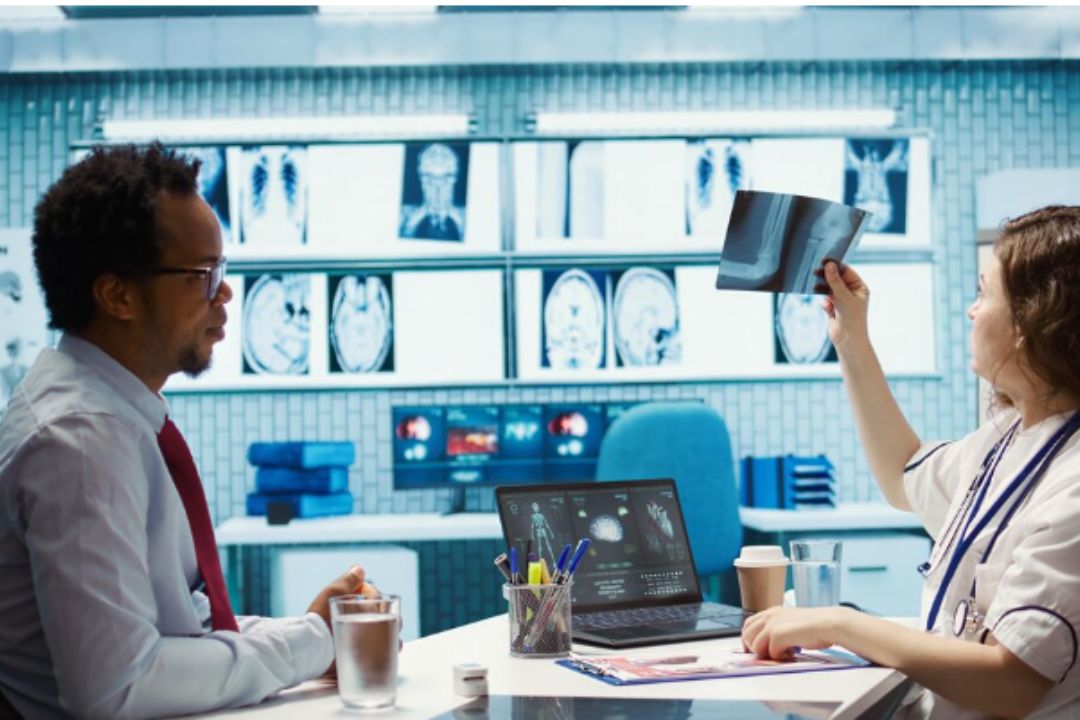
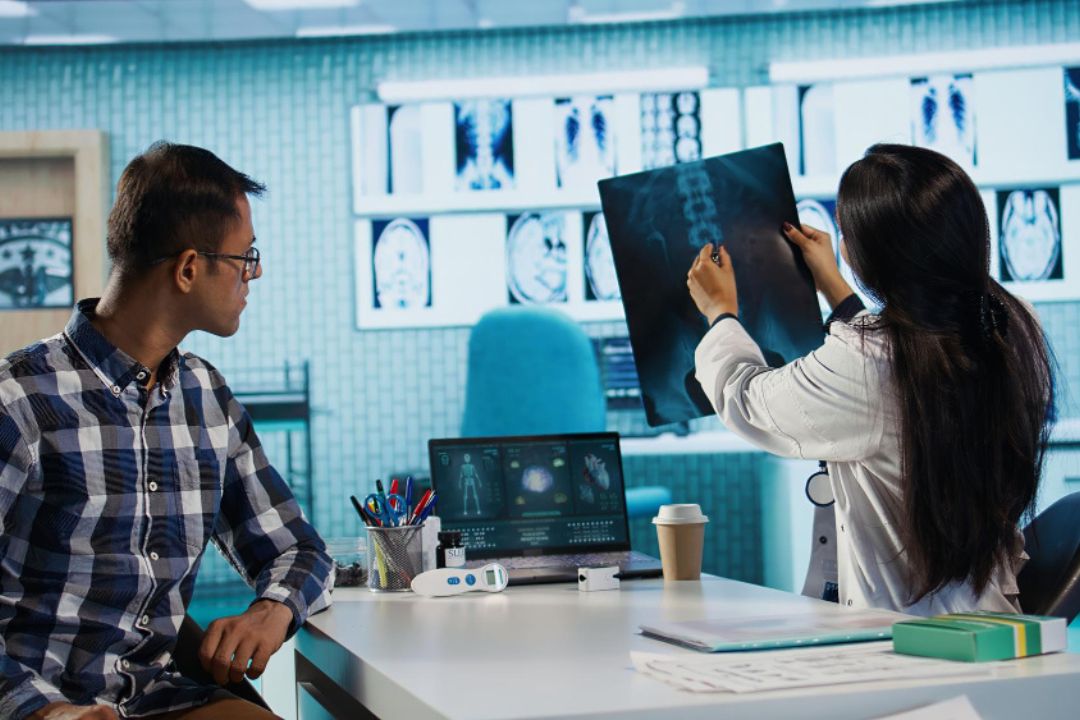
The radiologist then prepares a detailed report describing the findings and sends it to the doctor who ordered the test. Your doctor will review the report and explain the results during a follow-up appointment or through a phone call.
Several factors can influence how quickly results are available.
Simple scans may be reviewed quickly, while scans looking for cancer or detailed organ problems require more careful analysis.
Busy hospitals and diagnostic centers may take longer because radiologists must review many scans each day.
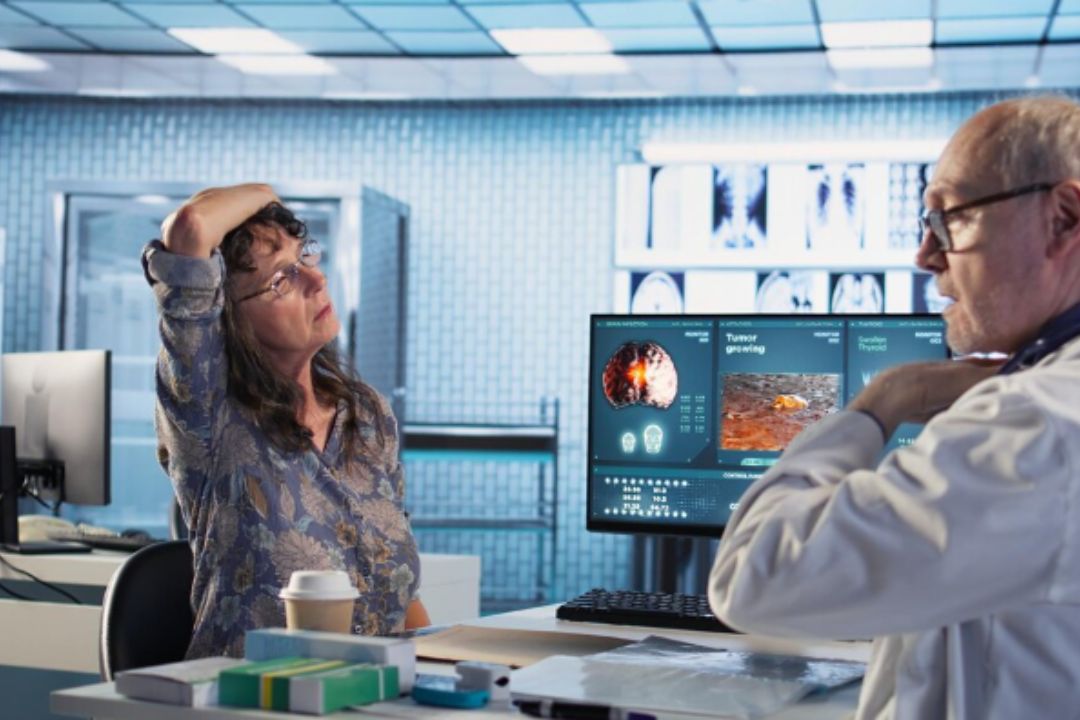
Sometimes doctors compare the new scan with older imaging tests to monitor disease progression. This comparison can slightly delay the final report.
Even if the report is ready, patients may receive the results later if the doctor prefers to discuss them during a scheduled appointment.
In urgent cases, doctors can request priority reporting from the radiology department. Some hospitals also provide results through online patient portals, allowing patients to view reports sooner.
Patients who are concerned about waiting time can ask their healthcare provider or diagnostic center when the report will be available.
A CT scan report may include several types of findings depending on the body area being examined. These may include:
Normal structures and organs
Inflammation or infection
Tumors or abnormal growths
Internal bleeding or injuries
Blockages or structural abnormalities
The report will usually include a summary that helps the doctor decide whether additional tests or treatments are needed.
The waiting period for CT Scan results can vary depending on the type of scan and the medical facility. In most situations, results are available within 24 to 72 hours, although emergency cases may be reviewed immediately and complex cases may take longer.
If you are waiting for your CT scan report, it is best to stay in contact with your doctor or diagnostic center so you know when your results will be available and what the next steps will be.










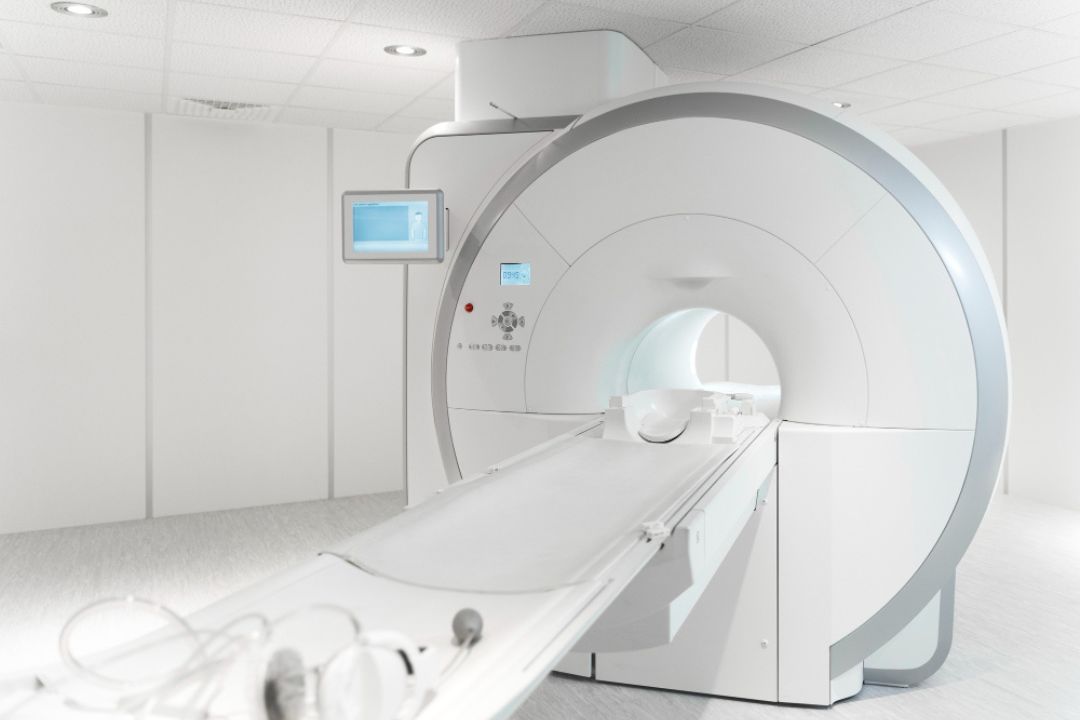
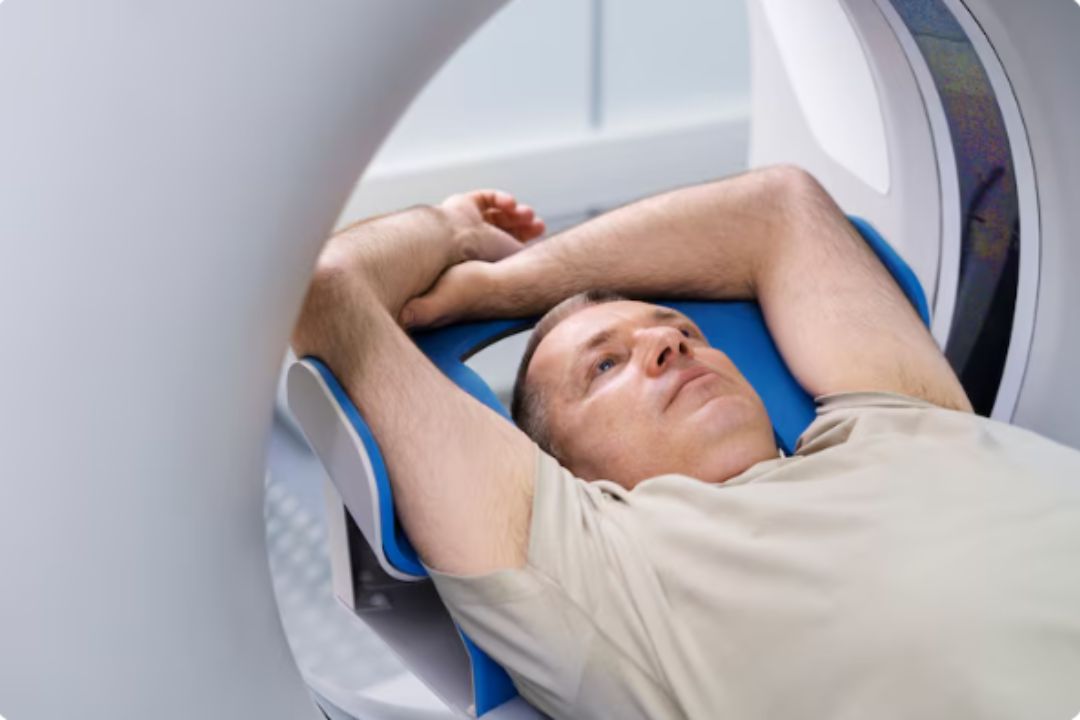

.jpg "ct brain scan plain and contrast")



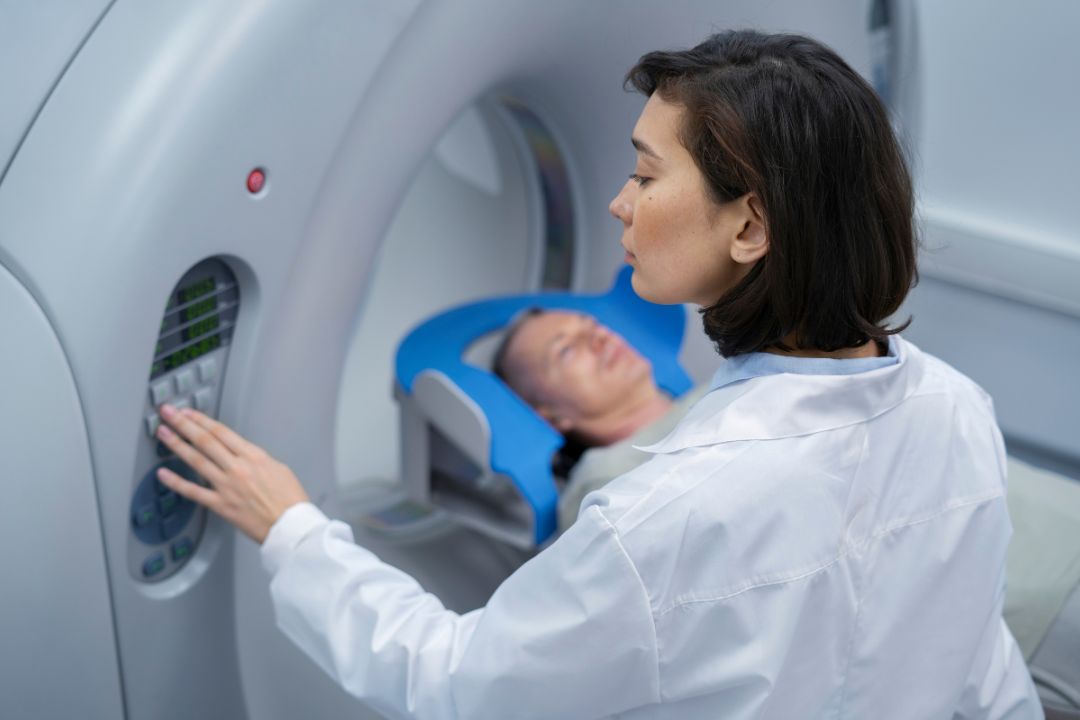




















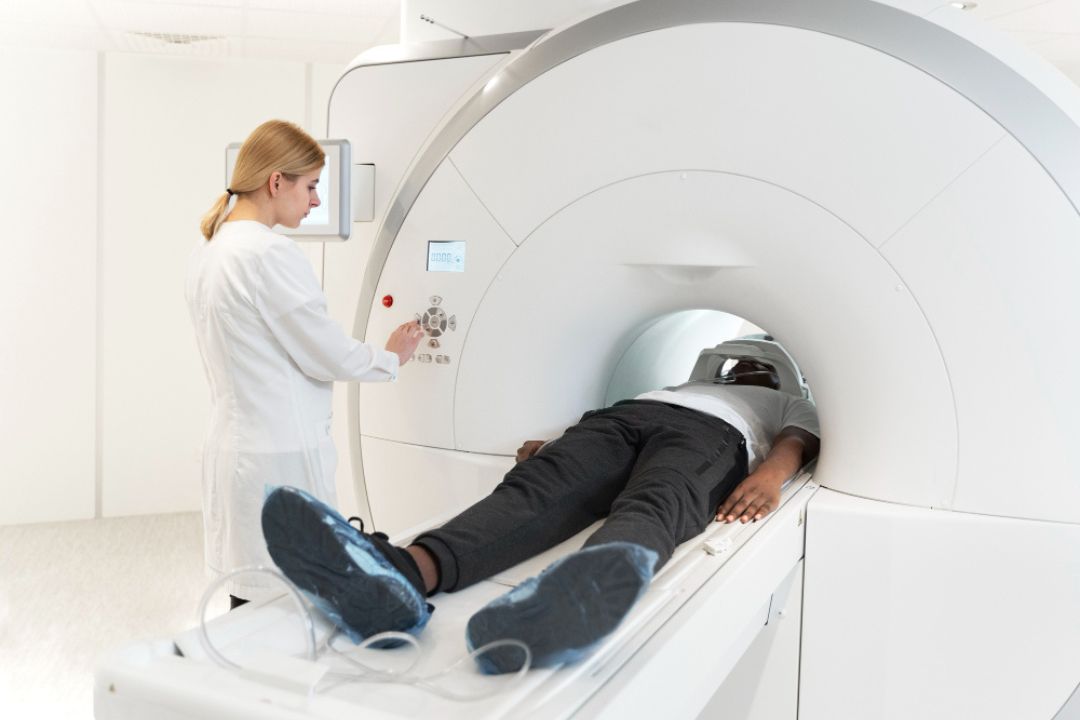
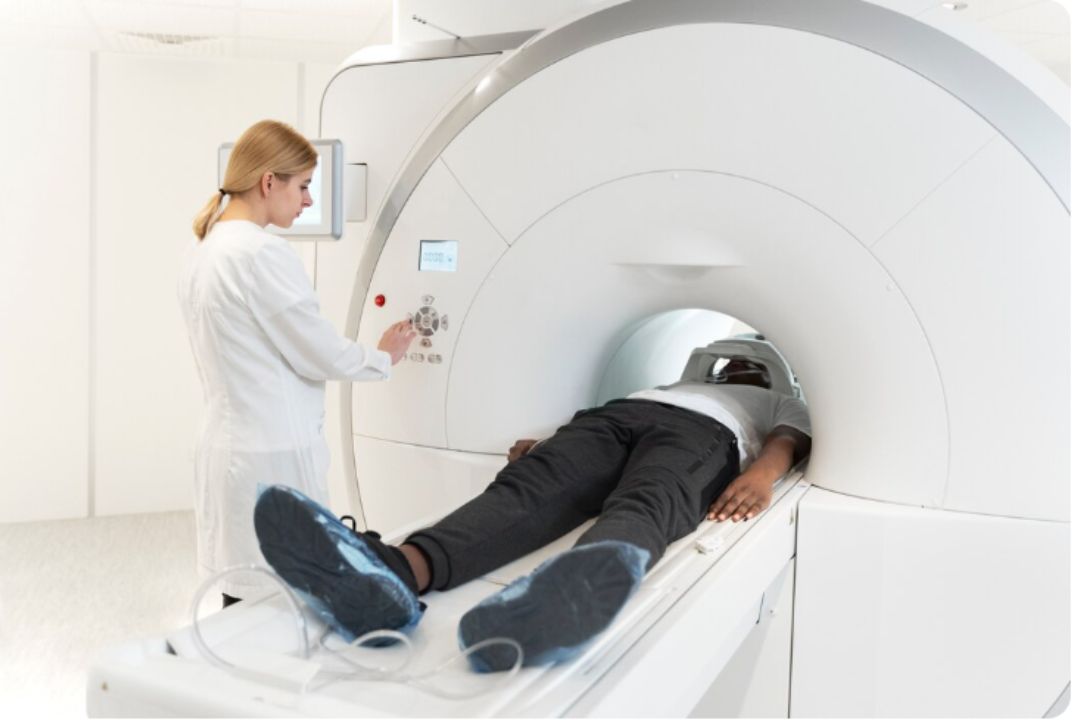
.jpg "ct scan")

.jpg "ct scan or mri for brain disorders")


.jpg "exploring the power of ct brain contrast in modern diagnostics")
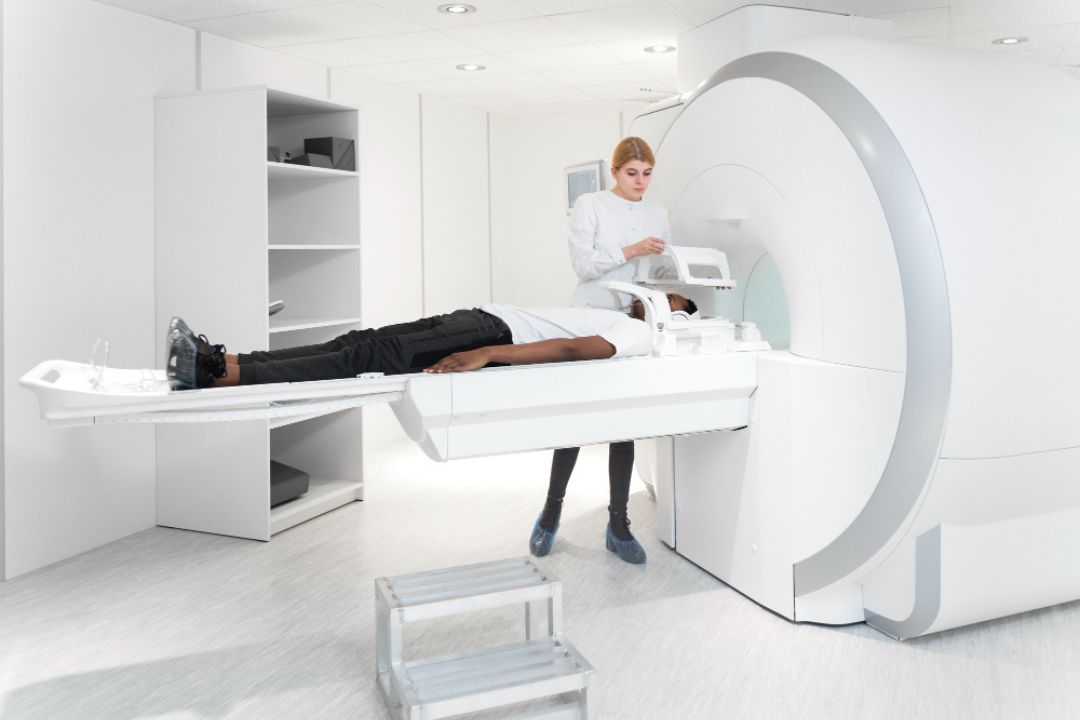
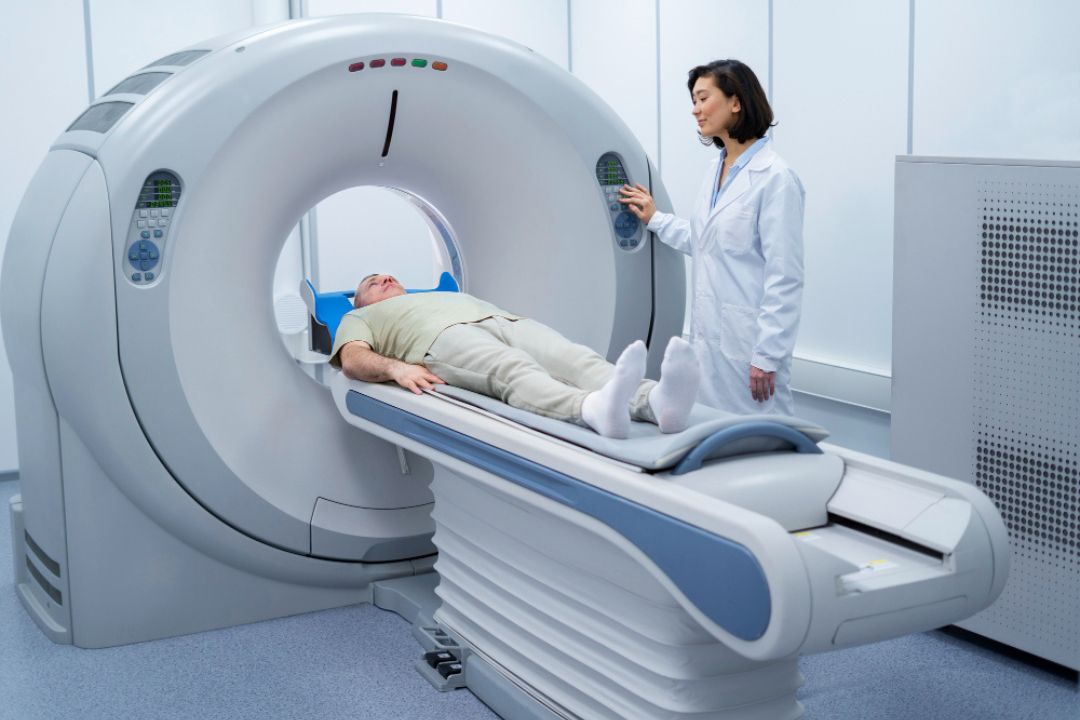
.jpg "ct scan")
.jpg "ct scan")









.jpg "ct scan")

.jpg "CT Brain Scan for Headaches")
.jpg "The Future of 3D CT Imaging")