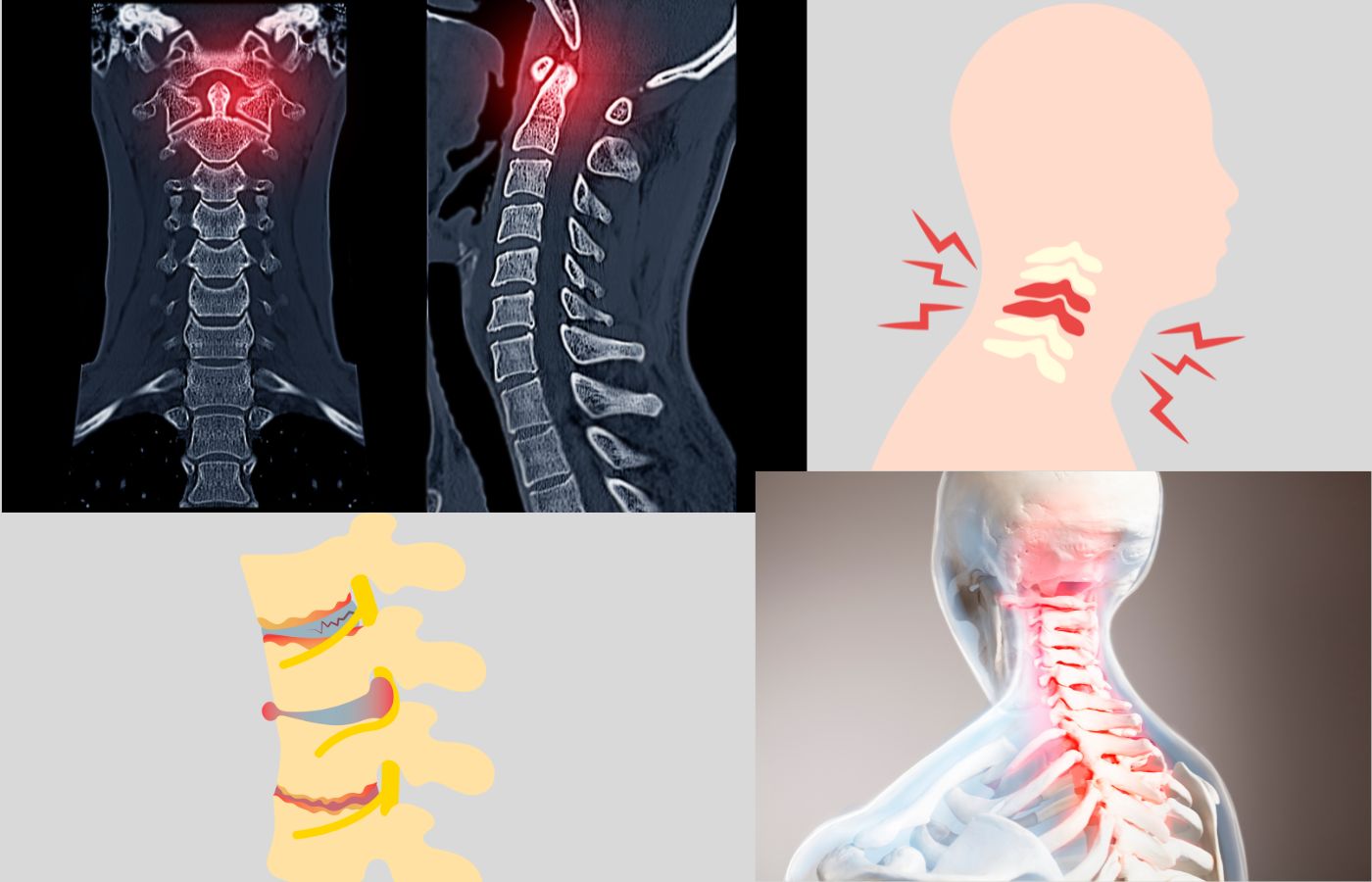
When someone experiences bone pain, injury, or suspected fractures, doctors often recommend imaging tests to identify the problem. Two of the most commonly used imaging techniques are CT Scans And X-Rays. Both help doctors view bones and diagnose injuries, but they work in different ways and provide different levels of detail.
Understanding the difference between these two tests can help patients know why one may be recommended over the other for certain bone conditions.
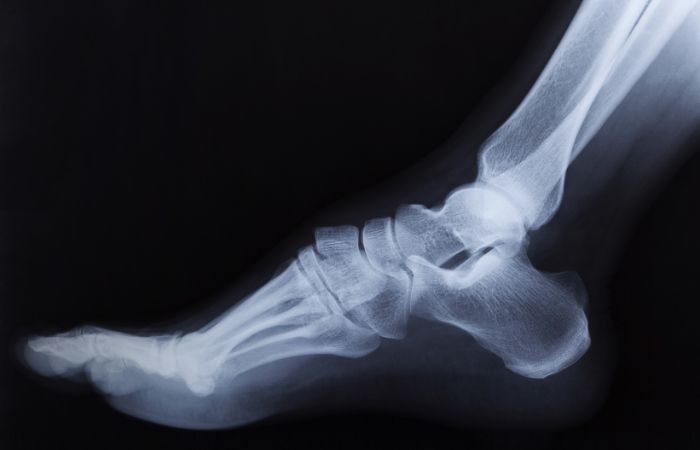
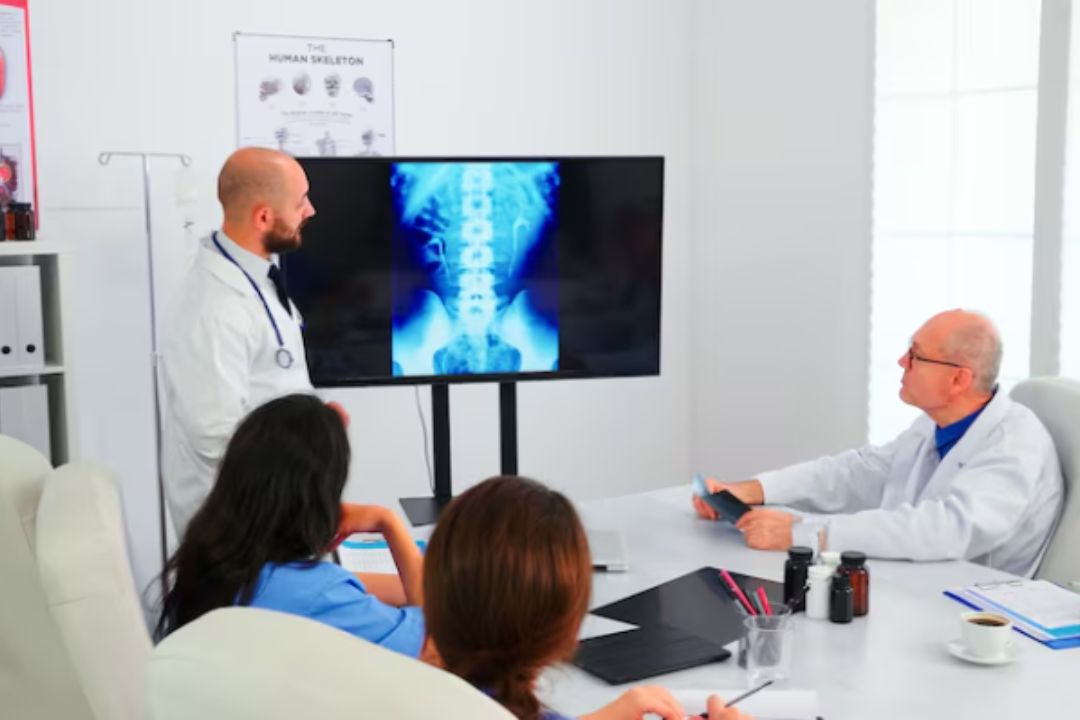
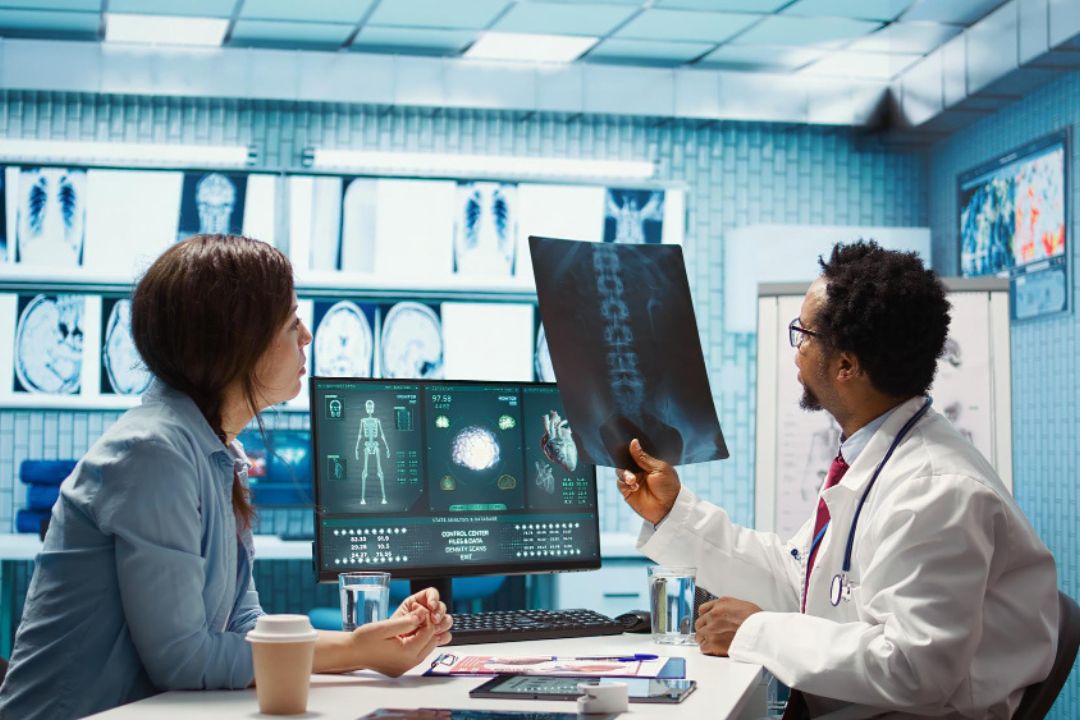
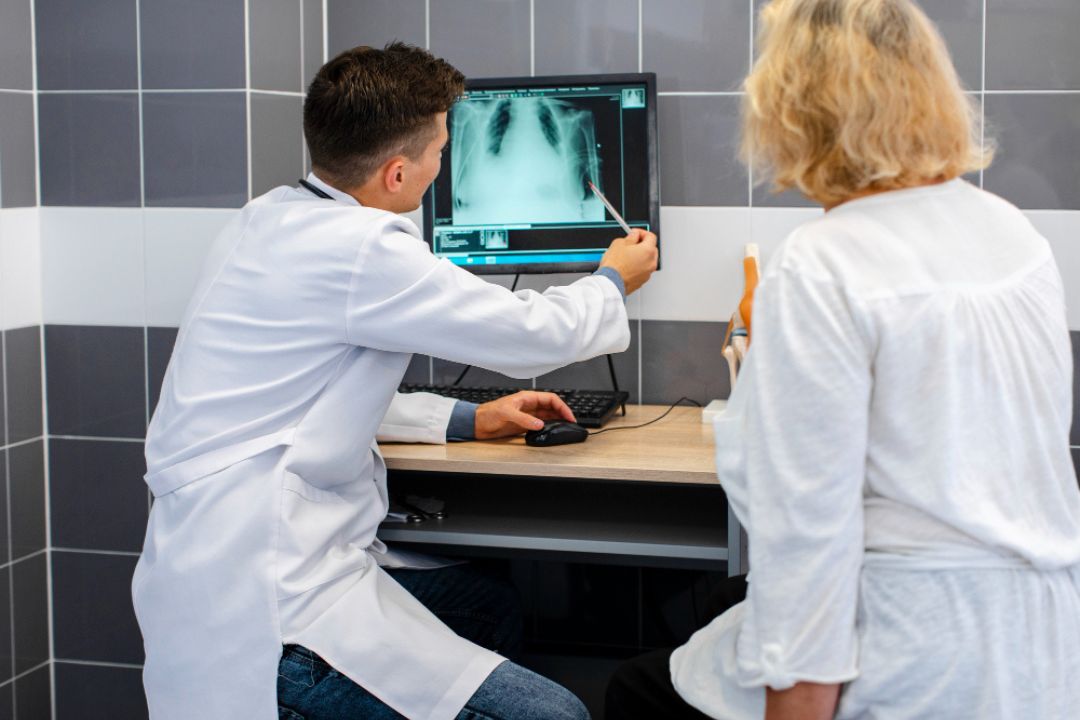
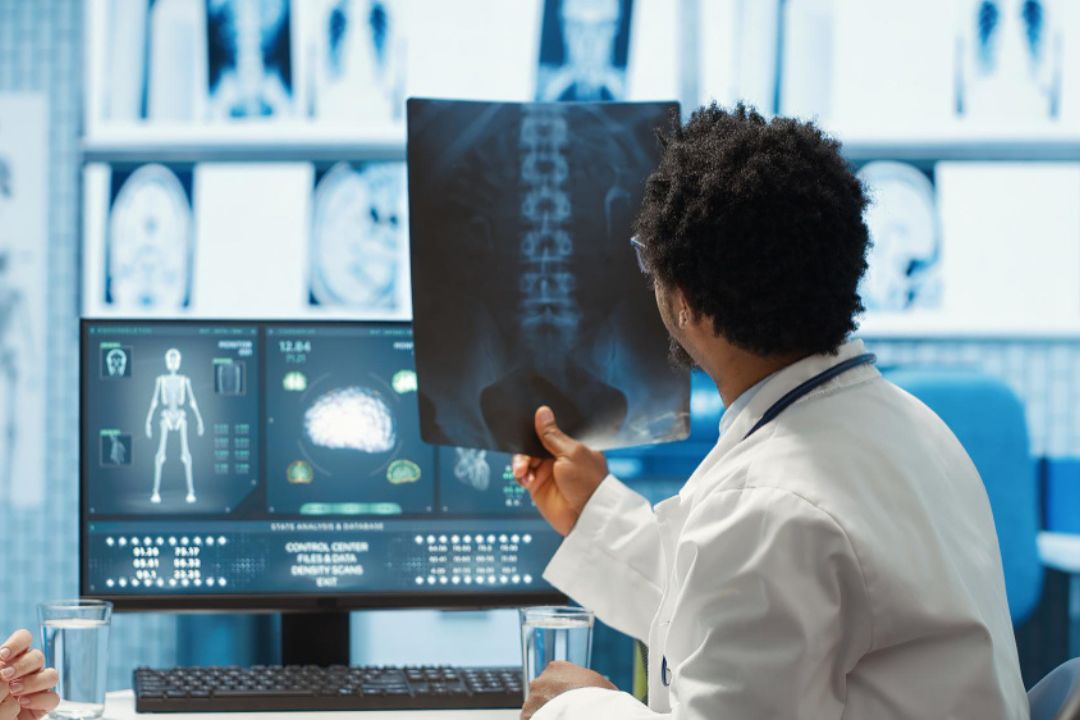
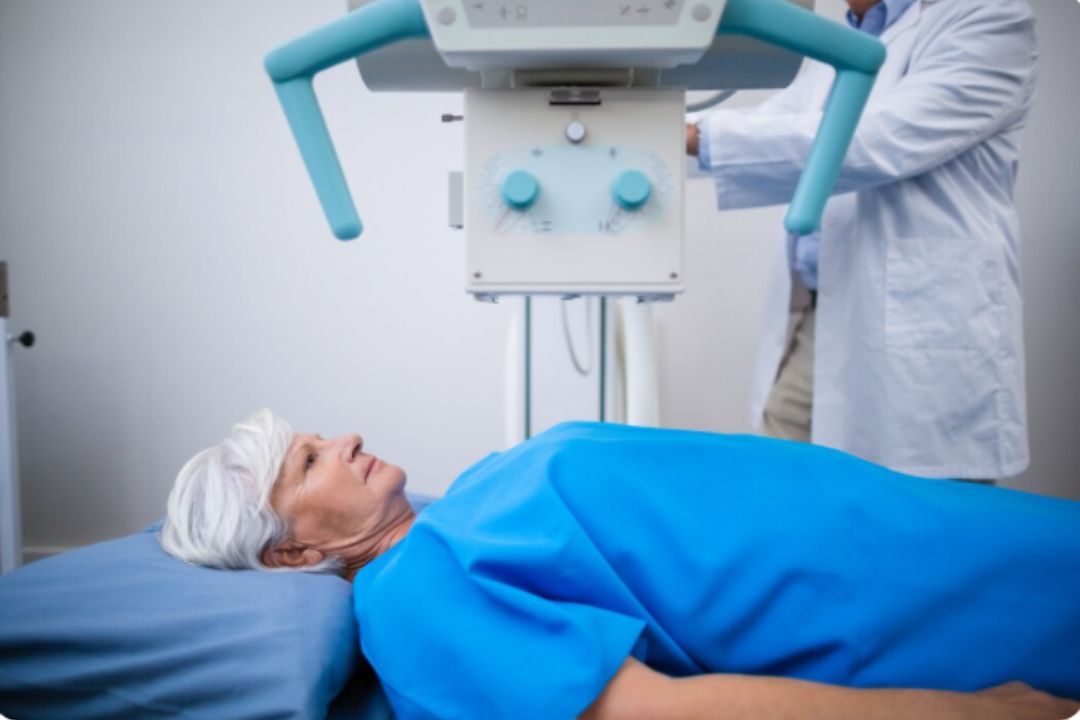
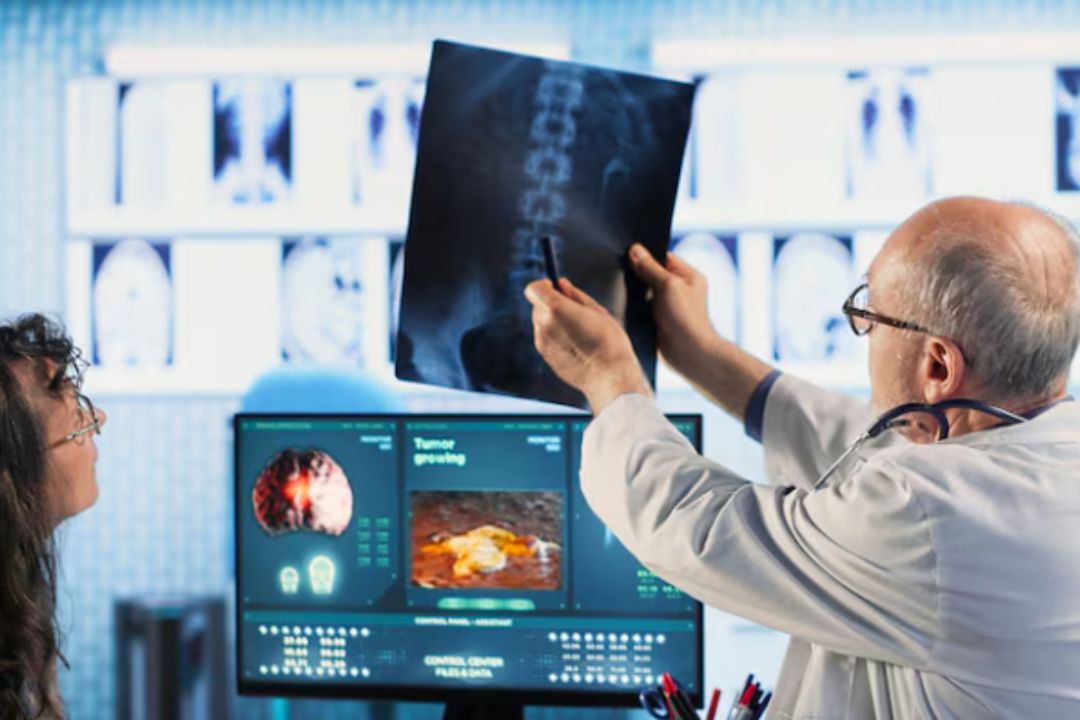
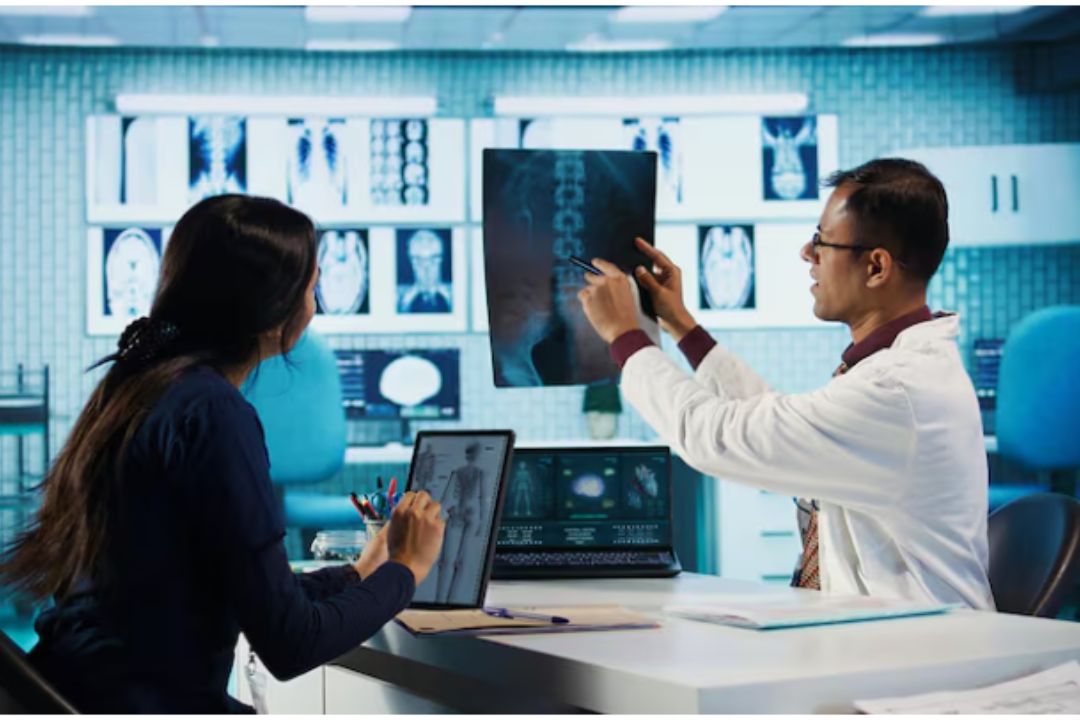
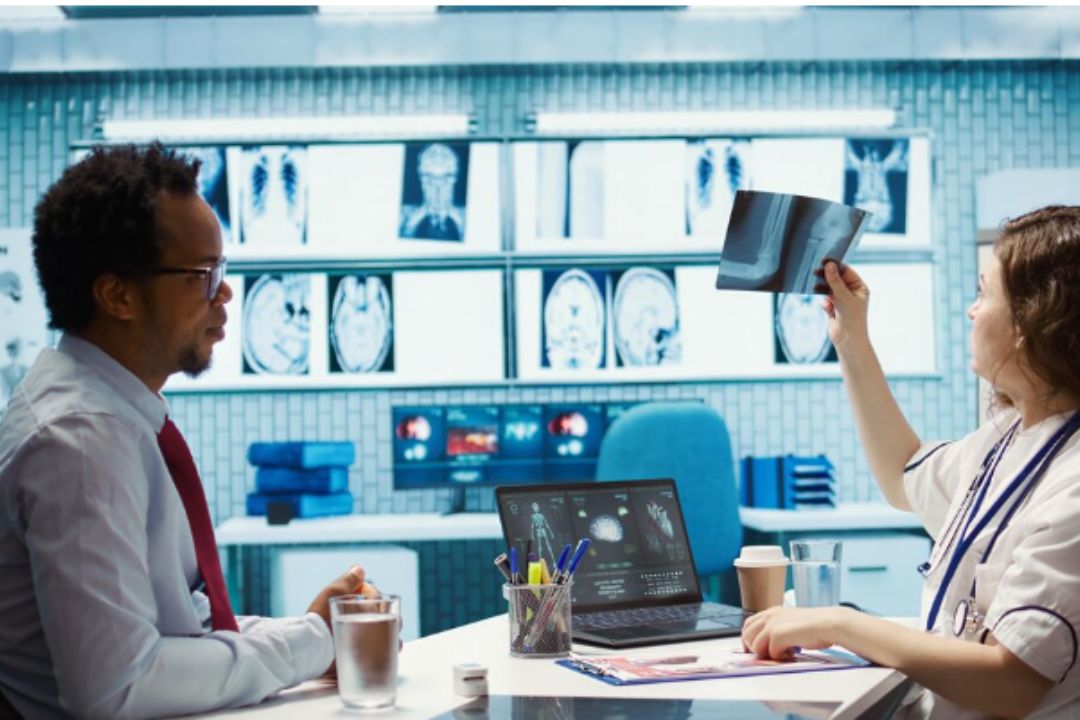
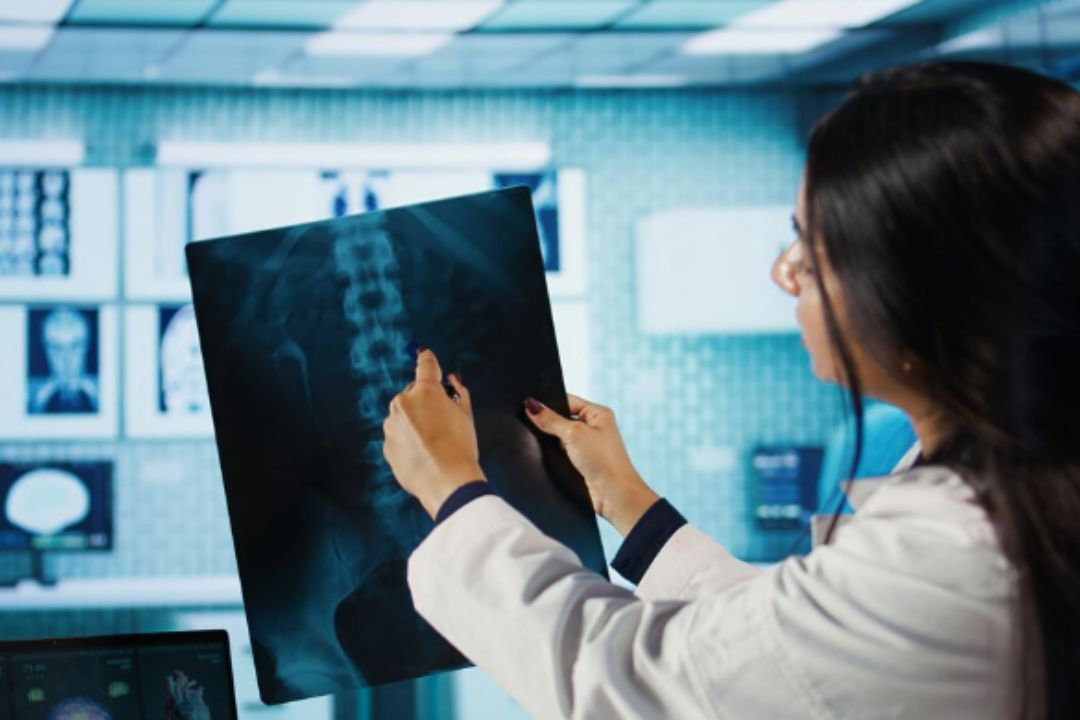
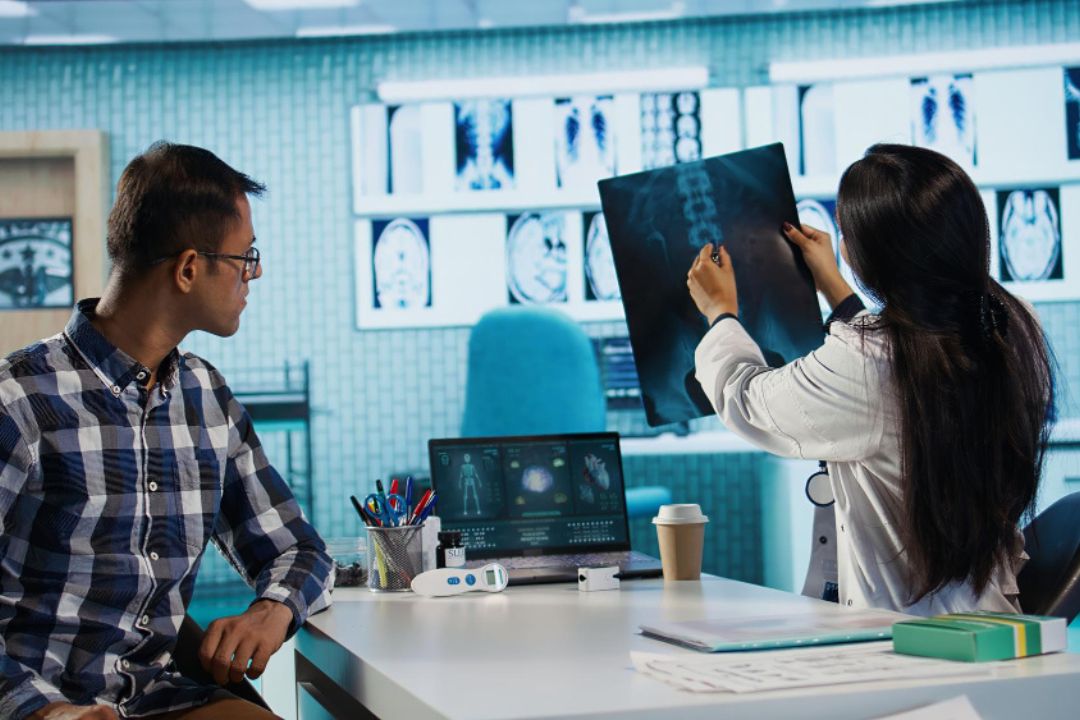
An X-Ray is one of the oldest and most widely used imaging techniques in medicine. It uses a small amount of radiation to create images of the inside of the body, especially bones.
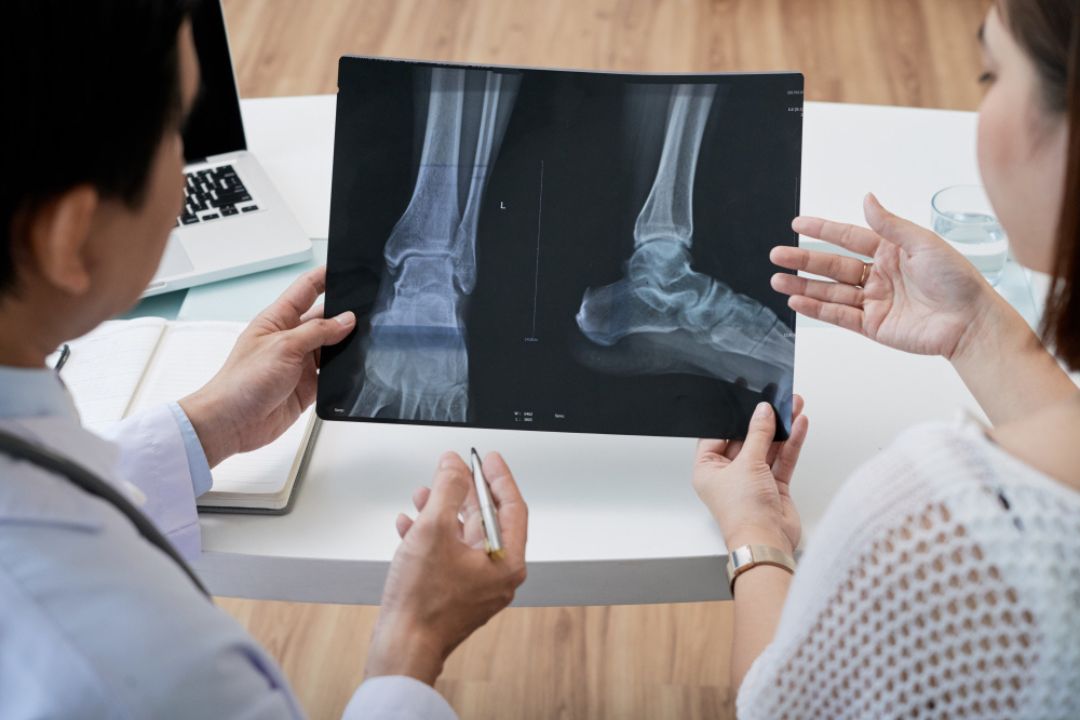
Bones absorb more radiation than soft tissues, which makes them appear clearly on an X-ray image. Because of this, X-rays are commonly used to detect bone fractures, joint dislocations, and alignment problems.
X-rays are fast, simple, and widely available in hospitals and clinics. The procedure usually takes only a few minutes and is often the first test doctors order when a bone injury is suspected.
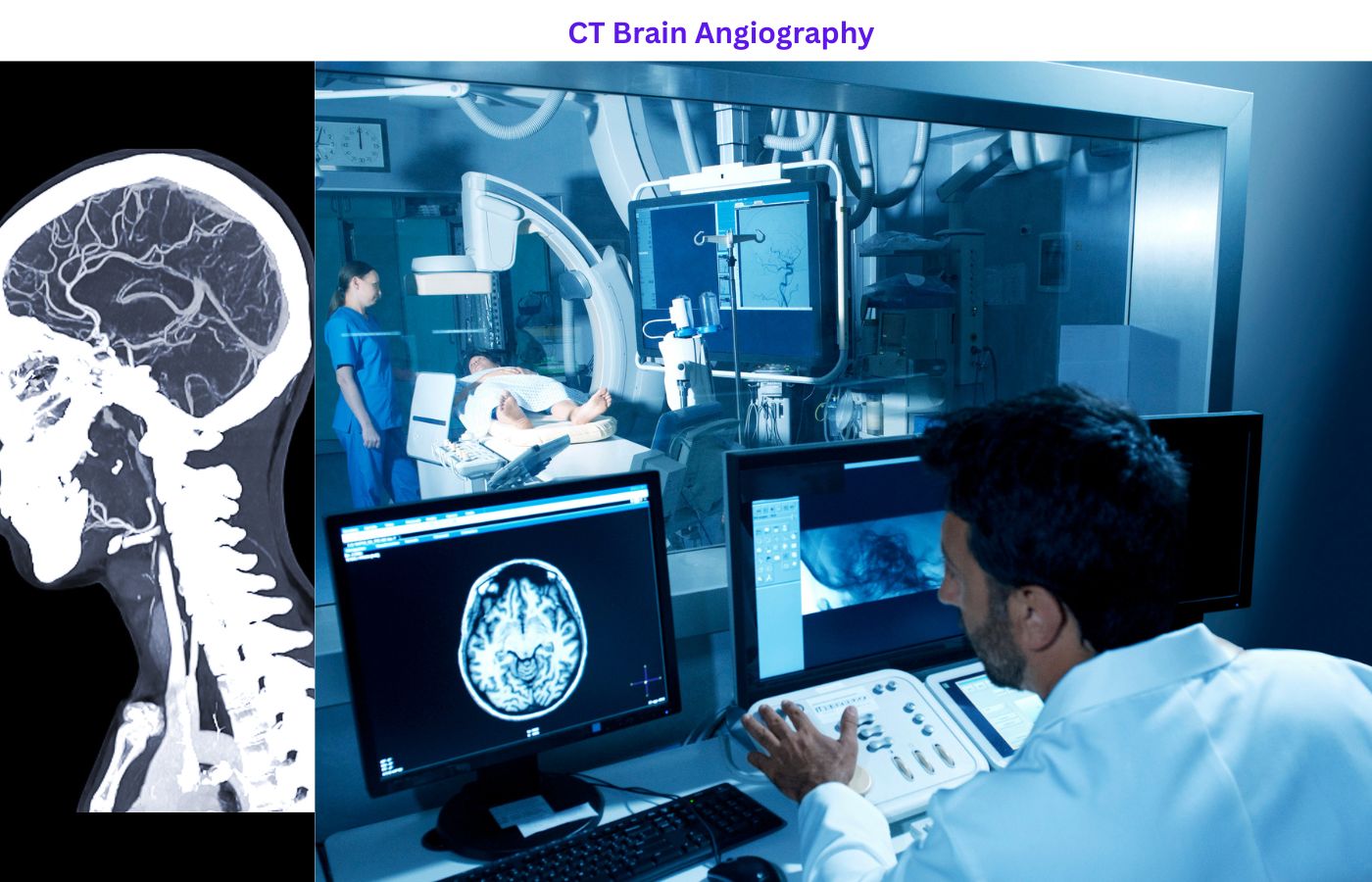
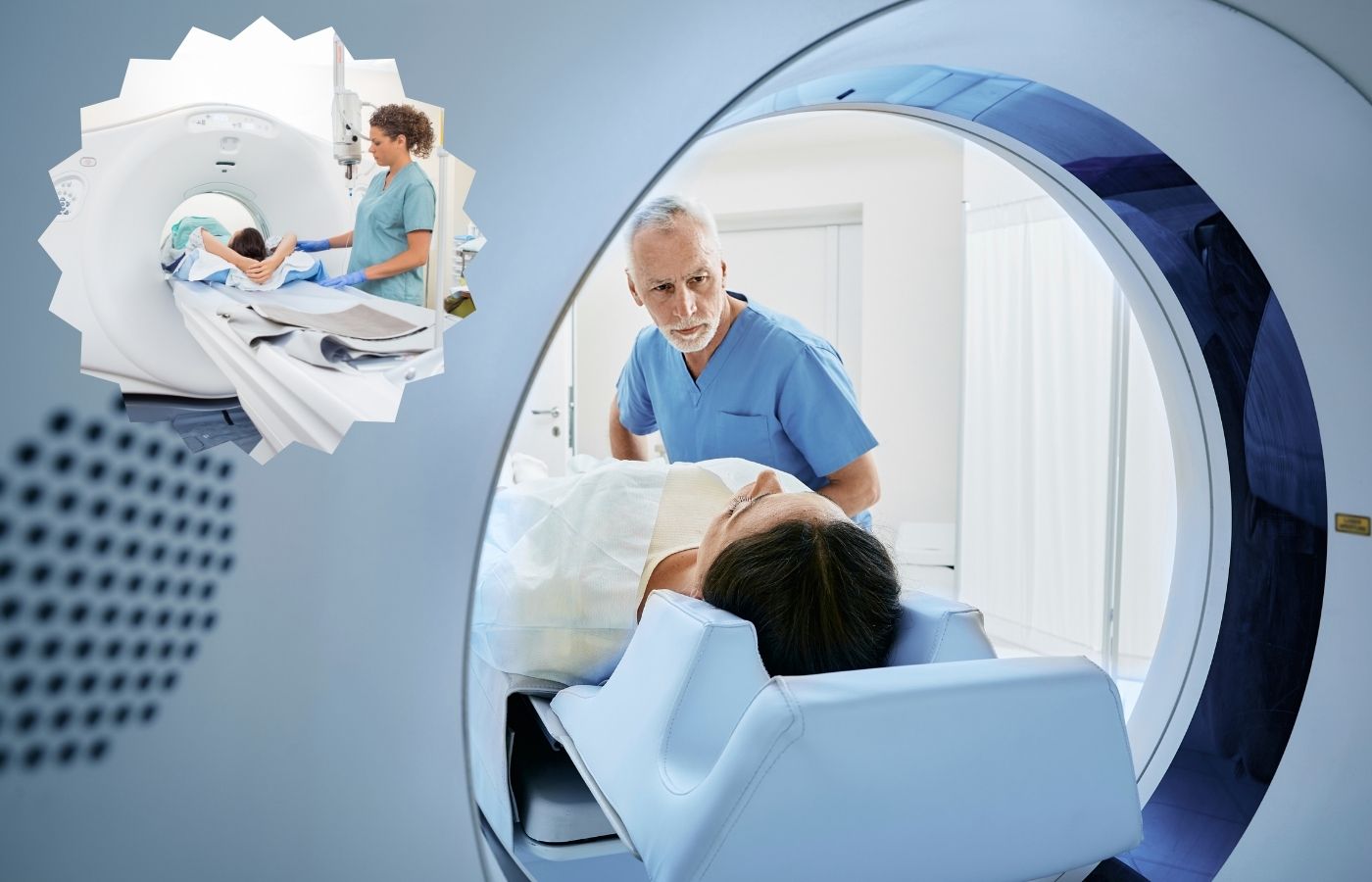
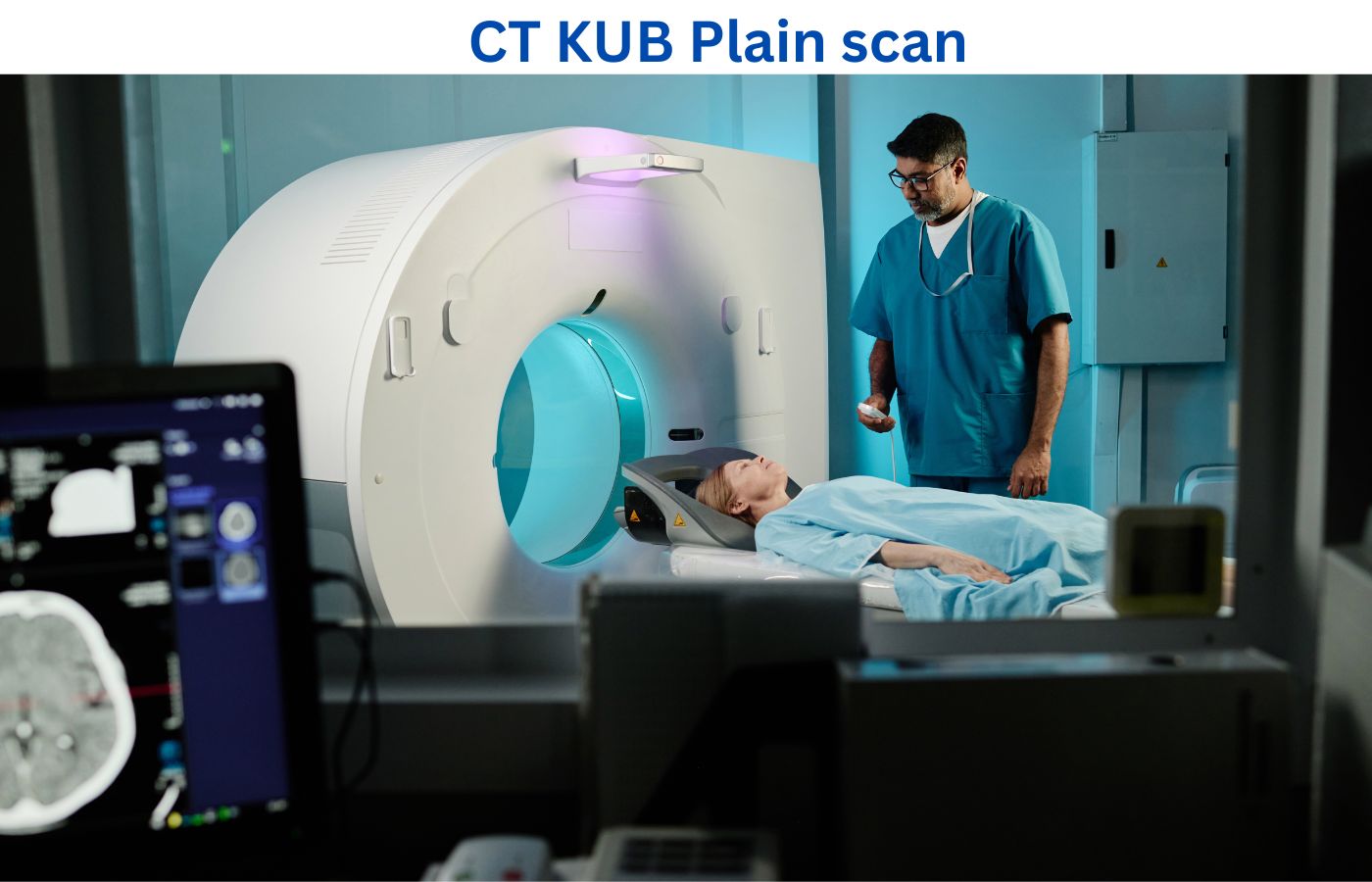
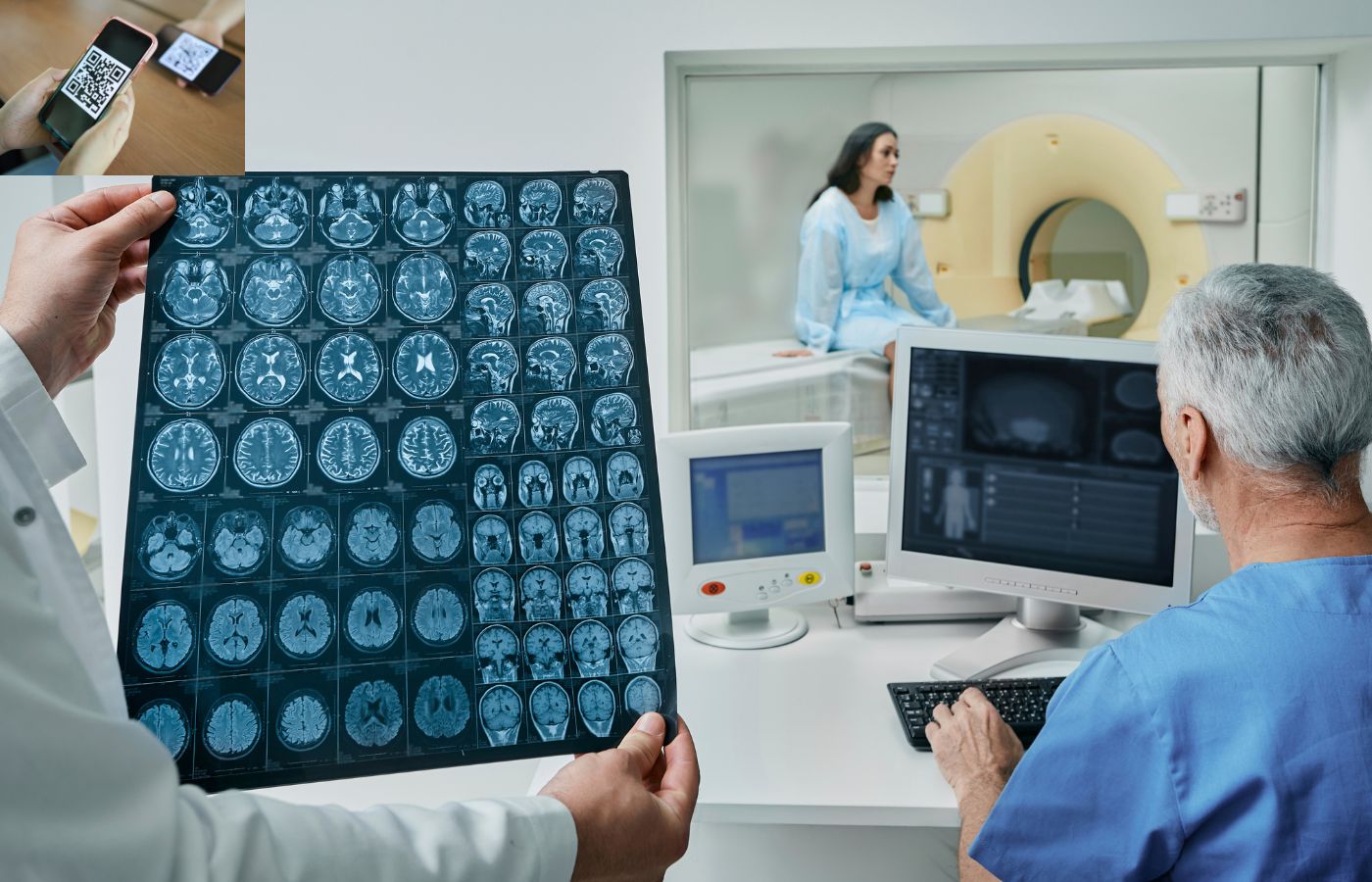
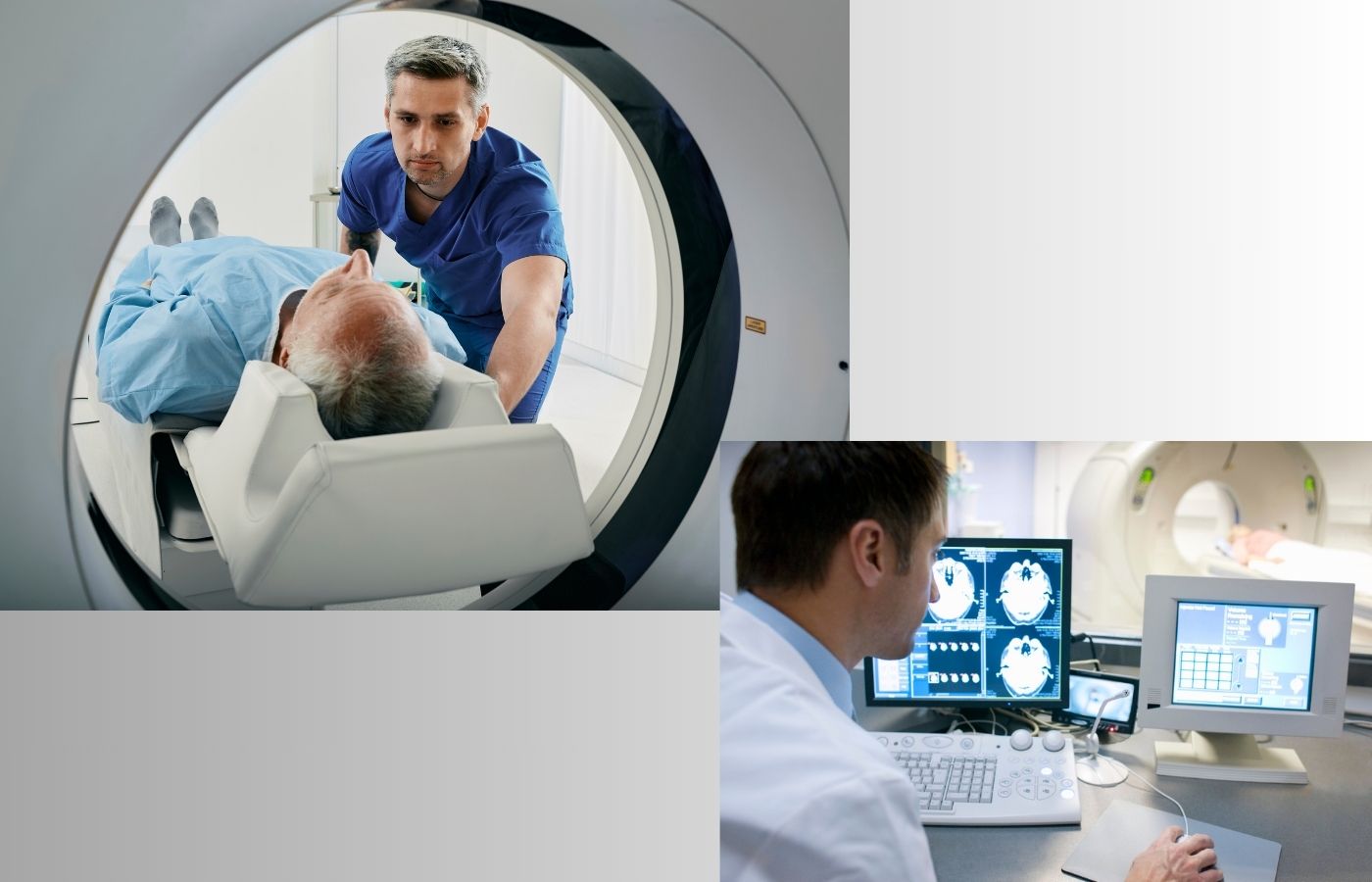
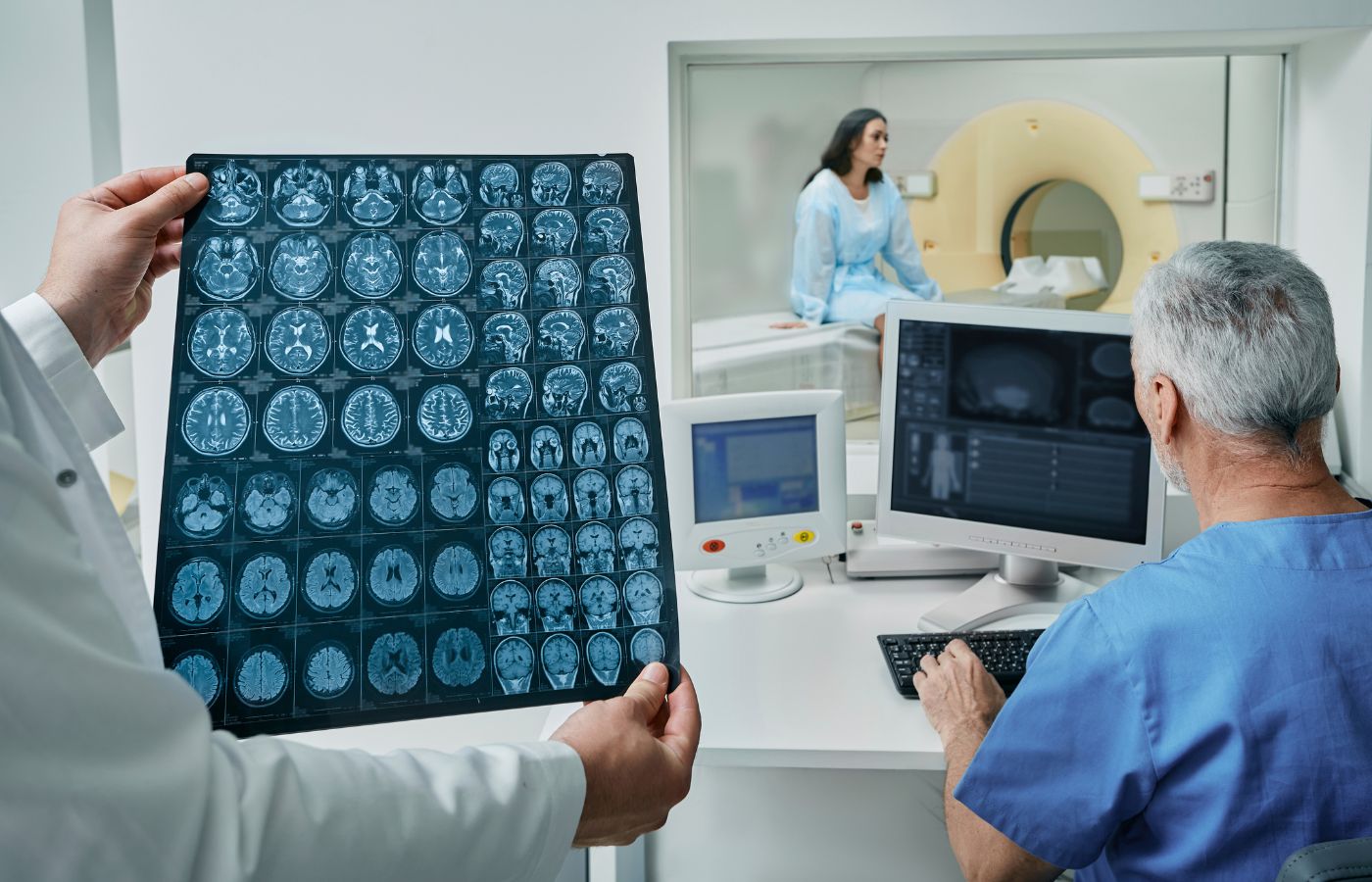
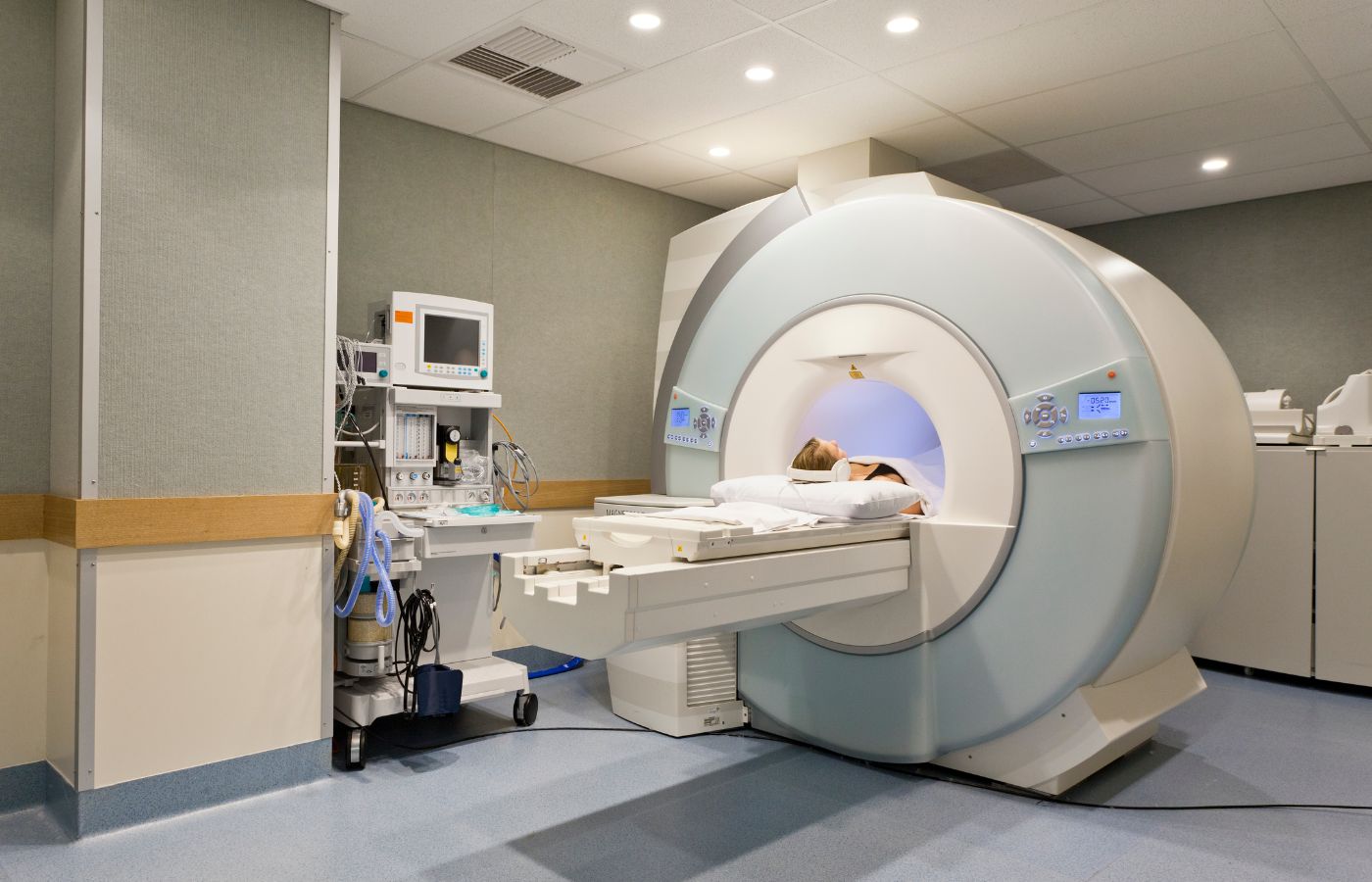
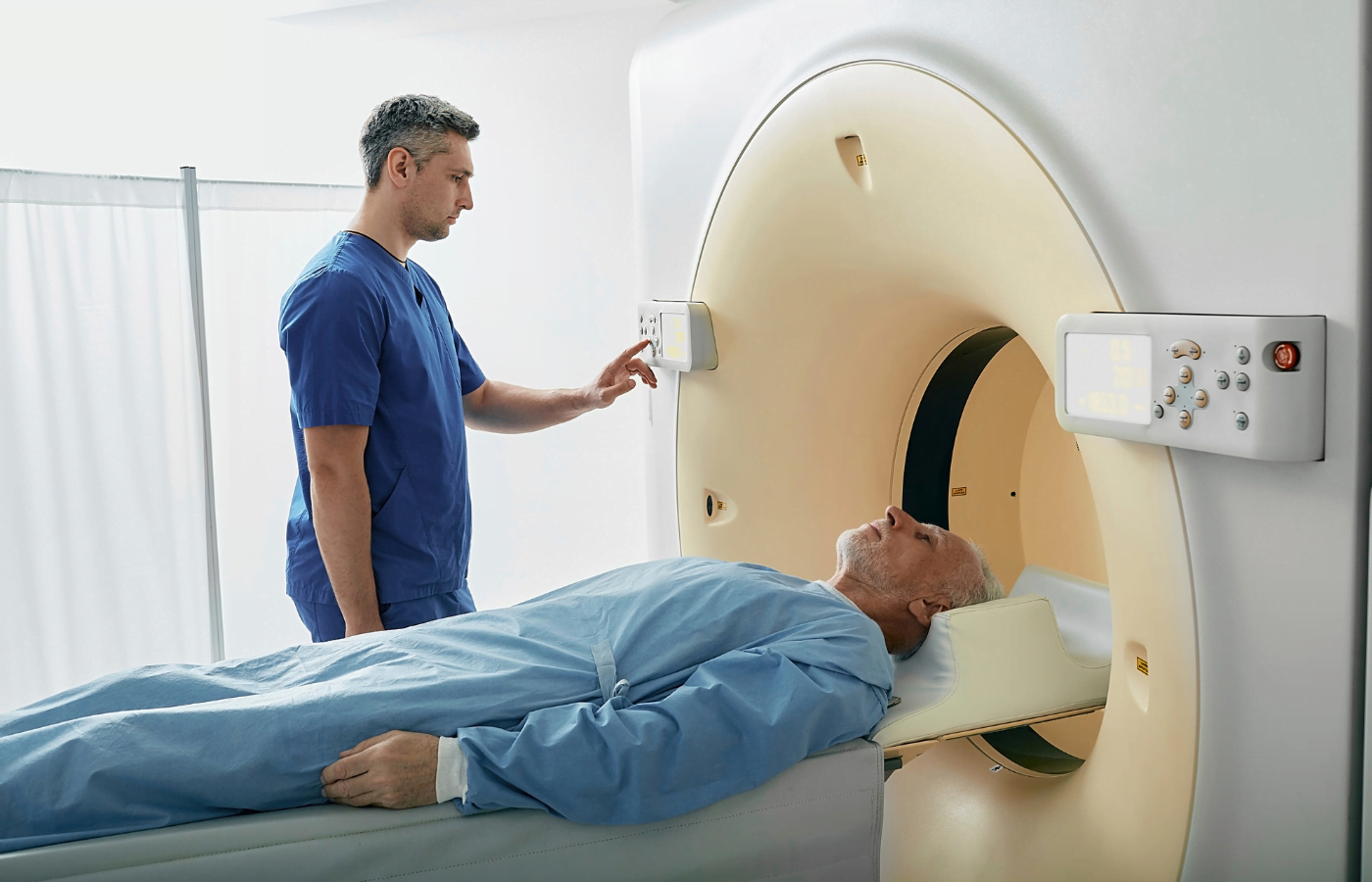
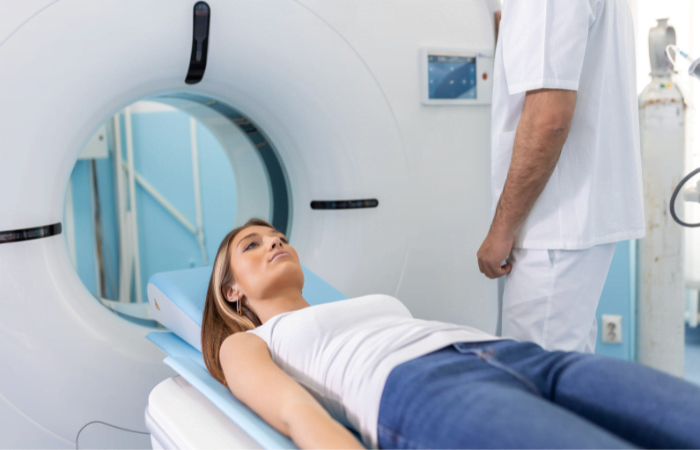
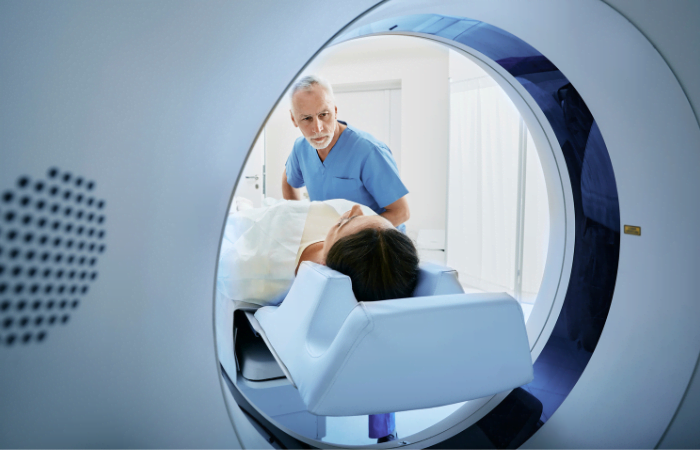
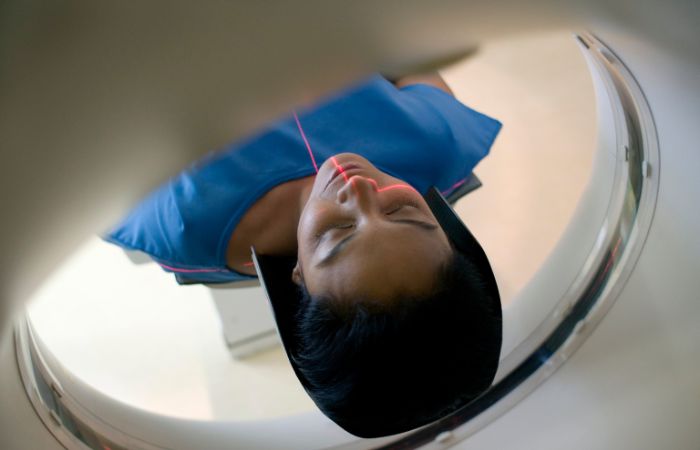
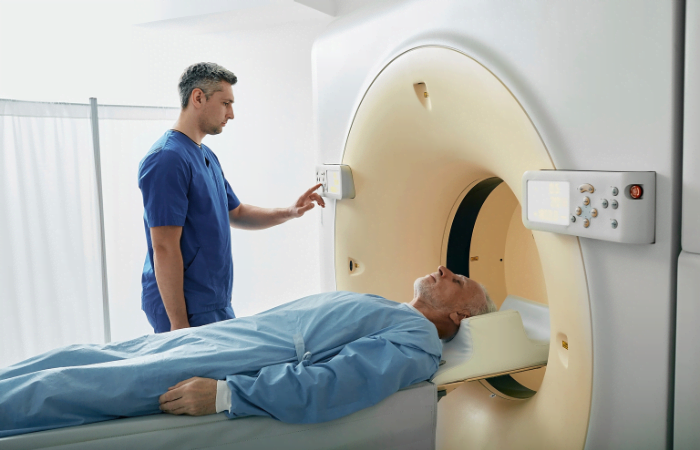
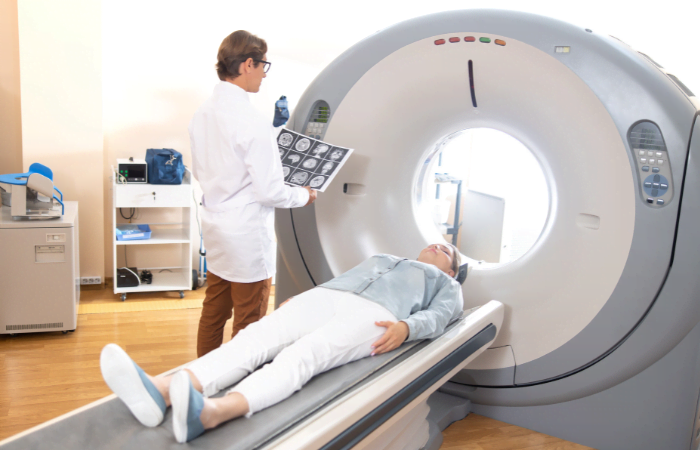
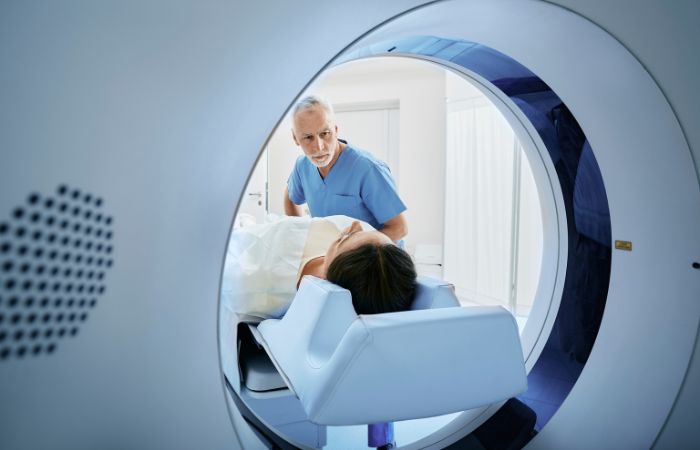
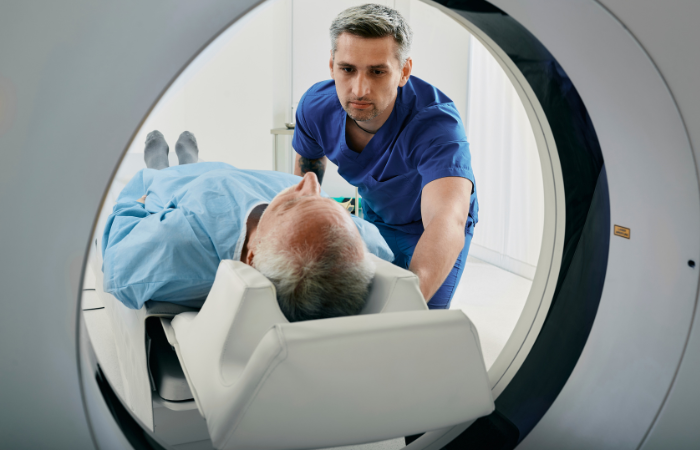
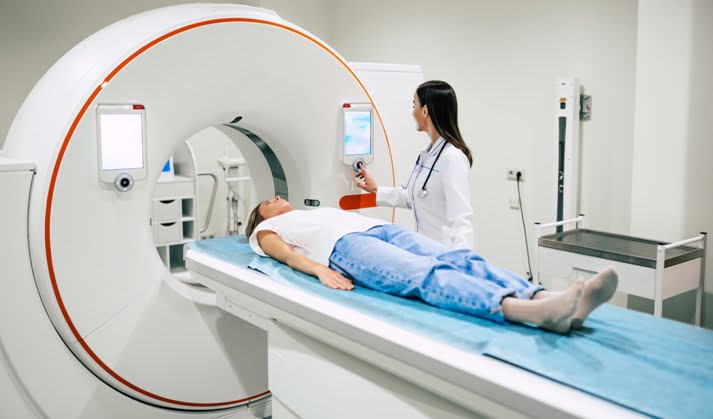
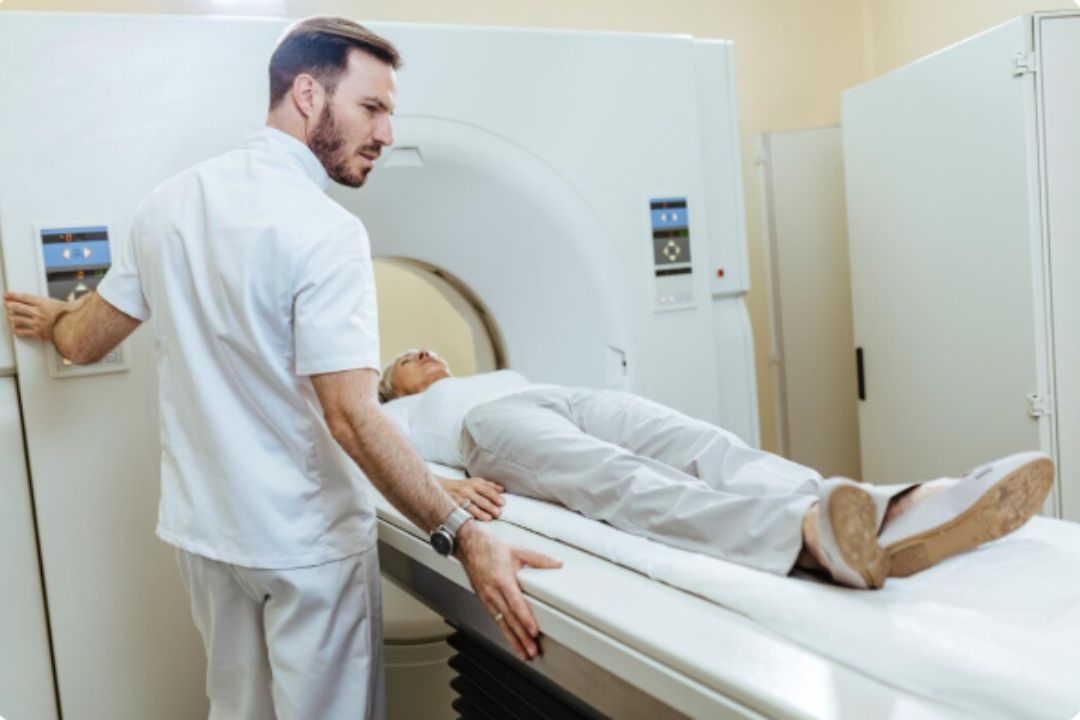
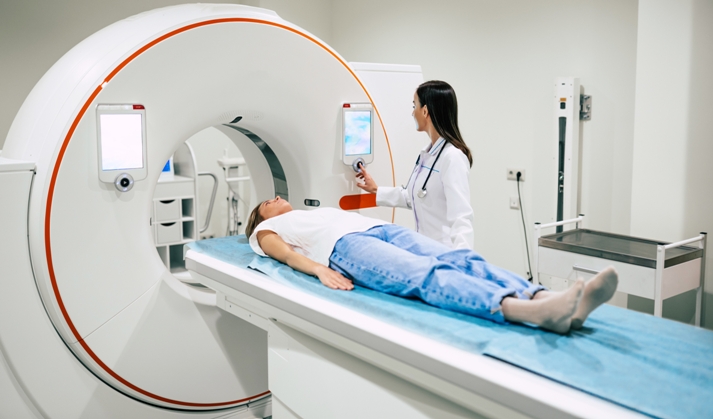
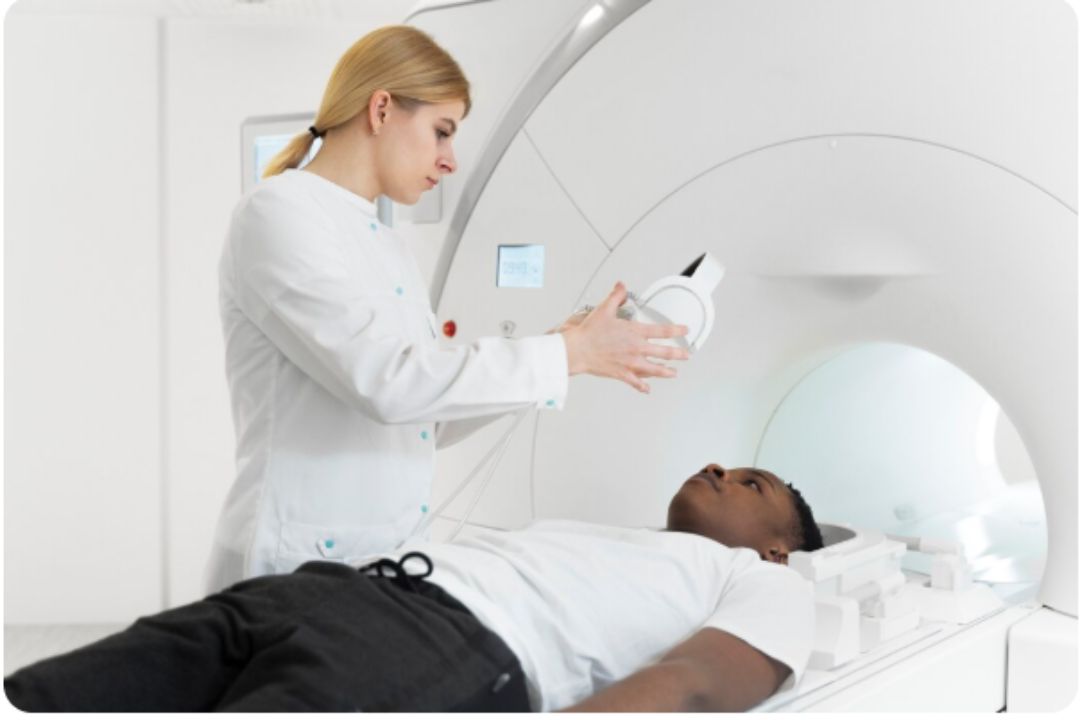
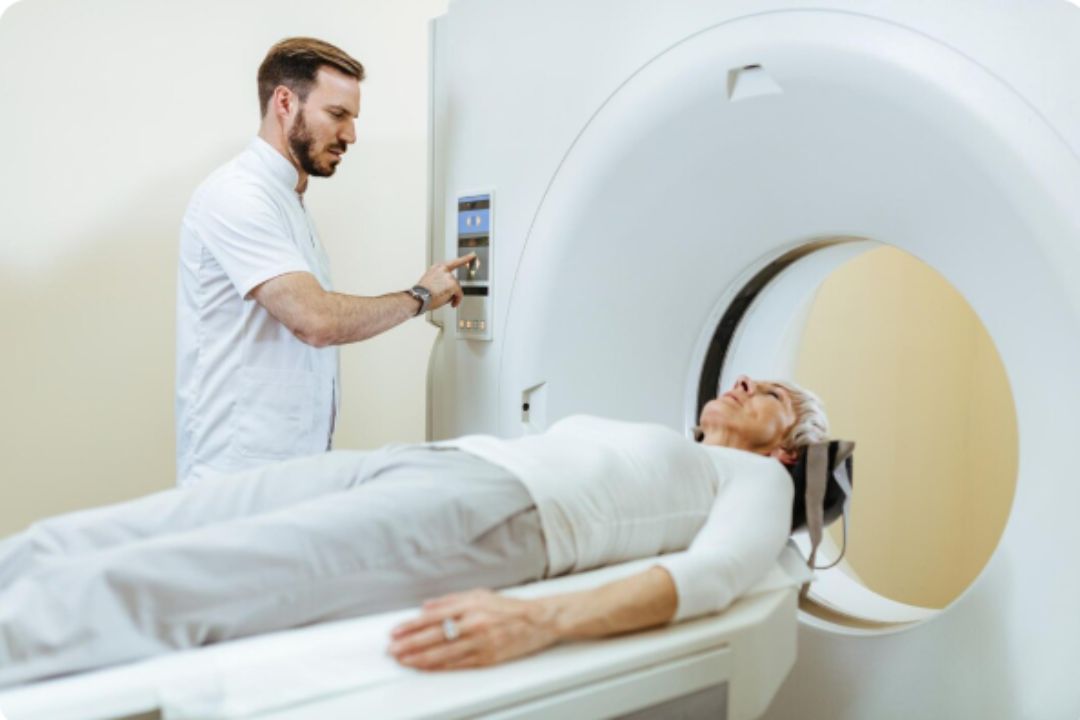
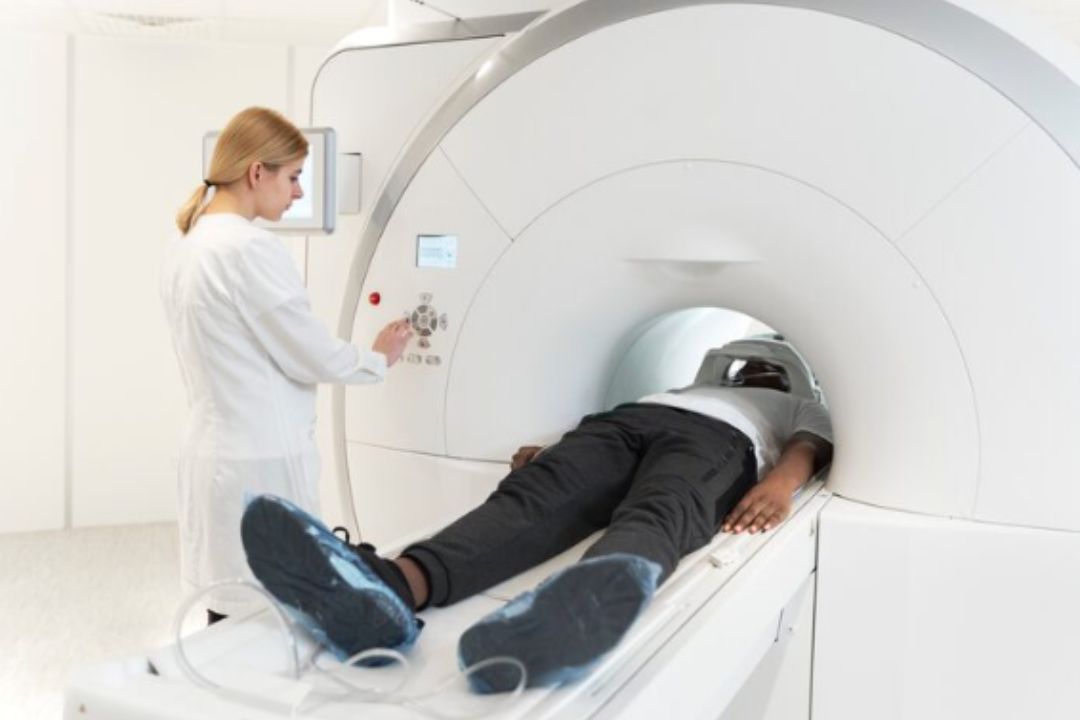
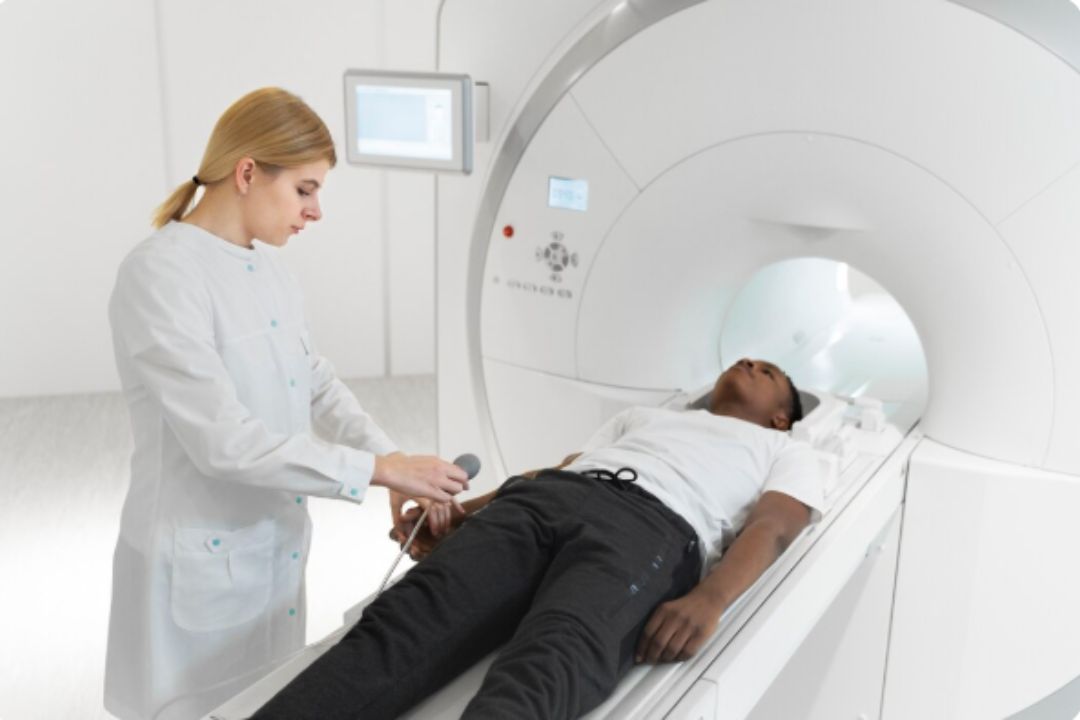
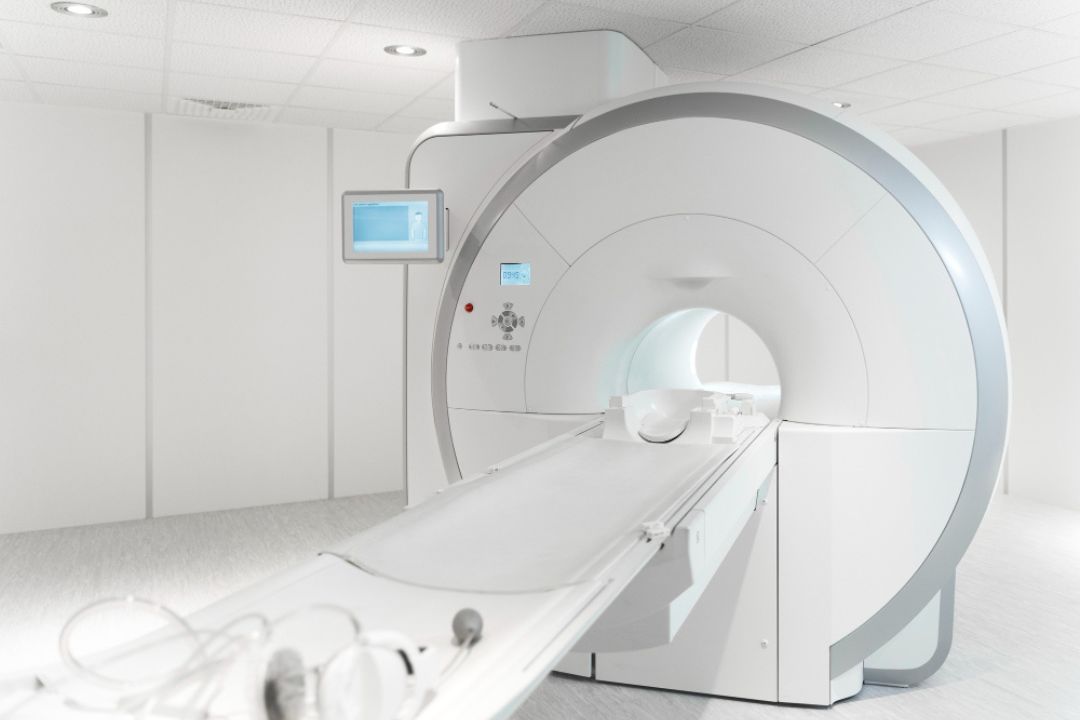
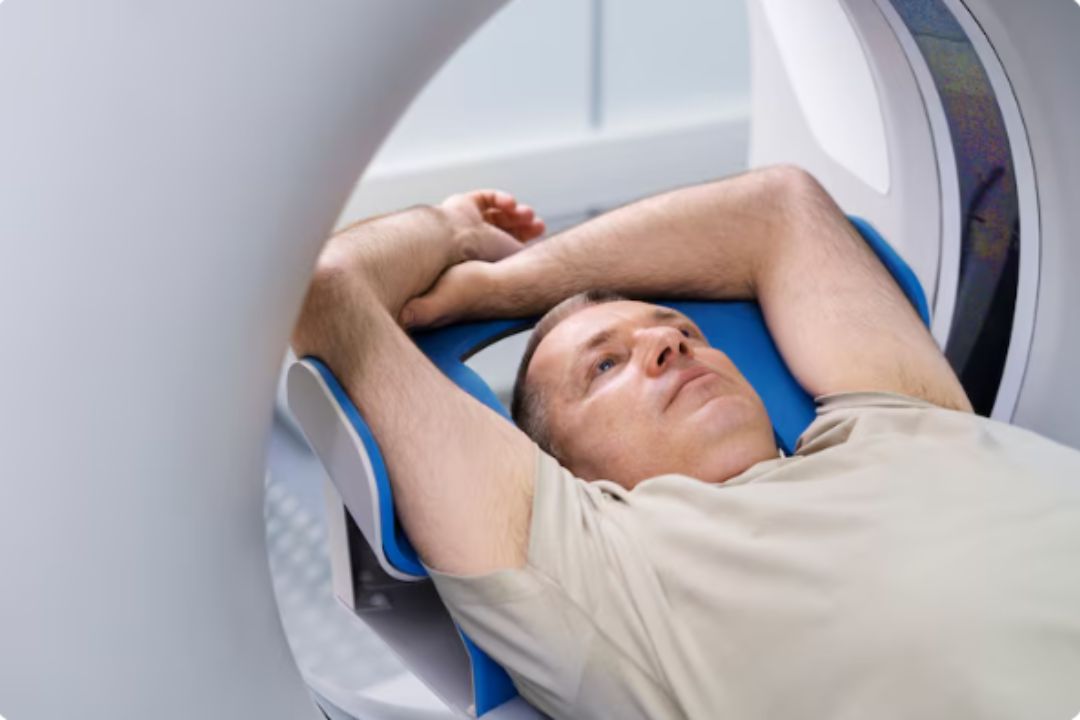
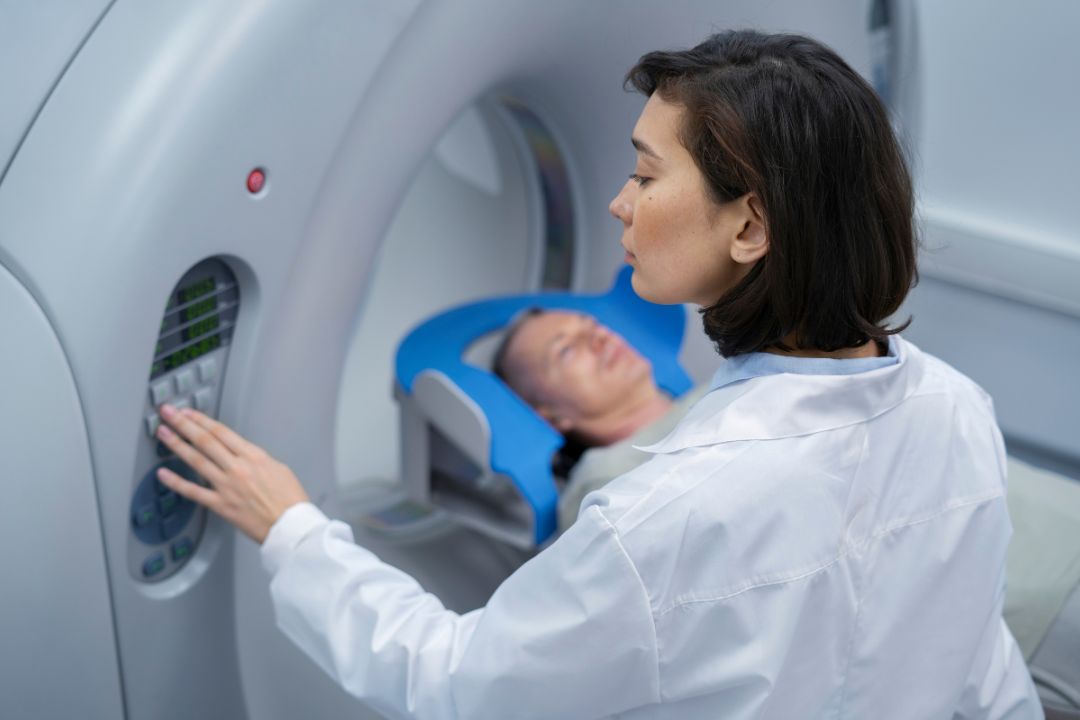
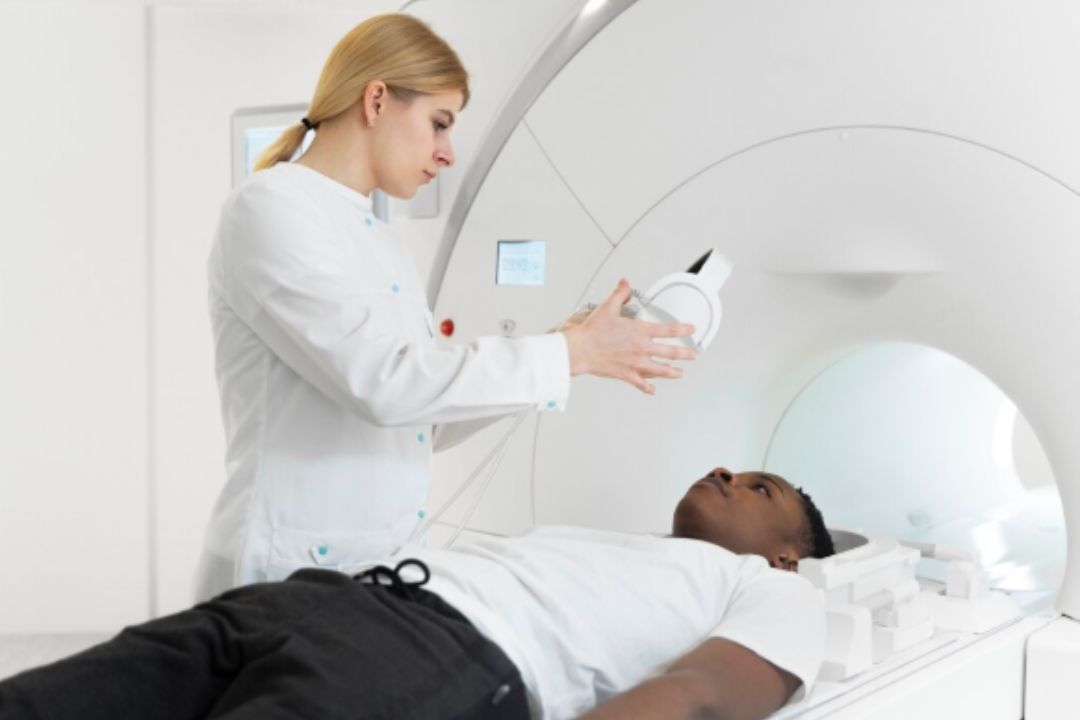
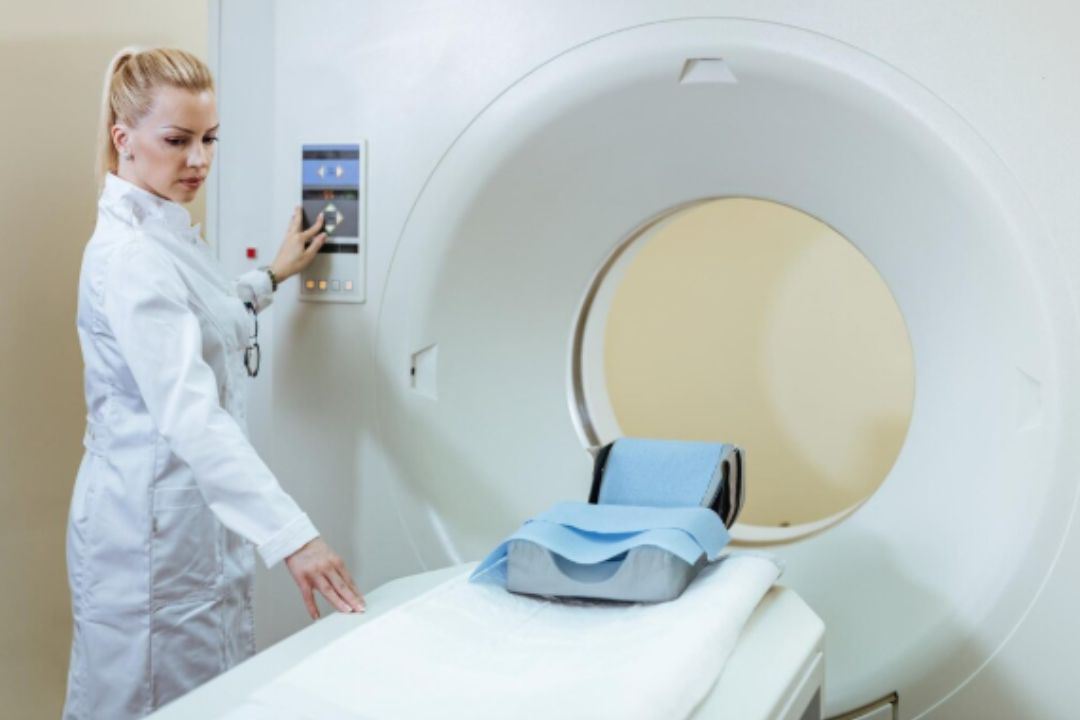
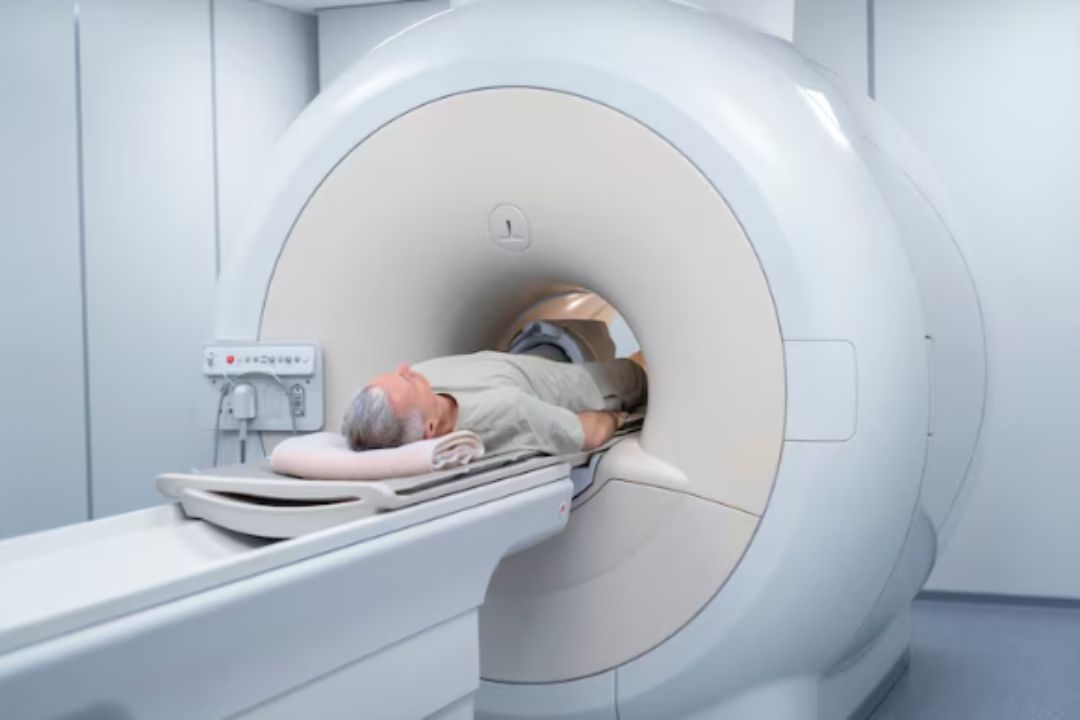
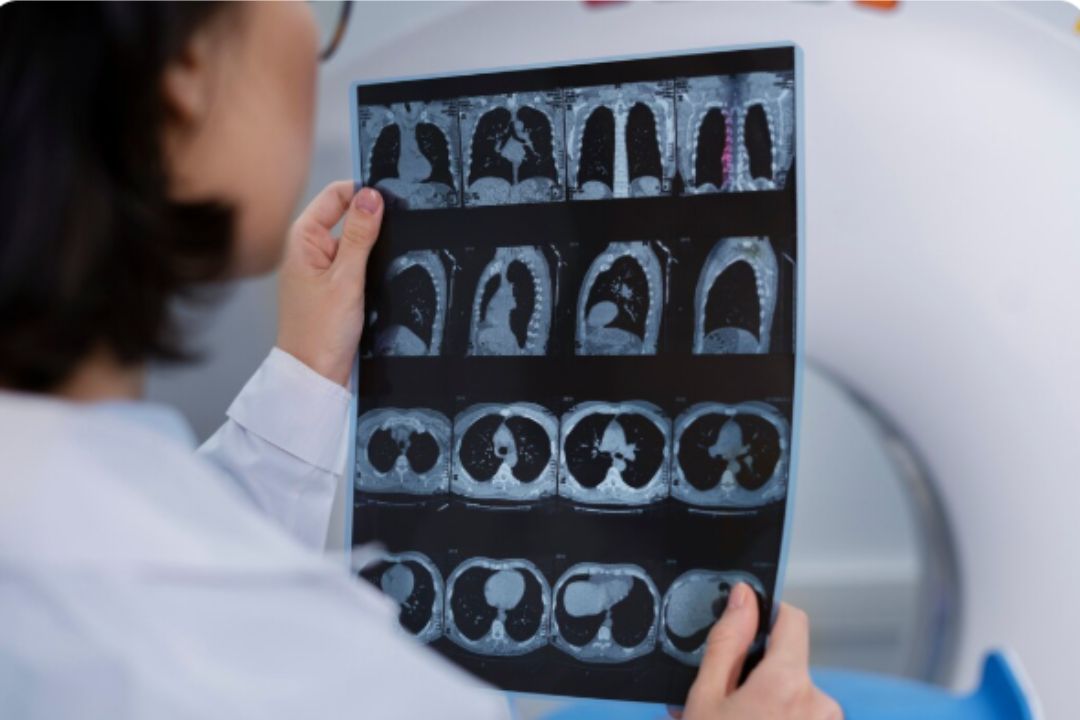
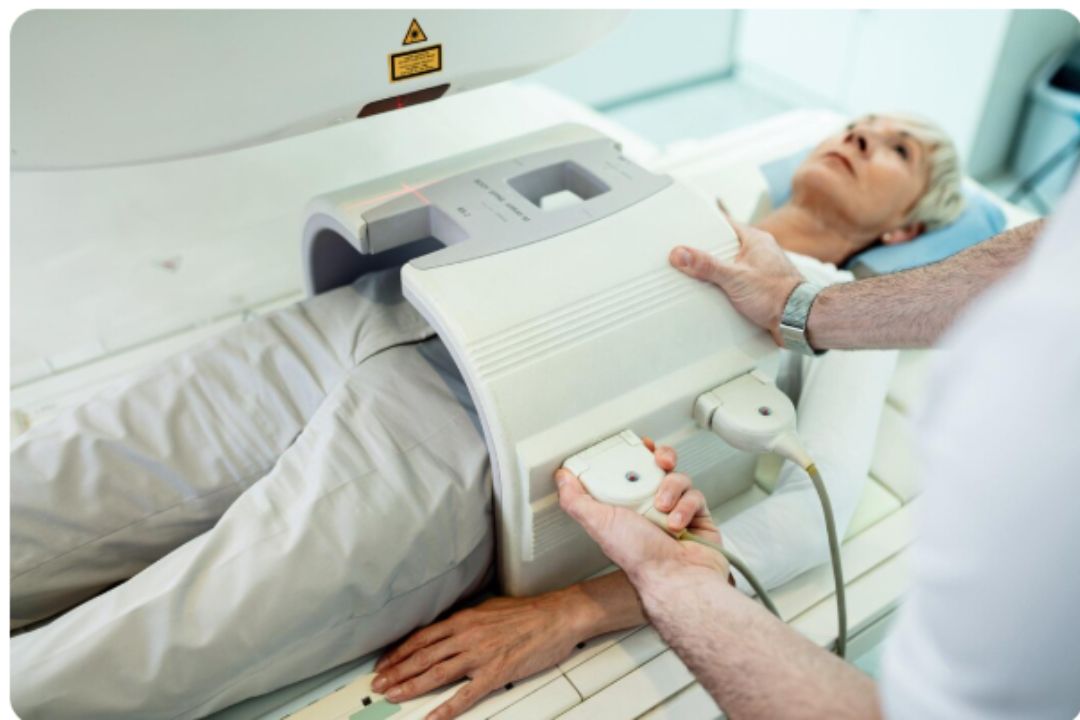
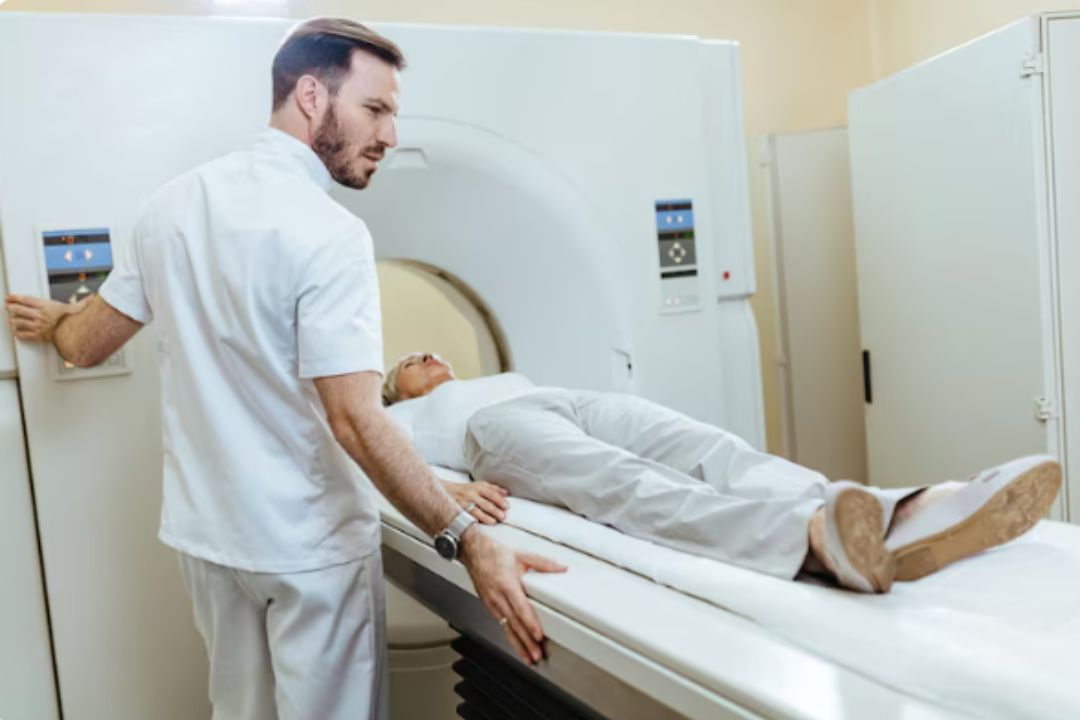
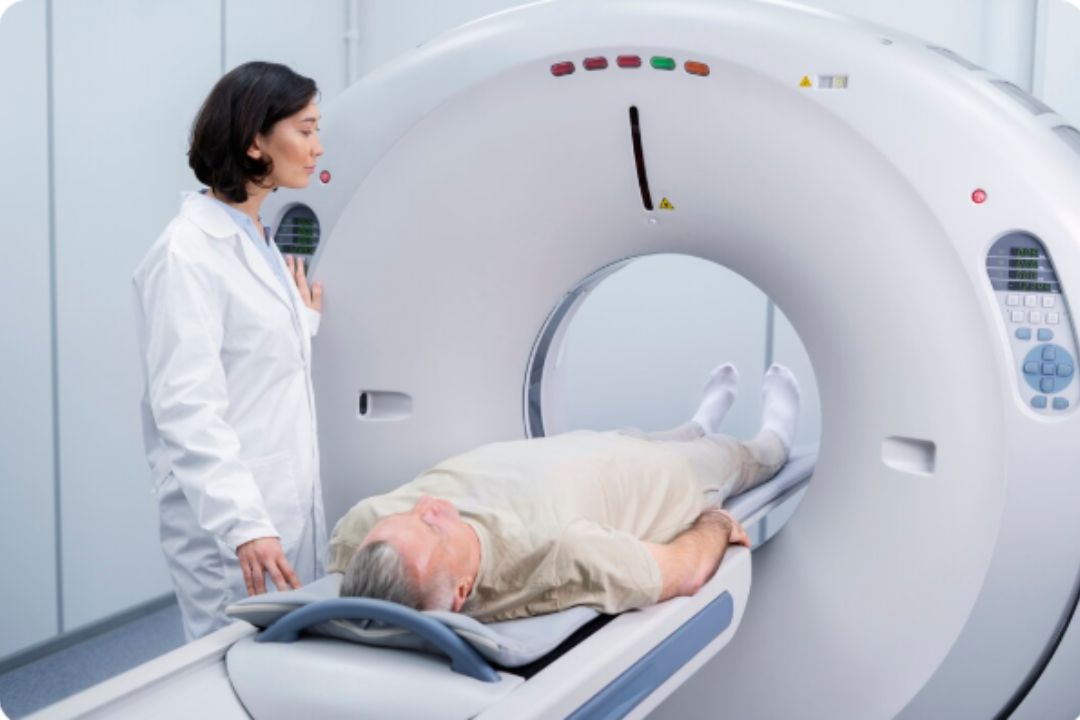
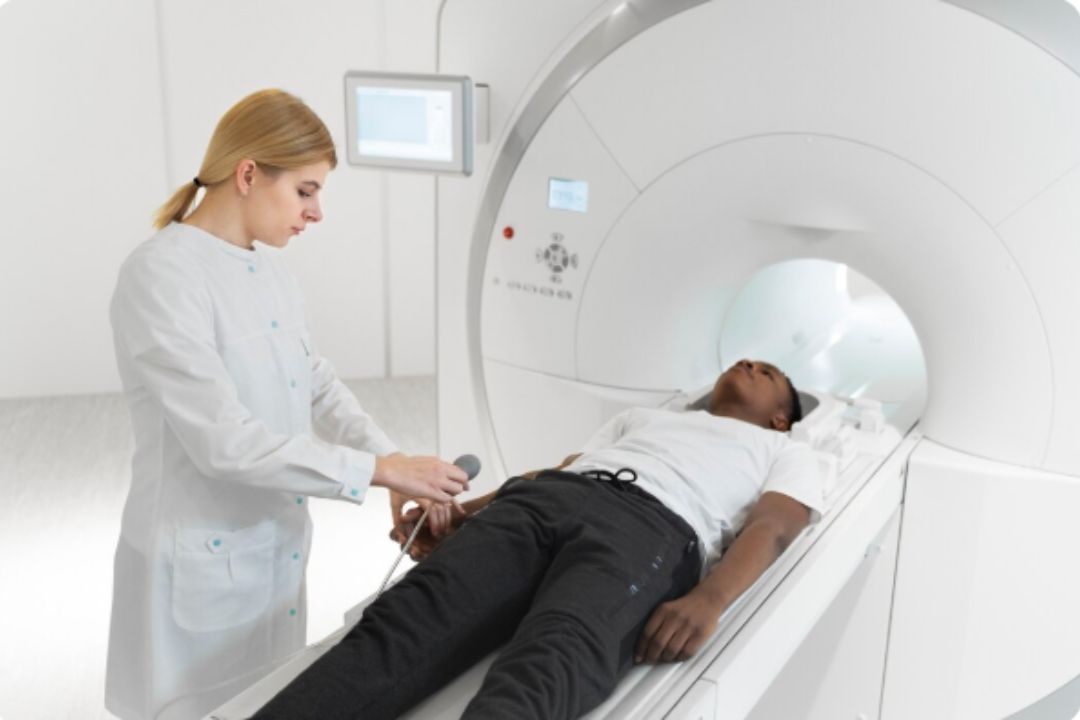
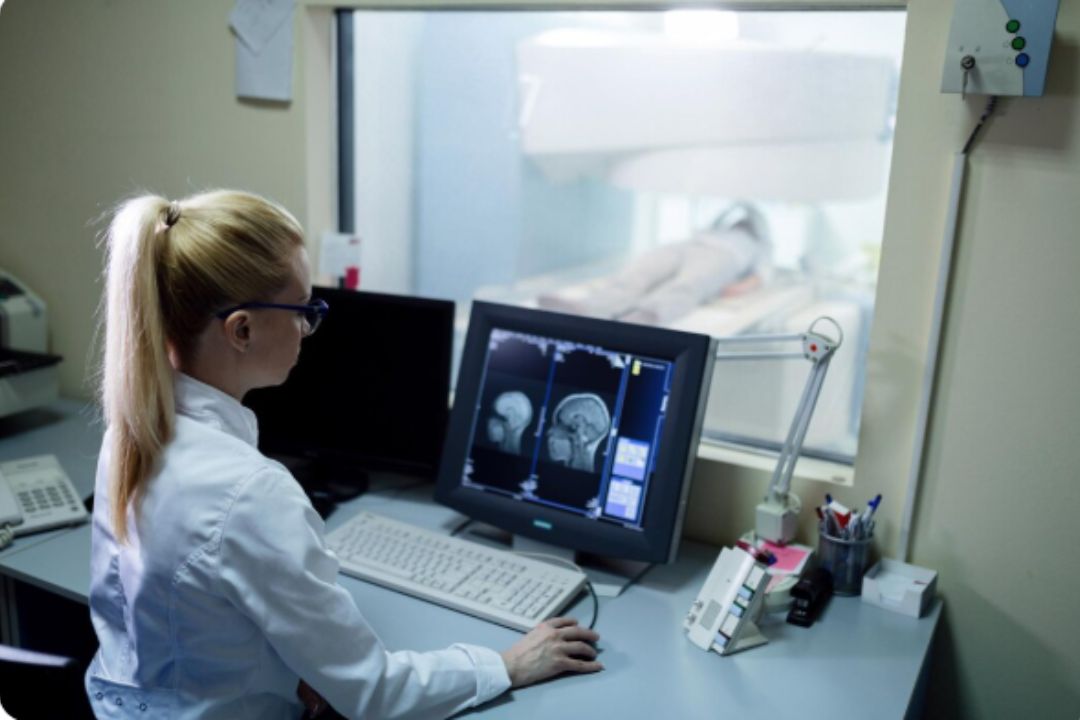
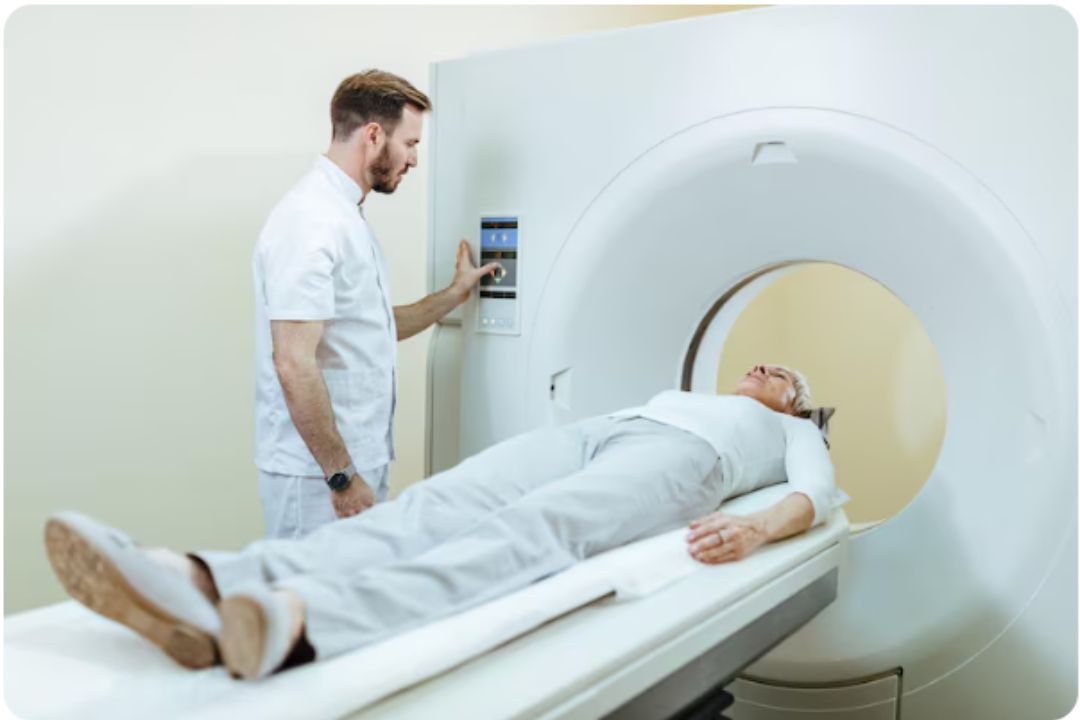
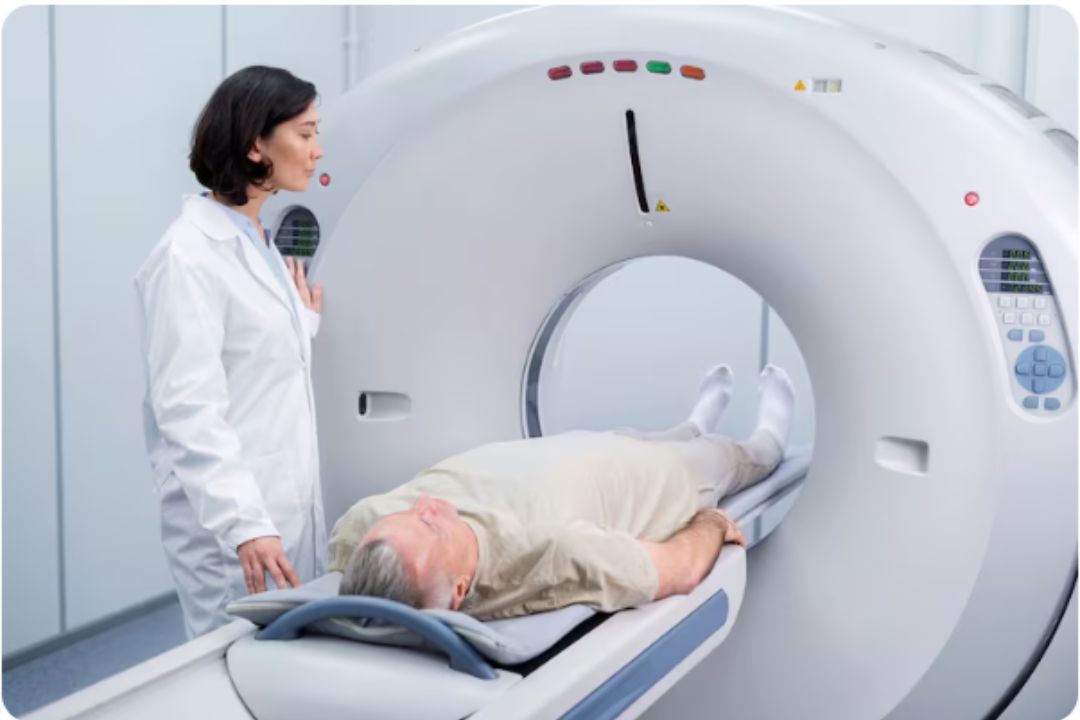
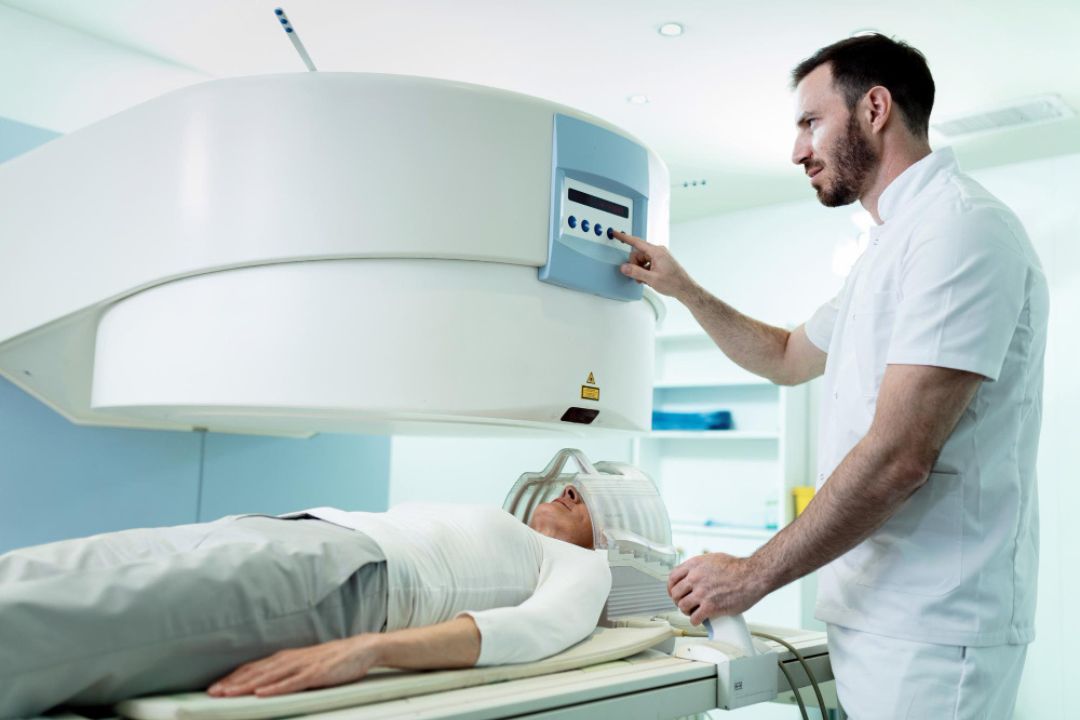
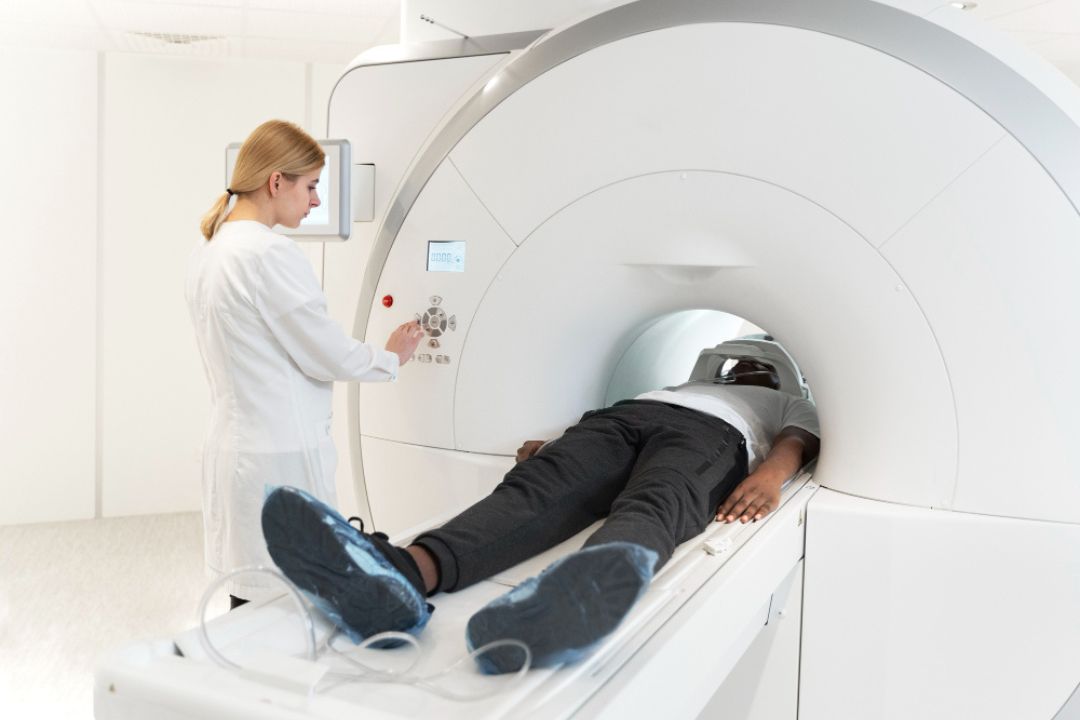
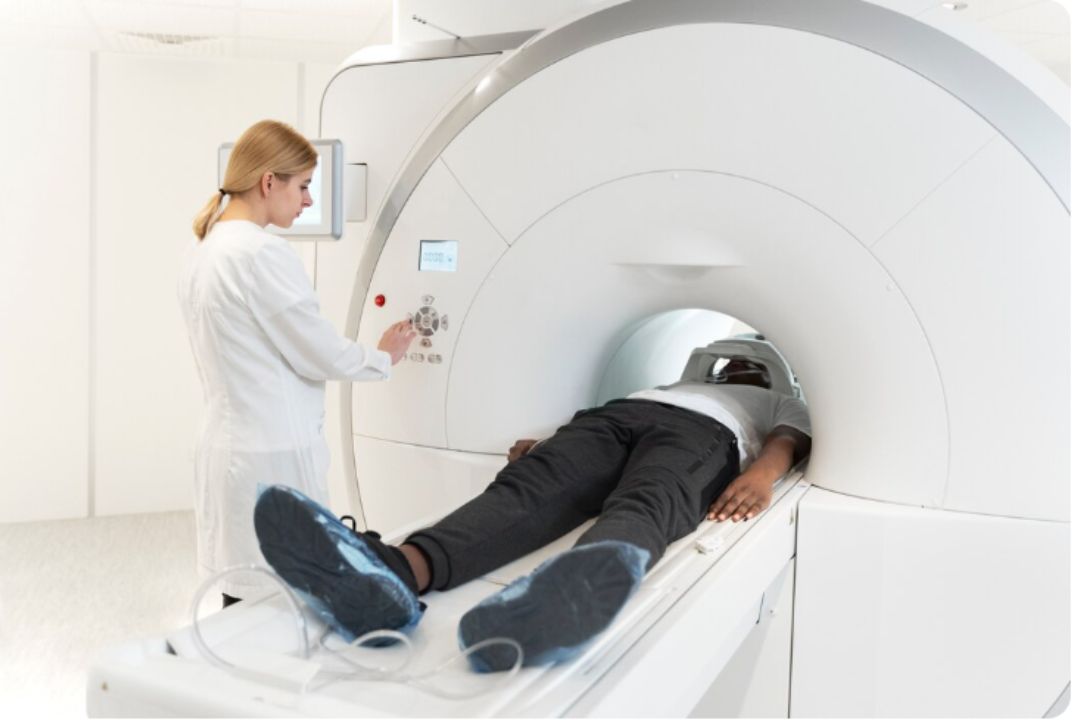
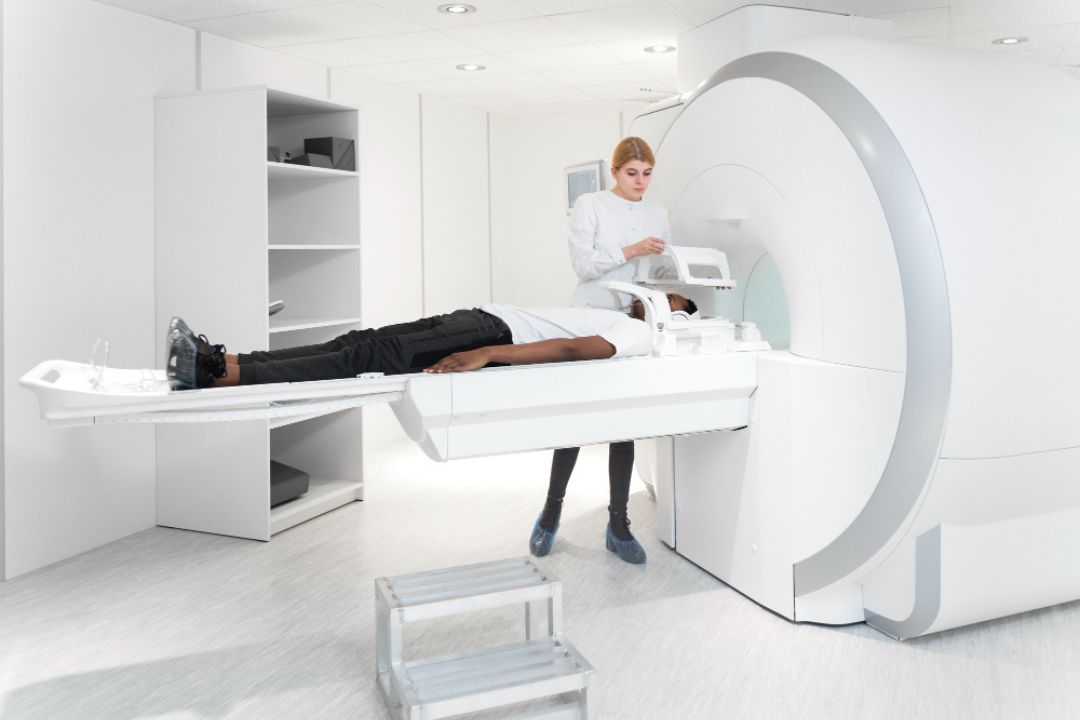
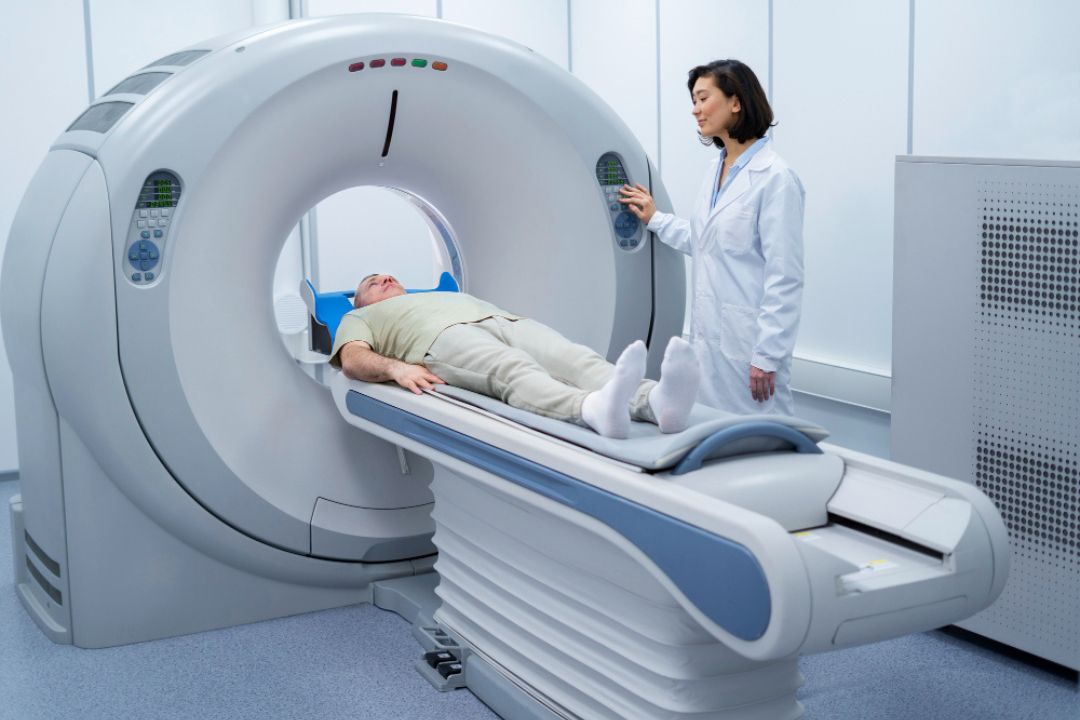
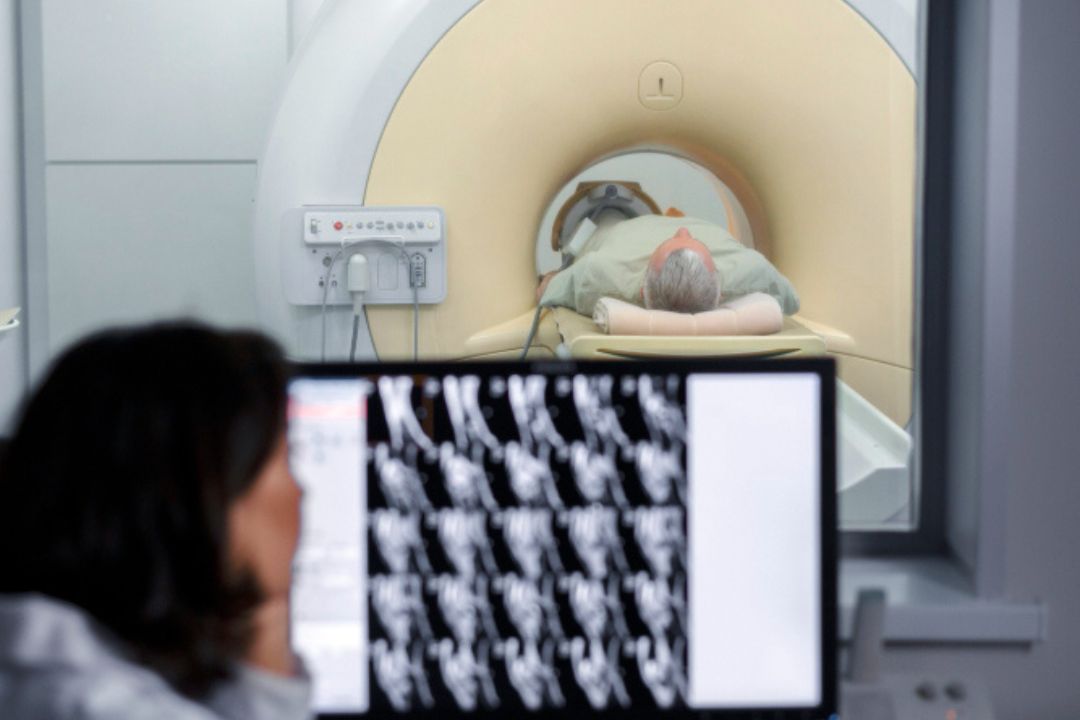
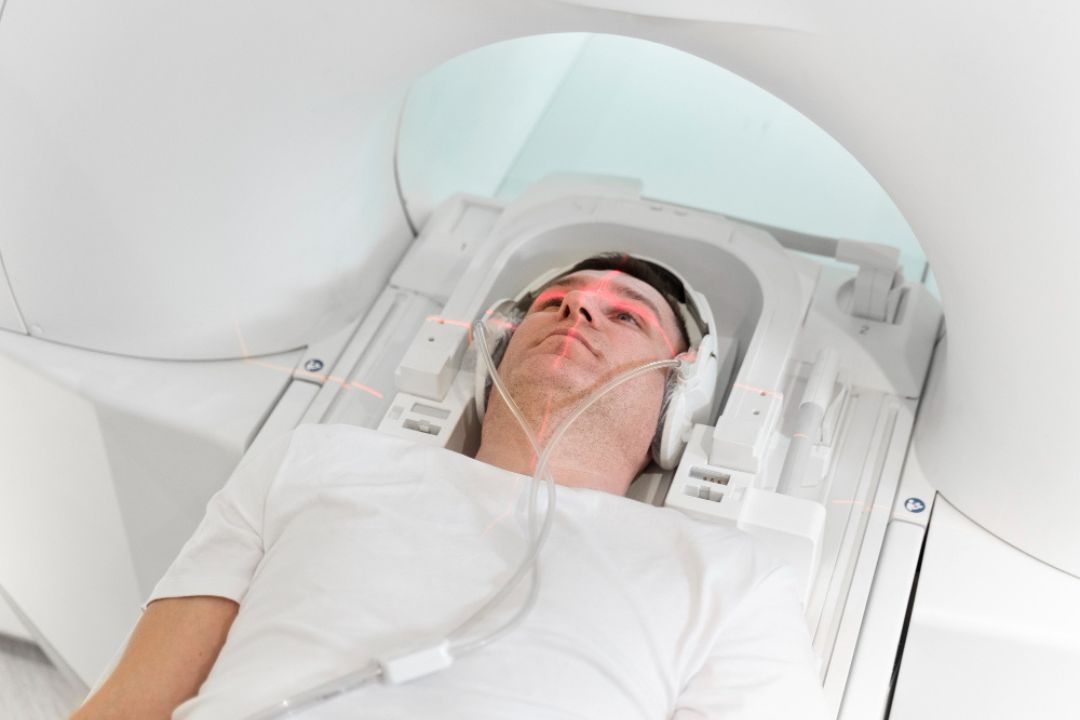
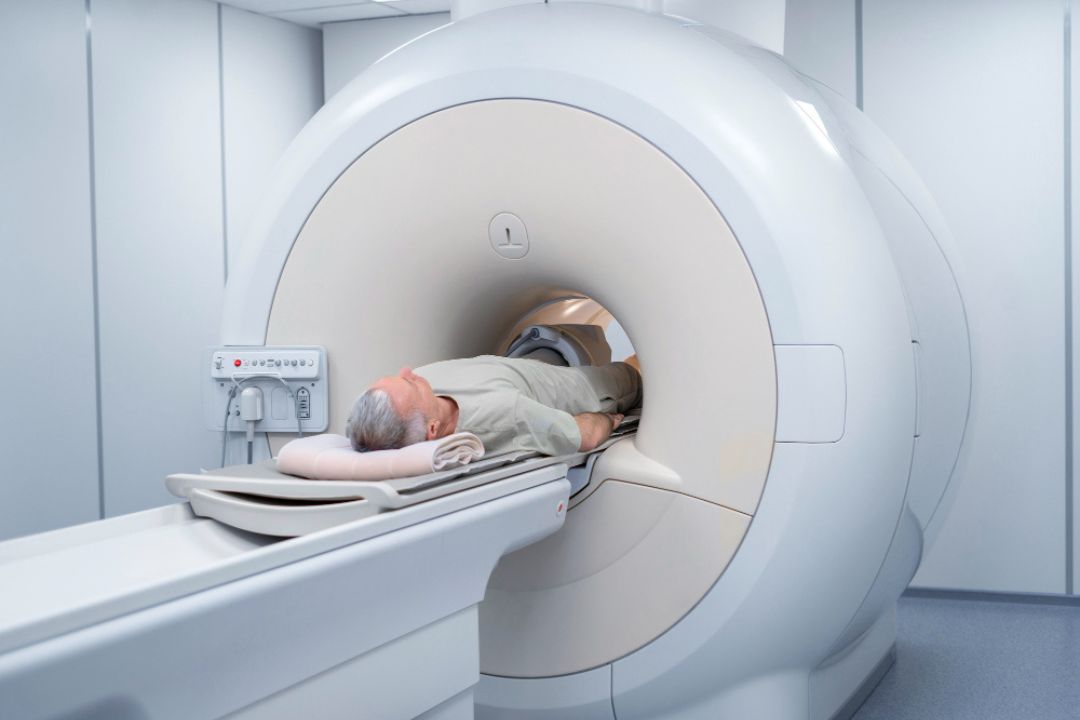
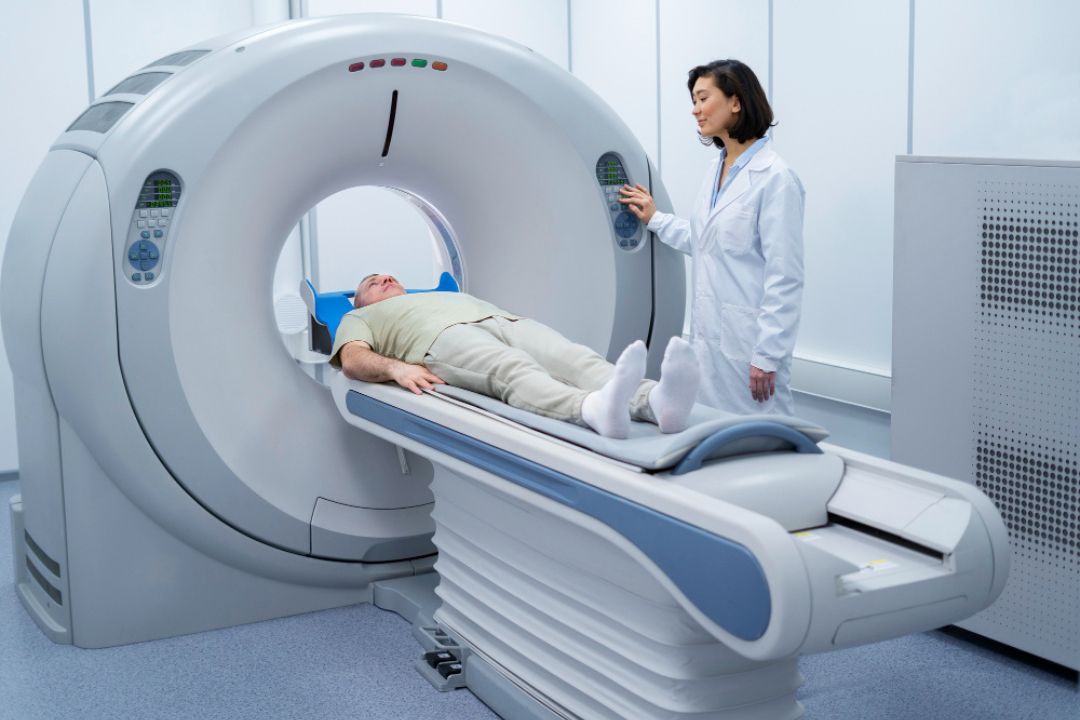
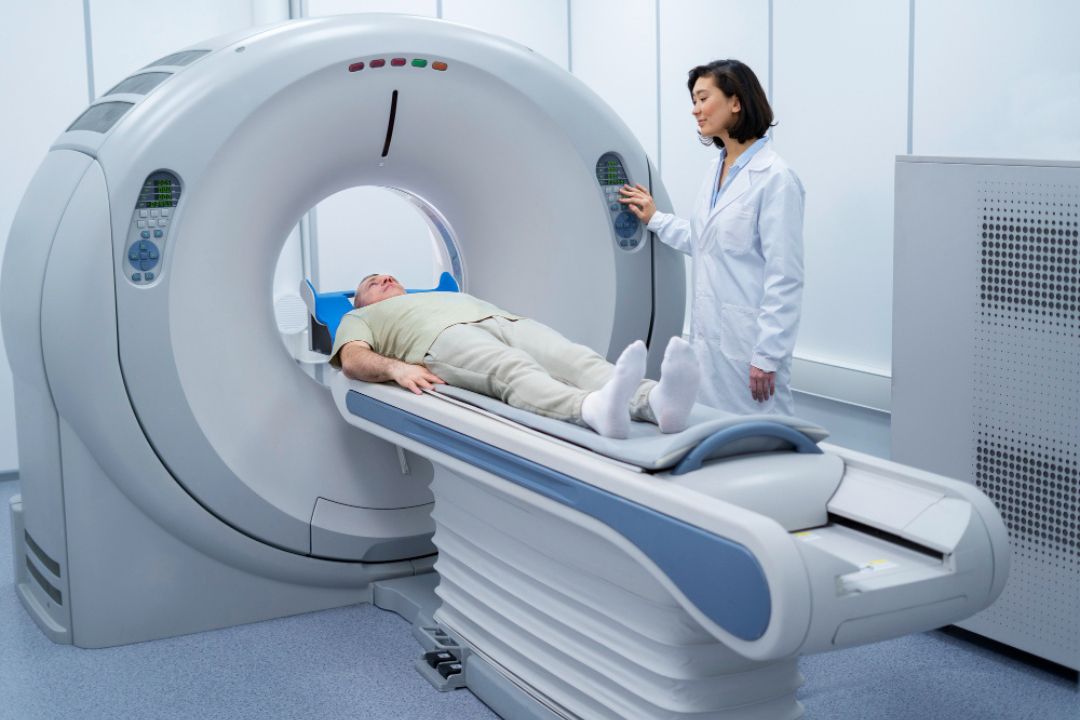
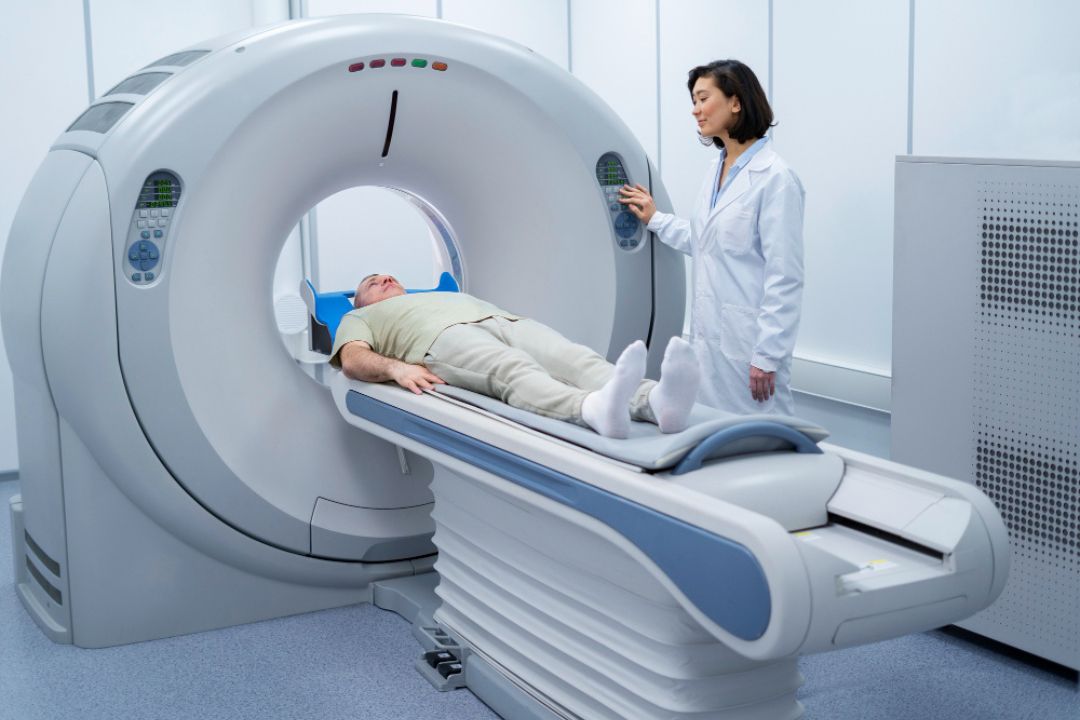
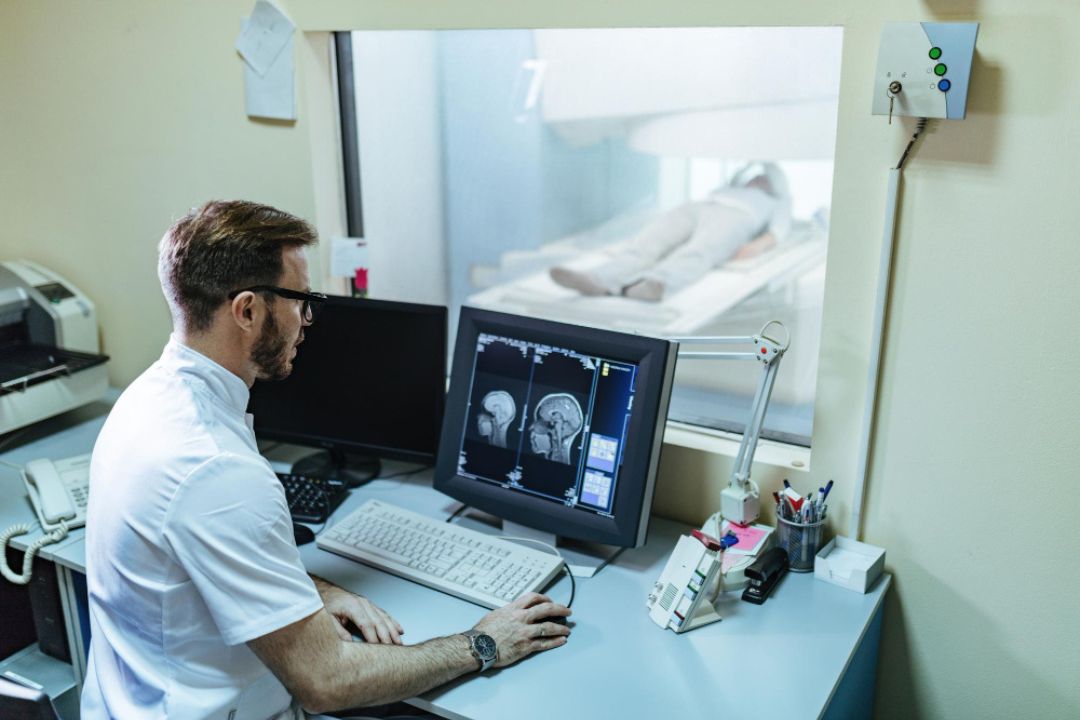
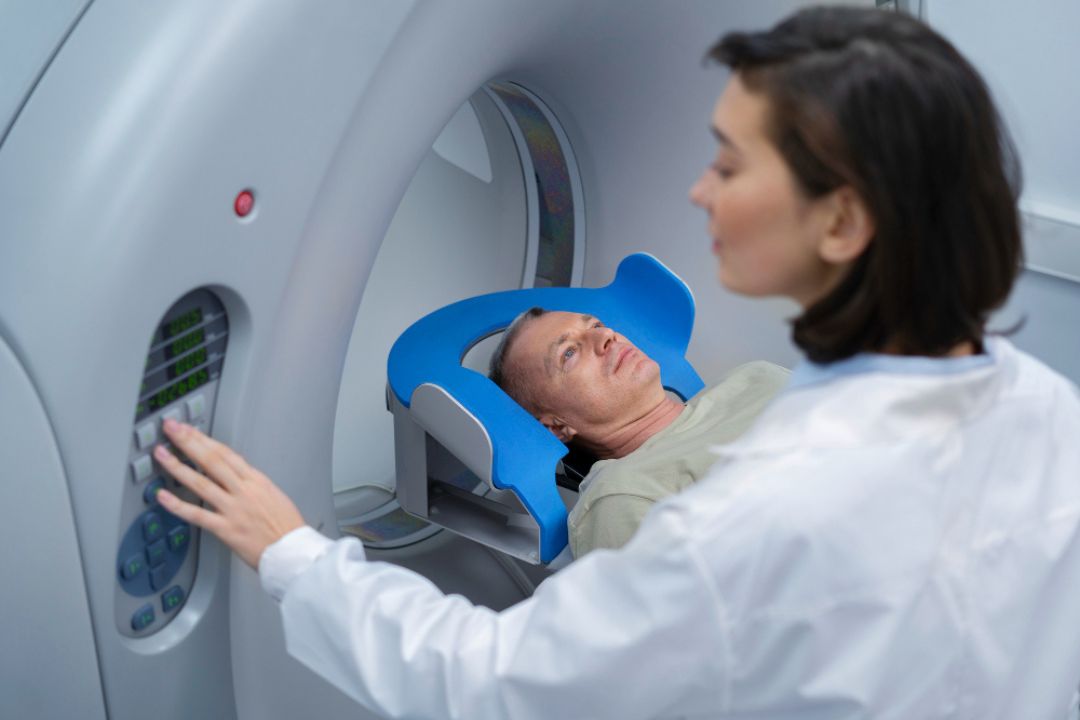
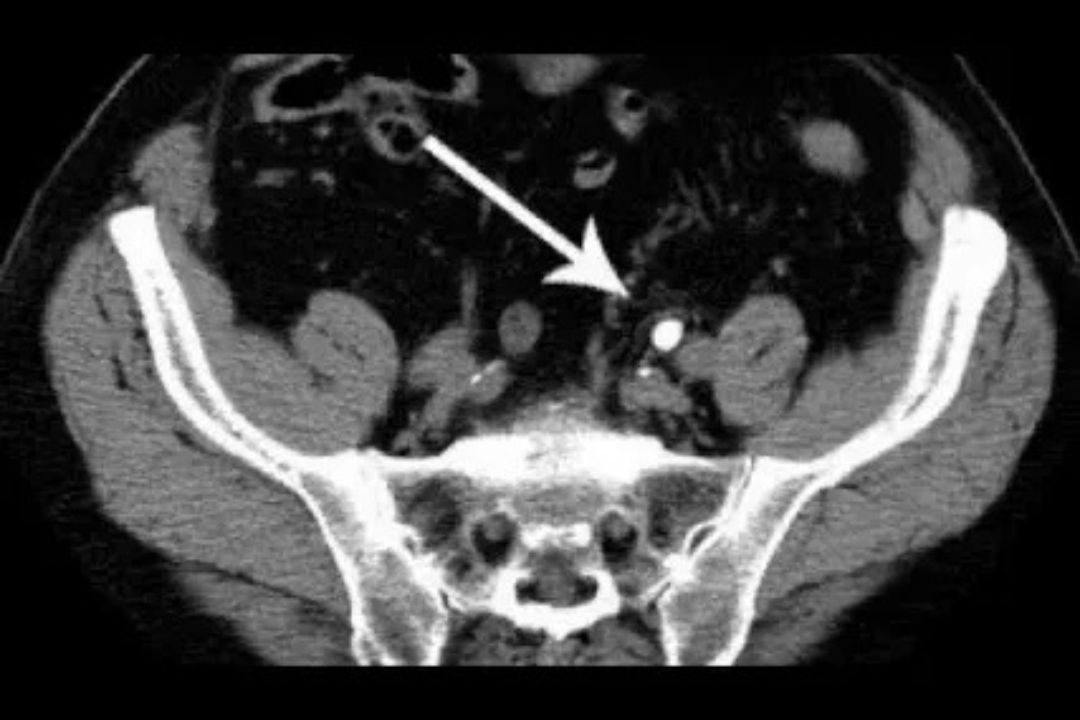
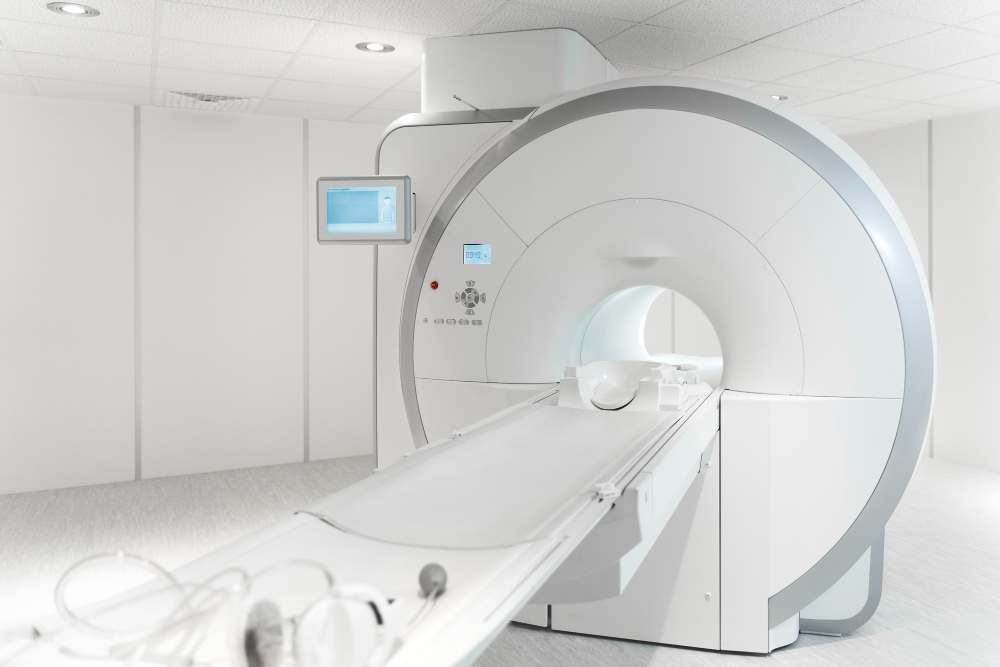
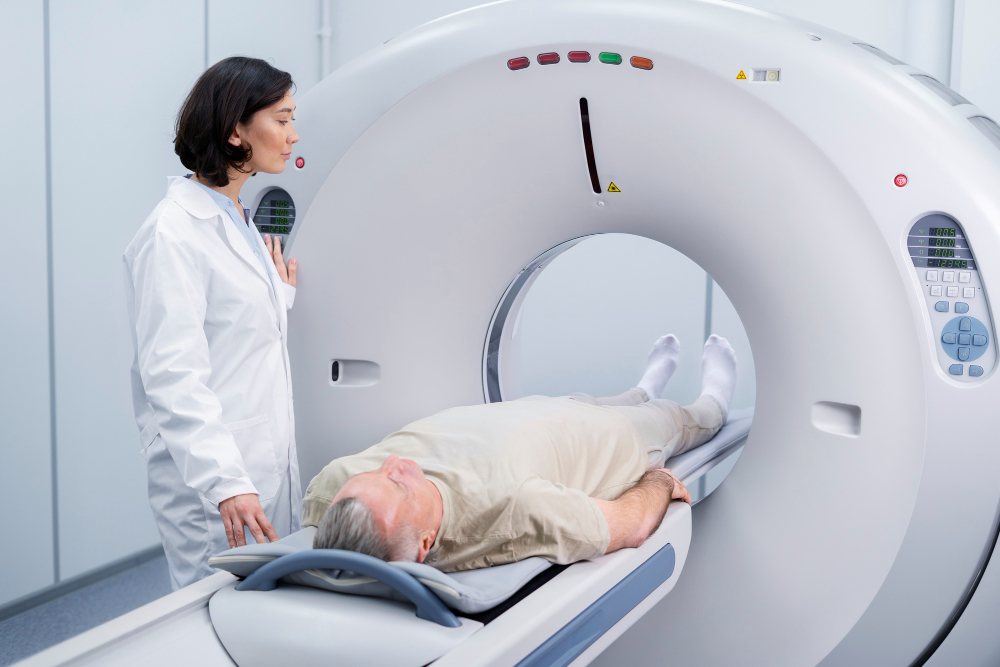
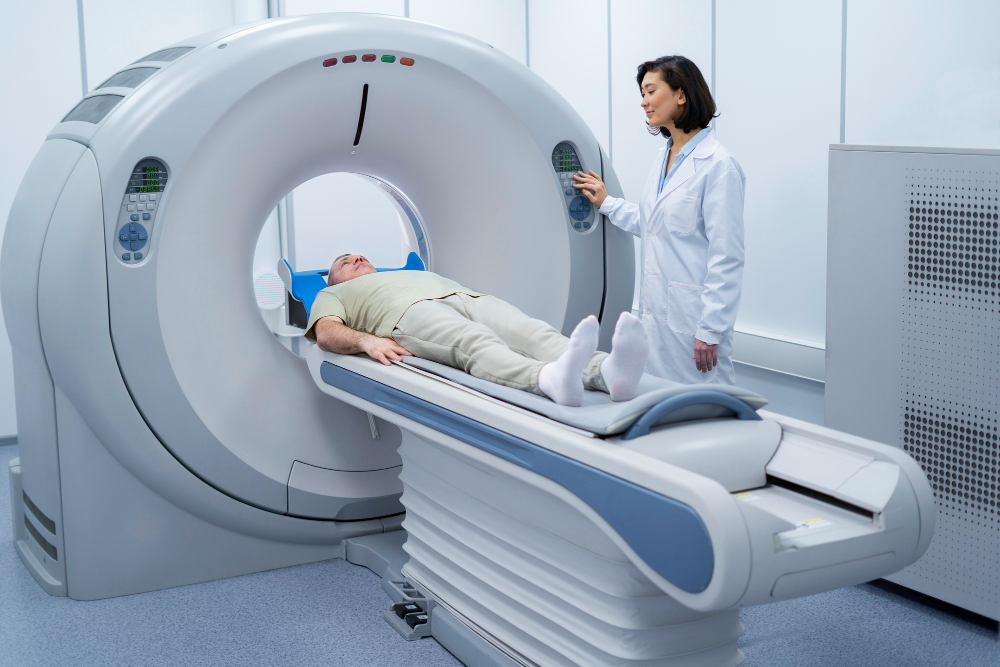
A CT Scan, or computed tomography scan, is a more advanced imaging test that also uses X-ray technology. However, instead of producing a single image, the scanner captures multiple images from different angles and combines them to create detailed cross-sectional views of the body.
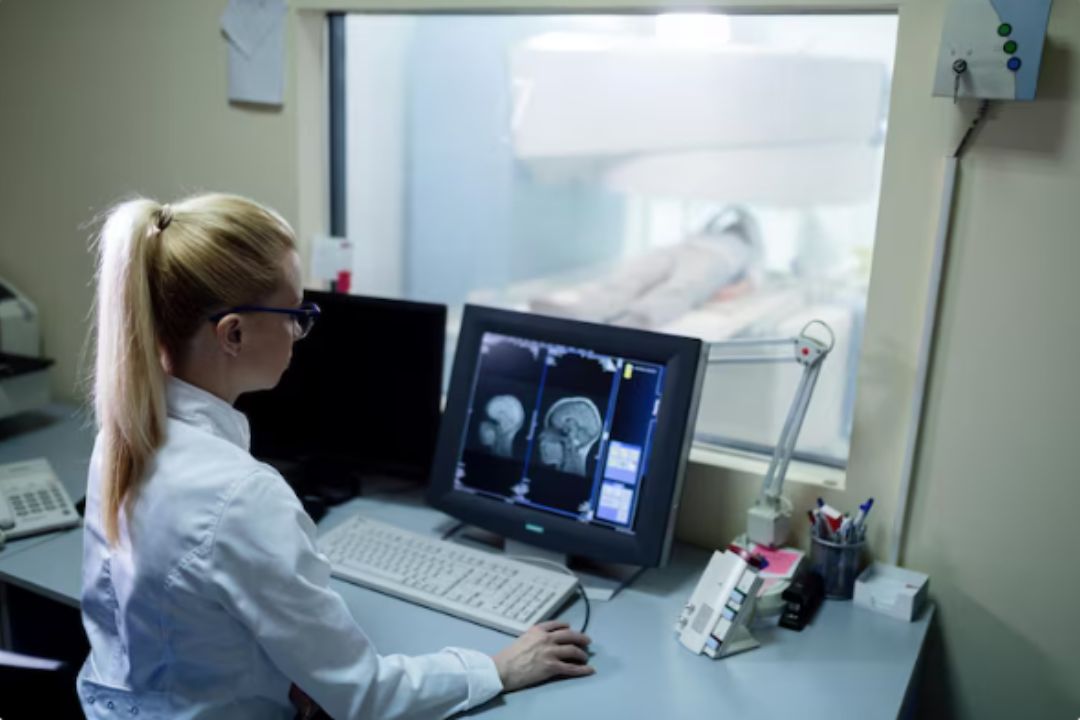
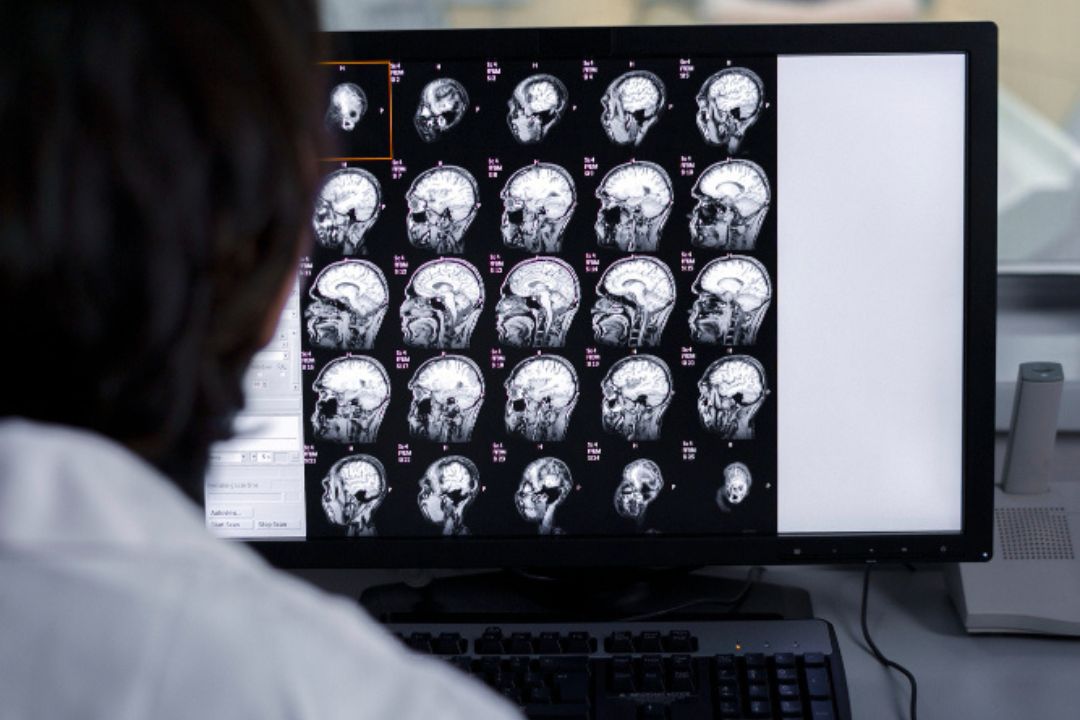
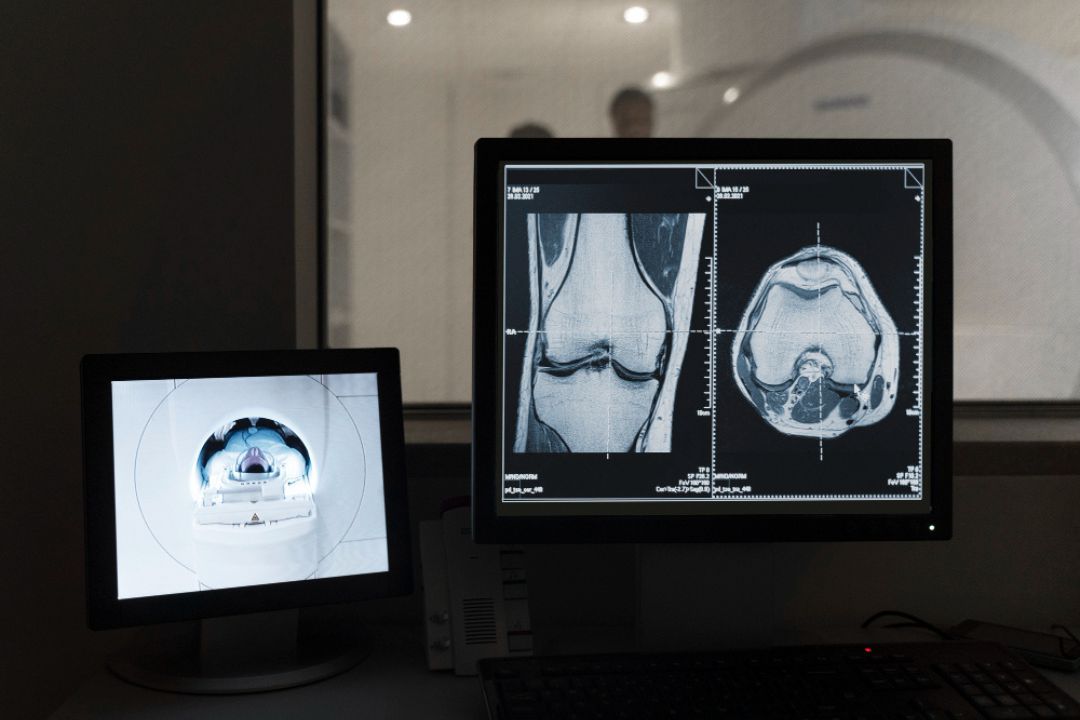
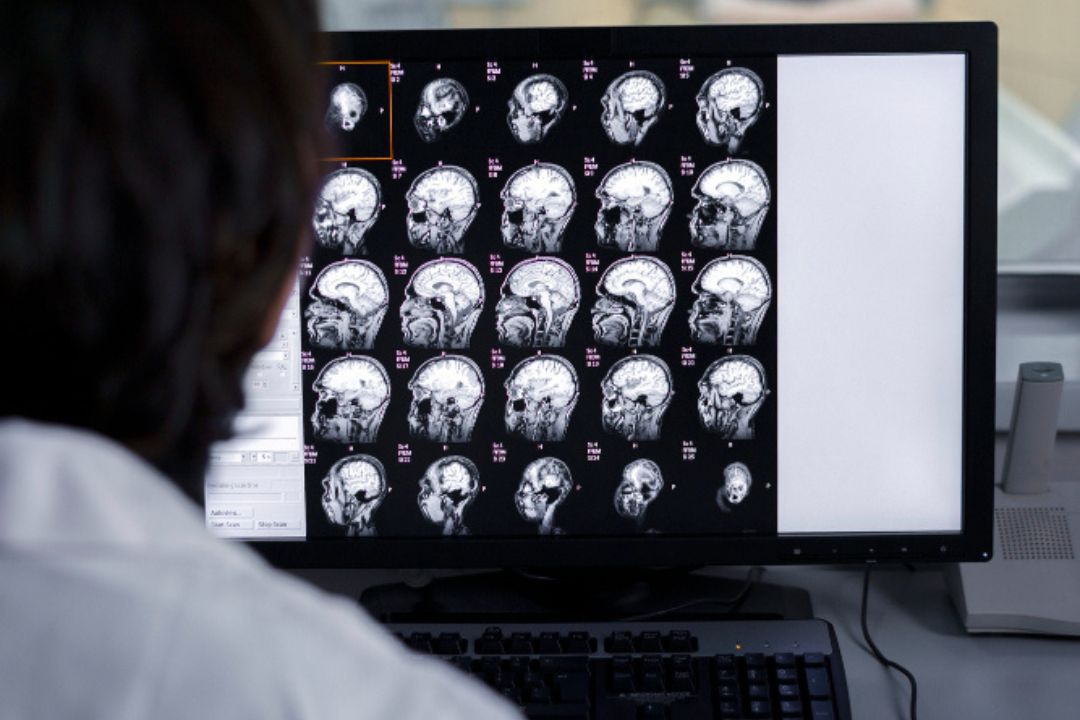
These detailed images allow doctors to examine bones, joints, and surrounding tissues more clearly than a standard X-ray.
CT scans are especially useful for detecting complex fractures, internal injuries, and bone abnormalities that may not be visible on a simple X-ray.
X-rays provide a basic image of bones and are useful for identifying clear fractures or dislocations. CT scans produce much more detailed images because they capture multiple slices of the body from different angles.
X-rays are effective for simple fractures, but subtle or complex bone injuries may not always appear clearly. CT scans offer higher resolution images, which help doctors detect hidden fractures and small bone abnormalities.
X-rays are very quick and usually completed within a few minutes. CT scans take slightly longer because multiple images are captured during the scan.
Both tests use radiation, but CT scans expose patients to higher radiation levels than standard X-rays because they capture many images instead of one.
X-rays are generally less expensive and more widely available. CT scans are more advanced and therefore typically cost more.
Doctors often recommend an X-ray as the first imaging test for bone problems because it is quick, affordable, and effective for many conditions.
X-rays are commonly used for:
Simple bone fractures
Joint dislocations
Bone alignment problems
Initial evaluation of injuries
Routine orthopedic examinations
Because of their speed and accessibility, X-rays are often the first step in diagnosing bone injuries.
A CT scan may be recommended when doctors need more detailed images of the bone or surrounding structures.
CT scans are useful for:
Complex fractures
Fractures that are not clearly visible on X-ray
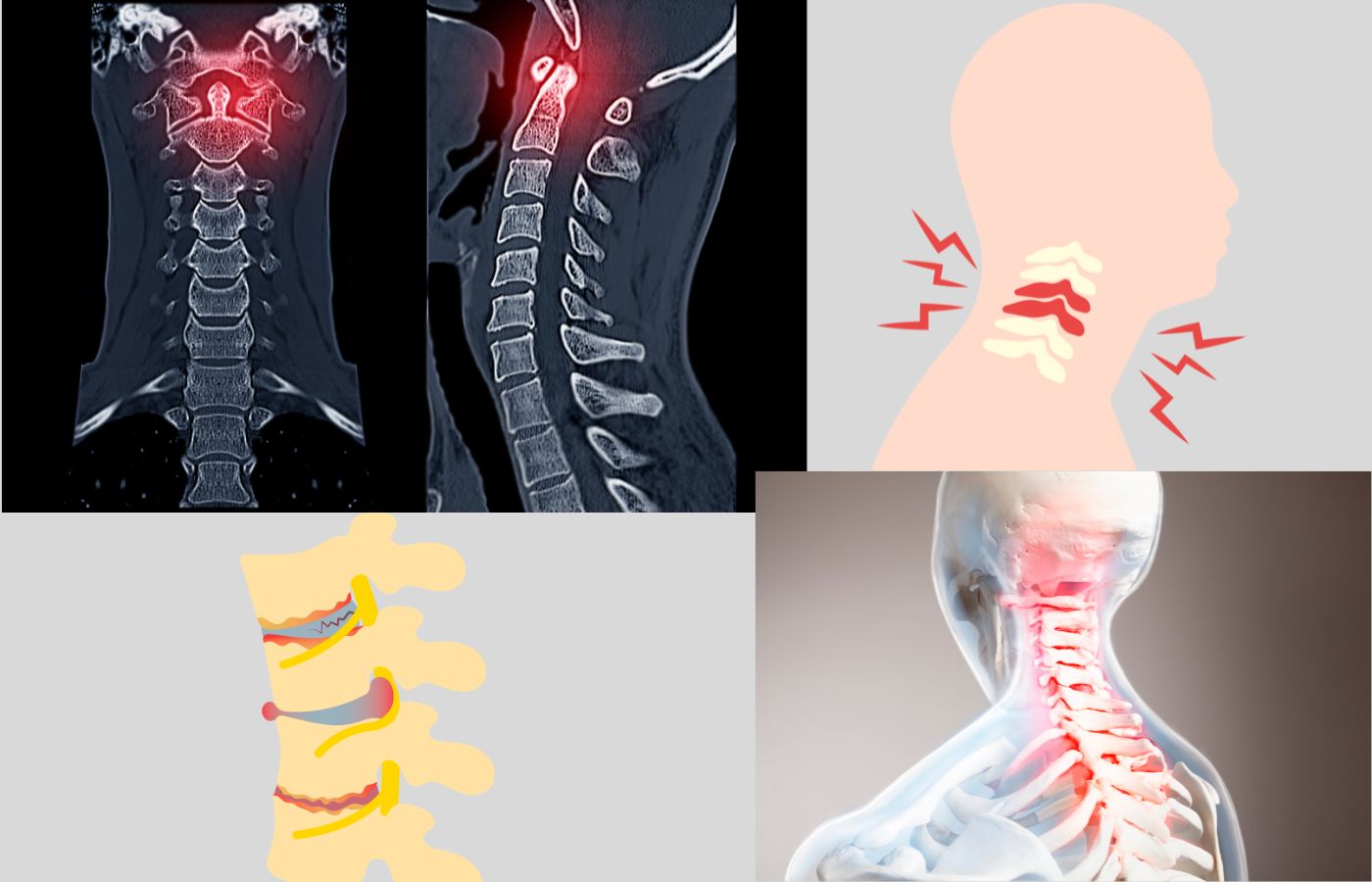
Spine injuries
Joint damage
Bone tumors or infections
Pre-surgical planning
Because CT scans provide detailed cross-sectional images, they help doctors better understand complicated injuries and plan appropriate treatment.
X-rays offer several benefits for diagnosing bone problems.
Quick and widely available
Low cost compared to advanced imaging tests
Minimal radiation exposure
Effective for detecting common bone fractures
For many bone injuries, an X-ray provides enough information for diagnosis and treatment.
CT Scans provide more advanced diagnostic capabilities.
Highly detailed images of bones
Ability to detect subtle or hidden fractures
Better evaluation of complex injuries
Useful for surgical planning
Because of these advantages, CT scans are often used when additional detail is required.
There is no single test that is always better for every situation. The choice depends on the type of bone problem being investigated.
For most simple bone injuries, an X-ray is usually the first and most appropriate test. If the X-ray does not provide enough information or if the injury appears complex, a CT scan may be recommended for further evaluation.
Doctors decide which imaging method to use based on the patient’s symptoms, the location of the injury, and the level of detail needed for diagnosis.
Both CT scans and X-rays are important diagnostic tools used to evaluate bone problems. X-rays are typically the first step because they are fast, affordable, and effective for detecting common fractures. CT scans provide more detailed images and are often used when doctors need a clearer view of complex bone injuries.
By using the right imaging test at the right time, doctors can accurately diagnose bone conditions and provide the most effective treatment.









.jpg "ct brain scan plain and contrast")




















.jpg "ct scan")

.jpg "ct scan or mri for brain disorders")


.jpg "exploring the power of ct brain contrast in modern diagnostics")
.jpg "ct scan")
.jpg "ct scan")









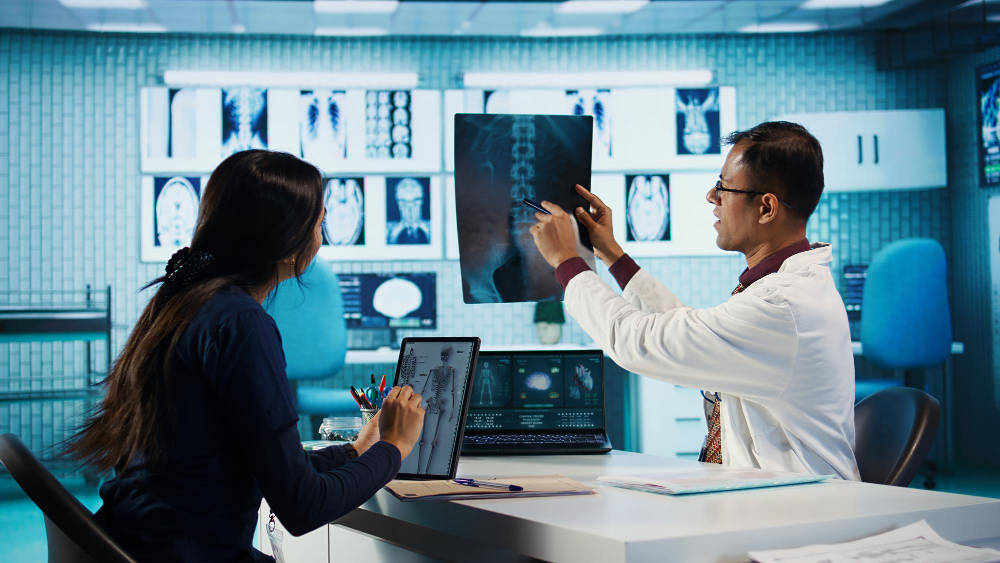

.jpg "ct scan")


.jpg "CT Brain Scan for Headaches")
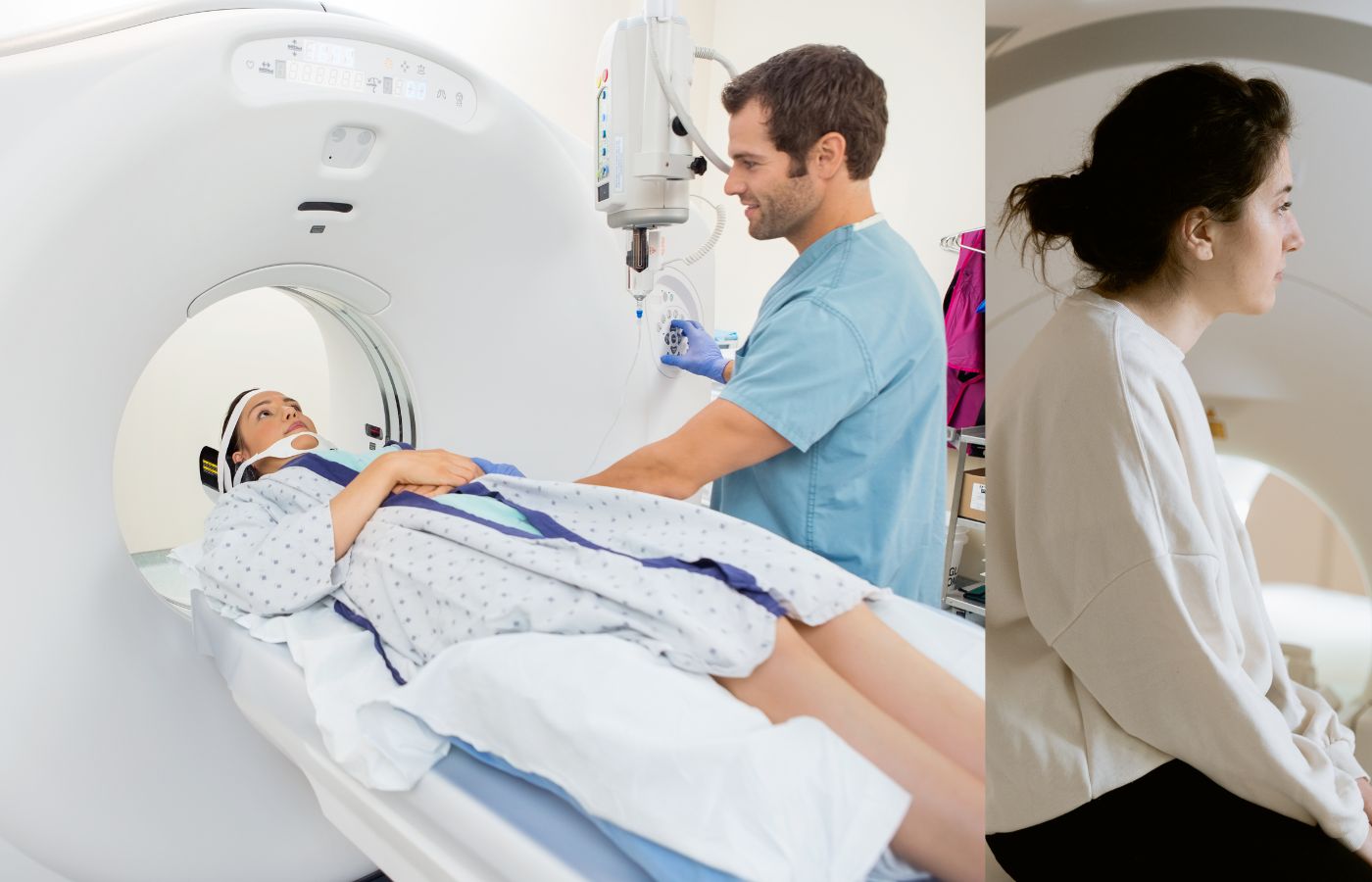
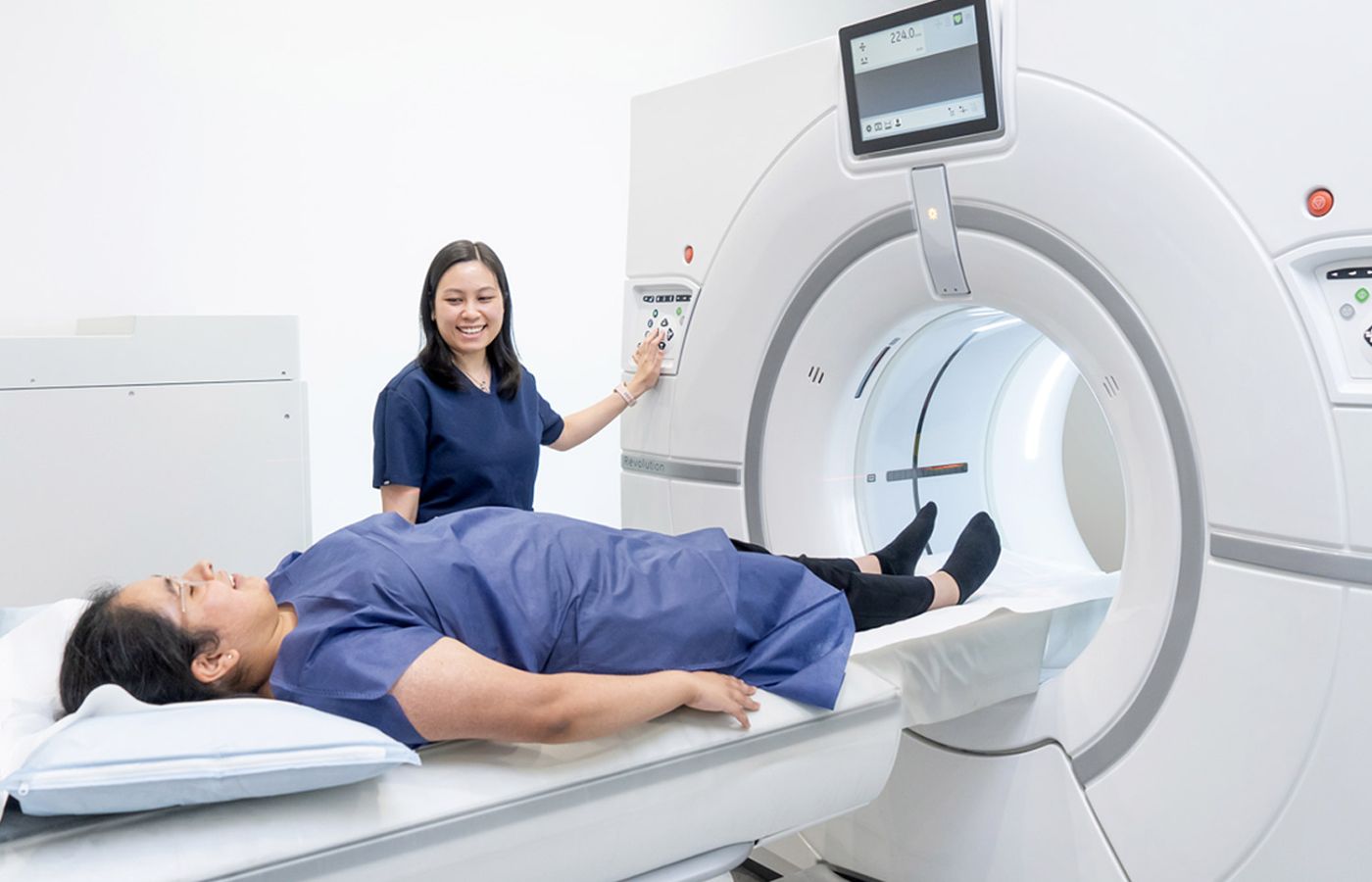
.jpg "The Future of 3D CT Imaging")