ct scan head injury emergency

ct scan head injury emergency

A sudden blow to the head—from a fall, car accident, or sports injury—is a terrifying experience. In those critical moments, the immediate priority is to assess the invisible: potential damage inside the skull. This is where a CT scan for head injury emergency becomes a lifesaving tool.

What is a CT Scan for a Head Injury?

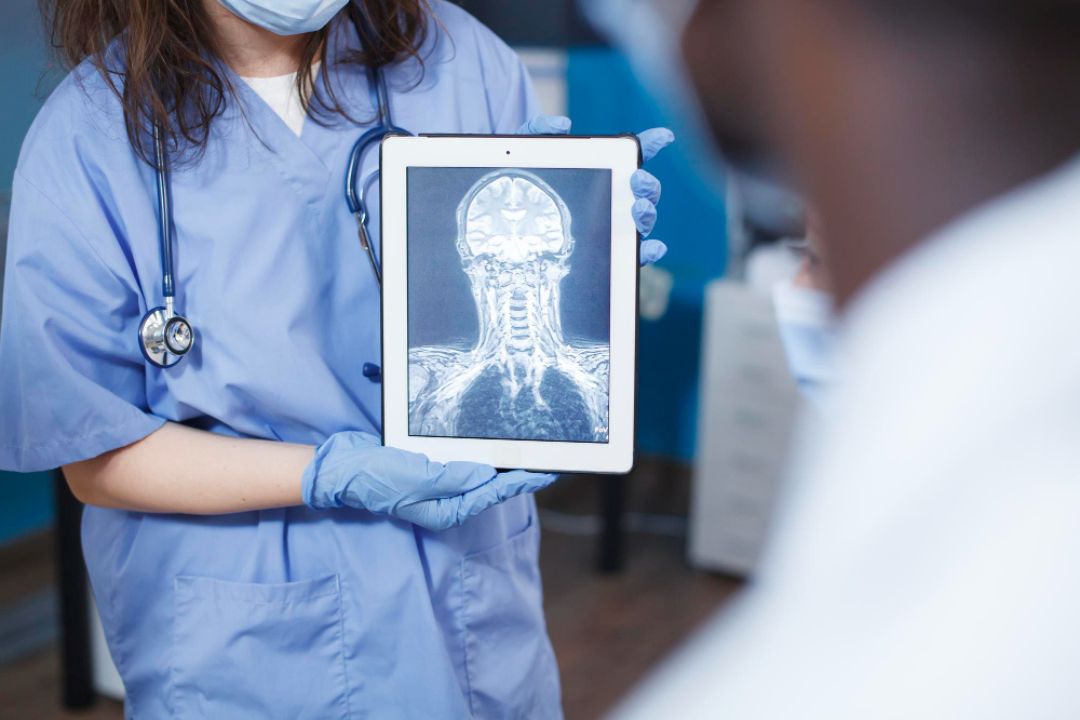
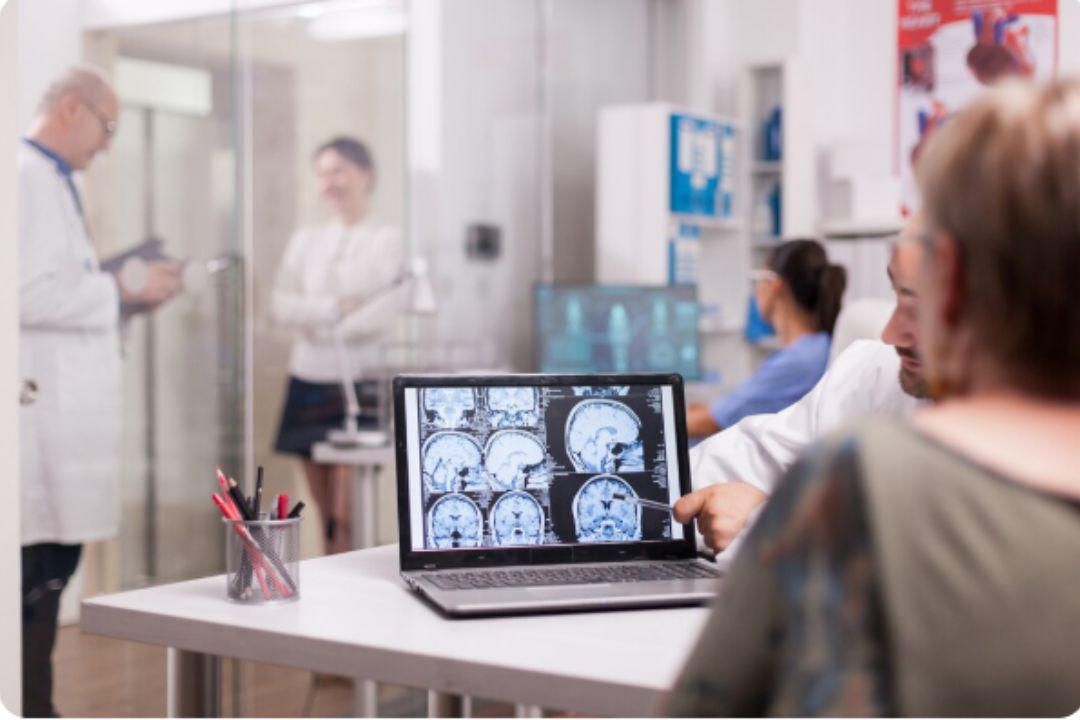
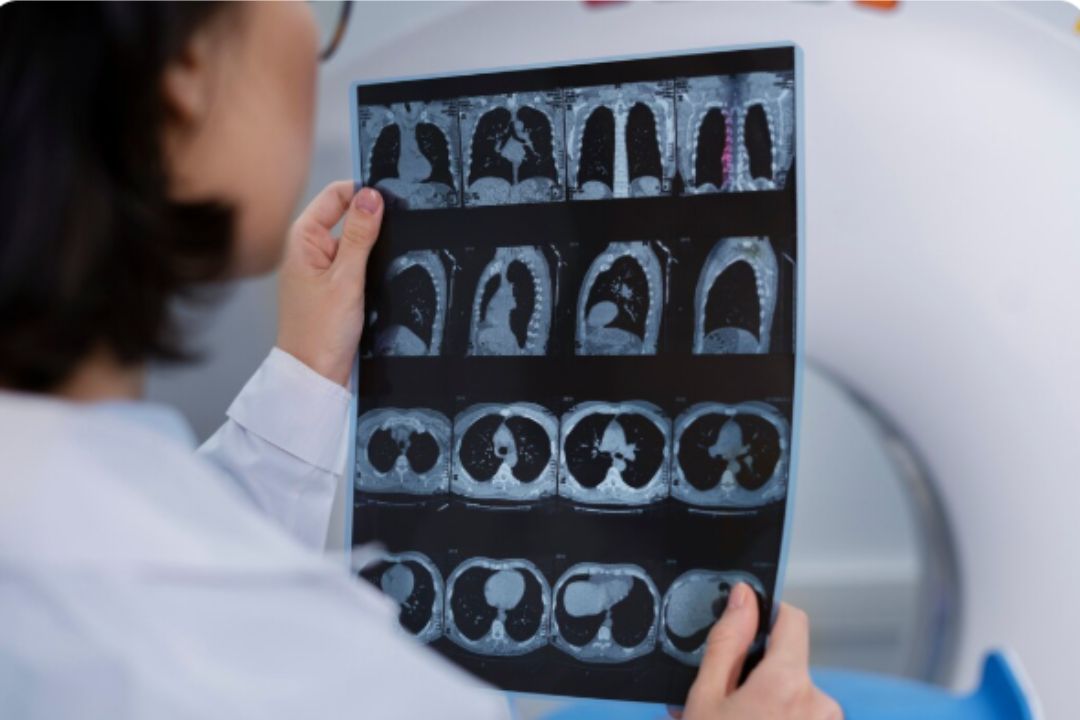
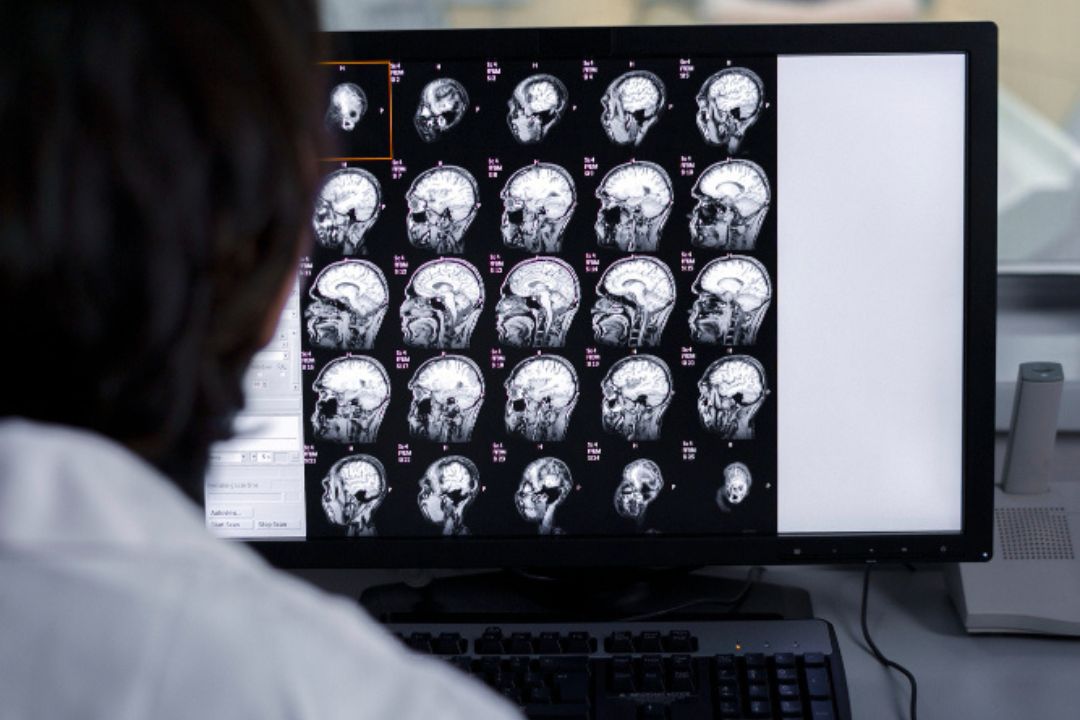
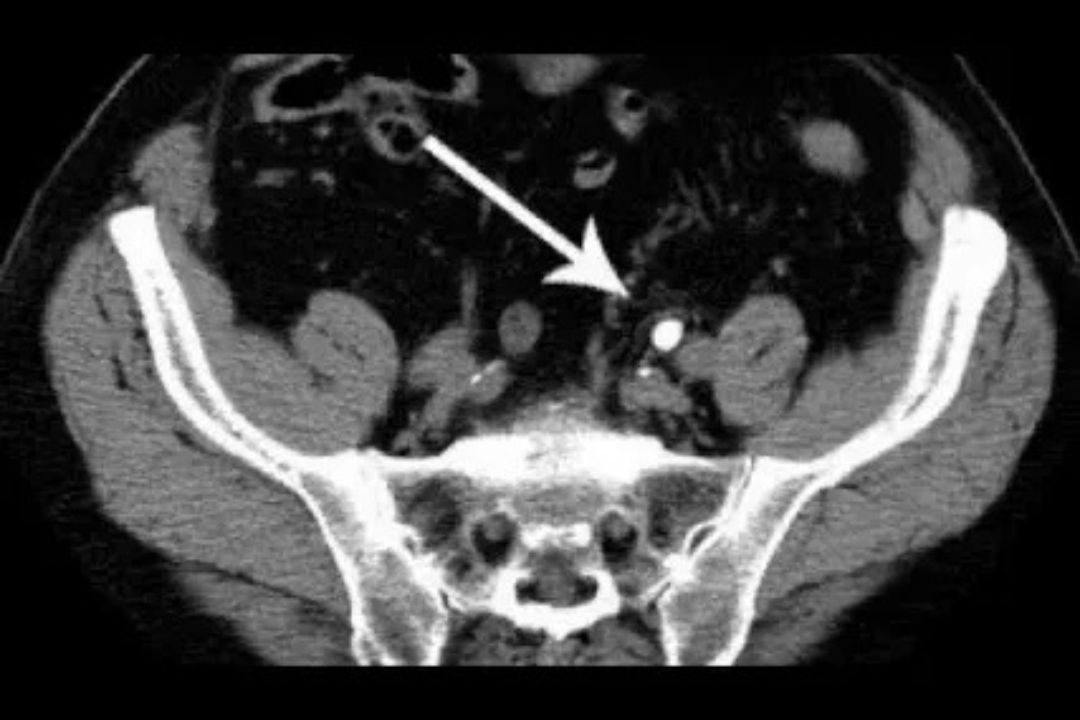
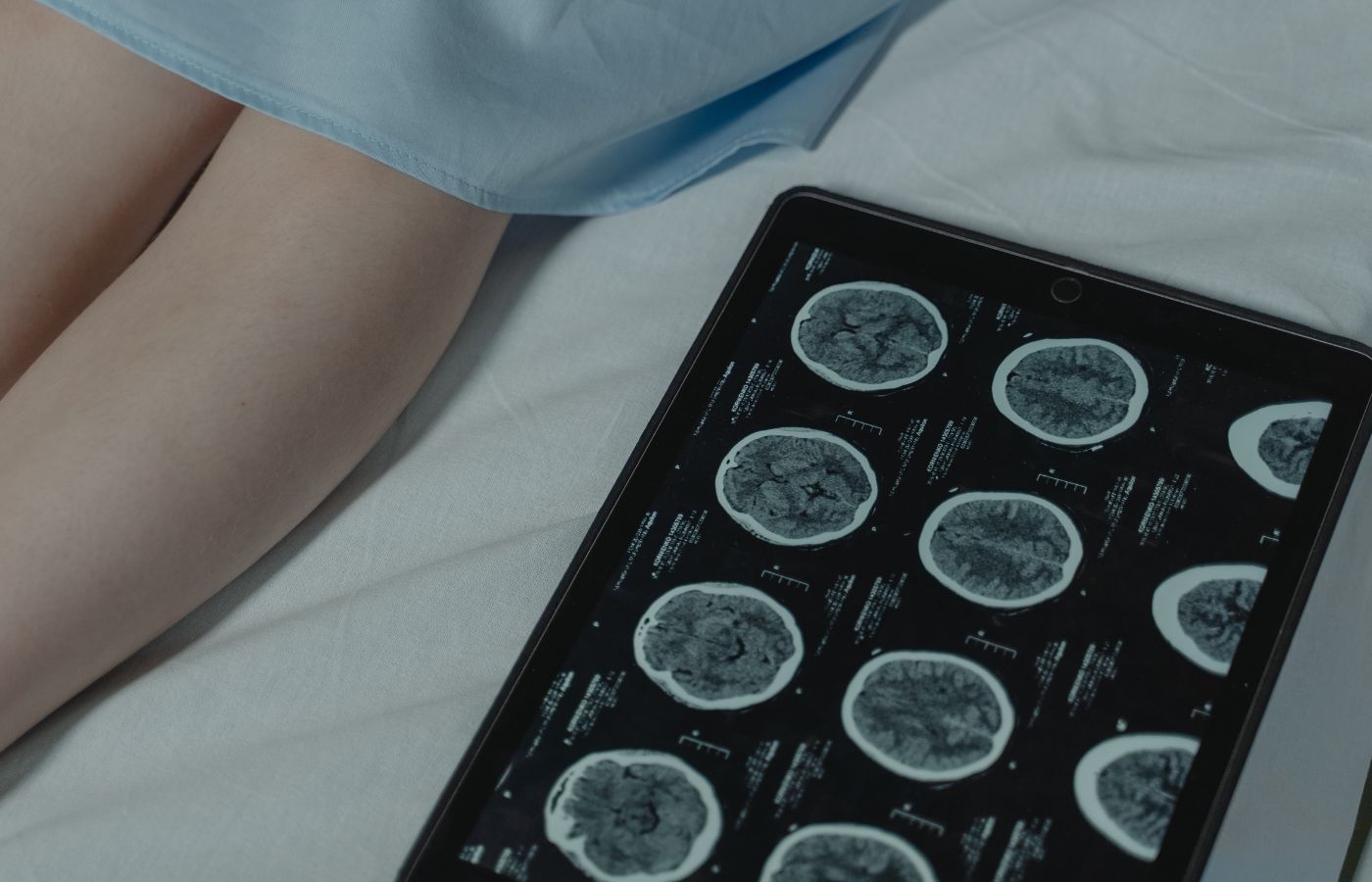
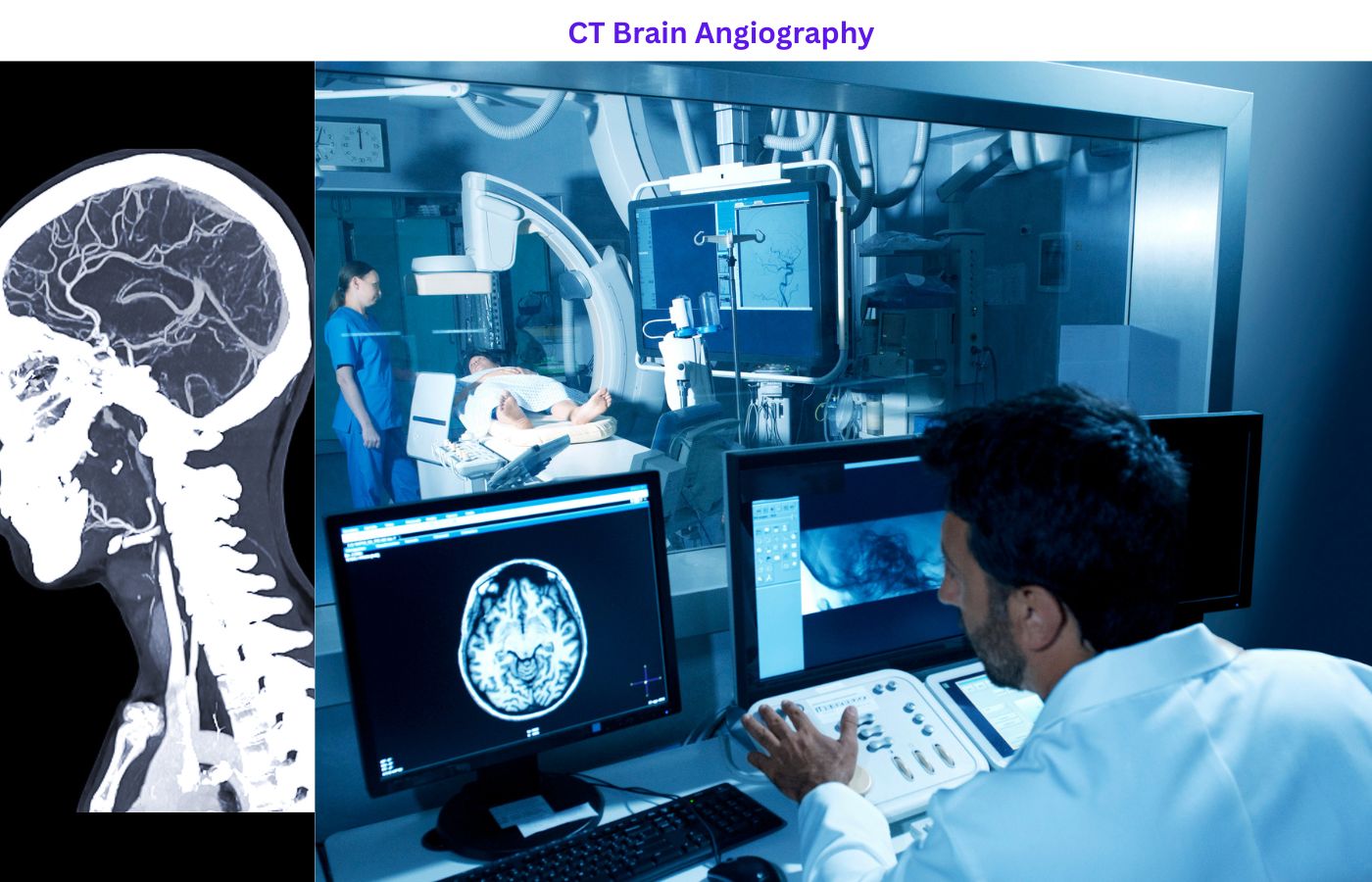
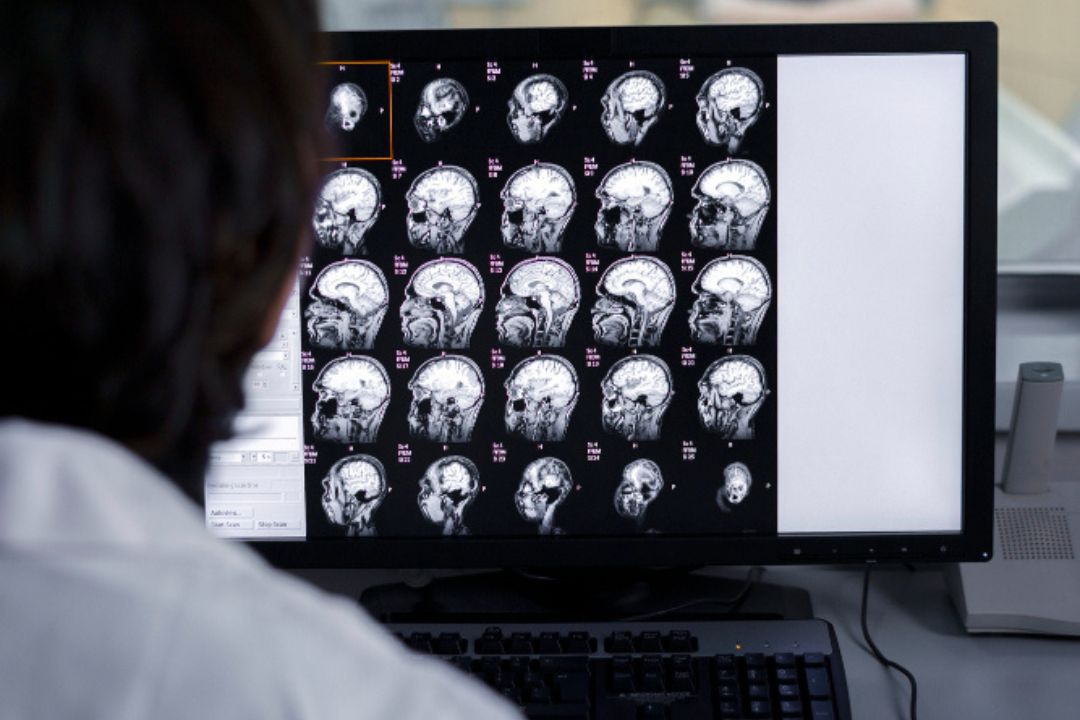
A Computed Tomography (CT) scan for head trauma is a specialized X-ray procedure that creates detailed cross-sectional images of the brain, skull, and blood vessels. Unlike a standard X-ray that shows a flat image, a CT scanner rotates around the head, taking multiple pictures from different angles. A computer then combines these images to produce comprehensive 2D and 3D visuals, allowing radiologists to see bleeding (hemorrhage), fractures, swelling (edema), bruises (contusions), and other abnormalities with remarkable clarity.
Why is it Needed in an Emergency? Time is Brain.

In head trauma, minutes matter. The need for an emergency head CT scan is driven by the necessity to quickly identify conditions that can rapidly deteriorate and cause permanent disability or death.

  1. Detect Intracranial Bleeding: This is the most critical reason. Bleeding inside the skull (like an epidural or subdural hematoma) puts immense pressure on the brain. A CT scan detects this immediately, enabling surgical intervention to relieve the pressure.

  2. Identify Skull Fractures: The scan clearly reveals fractures that might be depressed (pressing into the brain) or open (risking infection).

  3. Rule Out a Stroke: Trauma can sometimes cause or be confused with a stroke. A CT scan can quickly show bleeding in the brain from a hemorrhagic stroke.

  4. Assess Brain Swelling: Significant swelling can compromise brain function and requires urgent medical management.

  5. Guide Surgical Planning: If surgery is needed, the CT map is indispensable for neurosurgeons.

The Emergency CT Scan Procedure: Quick and Efficient

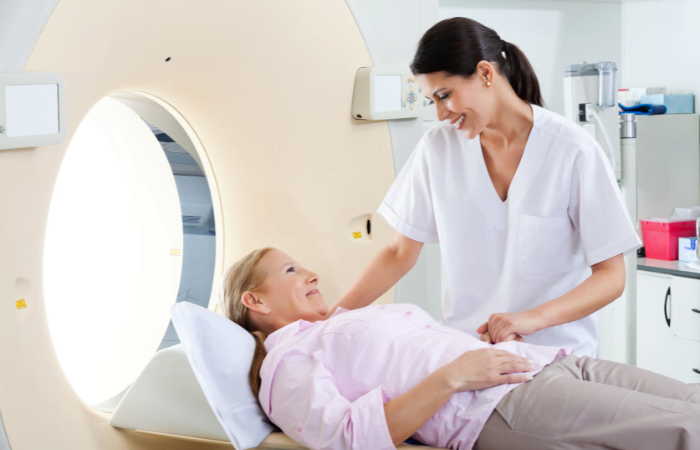
  1. Rapid Triage & Preparation: In the emergency room, the medical team stabilizes the patient. For the scan, metal objects are removed. There is typically no need for fasting or contrast dye in the initial trauma scan.

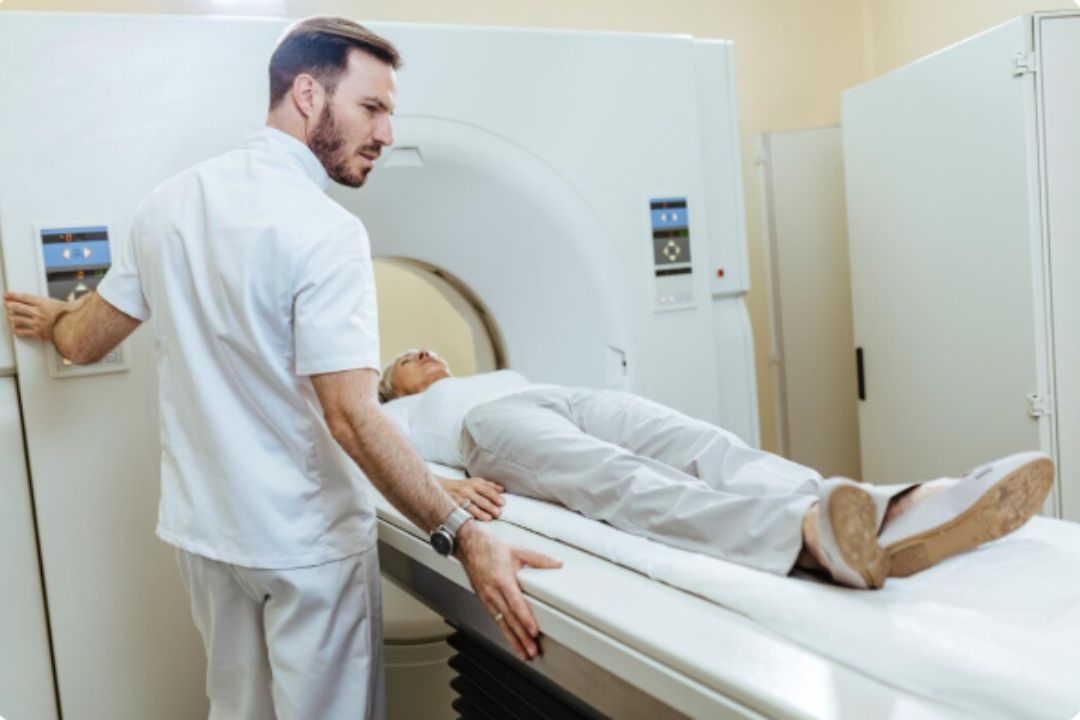
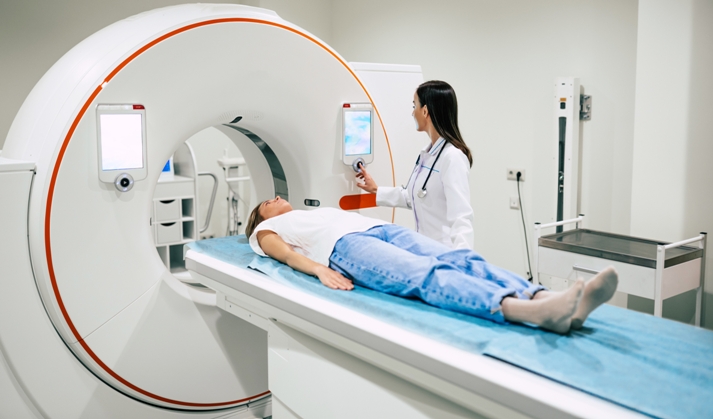
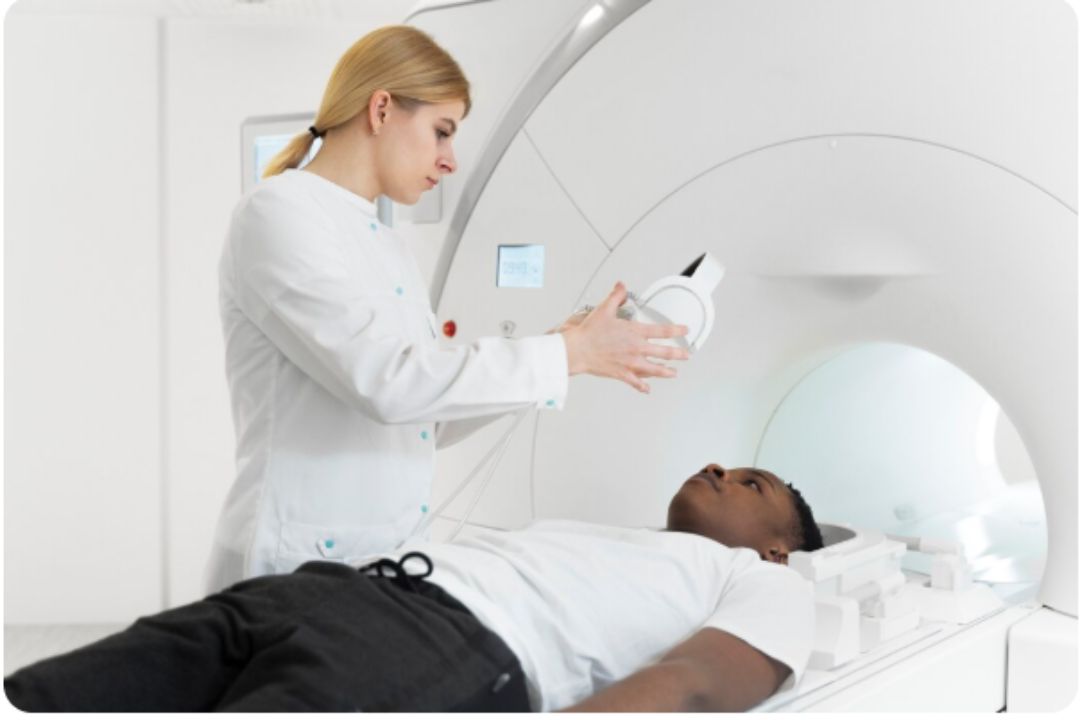
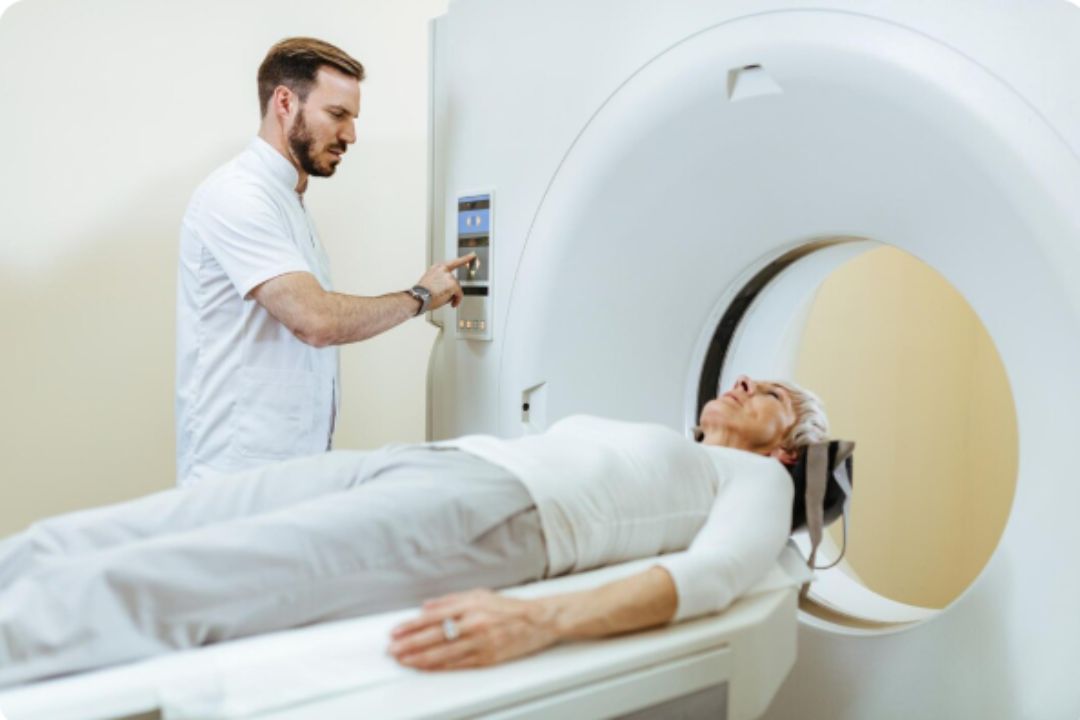
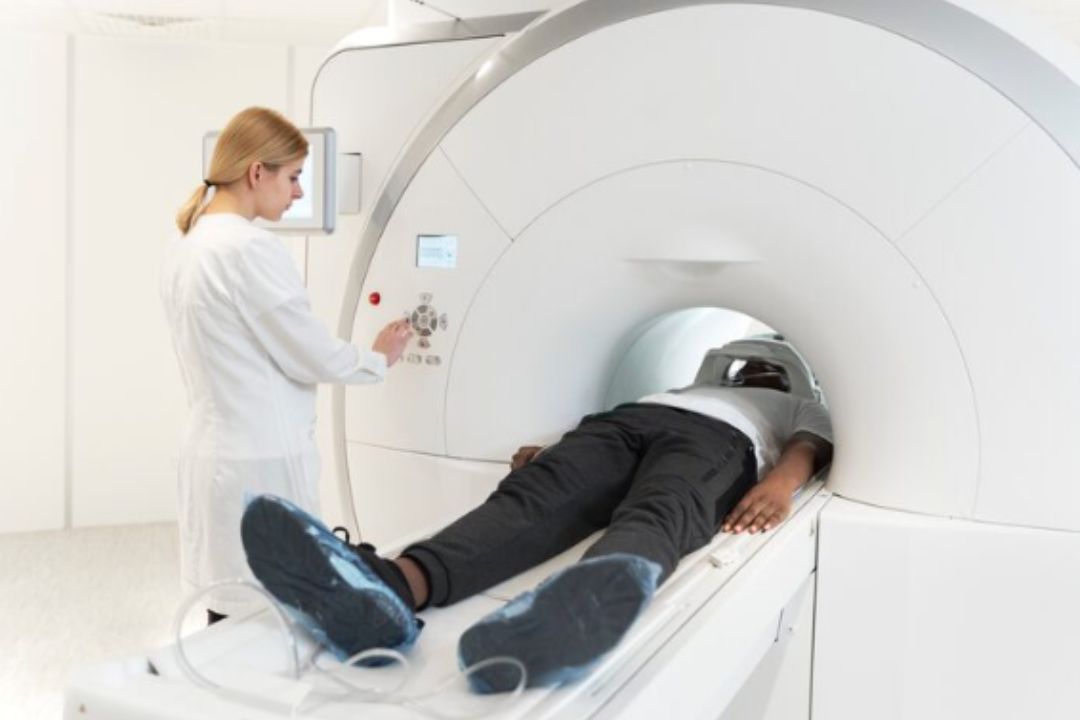
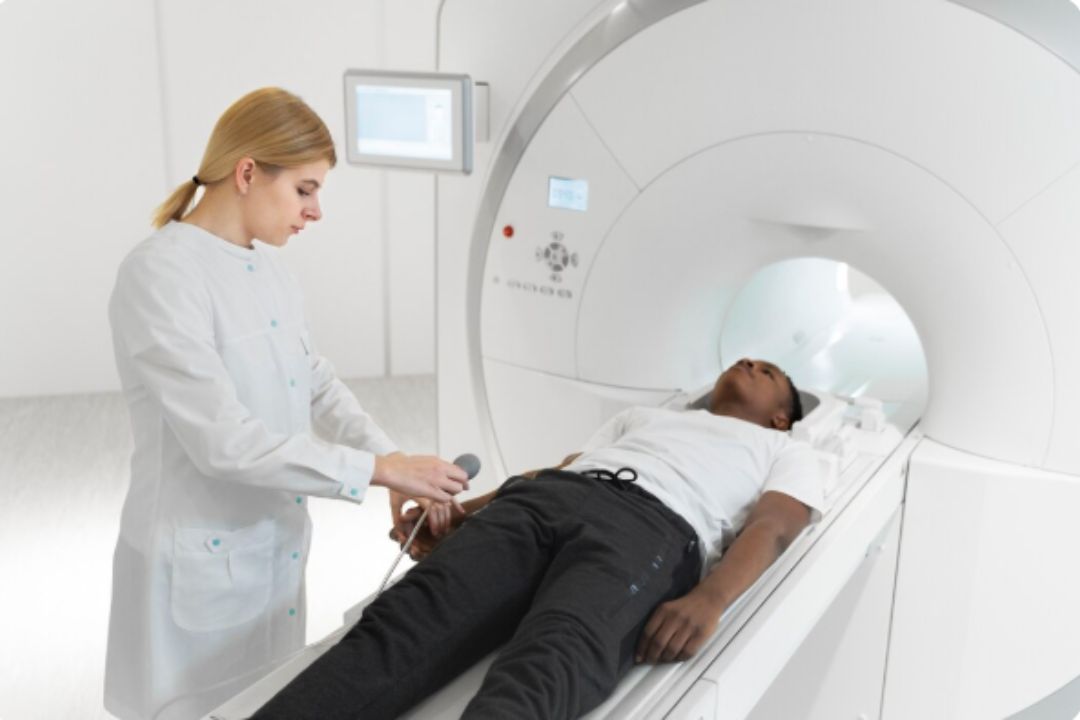
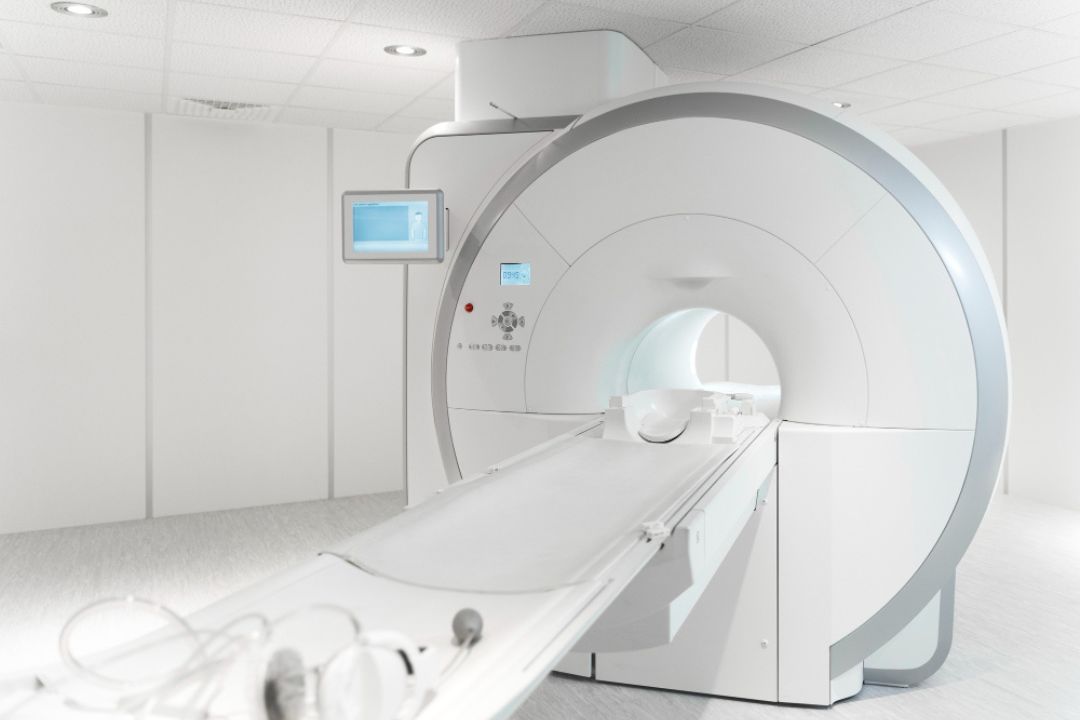
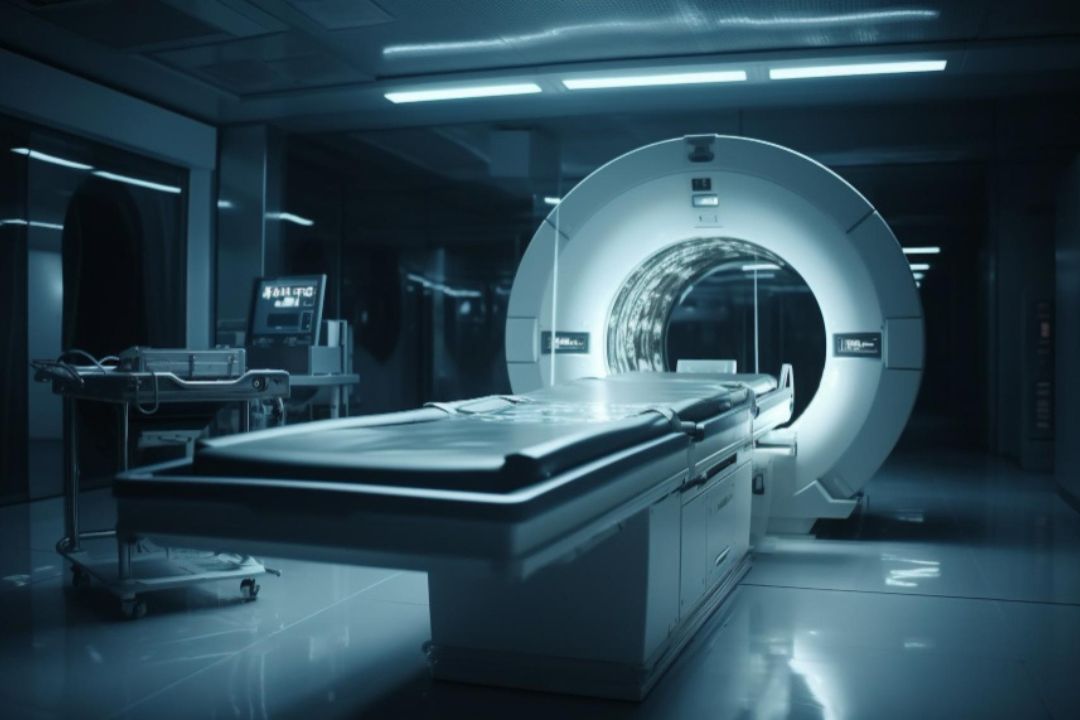
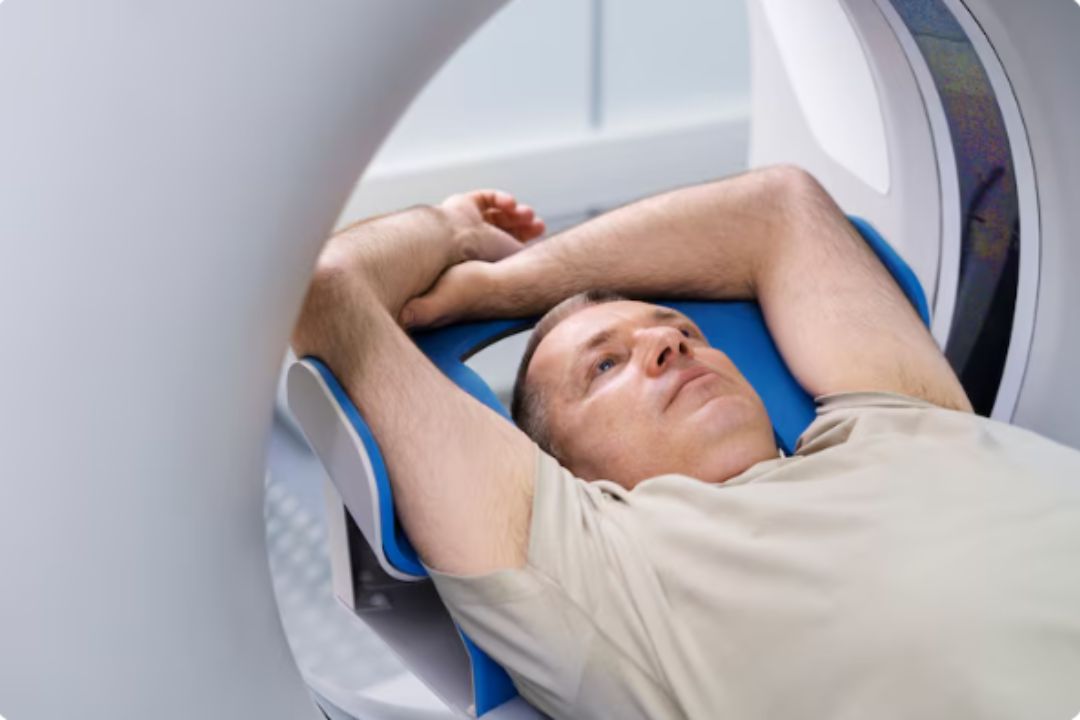
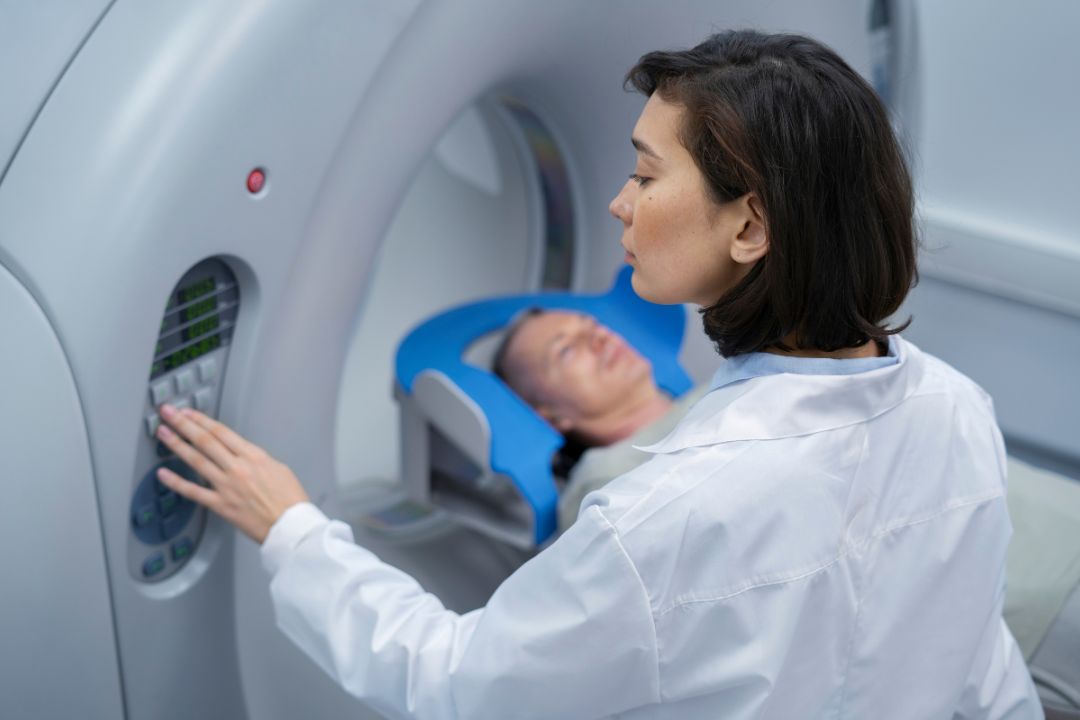
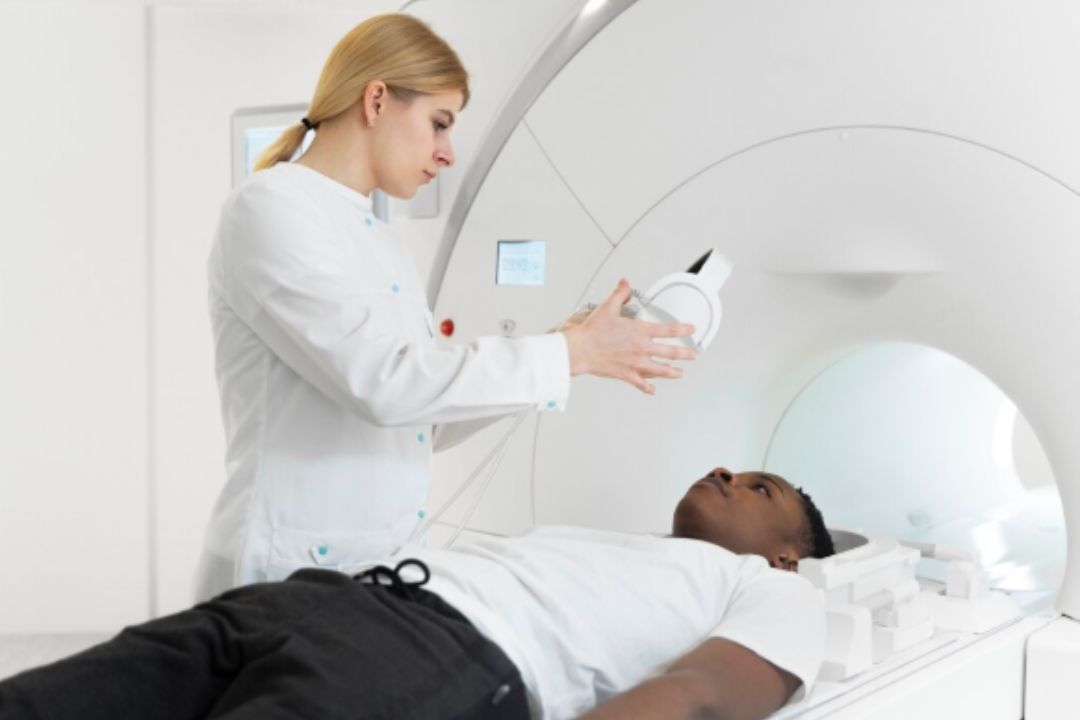
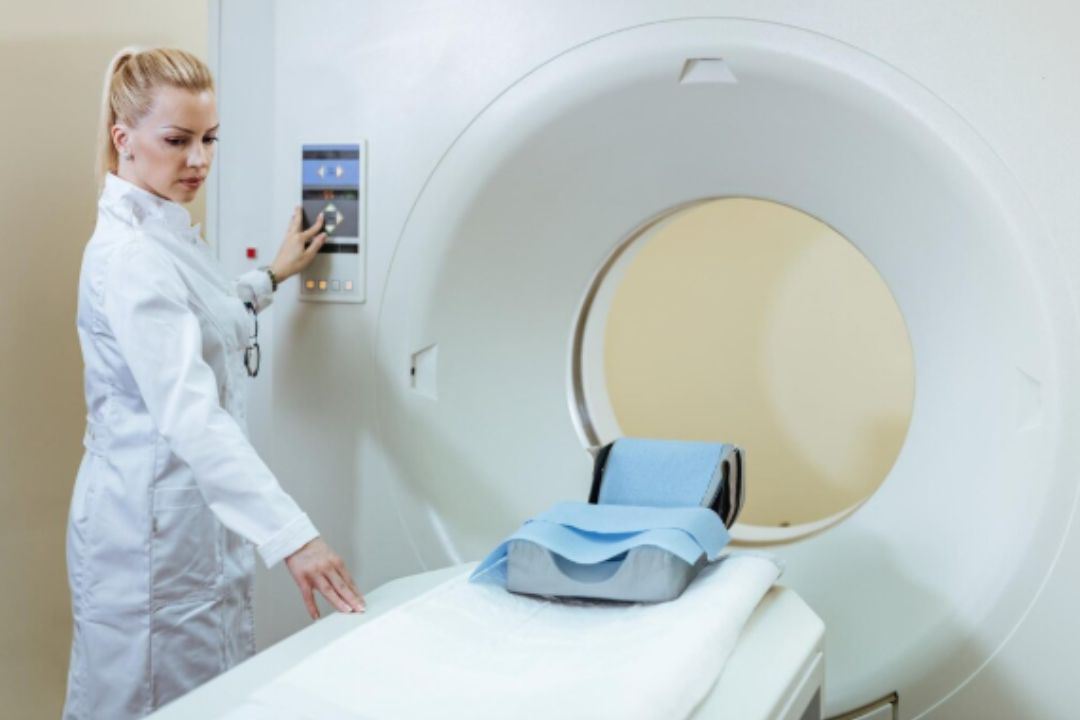
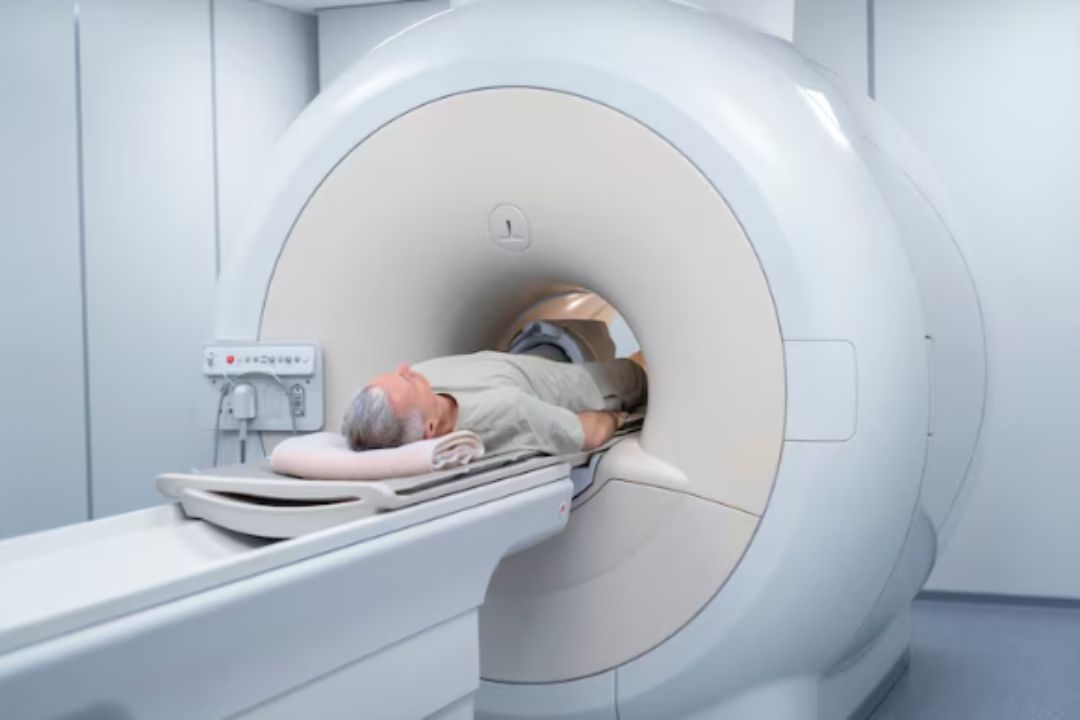
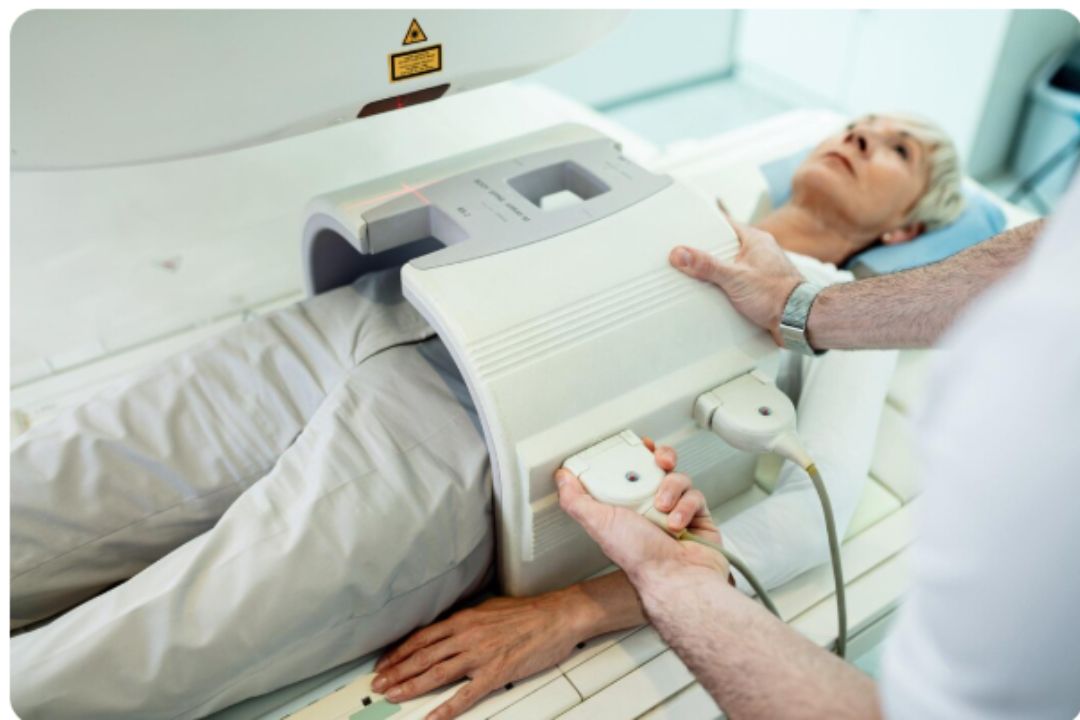
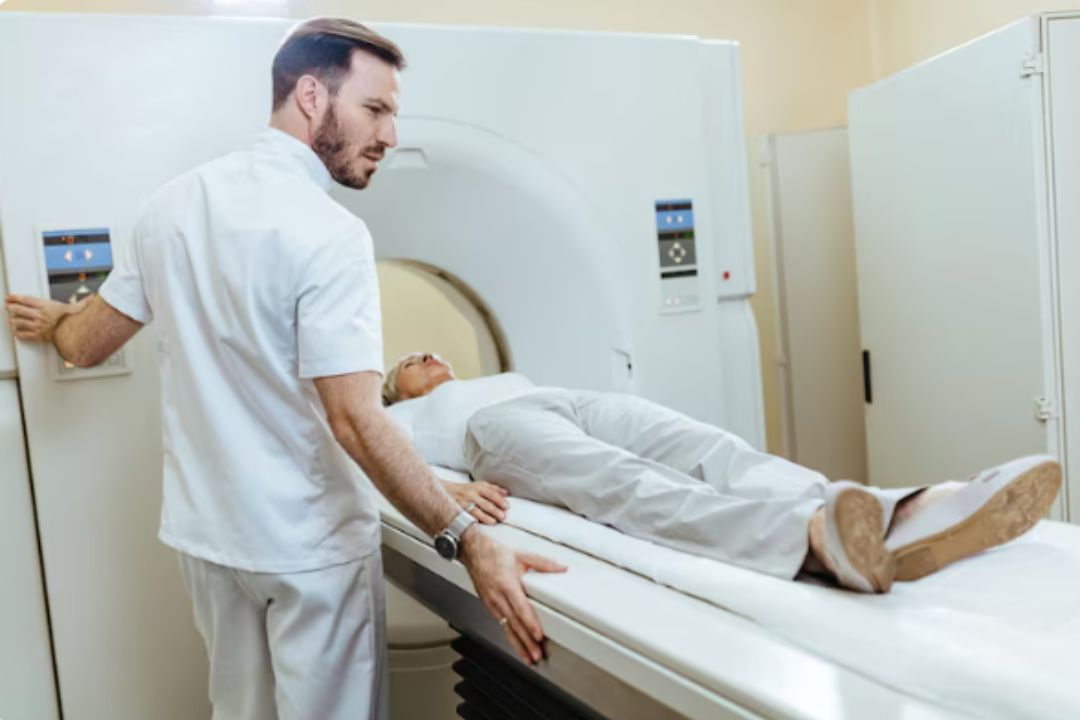
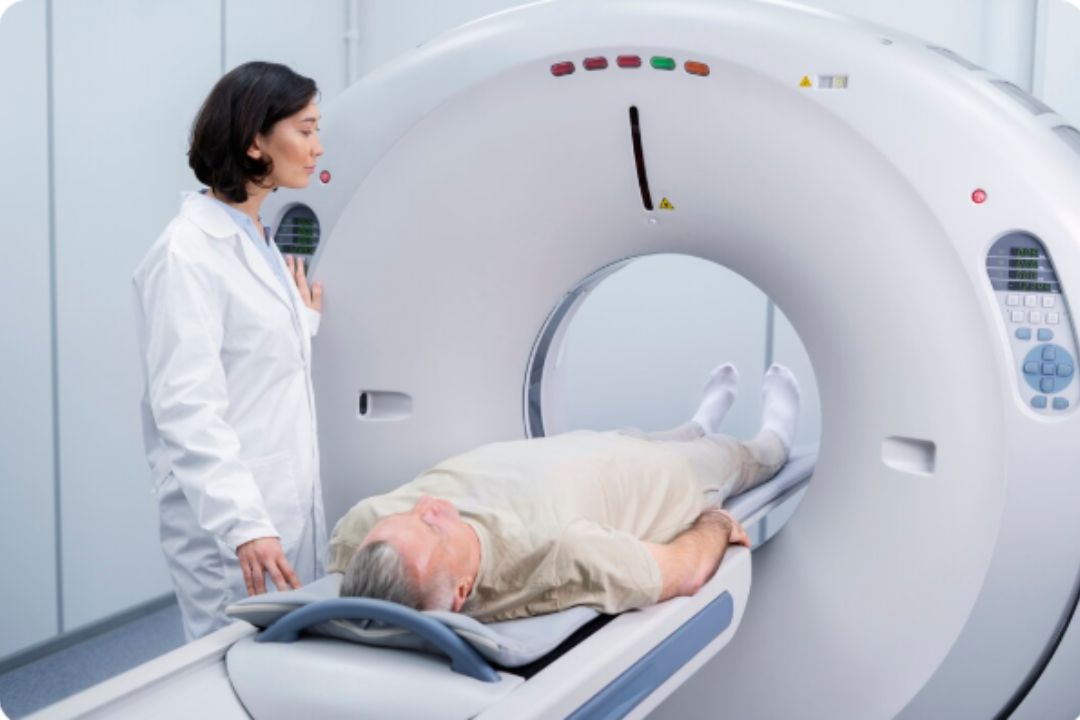
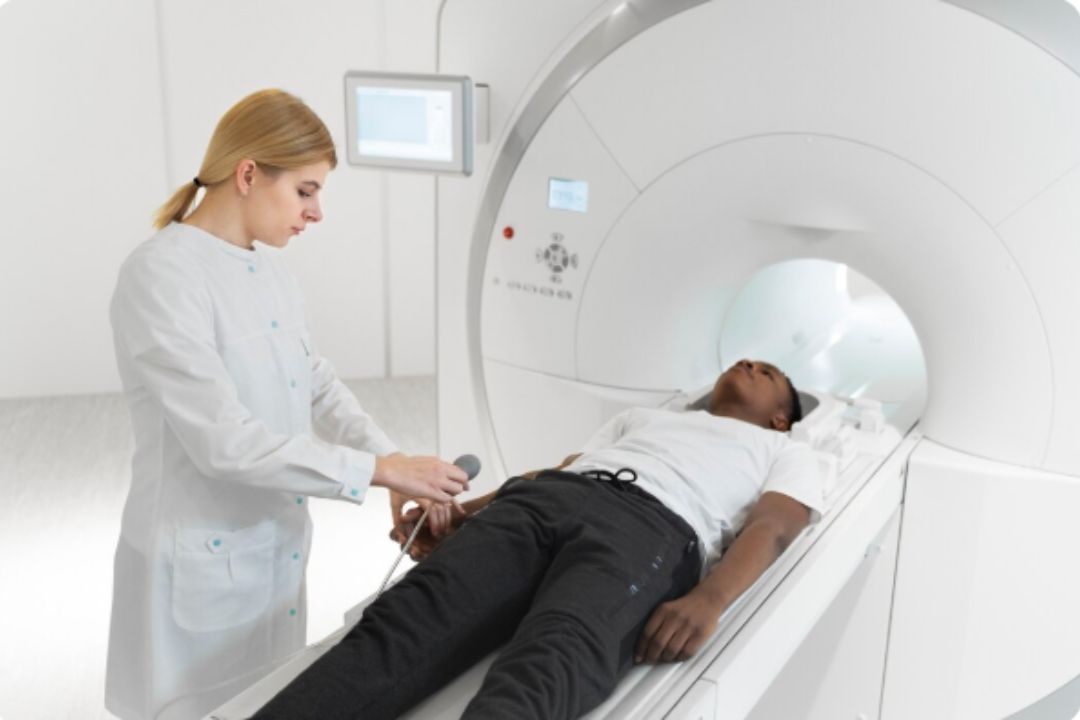
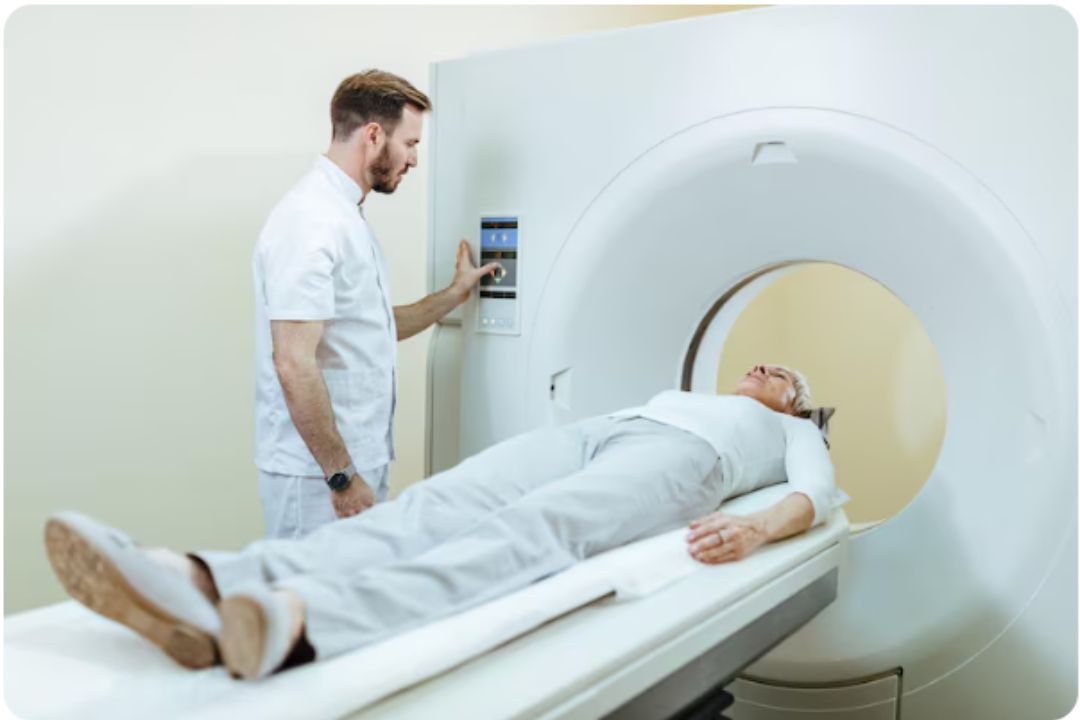
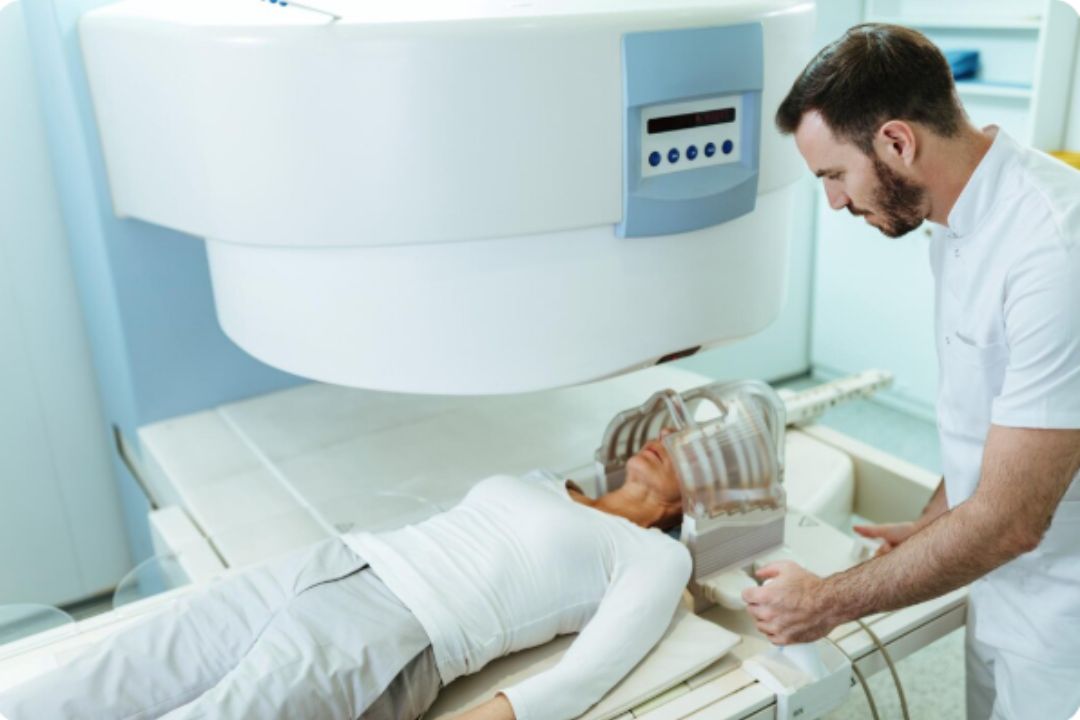
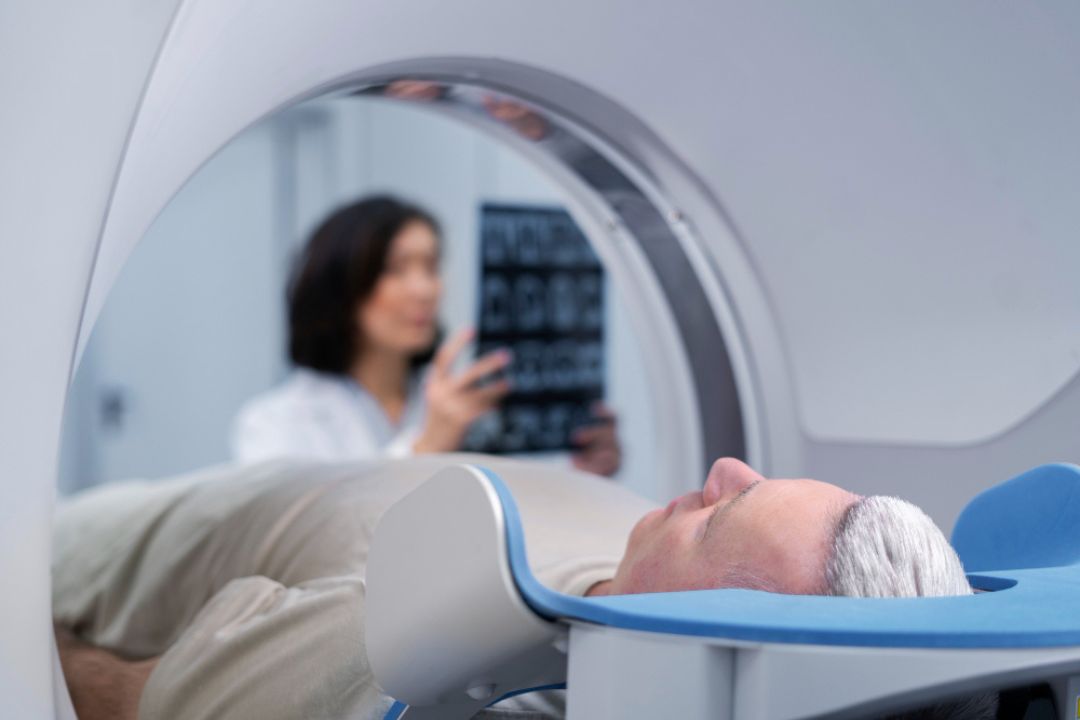
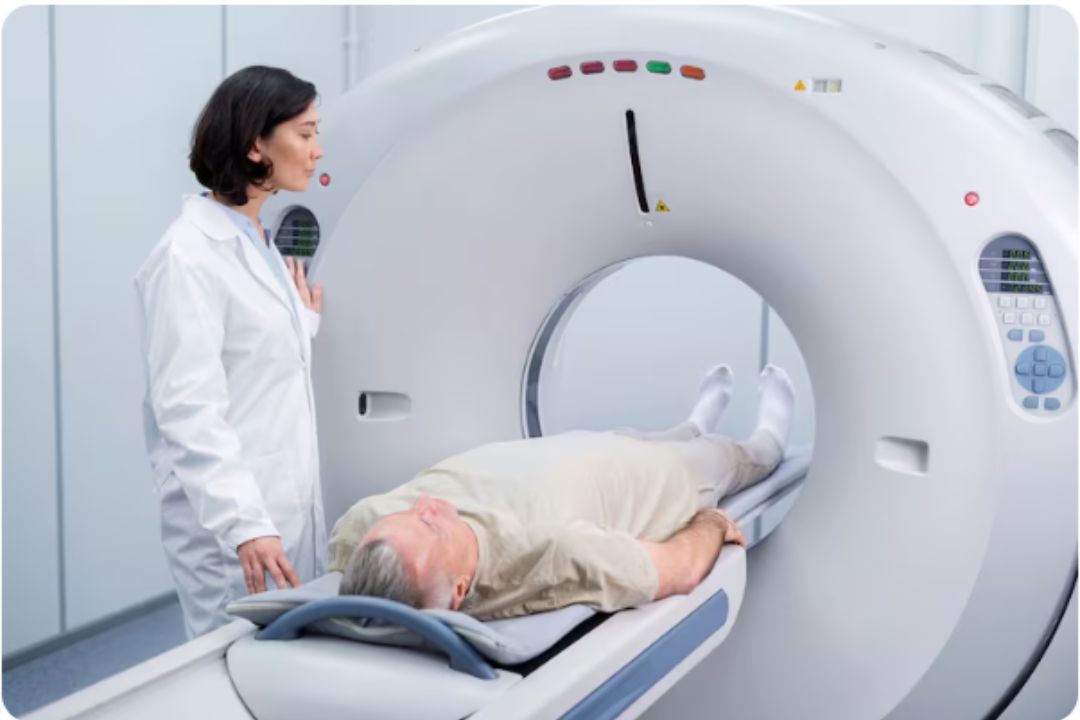
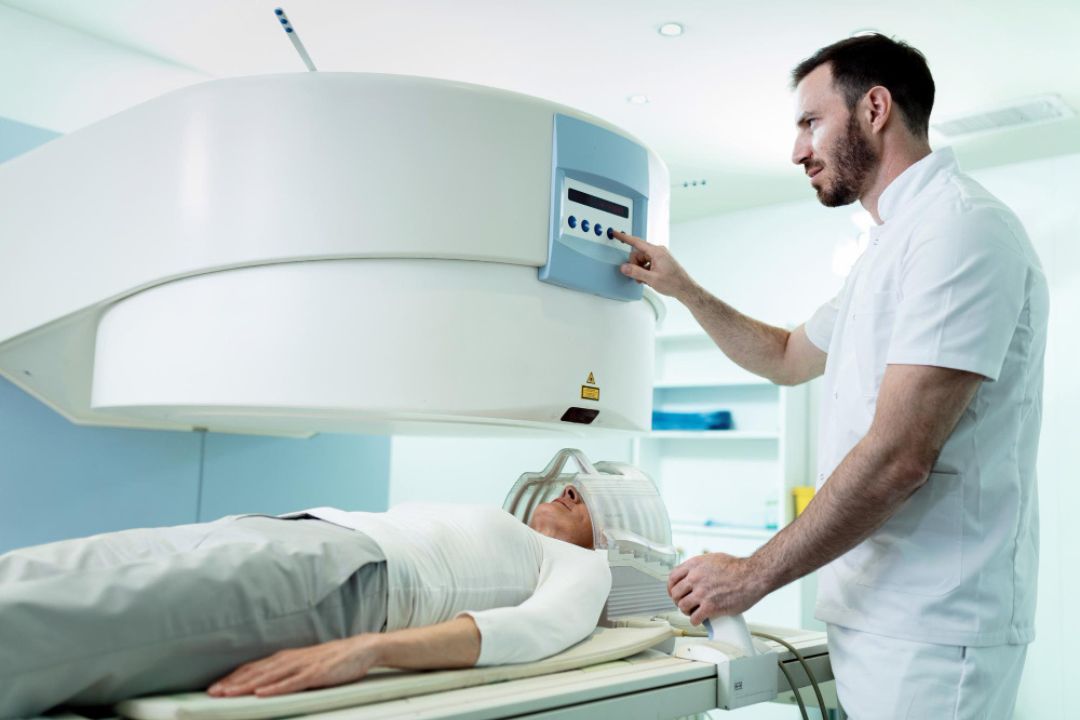
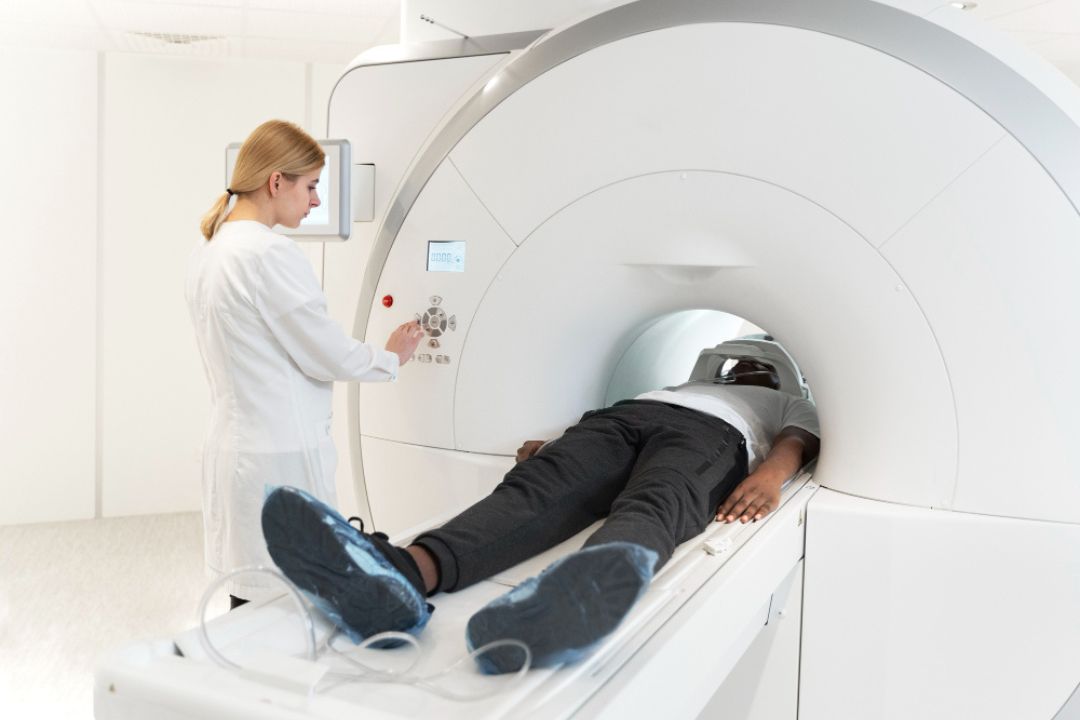
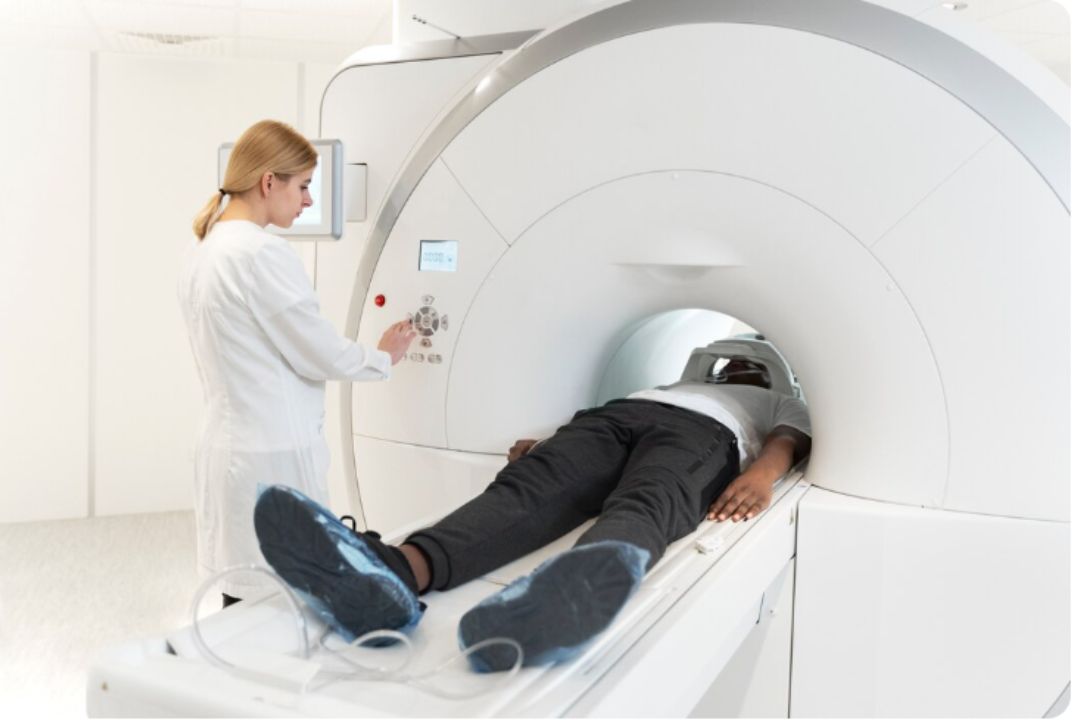
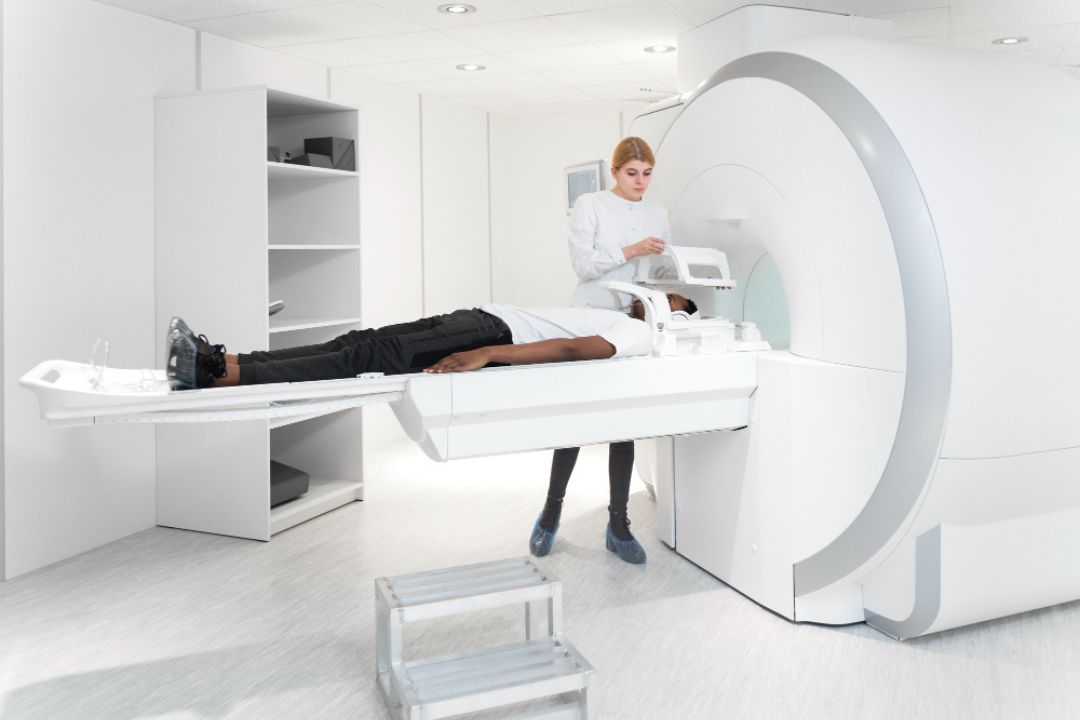
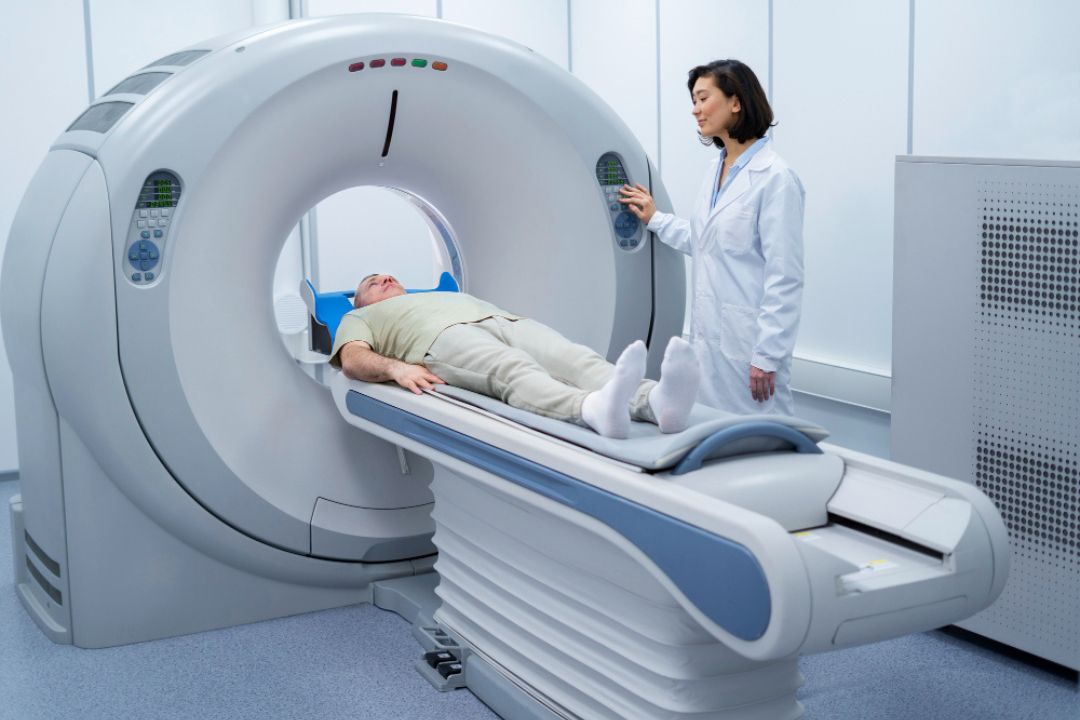
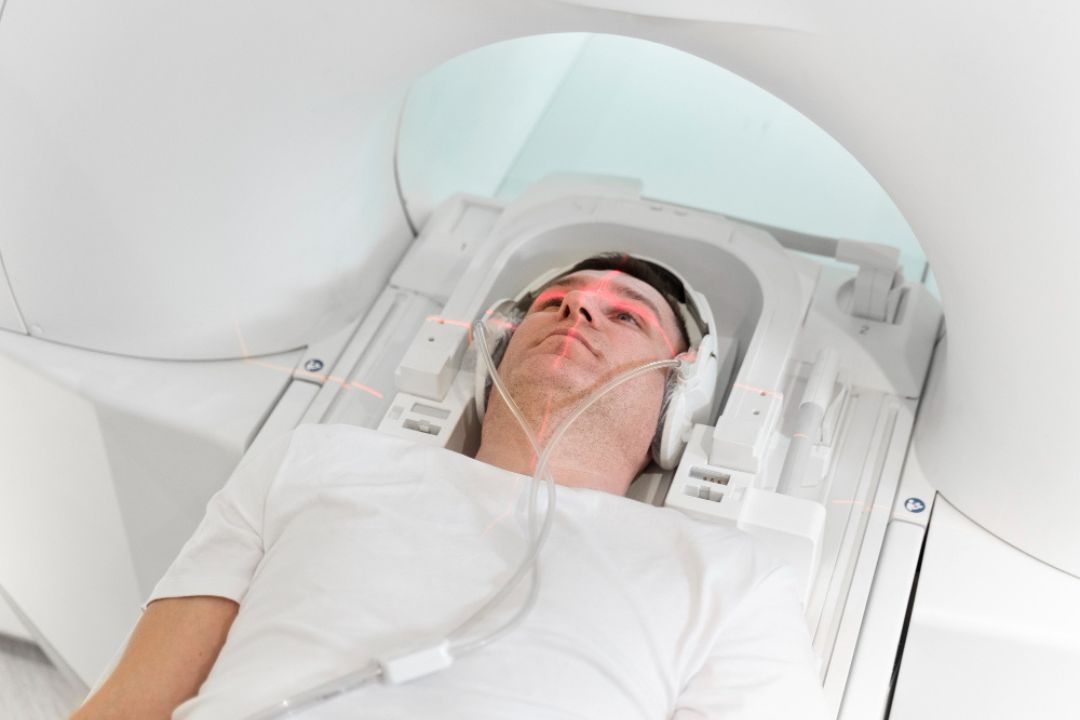
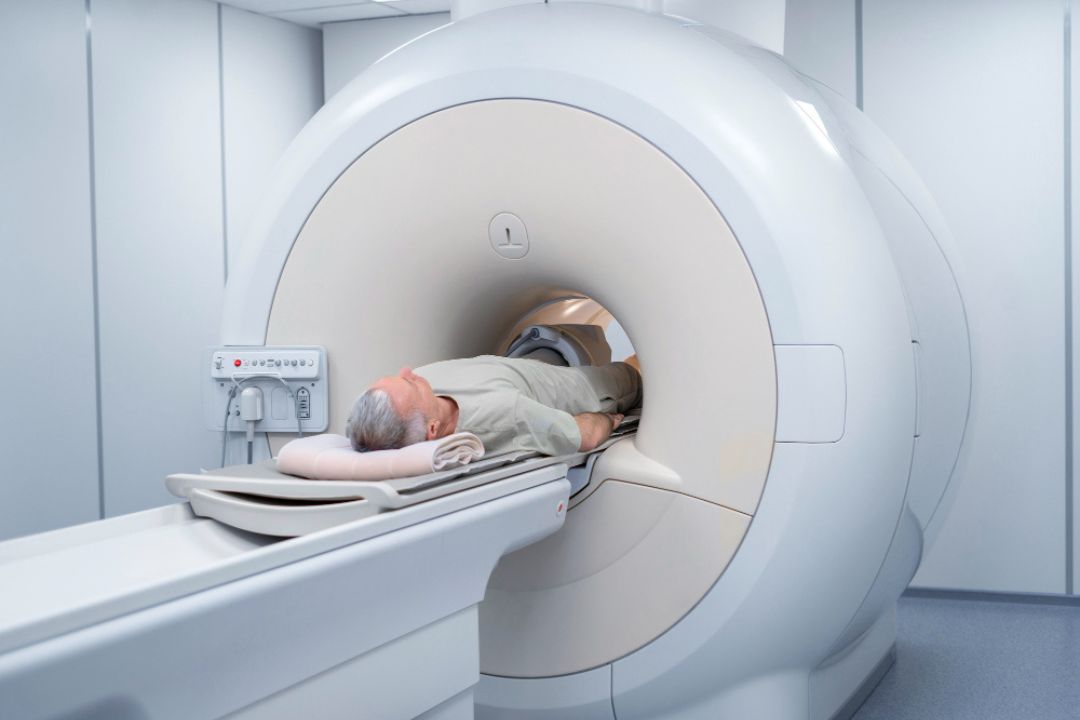
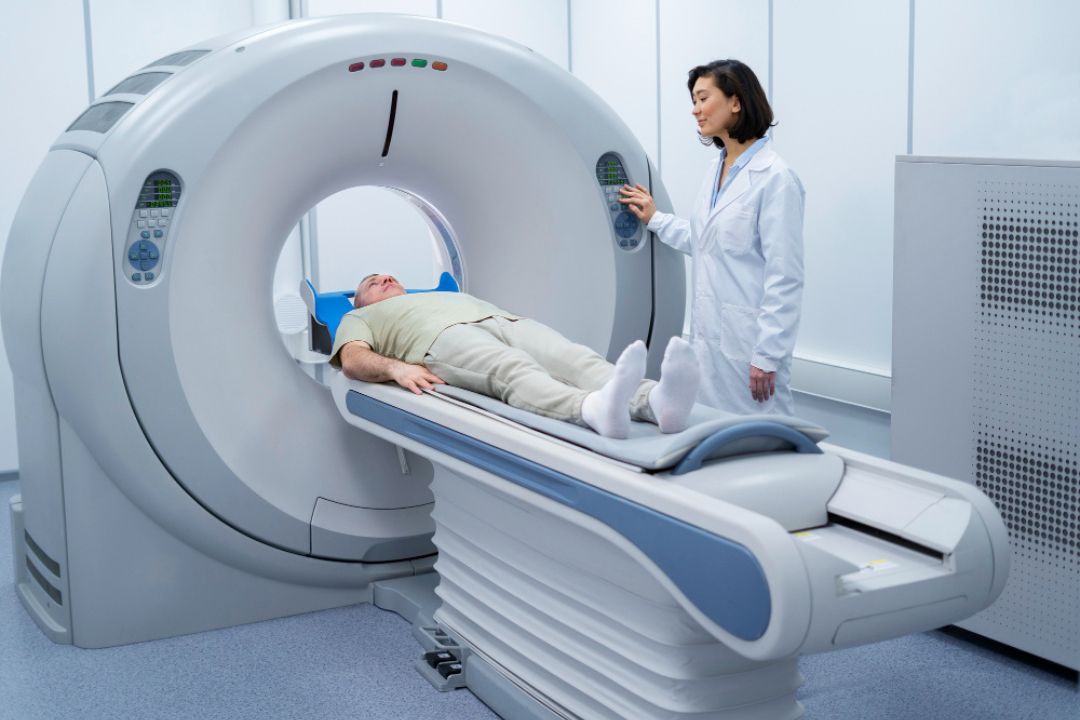
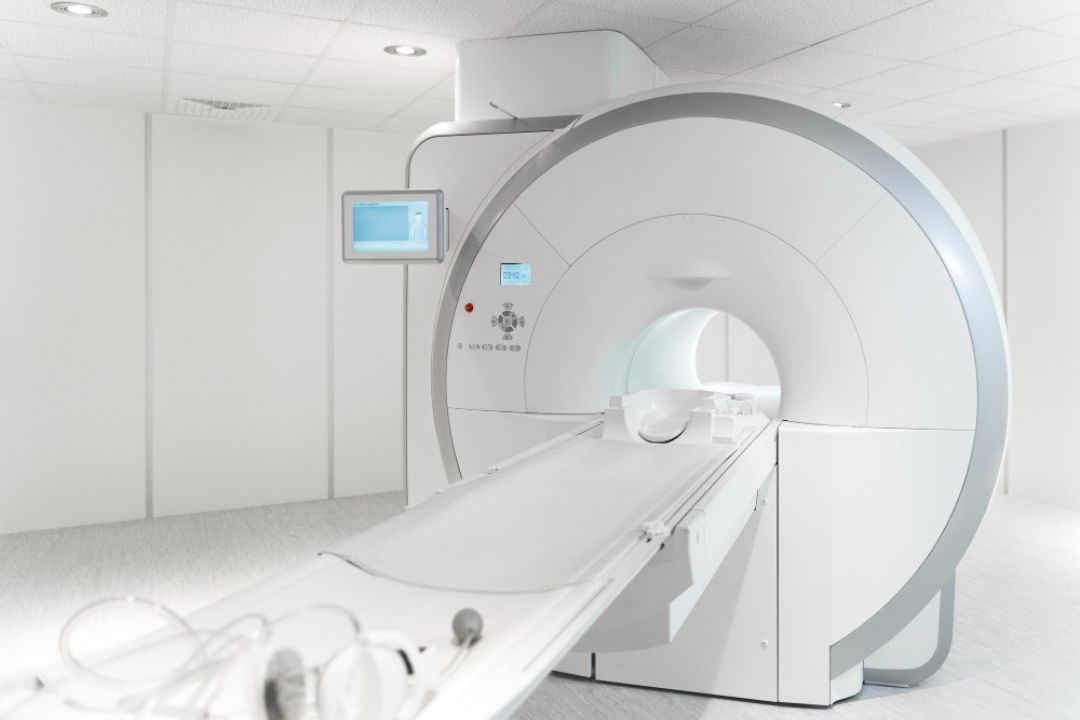
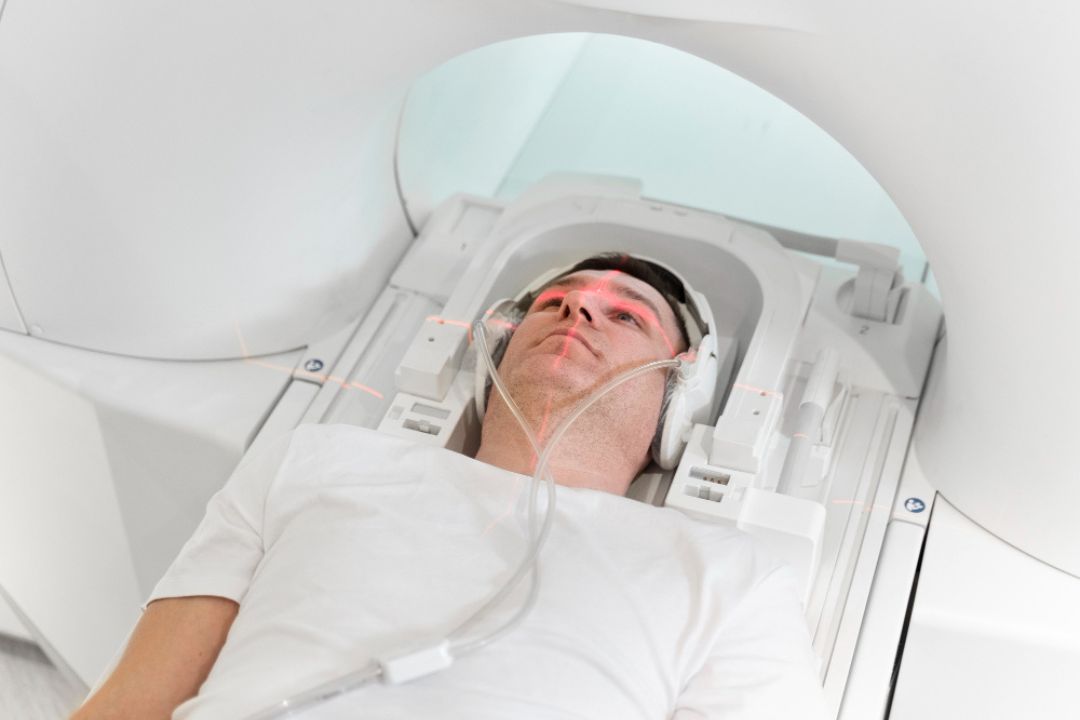
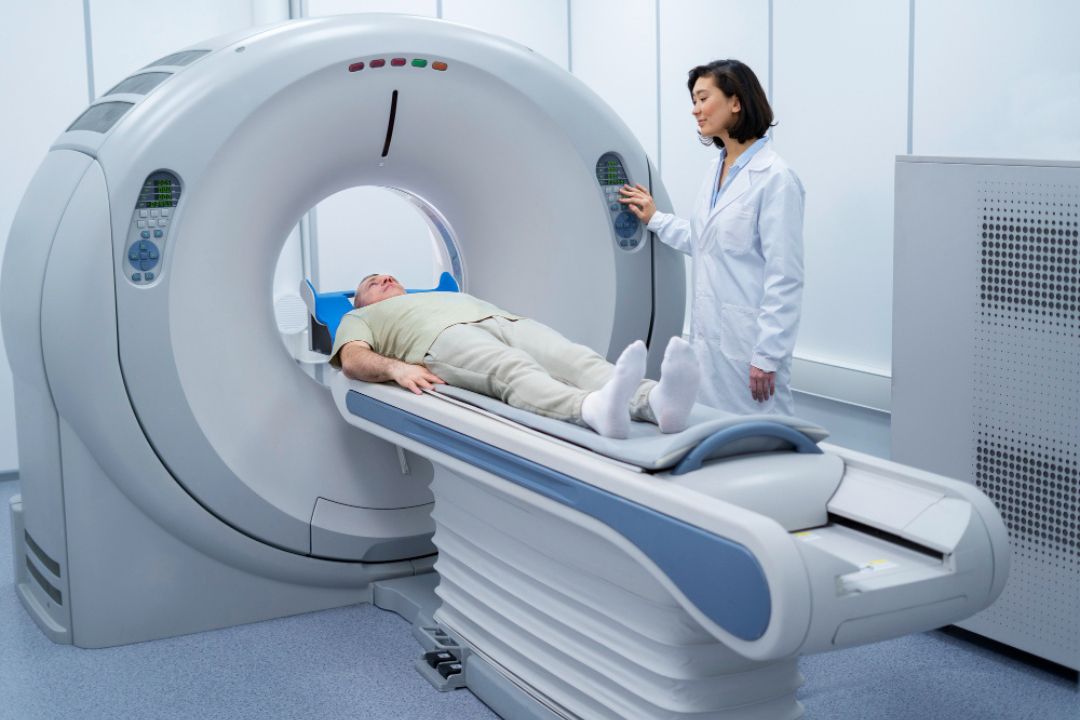
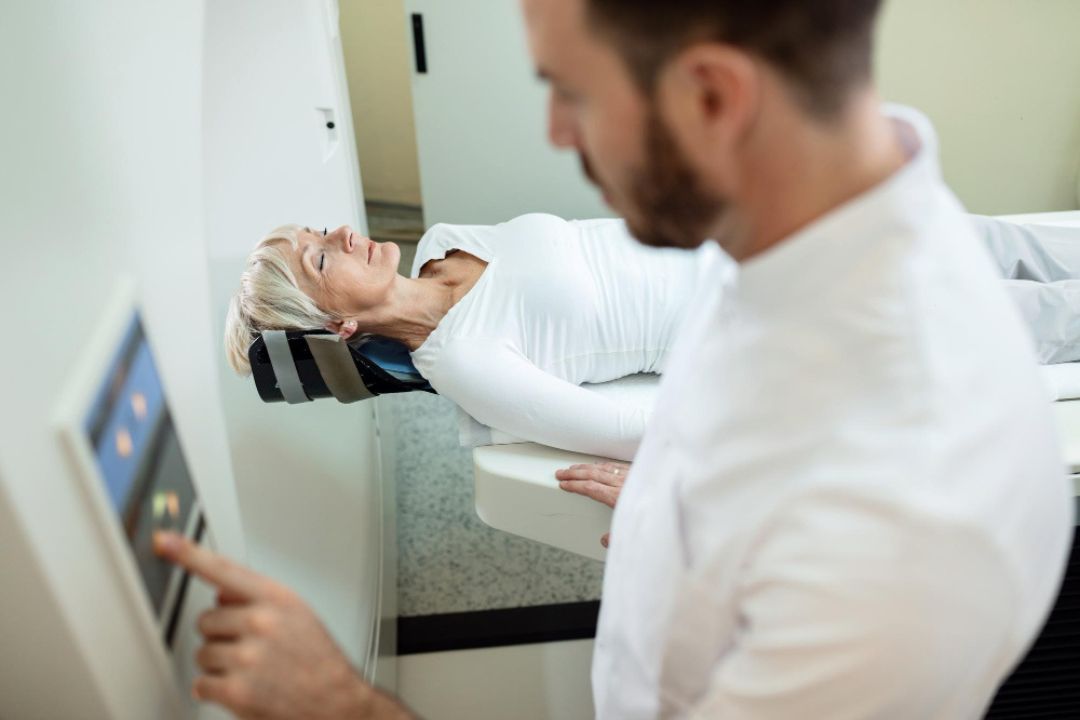
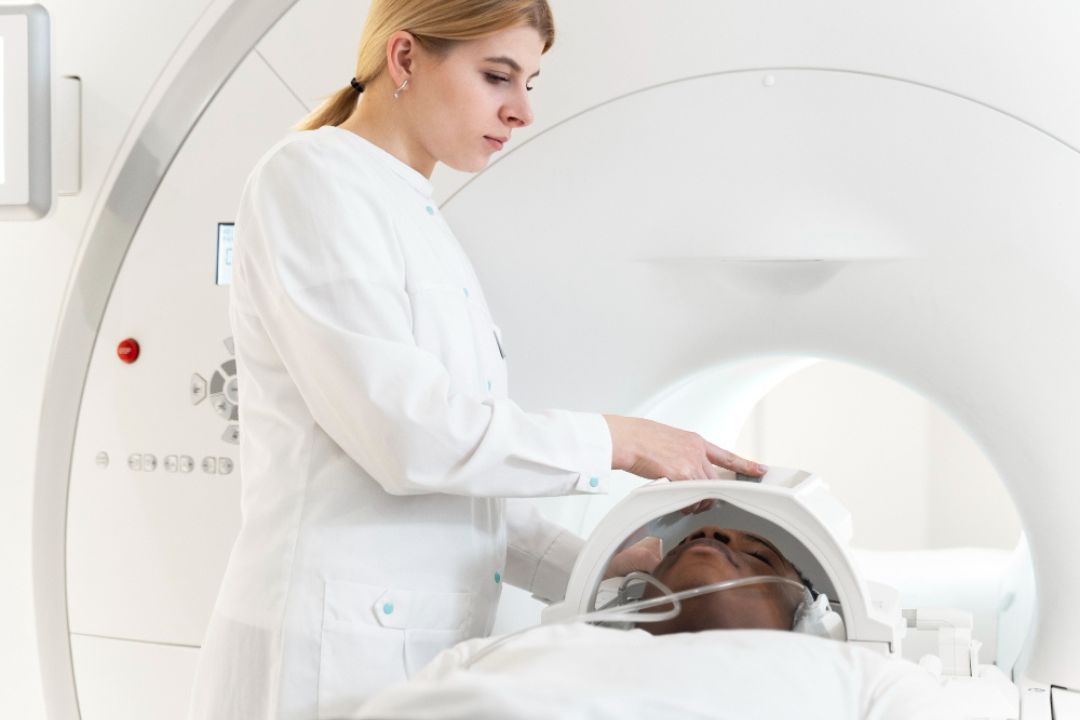
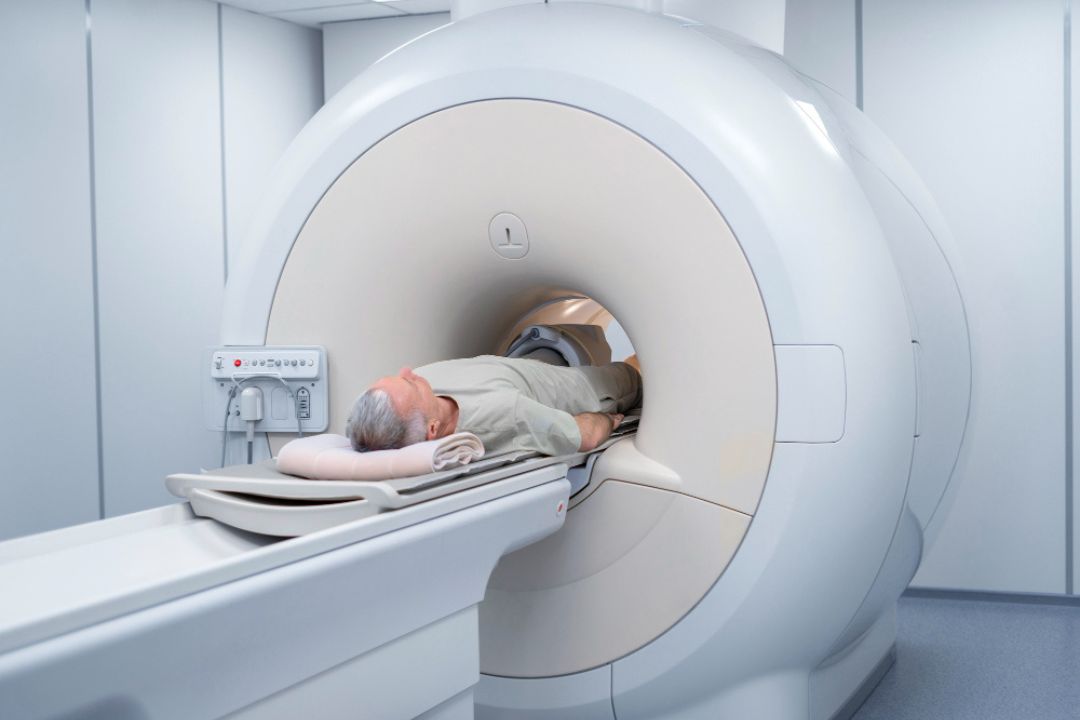
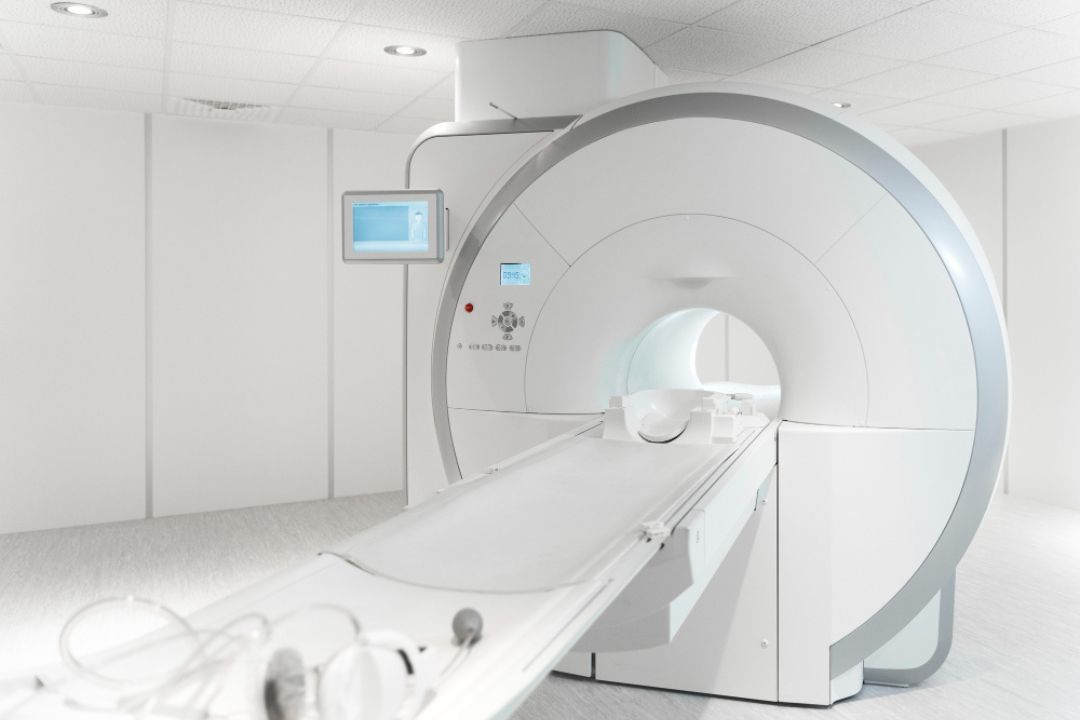
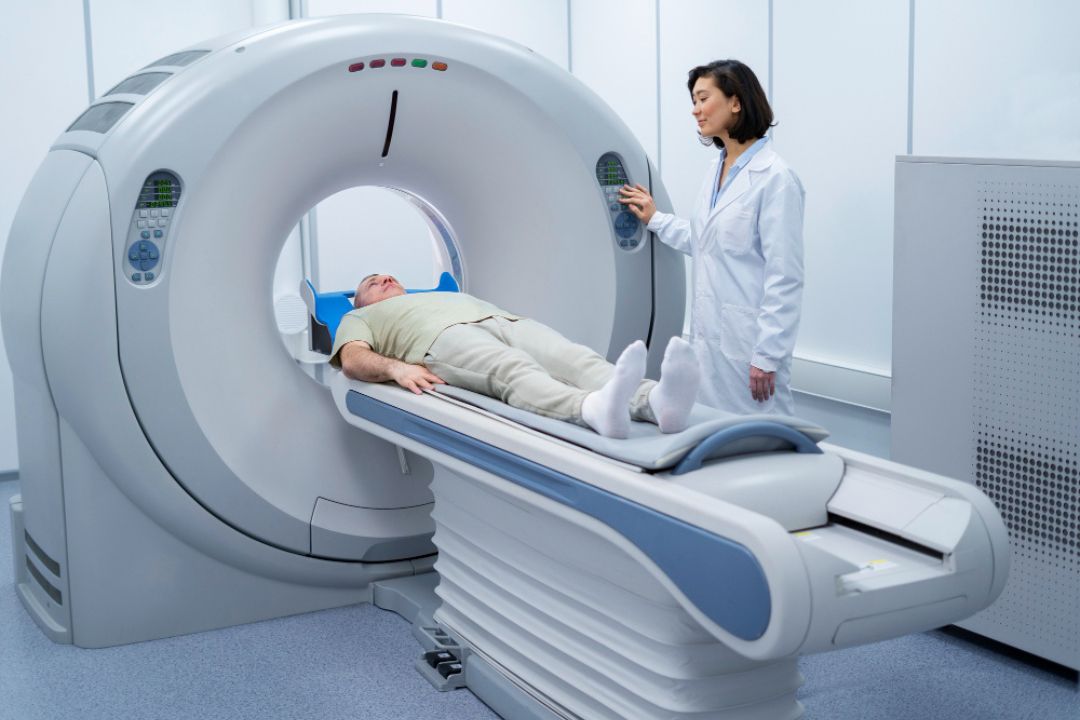
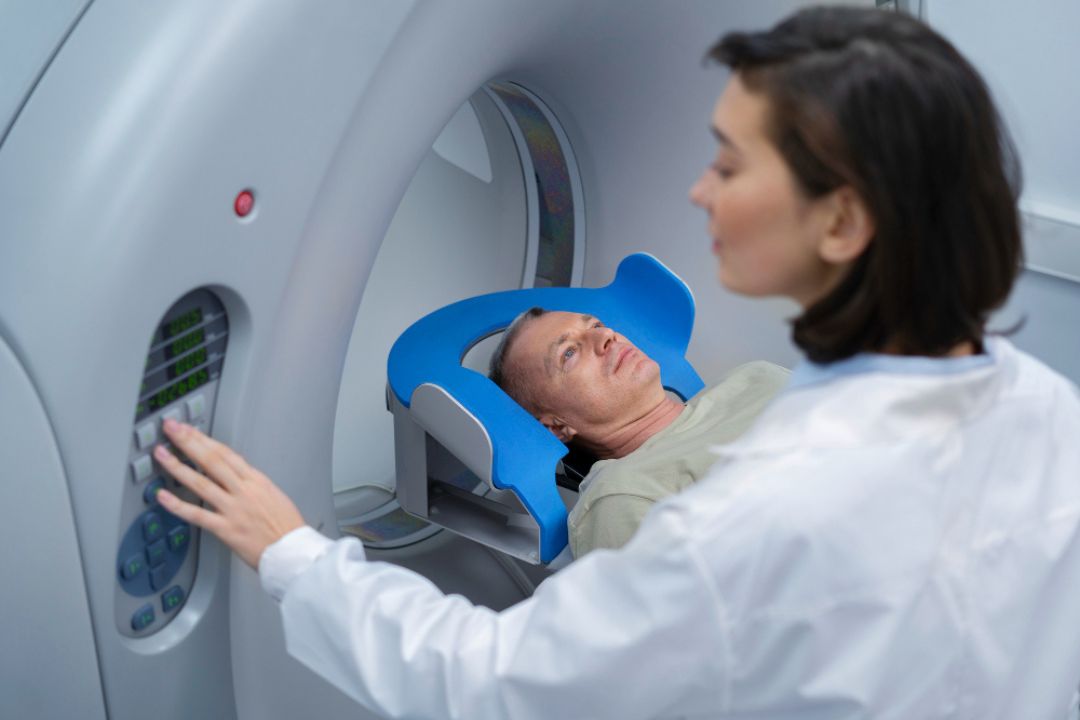
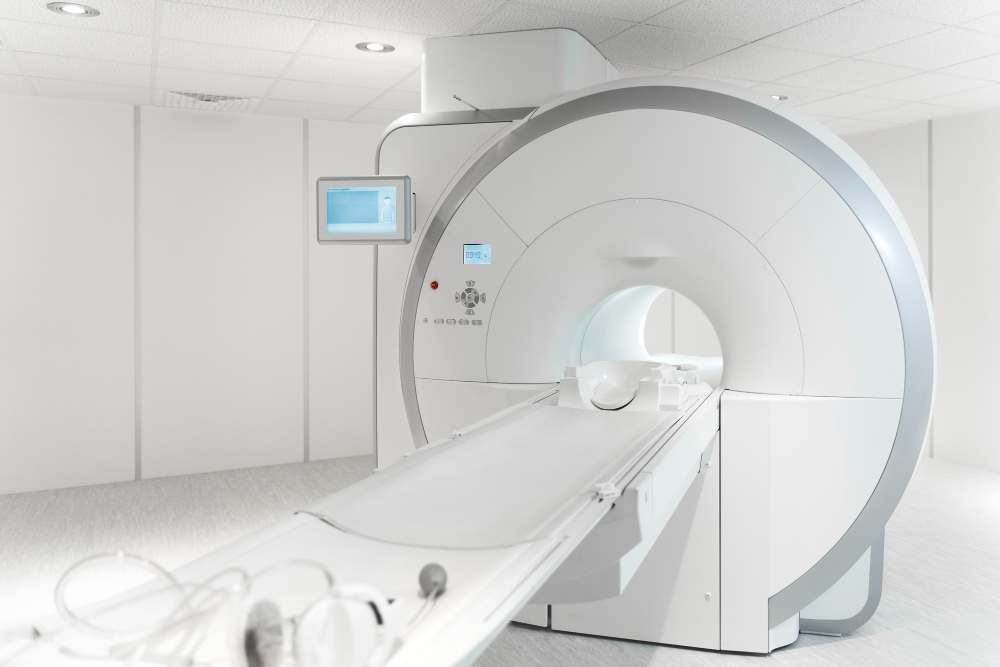
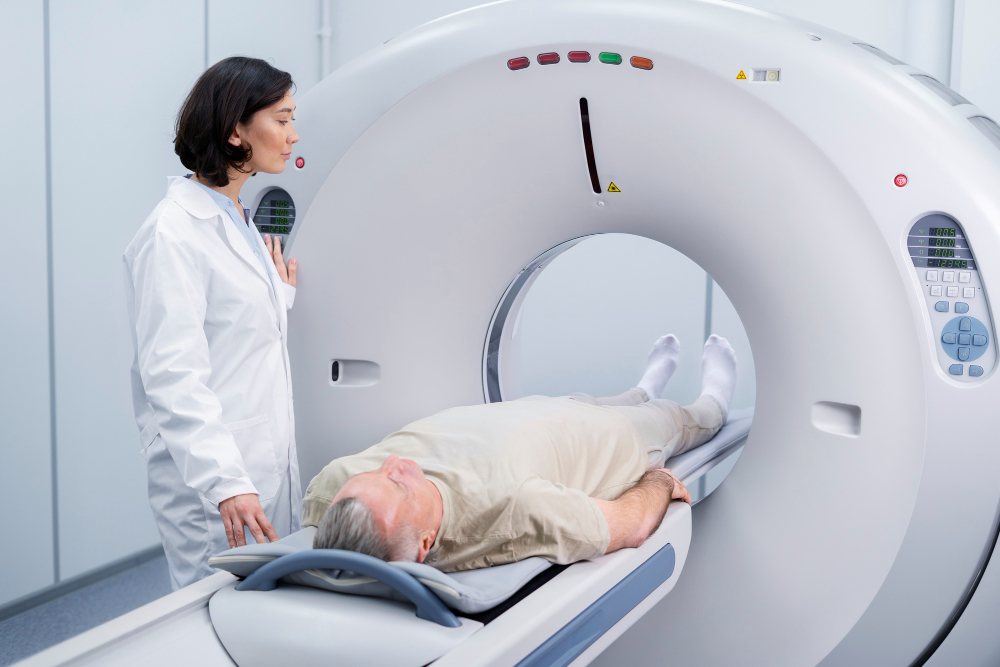
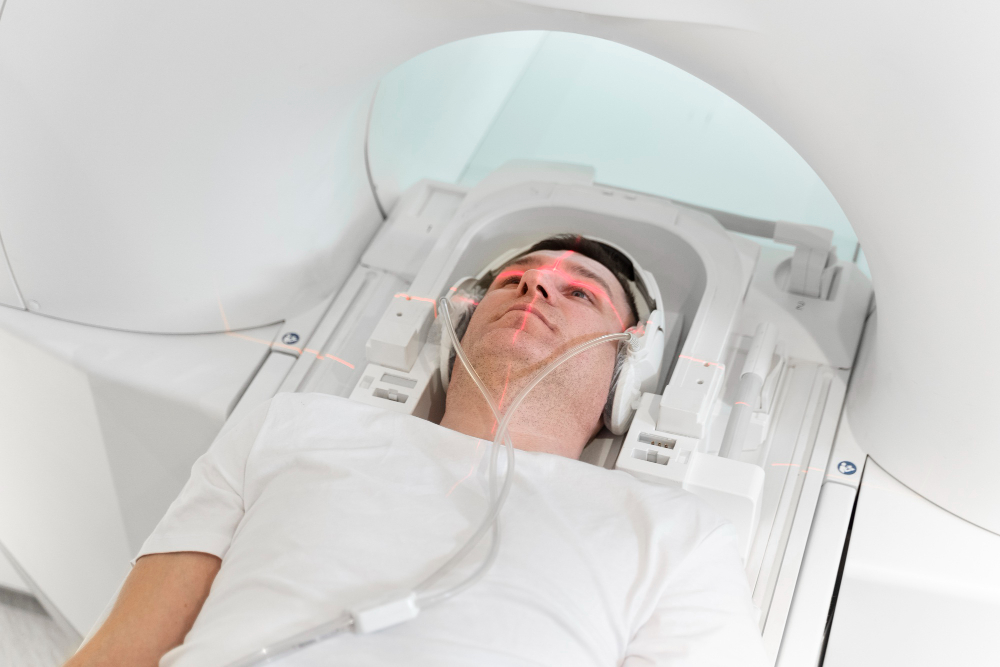
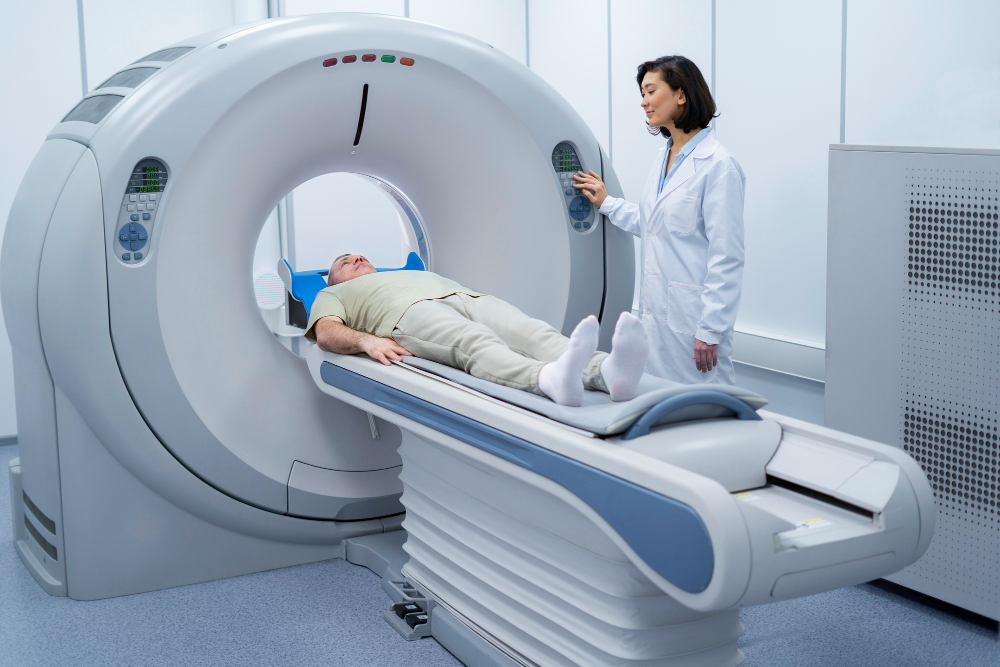
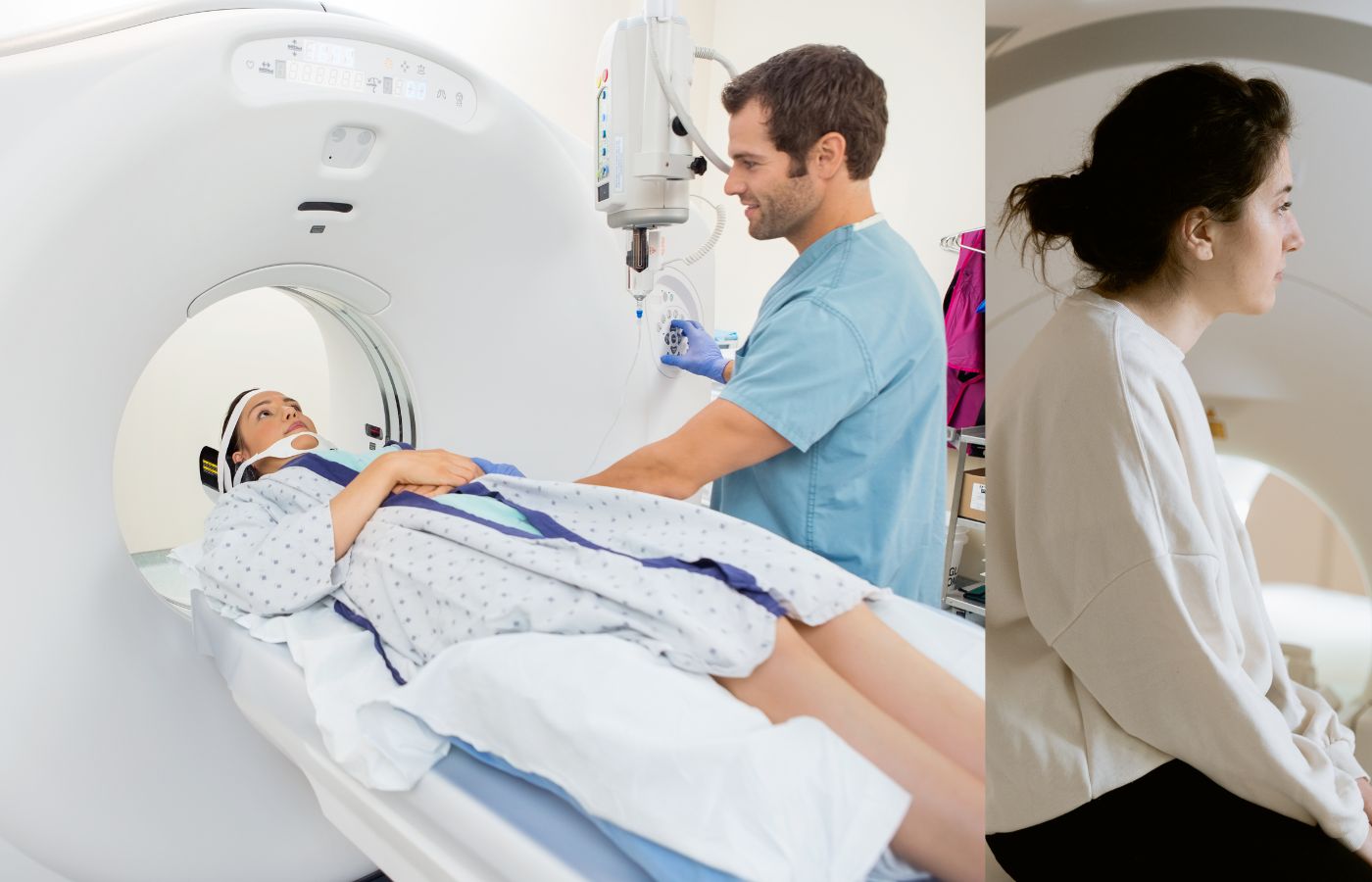
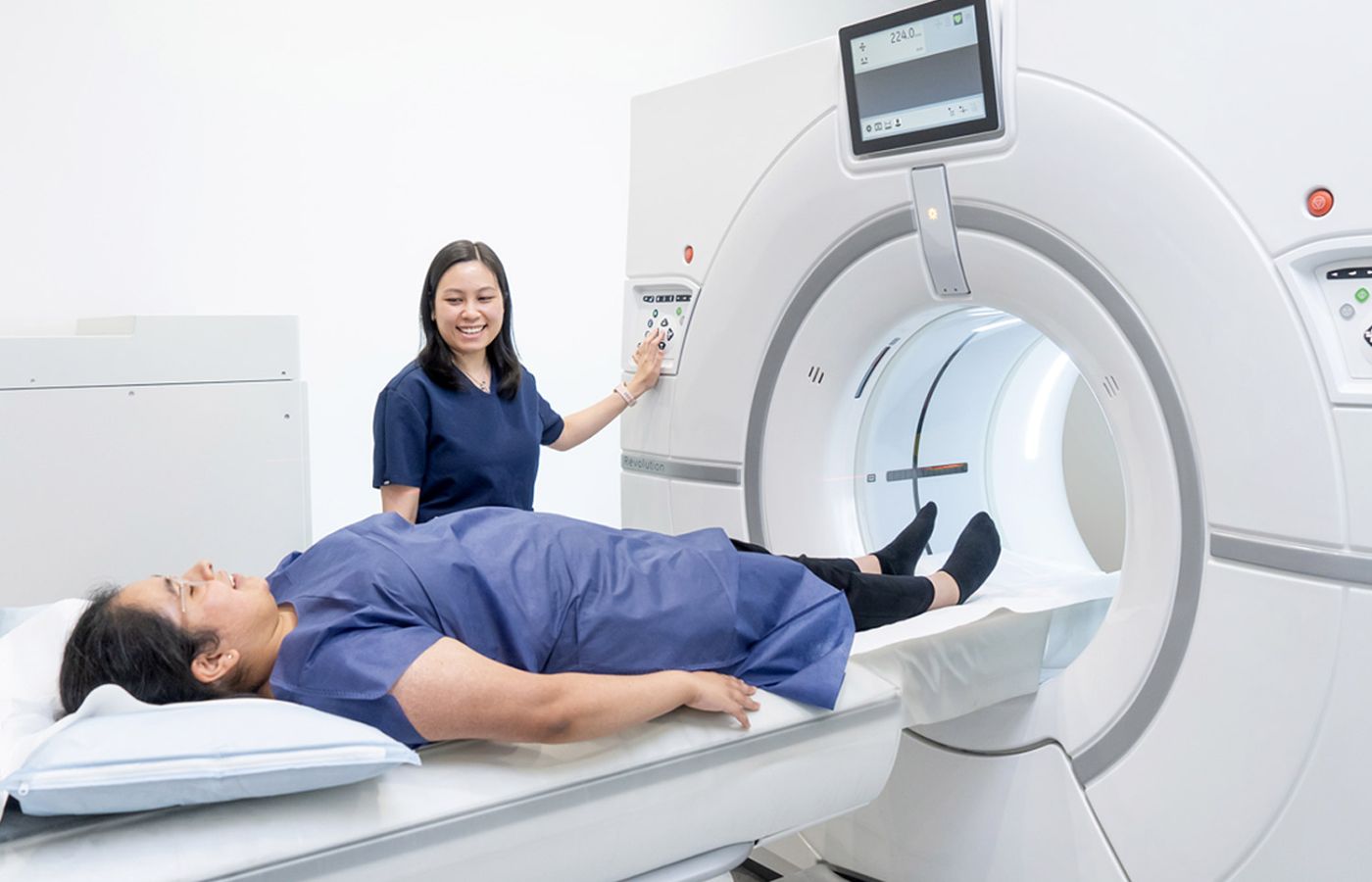
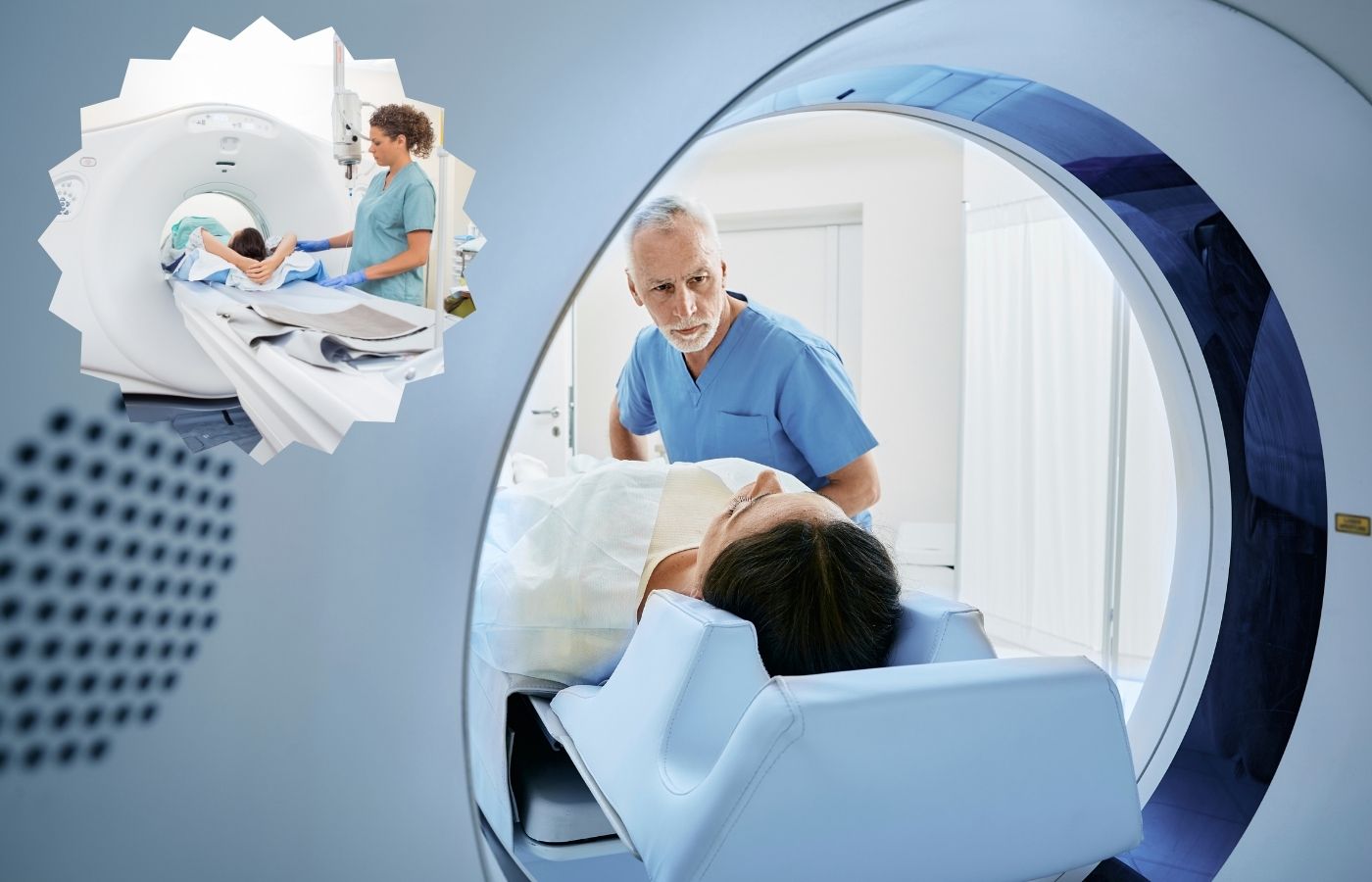
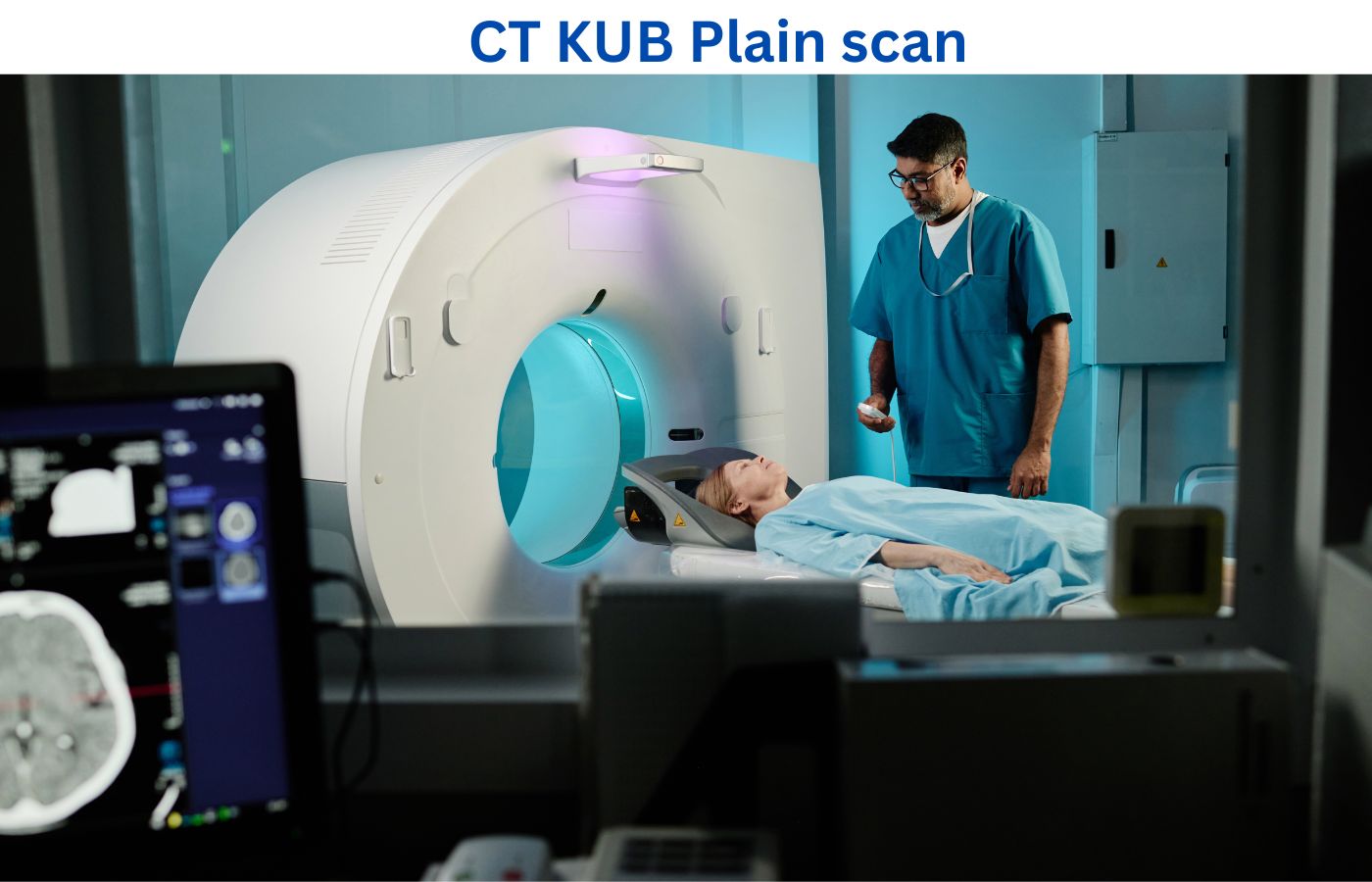
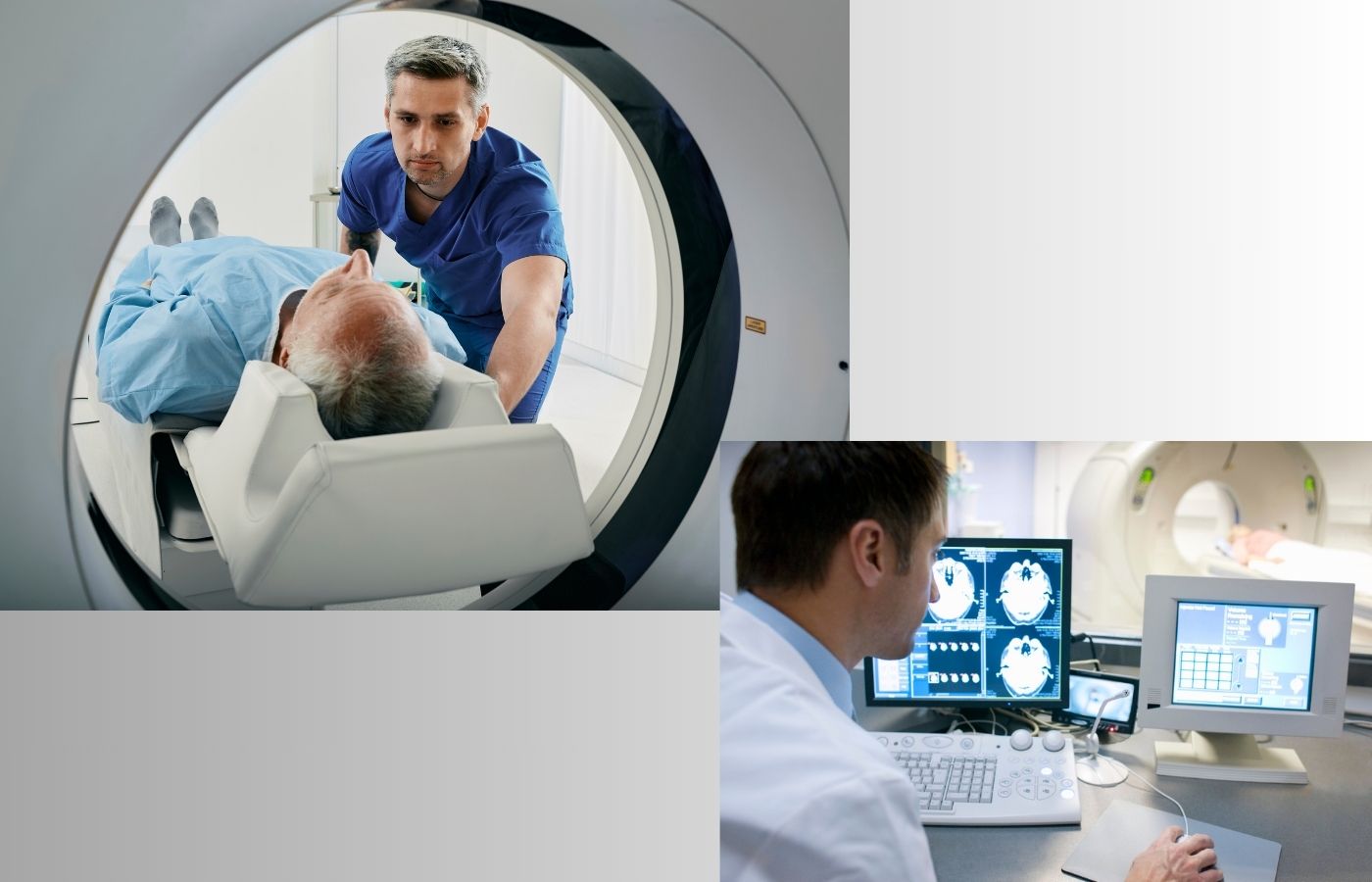
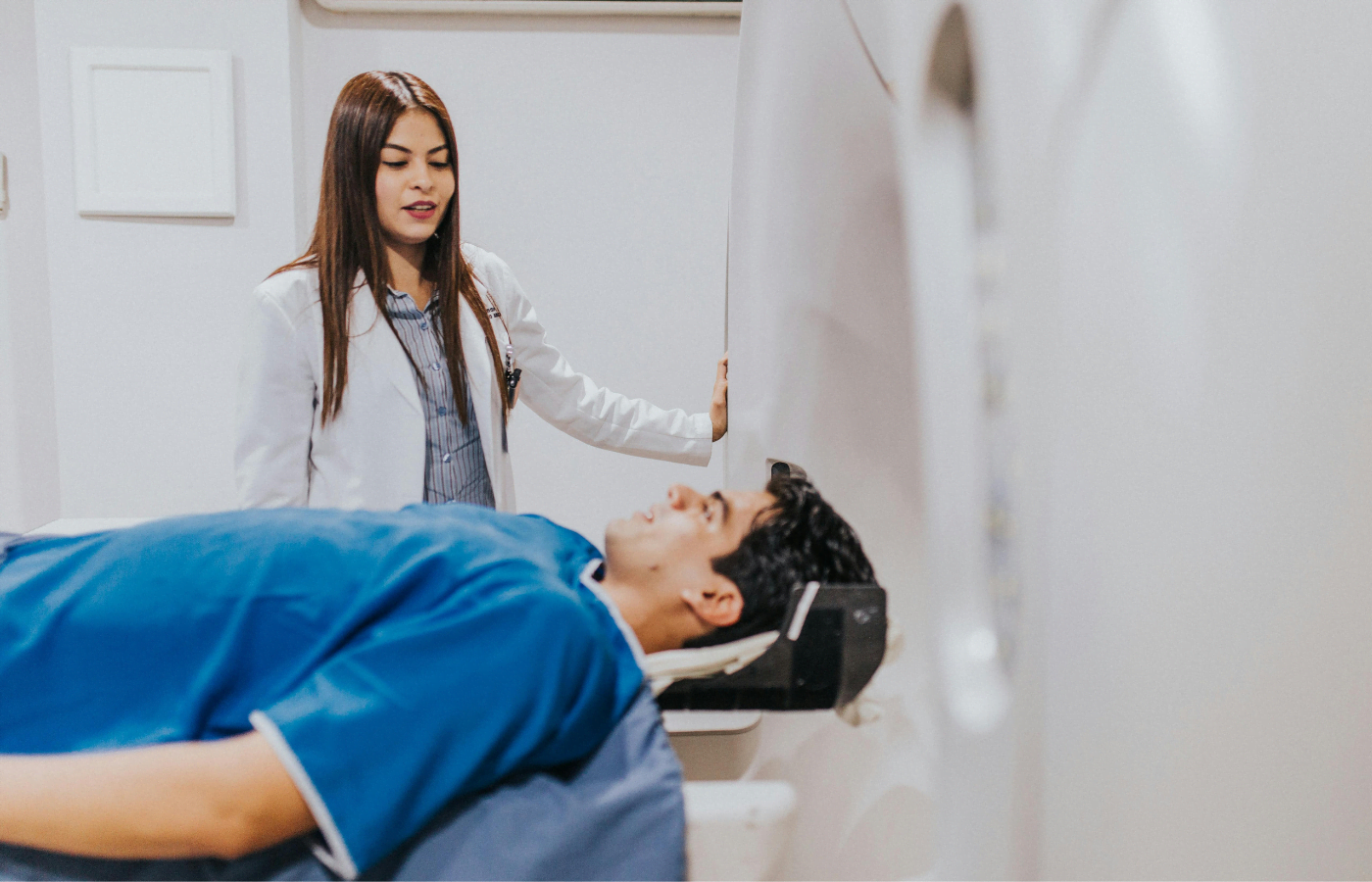
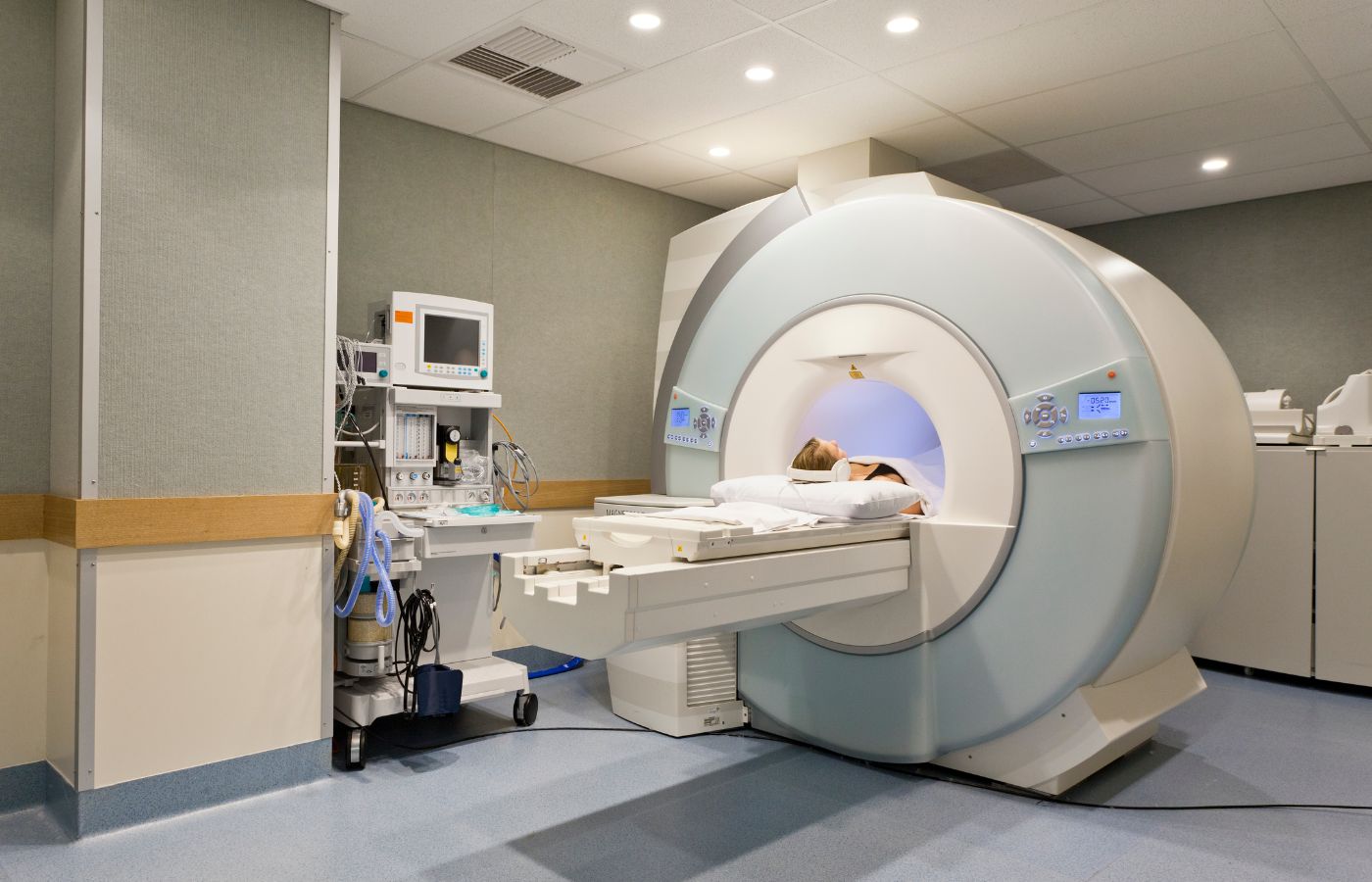
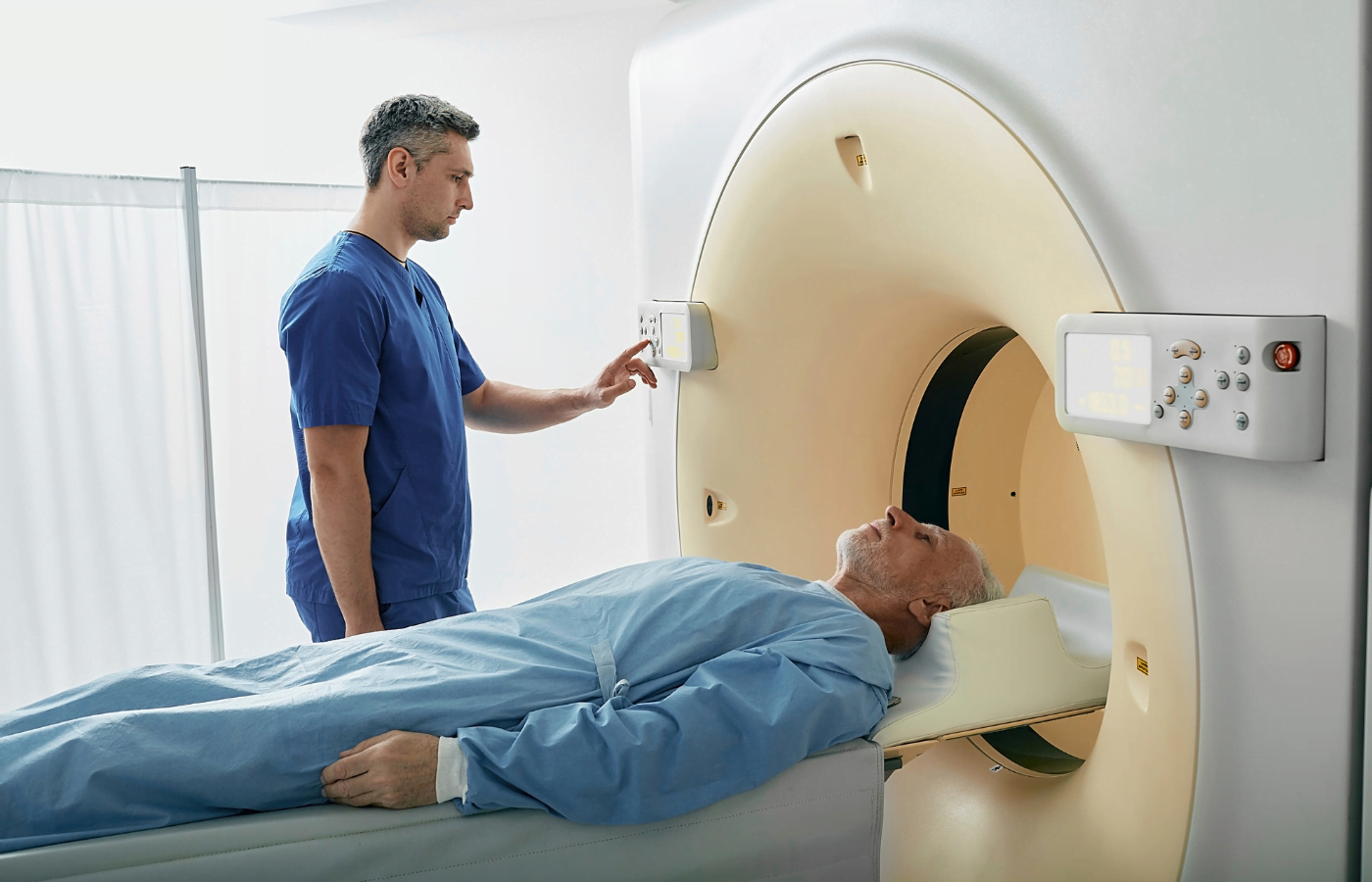
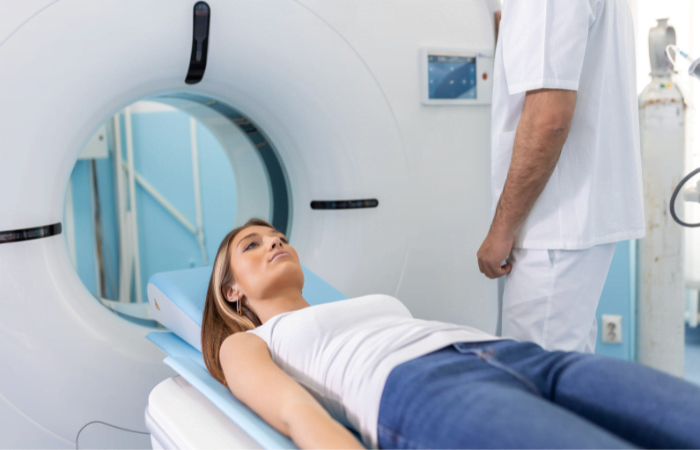
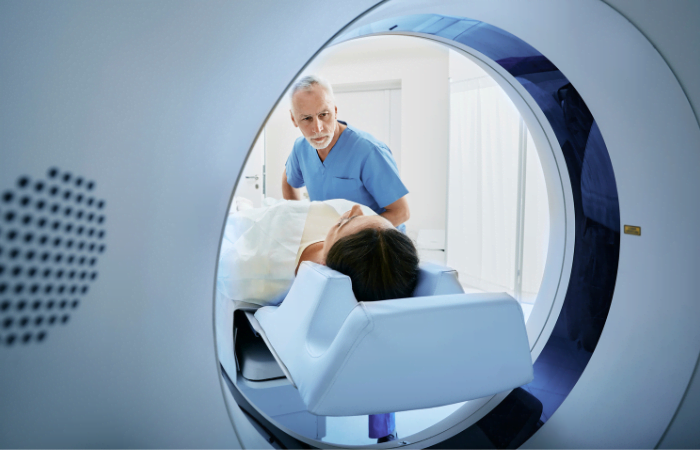
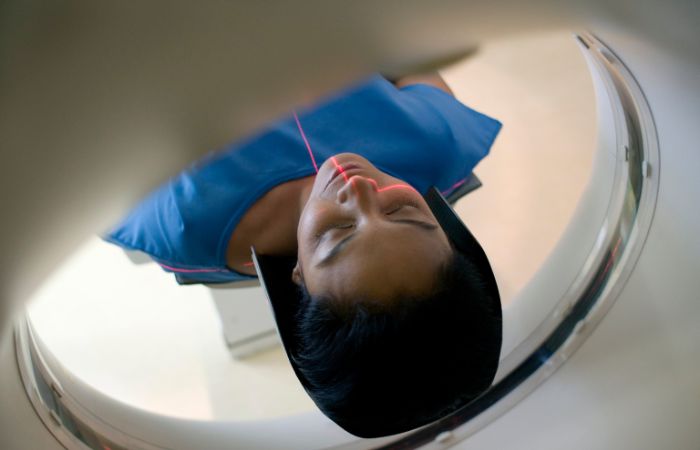
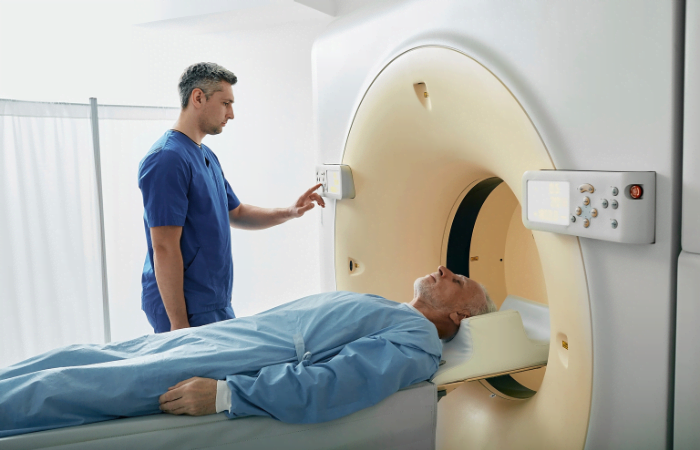
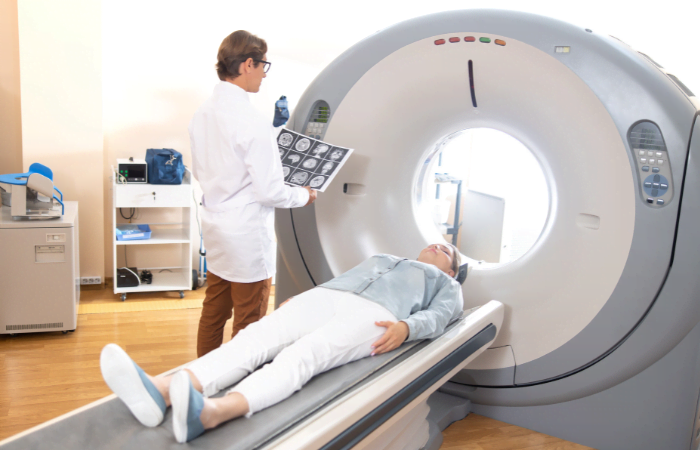
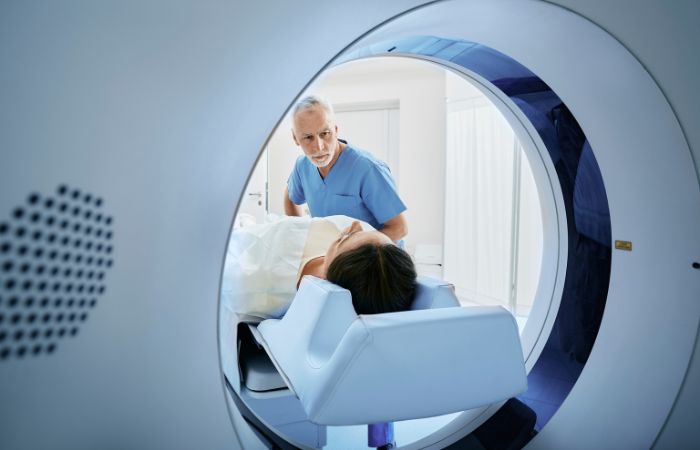
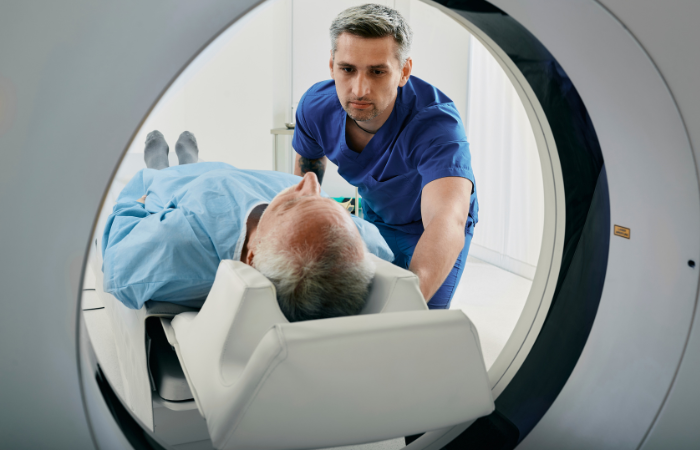
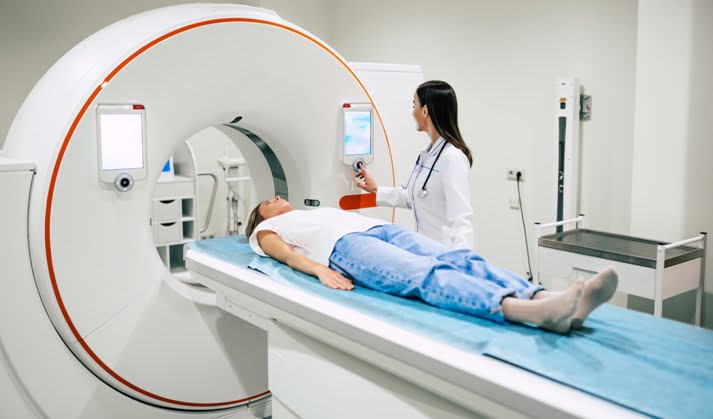
  2. Positioning: The patient lies on a motorized table that slides into the doughnut-shaped CT scanner. Head holders and straps are used to prevent movement, as motion blurs the images.

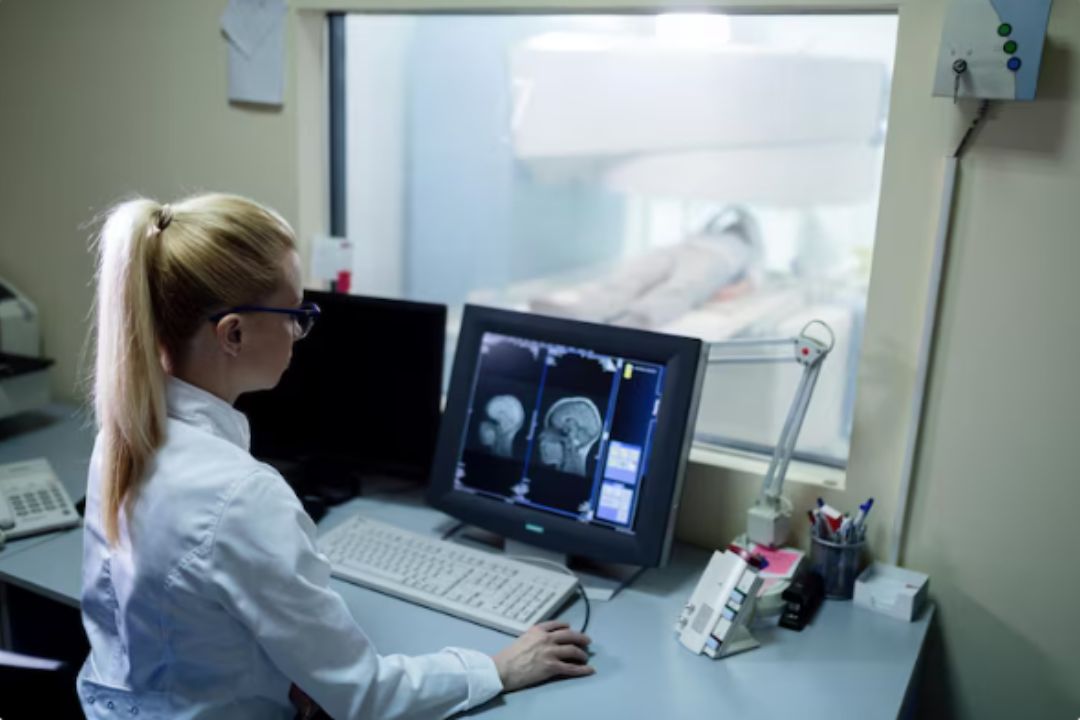
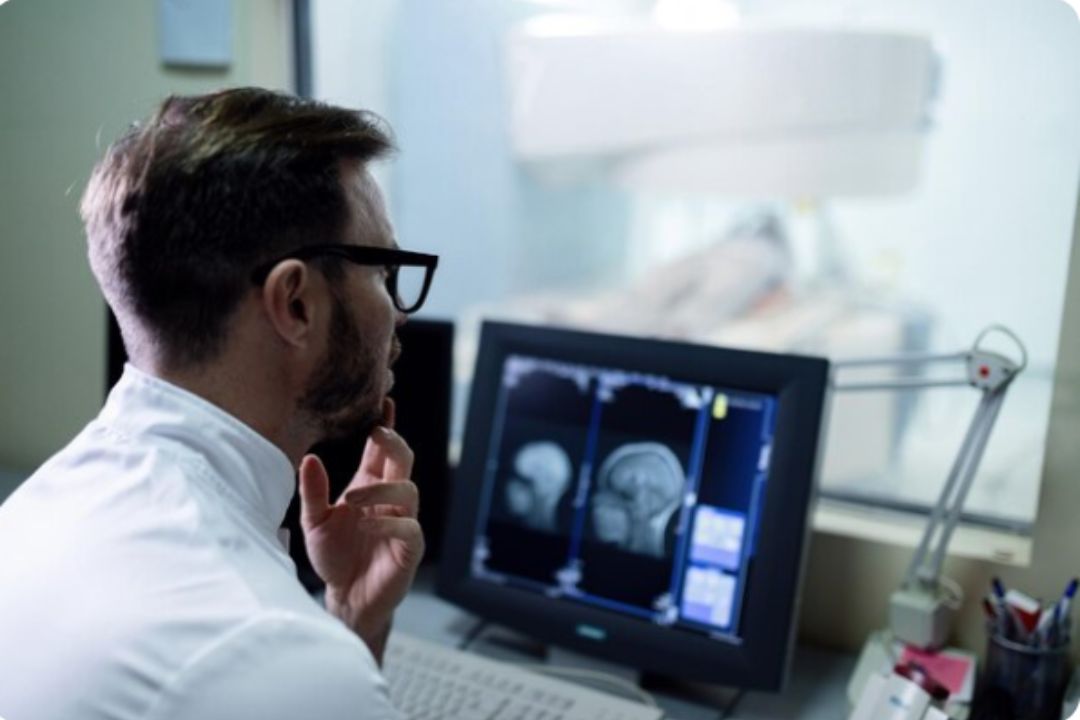
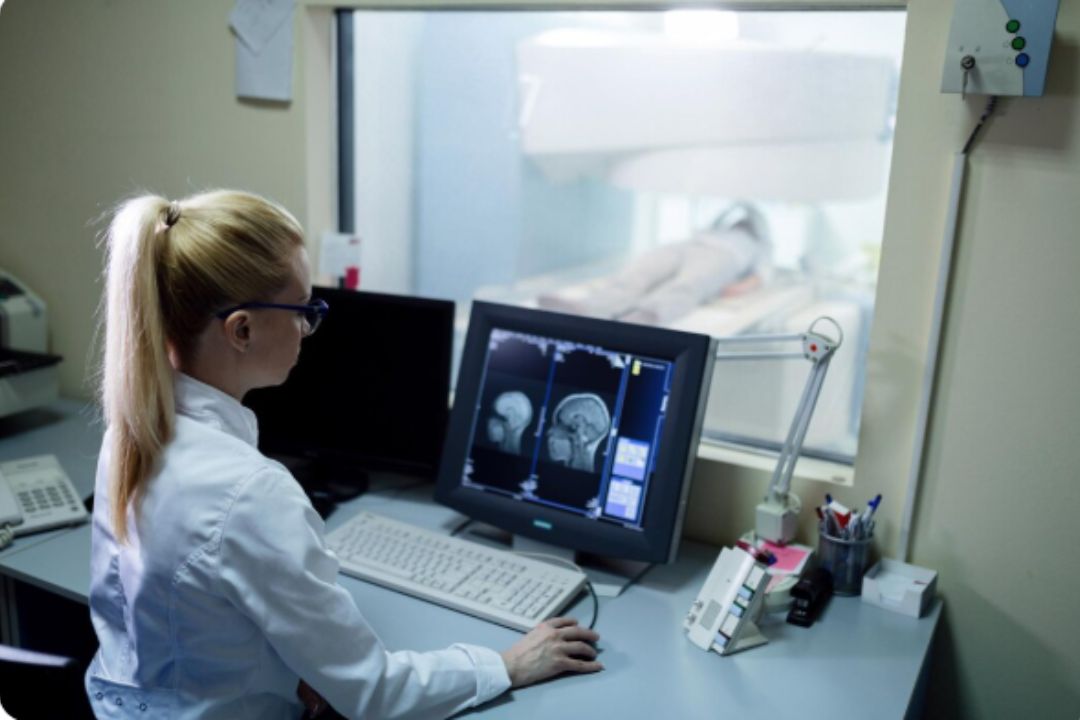
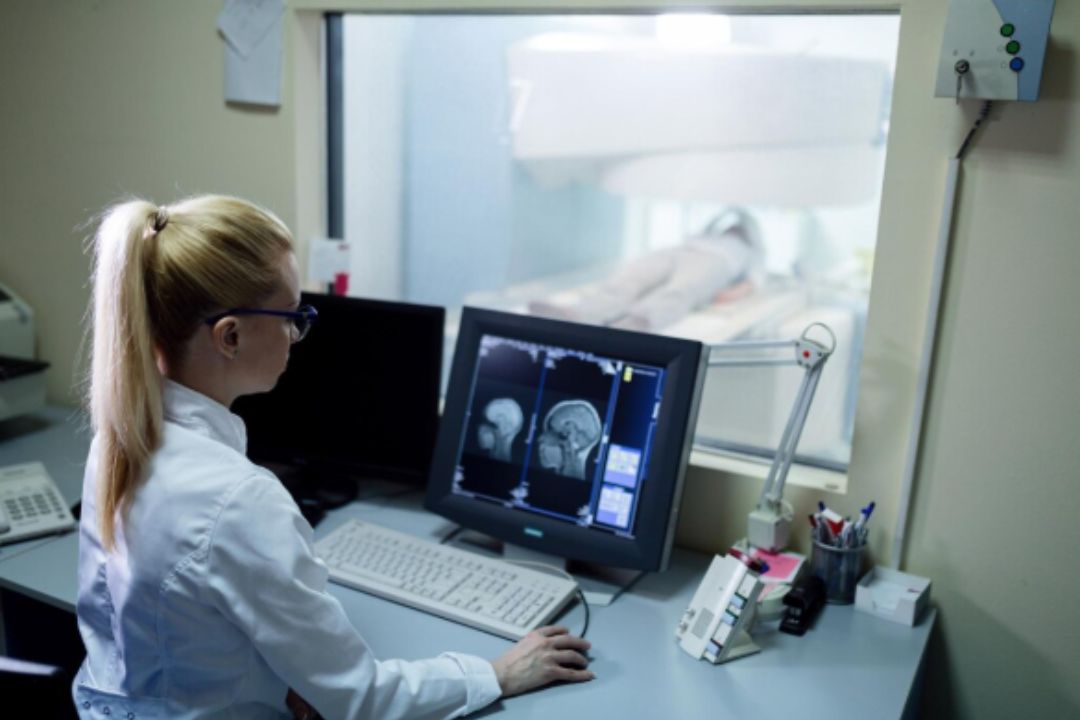
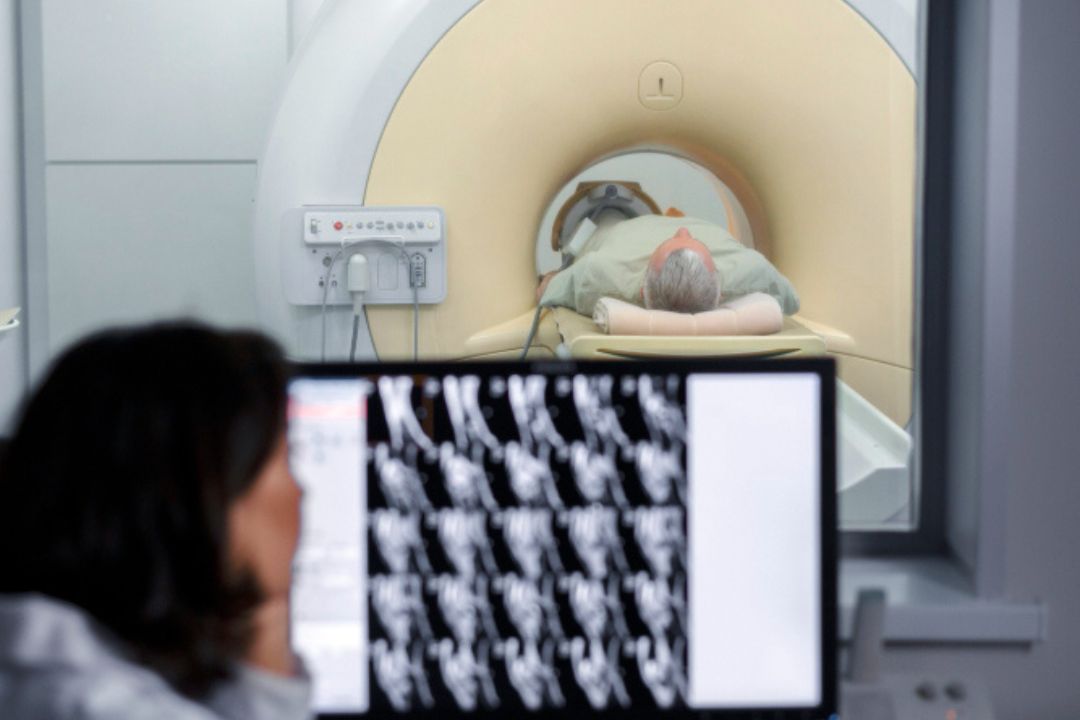
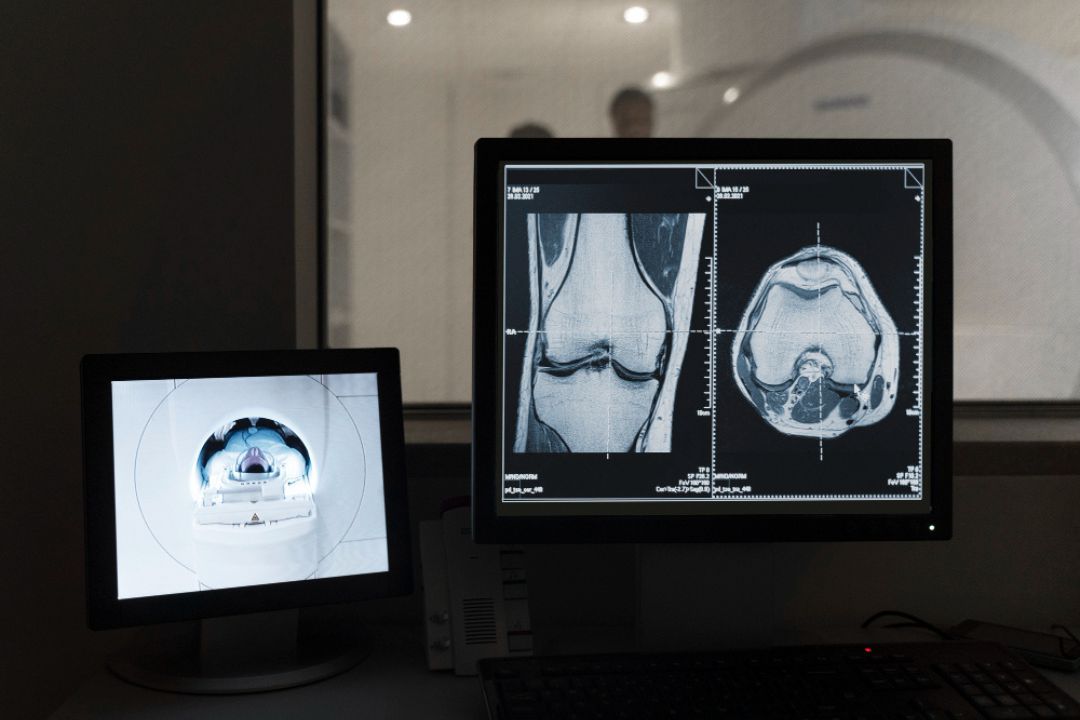
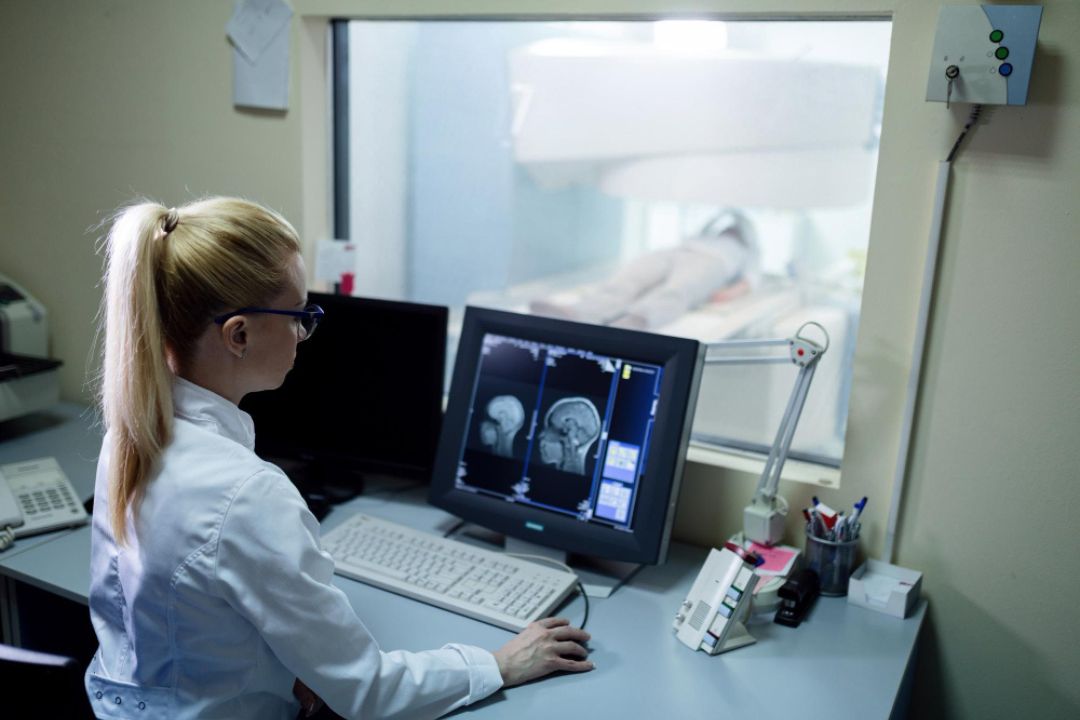
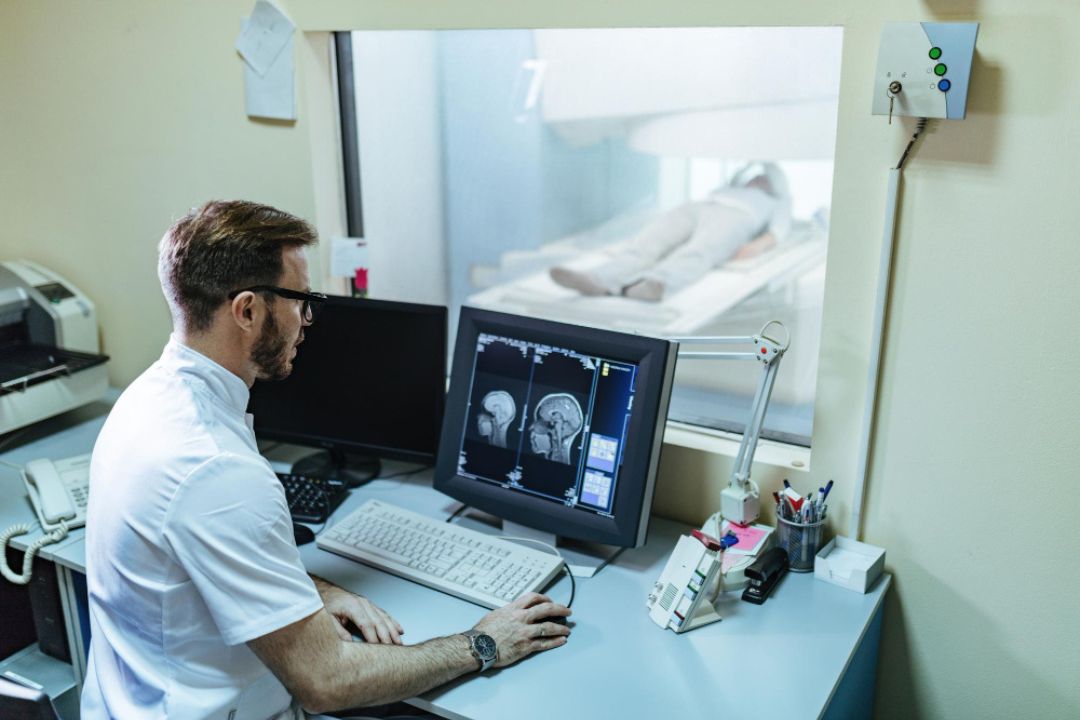
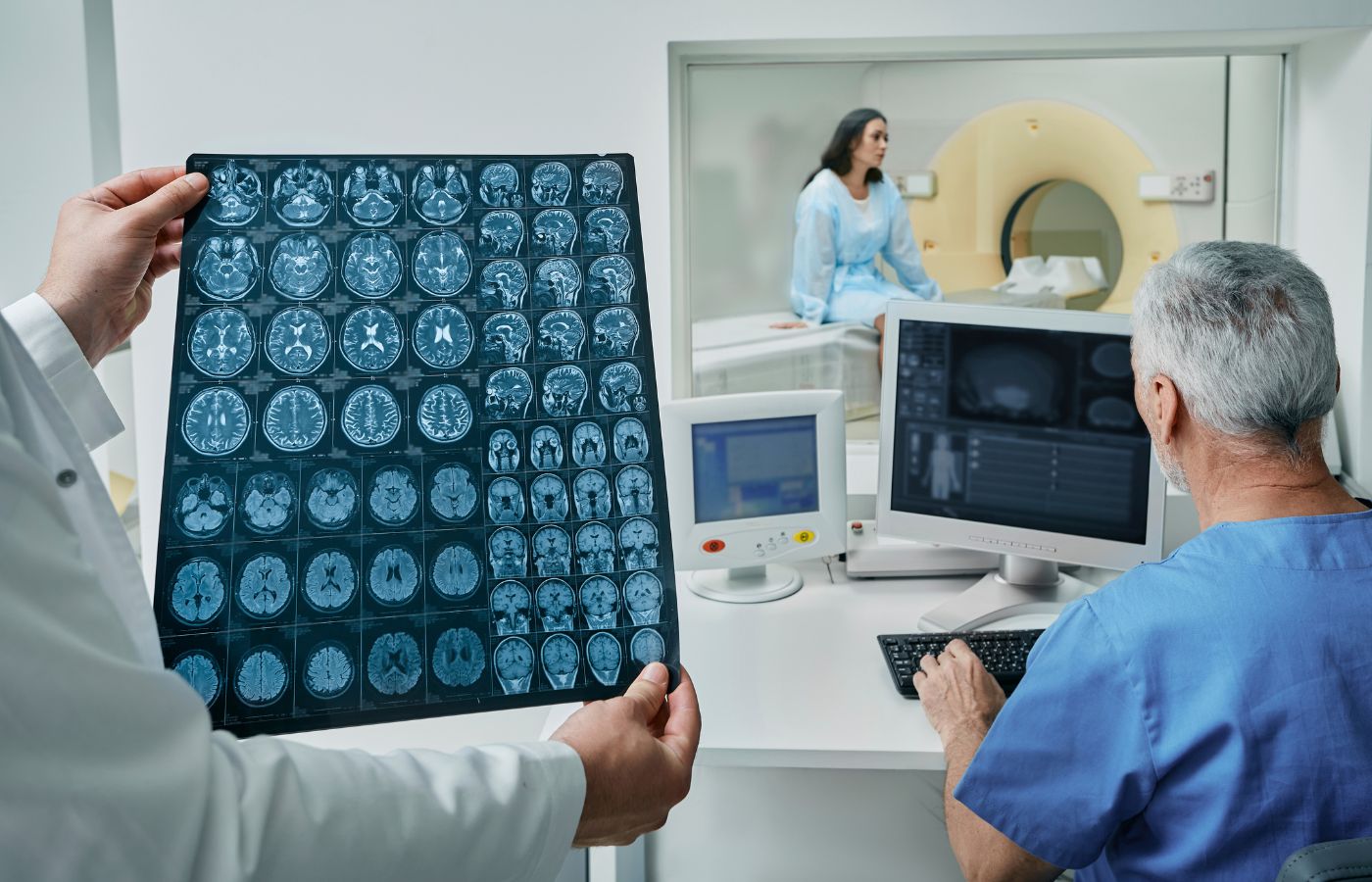
  3. The Scan: The scanner rotates silently. The procedure is painless and incredibly fast, often completed in less than five minutes. The technologist monitors from an adjacent window.

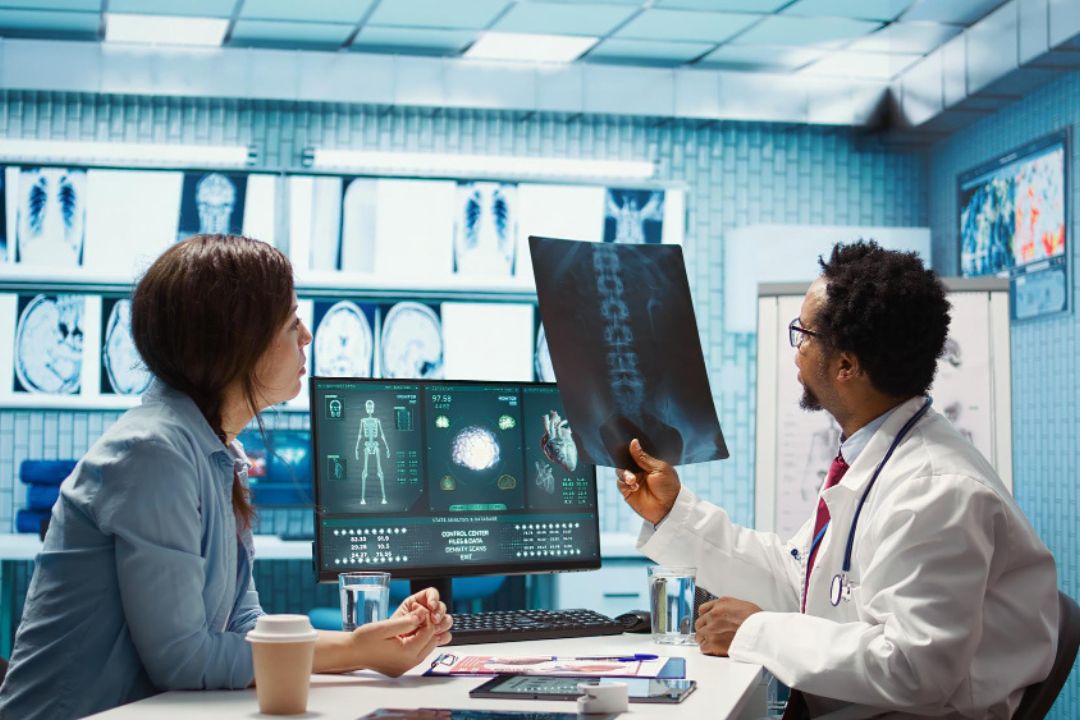
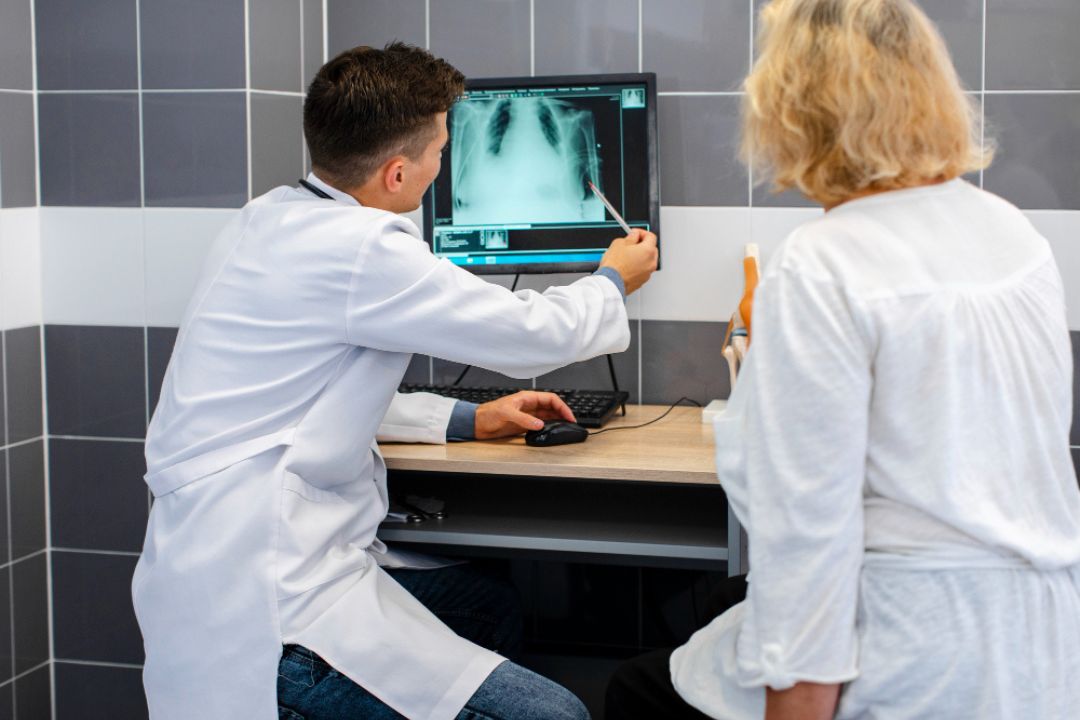
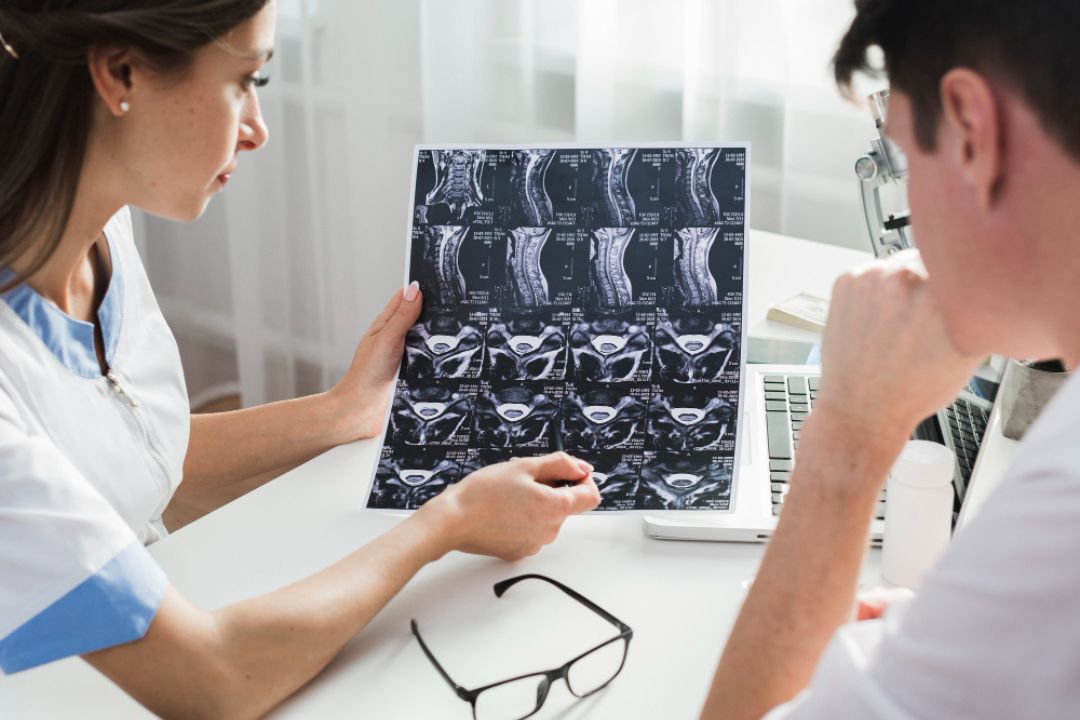
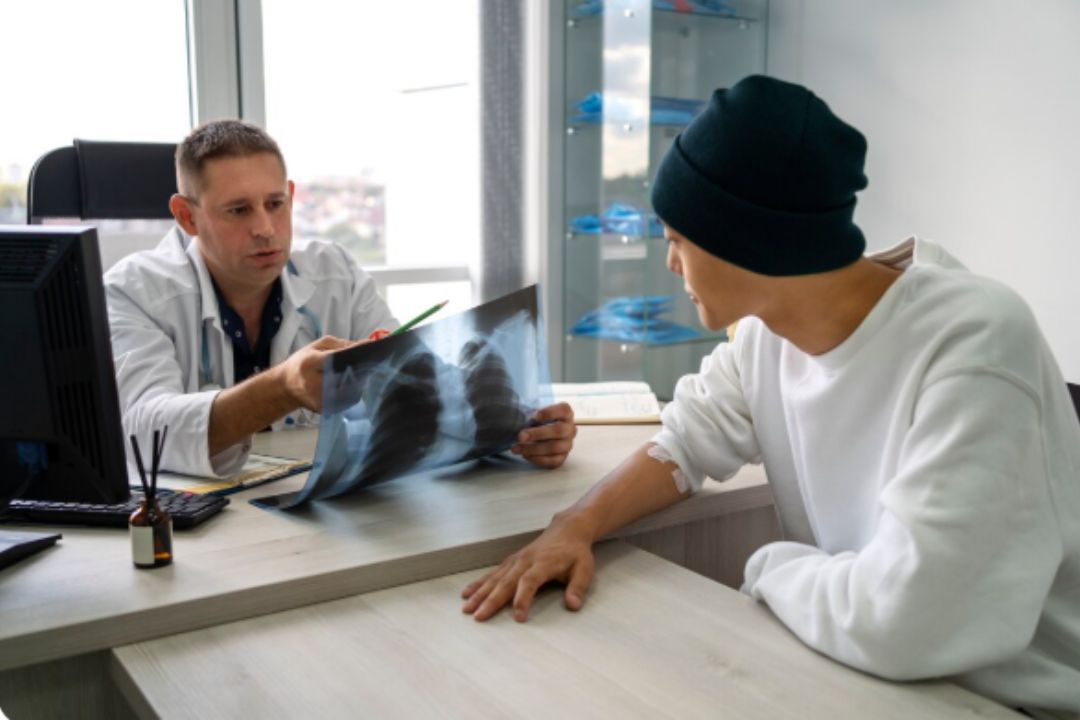
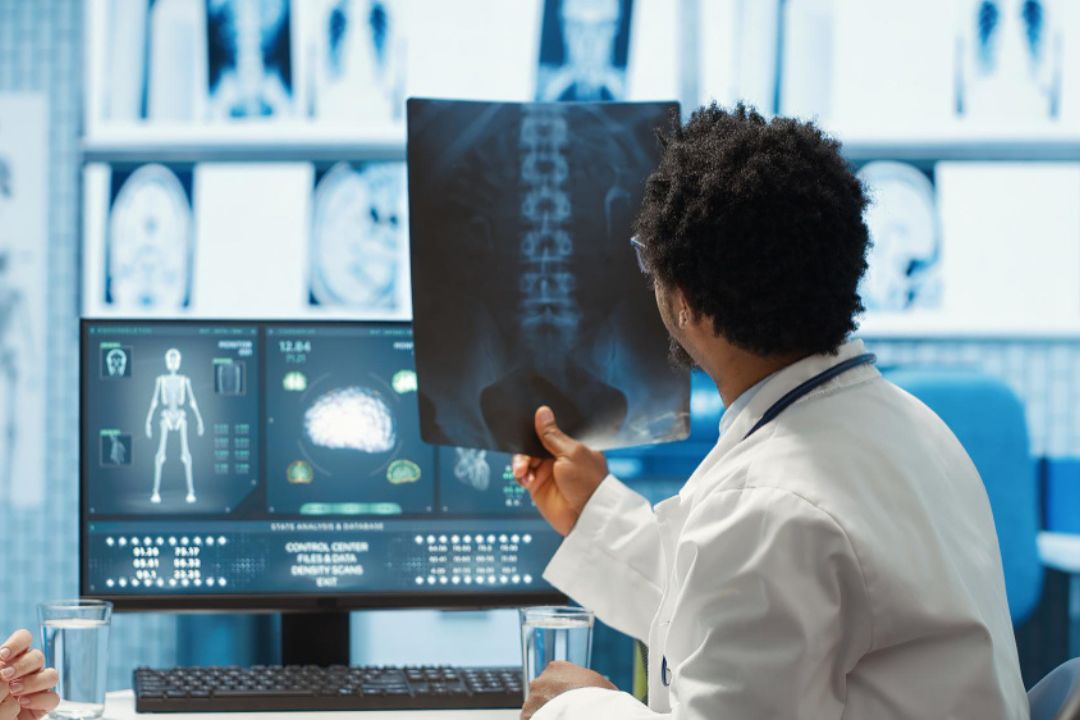
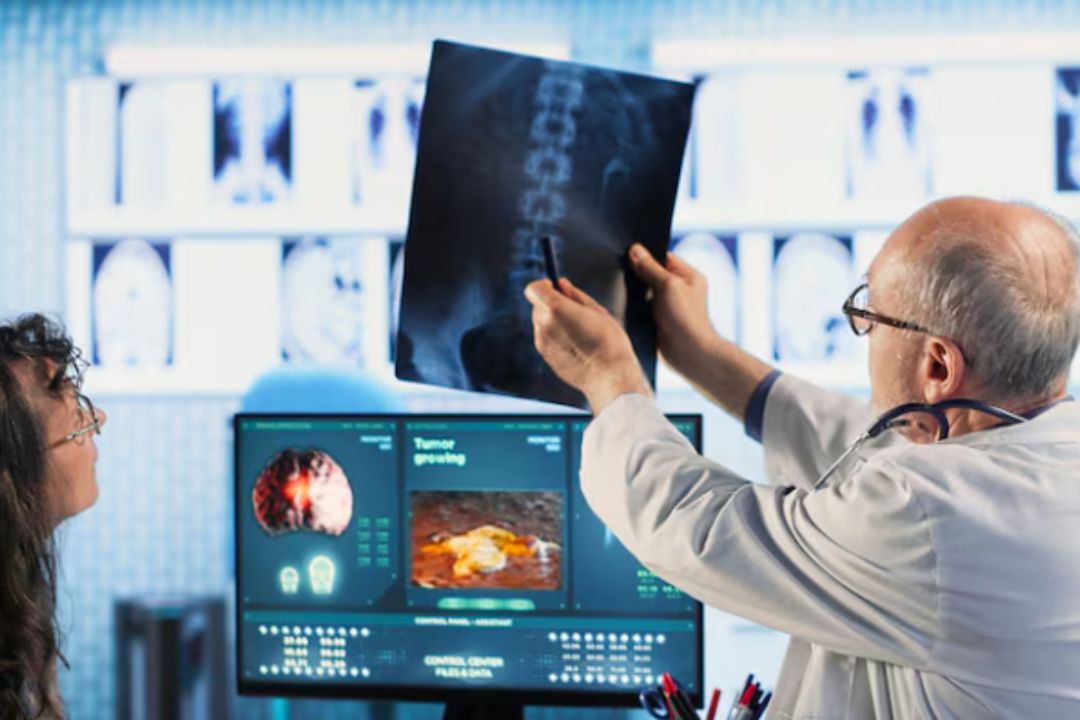
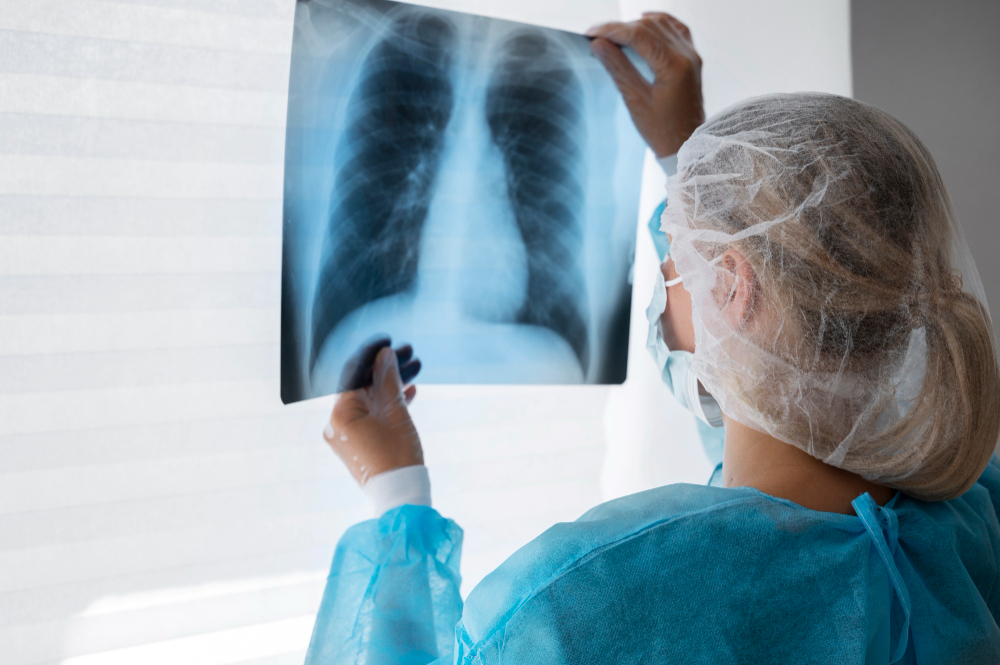
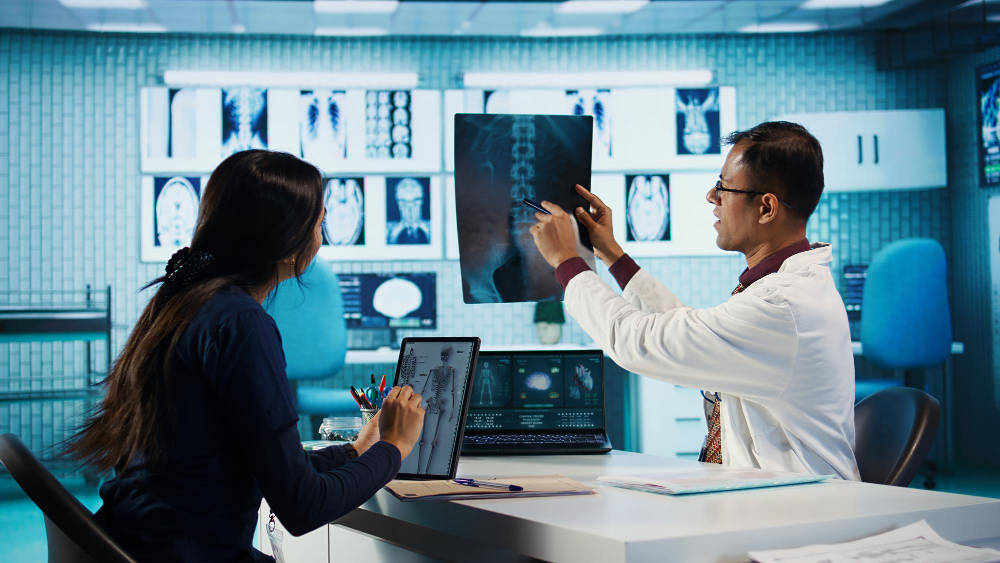
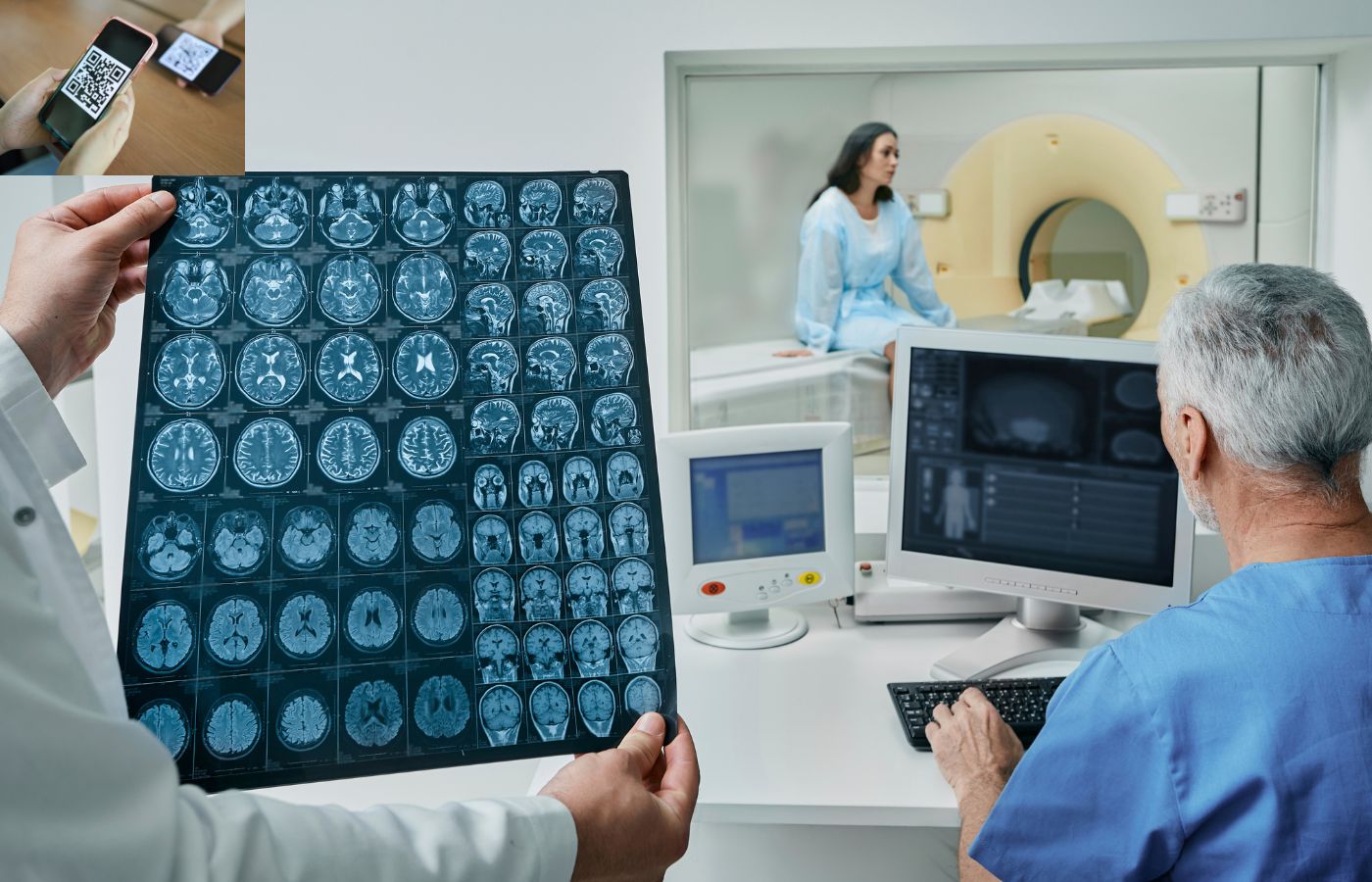
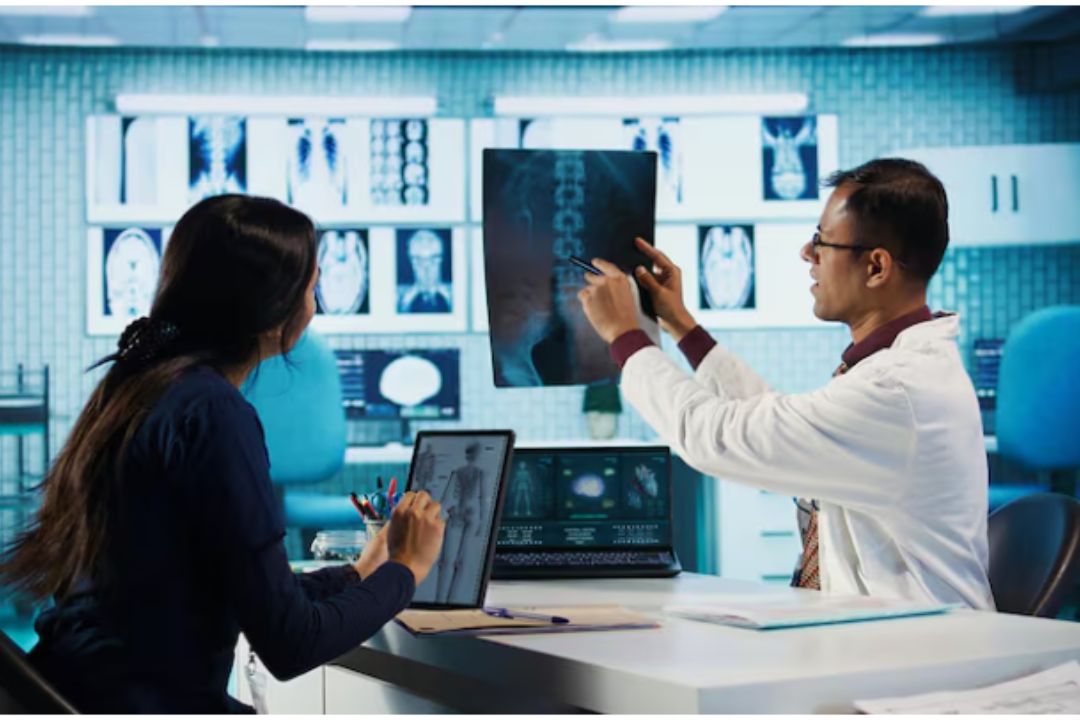
  4. Analysis & Results: The images are immediately sent to a PACS system. A radiologist at Diagnopein interprets them urgently, and a report is sent to the emergency physician within minutes, facilitating immediate treatment decisions.

Cost of a Head CT Scan in an Emergency Setting

The cost of a head CT scan can vary widely based on:

  1. Geographic Location & Facility: Costs differ between cities and types of facilities (hospital ER vs. independent imaging center).

  2. Hospital vs. Diagnostic Center: While the ER provides immediate access, the scan cost in a hospital setting is often significantly higher due to facility fees. For less urgent but medically necessary scans referred by a doctor, a dedicated center like Diagnopein often provides more affordable, transparent pricing.

  3. Insurance Coverage: In a genuine emergency, most insurance plans cover a substantial portion of the CT scan cost after the deductible is met. It is crucial to check your policy details and whether the facility is in-network.

Why Choose Diagnopein for Your Imaging Needs?

While life-threatening emergencies should always go directly to the nearest hospital ER, Diagnopein is the ideal choice for referred imaging needs following initial assessment or for non-urgent head injury concerns. Here’s why:

  1. Expertise in Neurological Imaging: Our subspecialty-trained radiologists have a keen eye for detecting subtle abnormalities.

  2. Advanced Technology: We use state-of-the-art, low-dose CT scanners that deliver high-resolution images with optimized safety.

  3. Speed & Accessibility: We prioritize urgent referrals and offer swift appointment scheduling, reducing anxious wait times.

  4. Patient-Centric Care: We provide a calm, comfortable environment, clear communication, and efficient report delivery to your doctor.

  5. Cost Transparency: We believe in clear, upfront cost estimates and guidance on insurance processes.

Conclusion: A Vital Lifeline in Trauma Care

An emergency head CT scan is a non-negotiable, critical step in the evaluation of significant head trauma. It is the fastest and most reliable way to visualize internal brain injuries and direct life-saving treatment. While the emergency room is the first point of call for acute trauma, having access to a trusted, advanced diagnostic partner like Diagnopein for follow-up care or referred imaging ensures continuity, expertise, and peace of mind throughout your recovery journey.

Book Your Scan with Confidence at Diagnopein

If your physician has recommended a CT scan following a head injury, do not delay. Timely diagnosis is key to preventing complications and ensuring the best possible outcome.

Protect your brain health. Trust the experts.
Book your appointment at Diagnopein today through our website or by phone. Our team is here to provide you with accessible, high-quality diagnostic imaging when you need it most.

Talk to an Expert
  I HereBy Consent to receive calls/messagess from Diagnopein ct scan and its partners and override DND settings
LATEST POST
SIMILAR POST