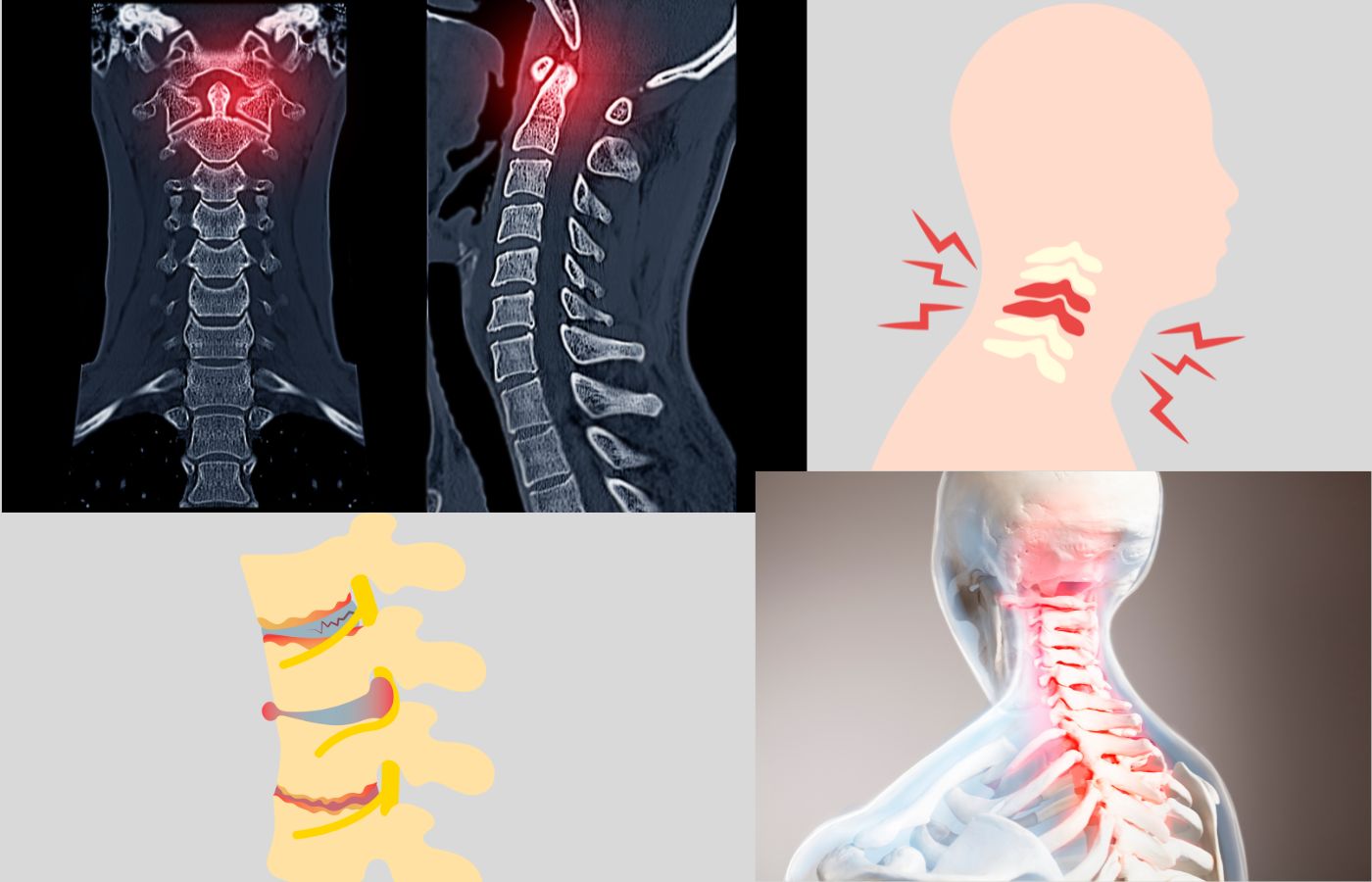
Persistent back or spine pain can be debilitating, affecting your daily life and productivity. While often manageable with conservative treatment, there are times when your doctor needs a detailed, internal view to diagnose the exact cause. This is where a CT (Computed Tomography) scan becomes a critical tool. But when is it genuinely required, and what should you know about the CT Scan Cost and process? Let’s explore.
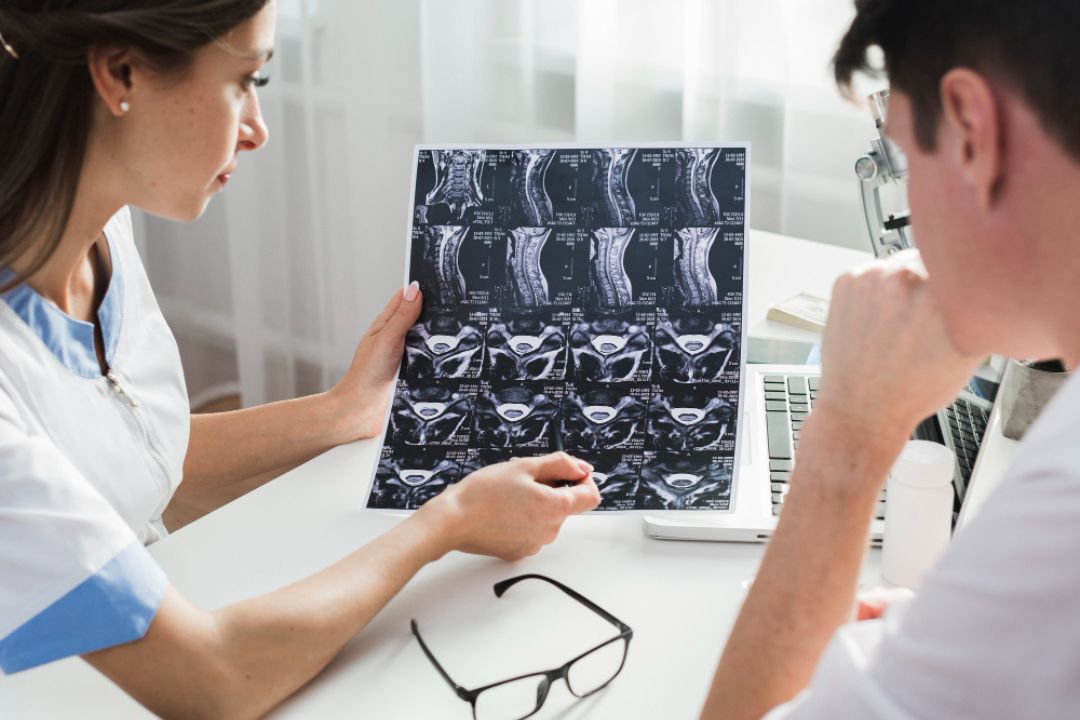
Doctors do not recommend a CT scan for every instance of back pain. It is a targeted investigation reserved for specific clinical presentations where detailed anatomical information is crucial. Here are the primary scenarios that necessitate a spine CT scan:
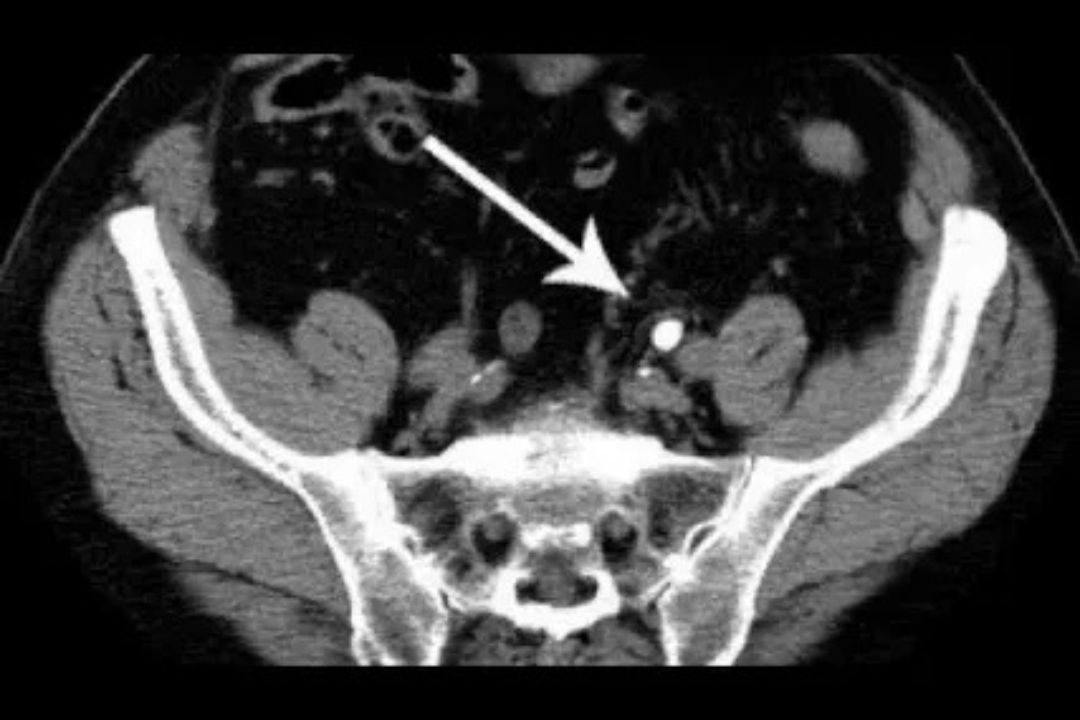
Following Acute Trauma: This is one of the most common and critical indications. After events like car accidents, significant falls, or sports injuries, a CT scan is essential to rapidly and accurately detect fractures, spinal column instability, or bony fragments that could be compressing the spinal cord.
Progressive Neurological Deficits: If back pain is accompanied by alarming symptoms like radiating pain (sciatica), numbness, tingling, muscle weakness in the arms or legs, or—most urgently—loss of bowel or bladder control, a CT Scan is imperative. These symptoms suggest nerve root or spinal cord compression, often from a herniated disc, severe stenosis, or a lesion.
Suspicion of Serious Pathology: When clinical signs point towards conditions like spinal tumors (primary or metastatic), infections (osteomyelitis or a spinal abscess), or complex inflammatory arthritis, a CT scan provides vital detail on bone destruction and structural involvement.
Pre-Surgical Roadmapping: For patients scheduled for spinal surgeries—such as fusion, decompression, or correction of deformities—a CT scan offers surgeons an exceptionally detailed, 3D "blueprint" of the bony anatomy, leading to more precise and safer surgical planning.
Contraindication to MRI: For patients with certain implanted devices (like pacemakers or old aneurysm clips) or severe claustrophobia, an MRI may not be feasible. A CT scan serves as a powerful alternative for evaluating bony structures.
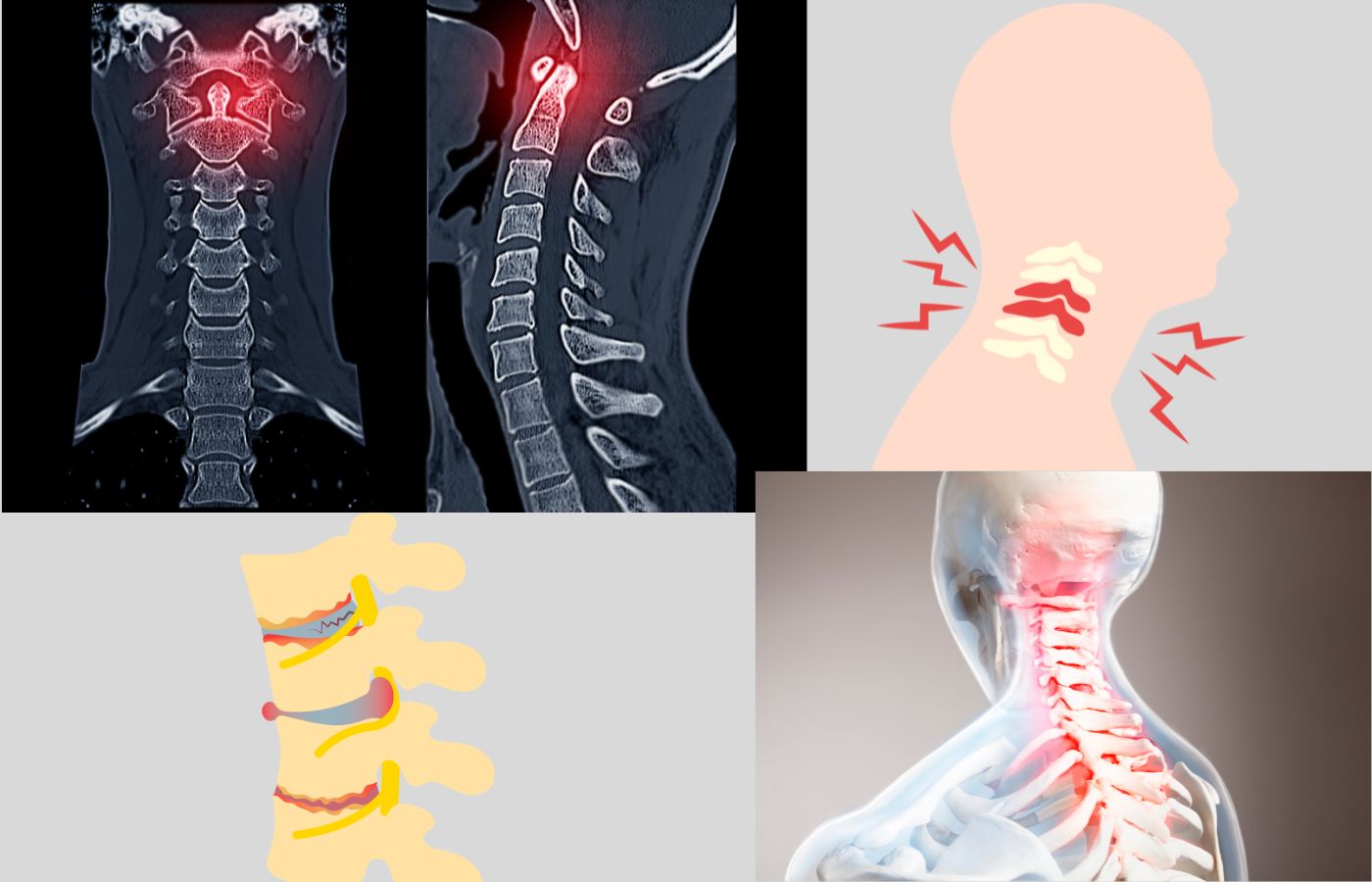
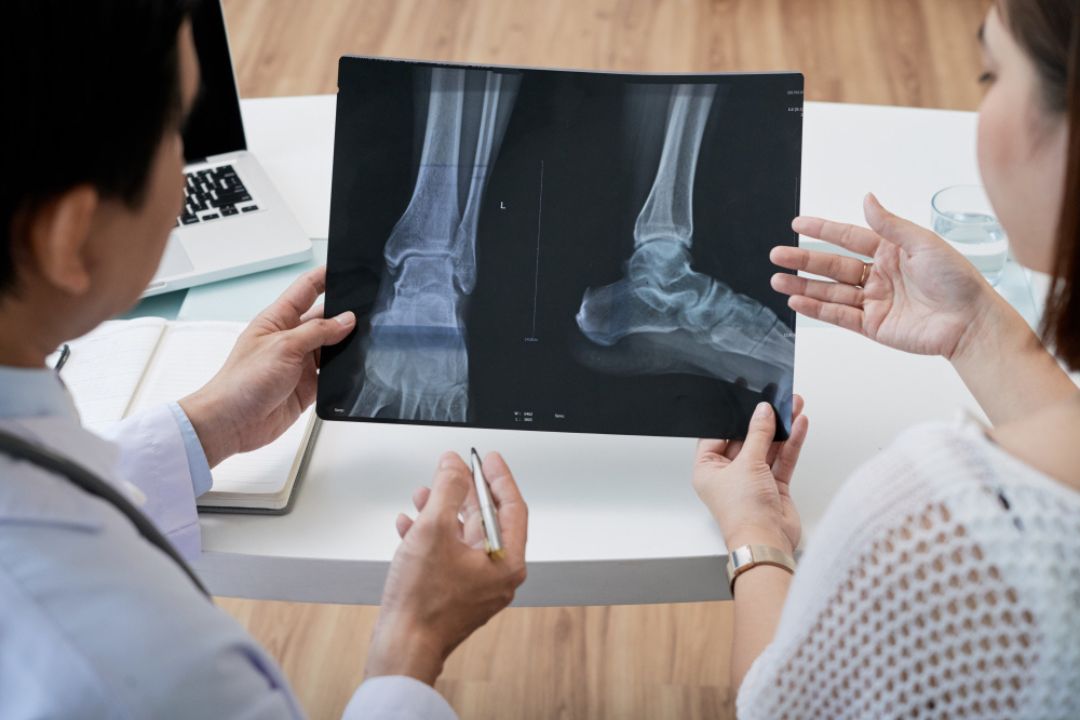
Persistent, Unexplained Pain: When severe back pain does not respond to 6-8 weeks of standard medical management, and initial X-rays are inconclusive, a CT scan is often the next step to identify hidden causes like facet joint arthritis, subtle fractures, or spinal stenosis.
A spine CT scan offers unique advantages that make it the modality of choice in specific situations:
Unmatched Bony Detail: It is superior for visualizing the cortical bone and complex vertebral anatomy. This makes it the gold standard for assessing fractures, bone spurs (osteophytes), and the bony confines of spinal stenosis.
Speed and Efficiency: The actual scan time is remarkably fast, often just a few minutes. This is crucial in emergency trauma settings and for patients who find it difficult to remain still for extended periods.
Excellent for Guidance: The real-time imaging capability of CT fluoroscopy is invaluable for accurately guiding interventional procedures like nerve root blocks, facet joint injections, and spinal biopsies.
Your physician’s choice hinges on the suspected problem. For suspected disc herniation pressing on a nerve, an MRI is usually first. For a complex fracture after a fall, a CT scan is definitive.
The cost of a CT scan is a practical concern for most patients. Several factors influence the final price:
Area Scanned: A scan of one region (e.g., lumbar spine) costs less than a full spine CT.
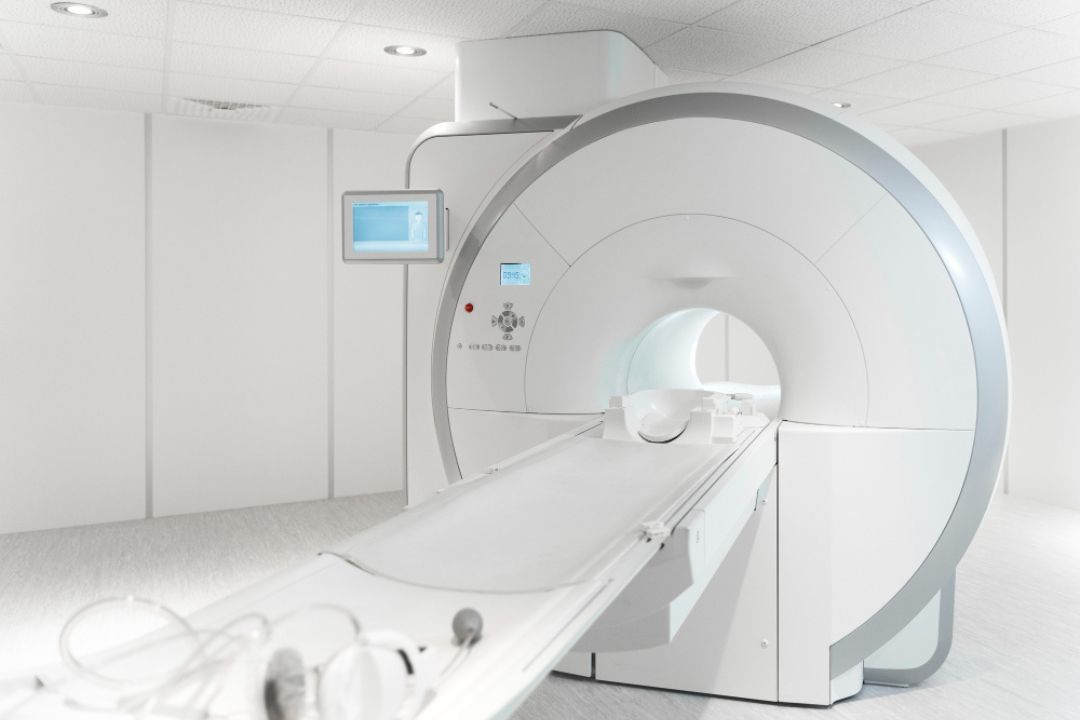
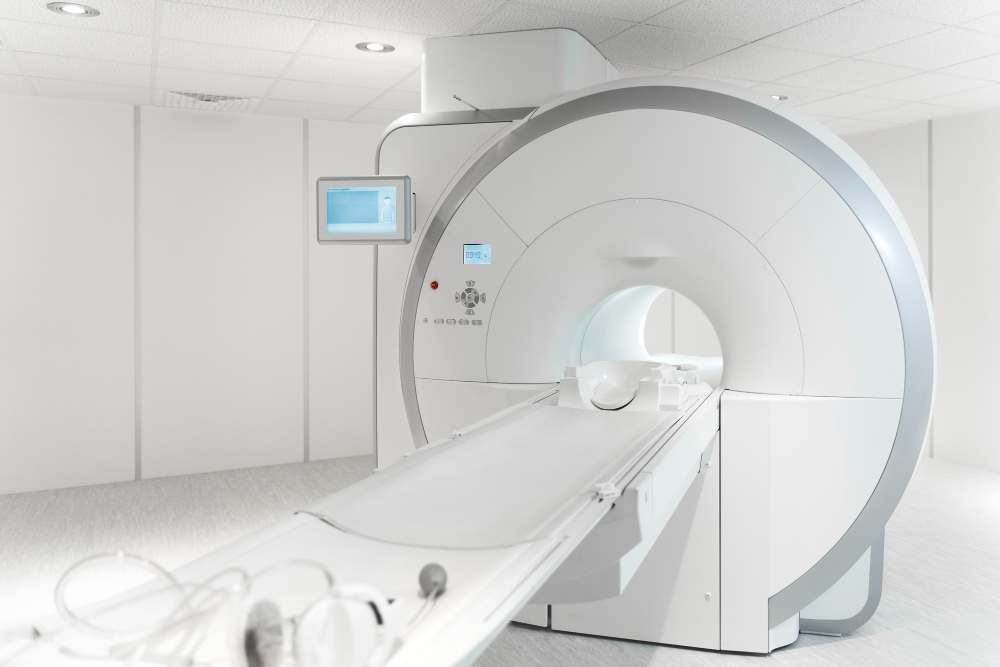
Technology: Advanced multi-slice (64-slice, 128-slice) scanners with higher resolution and lower radiation doses may command a premium.
Diagnostic Centre: Pricing varies between hospitals and standalone diagnostic centers based on facilities, expertise, and location.
So, how much does a CT scan cost? In Mumbai, for a single region of the spine (cervical, thoracic, or lumbar), the CT scan cost typically ranges from. A more extensive scan will be proportionally higher.
Navigating CT Scan Cost with Insurance: The good news is that most comprehensive health insurance policies cover diagnostic CT scans when prescribed by a registered medical practitioner. The process usually involves:
Pre-Authorization: Getting approval from your insurer (TPA) before the scan, especially for planned procedures.
Cashless Facility: If the diagnostic centre is in your insurer's network, you can avail of cashless treatment where the centre bills the insurer directly.
Reimbursement: If you pay upfront, you can submit the original reports and bills to your insurer for reimbursement.
It is vital to check your policy's sub-limits and day-care procedures cover. At Diagnopein Mumbai, our administrative staff is adept at assisting patients with insurance queries and documentation, making the financial process as smooth as the diagnostic one.
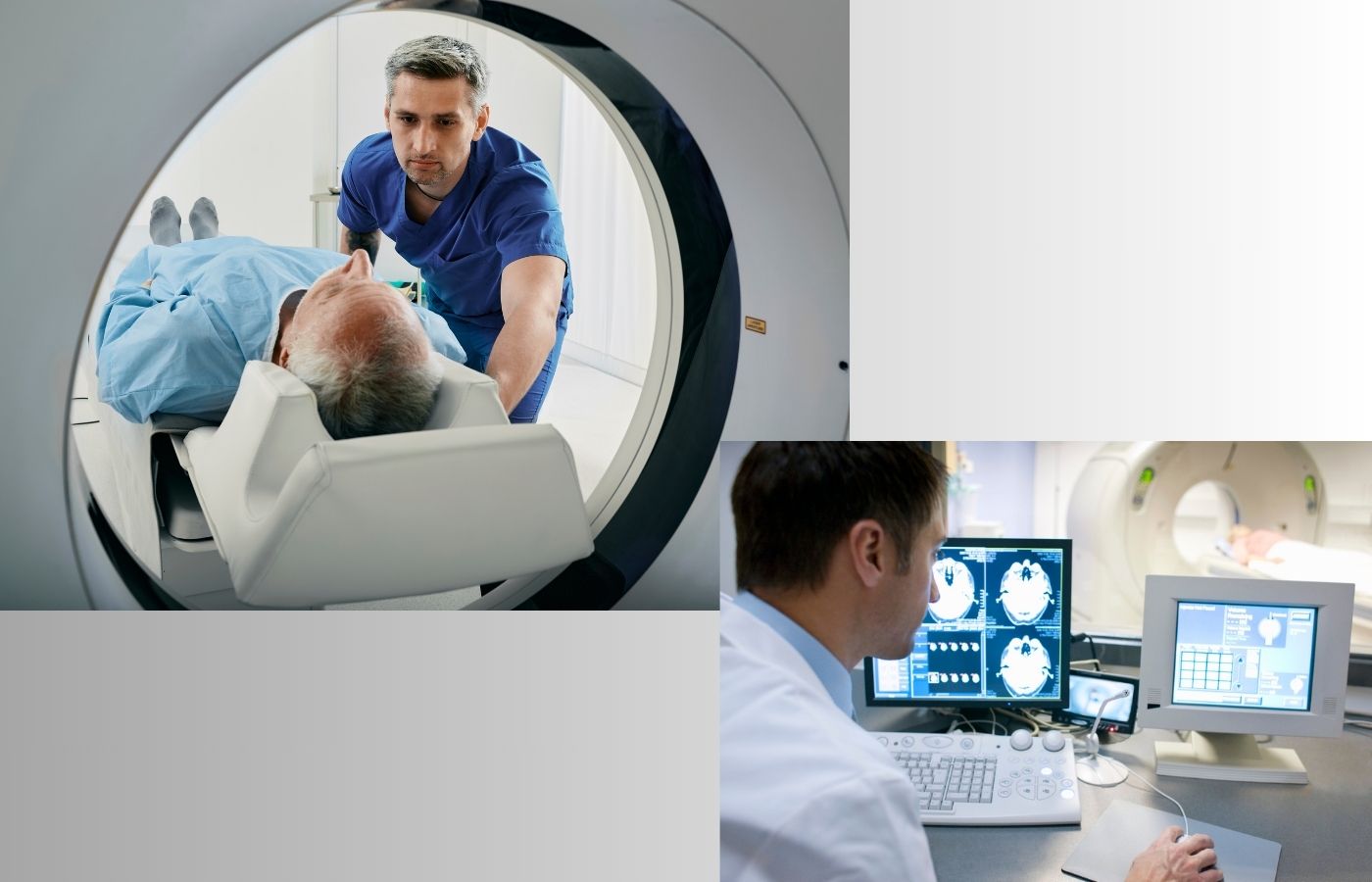
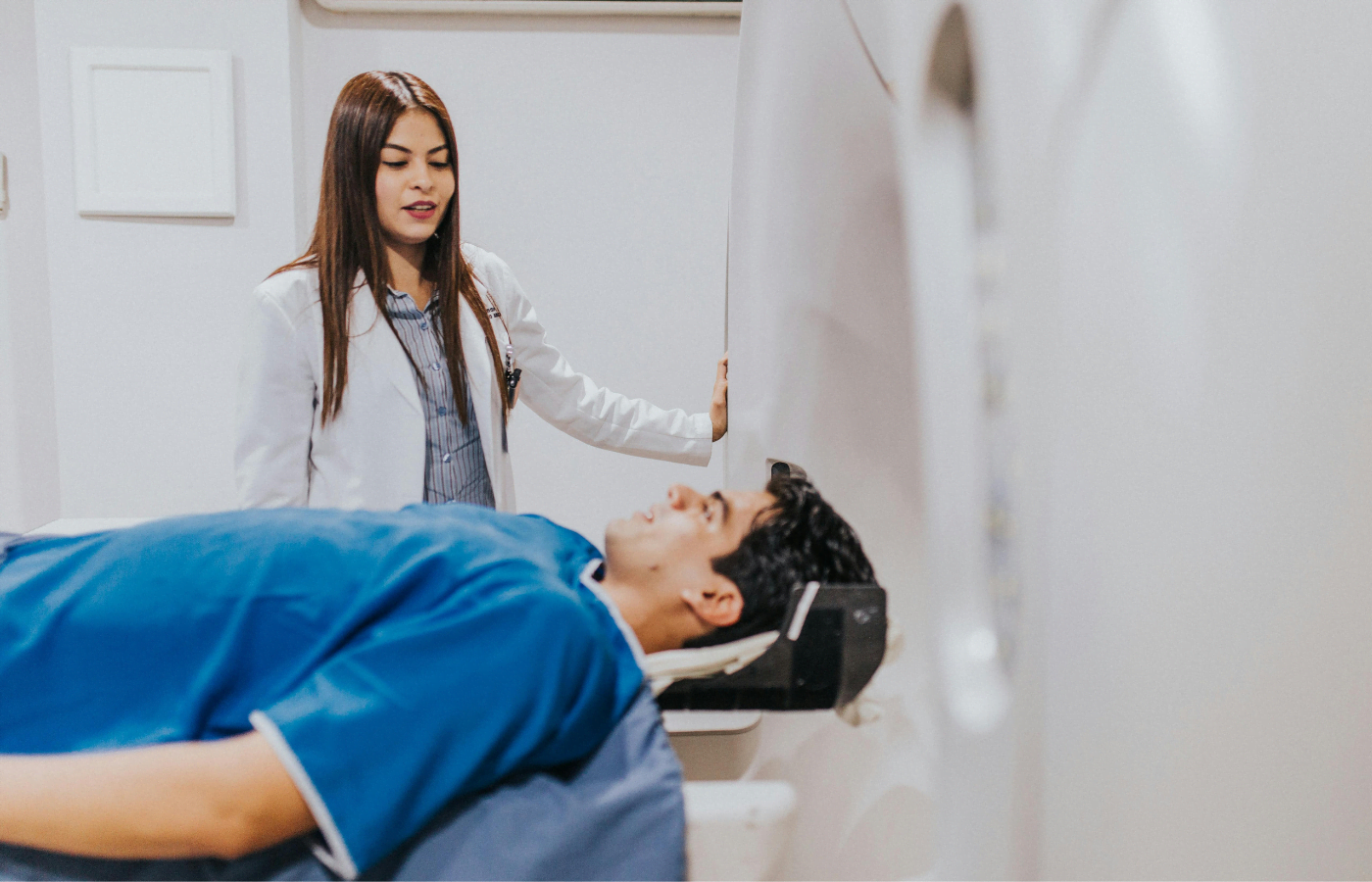
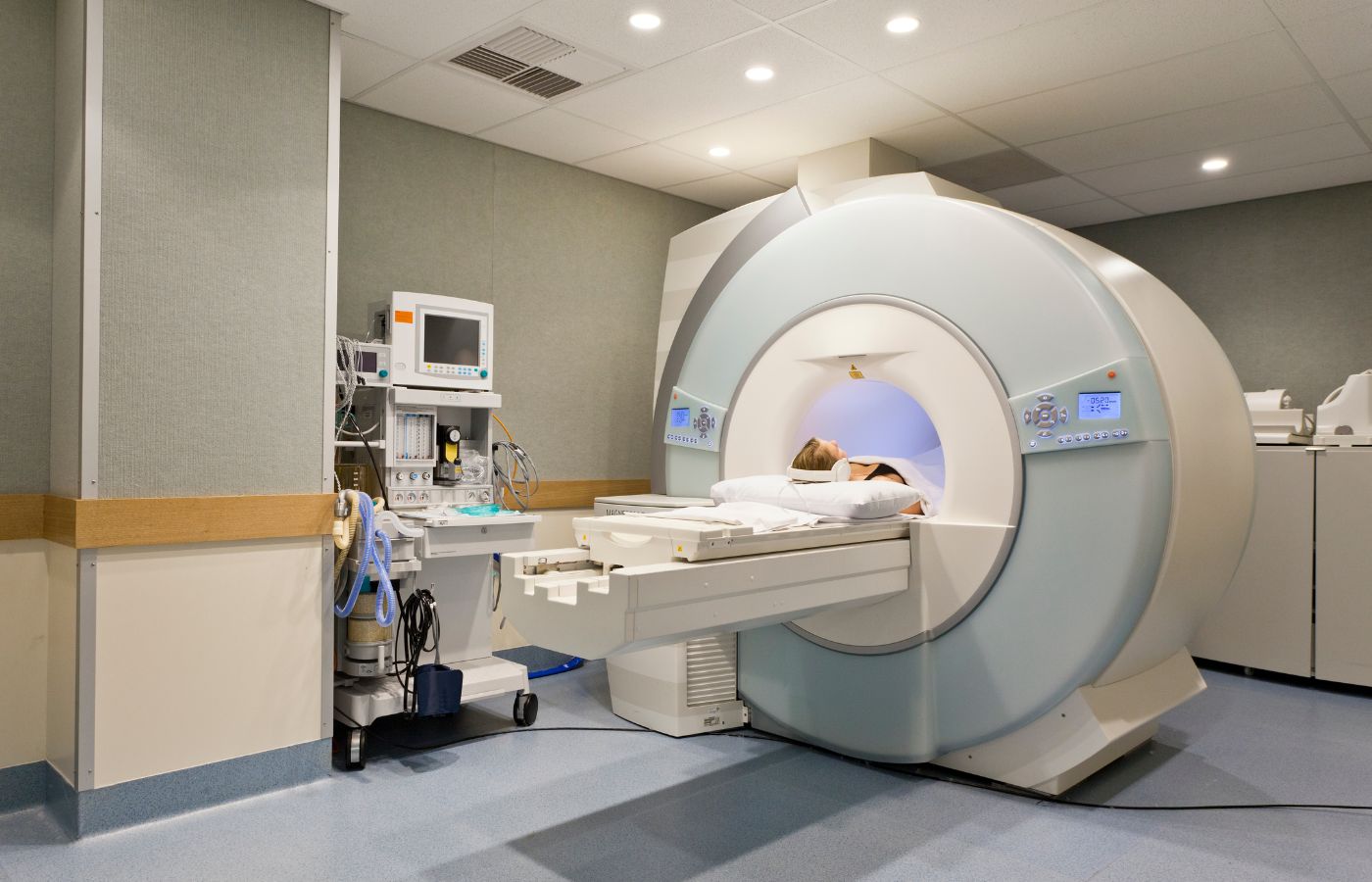
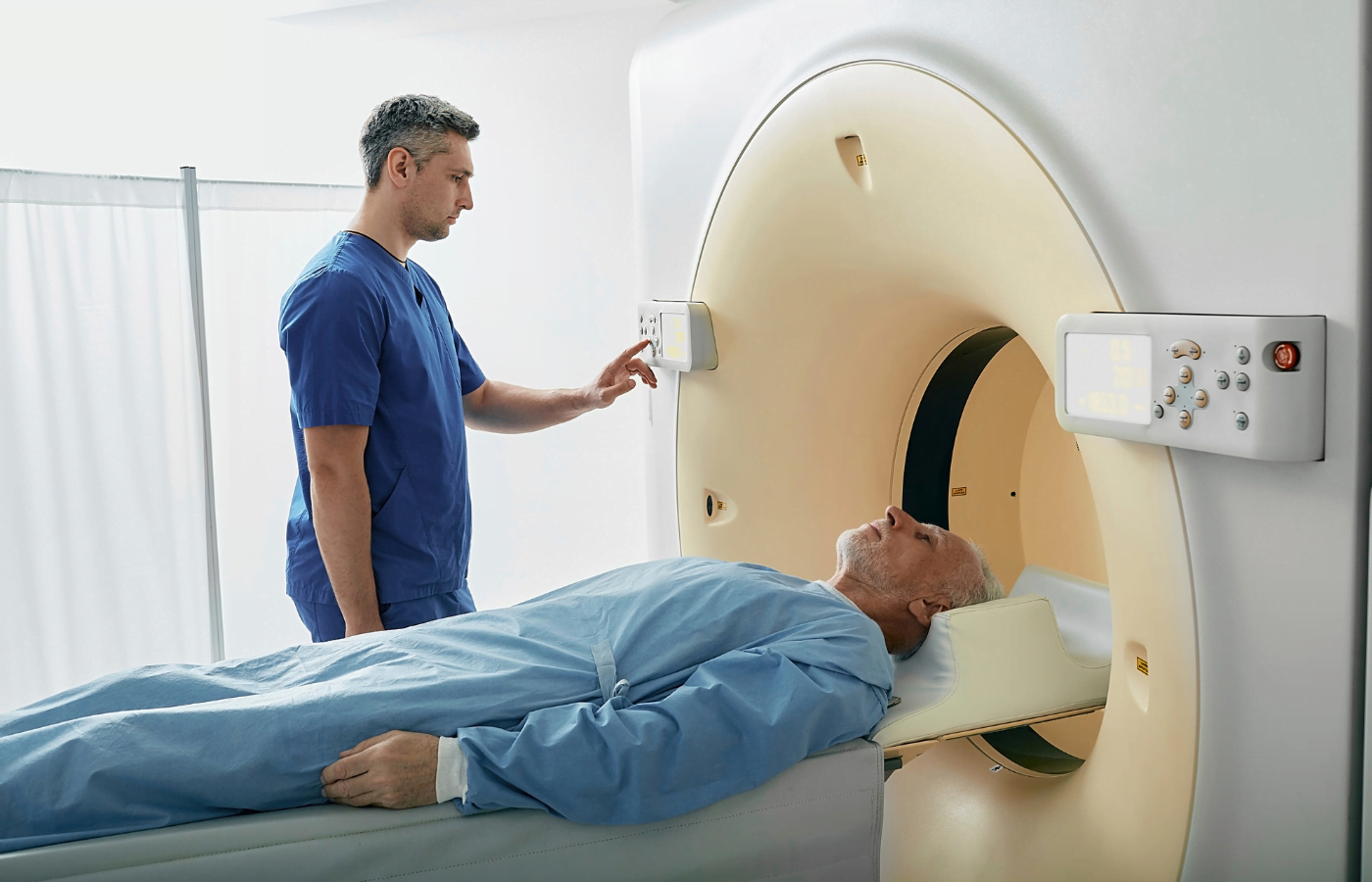
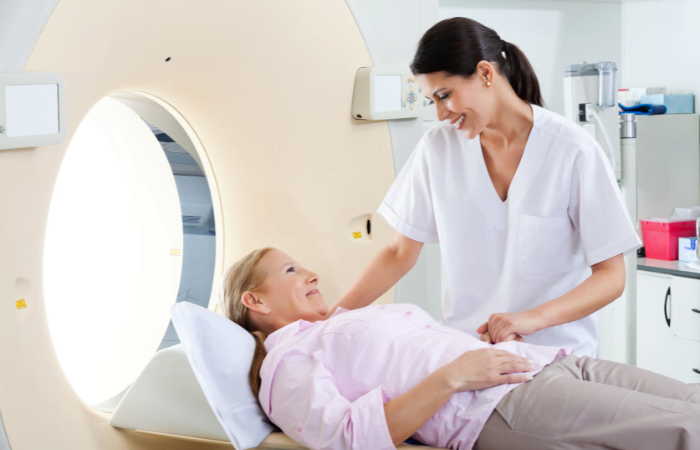
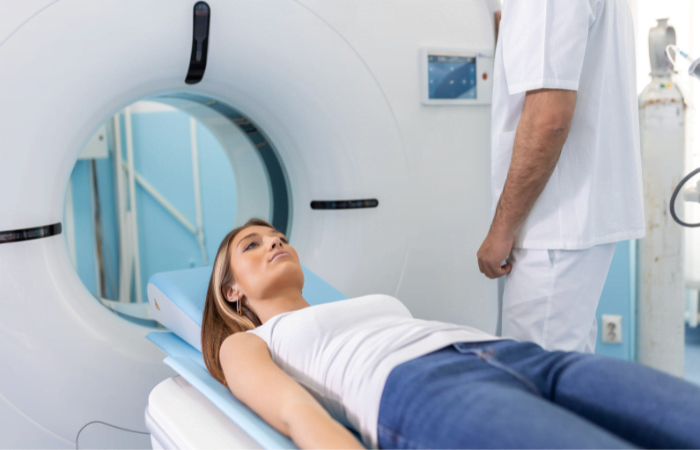
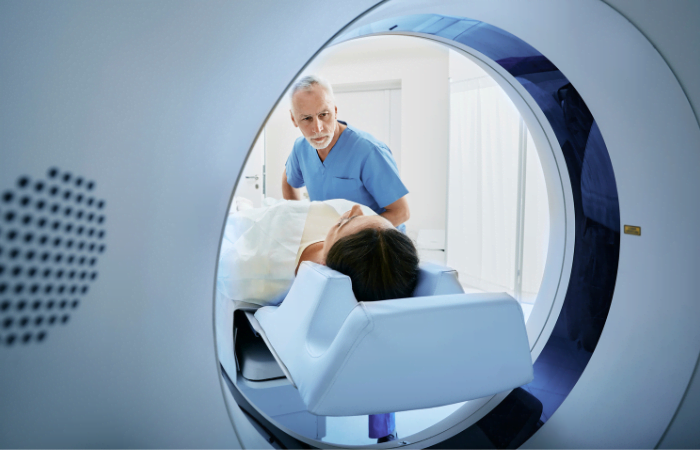
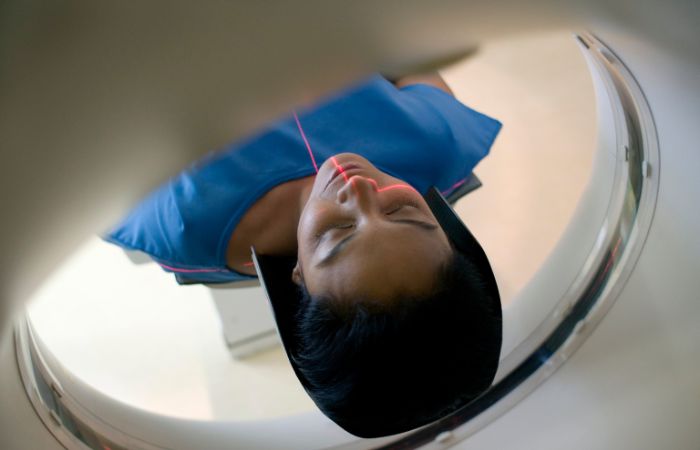
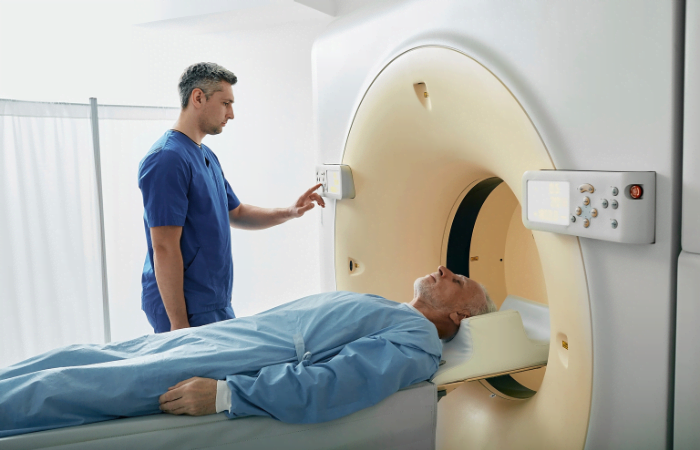
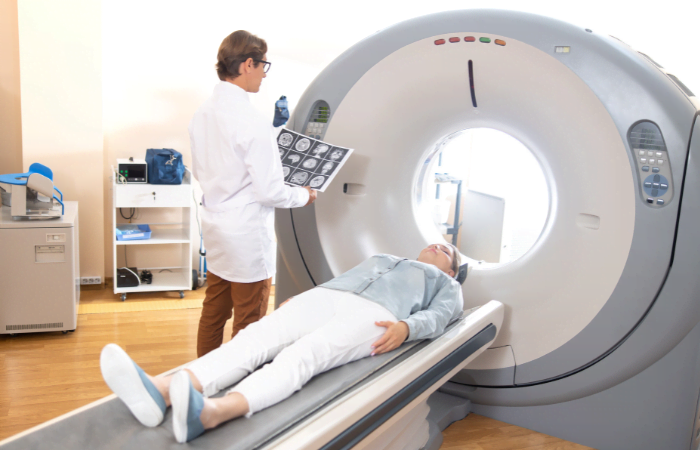
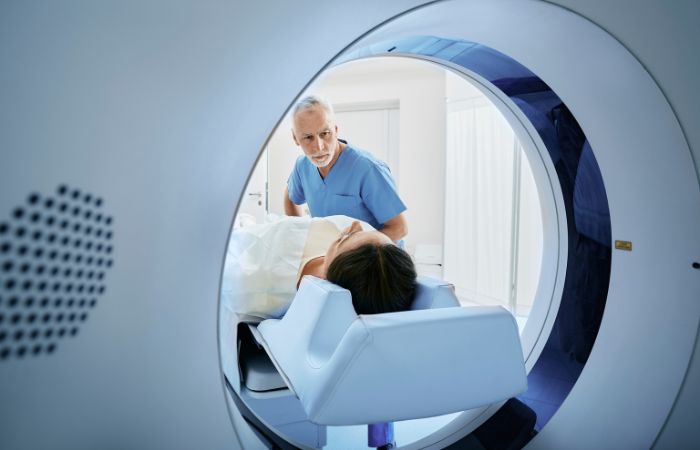
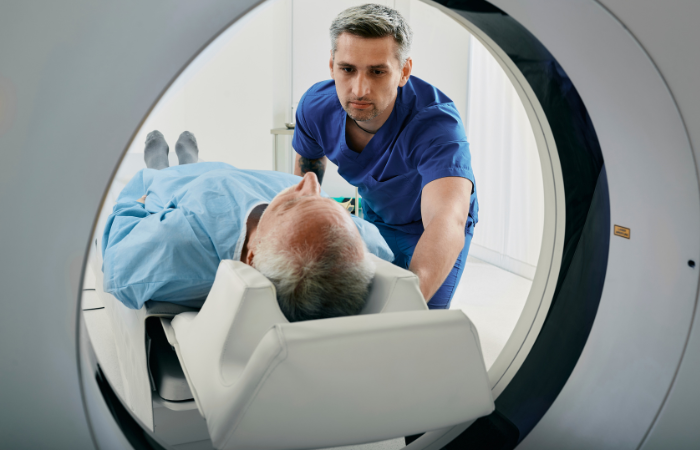
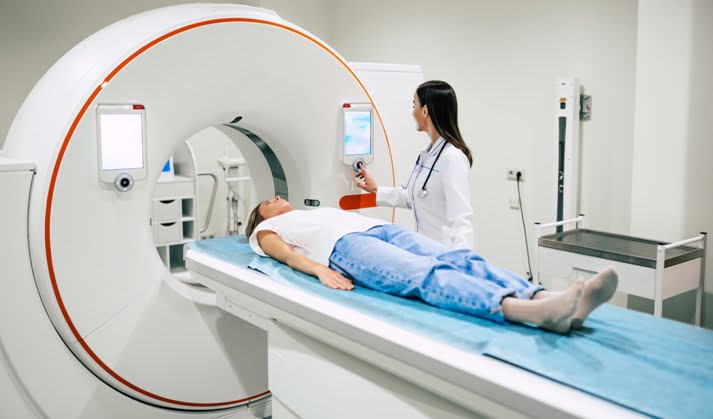
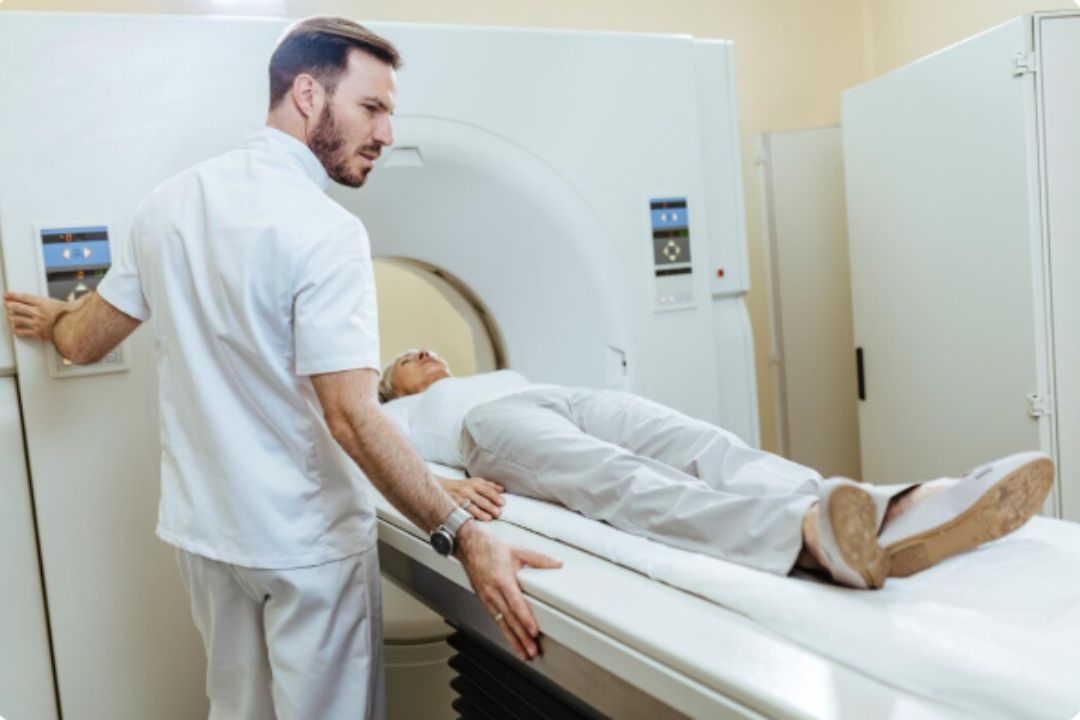
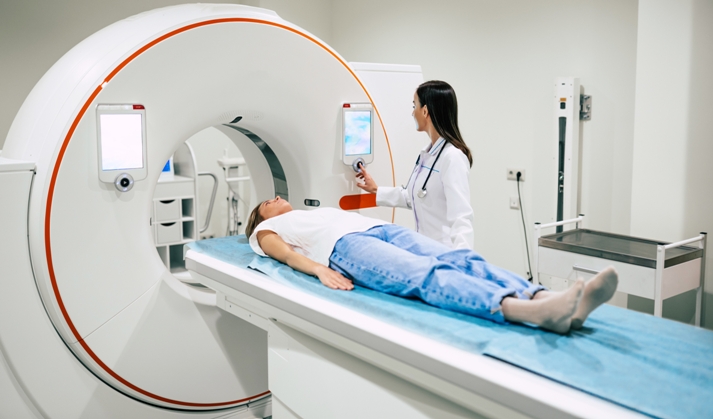
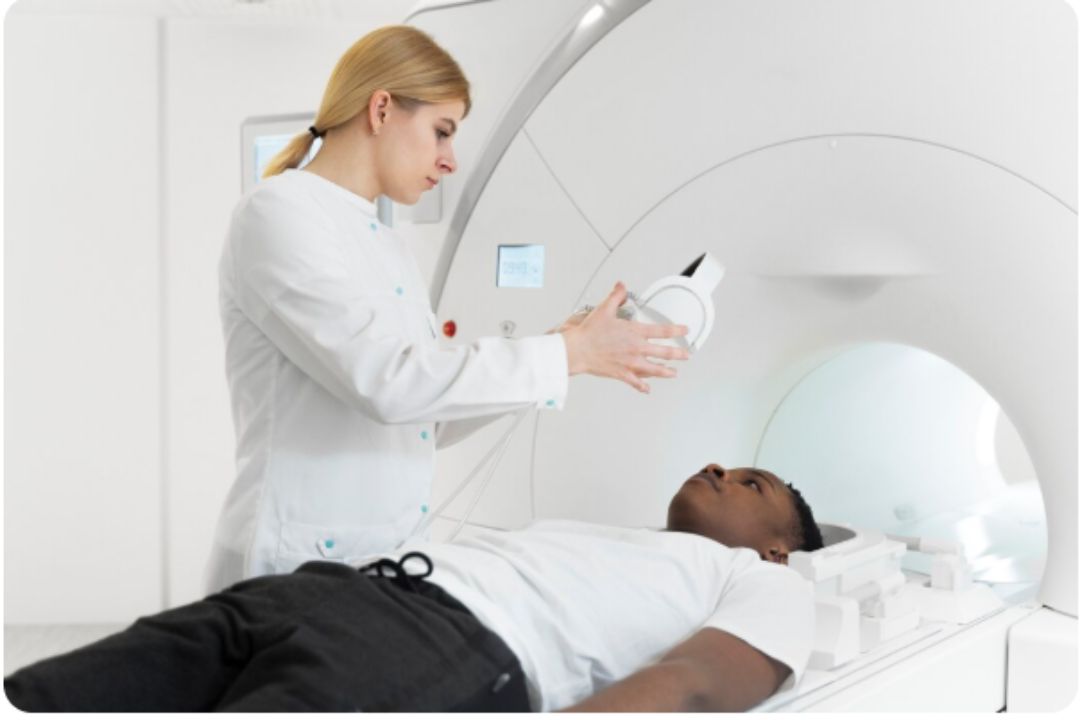
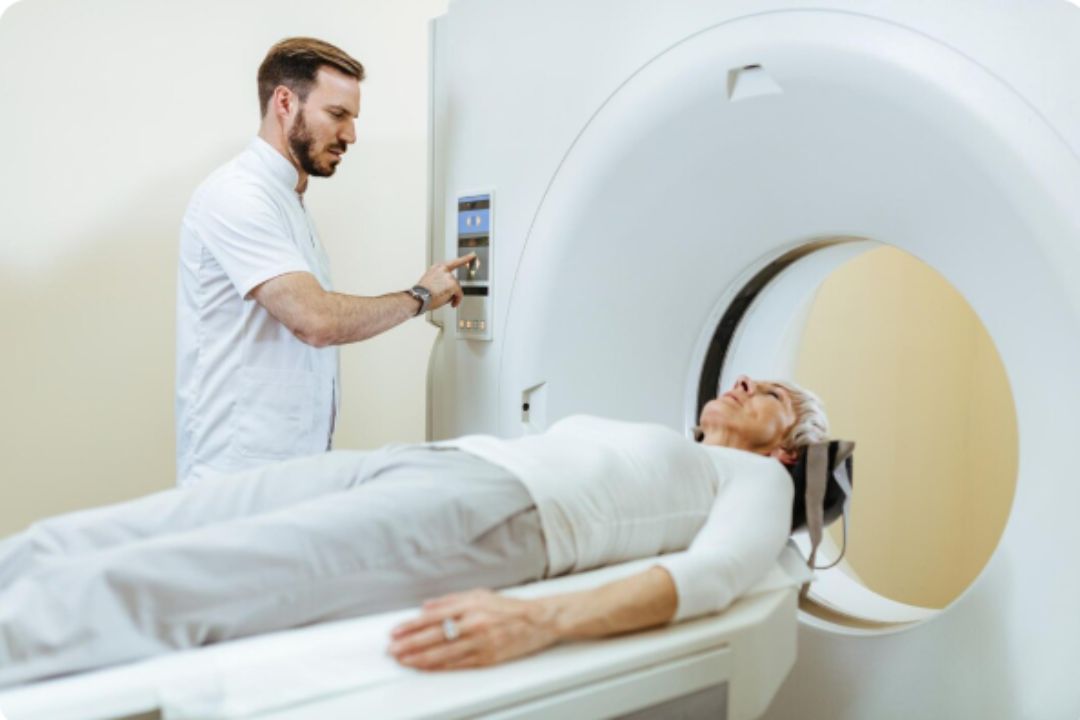
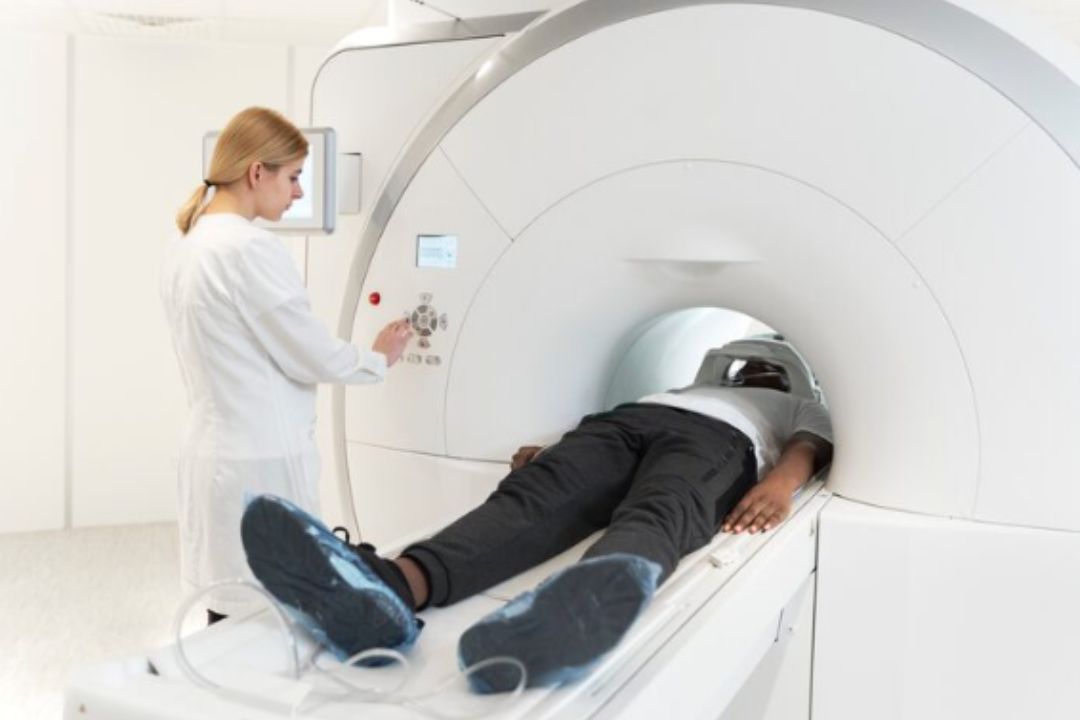
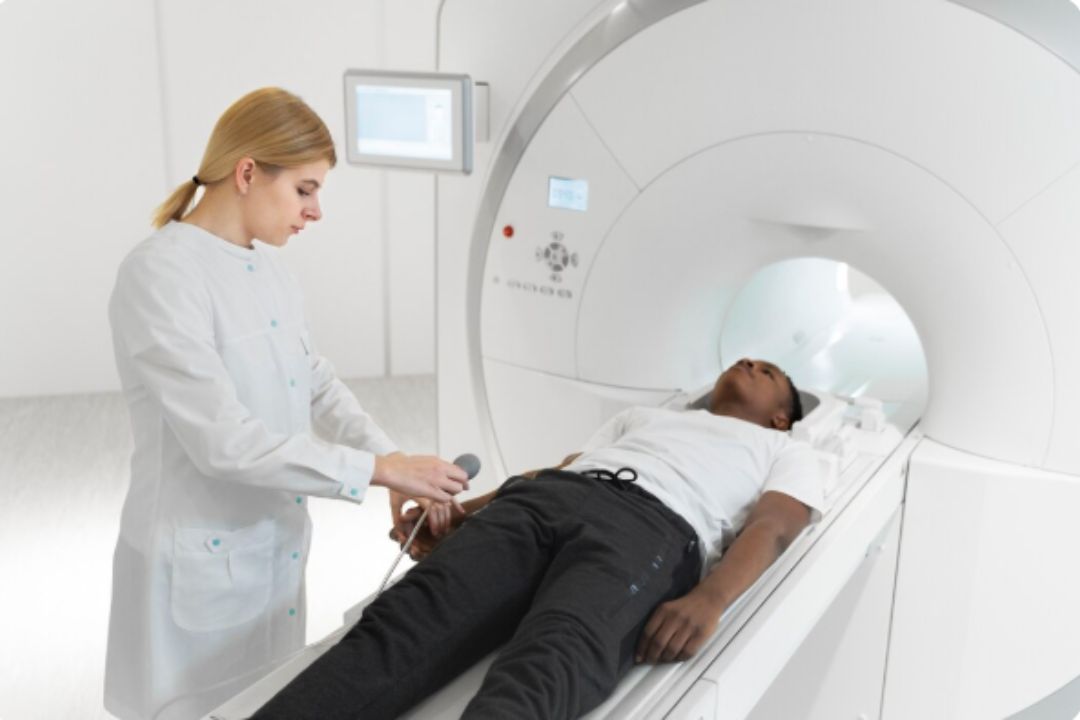
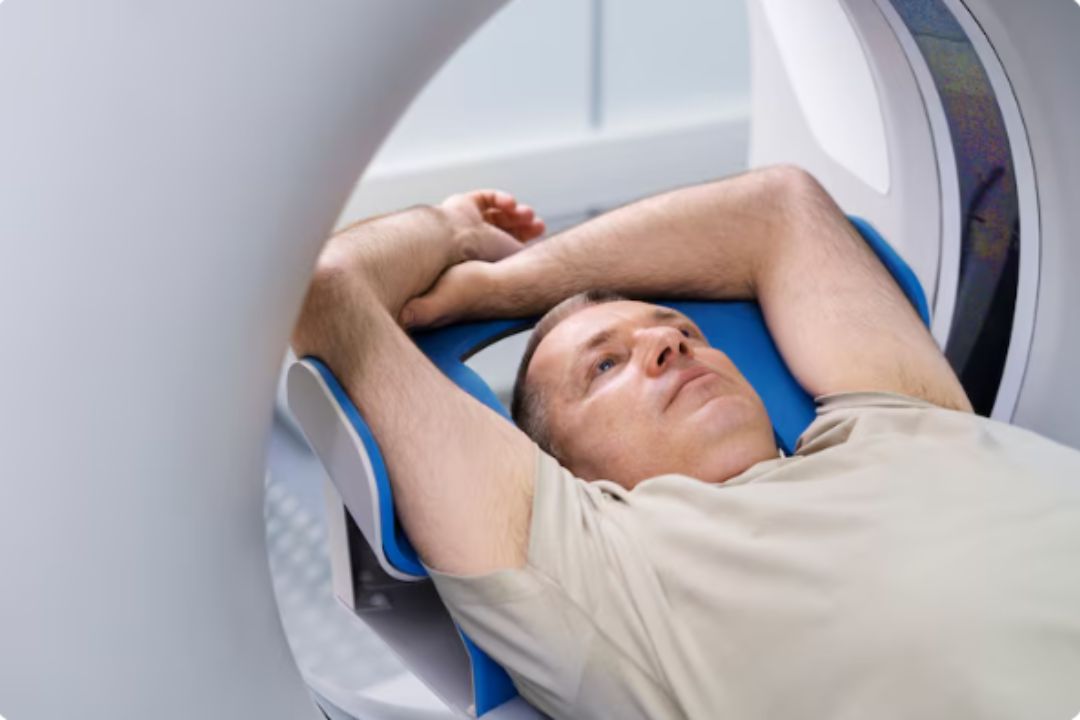
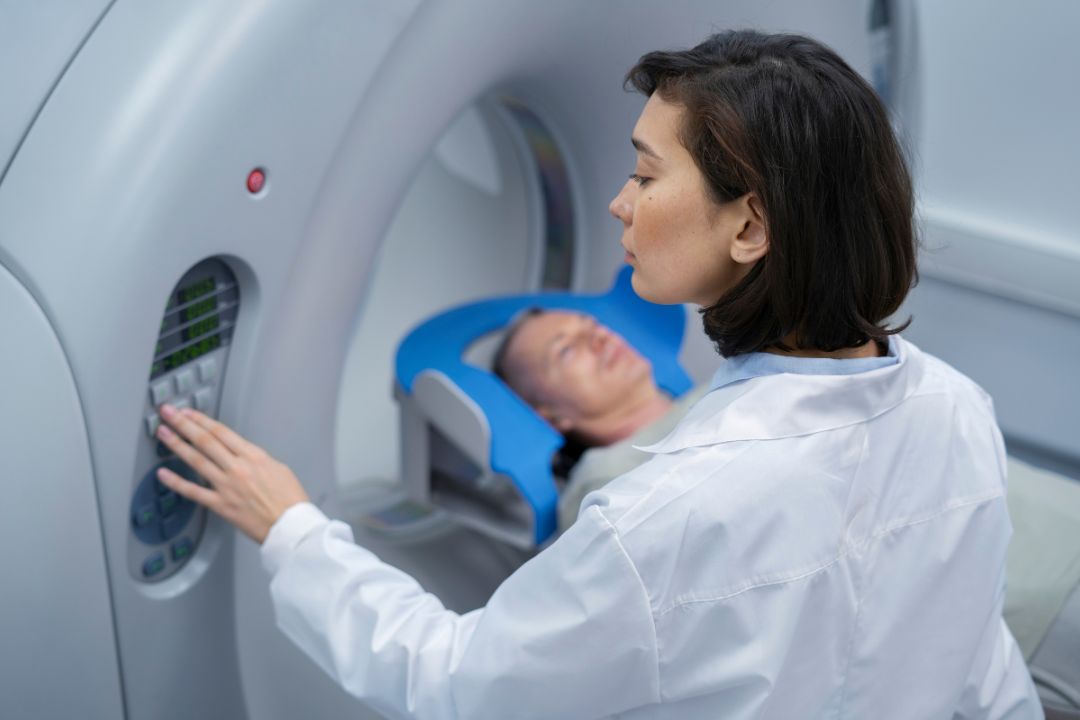
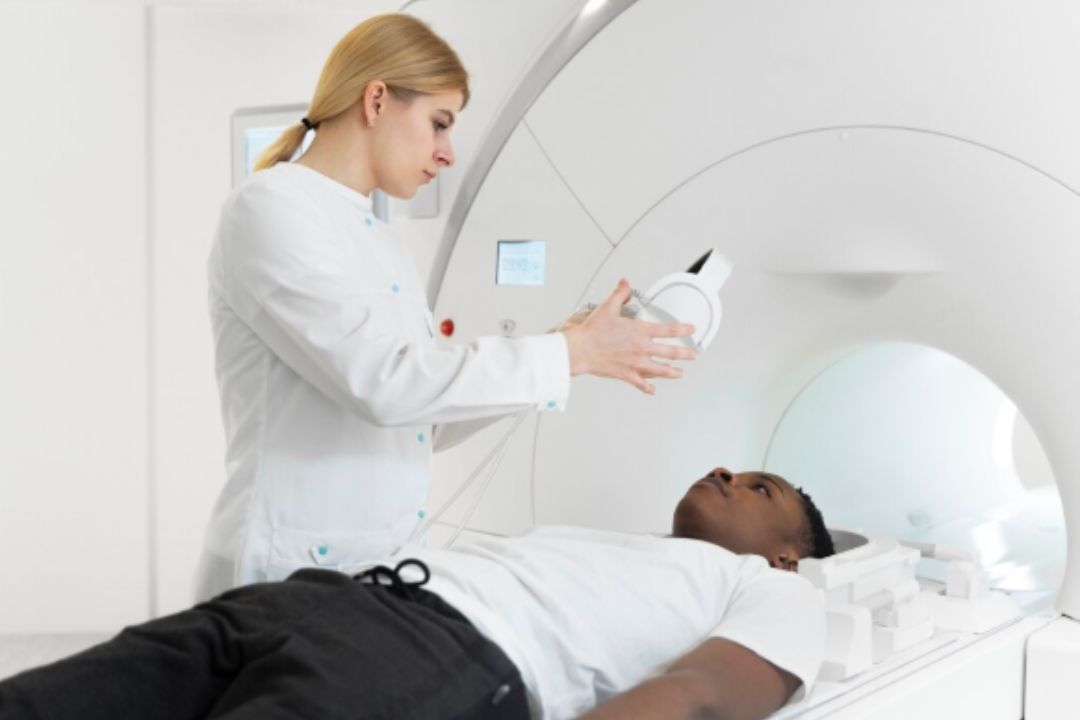
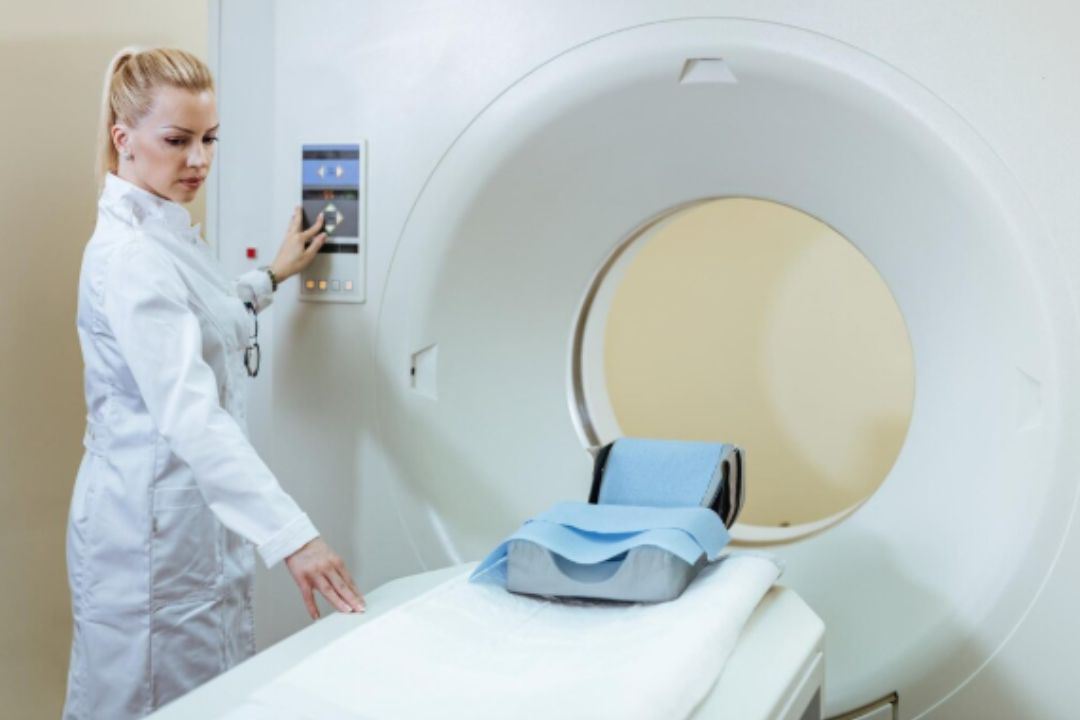
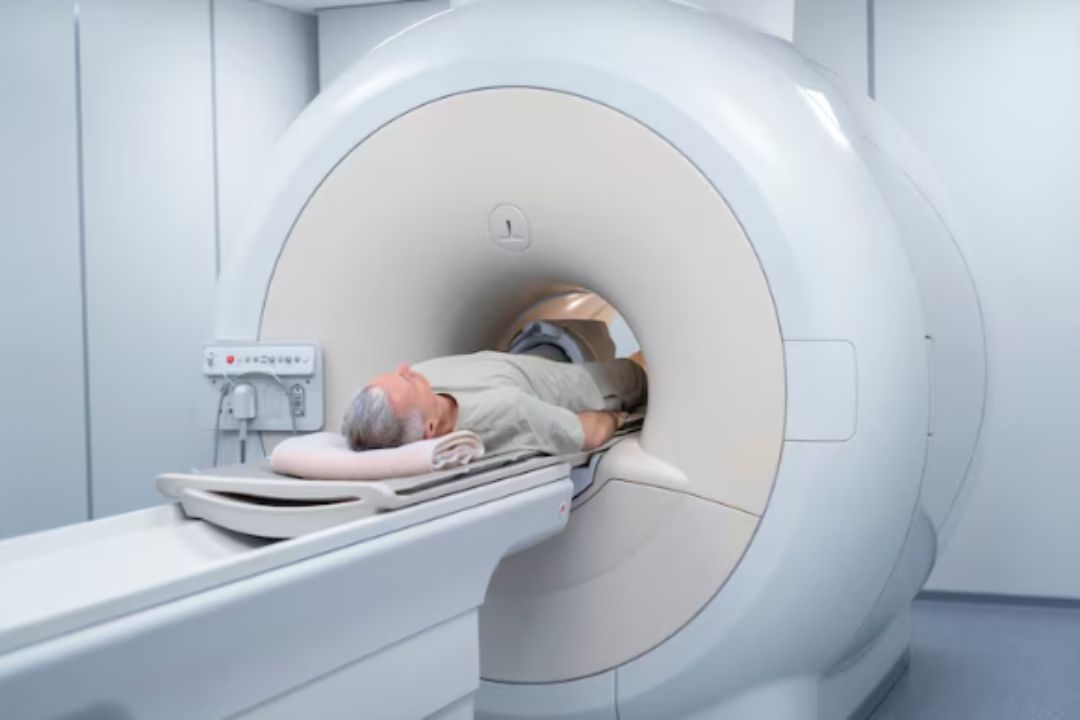
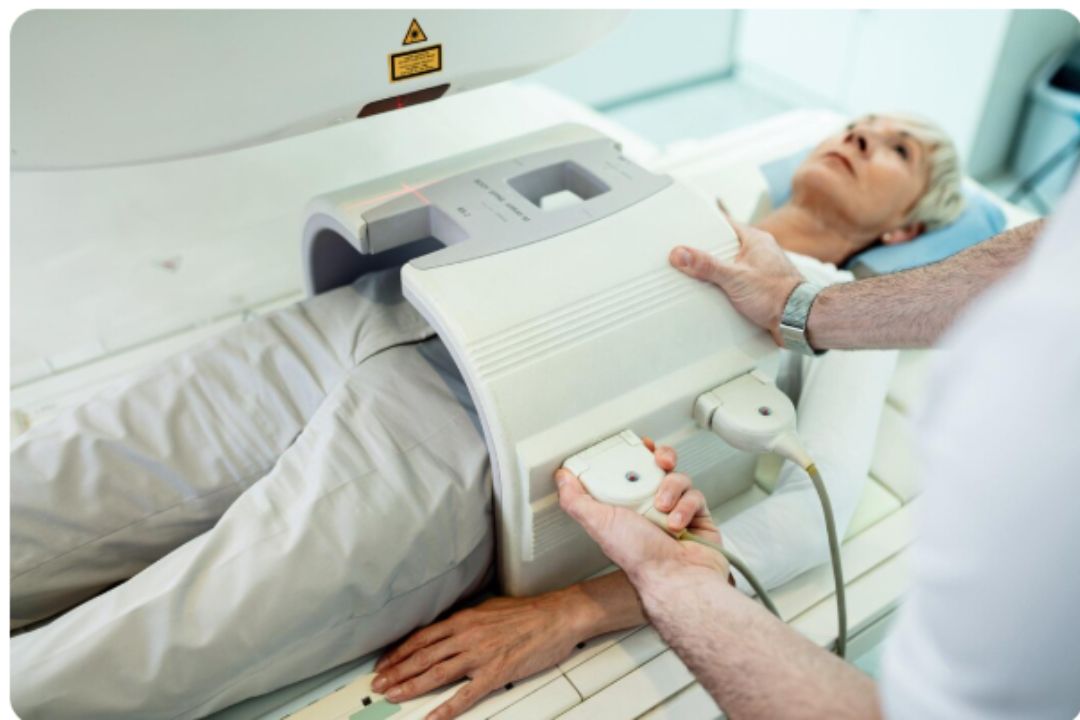
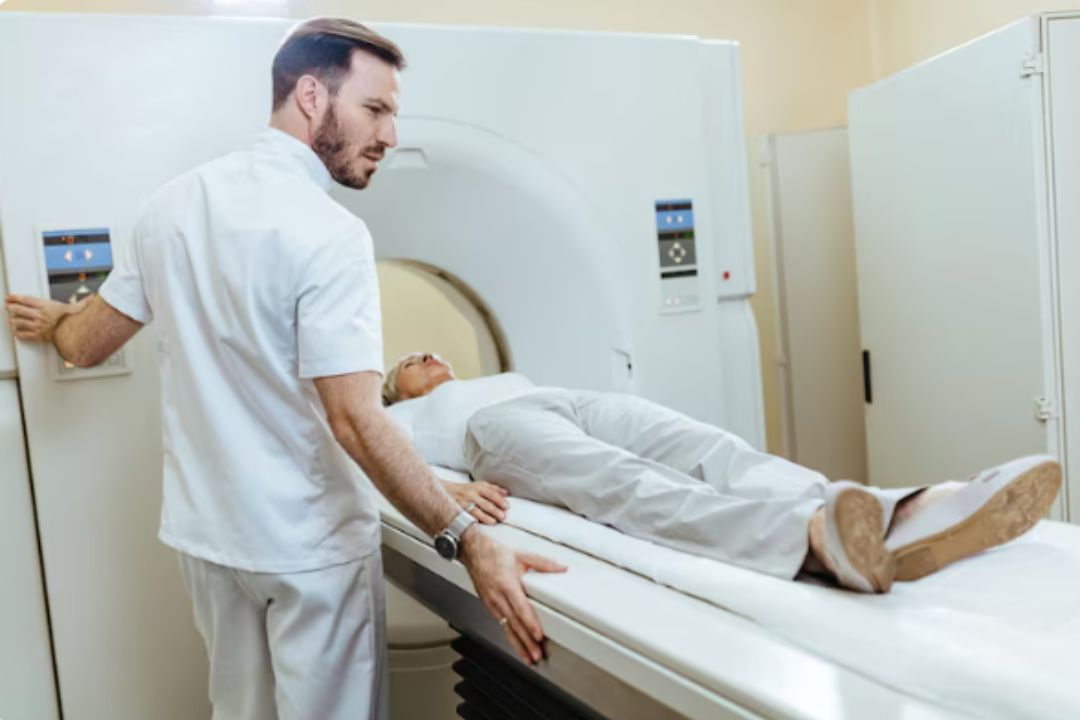
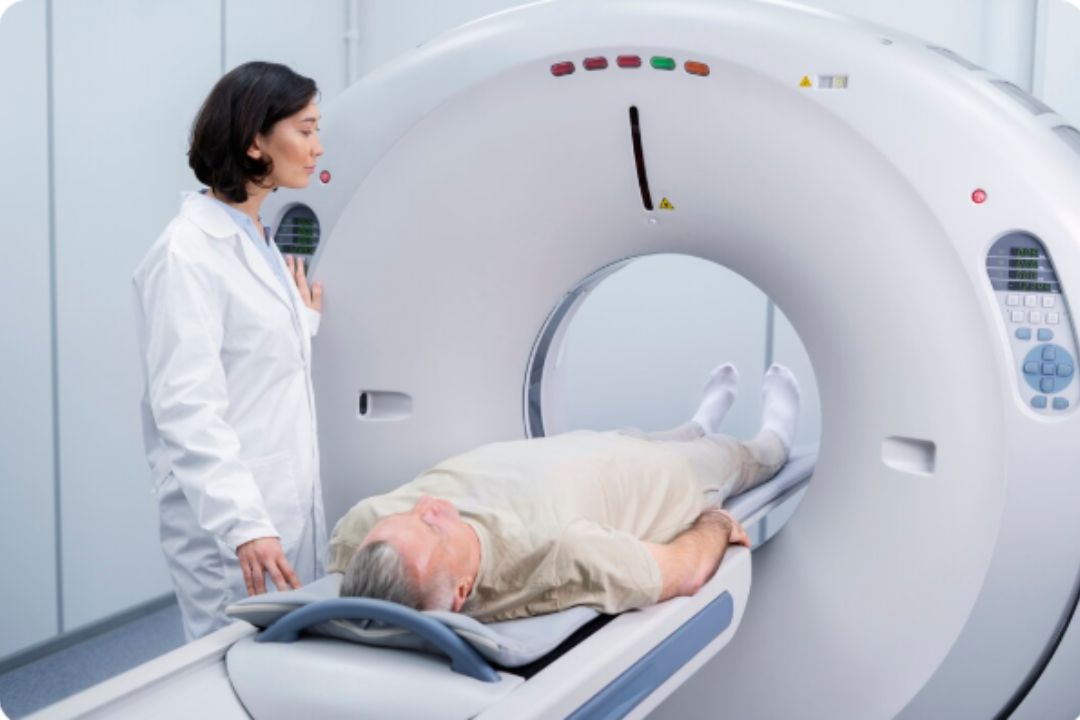
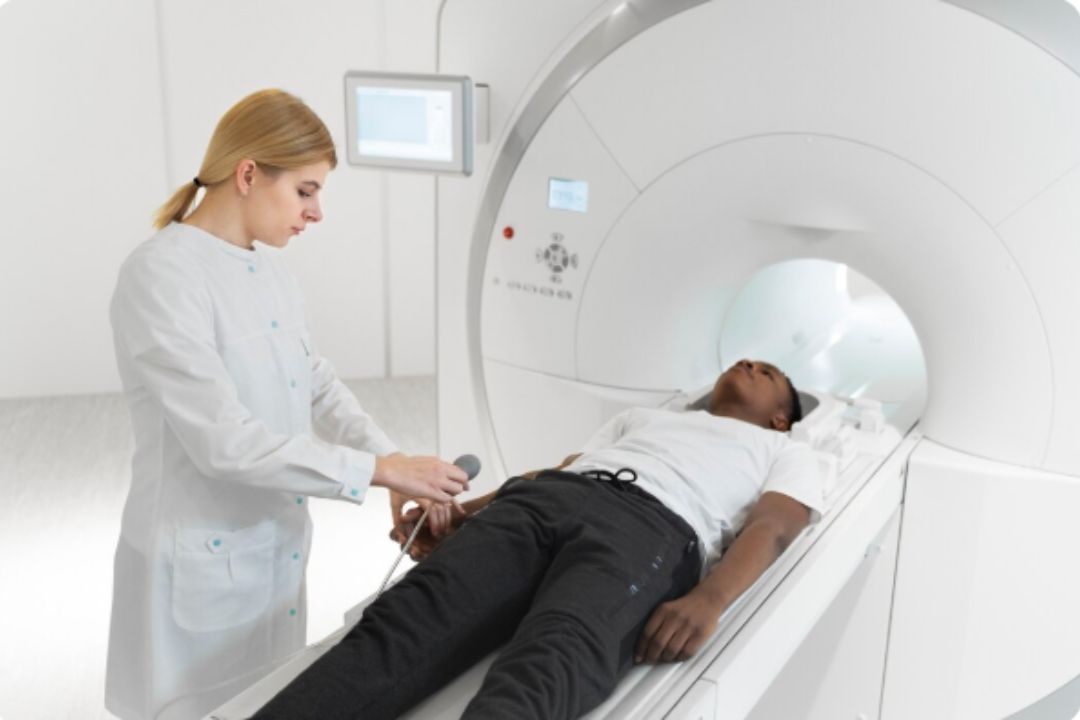
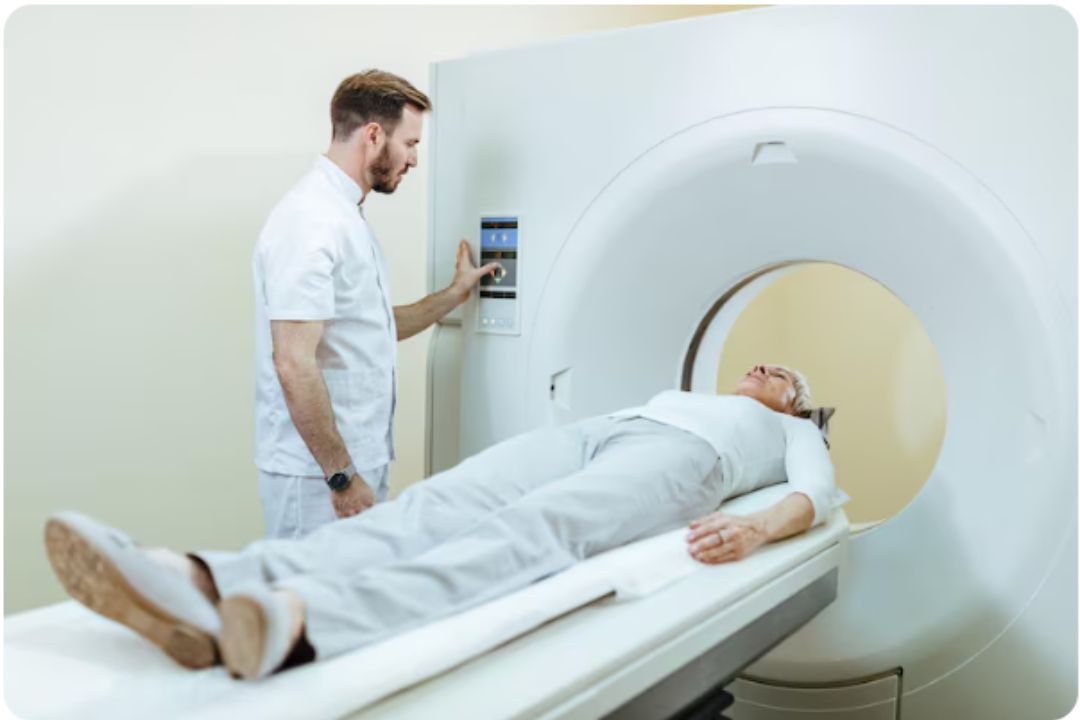
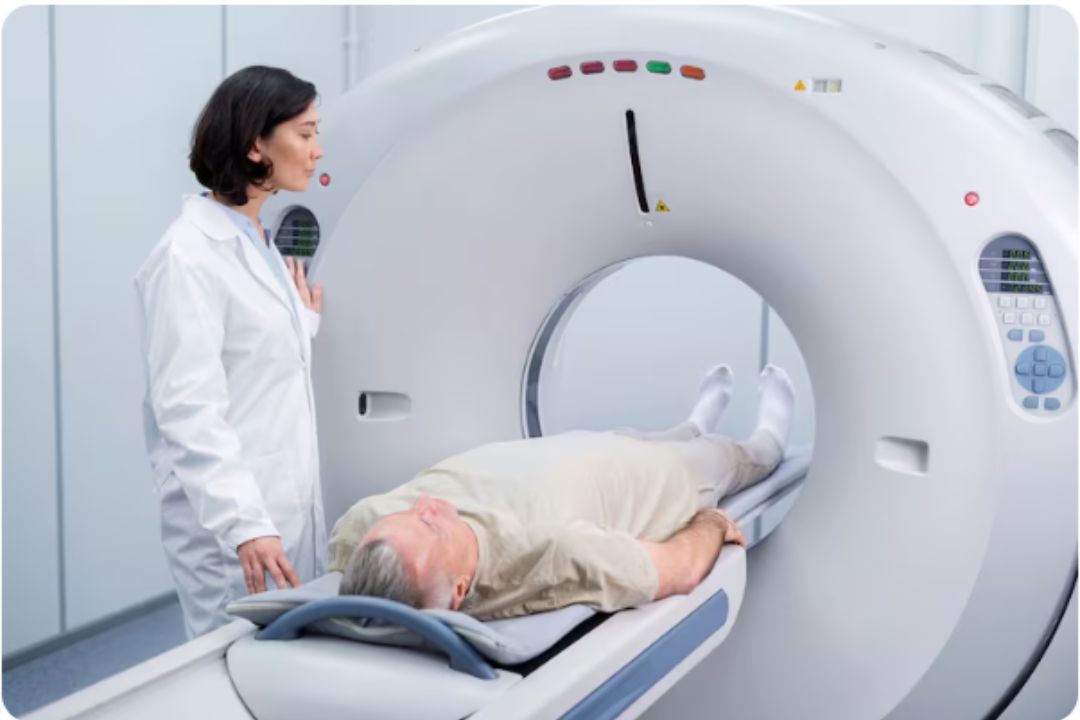
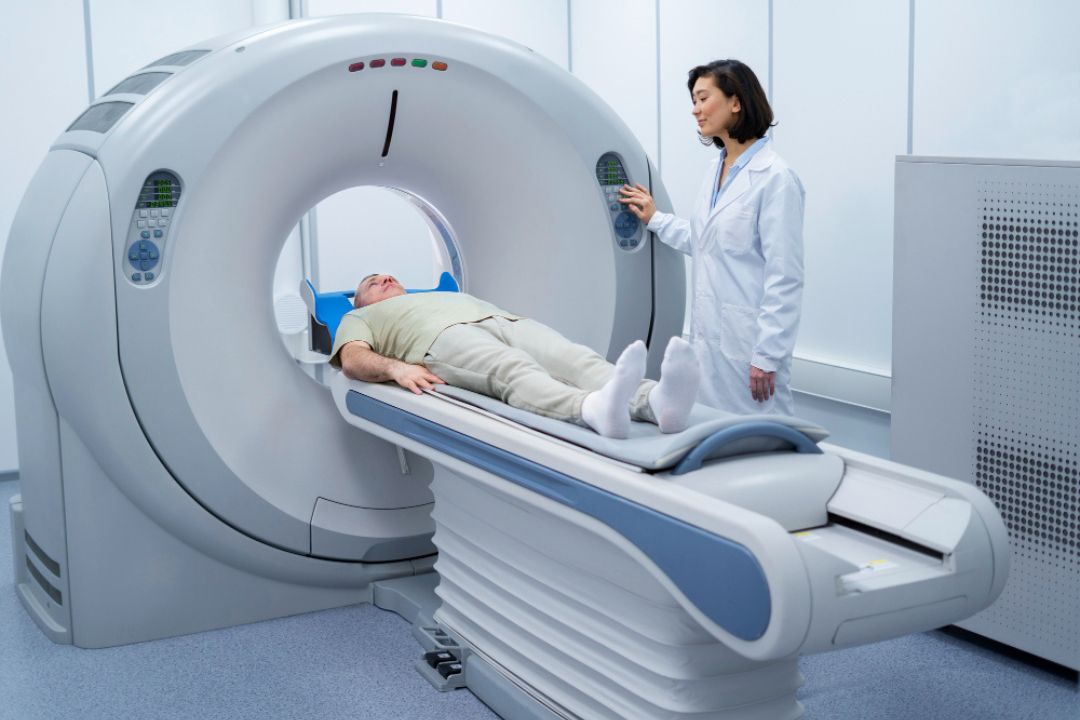
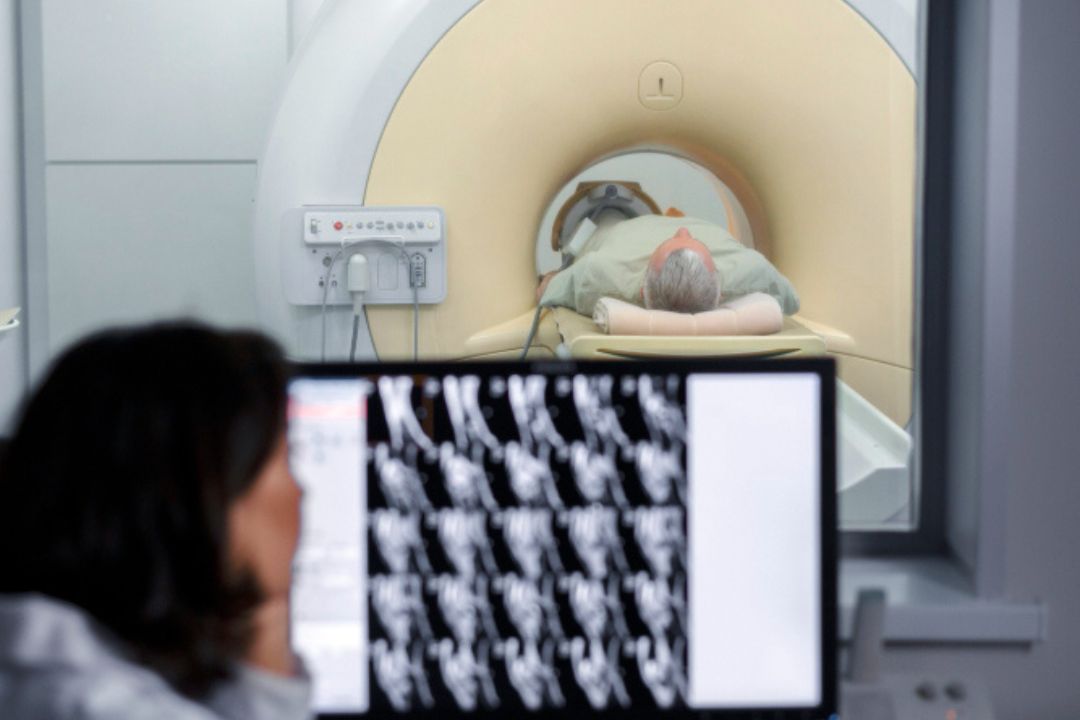
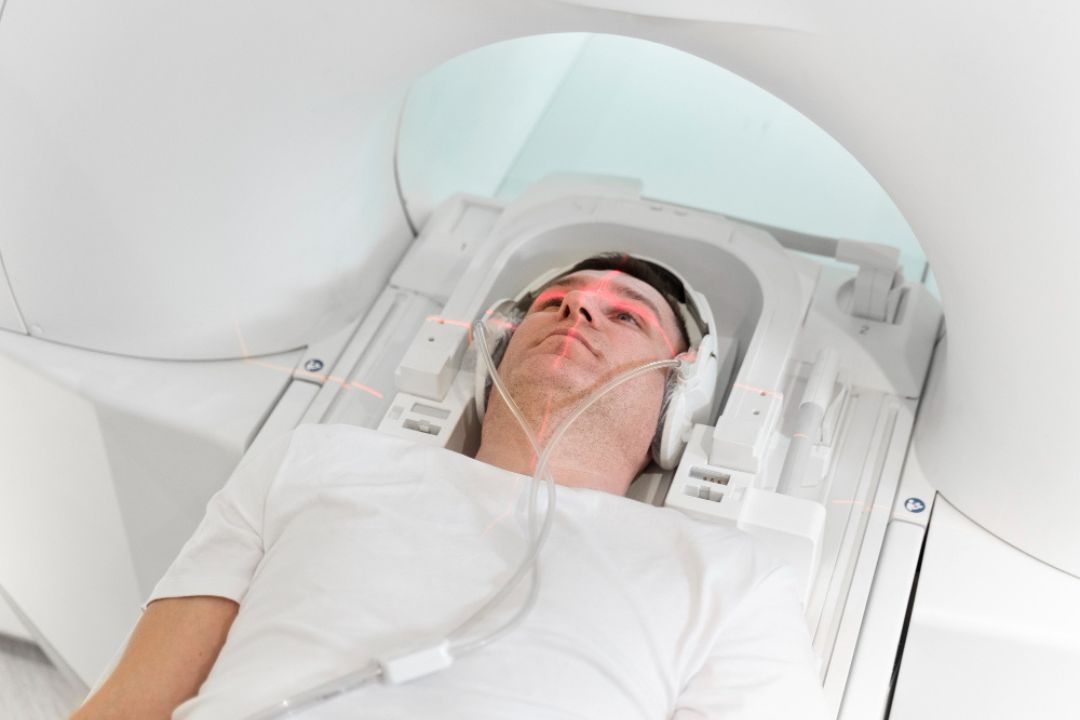
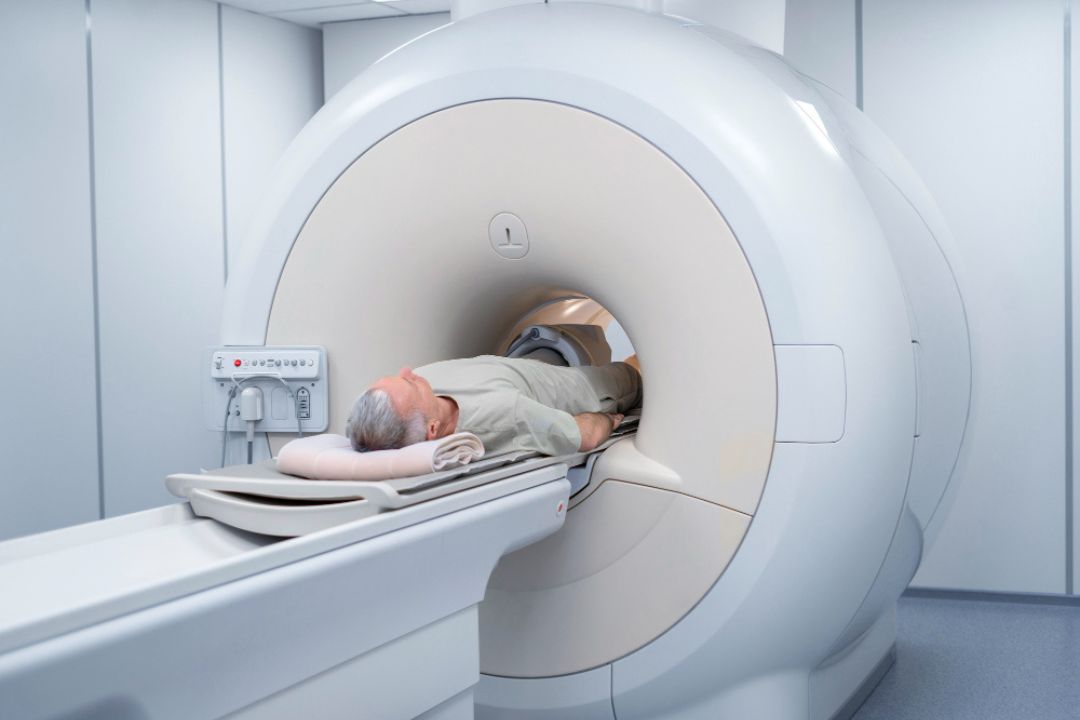
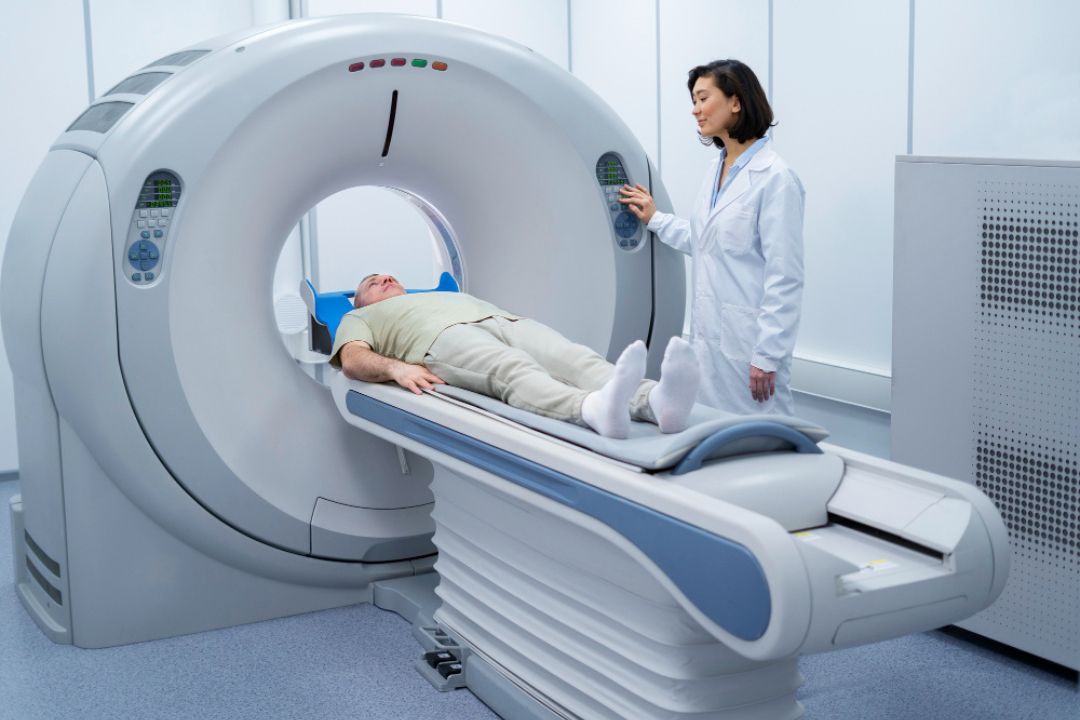
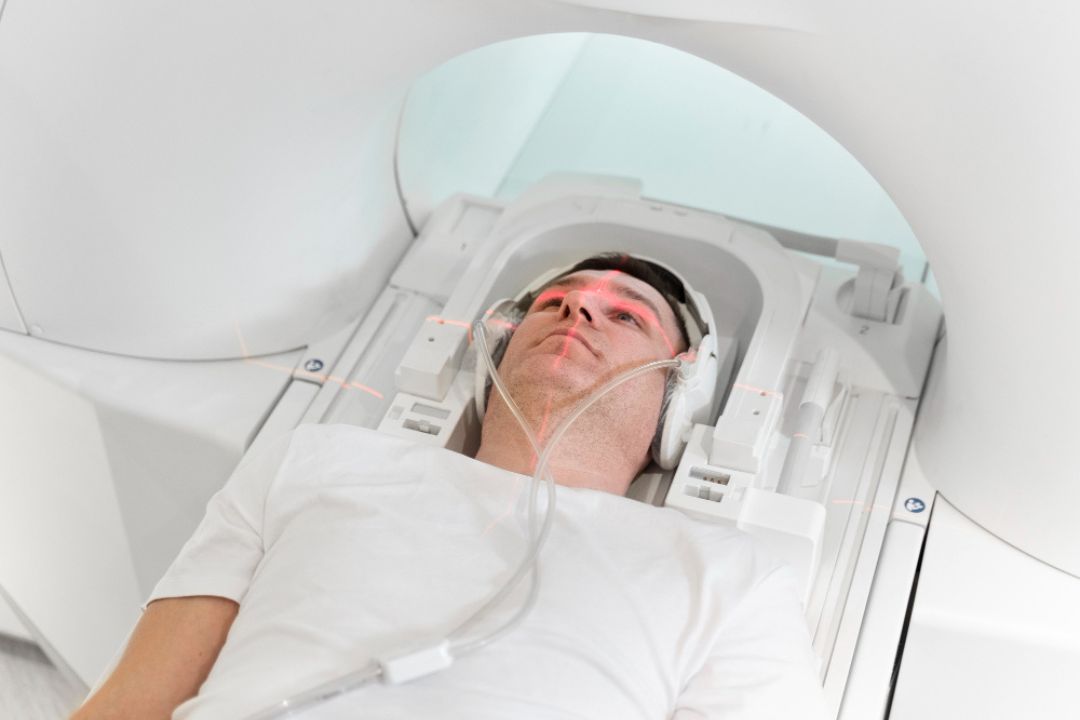
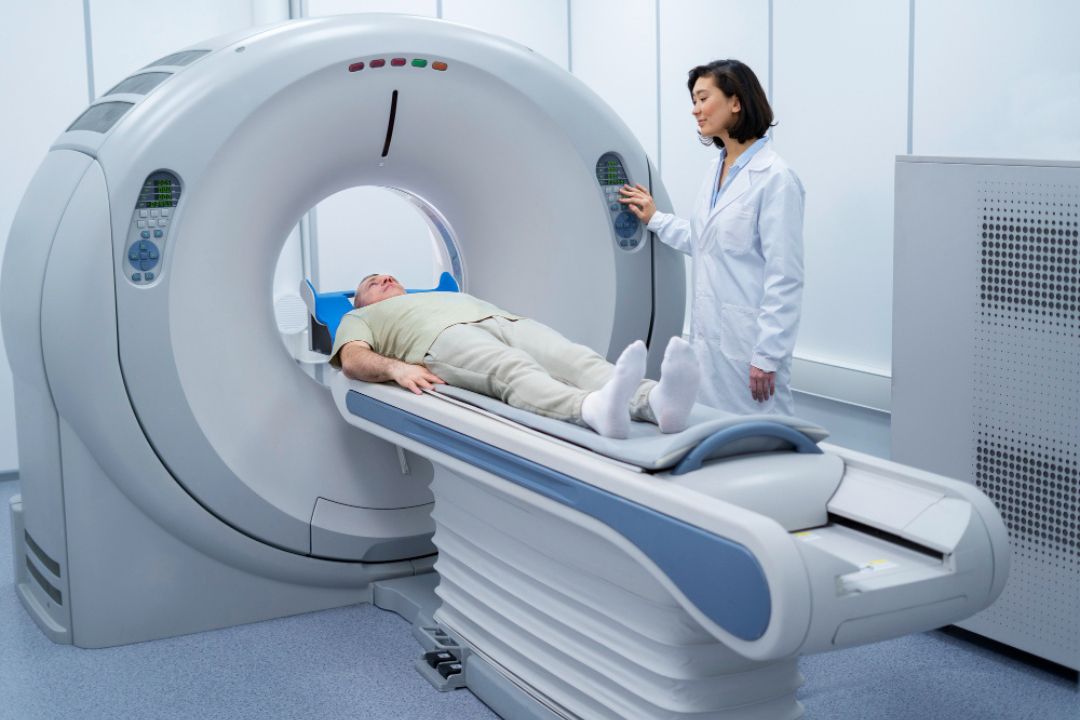
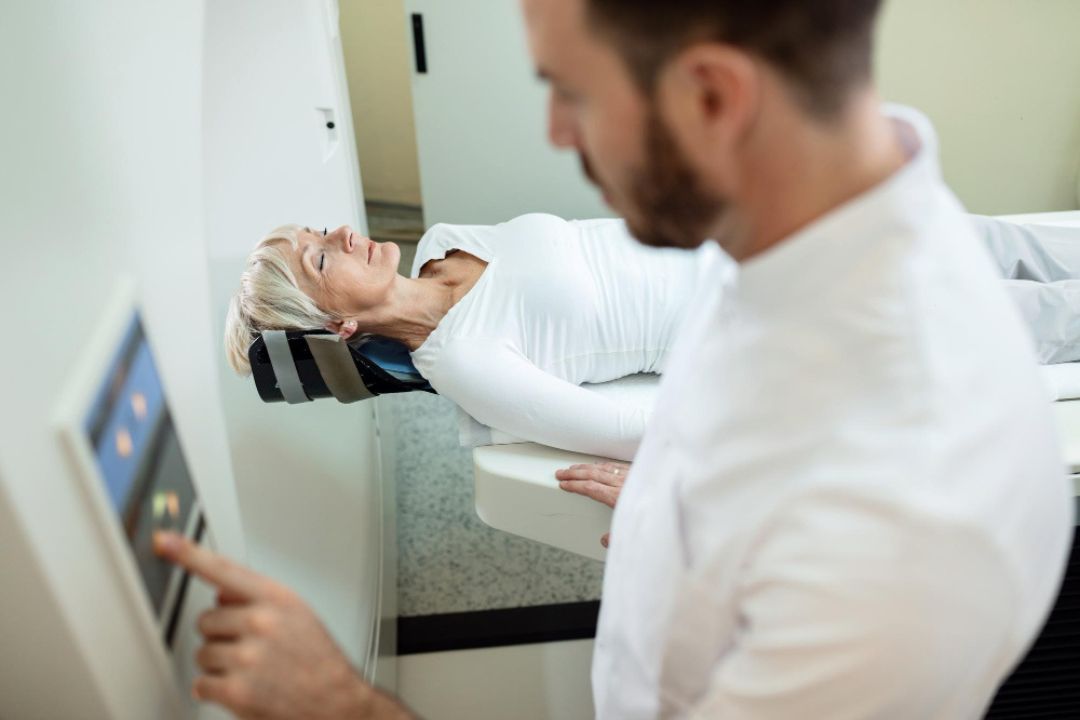
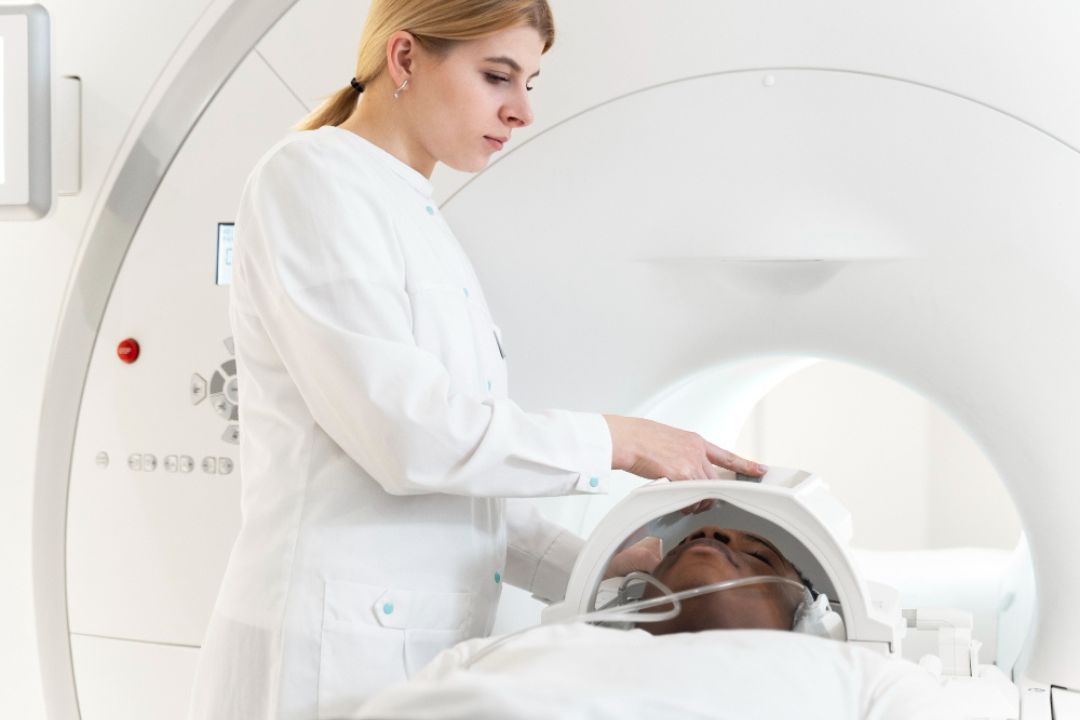
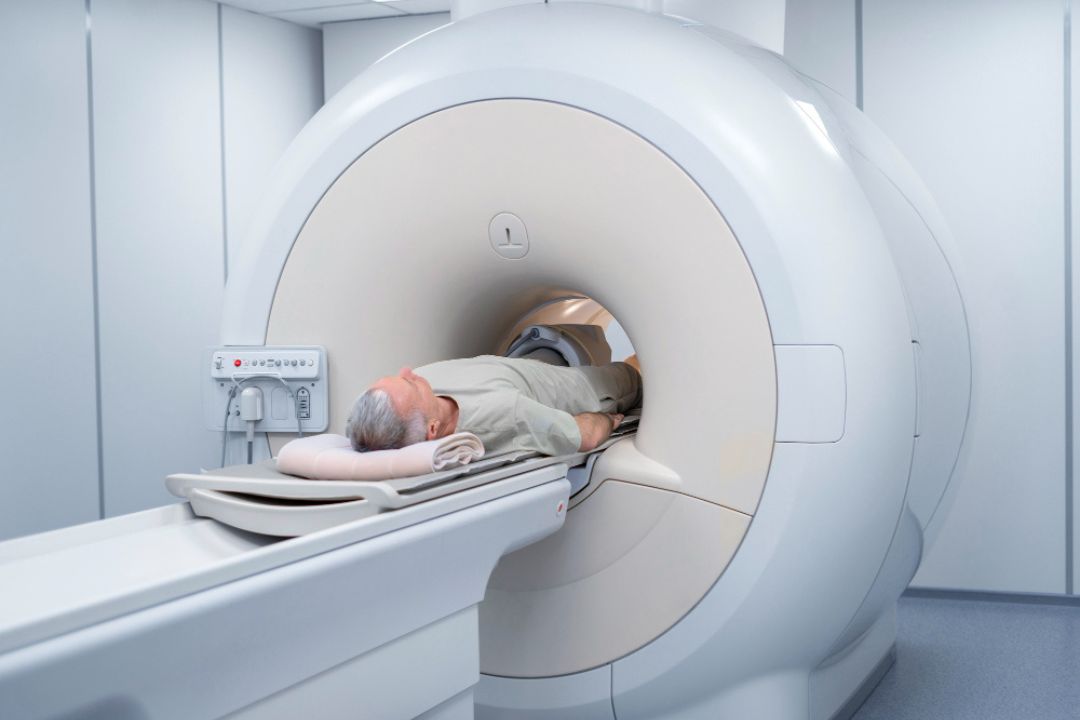
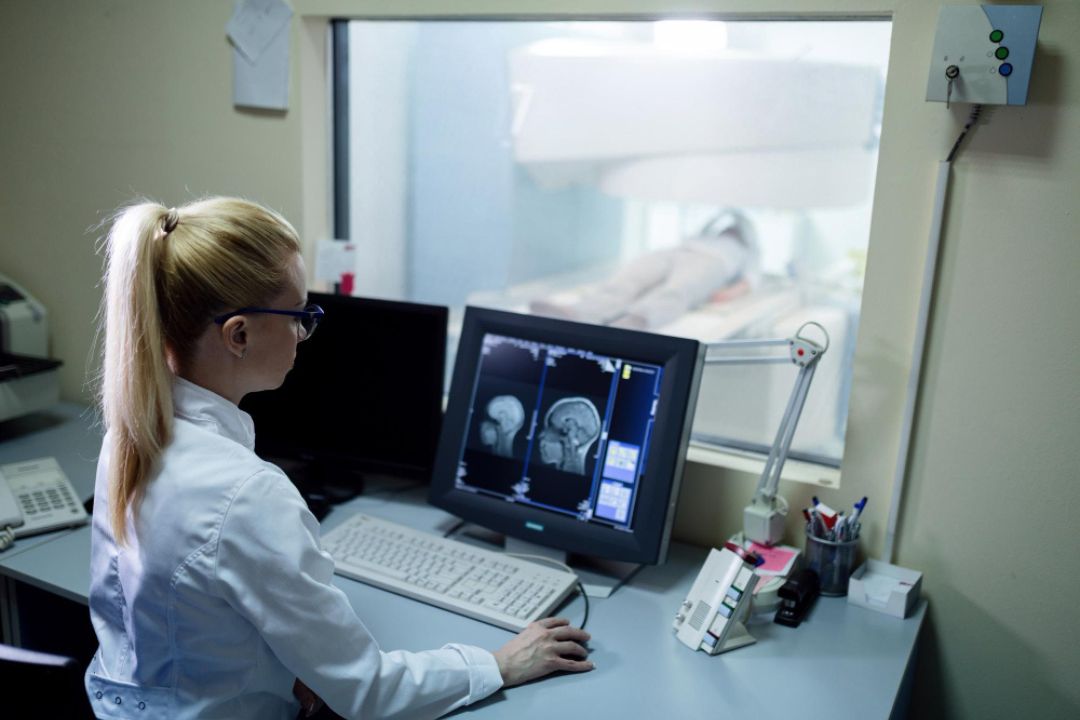
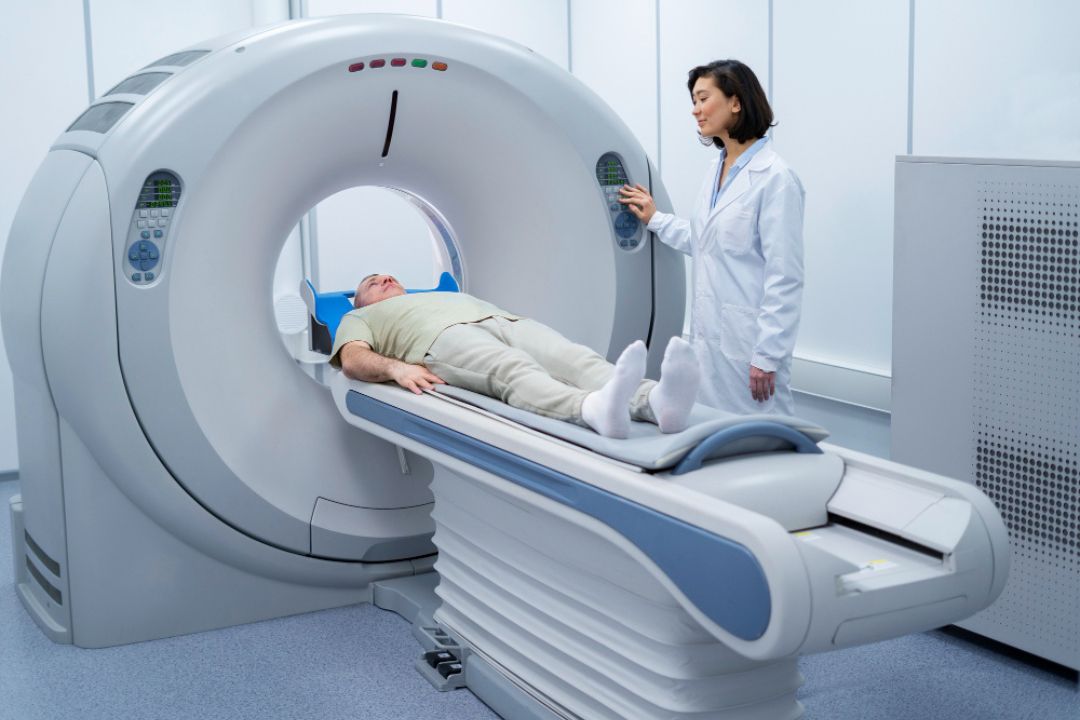
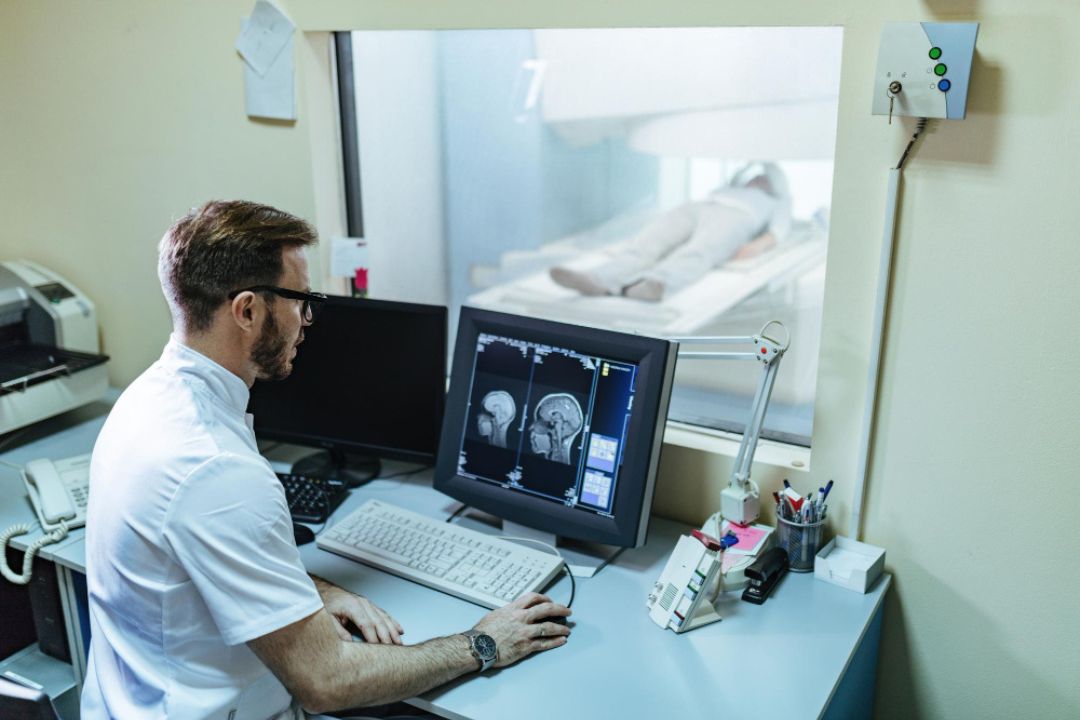
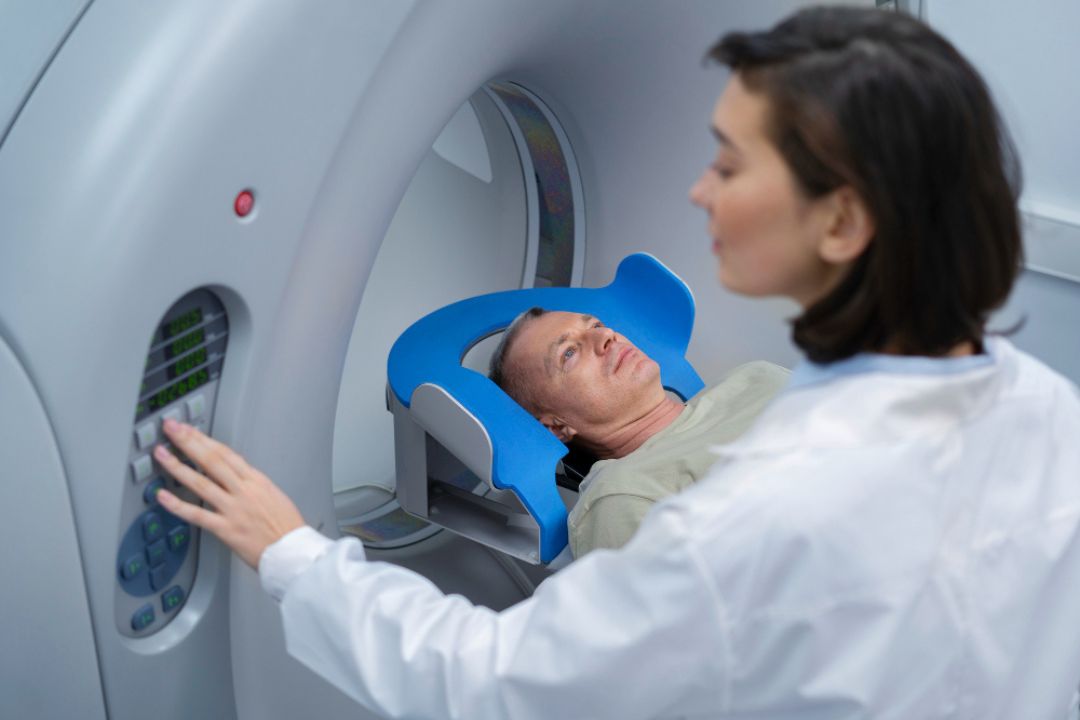
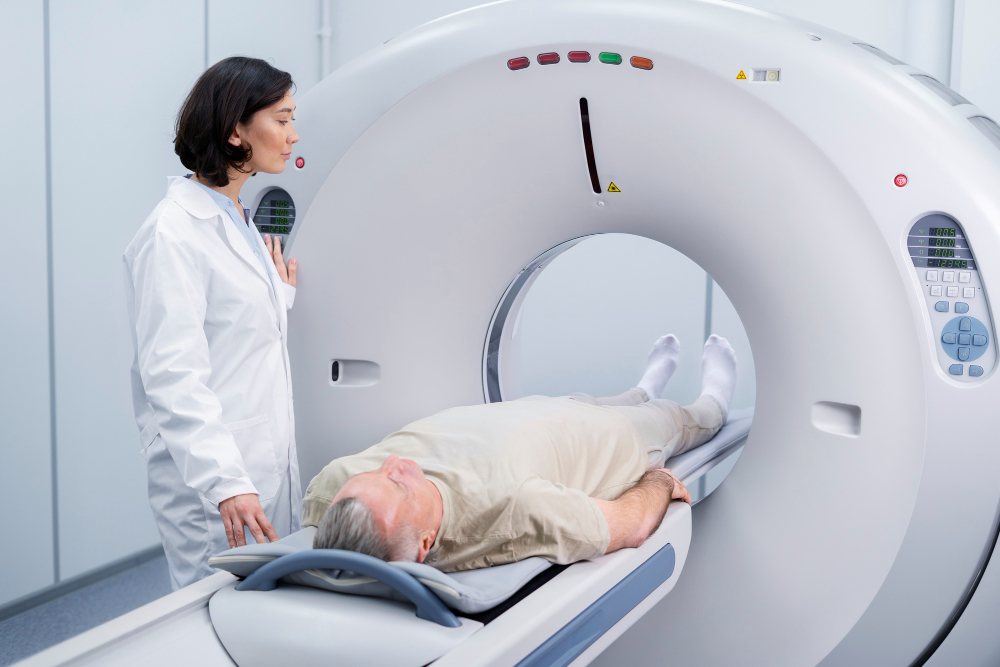
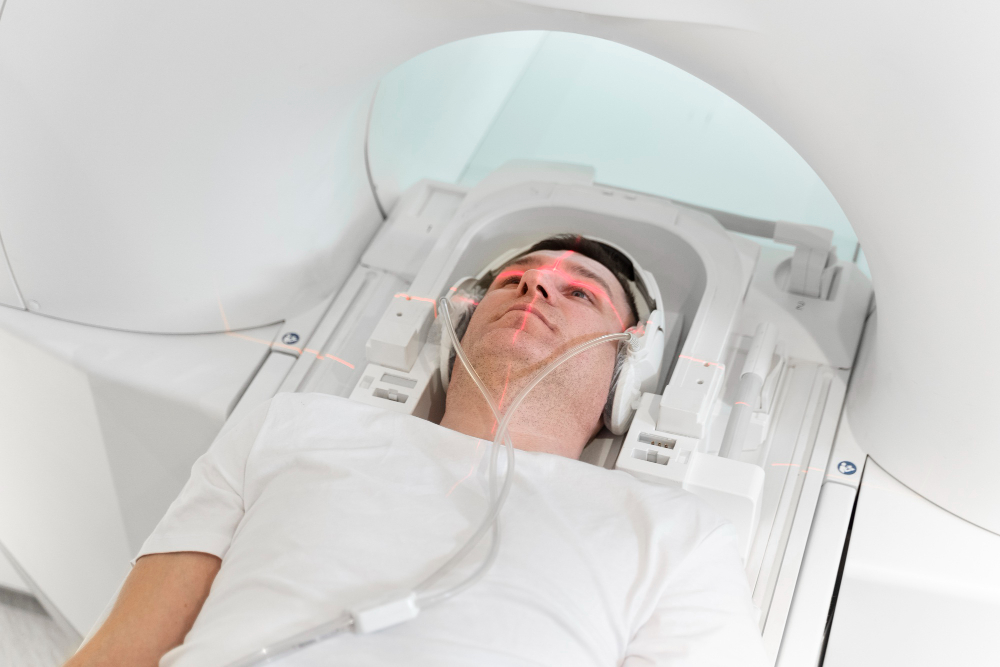
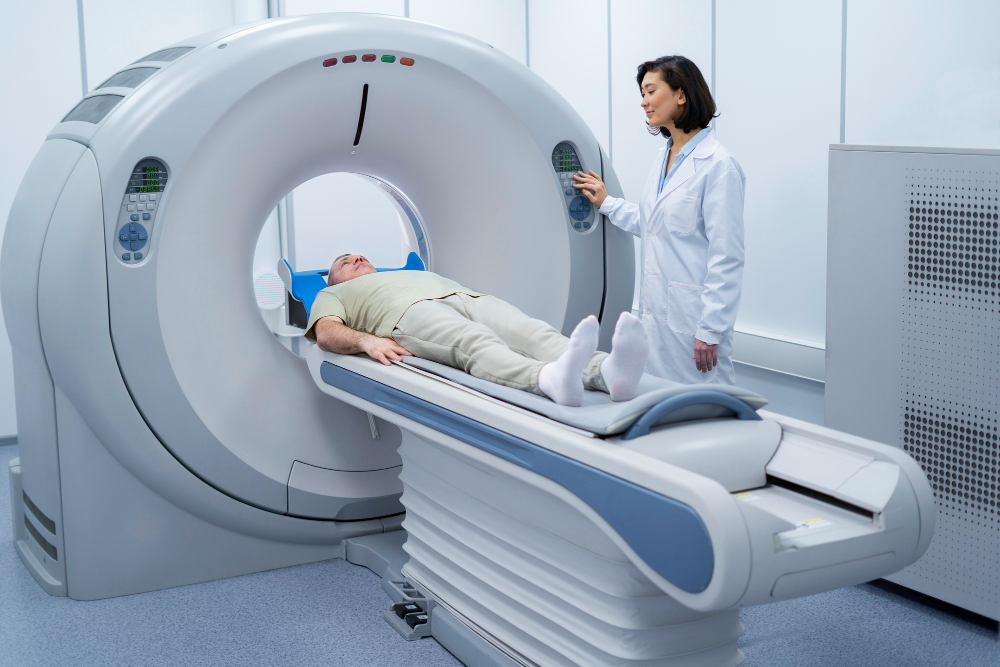
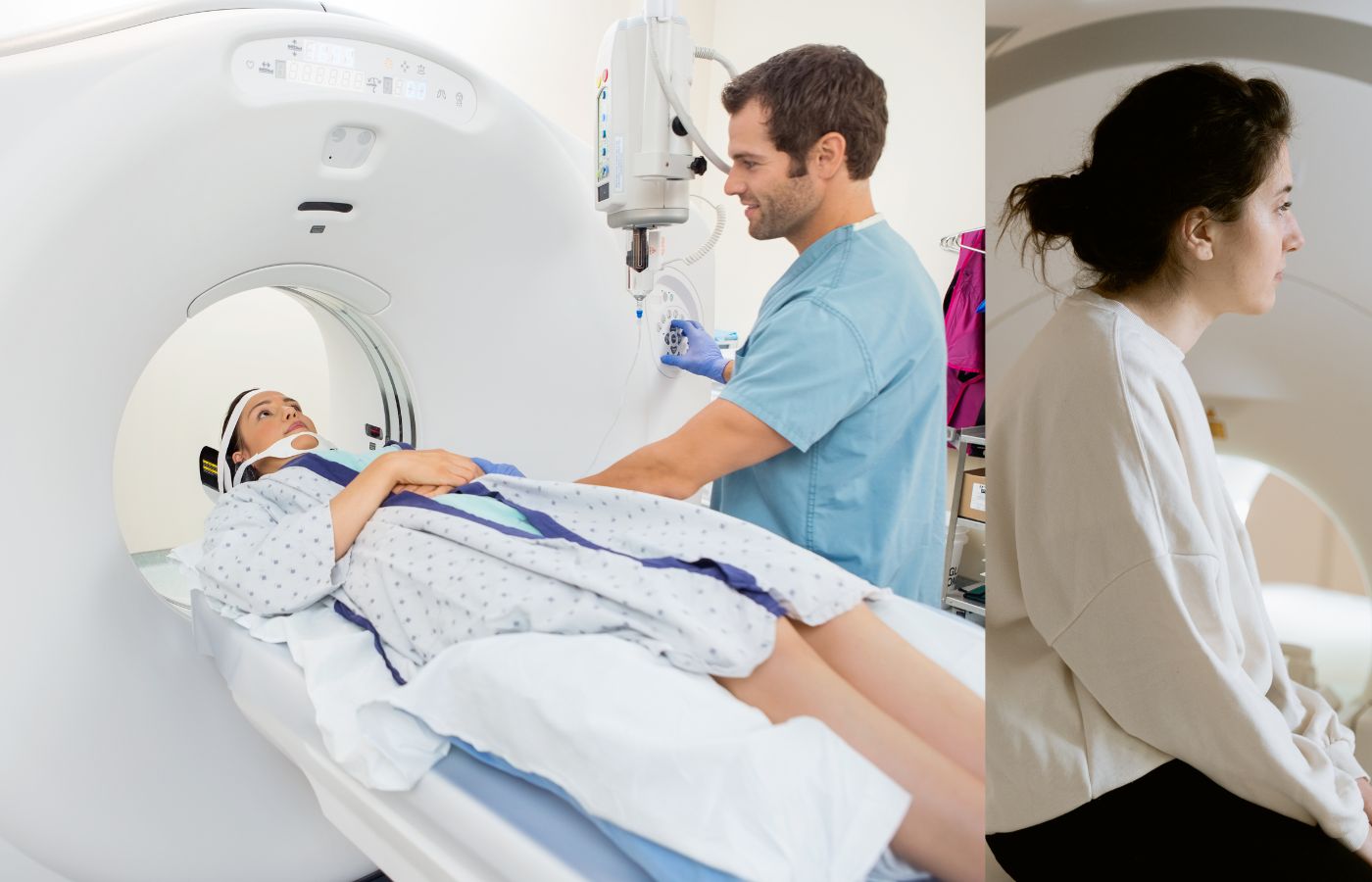
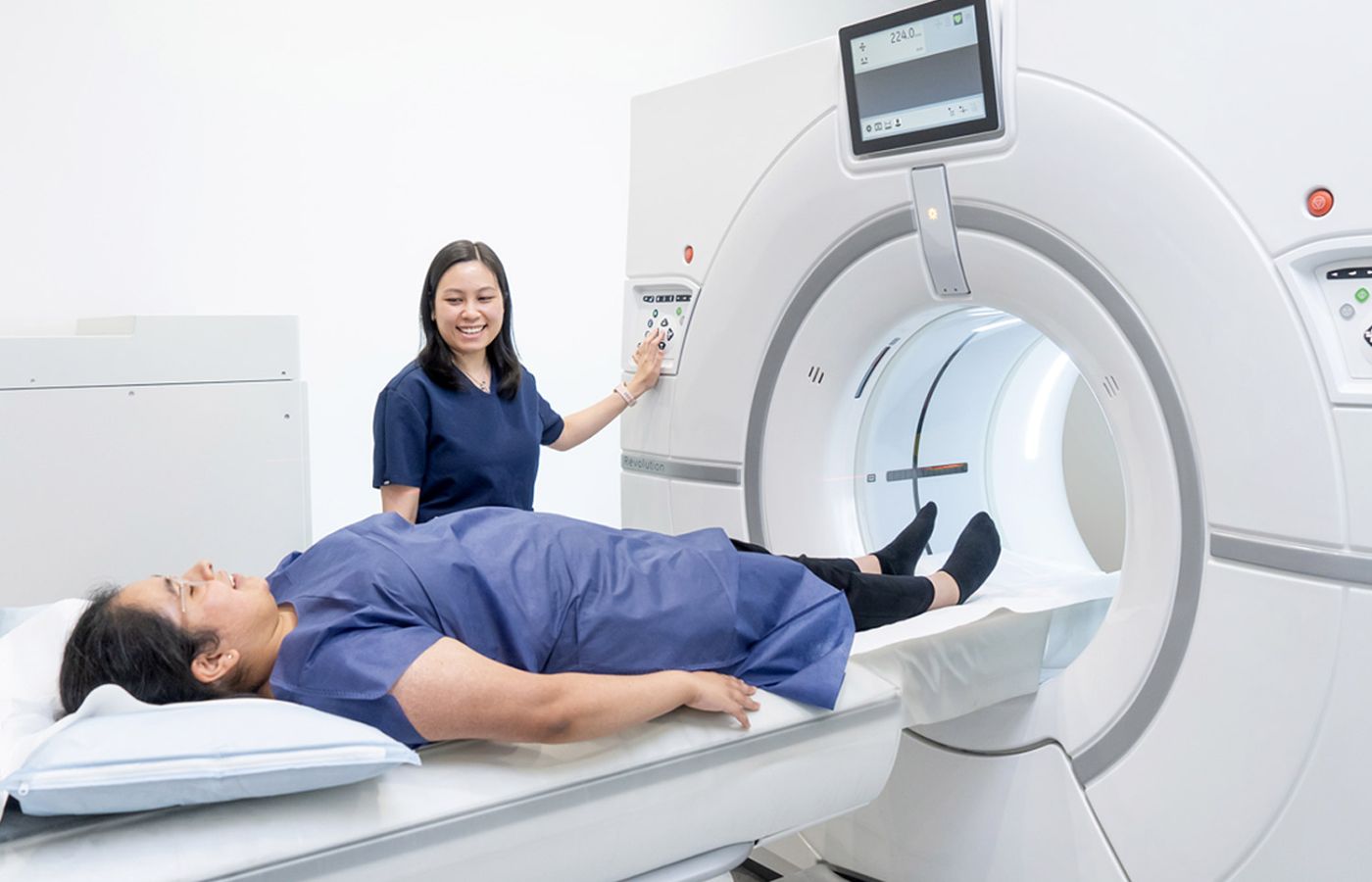
A CT scan is a painless, non-invasive procedure. At Diagnopein, patient comfort is paramount. You will change into a gown and lie on a padded table that slides into the scanner's aperture. The technologist will communicate with you via intercom and may ask you to hold your breath for a few seconds to ensure image clarity. The entire process, from preparation to completion, is often wrapped up in 15-20 minutes.
Selecting the right diagnostic partner is crucial for an accurate diagnosis and a stress-free experience. Here’s what sets Diagnopein apart:
Cutting-Edge, Low-Dose Technology: We invest in the latest multi-slice CT scanners that provide exceptional diagnostic clarity while adhering to the ALARA (As Low As Reasonably Achievable) principle, significantly minimizing your radiation exposure.
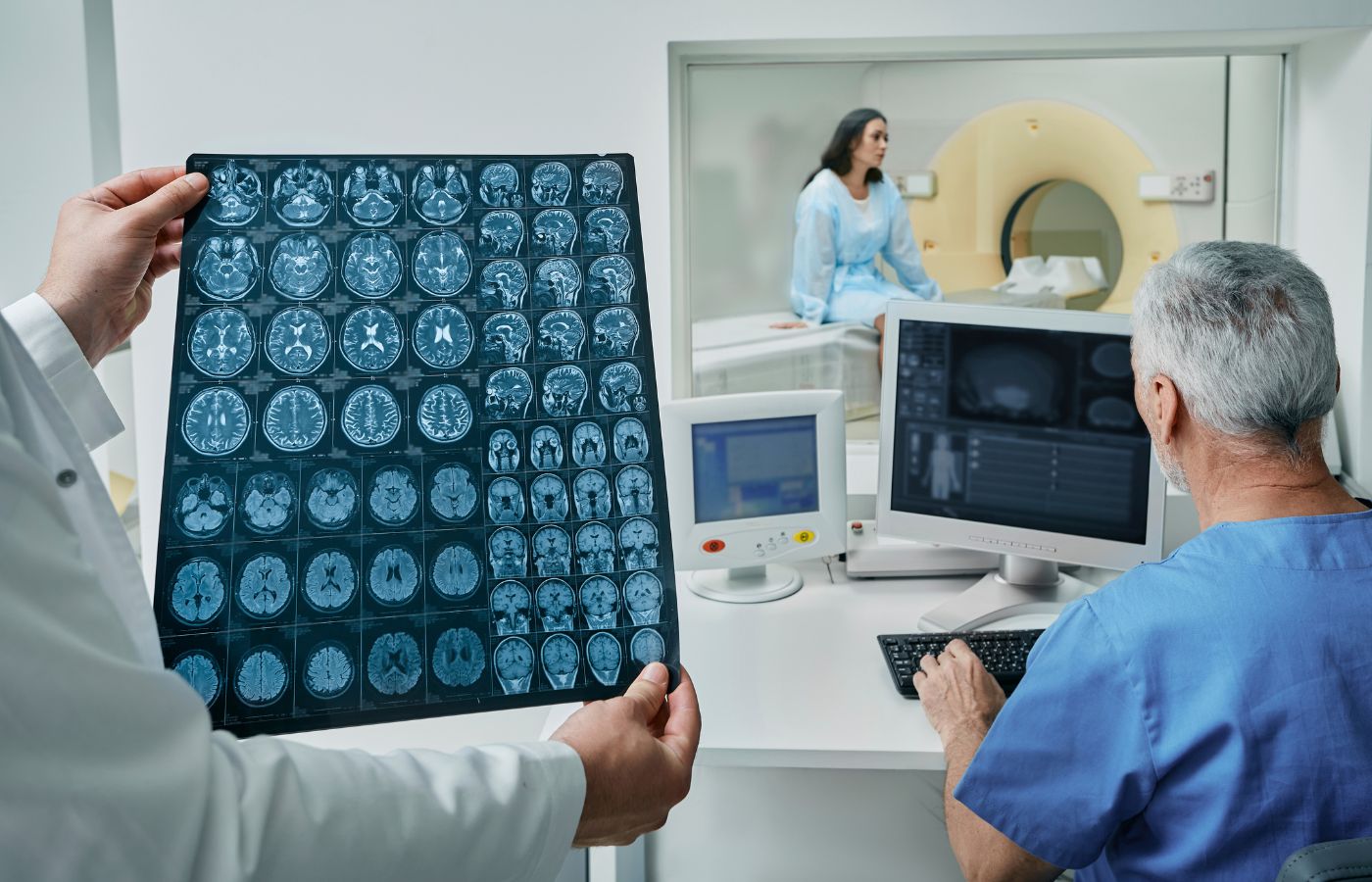
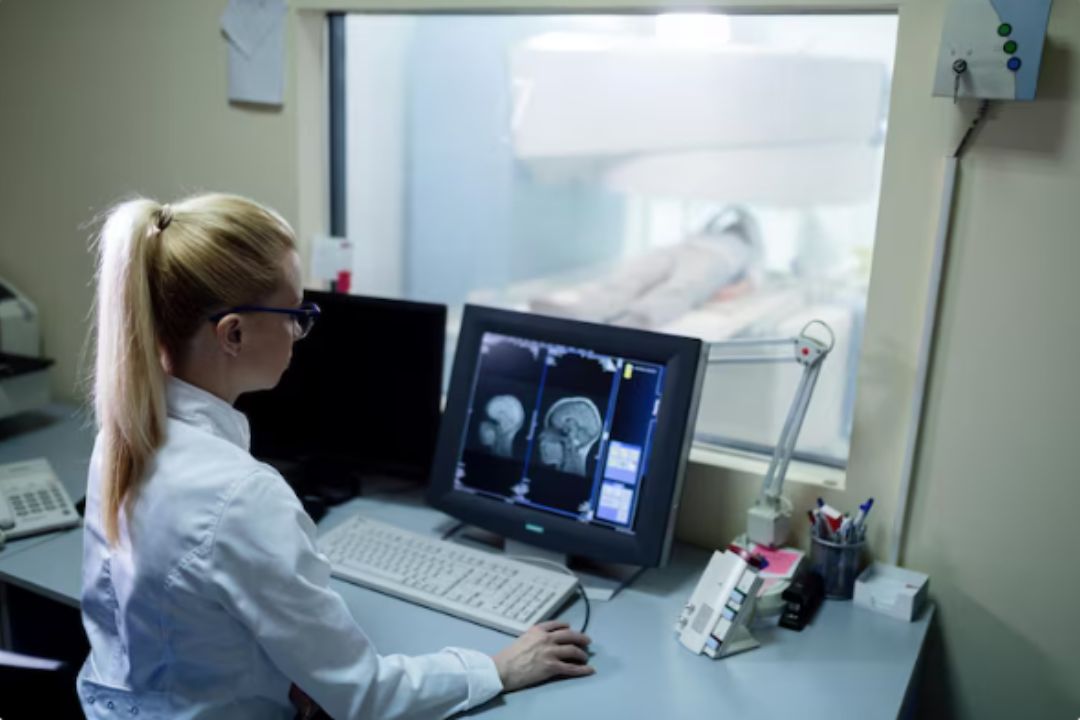
Sub-Specialized Radiologists: Your scans are interpreted not just by radiologists, but by experts with focused experience in musculoskeletal and neuroradiology. This specialization translates to more precise reports and nuanced insights for your treating doctor.
Absolute Transparency: We believe in trust through transparency. You will receive a clear explanation of the CT scan cost and the procedure with no hidden fees or last-minute surprises.
Patient-Centric Ecosystem: From easy online booking and minimal wait times to a calming ambience and empathetic staff, every touchpoint is designed for your comfort. We ensure swift and secure digital report delivery.
Strategic Accessibility: Diagnopein Mumbai is located with connectivity in mind, making your visit convenient.
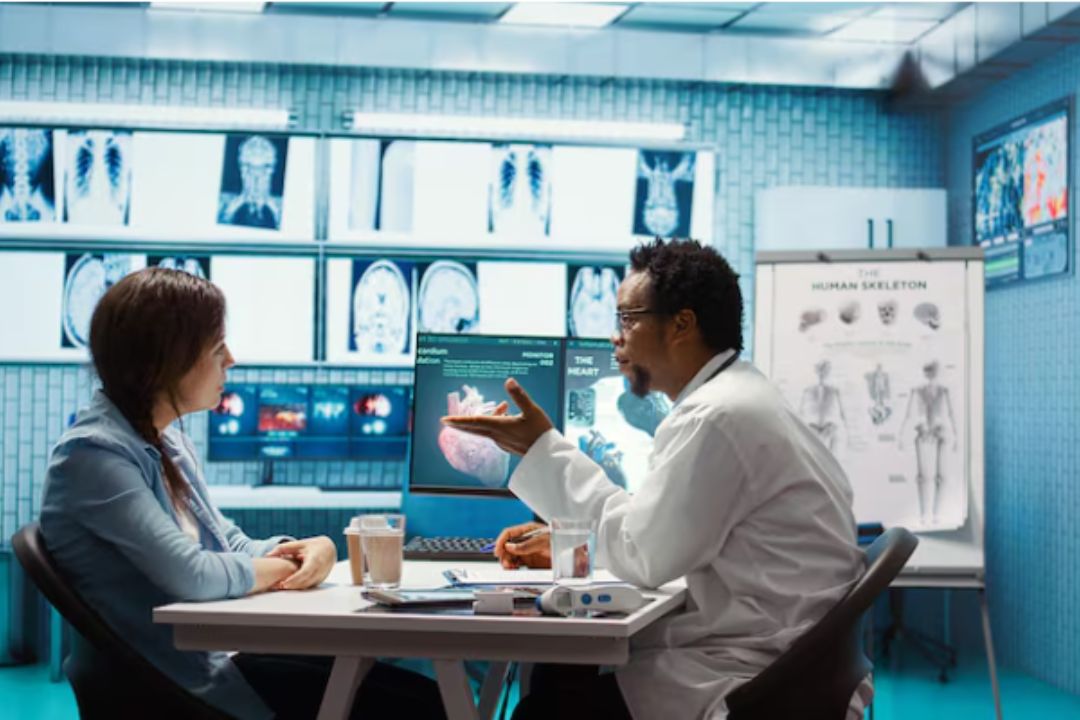
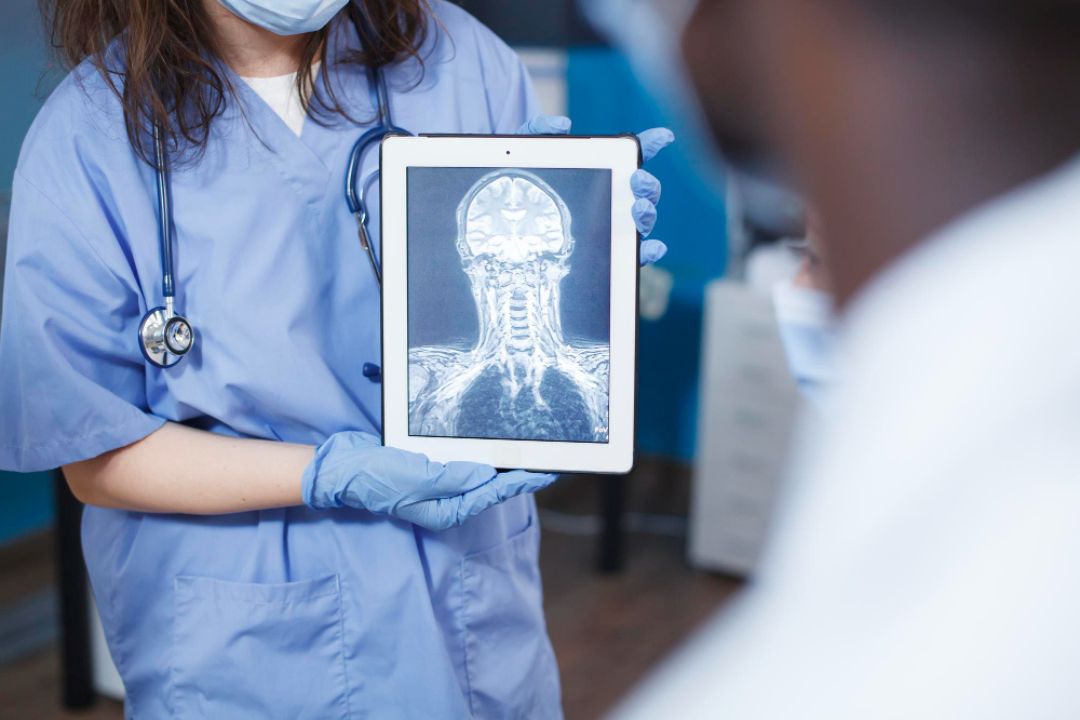
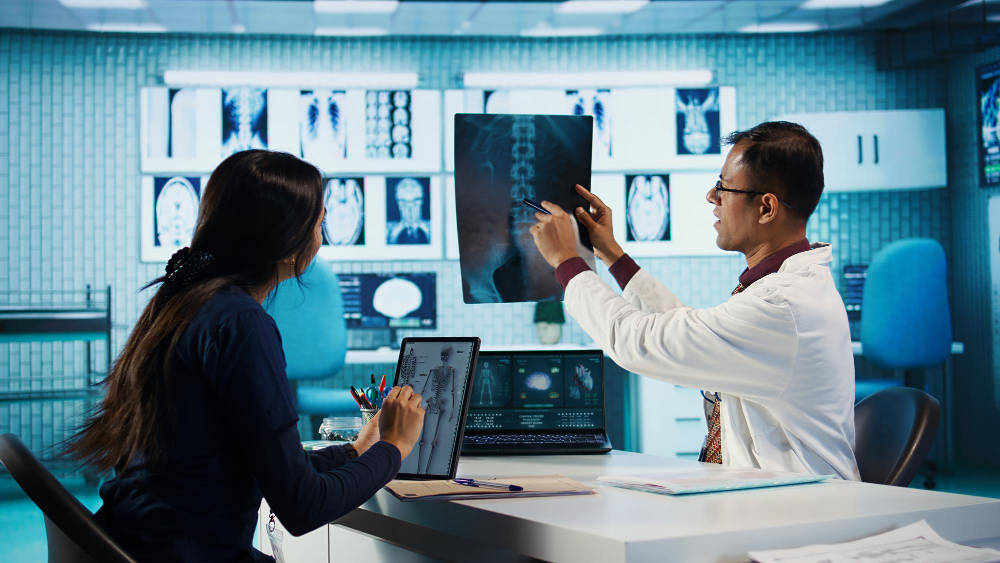
Collaborative Diagnosis: Our detailed, comprehensible reports are crafted to empower your physician with the information needed to design the most effective treatment plan for your specific back pain cause.
Persistent back pain should not be a mystery you learn to live with. A CT scan for spine and back pain is a decisive step from uncertainty to understanding, particularly when serious structural issues are suspected. By knowing when it is required, appreciating its distinct benefits, and having clarity on the CT scan cost with or without insurance, you become an active participant in your healthcare journey.







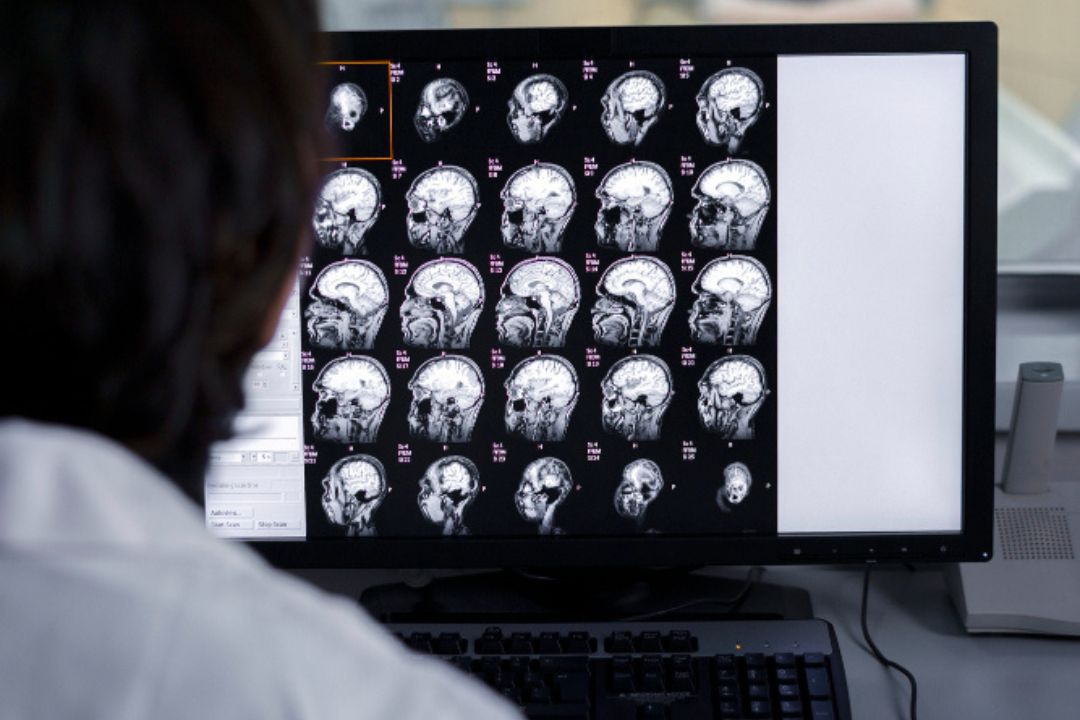
.jpg "ct brain scan plain and contrast")















.jpg "ct scan")

.jpg "ct scan or mri for brain disorders")


.jpg "exploring the power of ct brain contrast in modern diagnostics")
.jpg "ct scan")
.jpg "ct scan")







.jpg "ct scan")

.jpg "CT Brain Scan for Headaches")
.jpg "The Future of 3D CT Imaging")