ct scan for kidney stones

ct scan for kidney stones diagnosis

A sudden, sharp, cramping pain in your side or back that radiates to the groin is a classic sign of kidney stones. When this agony strikes, quick and accurate diagnosis is crucial for effective treatment.

What is a CT Scan for Kidney Stones?

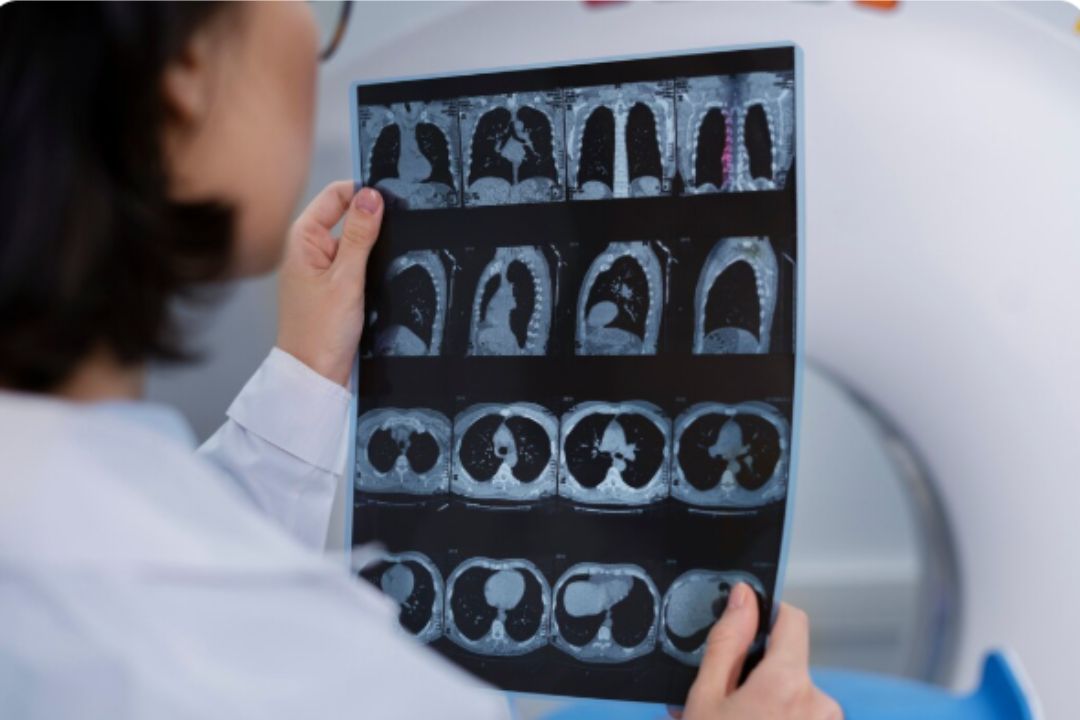
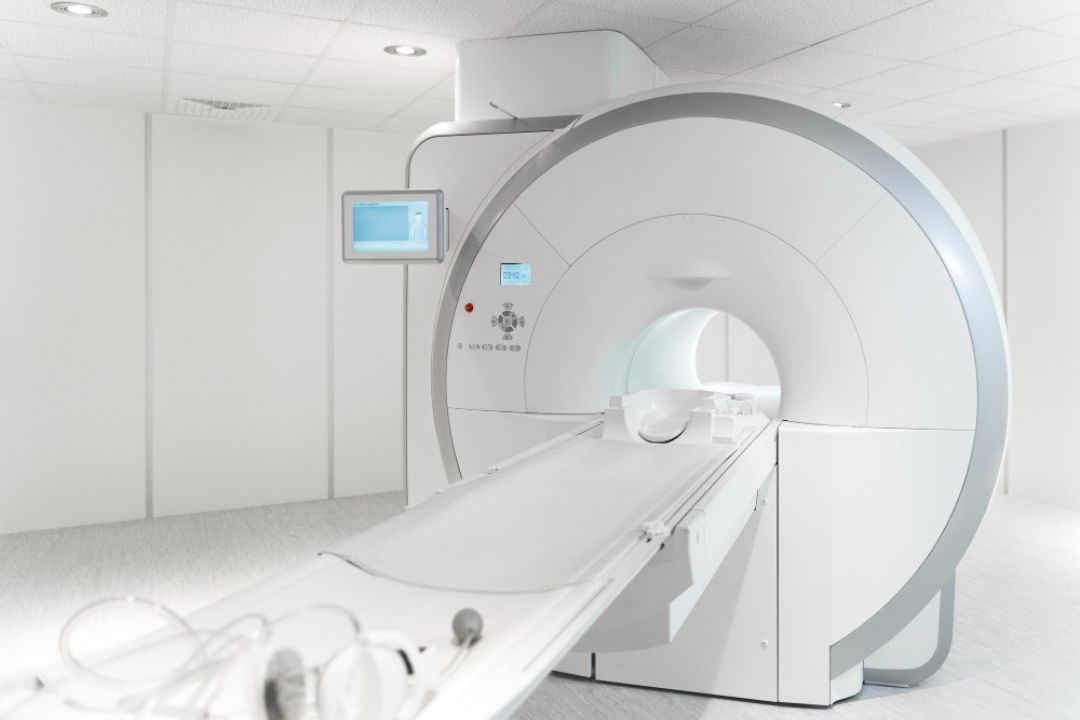
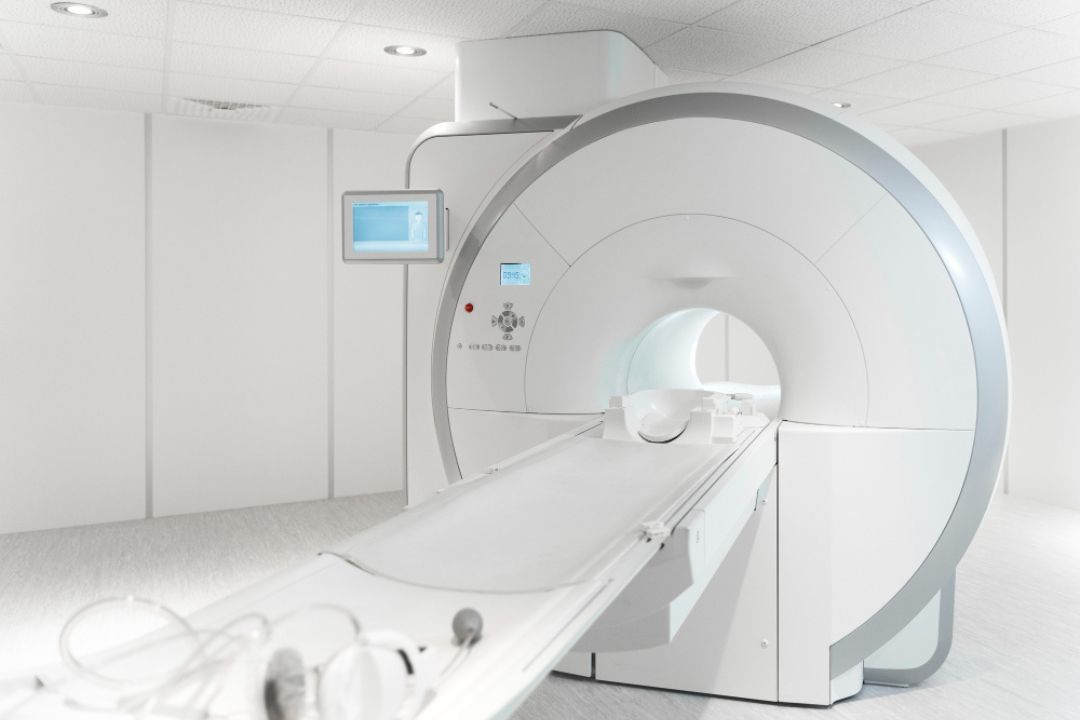
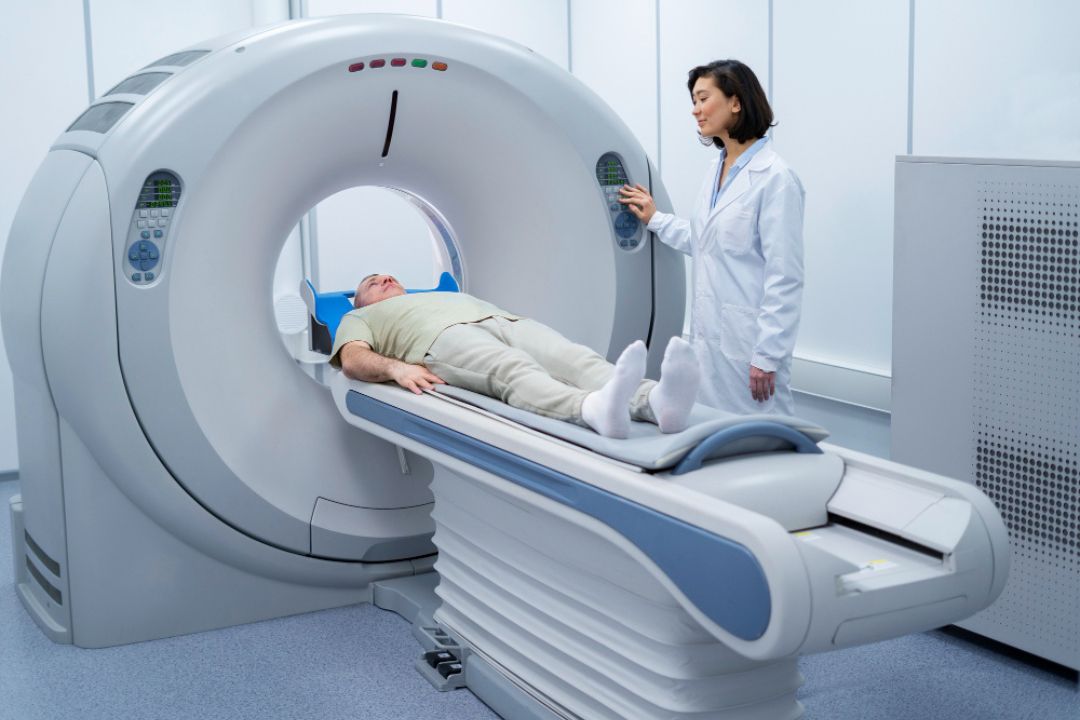
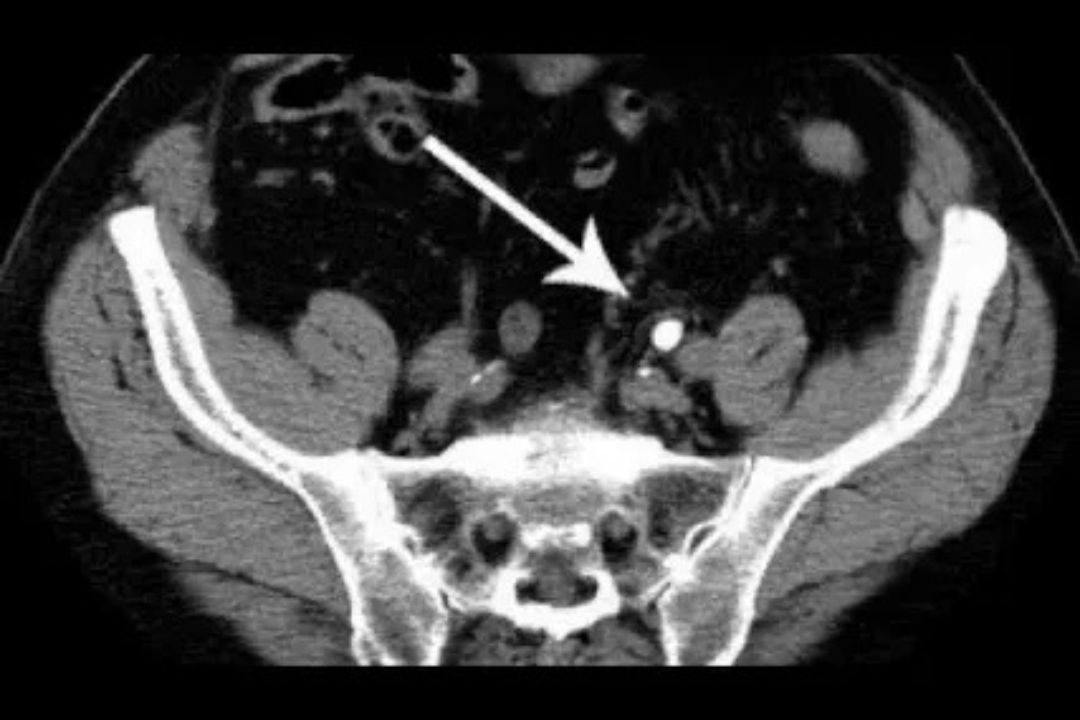
A Computed Tomography (CT) scan is a sophisticated imaging technique that uses X-rays and computer processing to create detailed cross-sectional images of the inside of your body. Specifically, an abdominal CT scan for kidney stones or a CT abdomen and pelvis for kidney stones focuses on your urinary tract—kidneys, ureters, and bladder.

The most common type used is the CT abdomen and pelvis without contrast kidney stones. This means a special dye (contrast) is not injected. Non-contrast scans are exceptionally effective at detecting the calcium present in most stones, making them the preferred first-line imaging test for acute kidney stone pain.

Why Do You Need a CT Scan for Kidney Stones?

When you present with symptoms, your doctor needs to confirm three key things: Is it truly a kidney stone? Where is it located? And how big is it? Other tests like X-rays can miss stones, and ultrasounds, while safer, may not provide a complete picture, especially of the ureters.

CT scan and kidney stones diagnosis go hand-in-hand because a CT scan:

  1. Confirm the Diagnosis: Rule out other causes of abdominal pain like appendicitis or gallbladder issues.

  2. Pinpoint Location: Precisely locate the stone—whether it's in the kidney, stuck in the ureter, or already in the bladder.

  3. Determine Size and Shape: The single most important factor for treatment. Small stones (≤5mm) often pass on their own, while larger ones may need intervention.

  4. Identify Obstructions: Detect if the stone is blocking urine flow, which can lead to kidney damage or infection.

  5. Plan Treatment: Guide the urologist in choosing the right procedure, such as shock wave lithotripsy (ESWL) or ureteroscopy.

The Procedure: What to Expect

The CT scan for kidney stones procedure is quick, painless, and non-invasive.

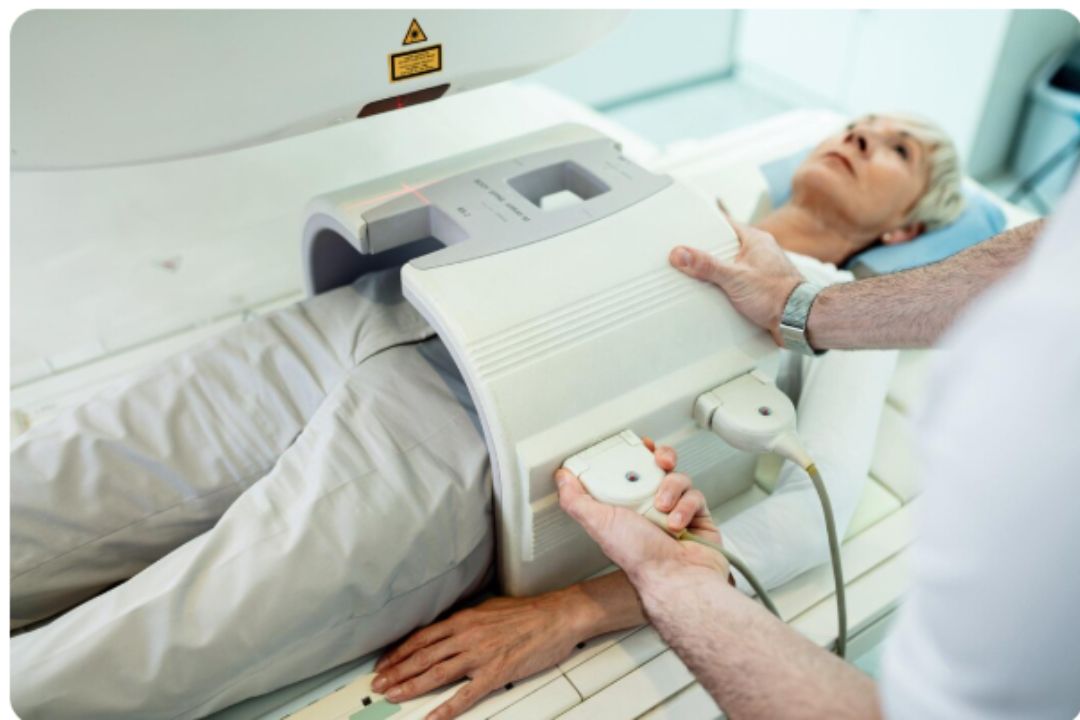
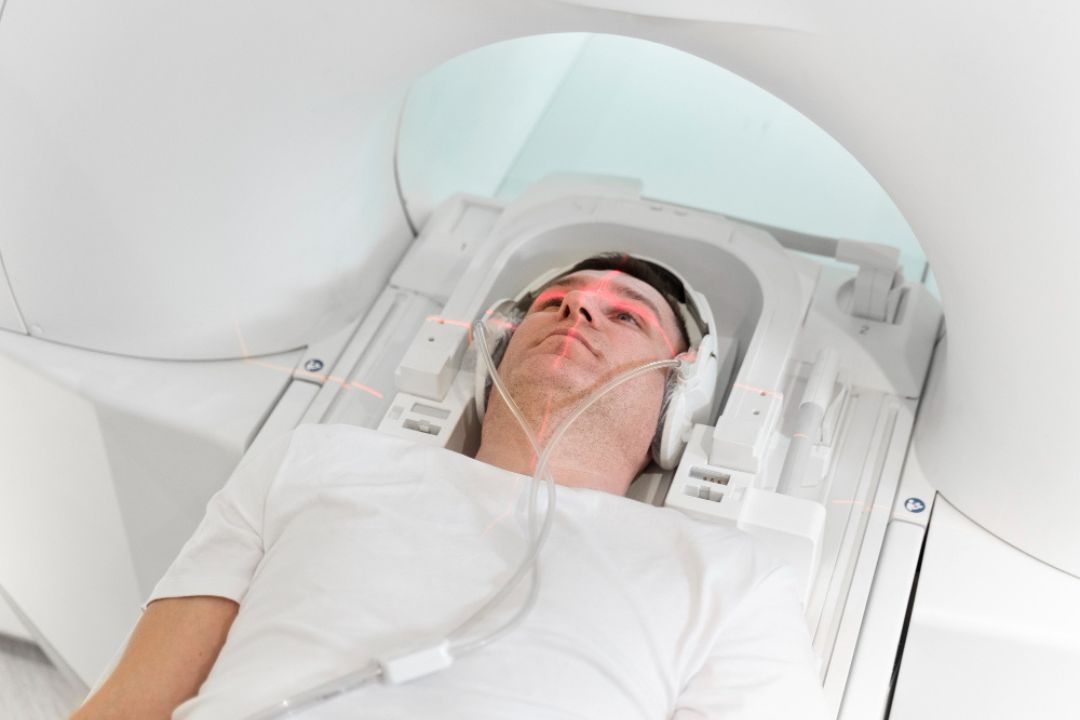
  1. Preparation: You will be asked to change into a hospital gown and remove any metal objects. Usually, no fasting is required for a non-contrast scan.

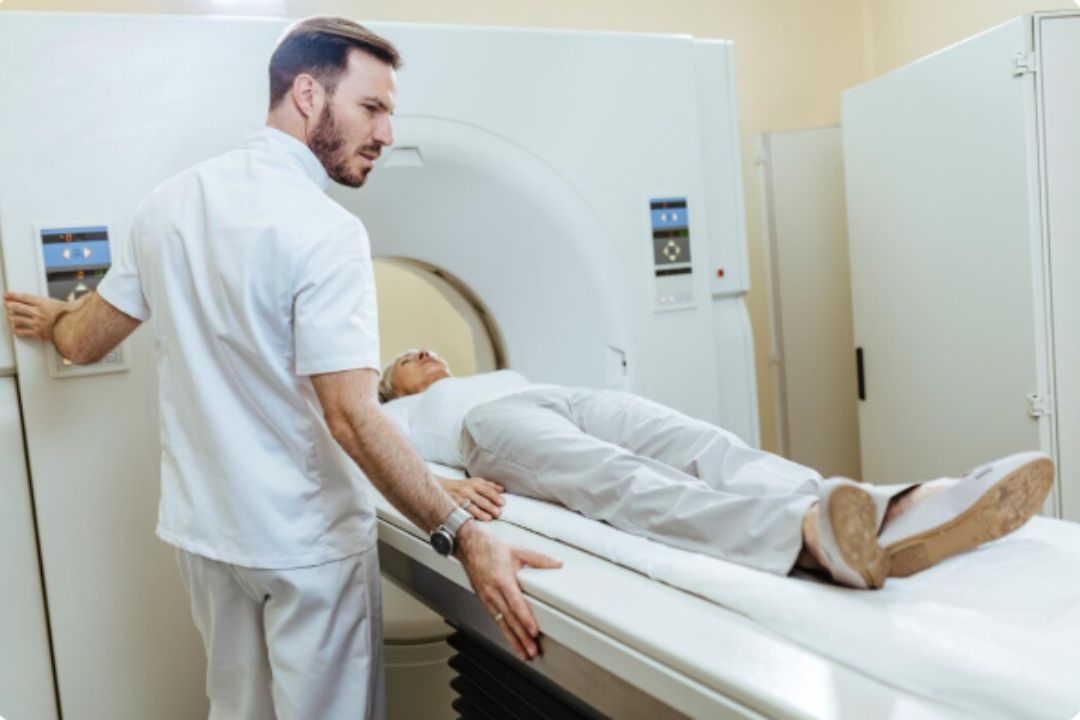
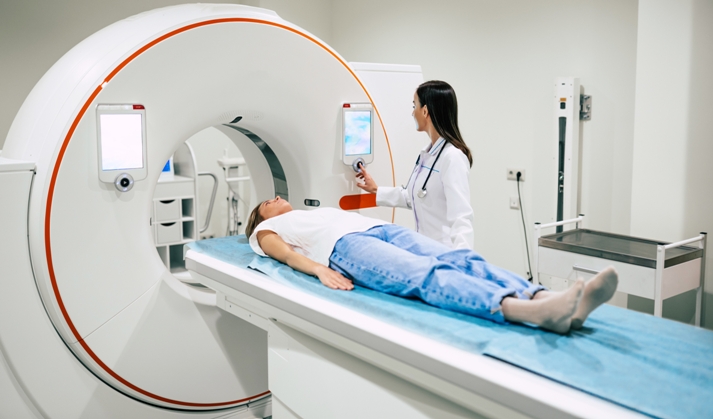
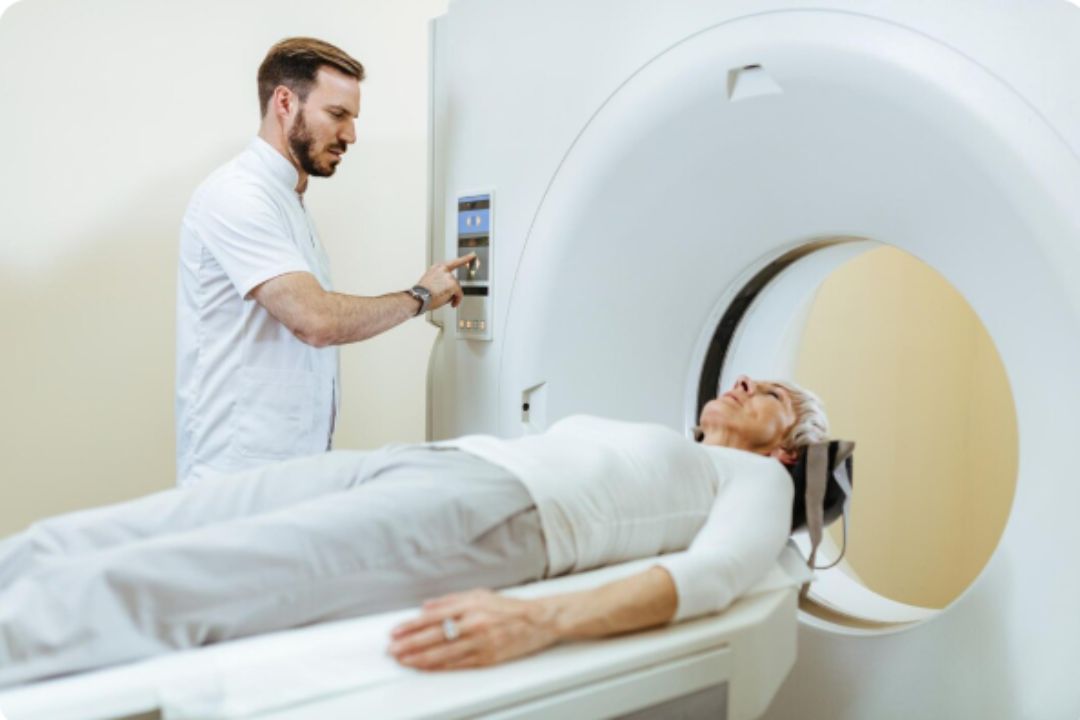
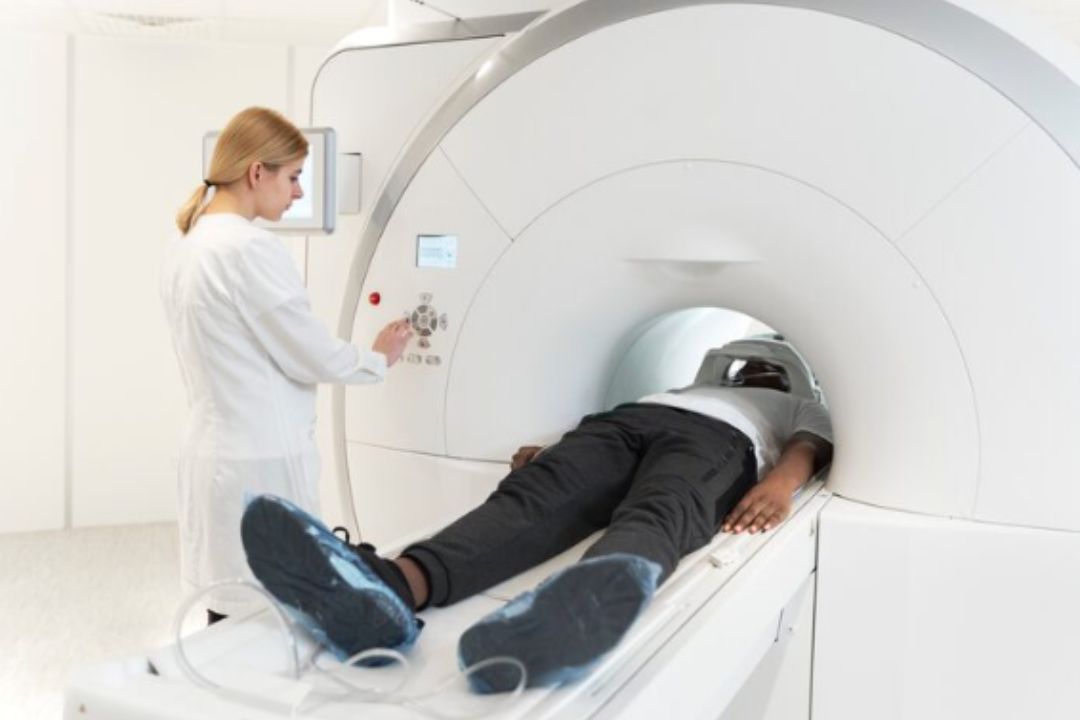
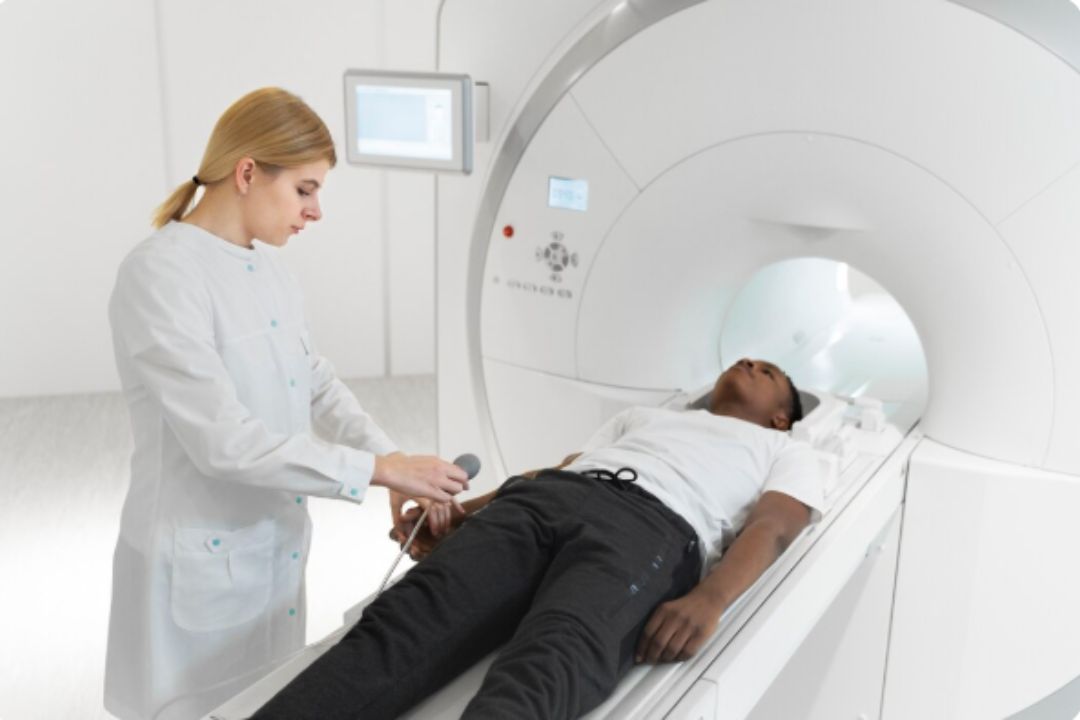
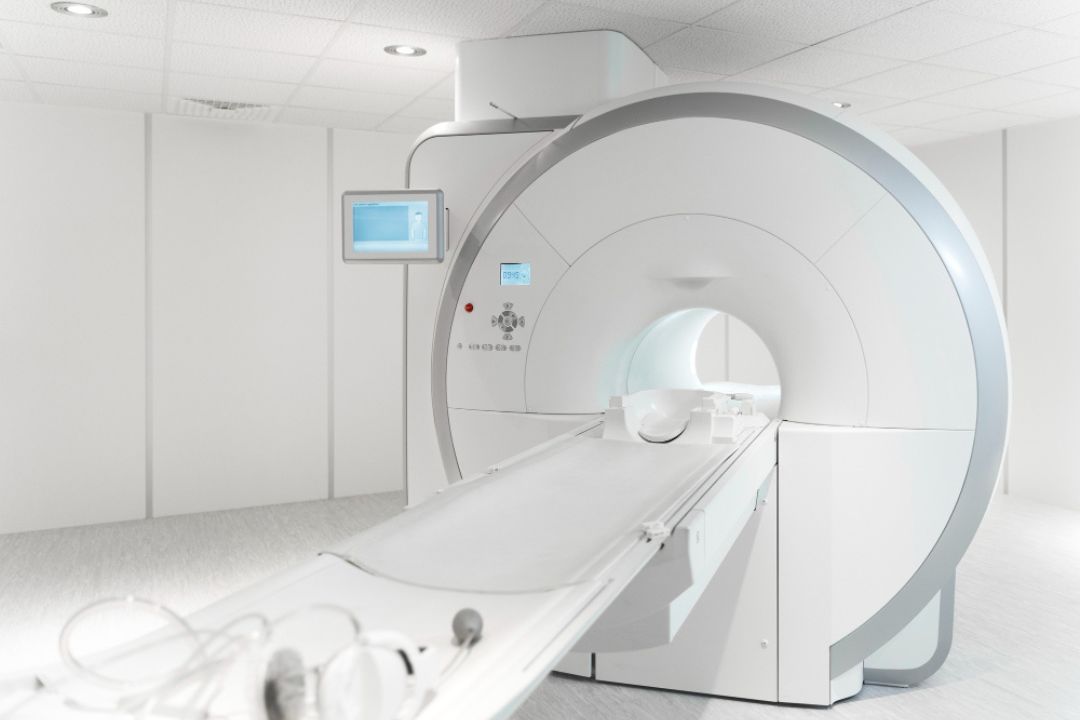
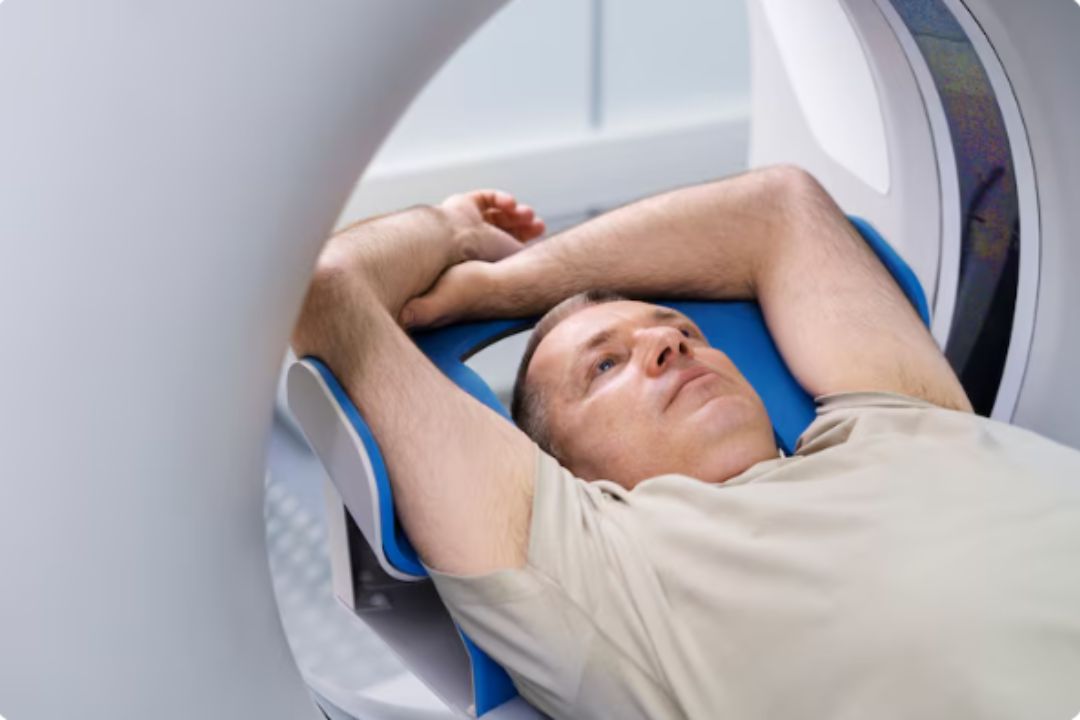
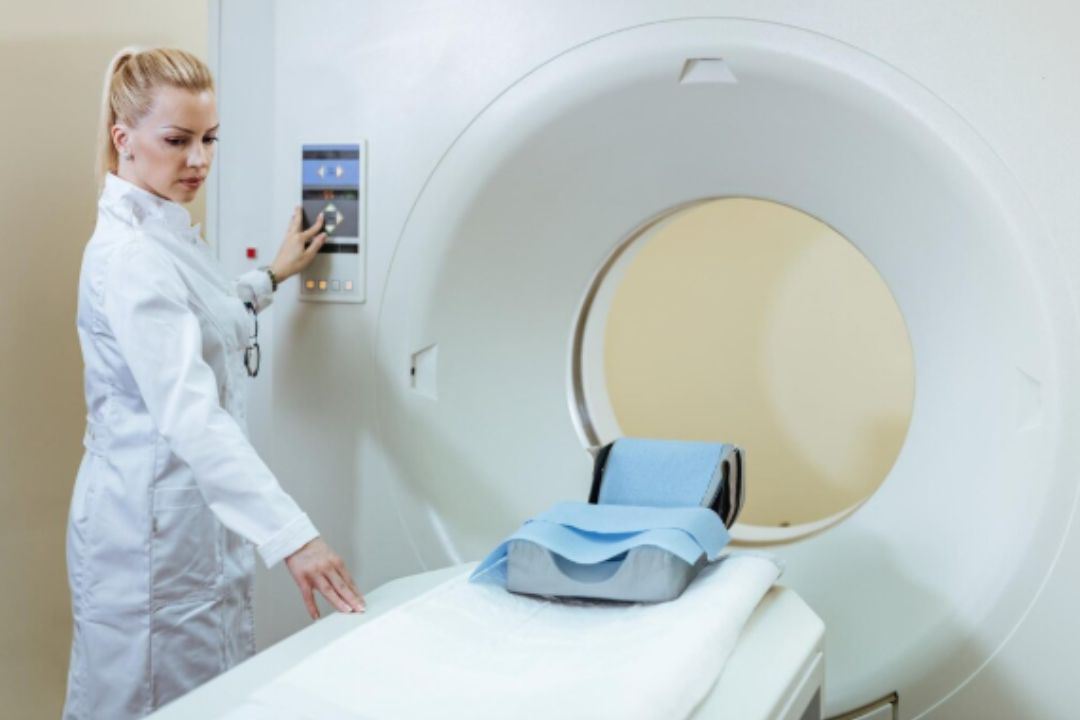
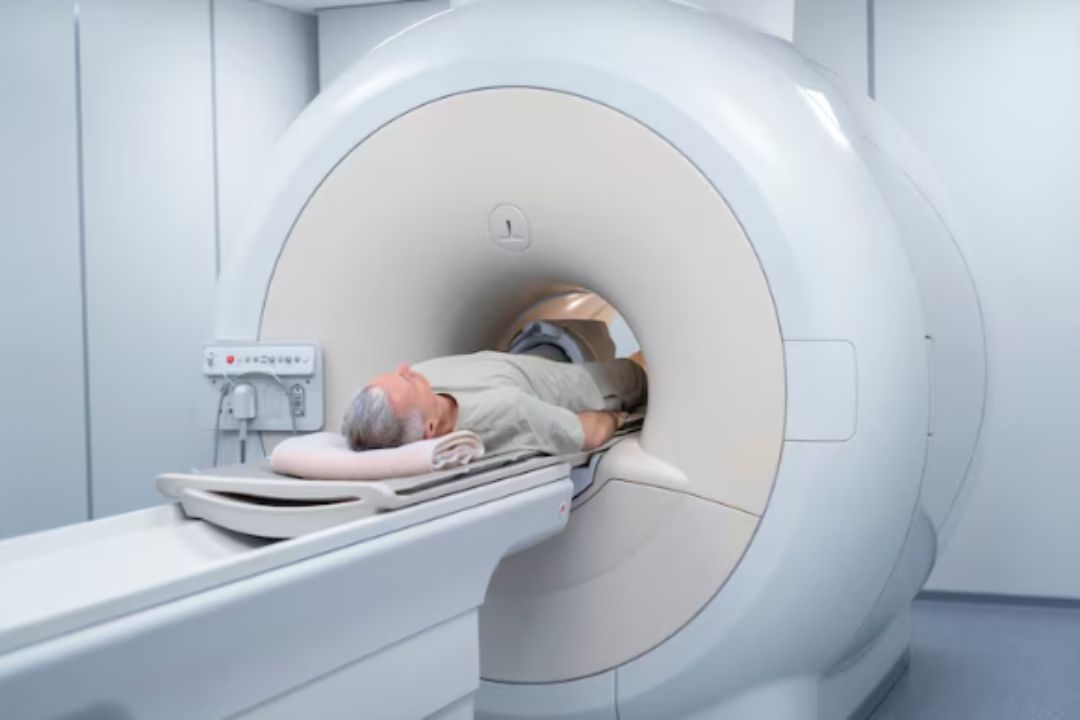
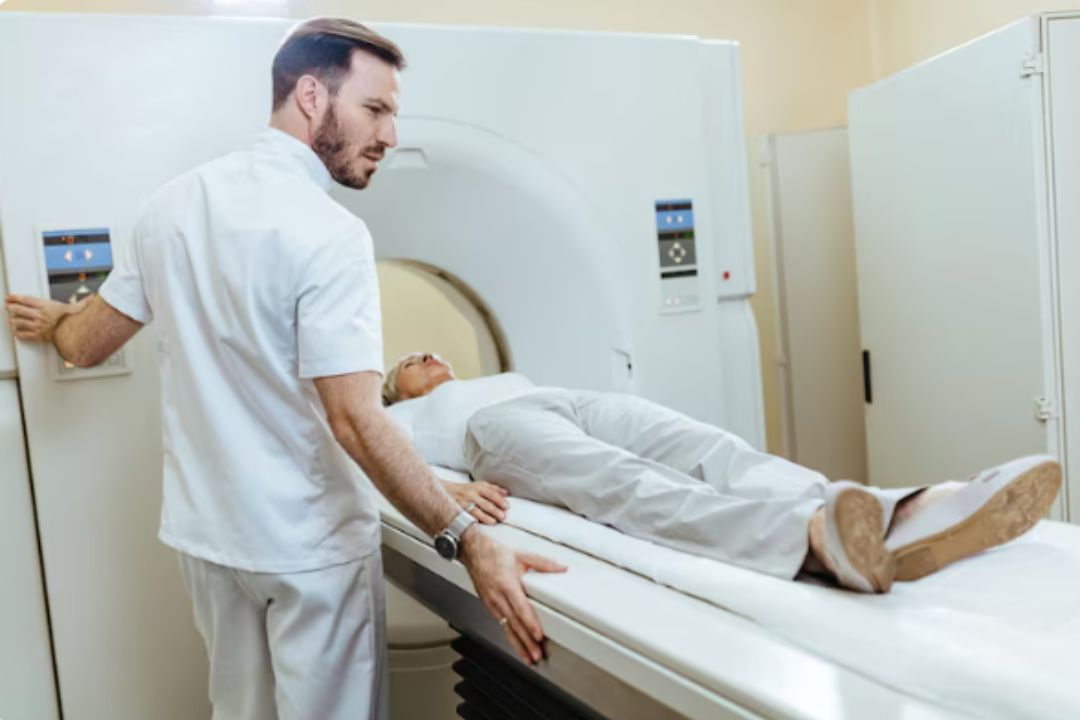
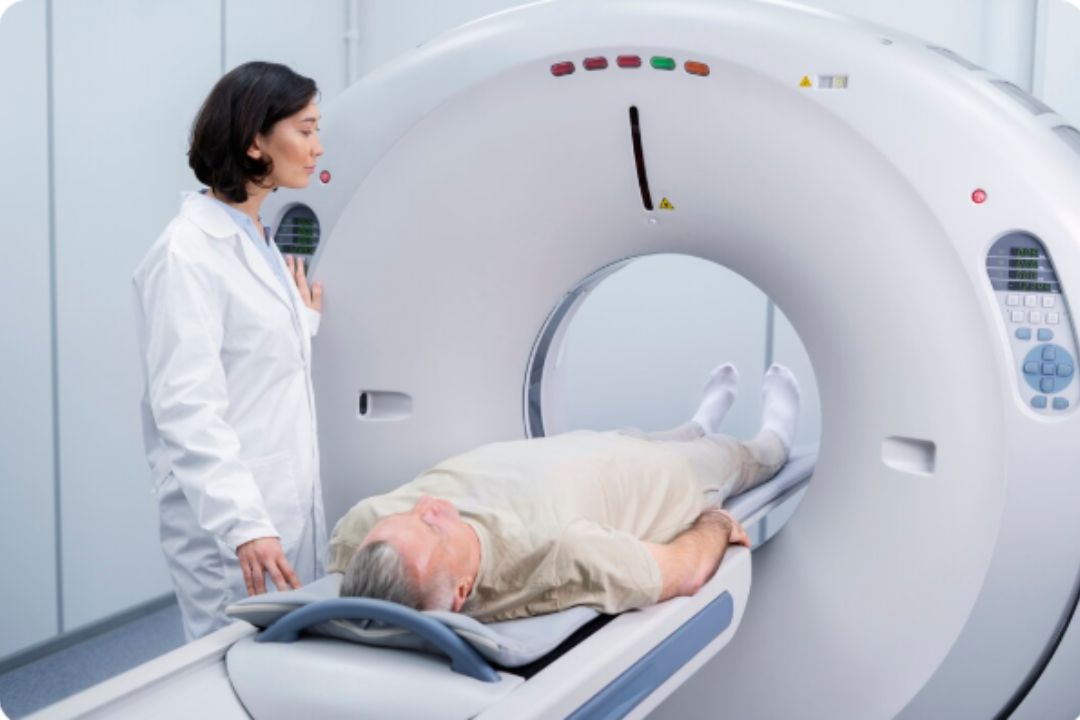
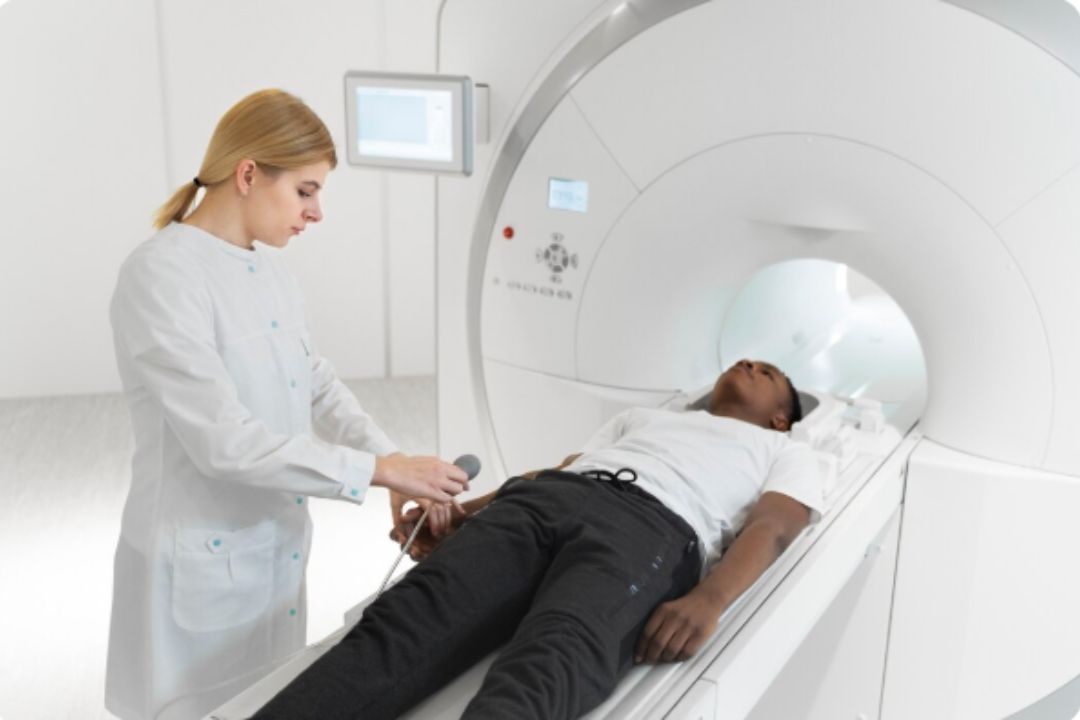
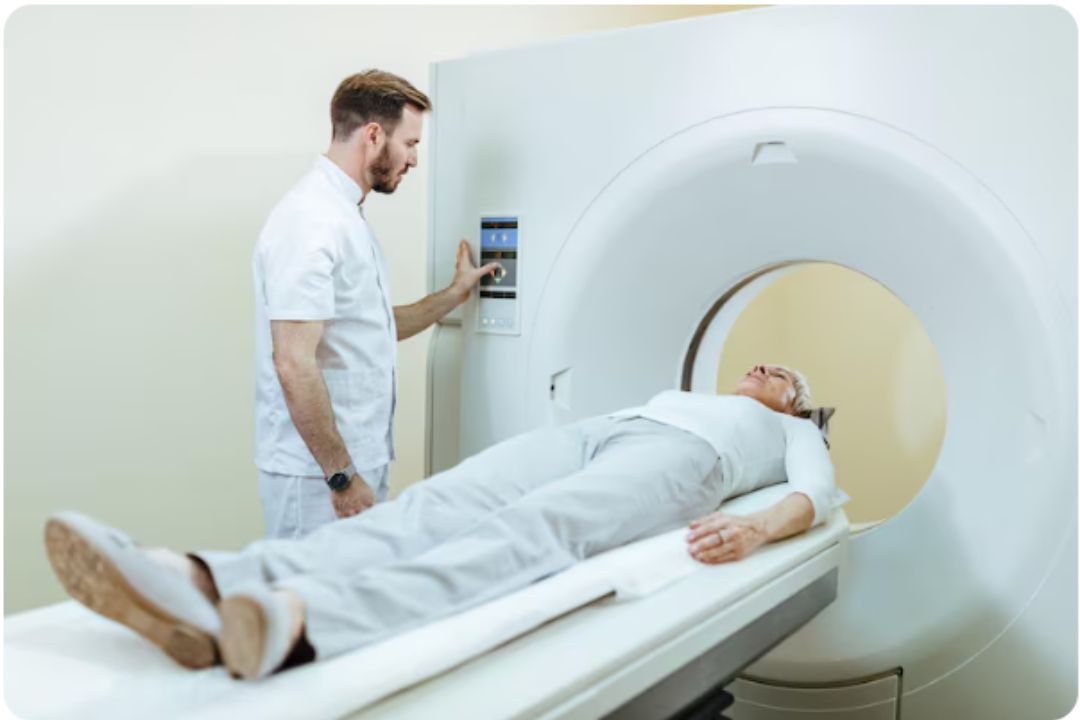
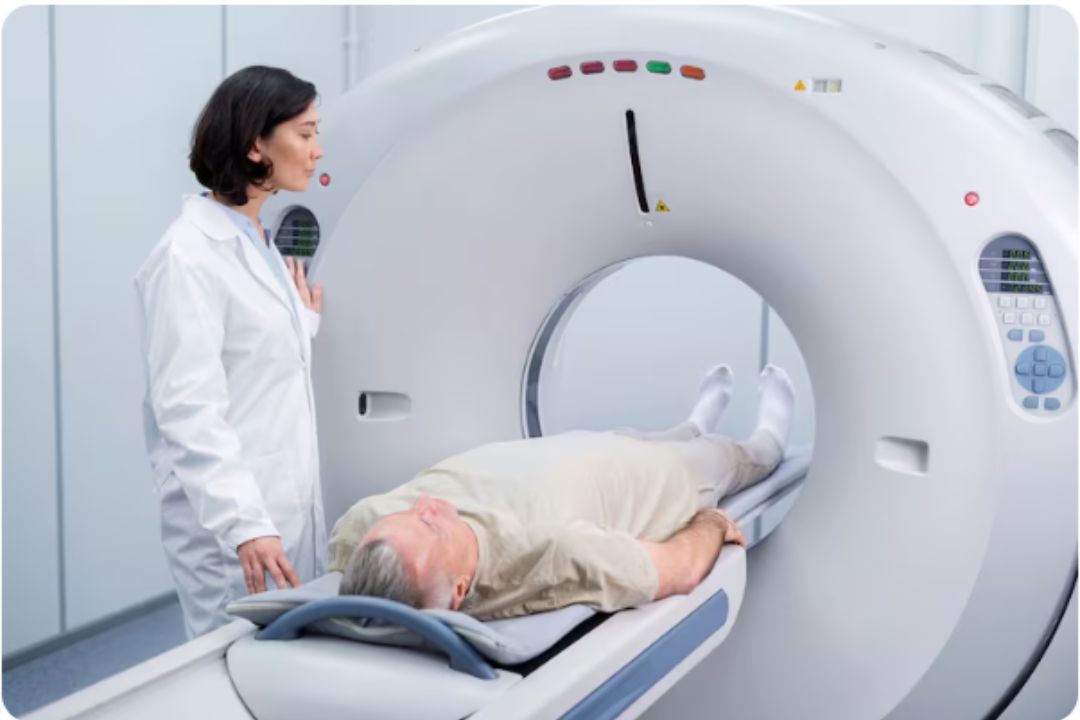
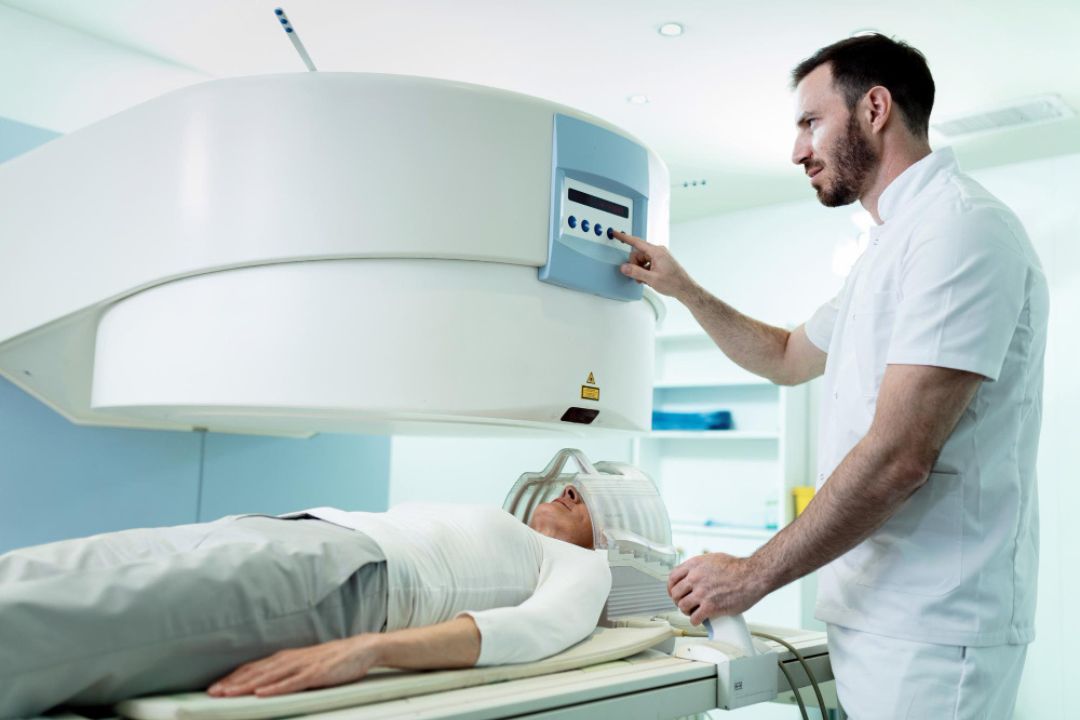
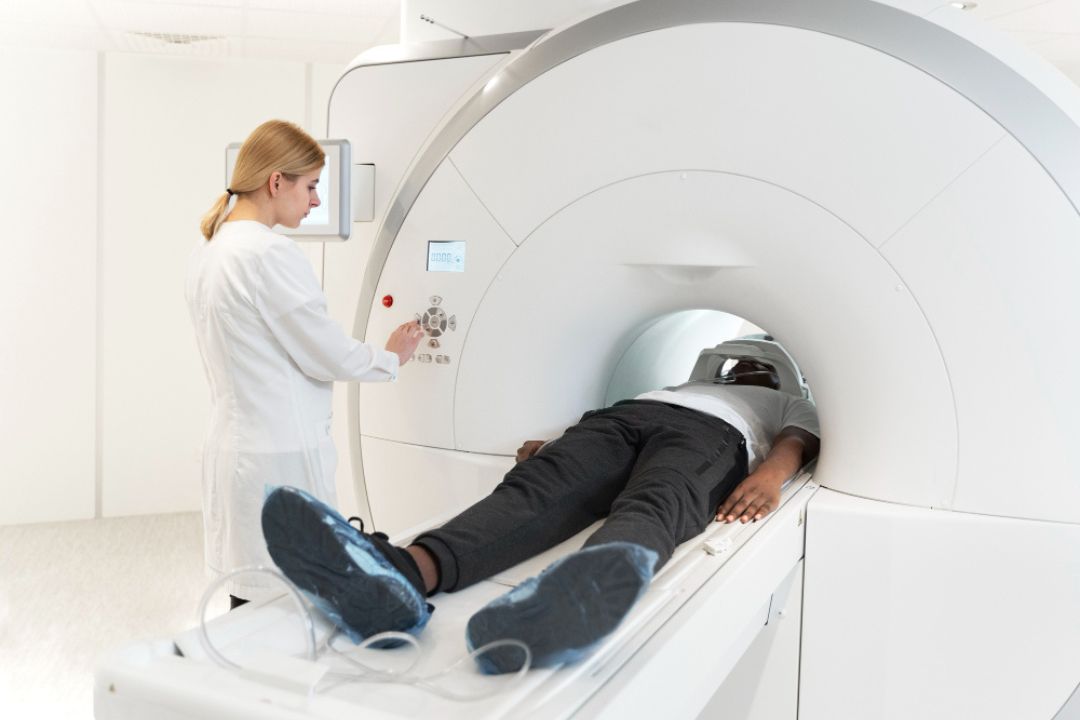
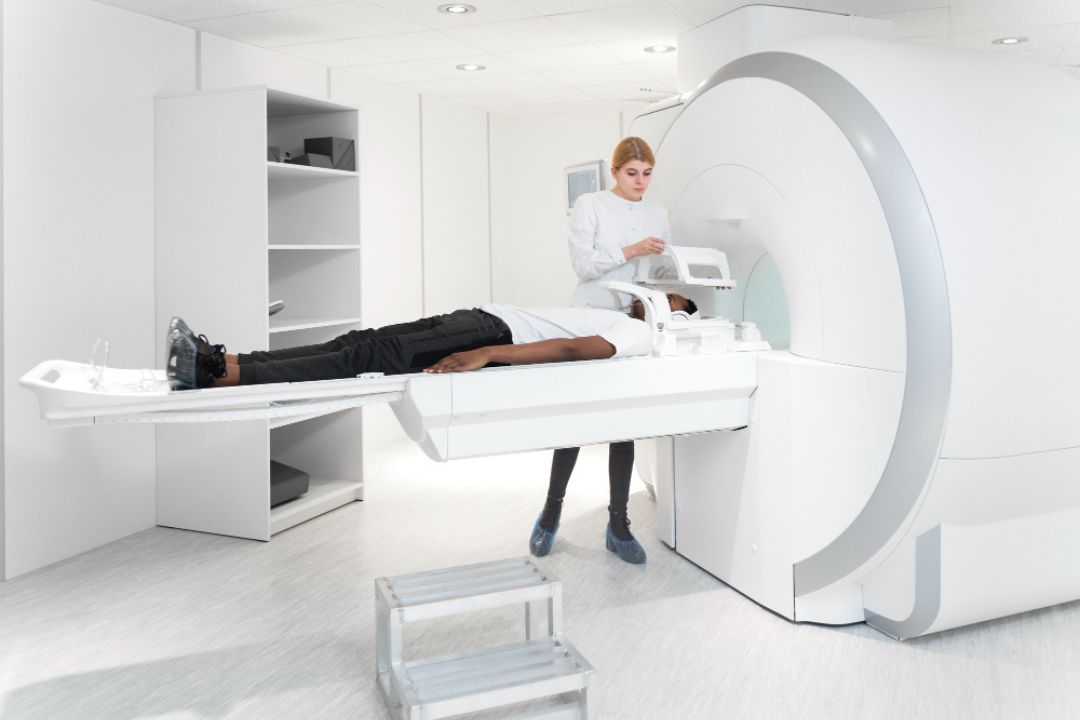
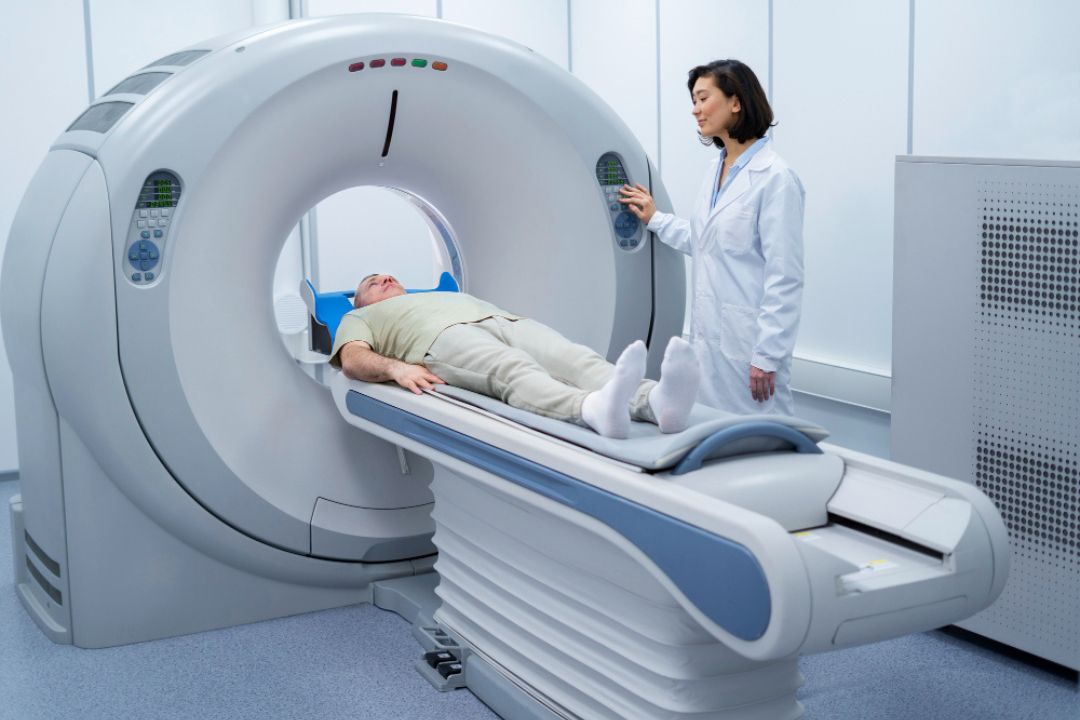
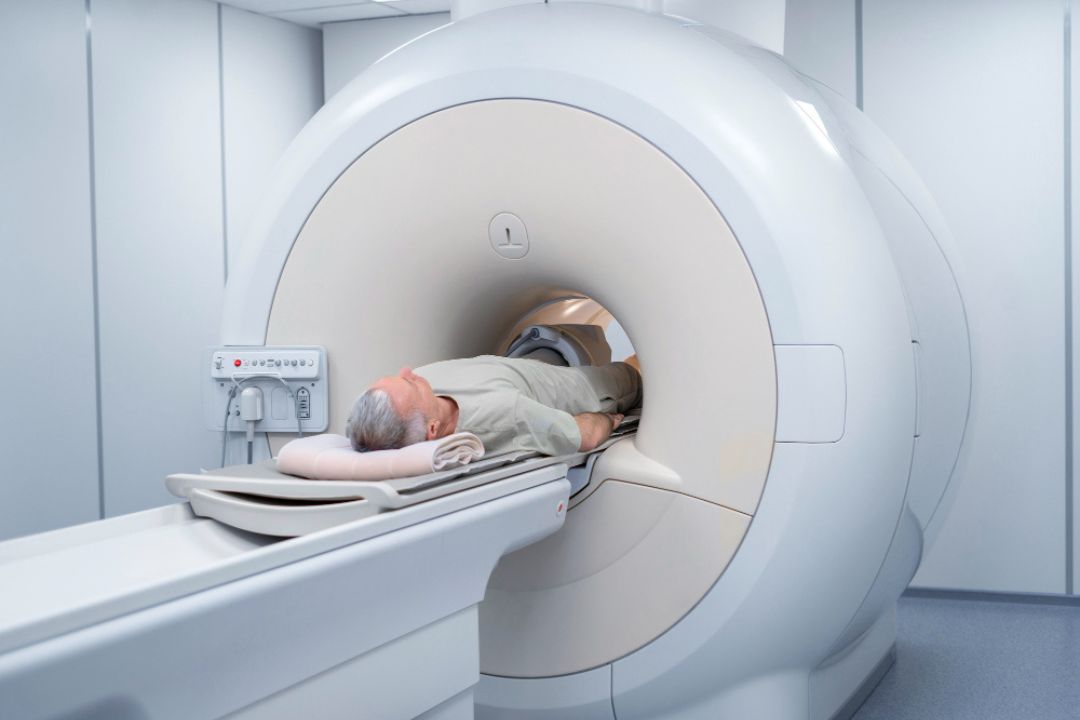
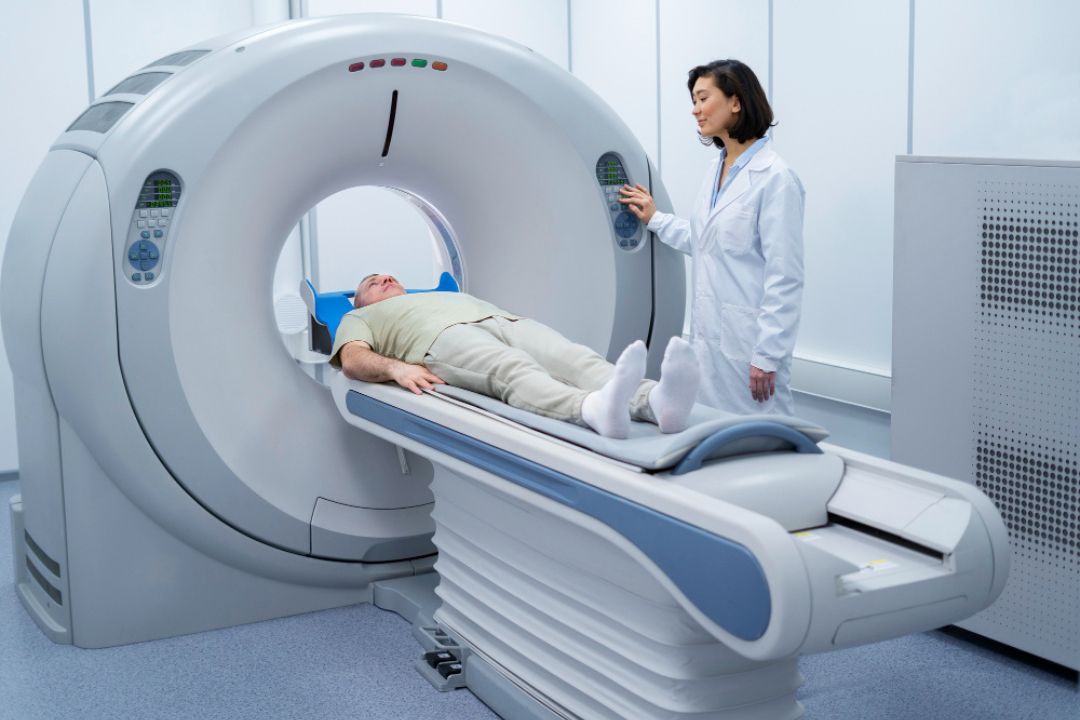
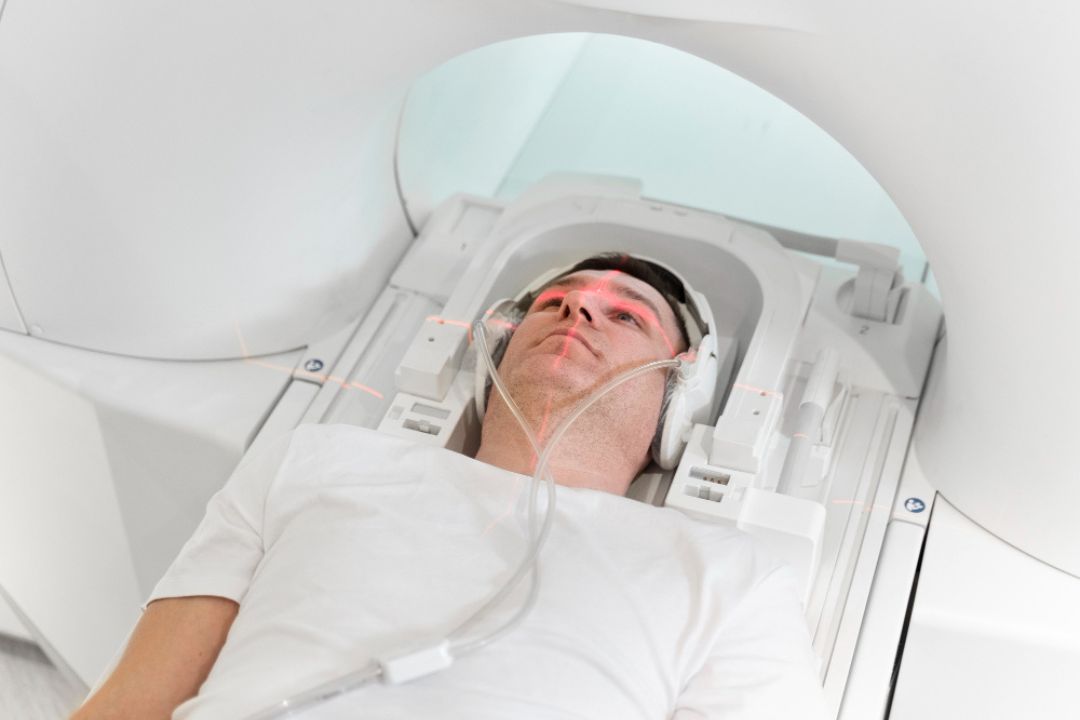
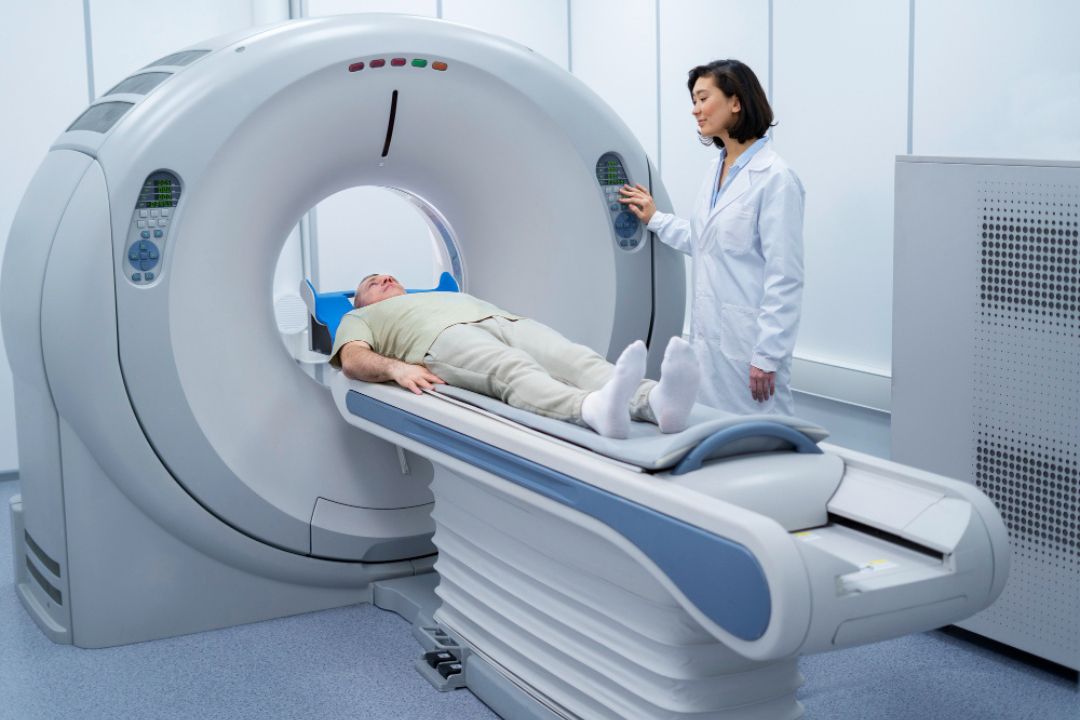
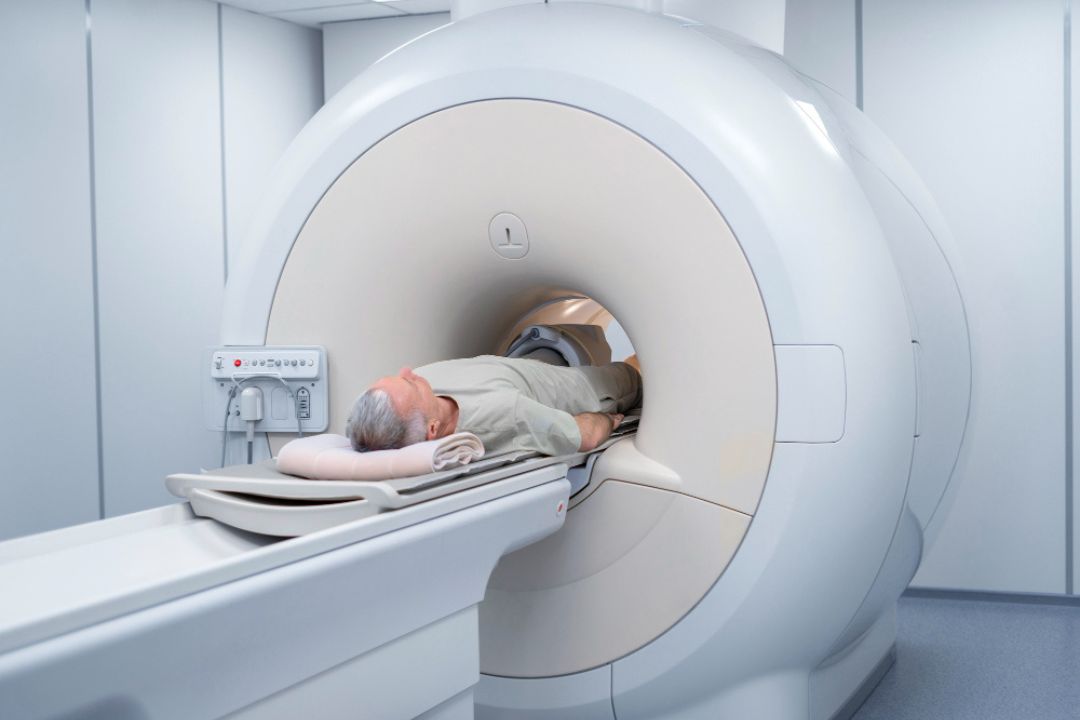
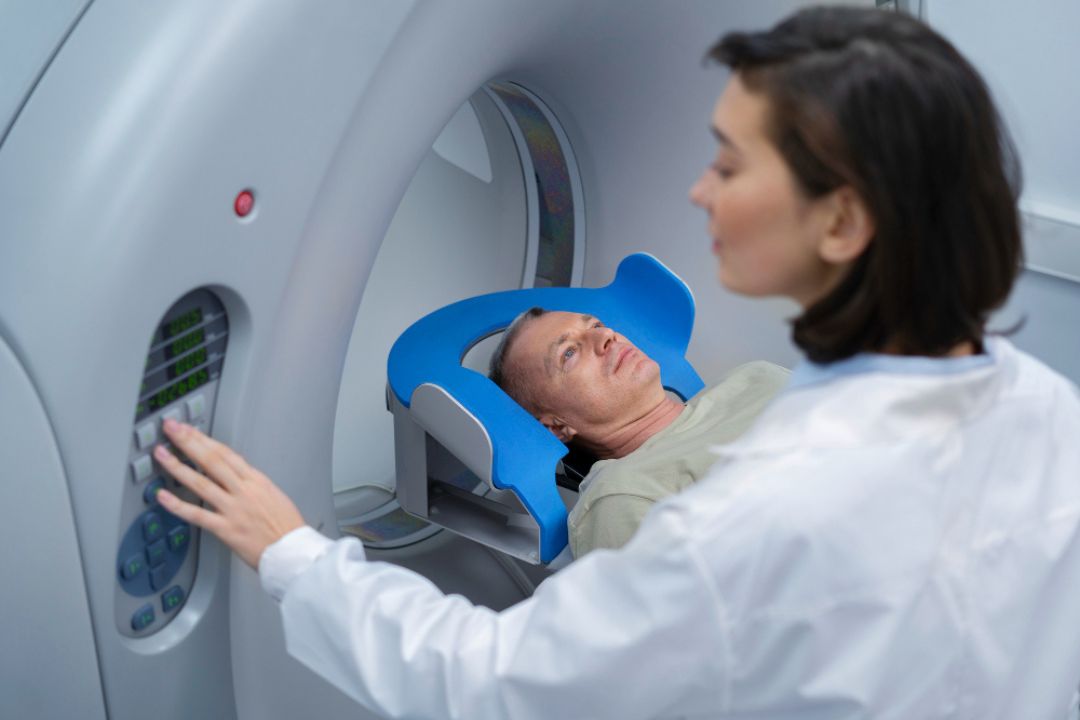
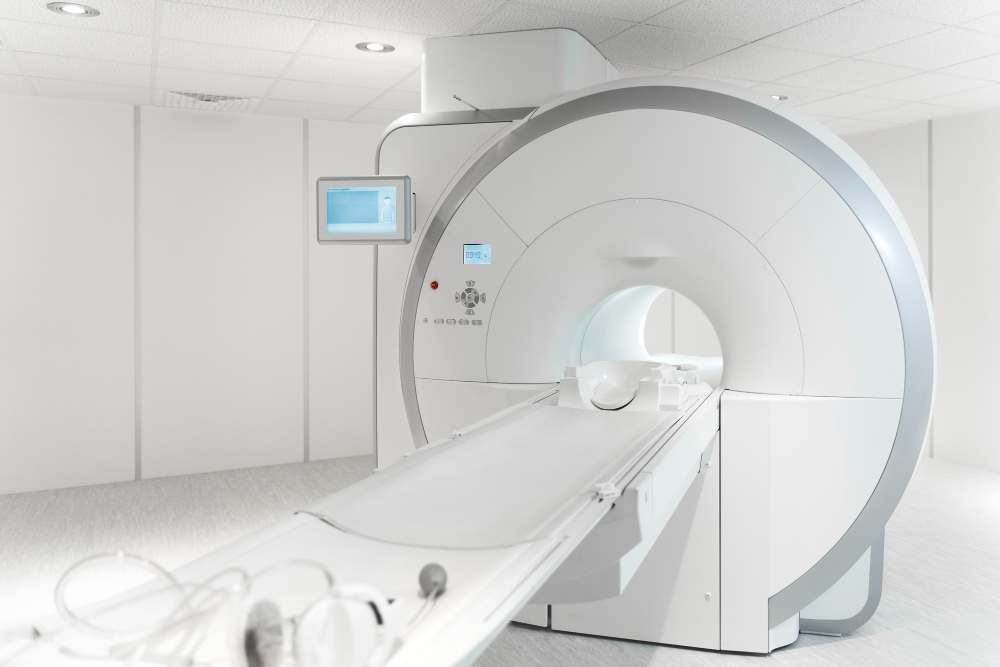
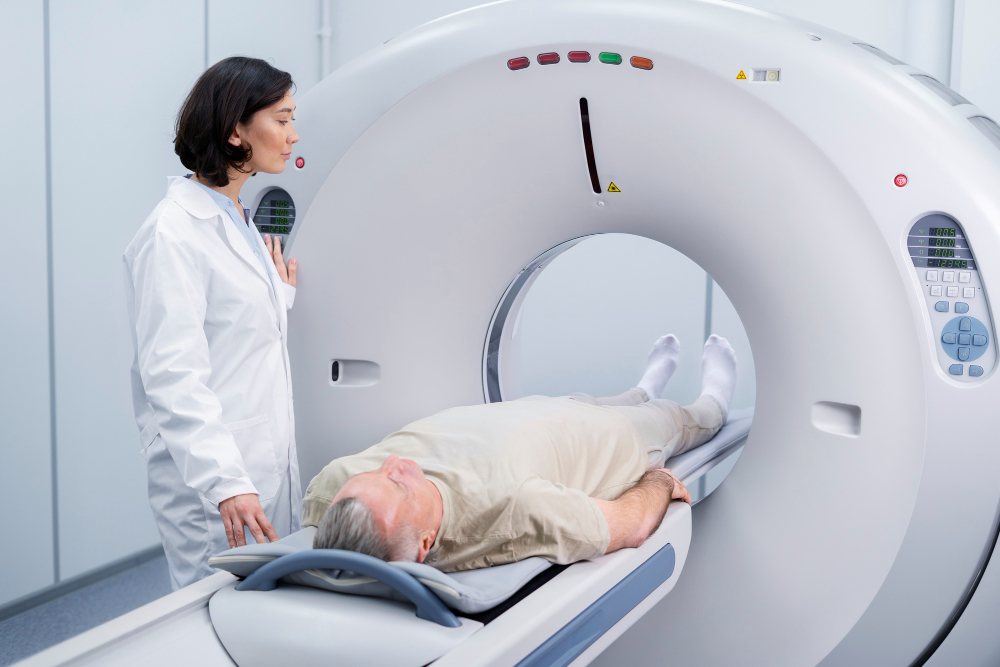
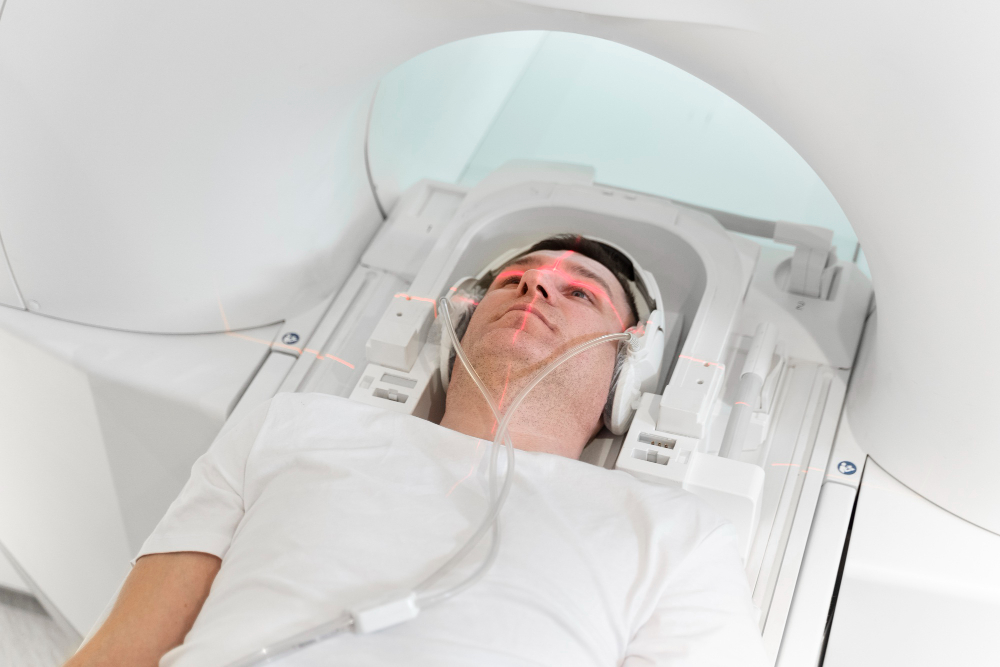
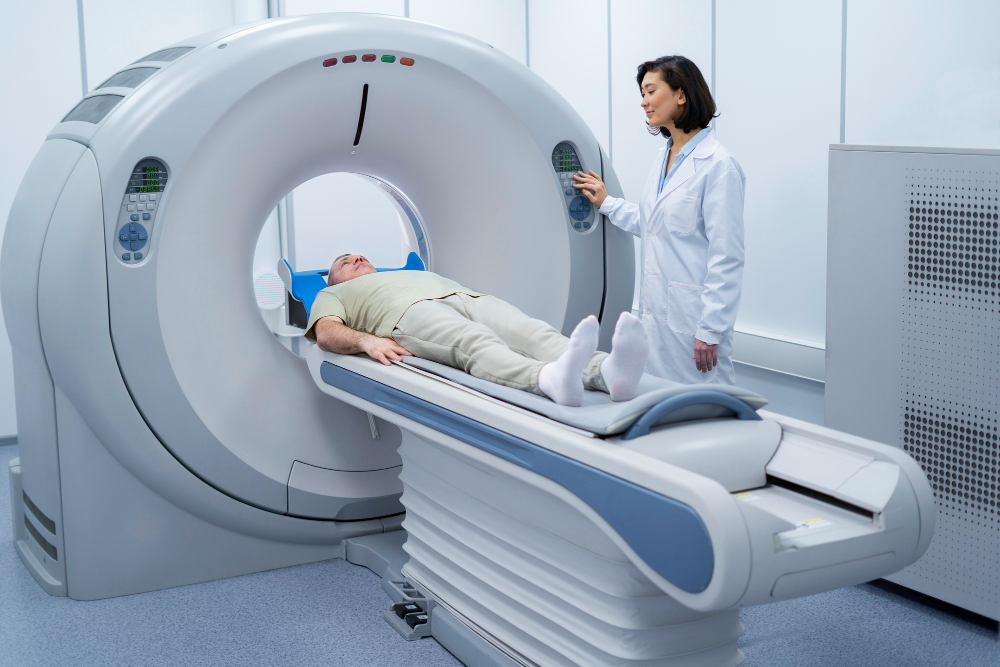
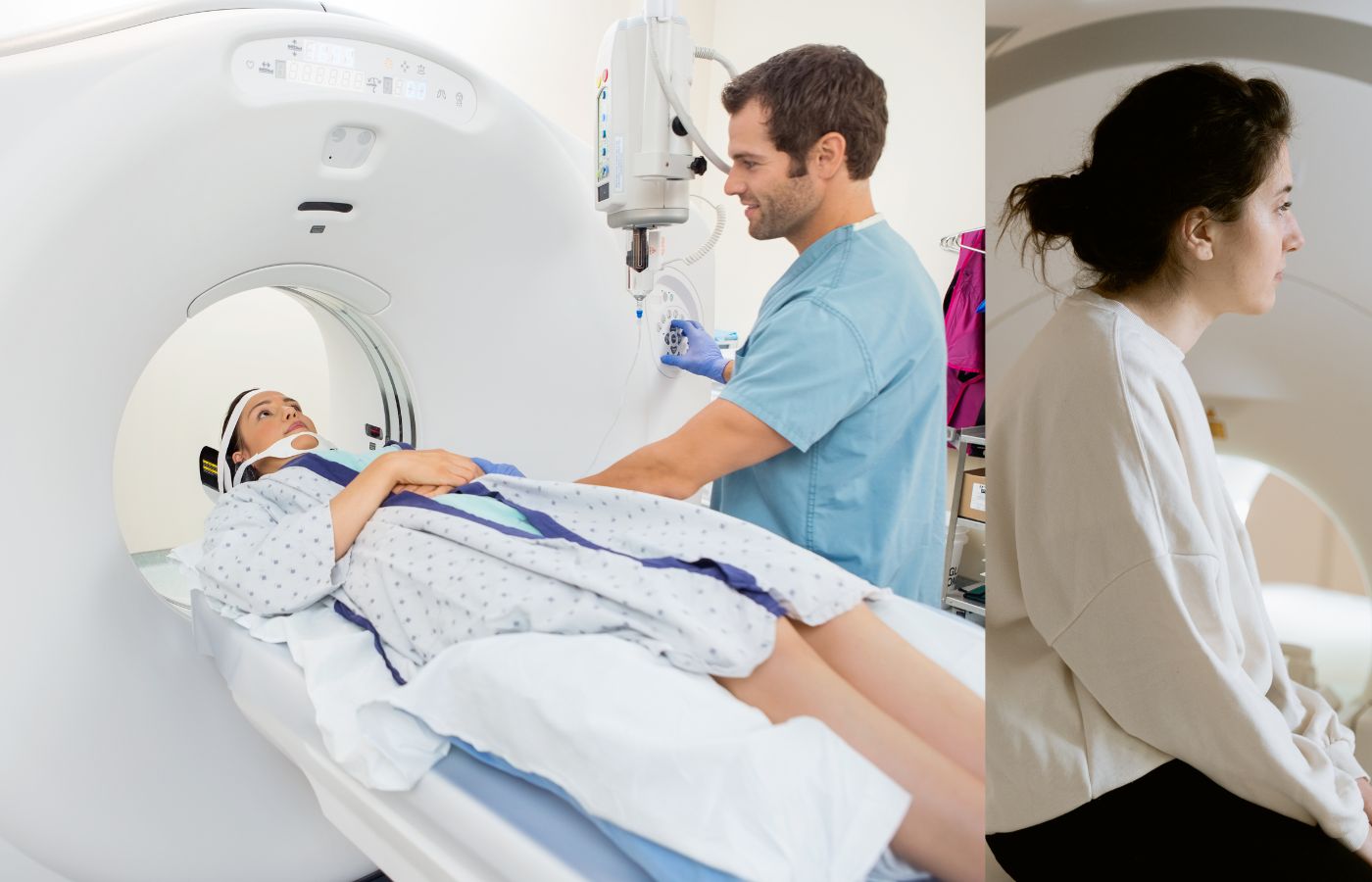
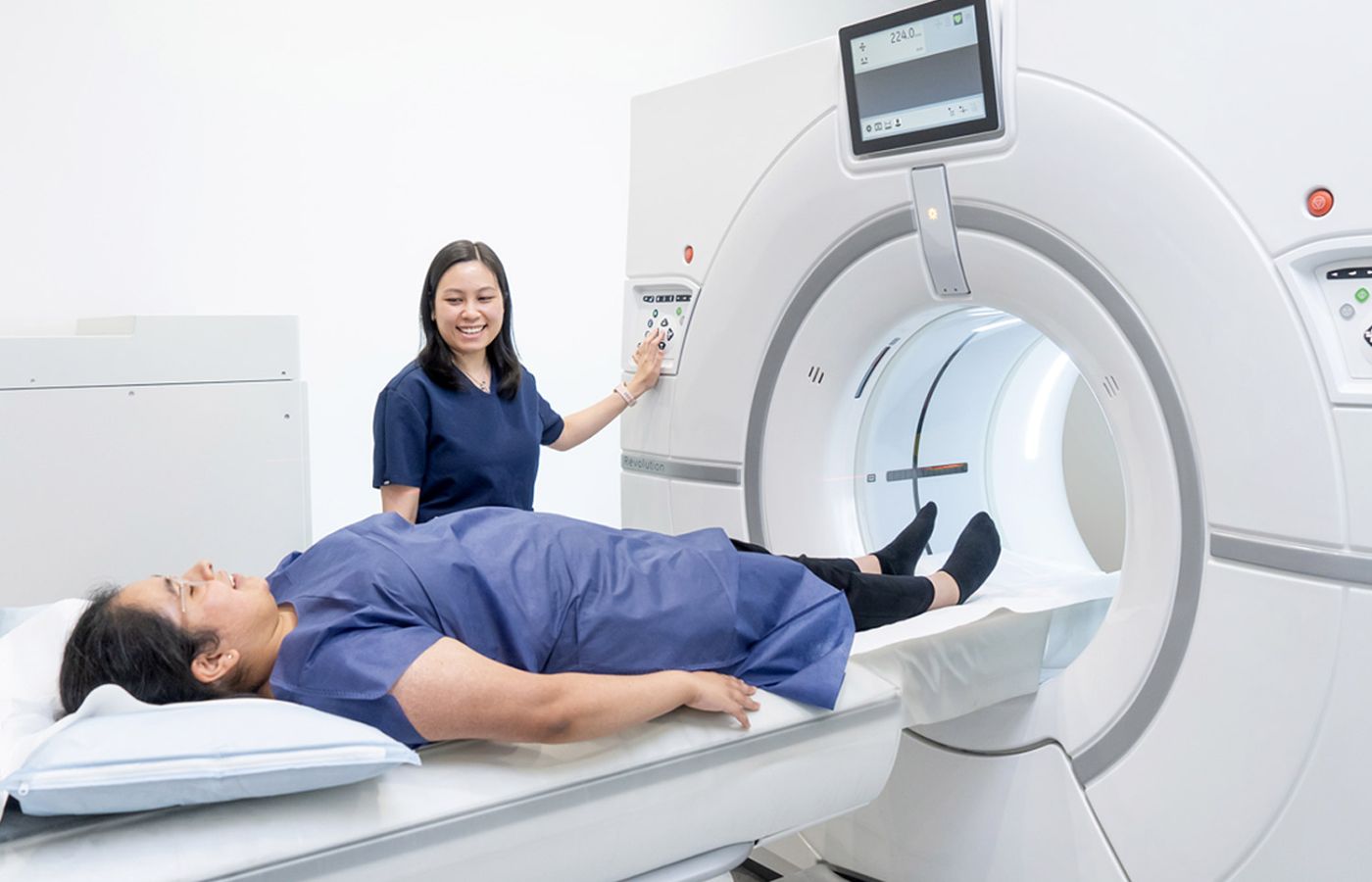
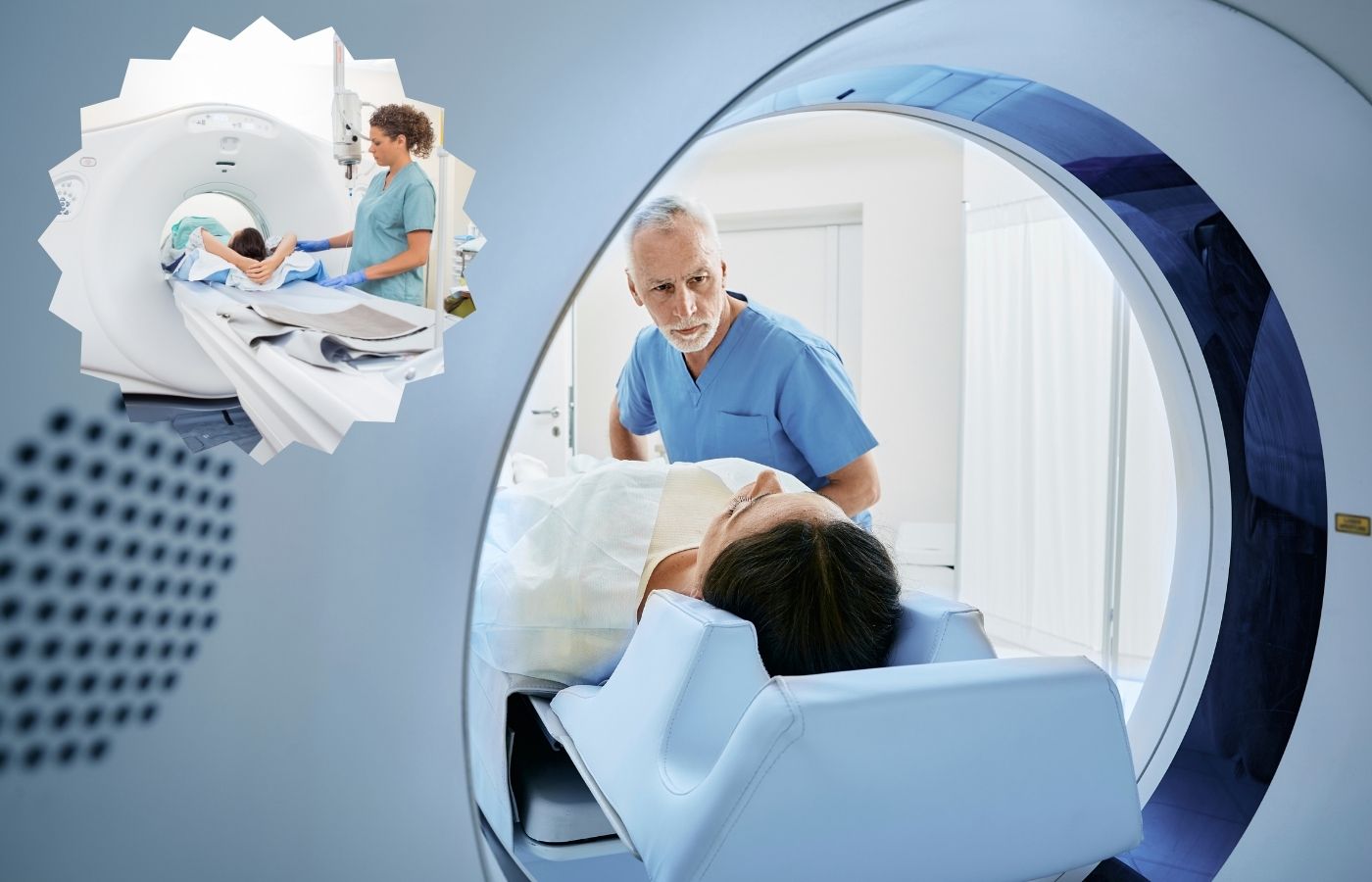
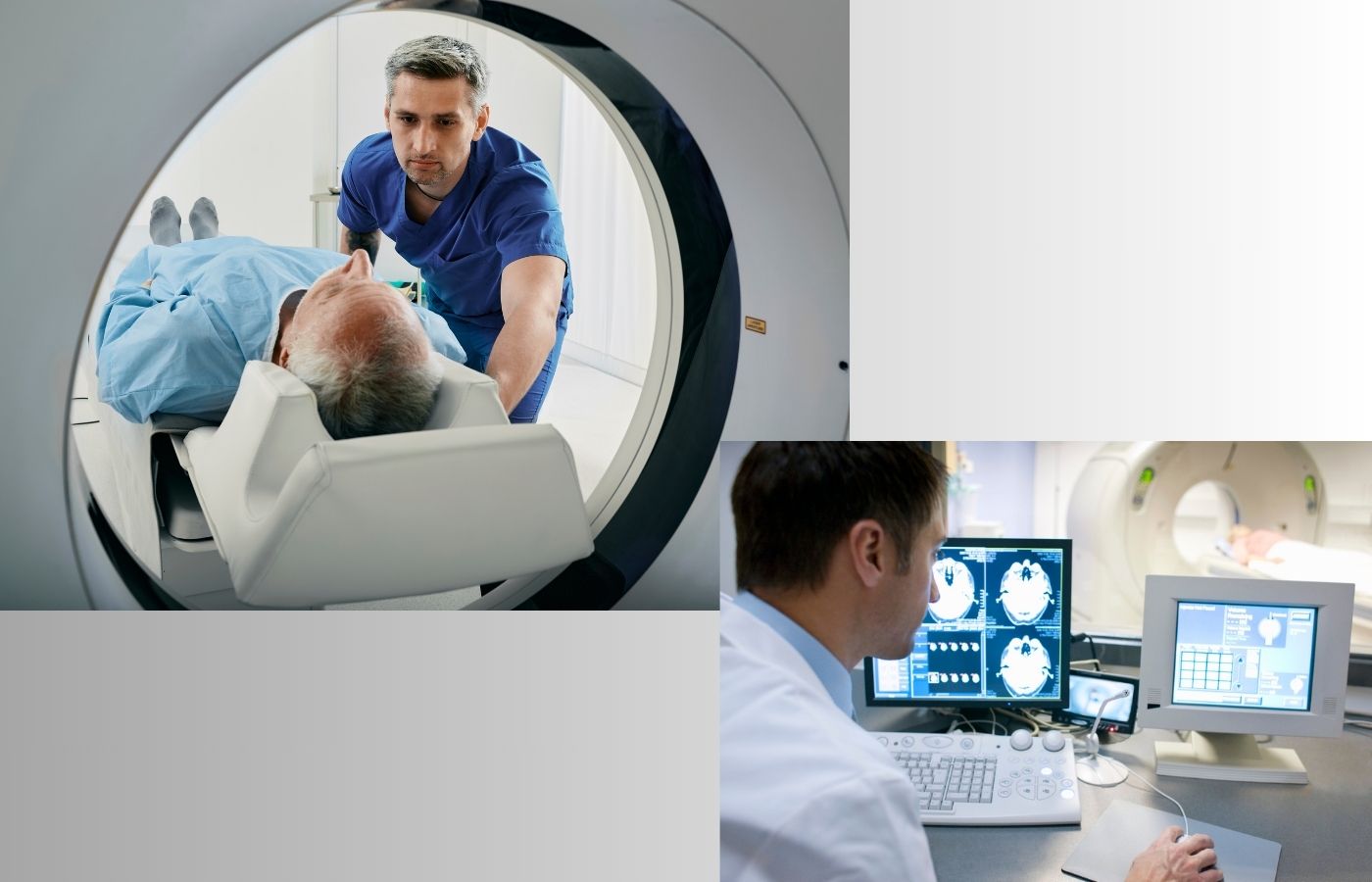
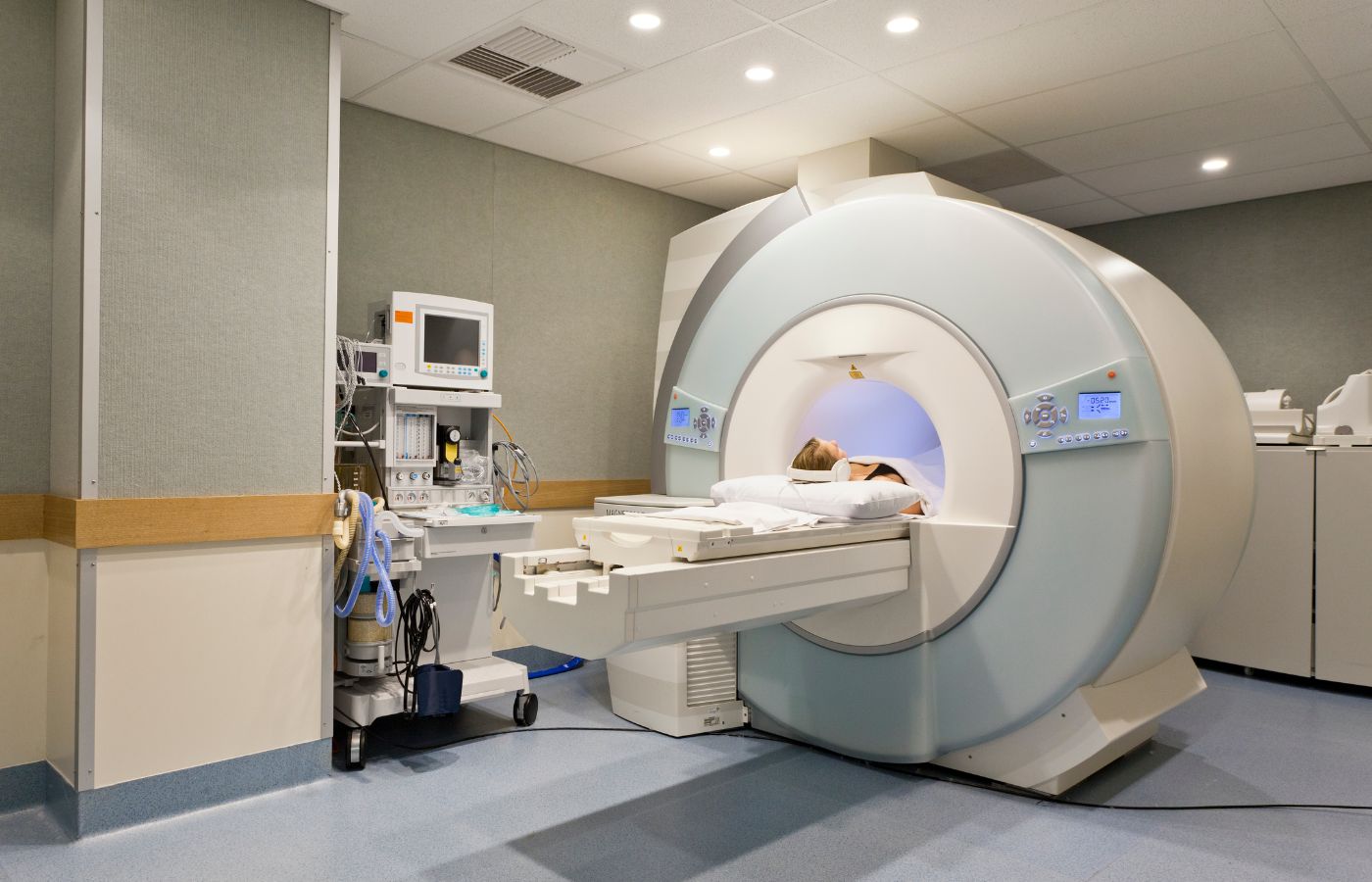
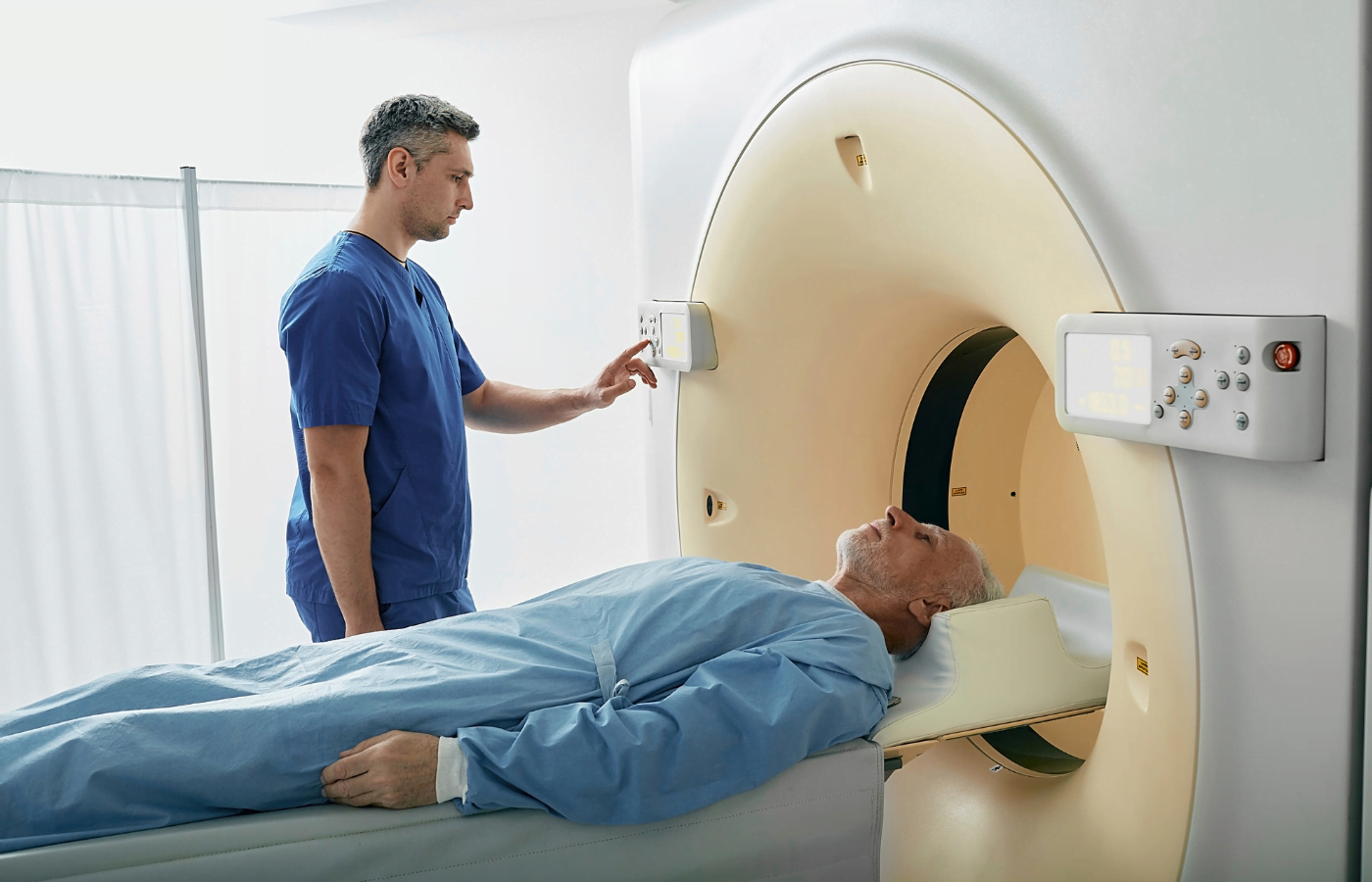
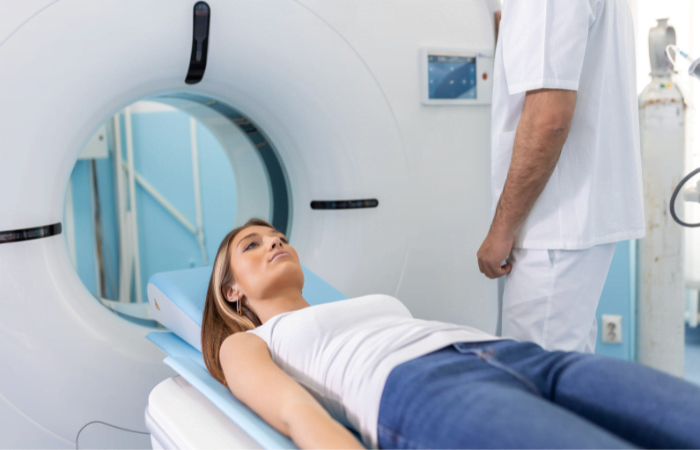
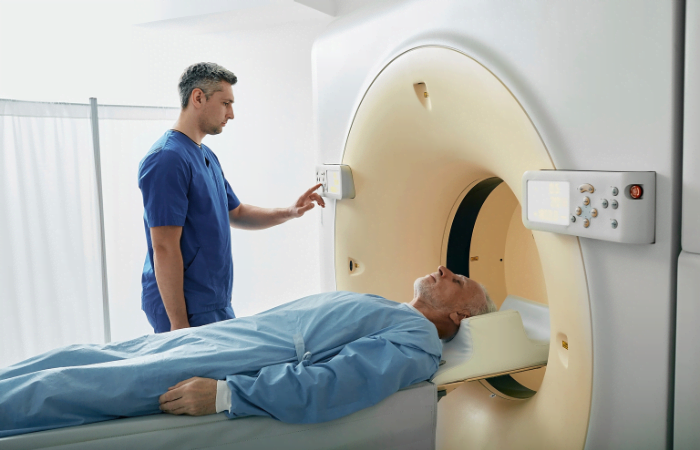
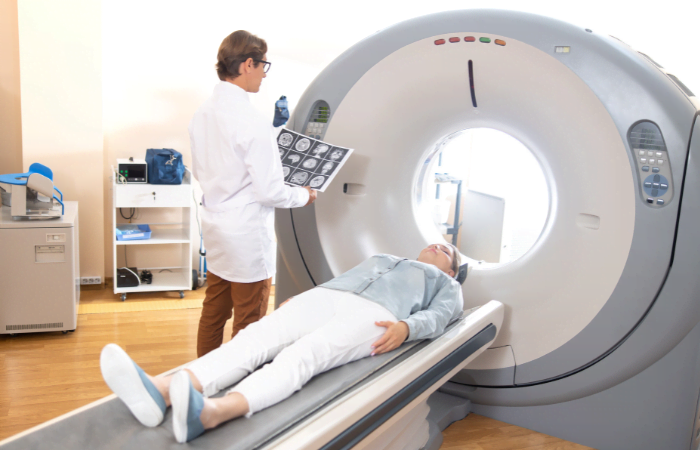
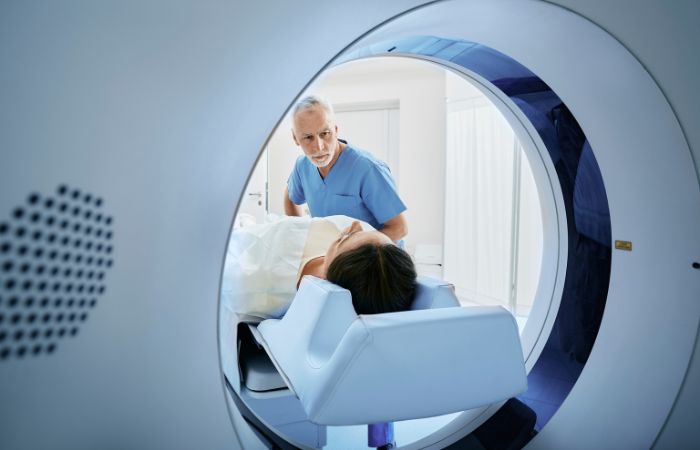
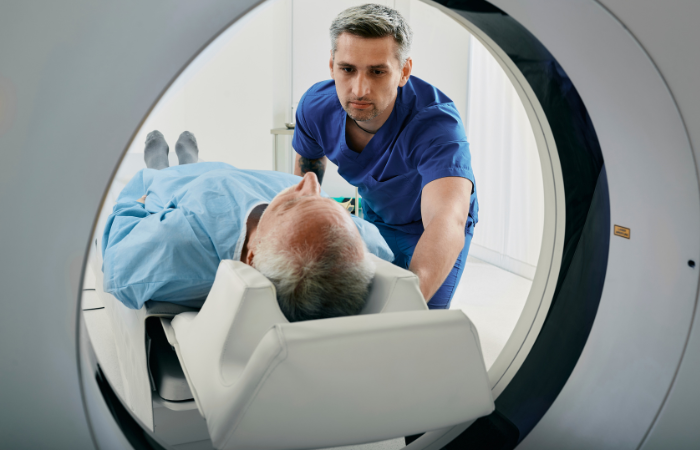
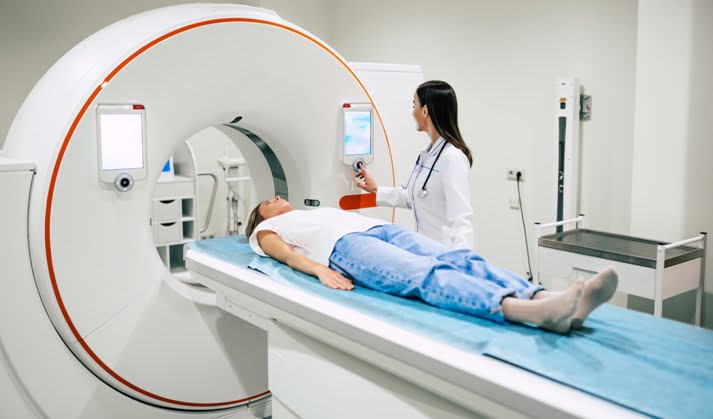
  2. Positioning: You’ll lie on your back on a motorized table that slides into the doughnut-shaped CT scanner

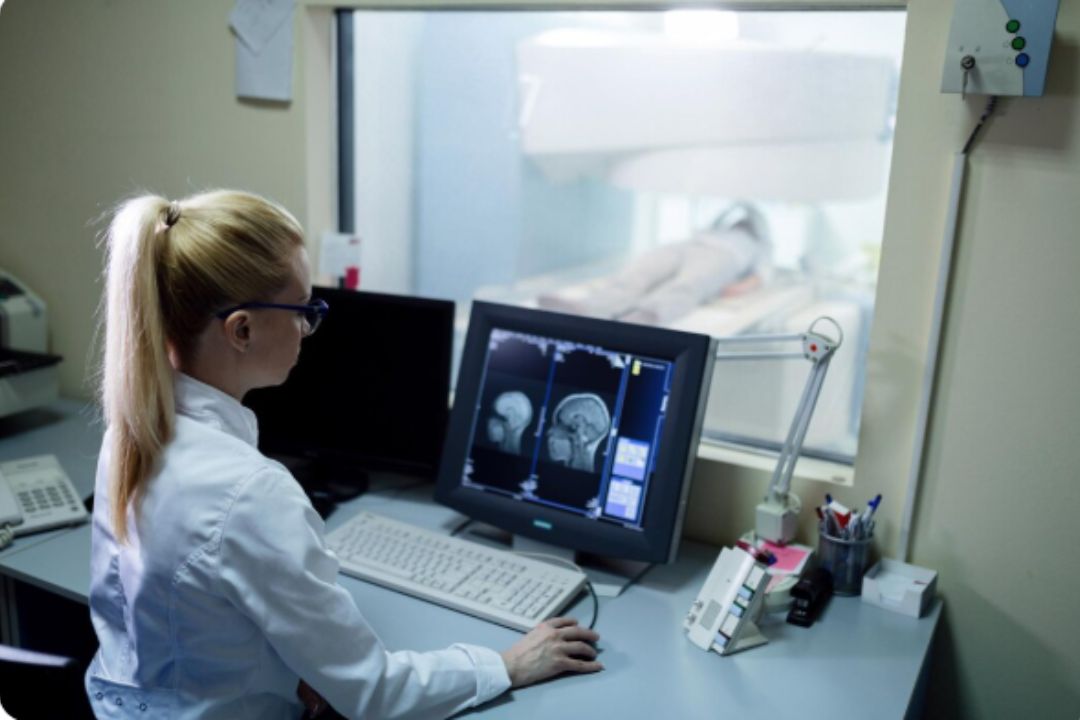
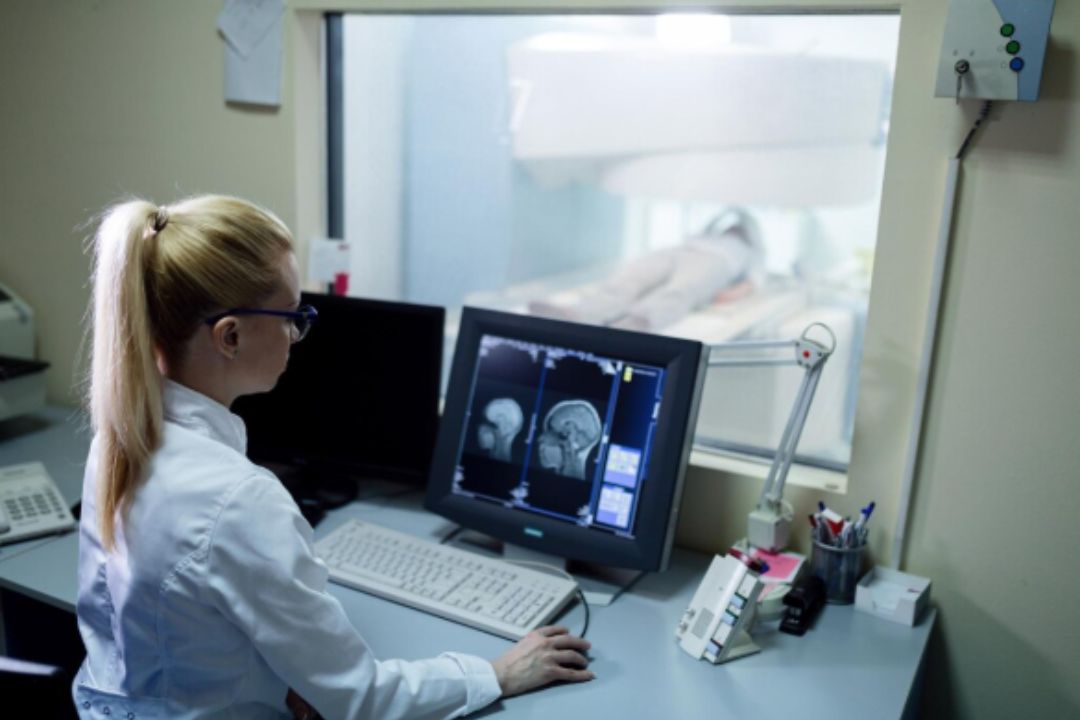
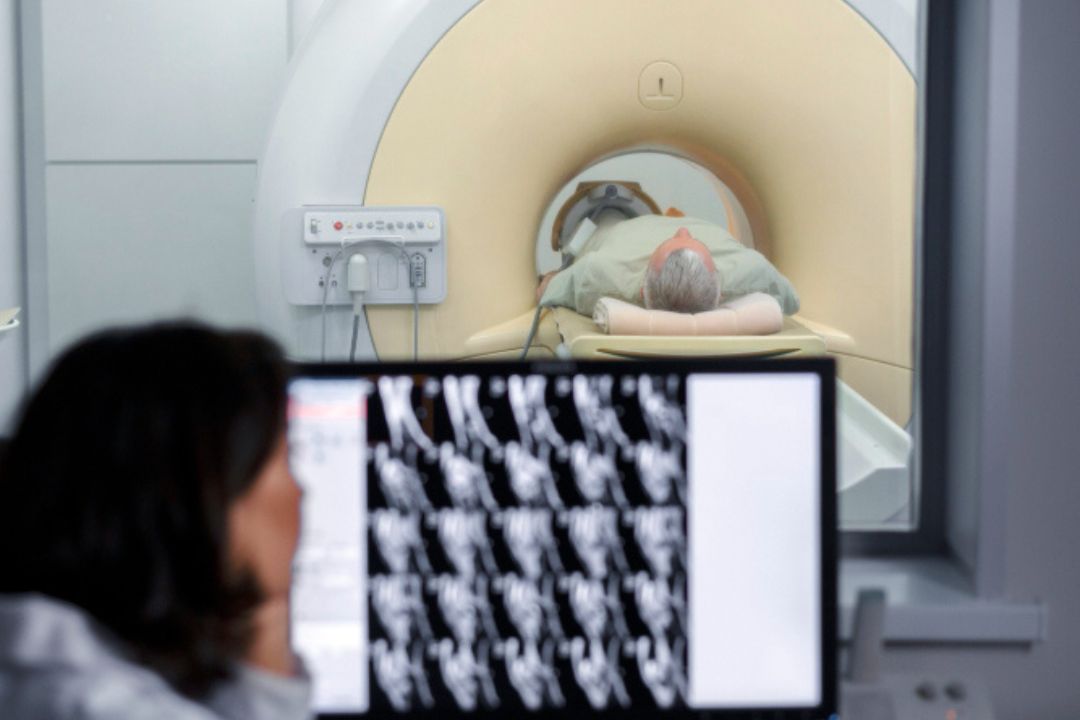
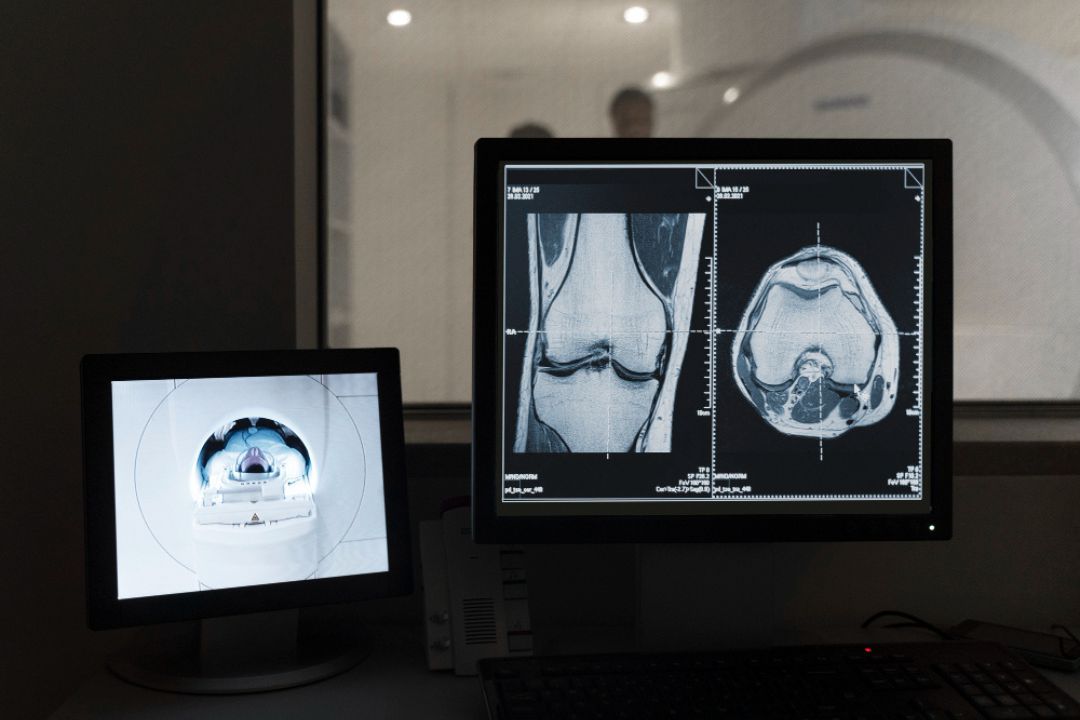
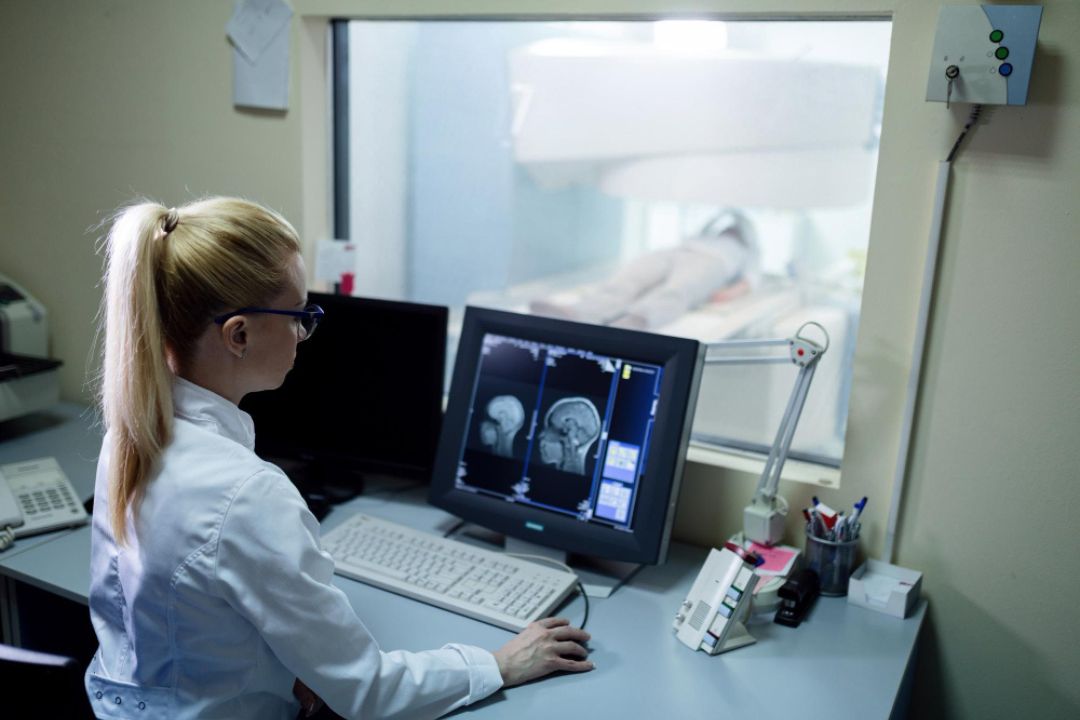
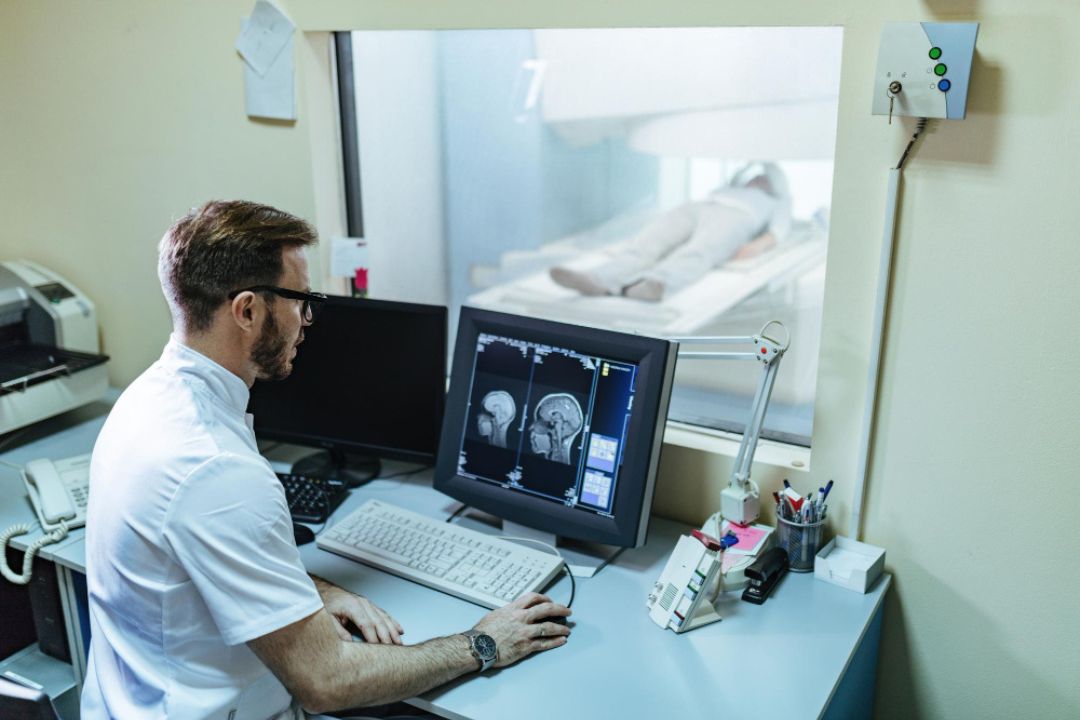
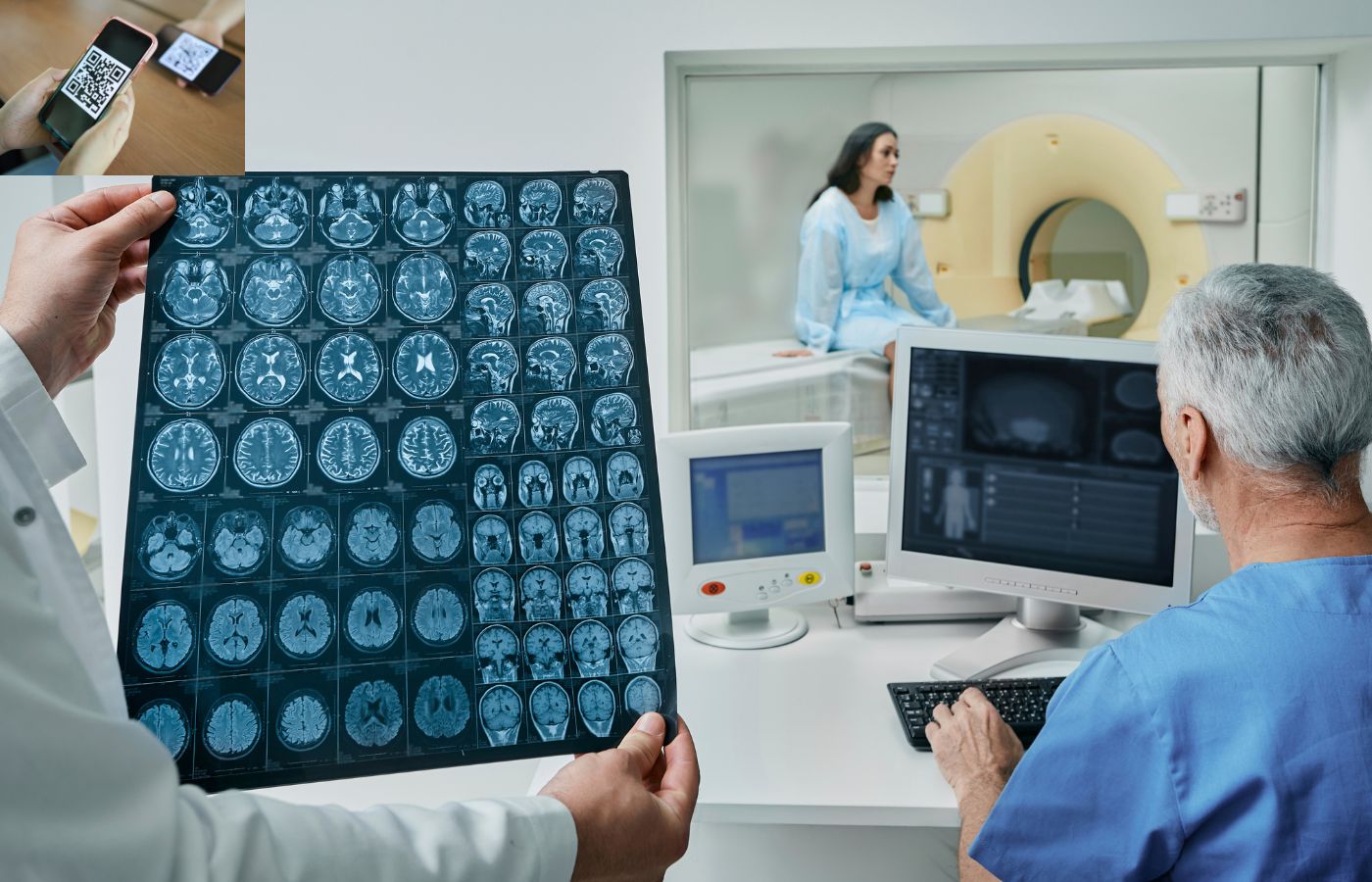
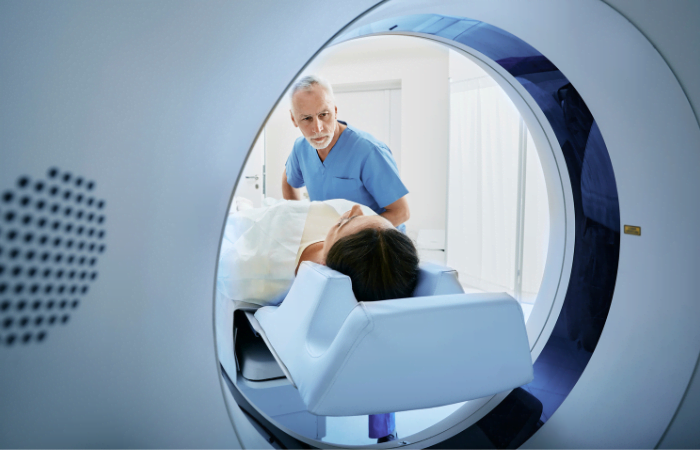
  3. During the Scan: The technologist will operate the scanner from an adjacent room. You will hear whirring and clicking sounds. It’s crucial to lie very still, and you may be asked to hold your breath for a few seconds to prevent blurry images. The actual scan takes less than a minute.

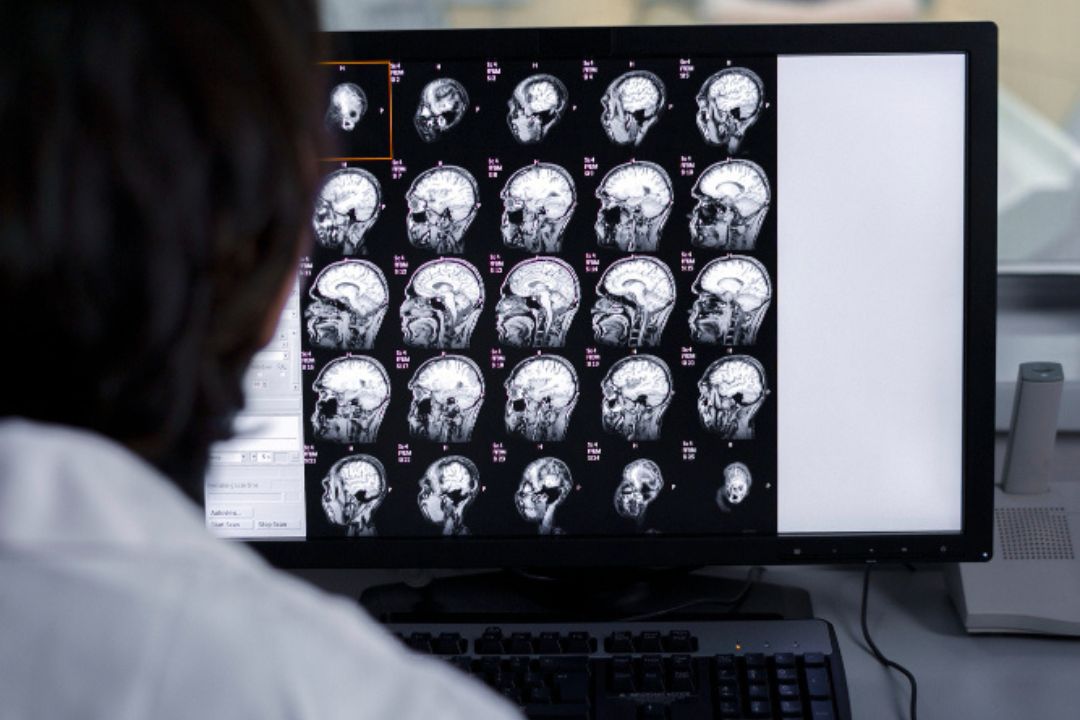
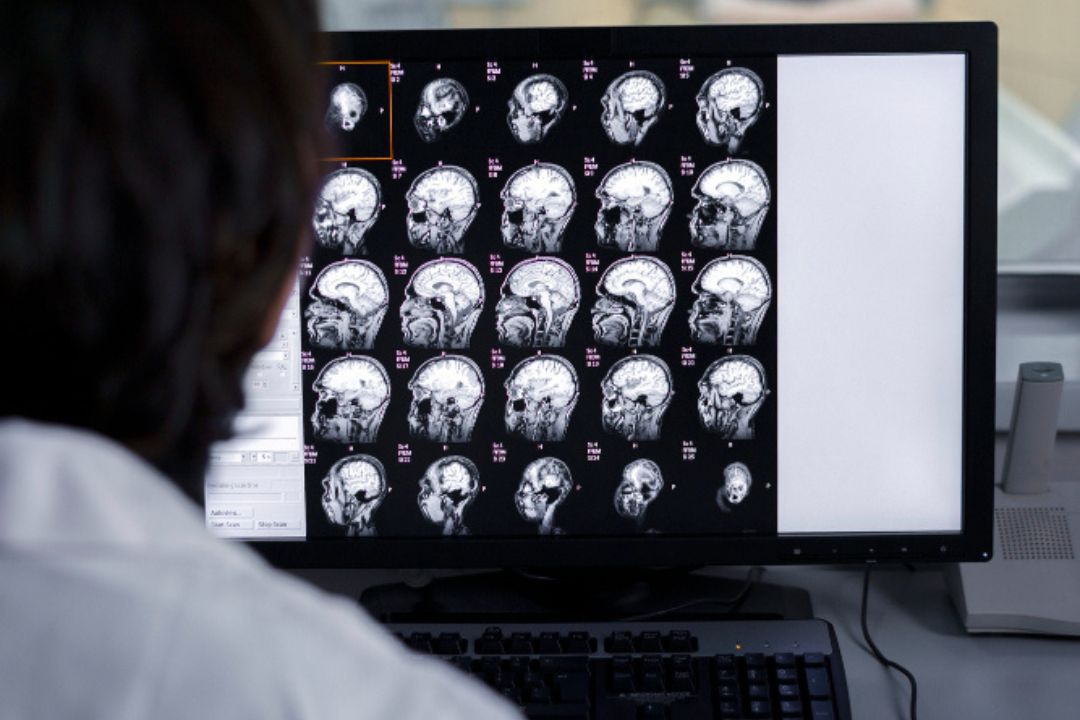
  4. After the Scan: You can resume normal activities immediately. A radiologist will analyze the images and send a report to your doctor, who will discuss the results with you.

Understanding the Cost: An Important Consideration

The ct scan cost for kidney stones can vary widely based on location, facility (hospital vs. outpatient imaging center), insurance coverage, and whether contrast is used. In the United States, the average cost of a ct scan for kidney stones

With insurance, you will be responsible for your copay, coinsurance, and/or deductible. It is always advisable to check with your insurance provider and the imaging facility beforehand to get an estimate of your out-of-pocket expenses. The high diagnostic value of a CT scan with kidney stones visible clearly often justifies the cost by enabling precise and timely treatment, potentially avoiding more expensive emergency complications.

Why Choose a CT Scan Over Other Tests?

While ultrasound is a good, radiation-free option for children, pregnant women, or follow-ups, it has limitations in detailing stone size and ureter blockage. X-rays miss many stone types. The CT abdomen for kidney stones offers superior speed, accuracy, and comprehensive detail. In an emergency setting, its ability to rapidly provide a definitive diagnosis makes it the top choice for evaluating severe flank pain, ensuring you get the right treatment faster.

Conclusion

Facing a potential kidney stone episode is stressful, but modern diagnostics make management highly effective. The CT scan for kidney stones stands out as the most reliable and rapid method to diagnose and characterize stones, forming the critical first step on your path to relief. By providing a clear "map" of the problem, it empowers your urologist to tailor the most efficient and successful treatment plan for you, whether it's medication for passing a small stone or a precise procedure for a larger one.

If you are experiencing symptoms, do not hesitate to seek medical attention. Discuss the option of a CT for kidney stones with your doctor to understand how this powerful tool can help you get back to a pain-free life.

Ready to Take the Next Step? Book Your Consultation.

If you're suffering from symptoms or need a follow-up for kidney stones, a timely and accurate diagnosis is key. Diagnopein is committed to connecting patients with trusted imaging centers and specialist care. Understanding your diagnosis, starting with a precise abdominal CT scan for kidney stones, is the first step toward effective treatment. Don't let the pain control your life—seek expert help today.

Talk to an Expert
  I HereBy Consent to receive calls/messagess from Diagnopein ct scan and its partners and override DND settings
LATEST POST
SIMILAR POST