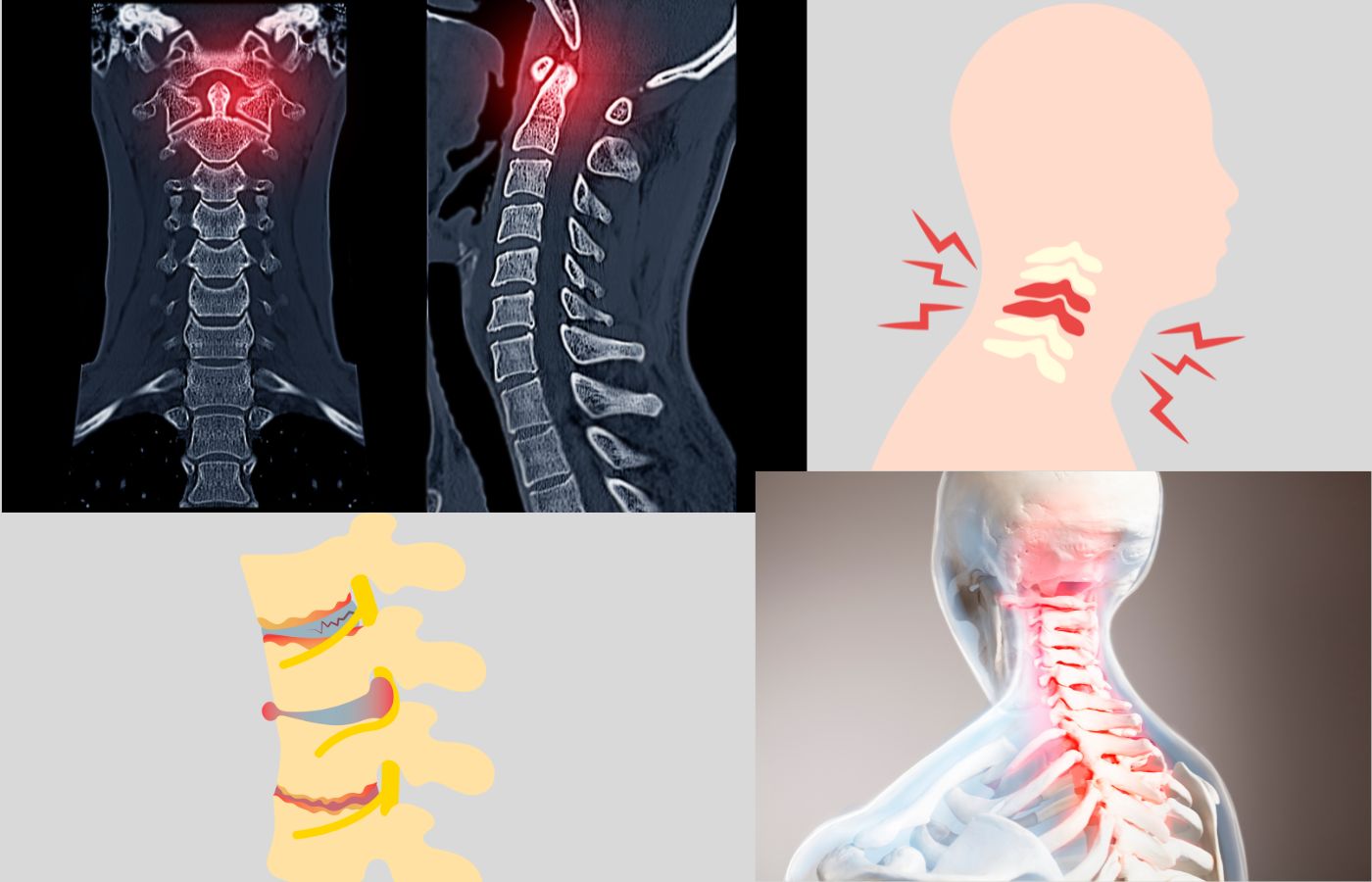
A sudden blow to the head—from a fall, a sports collision, or a vehicular accident—triggers a race against time. In these critical moments, emergency medical teams need a tool that offers both speed and unparalleled clarity to peer inside the skull and assess potential damage. That tool is the Computed Tomography (CT) scan. For patients and families in Mumbai navigating this frightening scenario, understanding why a CT scan is the cornerstone of emergency neurological diagnosis can provide crucial reassurance. At Diagnopein Mumbai, we leverage cutting-edge CT technology to deliver swift, accurate answers, guiding life-saving treatment decisions.
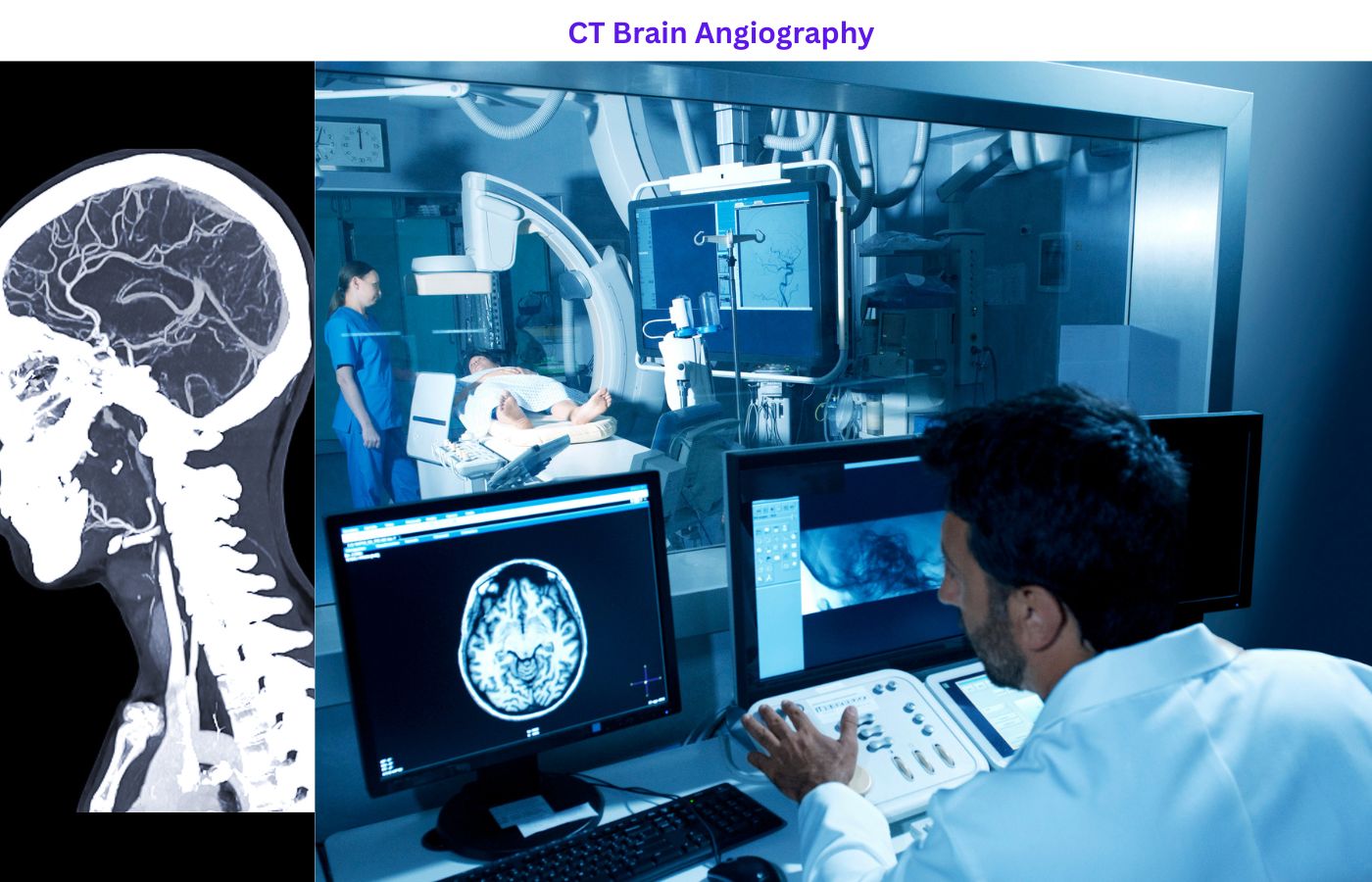
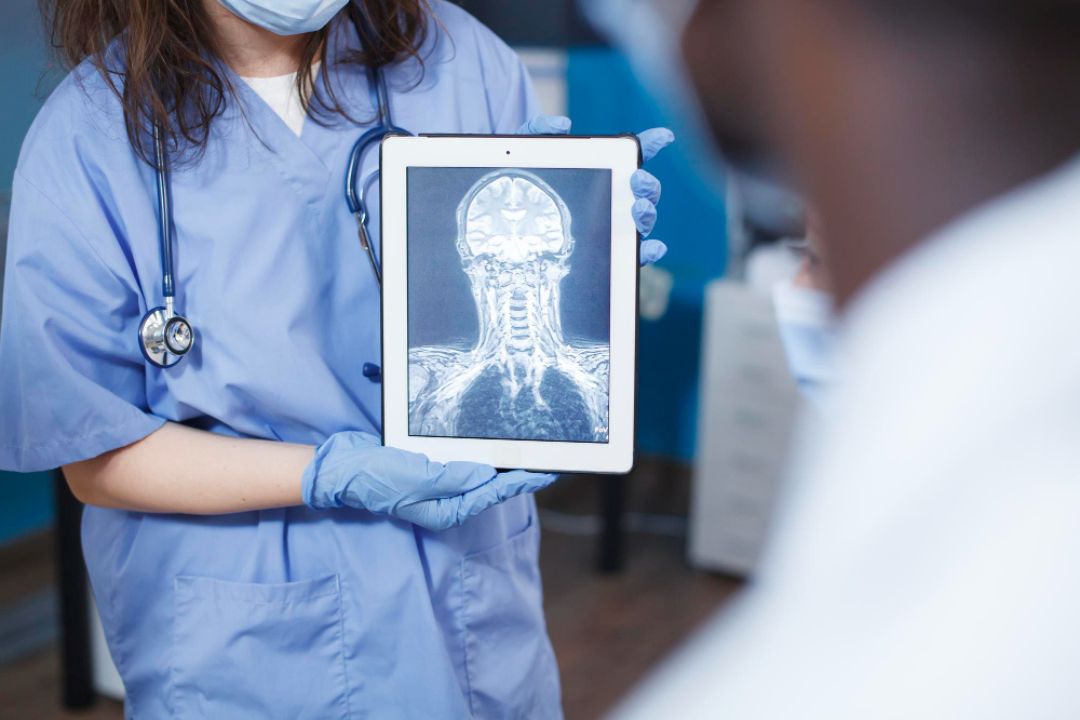
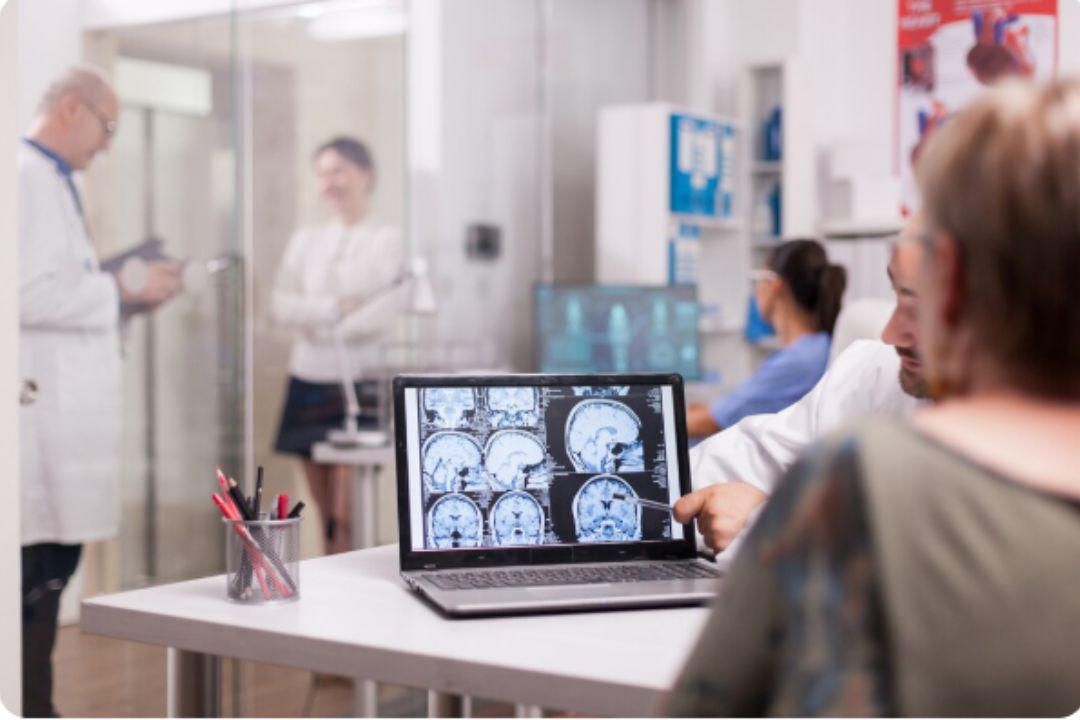
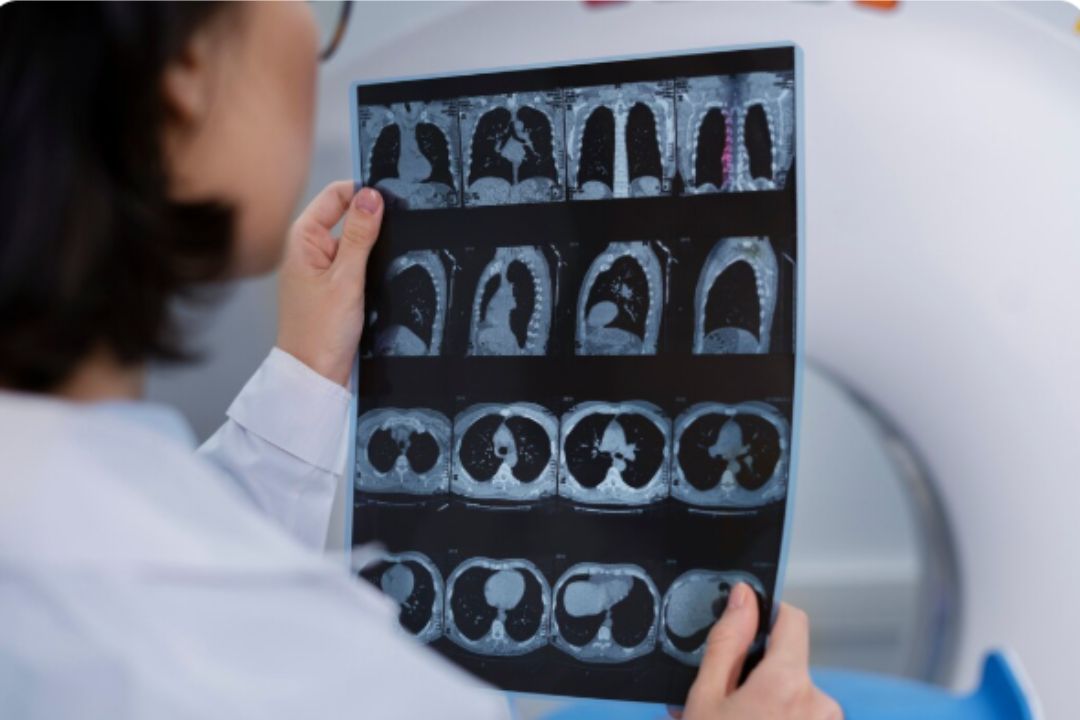
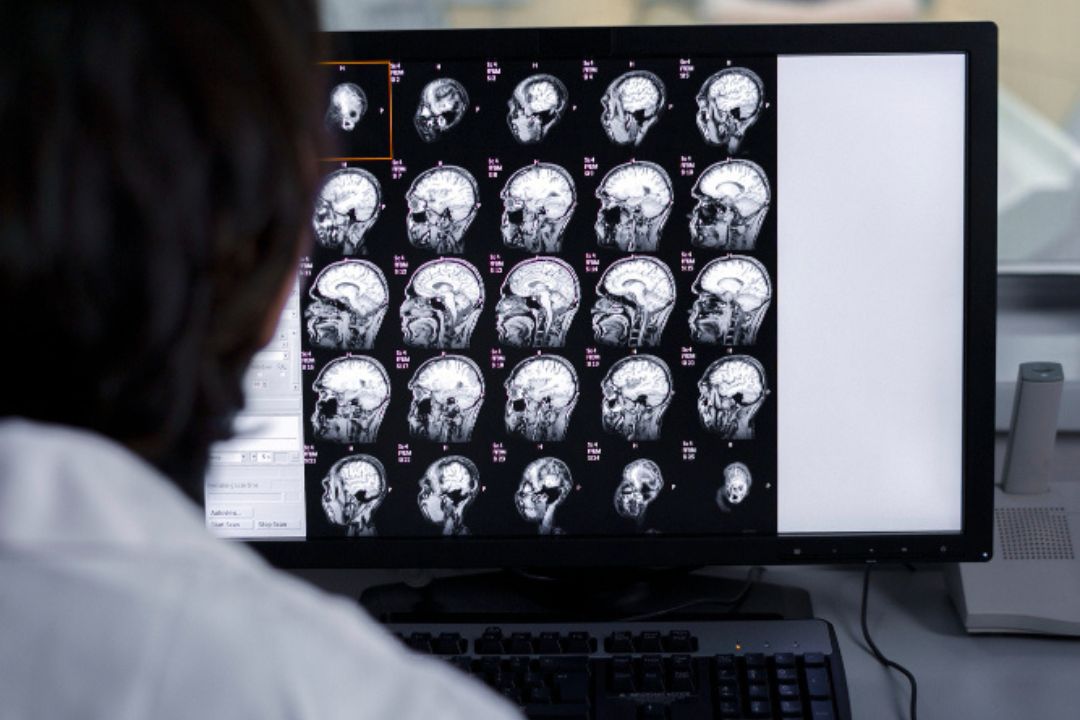
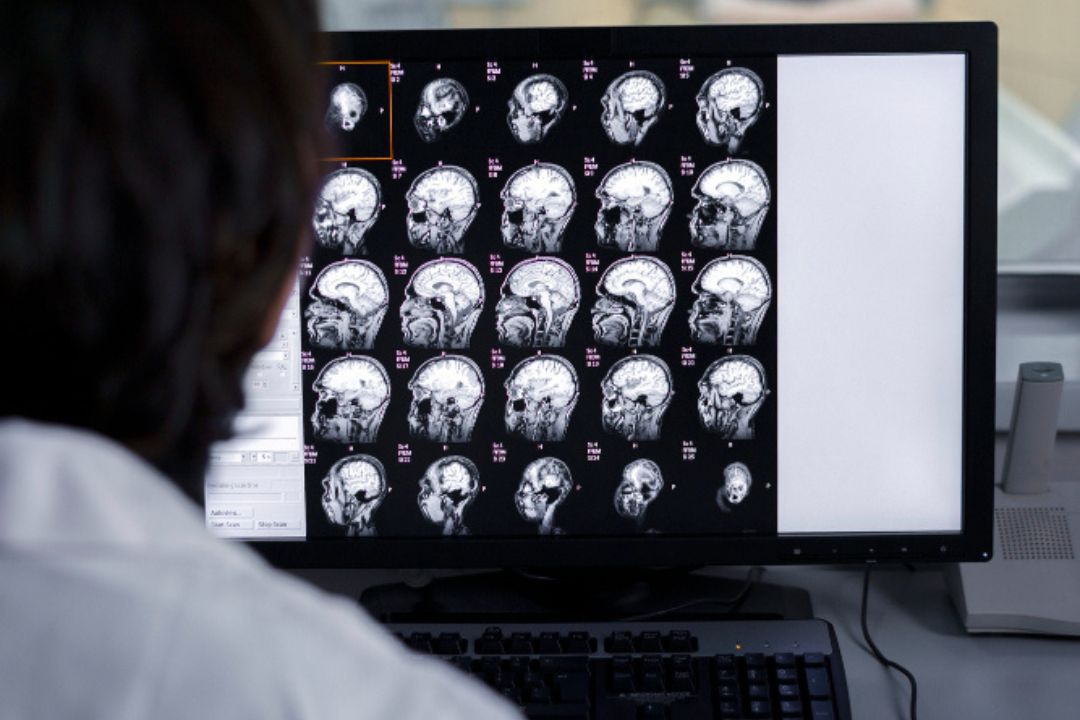
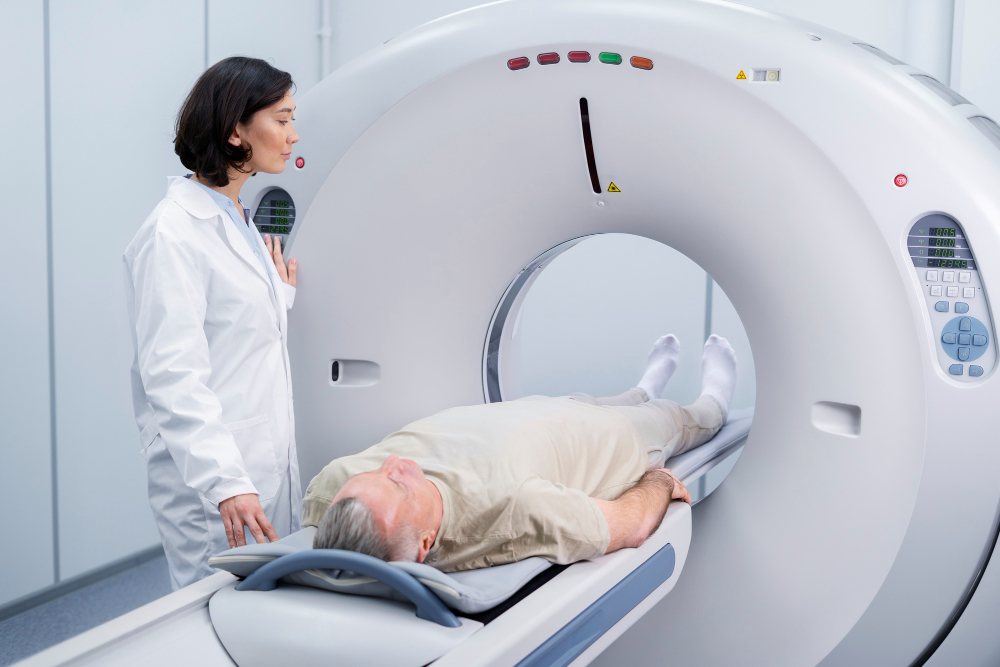
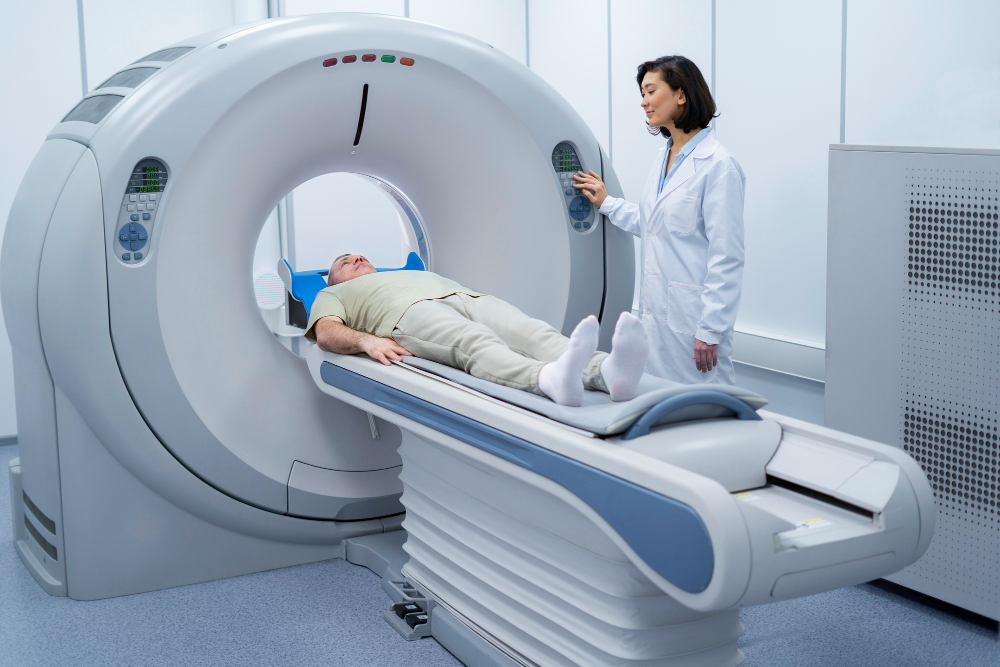
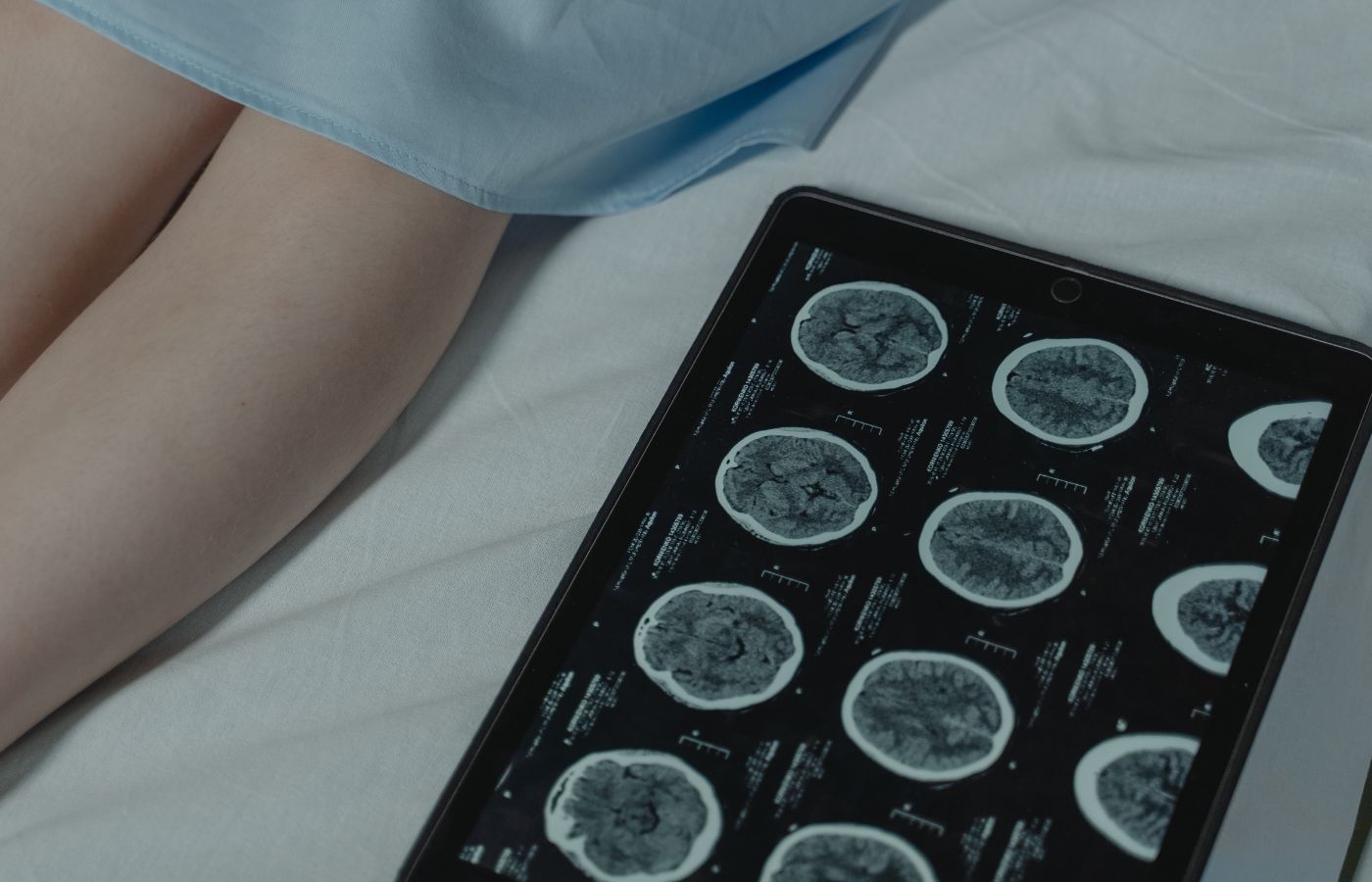
The paramount benefit of a CT scan for head injury lies in its unique ability to provide a comprehensive internal snapshot in a matter of minutes. Unlike slower or less detailed modalities, a CT scanner uses a rotating X-ray unit to capture multiple cross-sectional images (slices) of the brain, skull, and blood vessels. These images are then reconstructed by a computer into detailed 2D and 3D visuals.
This rapid process is vital for diagnosing conditions where minutes matter, such as:
Intracranial Bleeding (Hemorrhage): This includes life-threatening collections of blood like epidural or subdural hematomas, which can cause dangerous pressure on the brain.
Skull Fractures: Detecting even subtle fractures is critical, as they can be associated with underlying brain injury or risk of infection.
Brain Contusions and Swelling (Edema): These are bruises and swelling of the brain tissue itself, which can disrupt function and increase intracranial pressure.
Shift of Brain Structures: A CT can quickly reveal if bleeding or swelling is pushing the brain off-center—a neurosurgical emergency.
By providing this information within the "golden hour" of trauma care, a CT scan enables emergency physicians and neurosurgeons to make immediate, informed decisions—be it administering medications, monitoring closely in the ICU, or proceeding to emergency surgery. This decisiveness directly saves lives and mitigates the risk of long-term neurological disability.
When discussing diagnostic imaging for head trauma, it's essential to understand the comparison between available tools. A CT scan is specifically engineered for rapid trauma assessment, setting it apart from other modalities.
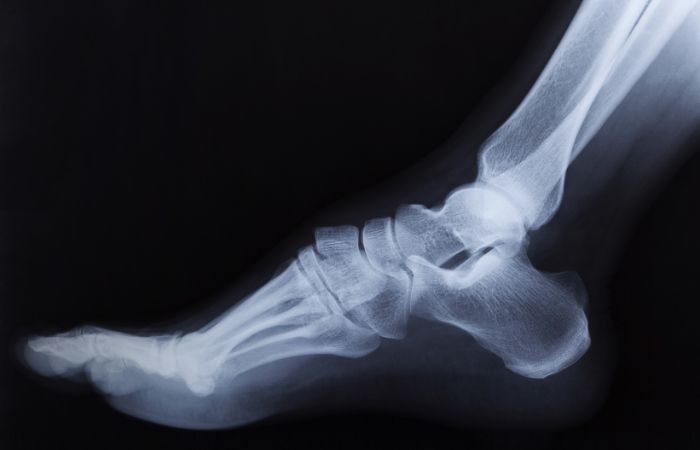
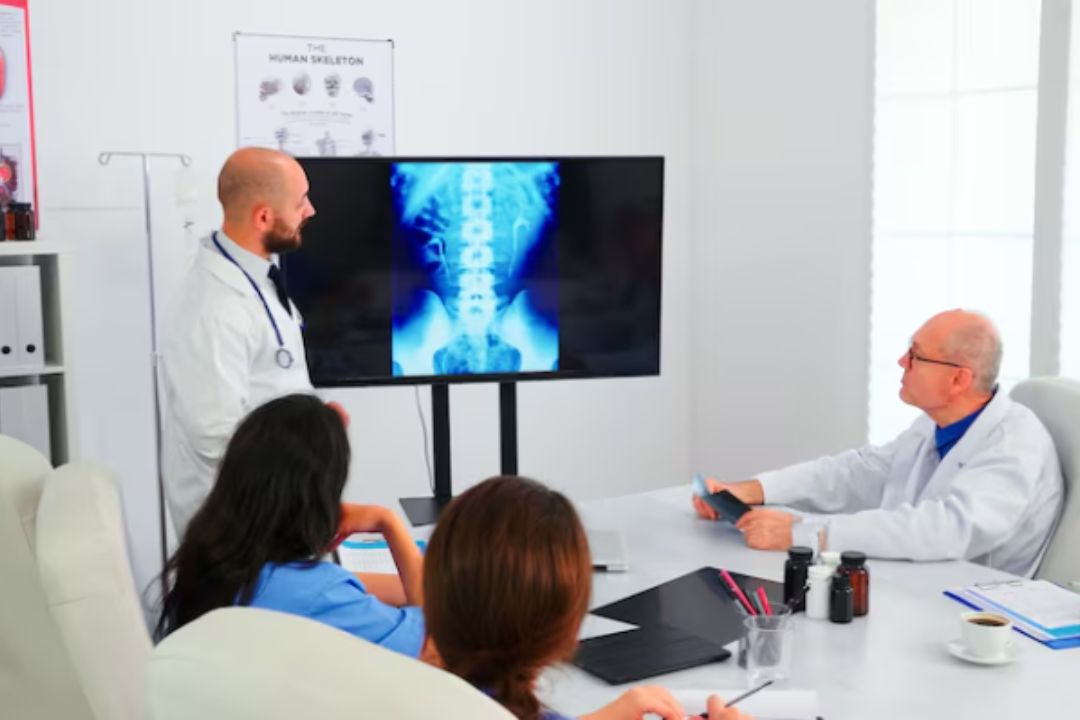
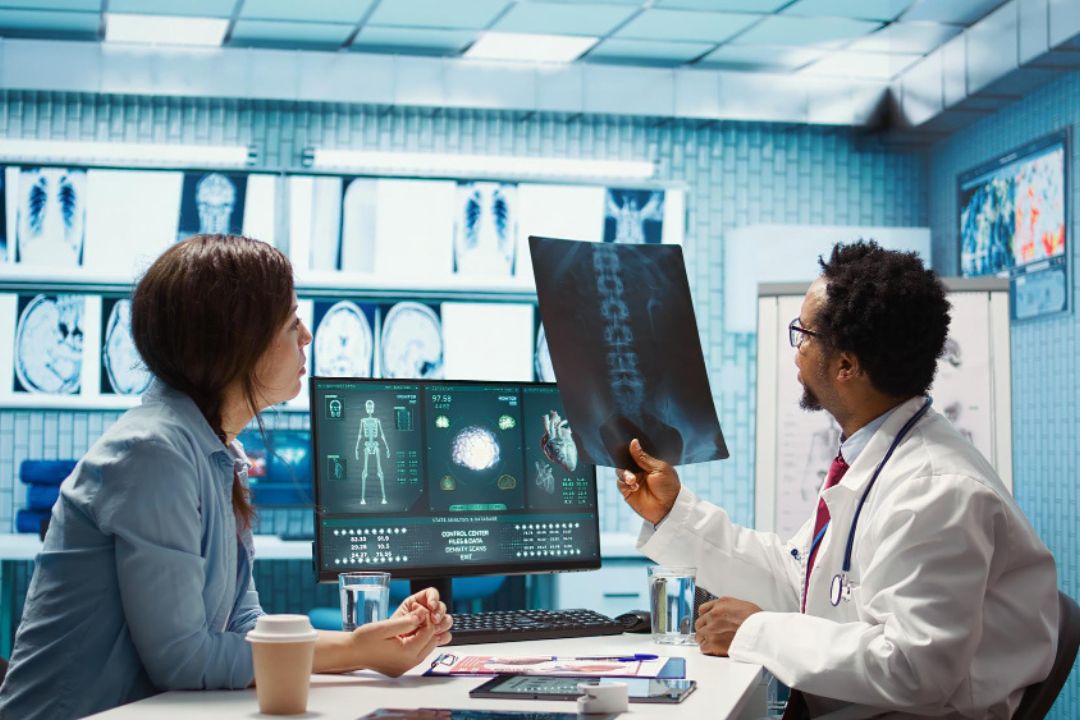
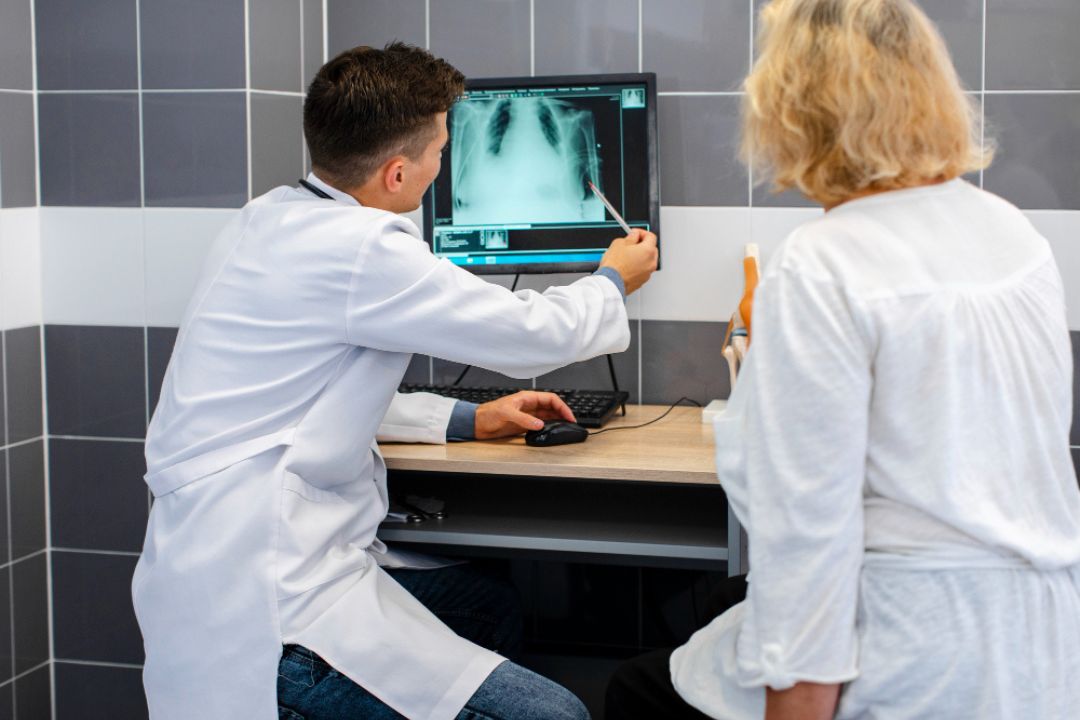
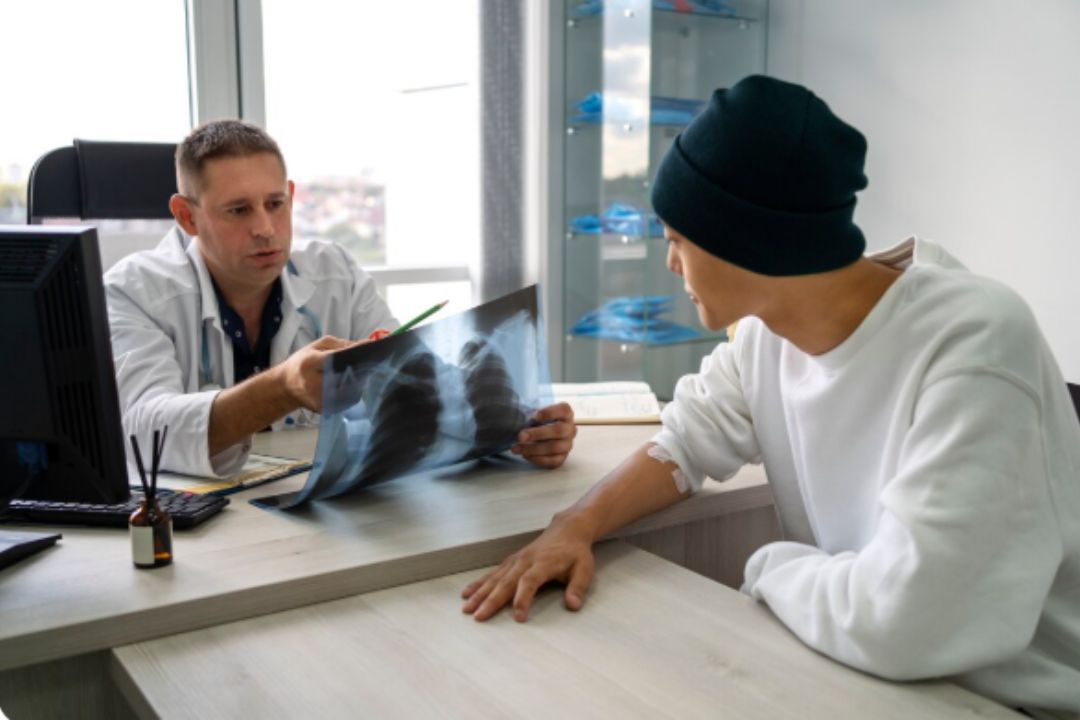
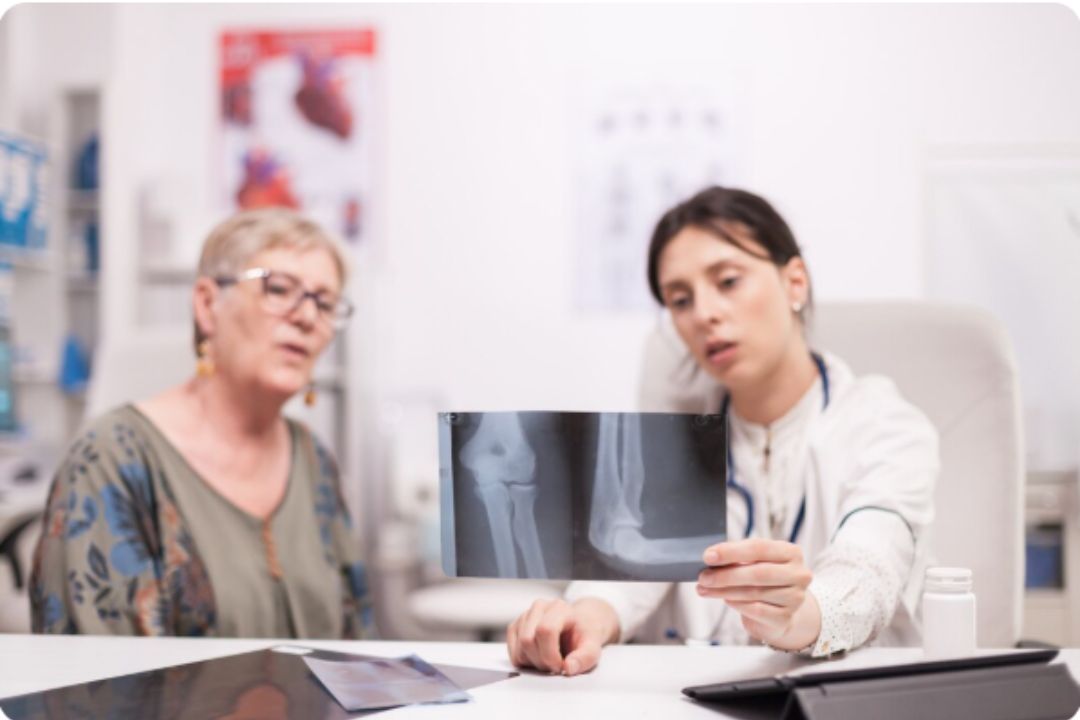
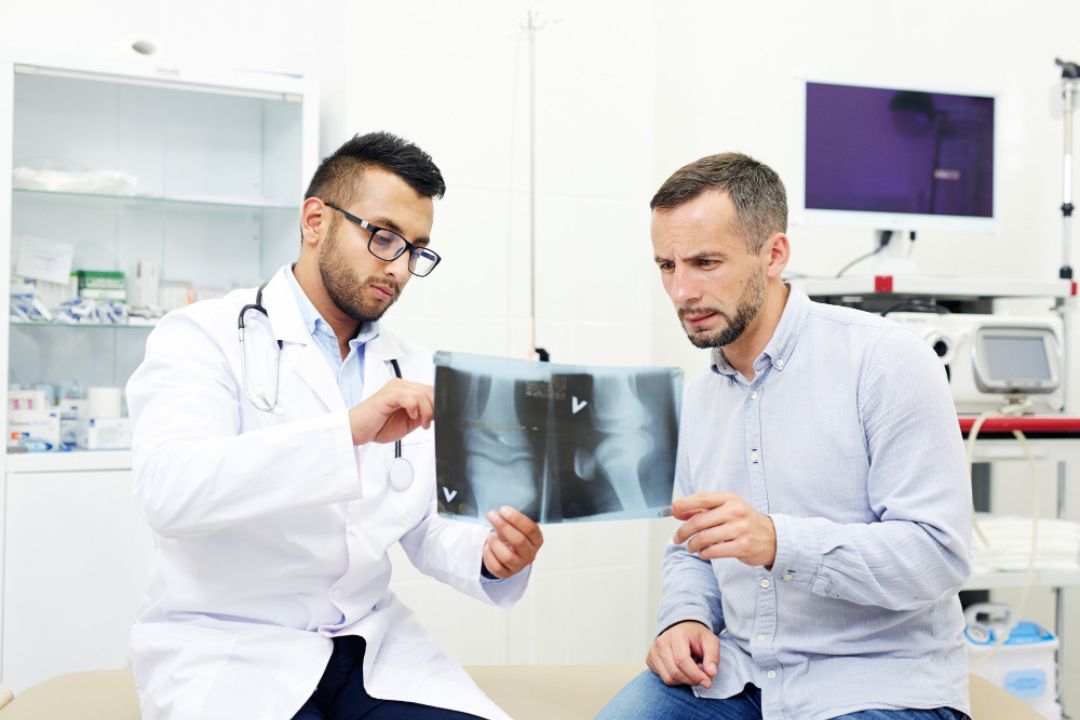
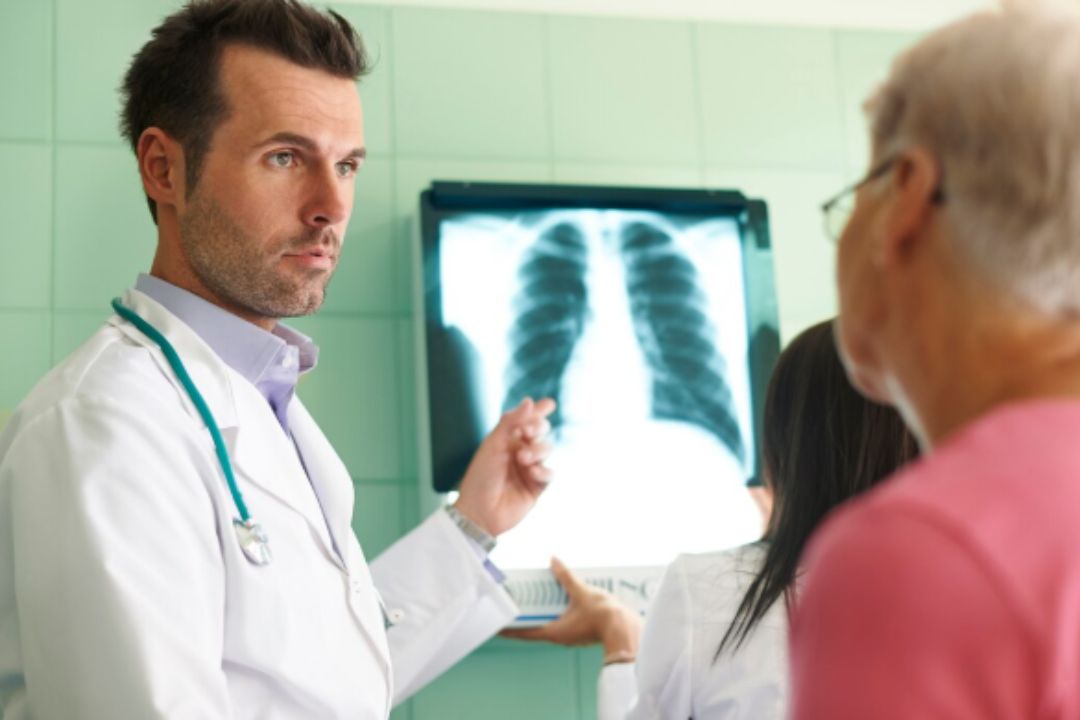
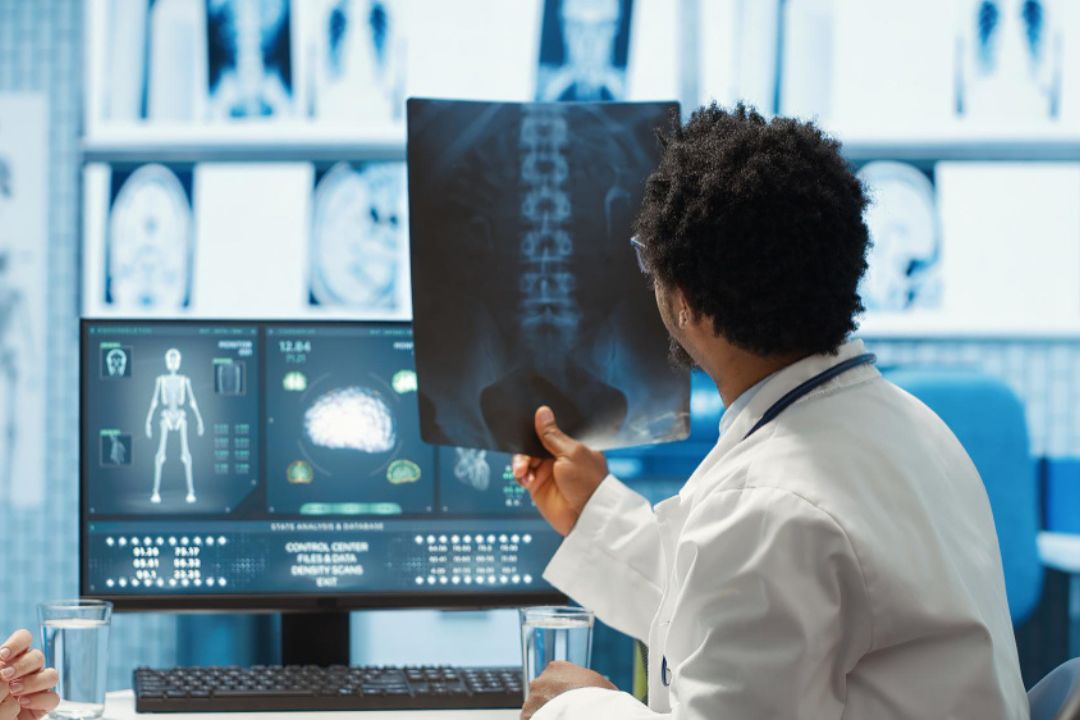
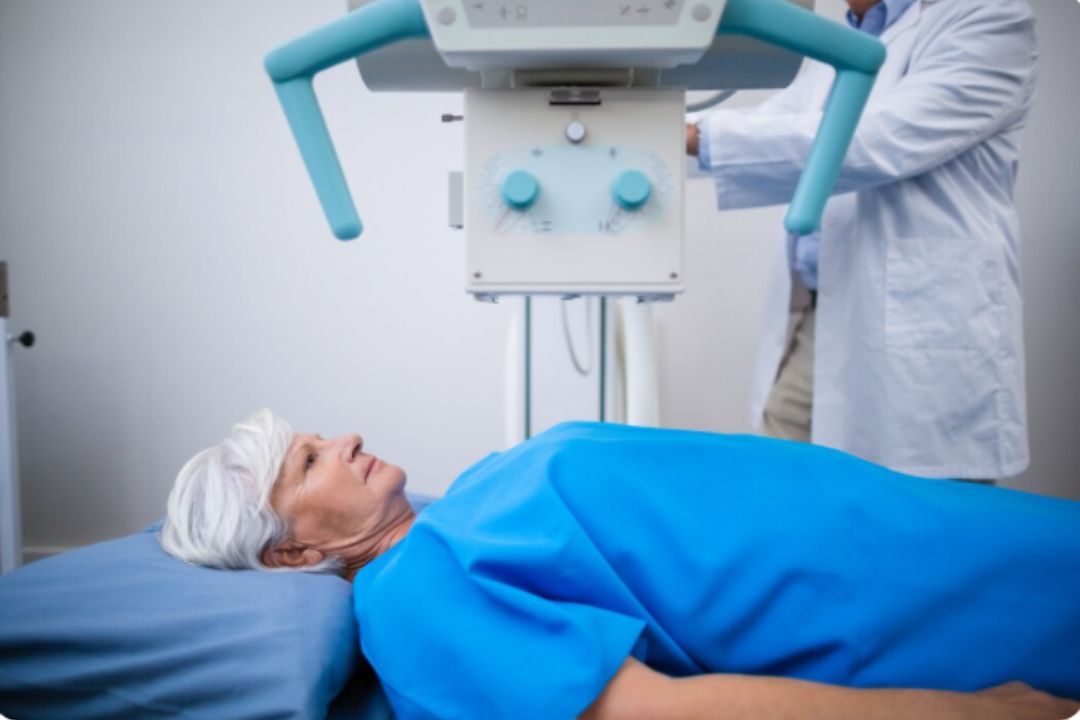
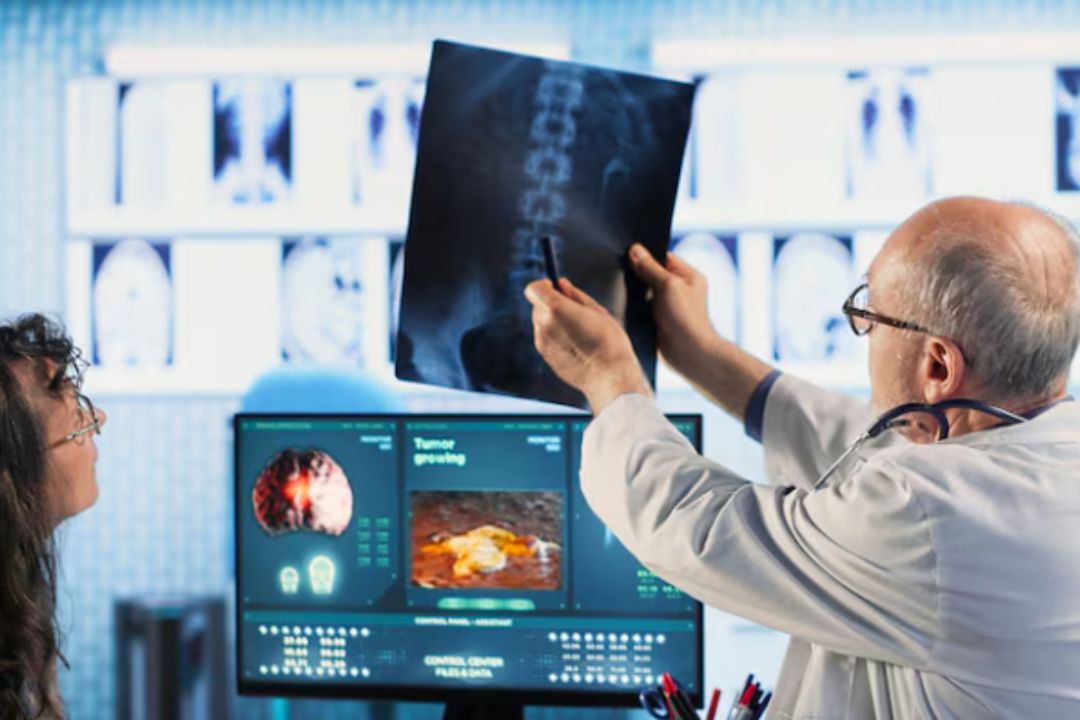
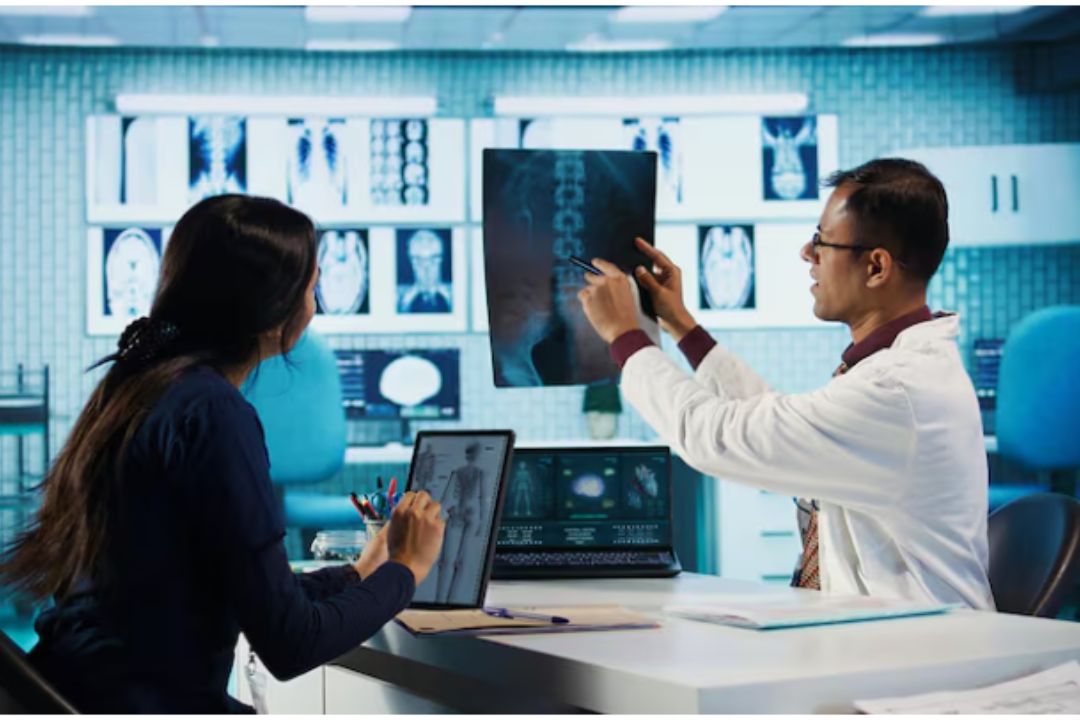
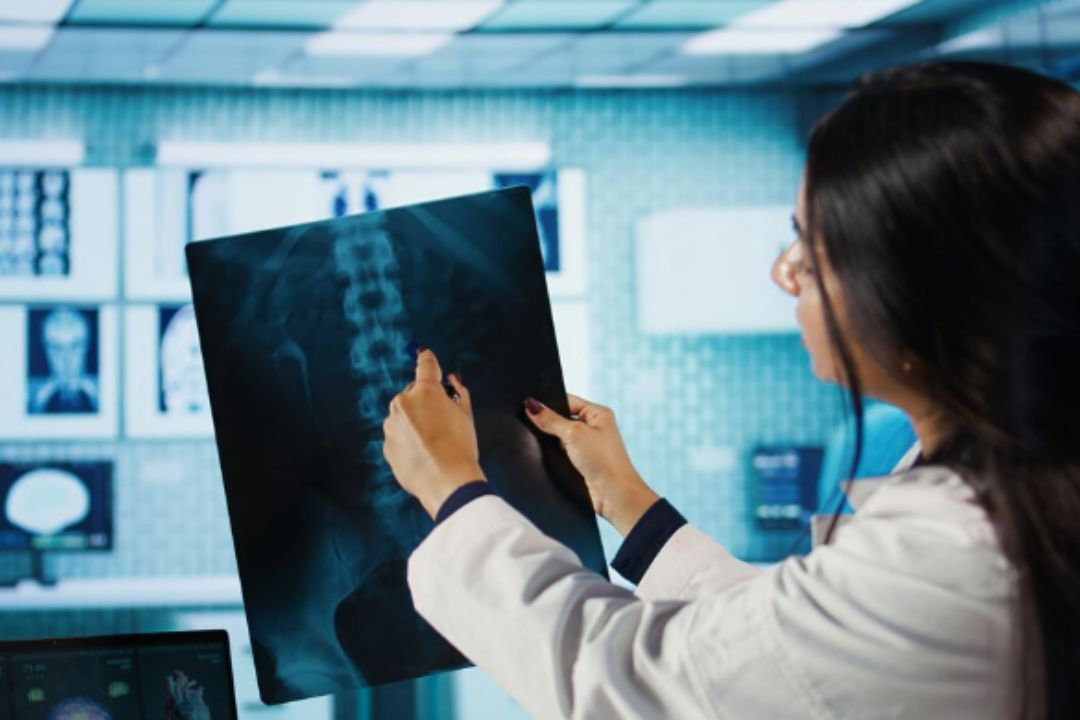
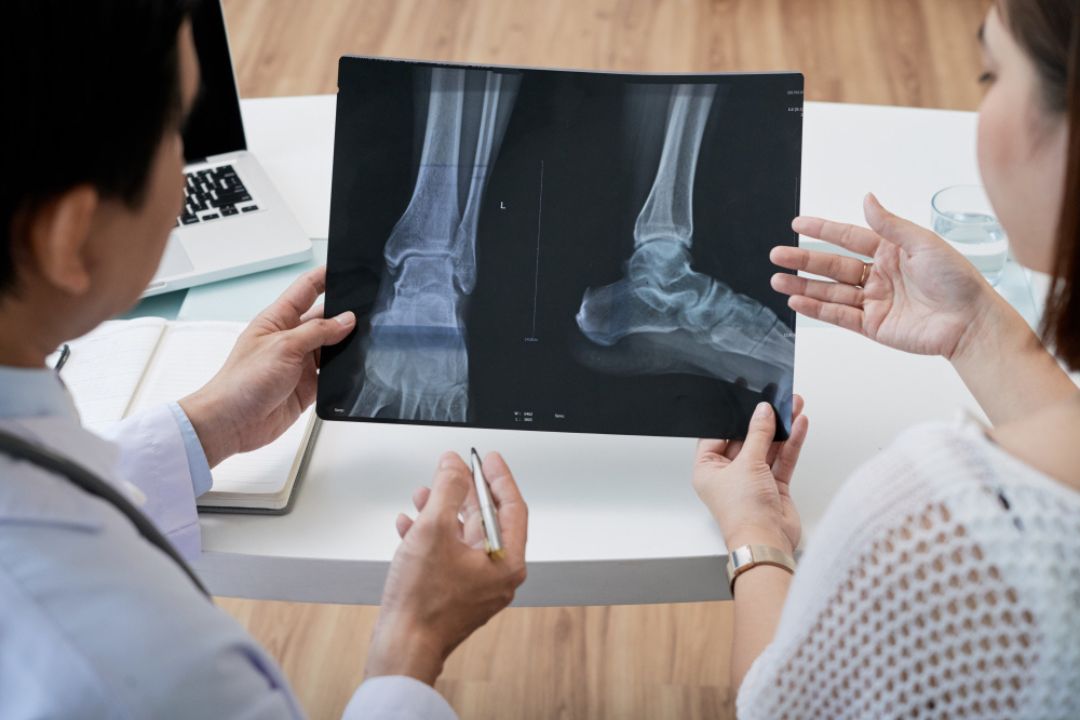
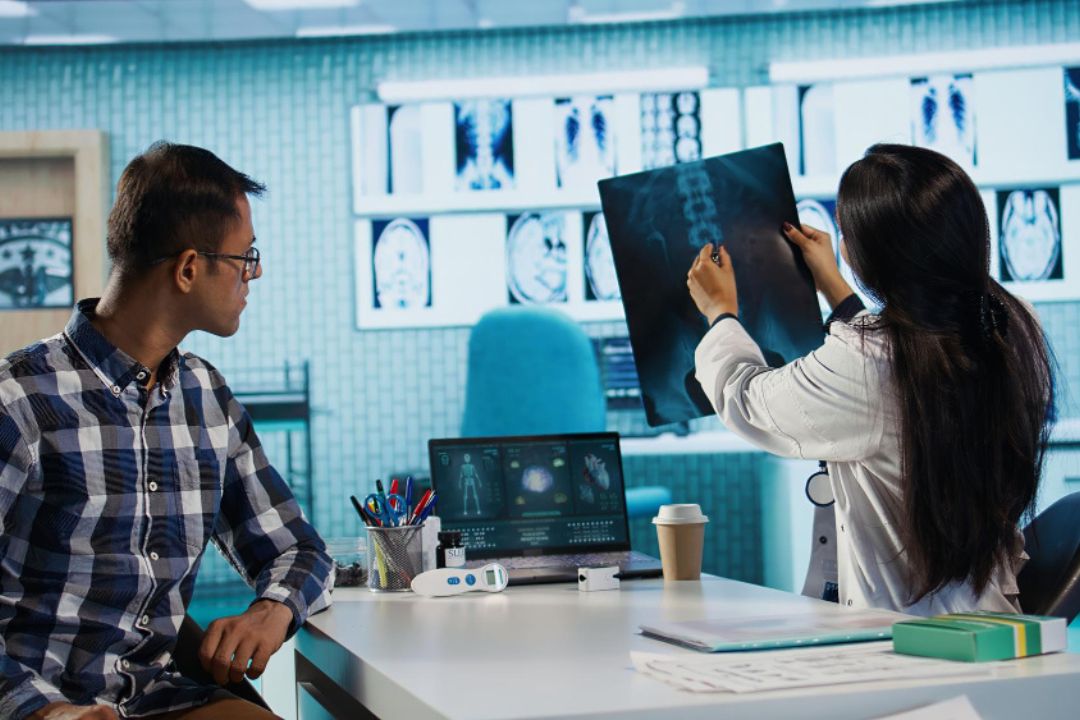
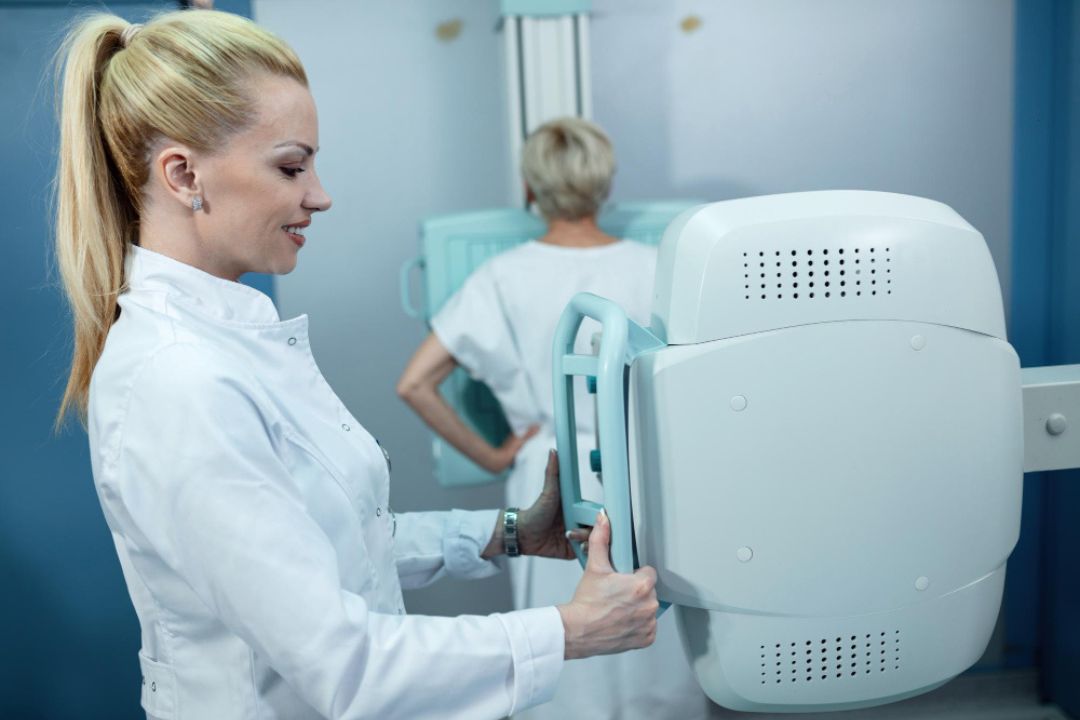
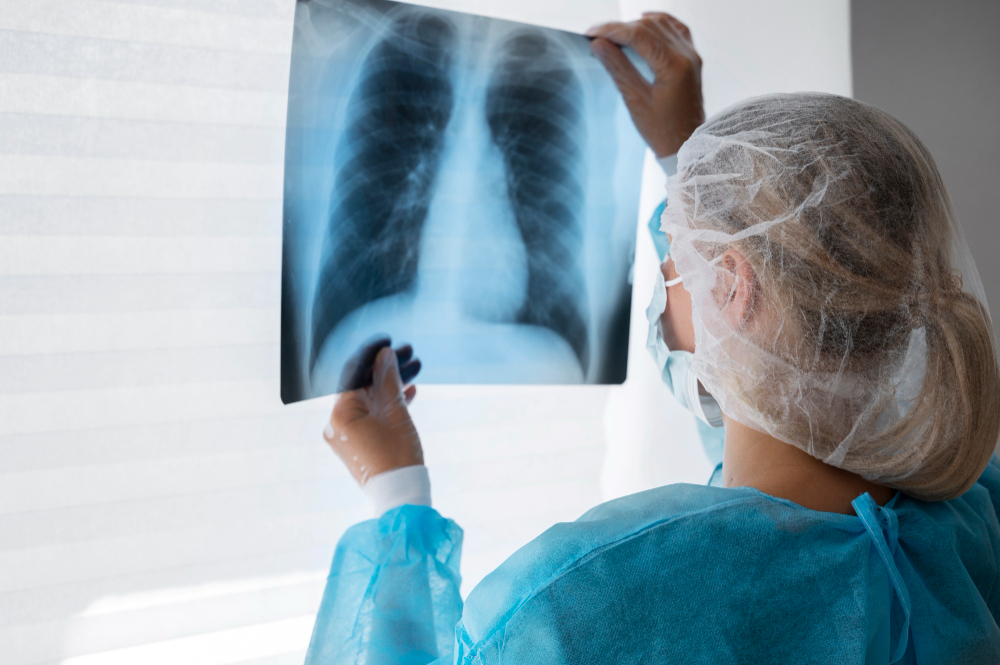
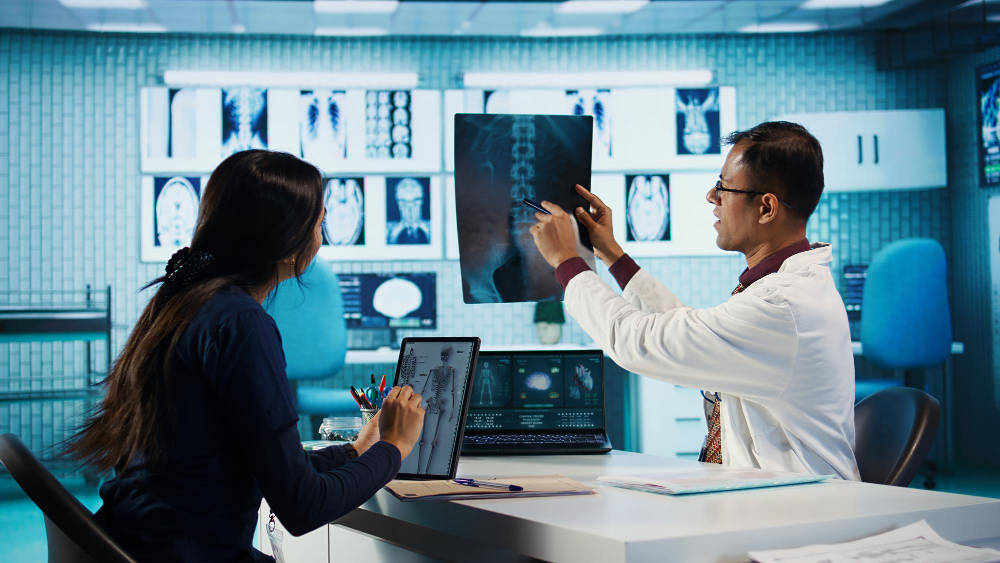
CT Scan vs X-Ray: This is a fundamental comparison. A standard X-ray produces a single, flat 2D image excellent for viewing broken bones elsewhere in the body. However, for the head, an X-ray is a blunt instrument. It might reveal a obvious skull fracture but provides zero information about the state of the soft, delicate brain tissue inside. In contrast, a CT scan is essentially a sophisticated evolution of X-ray technology, compiling hundreds of cross-sectional "X-ray slices" to create a detailed 3D model that visualizes bone, blood, and brain matter with stunning clarity.
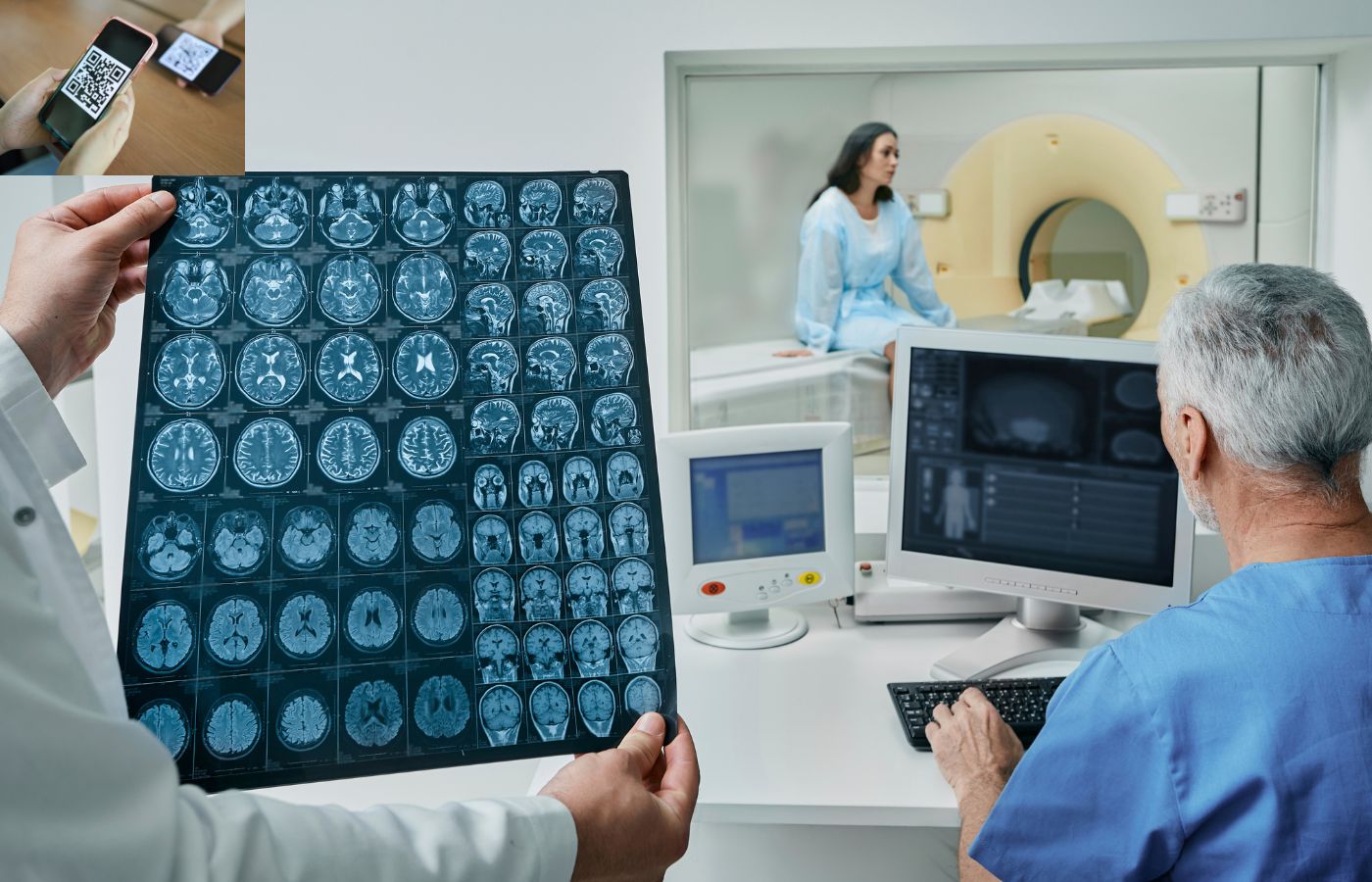
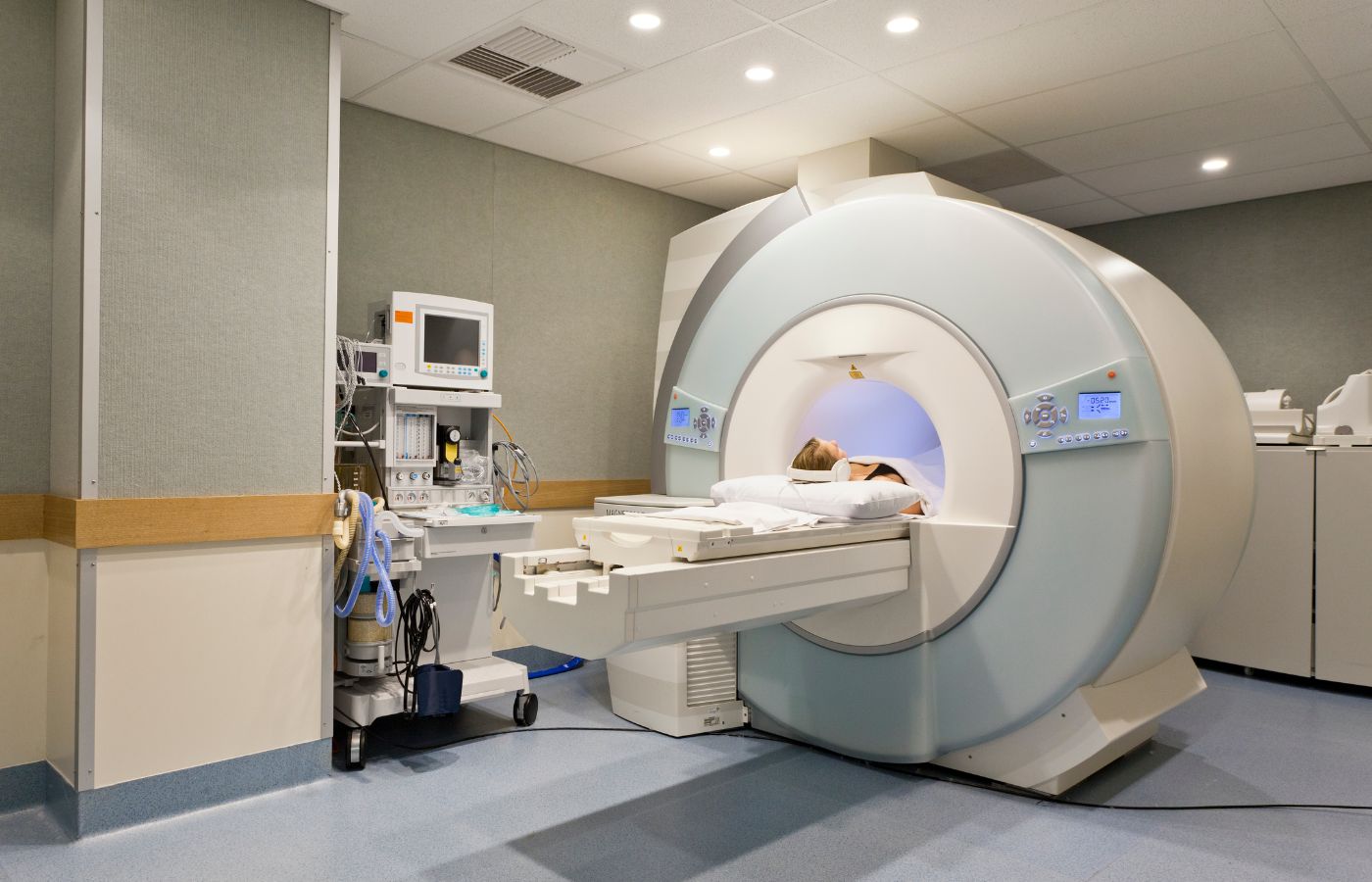
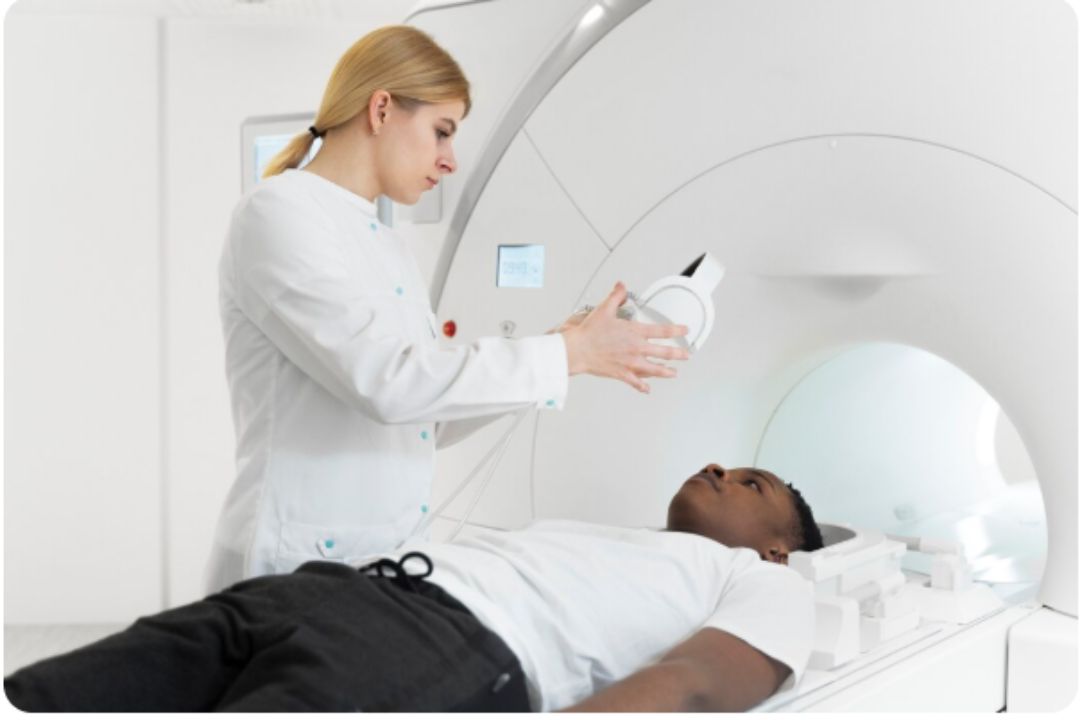
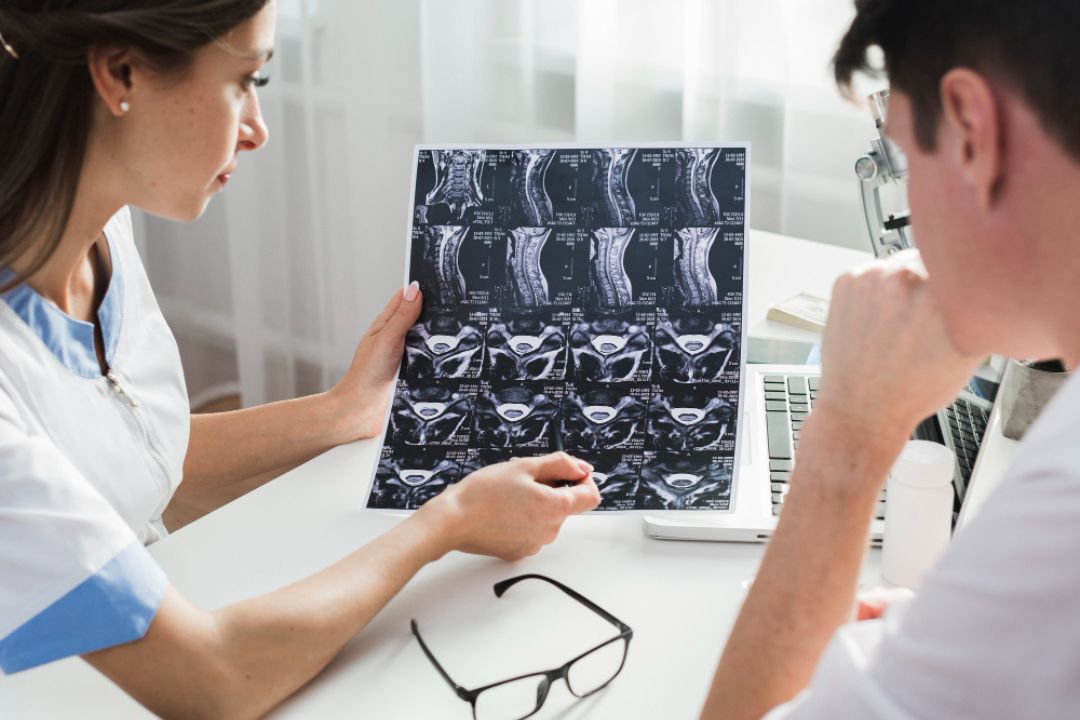
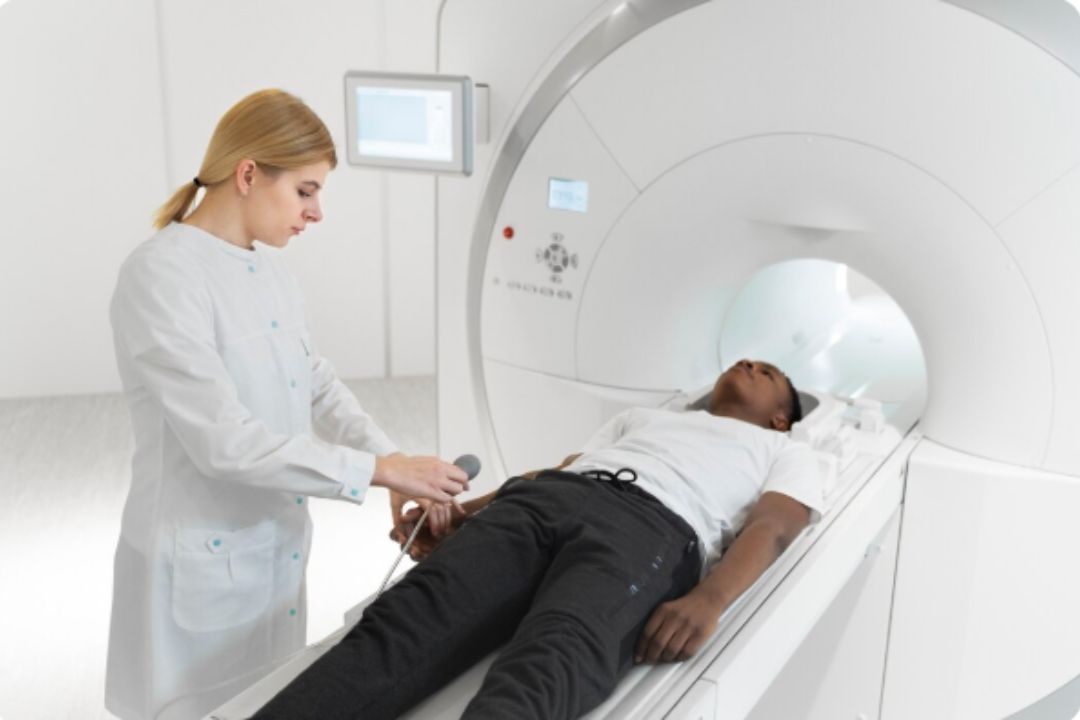
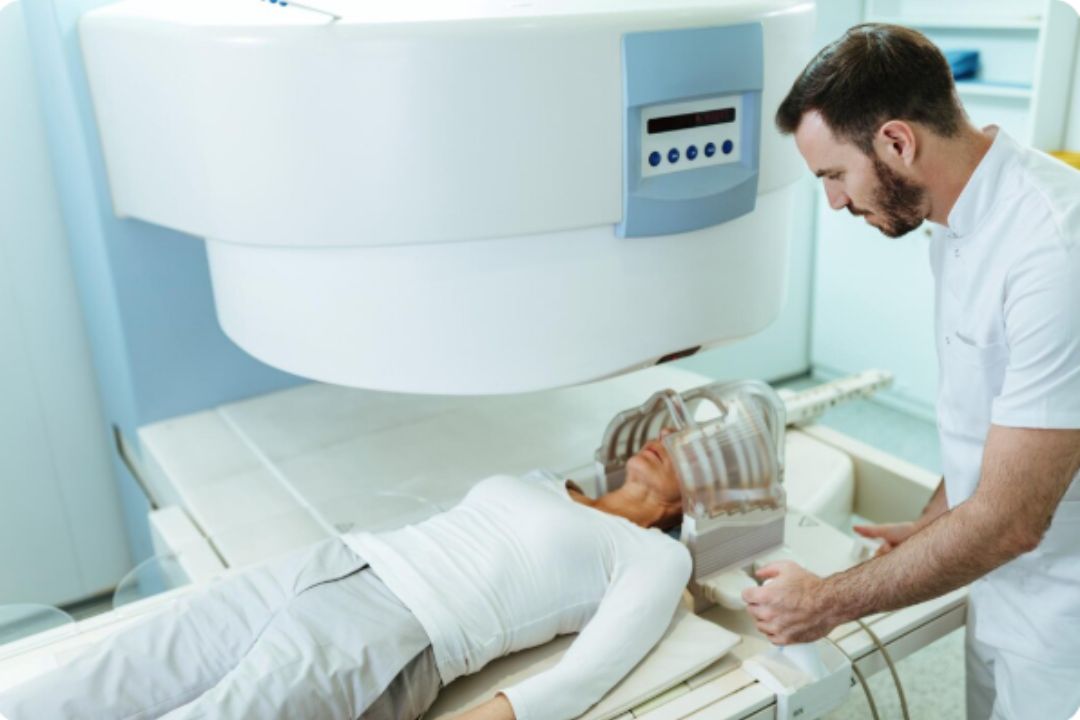
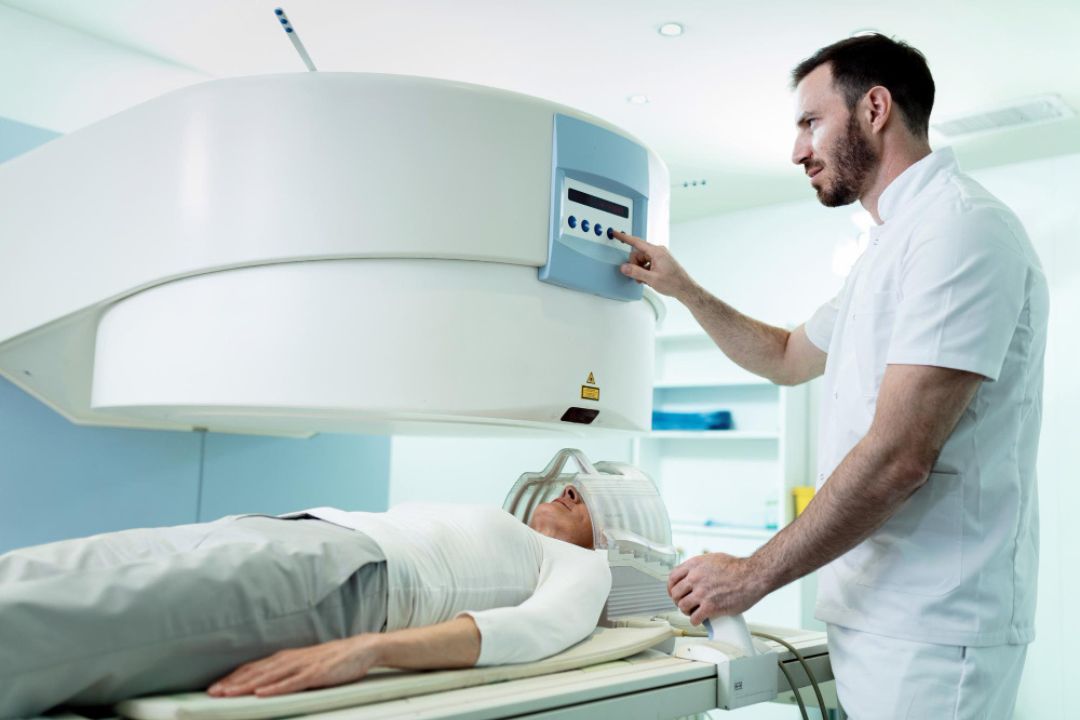
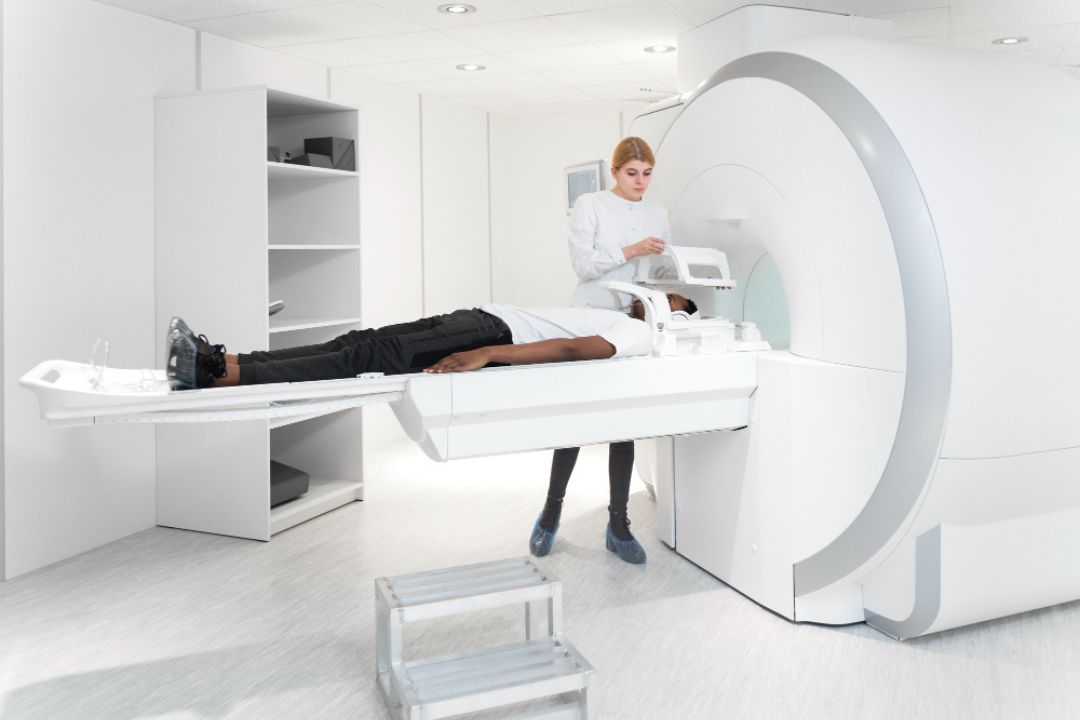
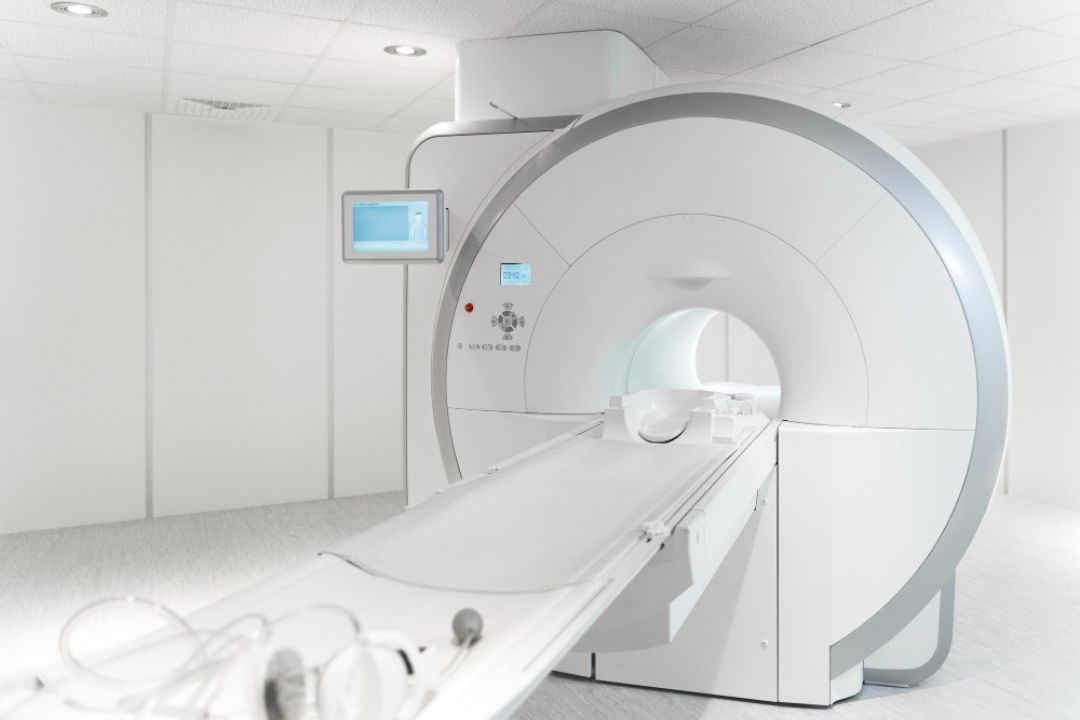
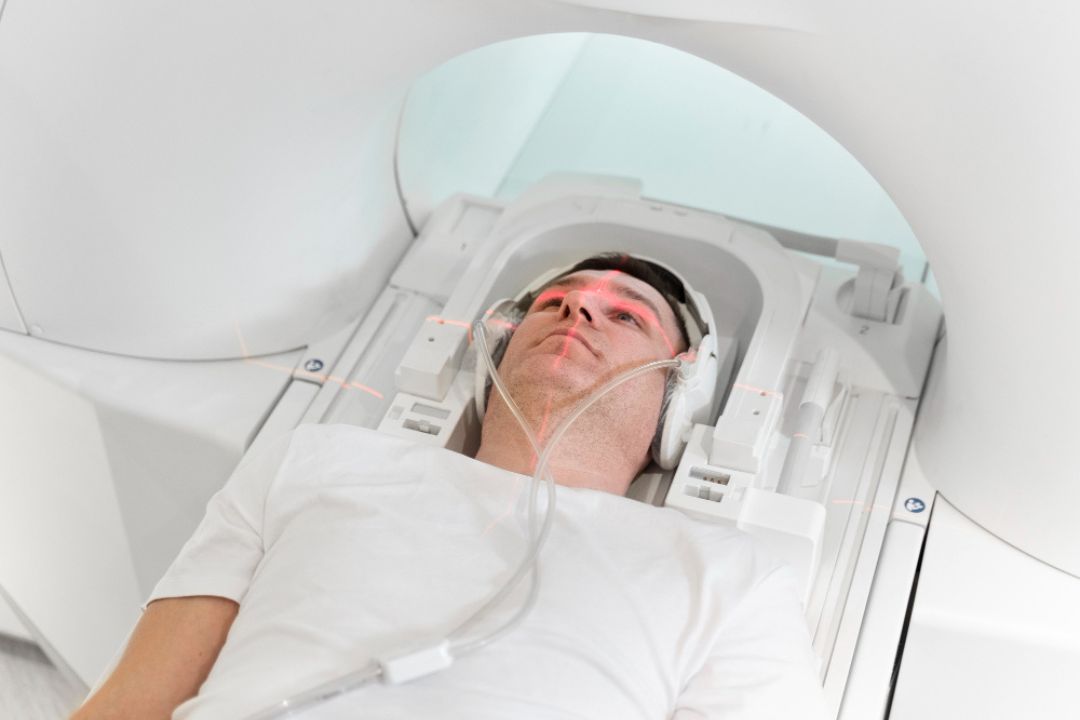
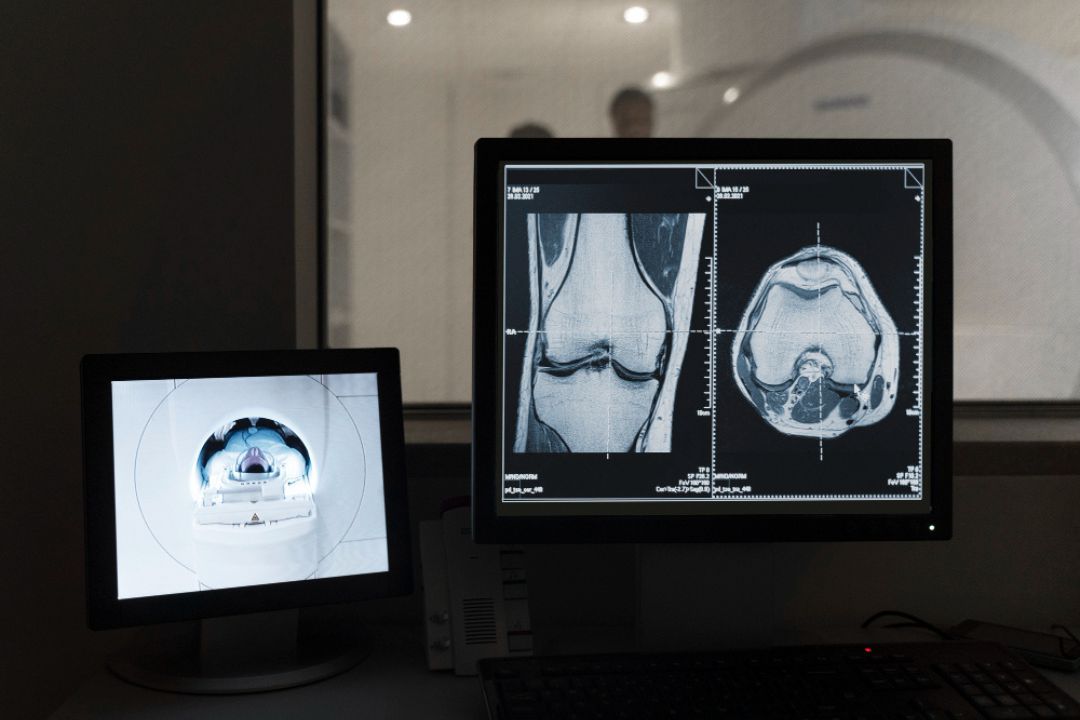
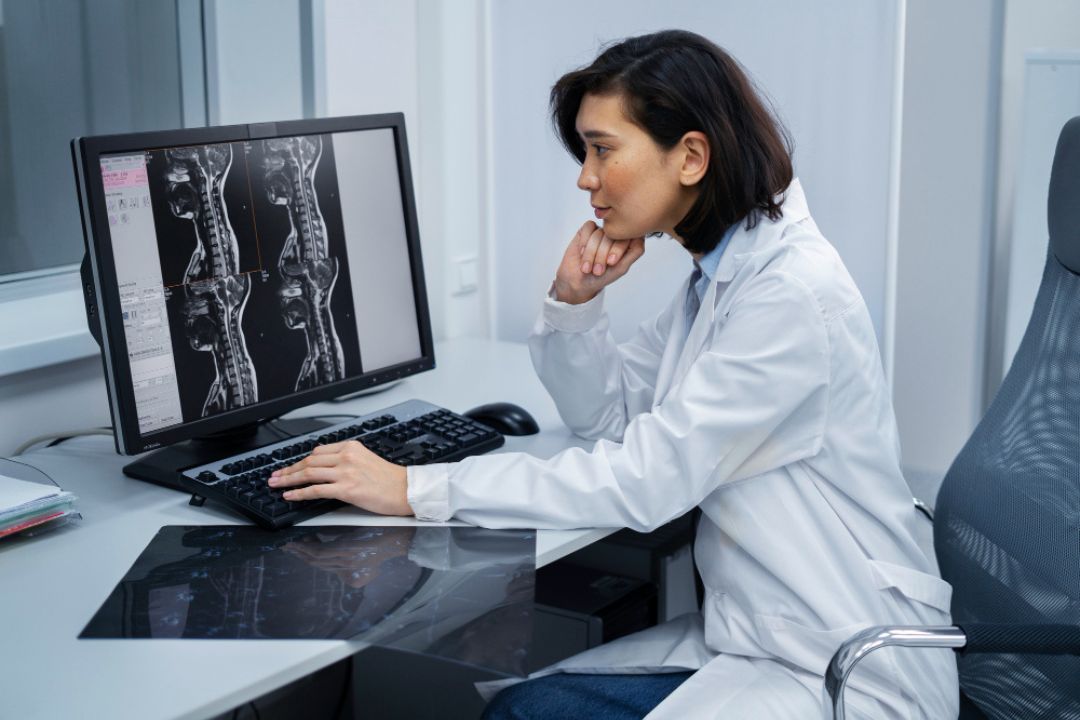
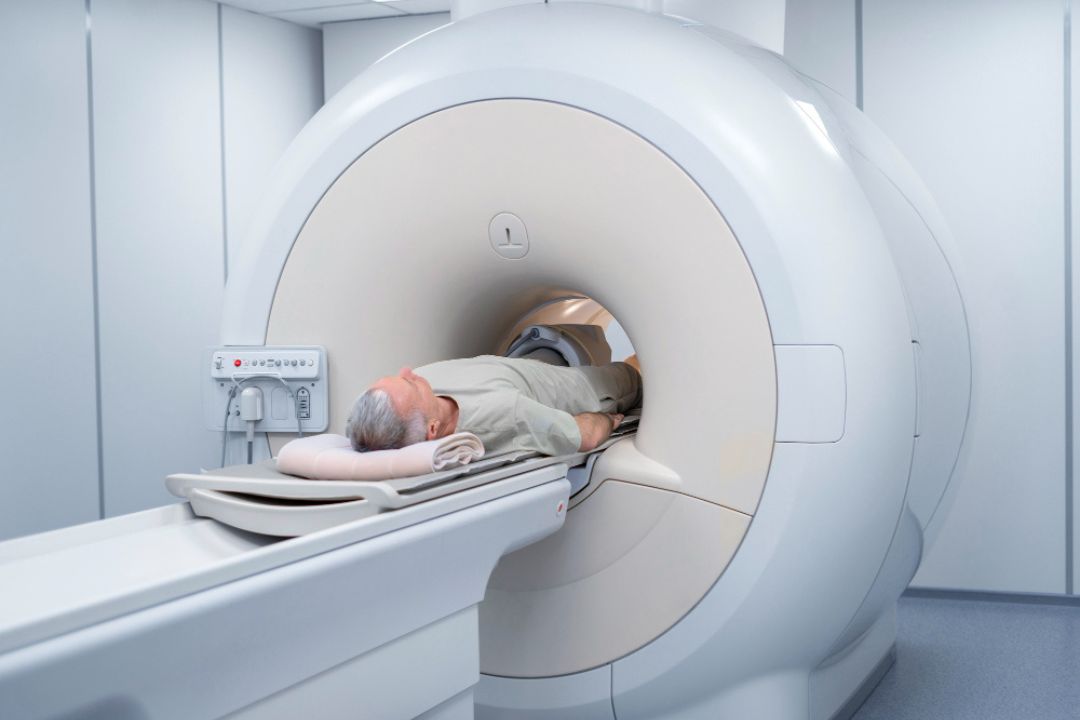
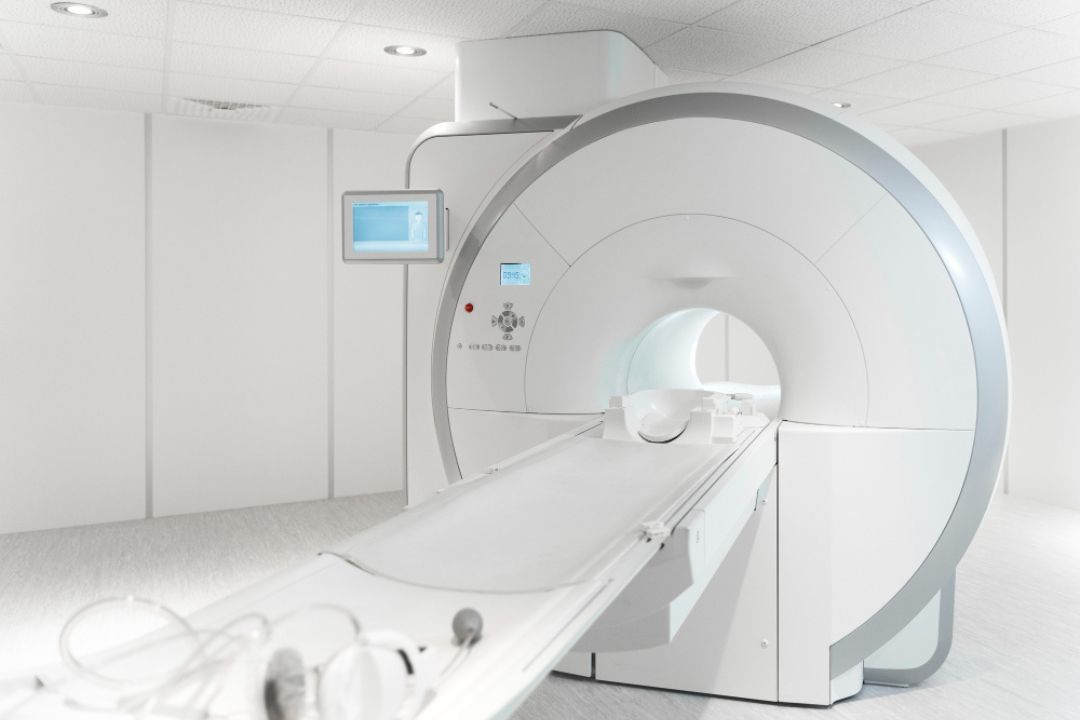
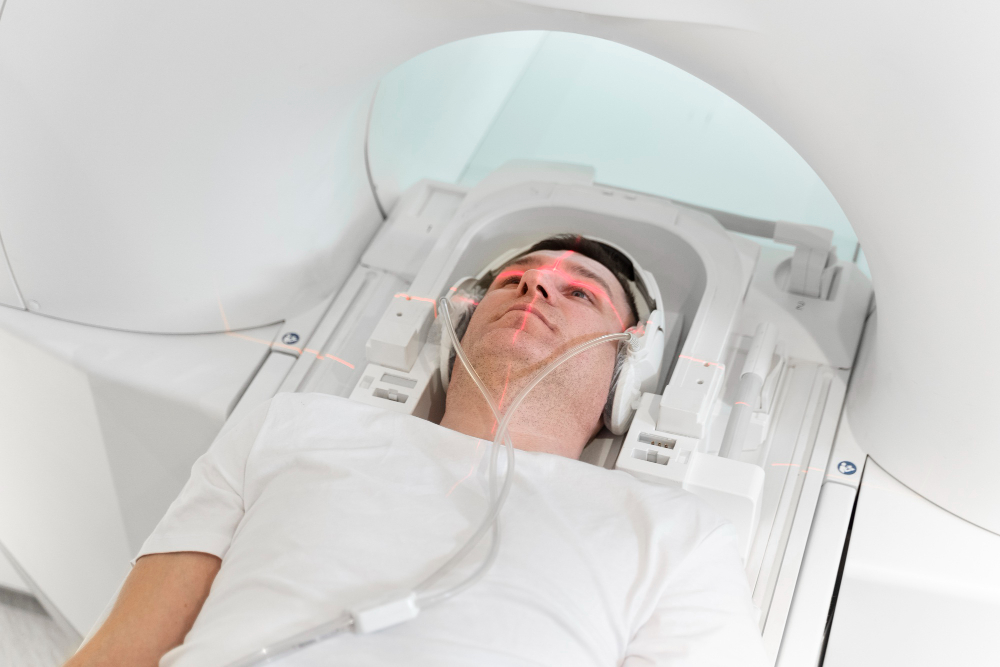
CT Scan versus MRI (Magnetic Resonance Imaging): This is a common point of confusion. An MRI uses powerful magnets and radio waves to generate exceptionally detailed images of soft tissues, making it superior for evaluating chronic conditions, tumors, or subtle ligament injuries. However, for acute head injury emergency diagnosis, the CT scan is the unequivocal first choice. Why? Speed and practicality. An MRI scan can take 30 to 60 minutes, requiring the patient to remain perfectly still in a confined tube—a near-impossible task for someone in pain, confused, or agitated from a head injury. Furthermore, MRI suites are not compatible with many life-support equipment and pacemakers. The CT scanner completes its work in often less than 5 minutes, is more open, and can accommodate critically ill patients with ventilators and monitors, making it the workhorse of the trauma bay.
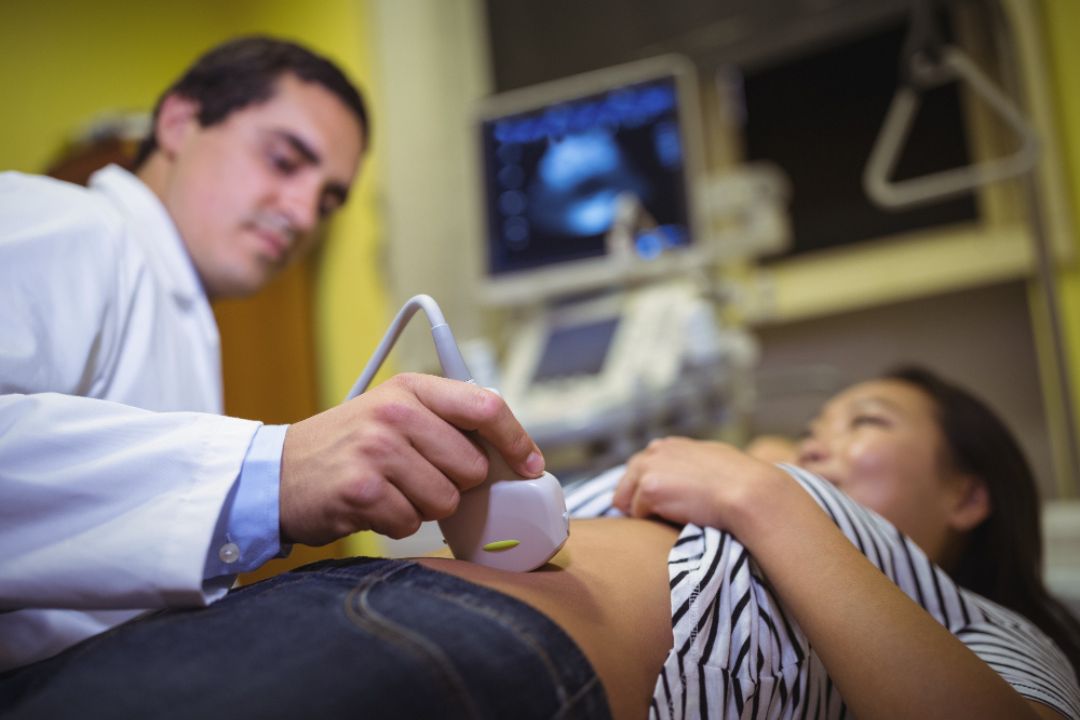
General "Scan" vs CT Scan: When people hear "brain scan," they may think of various tests. It's important to specify that in an acute trauma context, "scan" almost universally means a CT scan. Other scans like PET or ultrasound have specific, non-emergent neurological uses.
Understanding the costing of emergency diagnostics is a practical concern for many. In Mumbai, the price of a head CT scan can vary based on the hospital's tier, the technology used (e.g., 128-slice vs. 64-slice scanners offer different speeds and resolution), and whether a contrast dye injection is required to enhance blood vessel images.
While an MRI is typically more expensive than a CT scan, the CT's lower cost, coupled with its speed, makes it the most cost-effective initial step in emergency triage. At Diagnopein Mumbai, we are committed to transparent and fair pricing. We invest in state-of-the-art, multi-detector CT scanners that provide the highest quality images rapidly, ensuring that financial considerations do not hinder access to this critical, potentially life-saving diagnostic service during an emergency.
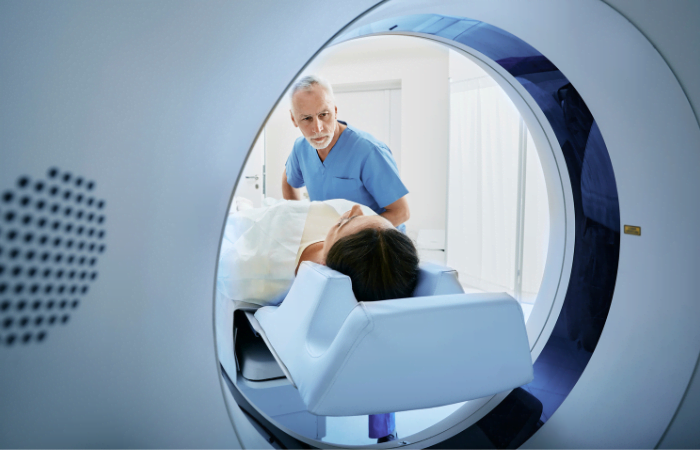
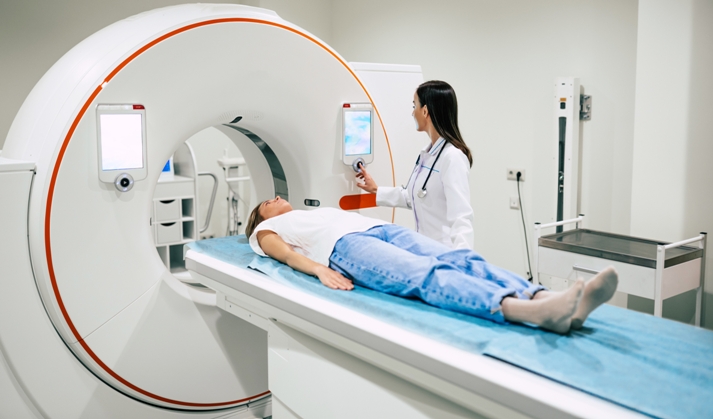
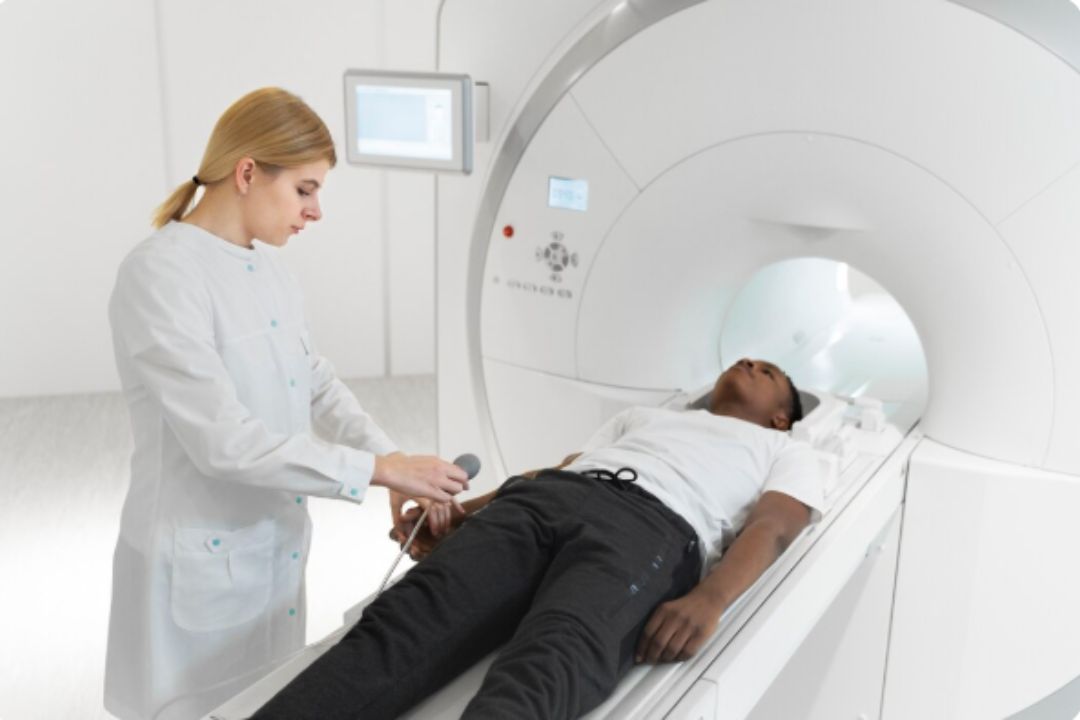
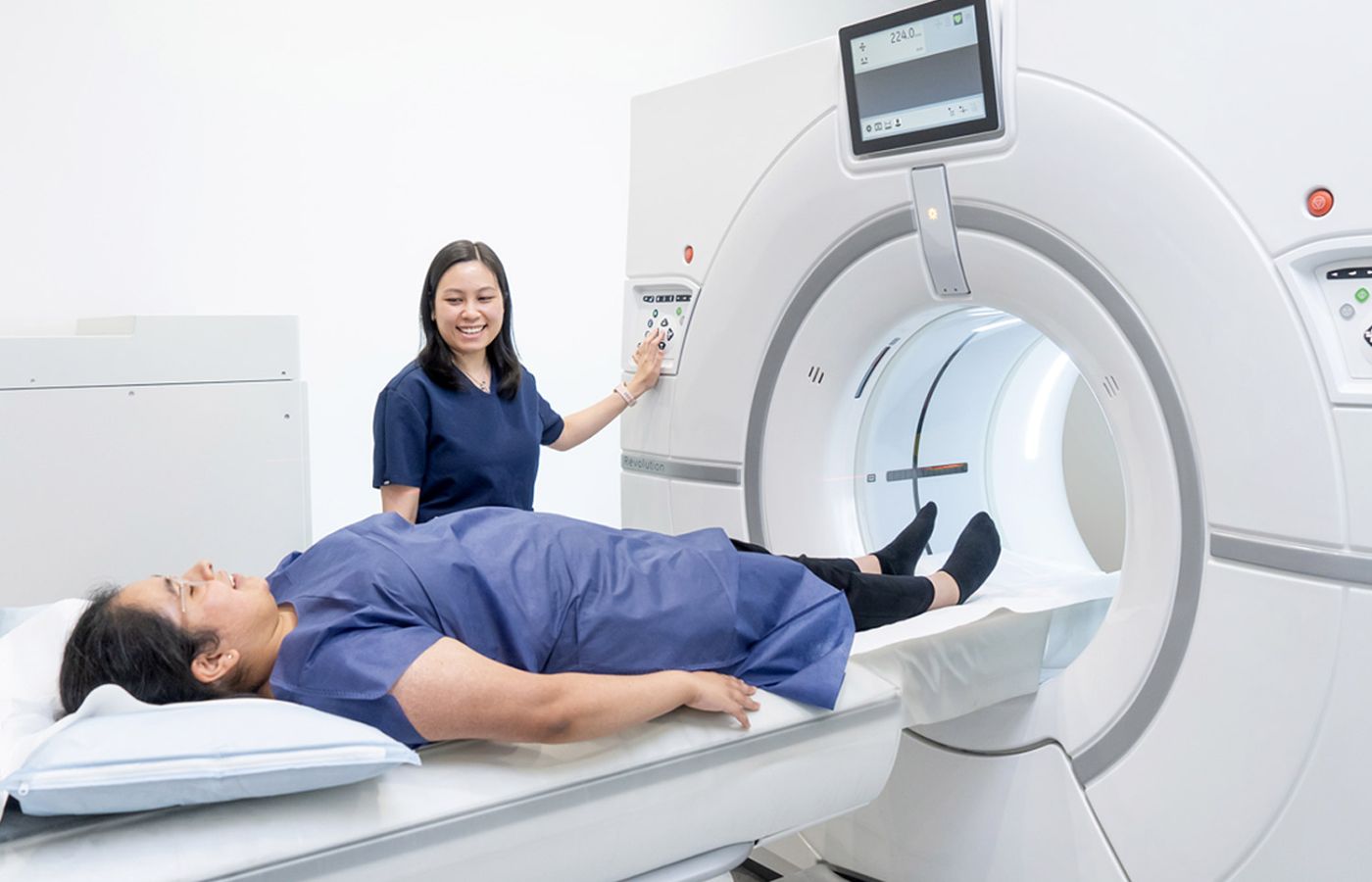
The comfort of an injured and anxious patient is a priority. The CT scan procedure itself is remarkably straightforward and non-invasive. Here’s what to expect:
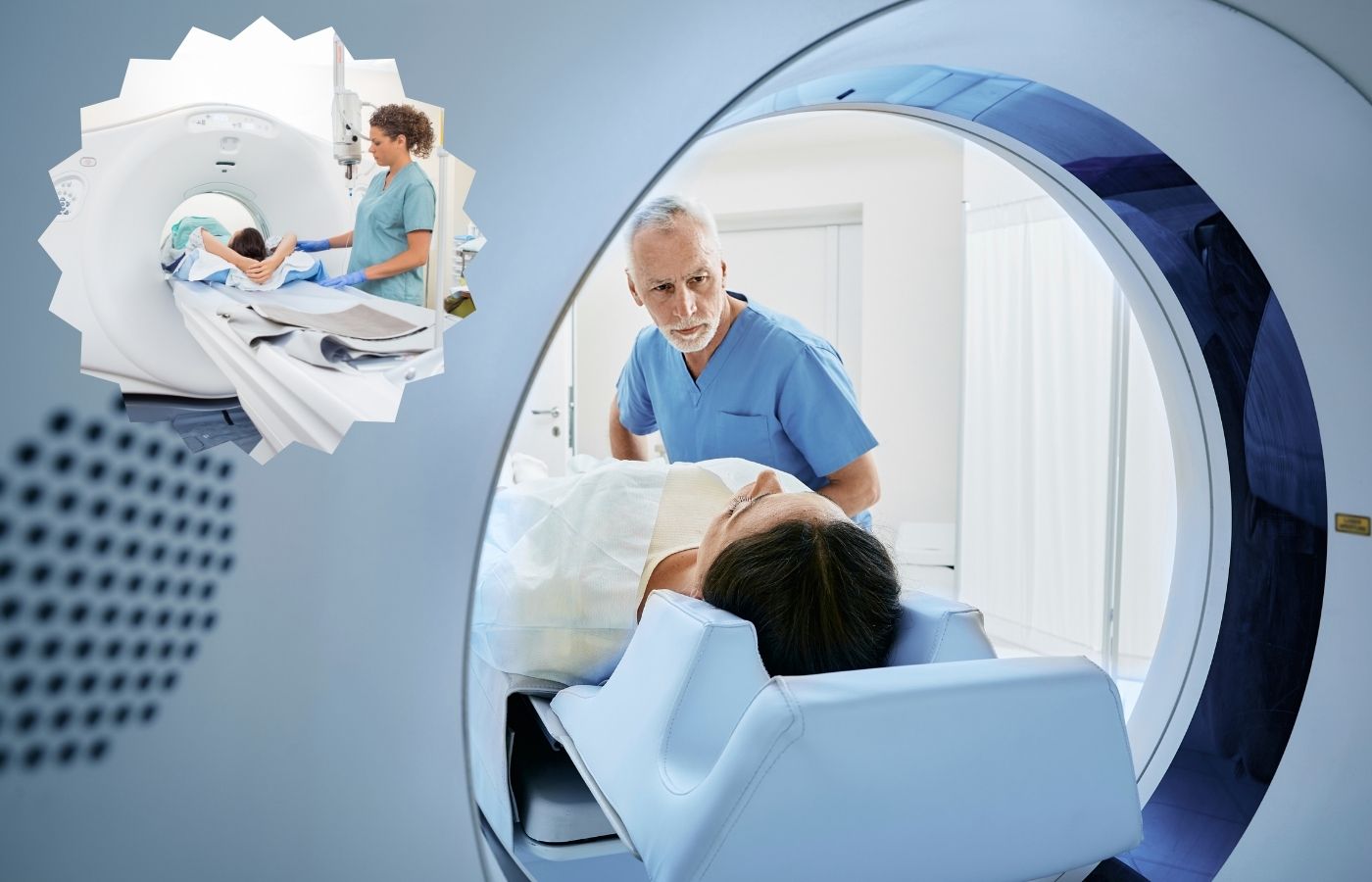
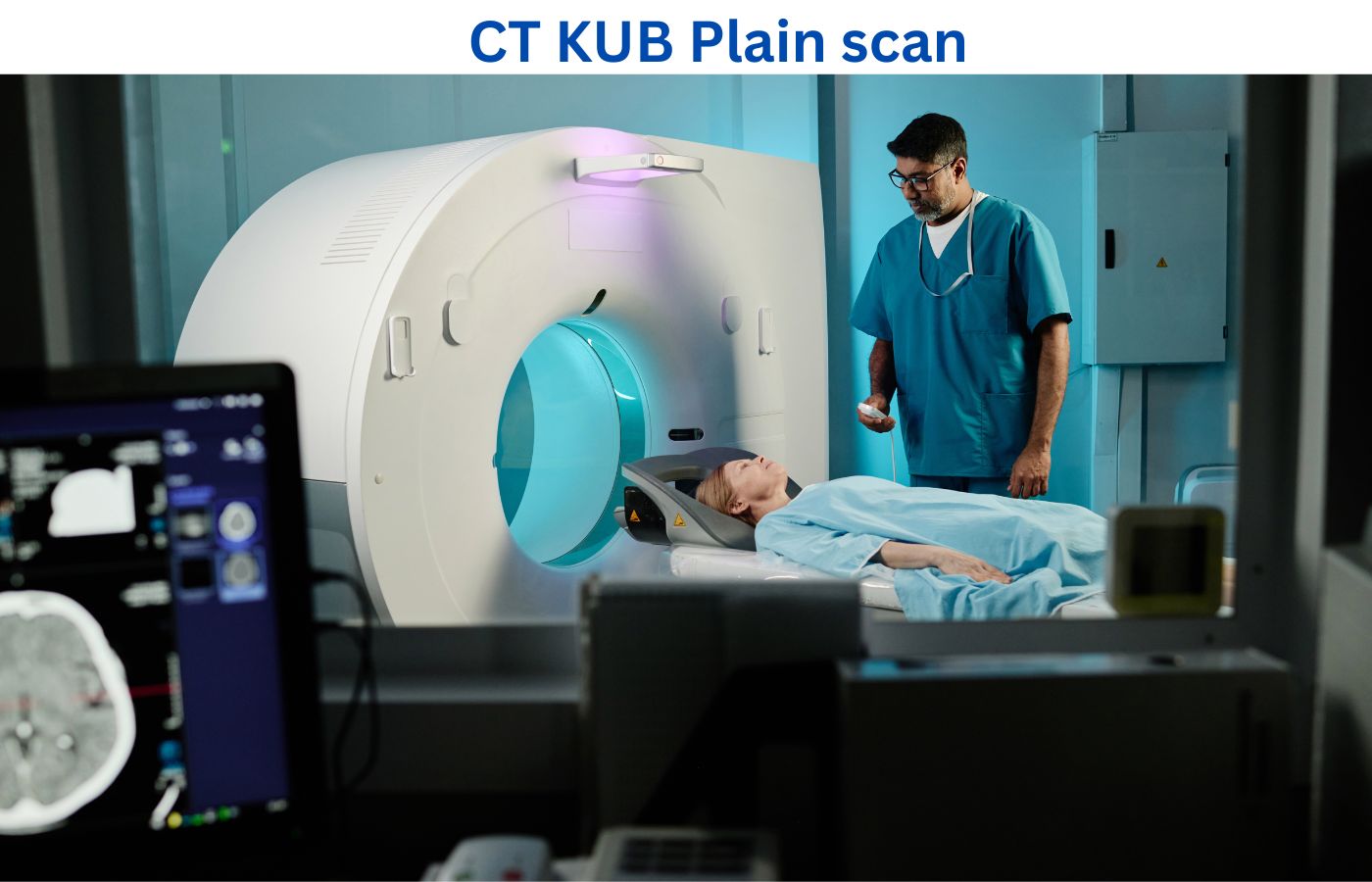
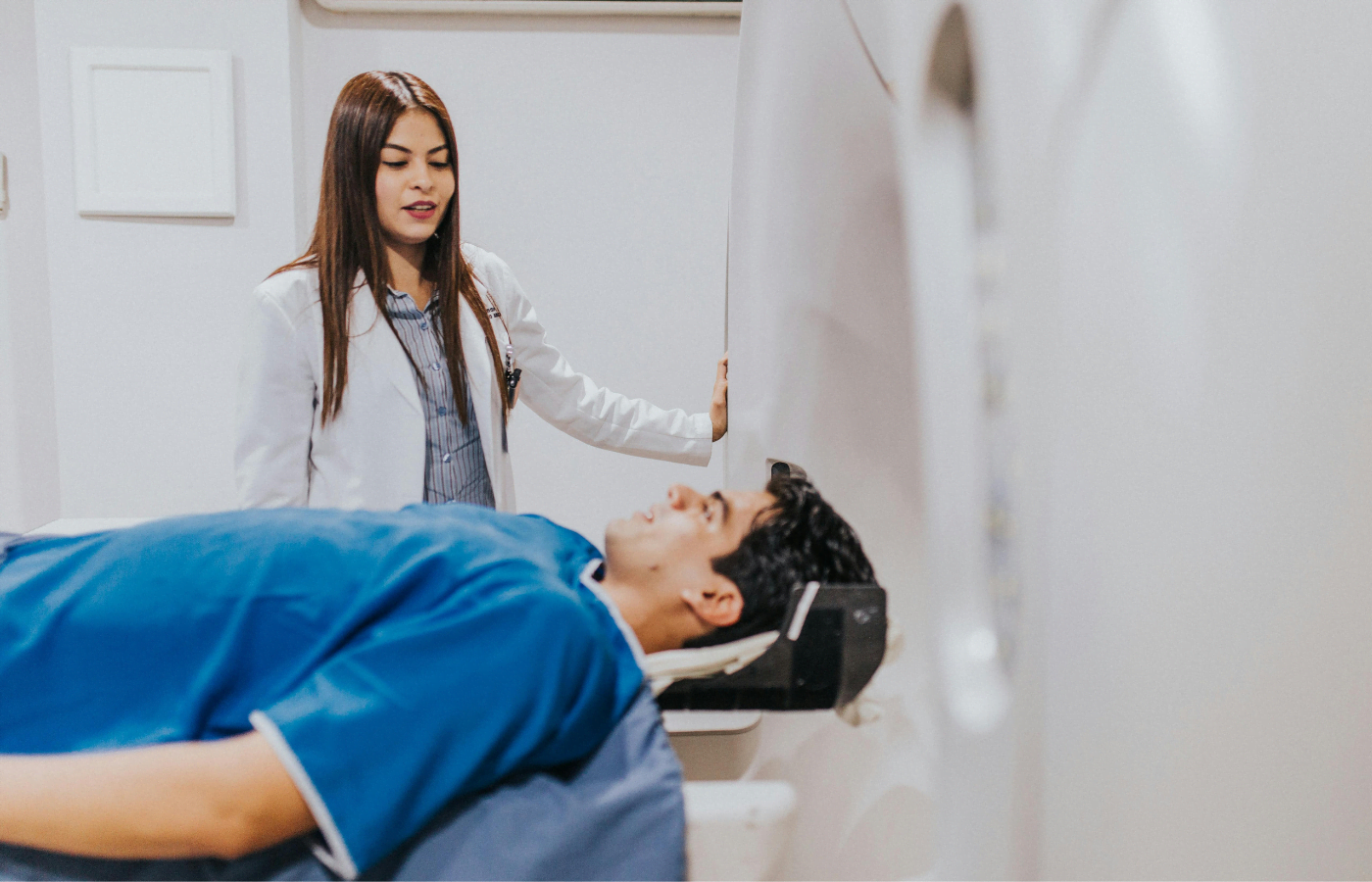
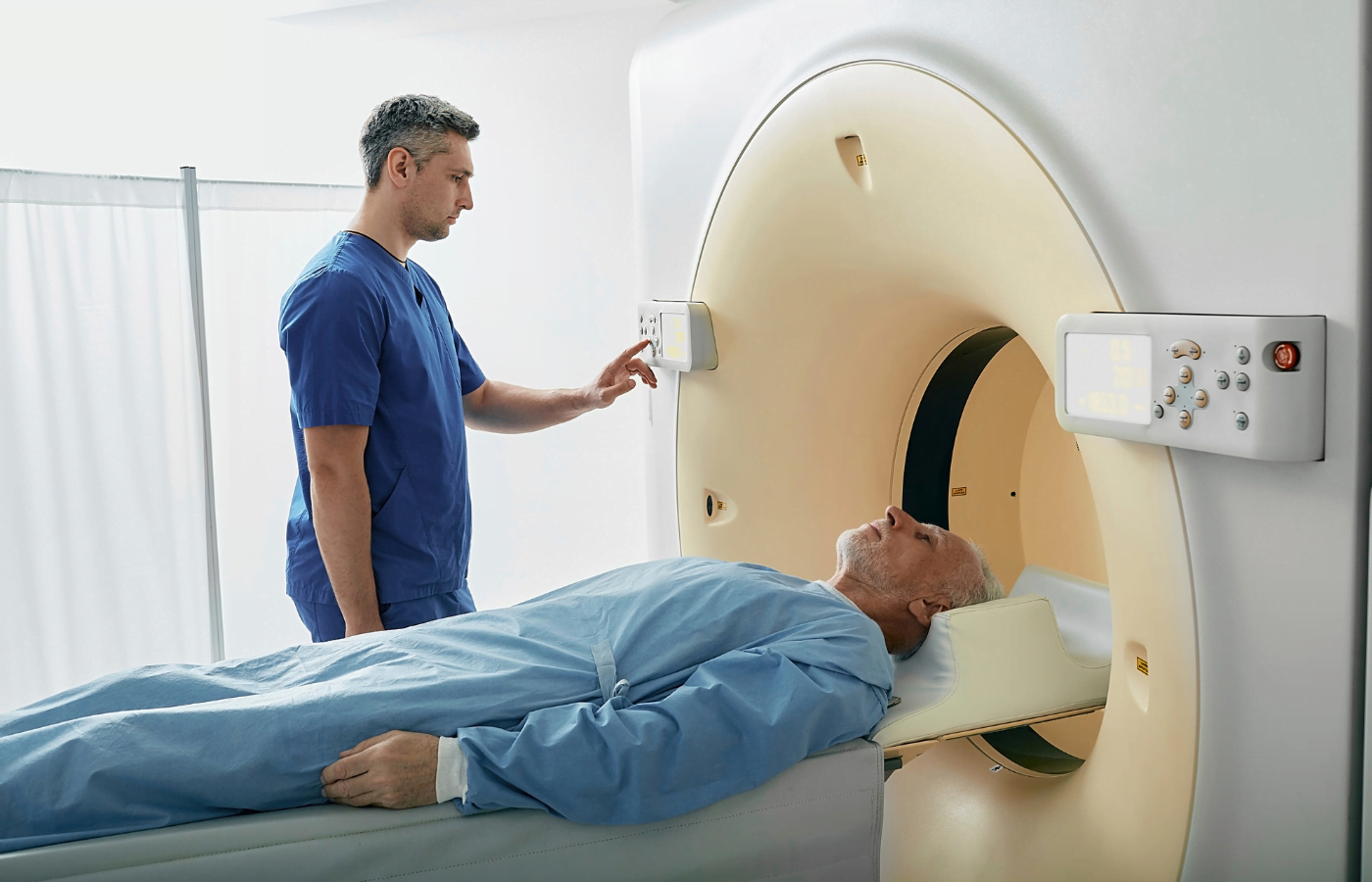
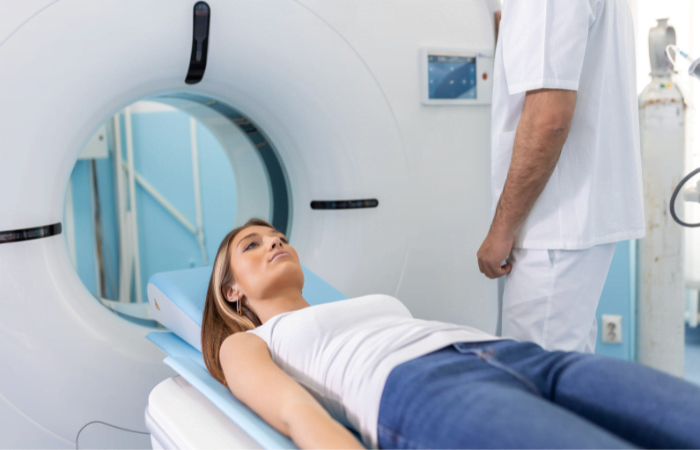
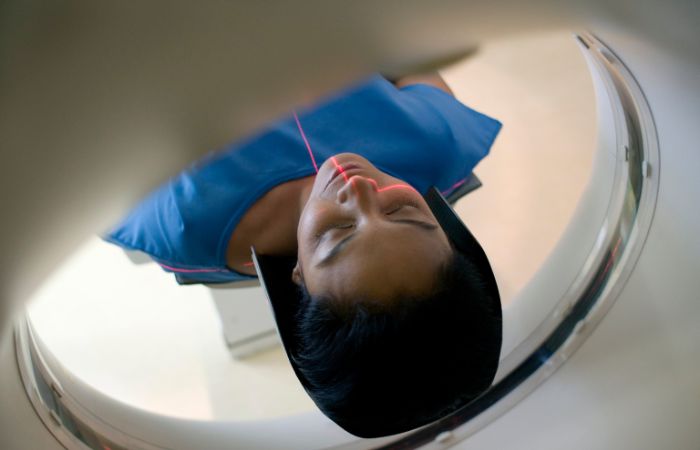
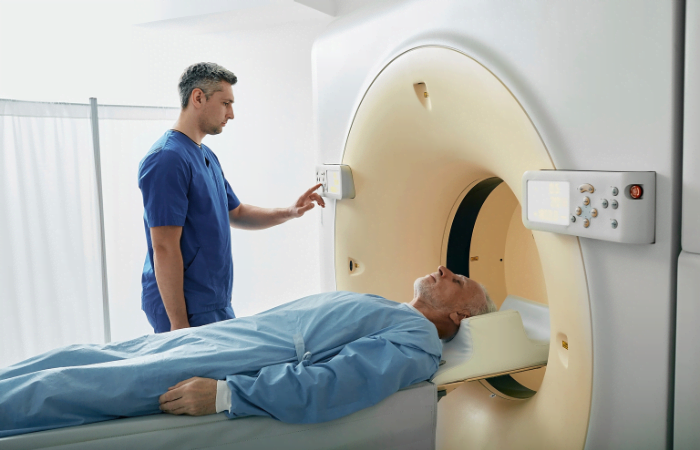
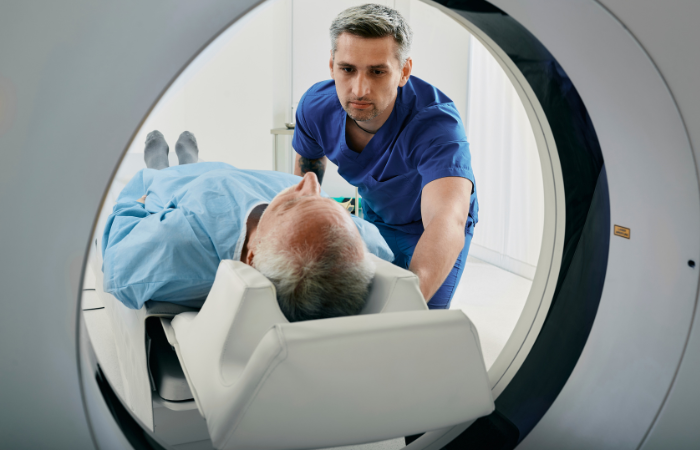
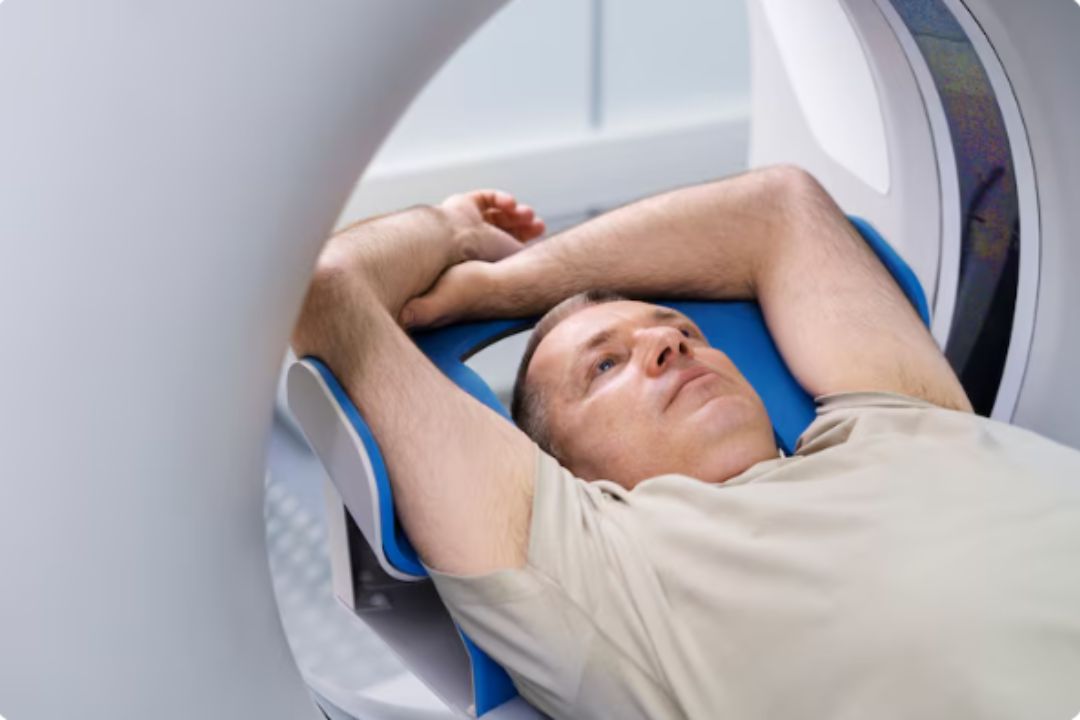
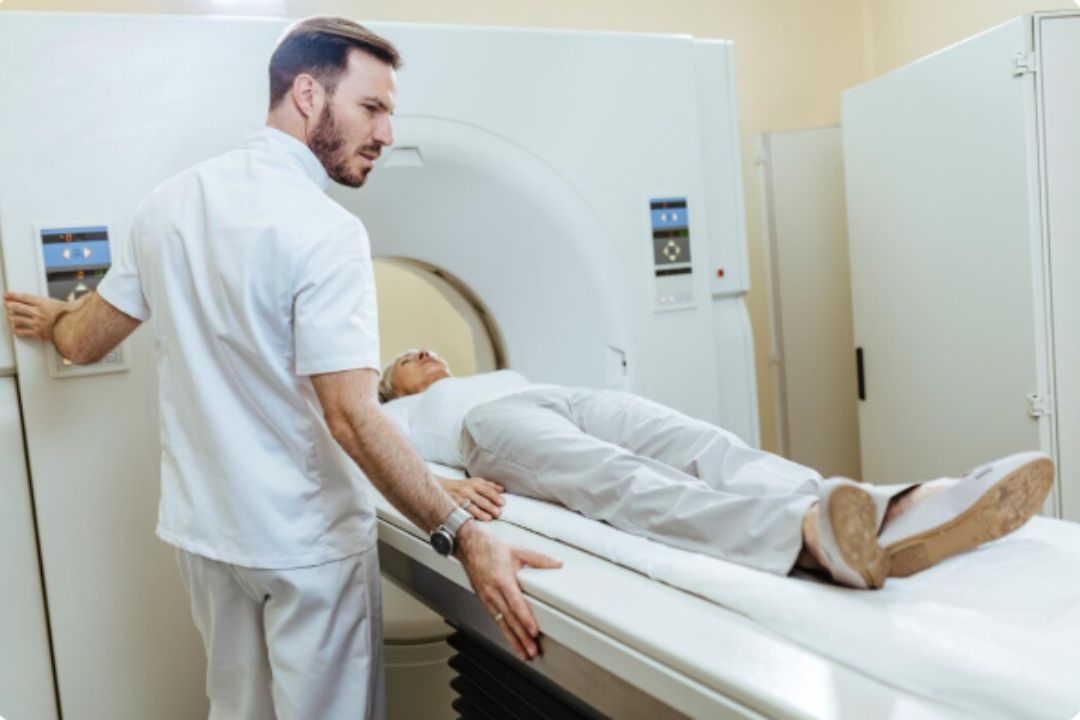
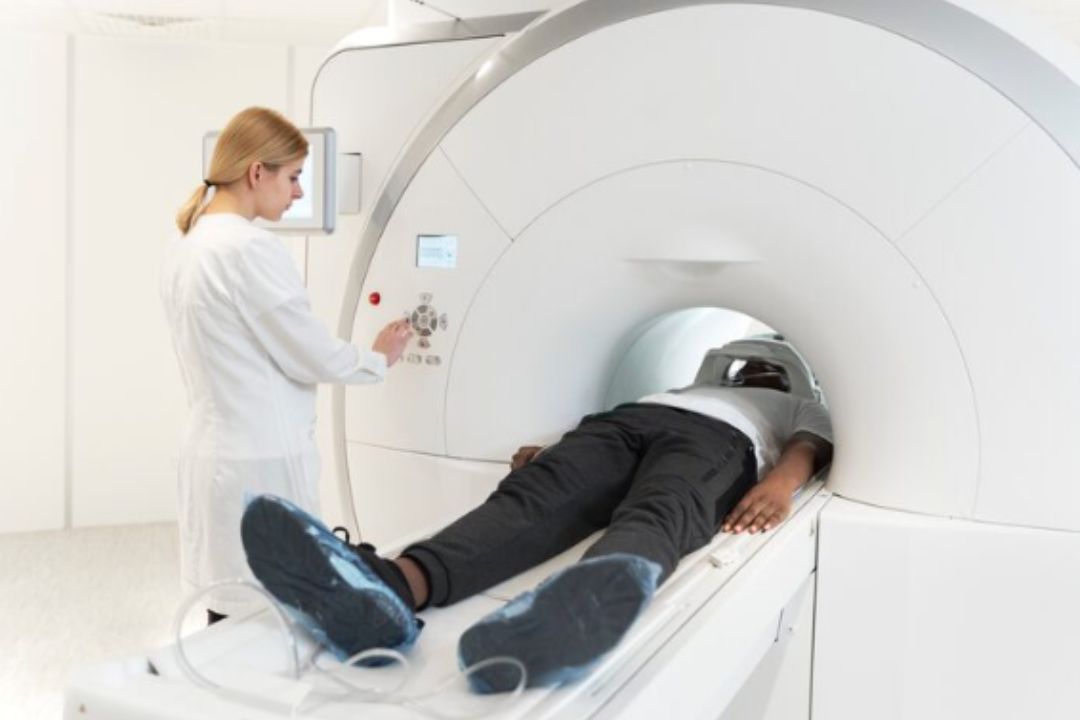
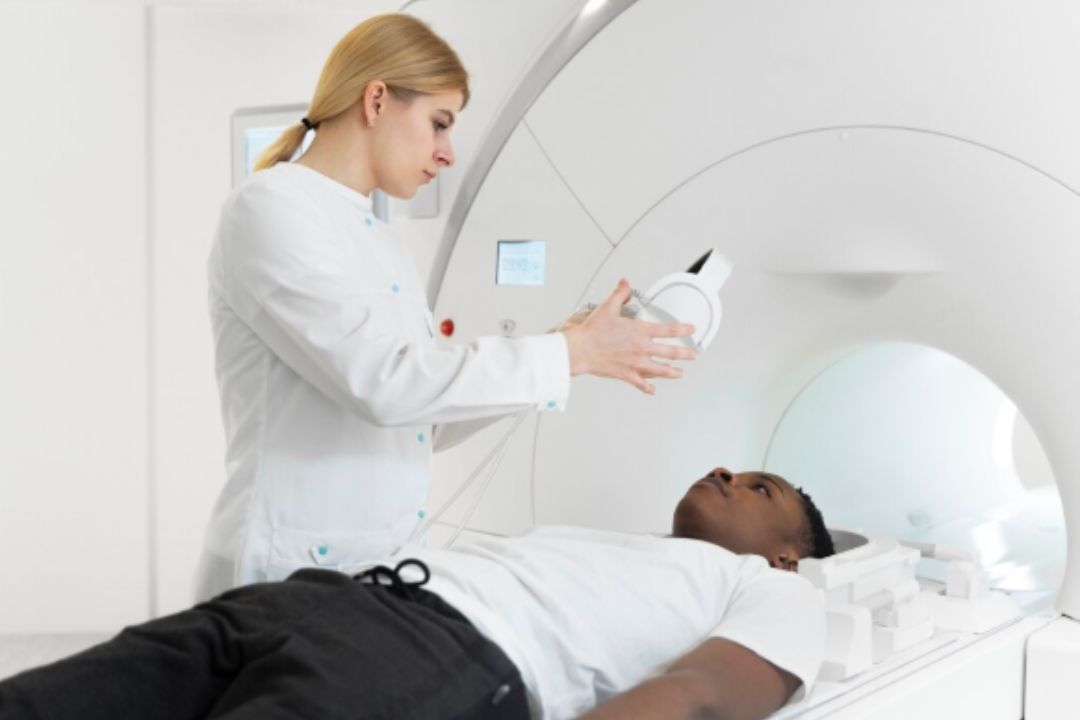
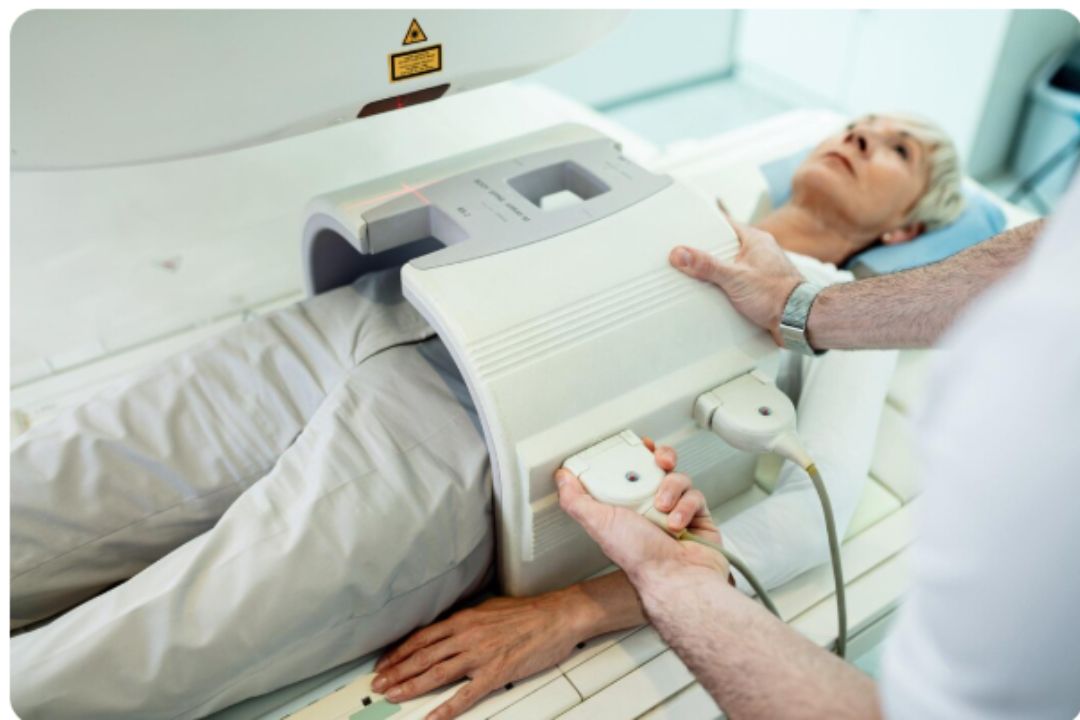
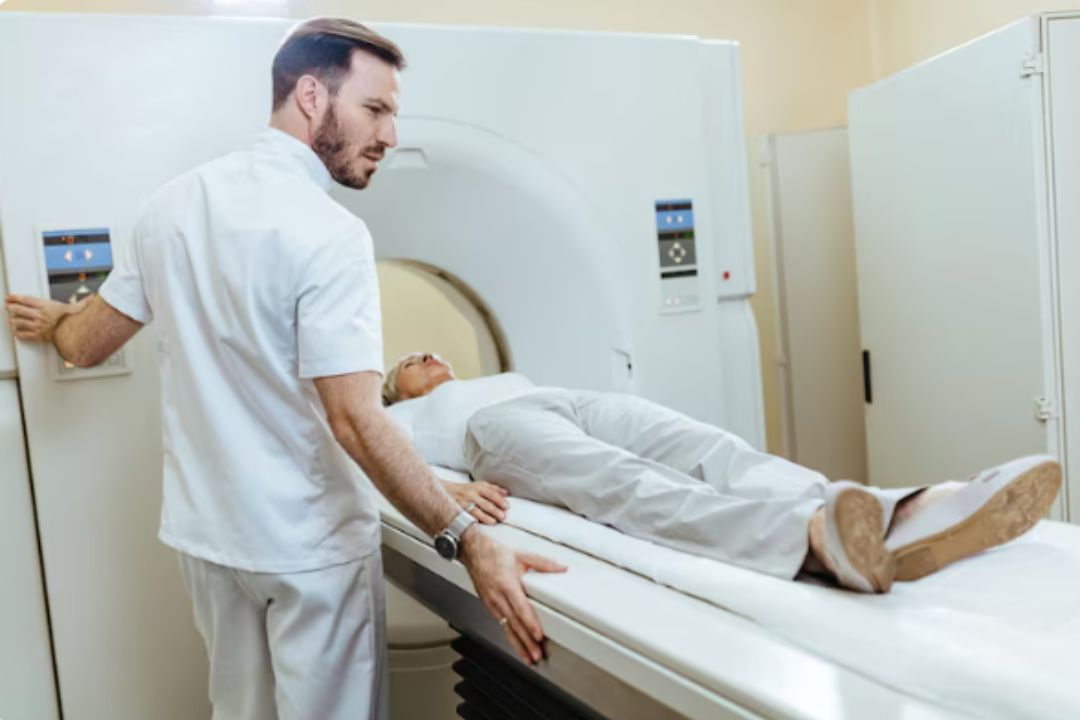
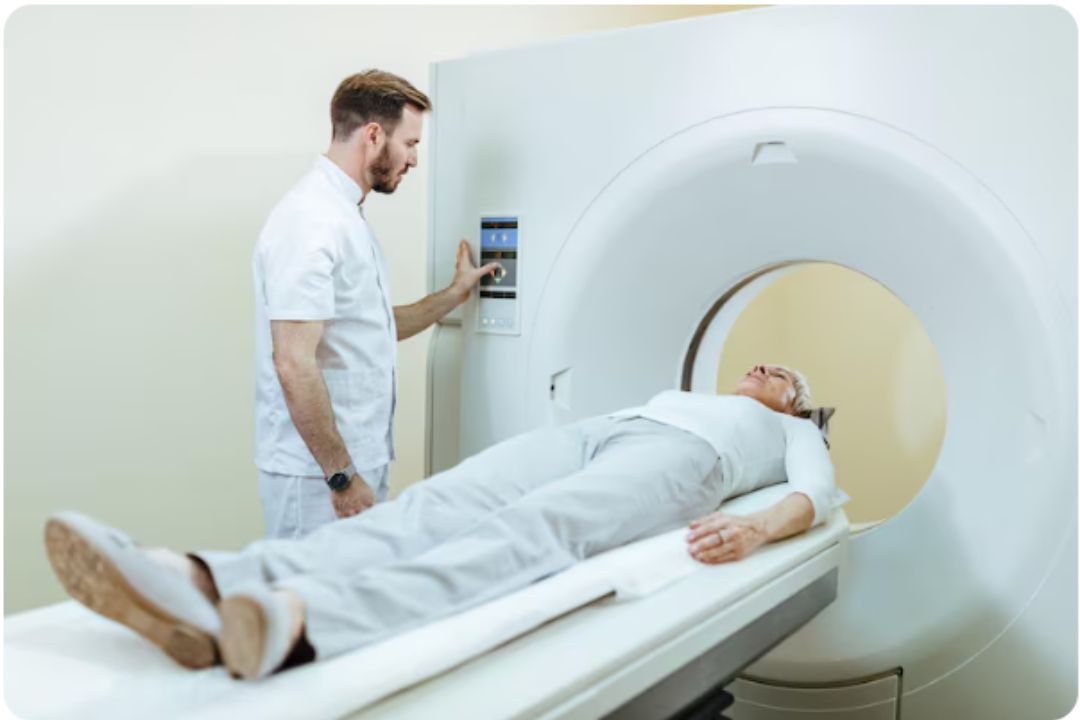
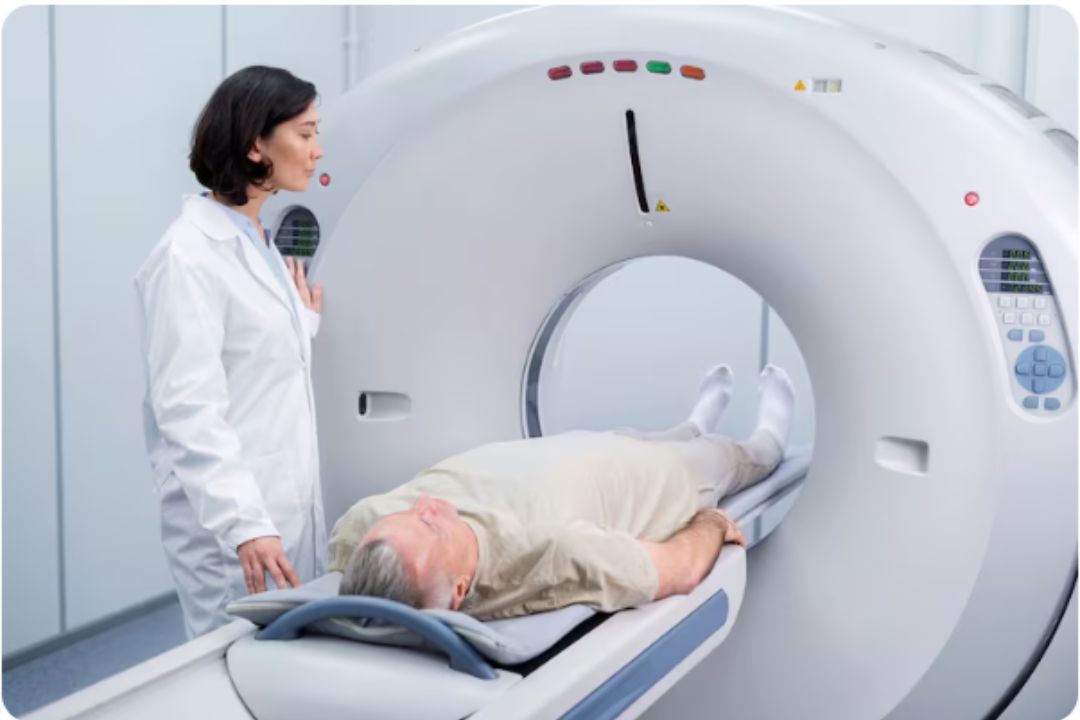
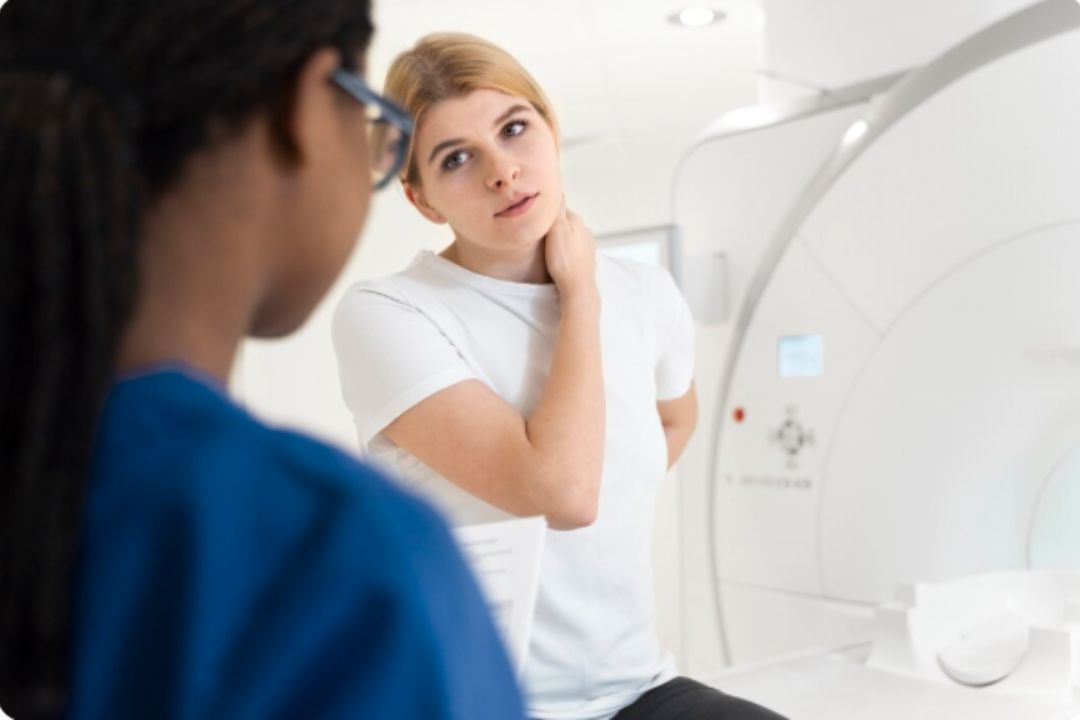
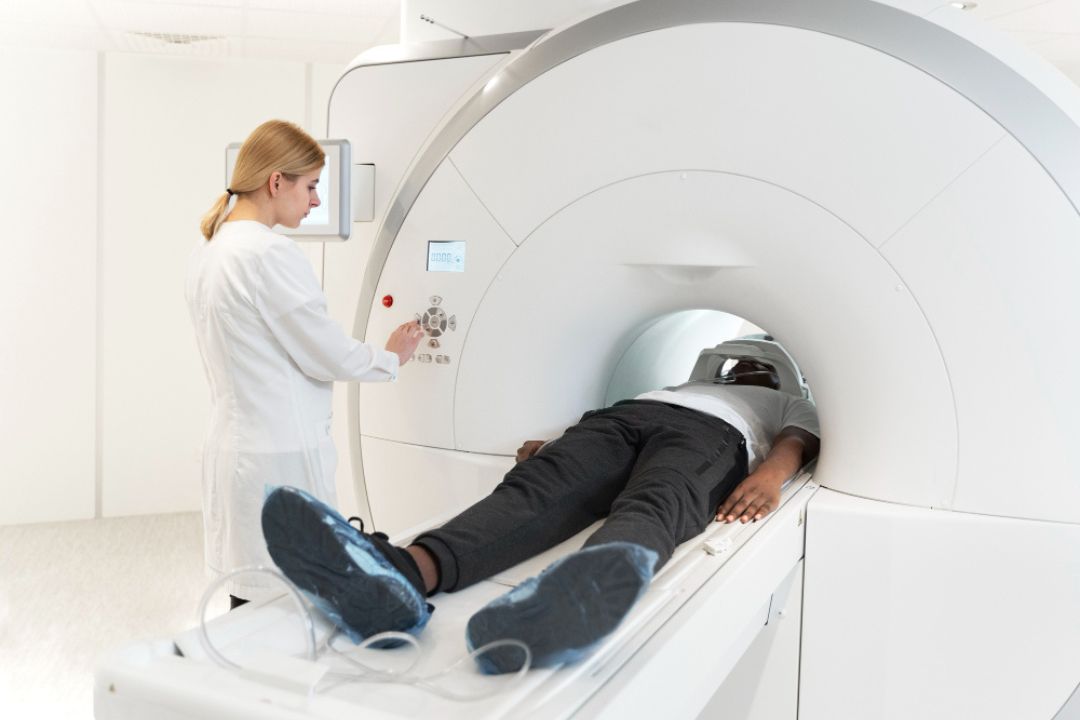
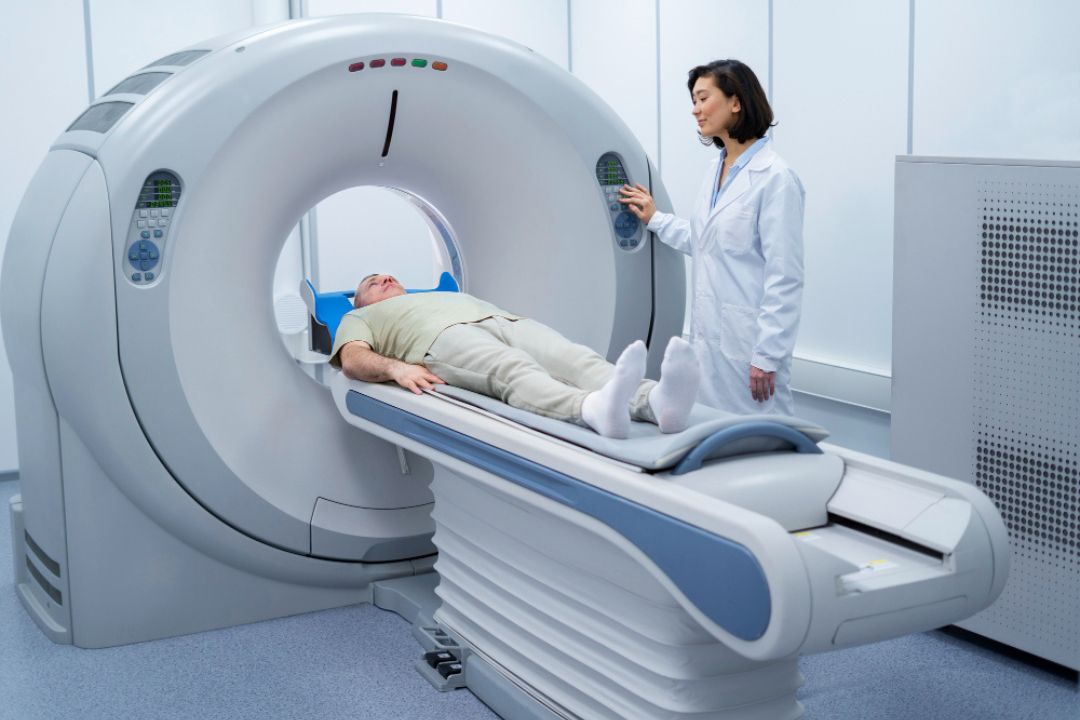
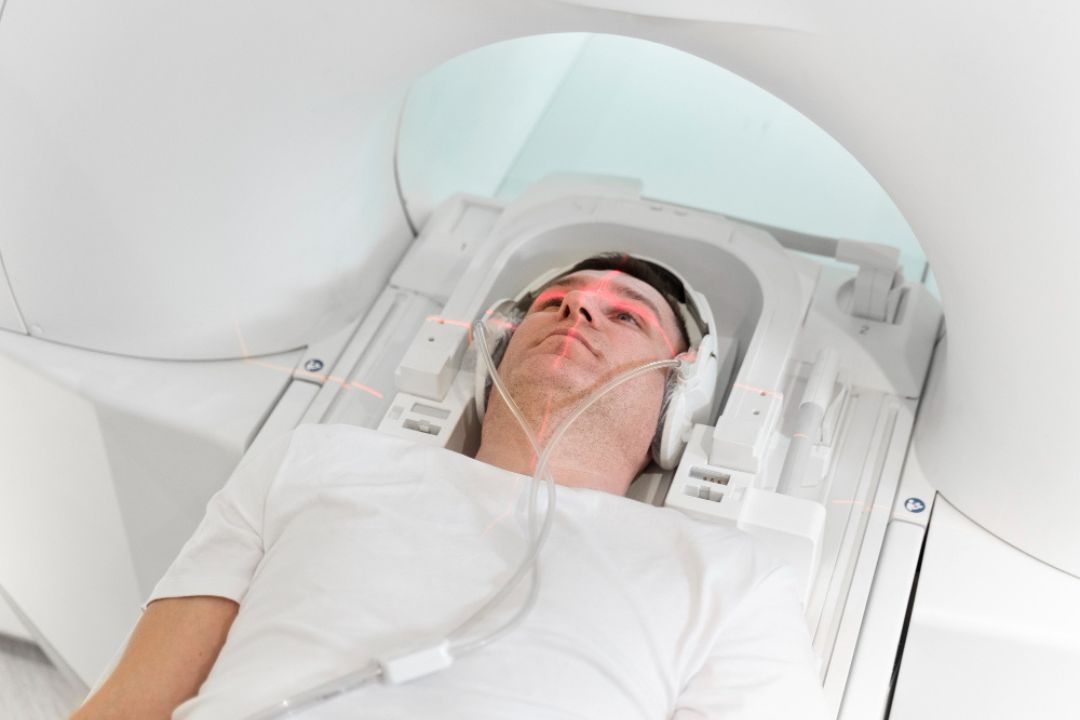
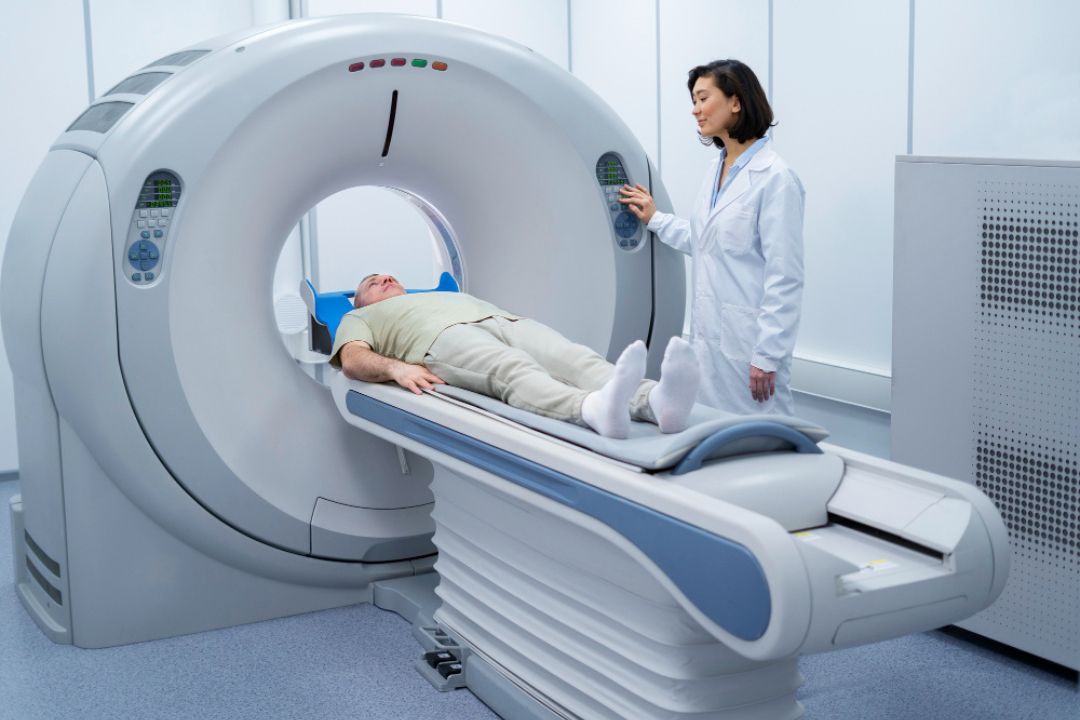
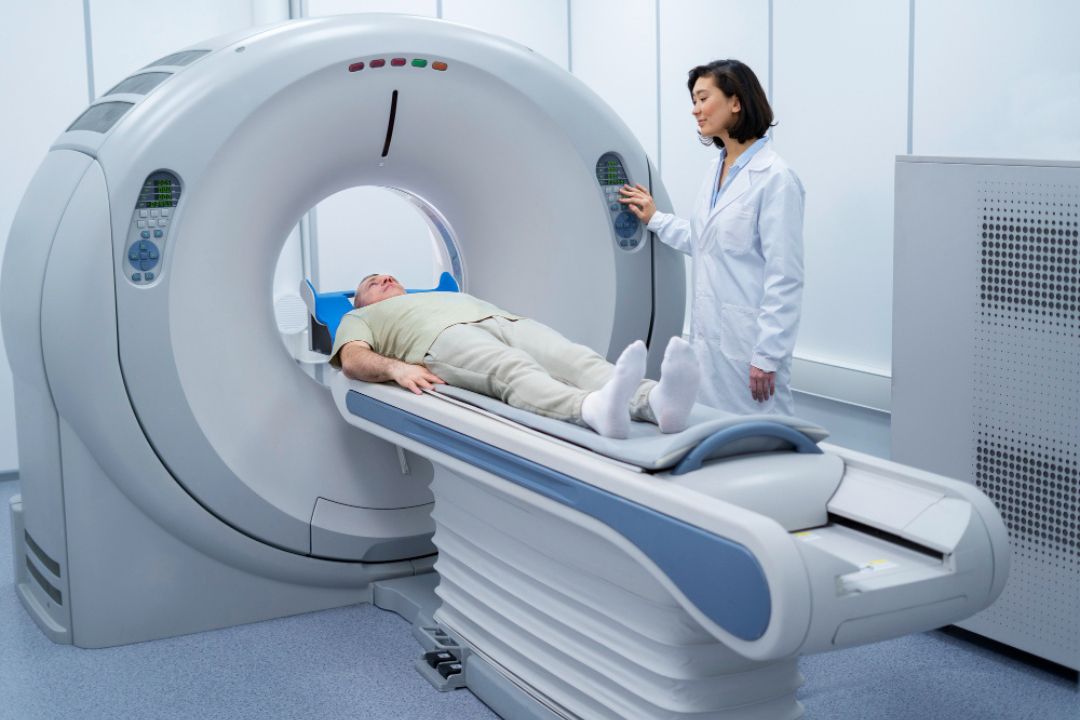
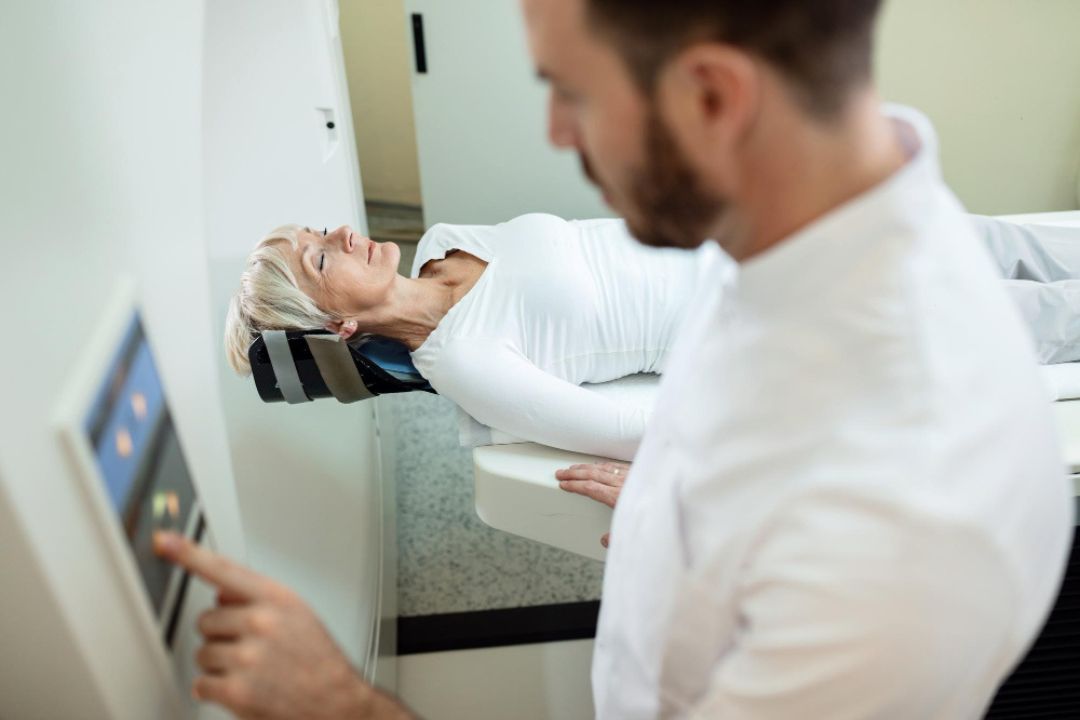
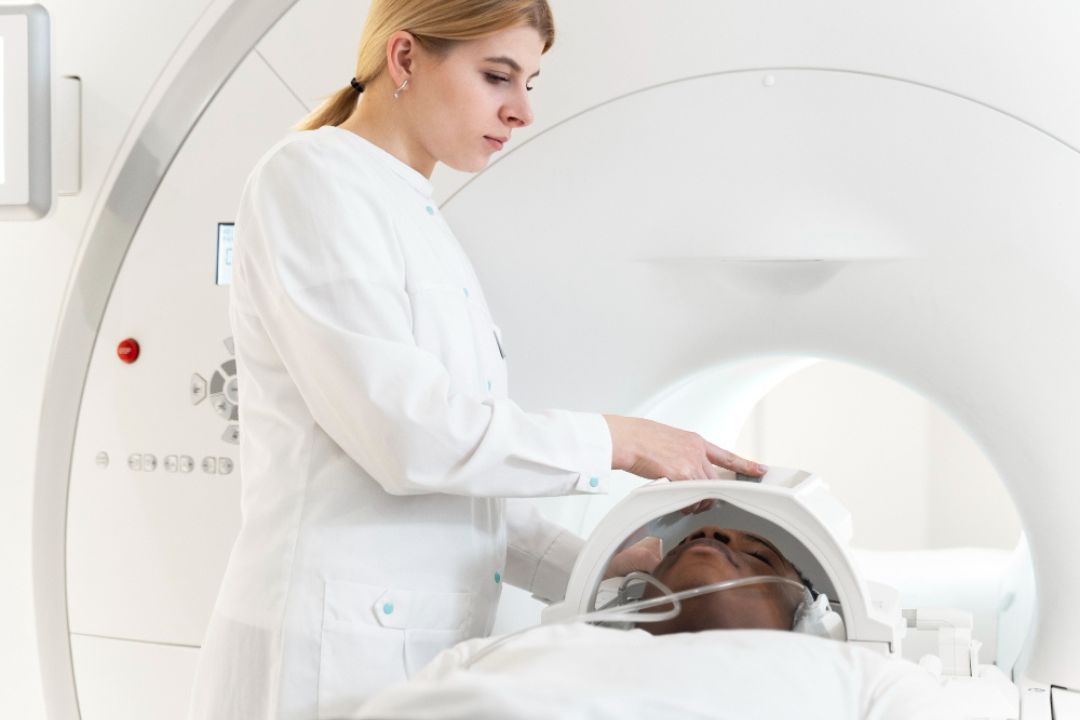
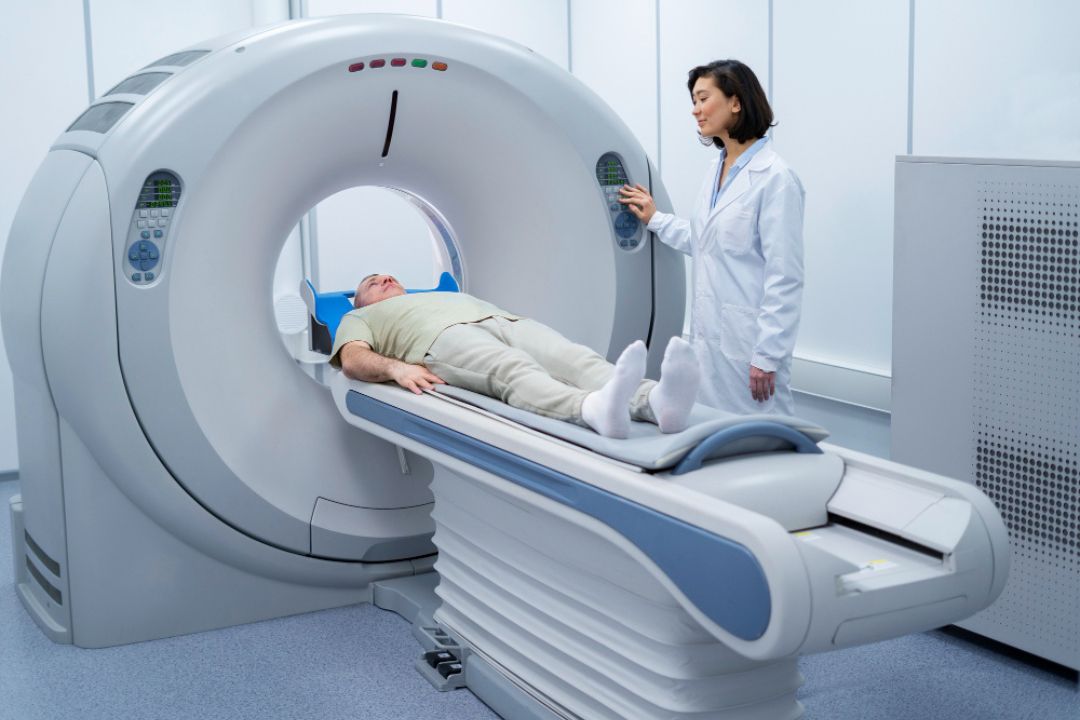
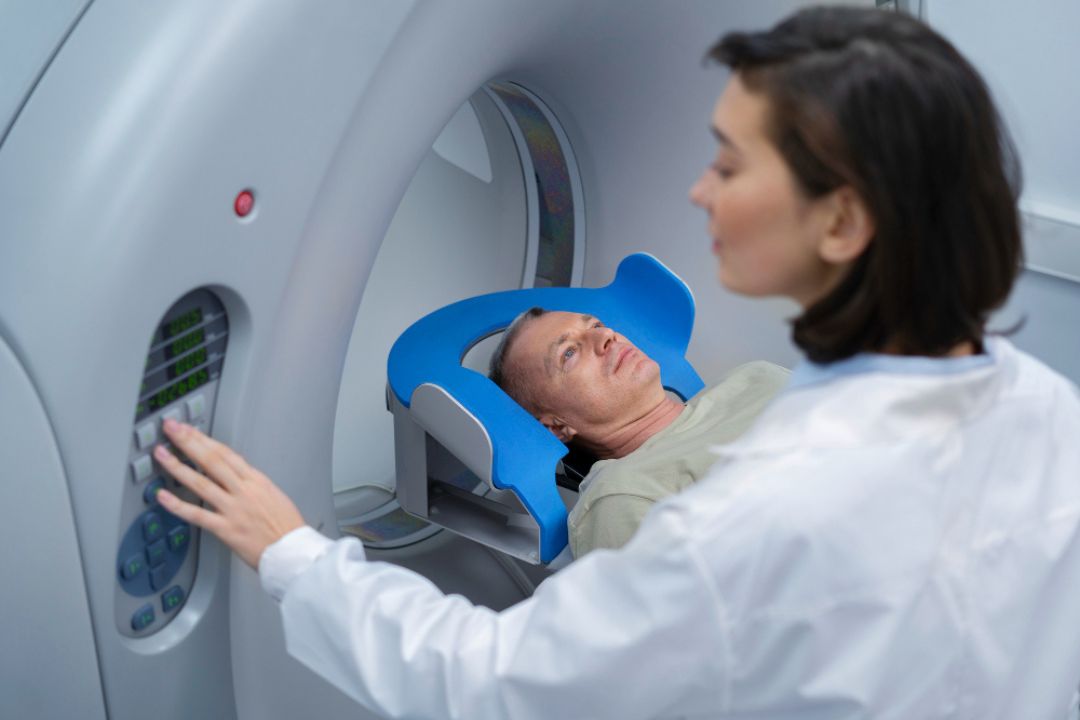
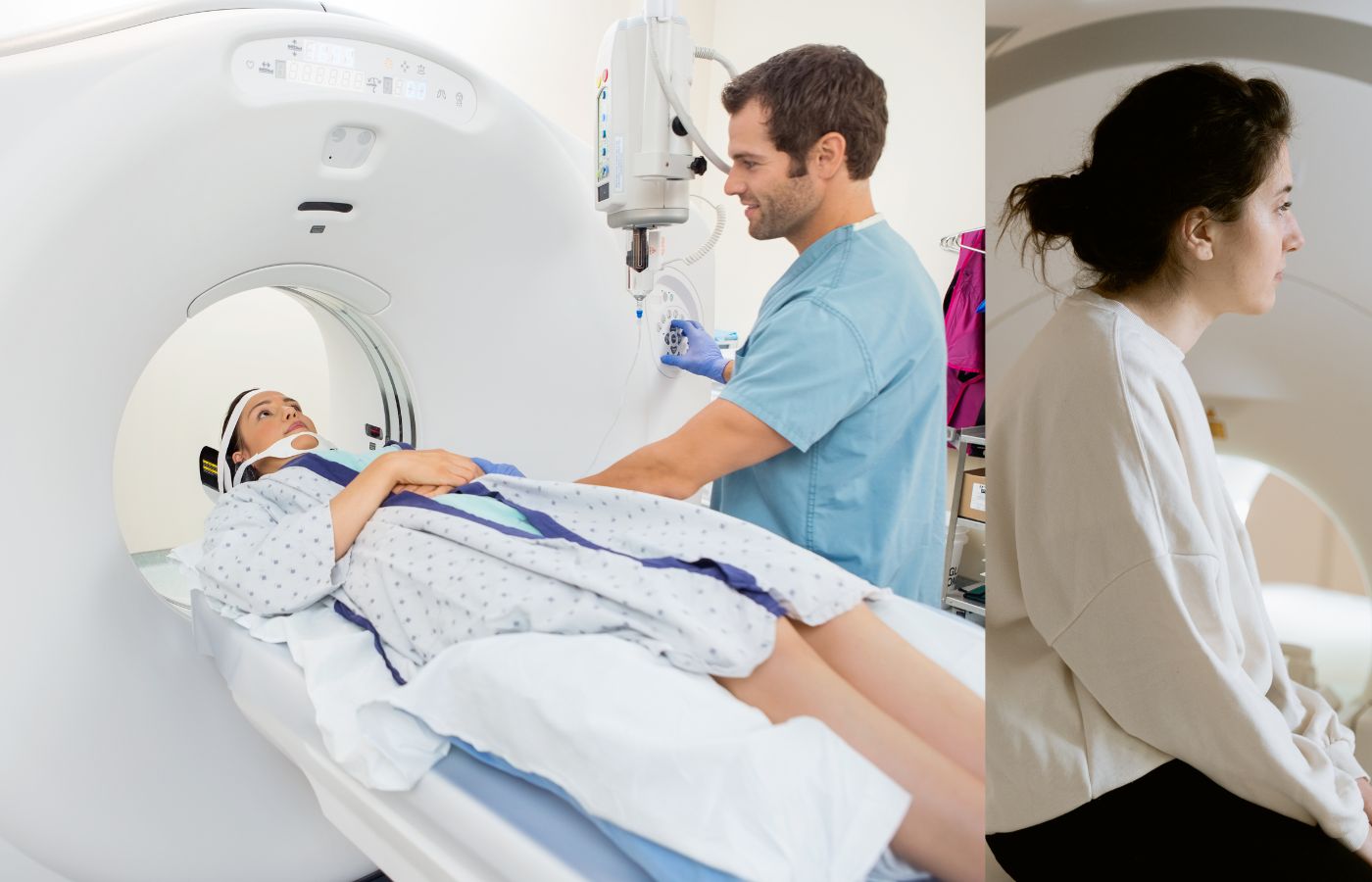
Preparation: The patient lies on a padded, motorized table. Metal objects are removed. For some scans, an intravenous (IV) line may be placed to administer contrast dye.
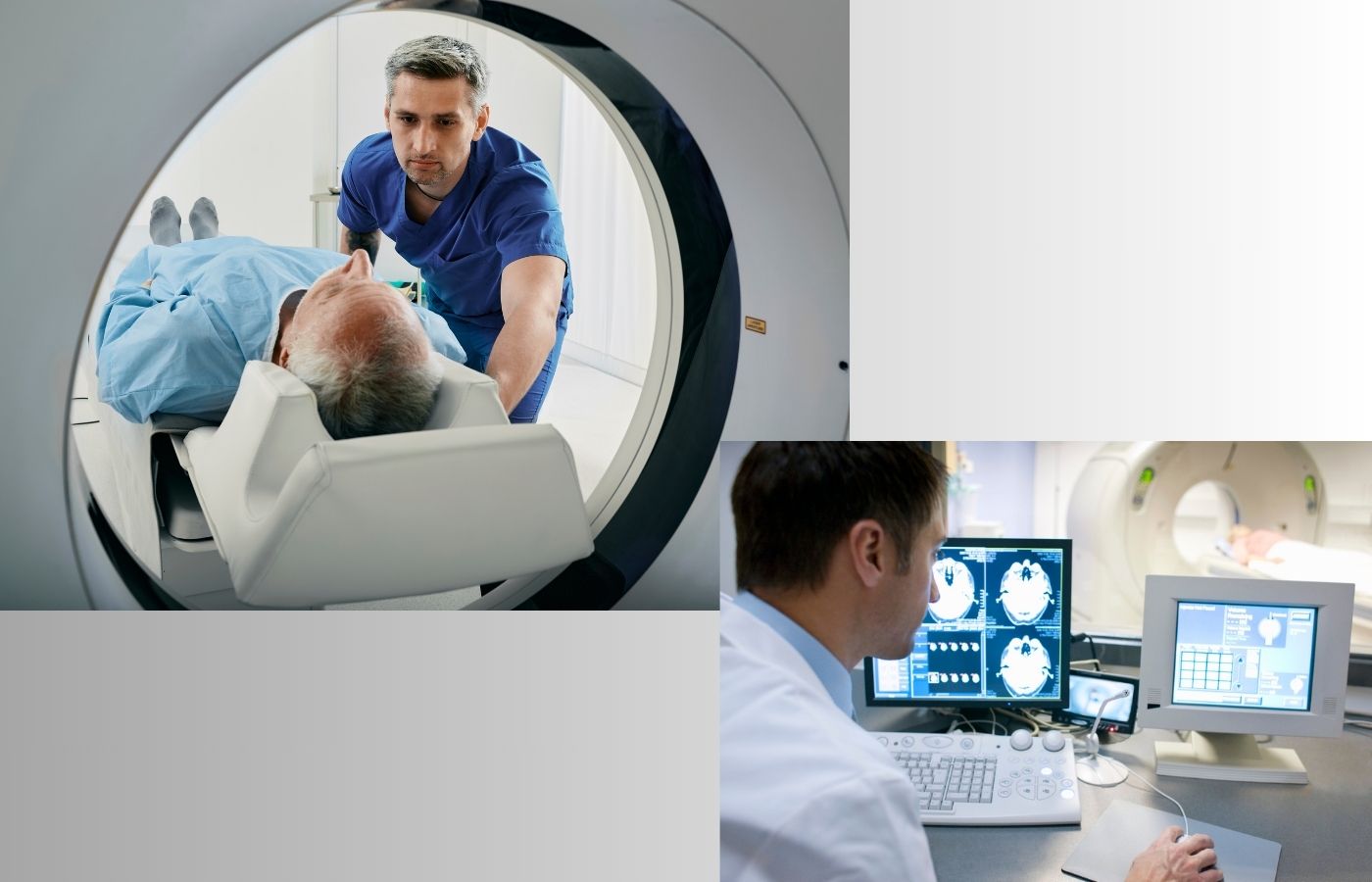
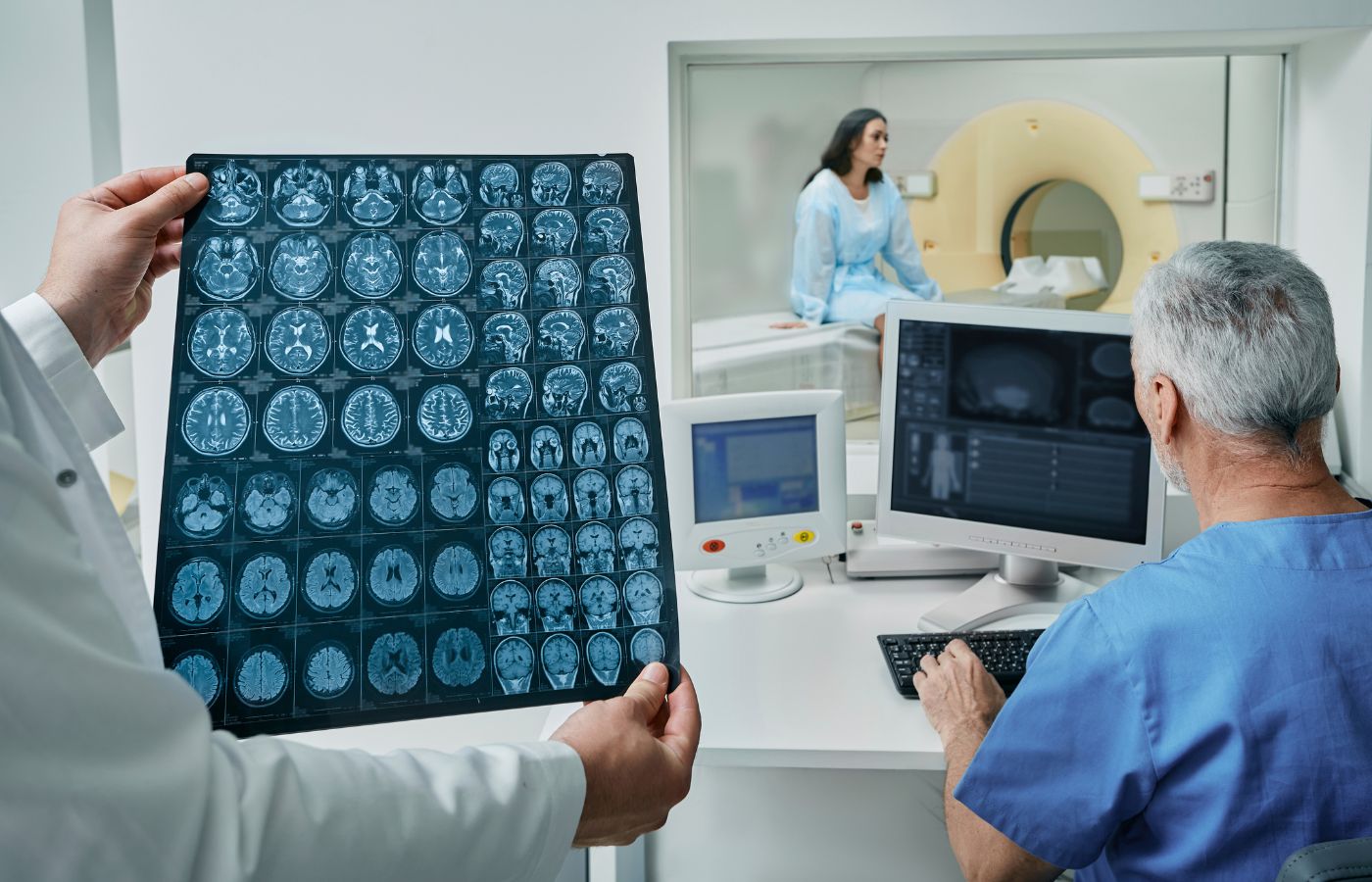
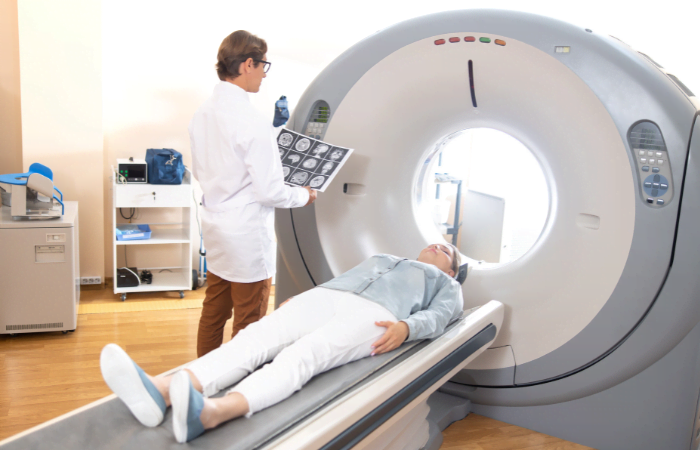
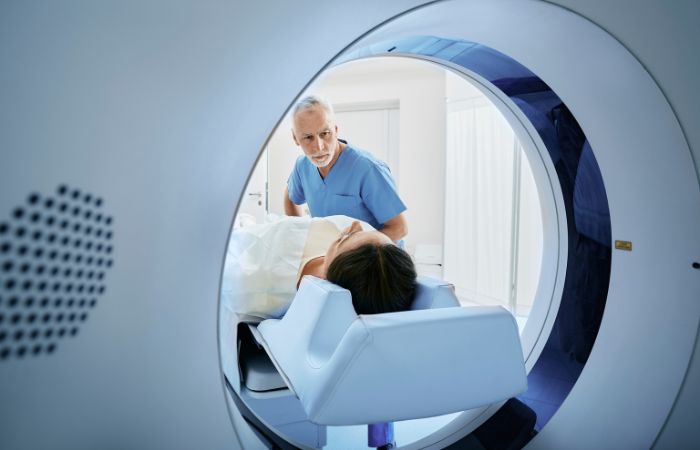
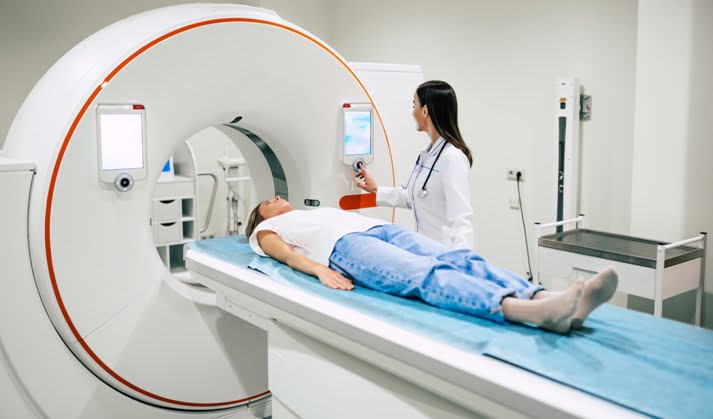
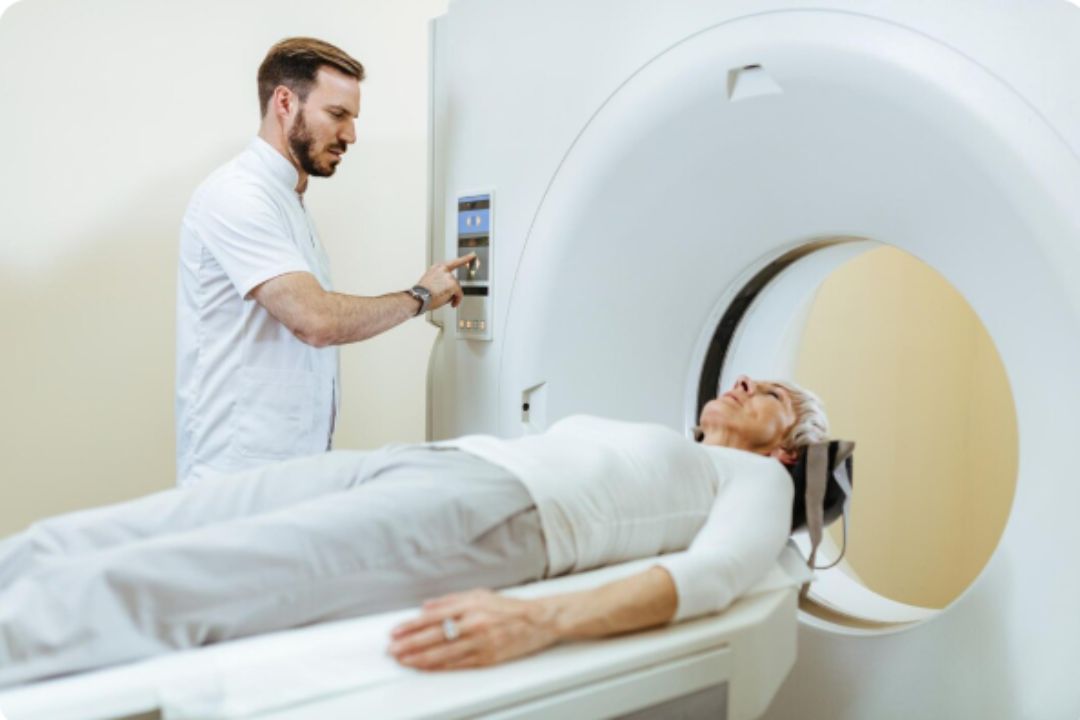
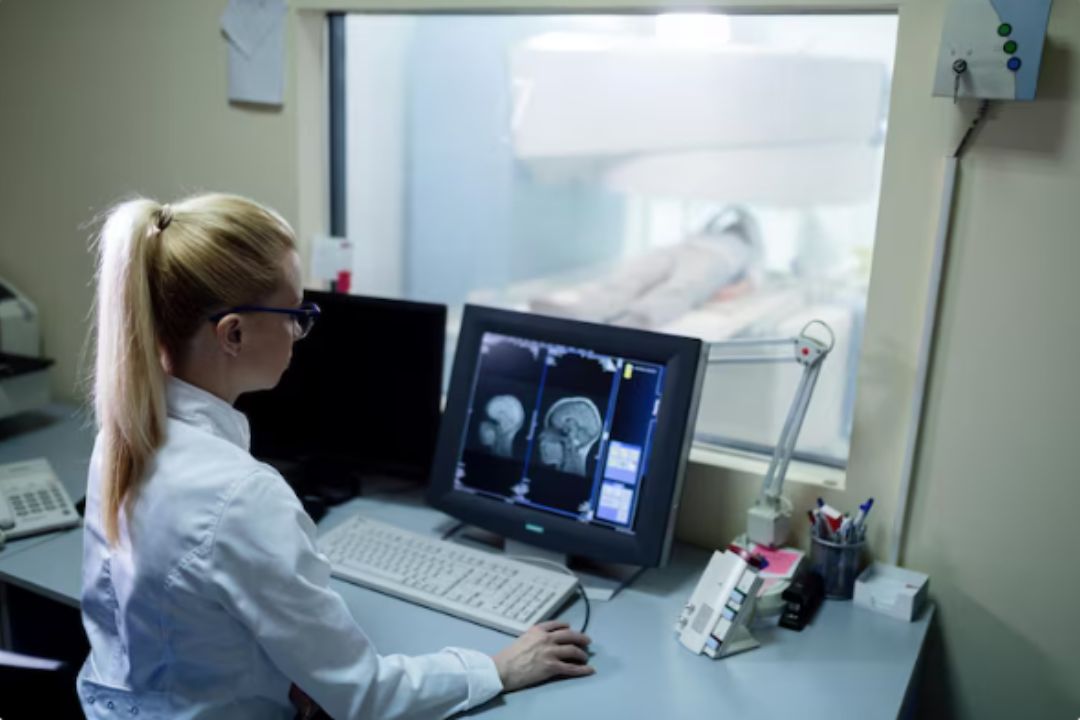
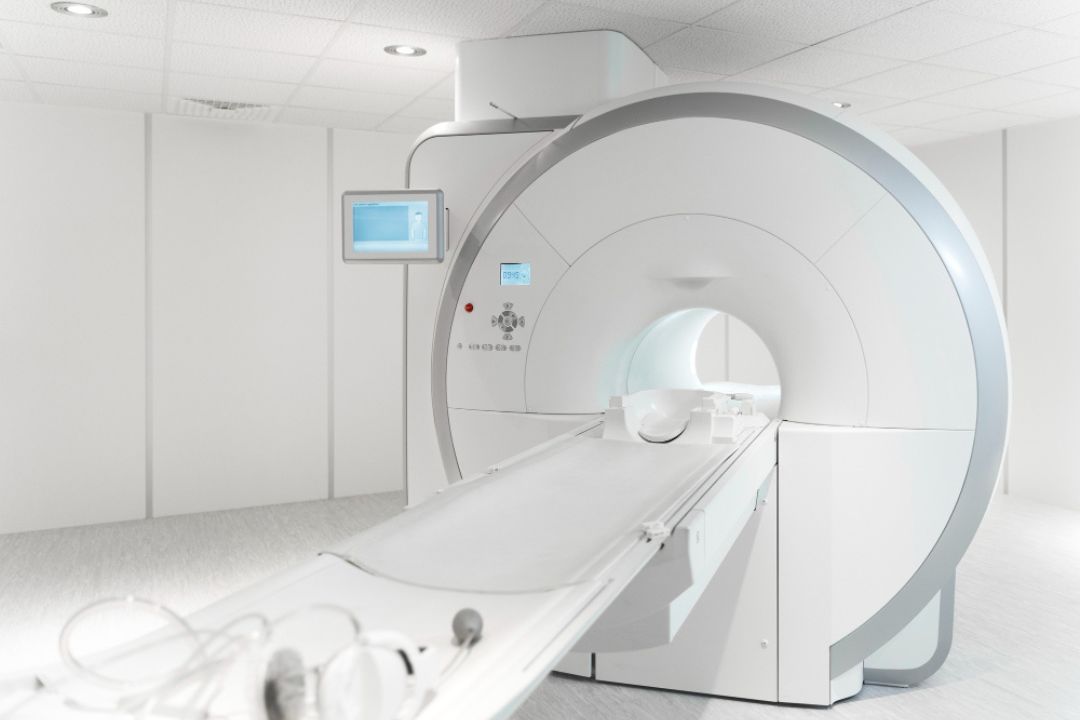
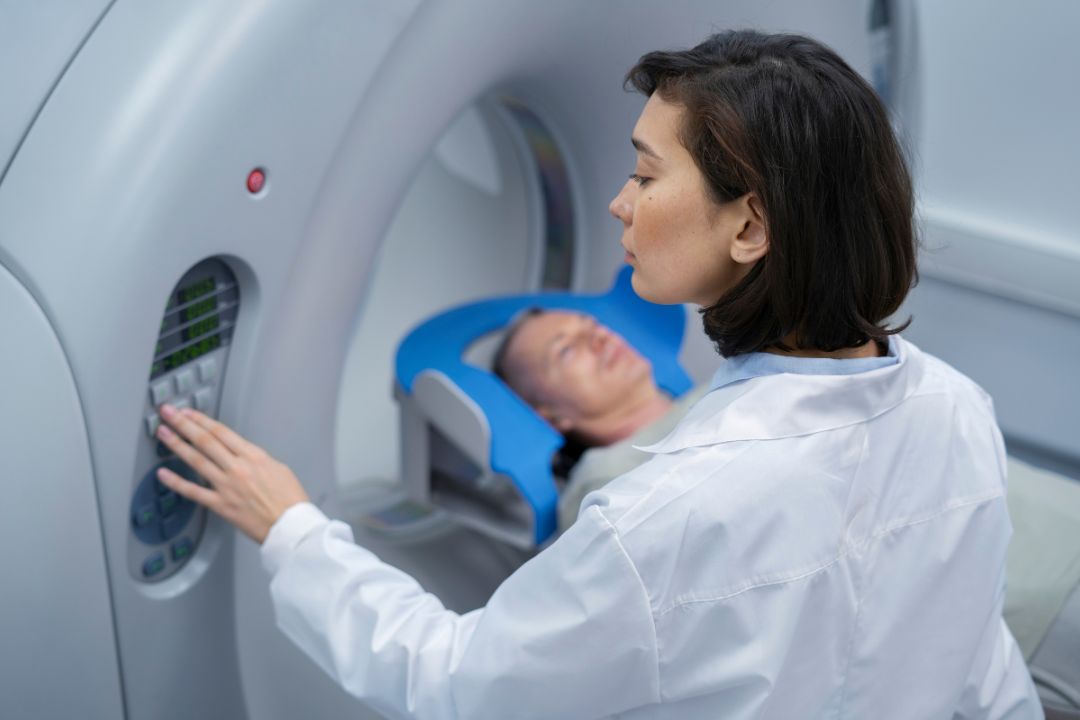
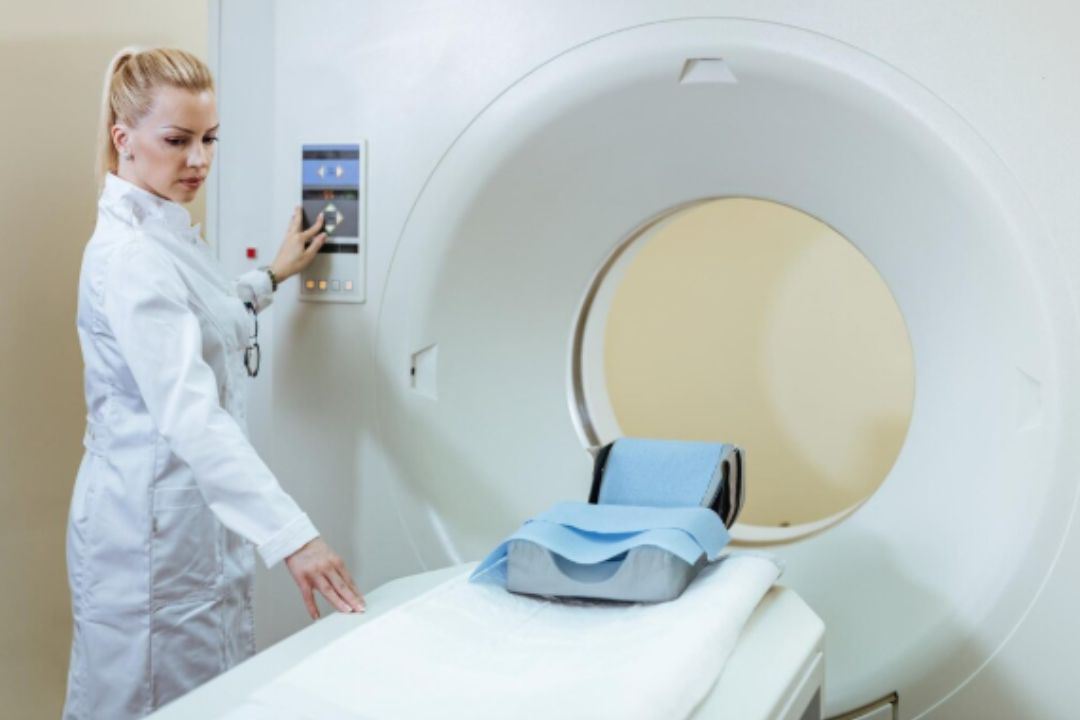
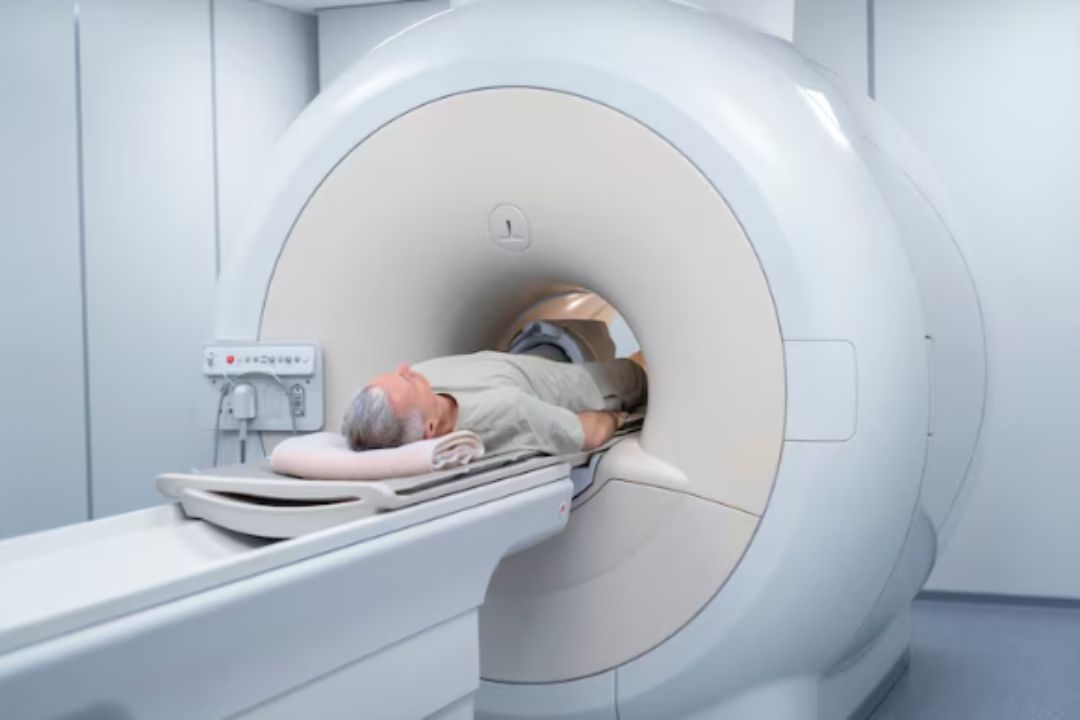
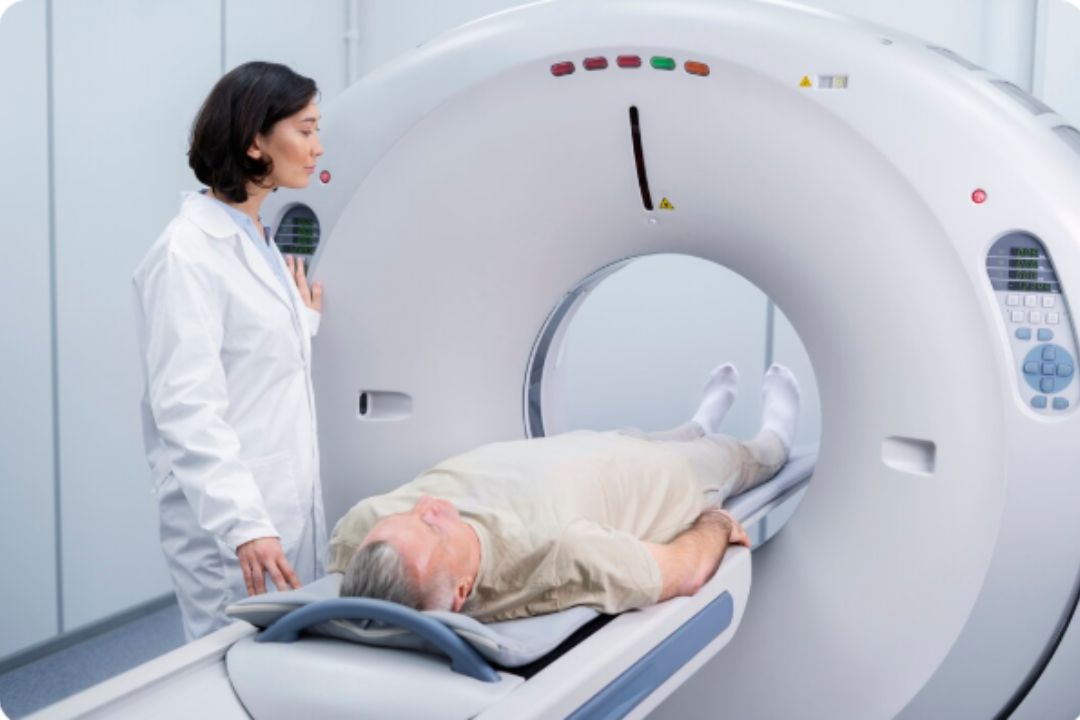
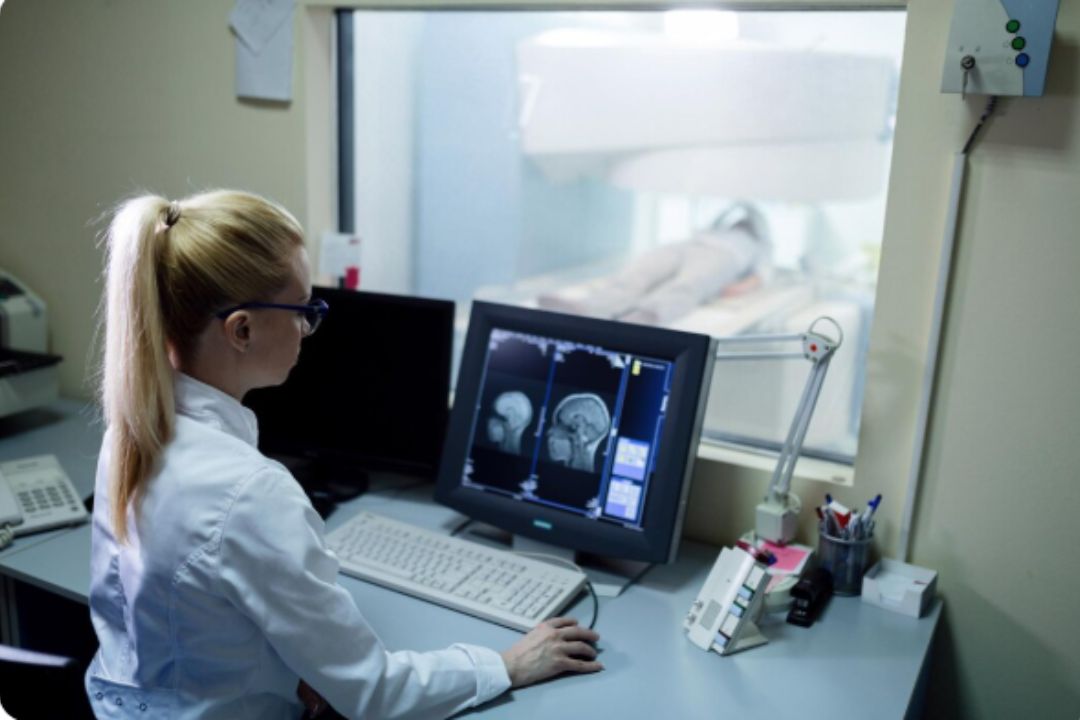
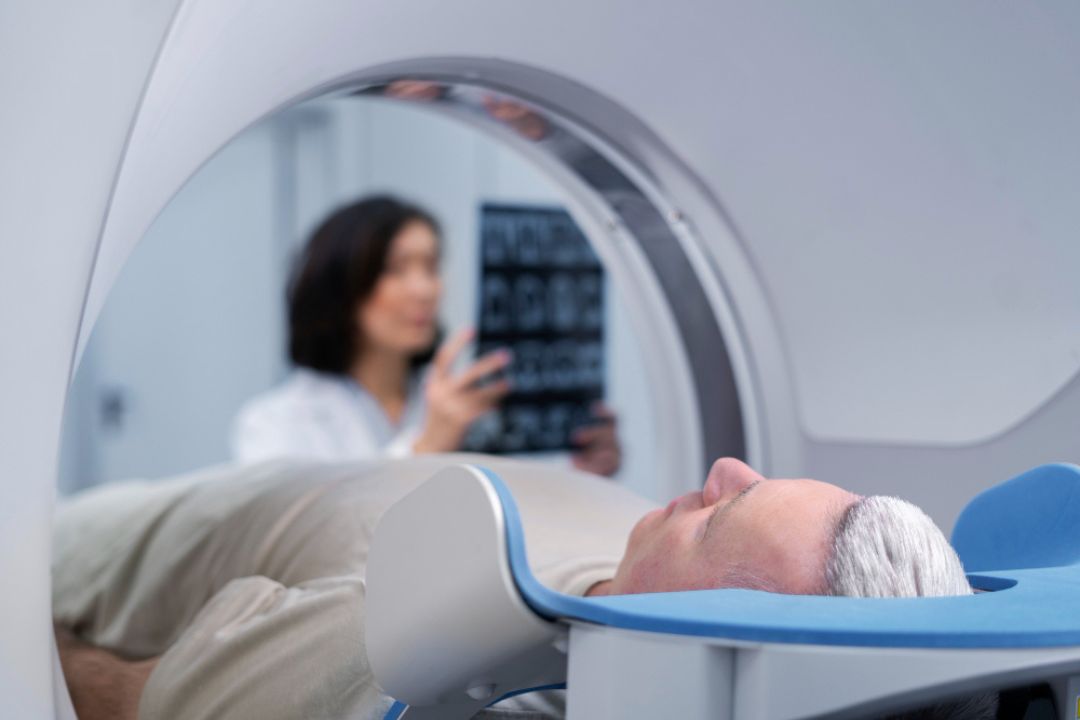
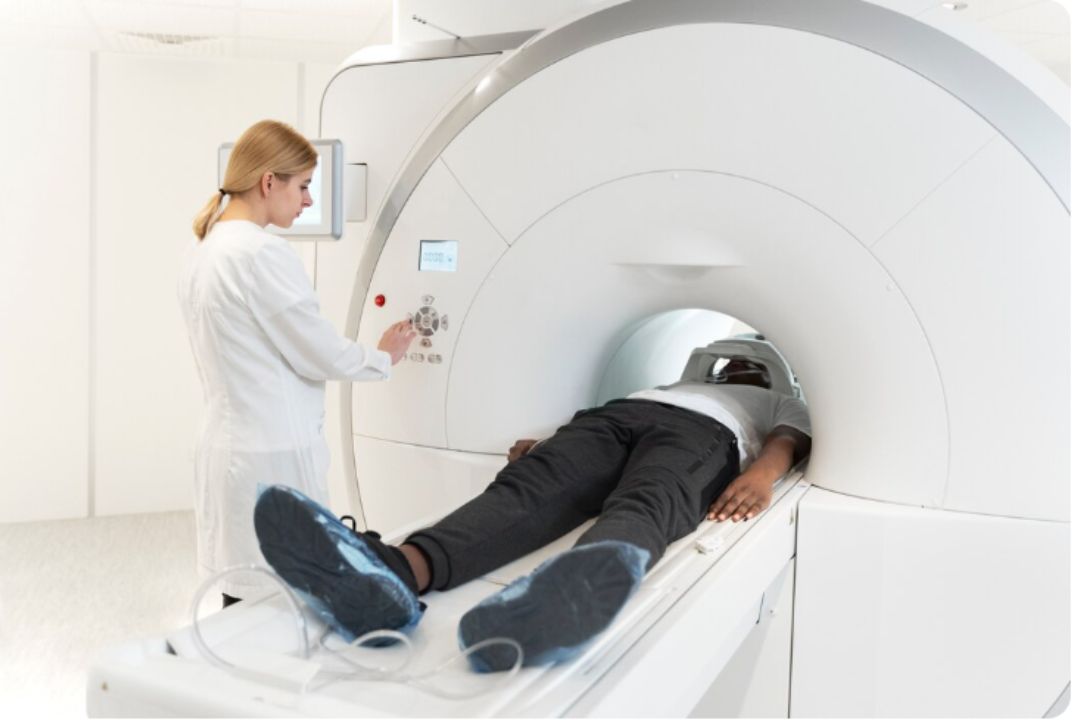
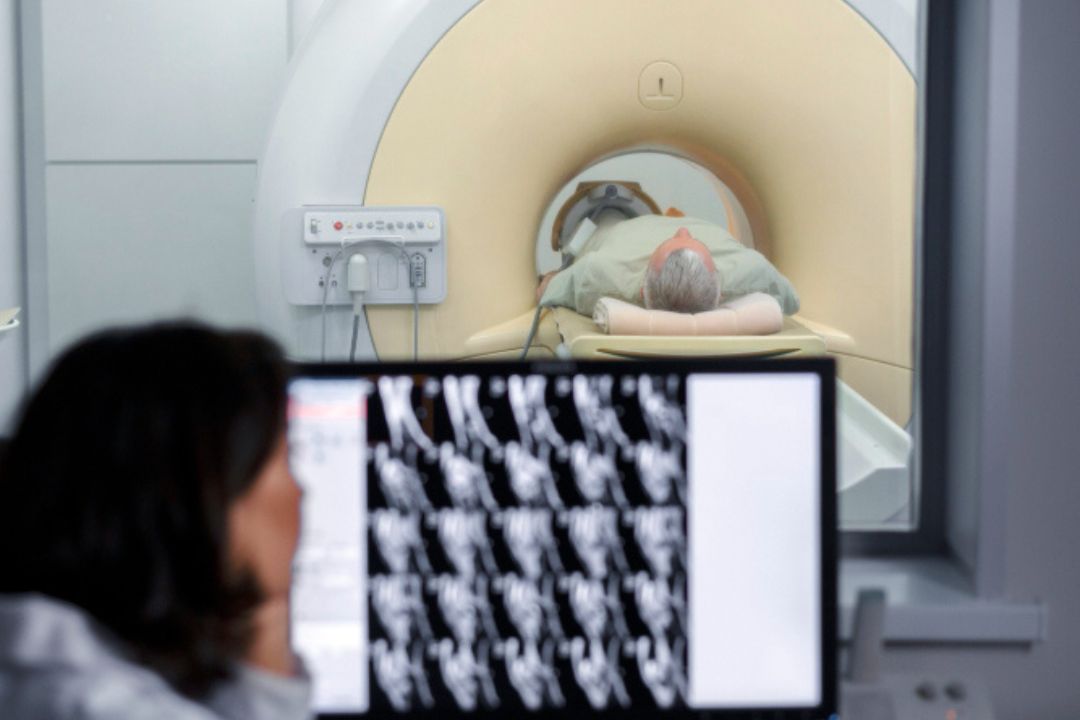
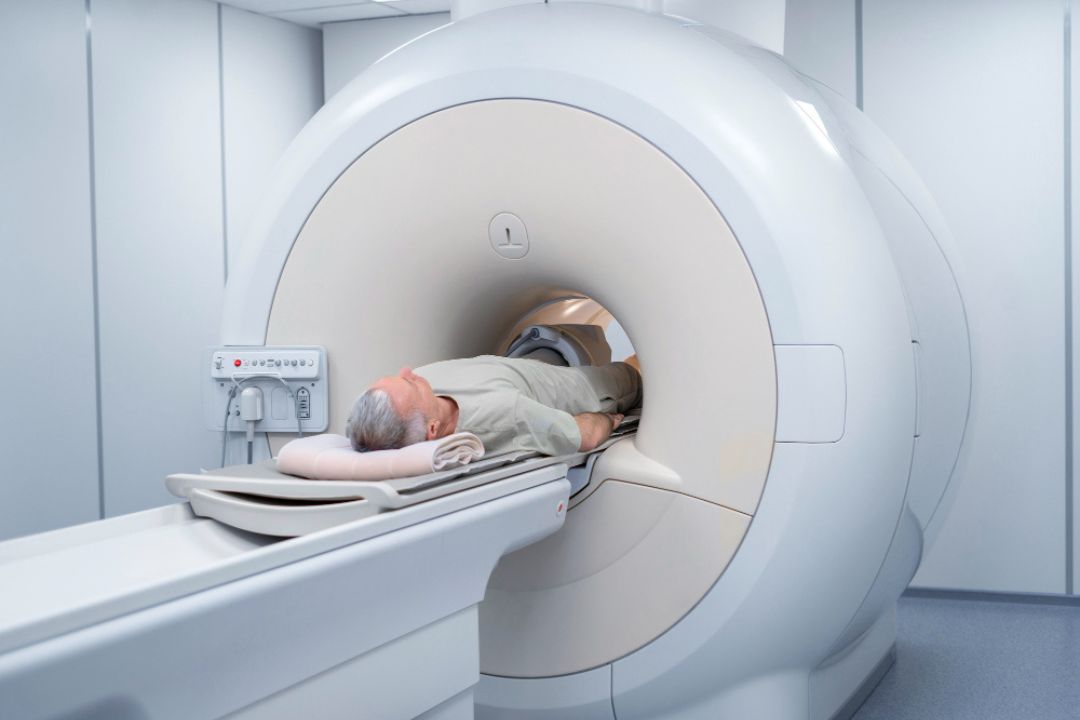
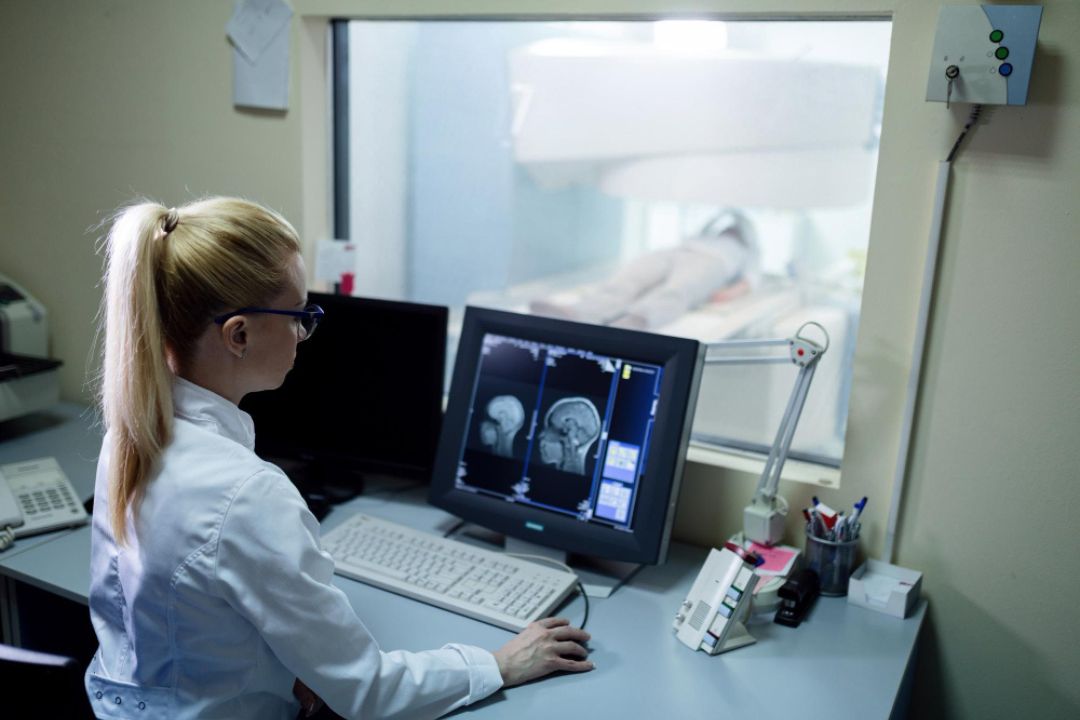
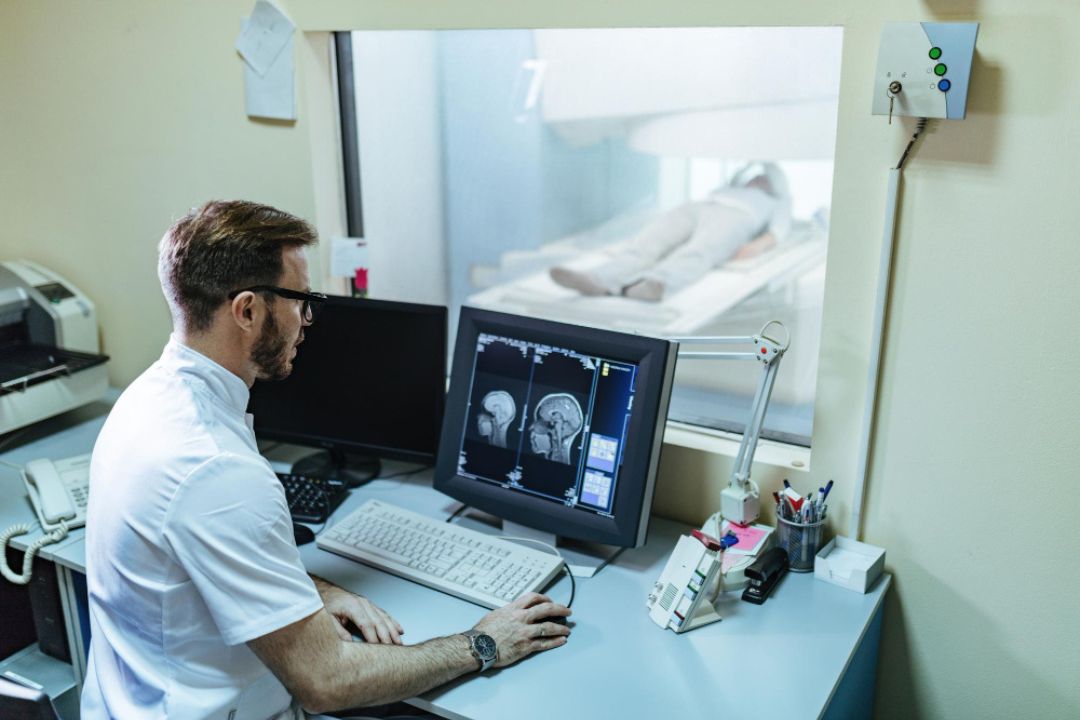
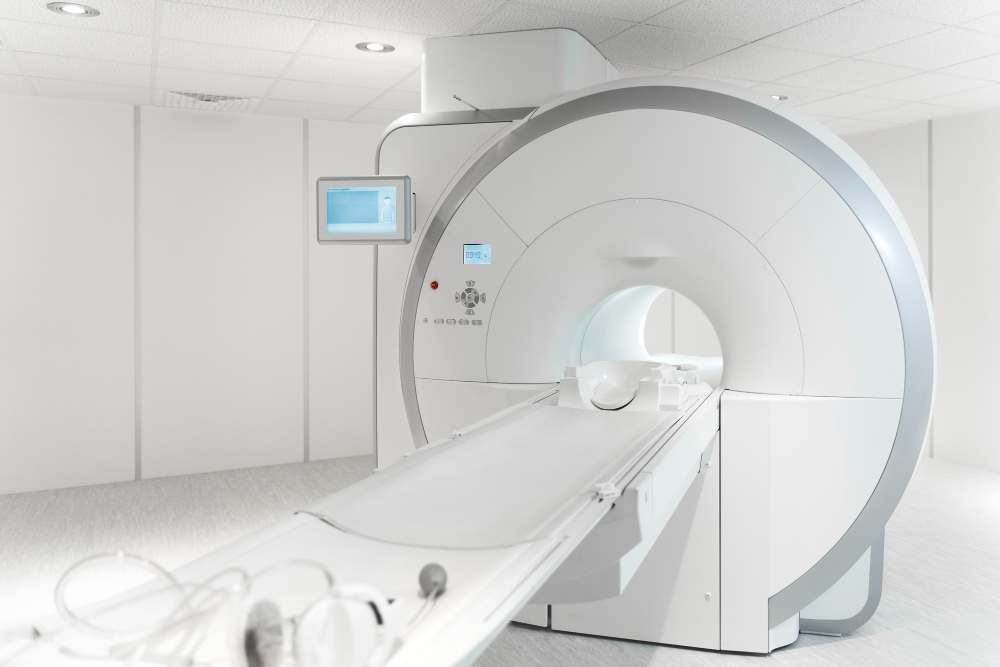
During the Scan: The table slowly moves through the circular gantry (the "doughnut"). The machine may emit whirring and humming sounds. The radiographer operates the scanner from an adjacent room, communicating via an intercom and instructing the patient to remain still. The actual scanning time is often under two minutes.
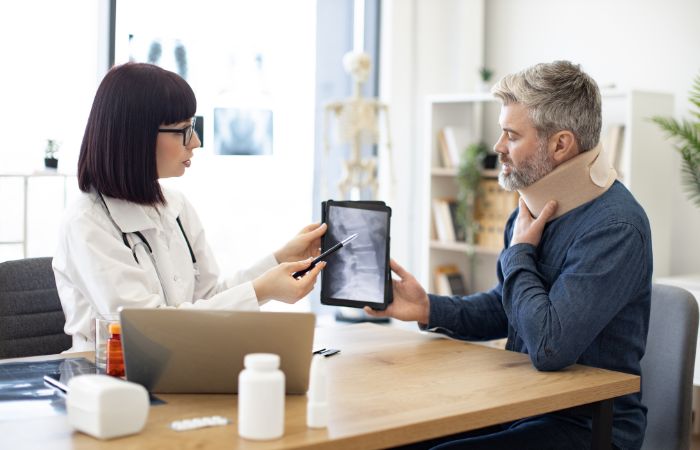
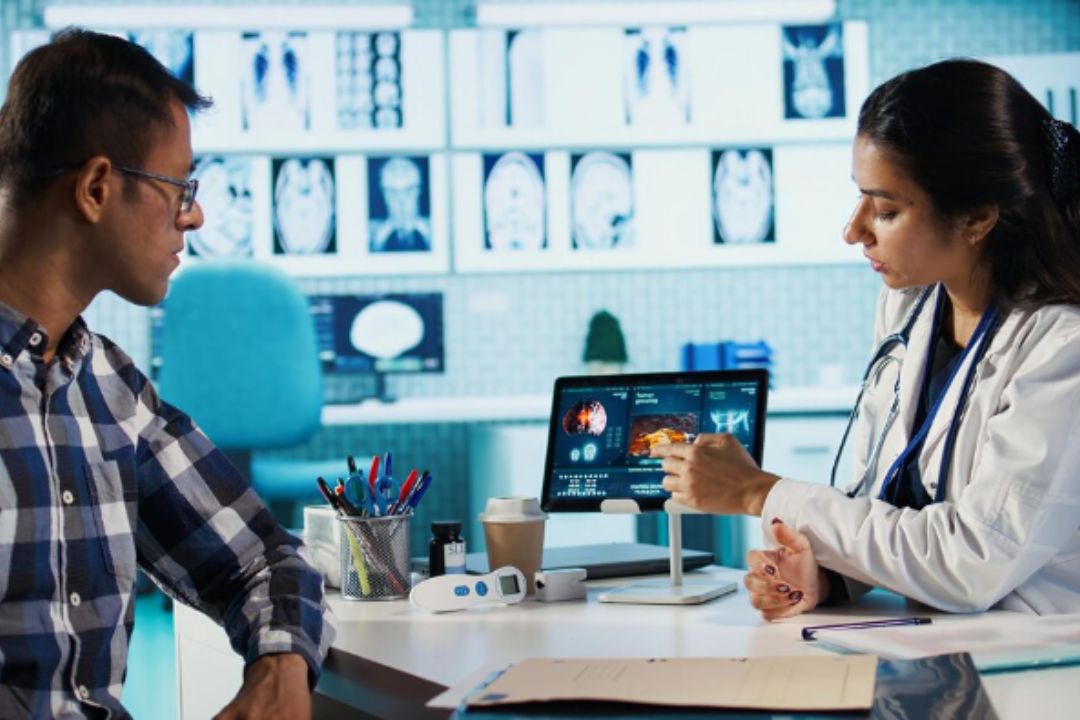
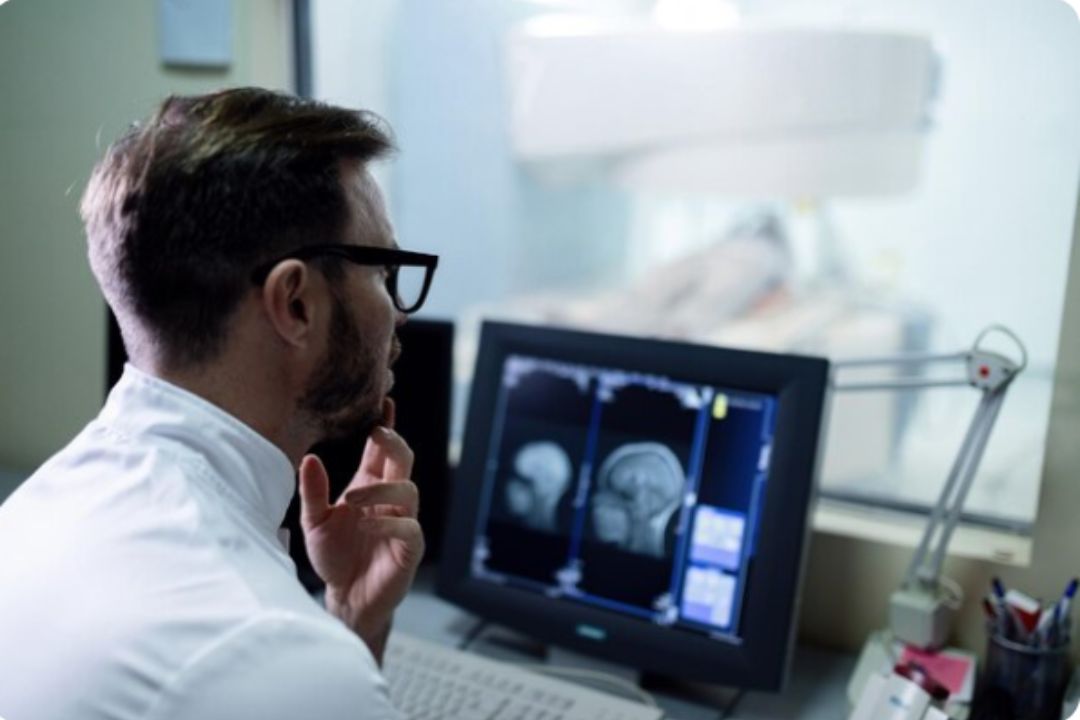
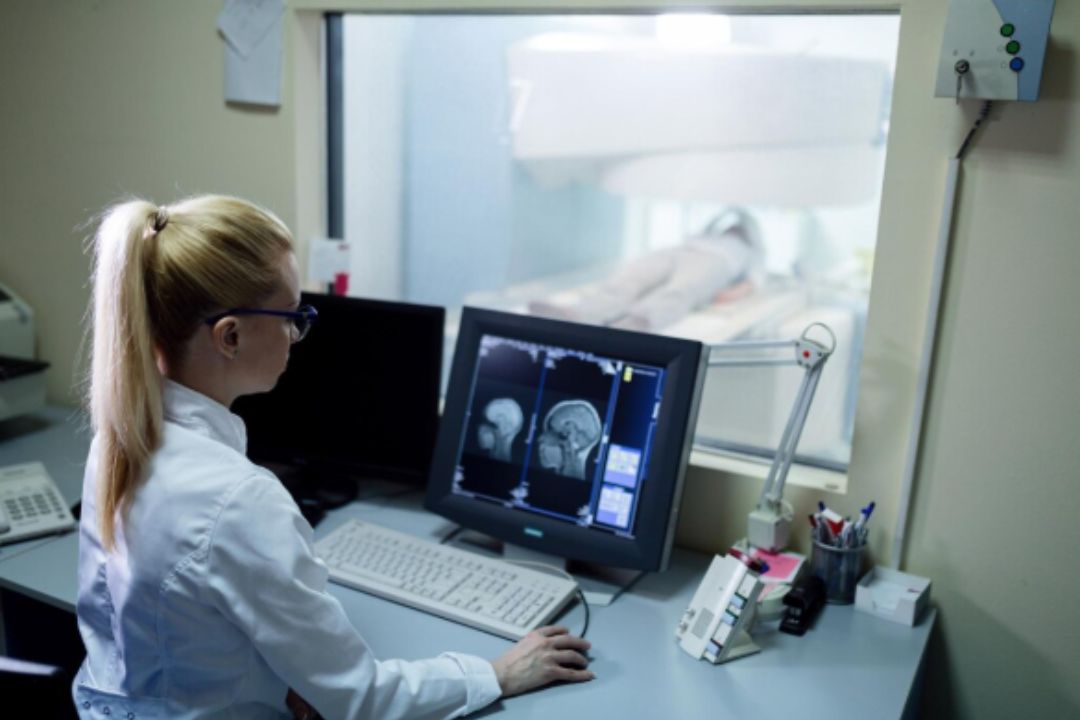
Post-Scan: There is no downtime or recovery period. The images are immediately processed and reviewed by a radiologist.
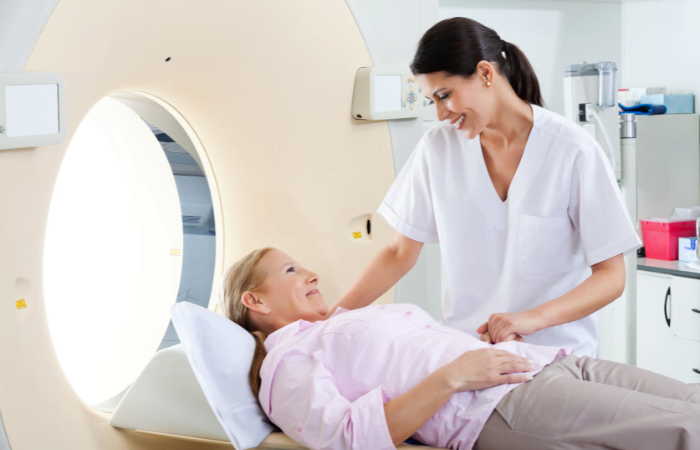
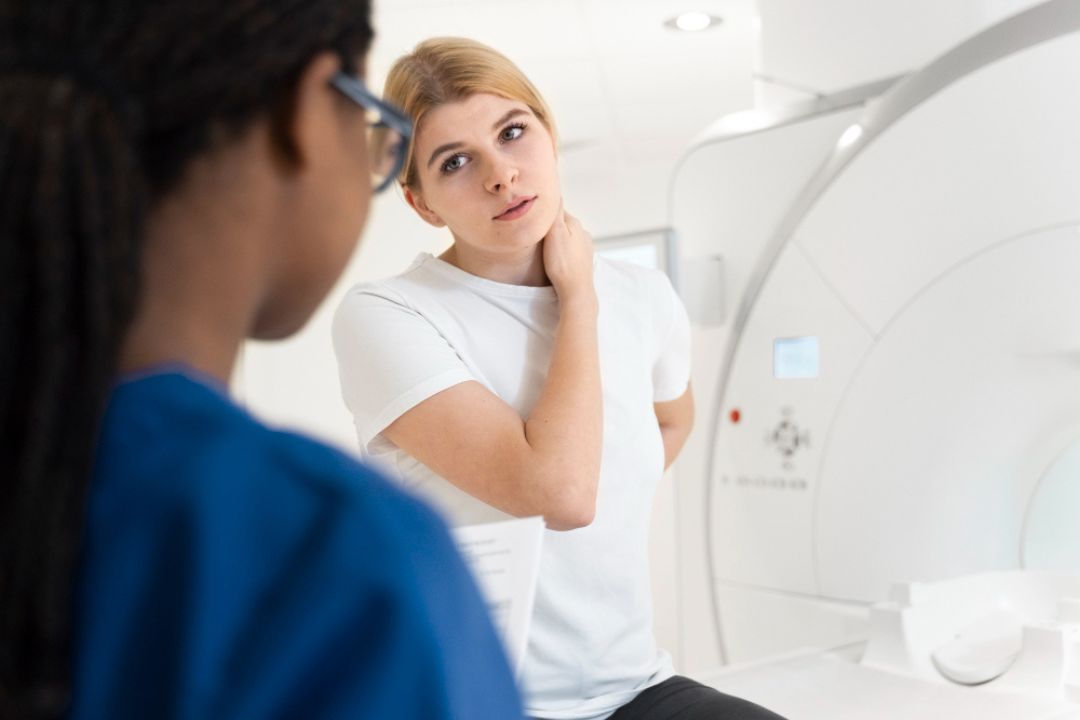
At Diagnopein, our staff is specially trained to handle emergency cases with empathy and efficiency. We understand the stress of the situation and take extra measures to ensure the patient is positioned comfortably and kept informed throughout the brief process.
In a moment of medical urgency, especially concerning a head injury, the choice of diagnostic center is not just about a machine—it's about trust, expertise, and a seamless care experience. At Diagnopein Mumbai, we have built our reputation on being more than just a scanning facility; we are your dedicated partner in accurate and timely diagnosis. Here’s why we are the preferred choice for patients and physicians across the city:
We house state-of-the-art, high-resolution multi-slice CT scanners. This advanced technology captures images with exceptional speed and detail, allowing our radiologists to detect even the most subtle abnormalities—be it a minor fracture, a small hemorrhage, or early swelling. For a head injury, this precision translates to a more confident diagnosis and a clearer path for your doctor.
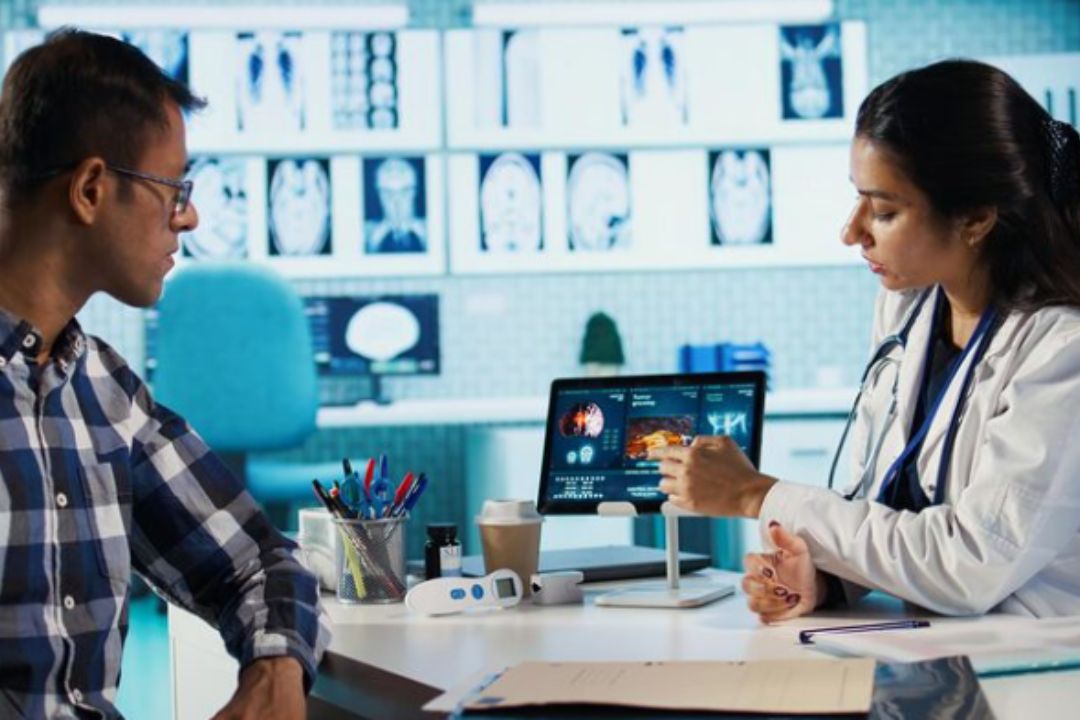
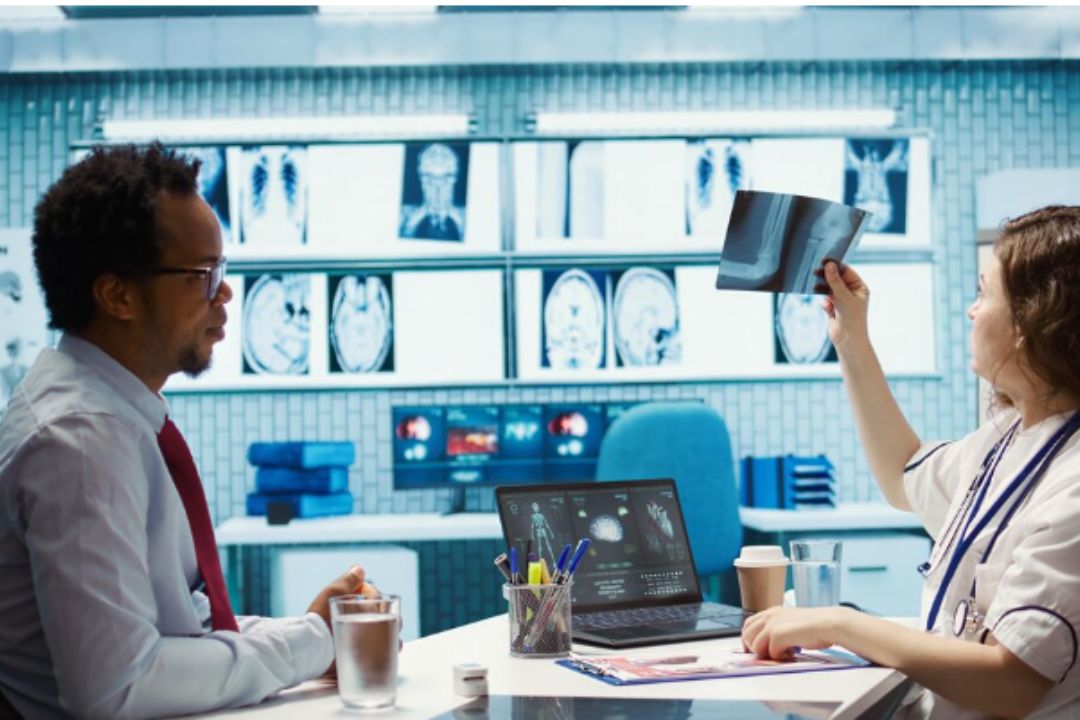
Our technology is powered by human excellence. Our team comprises highly experienced, fellowship-trained radiologists who specialize in neuroimaging. They don’t just process images; they meticulously analyze every slice with a clinician’s eye, correlating findings with your symptoms to provide a comprehensive, actionable report. This expert interpretation is the critical link between a scan and an effective treatment plan.
We know that in trauma, time is brain. Diagnopein prioritizes emergency cases with a streamlined protocol. From swift registration to expedited scanning, we minimize every delay. Most importantly, we offer priority reporting, ensuring that the findings are communicated to your treating doctor without compromise on thoroughness, often within a remarkably short turnaround time.
Experiencing a head injury is distressing. Our staff is trained to handle emergencies with empathy, calm, and professionalism. We guide you through the process, ensure you are comfortable and informed, and take extra care if you are in pain or anxious. Our facility is designed for safety, hygiene, and a reassuring environment during a stressful time.
We function as an extension of your treating hospital or physician. Our reports are clear, detailed, and digitally shared promptly, facilitating quick decision-making. We are always available for direct consultation with your doctor to discuss findings, ensuring a cohesive approach to your care.
Believing that quality diagnostics should be accessible, we offer transparent and competitive costing without hidden charges. We are conveniently located in Mumbai and work with a wide network of healthcare providers and insurance companies to make the process as smooth as possible for you.
In the high-stakes environment of head trauma, uncertainty is the enemy. The CT scan serves as a beacon of clarity, rapidly differentiating between a minor concussion and a life-threatening brain injury. Its supremacy in emergency diagnosis is built on an irreplaceable triad: unrivaled speed, detailed anatomical accuracy, and practical accessibility.



.jpg "ct brain scan plain and contrast")

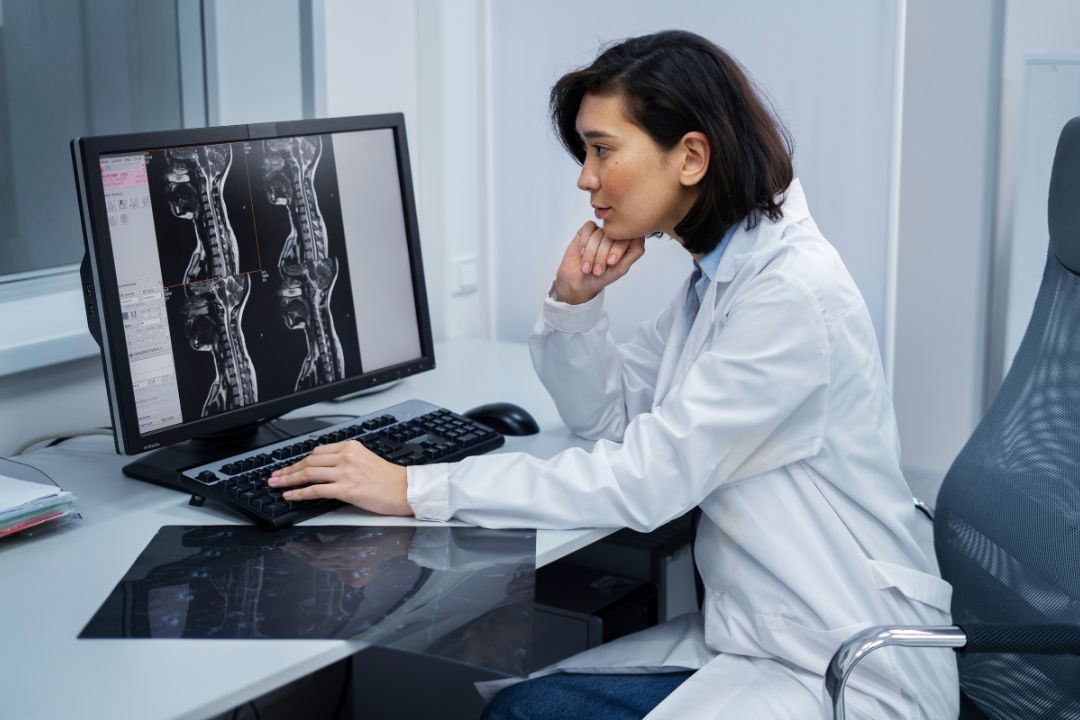
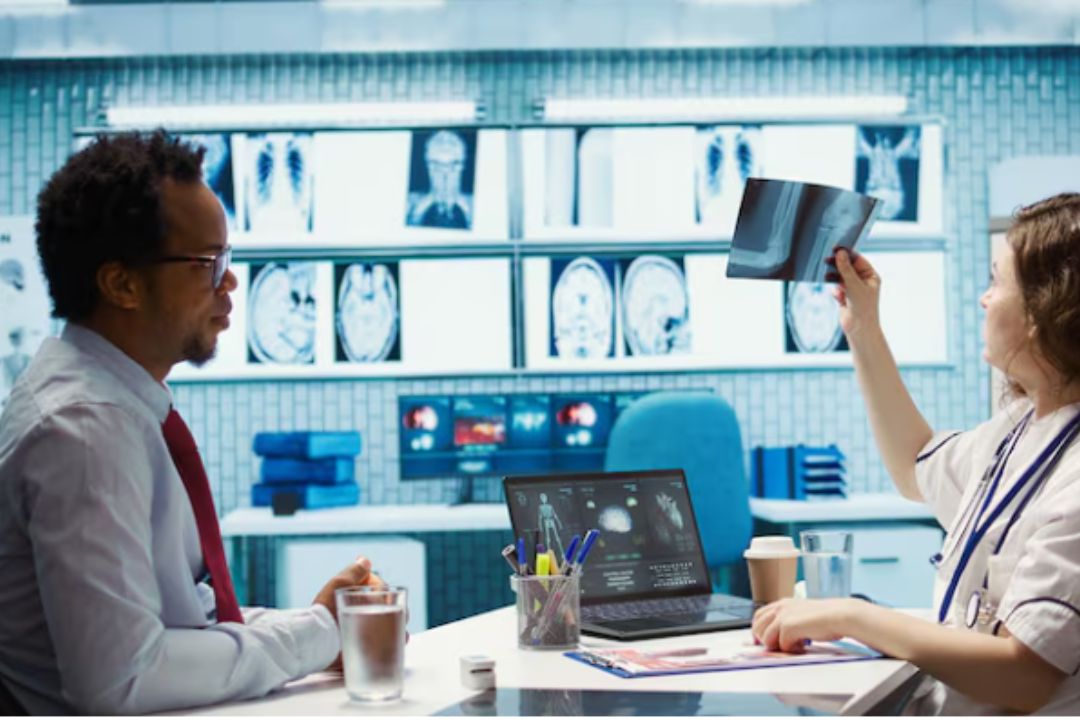
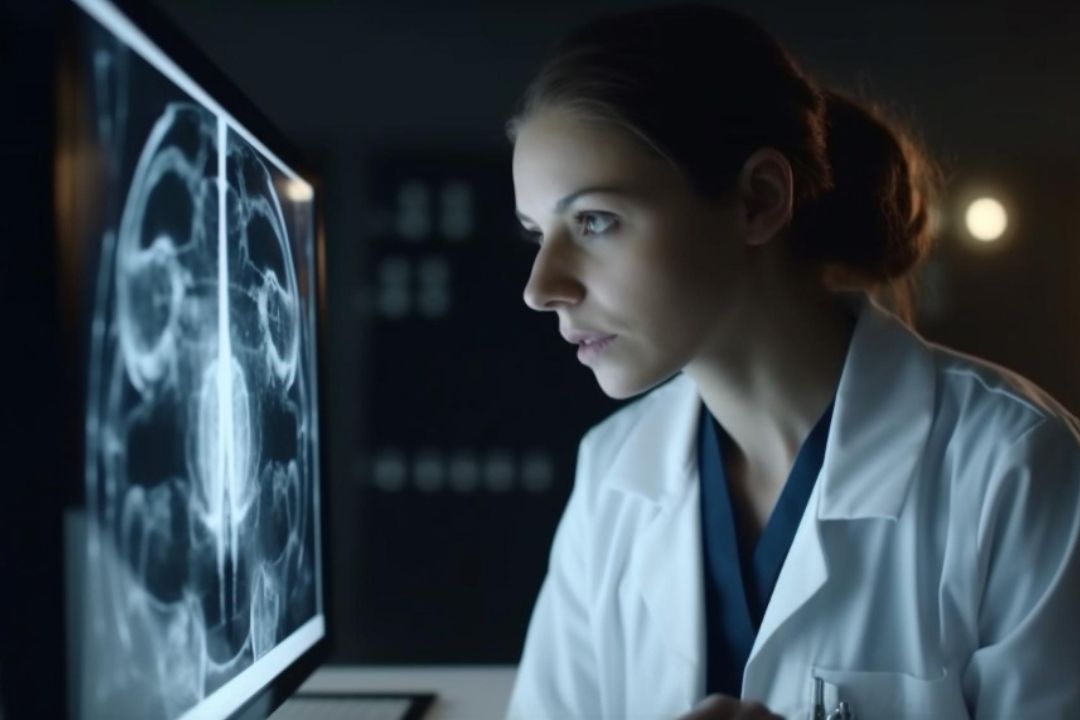
.jpg "ct scan")
.jpg "ct scan or mri for brain disorders")


.jpg "exploring the power of ct brain contrast in modern diagnostics")
.jpg "ct scan")
.jpg "ct scan")






.jpg "ct scan")

.jpg "CT Brain Scan for Headaches")
.jpg "The Future of 3D CT Imaging")