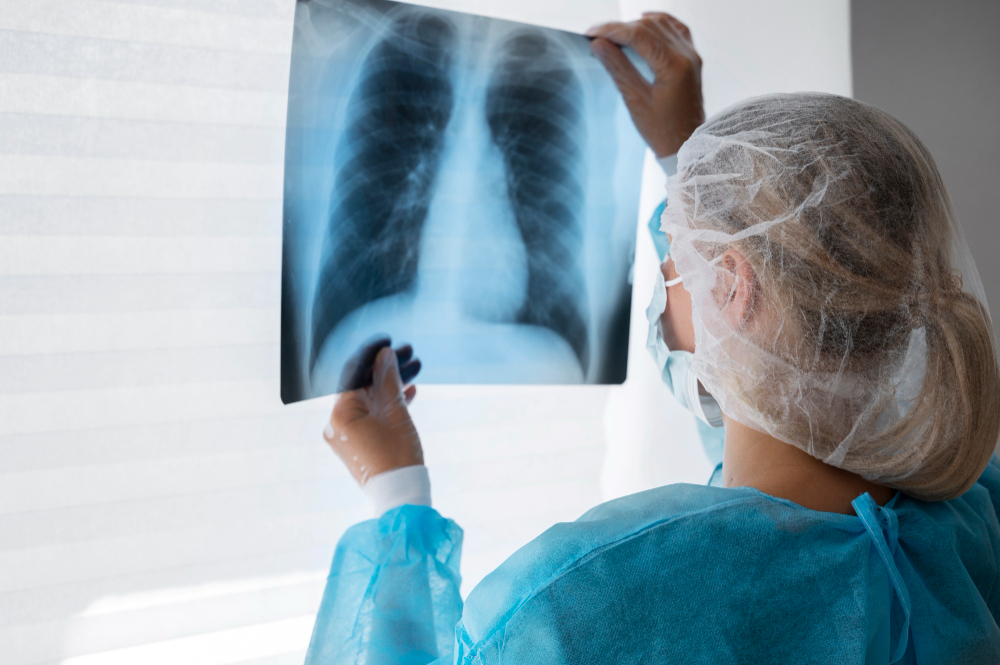
Chest pain is a common symptom that can be caused by a variety of medical conditions, ranging from mild muscle strain to serious heart or lung problems. When the cause of chest pain is unclear, doctors often recommend a CT scan for chest pain to obtain detailed images of the chest and surrounding structures.
A CT scan helps doctors examine the heart, lungs, blood vessels, ribs, and other chest tissues to identify the underlying cause of discomfort. At Diagnopen, advanced CT imaging helps ensure accurate diagnosis and timely treatment for patients experiencing chest pain.
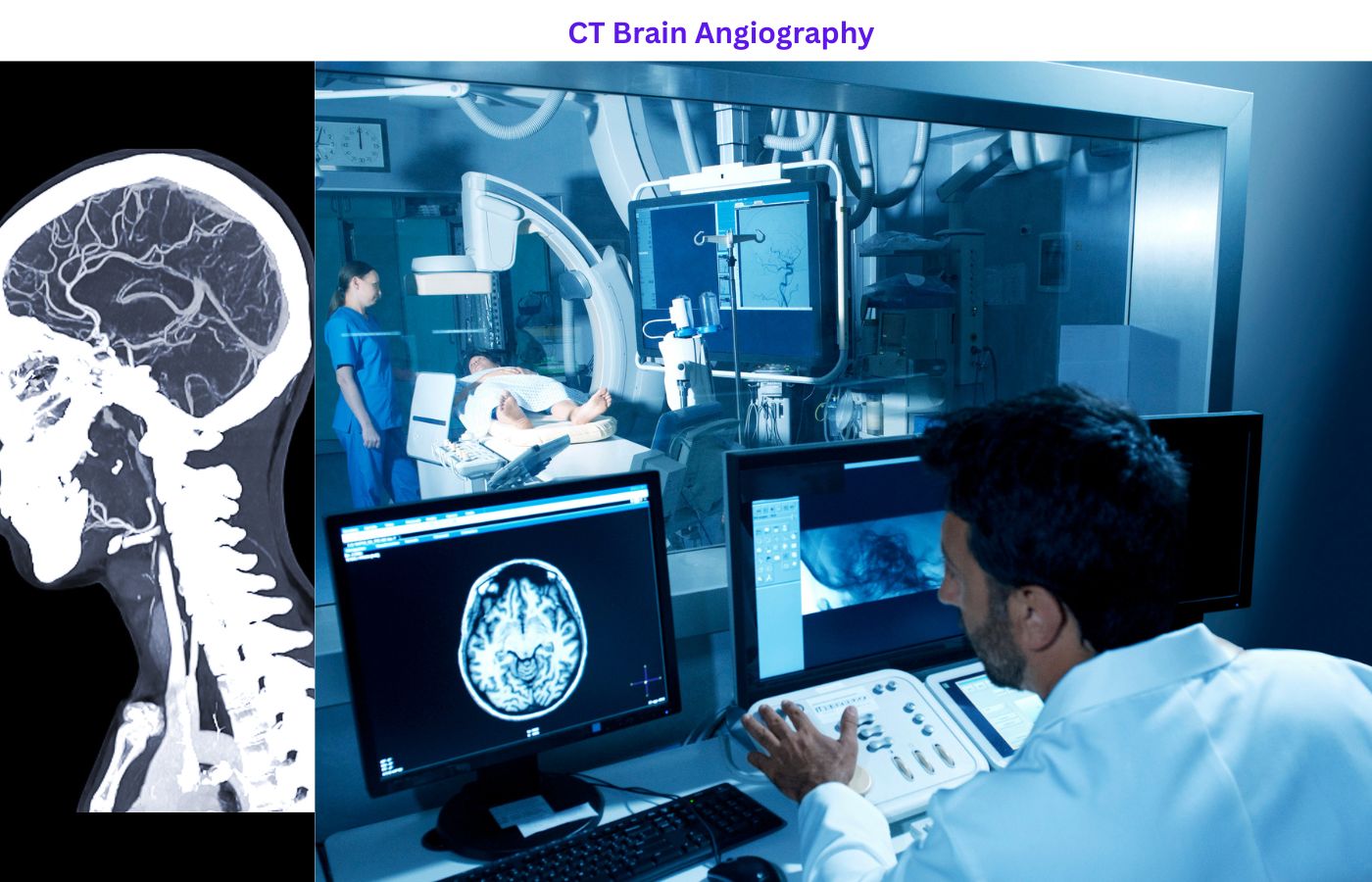
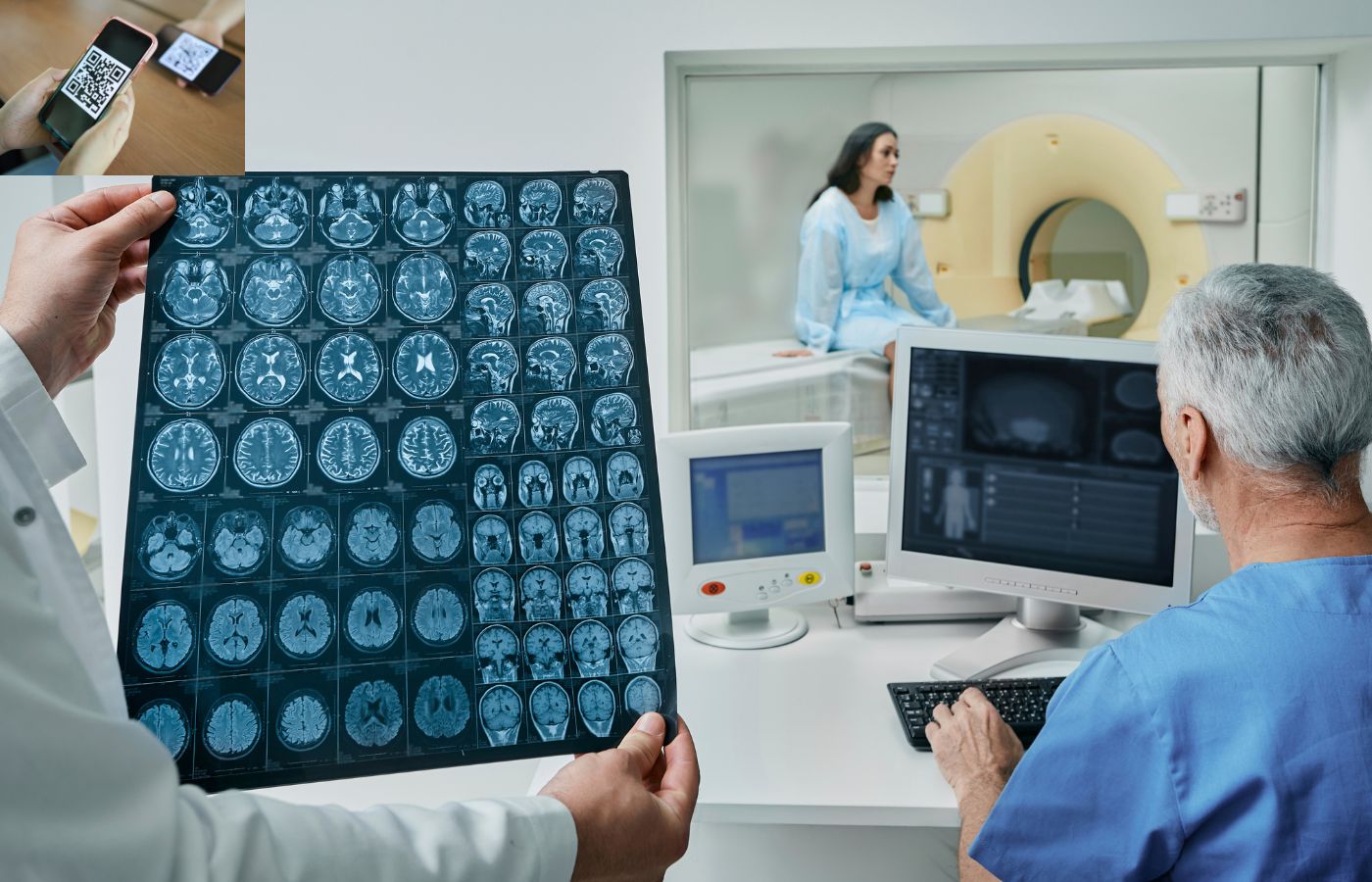
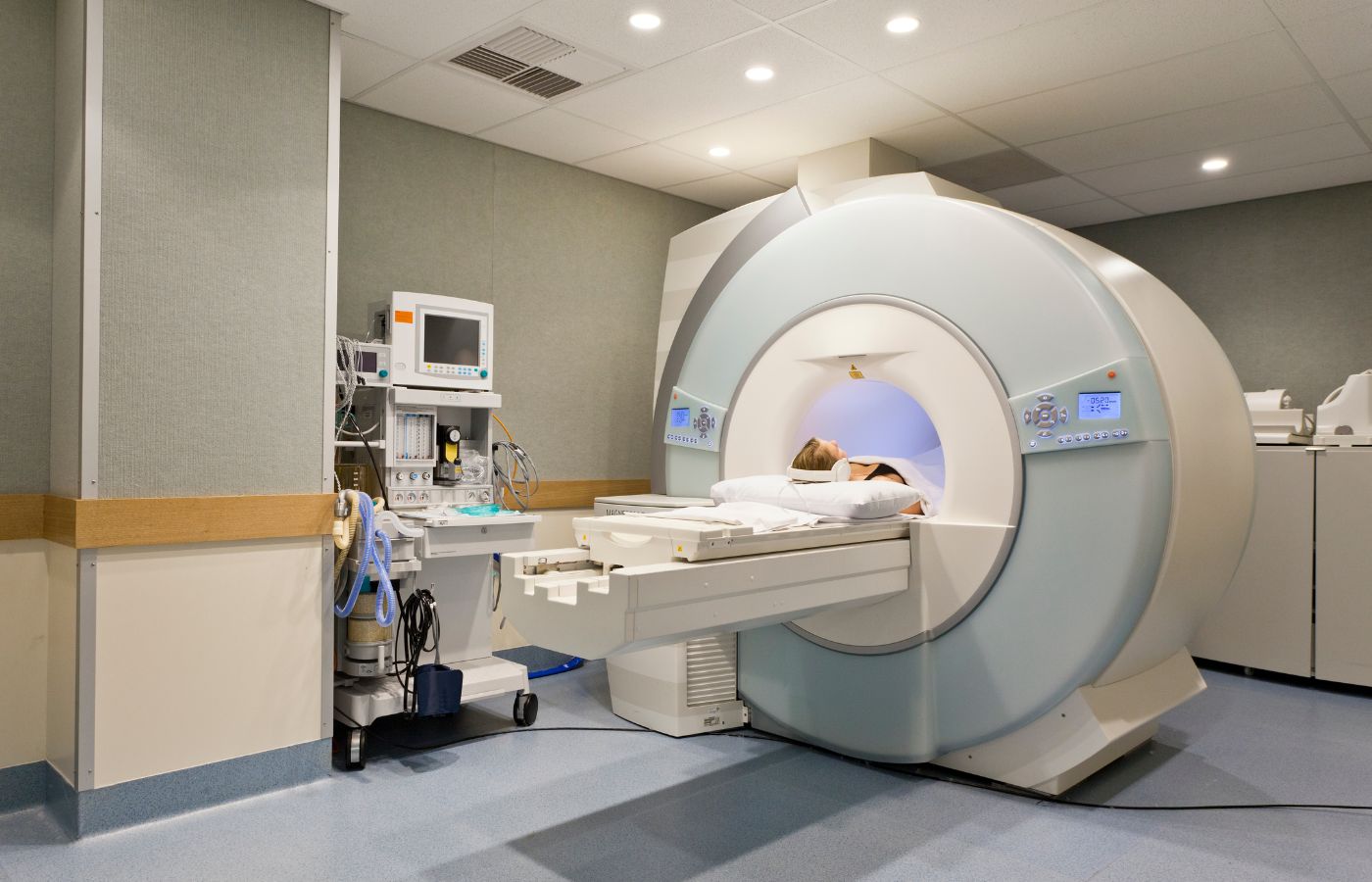
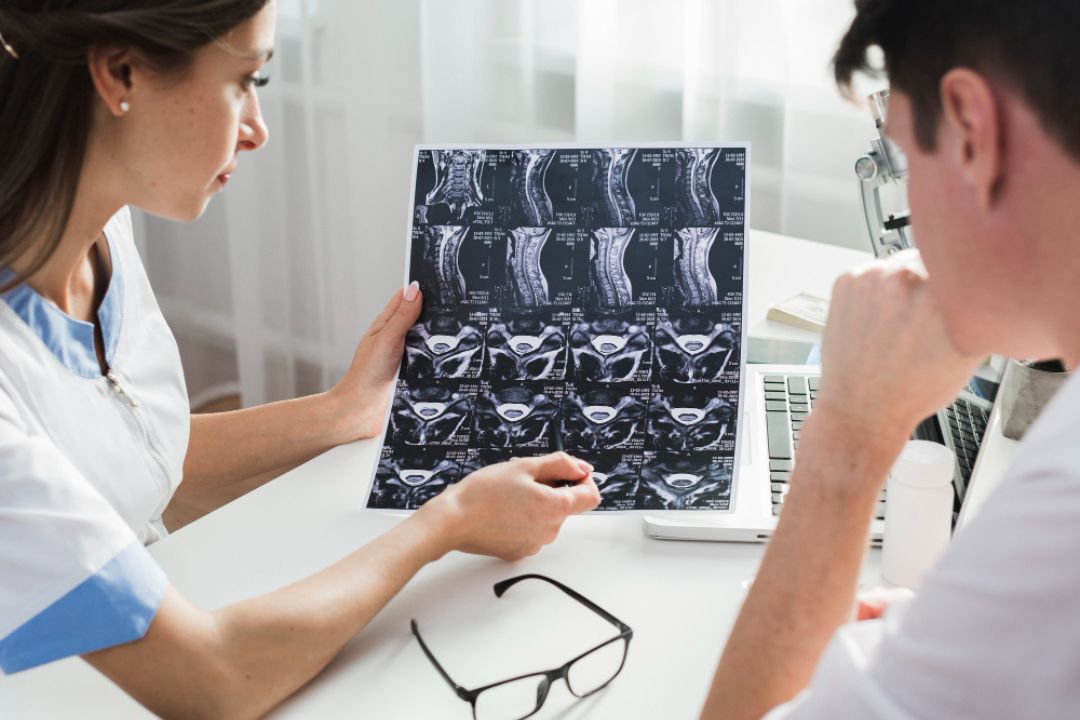
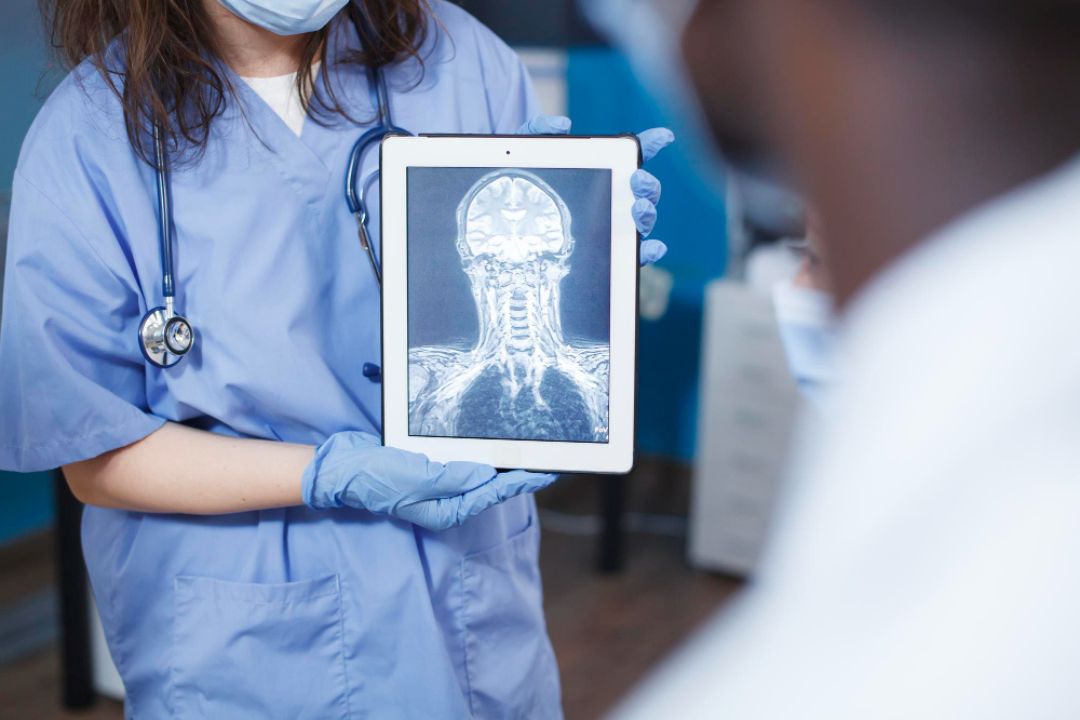
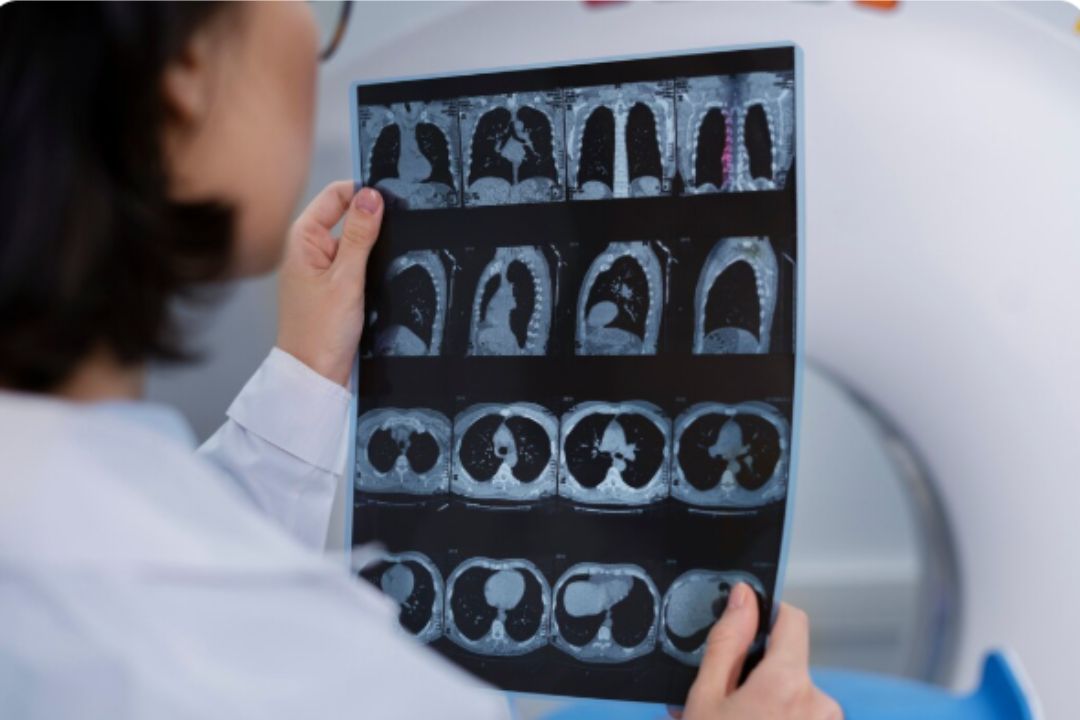
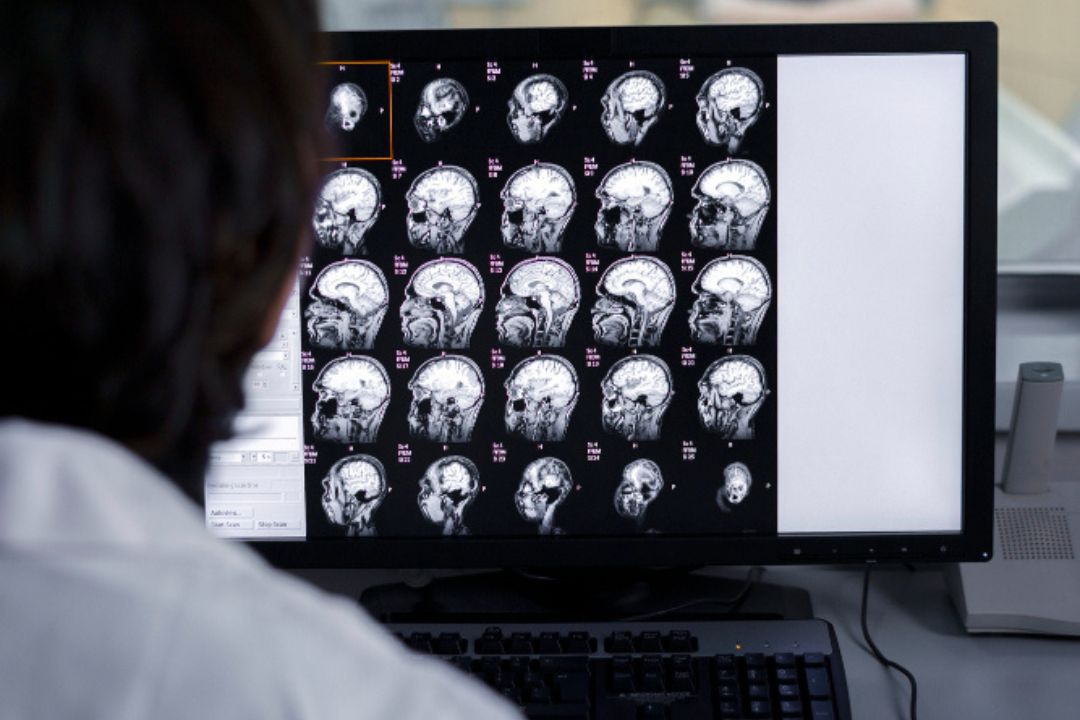
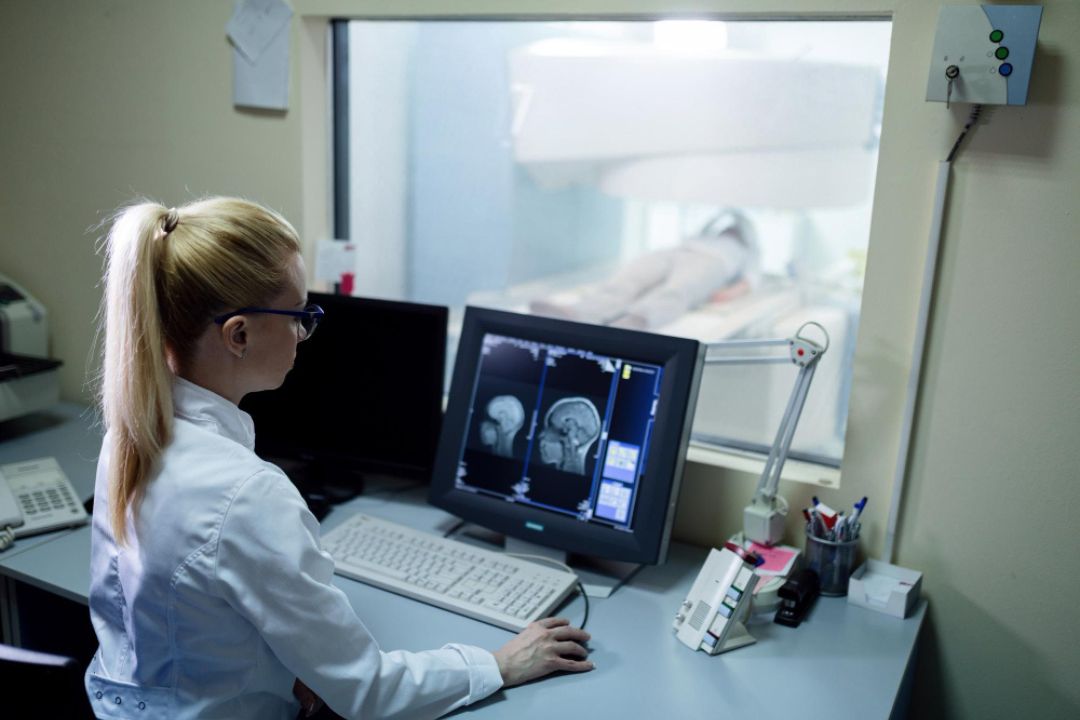
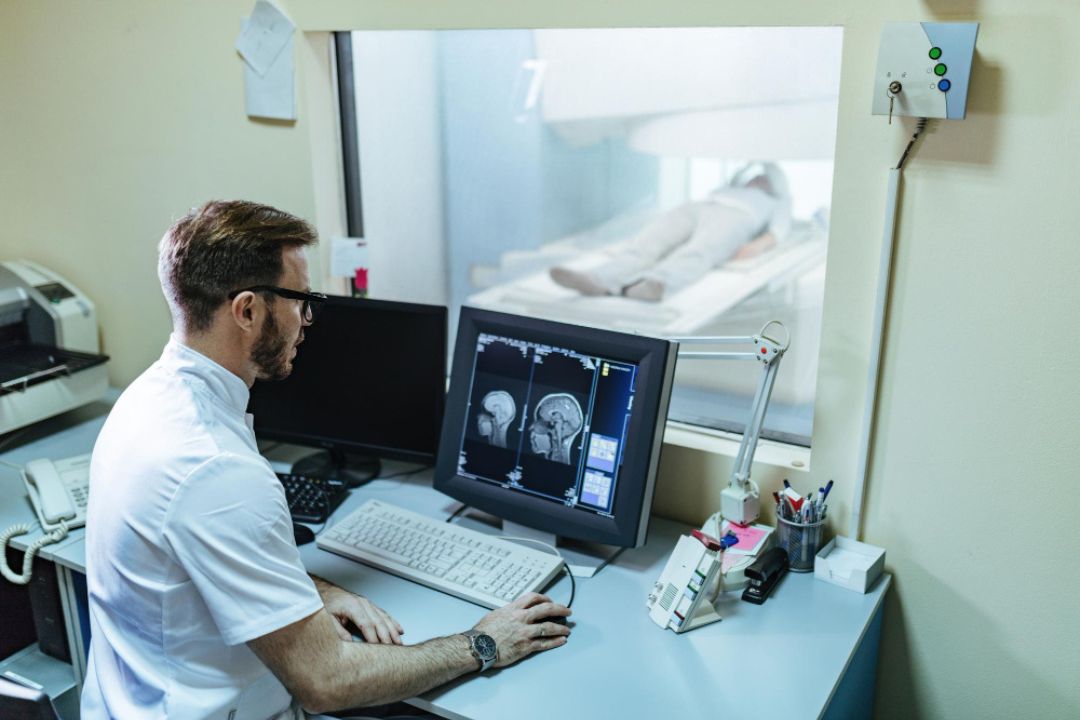
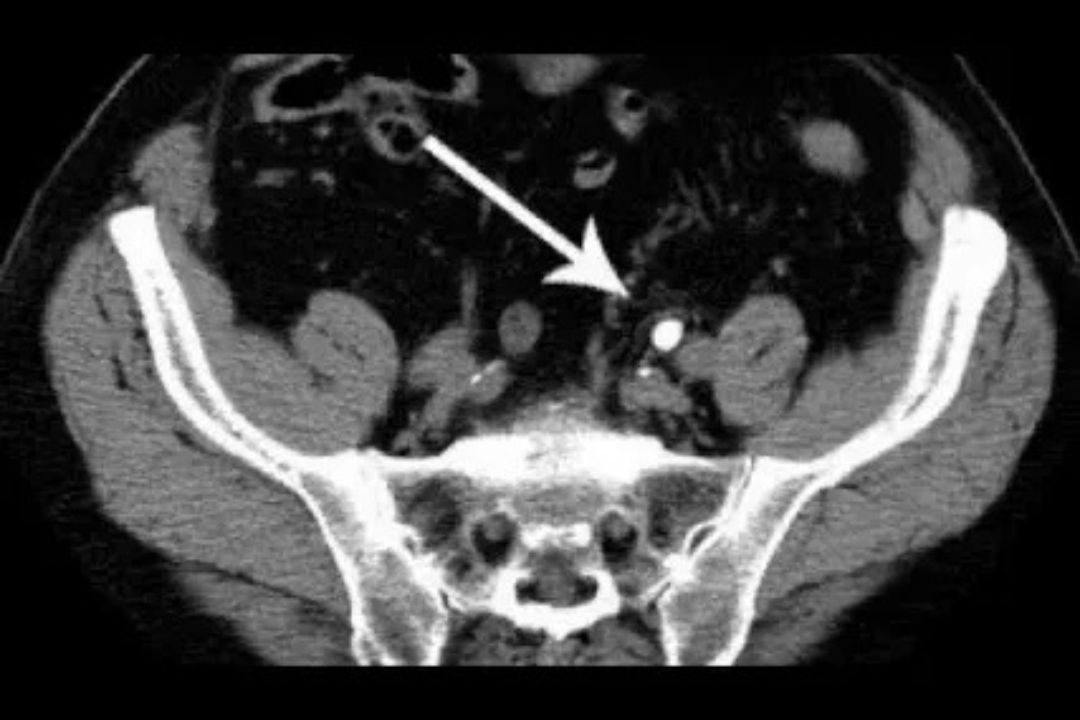
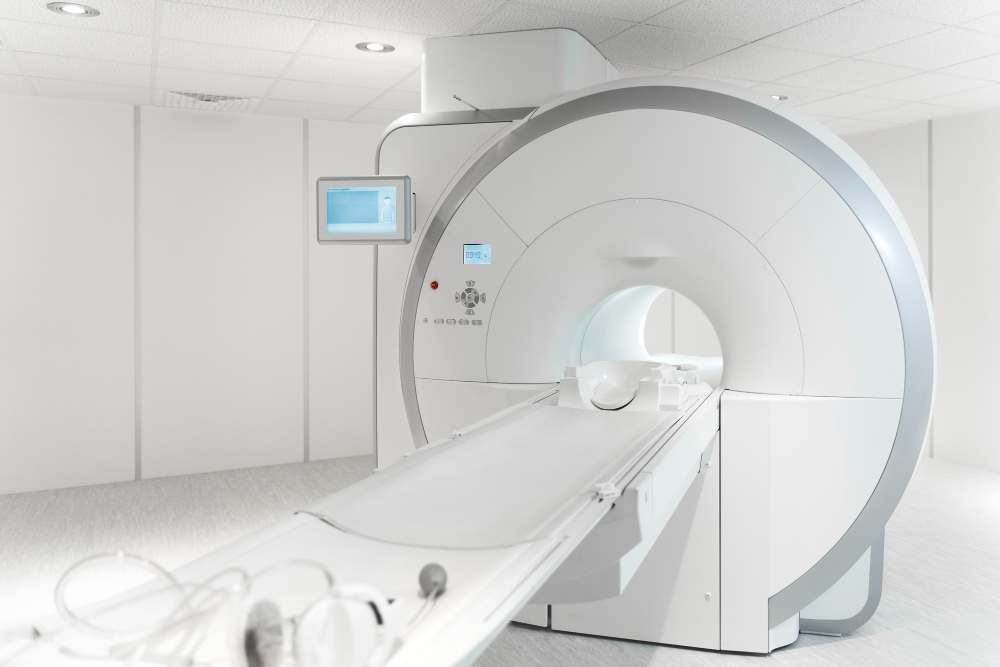
A CT Scan (Computed Tomography scan) is an advanced diagnostic imaging test that uses X-rays and computer technology to create detailed cross-sectional images of the body.
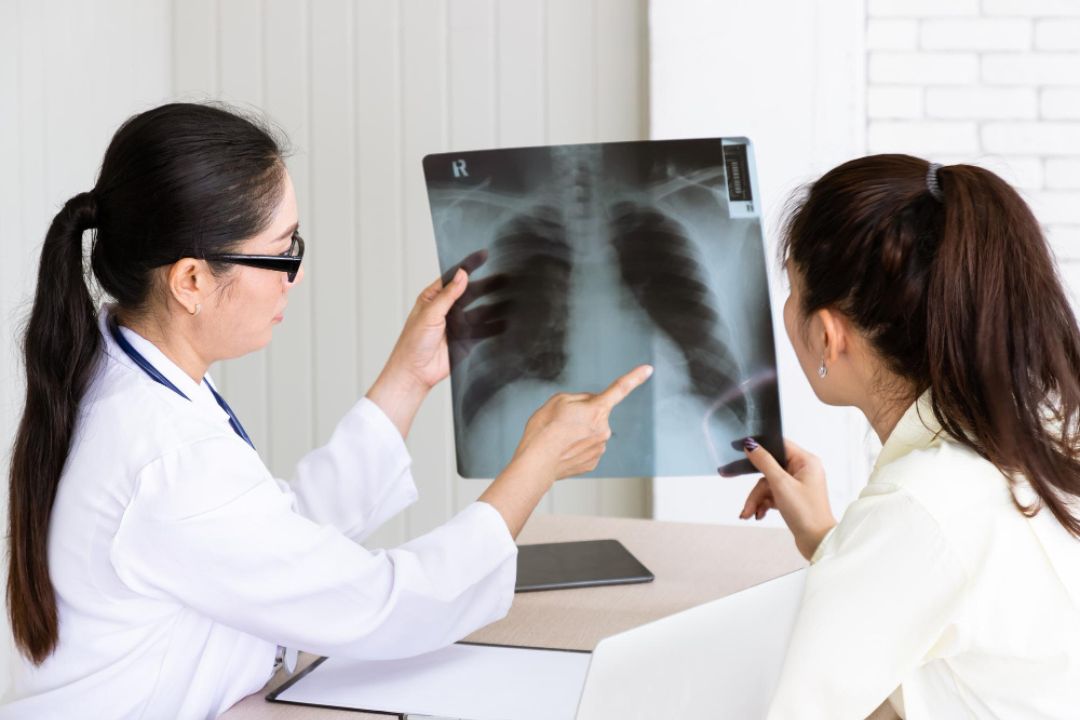
When used for chest pain evaluation, a CT scan helps doctors closely examine important structures in the chest, including:
Heart and coronary arteries
Lungs and airways
Blood vessels
Ribs and chest bones
Soft tissues in the chest cavity
This detailed imaging helps doctors determine the exact cause of chest discomfort.
Doctors may recommend a CT scan for chest pain when other tests such as physical examination or chest X-rays do not provide enough information.
Common reasons for a CT scan include:
Sudden or severe chest pain
Shortness of breath
Suspected lung infections
Possible blood clots in the lungs
Evaluation of heart or artery problems
Detection of lung tumors or abnormalities
CT scans help provide fast and accurate diagnosis, which is critical in emergency situations.
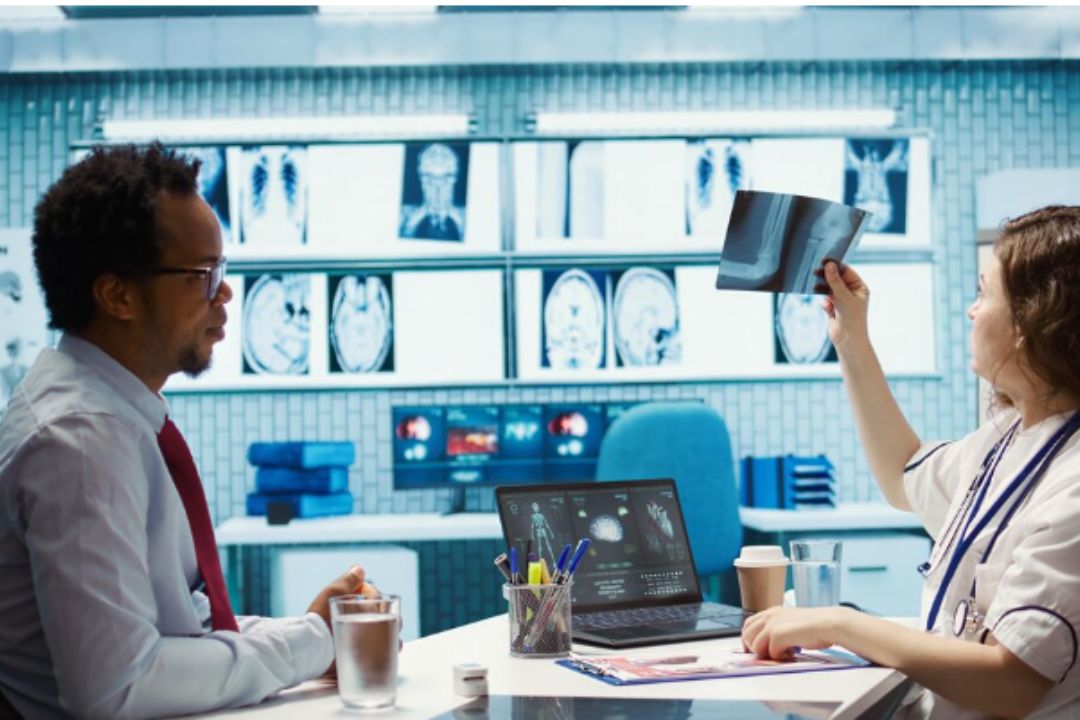
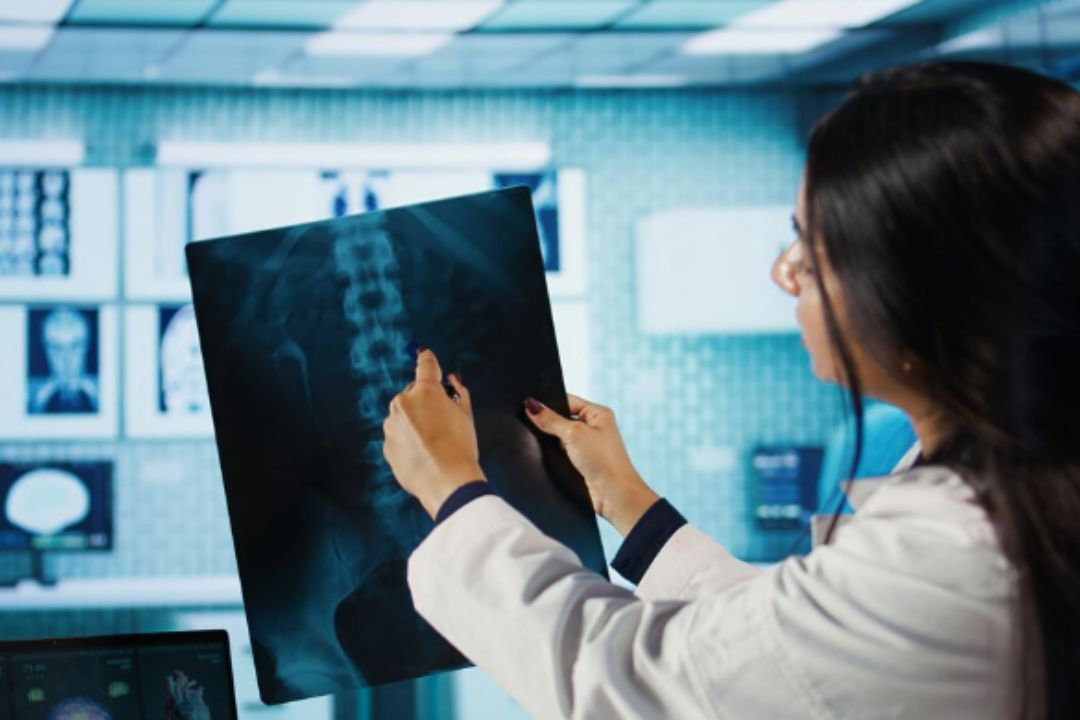
A CT scan of the chest can detect a wide range of conditions affecting the heart, lungs, and surrounding tissues.
Visit Now: https://www.diagnopein.com
A CT scan can identify blood clots in the lungs, which can cause sudden chest pain and breathing difficulties.
Conditions such as pneumonia or tuberculosis can be detected through detailed lung imaging.
CT scans can help detect tumors or abnormal growths in the lungs at an early stage.
The scan may reveal blockages or abnormalities in the heart and major arteries.
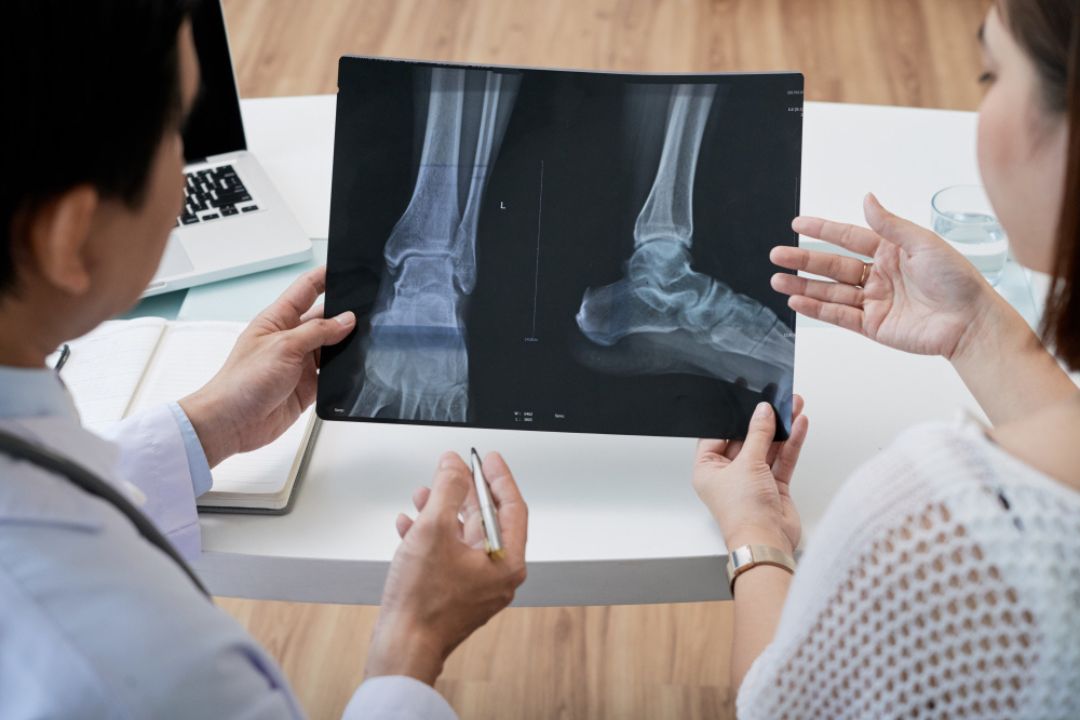
Chest CT scans can identify bone fractures or trauma-related injuries.
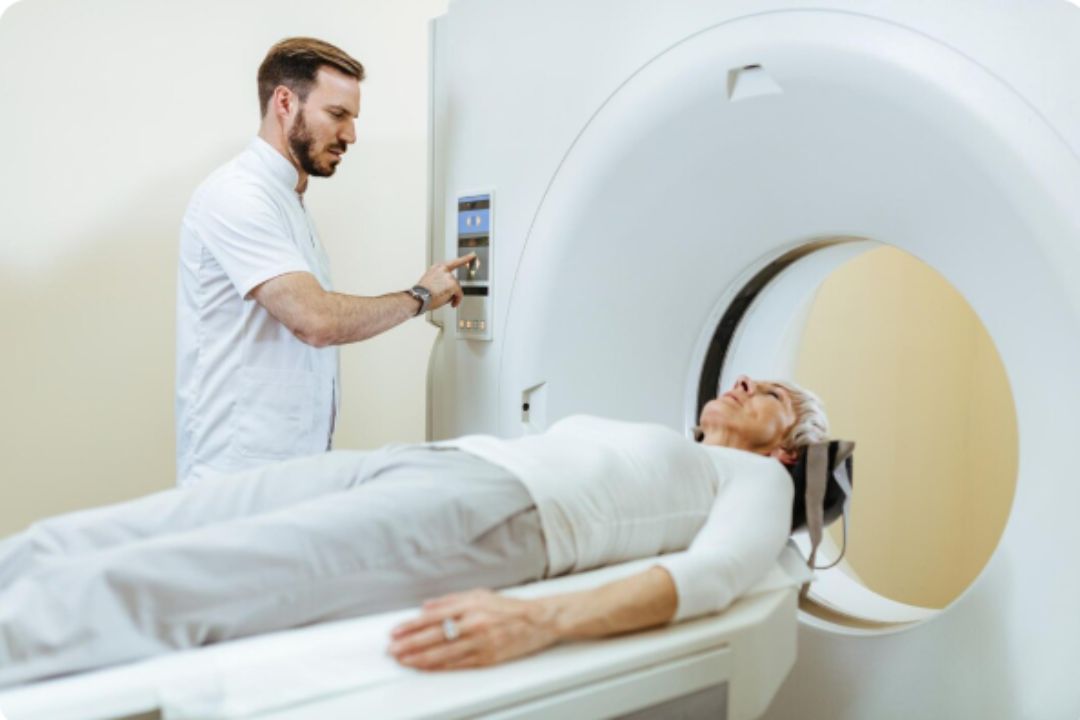
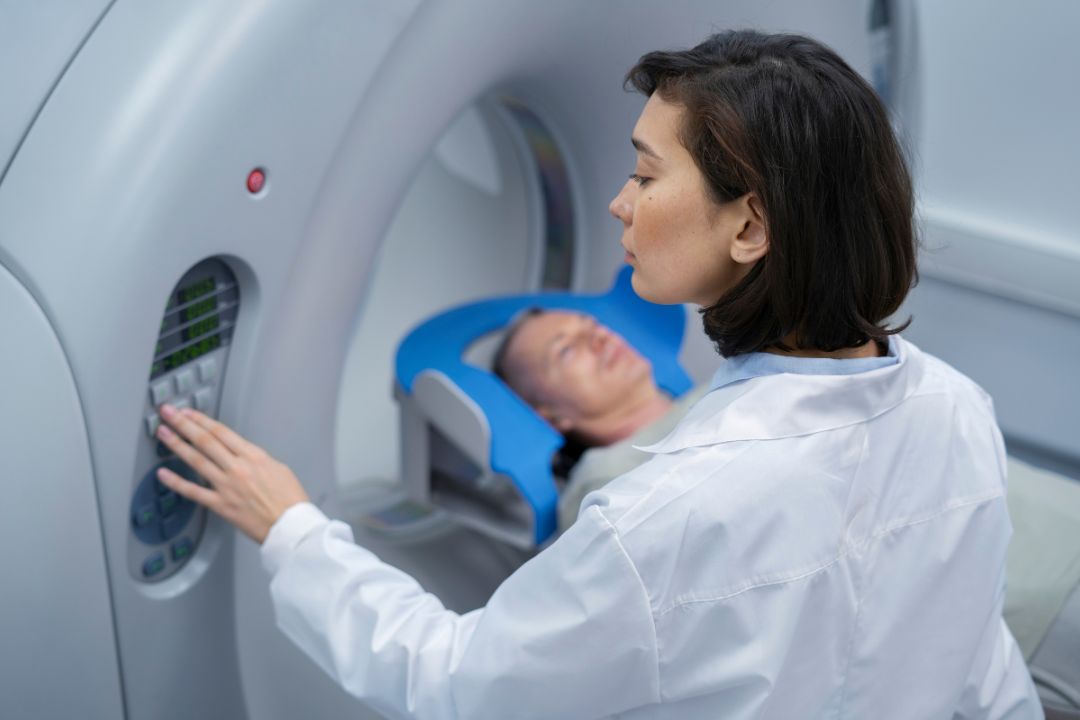
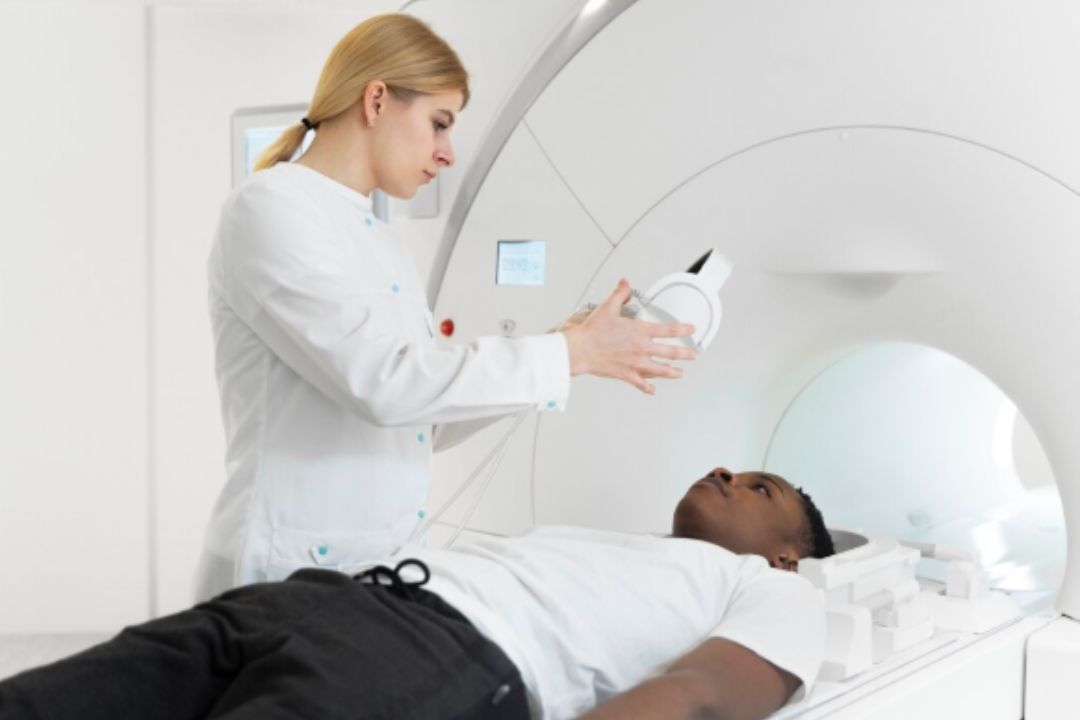
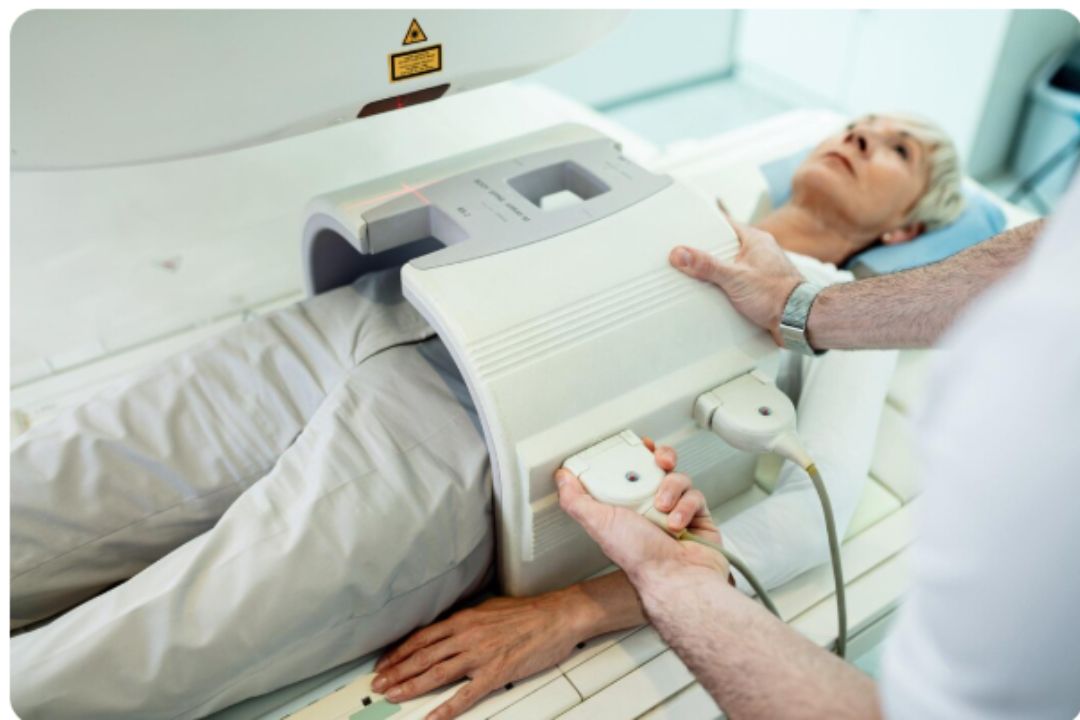
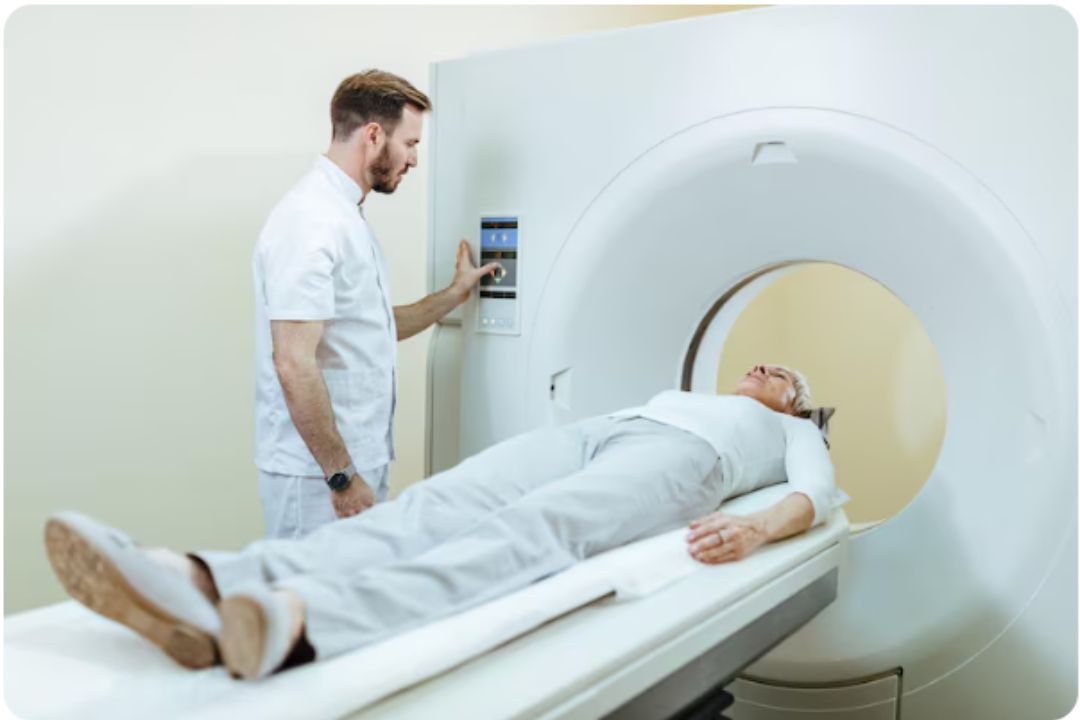
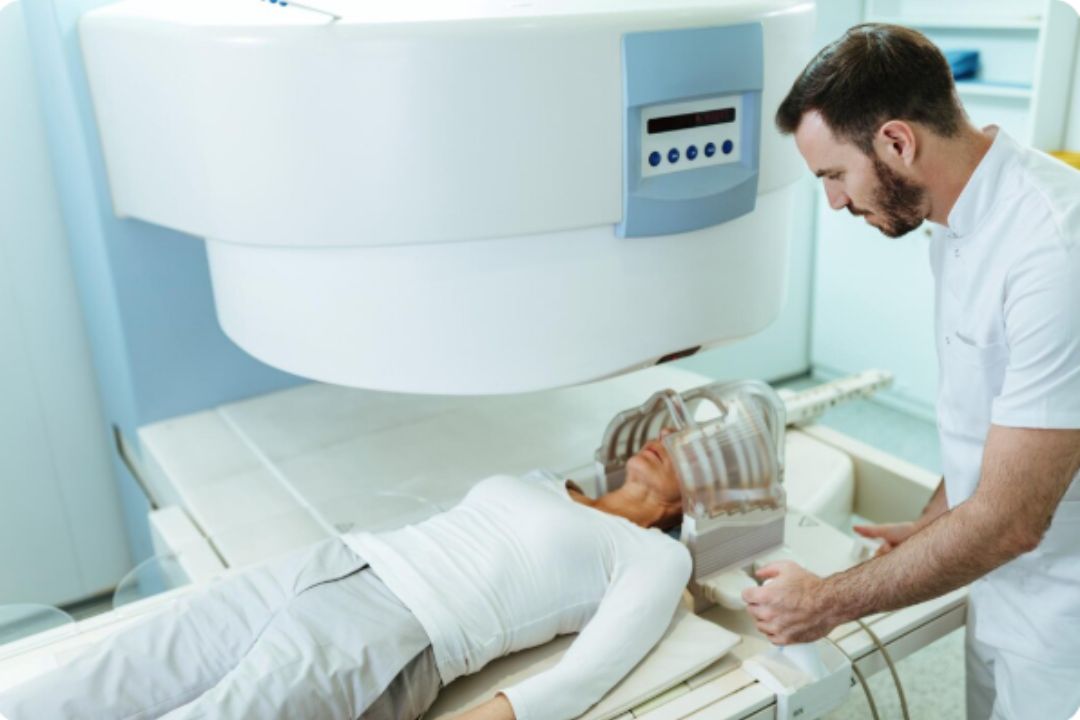
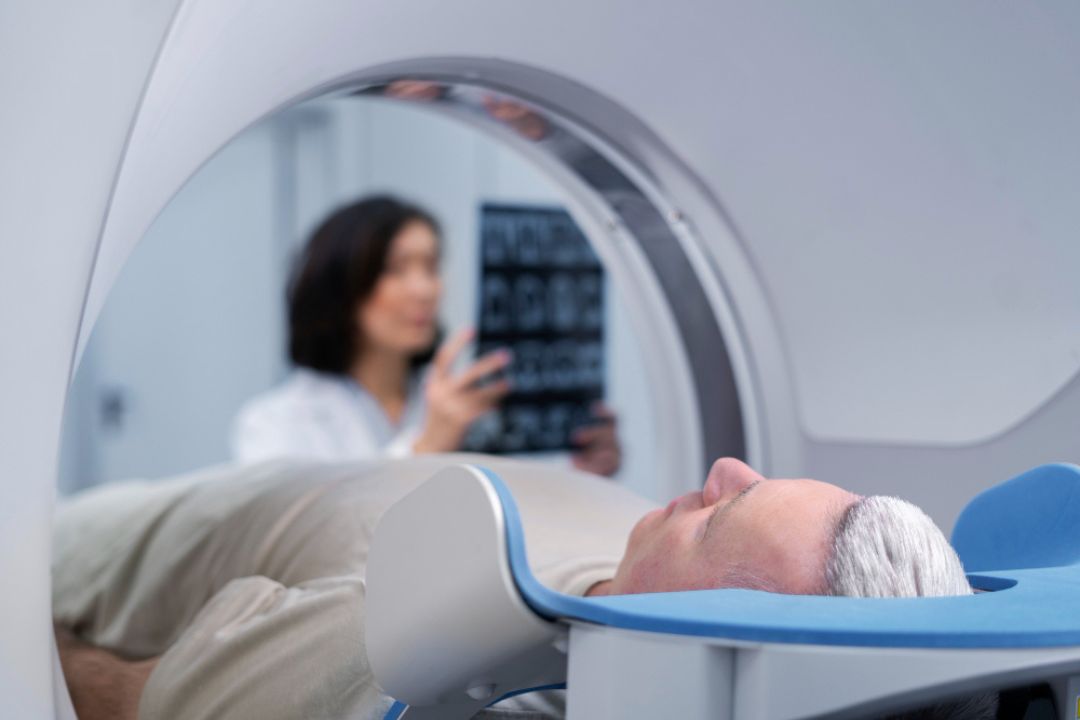
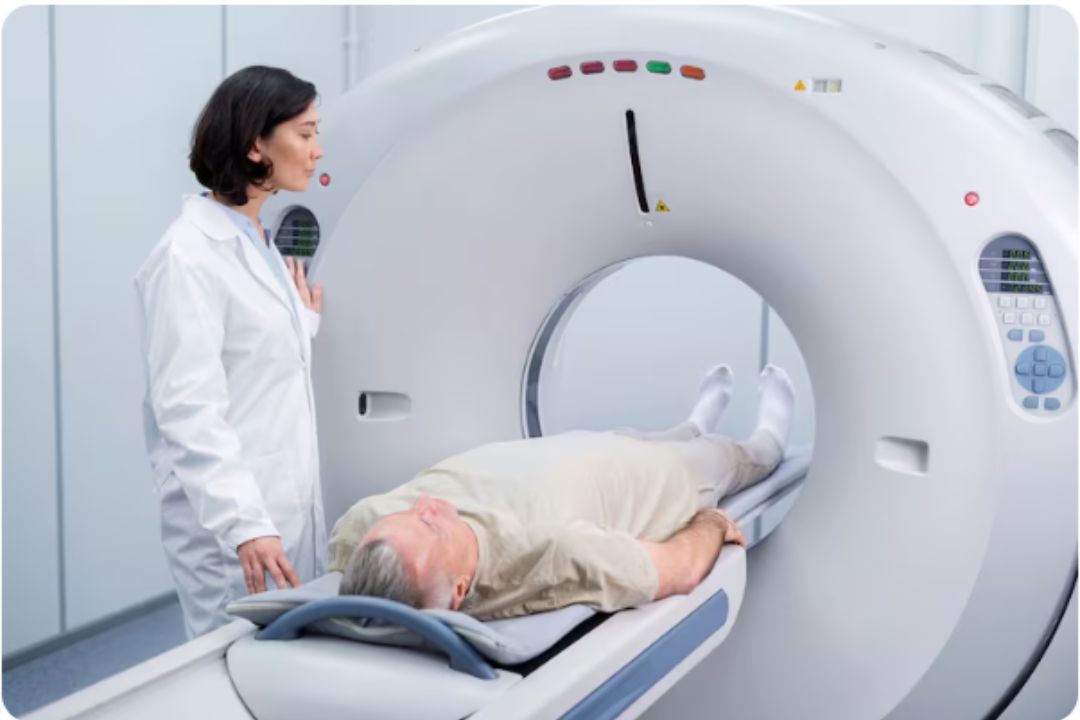
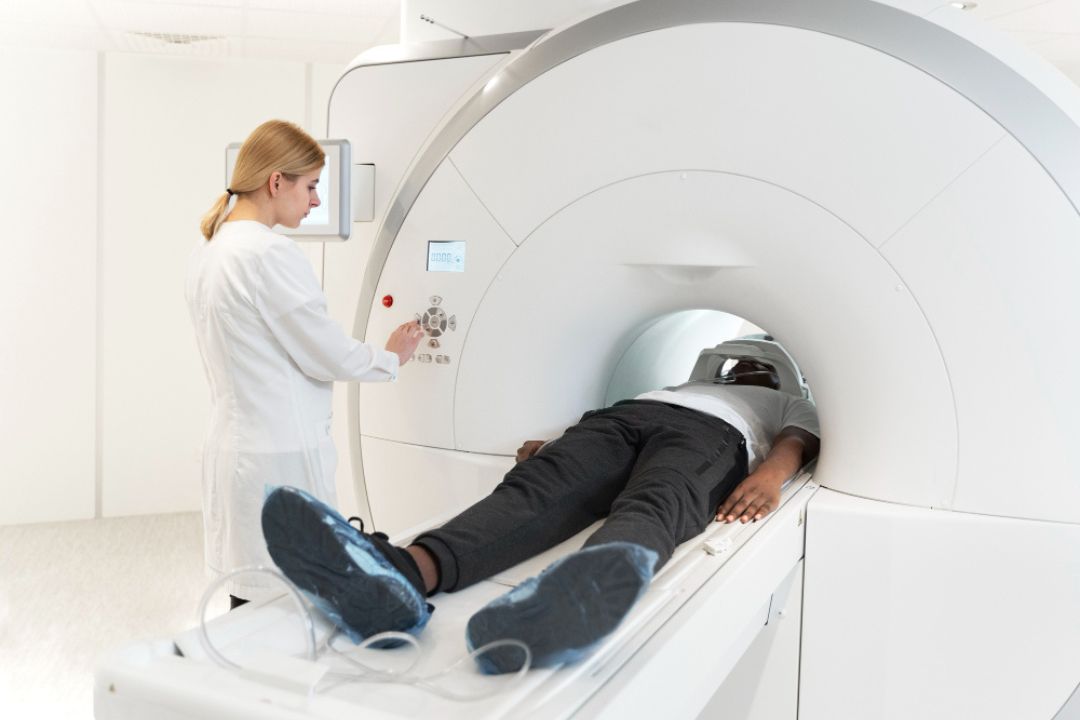
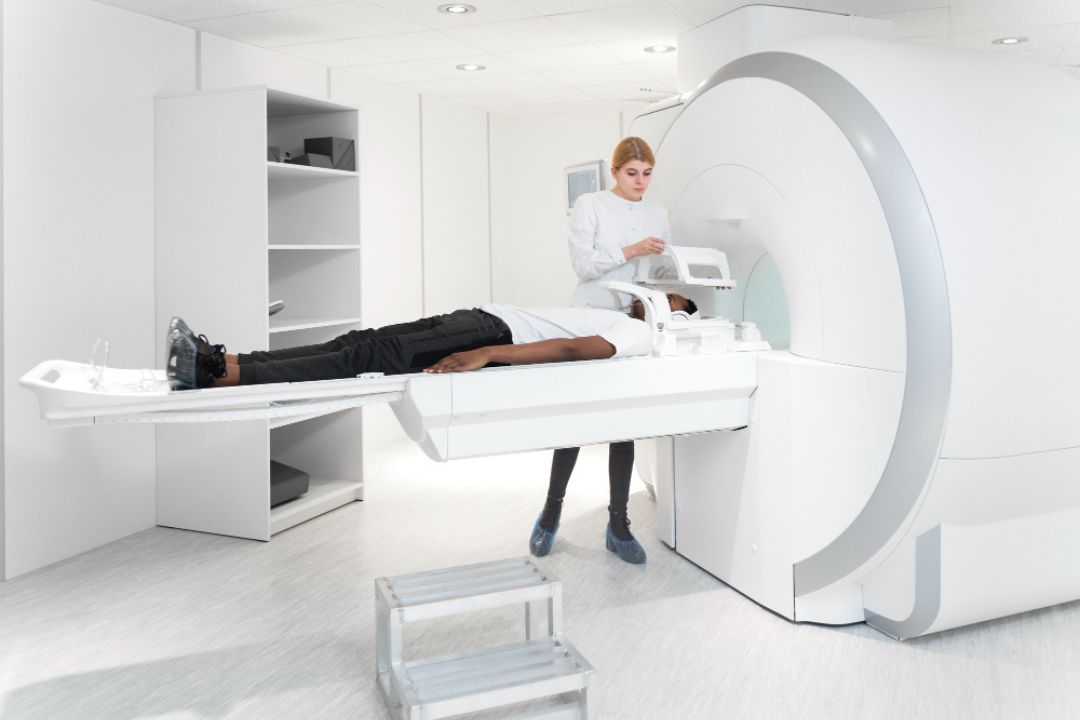
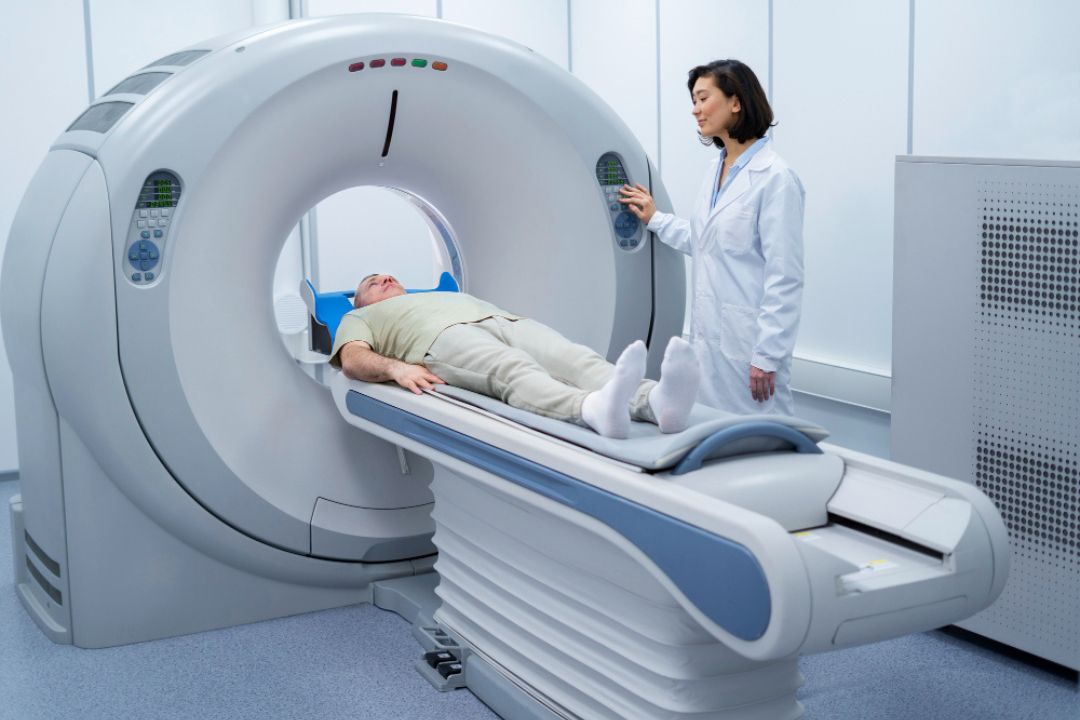
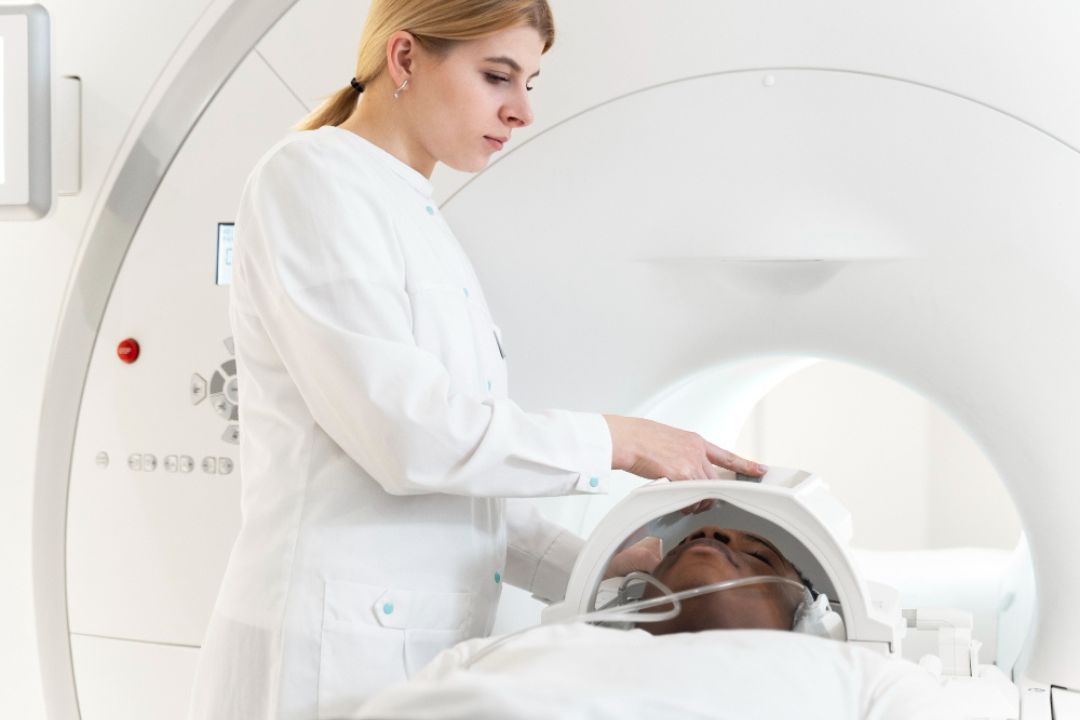
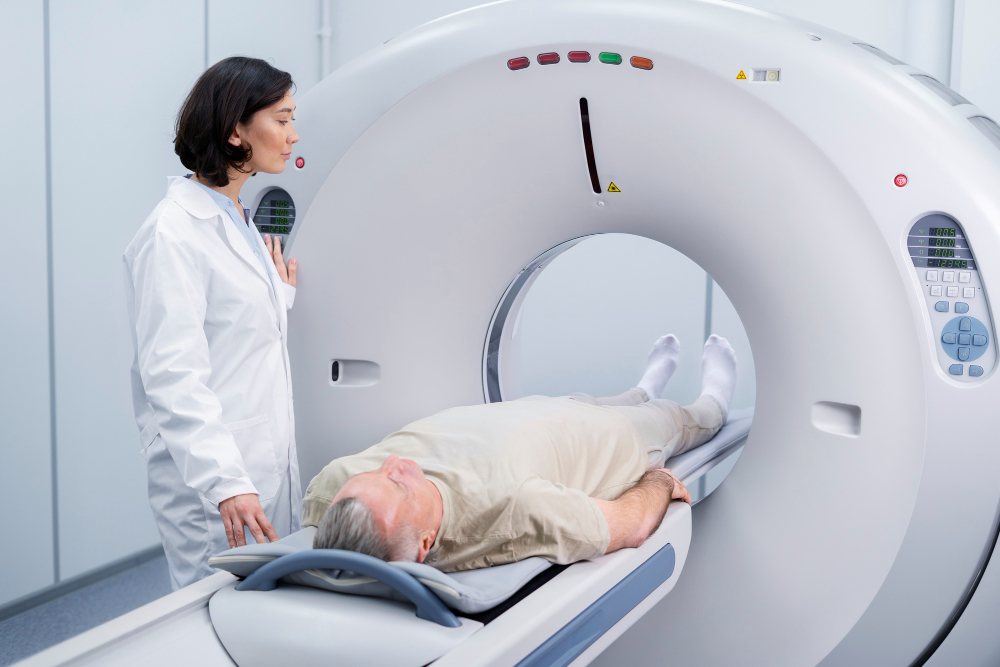
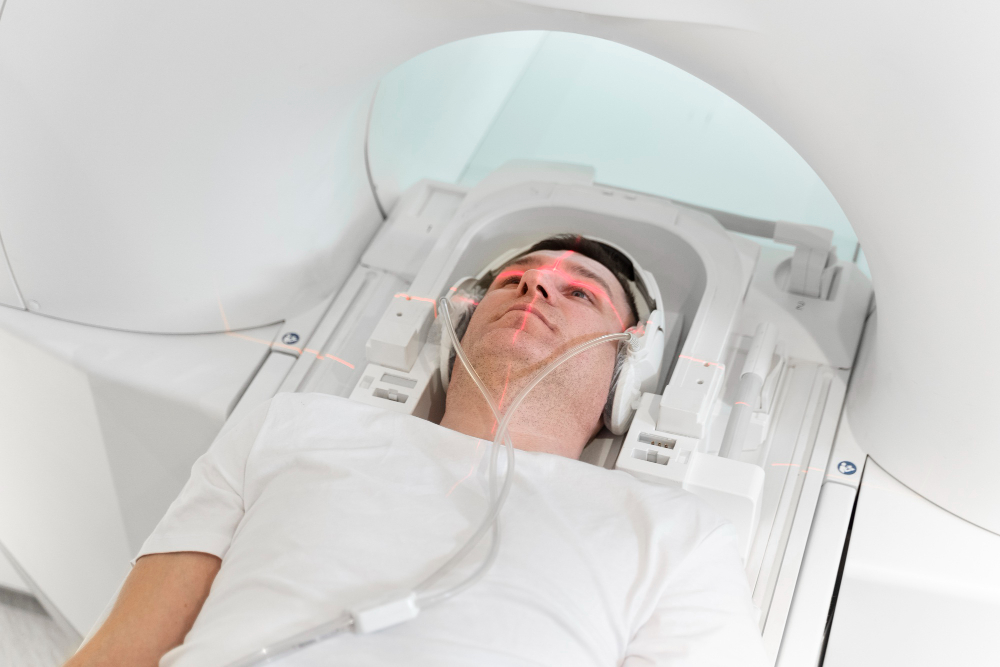
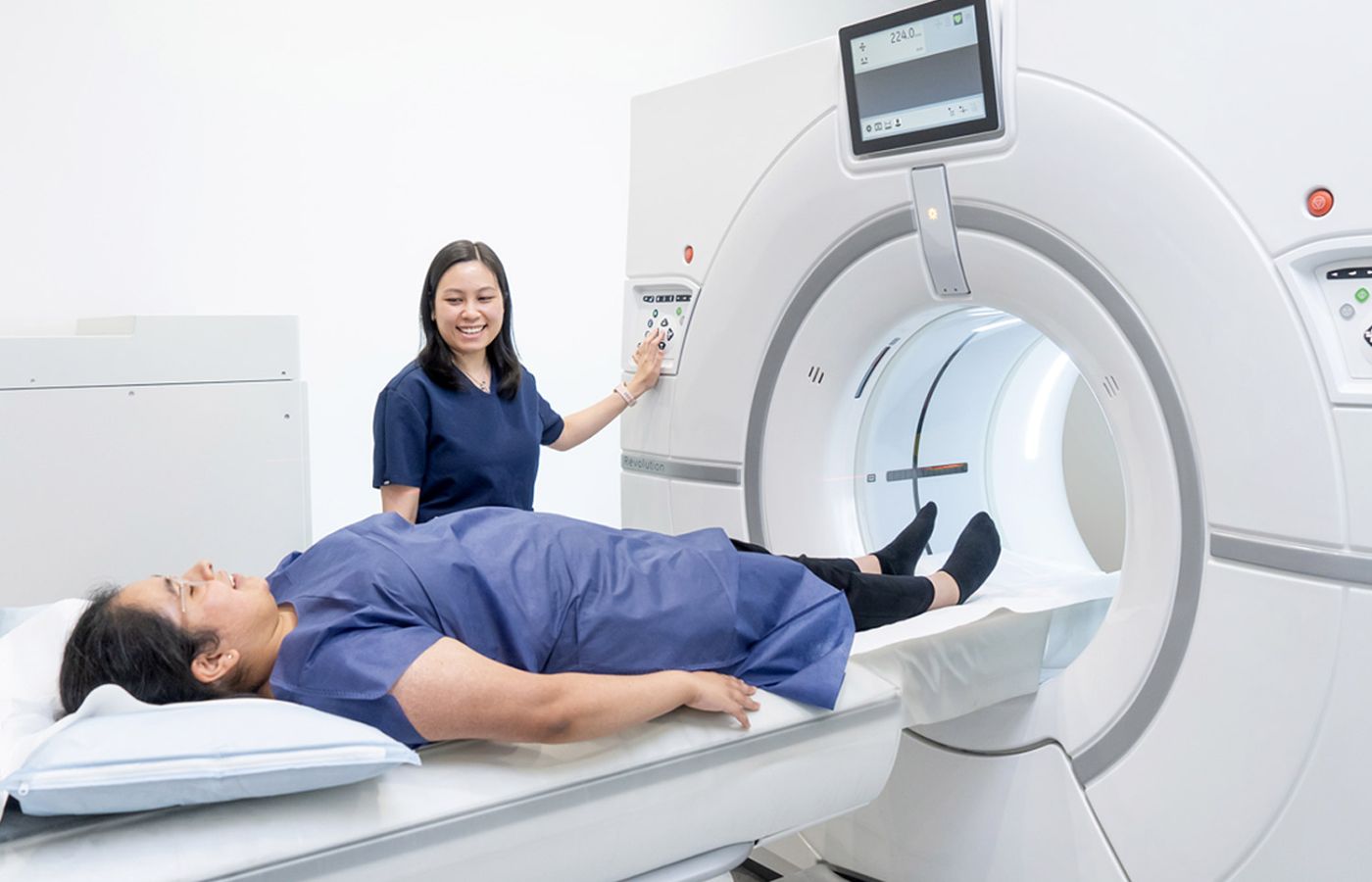
The CT scan procedure is simple, quick, and painless.
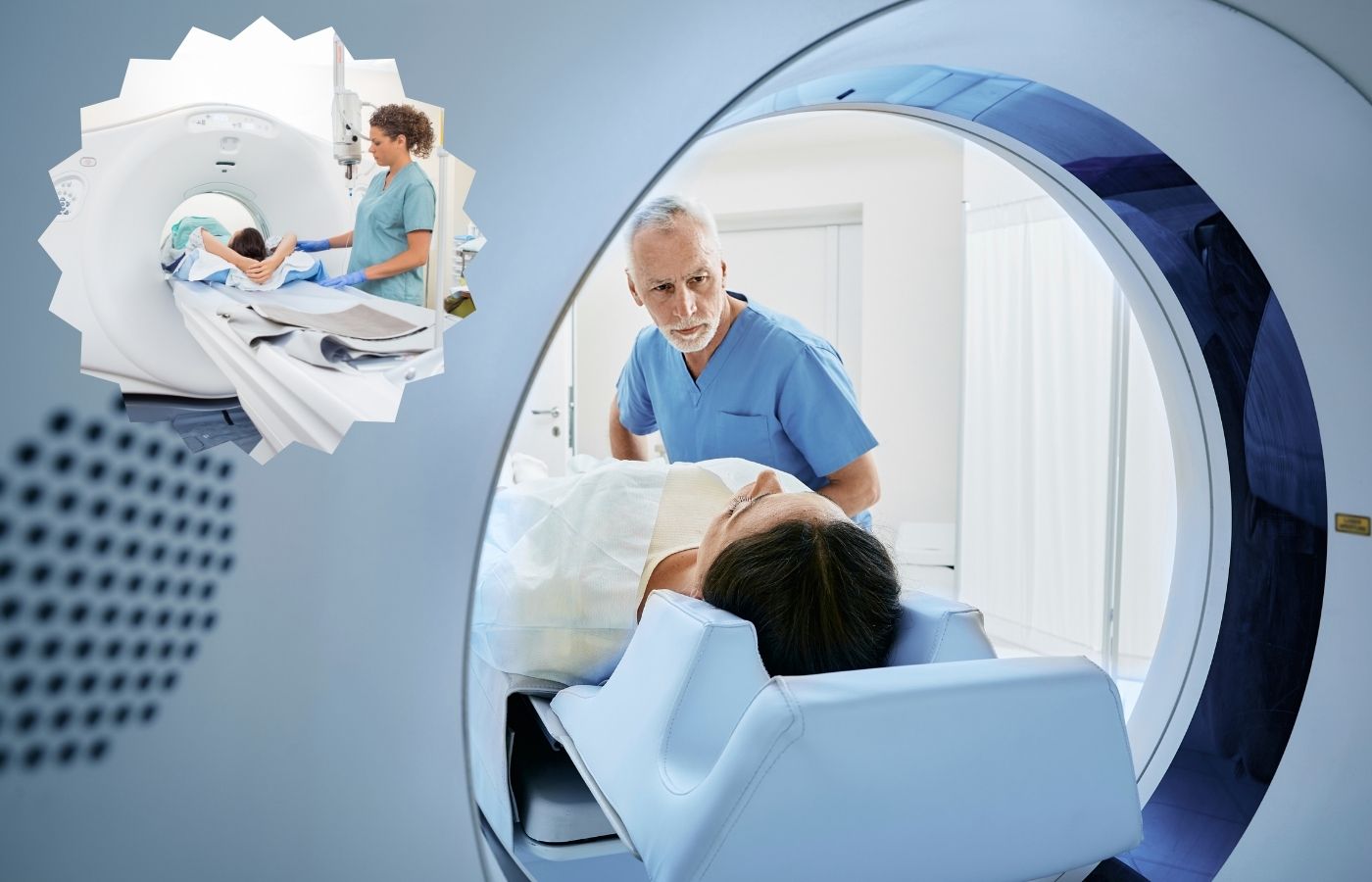
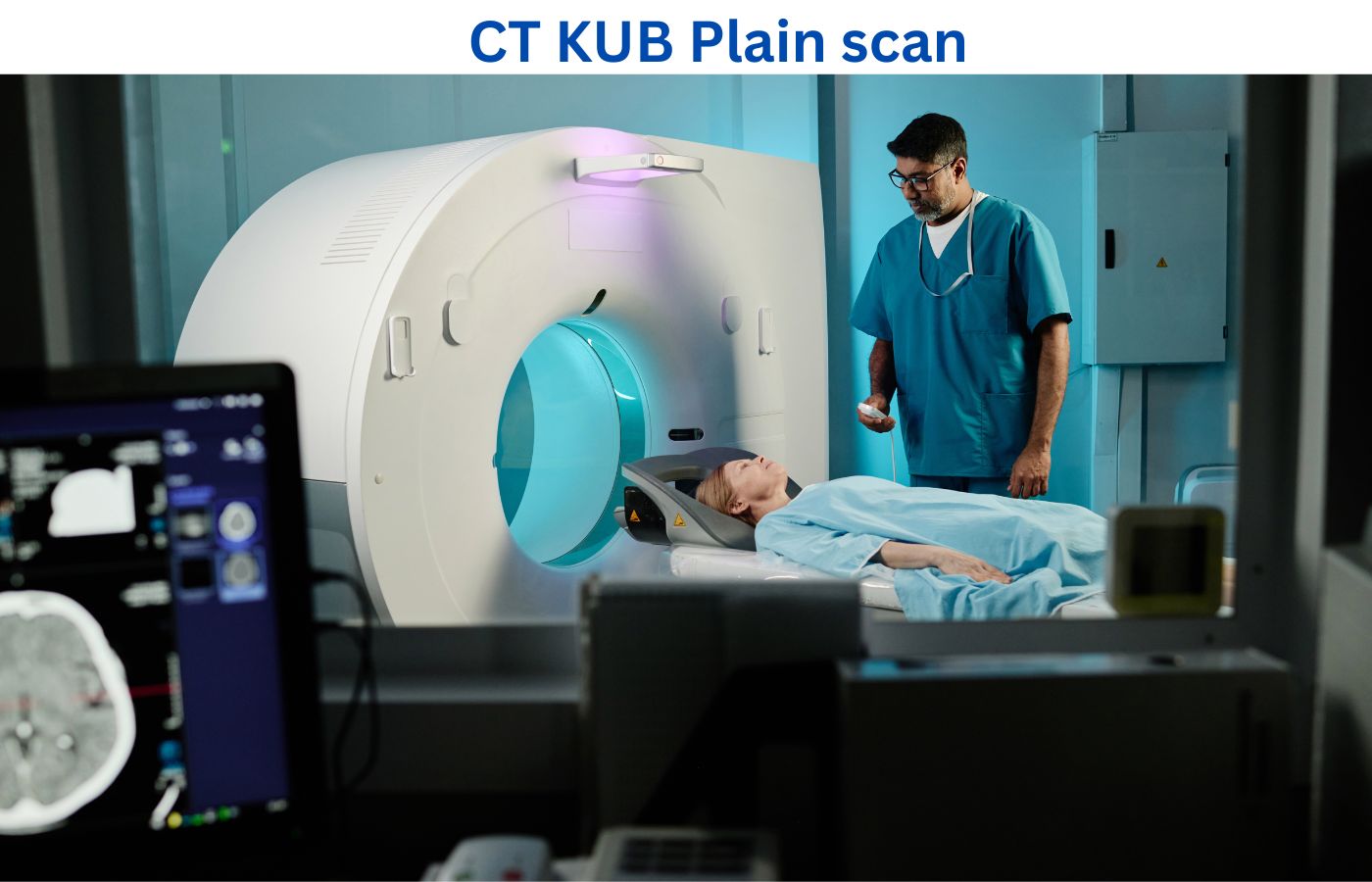
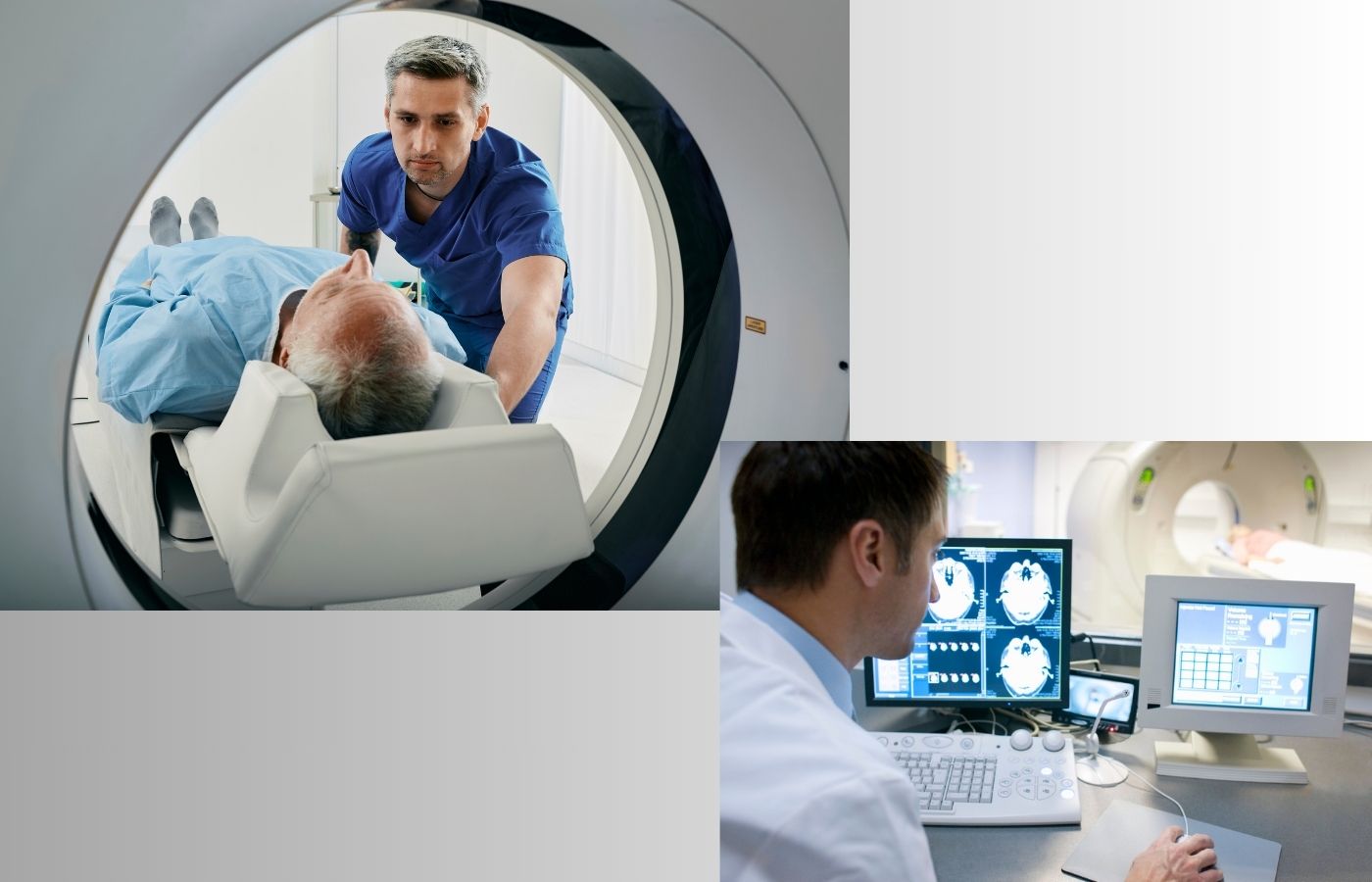
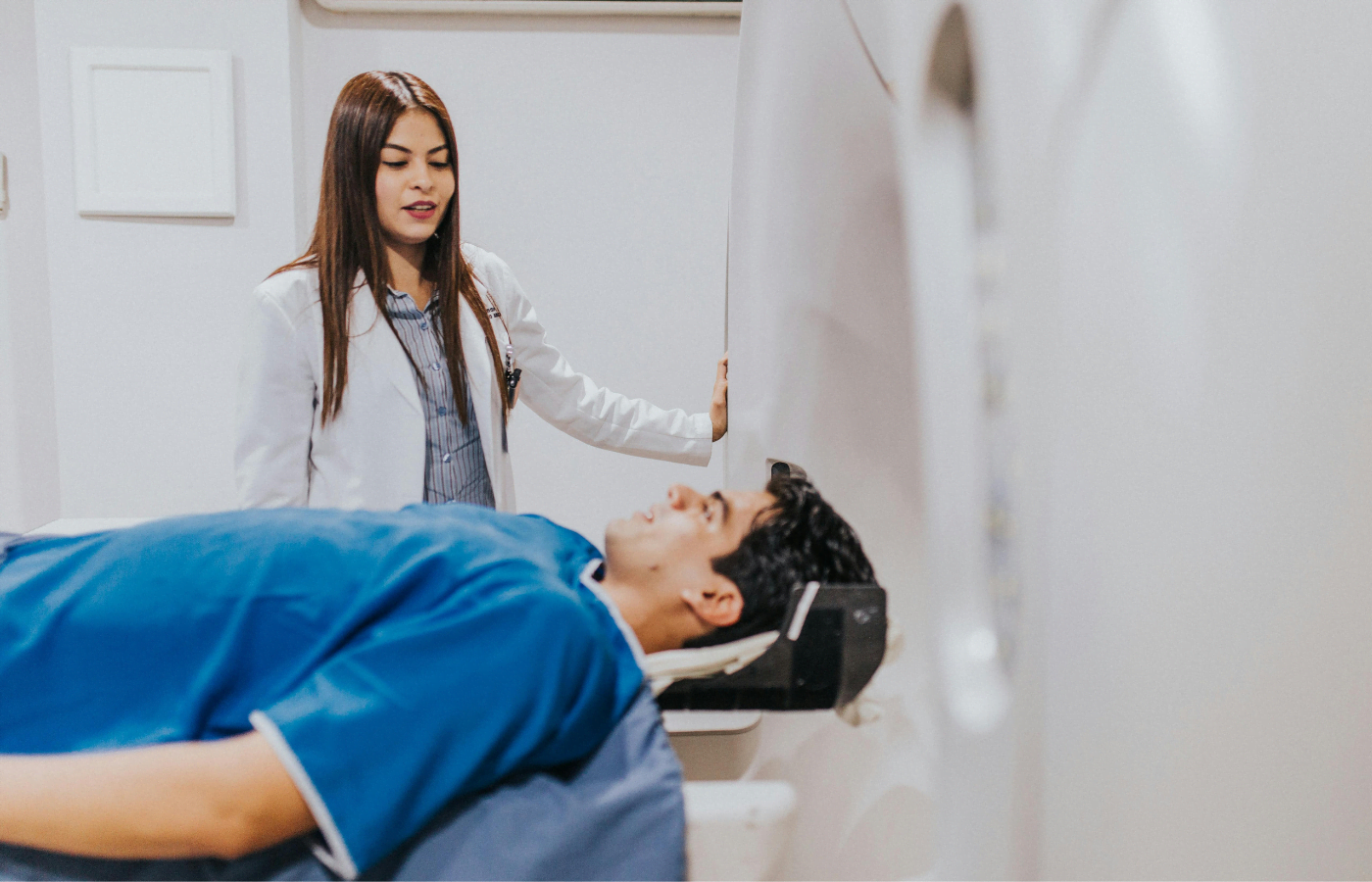
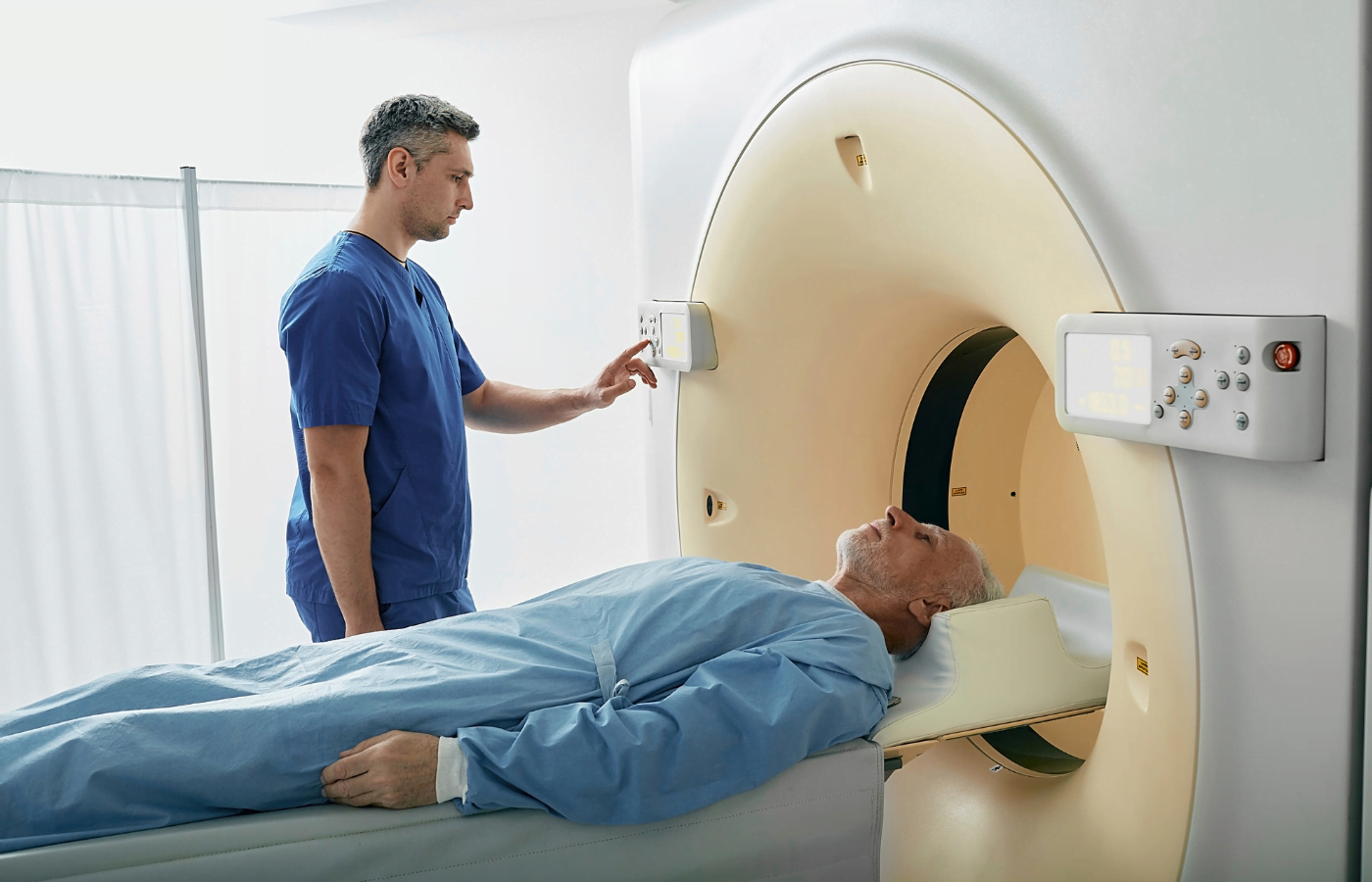
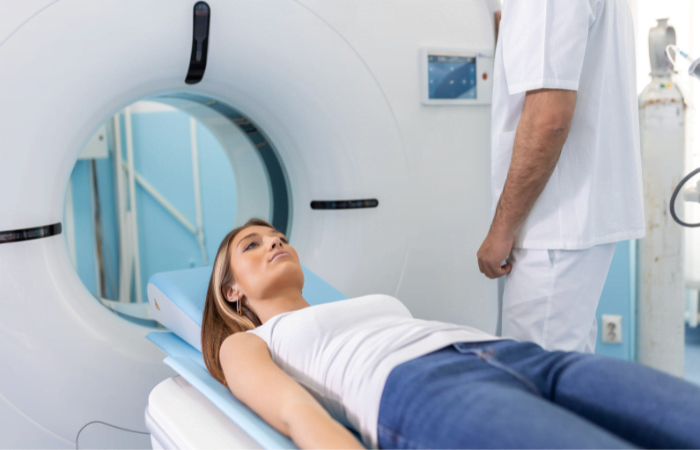
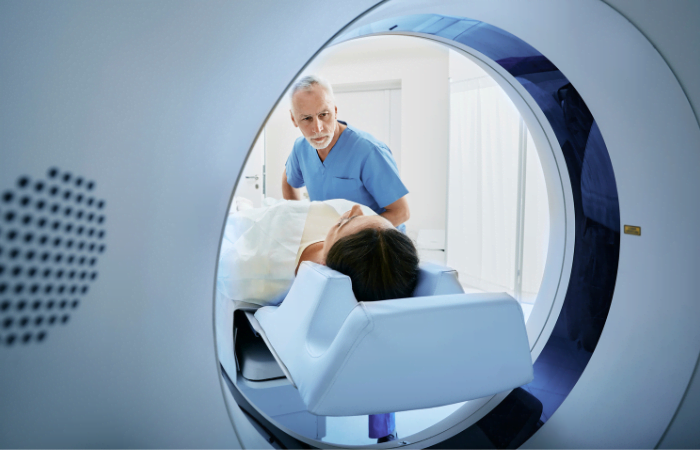
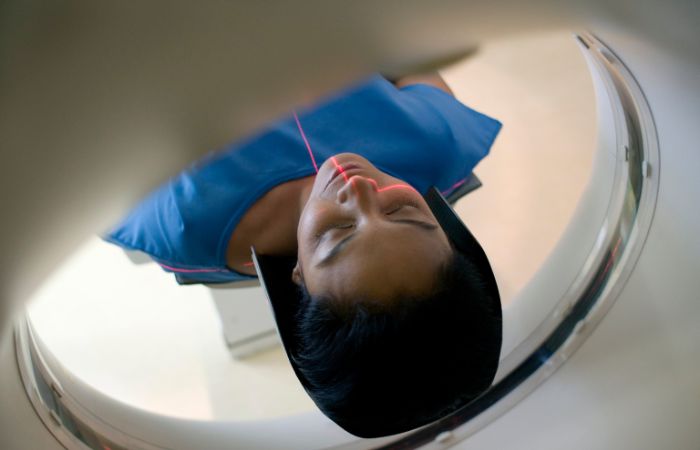
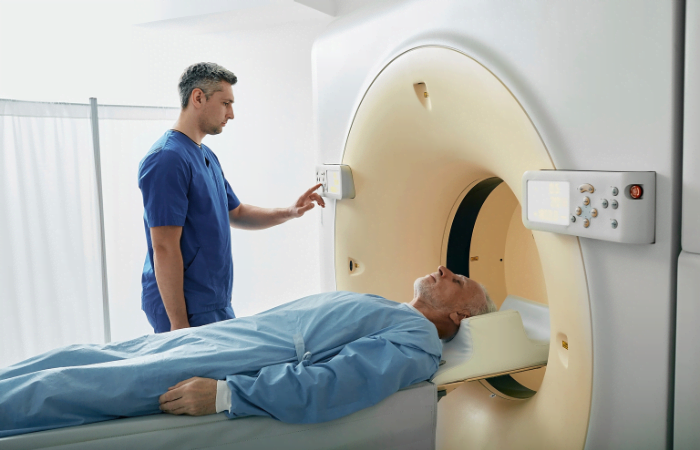
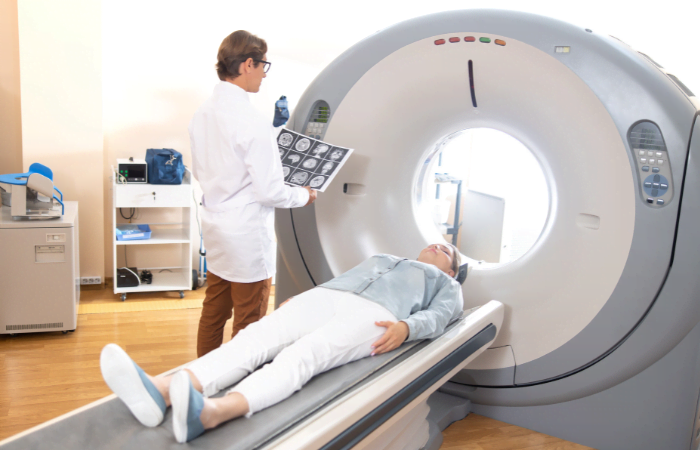
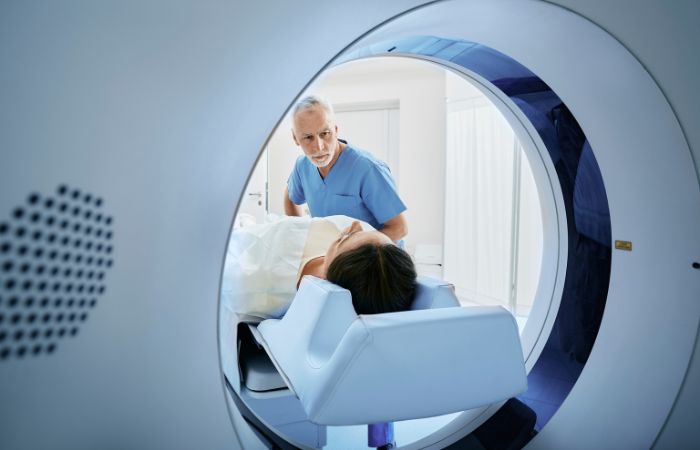
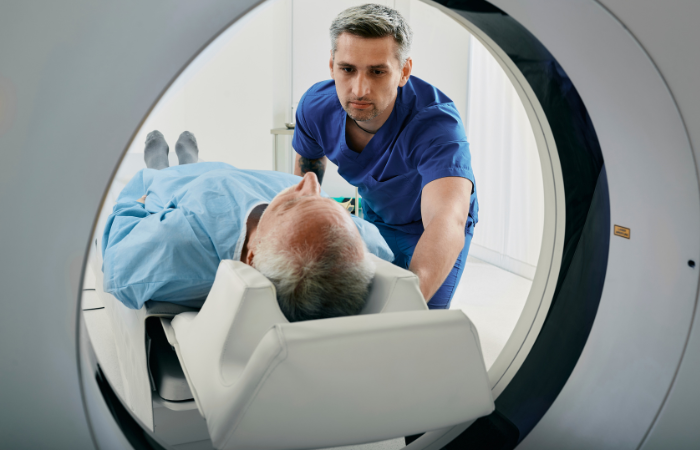
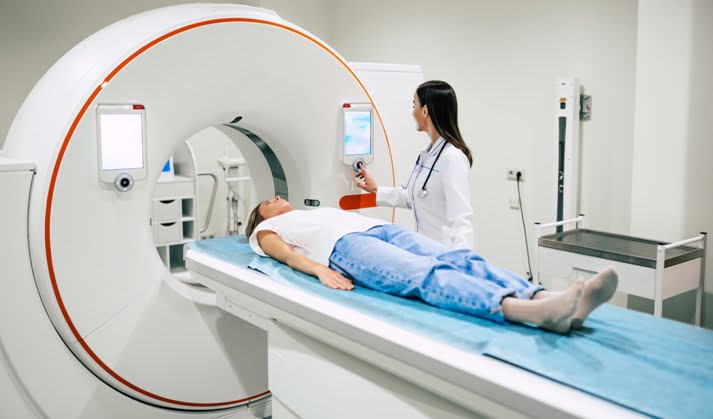
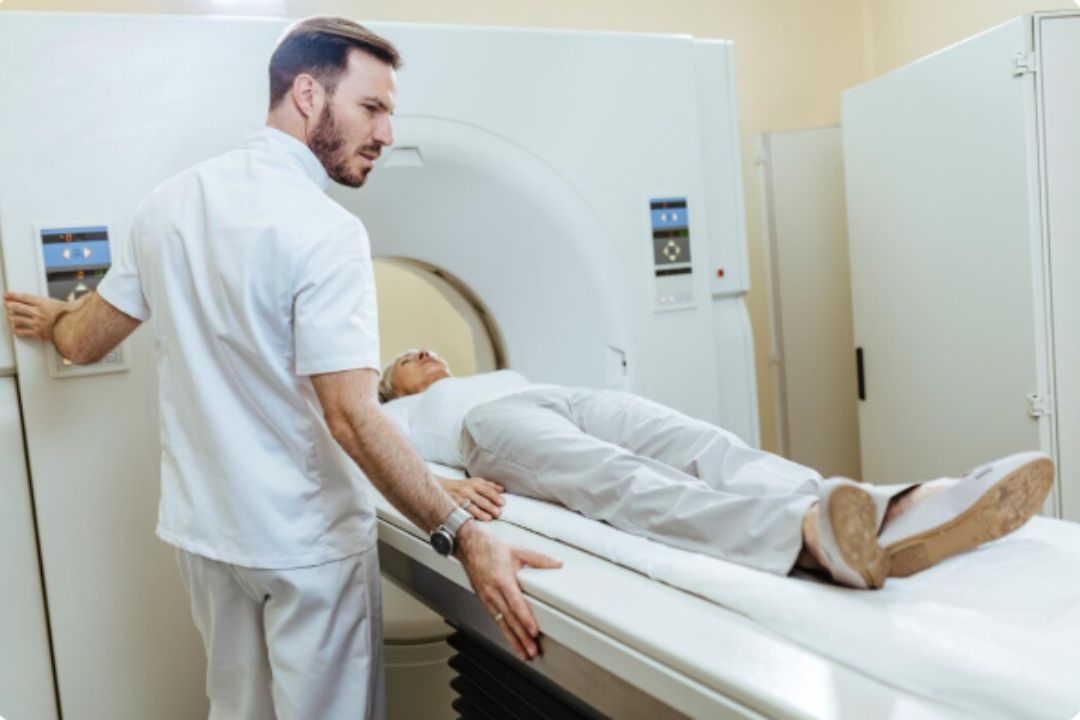
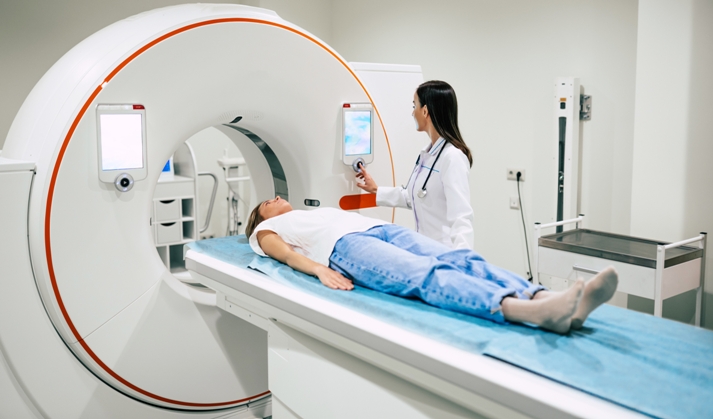
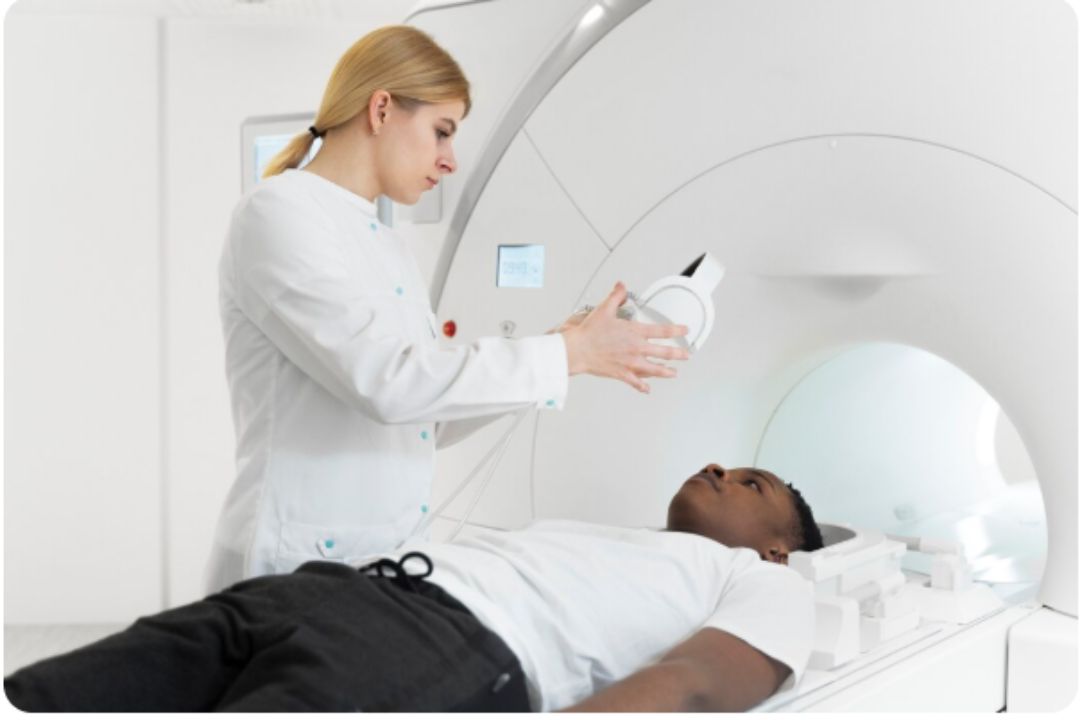
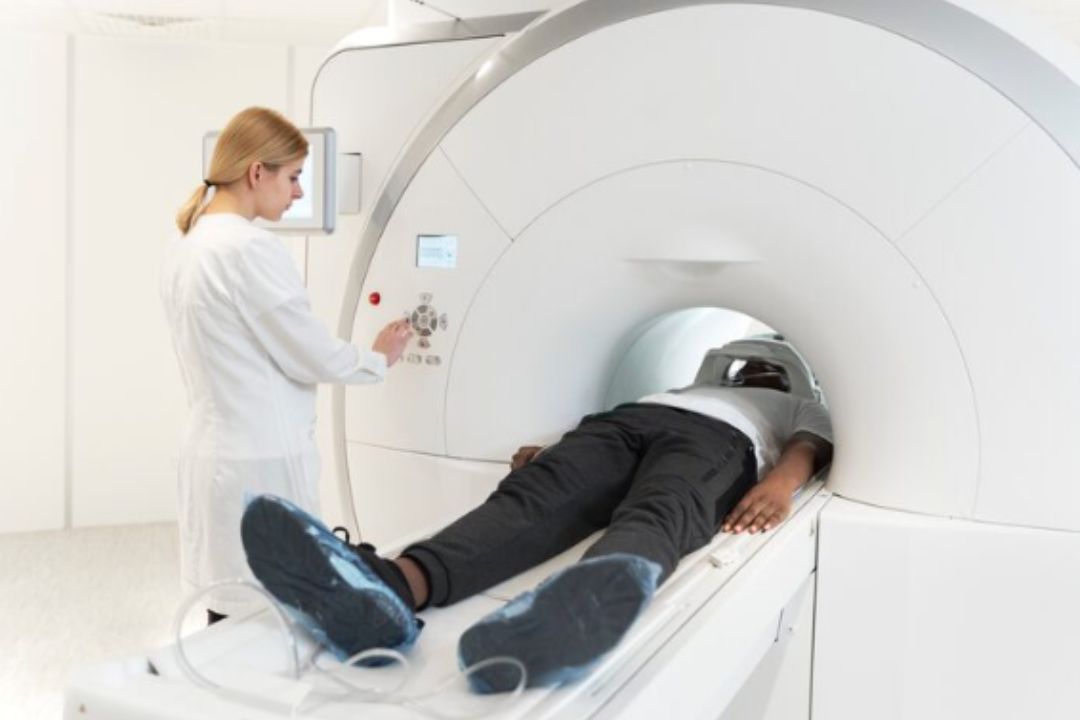
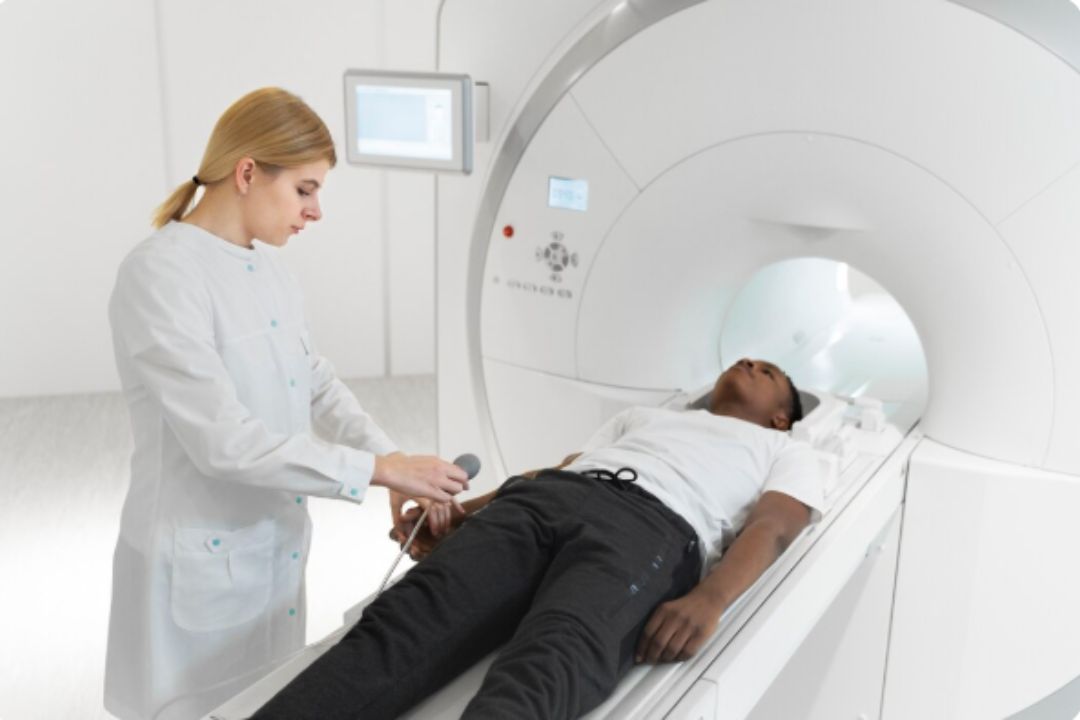
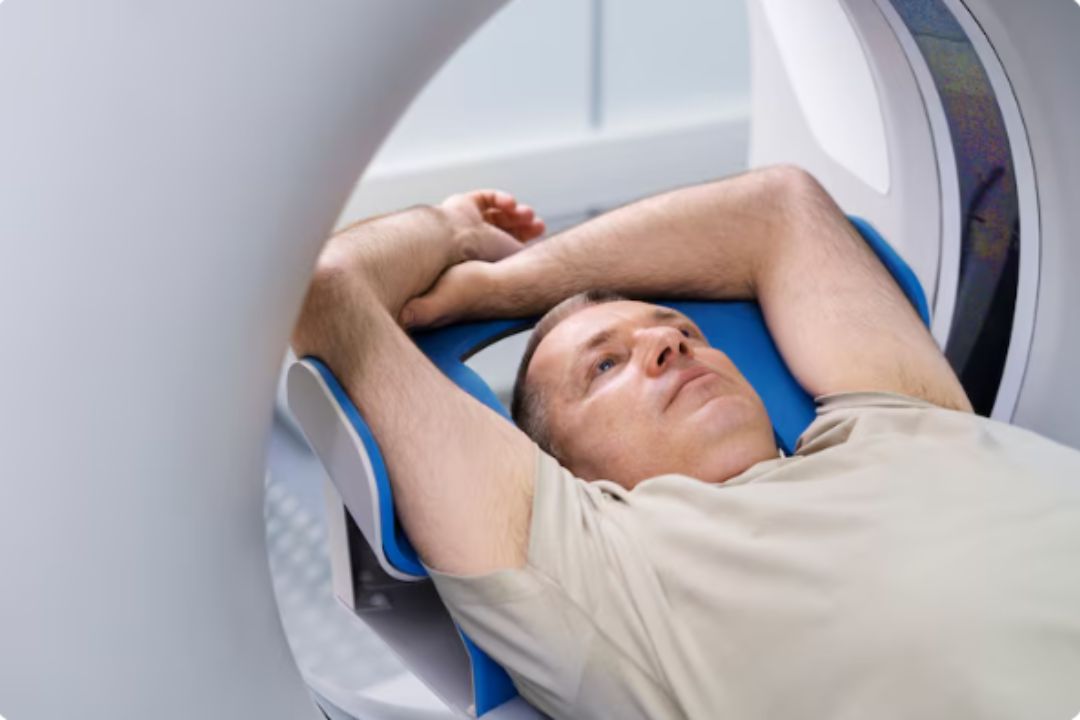
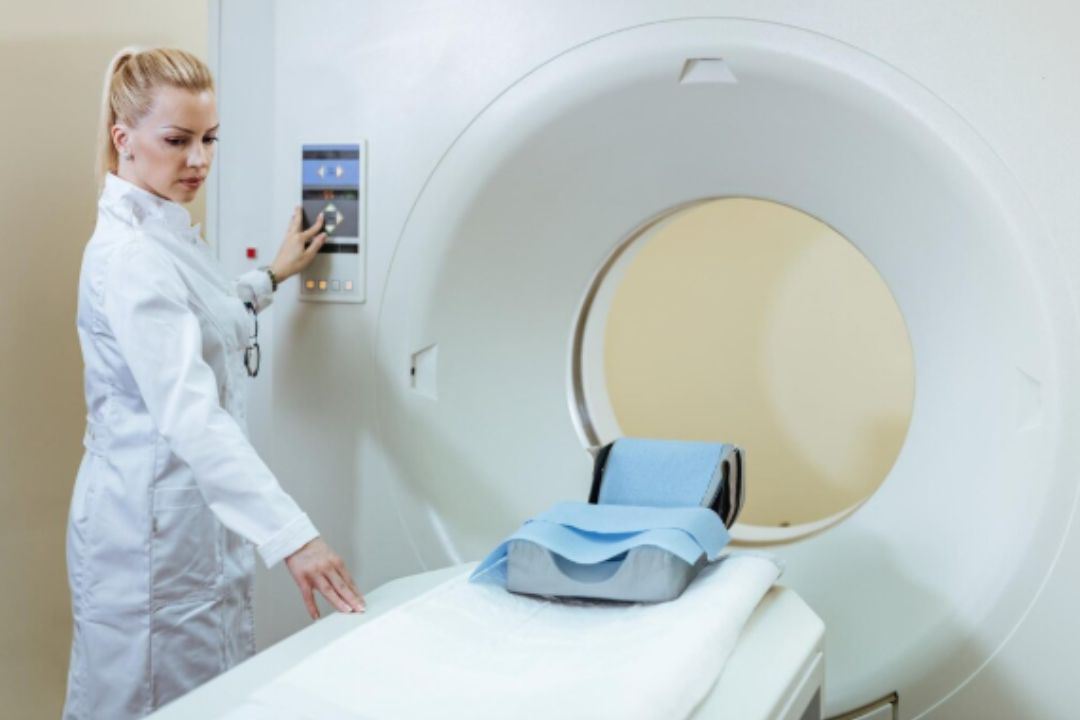
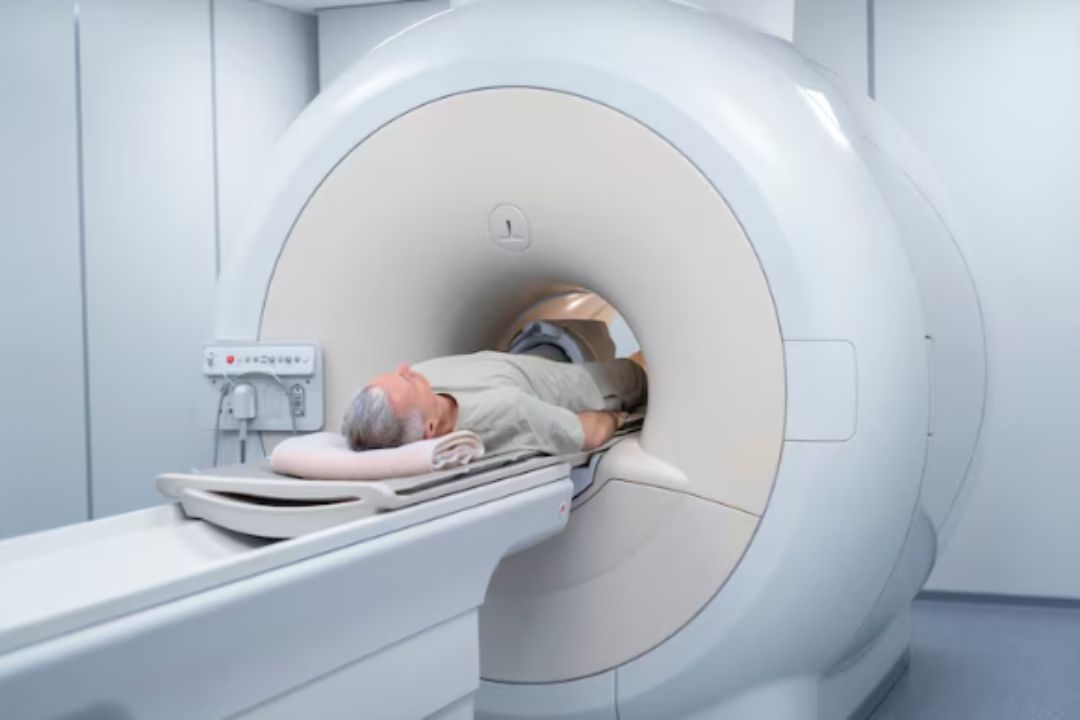
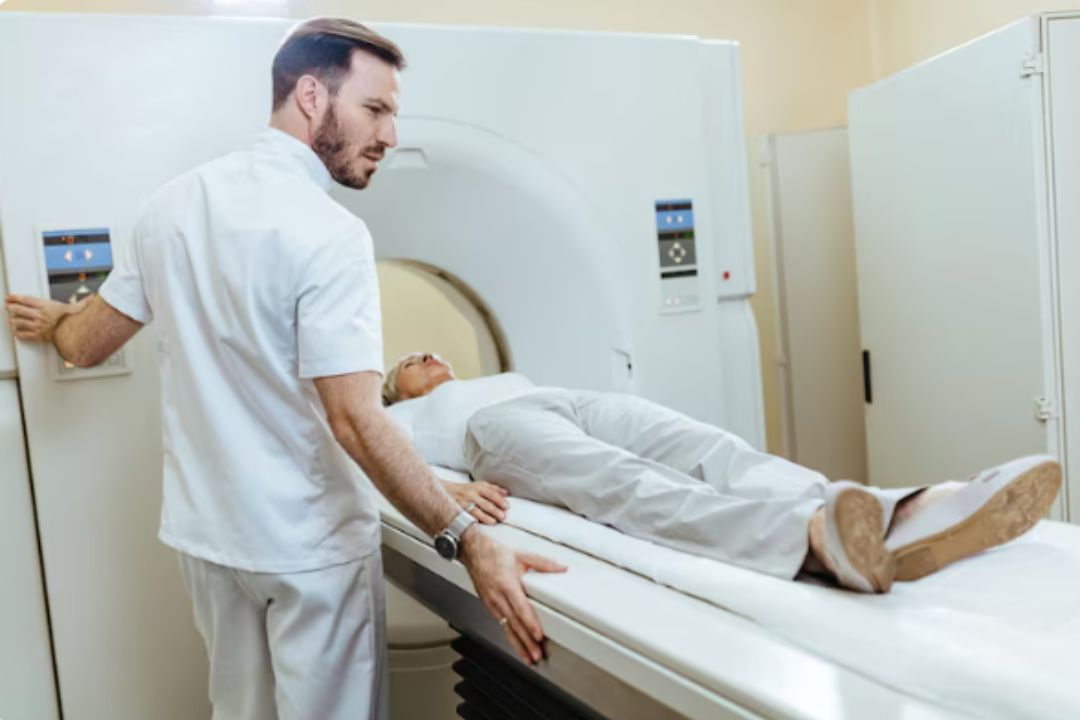
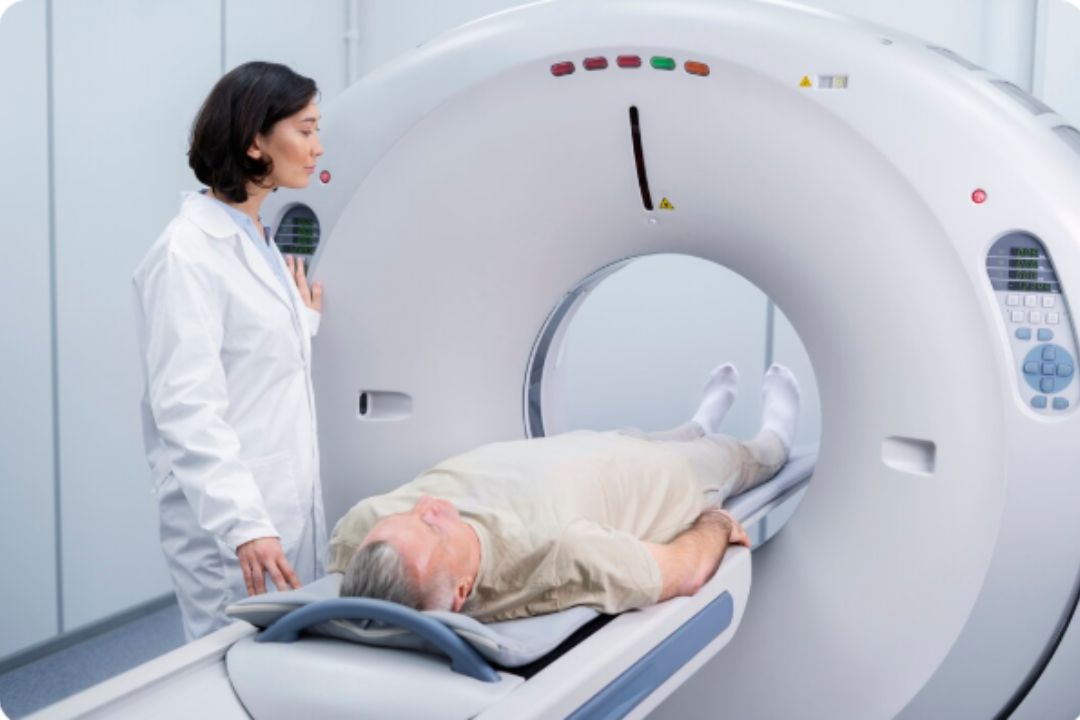
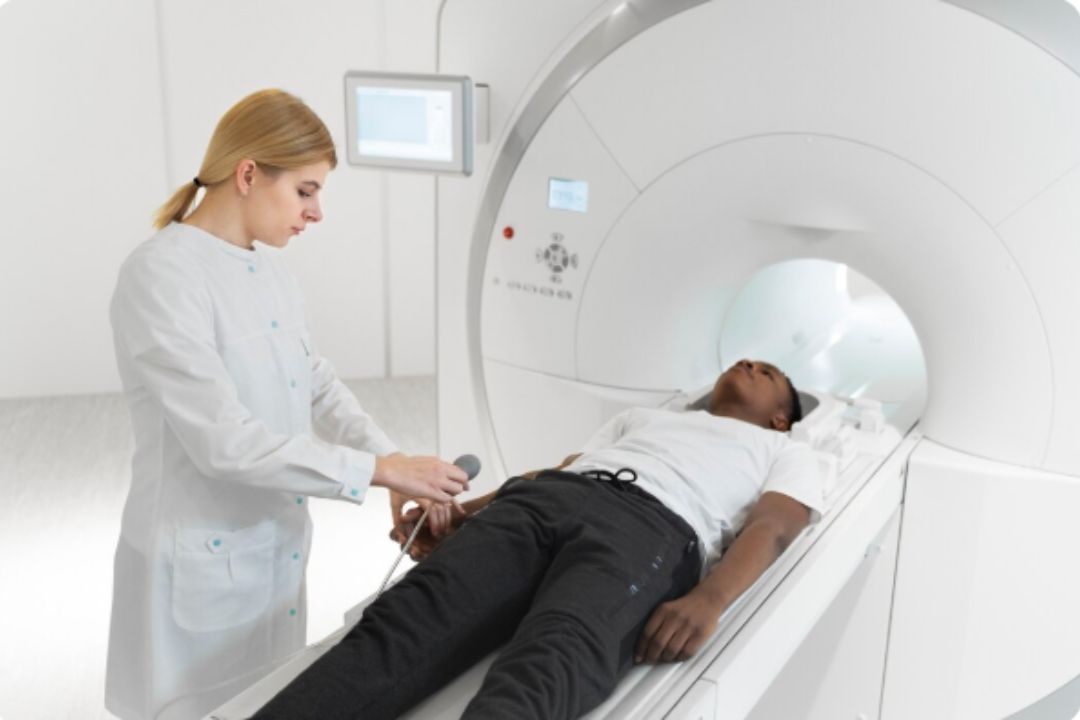
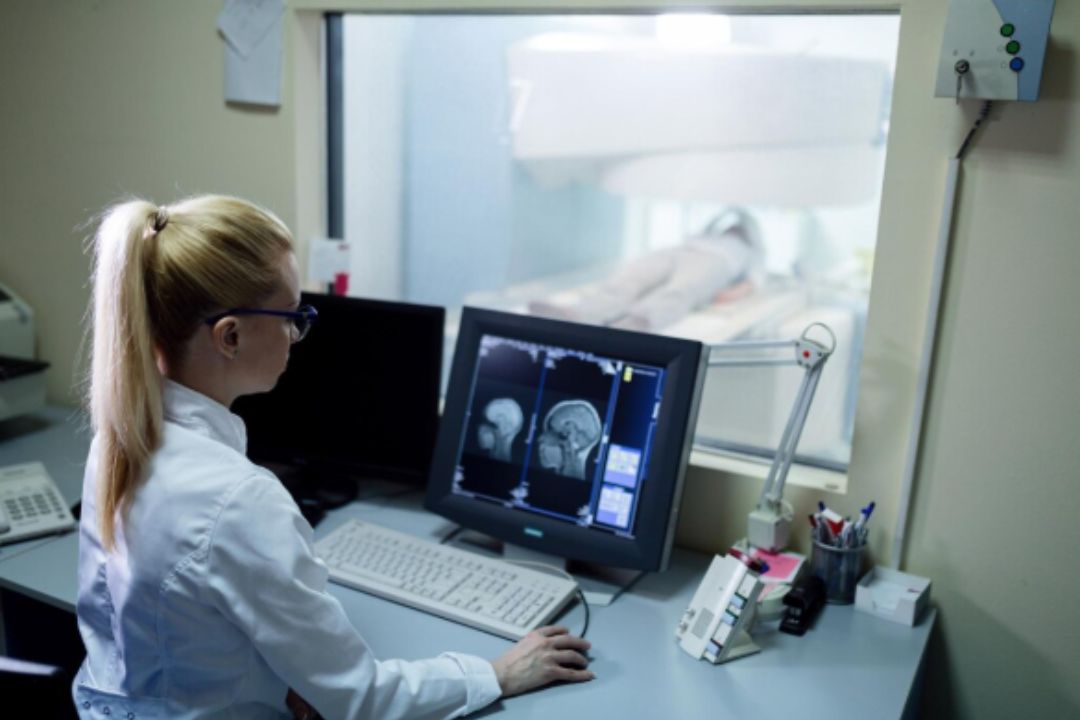
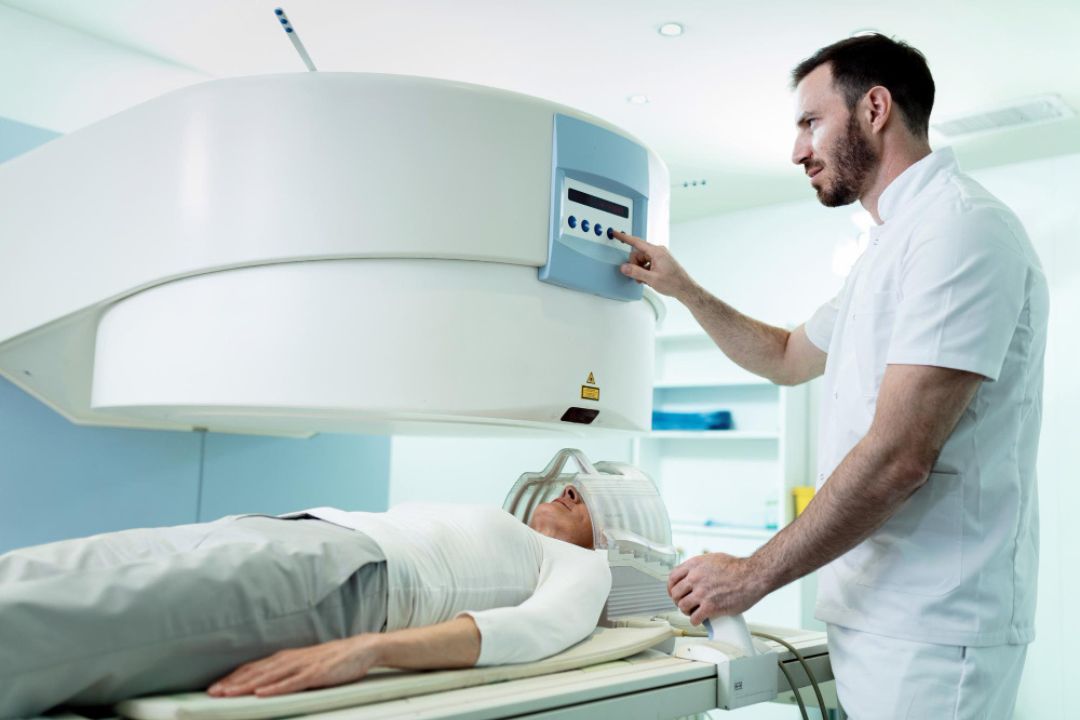
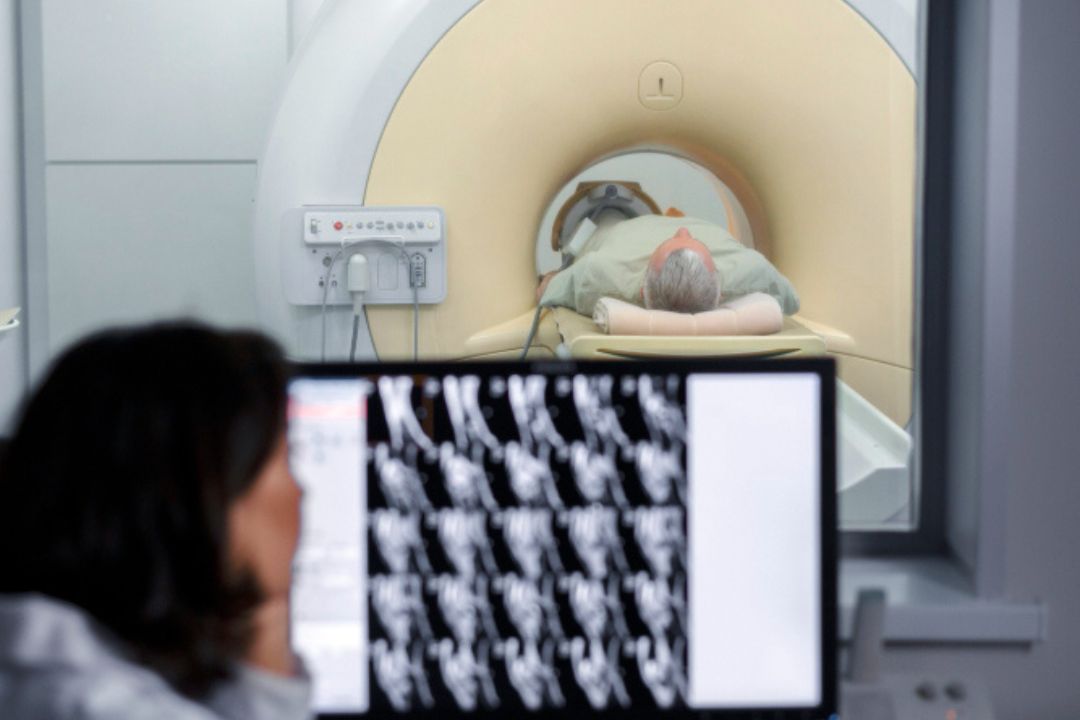
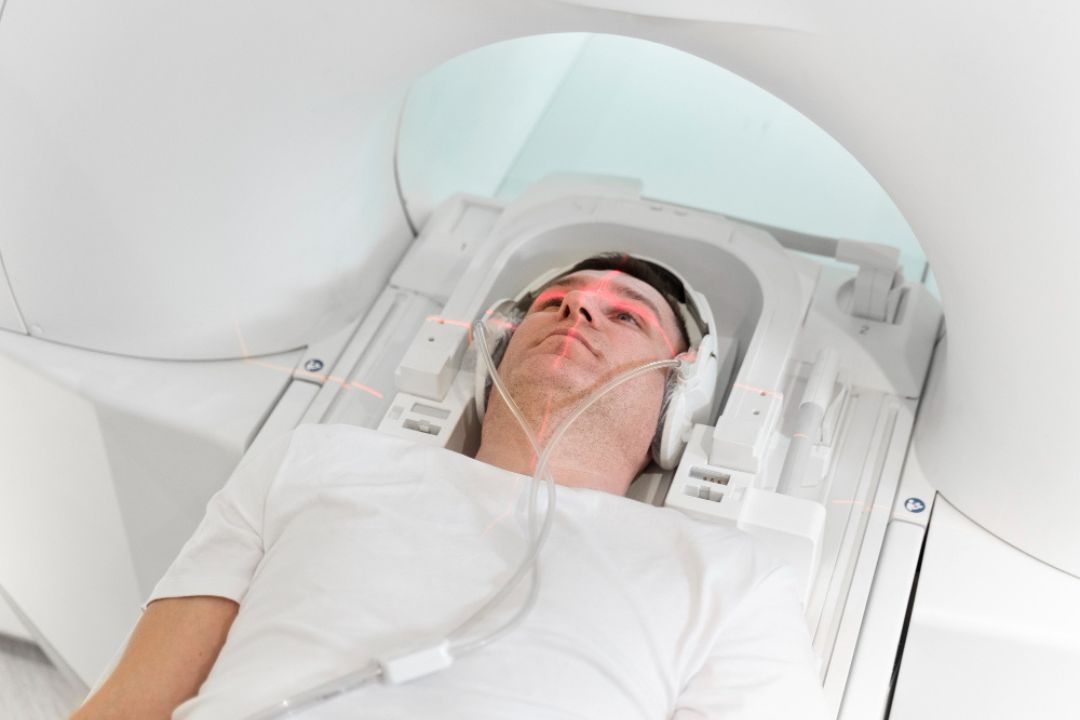
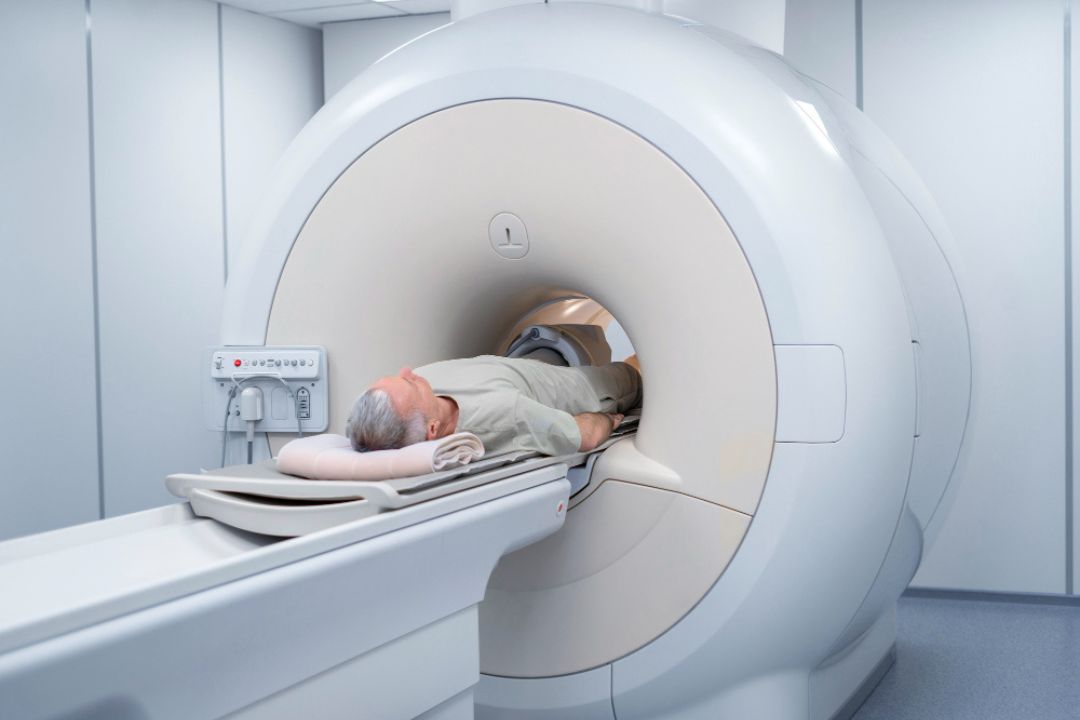
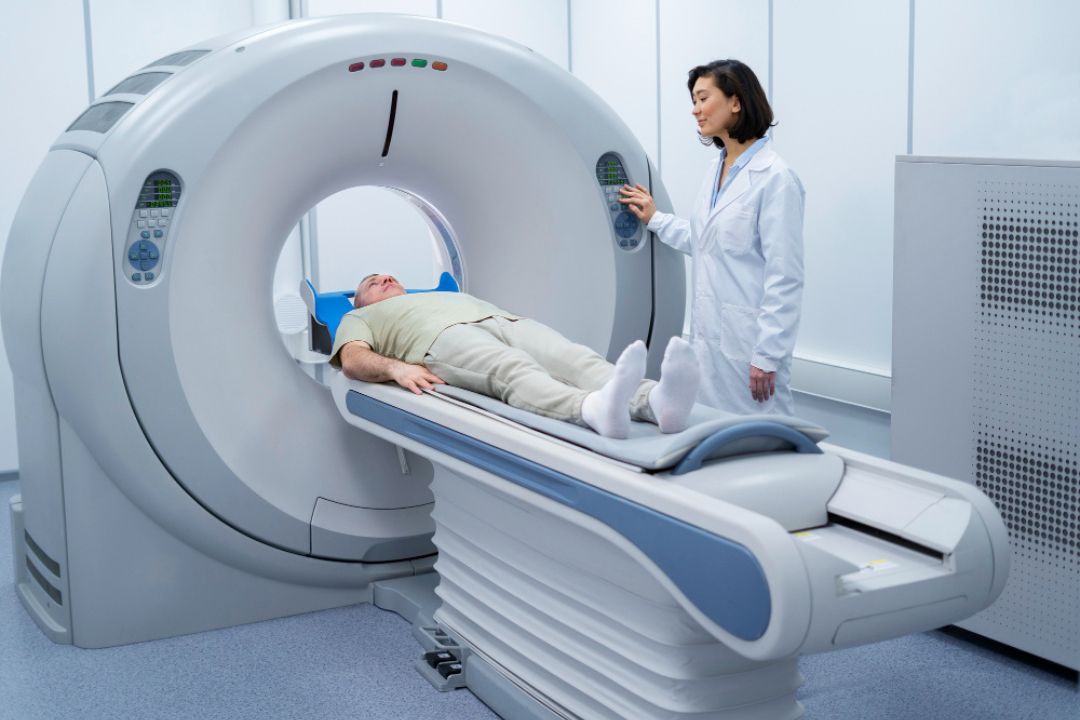
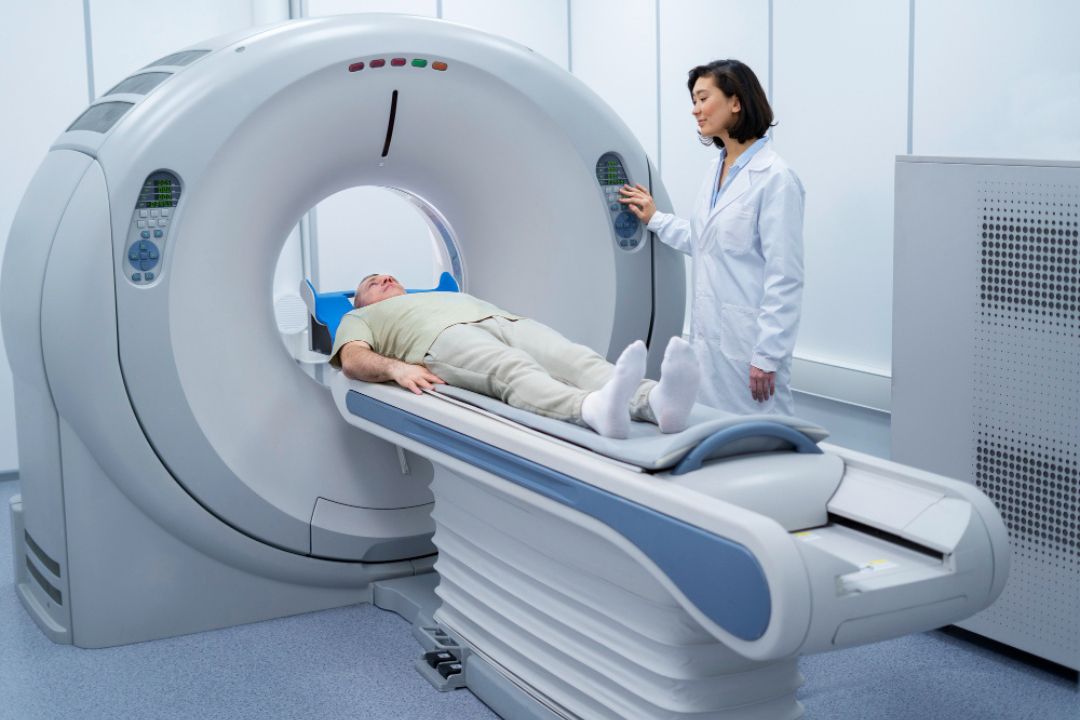
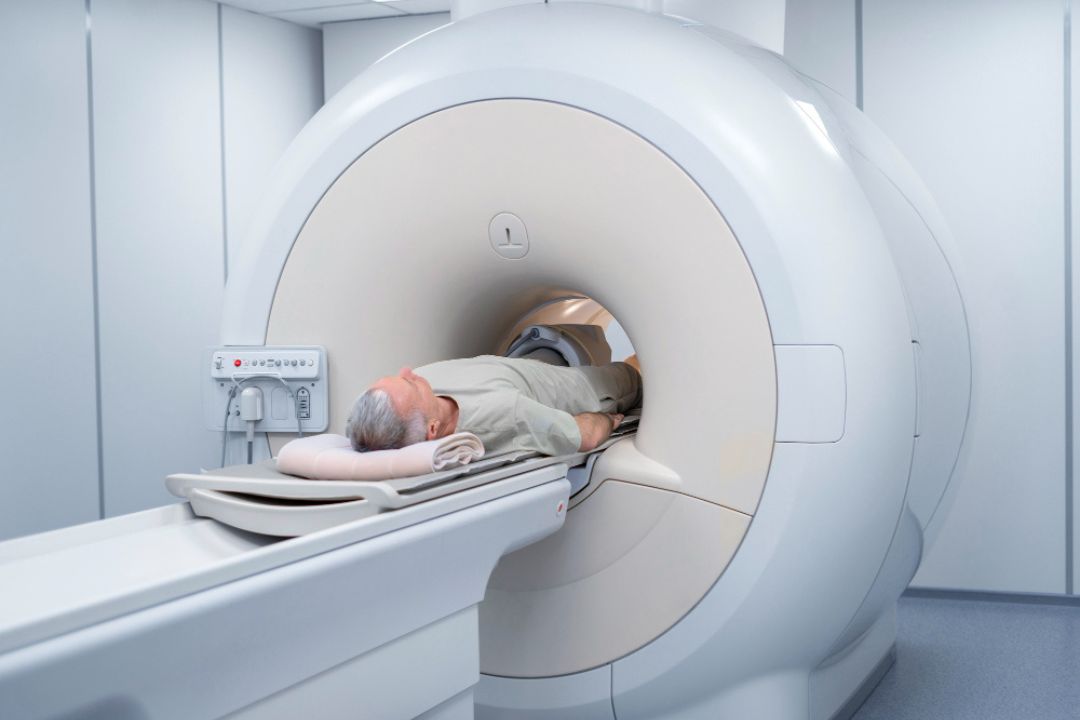
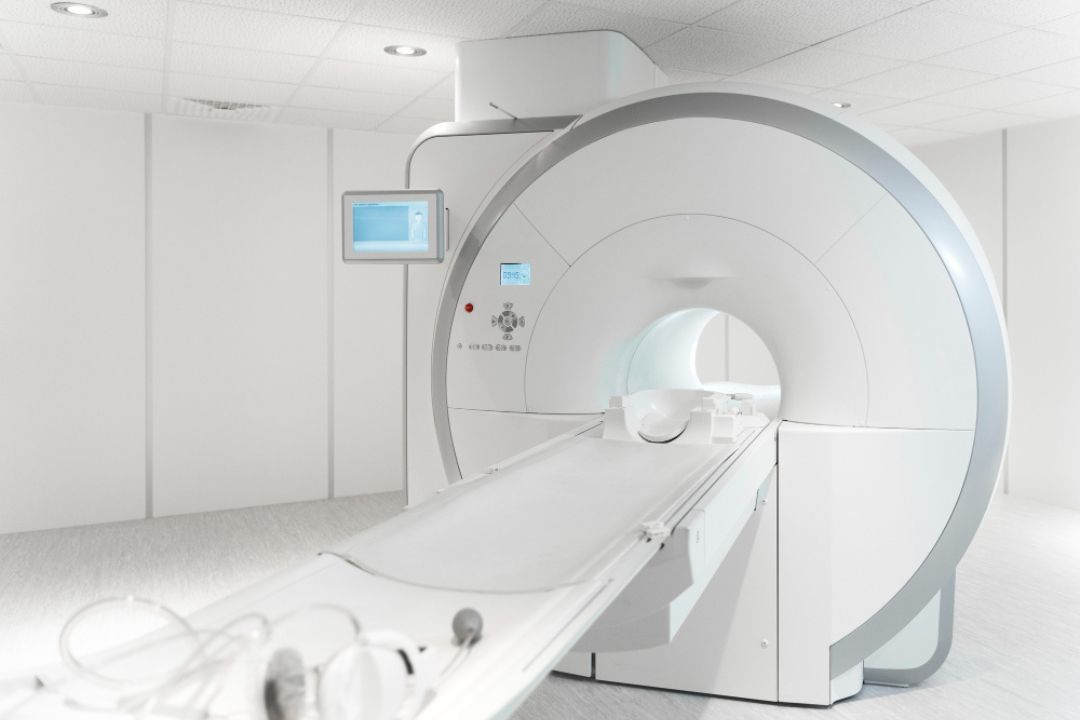
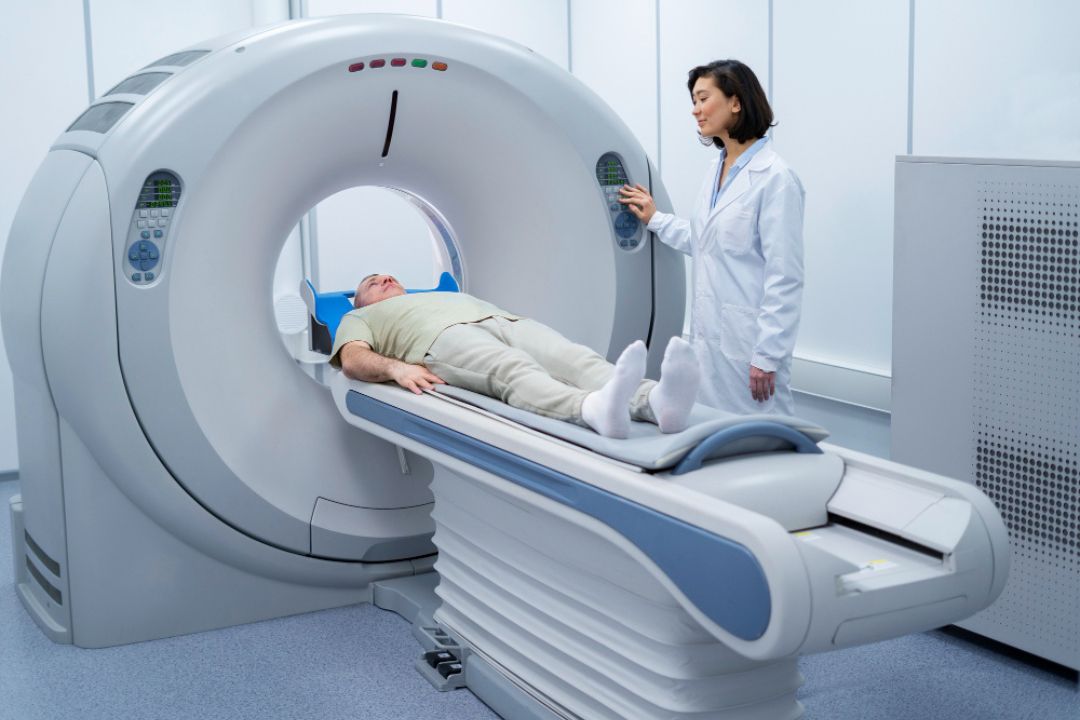
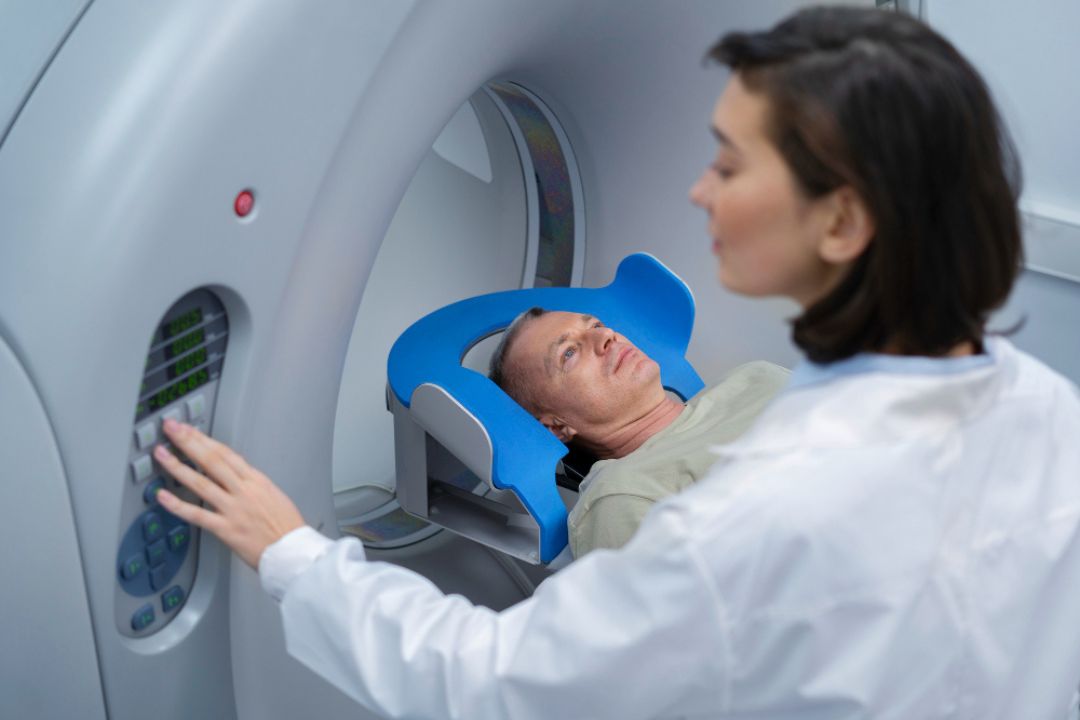
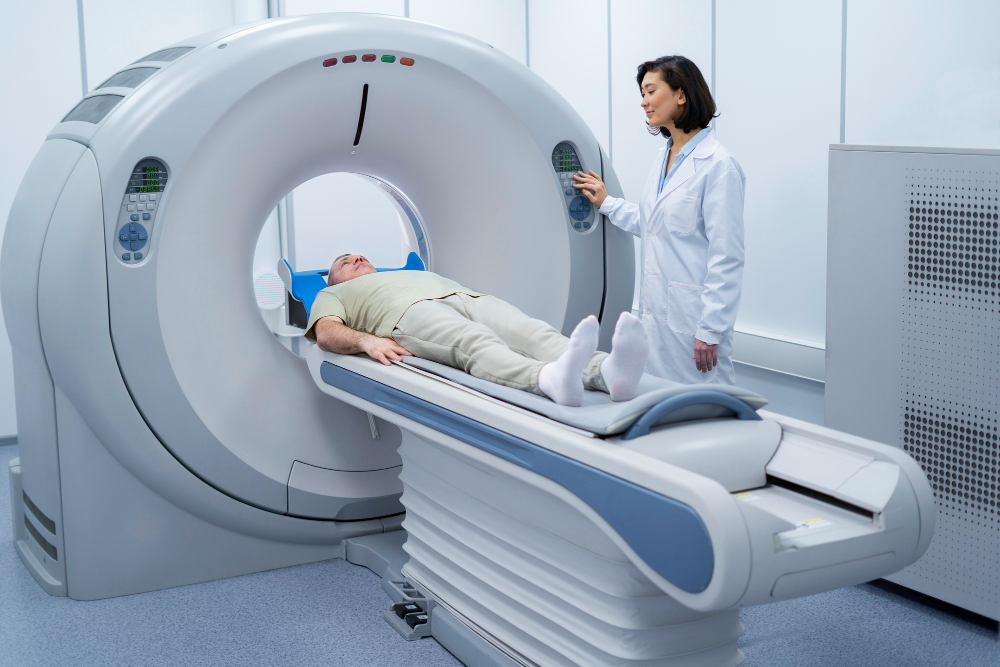
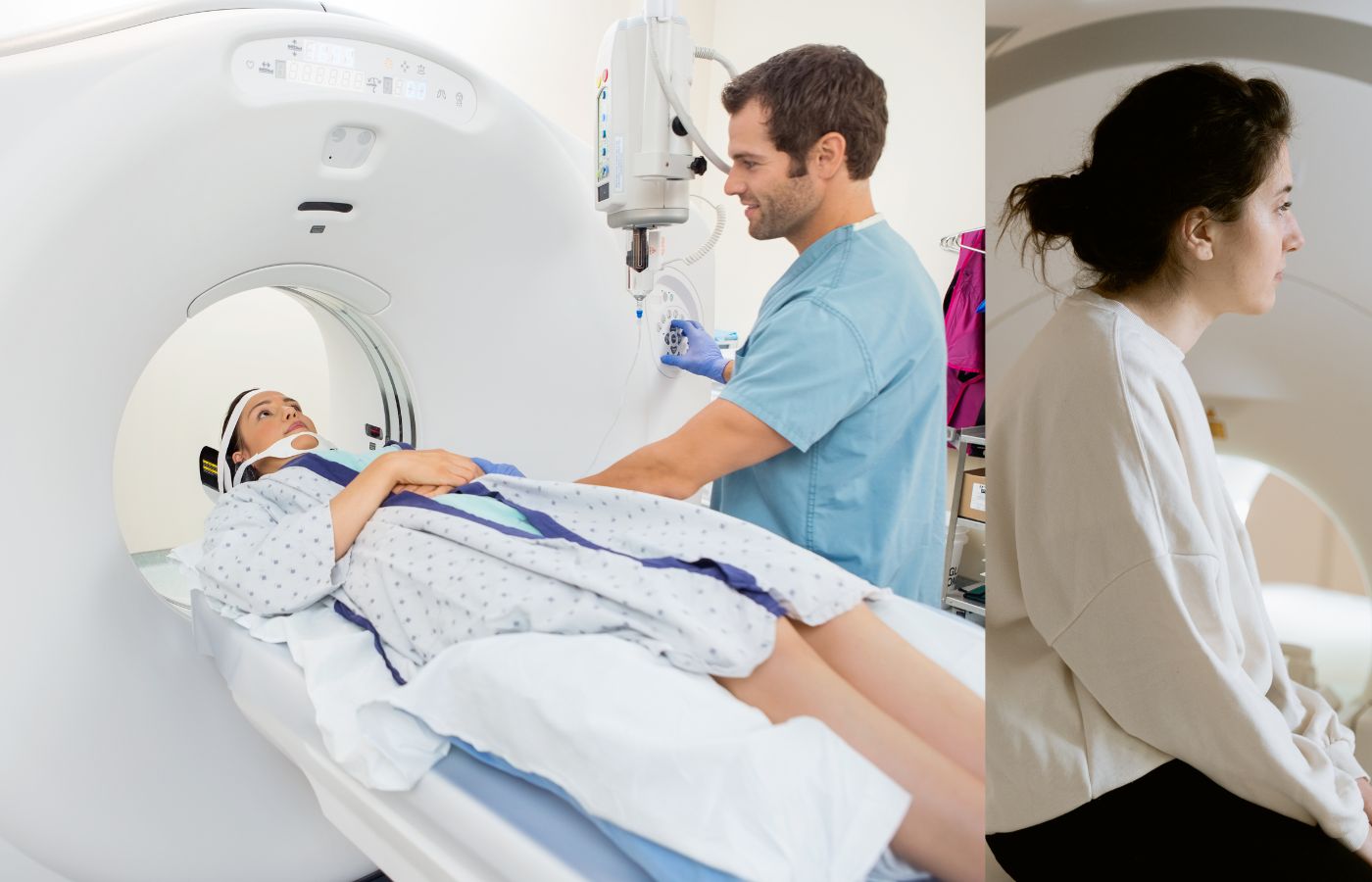
The patient lies on a motorized scanning table.
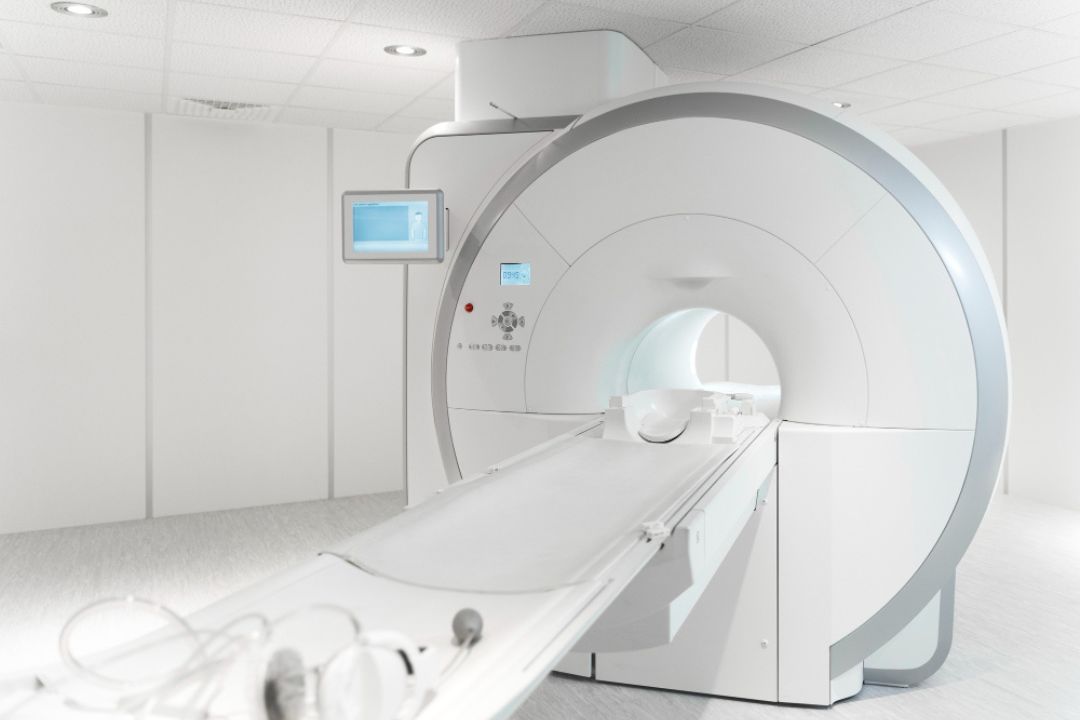
The table moves slowly through the CT scanner.
The scanner rotates around the chest to capture images.
In some cases, a contrast dye may be injected to improve image clarity.
The entire process usually takes 10–20 minutes.
Patients may be asked to hold their breath briefly during the scan to ensure clear images.
Preparation for a CT scan for chest pain may vary depending on the type of scan.
General preparation guidelines include:
Fasting for 4–6 hours if contrast dye is used
Informing the doctor about allergies or medications
Removing metal accessories and jewelry
Wearing comfortable clothing
Following the preparation instructions helps ensure accurate diagnostic results.
A CT scan of the chest offers several advantages in diagnosing chest-related conditions.
Key benefits include:
Highly detailed images of the chest area
Quick and non-invasive procedure
Early detection of serious conditions
Accurate evaluation of heart and lung problems
Helps guide appropriate treatment
These benefits make CT scans an important tool in modern diagnostic medicine.
Chest pain should never be ignored, especially if it is severe or persistent.
Seek medical attention immediately if chest pain is accompanied by:
Difficulty breathing
Dizziness or fainting
Pain spreading to the arms, neck, or jaw
Rapid heartbeat
Nausea or sweating
Prompt medical evaluation can help prevent serious health complications.
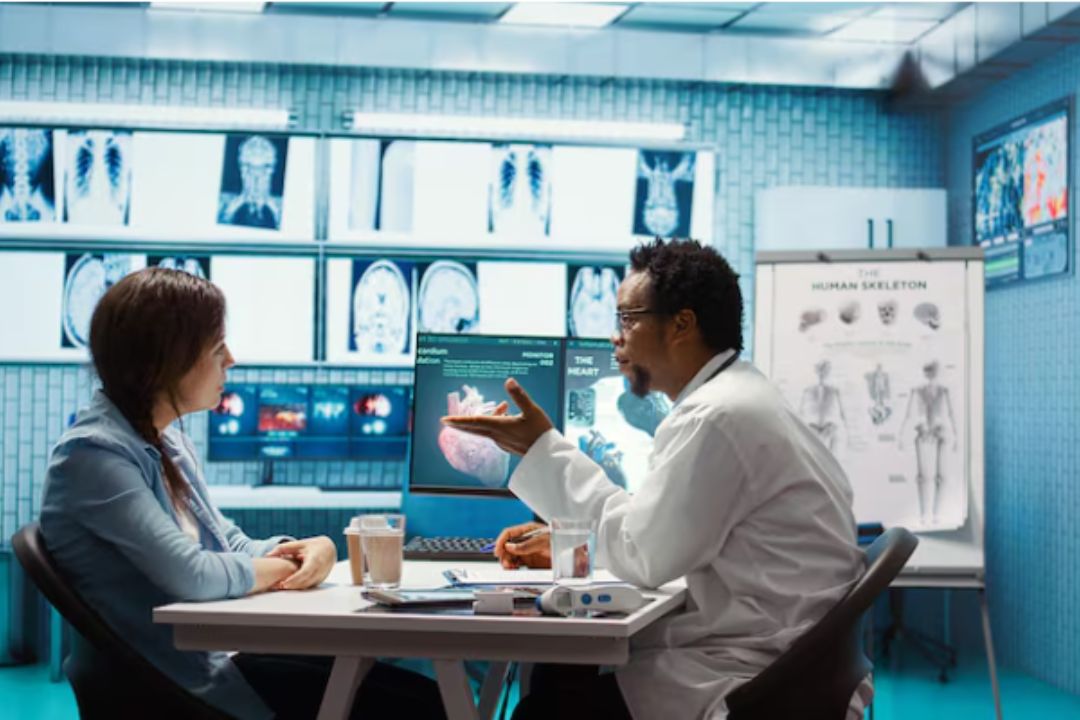
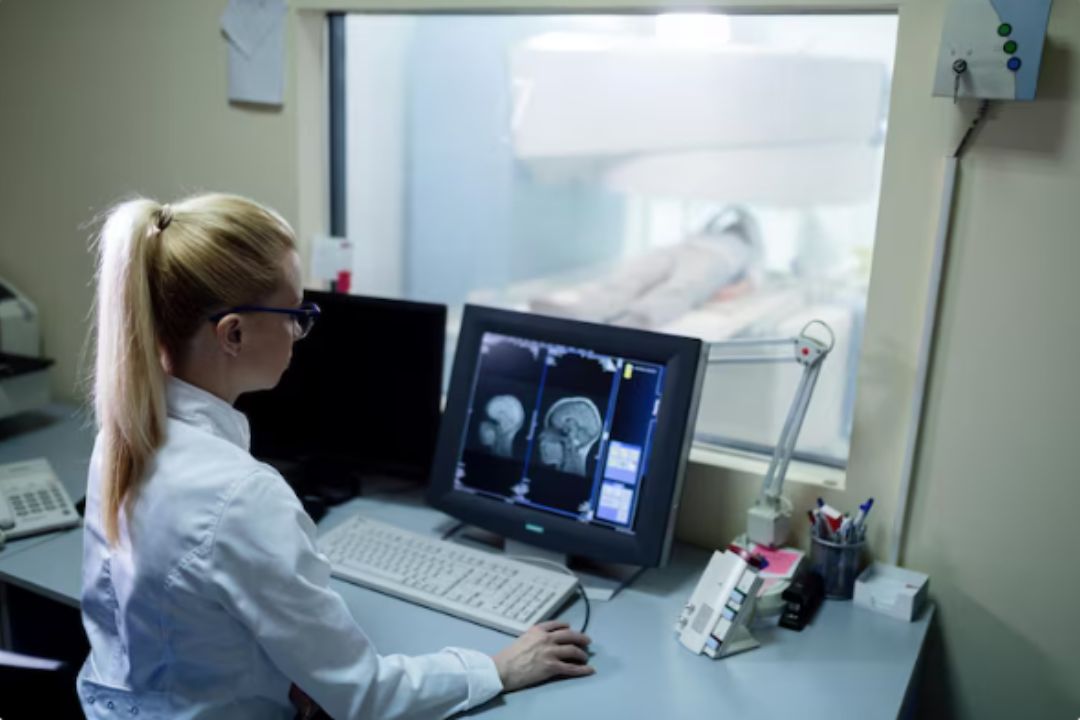
A CT scan for chest pain is an effective diagnostic tool that helps doctors examine the heart, lungs, and chest structures in detail. By providing clear and accurate images, CT scans help identify the cause of chest pain and guide the appropriate treatment.
At Diagnopen, advanced CT imaging technology and experienced specialists help ensure reliable diagnosis and quality patient care for individuals experiencing chest discomfort.










.jpg "ct brain scan plain and contrast")
















.jpg "ct scan")

.jpg "ct scan or mri for brain disorders")


.jpg "exploring the power of ct brain contrast in modern diagnostics")
.jpg "ct scan")
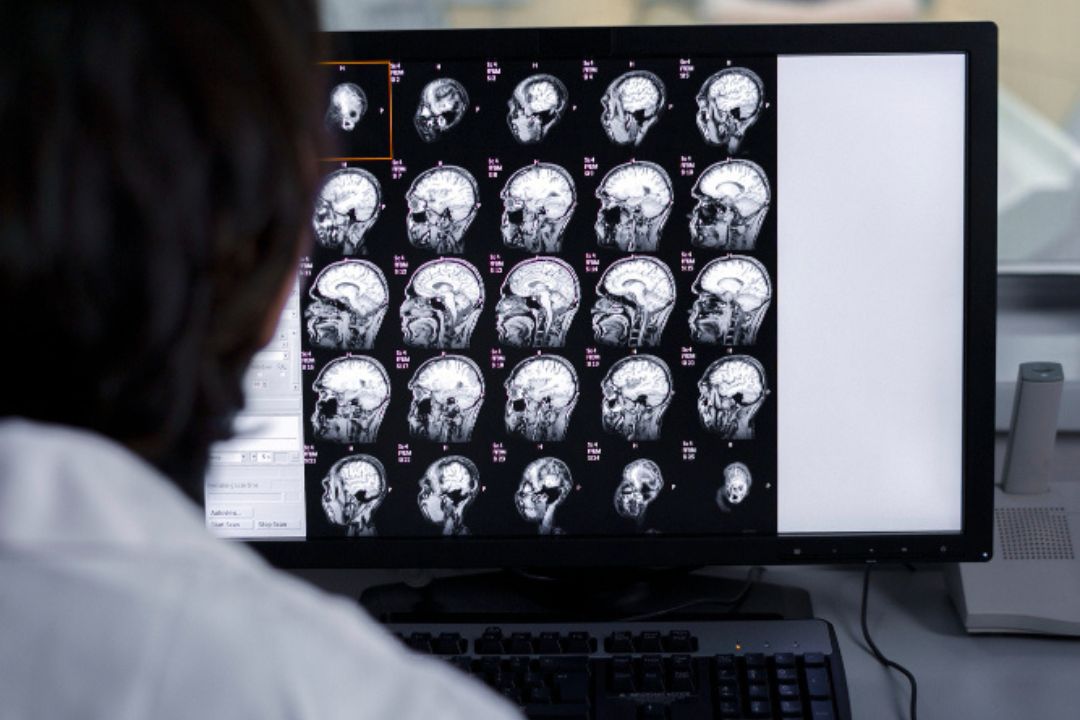
.jpg "ct scan")

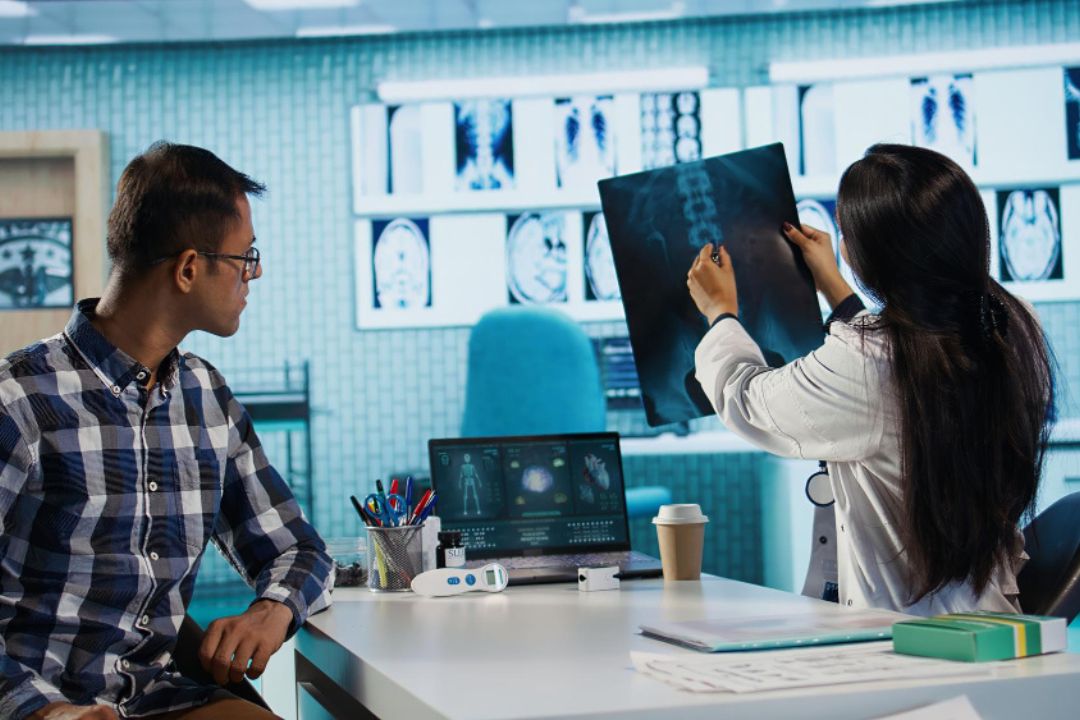
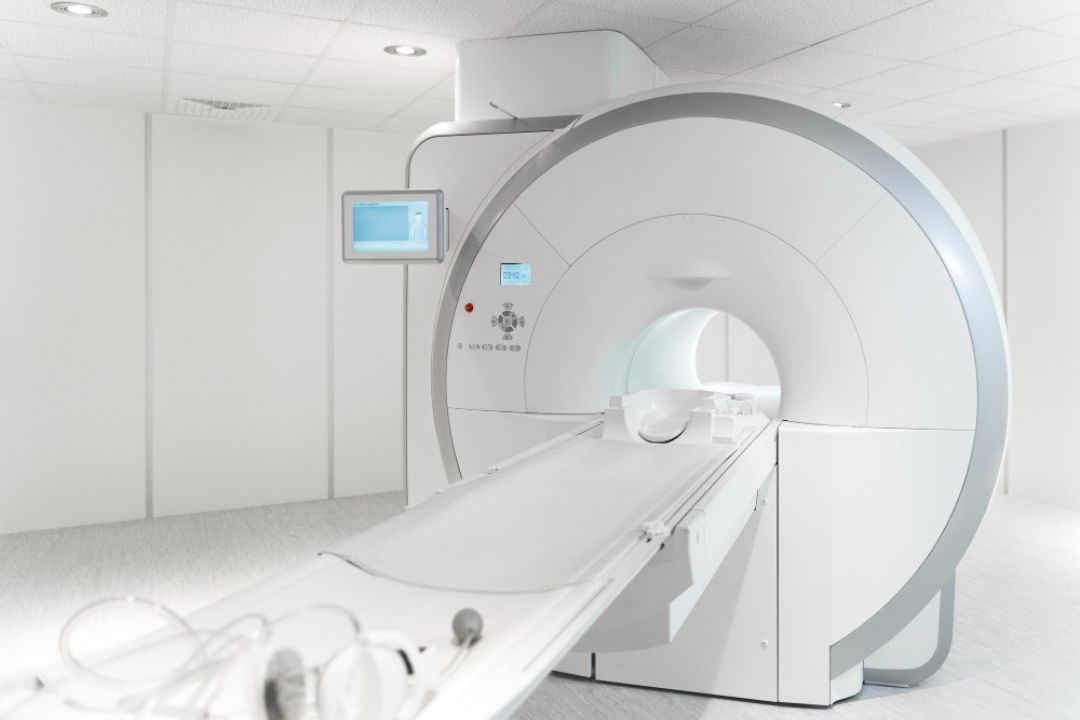








.jpg "ct scan")

.jpg "CT Brain Scan for Headaches")
.jpg "The Future of 3D CT Imaging")