In the critical realm of cancer diagnosis, where early detection can significantly alter outcomes, medical imaging stands as a frontline warrior. The Computed Tomography (CT) scan is one of the most frequently utilized tools in this battle. But when a doctor recommends it, a flood of questions arises. How reliable is a CT scan for cancer detection? Can it detect all types? This comprehensive guide delves into the science, benefits, and practical aspects of CT scans, providing the clarity you need to navigate your diagnostic journey with confidence, especially if you're considering services at Diagnopein Mumbai.
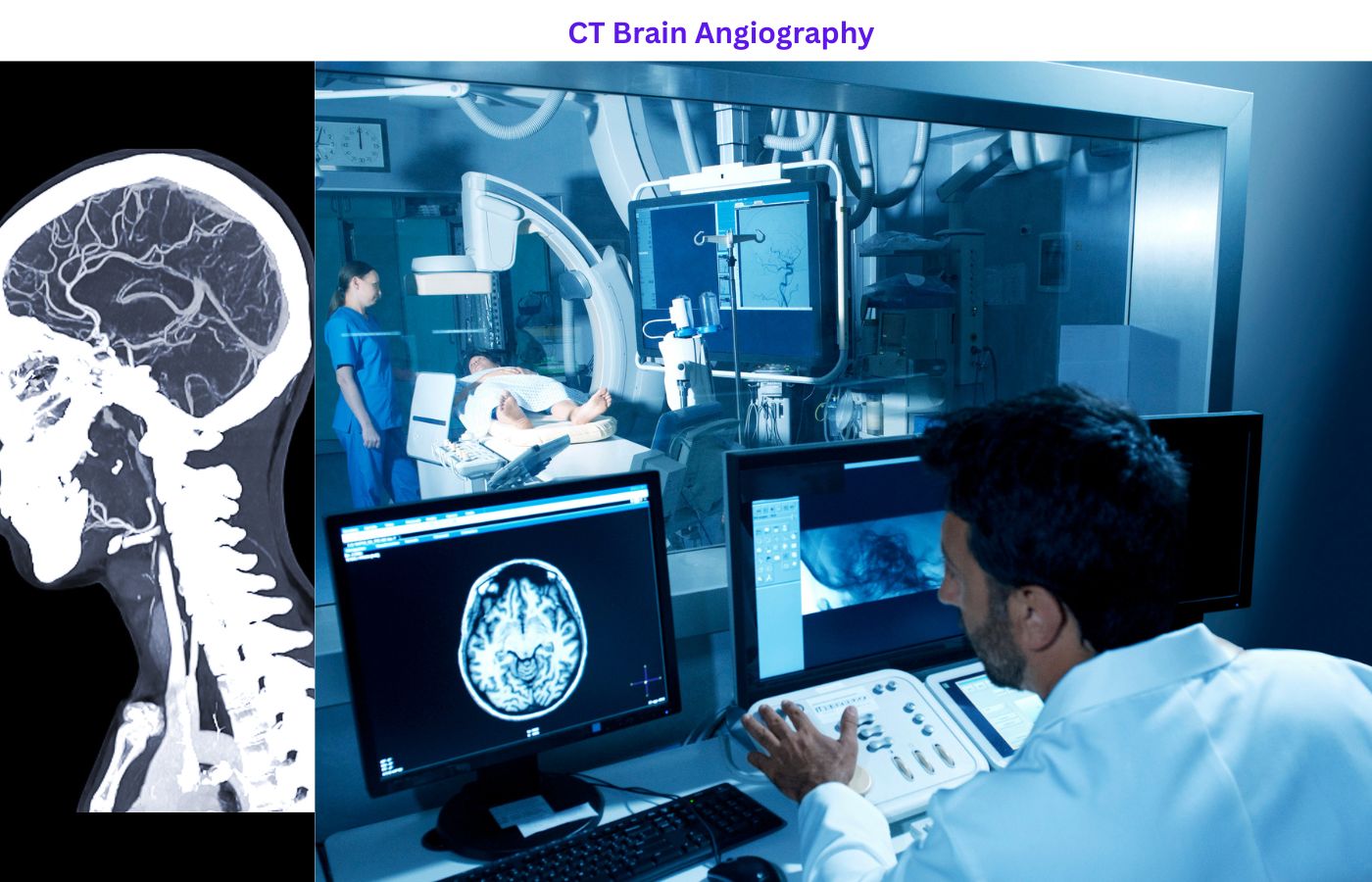
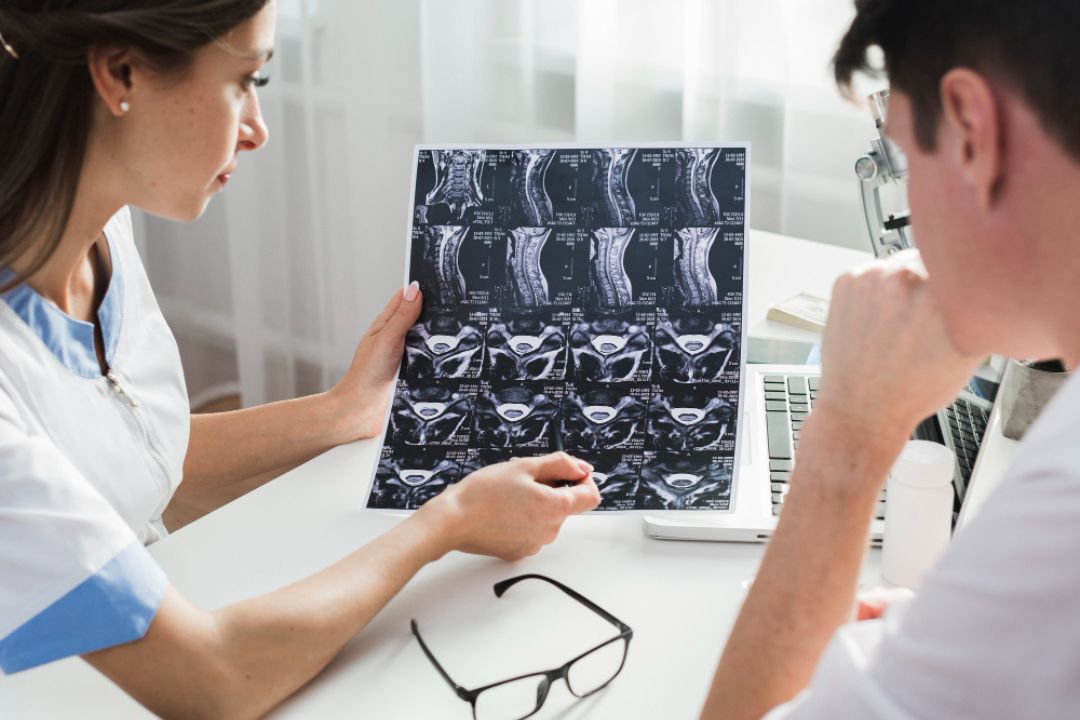
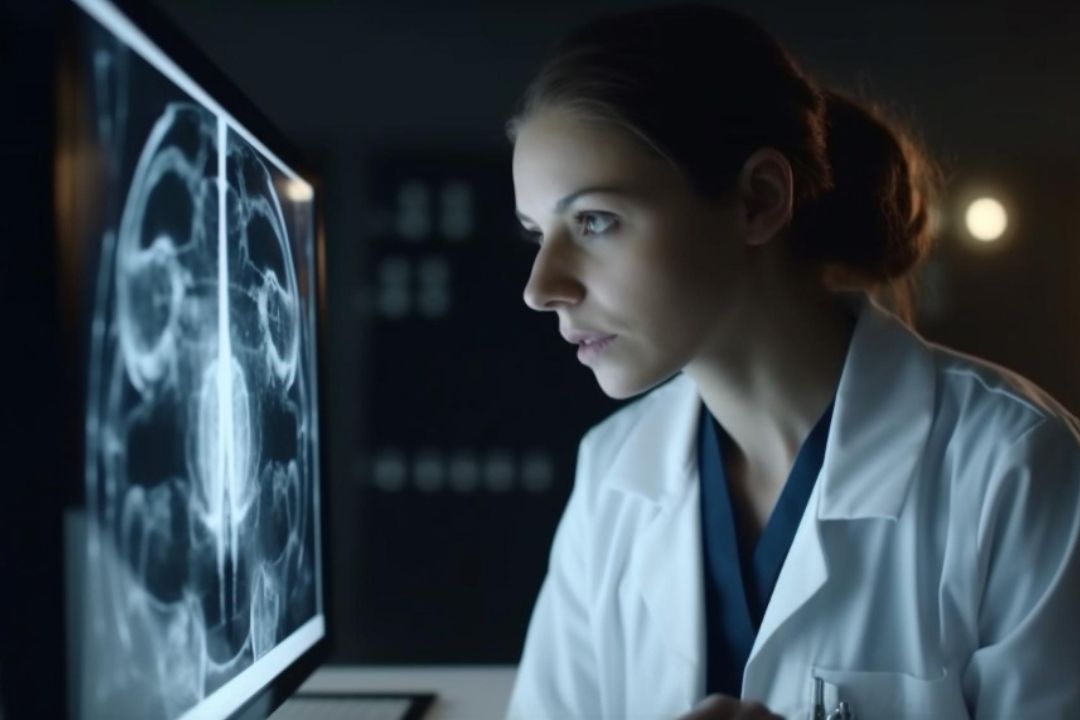
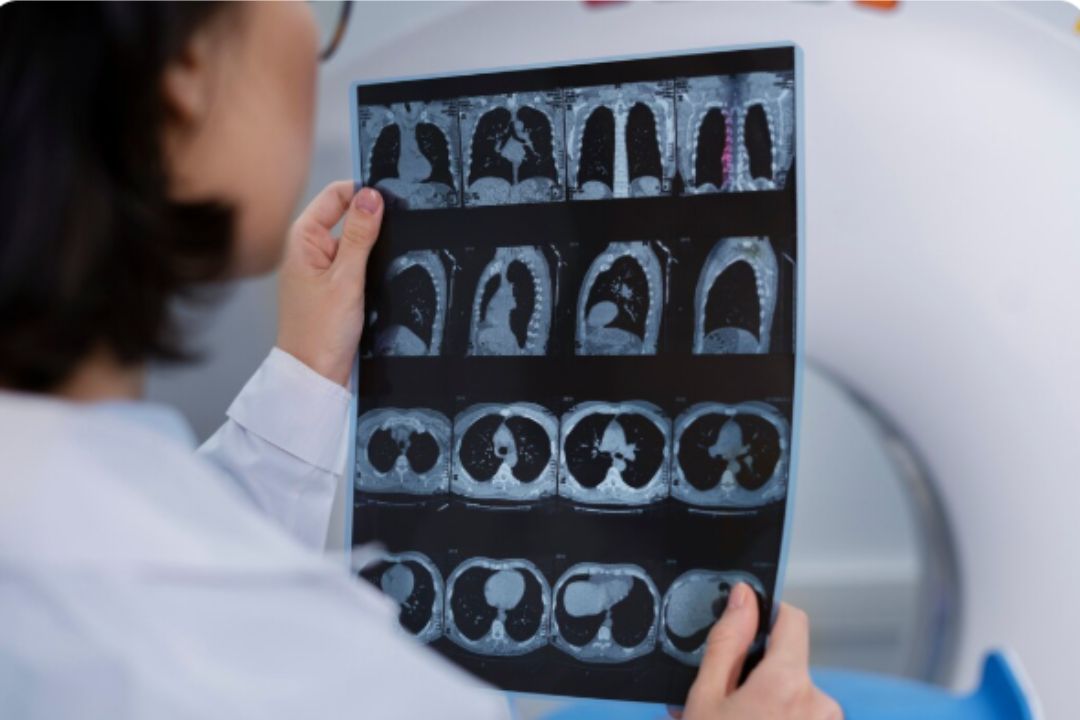
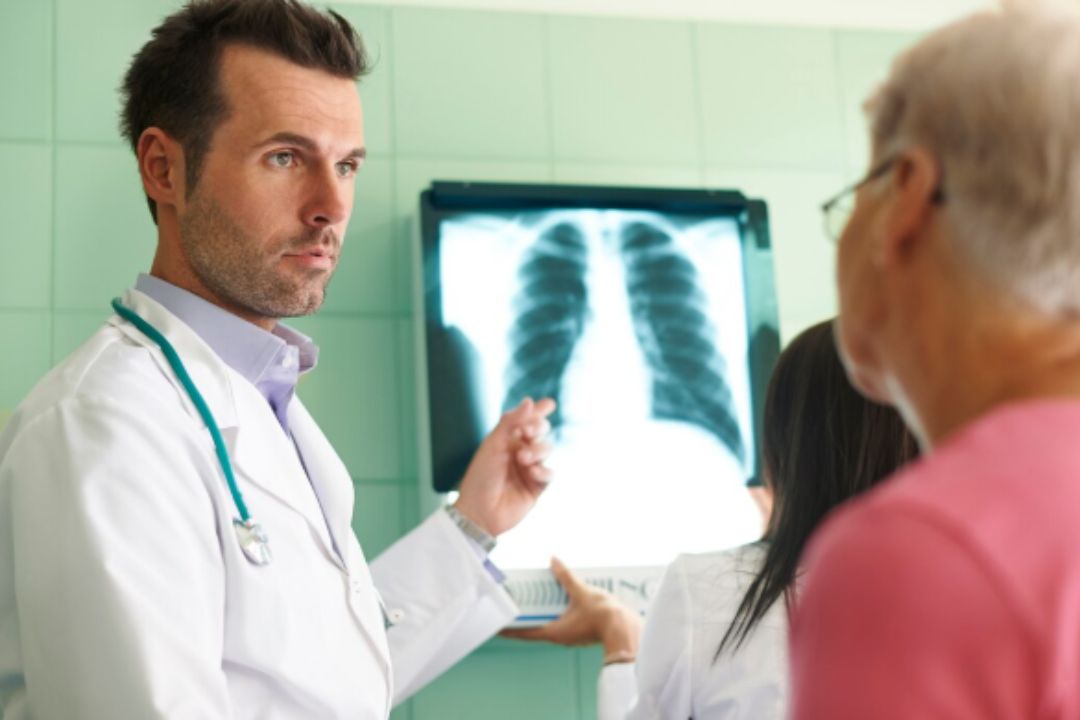
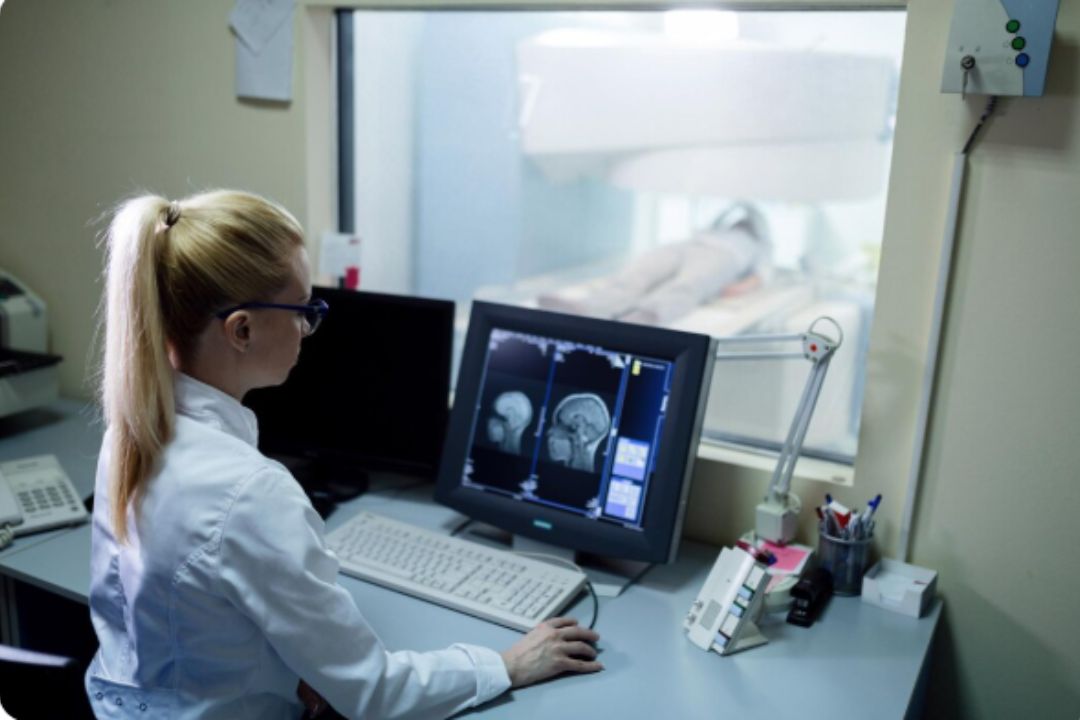
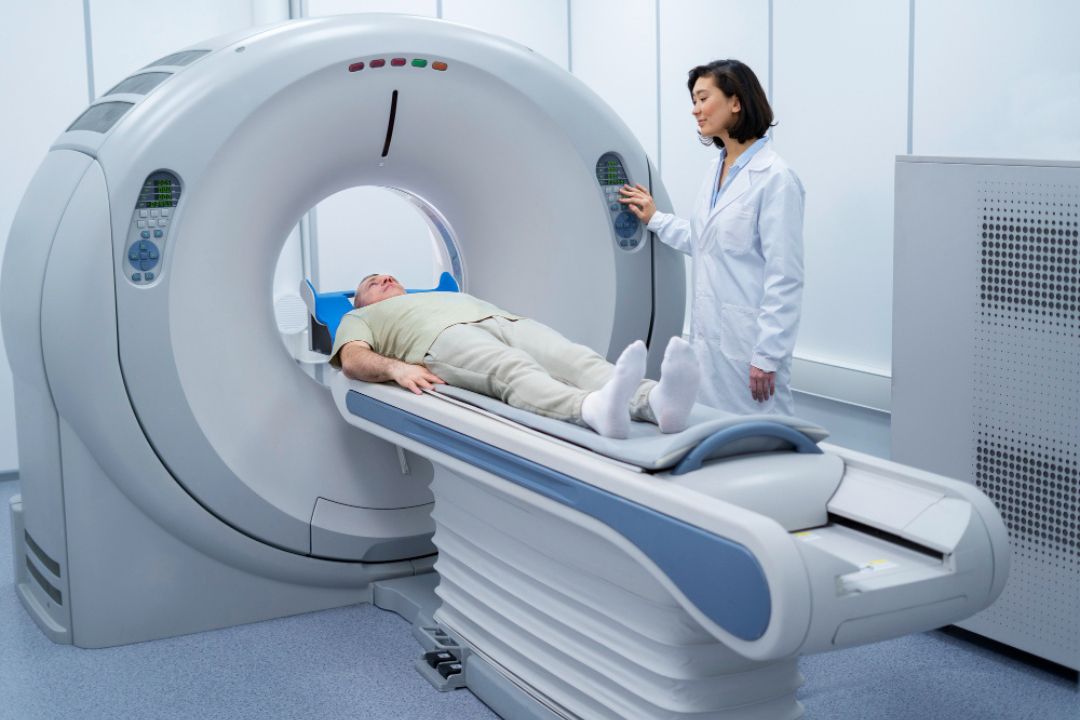
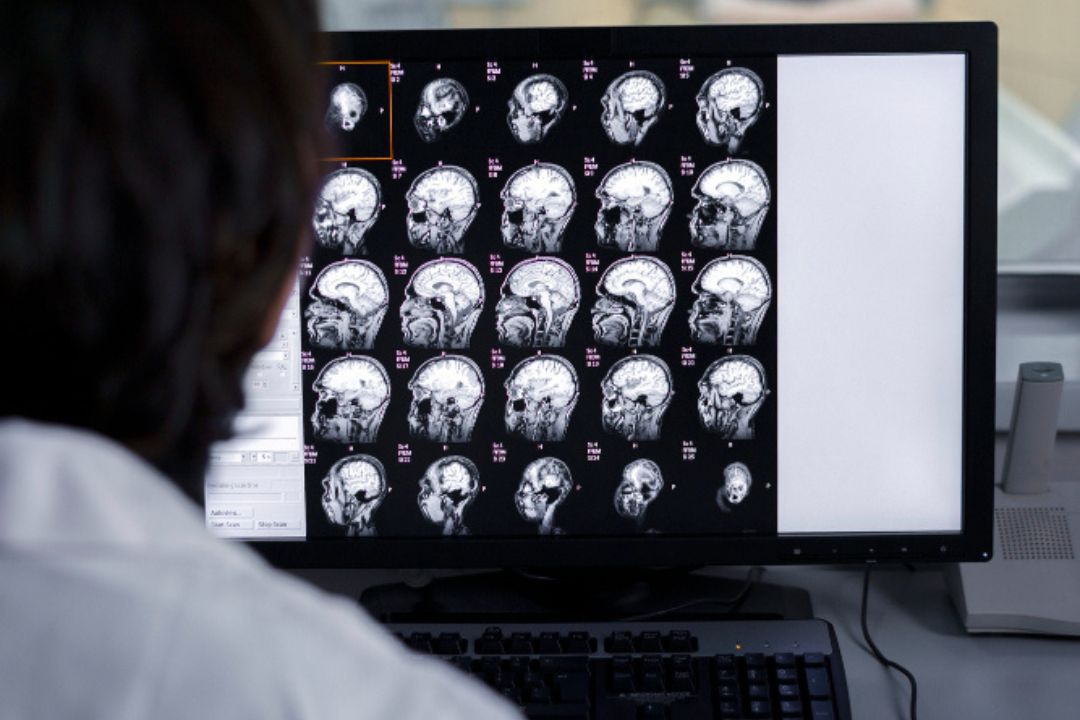
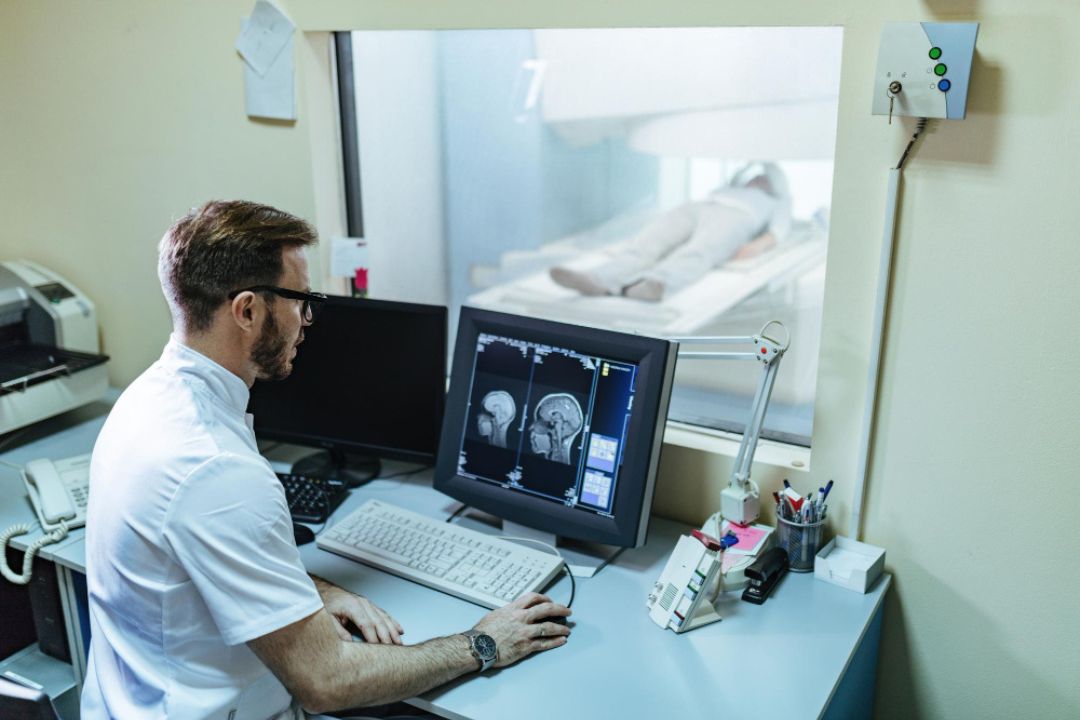
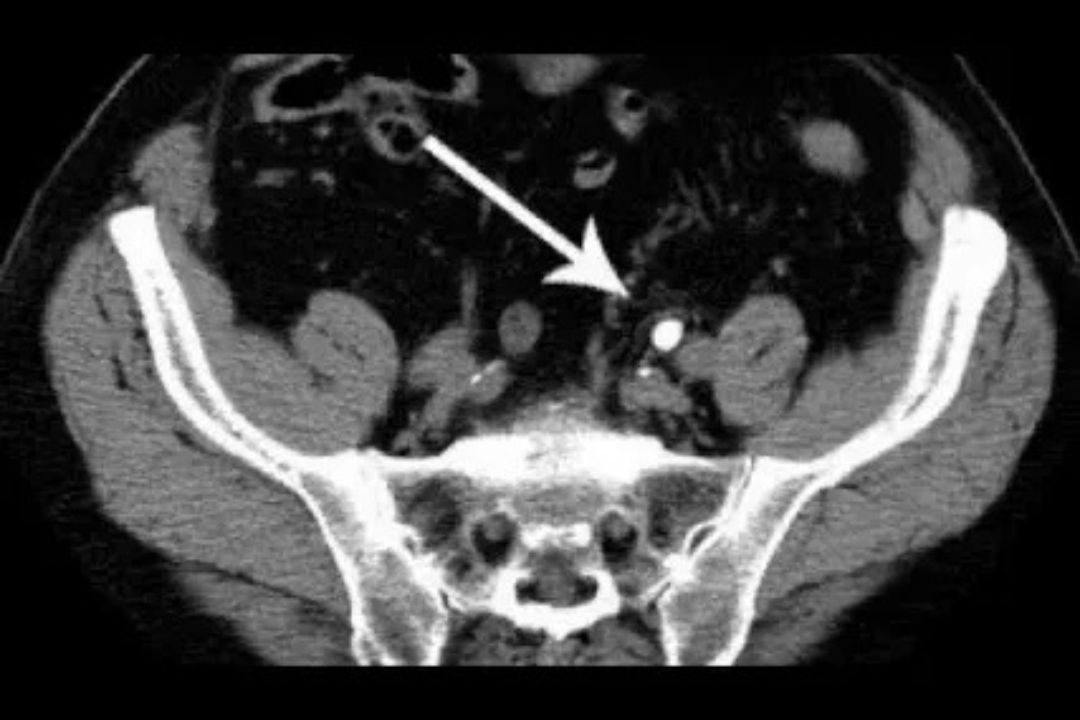
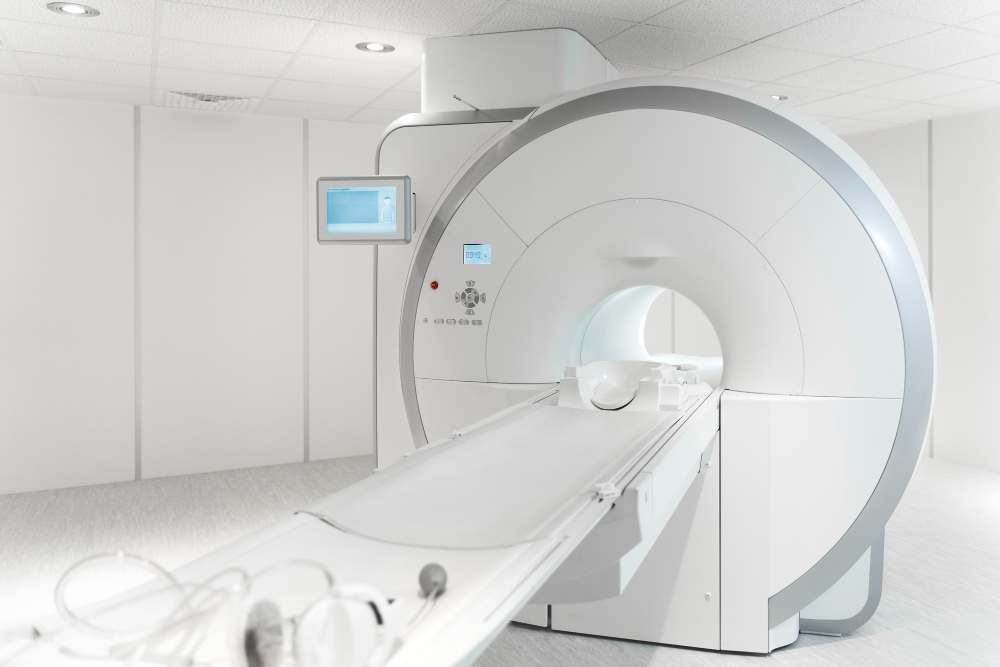
The direct answer is a resounding yes, a CT scan is a highly effective tool for detecting many cancers. It works by taking multiple X-ray images from different angles and using computer processing to combine them into detailed cross-sectional slices of your body. This allows radiologists to peer inside organs and tissues with remarkable clarity.
Its reliability shines in detecting:
Solid Tumors: It is excellent for identifying masses in organs like the lungs (lung cancer), liver, kidneys, pancreas, and lymph nodes.
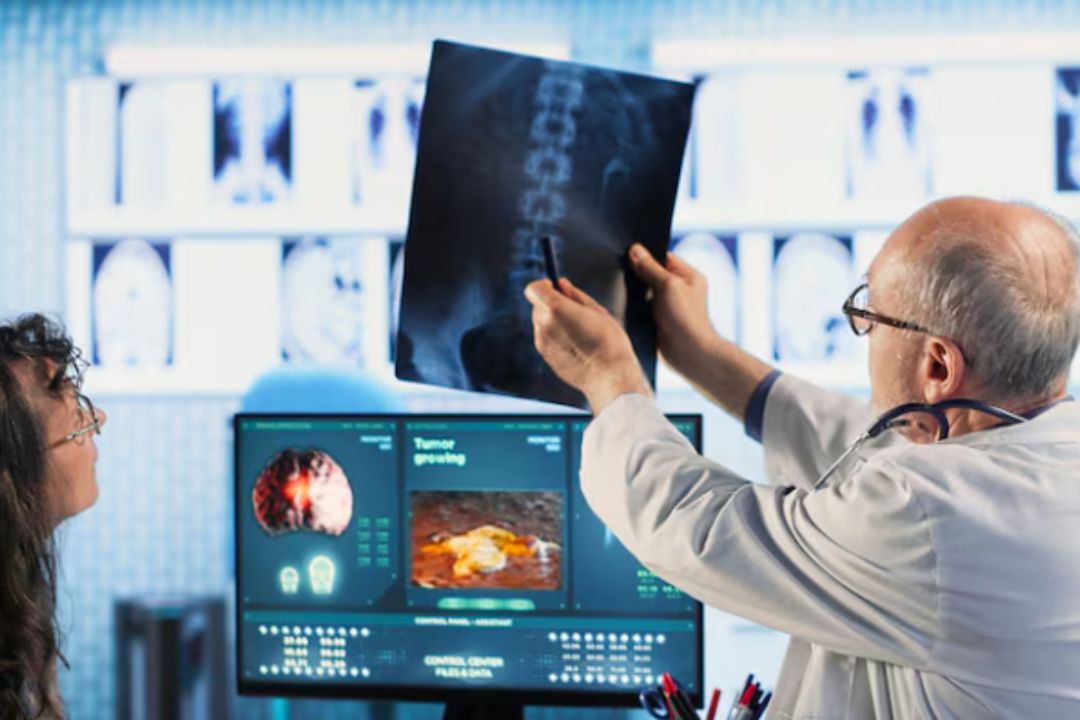
Cancer Staging: Once cancer is diagnosed, a CT scan is invaluable for determining the tumor's exact size, location, and, crucially, whether it has spread (metastasized) to other parts of the body.
Guiding Procedures: It acts as a roadmap for biopsies, ensuring precise sampling of suspicious tissue.
Monitoring Treatment: Comparing CT scans over time helps doctors see if a tumor is shrinking, stable, or growing during therapy.
However, the crucial "but" lies in understanding its limitations. No single test is infallible.
Size Matters: Very small tumors (often those under a few millimeters) might not be visible.
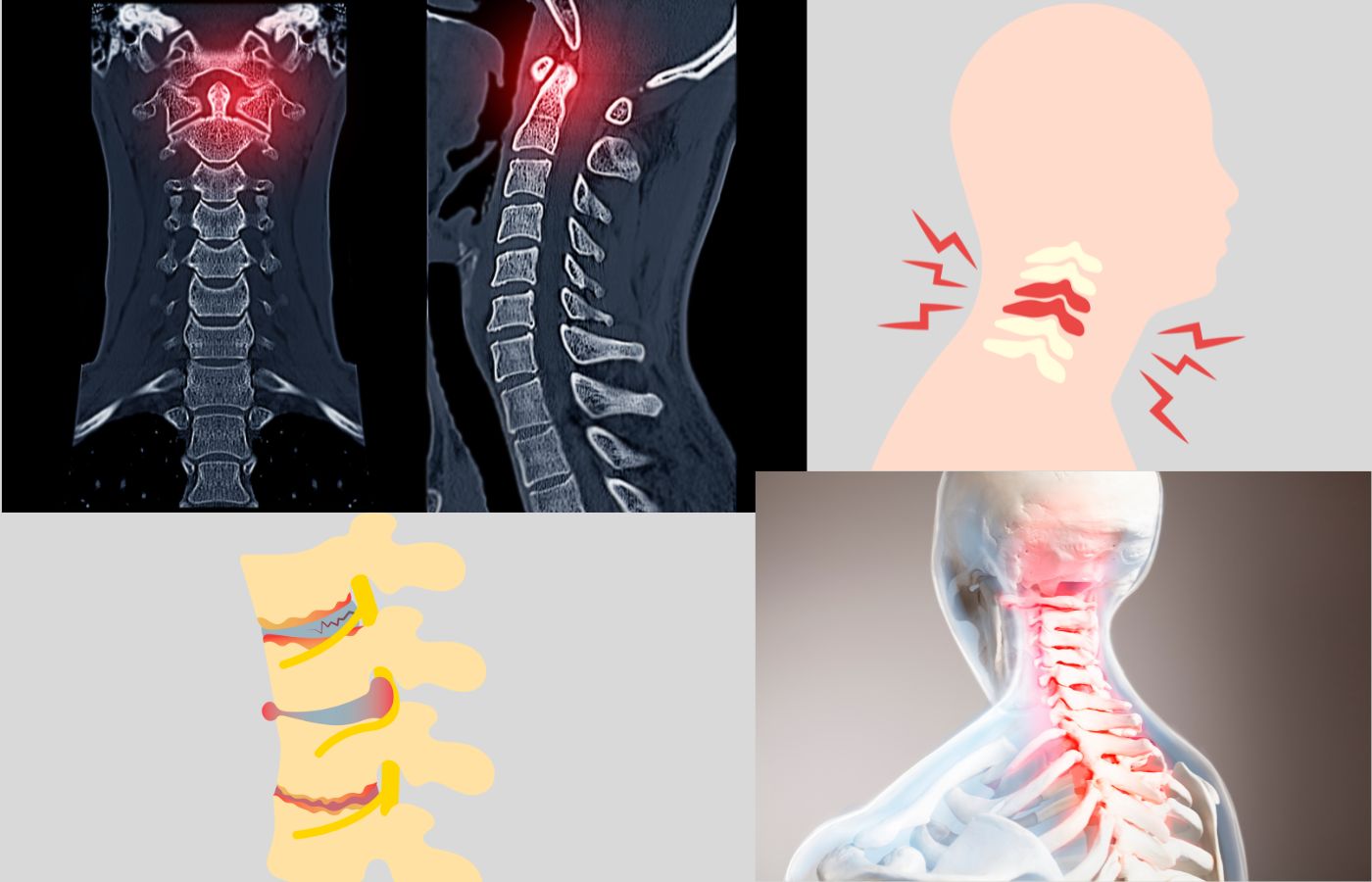
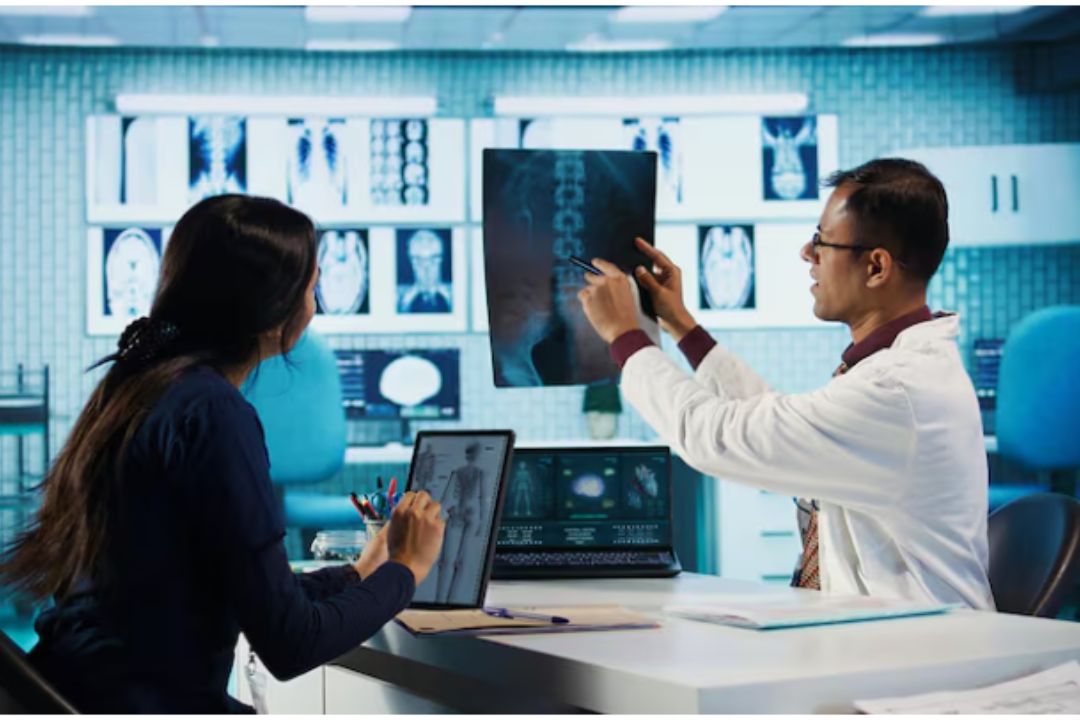
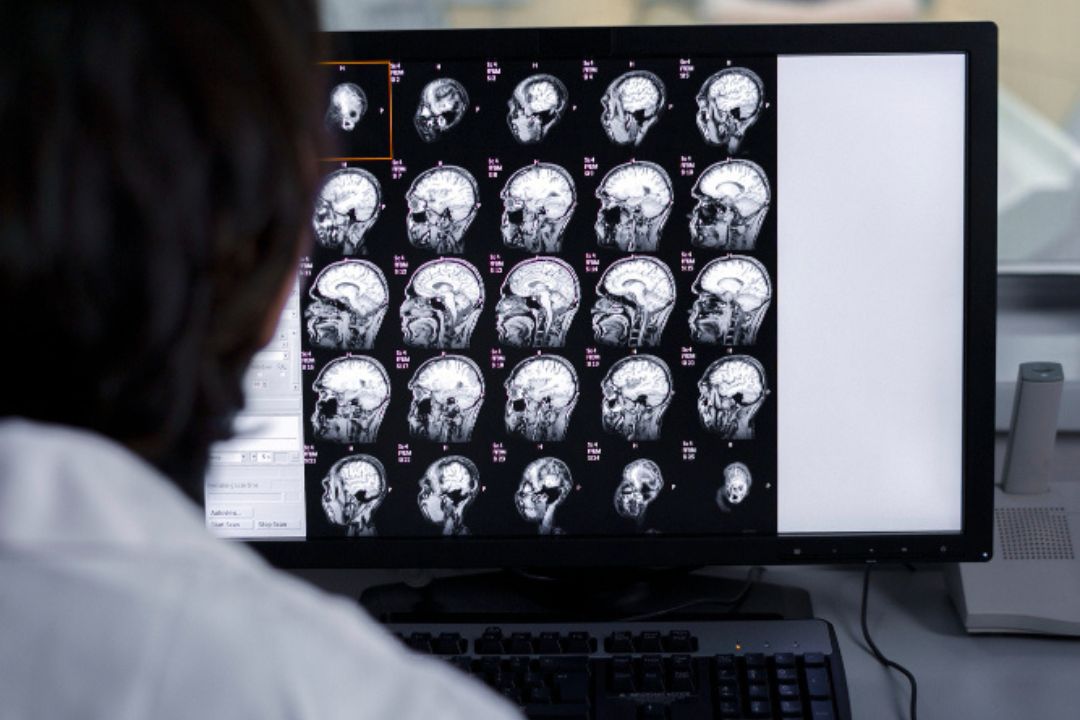
Type of Tissue: CT scans are less optimal for differentiating subtle soft tissue details compared to an MRI. Cancers in the brain, spinal cord, or certain pelvic organs might be better evaluated.
False Positives/Negatives: Sometimes, non-cancerous conditions (like scars or infections) can look suspicious, leading to further testing. Conversely, some cancers might be missed.
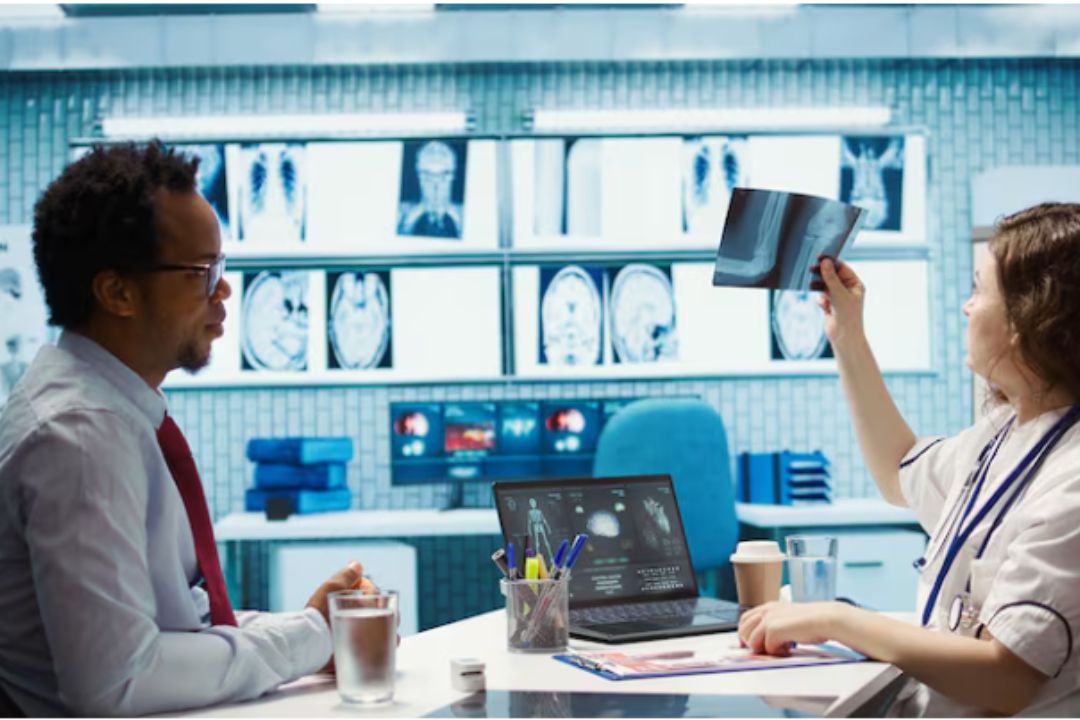
Therefore, a CT scan is often part of a multimodal approach, combined with blood tests (like tumor markers), physical exams, PET scans, or biopsies for a definitive diagnosis.
When you undergo a CT scan for cancer concerns, it provides a detailed internal map that reveals:
Presence and Morphology: The exact location, size, shape, and density of a tumor.
Spread of Disease: Evidence of metastasis to distant organs or involvement of nearby lymph nodes.
Relation to Anatomy: How a tumor relates to critical blood vessels, ducts, and surrounding structures, which is vital for surgical planning.
Other Findings: It can also incidentally detect other conditions like cysts, stones, infections, or vascular issues.
The paramount benefit of a CT scan in oncology is its power for early intervention. For individuals at high risk (such as long-term smokers needing lung cancer screening), a low-dose CT scan can identify tumors at a stage so early they might cause no symptoms. Early detection is directly linked to more treatment options, less aggressive therapies, and significantly higher survival rates. The speed of the scan—often completed in minutes—also means faster answers, reducing diagnostic anxiety.
Knowing where a CT scan stands among other tests is key:
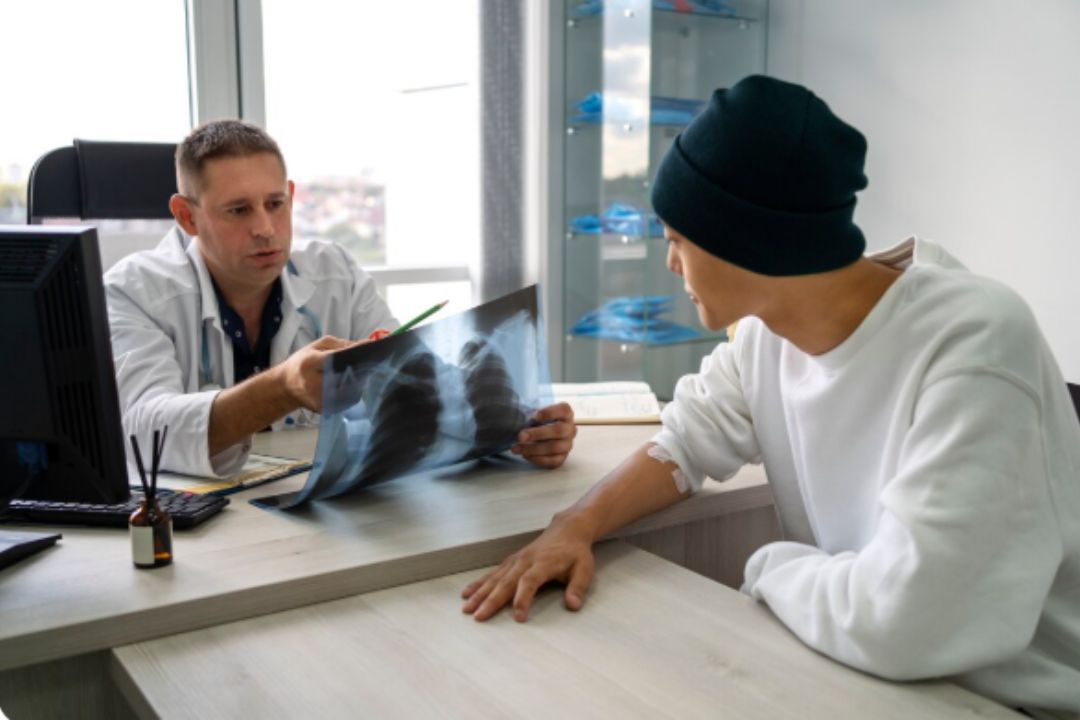
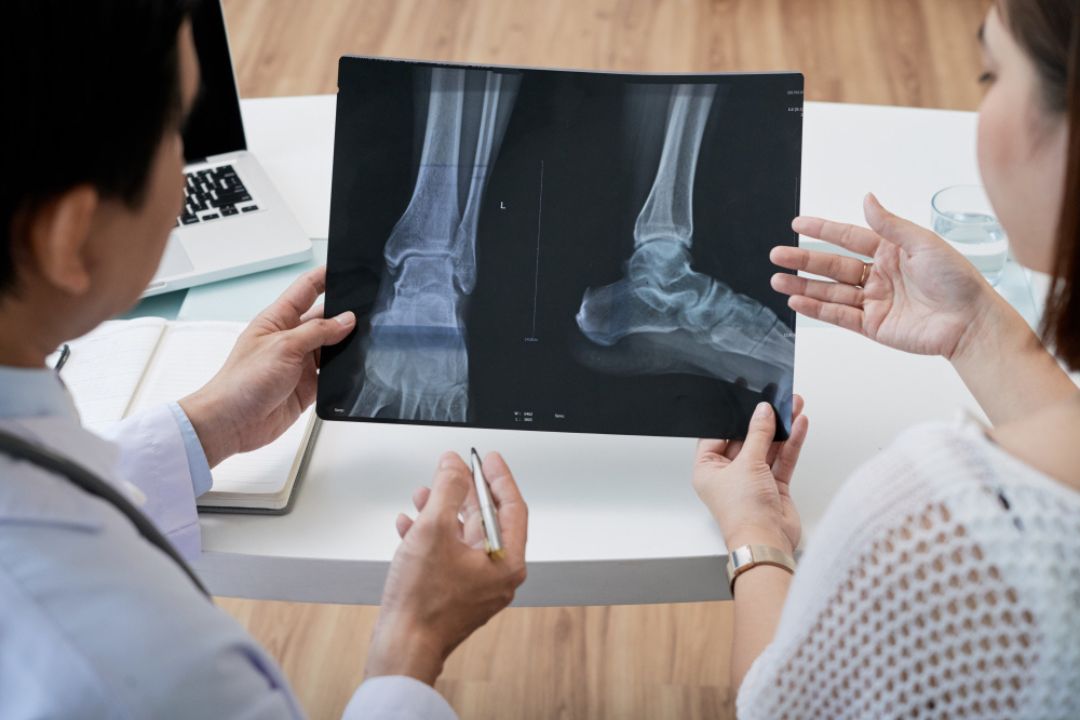
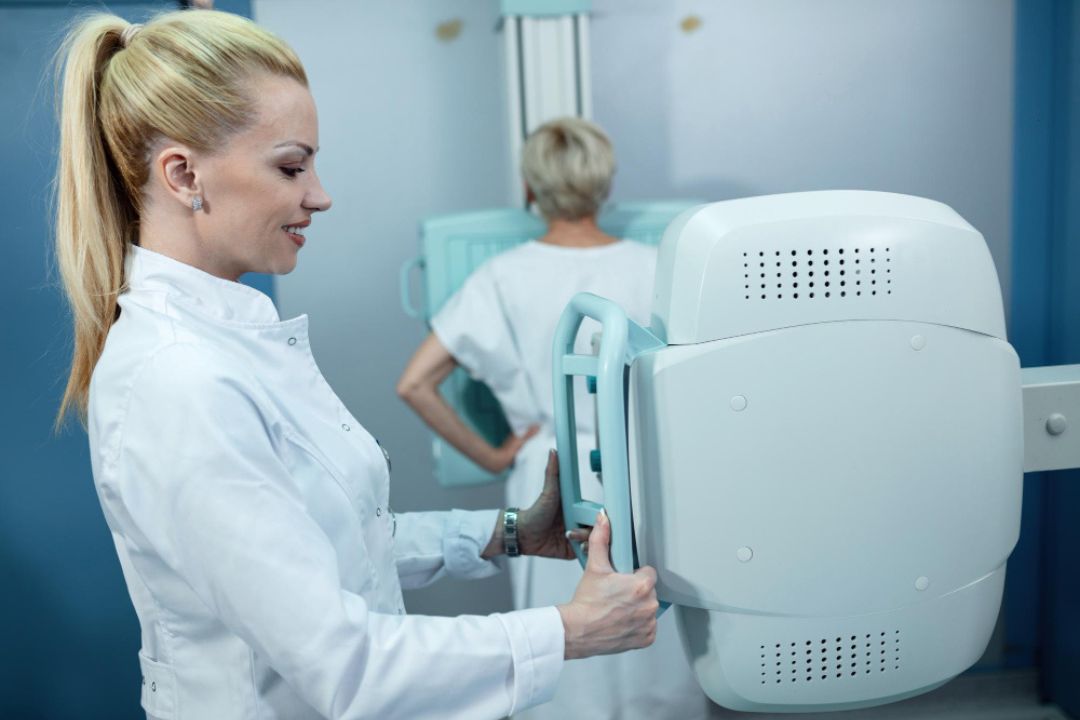
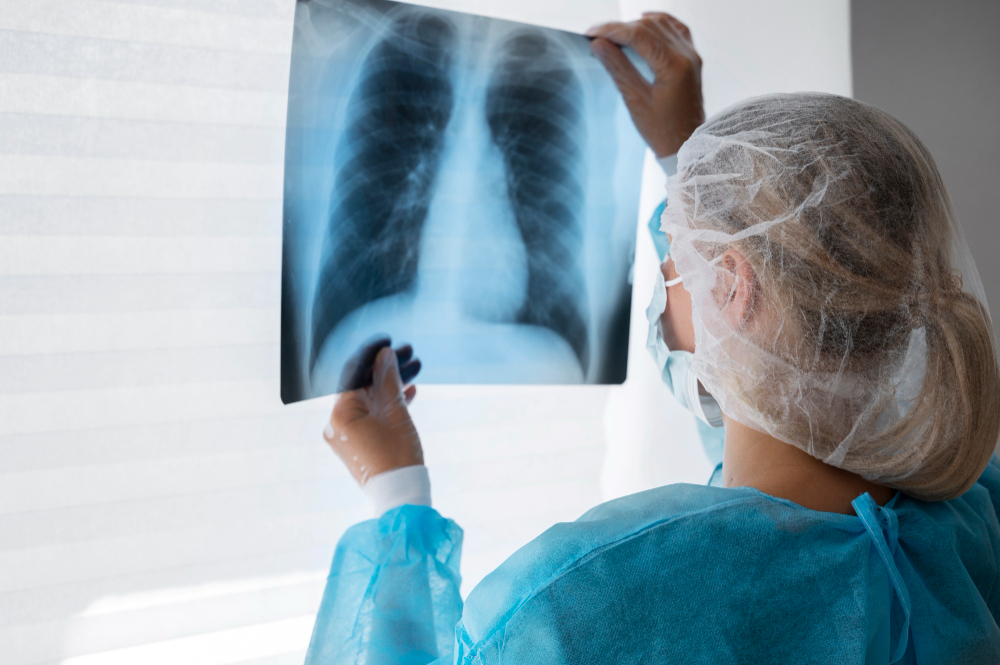
CT Scan vs. X-Ray: A standard X-ray is a 2D image where details can be superimposed. A CT scan provides 3D, layered images, eliminating overlap and offering far superior detail for internal organs.
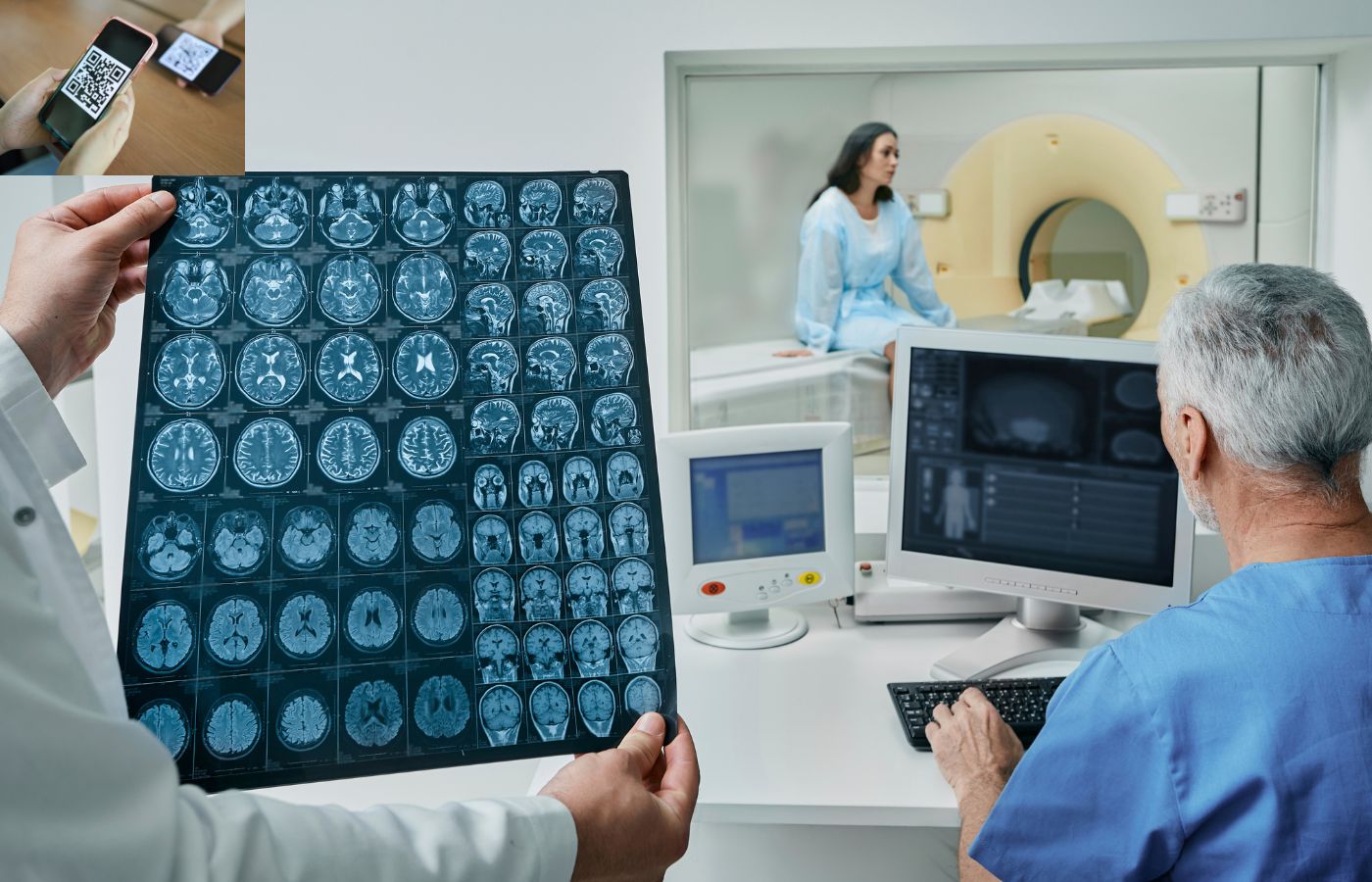
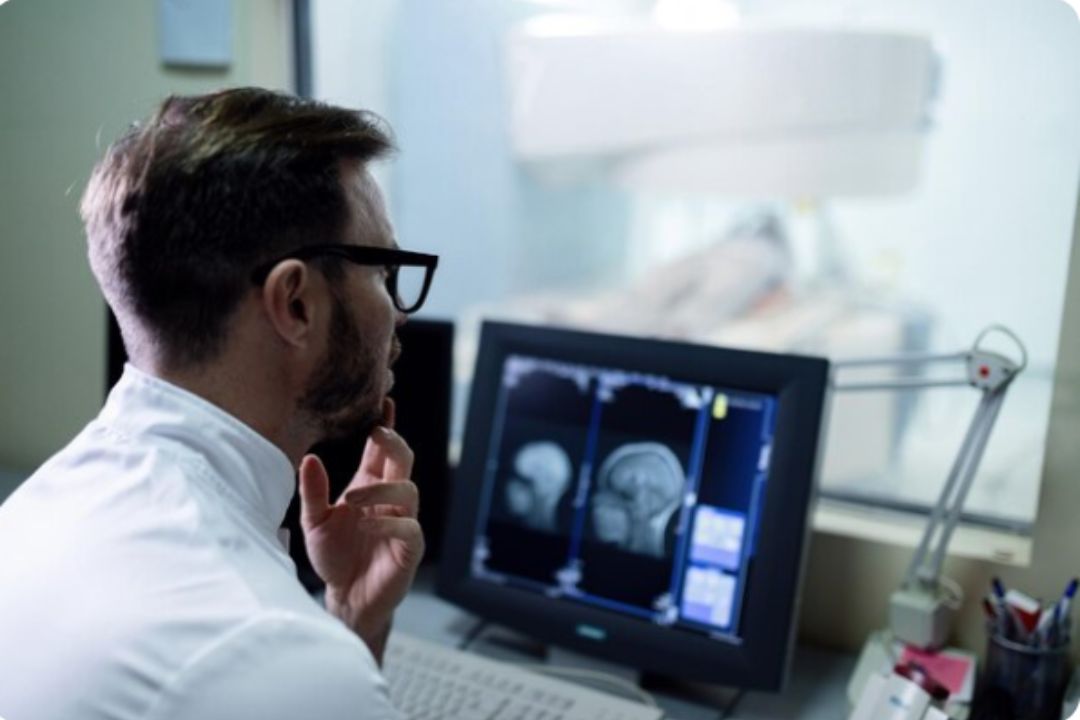
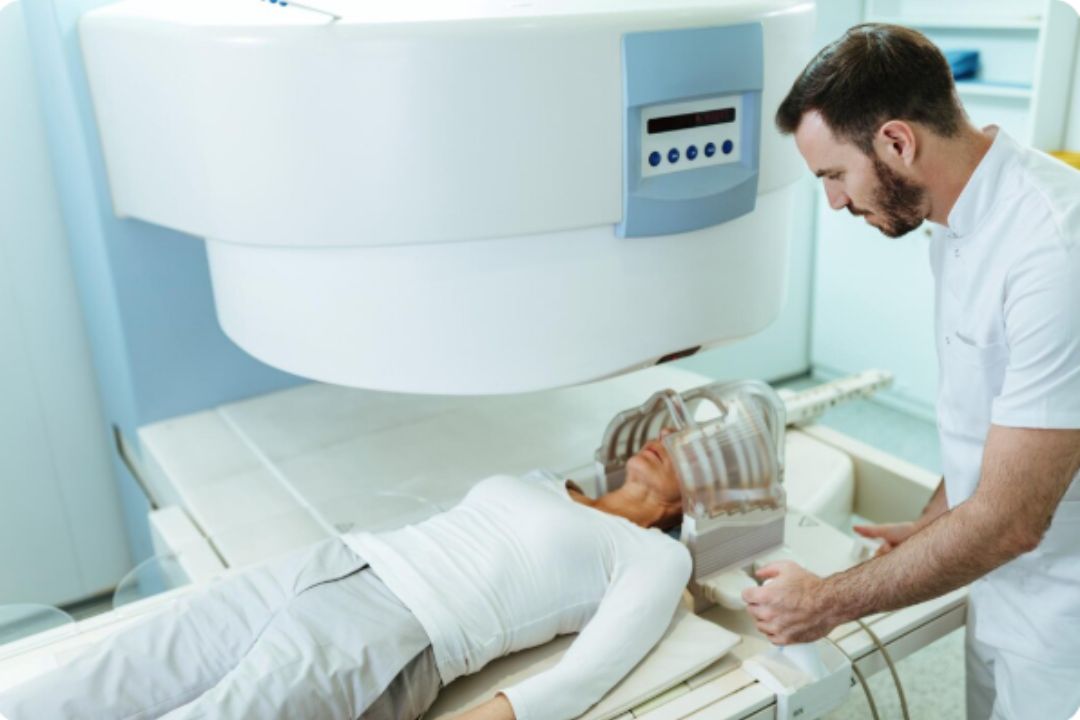
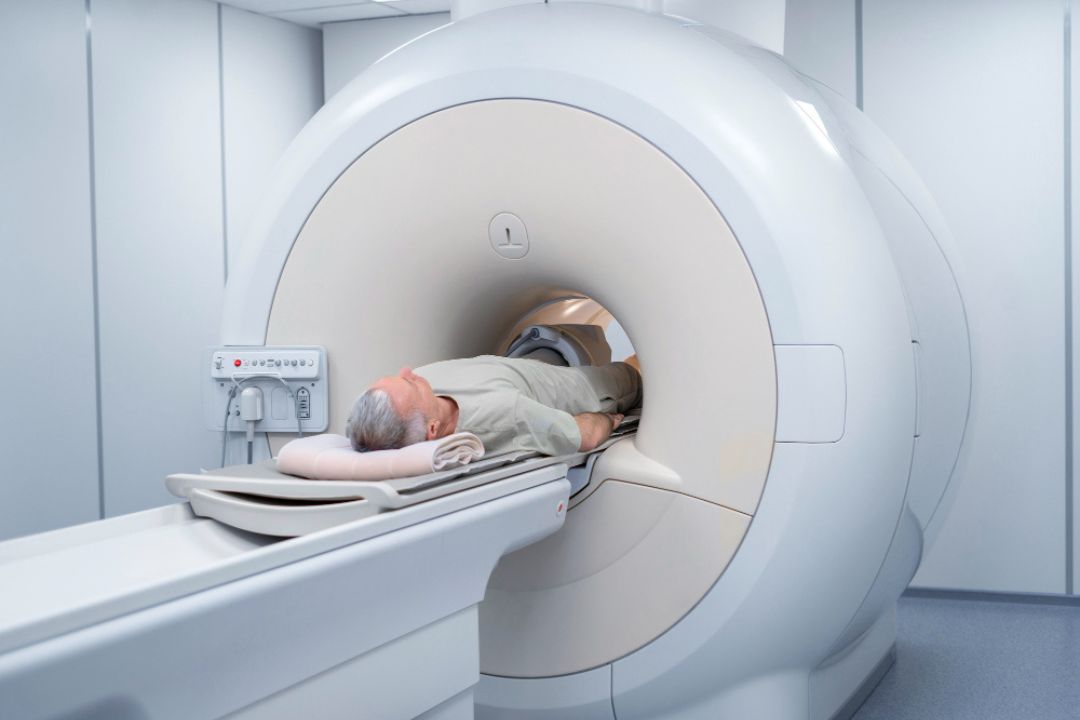
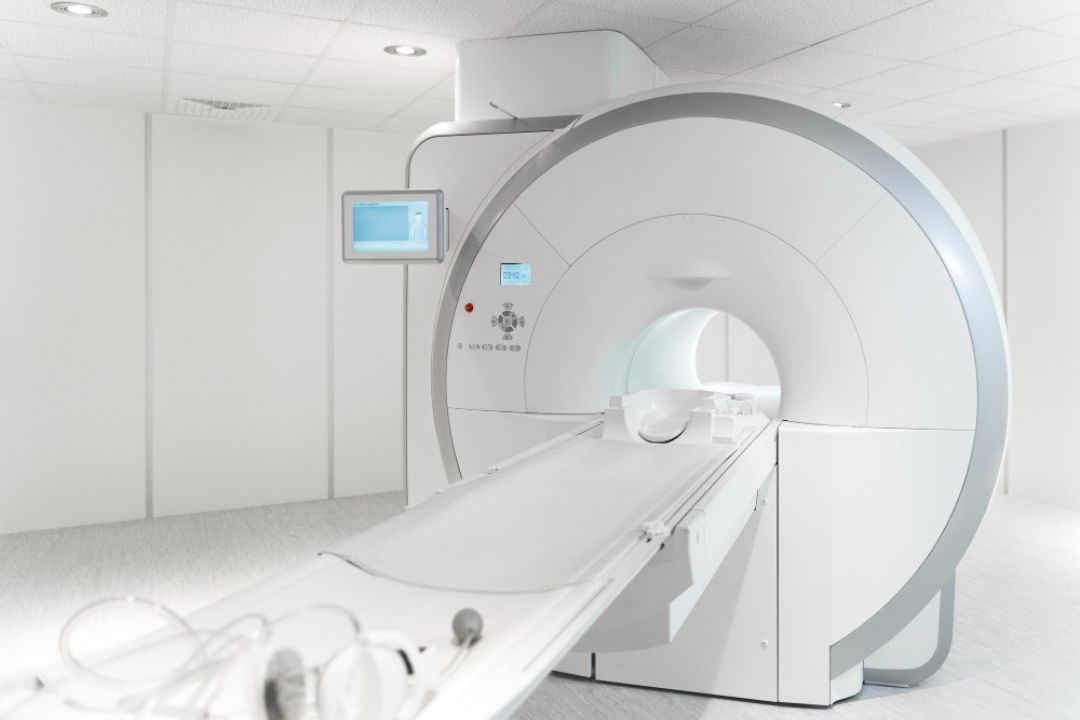
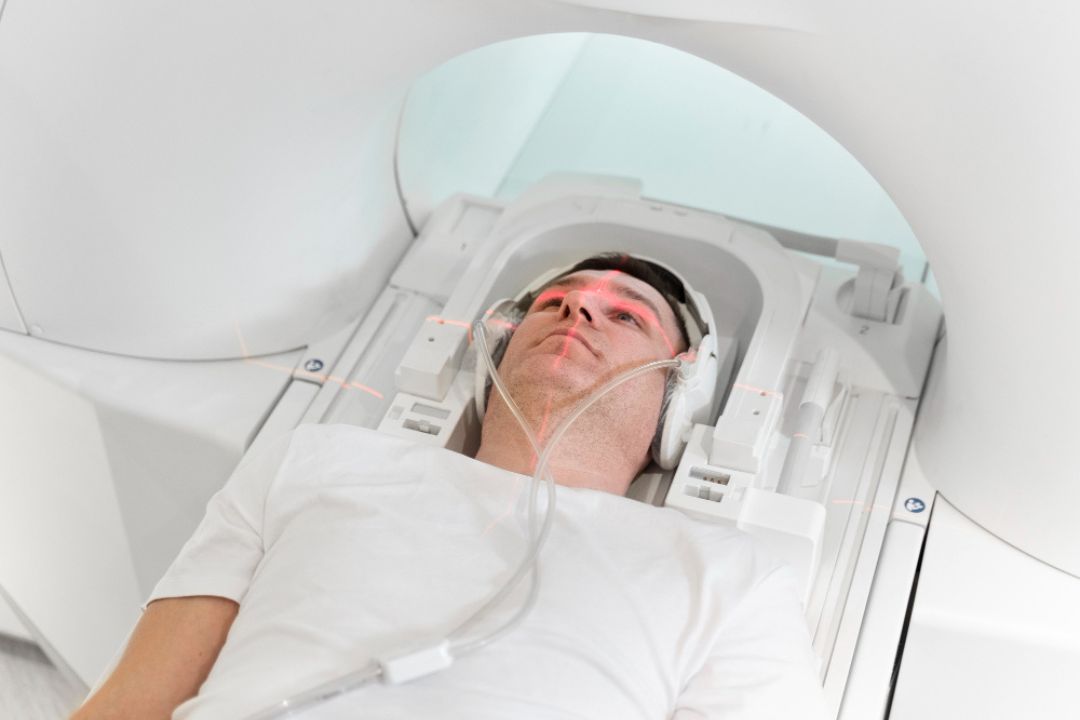
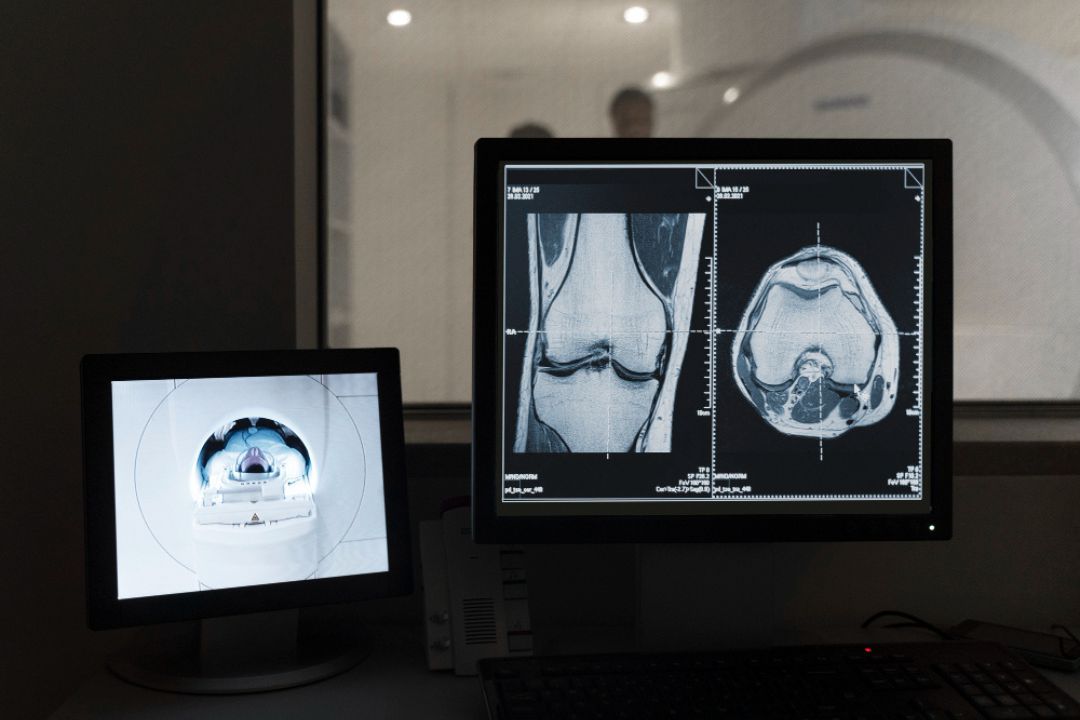
CT Scan vs. MRI: MRI uses magnetic fields and is unparalleled for imaging soft tissues like the brain, spinal cord, ligaments, and pelvic organs. CT is superior for visualizing bones, lungs, and chest, and is faster, quieter, and more widely available. It's also a better option for patients with certain implants or claustrophobia.
CT Scan vs. PET Scan: A PET scan detects metabolic activity, highlighting cells that are highly active (like cancer cells). Often, these technologies are combined in a PET-CT scan, which overlays the metabolic hot spots from PET onto the detailed anatomical map from CT. This fusion is one of the most reliable tools for cancer detection, staging, and assessing treatment response.
The cost of a CT scan in Mumbai depends on the body part, the technology (e.g., 128-slice vs. 64-slice), and whether contrast dye is used. At Diagnopein, we believe in complete transparency. We provide clear, upfront pricing without hidden fees, ensuring you can make informed decisions about your health. While cost is a factor, the value lies in the accuracy of the report and the quality of the technology used—areas where we never compromise.
A very common and practical question is: "Can you eat before a CT scan?"
The preparation instructions are tailored to the area being scanned to ensure optimal image quality.
For scans of the Abdomen or Pelvis: You will typically be asked to fast for 4-6 hours beforehand. You might be given a contrast agent to drink to outline your stomach and intestines. Fasting ensures clear images and reduces the risk of nausea.
For scans of the Head, Chest, or Limbs: Fasting is usually not required unless intravenous contrast is planned.
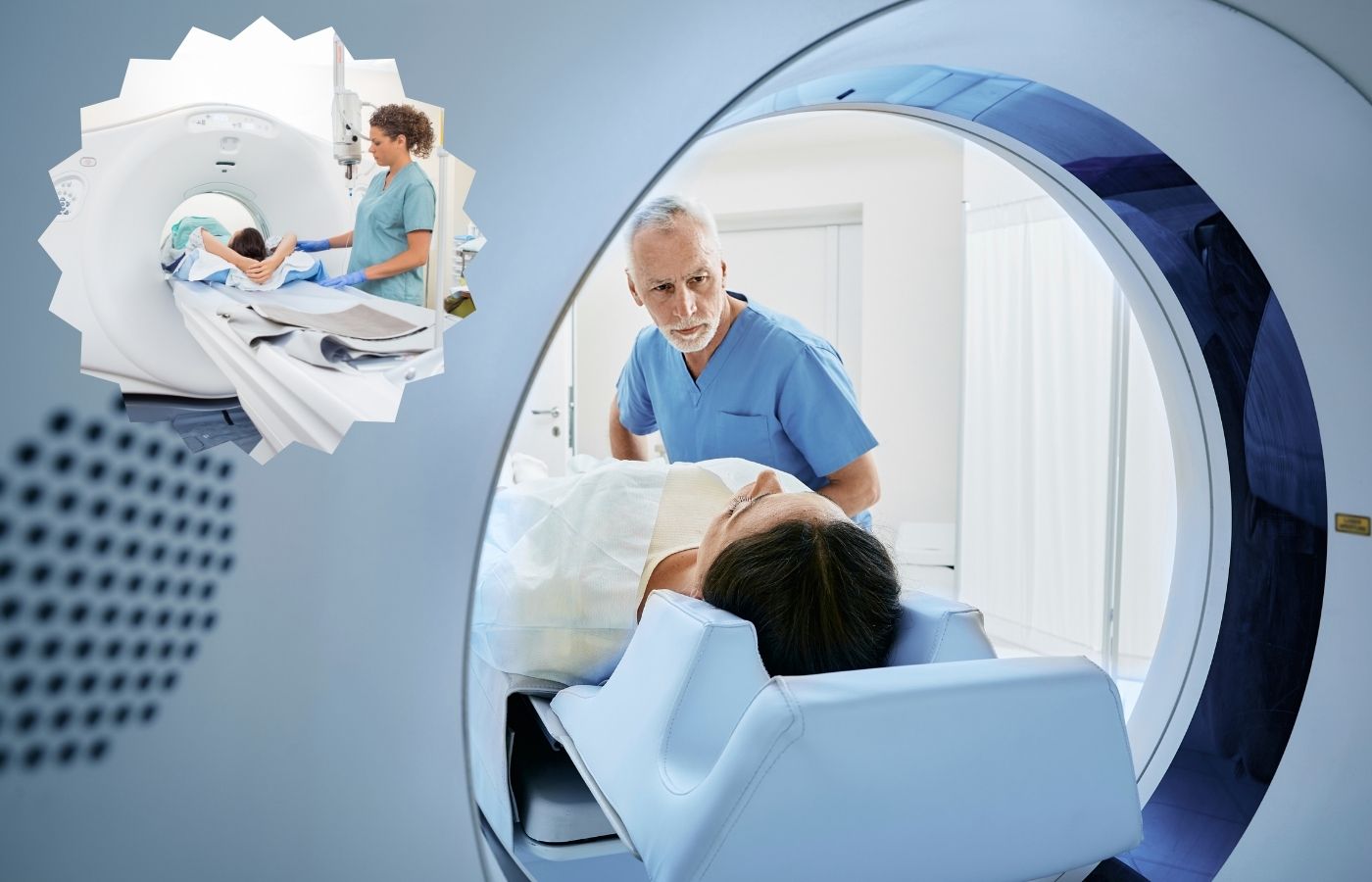
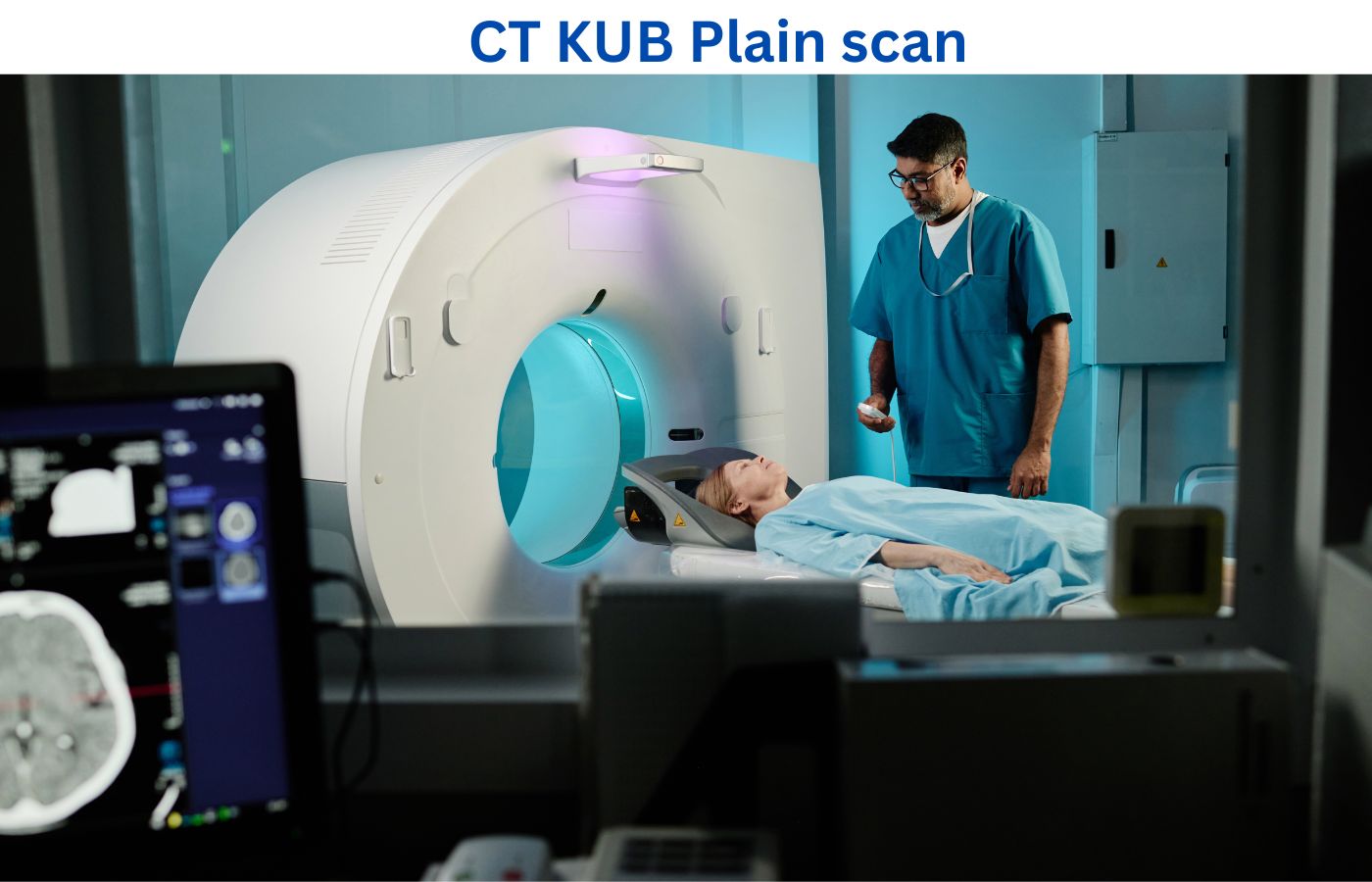
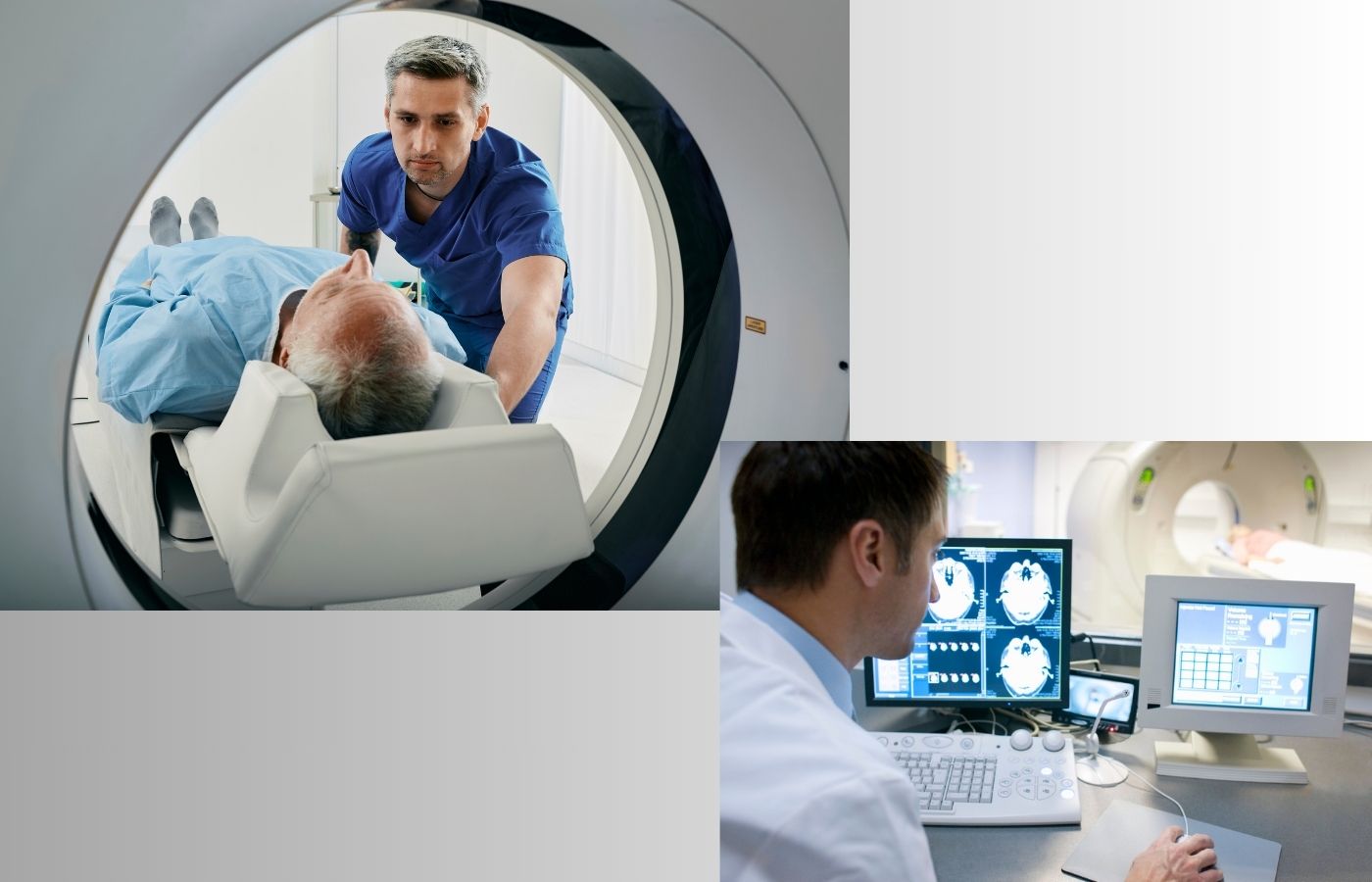
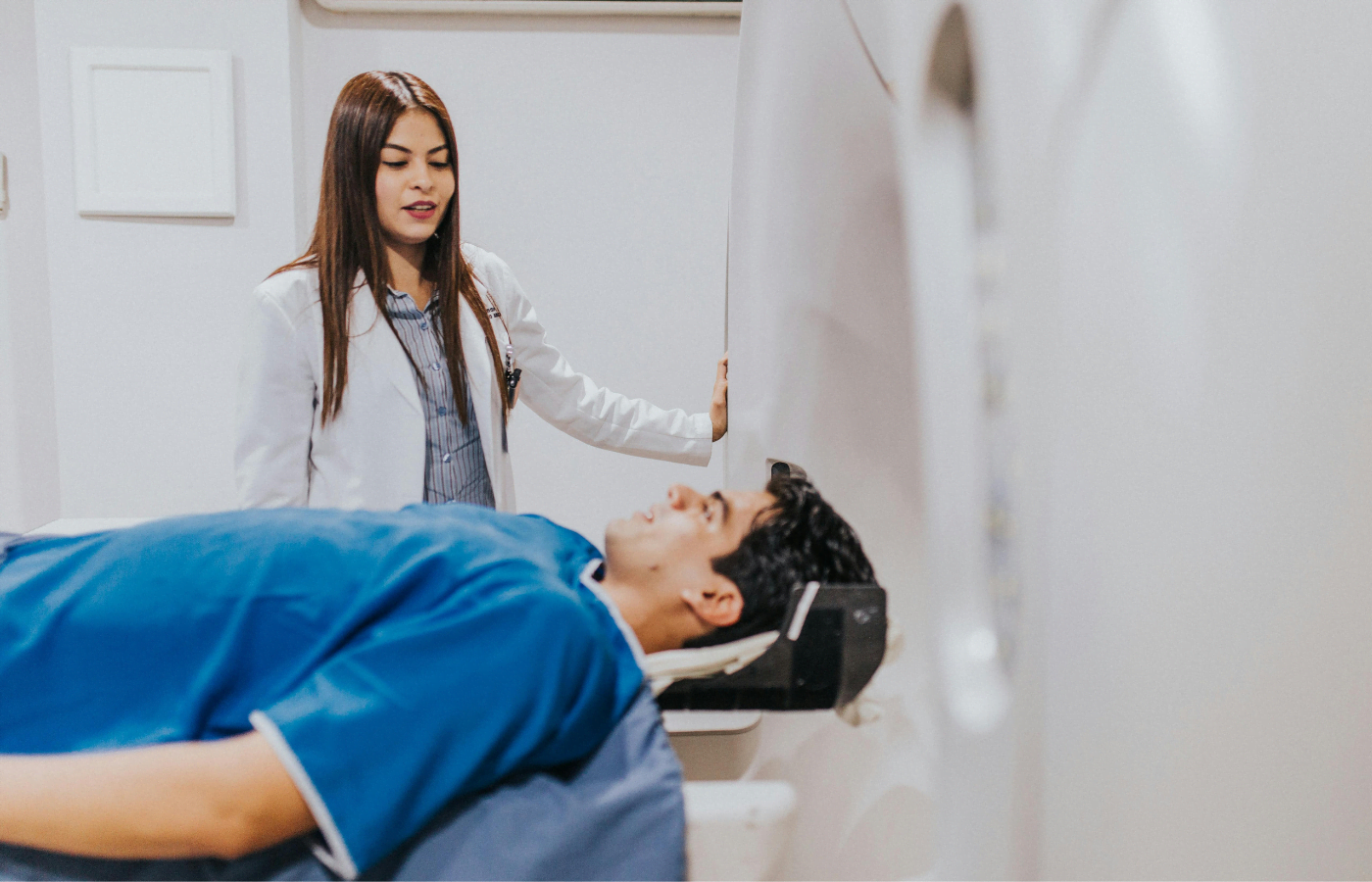
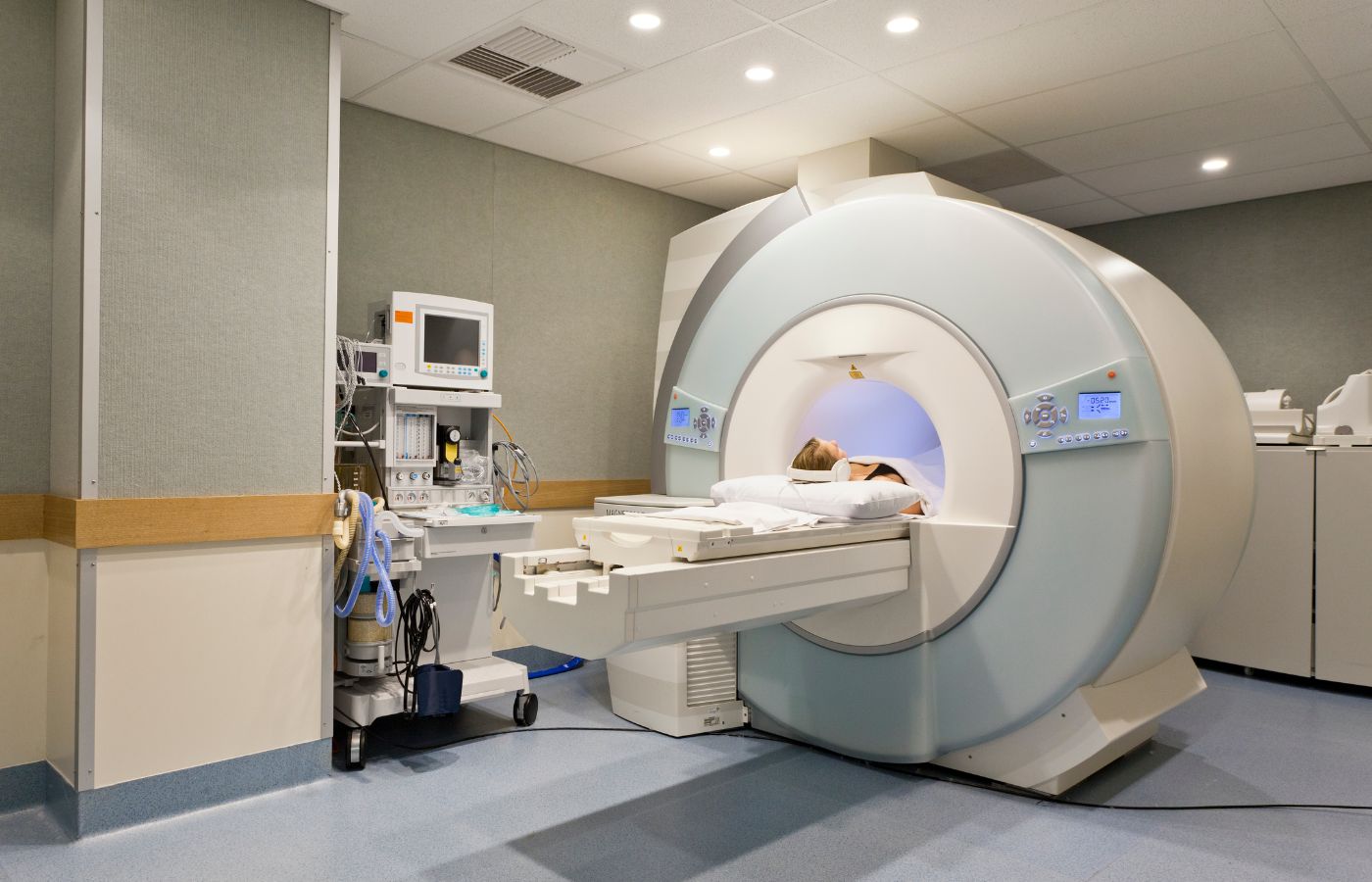
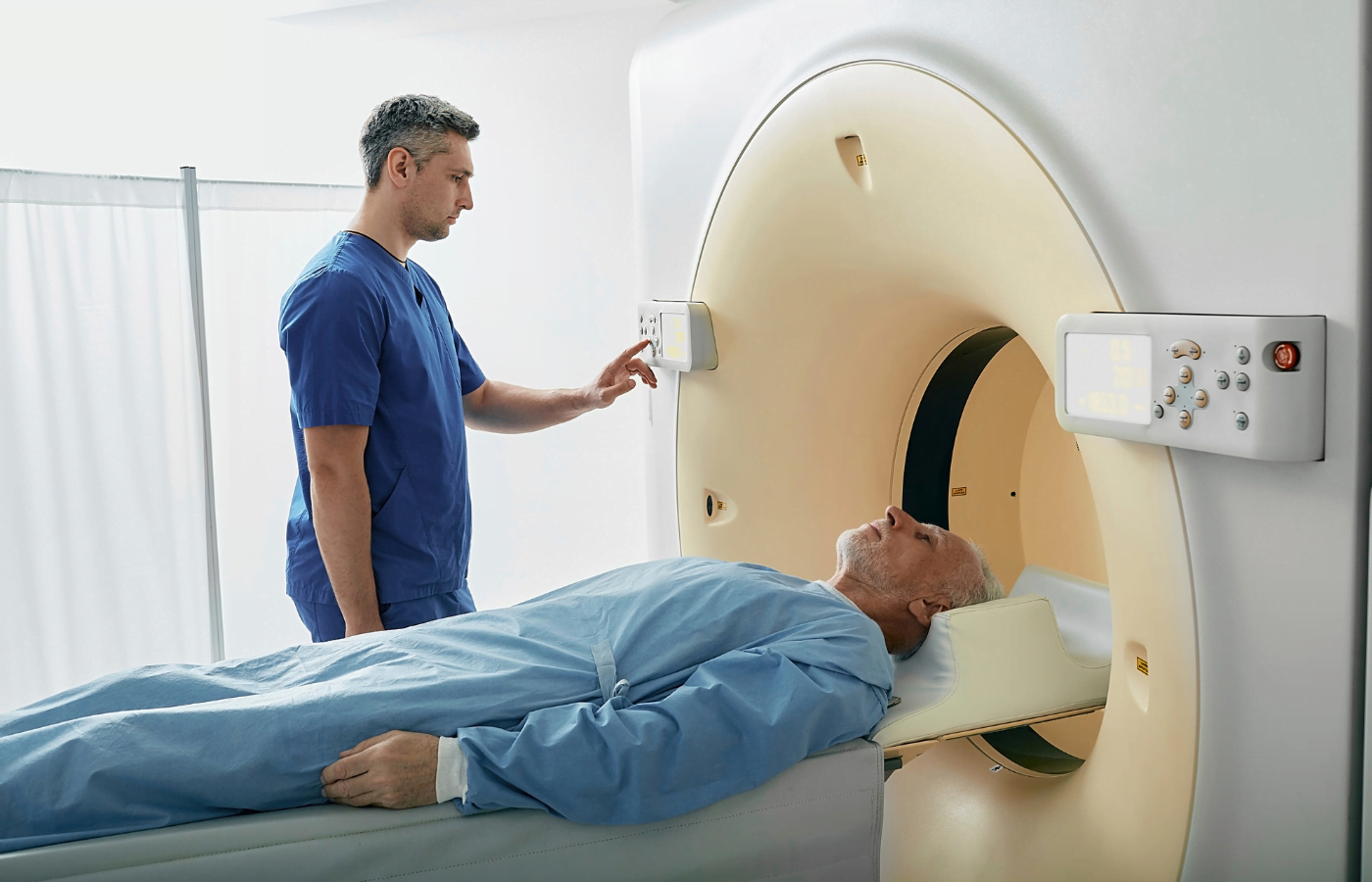
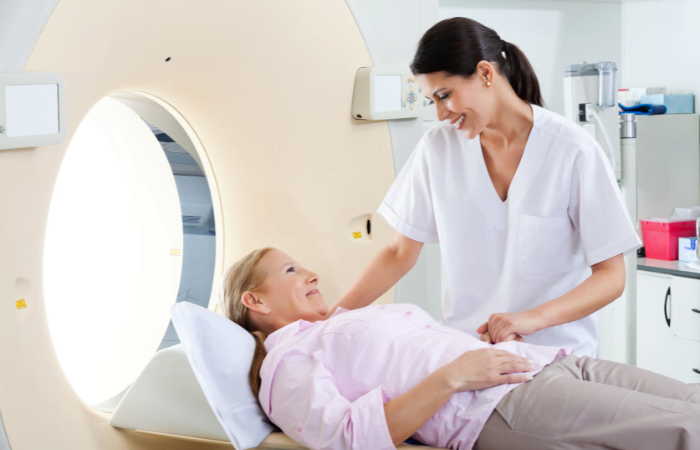
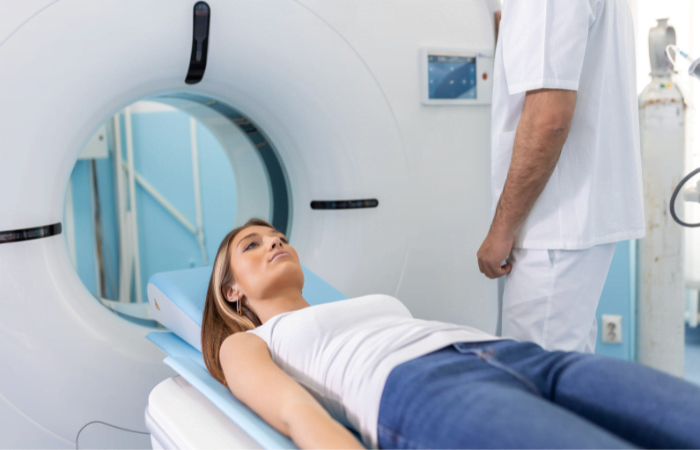
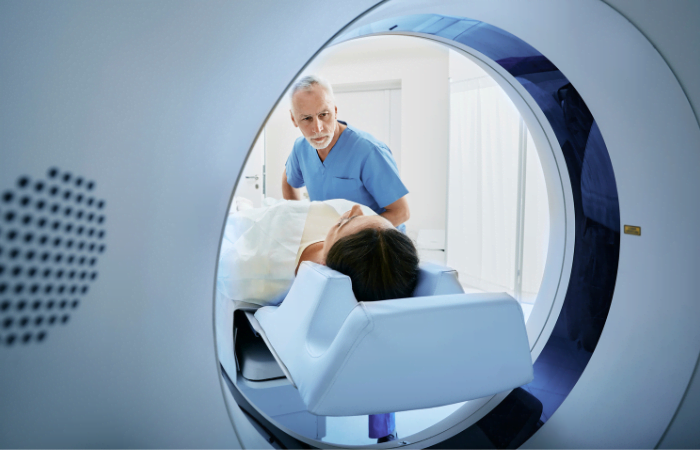
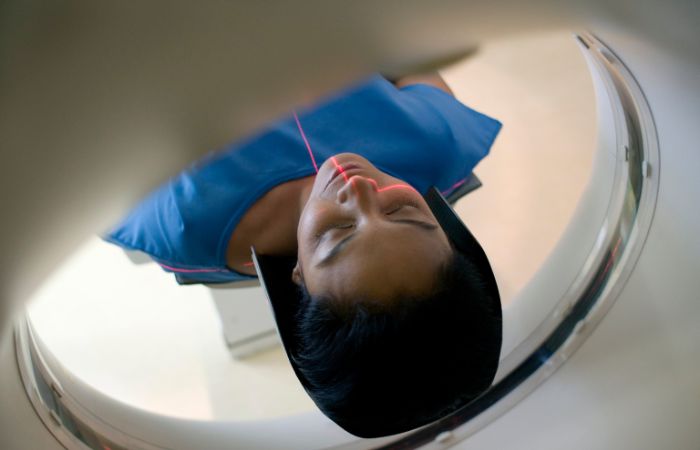
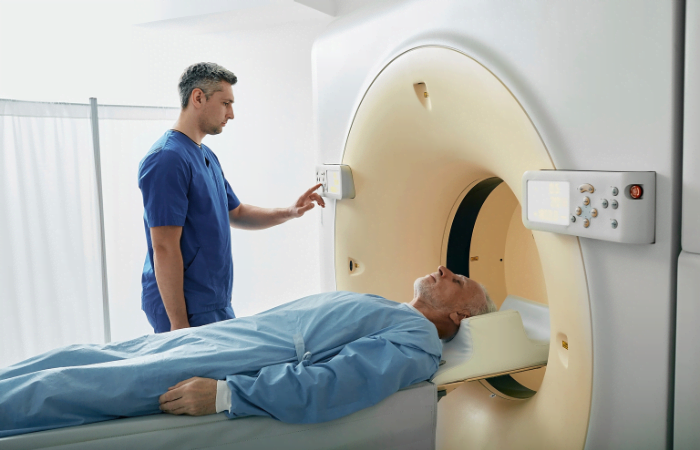
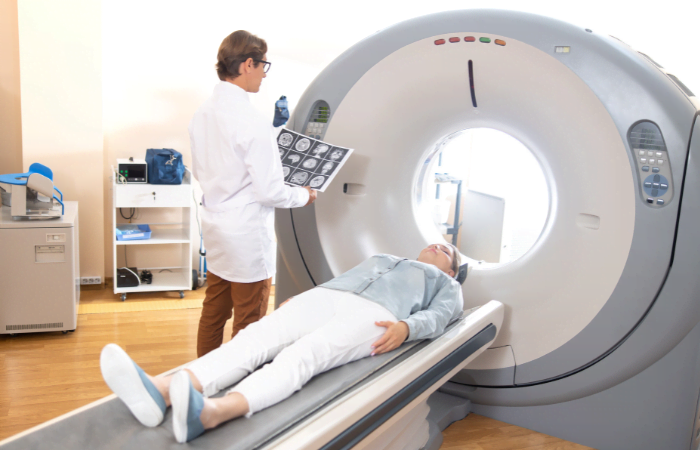
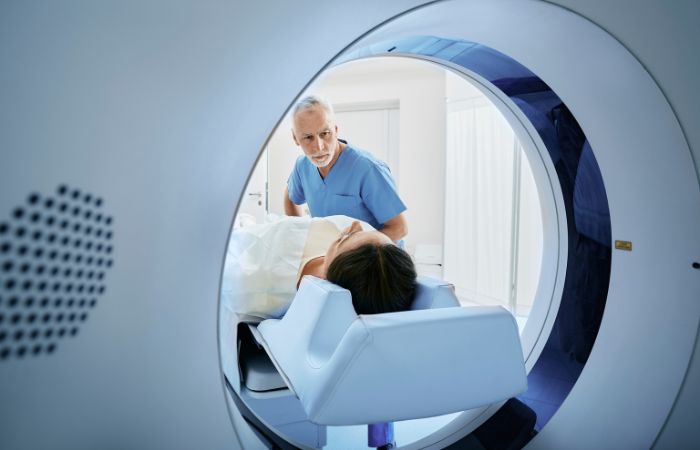
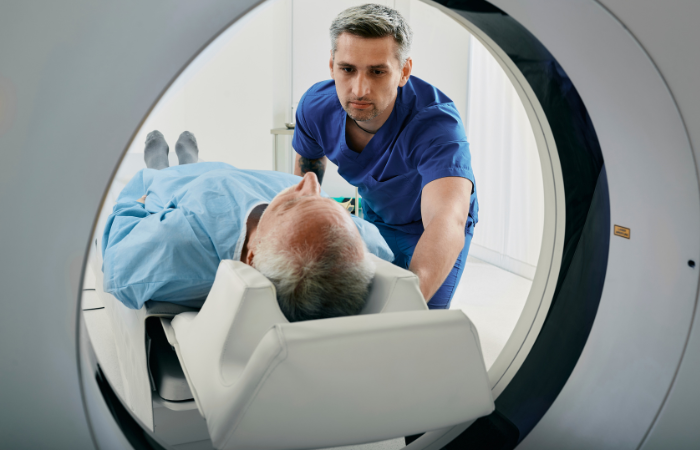
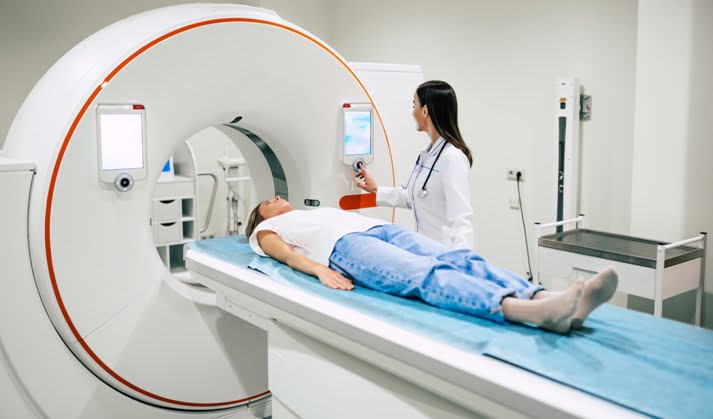
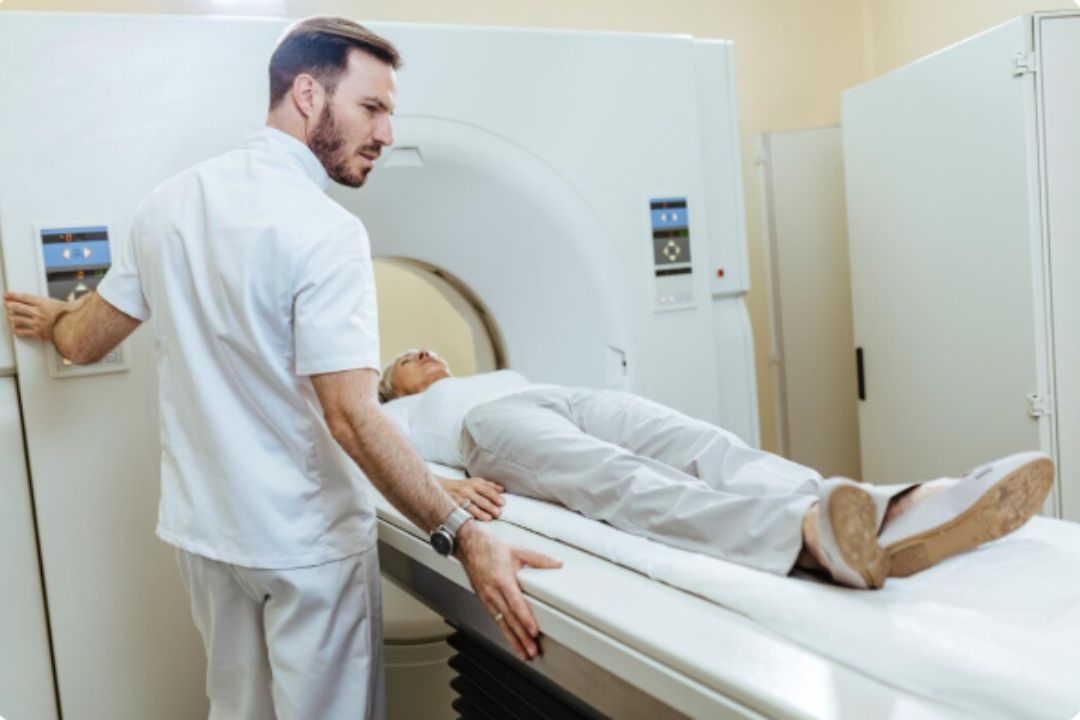
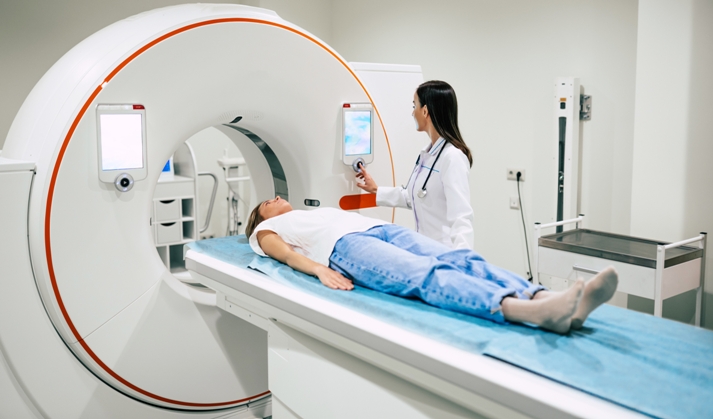
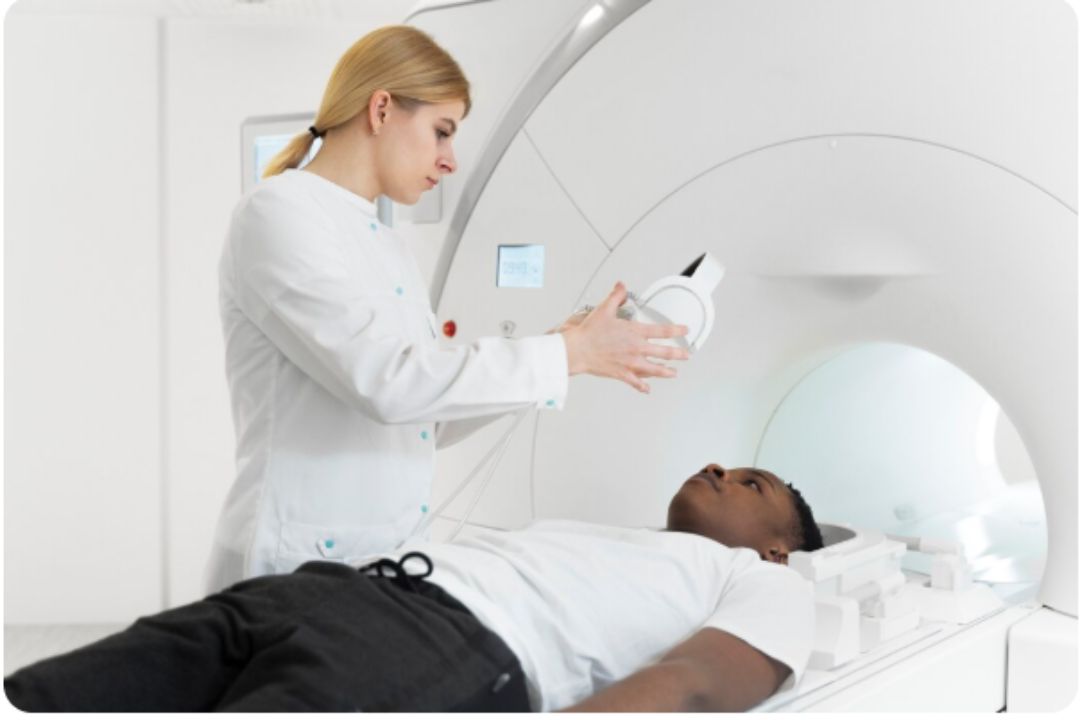
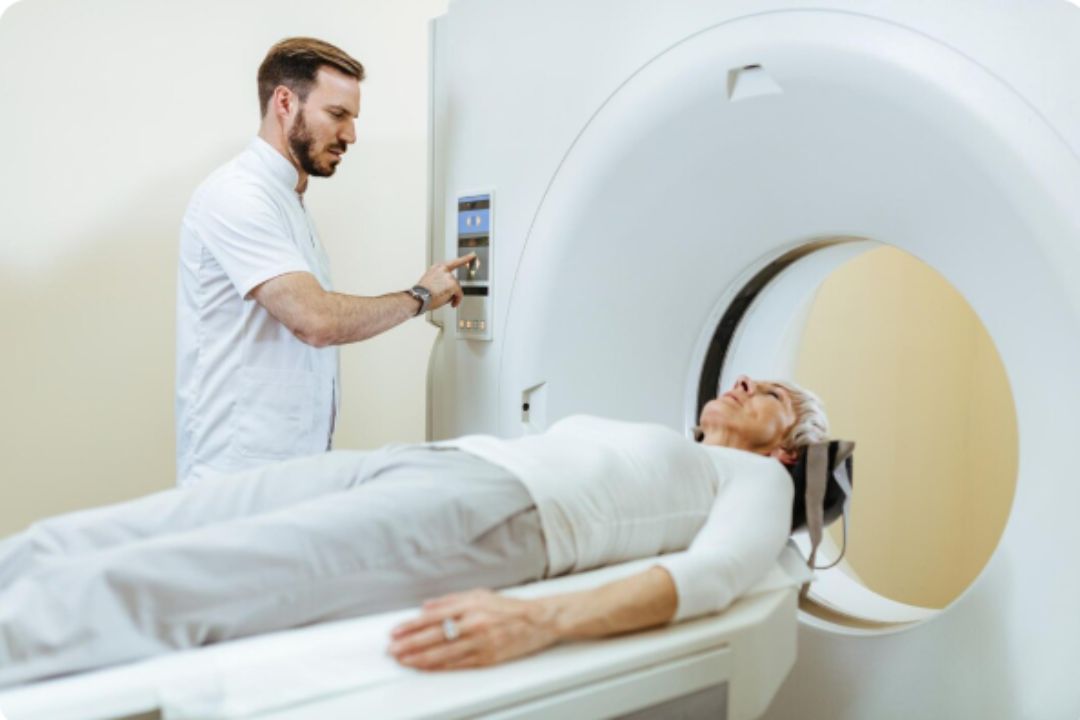
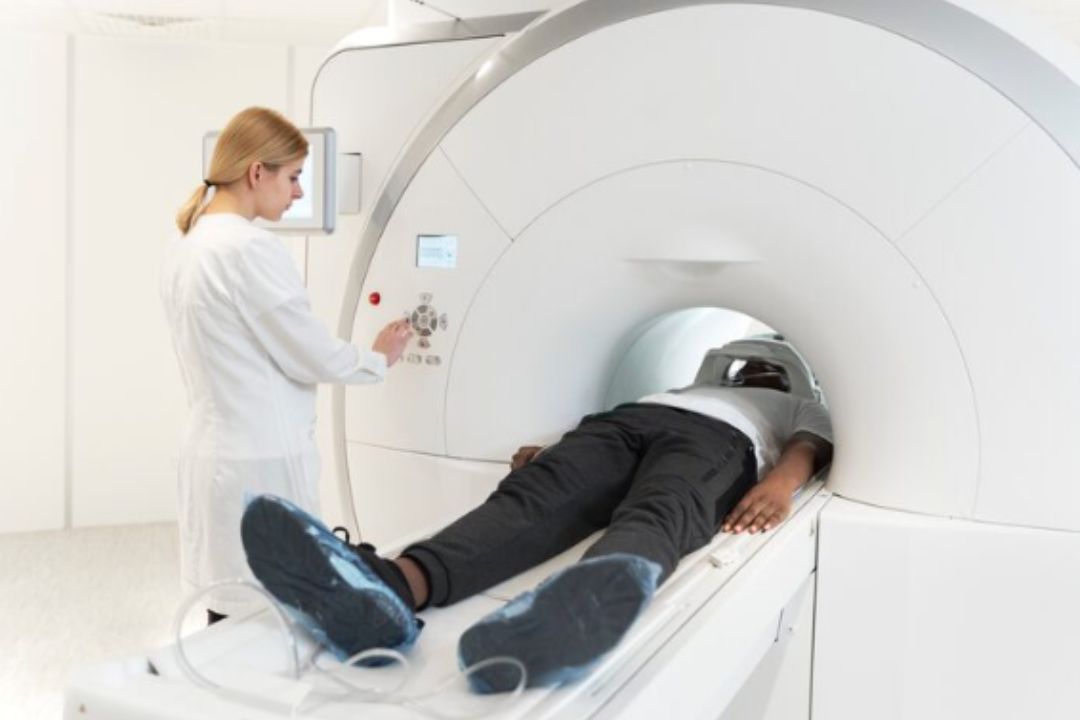
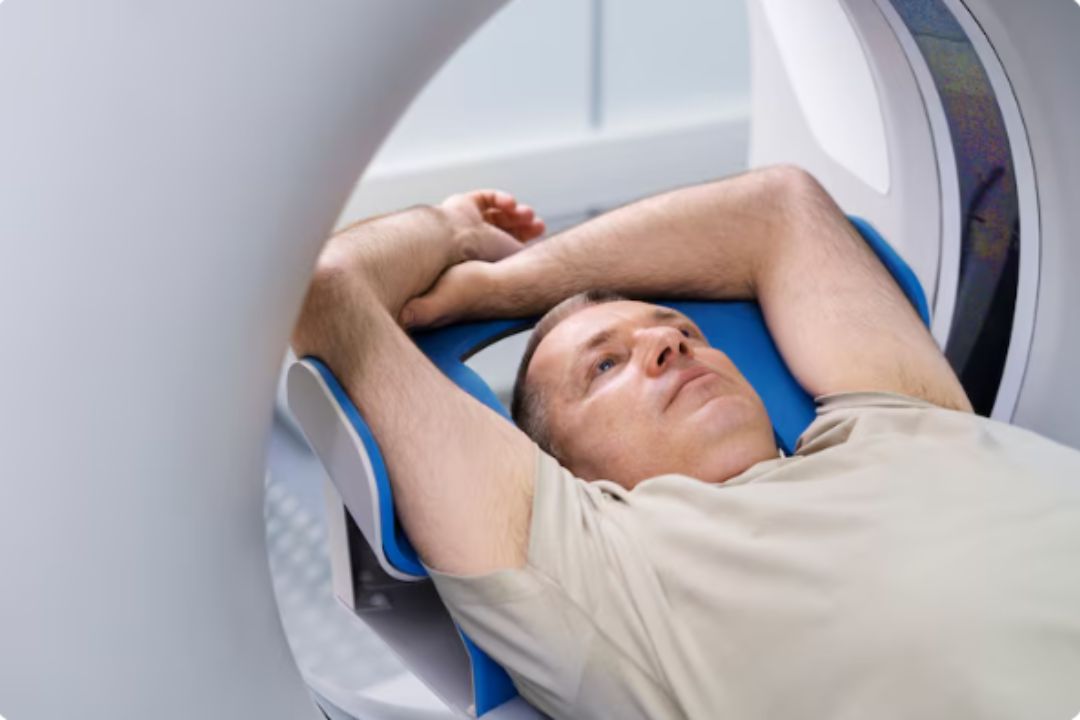
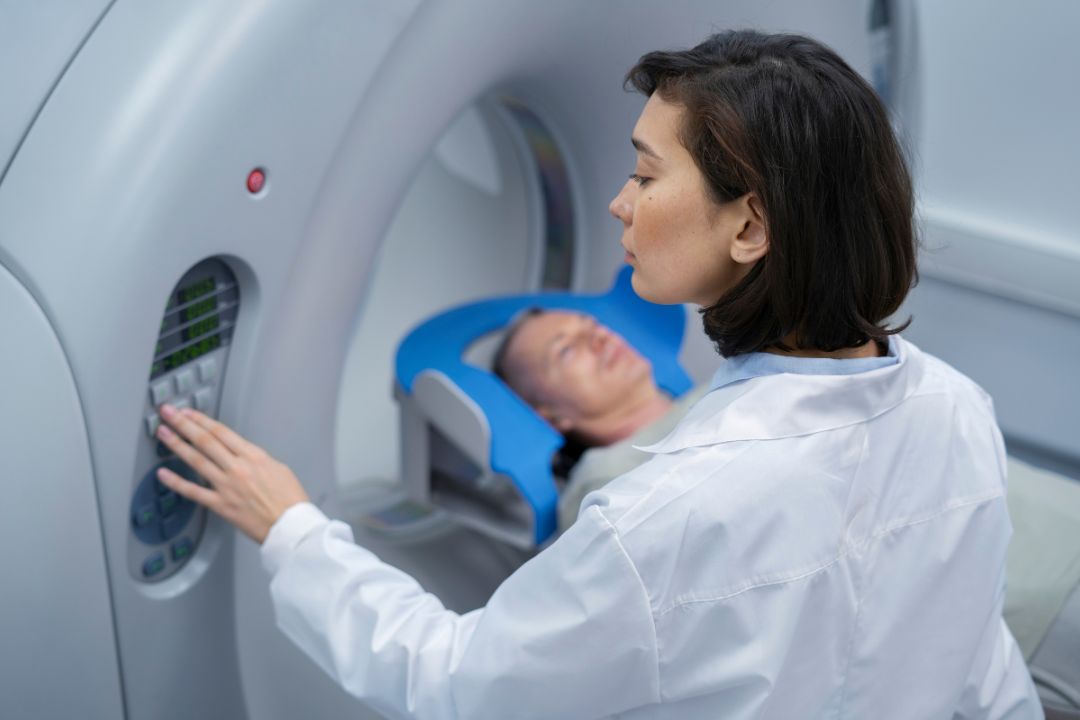
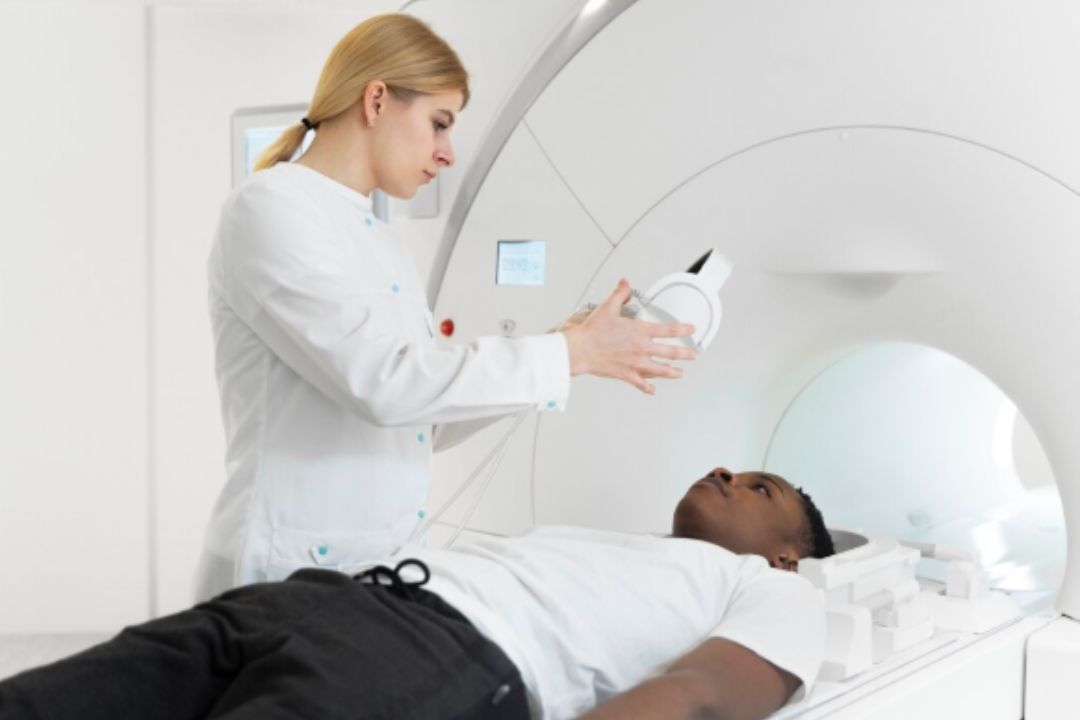
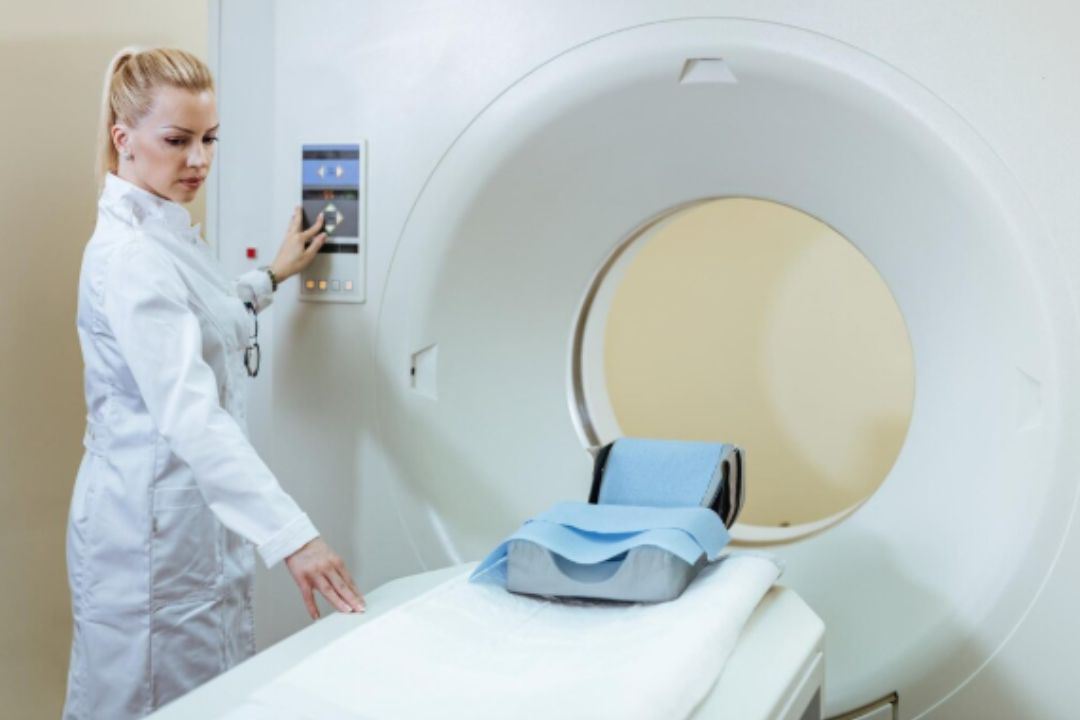
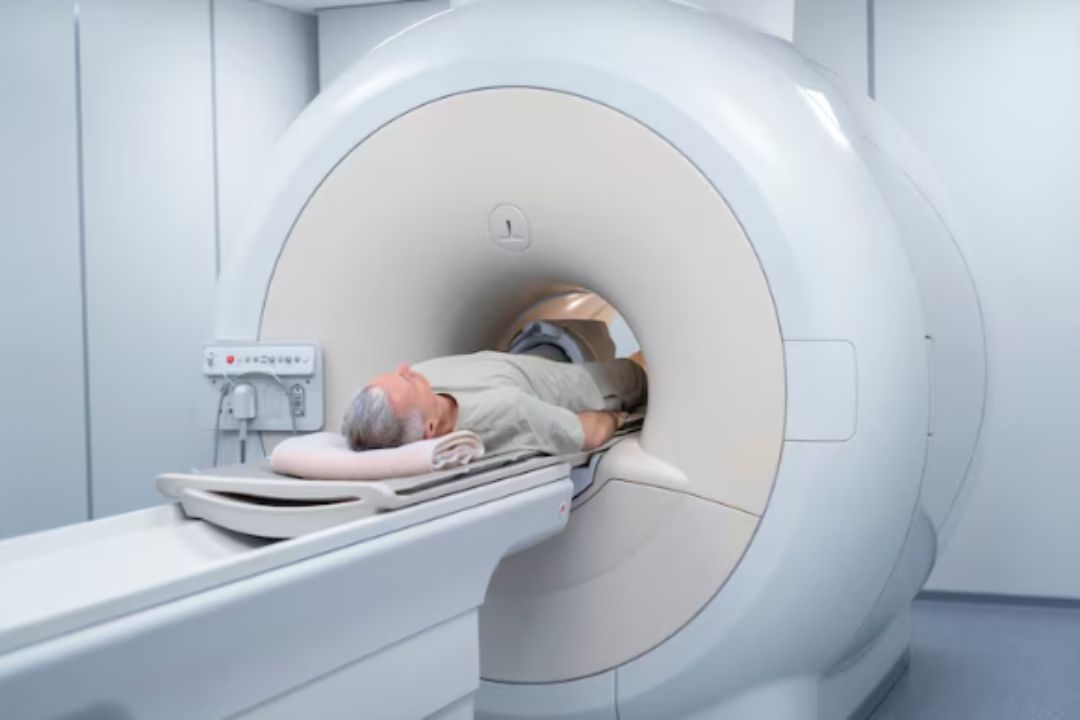
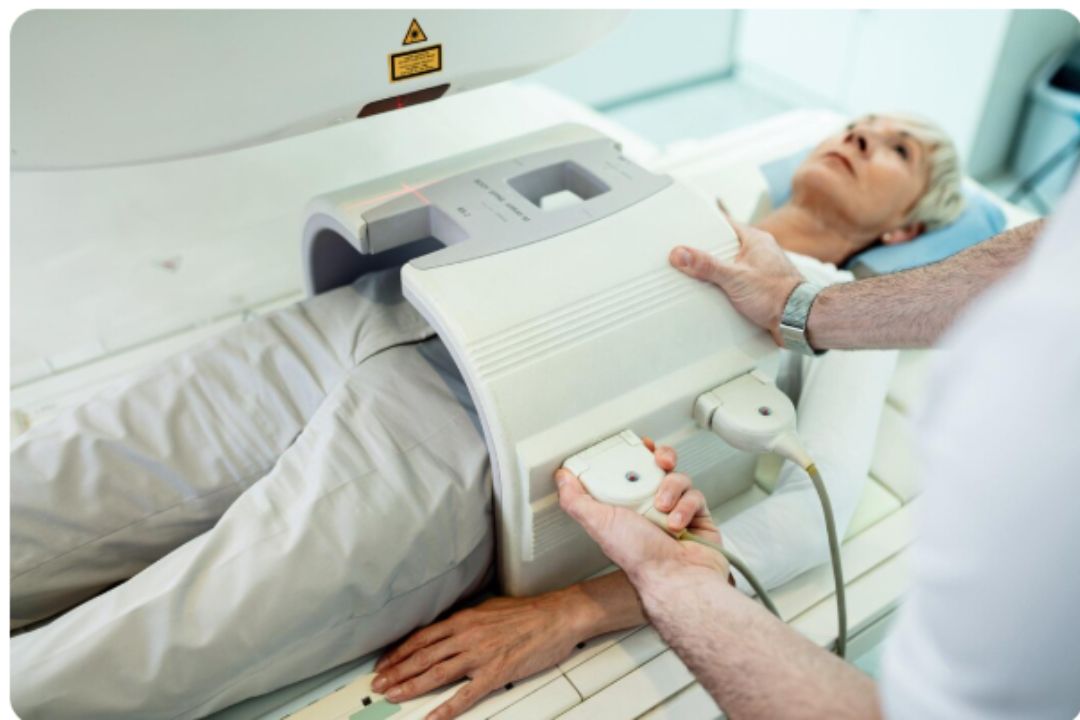
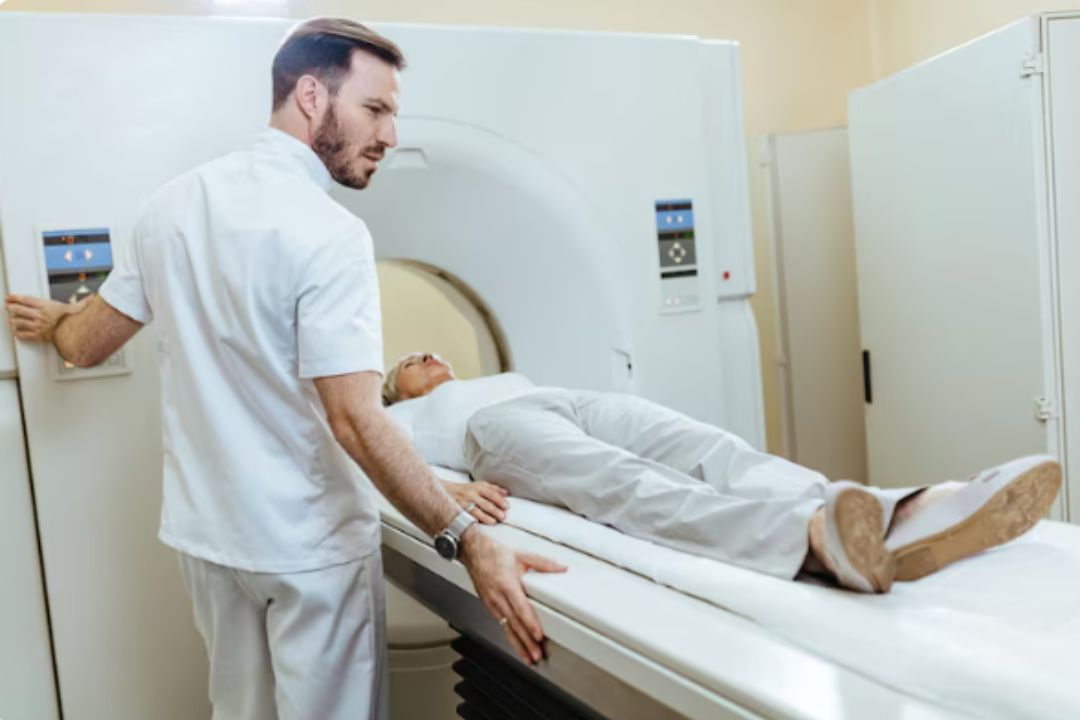
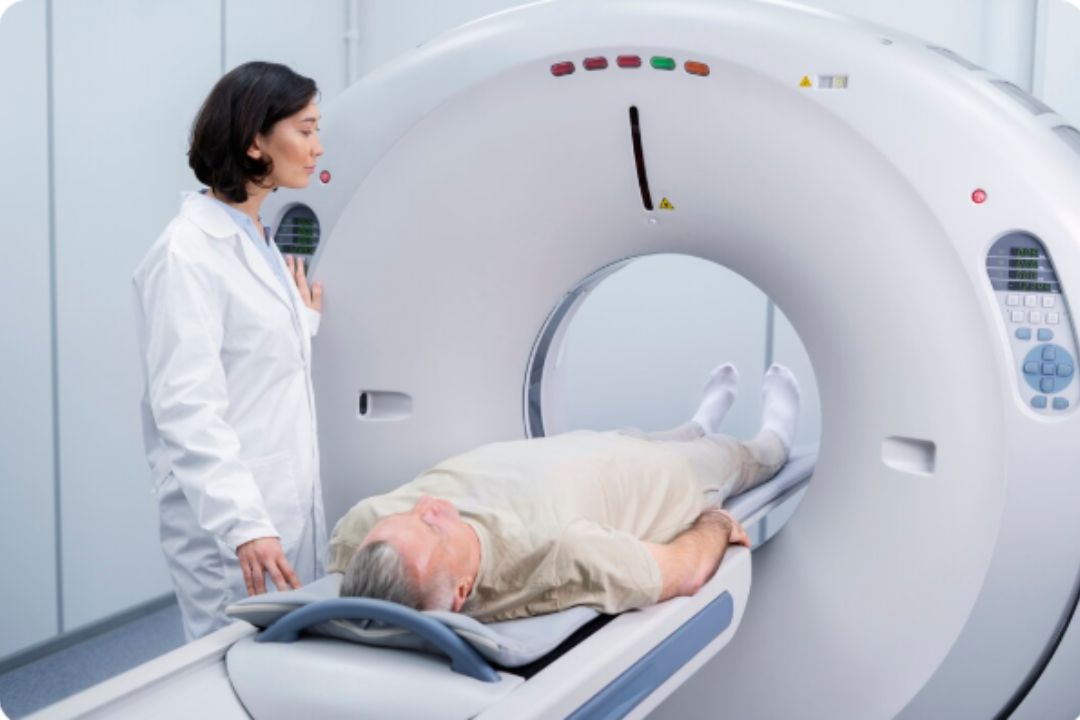
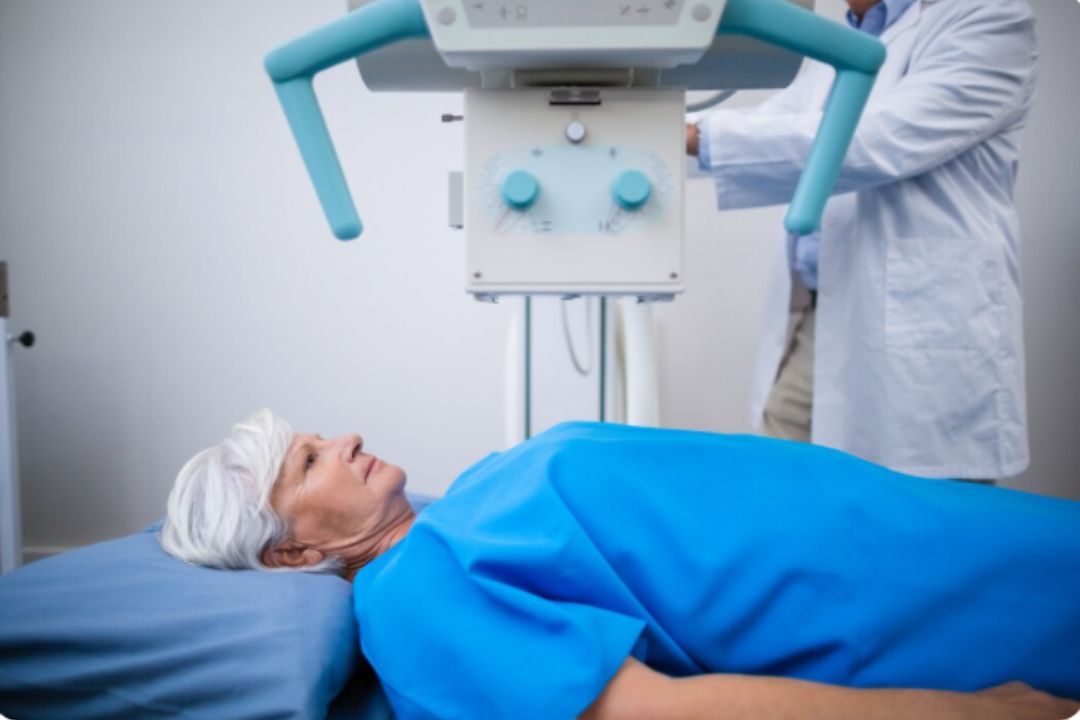
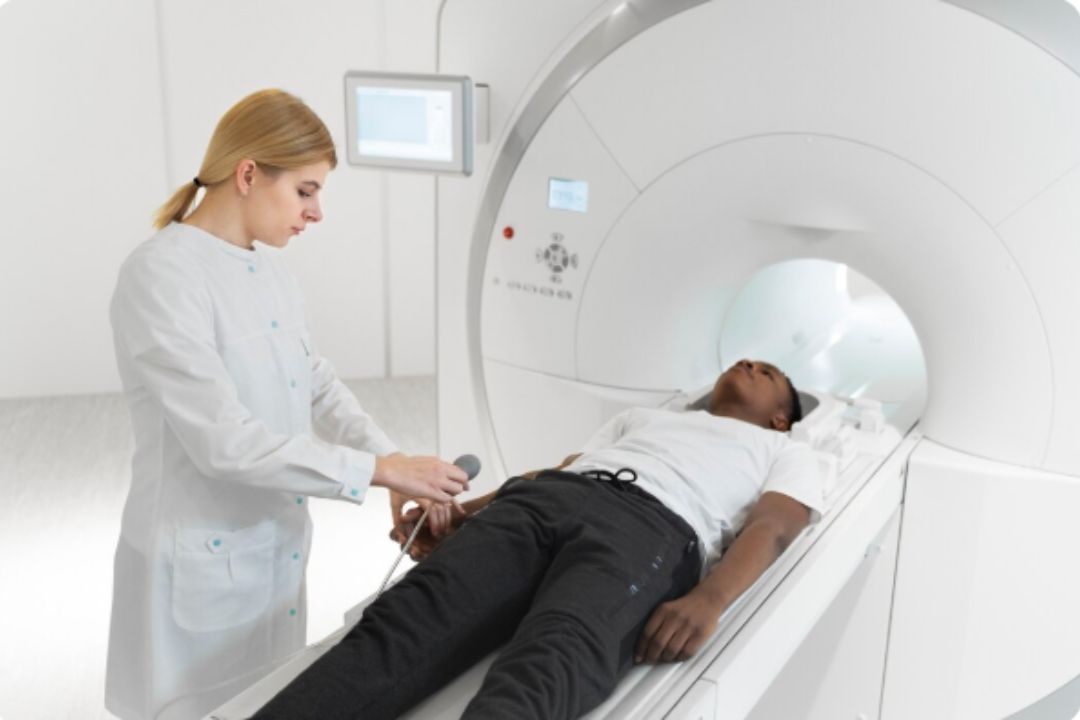
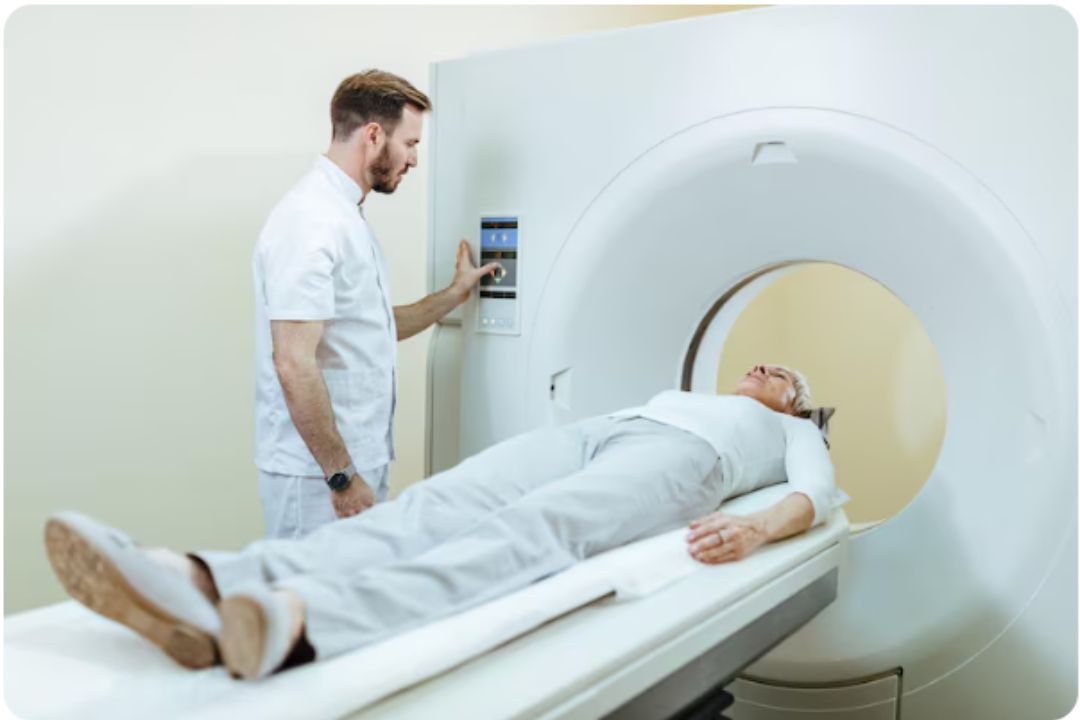
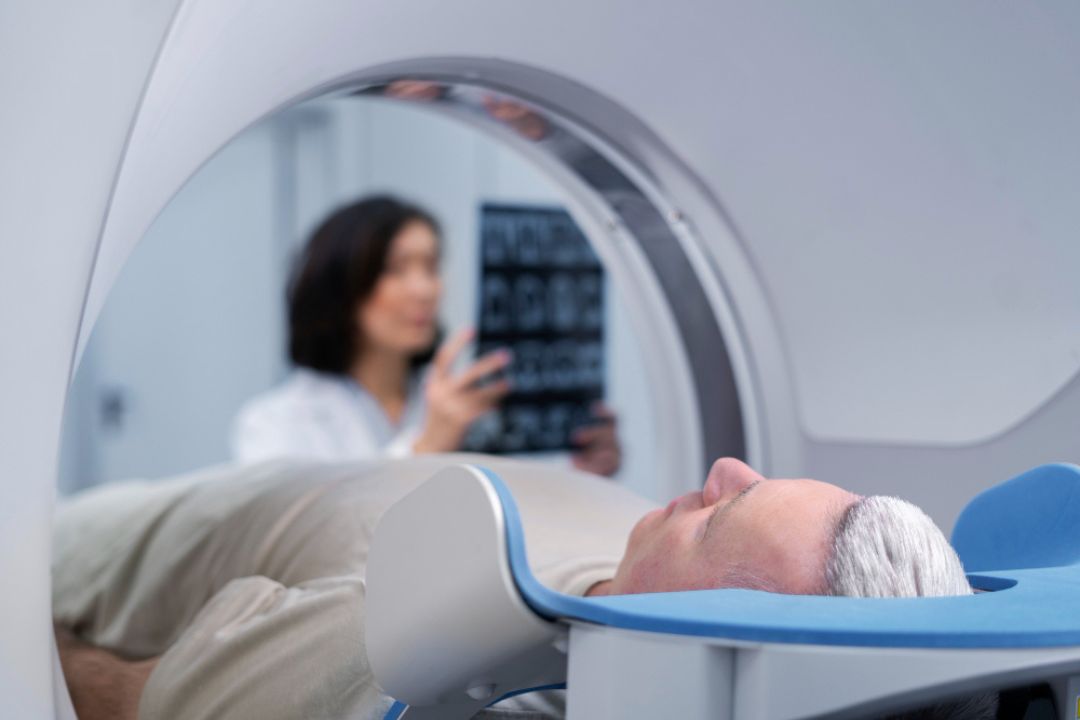
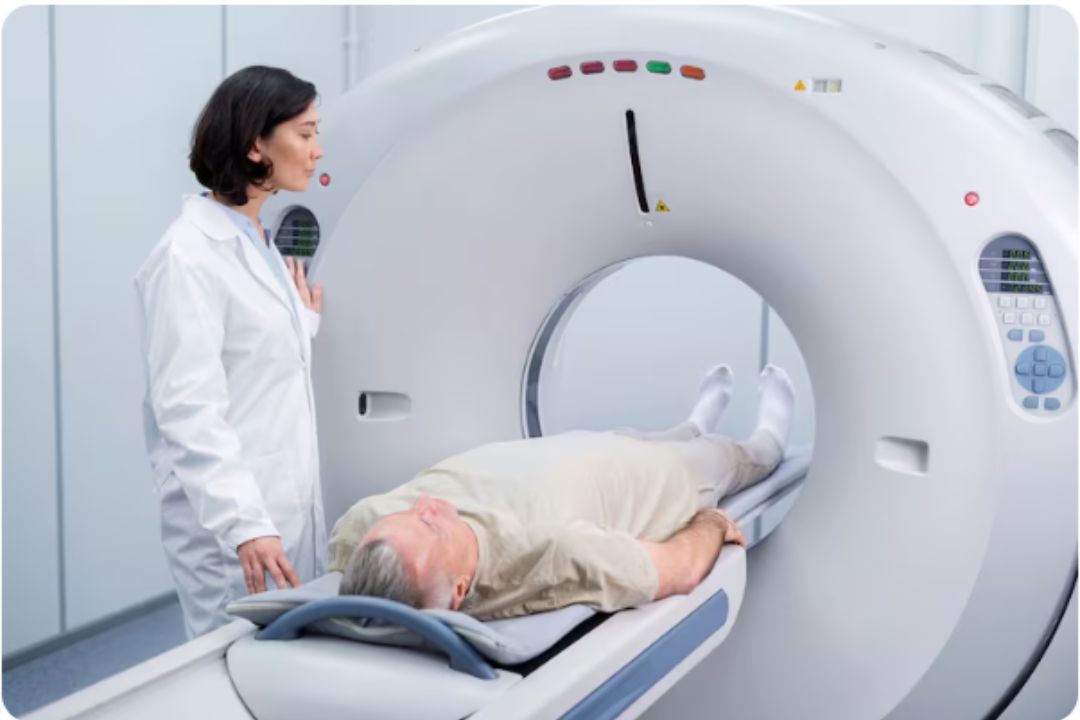
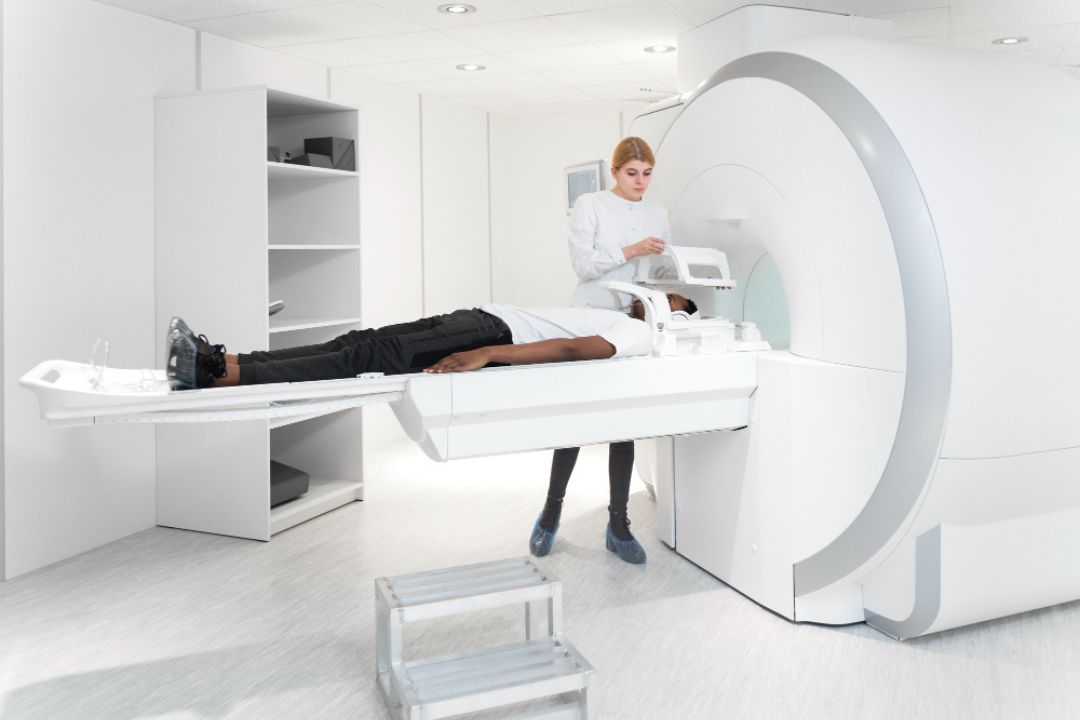
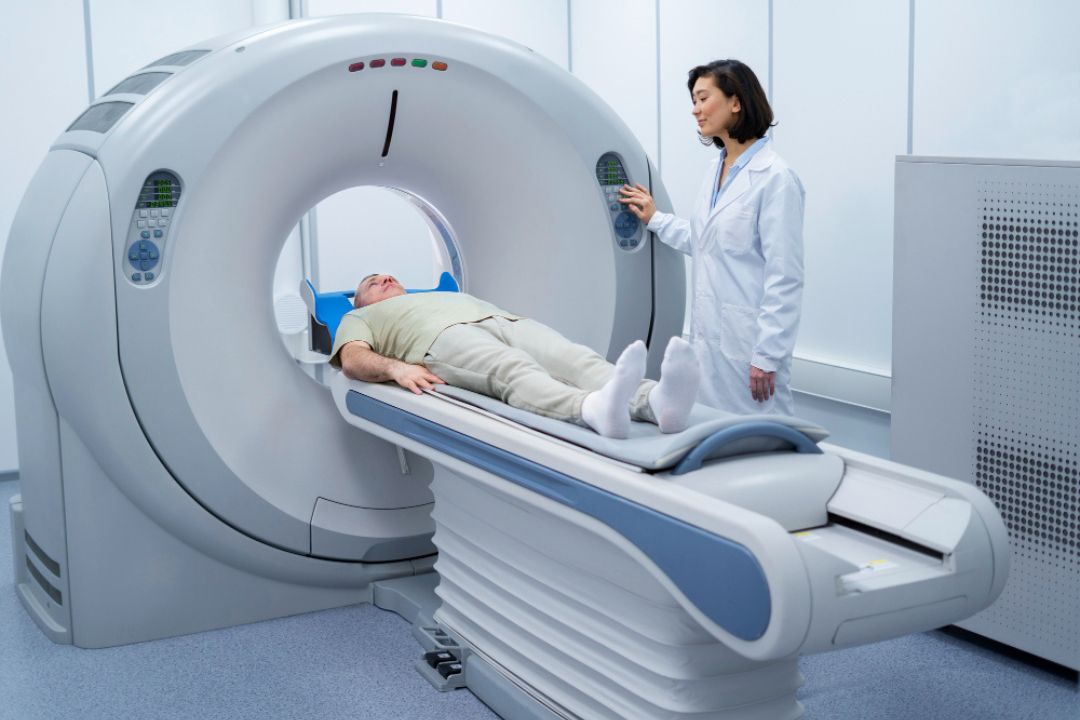
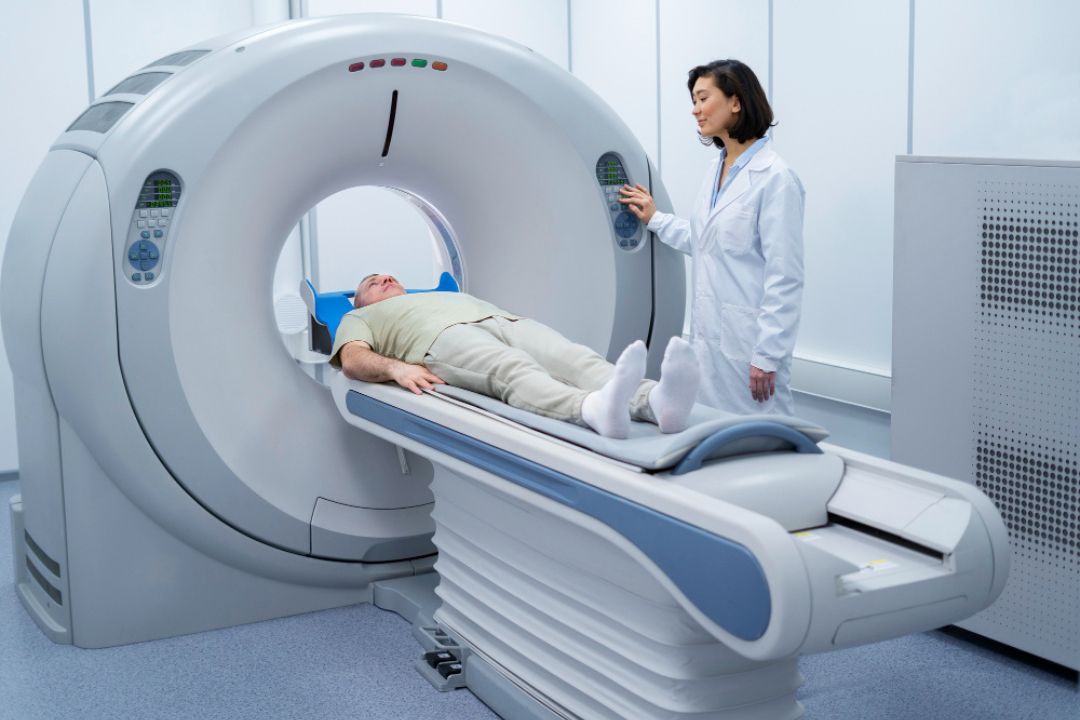
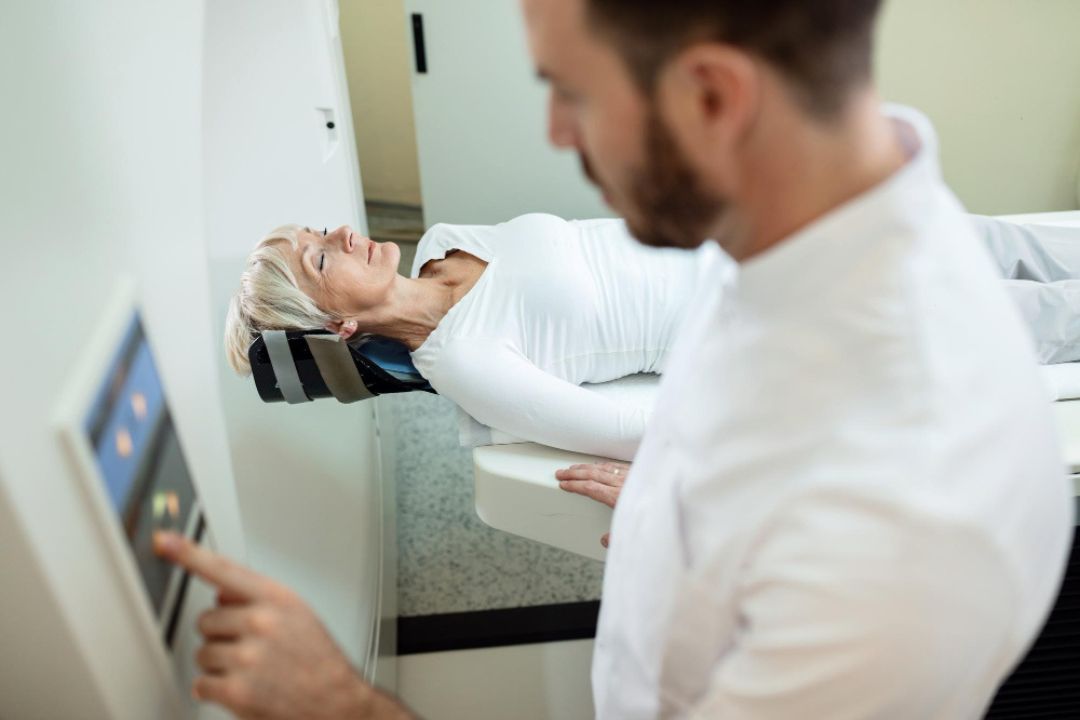
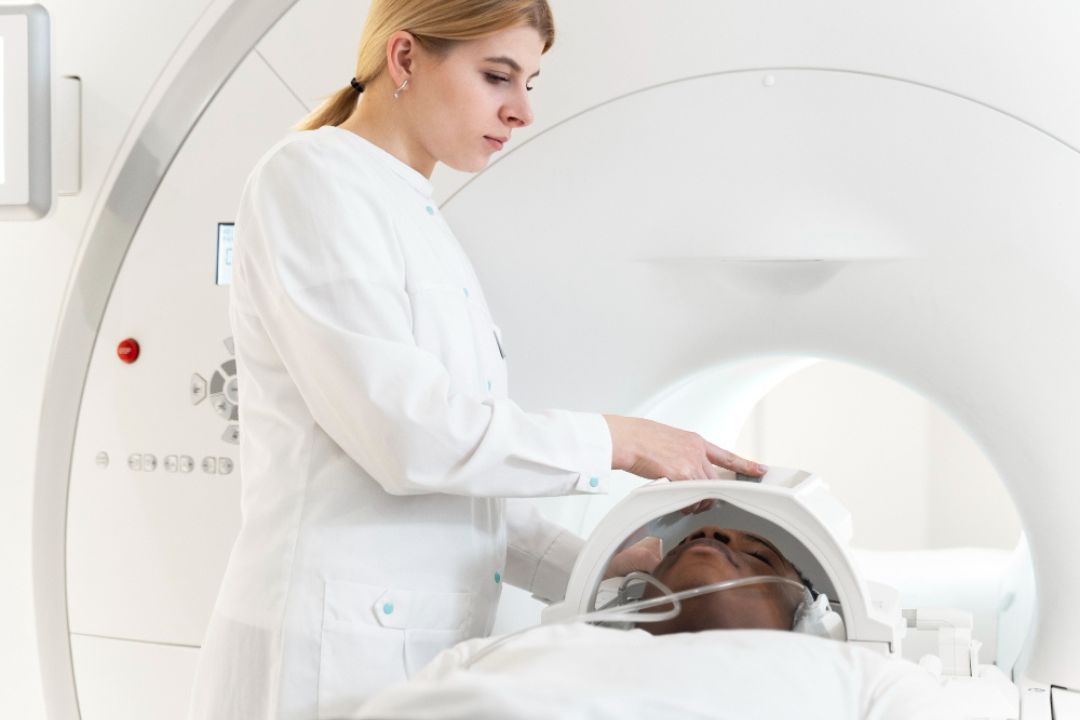
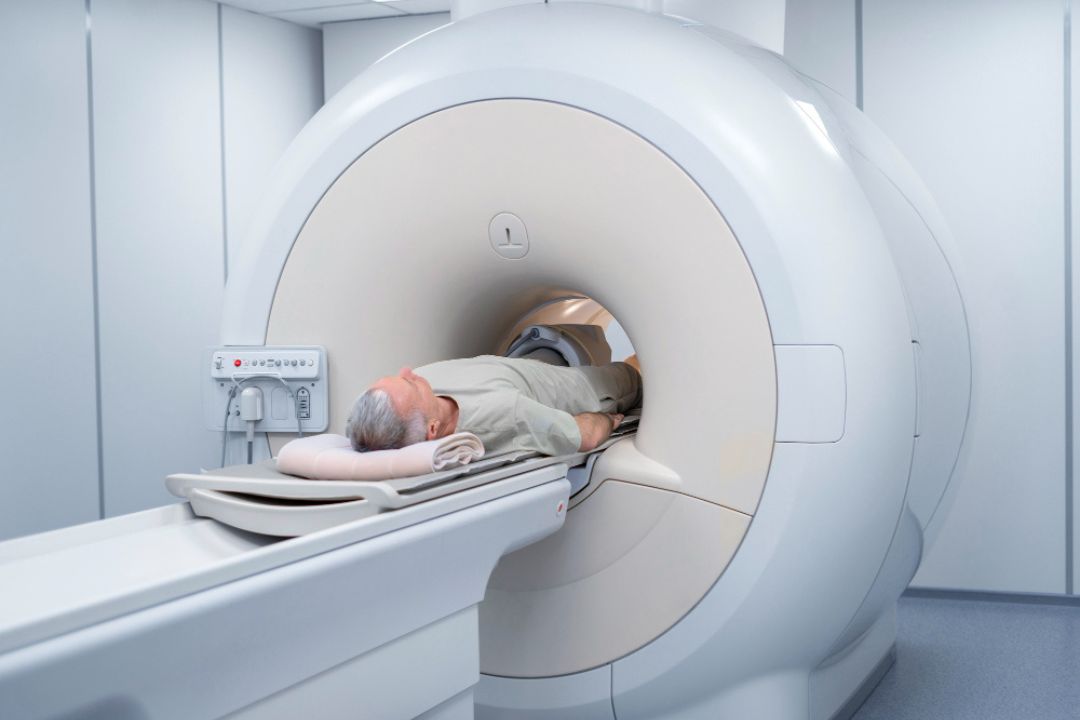
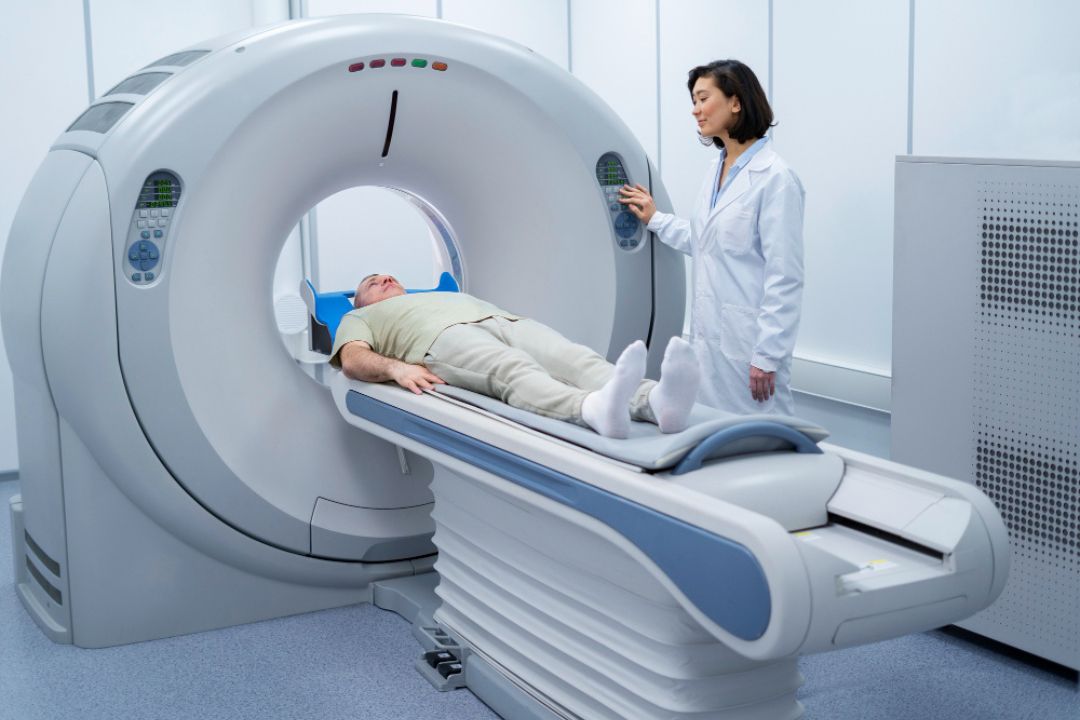
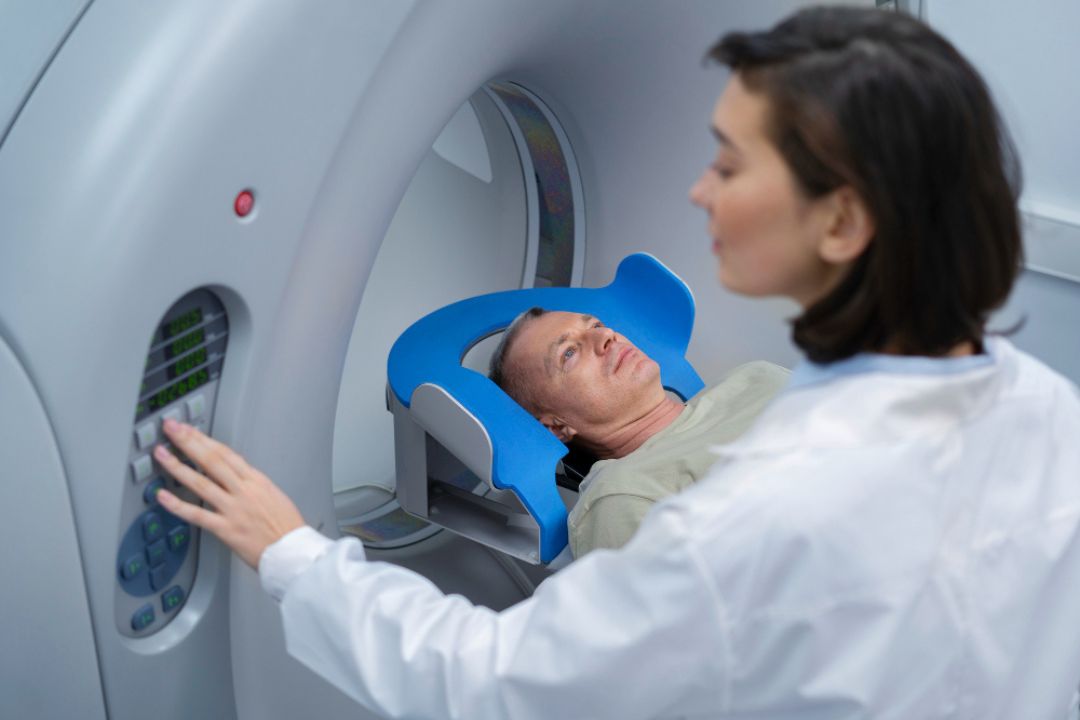
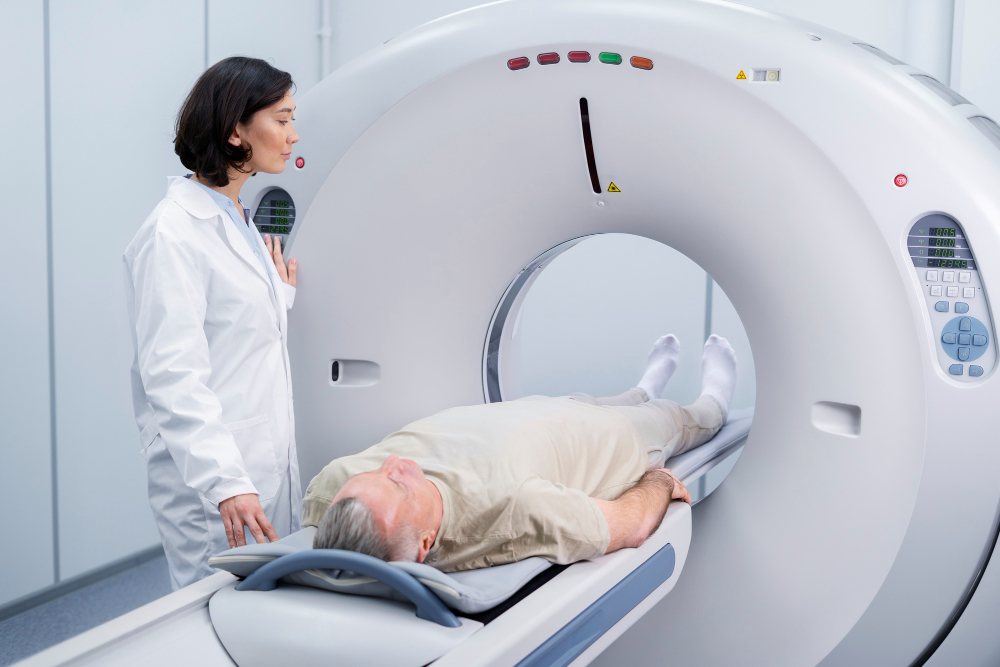
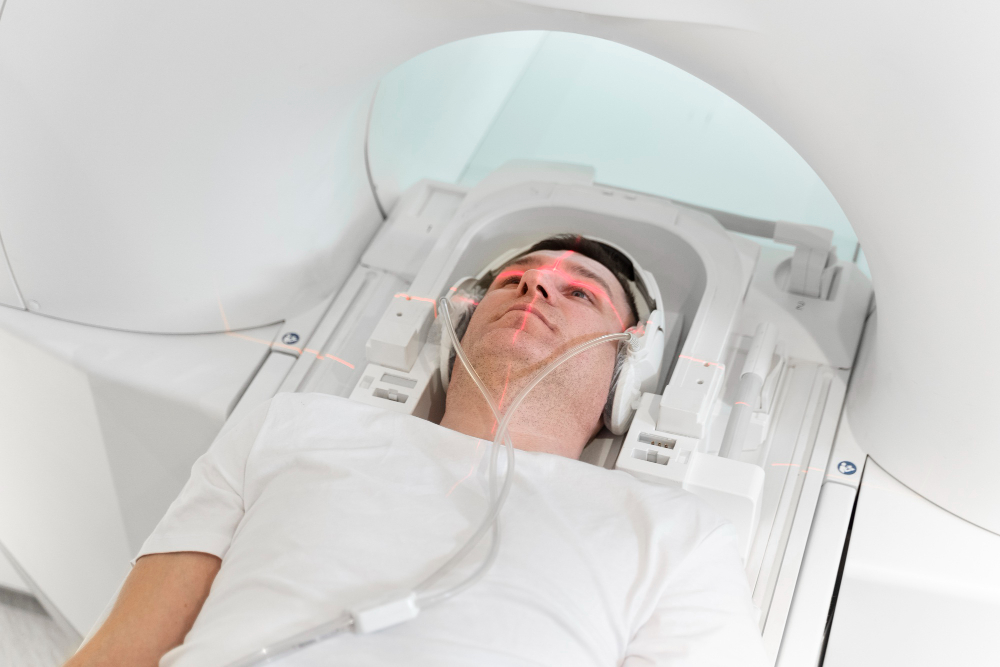
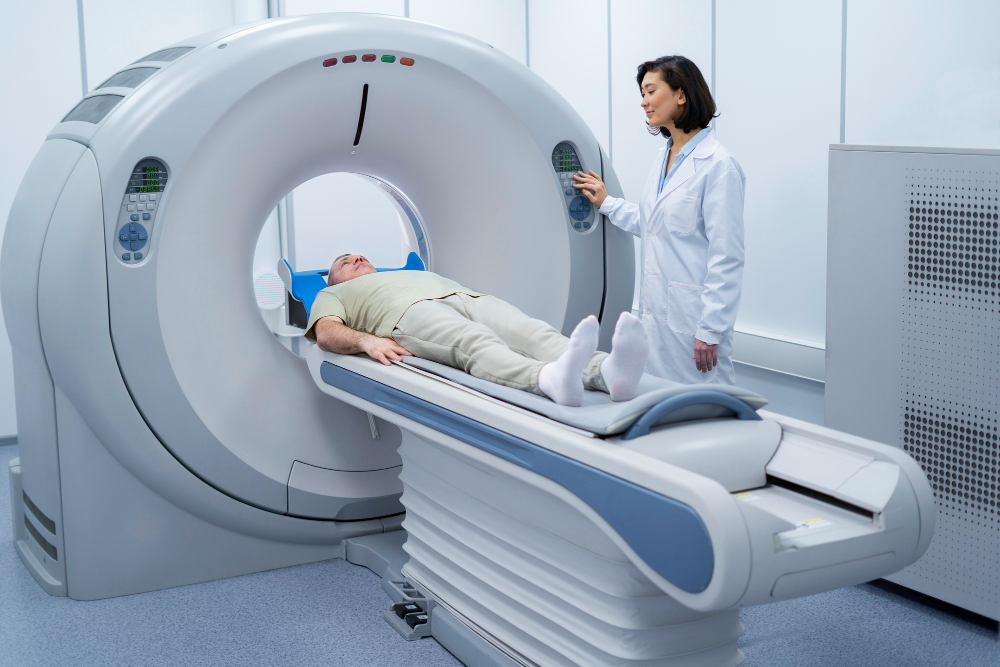
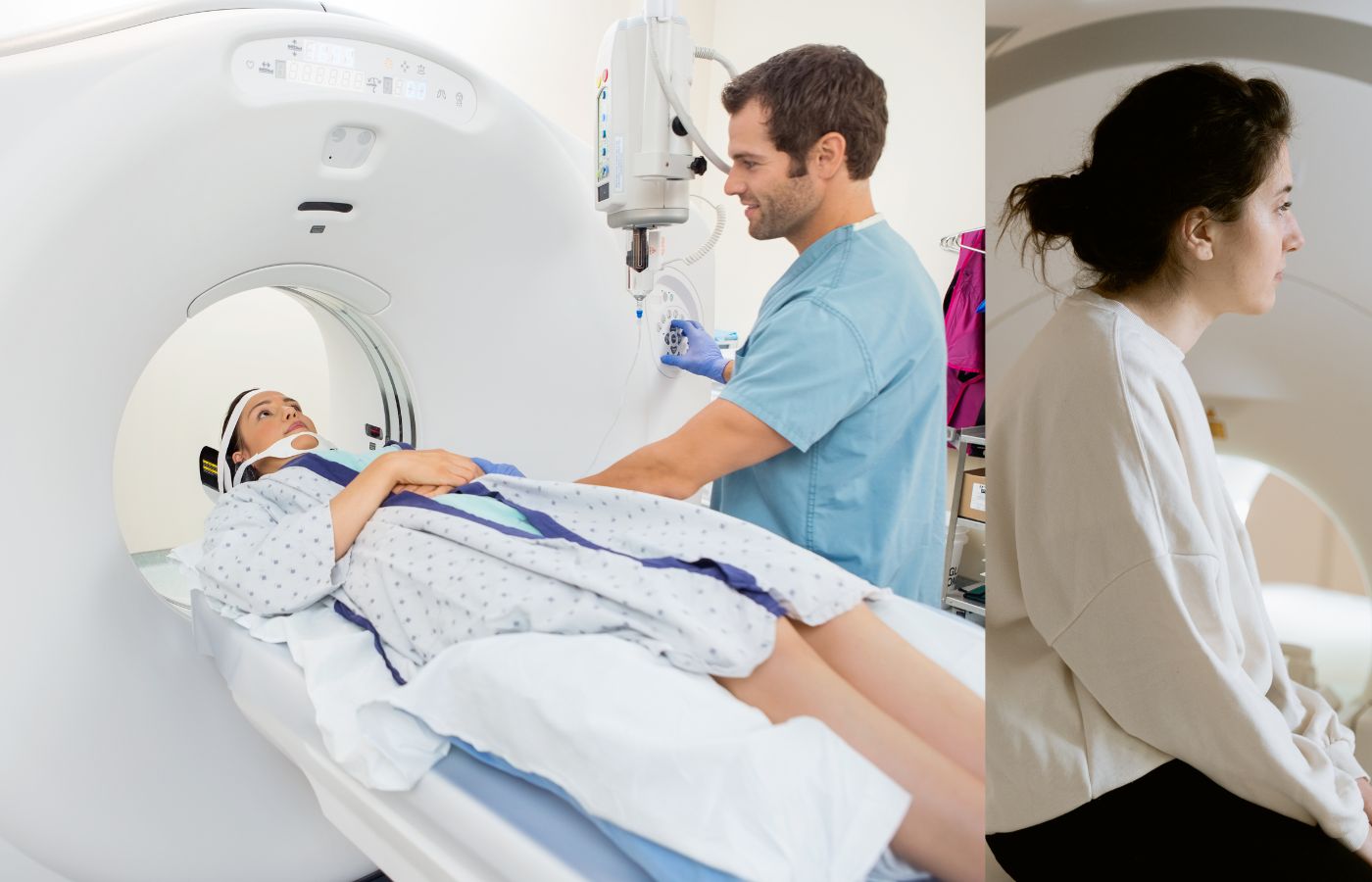
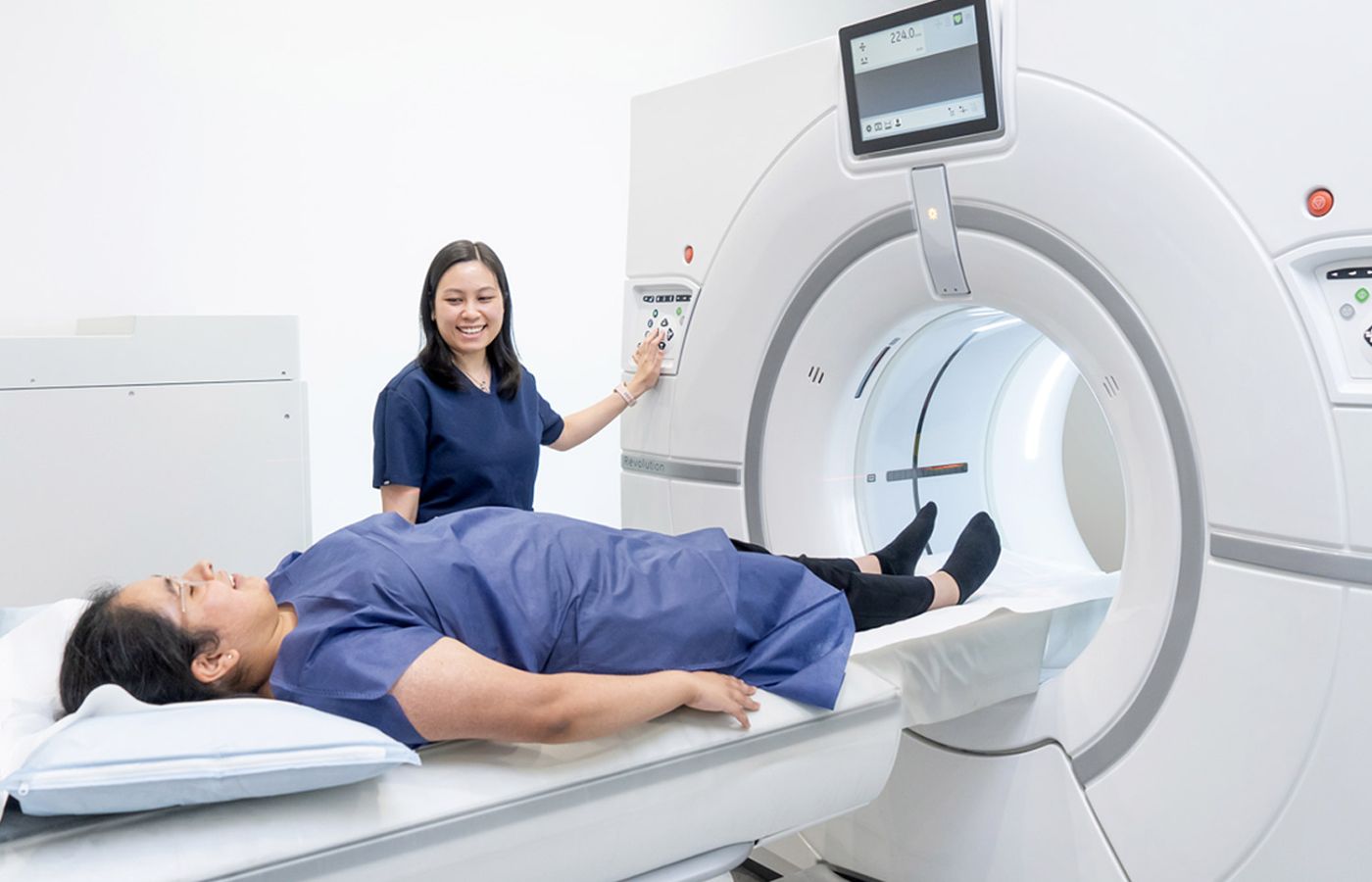
Our team at Diagnopein will provide you with clear, customized instructions. The procedure itself is painless. You will lie on a comfortable table that glides into a short, open ring. The technologist will guide you via intercom, and you will simply need to hold your breath for a few seconds when instructed. Any contrast given intravenously might cause a temporary warm sensation.
A CT scan remains a cornerstone of cancer diagnosis—reliable, rapid, and rich in detail. While it is not a standalone oracle, its integration into a broader clinical assessment makes it an indispensable tool. Its true reliability is unlocked by the technology used and the expertise of the radiologists interpreting the images.
Selecting the right diagnostic centre is as crucial as the test itself. Here’s why Diagnopein stands out as a leader in Mumbai:
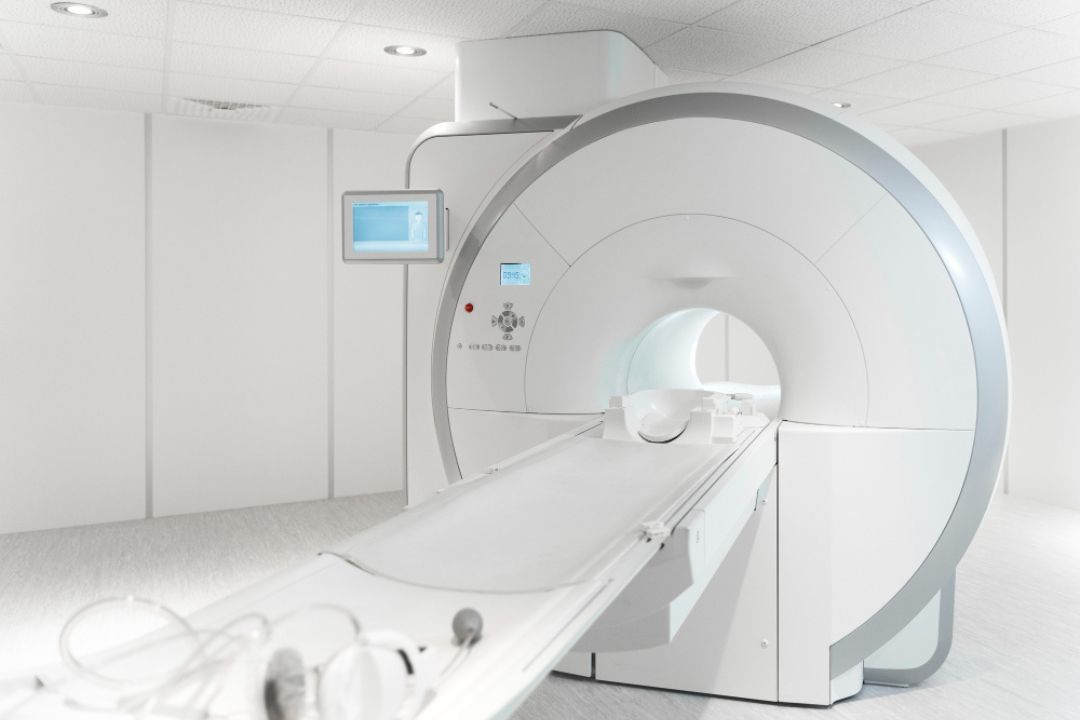
Cutting-Edge Technology: We invest in the latest high-resolution, multi-slice CT scanners, including low-dose protocols for screening, which deliver exceptional image clarity while minimizing radiation exposure where possible.
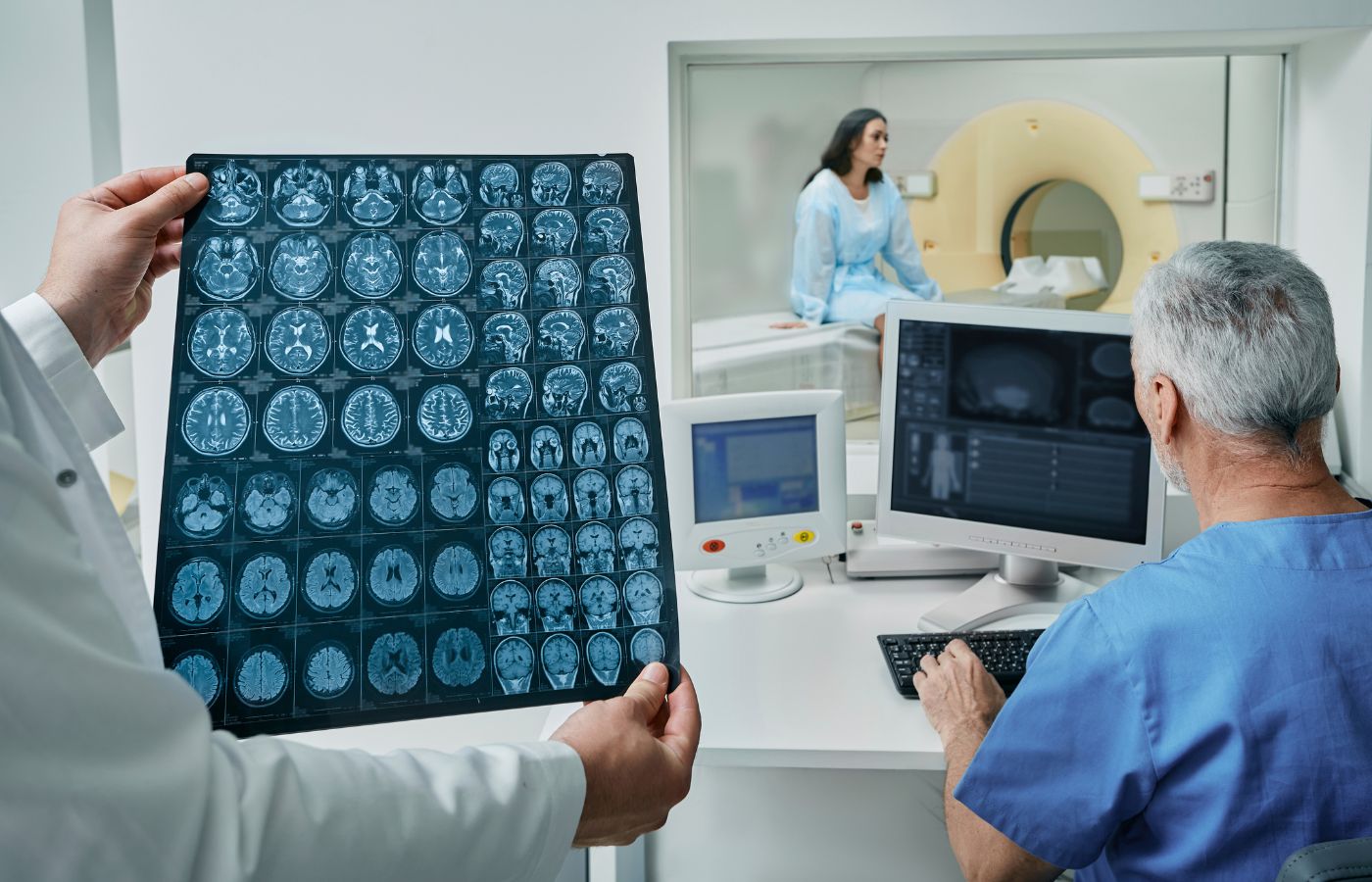
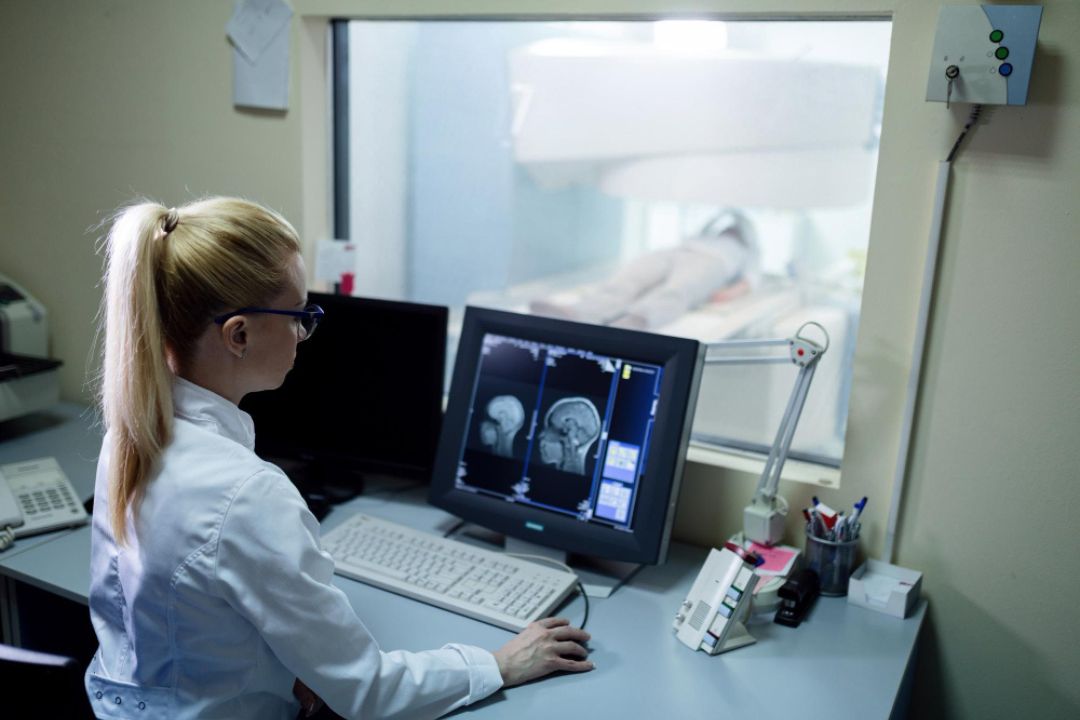
Sub-Specialist Radiologists: Our reports are not just generated; they are crafted by experienced radiologists with sub-specialty training in oncology imaging. This expertise translates to precise detection, accurate staging, and detailed reporting that your oncologist can rely on.
The Diagnopein Experience: We understand the anxiety that accompanies diagnostic testing. From our comfortable, calm environment and empathetic staff to our streamlined processes, we are committed to making your experience as smooth and stress-free as possible.
Integrated and Timely Care: We respect the urgency of your time. Our efficient workflows ensure minimal wait times for both the scan and the delivery of your detailed report. We also offer a seamless integration of services, including PET-CT scans, ultrasound, and digital X-rays, providing a one-stop solution.
Commitment to Clarity: We take the time to explain procedures, answer your questions, and ensure you feel informed and confident every step of the way.
If the question "can a CT scan detect cancer" is more than a query—if it's a step on your personal health journey—entrust it to a centre that pairs technological excellence with human compassion.





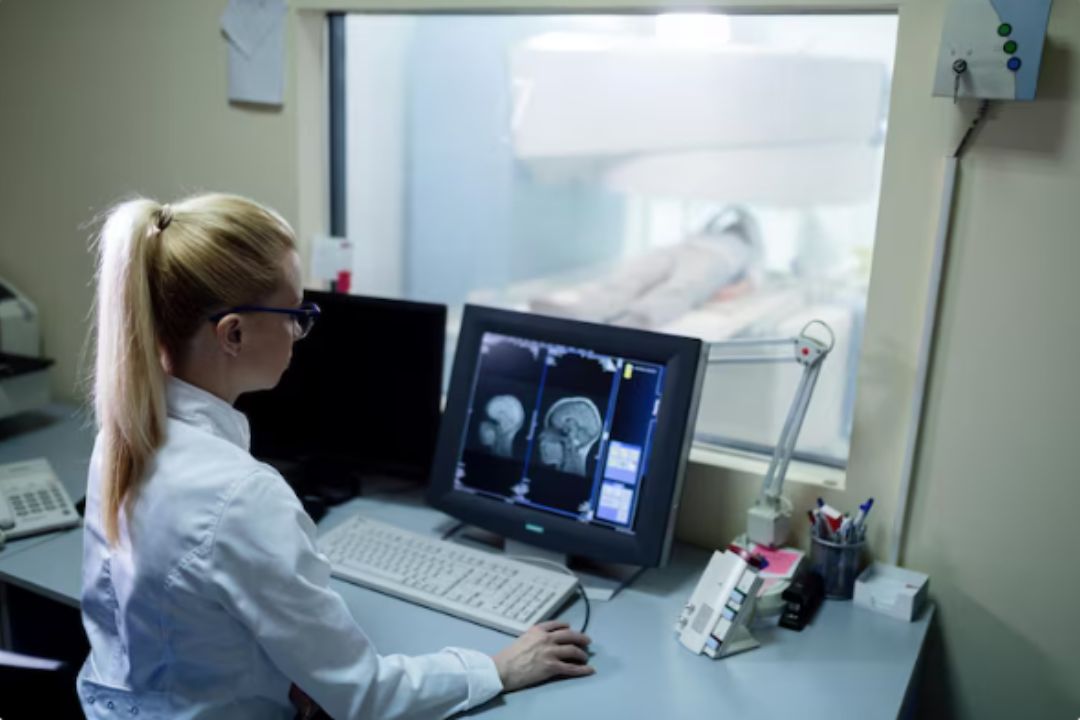
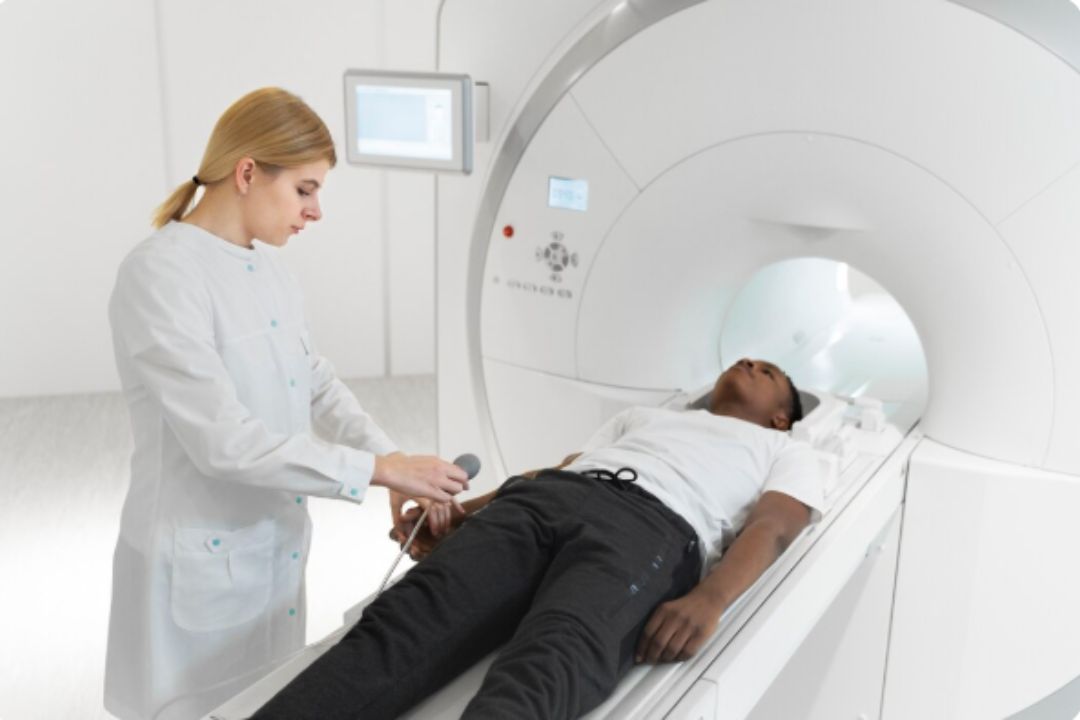
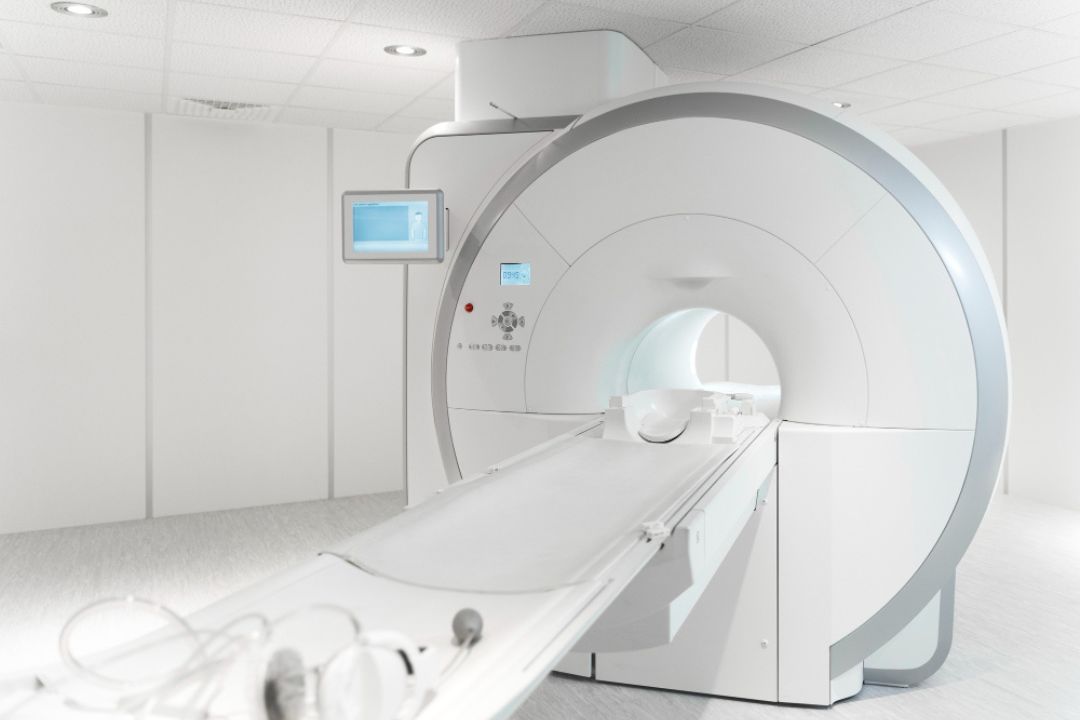

.jpg "ct brain scan plain and contrast")




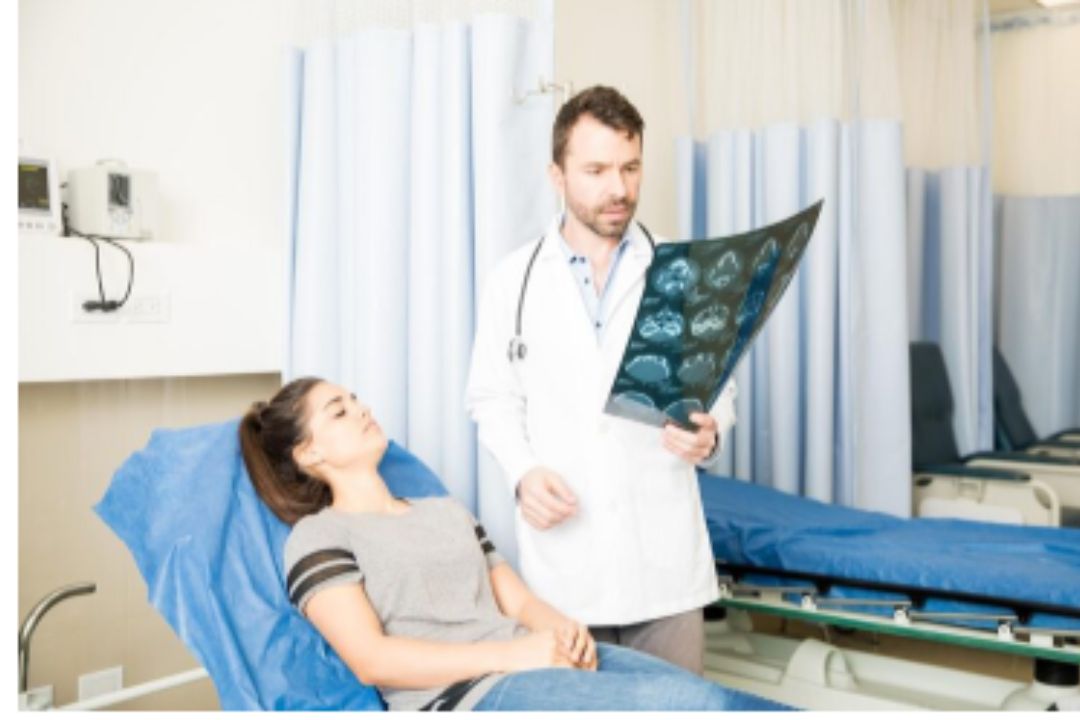
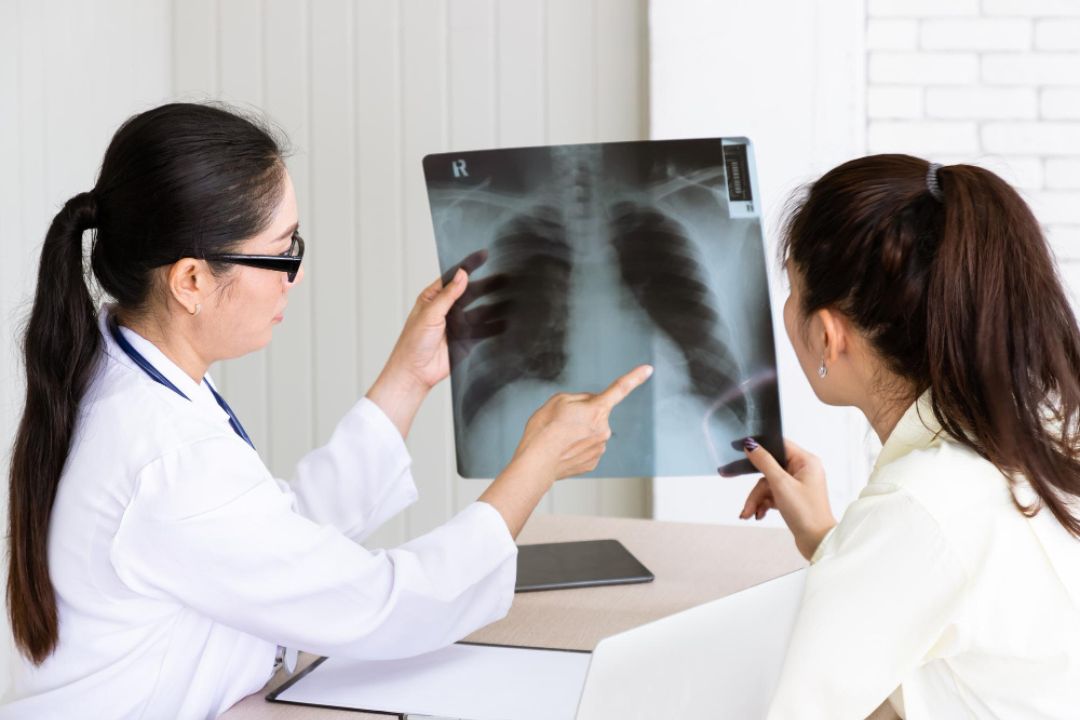



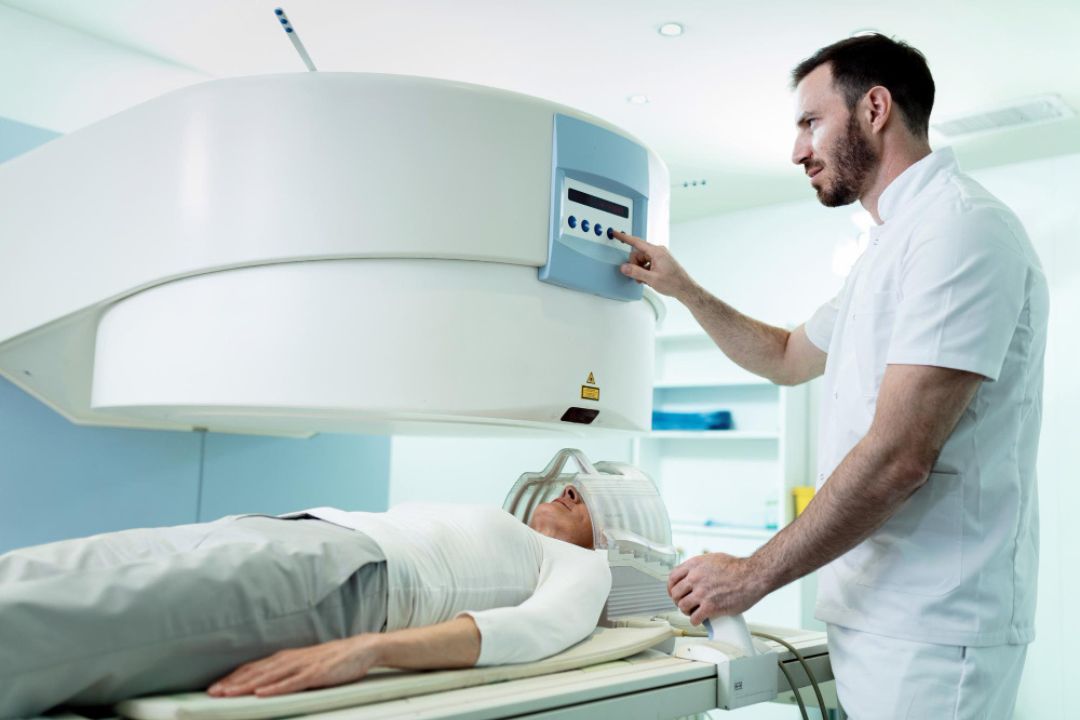
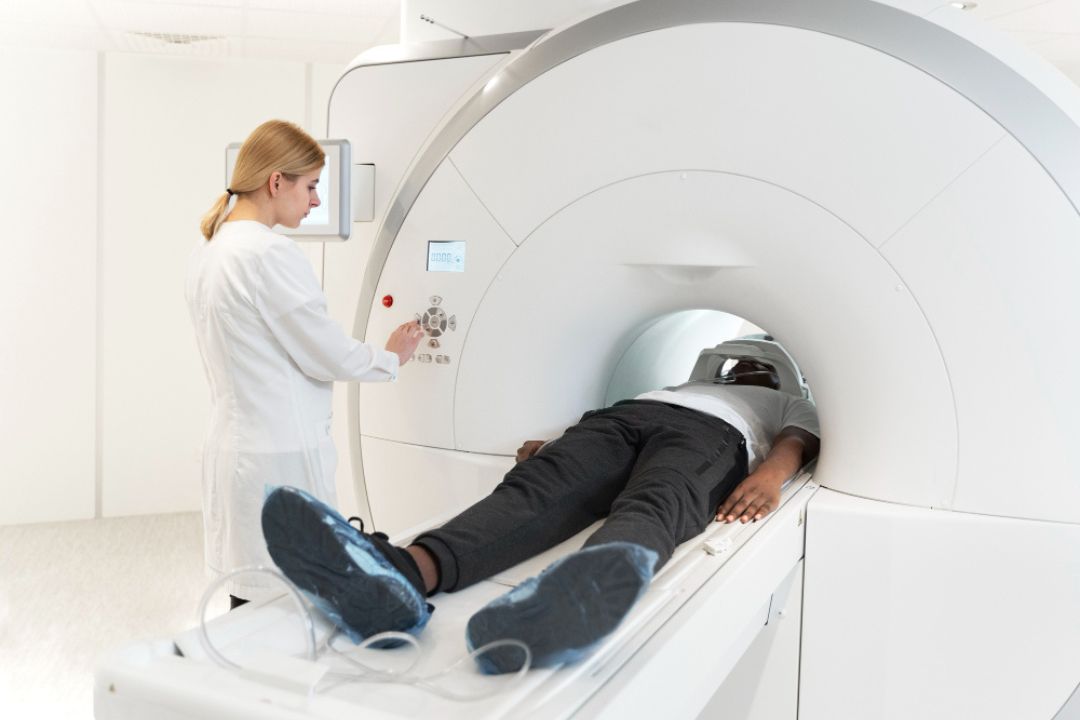
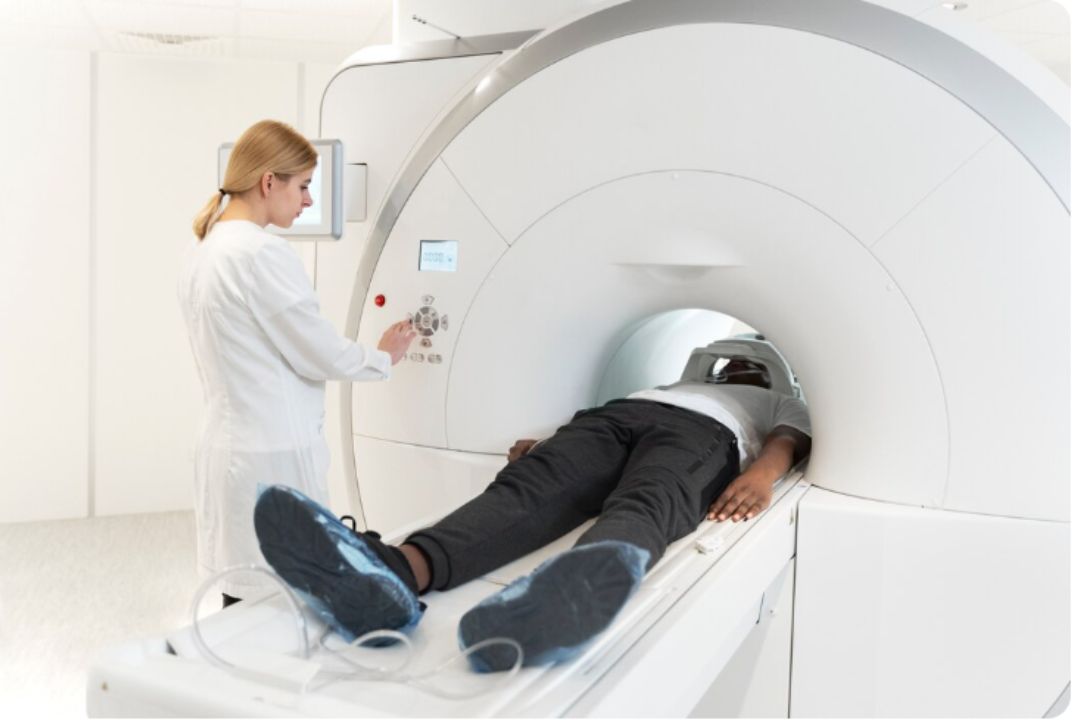
.jpg "ct scan")
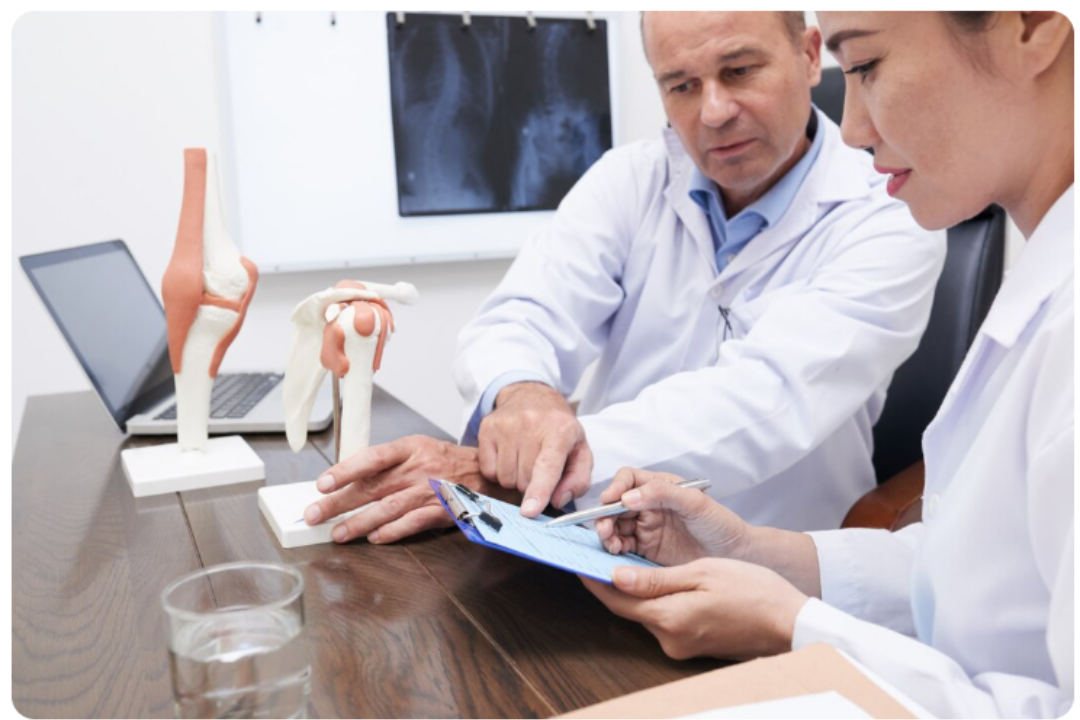
.jpg "ct scan or mri for brain disorders")


.jpg "exploring the power of ct brain contrast in modern diagnostics")
.jpg "ct scan")
.jpg "ct scan")







.jpg "ct scan")

.jpg "CT Brain Scan for Headaches")
.jpg "The Future of 3D CT Imaging")