When your doctor prescribes a Computed Tomography (CT) scan, it’s a crucial step towards an accurate diagnosis. But immediately after, a practical question arises: Where should I get it done—at a specialized diagnostic centre or a multi-speciality hospital? This decision can impact not just your wallet, but also your time, comfort, and potentially, the quality of your experience. In the bustling healthcare landscape of Mumbai, understanding the key differences is essential. Let’s dive into a detailed comparison based on cost, comfort, expertise, and convenience to help you choose wisely.
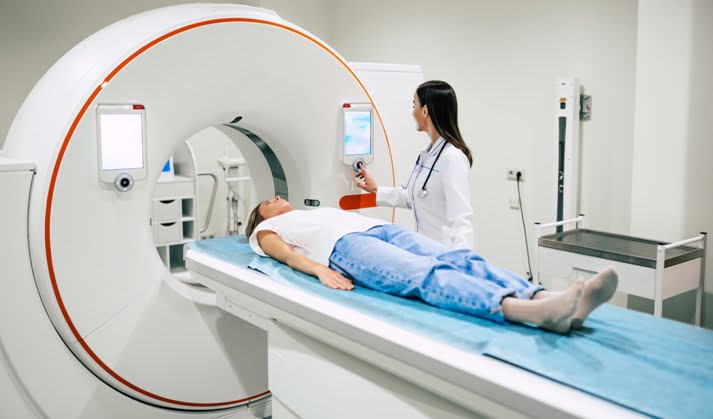
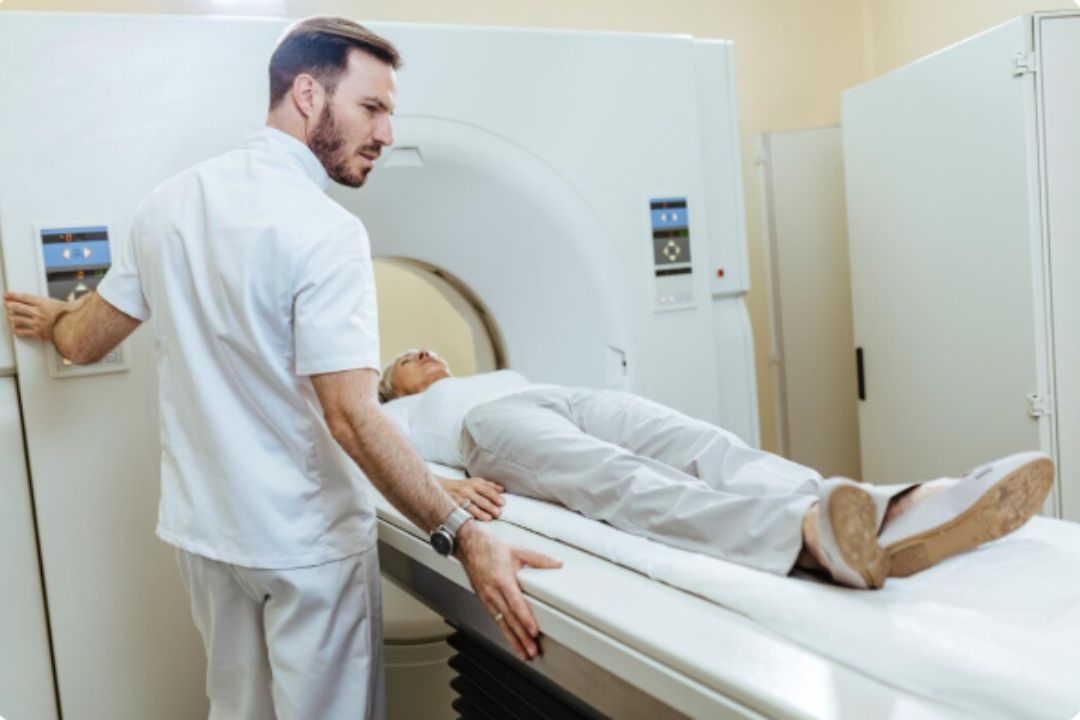
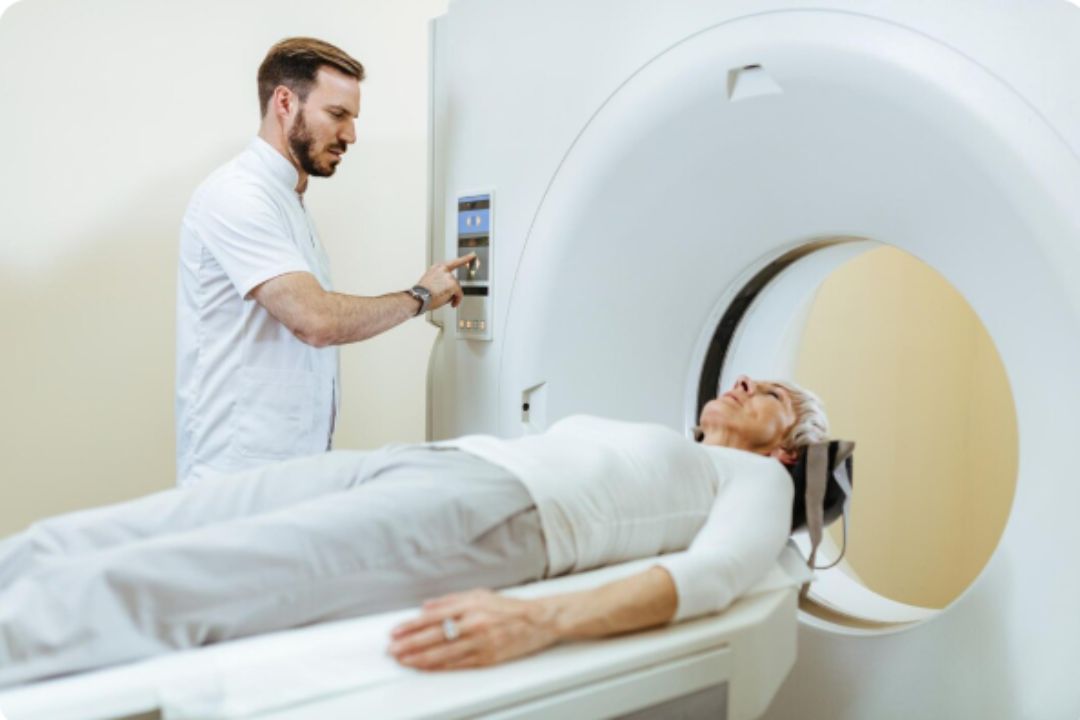
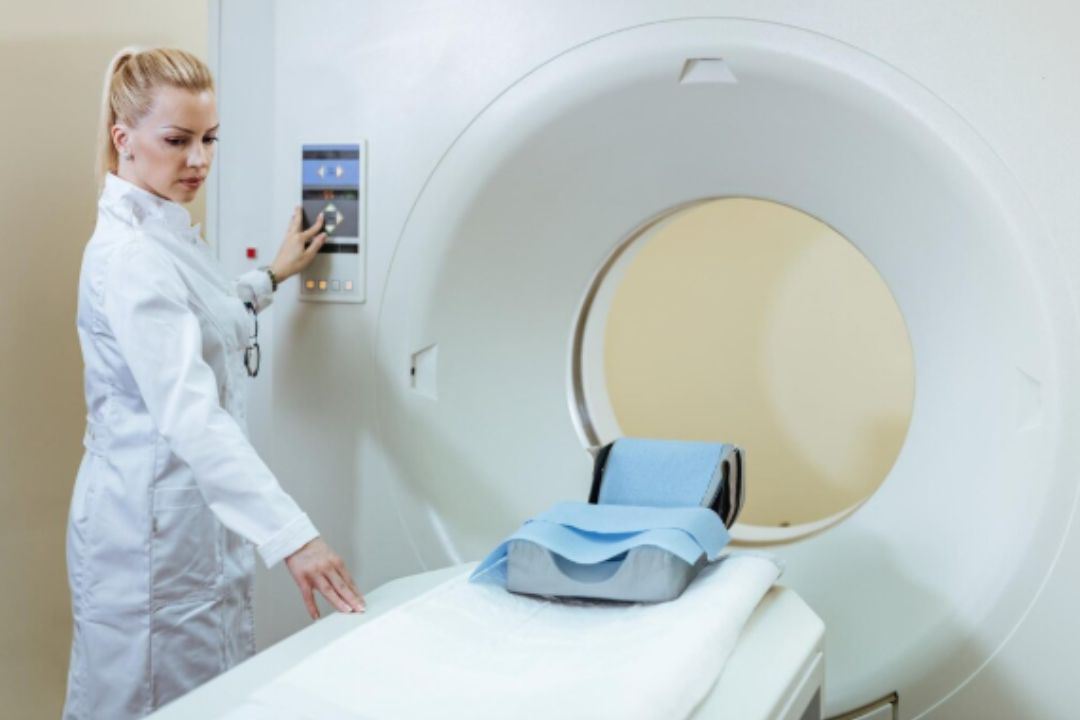
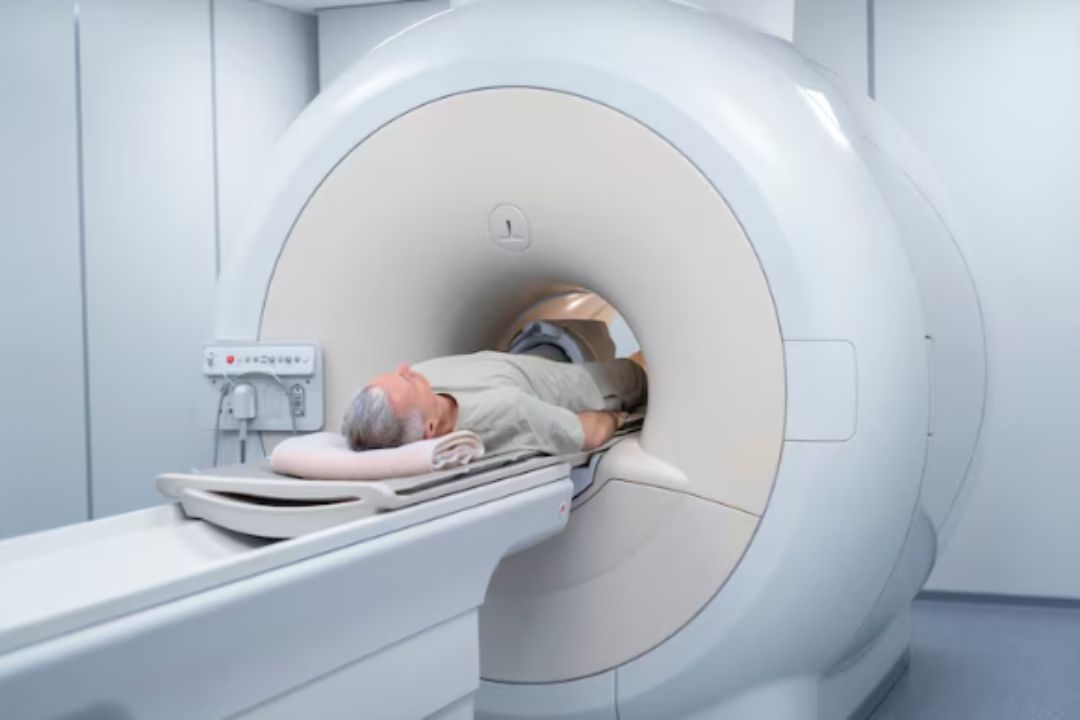
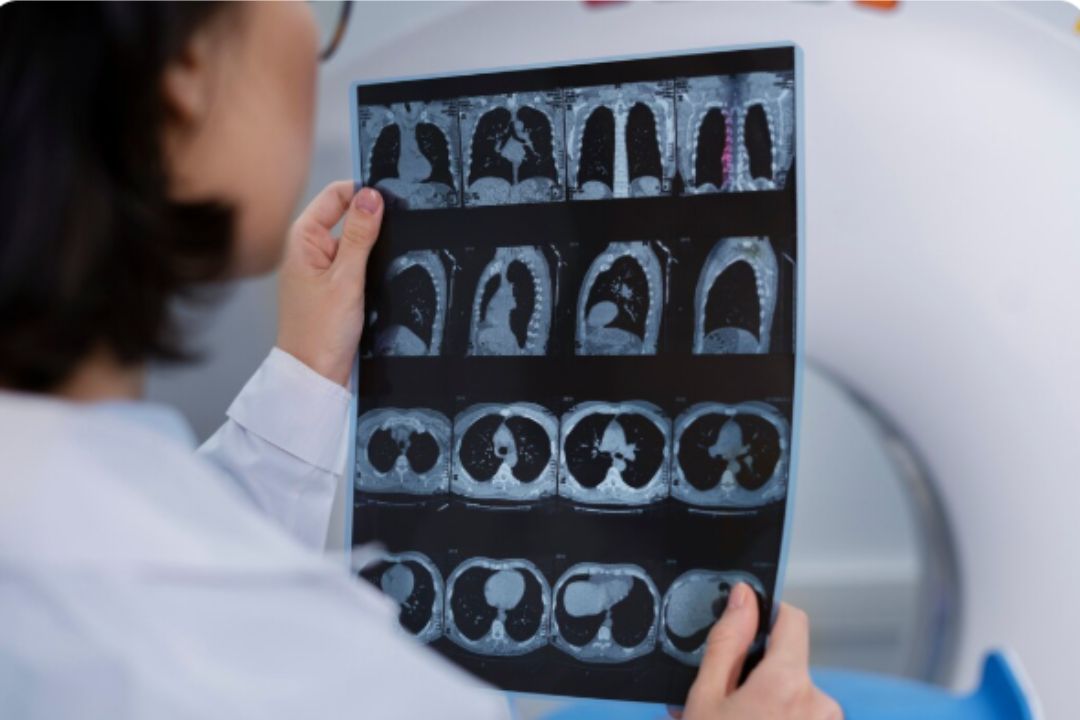
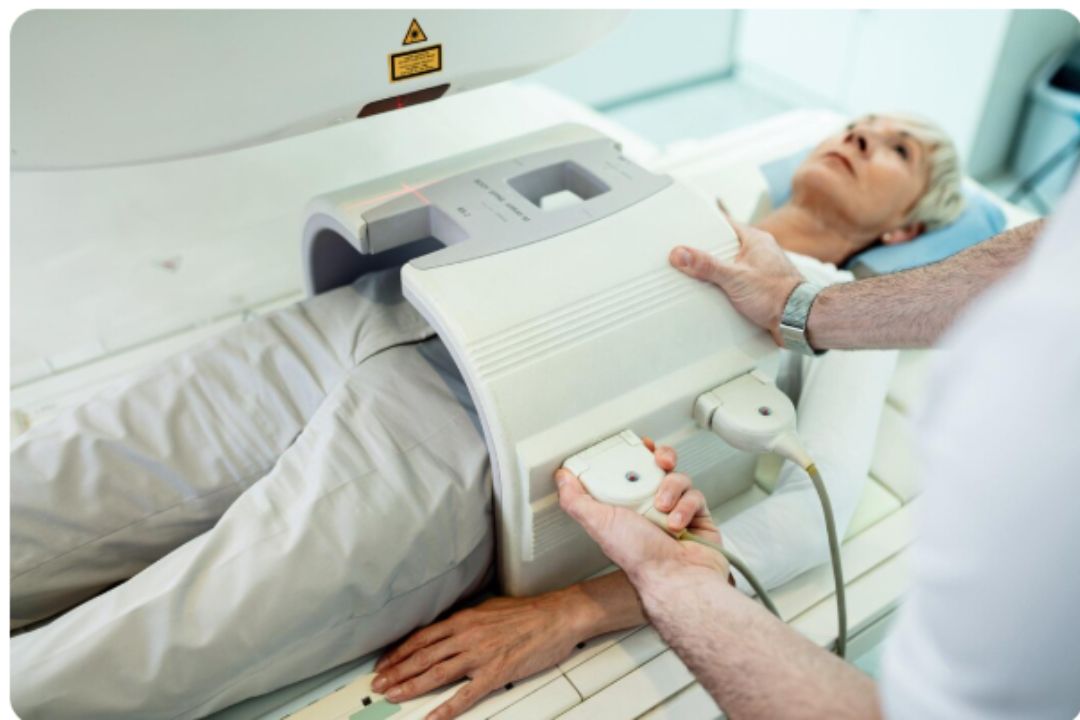
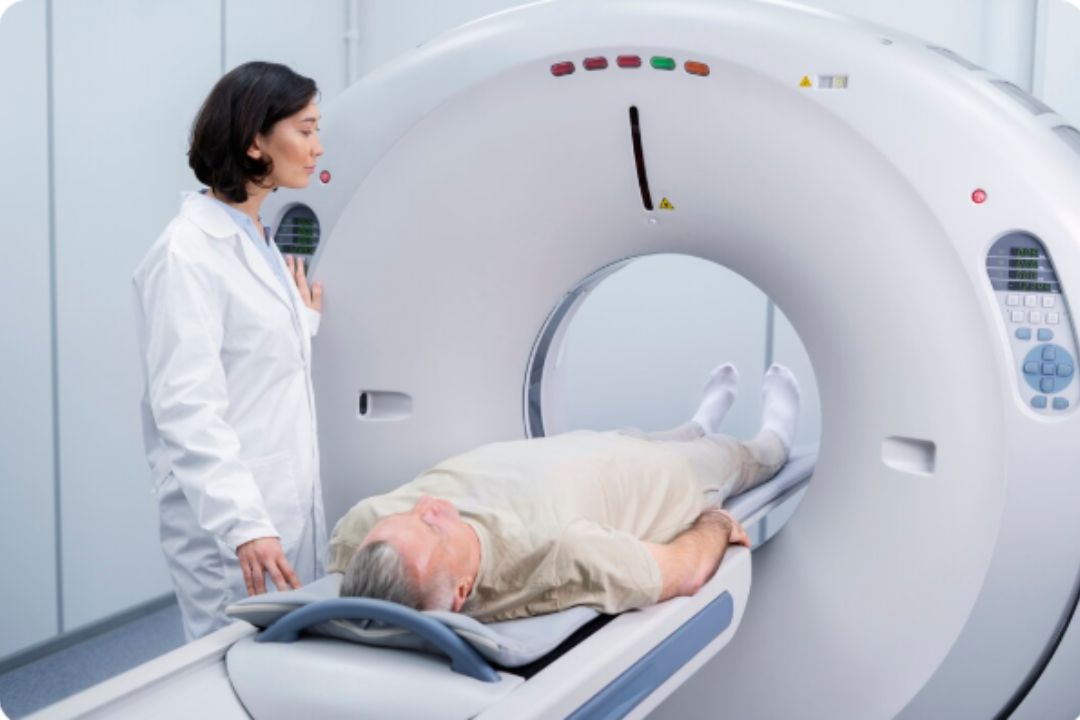
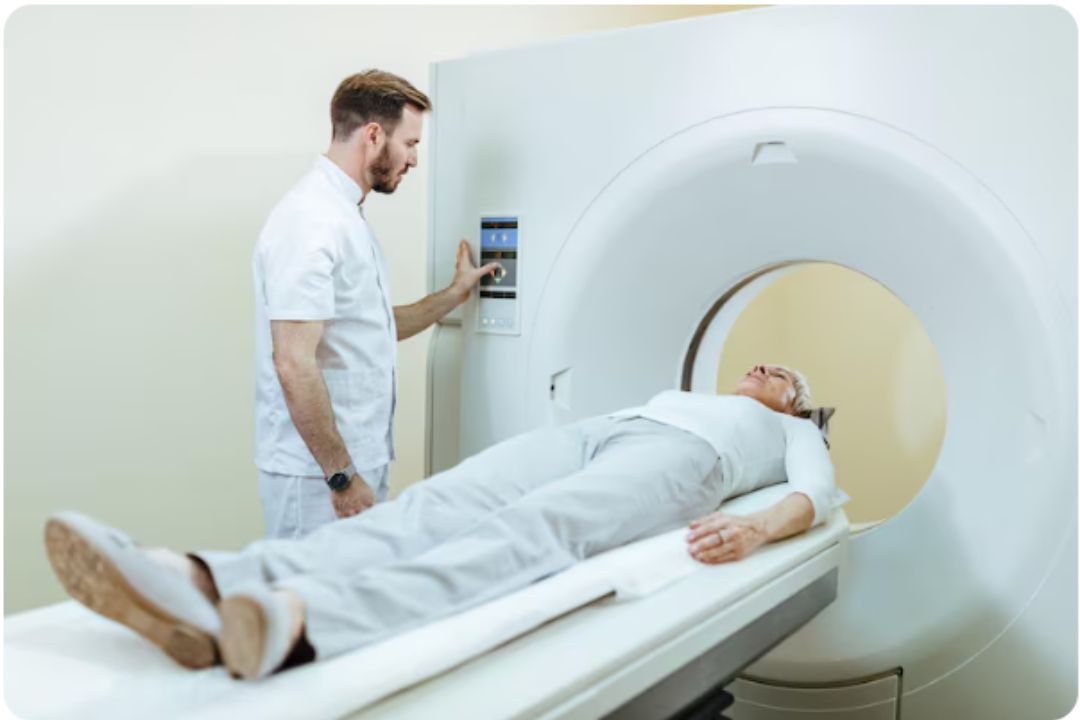
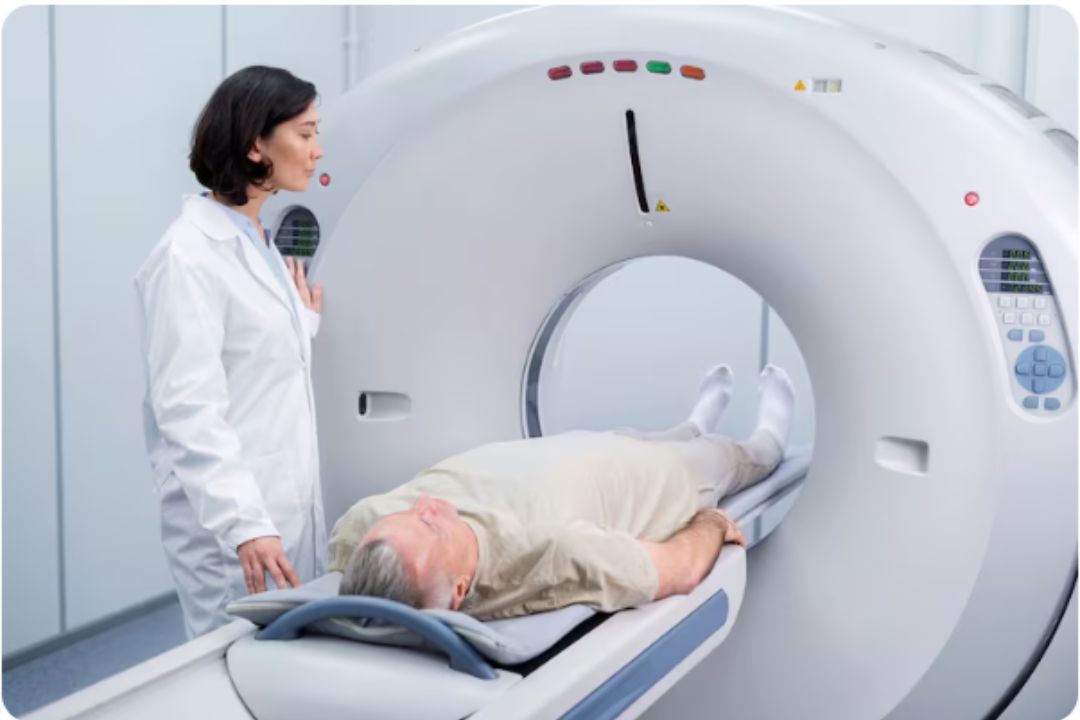
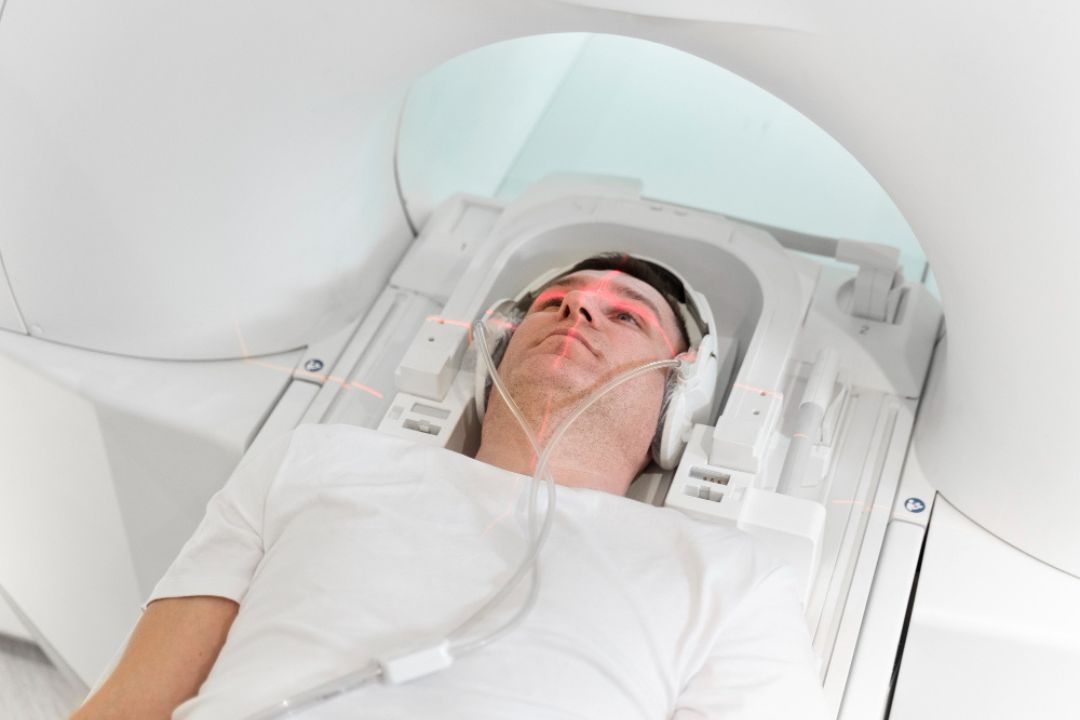
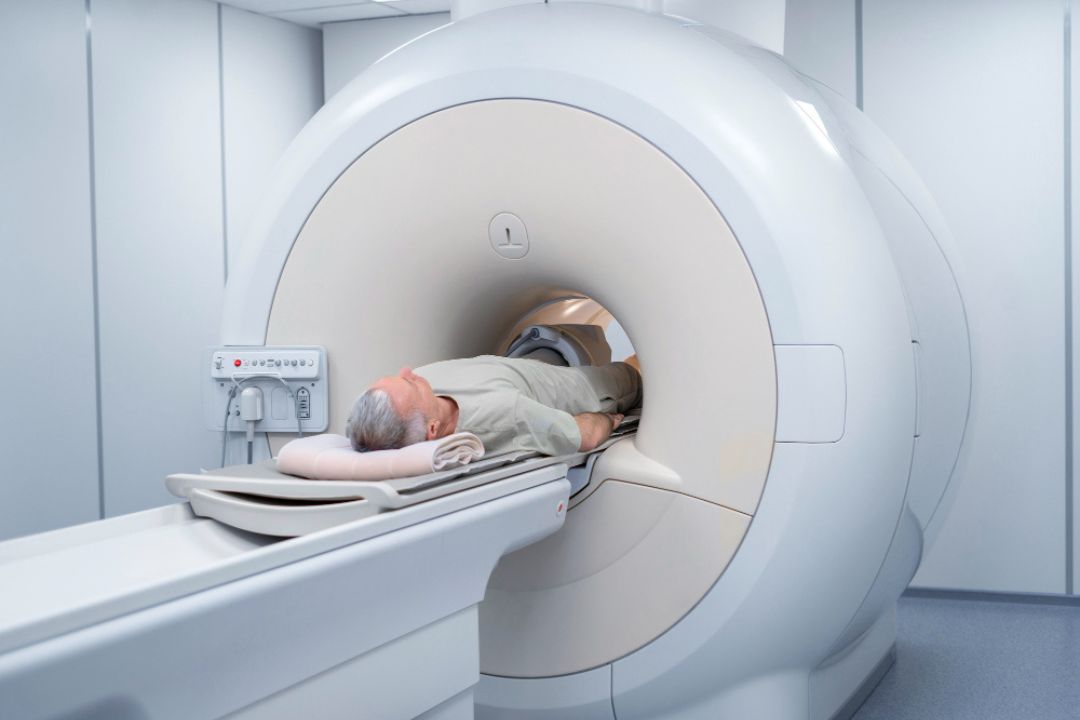
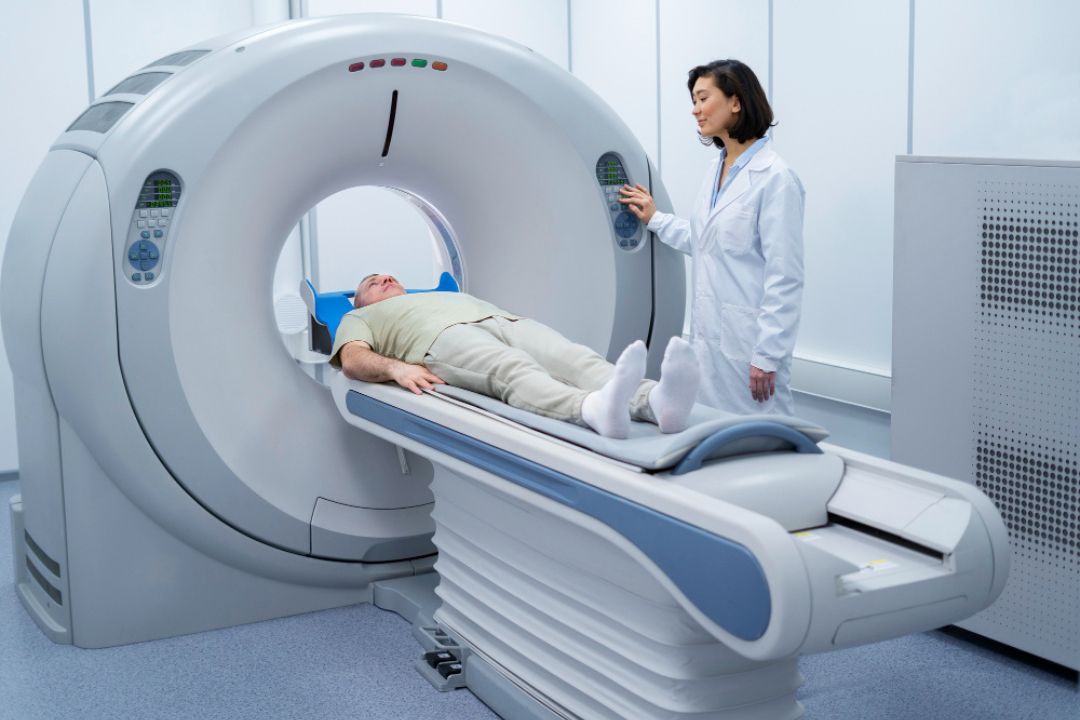
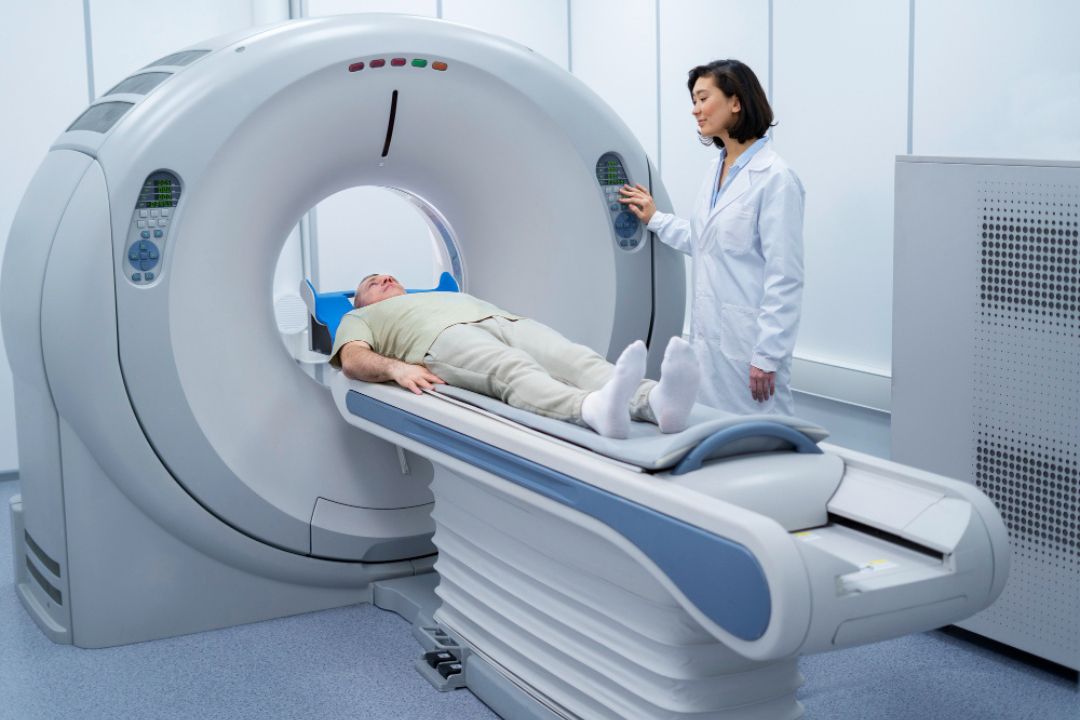
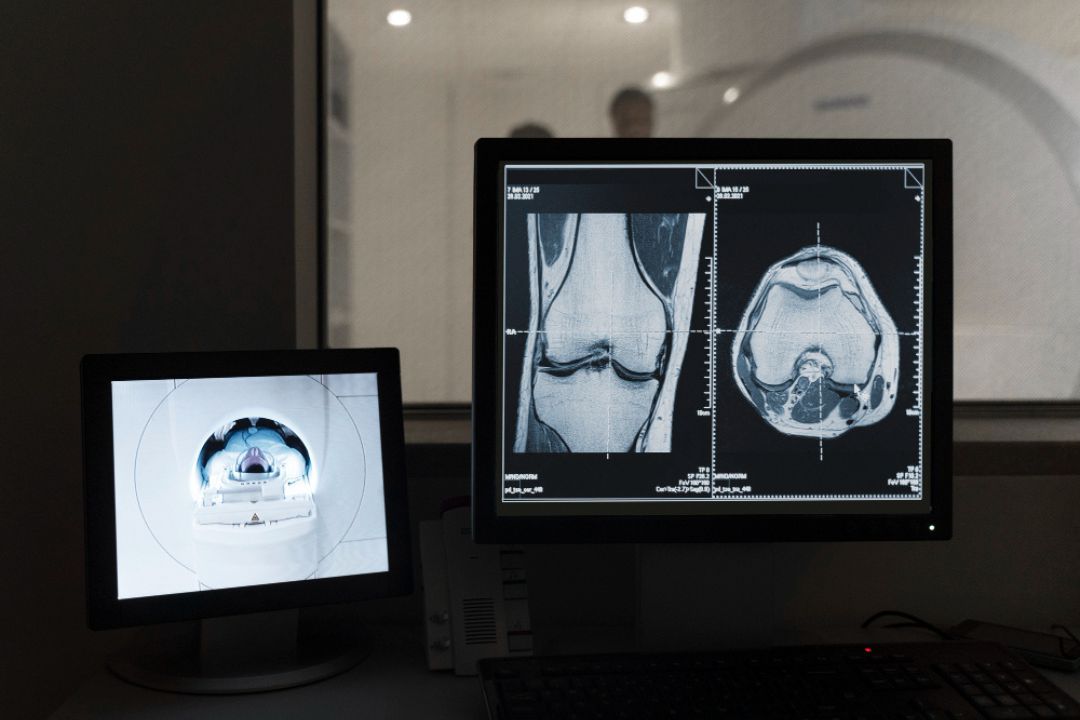
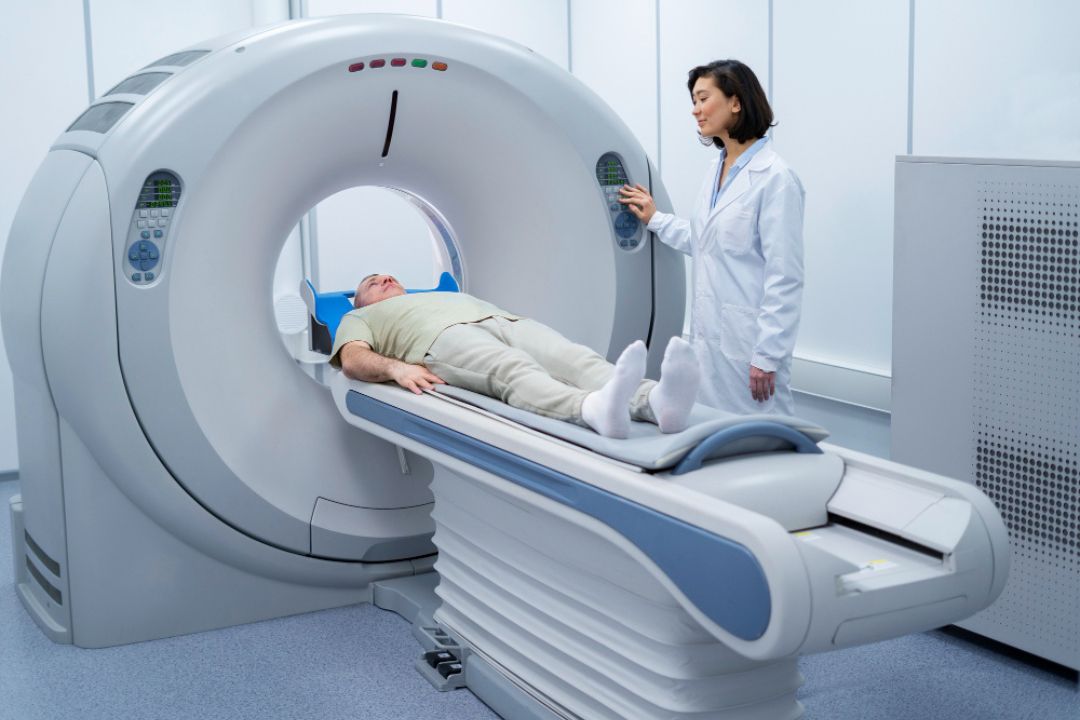
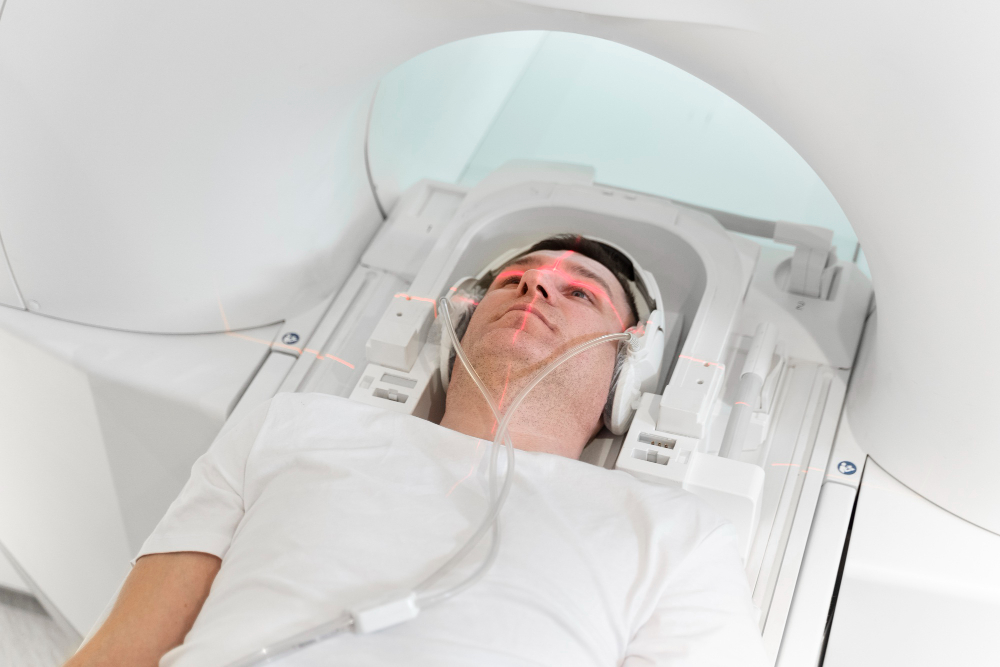
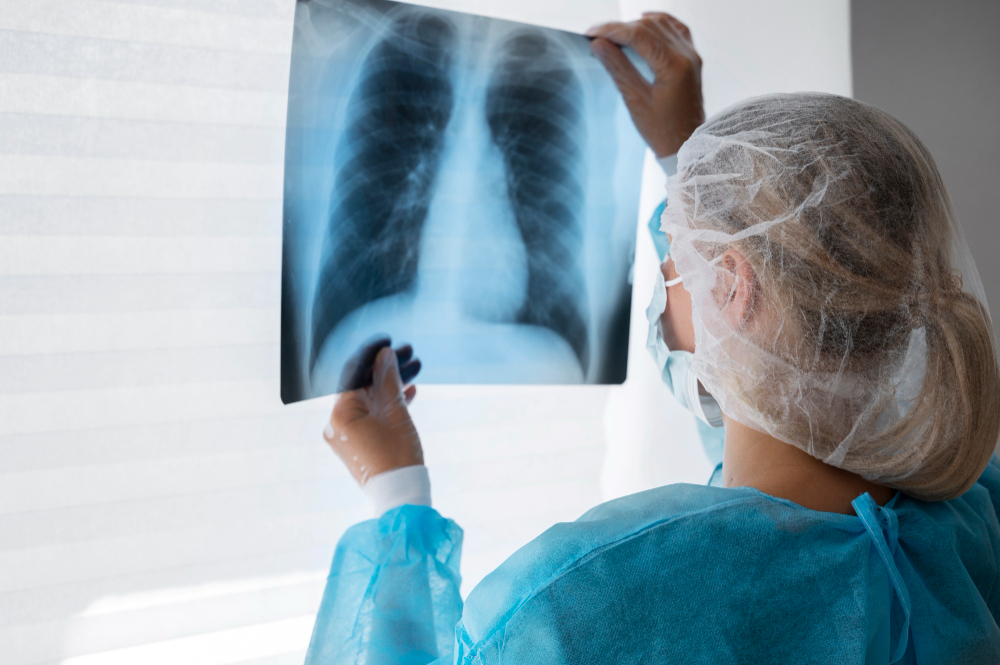
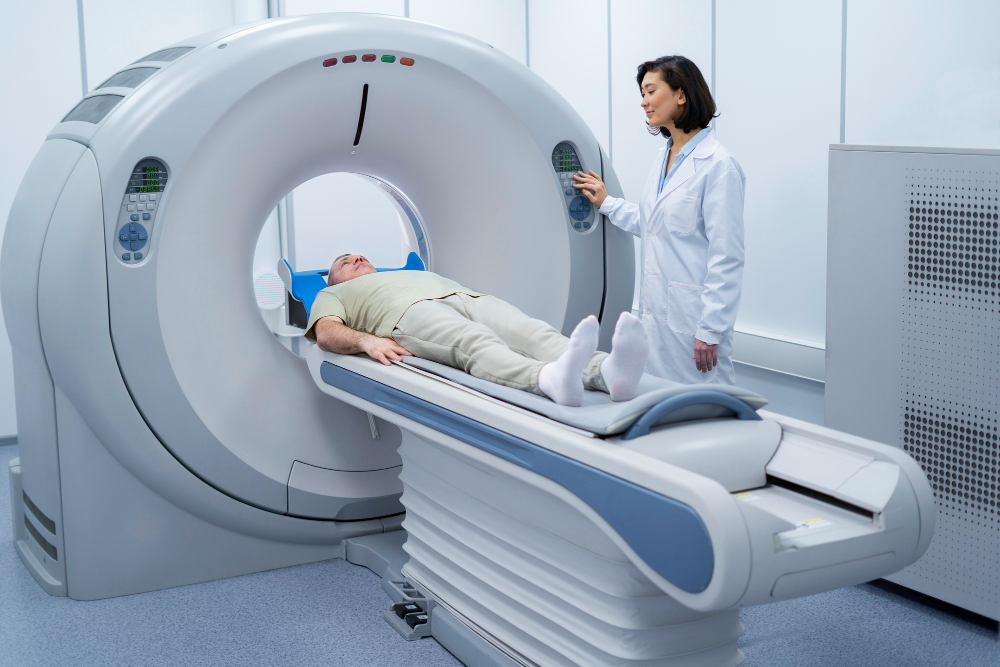
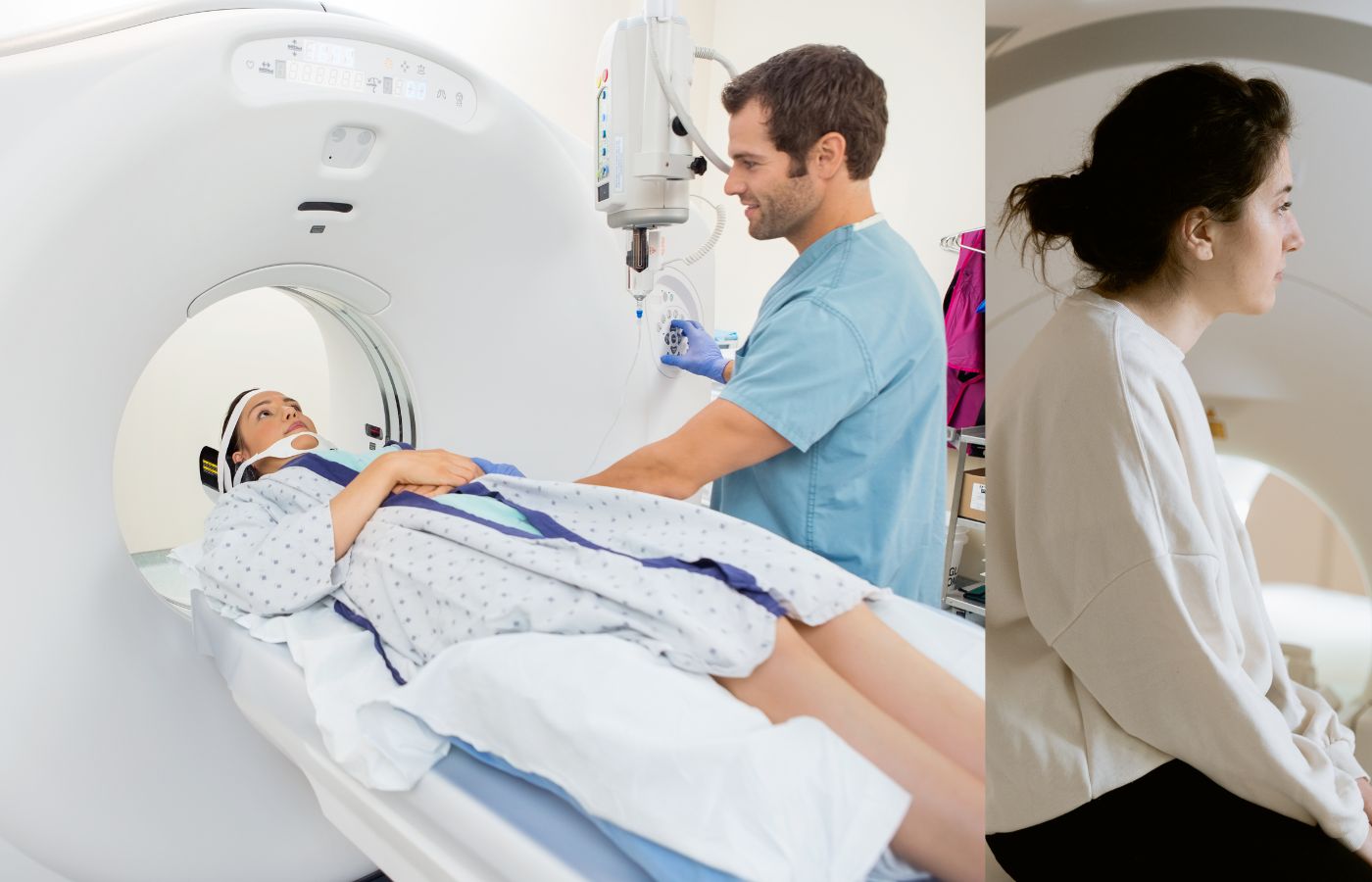
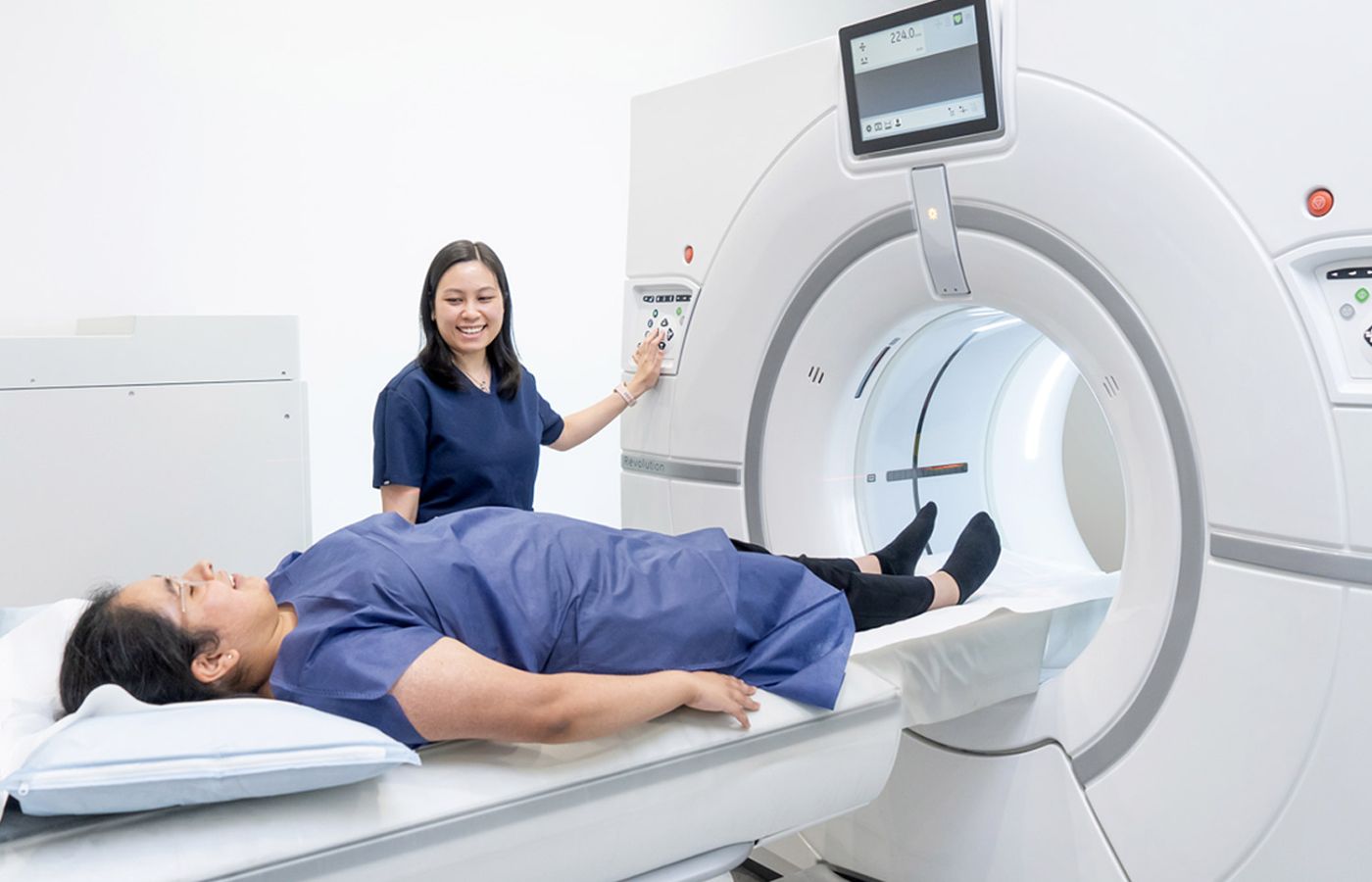
First, a quick primer on the scan itself. A CT scan uses X-rays to create detailed, cross-sectional images of your body. Your doctor may recommend one of two types:
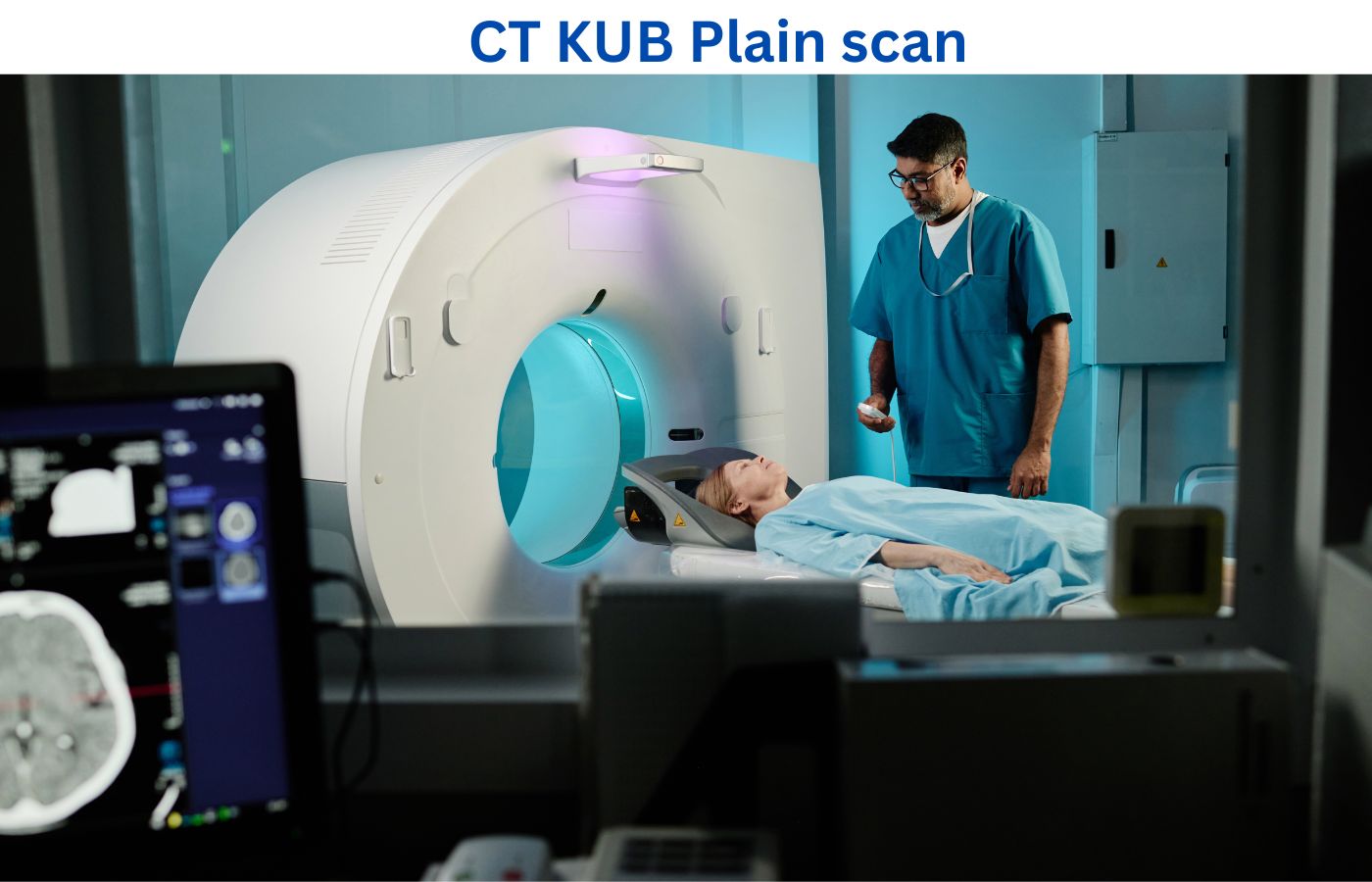
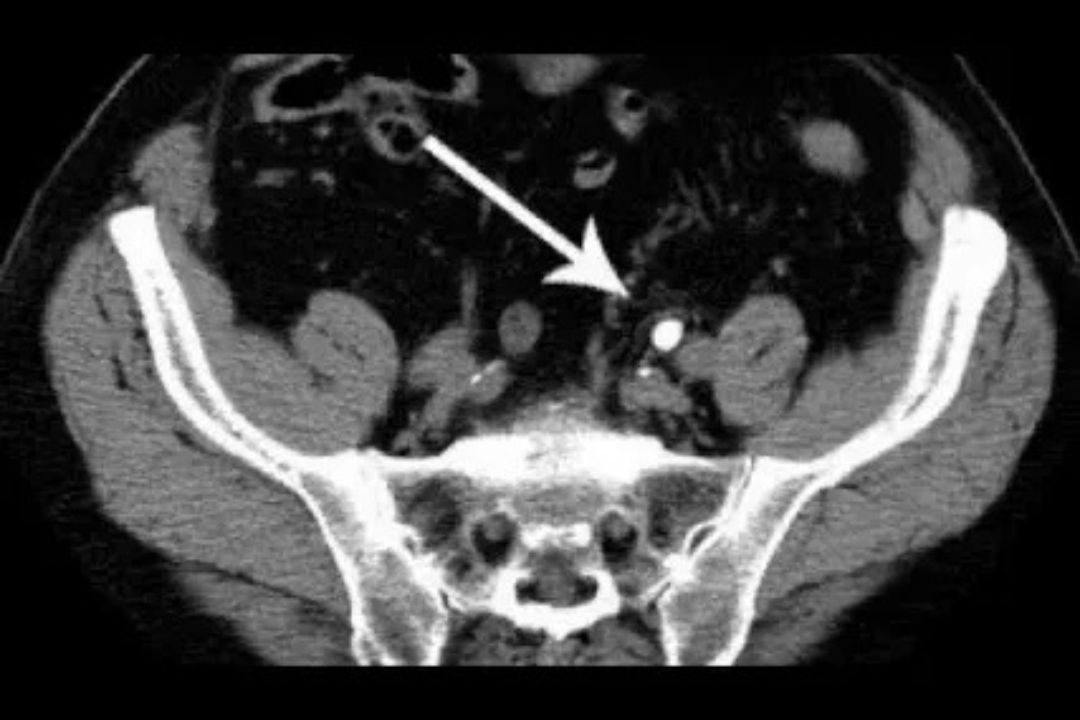
CT Scan Without Contrast: This is the standard scan, ideal for visualizing bones, detecting acute bleeding (like after an injury), lung issues, or kidney stones. It’s quicker and involves no injection.
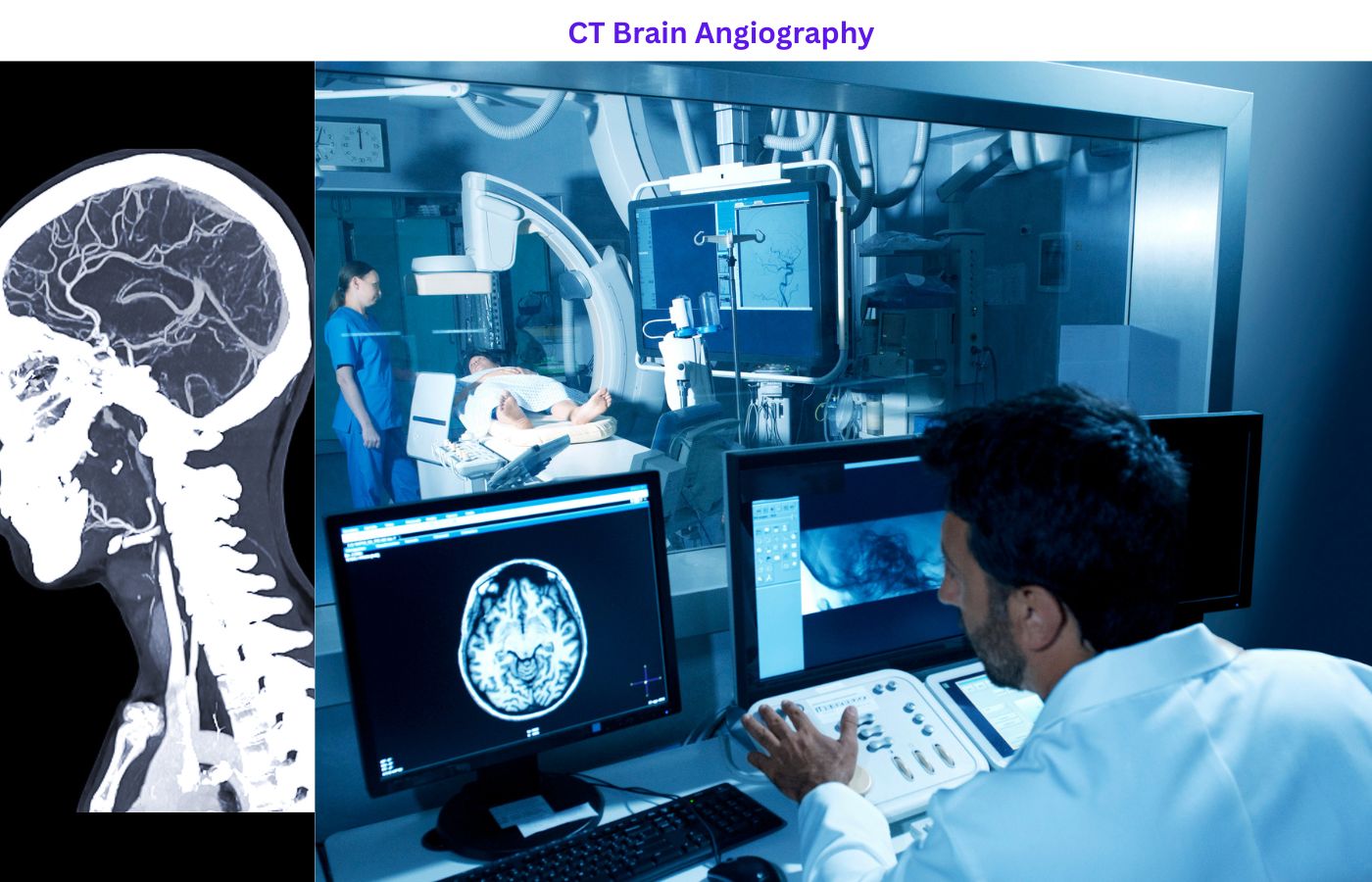
CT Scan With Contrast: Here, an iodine-based dye is injected into your vein. This "contrast agent" highlights blood vessels, organs, and tissues, making it far superior for detecting tumors, infections, inflammation, or assessing vascular health. It’s important to discuss any kidney issues or allergies with your doctor beforehand, as some individuals may experience mild, temporary CT contrast scan side effects like a warm sensation, metallic taste, or rarely, an allergic reaction.
1. Cost Considerations: The Financial Implication
This is often the most decisive factor. The CT scan cost at a hospital is invariably higher. This markup isn’t necessarily for the scan itself, but for the hospital's integrated infrastructure—24/7 emergency services, ICU, and surgical wings. You’re paying for the "hospital brand" and its comprehensive ecosystem. Diagnostic centres, operating with a leaner model focused solely on diagnostics, can offer the same high-quality imaging at a significantly lower price. For patients paying out-of-pocket or with insurance that has co-pays, a diagnostic centre presents clear financial sense.
2. The Comfort & Experience Quotient
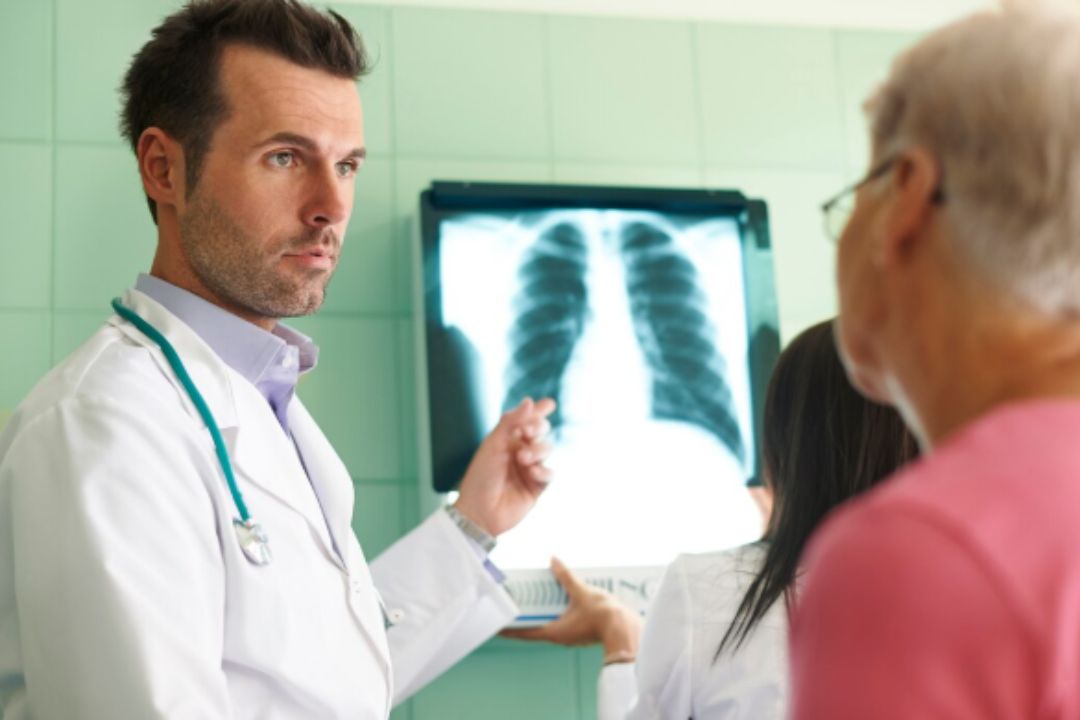
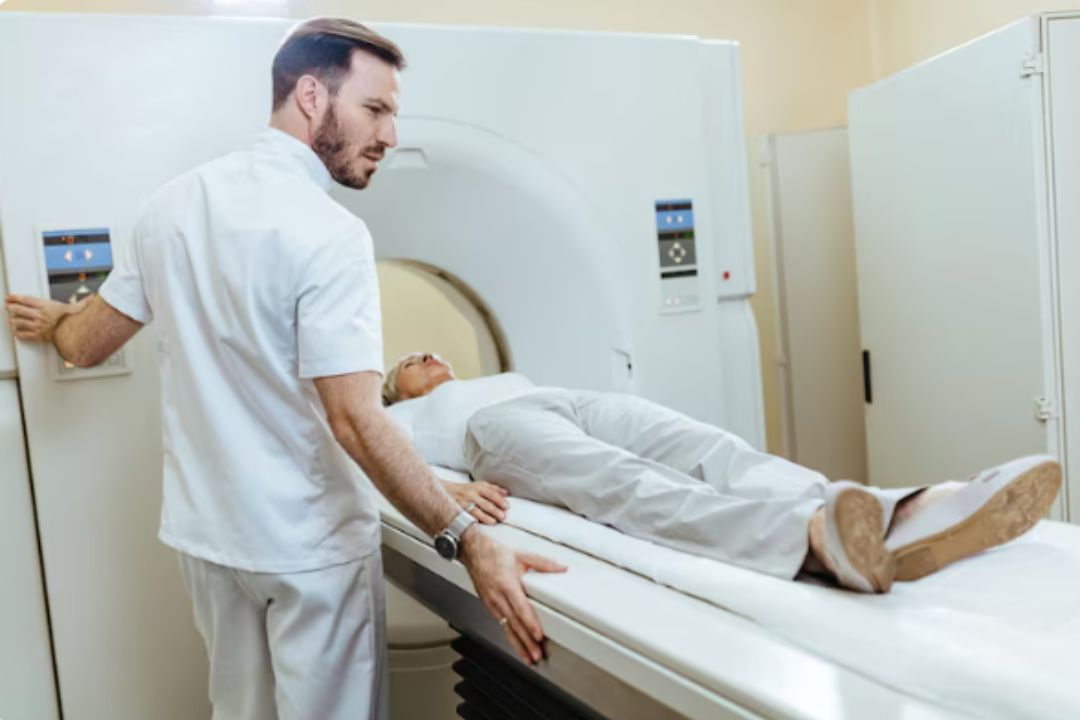
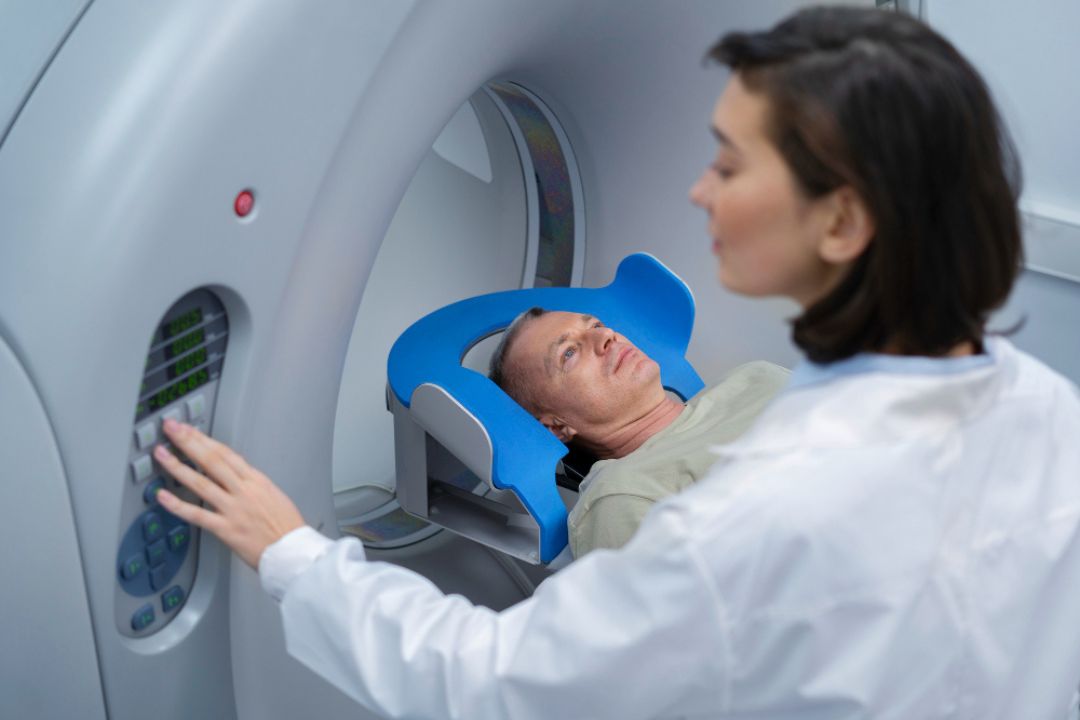
Your mental state matters. A diagnostic centre is purpose-built for outpatients. The atmosphere is quieter, the seating area less crowded, and the staff is trained to handle anxious individuals coming solely for a test. The process is usually more streamlined. In a hospital, while equally professional, the environment can be anxiety-inducing—you might be sitting alongside patients with acute illnesses, and the urgency of emergency cases can make the process feel impersonal and rushed.
3. Speed and Efficiency: Your Time Matters
Time is a luxury. At a dedicated centre like Diagnopein Mumbai, you can often book a slot that suits you, walk in, get scanned, and leave swiftly. The reporting is also faster, as radiologists are focused on elective cases. In a hospital, your scheduled CT scan with contrast might be delayed due to an emergency trauma case. Report generation can also take longer due to the high volume and priority given to critical in-patients.
4. Expertise and Technology: Is There a Difference?
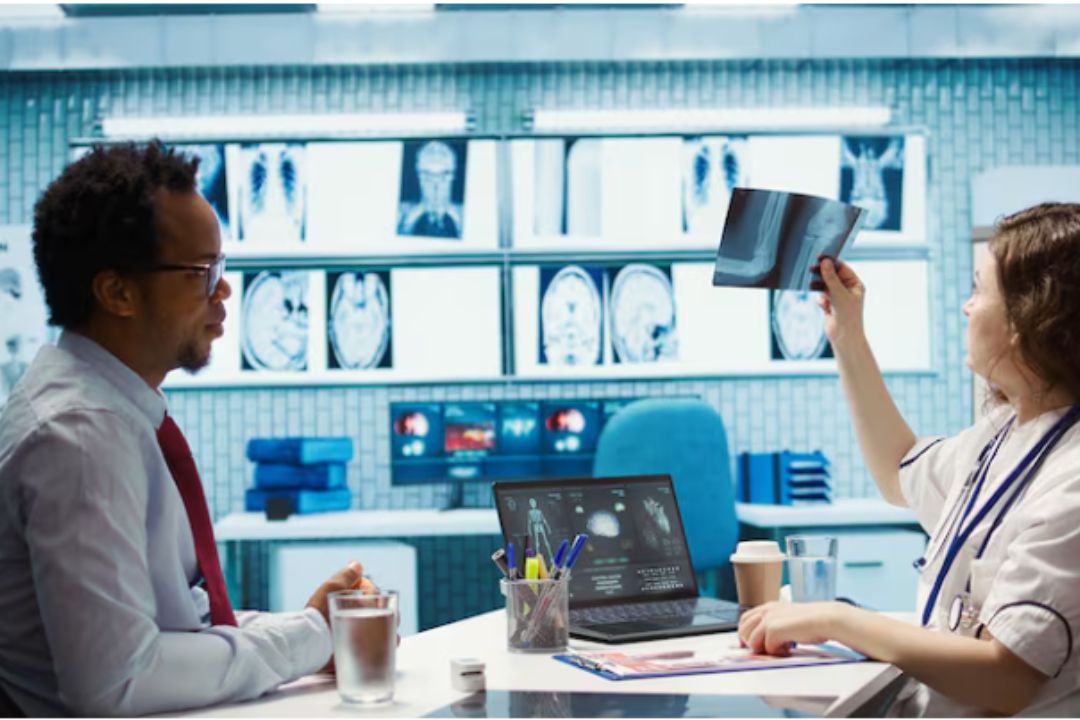
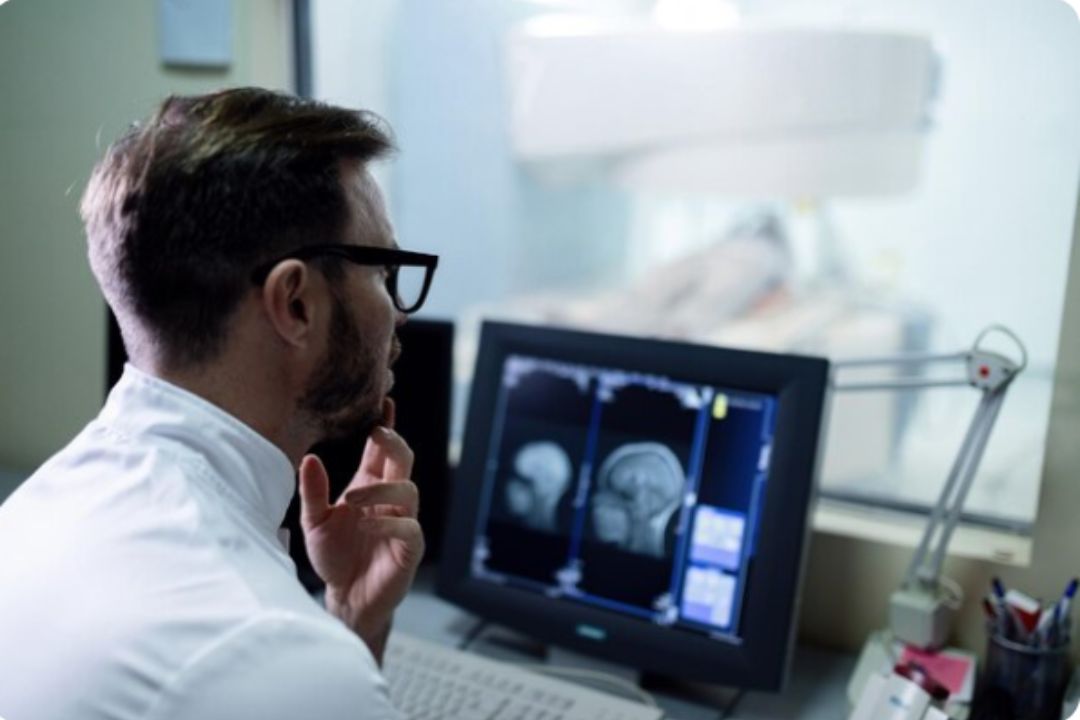
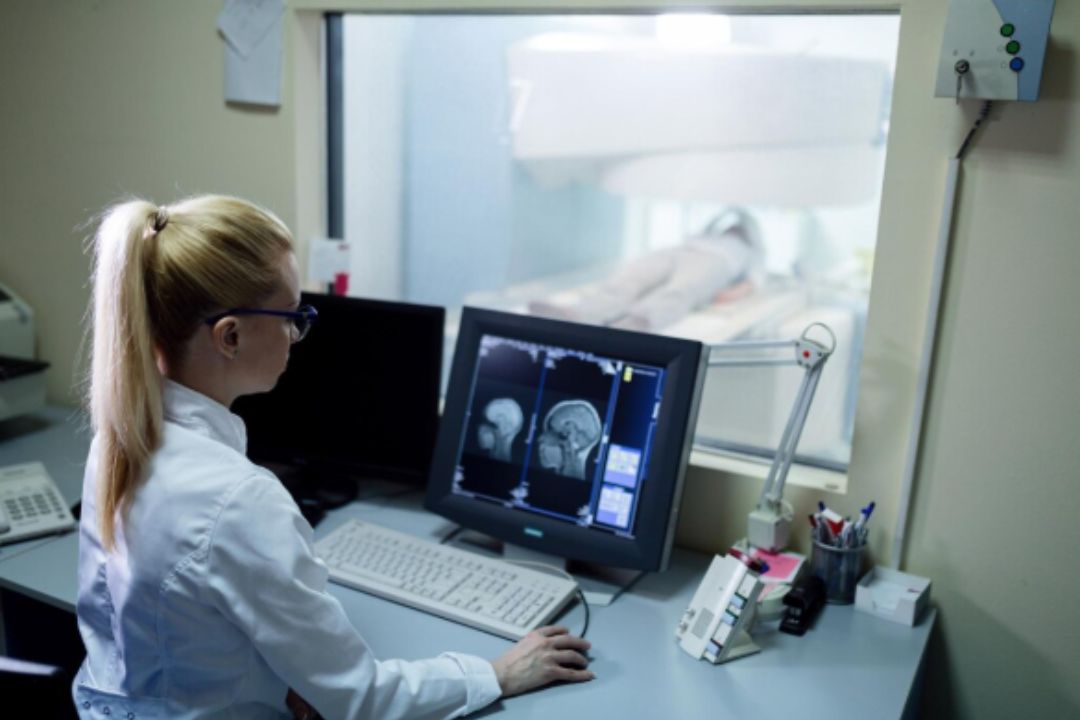
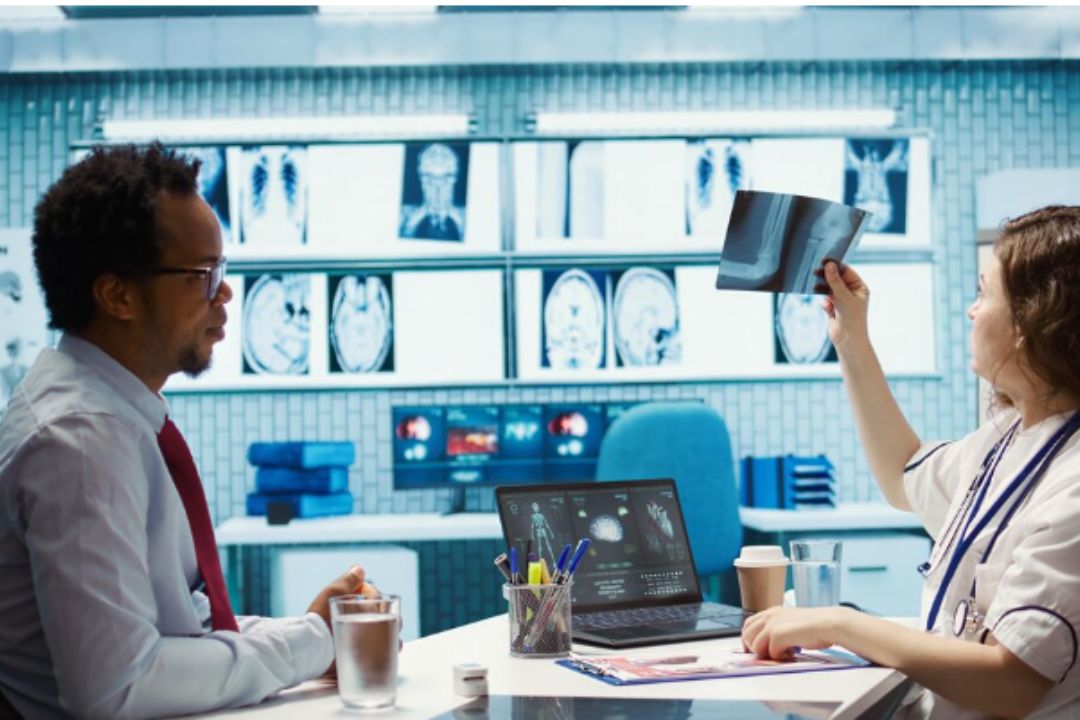
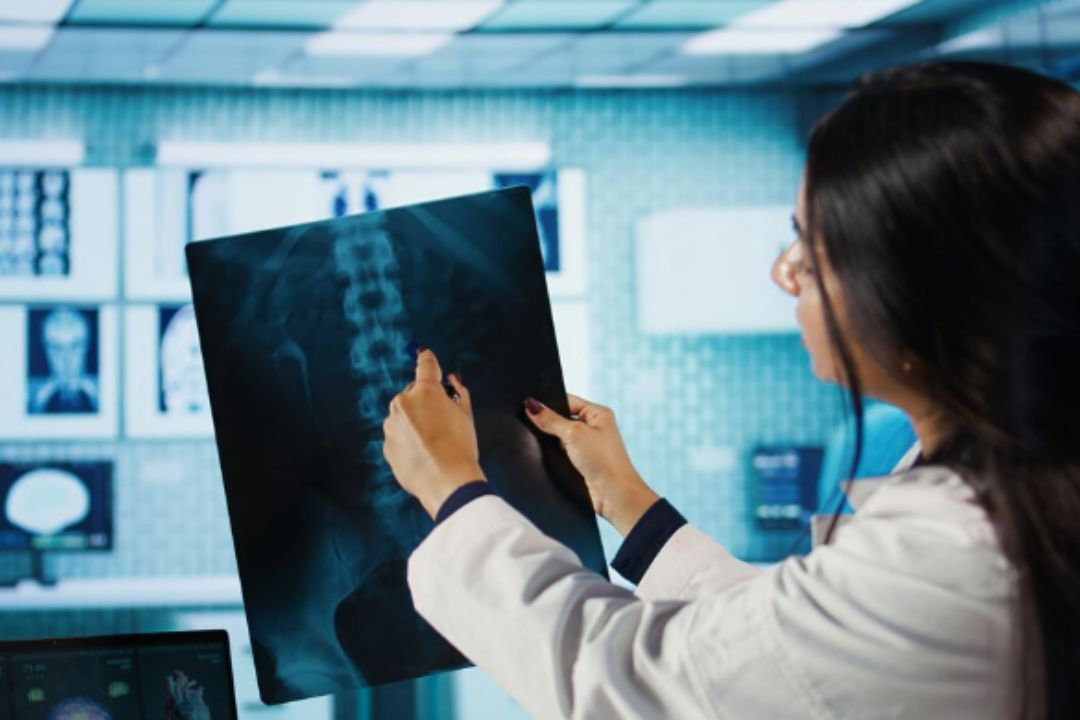
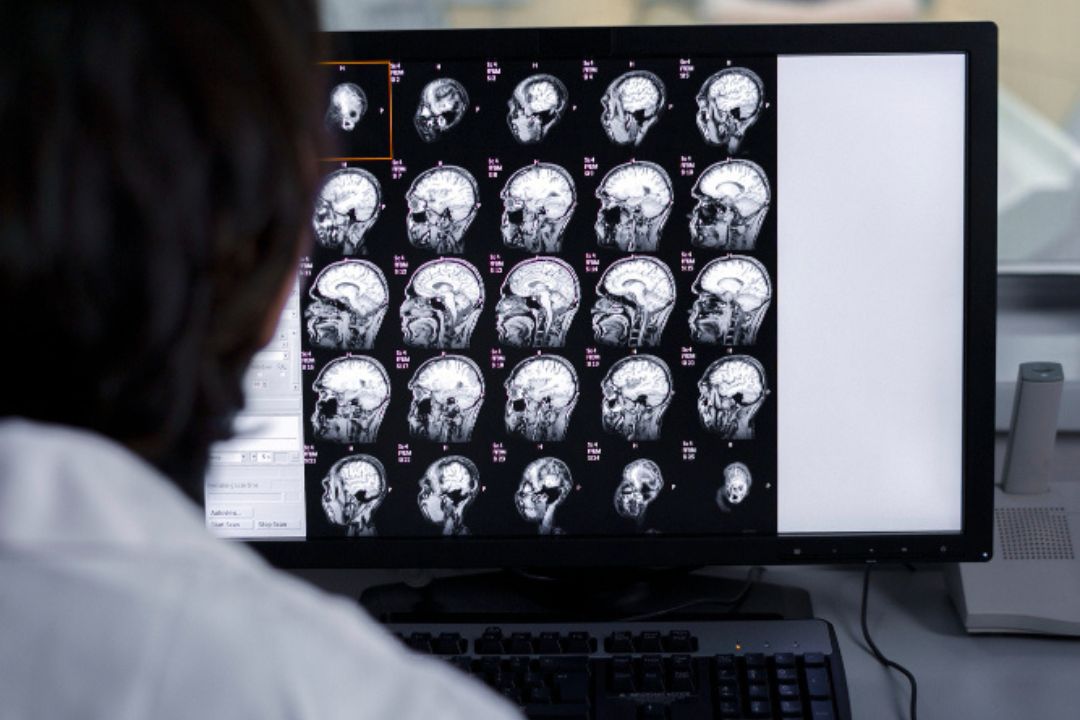
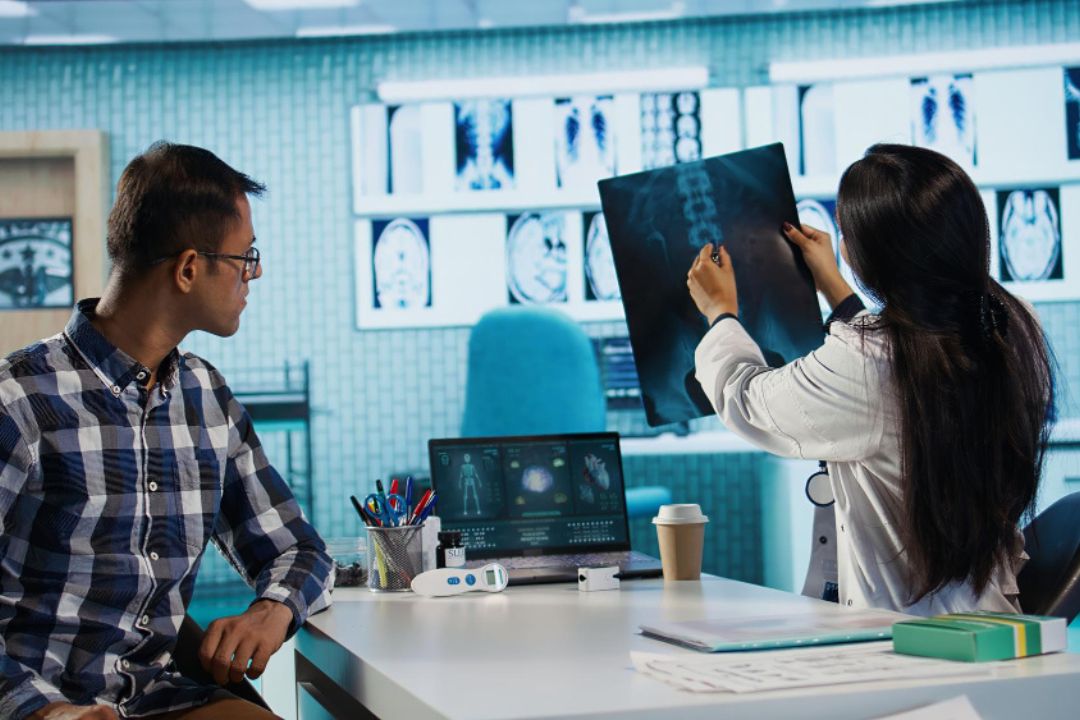
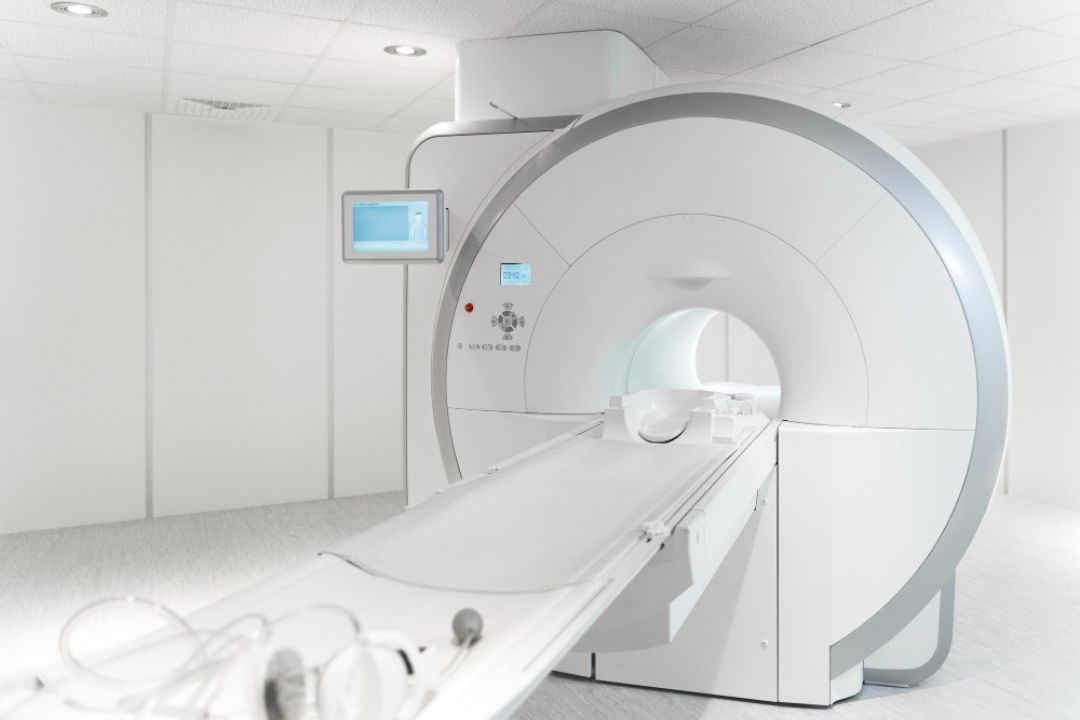
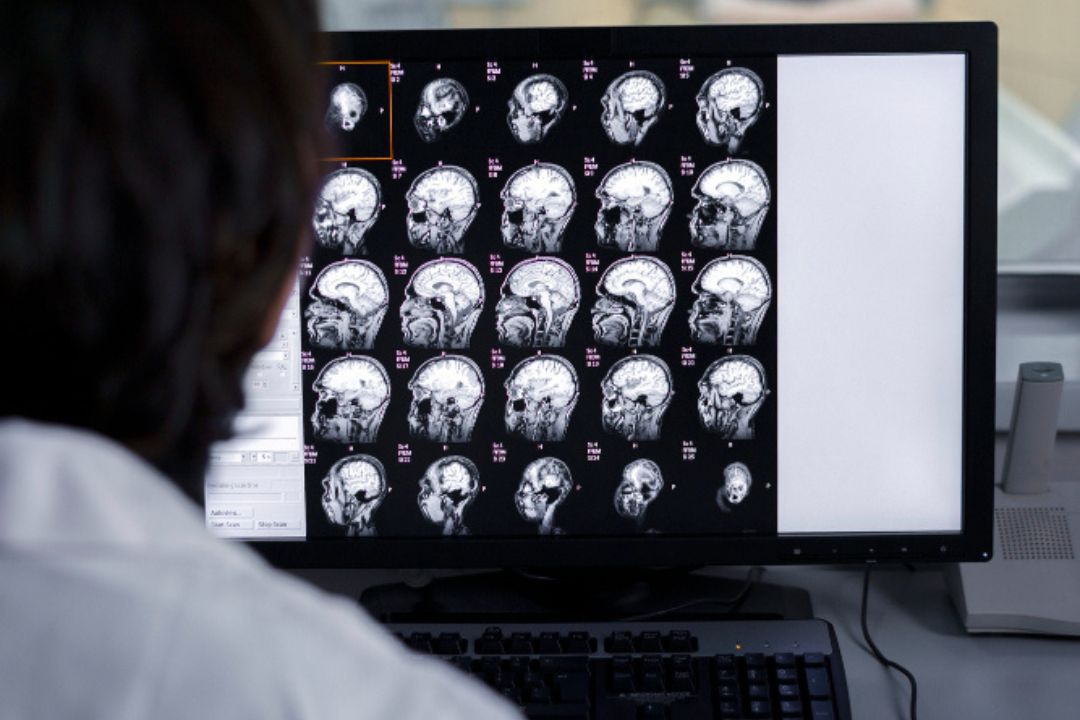
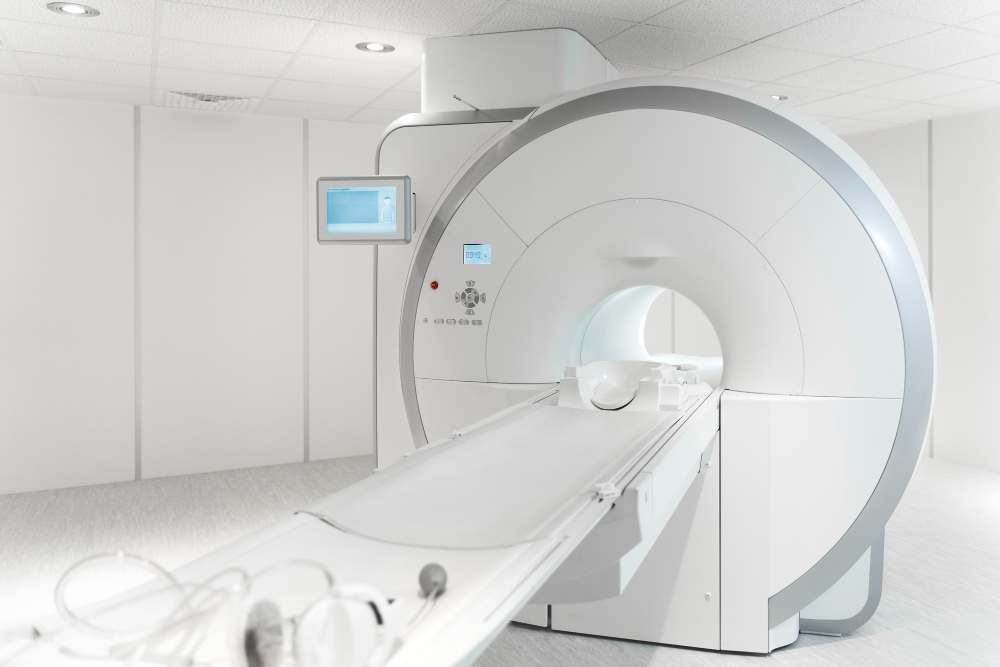
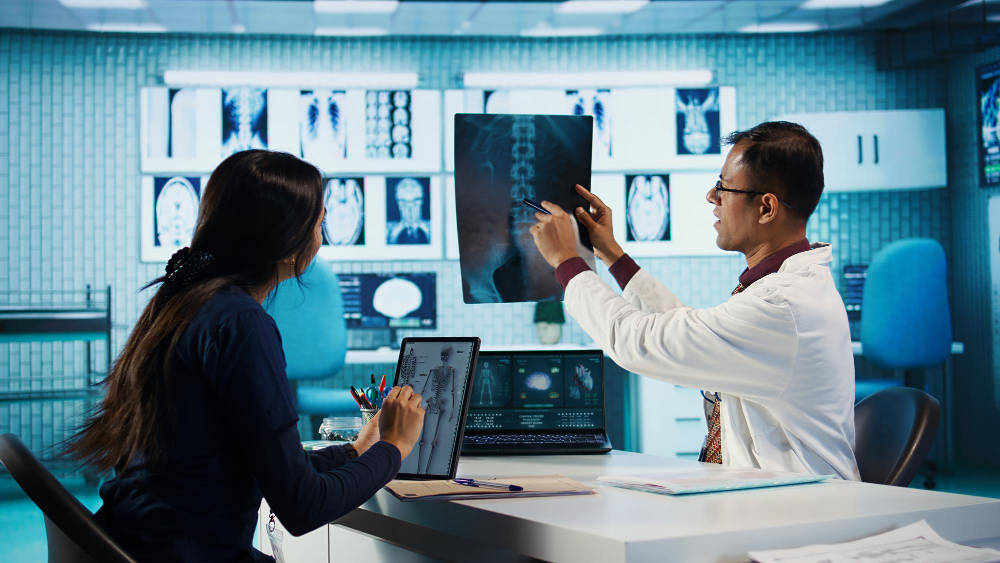
This is a common concern. The assumption that hospitals always have better technology and experts is a myth. Leading diagnostic centres invest heavily in the latest imaging technology—such as high-resolution multi-slice CT scanners that offer lower radiation doses and clearer images. Furthermore, their radiologists often develop deep, sub-specialized expertise (e.g., in neuroimaging, musculoskeletal, or oncology) because they interpret a high volume of specific types of scans. Hospitals have excellent general radiologists adept at handling everything, but for a complex, non-emergency scan, a sub-specialist’s eye can be invaluable.
At Diagnopein Mumbai, we embody the advantages of a premium diagnostic centre, designed for the discerning patient who values quality, clarity, and care.
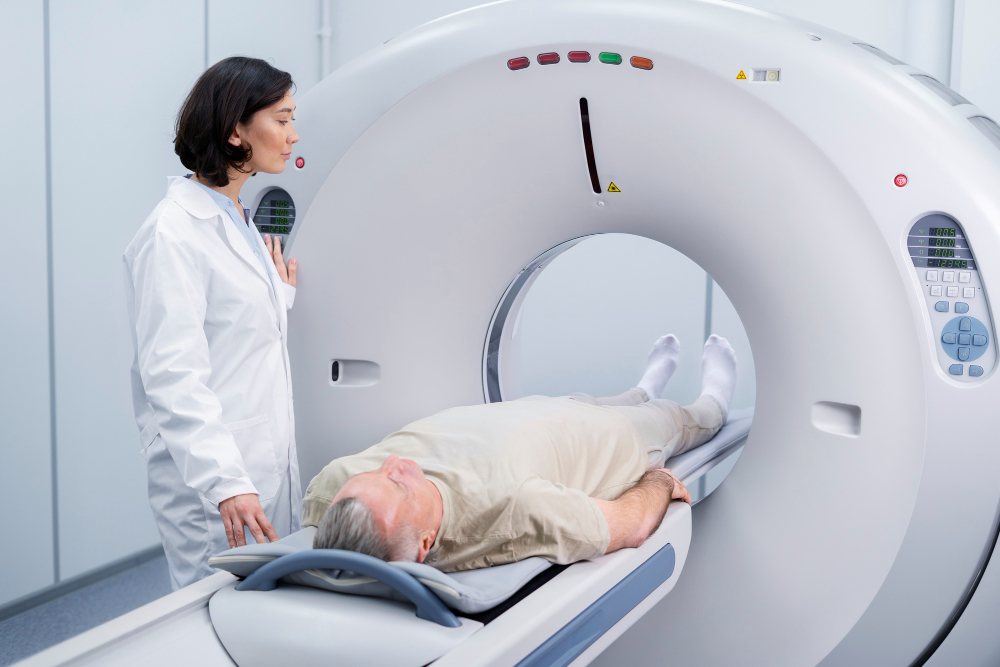
Unmatched Accuracy with Advanced Technology: We operate with state-of-the-art CT scanners that ensure image clarity while adhering to strict ALARA (As Low As Reasonably Achievable) principles for radiation safety.
Expert-Led Reporting: Our panel comprises senior radiologists with sub-specialty training, ensuring your scan is interpreted with precision and deep clinical understanding.
Transparent and Affordable Pricing: We believe in honest healthcare. Our CT scan cost is upfront, competitive, and offers exceptional value without hidden charges—be it for a CT scan without contrast or a more complex contrast study.
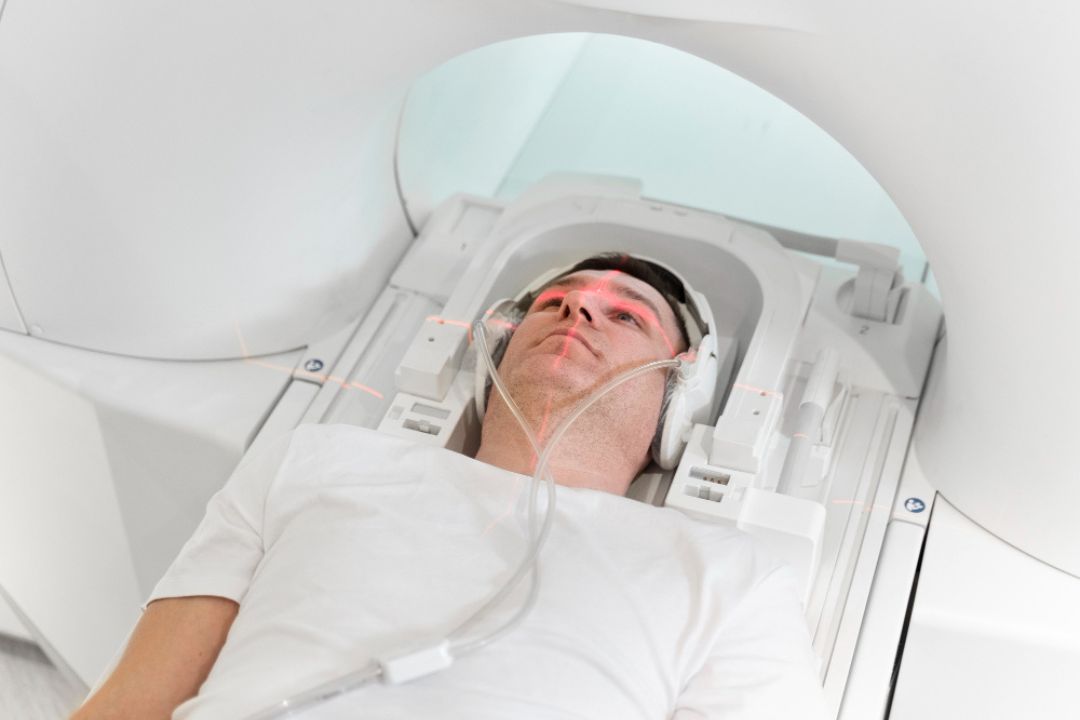
Patient-Centric Comfort: From our calming ambiance to our empathetic staff who patiently explain the procedure and potential CT contrast scan side effects, your comfort is our priority. We ensure a swift, hassle-free experience.
Comprehensive Care & Guidance: We don’t just perform scans; we partner in your care. Our team helps you with preparation, addresses all your concerns about the contrast agent, and ensures timely report delivery to your doctor, facilitating a quicker diagnosis and treatment plan.
The choice ultimately depends on your specific situation.
Choose a Hospital if: Your scan is part of an emergency admission, you are already an in-patient, or your condition is critically complex and requires immediate surgical or specialist intervention within the same campus.
Choose a Diagnostic Centre (Like Diagnopein Mumbai) if: Your scan is elective or routine, you are cost-conscious, you value your time and comfort, and you seek specialized expertise with the latest technology for a precise diagnosis.
For the vast majority of patients—those seeking a scheduled CT scan with contrast for oncology follow-up, a CT scan without contrast for chronic sinusitis, or any other non-emergency diagnostic need—a reputed diagnostic centre is unequivocally the better choice. It delivers hospital-grade quality without the hospital-associated stress, wait, and cost.




.jpg "ct brain scan plain and contrast")





.jpg "ct scan")
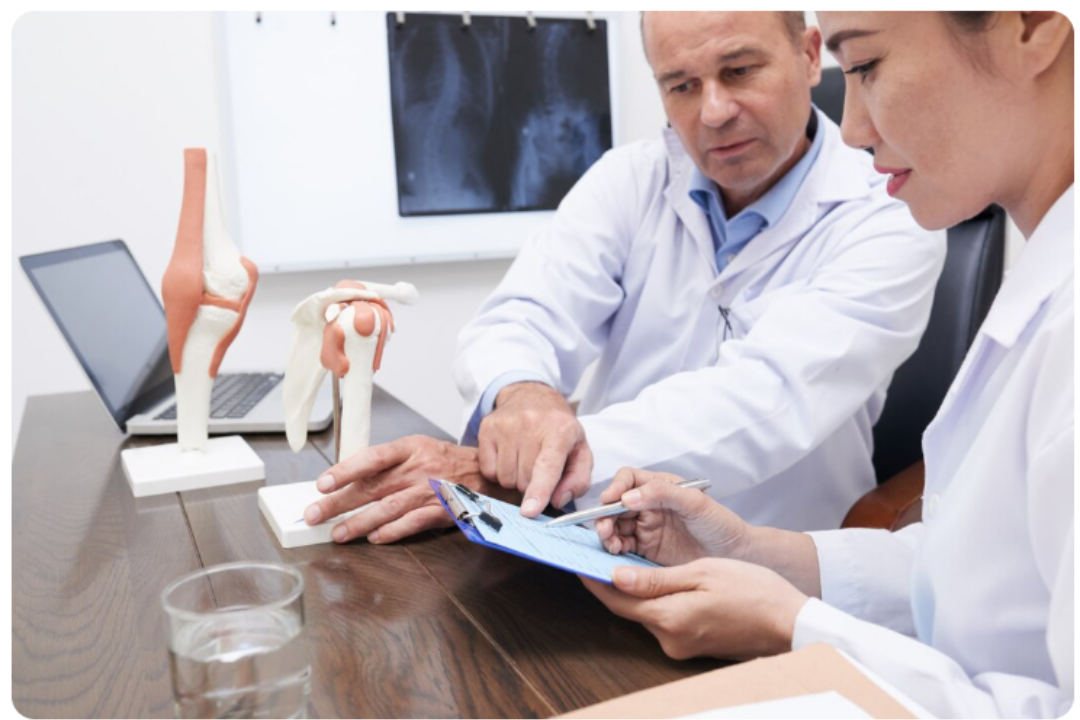
.jpg "ct scan or mri for brain disorders")


.jpg "exploring the power of ct brain contrast in modern diagnostics")
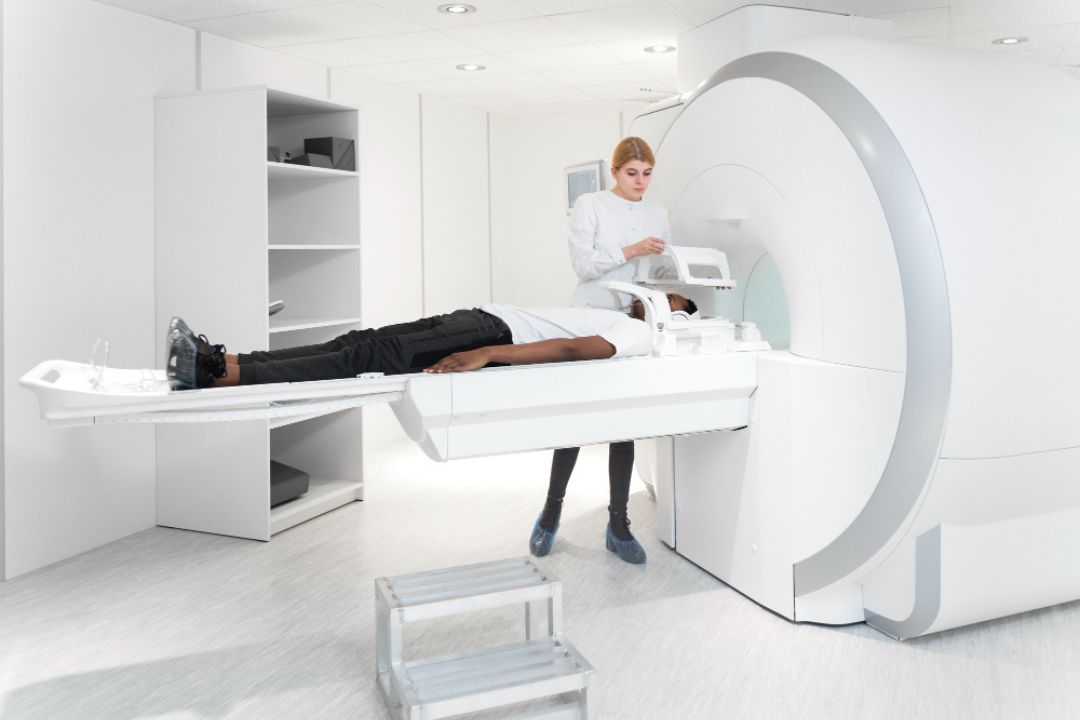
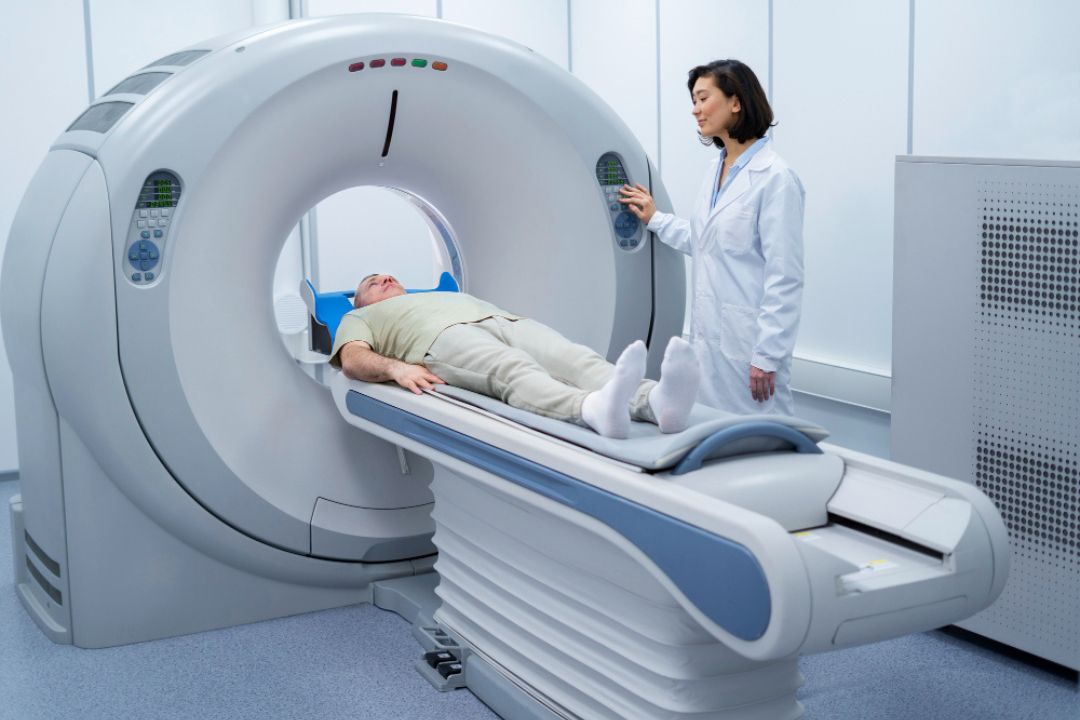
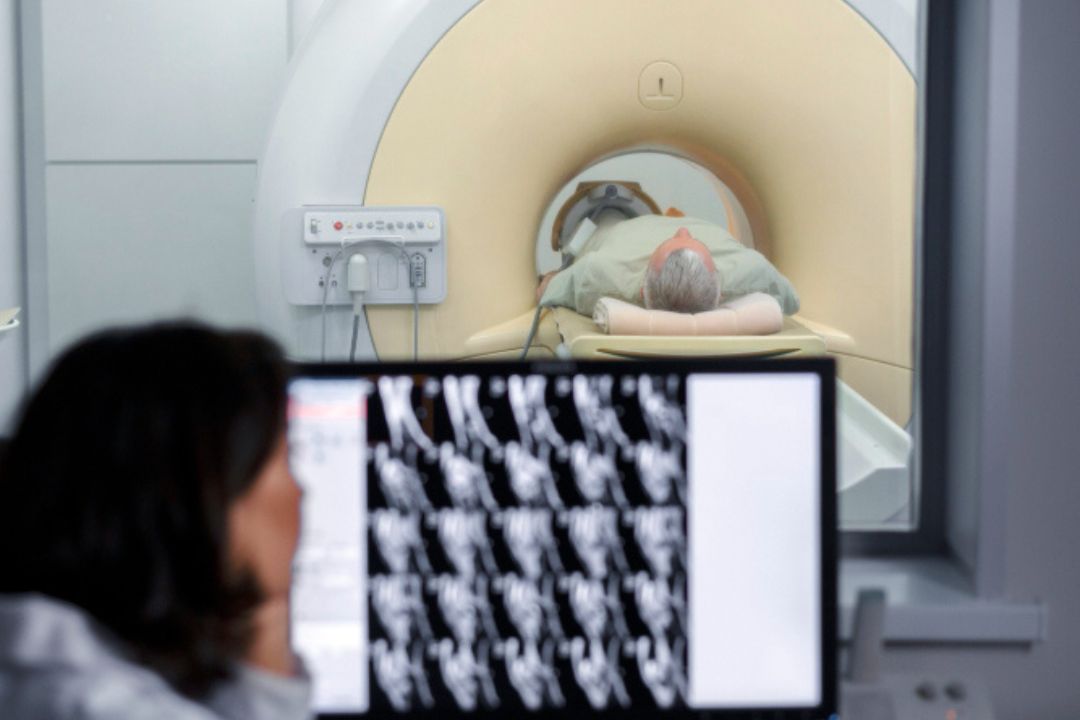
.jpg "ct scan")
.jpg "ct scan")






.jpg "ct scan")

.jpg "CT Brain Scan for Headaches")
.jpg "The Future of 3D CT Imaging")