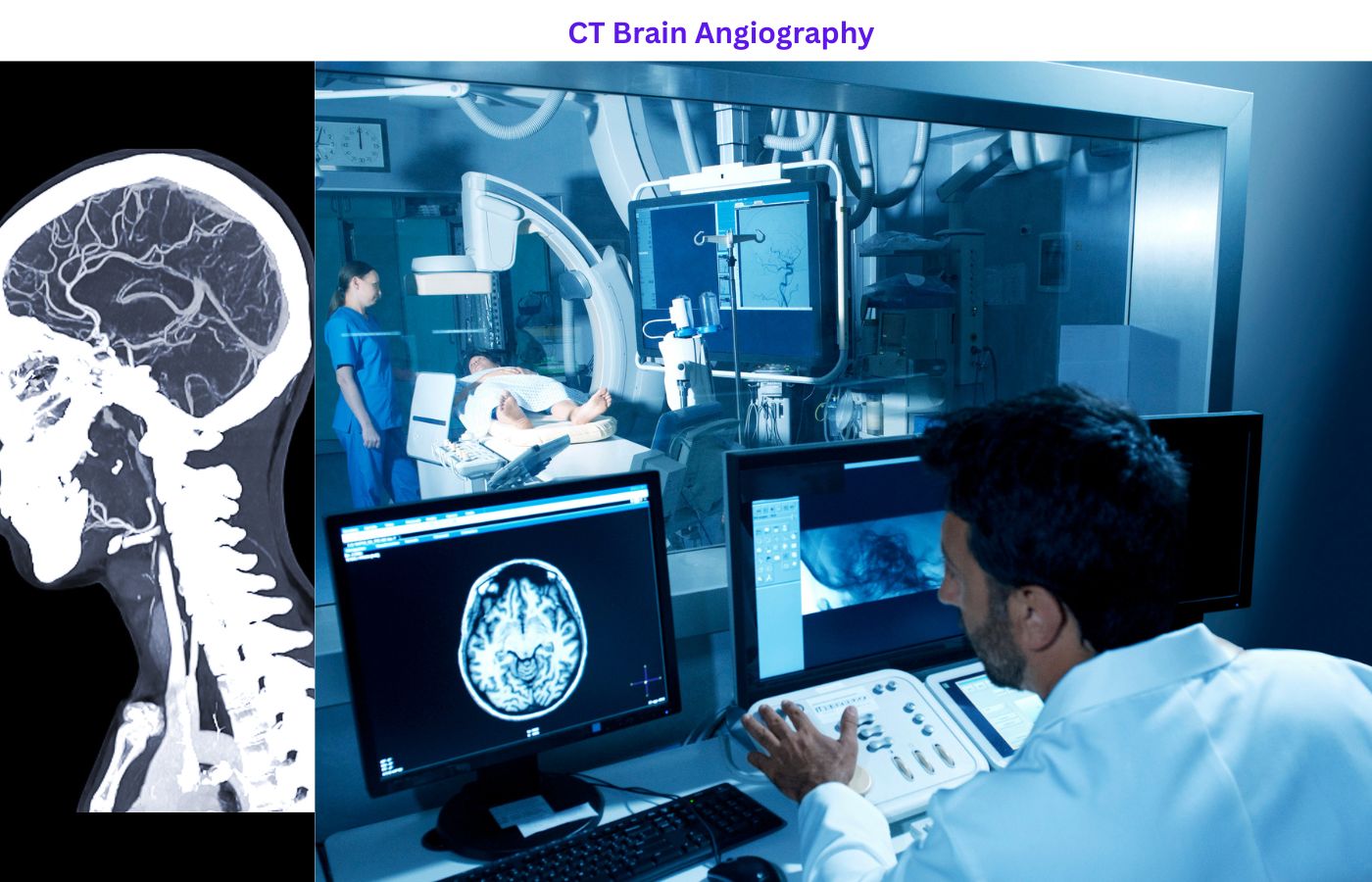
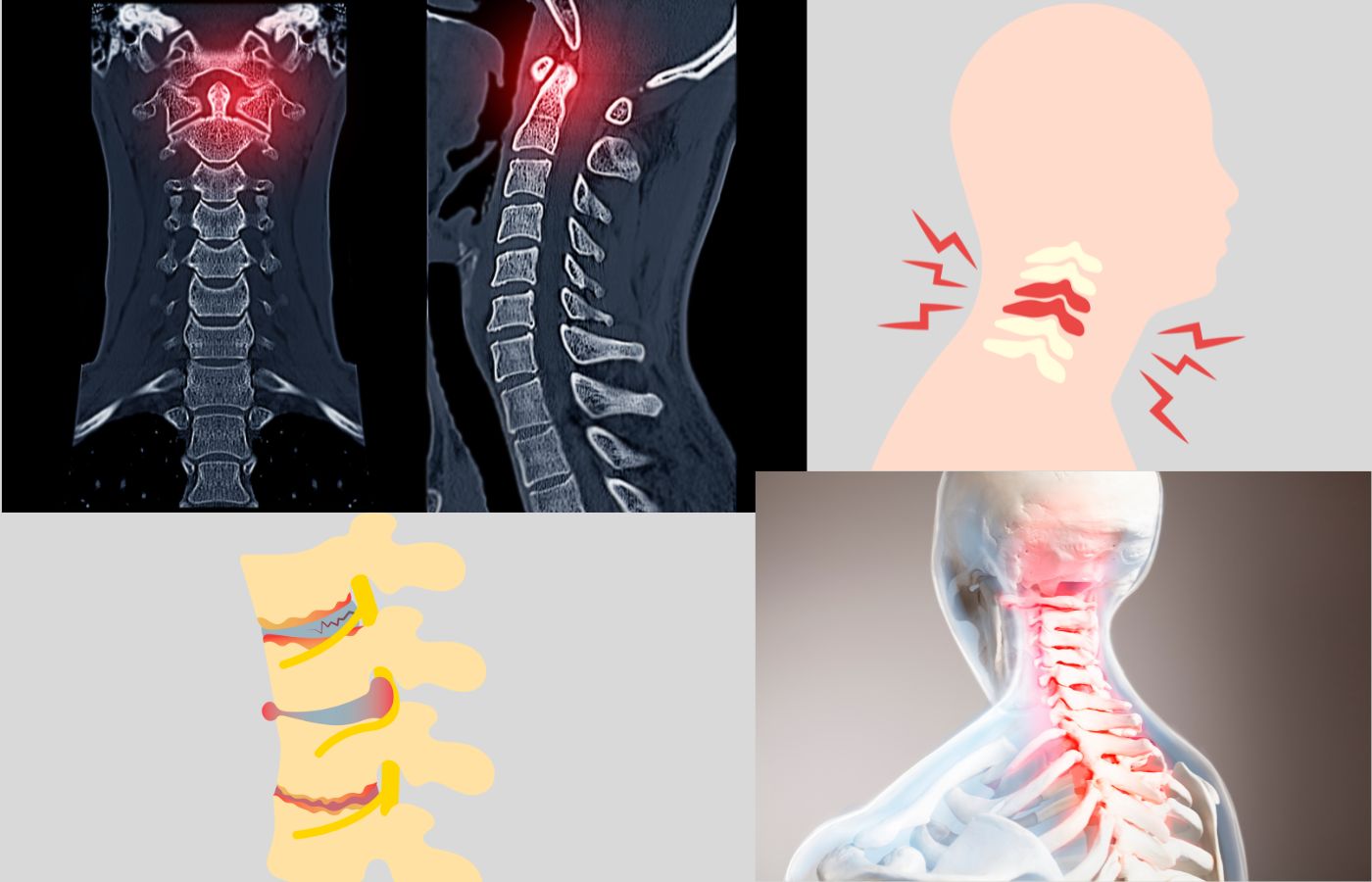
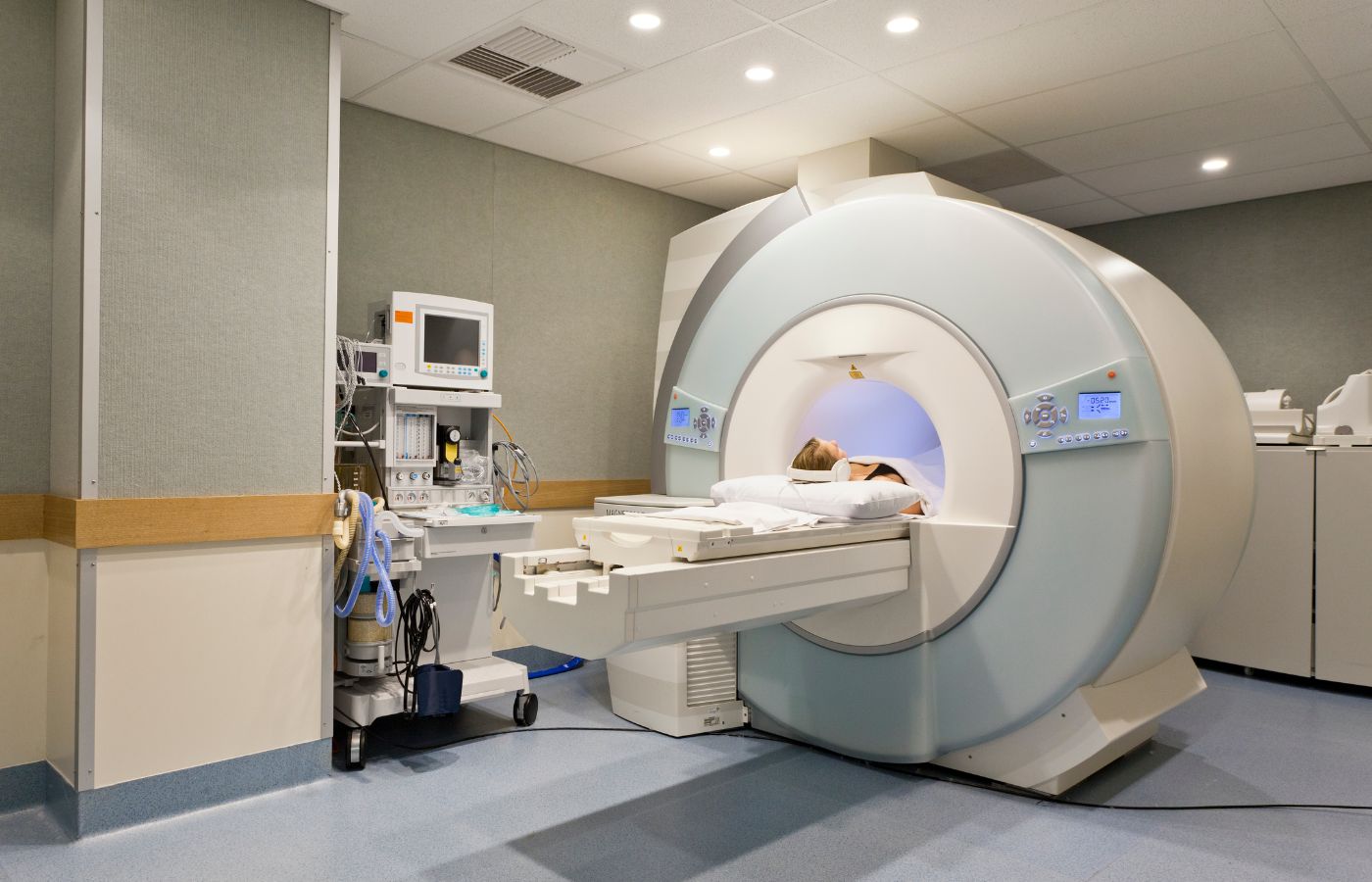
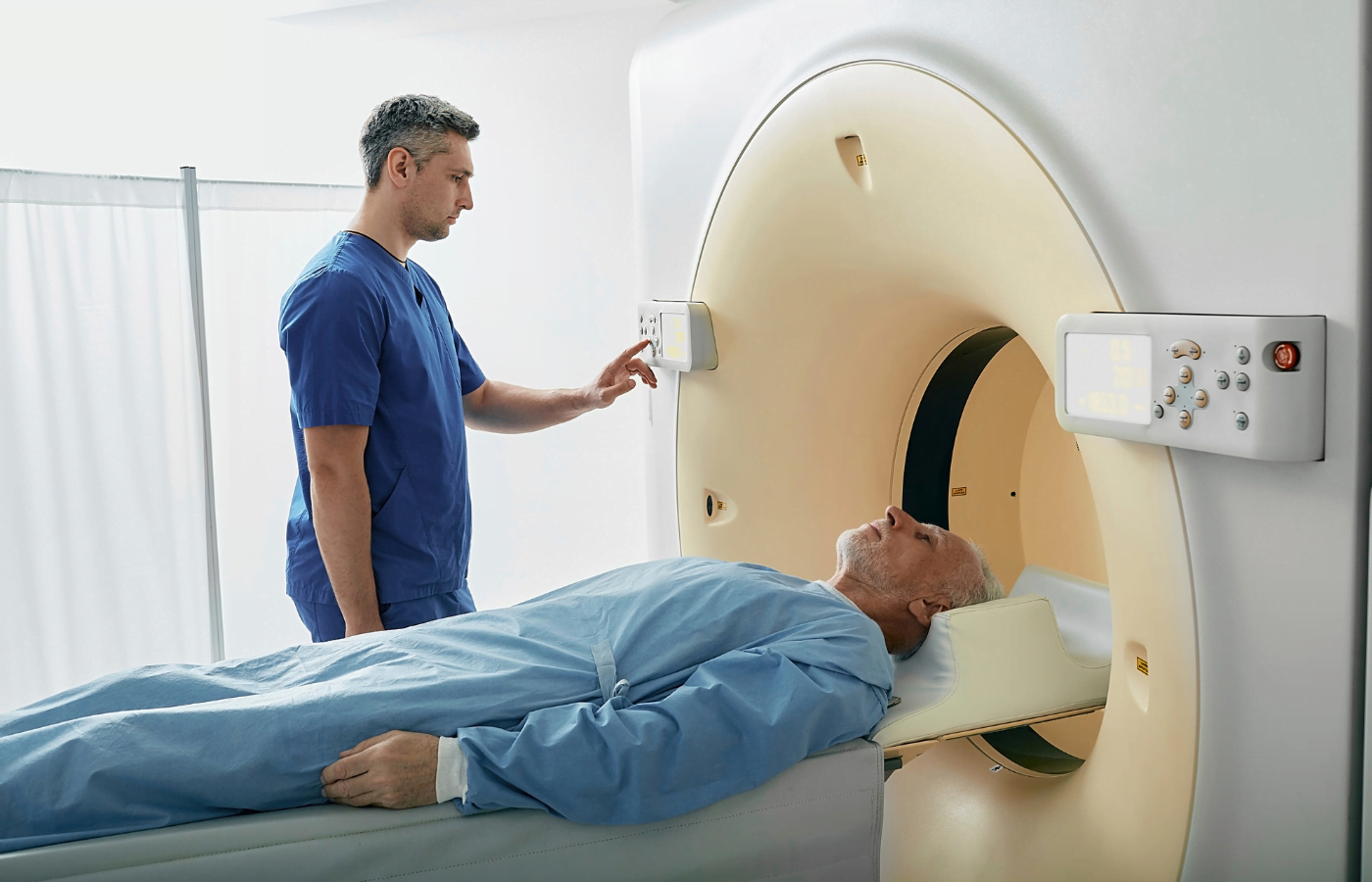
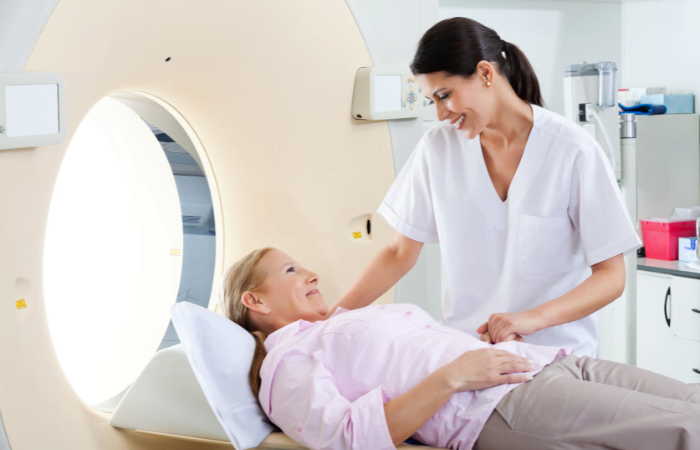
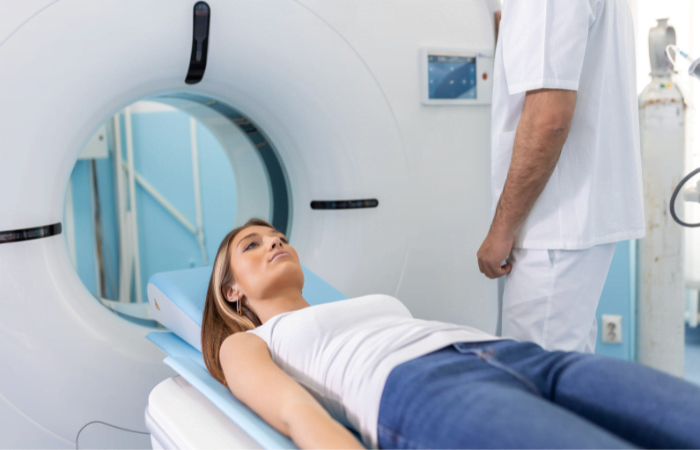
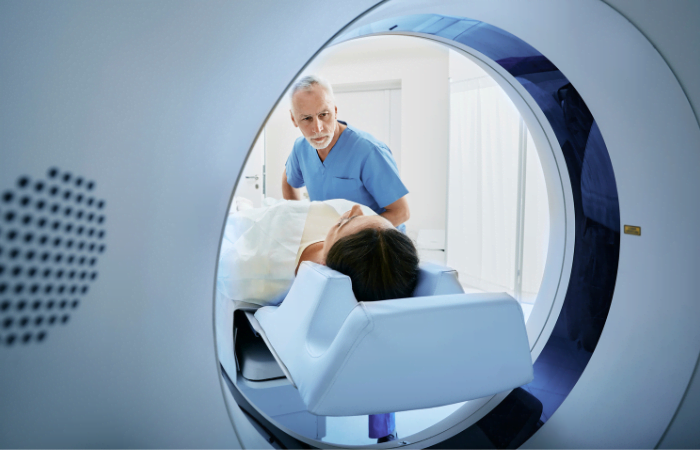
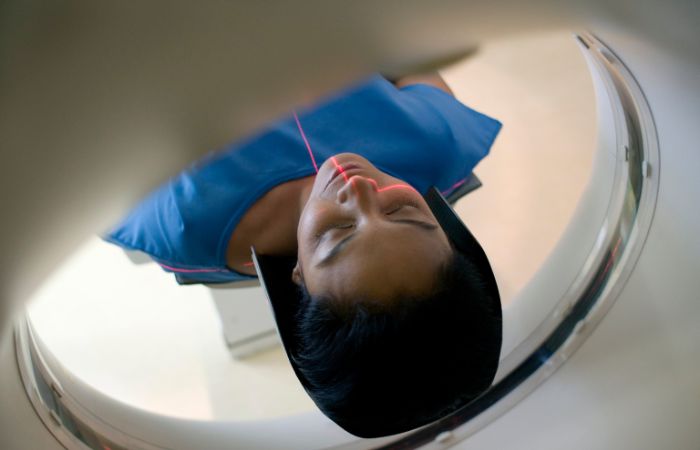
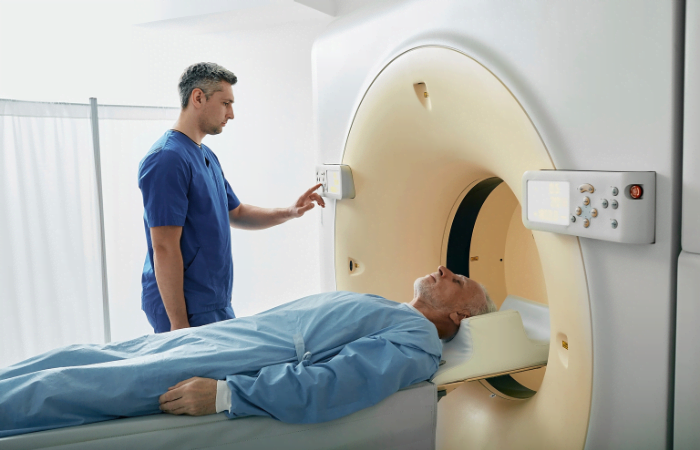
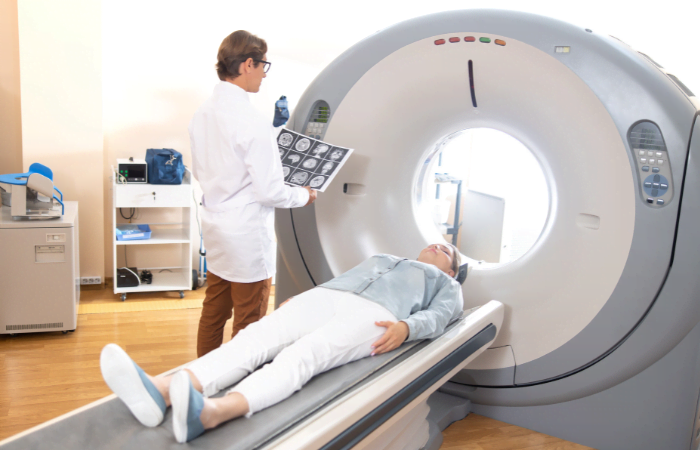
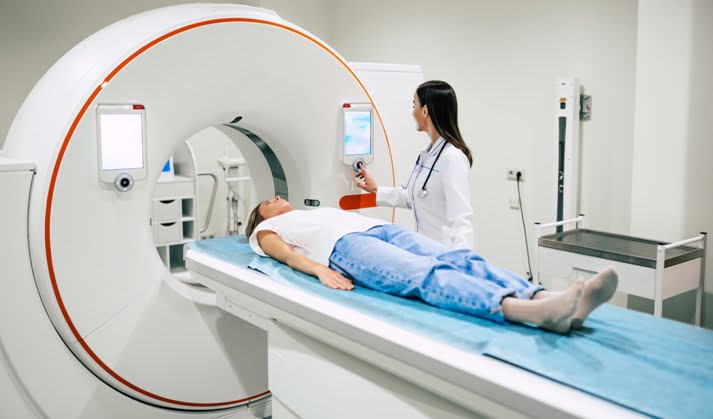
.jpg "CT Brain Scan for Headaches")
A CT Brain Scan is one of the most commonly used imaging tests to evaluate conditions affecting the brain. It helps doctors quickly identify serious medical issues such as strokes, tumors, bleeding, and head injuries.
If you are experiencing persistent headaches, sudden neurological symptoms, or signs of a stroke, a CT brain scan can provide fast and accurate diagnostic information. This imaging technique allows doctors to detect abnormalities early and begin appropriate treatment.
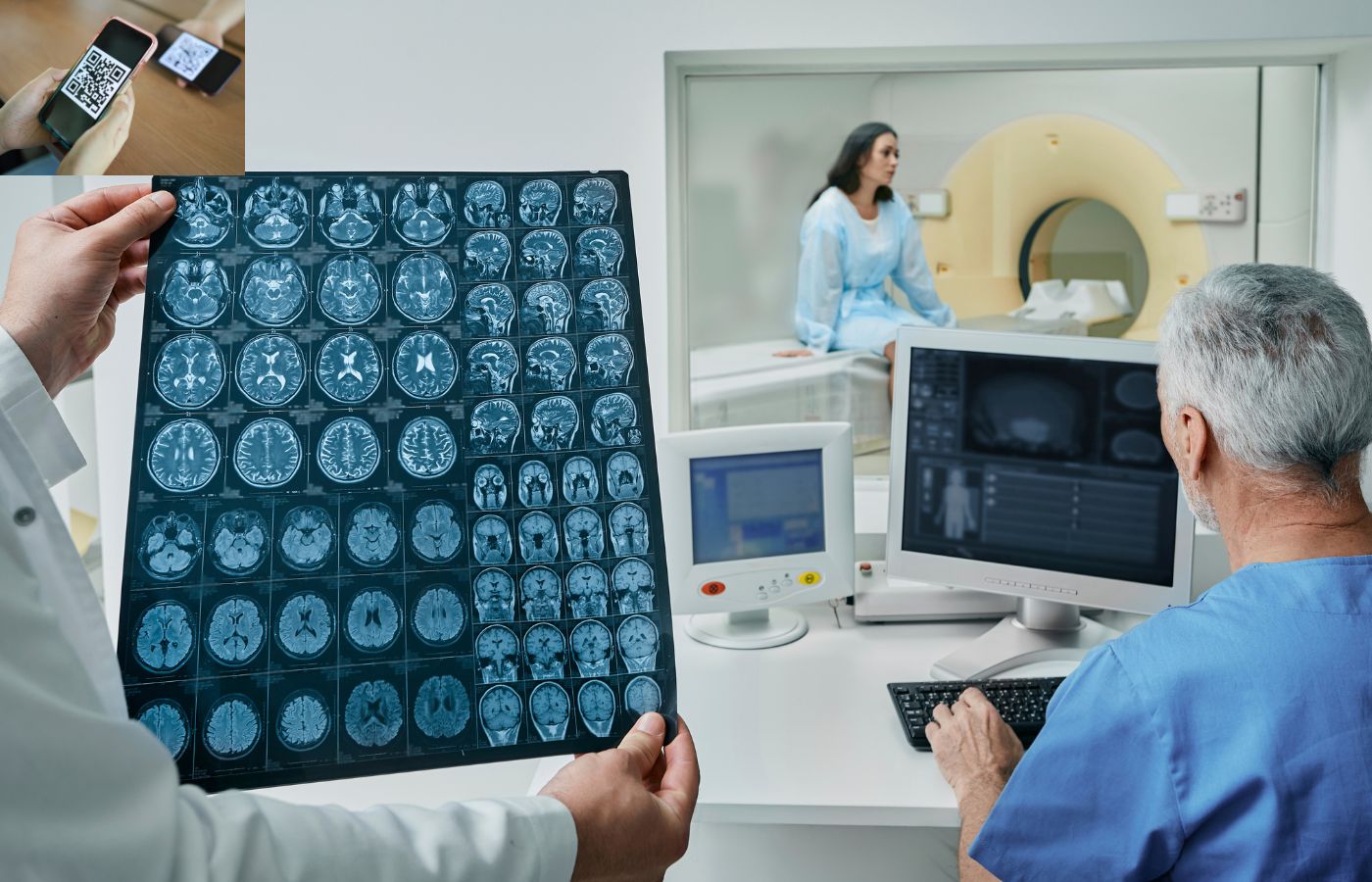
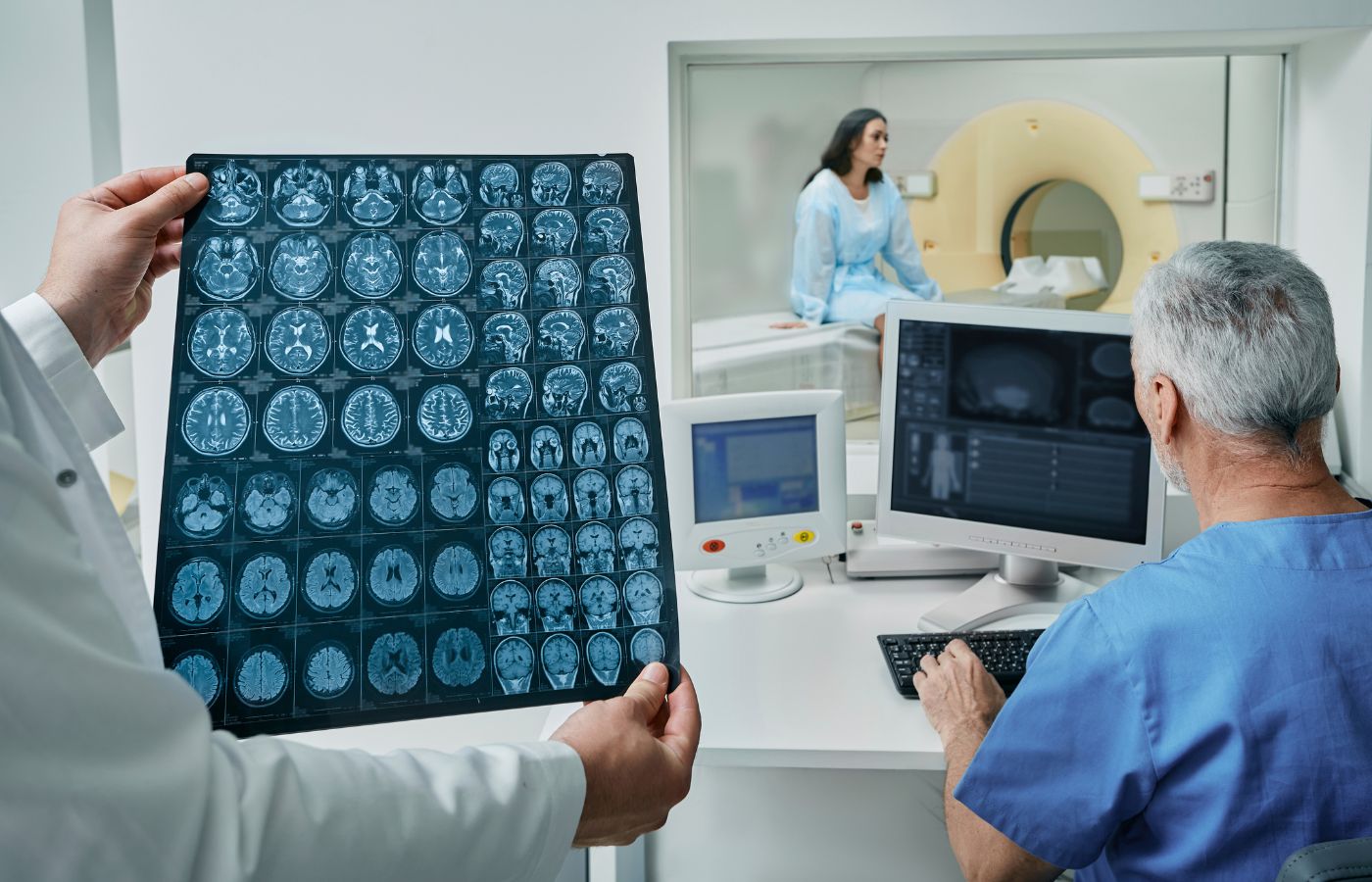
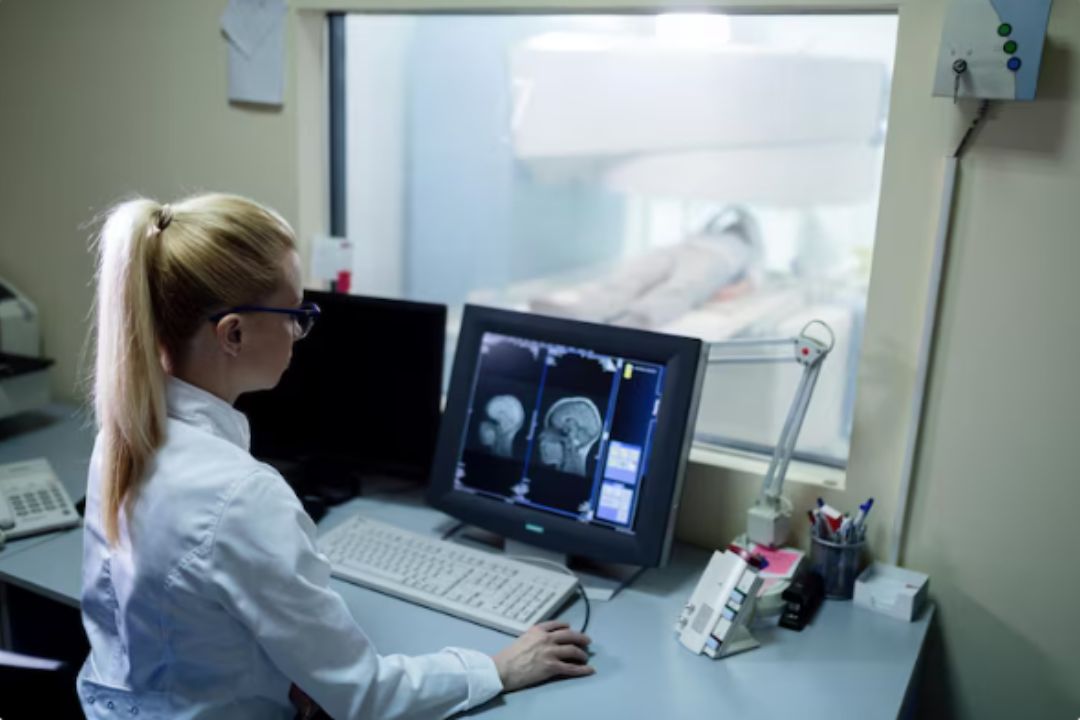
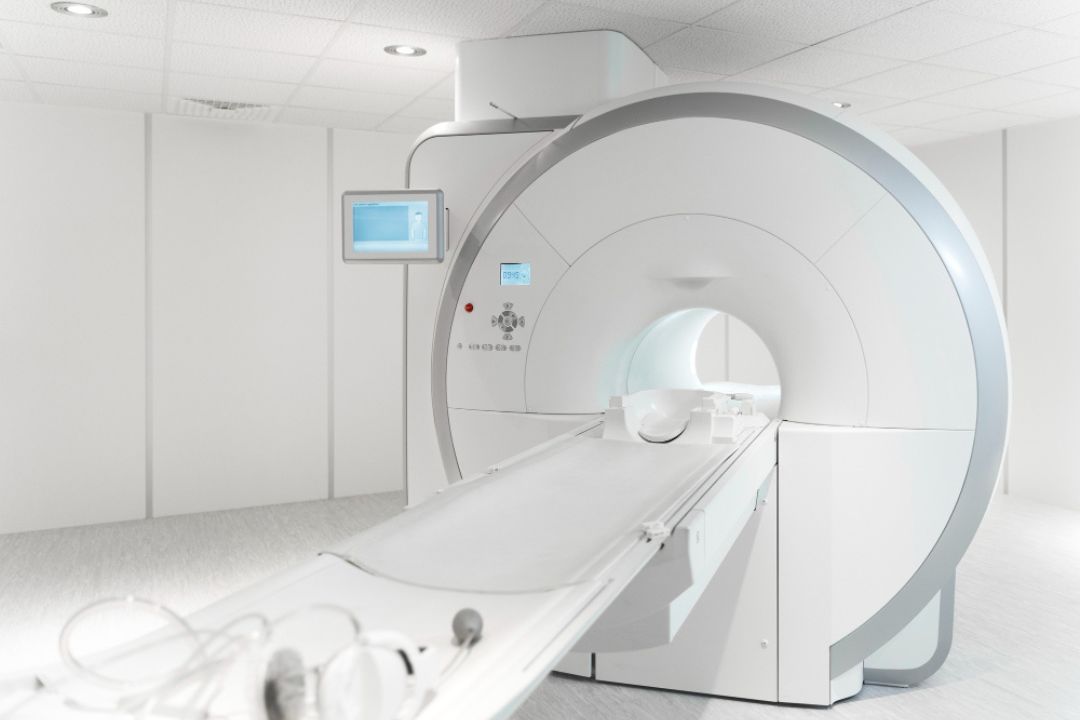
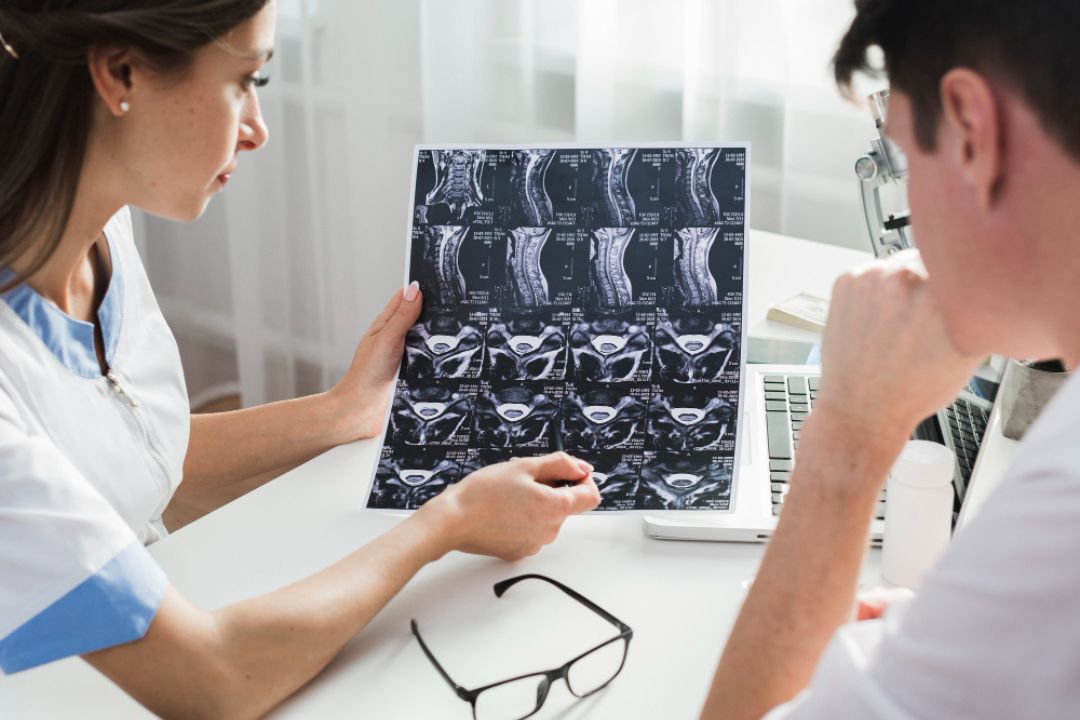
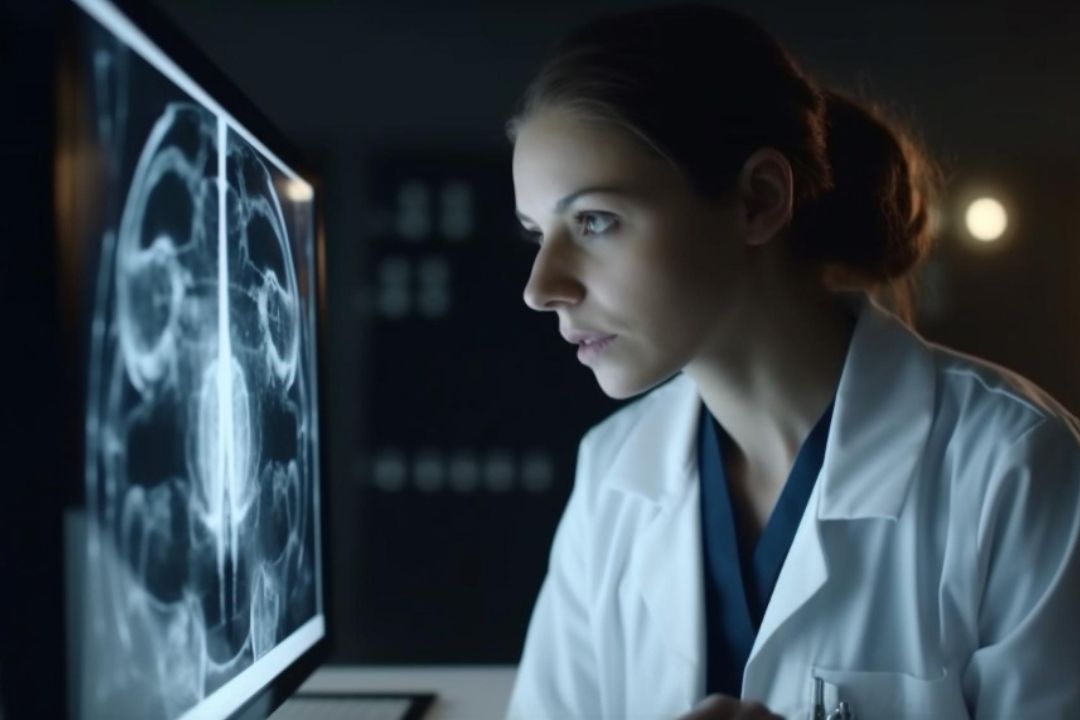
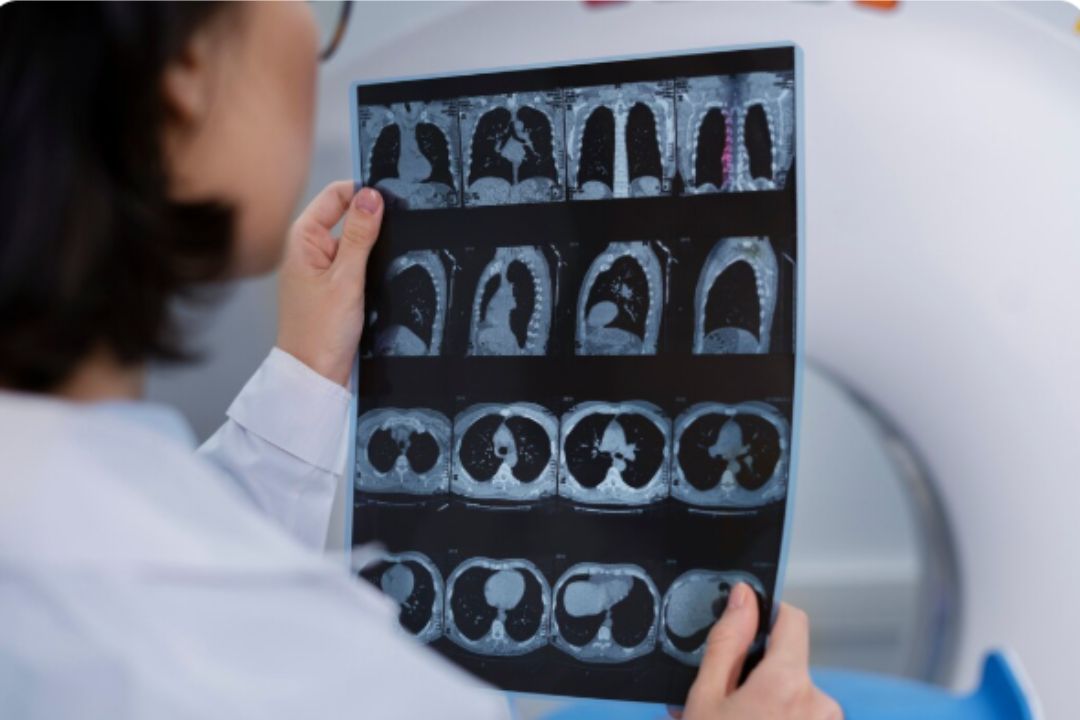
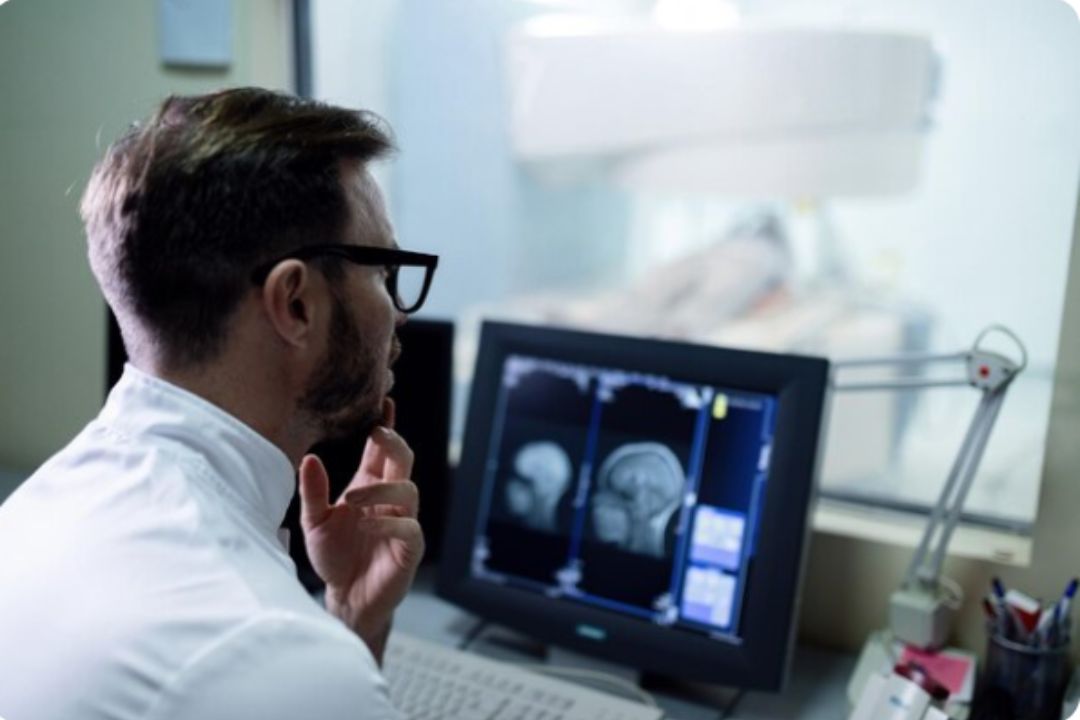
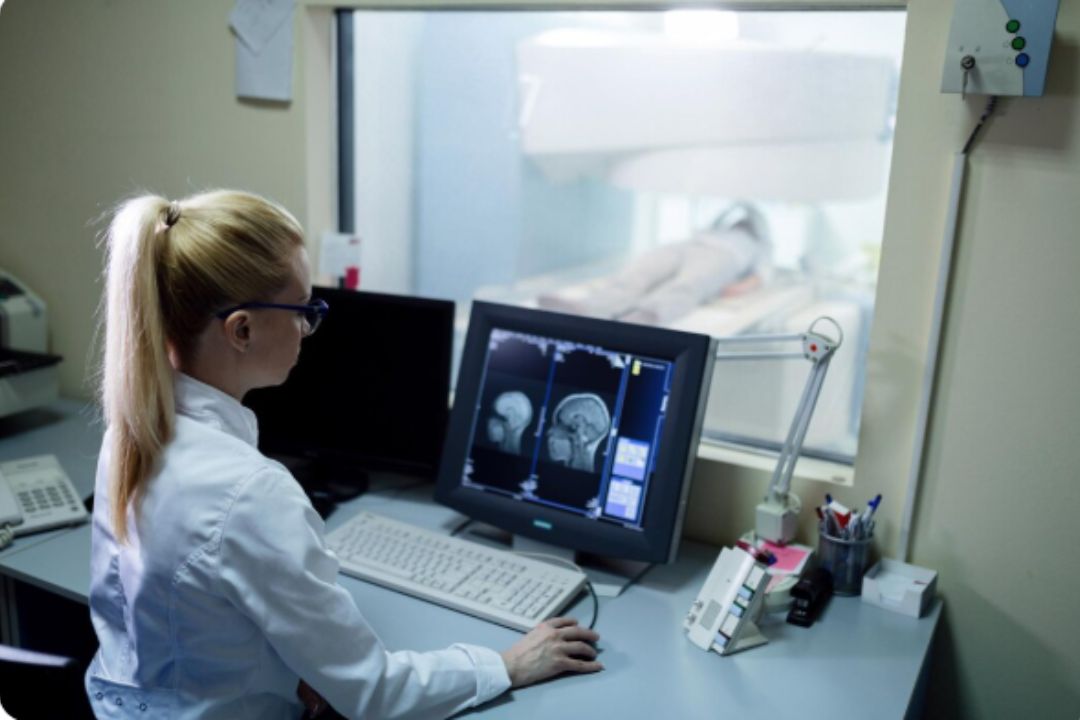
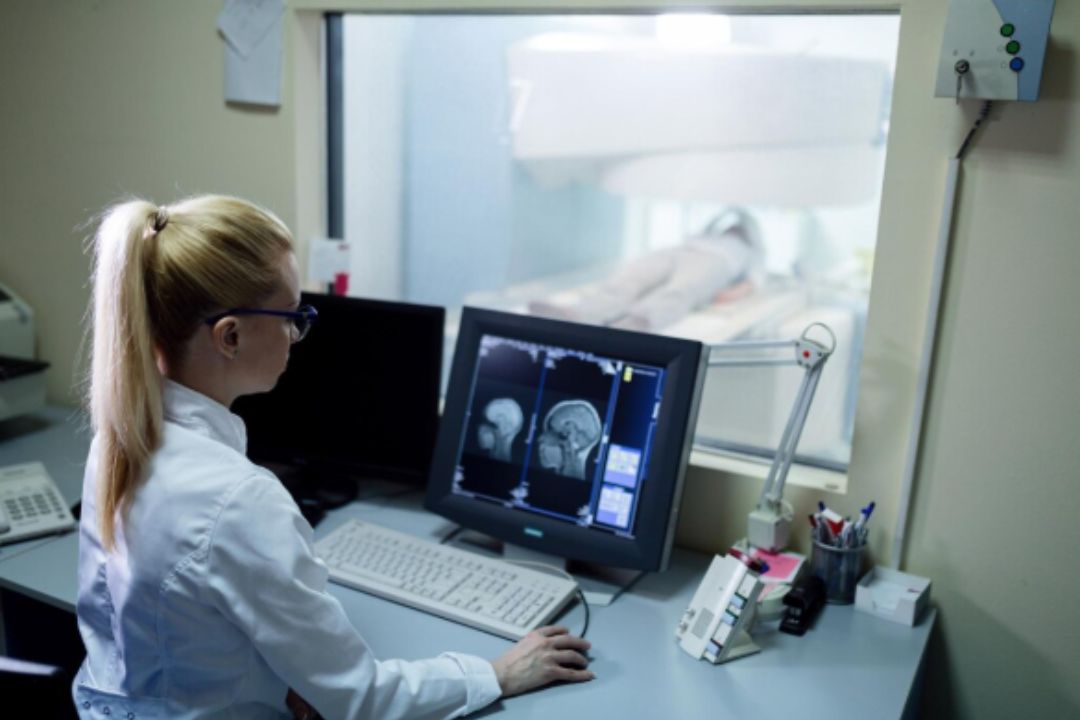
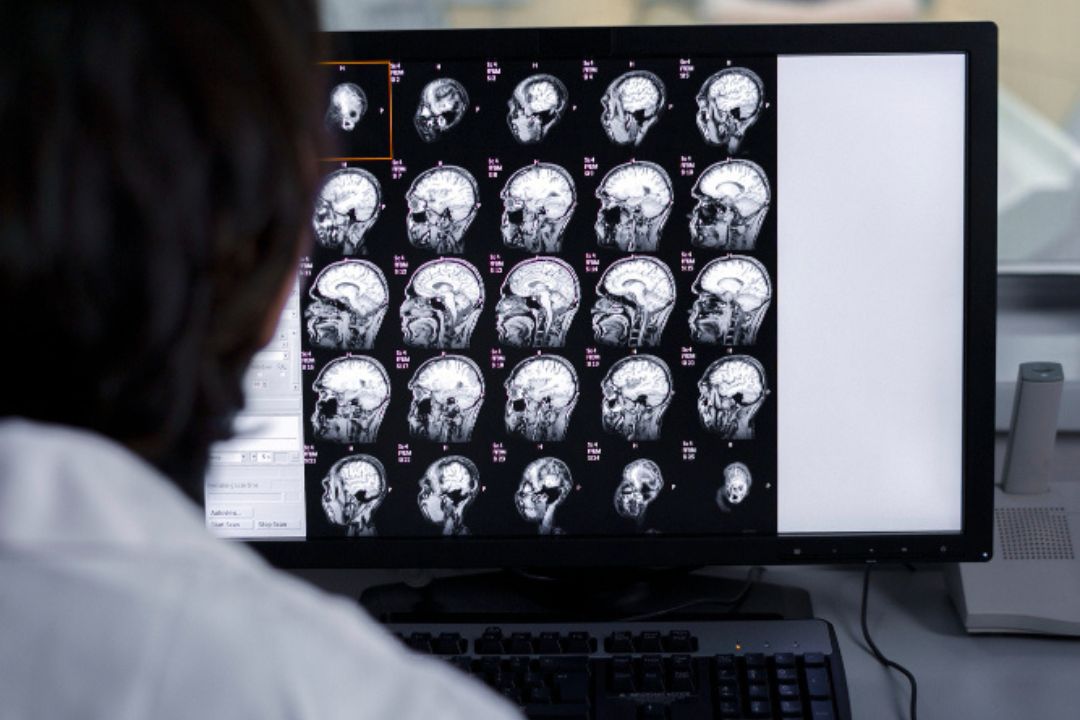
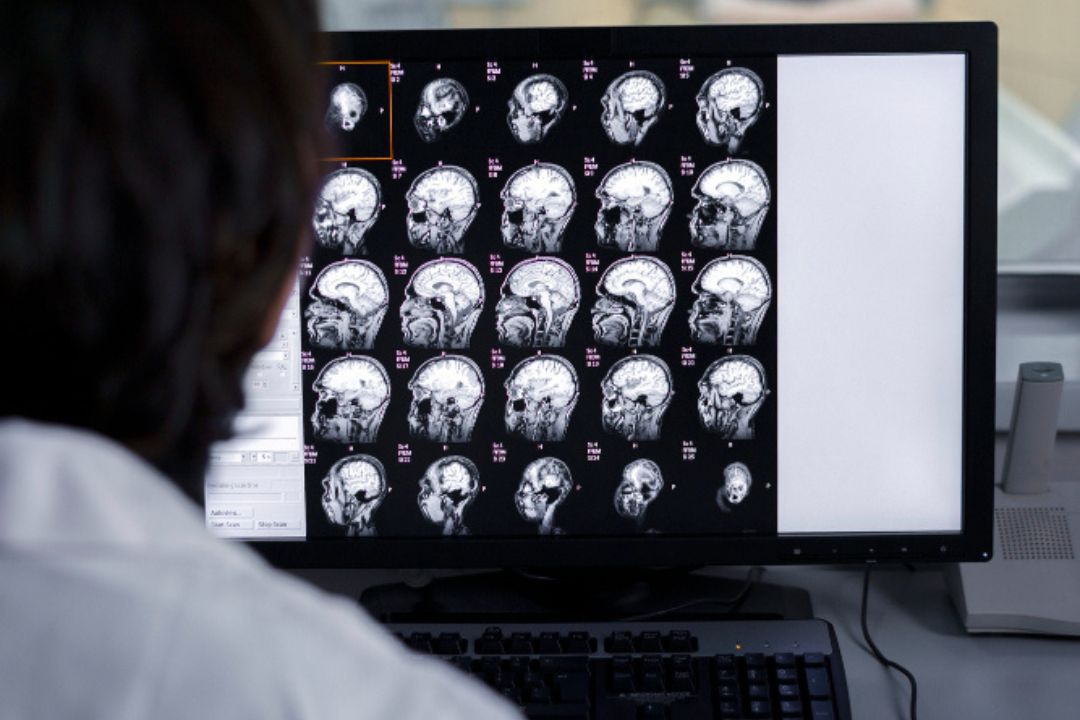
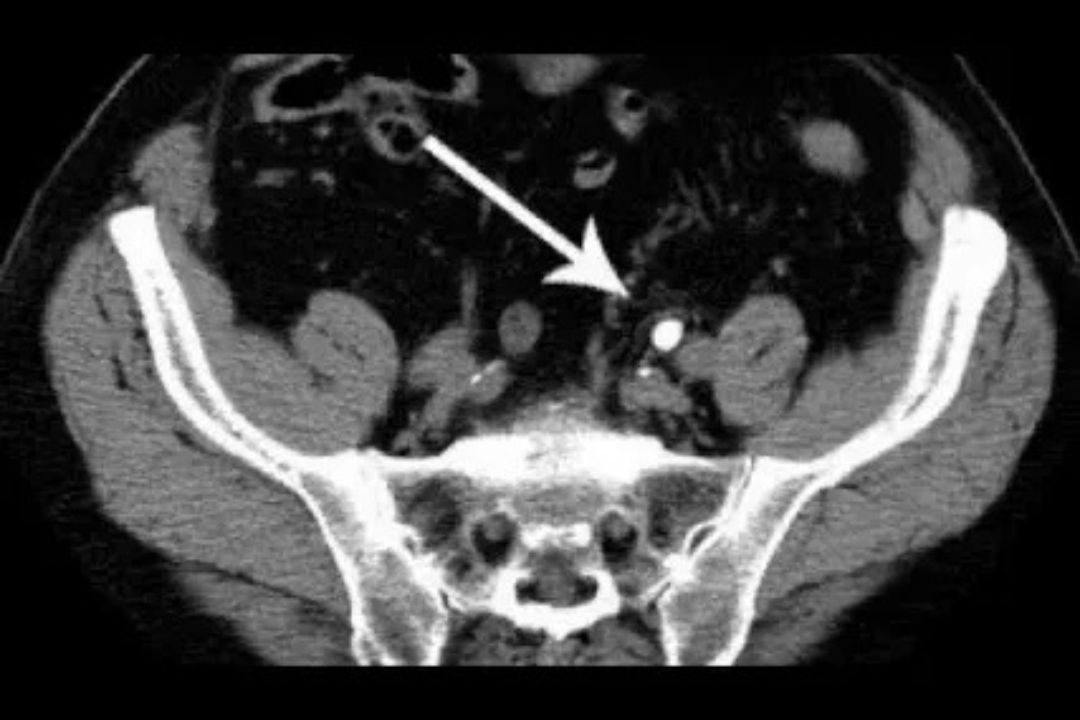
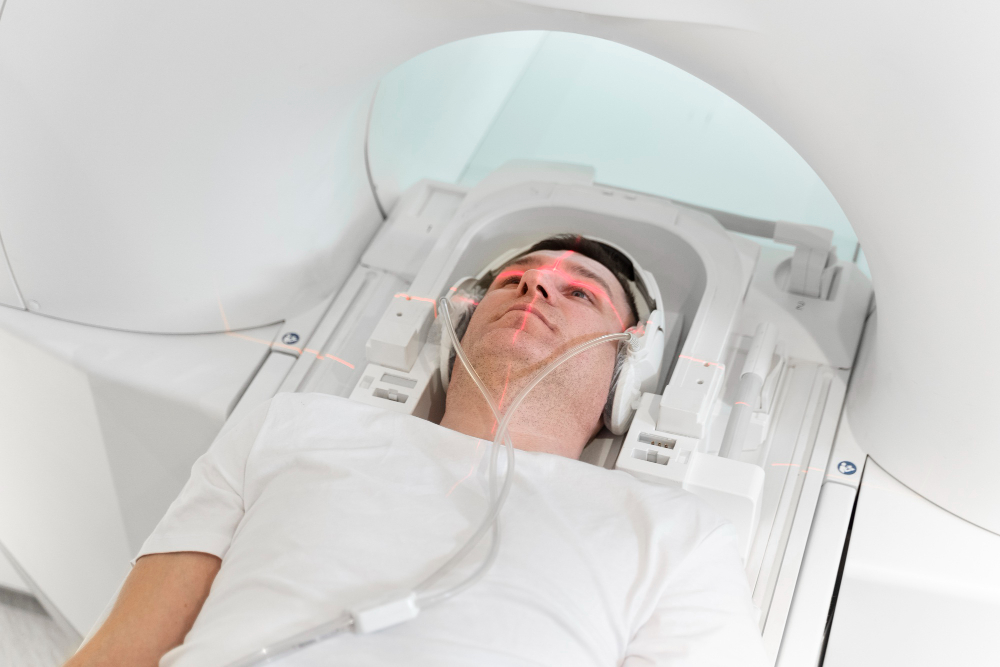
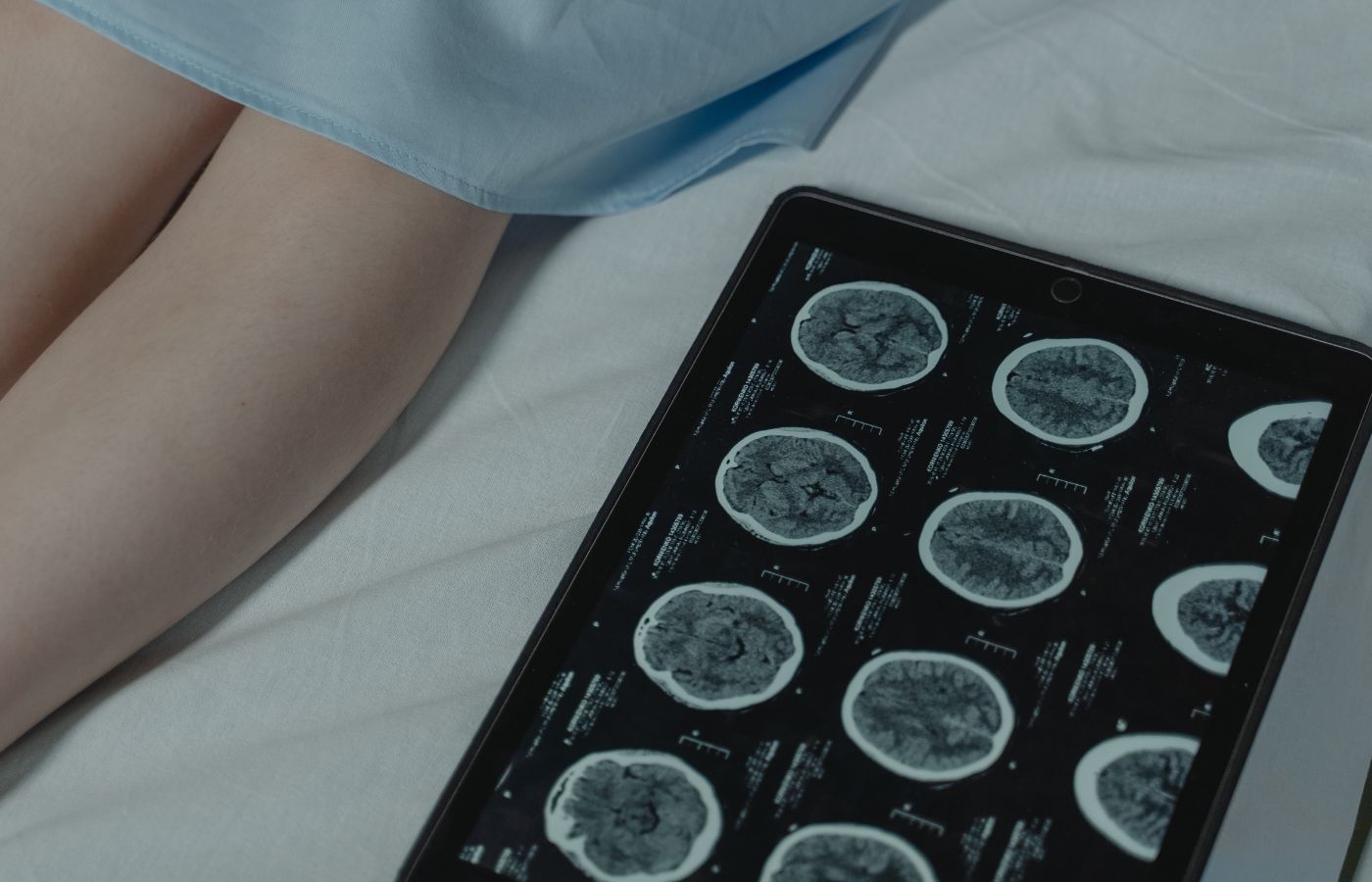
A CT Brain Scan uses X-rays and advanced computer technology to create detailed cross-sectional images of the brain and skull.
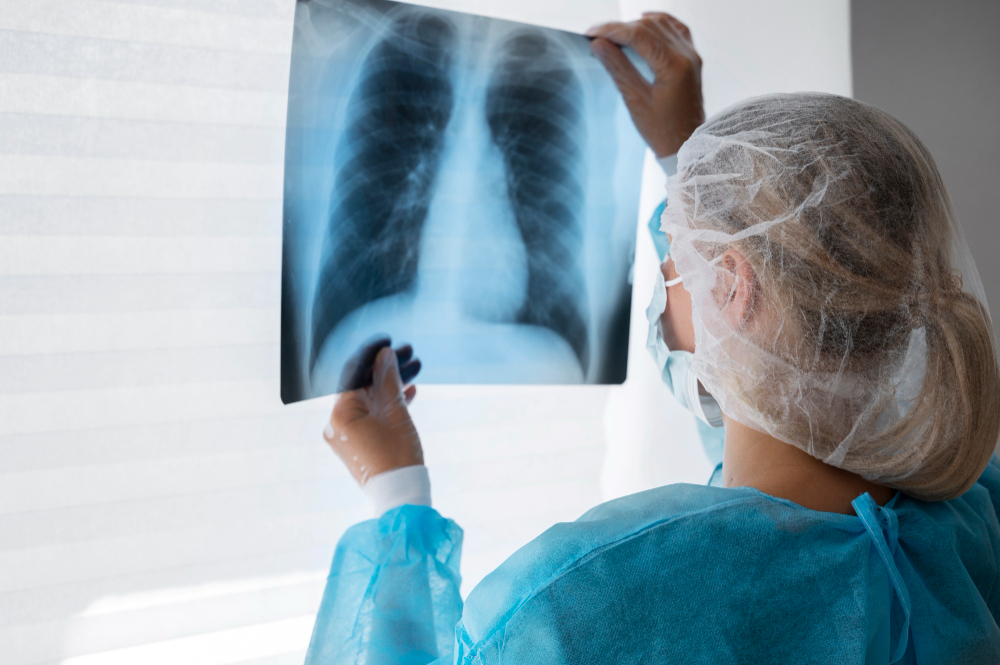
Unlike a regular X-ray, a CT scan produces multiple images from different angles, allowing doctors to examine brain structures more clearly. It is widely used in emergency medicine because it provides quick results.
Doctors recommend a CT brain scan to diagnose or evaluate several neurological conditions.
Visit Now: https://www.diagnopein.com
Common reasons include:
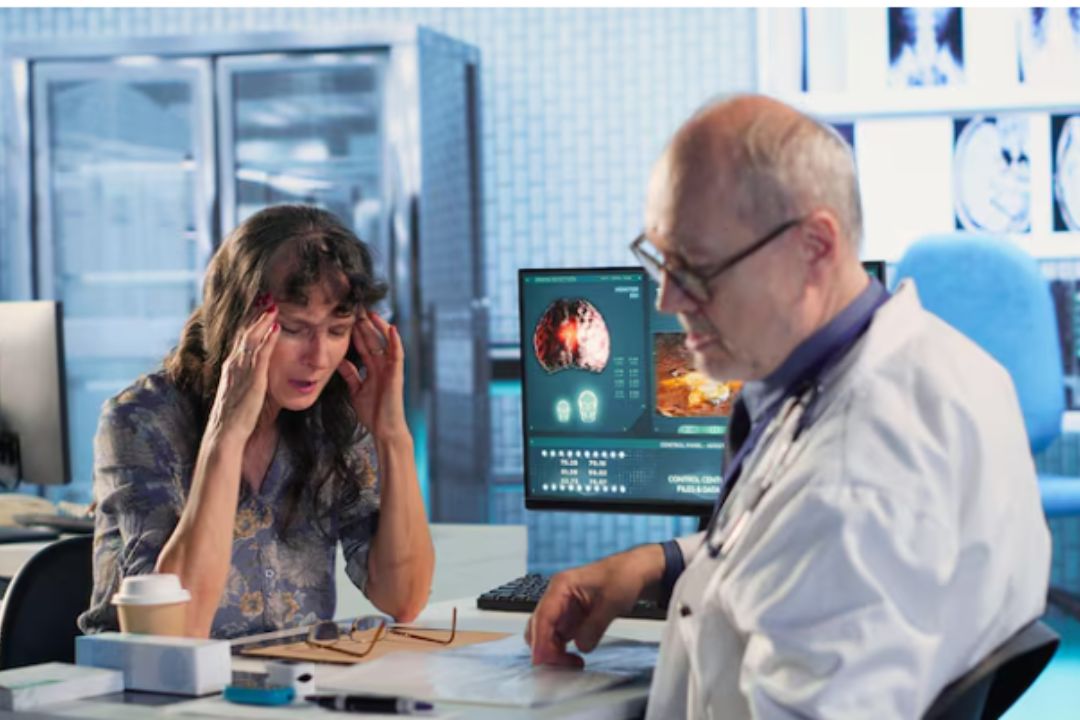
Persistent or severe headaches
Suspected stroke
Brain tumors
Head injuries
Seizures
Unexplained dizziness or confusion
Brain infections or swelling
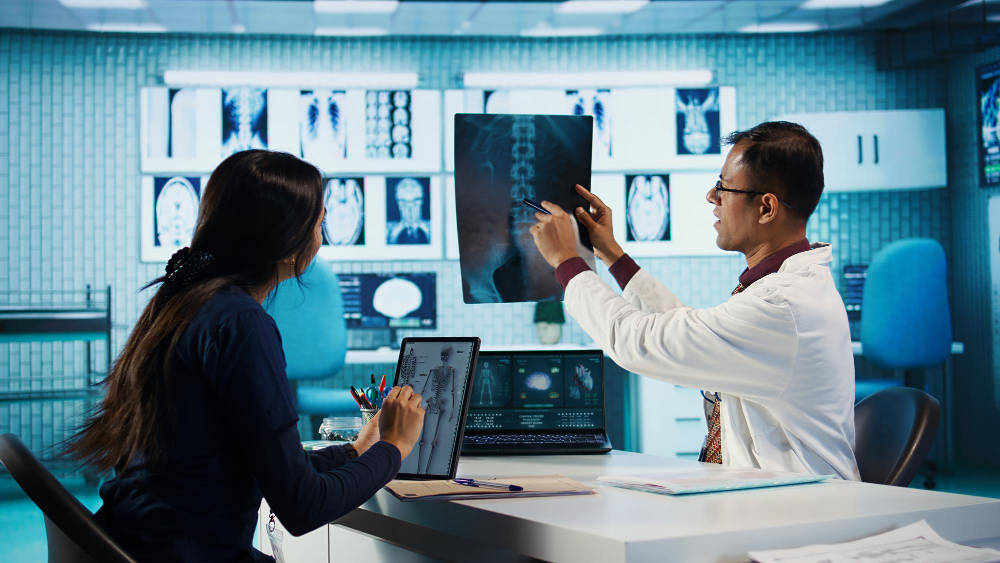
This scan helps doctors identify the cause of symptoms and determine the best treatment approach.
A CT scan is often the first test used when a stroke is suspected. It helps doctors determine whether the stroke is caused by a blocked blood vessel (ischemic stroke) or bleeding in the brain (hemorrhagic stroke).
Early detection is crucial for preventing permanent brain damage.
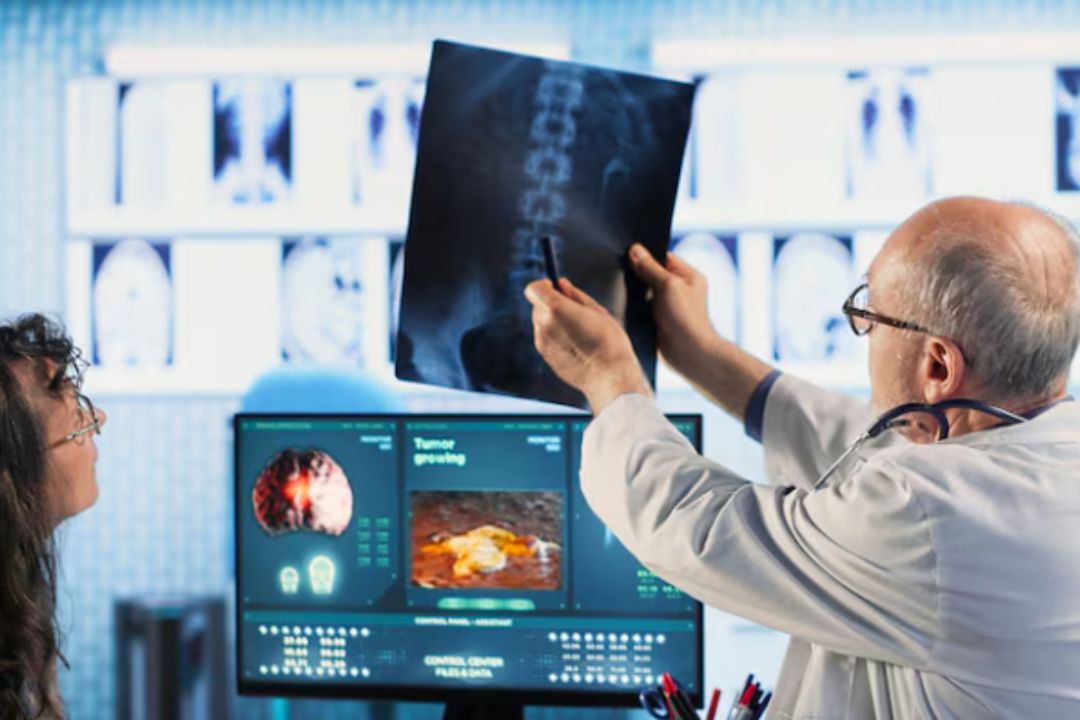
CT scans can detect abnormal growths or tumors in the brain. The scan helps doctors evaluate the size, location, and impact of the tumor on surrounding tissues.
In some cases, a contrast dye may be used to highlight tumors more clearly.
Internal bleeding in the brain, also known as intracranial hemorrhage, can occur due to trauma, high blood pressure, or aneurysms. A CT scan can quickly identify bleeding and guide emergency treatment.
After accidents or falls, doctors often recommend a CT scan to check for skull fractures, swelling, or internal bleeding in the brain.
CT imaging can also detect infections such as brain abscesses or swelling caused by inflammatory conditions.
In some cases, doctors may recommend a CT Brain Scan With Contrast. During this procedure, a contrast dye is injected into the bloodstream to improve the visibility of blood vessels and brain tissues.
This helps in:
Detecting tumors more clearly
Identifying vascular abnormalities
Evaluating infections or inflammation
Contrast-enhanced imaging provides more detailed diagnostic information.
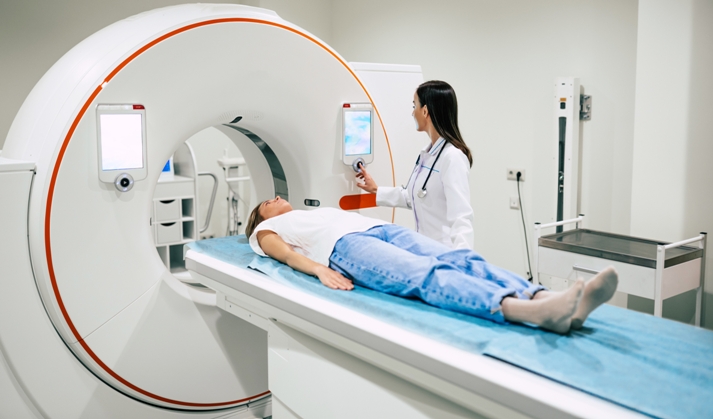
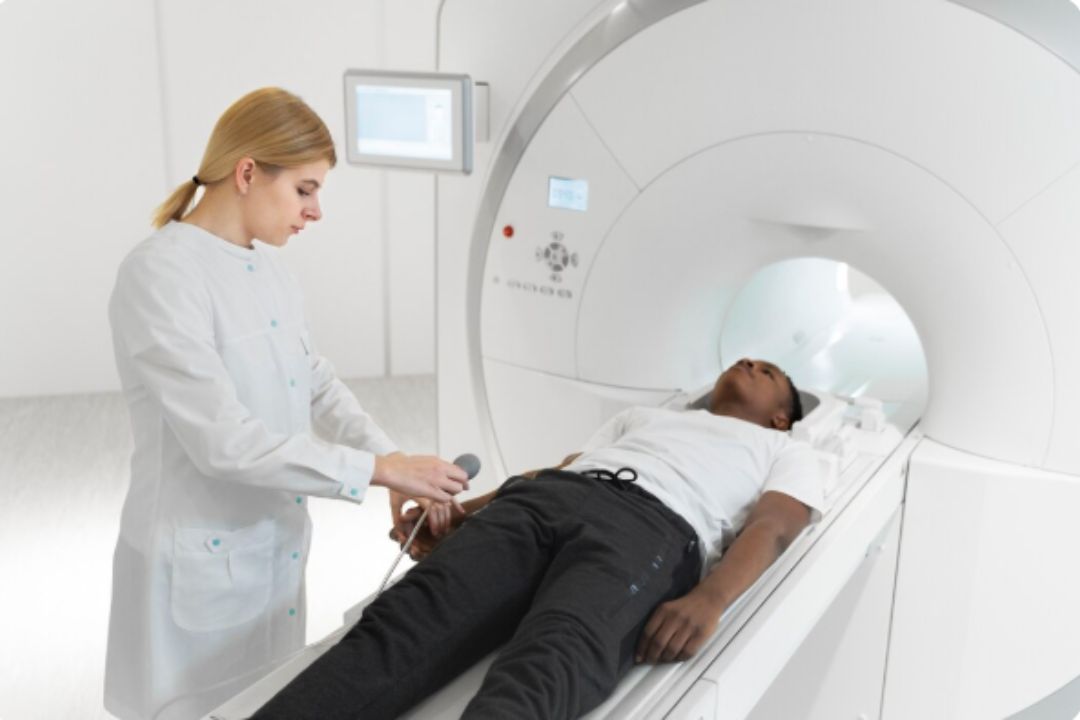
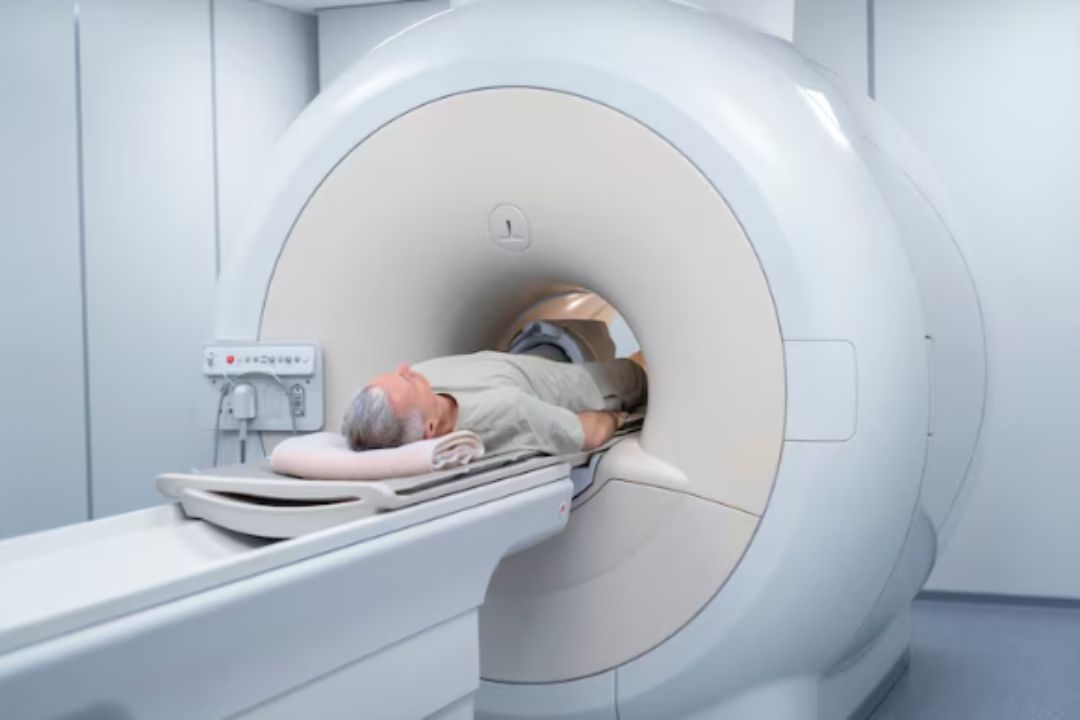
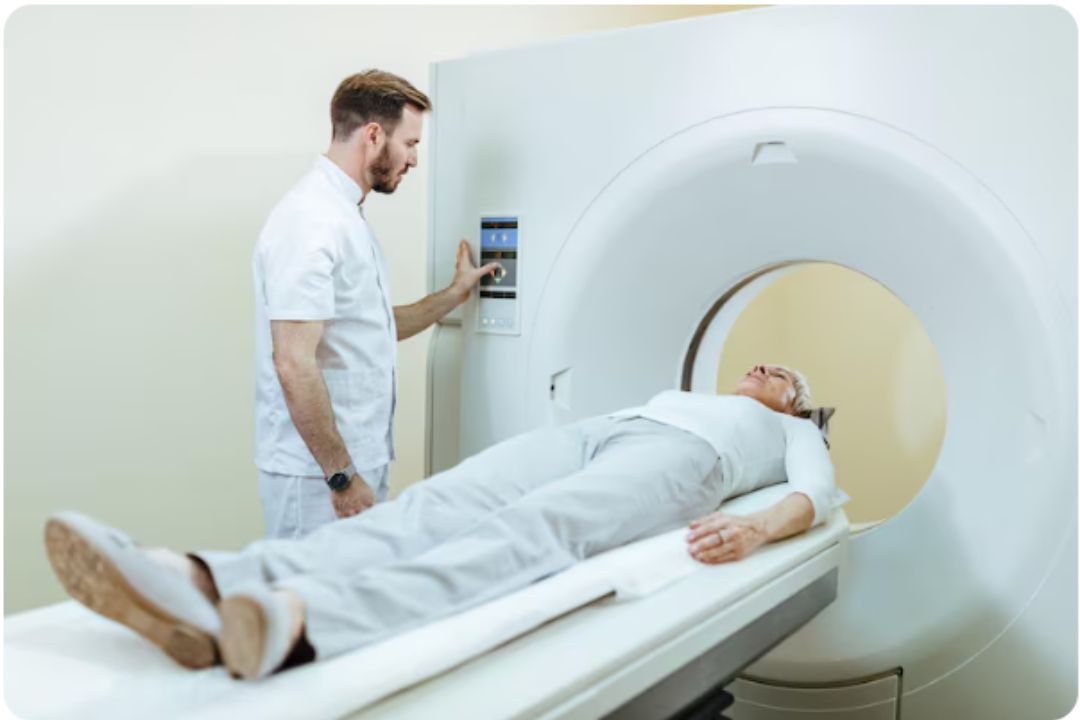
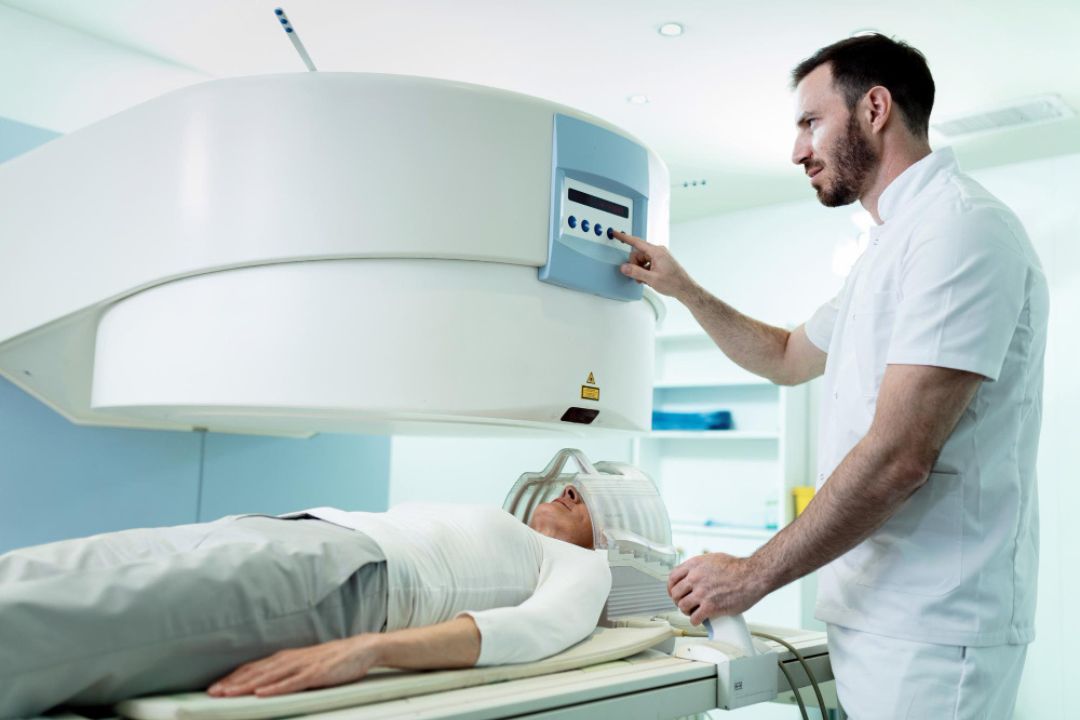
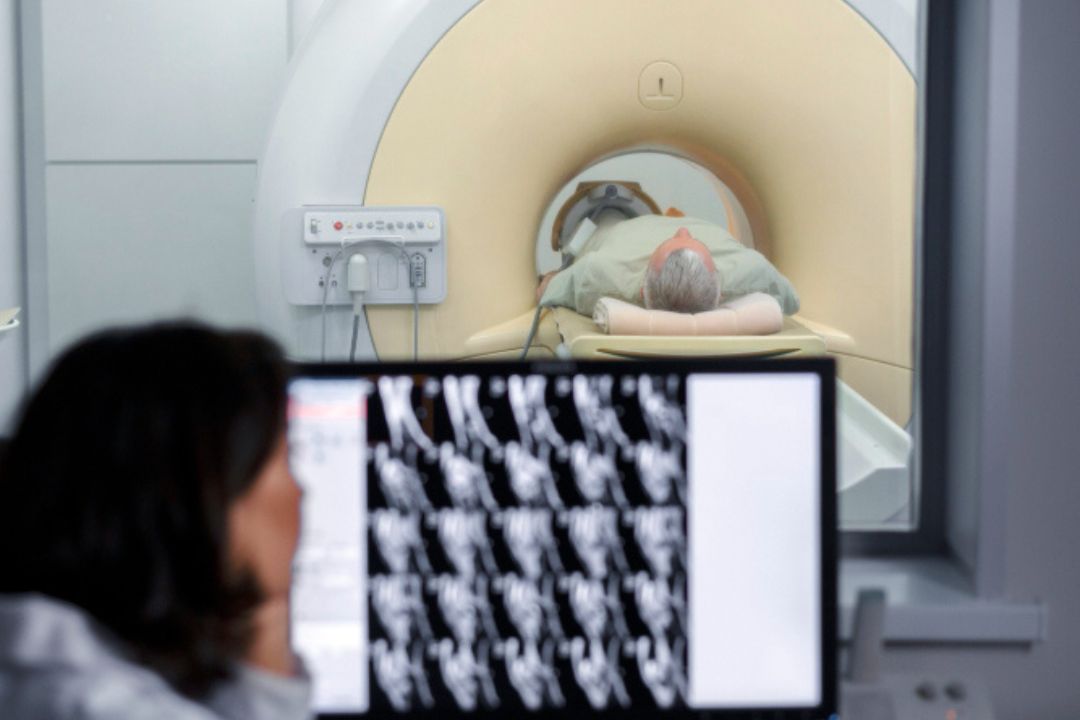
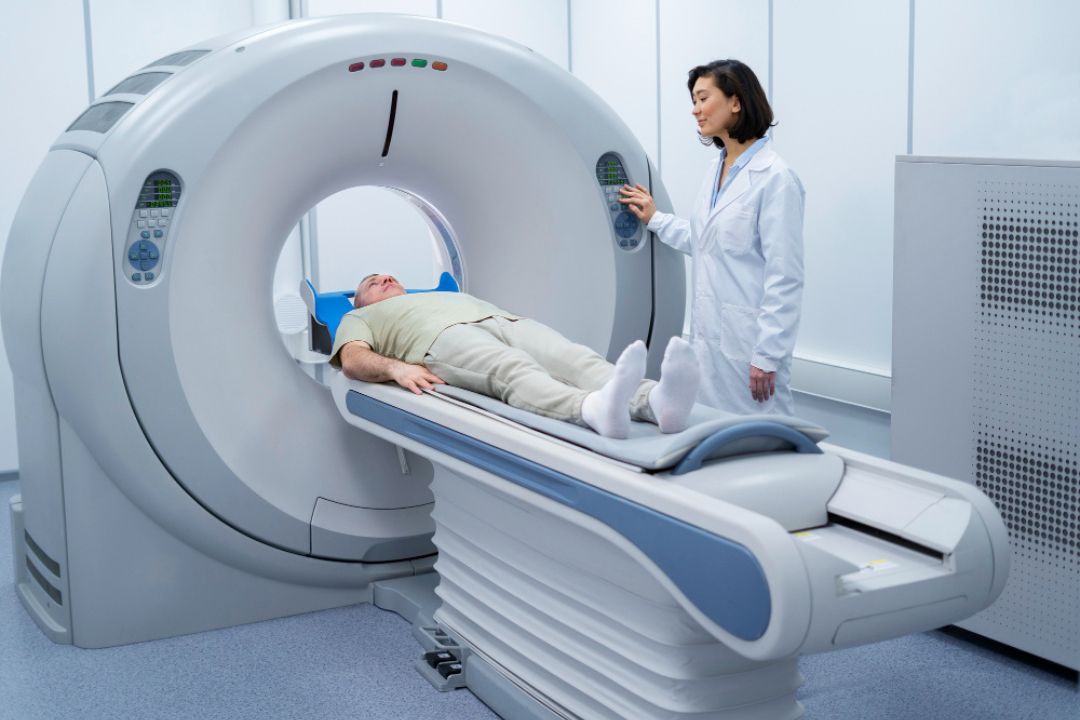
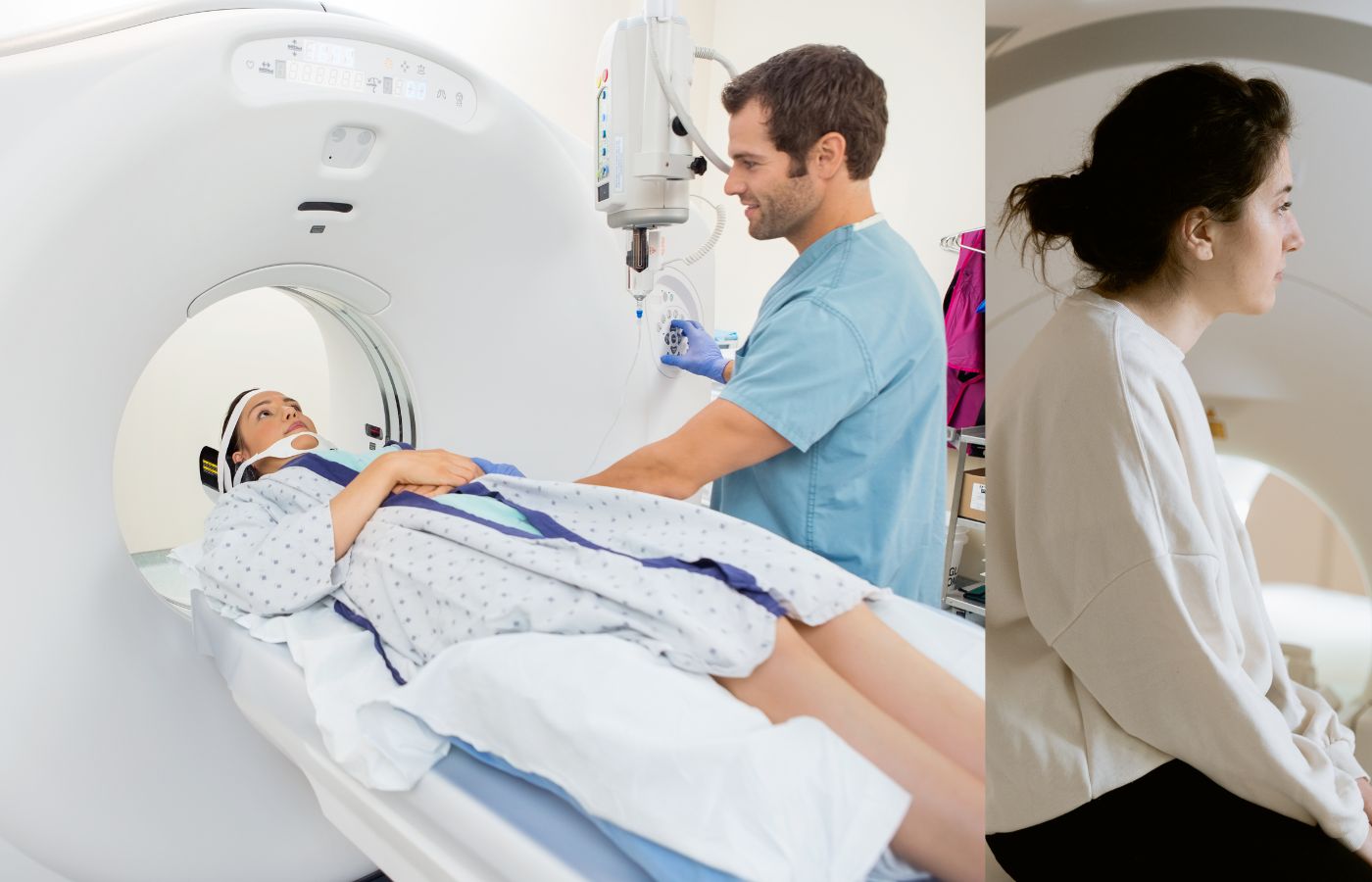
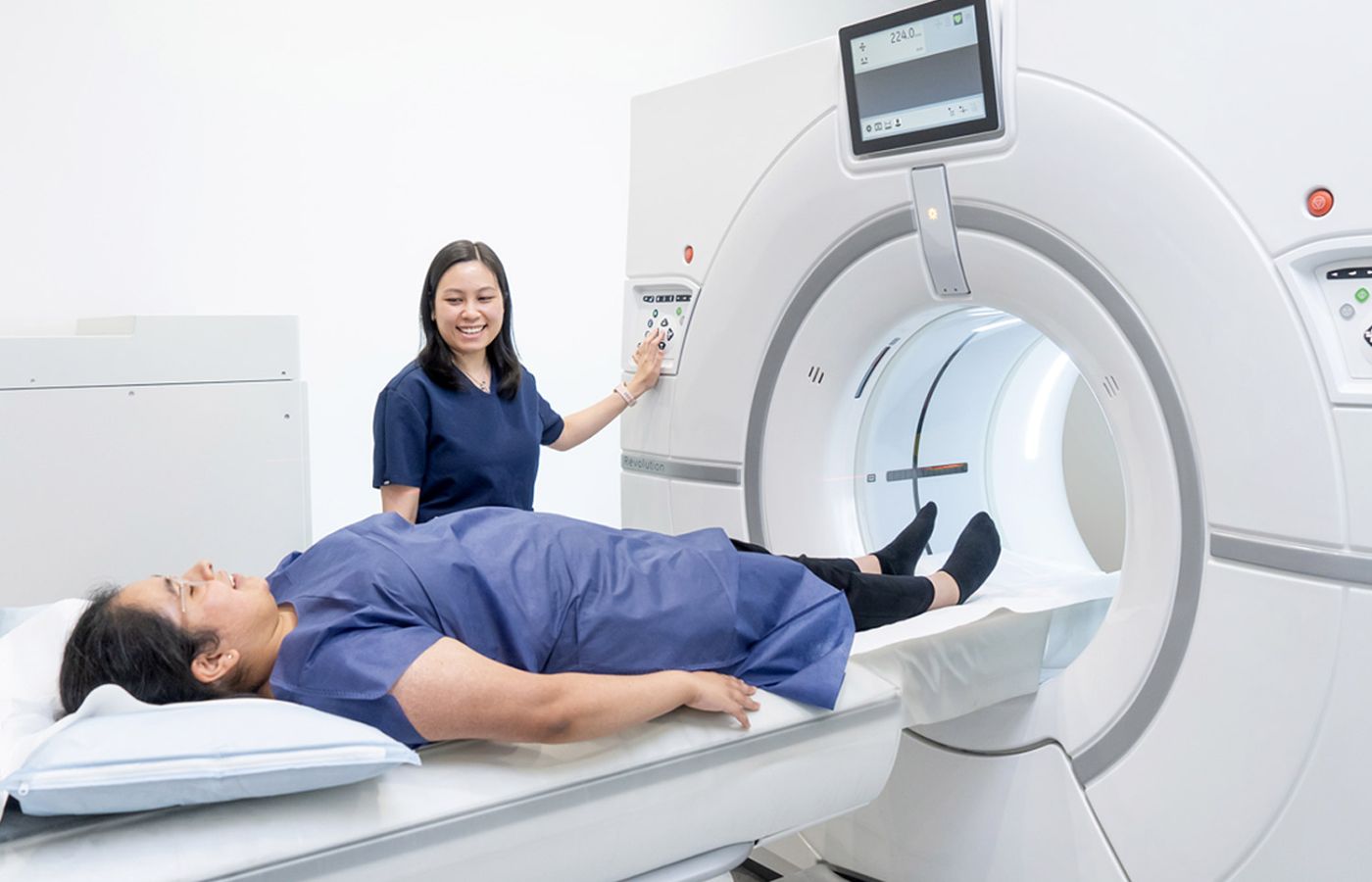
A CT brain scan is a quick and painless procedure that usually takes 10 to 20 minutes.
The process typically includes:
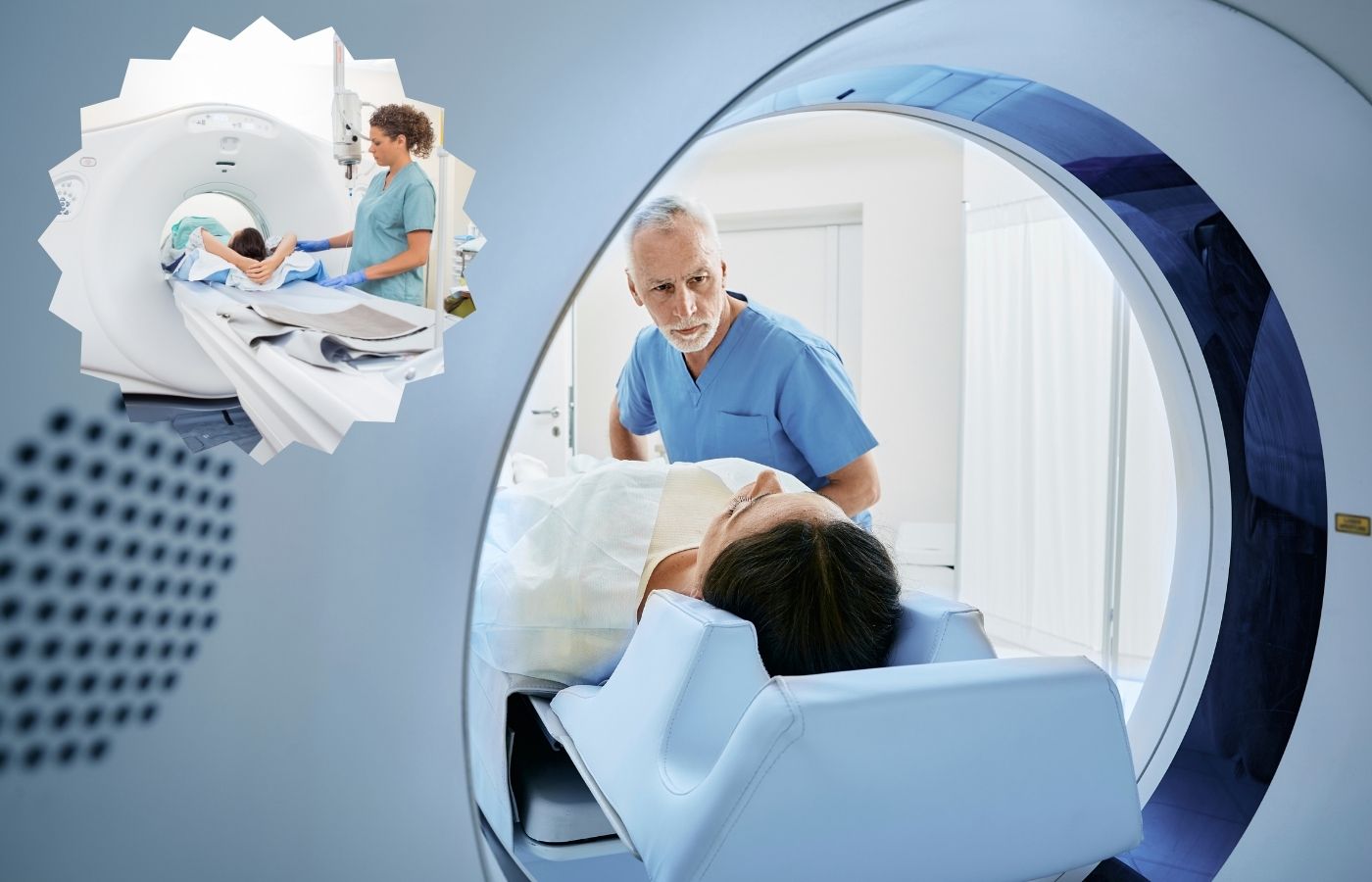
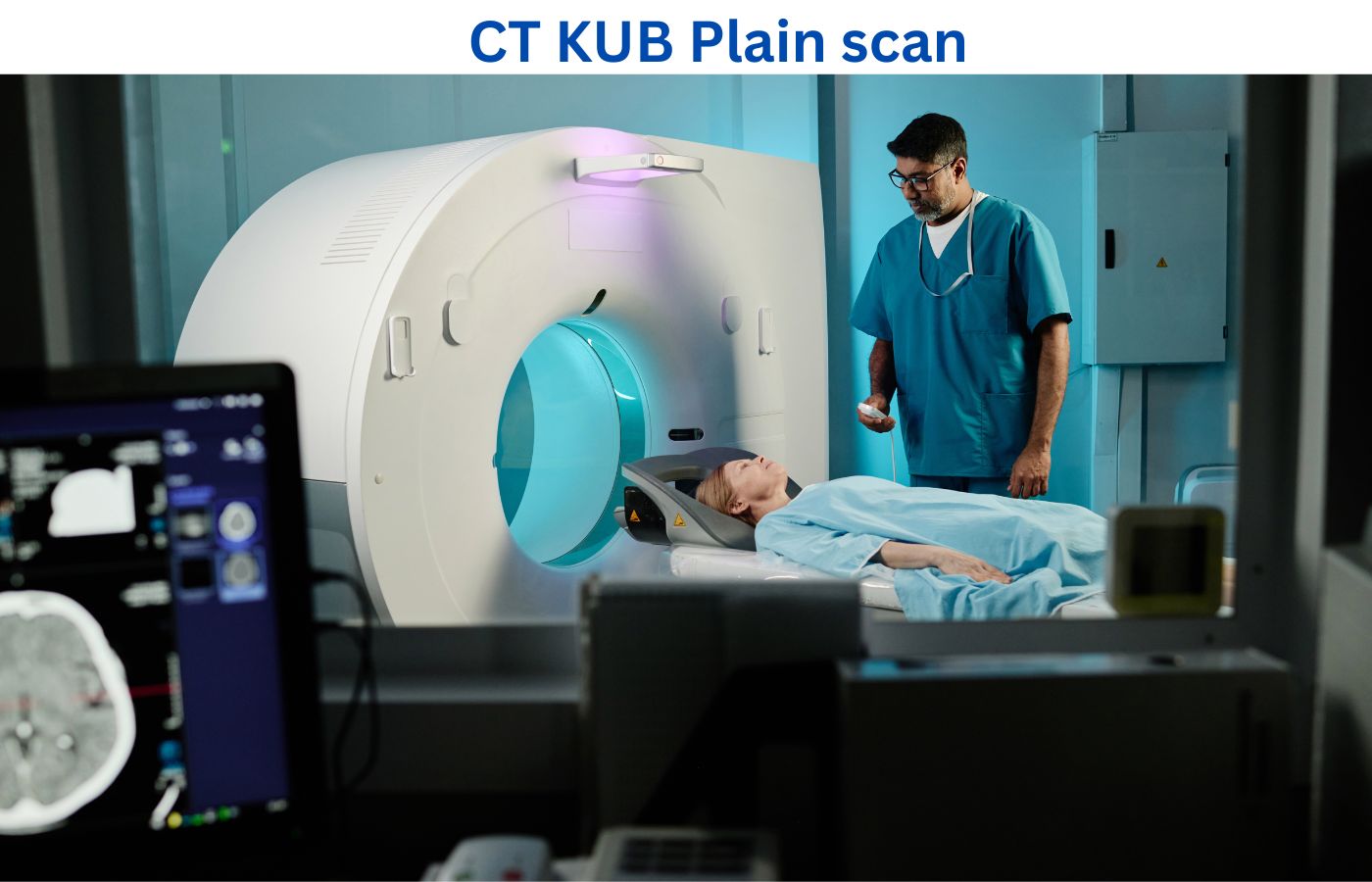
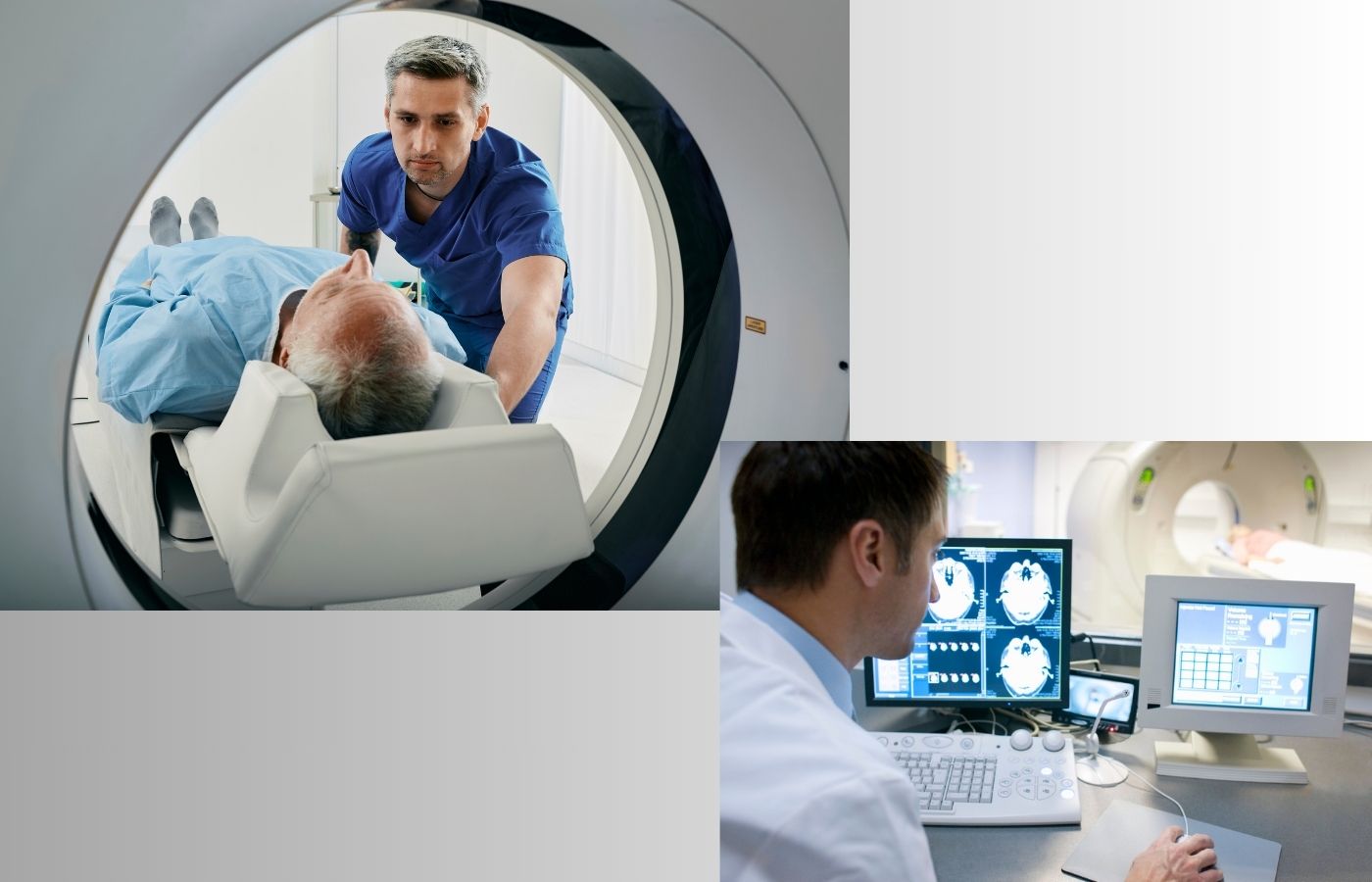
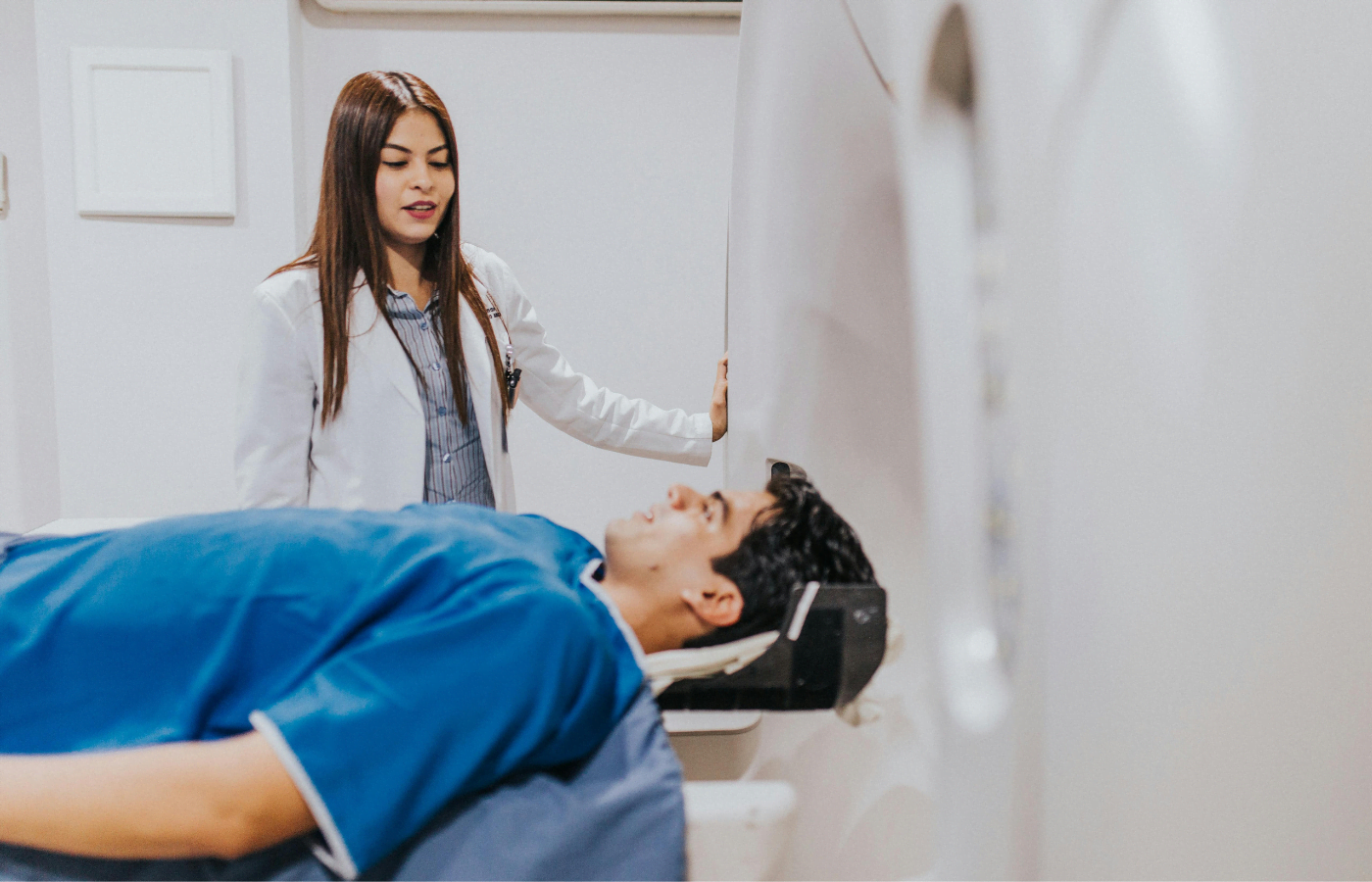
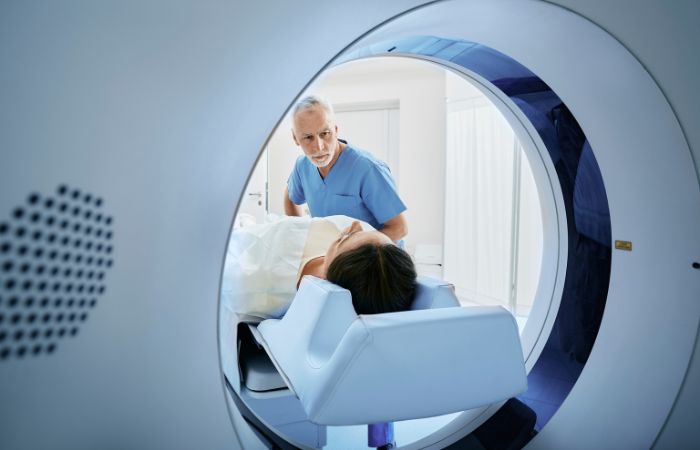
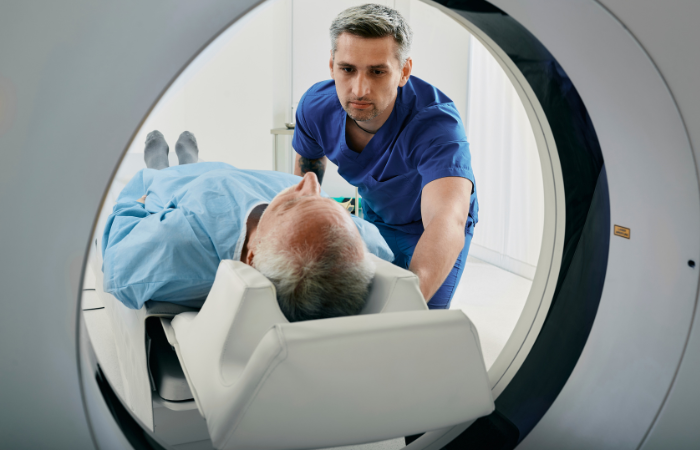
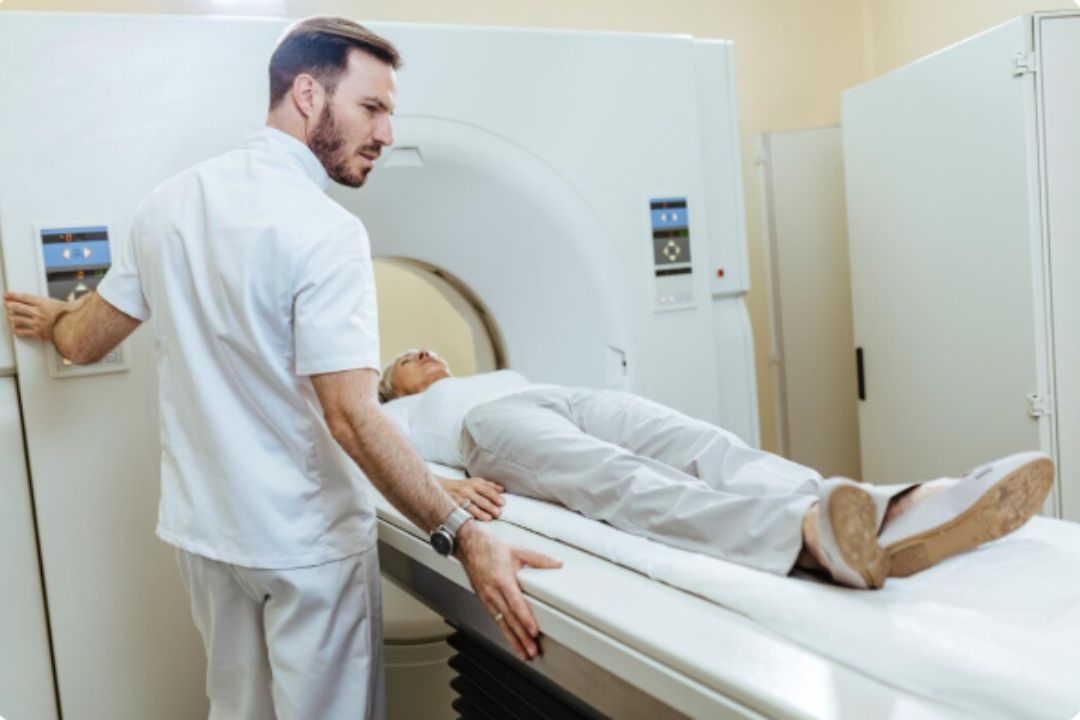
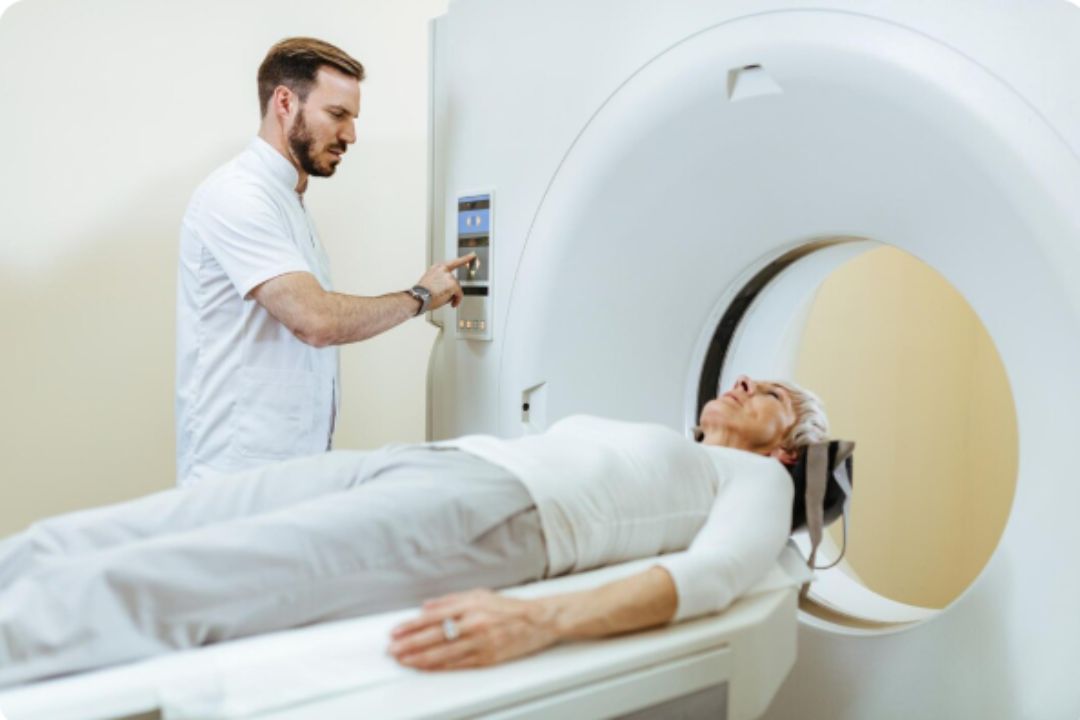
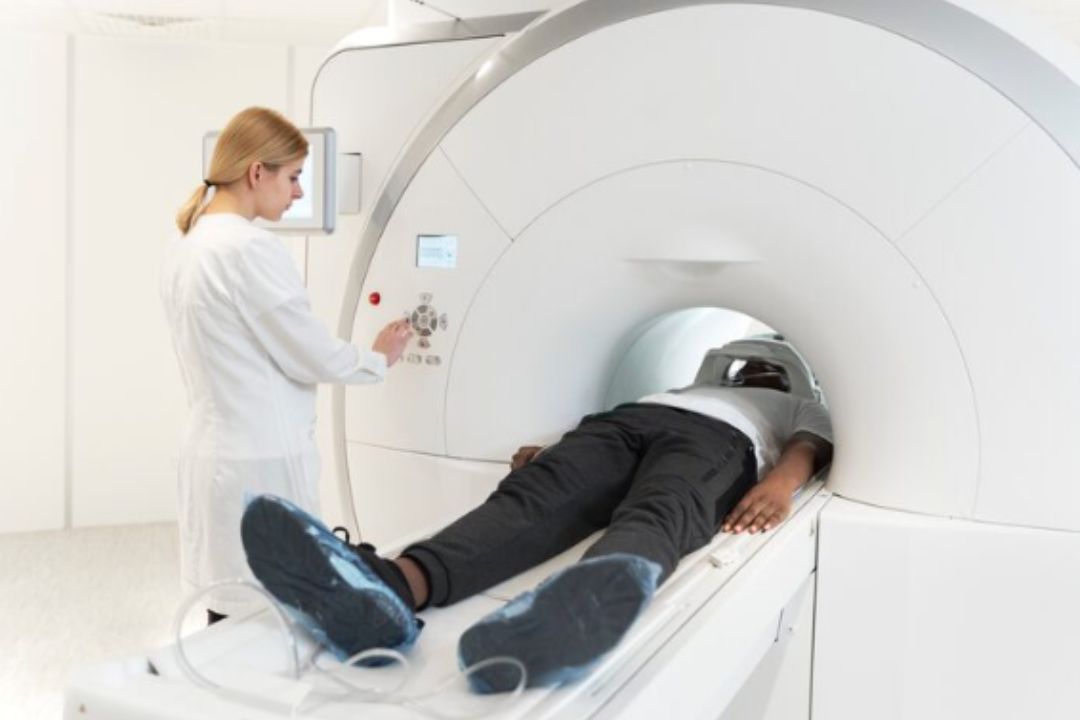
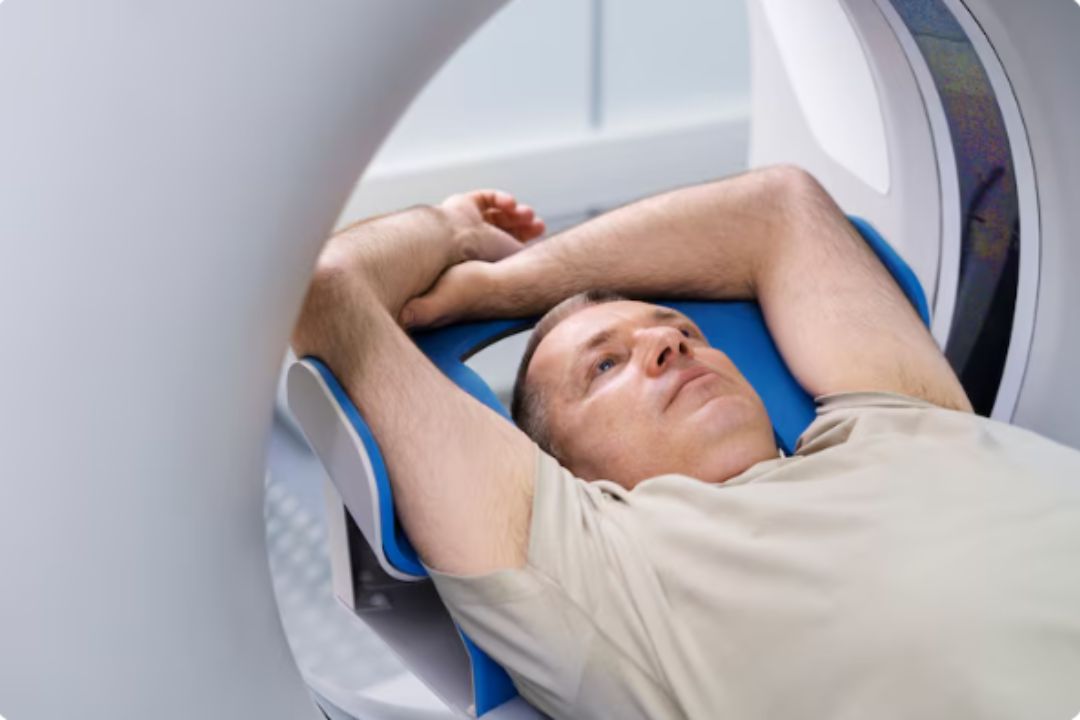
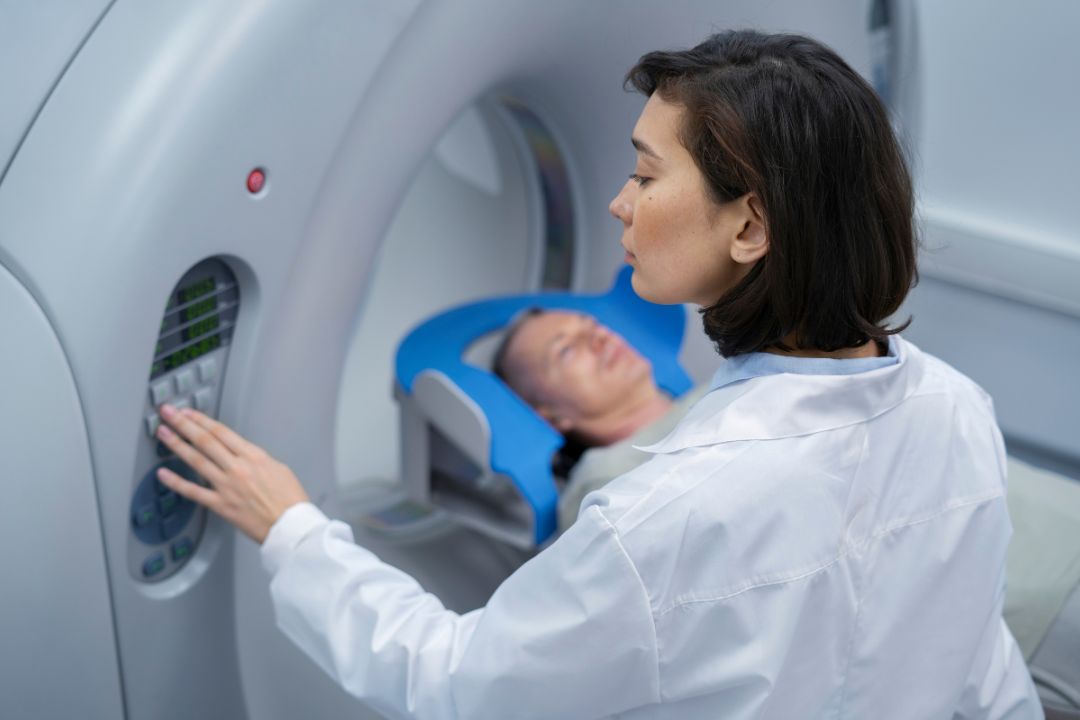
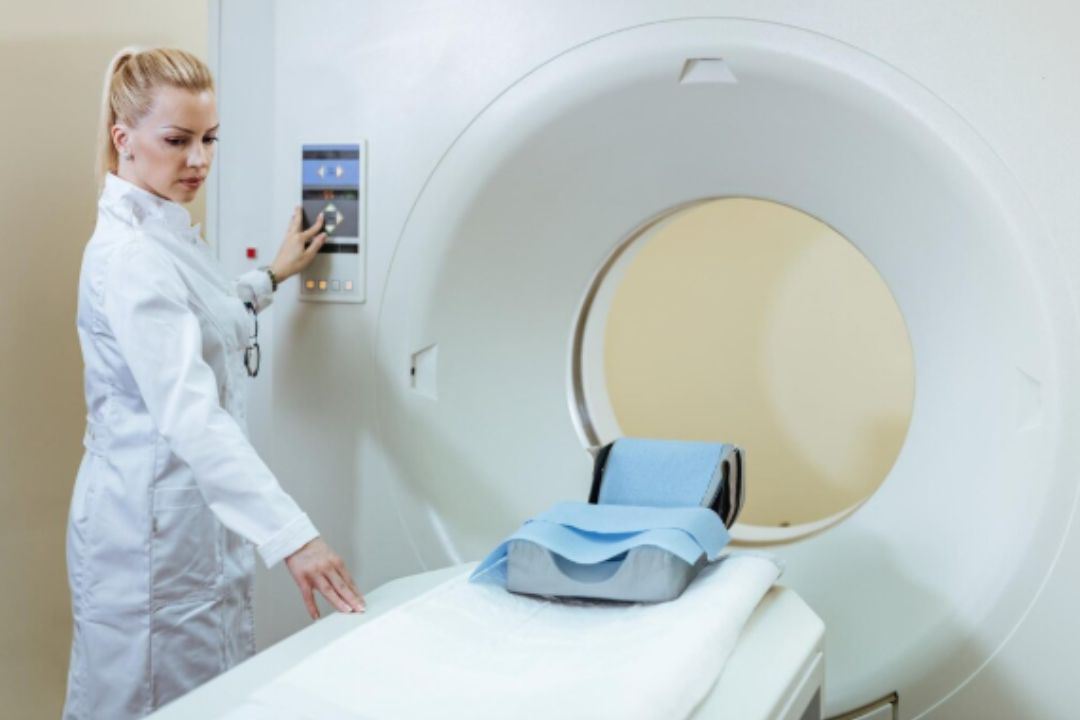
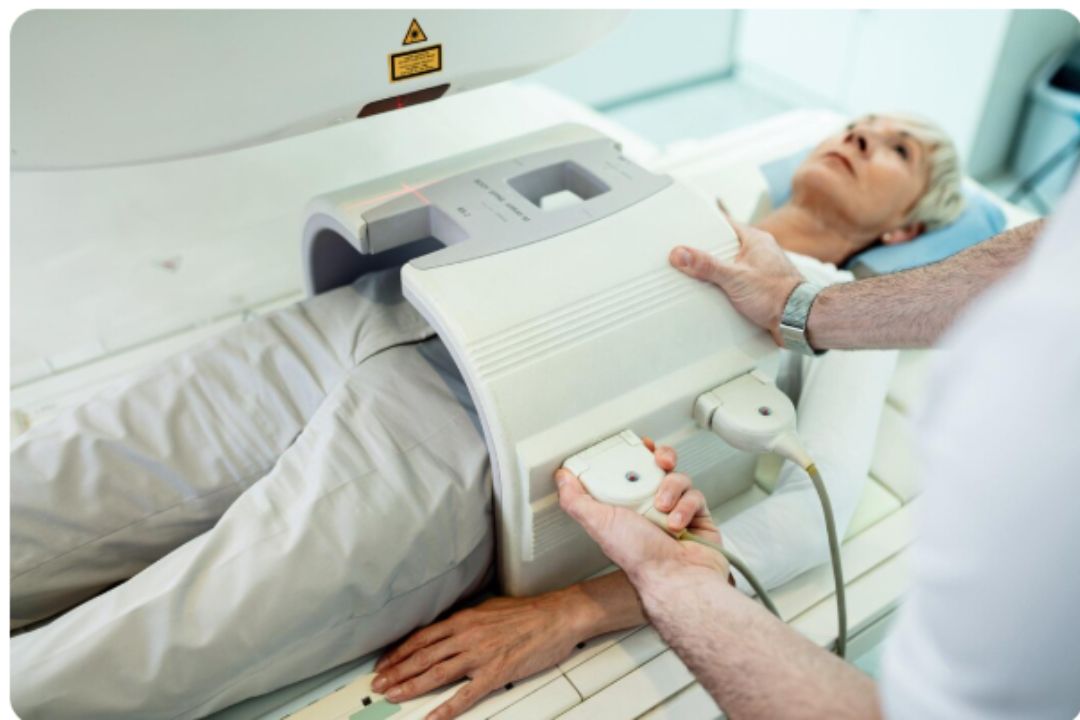
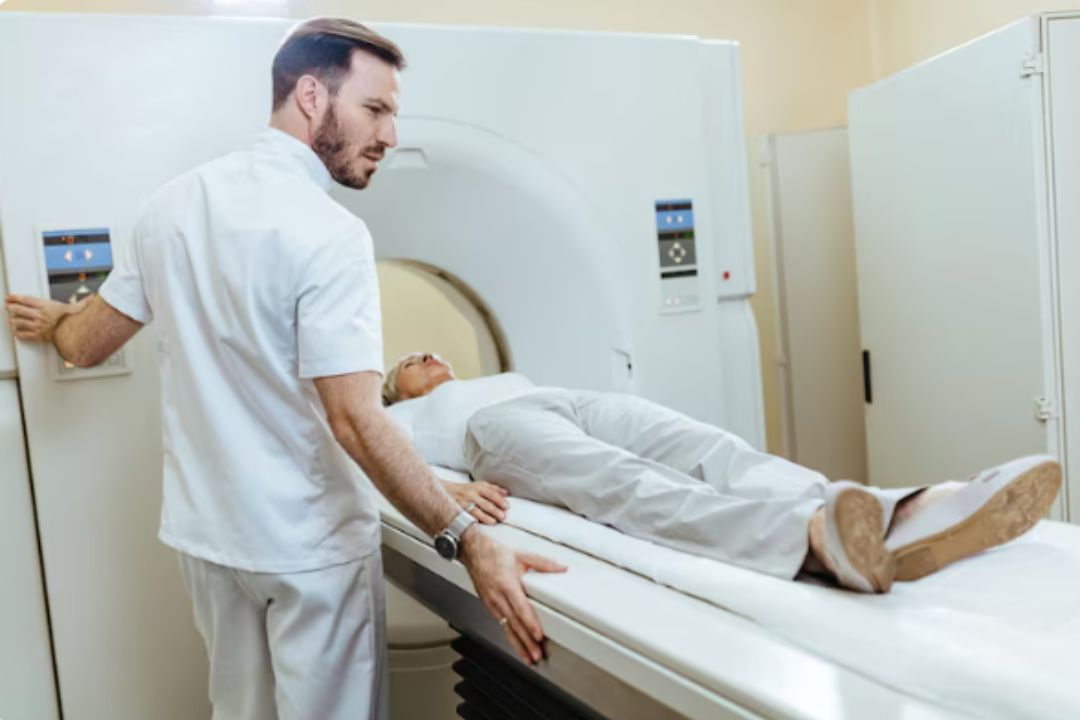
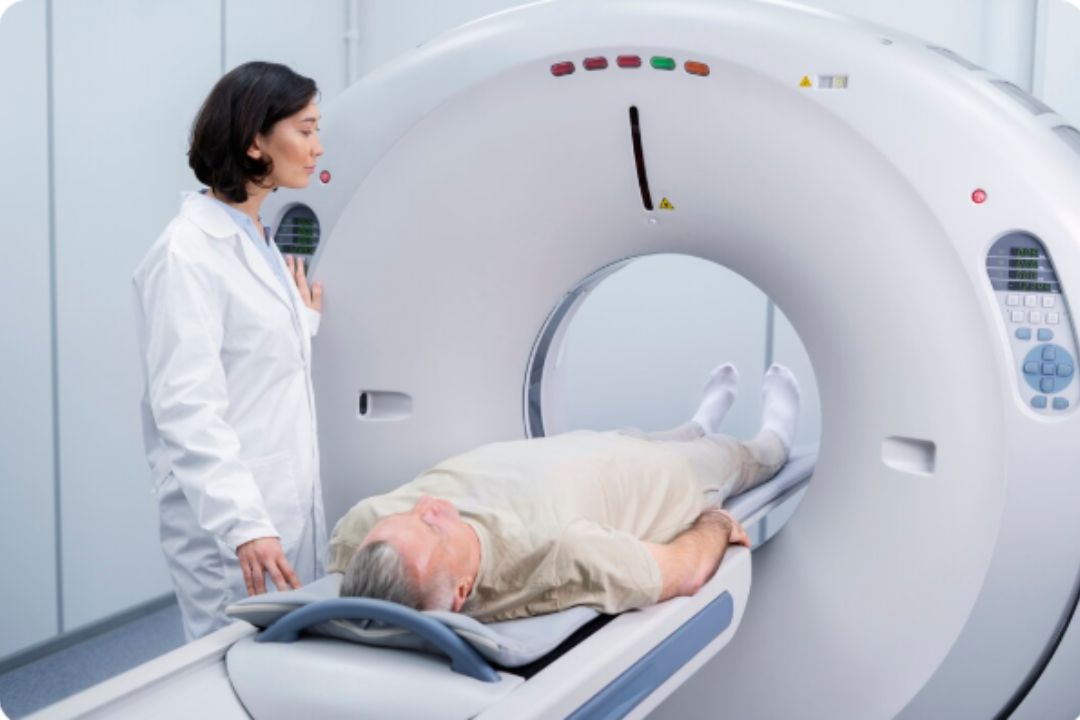
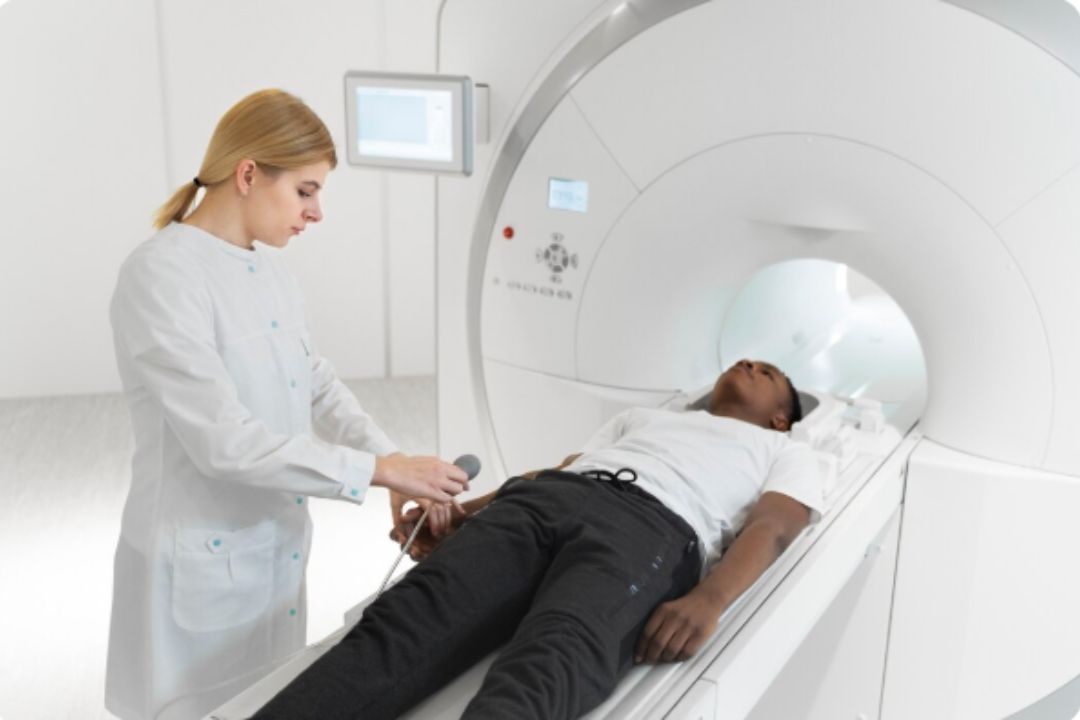
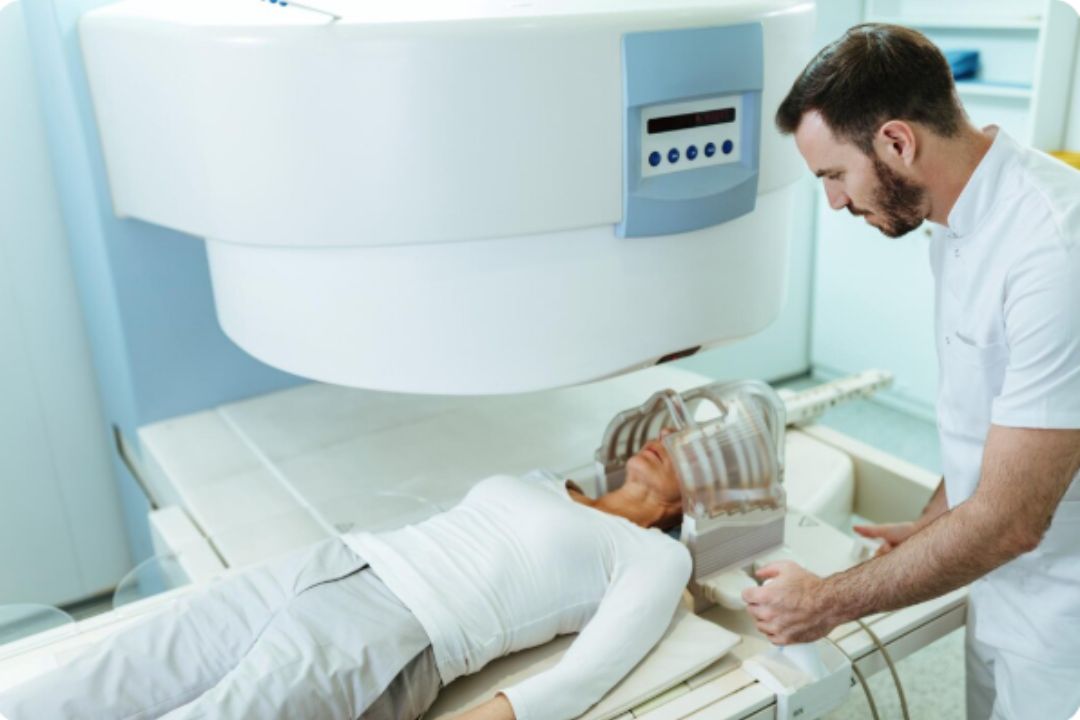
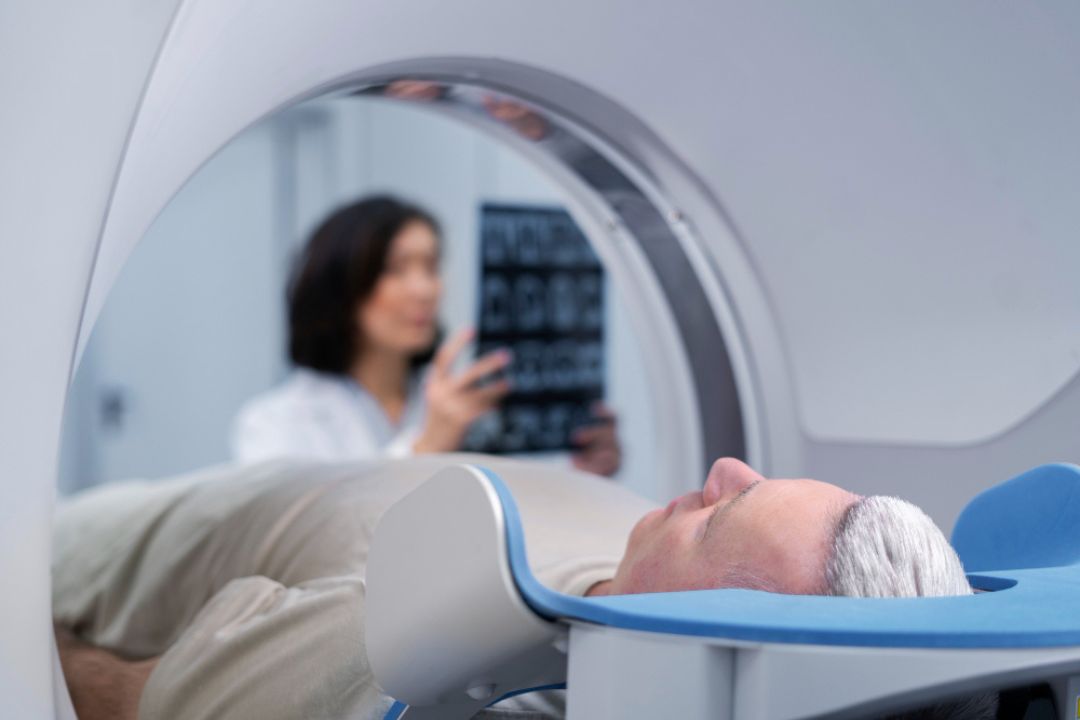
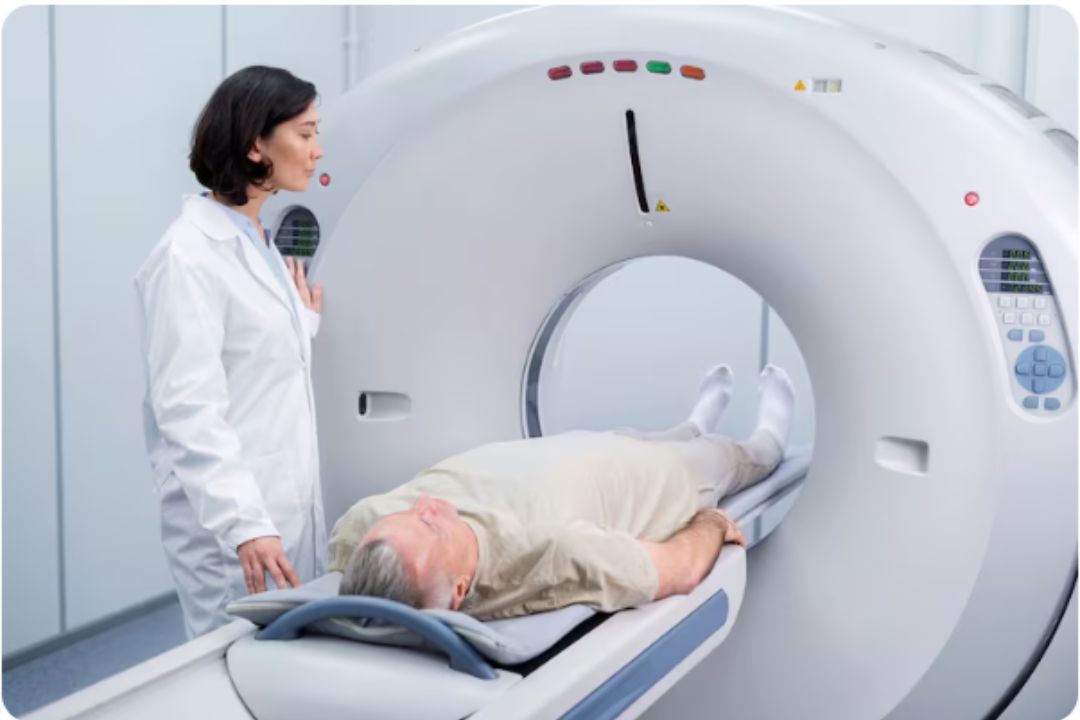
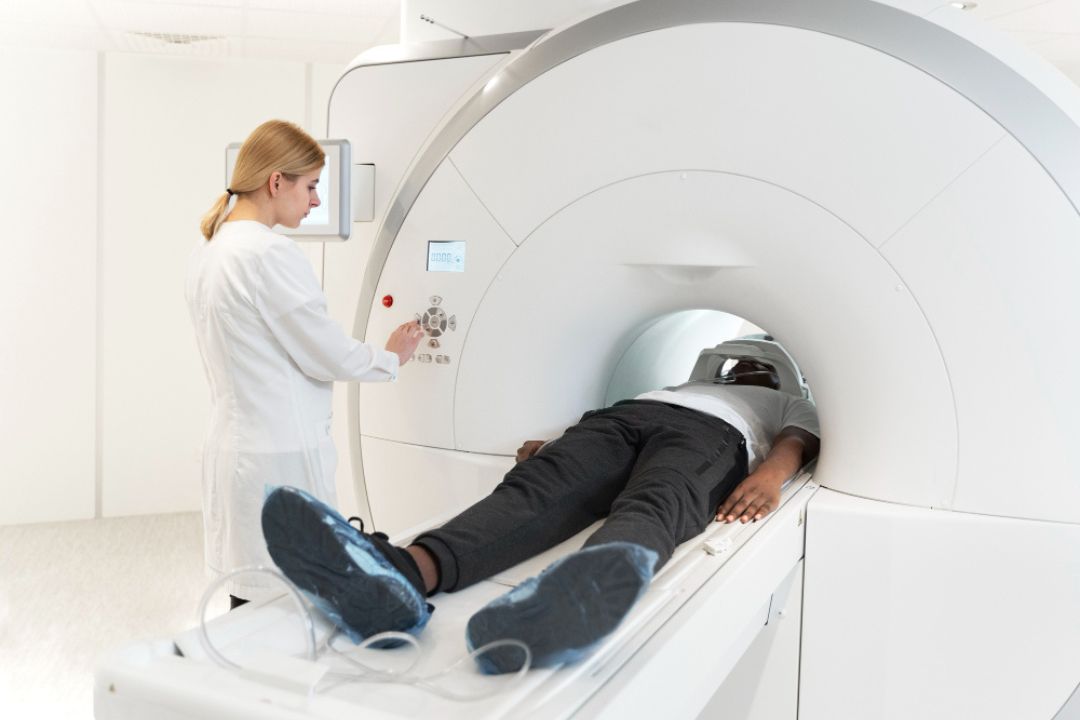
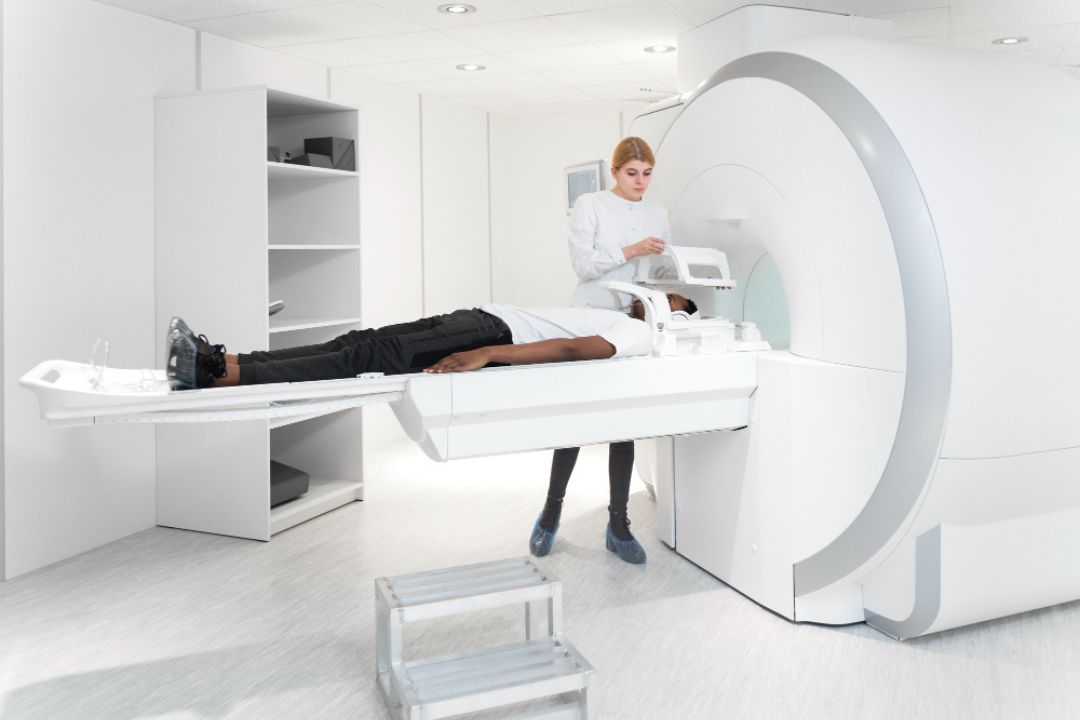
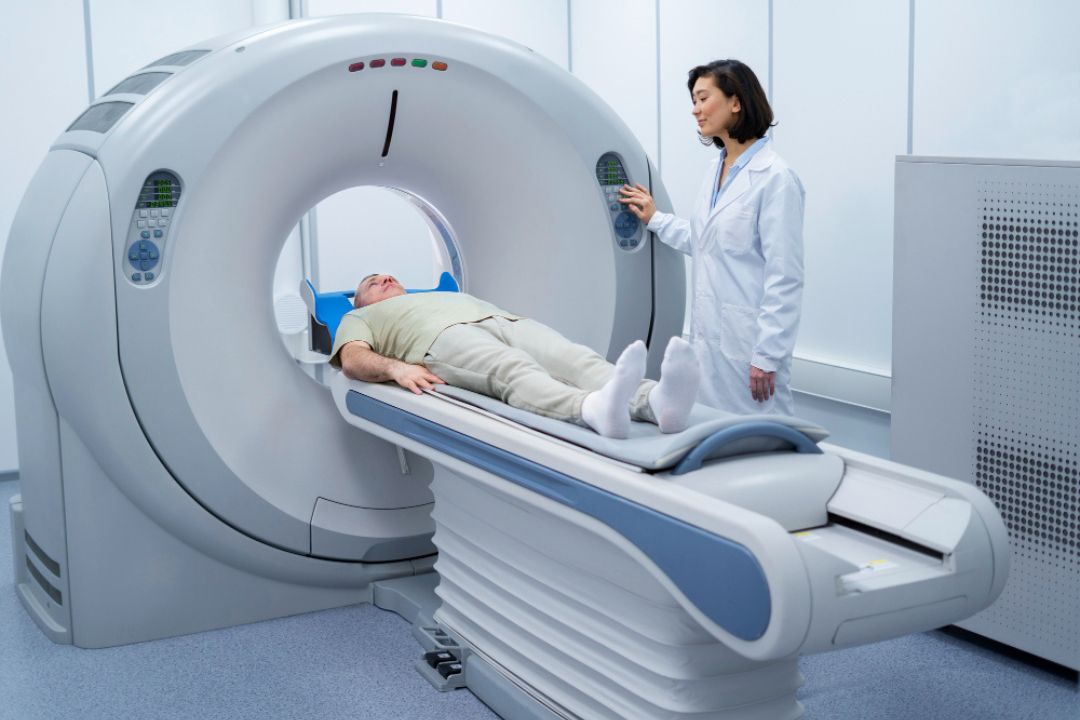
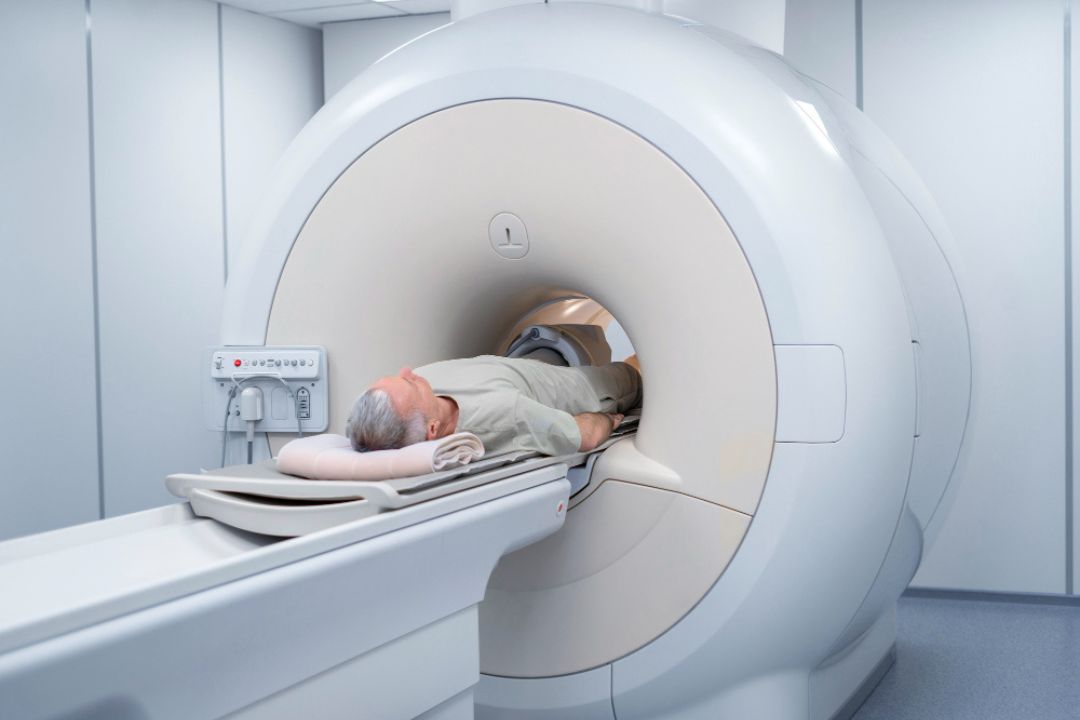
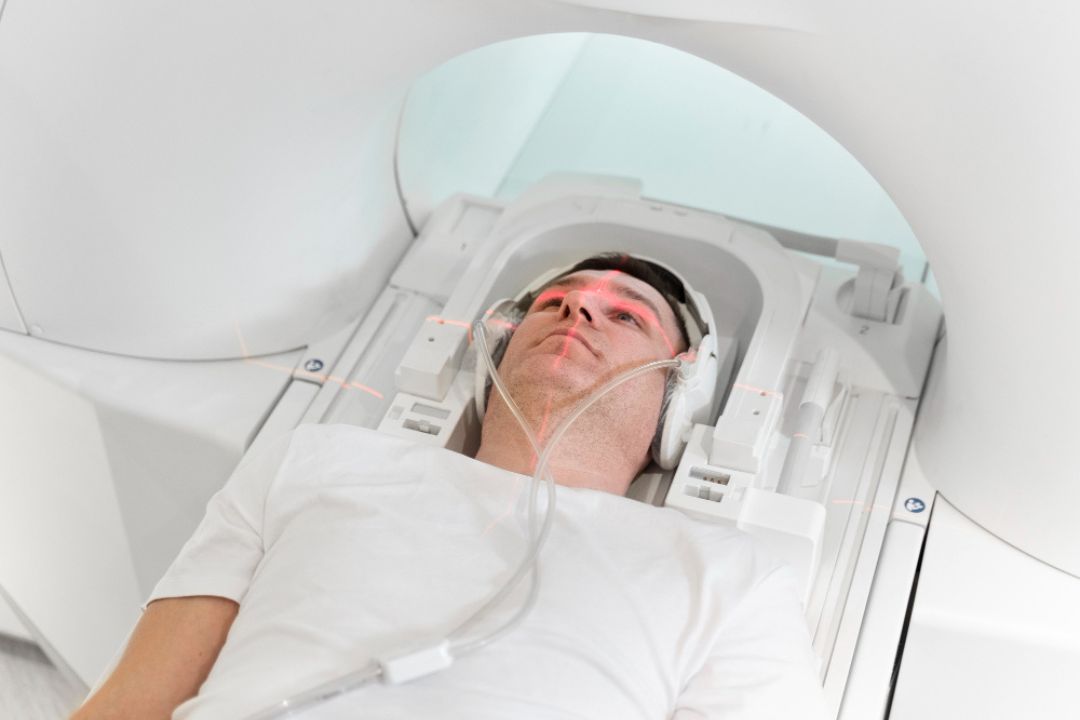
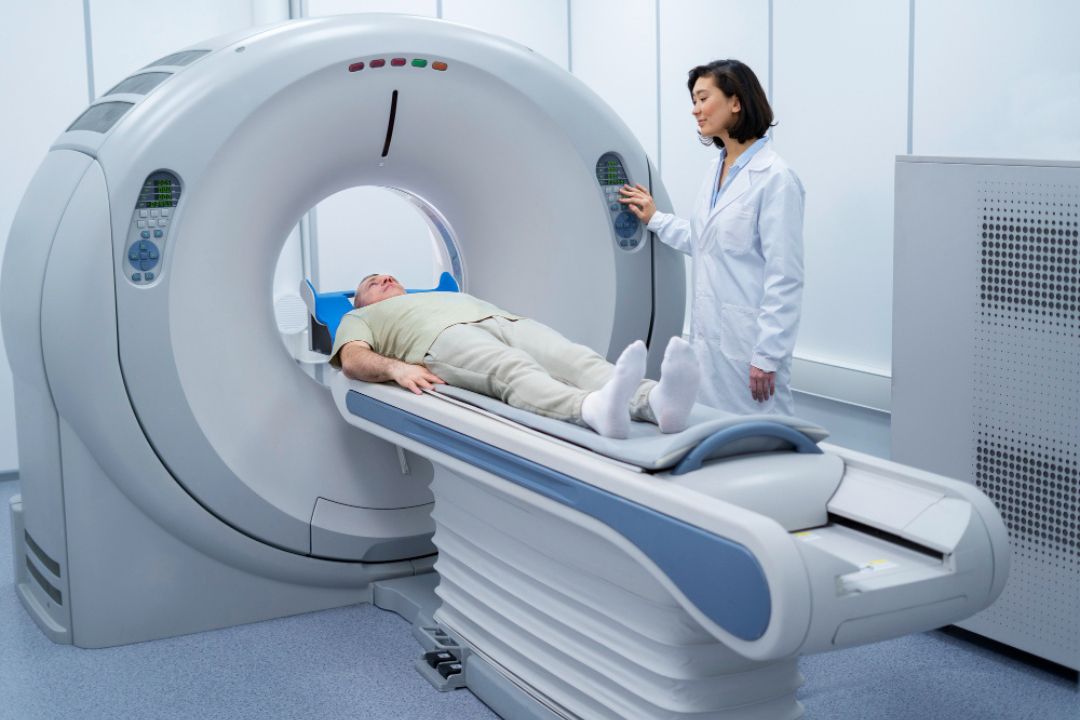
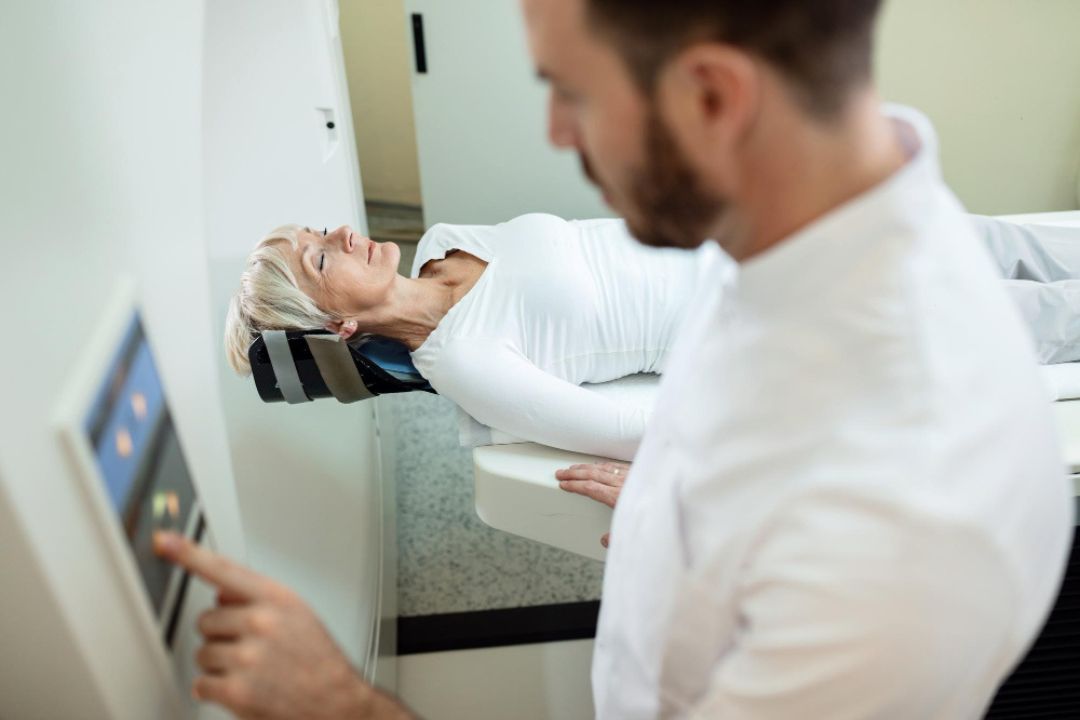
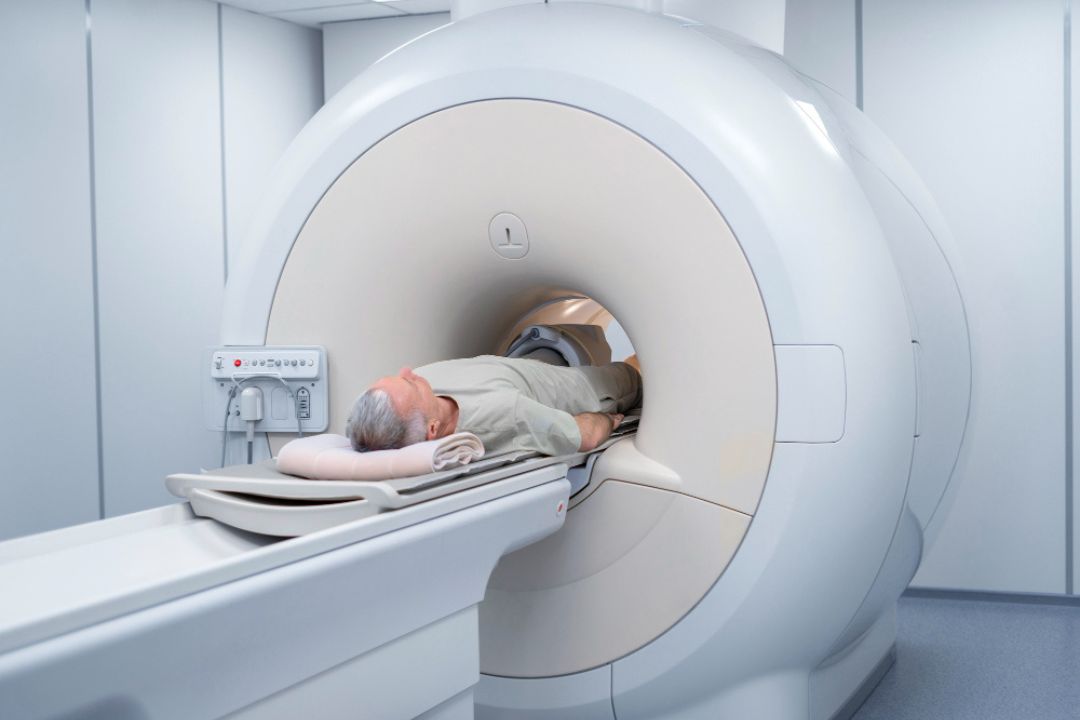
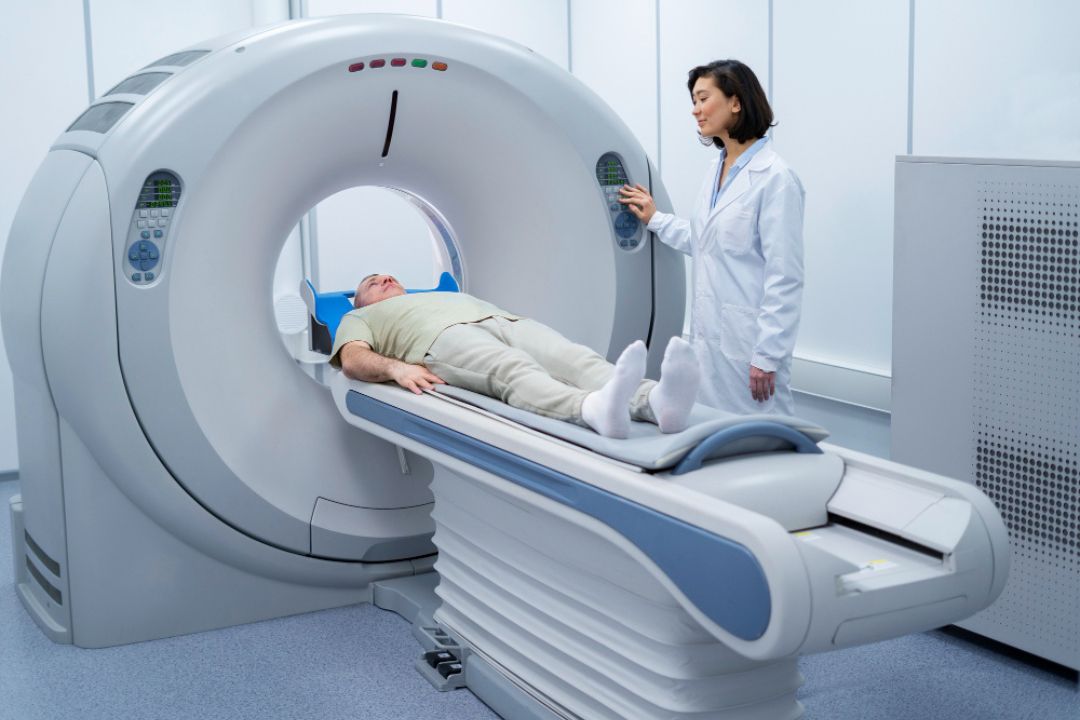
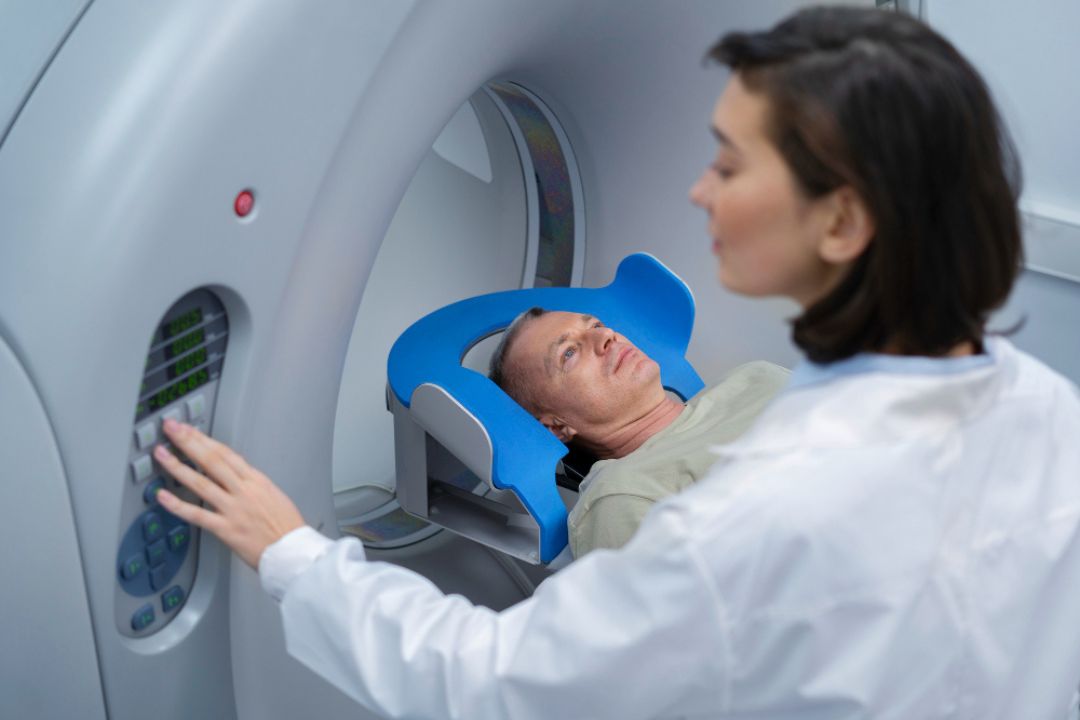
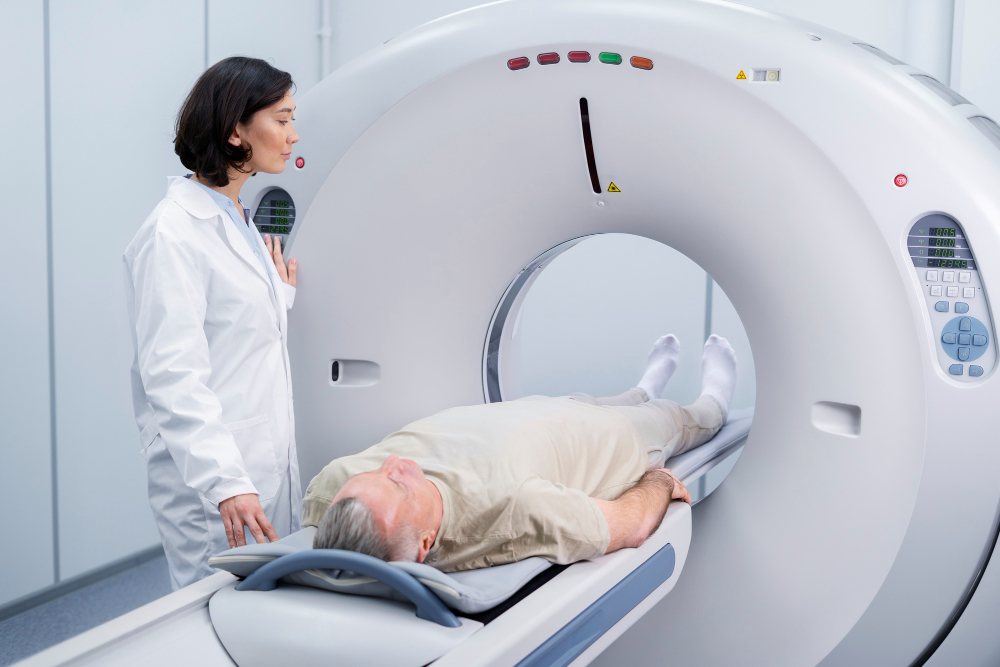
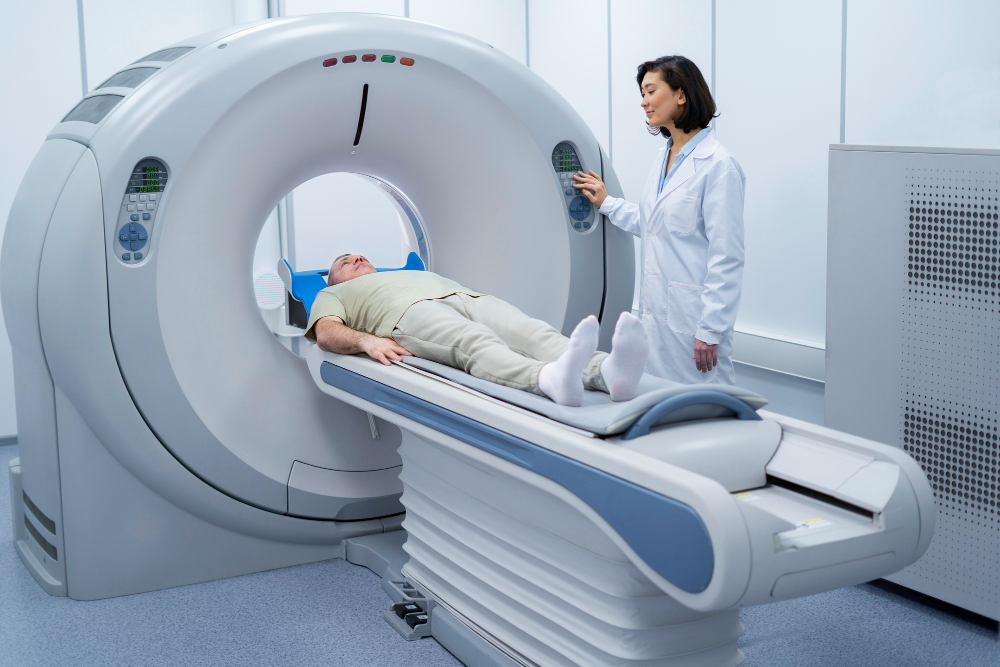
The patient lies on a motorized table connected to the CT scanner.
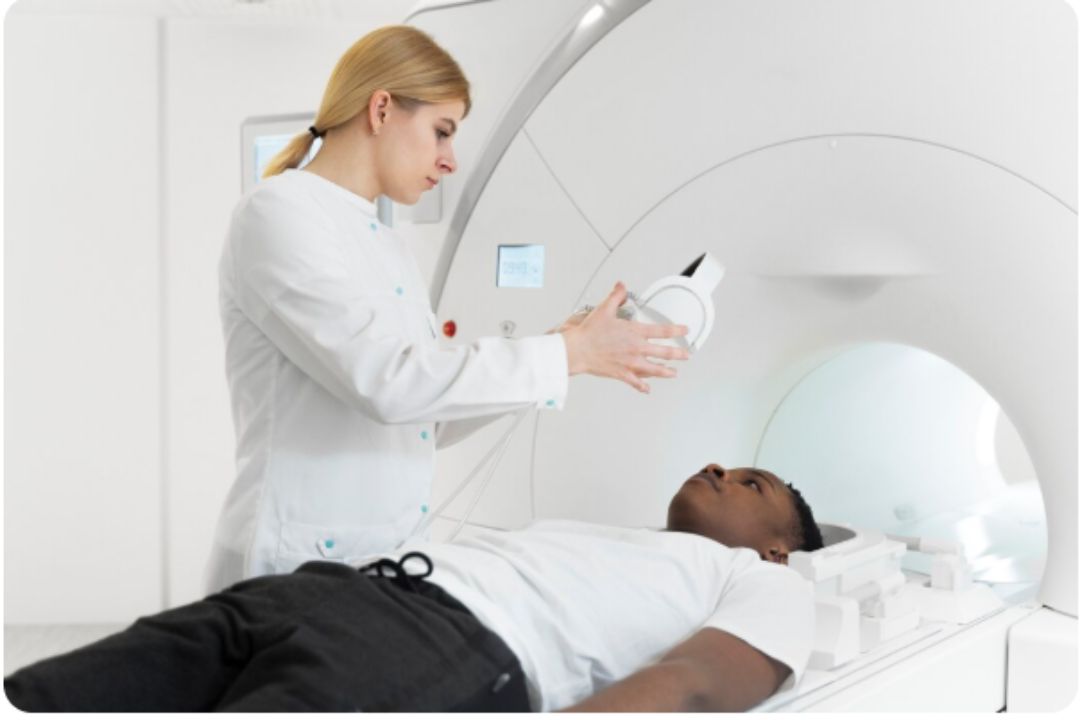
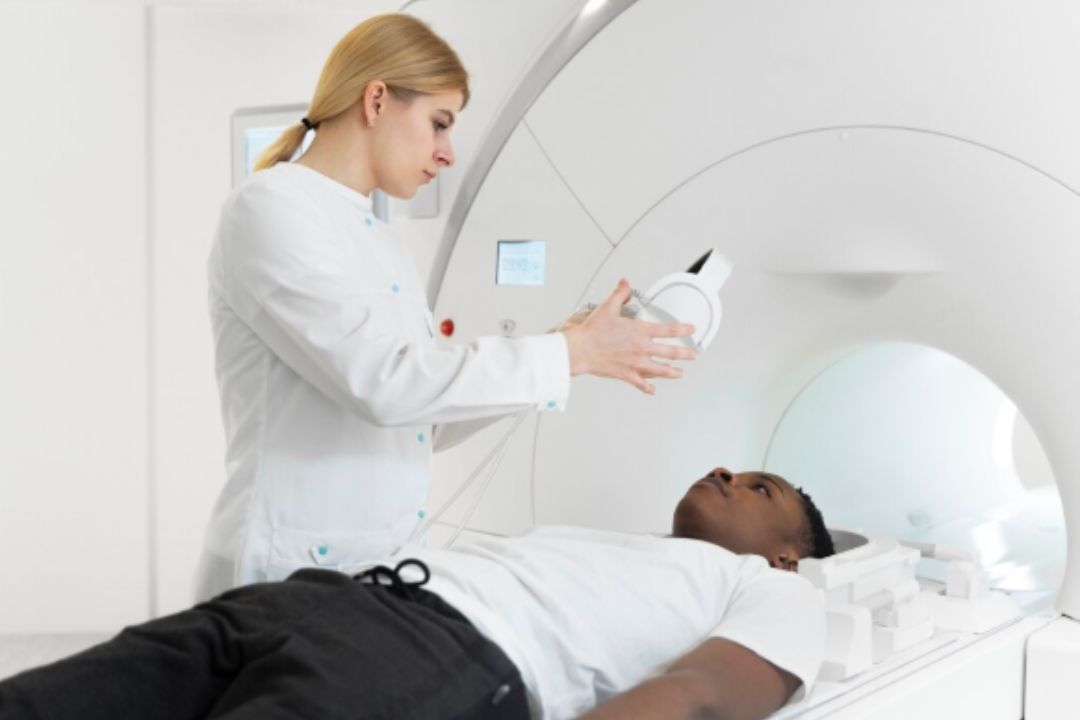
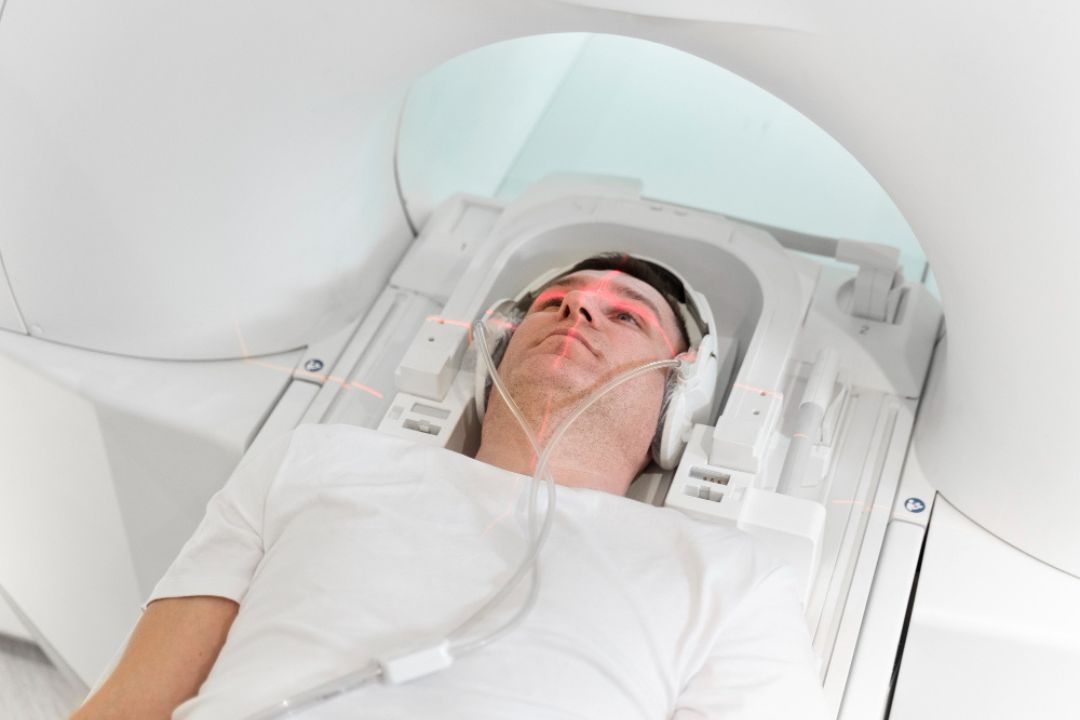
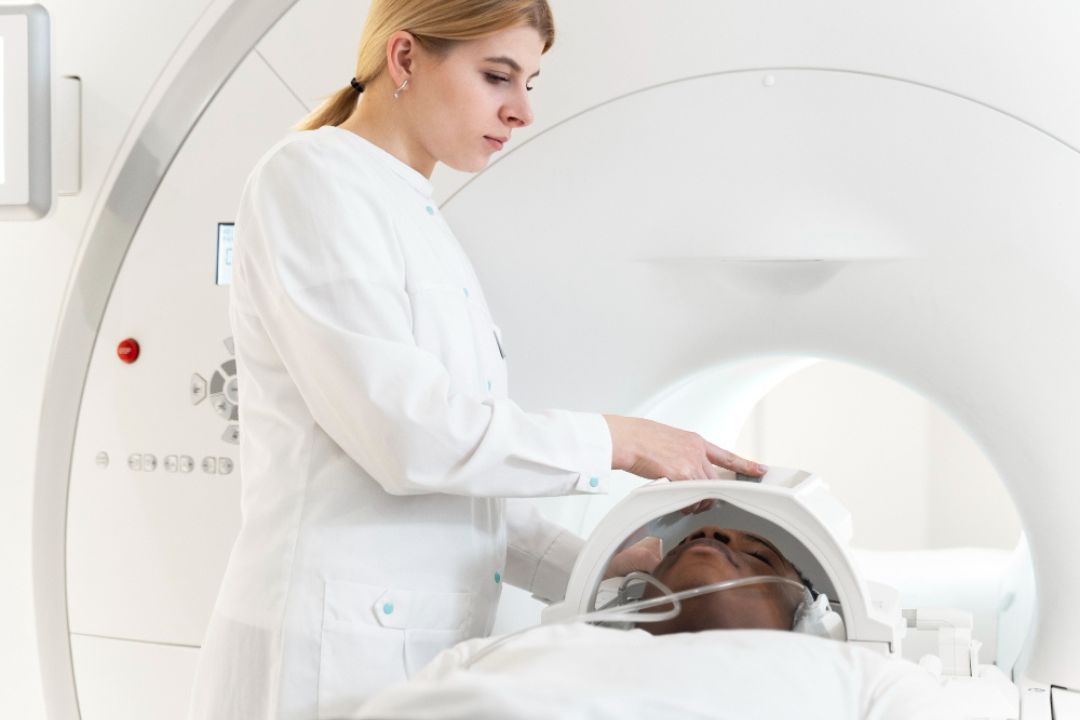
The head is positioned carefully to ensure accurate imaging.
The table moves slowly into the scanner while images are captured.
Patients may be asked to remain still during the scan.
If contrast is used, it may be injected through an IV line.
After the scan, patients can usually return to their normal activities.
CT brain scans offer several advantages in diagnosing neurological conditions.
Key benefits include:
Fast and accurate diagnosis
Detailed images of brain structures
Effective detection of bleeding and tumors
Useful in emergency situations such as stroke or head injury
Non-invasive and widely available
These advantages make CT scans an essential tool in modern medical diagnostics.
CT scans involve a small amount of radiation, but they are generally considered safe when used appropriately. Medical professionals ensure that the benefits of the scan outweigh any potential risks.
Patients should inform their doctor if they:
Are pregnant
Have allergies to contrast dye
Have kidney problems
Doctors take necessary precautions to ensure patient safety.
A CT Brain Scan is a powerful diagnostic imaging test that helps detect serious neurological conditions such as strokes, tumors, brain bleeding, and head injuries. By providing fast and detailed images of the brain, it enables doctors to diagnose problems quickly and begin timely treatment.
If you experience persistent headaches, sudden neurological symptoms, or have suffered a head injury, a CT brain scan may be recommended to ensure accurate diagnosis and proper medical care.









.jpg "ct brain scan plain and contrast")













.jpg "ct scan")

.jpg "ct scan or mri for brain disorders")


.jpg "exploring the power of ct brain contrast in modern diagnostics")
.jpg "ct scan")
.jpg "ct scan")







.jpg "ct scan")

.jpg "The Future of 3D CT Imaging")