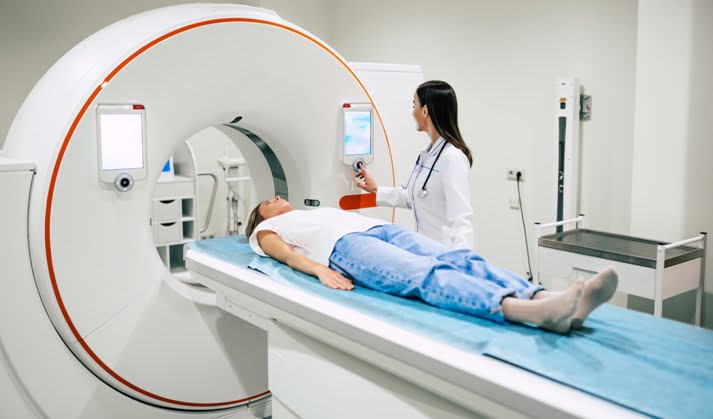
Ankle pain or injury can significantly affect mobility and daily activities. When doctors need detailed images of the ankle bones and surrounding structures, they may recommend a CT Ankle Scan. This advanced imaging technique helps diagnose various conditions such as fractures, arthritis, and ligament injuries with high accuracy.
A CT scan provides clearer and more detailed images than standard X-rays, allowing doctors to identify complex ankle problems and plan appropriate treatment.
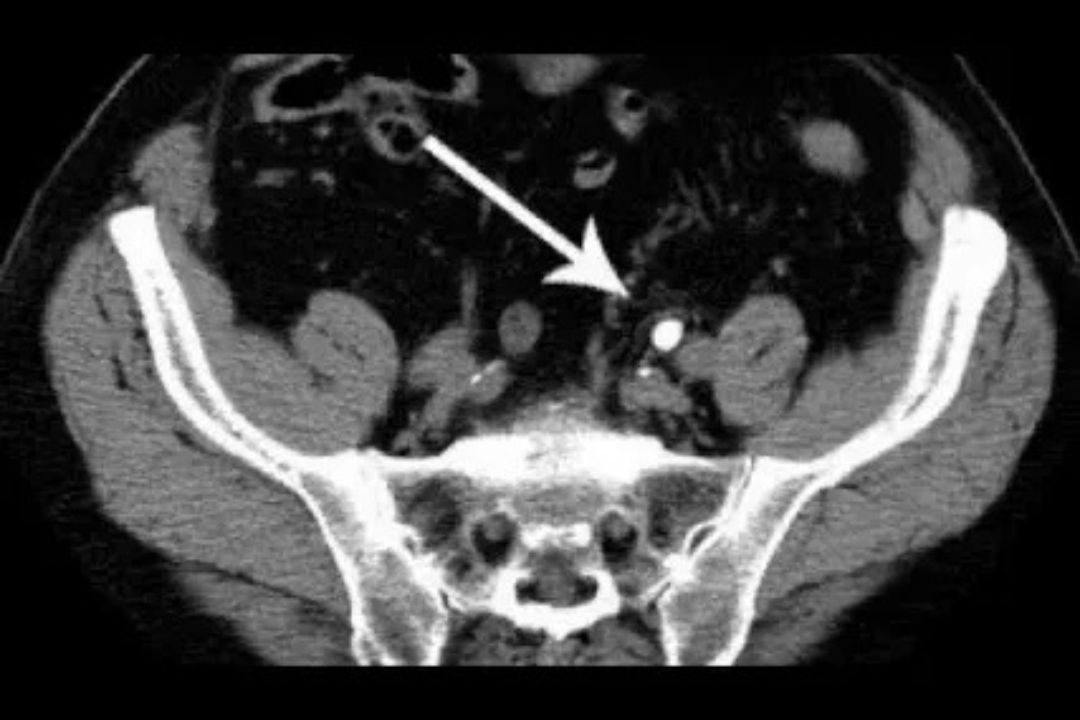
A CT Ankle Scan (Computed Tomography scan of the ankle) is a medical imaging procedure that uses X-ray technology and computer processing to create detailed cross-sectional images of the ankle joint.
The scan allows doctors to examine:
Ankle bones
Joint structure
Ligaments and surrounding tissues
Cartilage and joint space
Because it produces highly detailed images, a CT scan is often recommended when traditional X-rays cannot clearly show the injury.
CT scans are highly effective at detecting complex or small fractures that may not be visible on standard X-rays. They also help doctors evaluate the exact position and severity of the fracture.
A CT ankle scan can reveal joint damage caused by arthritis, including bone changes, joint space narrowing, and inflammation. This helps doctors determine the stage of the condition and plan treatment.
Ligaments help stabilize the ankle joint. CT imaging can assist in identifying ligament damage or tears, especially when combined with other imaging techniques.
CT scans can detect bone infections, cysts, tumors, and structural abnormalities affecting the ankle joint.
After an injury or surgery, doctors may use CT scans to evaluate healing and ensure the bones are properly aligned.
Doctors may suggest a CT ankle scan if a patient experiences symptoms such as:
Severe ankle pain
Swelling or inflammation
Difficulty walking or bearing weight
Suspected fracture after injury
Chronic ankle instability
Limited ankle movement
The scan helps doctors accurately diagnose the problem and determine the best treatment plan.
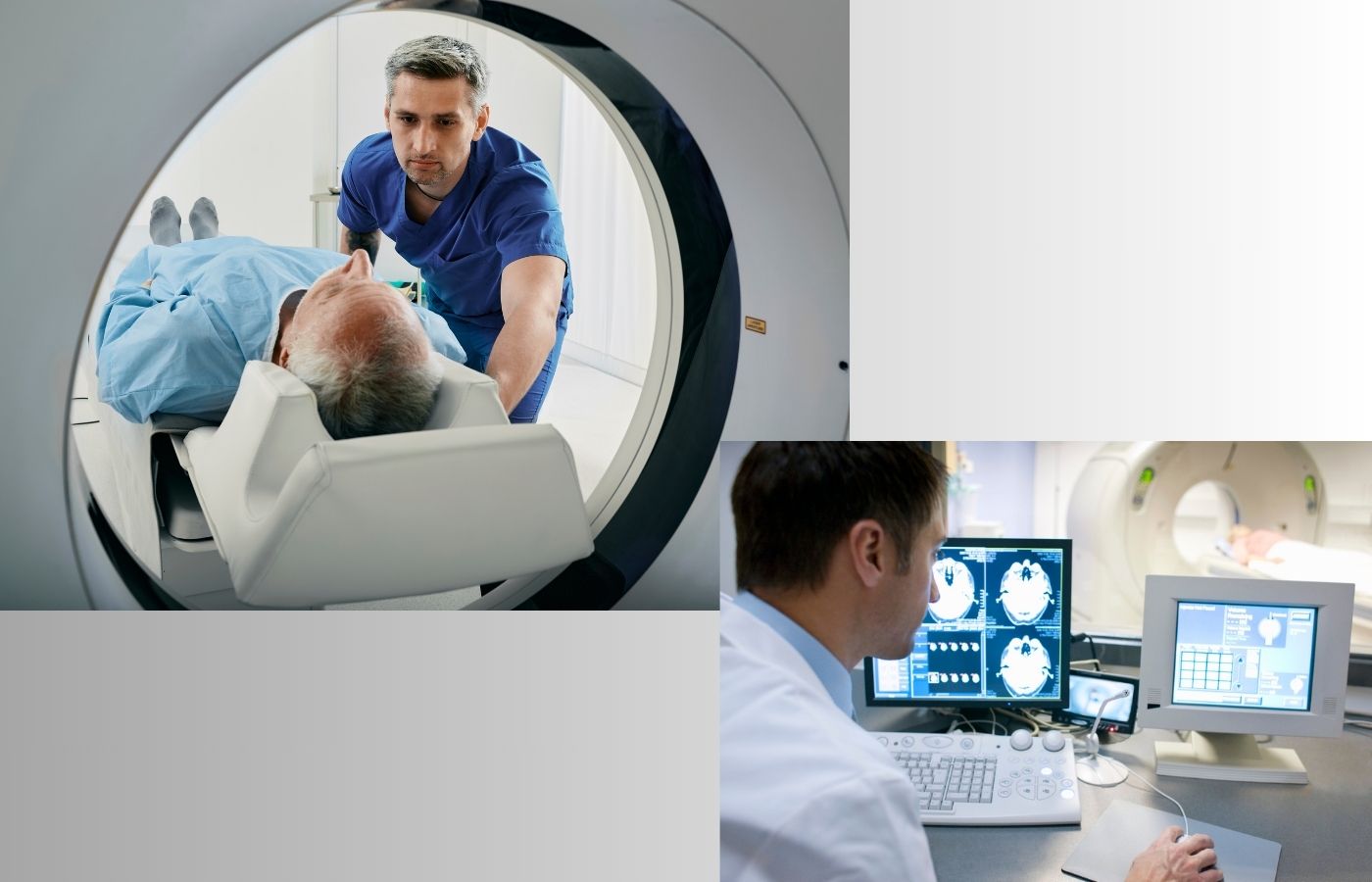
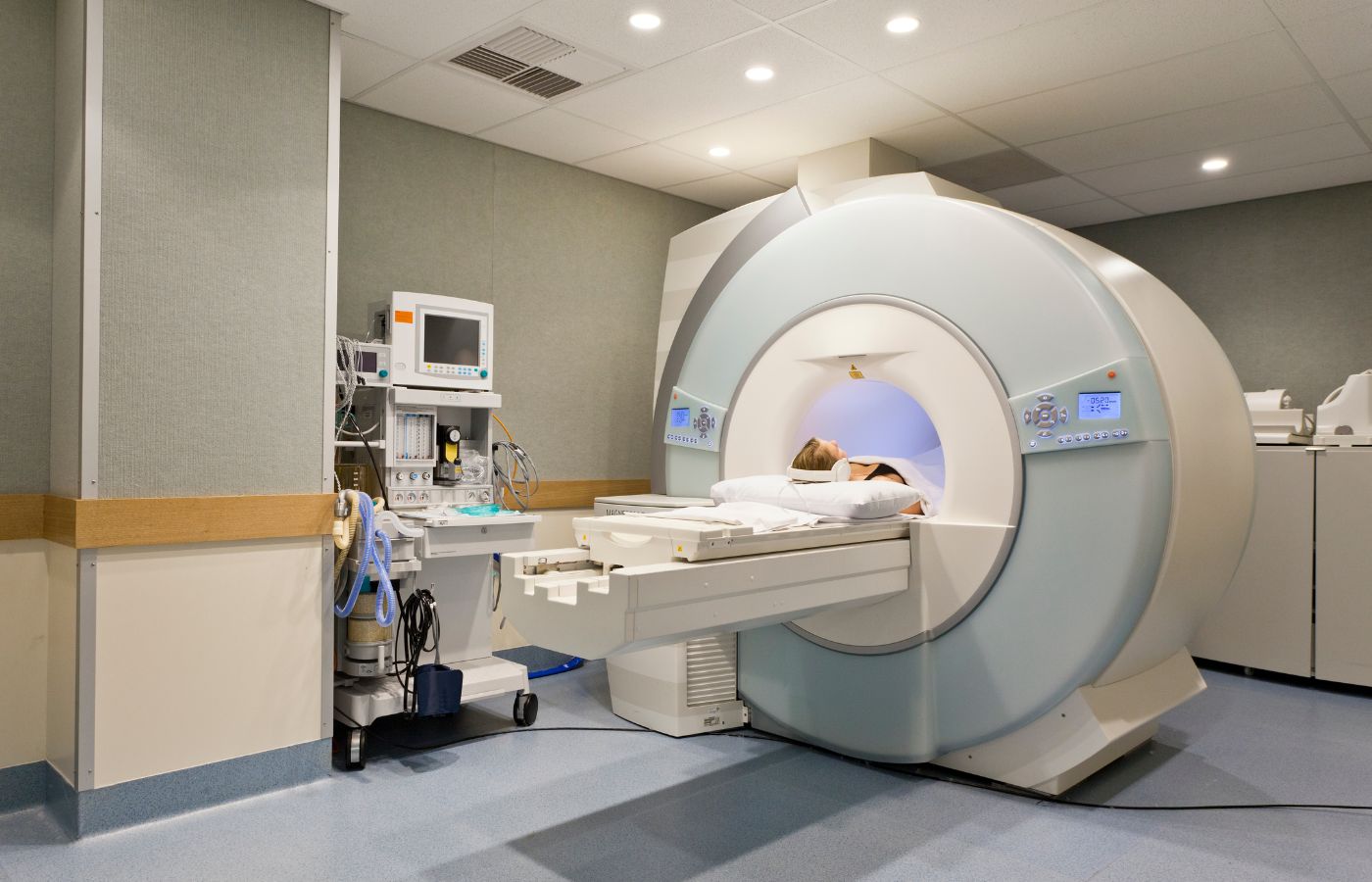
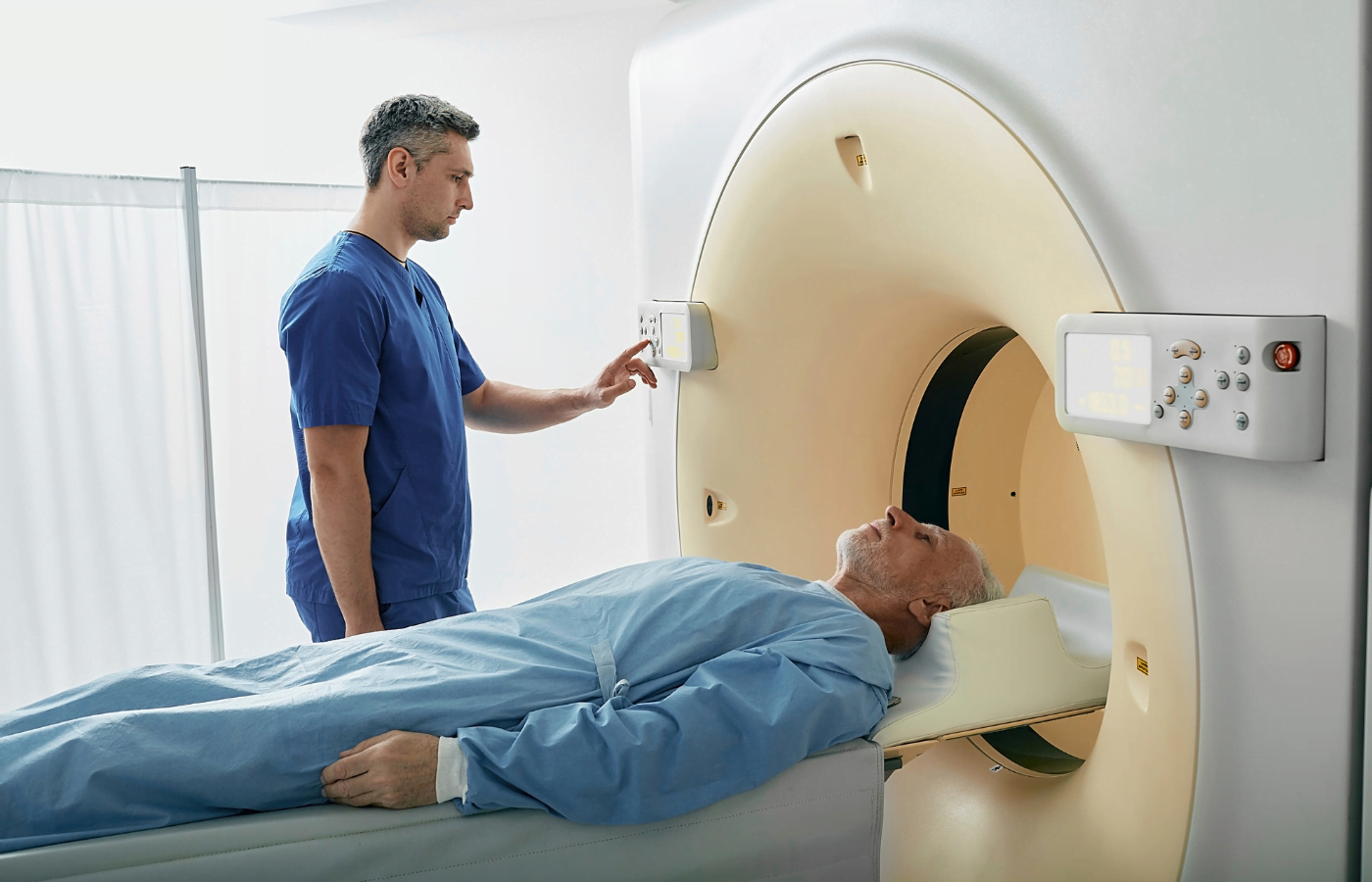
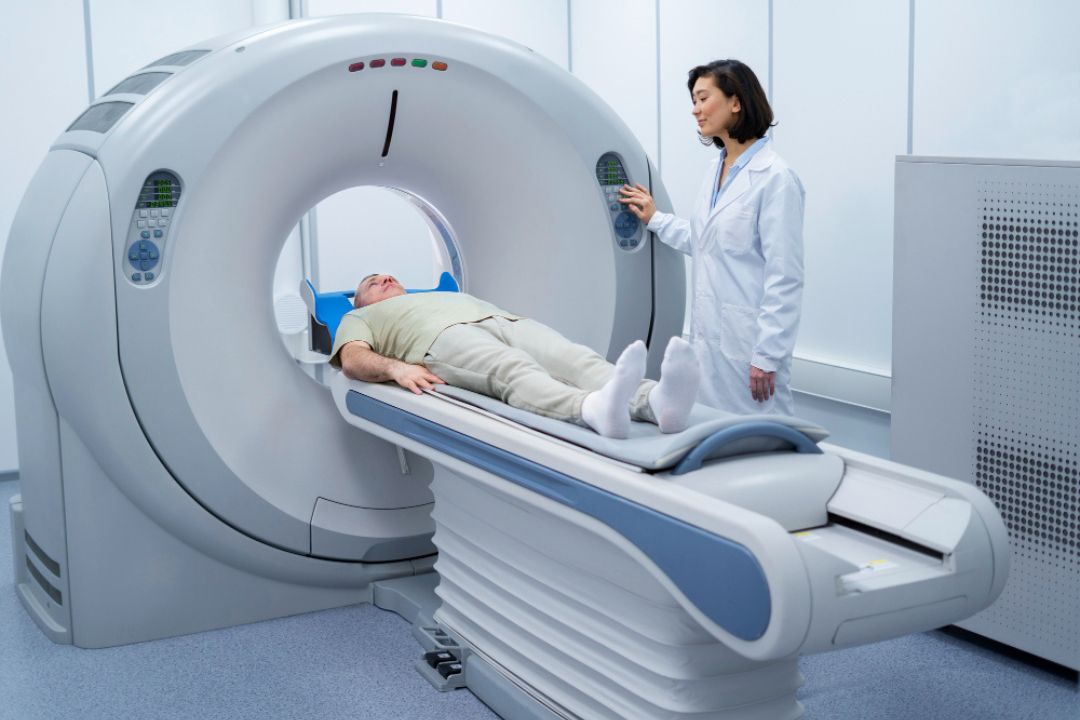
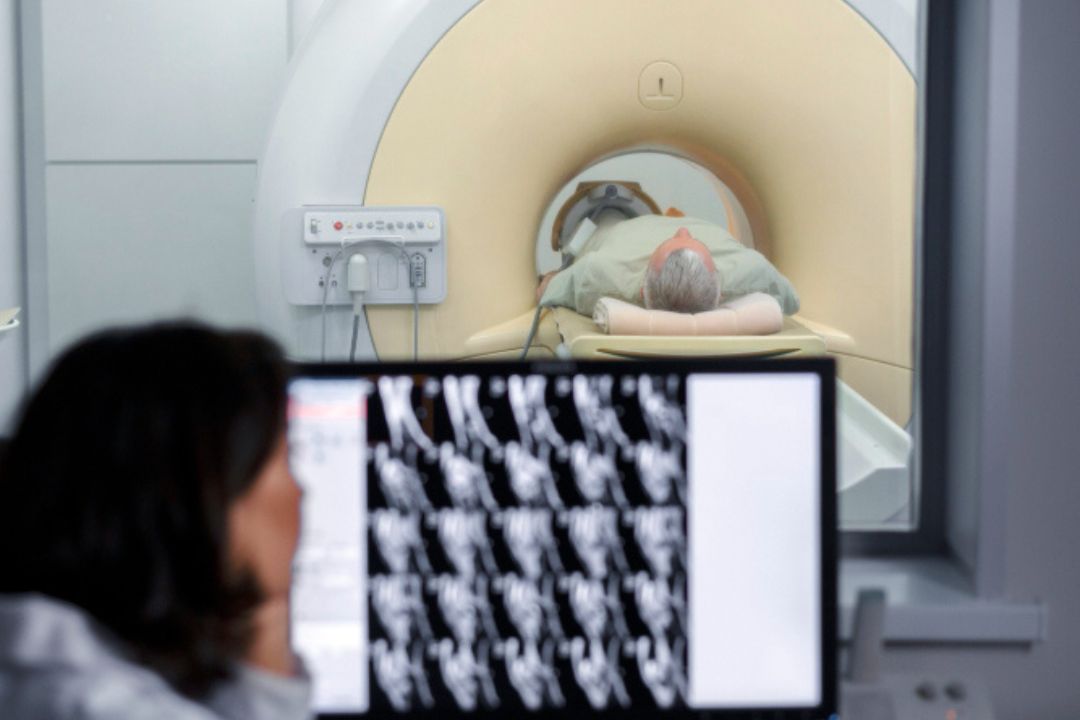
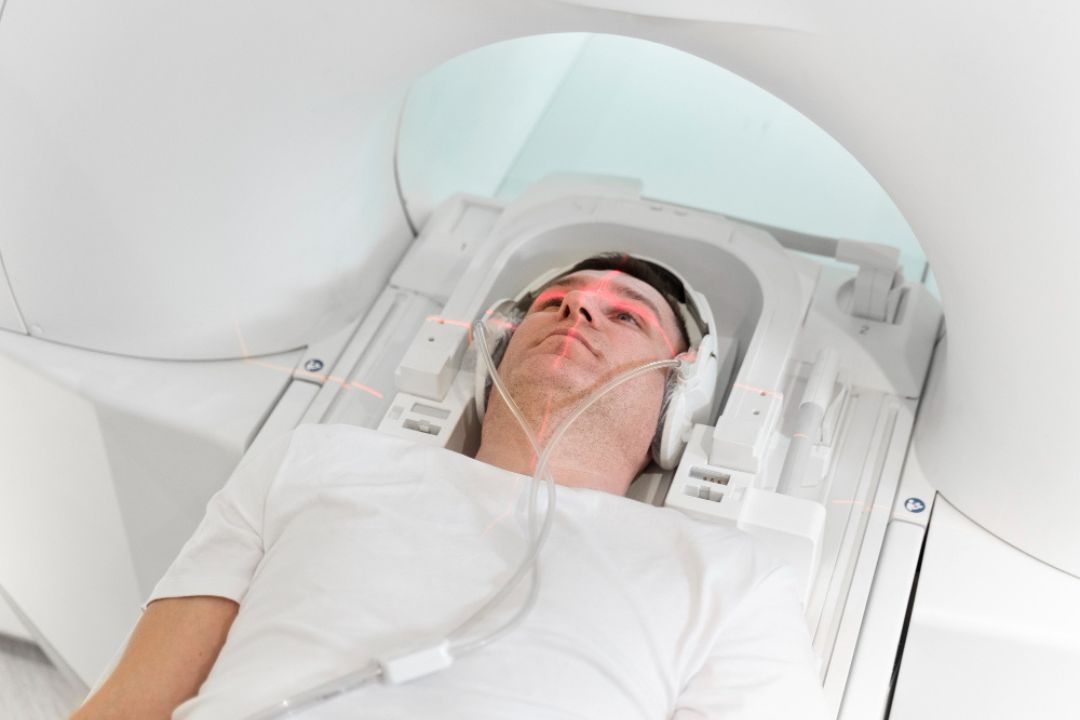
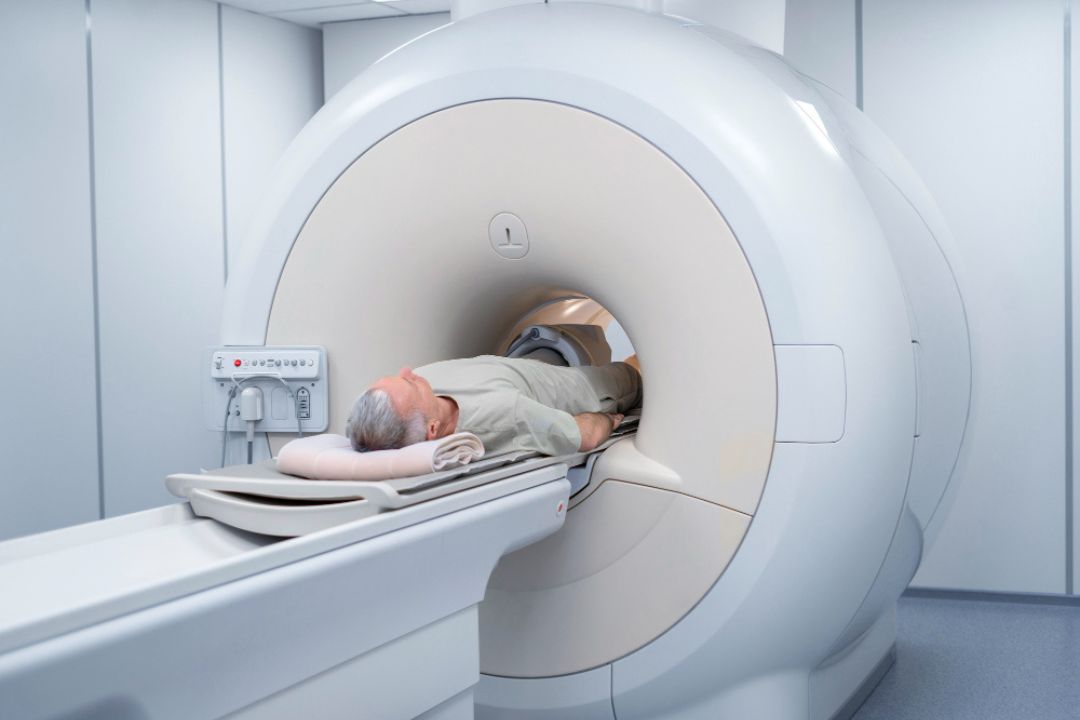
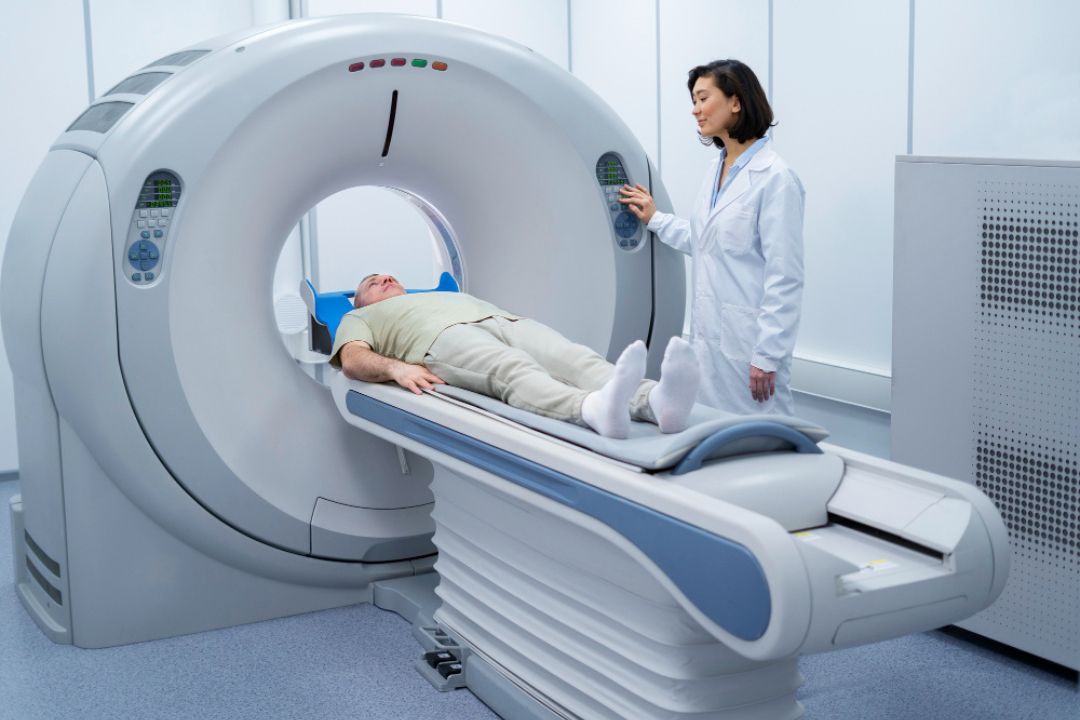
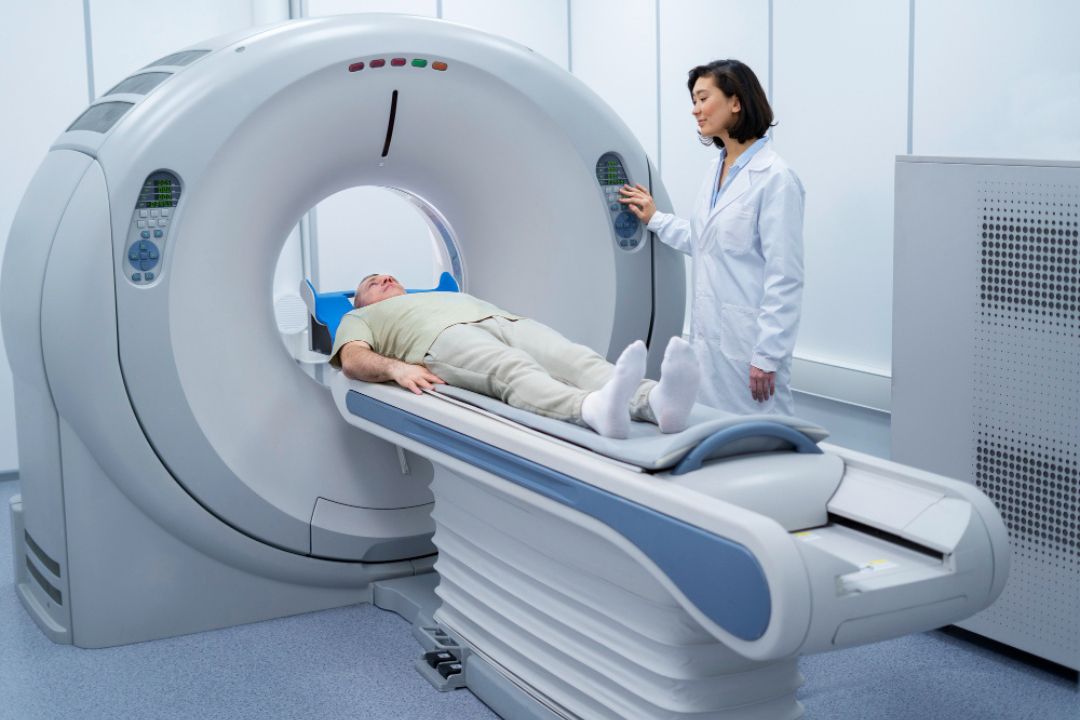
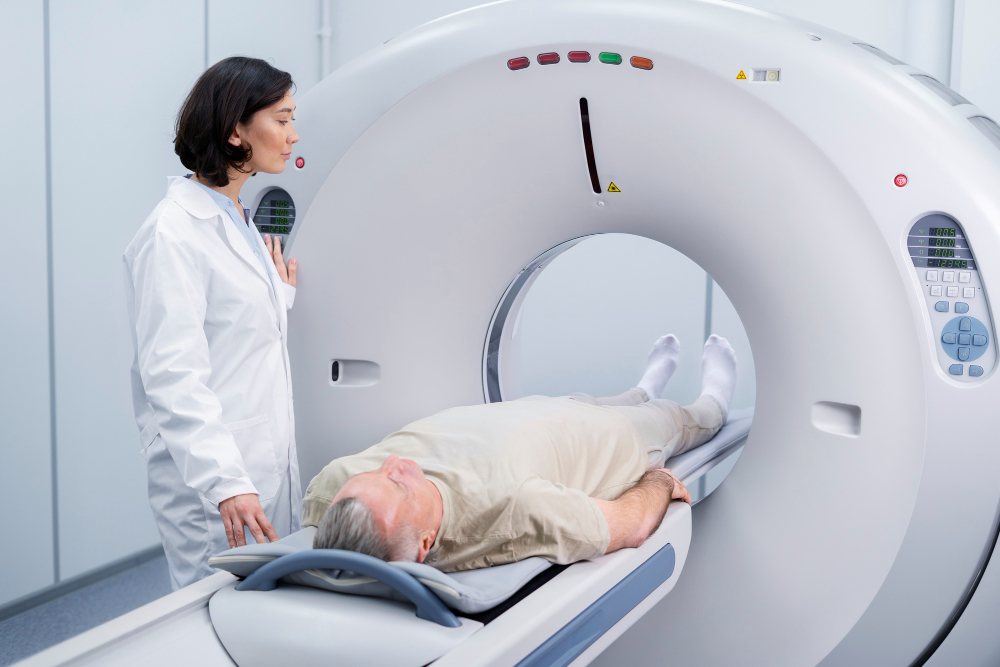
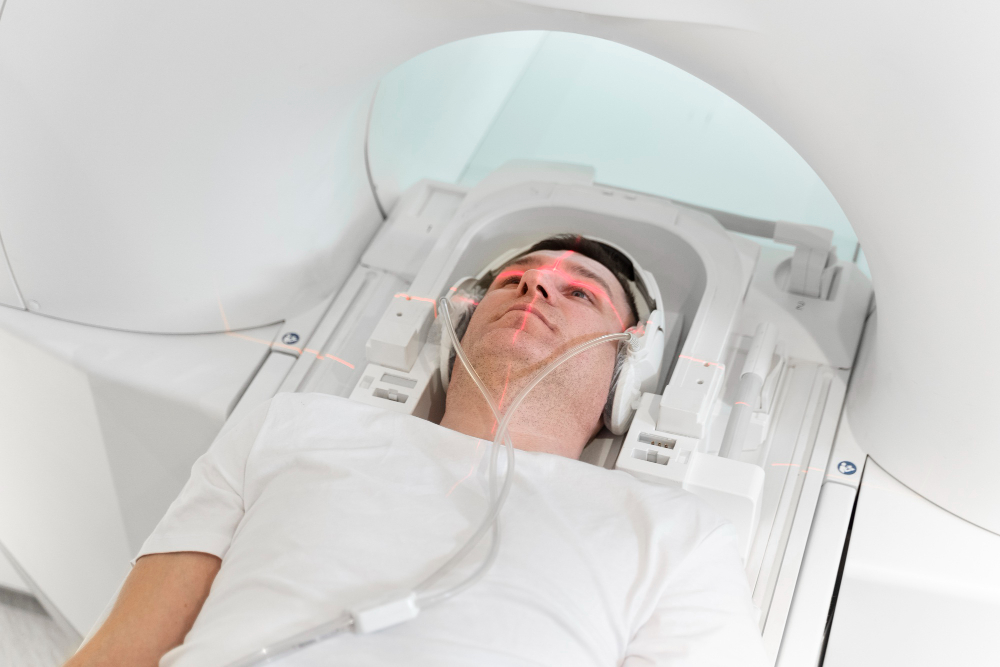
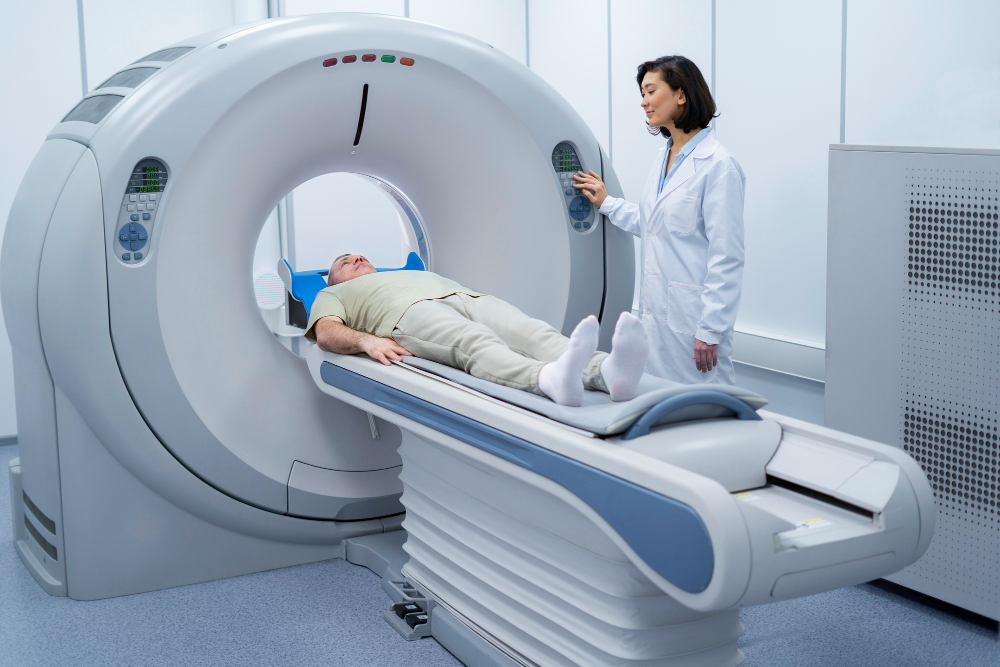
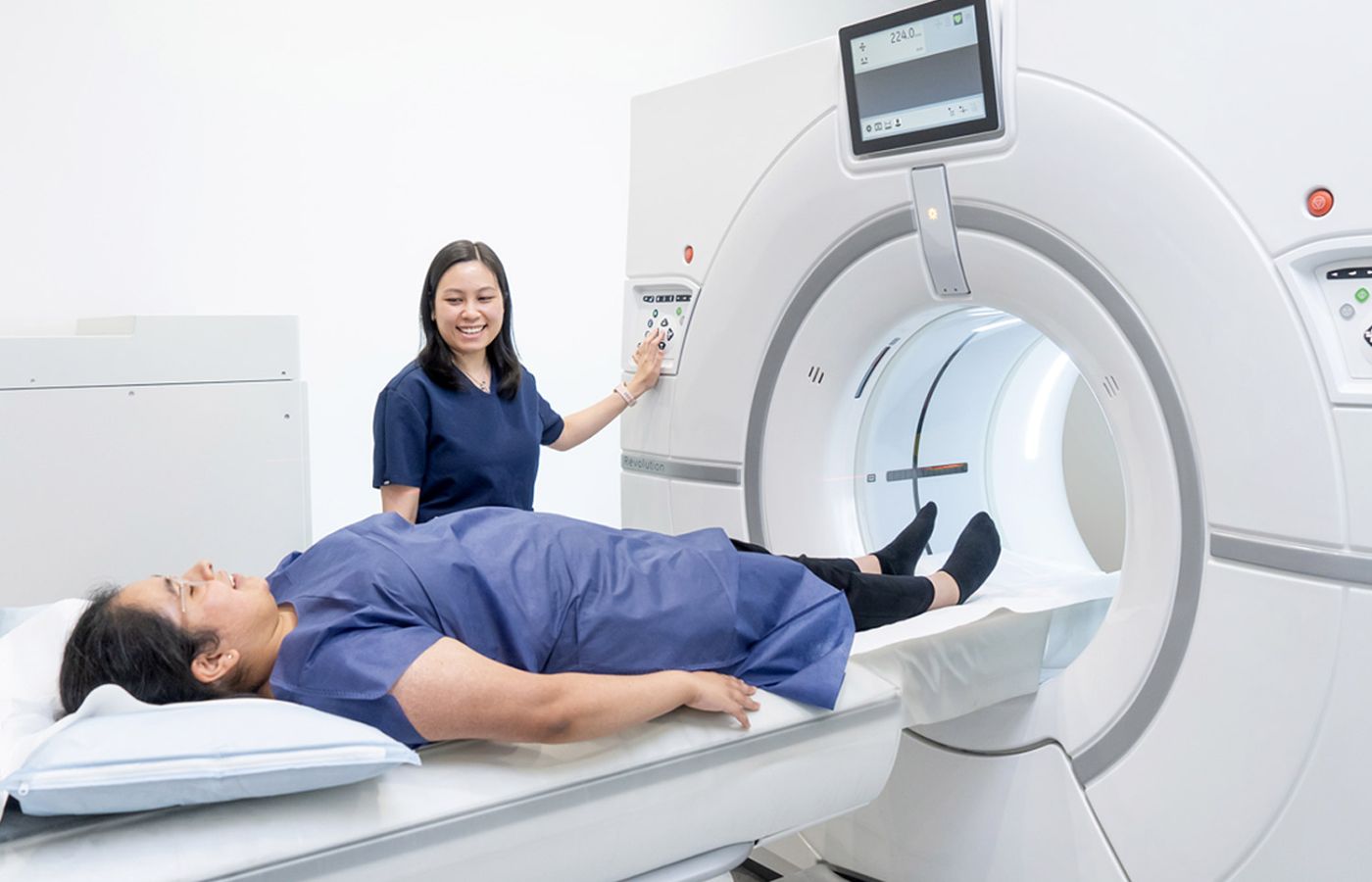
A CT ankle scan is a quick and painless procedure.
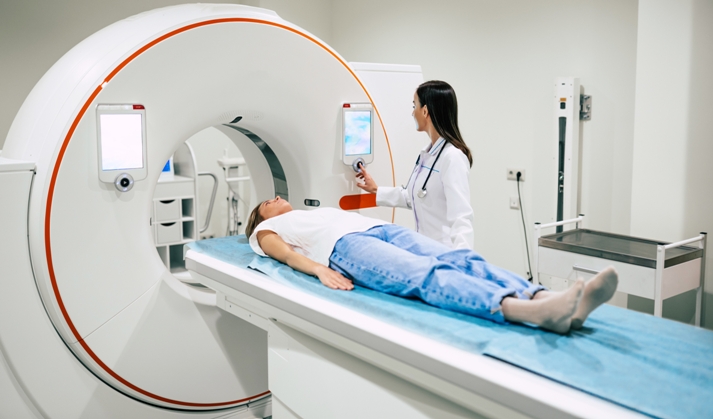
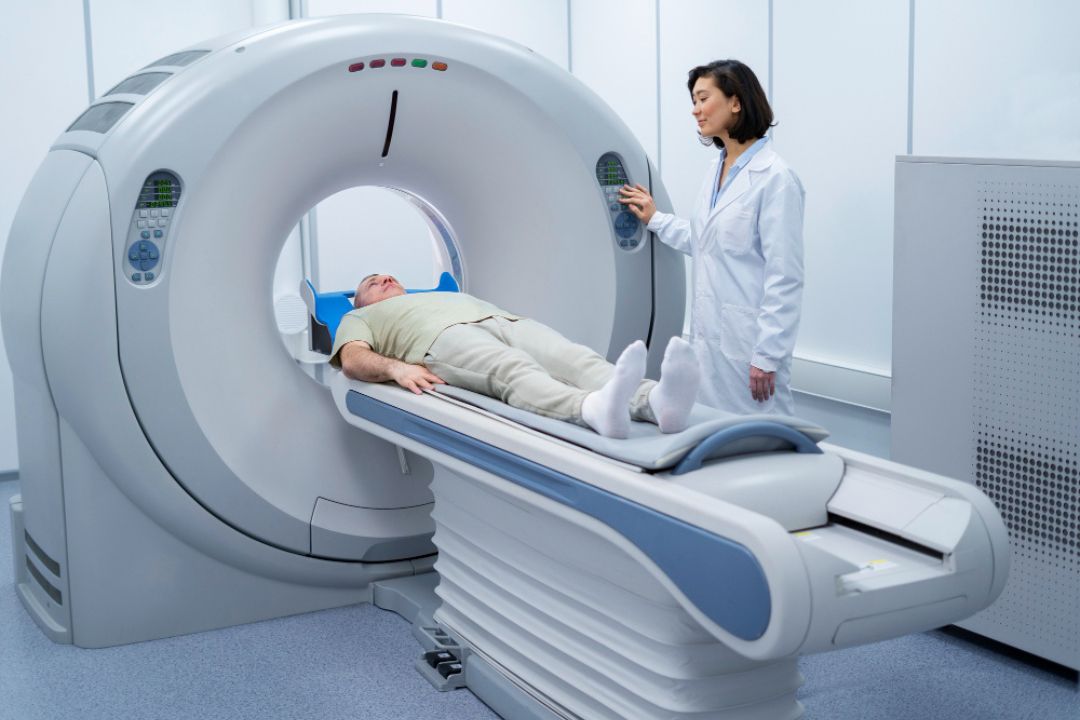
The patient lies on a scanning table.
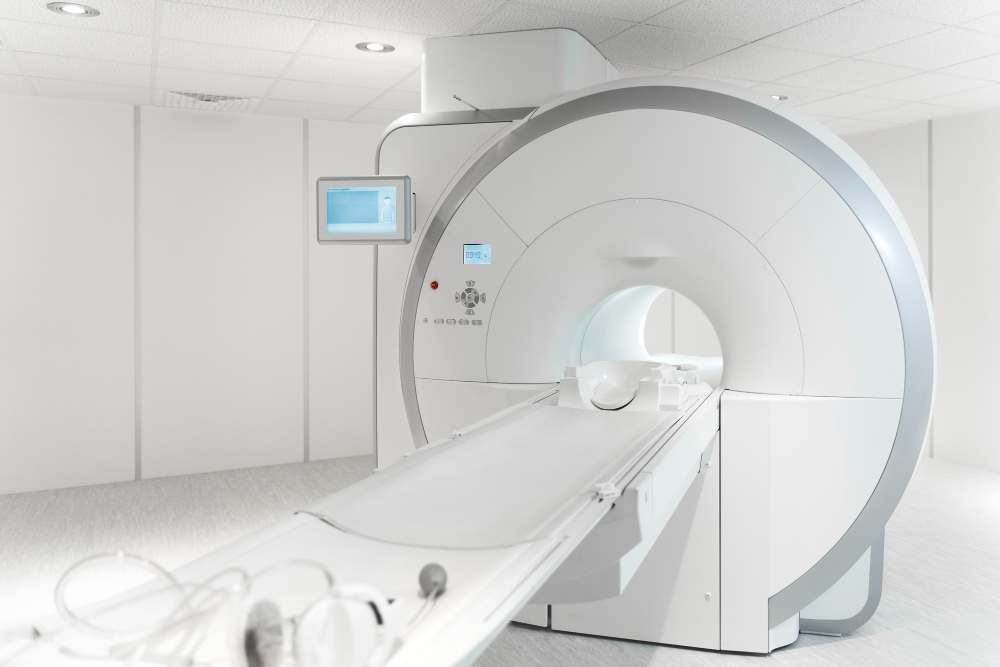
The ankle is positioned inside the CT scanner.
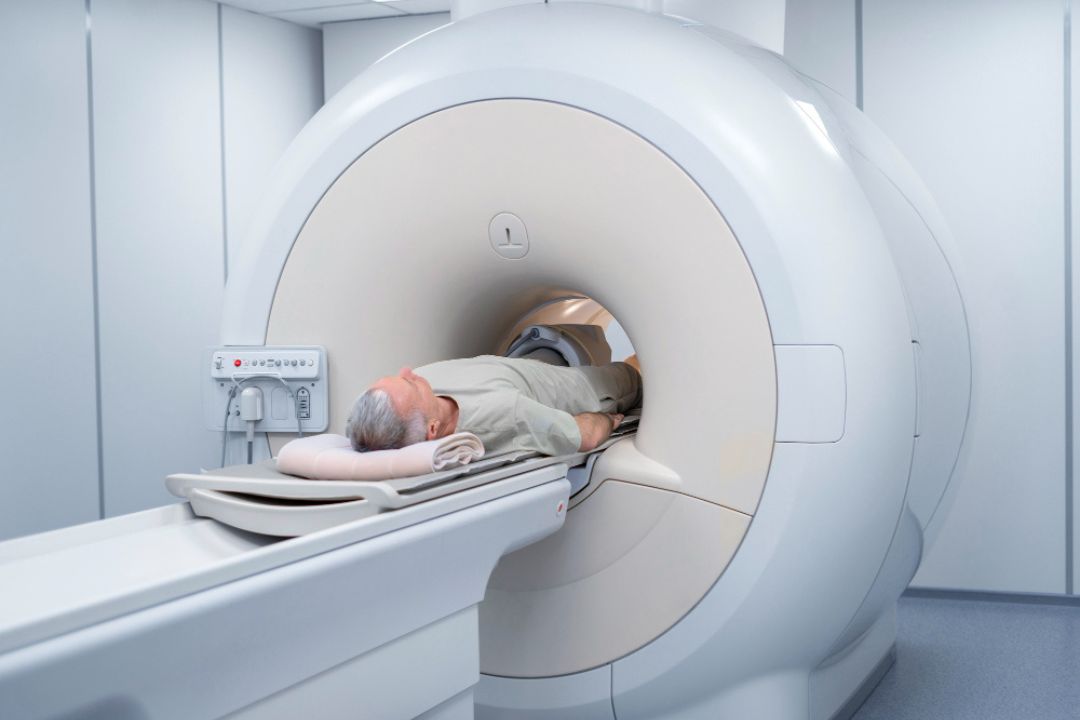
The machine rotates around the ankle to capture multiple images.
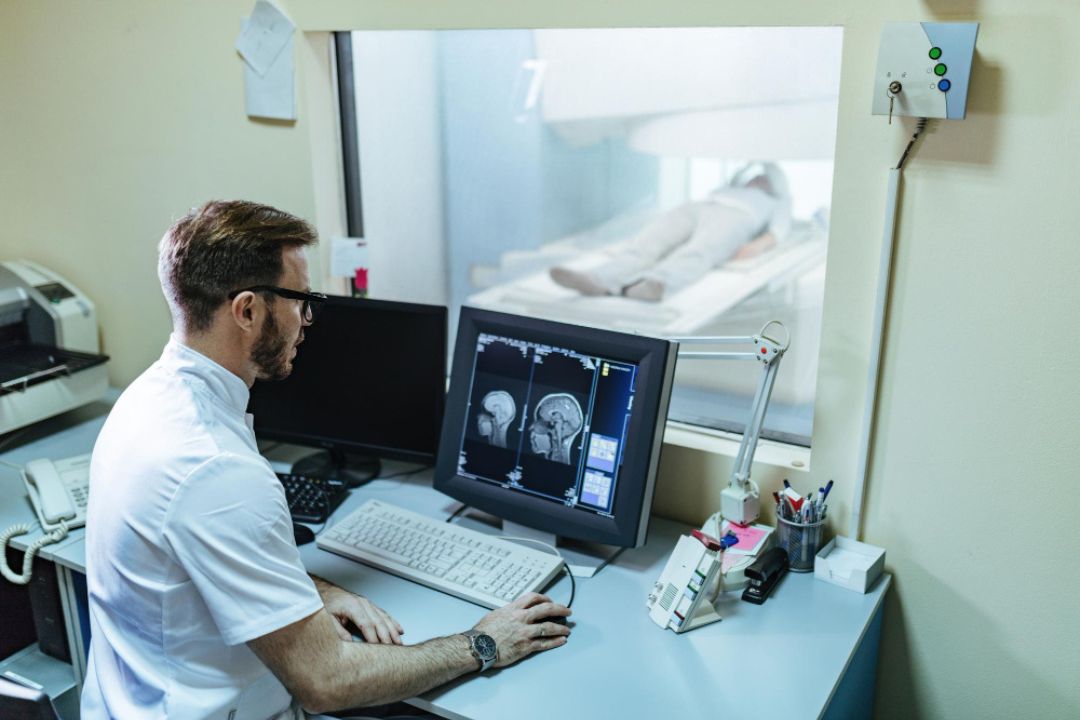
A computer processes these images to create detailed cross-sectional views.
The entire scan usually takes 10 to 15 minutes.
CT ankle scans offer several advantages in medical diagnosis.
Highly detailed images of bones and joints
Accurate detection of small or complex fractures
Faster diagnosis and treatment planning
Non-invasive and painless procedure
Helpful for surgical planning if required
Because of these benefits, CT scans are widely used in orthopedic and sports injury diagnosis.
CT scans use a small amount of radiation, but modern CT technology is designed to minimize radiation exposure while maintaining high image quality.
Doctors recommend CT scans only when necessary for accurate diagnosis, ensuring that the benefits outweigh the minimal risks.
A CT Ankle Scan is a powerful diagnostic tool that helps doctors detect fractures, arthritis, ligament injuries, and other ankle conditions with precision. By providing highly detailed images of the ankle joint, CT scans enable faster diagnosis and more effective treatment planning.
If you experience persistent ankle pain or injury, your doctor may recommend a CT ankle scan to identify the underlying problem and guide the right treatment approach.


















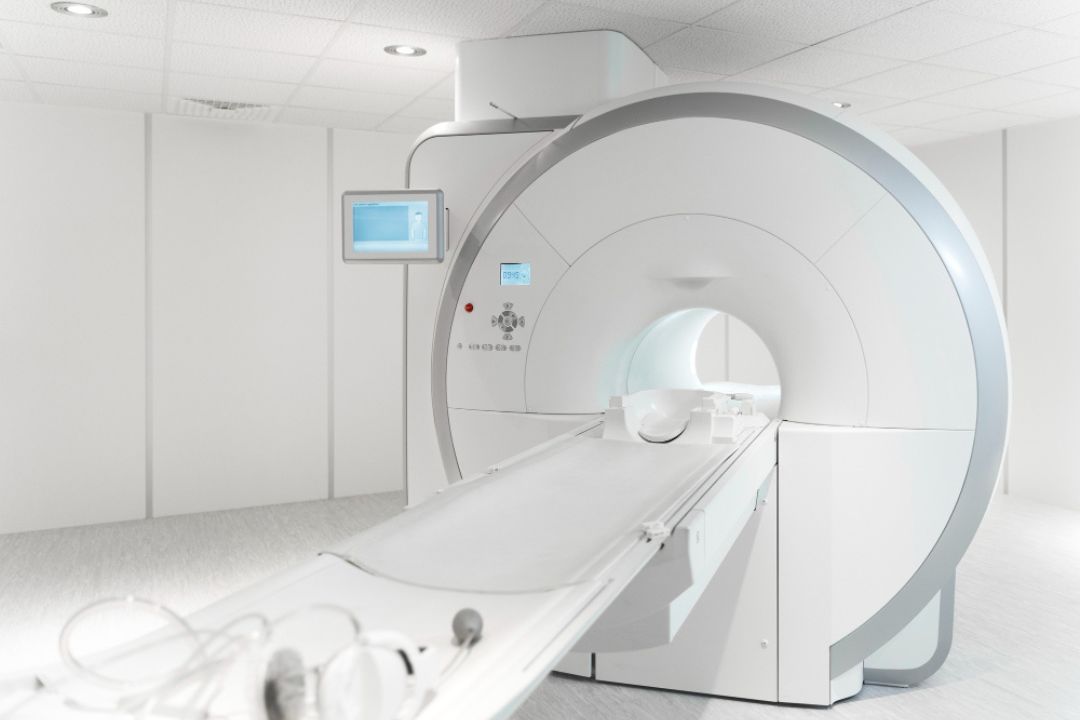



.jpg "ct brain scan plain and contrast")





















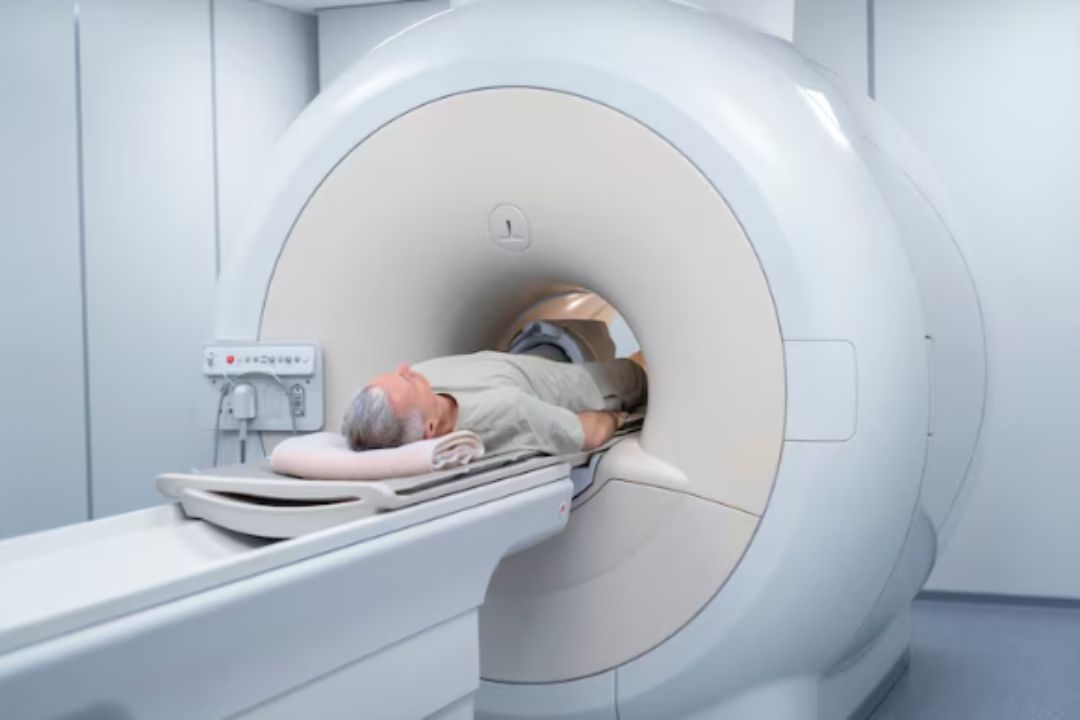












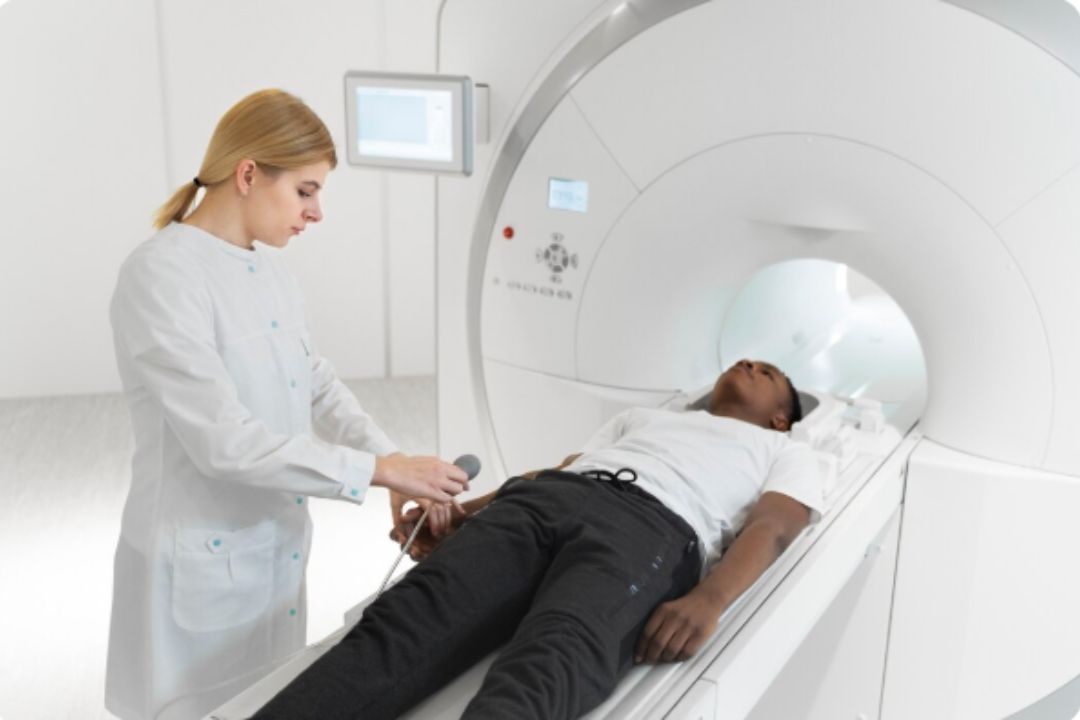












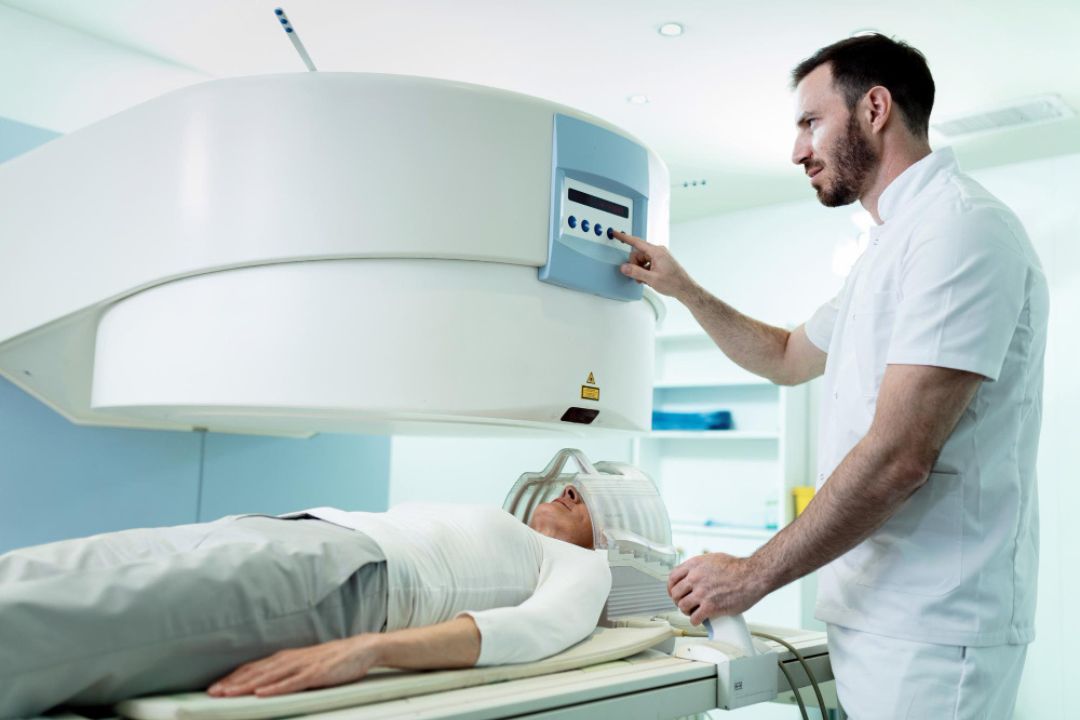
.jpg "ct scan")

.jpg "ct scan or mri for brain disorders")


.jpg "exploring the power of ct brain contrast in modern diagnostics")
.jpg "ct scan")


.jpg "ct scan")

















.jpg "ct scan")

.jpg "CT Brain Scan for Headaches")

.jpg "The Future of 3D CT Imaging")