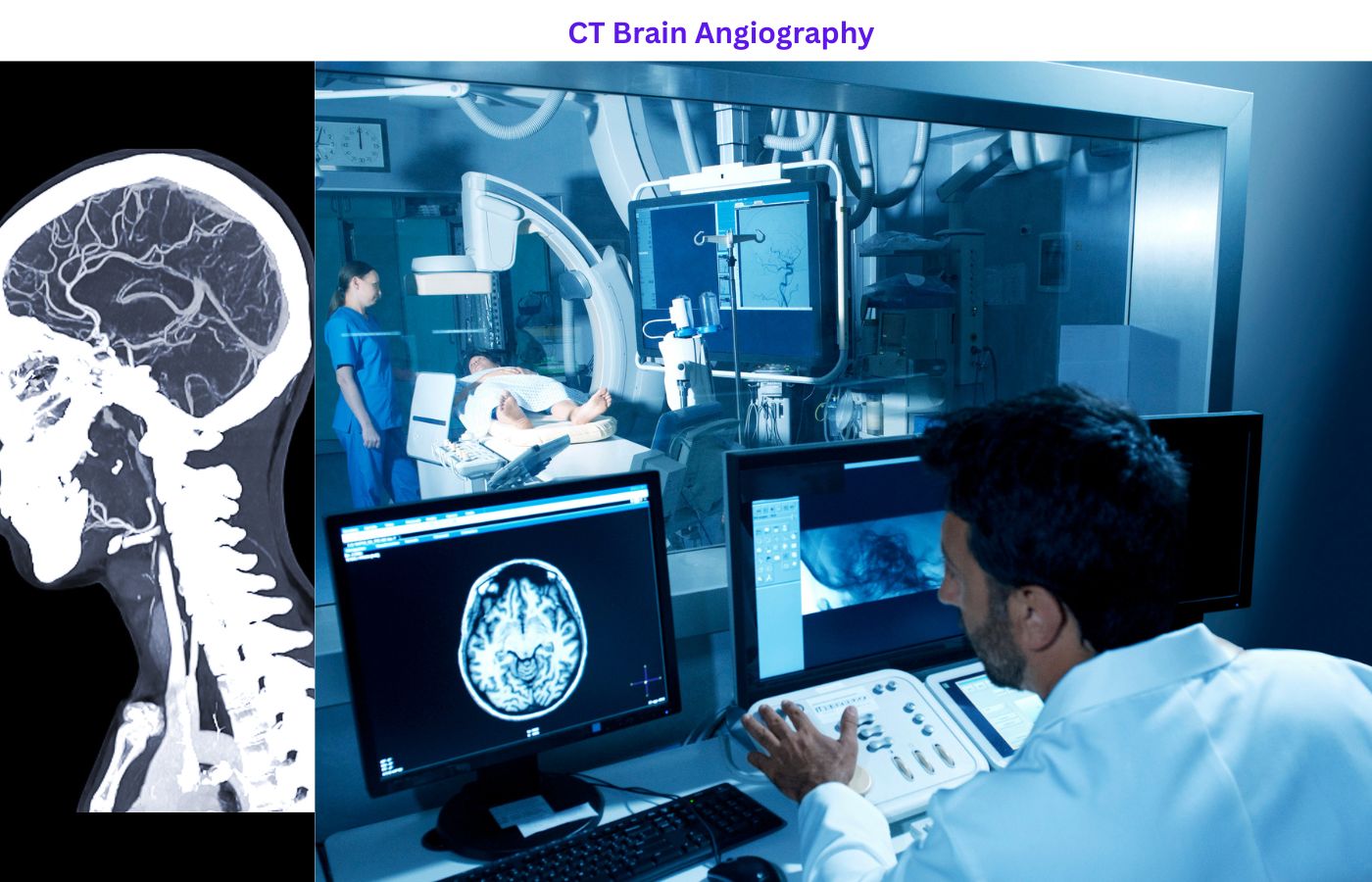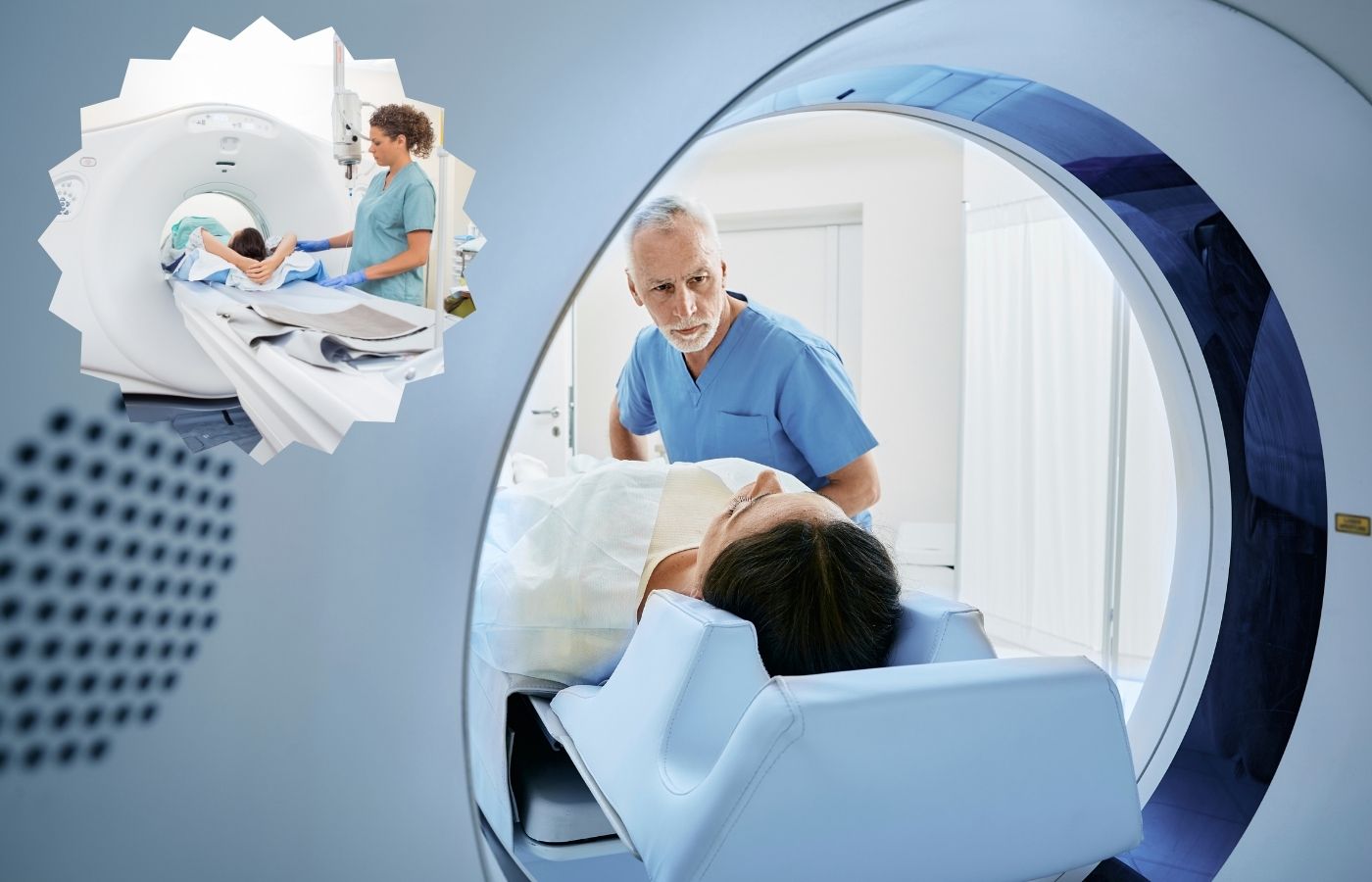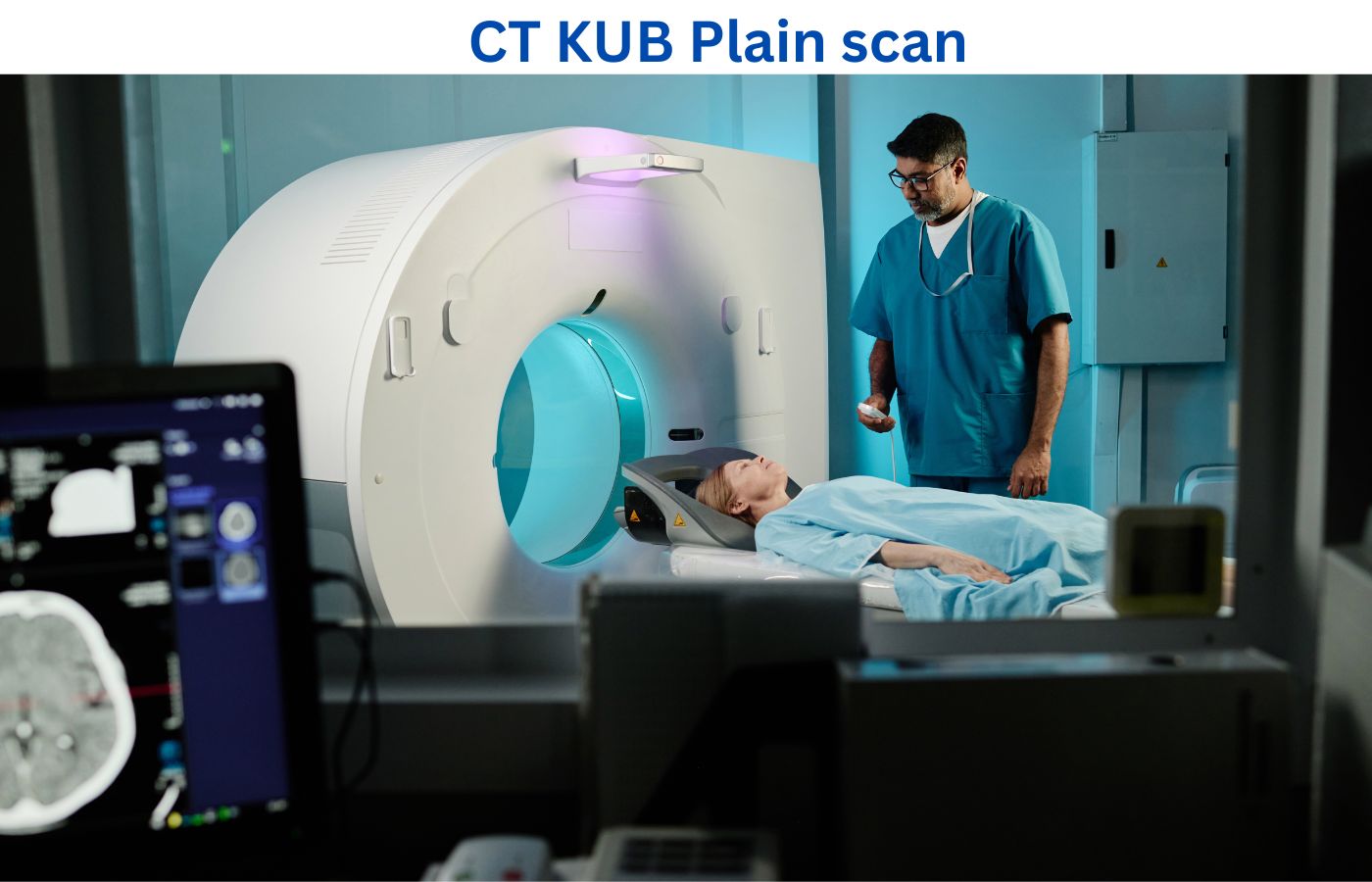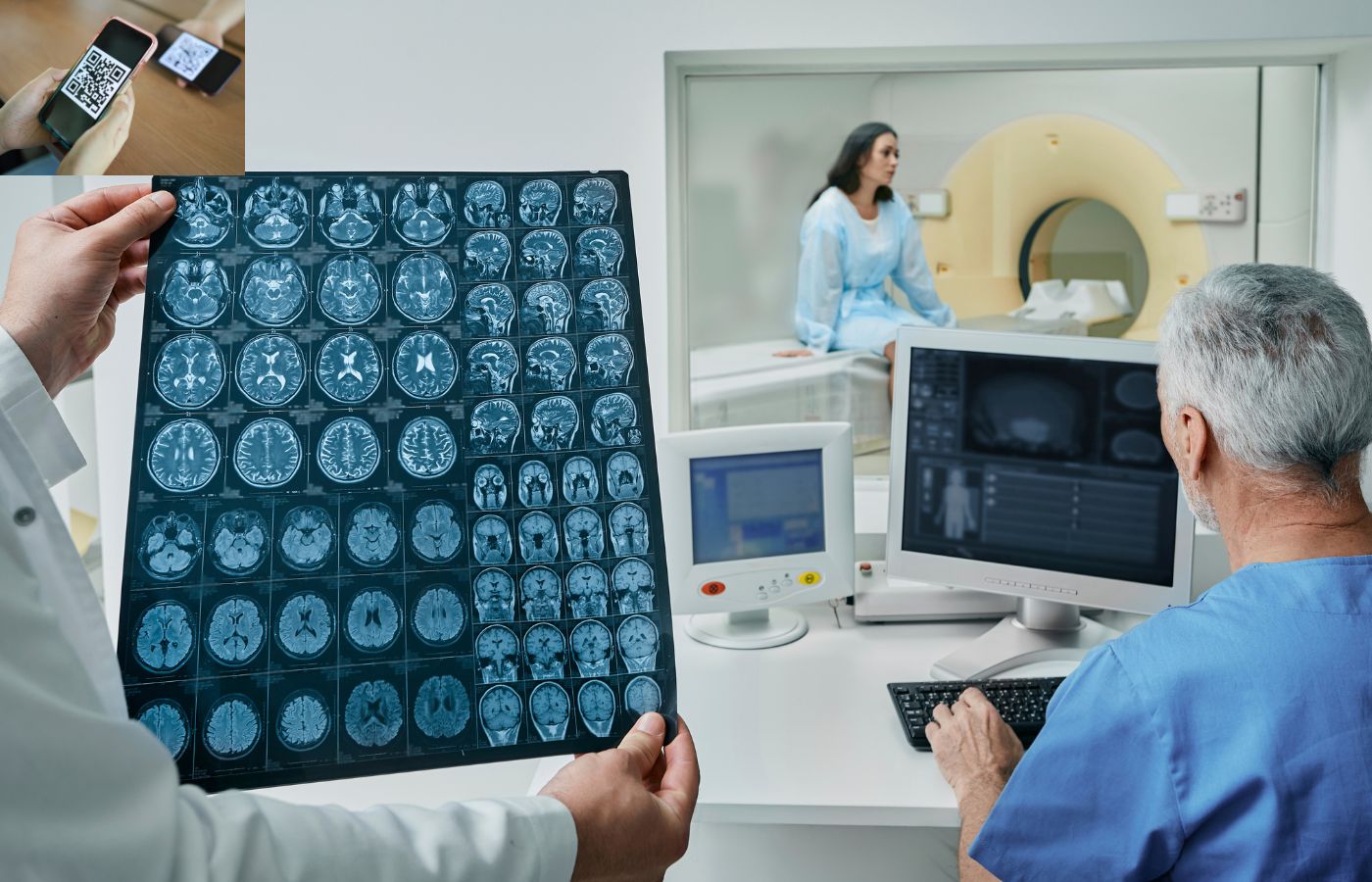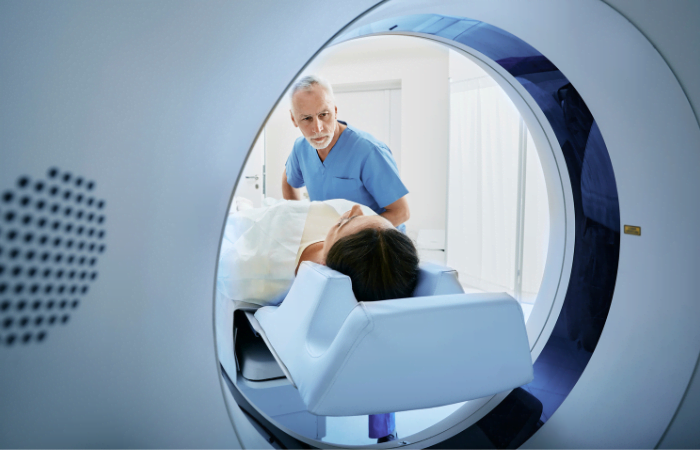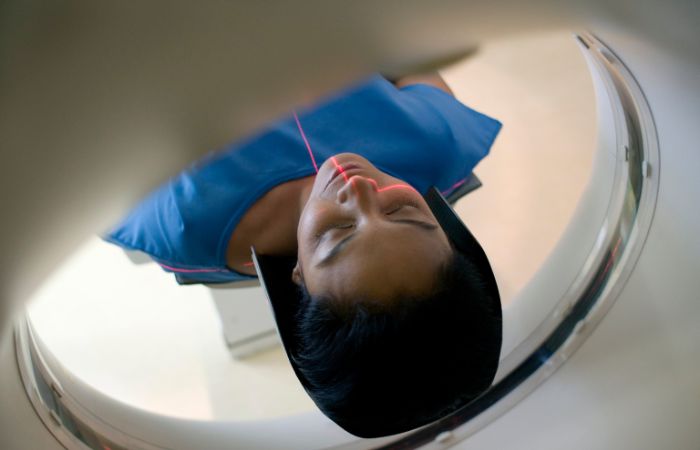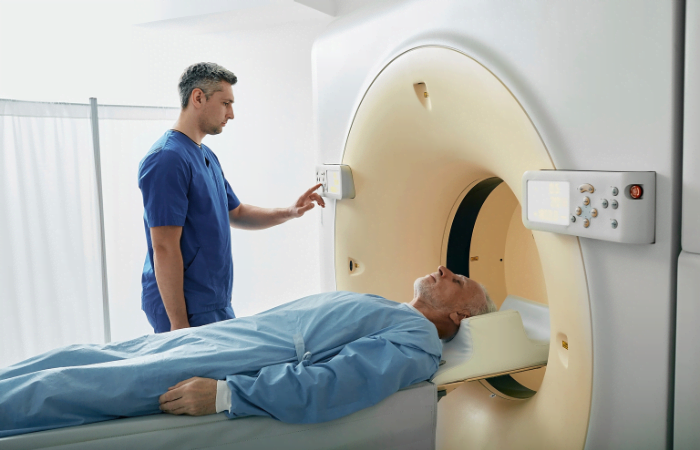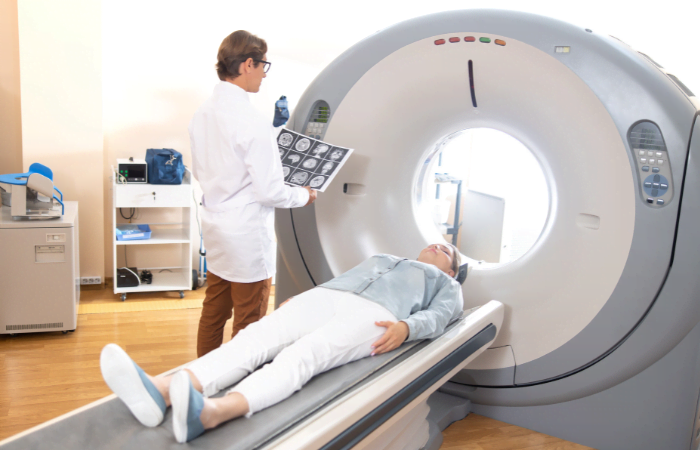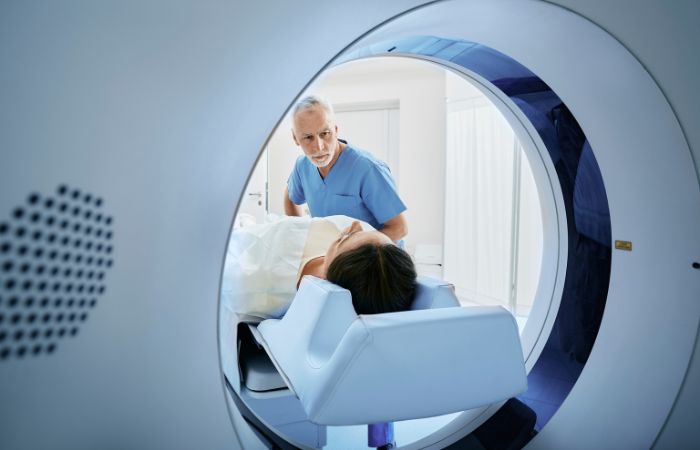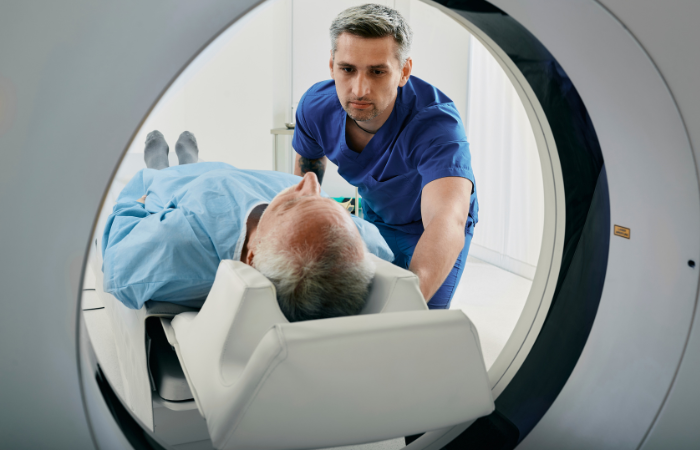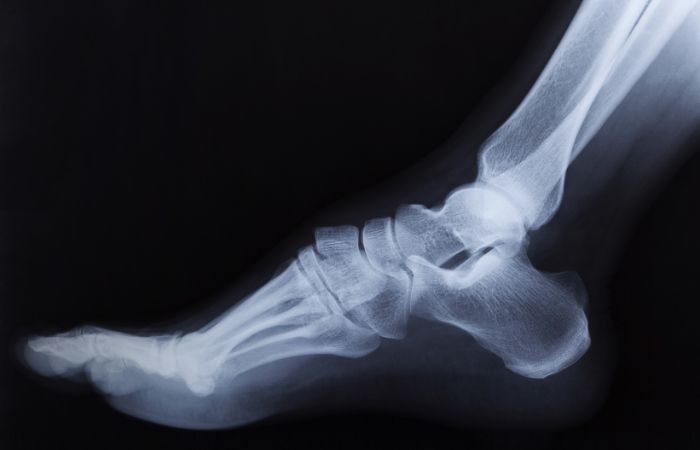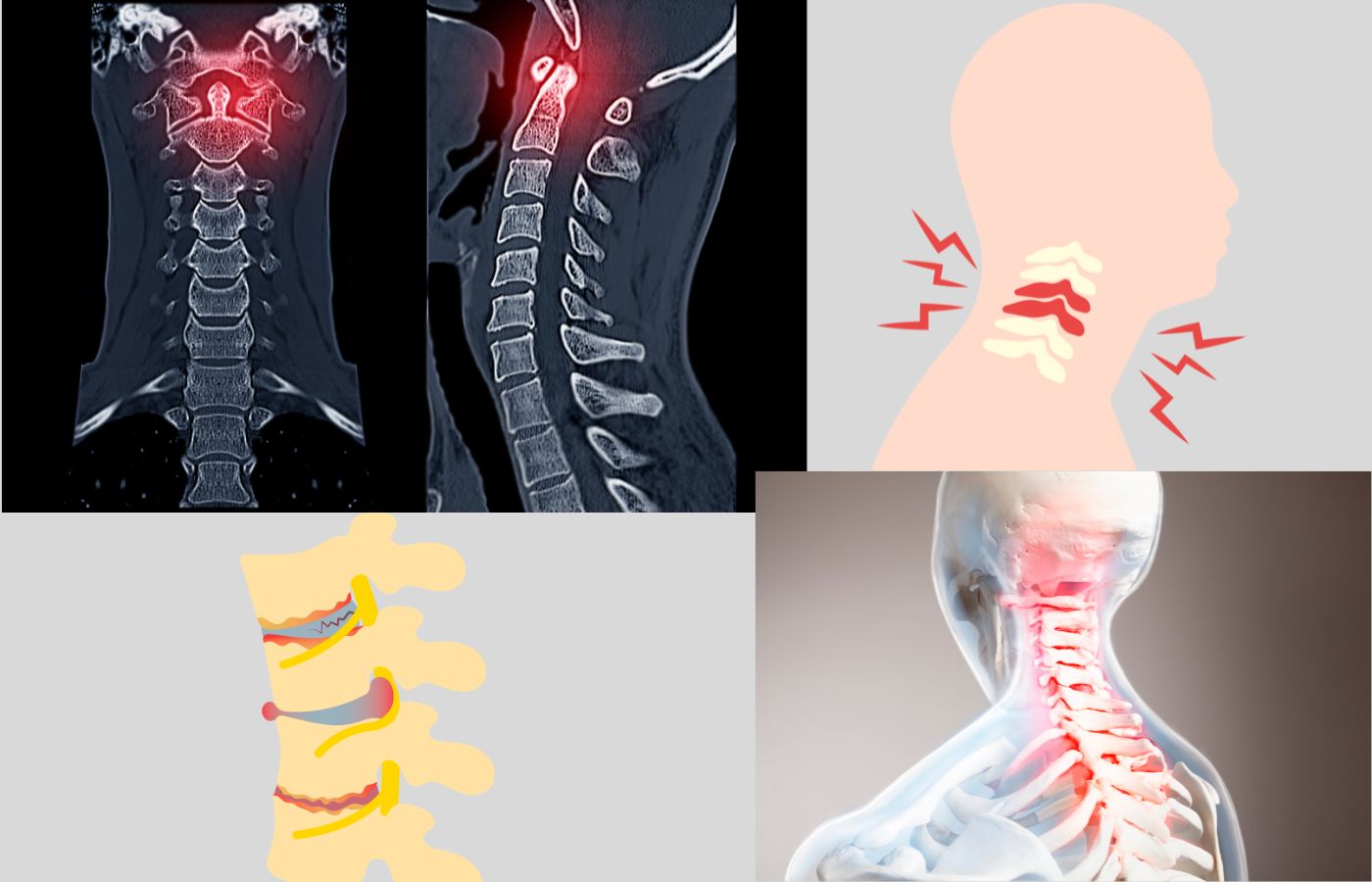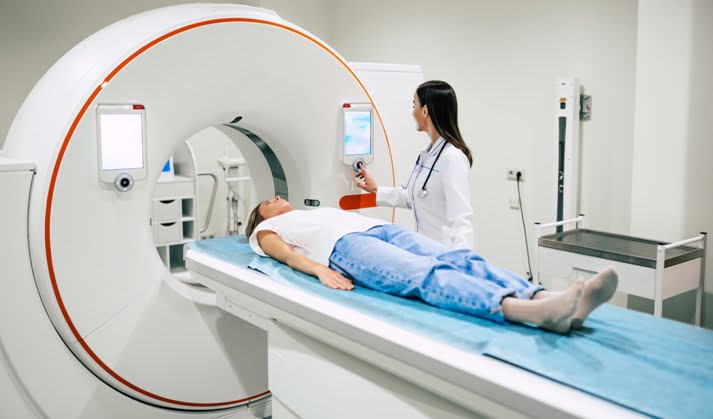
Blocked arteries in the legs, commonly caused by Peripheral Artery Disease (PAD), can lead to pain, cramping, numbness, and even serious complications if untreated. One of the most reliable and advanced diagnostic tools today is CT angiography for blocked arteries in legs.
At Diagnopein Mumbai, we provide state-of-the-art CT scan with contrast services to accurately diagnose vascular conditions and help doctors plan the right treatment.
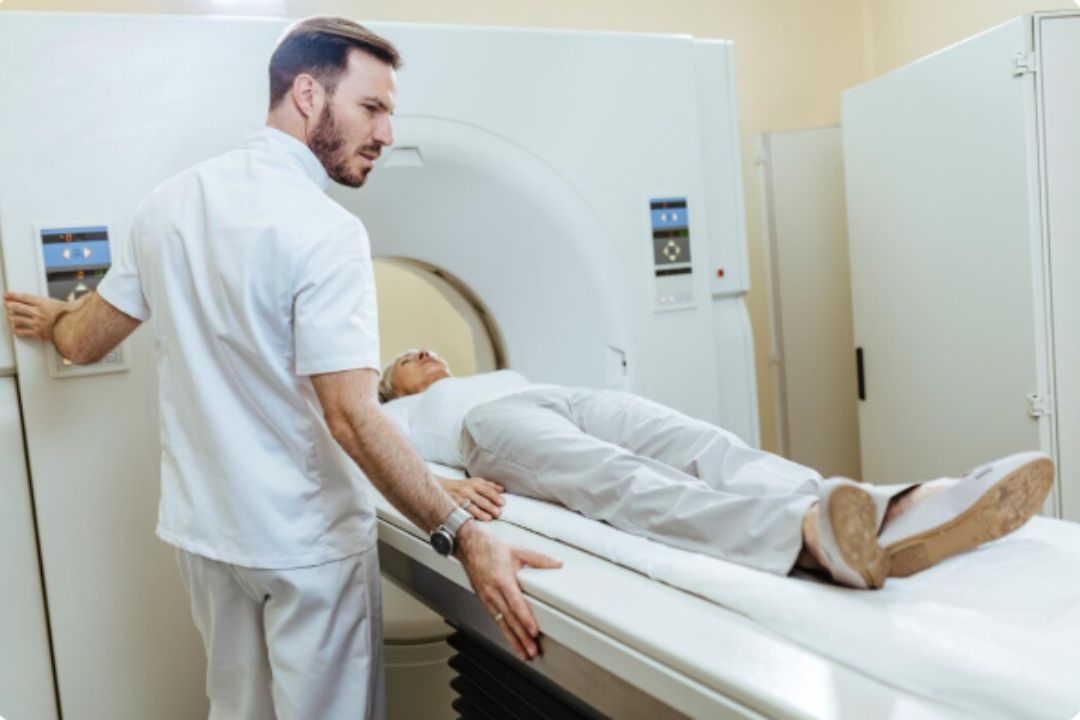
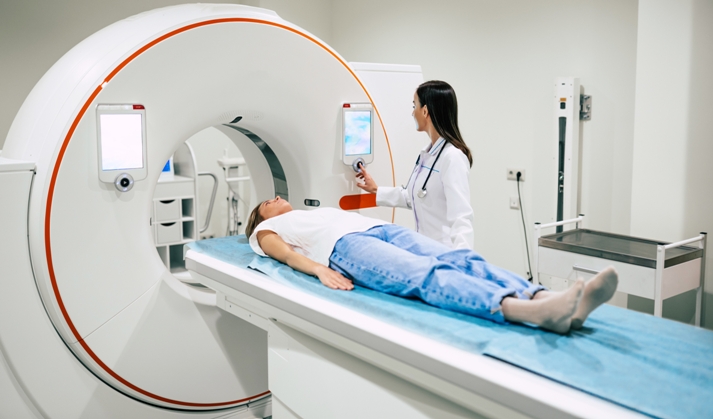
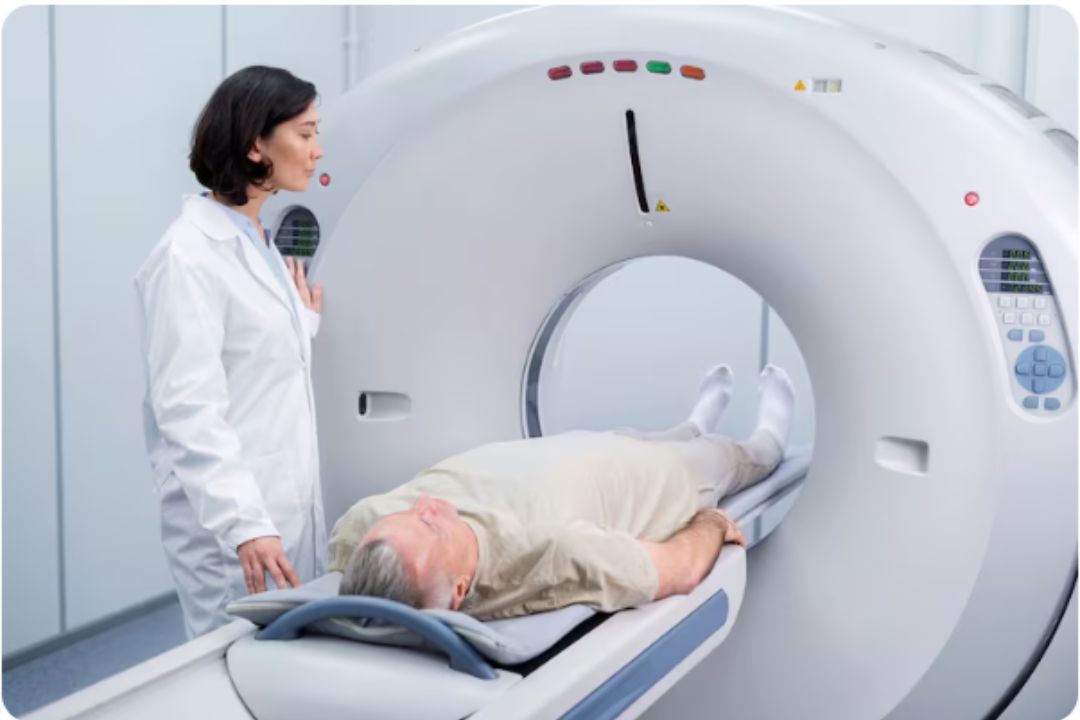
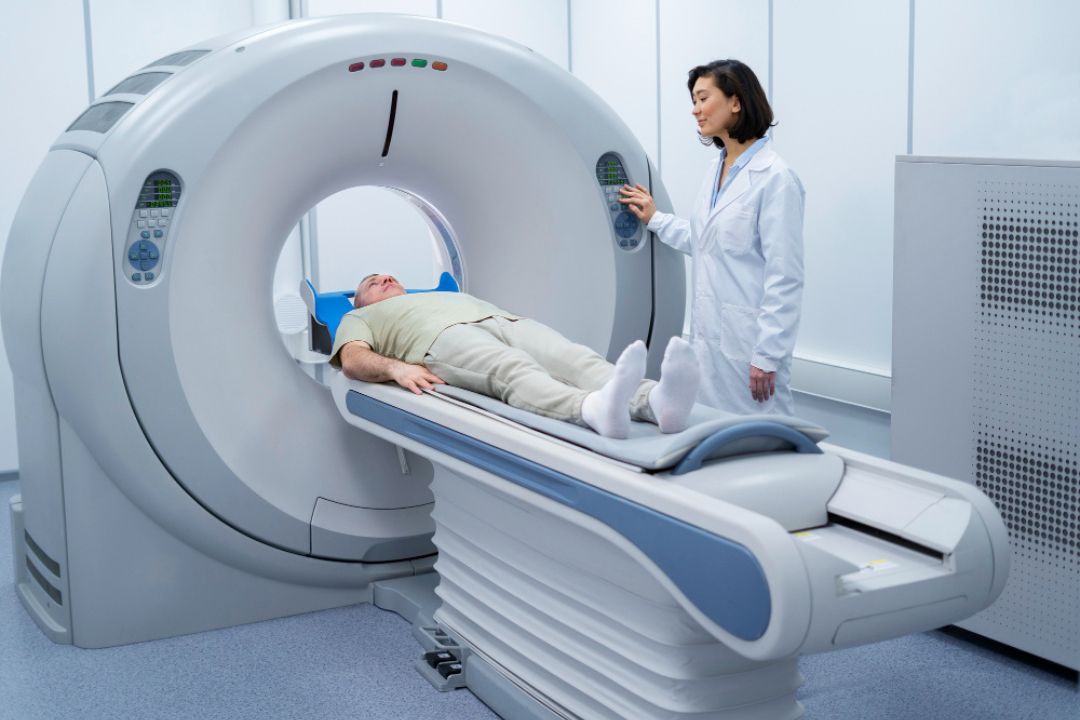
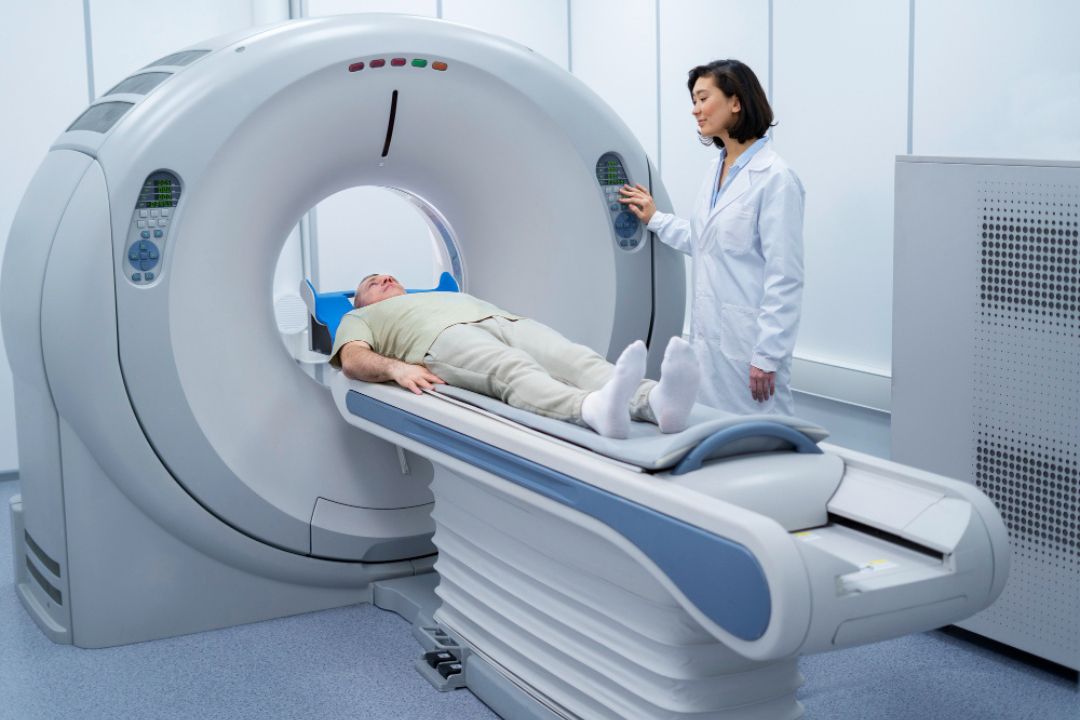
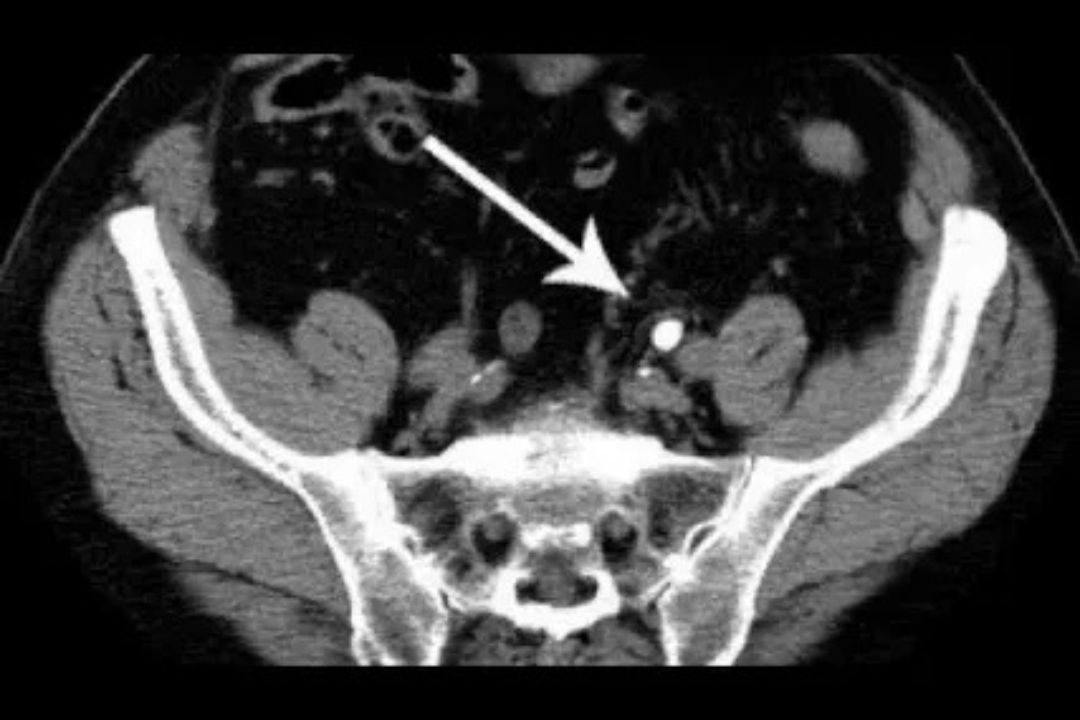
CT angiography (CTA) is a specialized CT scan with contrast that uses advanced imaging technology and an injected contrast dye to visualize blood vessels in detail. It helps detect:
Narrowed arteries
Complete blockages
Blood clots
Atherosclerosis
Vascular malformations
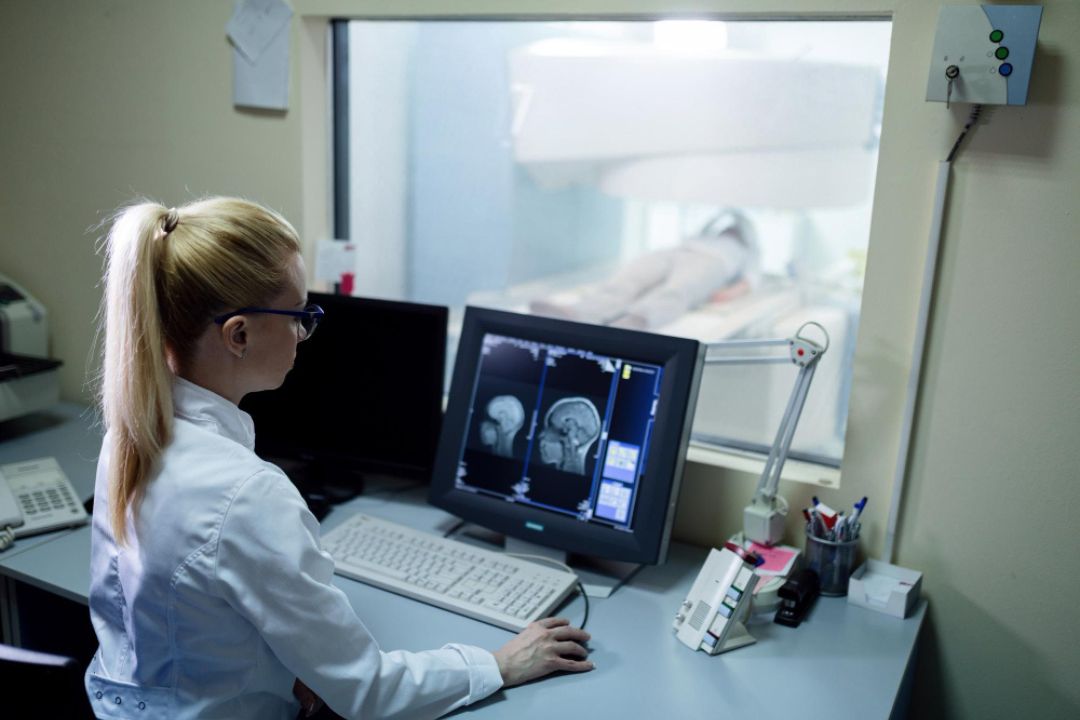
CTA provides high-resolution 3D images of leg arteries, allowing doctors to precisely locate blockages and assess severity.
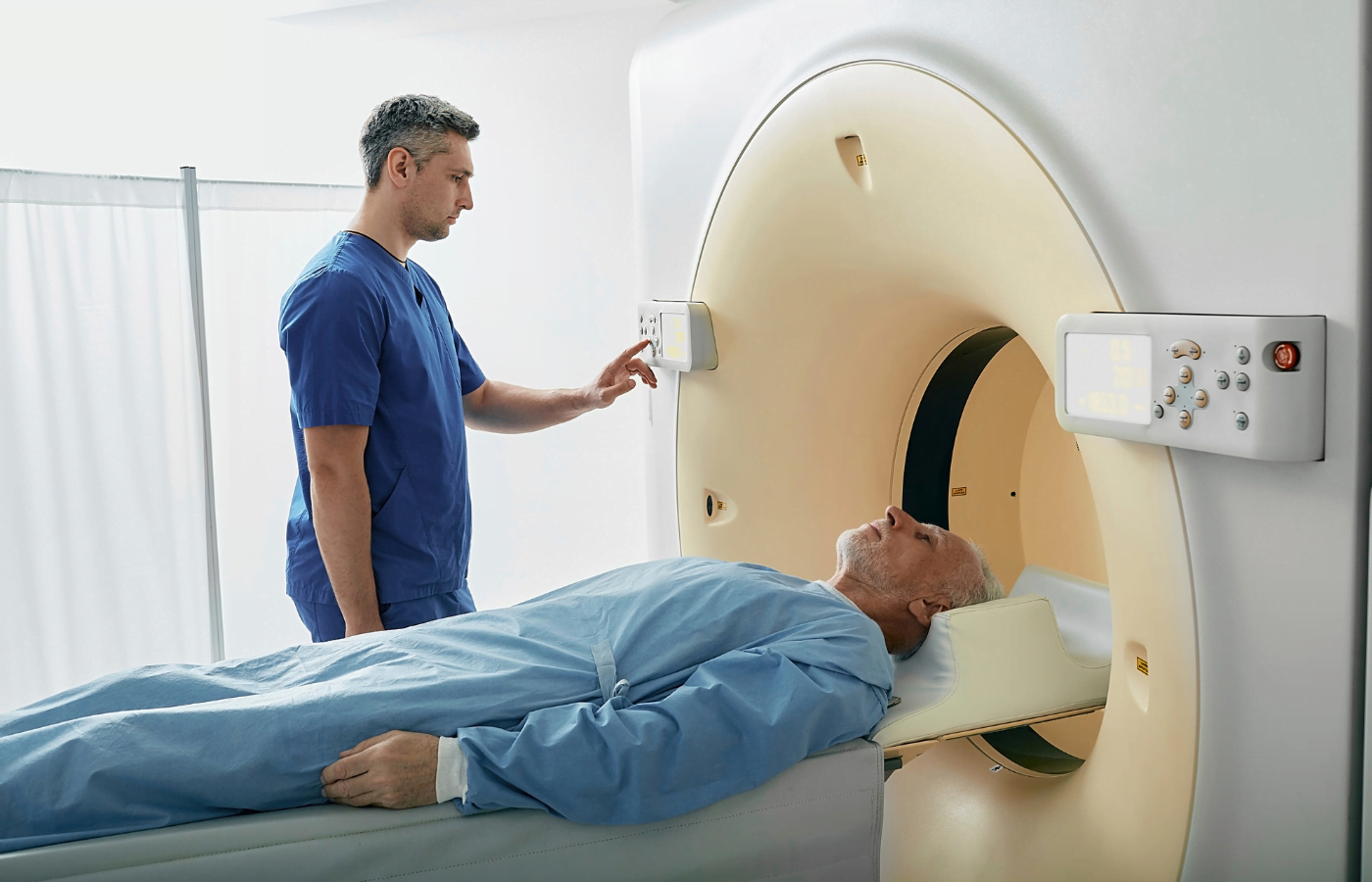
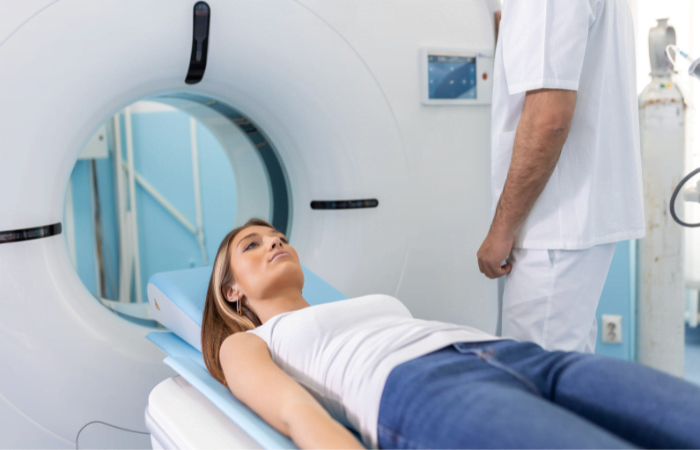
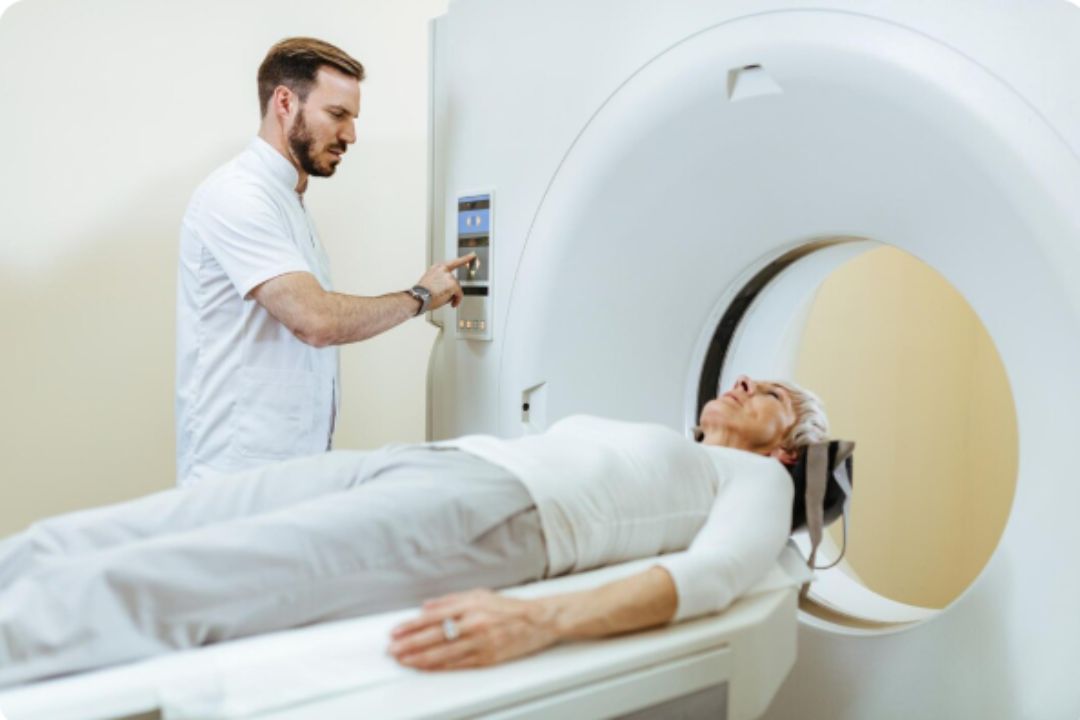
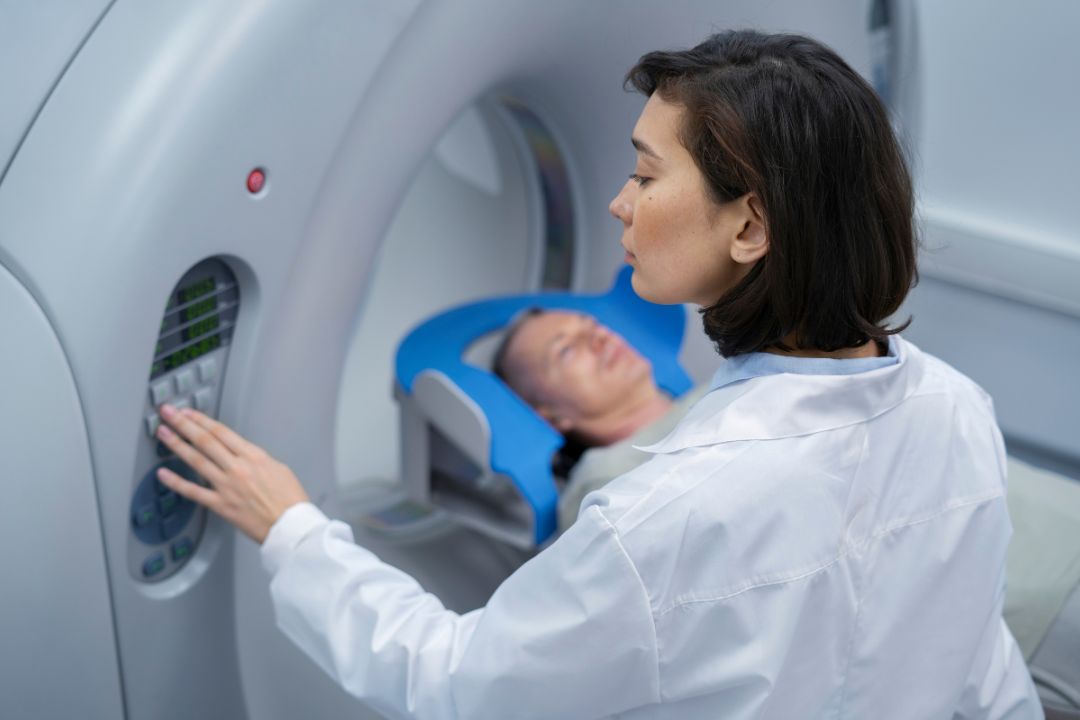
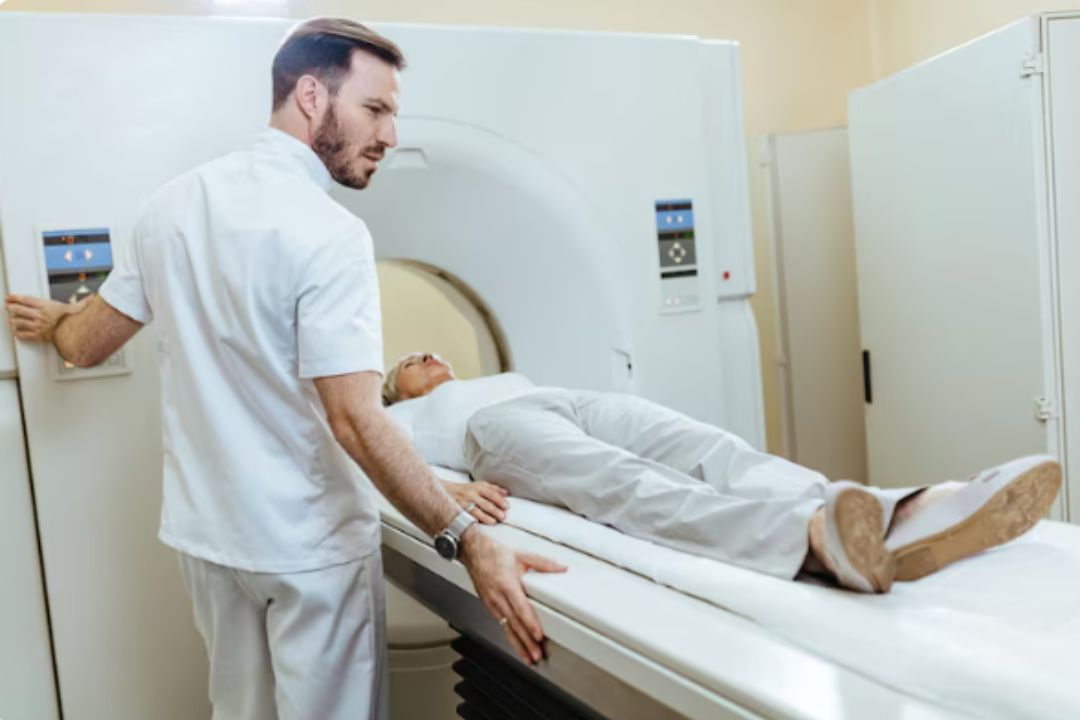
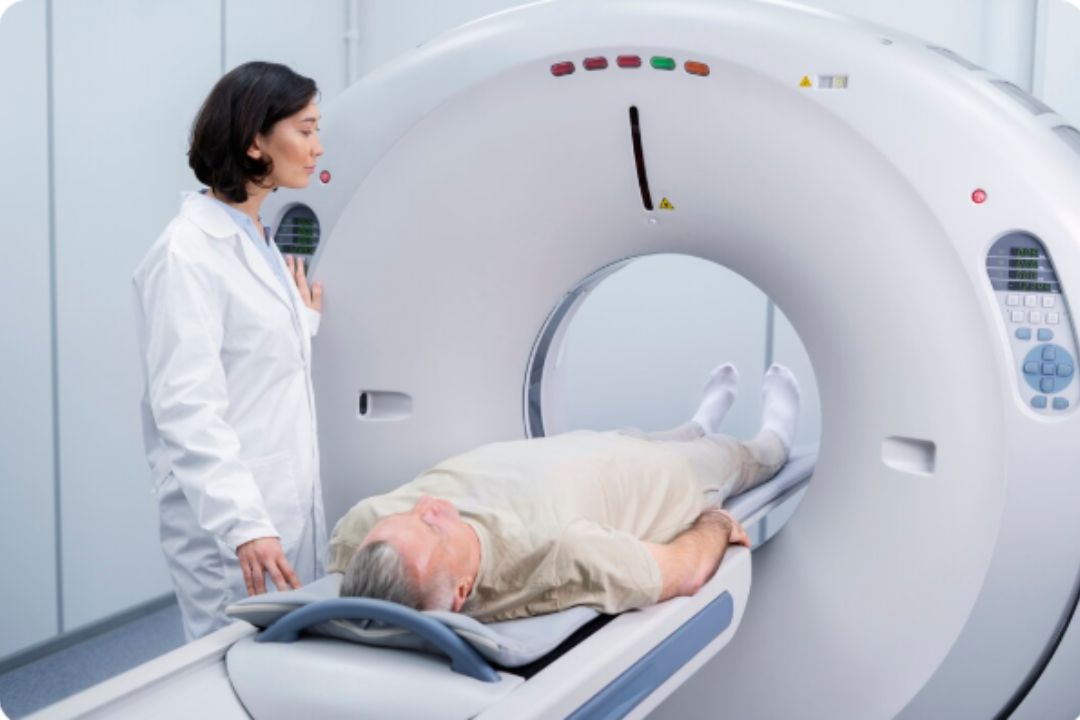
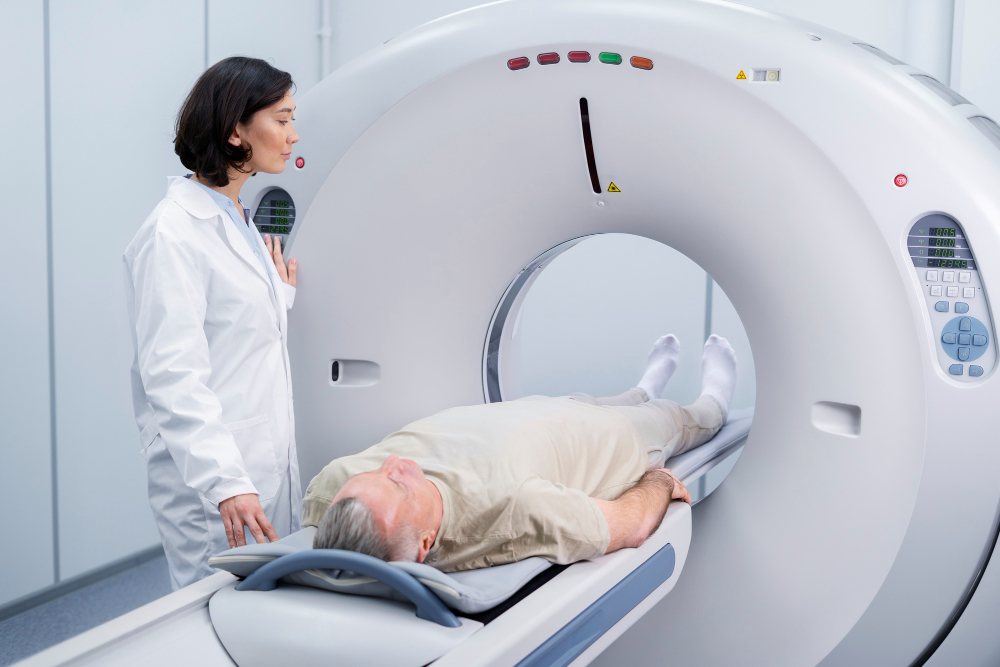
The scan typically takes 10–20 minutes, making it convenient for patients searching for reliable CT scans near me in Mumbai.
Compared to conventional catheter angiography, CT angiography only requires an IV line for contrast injection.
Early diagnosis helps prevent complications like ulcers, infections, or limb-threatening conditions.
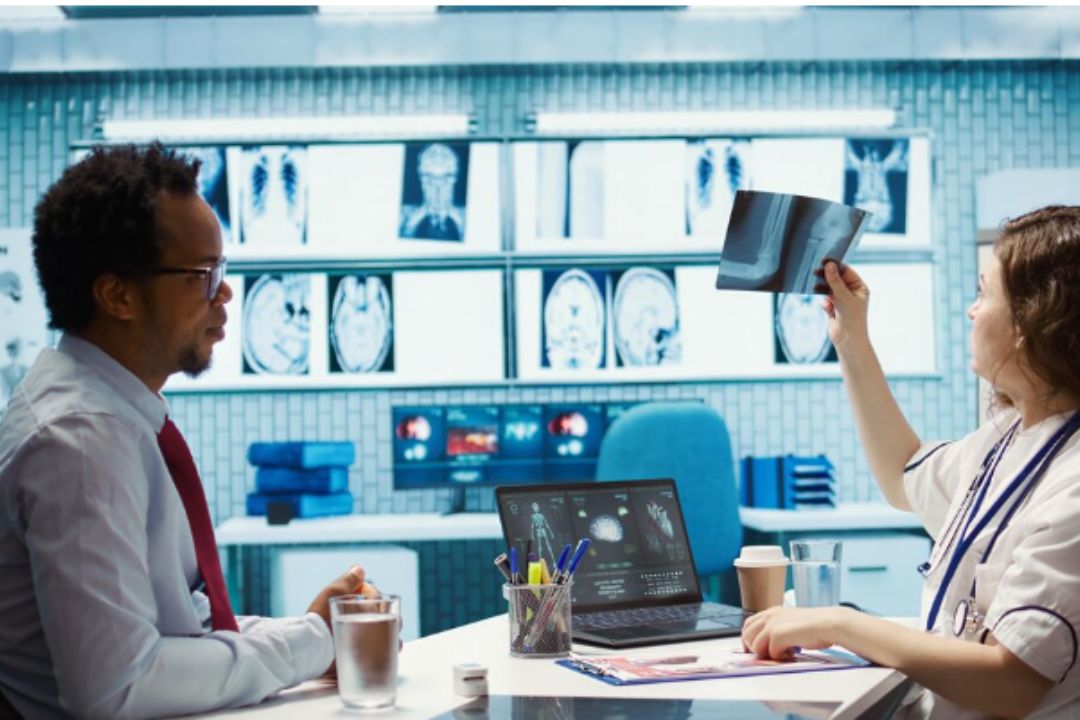
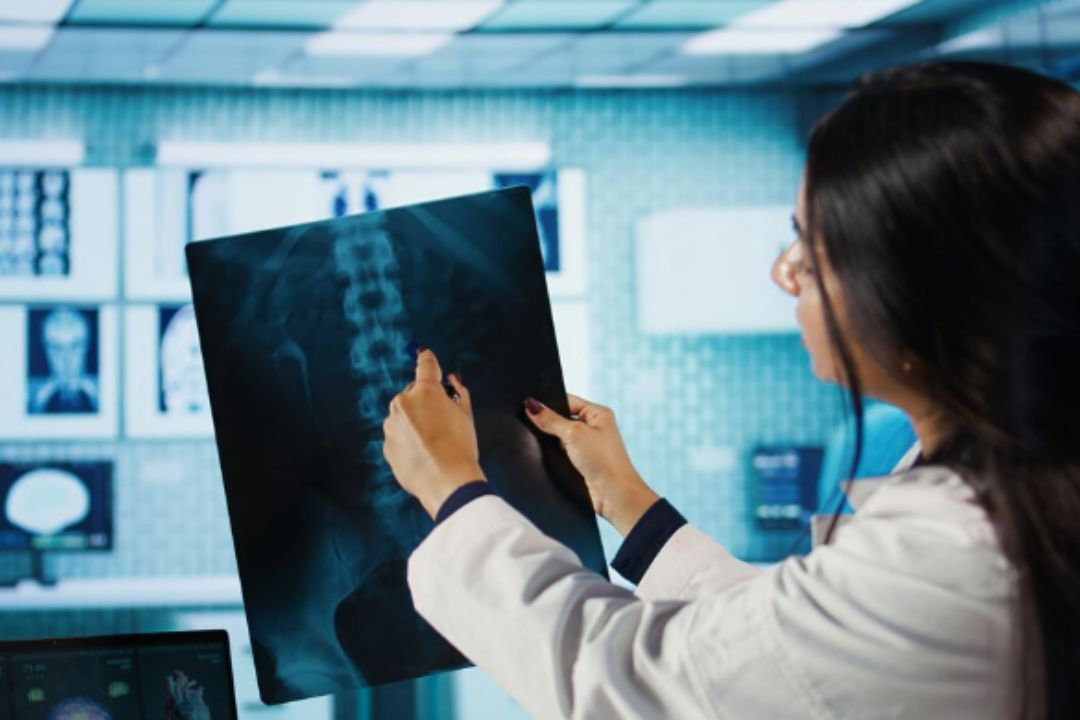
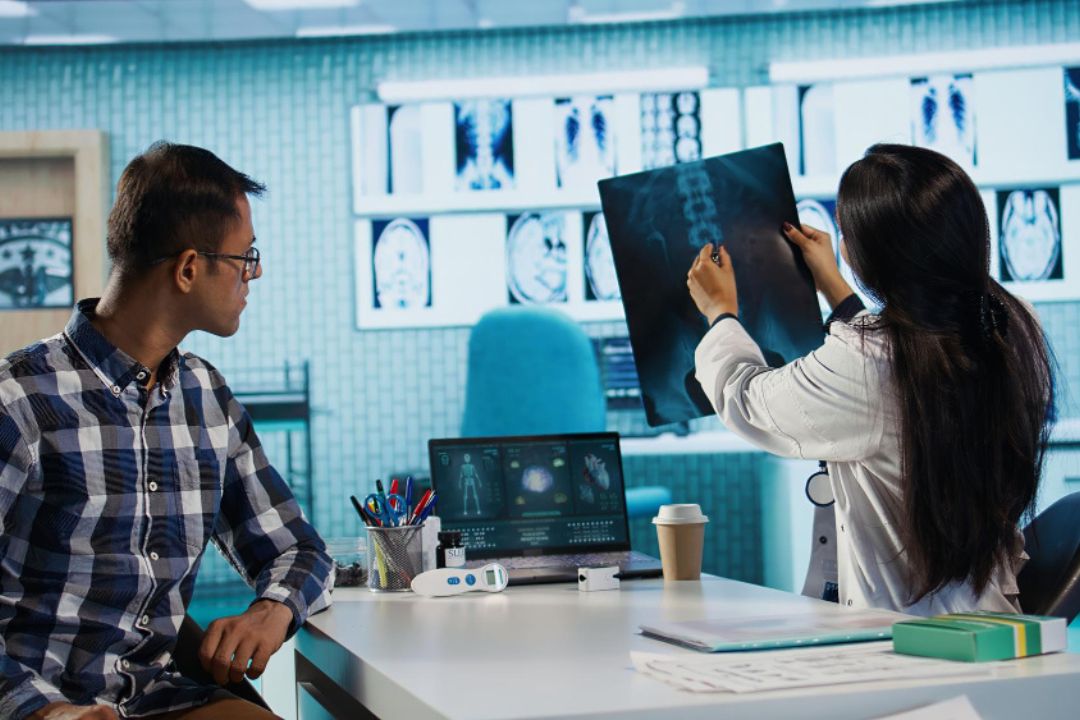
Surgeons and vascular specialists use CTA reports to plan angioplasty, stenting, or bypass surgery.
A CT scan with contrast involves injecting a contrast dye (usually iodine-based) into a vein. This dye highlights blood vessels during imaging, making blockages clearly visible.
A warm sensation
Mild metallic taste
Temporary flushing
These are normal and subside quickly.
Fast for 4–6 hours before the scan
Inform the radiologist about kidney issues or allergies
Drink fluids after the scan to flush out contrast
Many patients often ask about scan vs CT scan.
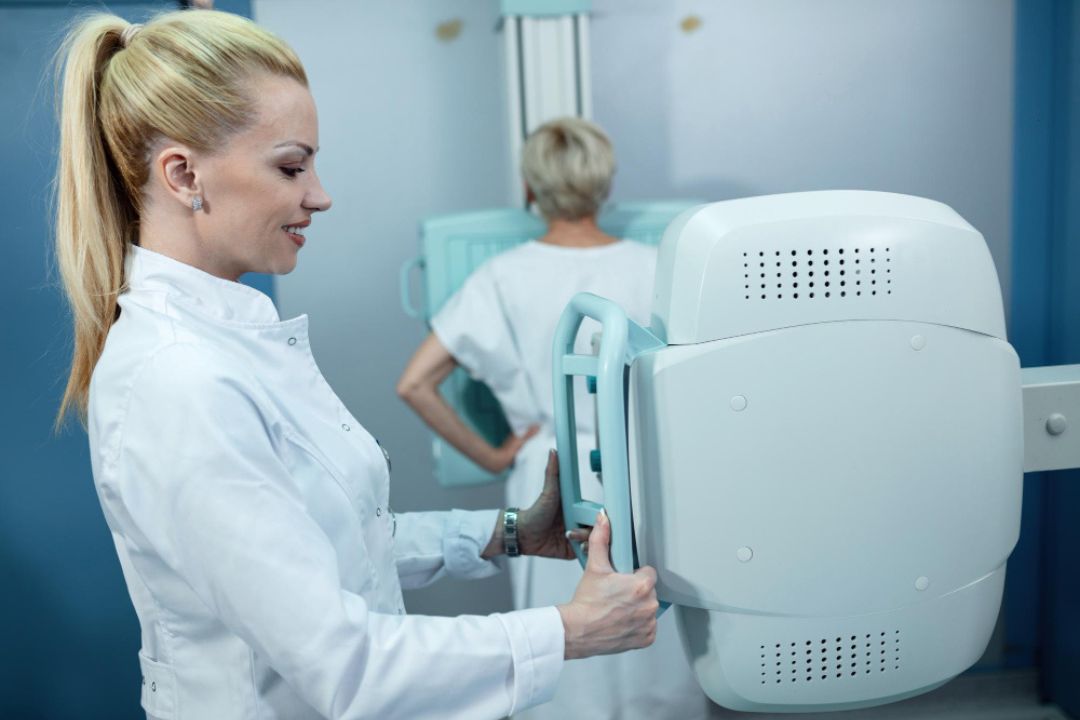
A “scan” is a broad term that includes various imaging methods like ultrasound, MRI, PET, or CT.
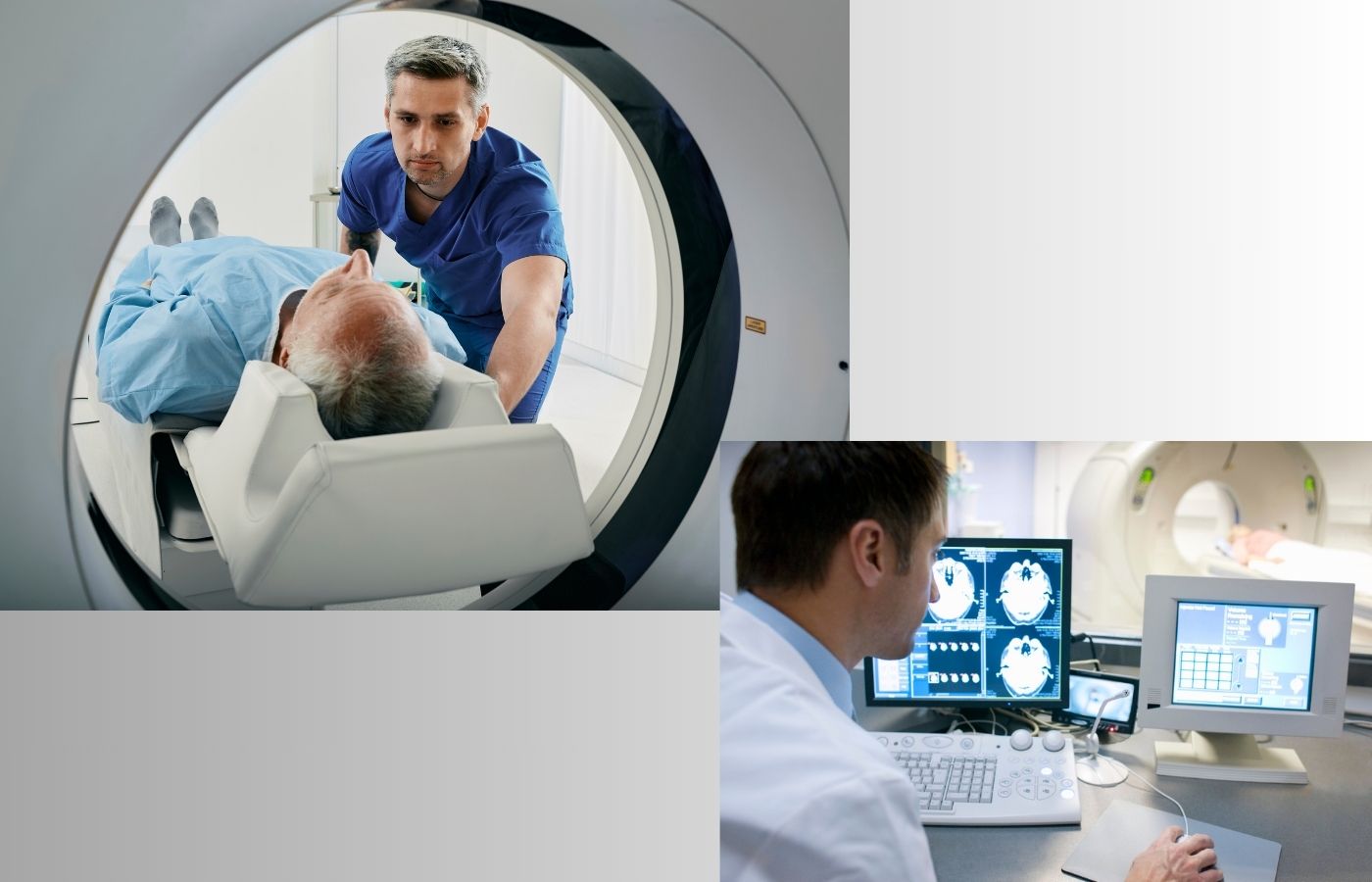
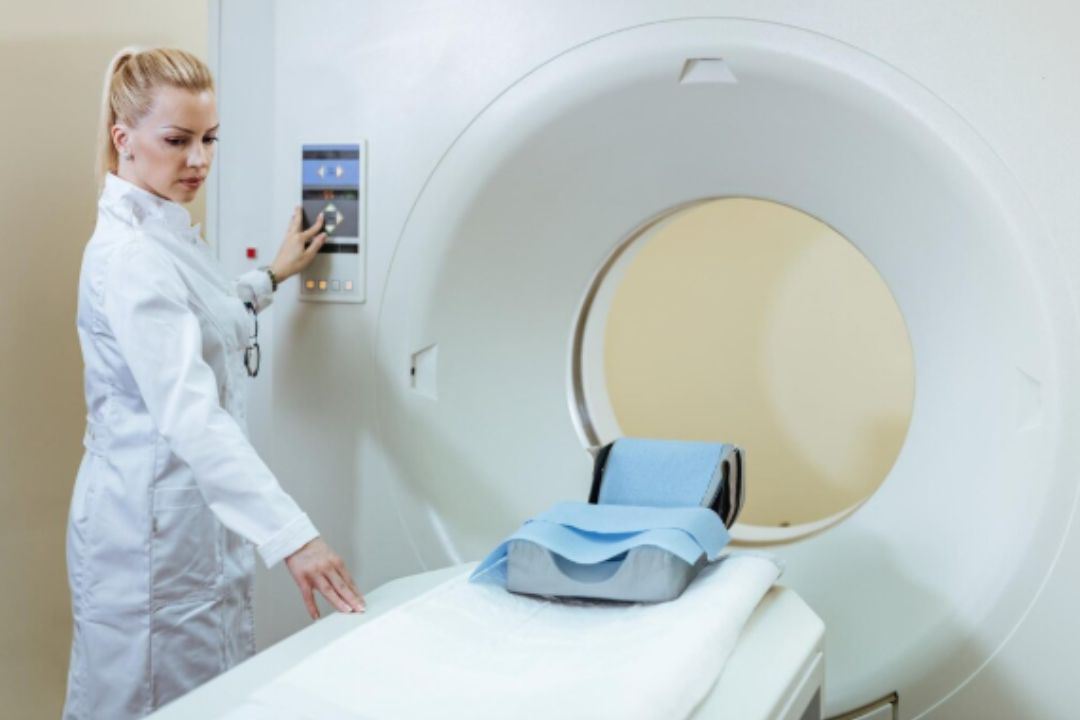
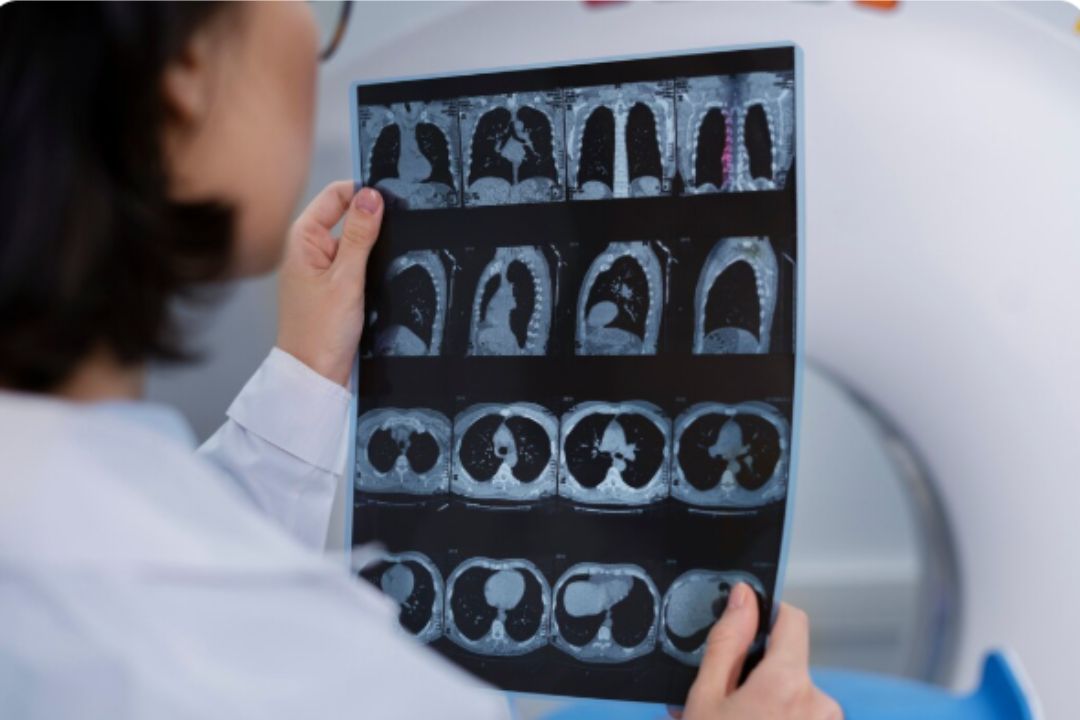
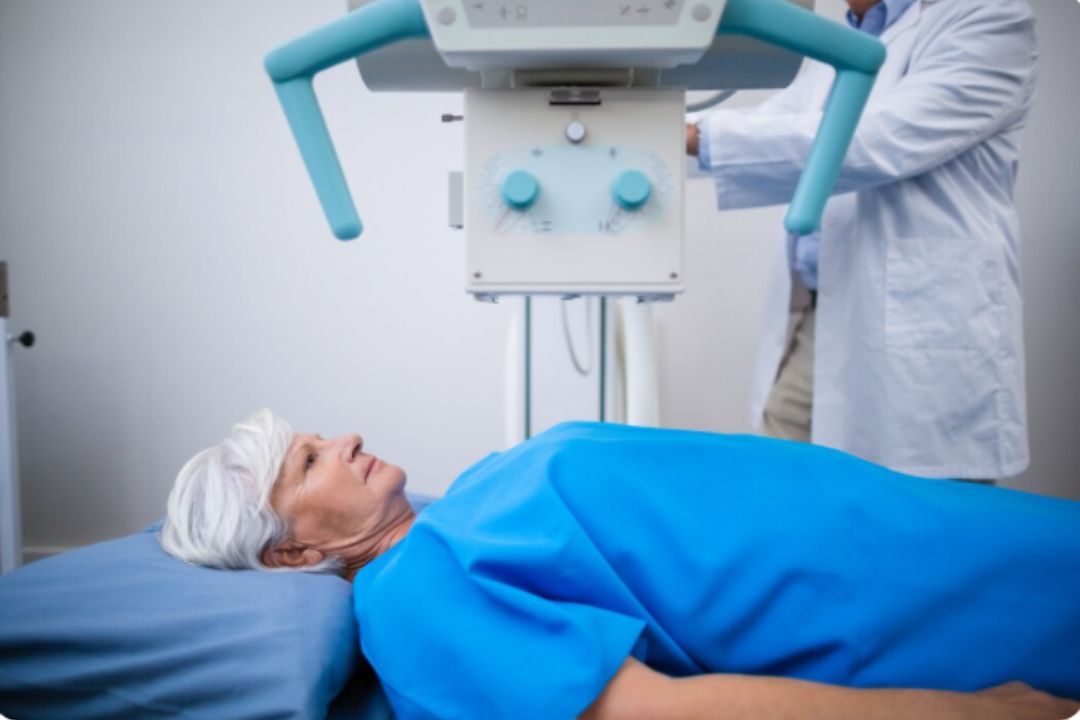
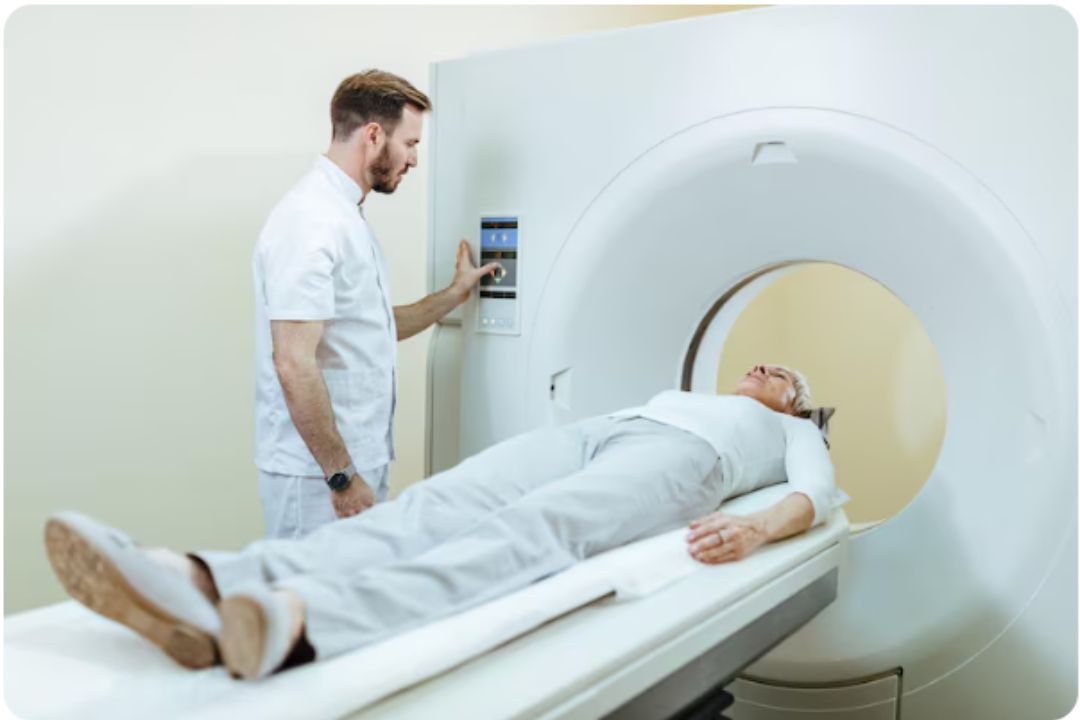
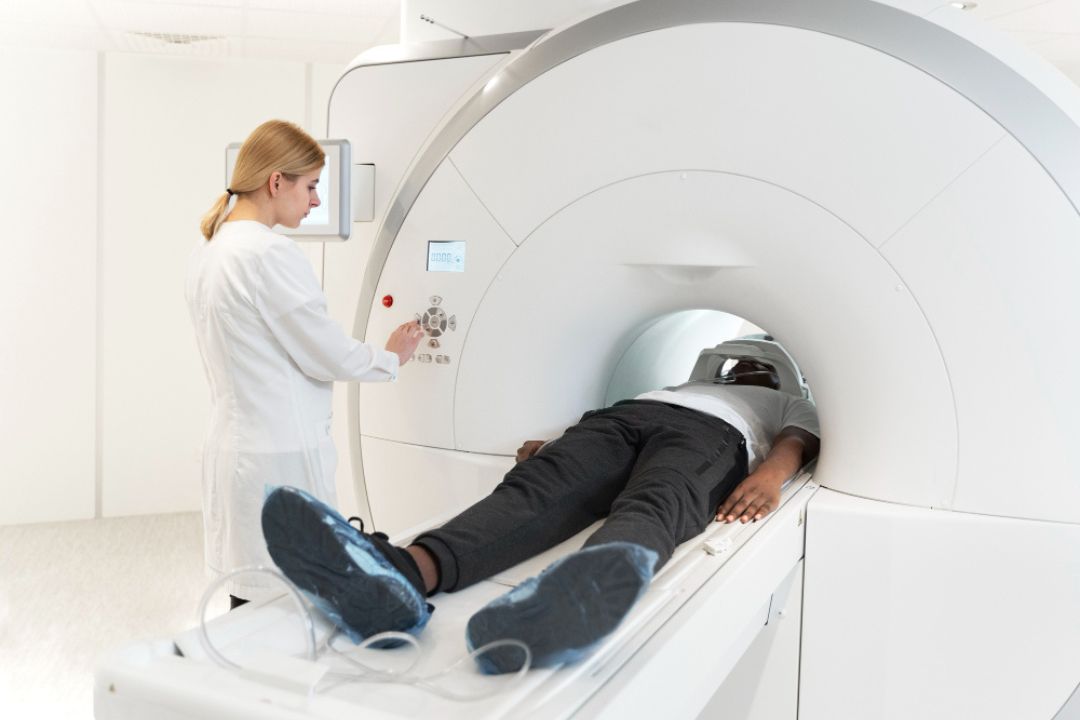
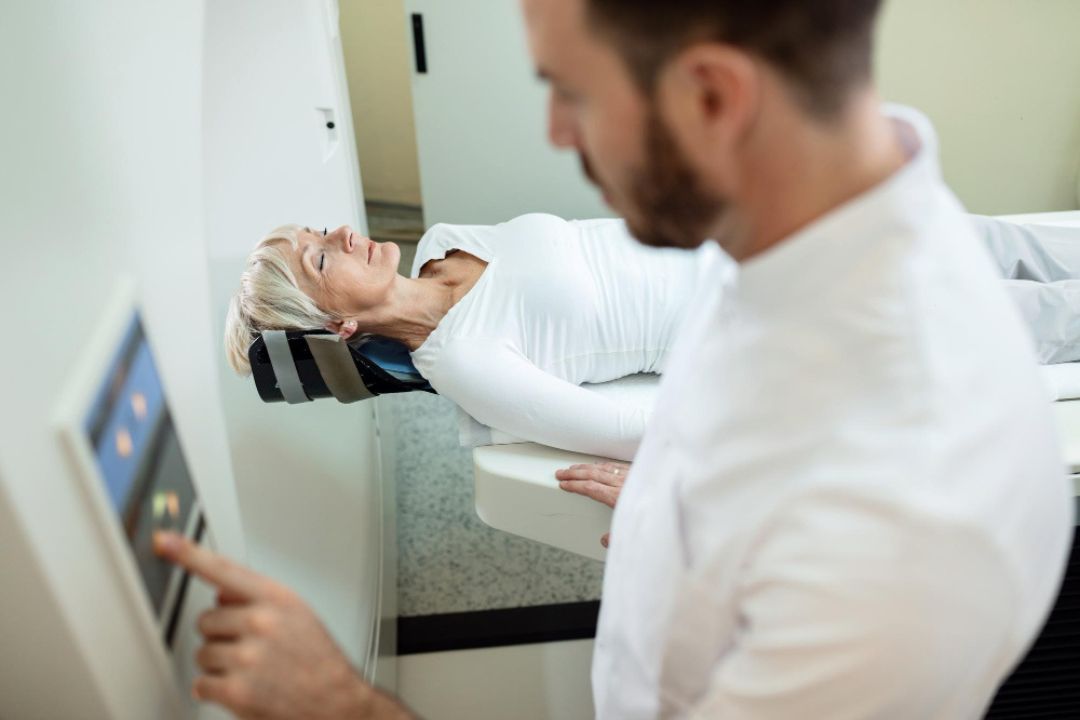
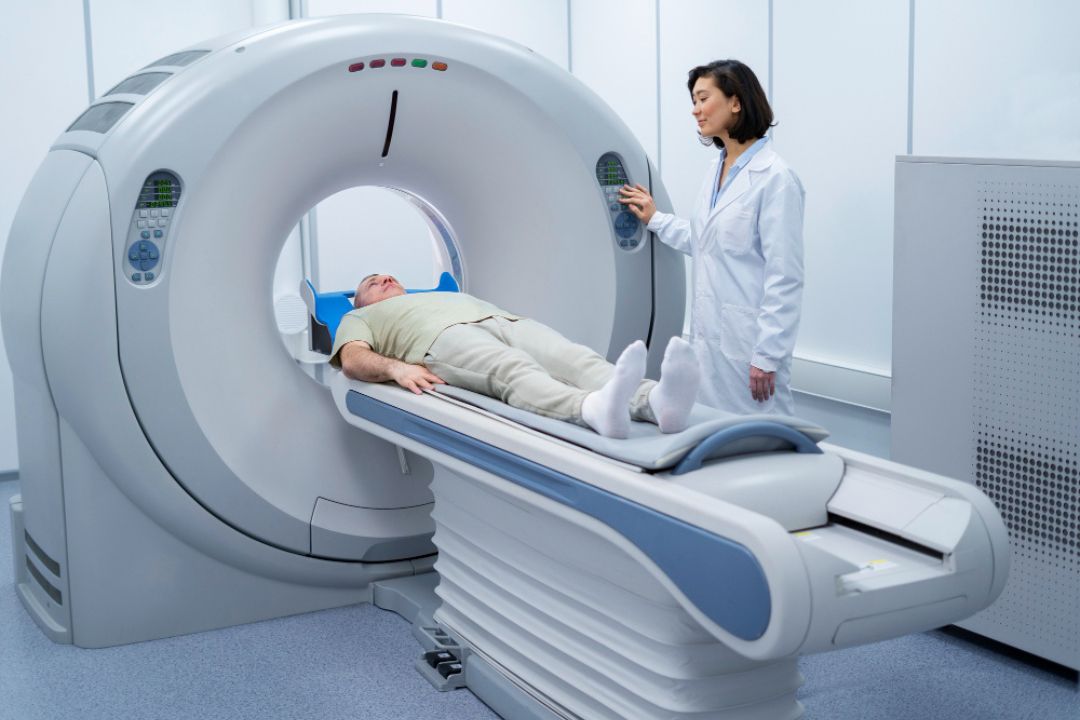
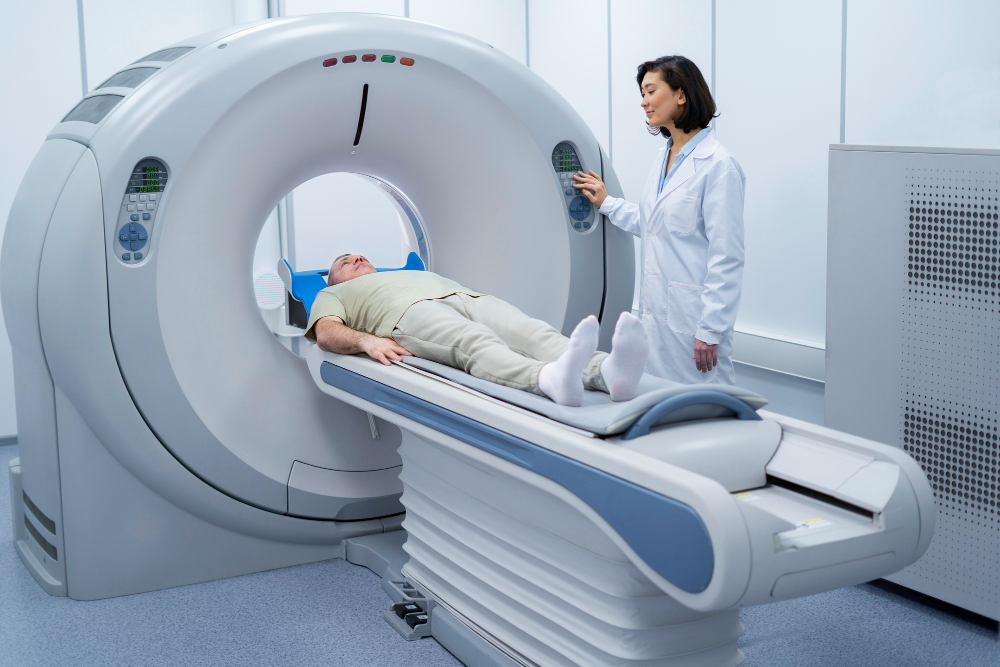
A CT scan specifically uses X-rays combined with computer processing to create cross-sectional images.
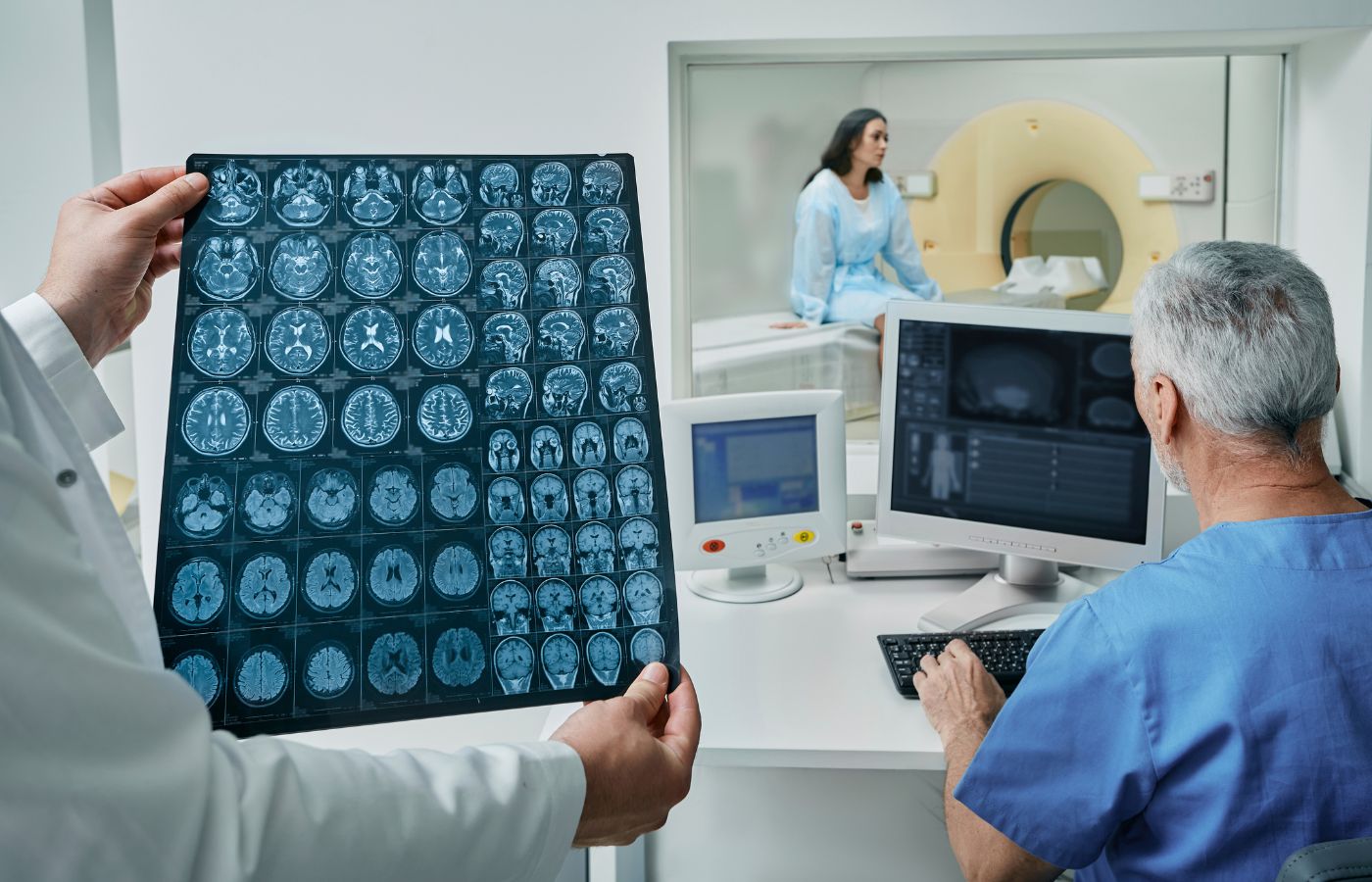
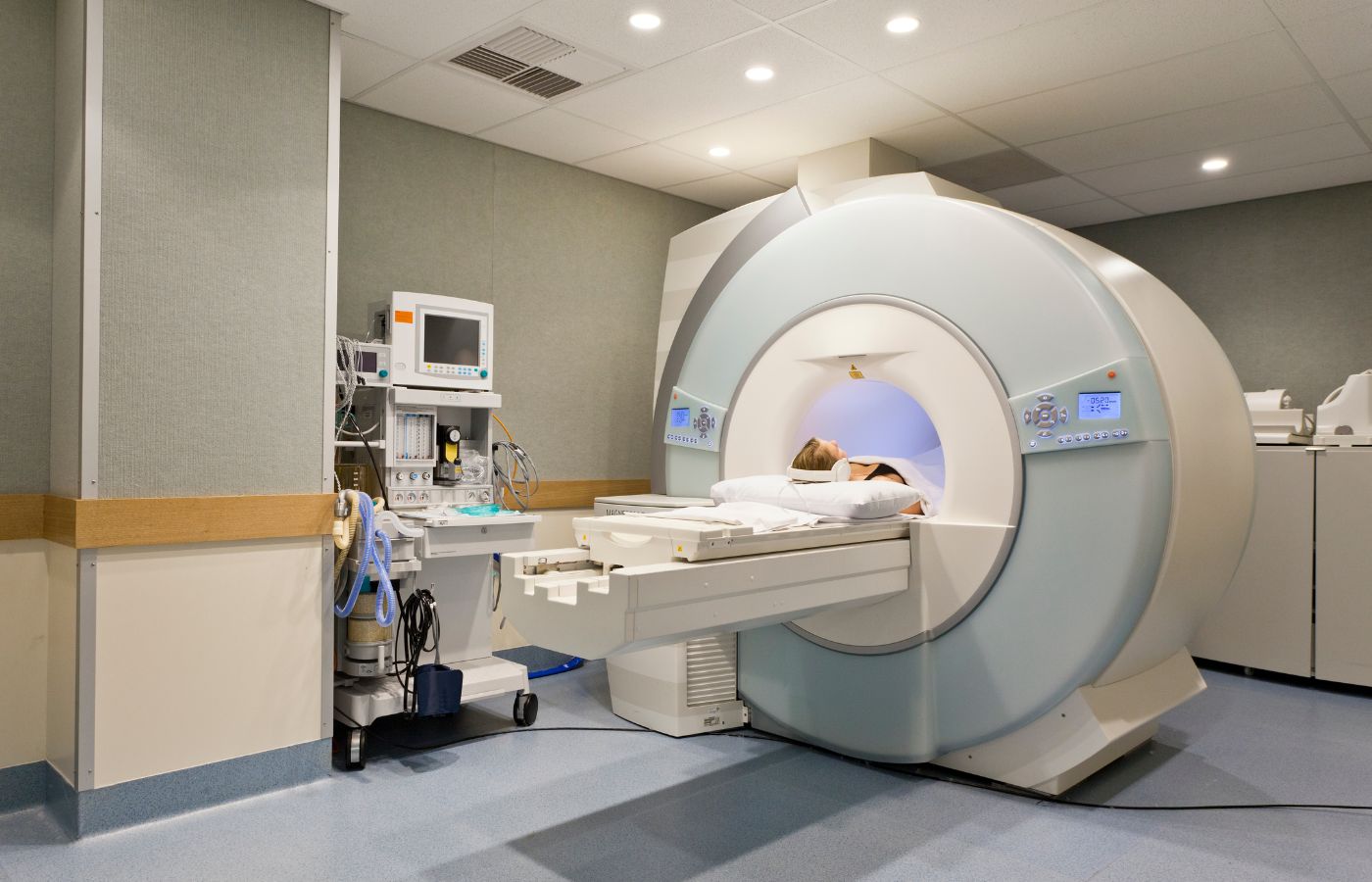
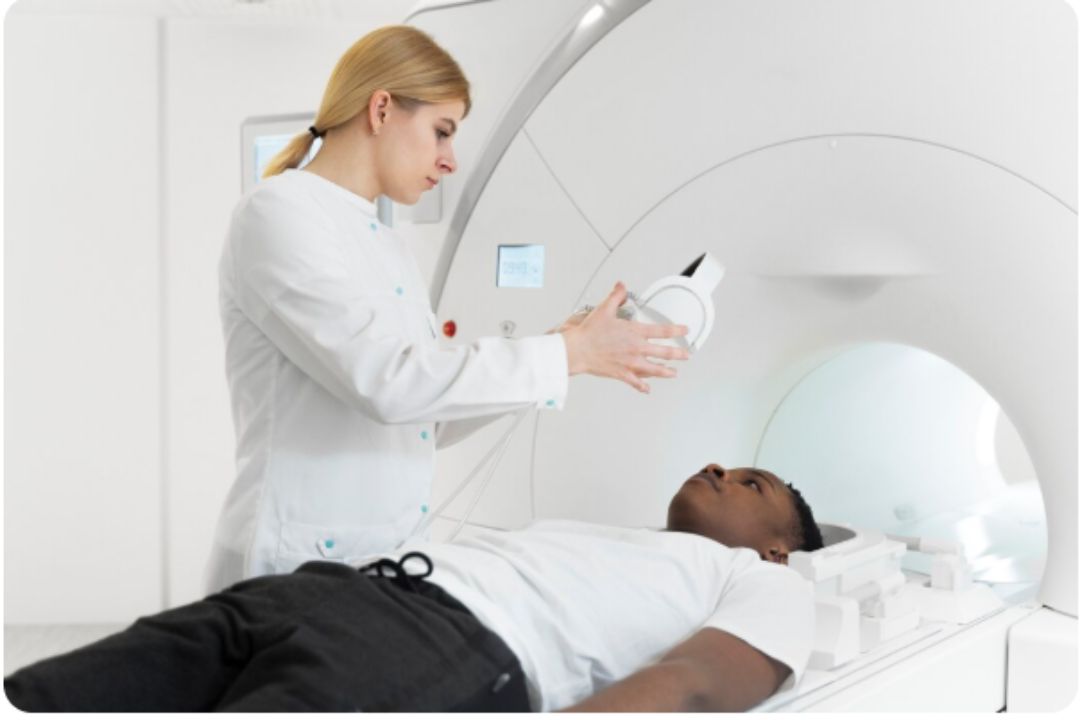
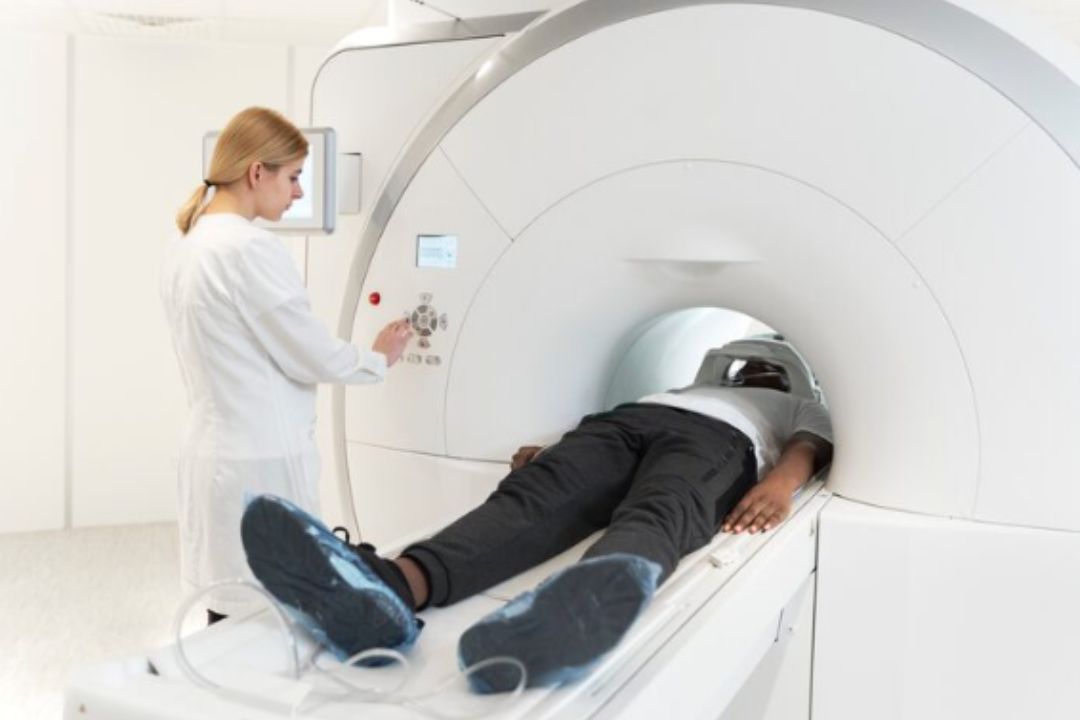
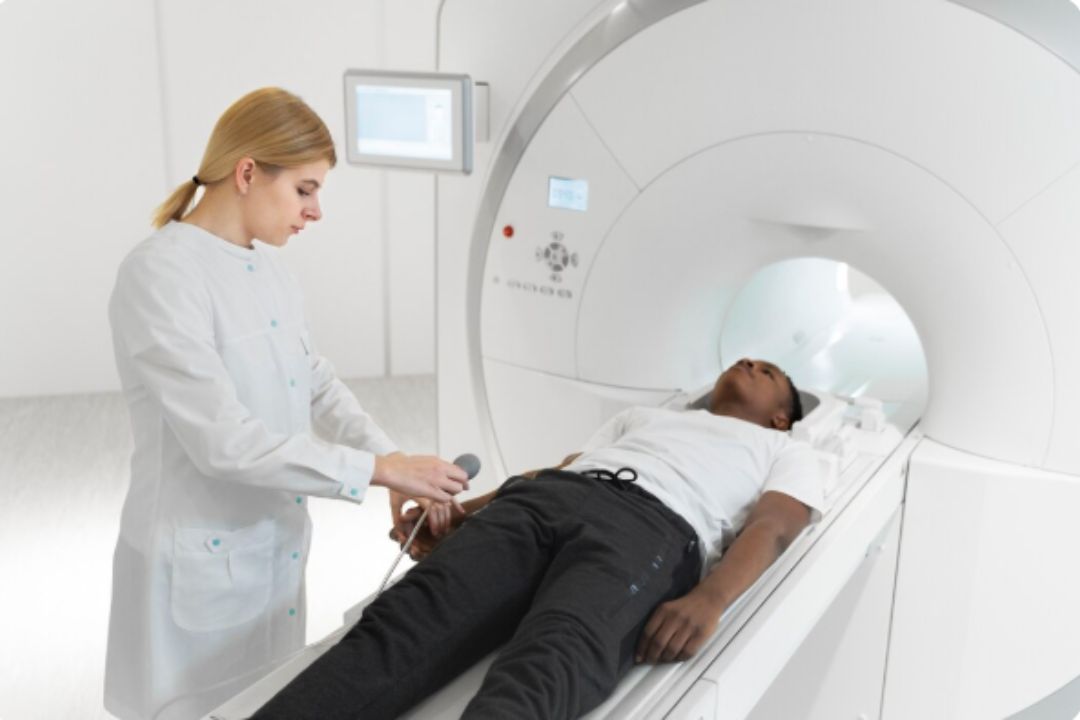
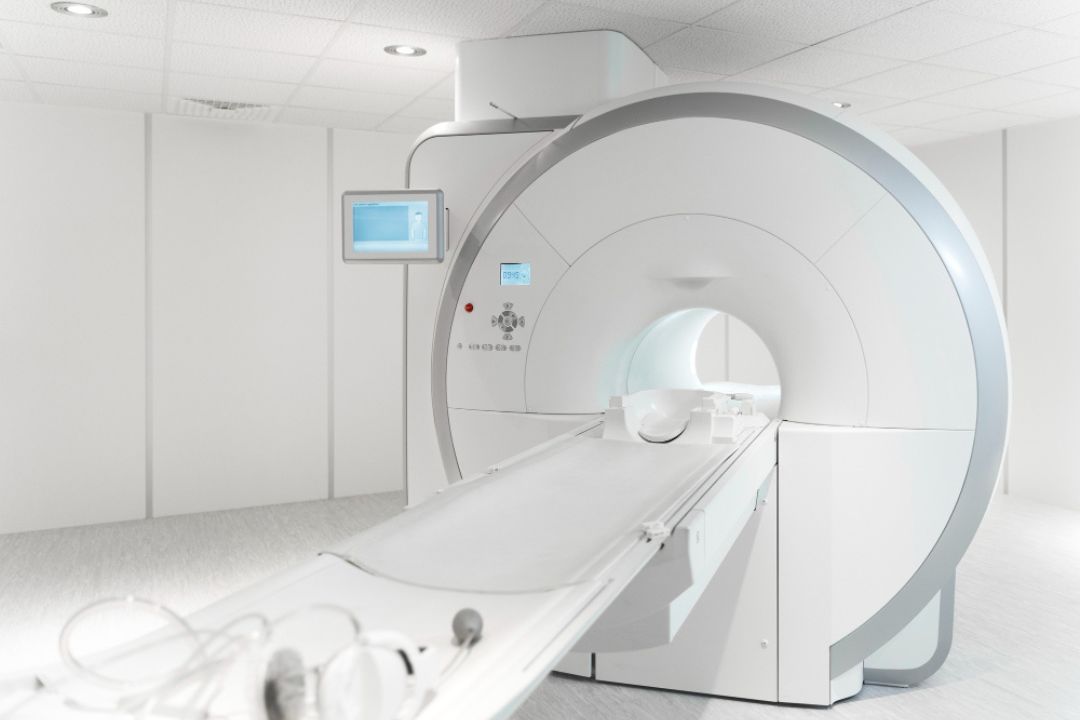
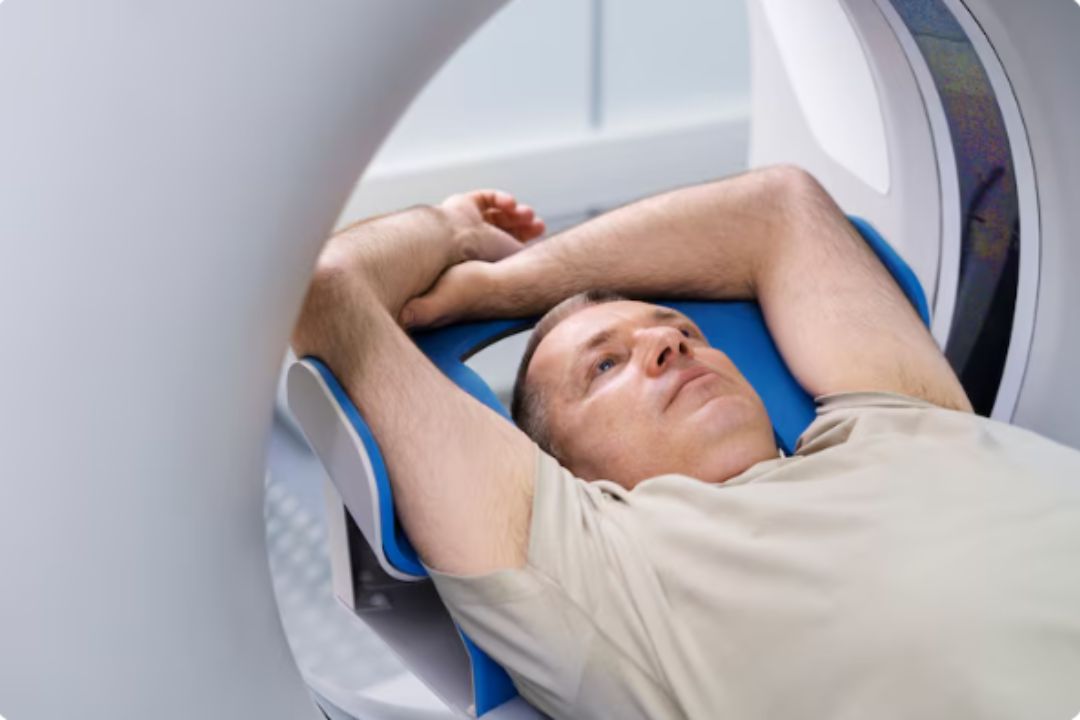
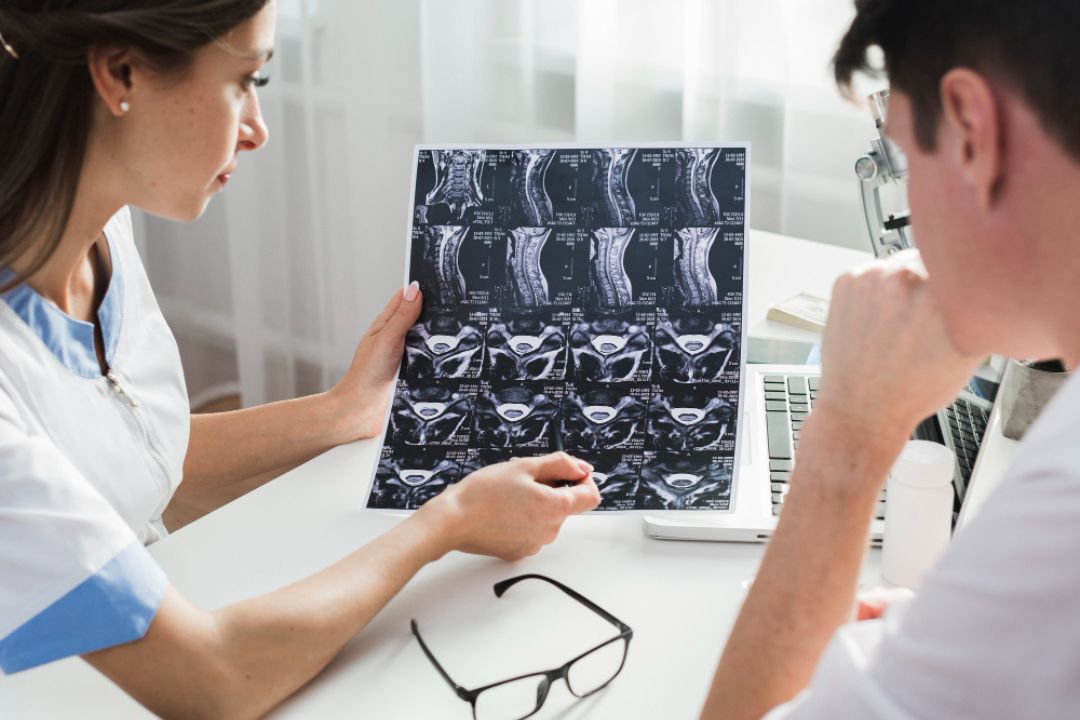
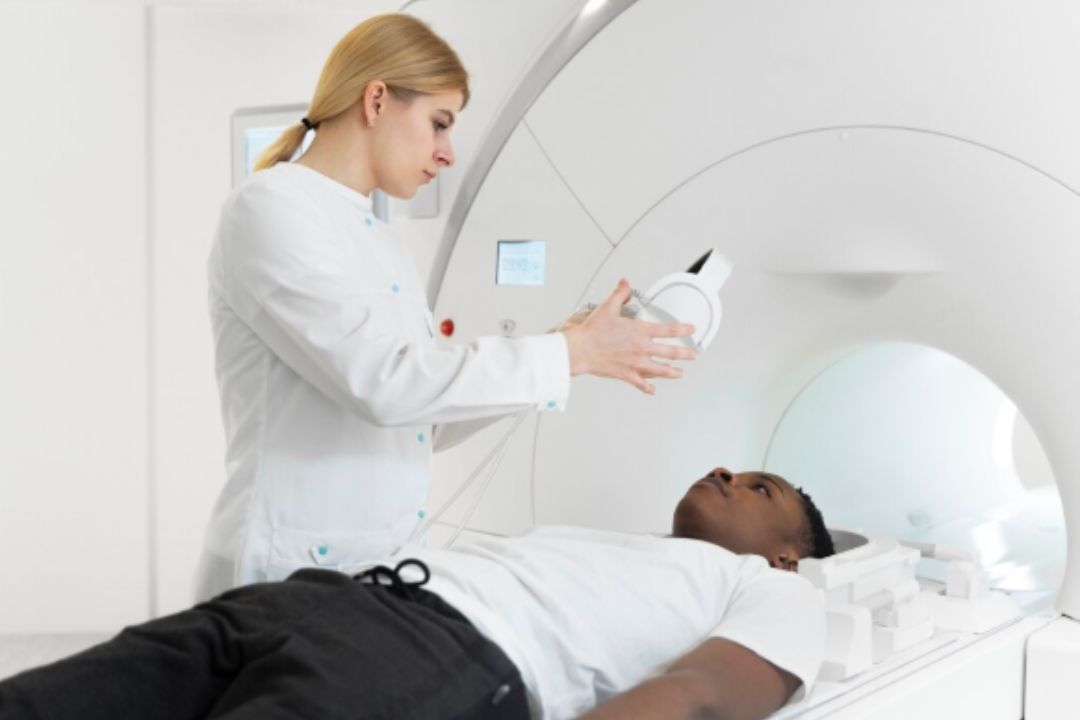
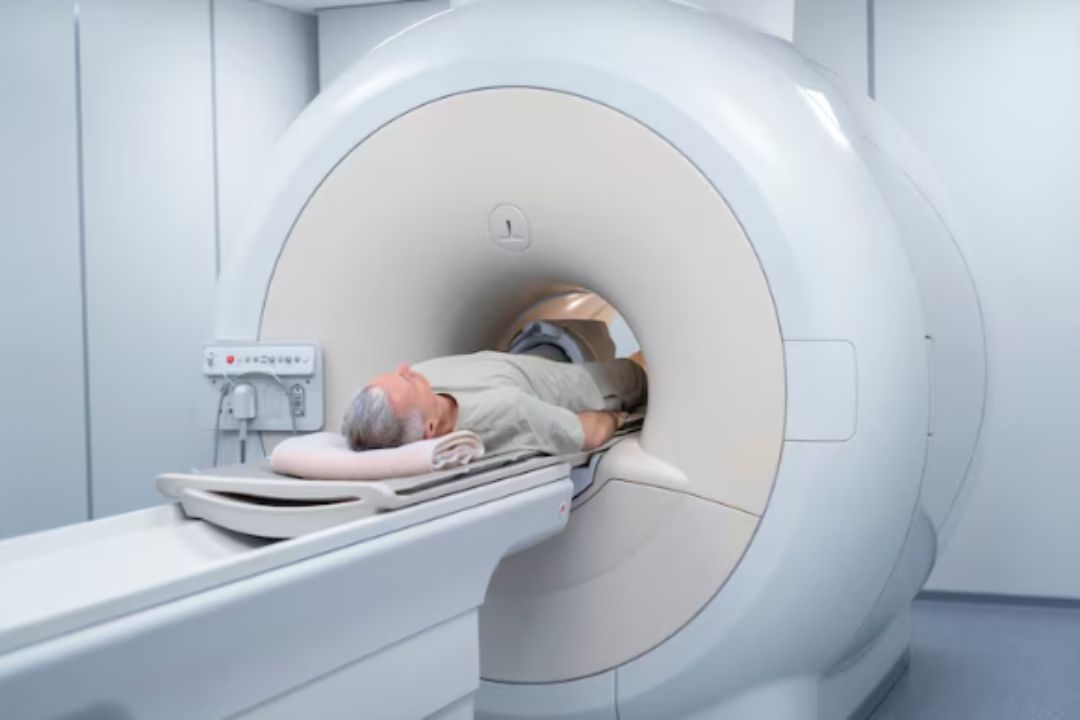
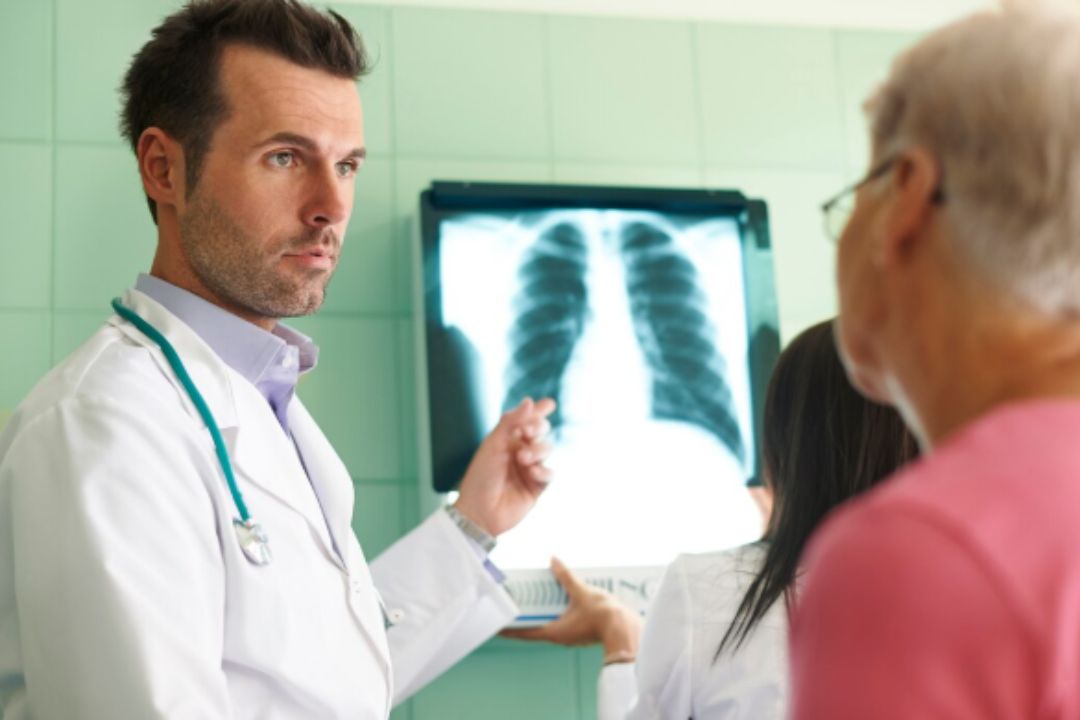
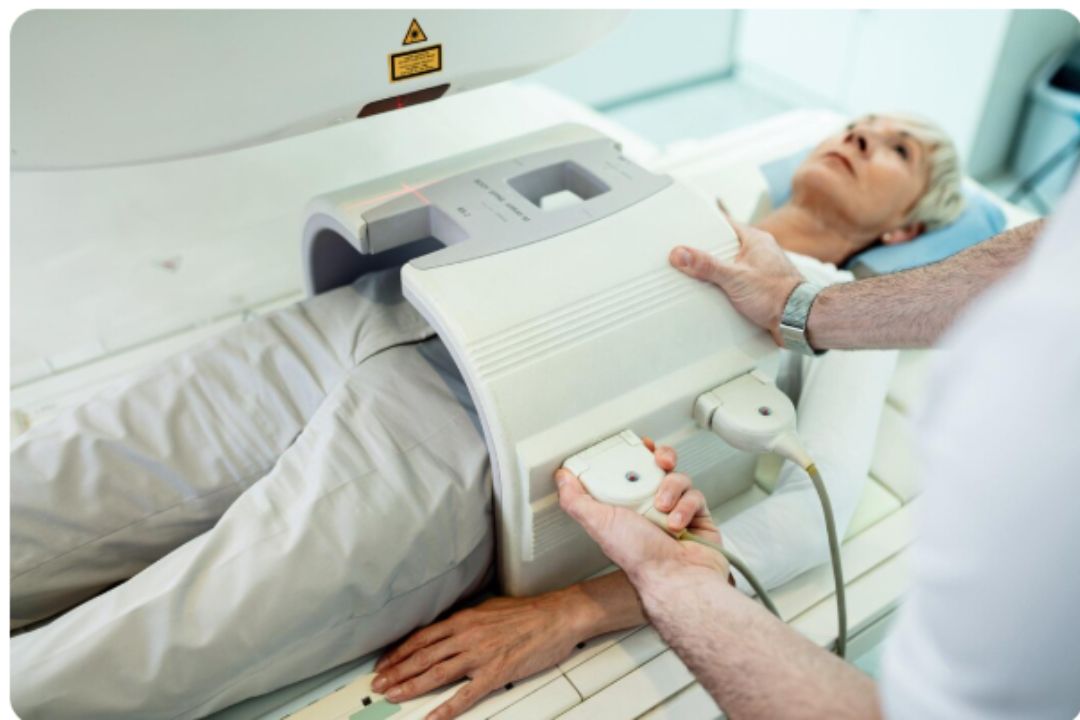
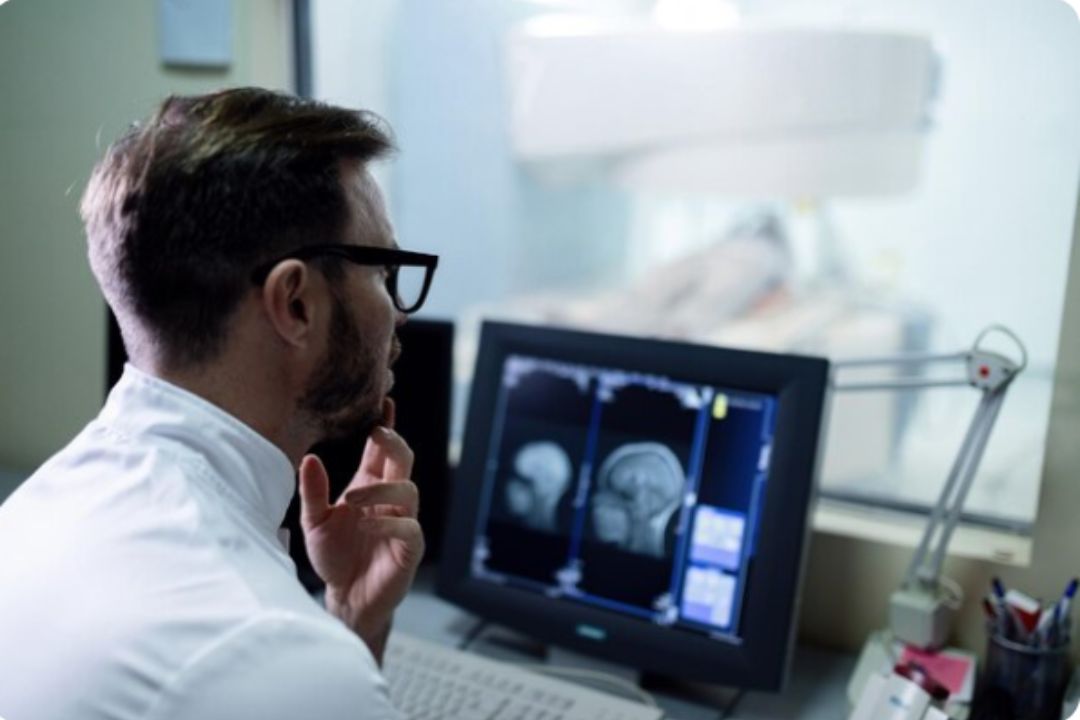
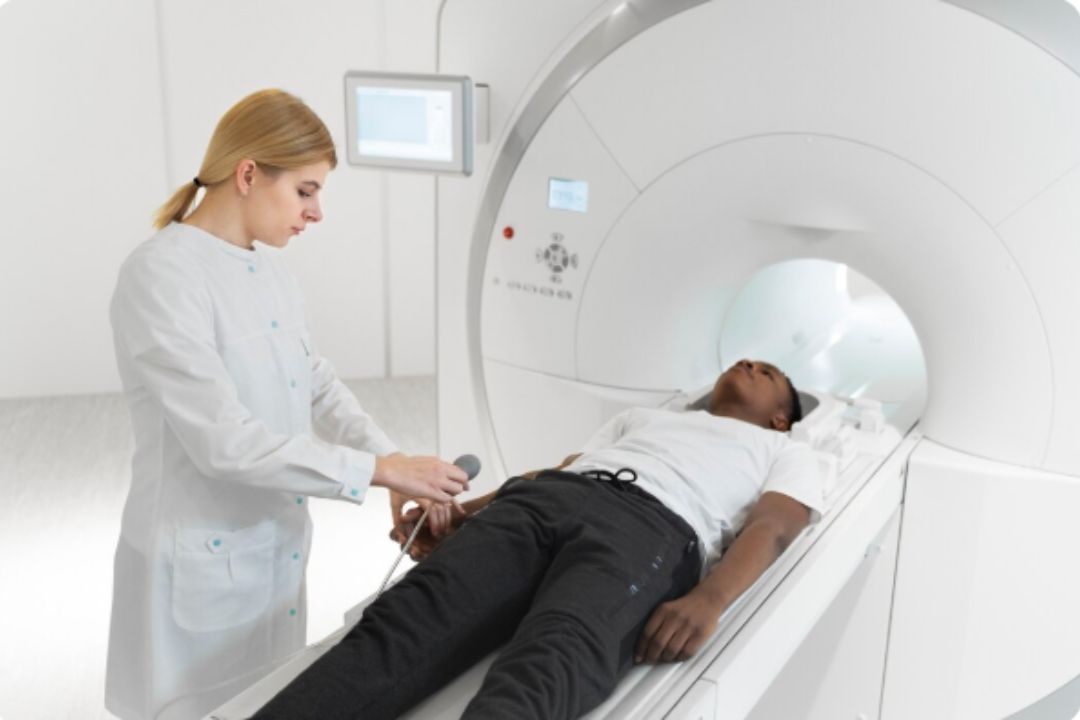
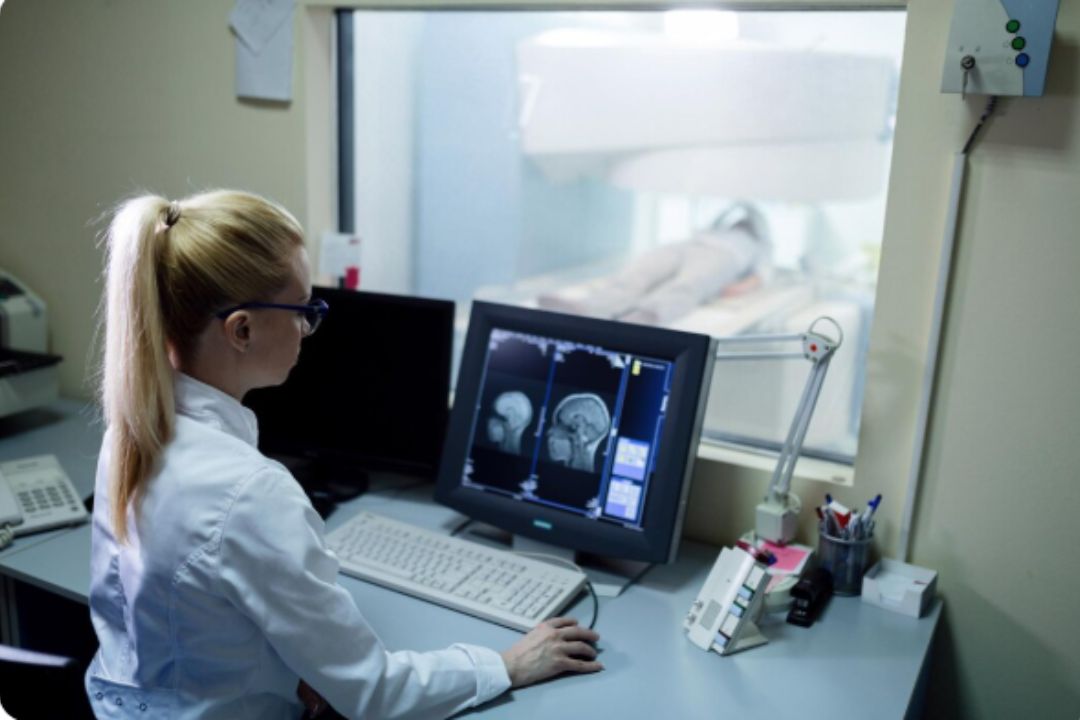
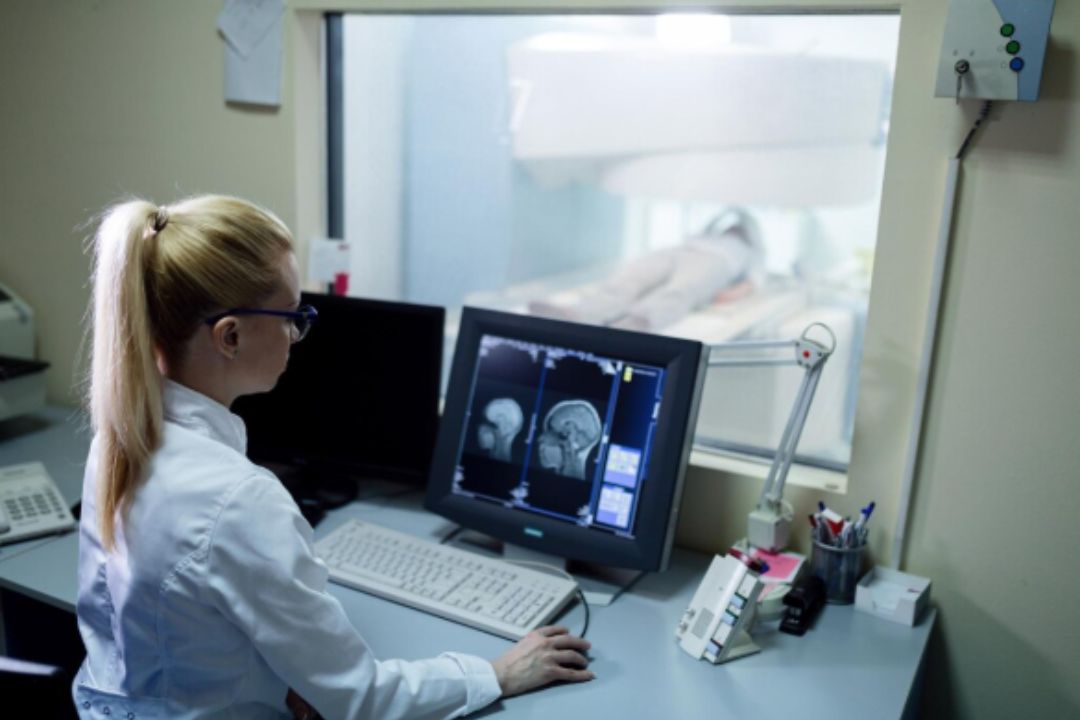
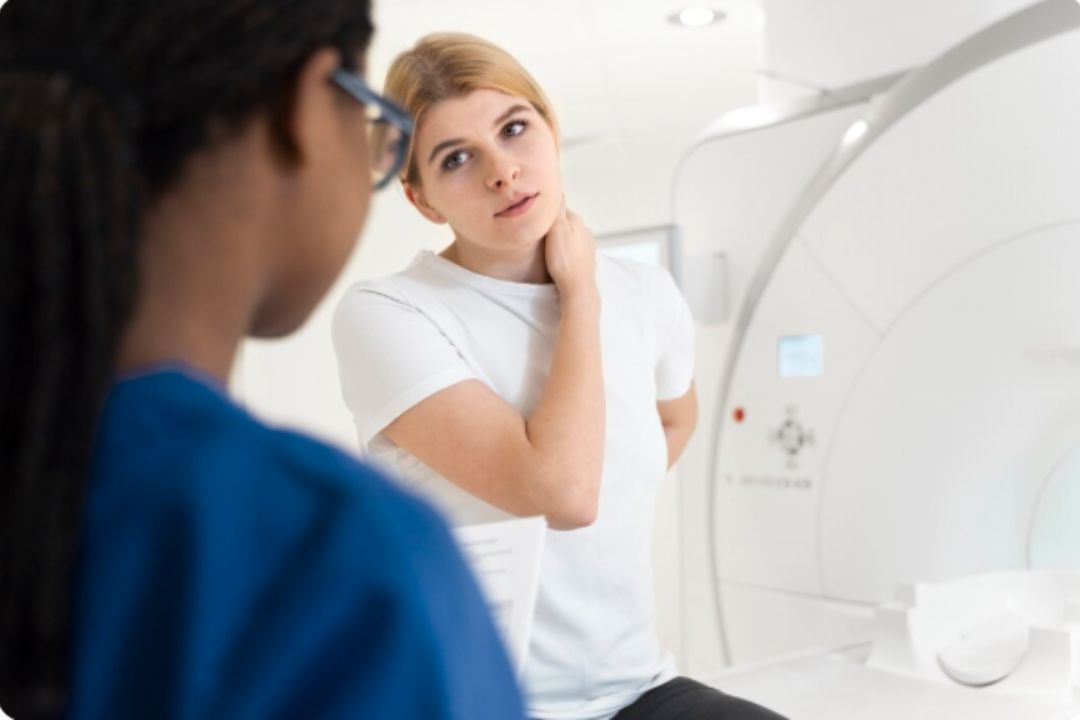
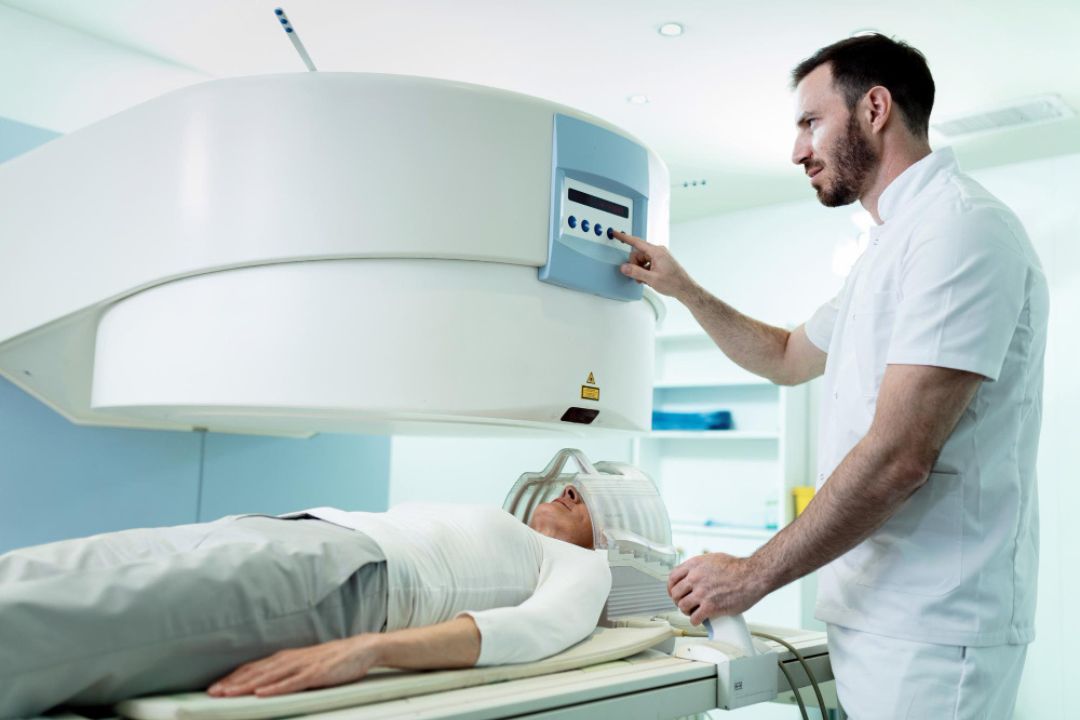
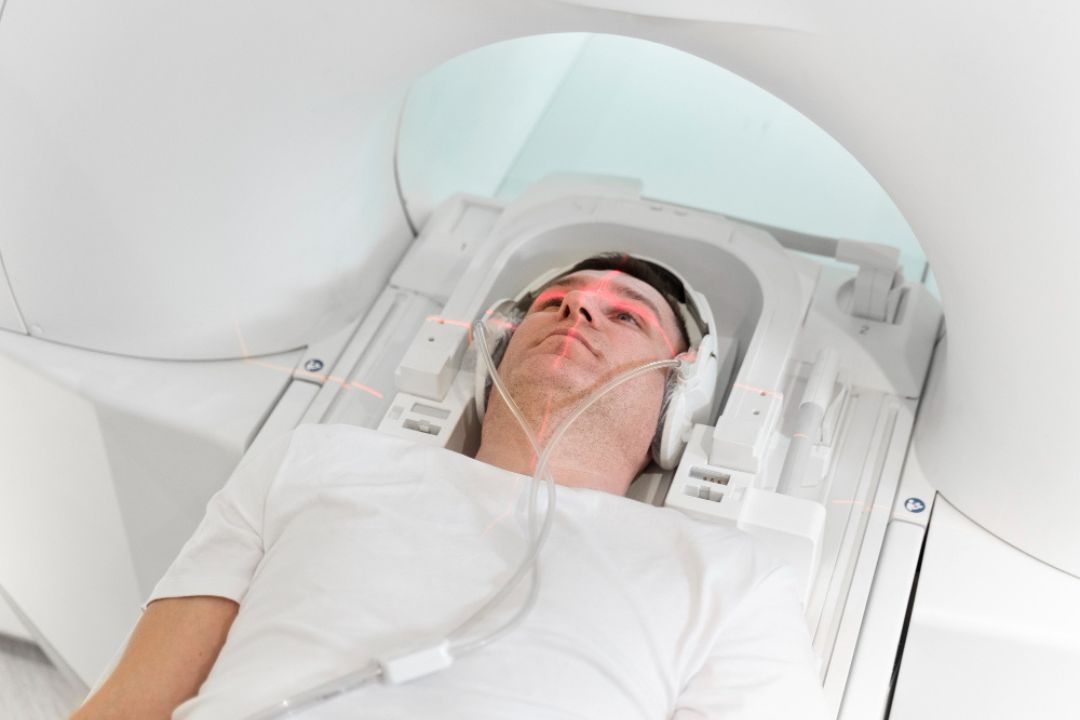
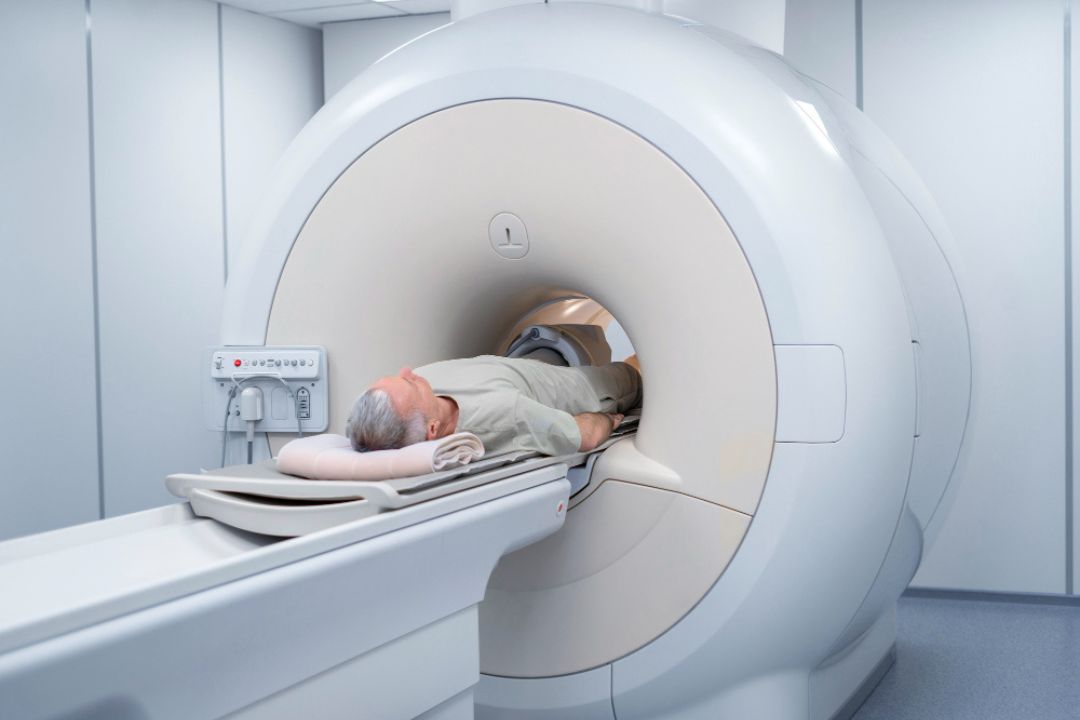
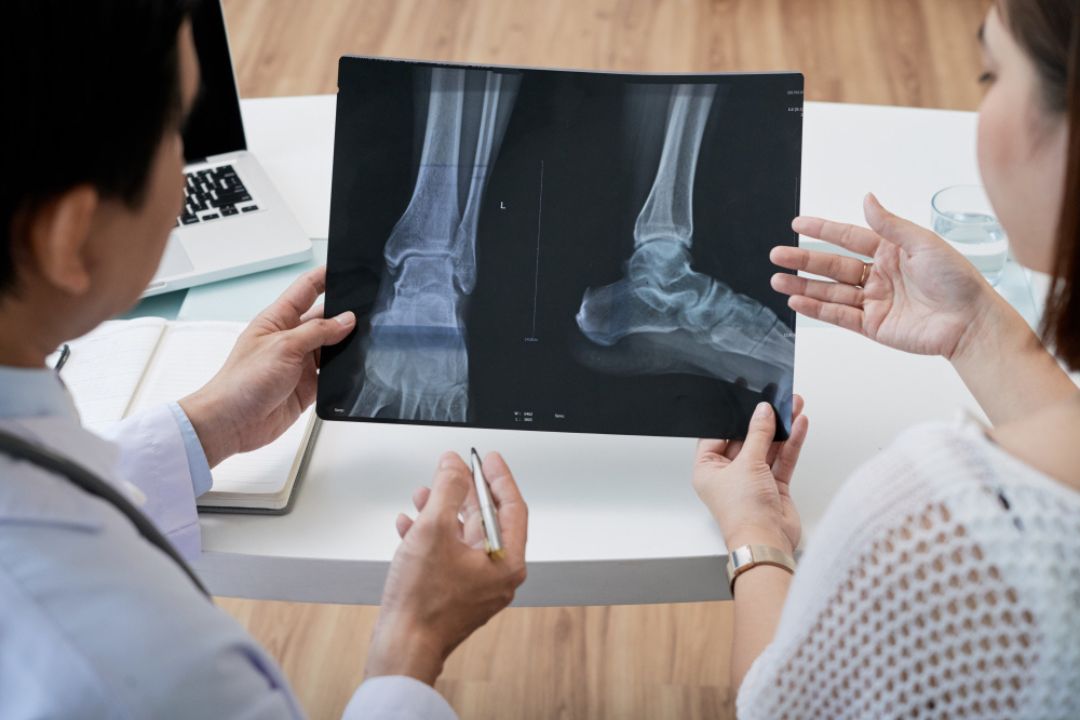
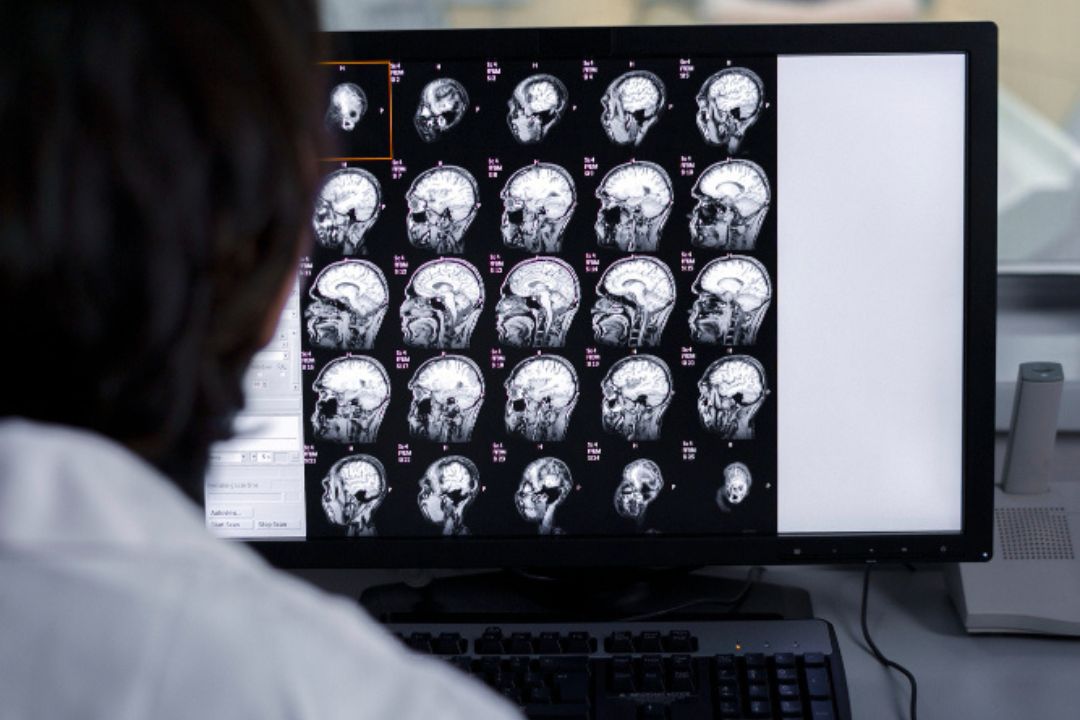
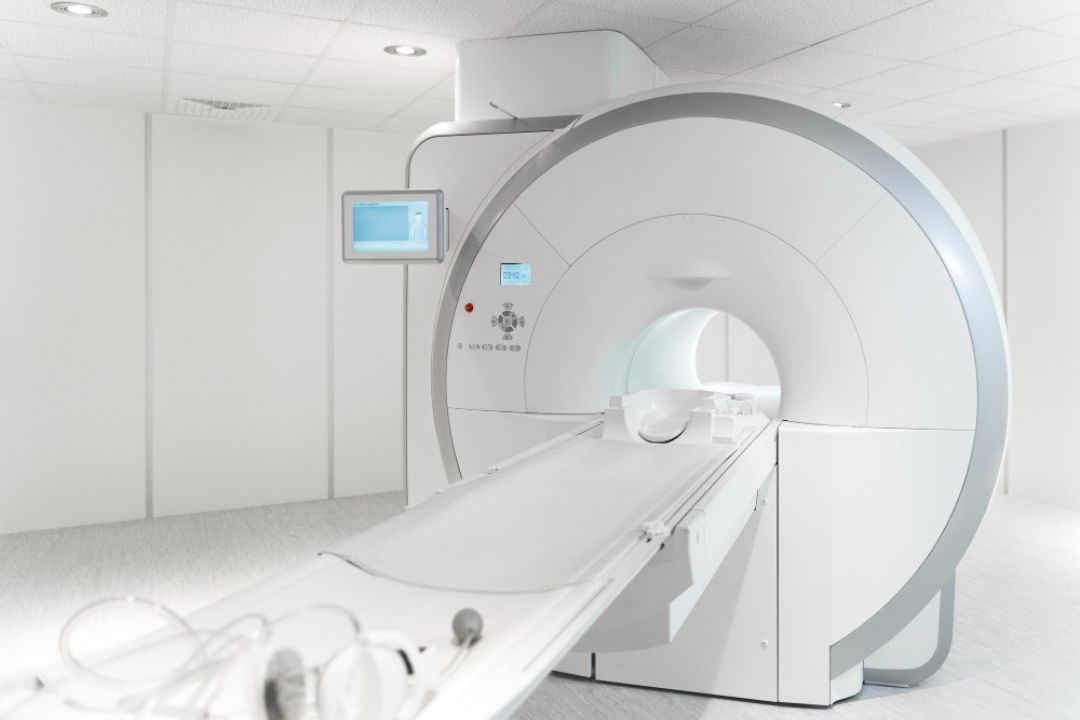
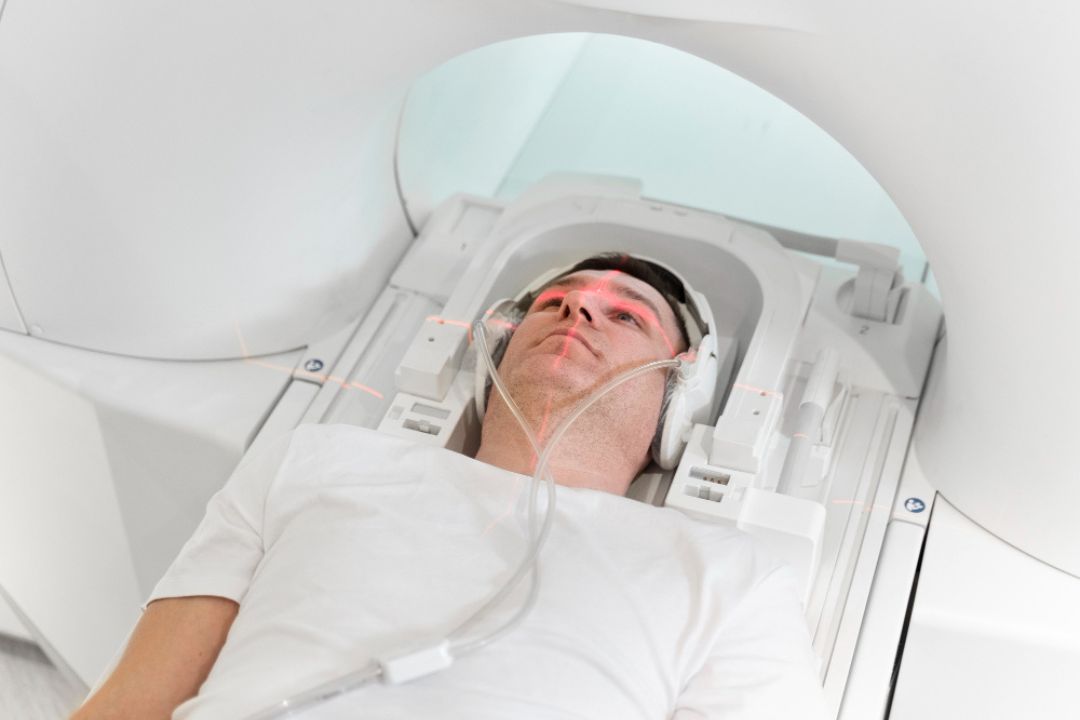
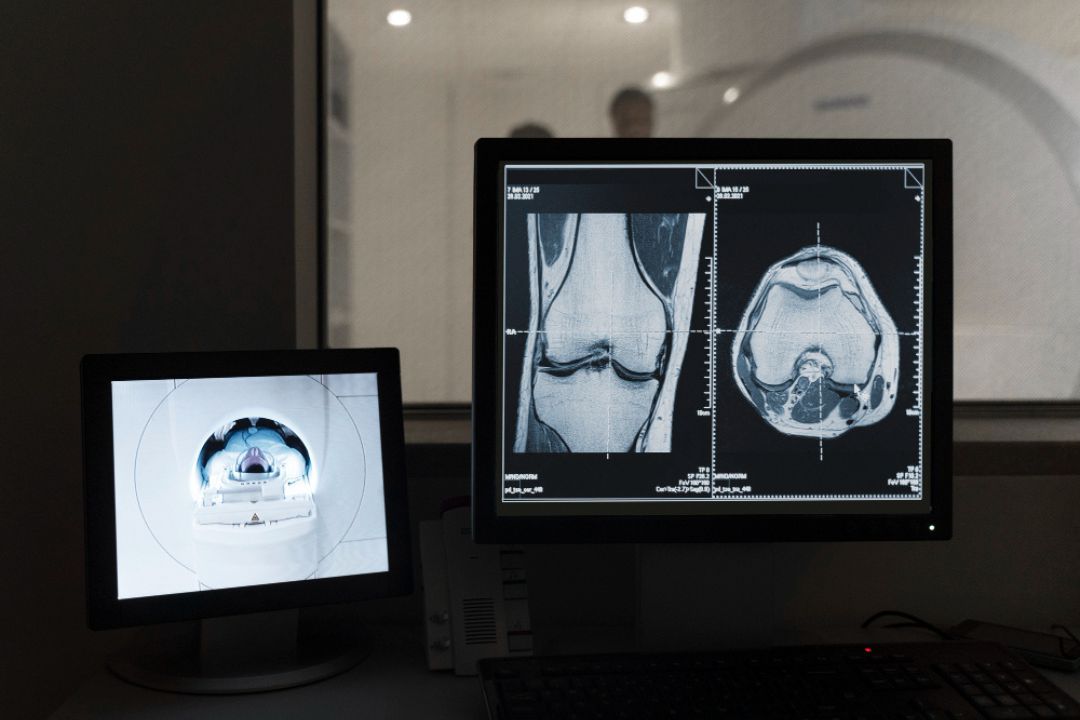
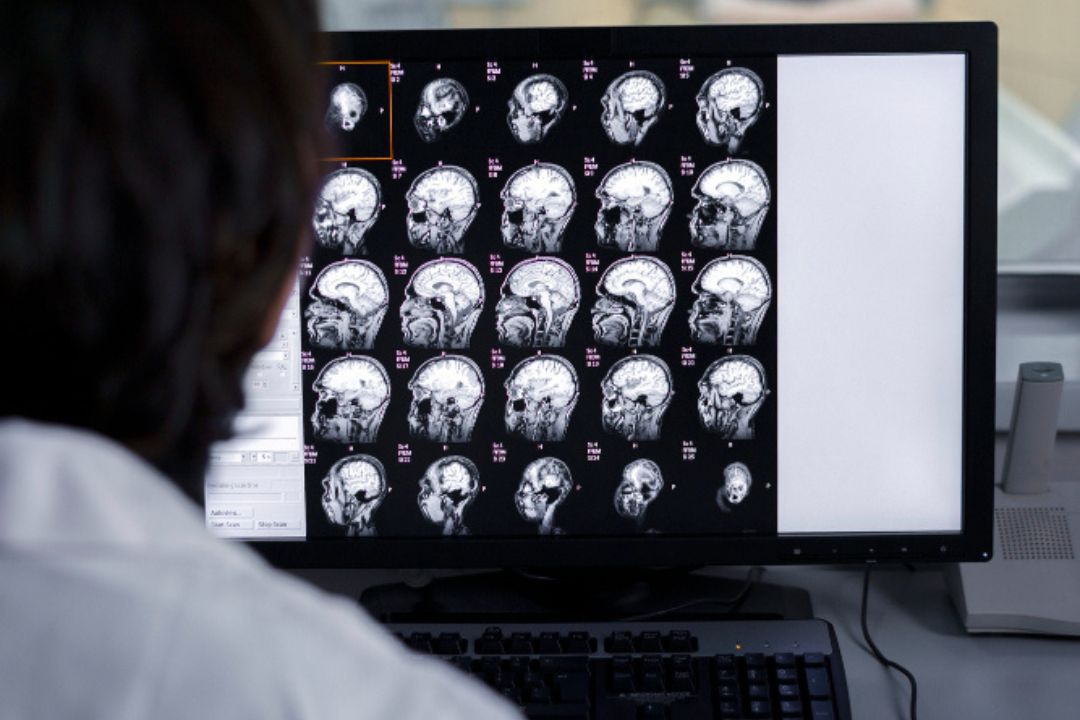
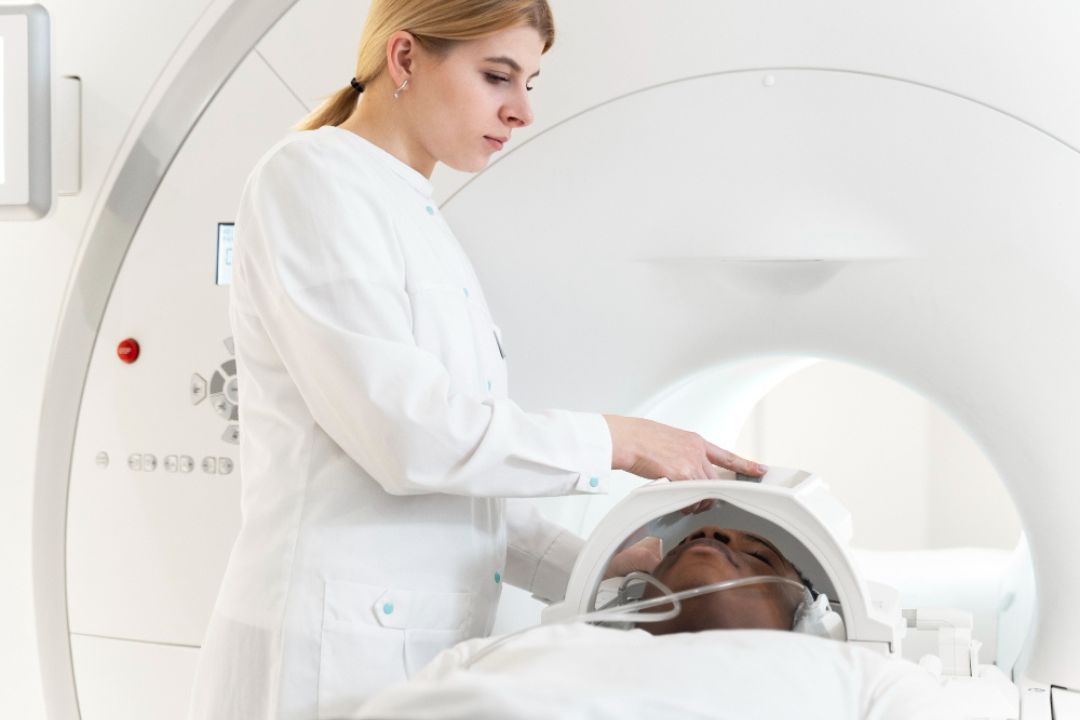
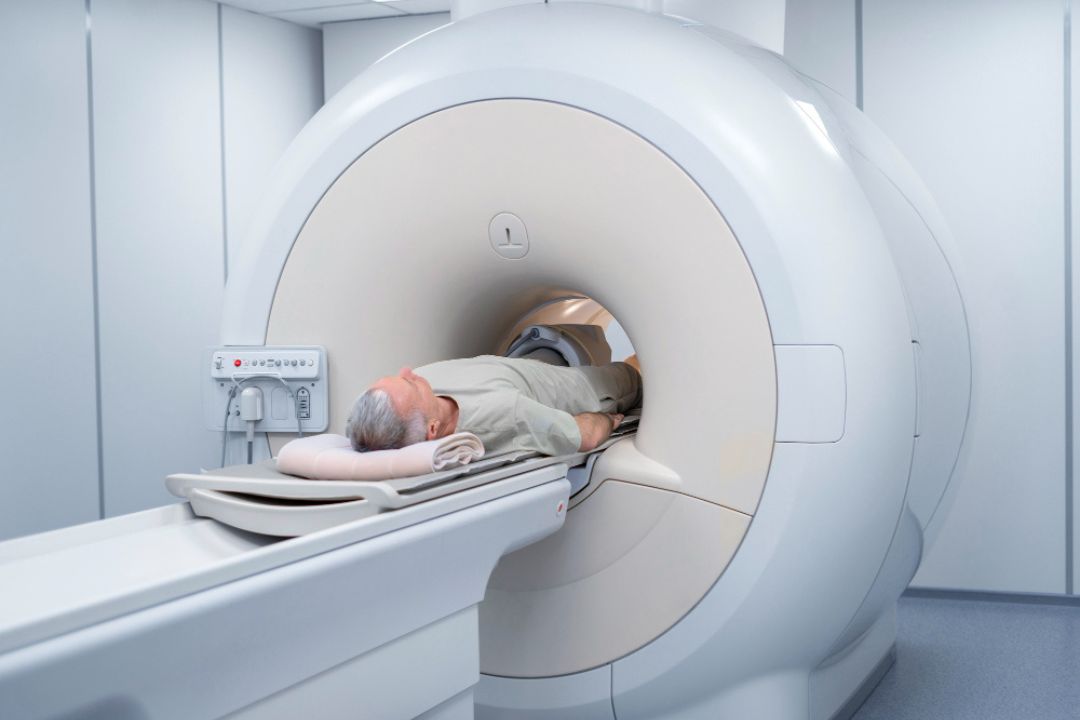
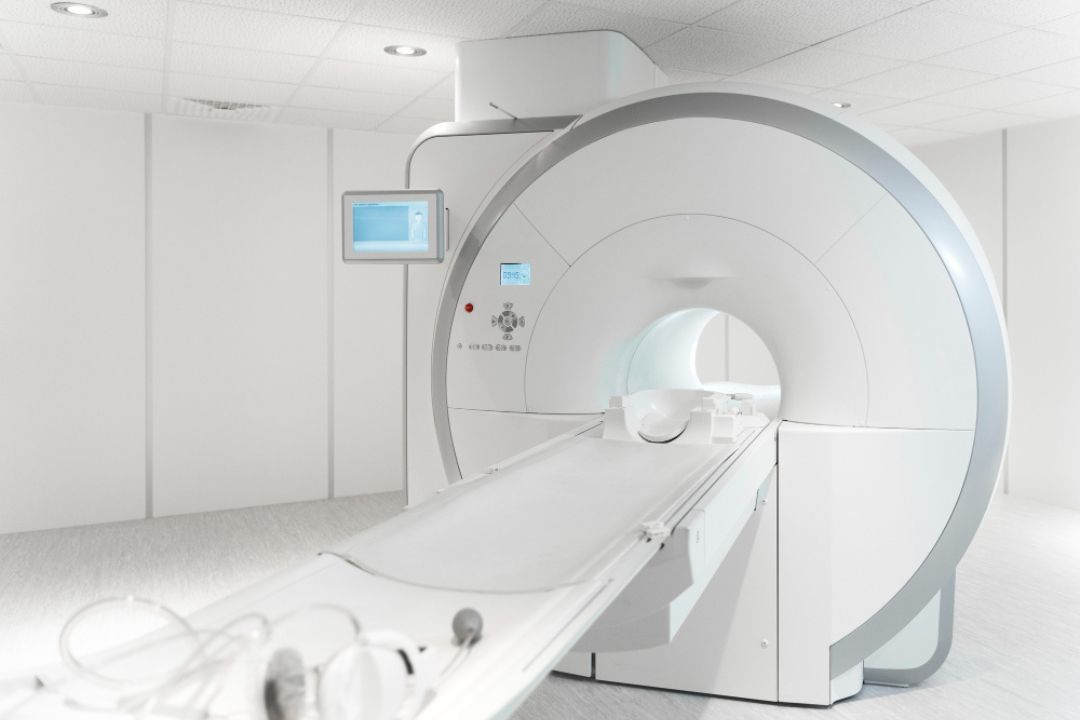
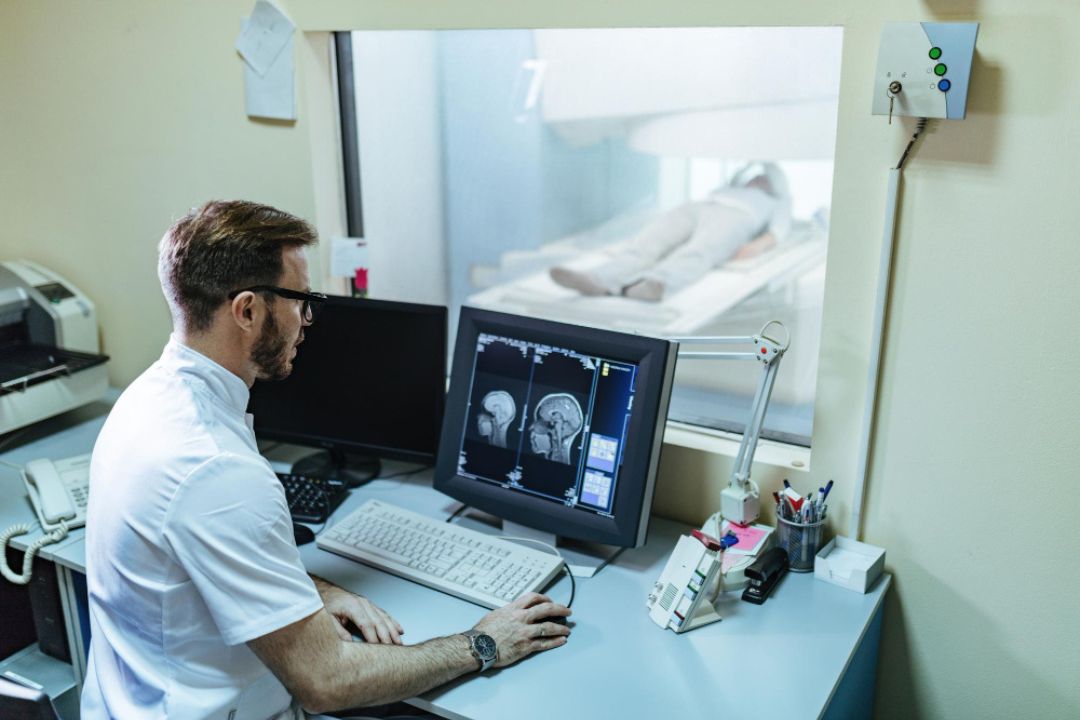
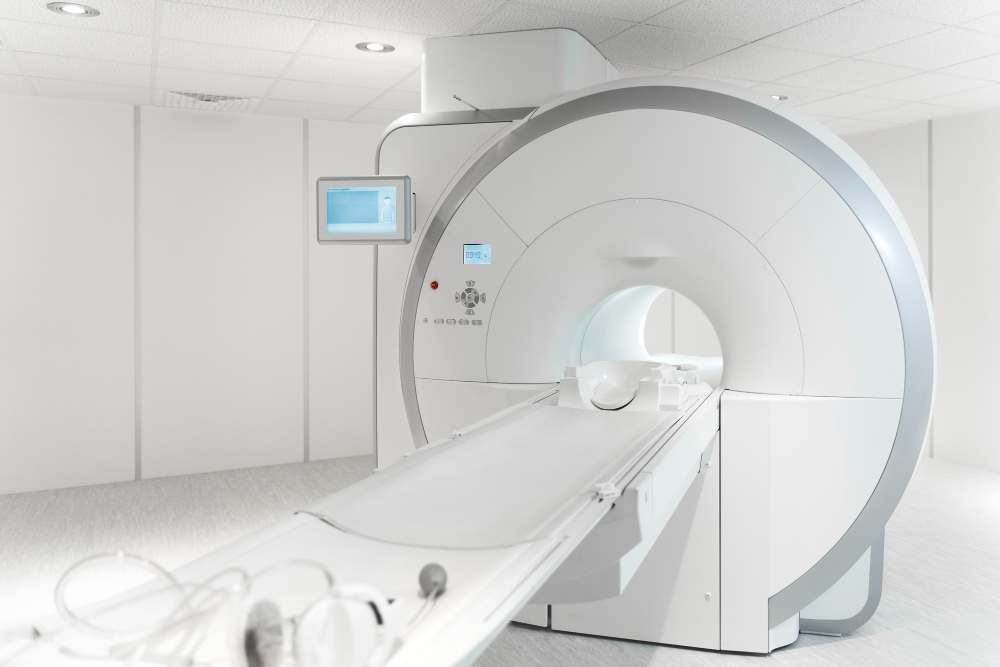
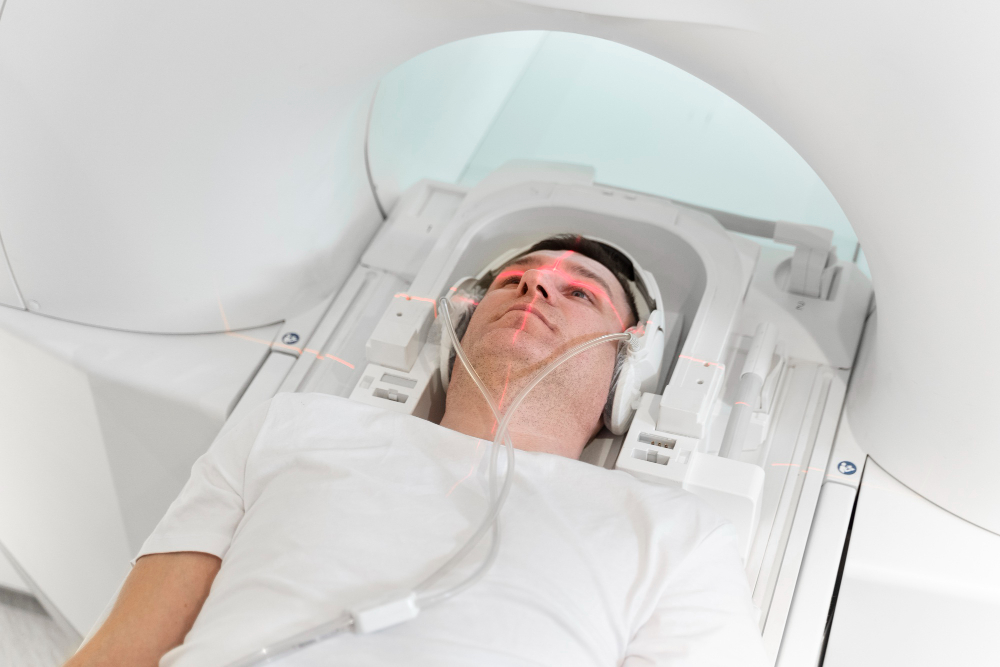
The main difference between an MRI and a CT scan lies in the technology they use and the type of details they capture. A CT (Computed Tomography) scan uses X-rays to create detailed cross-sectional images of the body and is especially useful for detecting bone injuries, lung conditions, internal bleeding, and vascular problems such as blocked arteries. It is fast, widely available, and often used in emergencies. In contrast, an MRI (Magnetic Resonance Imaging) uses powerful magnetic fields and radio waves to produce highly detailed images of soft tissues, making it ideal for examining the brain, spinal cord, joints, ligaments, and internal organs. MRIs do not use radiation but typically take longer and may cost more than a CT scan. In short, CT scans are quicker and better for bones and blood vessels, while MRIs provide superior soft tissue detail.
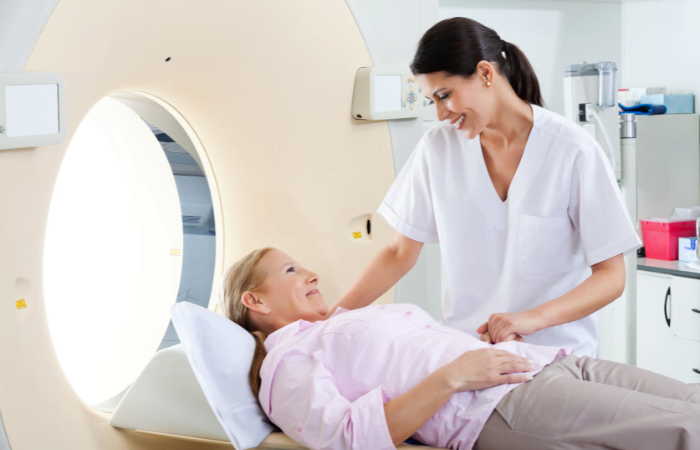
At Diagnopein Mumbai, patient comfort is our priority.
Non-invasive procedure
No hospital admission required
Short scan time
Modern multi-slice CT technology
Experienced radiology team
The cost of CT angiography for blocked arteries in legs depends on:
Diagnostic center
Type of CT machine (multi-slice, 128-slice, etc.)
Contrast usage
Radiologist expertise
In Mumbai, the cost typically ranges between
You may need CT angiography if you experience:
Leg pain while walking (claudication)
Cold feet or toes
Non-healing wounds
Weak pulse in legs
History of diabetes, smoking, or high cholesterol
Early diagnosis can prevent serious vascular complications.
Avoid heavy meals before the scan
Carry previous reports
Inform about medications
Allergic reaction to contrast
Kidney function concerns in high-risk patients
Your doctor may recommend blood tests before the scan if necessary.
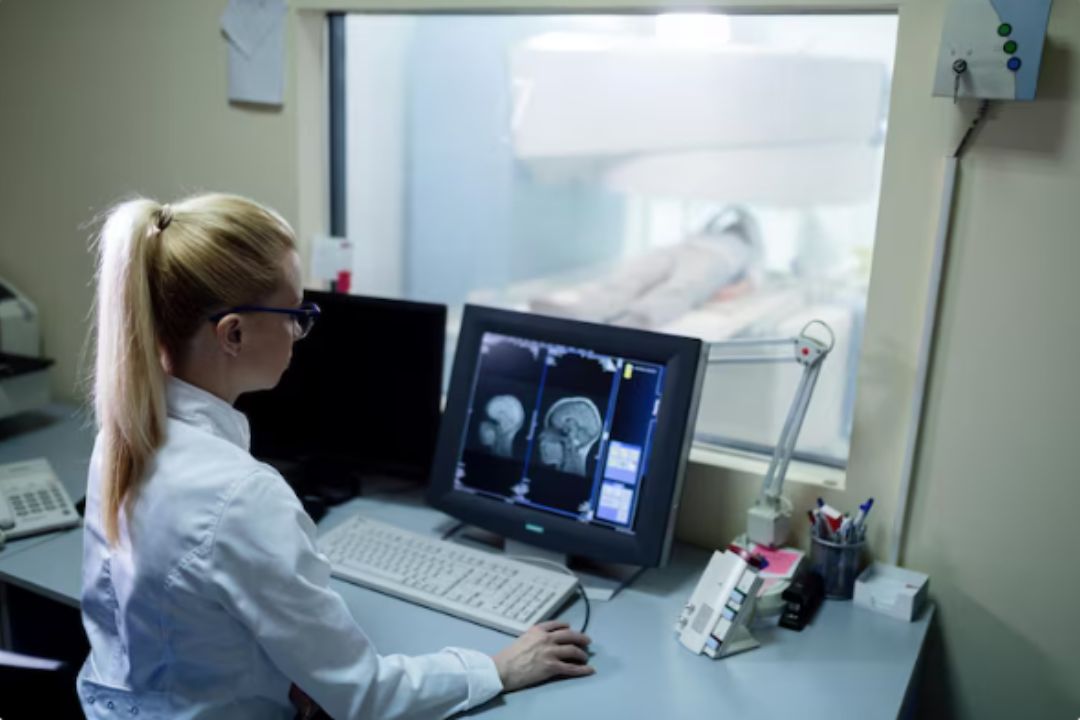
When searching online for CT scans near me, accuracy, reliability, and safety should be your top priorities.
At Diagnopein Mumbai, we provide:
Advanced CT scan with contrast technology
Quick appointment scheduling
Experienced radiologists
Accurate digital reports
Affordable pricing
Convenient Mumbai locations
CT angiography for blocked arteries in legs is a highly effective and minimally invasive diagnostic tool that helps detect peripheral artery disease early. Compared to other imaging methods, it offers faster results, precise visualization, and better treatment planning.
If you are experiencing leg pain or symptoms of poor circulation, don’t delay diagnosis. Trust Diagnopein Mumbai for reliable, affordable, and accurate CT angiography services.





.jpg "ct brain scan plain and contrast")










.jpg "ct scan")
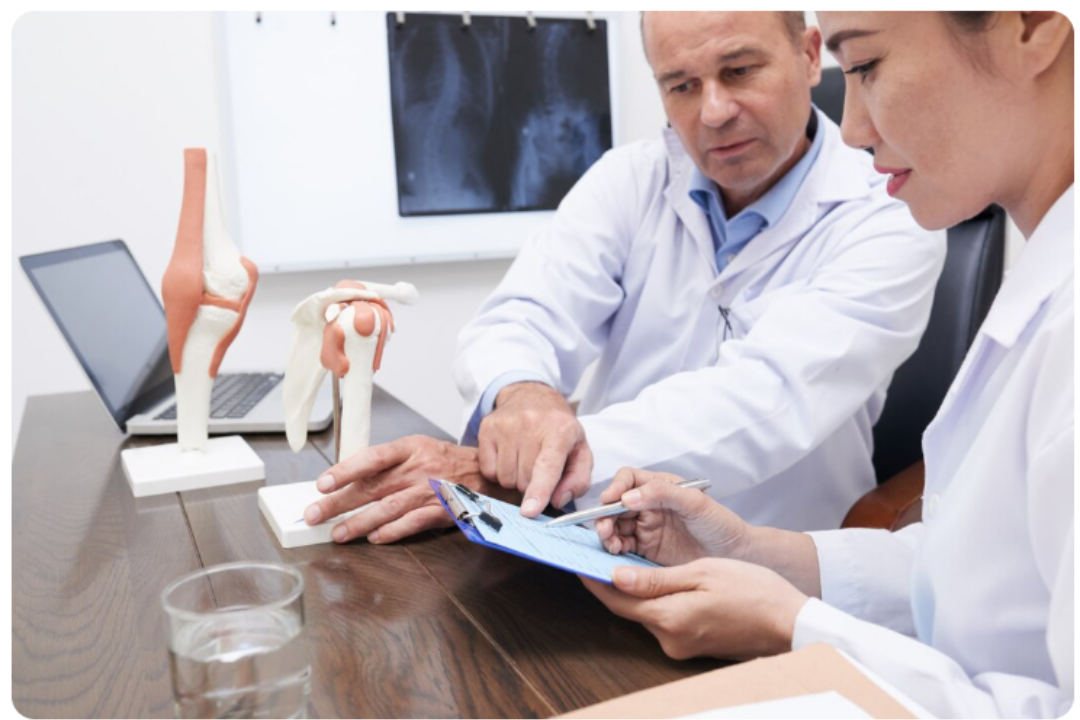
.jpg "ct scan or mri for brain disorders")


.jpg "exploring the power of ct brain contrast in modern diagnostics")
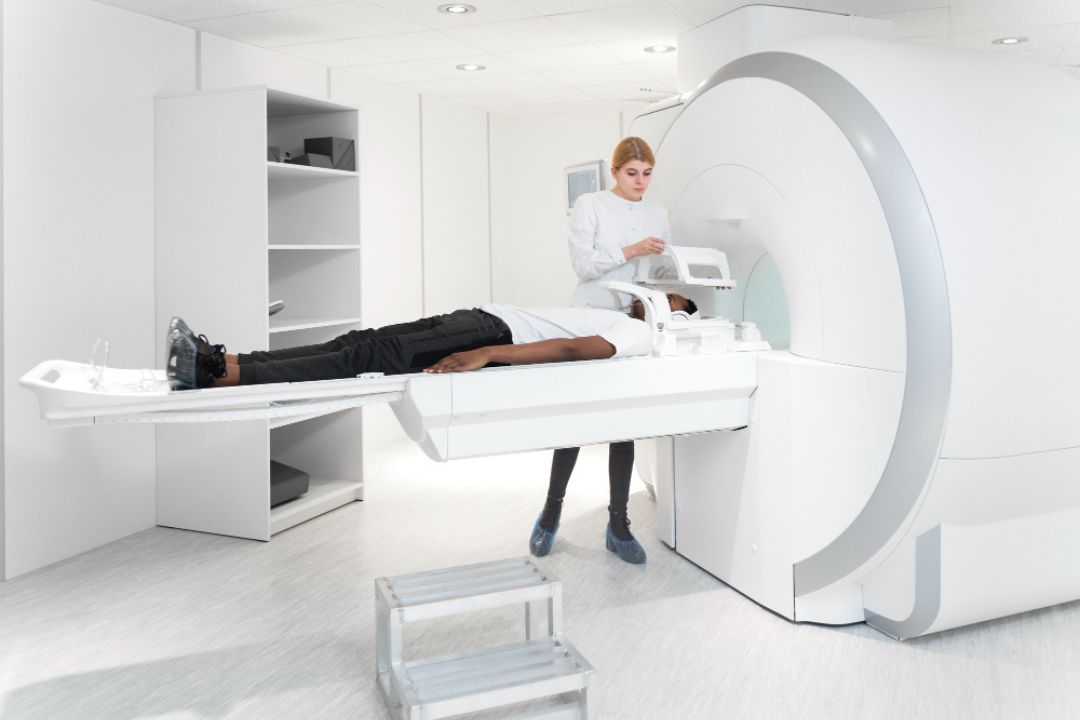
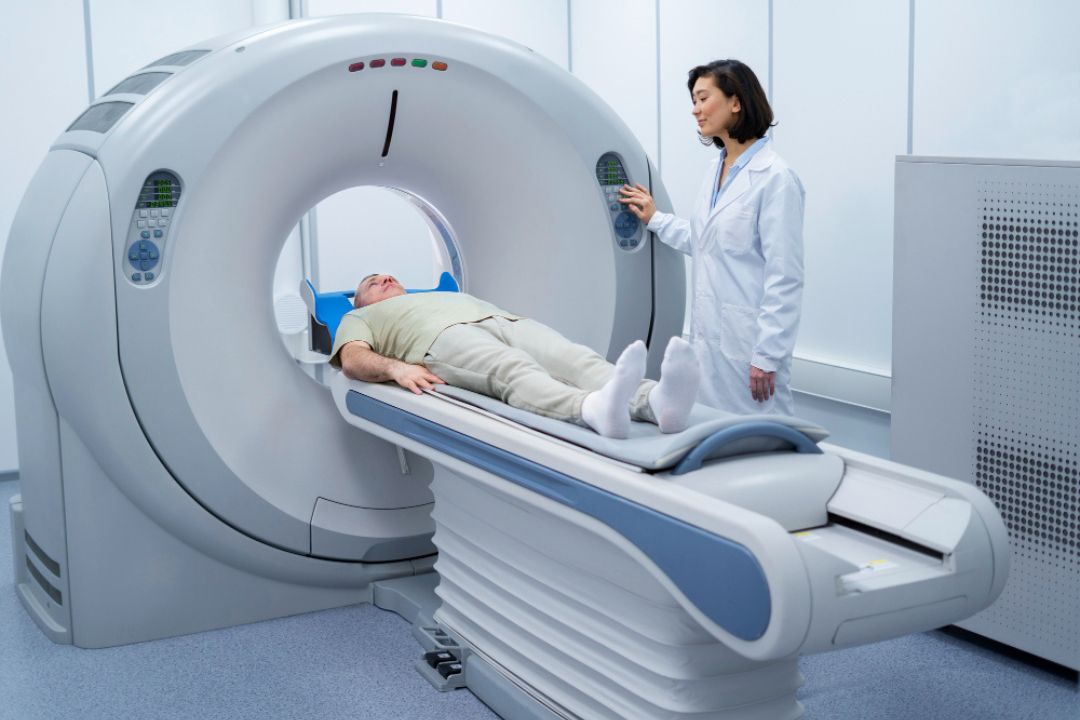
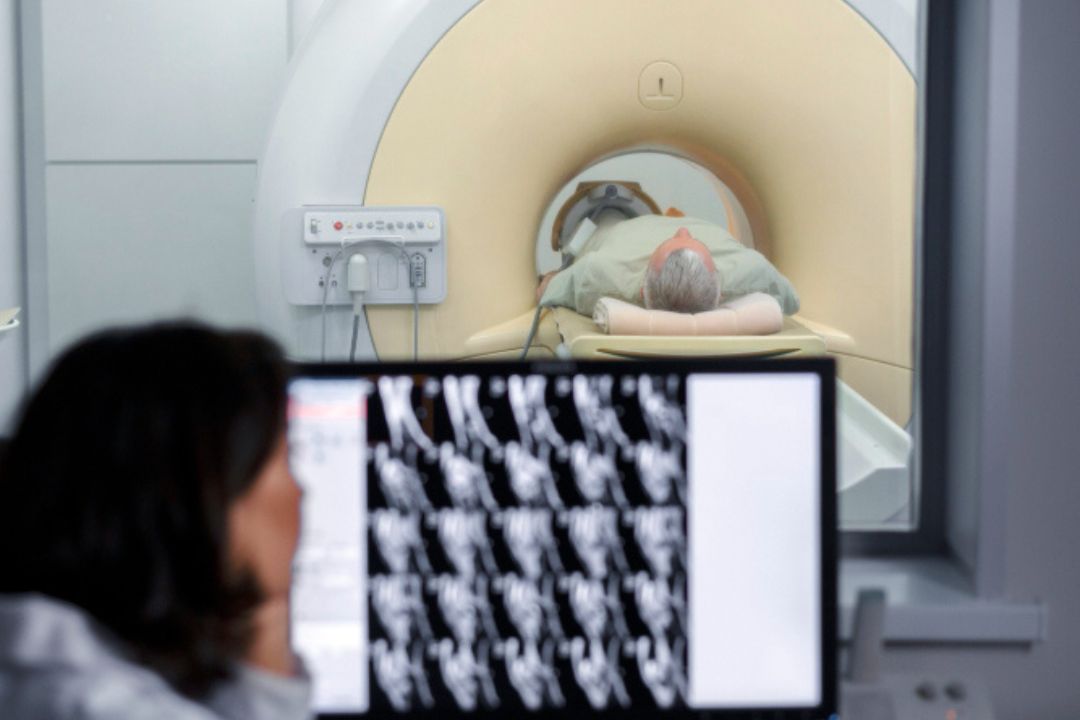
.jpg "ct scan")
.jpg "ct scan")







.jpg "ct scan")

.jpg "CT Brain Scan for Headaches")
.jpg "The Future of 3D CT Imaging")