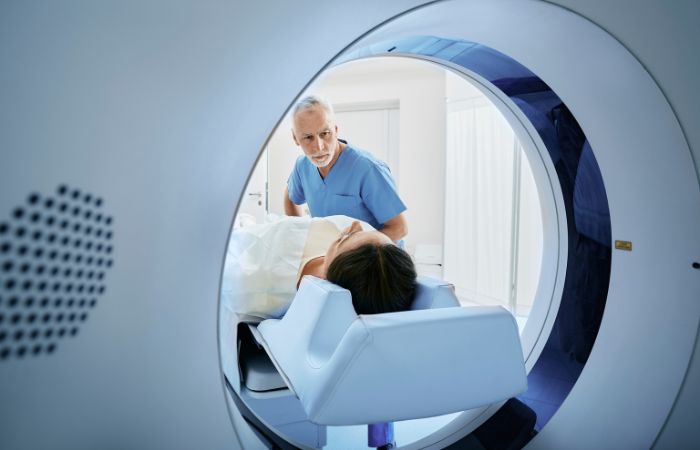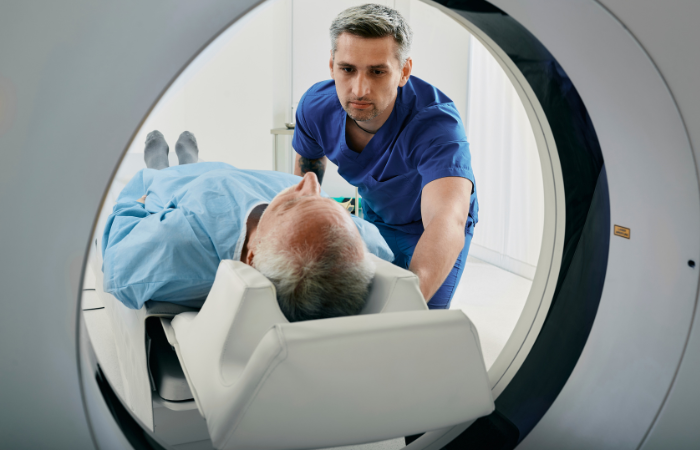
When your doctor recommends a CT scan, it’s natural to have questions. What type of scan do I need? Is it safe? How much will it cost? Understanding the differences between a contrast and non-contrast CT scan can ease your worries and help you prepare better. At Diagnopein Mumbai, a leading CT scan centre, we believe an informed patient is a confident patient. This detailed guide breaks down everything you need to know—from benefits and comparisons to cost and comfort—so you can approach your scan with clarity.
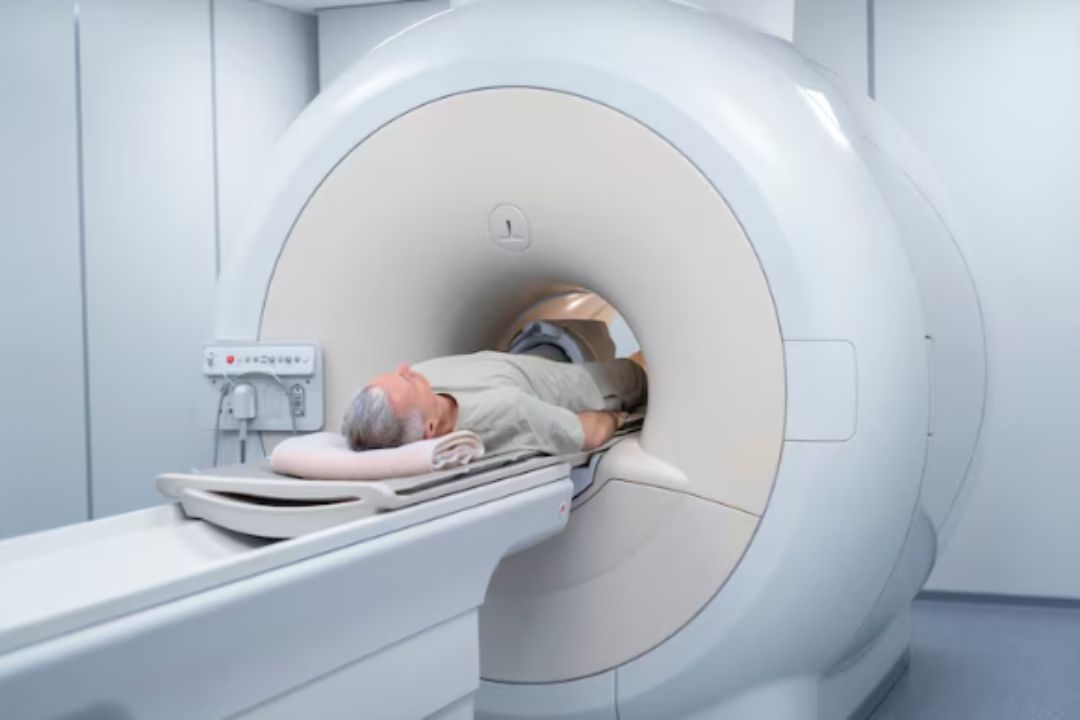
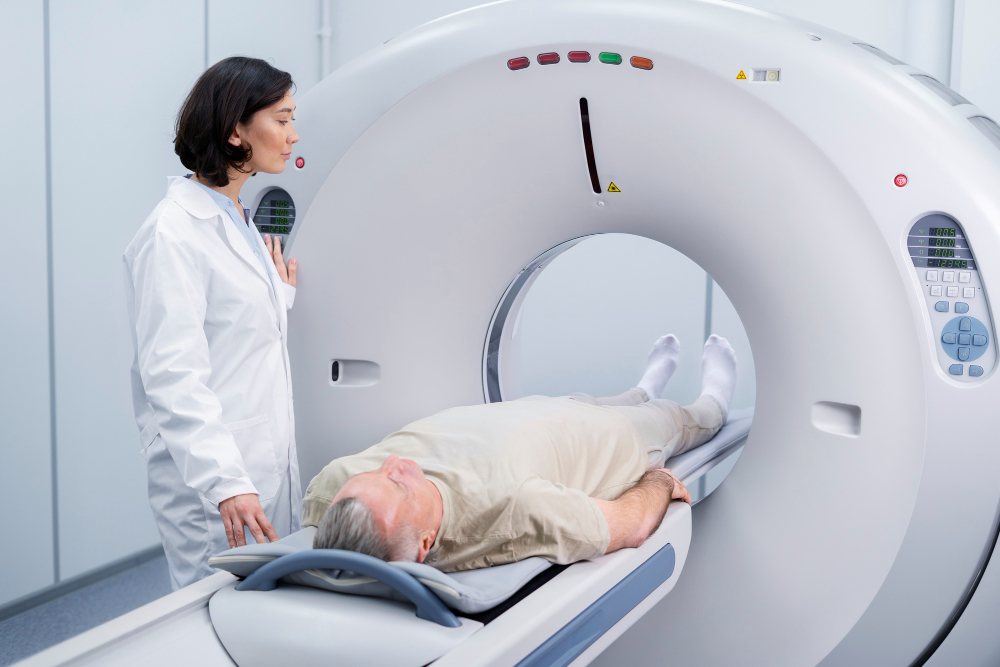
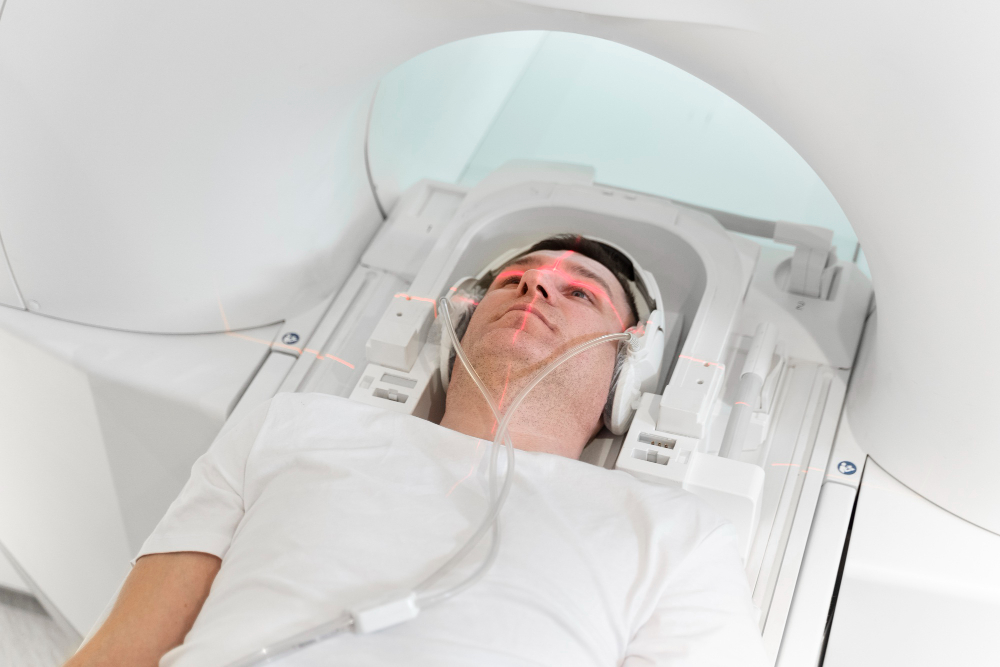
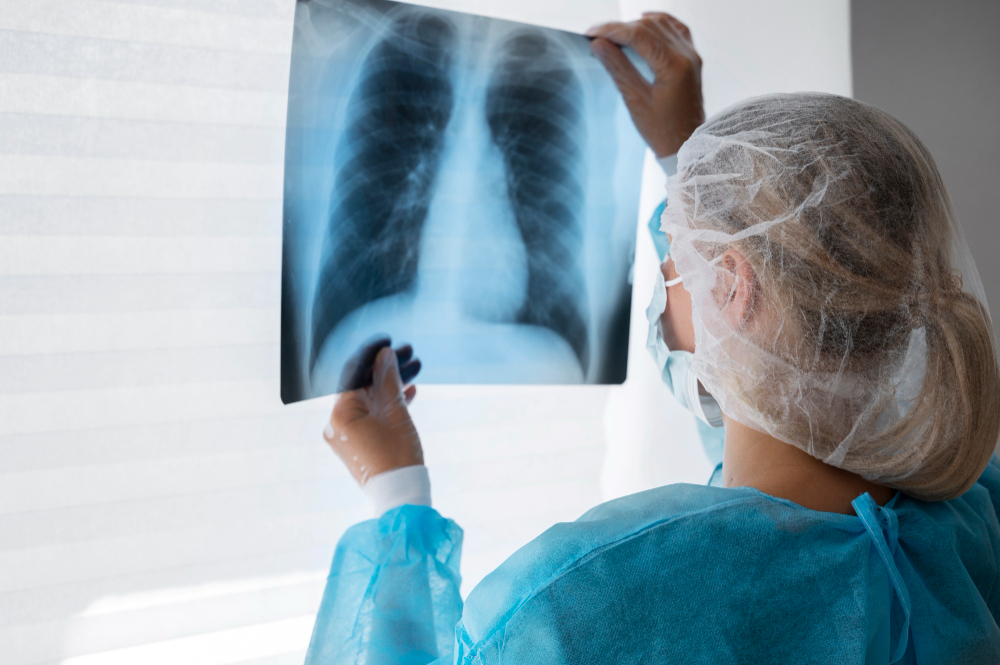
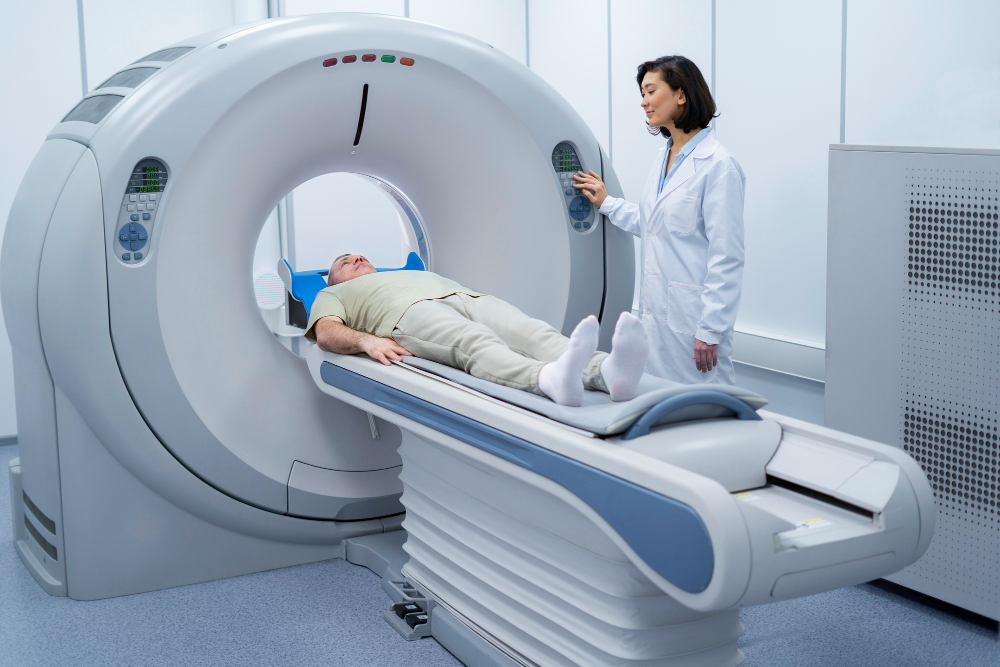
CT (Computed Tomography) scans are advanced imaging tests that help doctors diagnose internal health problems quickly and accurately.
Visit Now: https://www.diagnopein.com/ct-scan/Mumbai
One common question patients ask is:
The main difference is simple.
A contrast CT scan uses a special dye to enhance images.
A non-contrast CT scan does not use any dye.
Let’s understand both in detail.
A contrast CT scan uses a special dye called contrast material.
Book Now: https://www.diagnopein.com
This dye is injected into a vein, swallowed, or given through an enema, depending on the body part being examined.
The contrast helps highlight:
Blood vessels
Organs
Tumors
Infections
Inflammation
Because of the dye, the images appear clearer and more detailed.
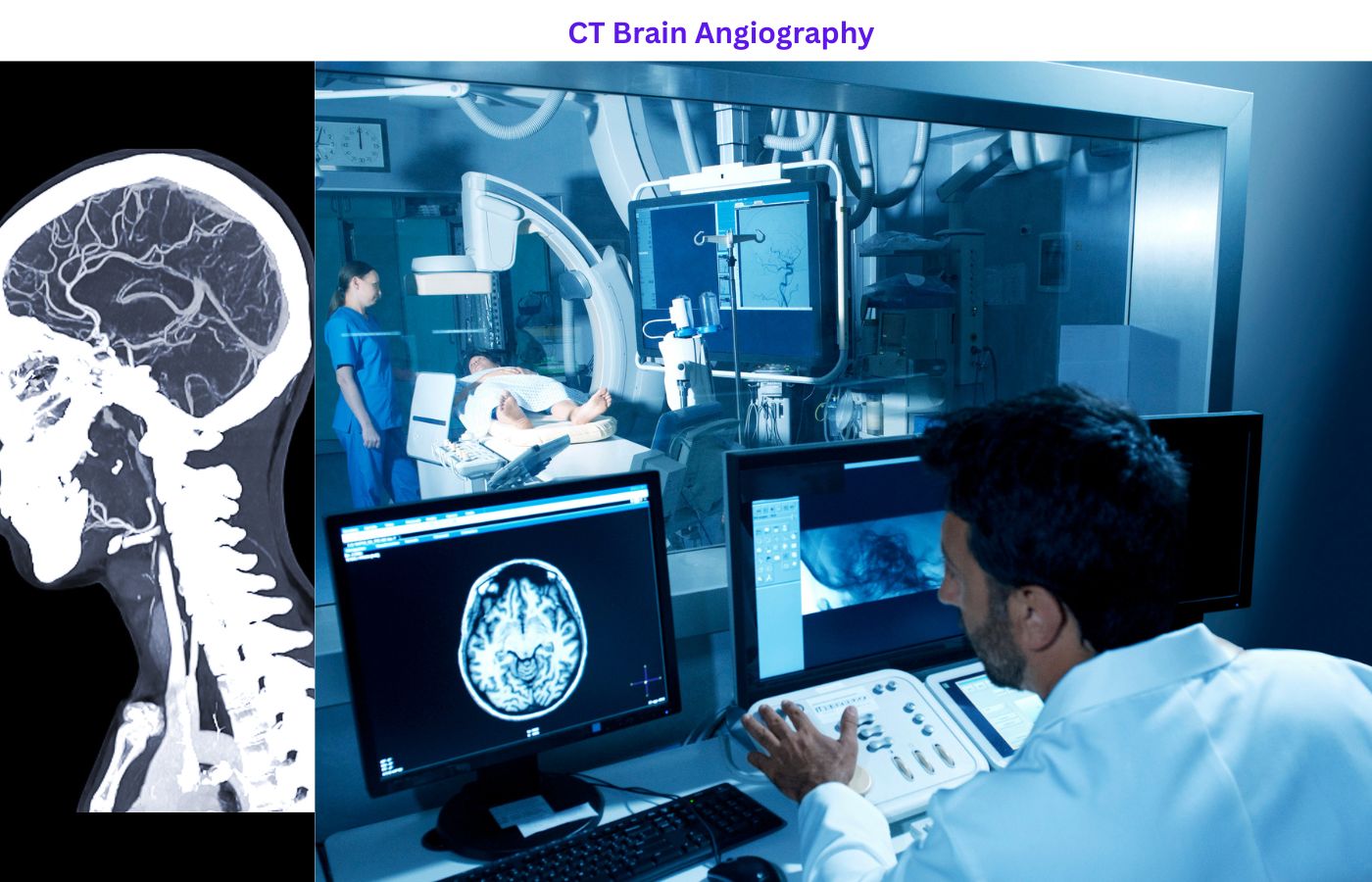
Doctors usually recommend contrast CT scans when they need to evaluate soft tissues or blood flow.
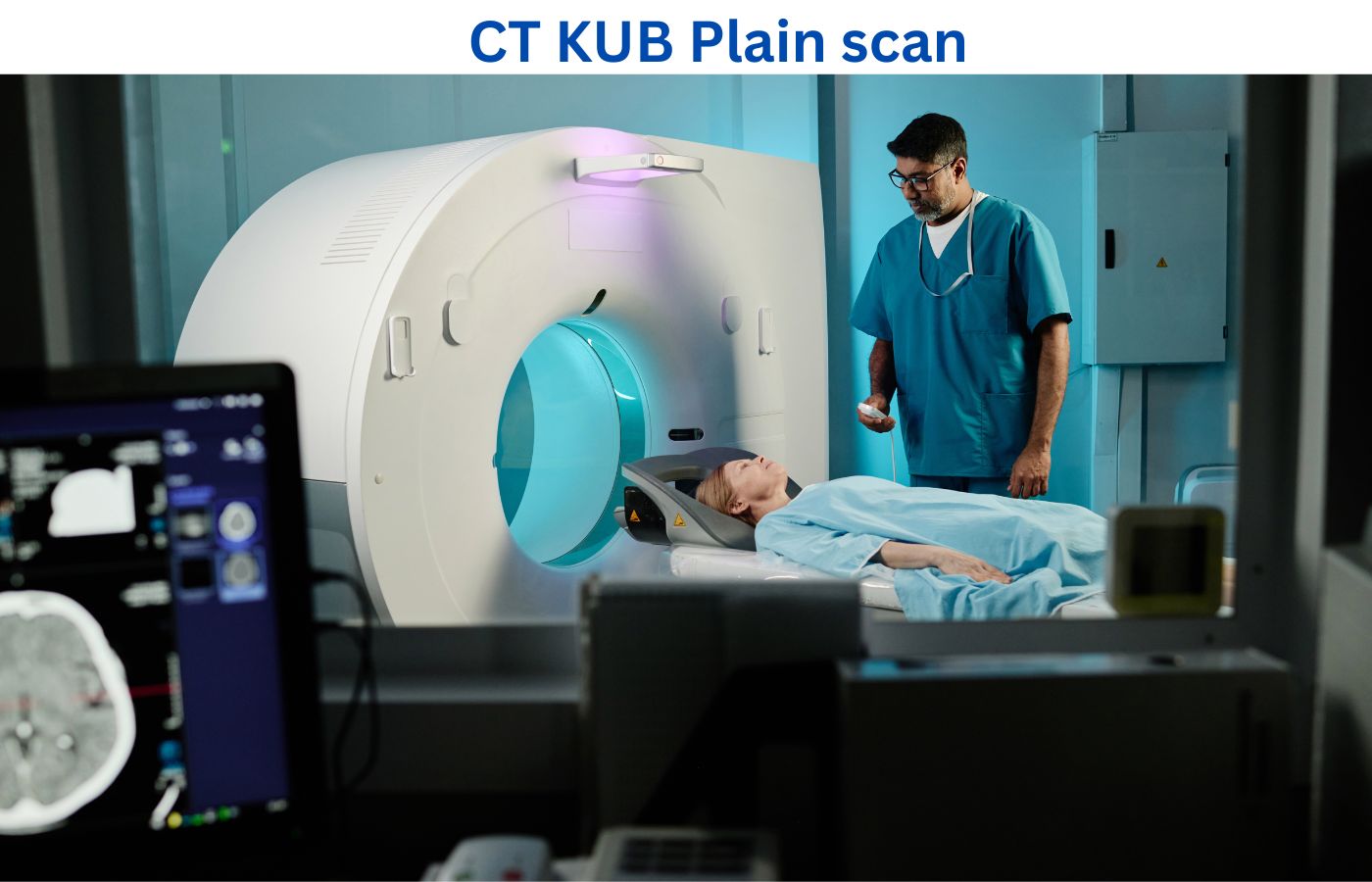
A non-contrast CT scan is performed without using any dye.
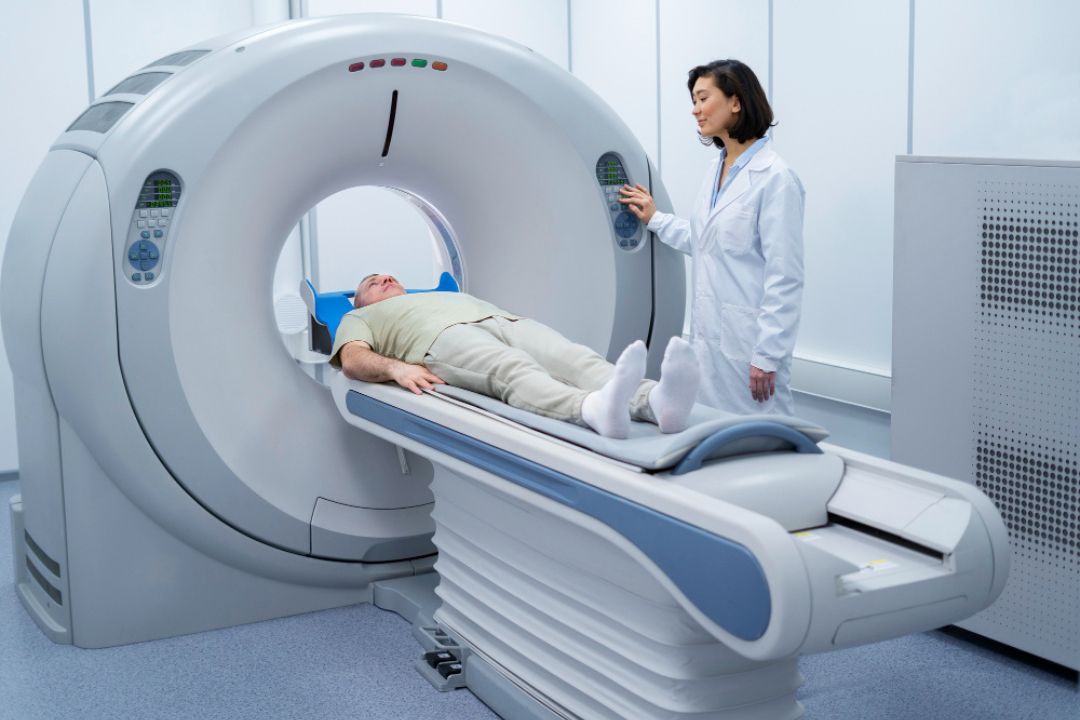
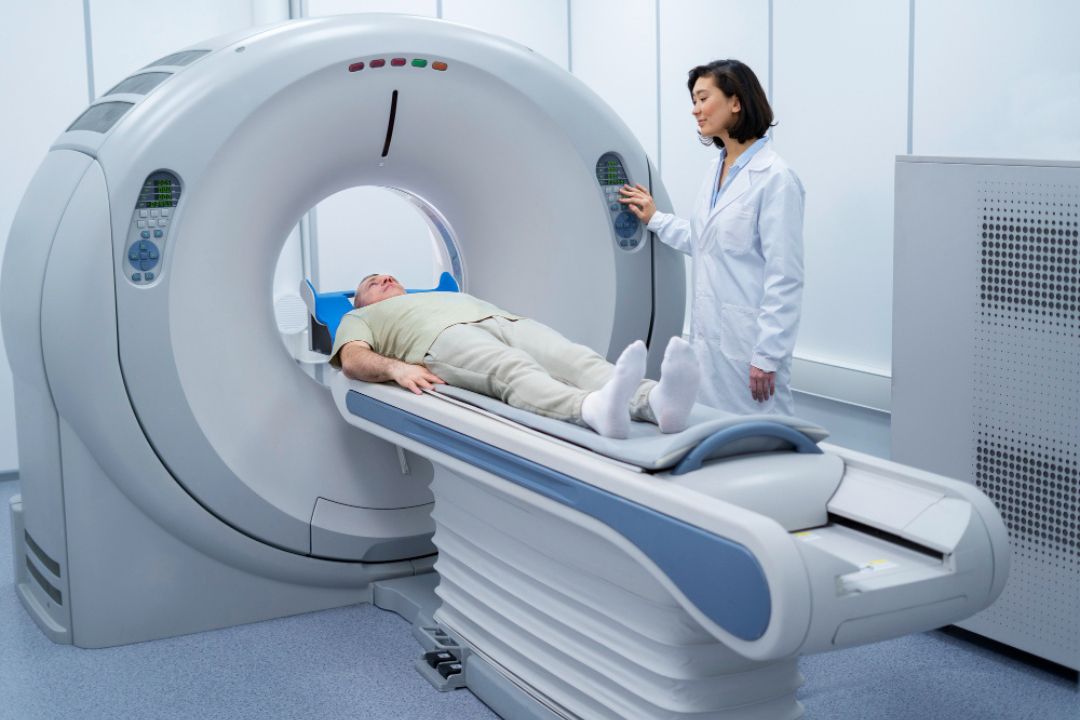
It relies only on X-ray imaging to create detailed cross-sectional pictures of the body.
This type of scan is commonly used for:
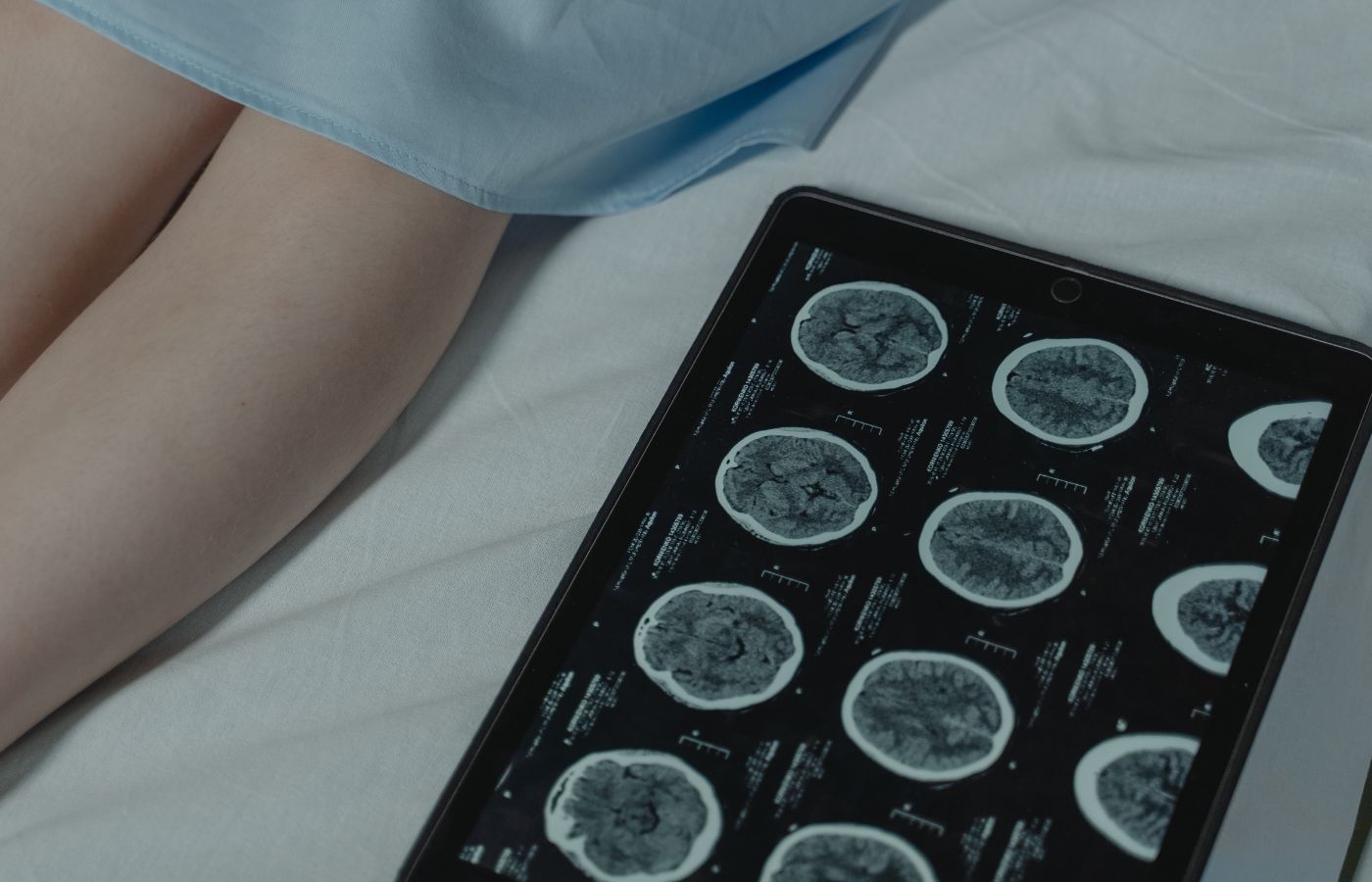
Head injuries
Brain hemorrhage
Kidney stones
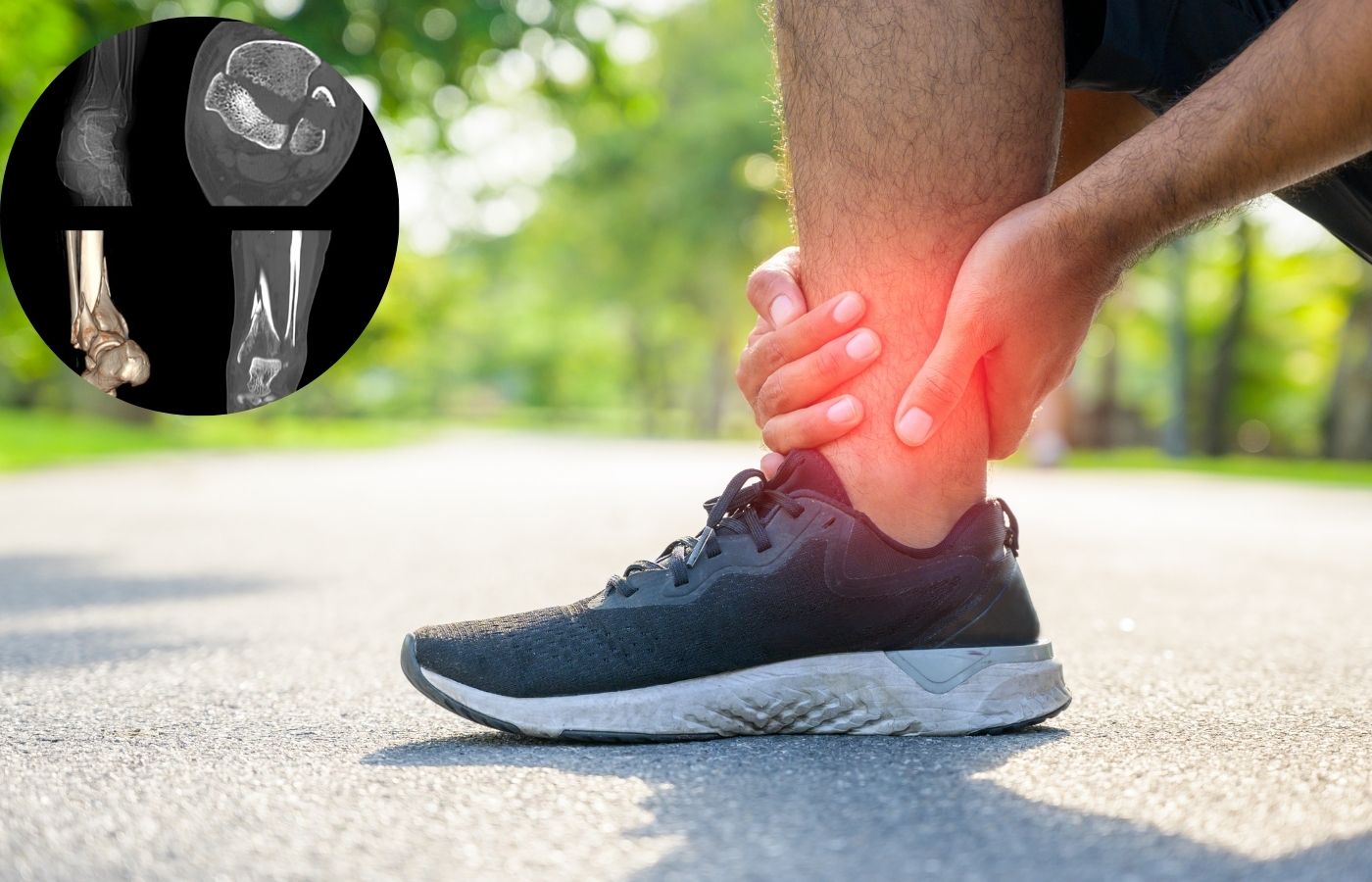
Bone fractures
Lung conditions
Non-contrast scans are faster and are generally safer for patients with kidney problems or contrast allergies.
Here is a simple comparison:
Uses contrast dye
Provides clearer images of blood vessels and organs
Better for detecting tumors and infections
Takes slightly longer
No dye used
Faster procedure
Ideal for detecting bleeding or stones
Lower risk of allergic reaction
Doctors recommend contrast CT when detailed imaging is necessary.
It is commonly used for:
Cancer detection
Abdominal pain evaluation
Blood clot detection
Vascular diseases
Organ infections
The contrast helps differentiate normal tissue from abnormal tissue more clearly.
Although contrast CT scans are generally safe, there are some possible risks.
These include:
Mild allergic reactions (itching, rash)
Nausea
Rare severe allergic reactions
Kidney function concerns in high-risk patients
Your doctor will assess your medical history before recommending contrast.
There is no “better” option.
The right scan depends on your medical condition.
If detailed soft tissue imaging is needed, contrast CT is preferred.
If the goal is to detect bleeding or kidney stones quickly, non-contrast CT may be sufficient.
Always follow your doctor’s recommendation.
Both contrast and non-contrast CT scans are valuable diagnostic tools.
The key difference lies in the use of contrast dye.
Understanding this difference helps patients feel more confident and informed before undergoing the procedure.
If you have concerns, speak with your radiologist or healthcare provider.





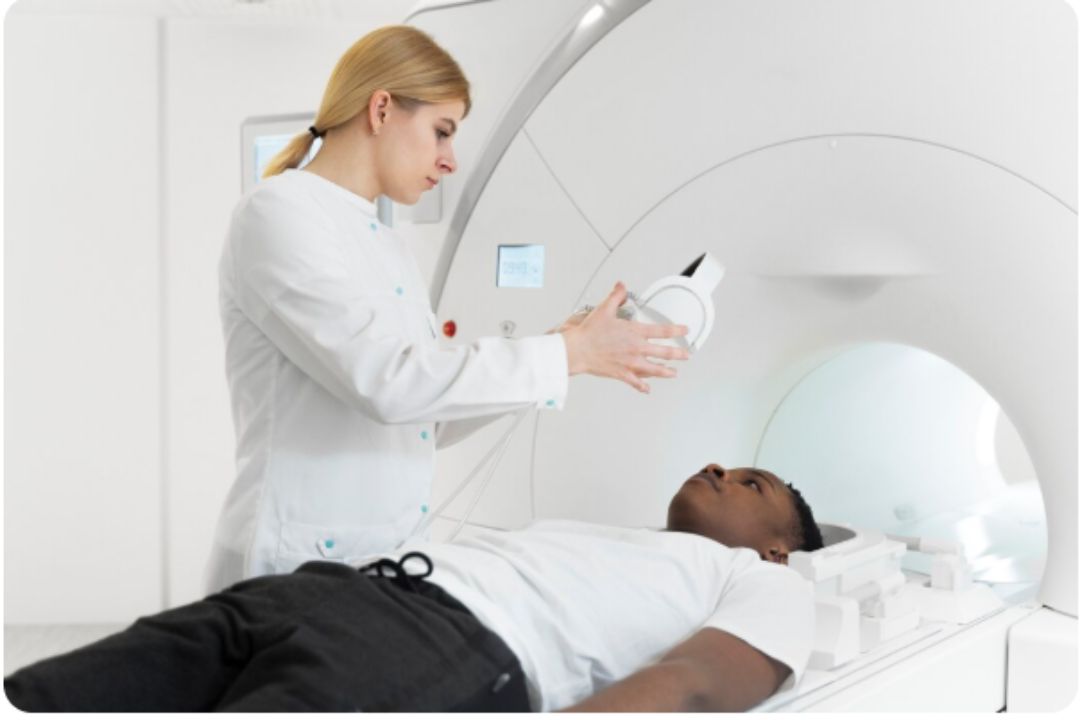

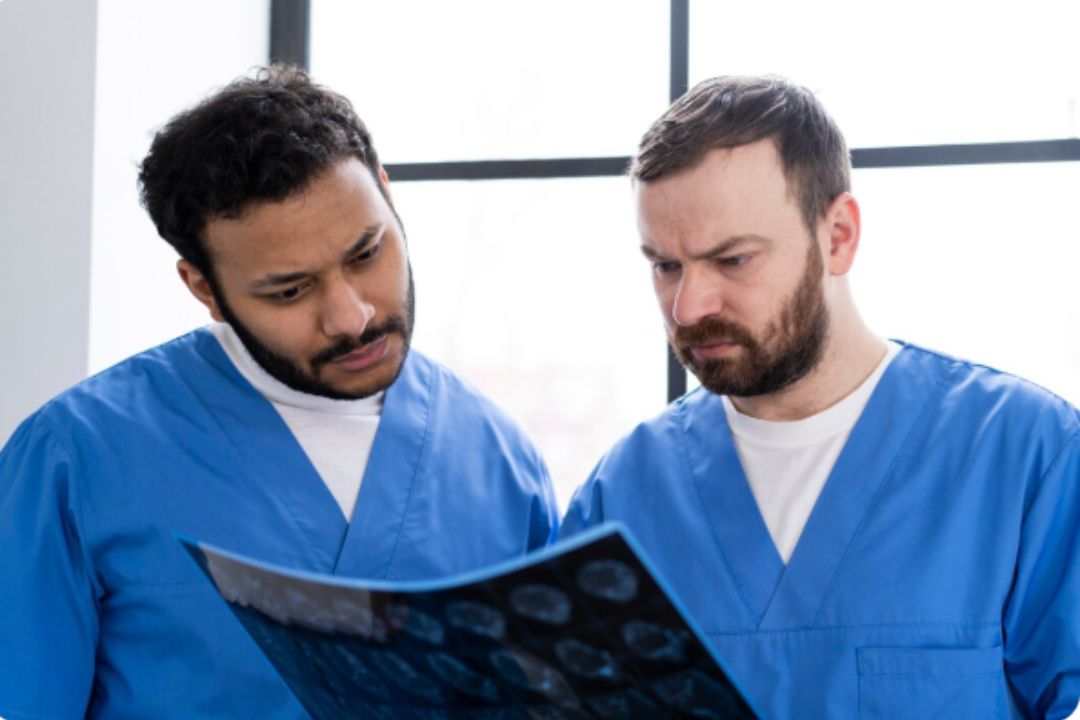
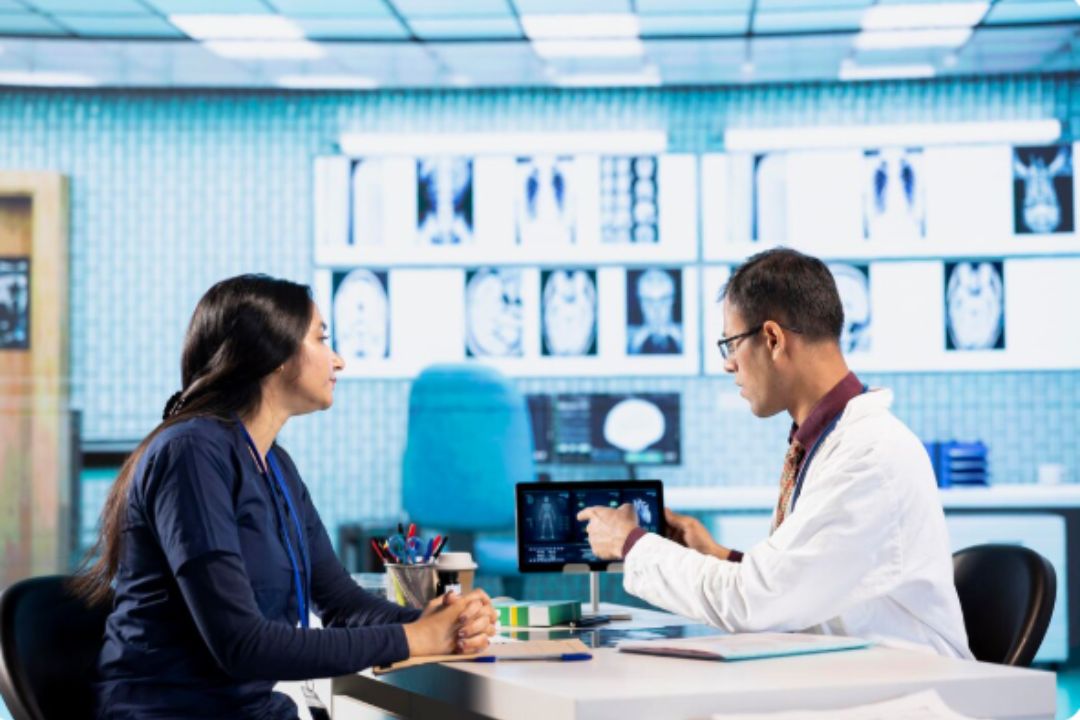
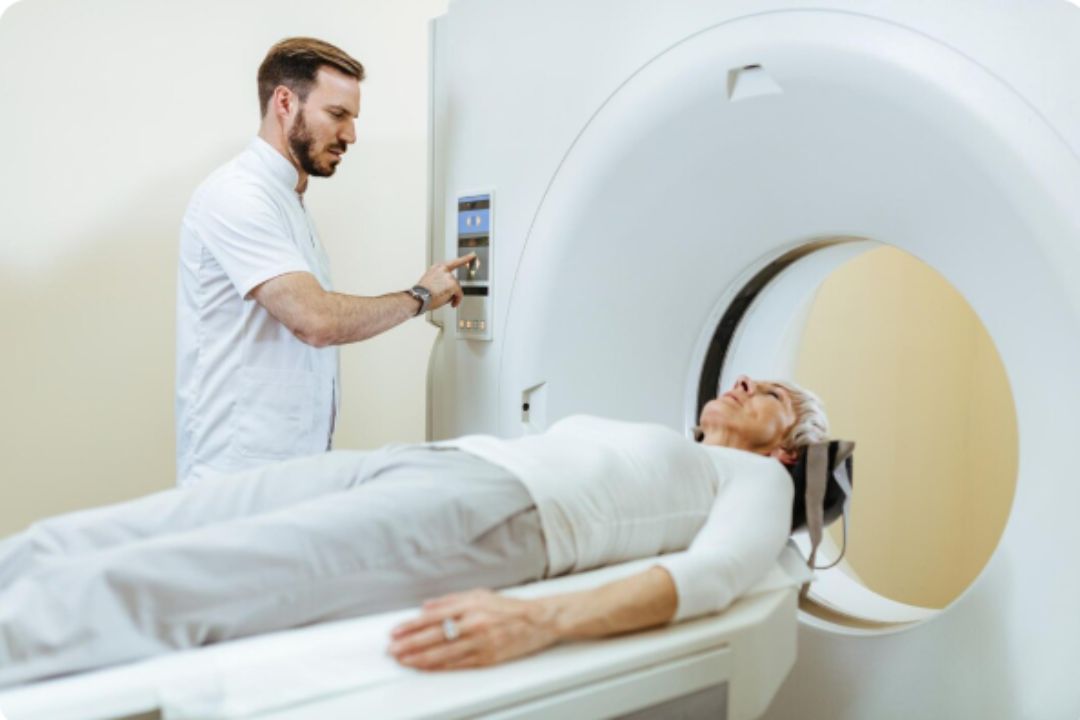
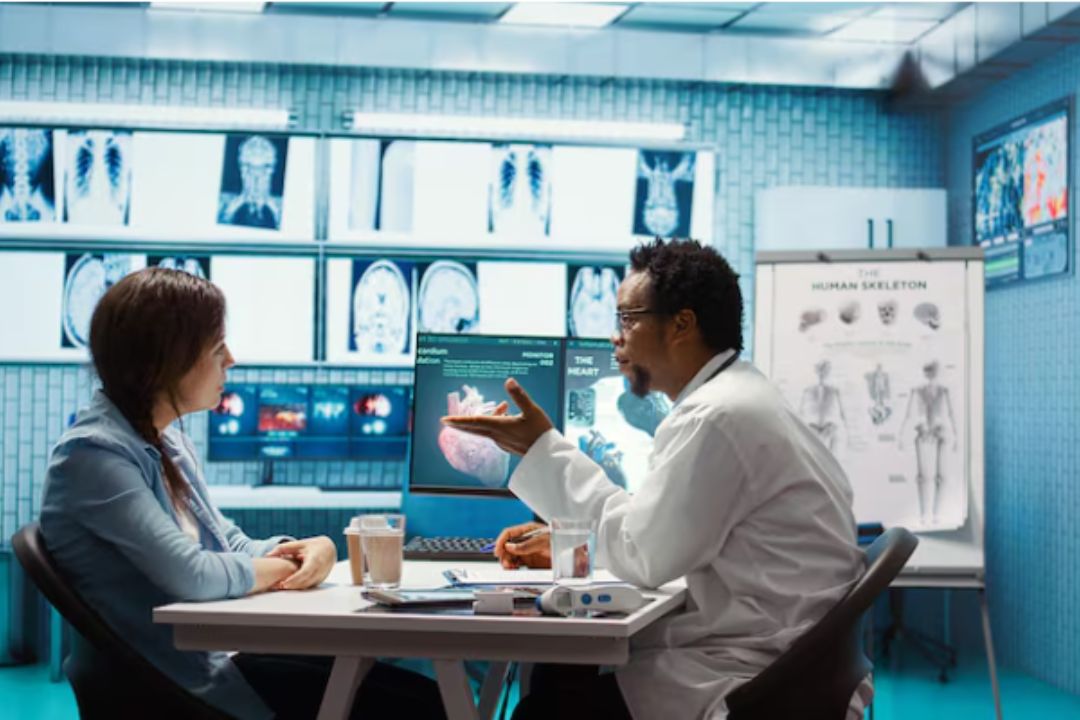
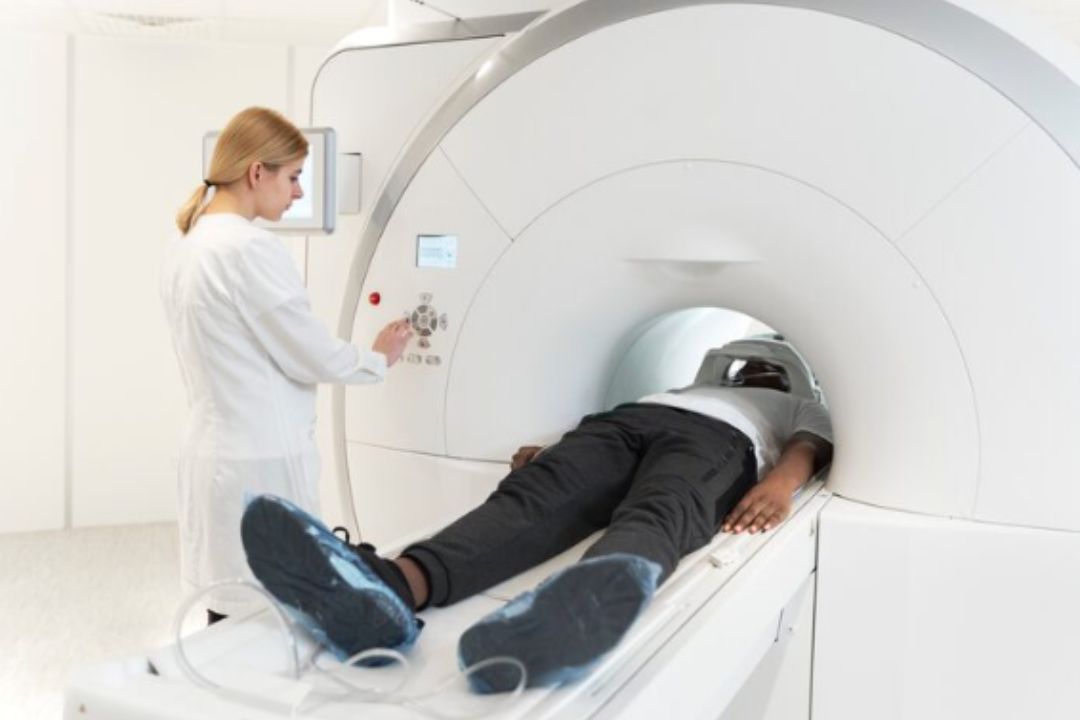
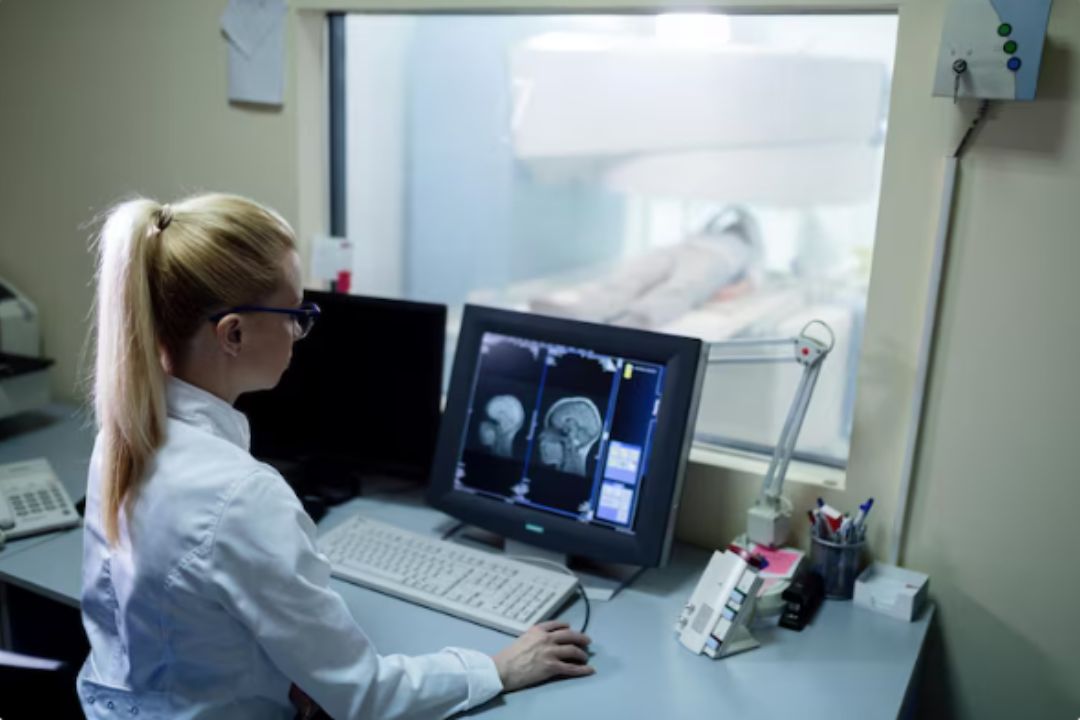

.jpg "ct brain scan plain and contrast")







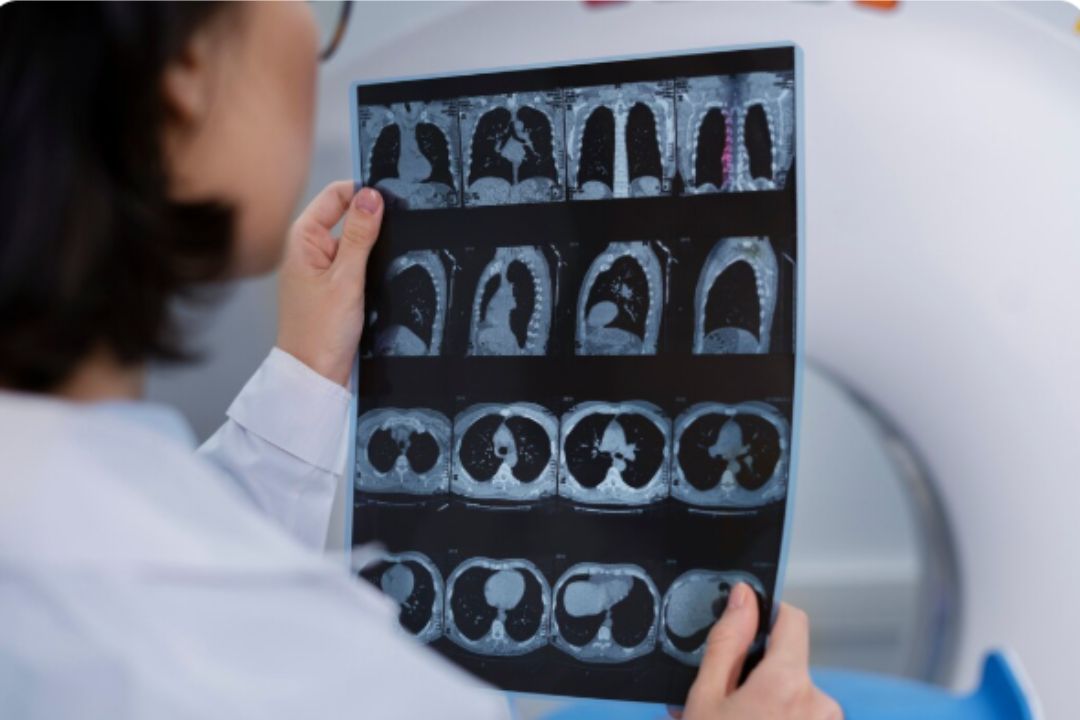
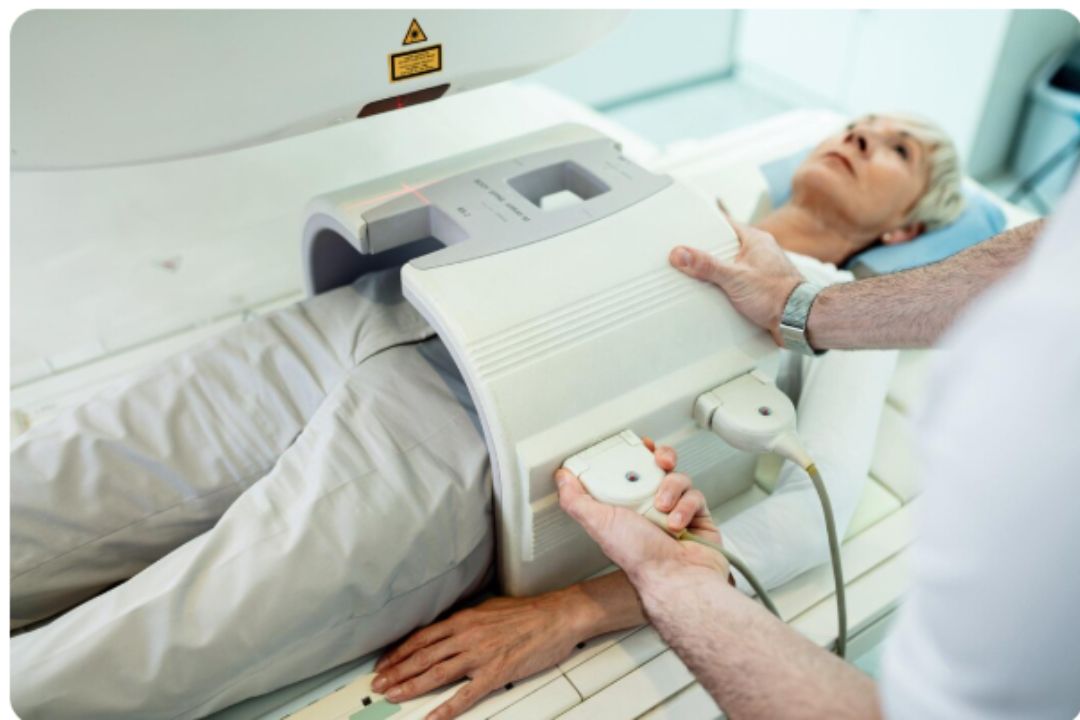

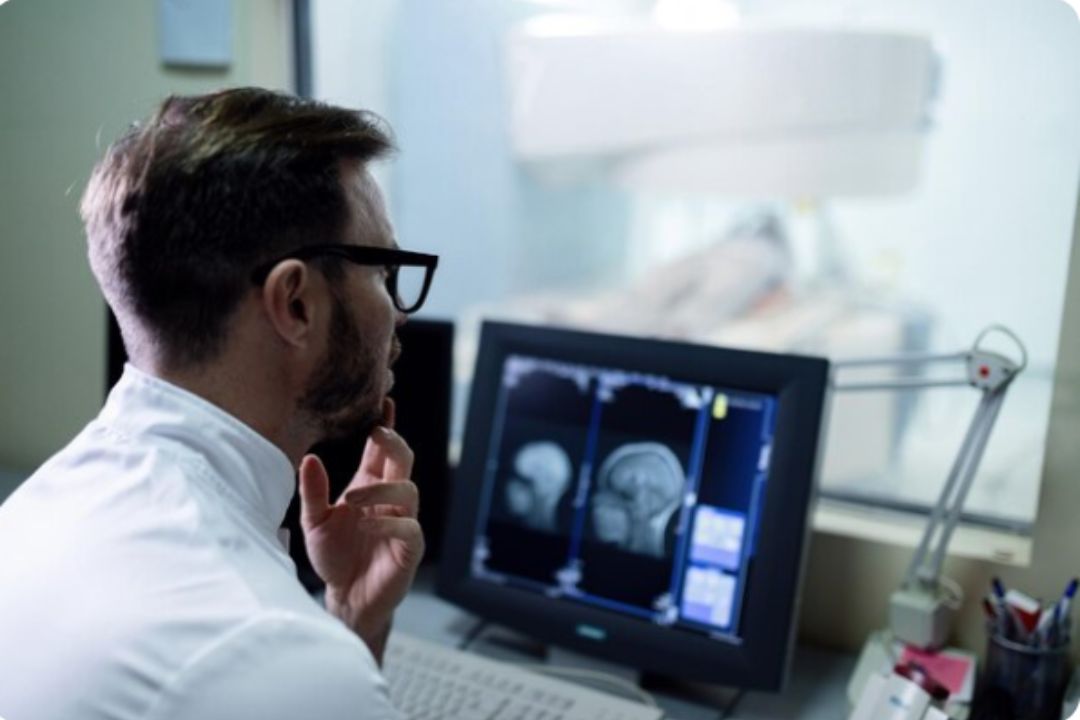

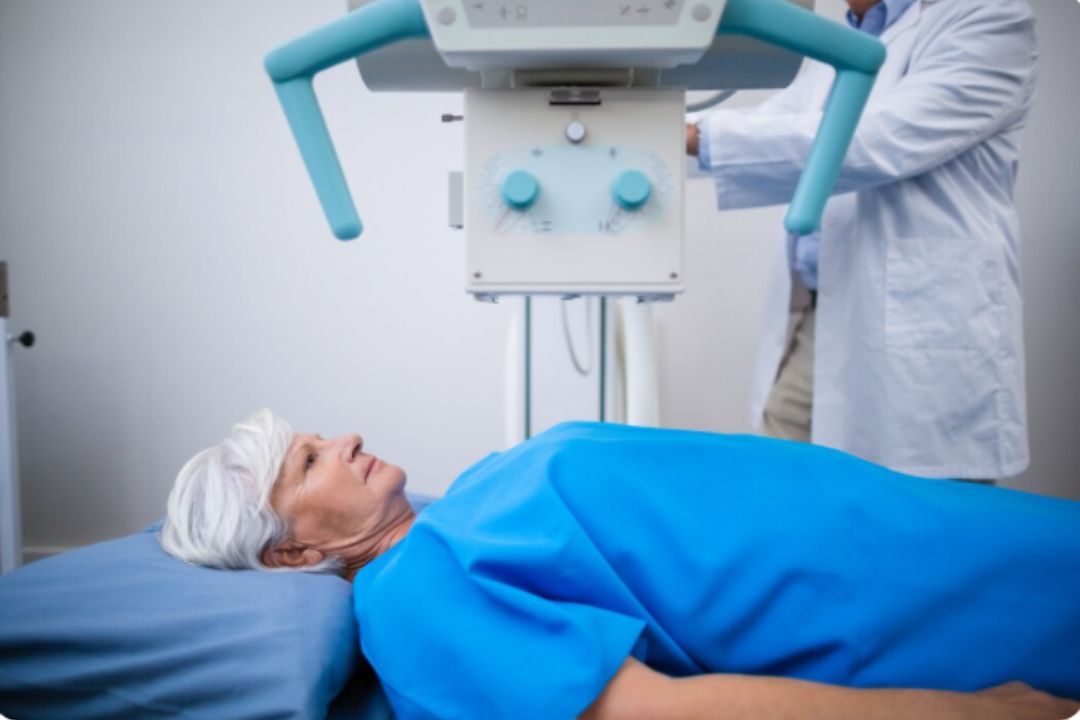
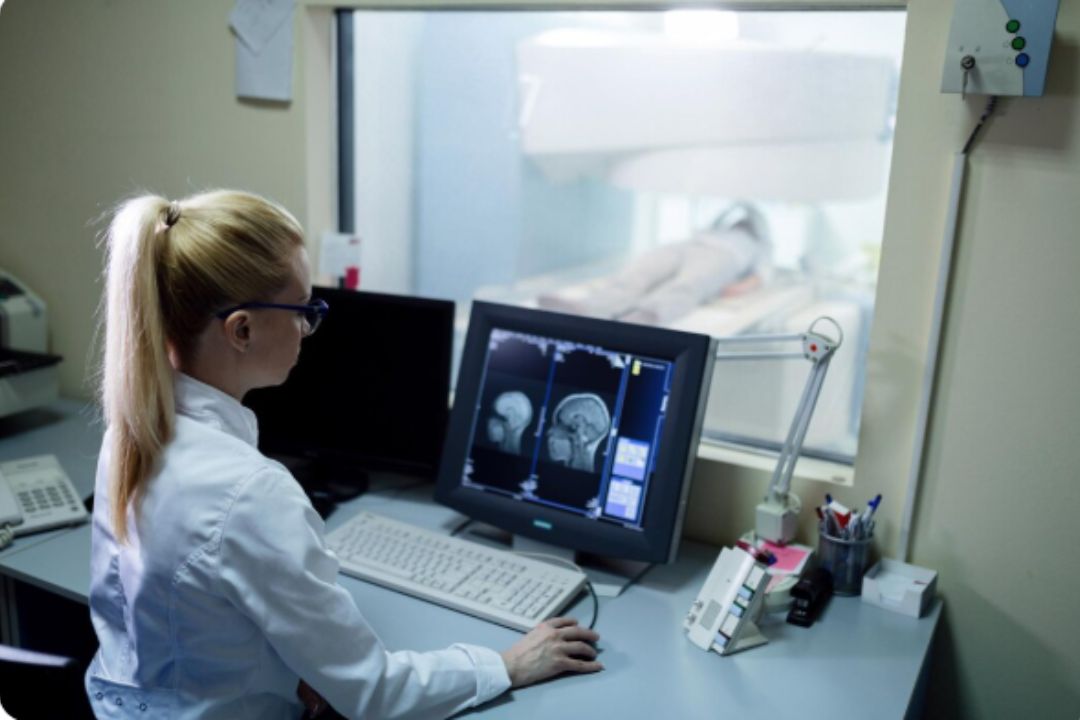

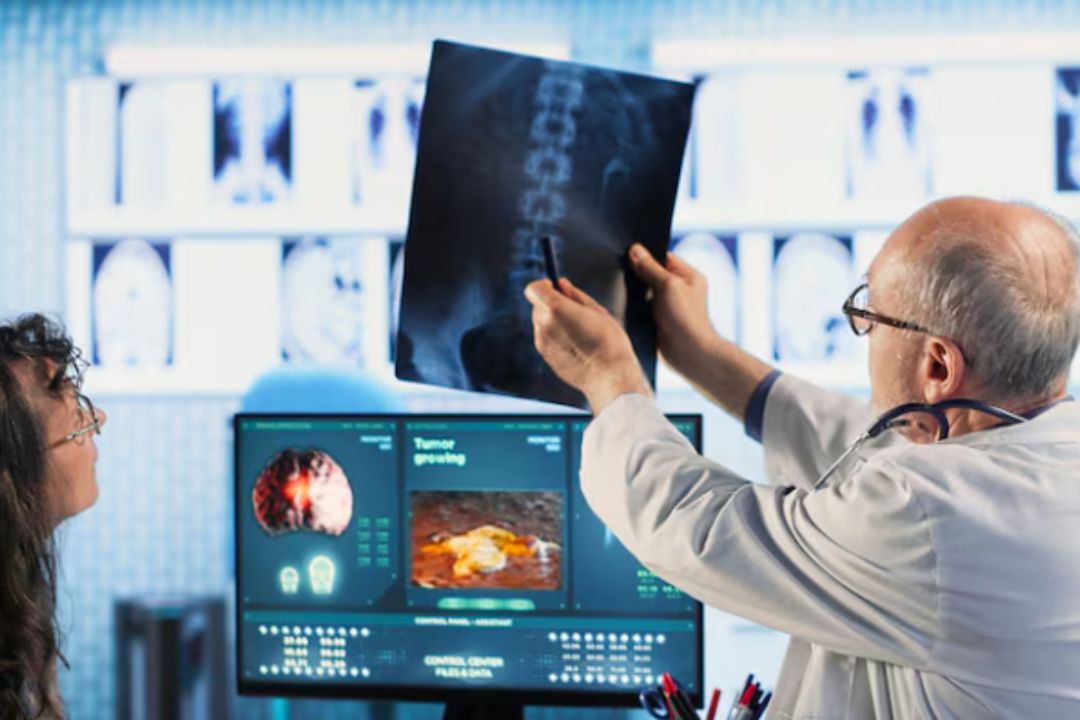
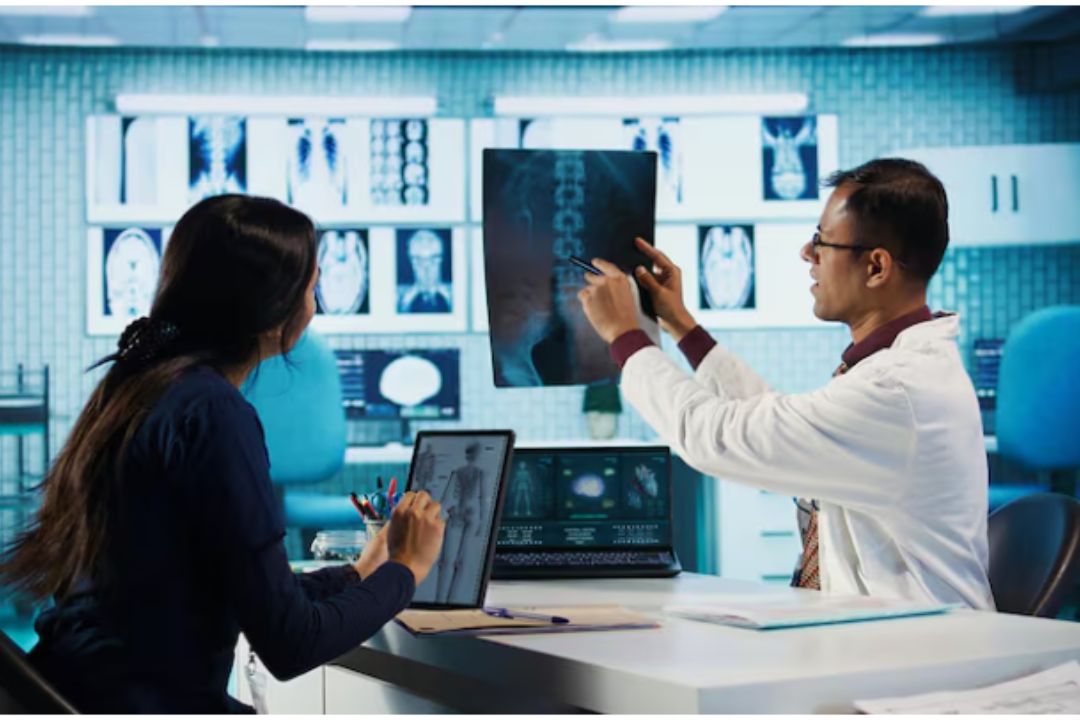

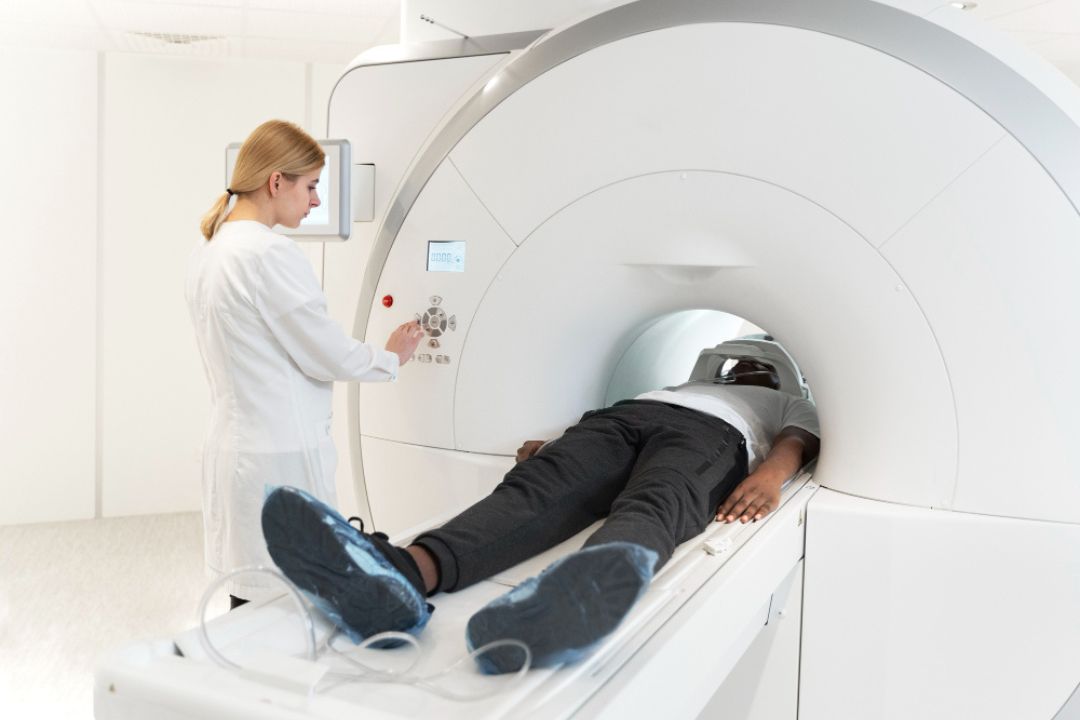
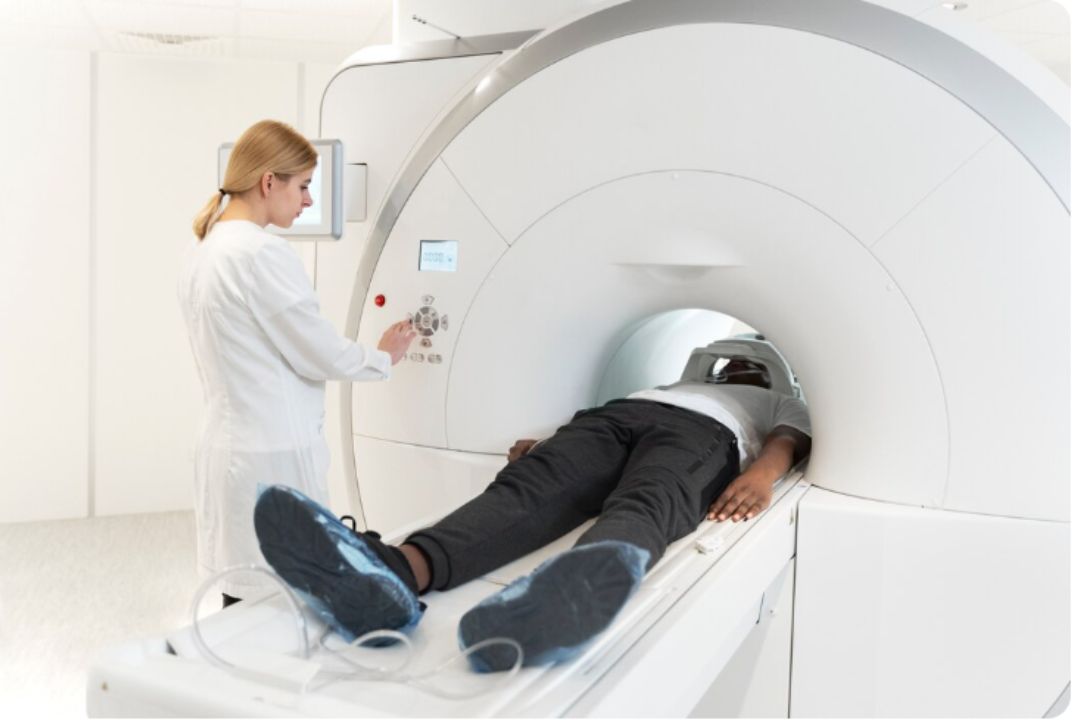
.jpg "ct scan")
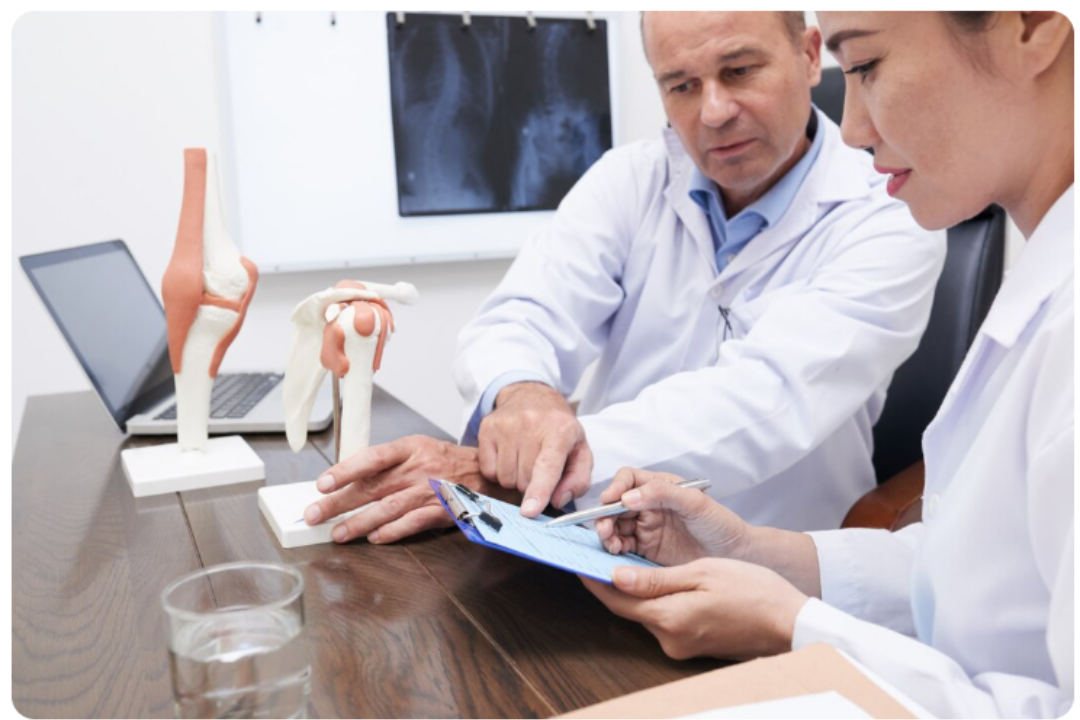
.jpg "ct scan or mri for brain disorders")


.jpg "exploring the power of ct brain contrast in modern diagnostics")
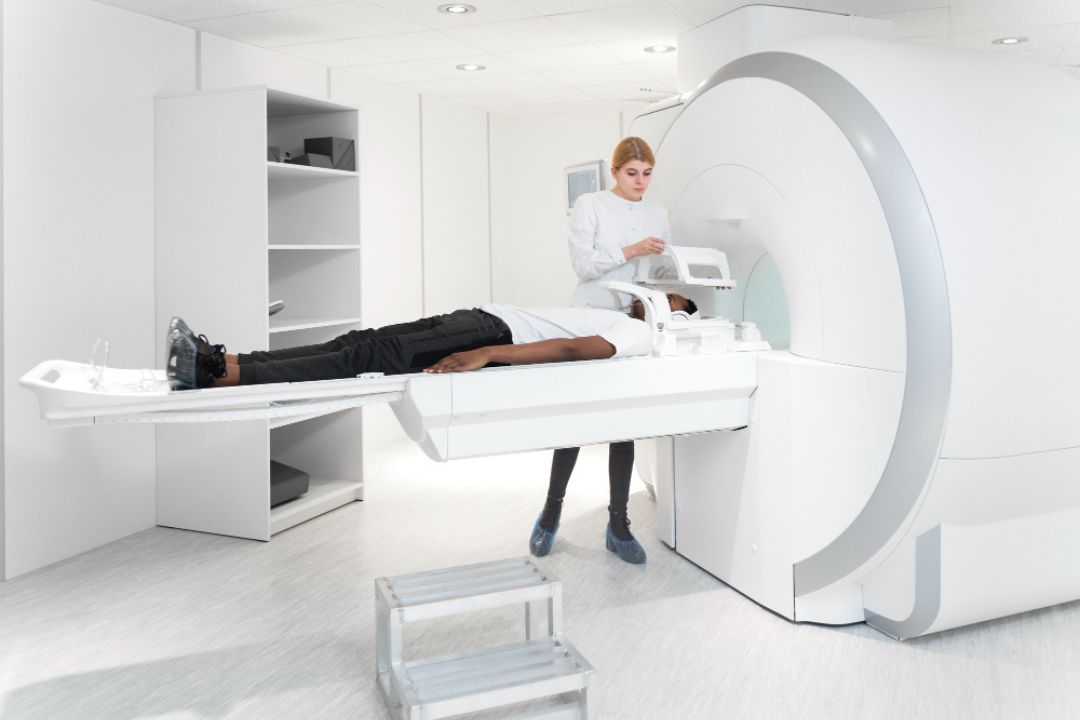
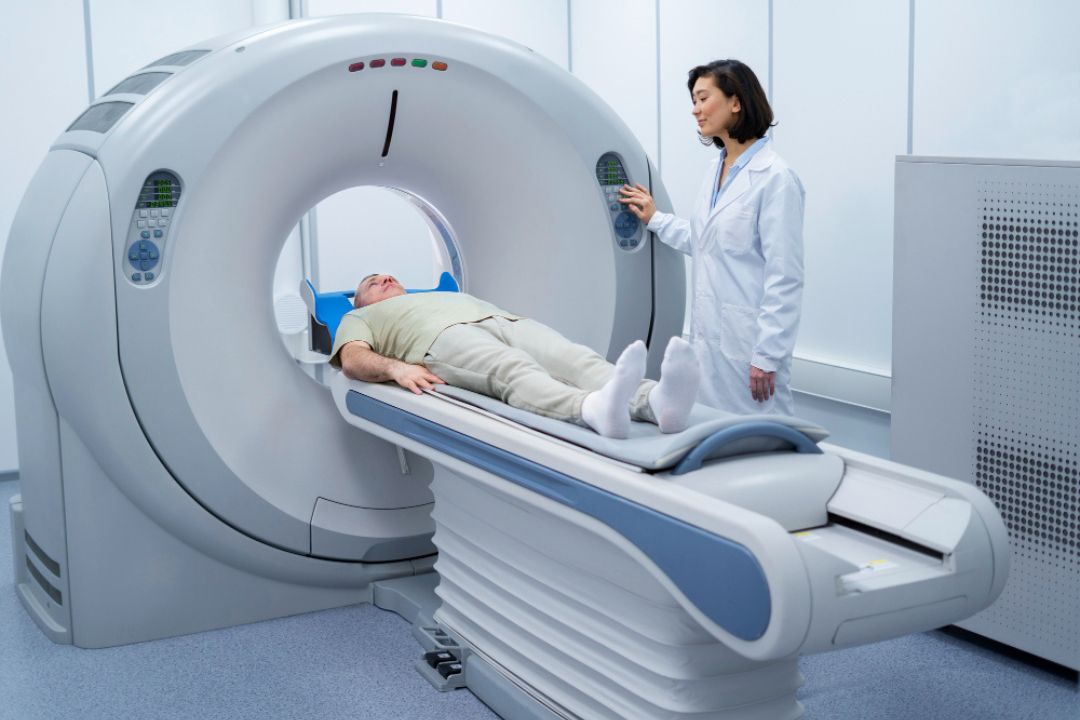
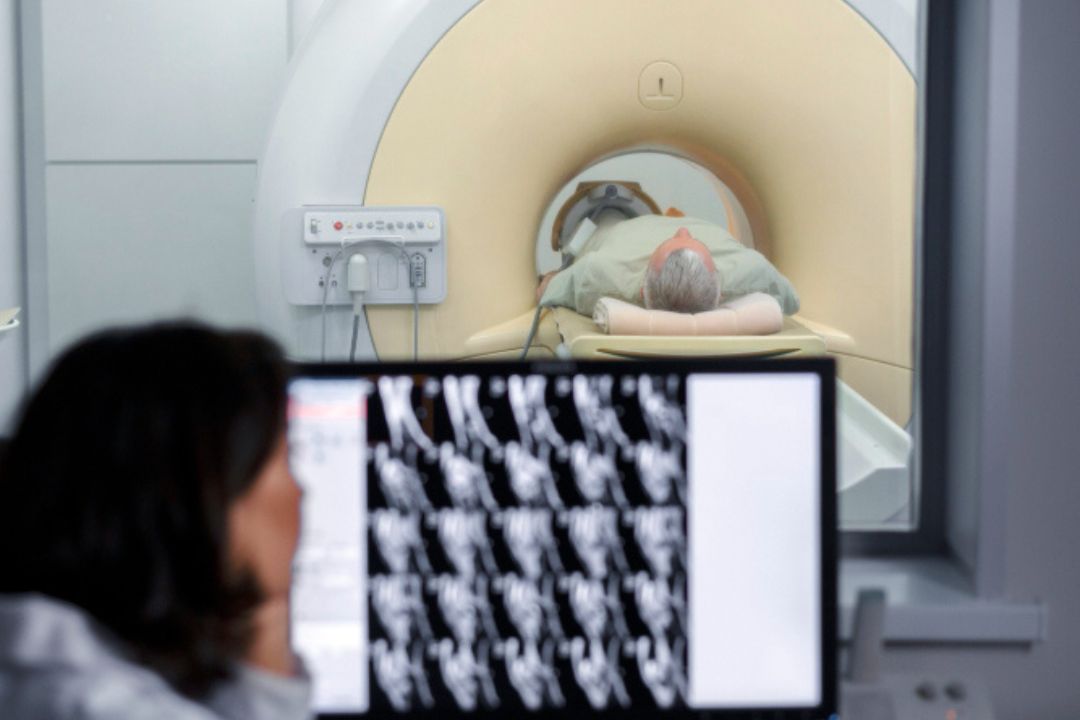
.jpg "ct scan")
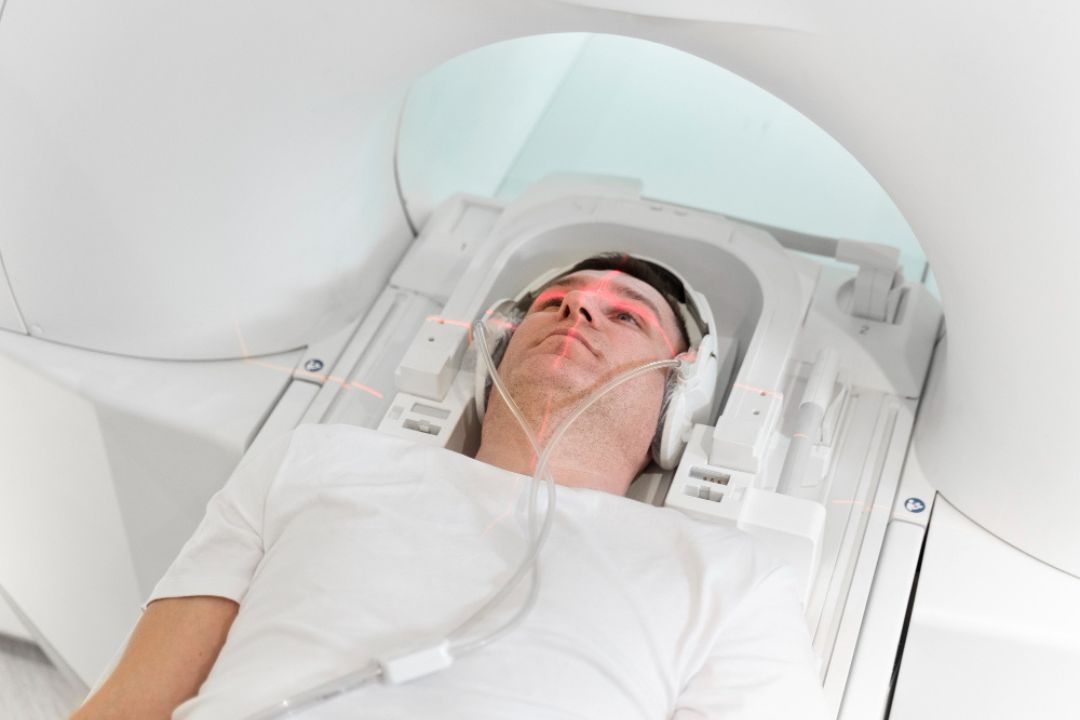
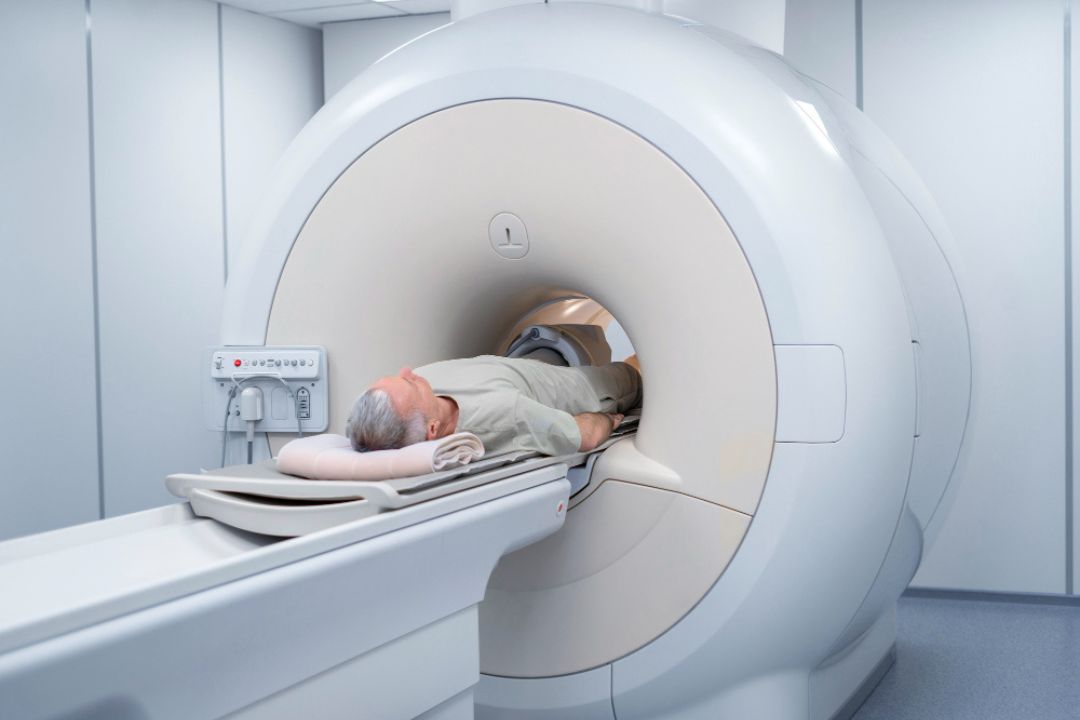
.jpg "ct scan")


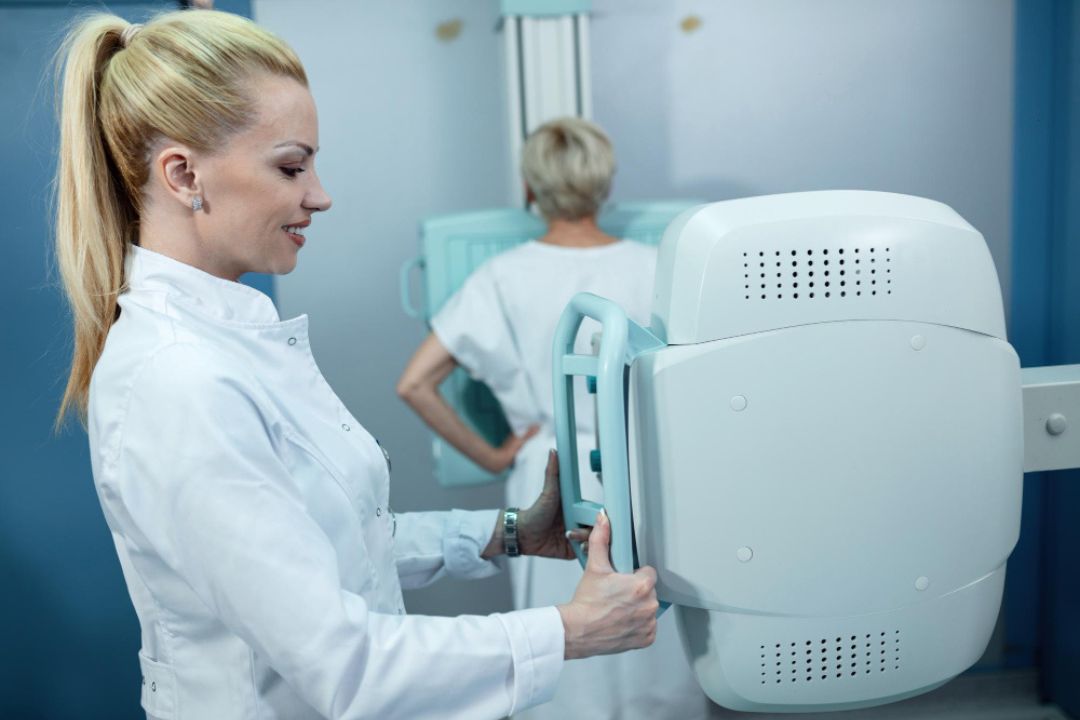

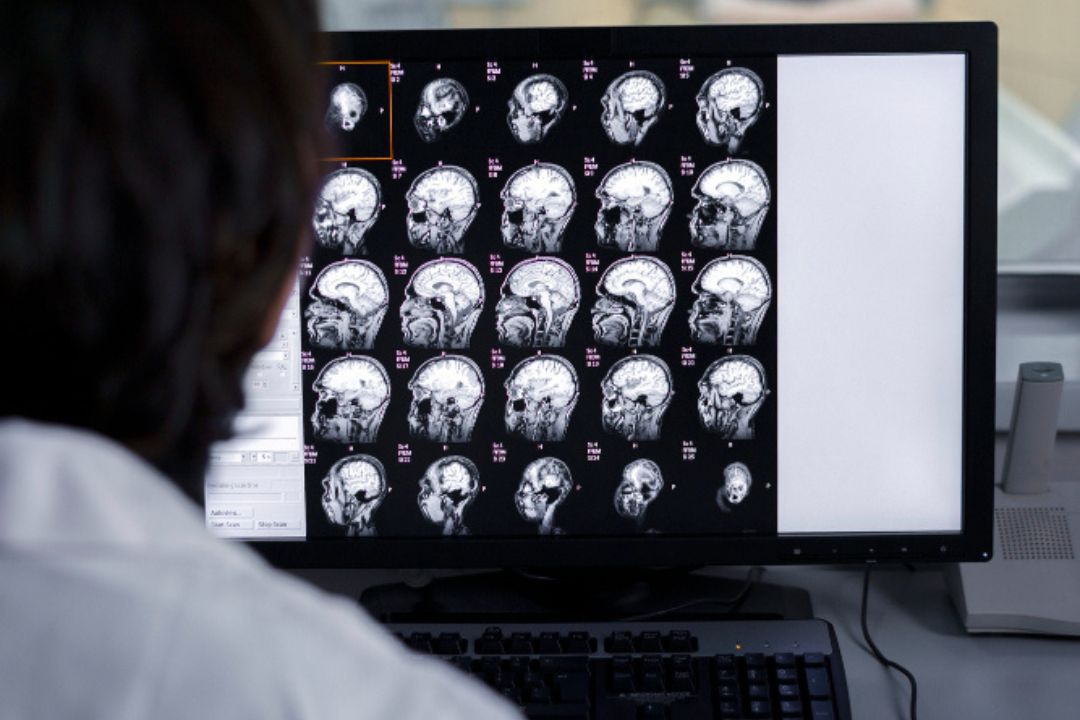


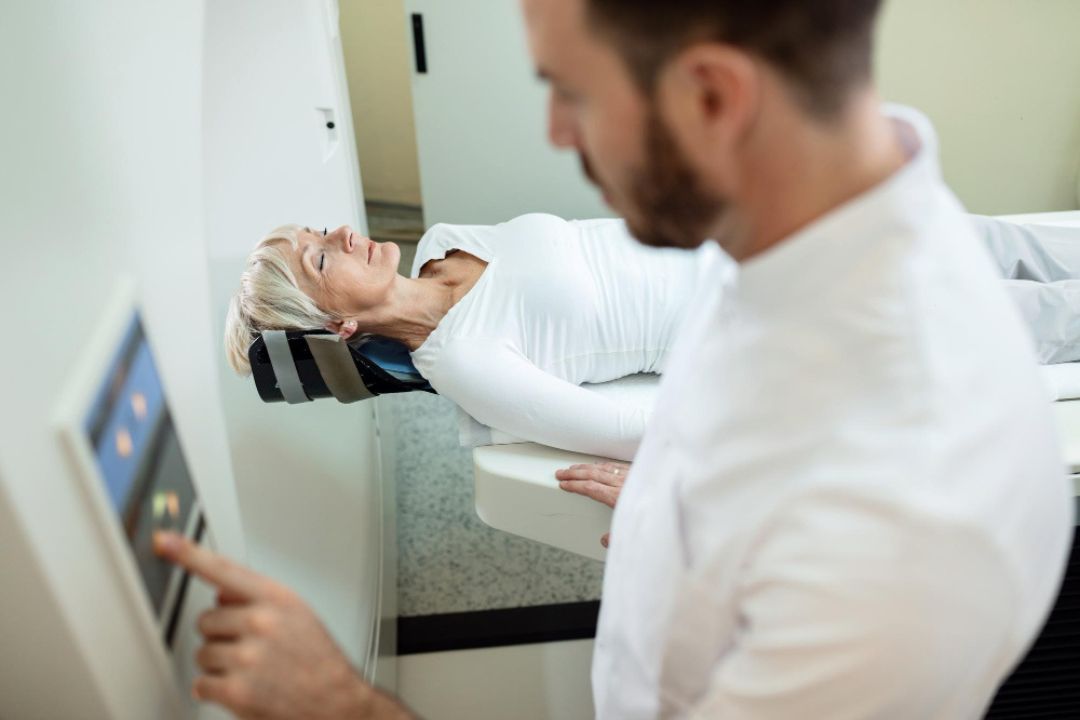

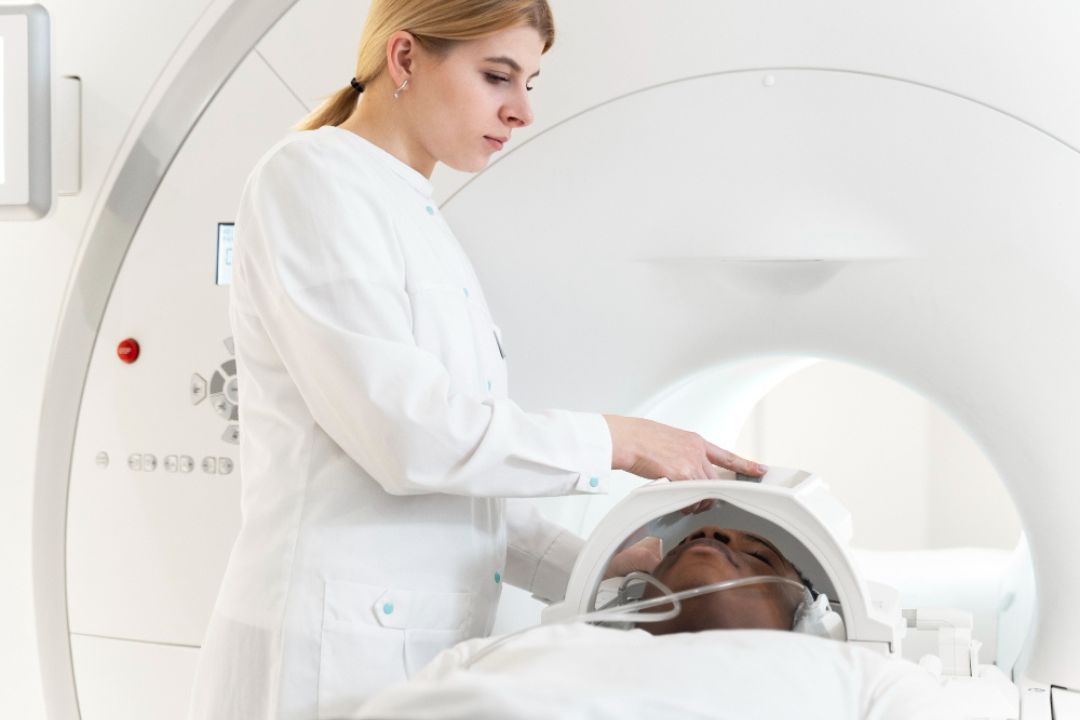

.jpg "ct scan")
.jpg "CT Brain Scan for Headaches")
.jpg "The Future of 3D CT Imaging")