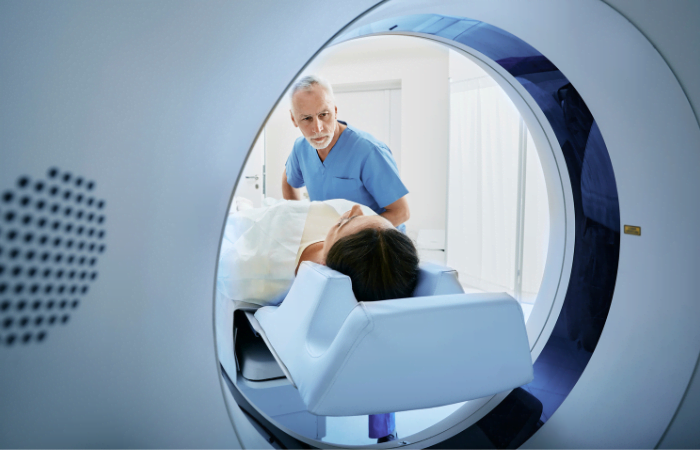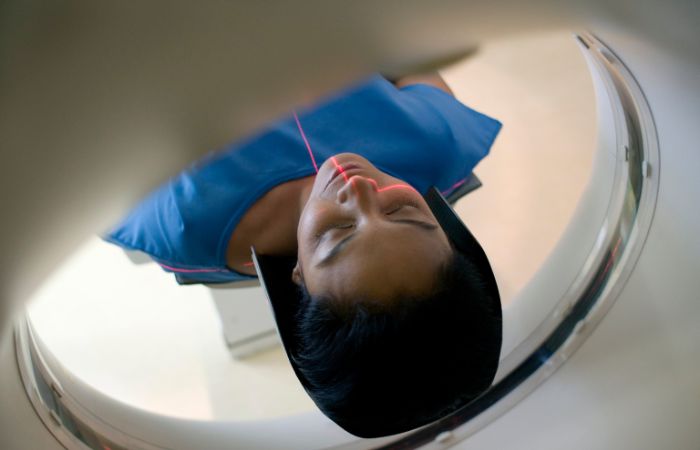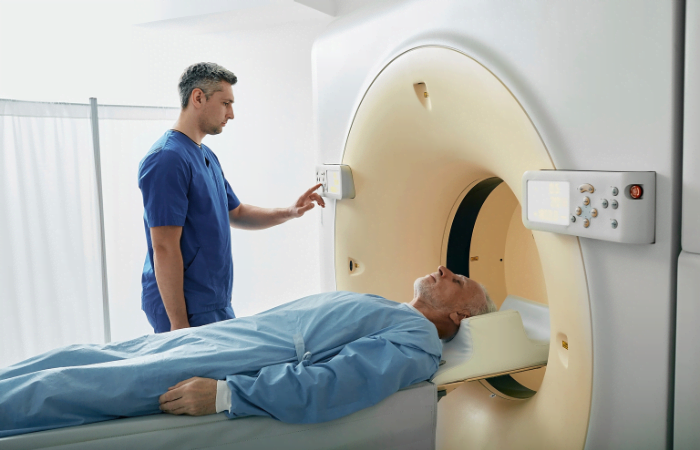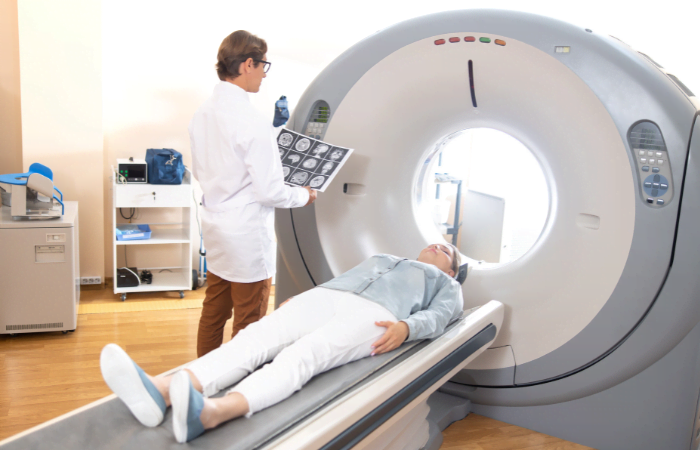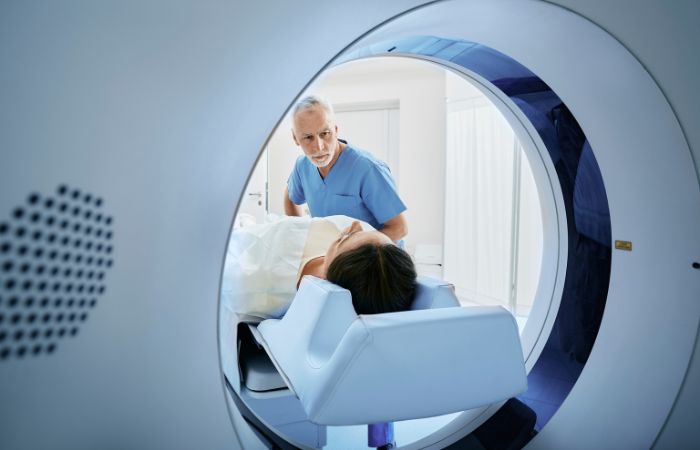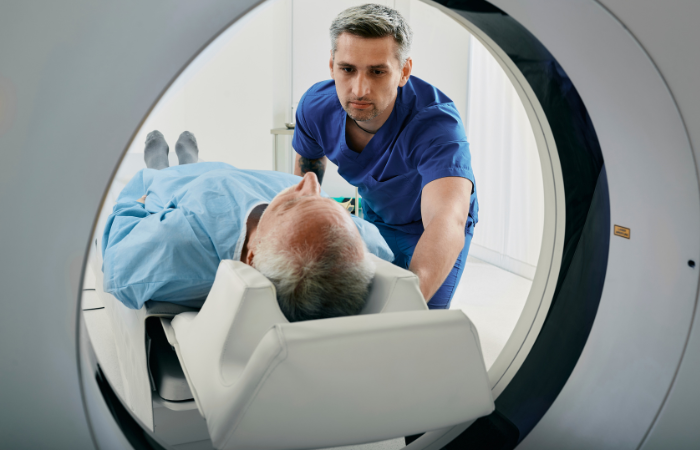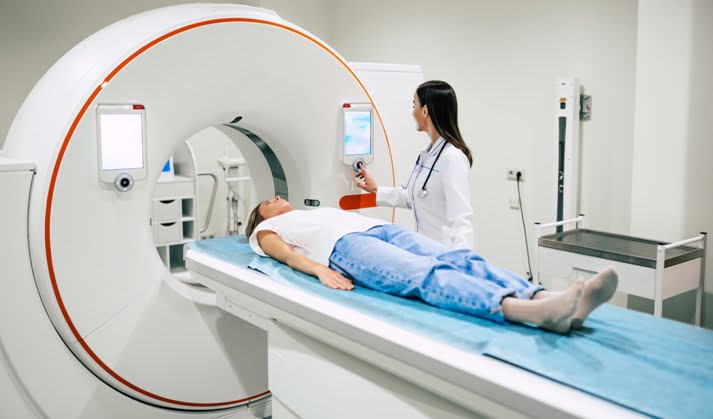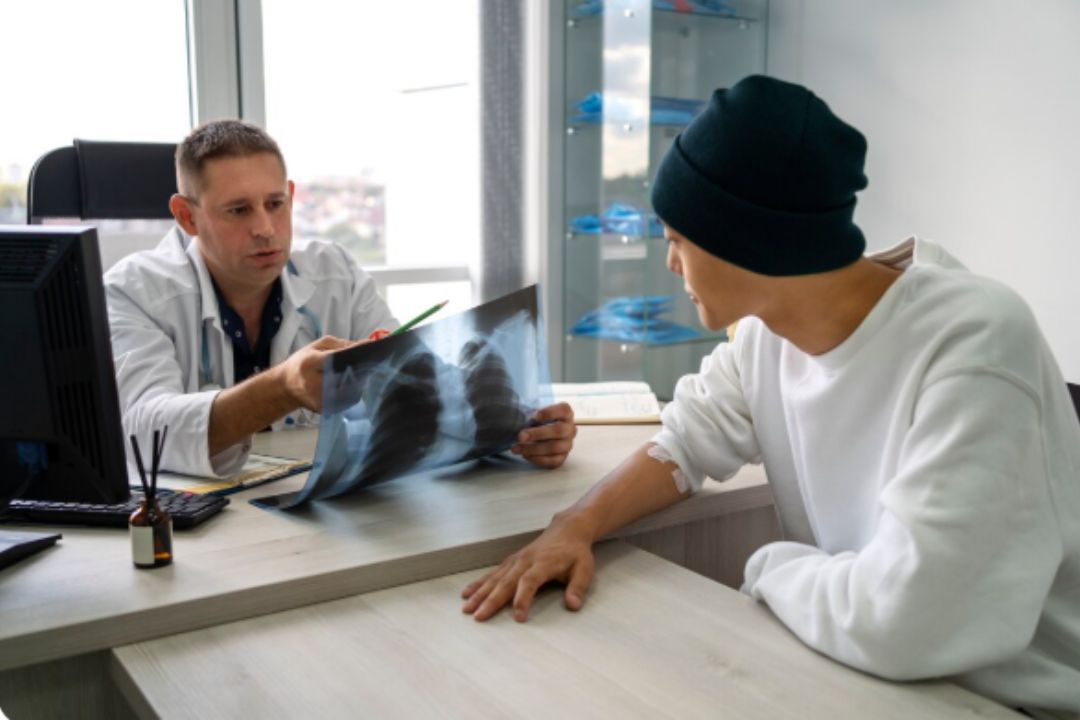
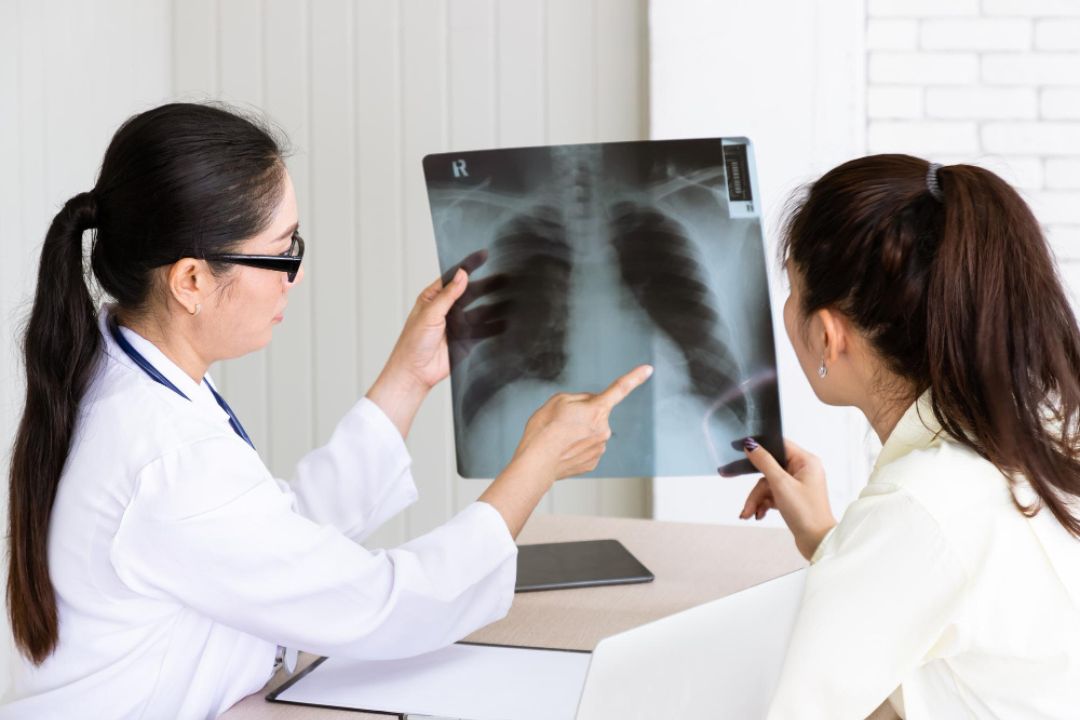
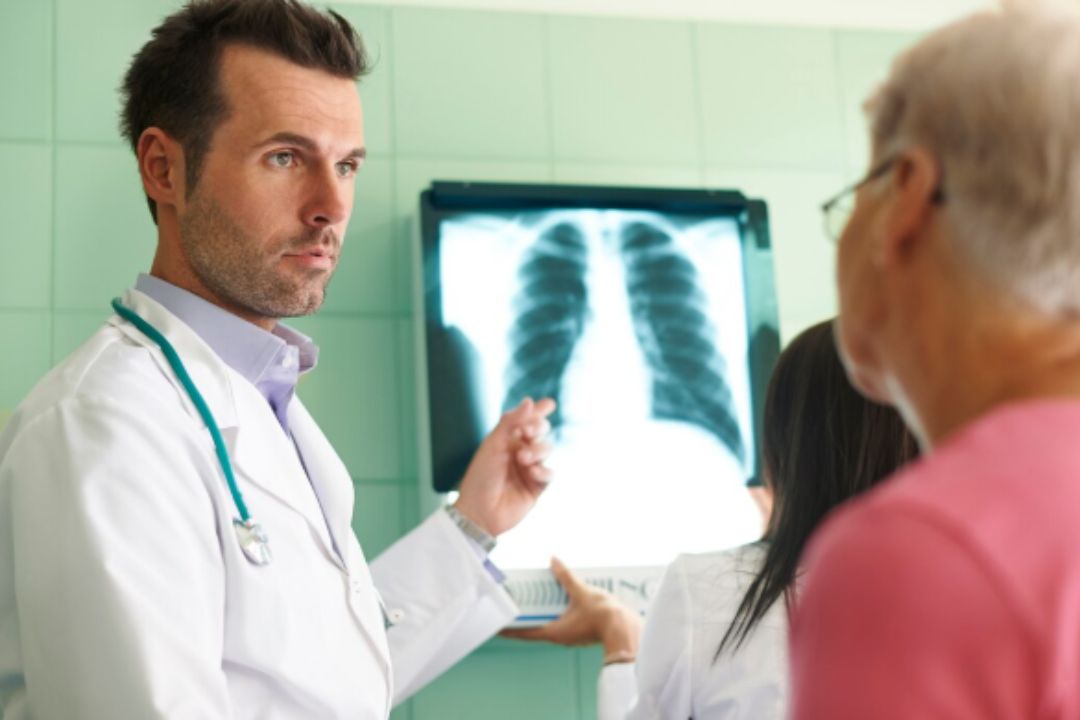
When it comes to respiratory health, early detection is the key to successful treatment. At Diagnopein Mumbai, we utilize state-of-the-art imaging technology to identify a wide range of pulmonary issues. A CT scan (Computed Tomography) provides a much more detailed view of the lungs than a standard X-ray, allowing radiologists to spot abnormalities at their earliest stages.
In this comprehensive guide, we will explore the common lung conditions detected on CT scan, compare imaging technologies, break down the costs, and explain why Diagnopein is the trusted choice for patients across Mumbai.
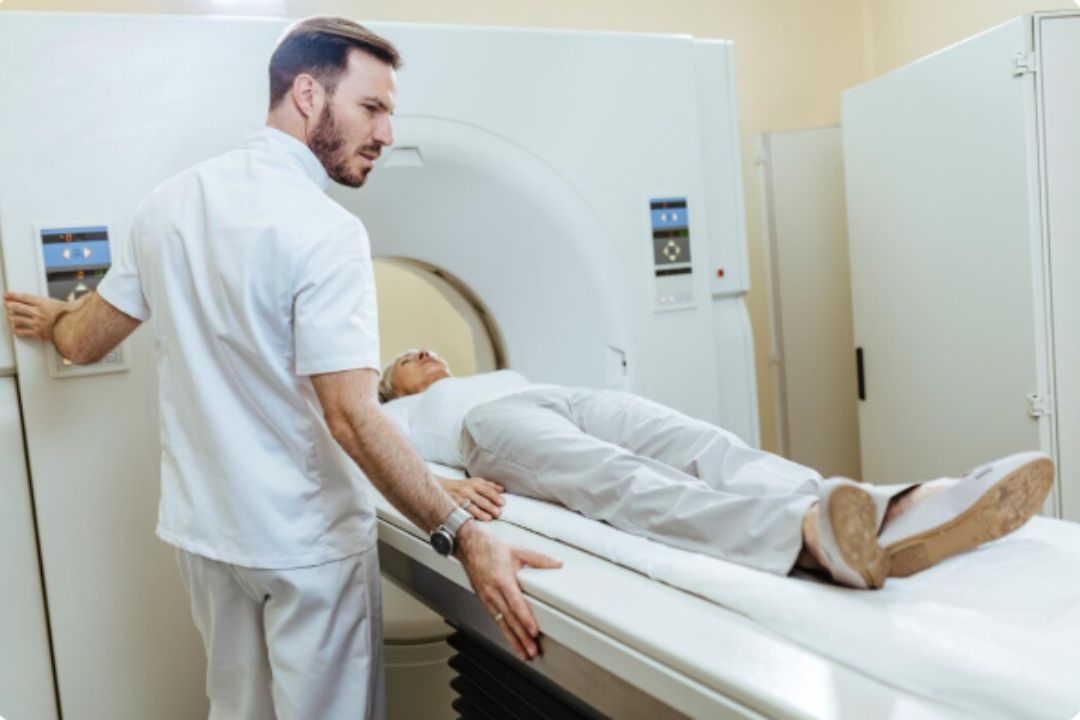
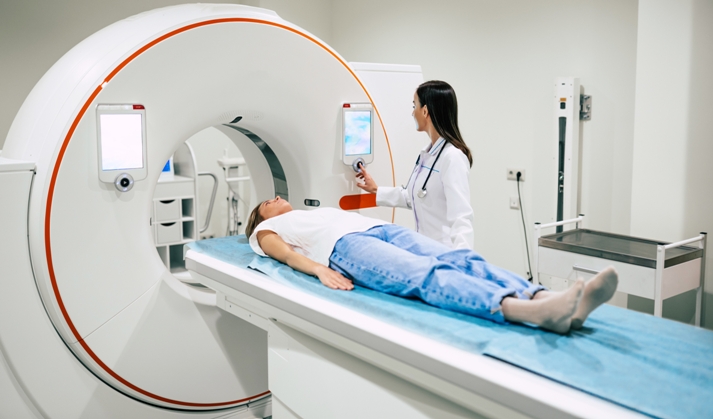
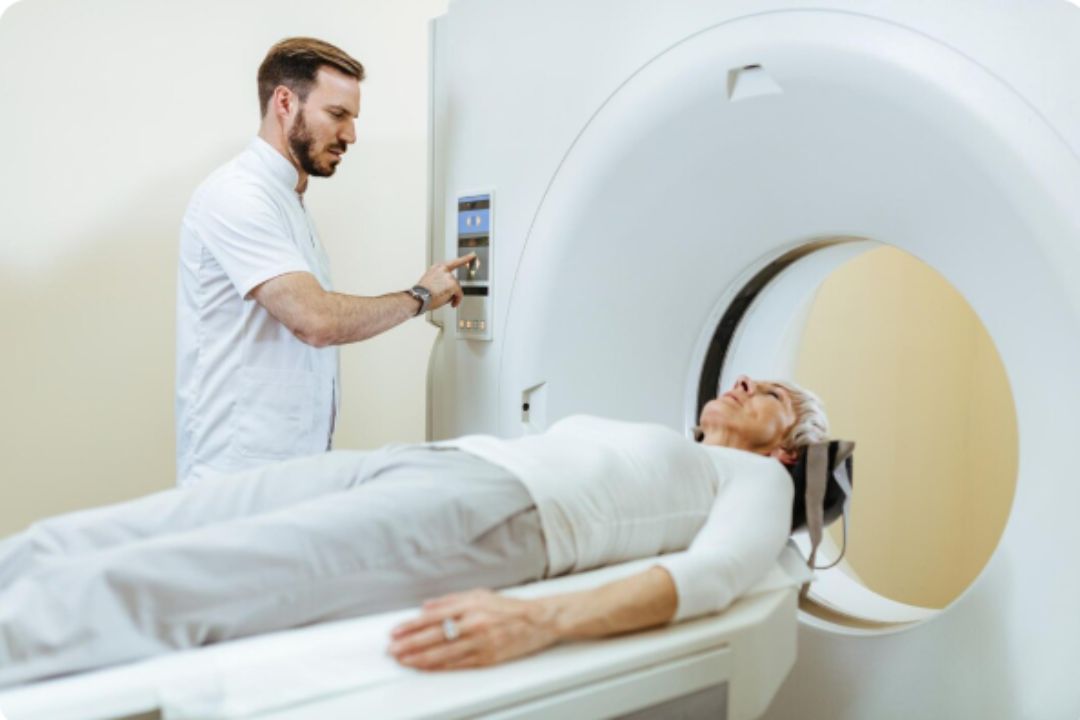
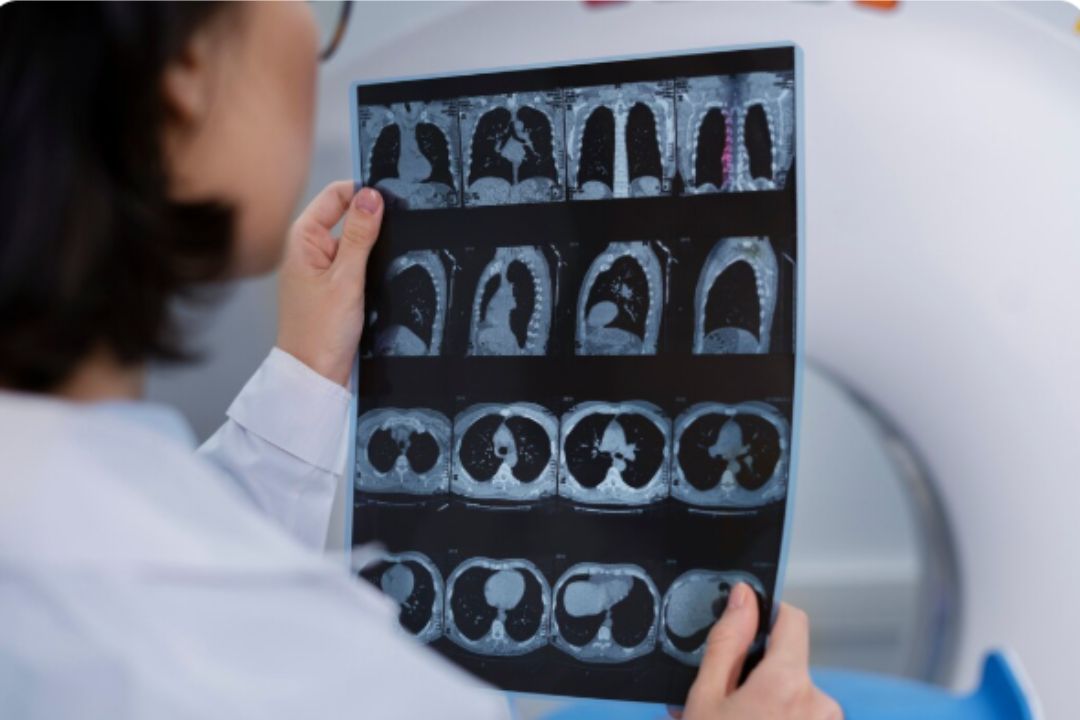
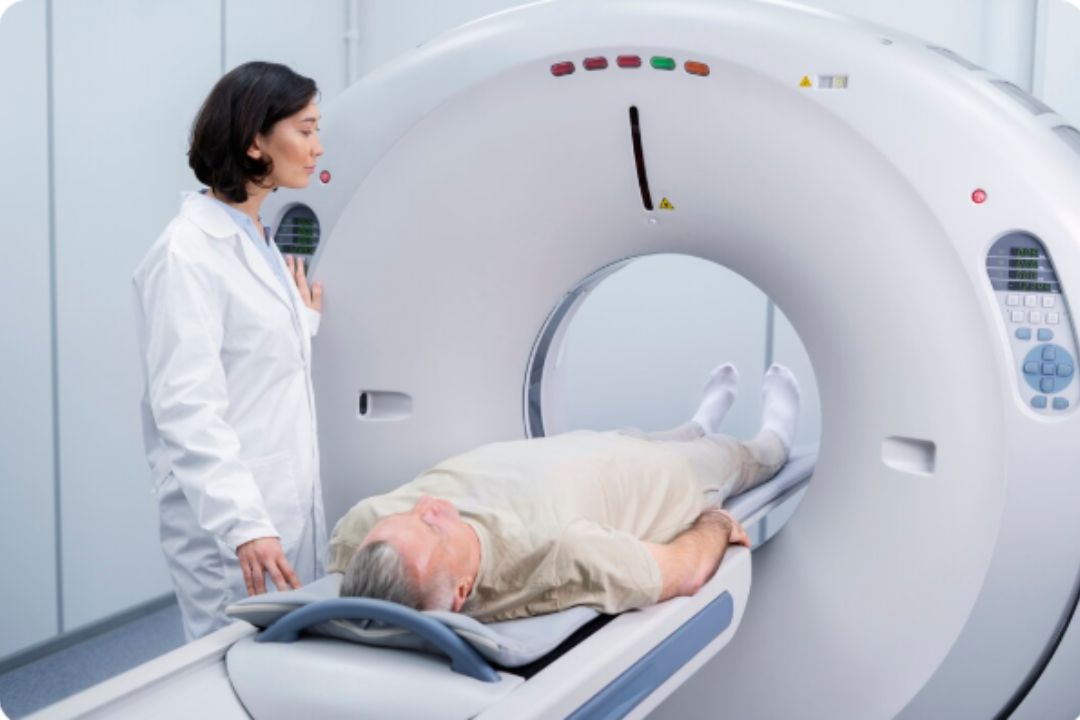
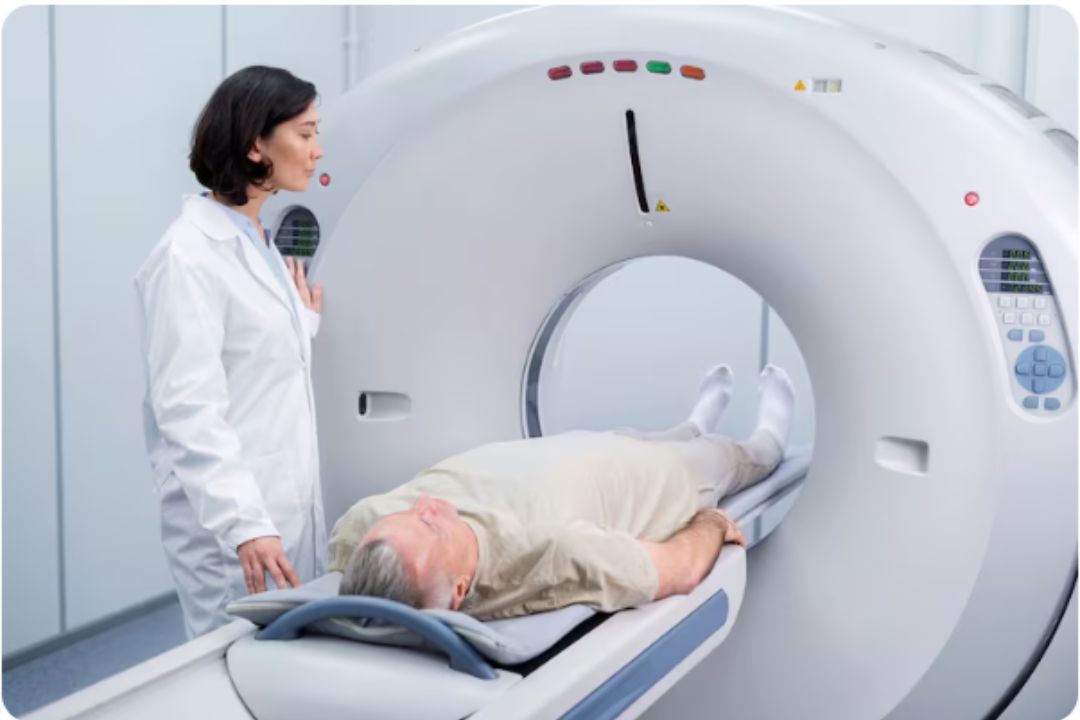
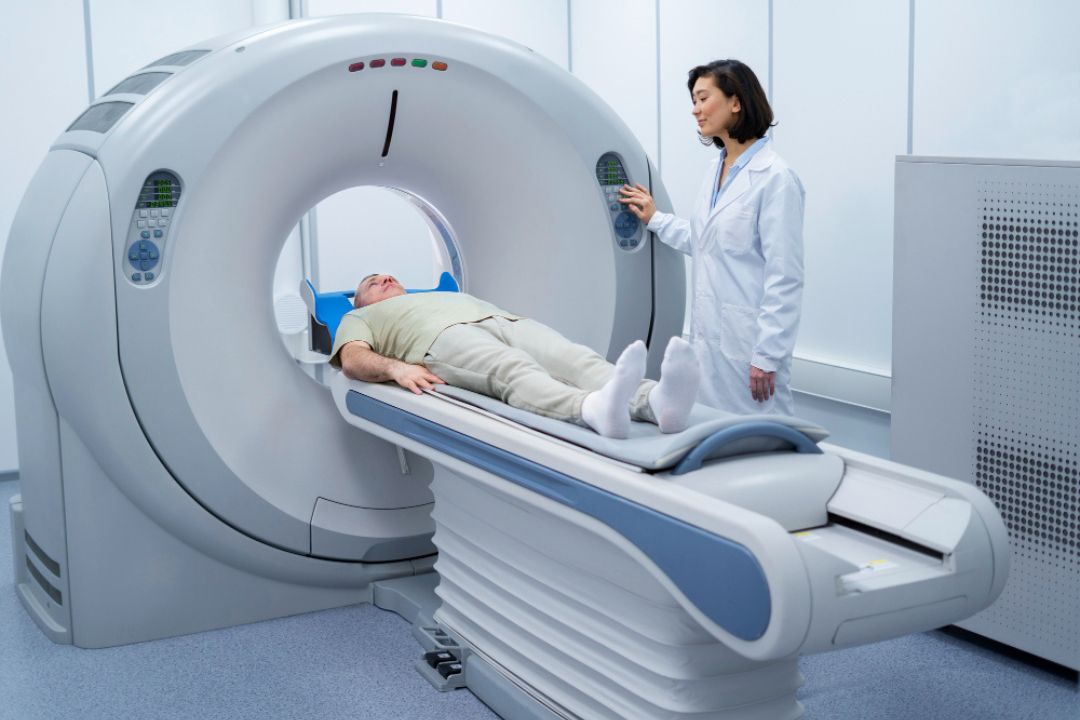
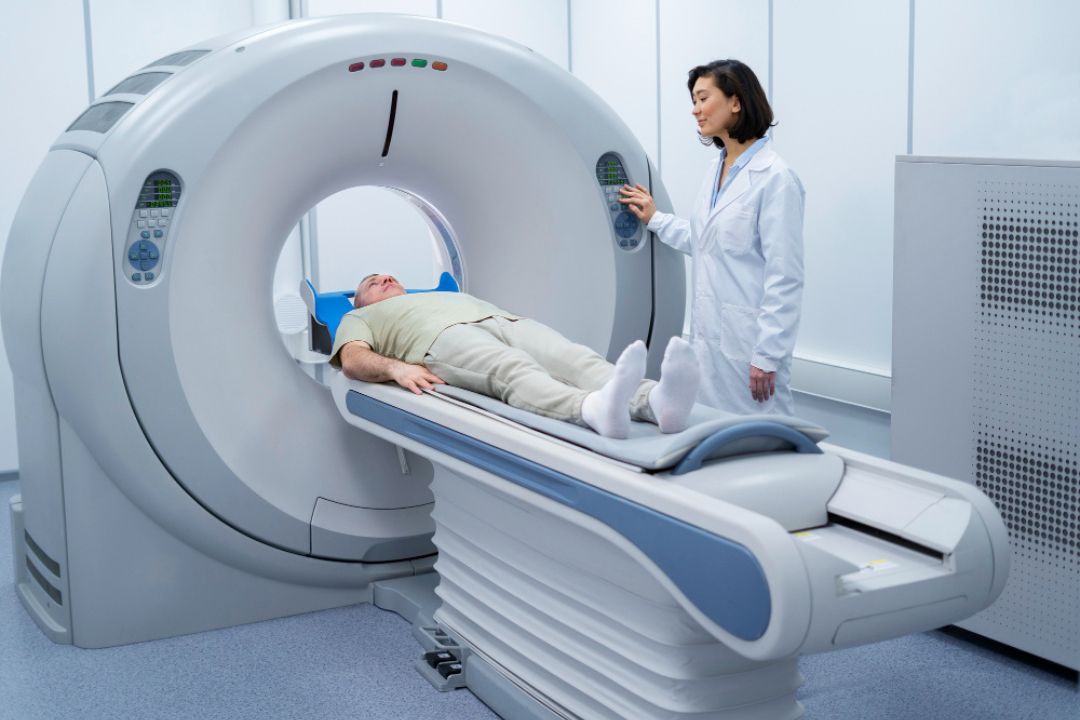
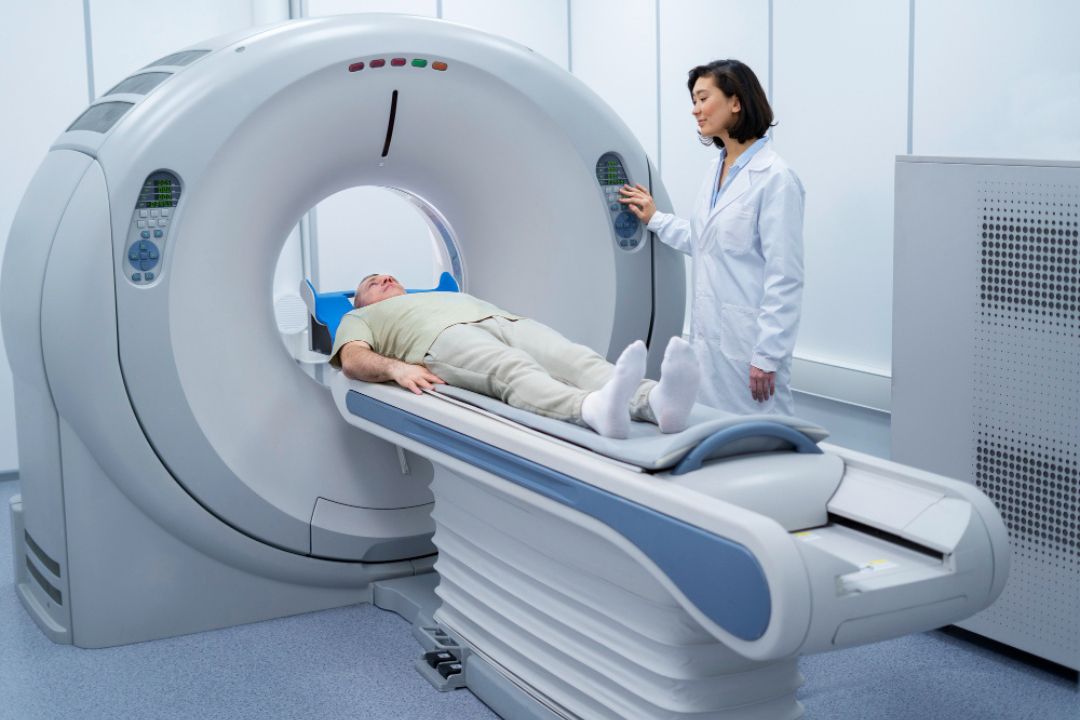
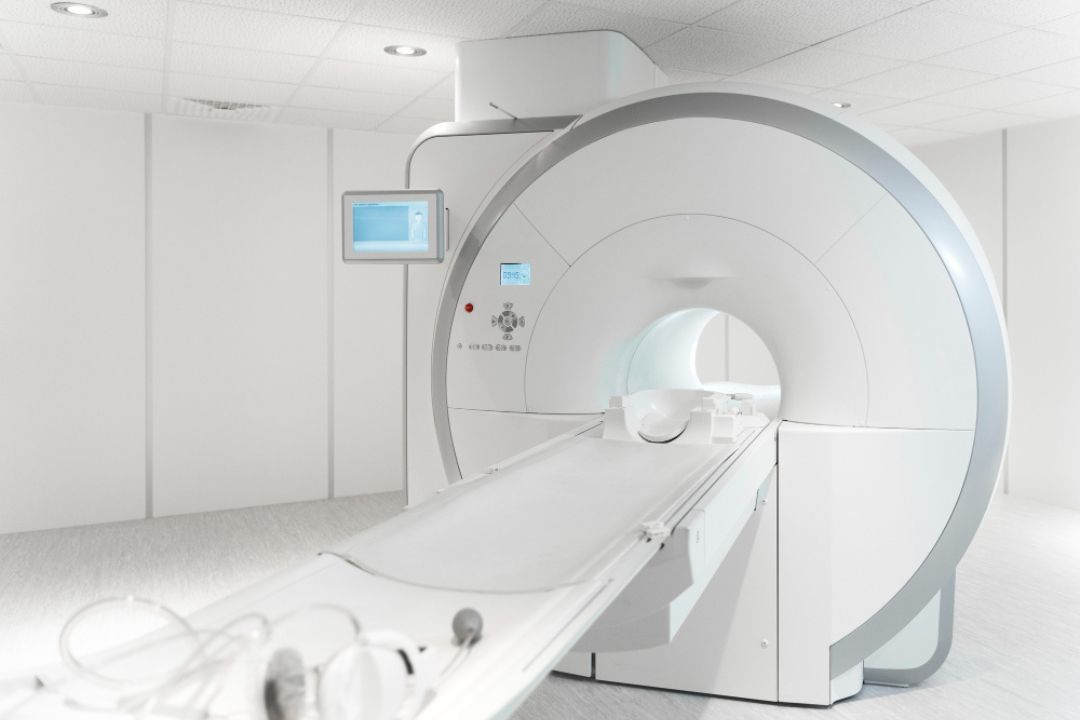
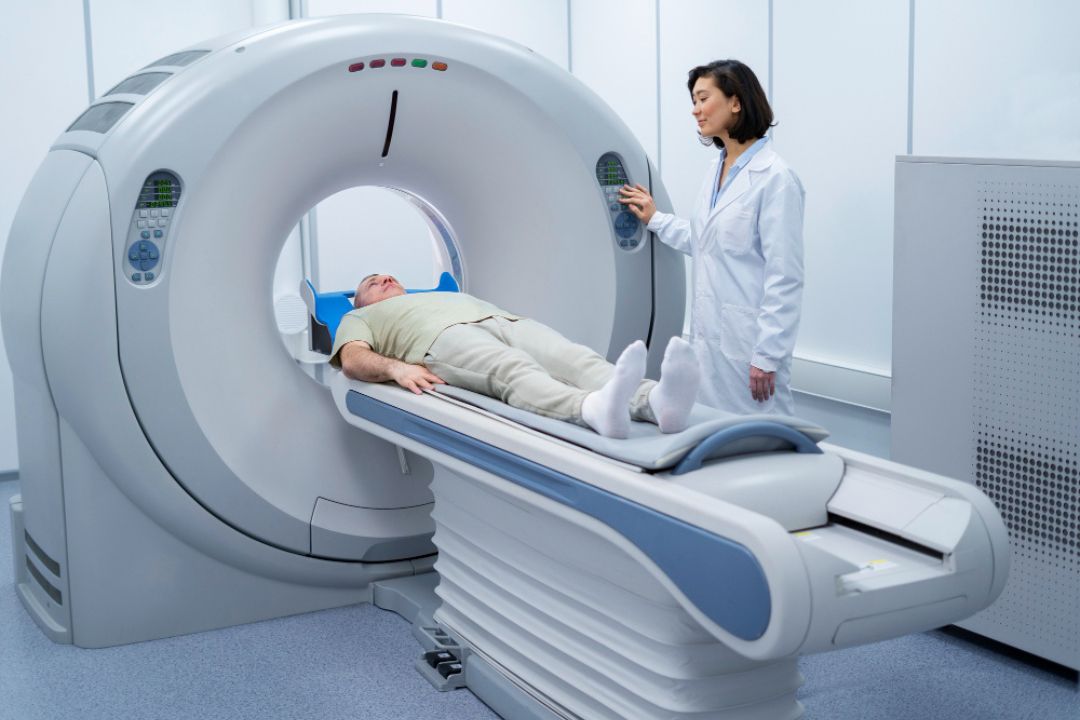
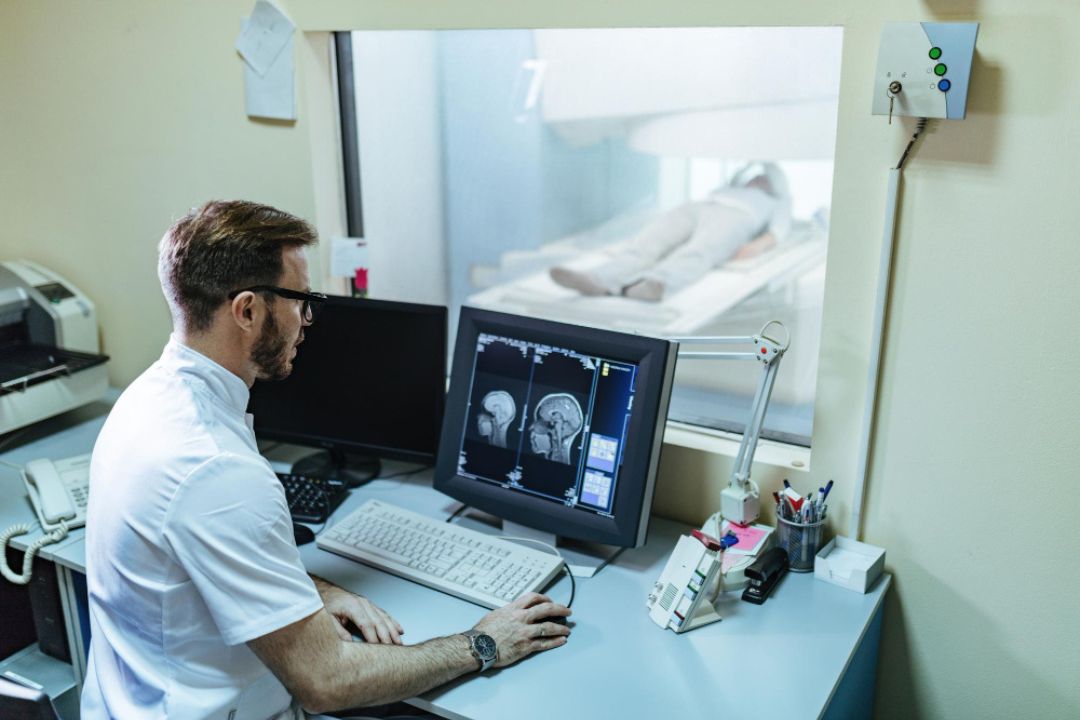
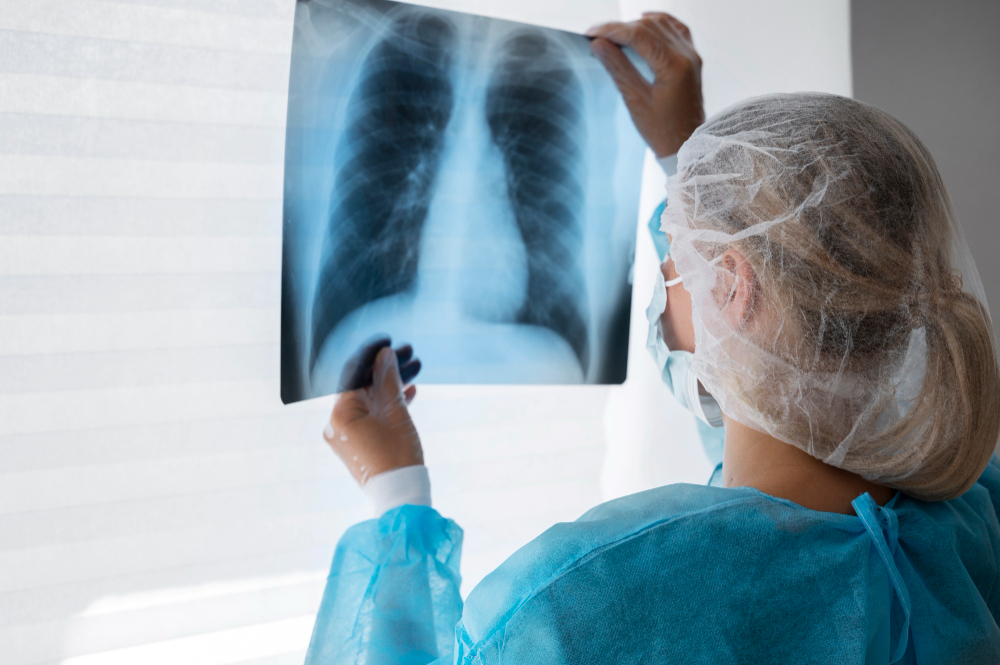
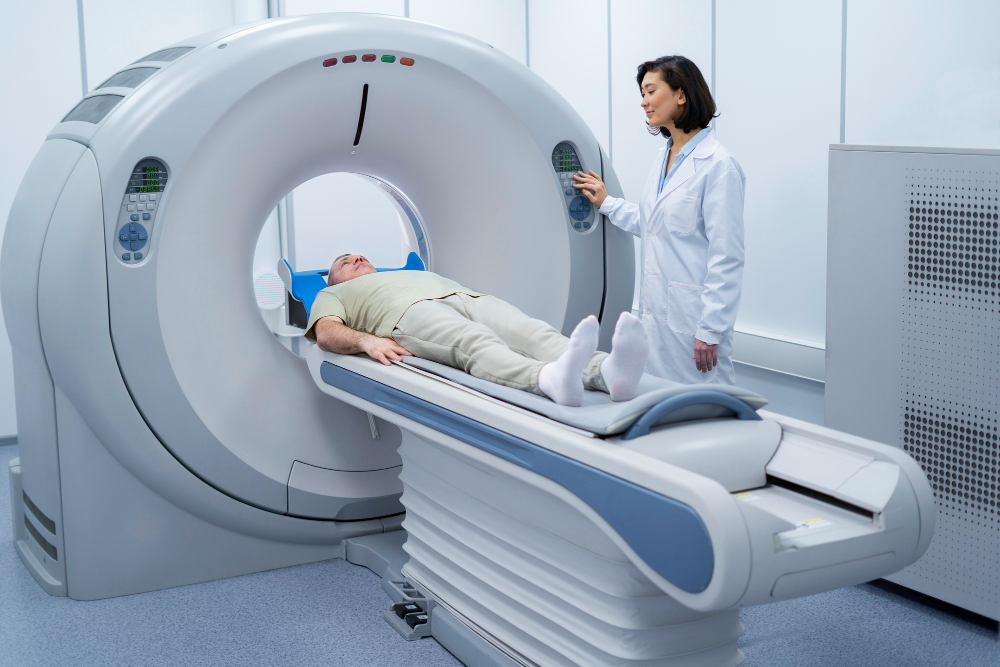
The lungs are complex organs made up of delicate tissues, air spaces, and a network of blood vessels. A standard X-ray produces a 2D image where structures can overlap, potentially hiding small abnormalities. A CT scan, on the other hand, takes multiple cross-sectional images (slices) and reconstructs them into a highly detailed 3D view. This allows radiologists to spot even millimeter-sized nodules, subtle inflammations, or early fibrotic changes.
At Diagnopein Mumbai, we use advanced multi-slice CT scanners that offer:
High Resolution: Clear images for accurate diagnosis.
Low Radiation Dose: Our modern machines minimize radiation exposure while maintaining image quality.
Fast Scanning: Complete chest scans in seconds, reducing breath-holding time and motion artifacts.
Here are the most frequently diagnosed lung conditions using CT imaging at our Mumbai facility:
Lung cancer remains one of the most common and serious cancers worldwide. A low-dose CT scan is the gold standard for lung cancer screening, especially for high-risk individuals (such as long-term smokers). CT scans can detect pulmonary nodules—small spots or growths—long before they cause symptoms. Based on the size, shape, and characteristics of the nodule, radiologists can determine whether it is likely benign or requires further investigation.
While pneumonia is often visible on X-ray, a CT scan provides a much clearer picture of the extent of infection. It can reveal complications such as lung abscesses or empyema (pus in the pleural space). This is particularly useful for patients with recurring infections or those who are immunocompromised.
COPD is a progressive lung disease that includes chronic bronchitis and emphysema. A high-resolution CT scan can visualize the destruction of air sacs (alveoli) and assess the severity of emphysema. It helps pulmonologists tailor treatment plans and monitor disease progression over time.
Interstitial lung diseases involve scarring (fibrosis) of the lung tissue. Conditions like Idiopathic Pulmonary Fibrosis (IPF) can be difficult to diagnose without imaging. A CT scan reveals characteristic patterns such as "honeycombing" or ground-glass opacities, allowing for a confident diagnosis without always needing a surgical biopsy.
A pulmonary embolism occurs when a blood clot travels to the lungs, blocking blood flow. This is a medical emergency. Using a CT angiography (CT scan with contrast), we can quickly visualize the pulmonary arteries and identify clots, enabling rapid treatment.
India has a high burden of tuberculosis. CT scans are invaluable in detecting active TB, assessing cavities, and identifying complications. They are also used to monitor response to treatment.
Patients exposed to asbestos (asbestosis), silica, or coal dust over long periods often develop characteristic lung changes. CT scans can detect these early, helping patients manage their condition and avoid further exposure.
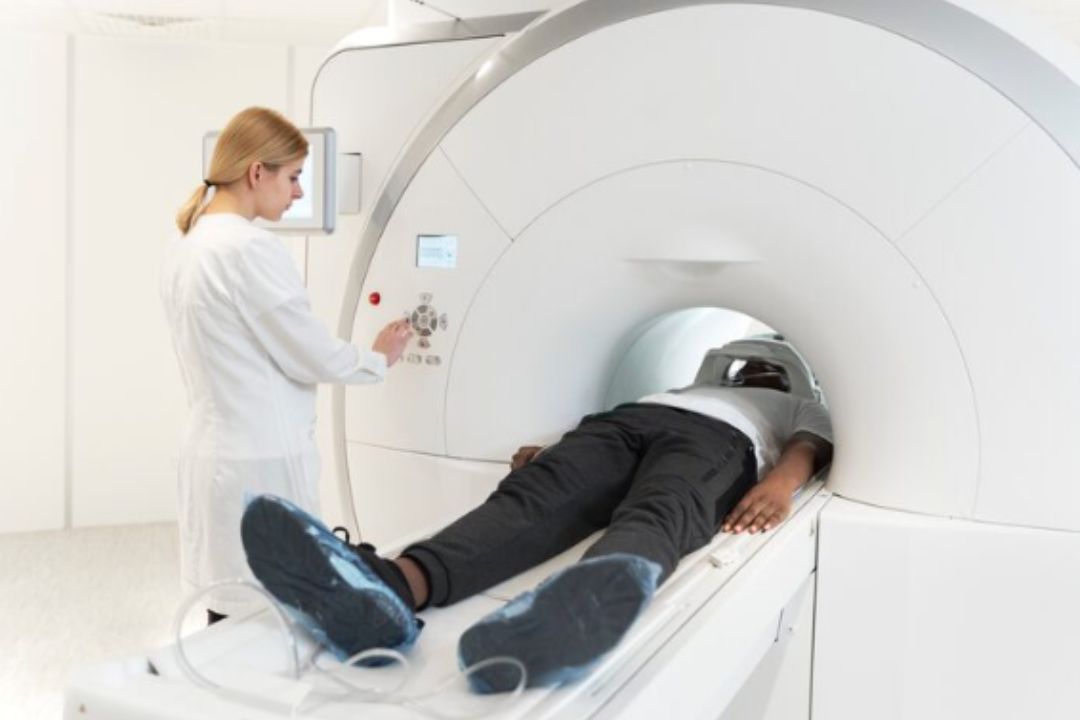
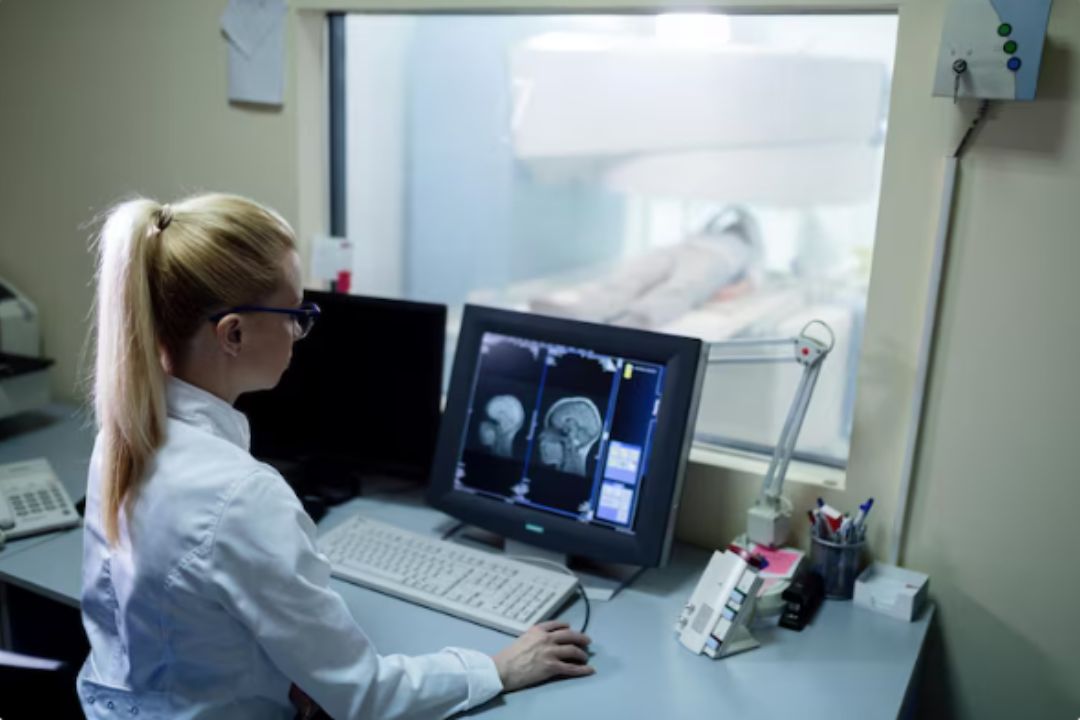
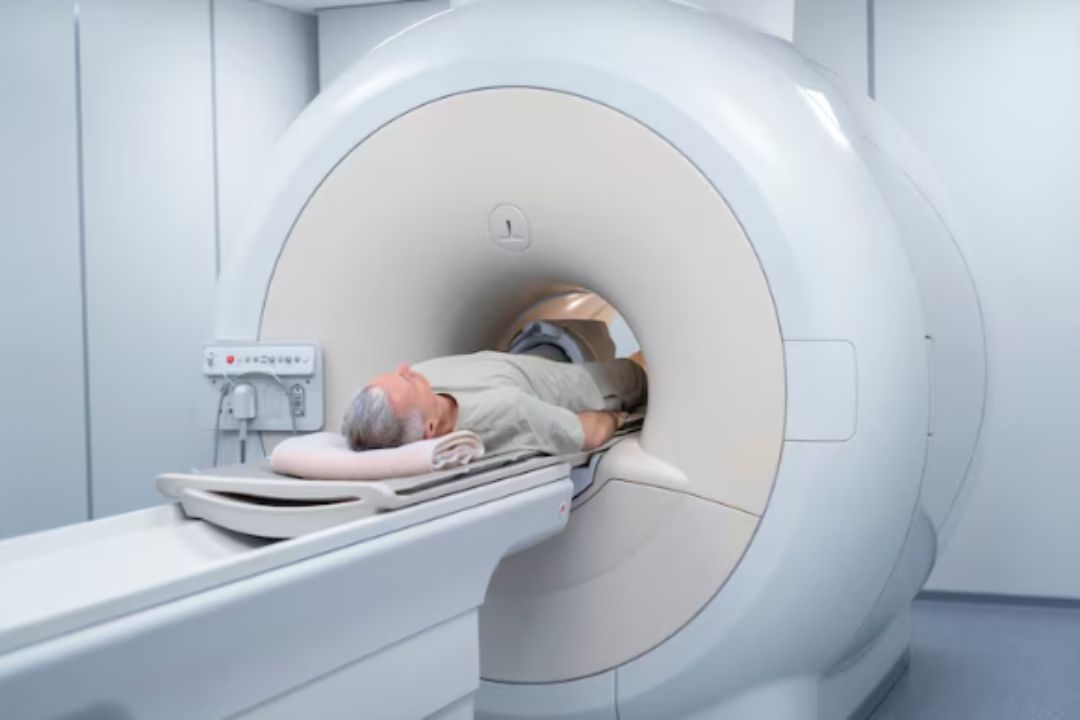
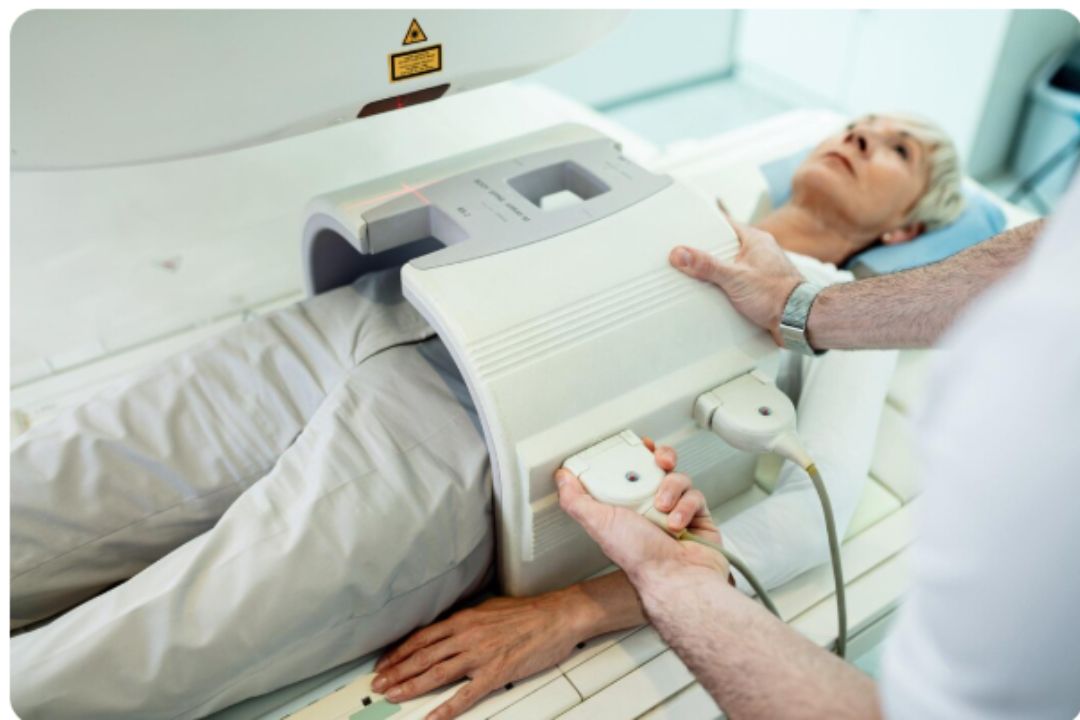
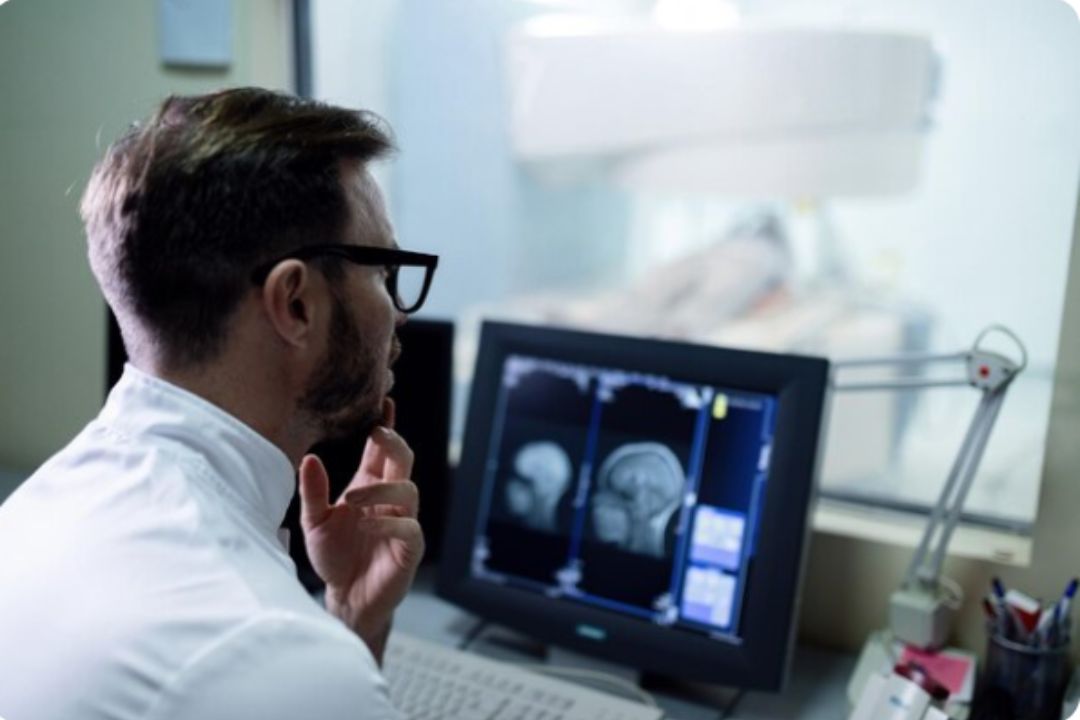
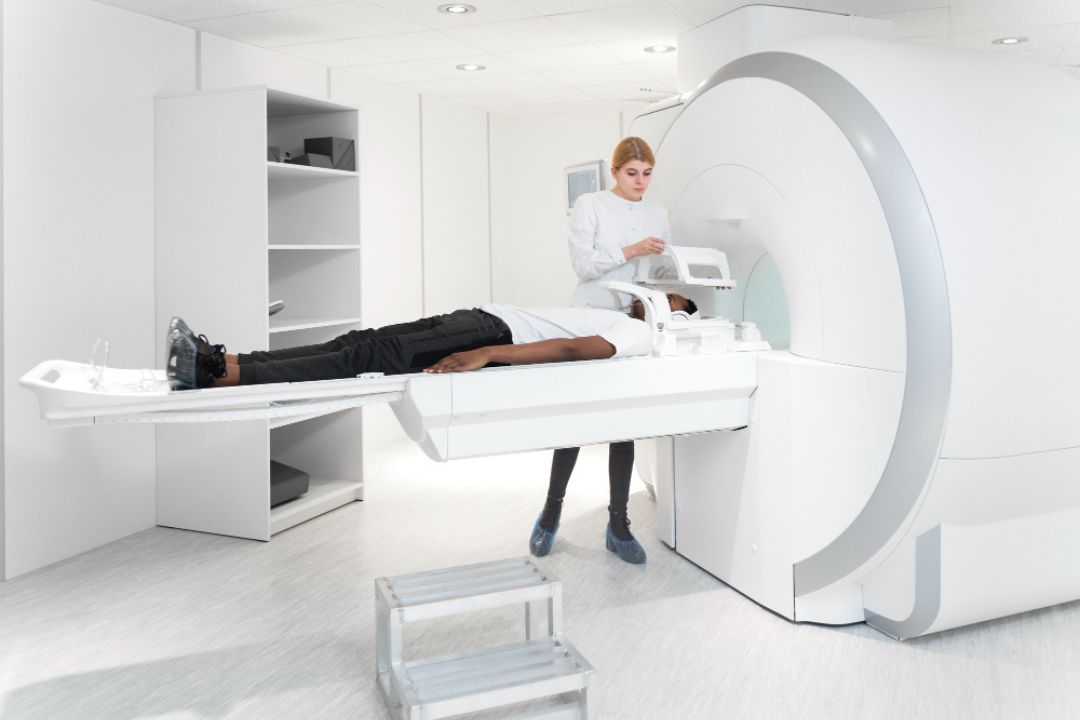
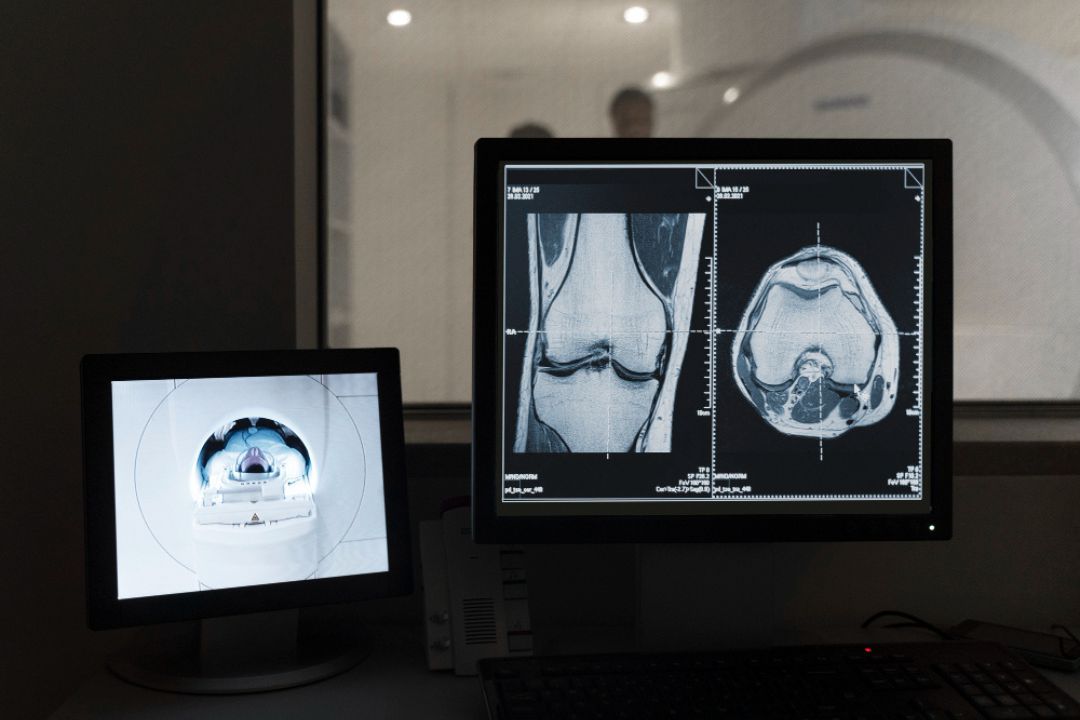
A common question we receive at Diagnopein is, "What's the difference between an MRI and a CT scan?" Understanding this helps patients feel more confident about their prescribed test.
For lung conditions, a CT scan is almost always the preferred choice due to its speed and ability to capture fine detail in the air-filled lungs.
For certain lung evaluations—such as suspected pulmonary embolism or detailed tumor assessment—a contrast dye (iodine-based) is injected intravenously. This dye highlights blood vessels and abnormal tissues, making them easier to see.
At Diagnopein Mumbai, patient safety is our priority. We want you to be informed about ct scan with contrast side effects:
Common Reactions: A warm flushing sensation, metallic taste in the mouth, or mild nausea. These typically last only a few seconds.
Allergic Reactions: Rare, but can include hives, itching, or difficulty breathing. Our staff is trained to handle such emergencies immediately.
Kidney Considerations: Patients with kidney disease or diabetes should inform their doctor beforehand. We use modern, safer contrast agents and ensure proper hydration.
One of the biggest concerns for patients is the cost of diagnostics. At Diagnopein, we believe in transparent, fair pricing without hidden fees.
The ct scan cost varies depending on the type of scan required:
Chest / Lung CT Scan: Typically ranges from moderate to premium based on whether contrast is used.
Body CT Scan Cost: If multiple regions (chest, abdomen, pelvis) are scanned, the cost will be higher than a single-region scan.
CT Scan Test Price: We offer competitive rates and package deals for comprehensive health checkups.
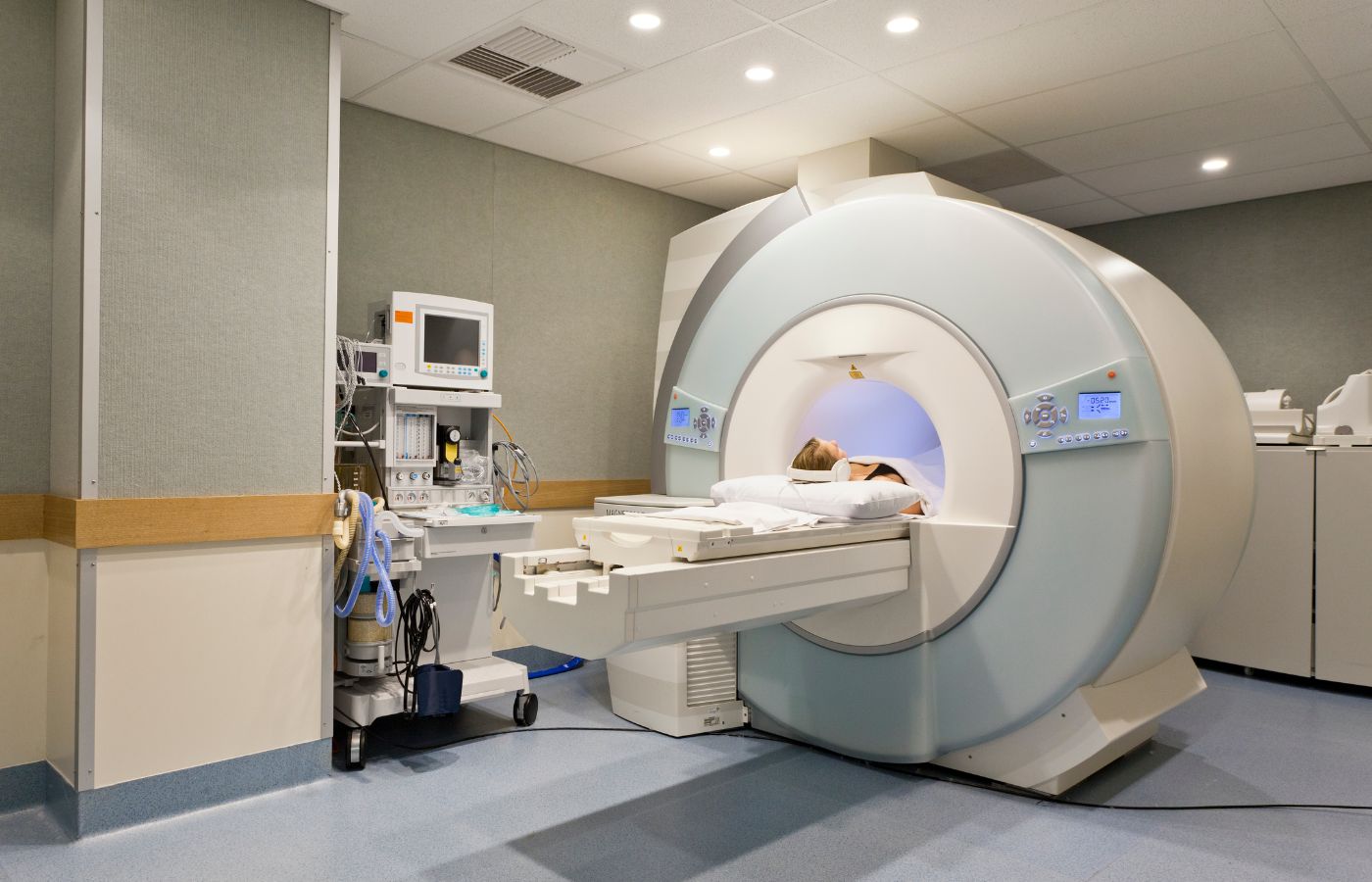
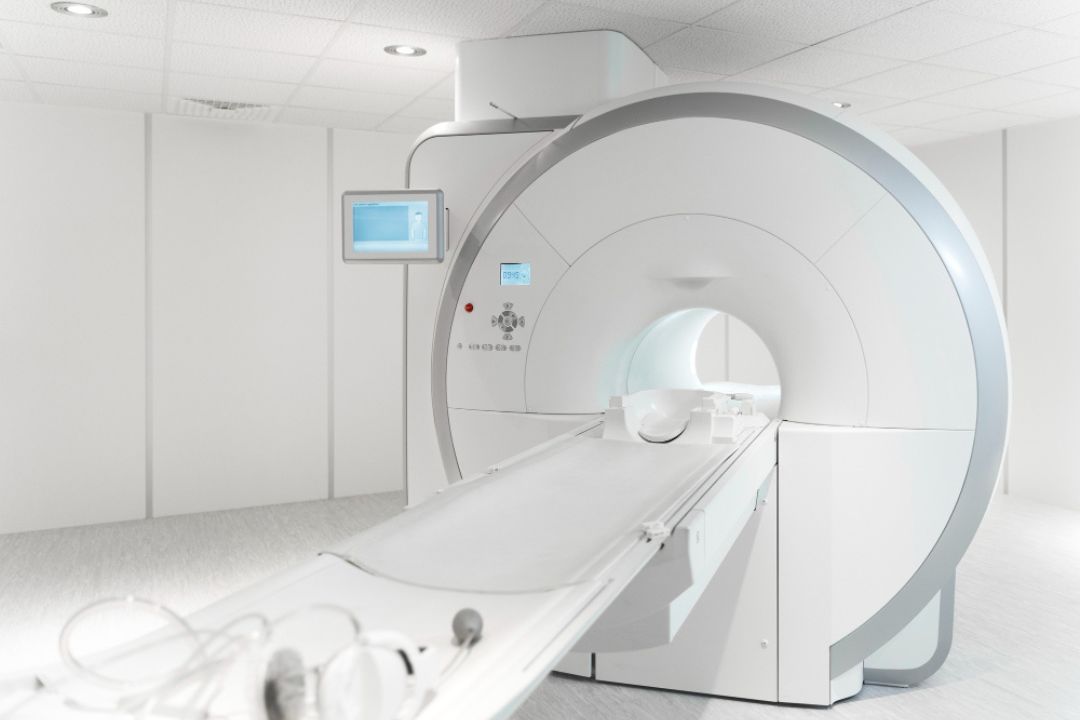
You might wonder why diagnostic costs vary between centers. A significant factor is the ct scan machine price. Advanced multi-slice CT scanners (like the ones we use at Diagnopein Mumbai) cost several crores to import and maintain. These machines offer:
Lower radiation dose
Faster scan times
Higher image resolution
Better patient comfort
By investing in top-tier equipment, we ensure that you receive the most accurate diagnosis possible.
We understand that undergoing a scan can be stressful. Here’s how we make your experience comfortable:
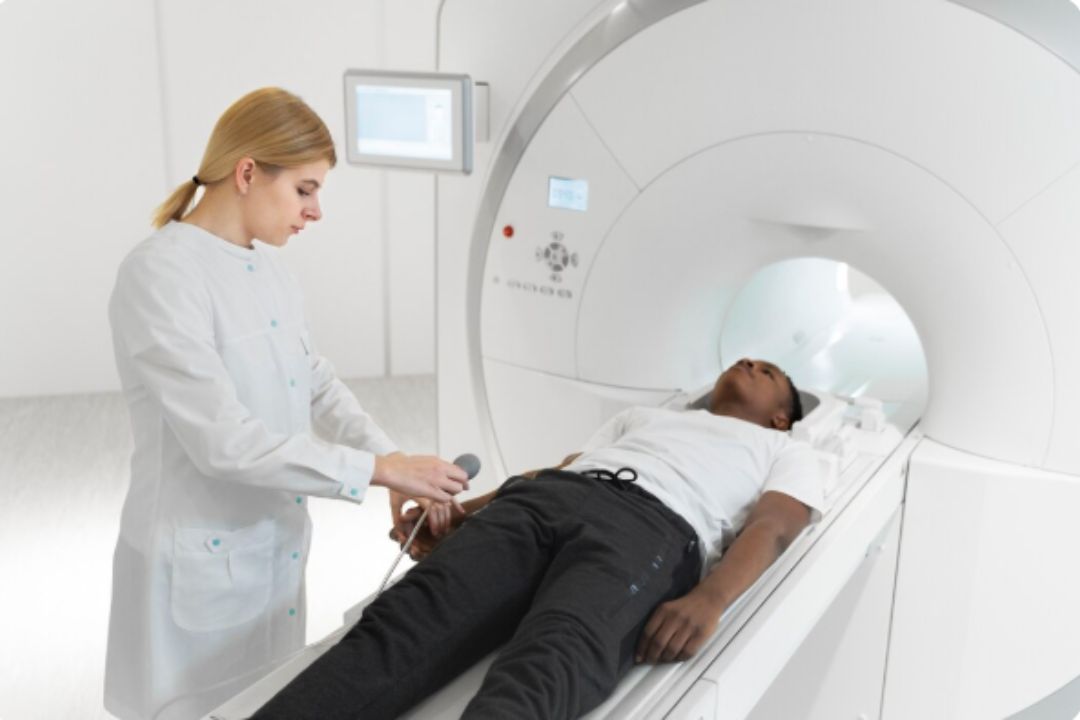
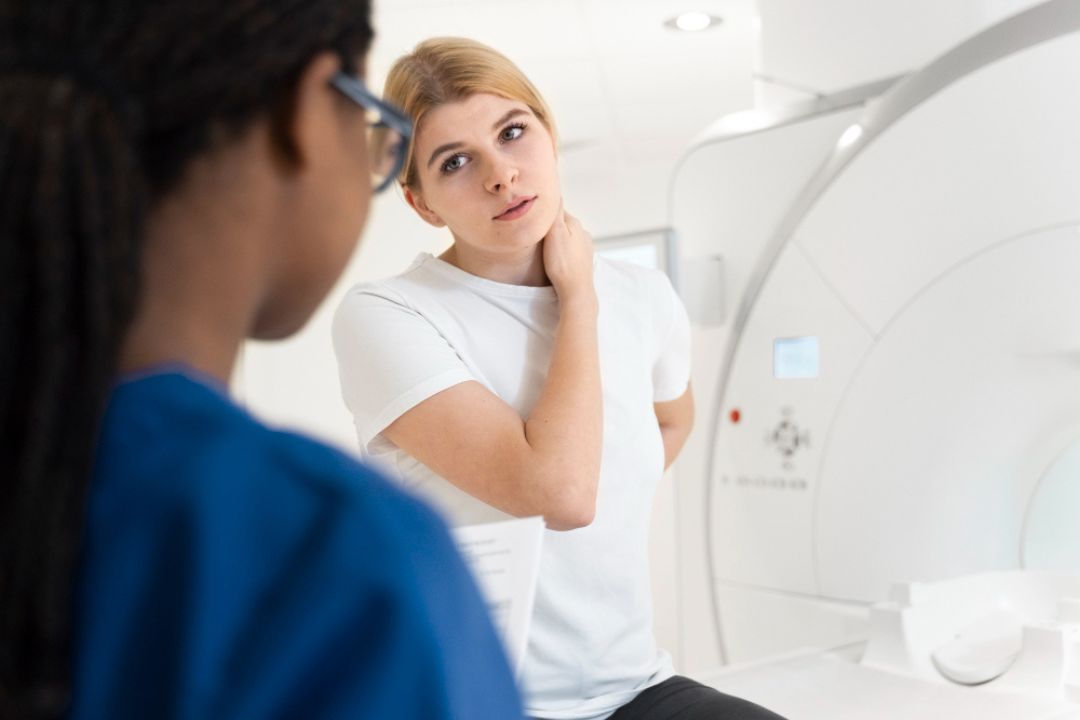
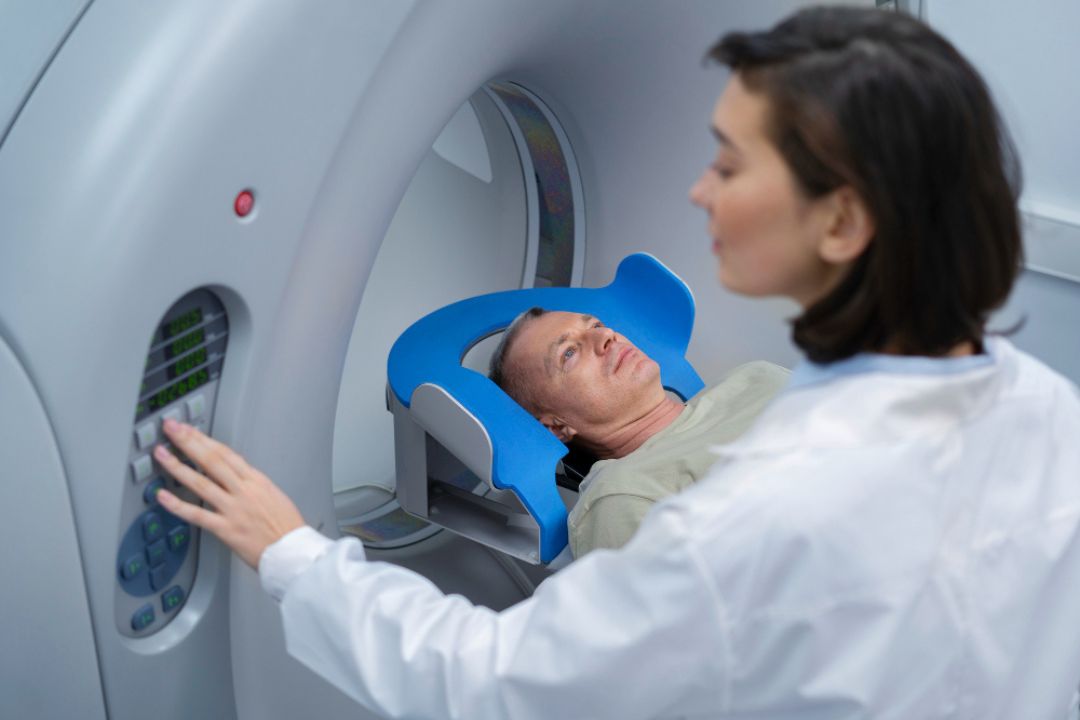
Patient-Centric Approach: Our staff explains every step of the procedure, answering any questions you may have.
Quick Procedure: The actual scan takes only a few seconds to a couple of minutes, minimizing discomfort for patients who have difficulty lying still or holding their breath.
Safe Environment: We follow strict hygiene and safety protocols, ensuring a clean and welcoming facility.
Experienced Radiologists: Our team includes highly trained radiologists who specialize in chest imaging, ensuring accurate reporting.
When it comes to detecting the common lung conditions detected on CT scan, accuracy and speed are non-negotiable. Whether you are dealing with a persistent cough, need a routine screening, or require a detailed body ct scan cost estimate, Diagnopein Mumbai is your trusted partner in health.
From understanding the difference between an mri and a ct scan to managing ct scan with contrast side effects, our team prioritizes your well-being. We combine cutting-edge technology with compassionate care to deliver the best diagnostic experience.
Don't let uncertainty about pricing or procedure hold you back from taking charge of your health. Early detection saves lives.





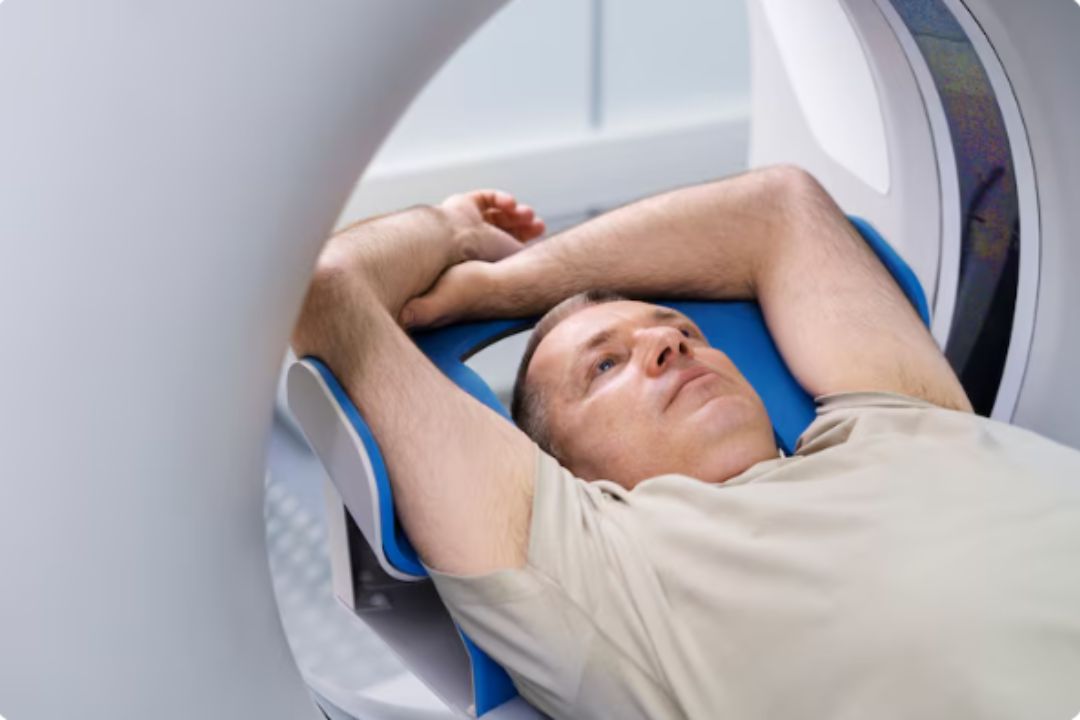

.jpg "ct brain scan plain and contrast")
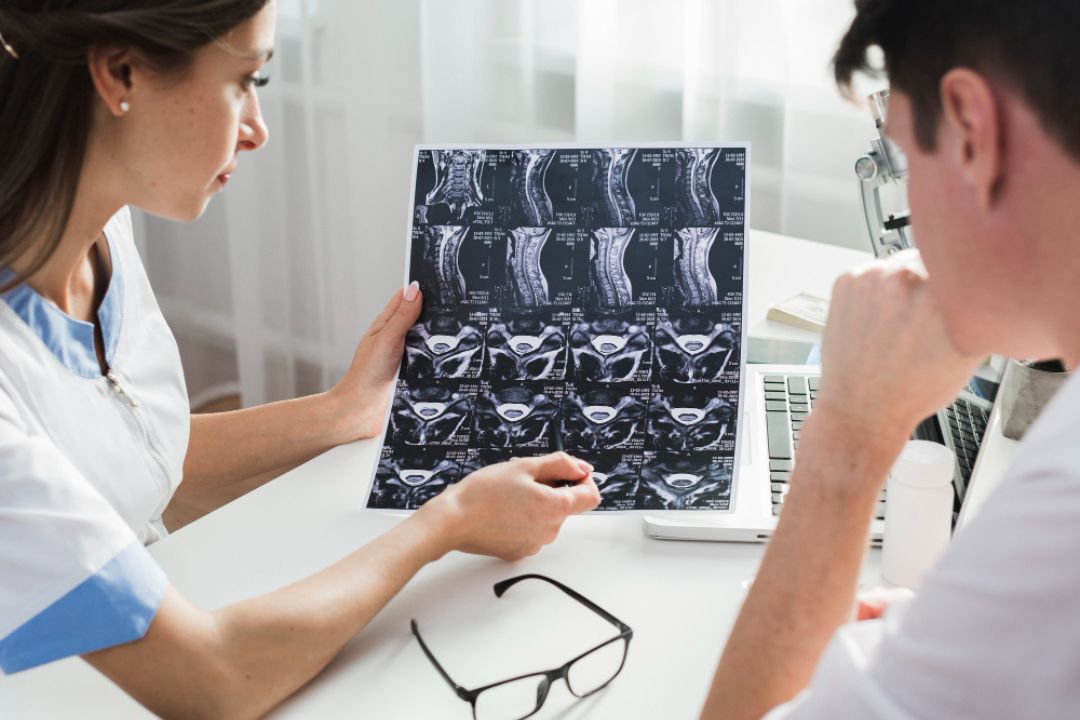

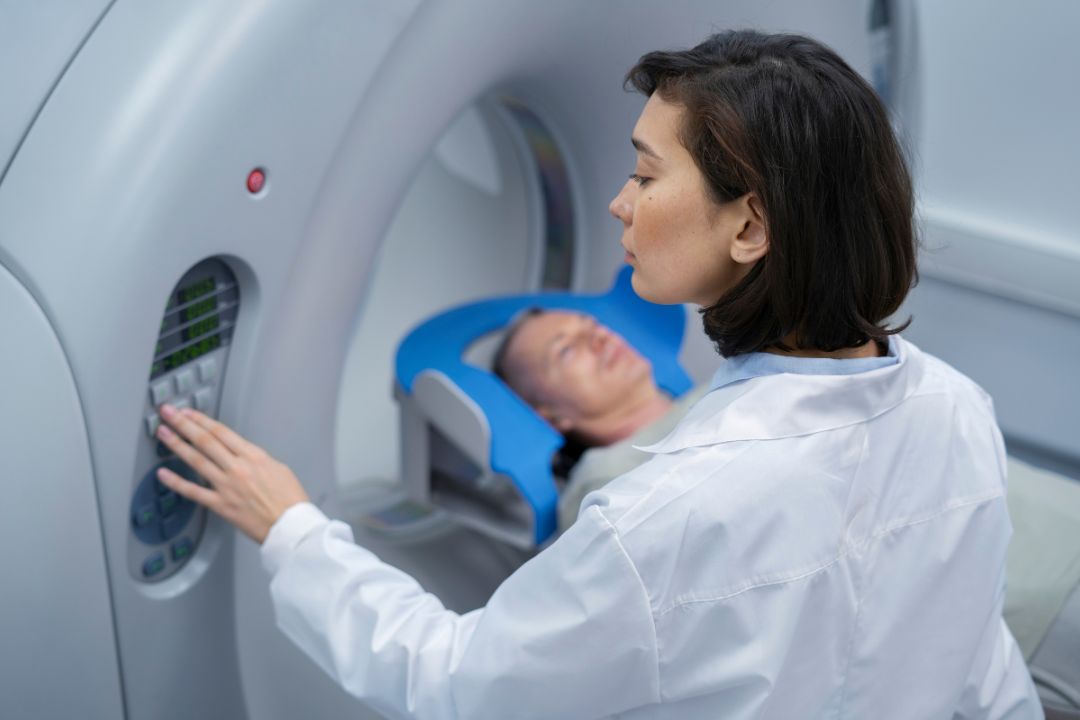
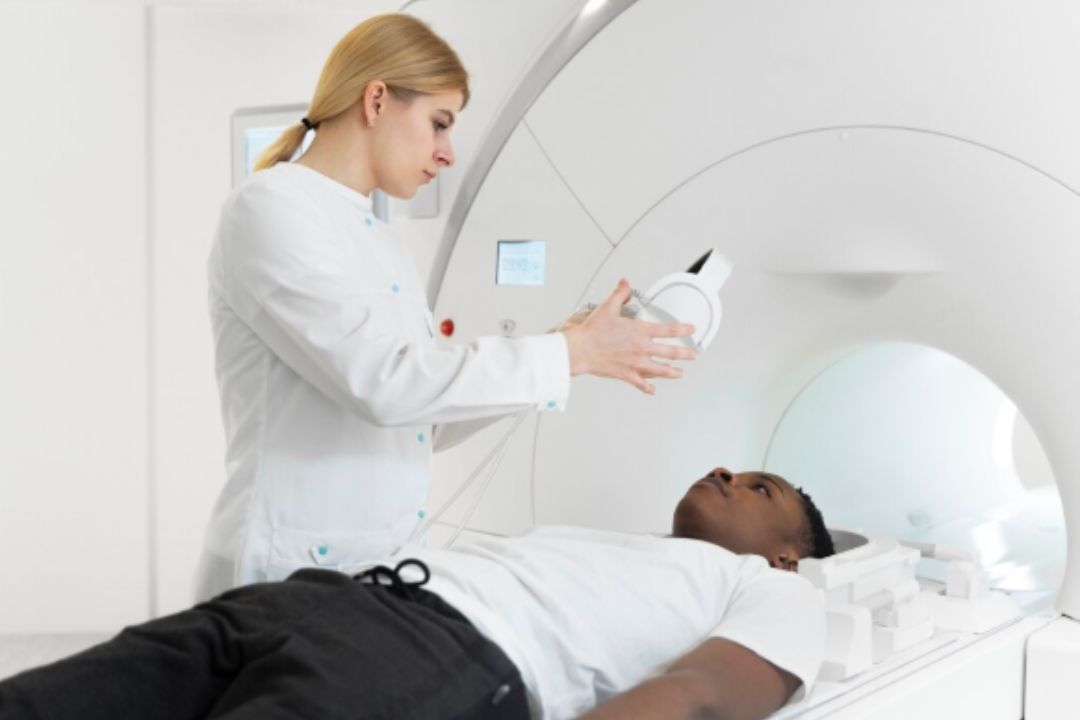









.jpg "ct scan")
.jpg "ct scan or mri for brain disorders")


.jpg "exploring the power of ct brain contrast in modern diagnostics")
.jpg "ct scan")
.jpg "ct scan")







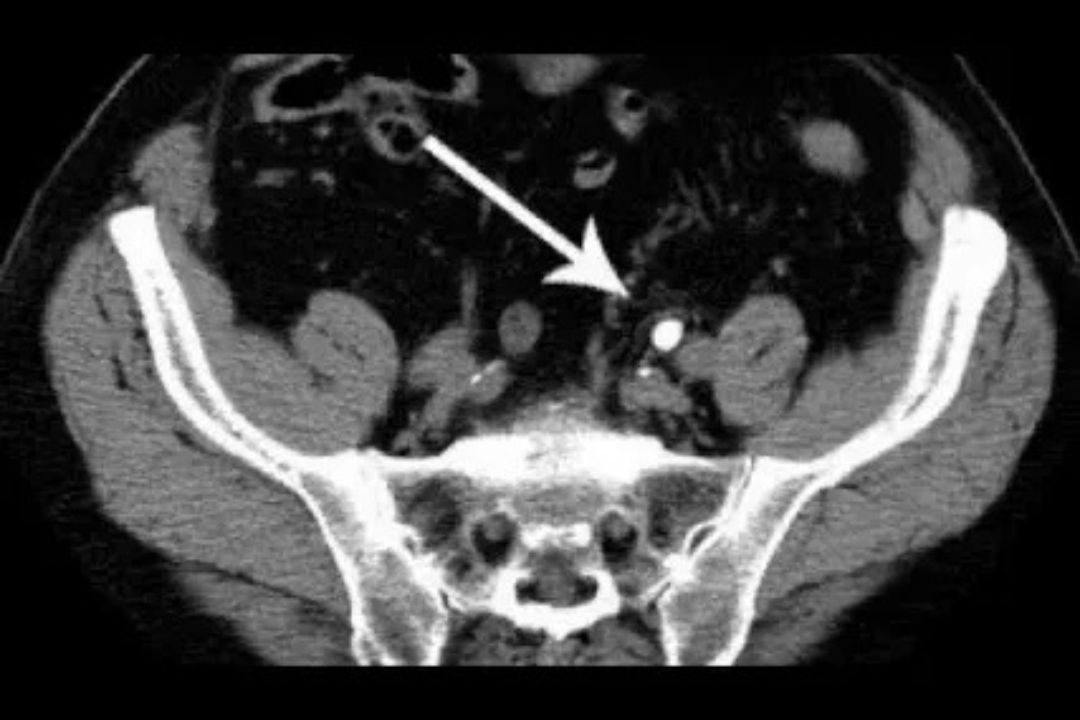
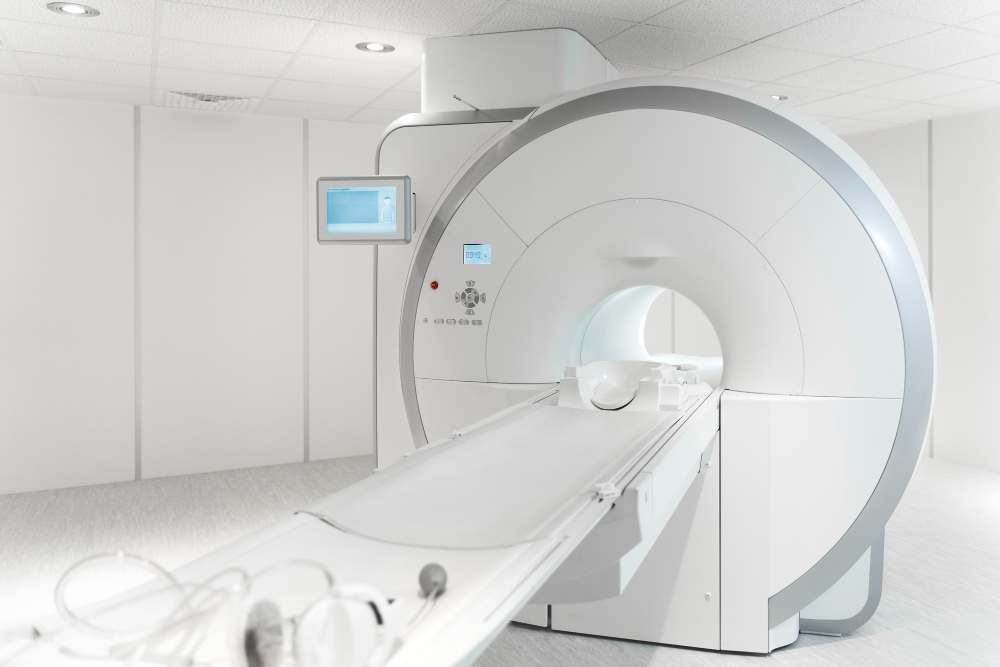
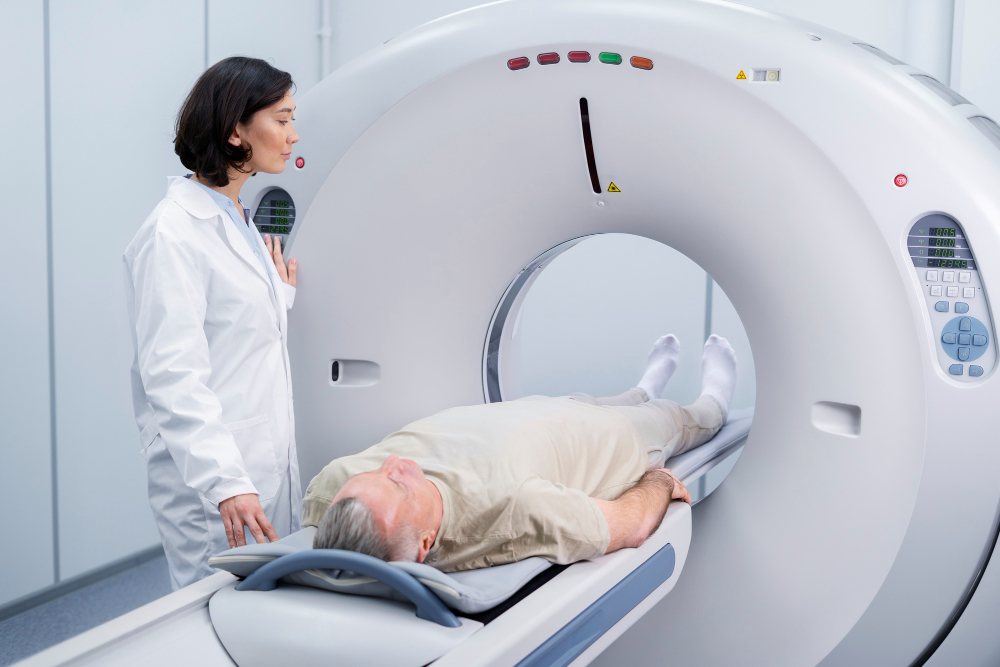
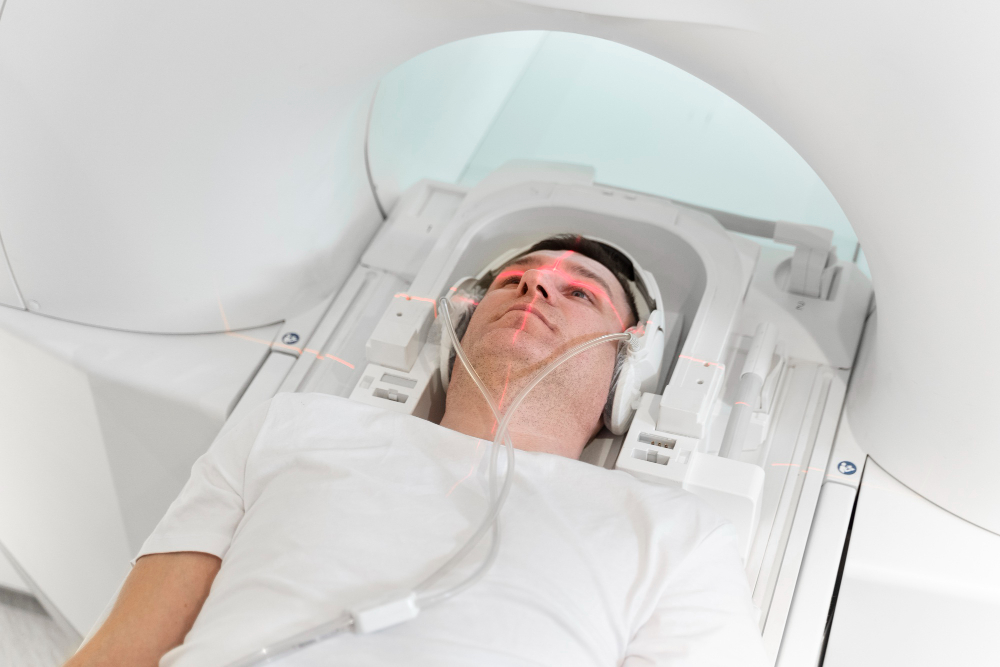
.jpg "ct scan")

.jpg "CT Brain Scan for Headaches")
.jpg "The Future of 3D CT Imaging")