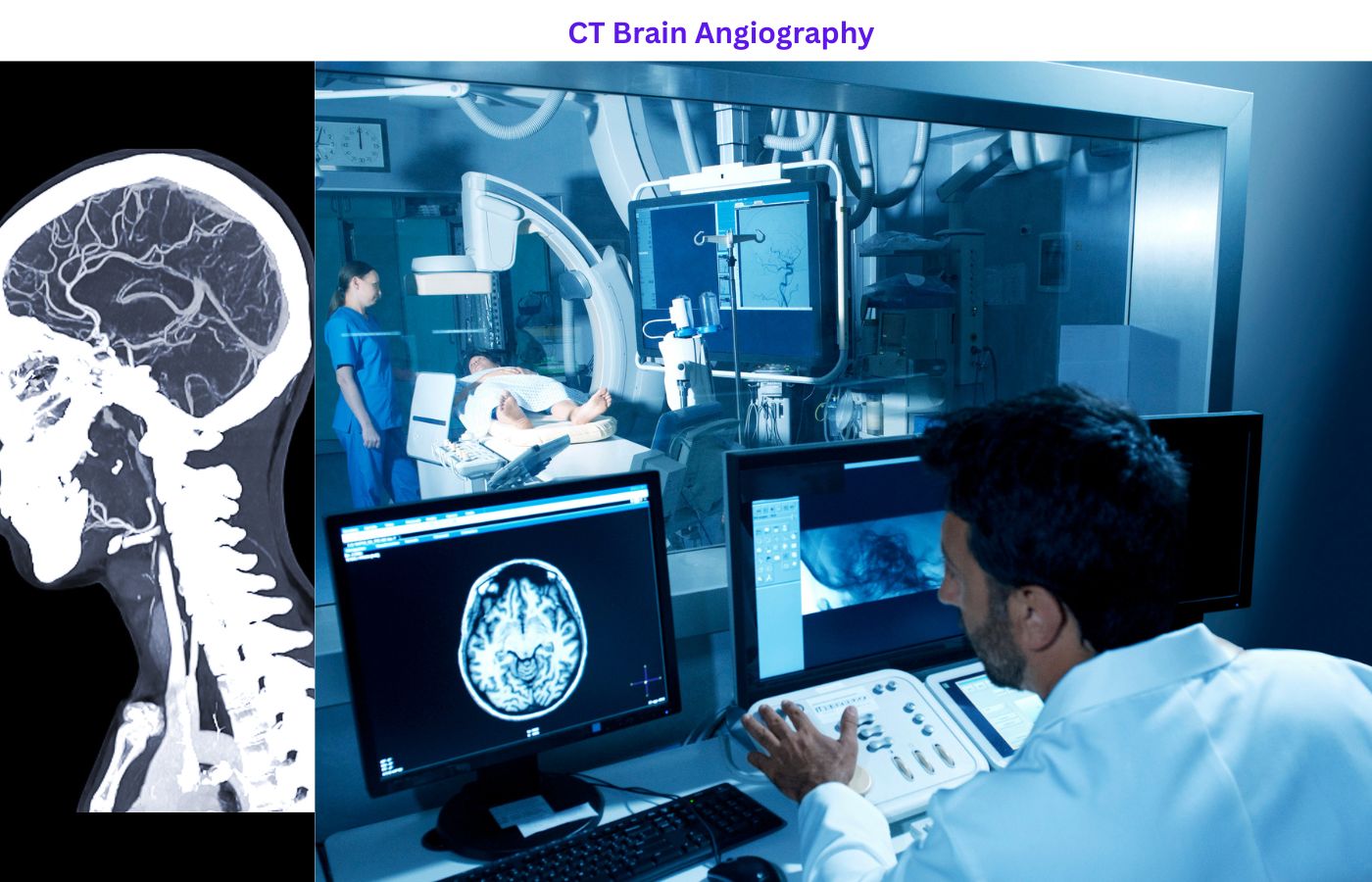
When you or a loved one is facing a complex medical issue, the search for answers can feel urgent. In this digital age, it's common to turn to the internet with questions like "can a CT scan detect?" or even wonder, "can a CT scan detect all diseases?" The prevalence of CT scans discussions online highlights its role as a frontline diagnostic hero. But is it the ultimate medical oracle? At Diagnopein Mumbai, we believe that an informed patient is an empowered partner in care. This blog delves deep into the remarkable capabilities and the essential limitations of CT imaging, guiding you toward making the best decision for your health.
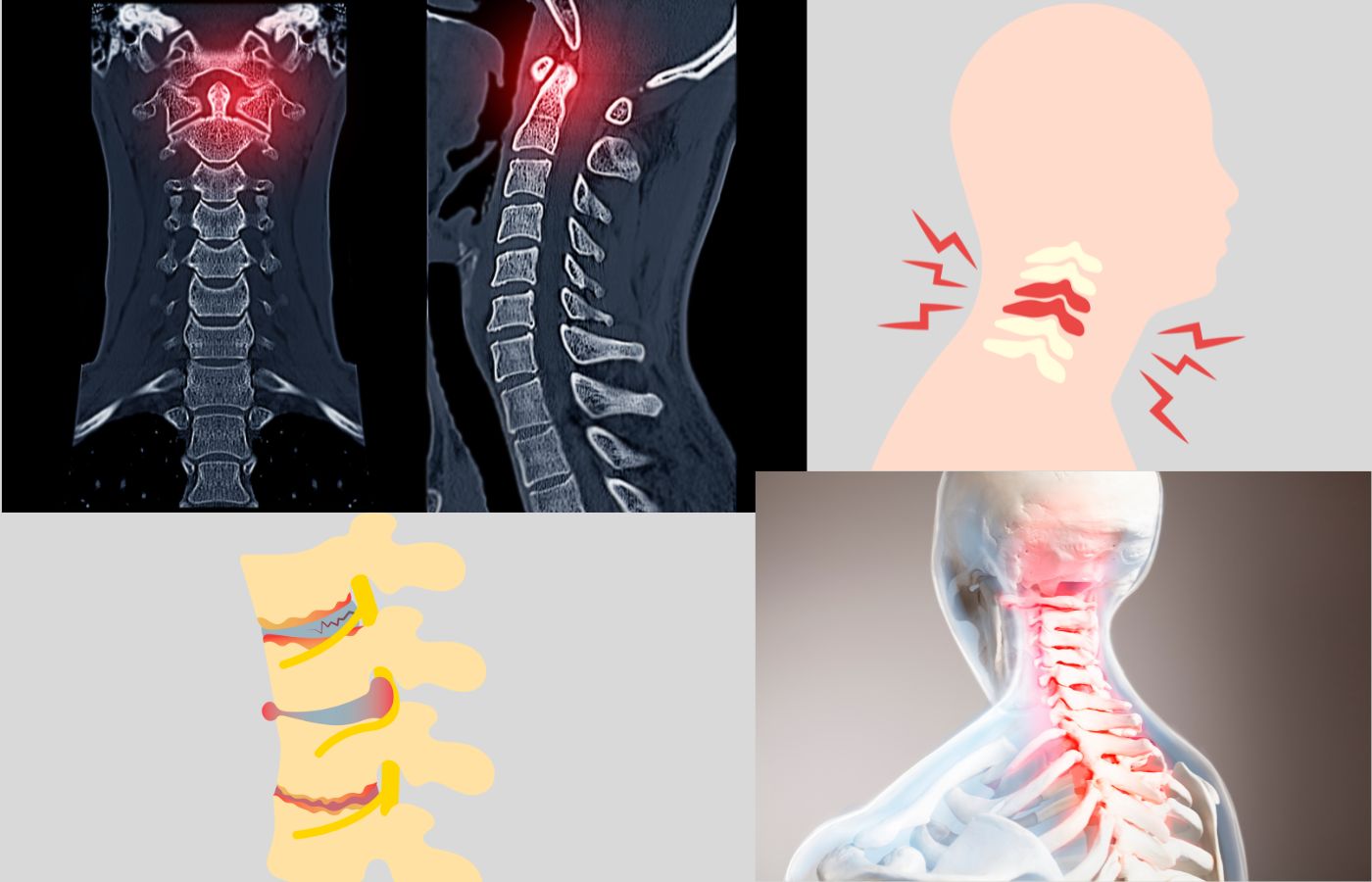
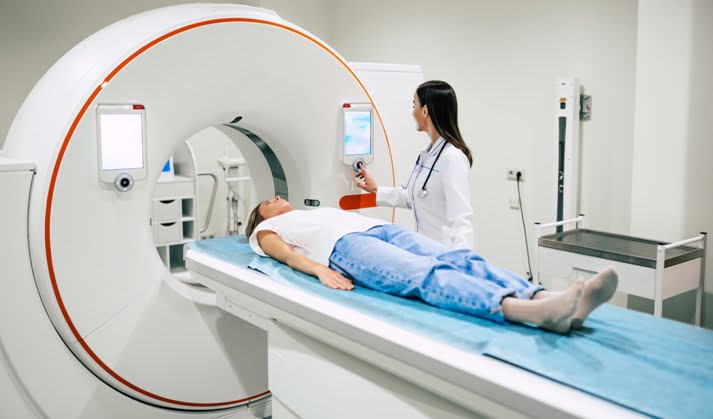
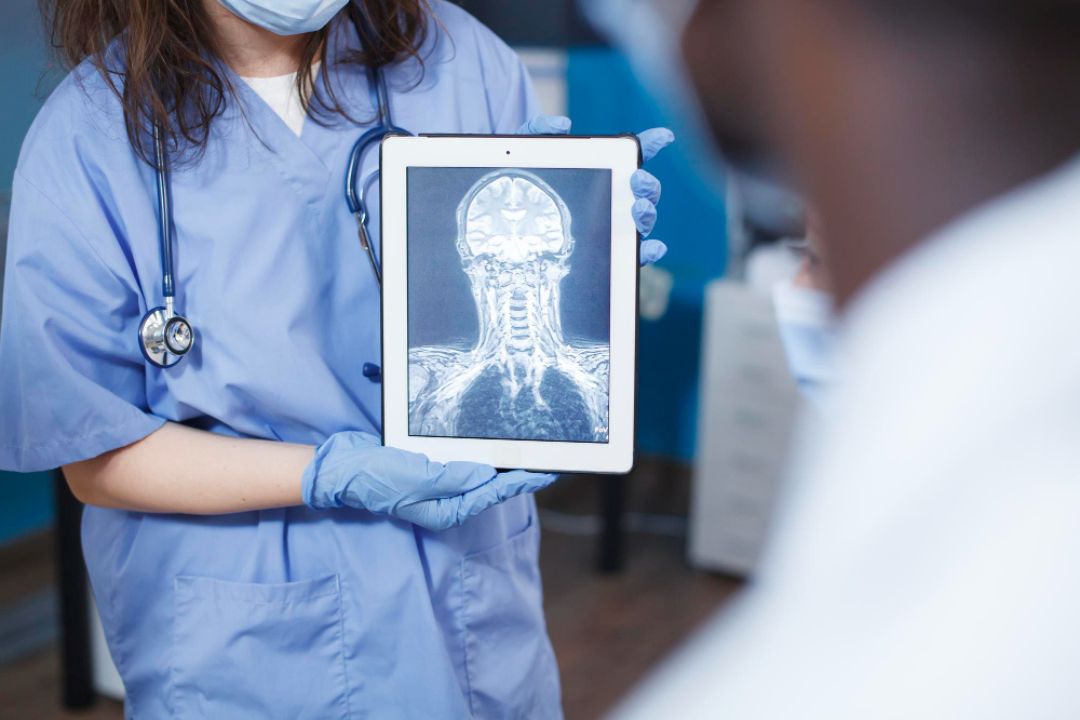
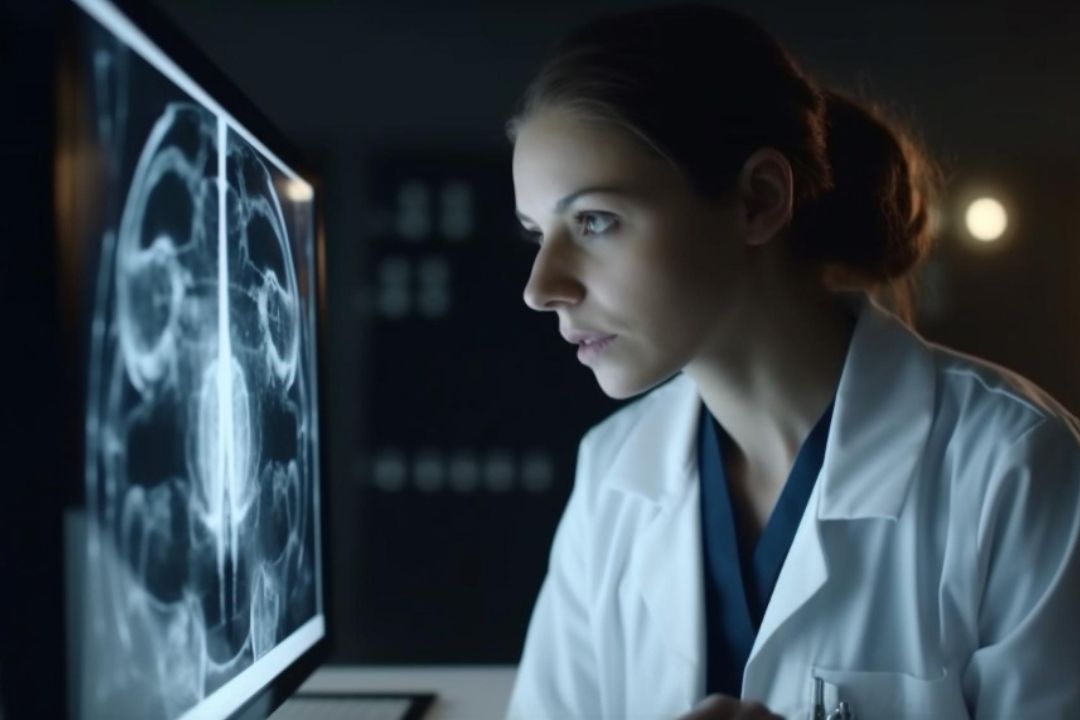
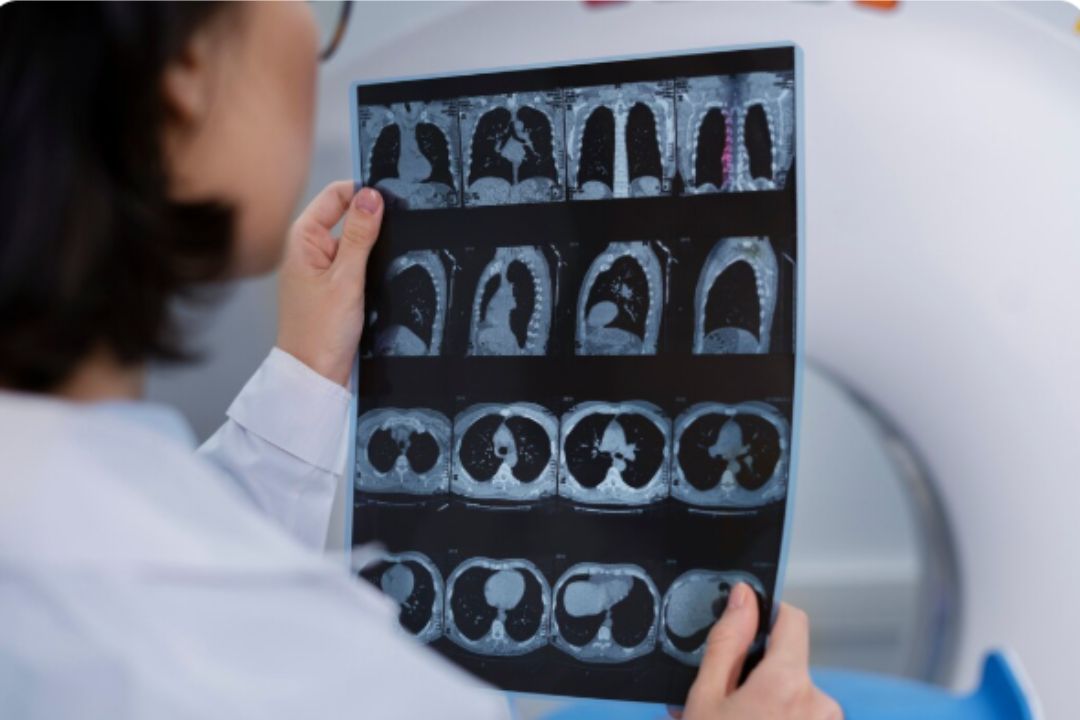
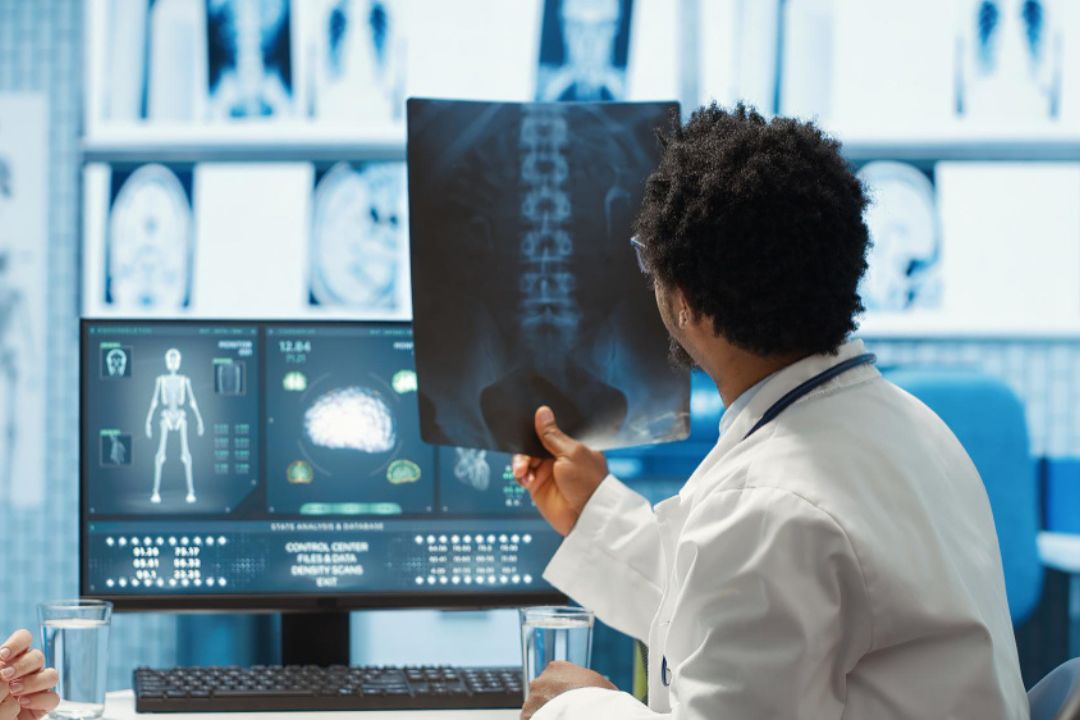
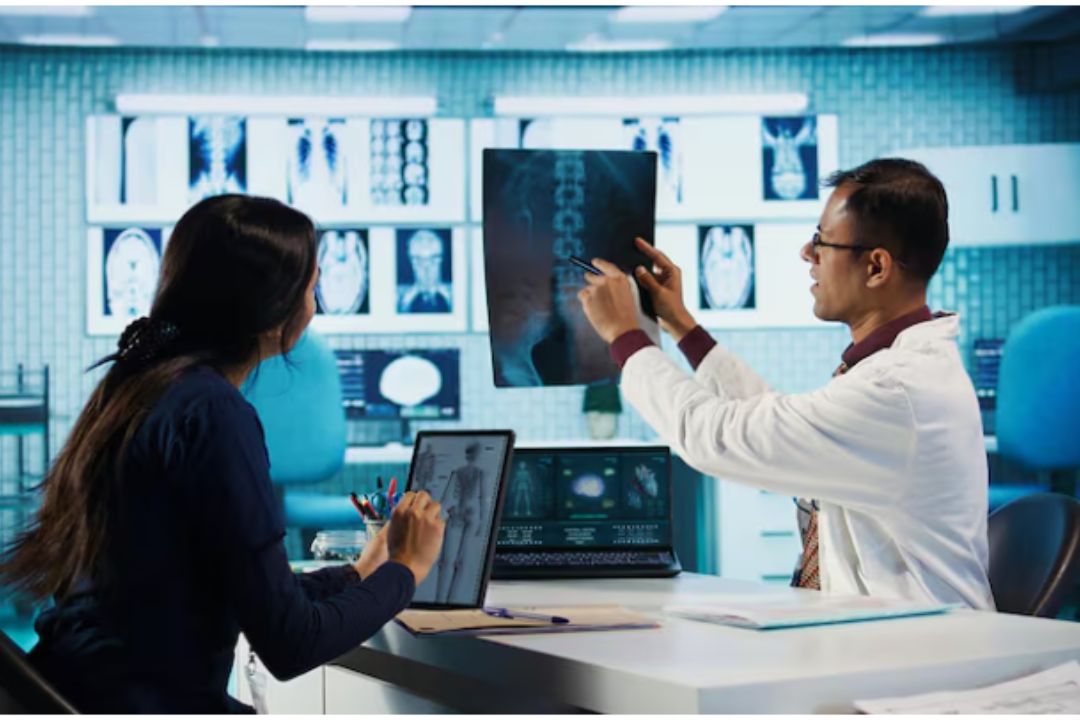
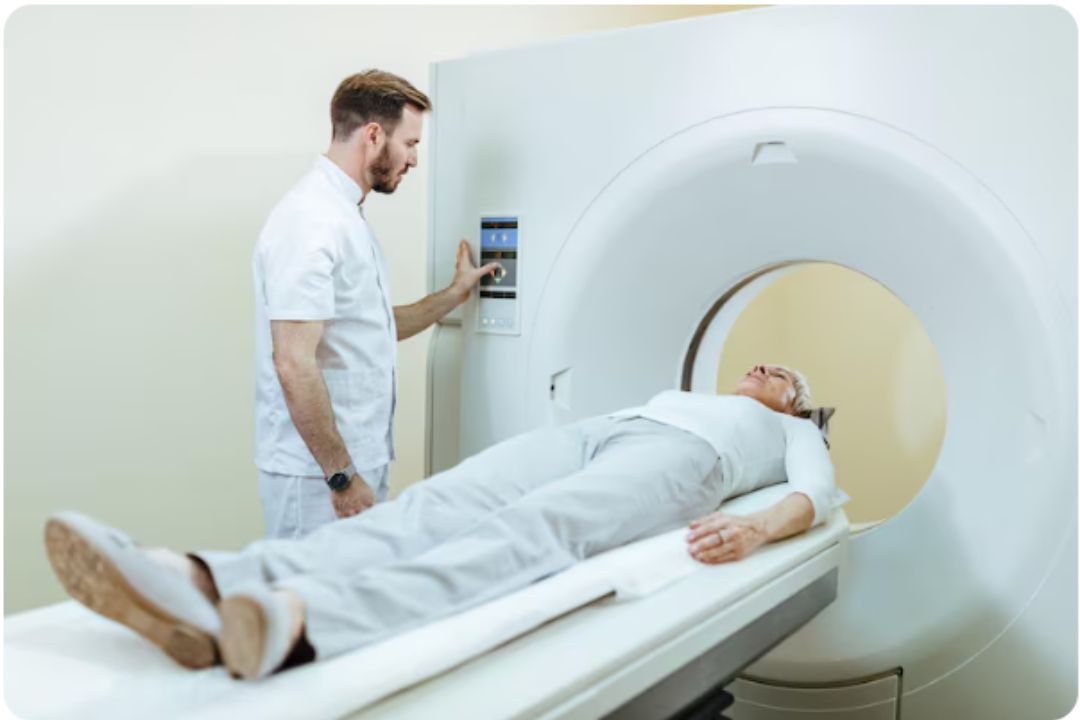
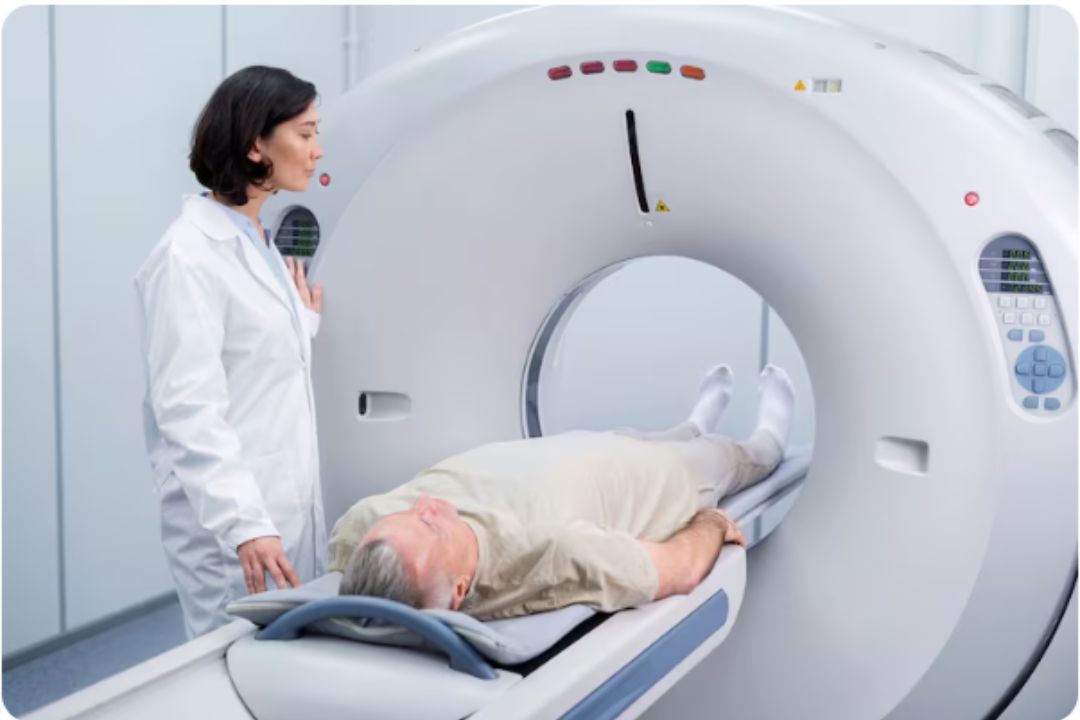
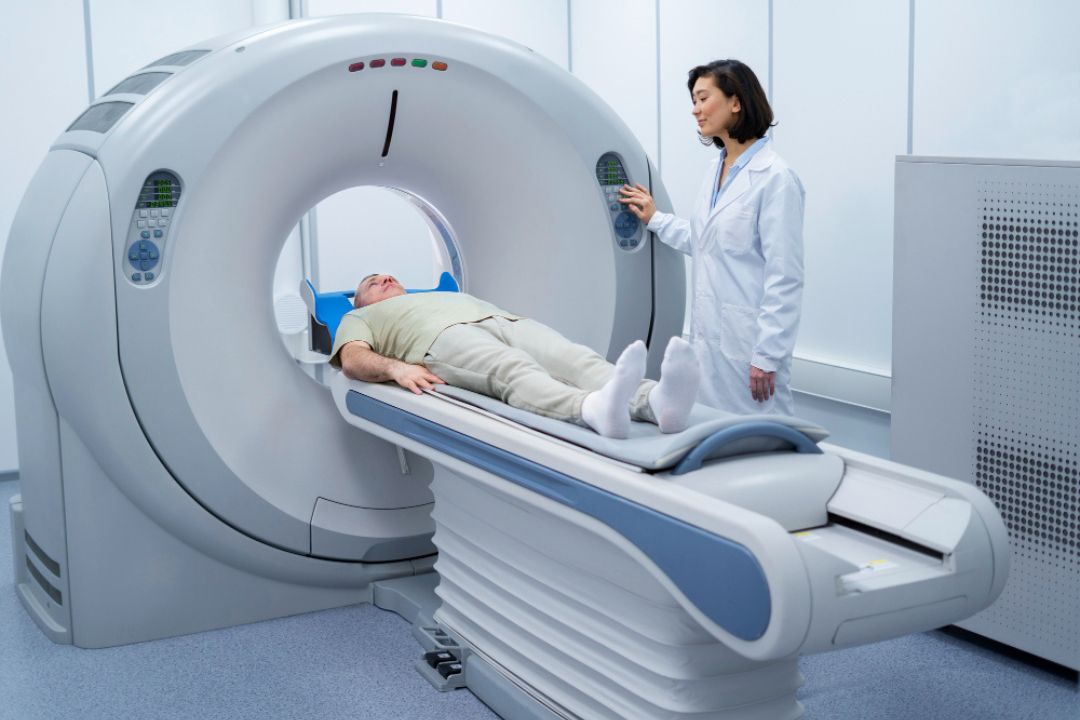
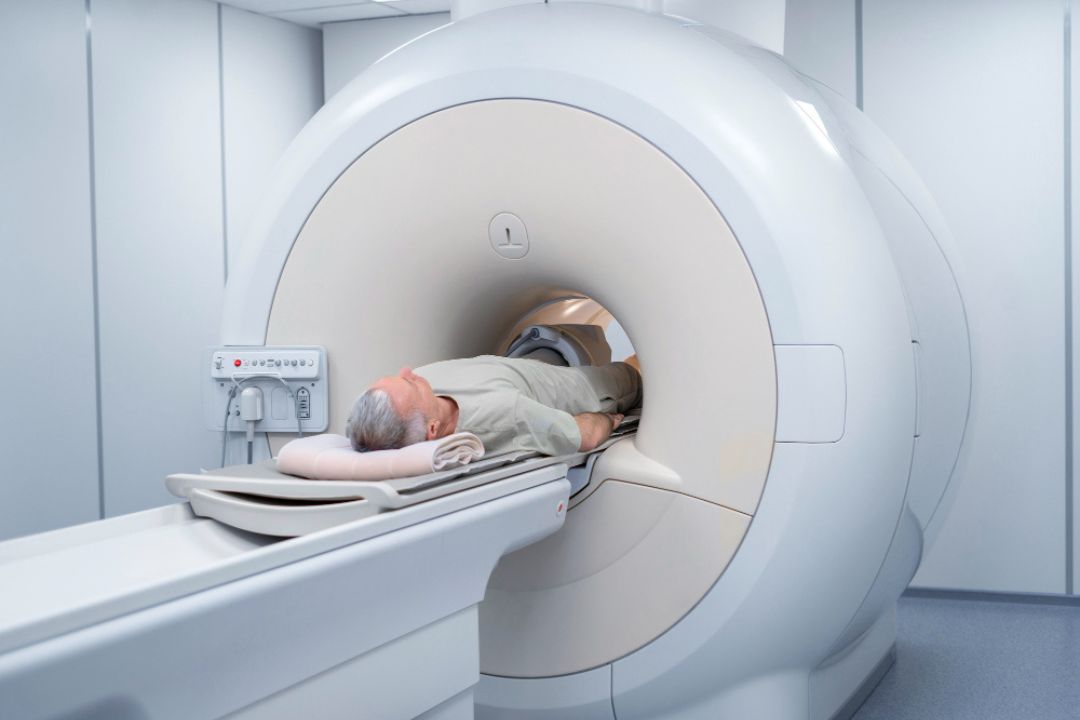
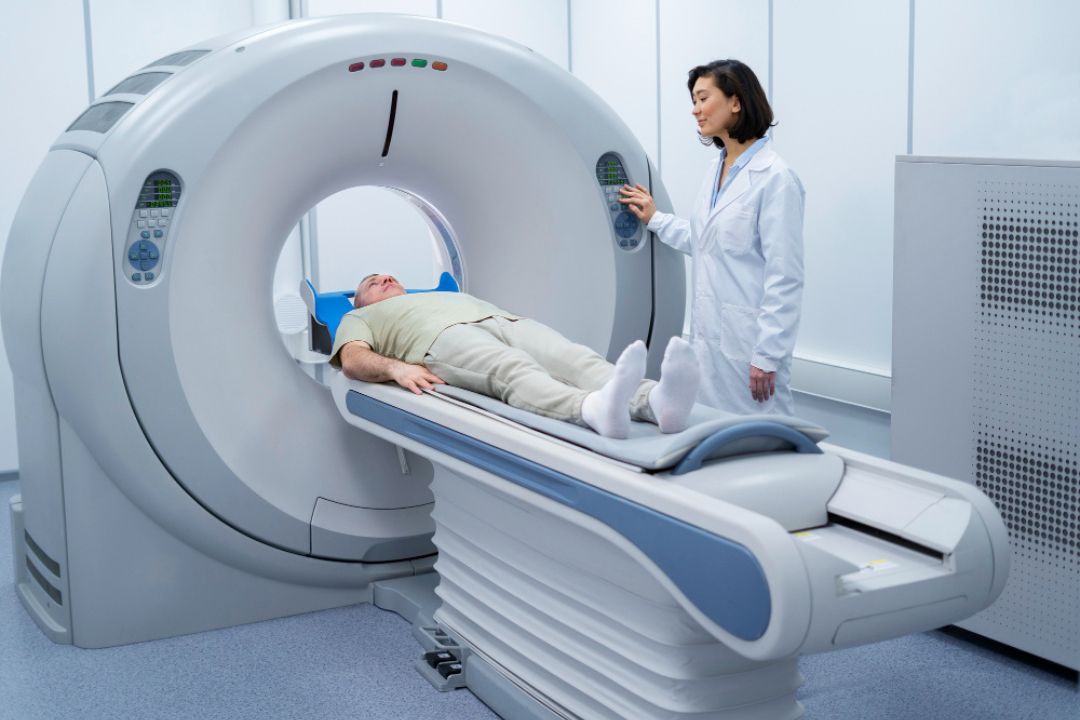
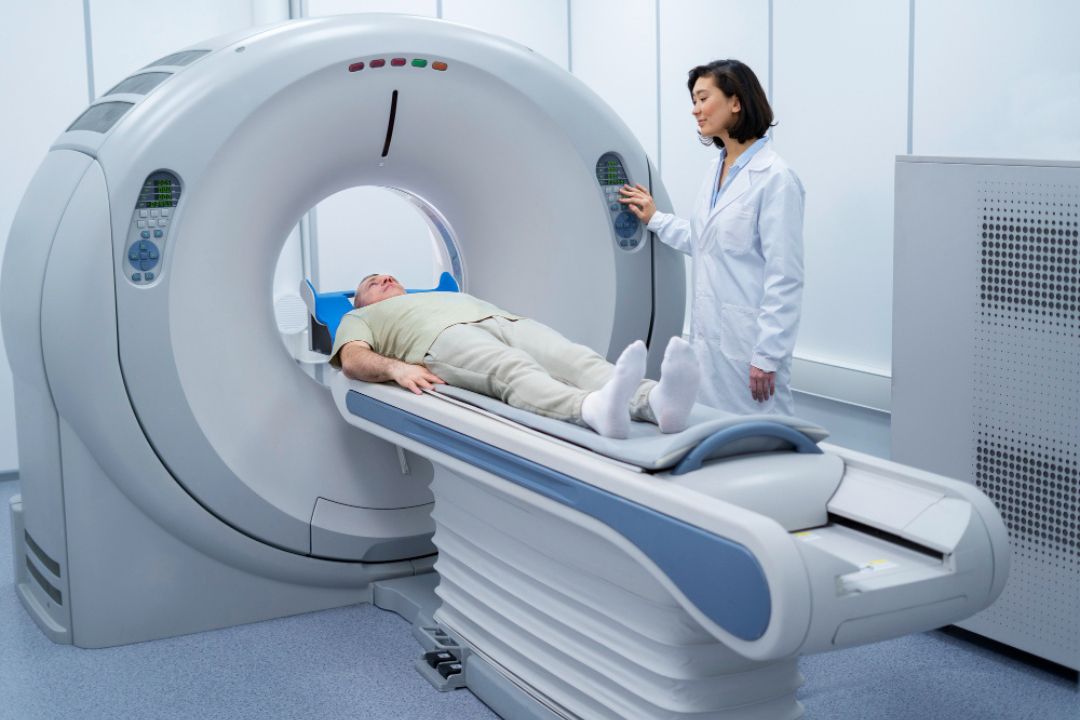
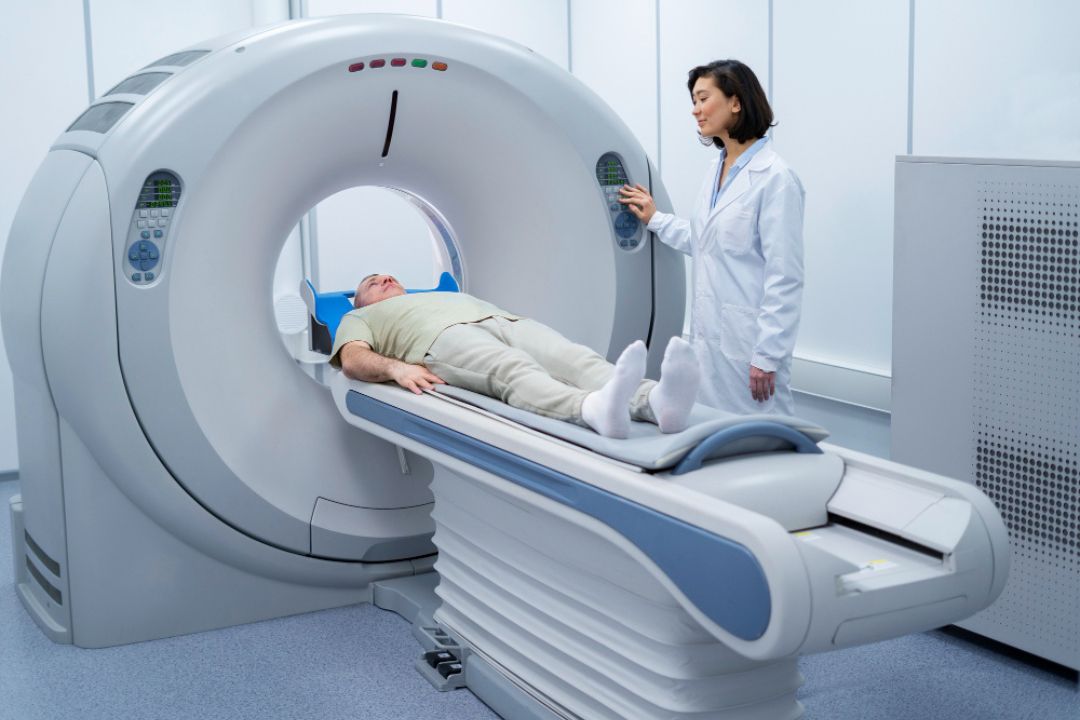
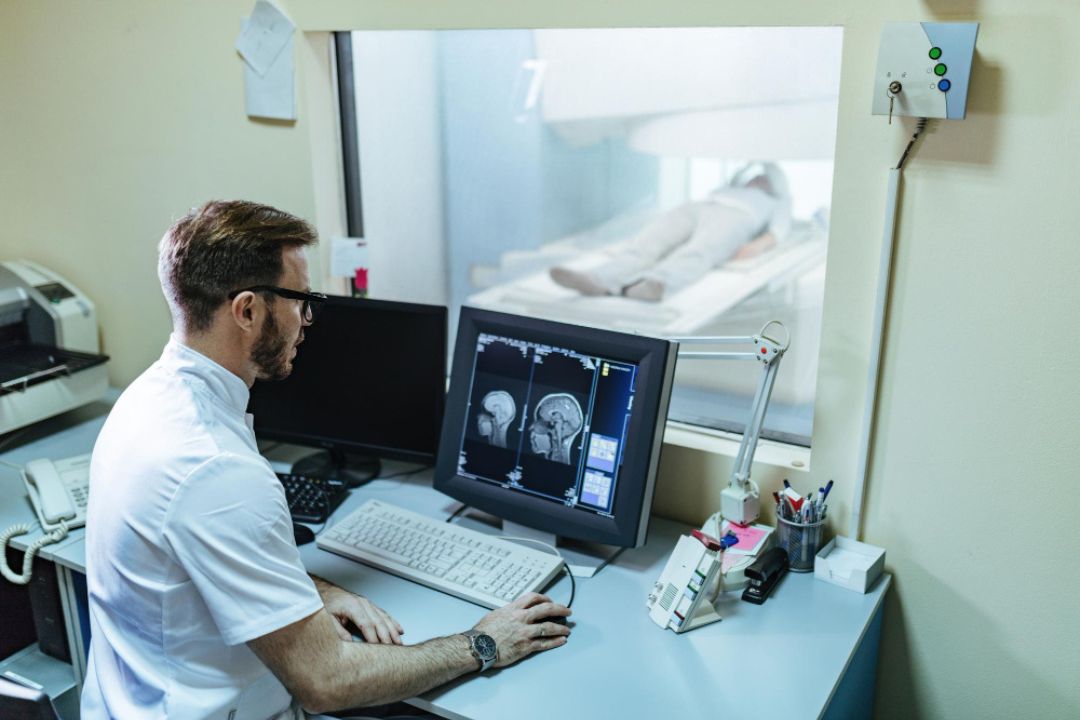
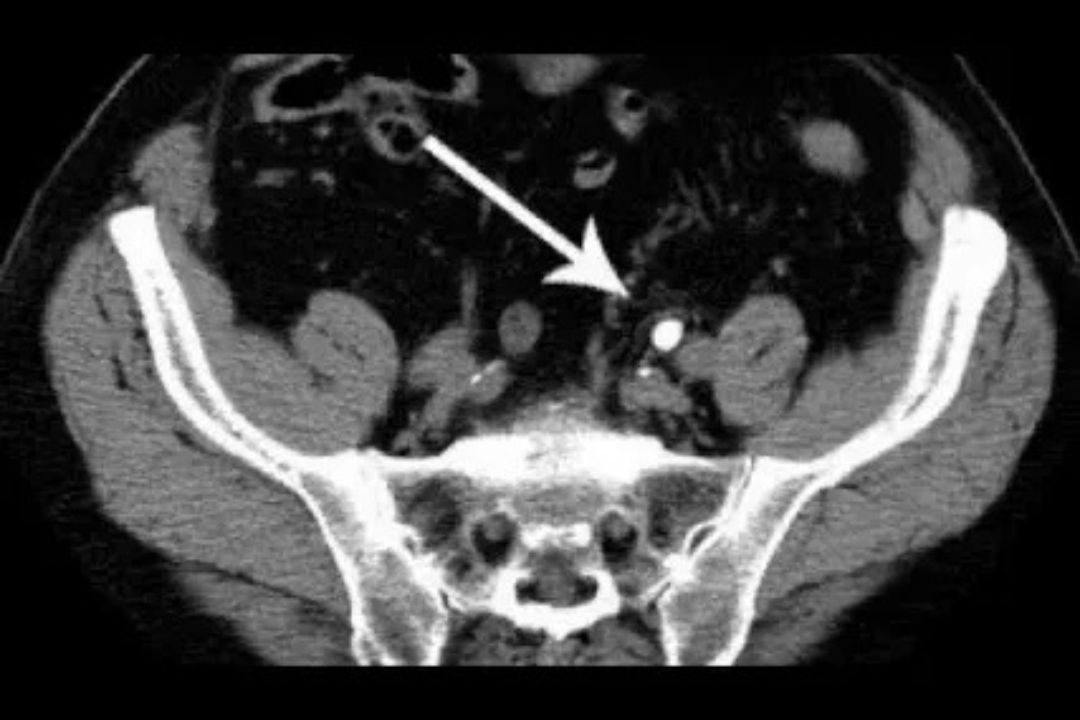
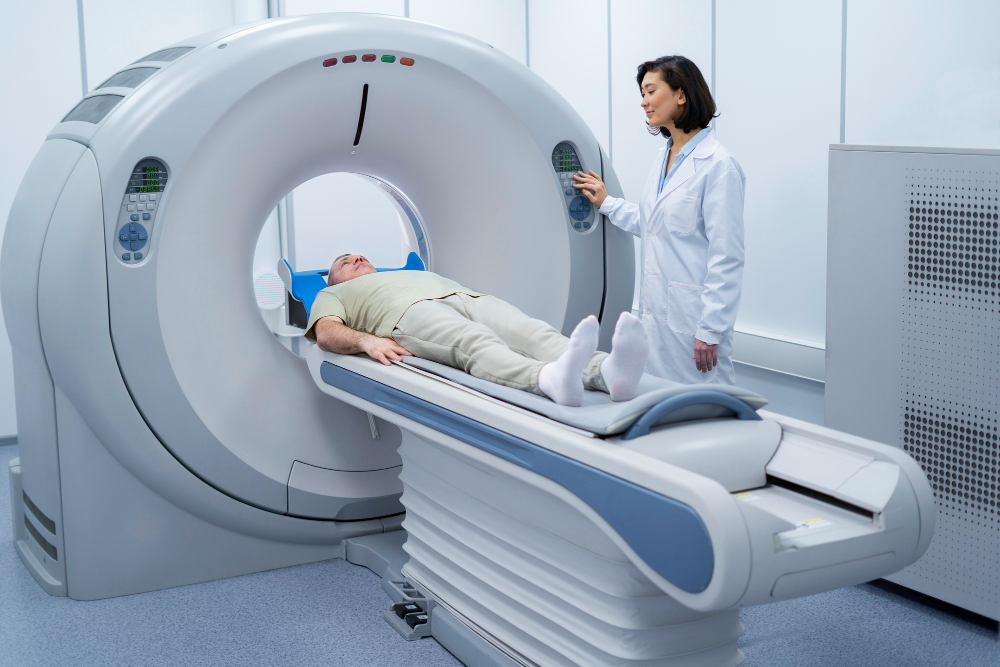
A Computed Tomography (CT) scan is a monumental achievement in medical imaging. By combining a series of X-ray images taken from different angles, it creates detailed, cross-sectional "slices" of your body, offering a view far beyond standard X-rays. This makes it an indispensable tool for physicians, providing a non-invasive window into your internal structures.
Its primary benefits are profound:
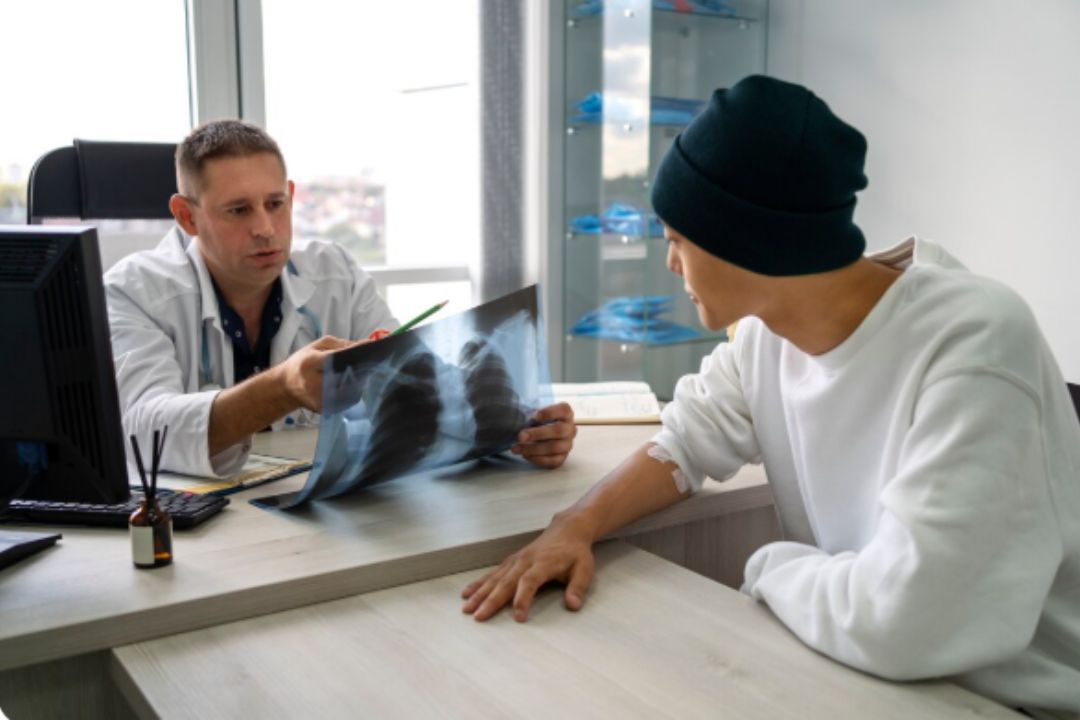
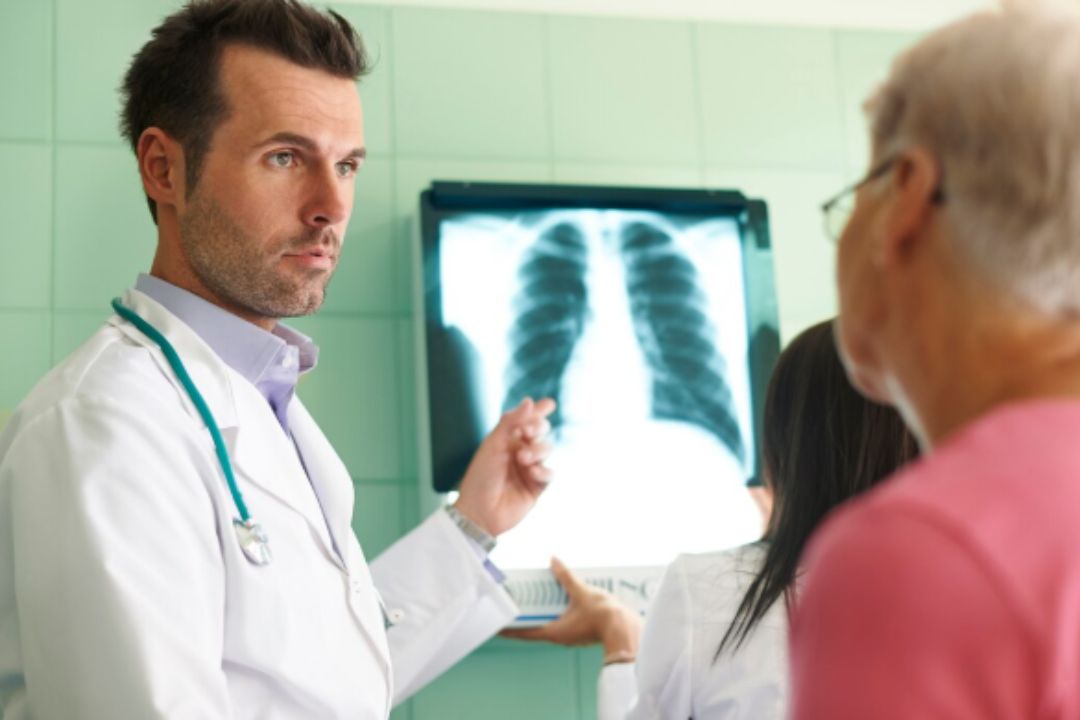
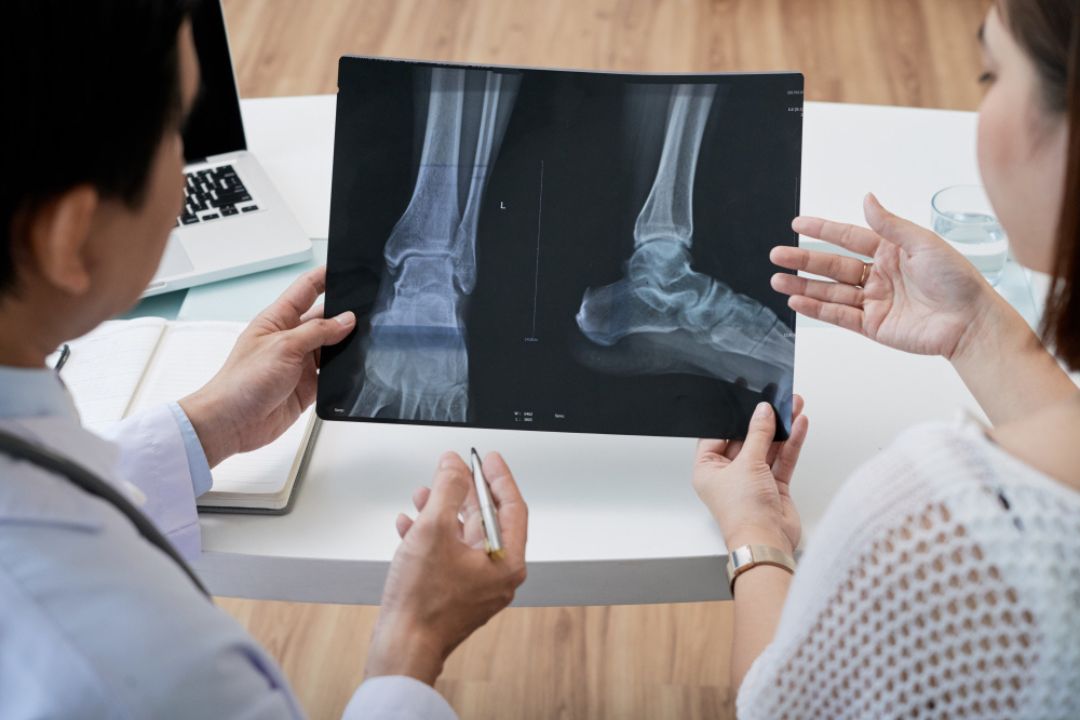
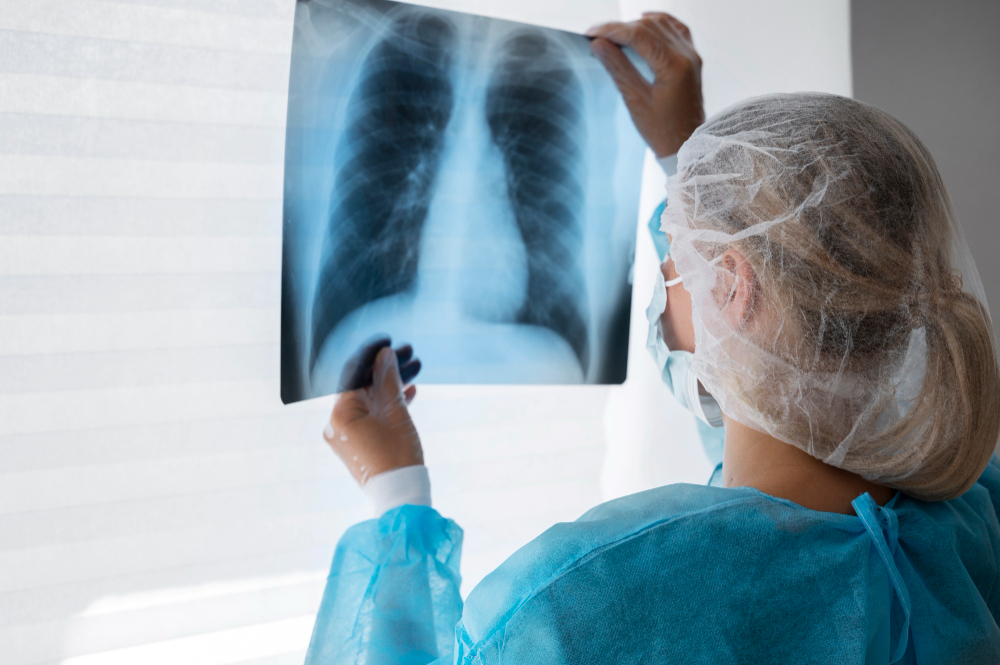
Detecting Structural Abnormalities: It excels at visualizing bones, blood vessels, and solid organs with exceptional clarity. This is why the answer to "Can a ct scan detect?" is often a resounding yes. It is highly effective at identifying tumors in the lungs (leading to its use in lung cancer screening), liver, kidneys, and pancreas, and is crucial for staging—determining the size and spread of malignancies.
Speed in Emergencies: In trauma cases, such as after a car accident, a CT scan is the go-to tool to quickly identify internal bleeding, organ damage, or fractures, enabling life-saving interventions.
Guiding Procedures: It acts as a real-time map for biopsies, draining abscesses, and planning complex surgeries, increasing their precision and safety.
For many acute and critical conditions, a CT scan provides the fastest, most comprehensive anatomical roadmap, making it a cornerstone of modern diagnosis.
To understand its limitations, we must compare it to other diagnostic pillars.CT scans cannot detect all diseases because different conditions require different lenses.
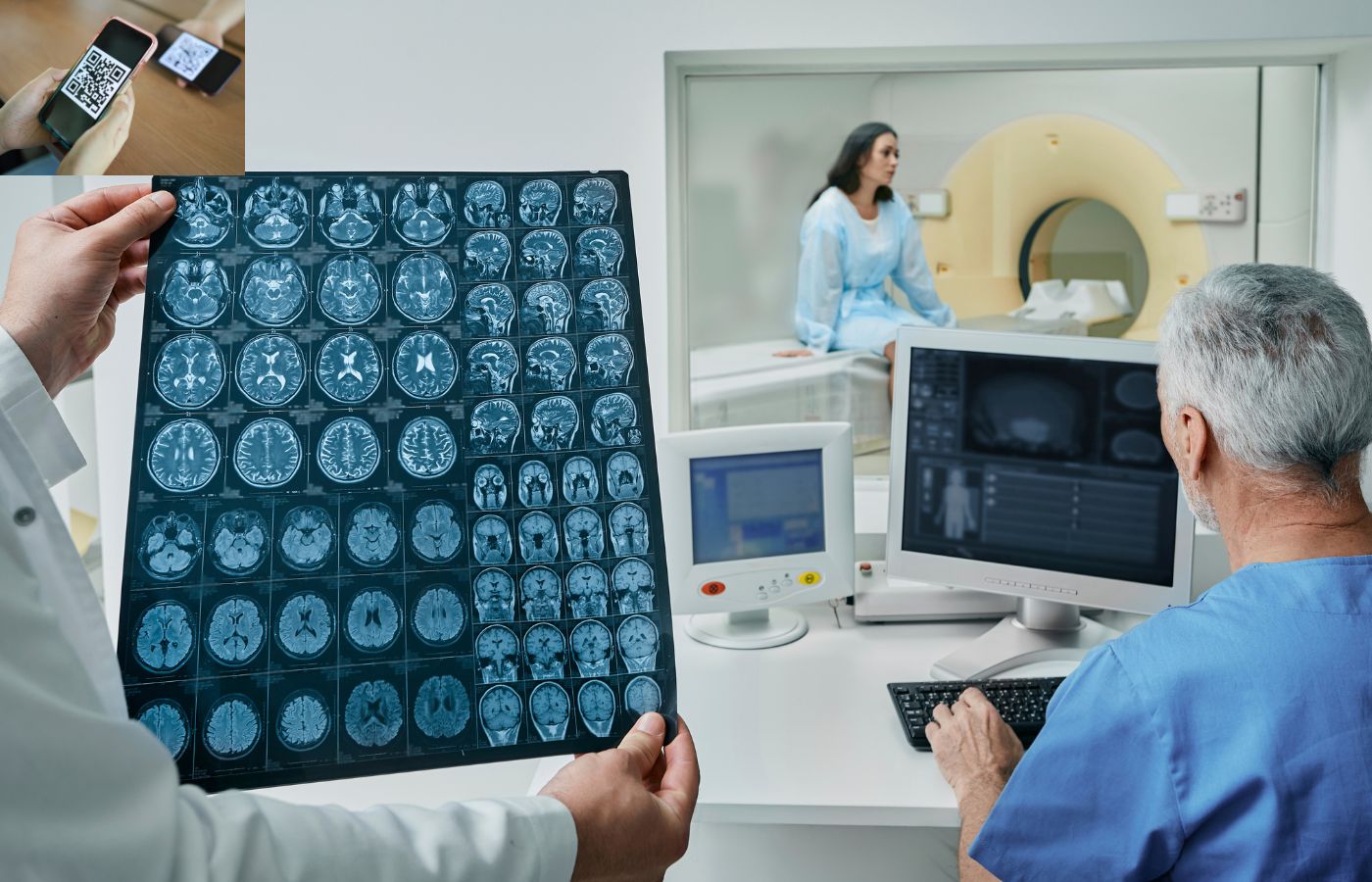
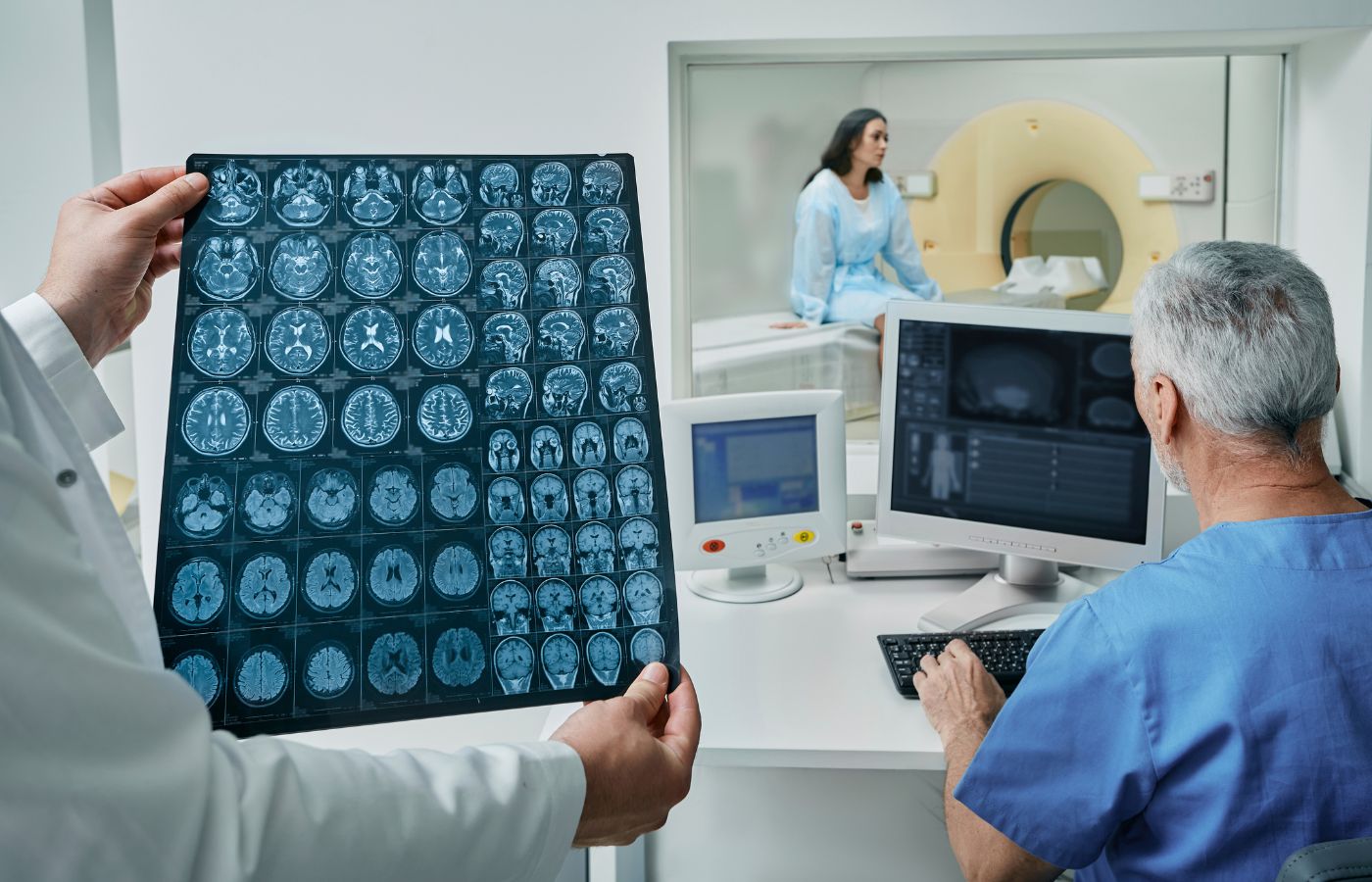
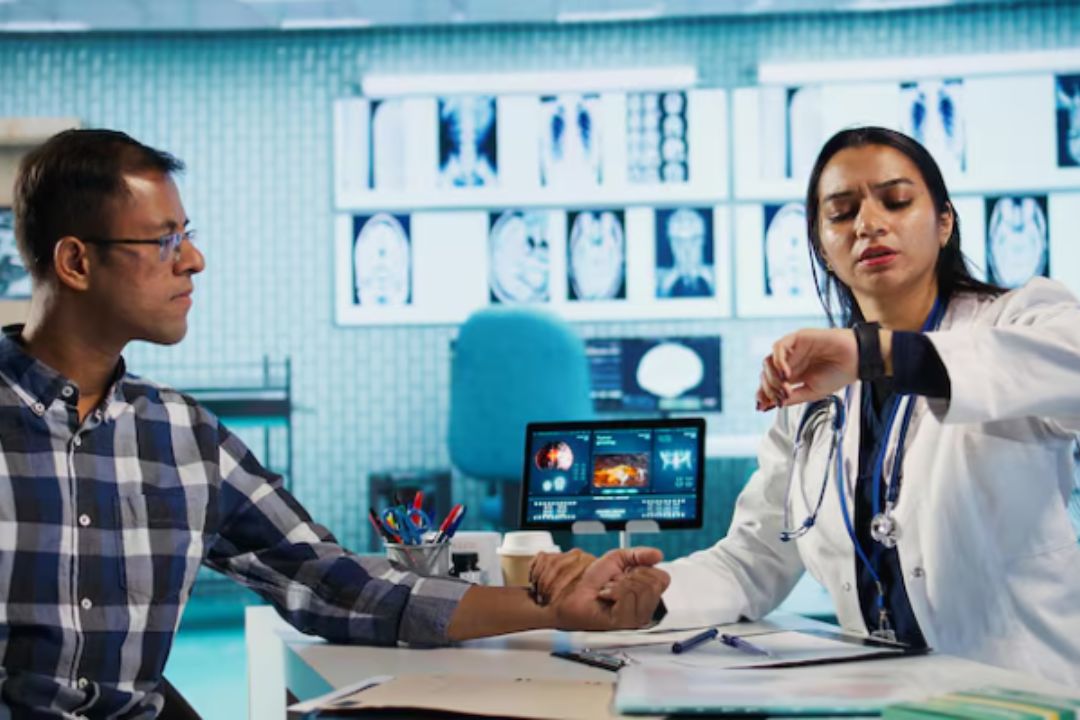
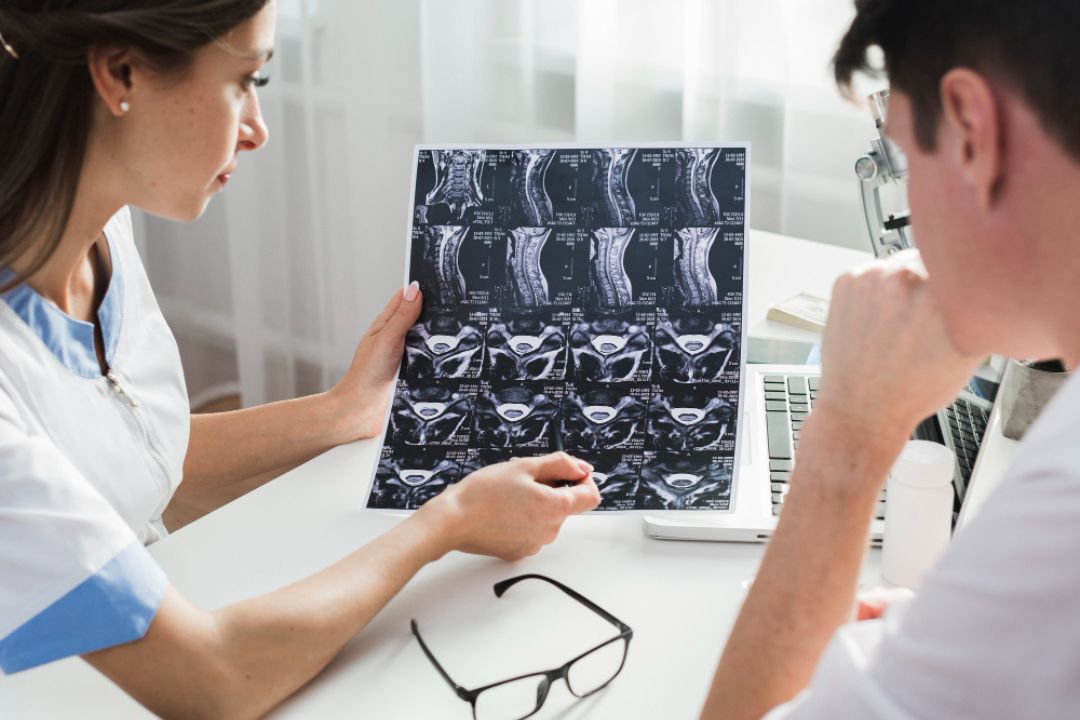
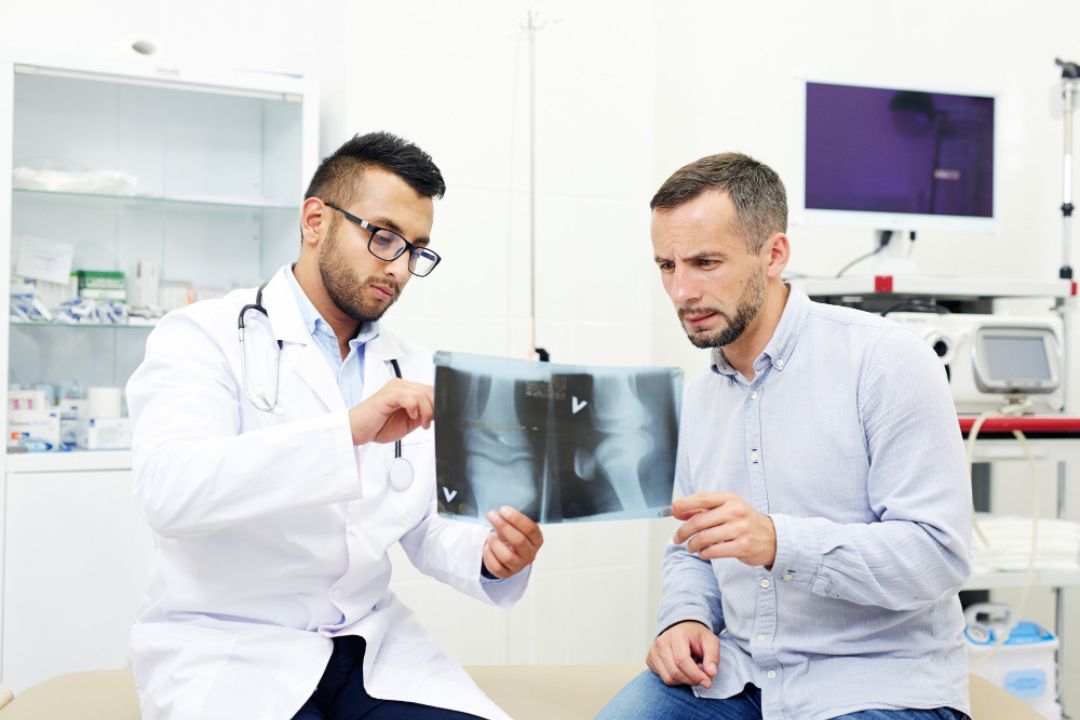
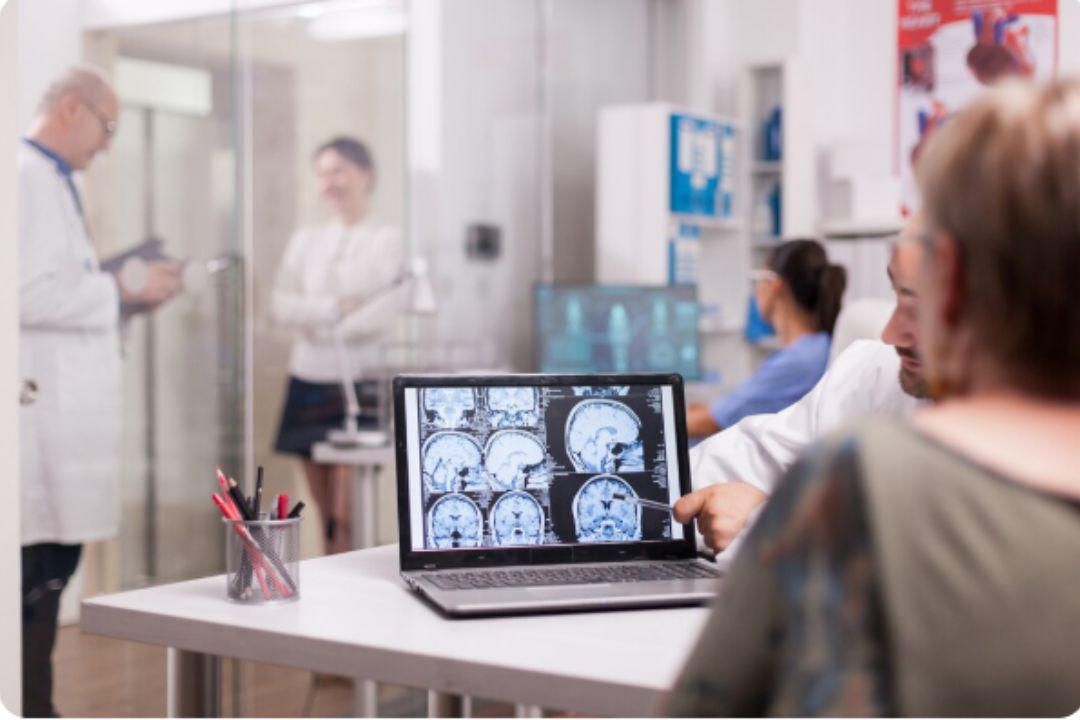
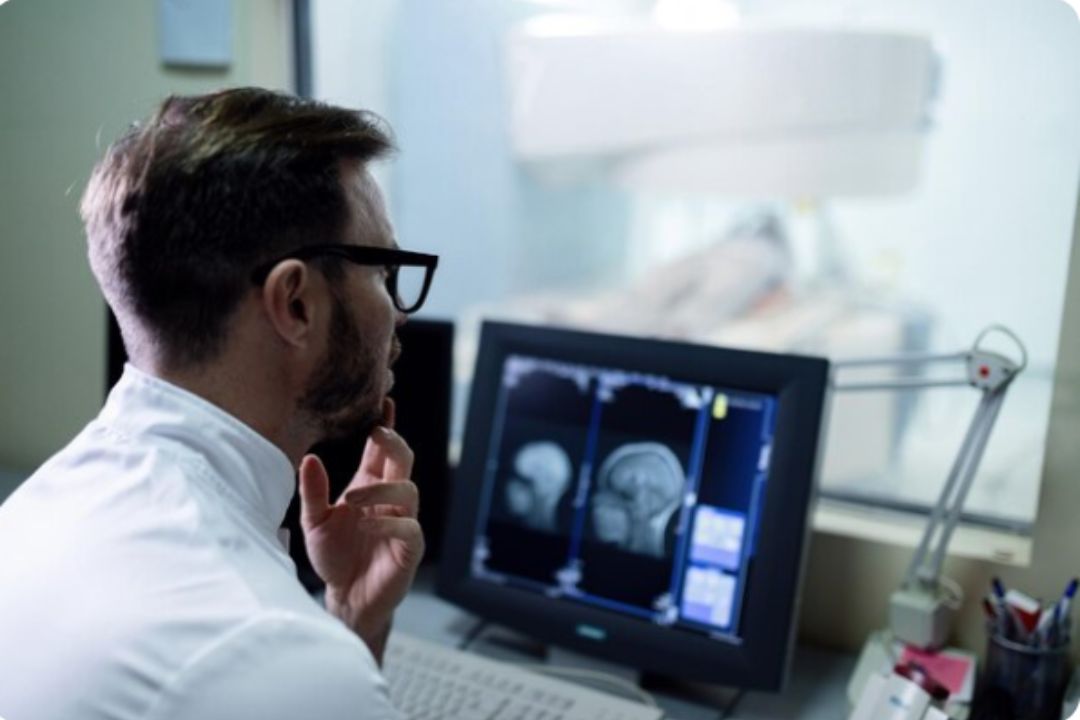
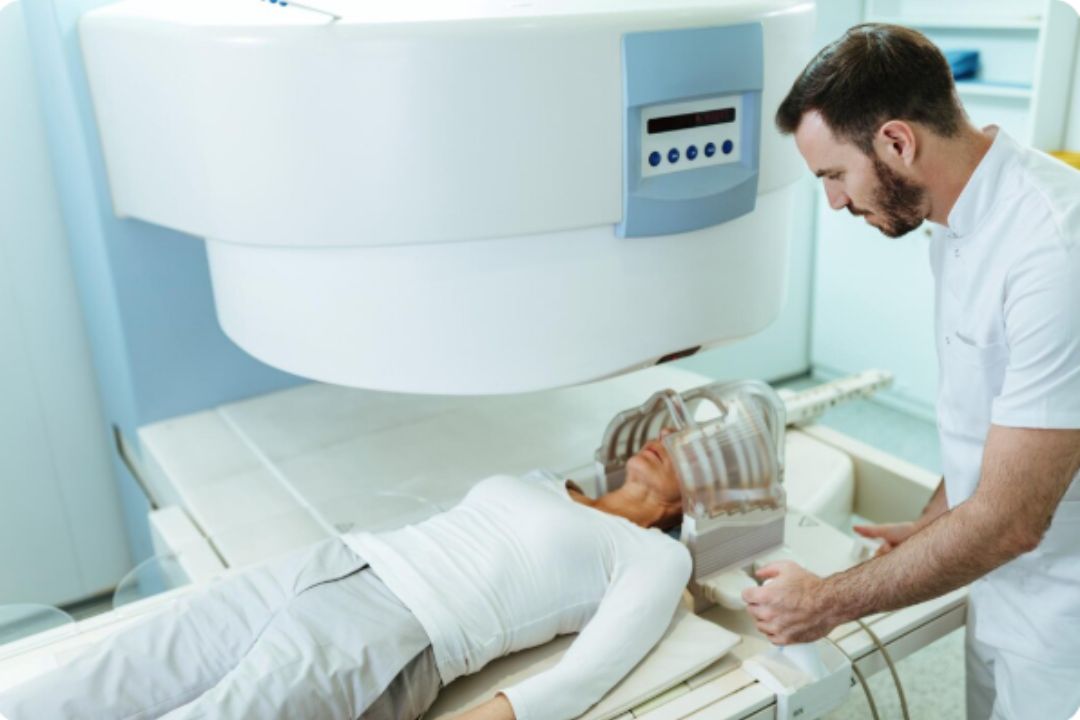
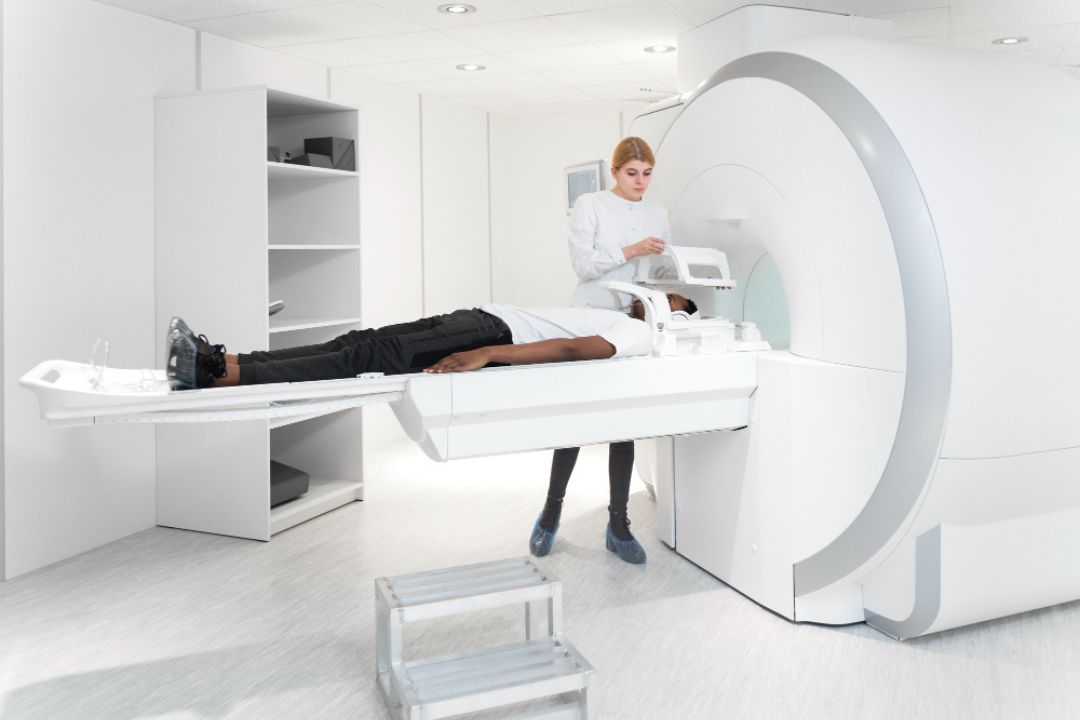
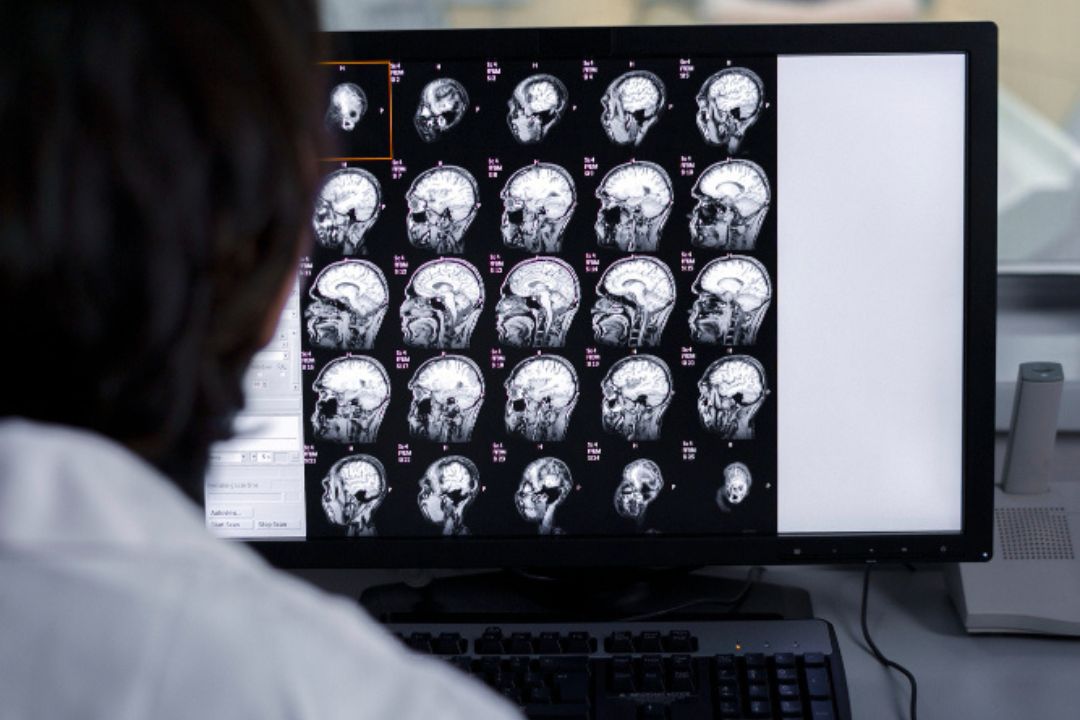
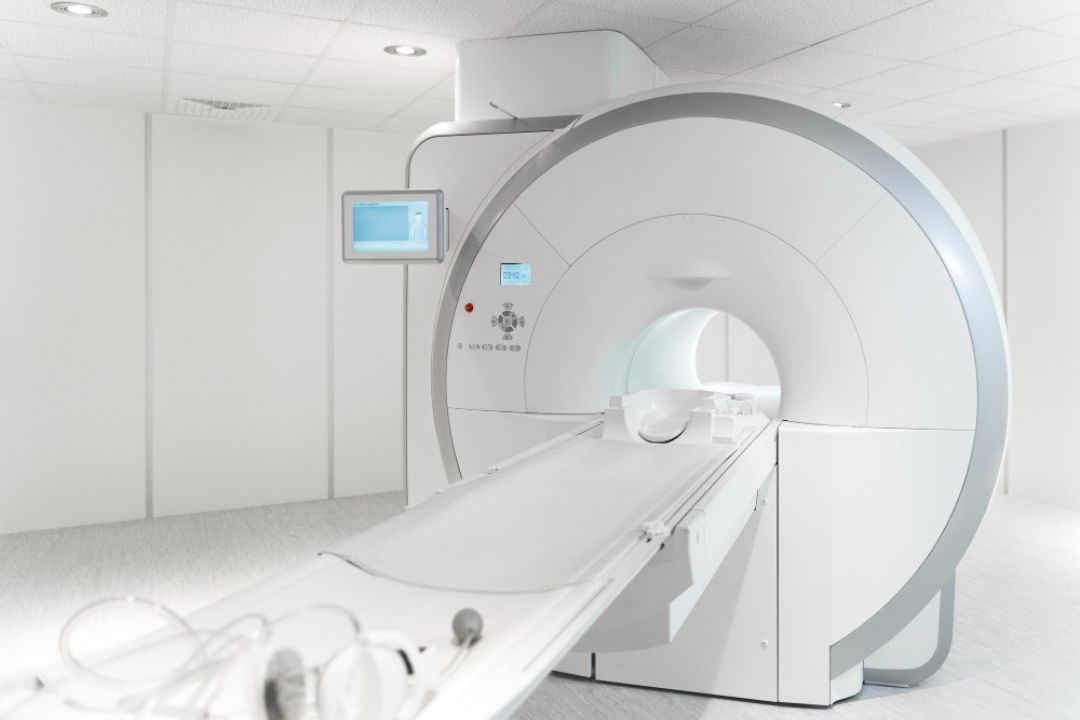
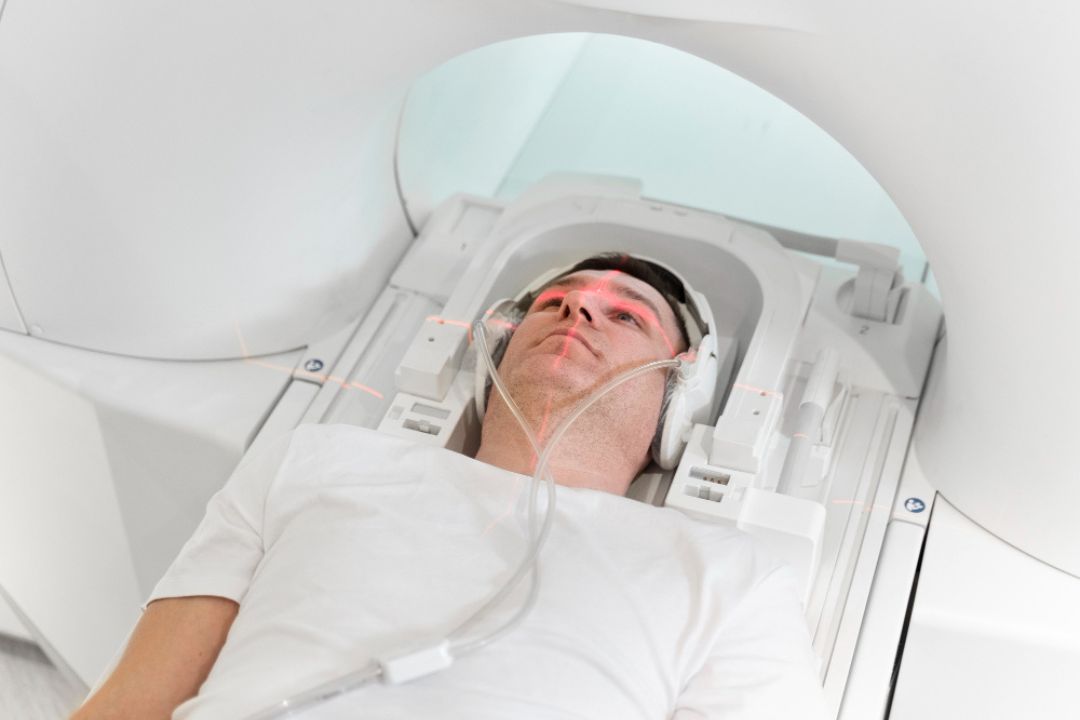
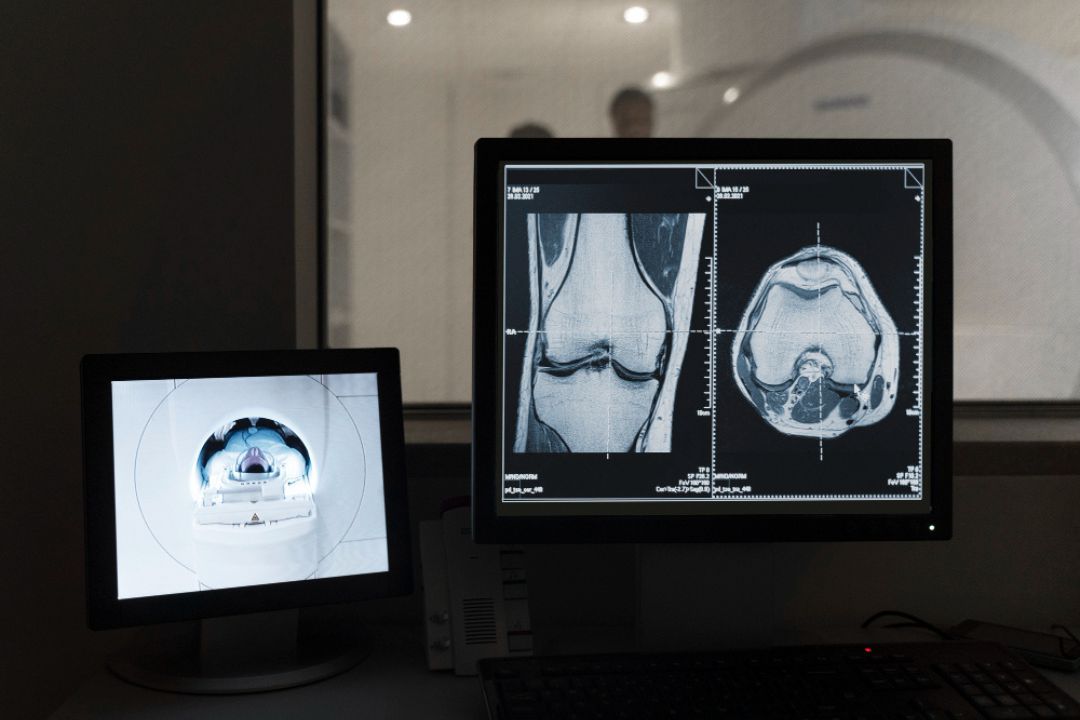
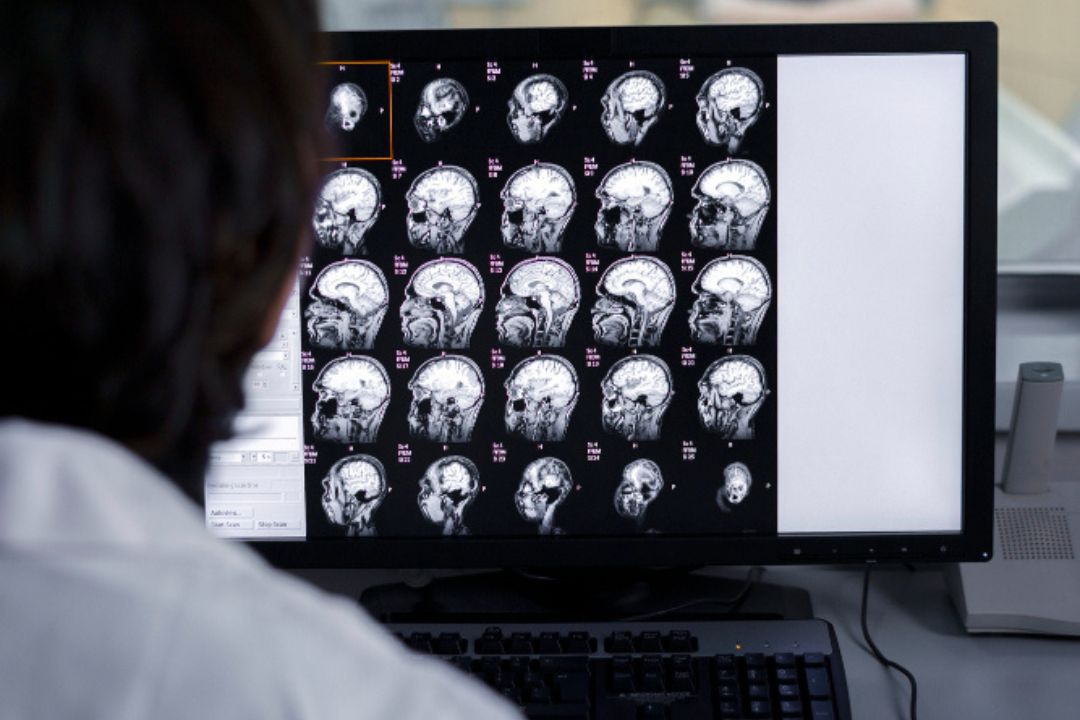
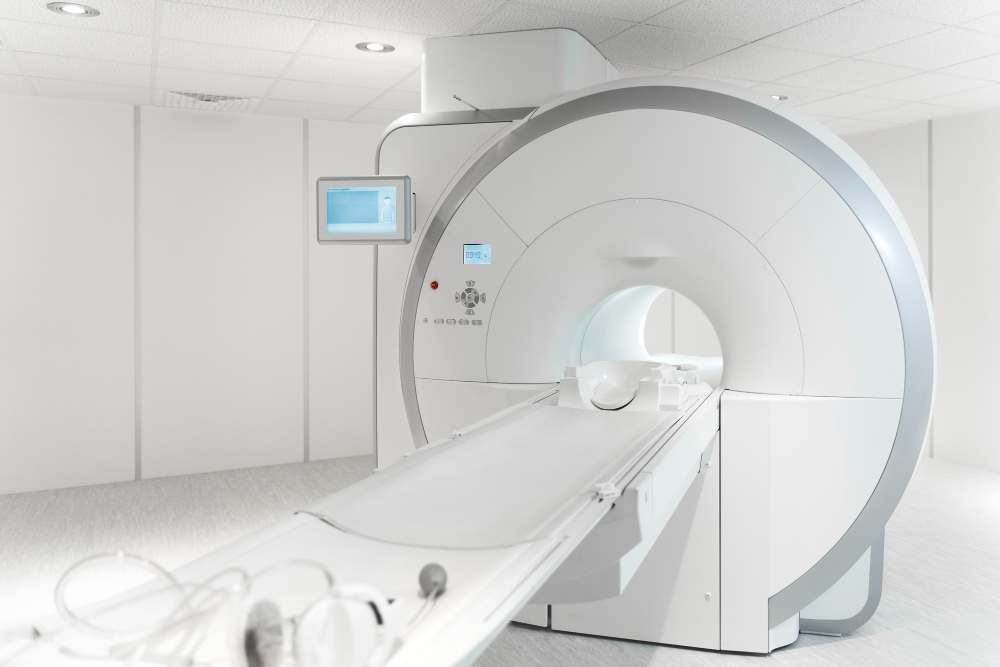
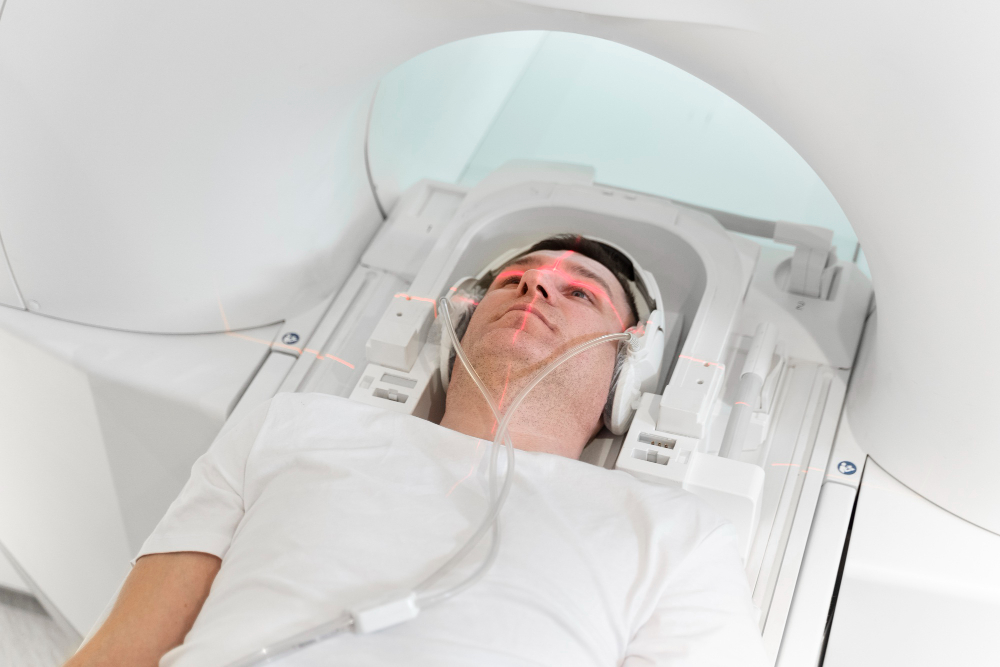
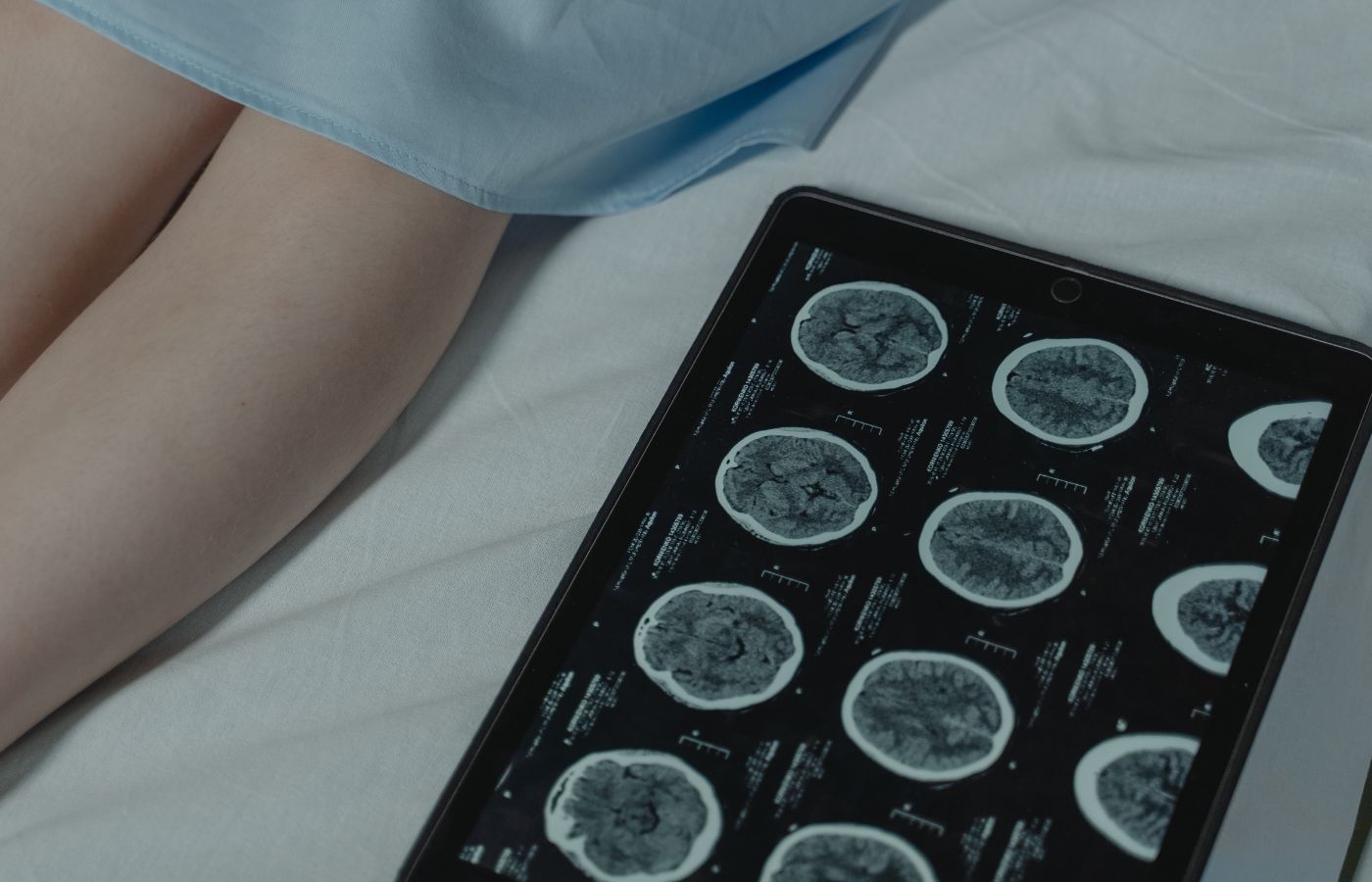
CT Scan vs. MRI (Magnetic Resonance Imaging): While CT is superb for bones and dense tissue, MRI is the champion for soft tissue contrast. It provides far superior images of the brain, spinal cord, ligaments, meniscus in knees, and pelvic organs. A CT scan might miss a small brain tumor, multiple sclerosis plaque, or a subtle tendon tear that an MRI would clearly reveal.
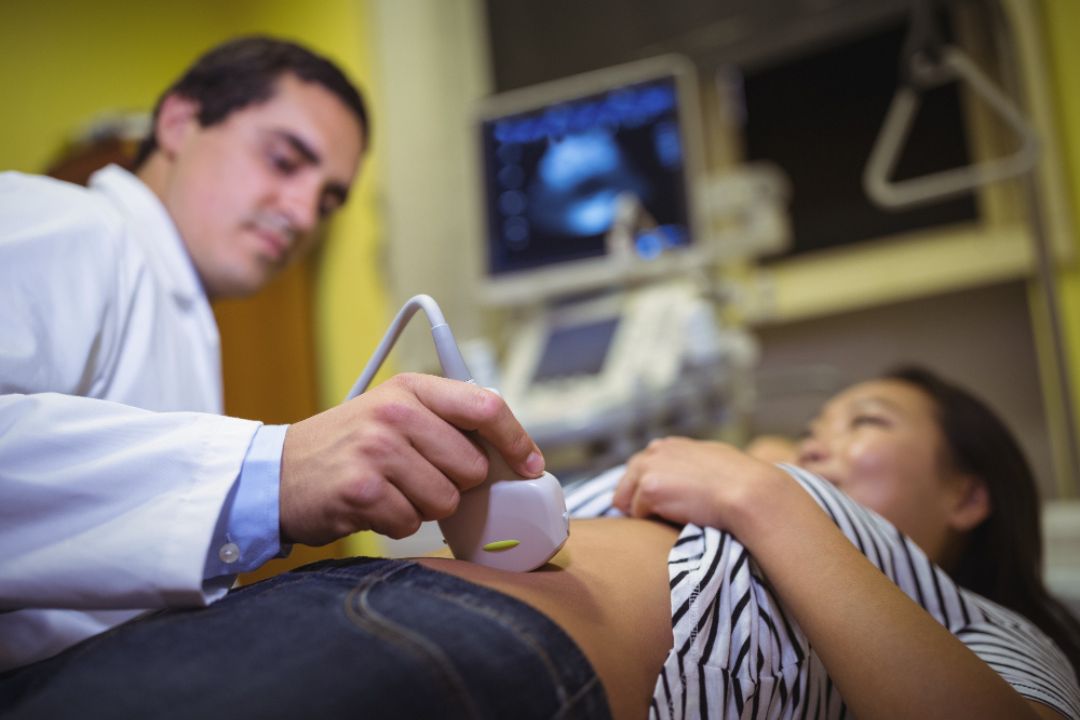
CT Scan vs. Ultrasound: Ultrasound uses sound waves and is the first choice for imaging during pregnancy, gallbladder issues, thyroid nodules, and blood flow (Doppler). It is radiation-free, dynamic, and often used as a preliminary tool. A CT is not the primary tool for these applications.
CT Scan vs. PET Scan (Positron Emission Tomography): This is a crucial distinction in oncology. A CT shows anatomy—the structure and size of a mass. A PET scan shows function—the metabolic activity of cells. A dormant, benign lump may look similar to a malignant tumor on a CT. However, a combined CT scan is the gold standard for many cancers, as it reveals both the location and whether it is actively growing.
Early-stage inflammatory diseases like rheumatoid arthritis.
Most neurological and psychiatric disorders (e.g., Alzheimer's, Parkinson's).
Microscopic infections or diffuse conditions that don't cause structural change.
Recognizing these boundaries is what separates a standard imaging center from a diagnostic partner like Diagnopein.
The CT scan cost is a valid consideration for many patients. It varies significantly based on the area scanned (e.g., head, chest, abdomen, full body) and the use of contrast dye. While it is a substantive investment, its value lies in its rapid, high-yield information. In emergencies or for complex diagnoses like cancer, the detailed insight it provides can streamline treatment, avoid unnecessary procedures, and ultimately be cost-saving. At Diagnopein Mumbai, we ensure transparent, upfront costing with no hidden fees, helping you view this as a critical investment in your diagnostic clarity.
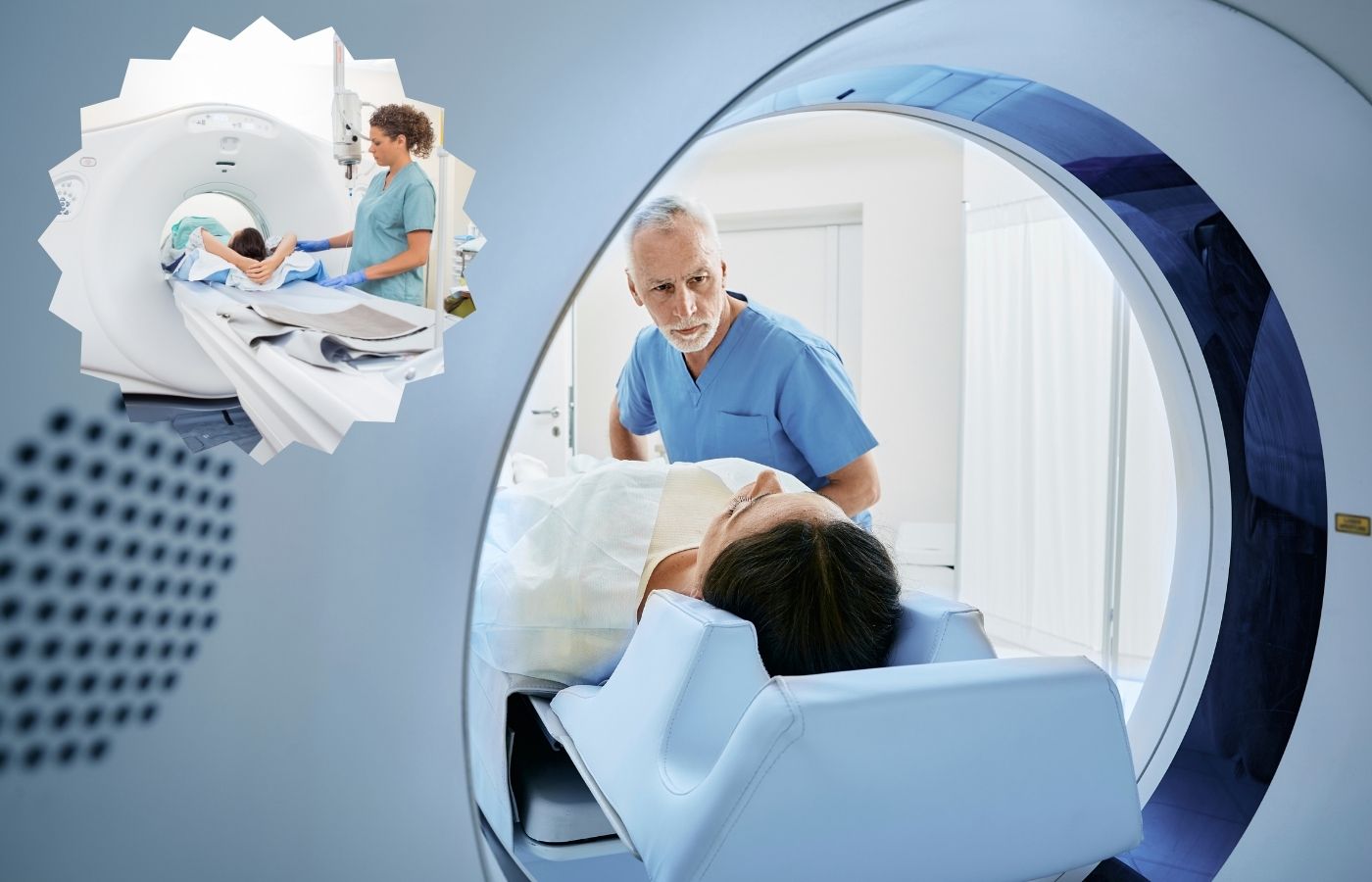
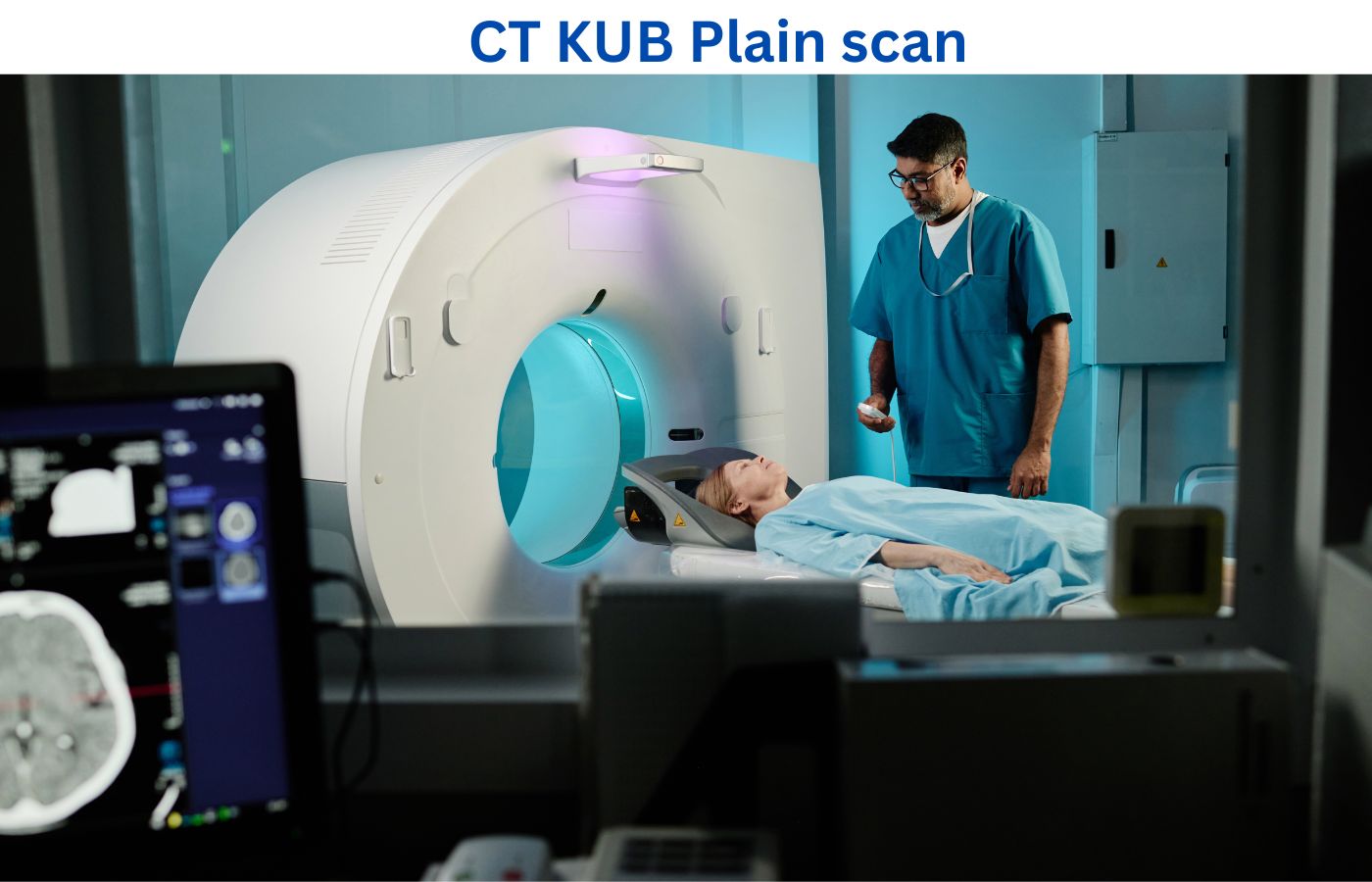
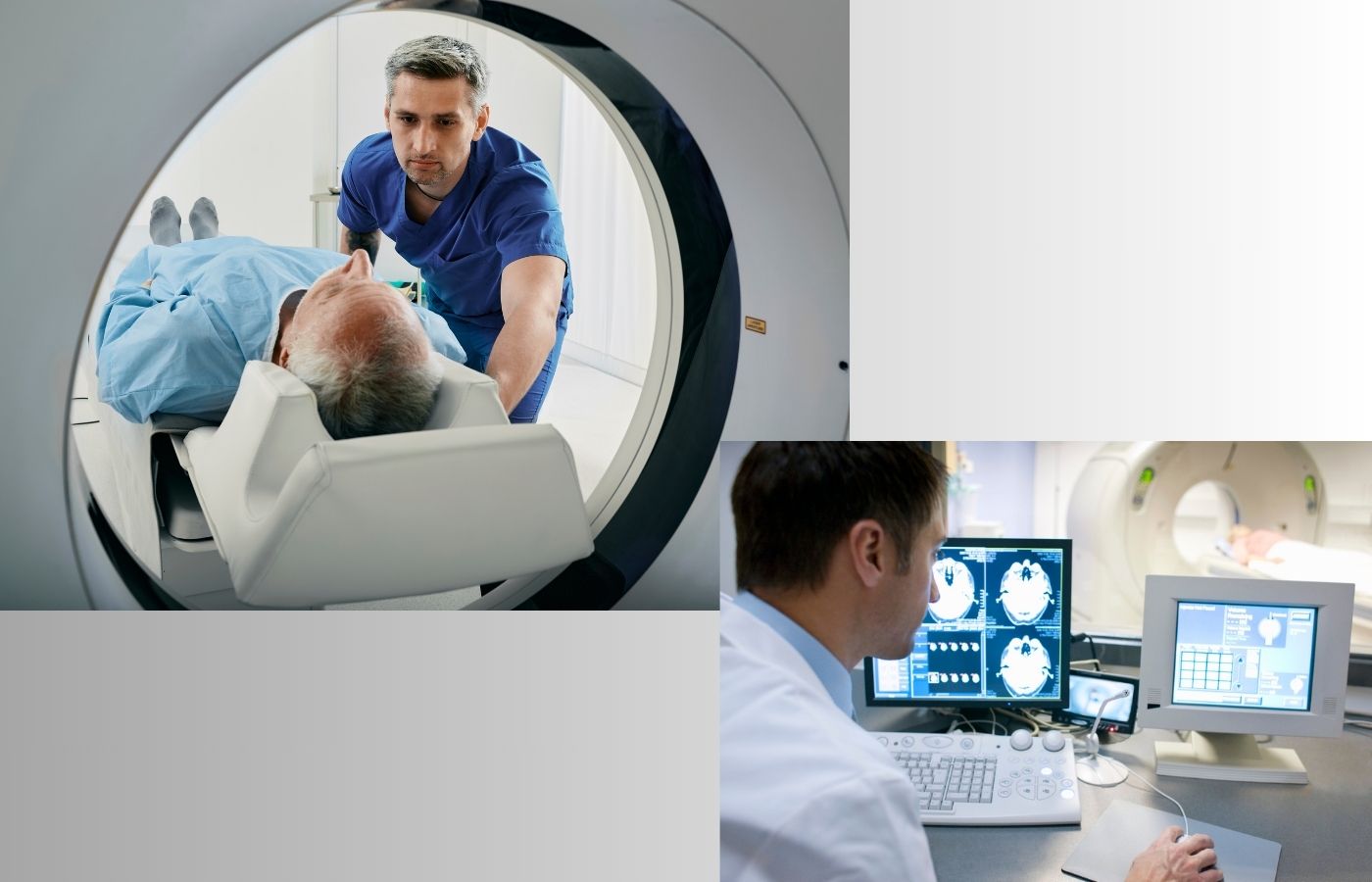
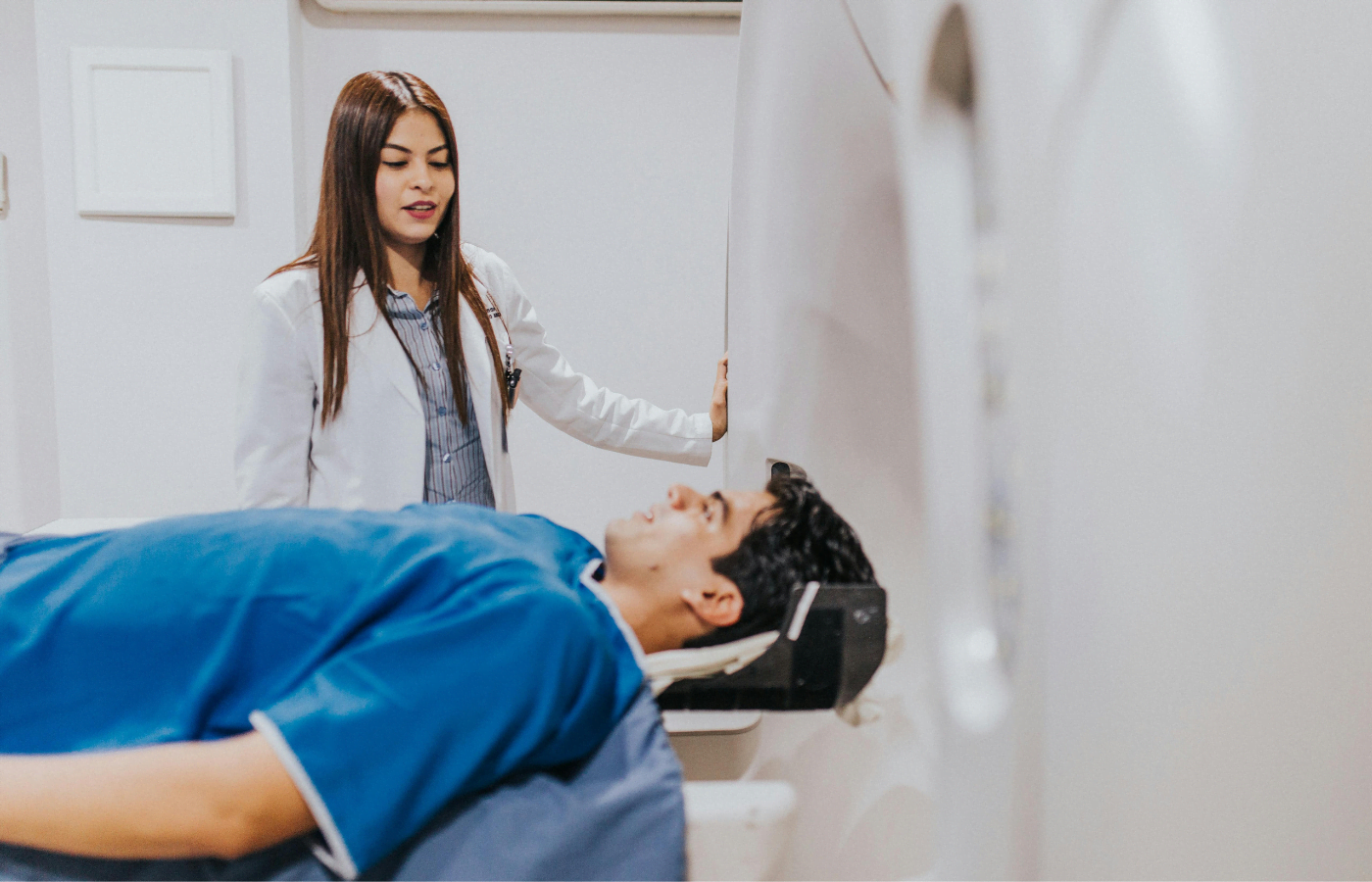
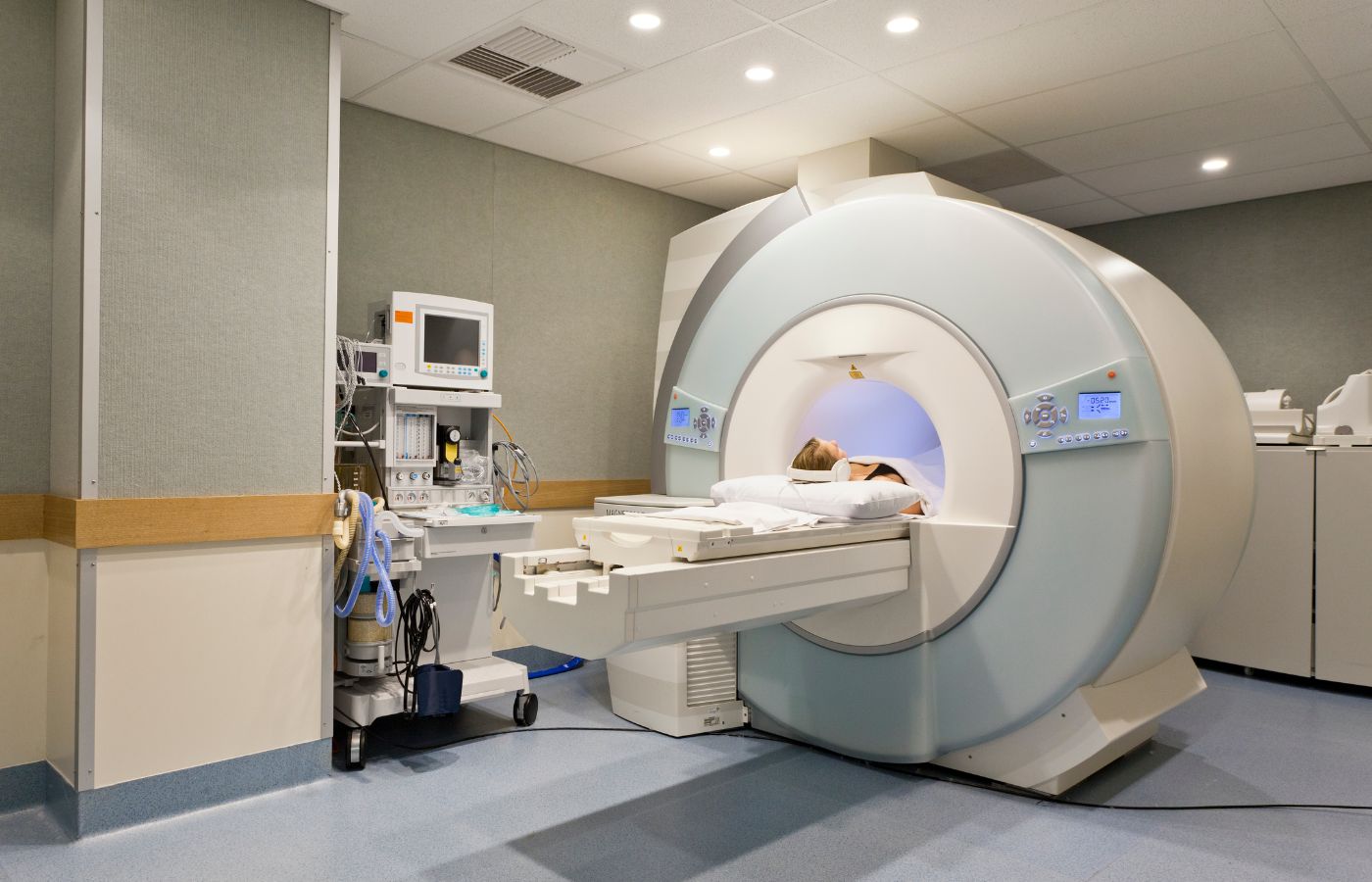
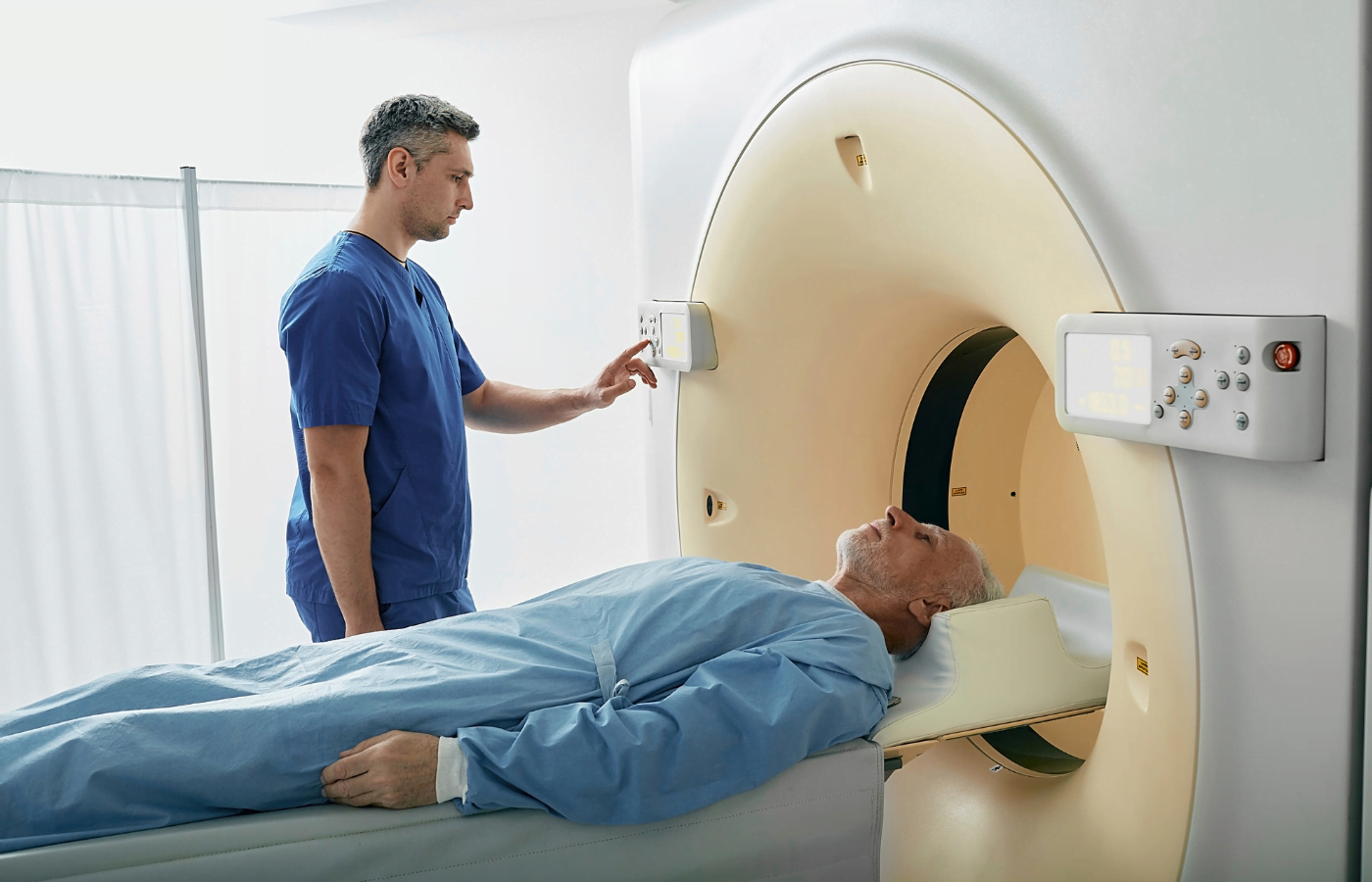
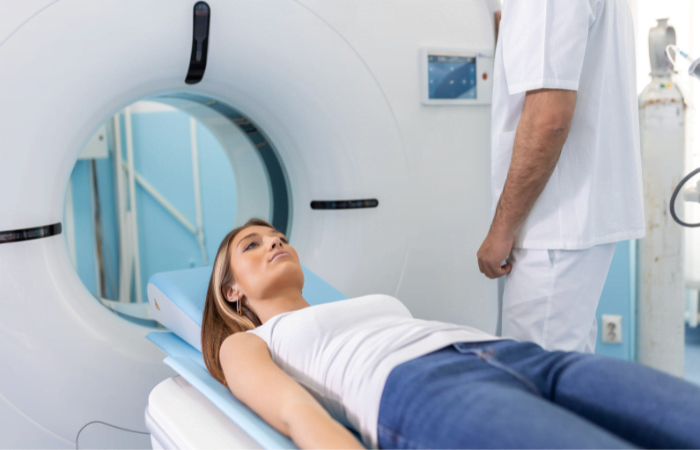
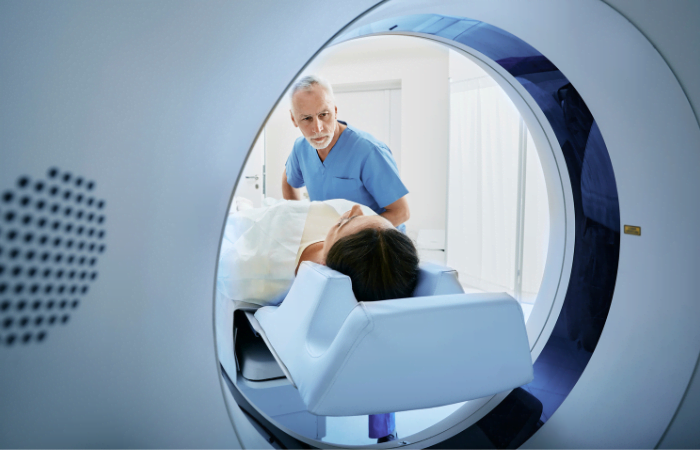
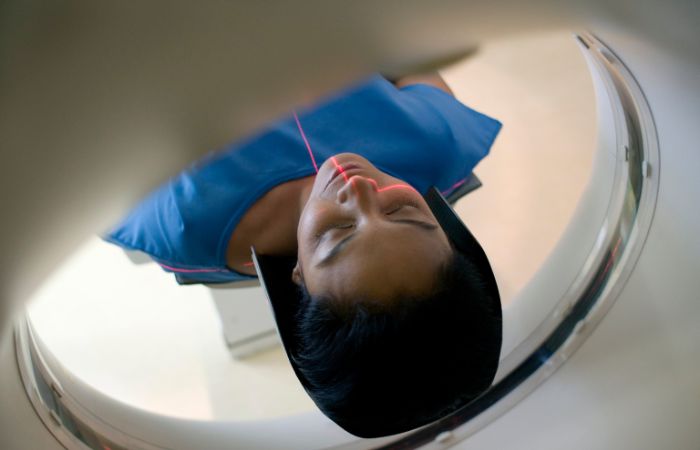
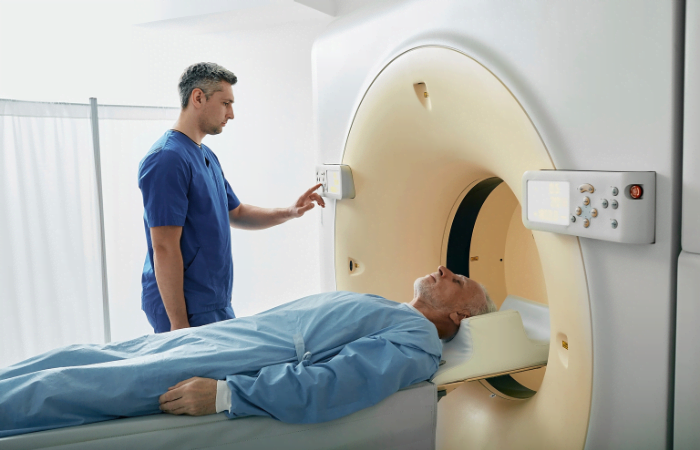
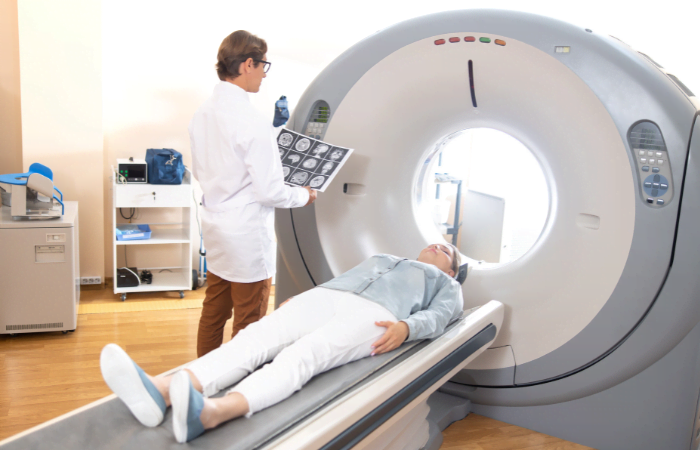
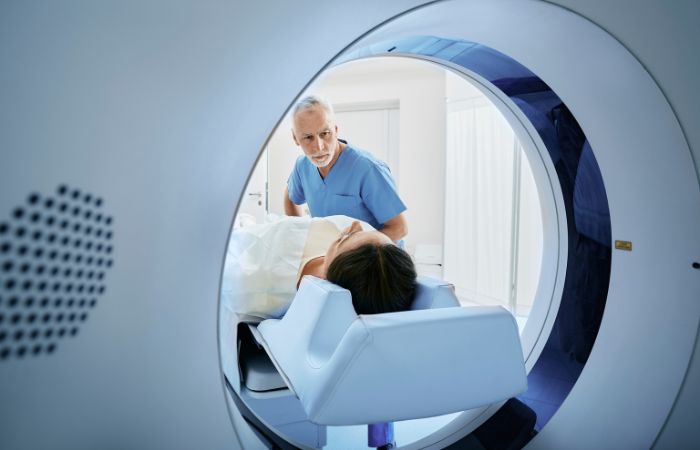
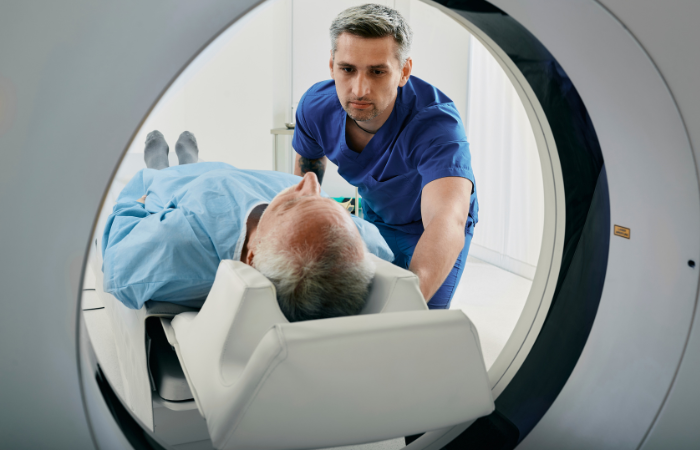
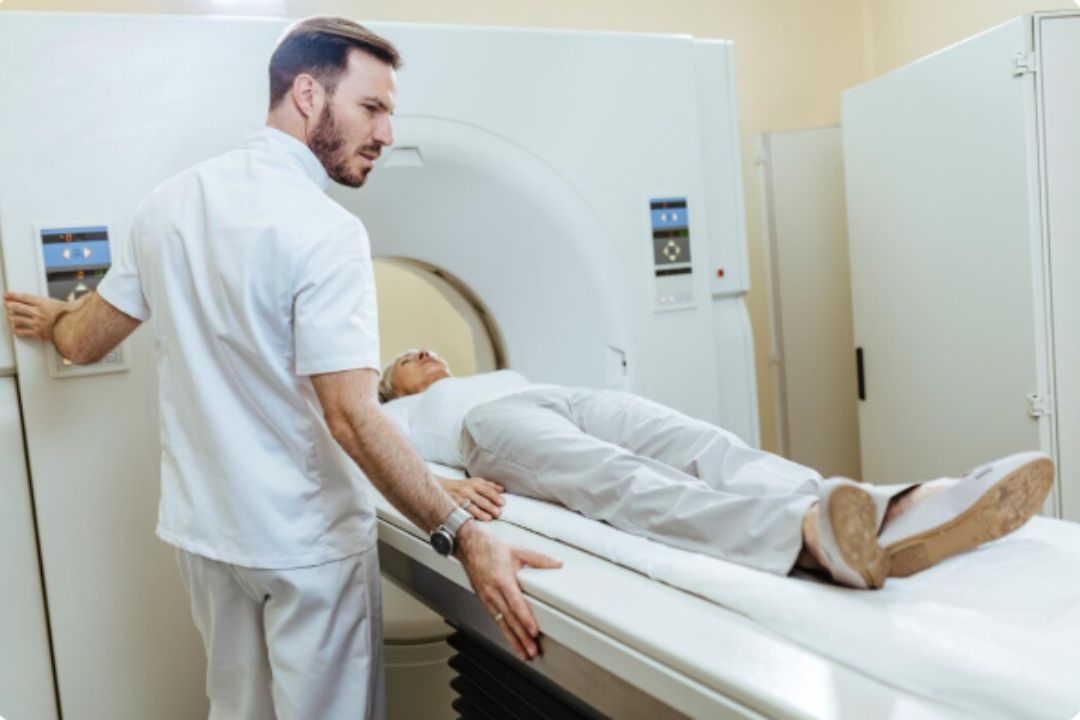
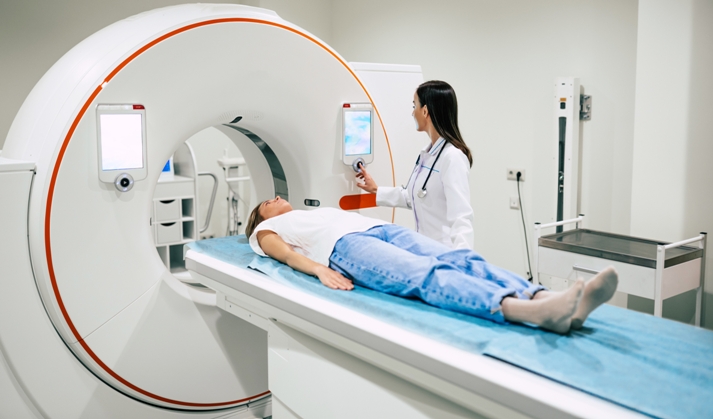
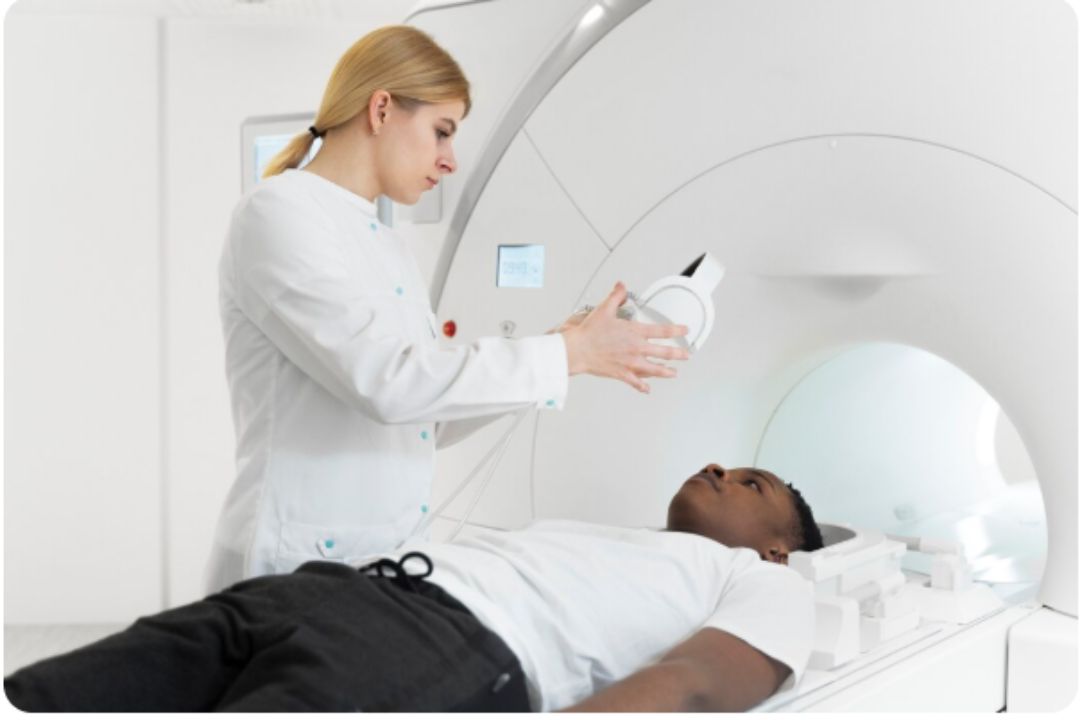
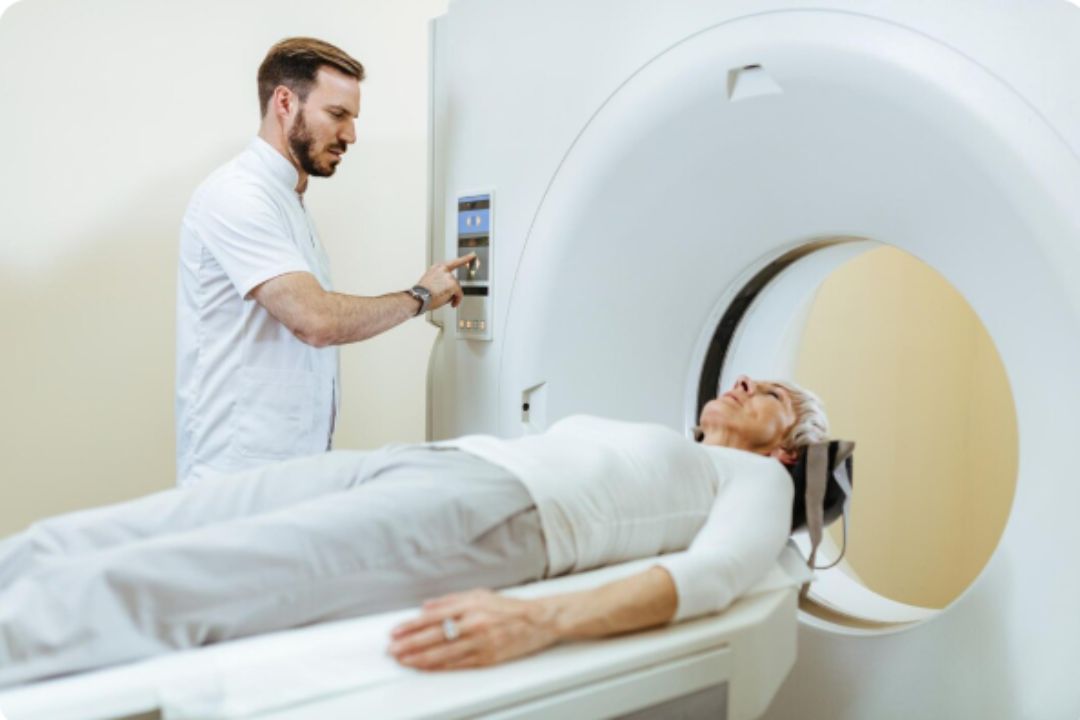
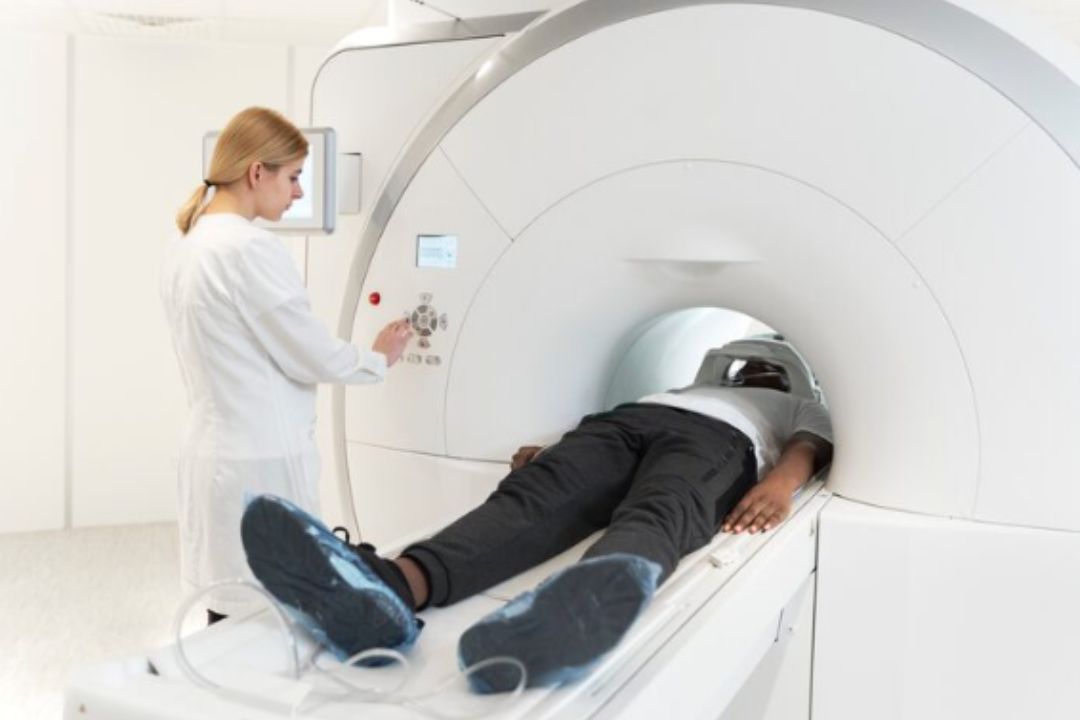
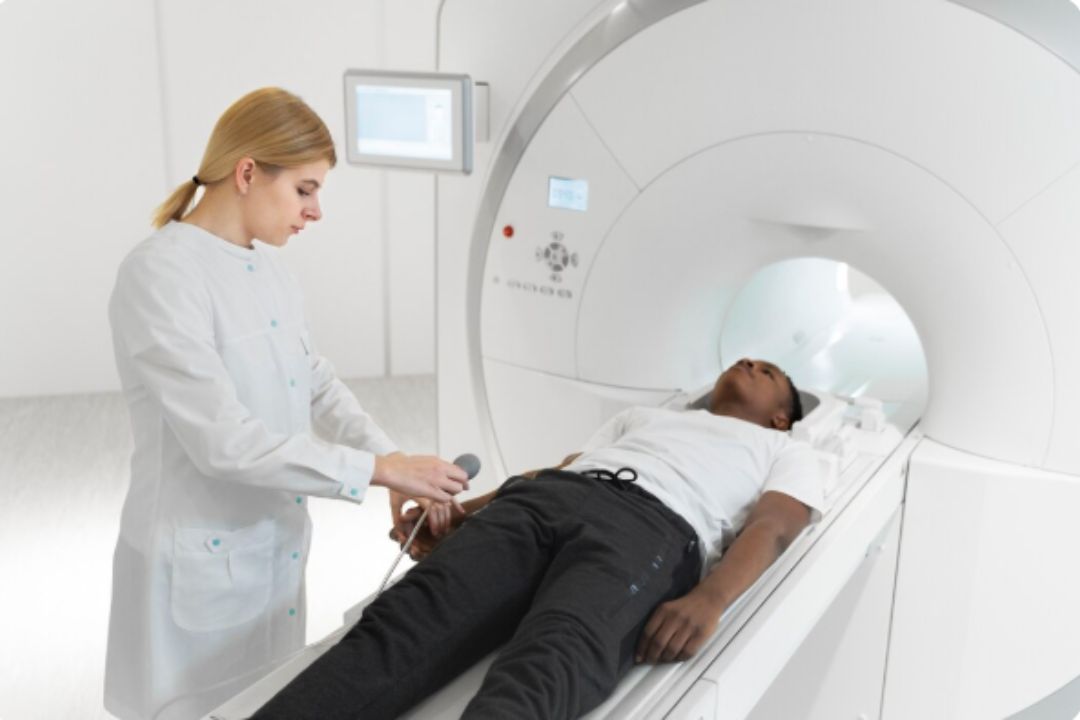
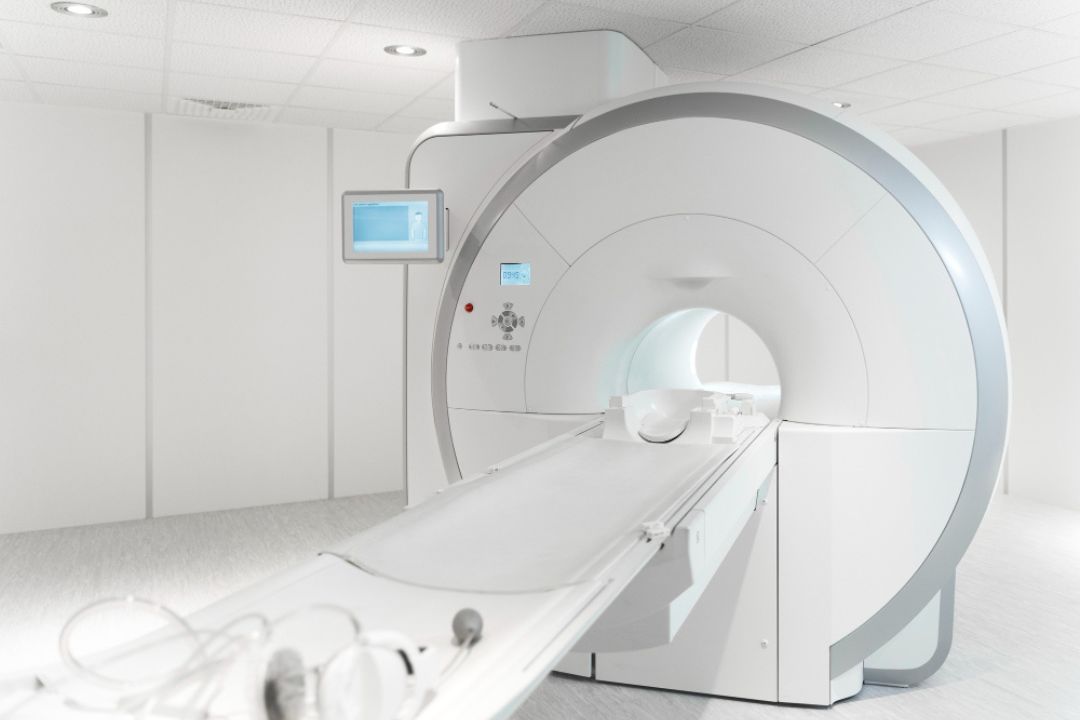
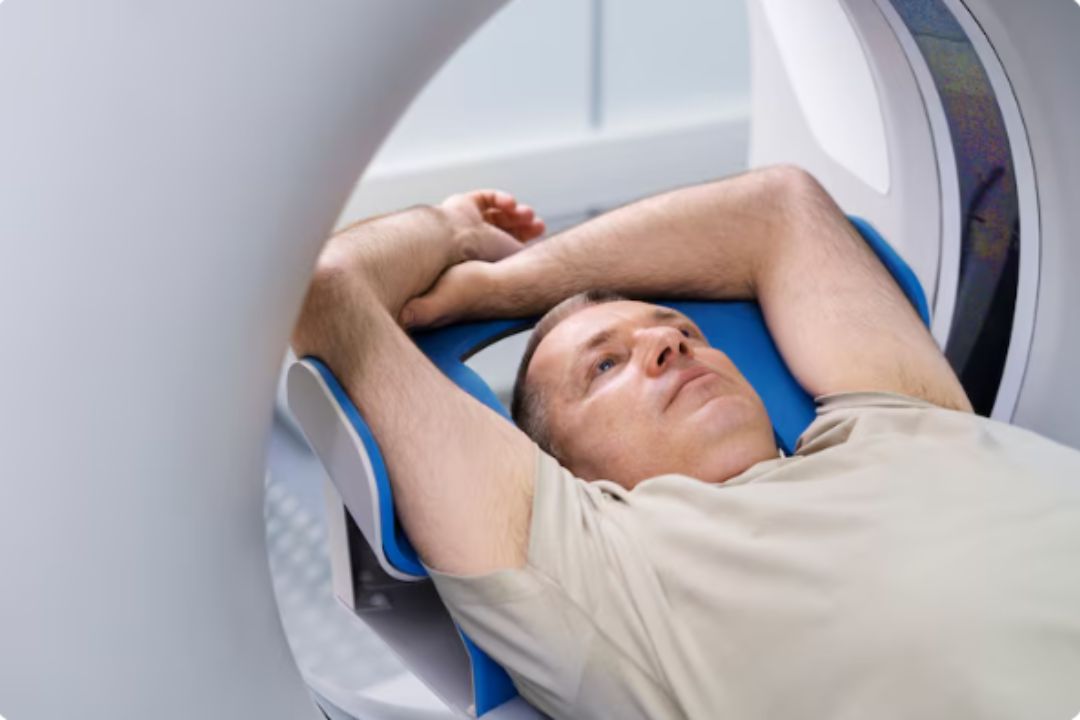
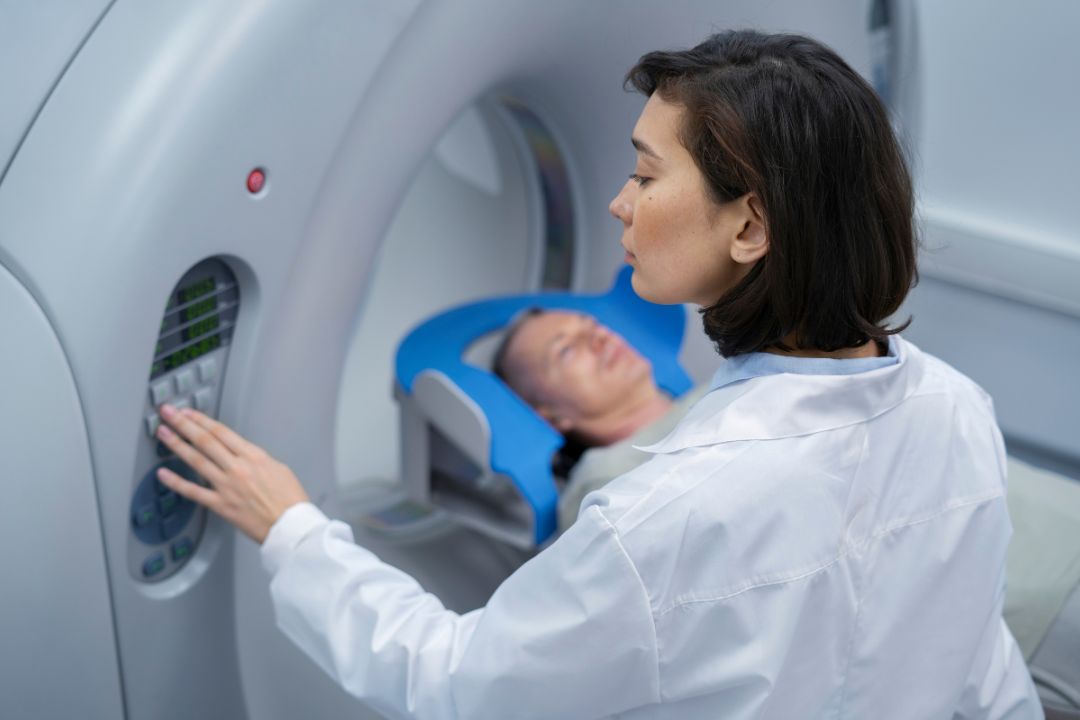
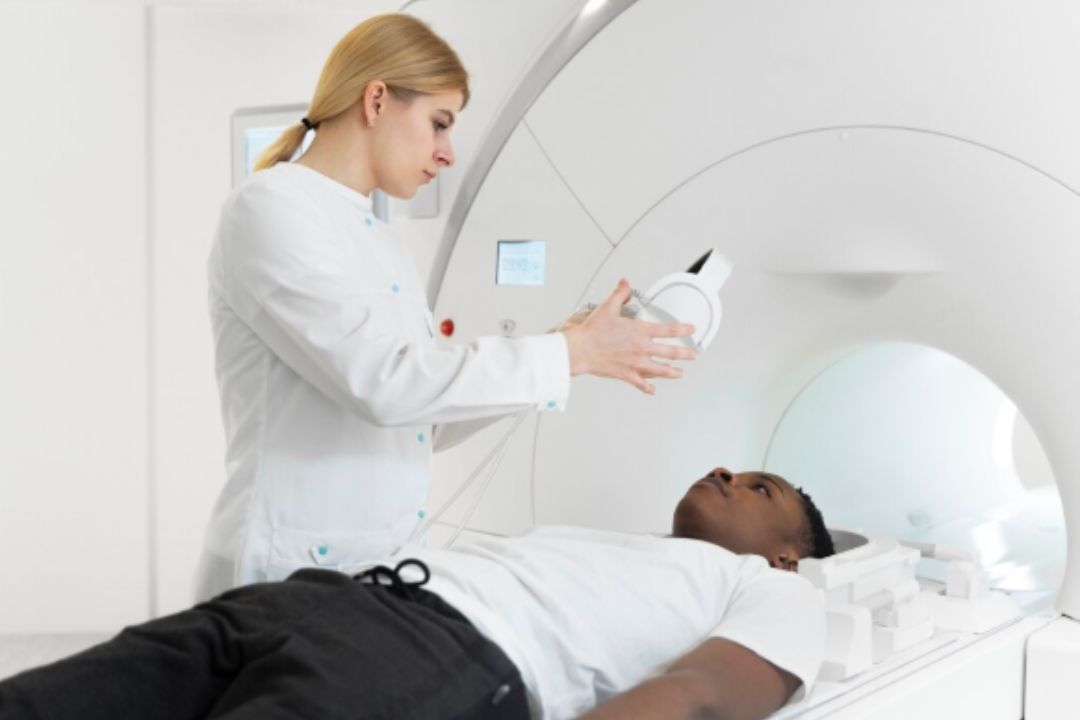
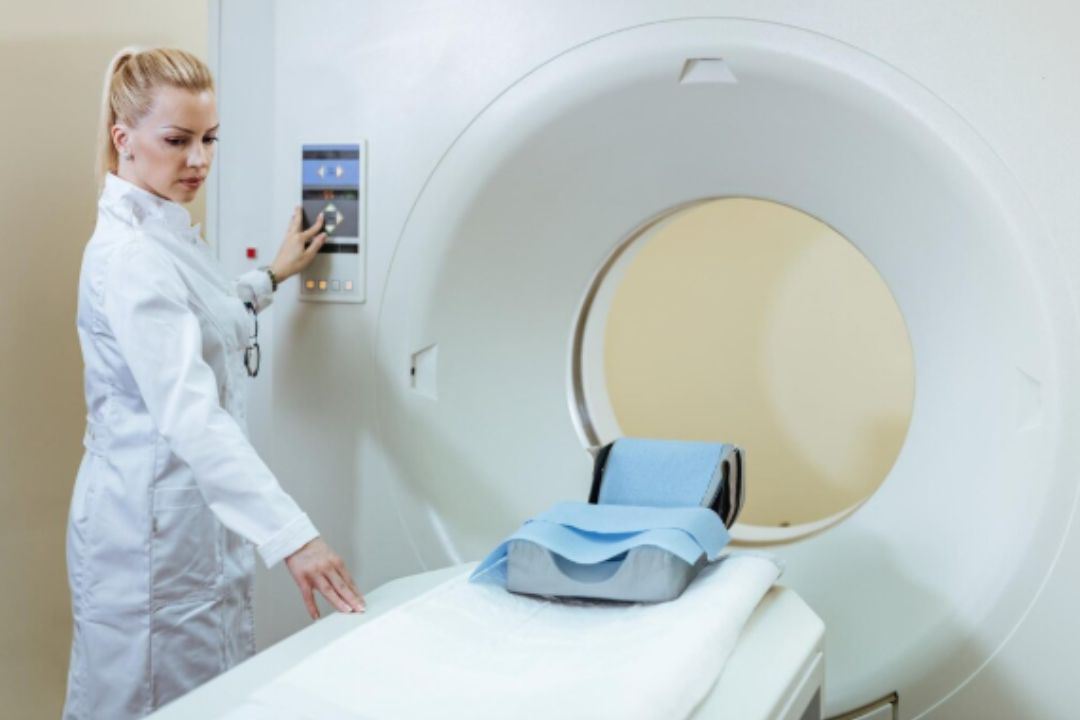
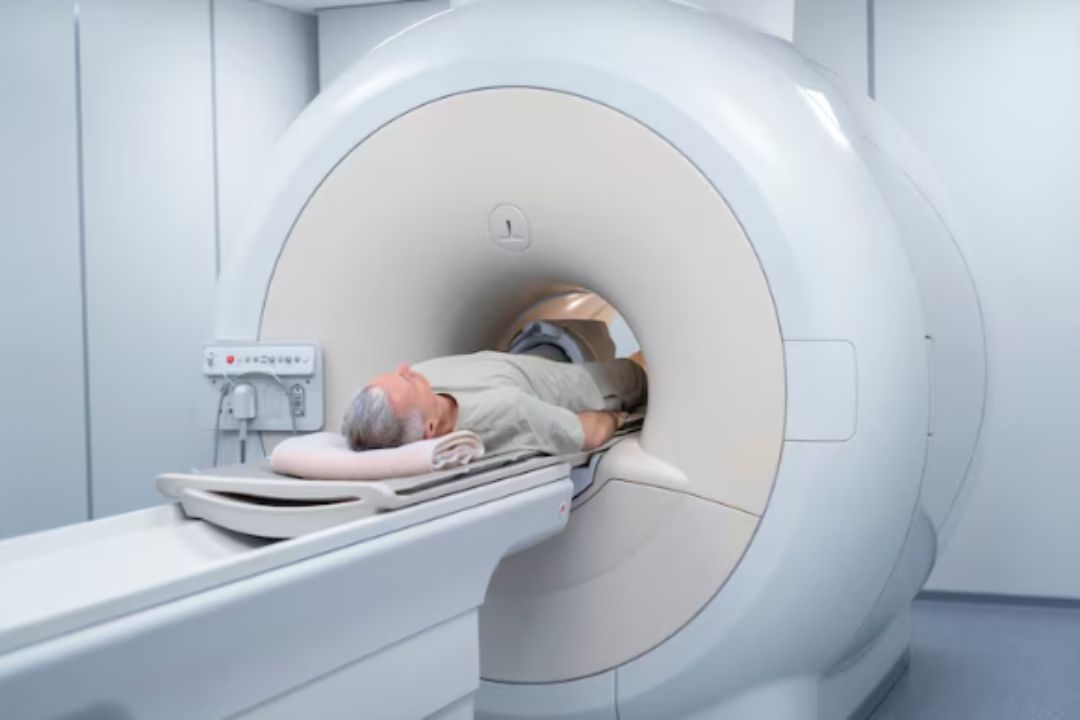
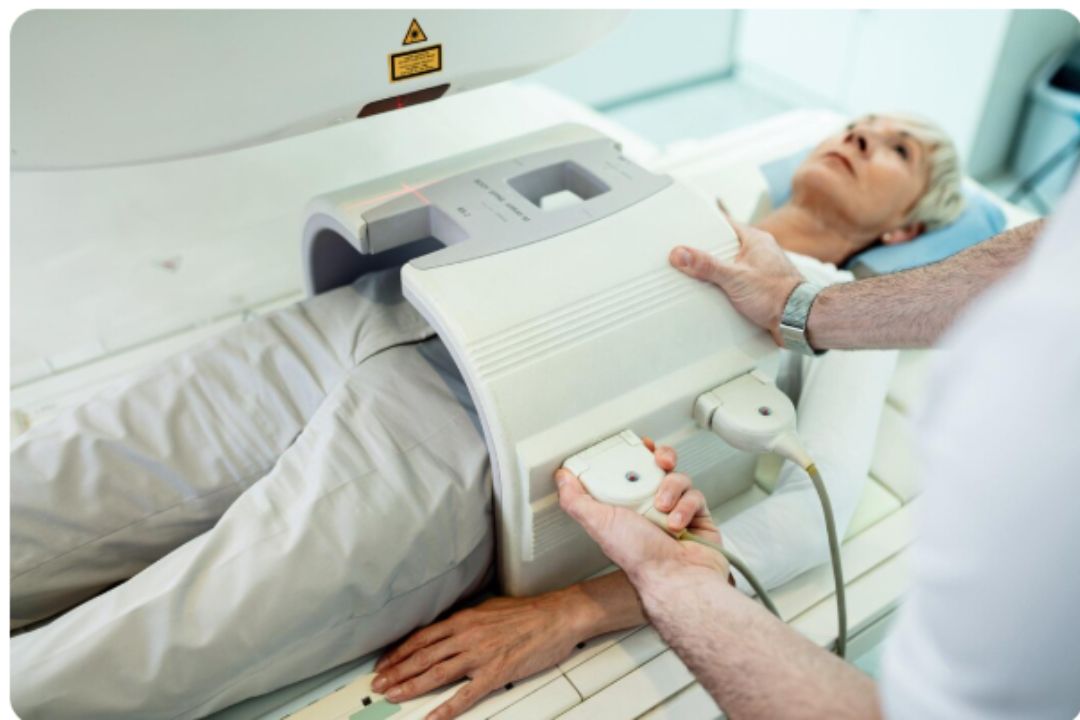
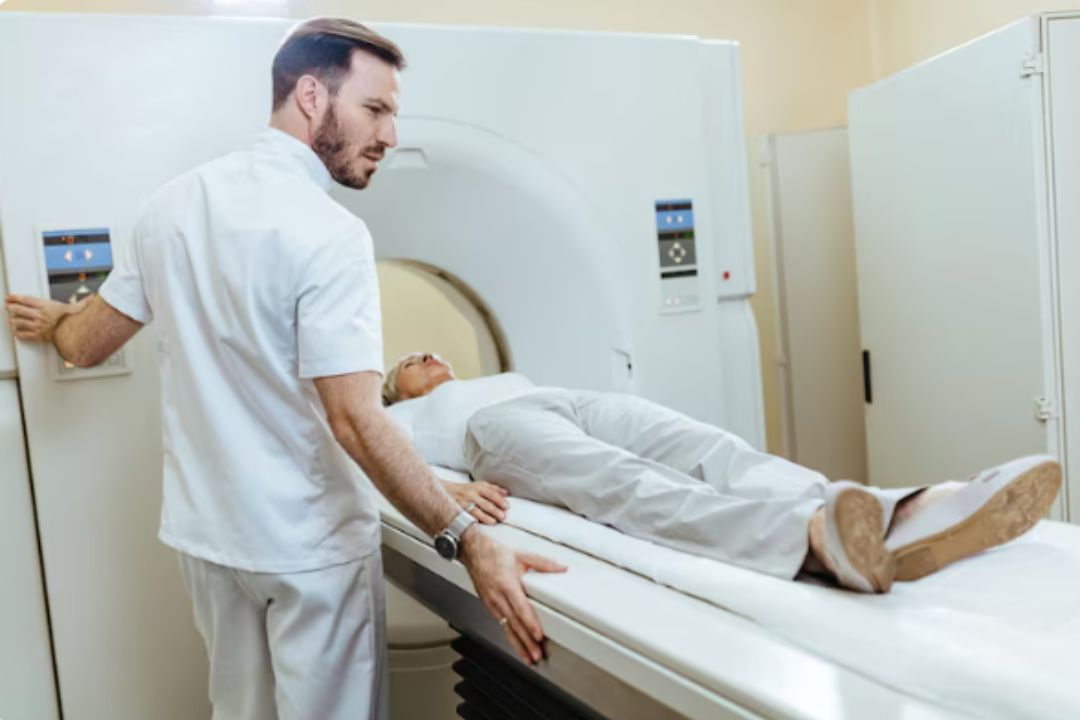
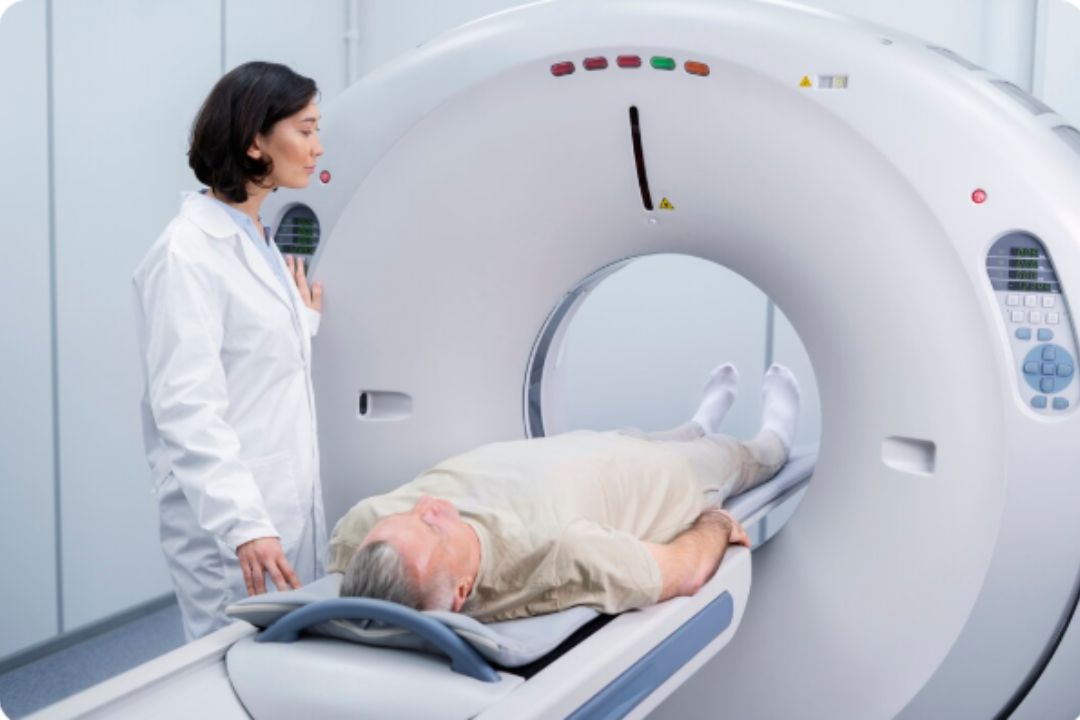
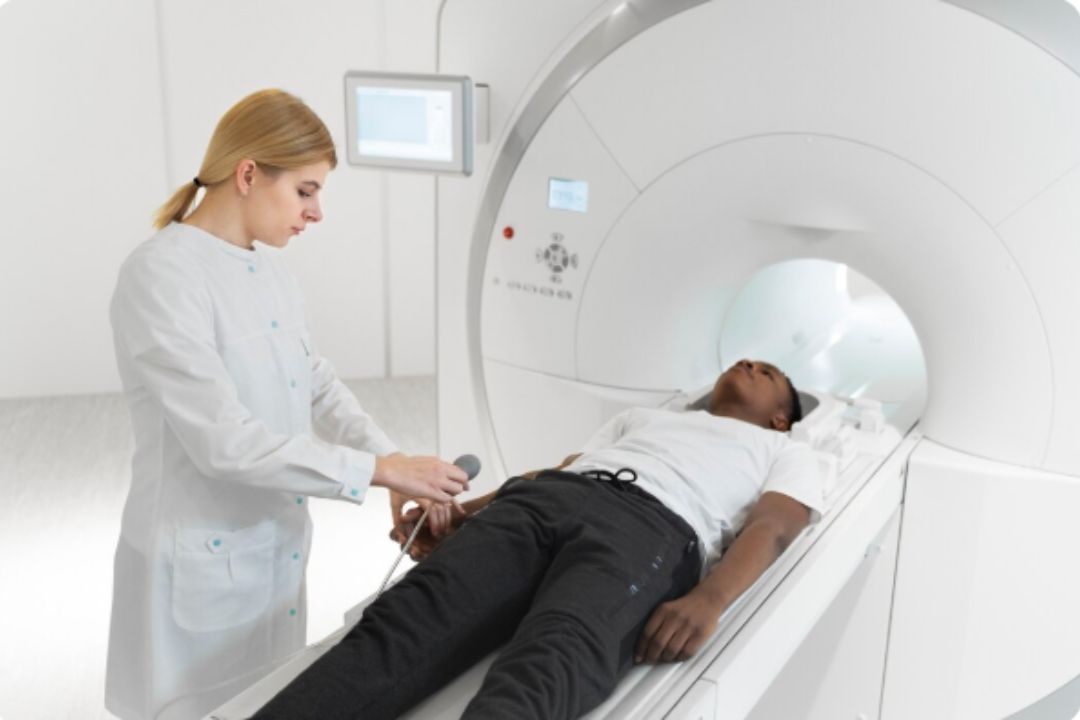
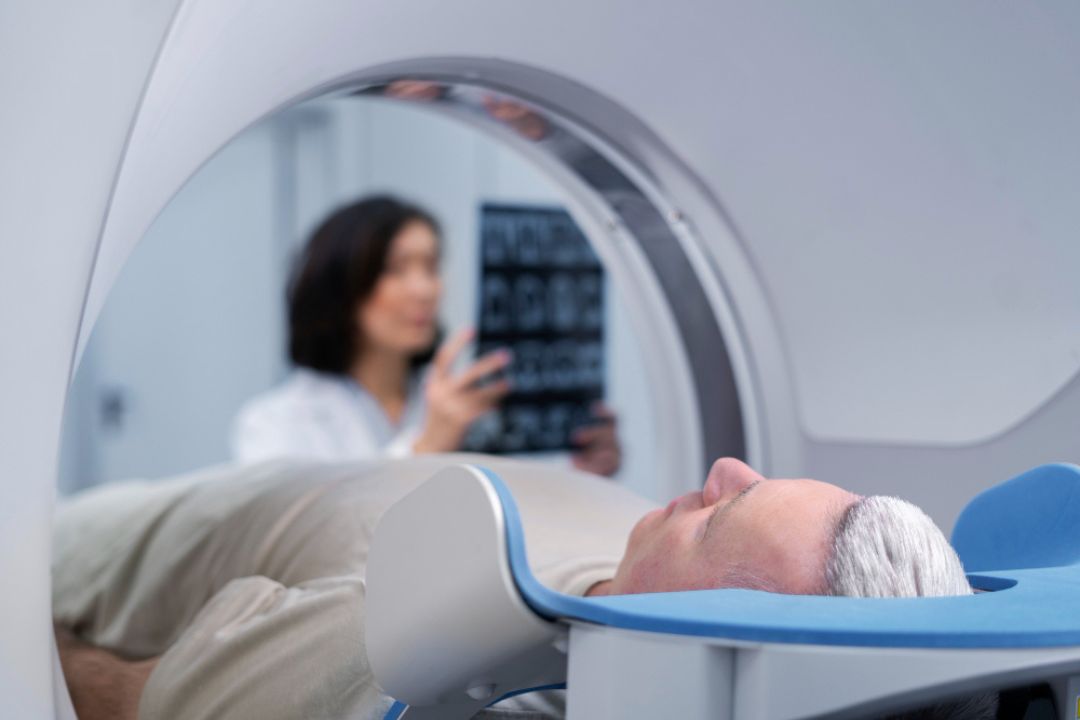
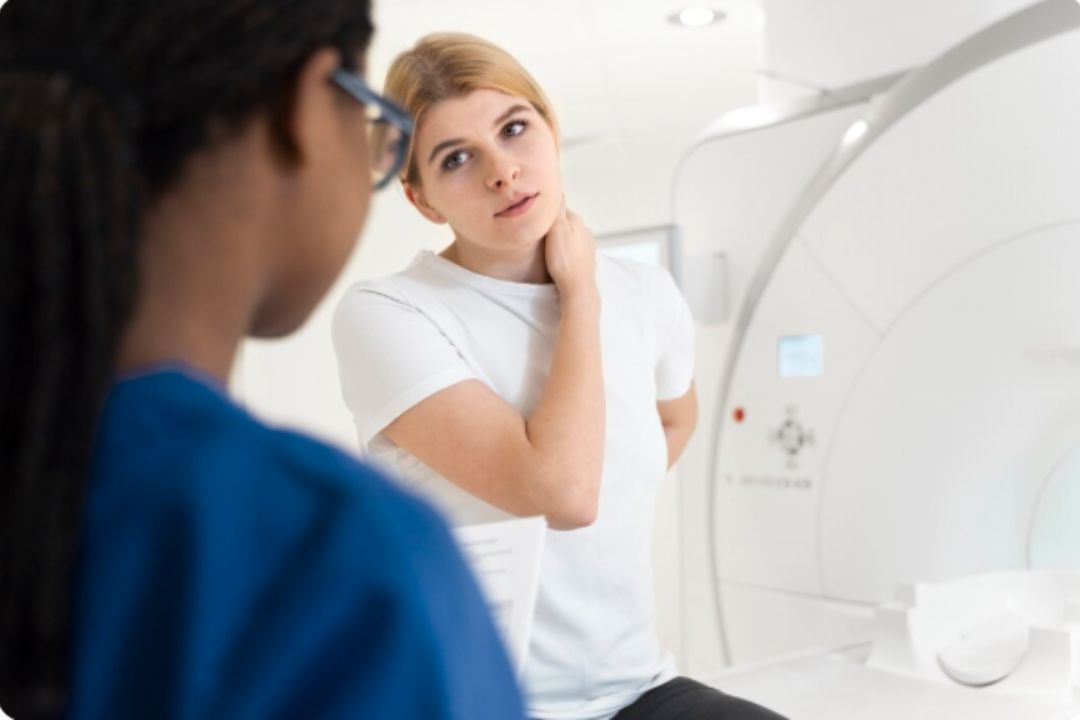
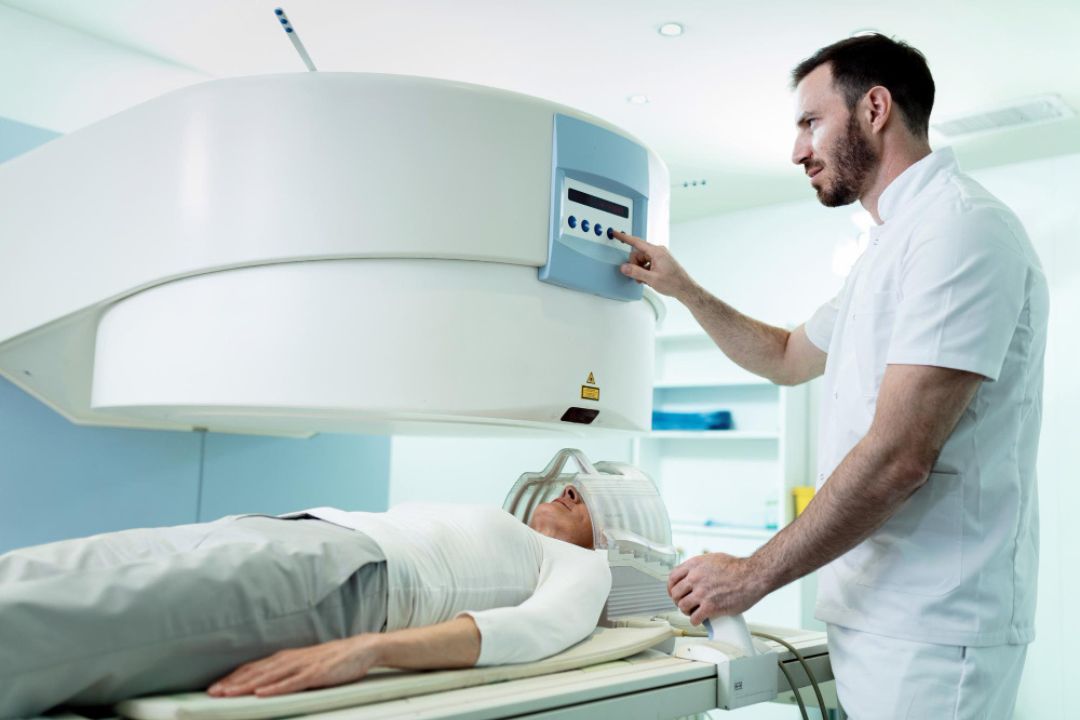
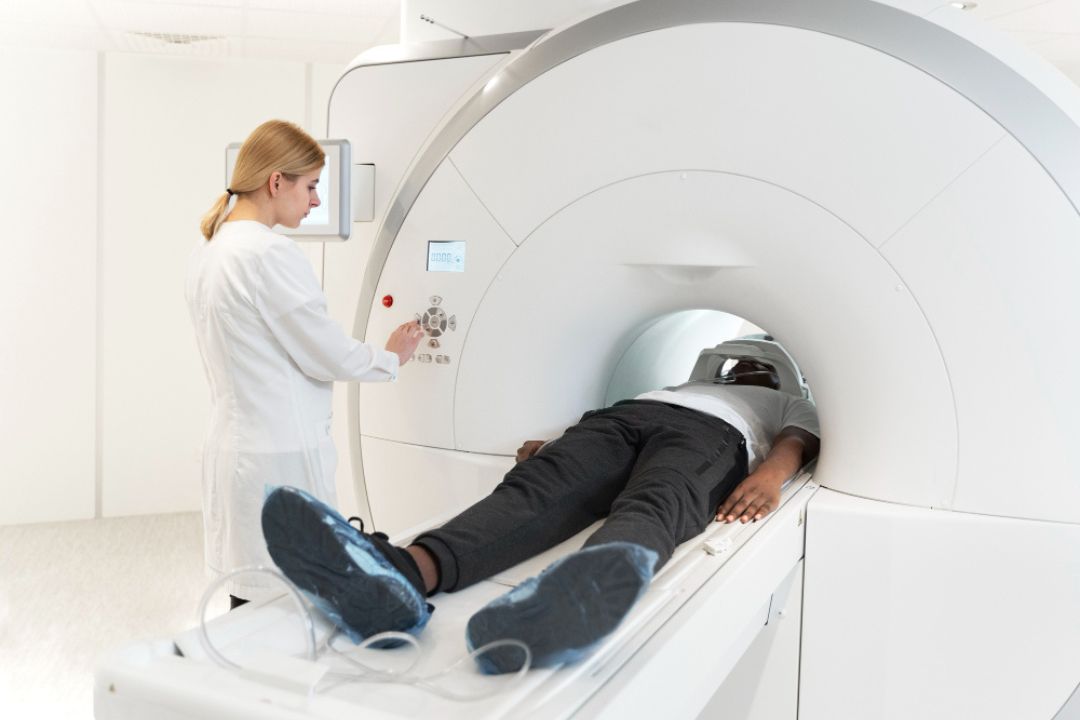
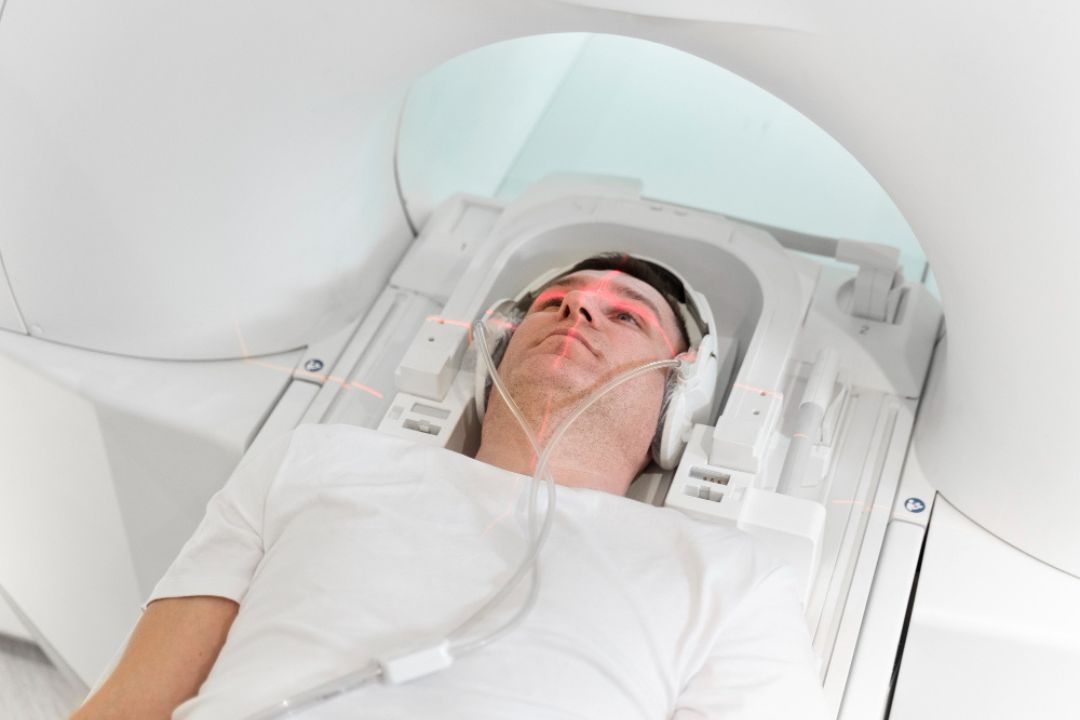
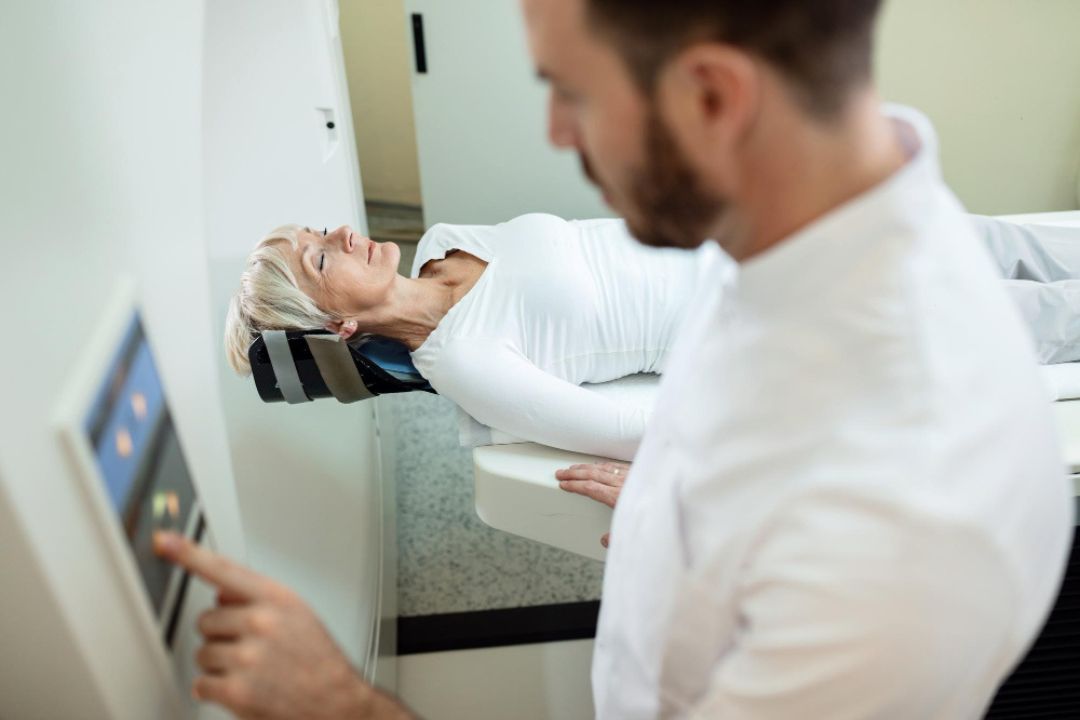
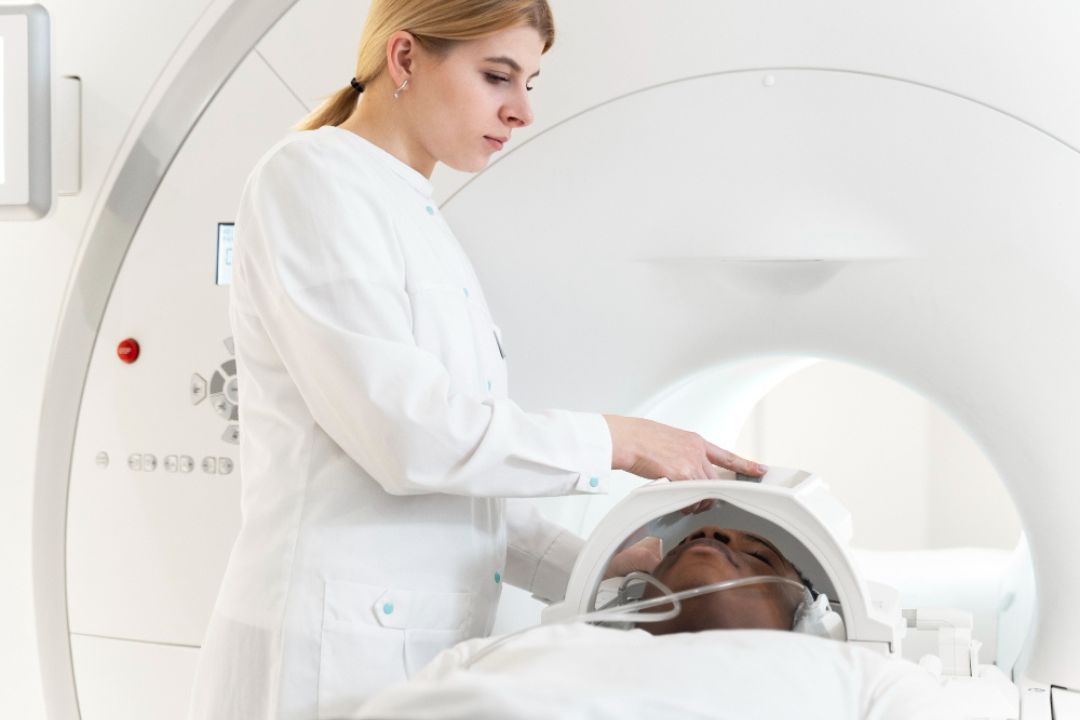
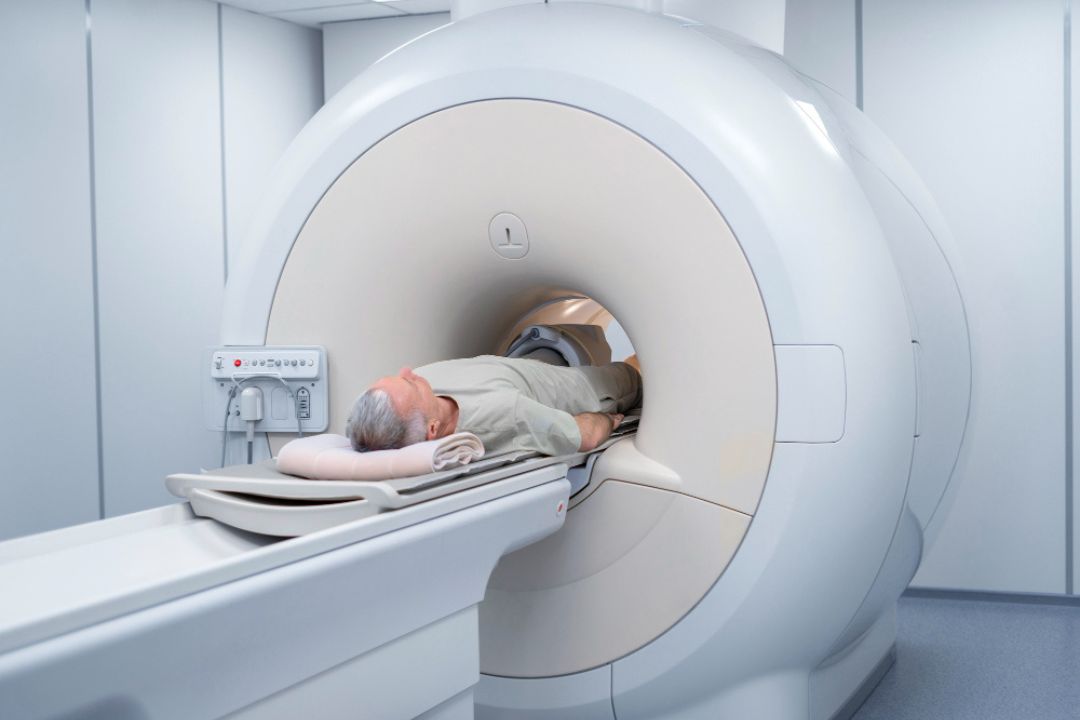
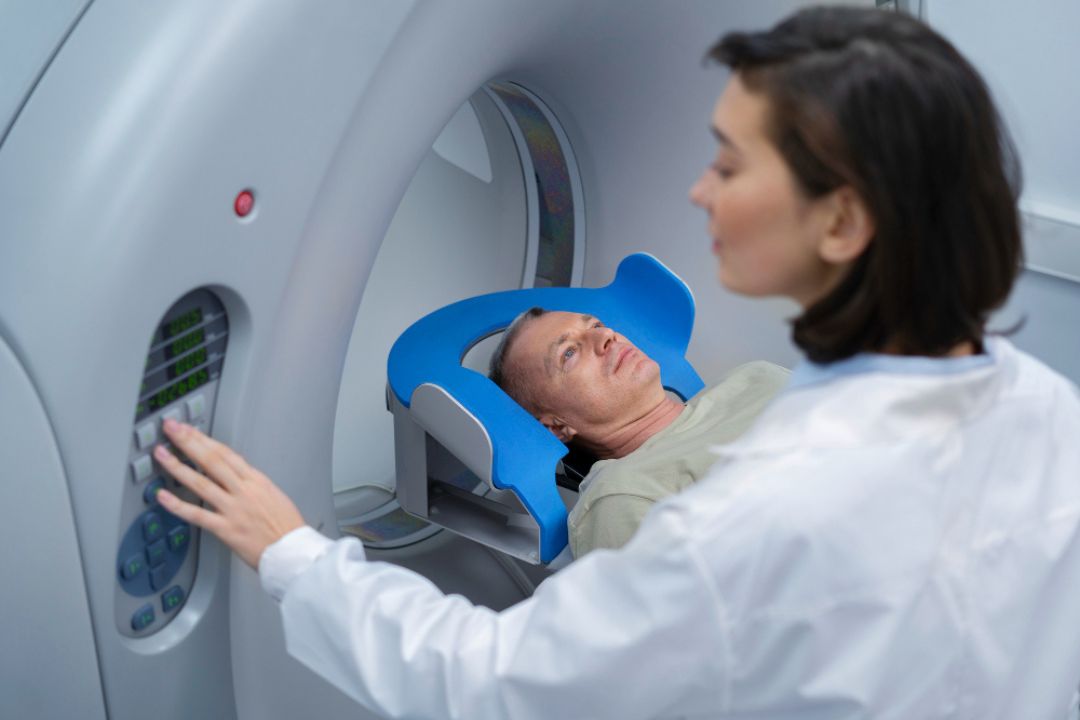
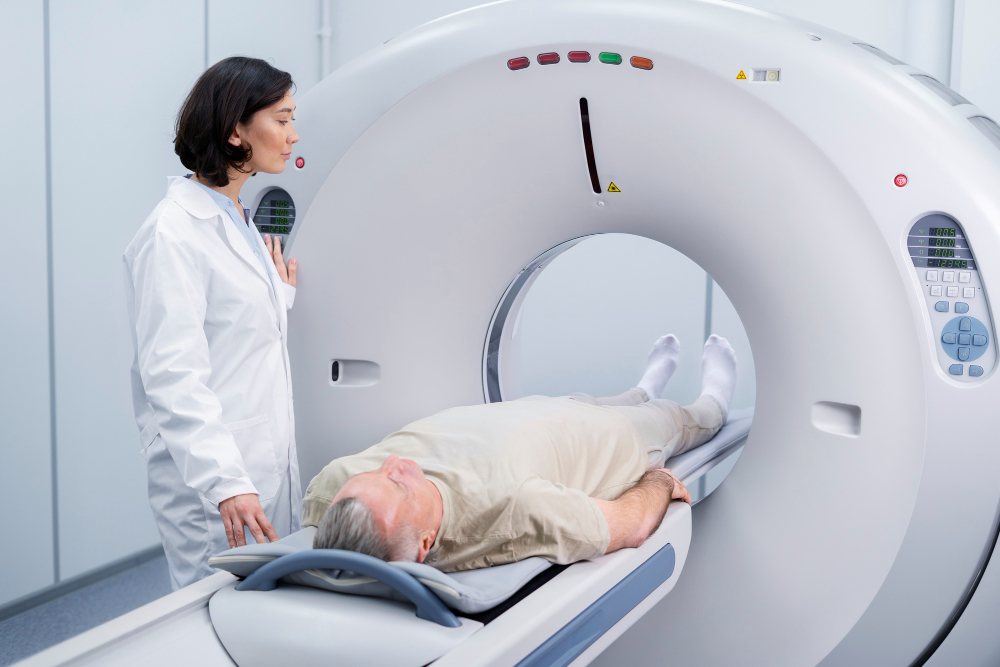
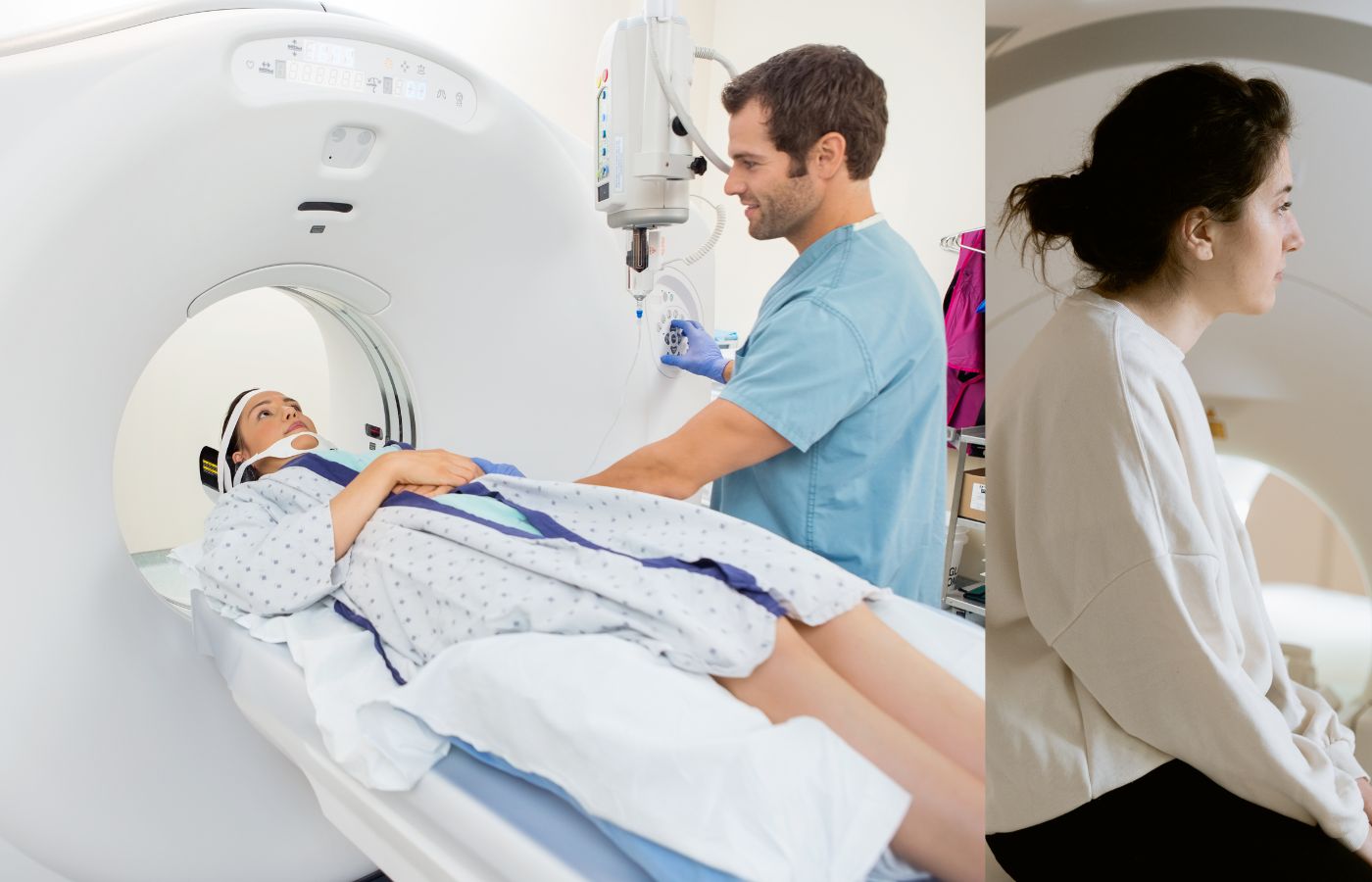
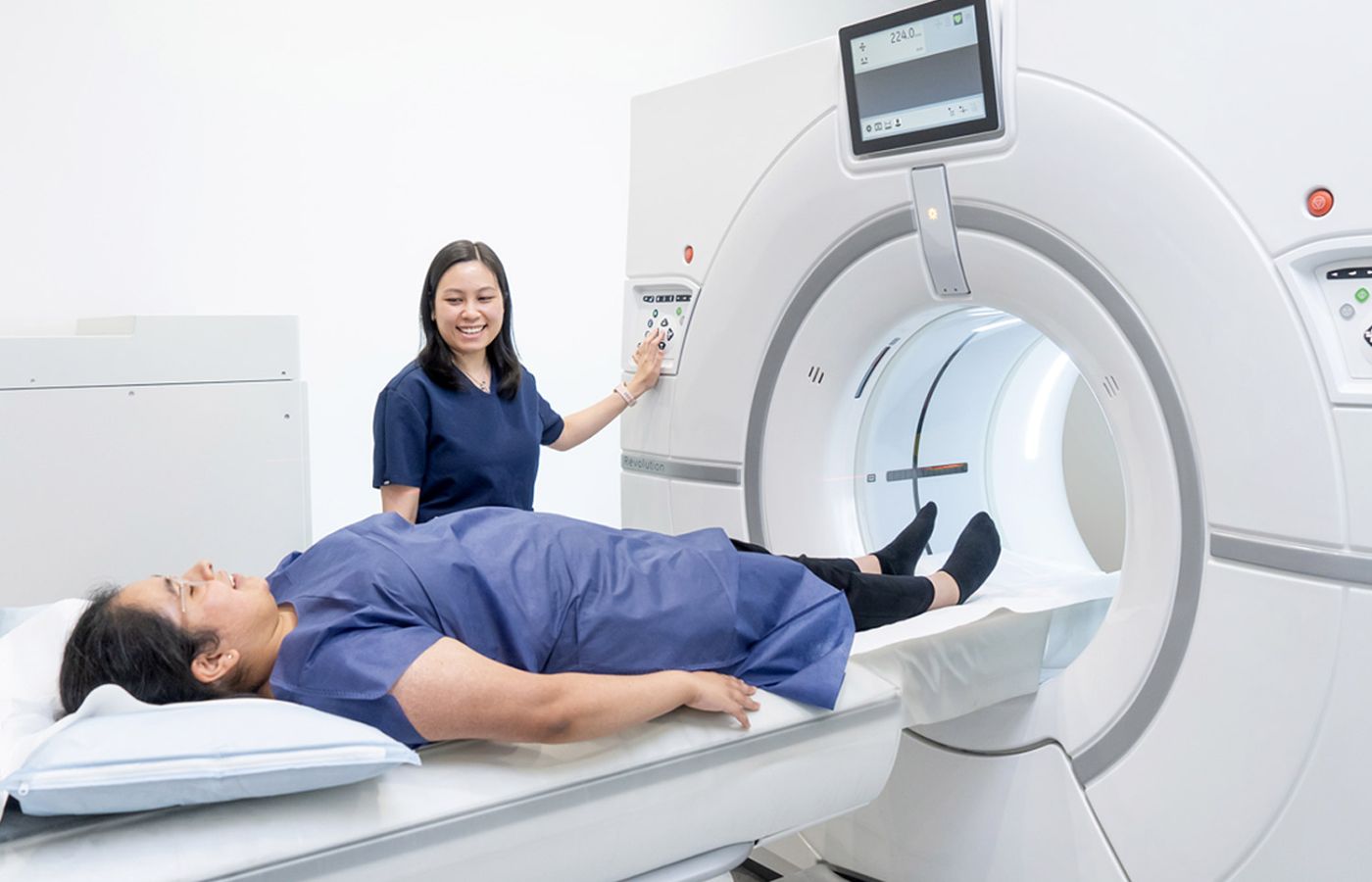
We prioritize your physical and emotional comfort. The procedure itself is painless. You will lie on a motorized table that slides into a circular scanner. The machine may whir or click softly. The key is to remain still for clear images, which usually takes only 10-20 minutes.
The two main points of discomfort are often related to:
Claustrophobia: The scanner opening is wider than an MRI, but can still feel confining. Our technologists are trained to support you through this.
Contrast Dye: For many scans, an iodine-based contrast is used to highlight blood vessels and organs. It is administered via a quick IV injection and may cause a warm, flushing sensation or a metallic taste—both of which are normal and temporary.
A vital discussion point is radiation exposure. A CT scan involves a higher dose of ionizing radiation than a standard X-ray. At Diagnopein, we adhere to the ALARA principle (As Low As Reasonably Achievable), using advanced technology and protocols to minimize dose without compromising image quality. The risk from a medically justified scan is exceedingly low compared to its diagnostic benefit, but it underscores why CT scans are not used for routine screening without cause.
In a city brimming with healthcare options, choosing the right diagnostic partner is a critical decision that impacts your entire treatment journey. It's not just about finding a "CT scan near me"—it's about finding accuracy, trust, and comprehensive care. Diagnopein Mumbai stands apart as a beacon of excellence in diagnostic imaging. Here’s why we are the preferred choice for patients and physicians alike.
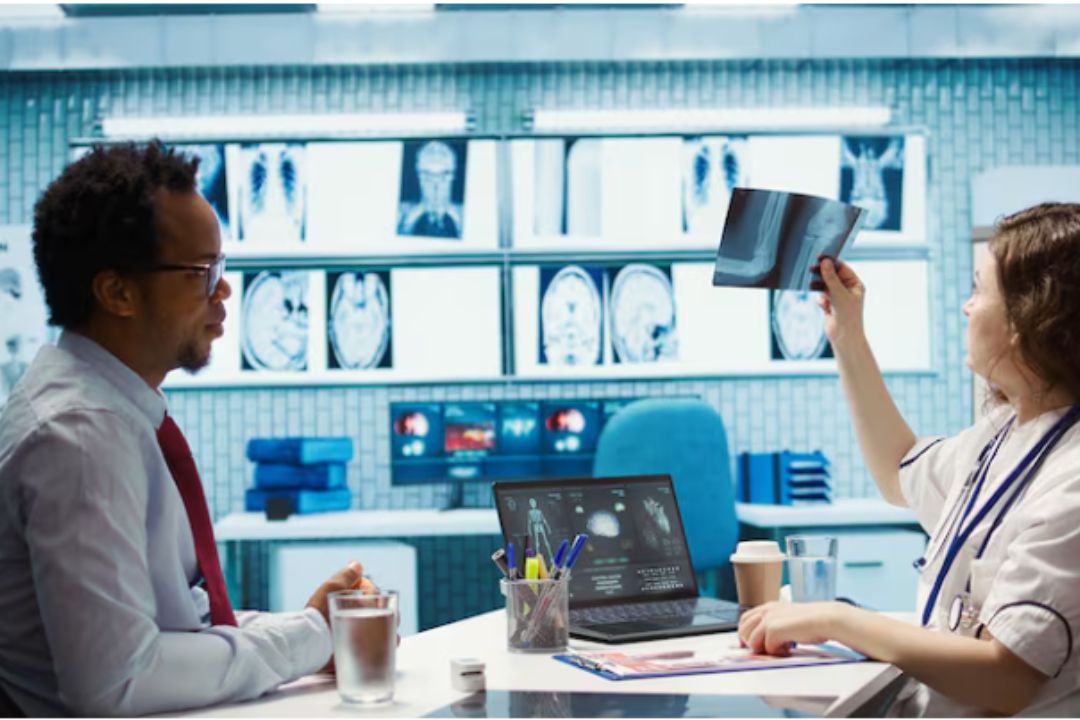
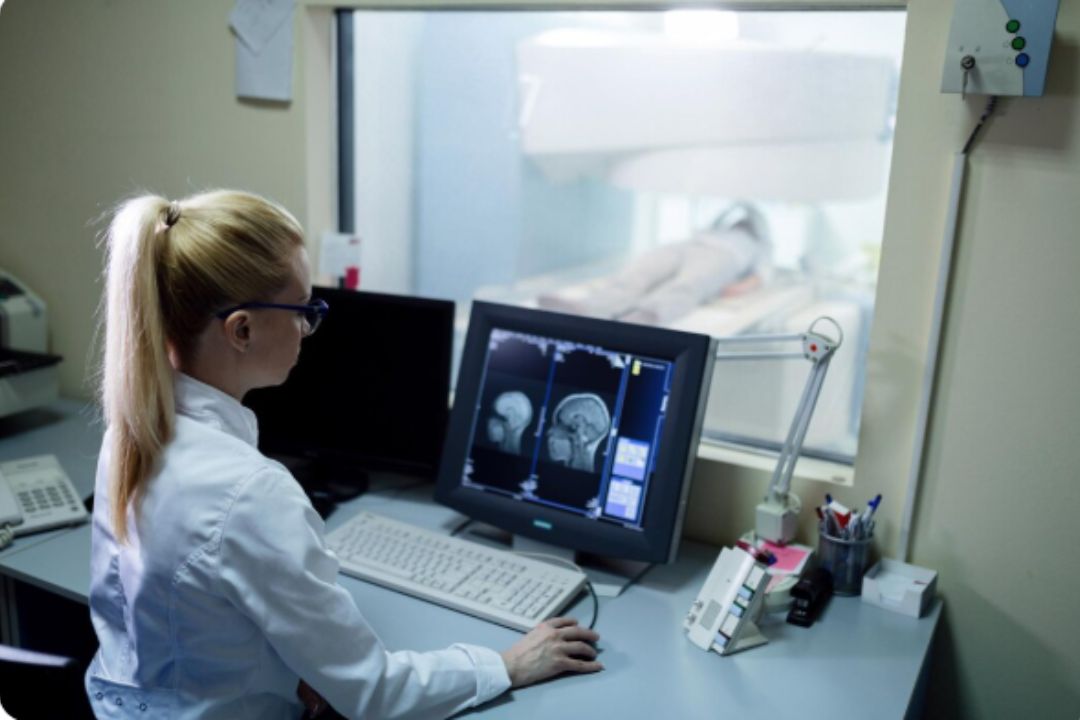
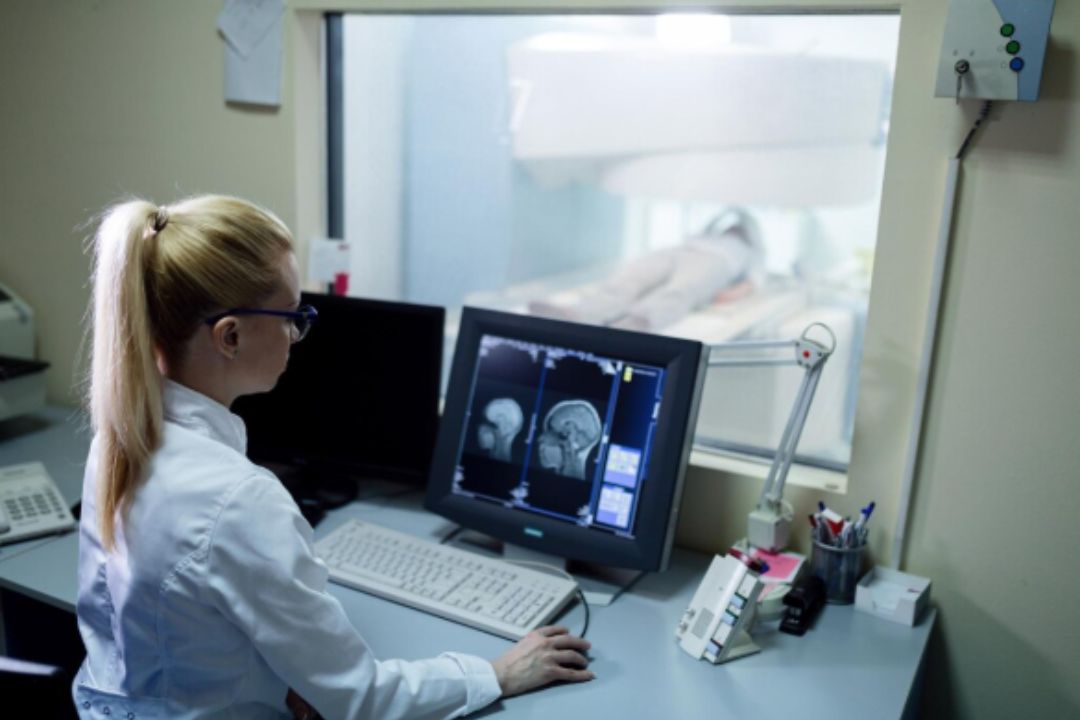
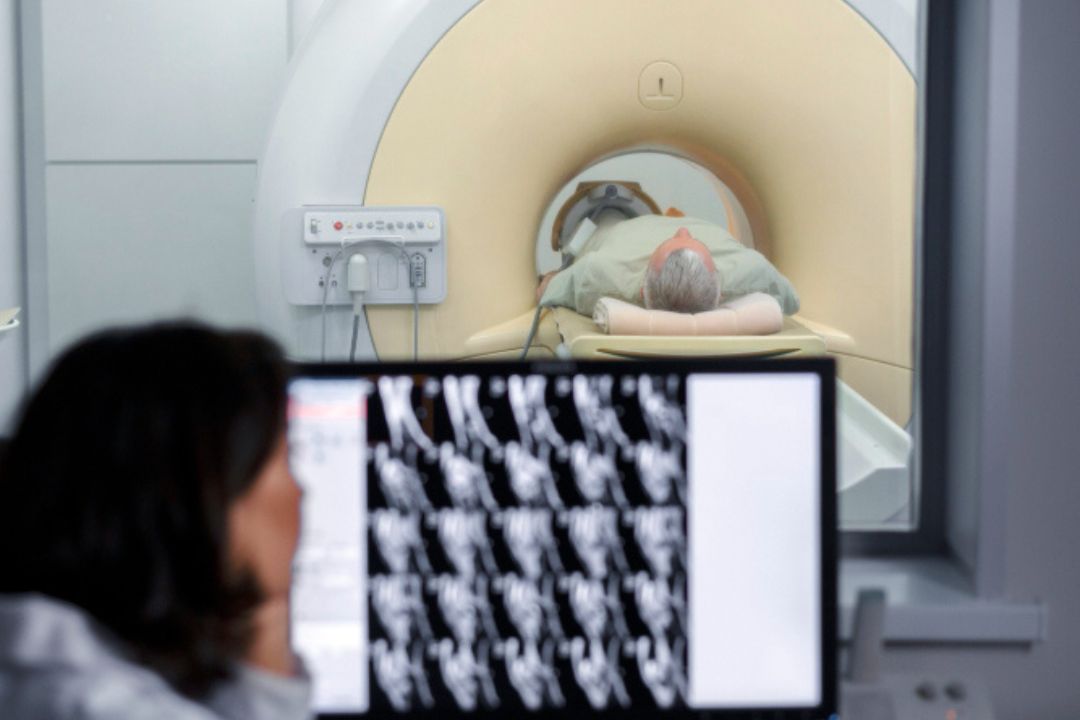
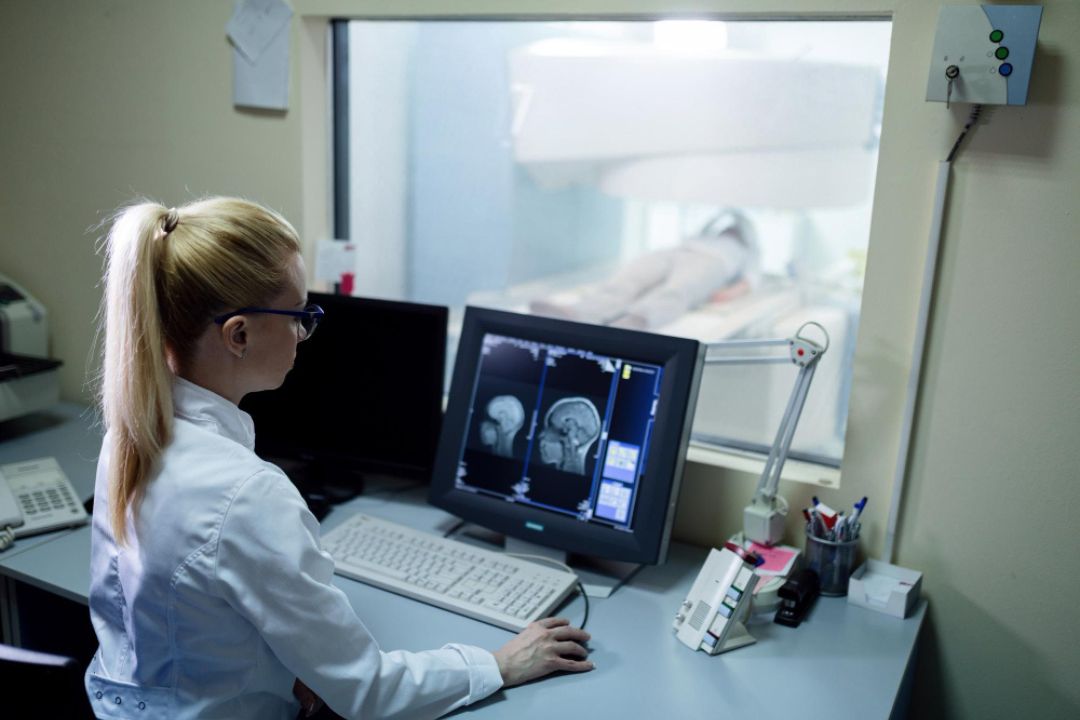
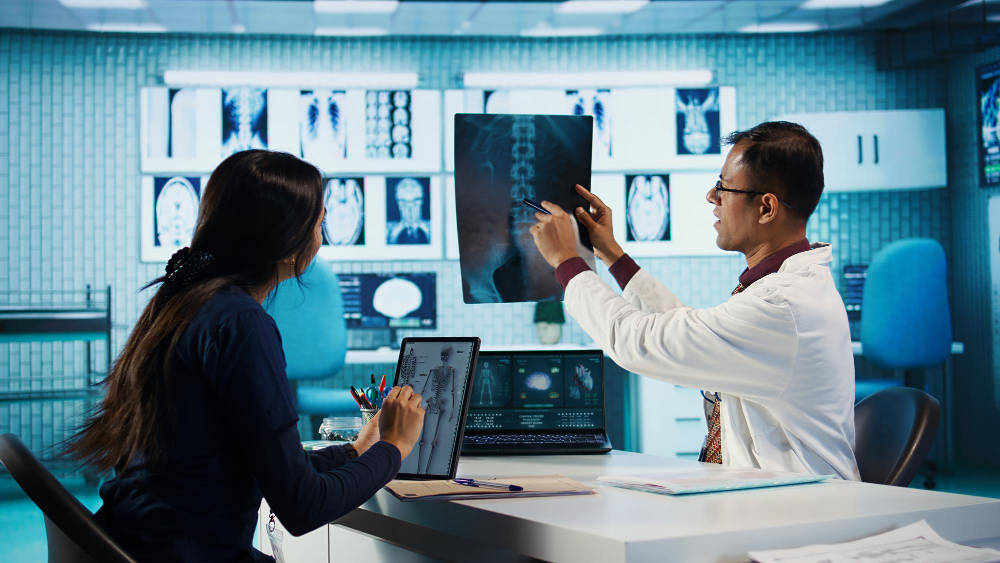
At the heart of Diagnopein is our team of highly specialized, fellowship-trained radiologists. We don't just operate machines; we provide expert interpretation. Whether you're here to understand "can a CT scan detect cancer" or need a nuanced MRI for a neurological condition, our experts ensure every image is scrutinized with deep clinical insight. Our detailed reports are timely, clear, and actionable, forming a reliable foundation for your doctor's treatment plan.
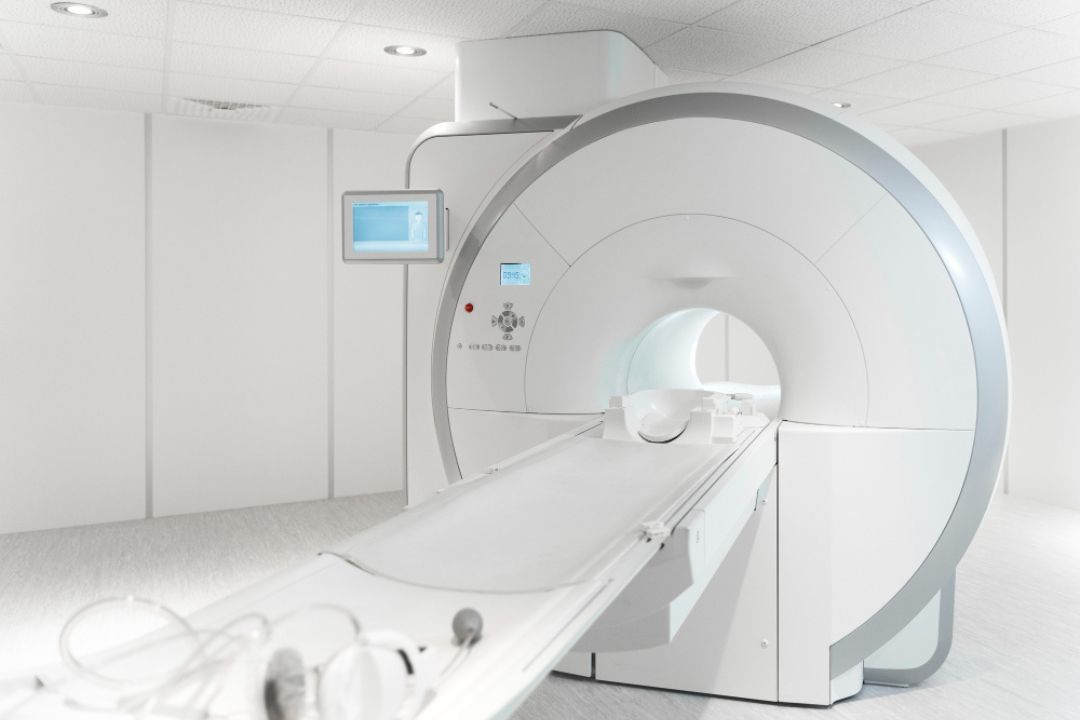
We believe in the right tool for the right diagnosis. Our centers are equipped with state-of-the-art, low-radiation CT scanners, high-field MRI machines, advanced ultrasound, and digital X-ray. We follow the ALARA principle (As Low As Reasonably Achievable) for radiation safety. This means we provide the highest quality images necessary for an accurate diagnosis while meticulously minimizing patient exposure—a commitment that sets us apart.
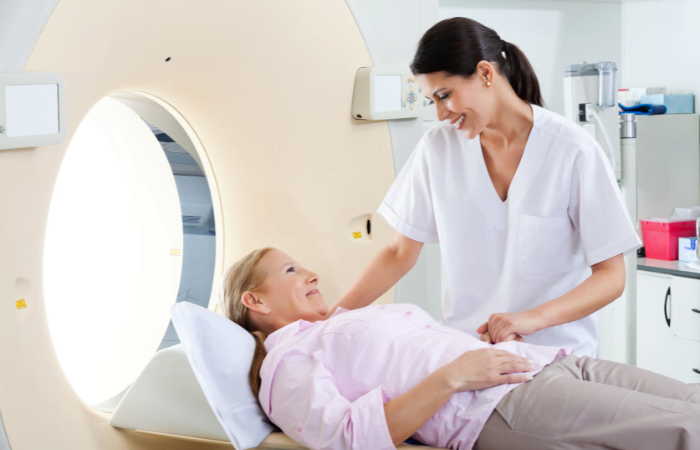
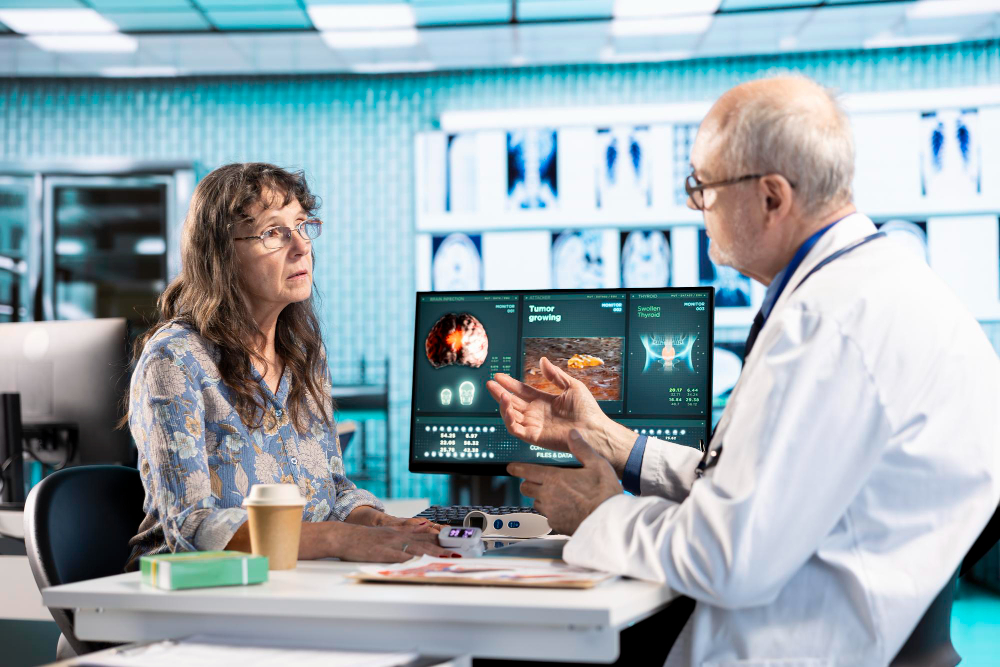
We transform the often-anxious diagnostic experience into one of comfort and clarity. From a streamlined booking process to a calm, welcoming environment, our staff is dedicated to putting you at ease. We explain every step, whether it's the sensation of a contrast dye or what to expect during the scan. For those asking about "ct scans cancer" detection, we provide compassionate counseling, ensuring you understand the process and the purpose behind it.
Diagnostic costs should never be a mystery. At Diagnopein Mumbai, we offer complete transparency in our CT scan cost and all other services. We provide clear, upfront pricing with no hidden charges, ensuring you can make informed decisions without financial stress. We view our service as an invaluable investment in your health—delivering precision that can prevent unnecessary procedures and guide effective treatment.
Time is of the essence in diagnosis. We offer prioritized scheduling for urgent cases and efficient report turnaround times. Our digital ecosystem allows for secure, instant sharing of reports and images with your referring doctor, facilitating a seamless continuum of care. This integrated approach ensures that your physician has the information they need, when they need it.
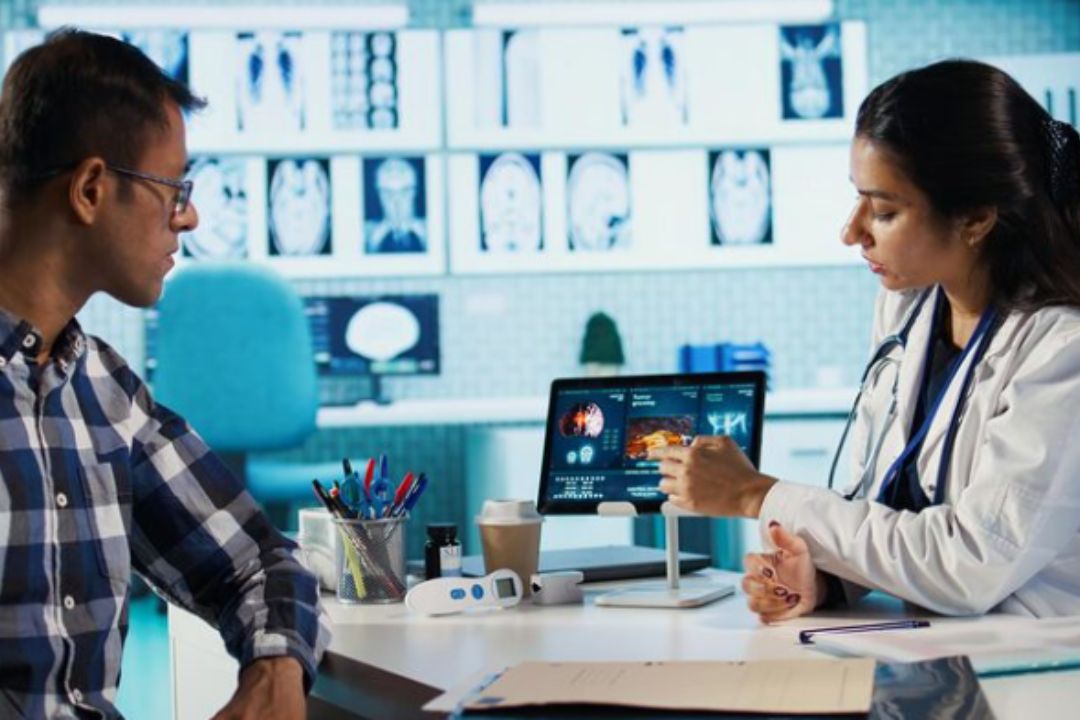
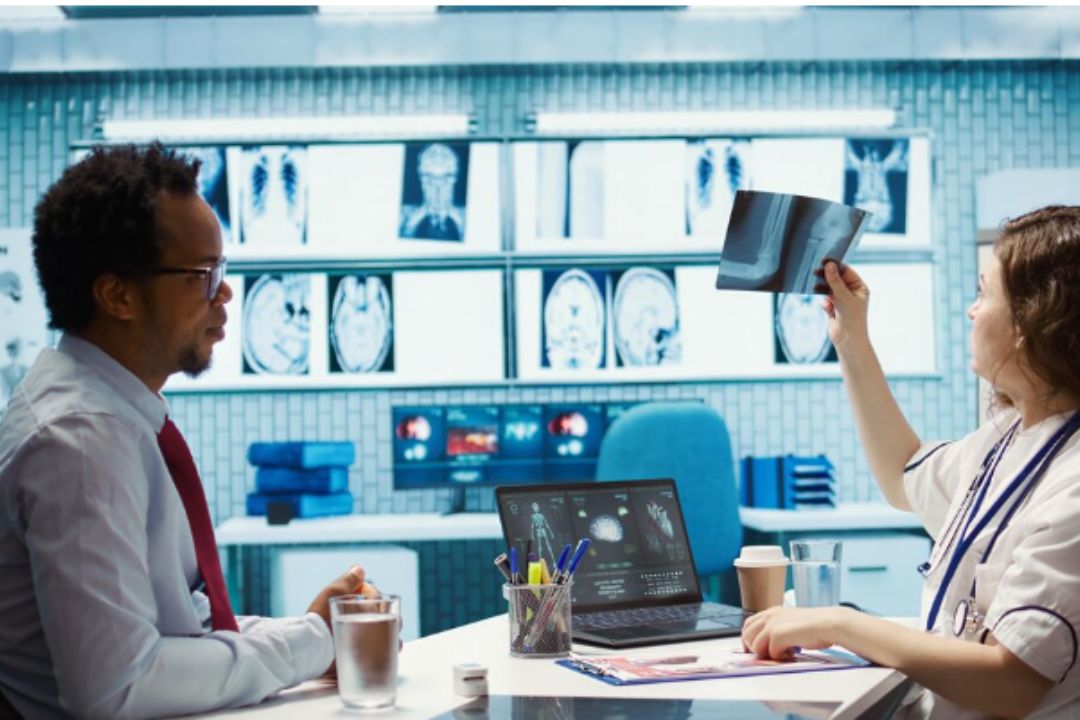
We answer the question, "Can a CT scan detect all diseases?" with honesty and context. Our consultants guide patients through the limitations and strengths of each modality. If a CT isn't the best answer, we will explain why an MRI, ultrasound, or a specific blood test might be more appropriate. We are your partners in navigating the diagnostic pathway, not just a service provider.
So, can a CT scan detect all diseases? Absolutely not. Its brilliance lies in specific areas—trauma, cancer detection, and anatomical mapping. And while a CT scan can detect cancer in many forms, it is not infallible and is part of a larger ecosystem of tests.
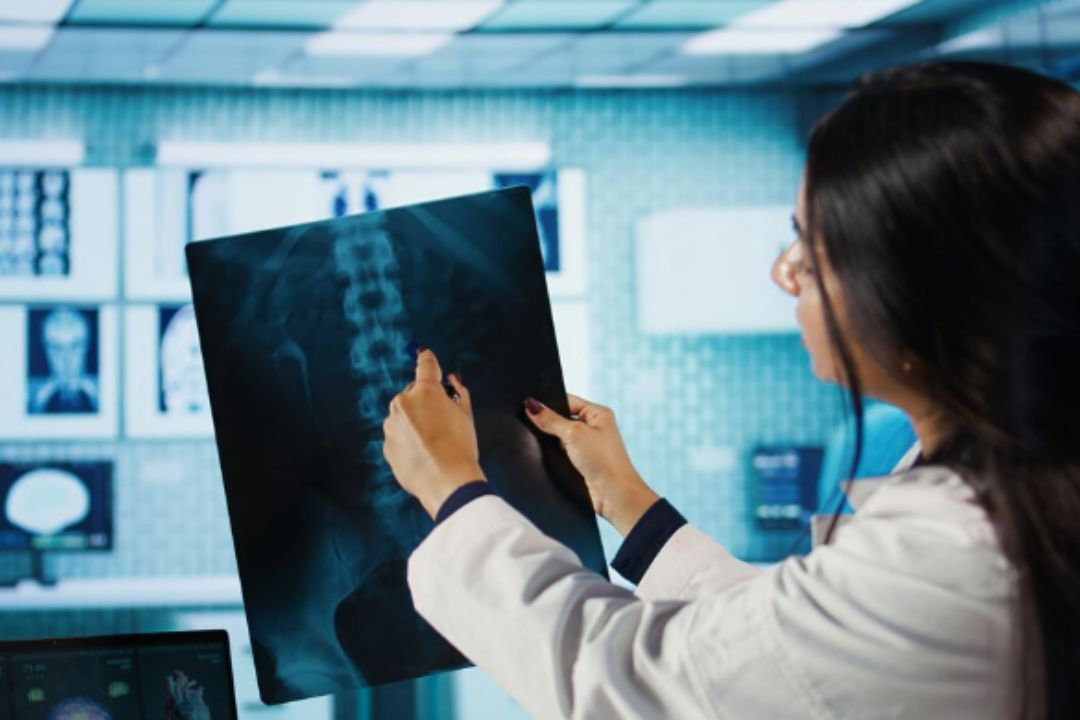
Your path to an accurate diagnosis doesn't end with a search for "CT scan near me." It begins with choosing a center that offers both technological excellence and interpretive expertise. At Diagnopein Mumbai, we provide more than just a scan. Our fellowship-trained radiologists understand the nuanced limitations and indications of every modality. We ensure your CT scan is not just performed with cutting-edge equipment but is interpreted with a discerning eye, correlated with your clinical history, and integrated into a coherent diagnostic narrative.







.jpg "ct brain scan plain and contrast")









.jpg "ct scan")

.jpg "ct scan or mri for brain disorders")


.jpg "exploring the power of ct brain contrast in modern diagnostics")
.jpg "ct scan")
.jpg "ct scan")







.jpg "ct scan")

.jpg "CT Brain Scan for Headaches")
.jpg "The Future of 3D CT Imaging")