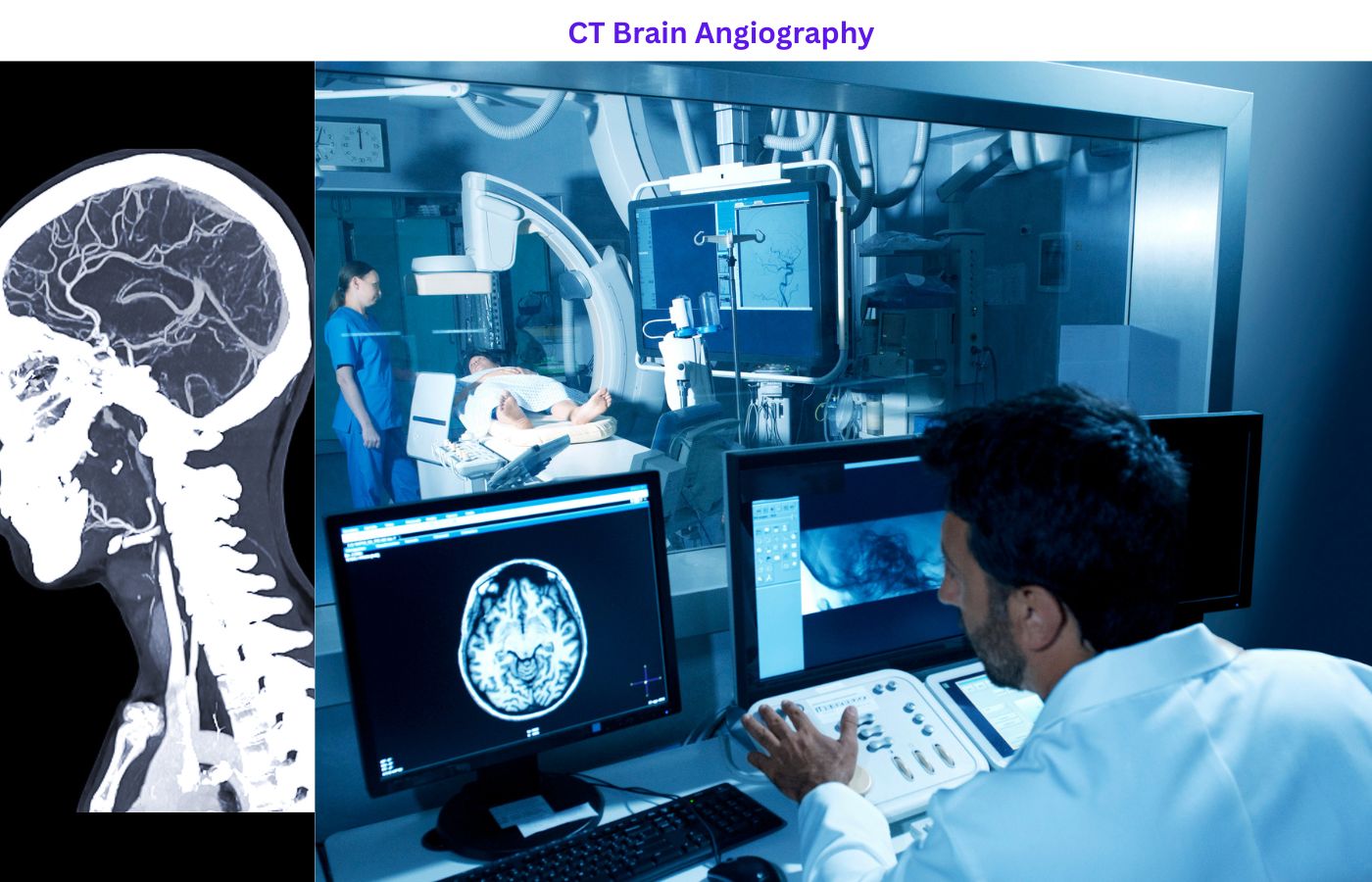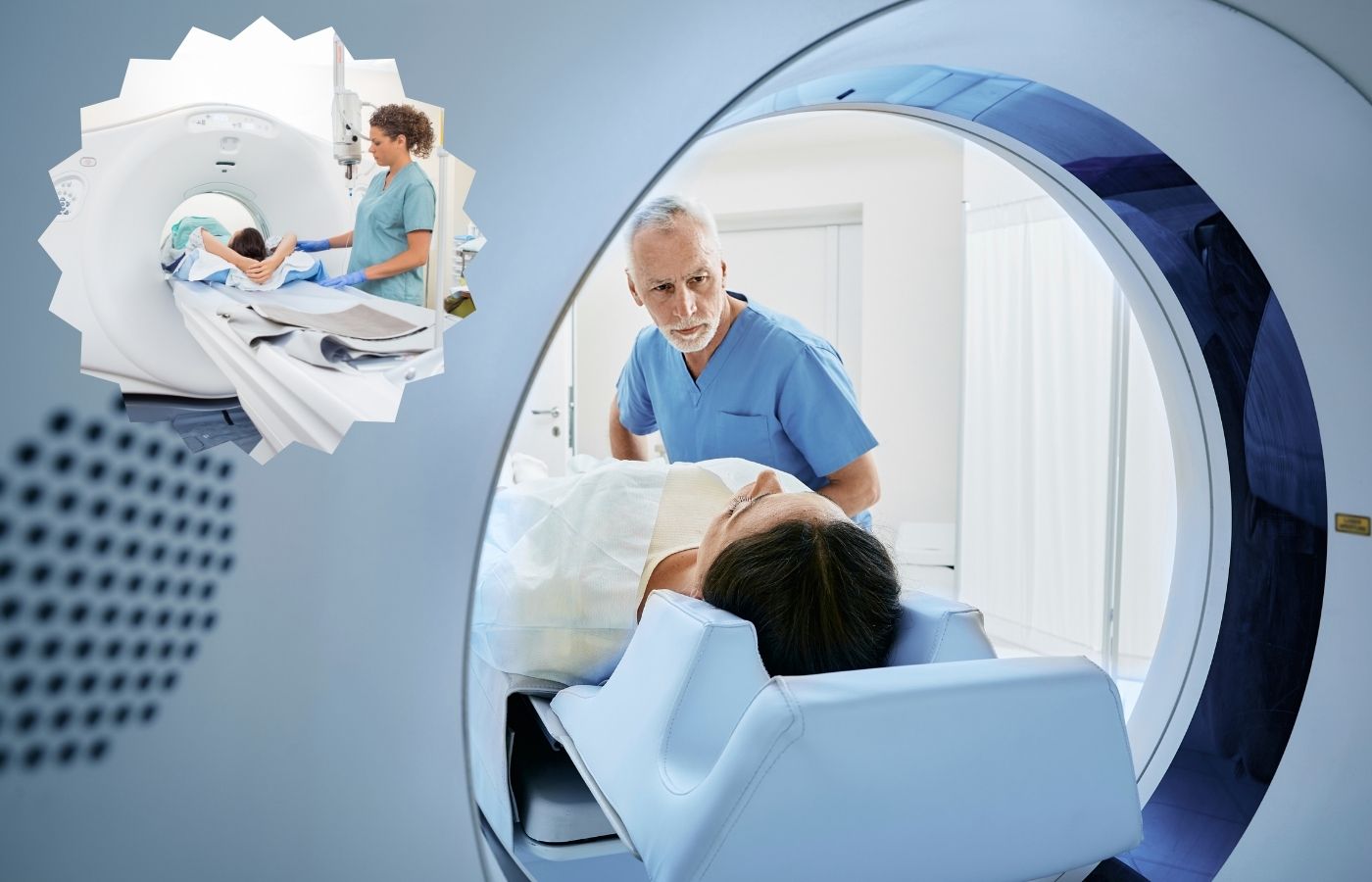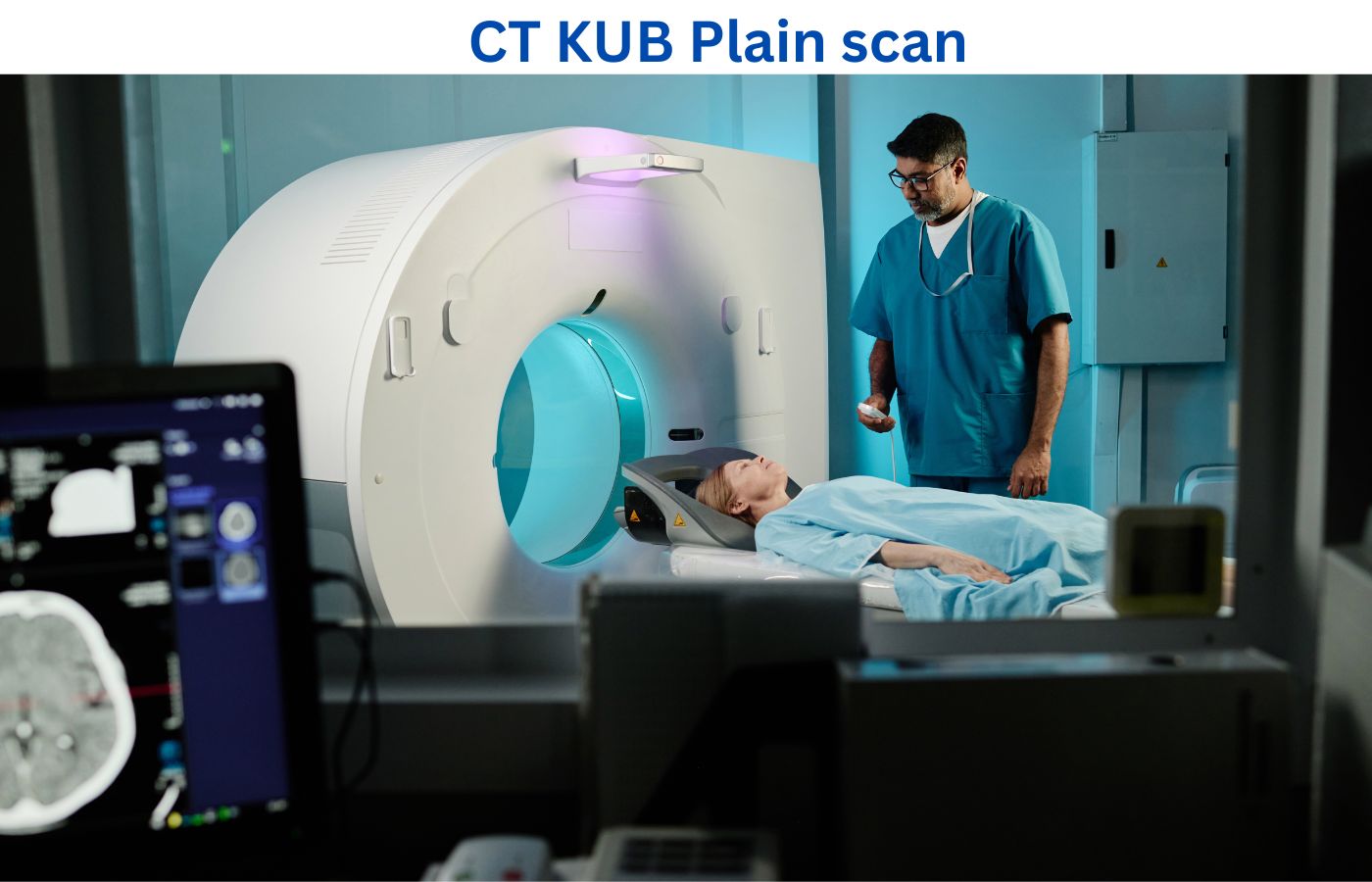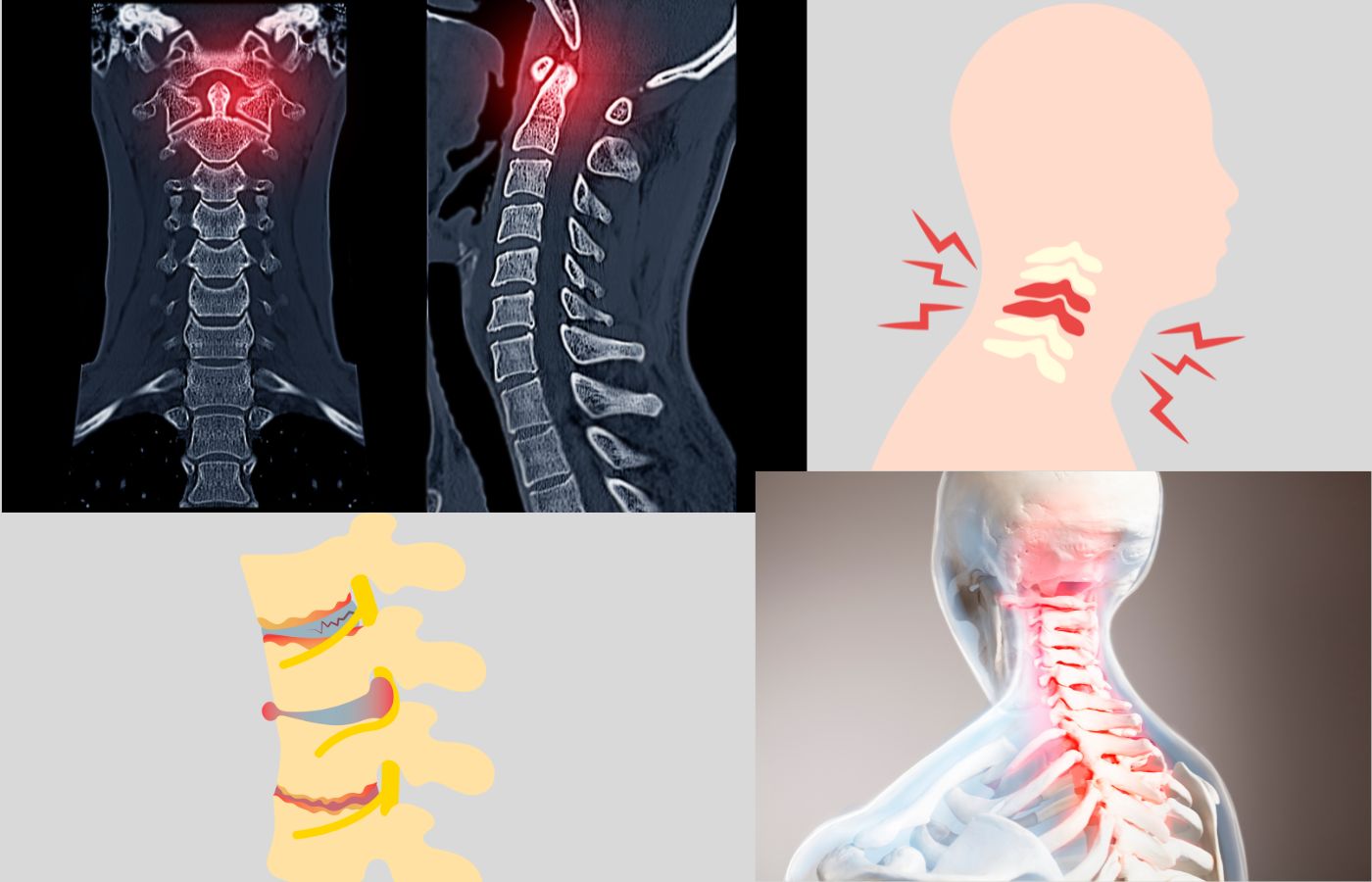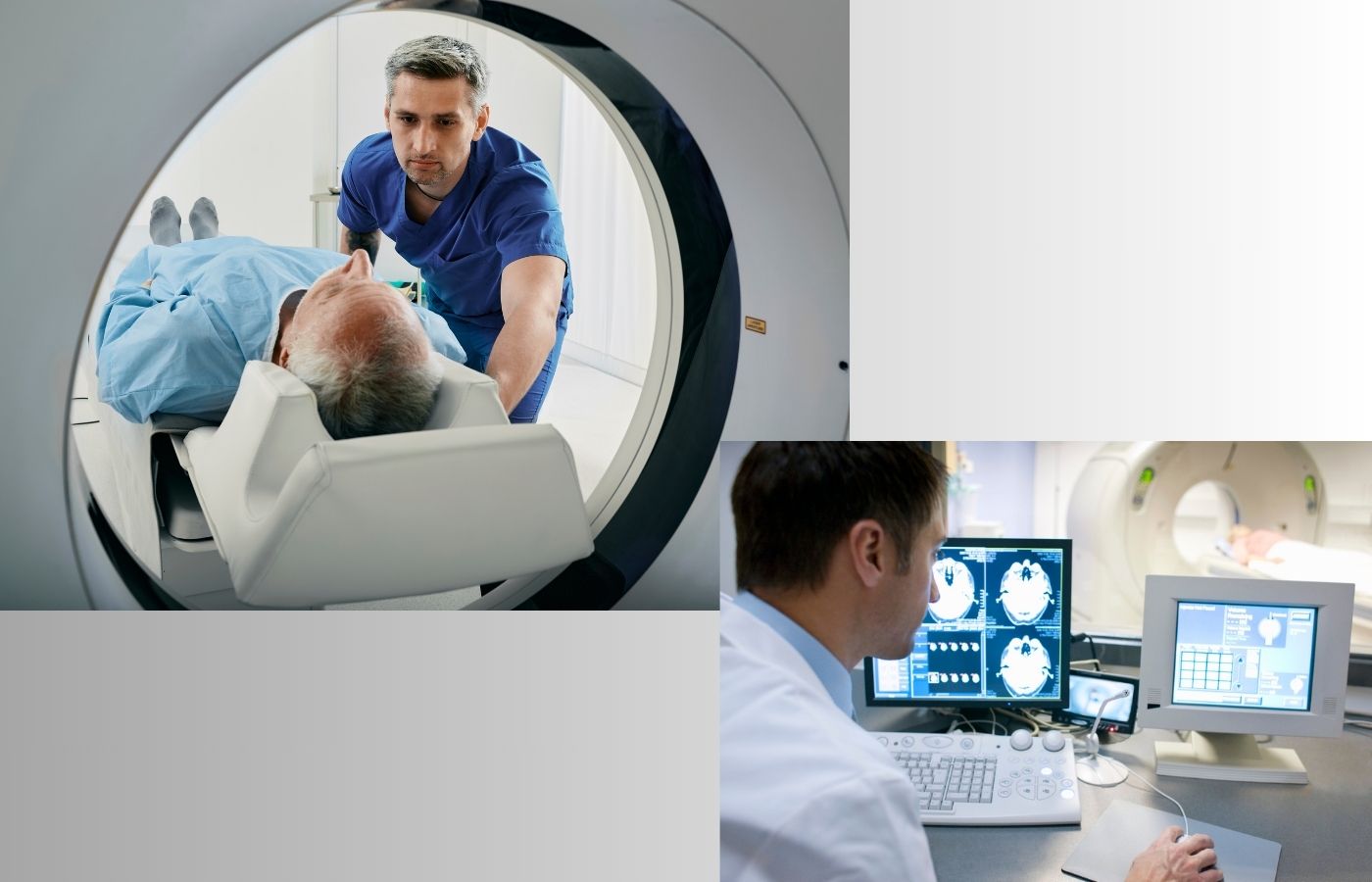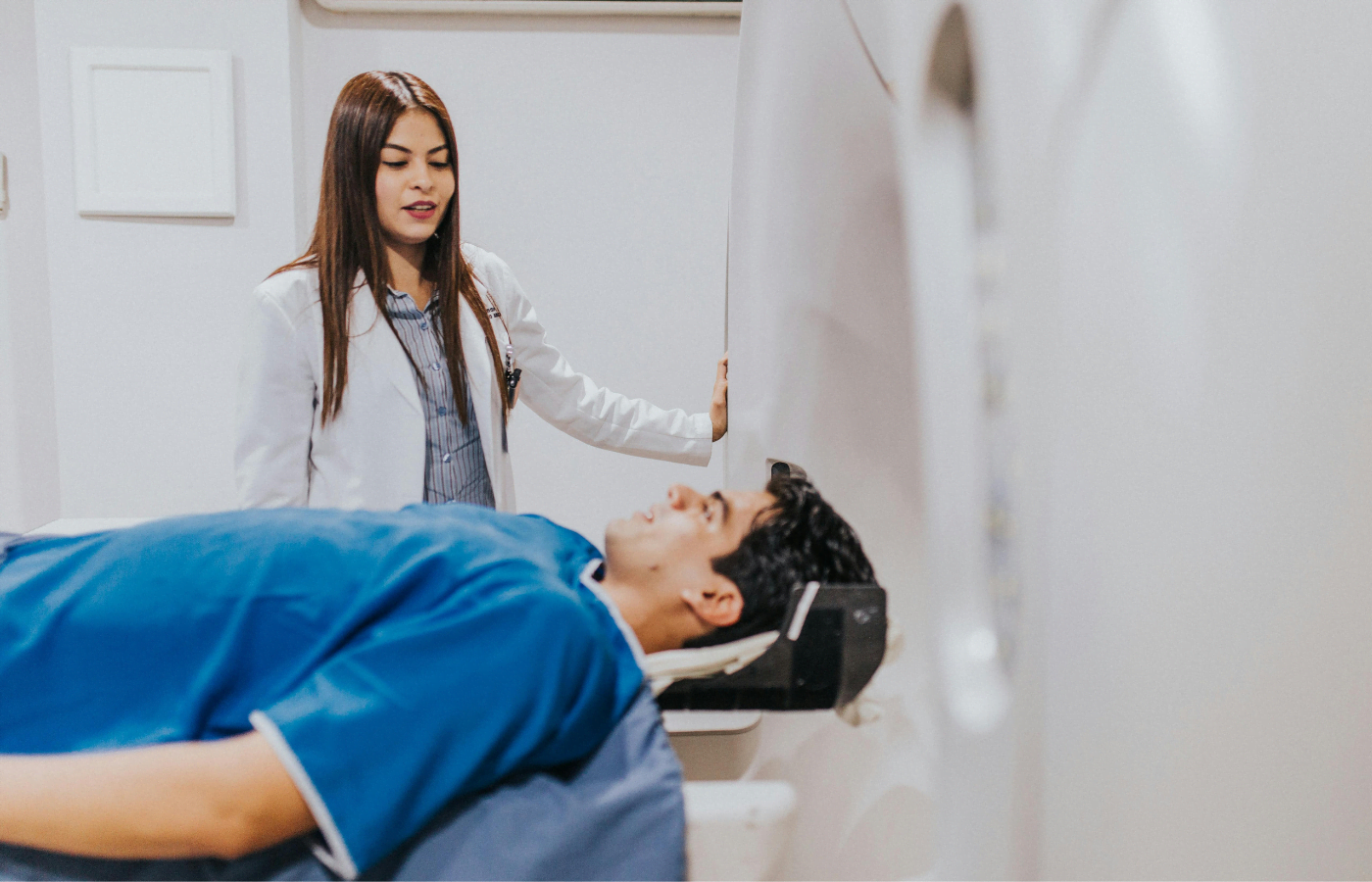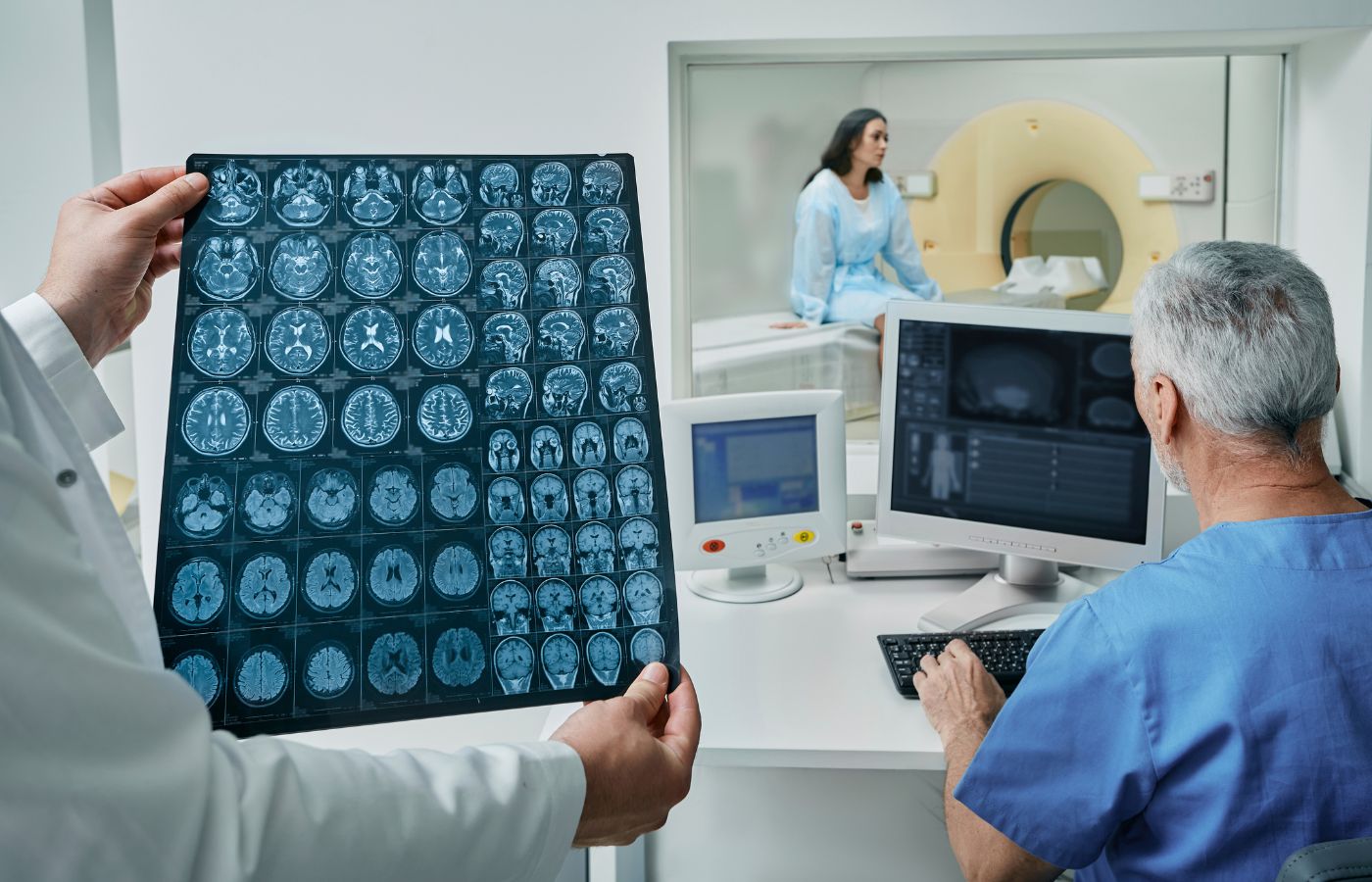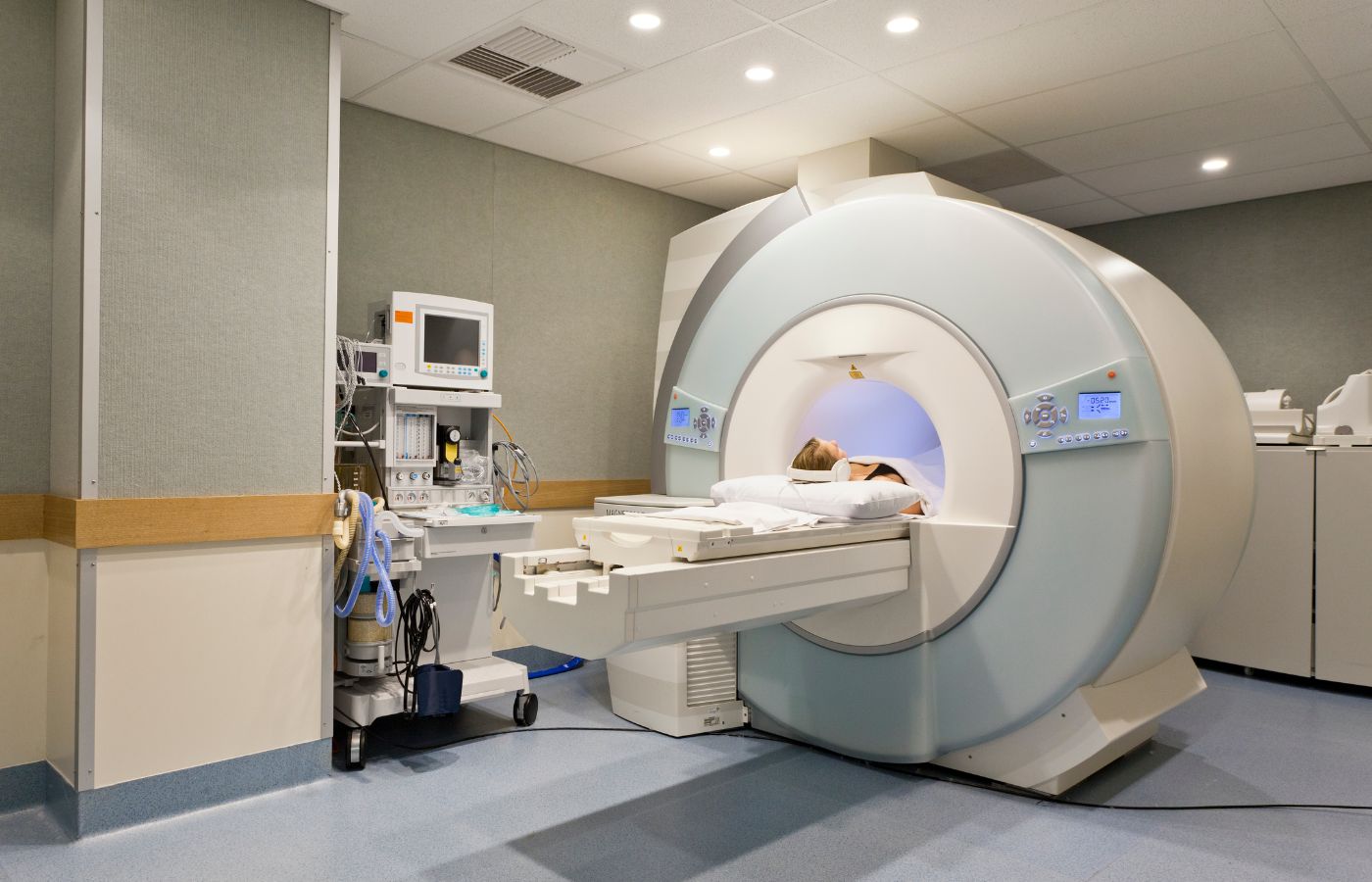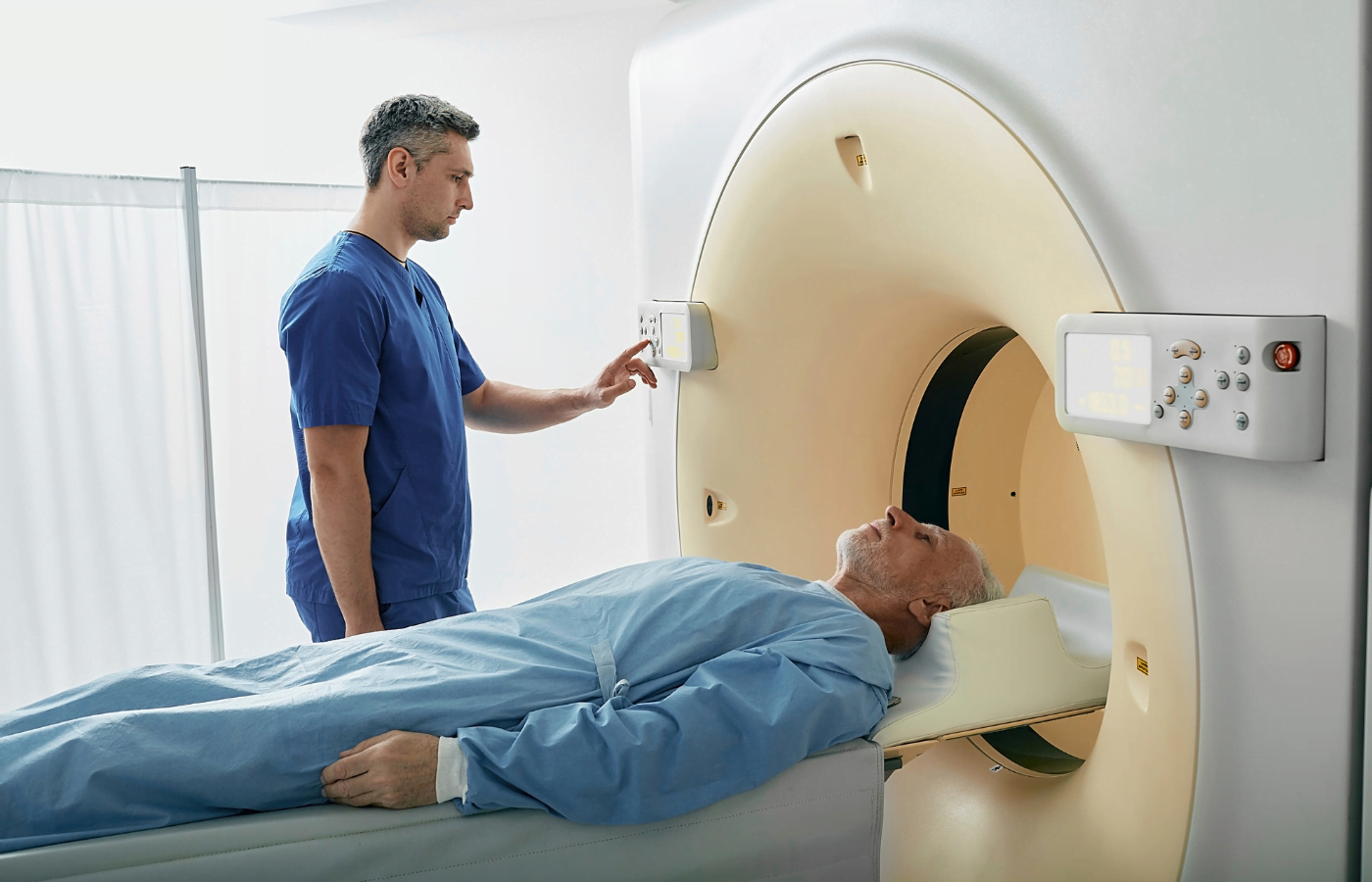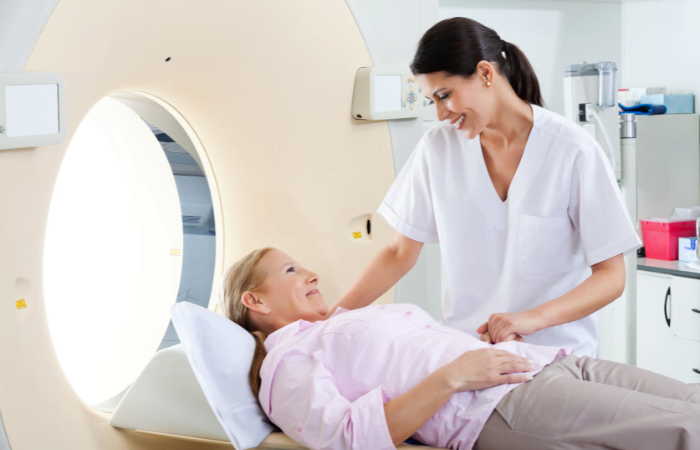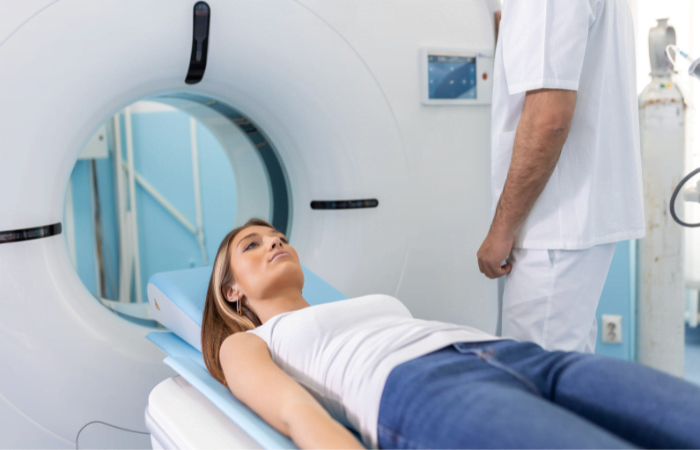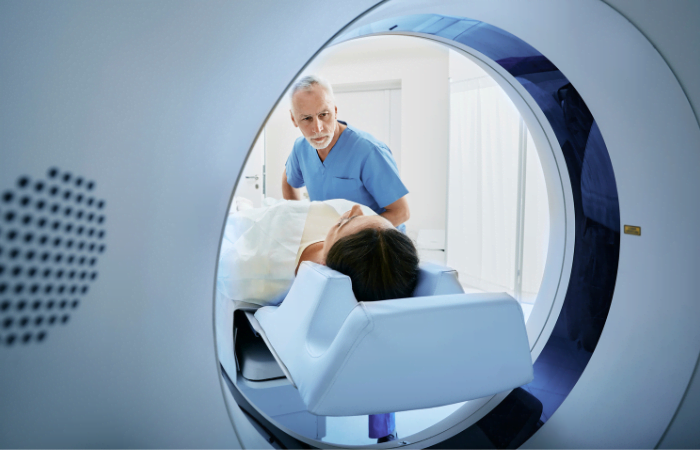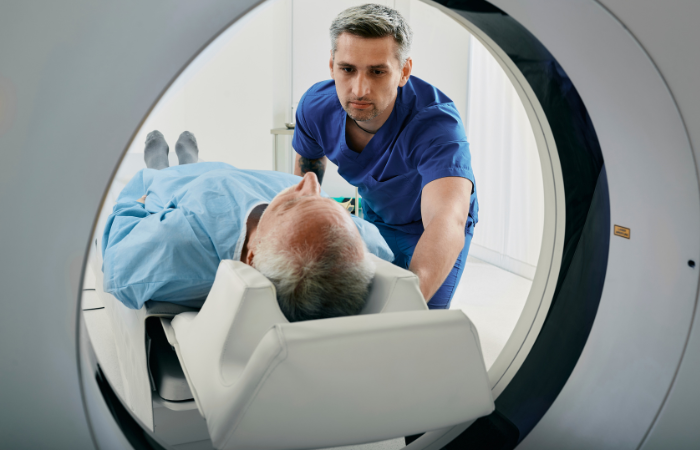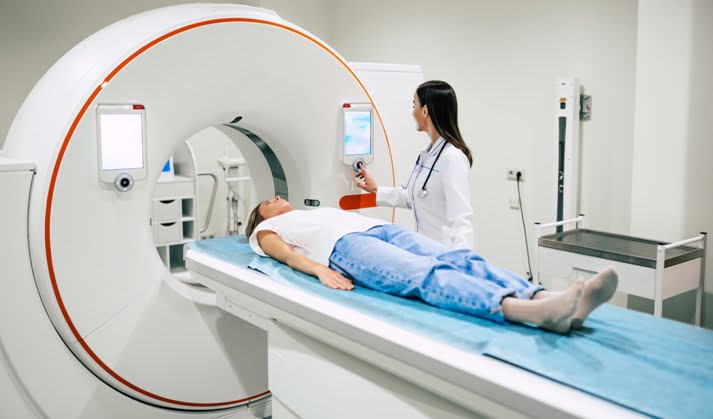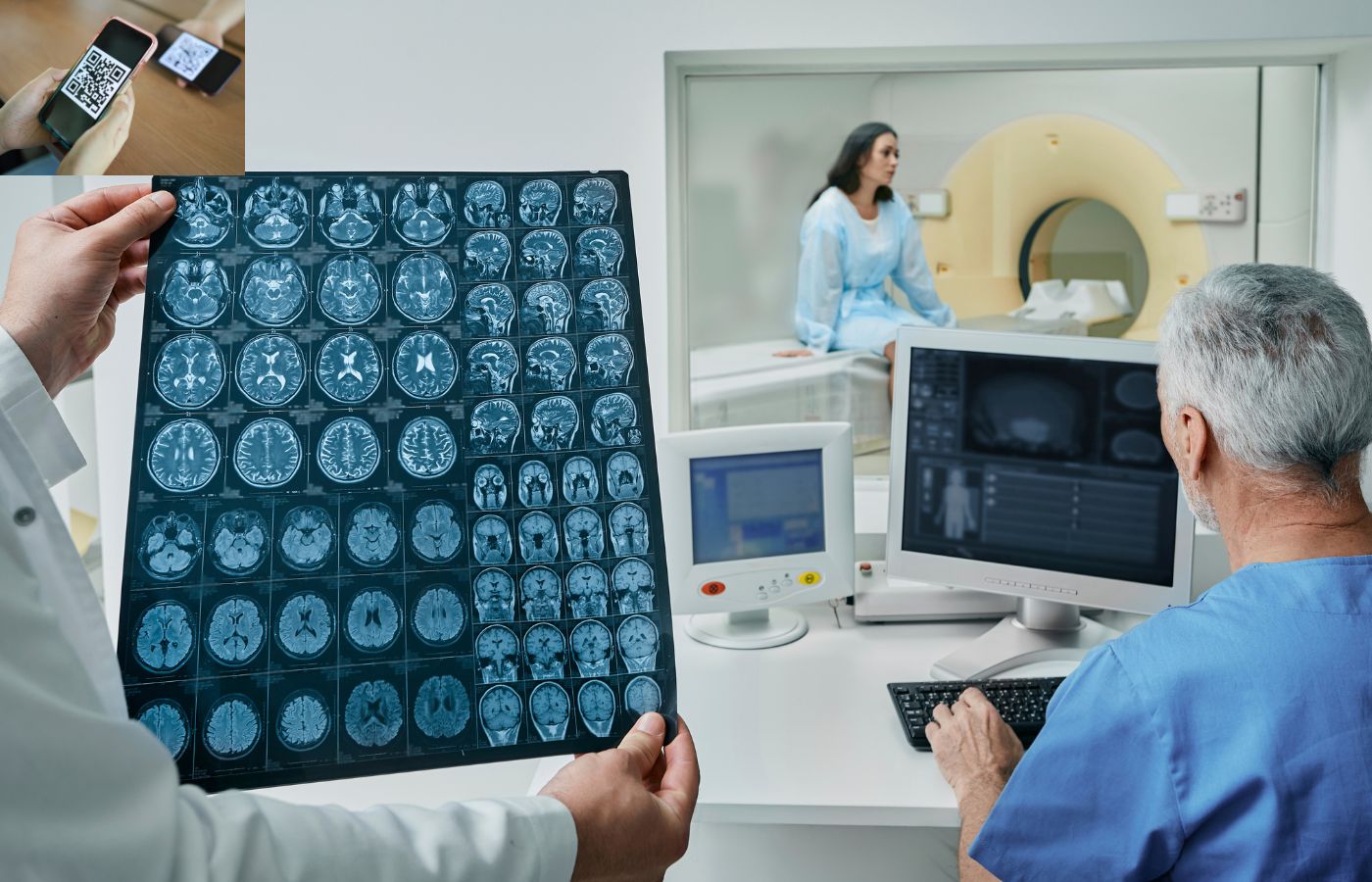
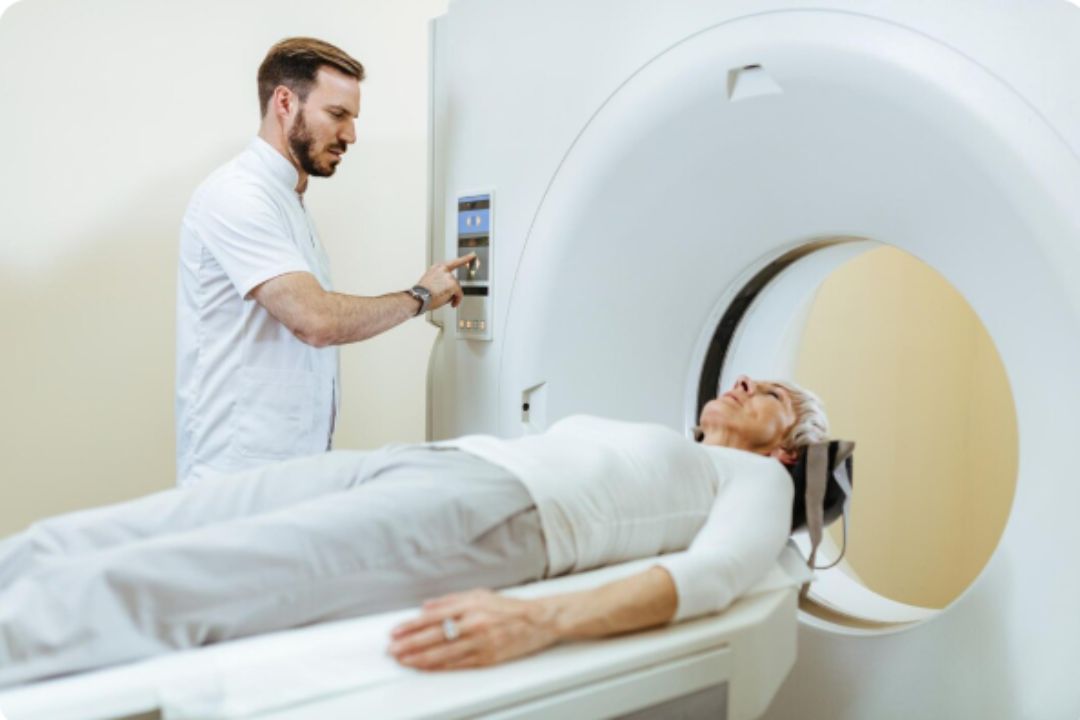
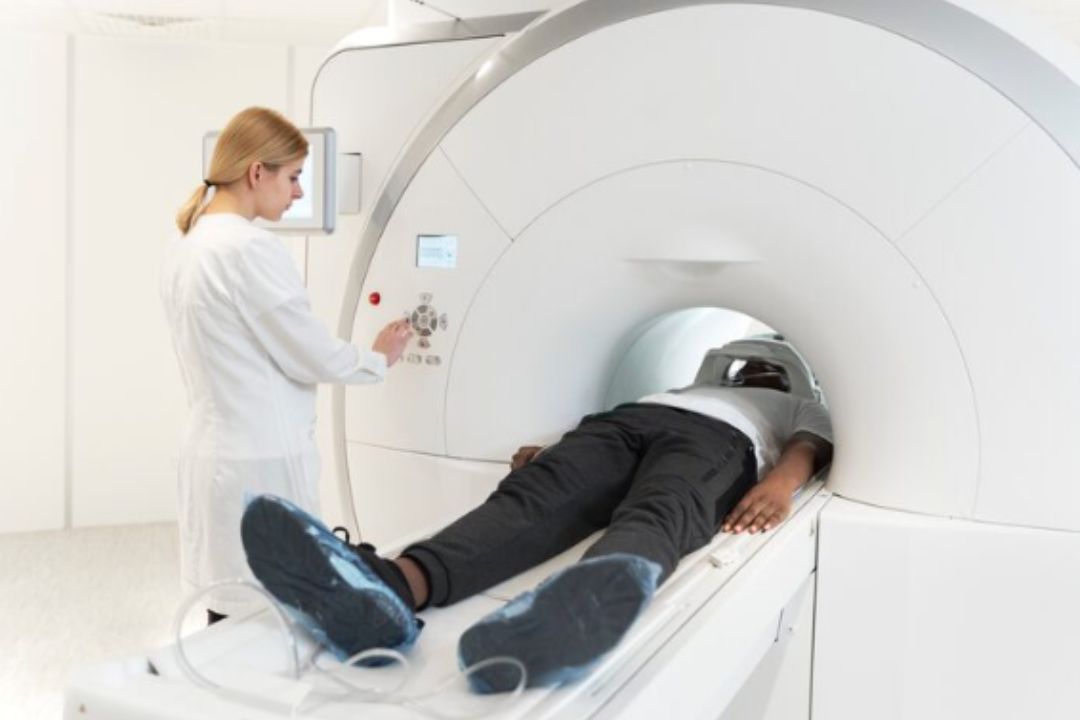
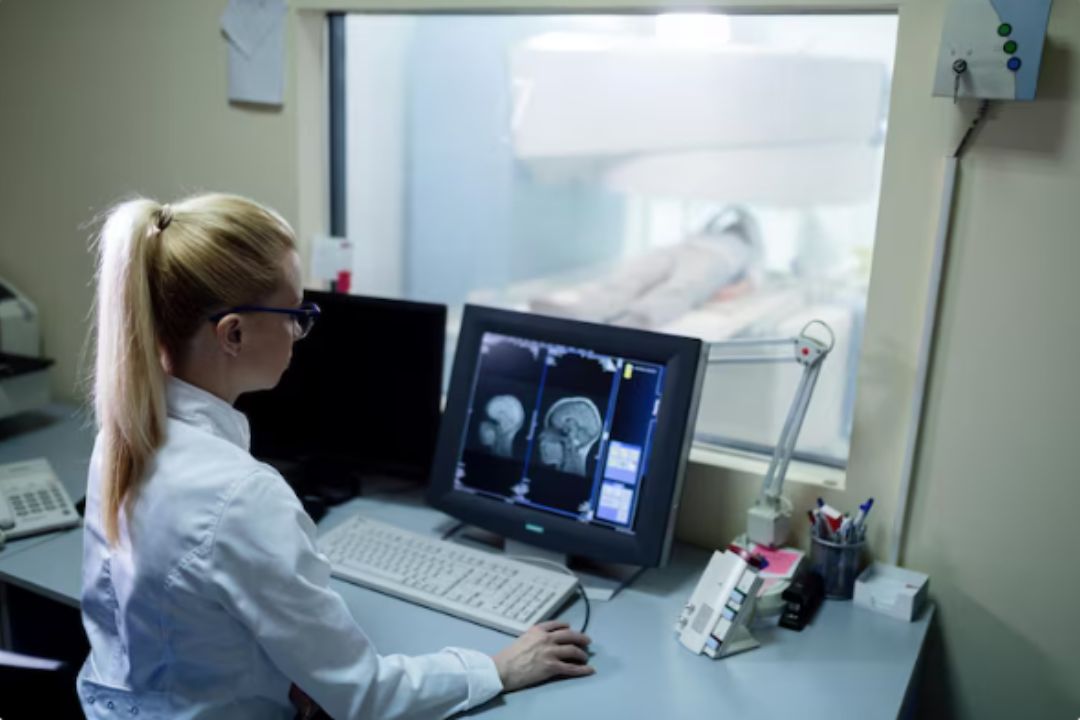
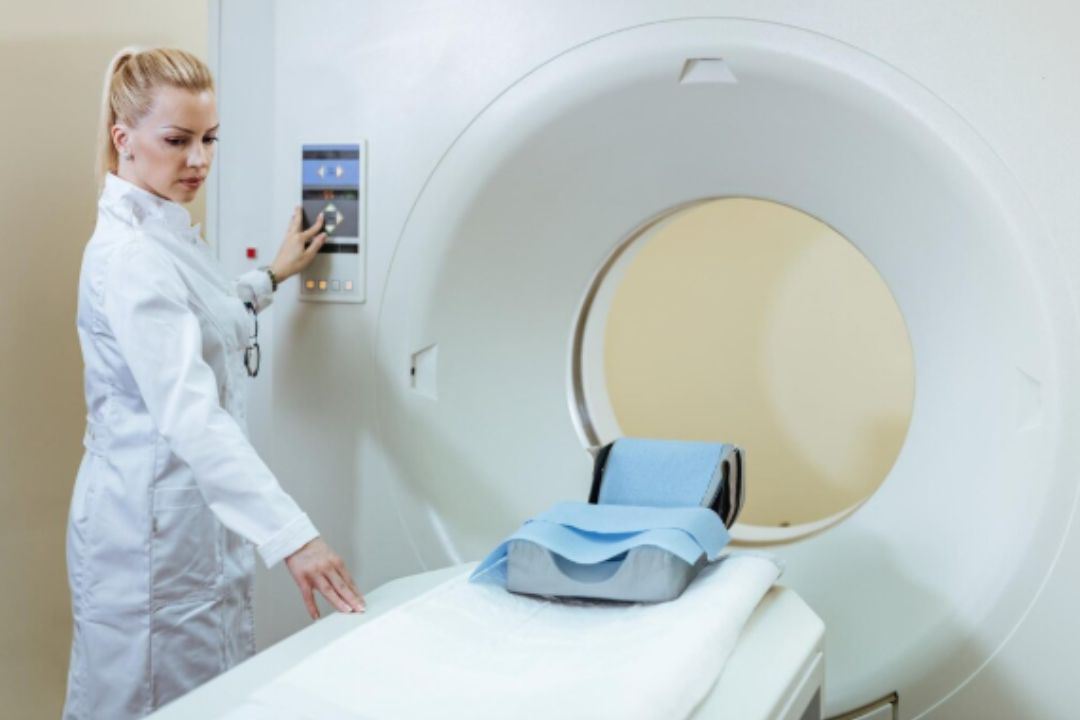
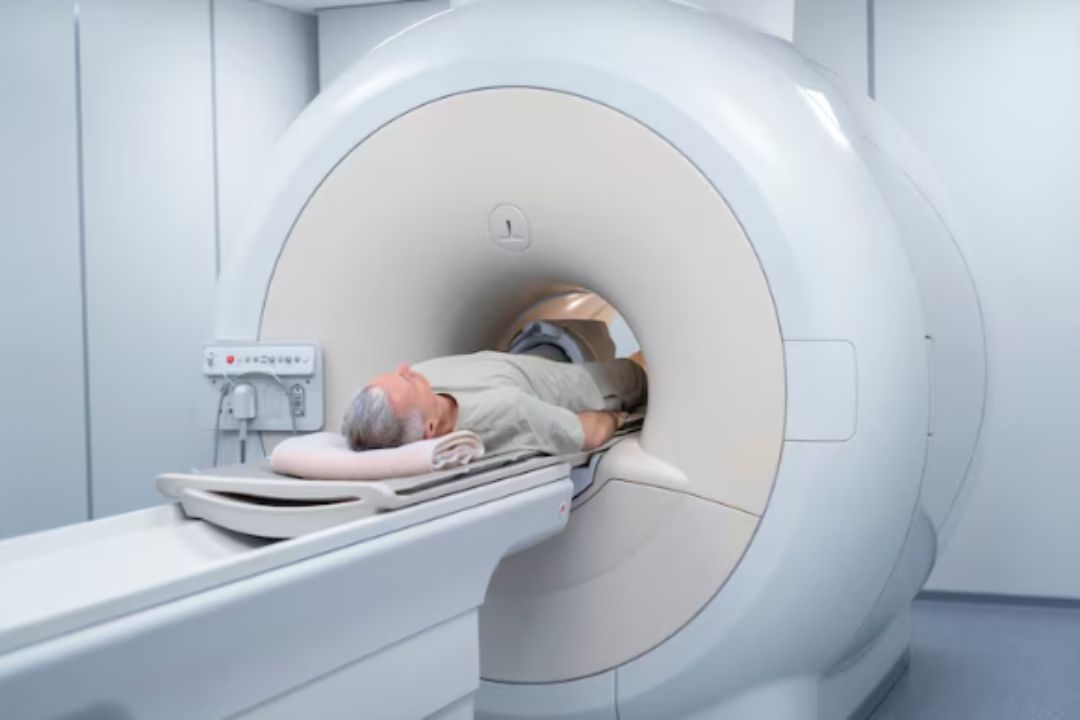
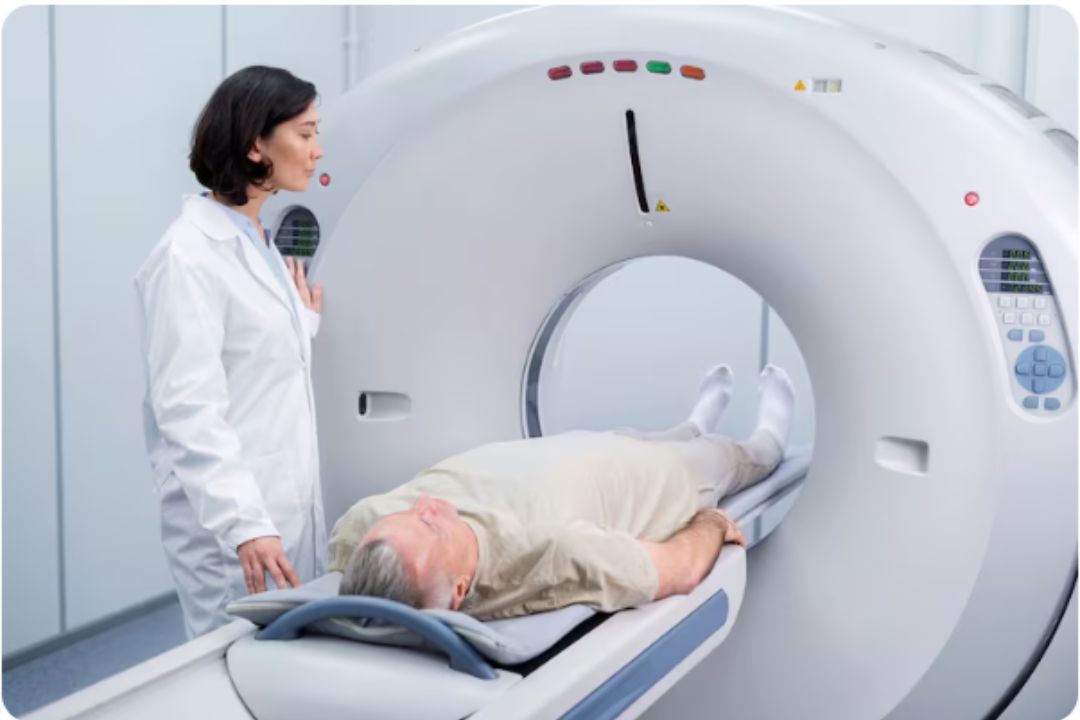
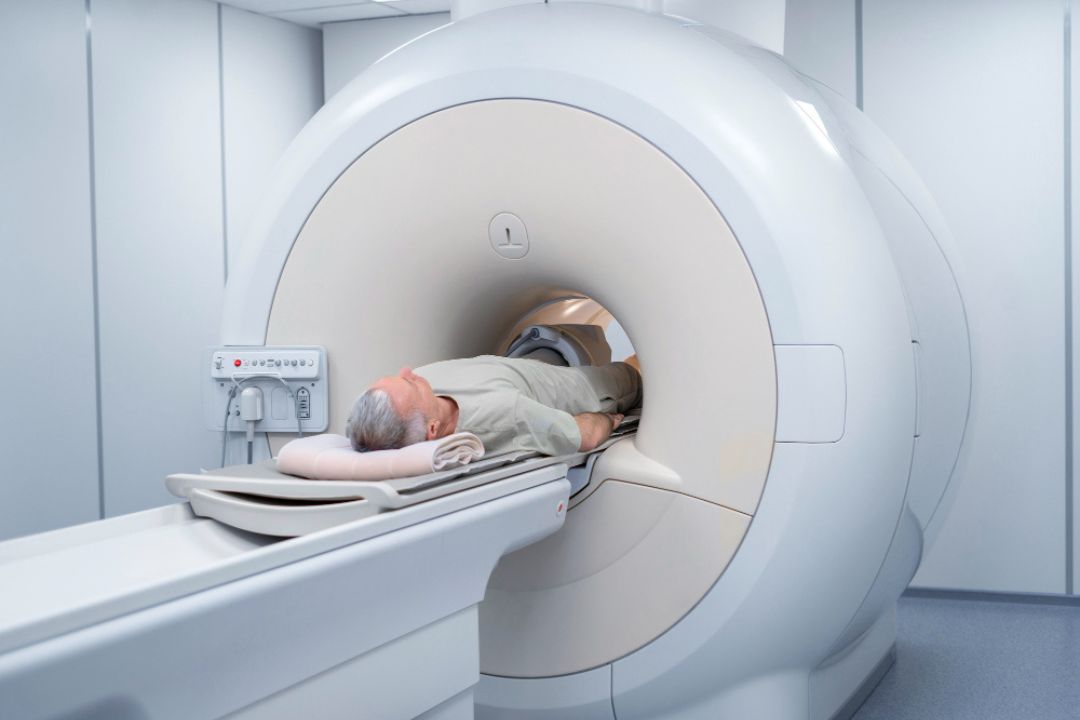
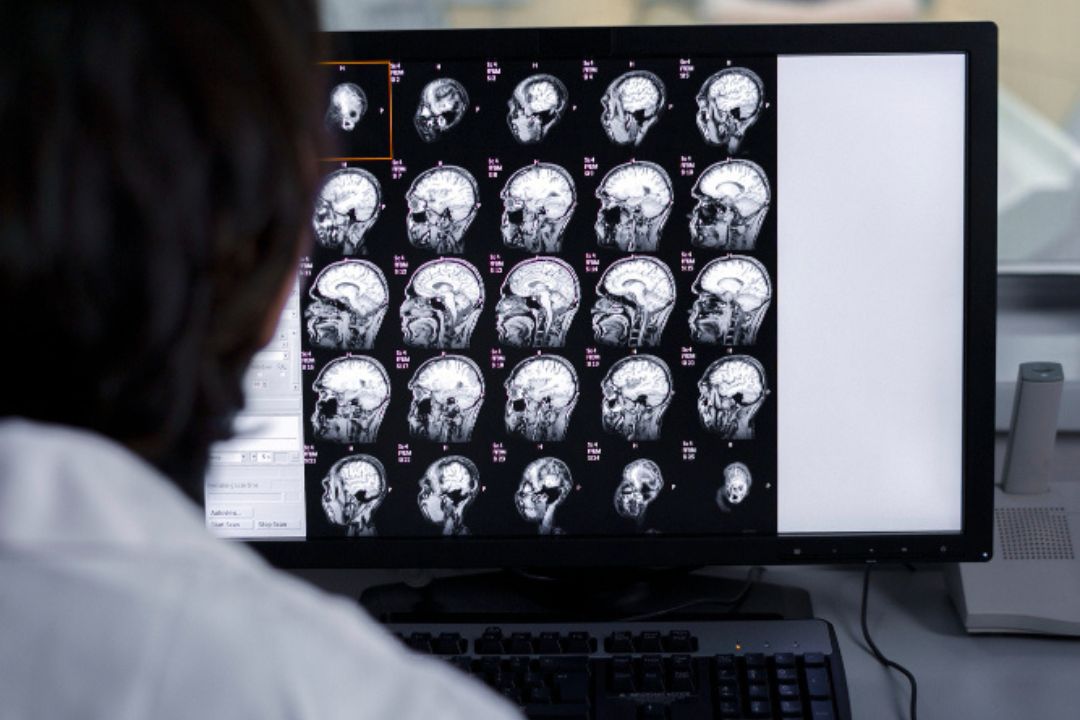
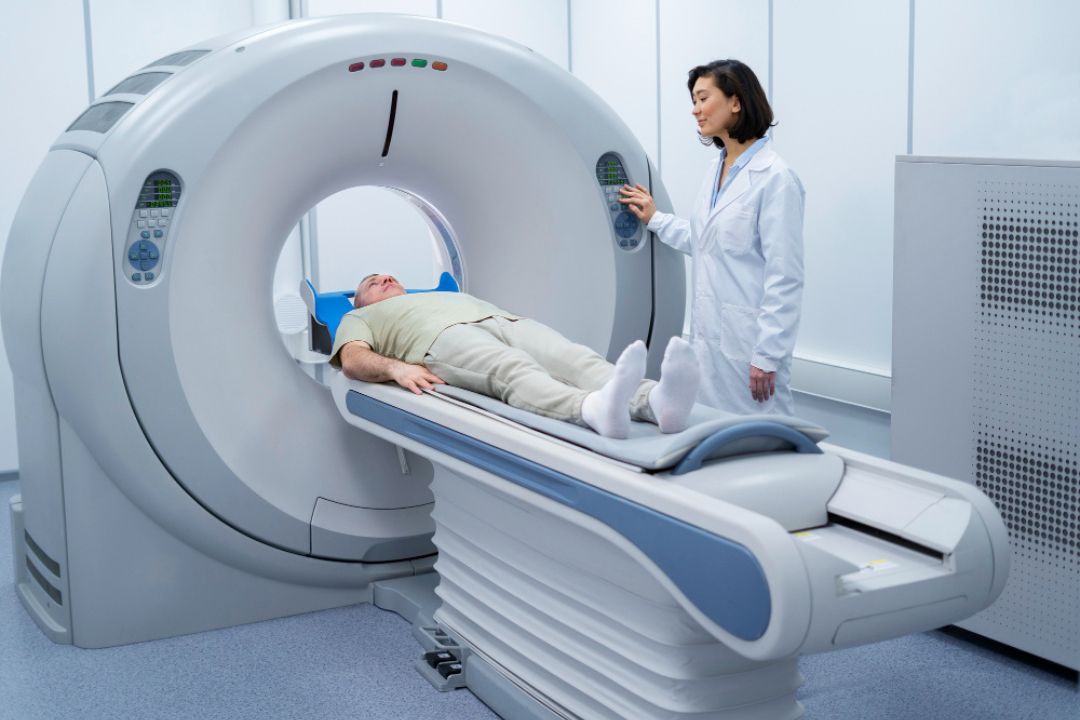
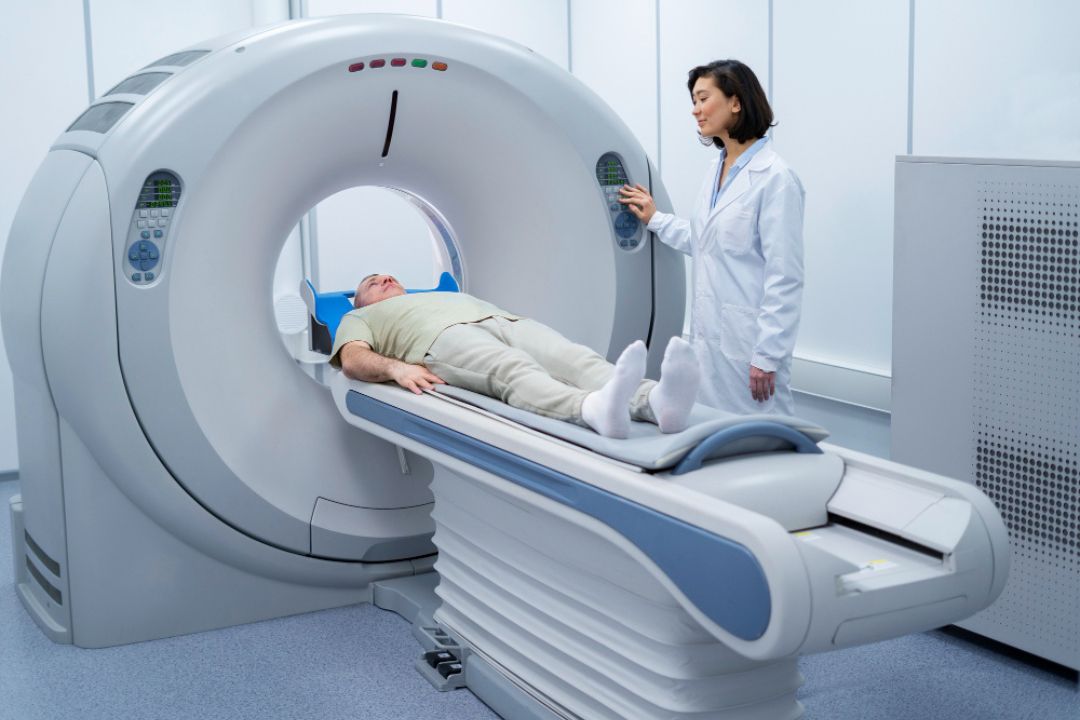
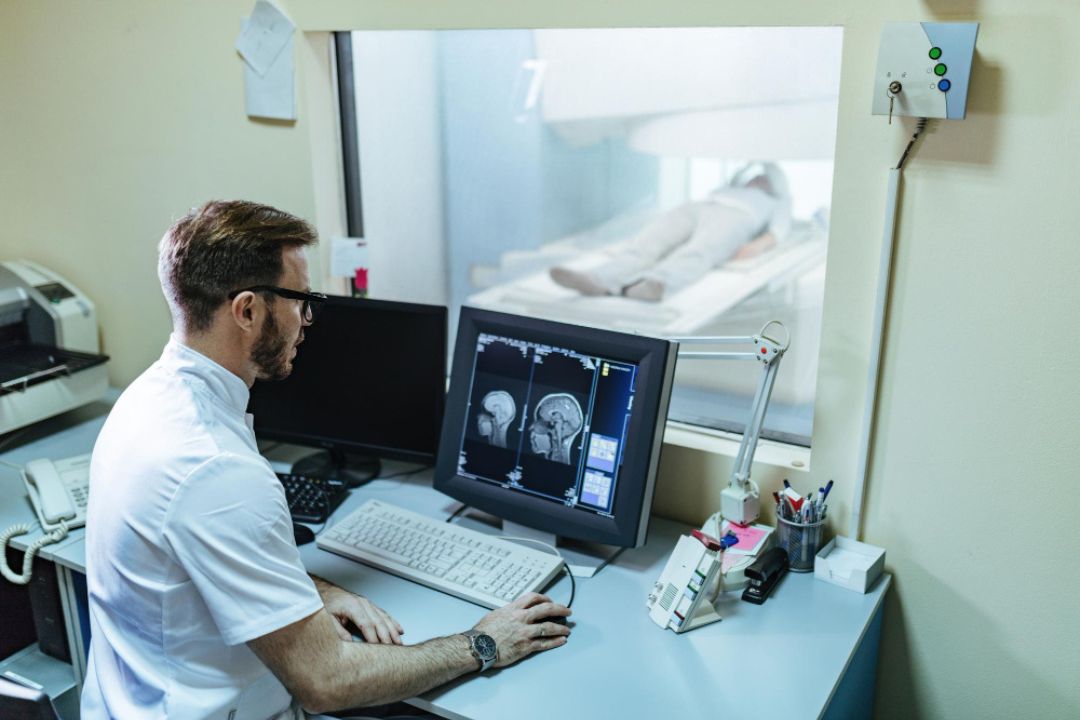
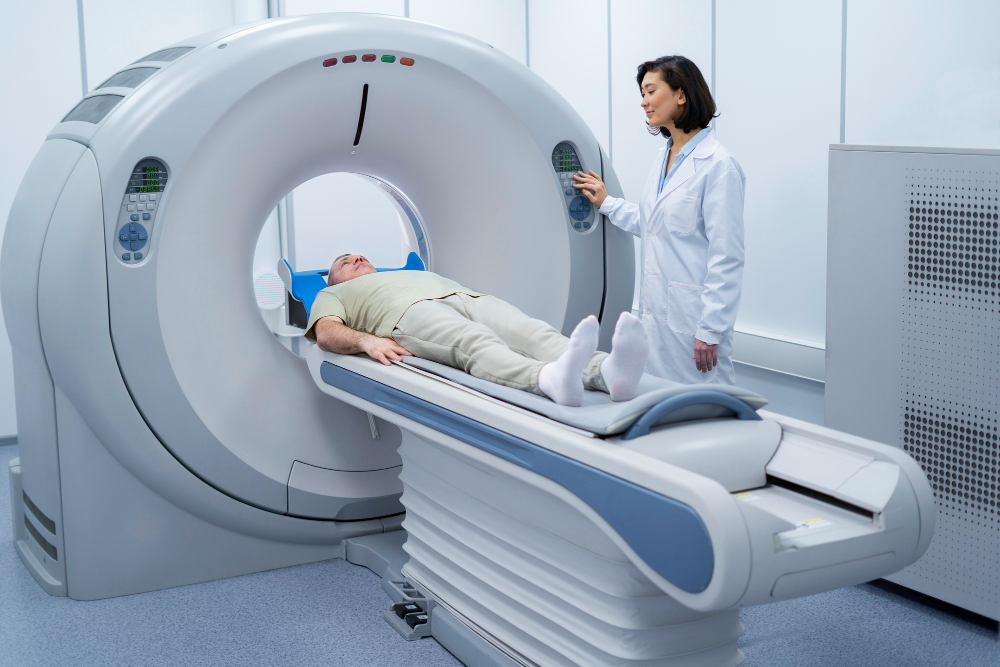
A CT Scan (Computed Tomography scan) is one of the most widely used medical imaging tests. It helps doctors obtain detailed images of internal organs, bones, and tissues to diagnose many medical conditions quickly and accurately.
While CT scans are generally considered safe, many patients often ask: Are there any side effects of a CT scan? Understanding the potential side effects and risks can help patients feel more confident before undergoing the procedure.
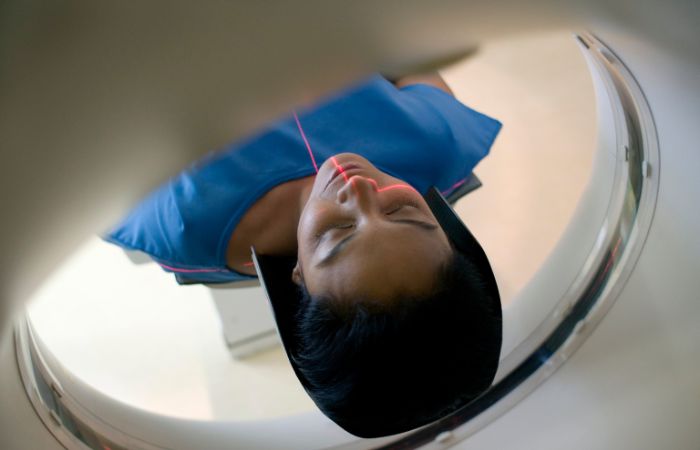
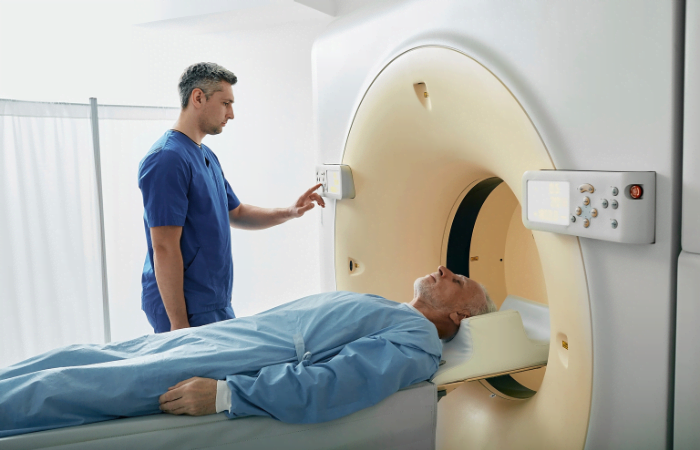
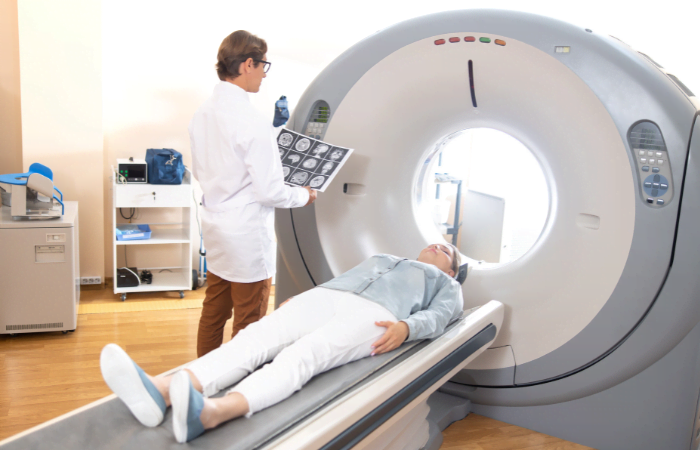
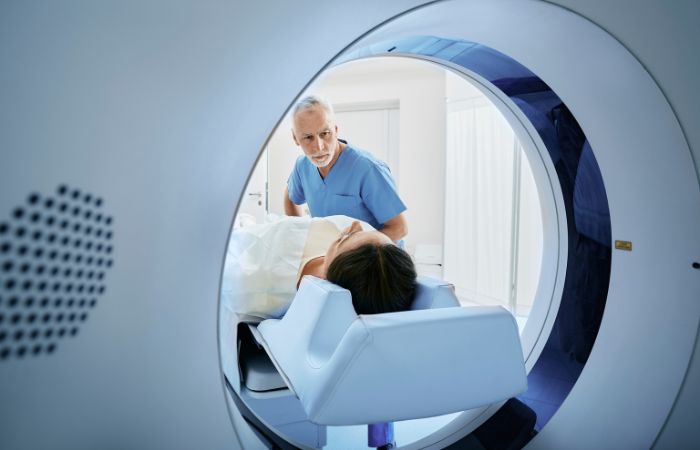
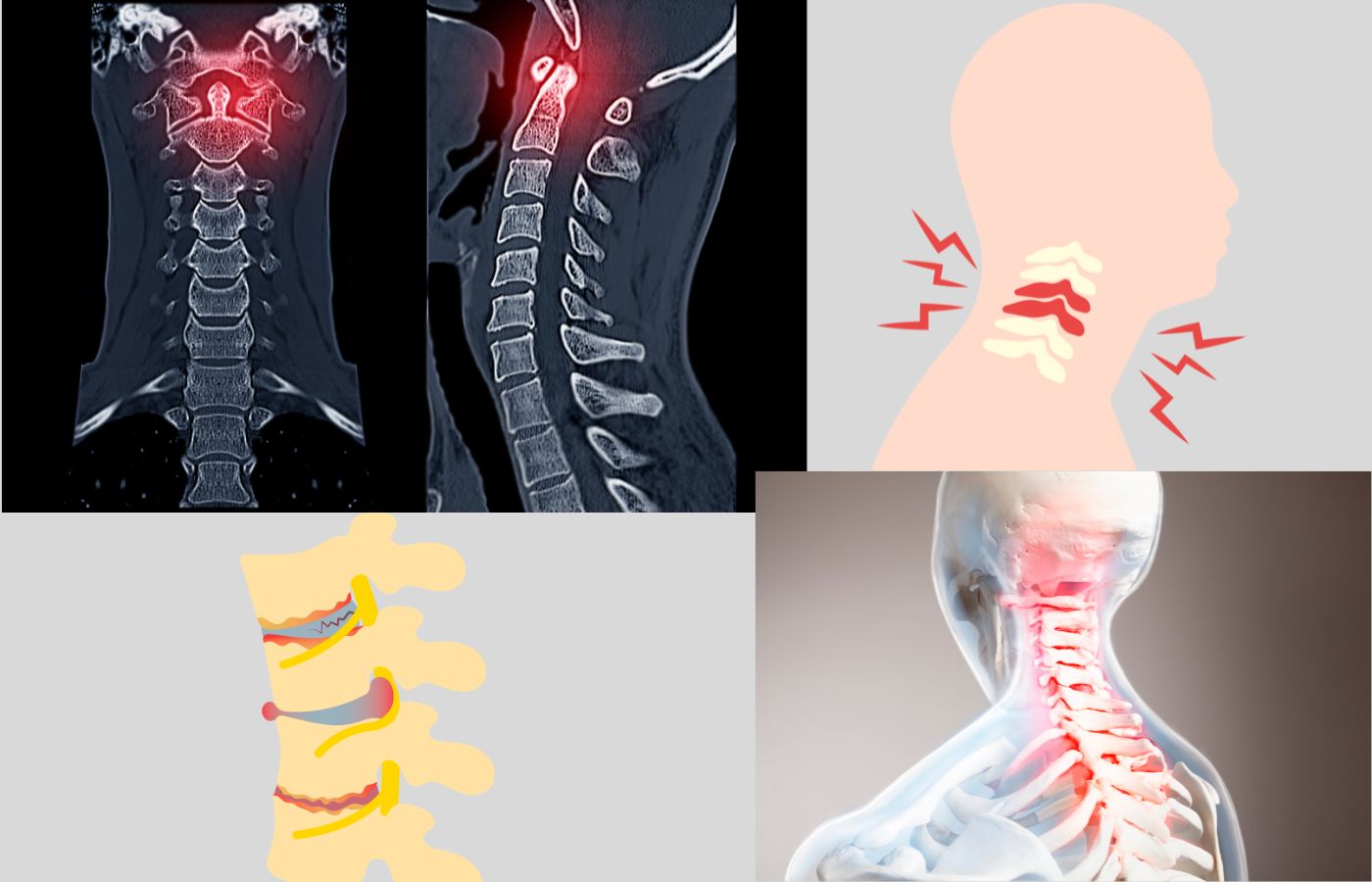
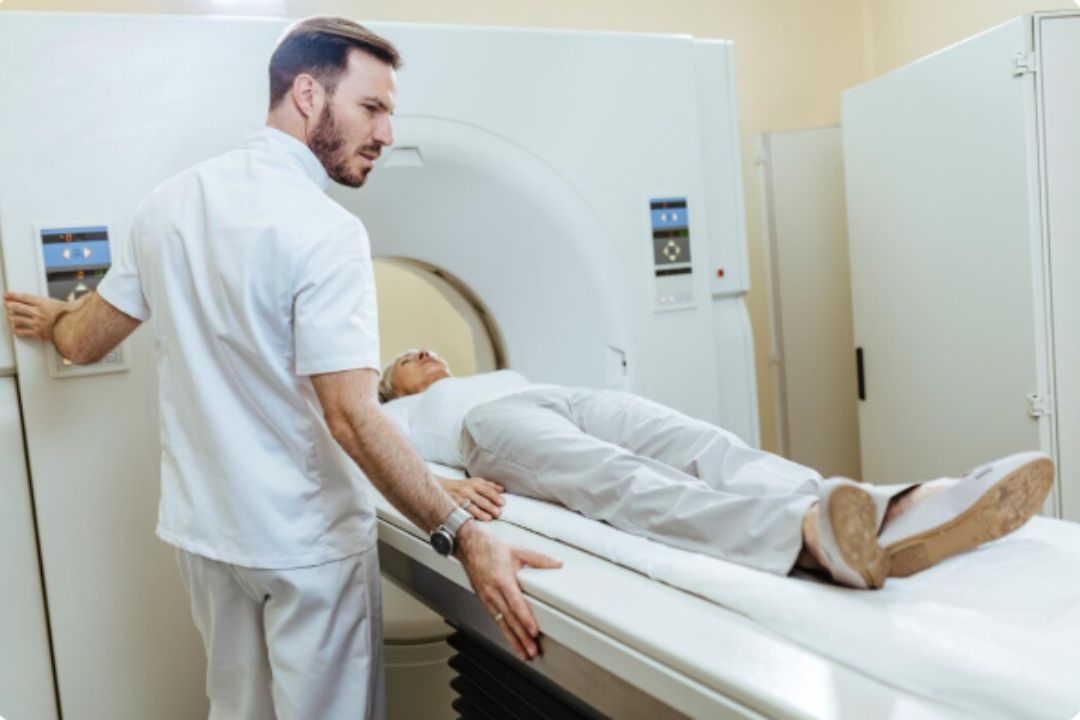
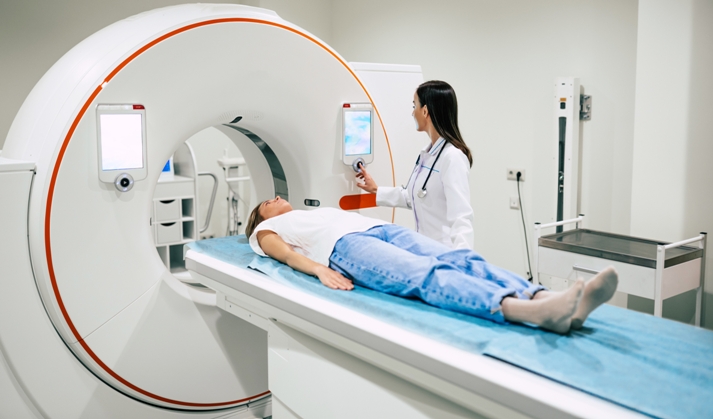
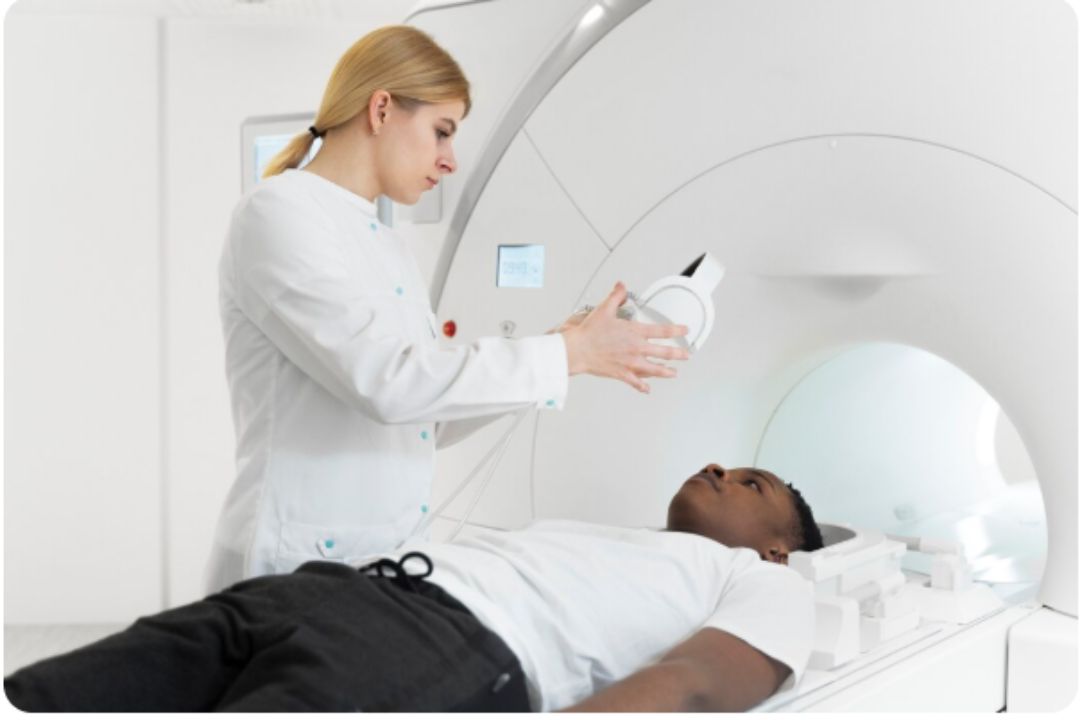
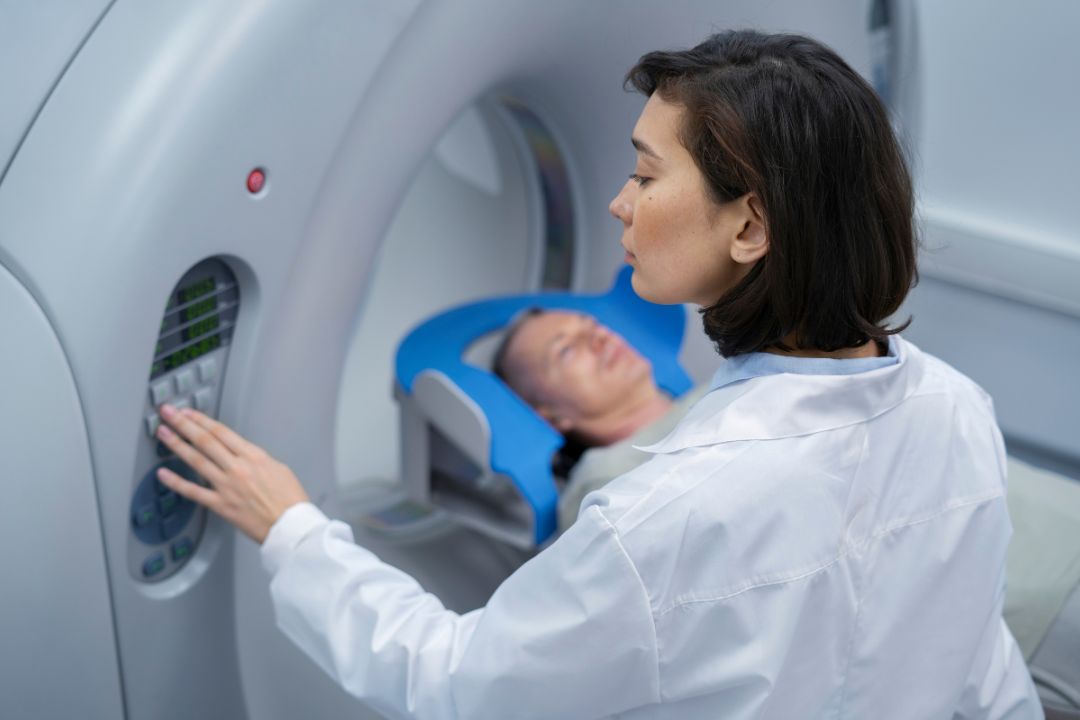
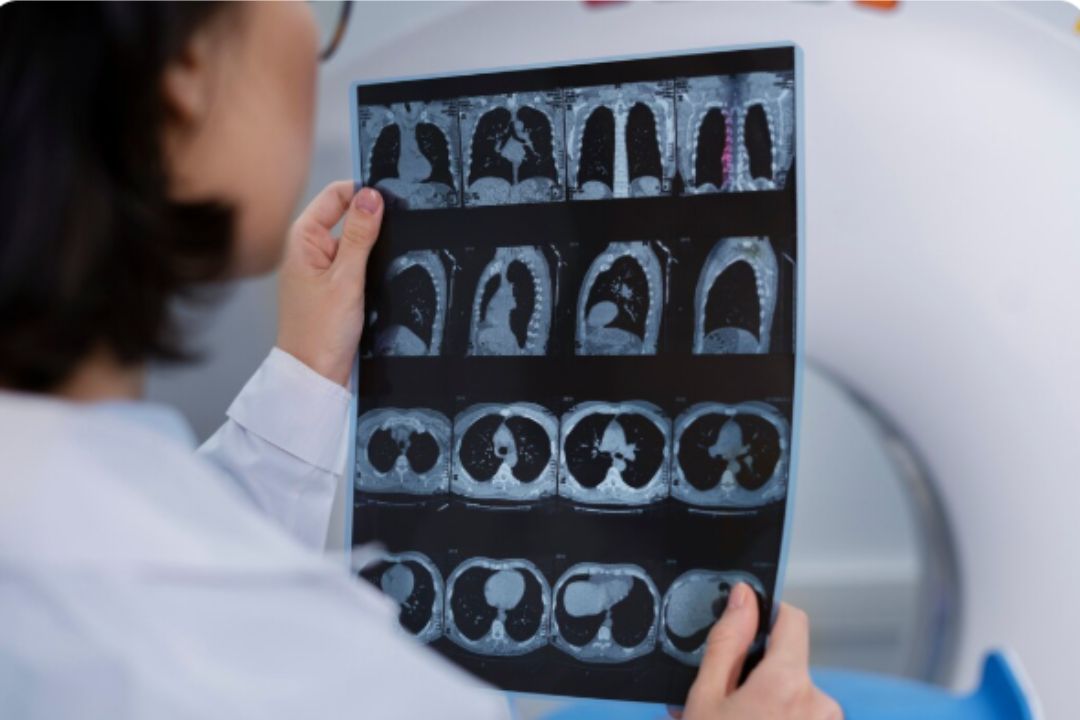
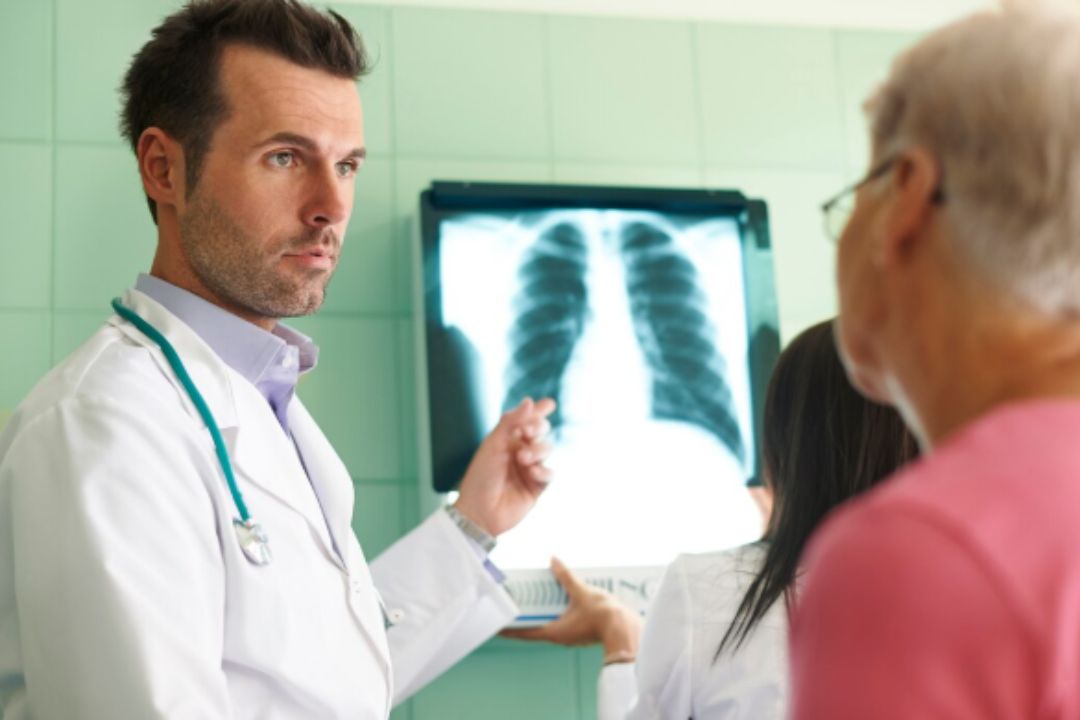
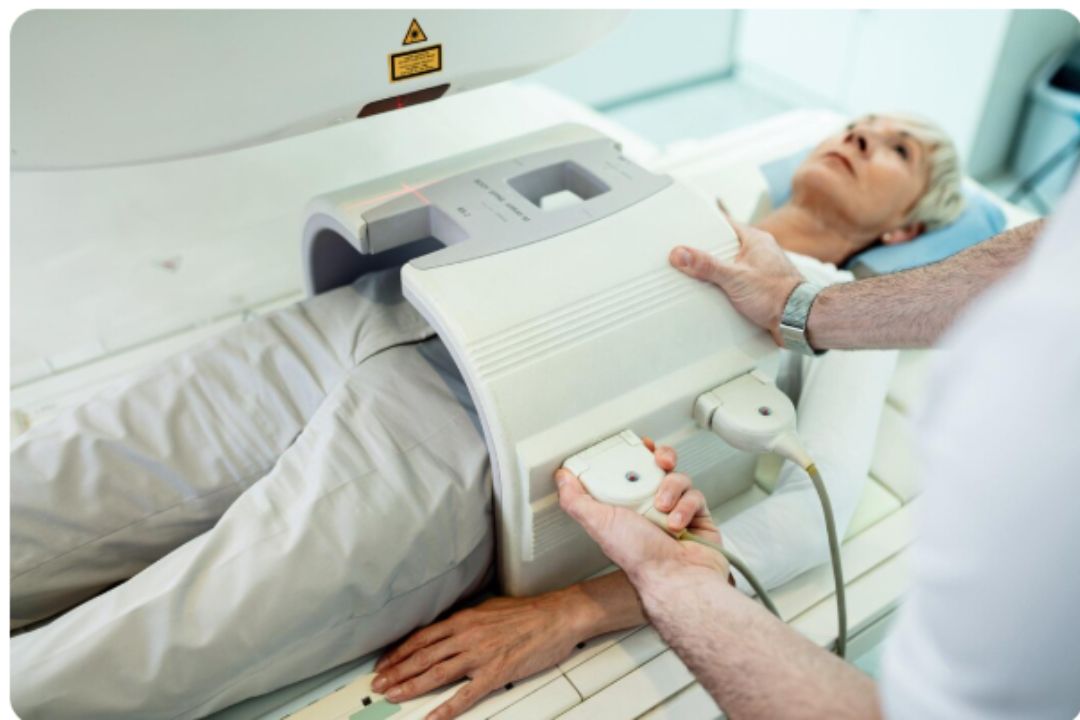
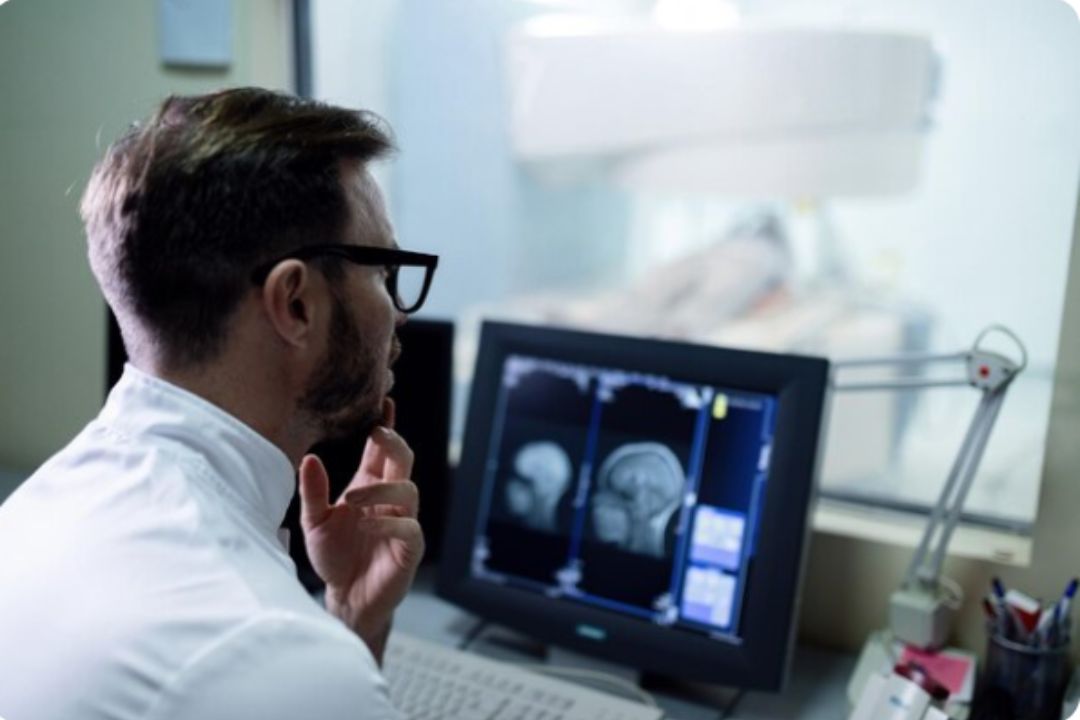
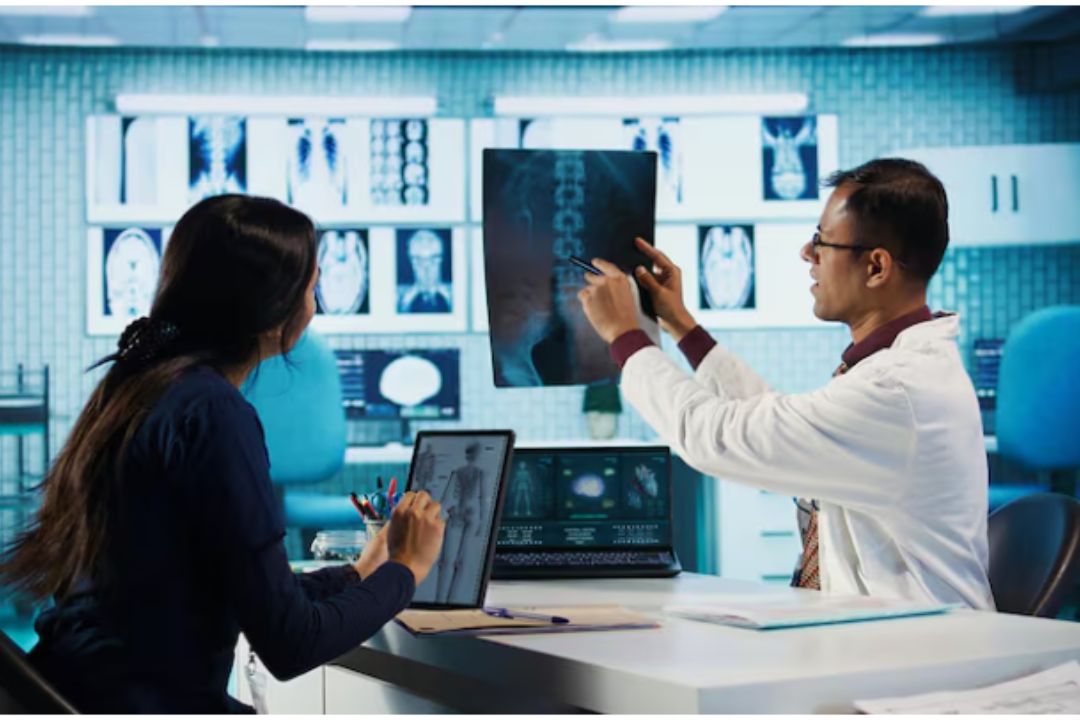
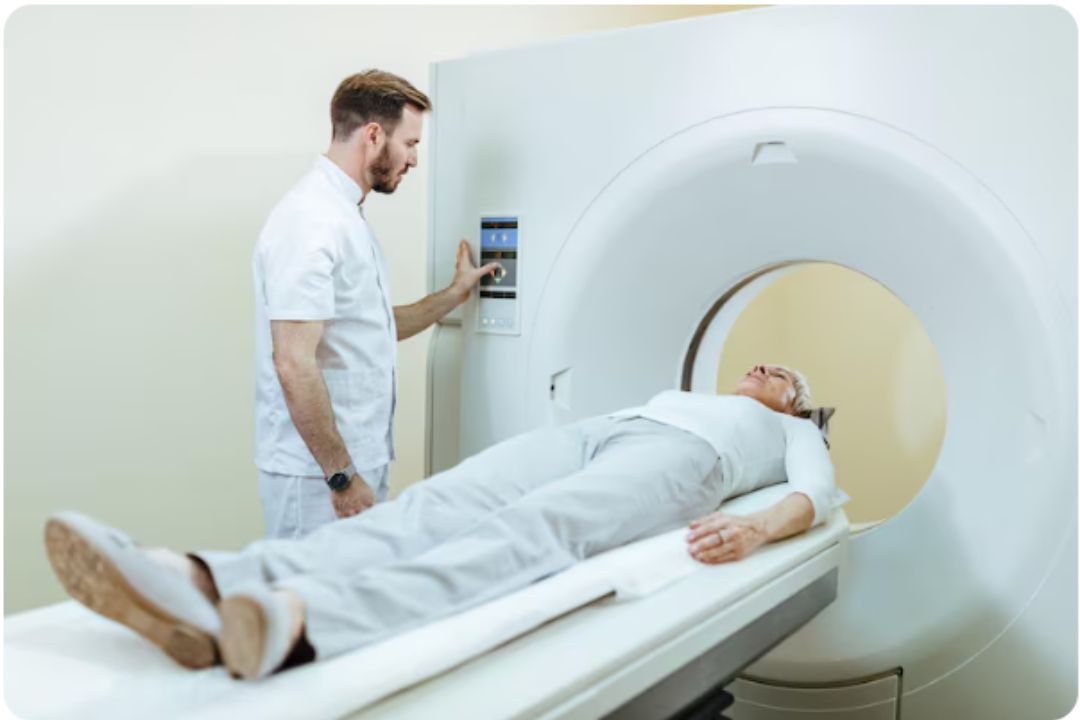
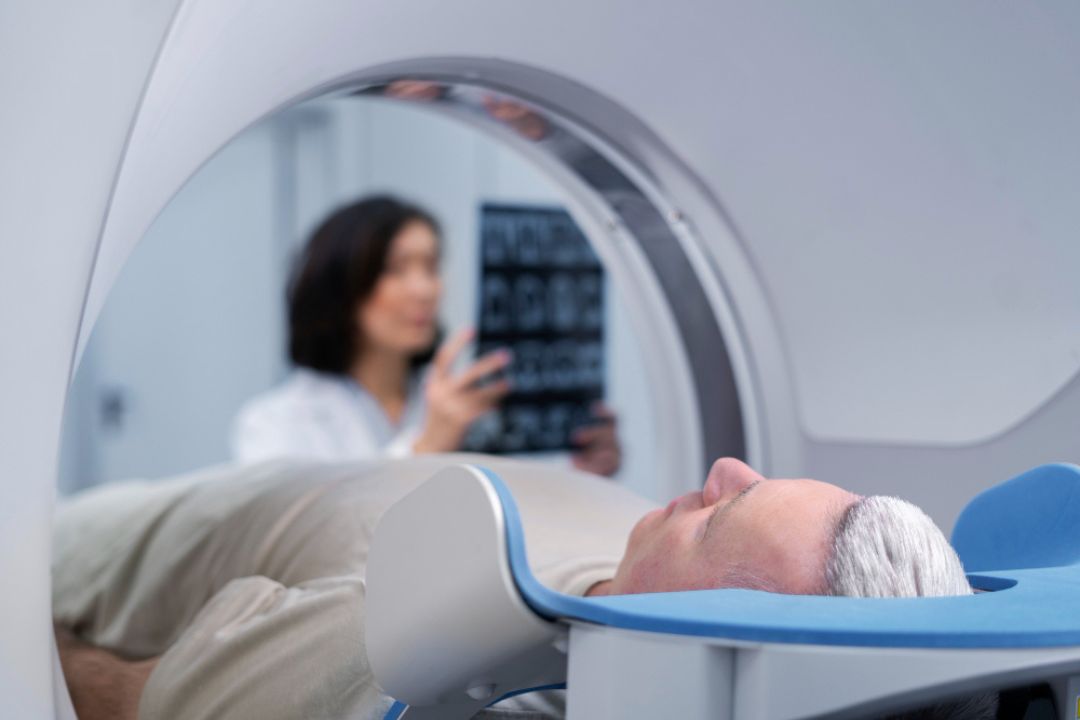
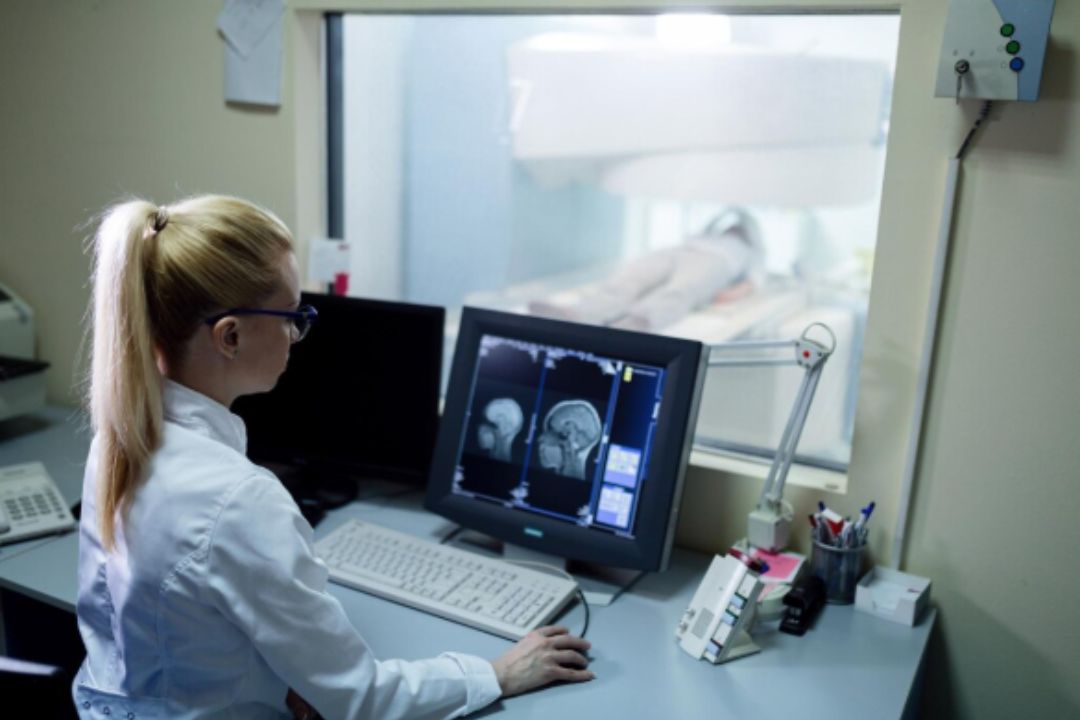
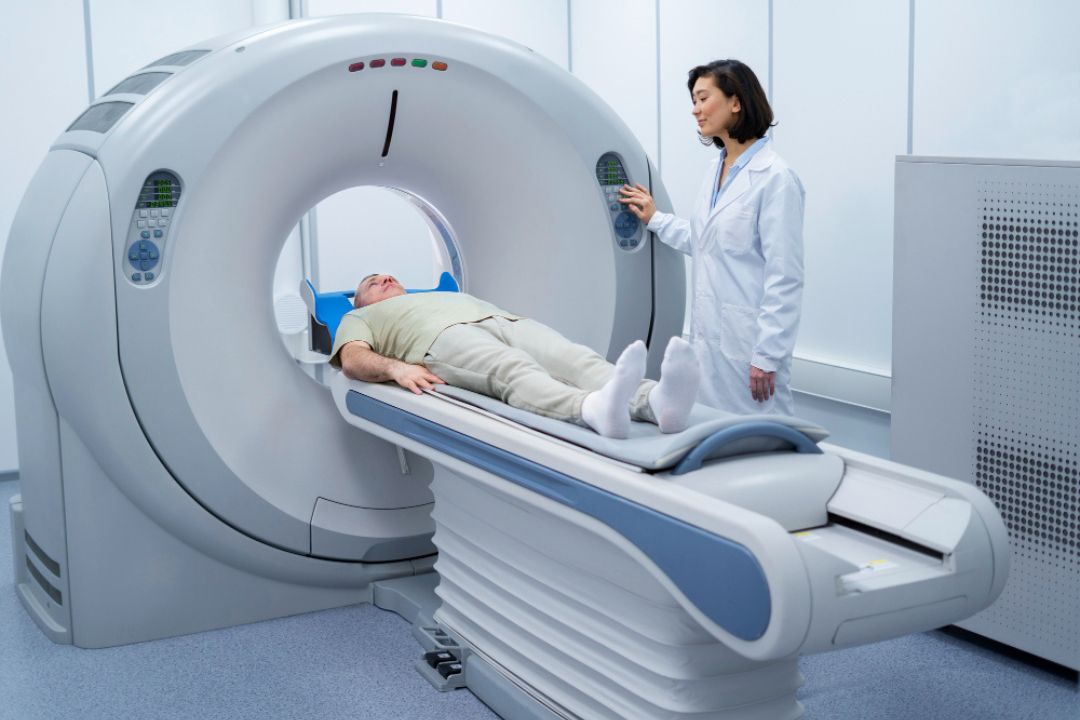
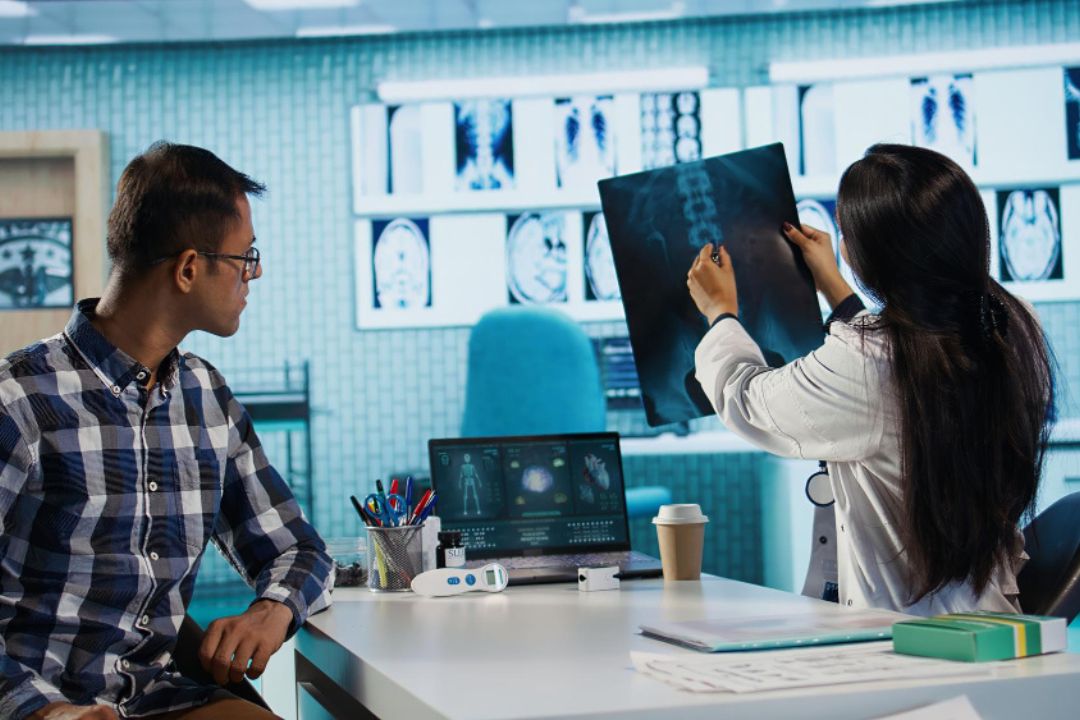
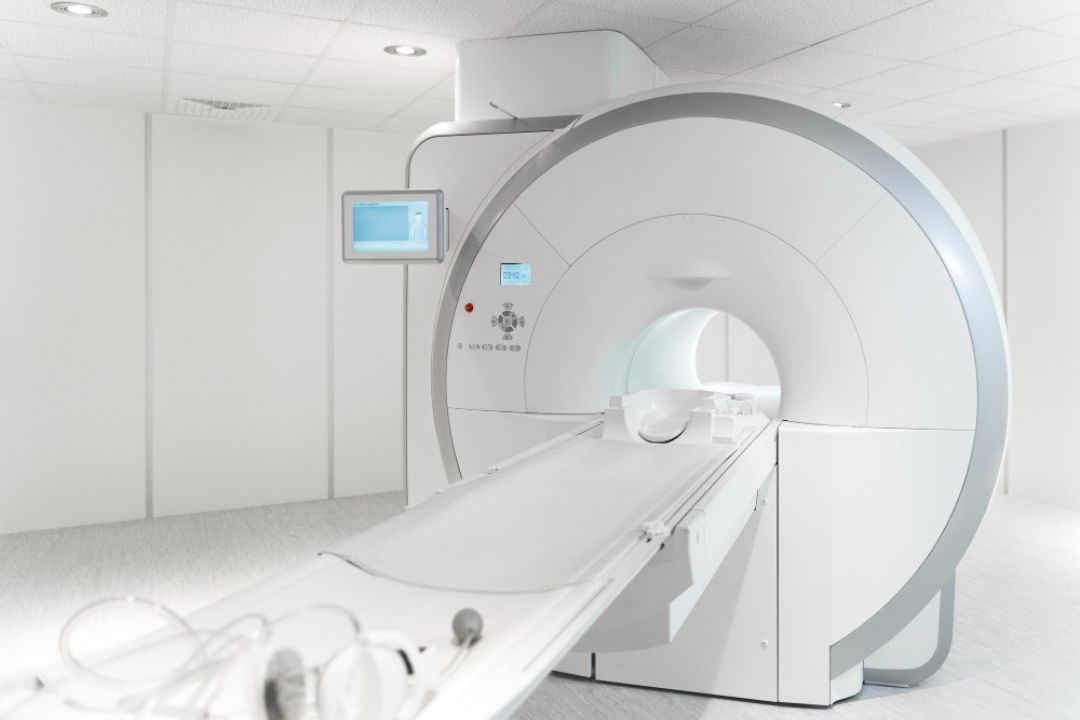
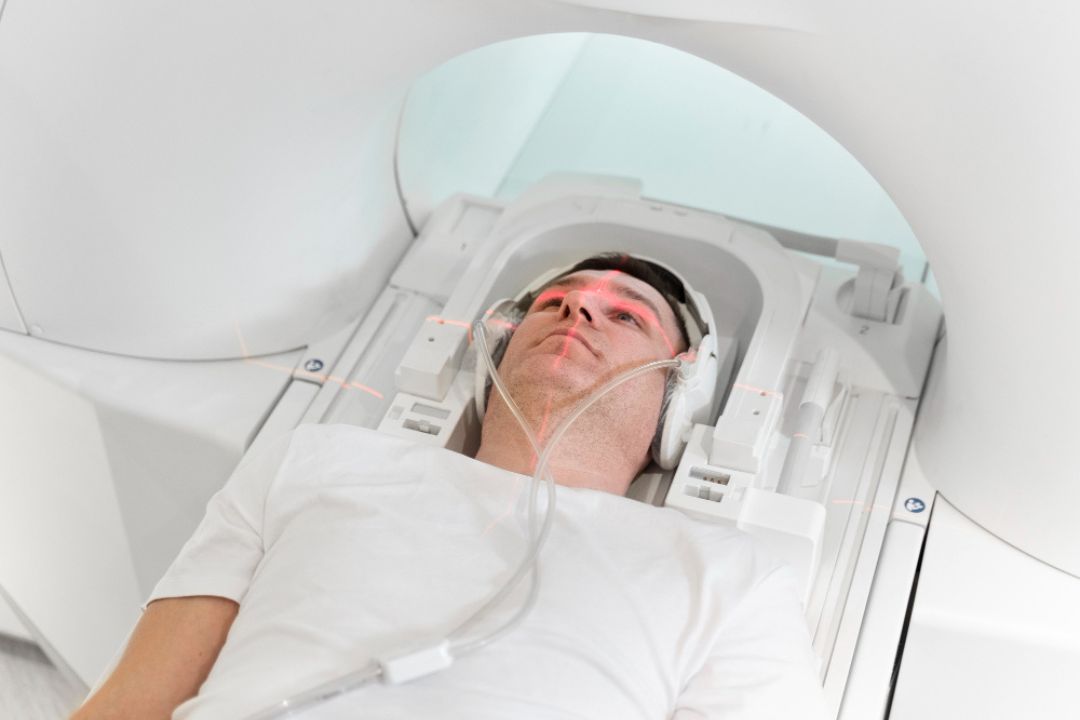
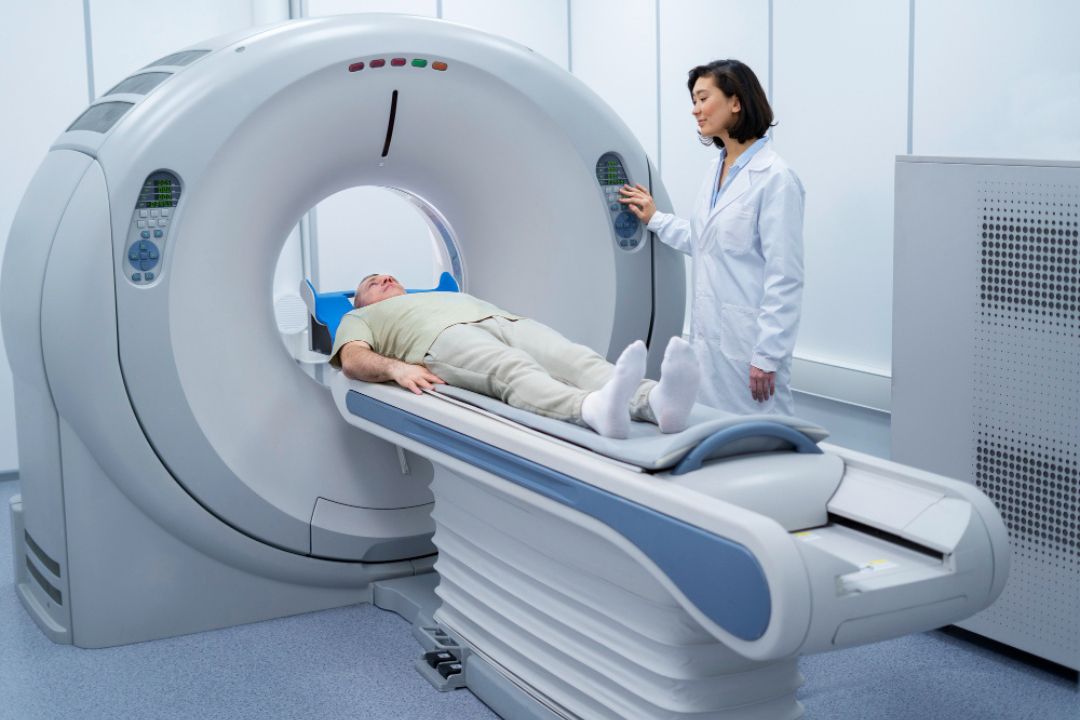
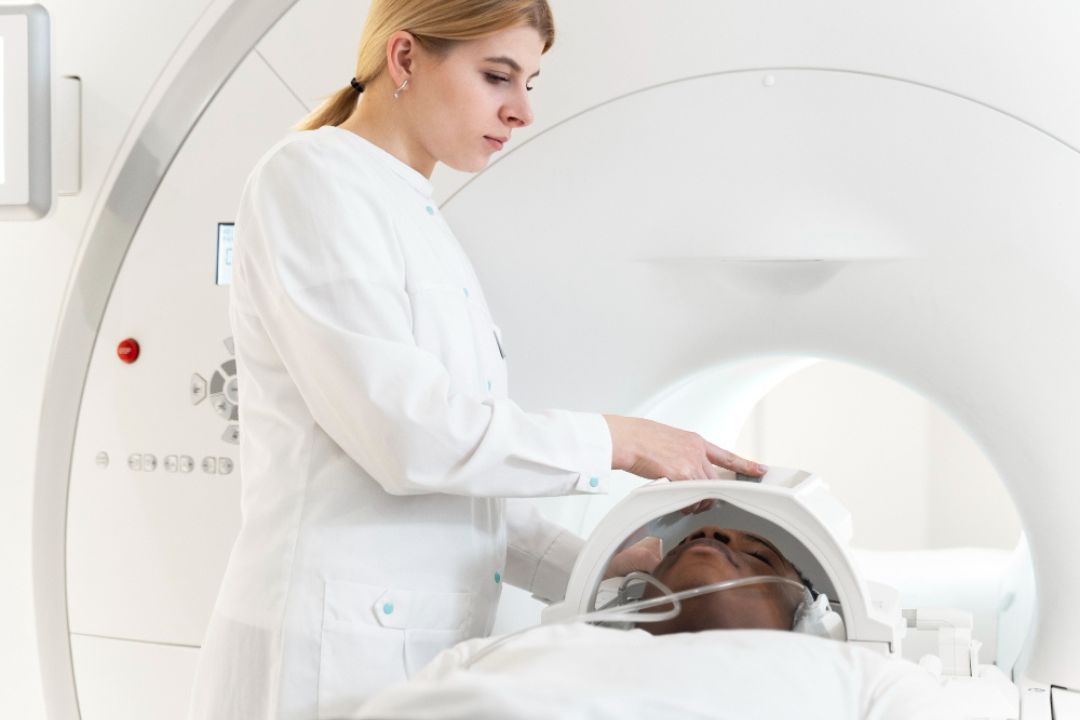
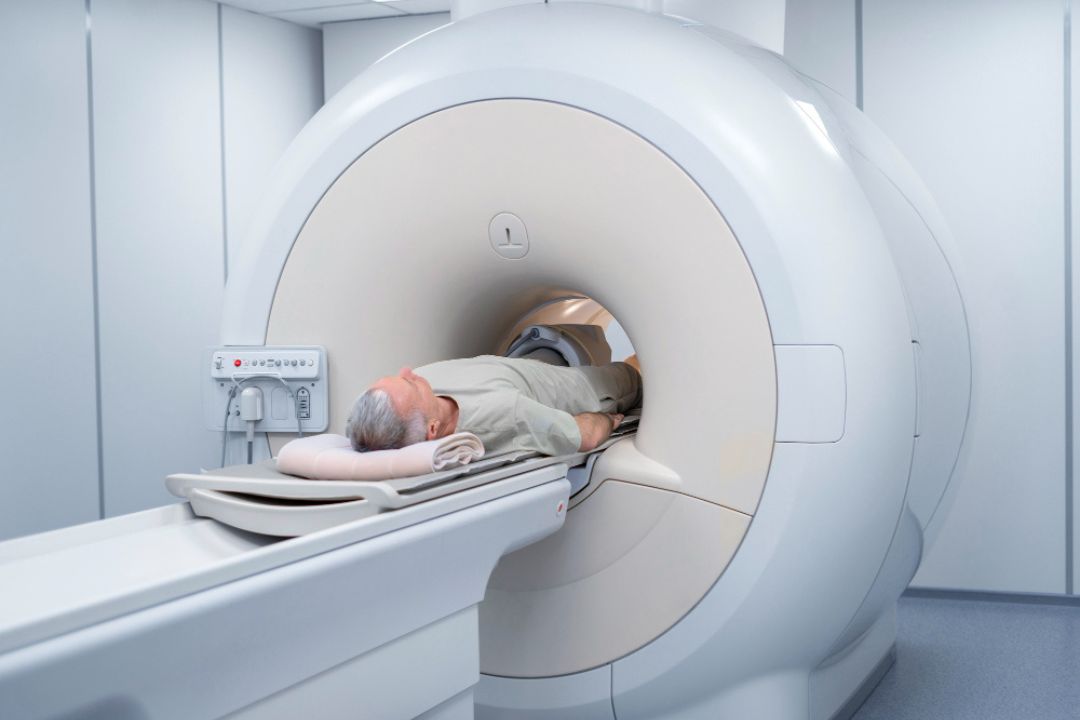
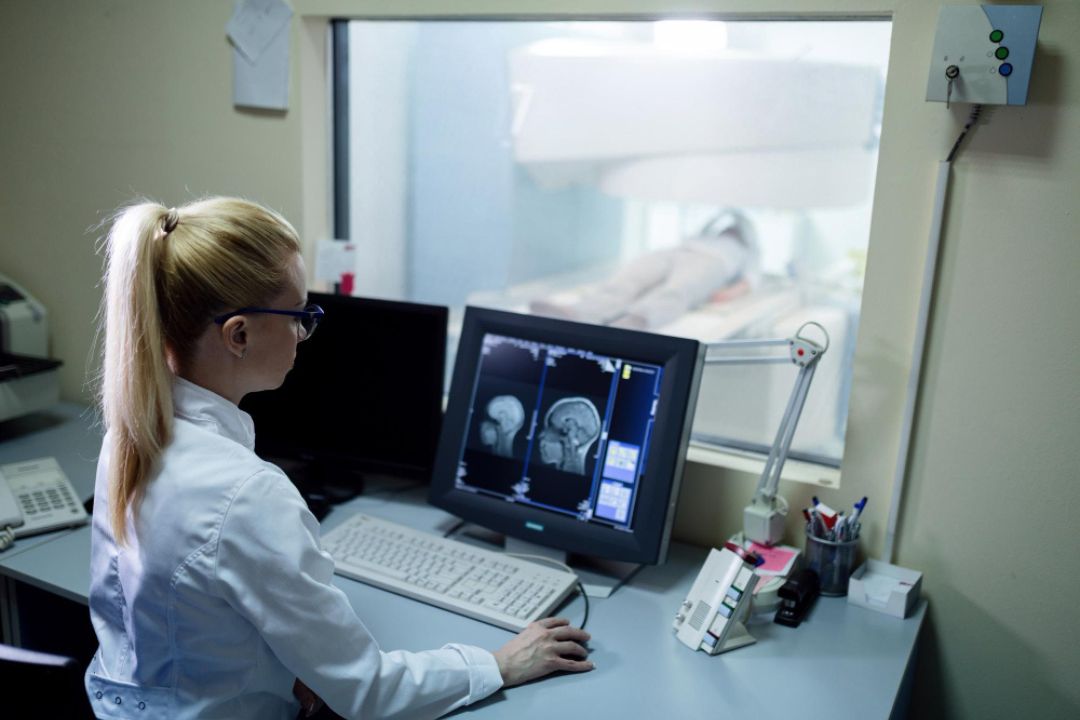
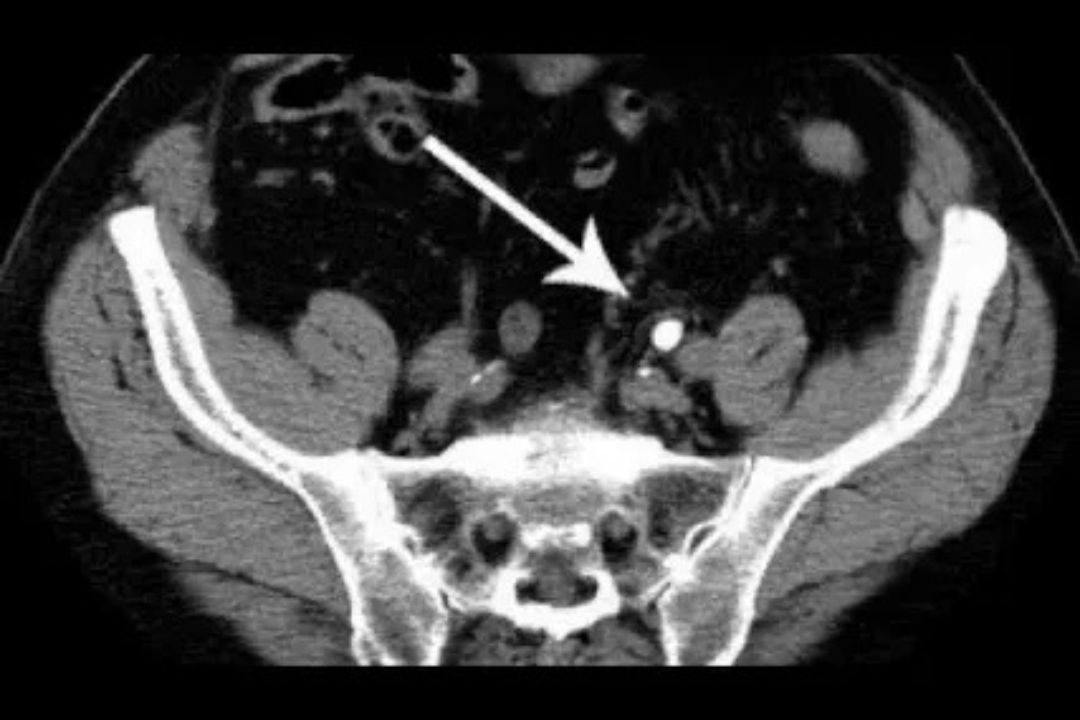
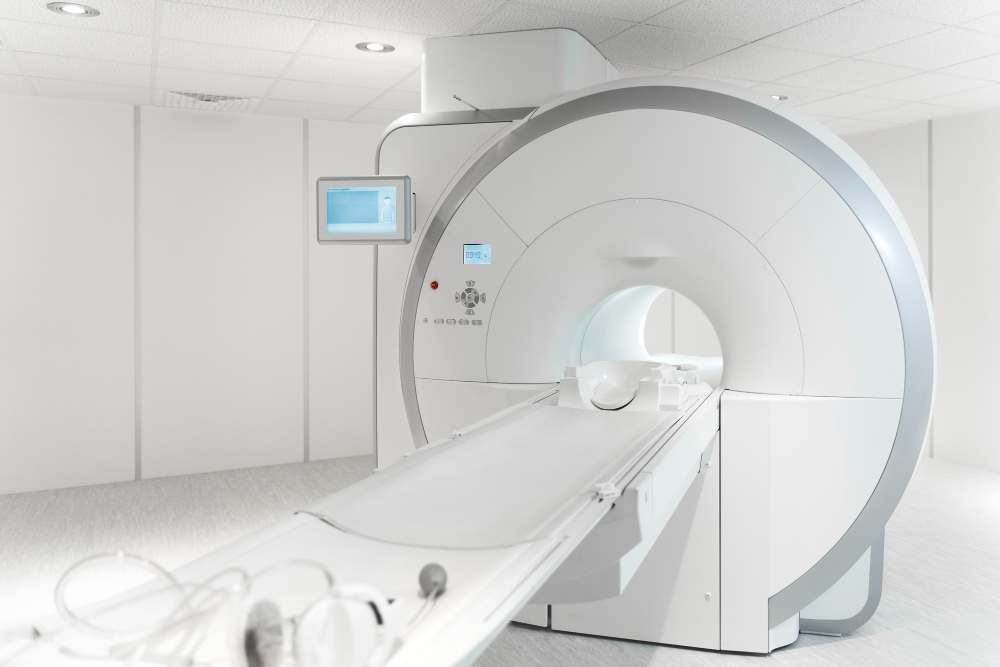
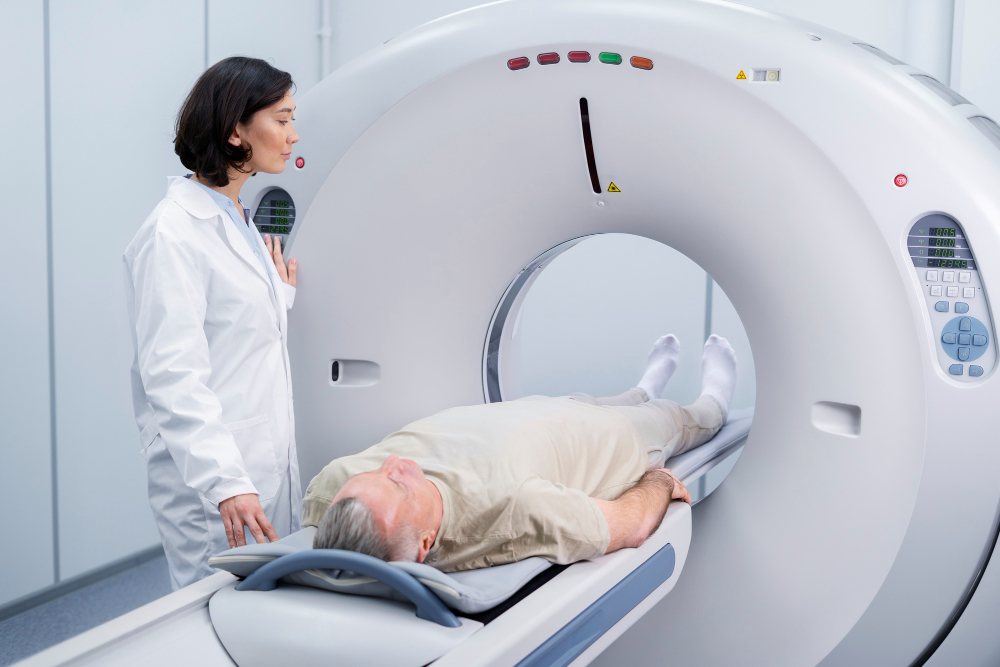
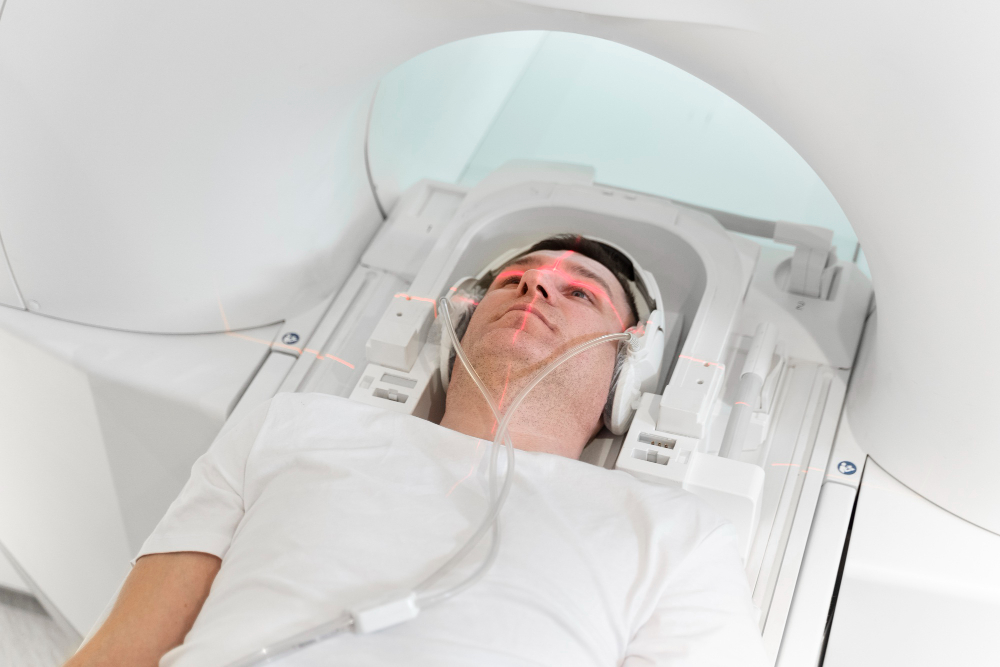
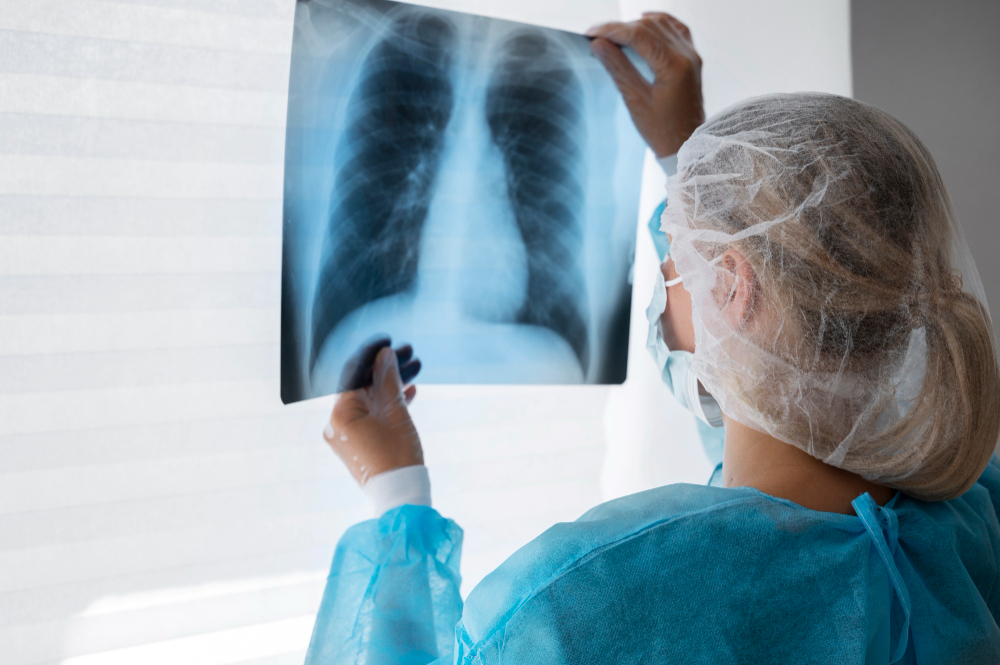
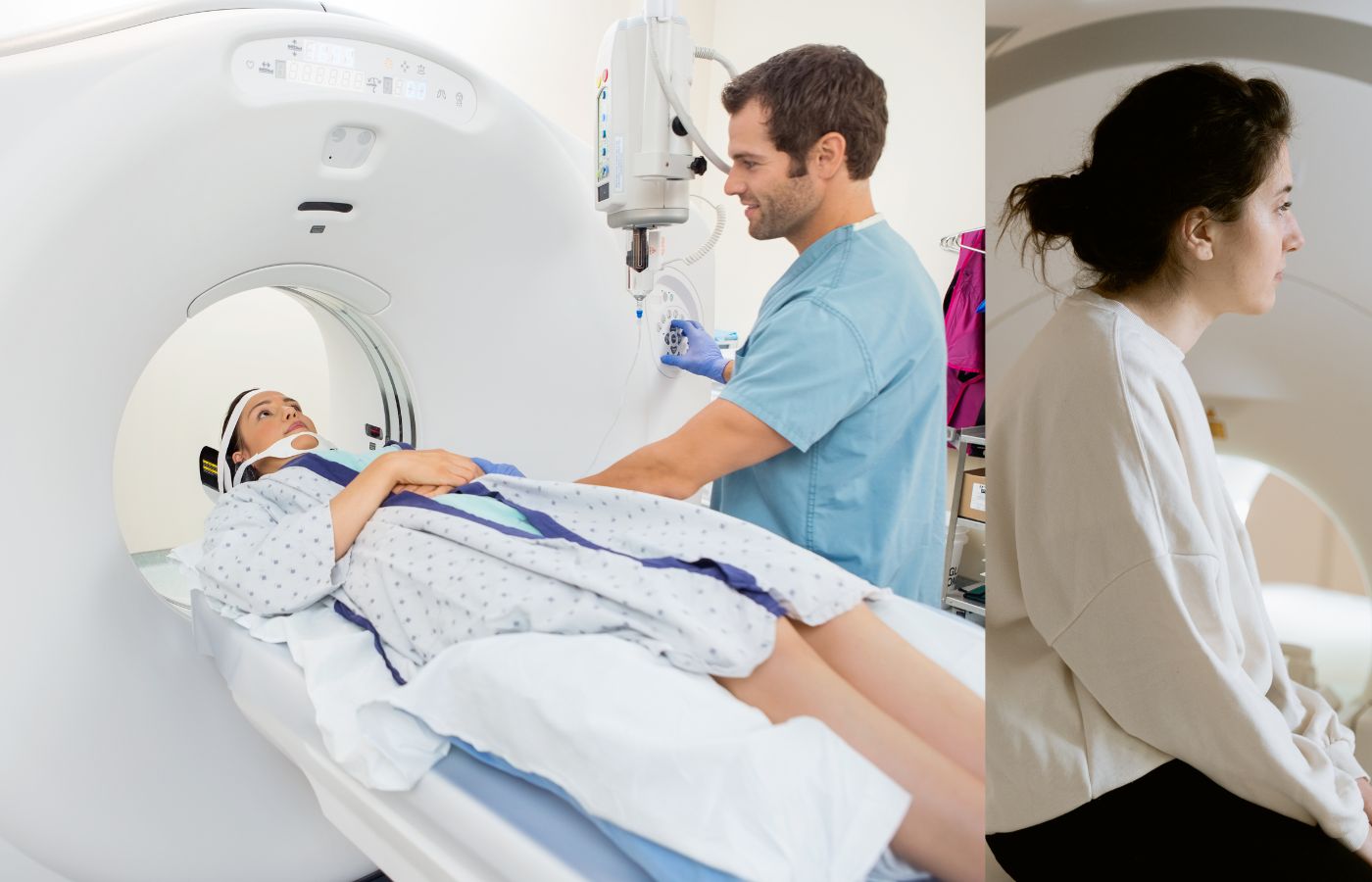
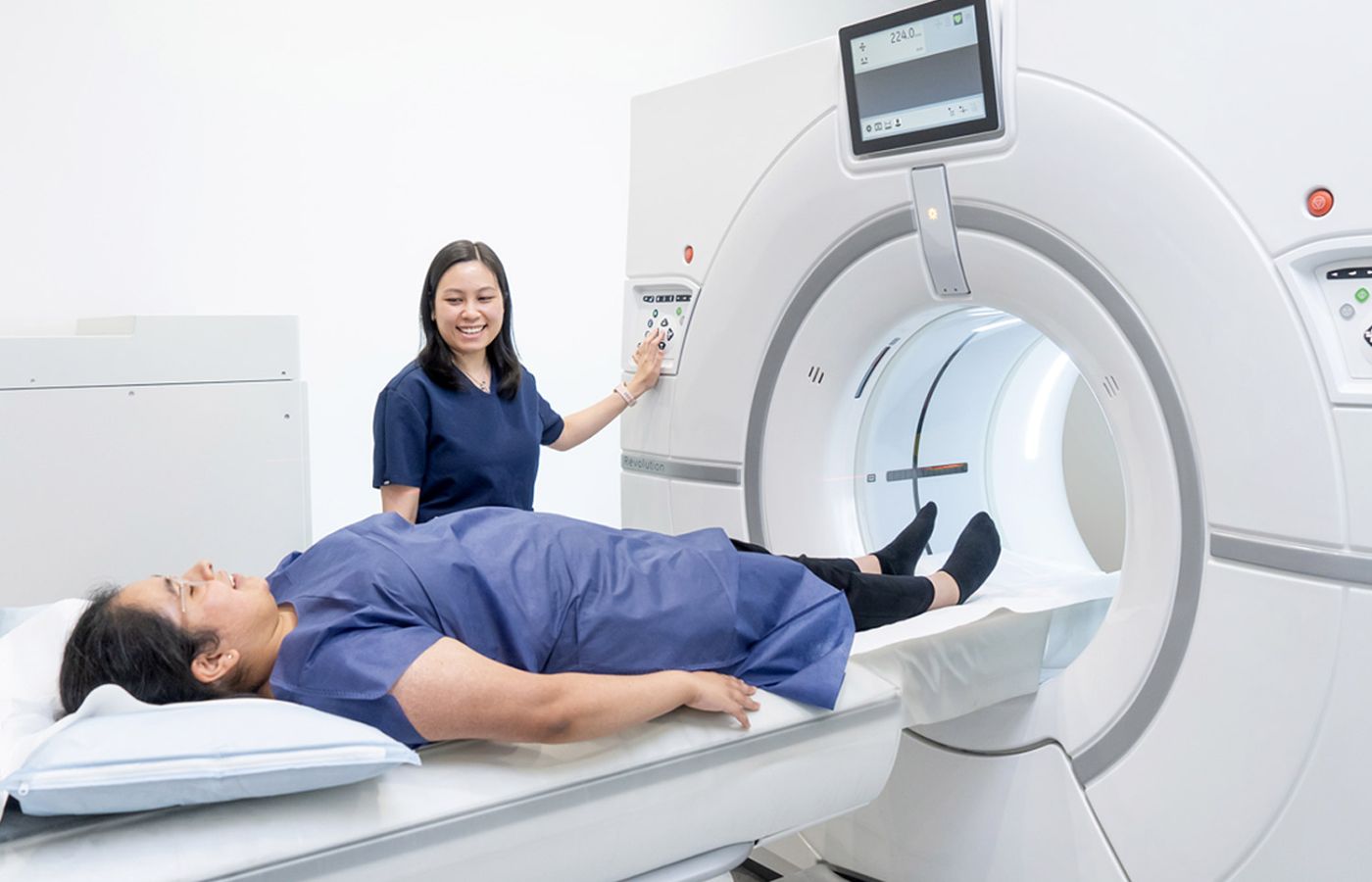
A CT Scan uses advanced X-ray technology combined with computer processing to create detailed cross-sectional images of the body. These images allow doctors to detect problems that may not be visible with standard X-rays.
CT scans are commonly used to diagnose:
Internal injuries
Tumors or cancers
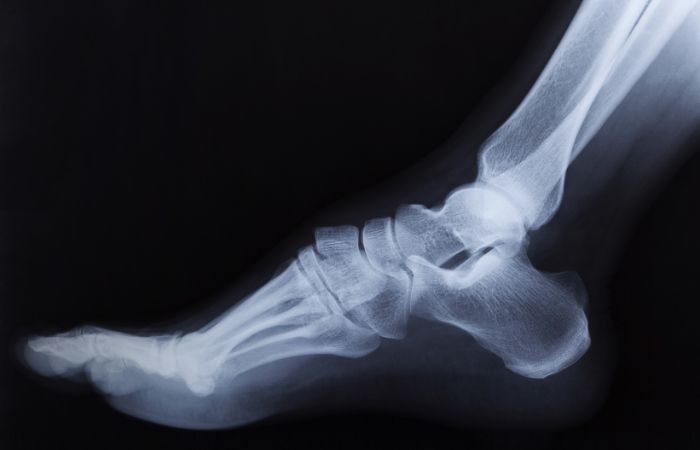
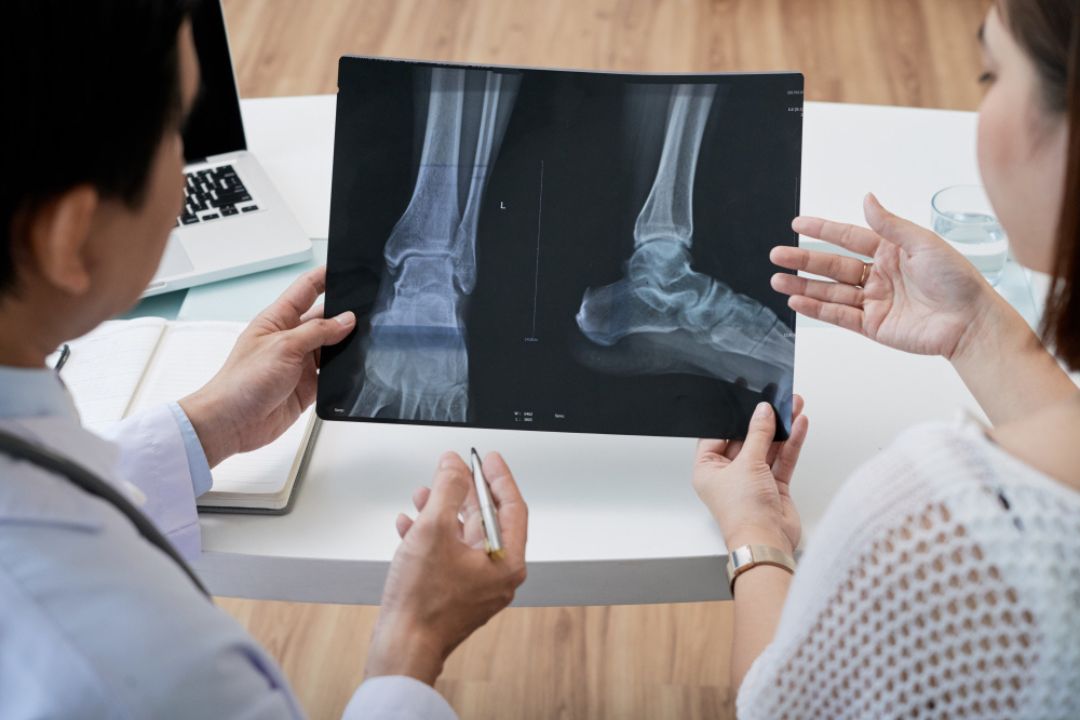
Bone fractures
Infections
Blood vessel problems
Organ abnormalities
Because of their accuracy and speed, CT scans are widely used in modern medical diagnosis.
Most CT scans are safe and painless, and serious side effects are rare. However, like any medical procedure, there are some potential risks or temporary effects that patients should be aware of.
CT scans use a small amount of ionizing radiation to produce images. Although the radiation dose is higher than a standard X-ray, modern CT scanners are designed to minimize exposure while maintaining high-quality imaging.
Doctors recommend CT scans only when the benefits of accurate diagnosis outweigh the minimal risks associated with radiation.
Some CT scans require the use of contrast dye to improve image clarity. This dye may be injected into a vein or given orally.
Possible side effects of contrast dye include:
Warm sensation in the body
Metallic taste in the mouth
Mild nausea
Temporary flushing
These effects usually disappear within a few minutes.
In rare cases, patients may experience an allergic reaction to the contrast dye. Symptoms may include:
Skin rash or itching
Nausea or vomiting
Difficulty breathing (very rare)
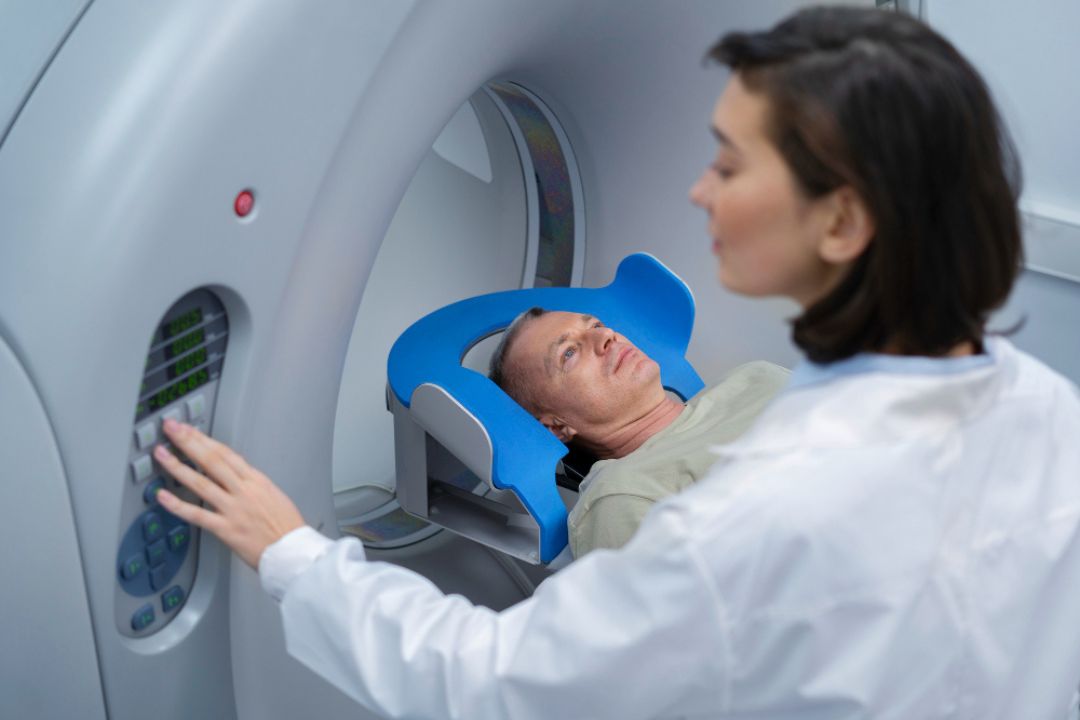
Medical staff monitor patients during the scan to manage any reactions quickly.
Patients with existing kidney disease may have a slightly higher risk when contrast dye is used. Doctors usually evaluate kidney function before performing contrast-enhanced CT scans to ensure patient safety.
Certain individuals should inform their doctor before undergoing a CT scan, including:
Pregnant women
People with kidney disease
Patients with contrast dye allergies
Individuals who require frequent imaging tests
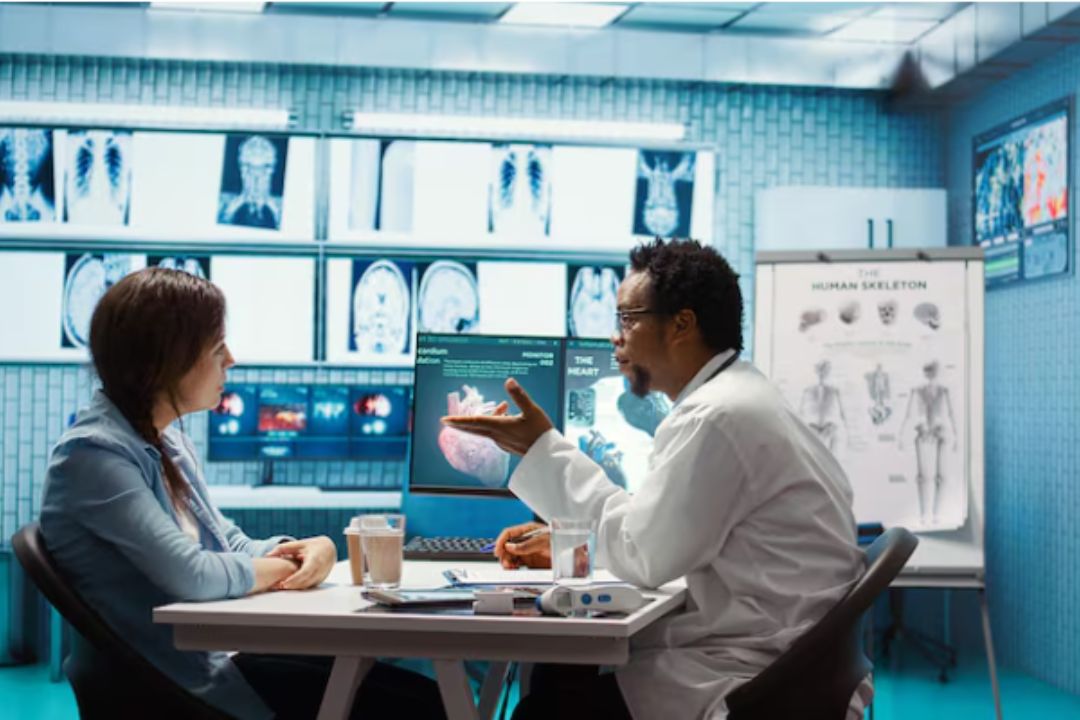
Your healthcare provider will assess whether a CT scan is appropriate for your situation.
Despite the small risks, CT scans offer many important medical benefits.
These include:
Fast and accurate diagnosis
Detection of internal injuries and diseases
Detailed imaging of organs and bones
Guidance for certain medical procedures
Monitoring treatment progress
For many conditions, CT scans provide critical information that helps doctors make the right treatment decisions.
CT scans are safe, reliable, and widely used diagnostic tools in modern medicine. While there may be minor side effects such as temporary reactions to contrast dye or minimal radiation exposure, serious complications are rare.
In most cases, the benefits of accurate diagnosis and early treatment far outweigh the small potential risks associated with CT scans. If your doctor recommends a CT scan, it is an important step in understanding and managing your health.





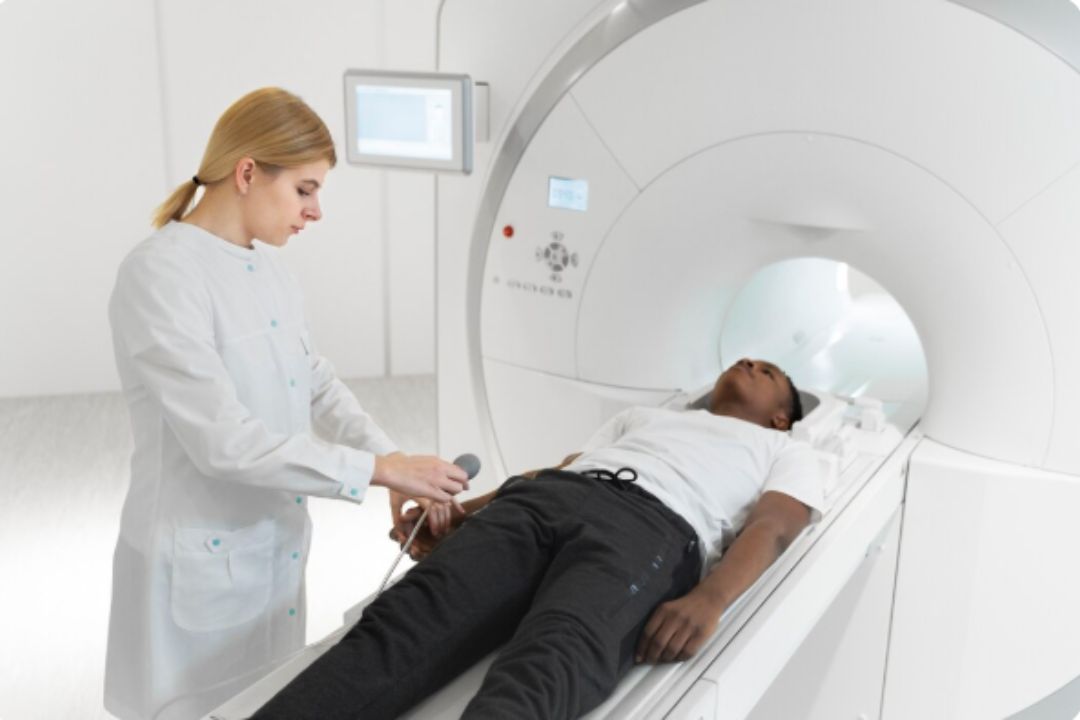
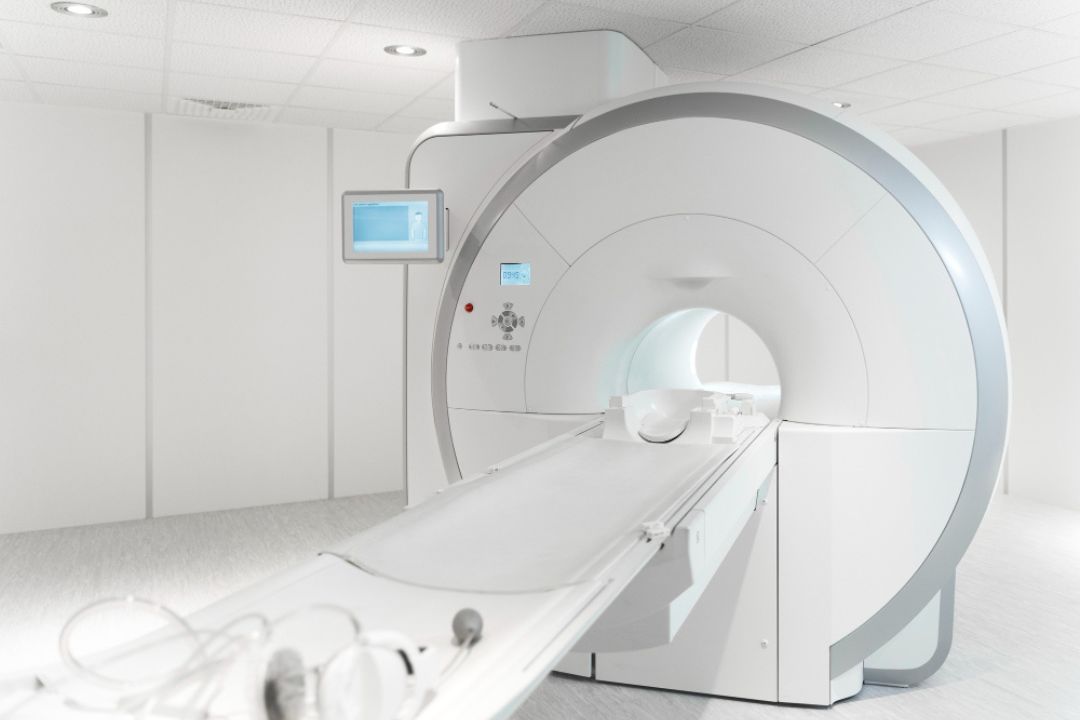
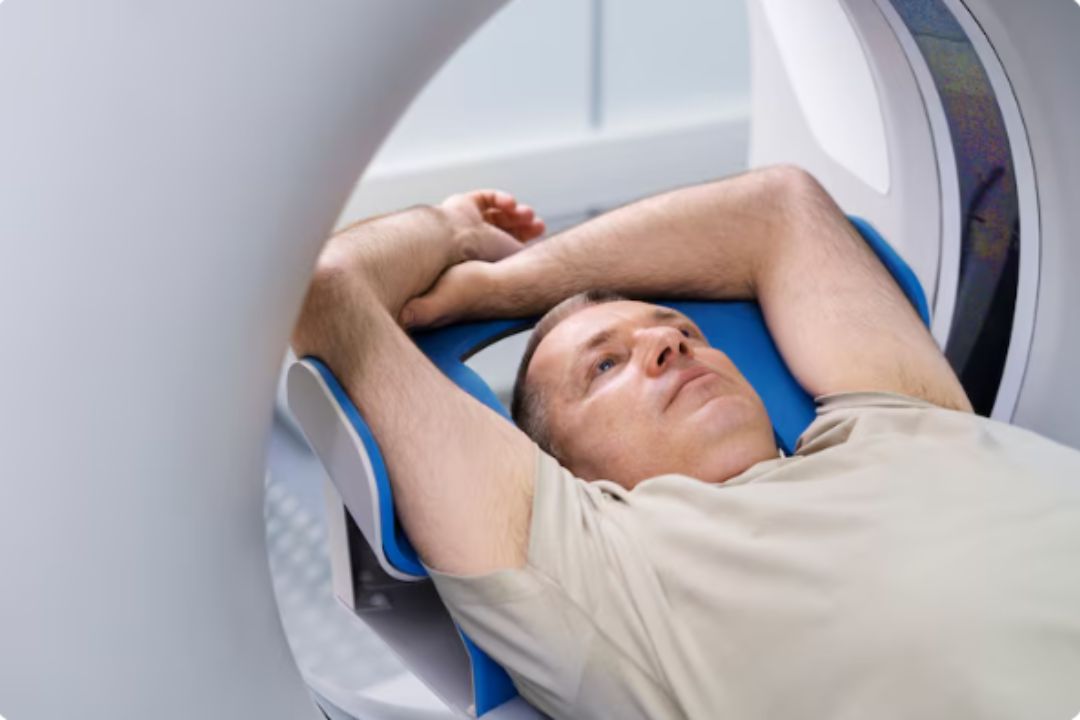

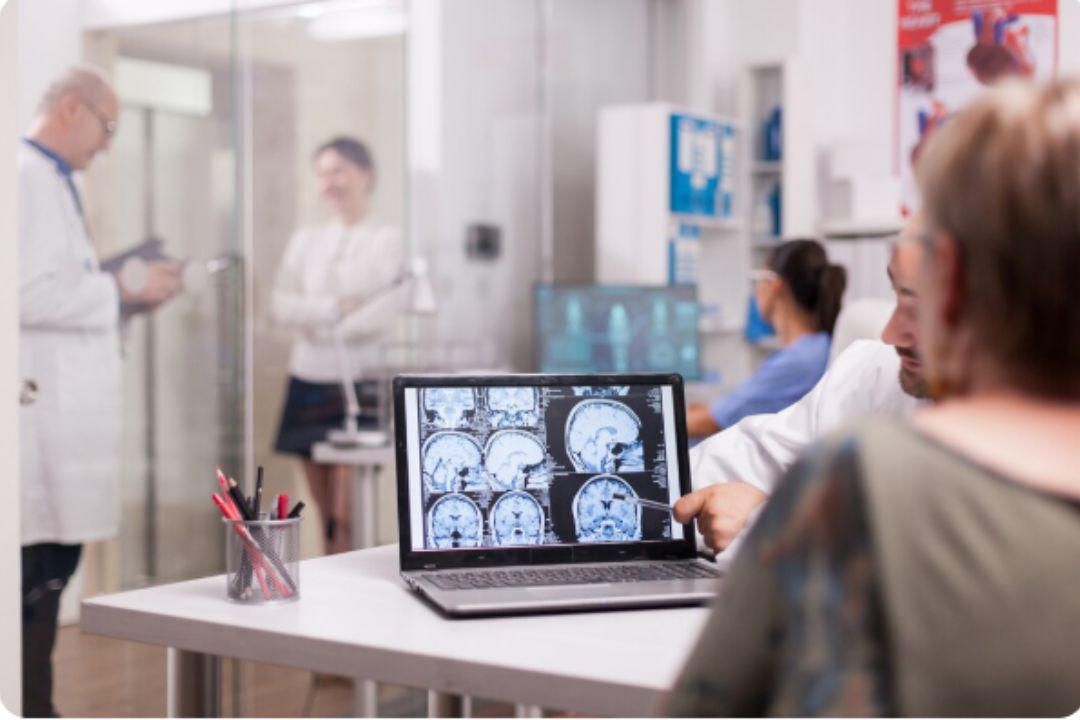
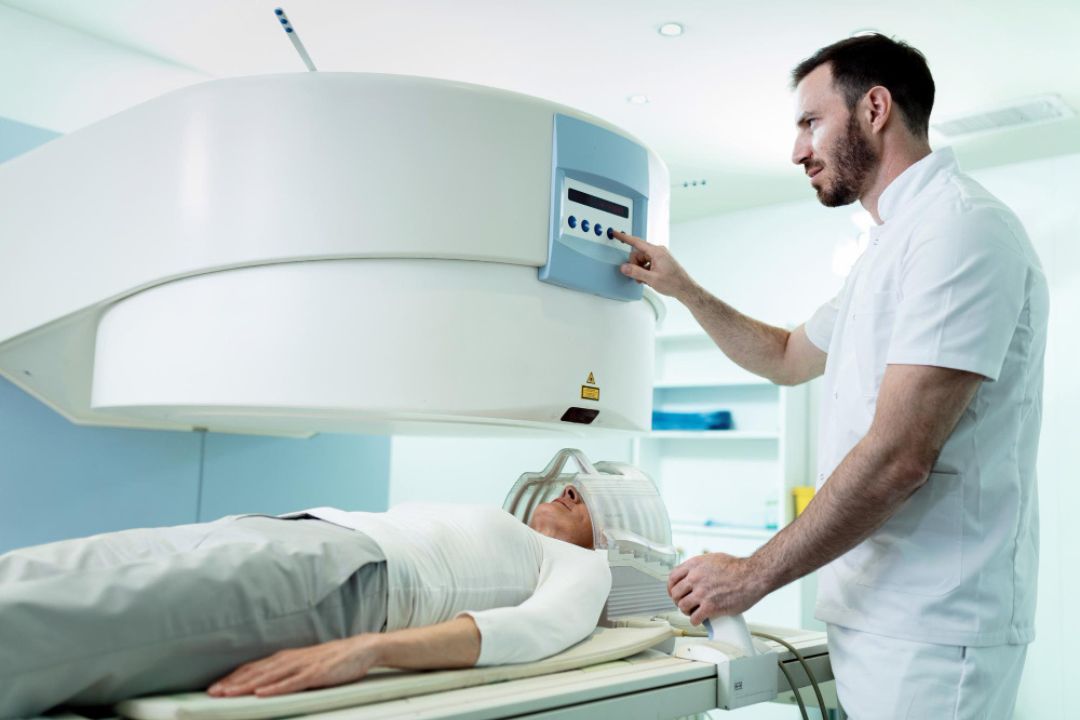
.jpg "ct brain scan plain and contrast")









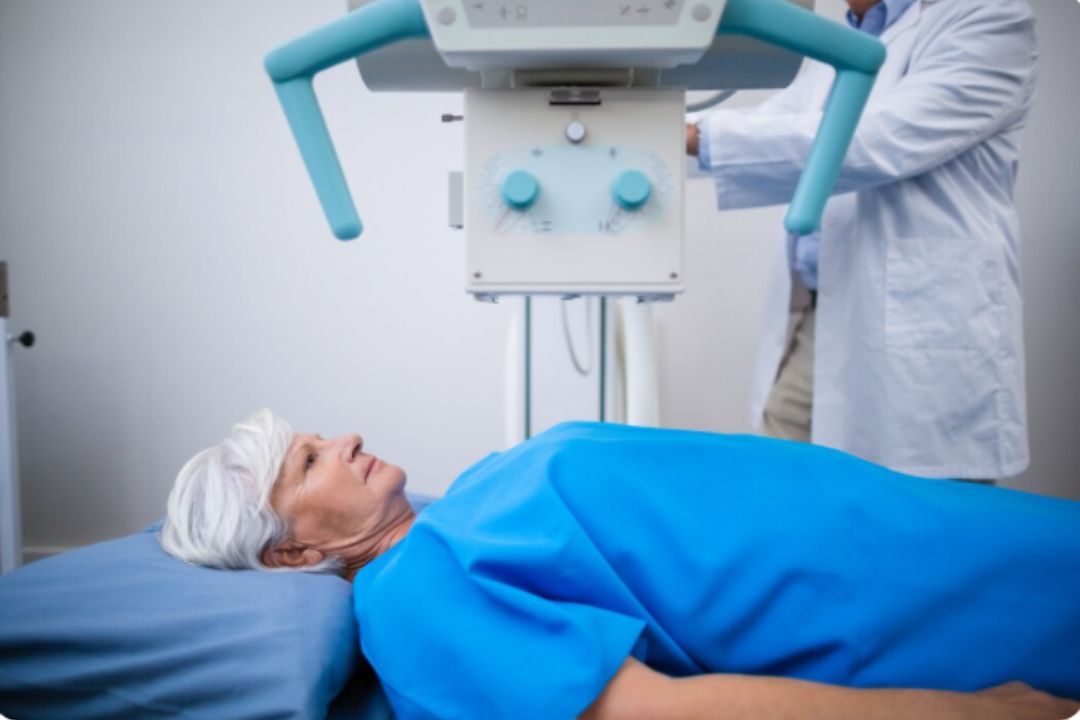
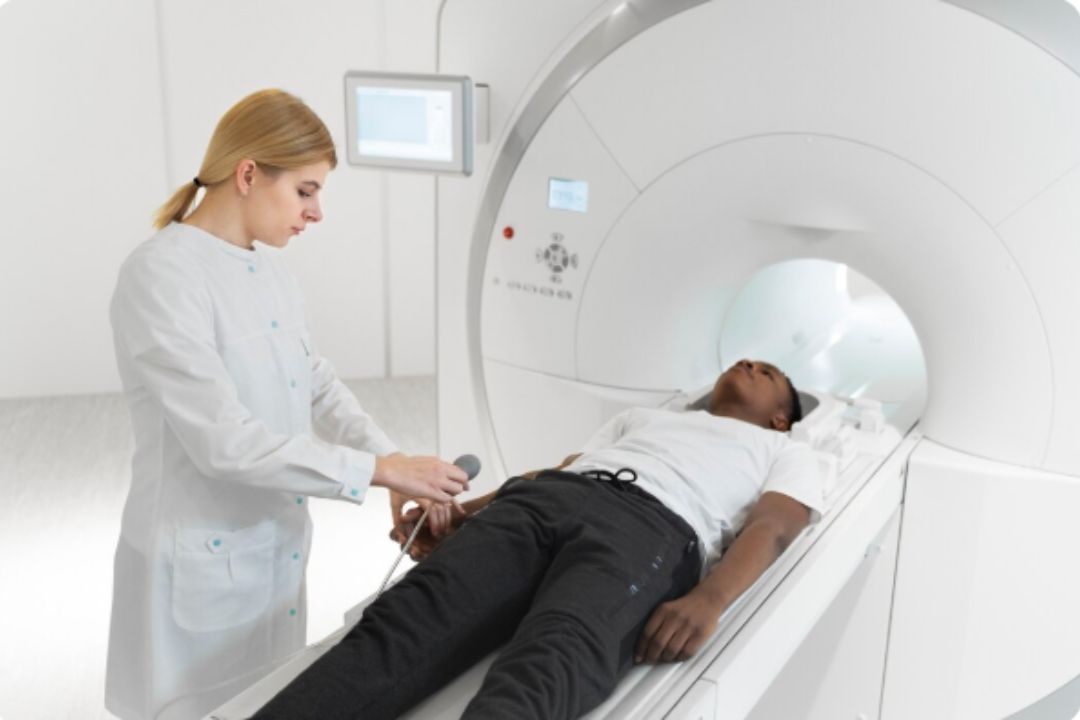
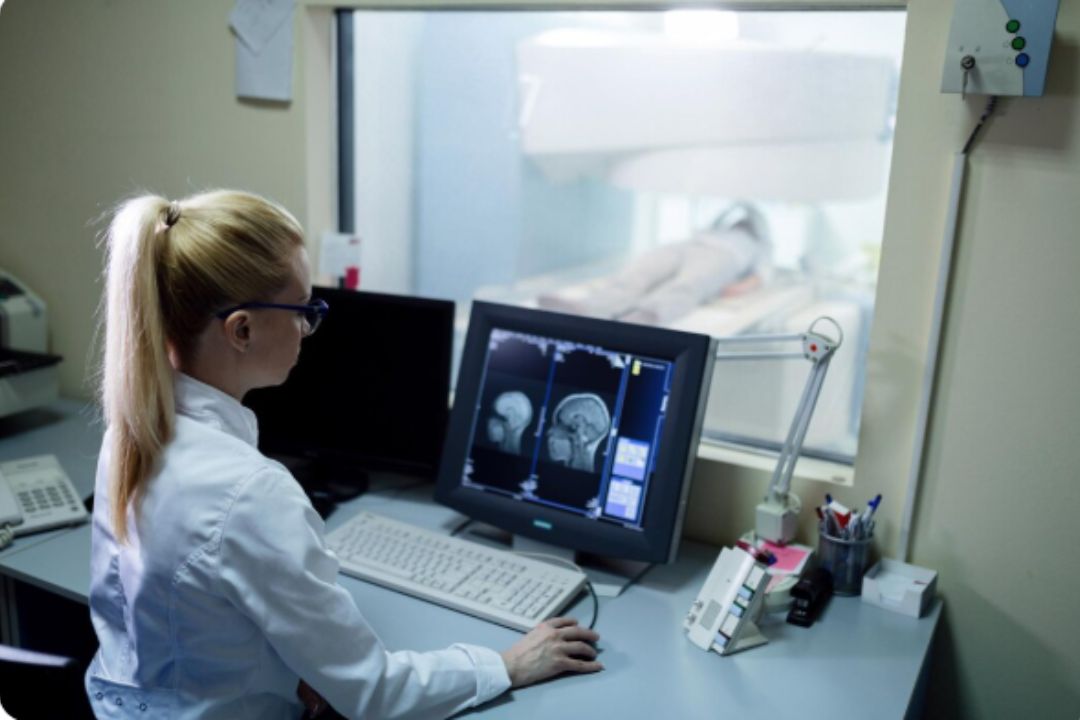

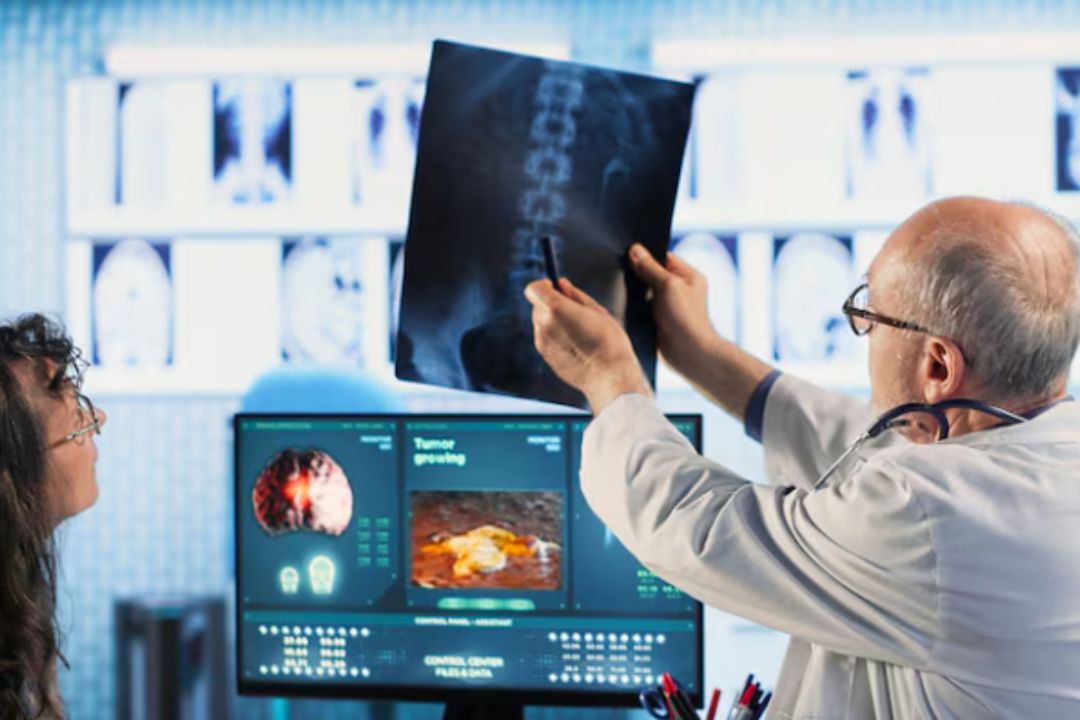

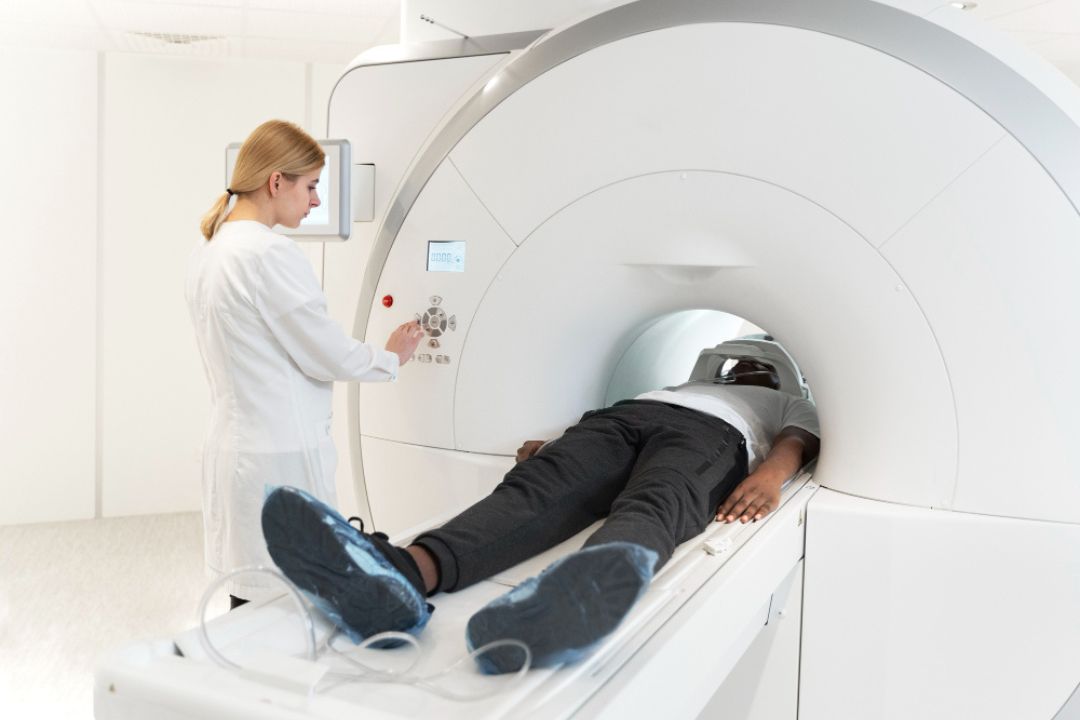
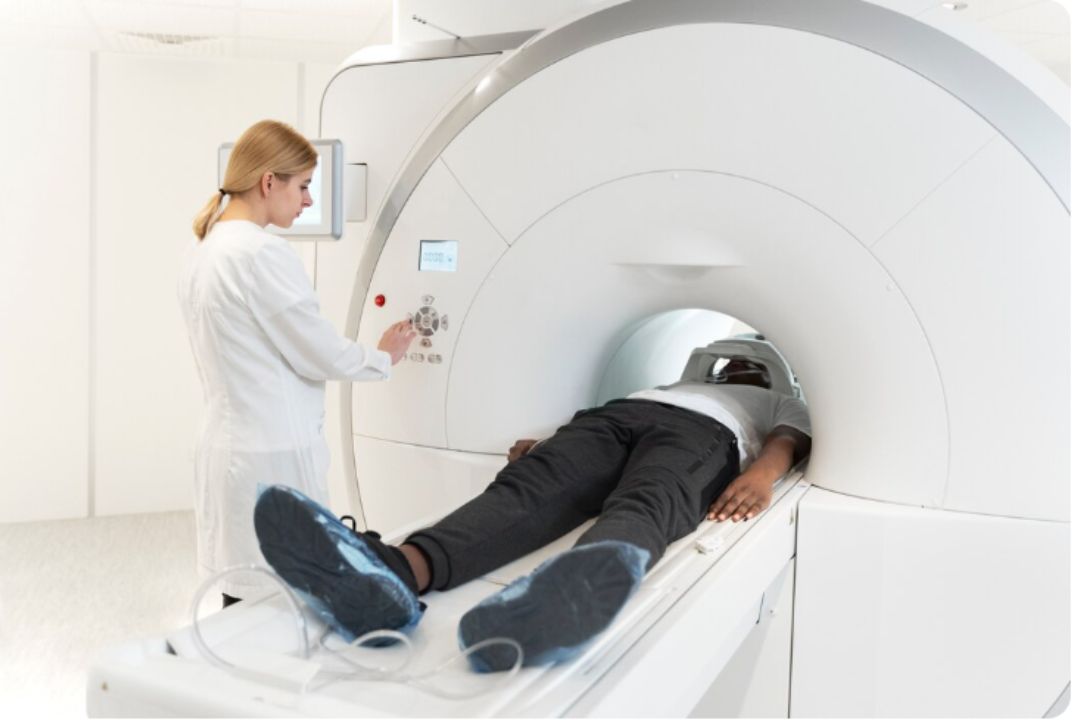
.jpg "ct scan")
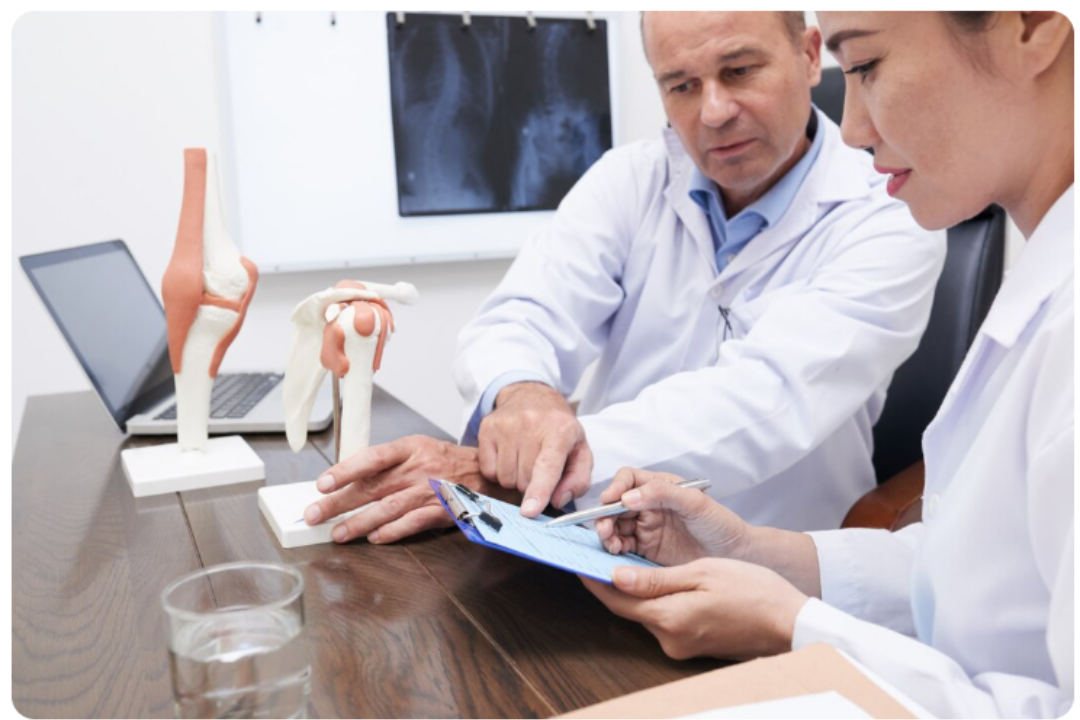
.jpg "ct scan or mri for brain disorders")


.jpg "exploring the power of ct brain contrast in modern diagnostics")
.jpg "ct scan")
.jpg "ct scan")







.jpg "ct scan")

.jpg "CT Brain Scan for Headaches")
.jpg "The Future of 3D CT Imaging")