Lung diseases can affect breathing, overall health, and quality of life. Early and accurate diagnosis is essential for effective treatment and better patient outcomes. One of the most advanced imaging techniques used to evaluate lung conditions is the HRCT Chest Scan.
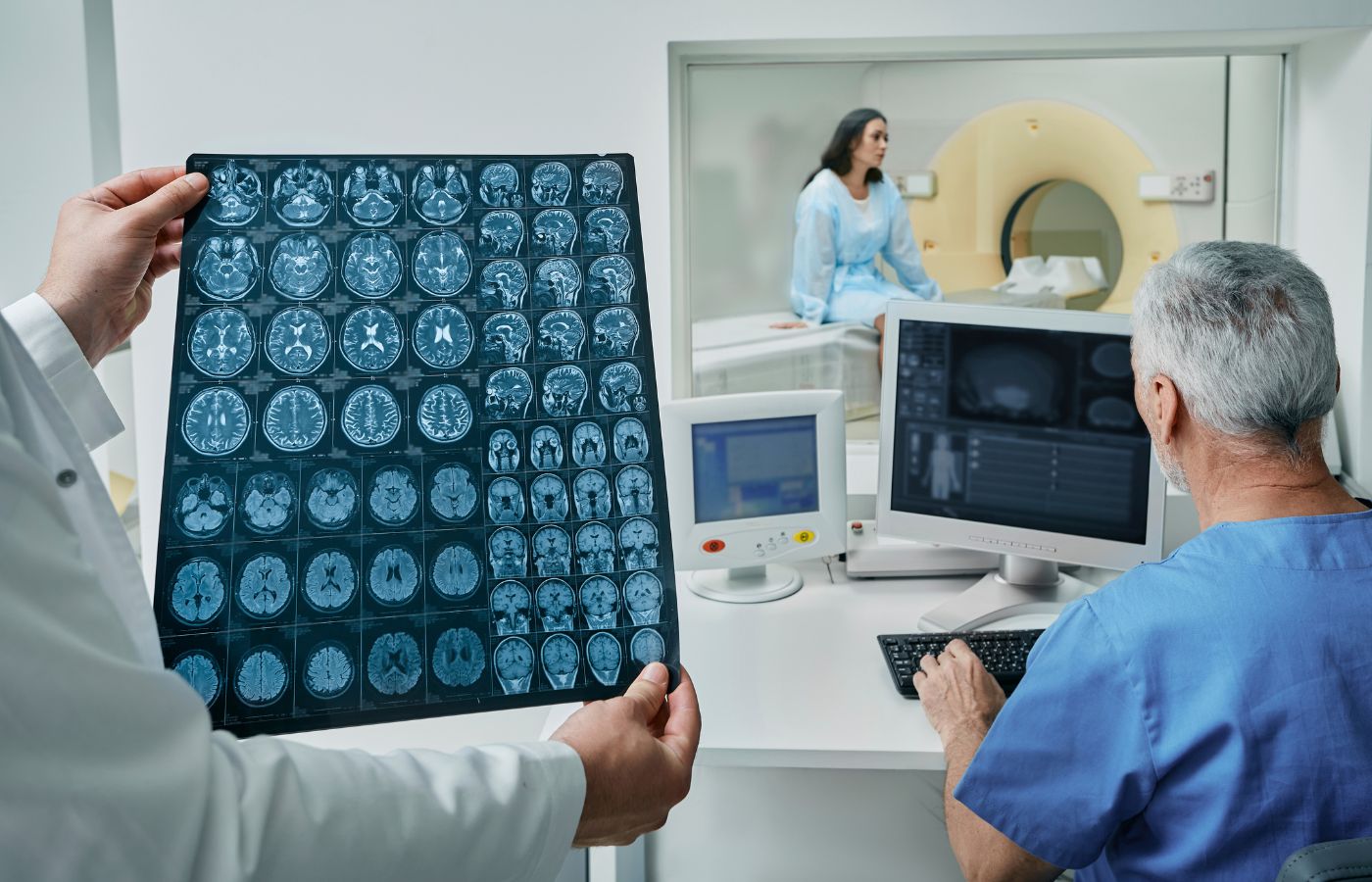
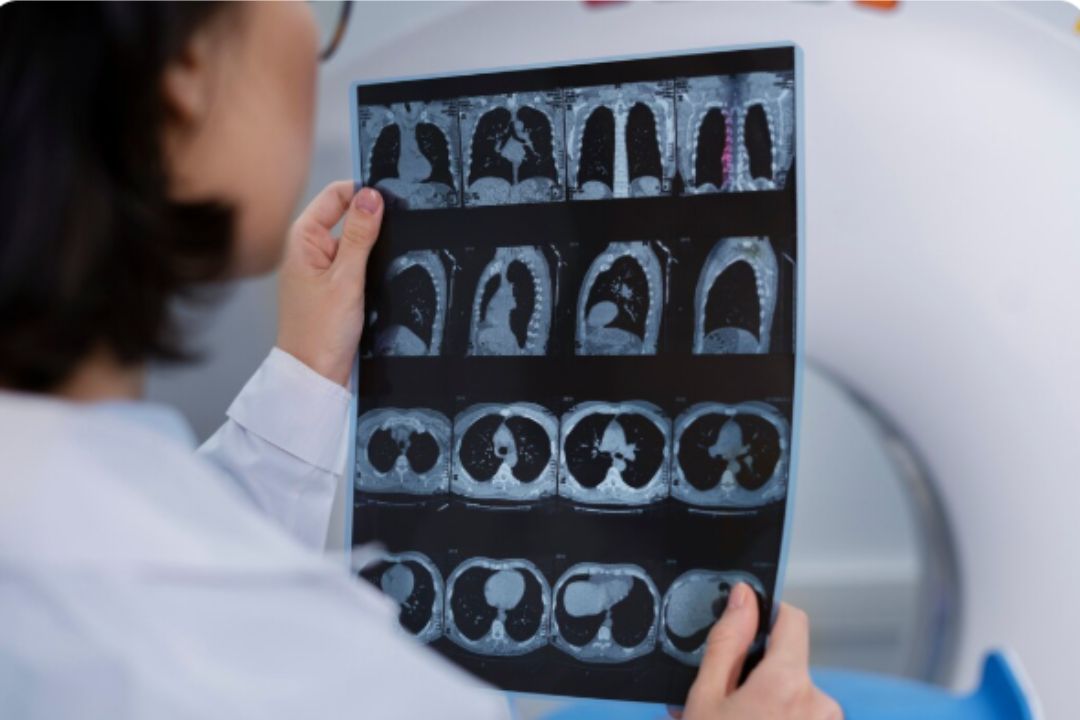
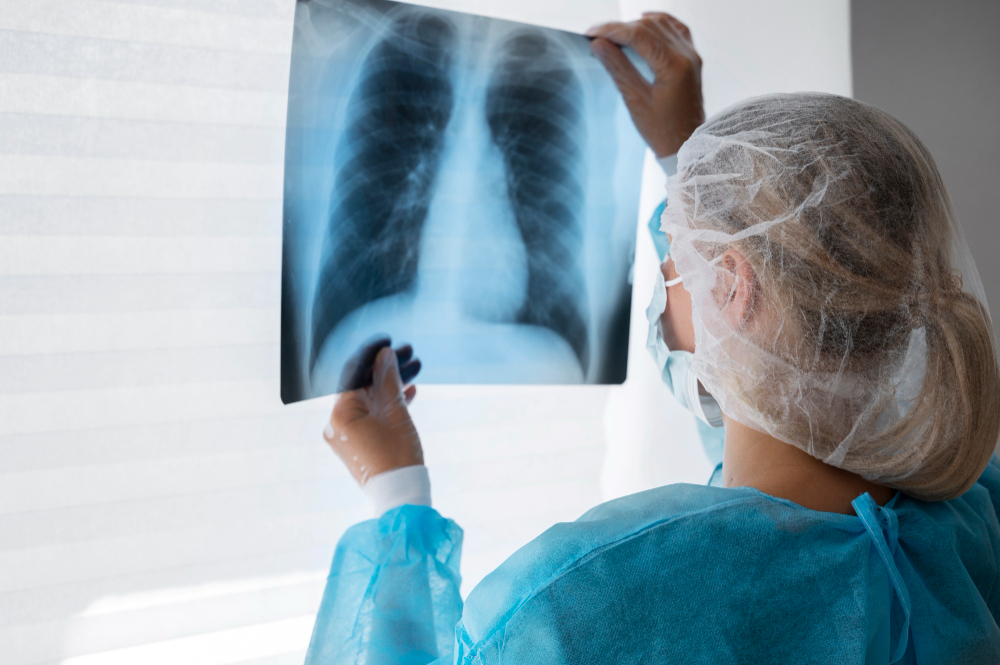
High-Resolution Computed Tomography (HRCT) provides detailed images of lung tissues and airways, allowing doctors to detect abnormalities that may not be visible with standard X-rays. Because of its precision, HRCT plays a crucial role in diagnosing various lung diseases at an early stage.
An HRCT Chest Scan is a specialized type of CT scan designed to produce highly detailed images of the lungs.
Unlike standard CT scans, HRCT focuses on thin imaging slices to clearly visualize lung structures such as:
Air sacs (alveoli)
Bronchi and airways
Lung tissues
Blood vessels
This detailed imaging helps doctors identify even small abnormalities within the lungs.
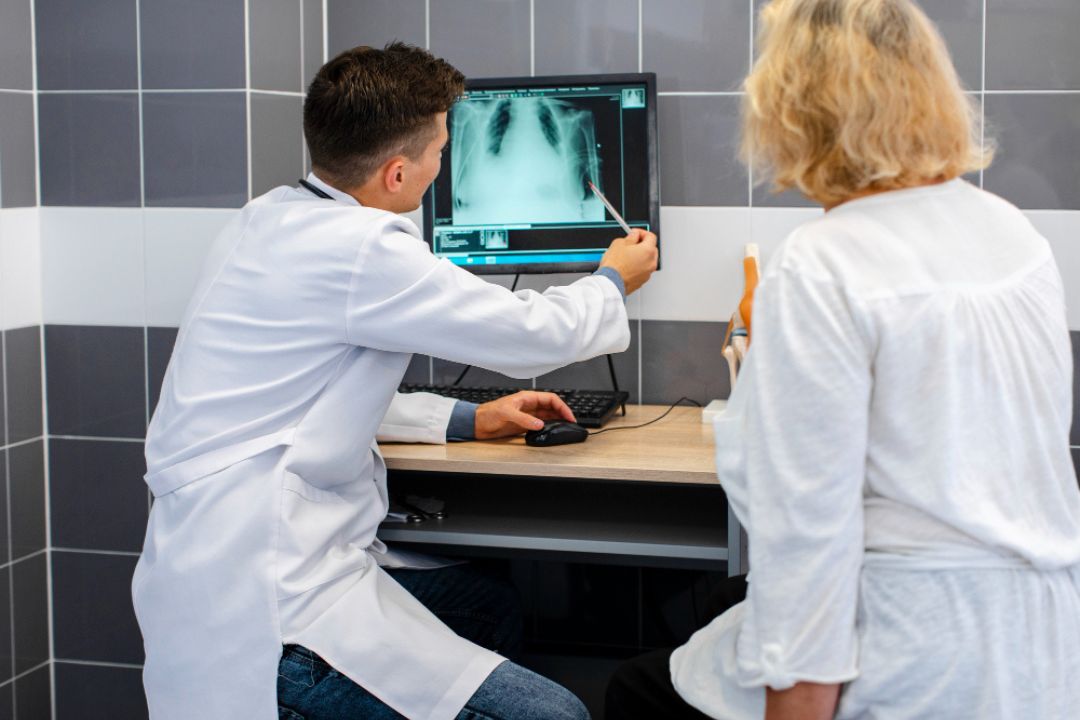
Doctors may recommend an HRCT scan when patients show symptoms related to lung problems or when other imaging tests do not provide enough information.
Visit Now: https://www.diagnopein.com
Common reasons for recommending HRCT include:
Persistent cough
Shortness of breath
Unexplained chest pain
Abnormal chest X-ray findings
Monitoring chronic lung diseases
HRCT allows doctors to evaluate lung conditions more accurately and determine the appropriate treatment plan.
HRCT scans are widely used to detect and evaluate a variety of lung diseases.
HRCT is particularly effective in diagnosing interstitial lung diseases, which affect the tissue surrounding the air sacs in the lungs.
This condition causes scarring in lung tissues. HRCT scans help detect early signs of fibrosis and assess its severity.
HRCT can help evaluate structural changes in the lungs caused by COPD, including emphysema.
Severe infections such as pneumonia or tuberculosis can be identified and monitored through HRCT imaging.
HRCT scans can detect small nodules or abnormal growths that may indicate lung cancer or other conditions.
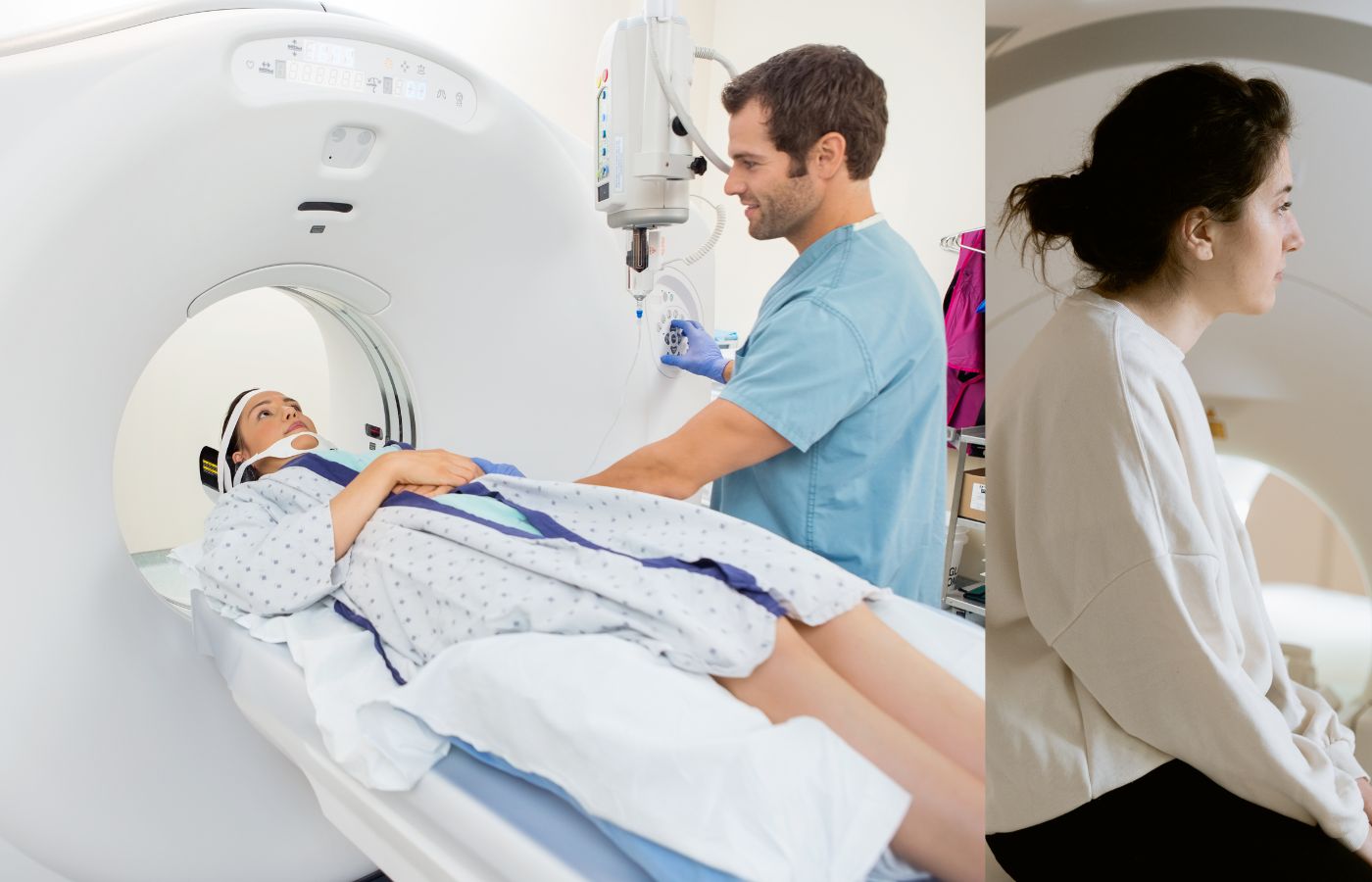
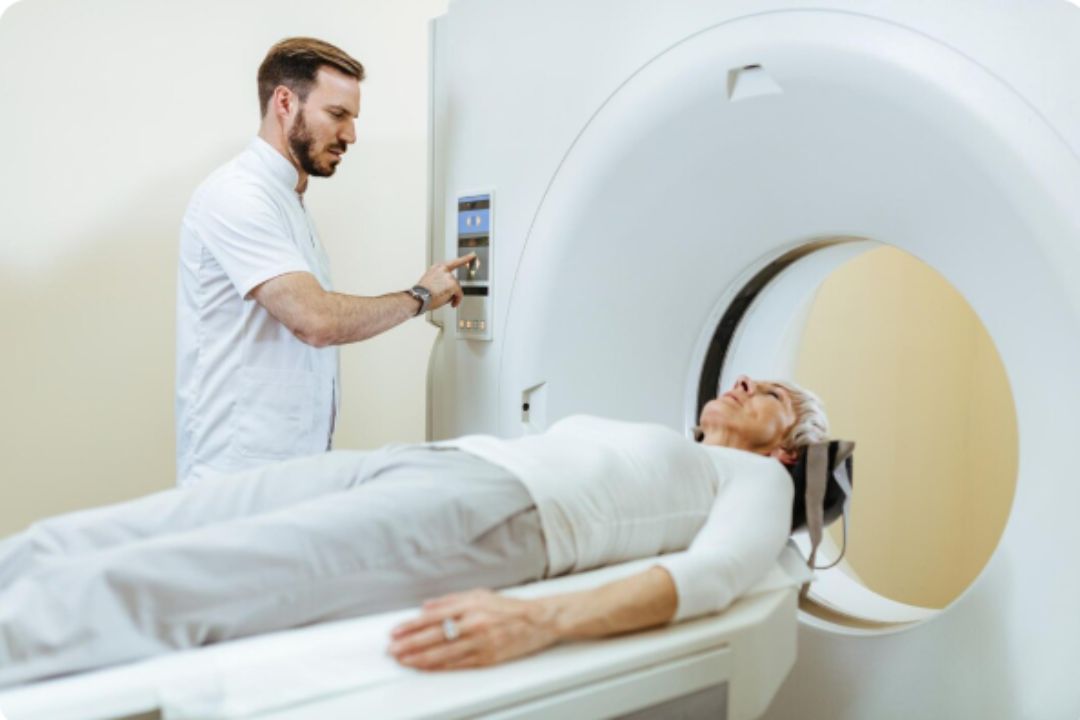
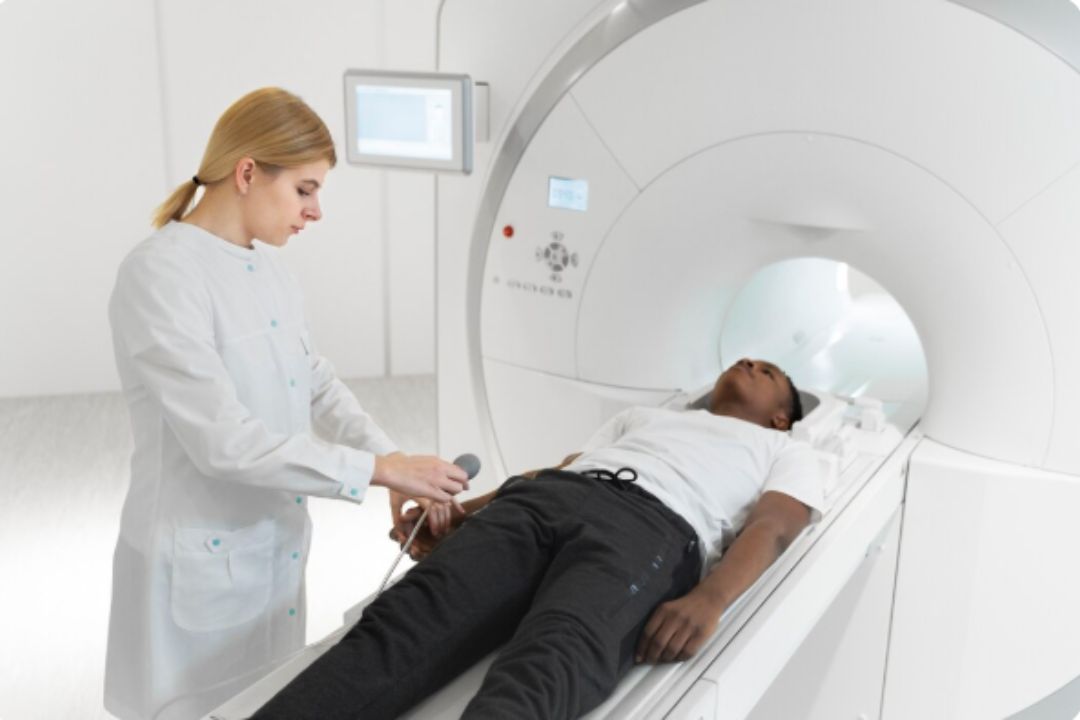
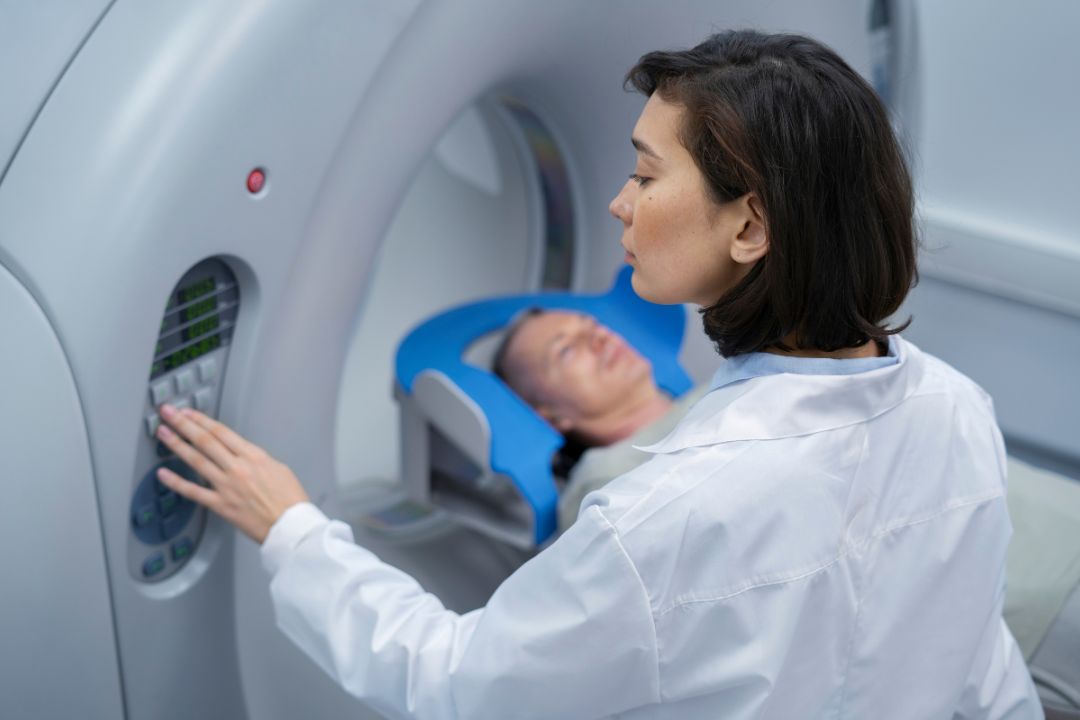
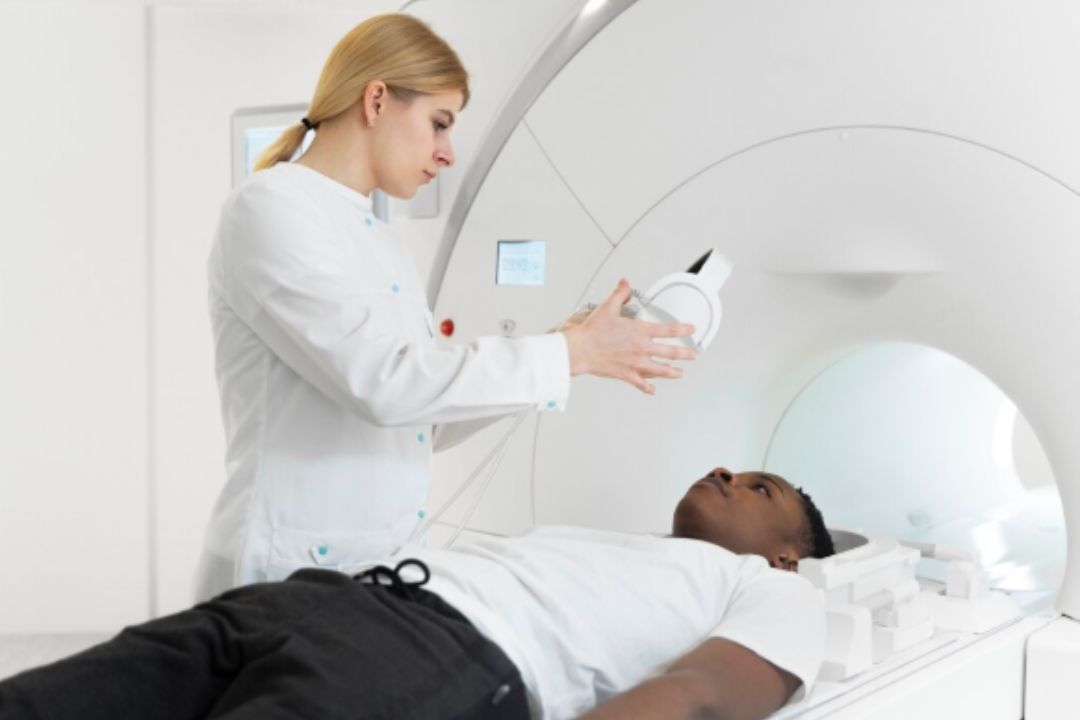
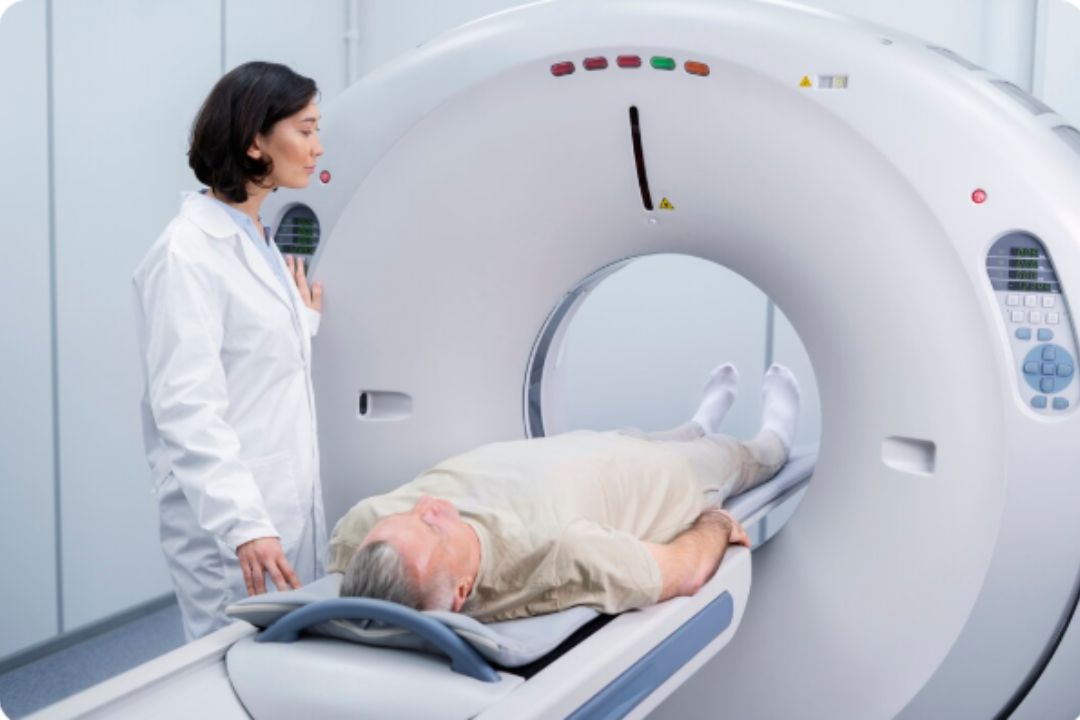
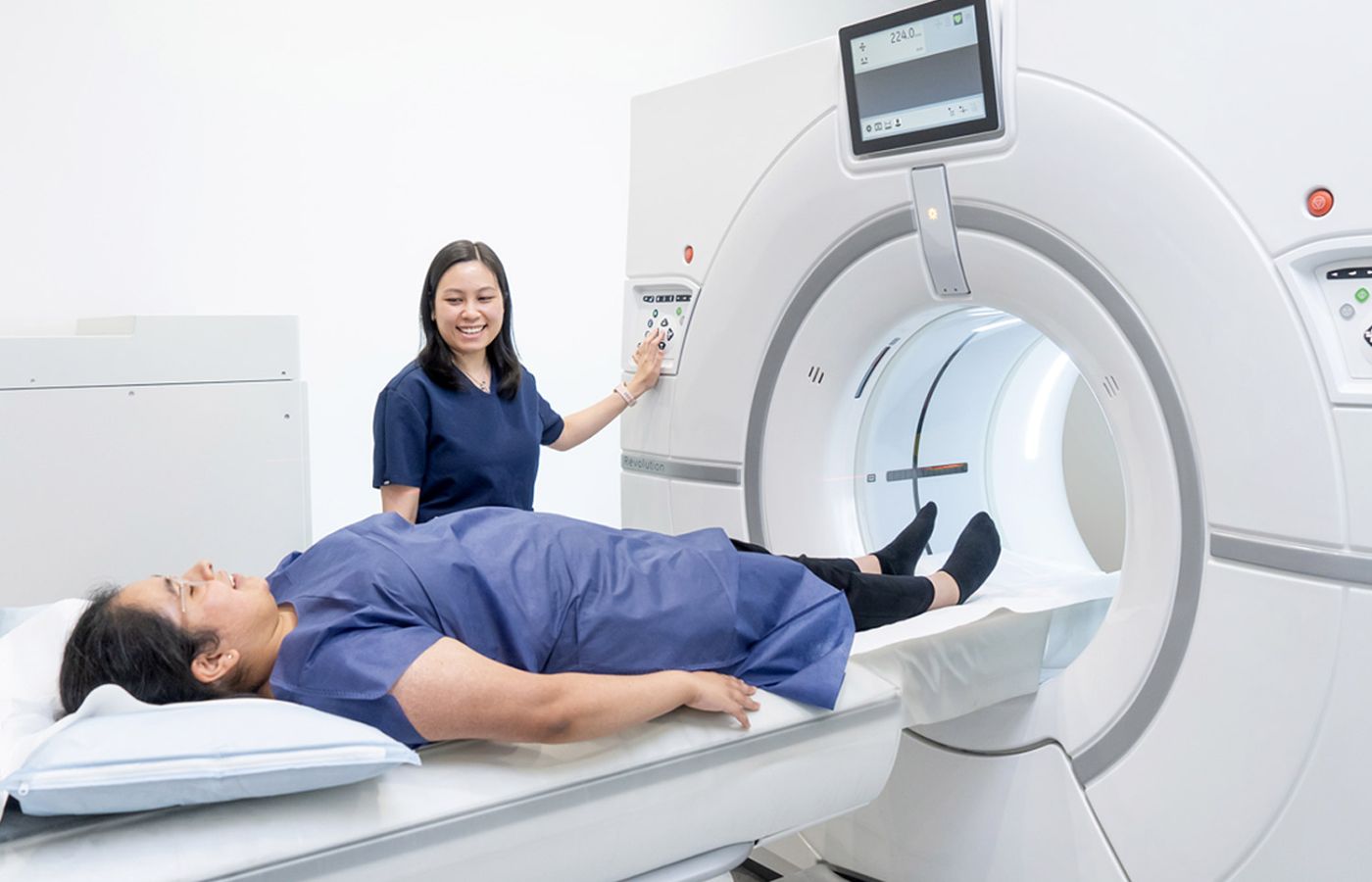
The HRCT scanning procedure is simple and usually takes only a few minutes.
During the scan:
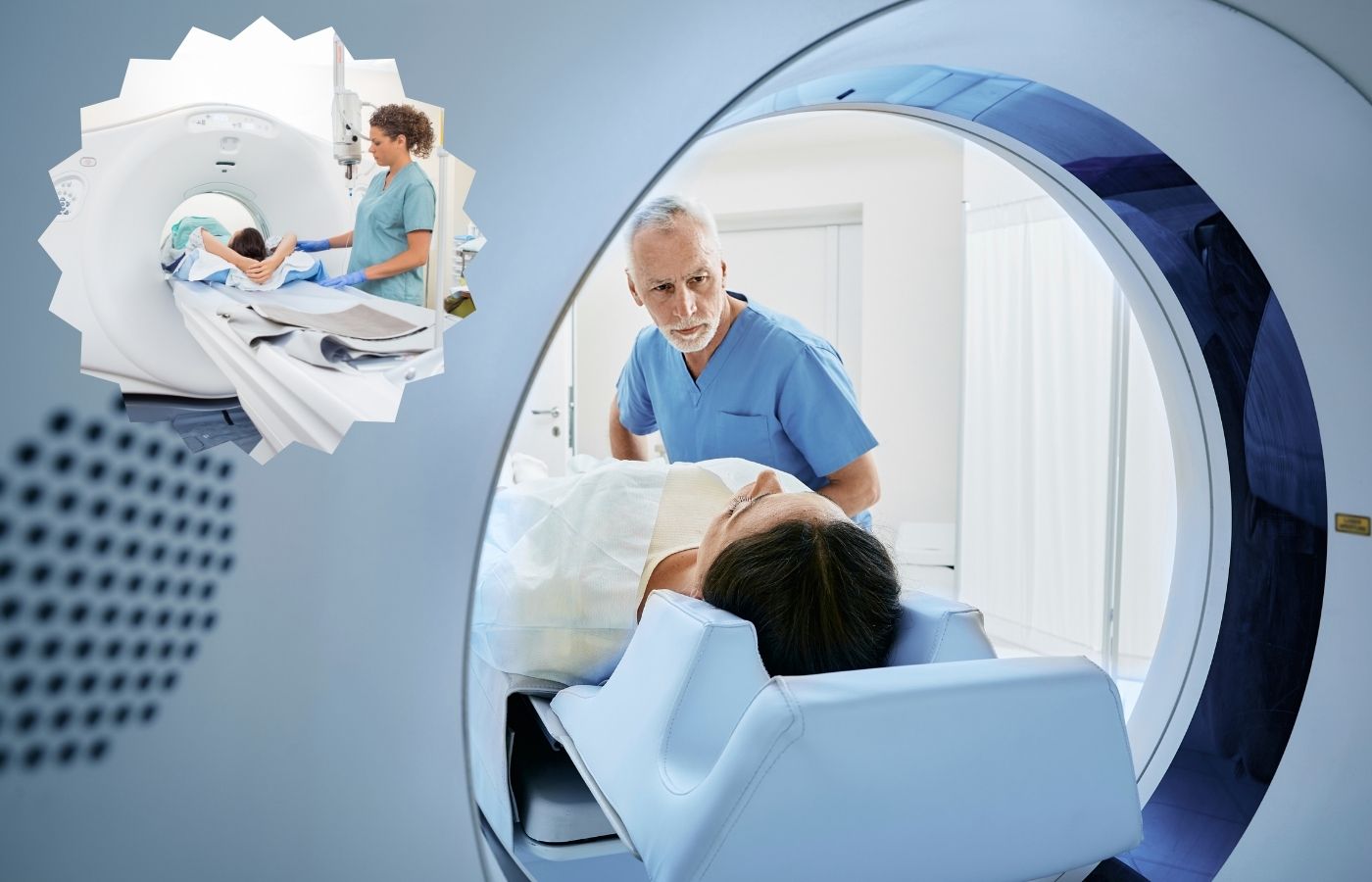
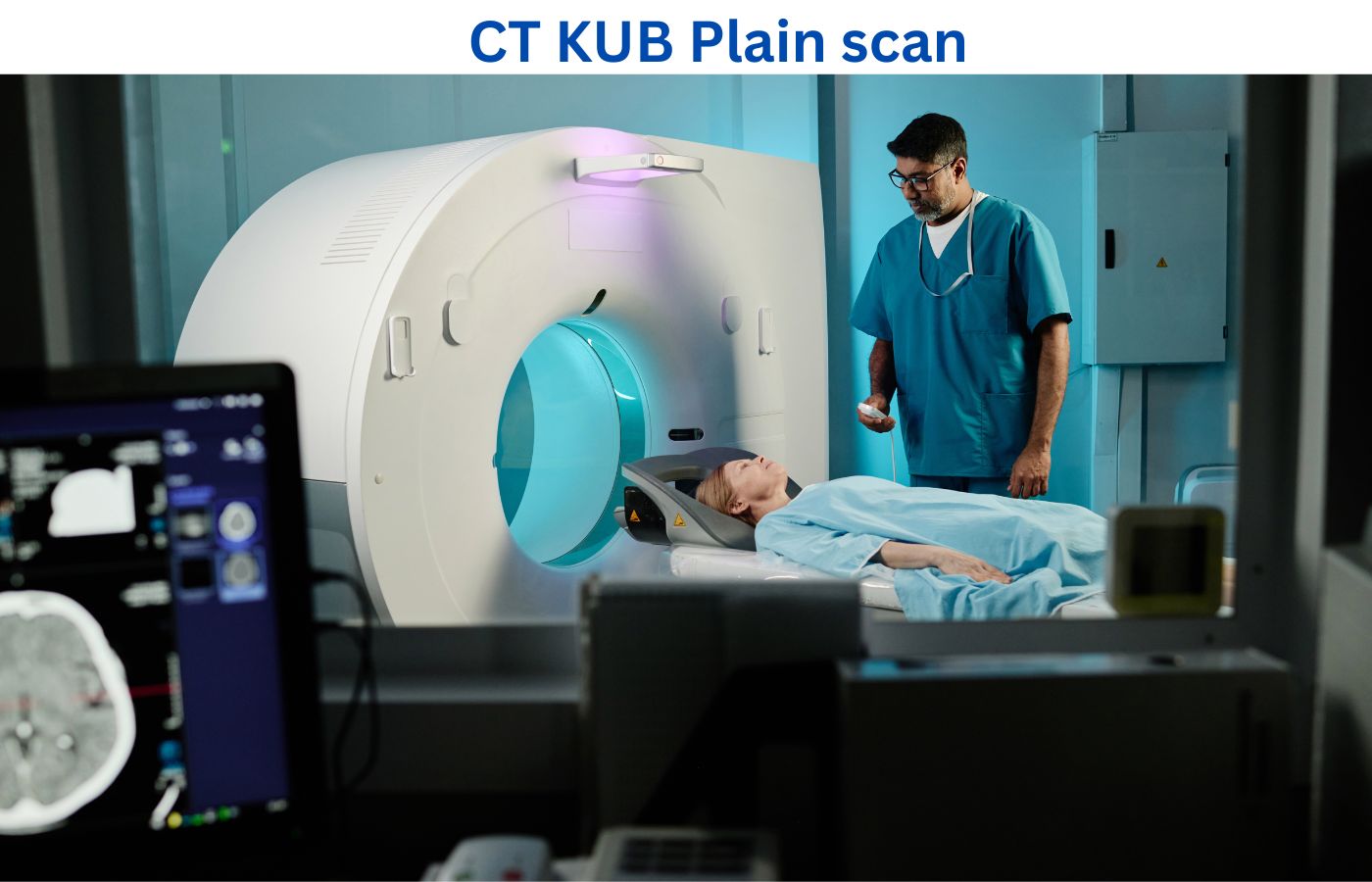
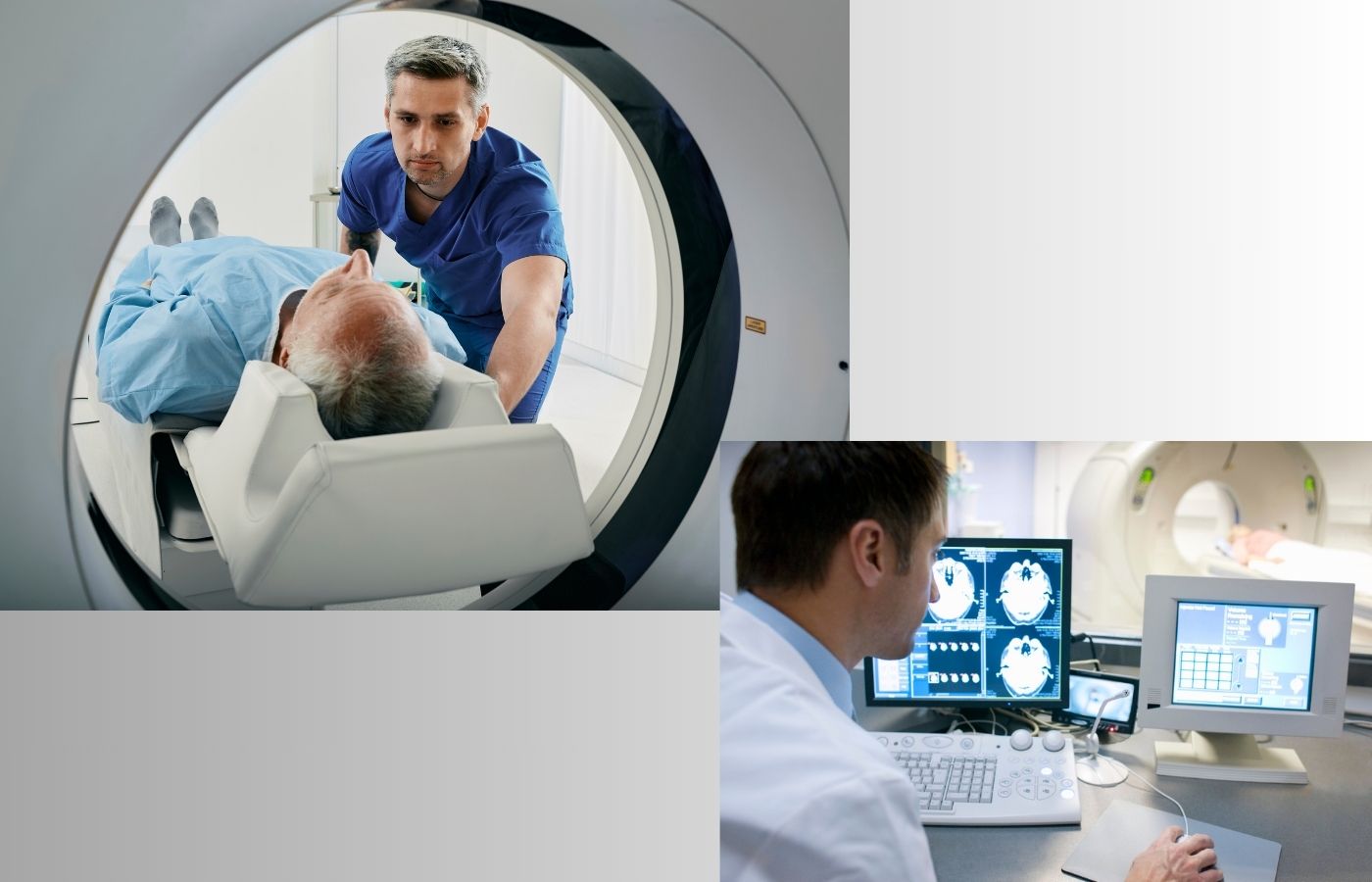
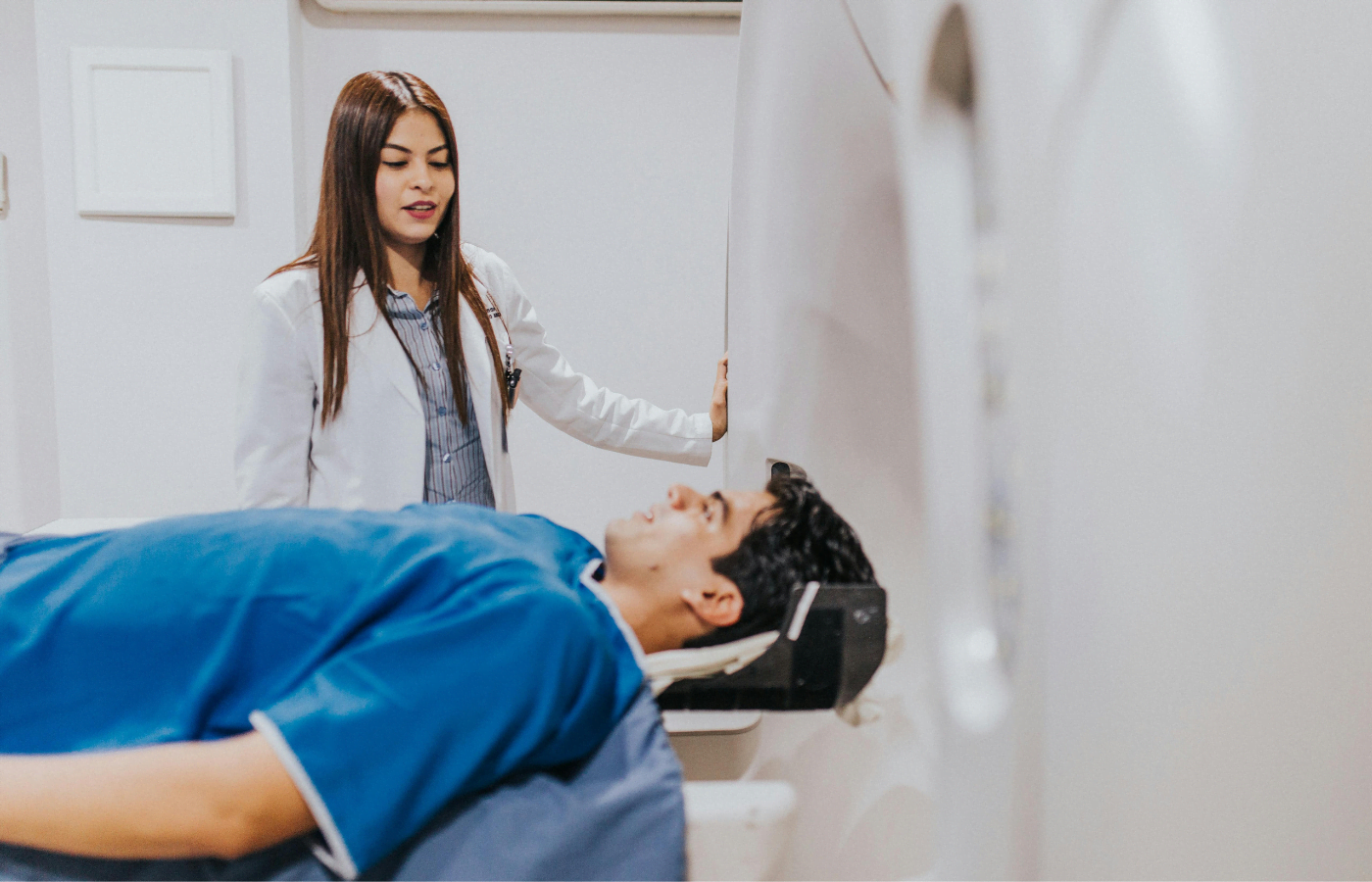
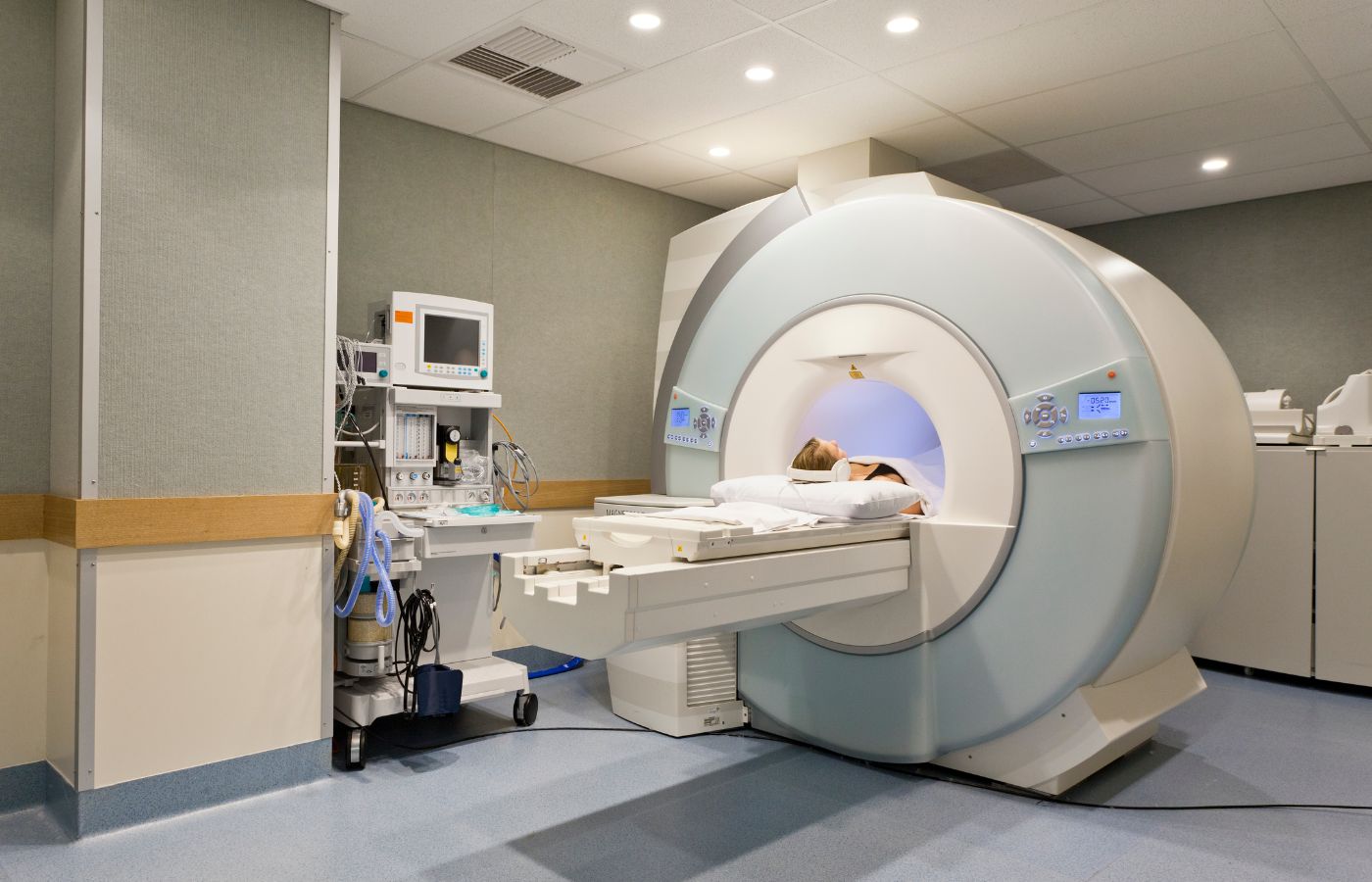
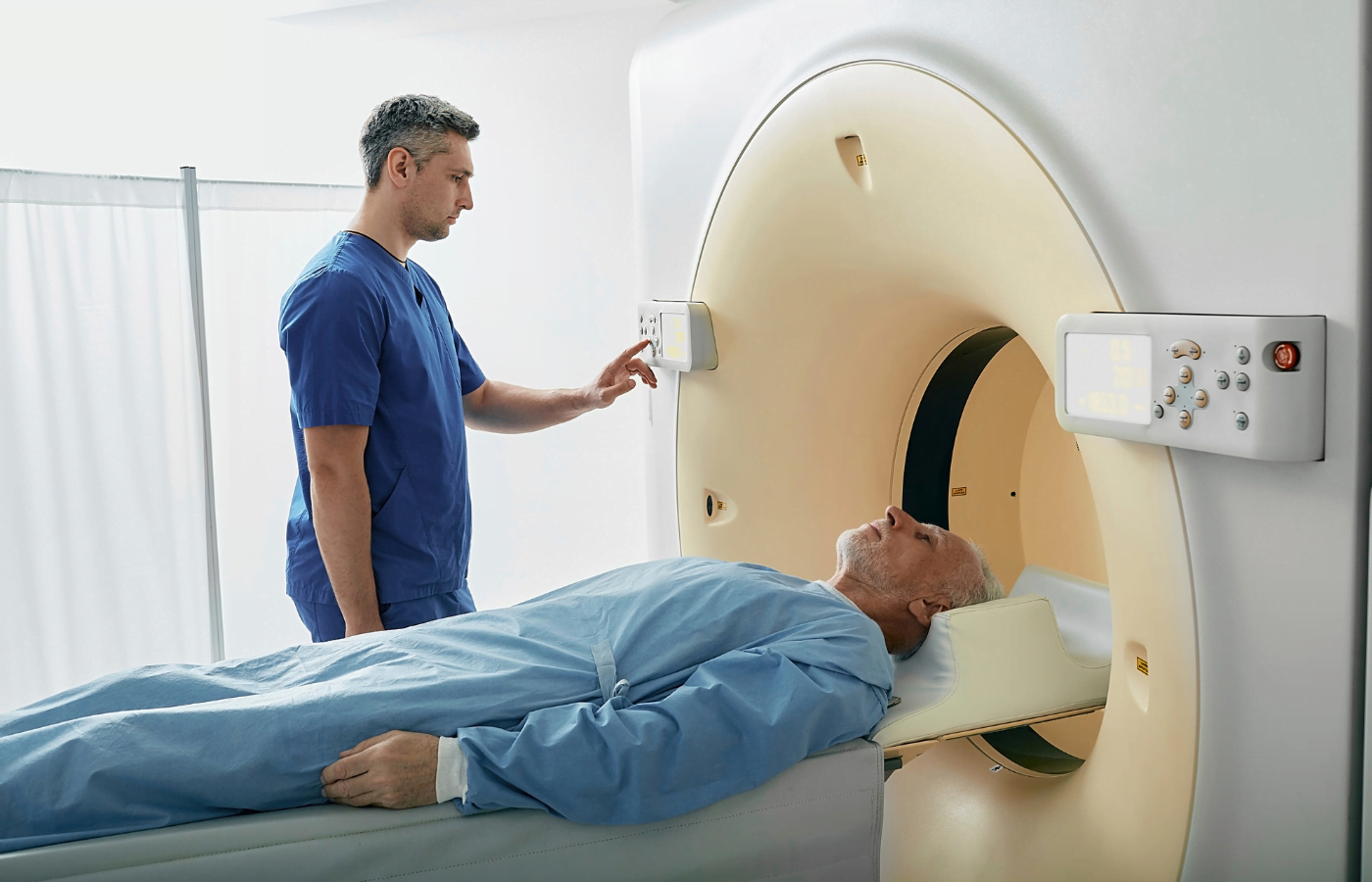
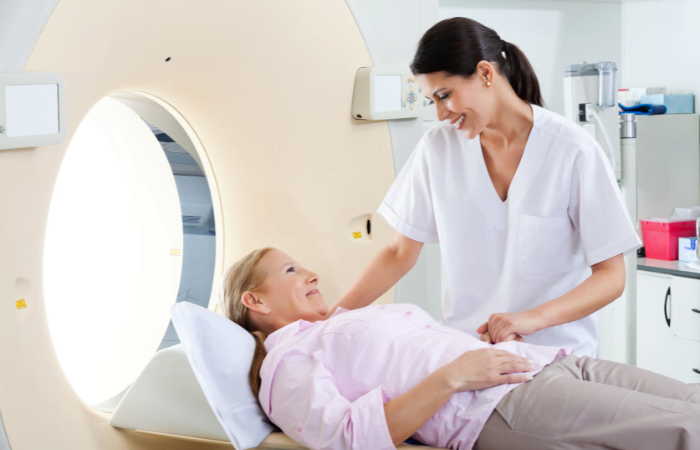
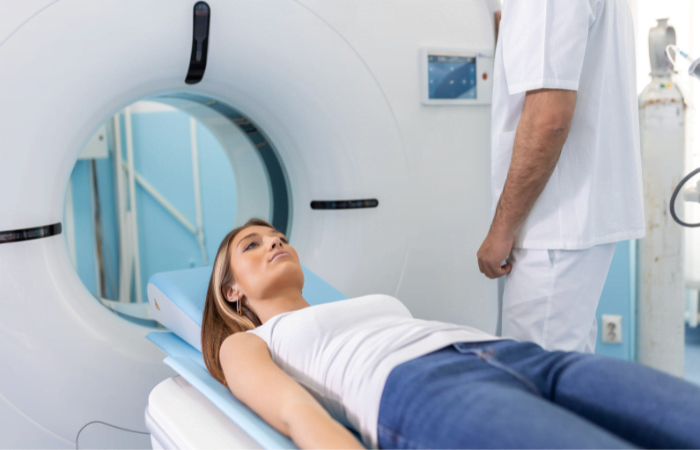
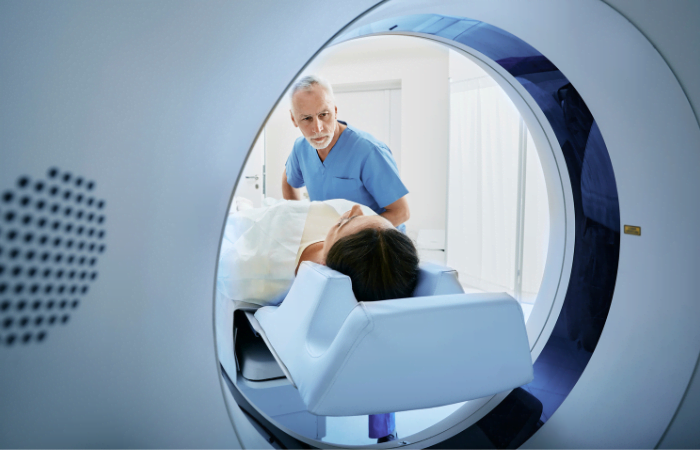
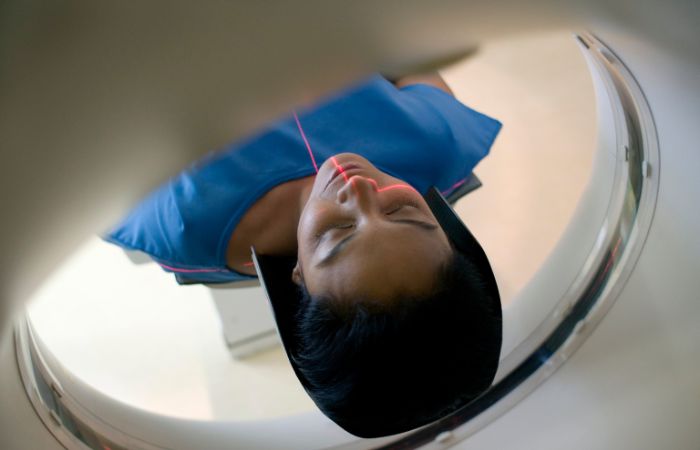
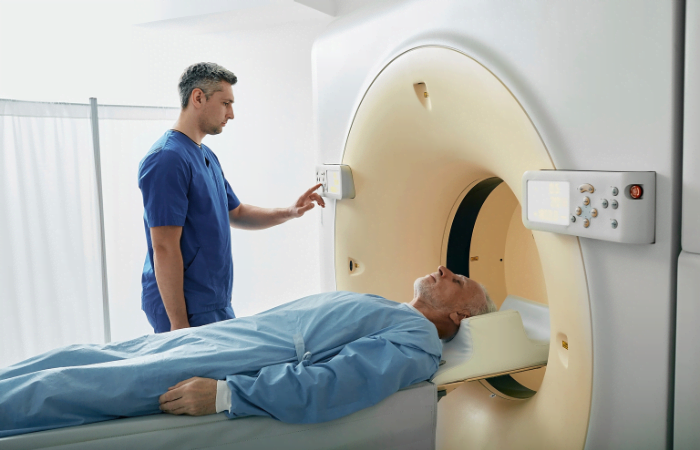
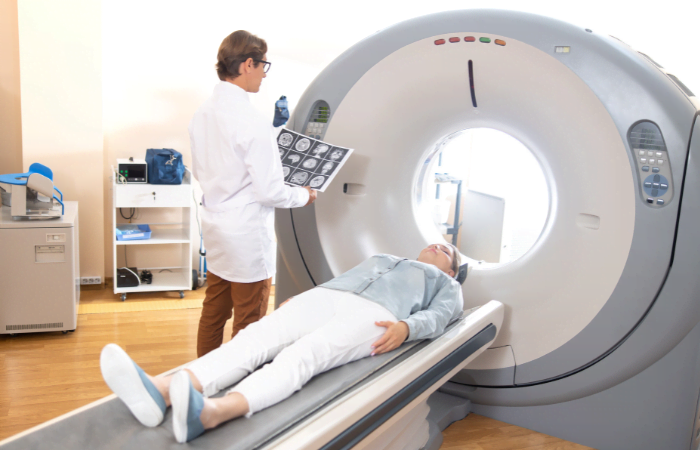
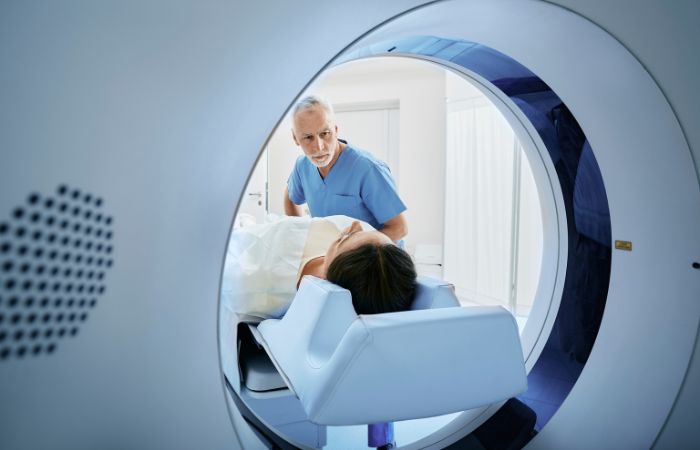
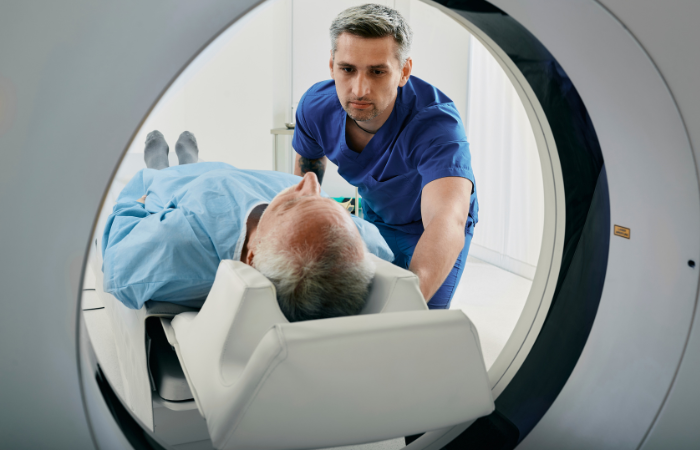
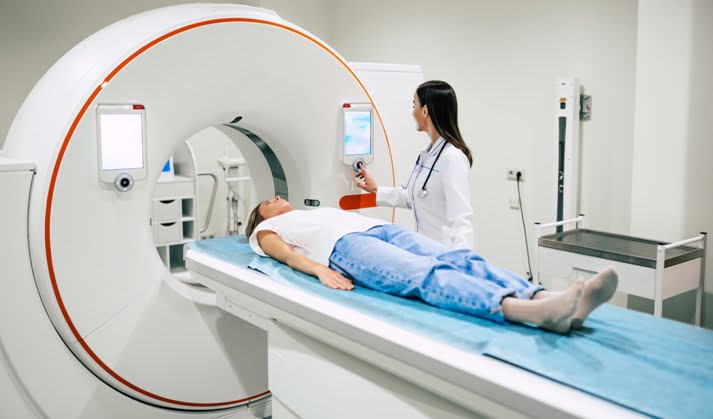
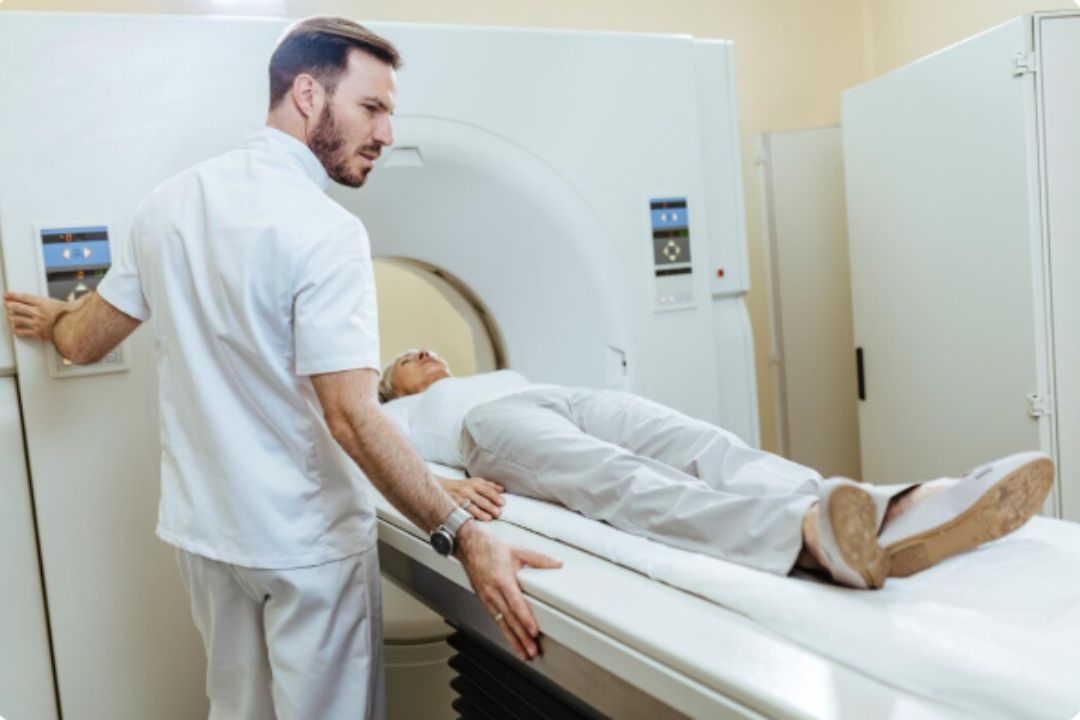
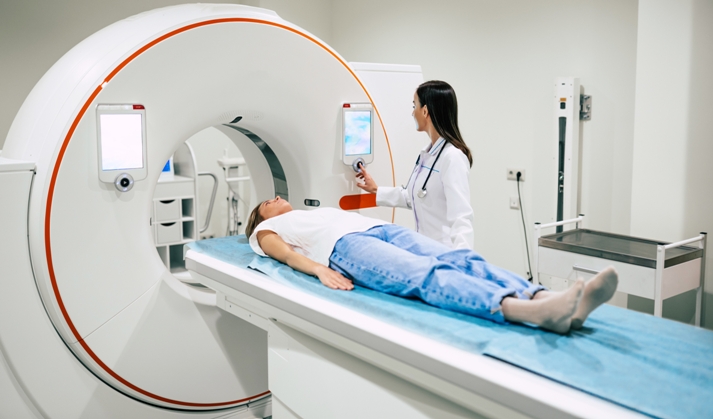
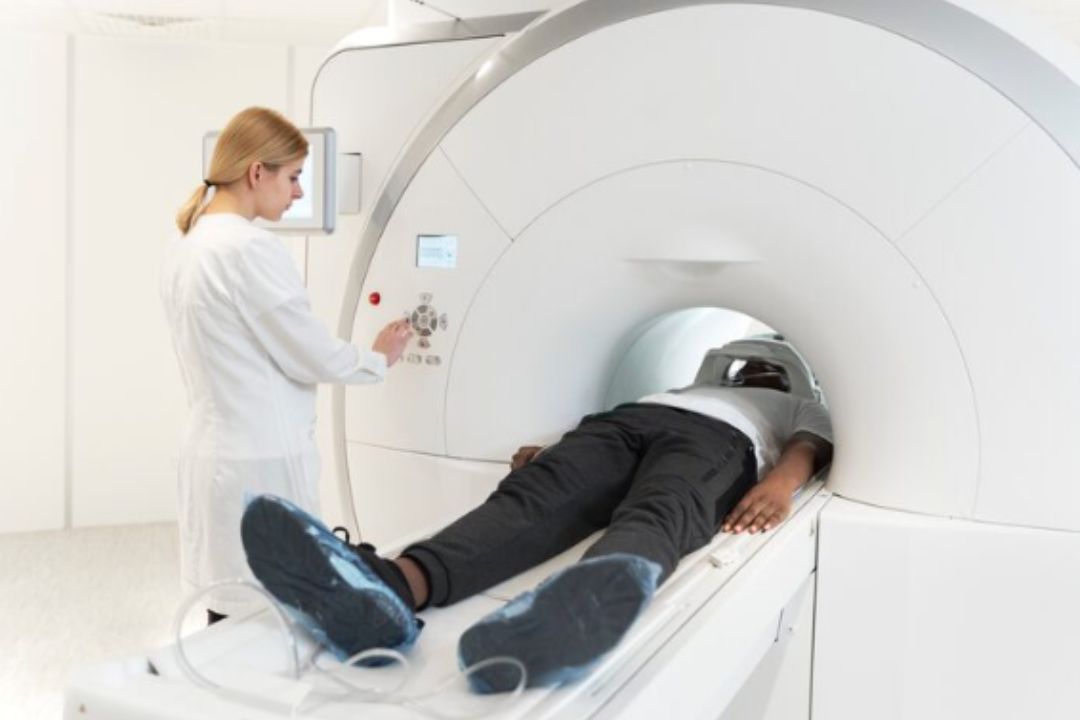
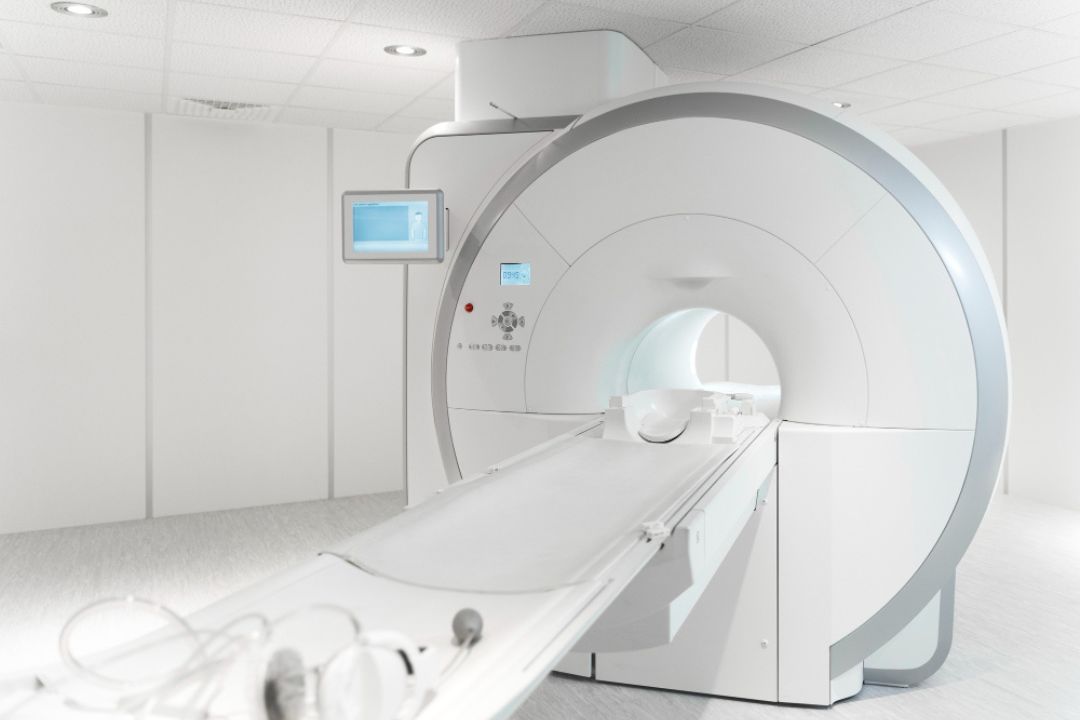
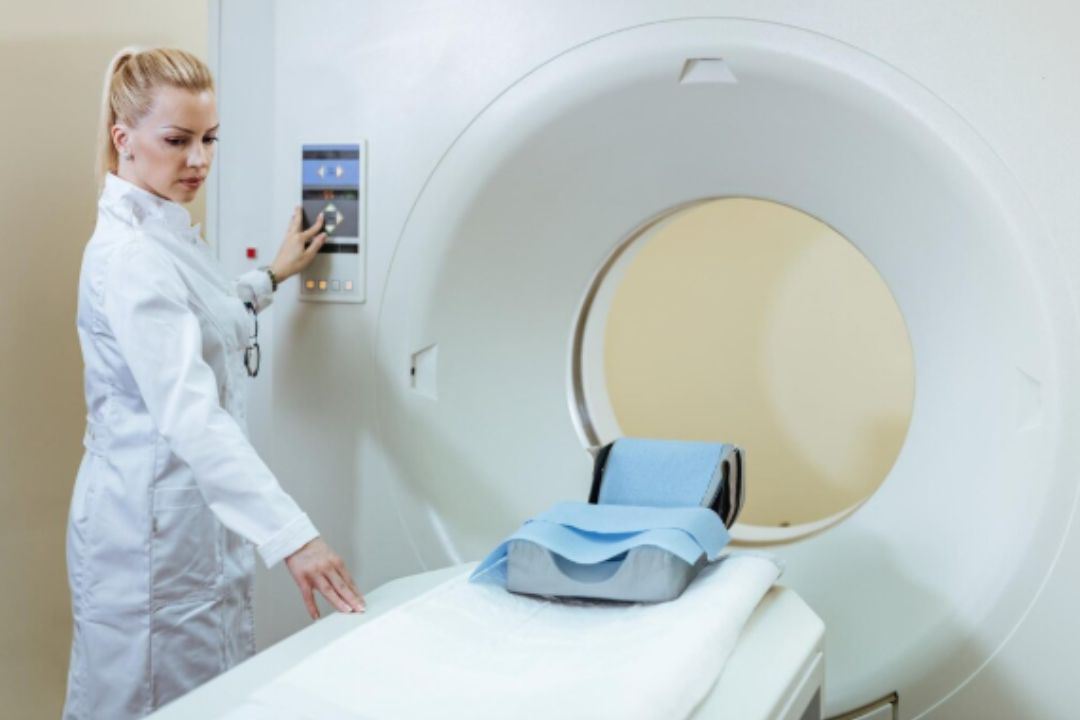
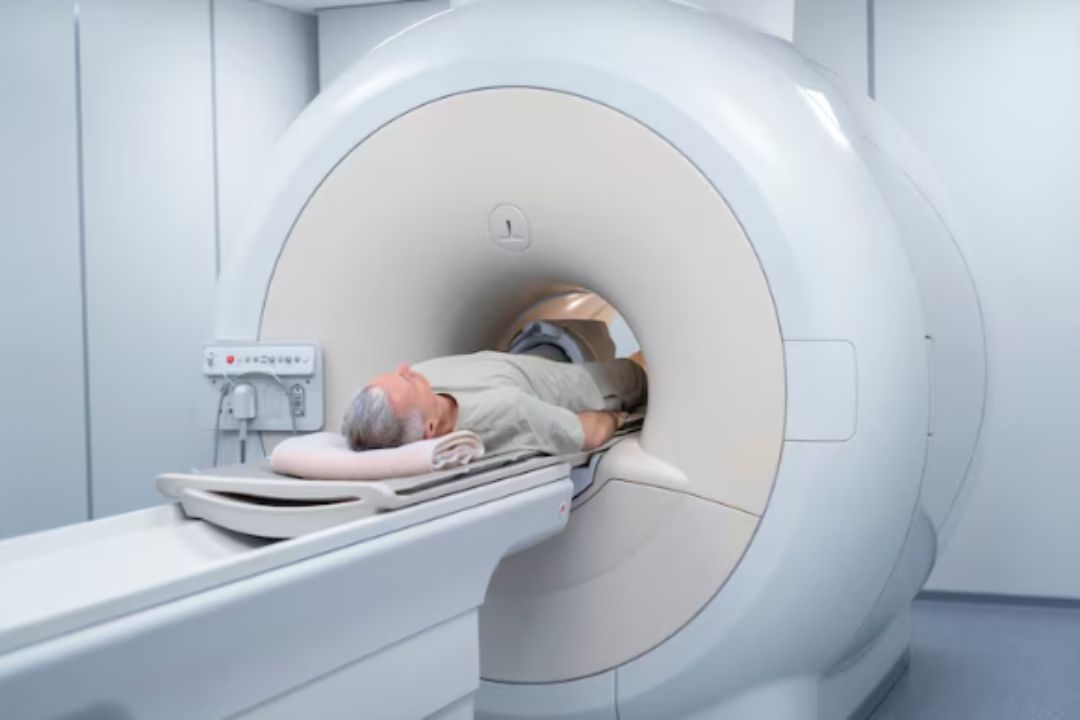
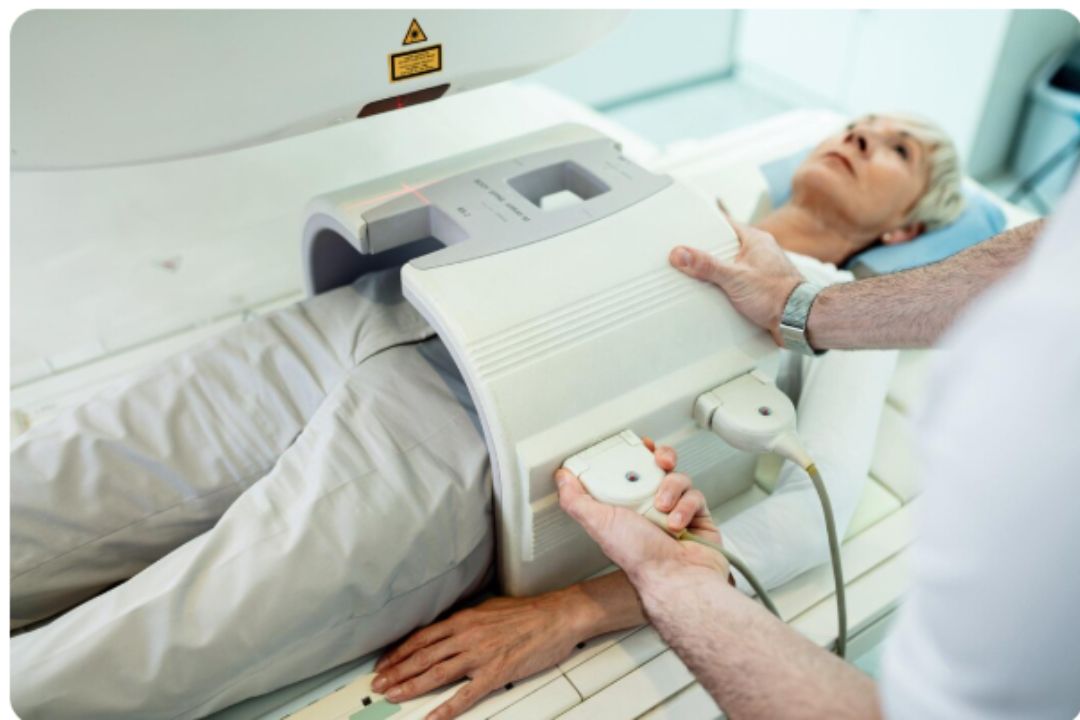
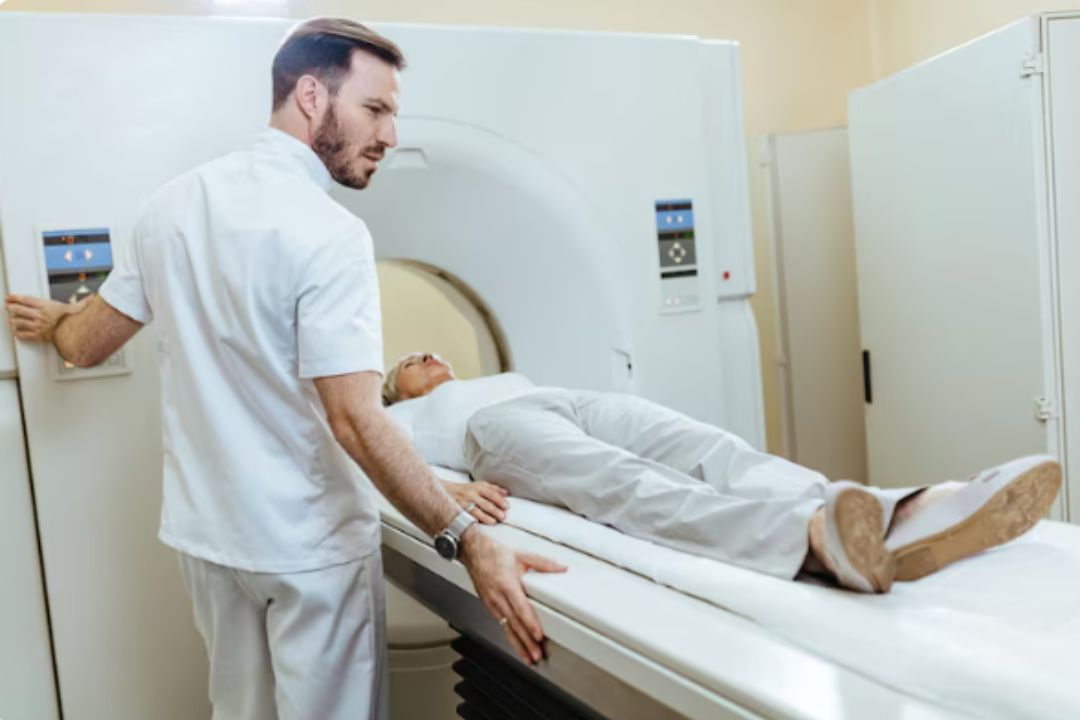
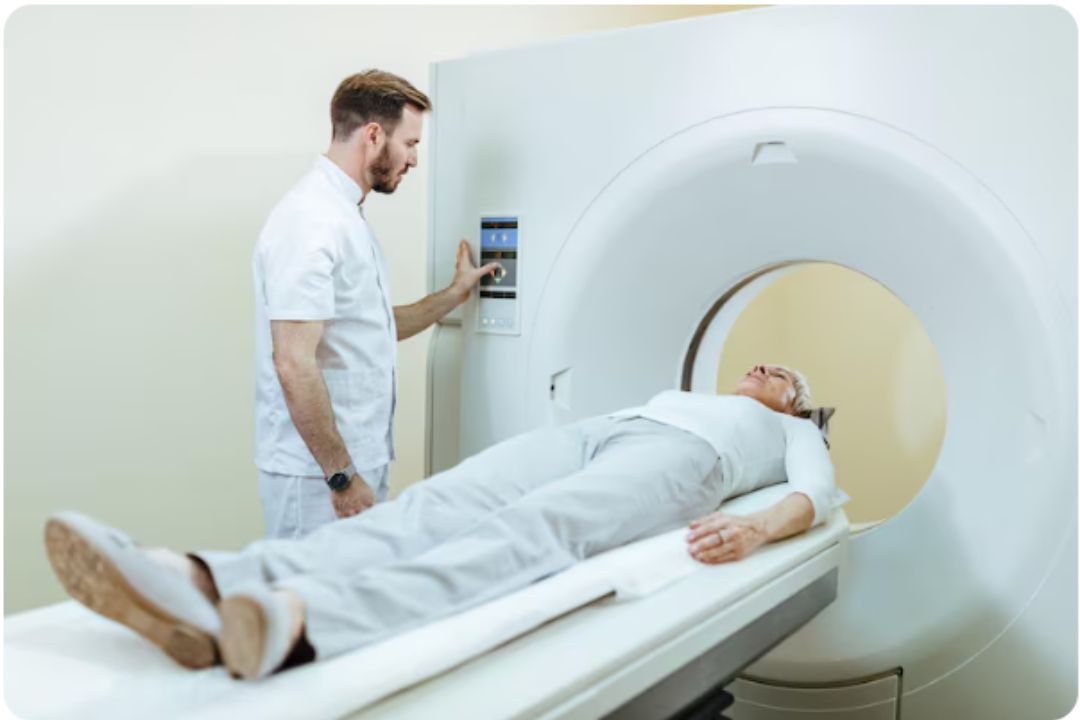
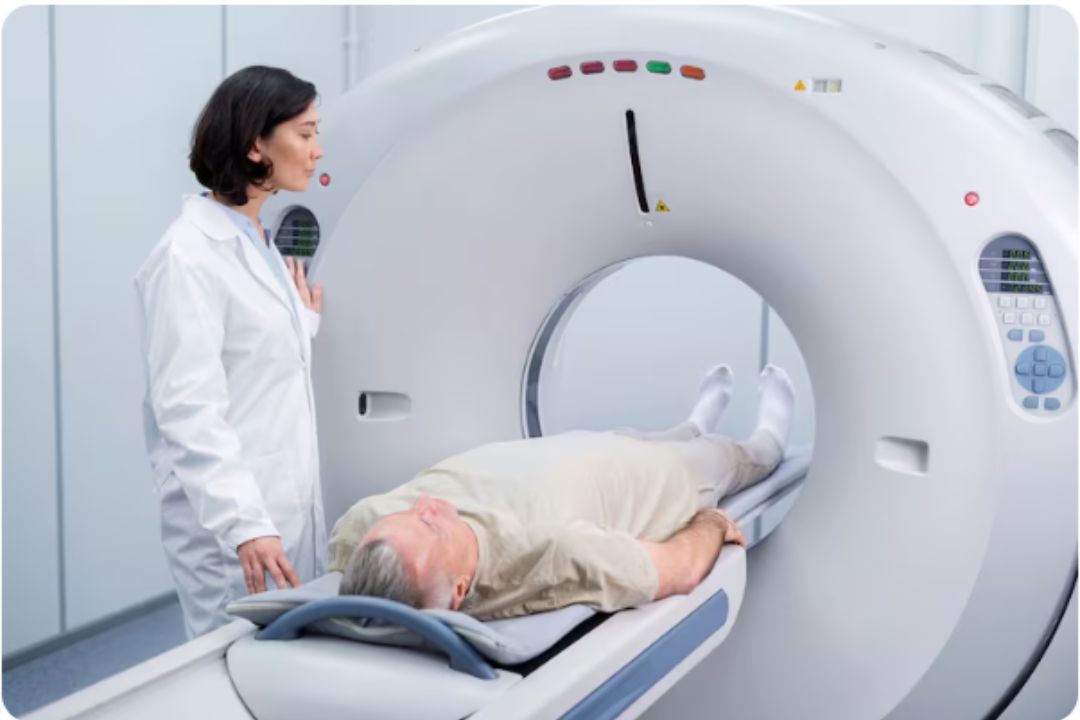
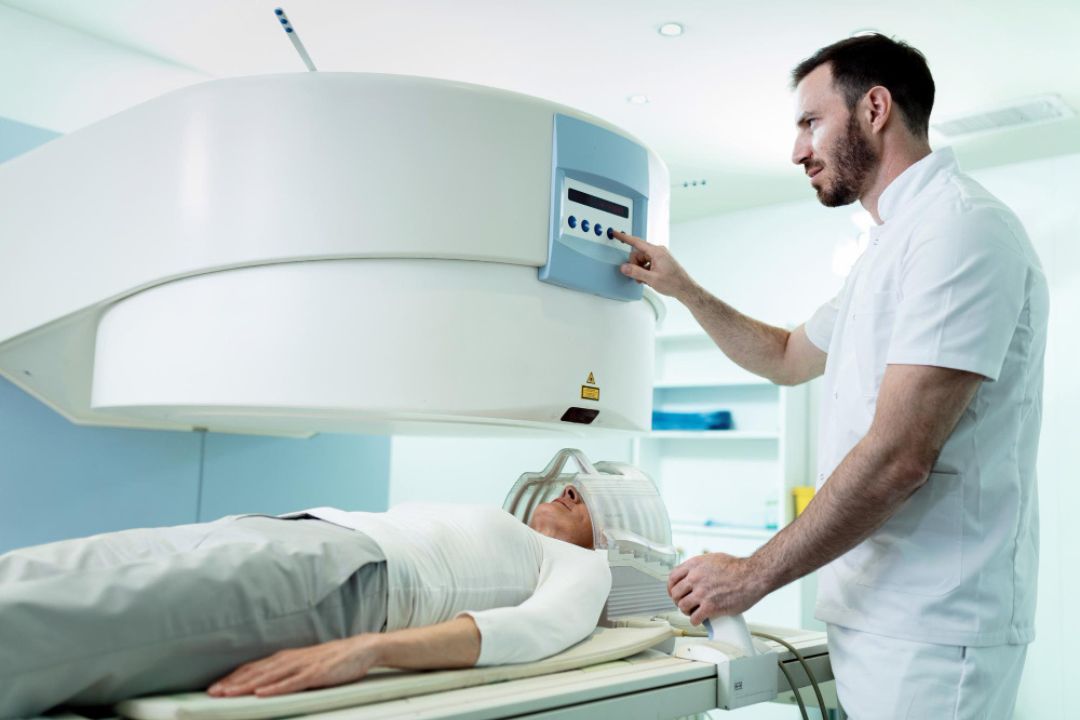
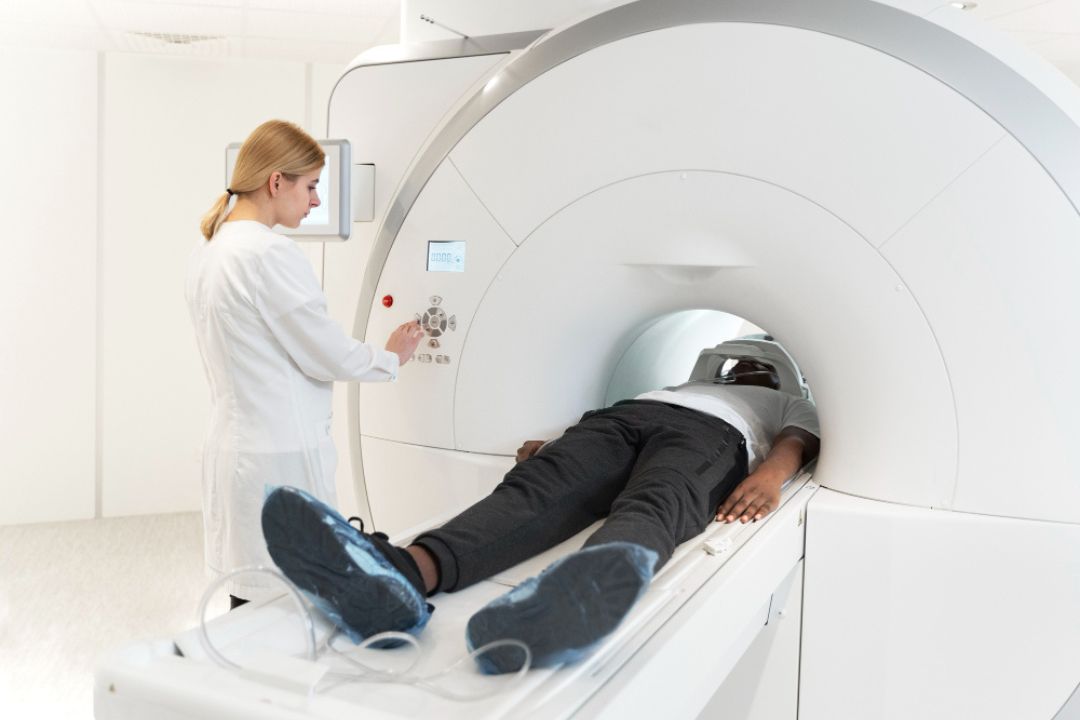
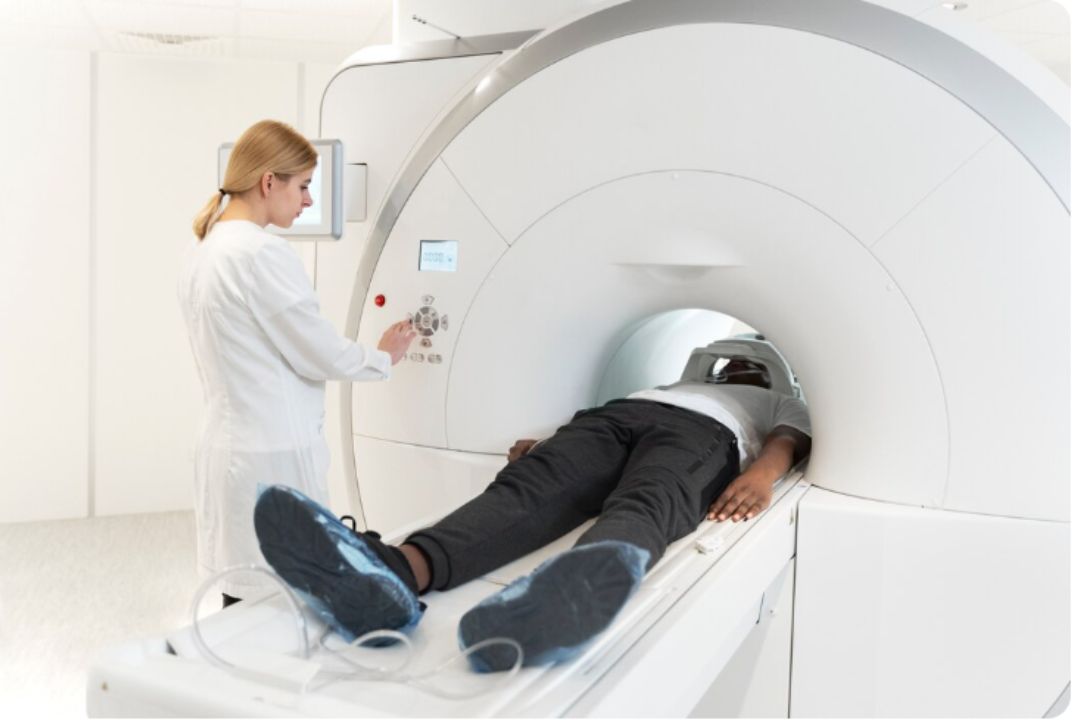
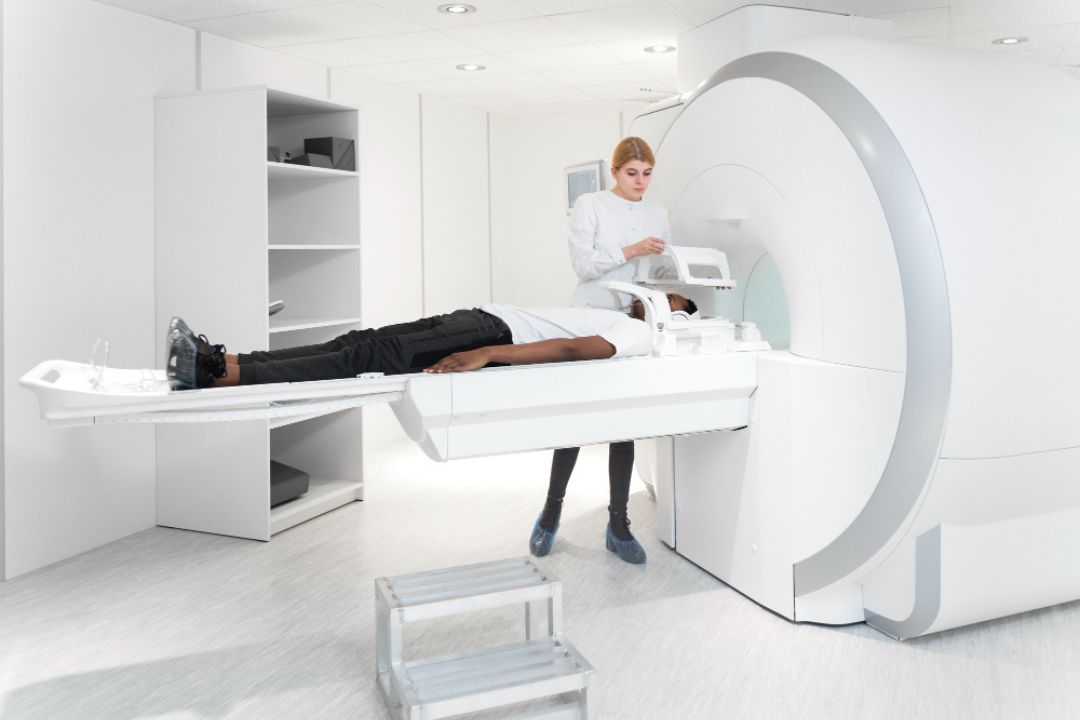
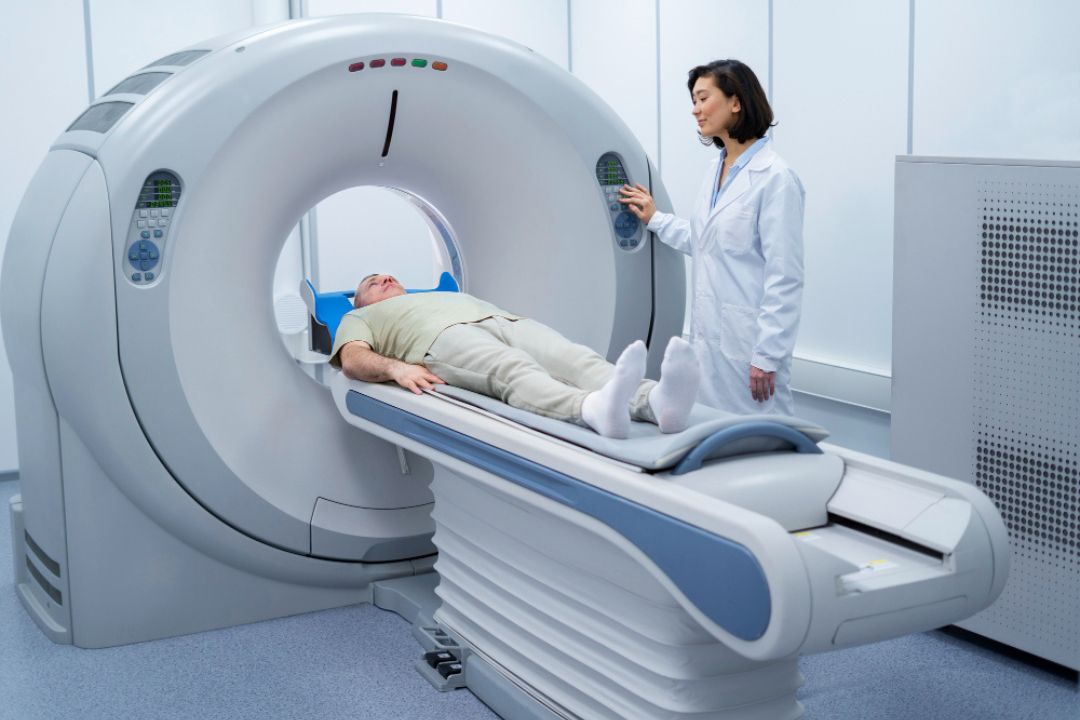
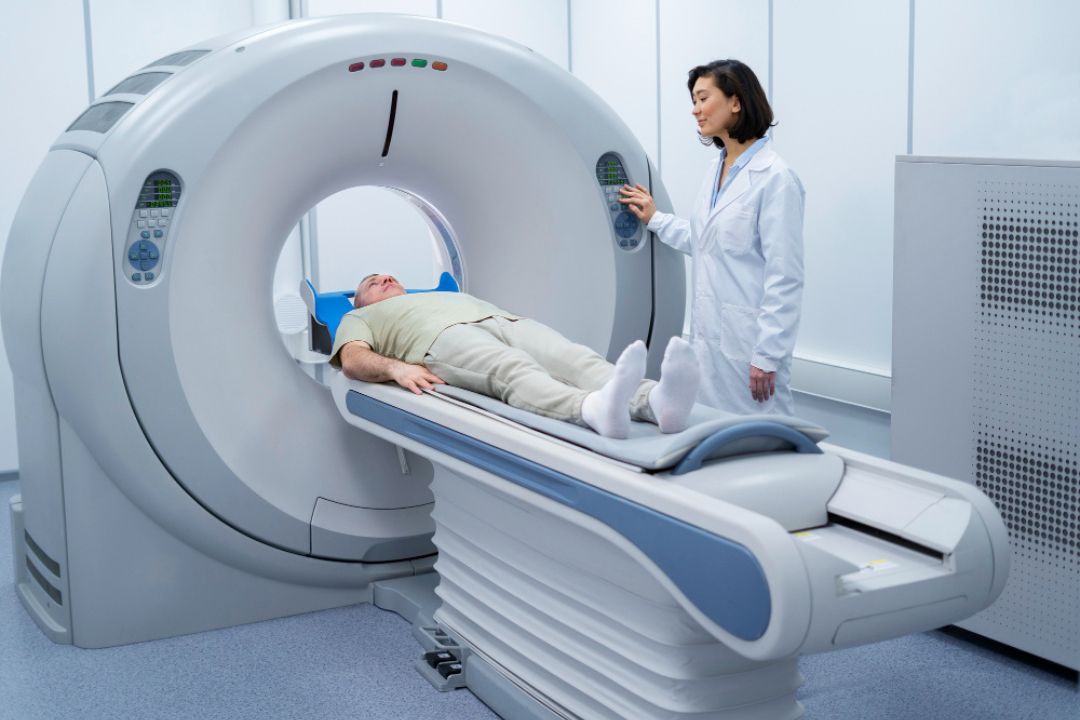
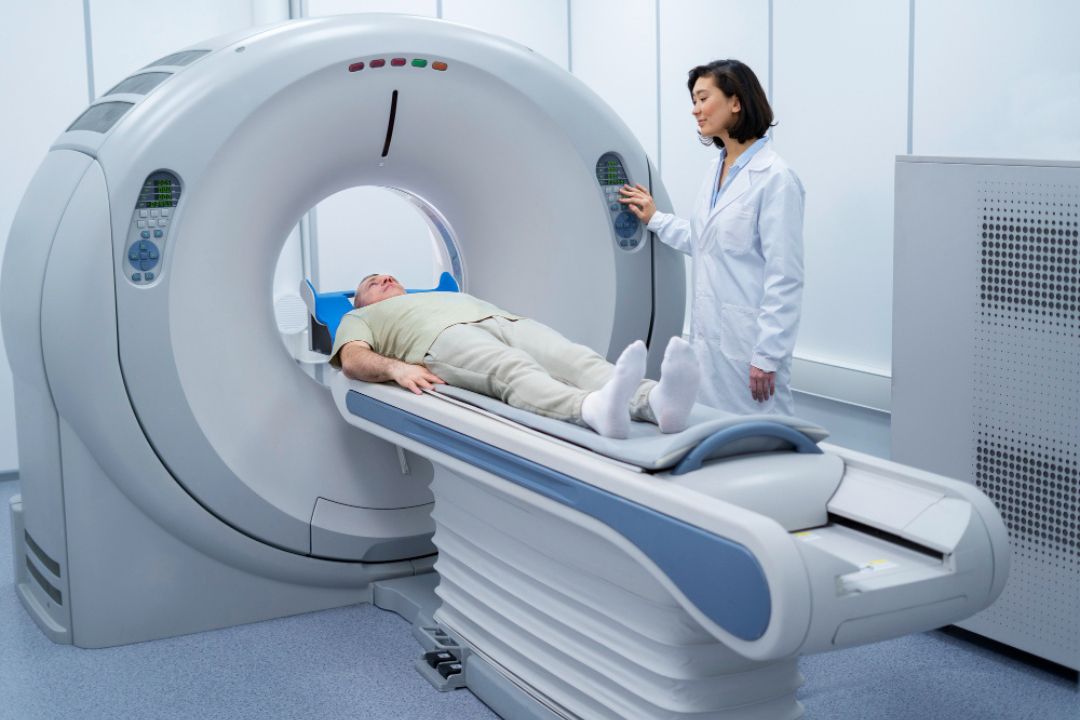
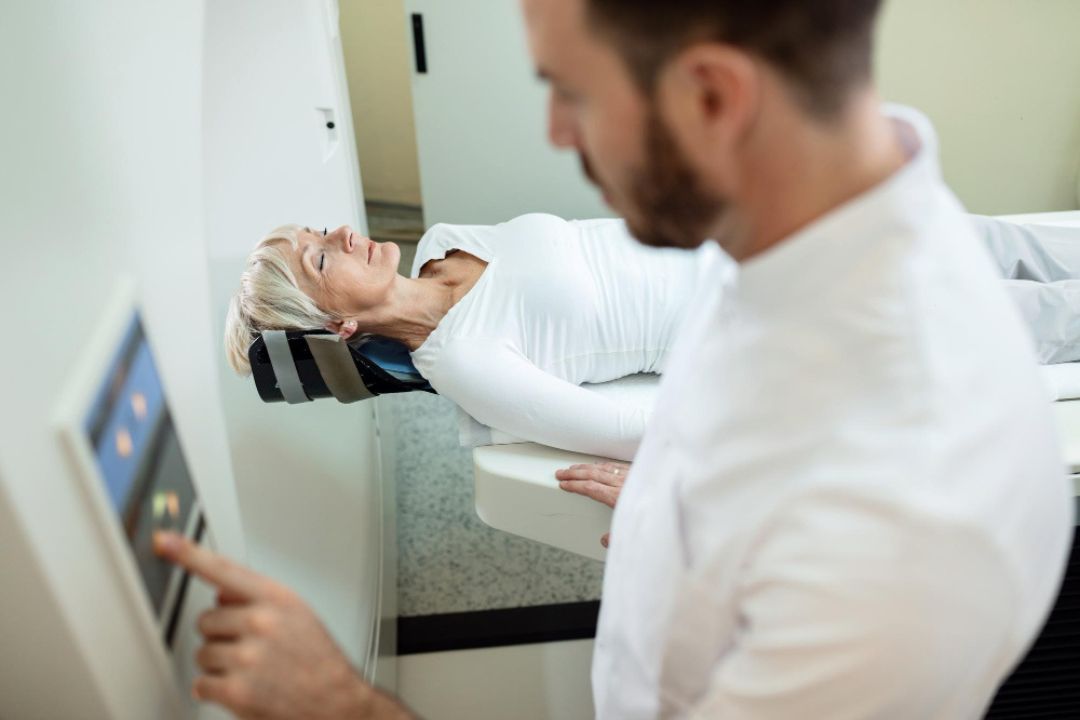
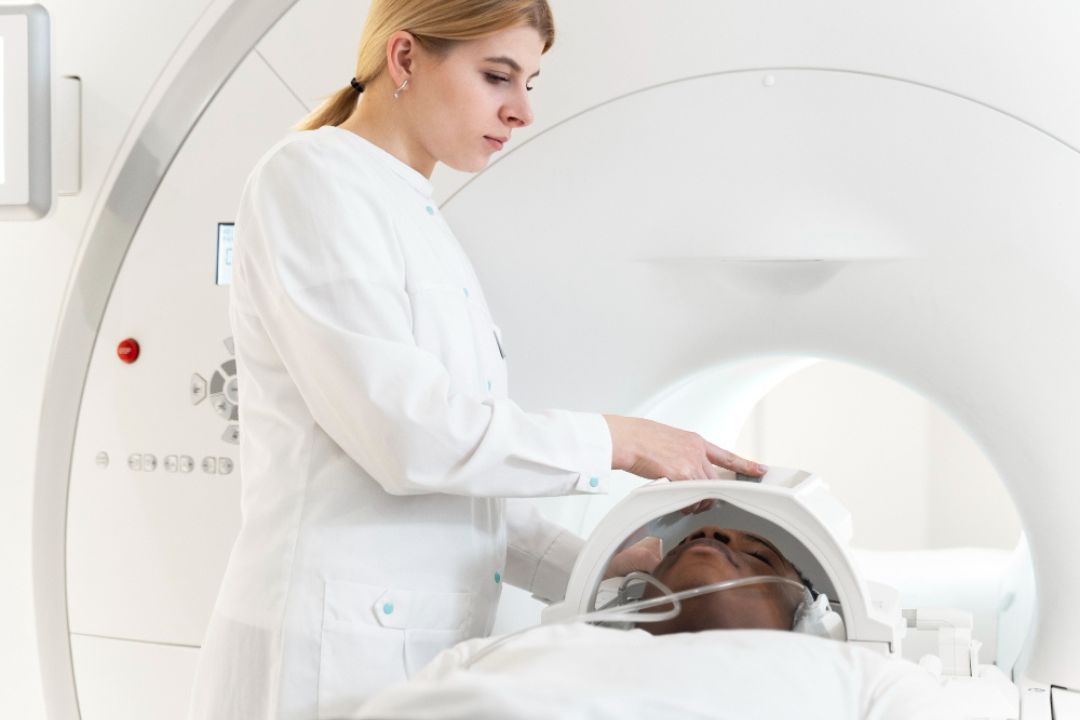
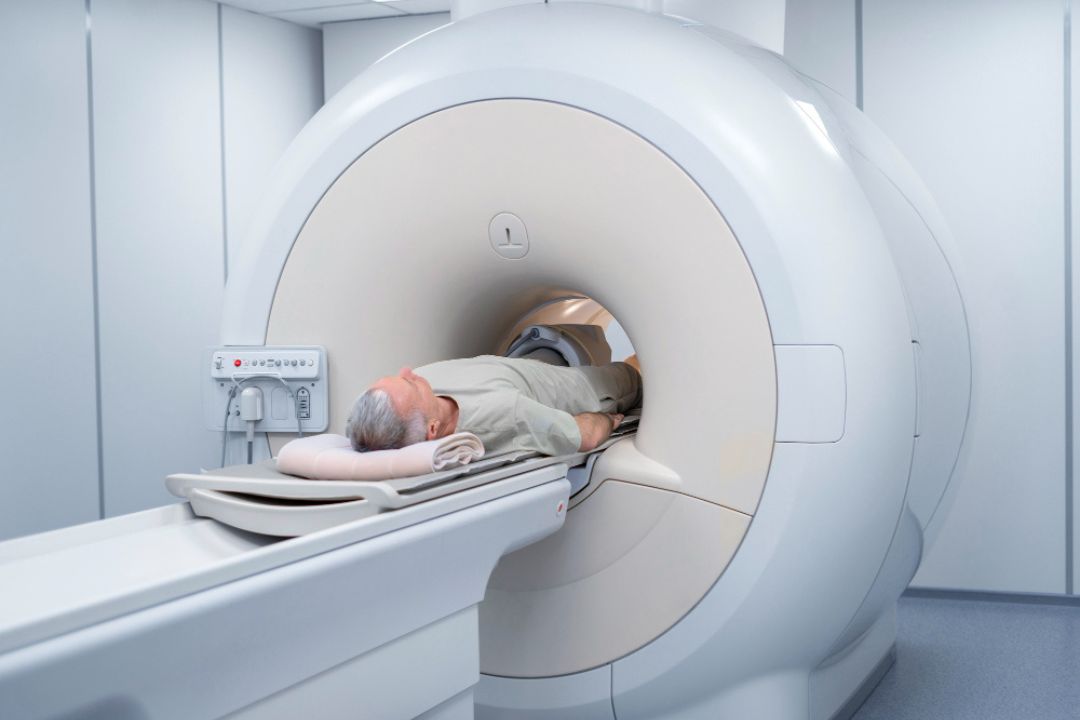
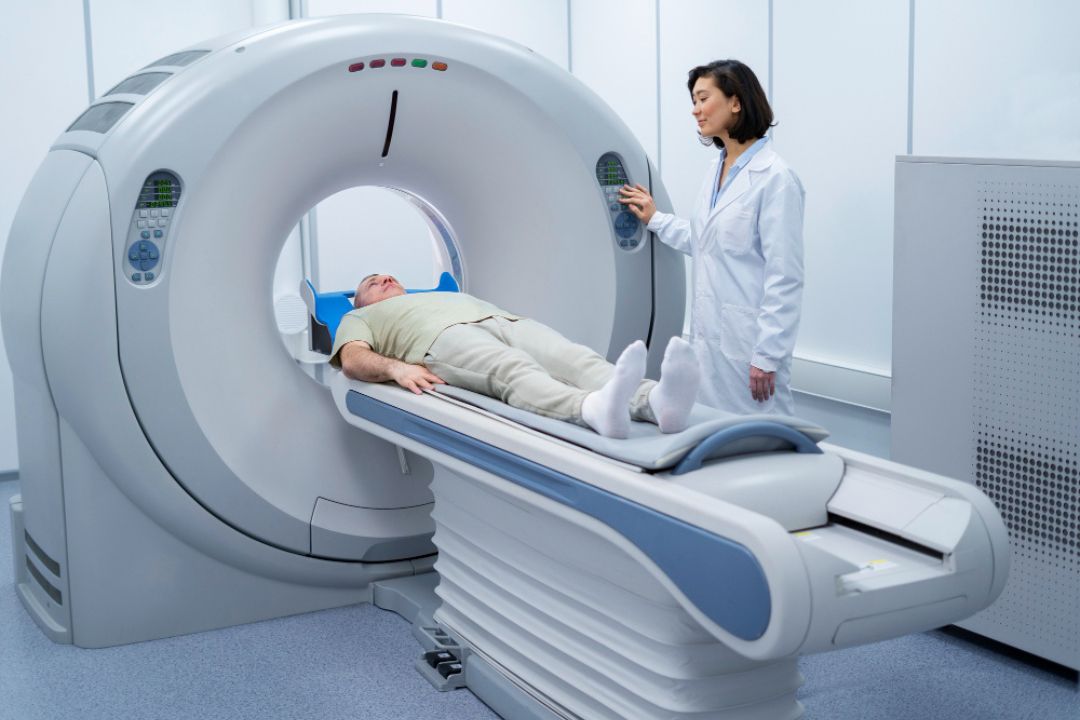
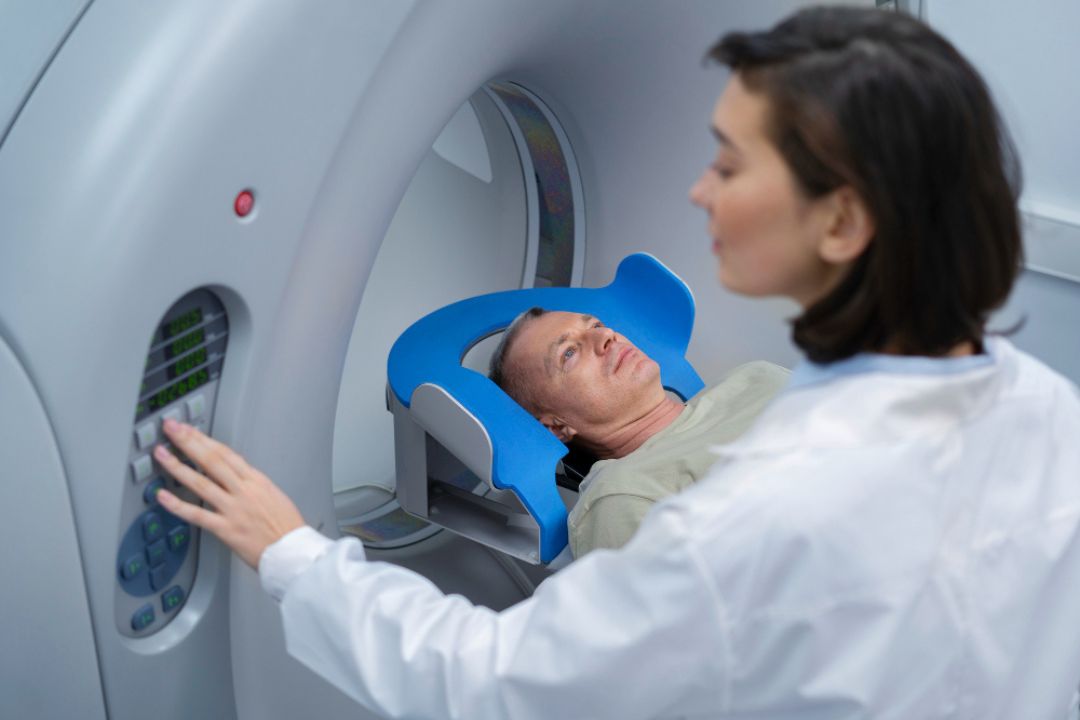
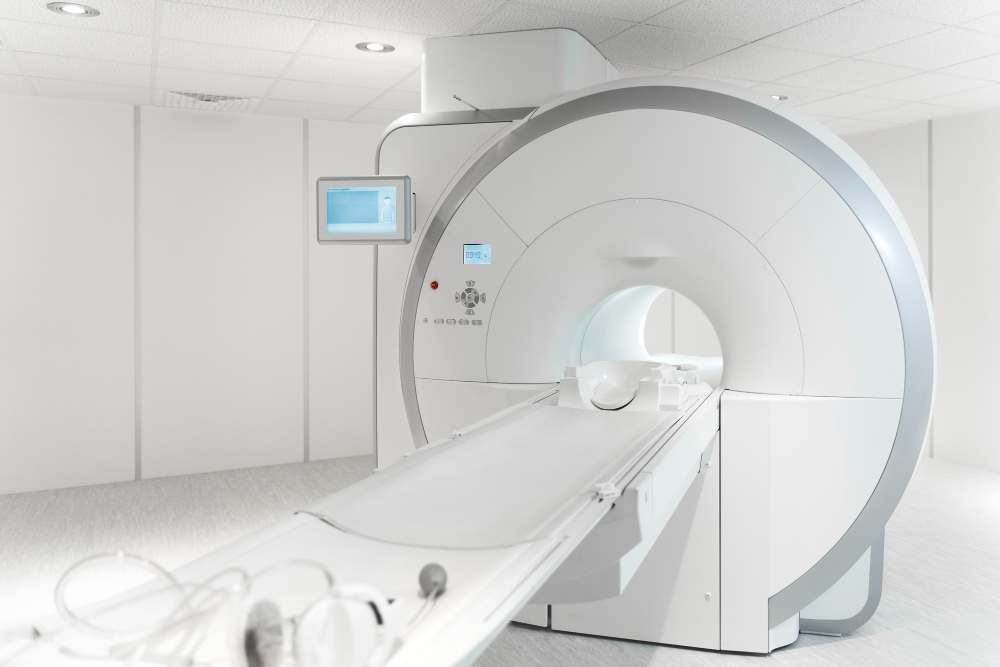
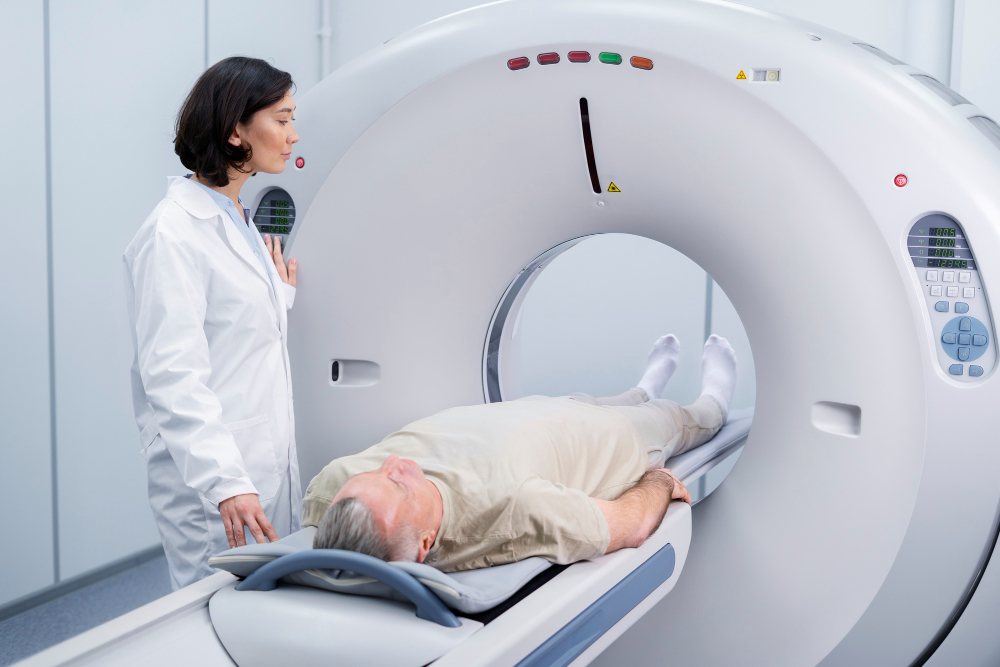
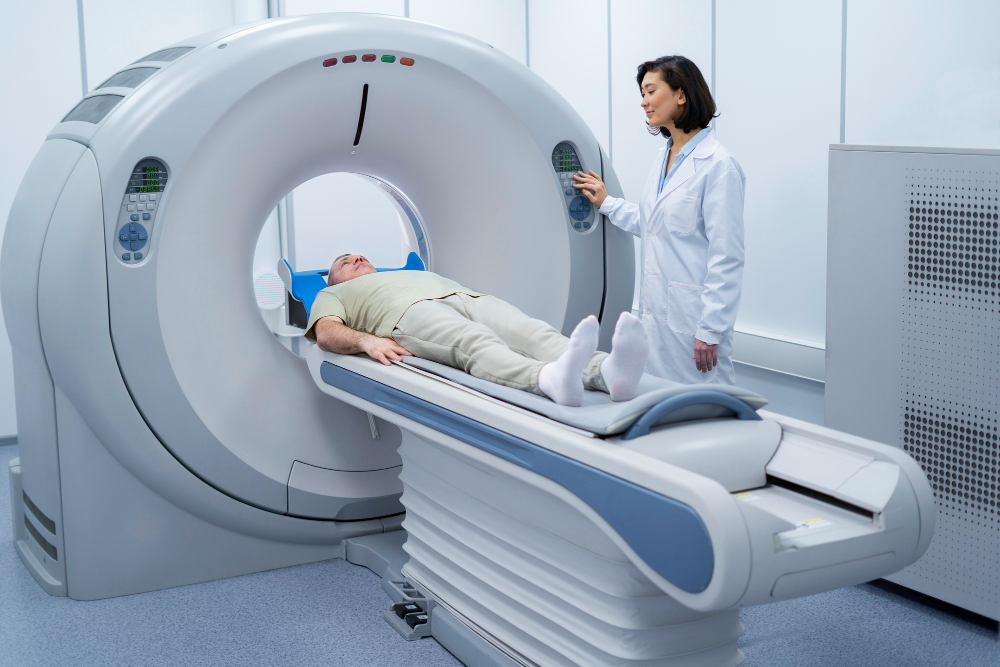
The patient lies on a motorized table connected to the CT scanner.
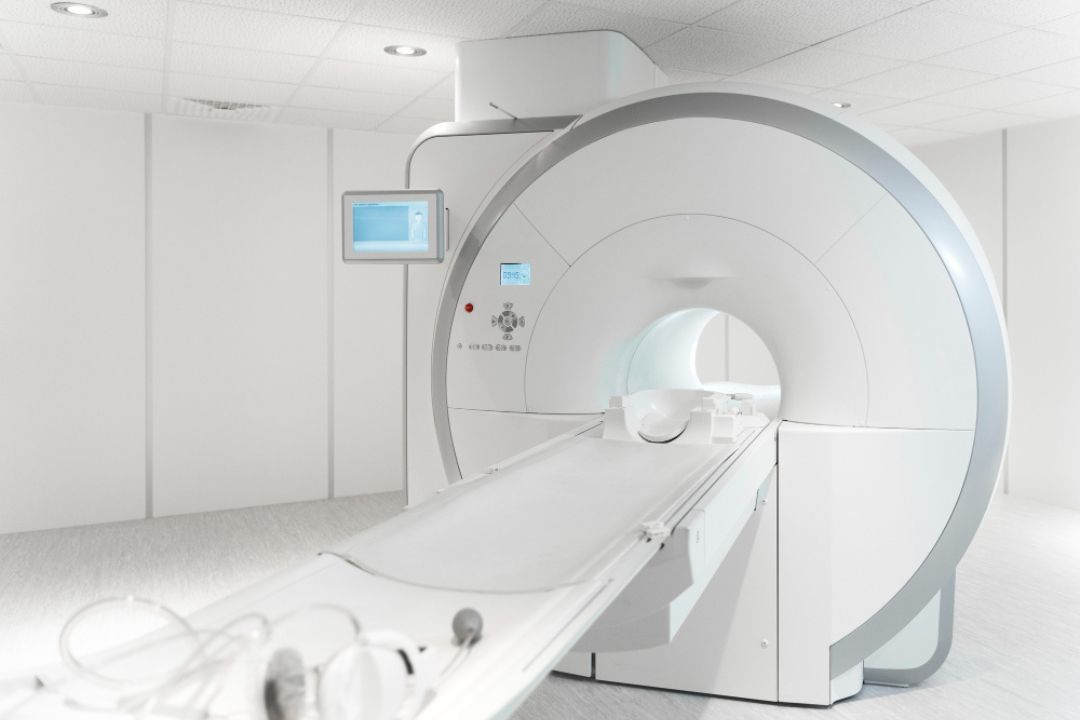
The table slowly moves through the circular scanning machine.
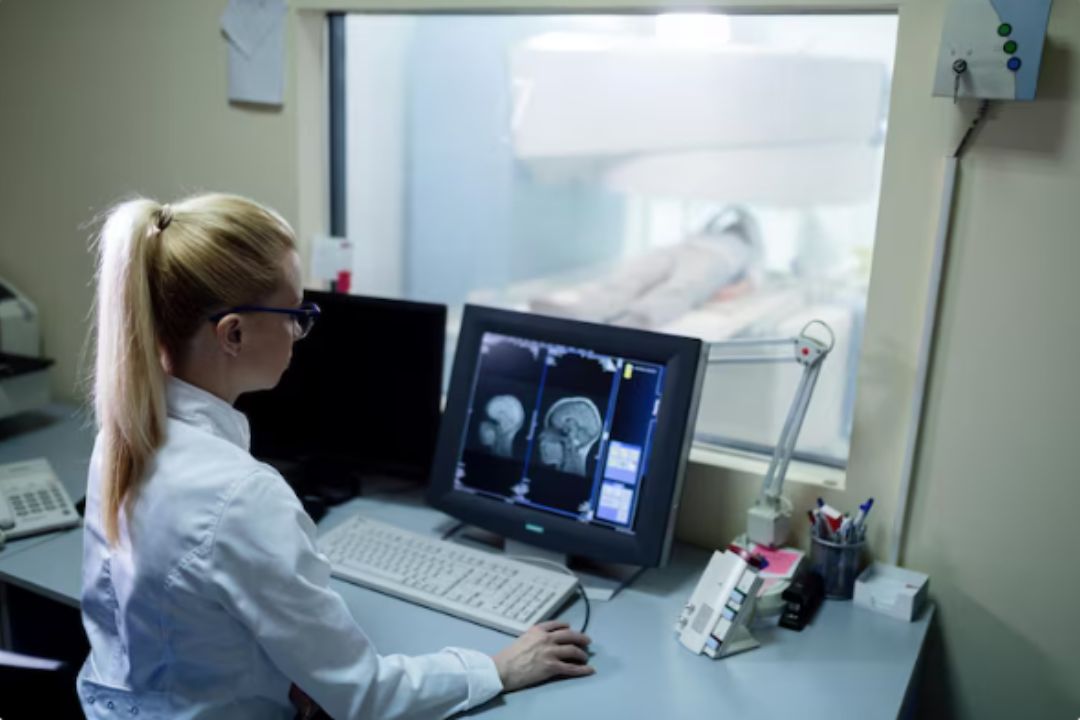
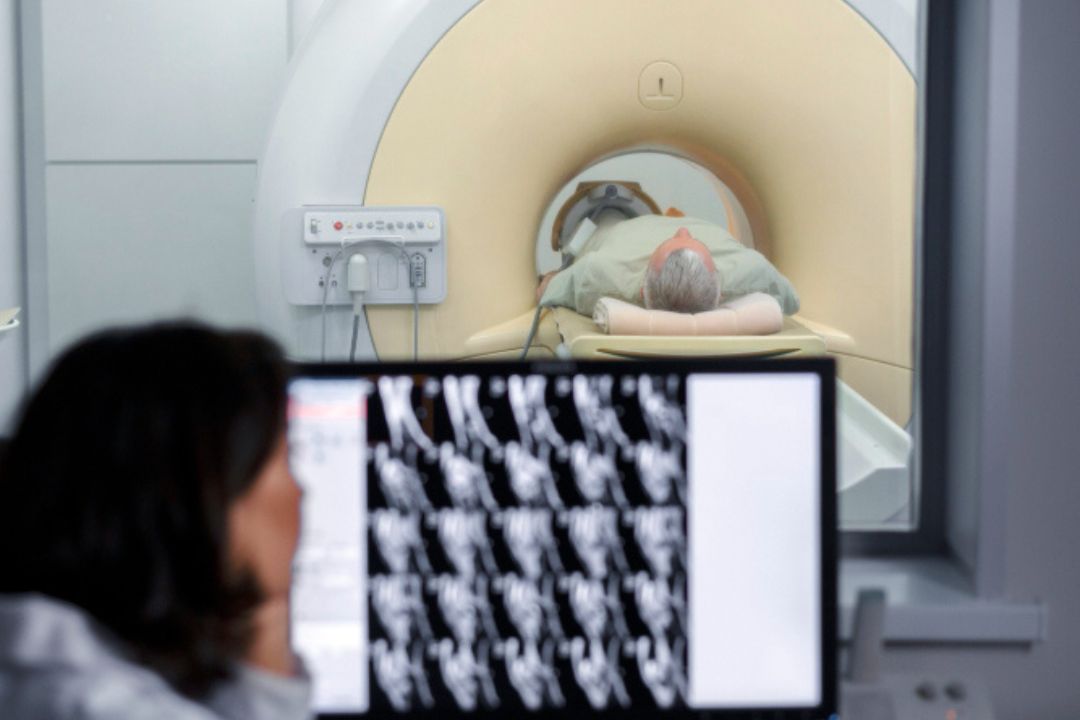
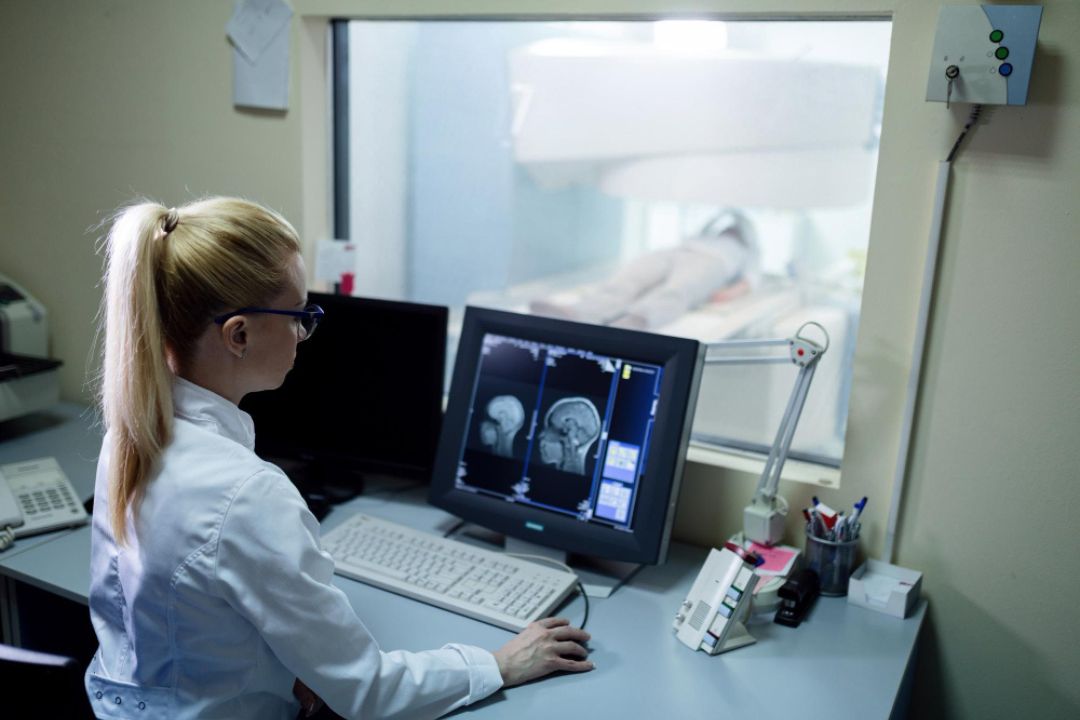
The scanner captures detailed cross-sectional images of the lungs.
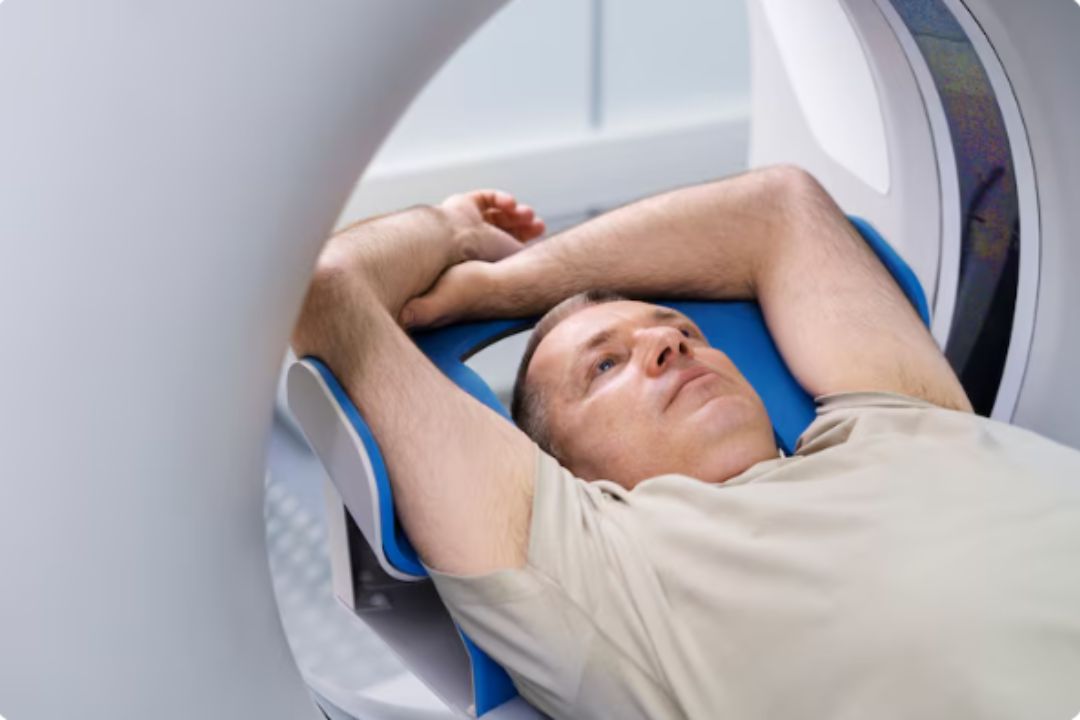
Patients may be asked to hold their breath briefly to ensure clear images.
The scan is painless and typically completed within 10 to 15 minutes.
HRCT offers several advantages when diagnosing lung diseases.
HRCT provides clear and precise images of lung tissues, allowing doctors to detect even minor abnormalities.
It helps identify lung diseases at an early stage, improving treatment outcomes.
Detailed imaging allows doctors to differentiate between various lung conditions.
HRCT scans do not require surgery and are generally safe and painless.
Preparation for an HRCT chest scan is usually simple.
Patients may be asked to:
Wear comfortable clothing
Remove metal objects such as jewelry
Inform the technician about pregnancy or medical conditions
Follow any instructions provided by the diagnostic center
Most HRCT scans do not require special preparation.
An HRCT chest scan is a powerful diagnostic tool that helps doctors detect and evaluate lung diseases with high accuracy. By providing detailed images of lung structures, HRCT plays a vital role in diagnosing conditions such as pulmonary fibrosis, infections, COPD, and lung nodules.
Early detection through advanced imaging techniques like HRCT allows doctors to begin treatment sooner, improving patient outcomes and overall respiratory health.














.jpg "ct brain scan plain and contrast")





























.jpg "ct scan")

.jpg "ct scan or mri for brain disorders")


.jpg "exploring the power of ct brain contrast in modern diagnostics")
.jpg "ct scan")

.jpg "ct scan")










.jpg "ct scan")


.jpg "CT Brain Scan for Headaches")
.jpg "The Future of 3D CT Imaging")