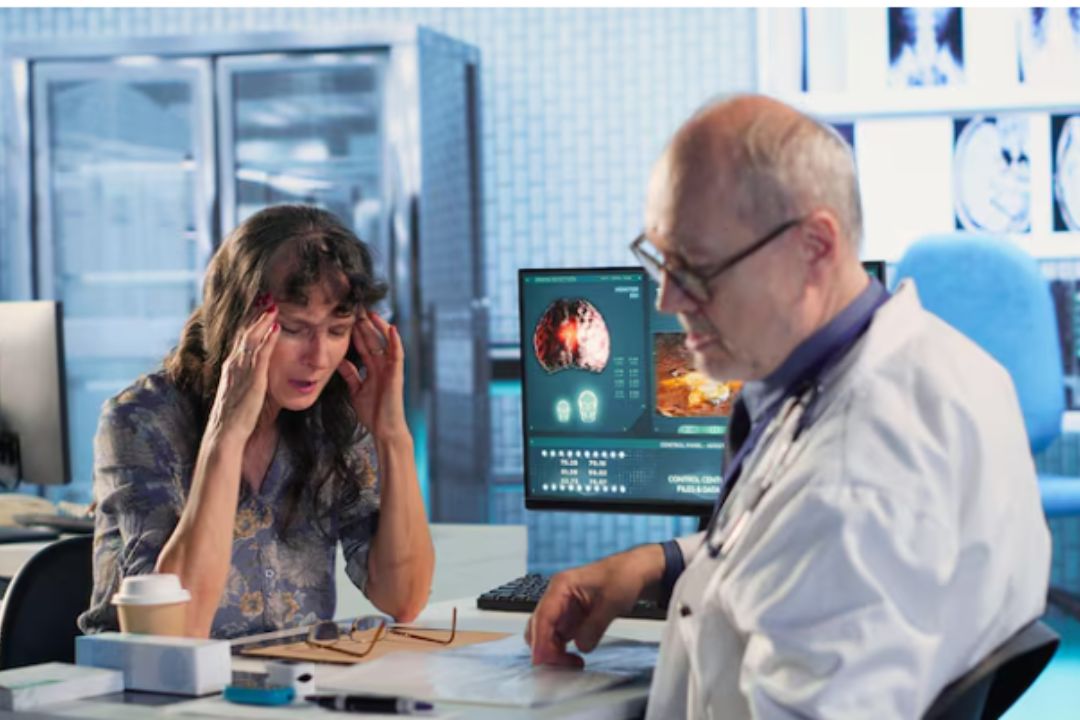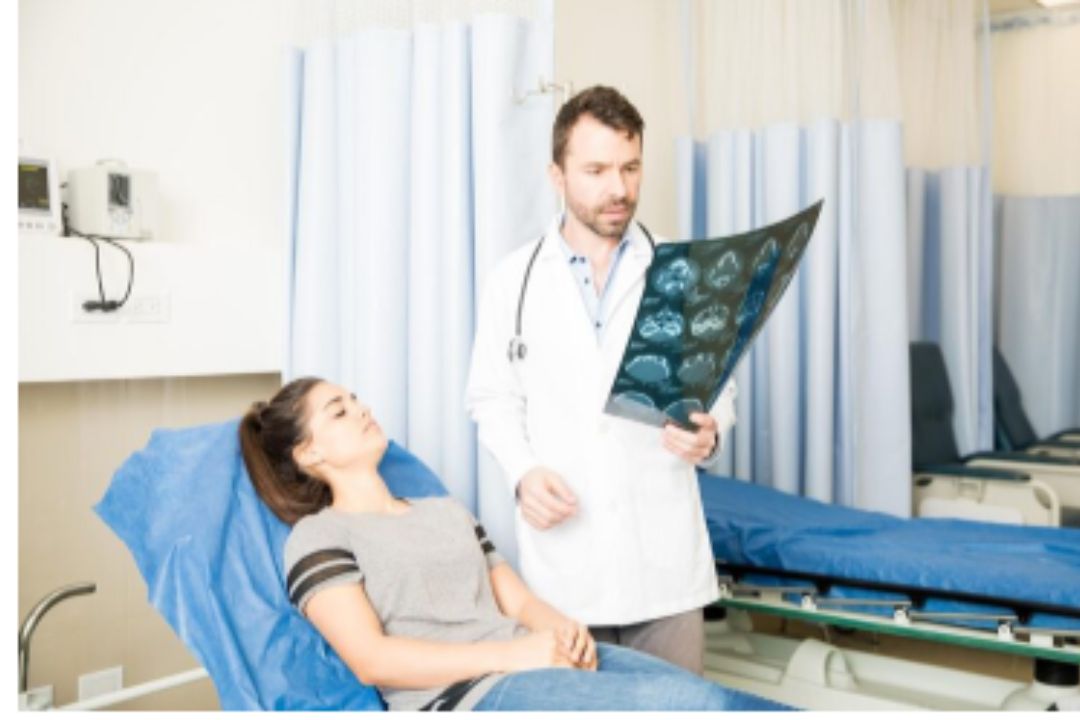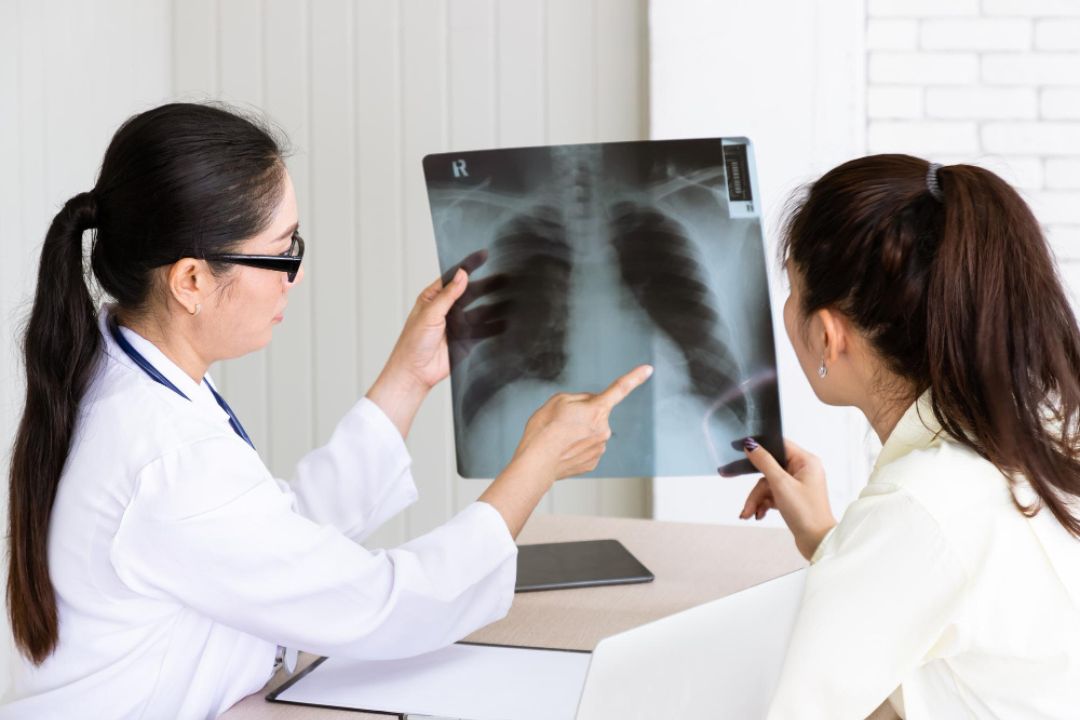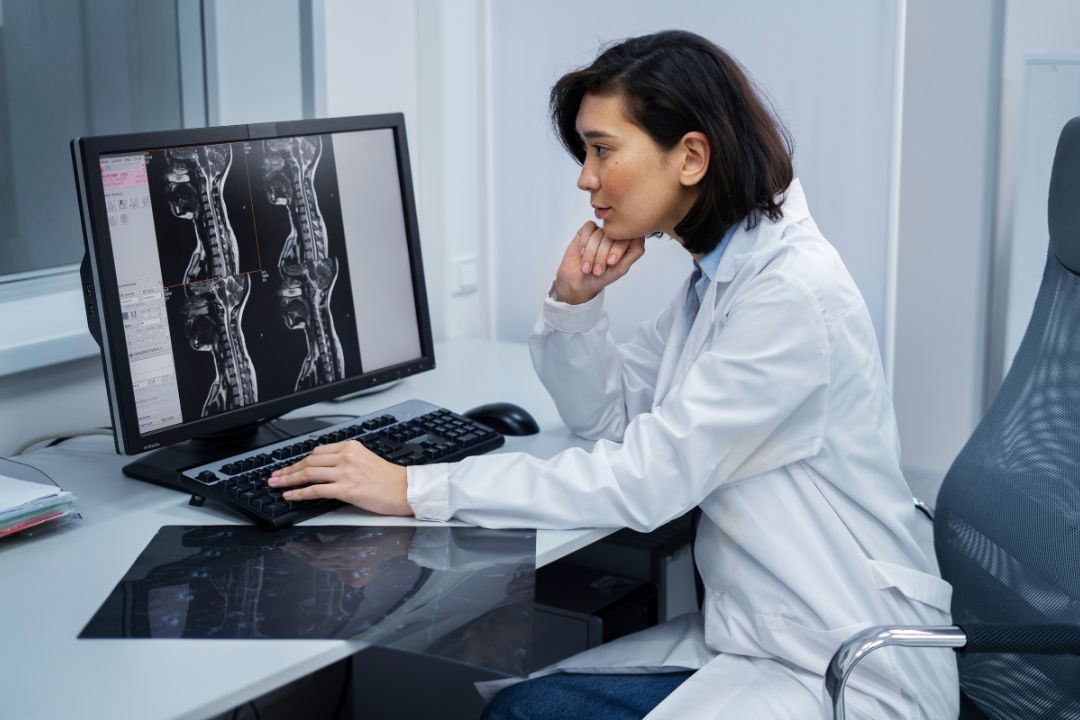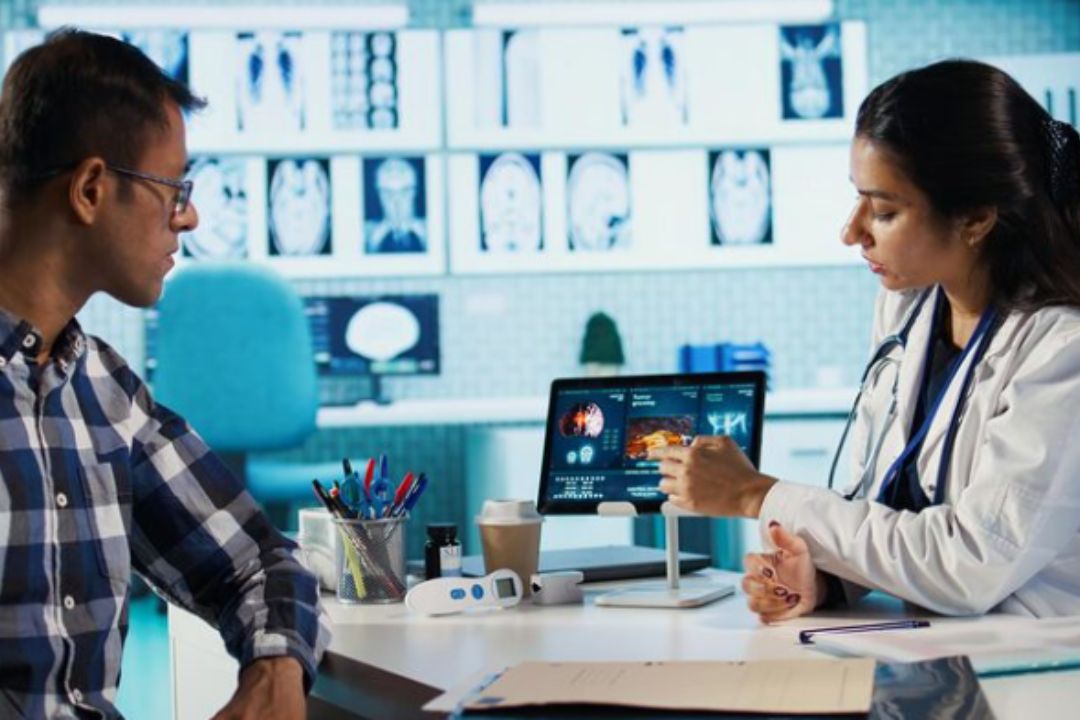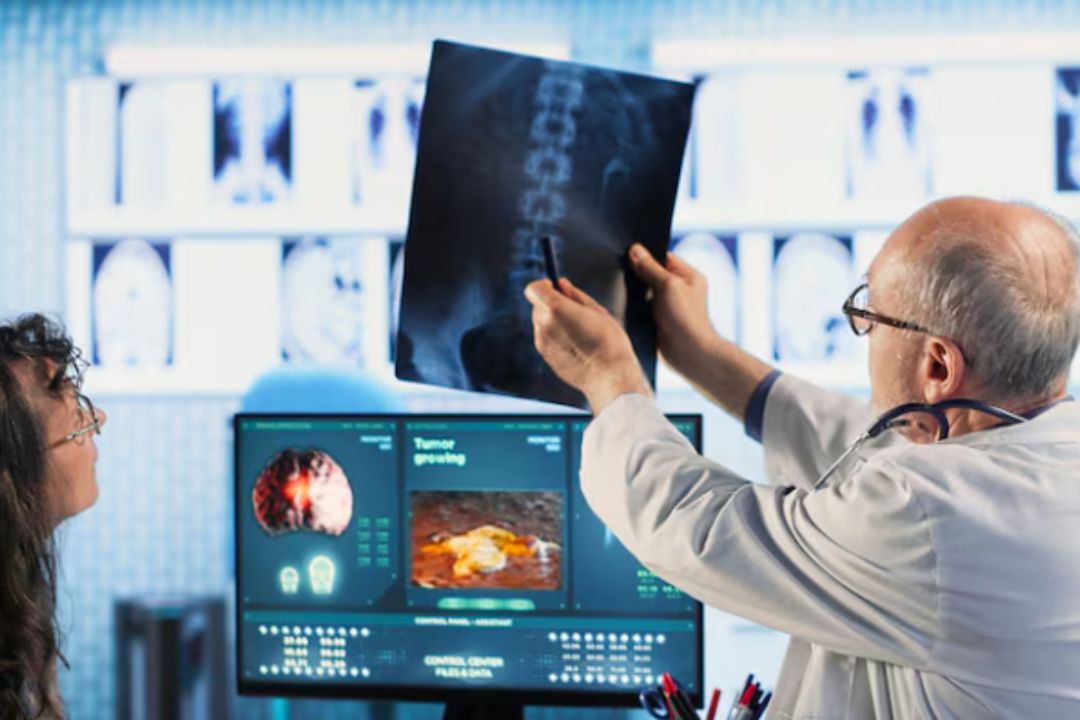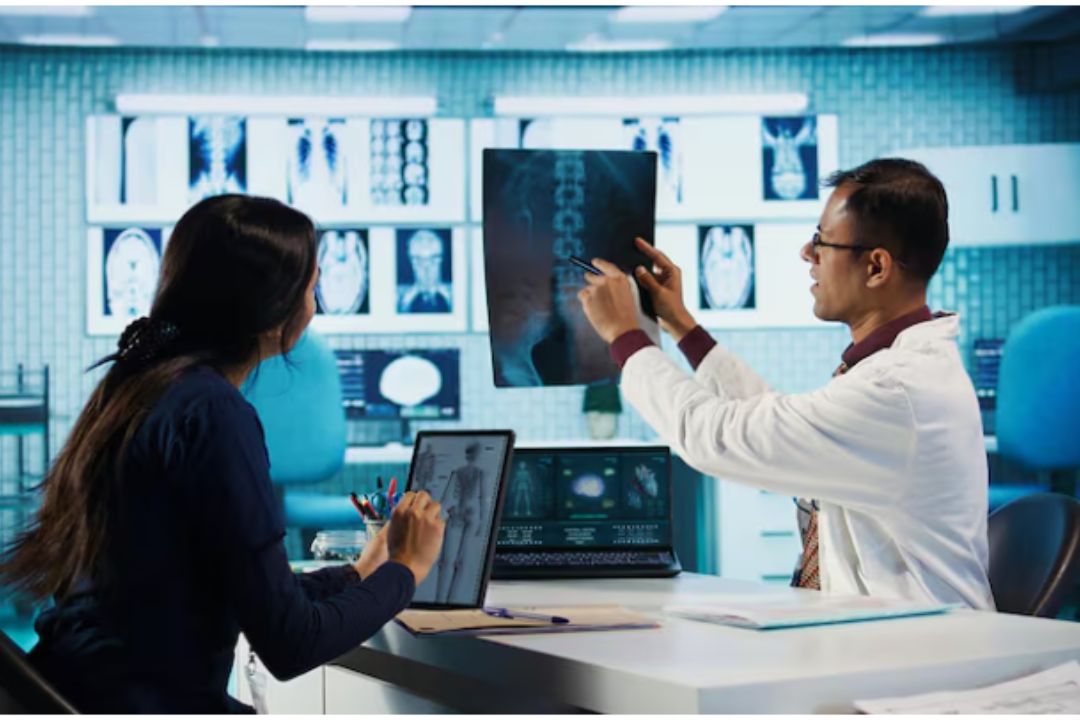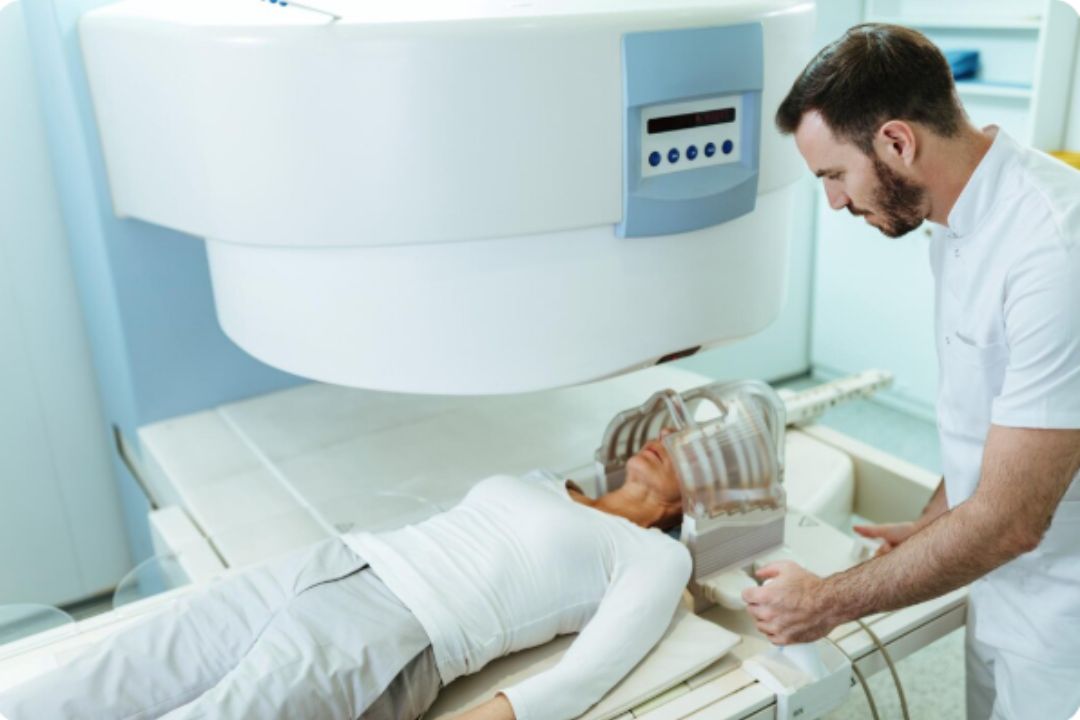
is fasting required for ct pns with contrast

is fasting required for ct pns with contrast

Is Fasting Required for CT PNS with Contrast? Everything You Need to Know

If you have been advised to undergo a CT PNS (Computed Tomography of the Paranasal Sinuses) with contrast, one of the first questions that likely comes to mind is: "Is fasting required for CT PNS with contrast?"
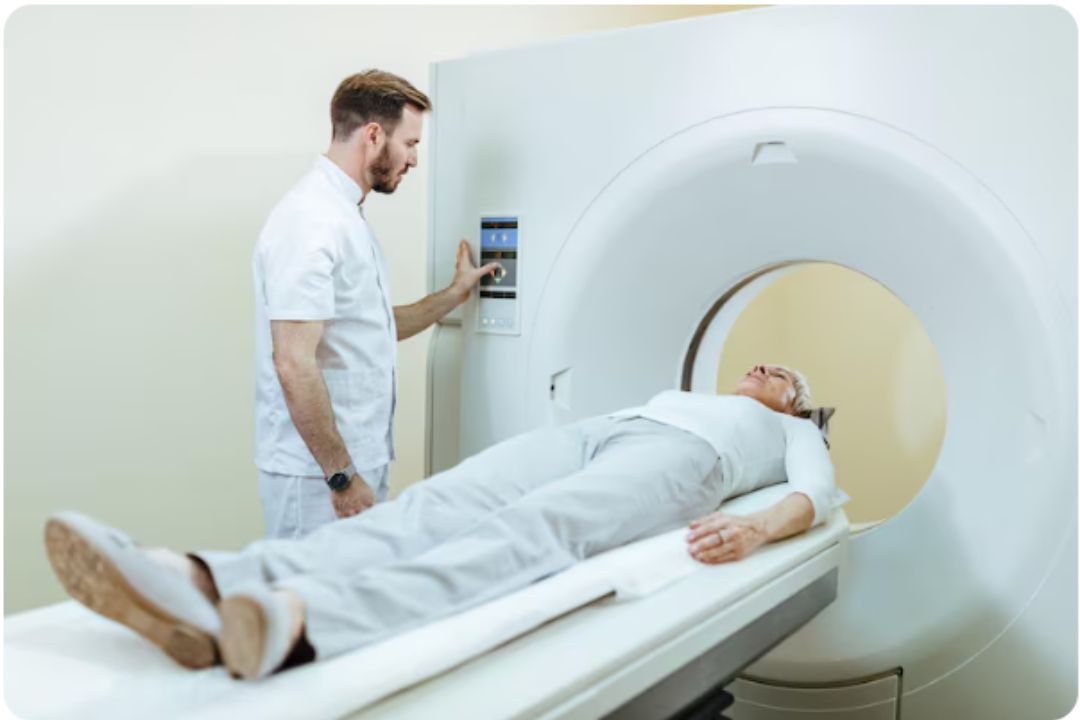
The short answer is yes, generally 4 to 6 hours of fasting is recommended when contrast material is involved. However, the full picture involves understanding your safety, the quality of imaging, and why choosing the right diagnostic center—like Diagnopein Pune—makes all the difference.

In this guide, we break down the necessity of fasting, the benefits of contrast CT, a comparison of imaging modalities, costing, and patient comfort, all while keeping your health as the top priority.

What is a CT Scan?

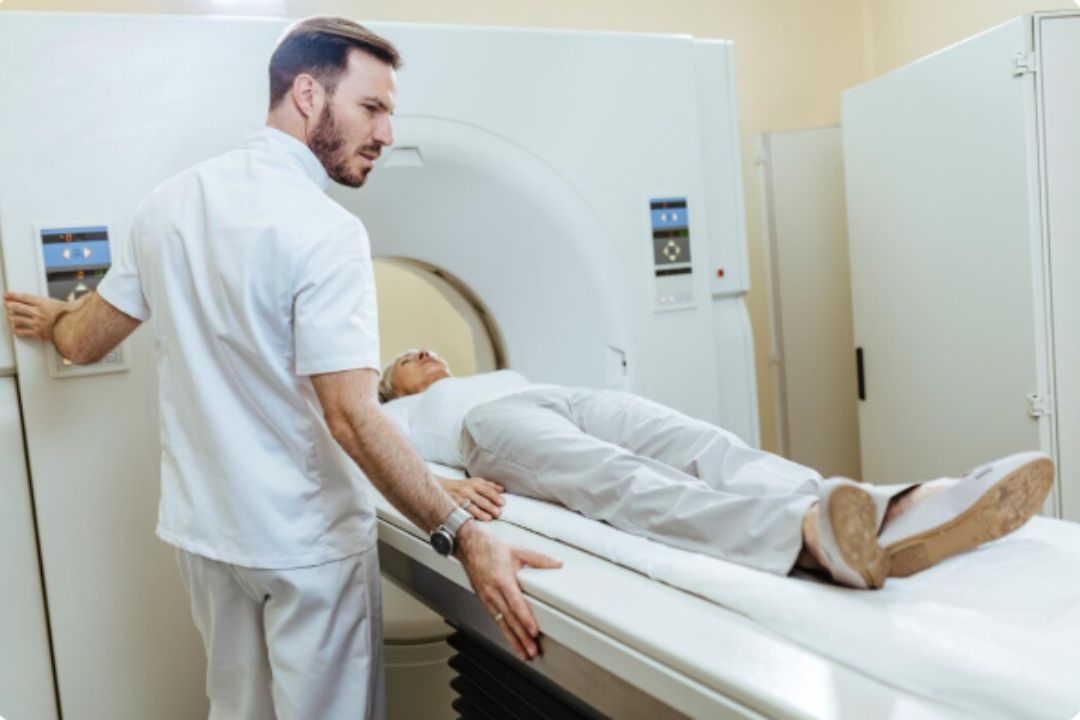
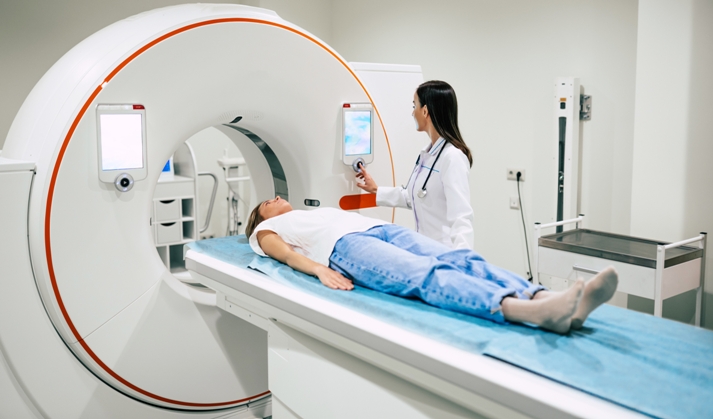
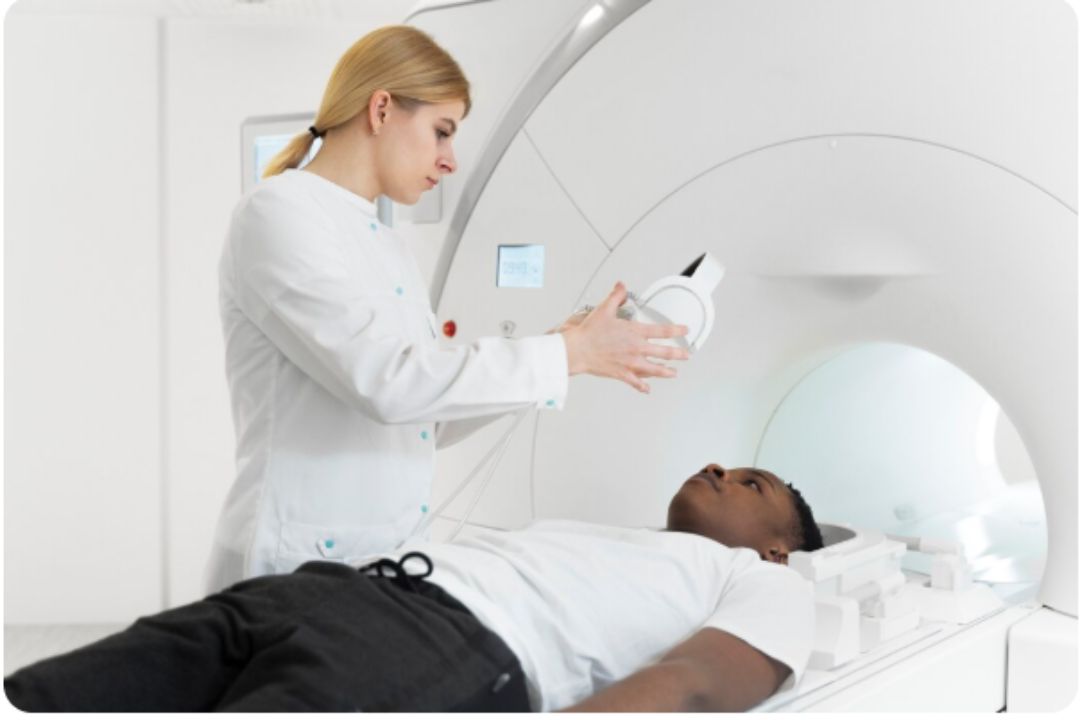
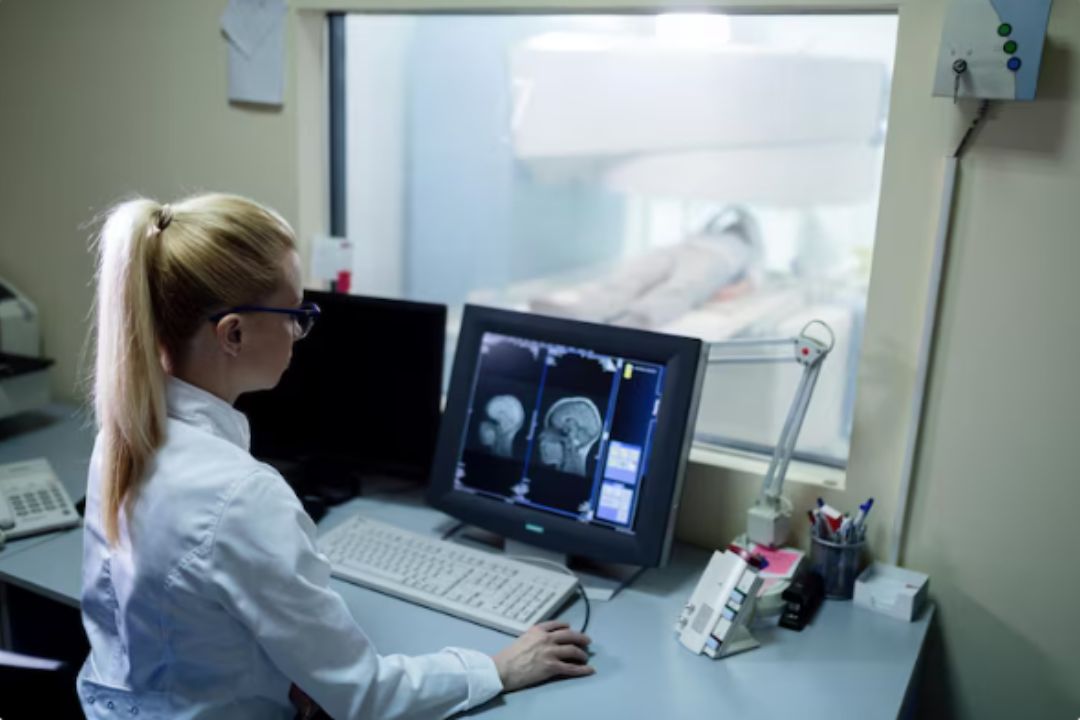
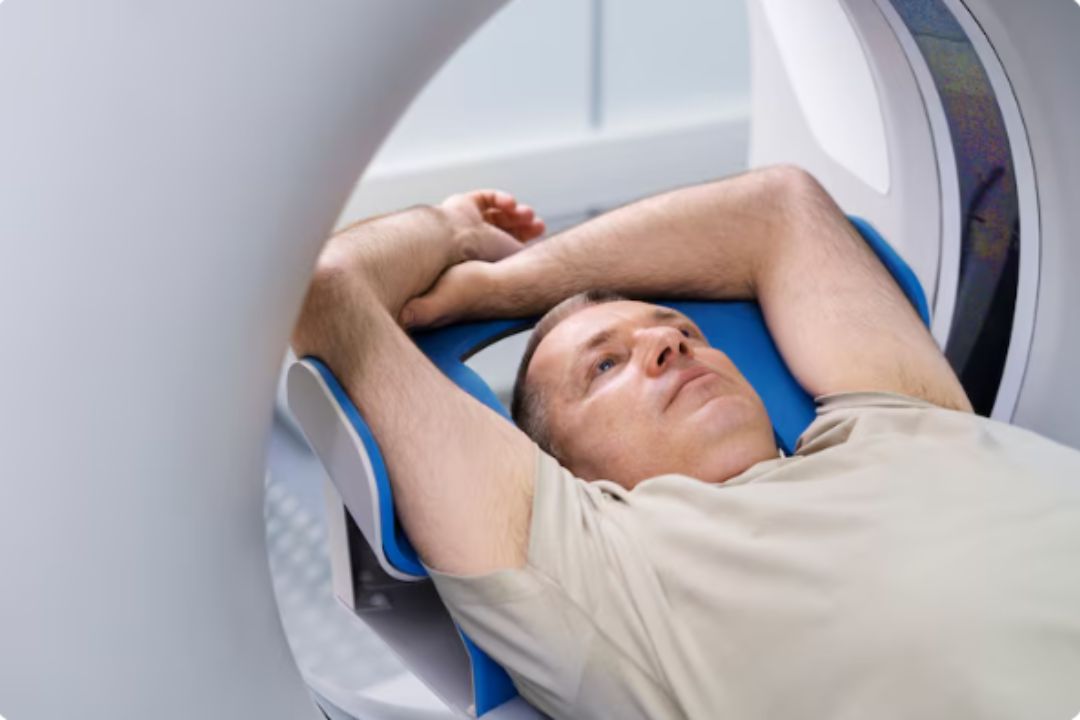
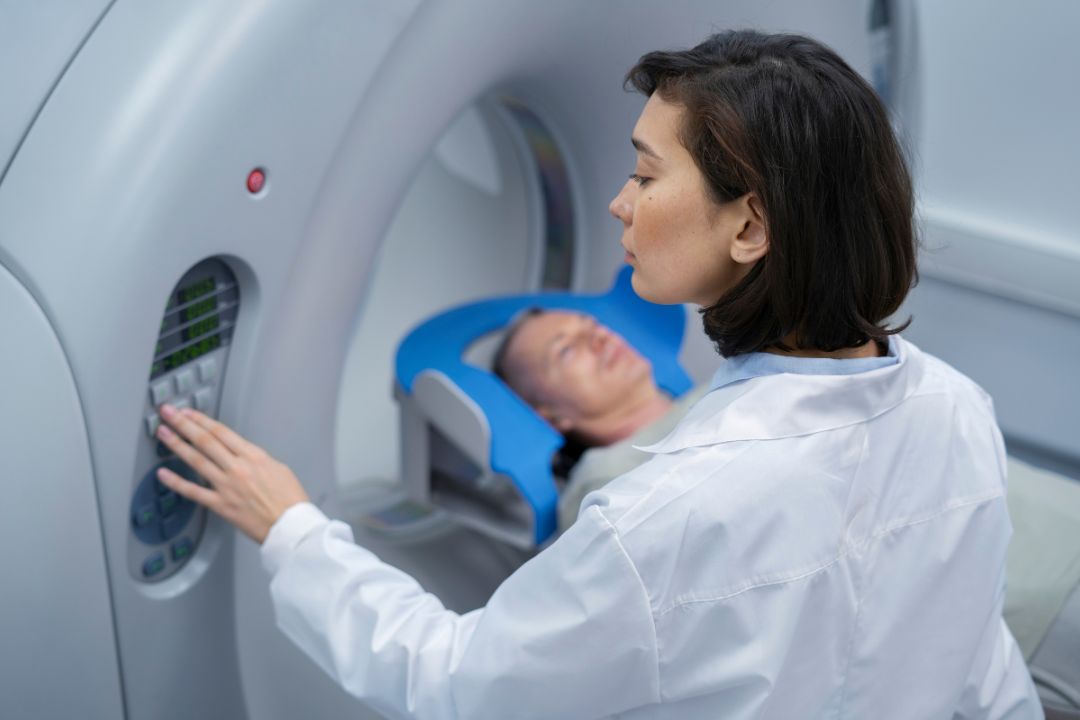
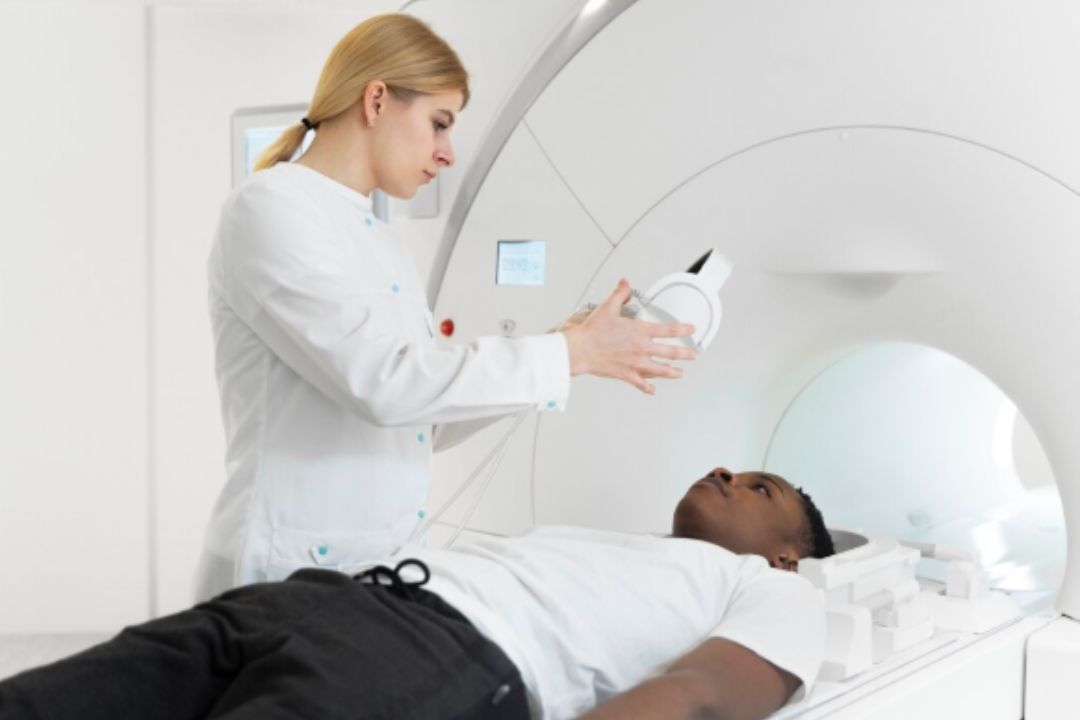
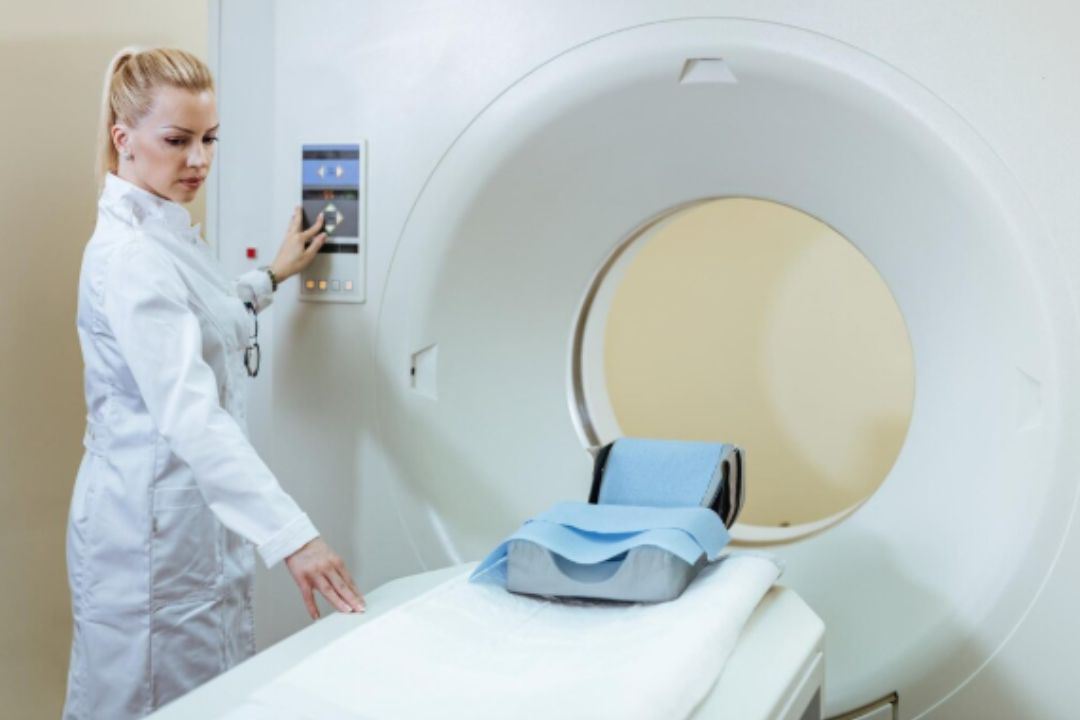
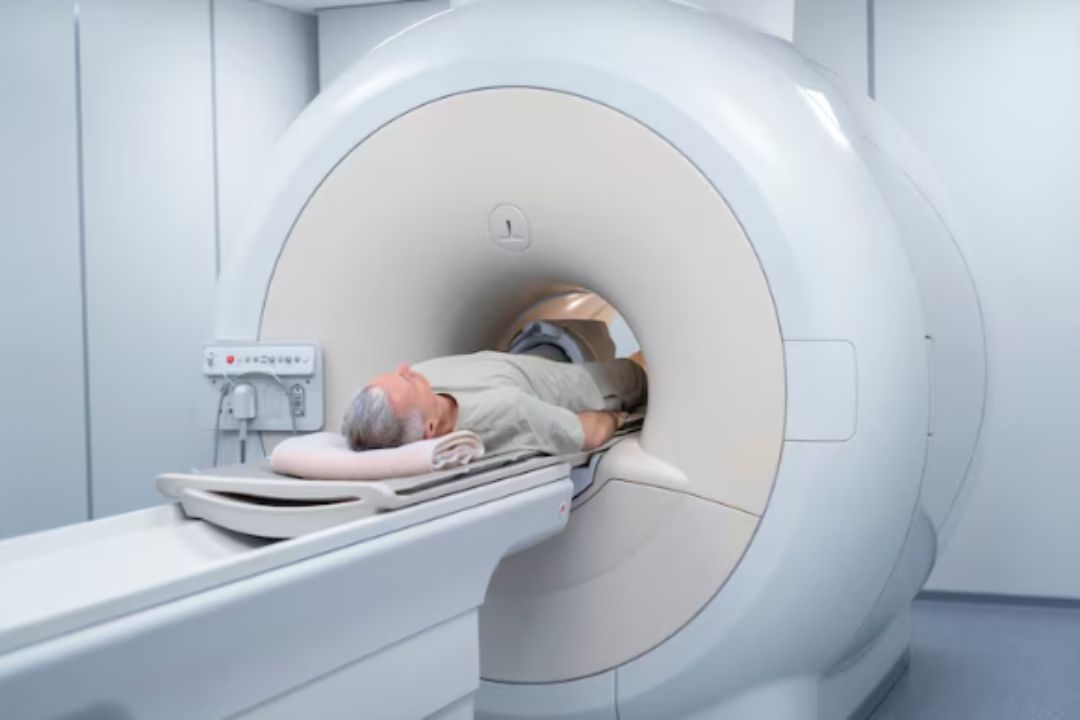
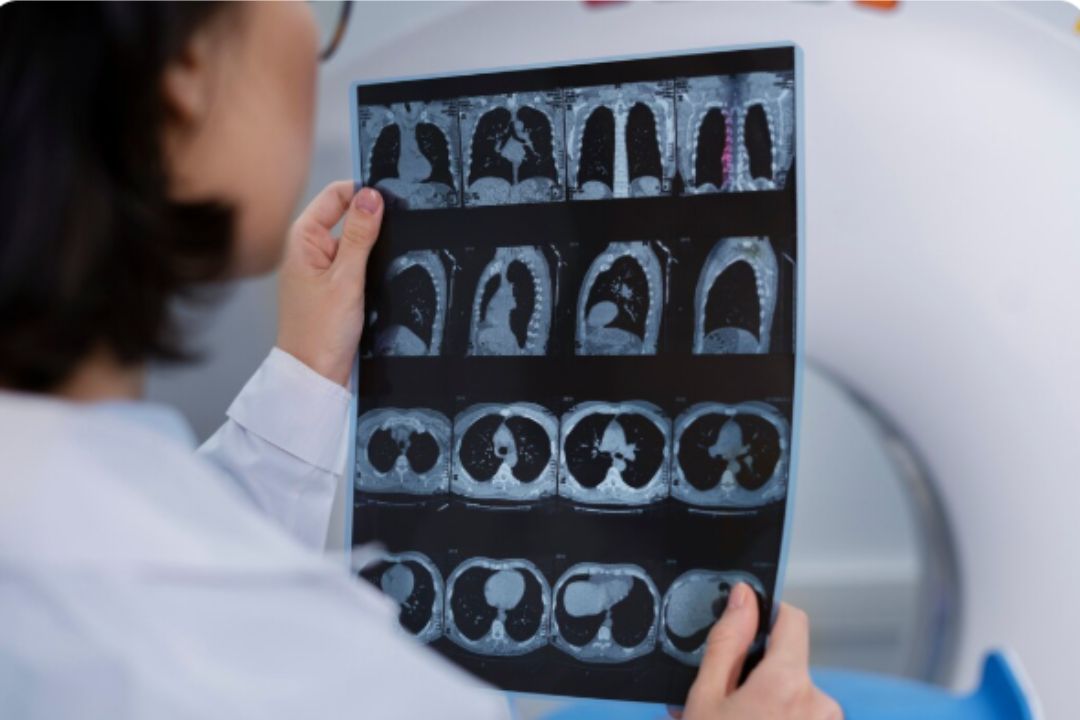
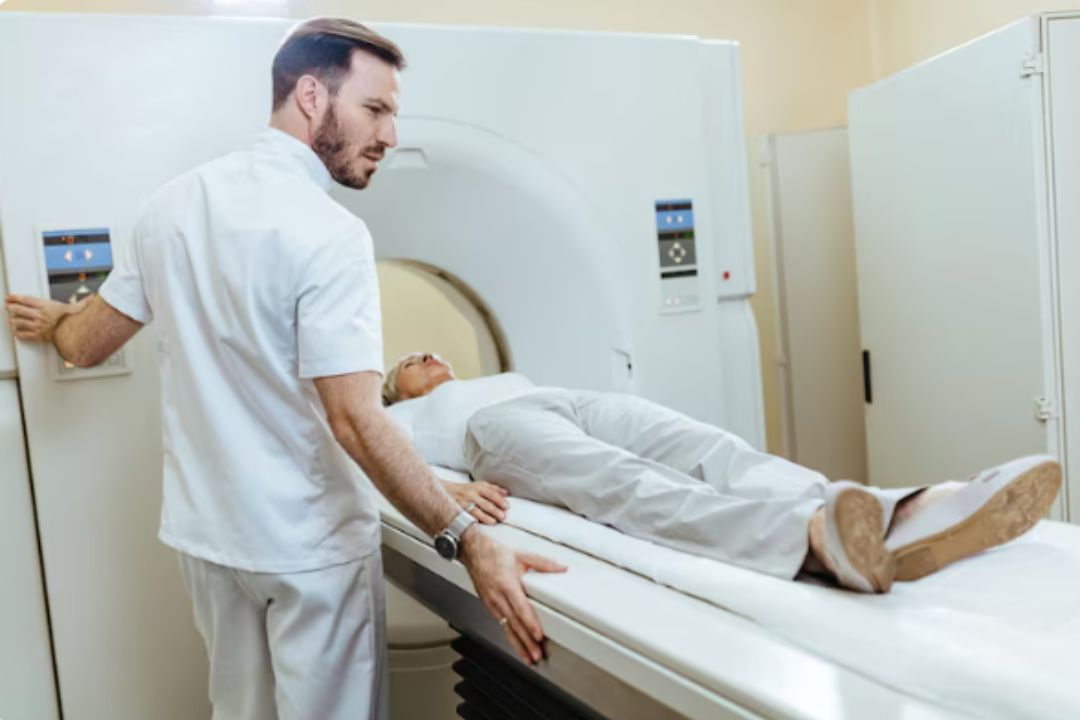
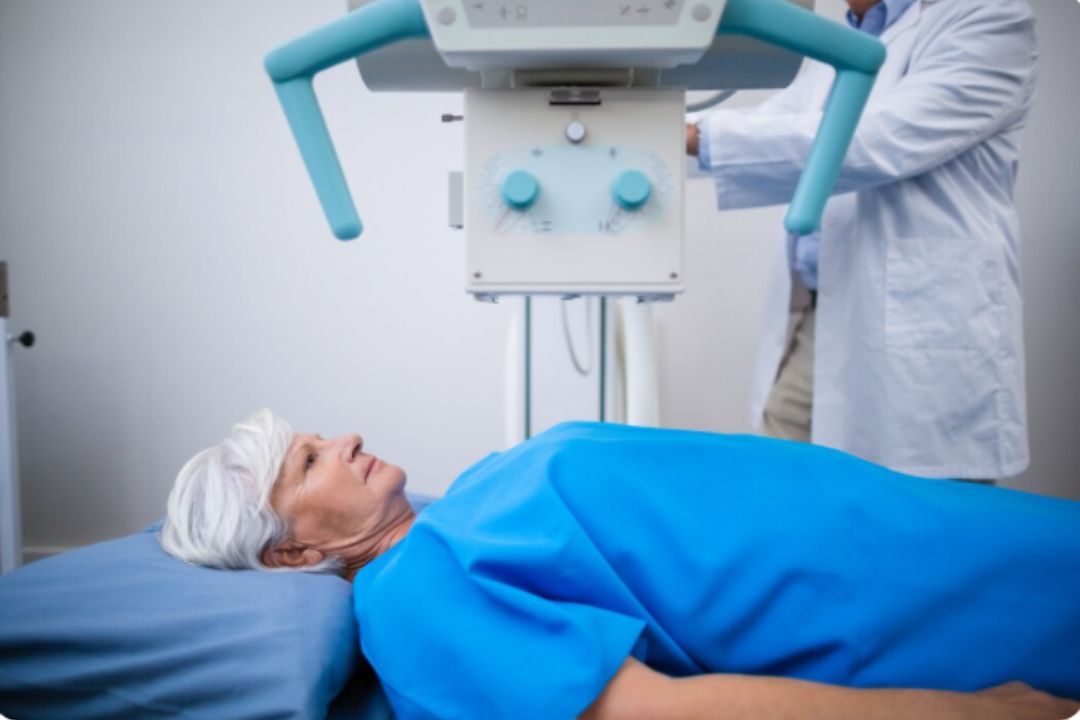
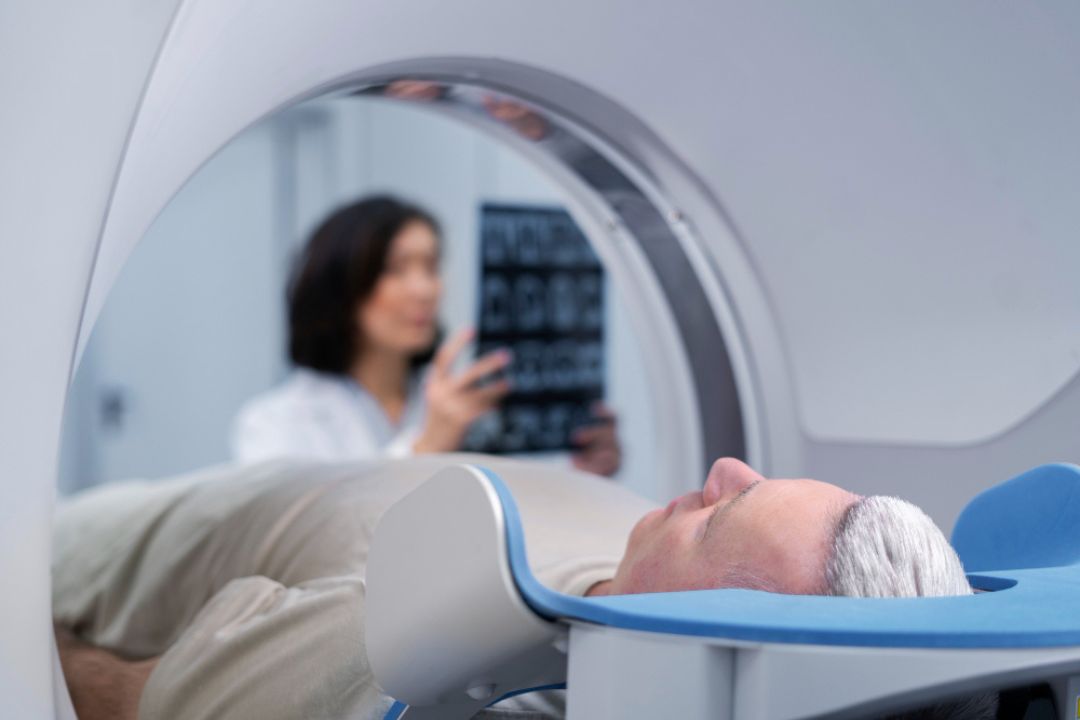
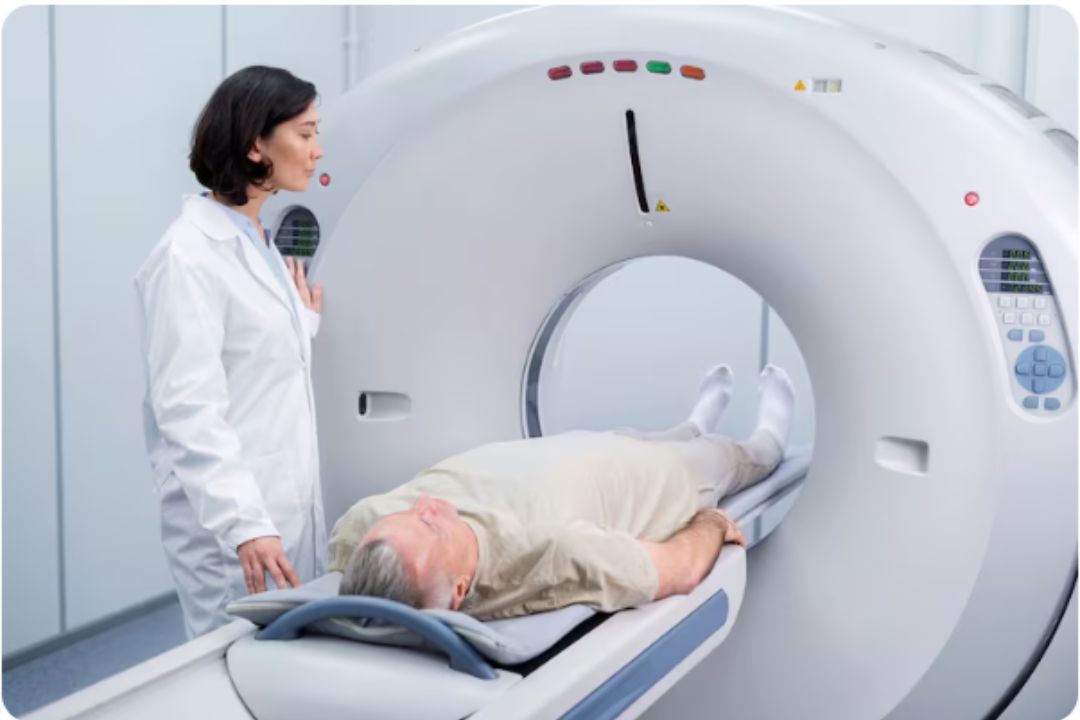
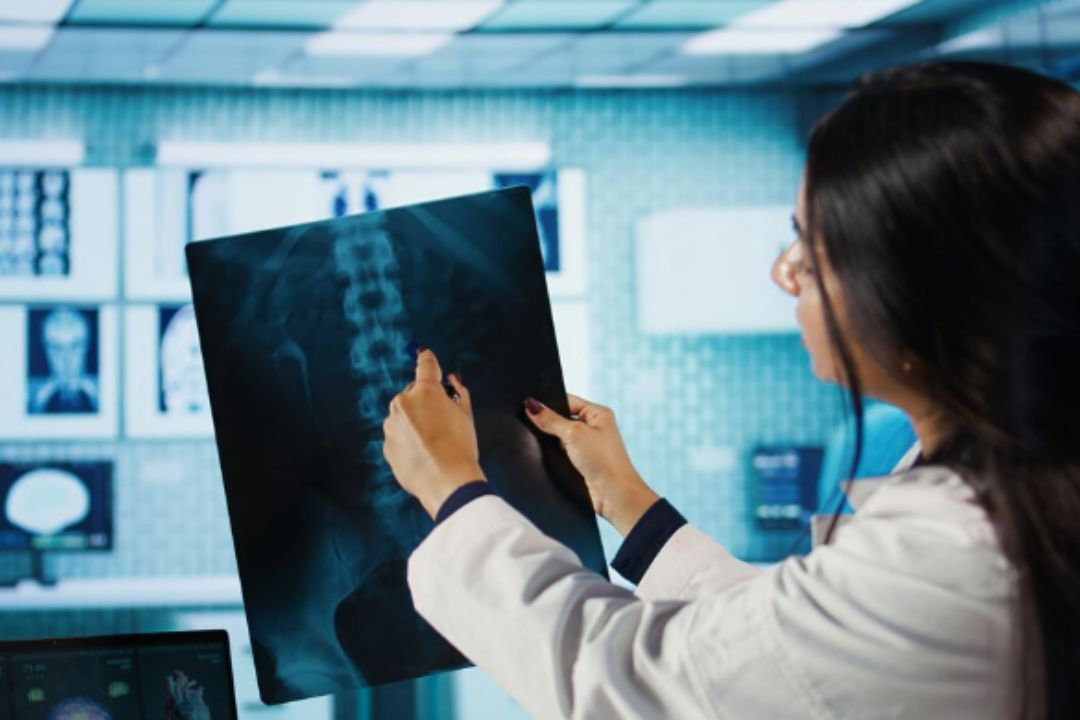
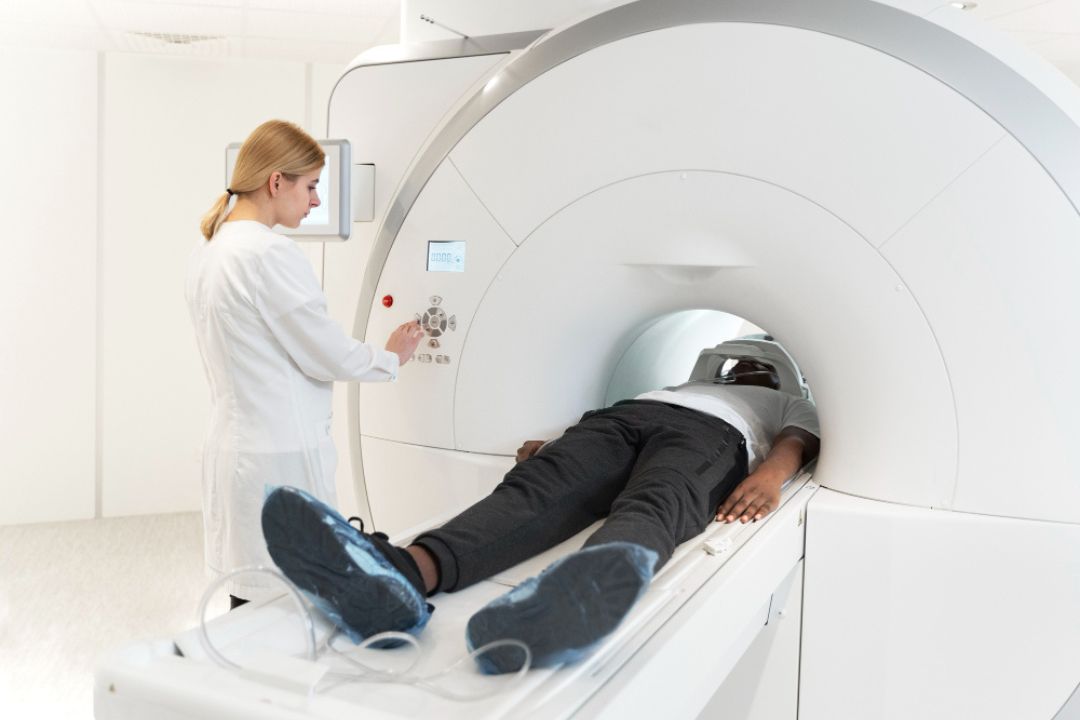
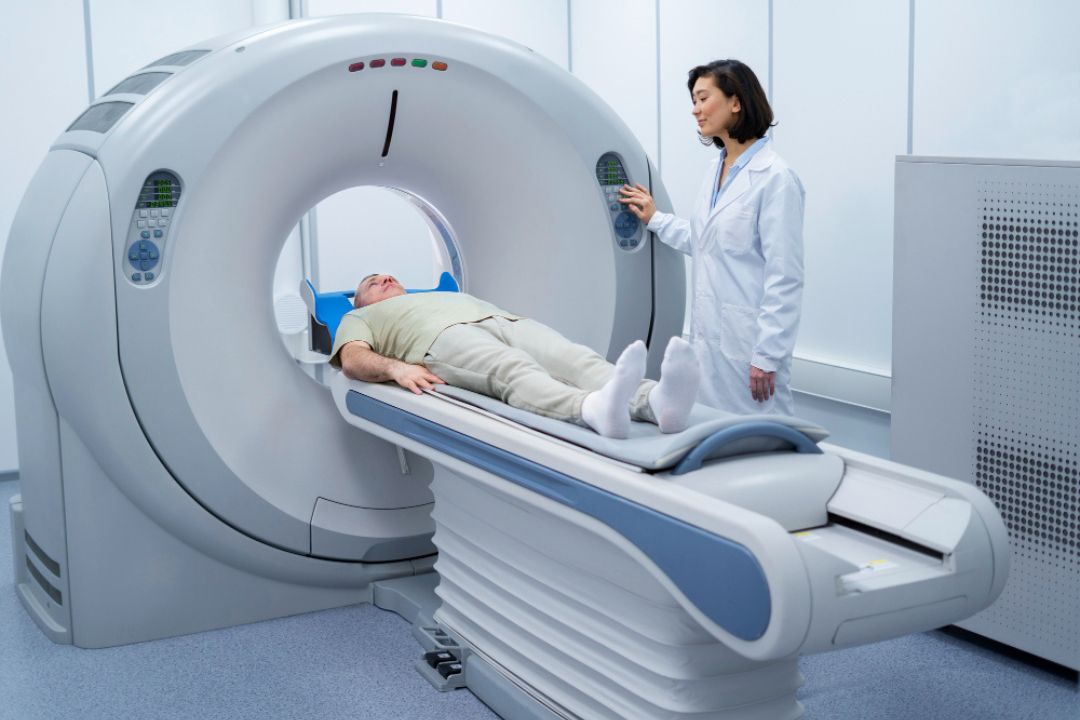
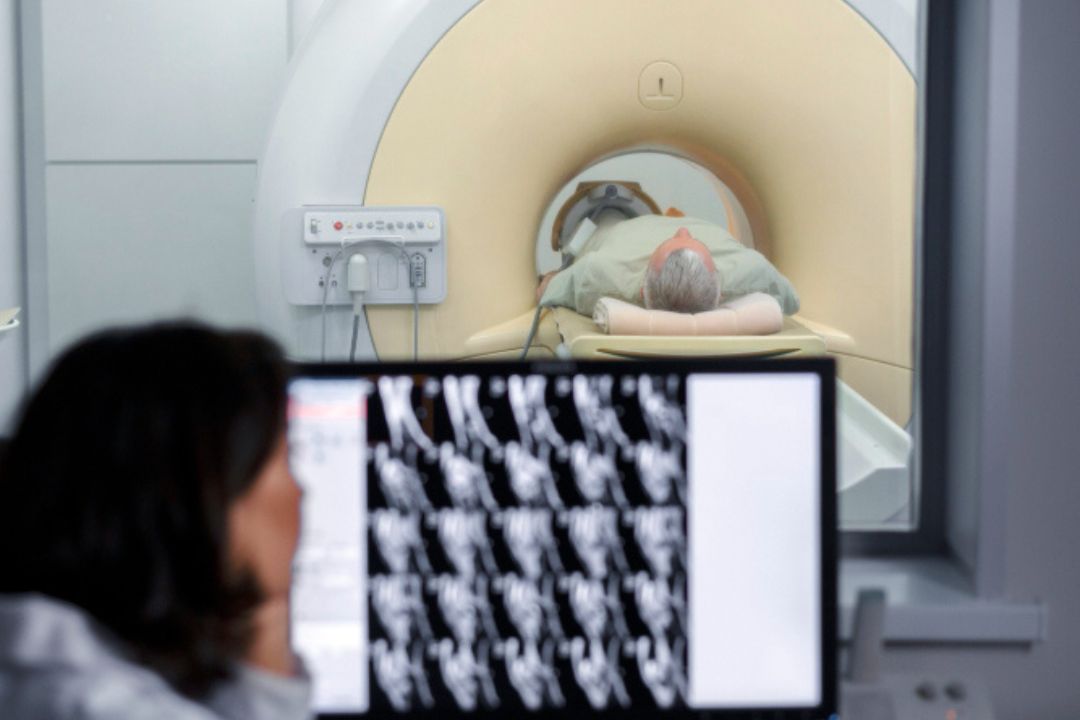
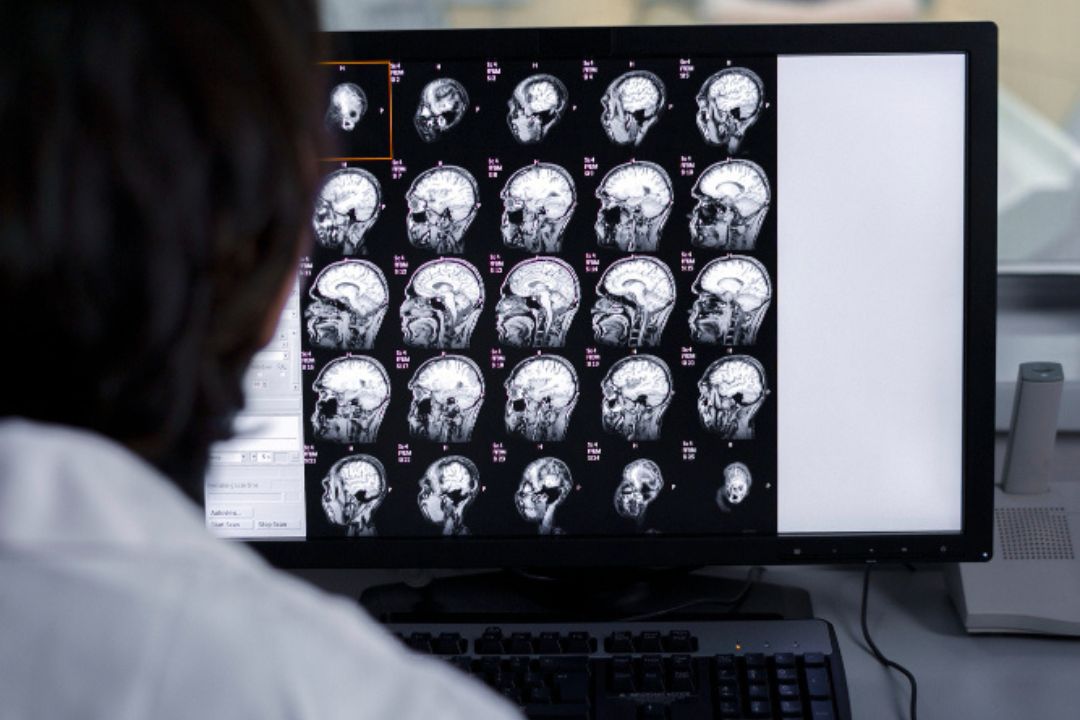
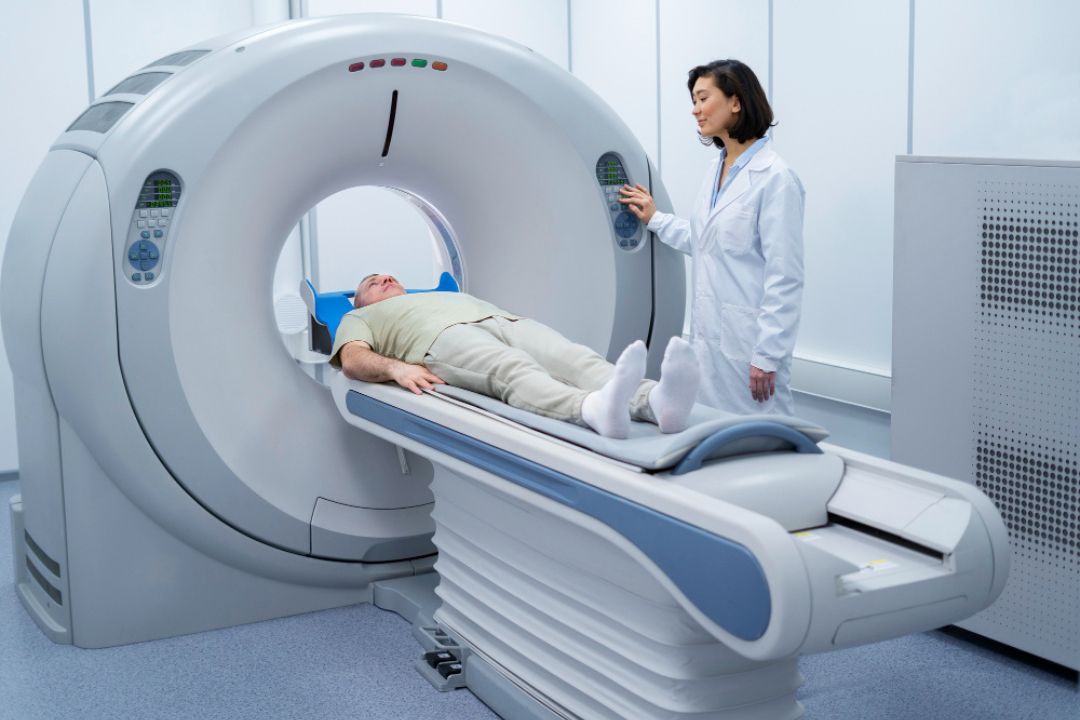
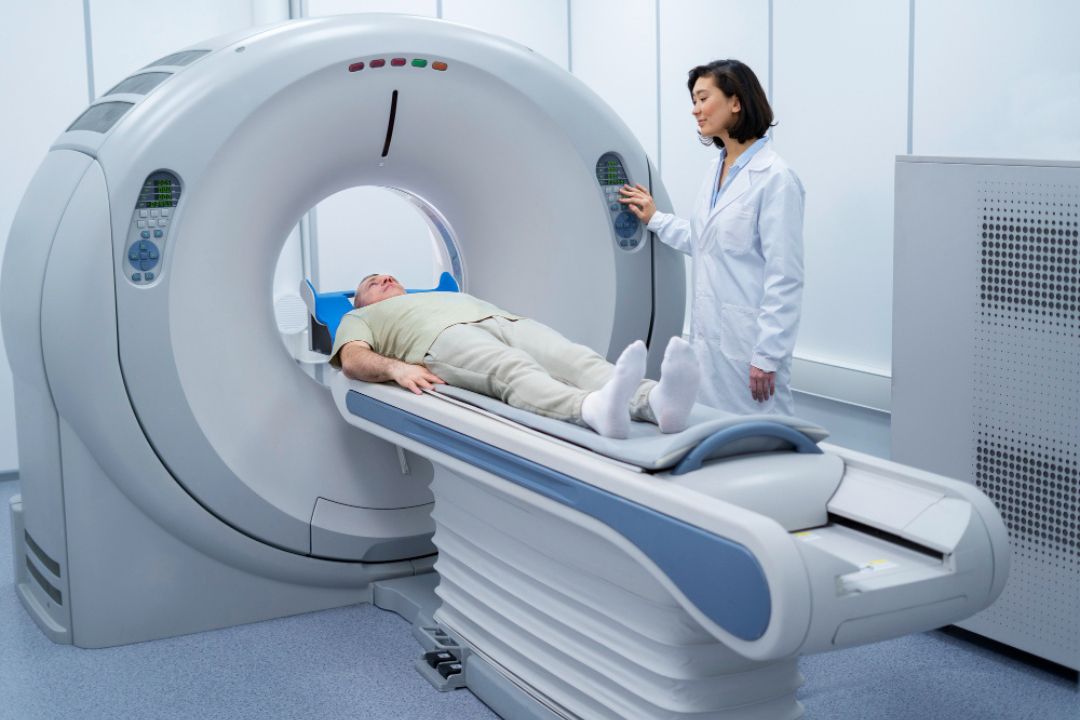
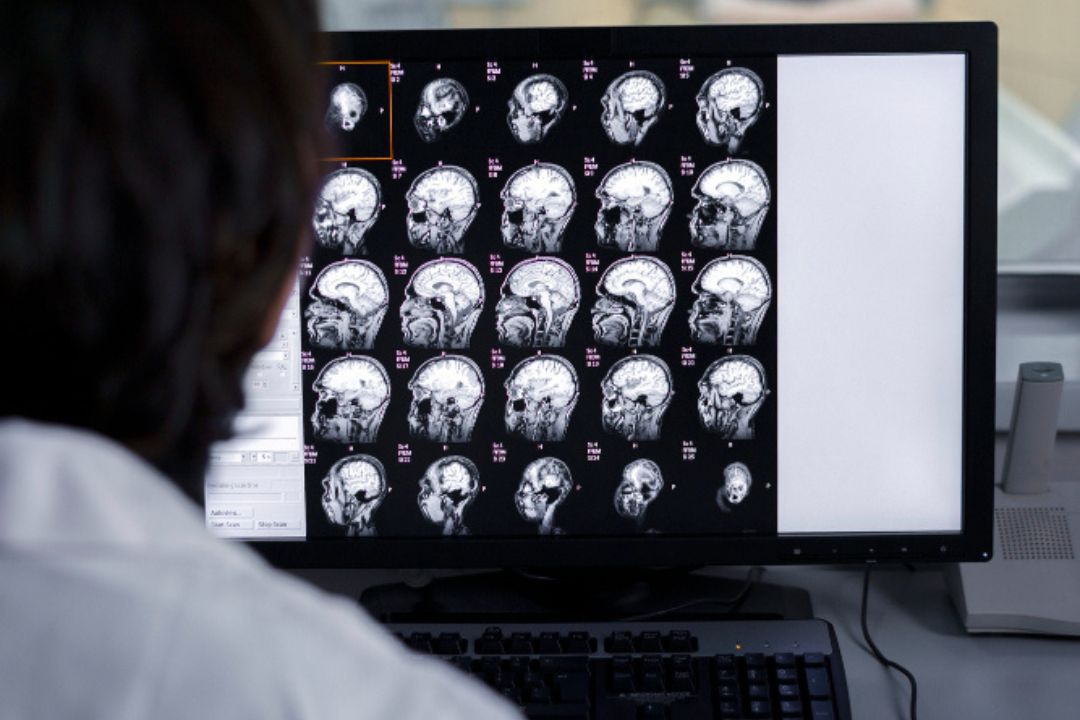
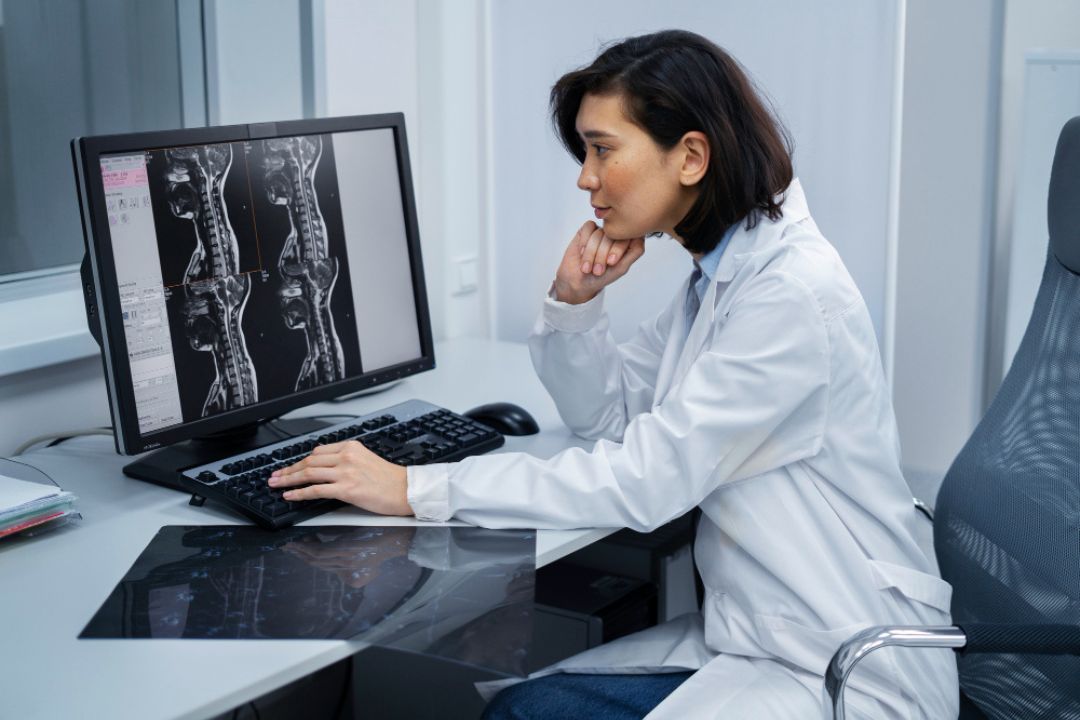
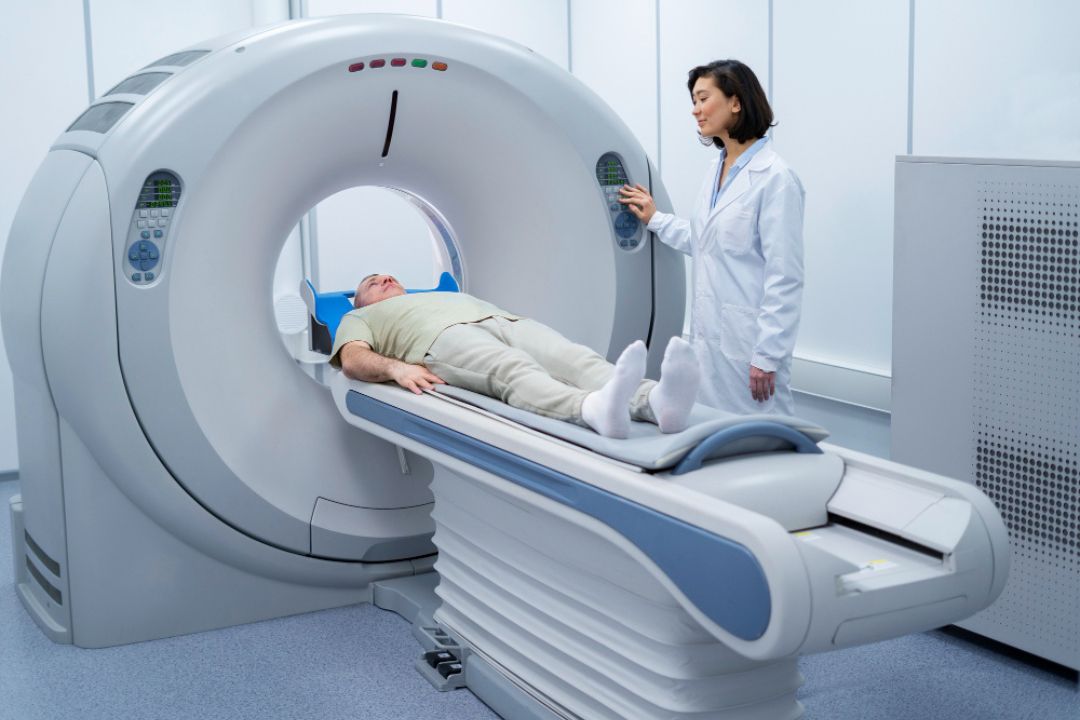
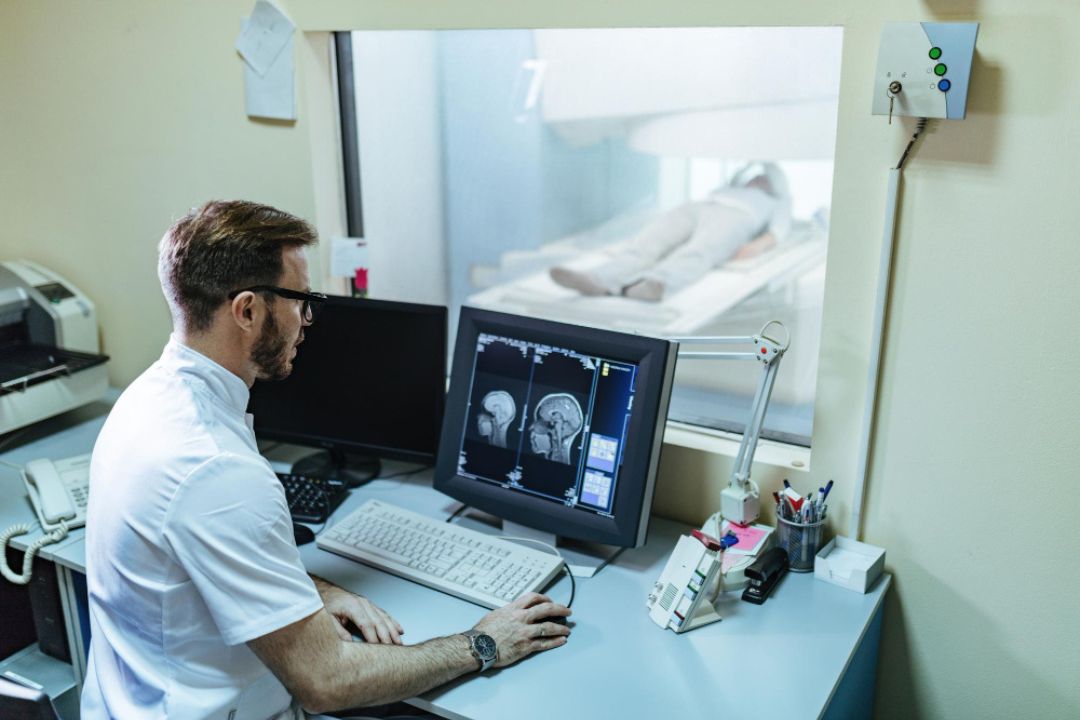
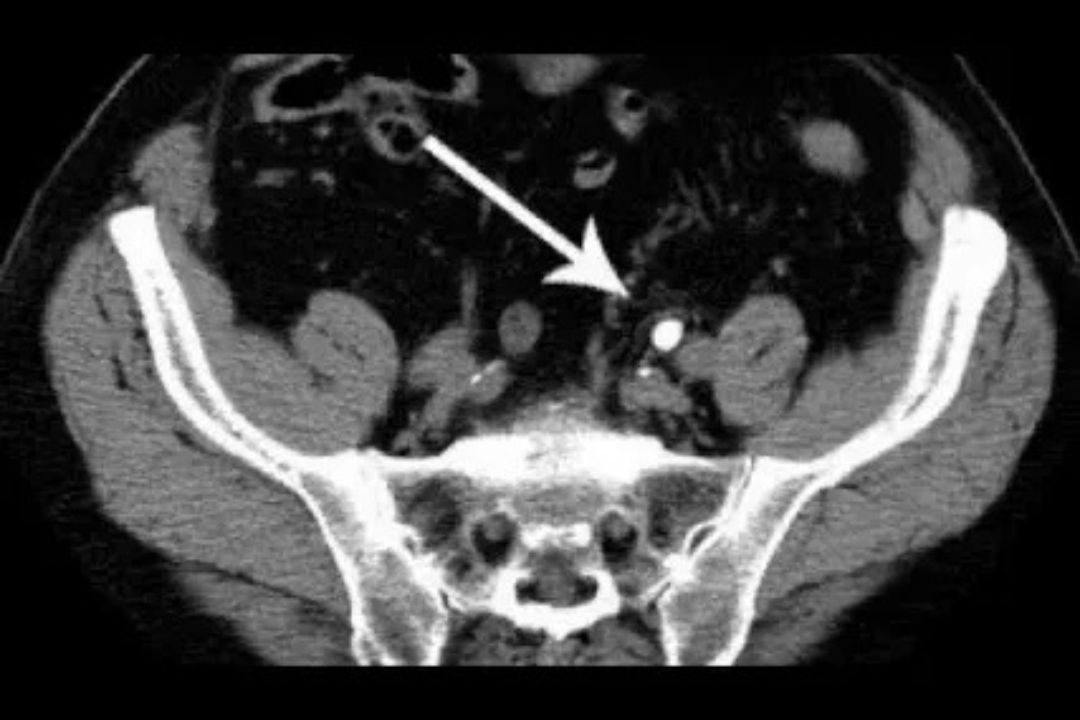
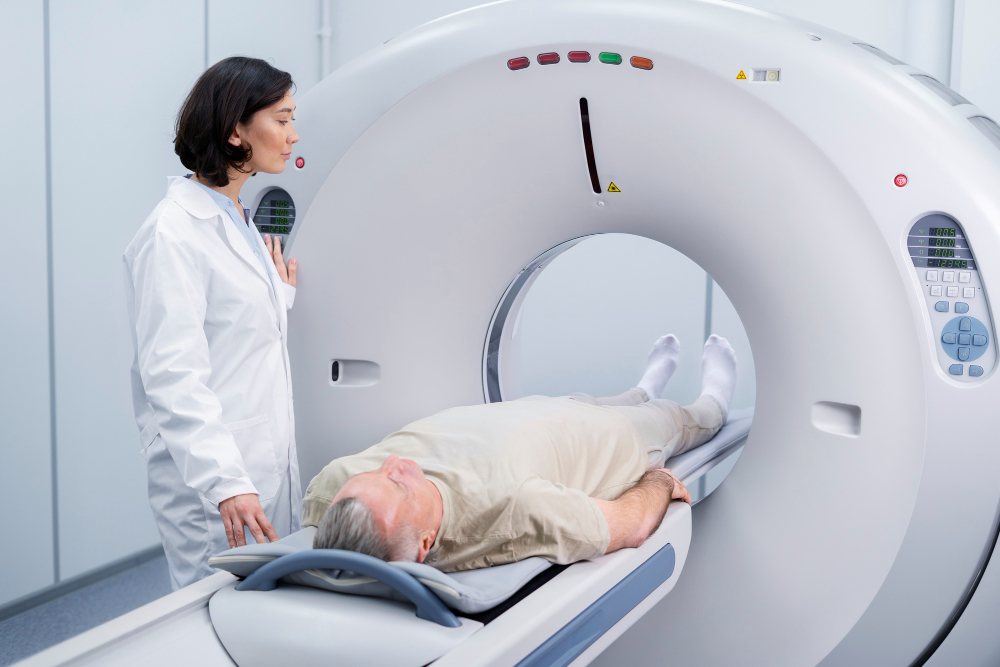
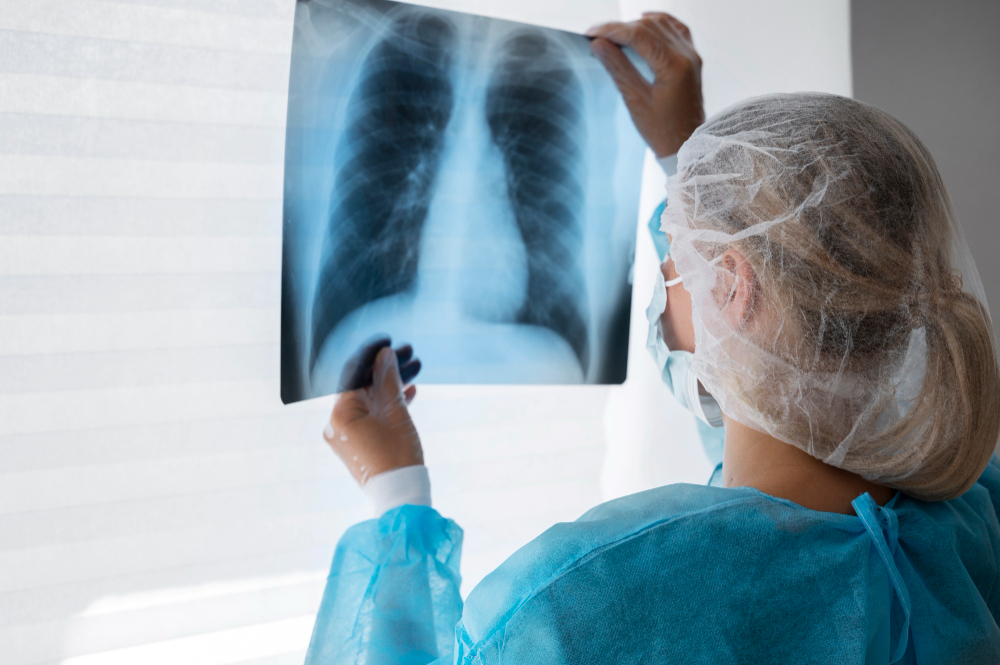
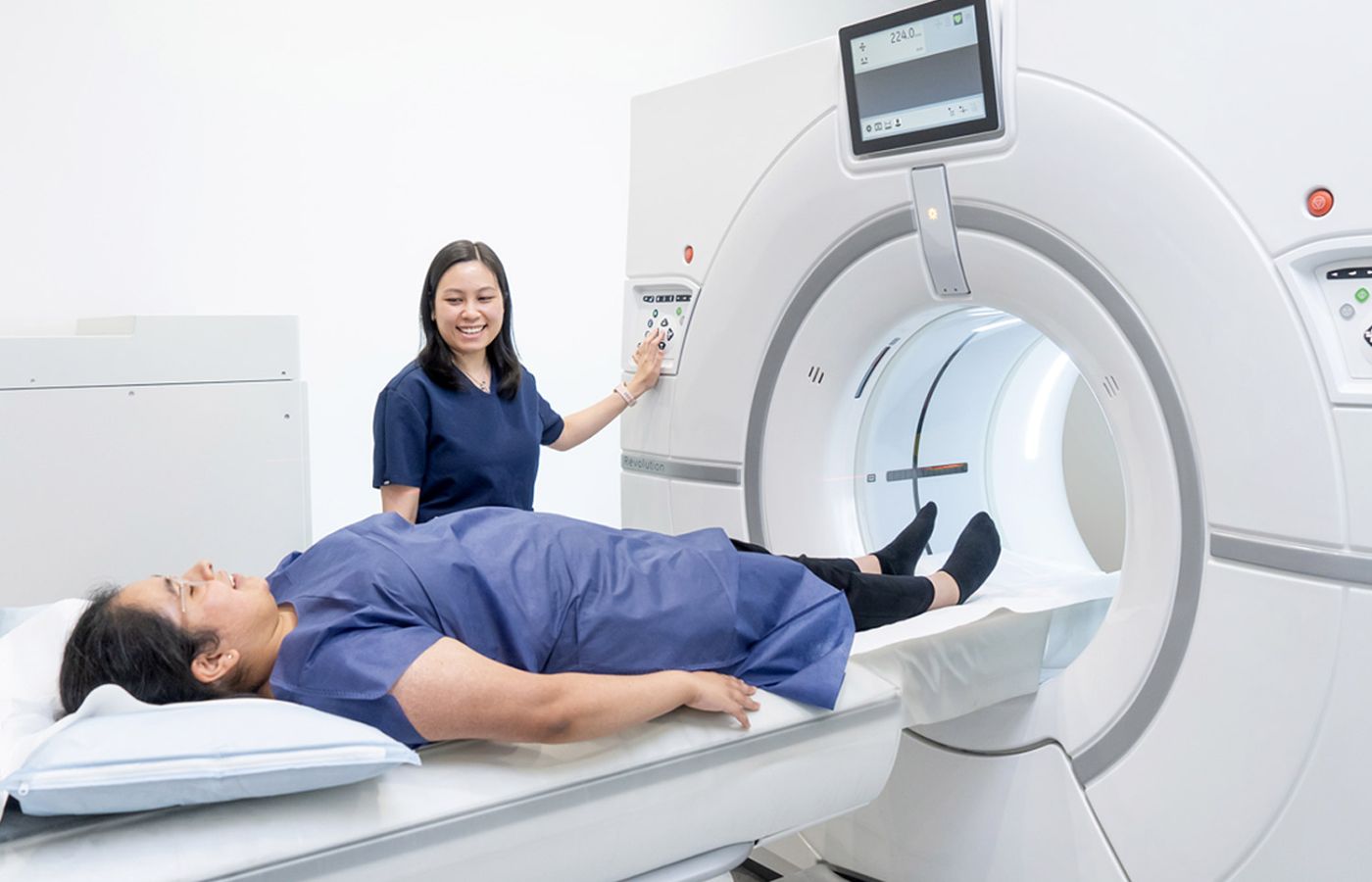
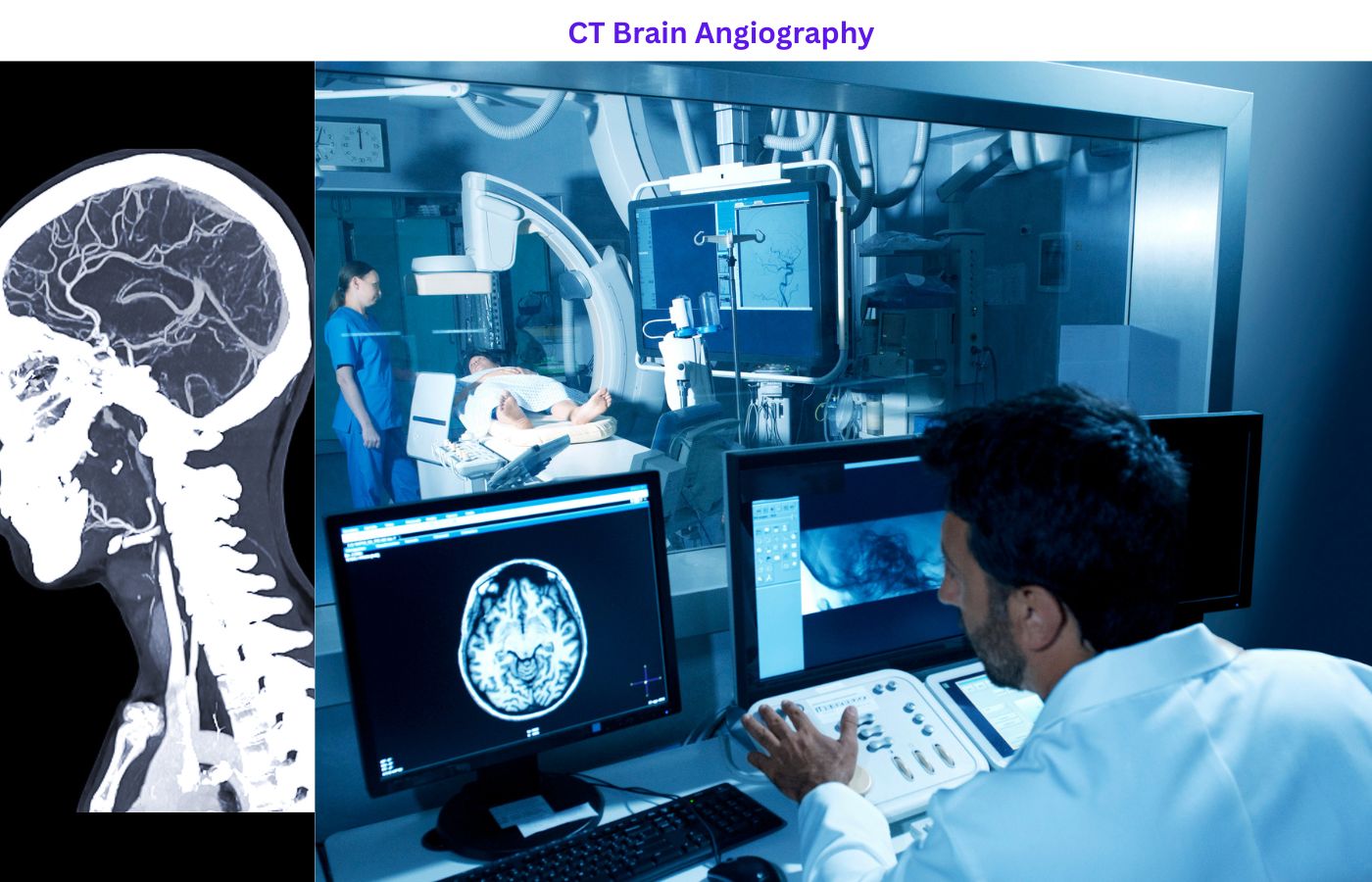
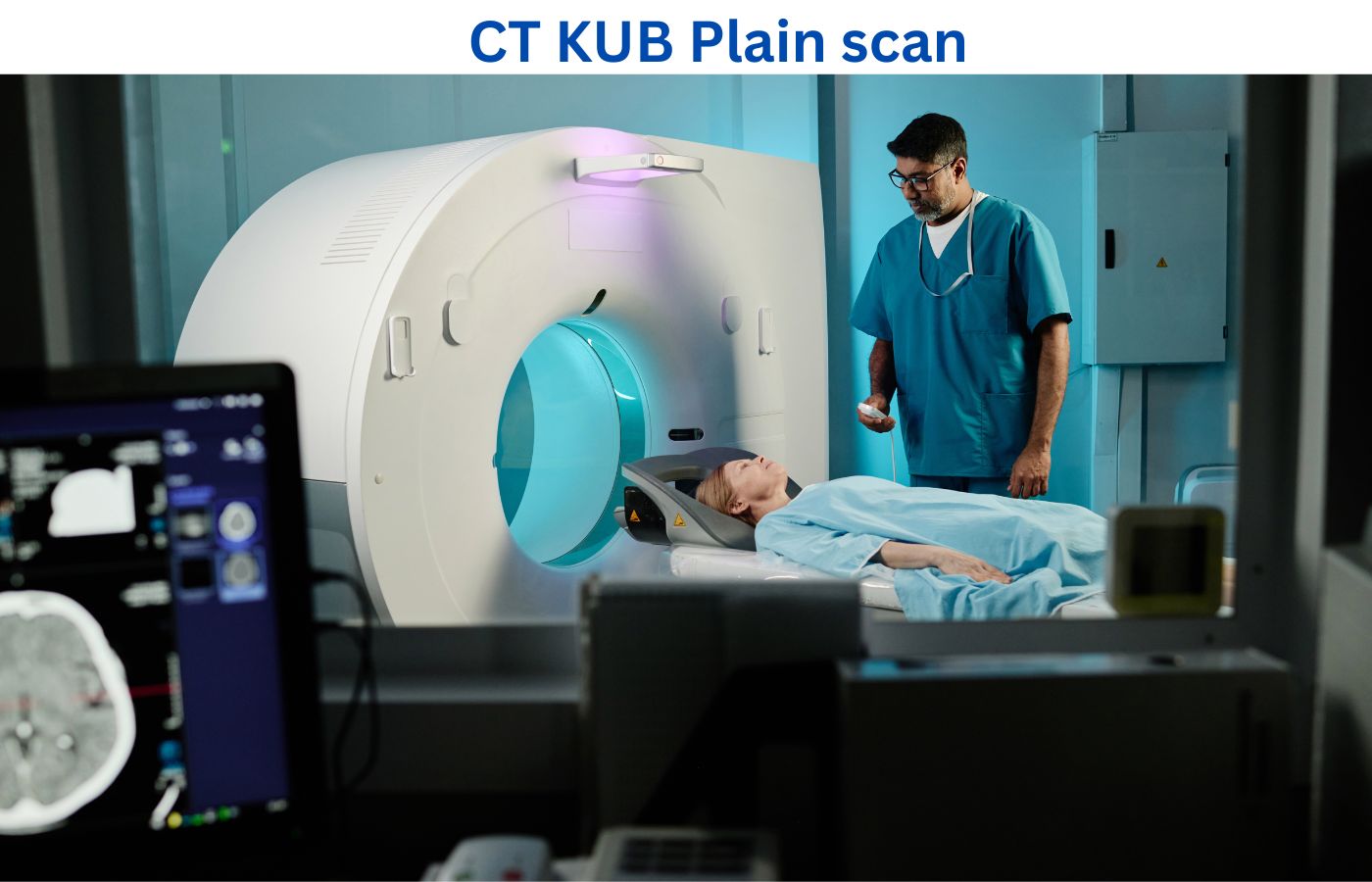
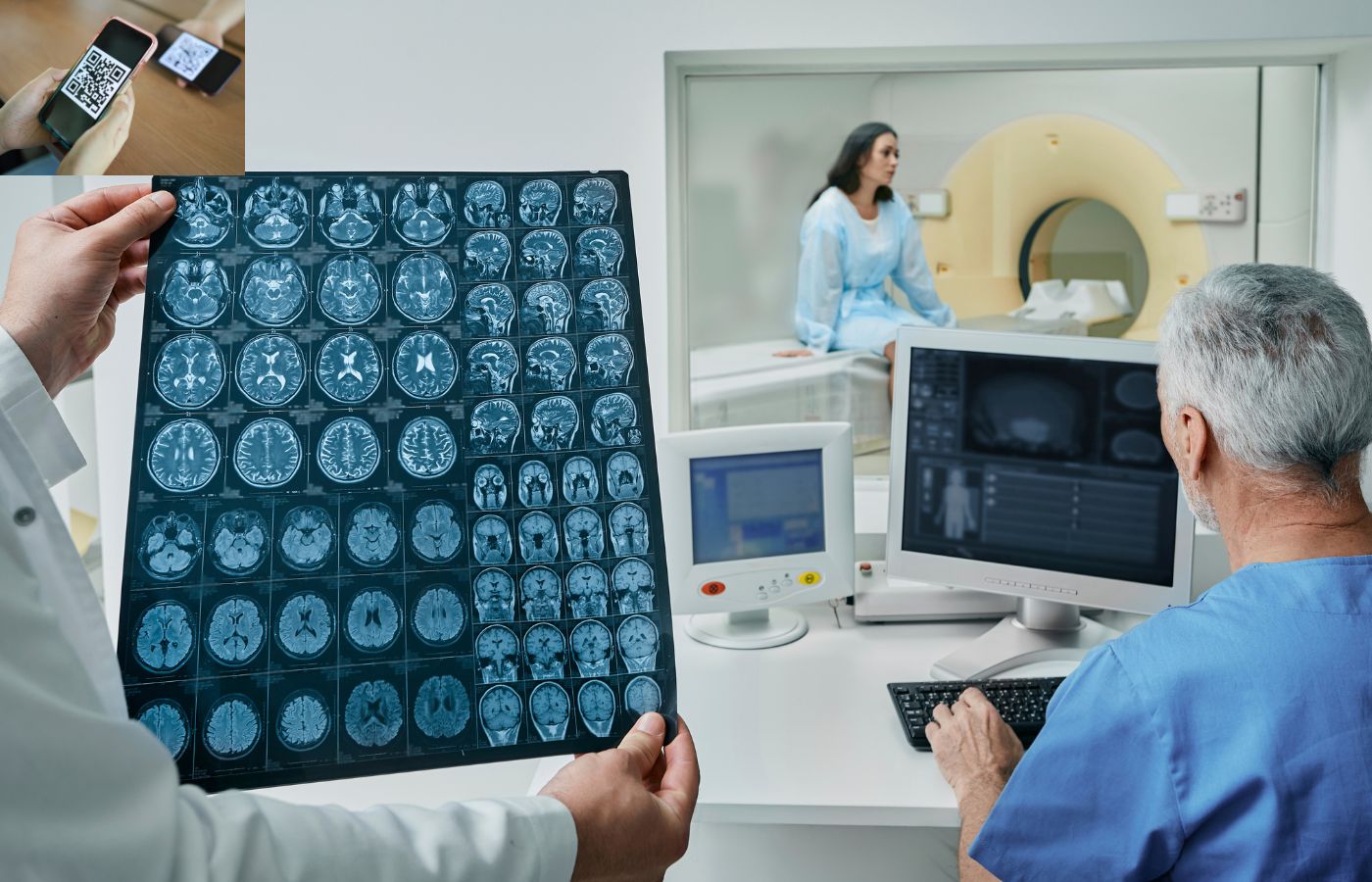
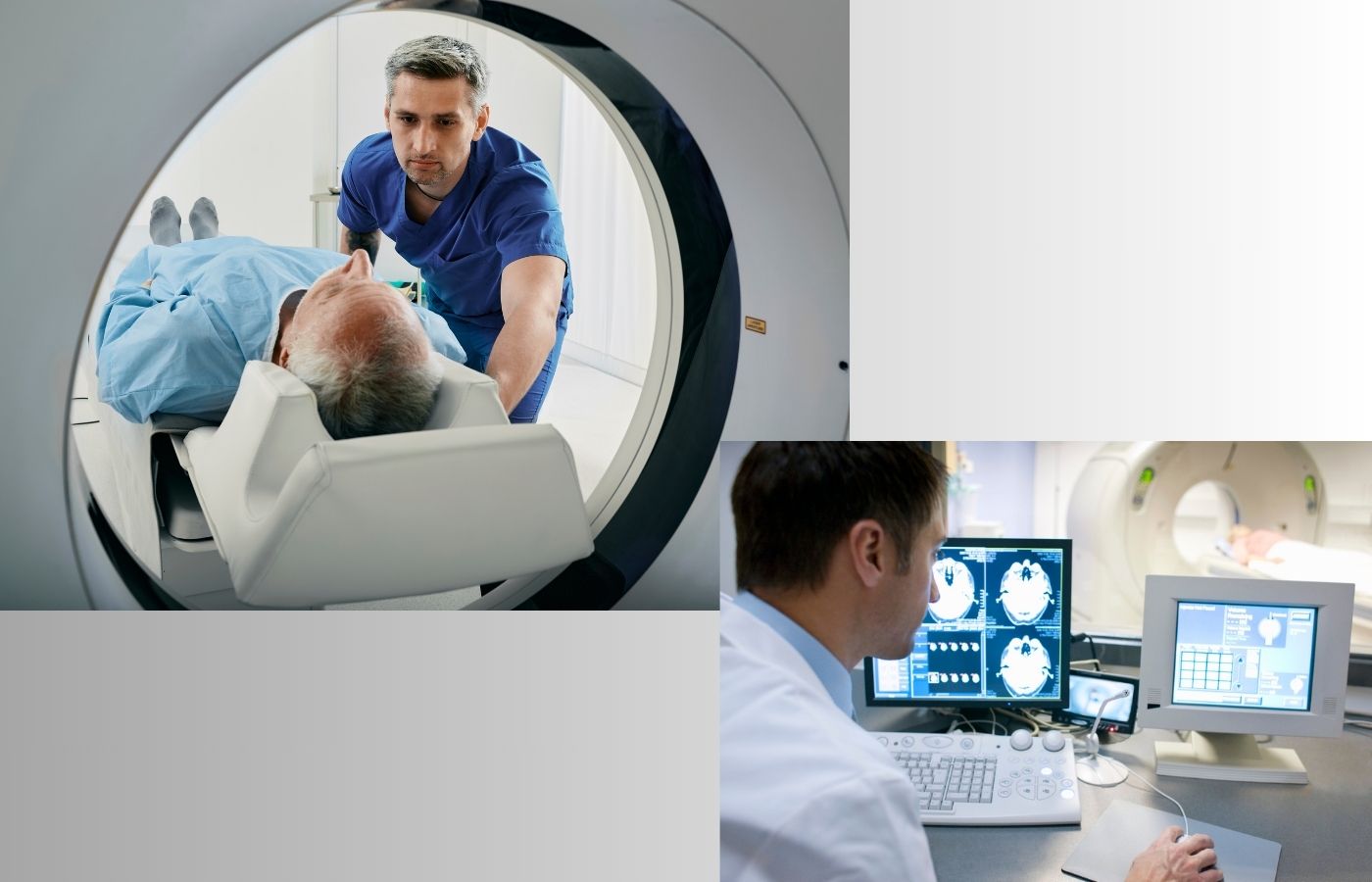
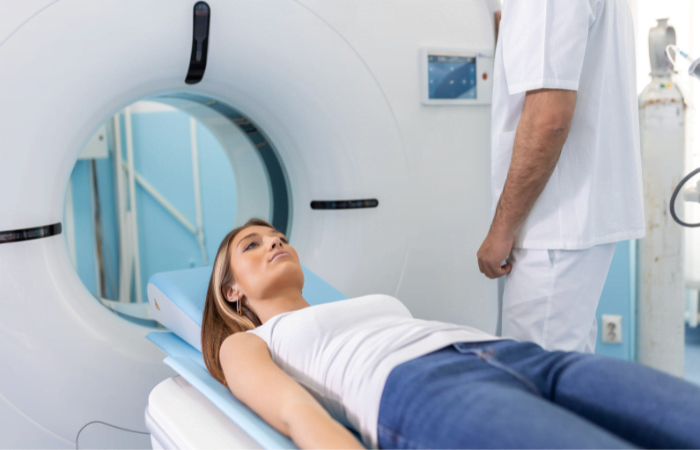
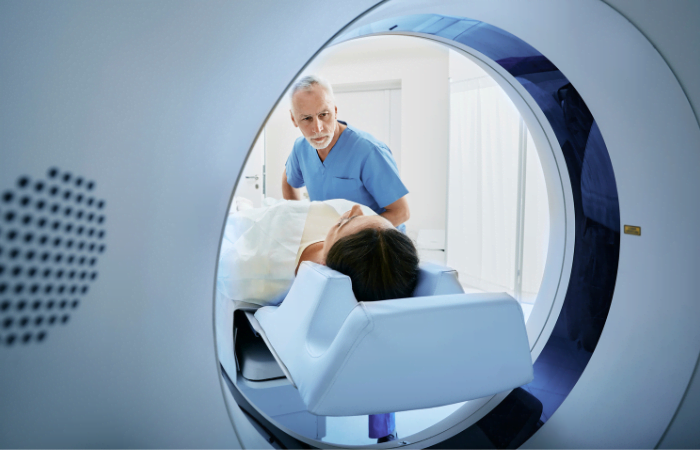
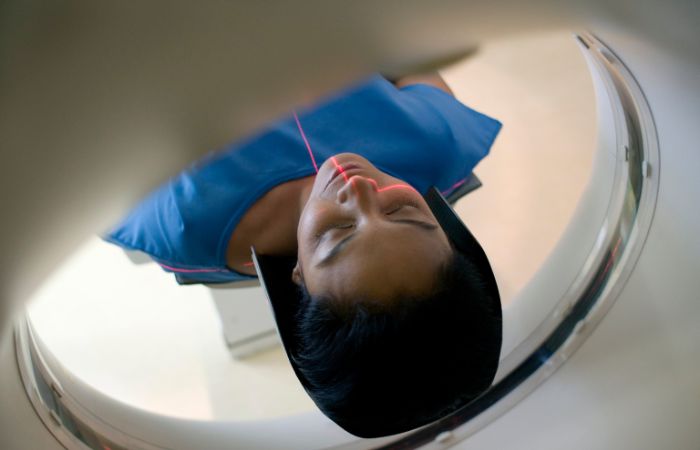
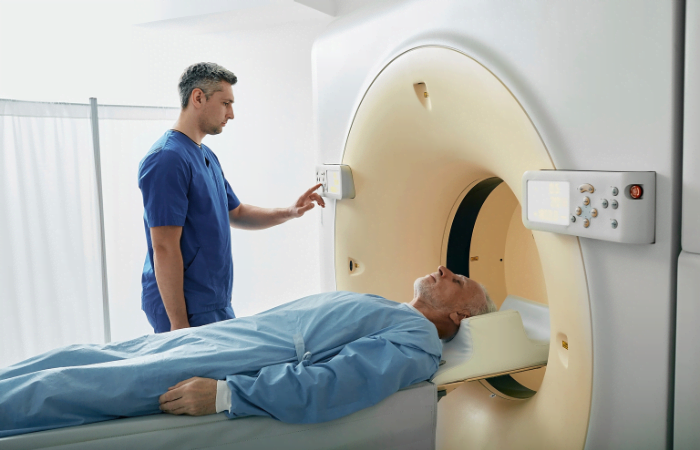
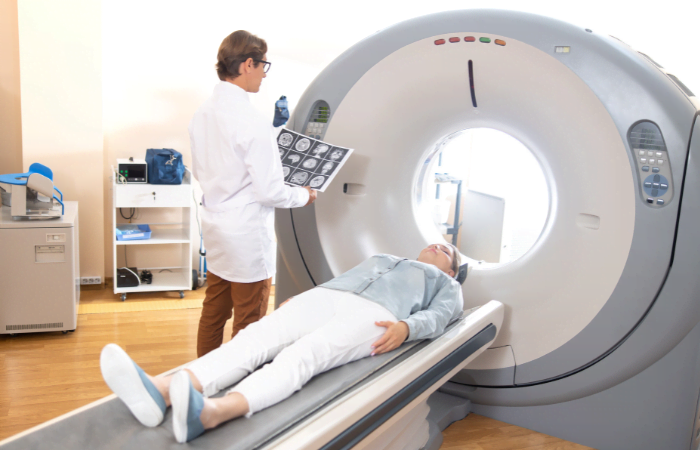
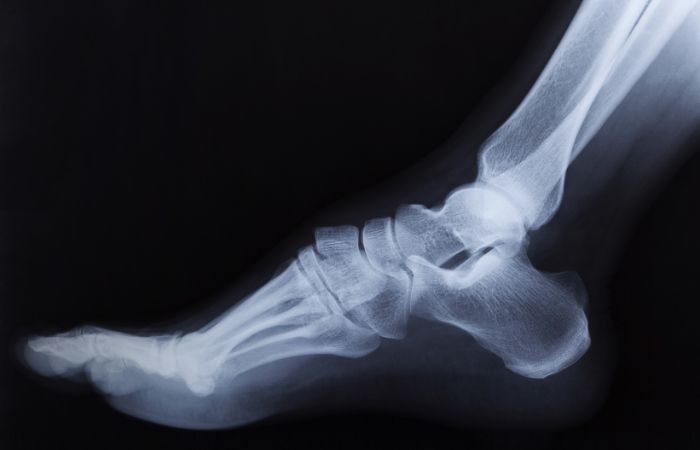
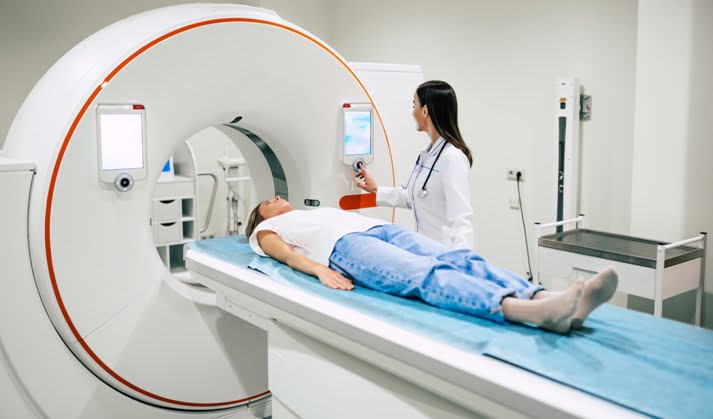
A CT scan (Computed Tomography scan) is a powerful imaging technique that combines multiple X-ray images taken from different angles. A computer processes these images to create cross-sectional views—or slices—of bones, blood vessels, and soft tissues. Unlike a standard X-ray, a CT scan provides far more detail, allowing radiologists to examine the body layer by layer.

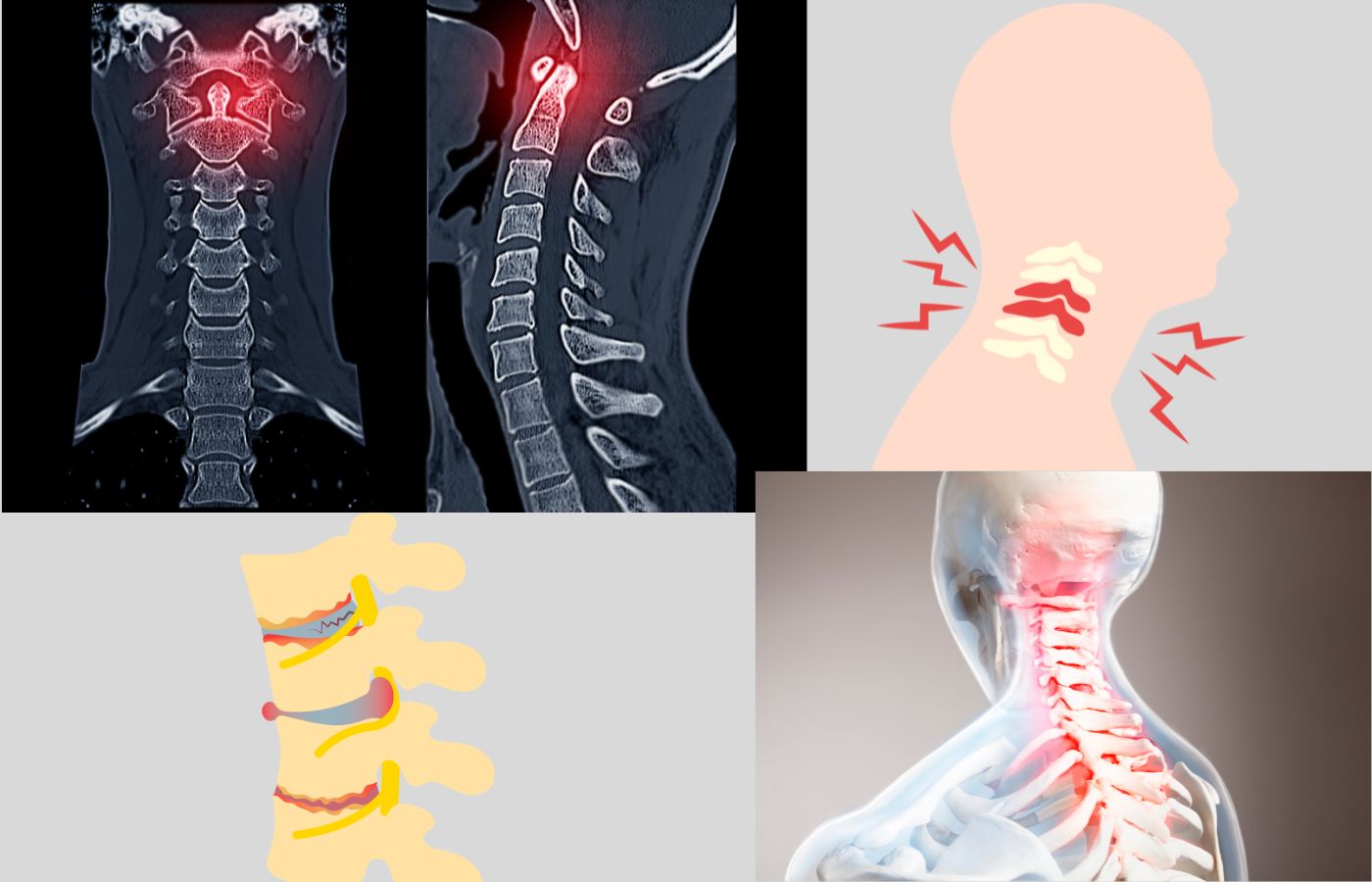
When it comes to diagnosing chronic sinusitis, nasal polyps, fungal infections, deviated nasal septum, fractures, or tumors in the paranasal sinuses, a CT PNS is the gold standard. It offers unparalleled clarity of the ethmoid, frontal, maxillary, and sphenoid sinuses.


CT Scan with Contrast: Why is it Different?

A CT scan with contrast involves the use of a special dye—usually iodine-based—administered intravenously. This contrast agent highlights specific areas inside the body, making abnormalities stand out clearly against surrounding tissues.

Why does this require fasting?

When contrast is injected, there is a small risk of nausea or vomiting. Fasting ensures that if such a reaction occurs, there is no risk of aspiration (inhaling vomit into the lungs). Additionally, for abdominal or pelvic scans, fasting reduces bowel gas artifacts, but for PNS specifically, fasting is primarily for contrast safety and standardization of hospital protocols.

At Diagnopein Pune, we use non-ionic, low-osmolar contrast media, which significantly reduces the risk of adverse reactions. However, we strictly adhere to the 4-hour fasting rule to ensure zero compromise on patient safety.


The Benefits of CT PNS with Contrast at Diagnopein Pune

  1. Superior Diagnostic Accuracy
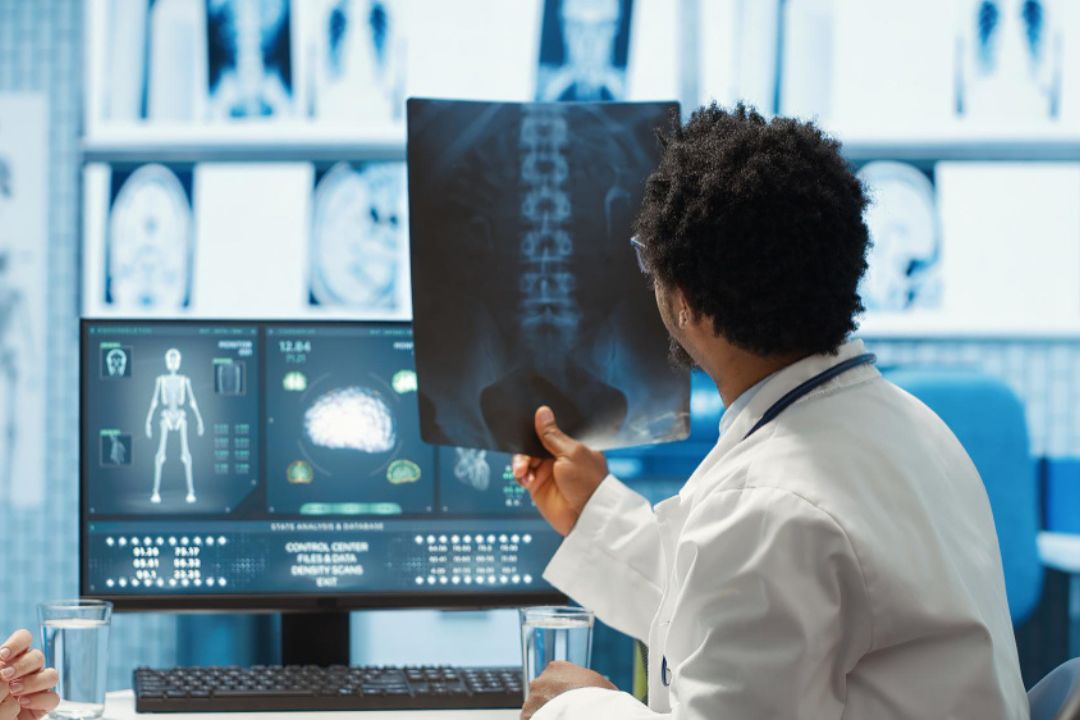
    Contrast helps differentiate between fluid, inflammation, and tumors. In chronic sinusitis, it can reveal fungal balls, polyps, or mucoceles that may be completely missed on non-contrast scans.

  2. Pre-Surgical Planning
    If you are scheduled for Functional Endoscopic Sinus Surgery , a contrast CT provides a vascular roadmap, helping surgeons avoid critical arteries and nerves.

  3. Infection Mapping
    In cases of orbital or intracranial extension of sinus infection, contrast is not just helpful—it is life-saving. It clearly shows abscess formation or meningeal involvement.

  4. Differentiation of Recurrence vs. Scarring
    In post-operative patients, contrast helps distinguish between recurrent disease and post-surgical scarring or granulation tissue.

  5. Low Radiation Protocols
    At Diagnopein Pune, we utilize dose-optimization technology, giving you the clarity of contrast with minimal radiation exposure—especially important for patients requiring follow-up scans.


CT Scan Versus MRI: Which One is Right for You?

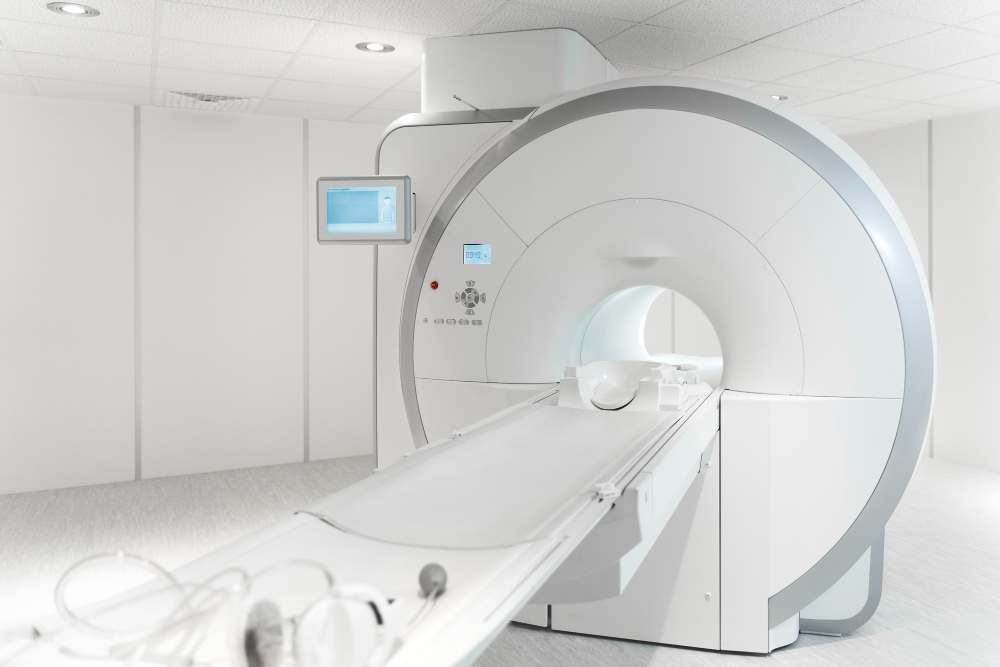
A common confusion among patients is choosing between CT scan versus MRI. Both are advanced imaging tools, but they serve different purposes.

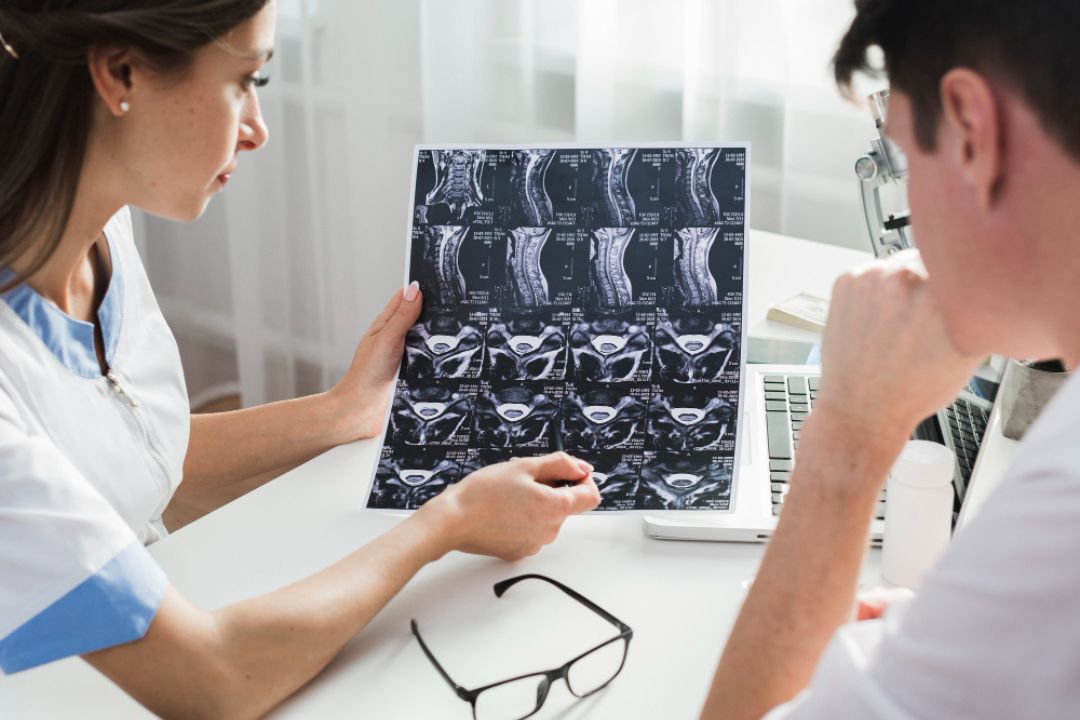
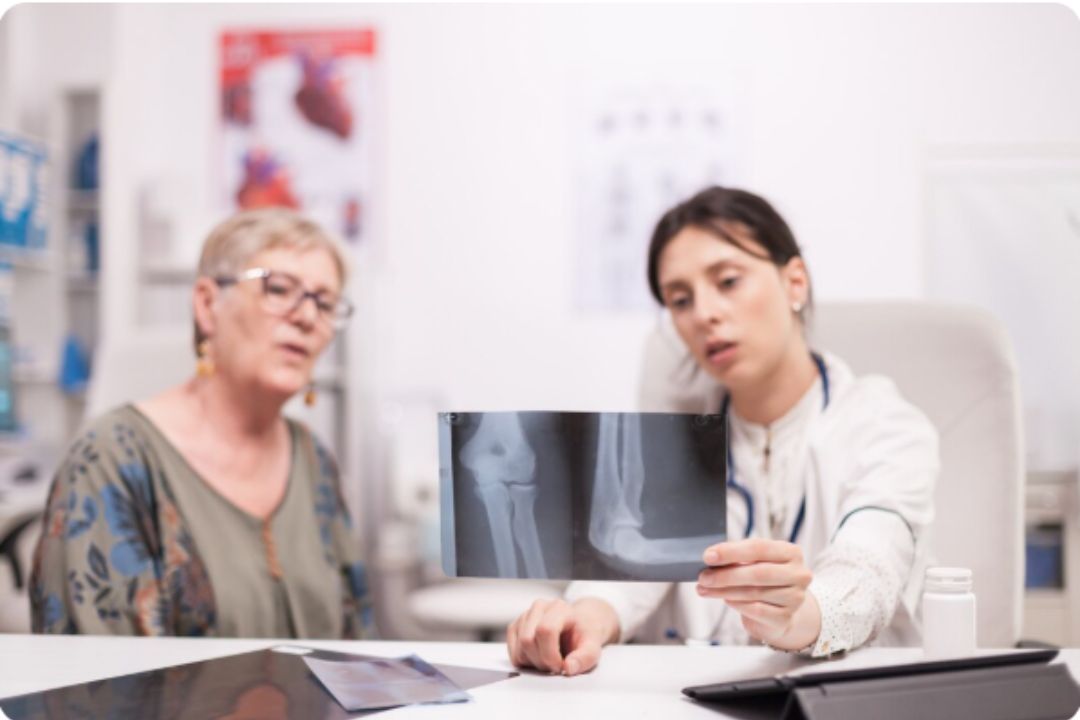
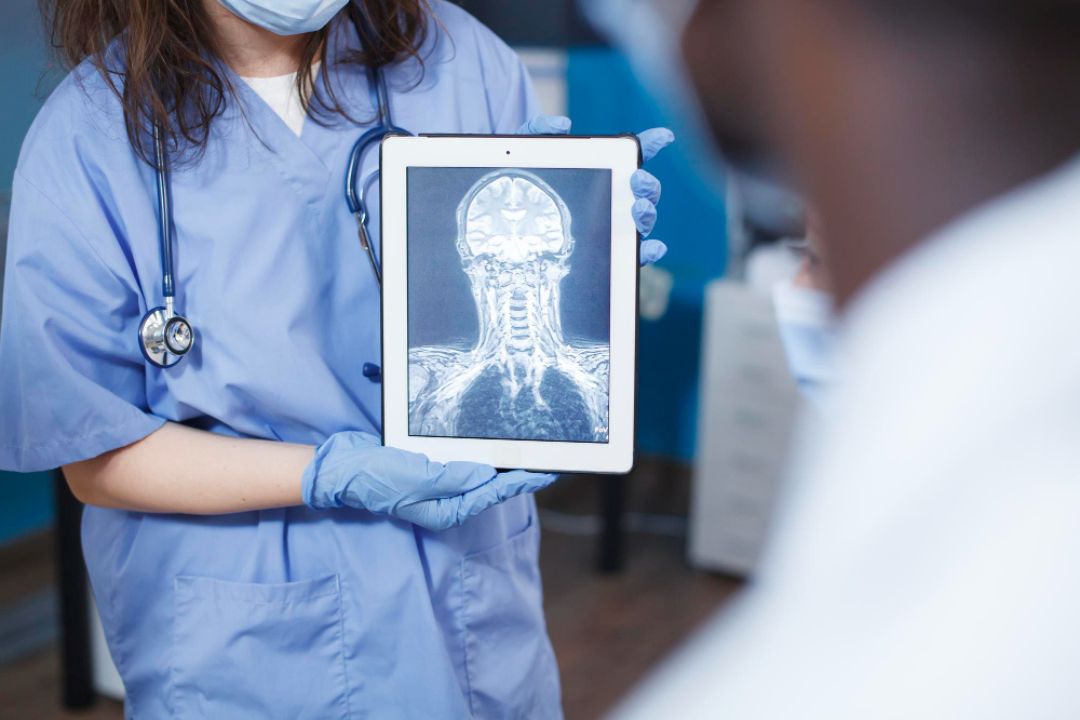
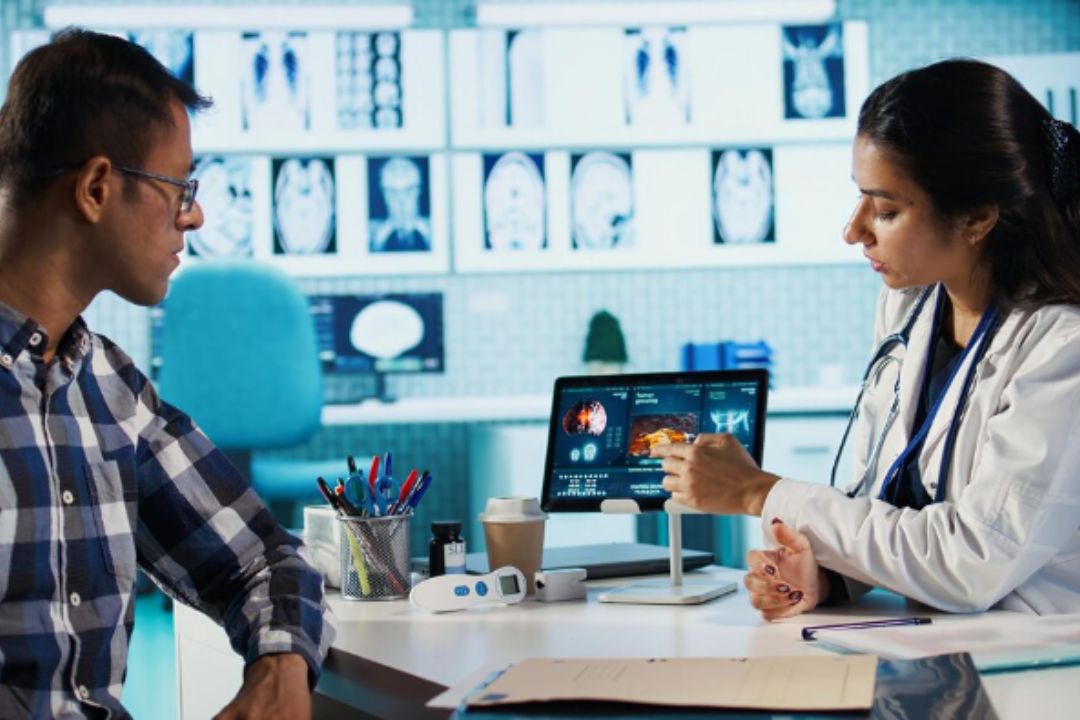
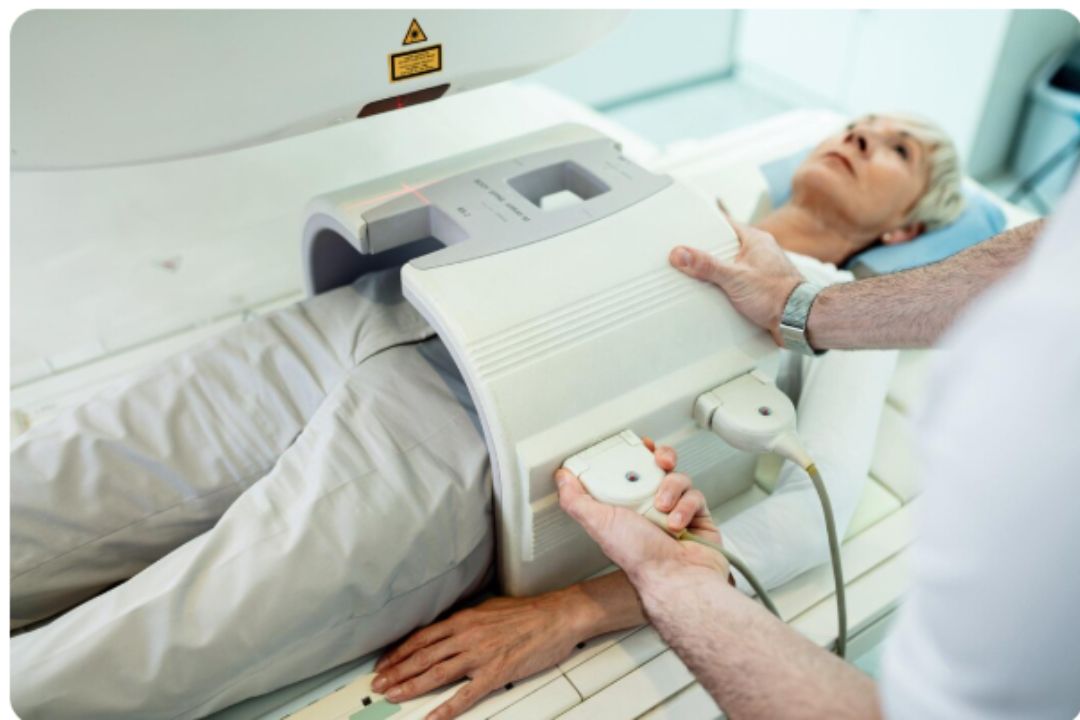
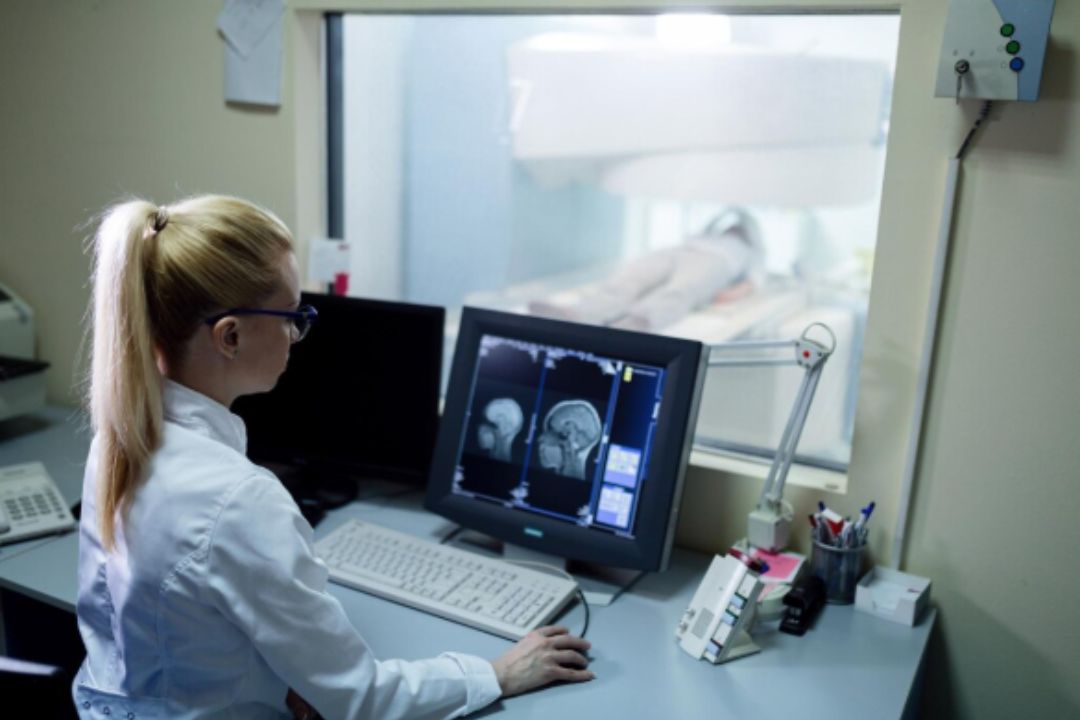
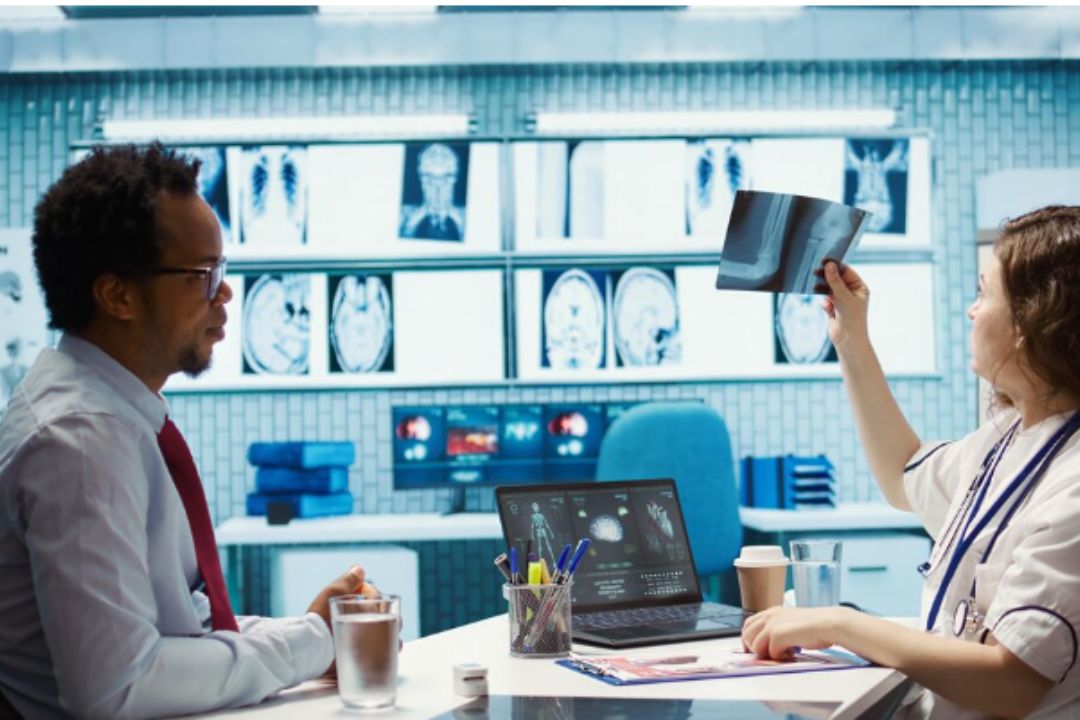
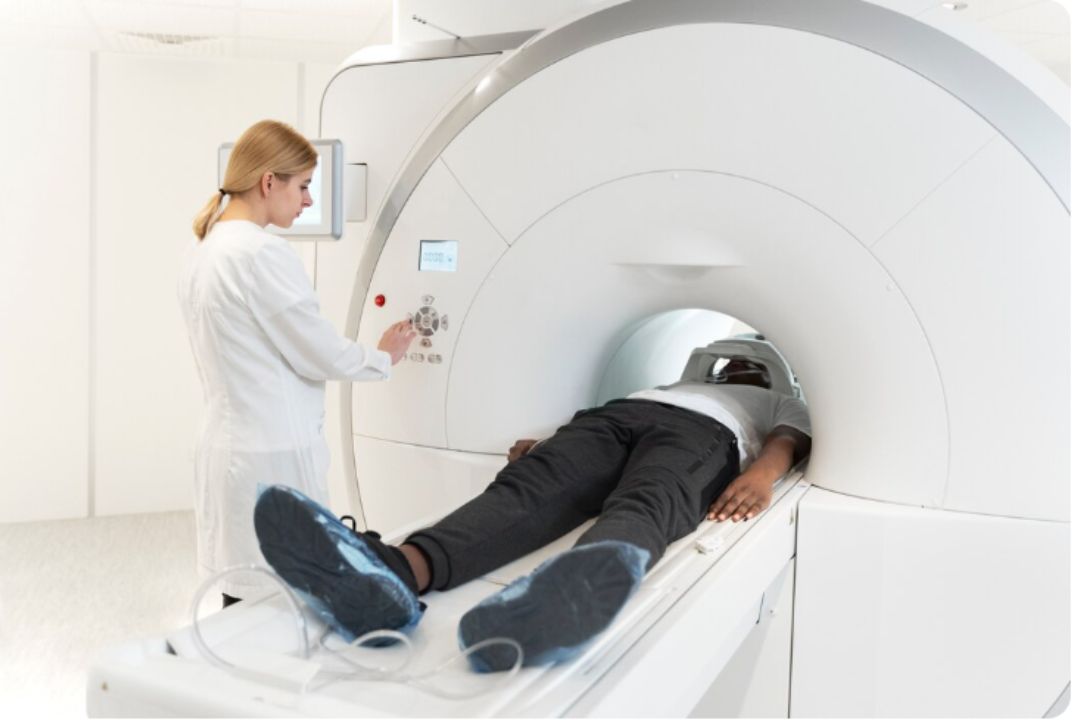
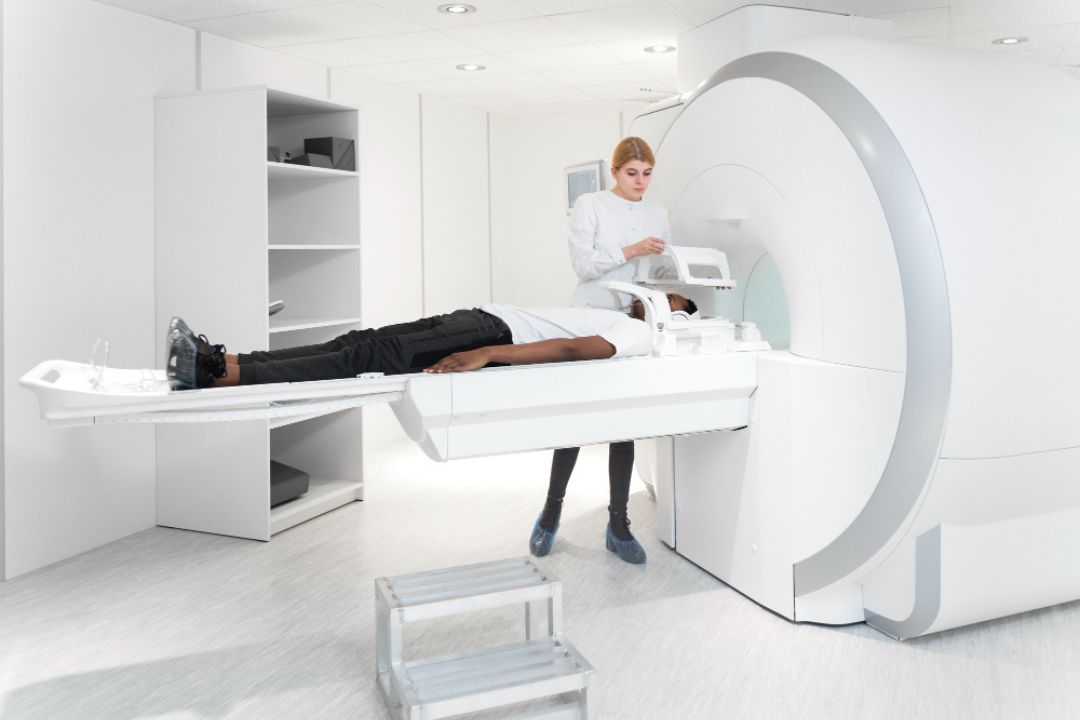
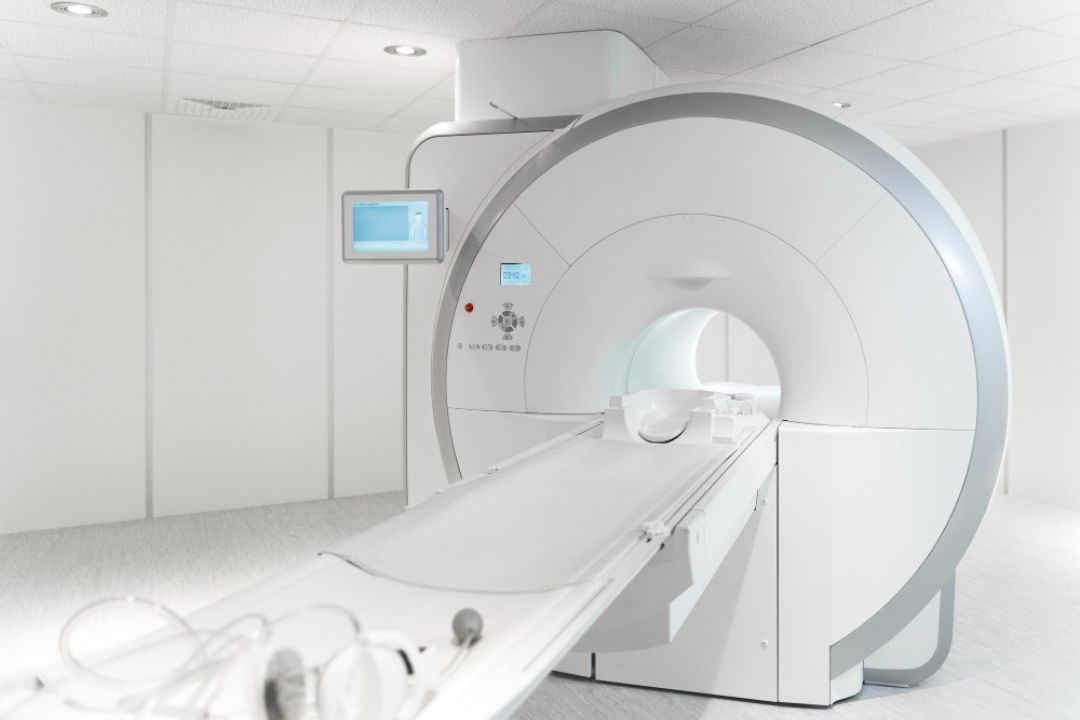
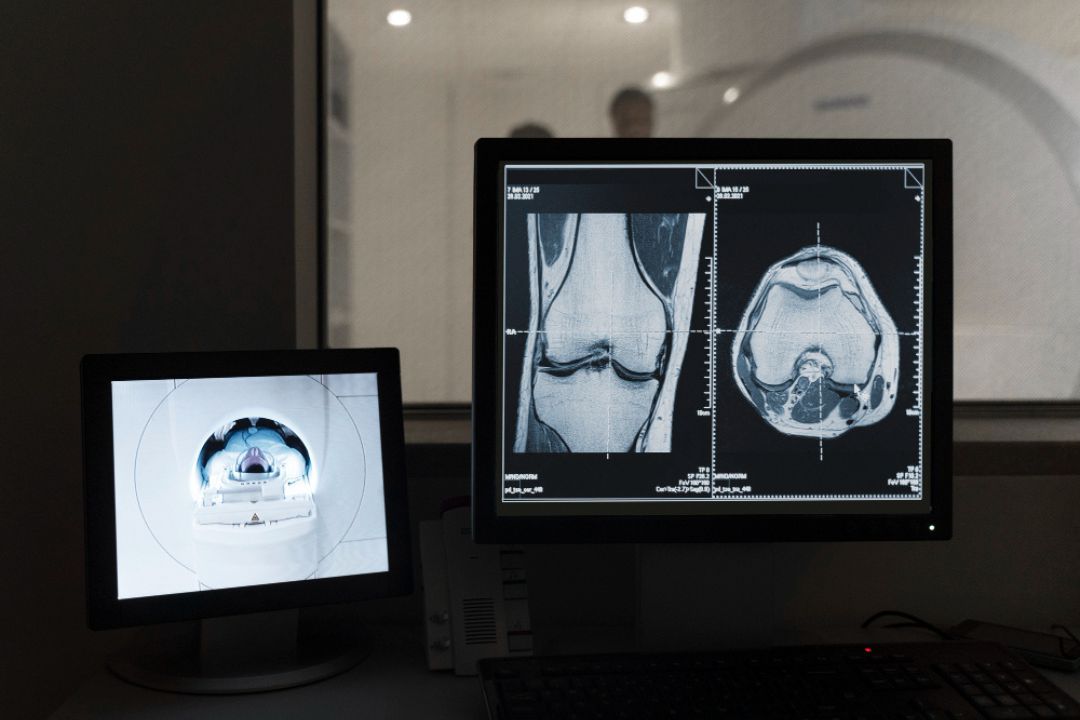
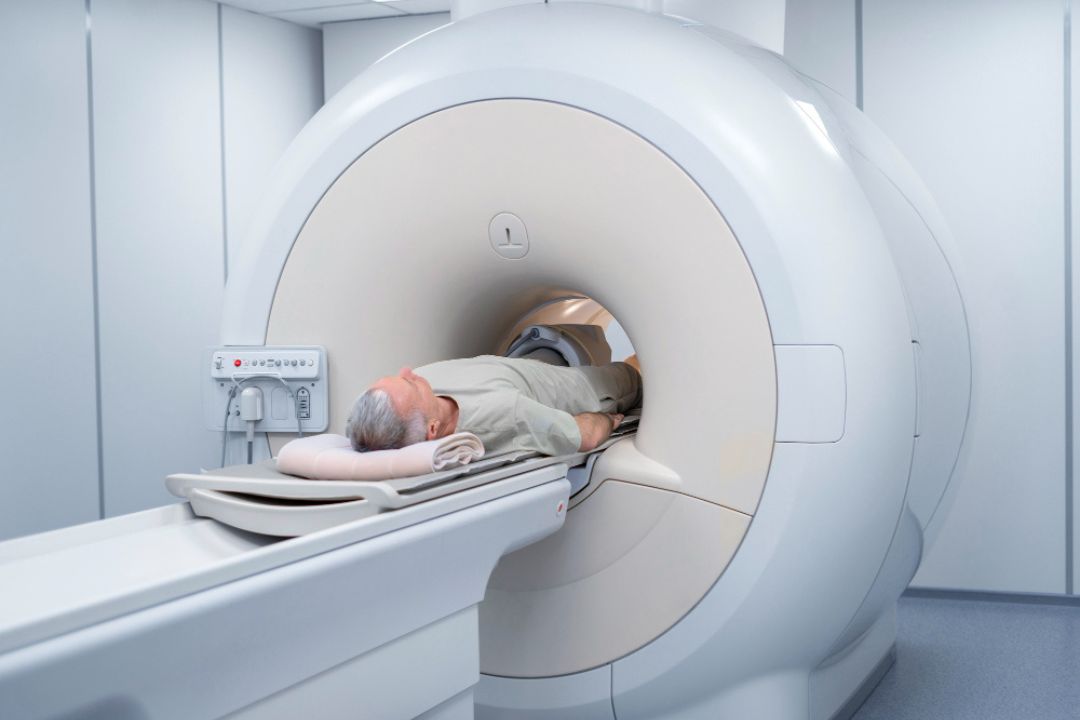
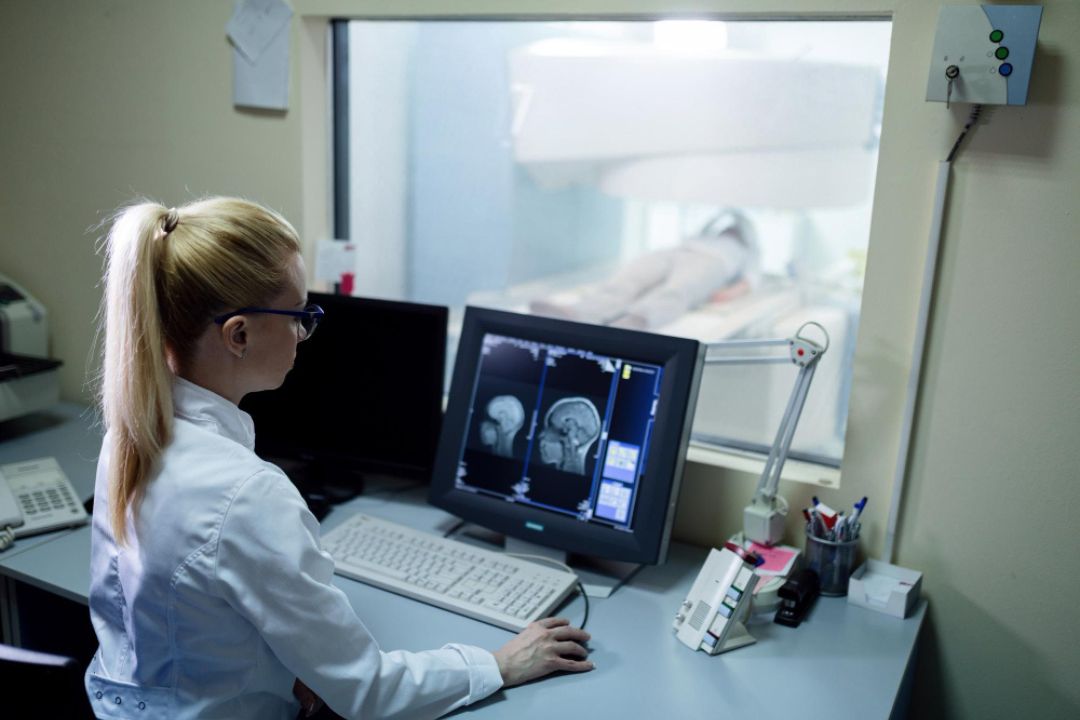
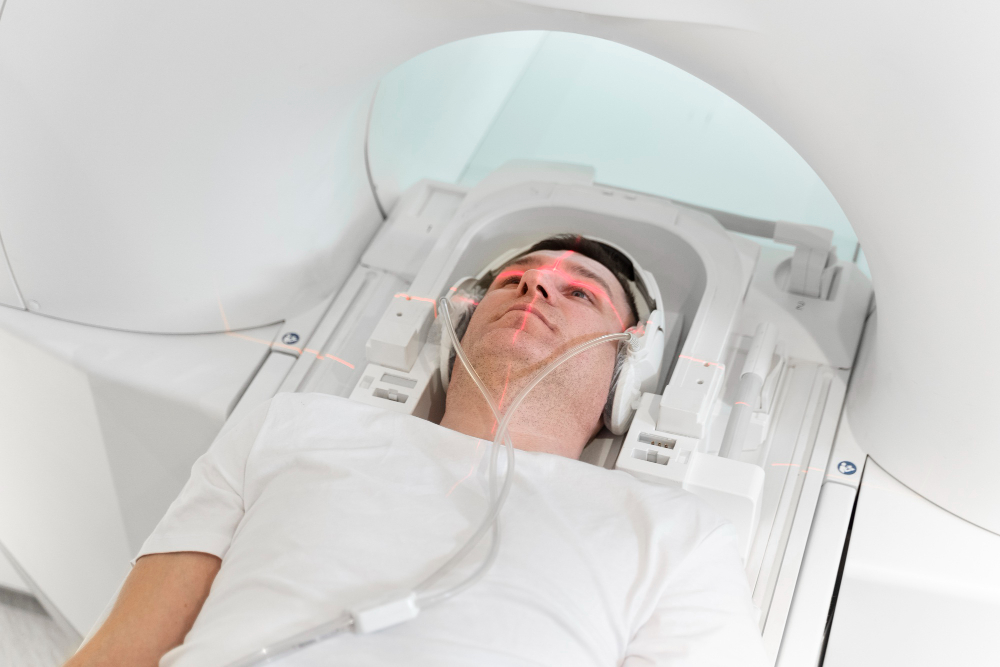
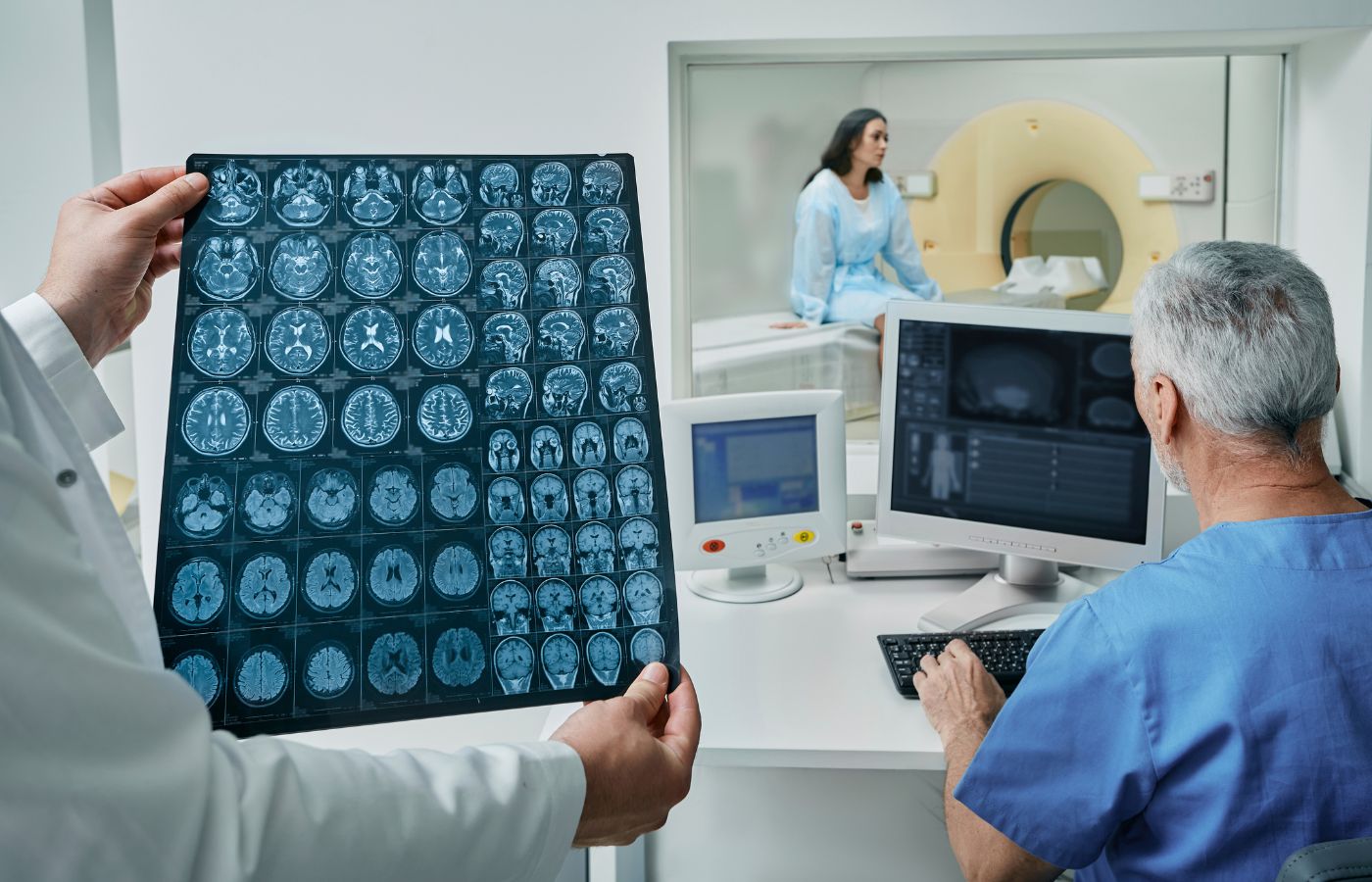
One of the most common dilemmas patients face when advised for diagnostic imaging is choosing between a CT scan and an MRI. Both are advanced, non-invasive imaging technologies, but they work on entirely different principles and serve distinct purposes. A CT scan uses ionizing radiation to produce detailed cross-sectional images of bones, blood vessels, and soft tissues, making it exceptionally fast and ideal for evaluating bony structures, acute bleeding, and sinus pathologies. In contrast, an MRI uses powerful magnetic fields and radio waves to generate highly detailed images of soft tissues, organs, and the central nervous system without any radiation exposure. When it comes to sinus imaging specifically, a CT PNS with contrast is generally the preferred modality because it provides crystal-clear visualization of the paranasal sinuses, nasal passages, and bony framework—essential for diagnosing chronic sinusitis, nasal polyps, fungal infections, and fractures. MRI, on the other hand, is reserved for cases where there is suspicion of soft tissue tumors, intracranial extension of infection, or complications involving the orbit or brain. At Diagnopein Pune, our radiologists do not take a one-size-fits-all approach. We carefully evaluate your clinical history, symptoms, and the specific diagnostic question at hand before recommending either a CT scan or MRI. If you present with persistent facial pain, nasal obstruction, or recurrent sinus infections, a CT PNS with contrast is usually the fastest and most accurate path to diagnosis. However, if there is concern for malignancy, vascular lesions, or soft tissue invasion beyond the sinuses, MRI becomes the superior choice. Both modalities are available at Diagnopein Pune under one roof, ensuring that you receive the right test the first time—saving you time, money, and unnecessary anxiety. Our goal is not just to perform a scan, but to guide you toward the most appropriate imaging solution with clarity and confidence.

Verdict: For routine sinusitis, nasal obstruction, or trauma, CT PNS with contrast is usually the first and most effective line of imaging. At Diagnopein, our radiologists personally guide you to the right modality based on your symptoms and clinical history.


Comfort and Care: The Diagnopein Experience

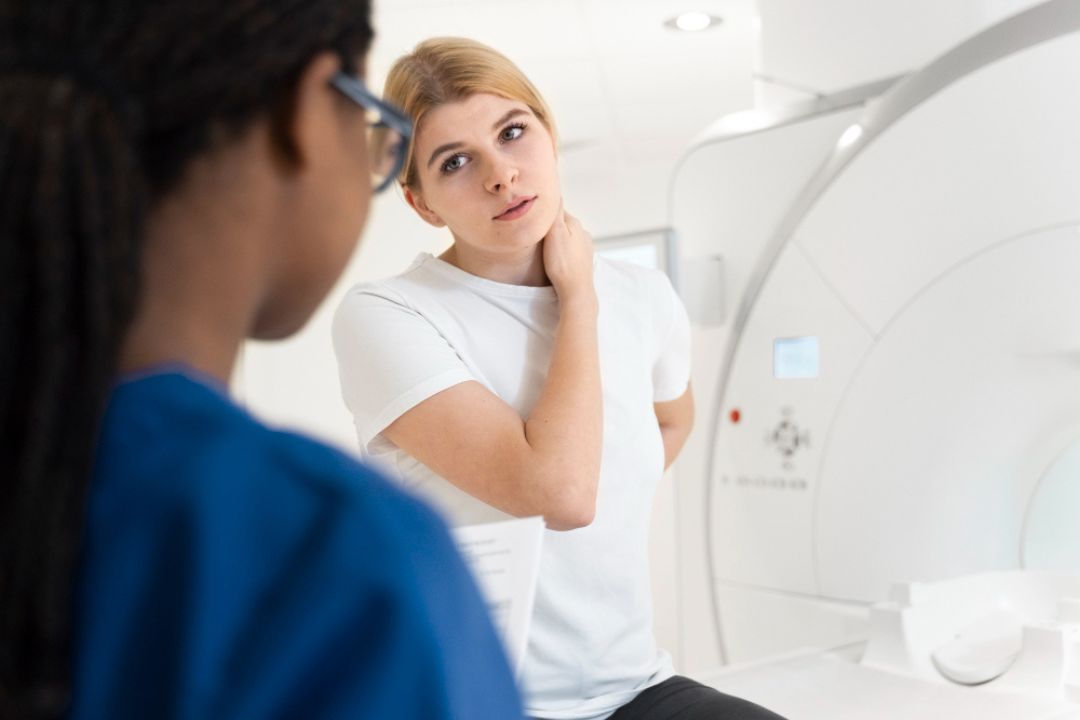
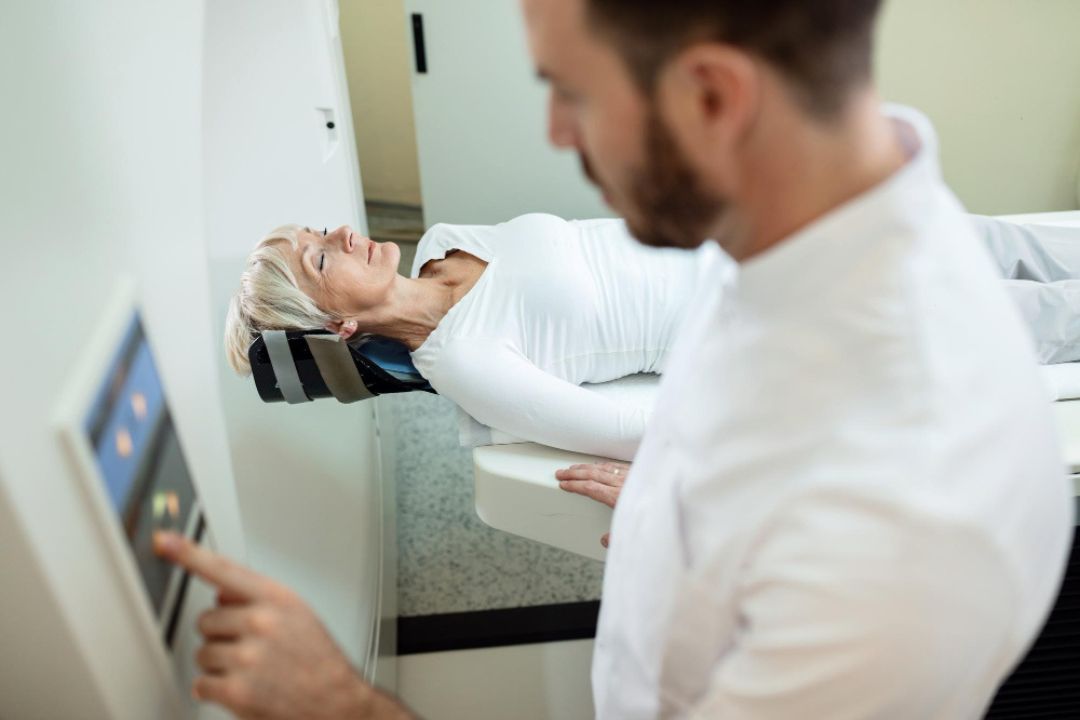
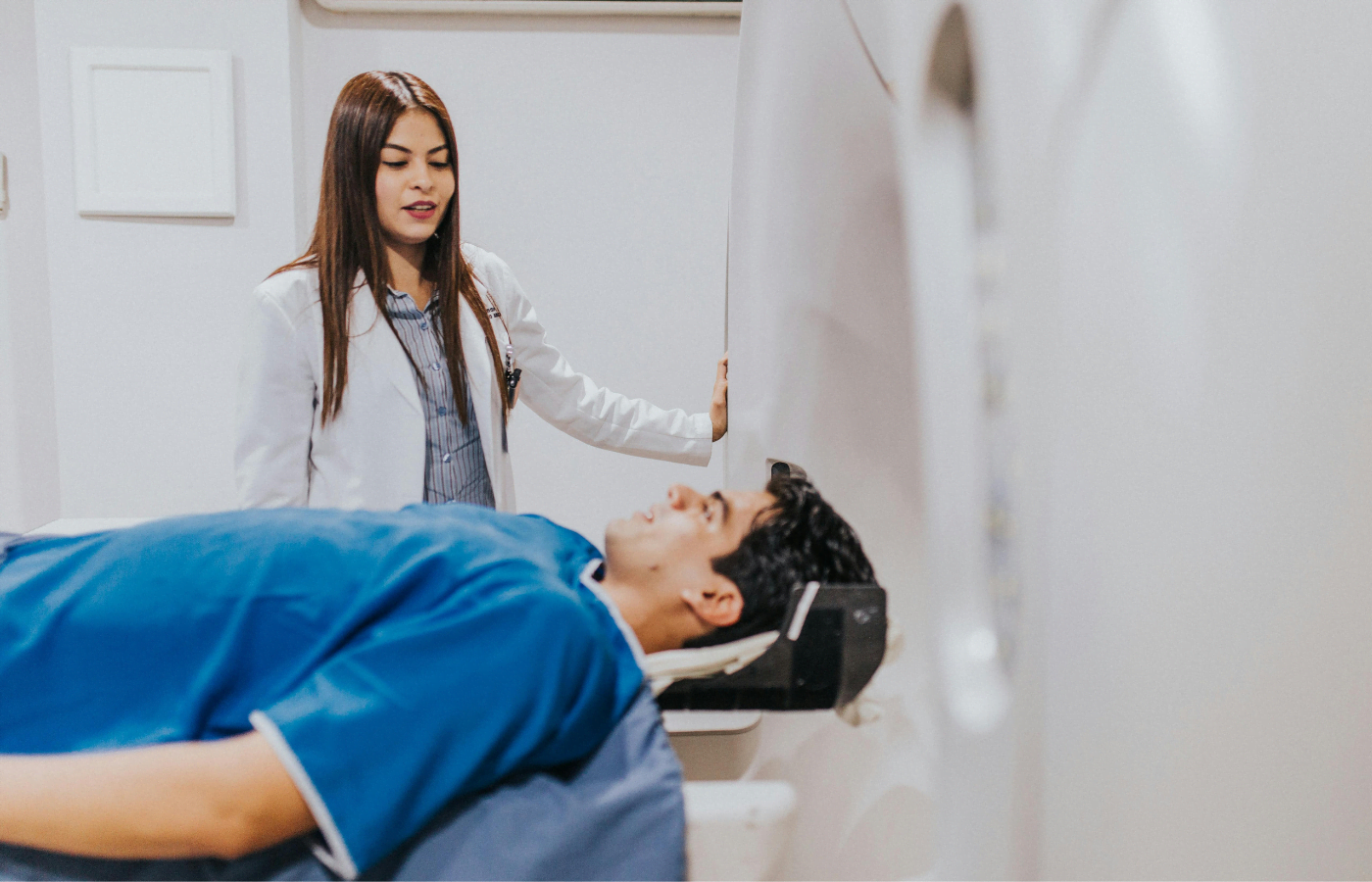
We understand that medical tests can be anxiety-inducing. Here is how we ensure your comfort during a CT scan with contrast at Diagnopein Pune:

  1. Pre-Scan Counseling
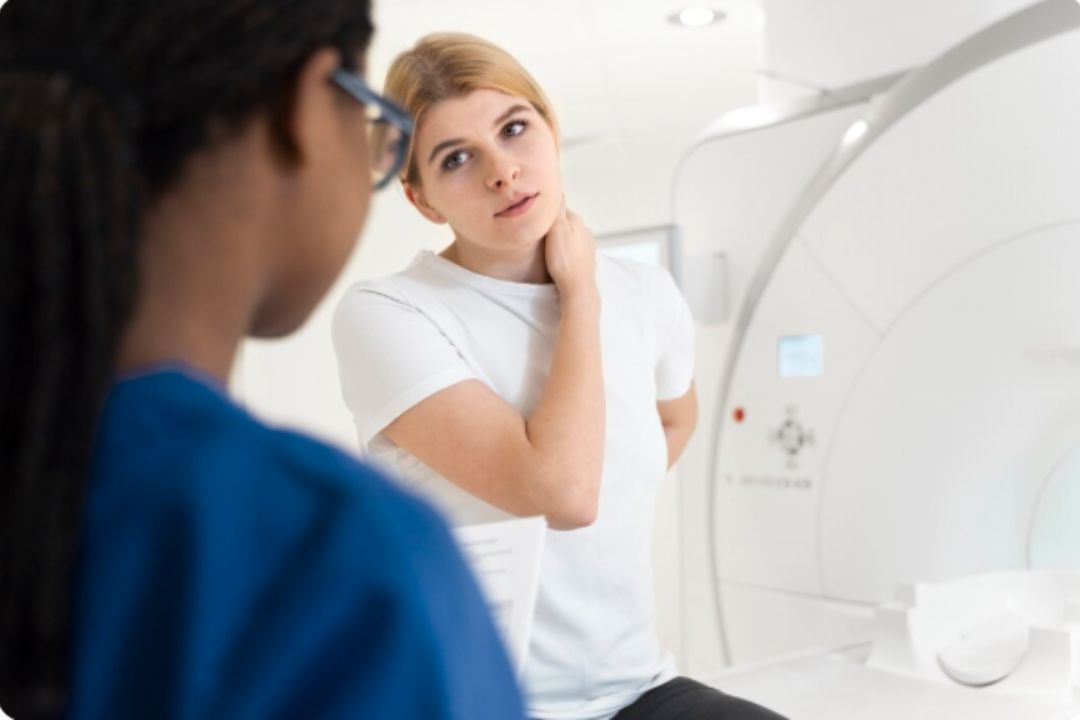
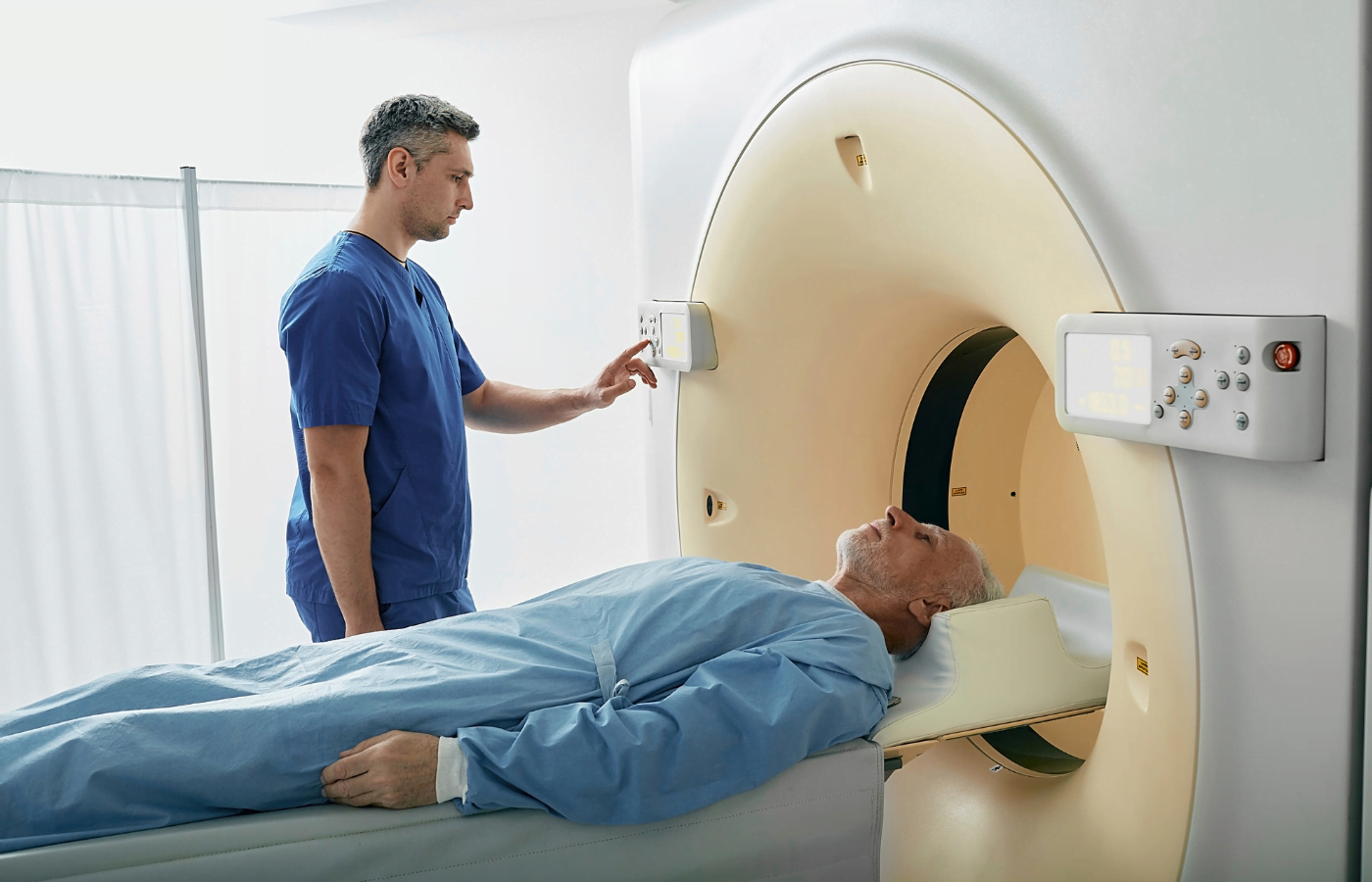
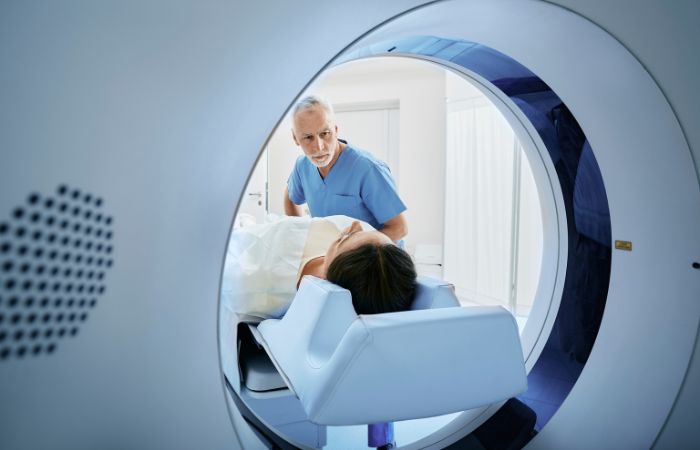
    Our staff explains exactly what you will feel—warmth, metallic taste, or the urge to urinate—all normal sensations with contrast injection. No surprises, no fear.

  2. Temperature-Controlled Rooms
    No shivering while waiting. We maintain optimal ambient temperature for your comfort.

  3. Open-Style Machines
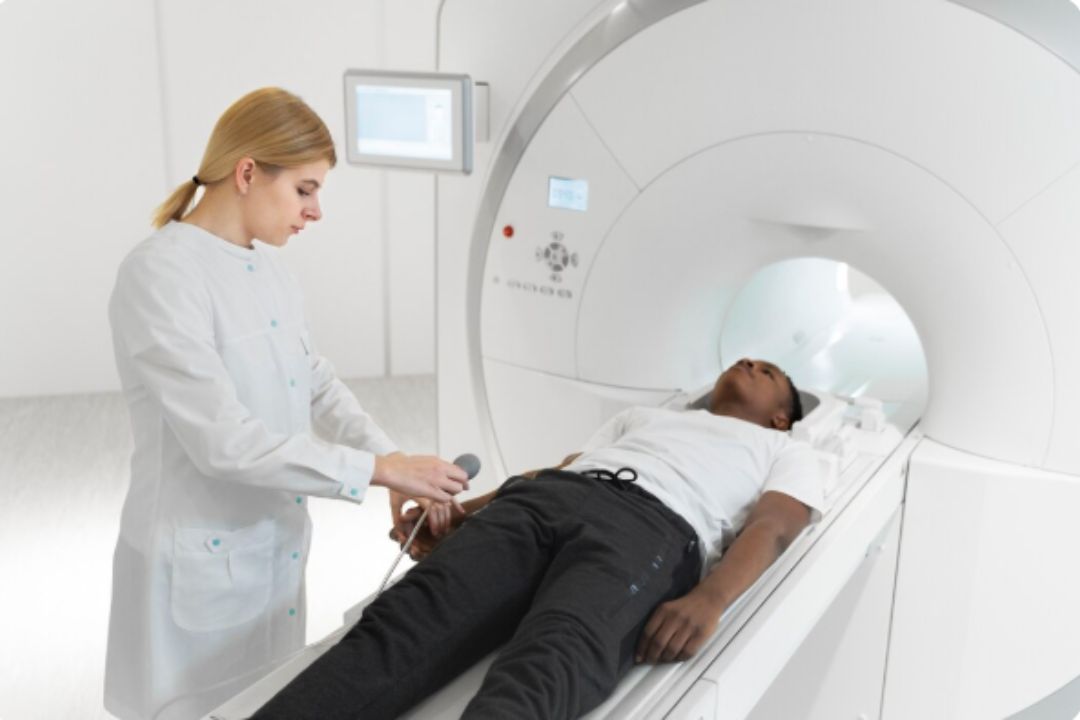
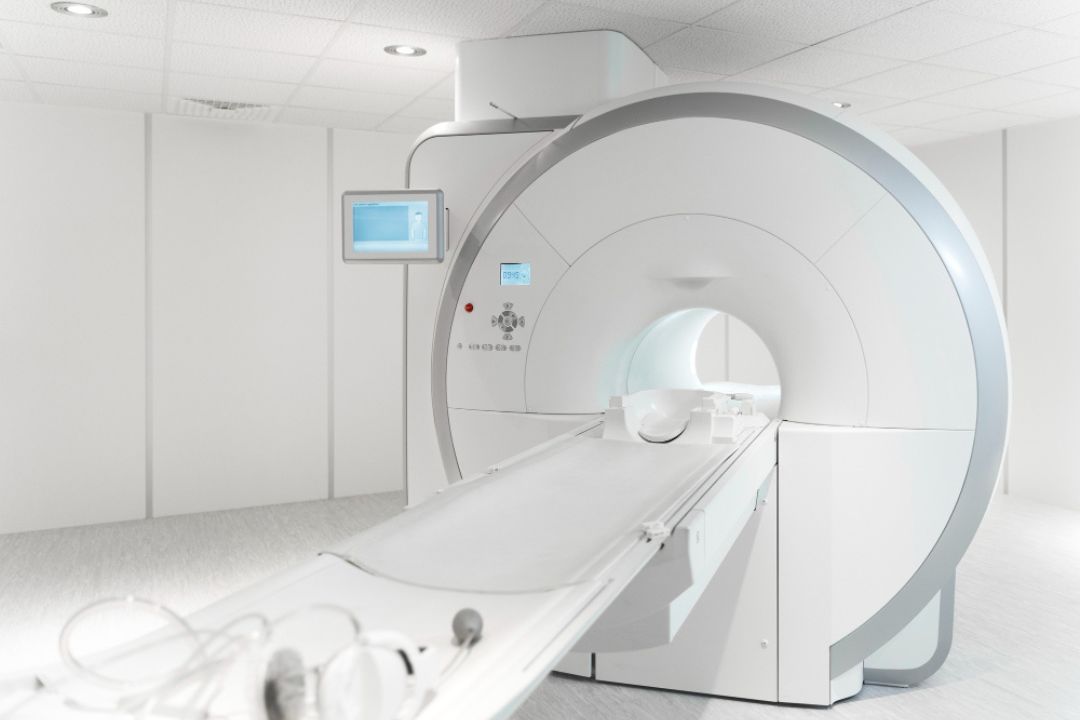
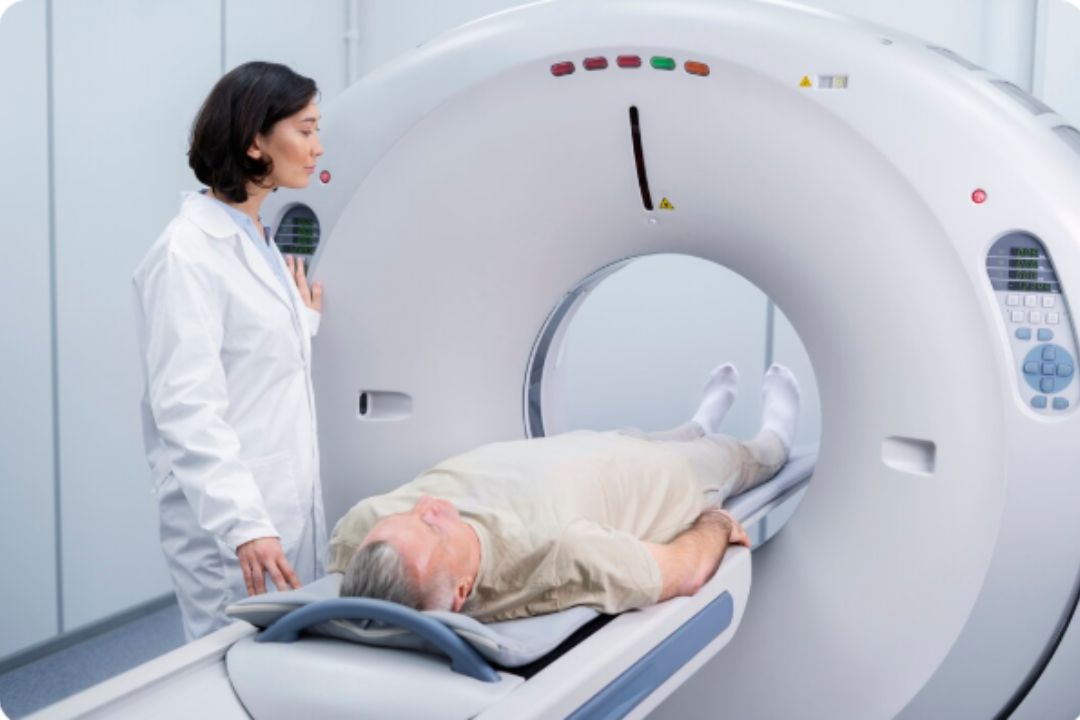
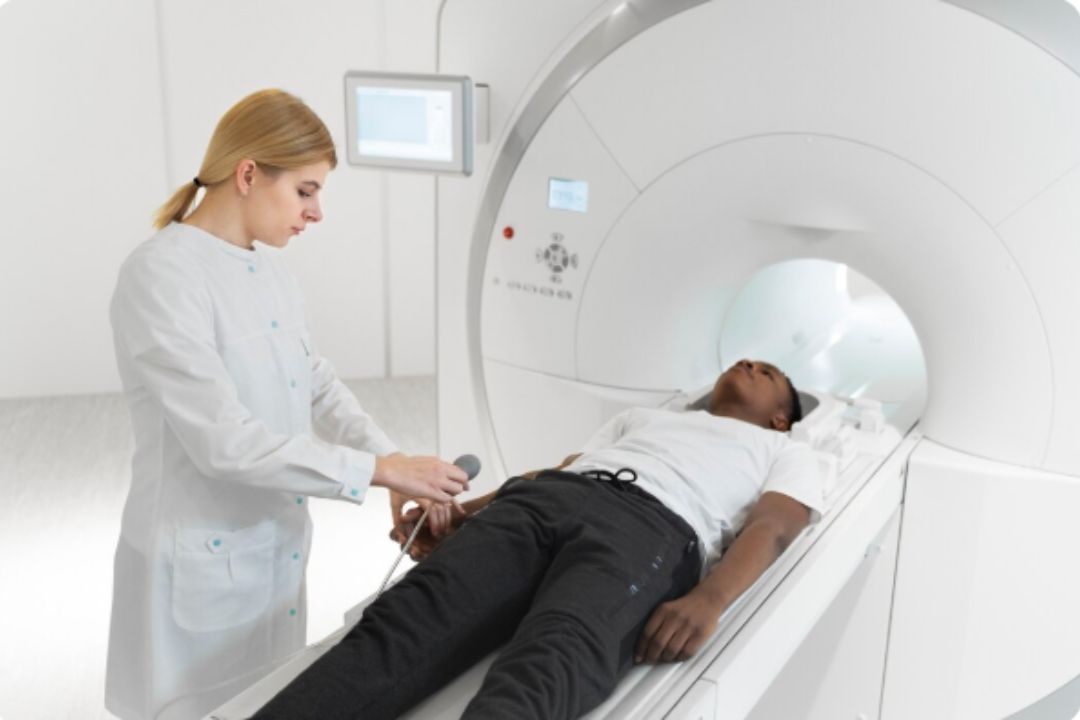
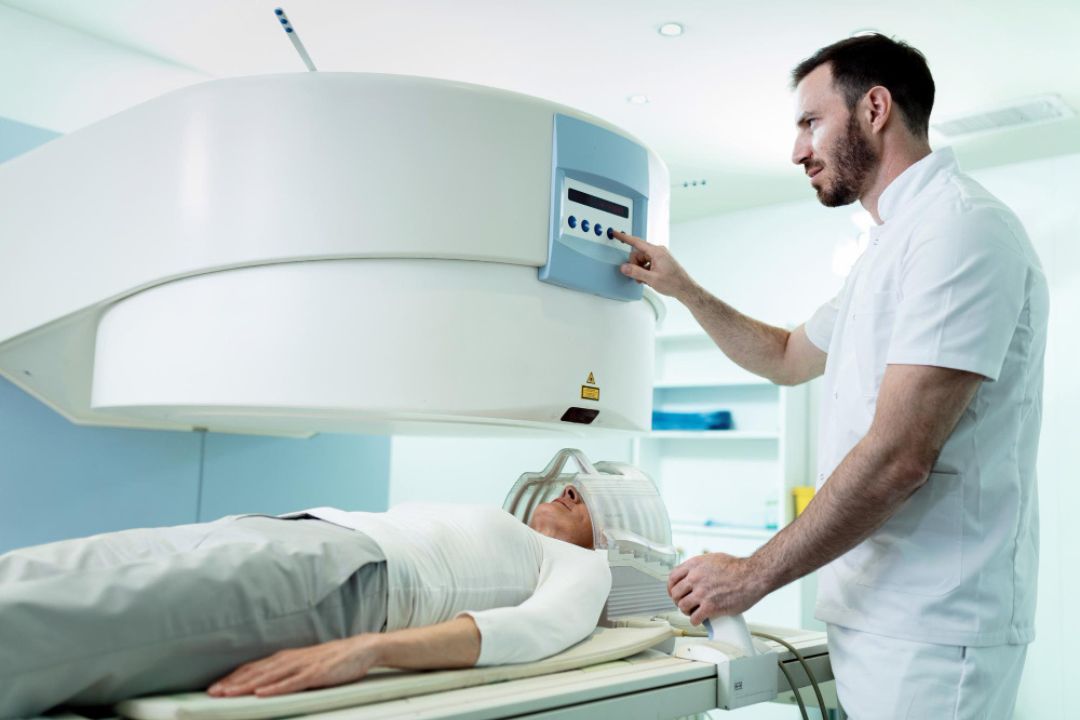
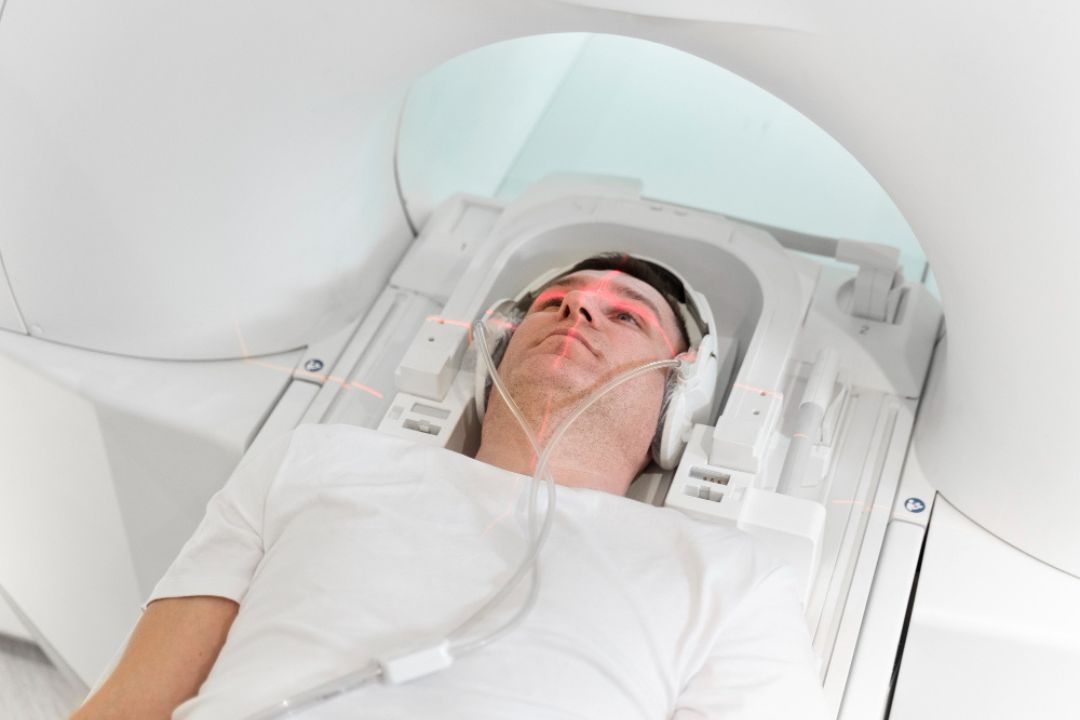
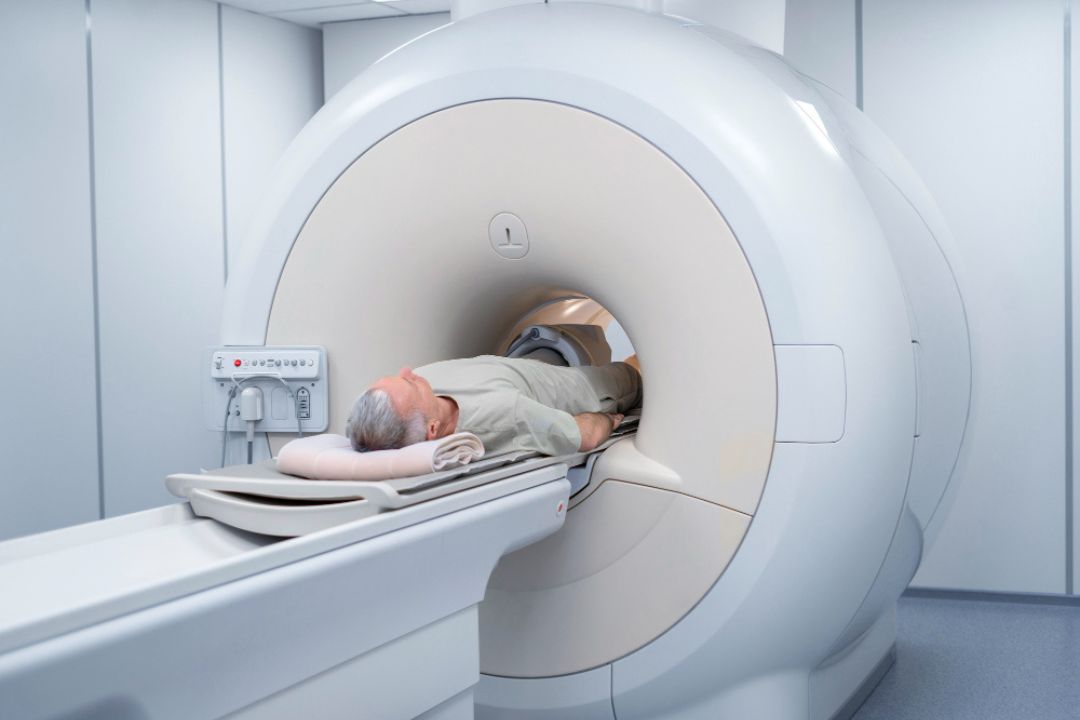
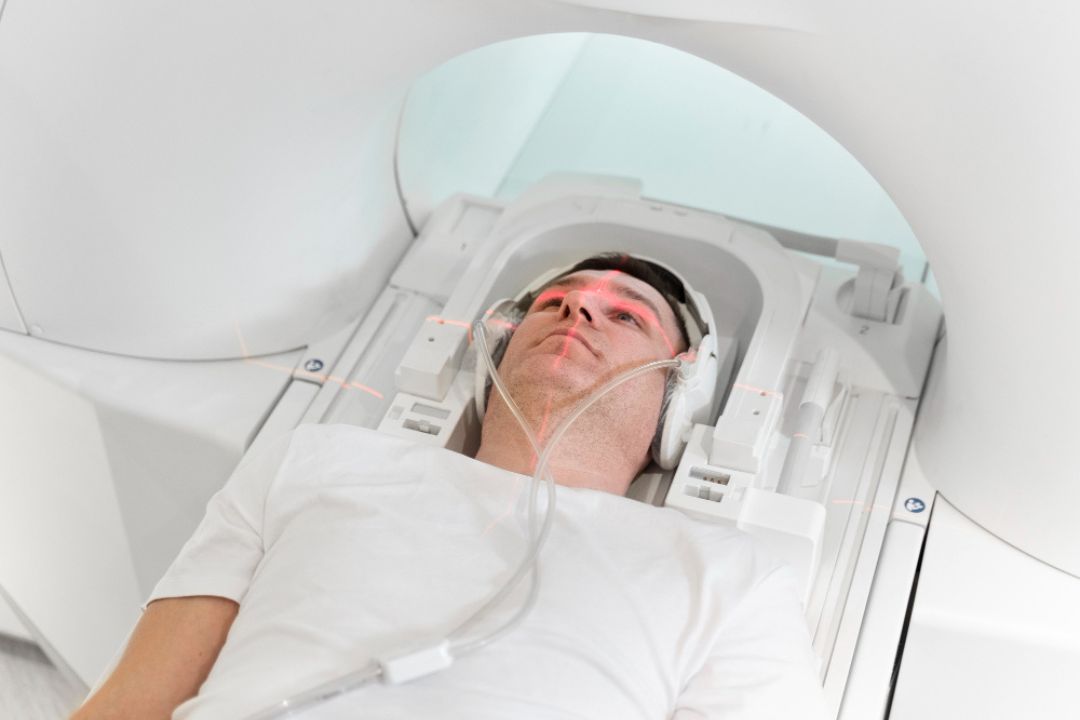
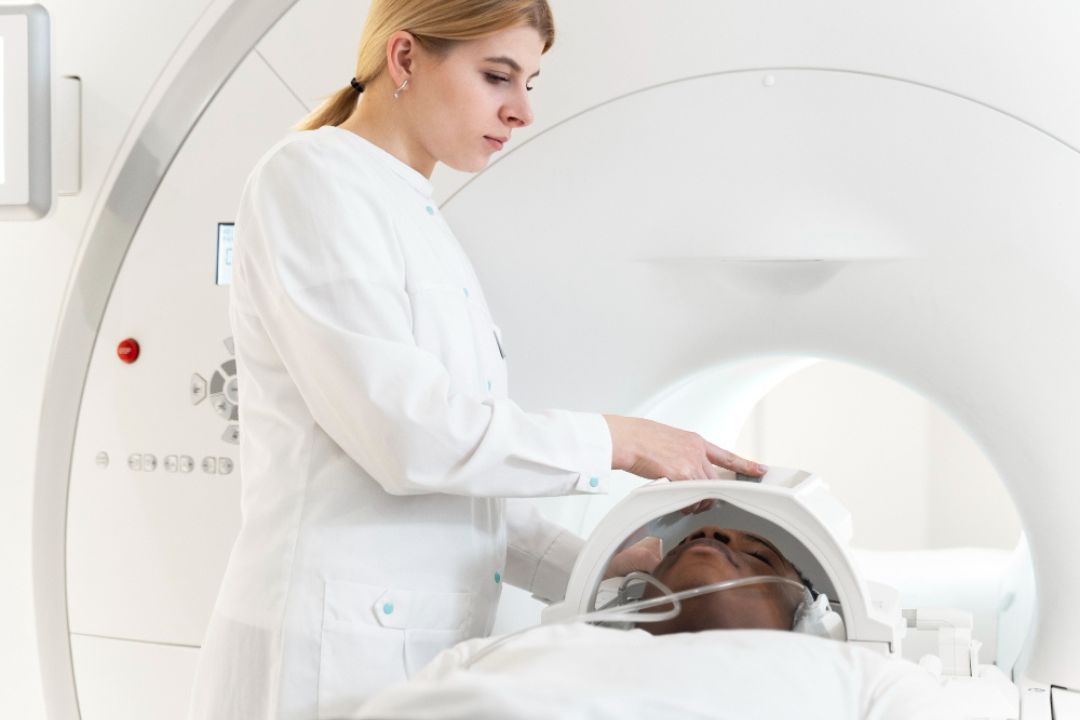
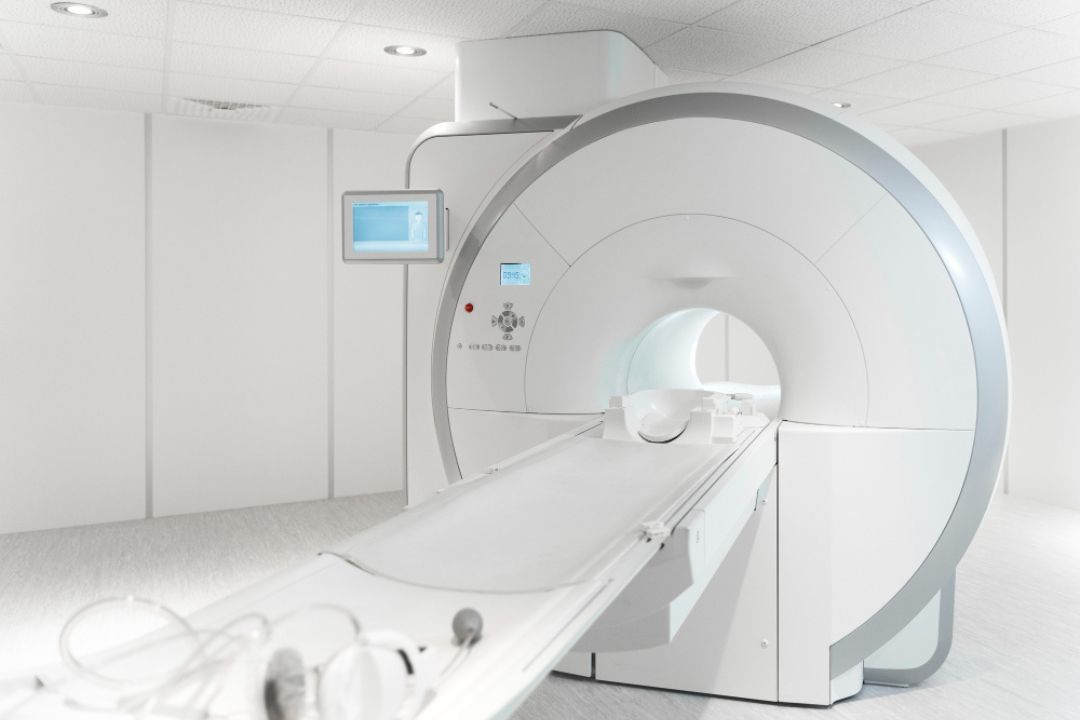
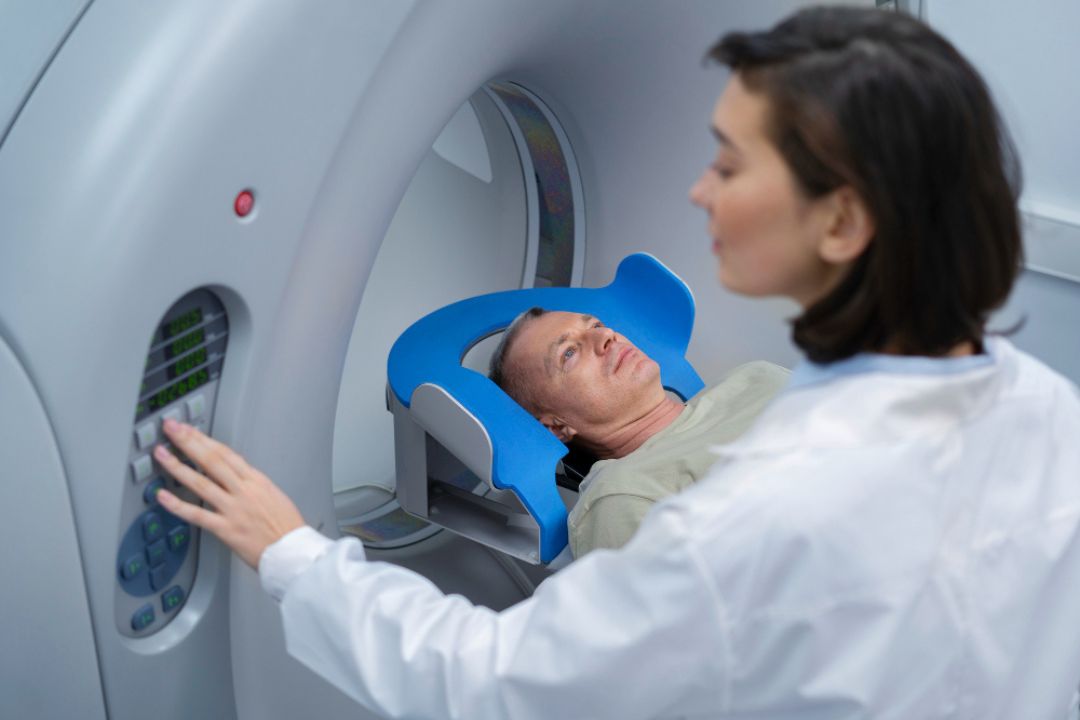
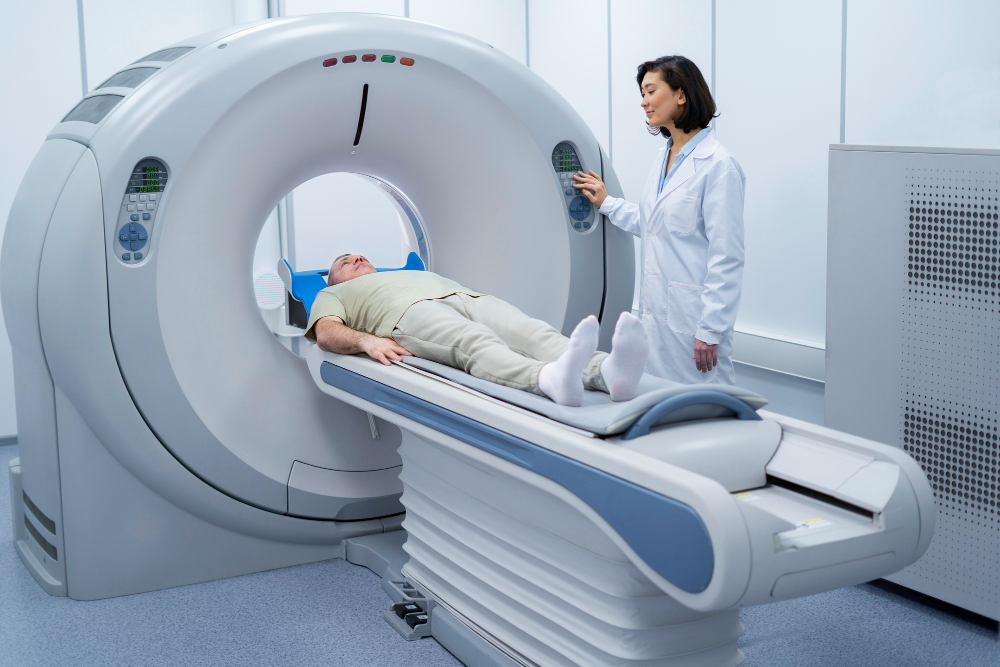
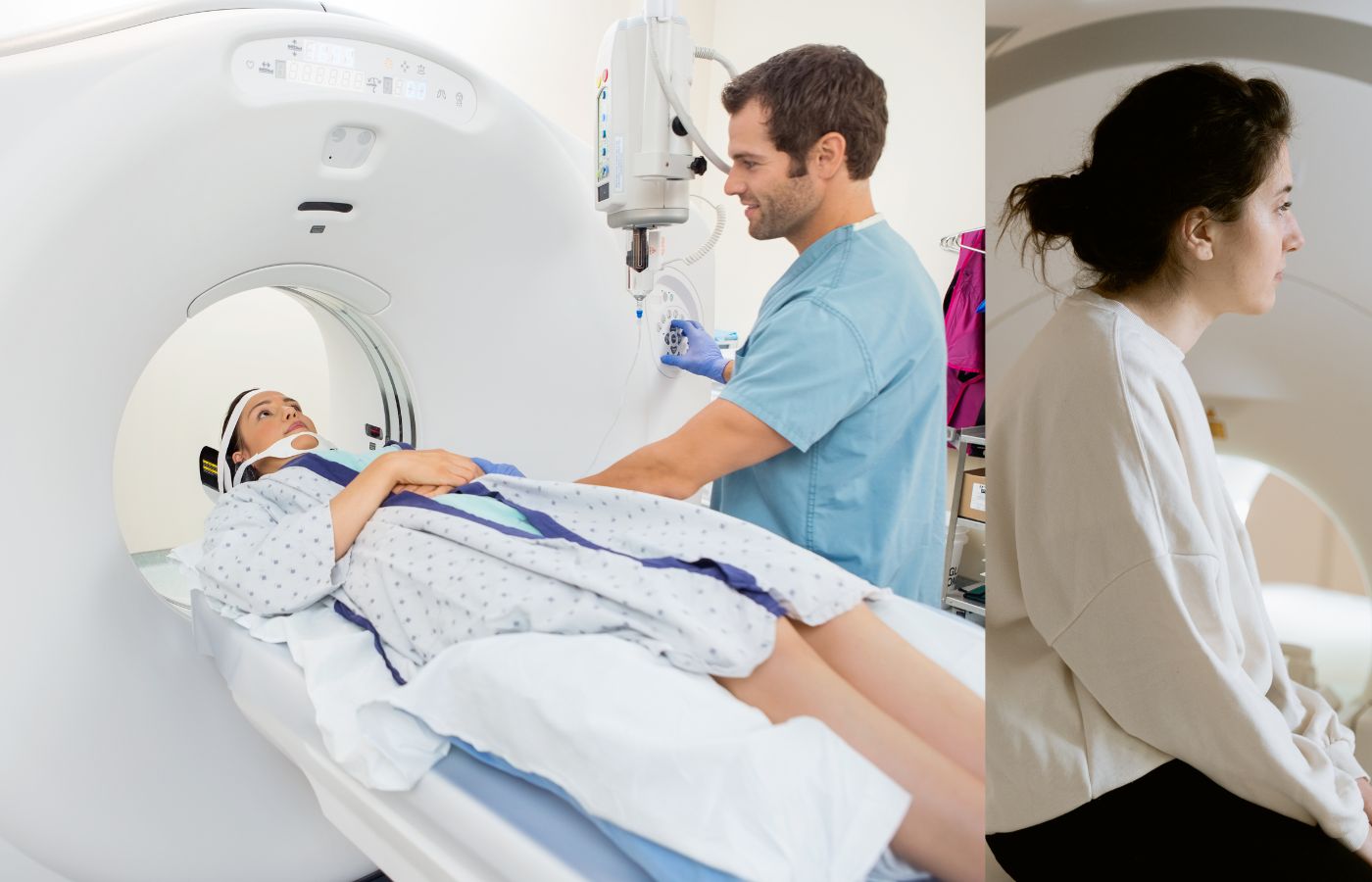
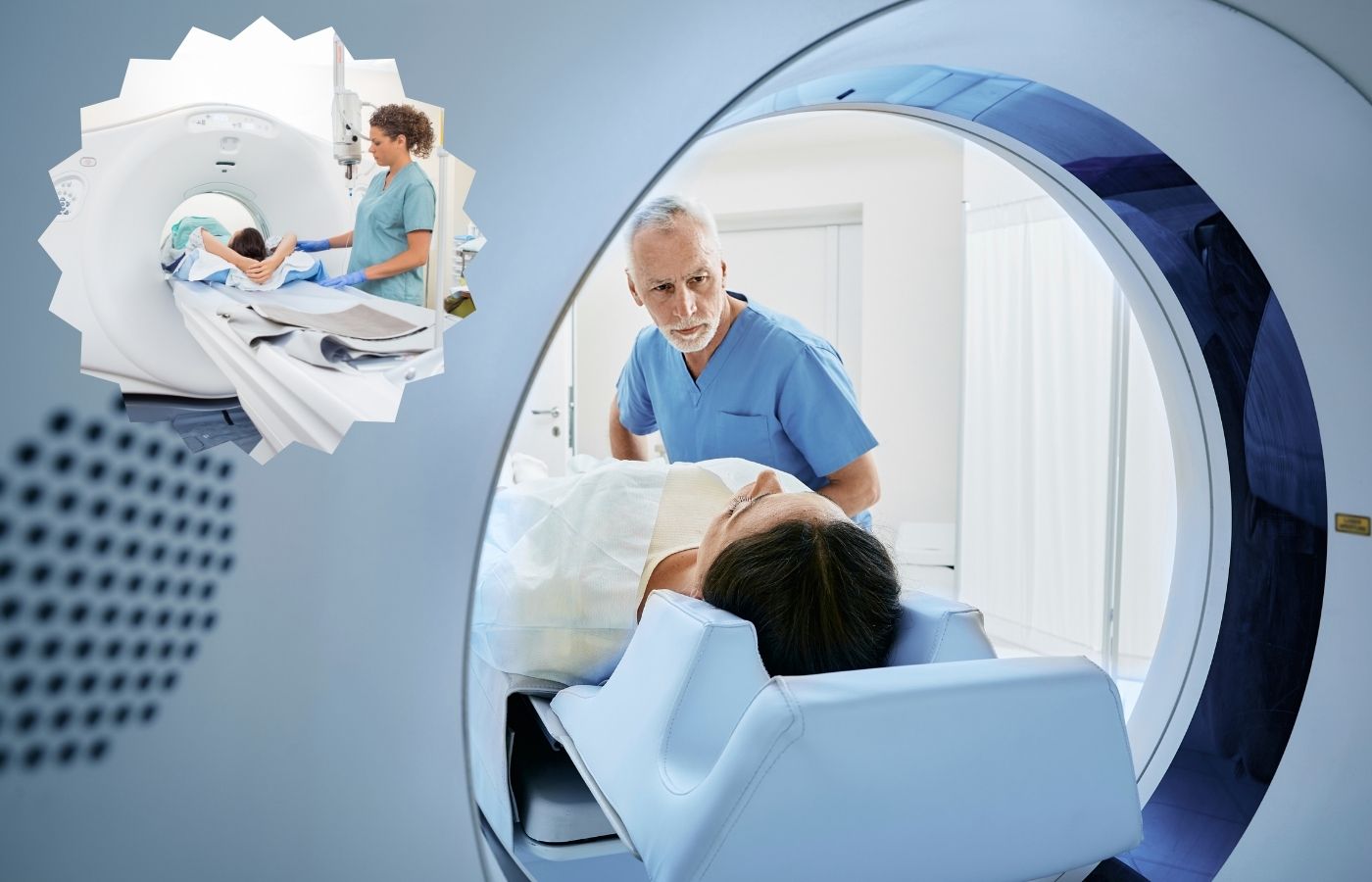
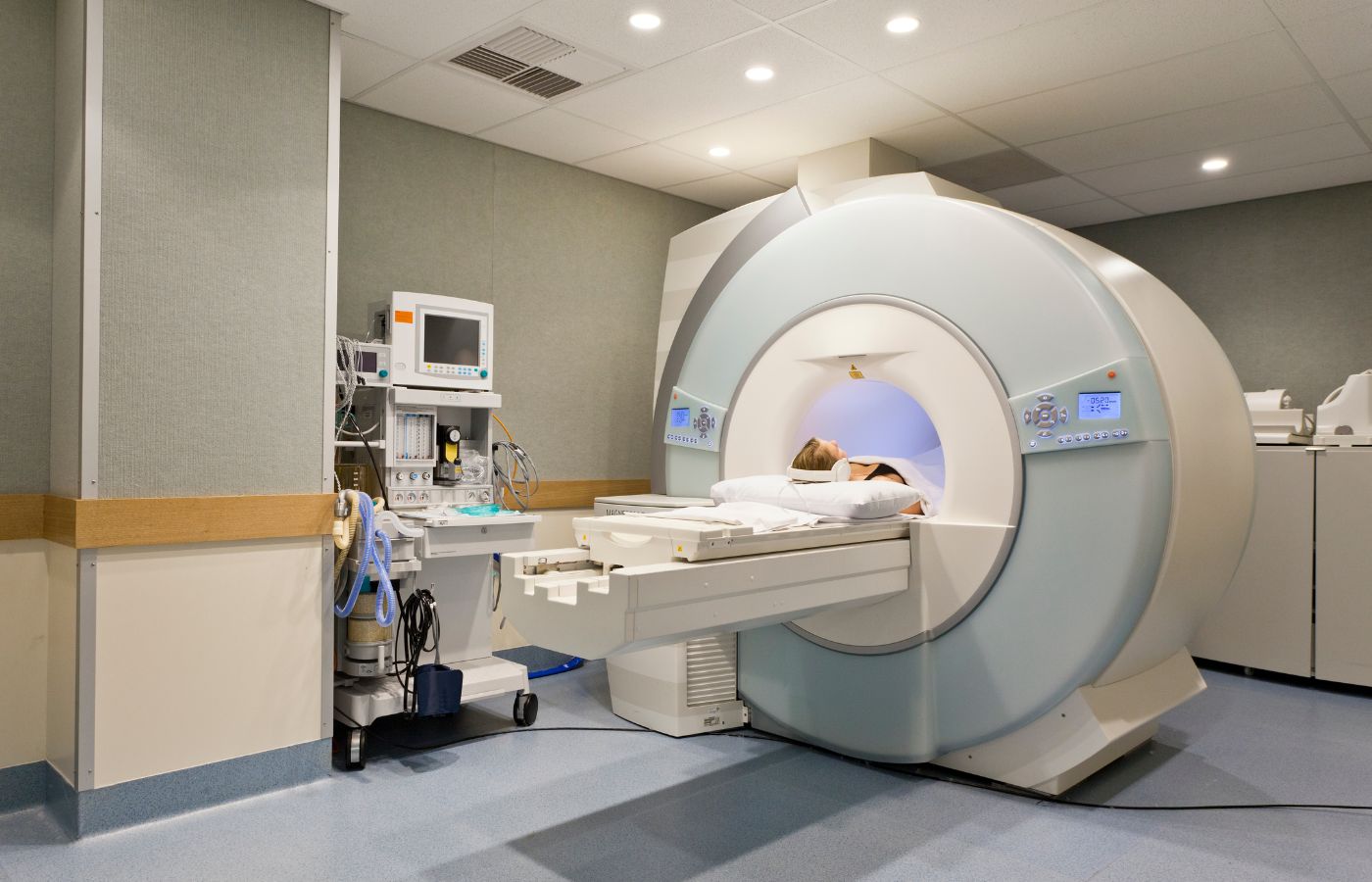
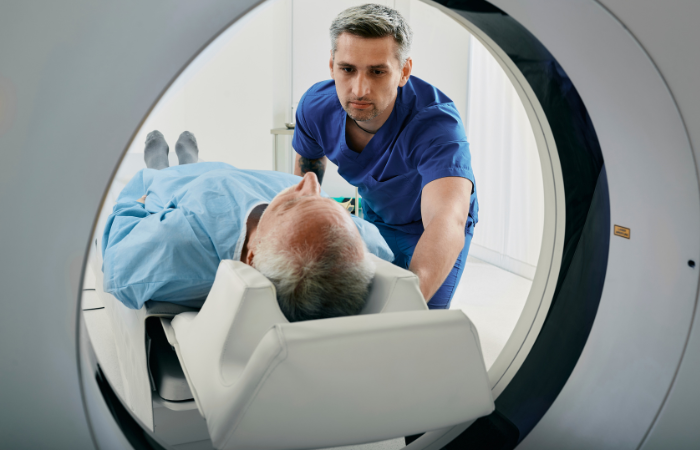
    While CT machines are typically tunnels, our setup at Diagnopein Pune is designed to reduce claustrophobia, with excellent two-way communication via intercom throughout the procedure.

  4. Pediatric and Geriatric Friendly
    We have specialized protocols for children and elderly patients, including slower injection rates and additional monitoring.

  5. Hydration Protocol
    After the scan, we encourage liberal hydration to flush the contrast out of your system naturally. Our staff provides you with drinking water and post-scan care instructions.


So, Is Fasting Required for CT PNS with Contrast?

Yes, 4 hours of fasting is mandatory for contrast-enhanced CT scans at Diagnopein Pune.

You may take clear liquids (water, black tea/coffee without milk) up to 2 hours before the scan.
Do not eat solid food 4 hours prior.

This protocol is not just a formality—it is a scientifically backed safety measure. We do not compromise on this, even for PNS scans, because emergencies requiring anesthesia, sedation, or resuscitation are unpredictable. Fasting prepares your body for any eventuality.

Exceptions:

  1. Diabetic patients are advised to take their medications with water and inform the radiologist.

  2. Infants and young children may have modified fasting protocols—our pediatric team will guide you.


Why Diagnopein Pune is Your Best Choice for CT PNS with Contrast

When it comes to diagnostic imaging, accuracy is non-negotiable. Diagnopein Pune combines:

  1. State-of-the-art Multislice CT Scanners with iterative reconstruction technology

  2. Experienced Radiologists specializing in head and neck imaging

  3. Strict Adherence to fasting and safety protocols

  4. Affordable Pricing with no hidden charges

  5. Patient-First Approach with same-day digital and printed reports

  6. Hygiene and Sanitization protocols exceeding healthcare standards

Whether you need a routine sinus evaluation, a pre-surgical assessment, or a complex post-operative follow-up, we ensure you receive the highest standard of care with compassion and clinical excellence.


Conclusion

To answer the core question: Yes, fasting is required for CT PNS with contrast—and for good reason. It protects you from rare but serious complications and ensures the highest quality diagnostic images.

Do not let the idea of fasting stress you out. At Diagnopein Pune, we make the process smooth, comfortable, and medically precise. From the moment you walk in until the moment you receive your report, you are in safe, experienced hands.

Talk to an Expert
  I HereBy Consent to receive calls/messagess from Diagnopein ct scan and its partners and override DND settings
LATEST POST
SIMILAR POST