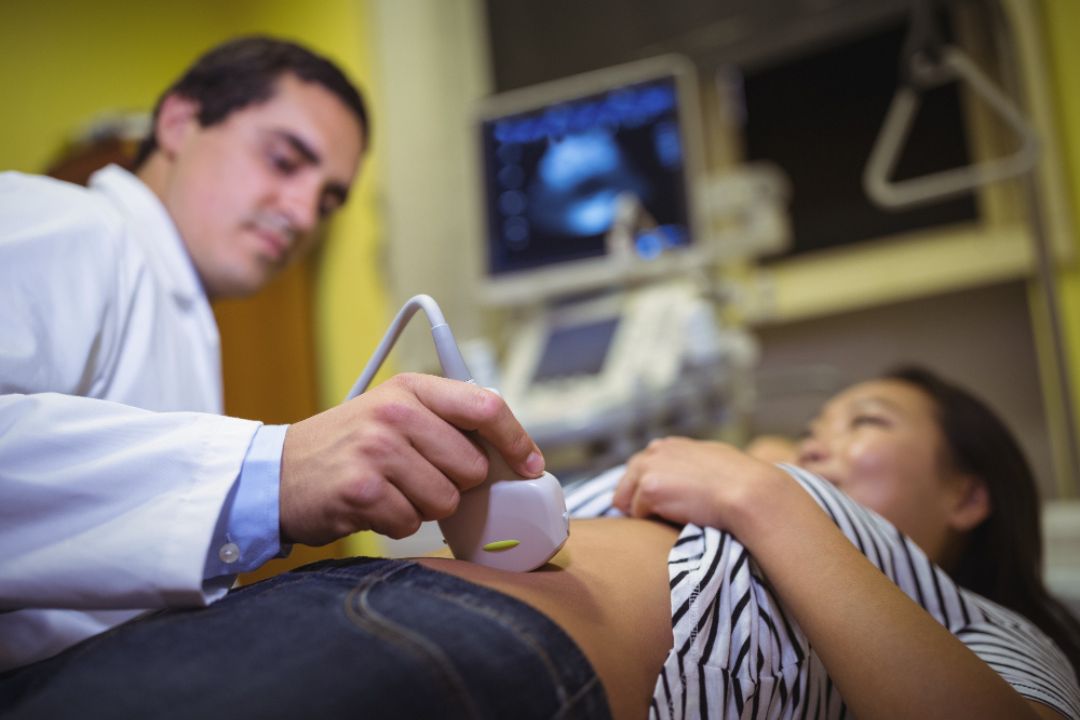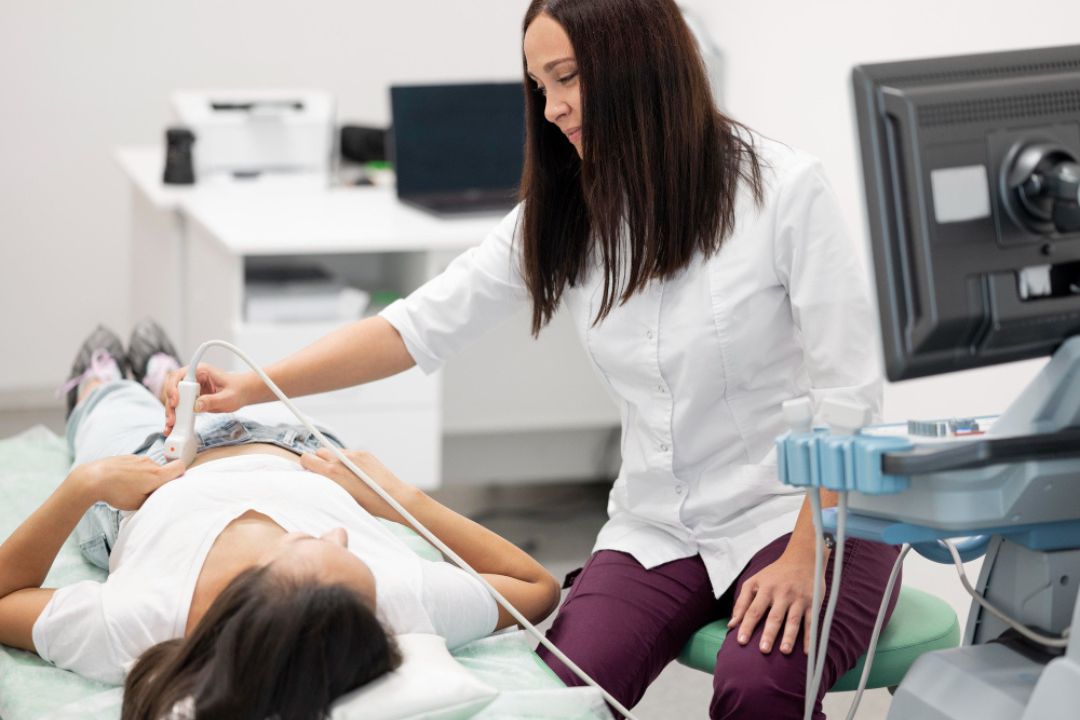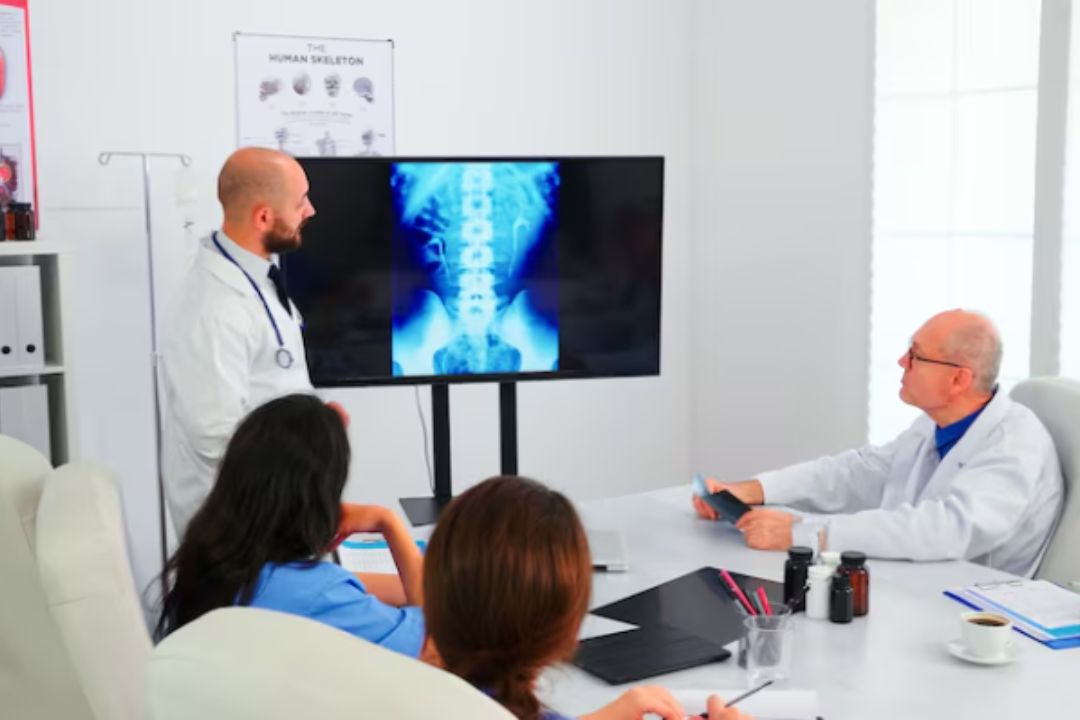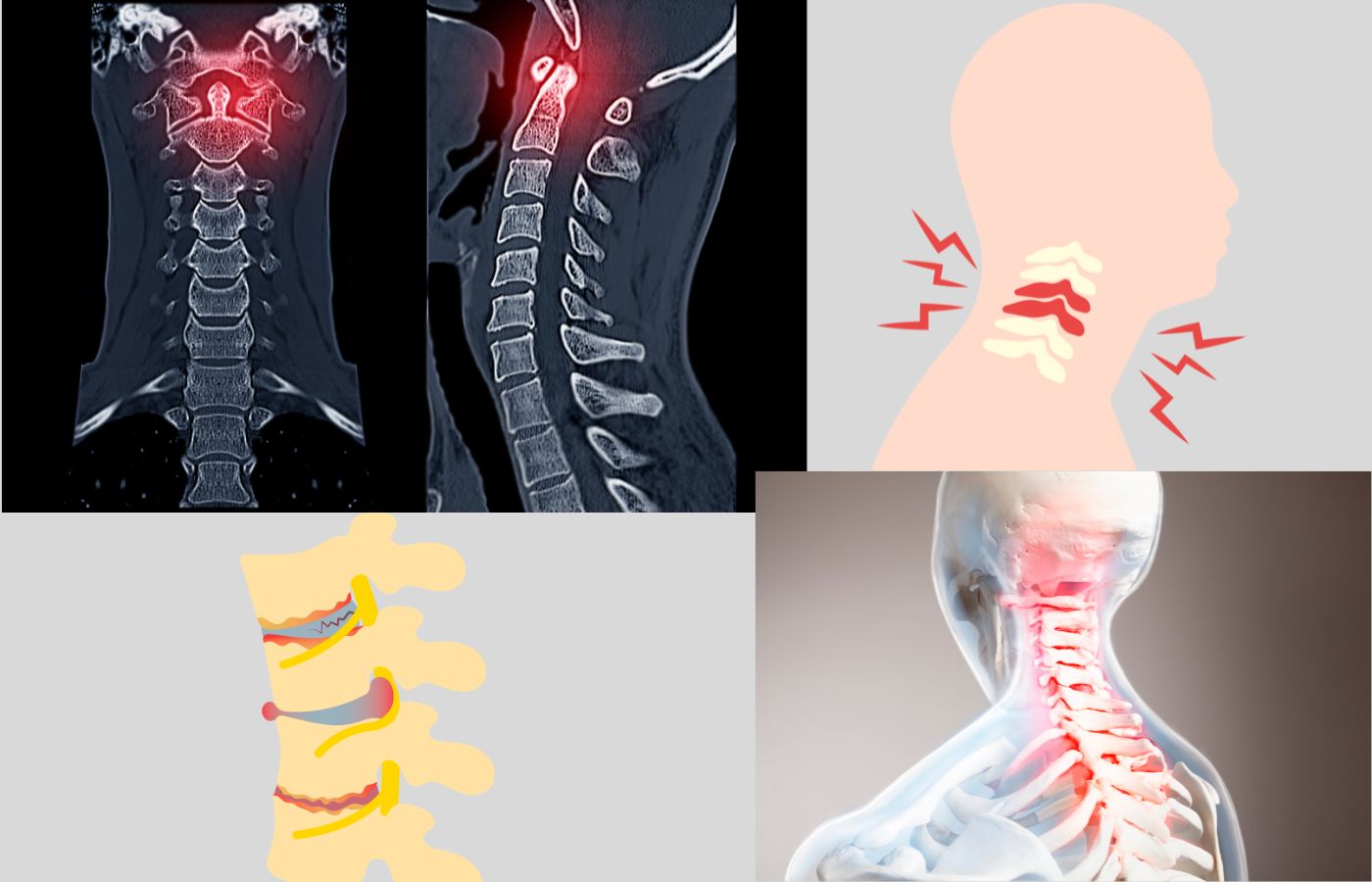
is fasting required before a ct scan test wise guidelines

is fasting required before a ct scan test wise guidelines

Is Fasting Required Before a CT Scan? Your Complete Guide to Test Preparation and Results

If your doctor has recommended a CT scan, it’s natural to have questions. What should you do to prepare? Will it be uncomfortable? And most importantly—is fasting required before a CT scan? The answer isn't a simple yes or no; it depends entirely on the type of scan you’re having and the specific medical information your doctor needs.

At Diagnopein Mumbai, we believe that an informed patient is a confident patient. This comprehensive guide will walk you through everything you need to know—from fasting guidelines and procedure details to what the scan can reveal. We’ll also address the critical question: does a CT scan show cancer? By the end, you’ll understand the benefits, costs, and why choosing a trusted diagnostic center makes all the difference.

Understanding CT Scan Fasting: Test-Wise Guidelines

Fasting before a medical test is common, but its necessity for a CT scan is specific. Here’s a clear breakdown to eliminate confusion:

When is Fasting REQUIRED?

You will typically be asked to fast (not eat or drink anything except water) for 4 to 6 hours before your scan in these scenarios:
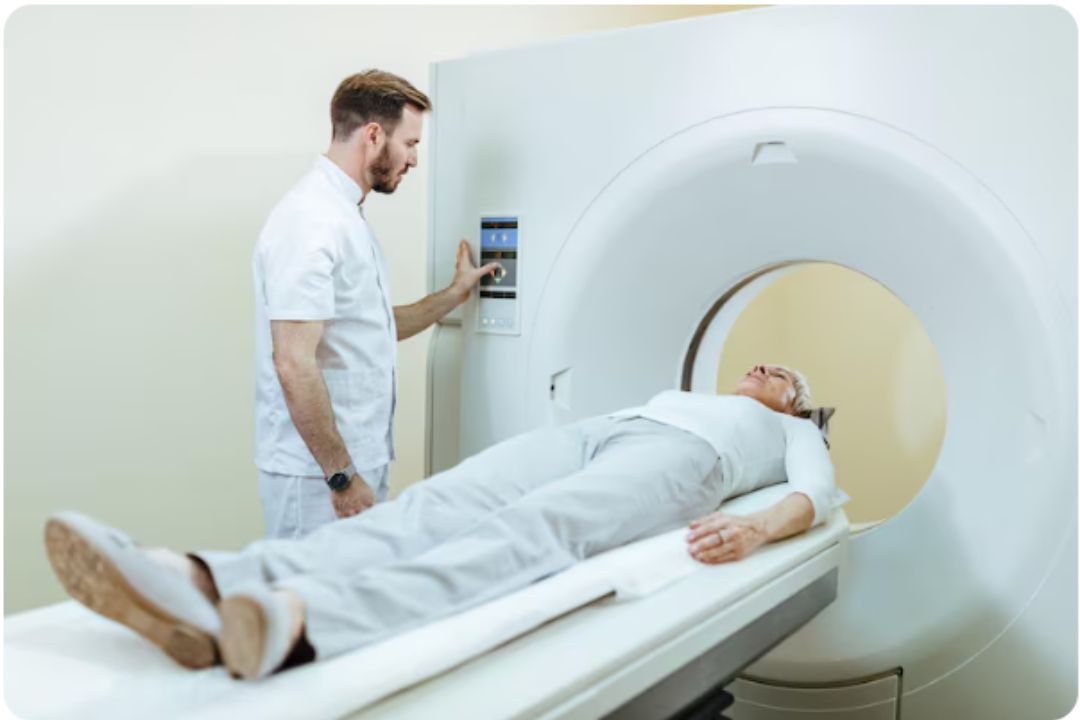
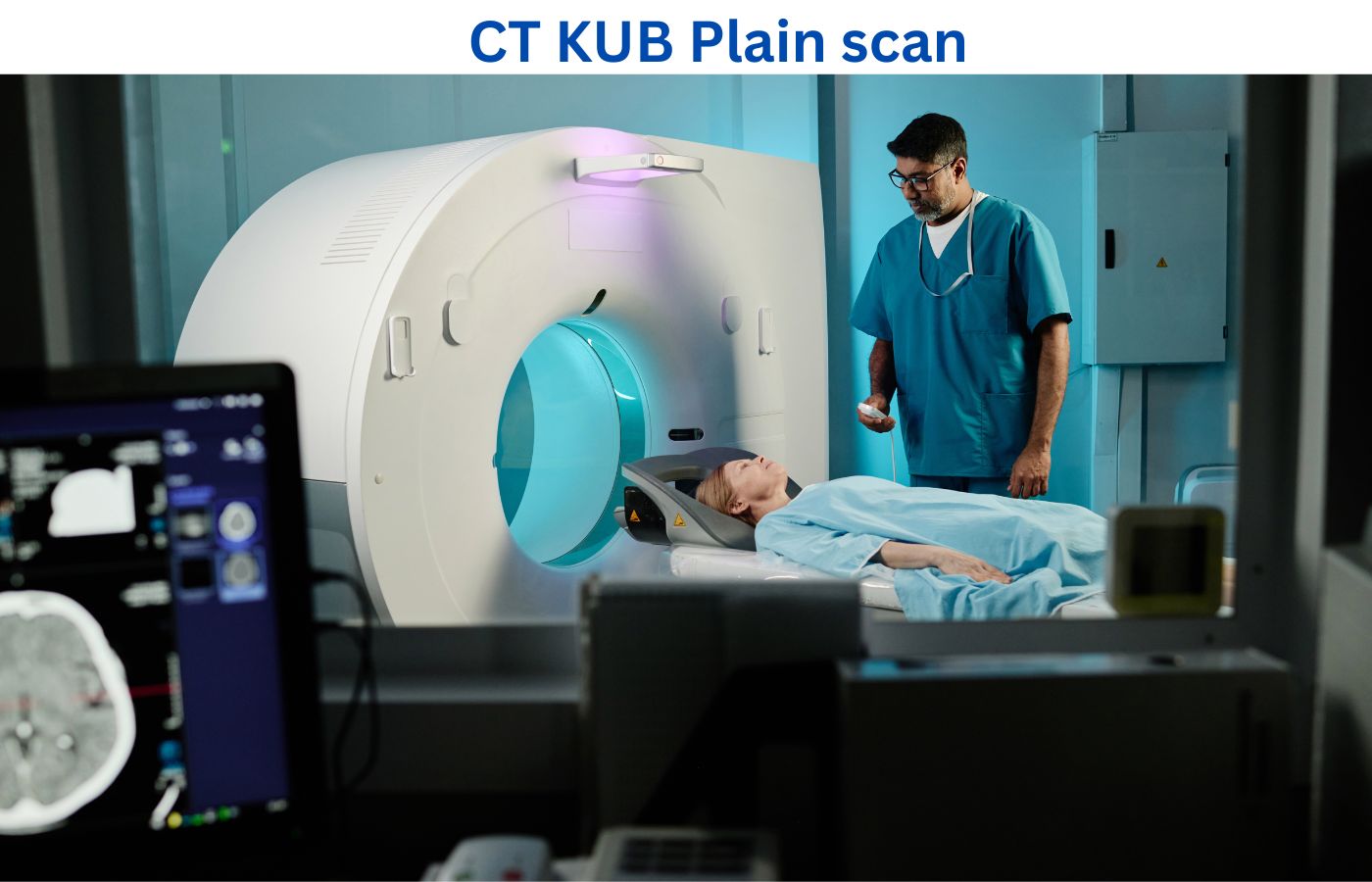
  1. Abdominal or Pelvic CT Scans: This is the most common reason. Food and liquid in the stomach and intestines can obscure clear images of organs like the liver, pancreas, kidneys, and spleen. Fasting ensures these organs are visualized without interference.

  2. Scans Using Contrast Dye: If your scan involves a contrast agent (a special dye given orally or intravenously), fasting helps prevent potential nausea or vomiting. It also allows the contrast to highlight blood vessels and organs more effectively, leading to sharper images.

  3. Specific Medical Conditions: For patients with certain digestive issues or diabetes, fasting instructions may be modified. Always share your complete medical history with your technician.

When is Fasting NOT Required?

Fasting is generally not necessary for:

  1. CT scans of the brain, head, or sinuses.

  2. CT scans of the chest (unless contrast is used for lung or heart analysis).

  3. CT scans of the limbs or spine for bone-related injuries.

The Golden Rule: Always follow the specific instructions provided by Diagnopein when you book your appointment. Our team gives personalized guidance based on the scan type ordered by your doctor.

What Does a CT Scan Show? The Power of Detailed Imaging

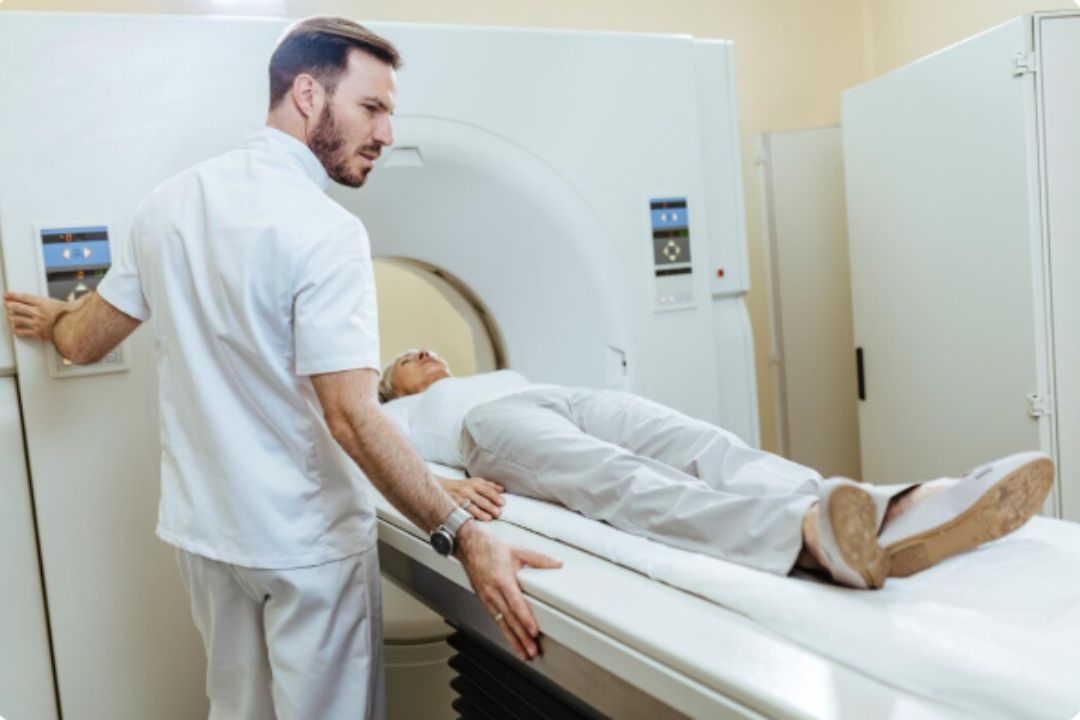
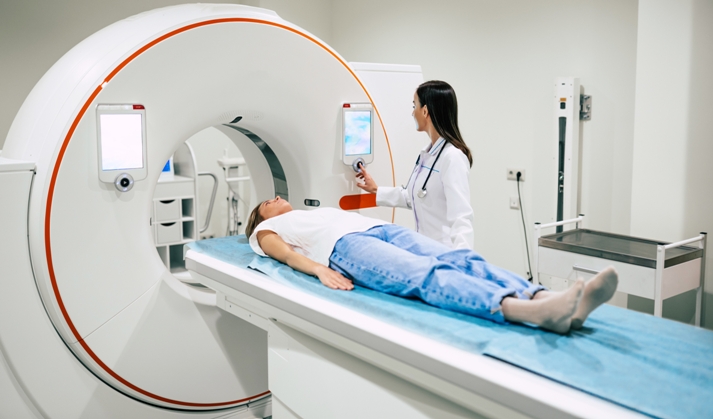
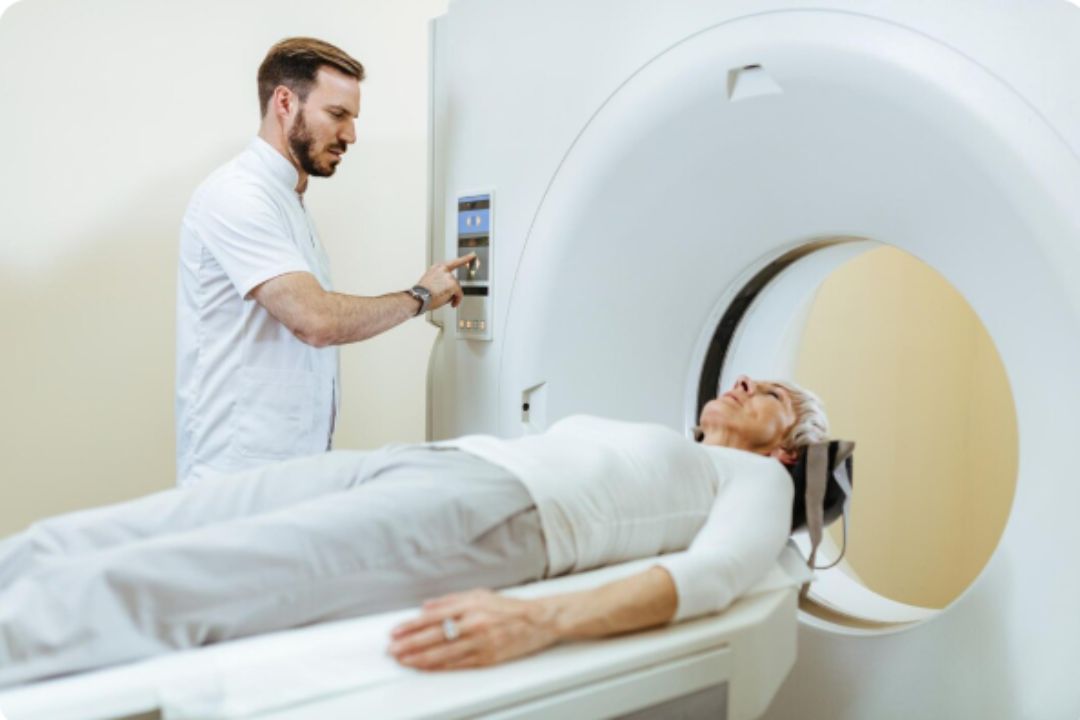
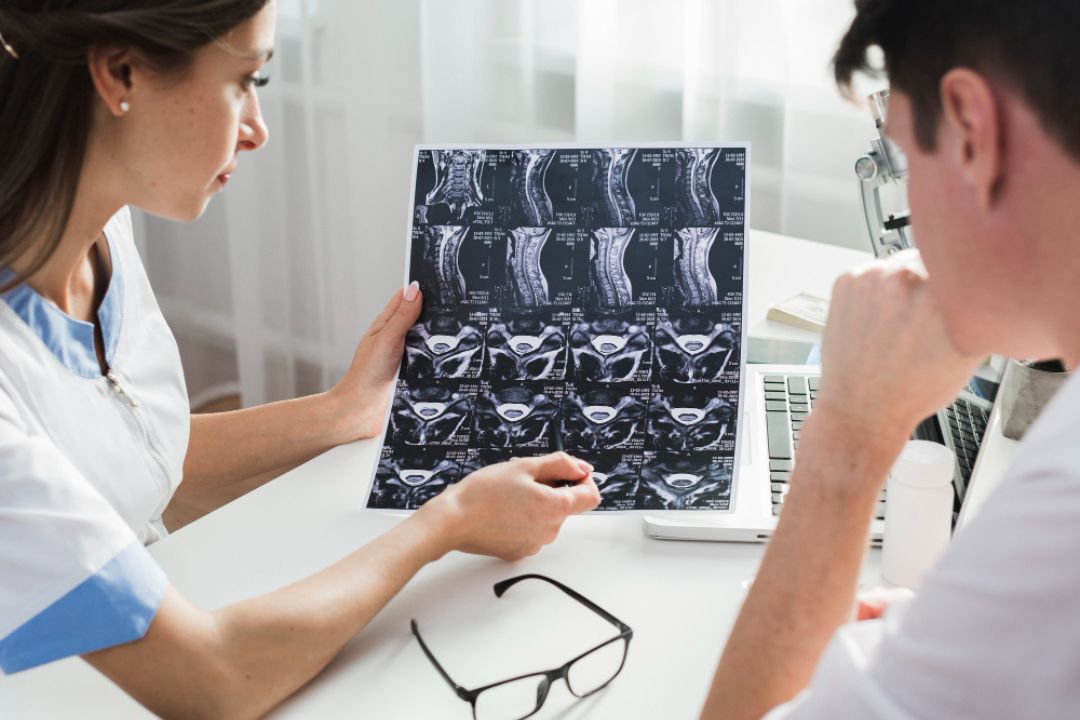
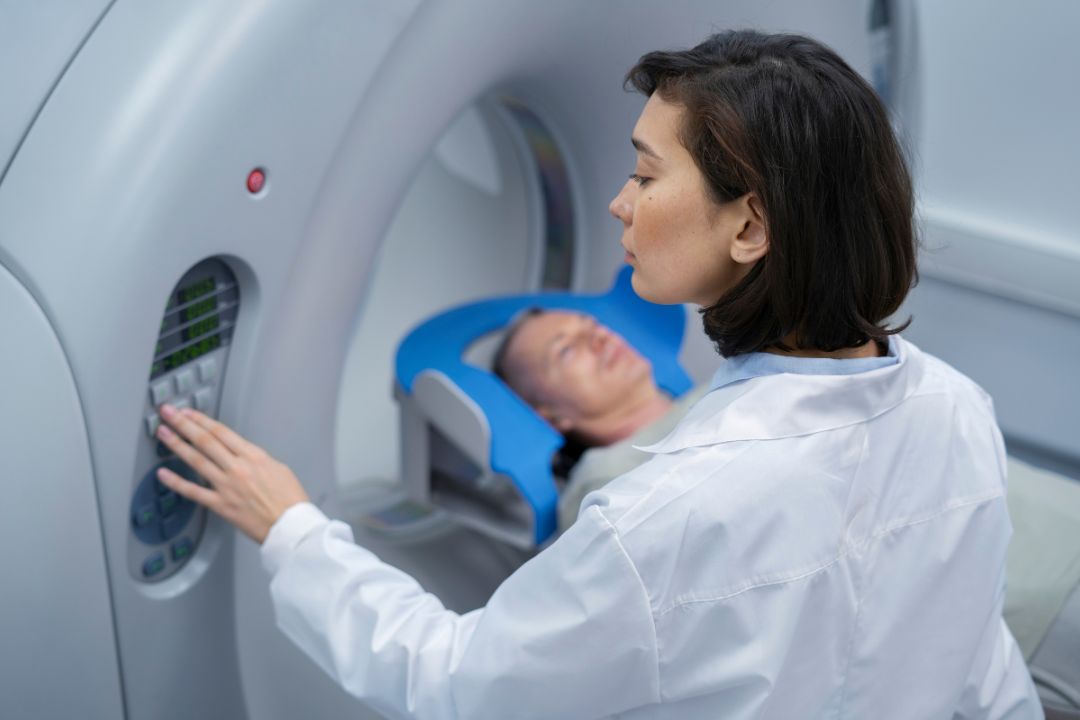
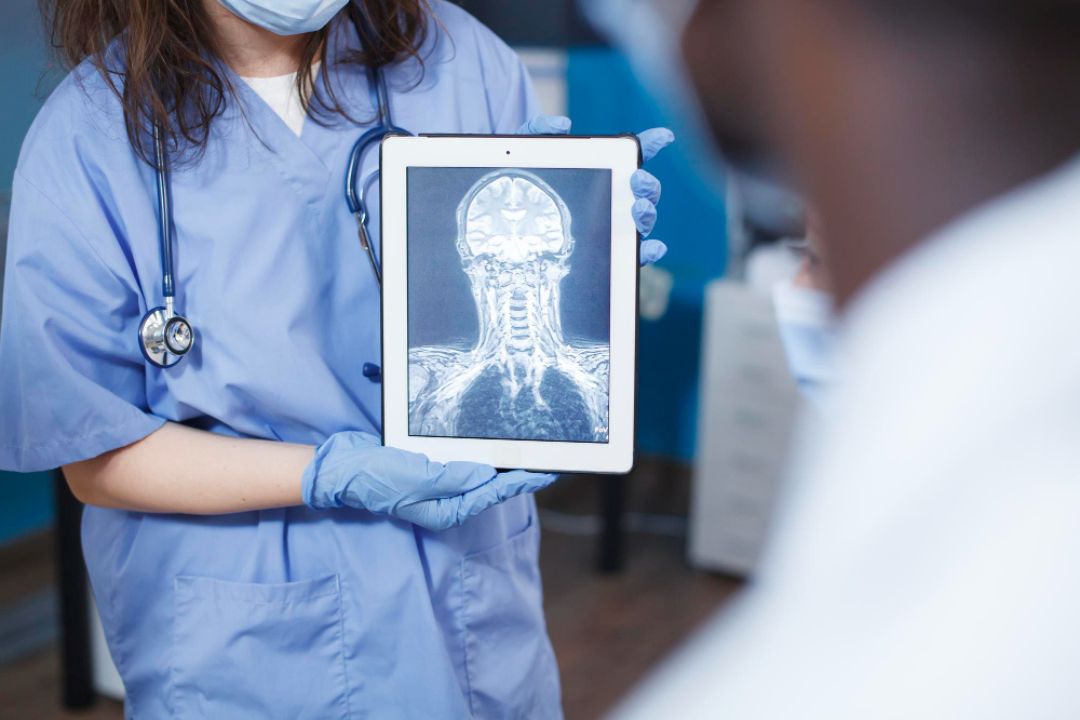
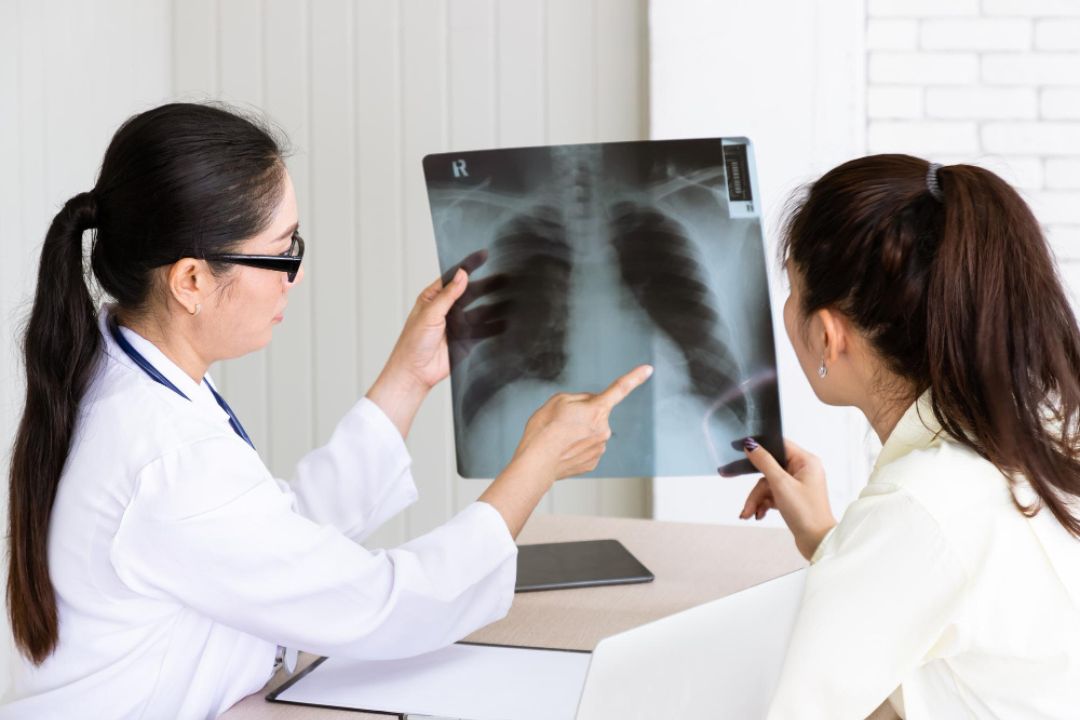
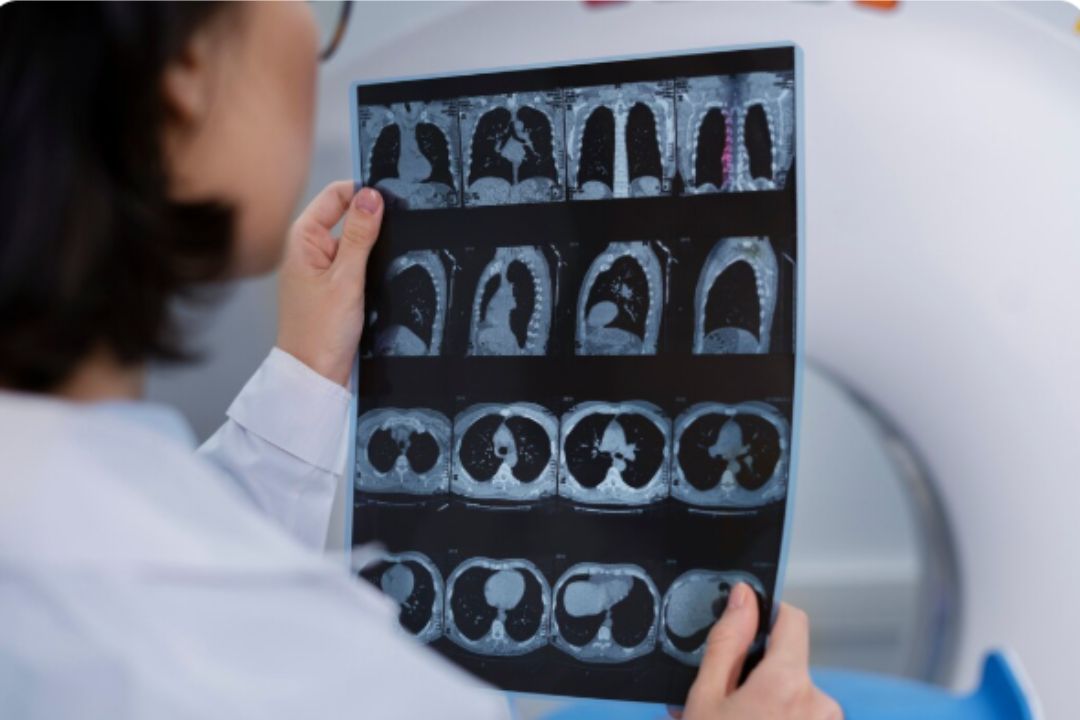
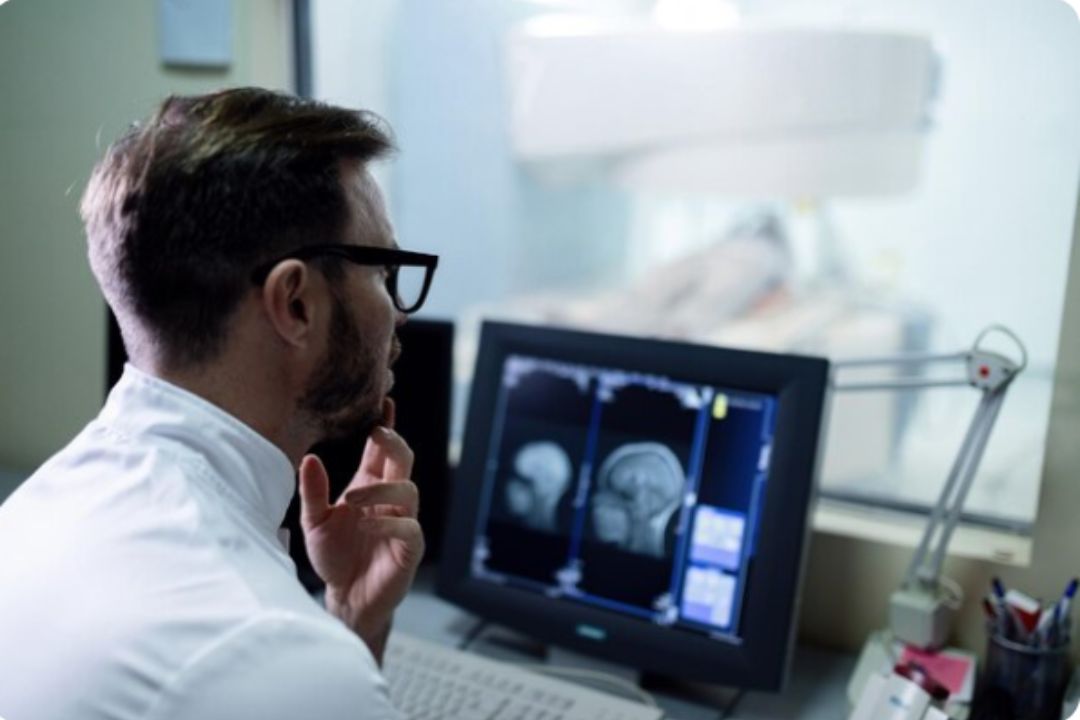
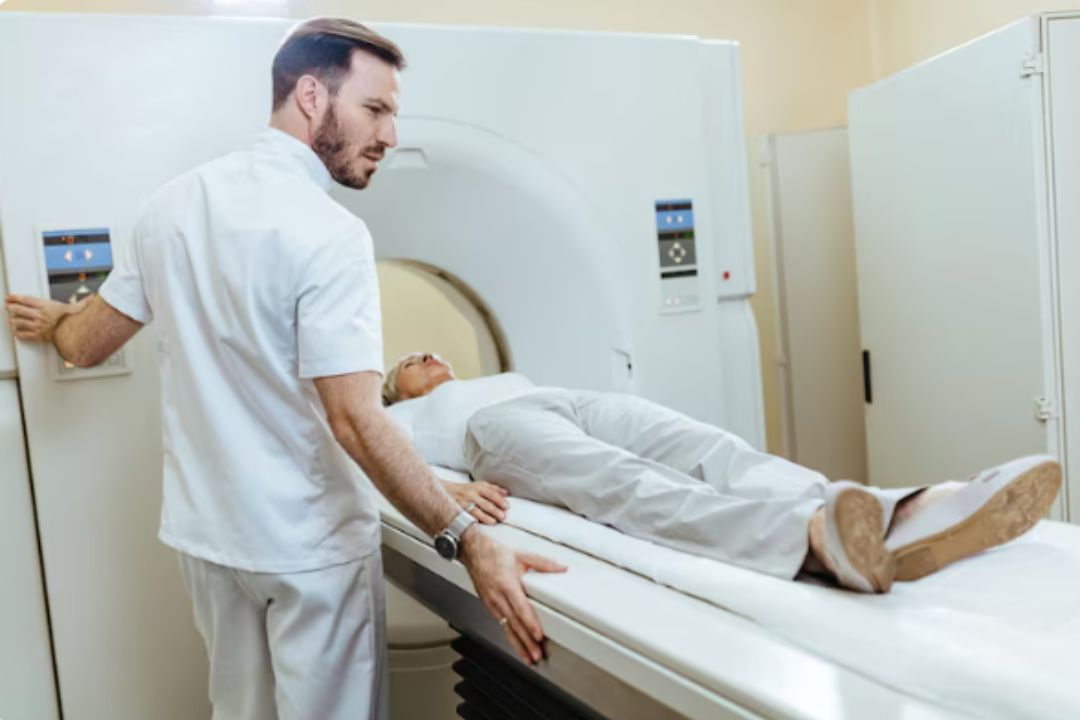
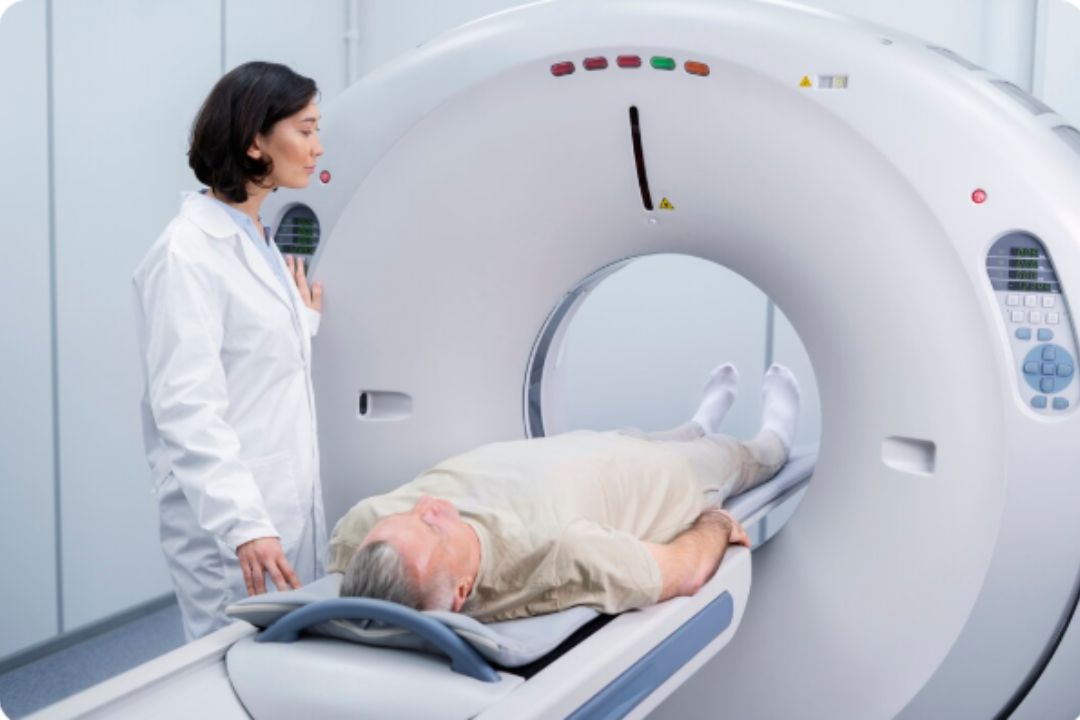
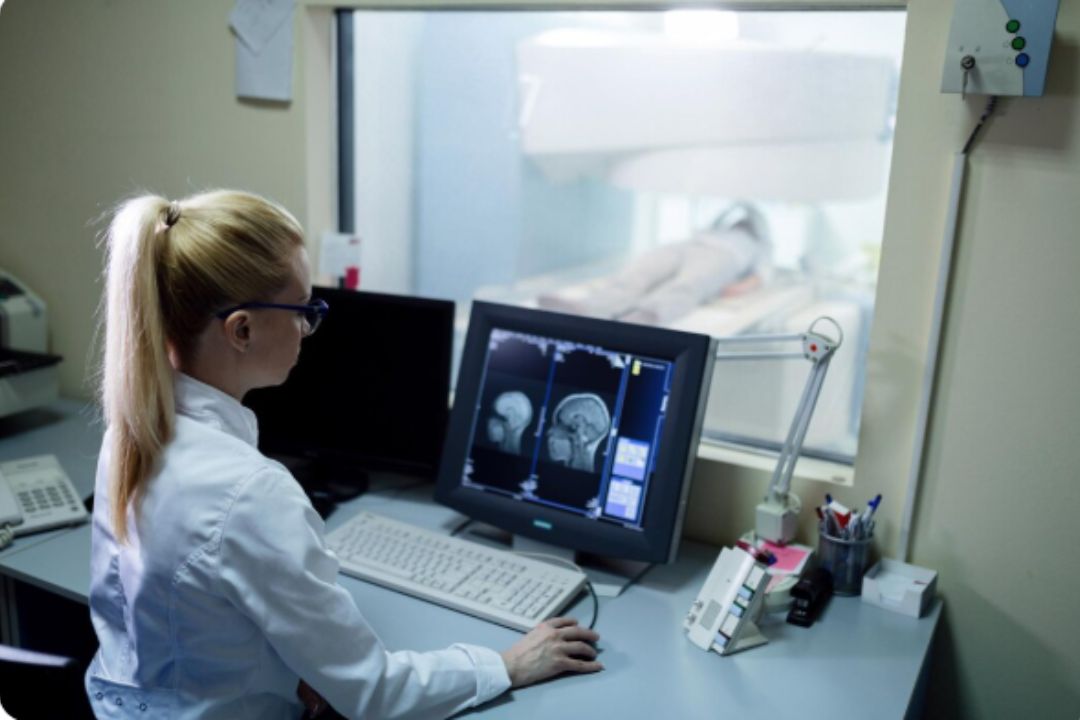
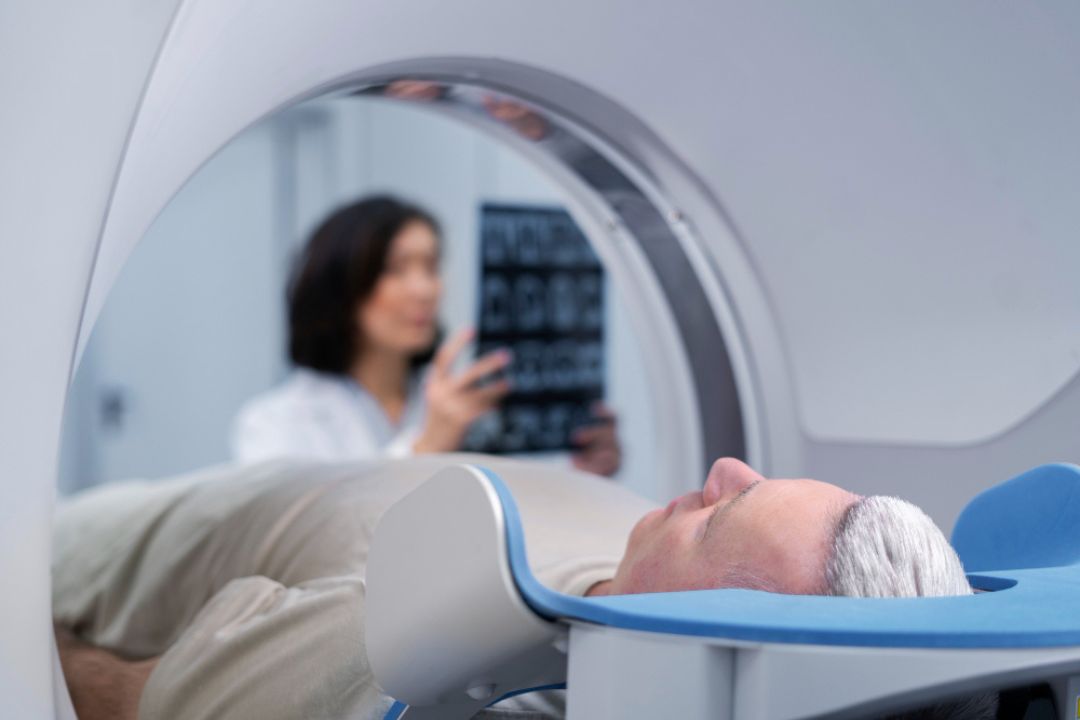
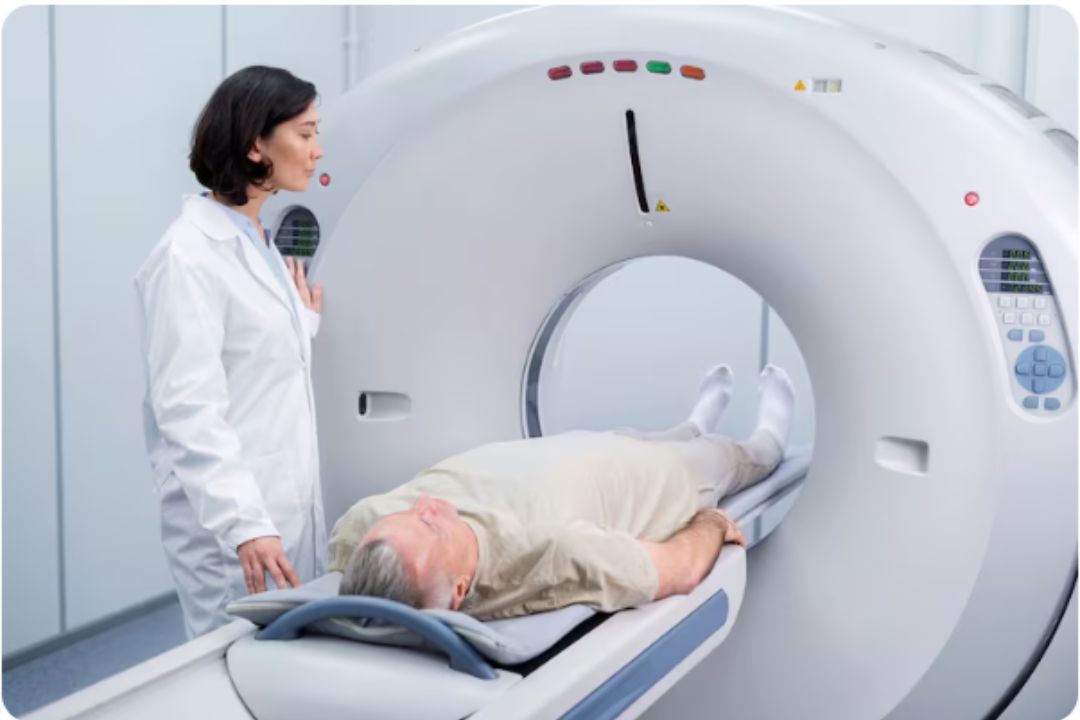
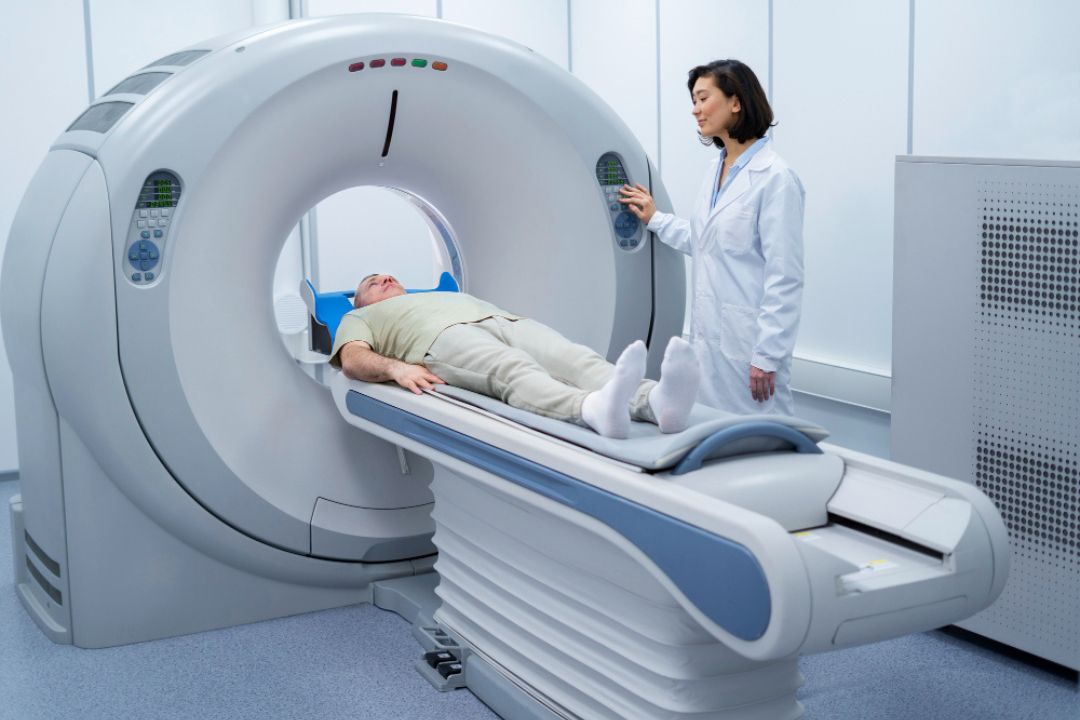
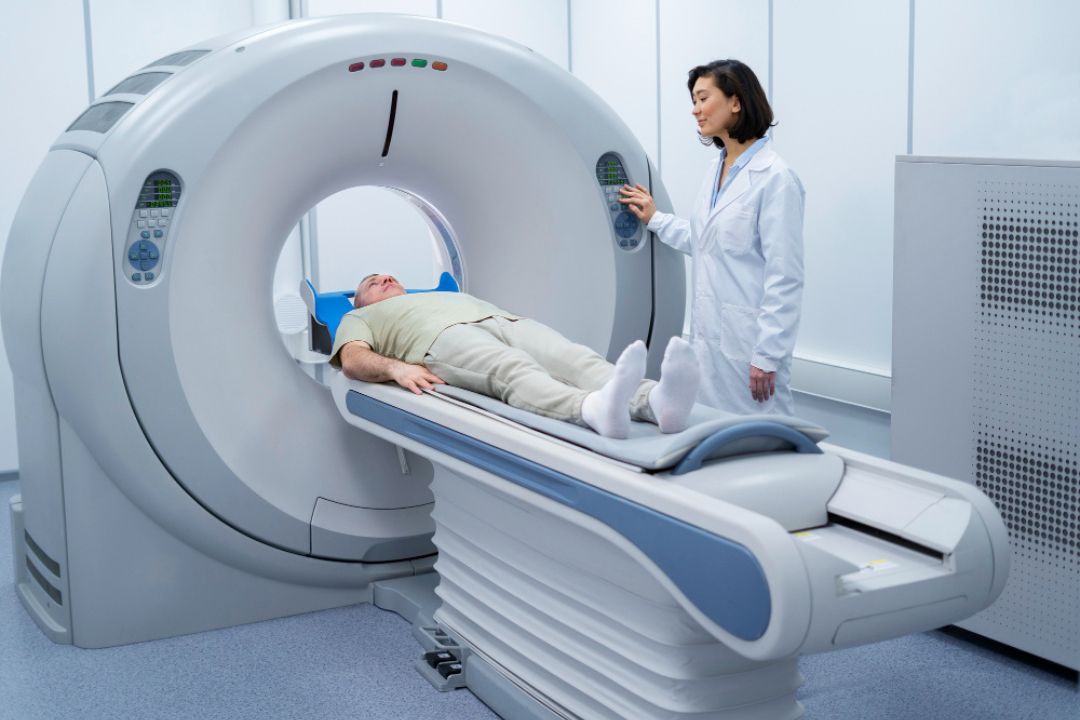
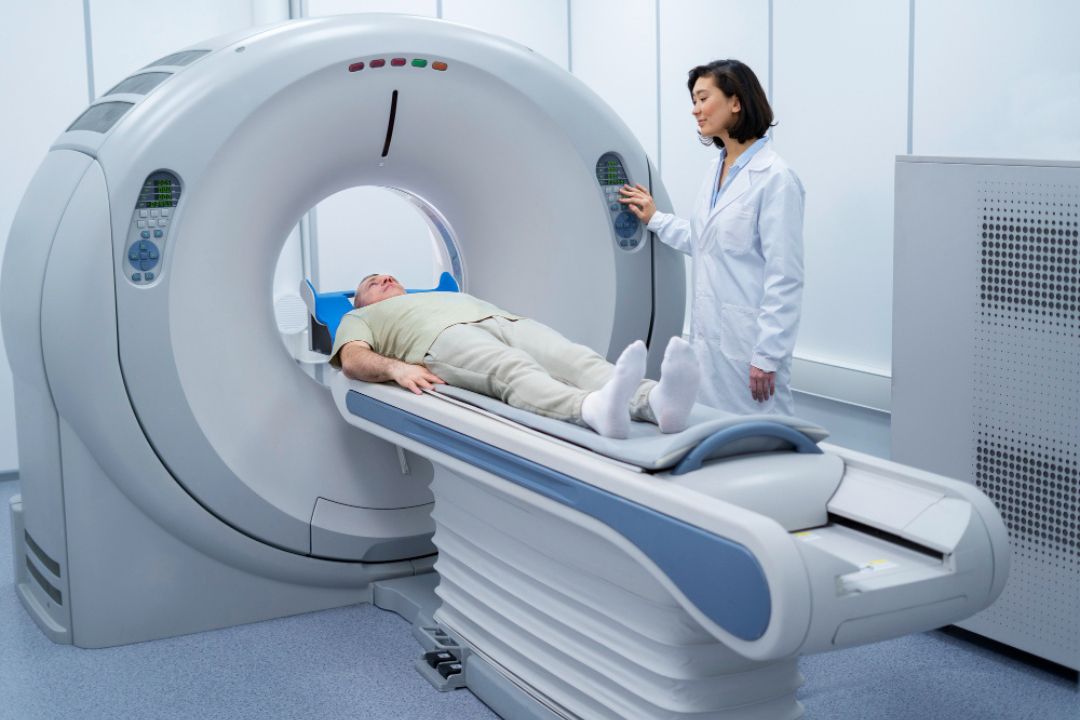
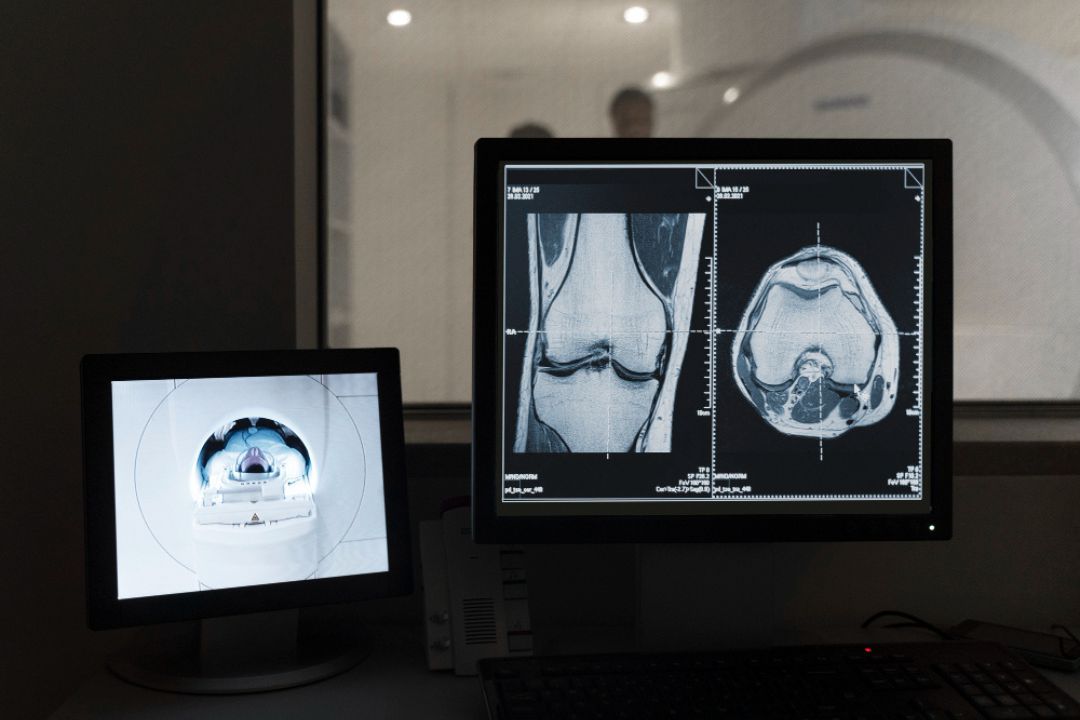
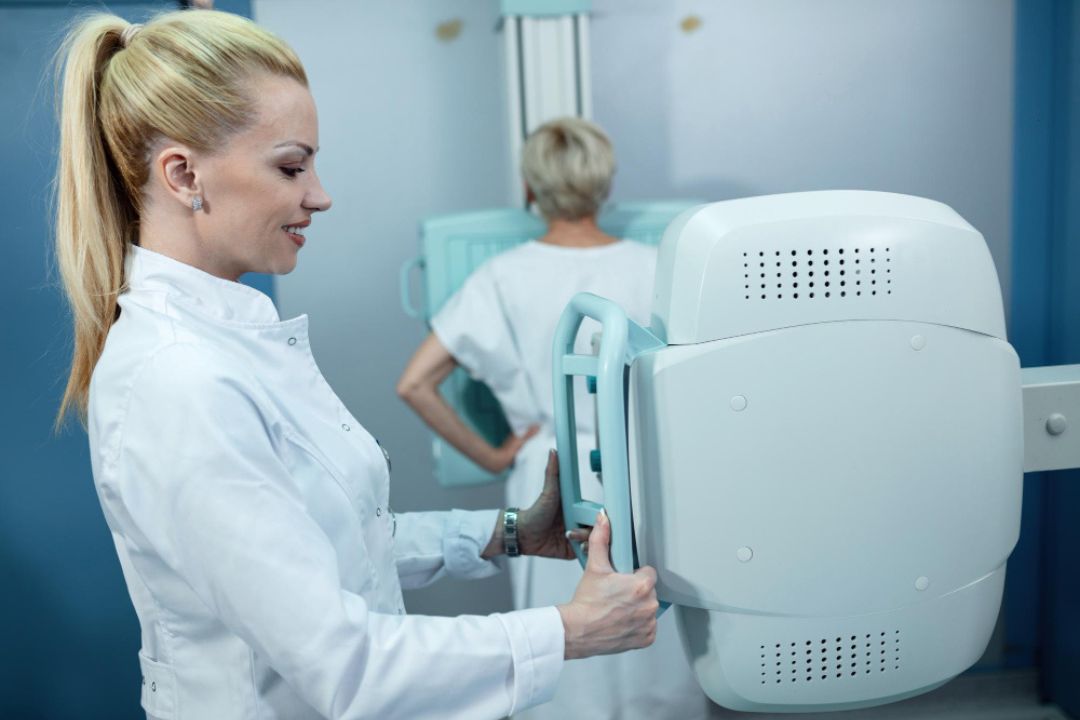
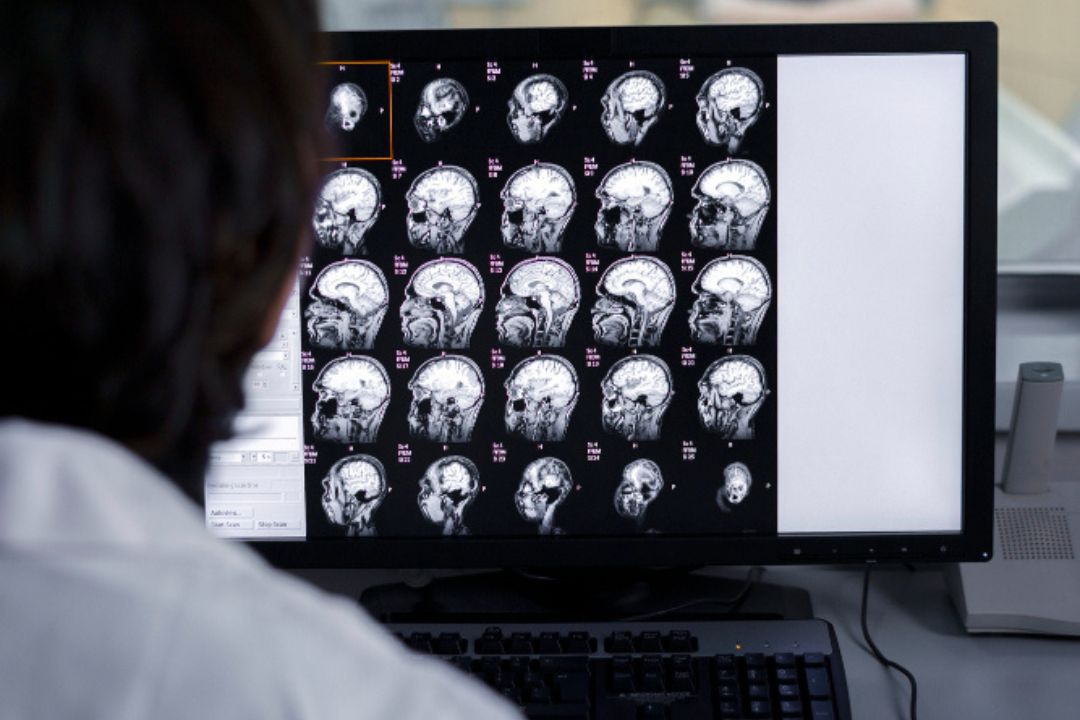
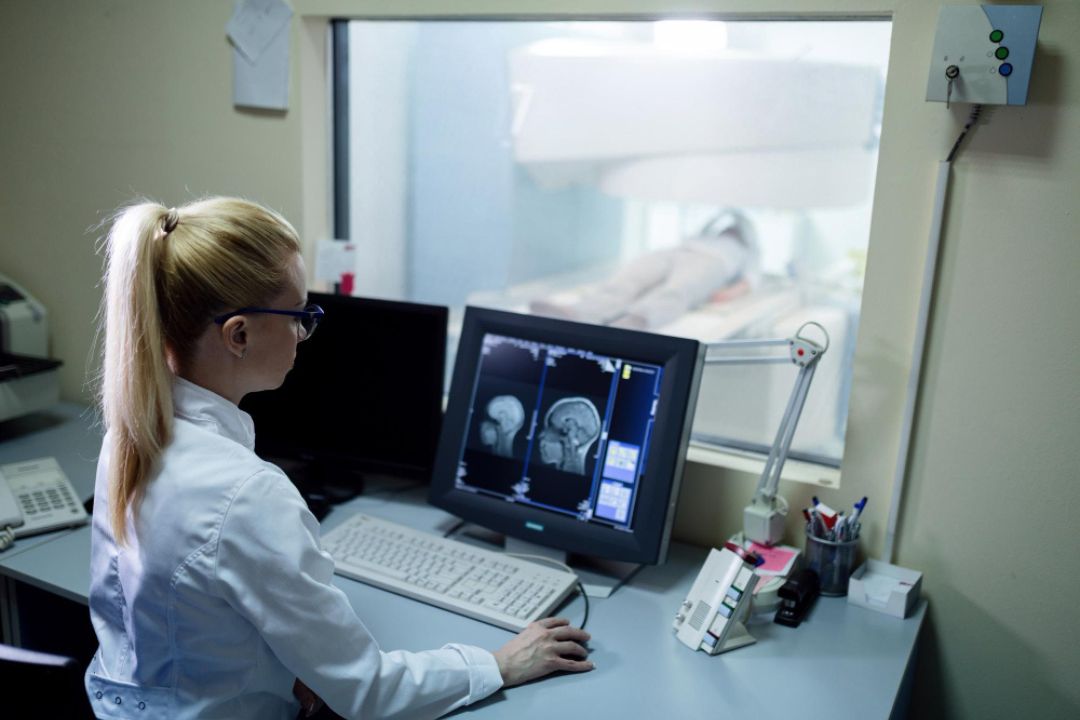
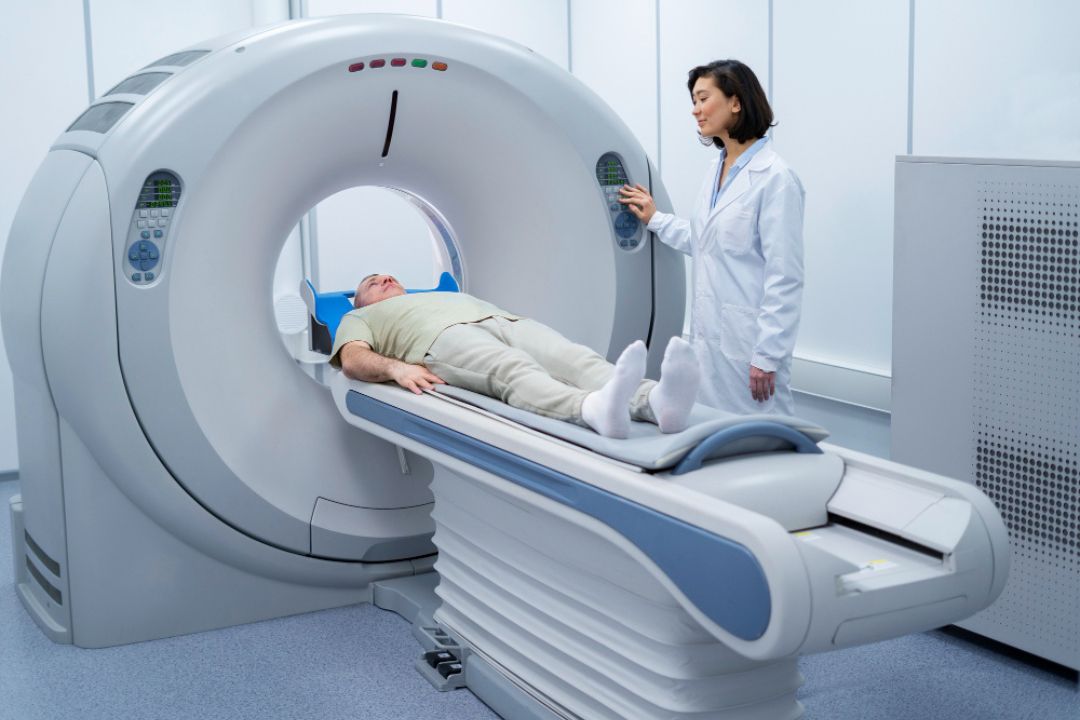
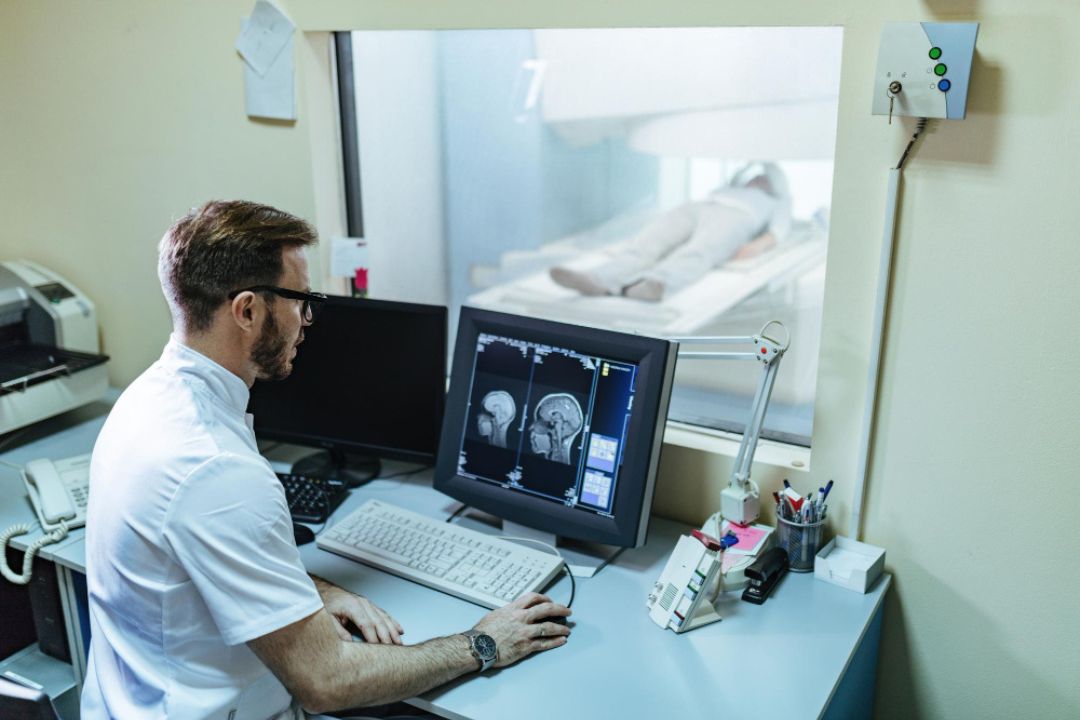
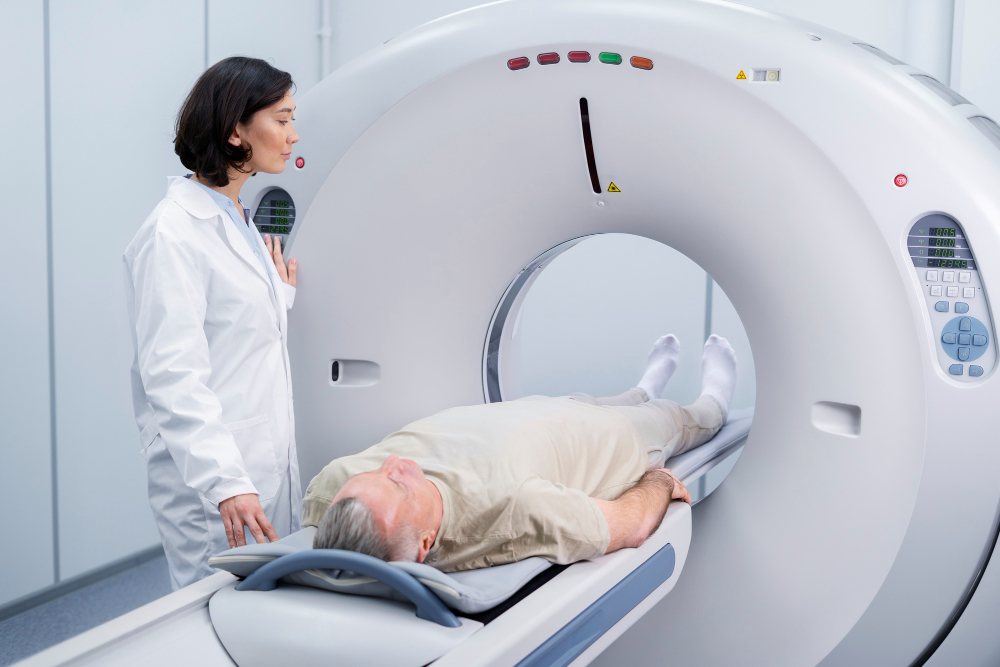
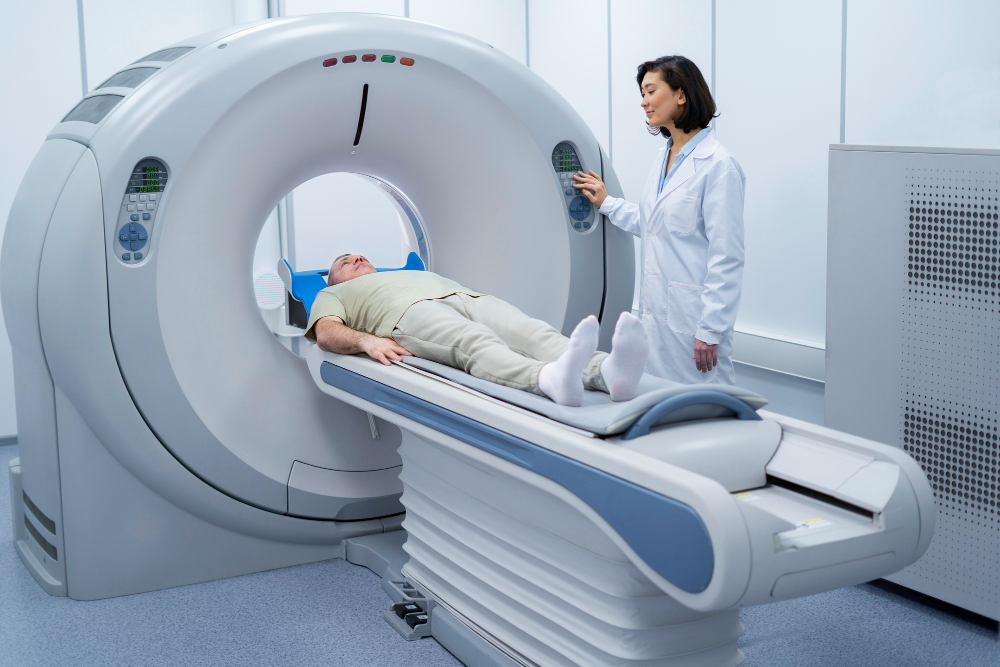
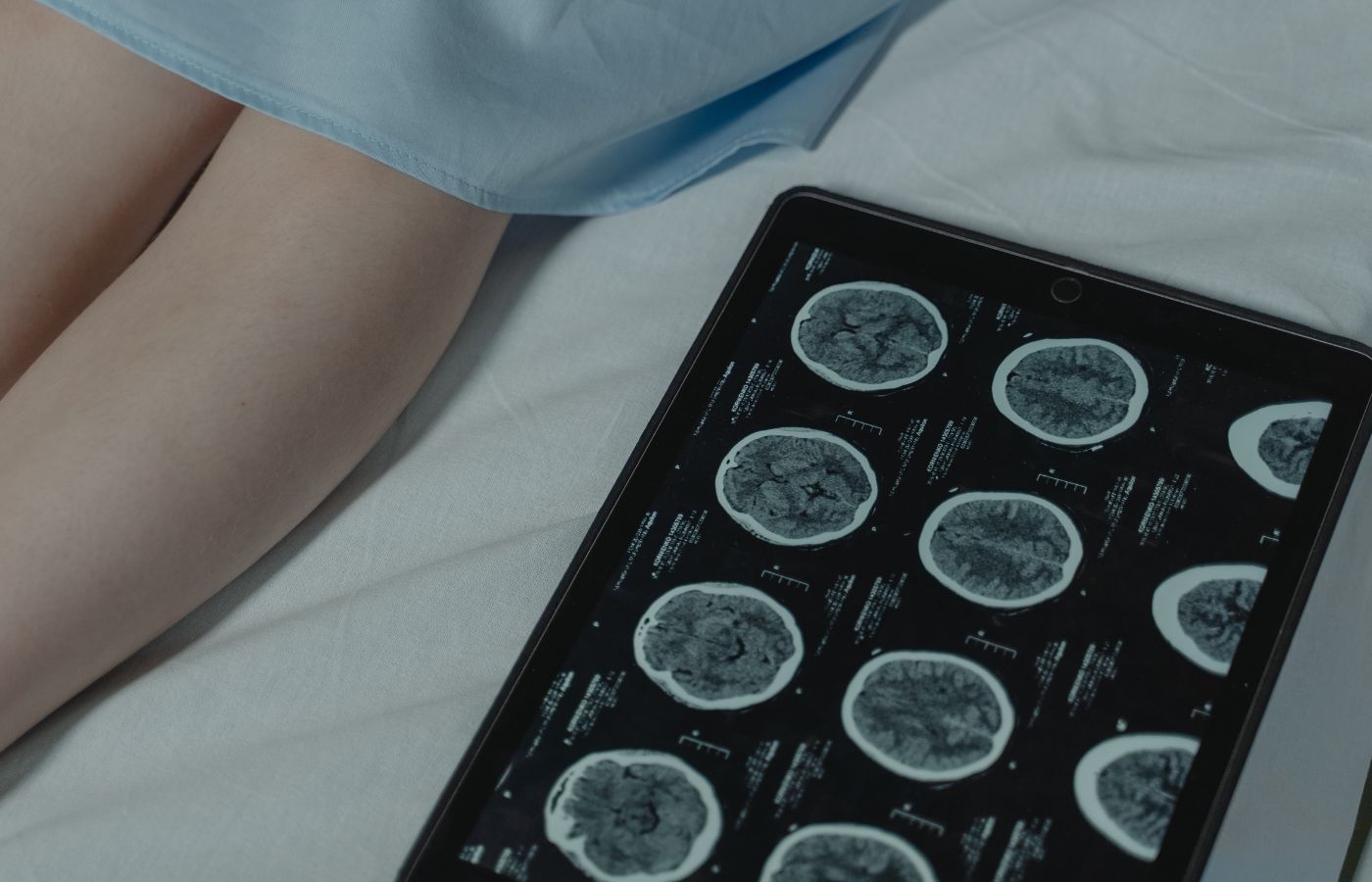
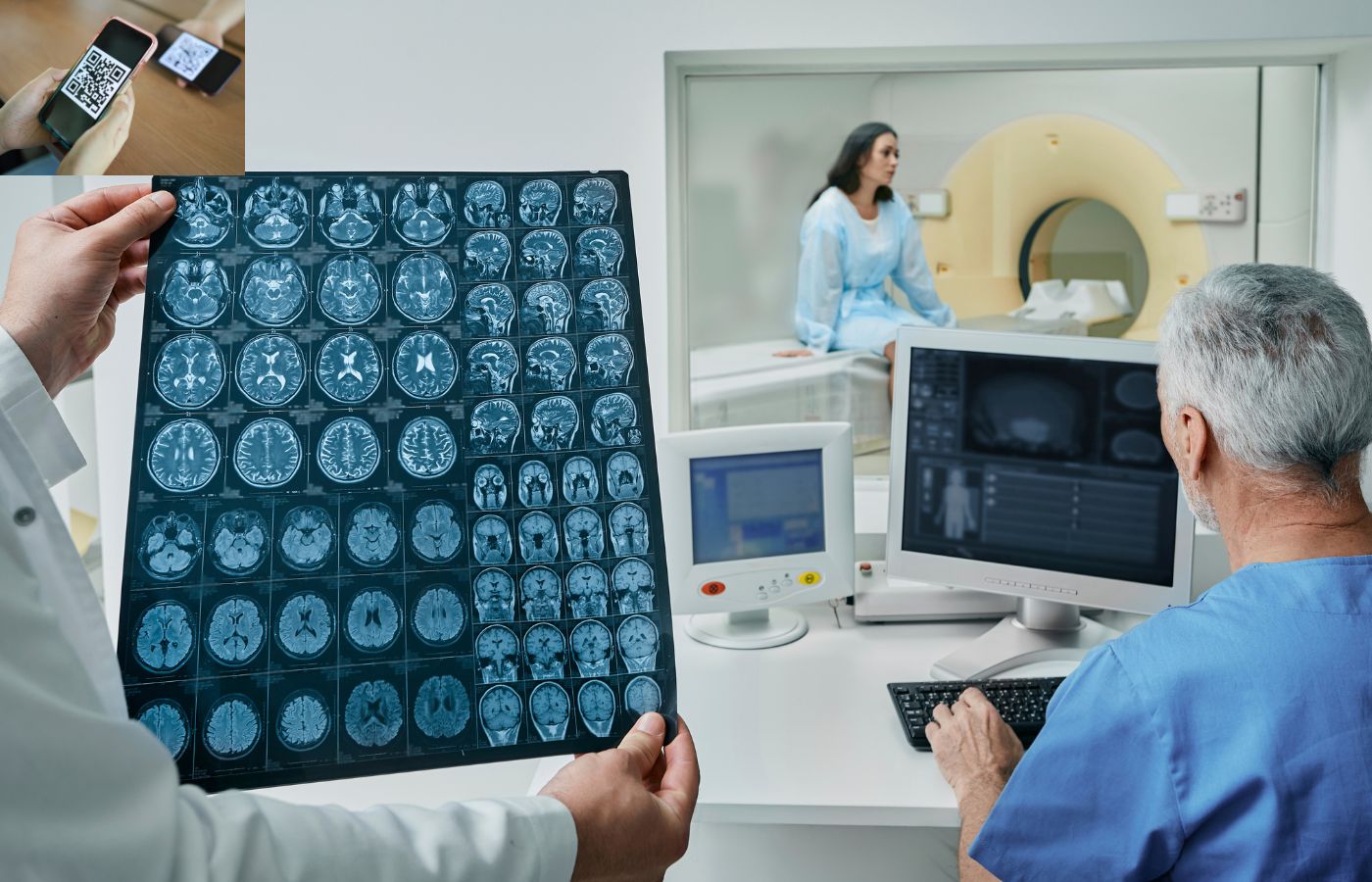
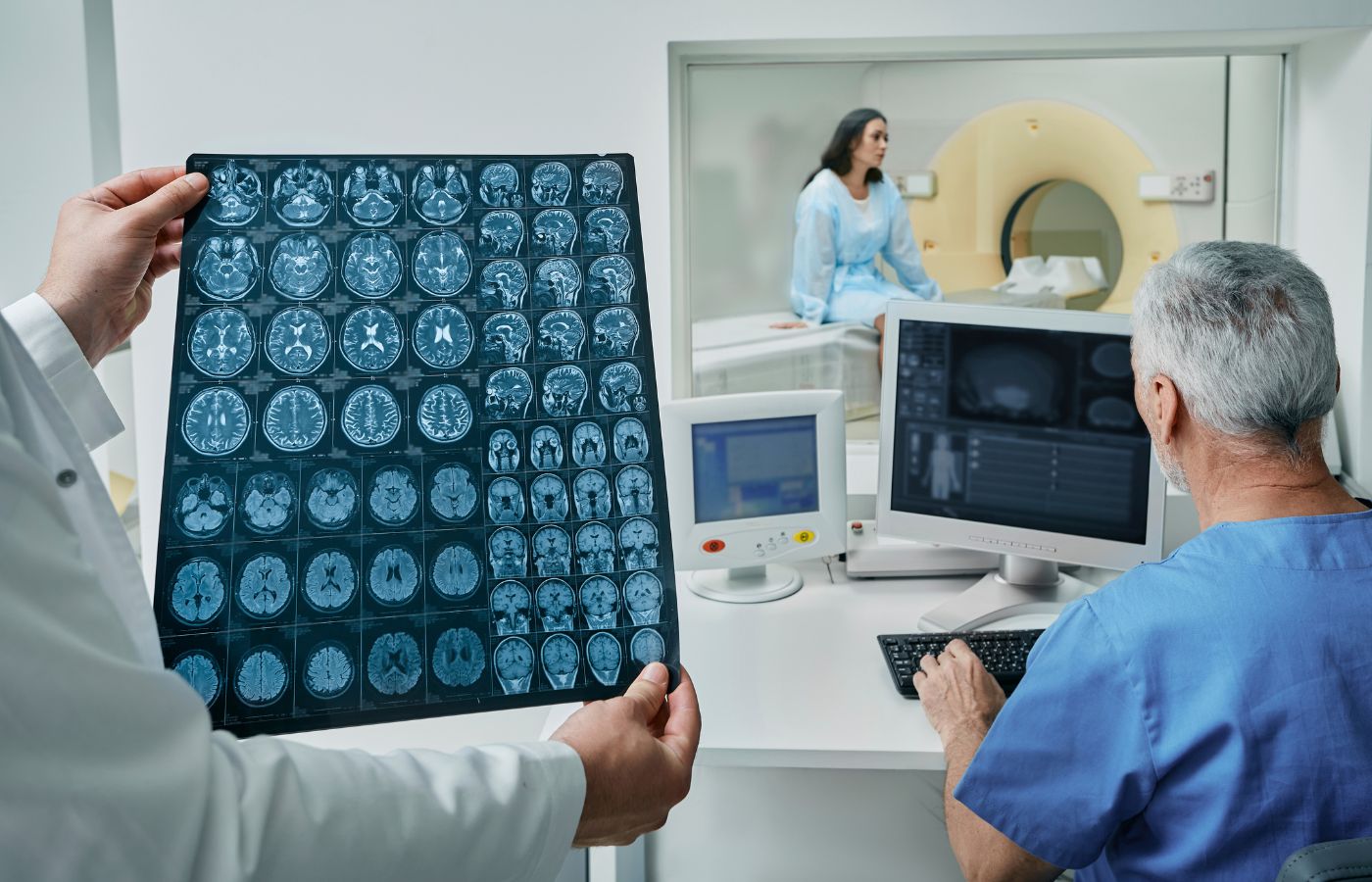
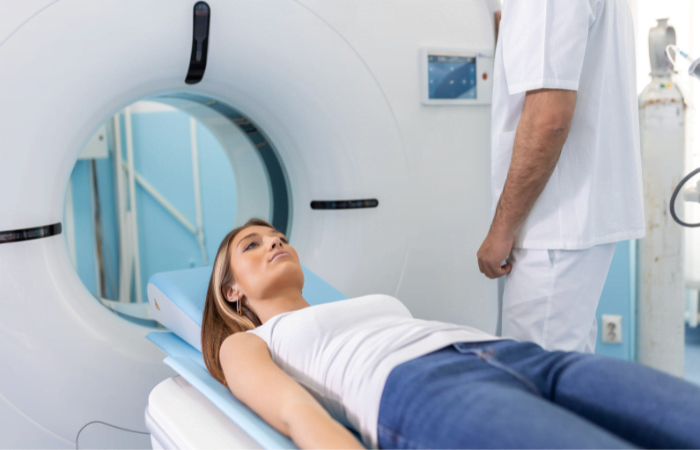
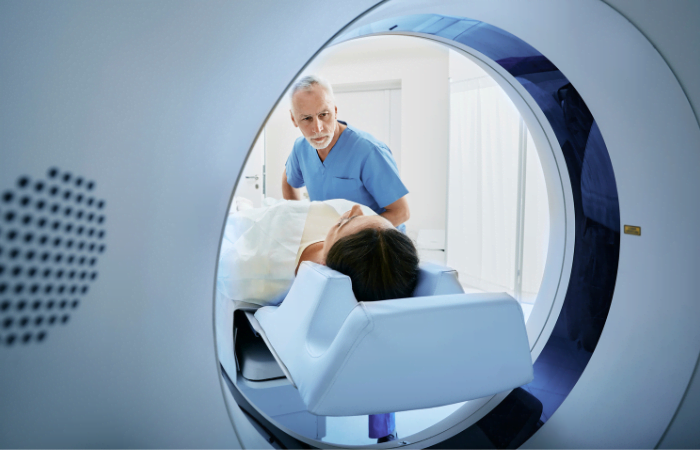
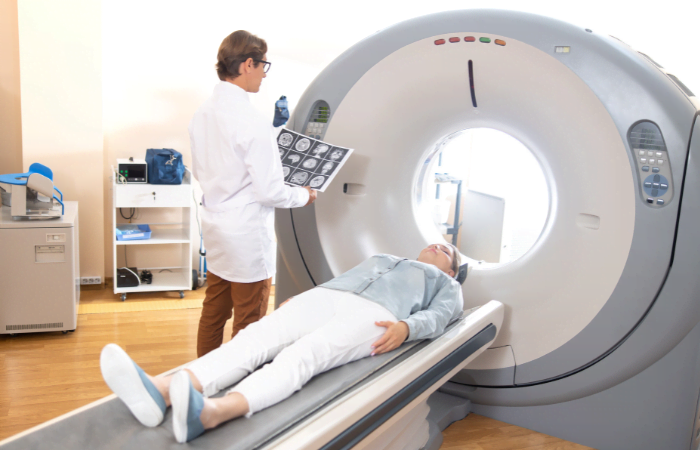
A Computed Tomography (CT) scan is a sophisticated X-ray technique that takes multiple cross-sectional images of your body. A computer then assembles these "slices" into highly detailed 2D and 3D images. So, what will a CT scan show?

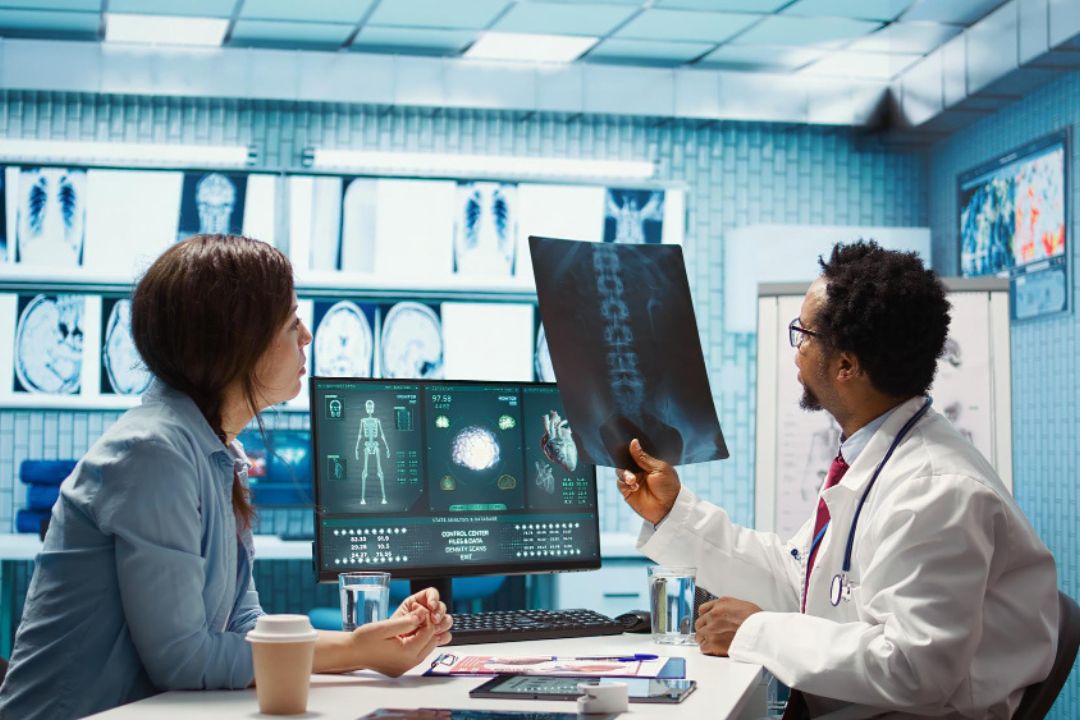
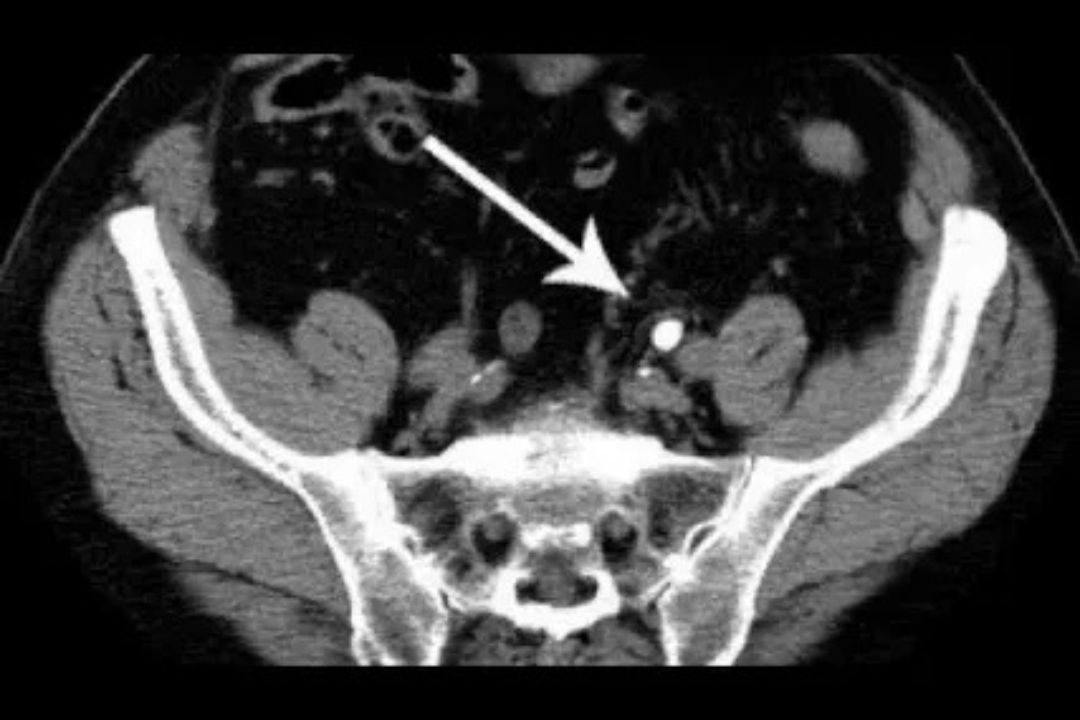
  1. Detailed Anatomy of Internal Organs: It provides exceptional clarity of the lungs, heart, liver, kidneys, spleen, and pancreas, helping identify infections, cysts, or fatty liver disease.

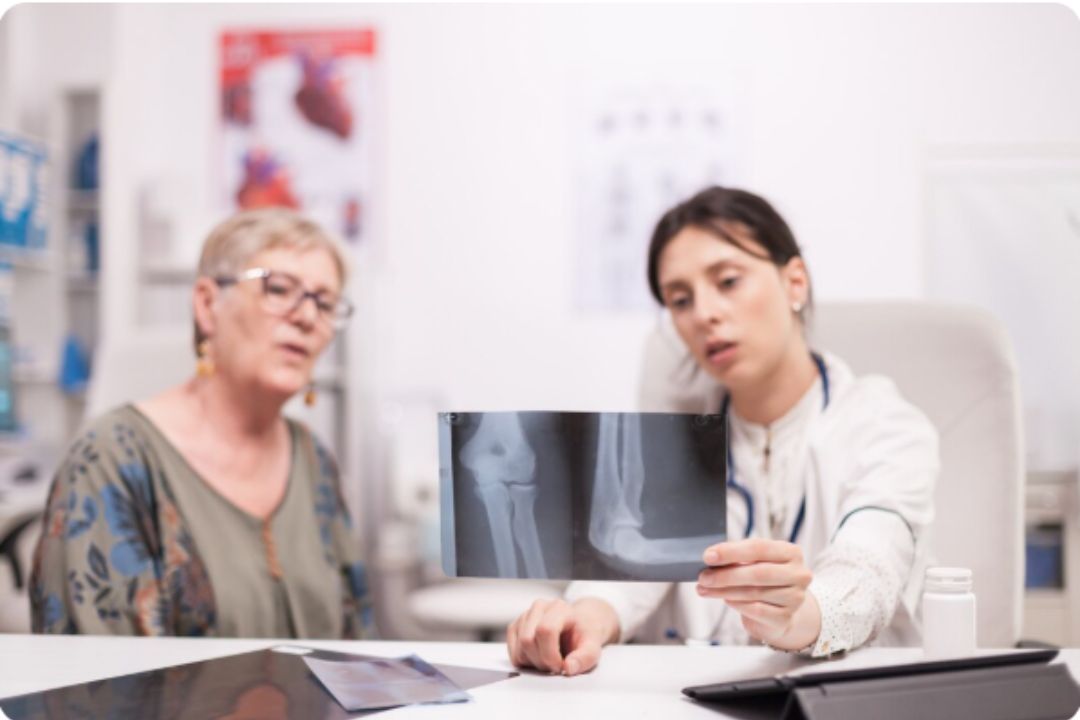
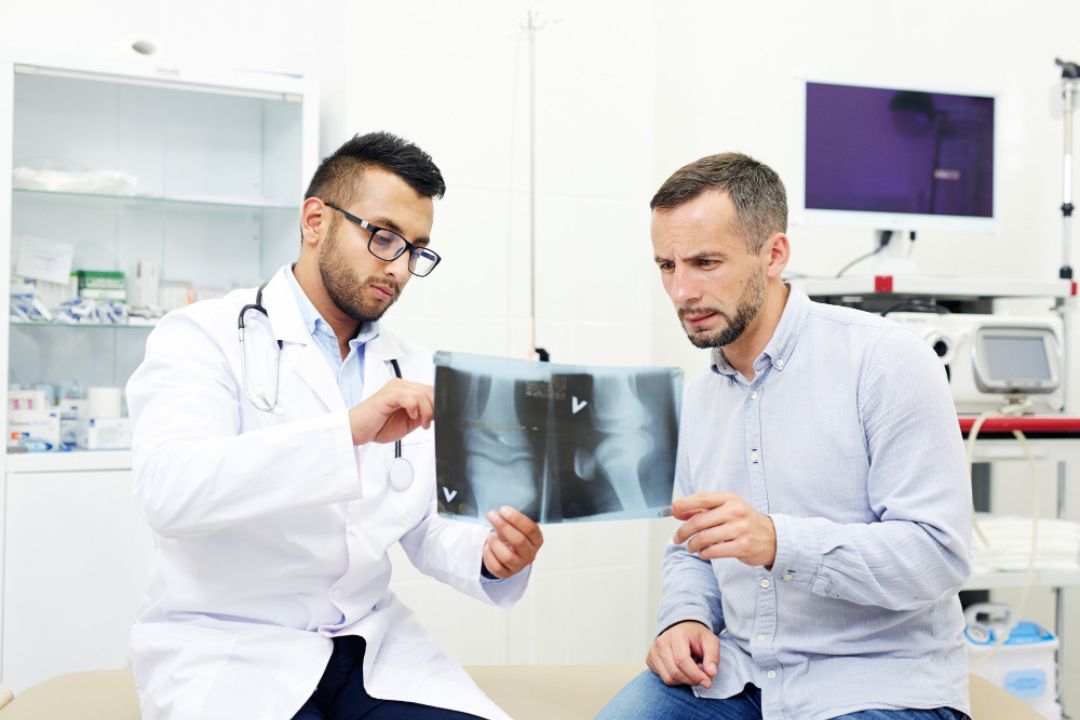
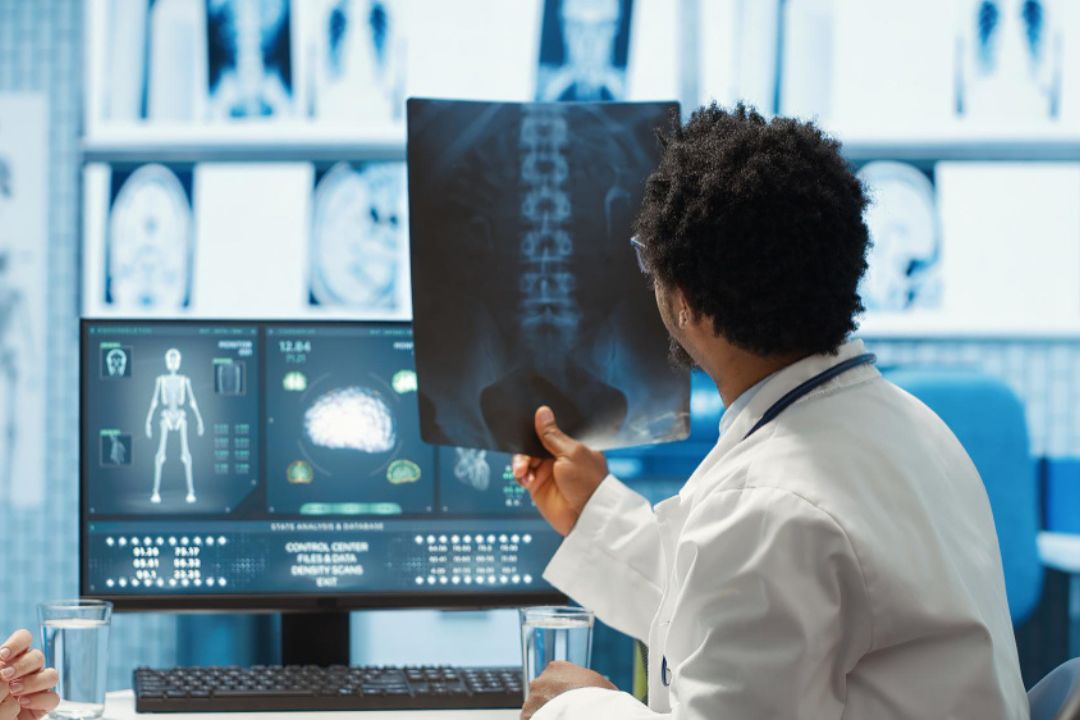
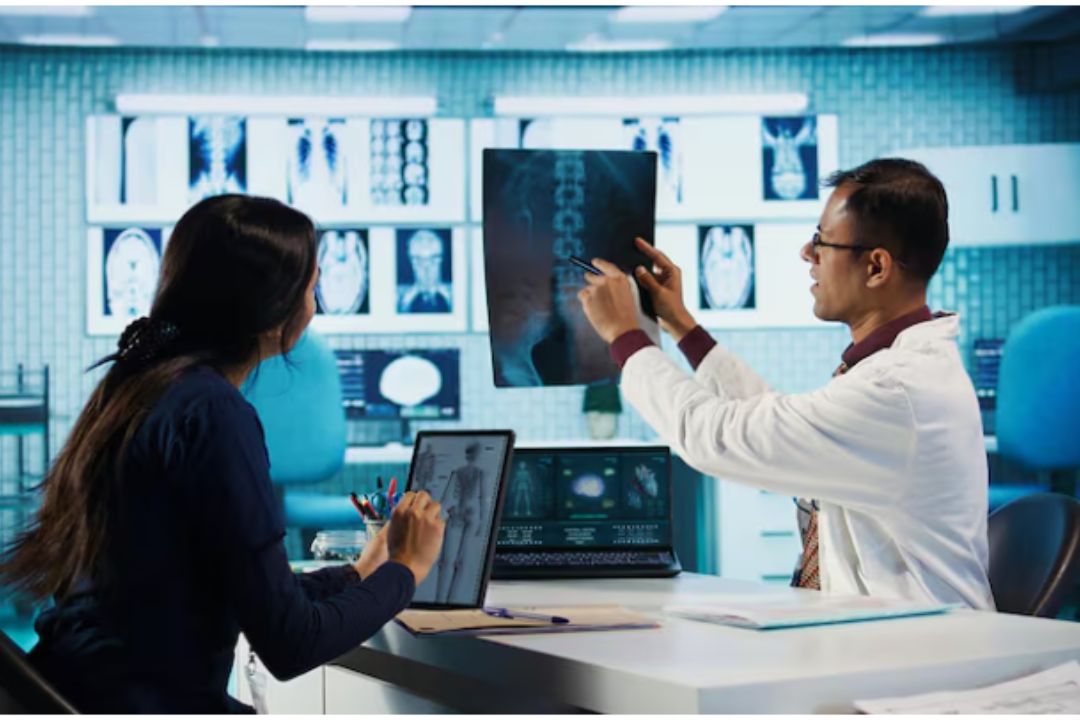
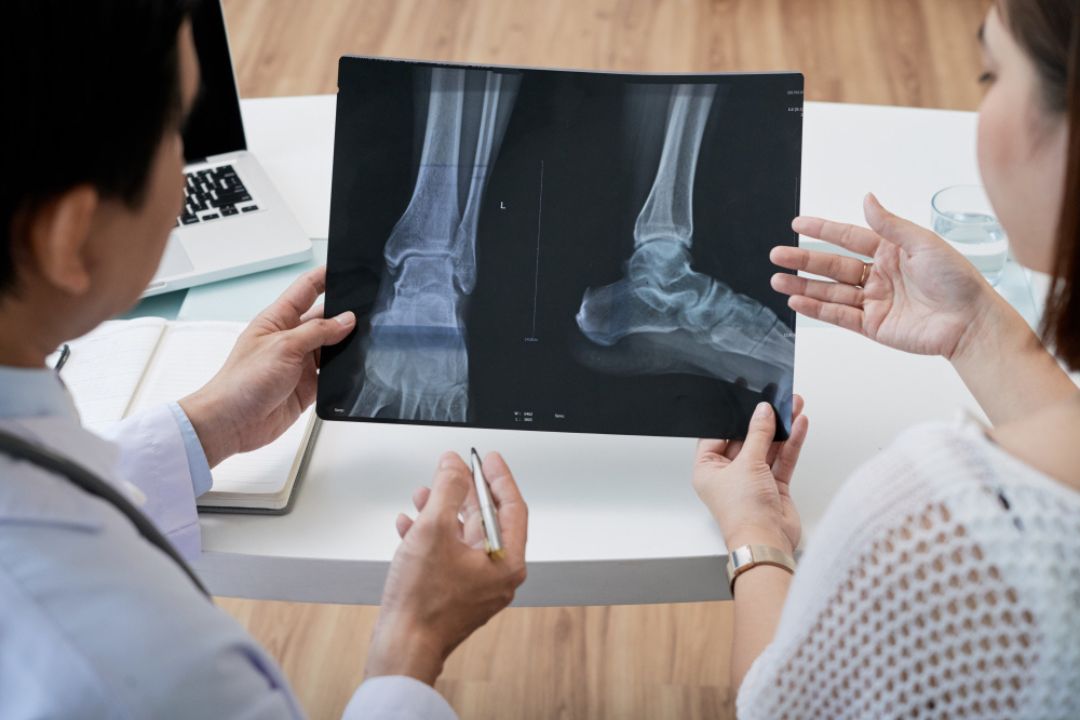
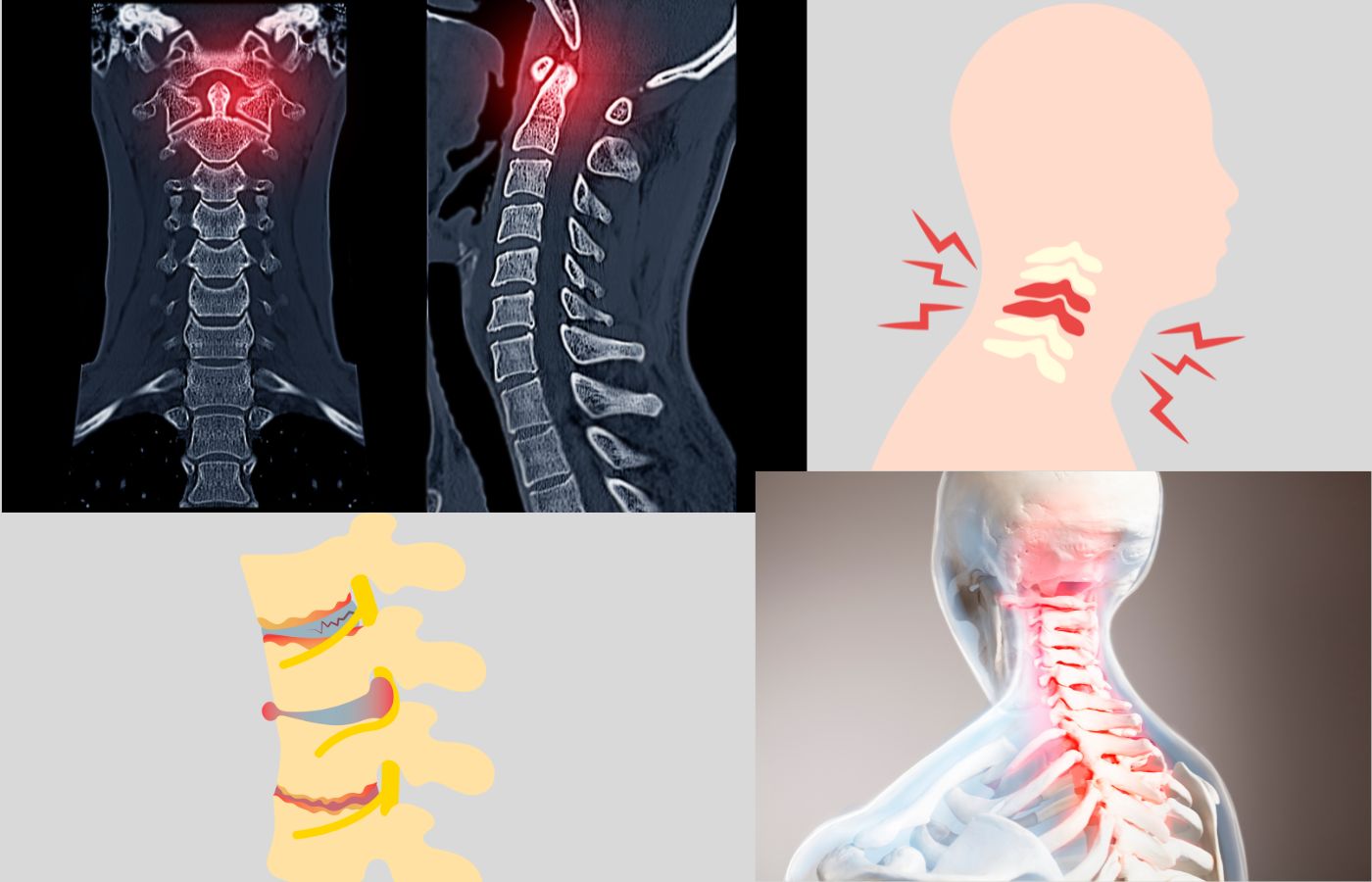
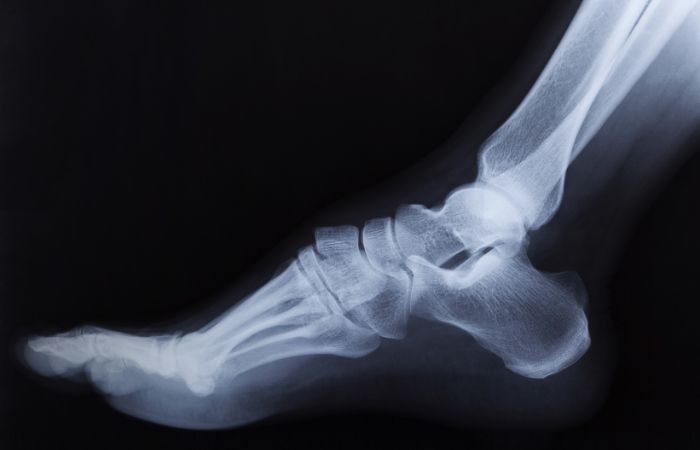
  2. Bone and Joint Structures: It is excellent for visualizing complex fractures, joint damage, and bone tumors with more detail than a standard X-ray.

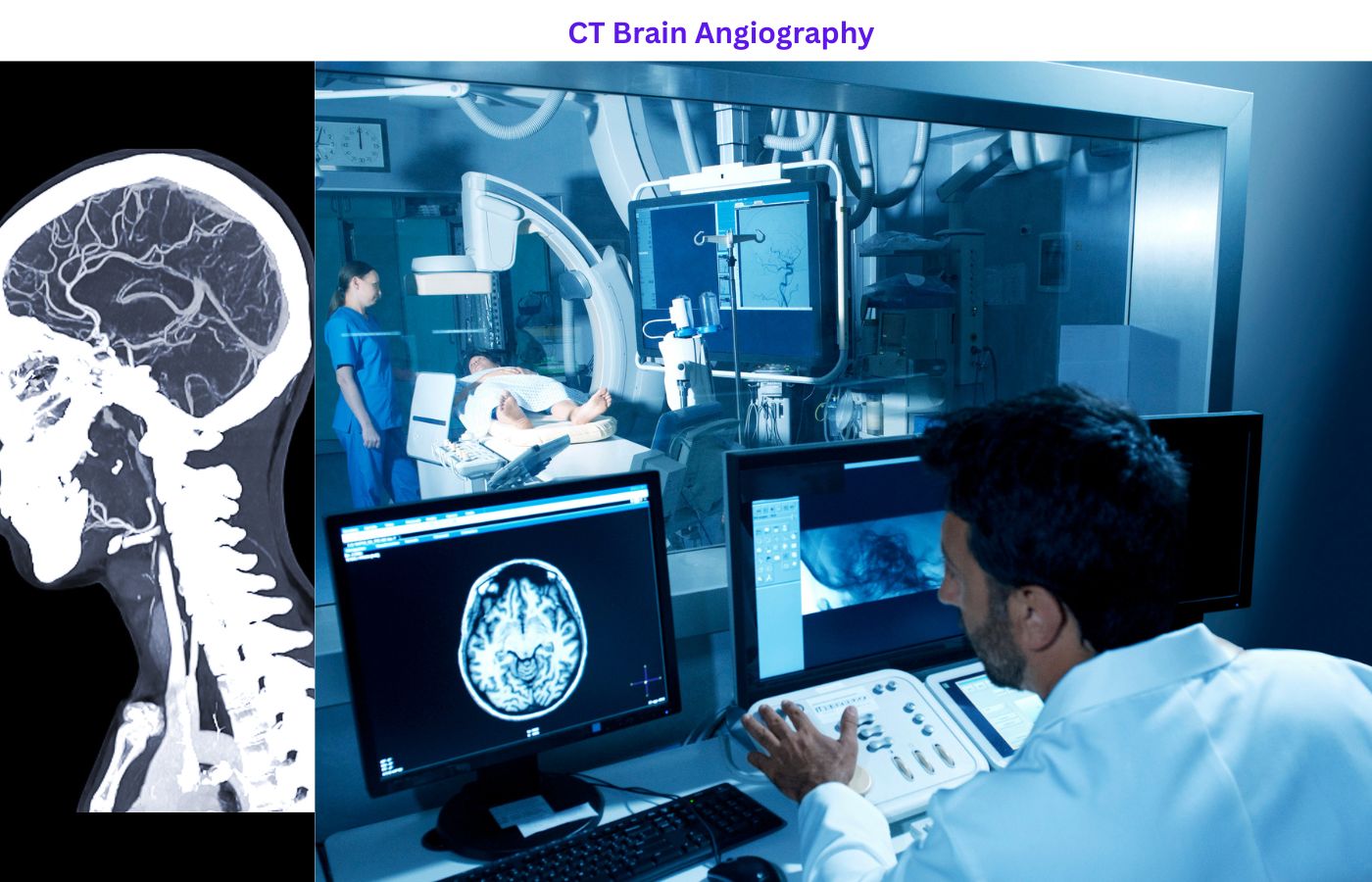
  3. Vascular System: When used with contrast (CT Angiography), it can reveal blockages, aneurysms, and other blood vessel abnormalities.

  4. Soft Tissues and Abnormalities: It can detect abscesses, inflammation, and internal bleeding from trauma.

The Critical Question: Does a CT Scan Show Cancer?

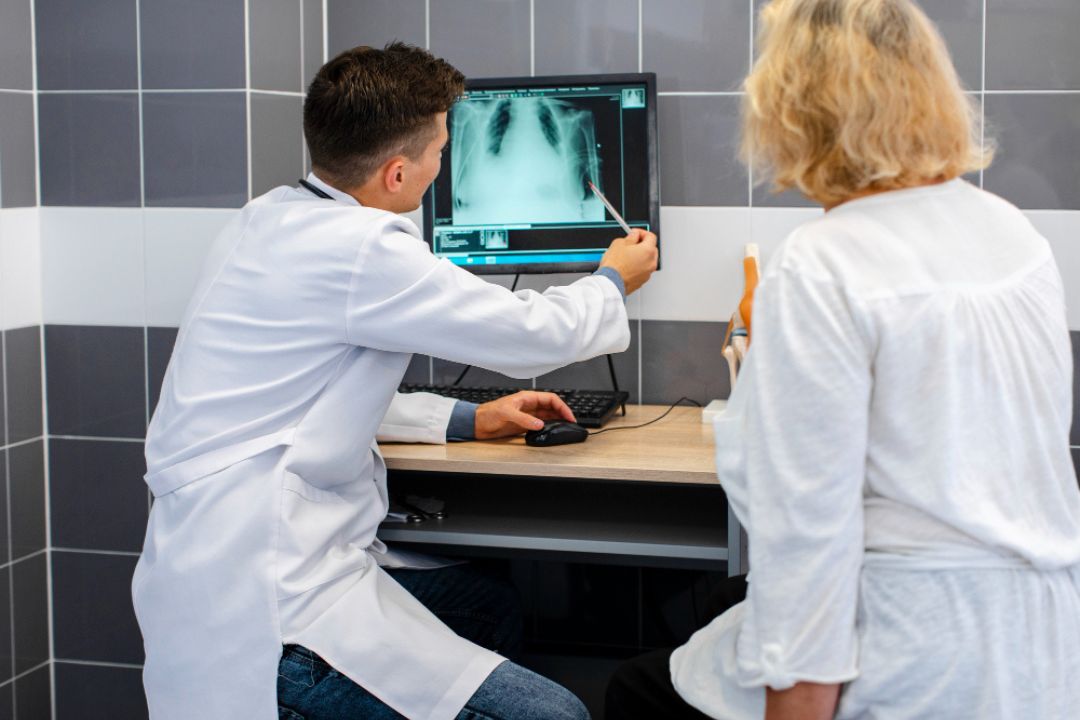
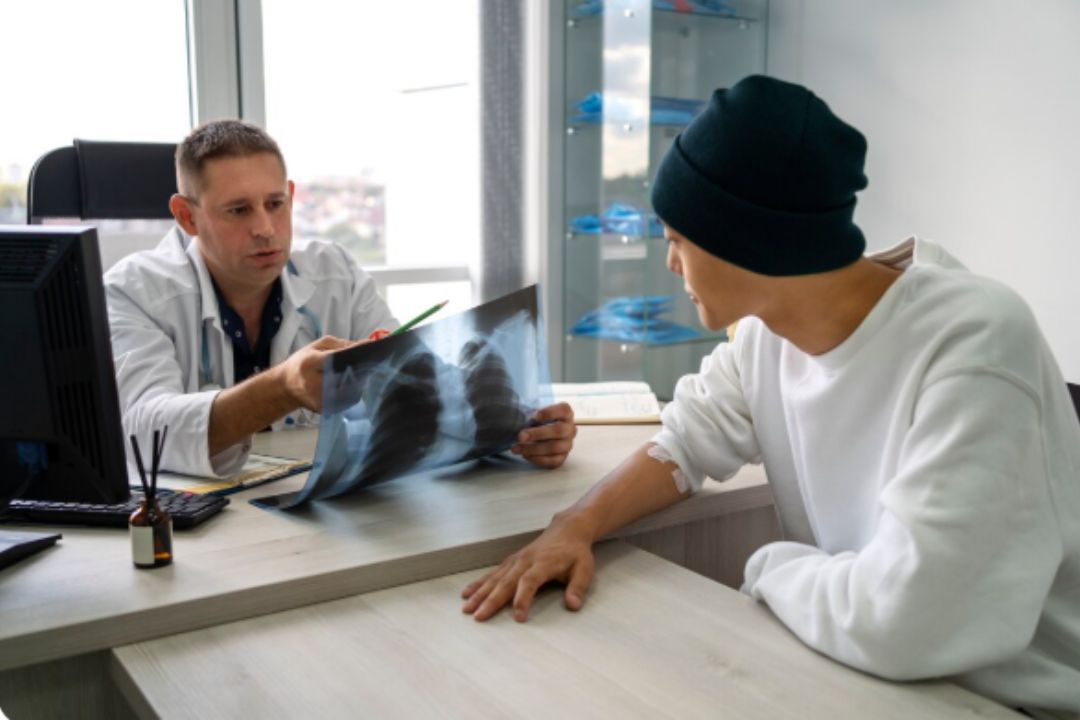
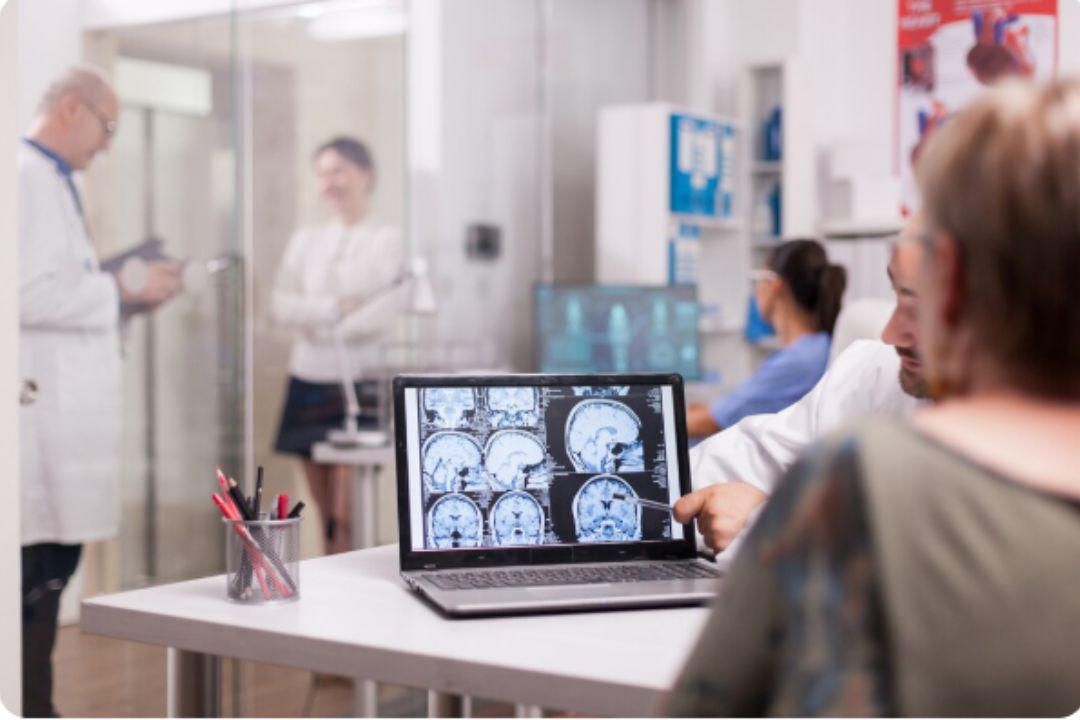
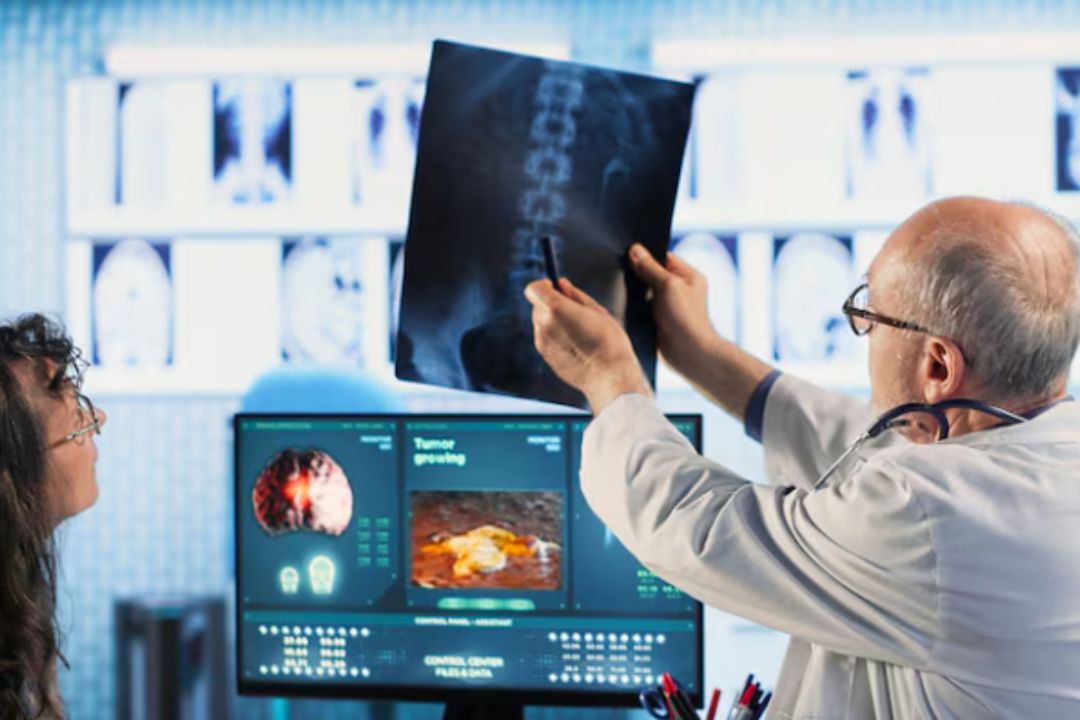
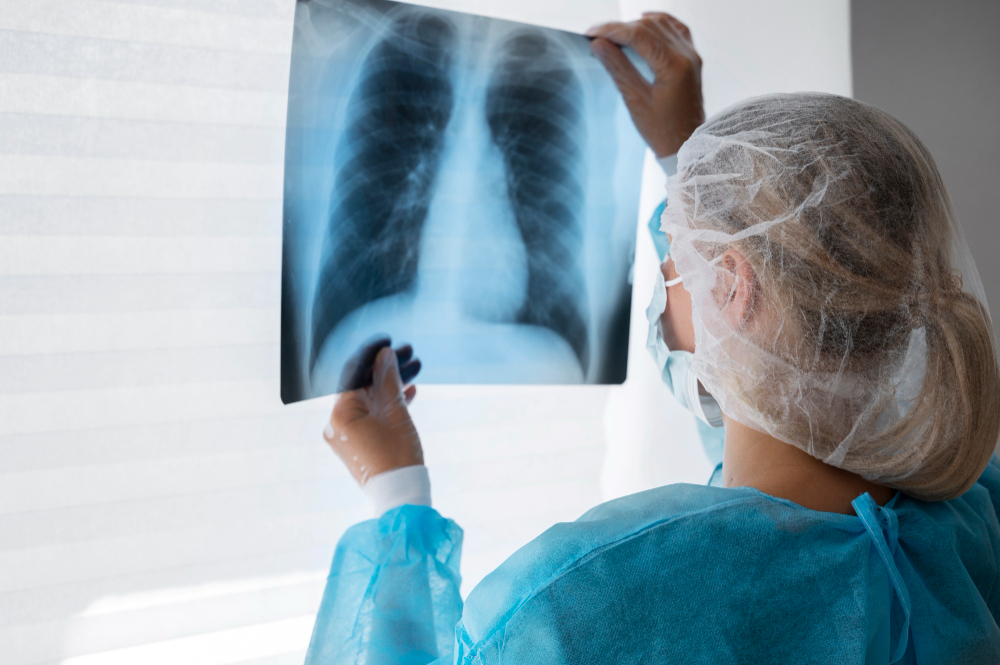
Yes, a CT scan is one of the primary tools for detecting, locating, and staging cancer. It can reveal the presence of tumors in organs like the lungs, liver, kidneys, and lymph nodes. It shows the tumor's size, shape, and precise location, and can often indicate if it has spread (metastasized) to other parts of the body. This makes it invaluable for initial diagnosis, planning surgery or radiation therapy, and monitoring the effectiveness of ongoing treatment.

Important Note: While a CT Scan can show a mass or tumor, it cannot always definitively confirm if it is cancerous (malignant) or non-cancerous (benign). A biopsy, where a small tissue sample is taken, is often required for a final diagnosis. Think of the CT scan as providing the detailed map; sometimes a biopsy is needed to identify what exactly is at the destination.

Benefits, Comparison, and Cost: Making an Informed Choice

Key Benefits of Choosing a CT Scan:

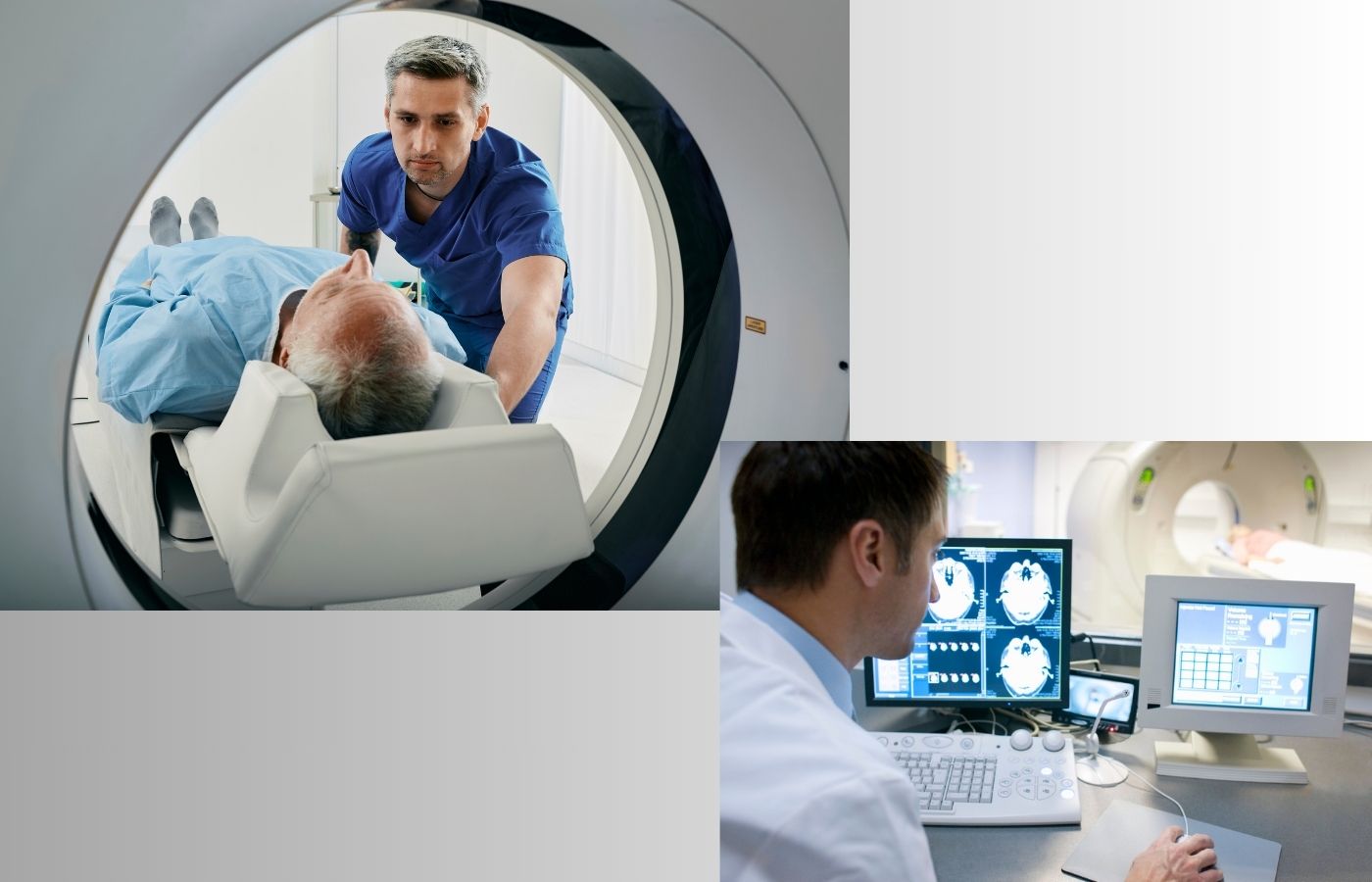
  1. Speed and Efficiency: A typical scan takes only 5 to 20 minutes, making it crucial in emergency situations.

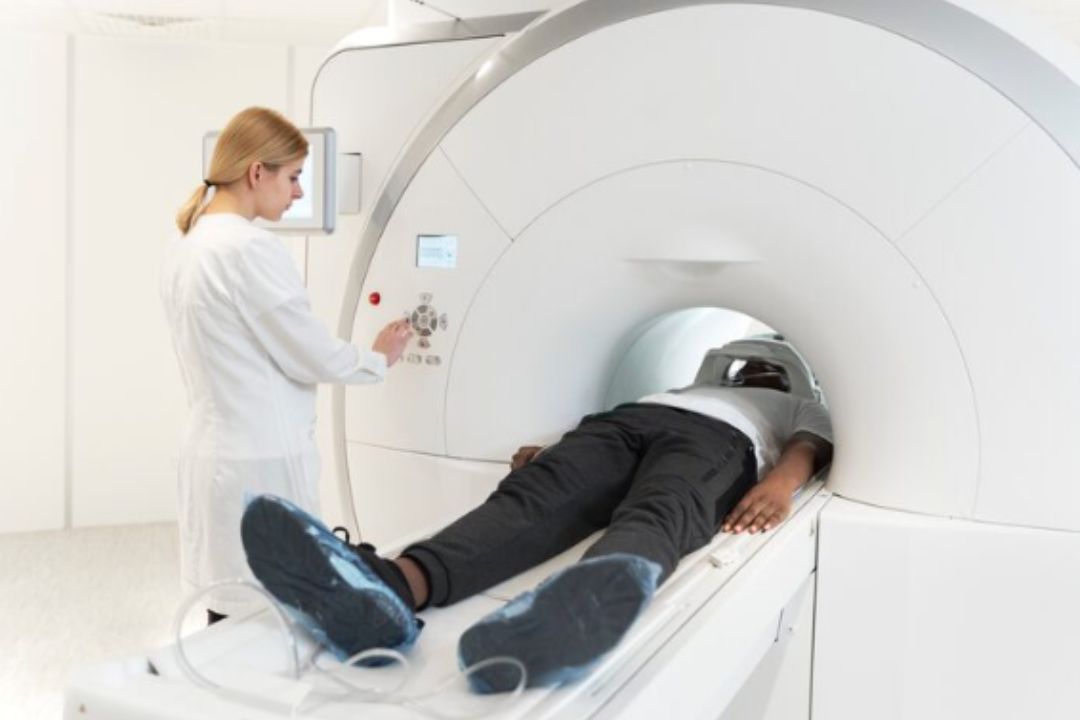
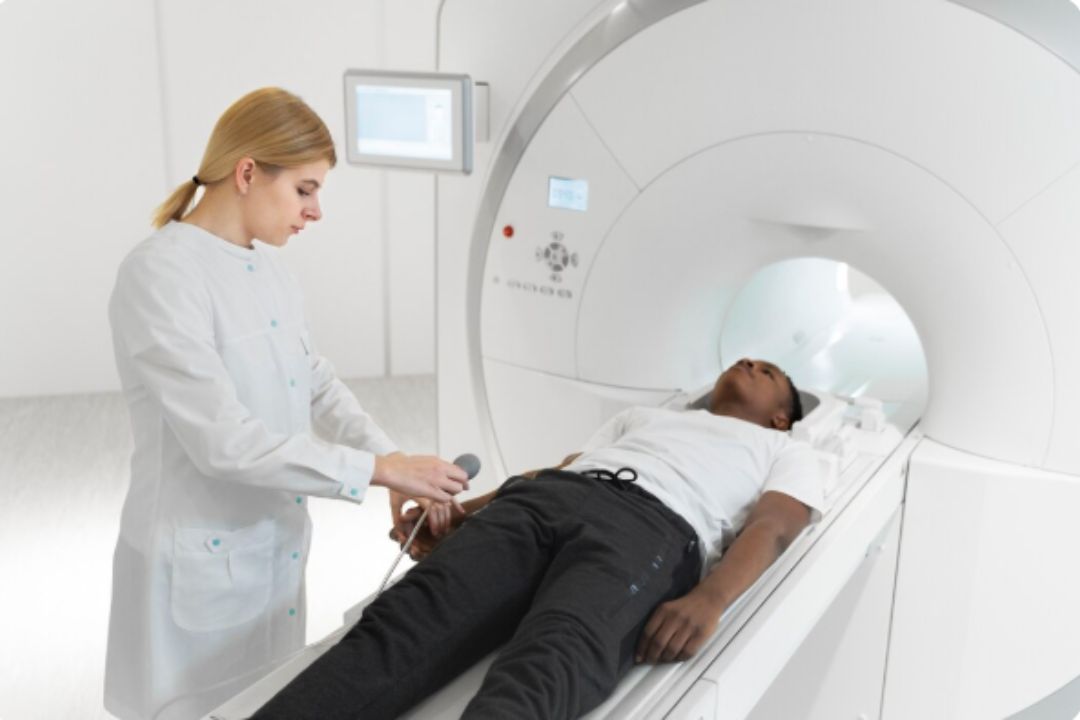
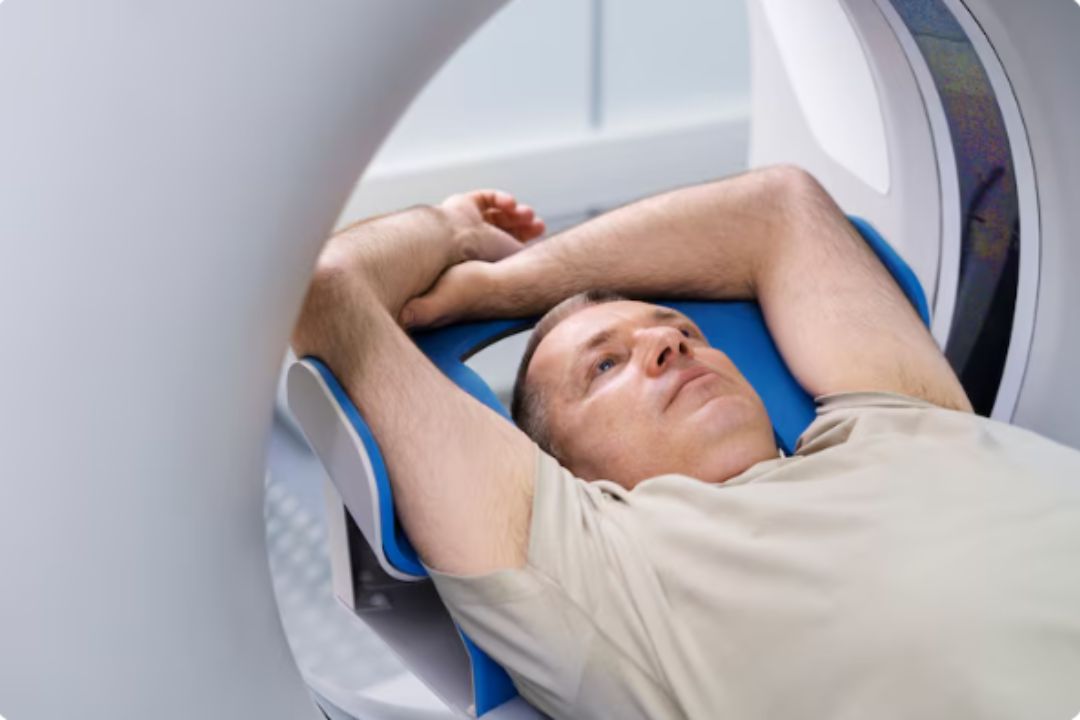
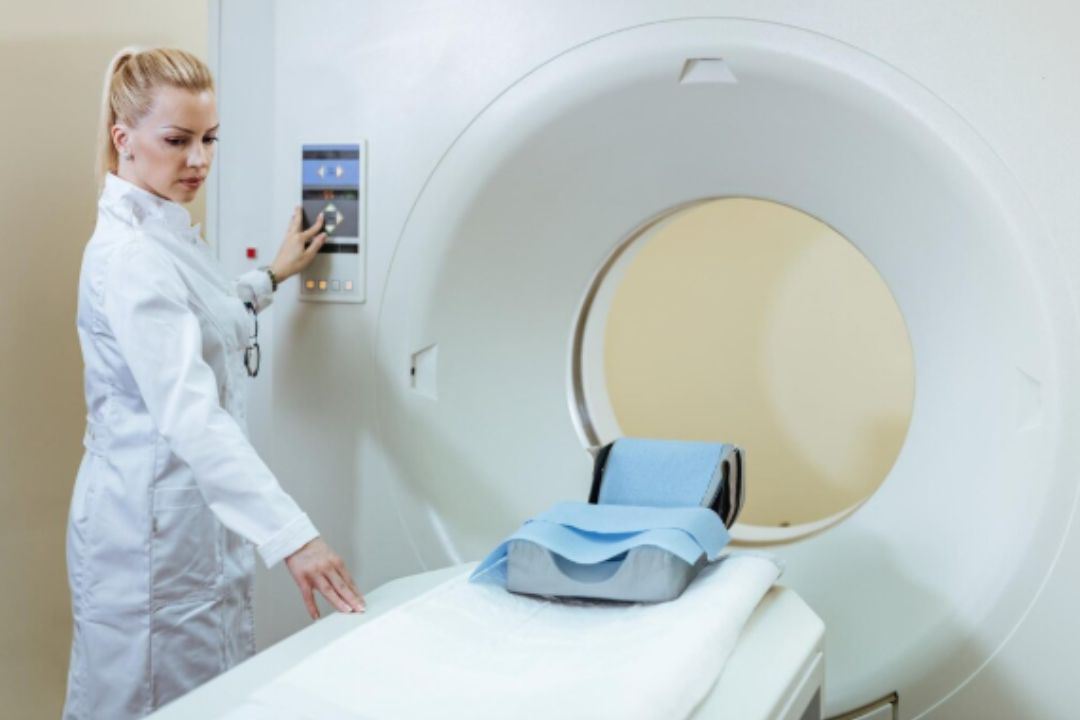
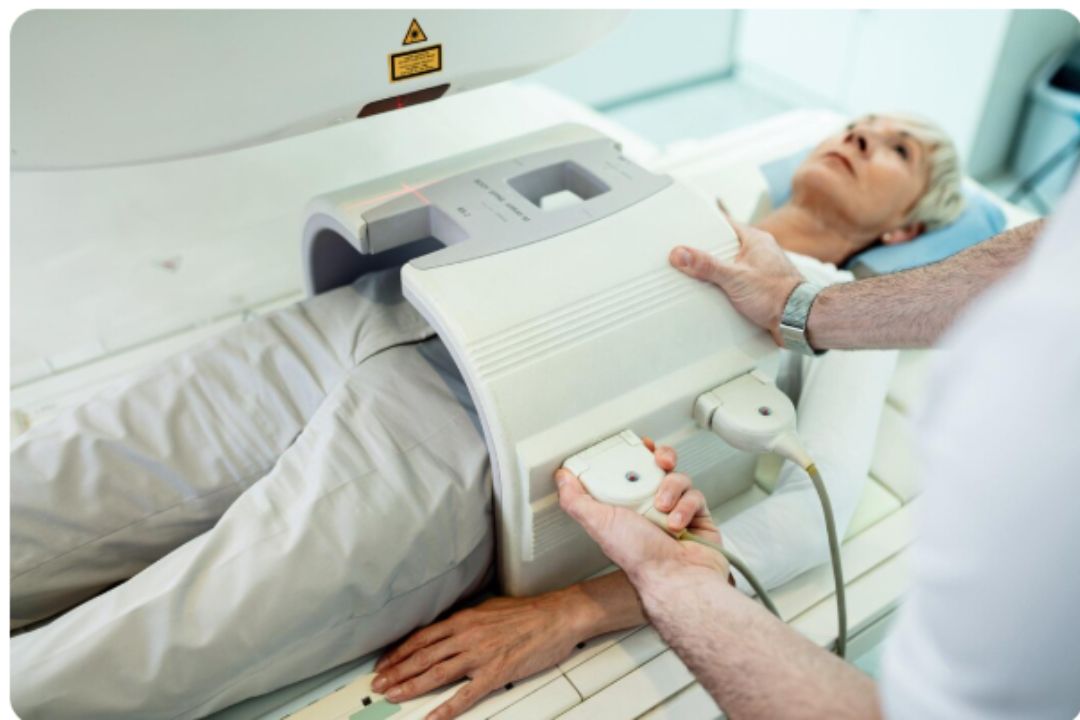
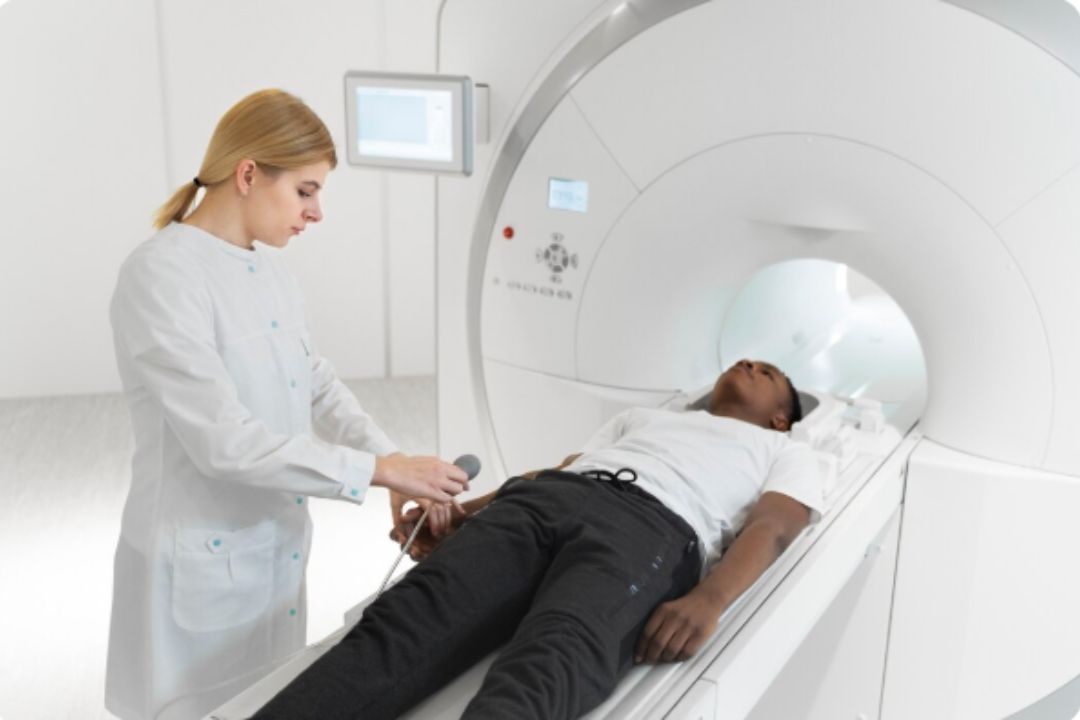
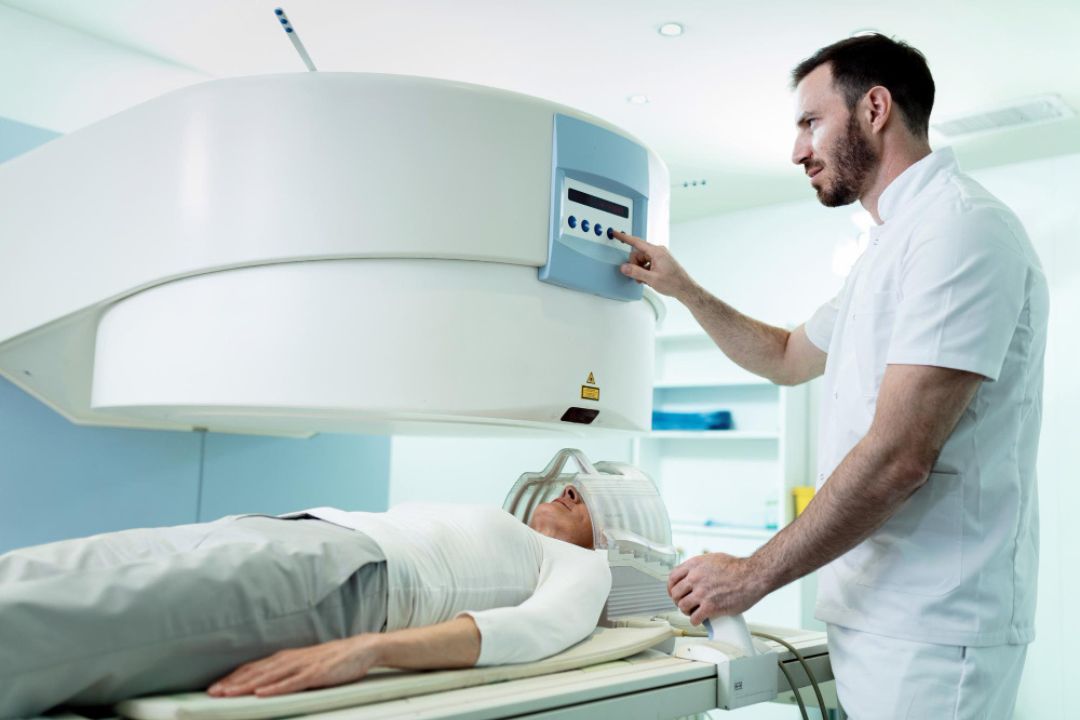
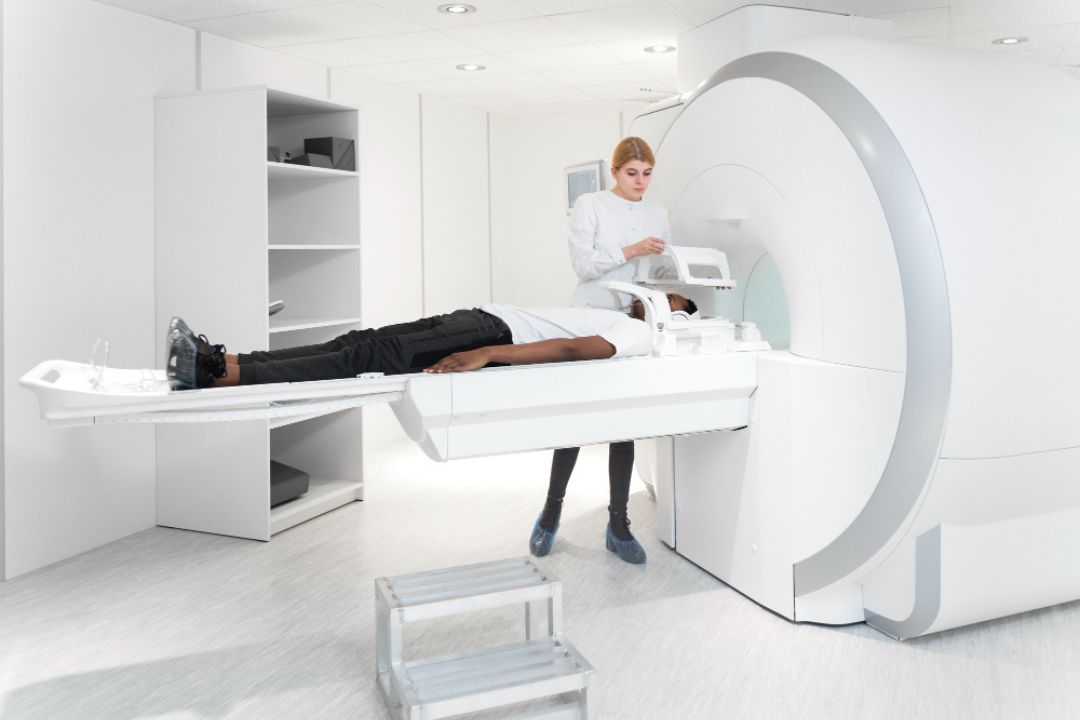
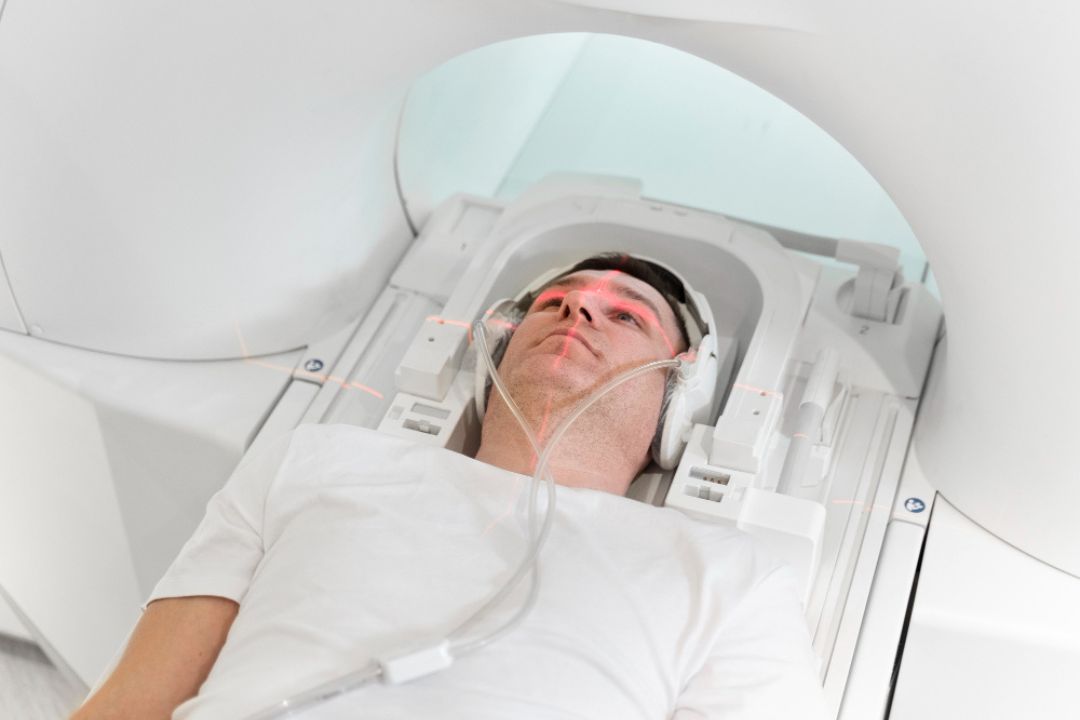
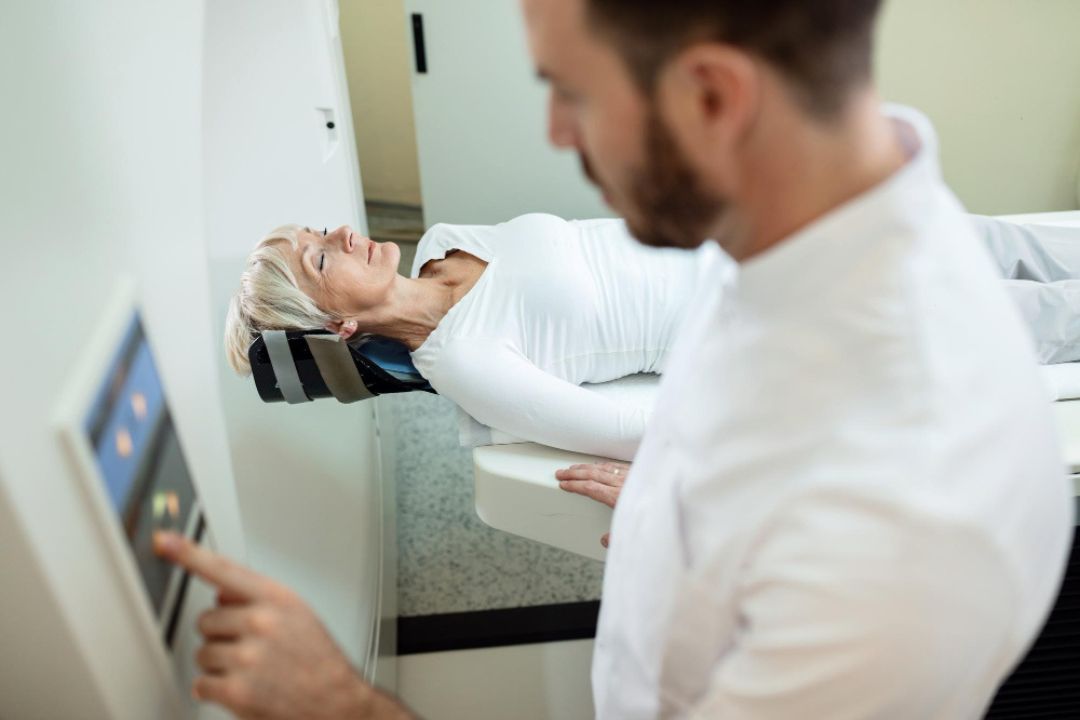
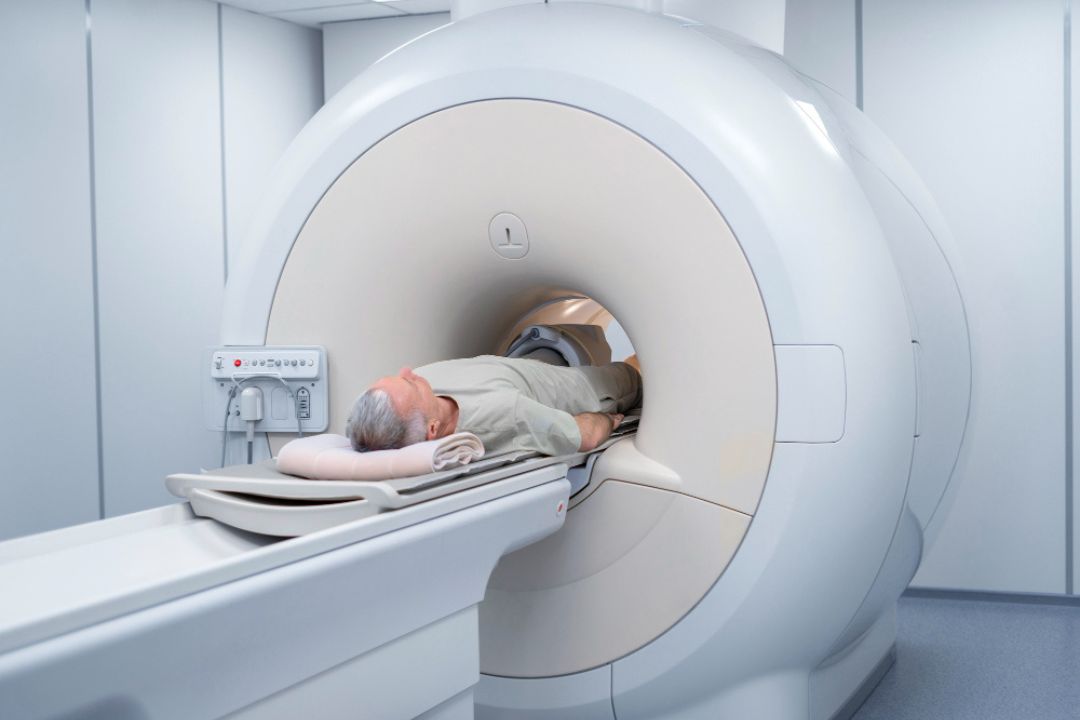
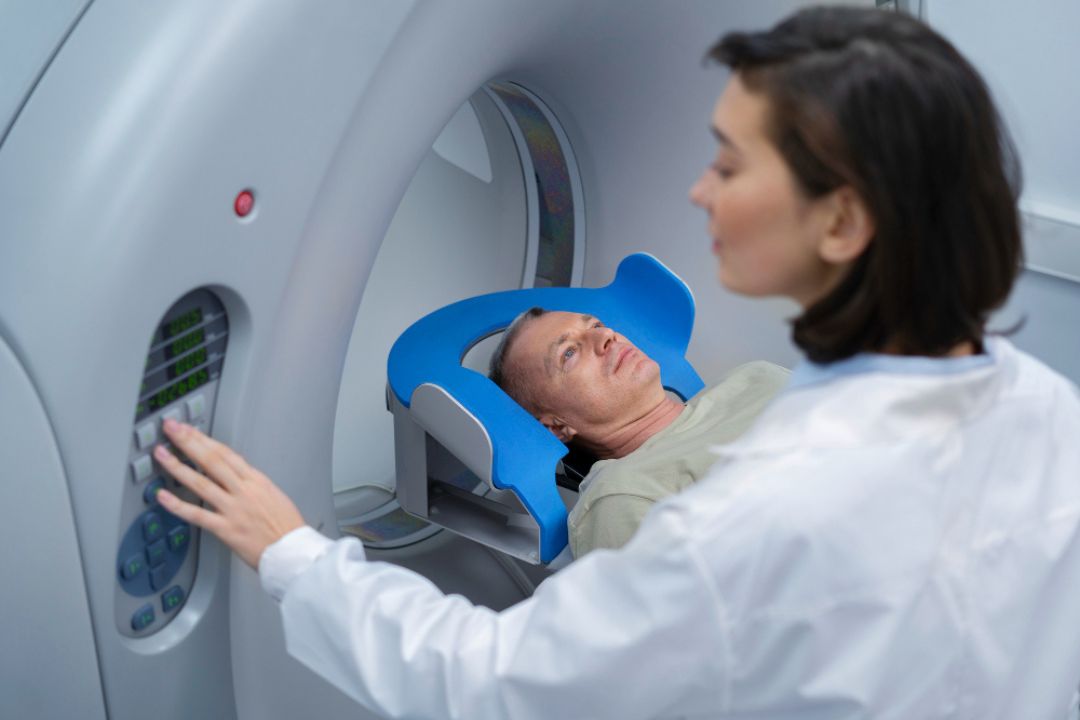
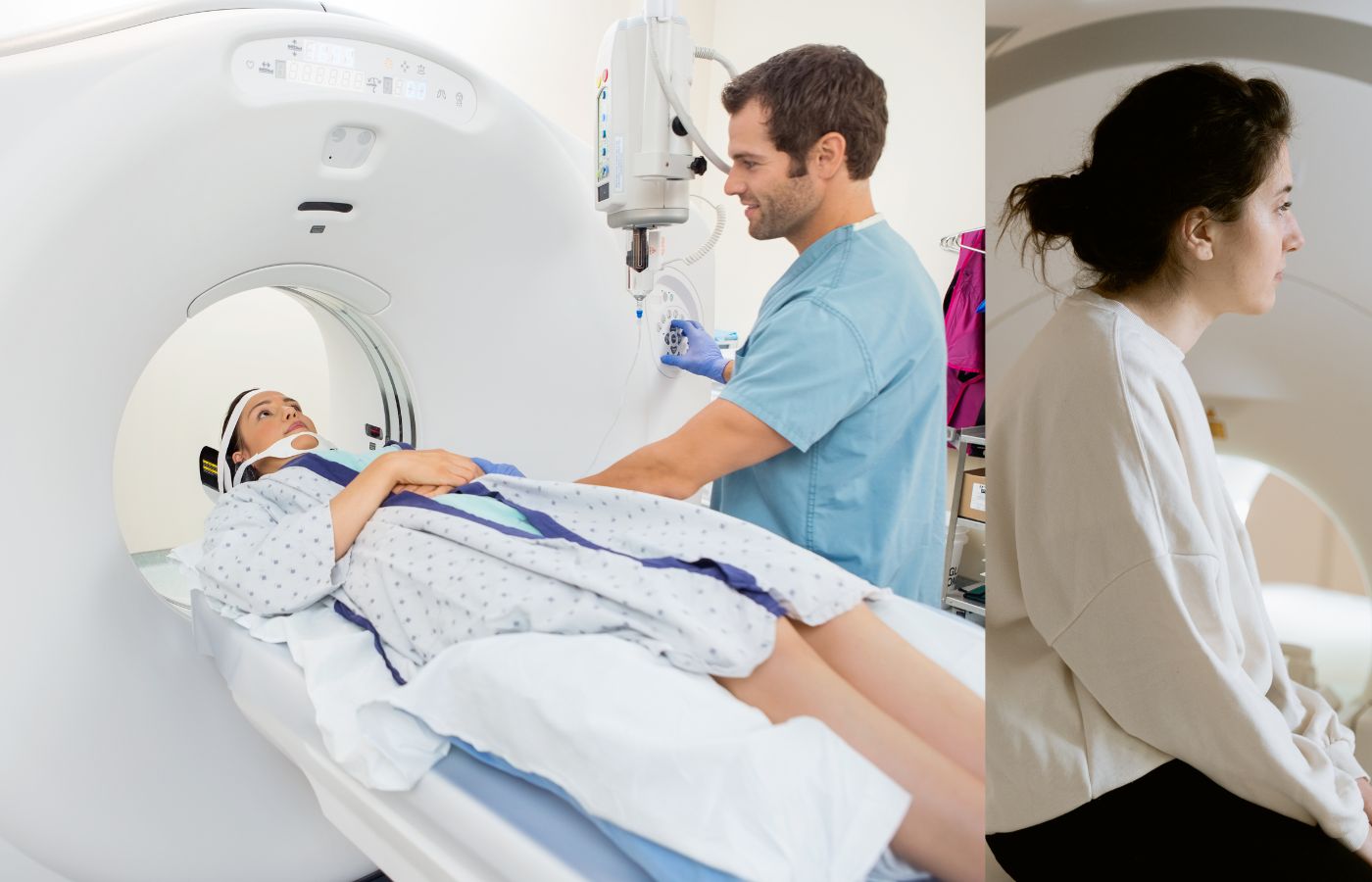
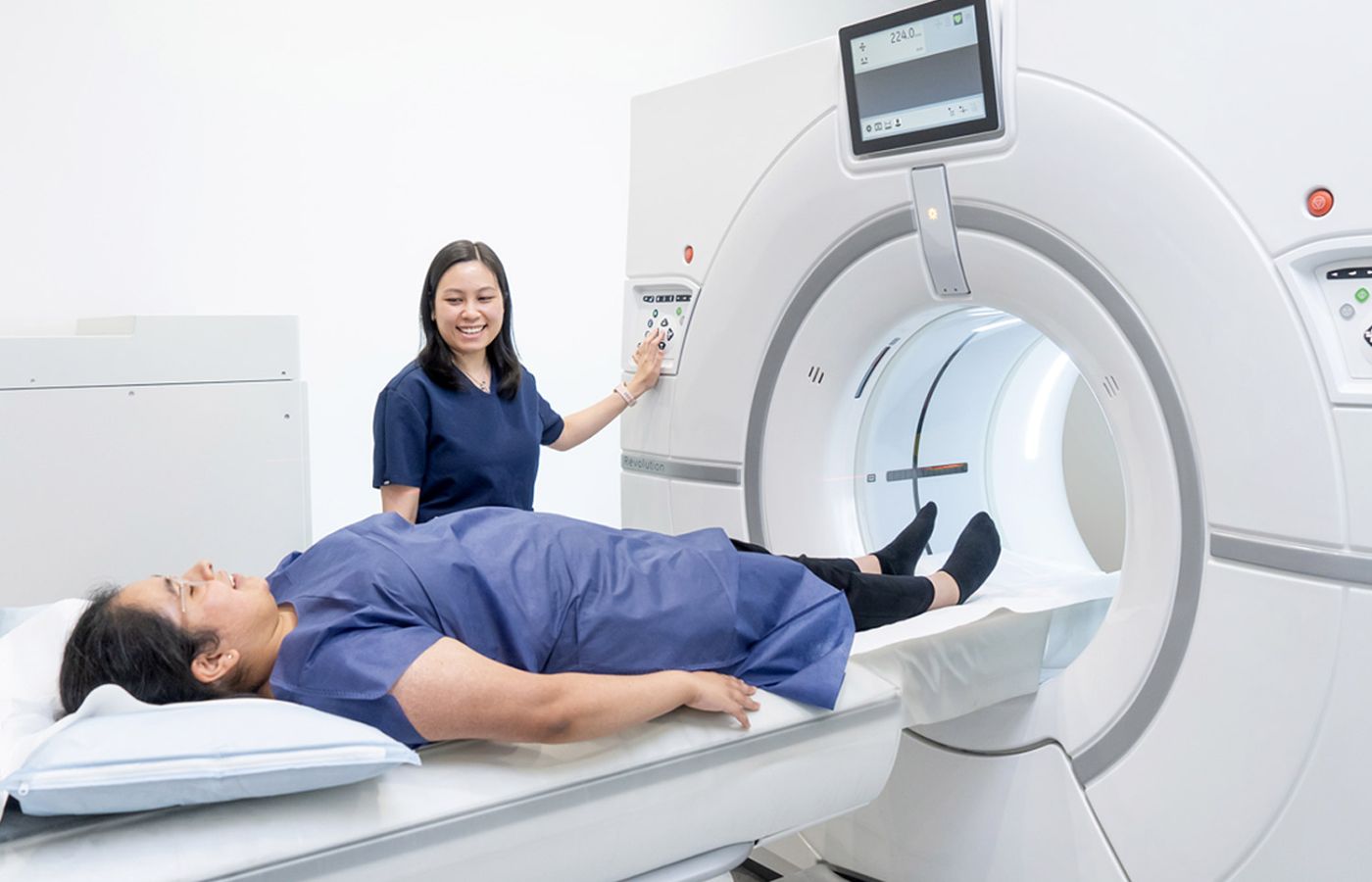
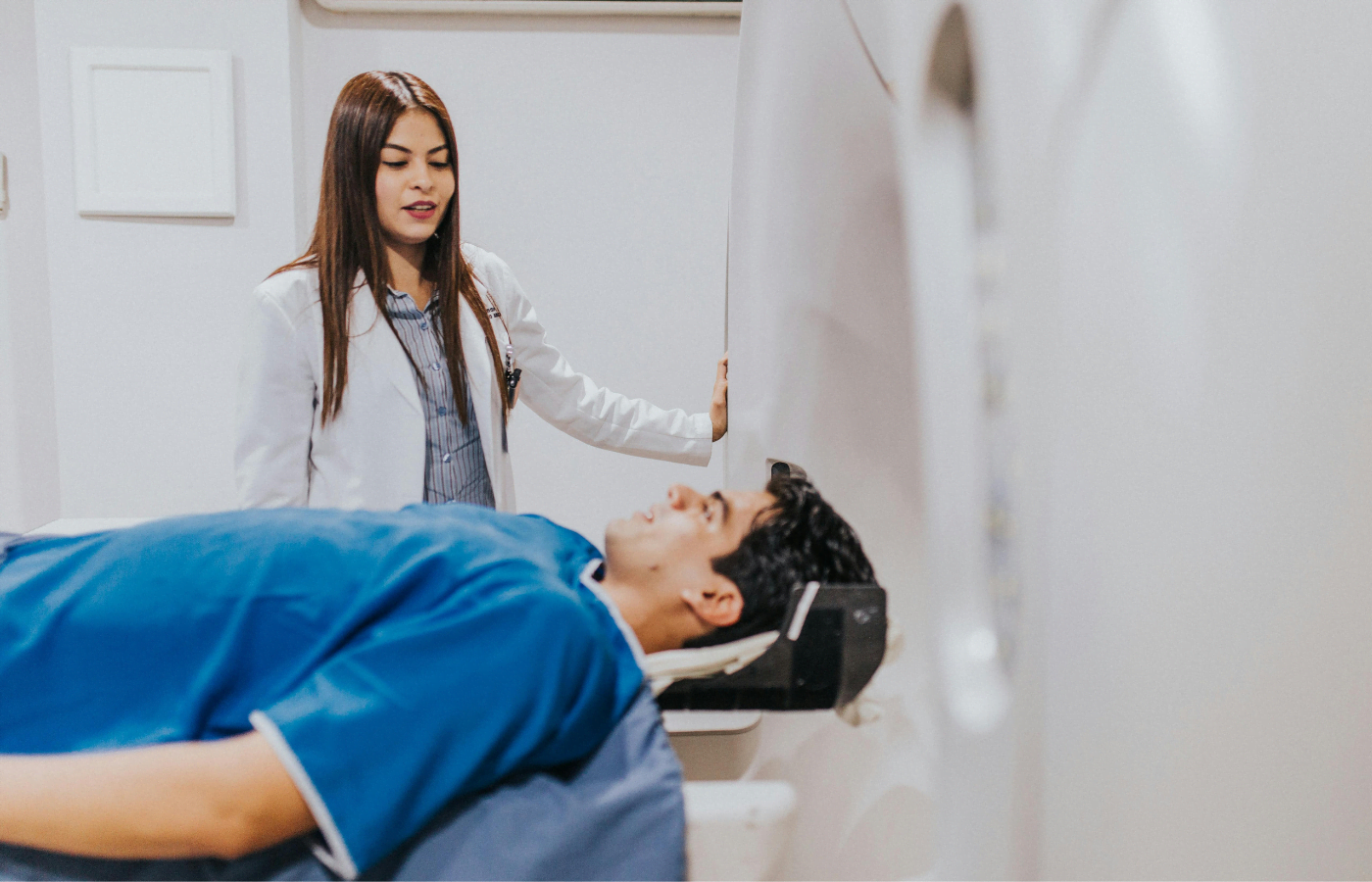
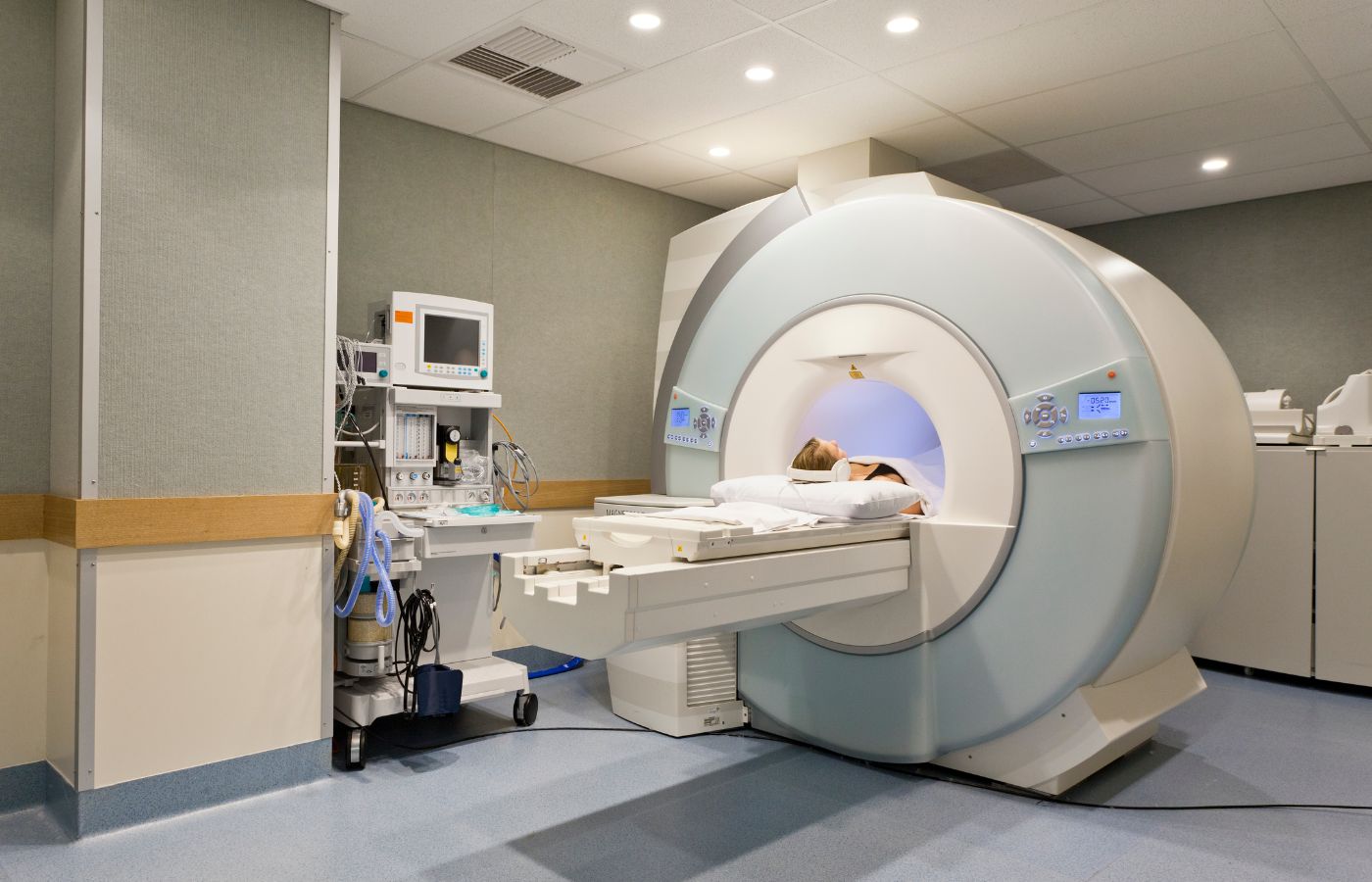
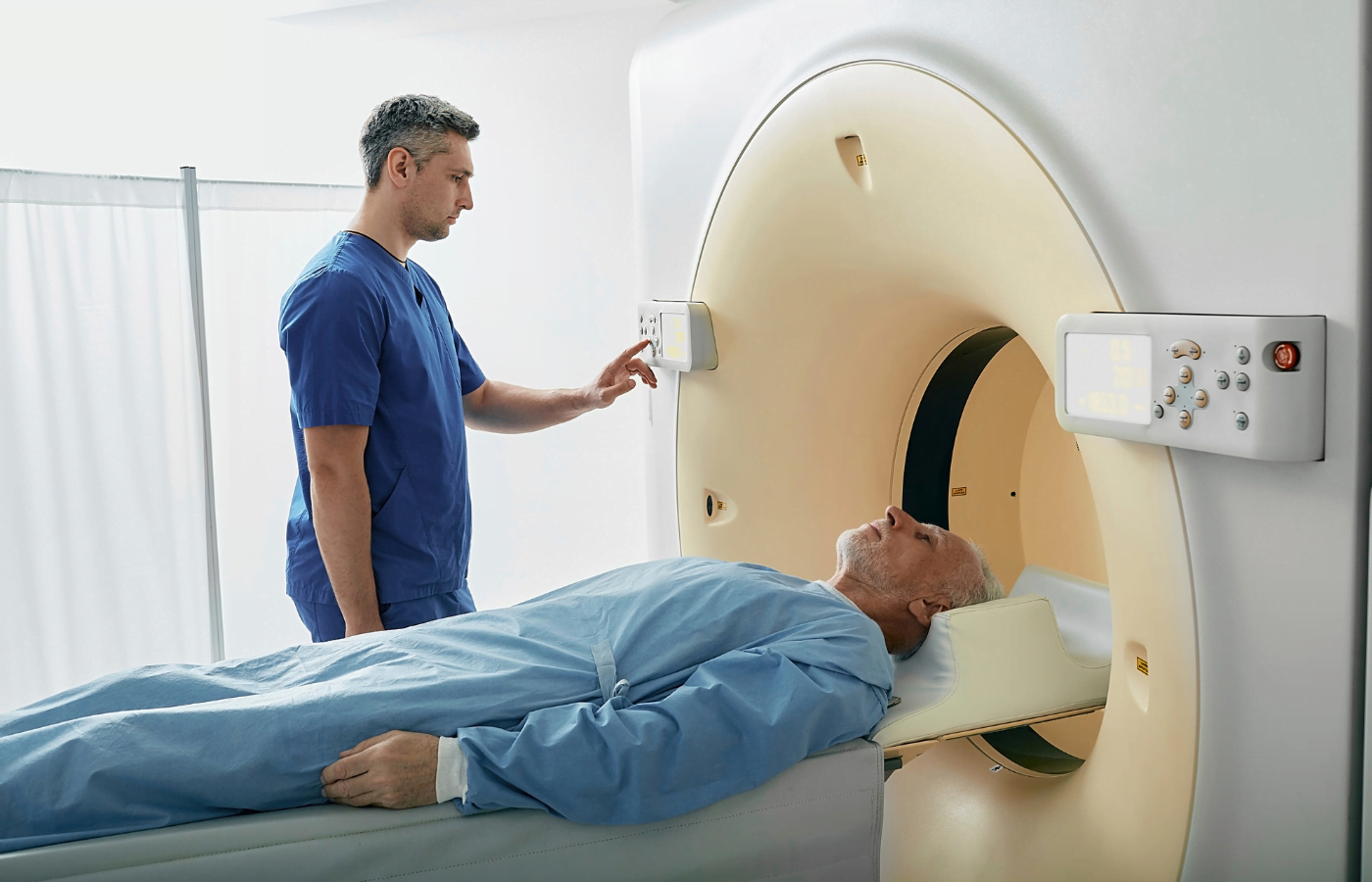
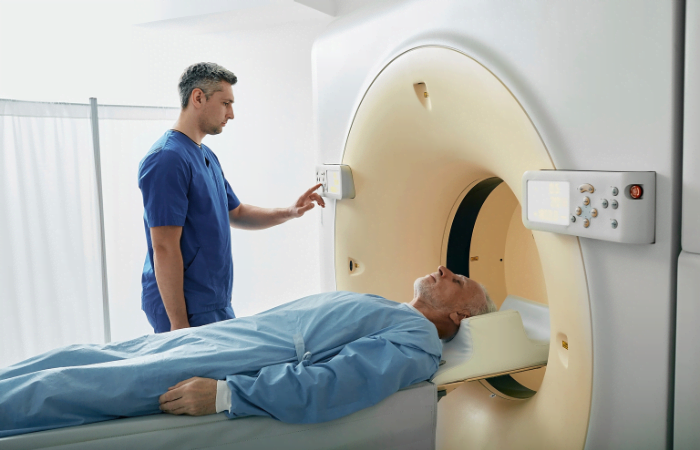
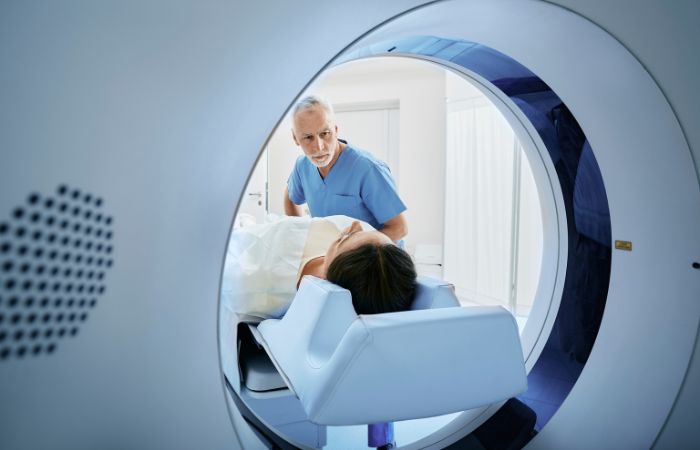
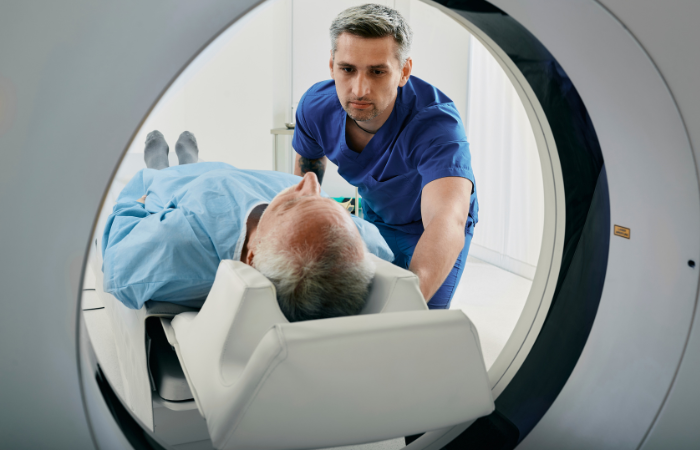
  2. Painless and Non-Invasive: The procedure itself is painless. You simply lie on a table that slides into the scanner.

  3. High Accuracy: The detailed images reduce the need for exploratory surgery and allow for highly accurate diagnoses.

  4. Comprehensive Views: It provides a more complete picture than standard X-rays, especially for soft tissues and blood vessels.

CT Scan vs. MRI: A Quick Comparison

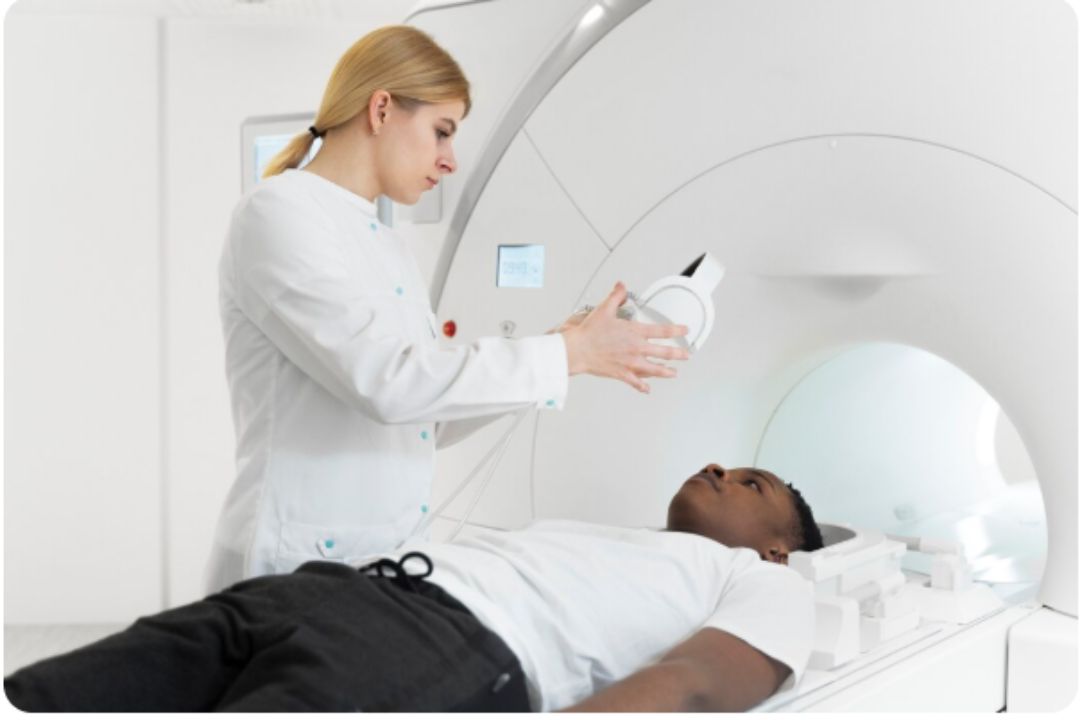
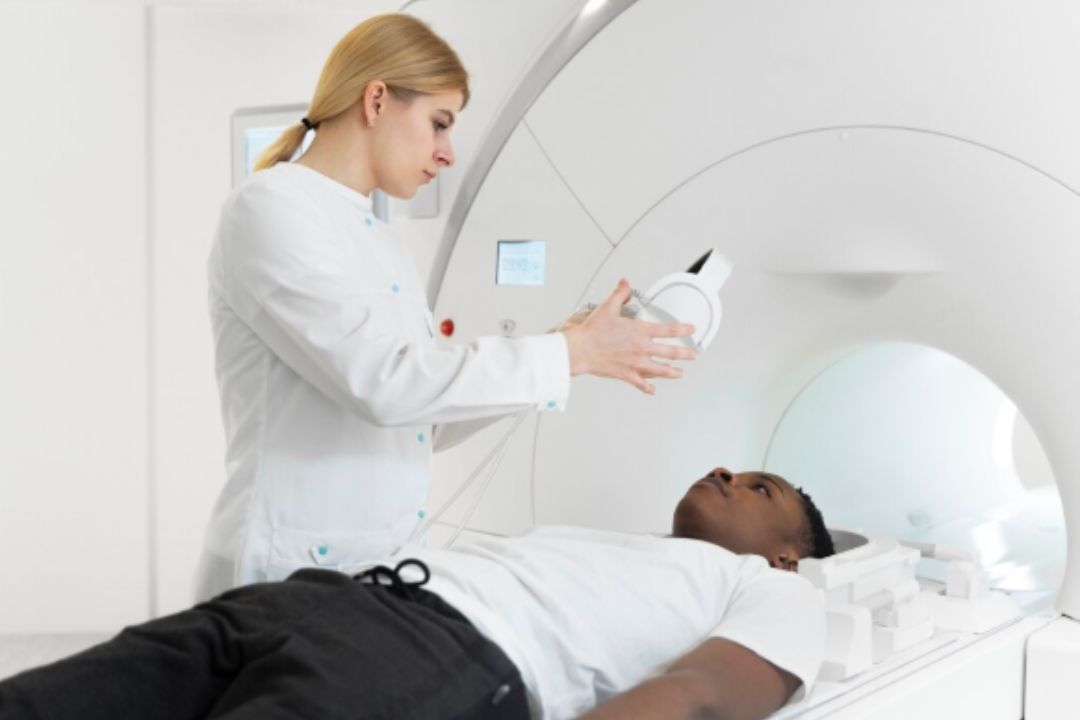
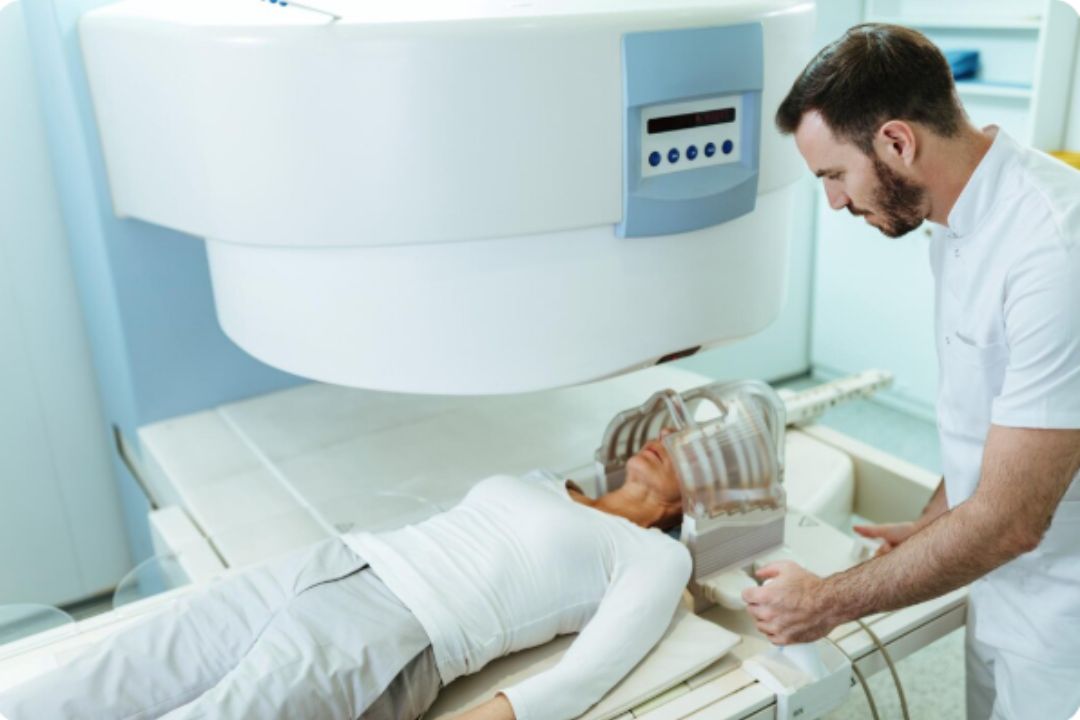
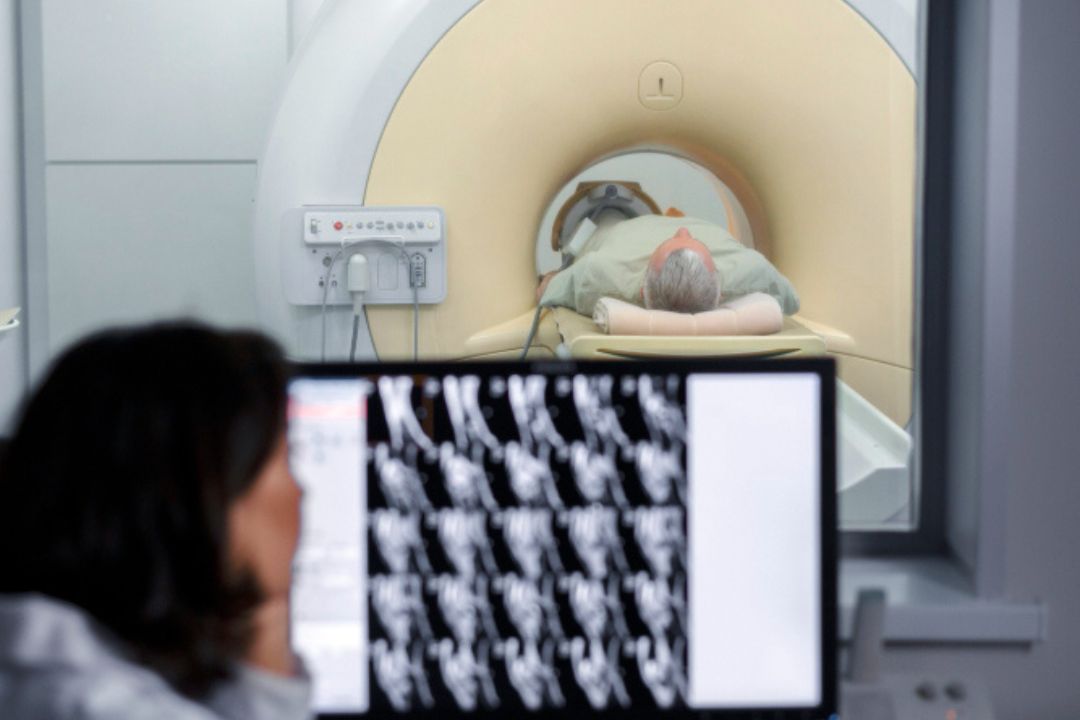
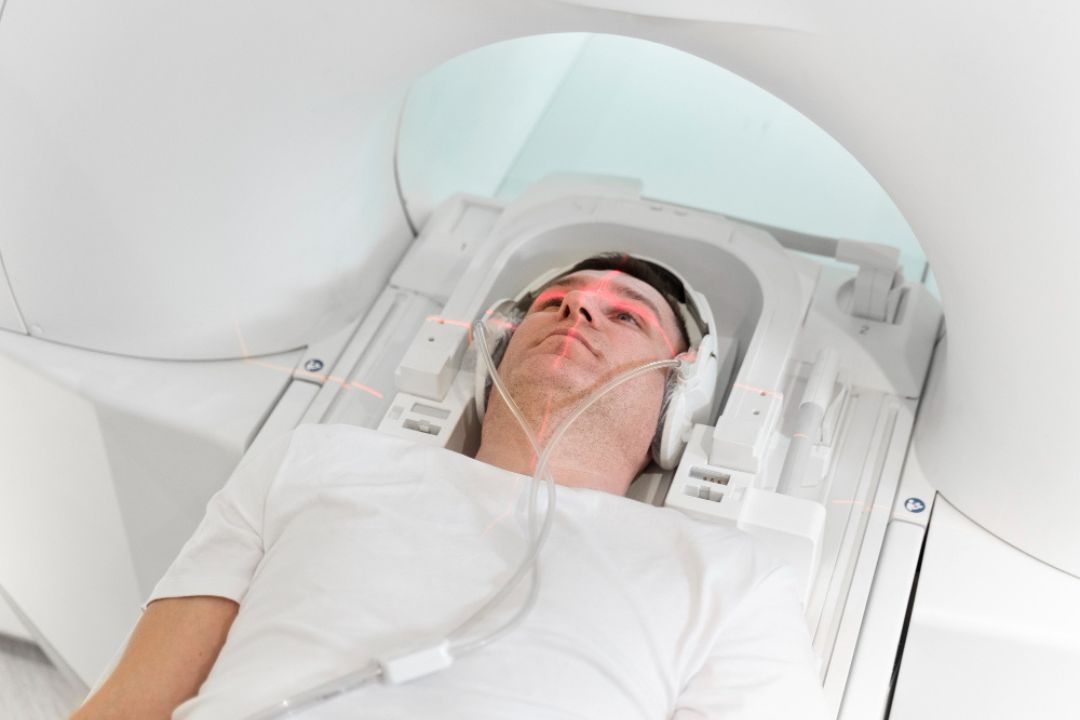
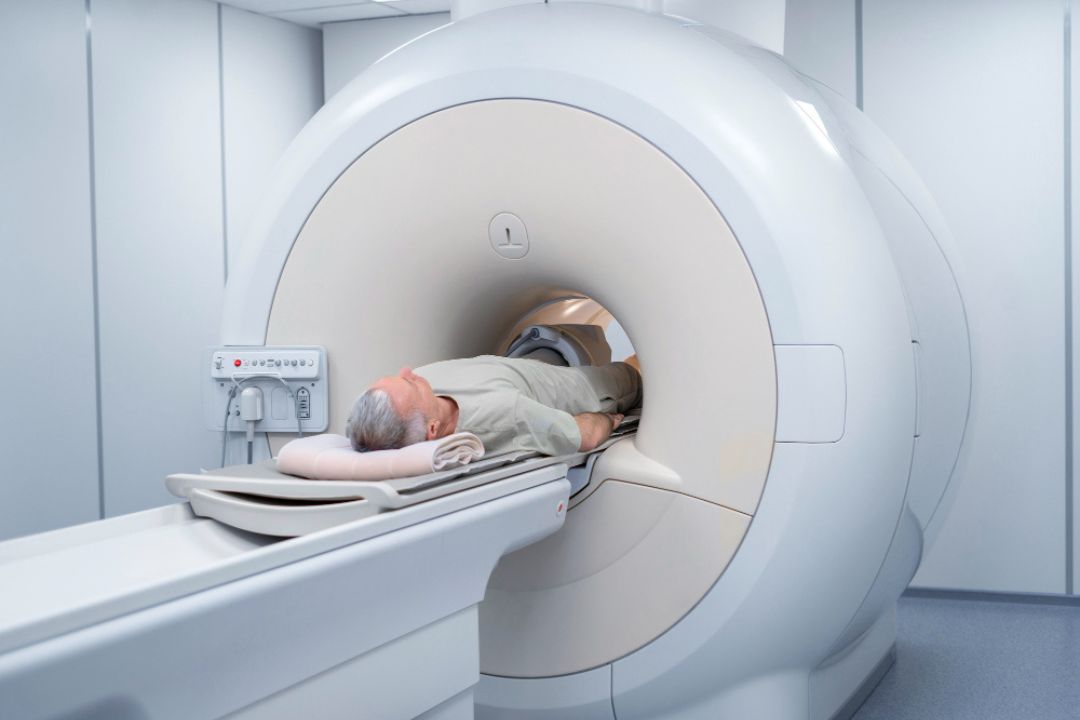
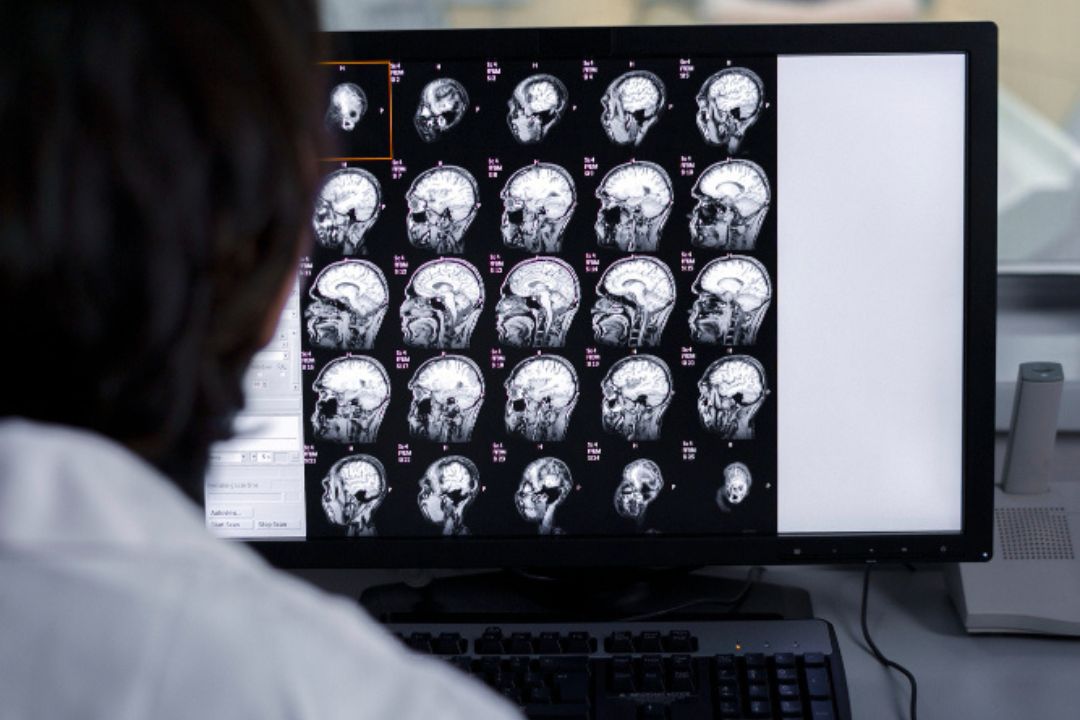
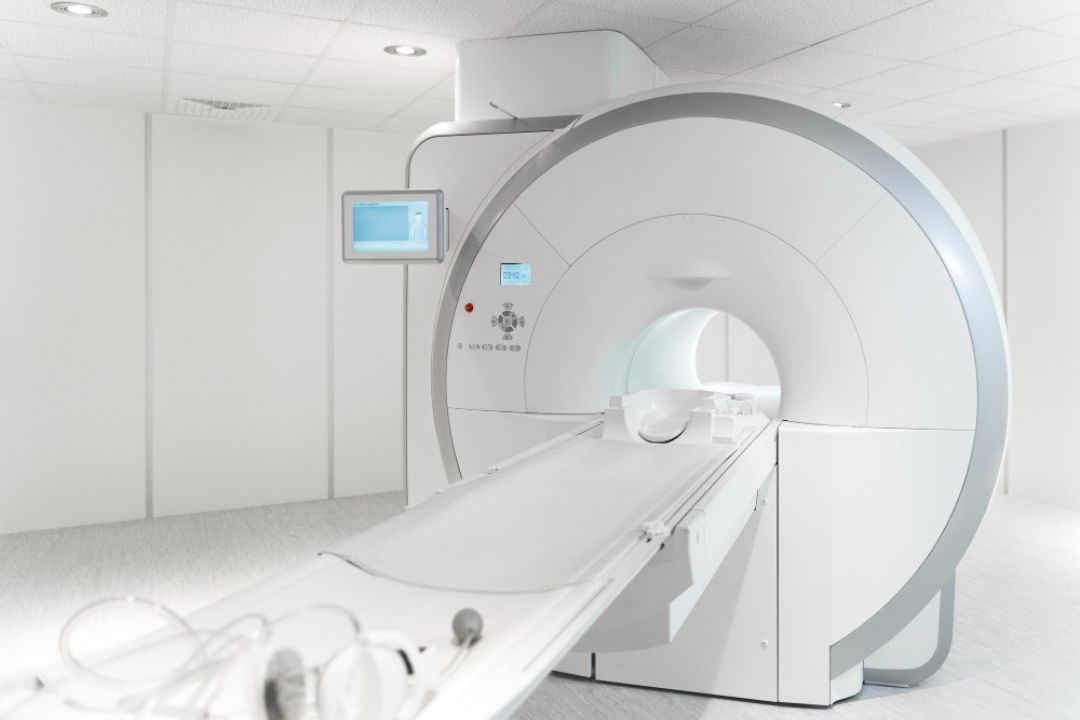
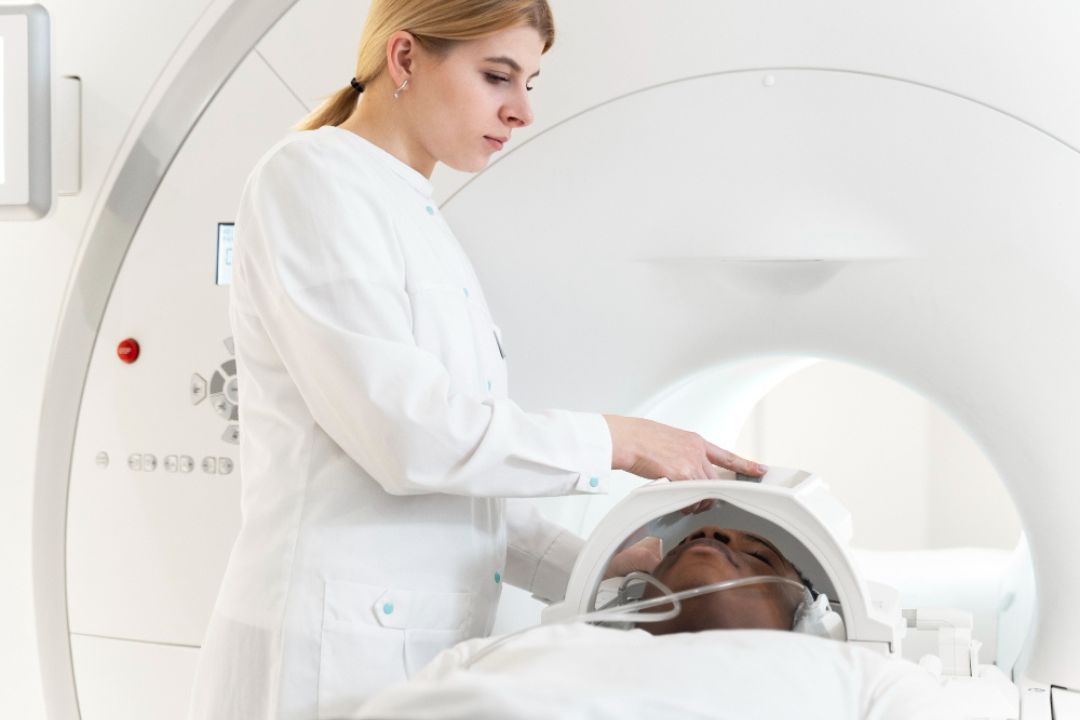
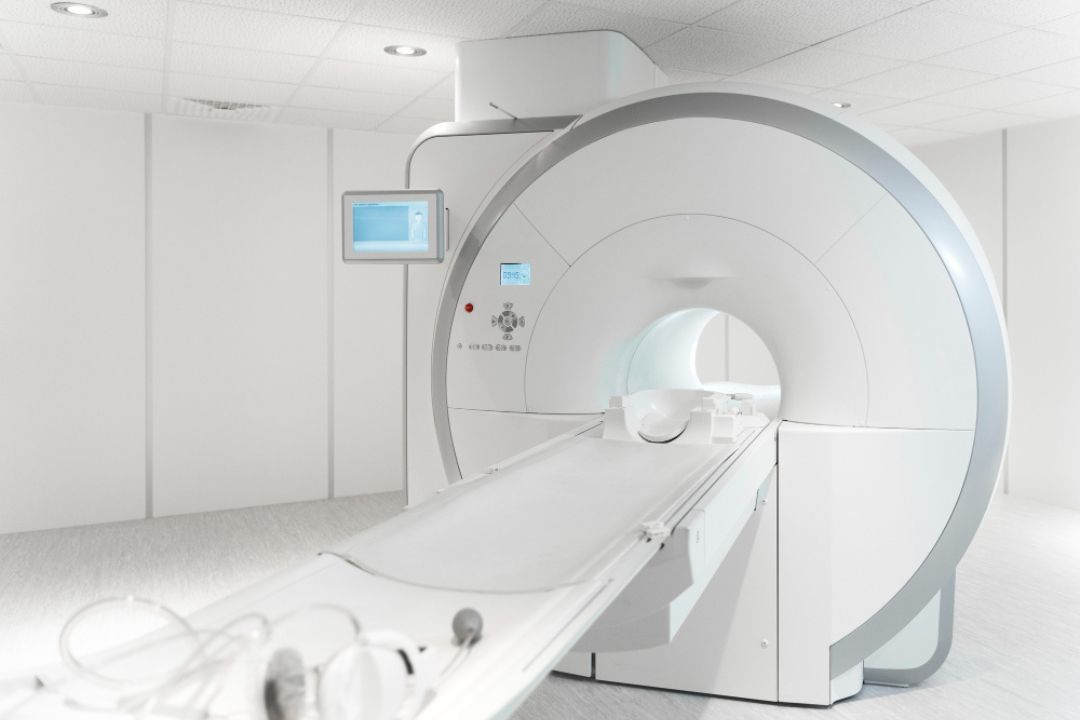
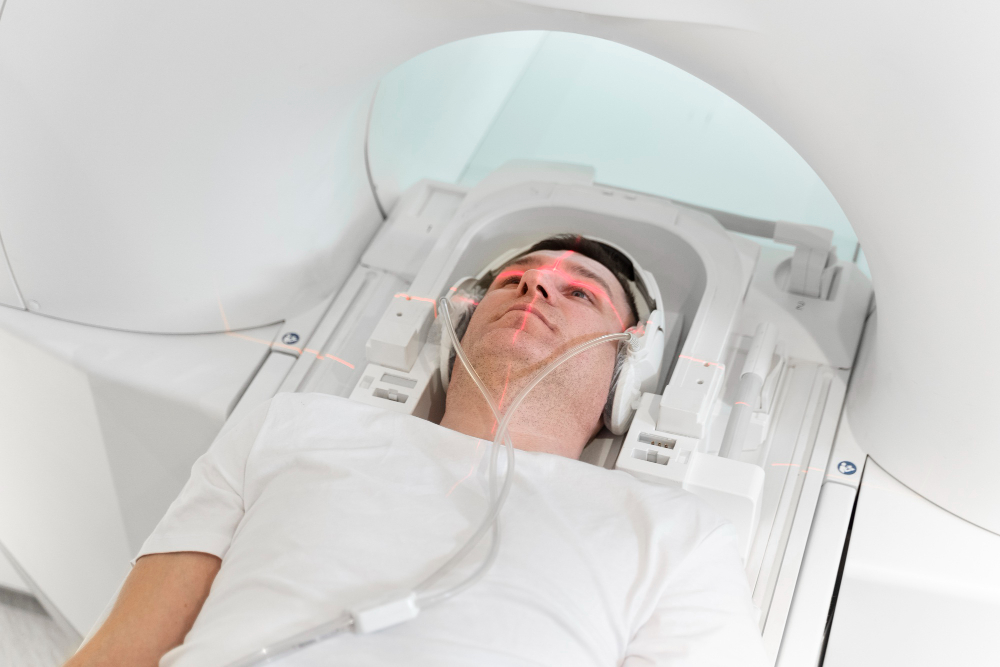
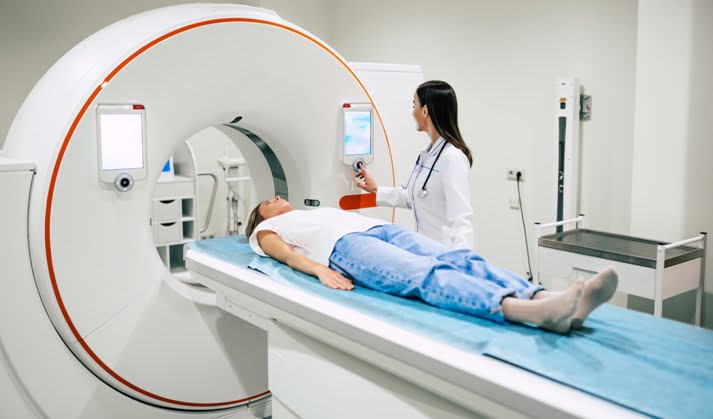
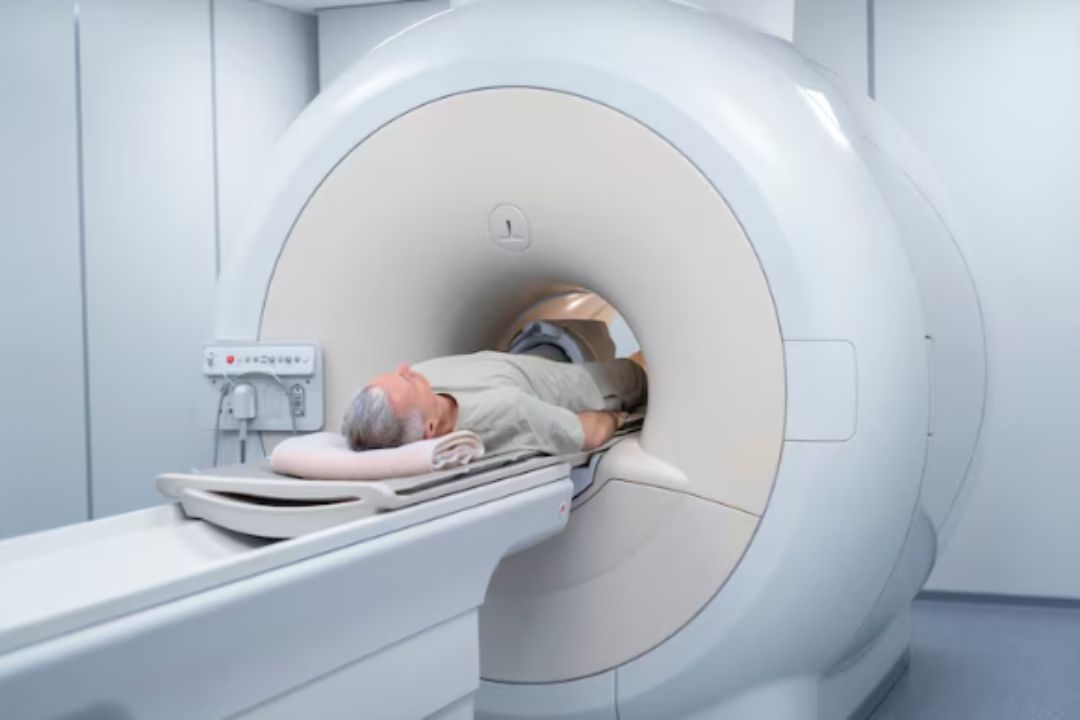
 When considering advanced imaging options, understanding the key differences between a CT scan and an MRI helps in determining the most appropriate test for your condition. A CT (Computed Tomography) scan uses X-rays to quickly produce detailed cross-sectional images of bones, organs, and blood vessels, making it ideal for emergencies, trauma, detecting internal bleeding, and diagnosing conditions like lung cancer or fractures. It is fast, widely available, and generally more affordable. However, it involves a small amount of radiation. In contrast, an MRI (Magnetic Resonance Imaging) uses strong magnets and radio waves—no radiation—to generate exceptionally detailed images of soft tissues, such as the brain, spinal cord, muscles, ligaments, and joints. It excels in diagnosing neurological disorders, sports injuries, and tumors in soft areas. While an MRI provides superior soft-tissue contrast, it takes longer, is less suitable for patients with certain implants, and can be more costly. Ultimately, the choice depends on the clinical question: CT scans are often the go-to for rapid, structural assessment, while MRIs are preferred for nuanced evaluation of soft tissue and neurological health. Your doctor will recommend the best option based on what needs to be seen—bone and organ structure or detailed soft-tissue anatomy.

Understanding the Cost of a CT Scan in Mumbai

The cost depends on the body part scanned and whether contrast dye is used. At Diagnopein Mumbai, we are committed to transparent and competitive pricing.

  1. Basic CT Scan (without contrast): Starts from ?2,500

  2. Specialized/Contrast-Enhanced Scans: Range from ?4,500 to ?8,000+
    We work with major insurance providers and offer customized health packages to ensure advanced diagnostics are accessible.

Comfort and Care: The Diagnopein Experience

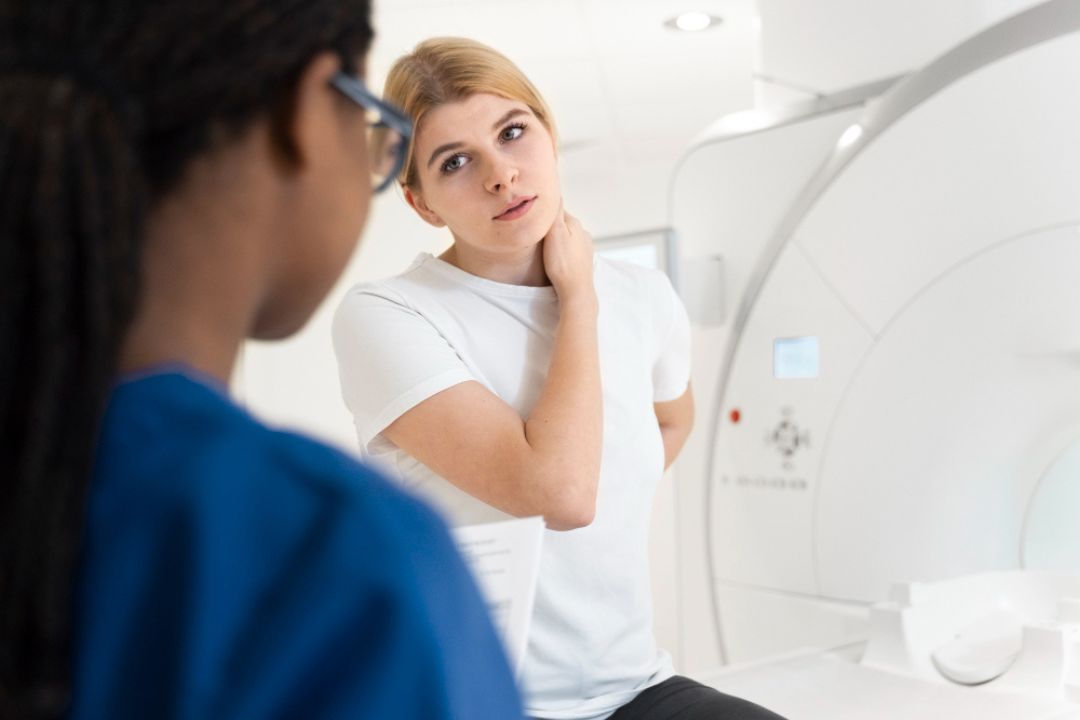
We understand that medical tests can cause anxiety. At our Mumbai centers, your comfort and peace of mind are our priorities:

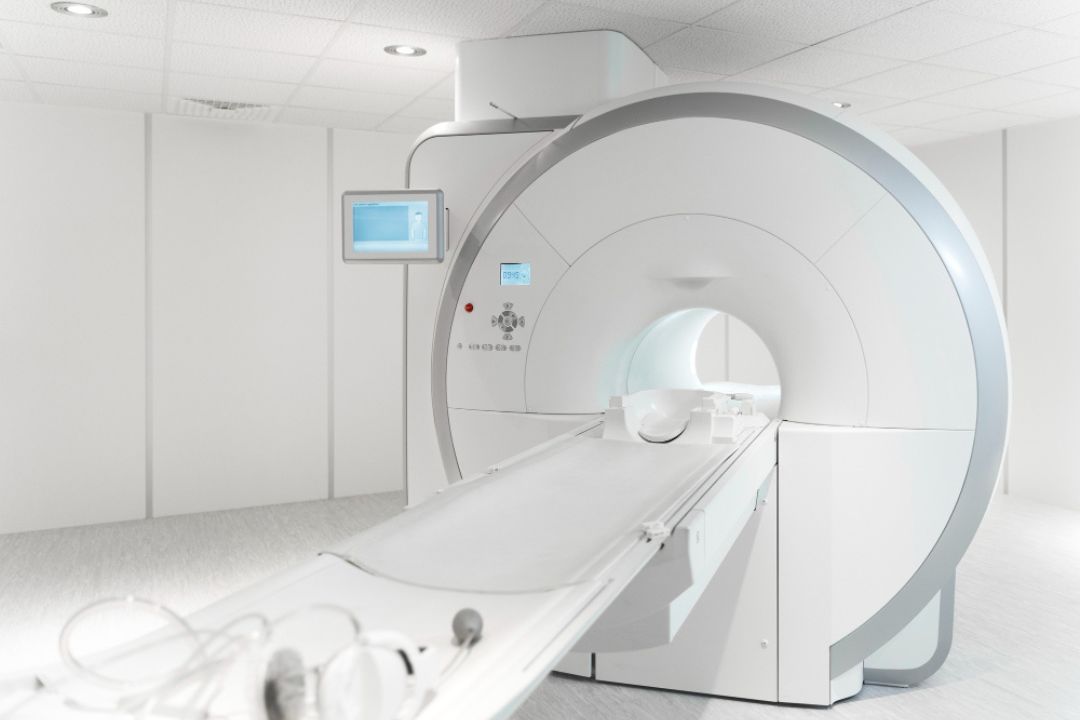
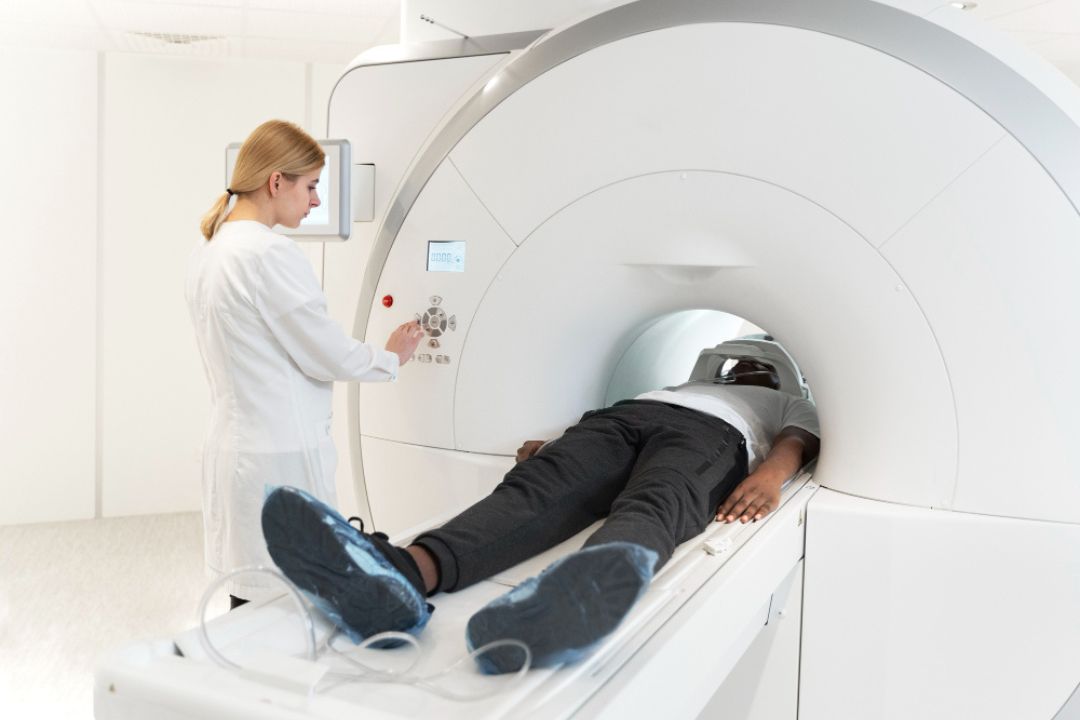
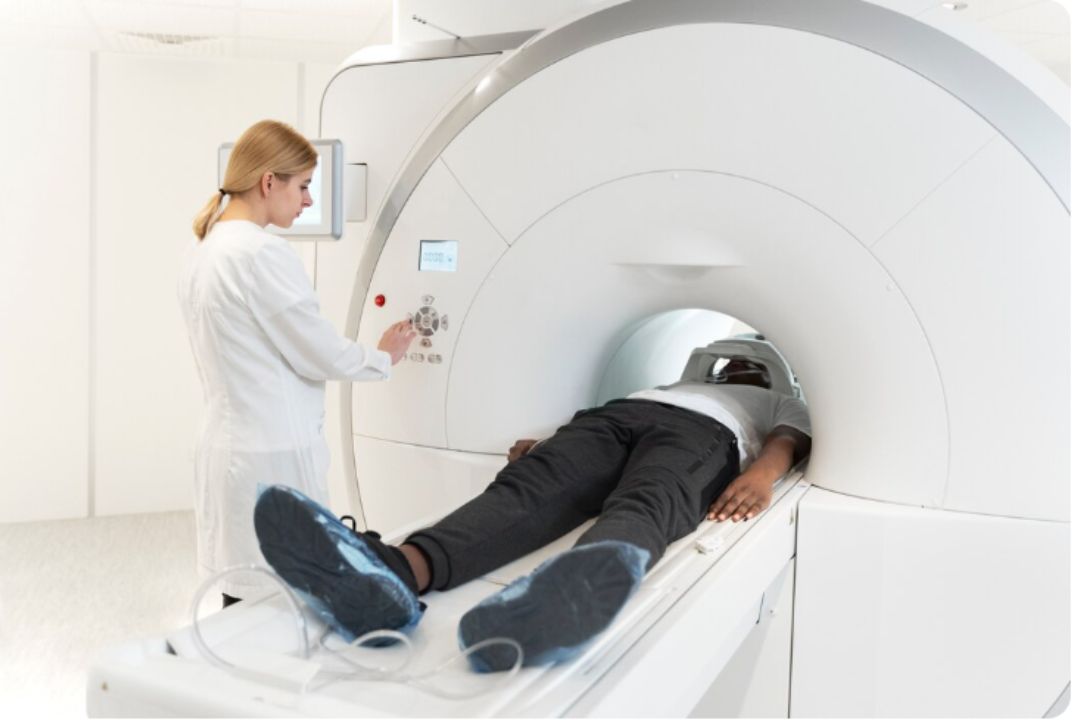
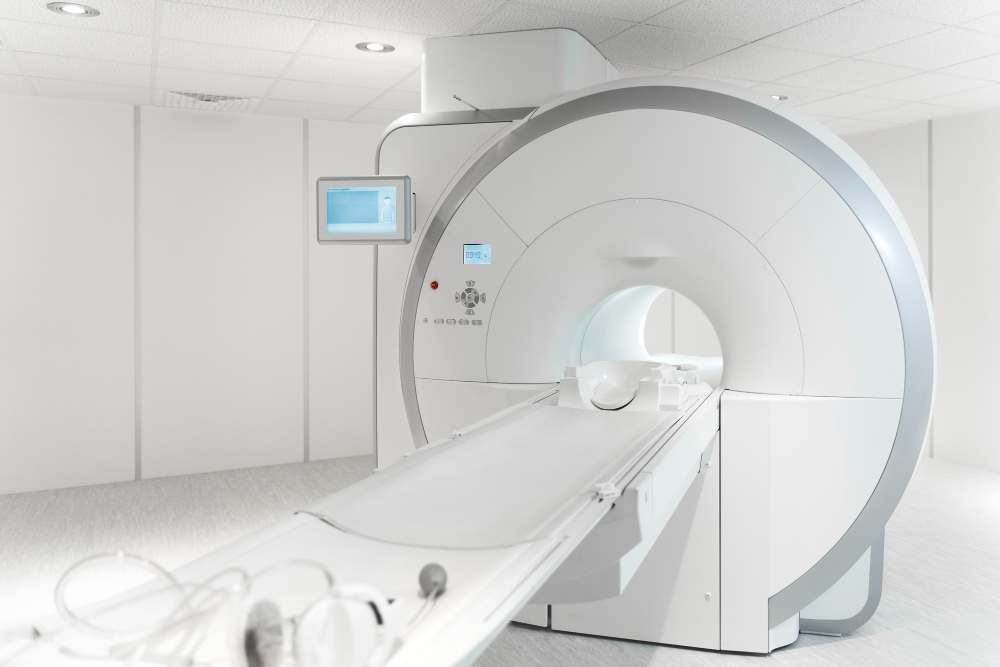
  1. Advanced, Patient-Friendly Technology: Our latest-generation CT scanners are faster and designed for patient comfort, with wider openings to reduce claustrophobia.

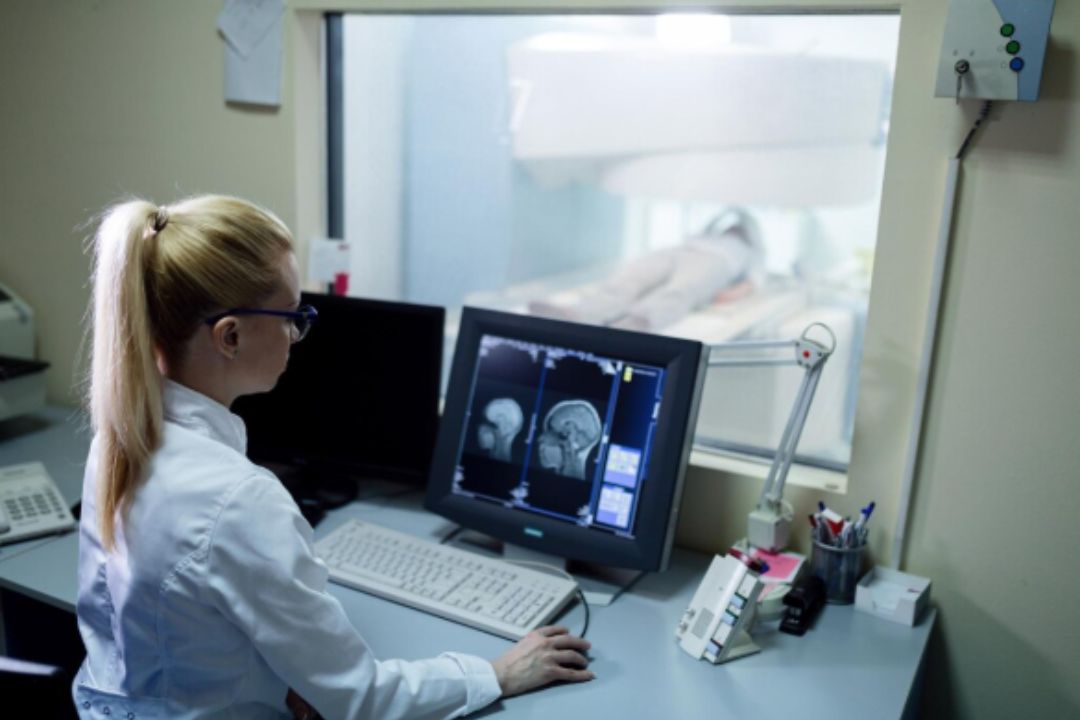
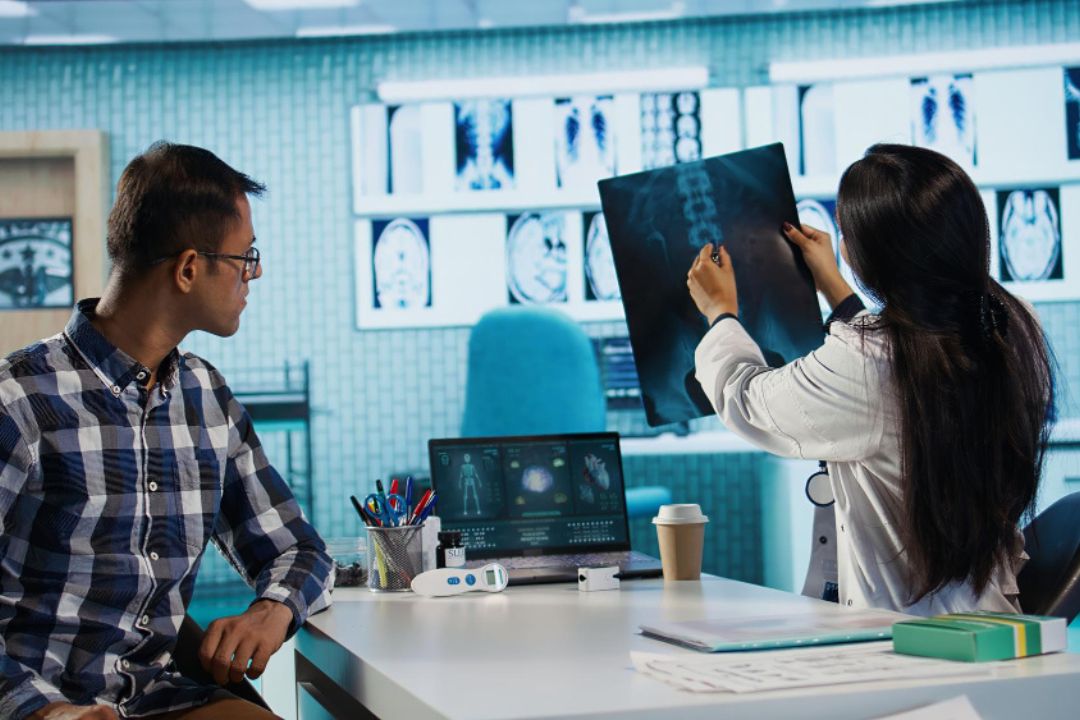
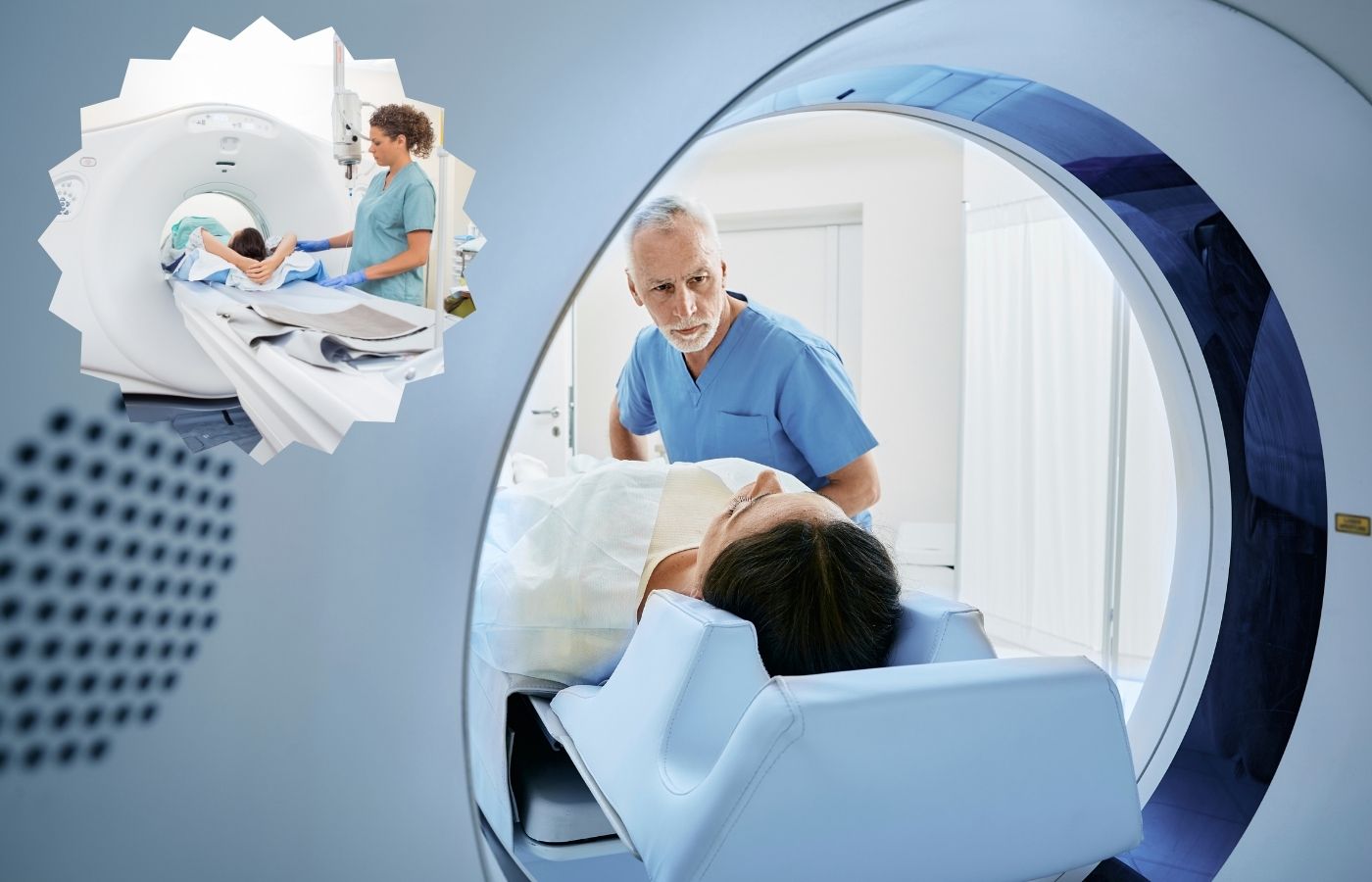
  2. Expert and Compassionate Staff: Our certified radiologists and technicians guide you through every step, explaining the process and answering your questions.

  3. Safety First: We adhere to the strictest safety protocols, using the "ALARA" principle (As Low As Reasonably Achievable) to minimize radiation exposure without compromising image quality.

  4. Quick and Precise Reporting: We ensure prompt delivery of clear, detailed digital reports to your doctor, facilitating a faster diagnosis and treatment plan.

Why Choose Diagnopein for Your CT Scan in Mumbai?

In a city with many diagnostic options, Diagnopein stands out through its unwavering commitment to excellence:

  1. Clinical Expertise: Our reports are analyzed by senior radiologists with years of subspecialty experience.

  2. Cutting-Edge Infrastructure: We invest in the latest imaging technology to guarantee diagnostic accuracy.

  3. Holistic Diagnostic Solutions: From CT and MRI to pathology, we offer a comprehensive suite of tests under one roof.

  4. Patient-Centric Philosophy: We see you as a person, not just a patient. From easy booking to compassionate care, your well-being is our focus.

Conclusion

Preparing correctly for your CT scan, including following fasting guidelines when required, is the first step toward an accurate diagnosis. This powerful imaging tool can reveal critical information about your health, playing a key role in answering vital questions like what does a CT scan show and confirming does a CT scan show cancer.

By choosing Diagnopein Mumbai, you are not just opting for a scan; you are choosing a partner in your healthcare journey. We provide the technological precision, expert analysis, and humane care you deserve, ensuring you walk out with clarity and confidence.

Talk to an Expert
  I HereBy Consent to receive calls/messagess from Diagnopein ct scan and its partners and override DND settings
LATEST POST
SIMILAR POST