When your doctor recommends a CT scan, understanding the technical jargon can be overwhelming. If you are searching for a cheap CT scan near me in Pune, you have likely come across two terms: Normal CT Chest and HRCT Chest.
While both use a CT scan machine, their purpose, technique, and diagnostic power are vastly different. At Diagnopein Pune, we specialize in providing precise imaging to ensure you get the right scan the first time.
Before we compare the two, let us first answer the fundamental question: what is a CT scan?
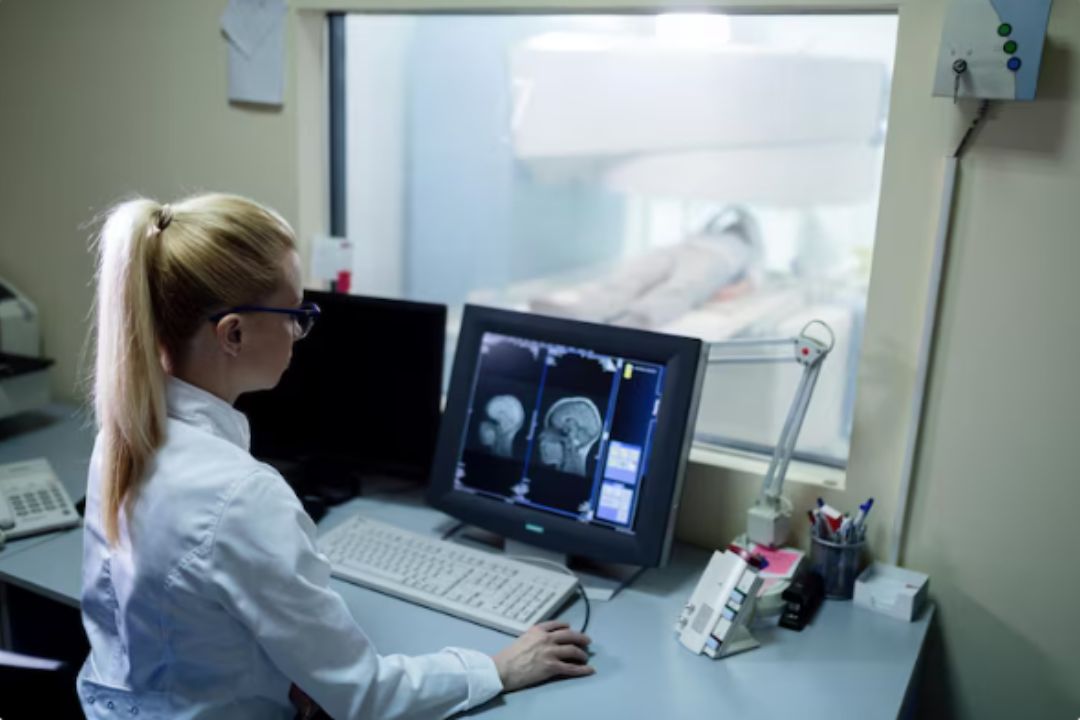
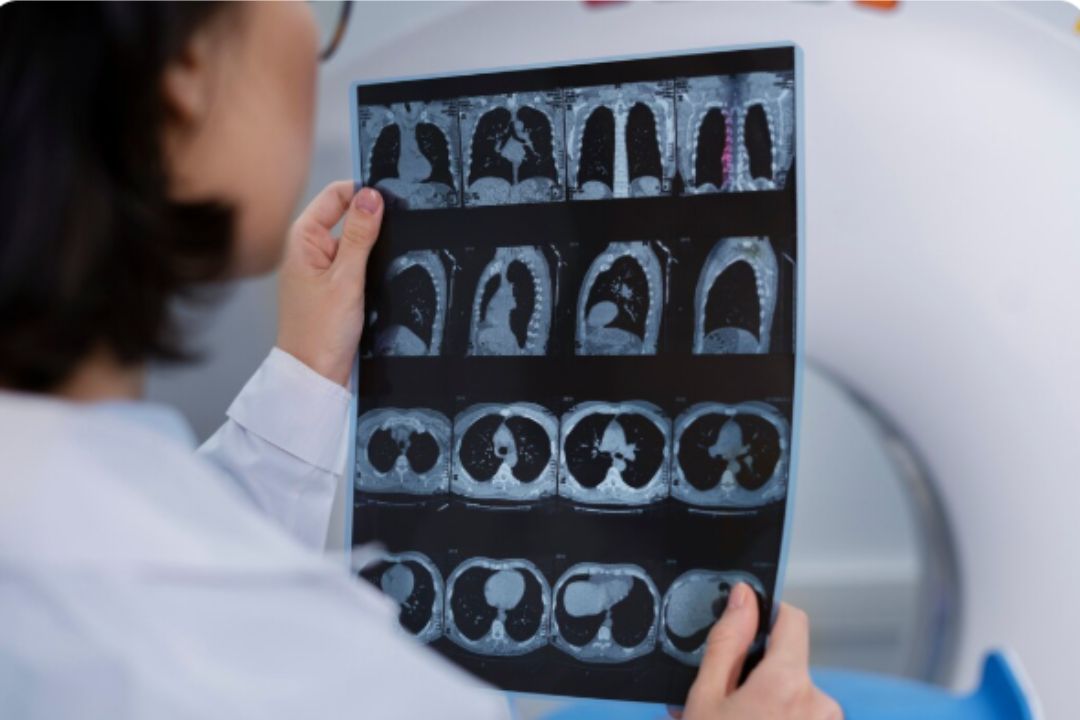
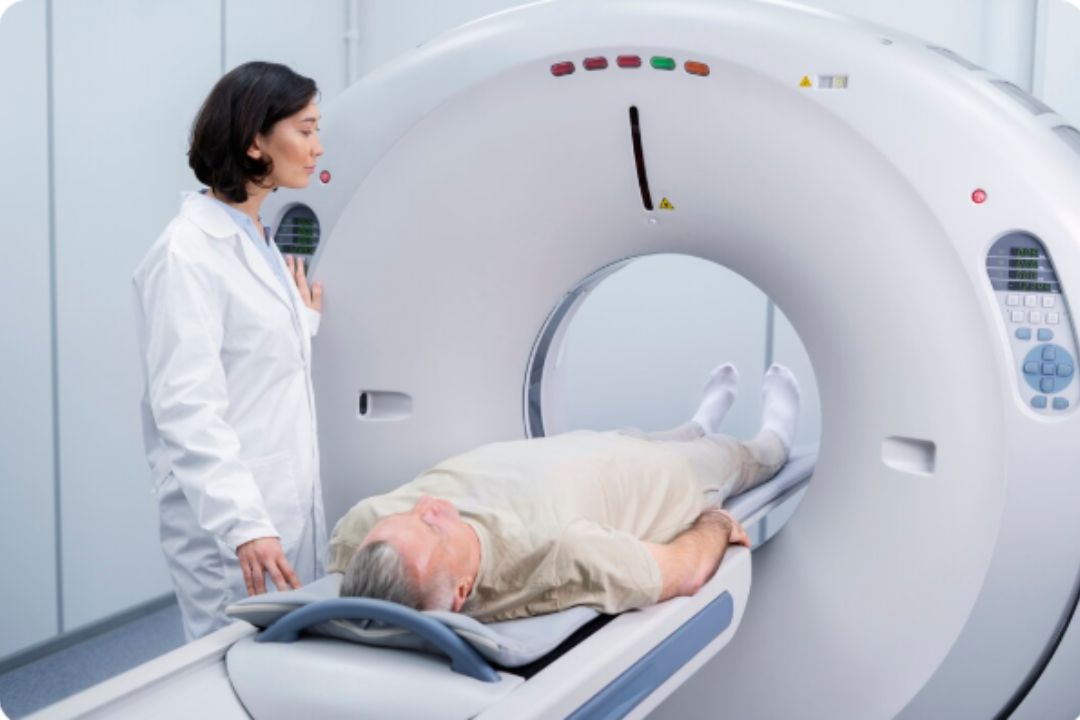
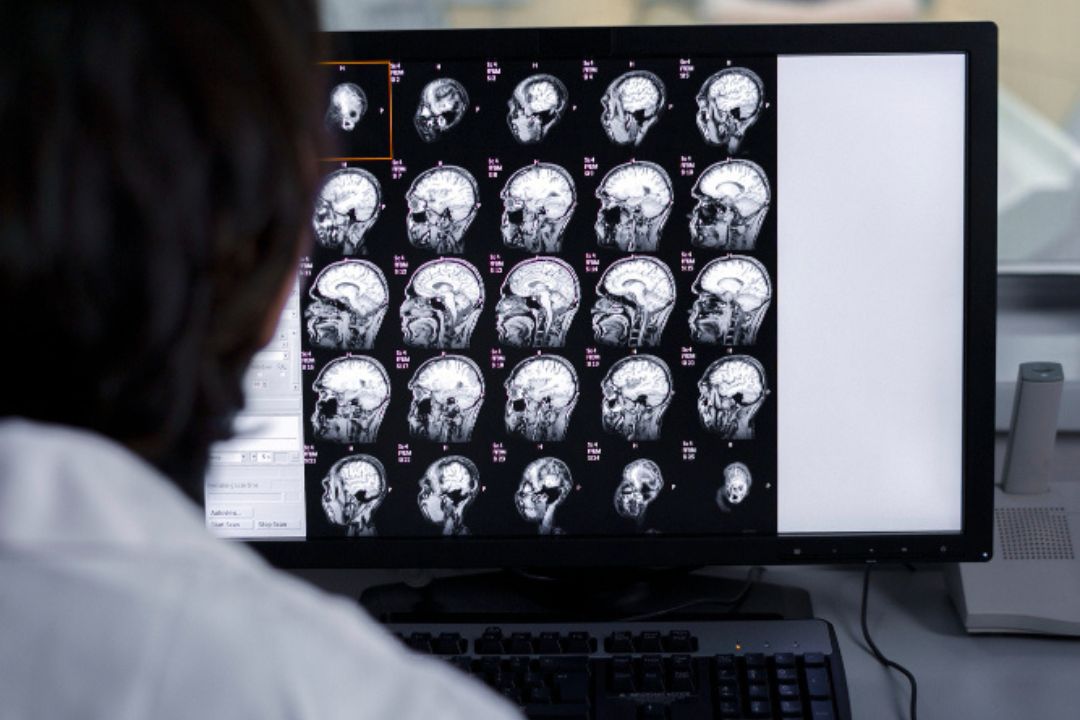
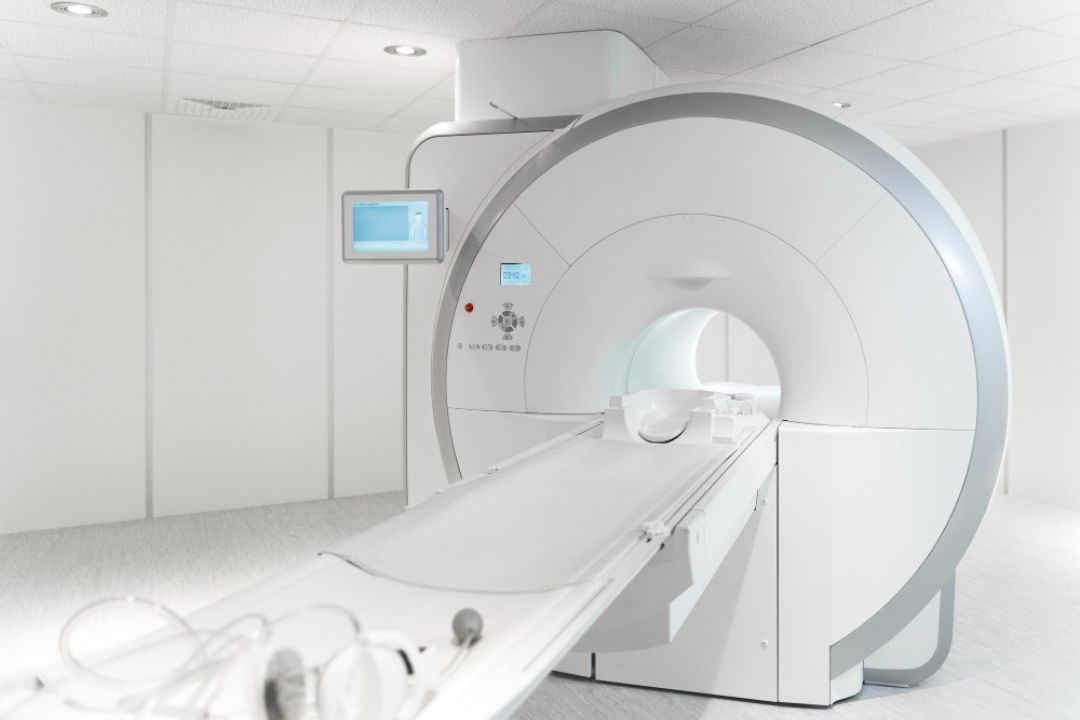
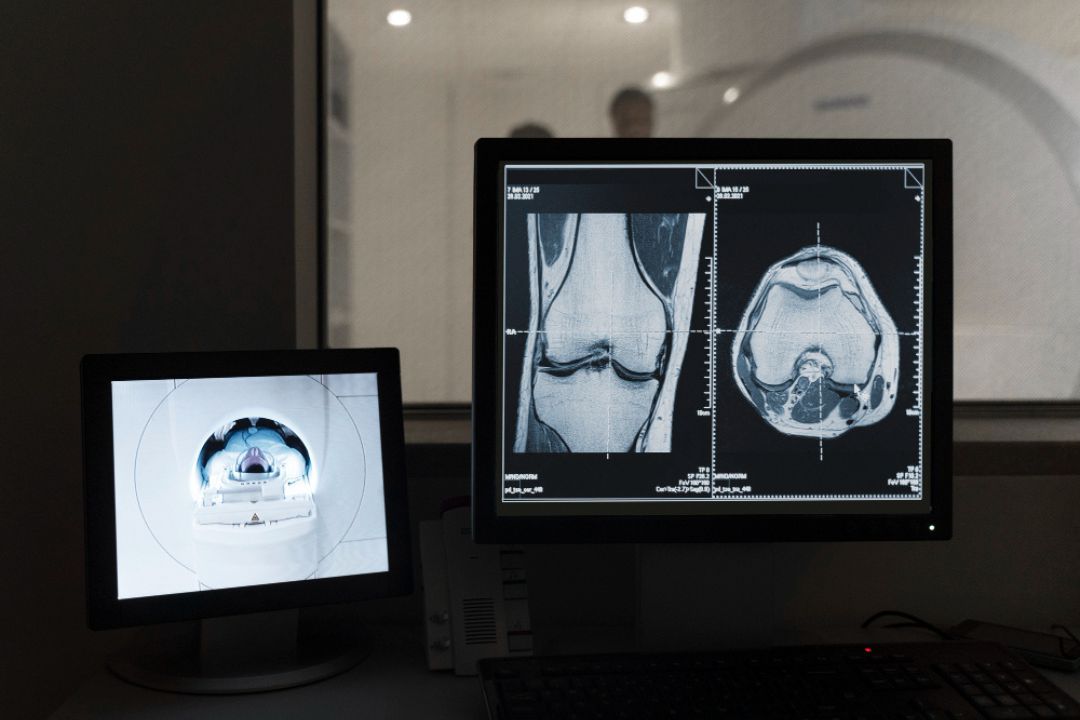
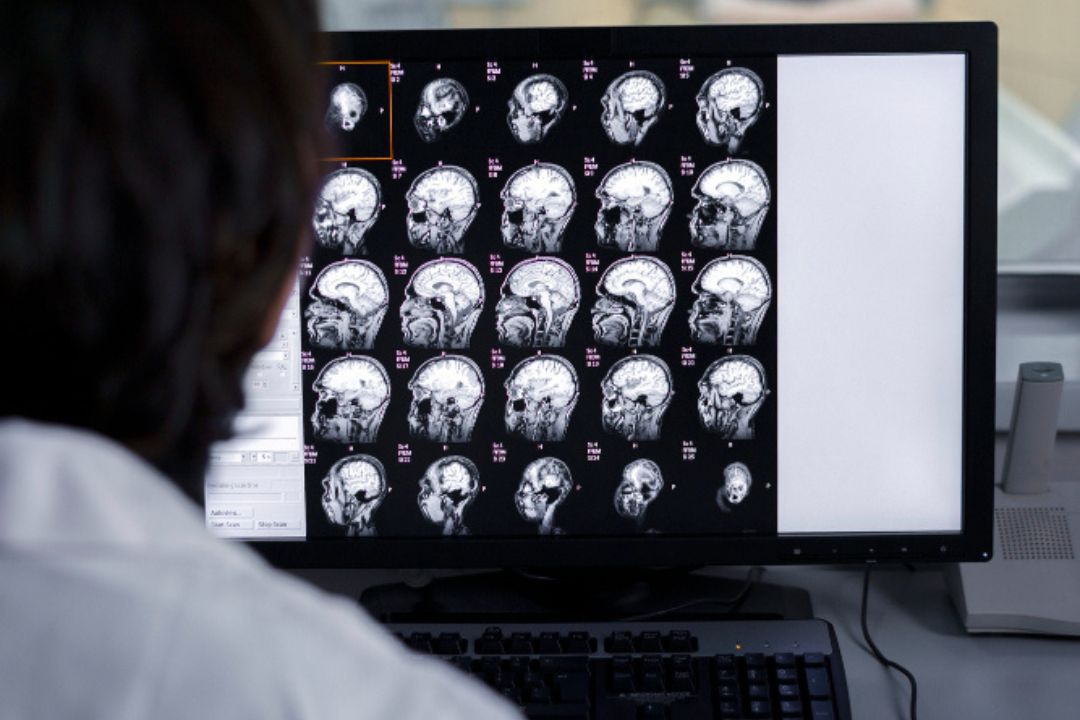
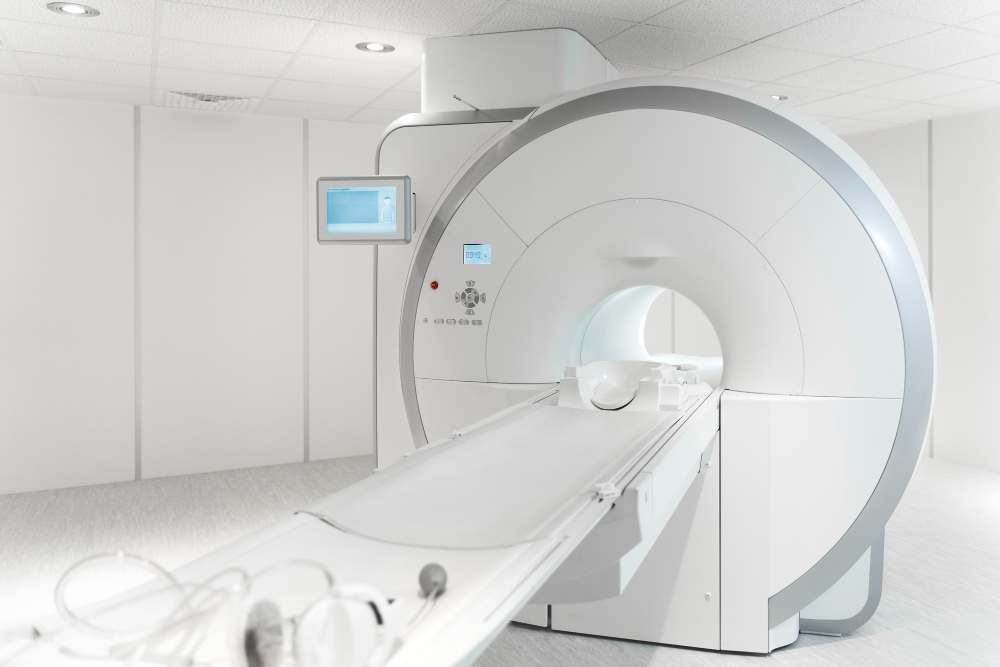
A CT scan (Computed Tomography) is a sophisticated medical imaging technique that combines multiple X-ray images taken from different angles around your body. A powerful computer processes these images to create cross-sectional views—often compared to slicing a loaf of bread. These "slices" allow radiologists to see inside your bones, blood vessels, and soft tissues with remarkable clarity.
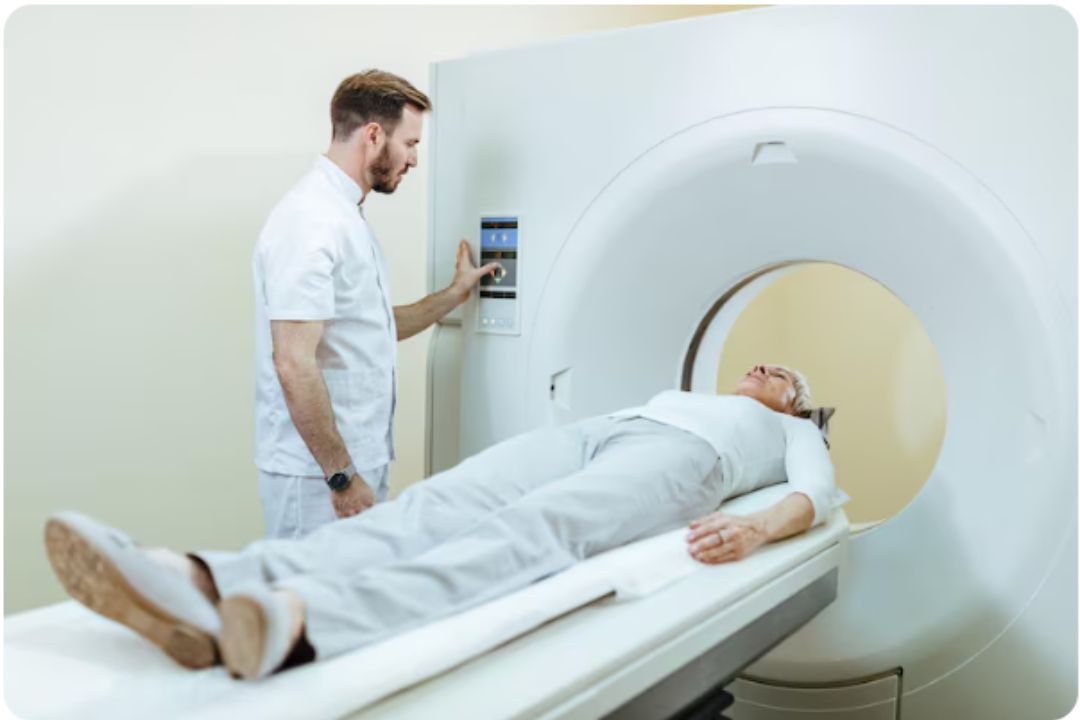
Unlike a standard X-ray, which flattens organs into a single image, a CT scan machine rotates around you, capturing hundreds of detailed images in seconds. It is the gold standard for detecting internal injuries, cancers, infections, and lung diseases.
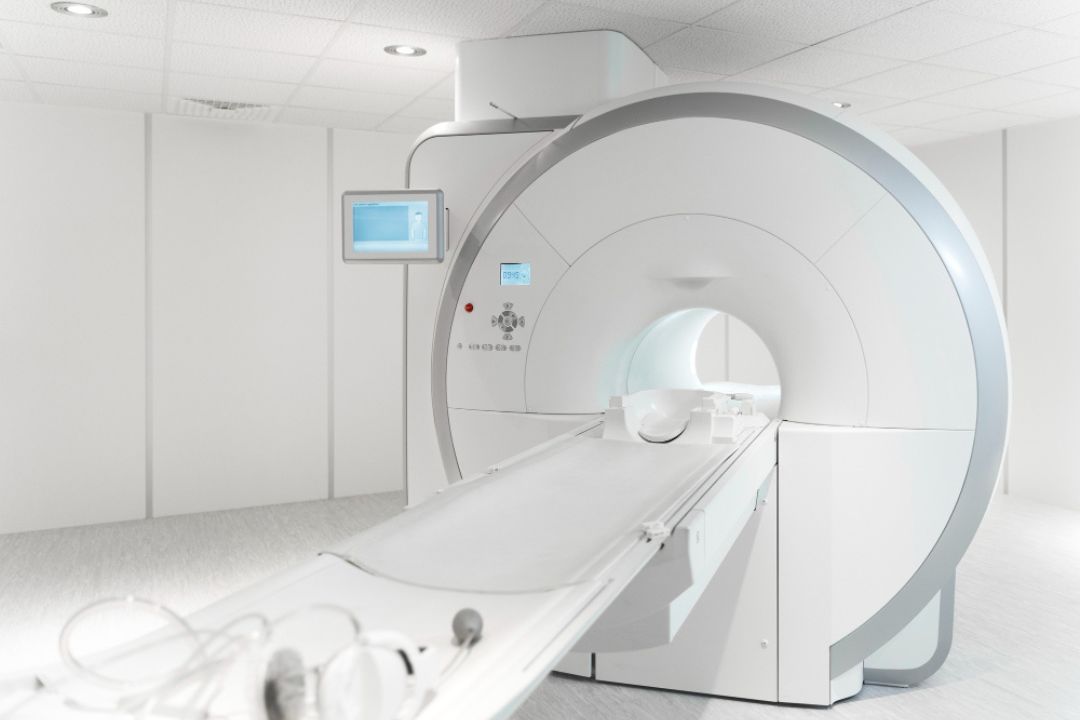
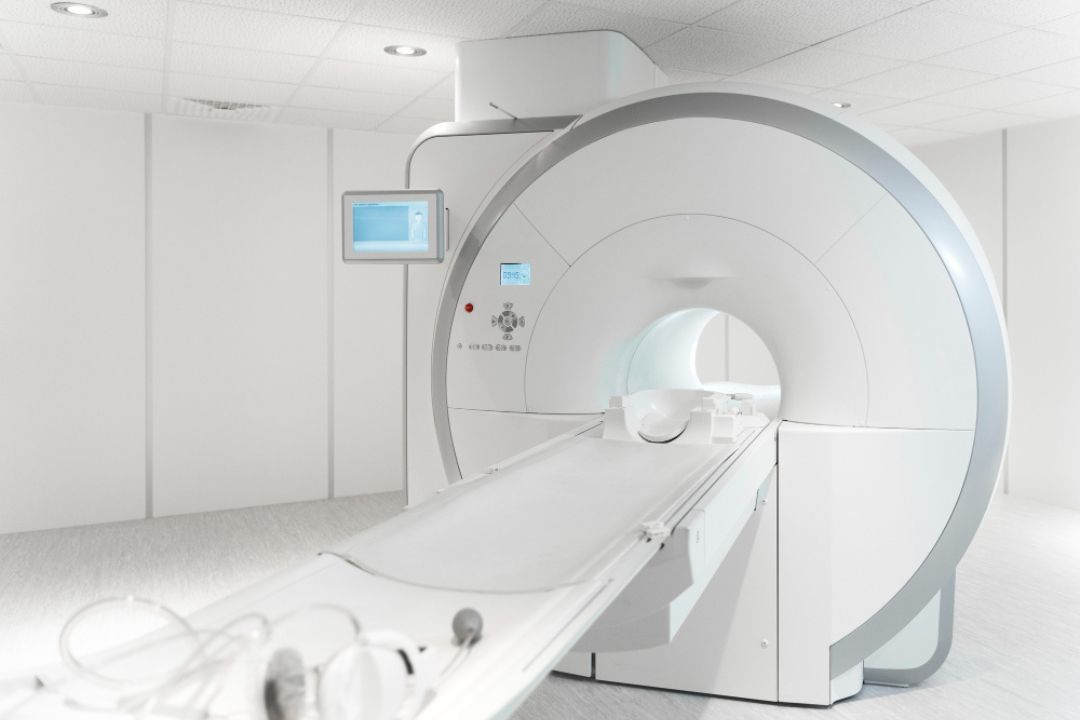
At Diagnopein Pune, we house state-of-the-art CT scan machines that deliver superior image quality with the lowest possible radiation exposure.
The primary distinction in the HRCT chest and normal CT chest differences lies in three factors: slice thickness, reconstruction algorithm, and clinical purpose.
Slice Thickness: 5 mm to 10 mm
Algorithm: Standard soft tissue reconstruction
Contrast: Often requires IV contrast
View: Mediastinum (heart, great vessels, lymph nodes, esophagus) and gross lung anatomy
Slice Thickness: 0.625 mm to 1.5 mm
Algorithm: Sharp or bone reconstruction (edge-enhancing)
Contrast: Usually non-contrast
View: Lung parenchyma (alveoli, interstitium, small airways)
Comprehensive Anatomical Survey: Ideal for staging lung cancer, detecting mediastinal tumors, and evaluating traumatic chest injuries.
Vascular Assessment: When performed with IV contrast, it clearly visualizes blood clots (pulmonary embolism), aortic aneurysms, and vascular malformations.
Infection Evaluation: Detects lung abscesses, empyema, and large consolidations like lobar pneumonia.
Pre-Surgical Planning: Surgeons rely on normal CT for mapping tumor locations and understanding surrounding anatomy.
Interstitial Lung Disease (ILD) Diagnosis: HRCT is the undisputed gold standard for detecting pulmonary fibrosis, sarcoidosis, hypersensitivity pneumonitis, and connective tissue disease-related lung involvement.
Bronchiectasis Mapping: Clearly defines airway dilation, bronchial wall thickening, and mucoid impaction—often missed on 5mm slices.
Emphysema Characterization: Precisely quantifies the extent and distribution of emphysema.
COVID-19 Monitoring: Highly sensitive for ground-glass opacities and crazy-paving patterns seen in viral pneumonias.
Asbestos-Related Disease: Detects pleural plaques and asbestosis with superior clarity.
When it comes to thoracic imaging, understanding the HRCT chest and normal CT chest differences is essential for both physicians and patients. While both procedures utilize the same CT scan machine and may appear identical to the person lying on the examination table, the technical parameters, diagnostic intent, and clinical applications are fundamentally distinct. At Diagnopein Pune, we frequently counsel patients who are confused about why their doctor specifically requested an HRCT instead of a routine scan, or vice versa. To clarify this, one must first understand that a CT scan is not a single, fixed protocol but rather a customizable imaging tool. The radiologist or technician can adjust slice thickness, reconstruction algorithms, radiation dose, and the use of intravenous contrast based on the clinical question being asked. A Normal CT Chest typically employs slice thickness ranging from 5 millimeters to 10 millimeters. These thicker slices are excellent for surveying the gross anatomy of the chest—they clearly visualize the heart, the great vessels such as the aorta and pulmonary arteries, the mediastinal lymph nodes, the esophagus, the bony thoracic cage, and large lung masses. Because of this broader anatomical coverage, a Normal CT Chest is often performed with intravenous contrast to evaluate vascular structures, detect pulmonary embolisms, assess for aortic dissection, or characterize mediastinal tumors. It is the workhorse of oncological imaging for lung cancer staging, trauma evaluation in accident victims, and pre-surgical planning. However, the trade-off for this wide anatomical net is a loss of fine detail within the lung tissue itself. On 5mm slices, small interstitial abnormalities, subtle airway dilatation, and early ground-glass opacities can be partially obscured or volume-averaged out, meaning they blend into surrounding normal tissue and become invisible to the reporting radiologist.
At Diagnopein Pune, we understand that medical scans can cause anxiety. Many patients worry about claustrophobia, pain, or the unknown.
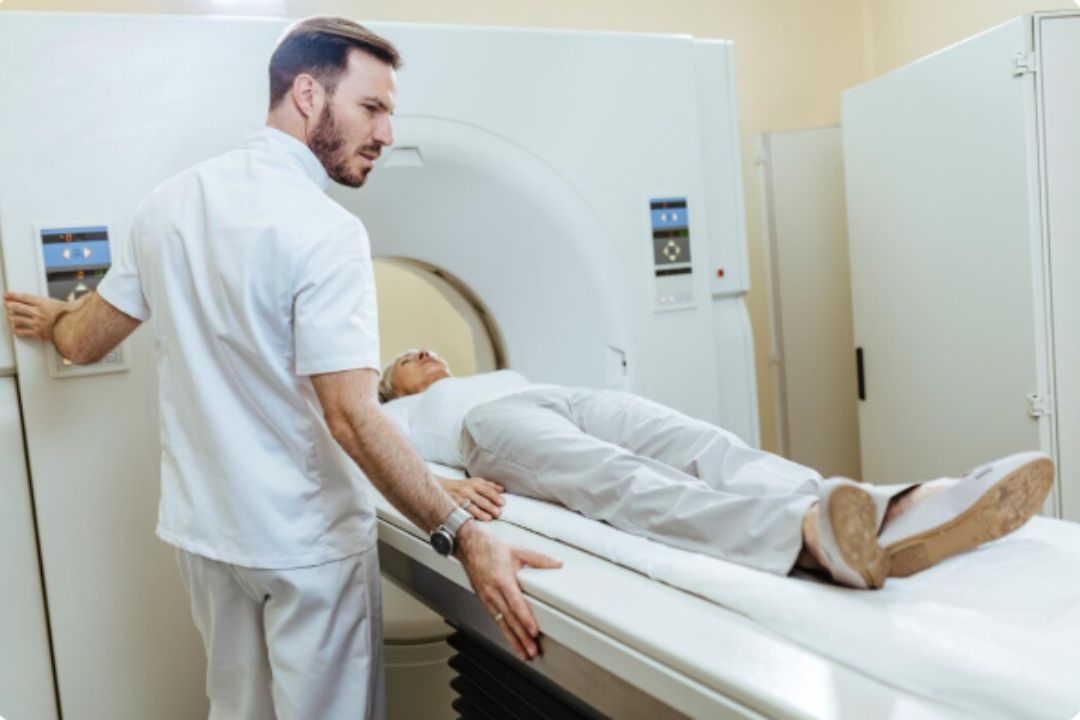
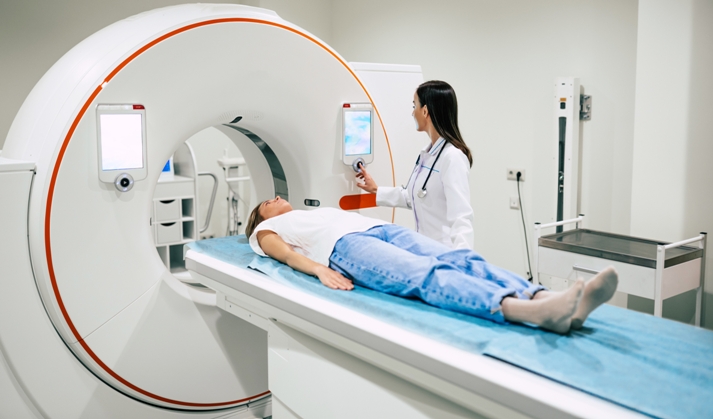
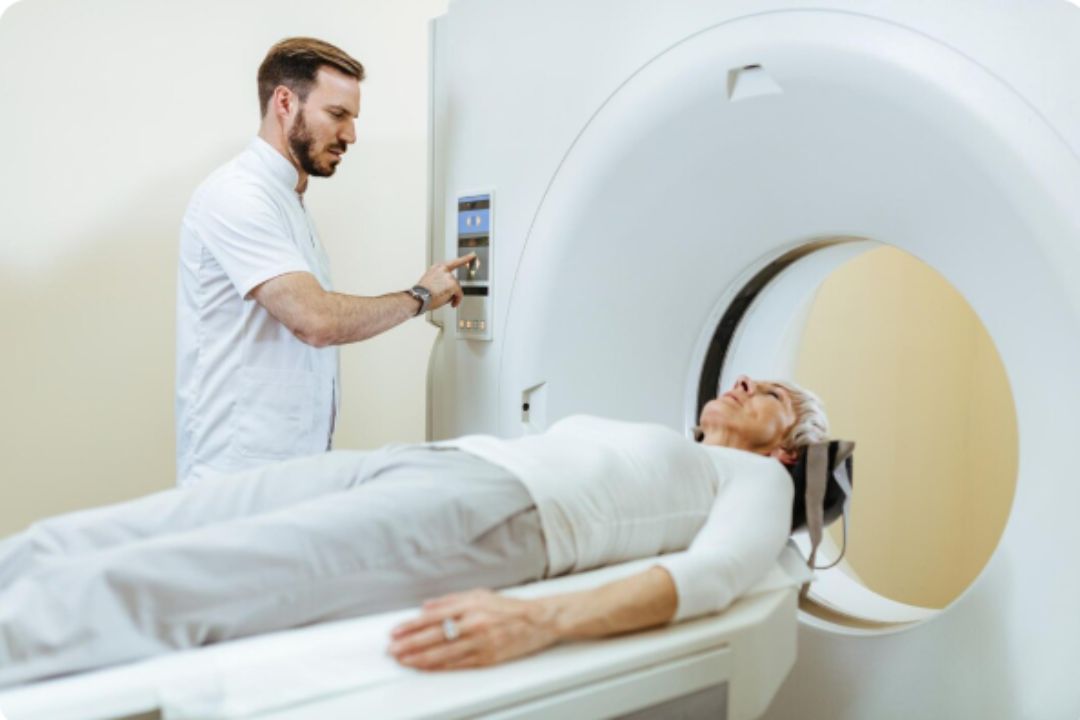
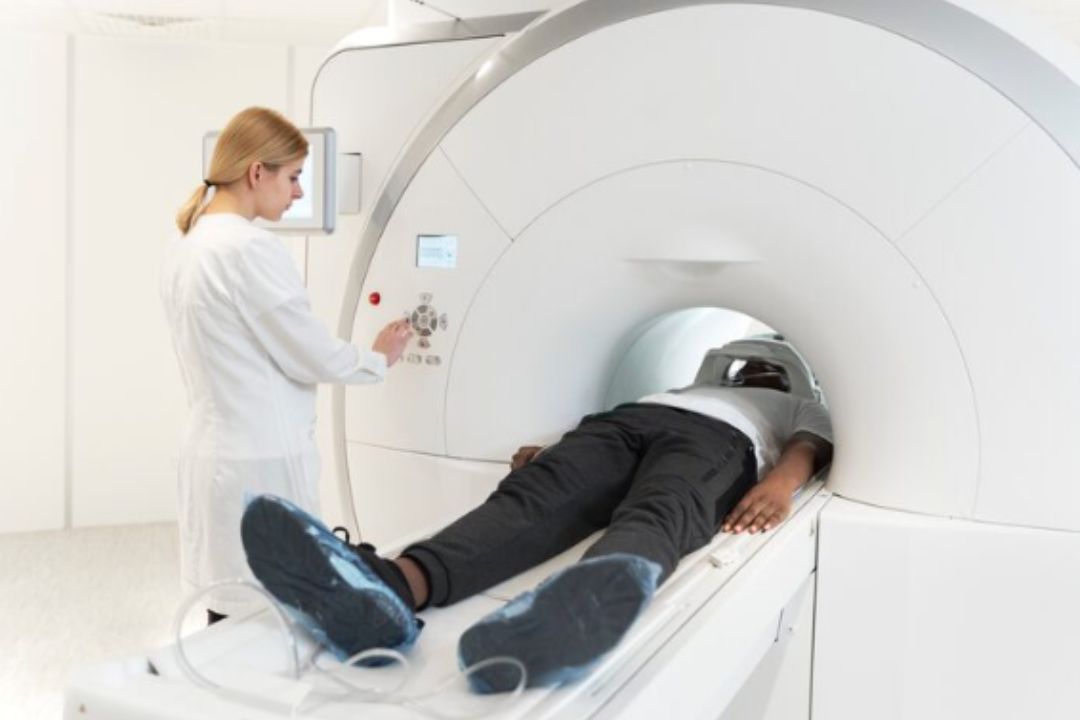
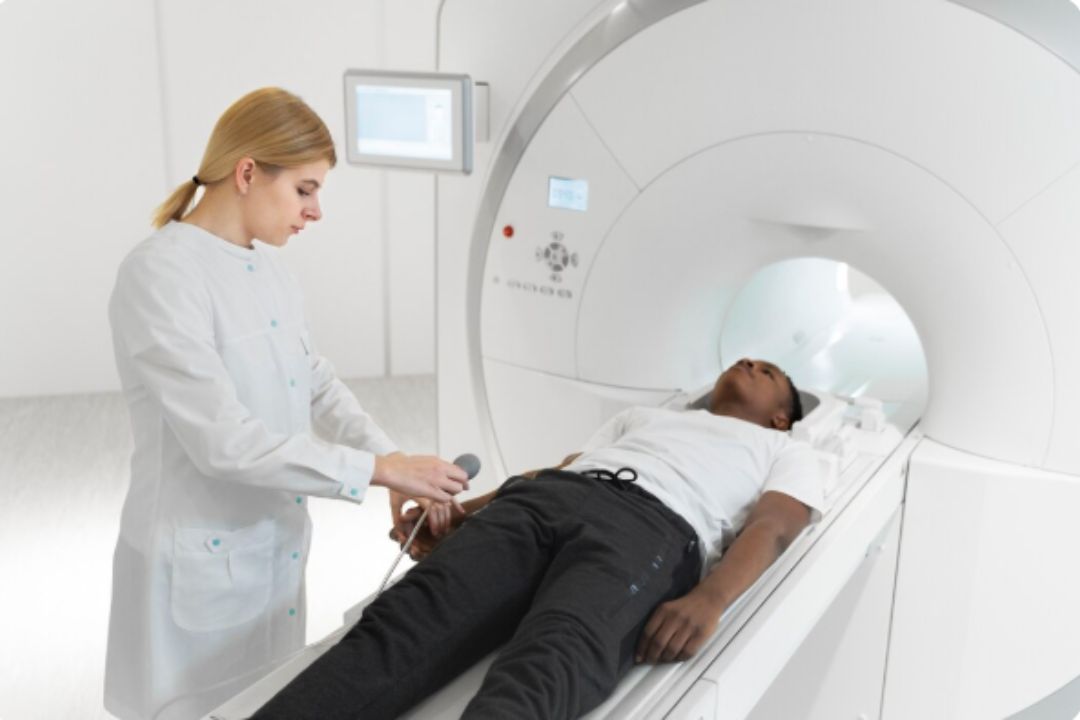
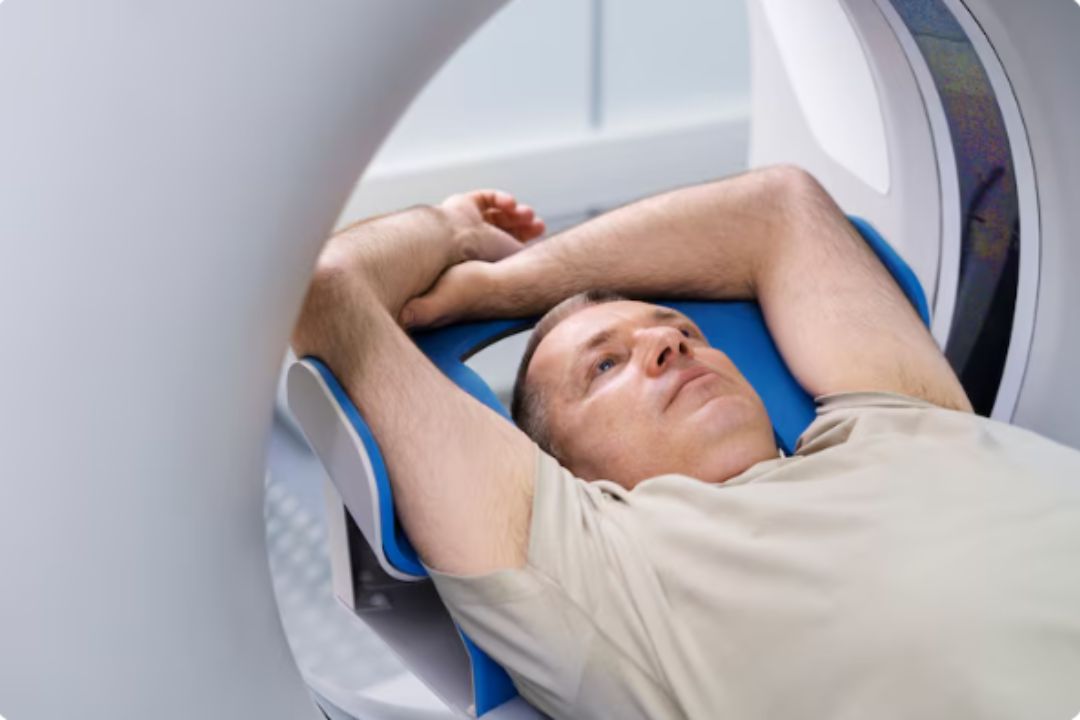
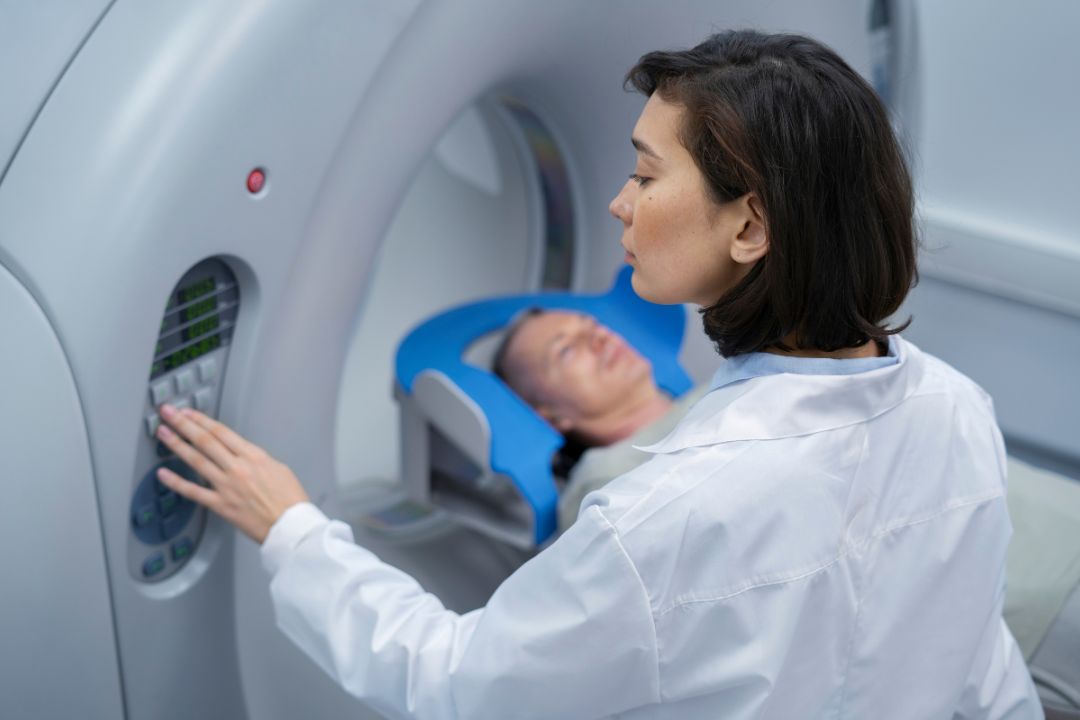
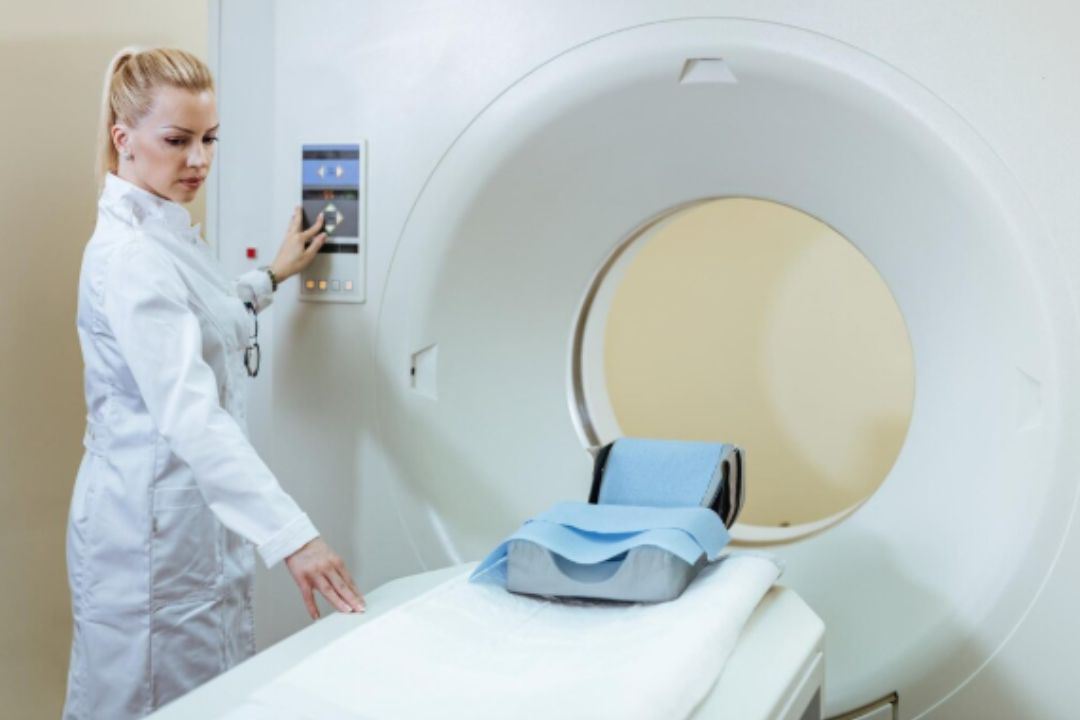
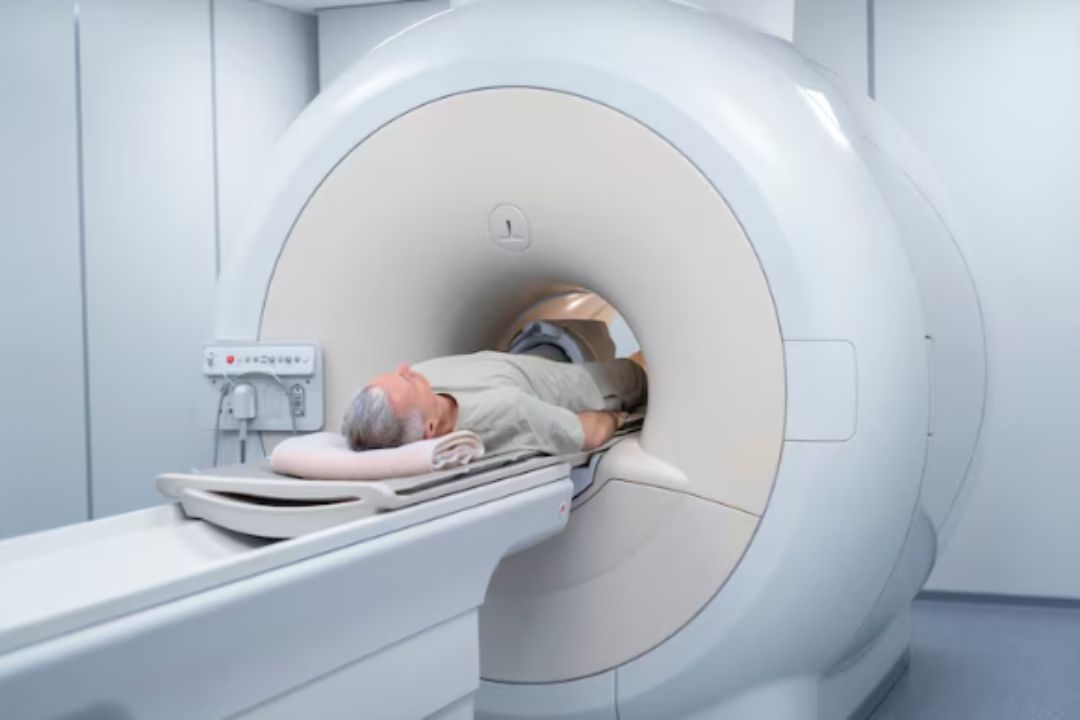
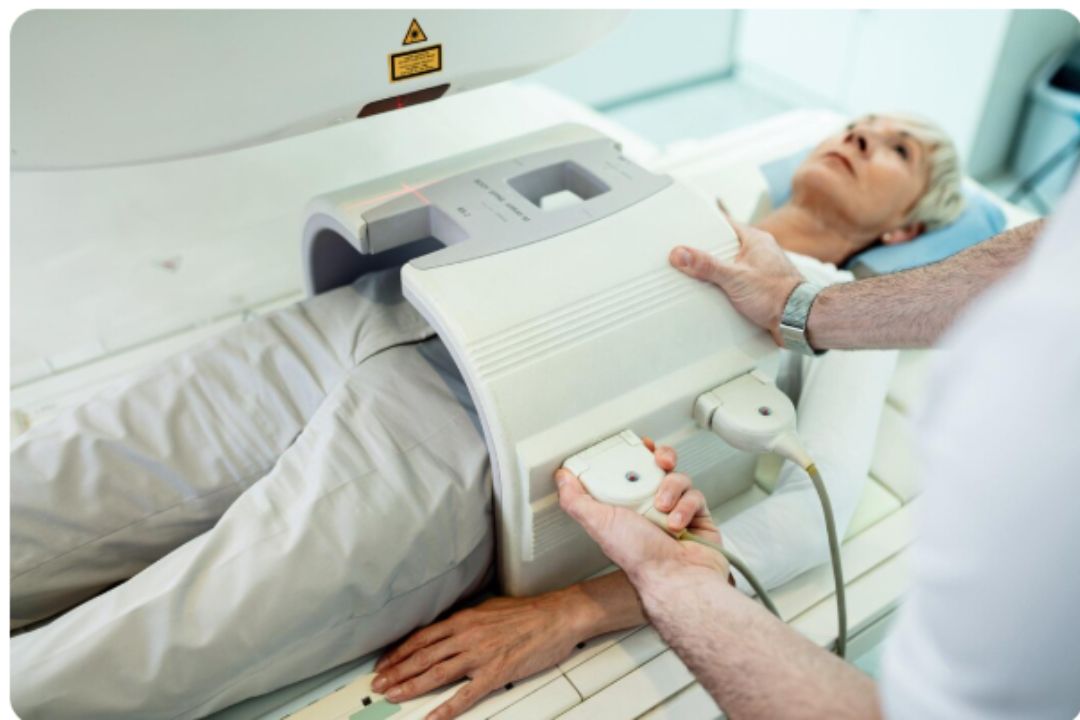
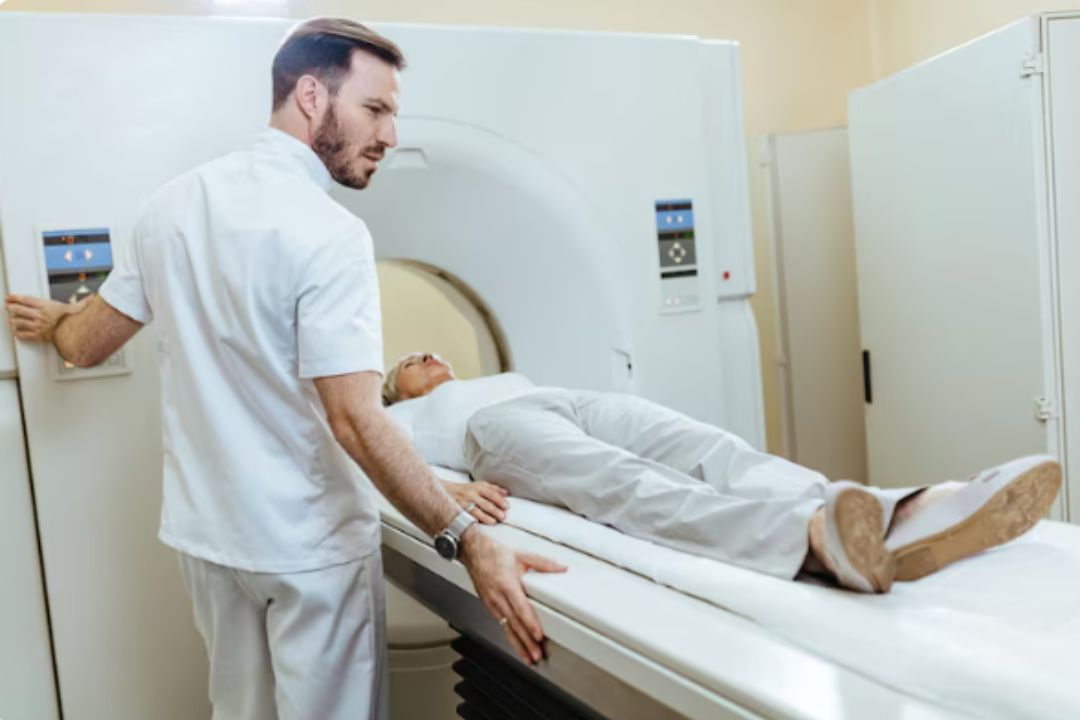
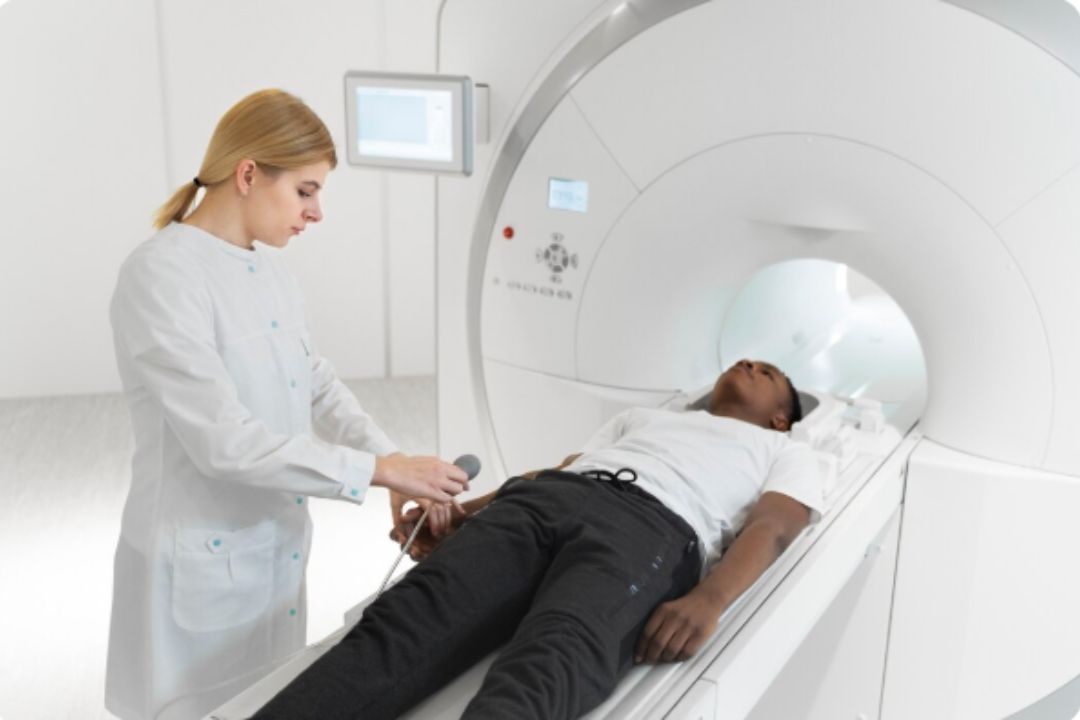
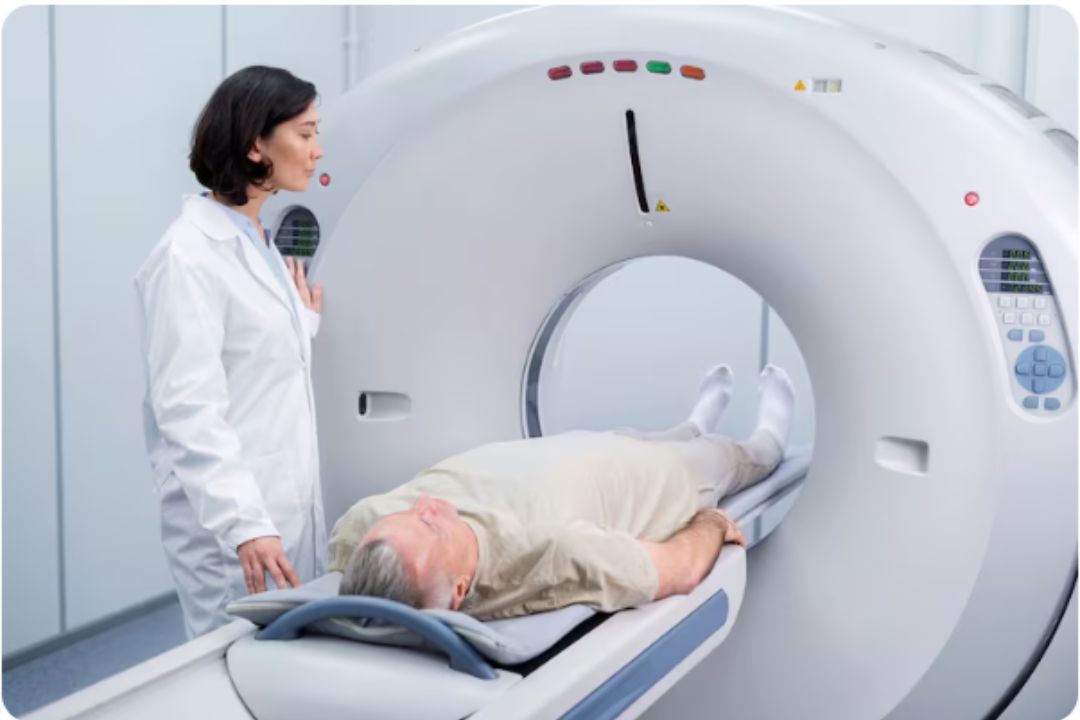
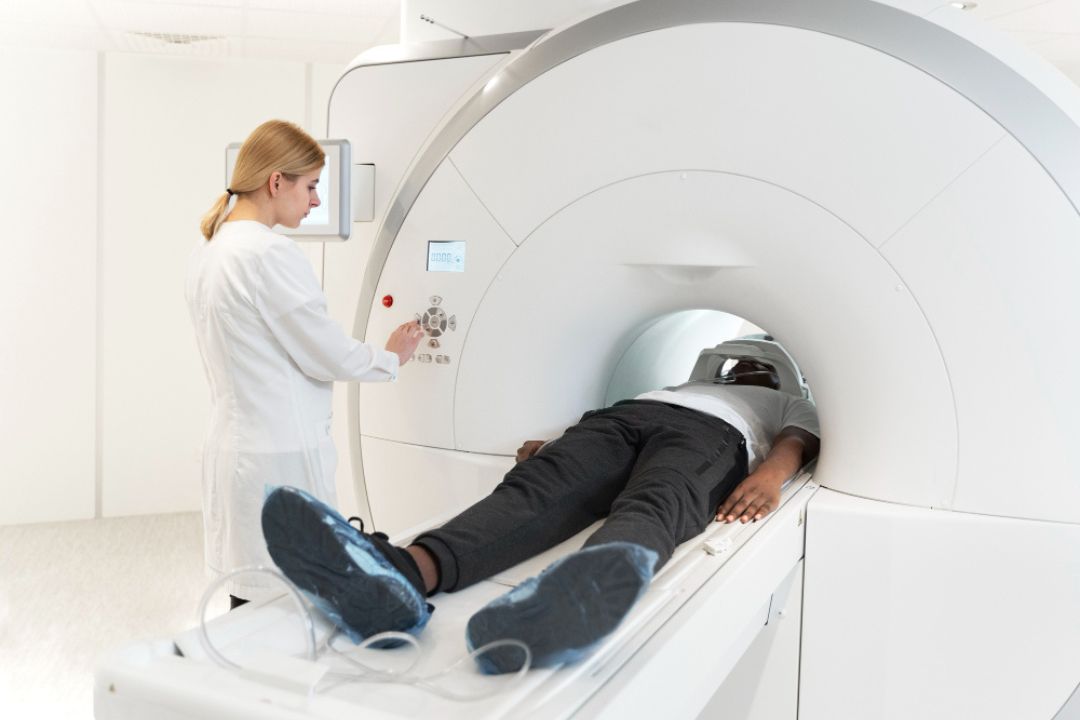
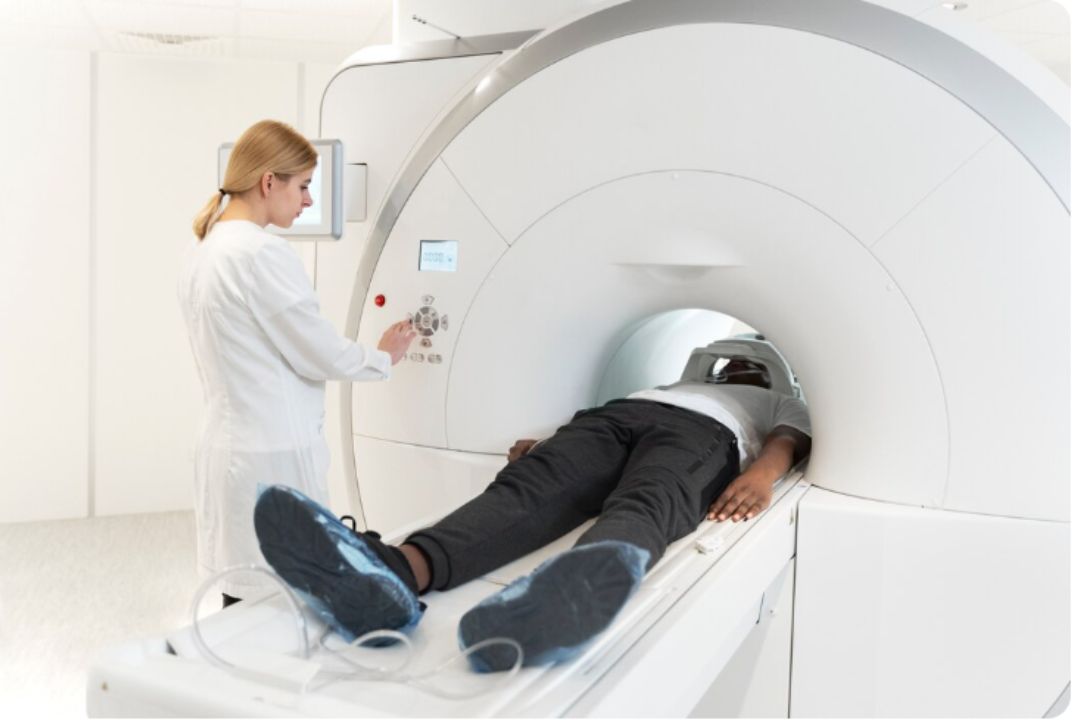
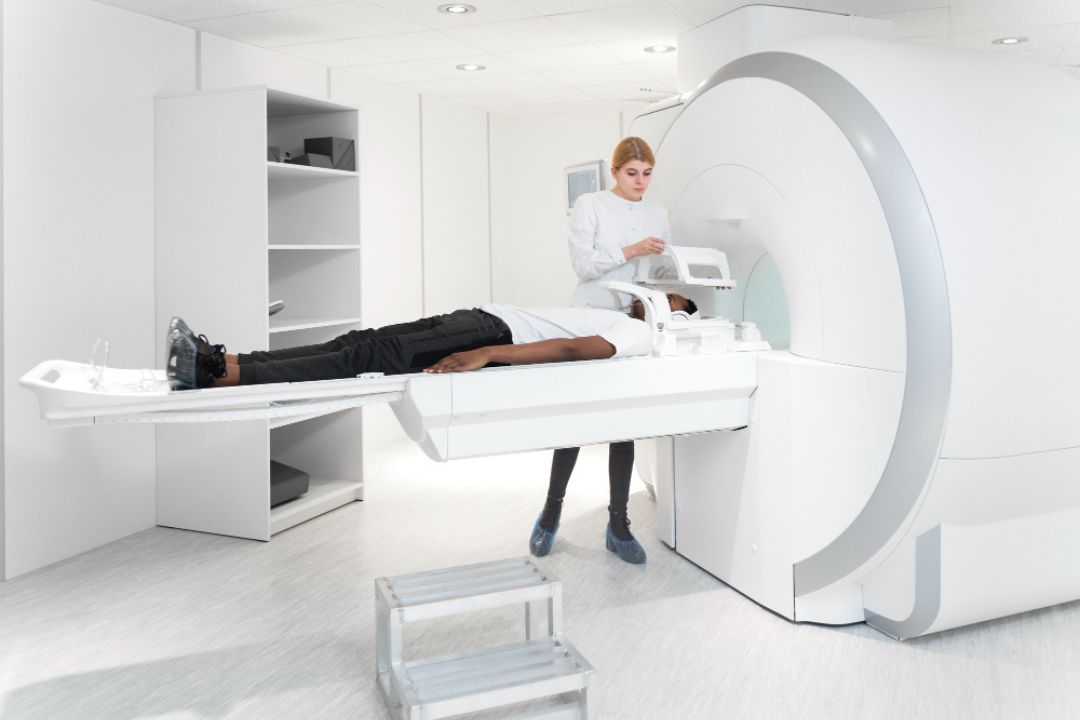
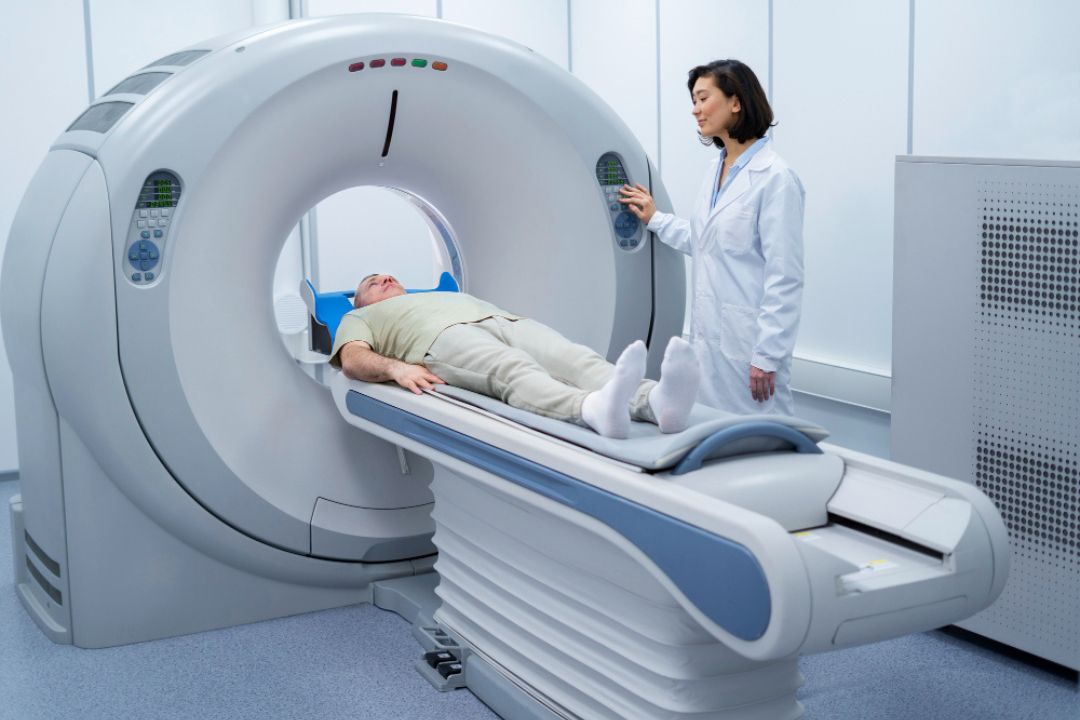
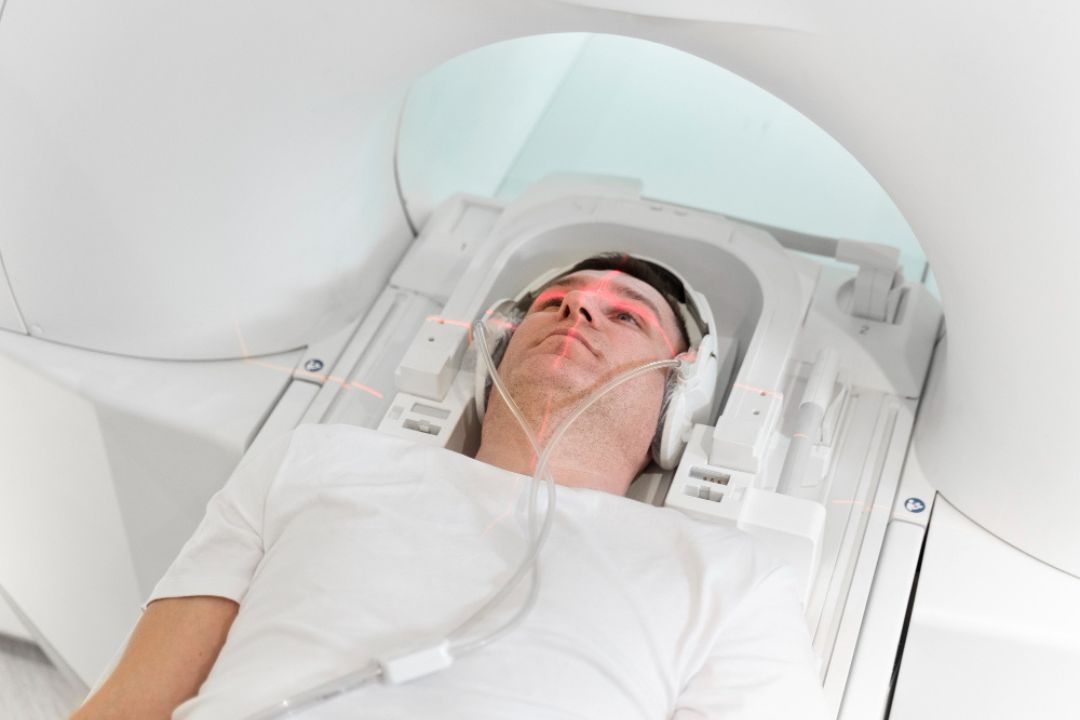
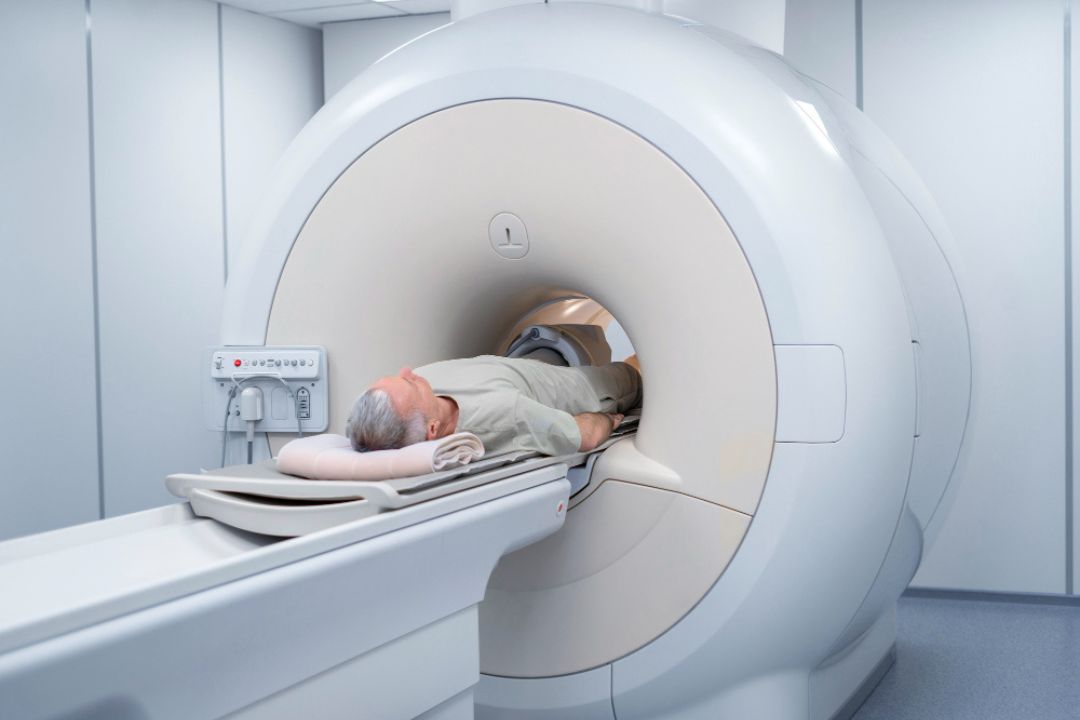
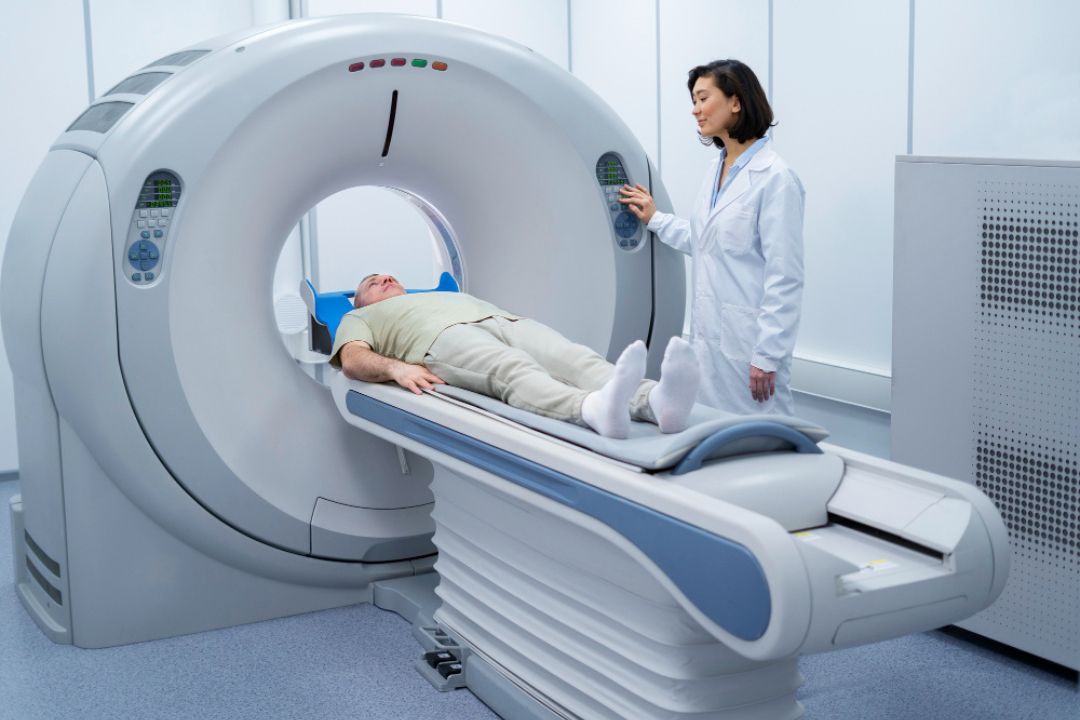
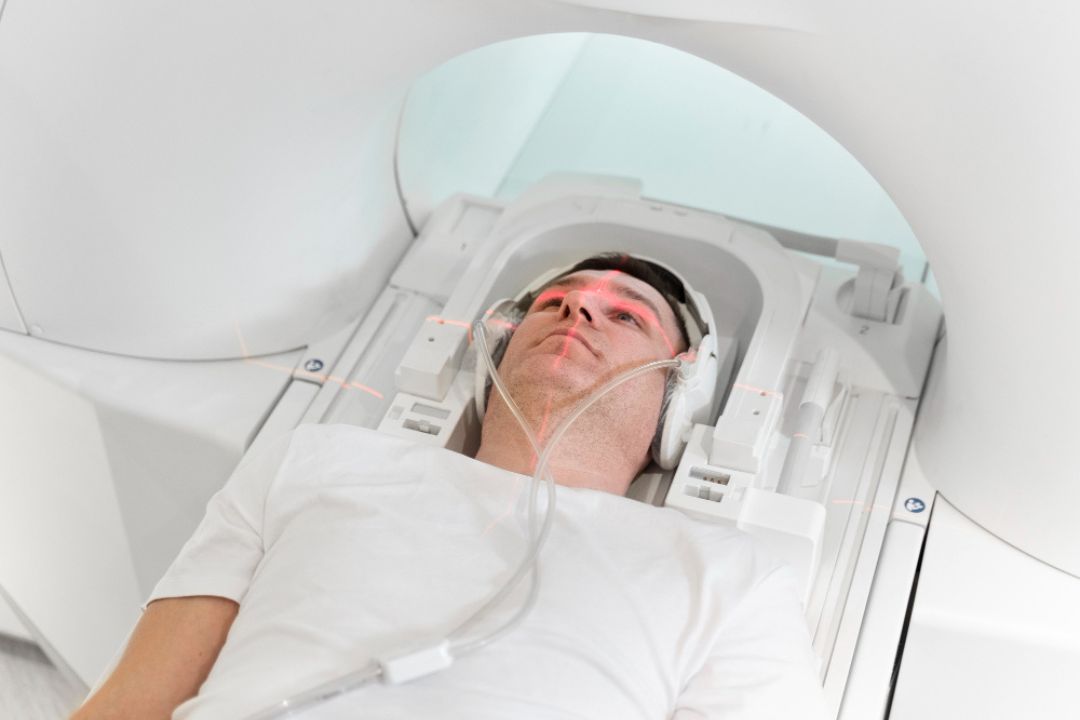
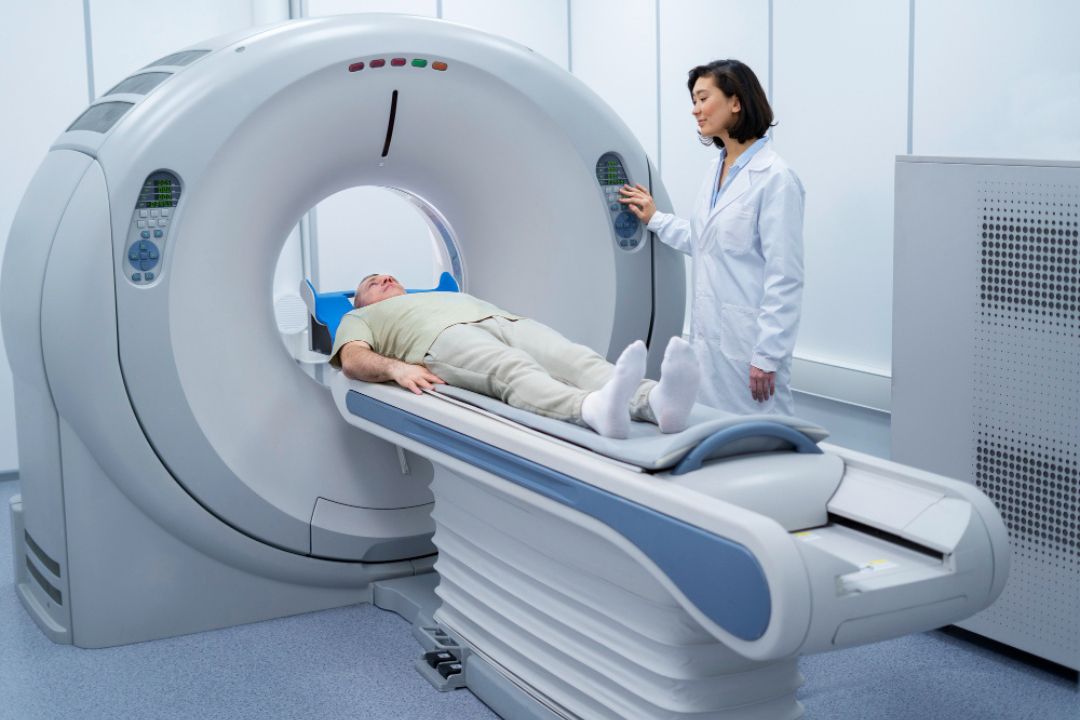
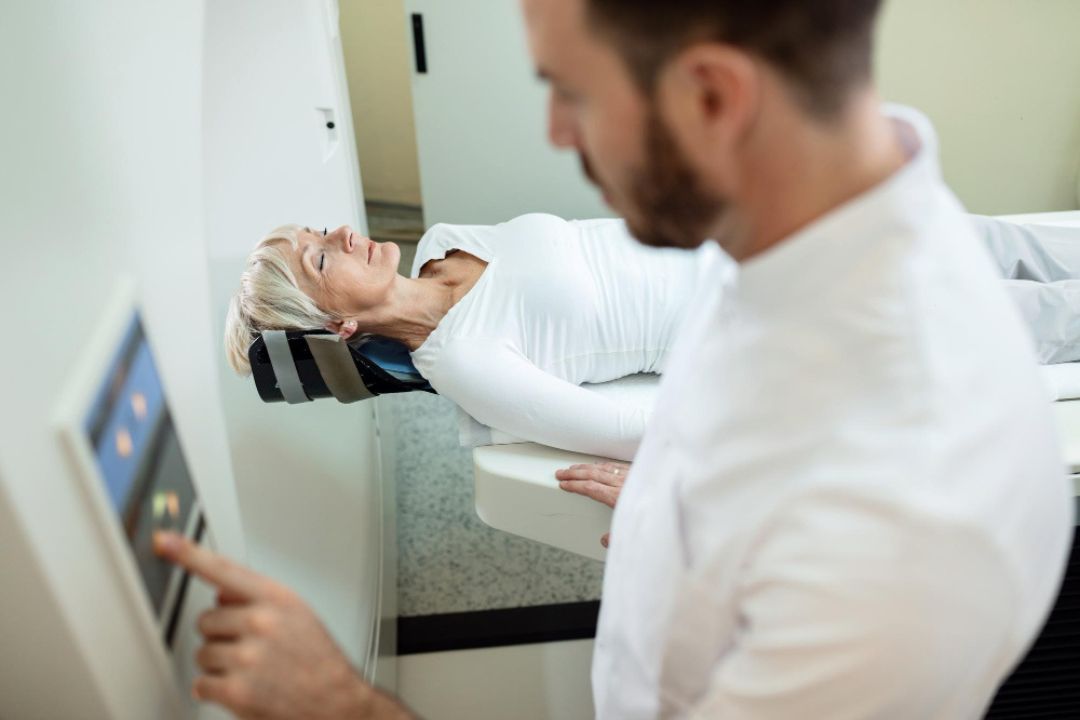
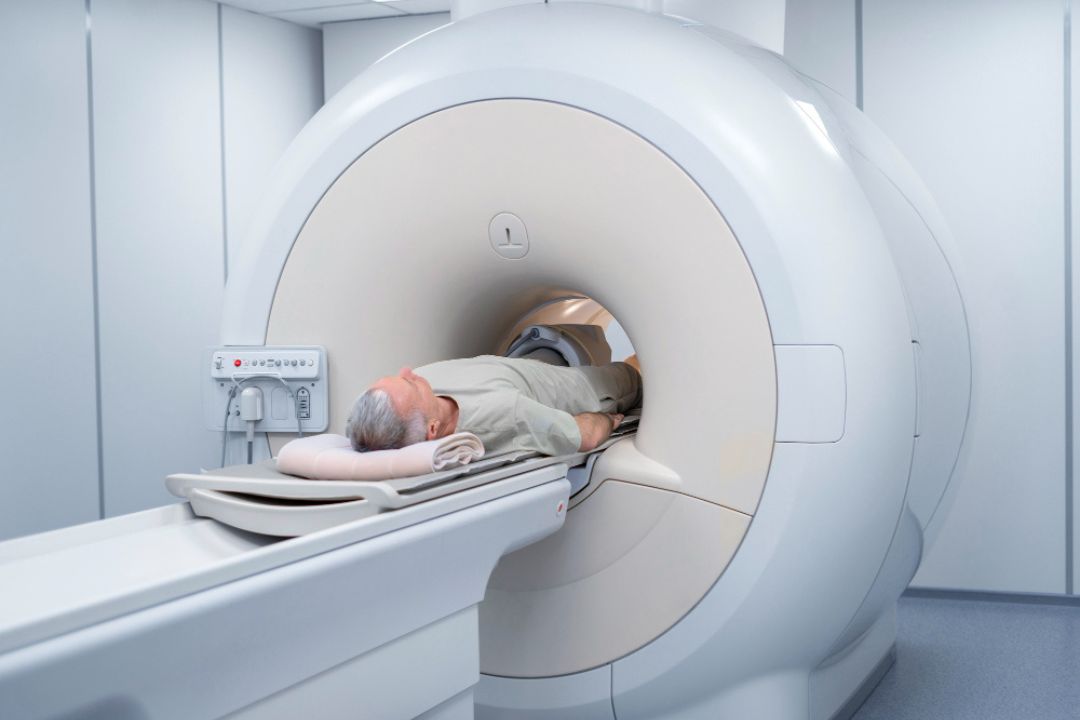
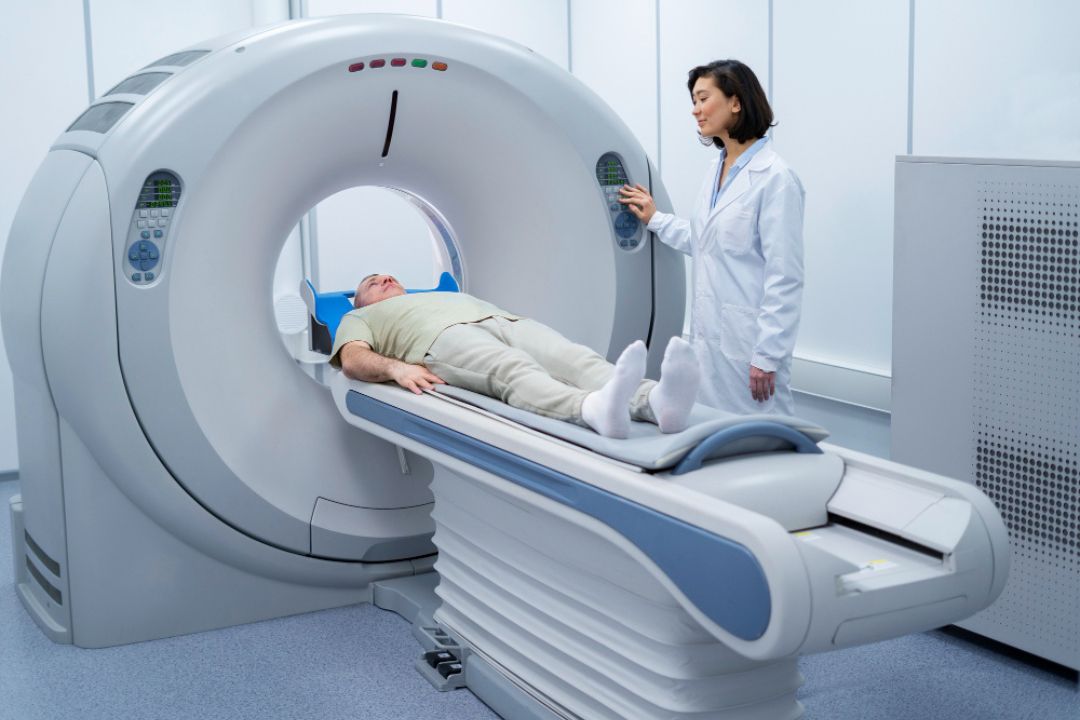
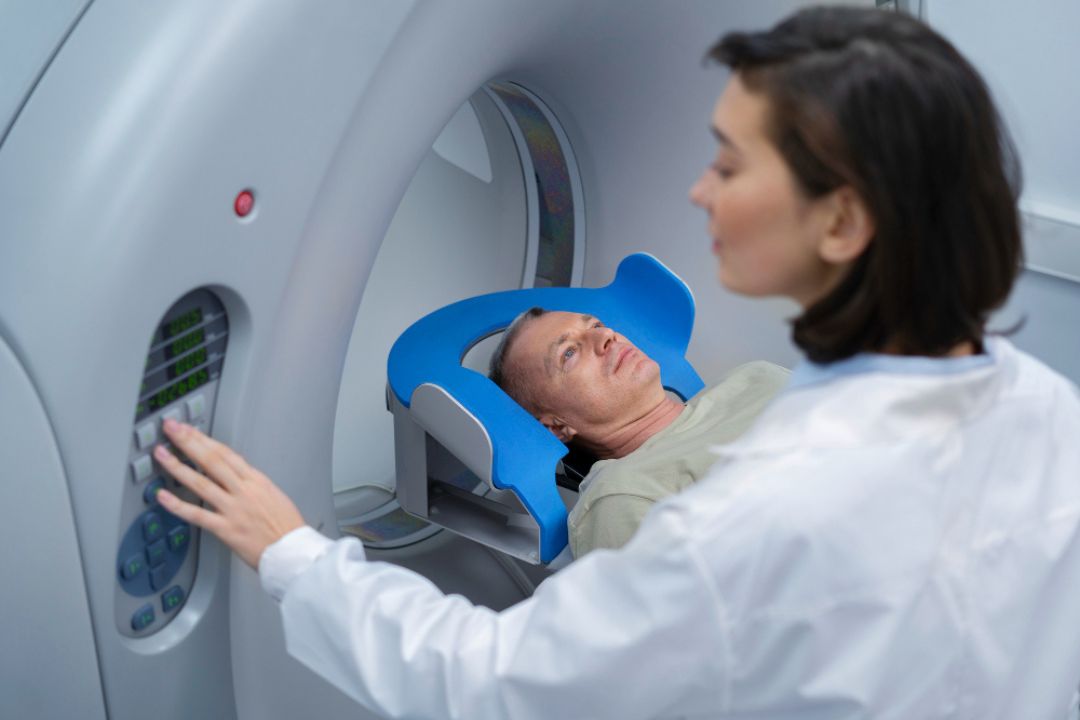
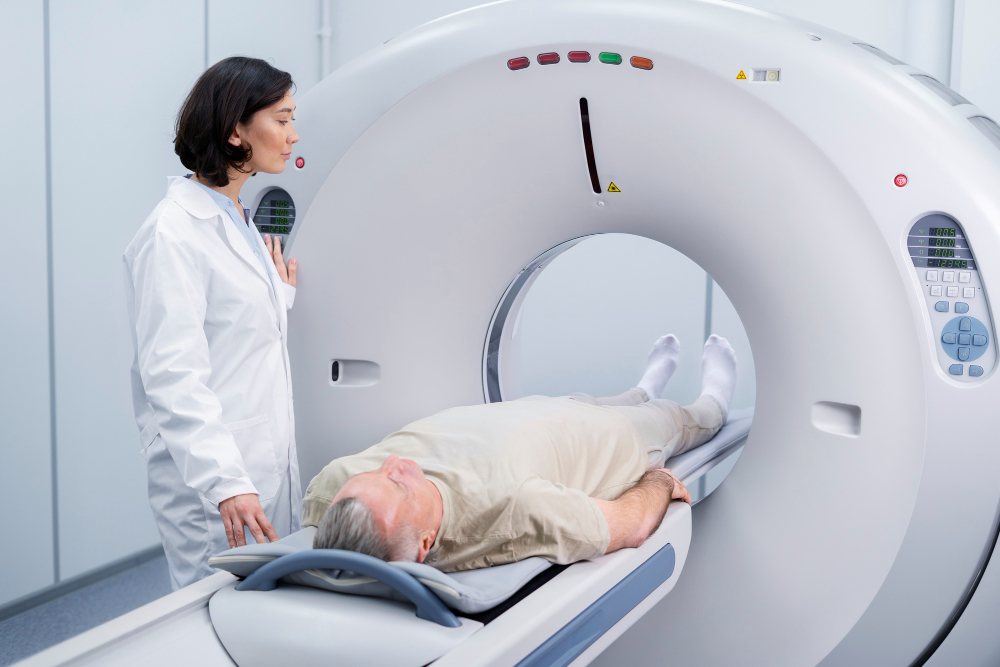
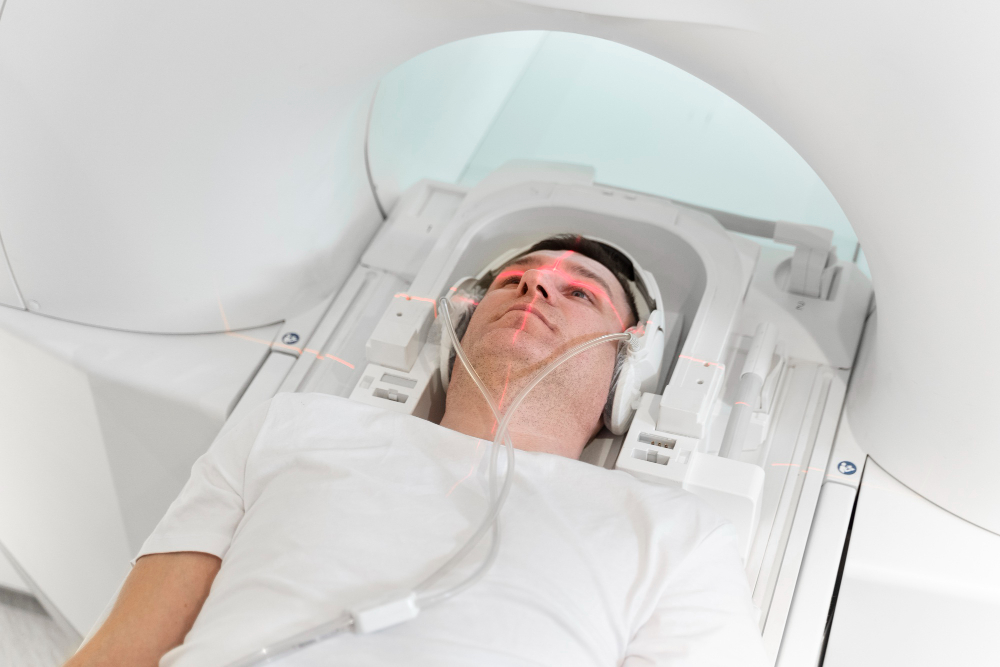
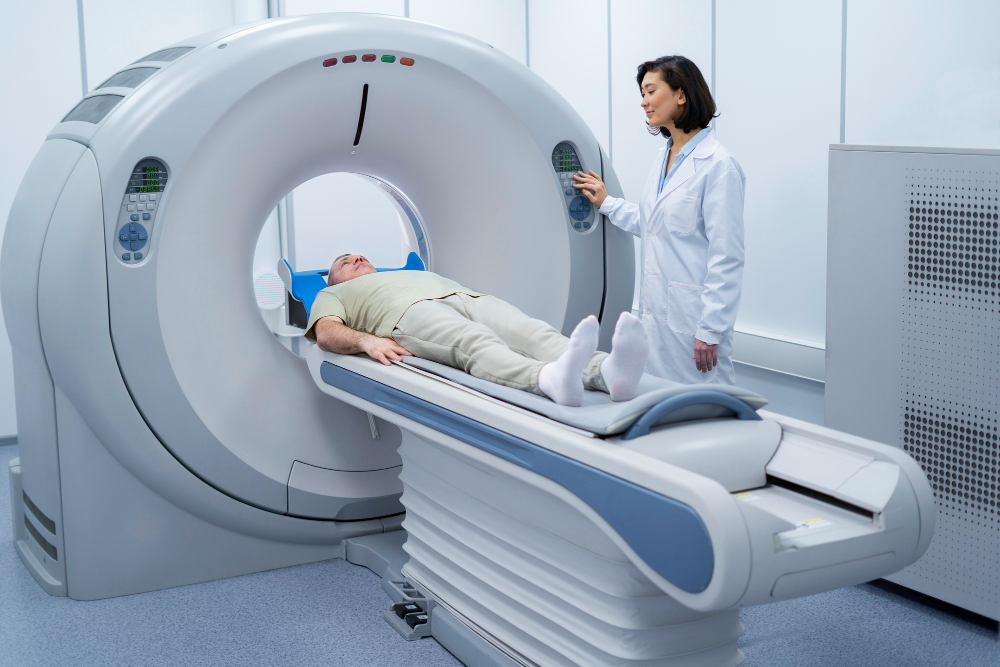
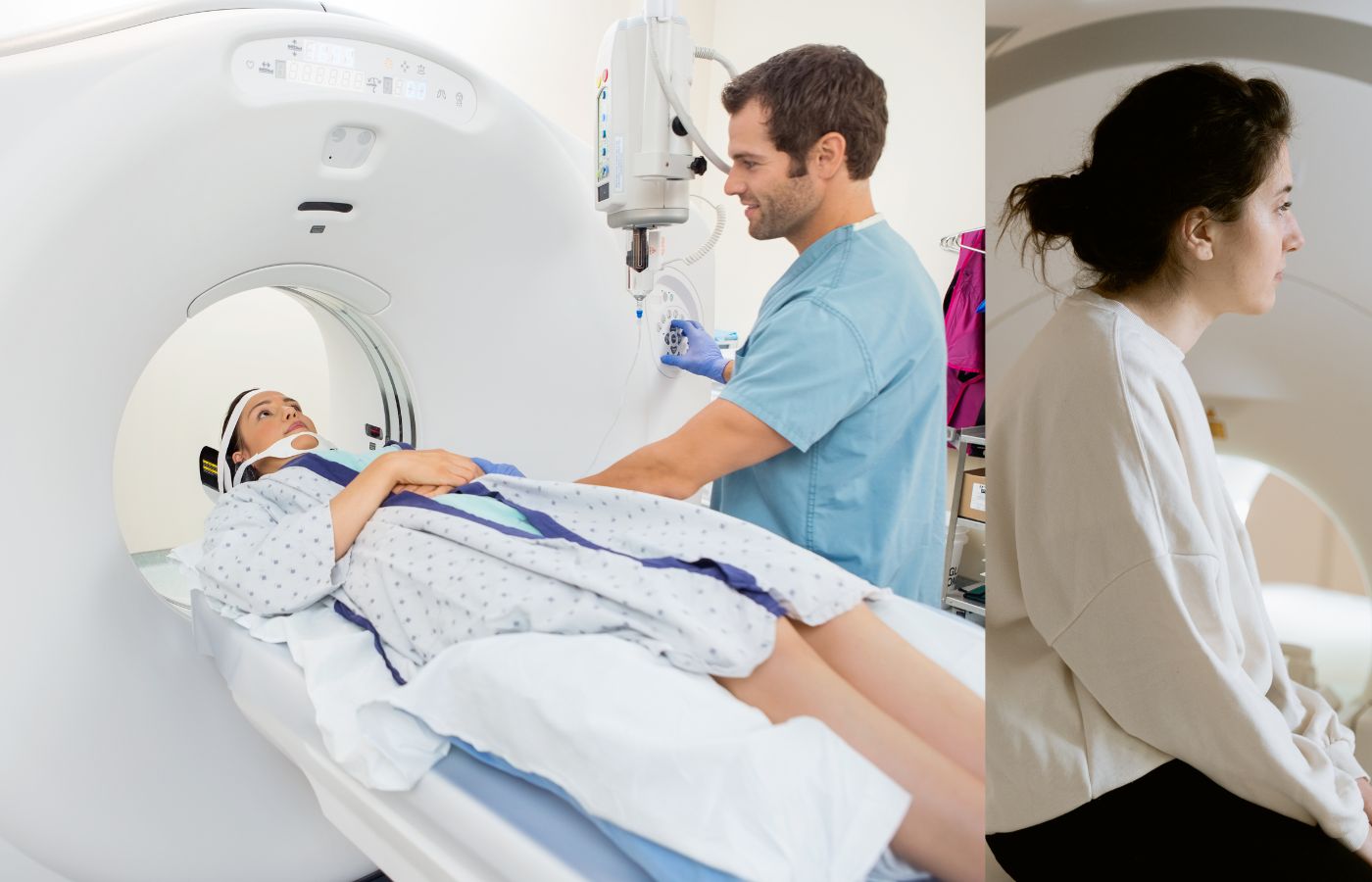
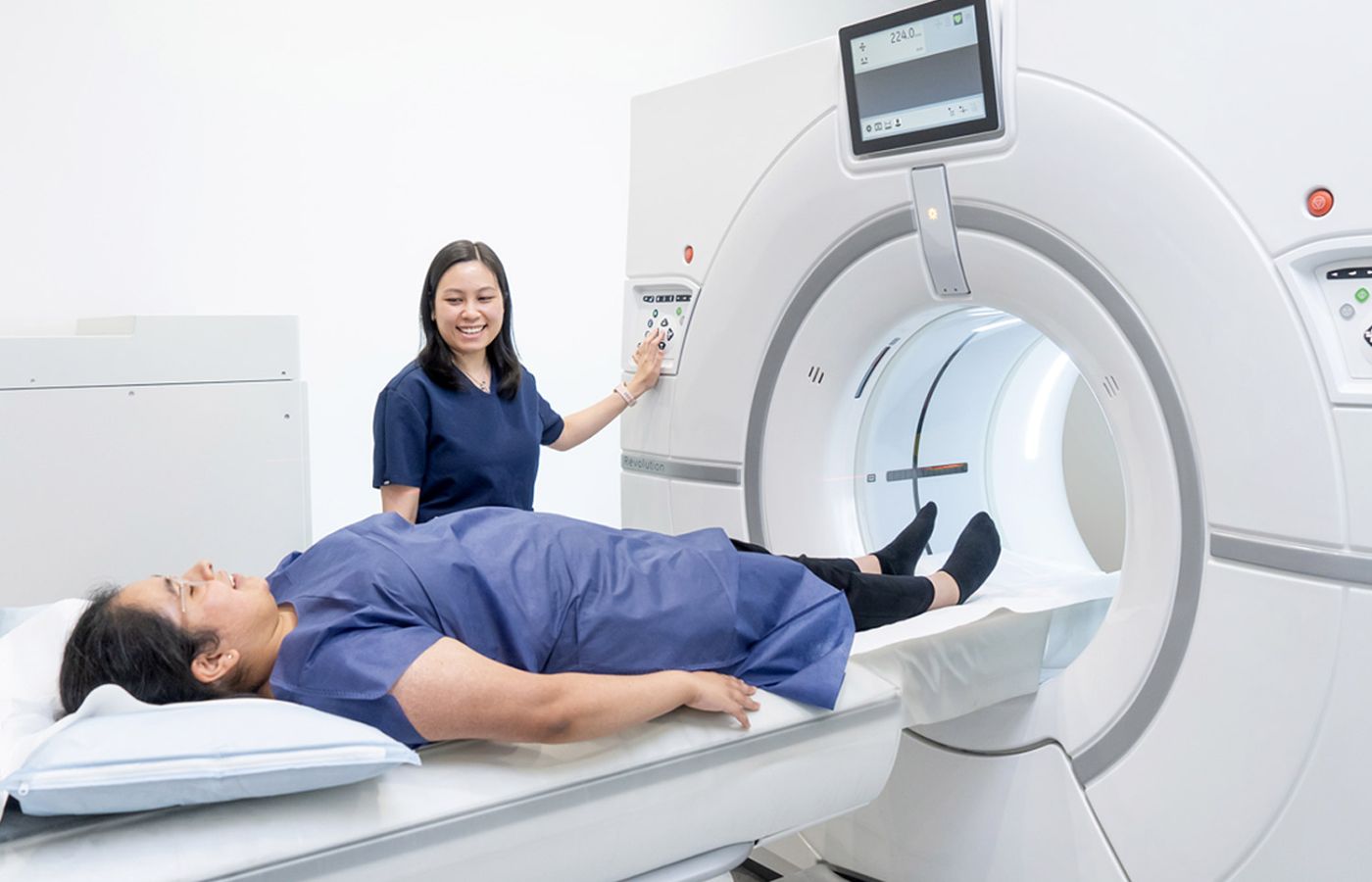
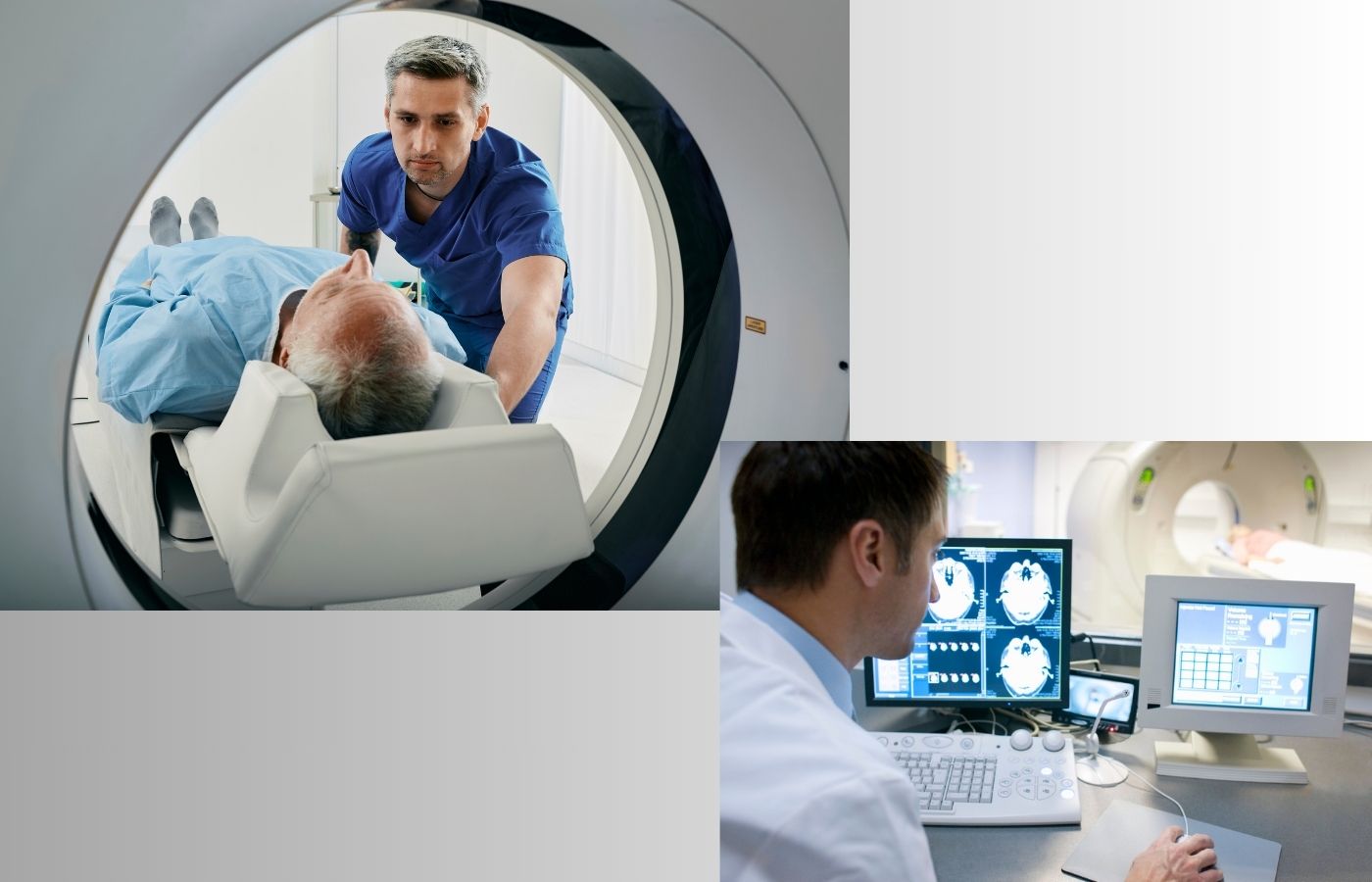
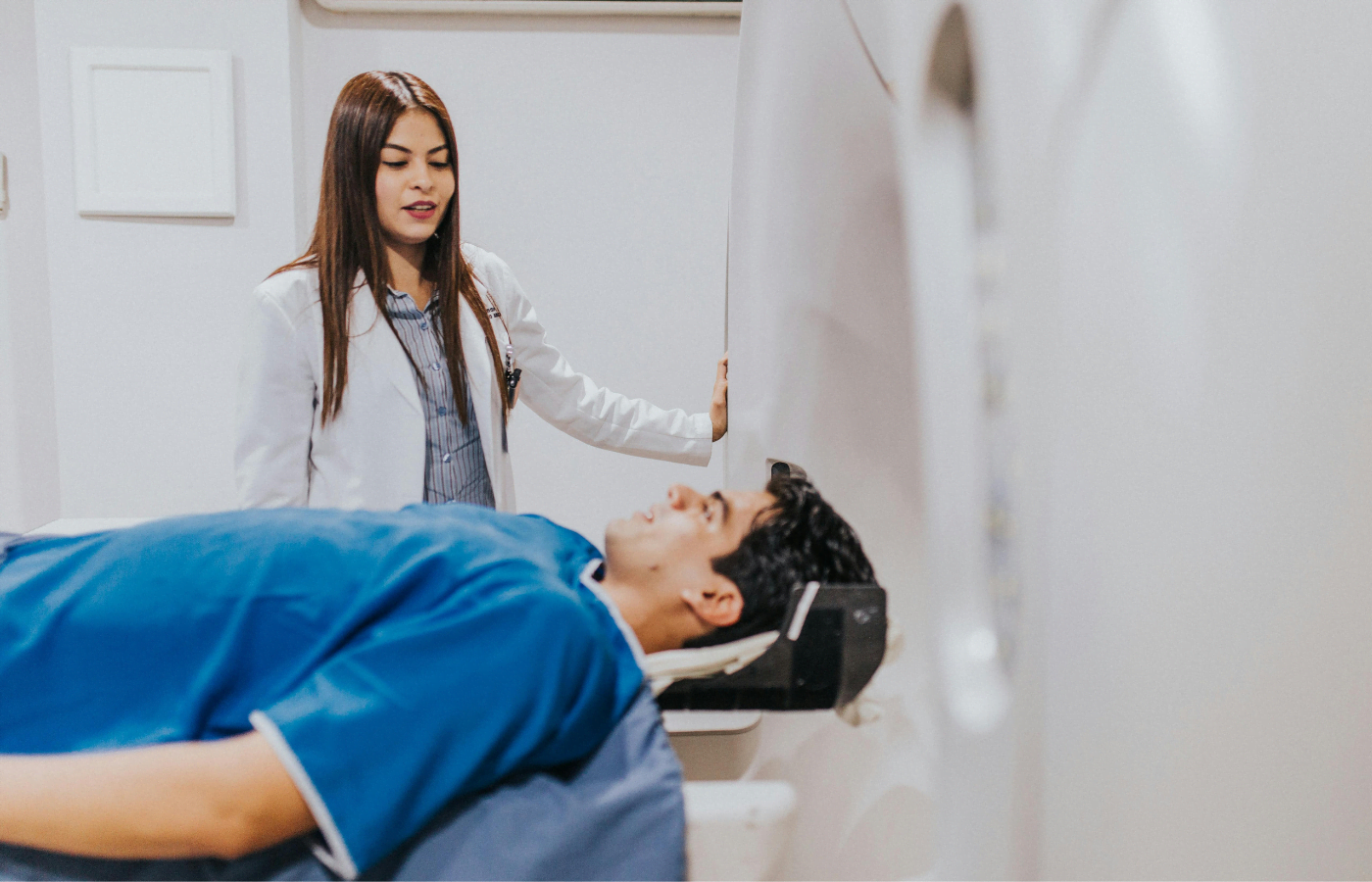
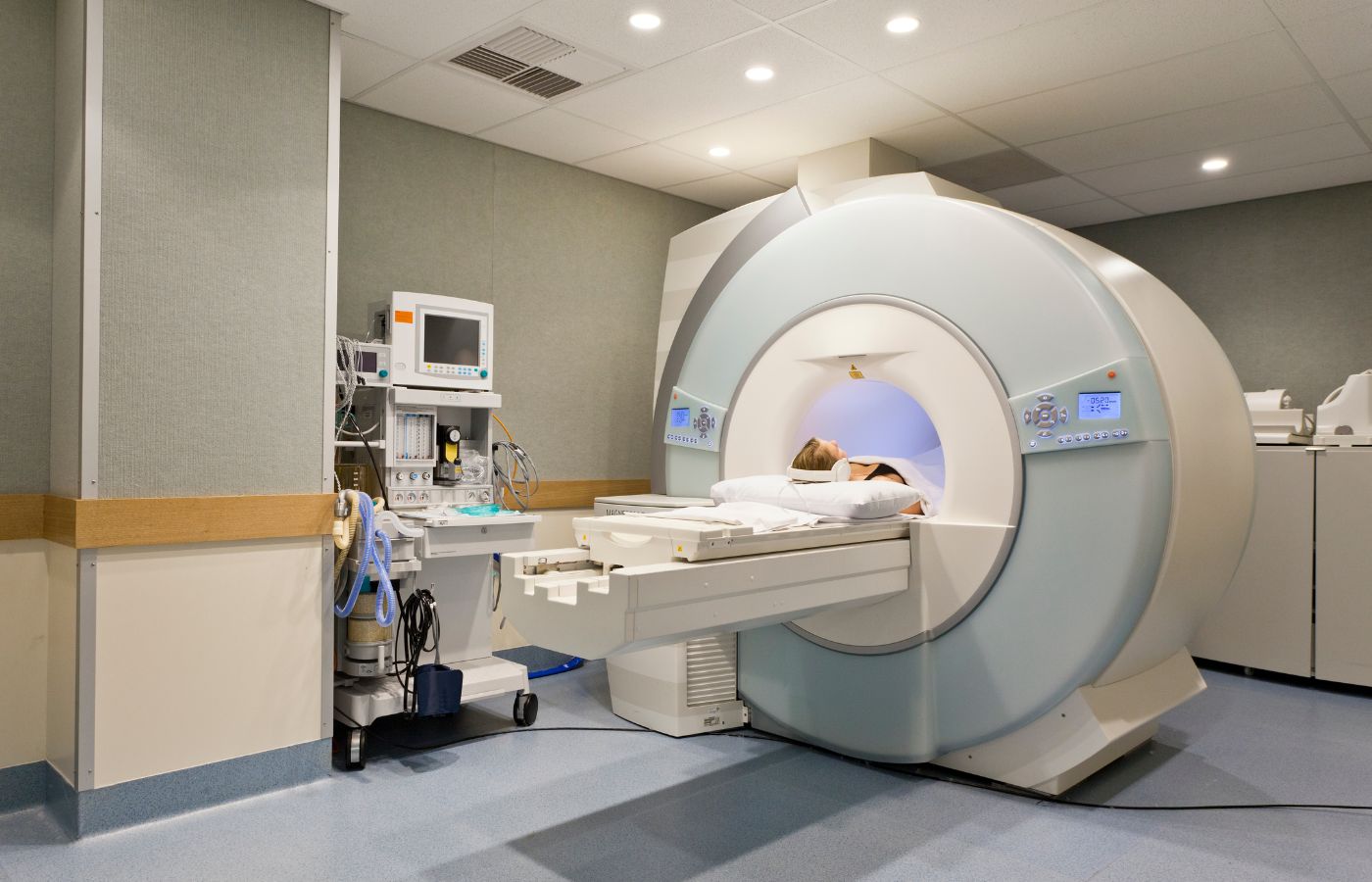
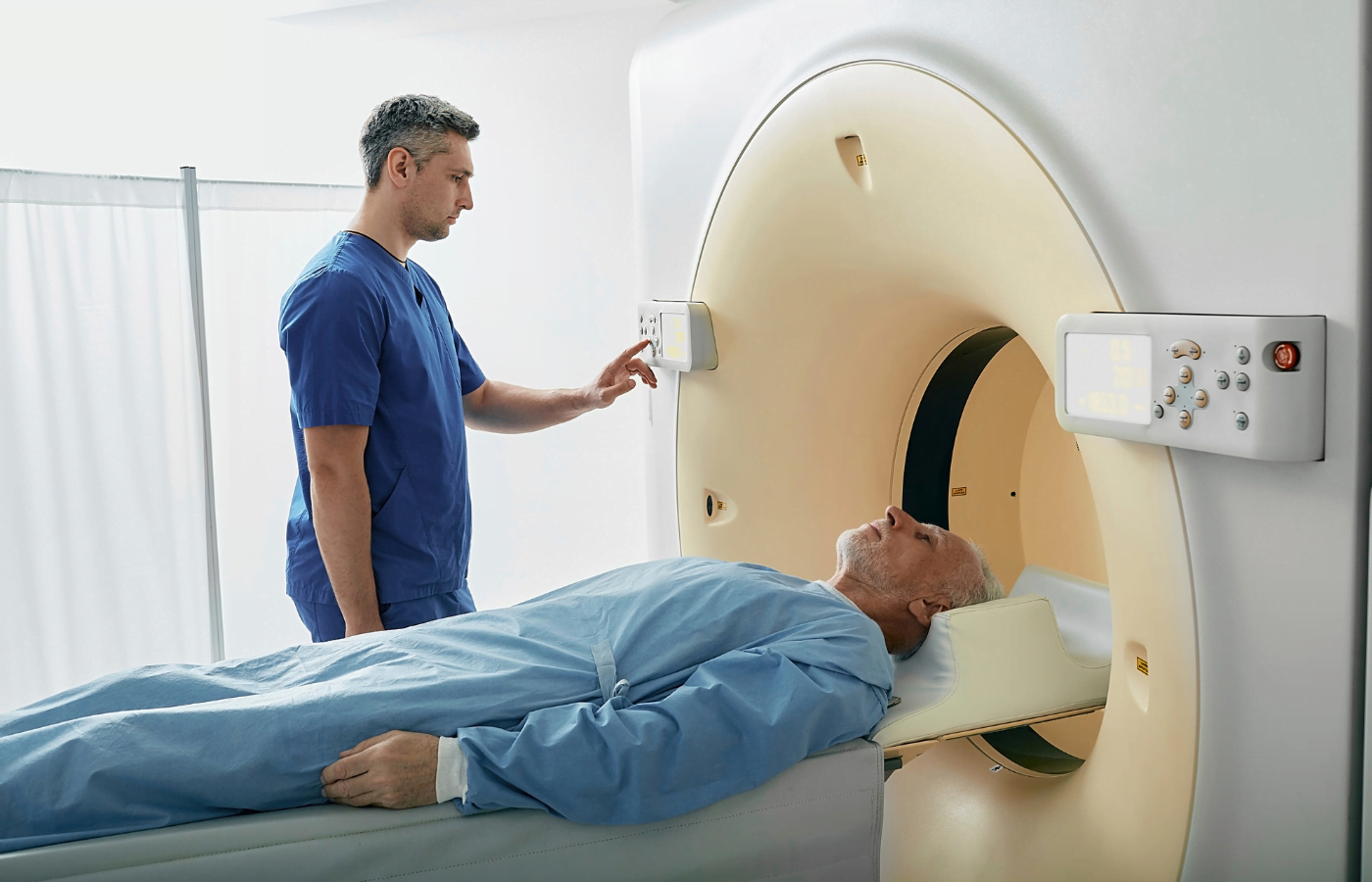
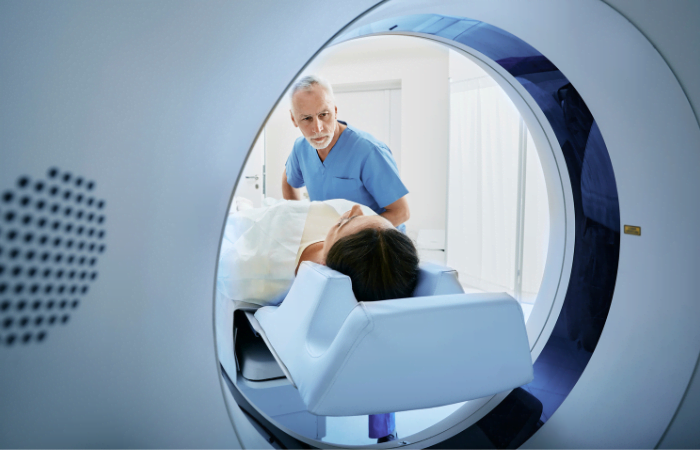
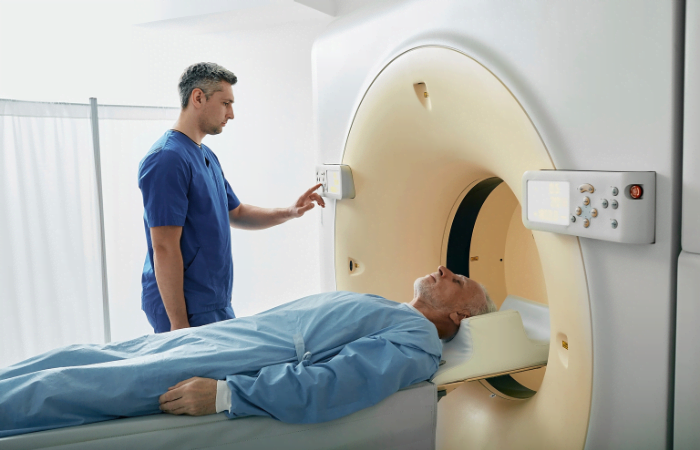
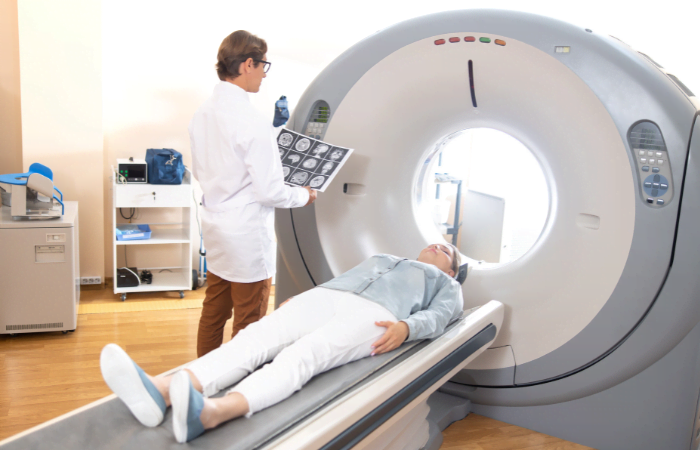
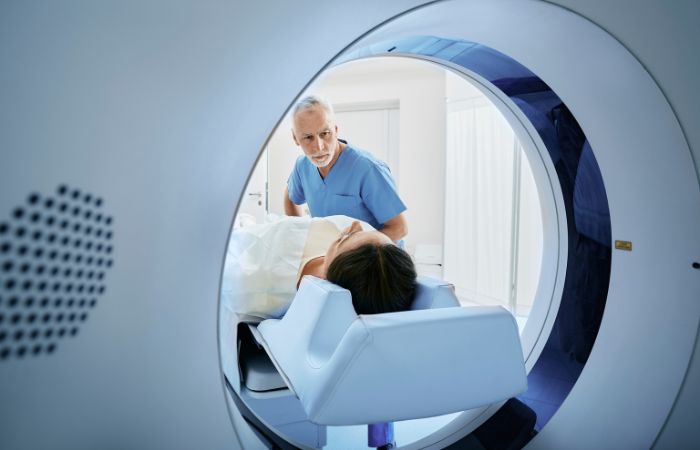
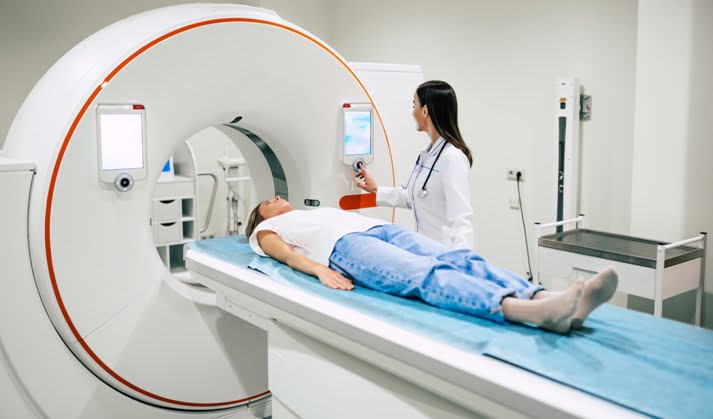
You will lie flat on a comfortable, padded table. The technologist will position you, and if contrast is required, a small IV line will be placed in your arm. The table glides smoothly into the CT scan machine, which is open at both ends—no need to worry about enclosed spaces. You will hear gentle whirring sounds as the machine rotates. You must hold your breath for 10-15 seconds. The entire procedure, including setup, takes 5-10 minutes.
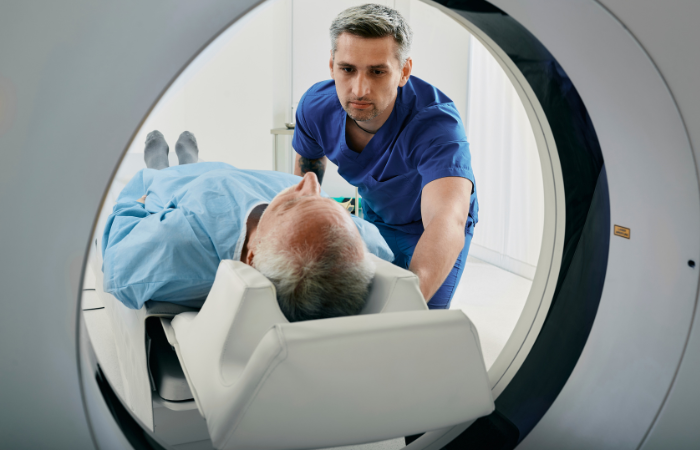
The physical experience is identical to a normal CT scan. You lie on the same table, using the same CT scan machine. However, because HRCT uses thinner slices, the breath-hold is often shorter. No IV line is needed unless your doctor specifically requests a contrast-enhanced HRCT (rare). Most patients report feeling absolutely no difference between the two scans.
Comfort Verdict: Both scans are painless, non-invasive, and quick.
One of the most common questions patients ask is about radiation. Are HRCT scans riskier?
The truth is that modern CT scan machines, including those at Diagnopein Pune, are equipped with advanced dose-reduction technologies. While HRCT uses thinner slices, the radiation dose is carefully modulated. A standard chest CT ranges from 5-8 mSv, while a dedicated HRCT protocol is often kept within similar limits by spacing the slices (non-contiguous or volumetric with dose modulation).
At Diagnopein Pune, we follow ALARA (As Low As Reasonably Achievable) principles. Your safety is never compromised for image quality.
Affordability is a significant concern for patients and families. If you are searching for a cheap CT scan near me, you need transparency—not hidden charges.
Contrast Material: IV contrast dyes are expensive. A Normal CT Chest with contrast will cost more than a non-contrast scan.
Scan Duration: HRCT protocols may involve additional sequences, but at Diagnopein, we optimize for efficiency.
Radiologist Expertise: Reporting subtle ILD patterns on HRCT requires super-specialized radiologists.
Normal CT Chest (Plain): Affordable and quick.
Normal CT Chest (Contrast): Slightly higher due to dye and cannula charges.
HRCT Chest (Plain): Comparable to plain CT; often competitively priced.
This is the most critical section of our discussion. The decision between HRCT and Normal CT is clinical, not technical.
You have been in an accident (rib fractures, lung contusion, pneumothorax).
You have unexplained weight loss and suspected malignancy.
You have sudden chest pain and shortness of breath (rule out pulmonary embolism).
You need staging for a known cancer.
You have a chronic dry cough and progressive breathlessness.
You have a family history of interstitial lung disease.
You have rheumatoid arthritis or scleroderma with suspected lung involvement.
You have recurrent lung infections and suspected bronchiectasis.
You are a follow-up case of COVID-19 with persistent symptoms.
When your doctor recommends a CT scan, the decision of where to get it done is just as critical as the scan itself. In a city like Pune, with numerous diagnostic centers offering varying levels of quality, finding a facility that balances affordability, accuracy, and patient care can be overwhelming. This is precisely why Diagnopein Pune has emerged as the trusted name for thousands of patients and referring physicians. We do not merely operate a CT scan machine; we deliver diagnostic clarity with compassion, transparency, and an uncompromising commitment to excellence. If you are searching for a cheap CT scan near me, you likely want more than just a low price—you want value, reliability, and peace of mind. At Diagnopein, we deliver exactly that.
First and foremost, Diagnopein Pune is distinguished by its investment in advanced imaging technology. We understand that the accuracy of your diagnosis is directly proportional to the quality of the equipment used. That is why we house state-of-the-art, multi-slice CT scan machines that represent the latest generation of computed tomography. These systems are engineered to deliver exceptional spatial resolution while operating at the lowest possible radiation doses. For patients requiring an HRCT Chest, our machines capture slices as thin as 0.625 millimeters, revealing interstitial lung details that older or lower-grade scanners would completely miss. For those requiring a Normal CT Chest with contrast, our automated contrast injection systems ensure precise, consistent enhancement of vascular structures, enabling our radiologists to detect pulmonary embolisms or mediastinal involvement with supreme confidence. We never compromise on technology, because we know that a missed finding today could mean a delayed diagnosis tomorrow.
However, technology alone does not make a great diagnostic center—expertise does. At Diagnopein Pune, our reporting is not handled by general practitioners or technicians working in isolation. We are supported by a team of super-specialist radiologists with dedicated fellowship training in thoracic and cross-sectional imaging. This subspecialization is particularly crucial when it comes to the HRCT chest and normal CT chest differences. Interpreting an HRCT for interstitial lung disease requires the ability to recognize subtle patterns like centrilobular nodules, intralobular septal thickening, or the elusive crazy-paving appearance. A general radiologist who routinely reports bone X-rays and abdominal scans may overlook these nuances. At Diagnopein, our radiologists live and breathe chest imaging. They collaborate closely with pulmonologists, oncologists, and critical care specialists in Pune to ensure that every report is not just a description of images, but a clinically actionable answer to the referring doctor's question. This collaborative approach reduces diagnostic delays, prevents unnecessary biopsies, and guides treatment with precision.
Another pillar of the Diagnopein Pune advantage is our relentless focus on affordability and transparency. We are acutely aware that healthcare costs in India can be a significant burden, especially for families managing chronic illnesses like pulmonary fibrosis, lung cancer, or post-COVID complications. When patients search for a cheap CT scan near me, they are often anxious, hoping to find quality care that does not exhaust their savings. At Diagnopein, we have structured our pricing model to be among the most competitive in Pune without ever cutting corners on quality. We do not believe in hidden charges, surprise "cannula fees," or inflated radiology report charges. The price we quote is the price you pay. Whether you require a plain HRCT Chest or a contrast-enhanced Normal CT for cancer staging, we provide itemized billing and complete cost clarity upfront. Our goal is to democratize access to advanced diagnostics, ensuring that financial constraints never stand between a patient and an accurate diagnosis.
In the realm of modern respiratory and thoracic medicine, imaging is not merely a supportive tool—it is often the decisive factor that separates uncertainty from clarity, and a vague symptom from a treatable diagnosis. Throughout this comprehensive guide, we have dissected the intricate HRCT chest and normal CT chest differences, demystified the technical jargon surrounding slice thickness and reconstruction algorithms, and illuminated the specific clinical scenarios that demand one scan over the other. What emerges clearly is that neither scan is inherently superior; rather, they are complementary instruments in the physician's diagnostic arsenal. A Normal CT Chest serves as an exceptional anatomical surveyor—mapping tumors, visualizing blood vessels, detecting traumatic injuries, and staging malignancies with contrast-enhanced precision. Conversely, an HRCT Chest acts as a microscopic explorer—venturing into the very interstitium of the lungs, unveiling the earliest traces of fibrosis, charting the destruction of bronchiectasis, and capturing the ground-glass whispers of interstitial pneumonia. Understanding this distinction is not just an academic exercise; it is a practical necessity for anyone navigating the healthcare system, whether you are a patient experiencing persistent breathlessness, a caregiver advocating for a loved one, or simply an individual seeking clarity amidst a doctor's recommendation.