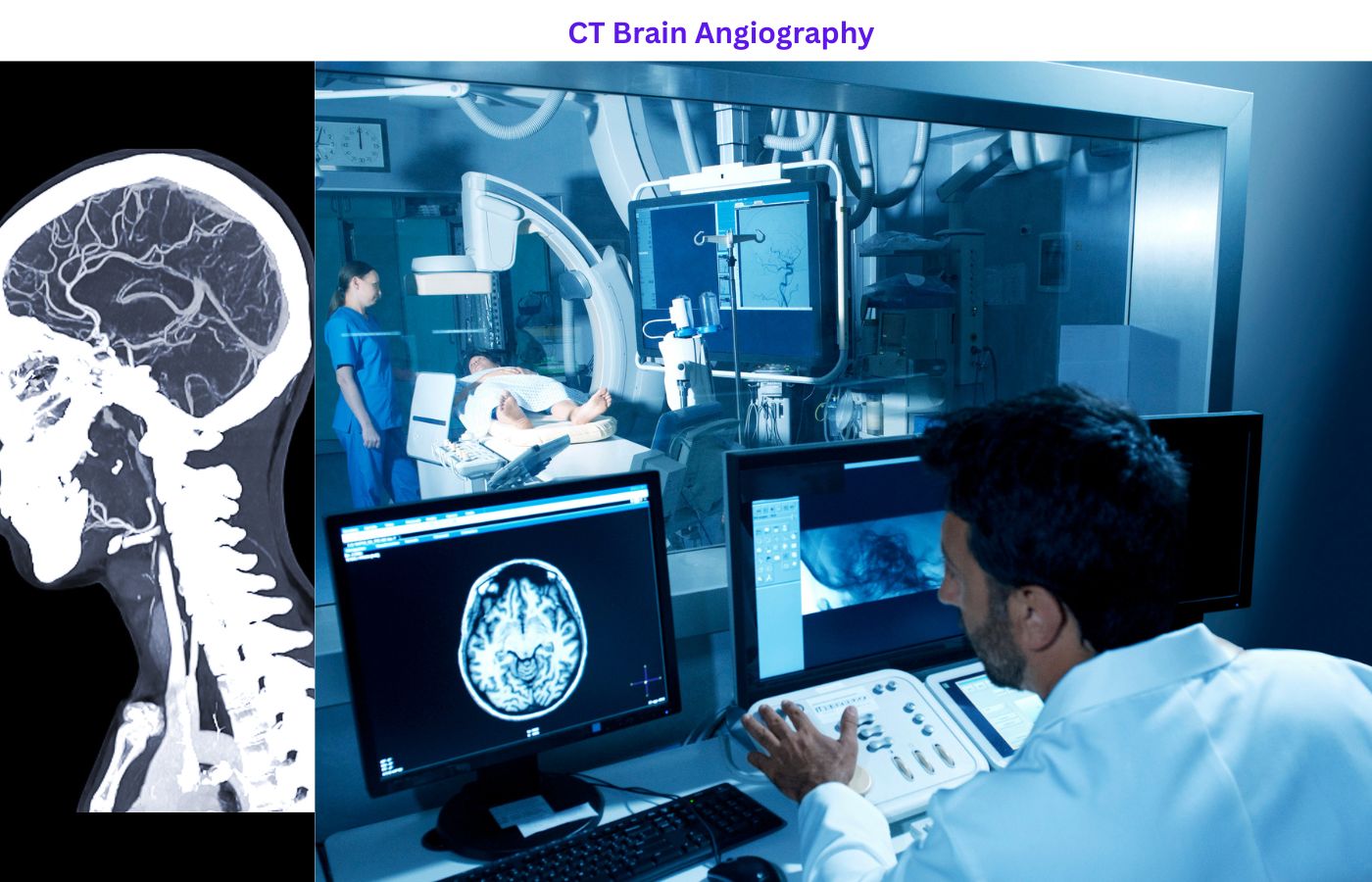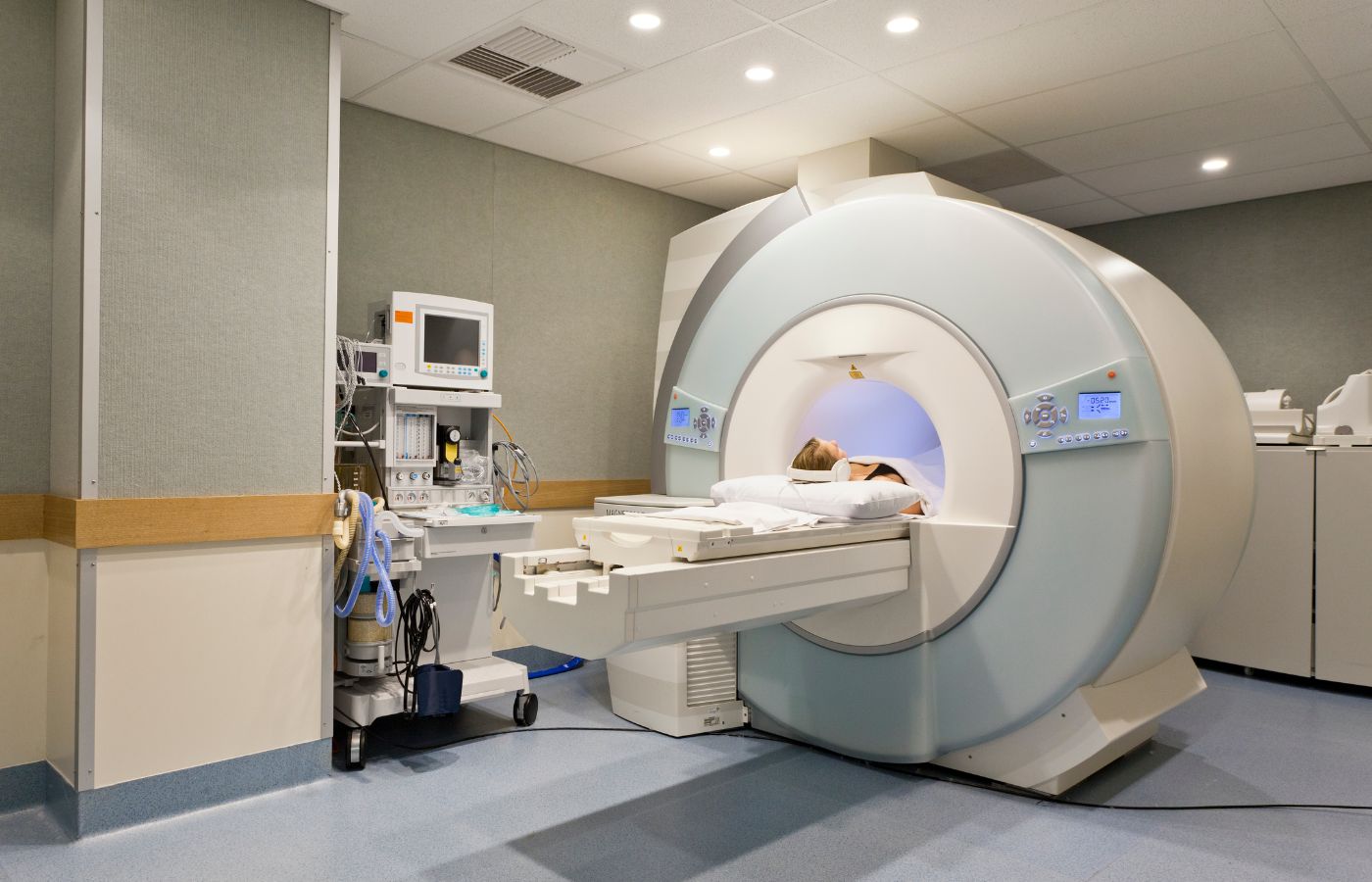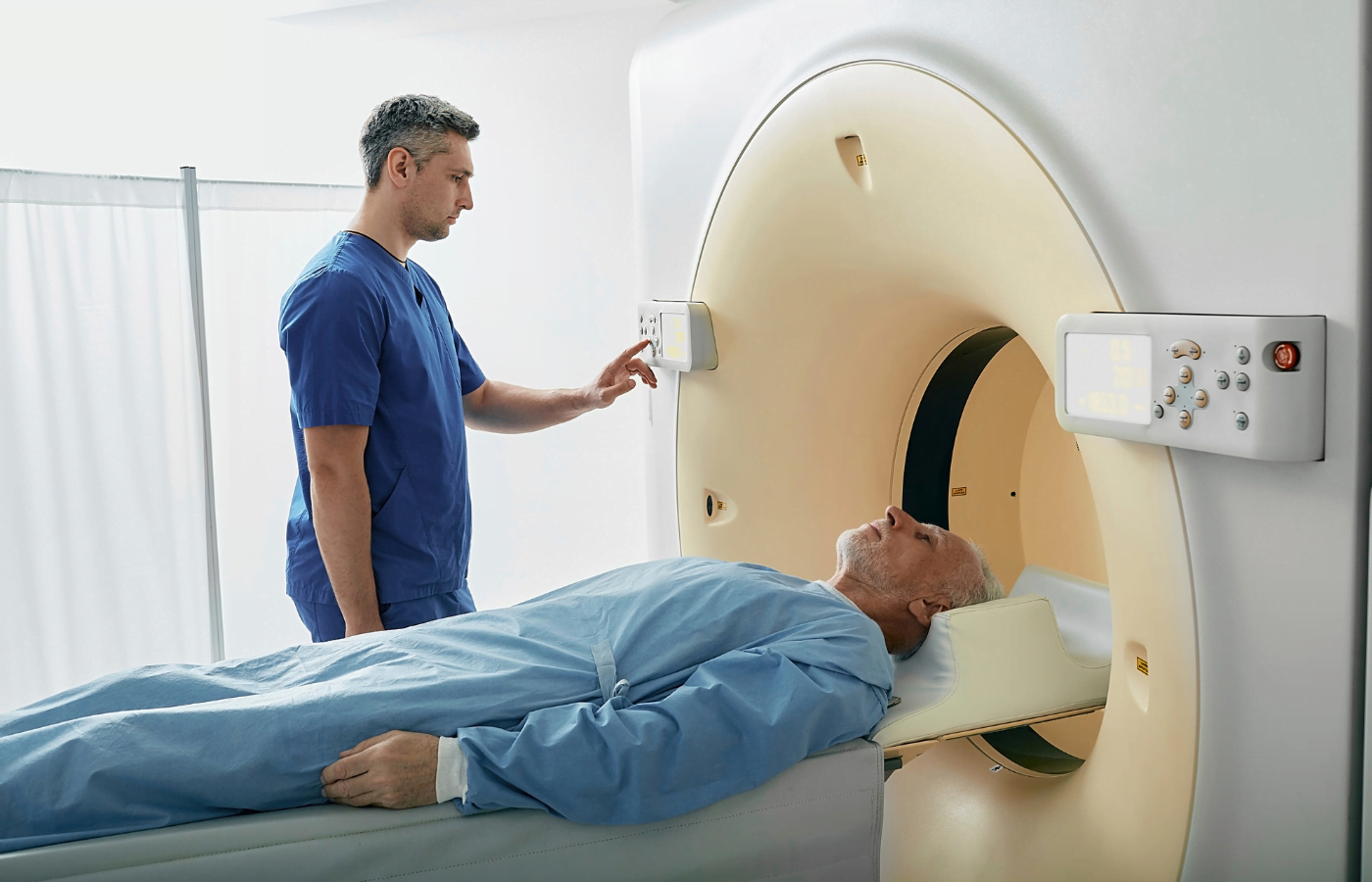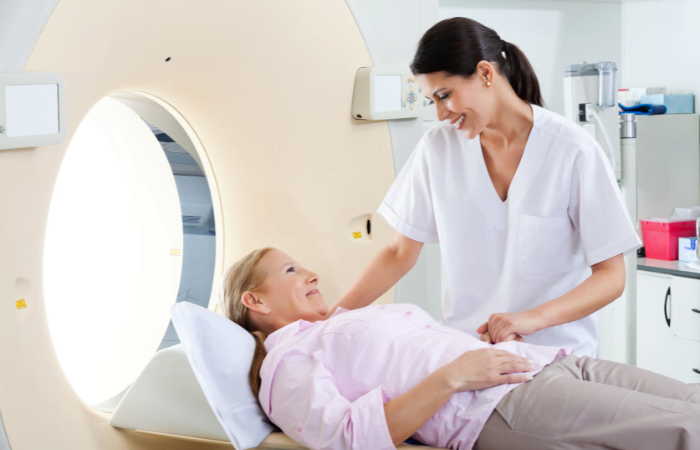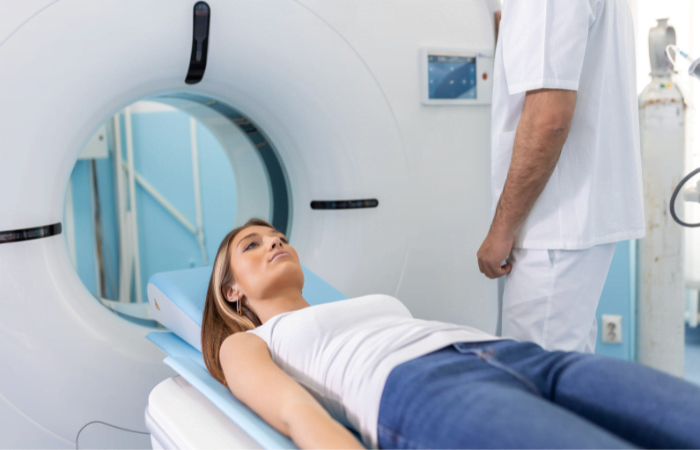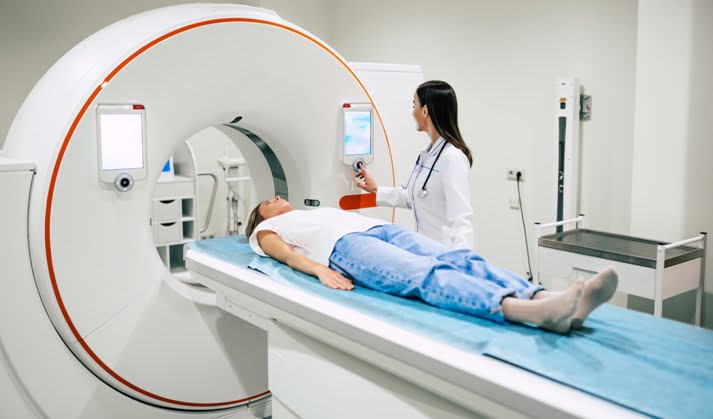
A CT Scan of the paranasal sinuses (PNS) with contrast is an advanced imaging test used to examine the sinus cavities located around the nose and eyes. This scan helps doctors diagnose sinus infections, nasal blockages, tumors, and other abnormalities affecting the sinus region.
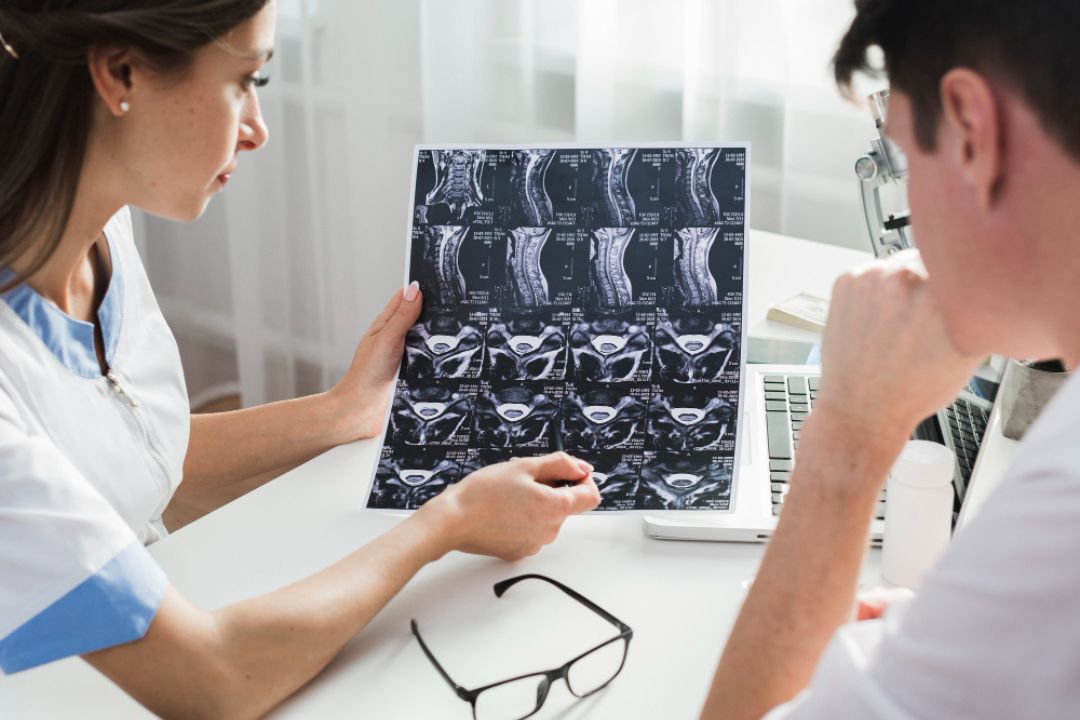
The paranasal sinuses are air-filled spaces within the bones of the face that play an important role in breathing, voice resonance, and mucus drainage. A CT scan provides highly detailed images of these structures, helping doctors detect problems that may not be visible through routine examinations.
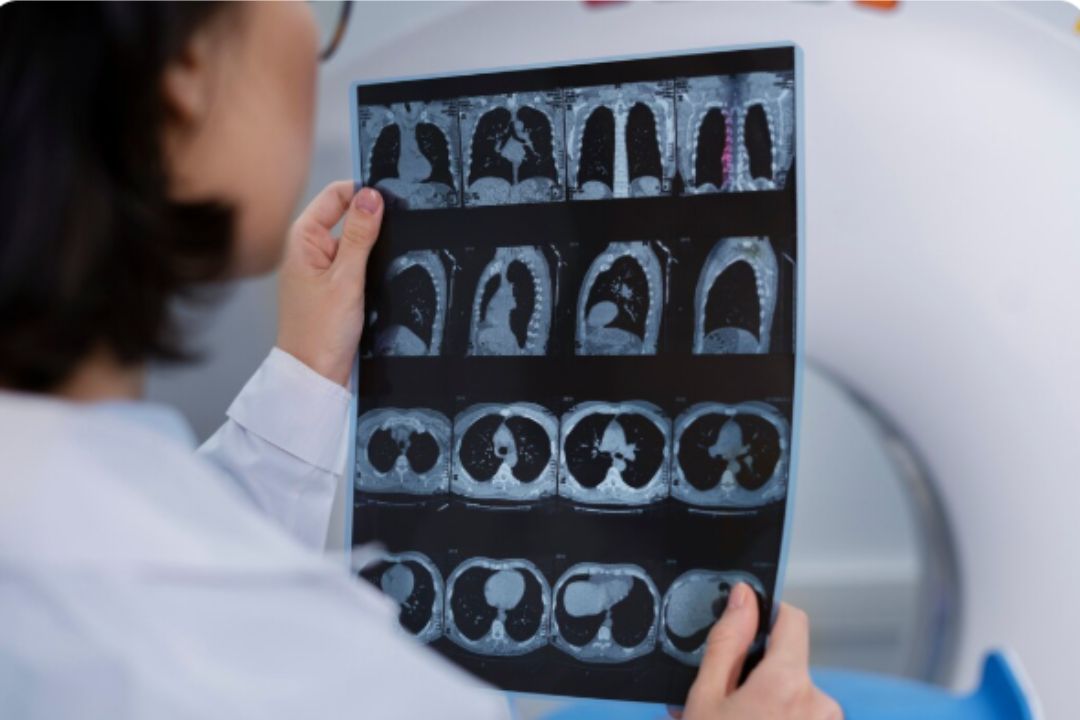
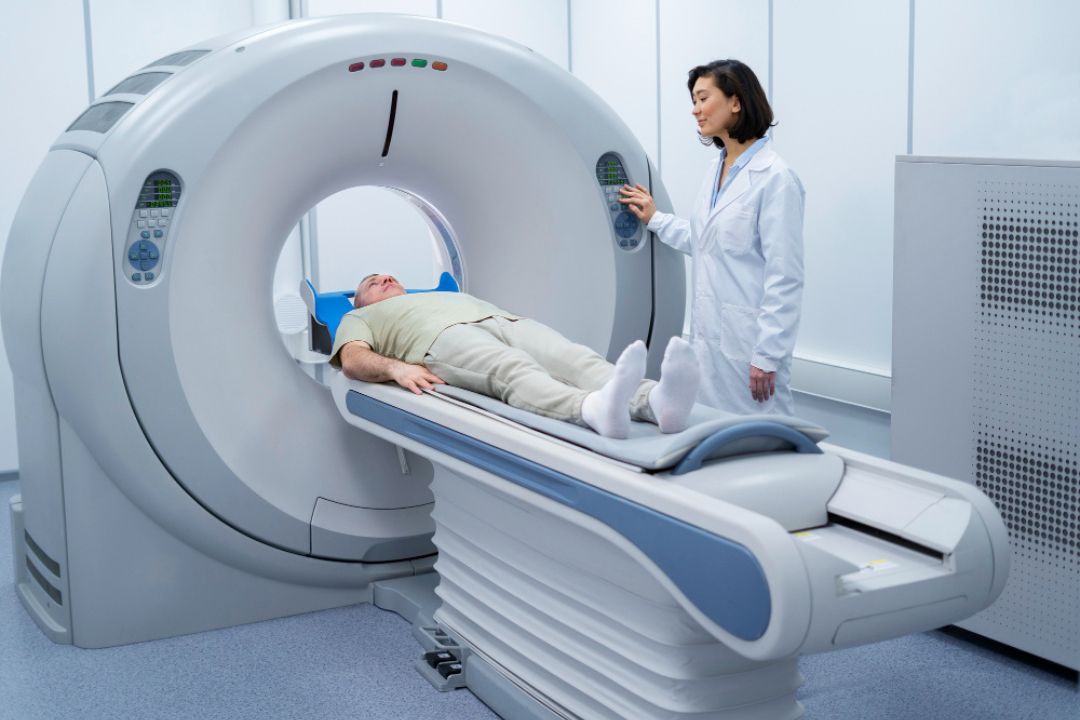
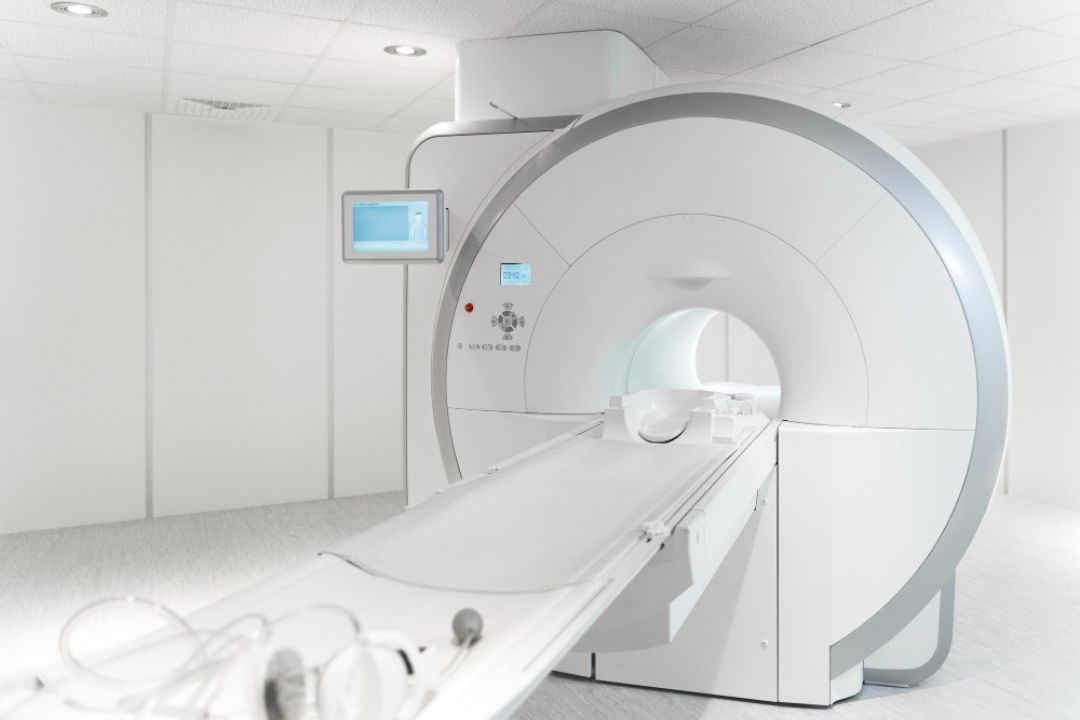
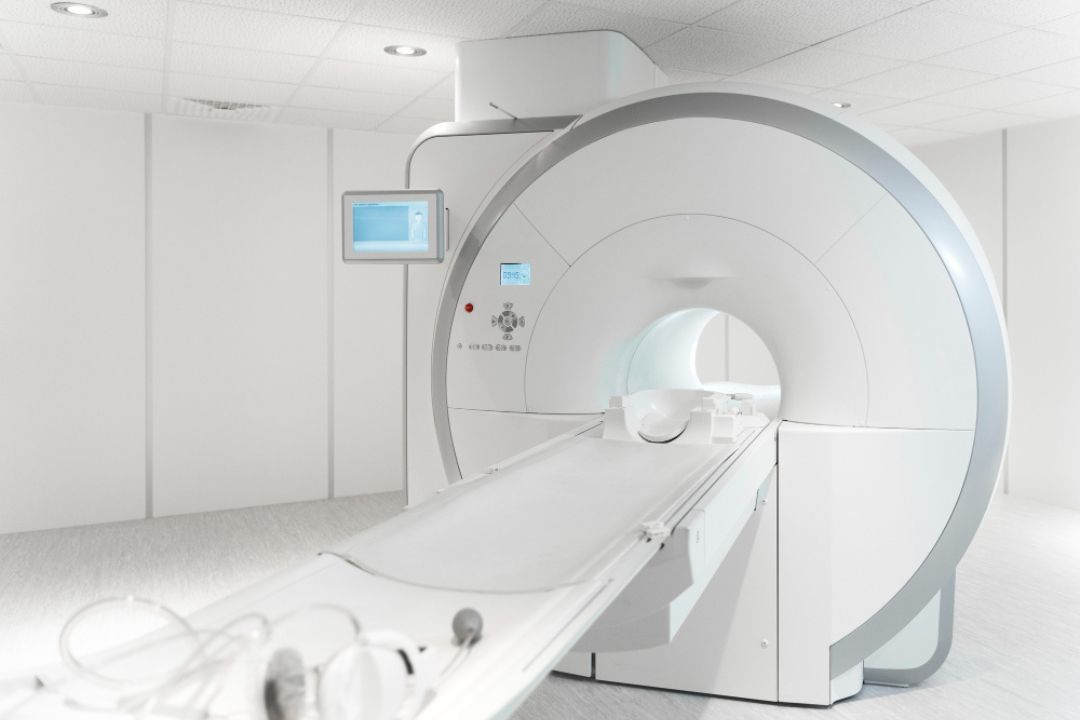
A CT Scan uses X-rays and computer technology to produce detailed cross-sectional images of the body. During a contrast CT scan, a special dye is injected into a vein to highlight blood vessels and soft tissues.
The contrast dye improves image clarity and helps doctors detect inflammation, infections, tumors, and structural abnormalities within the sinuses more accurately.
This test is quick, non-invasive, and usually completed within 10 to 20 minutes.
A CT scan of the paranasal sinuses examines four major sinus groups in the facial bones.
These sinuses are located under the eyes and are the largest sinus cavities. They are commonly affected by sinus infections and inflammation.
These sinuses are located in the forehead above the eyes. A CT scan can detect infections, swelling, or blockage in this area.
The ethmoid sinuses are located between the eyes and consist of several small air cells. CT imaging helps identify infections, polyps, or structural abnormalities.
These sinuses are located deeper in the skull behind the eyes. A CT scan helps detect tumors, infections, and other hidden abnormalities in this region.
Doctors may recommend this scan to diagnose a variety of sinus-related conditions. Some common reasons include:
Chronic sinus infections
Nasal blockage or breathing difficulties
Facial pain or swelling
Suspected sinus tumors or cysts
Evaluation before sinus surgery
Detection of fungal infections or abscesses
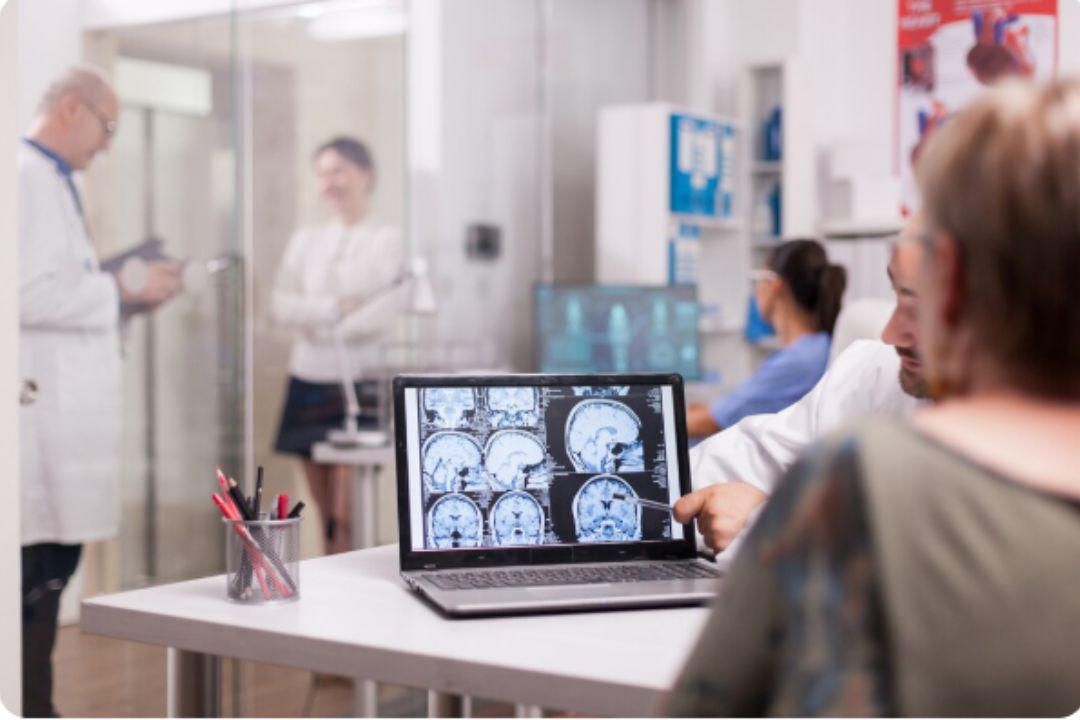
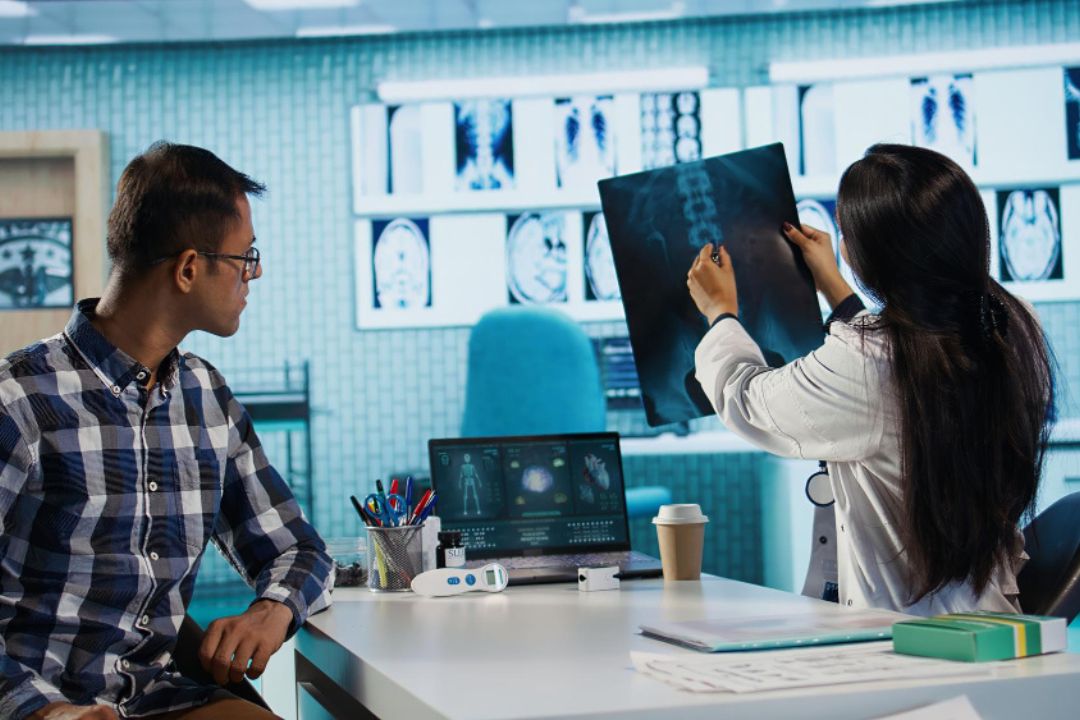
This scan provides a comprehensive view of the sinus cavities and surrounding structures, allowing doctors to diagnose sinus diseases accurately.
A CT Scan of the paranasal sinuses may be recommended if you experience symptoms such as:
Persistent nasal congestion
Frequent sinus headaches
Facial pain or pressure
Post-nasal drip
Difficulty breathing through the nose
Recurrent sinus infections
Loss of smell
These symptoms often indicate sinus inflammation, infection, or structural problems that require detailed imaging for proper diagnosis.
Preparation for this test is usually simple.
Patients may be asked to avoid eating or drinking for a few hours before the scan if contrast dye is used. It is also important to inform the doctor about allergies, medications, kidney disease, or pregnancy.
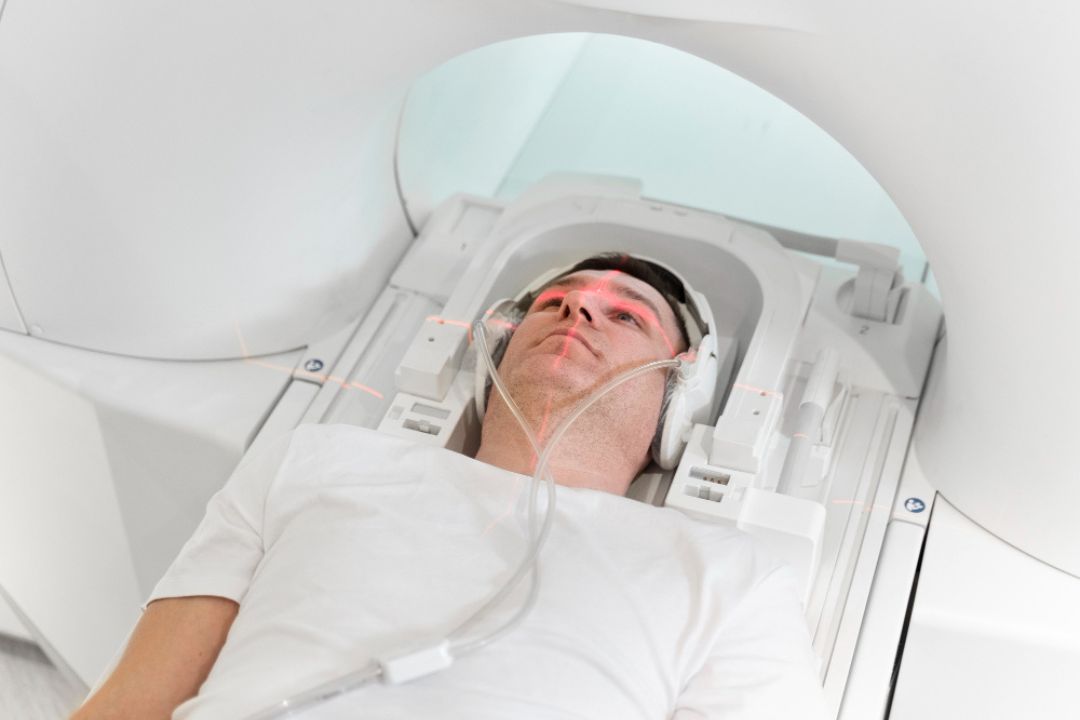
Patients should remove metal objects such as jewelry or glasses before the scan to avoid interference with imaging.
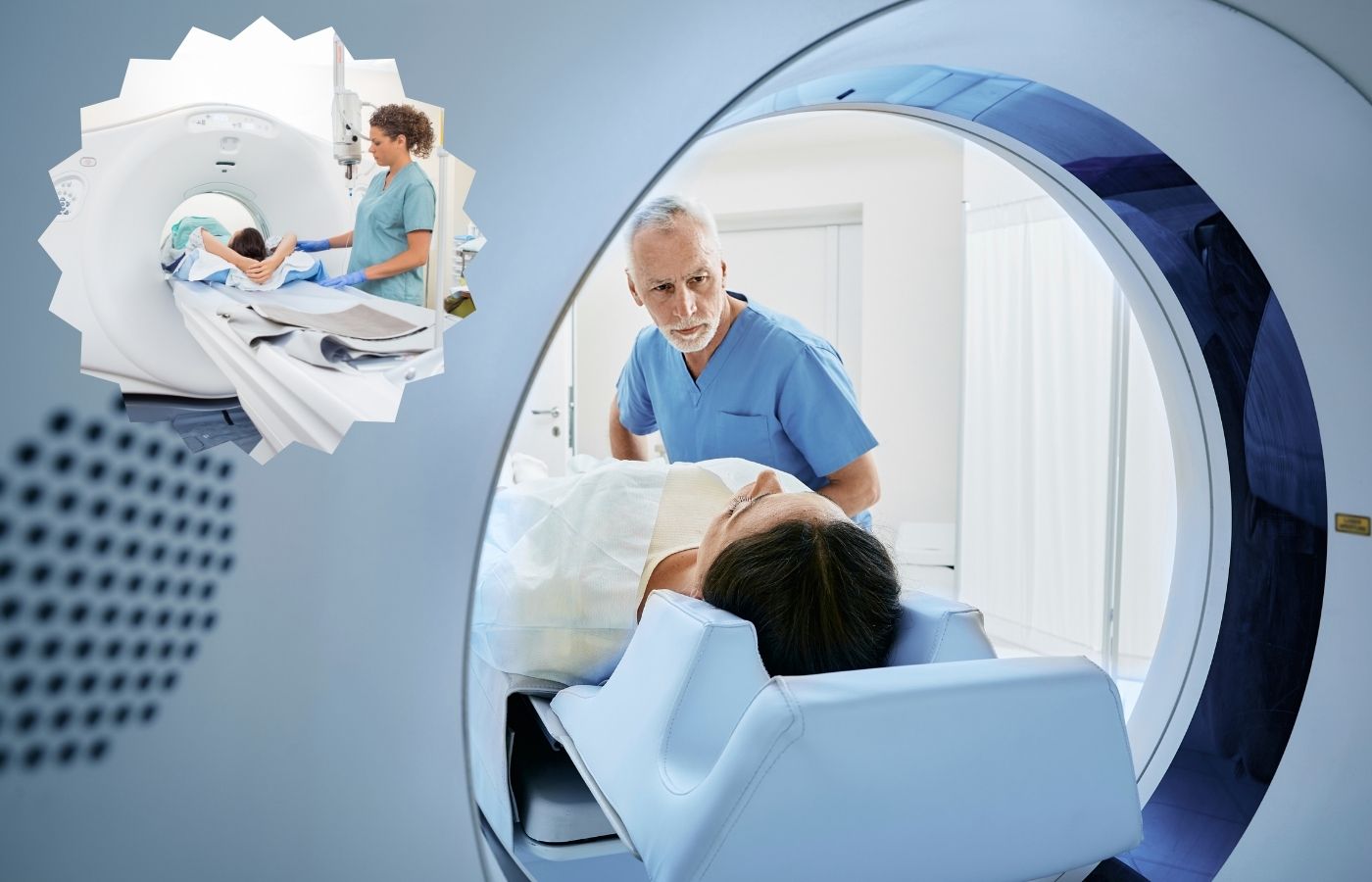
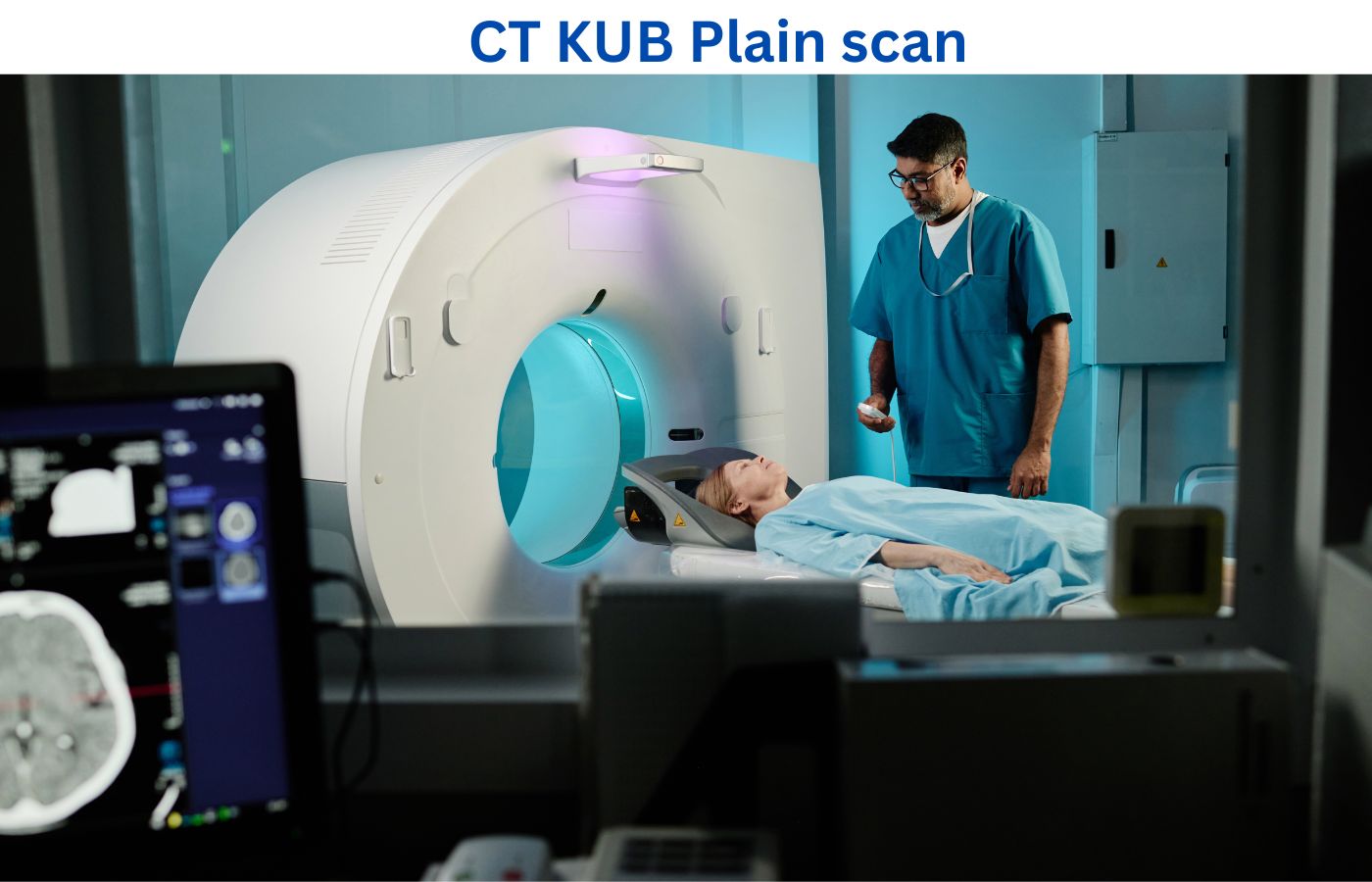
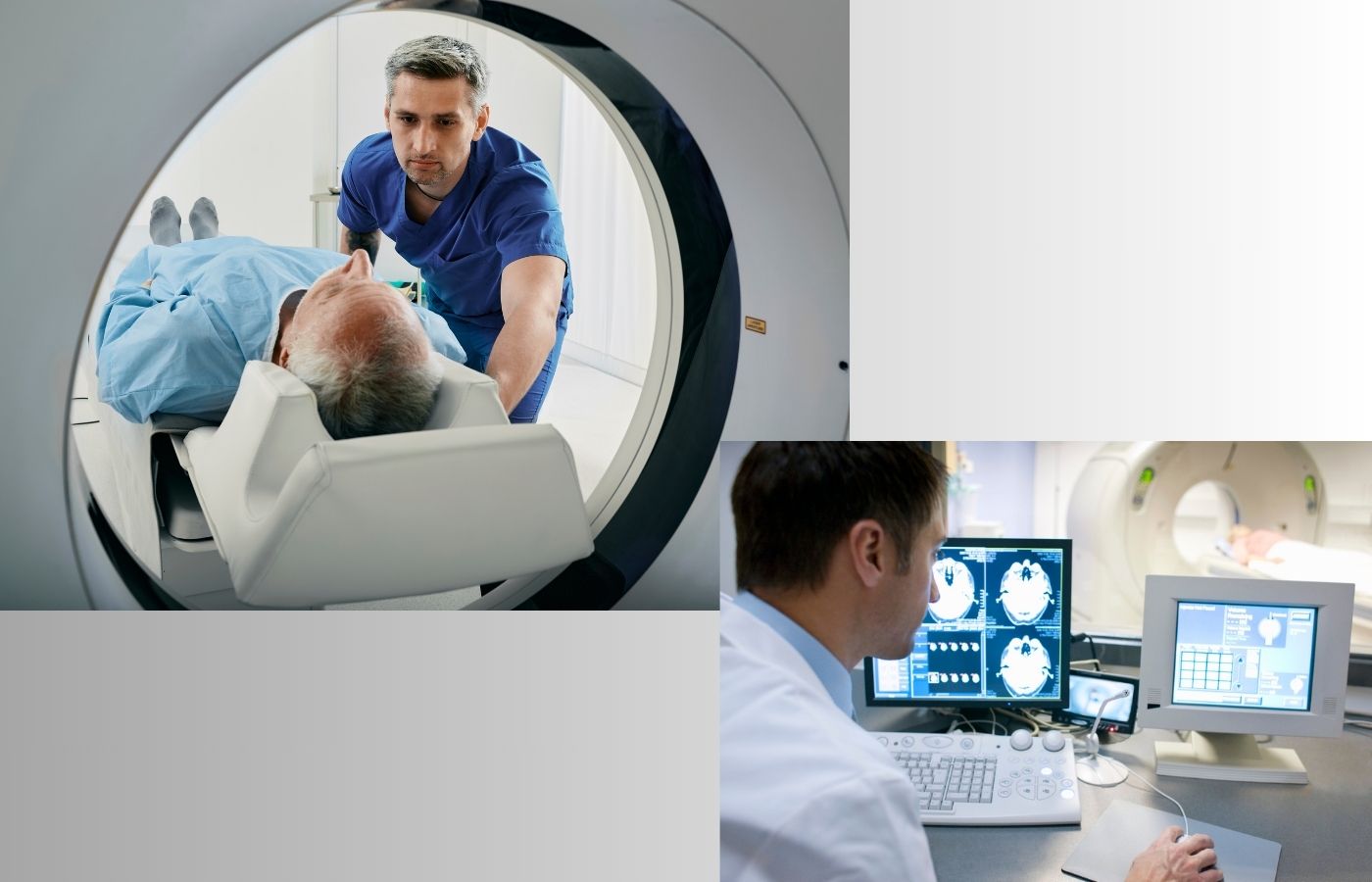
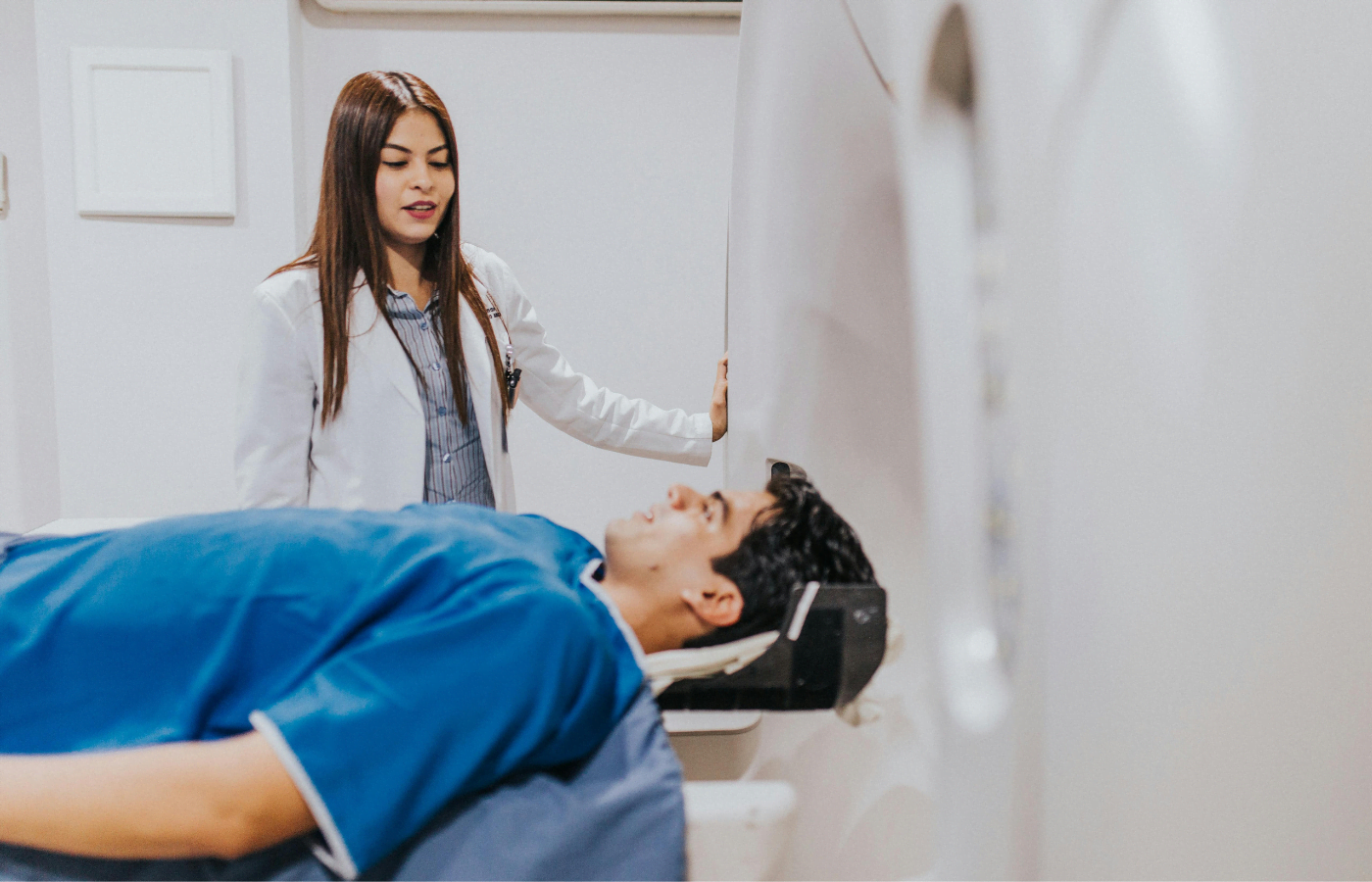
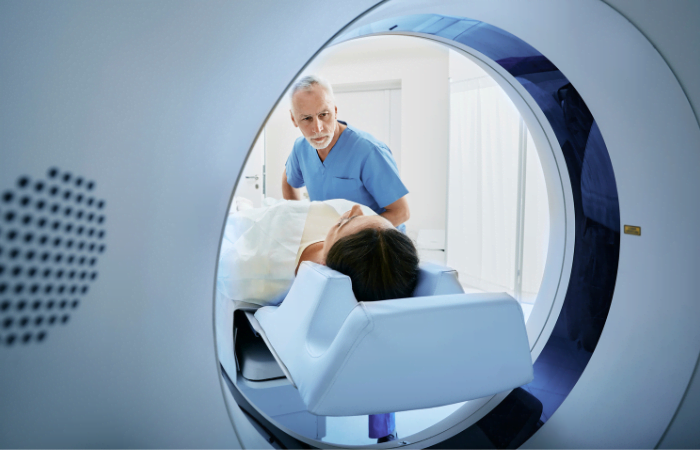
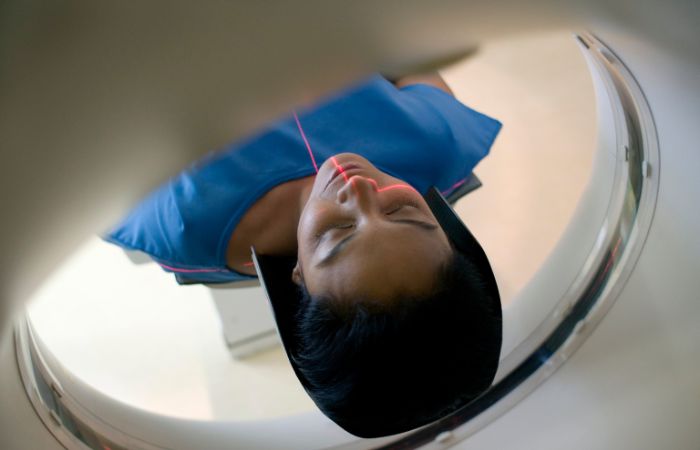
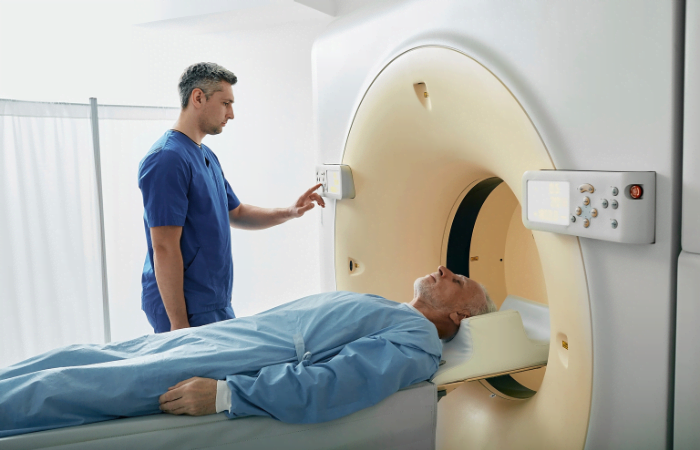
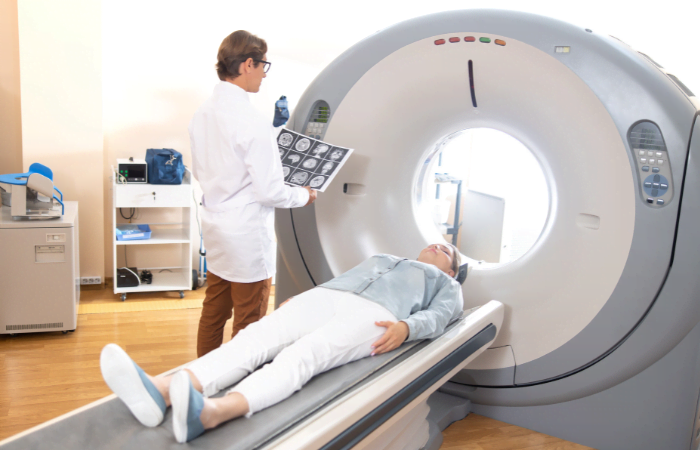
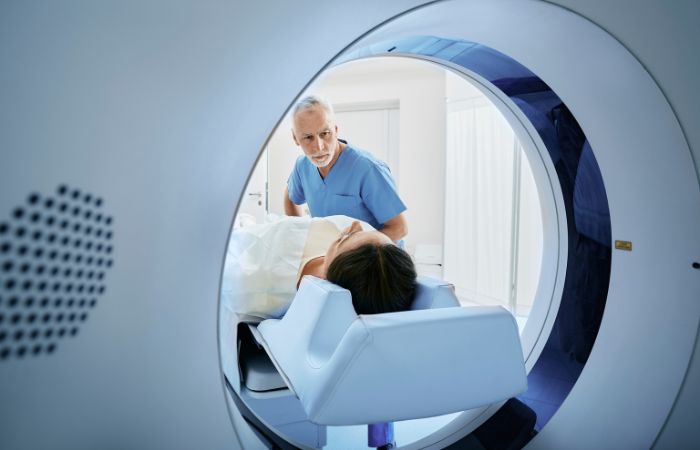
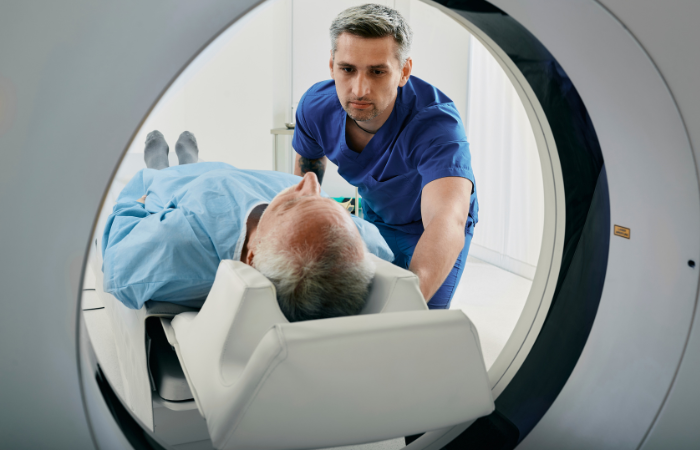
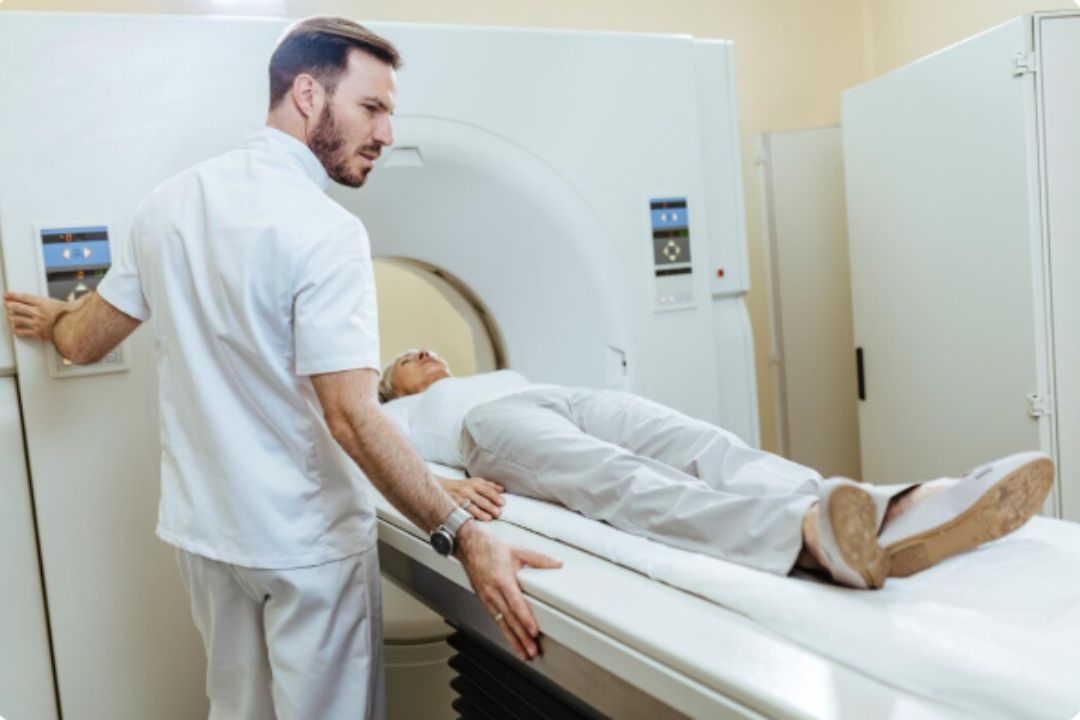
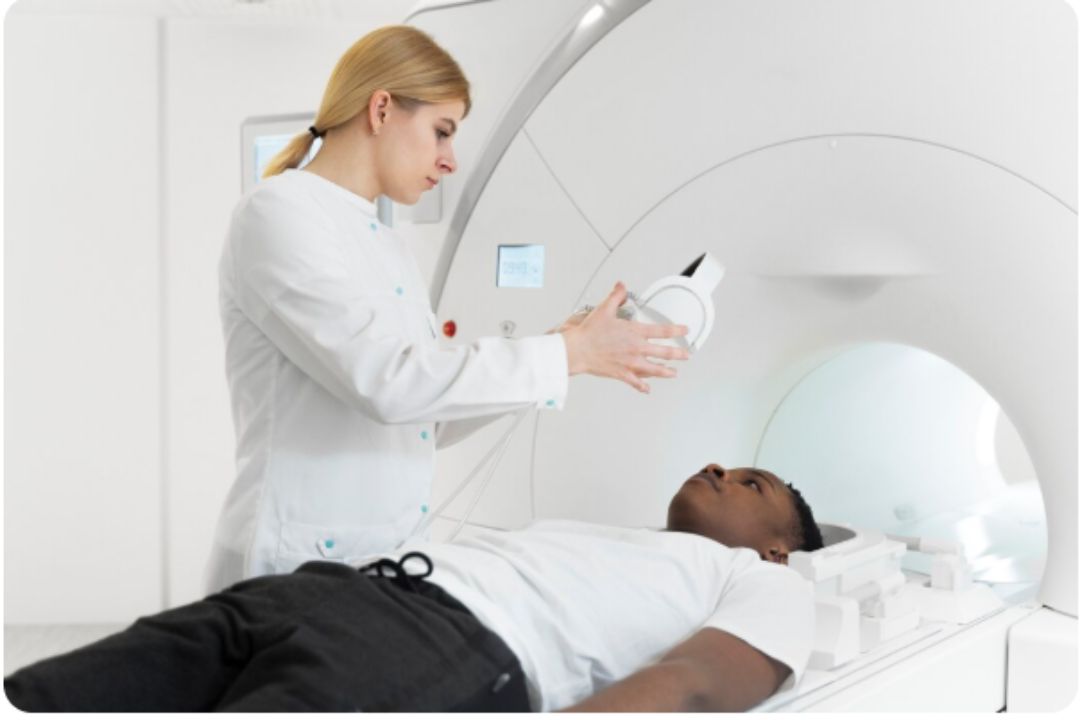
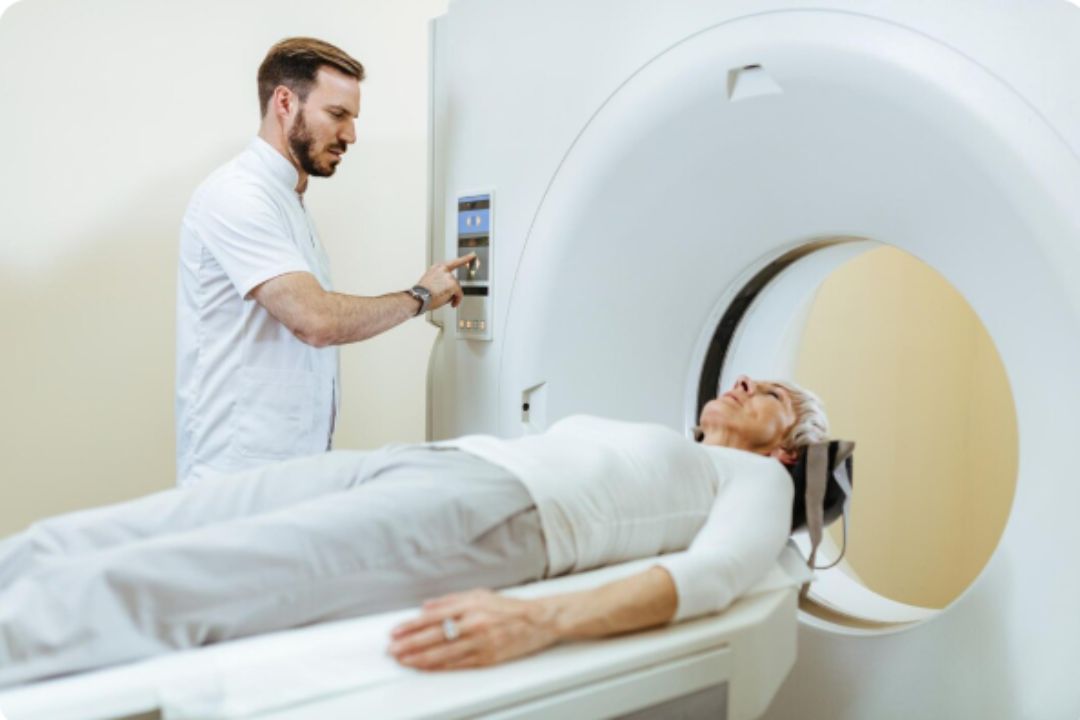
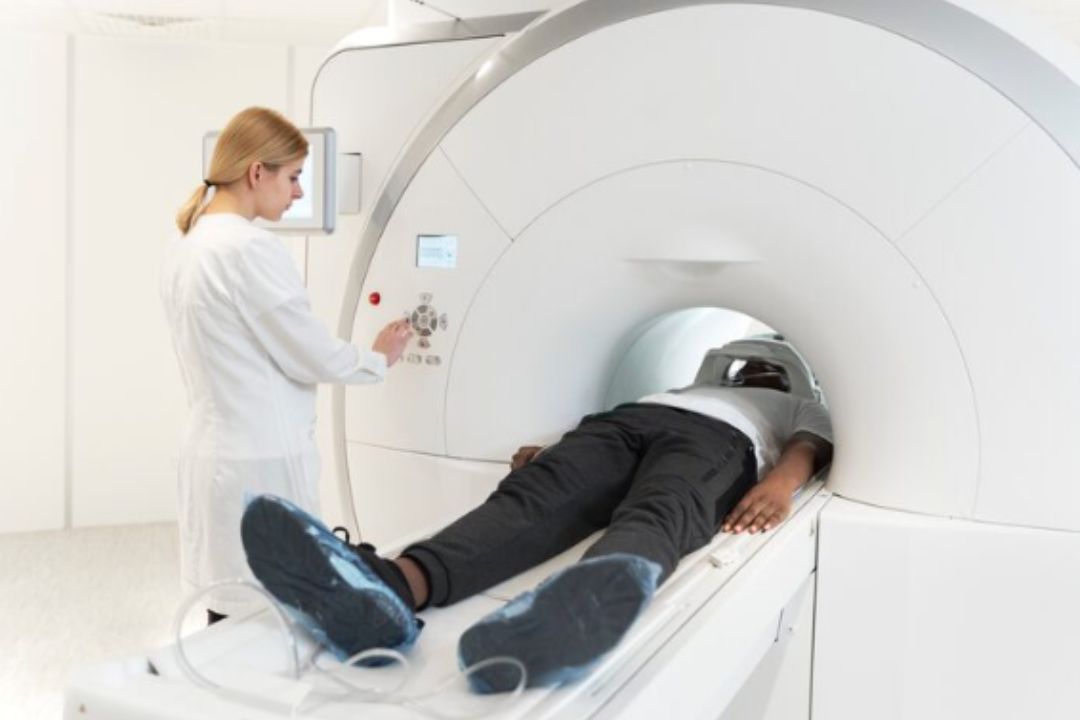
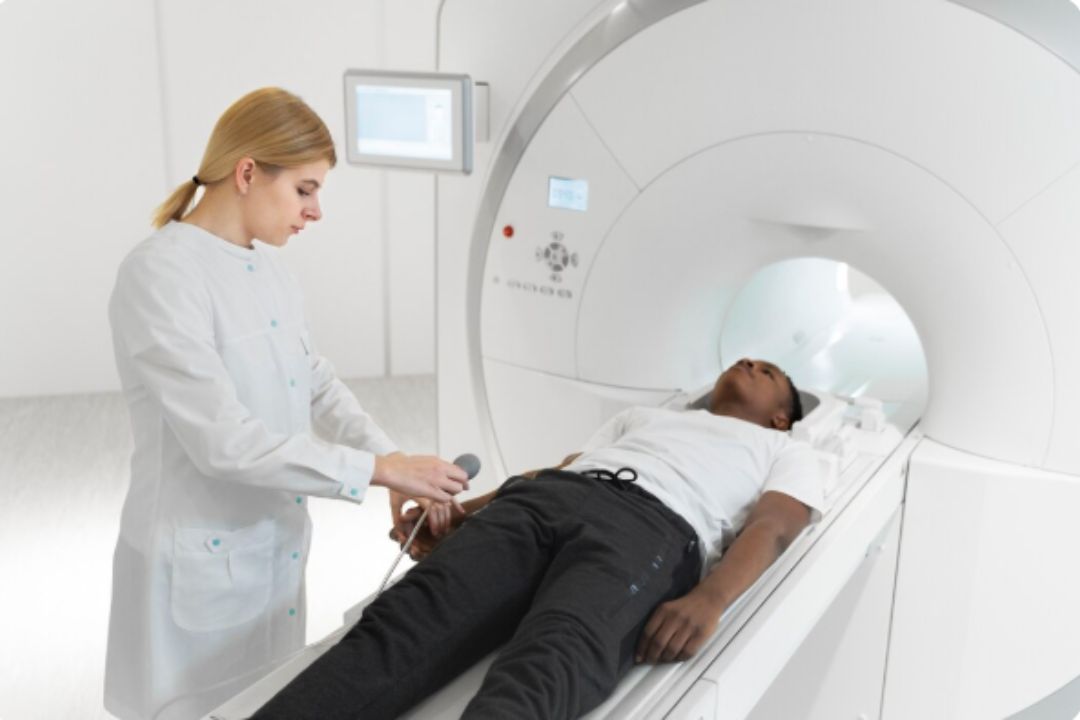
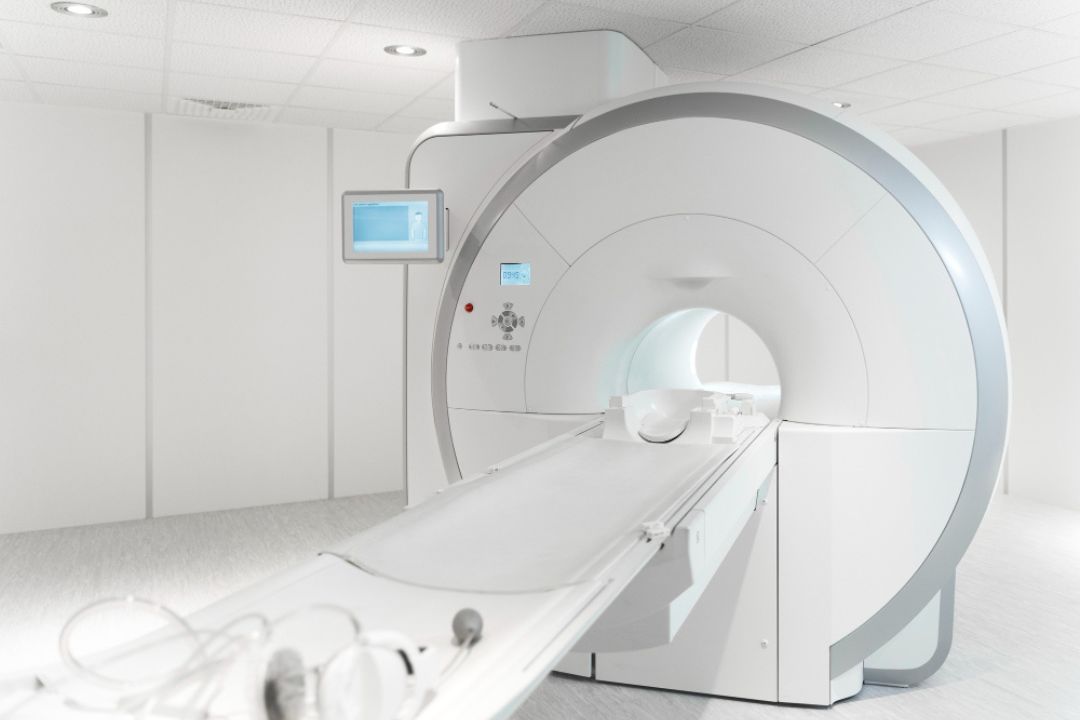
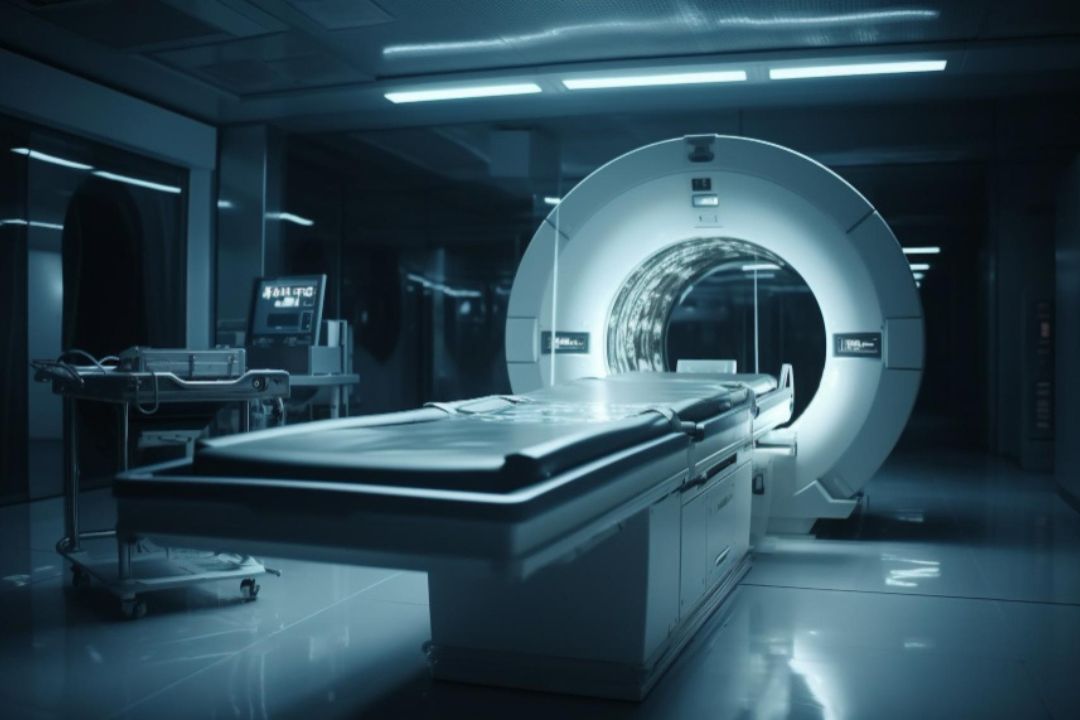
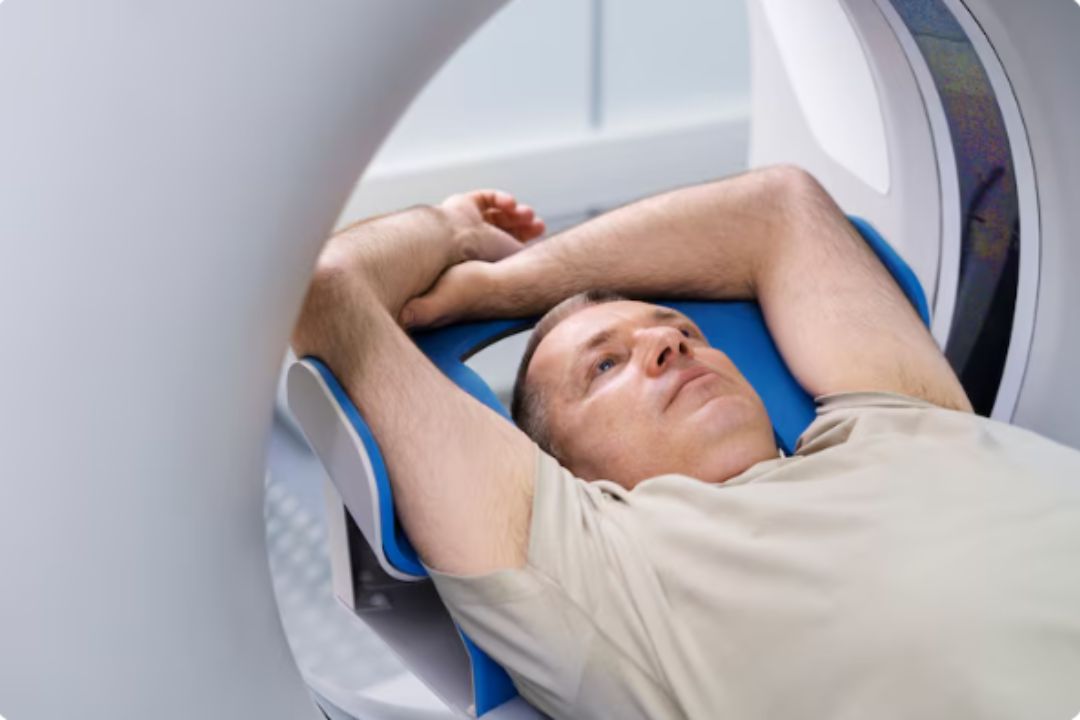
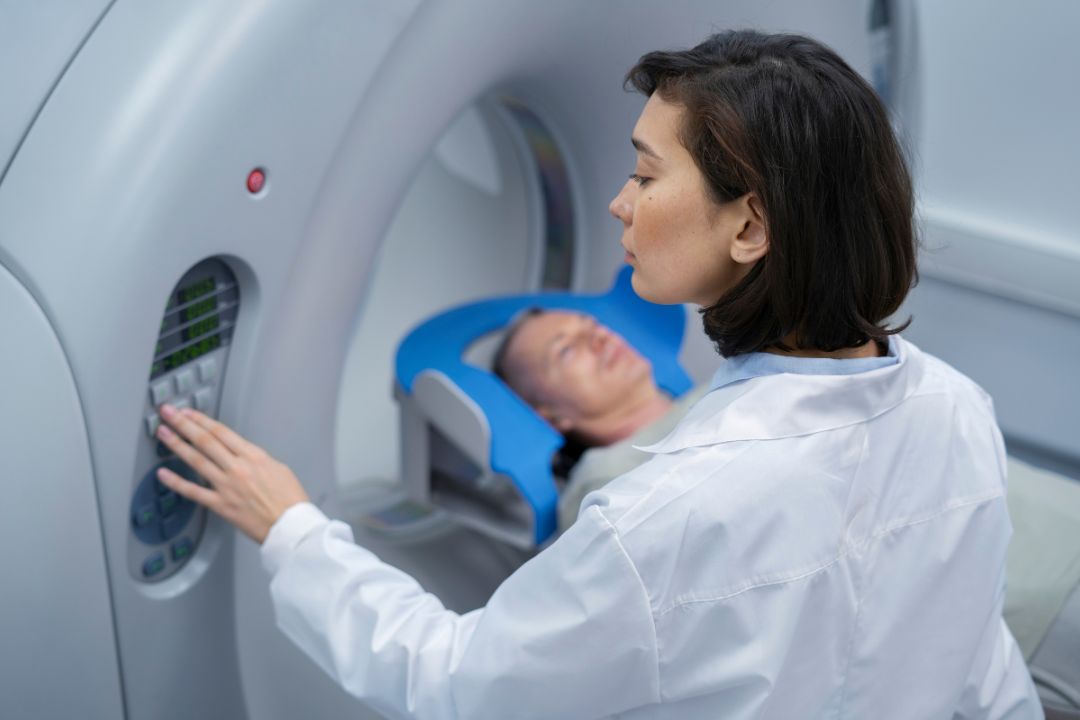
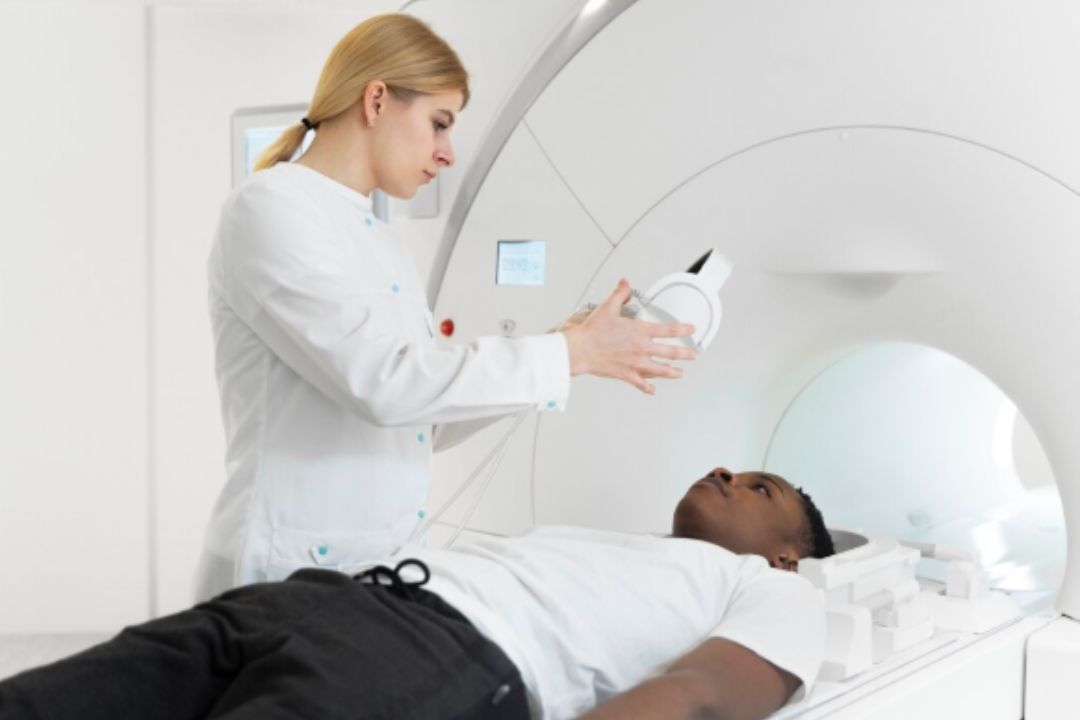
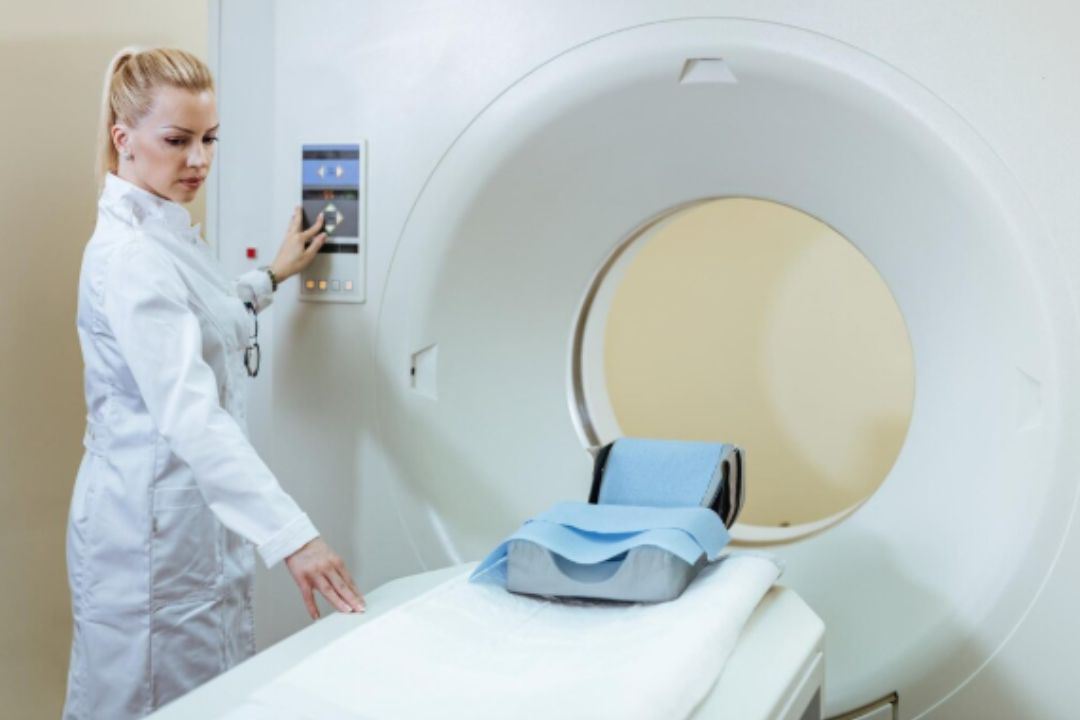
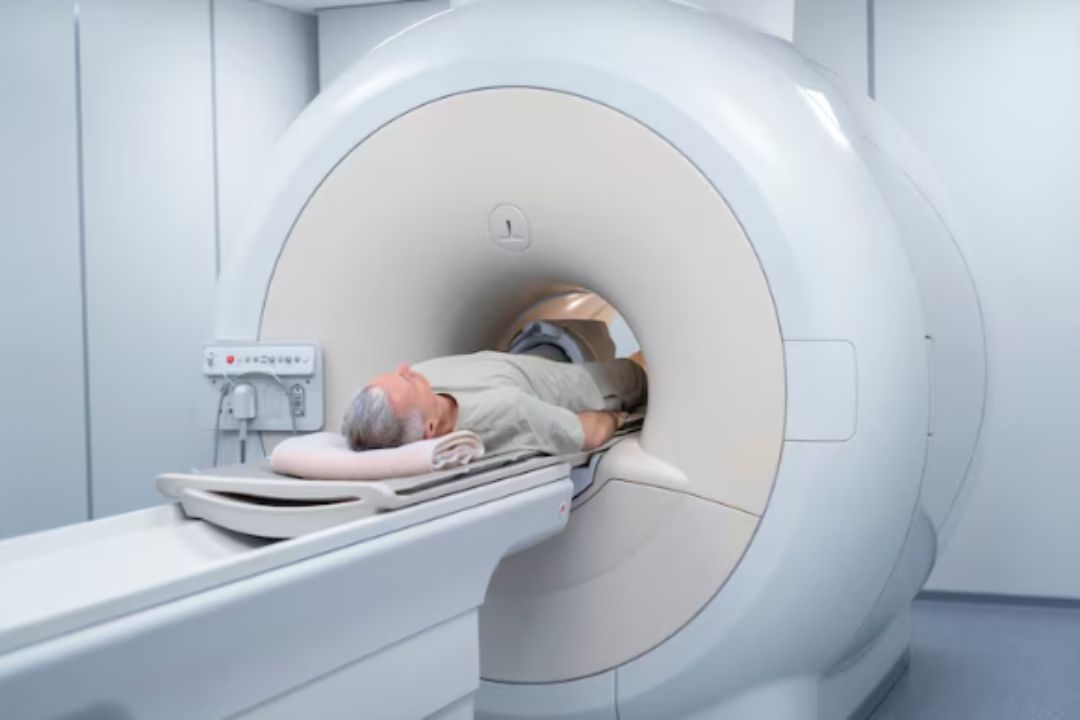
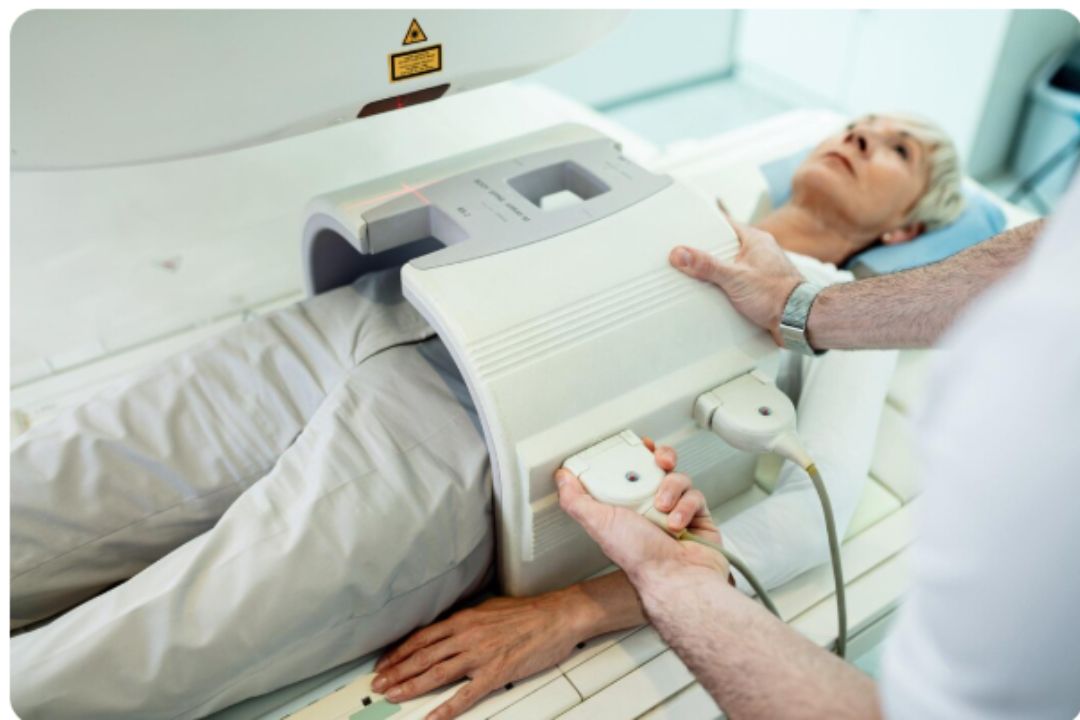
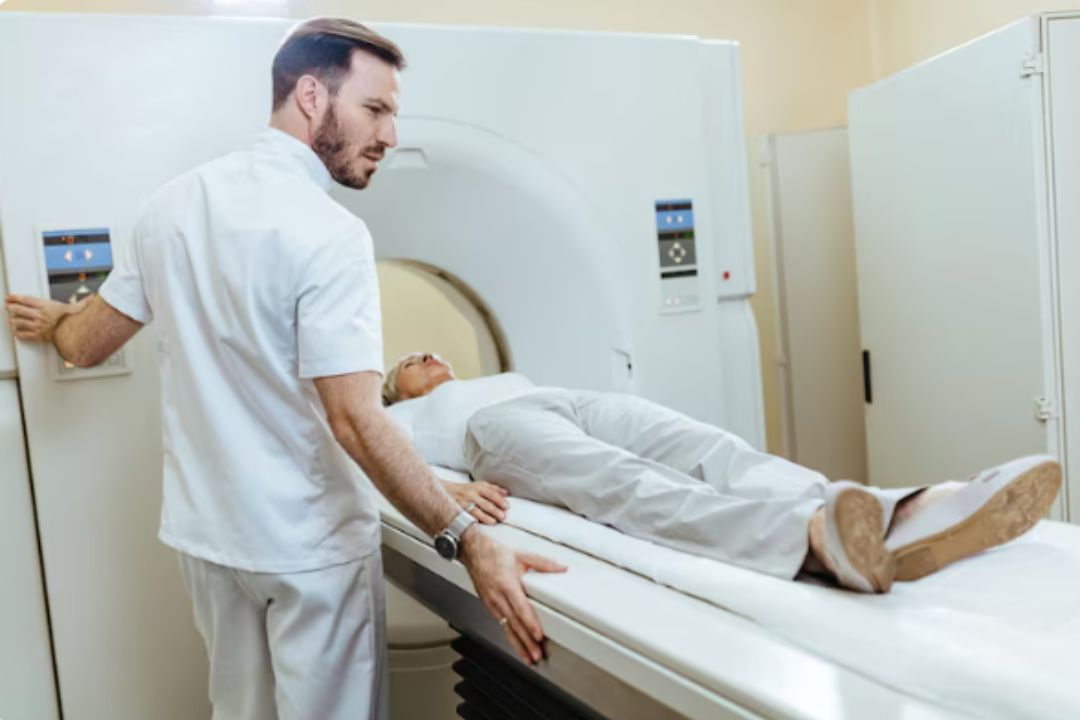
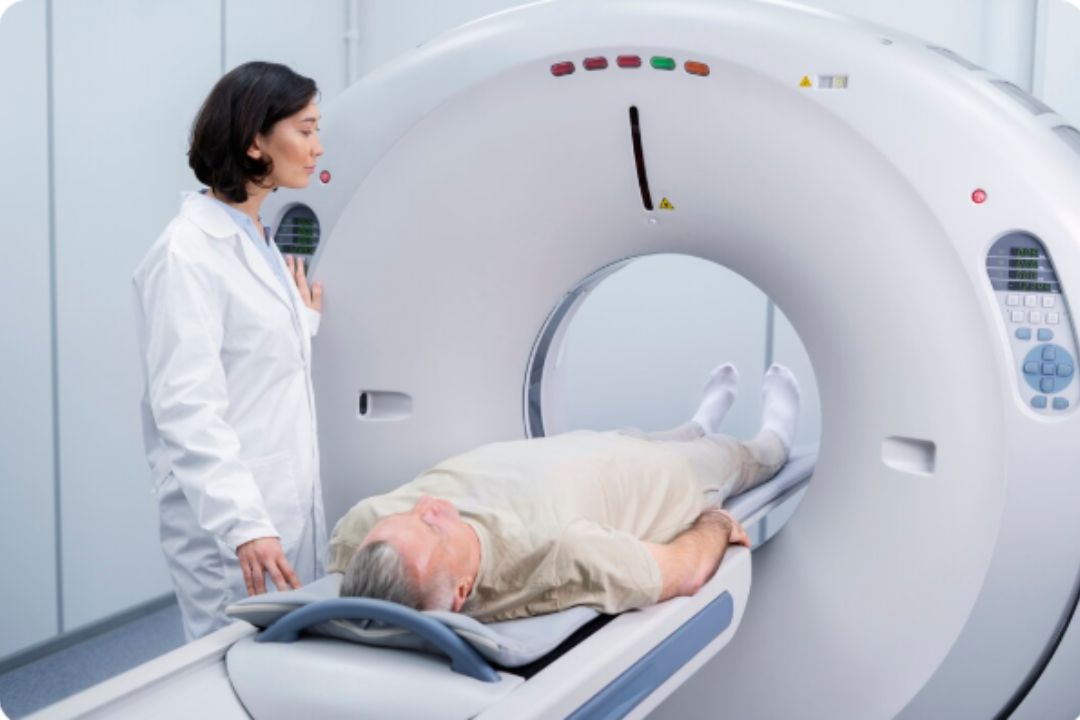
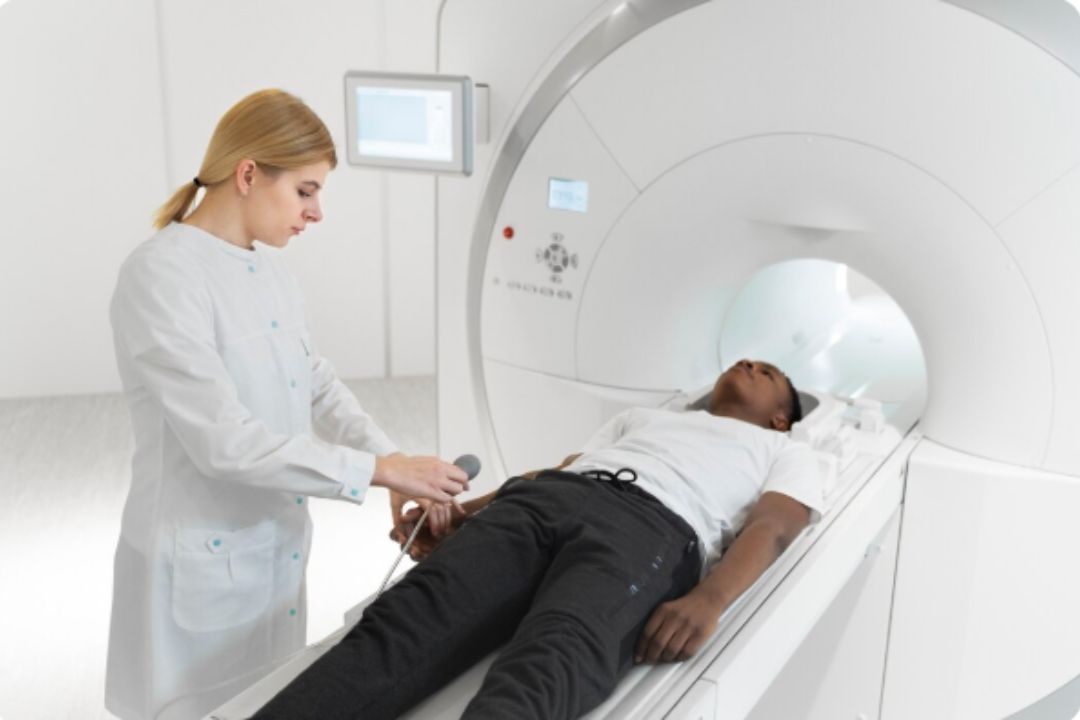
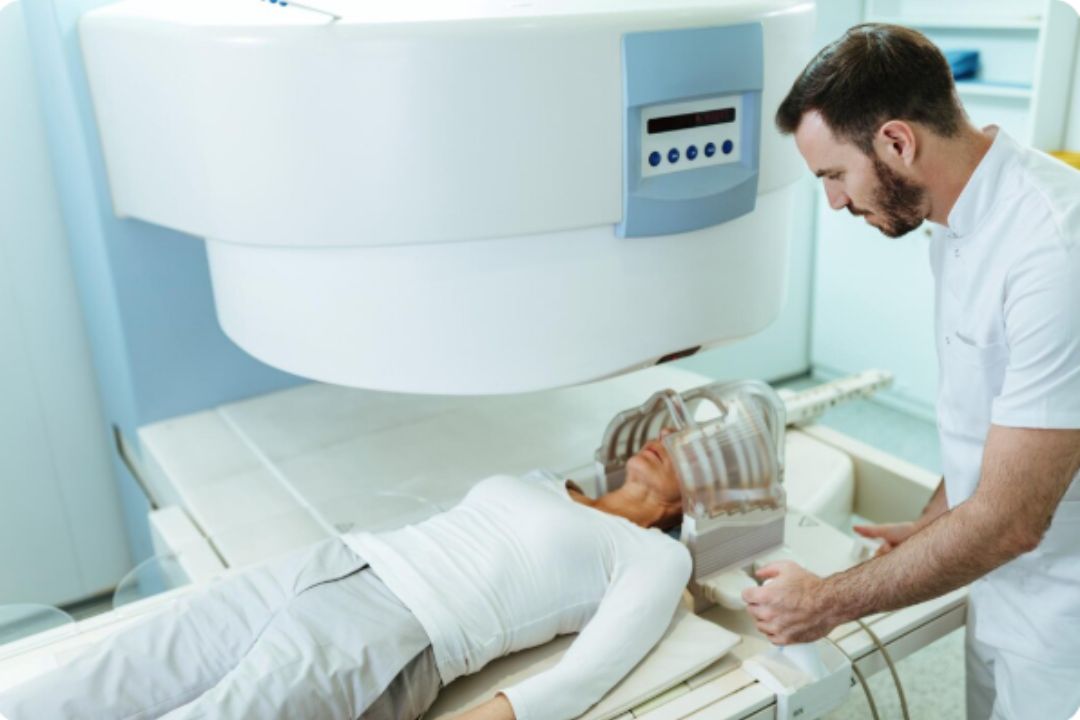
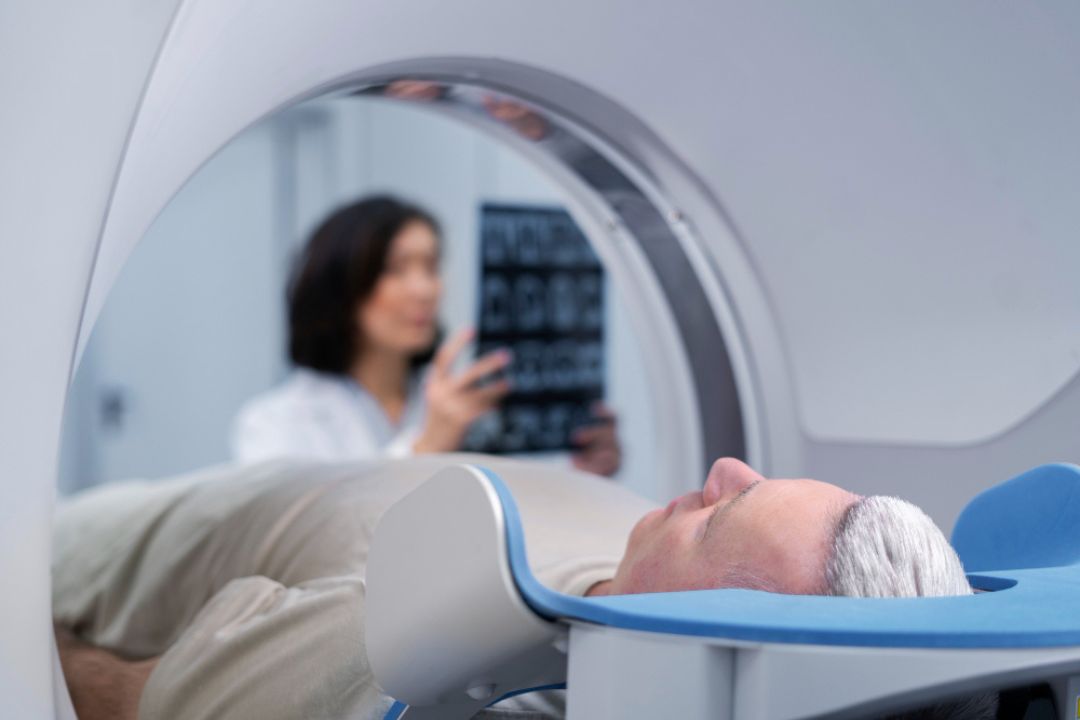
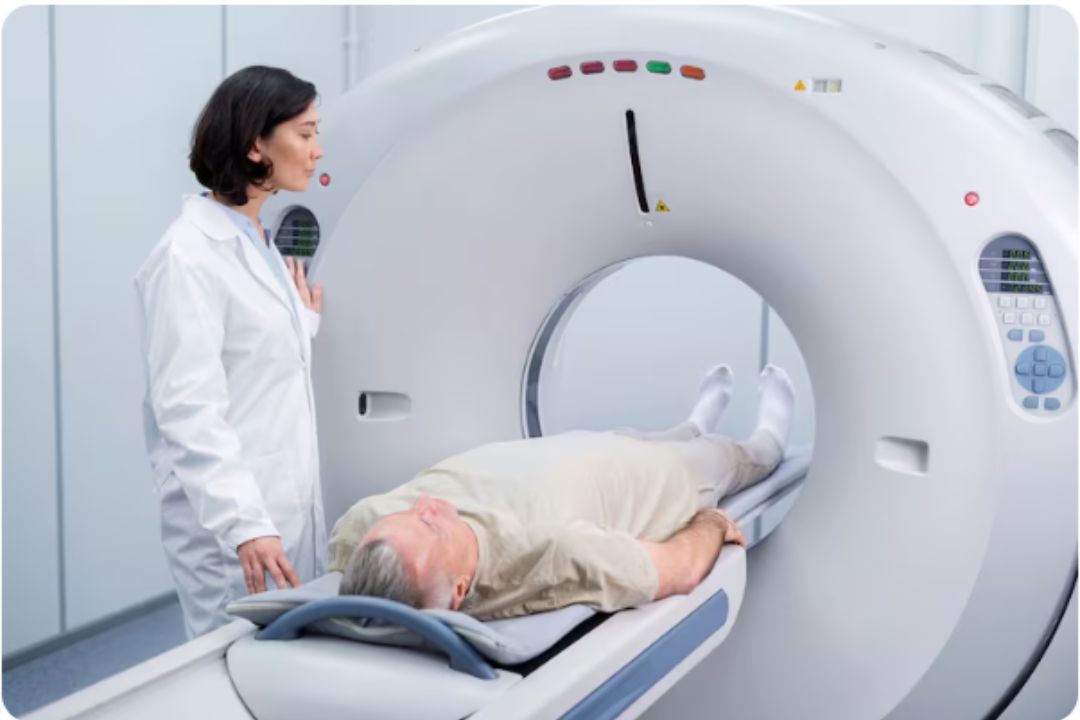
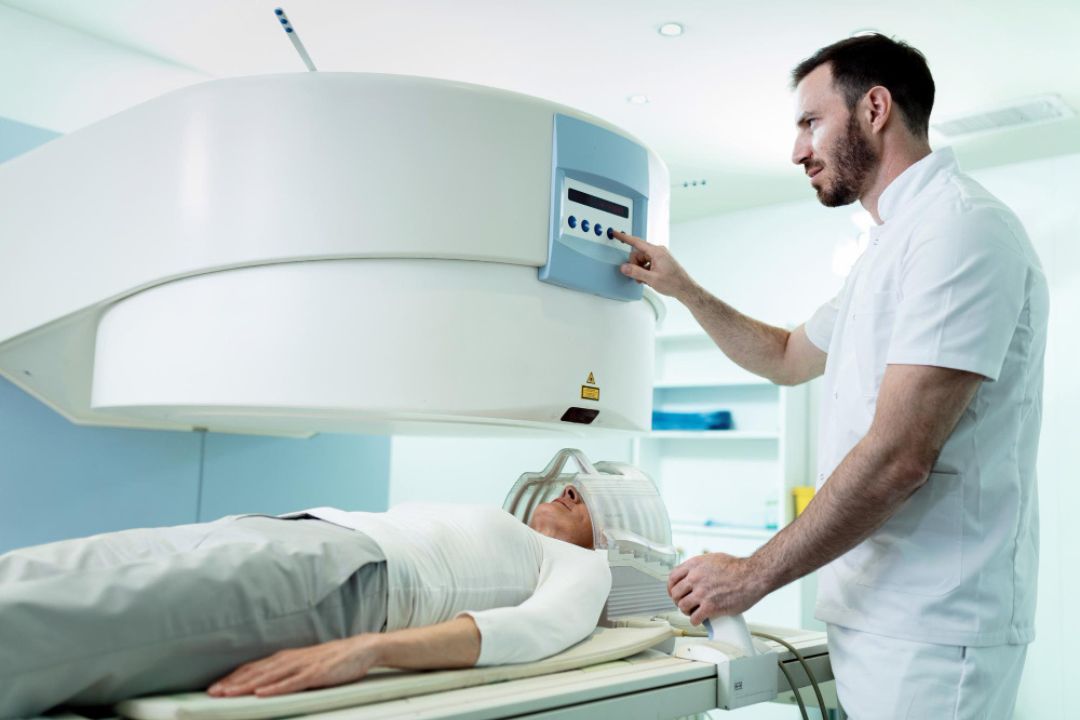
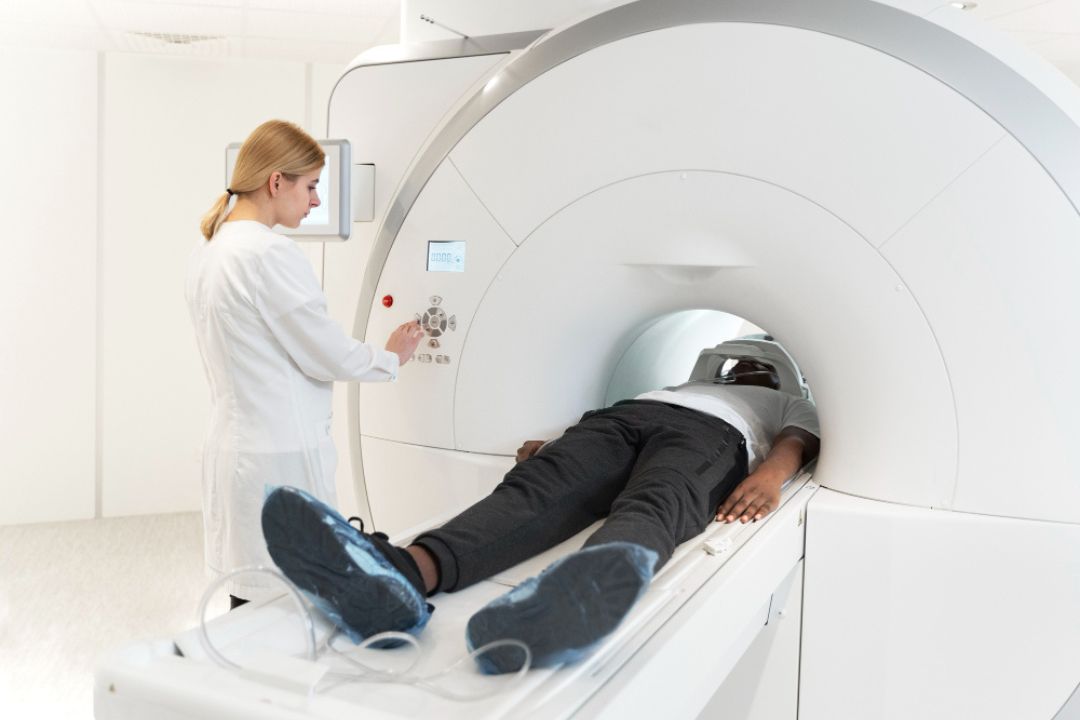
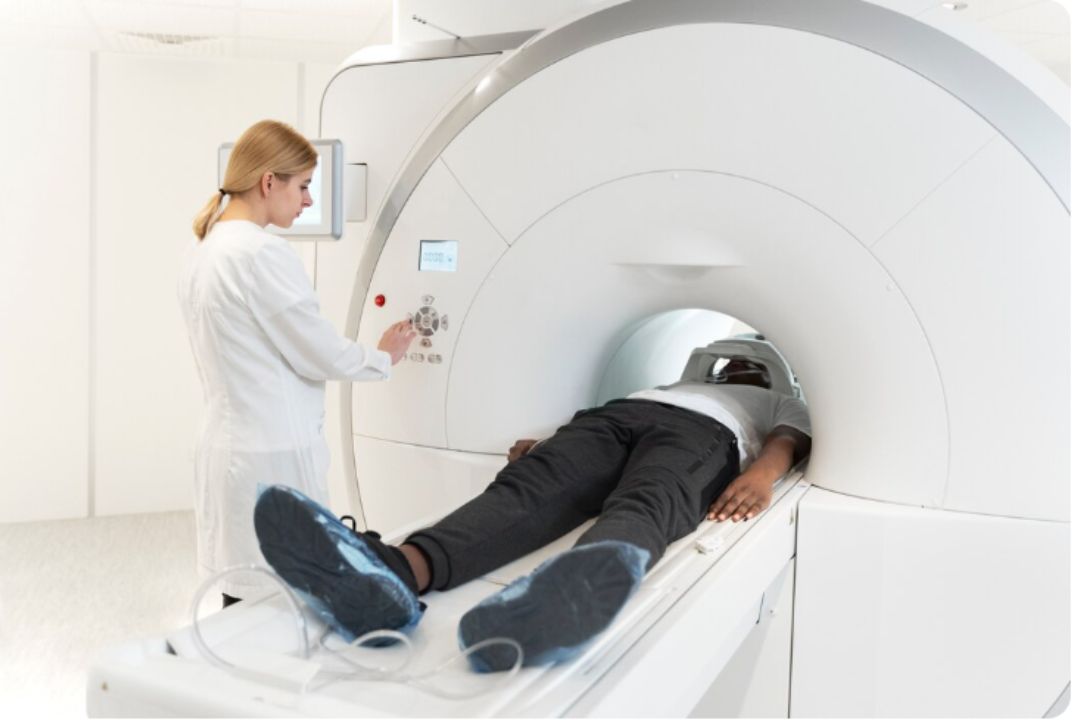
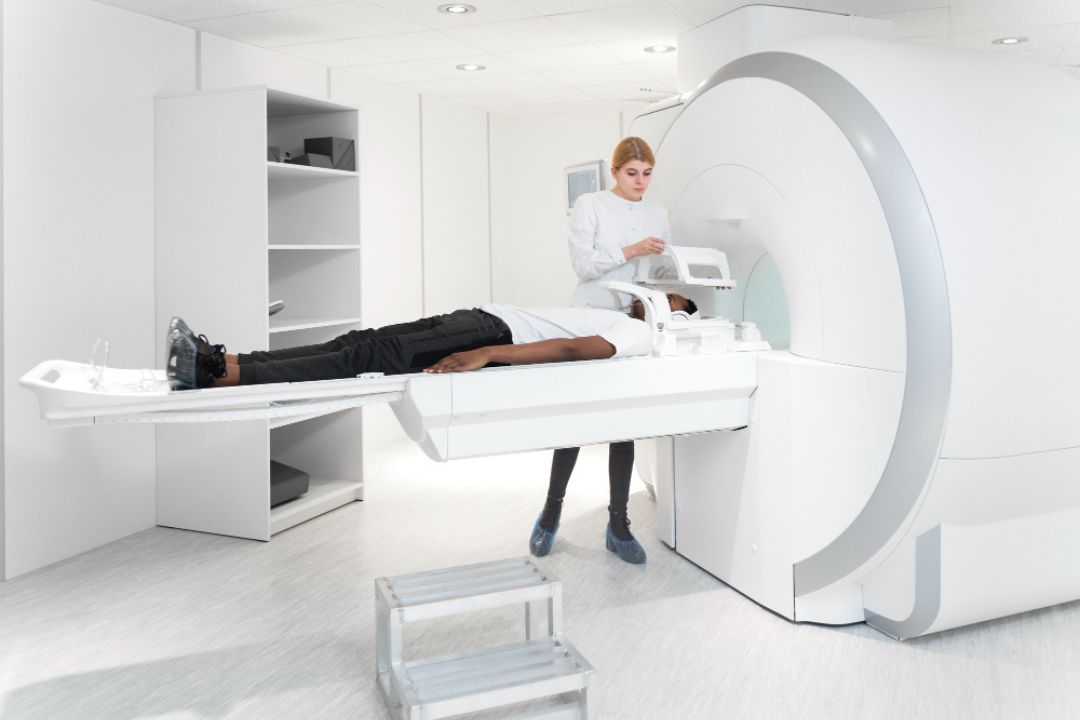
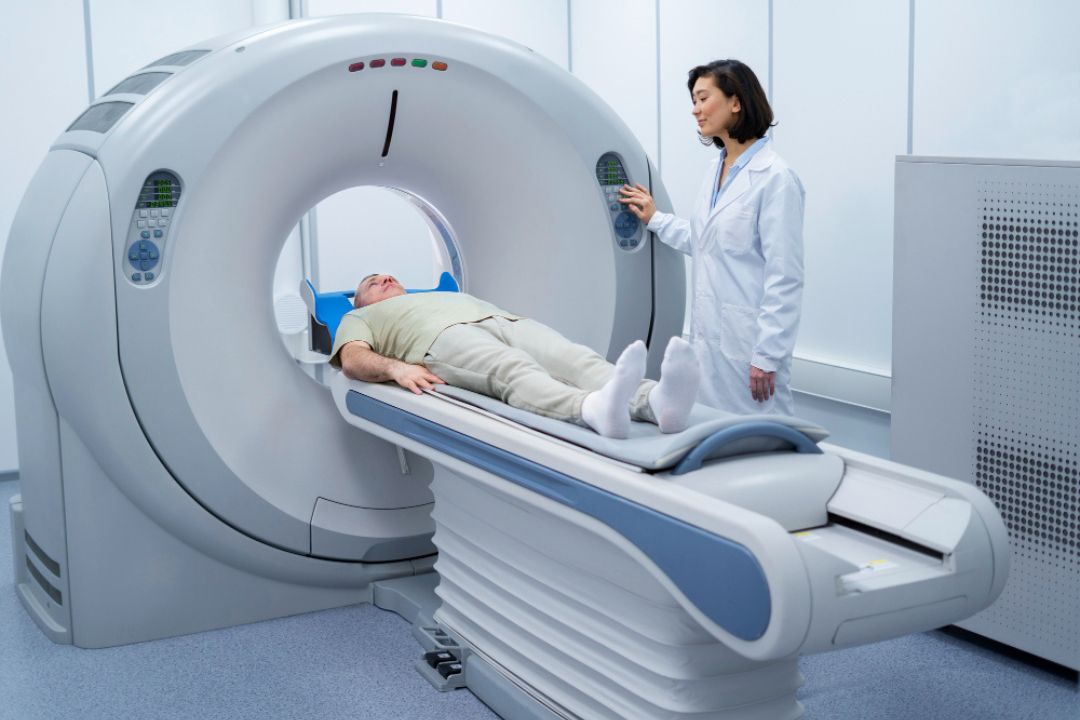
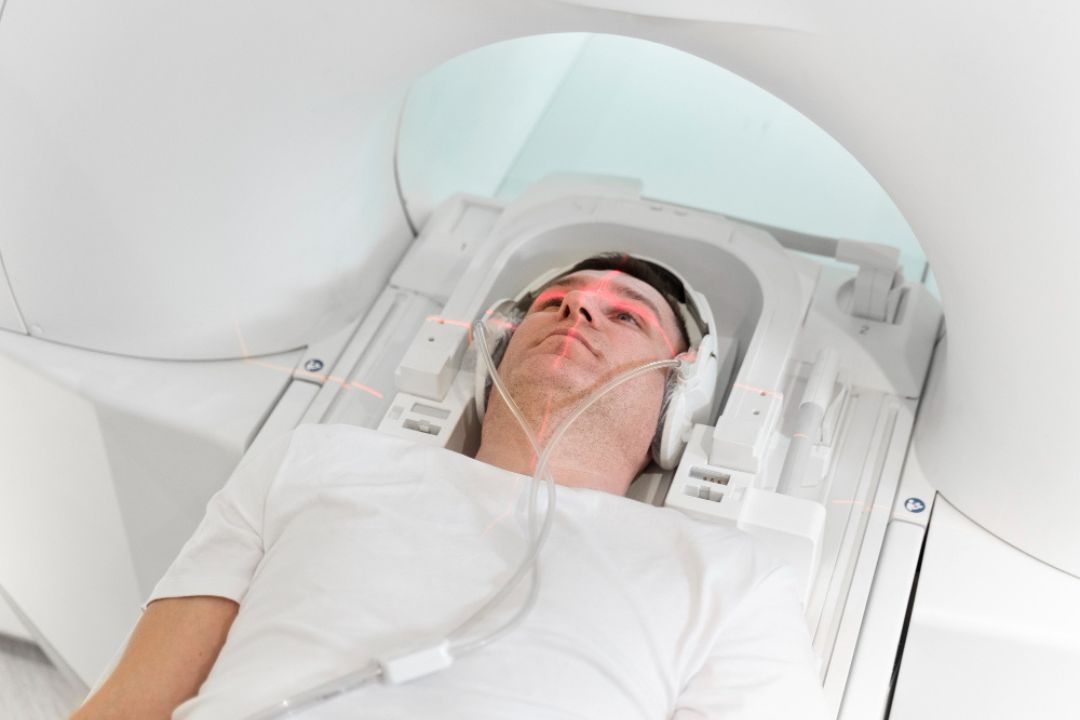
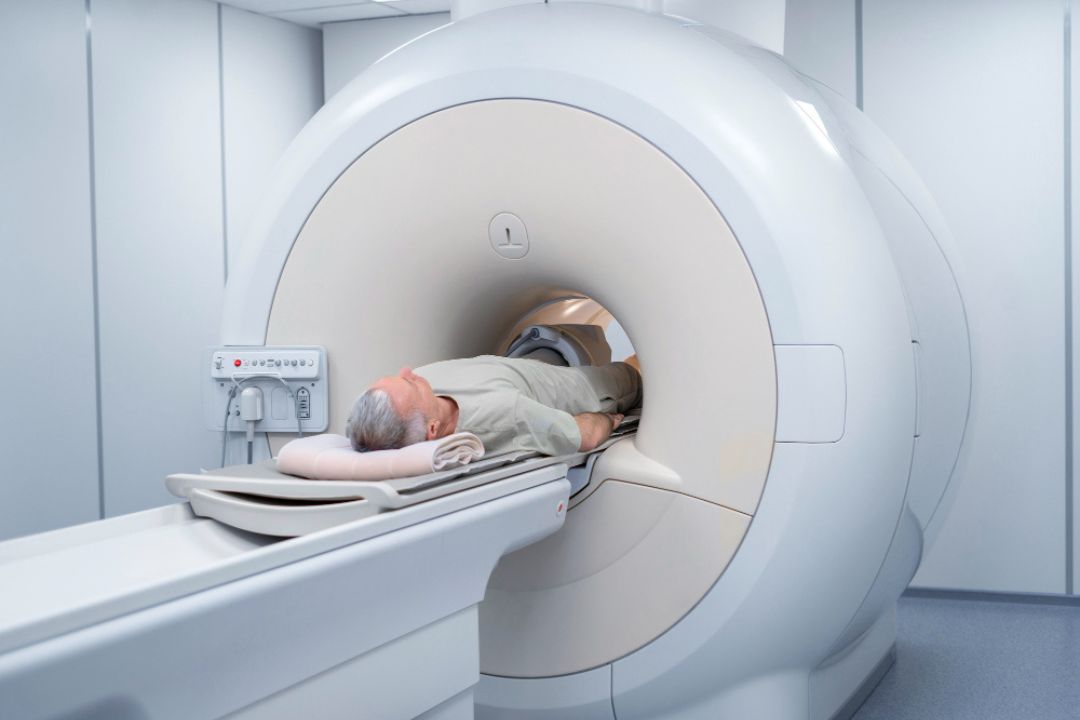
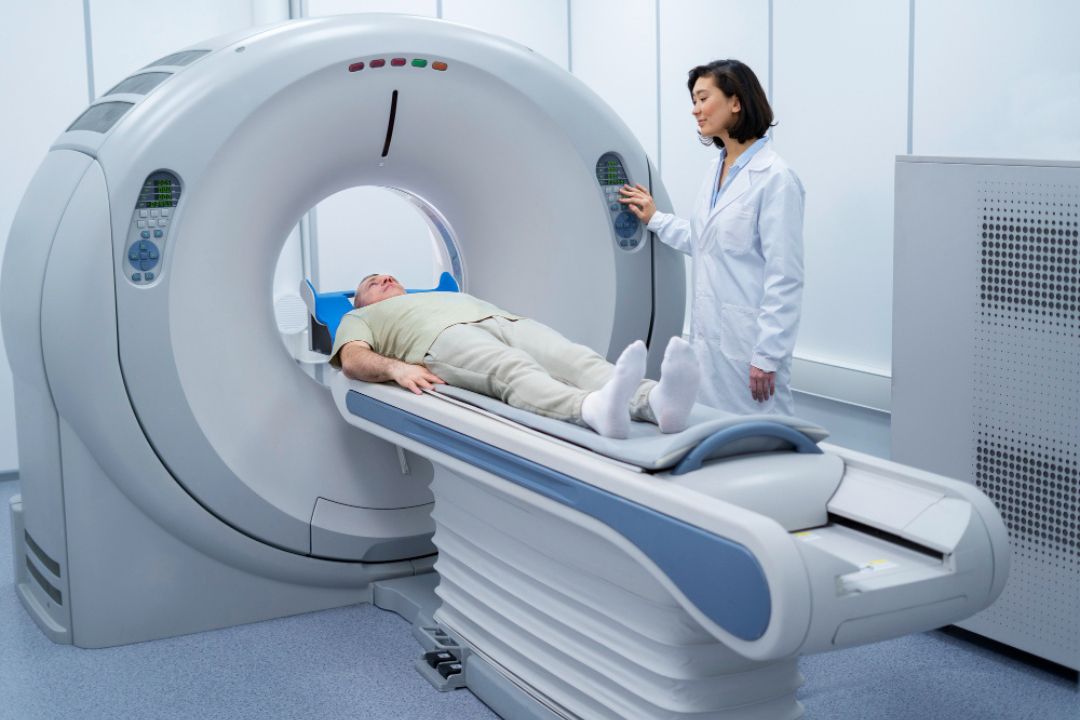
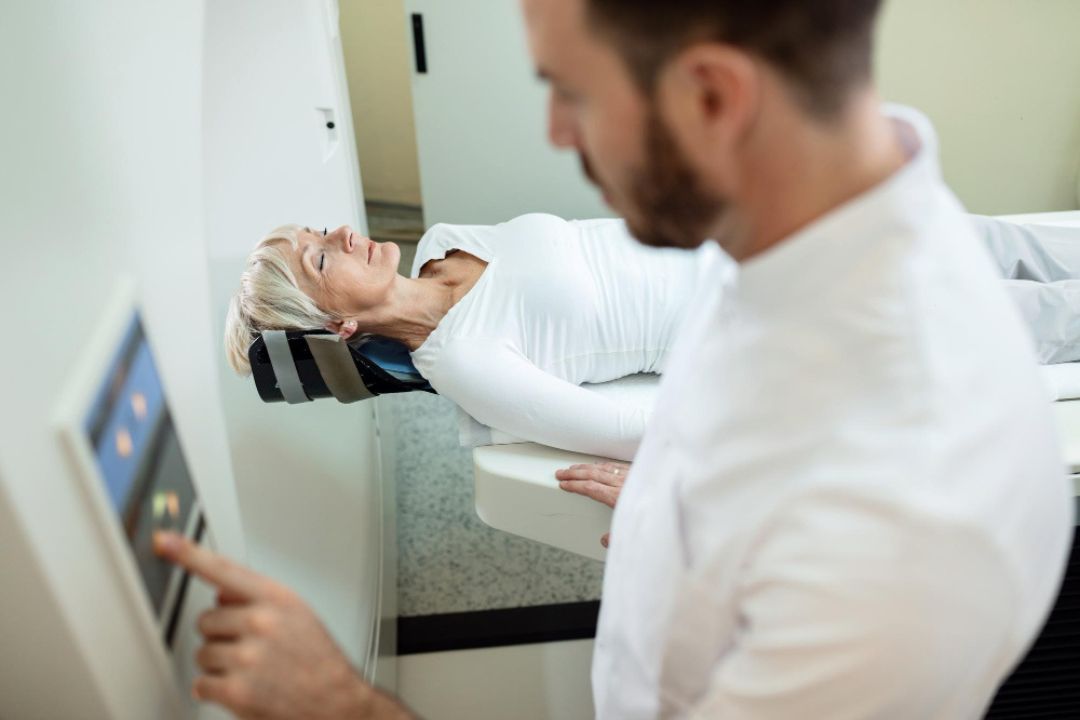
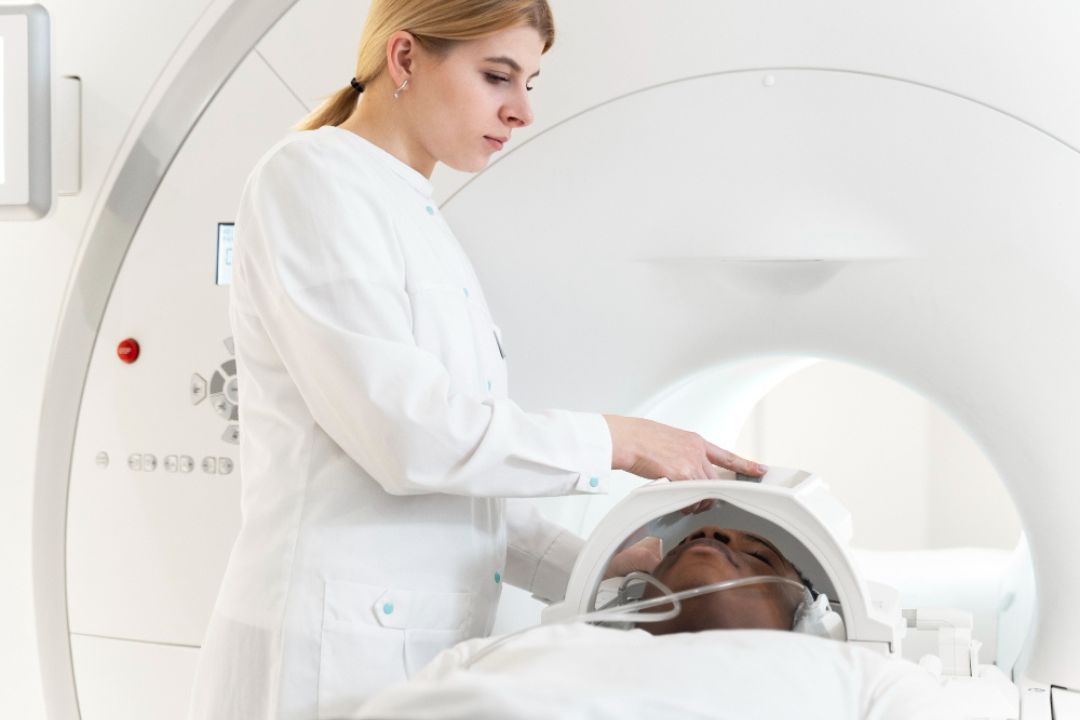
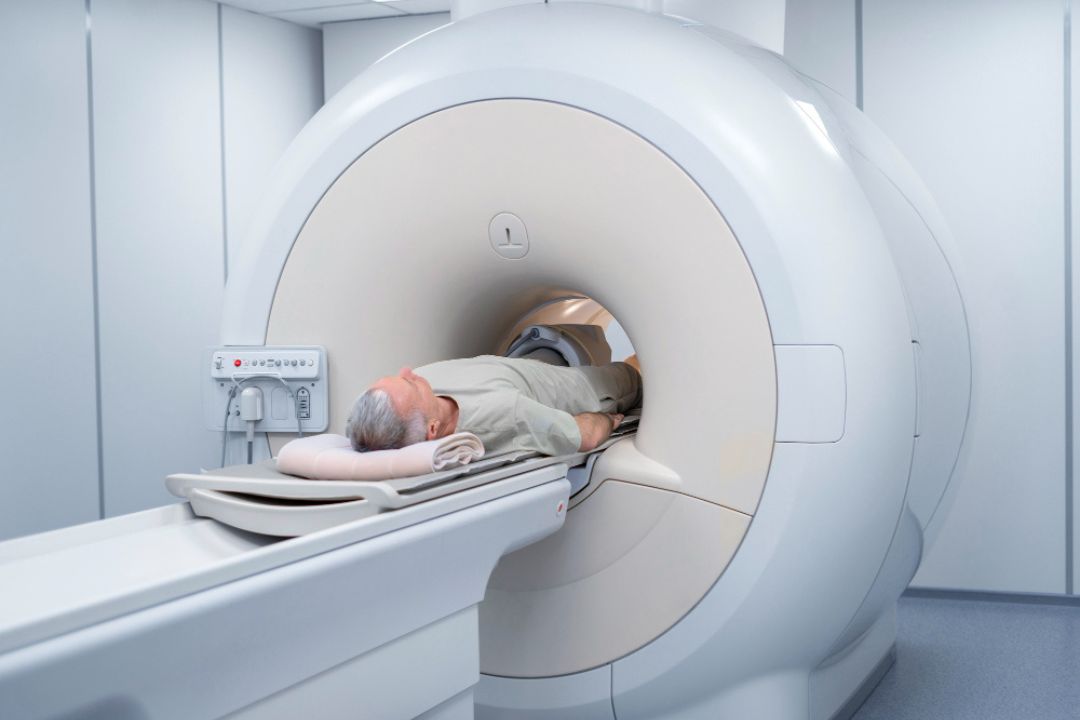
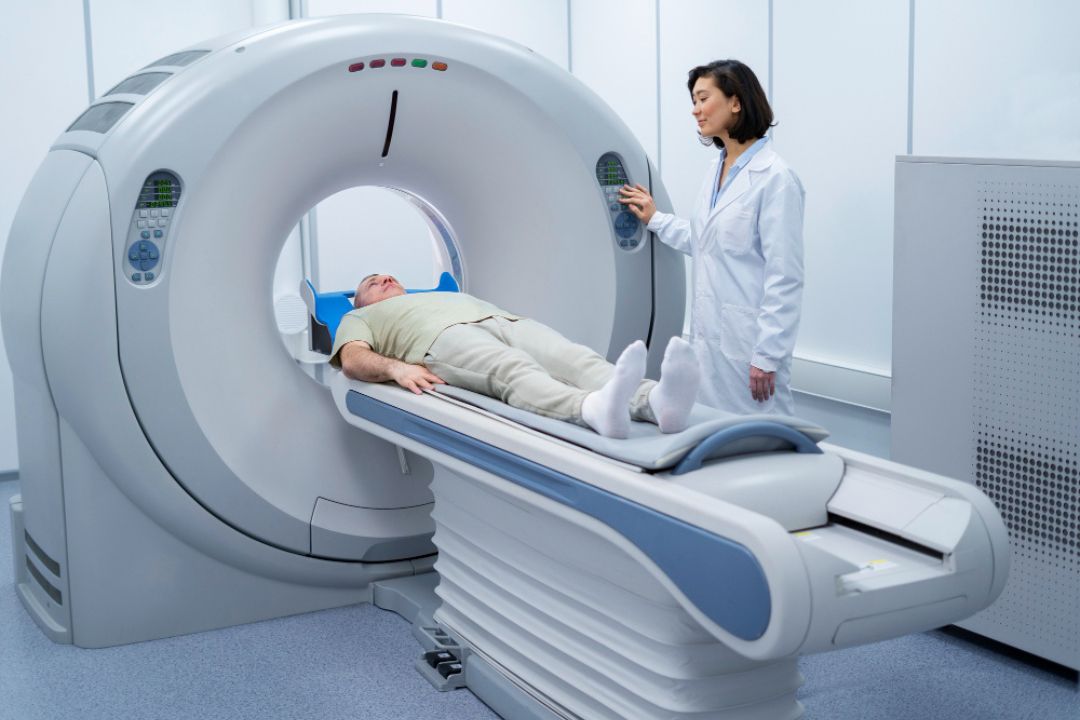
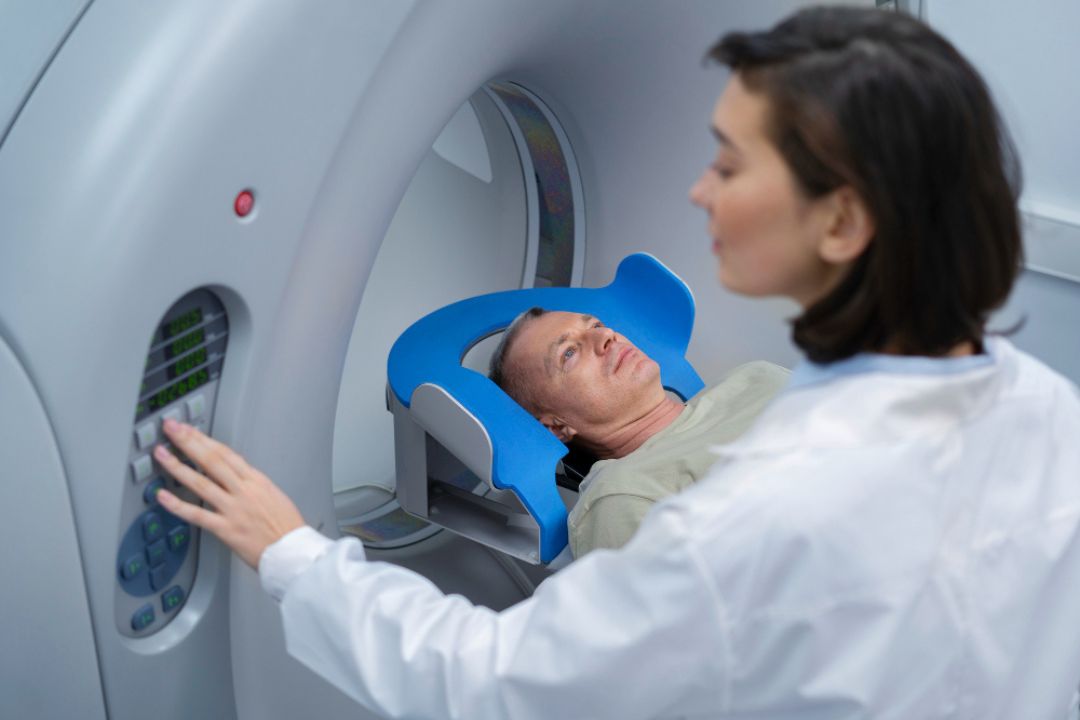
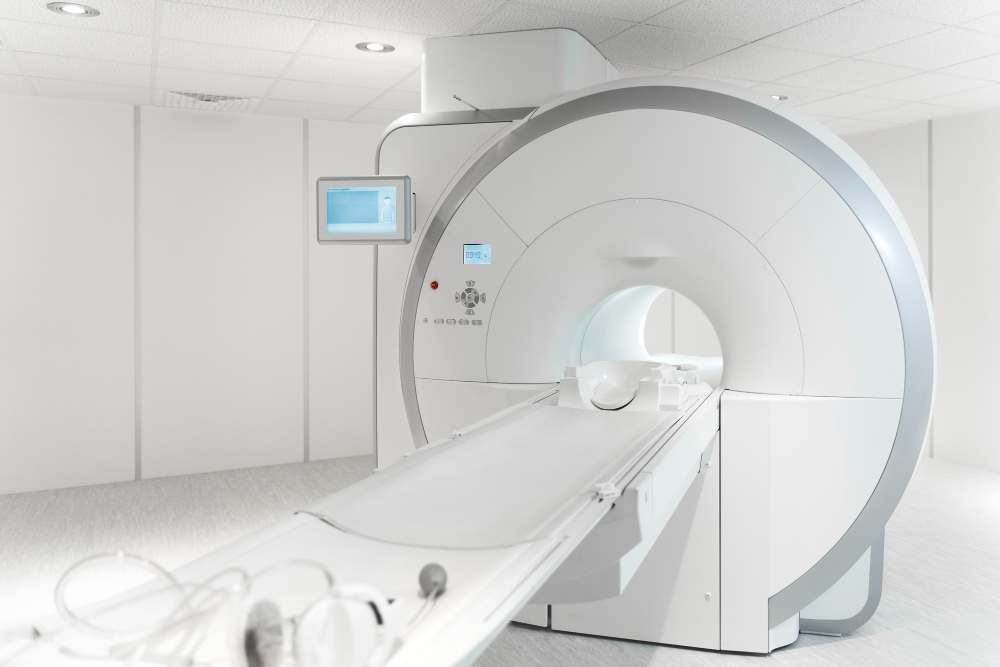
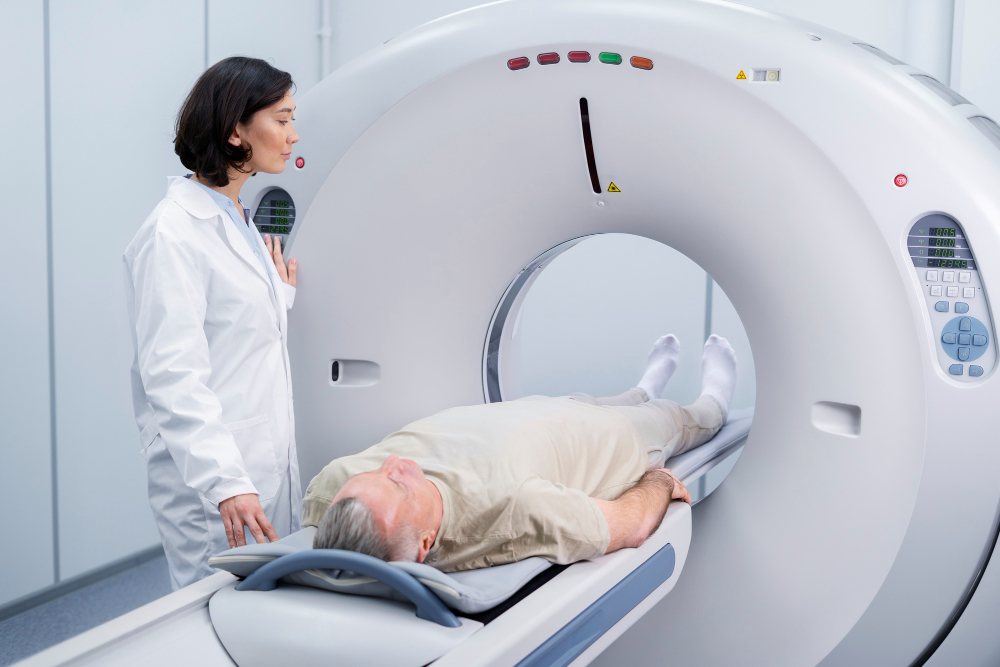
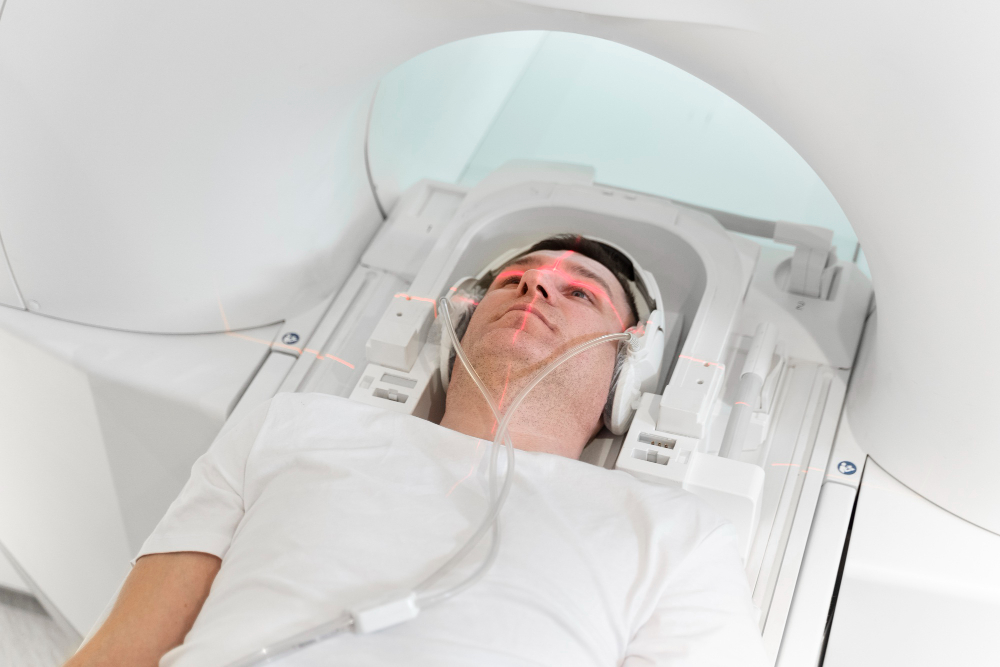
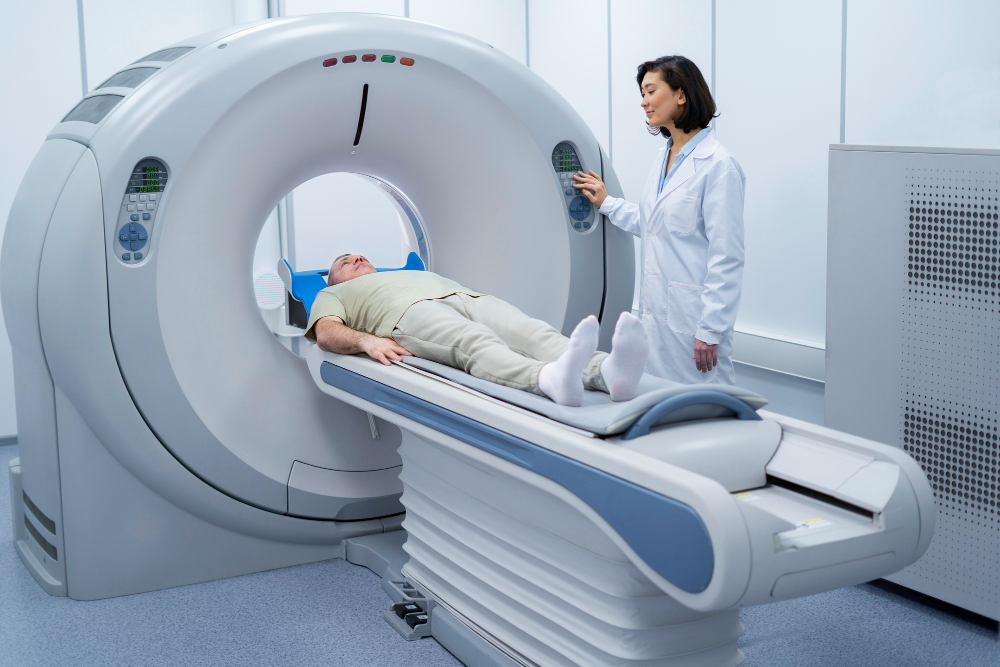
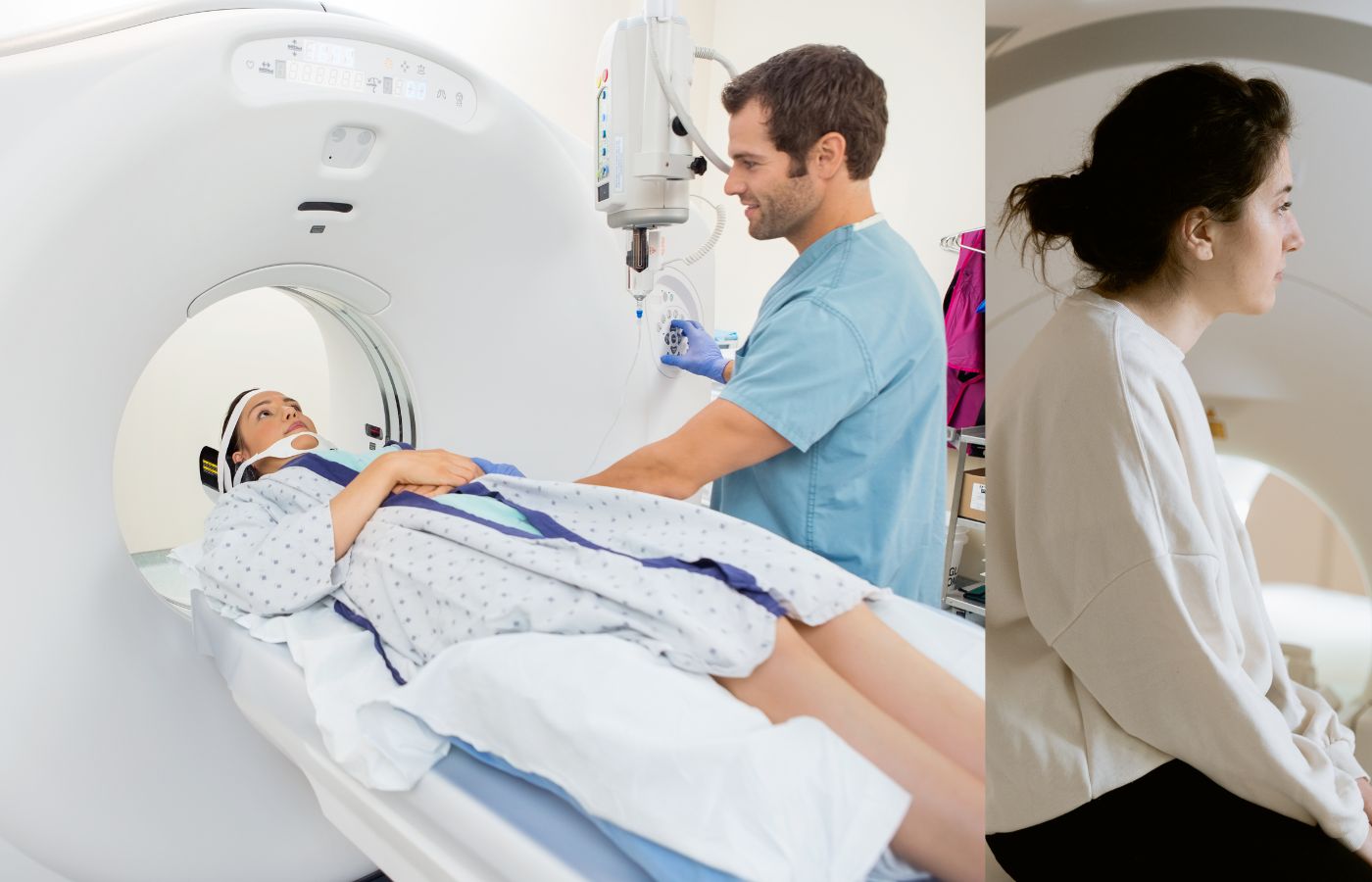
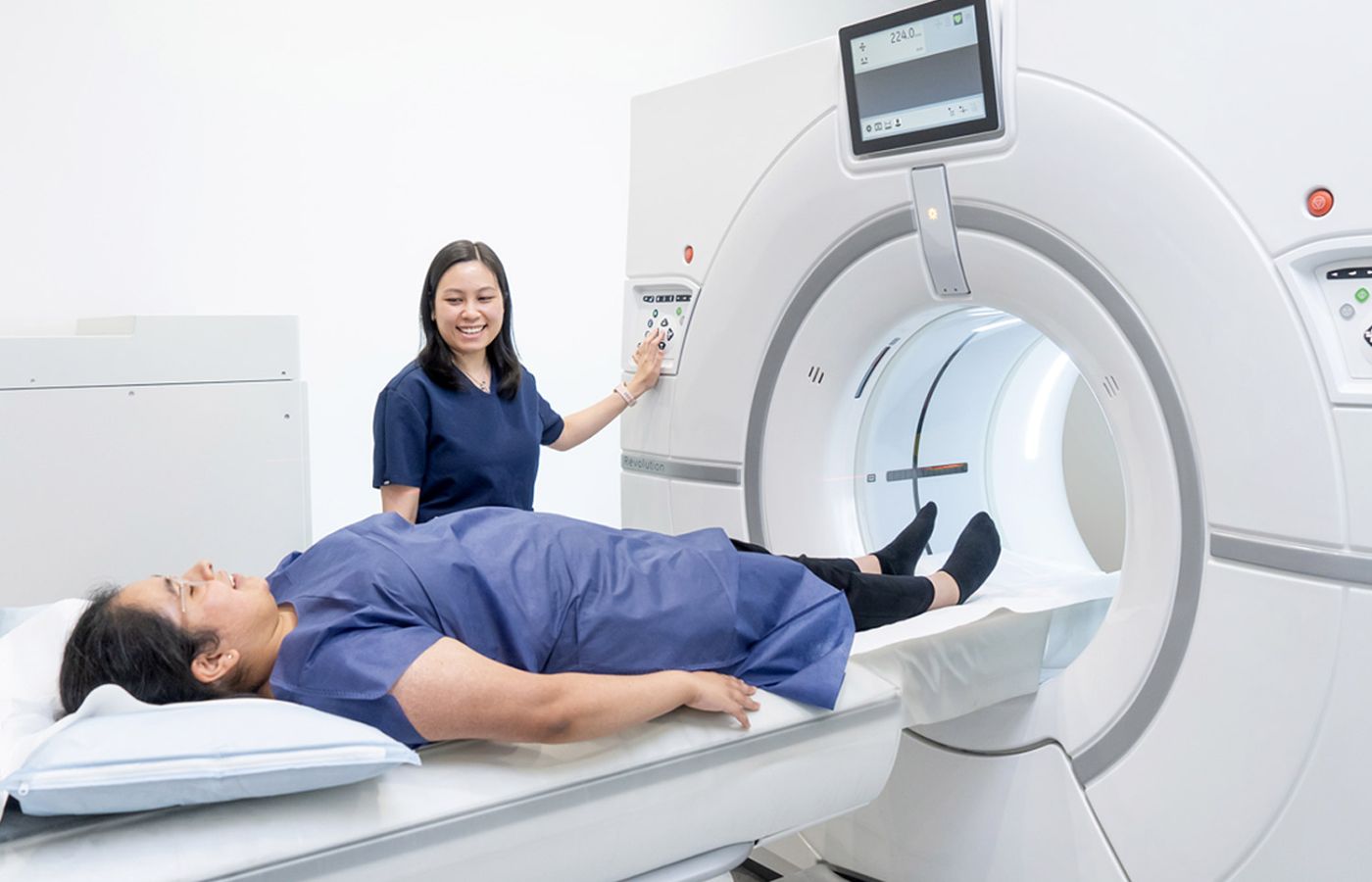
During the procedure, the patient lies on a motorized table that moves through the CT scanner. A contrast dye may be injected into a vein to enhance the visibility of blood vessels and soft tissues.
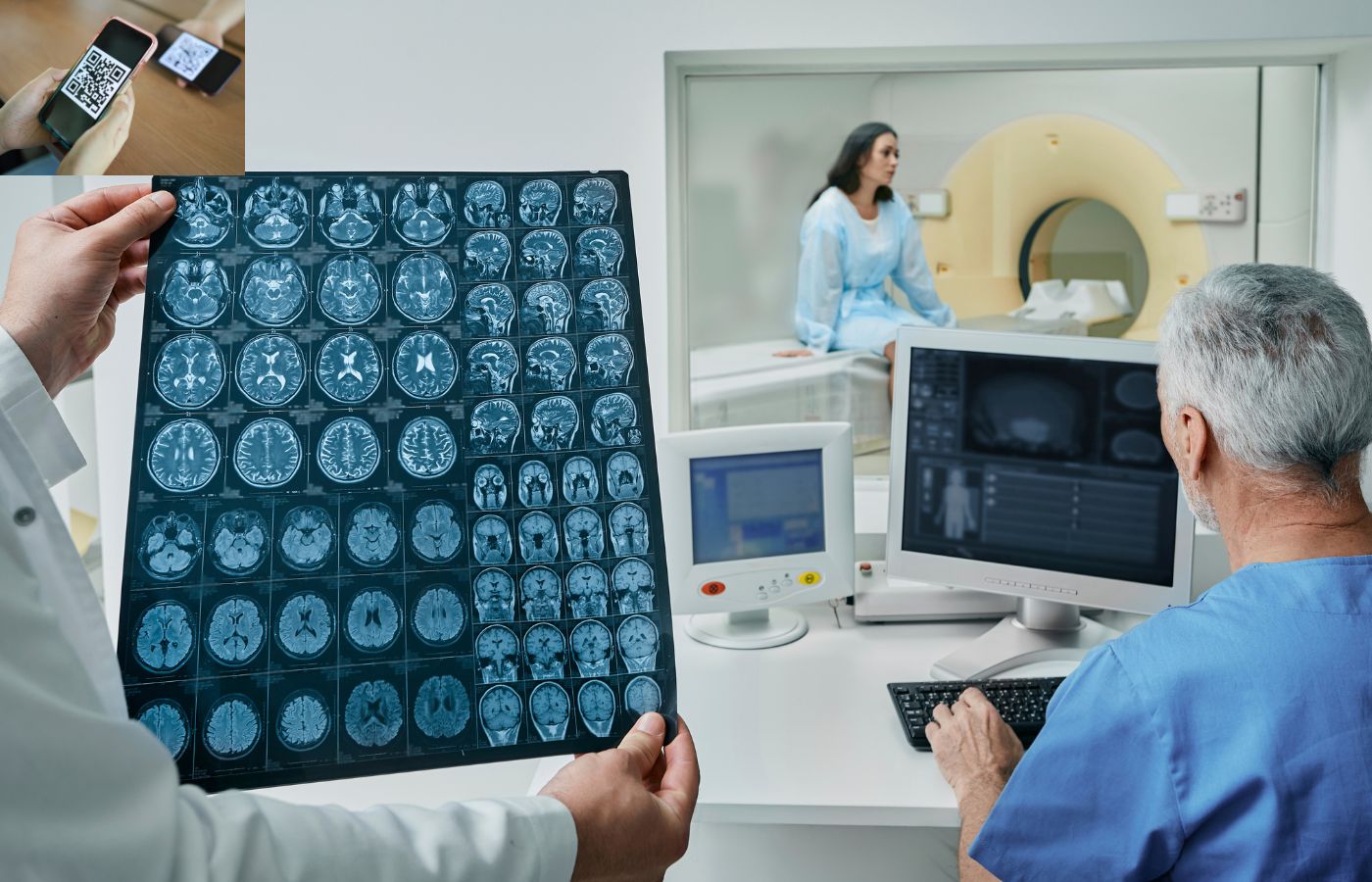
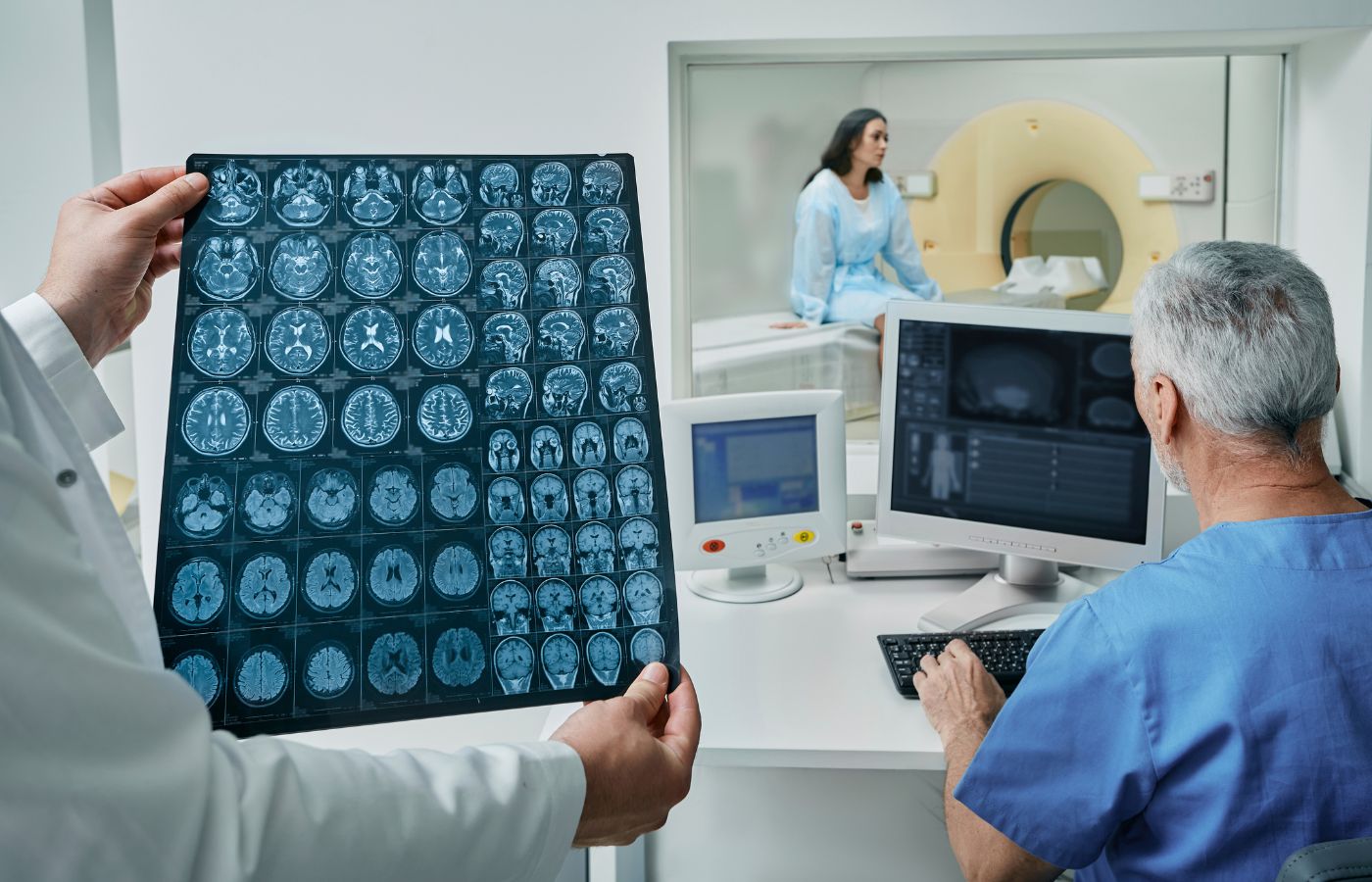
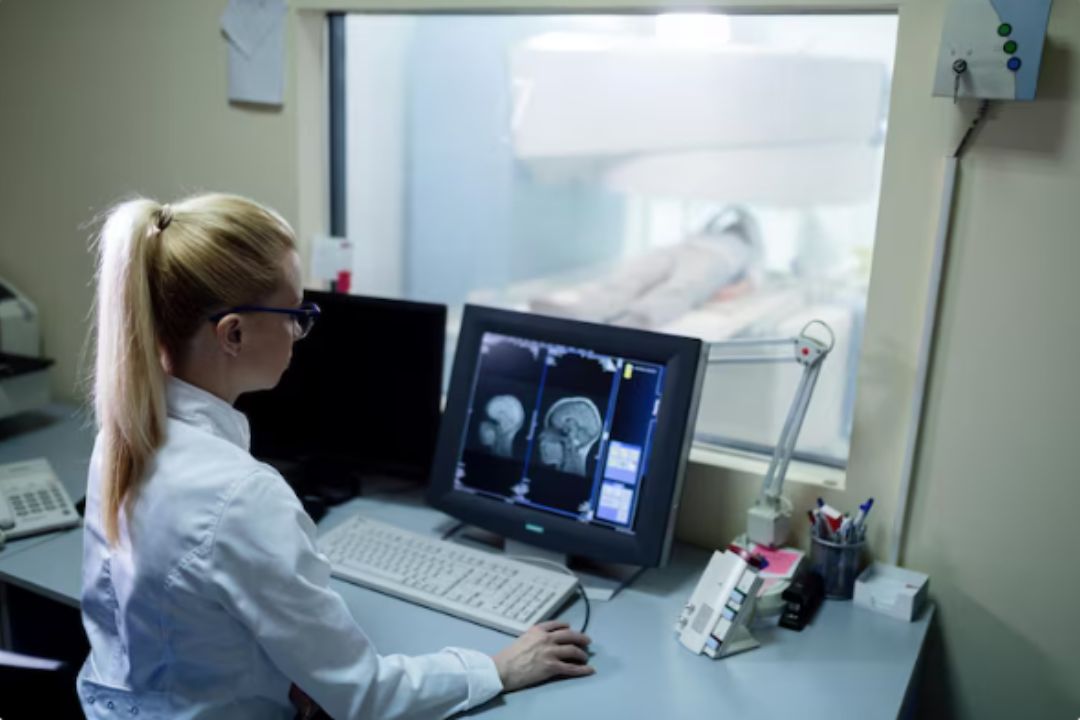
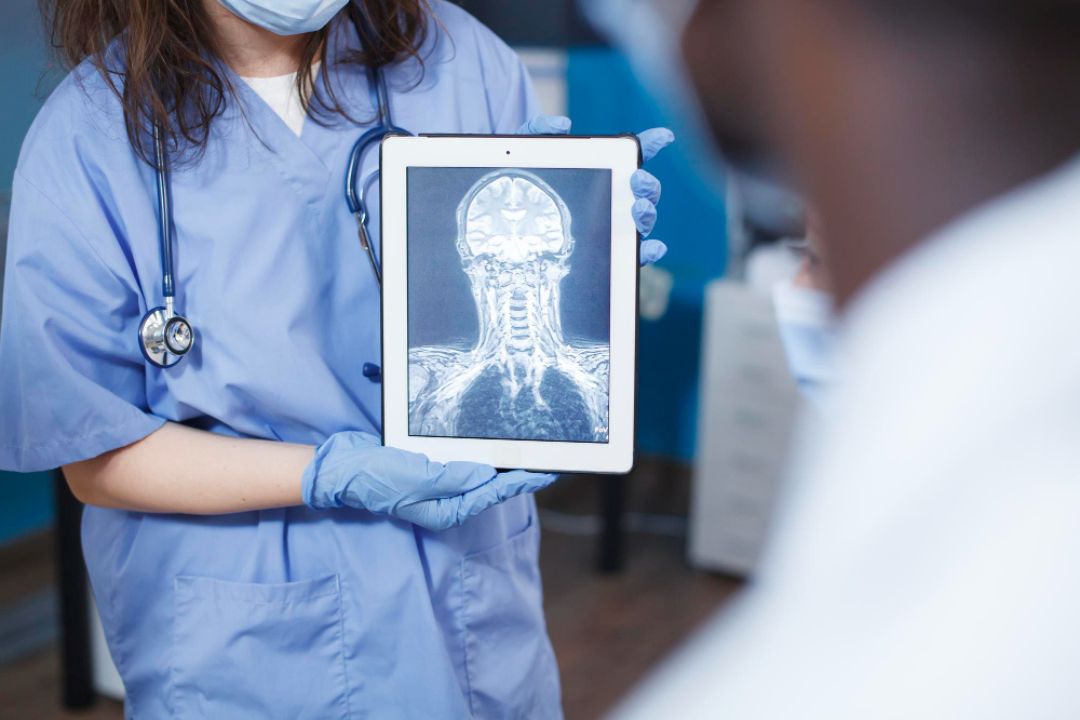
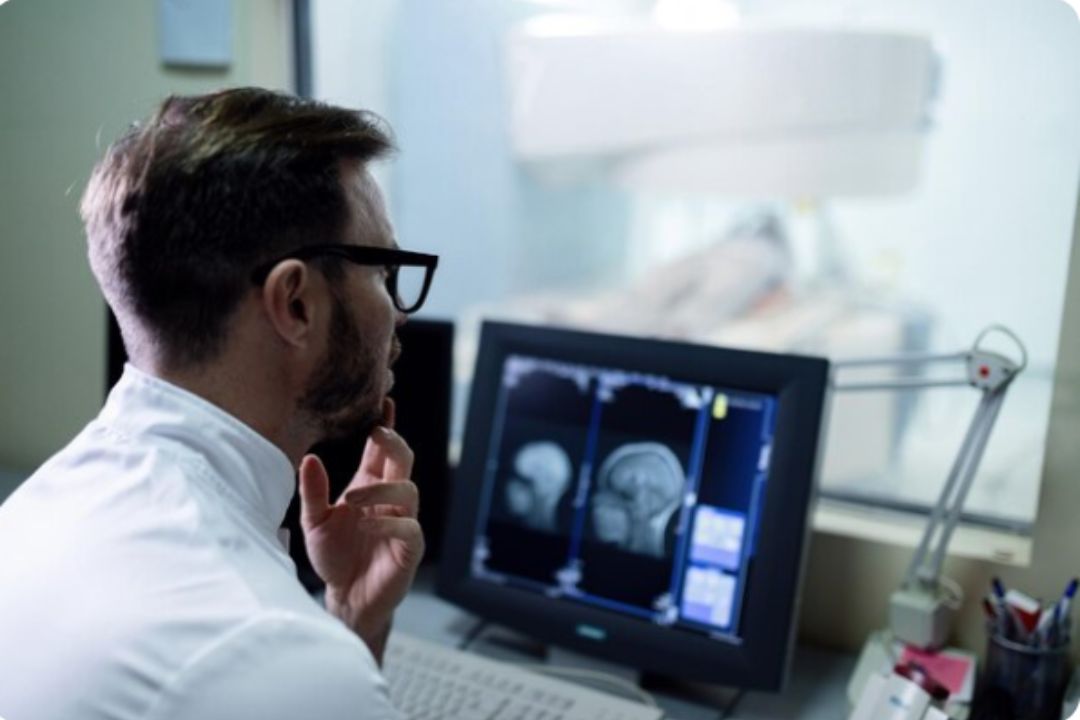
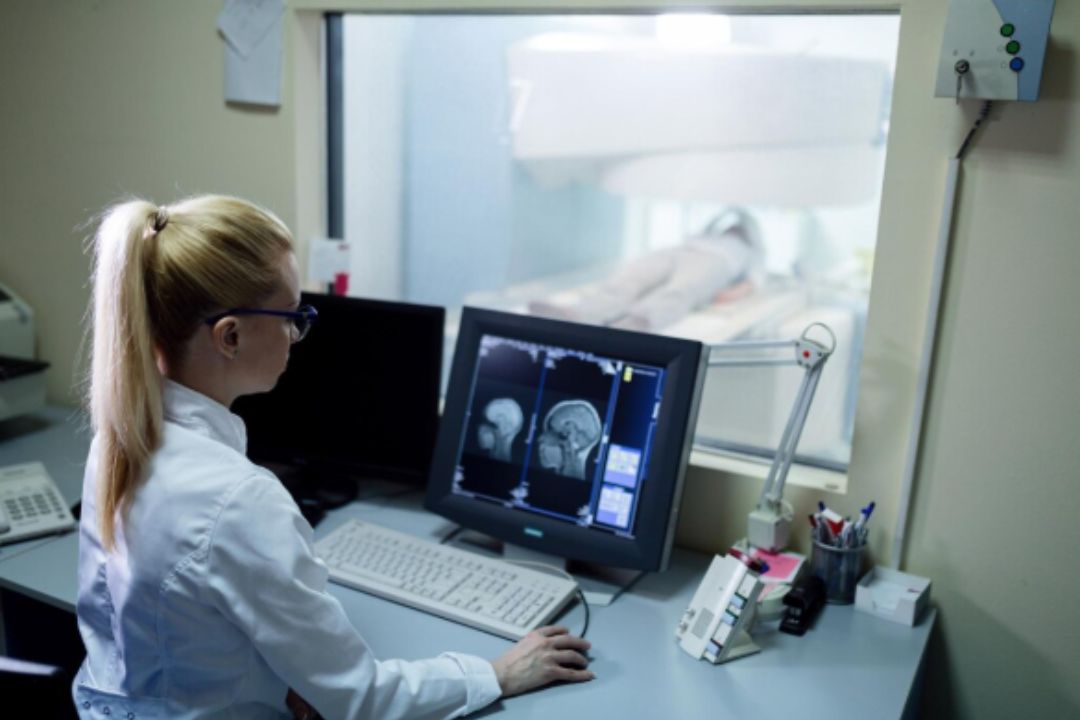
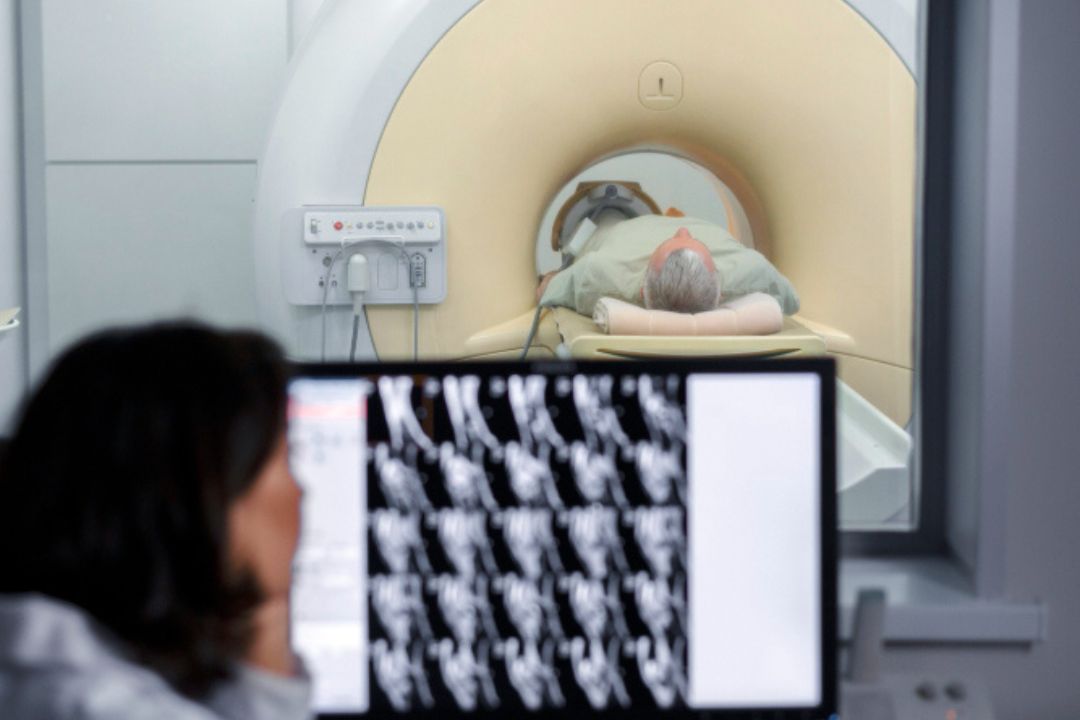
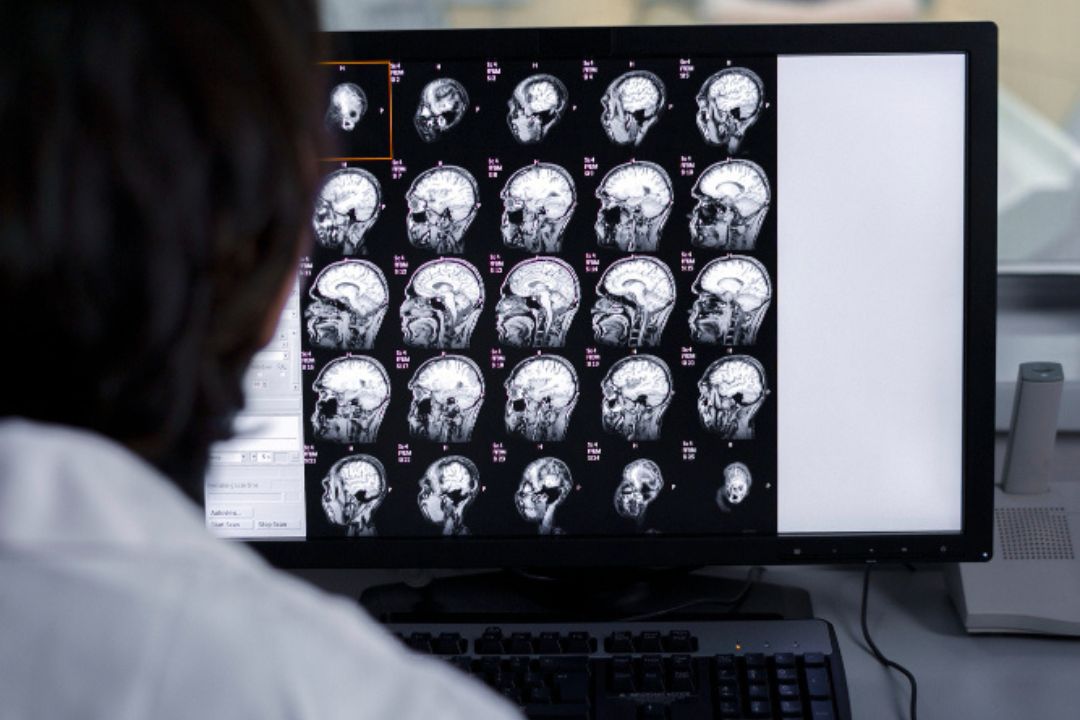
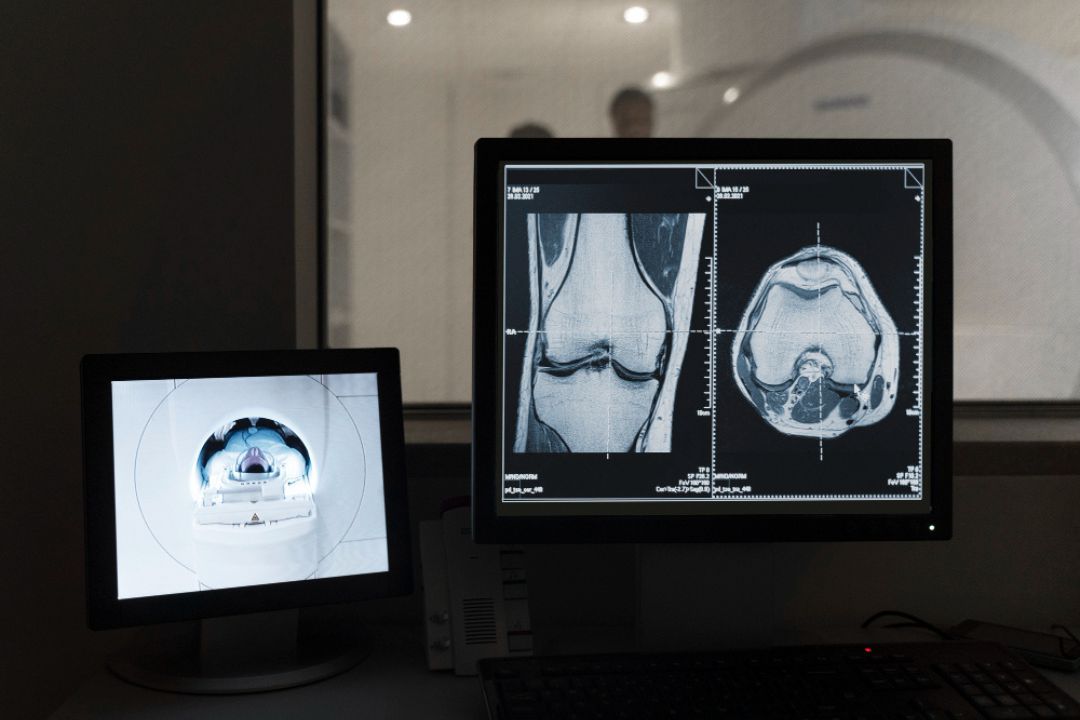
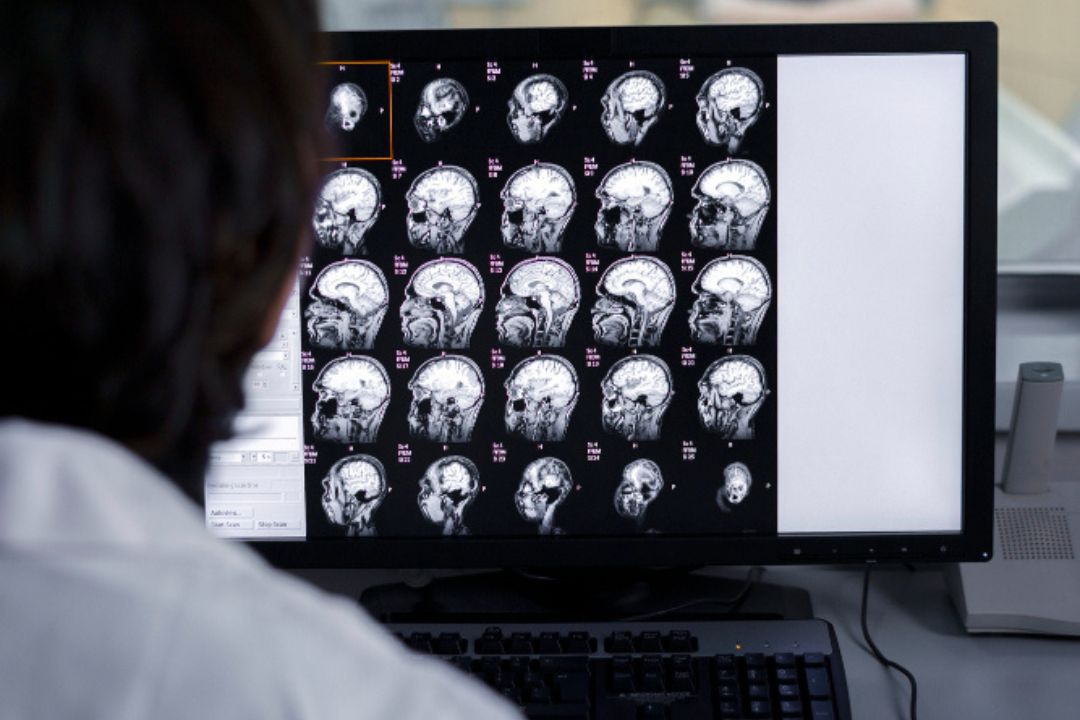
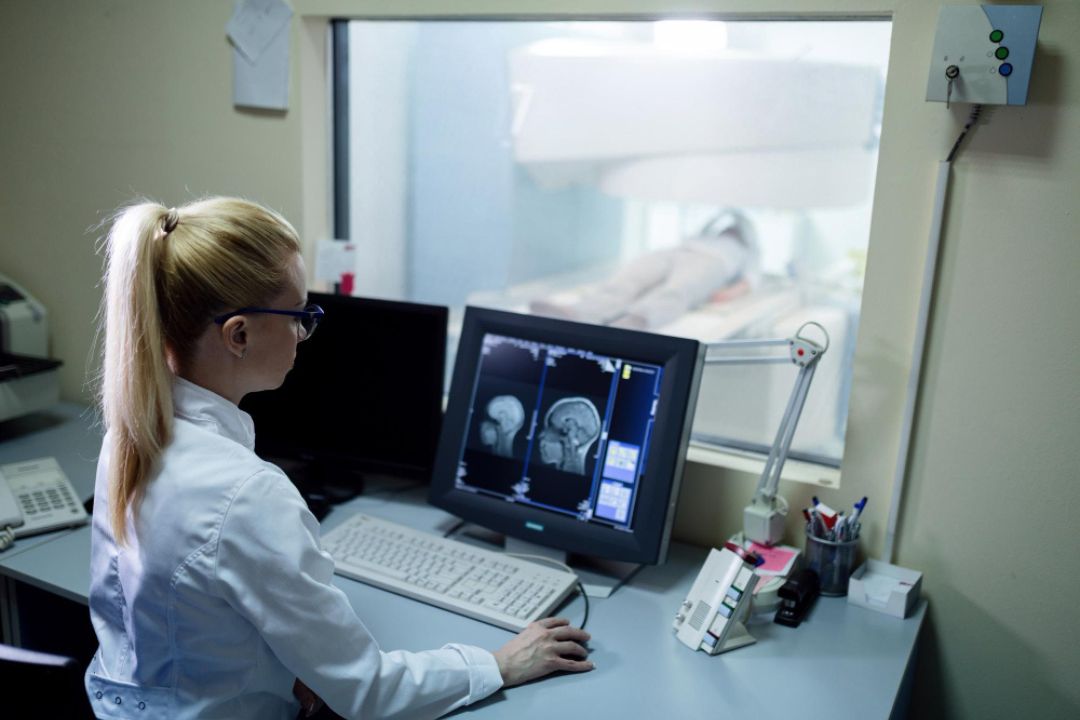
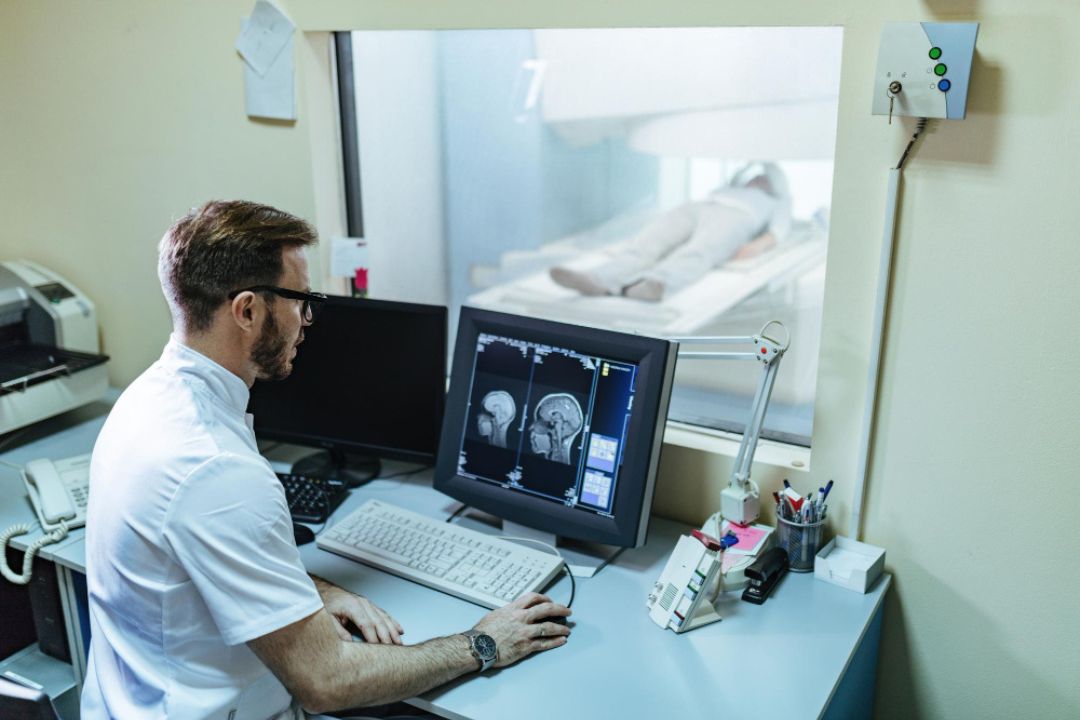
The scanner rotates around the head and captures multiple images of the sinus cavities from different angles. These images are then processed by a computer to create detailed cross-sectional views of the sinuses.
The procedure is painless and typically takes 10 to 20 minutes.
A CT scan of the paranasal sinuses provides several important diagnostic advantages:
Produces highly detailed images of sinus structures
Helps detect infections, tumors, and inflammation
Identifies nasal polyps or sinus blockages
Assists doctors in planning sinus surgery
Allows accurate diagnosis of sinus disorders
Because of its accuracy, CT imaging is widely used in ENT and radiology for evaluating sinus diseases.
CT scans involve exposure to a small amount of radiation, but the risk is minimal compared to the benefits of accurate diagnosis.
Some patients may experience mild reactions to contrast dye, such as nausea or a warm sensation. Serious allergic reactions are rare, but patients with known allergies should inform their doctor before the test.
If your doctor recommends this scan, it is important to choose a reliable diagnostic center with advanced imaging technology and experienced radiologists.
Many diagnostic centers now offer online appointment booking, quick reporting, and affordable pricing for CT PNS scans.
A CT Scan of PNS With Contrast is an important diagnostic test used to evaluate the paranasal sinuses and detect conditions such as sinus infections, tumors, nasal polyps, and structural abnormalities.
By providing detailed images of the sinus cavities and surrounding tissues, this scan helps doctors diagnose sinus disorders accurately and plan the most effective treatment.
If you experience persistent sinus symptoms such as facial pain, nasal blockage, or recurrent infections, consult your doctor to determine whether a CT PNS scan is necessary.












.jpg "ct brain scan plain and contrast")
















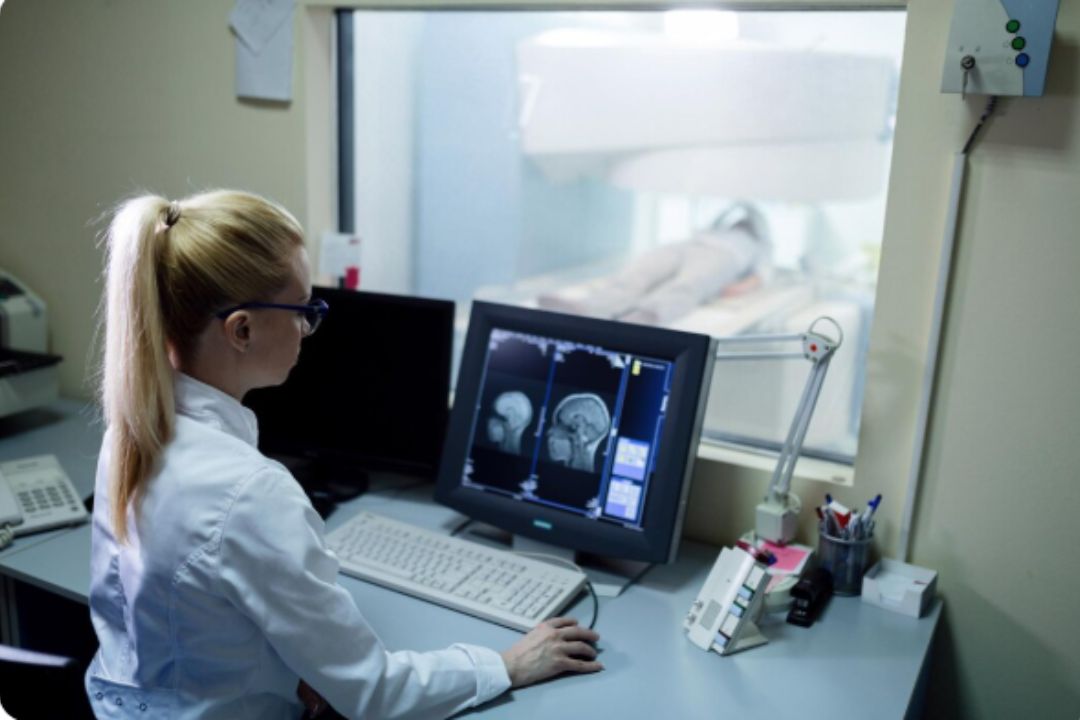

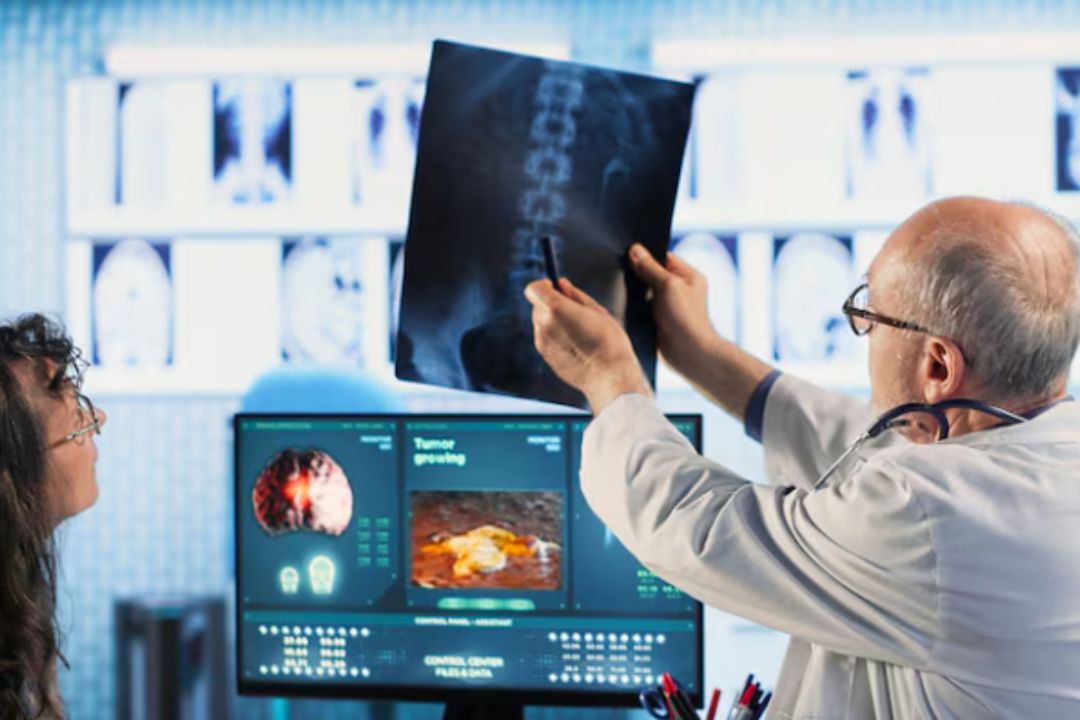
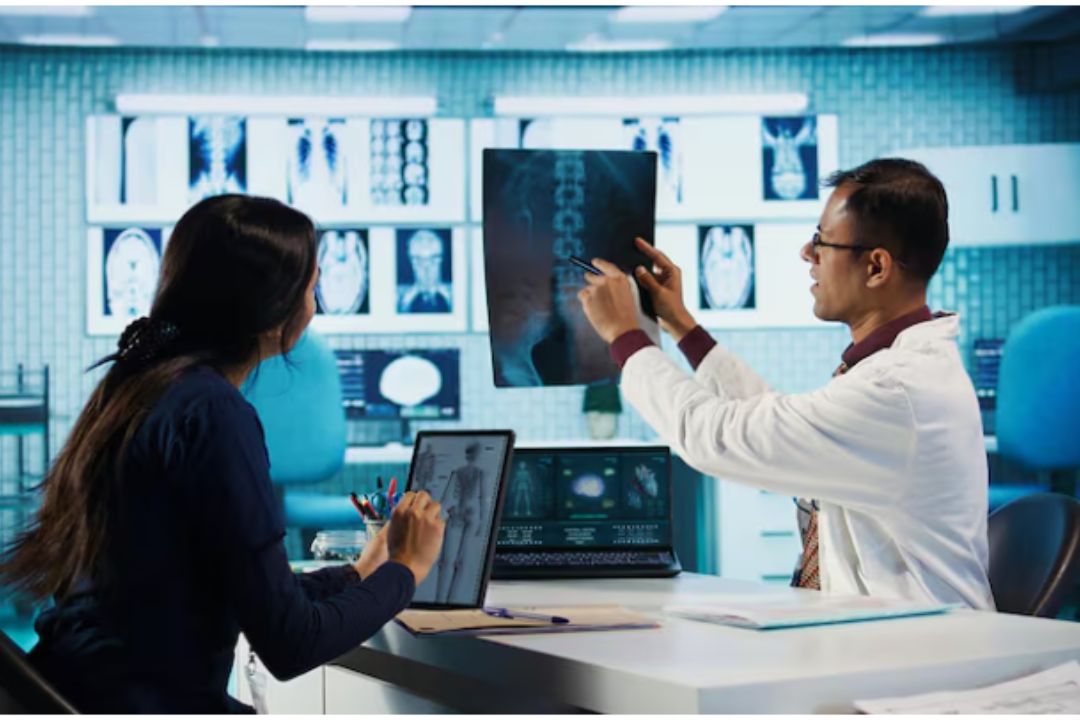
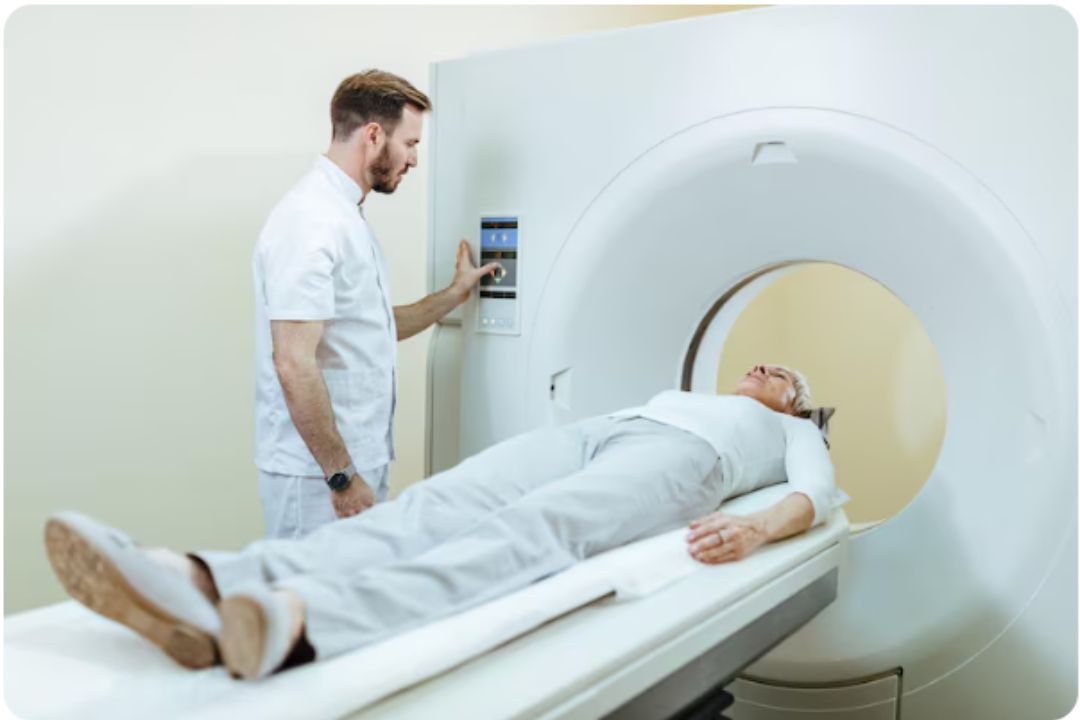

.jpg "ct scan")

.jpg "ct scan or mri for brain disorders")


.jpg "exploring the power of ct brain contrast in modern diagnostics")
.jpg "ct scan")
.jpg "ct scan")








.jpg "ct scan")

.jpg "CT Brain Scan for Headaches")
.jpg "The Future of 3D CT Imaging")