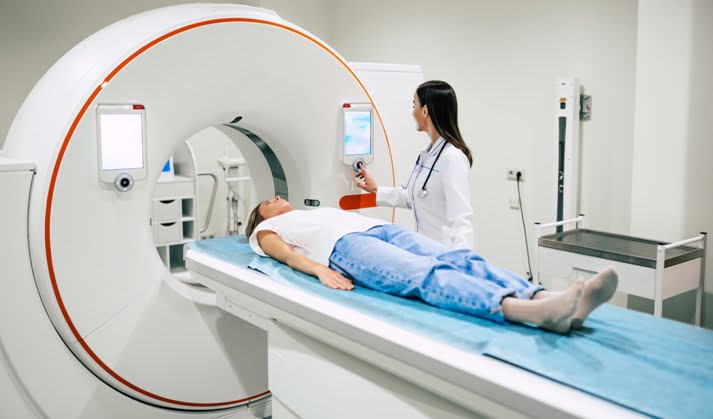
.jpg "ct scan")
Early detection is one of the most important factors in successfully treating cancer. When cancer is found at an early stage, treatment options are often more effective and survival rates can significantly improve. Medical imaging plays a crucial role in this early detection process, and CT Scans are among the most powerful diagnostic tools available today.
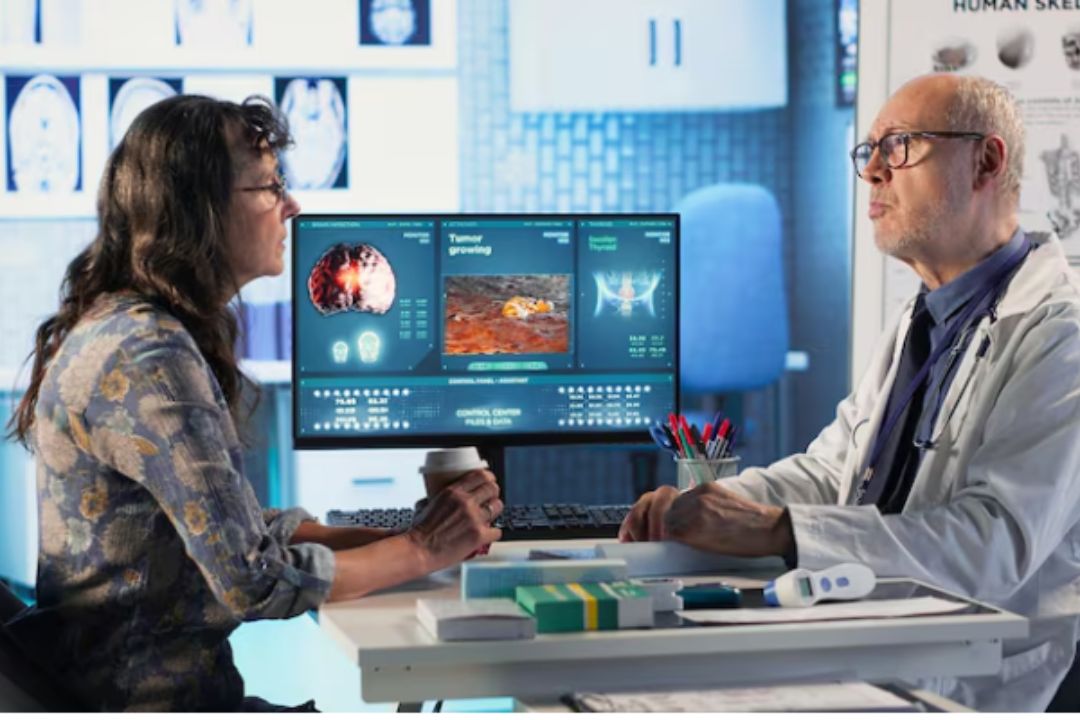
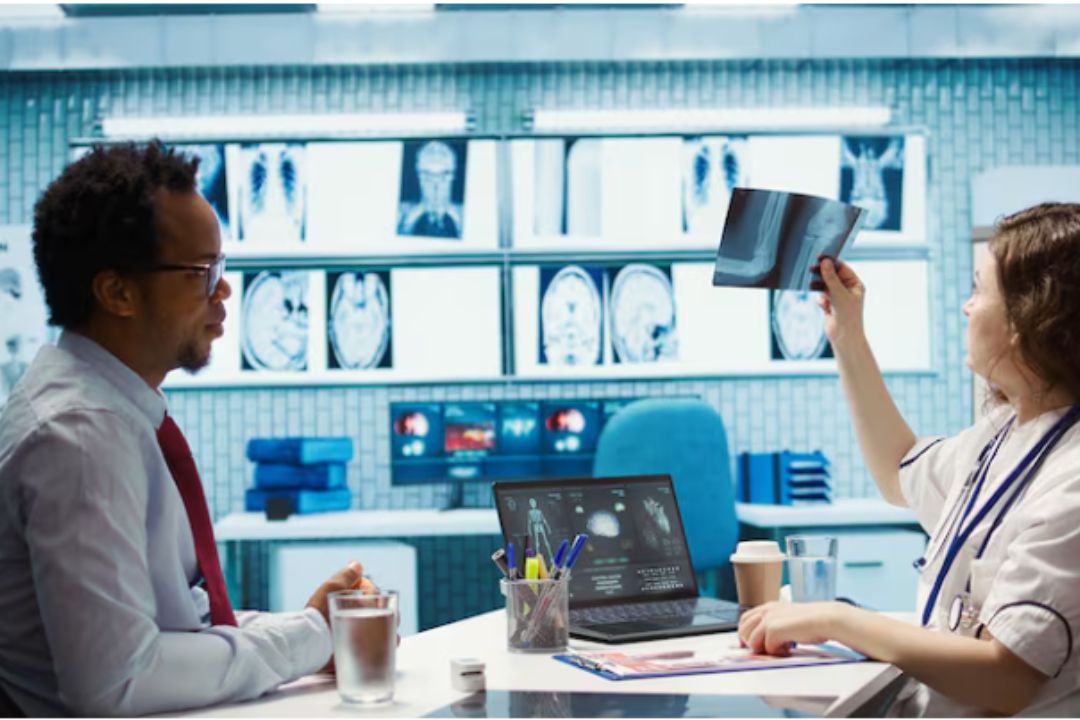
CT scans allow doctors to examine the body in great detail and identify abnormal growths that may indicate cancer. With modern imaging technology, CT scans can detect tumors much earlier than many other diagnostic methods.
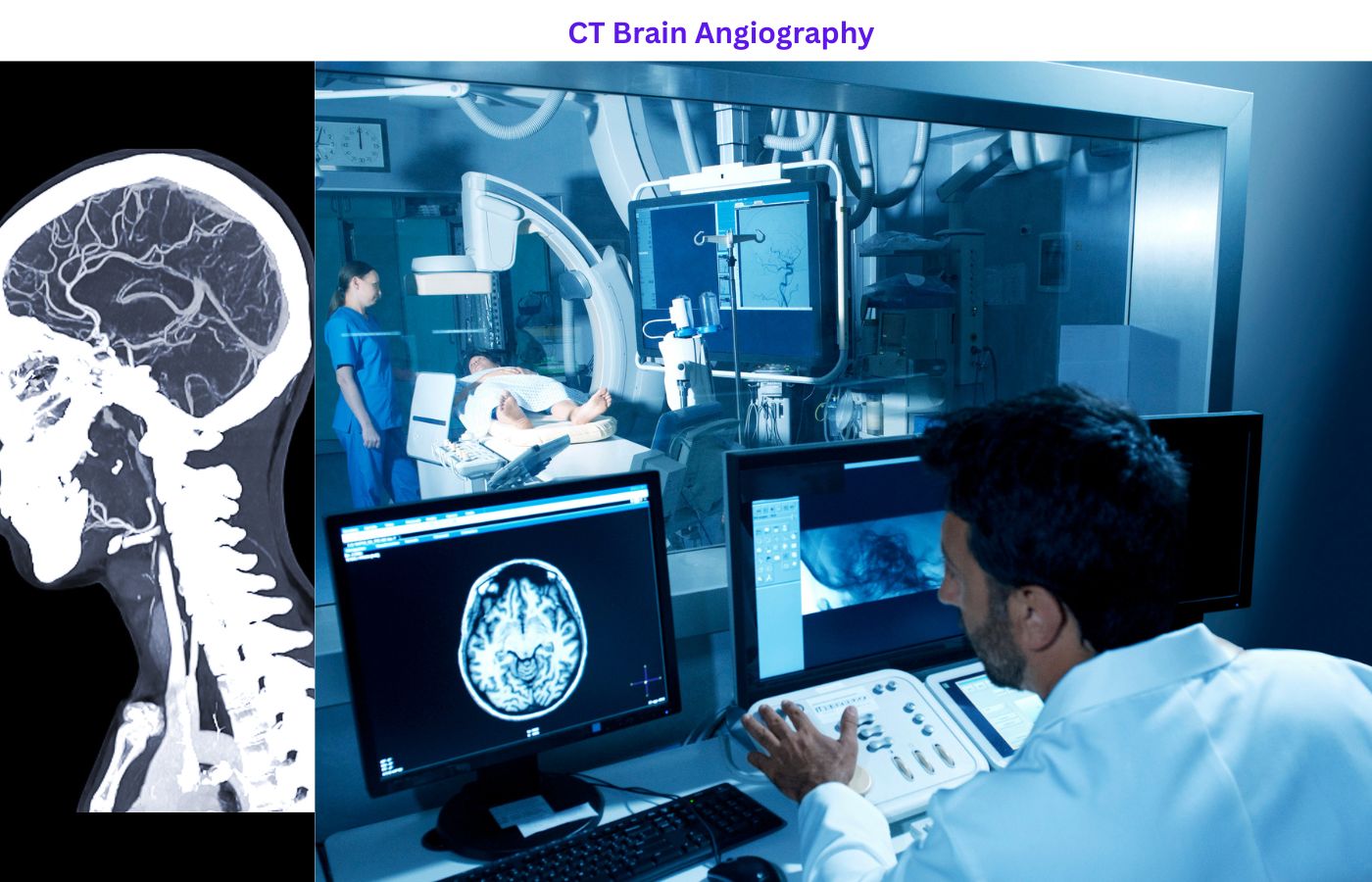
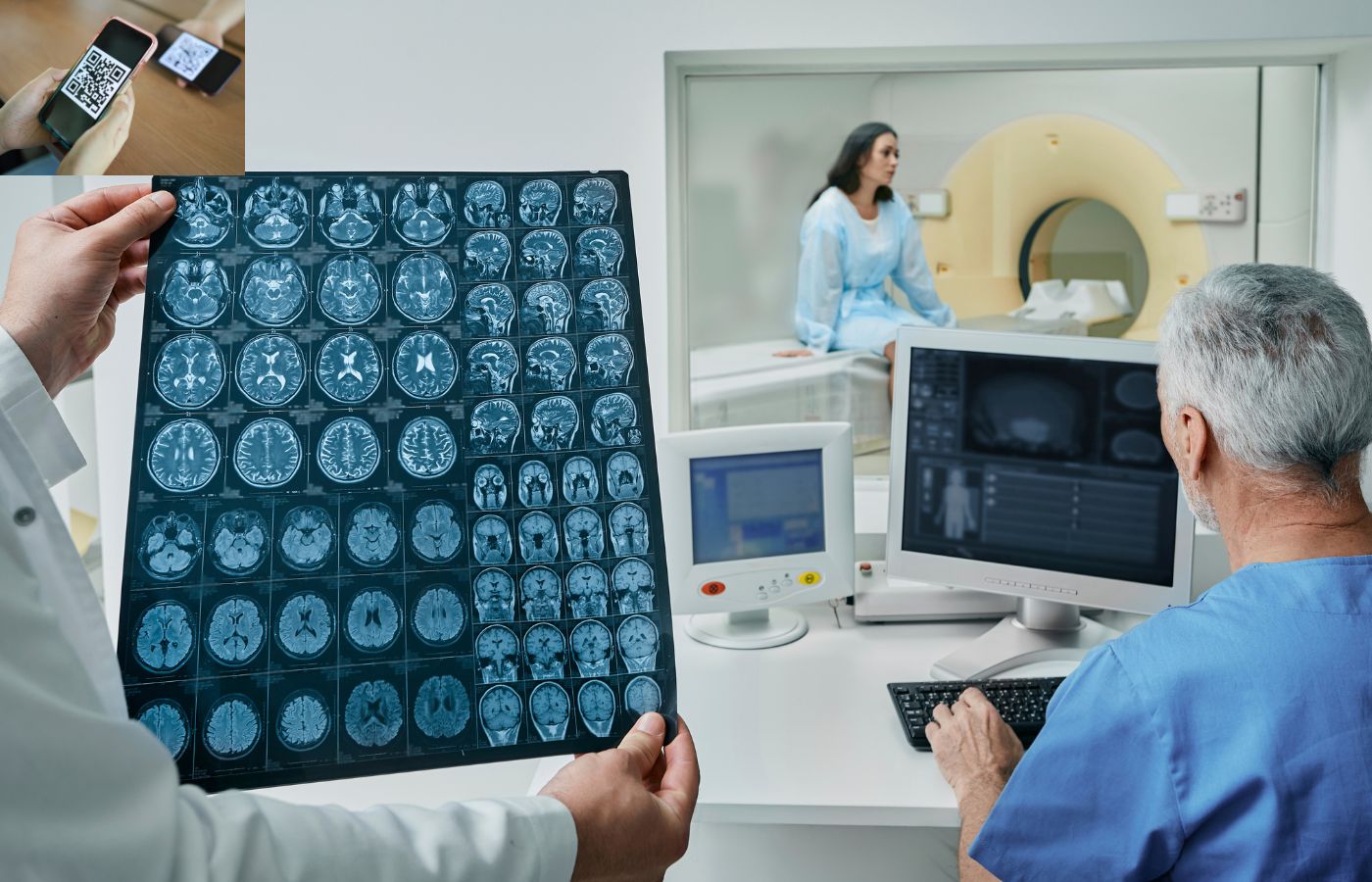
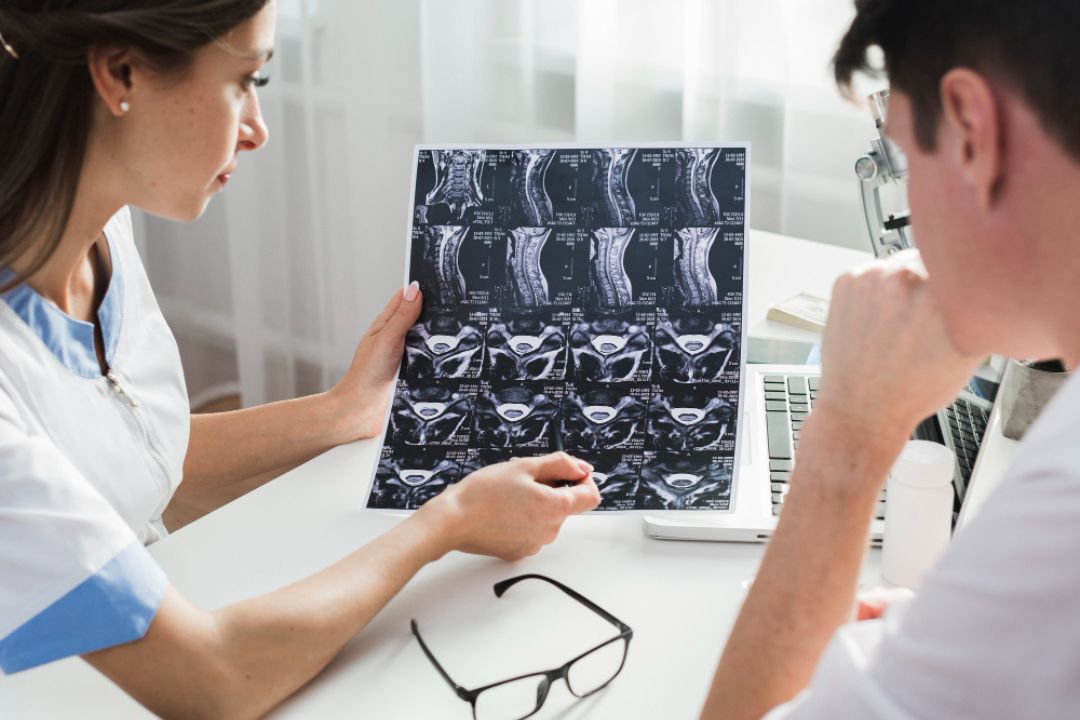
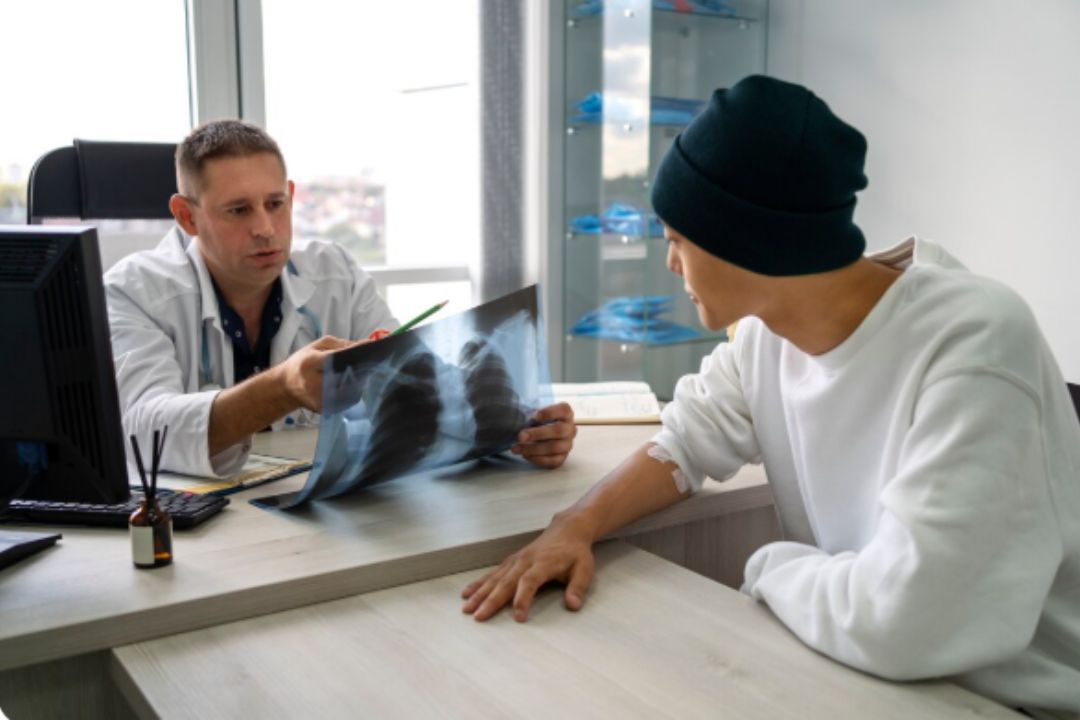
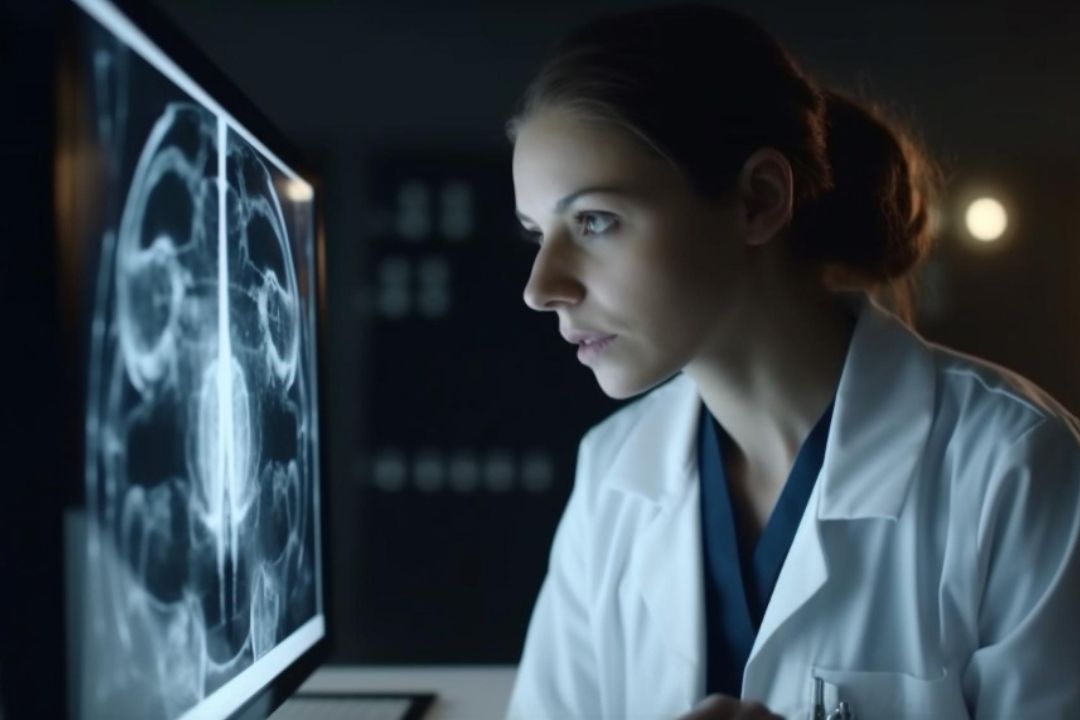
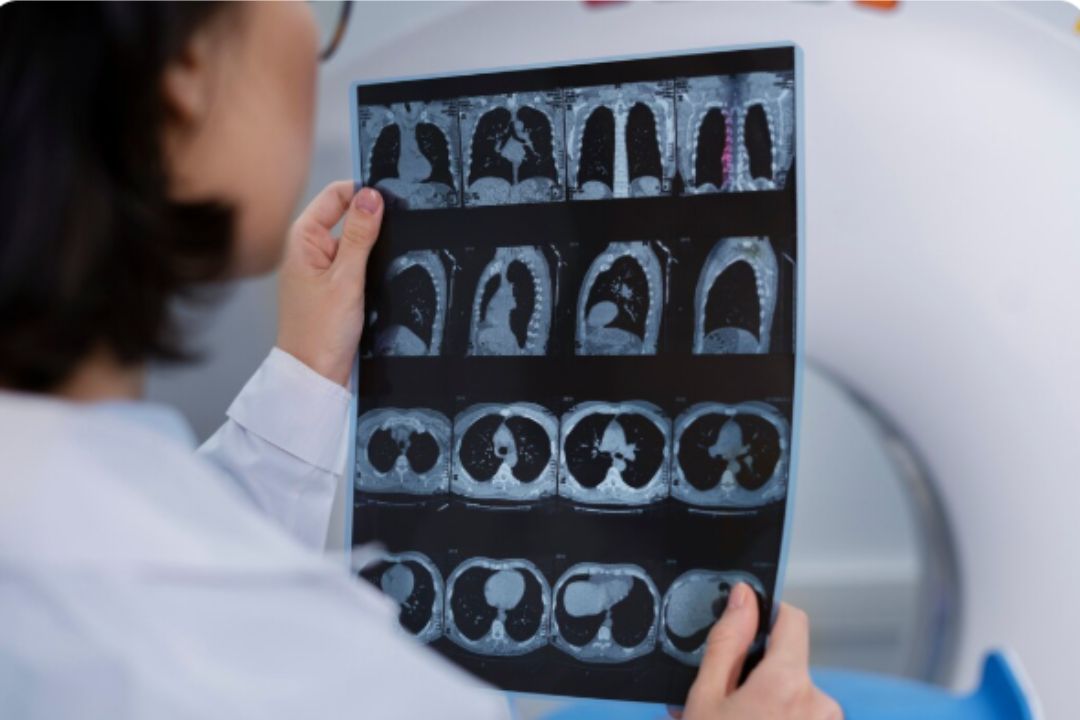
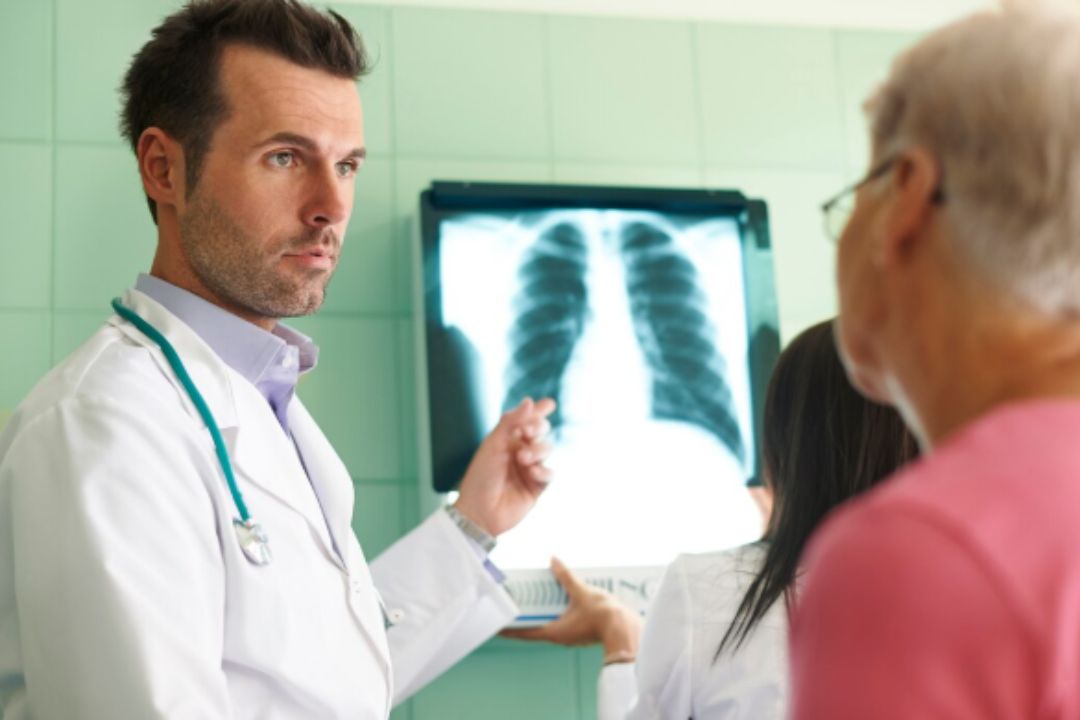
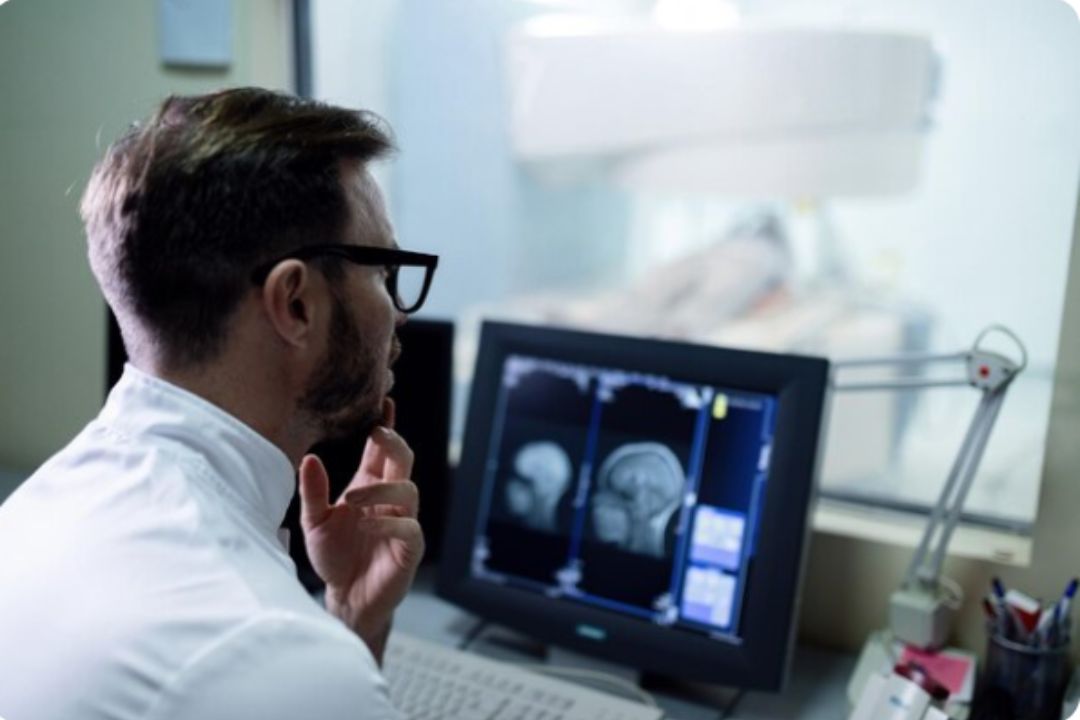
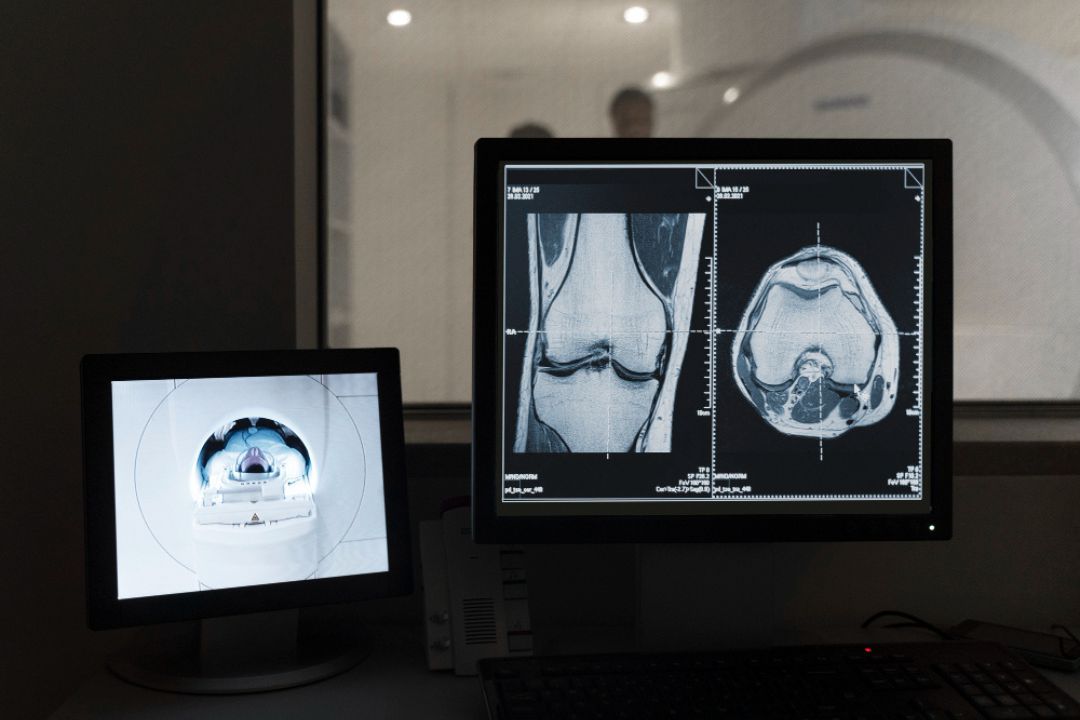
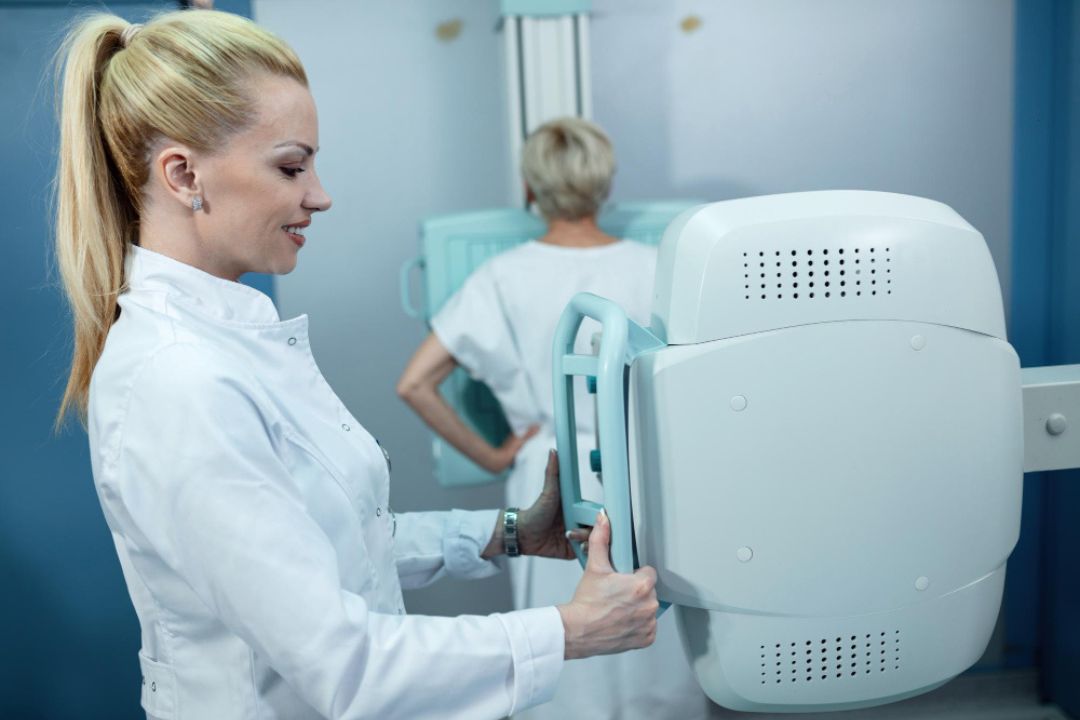
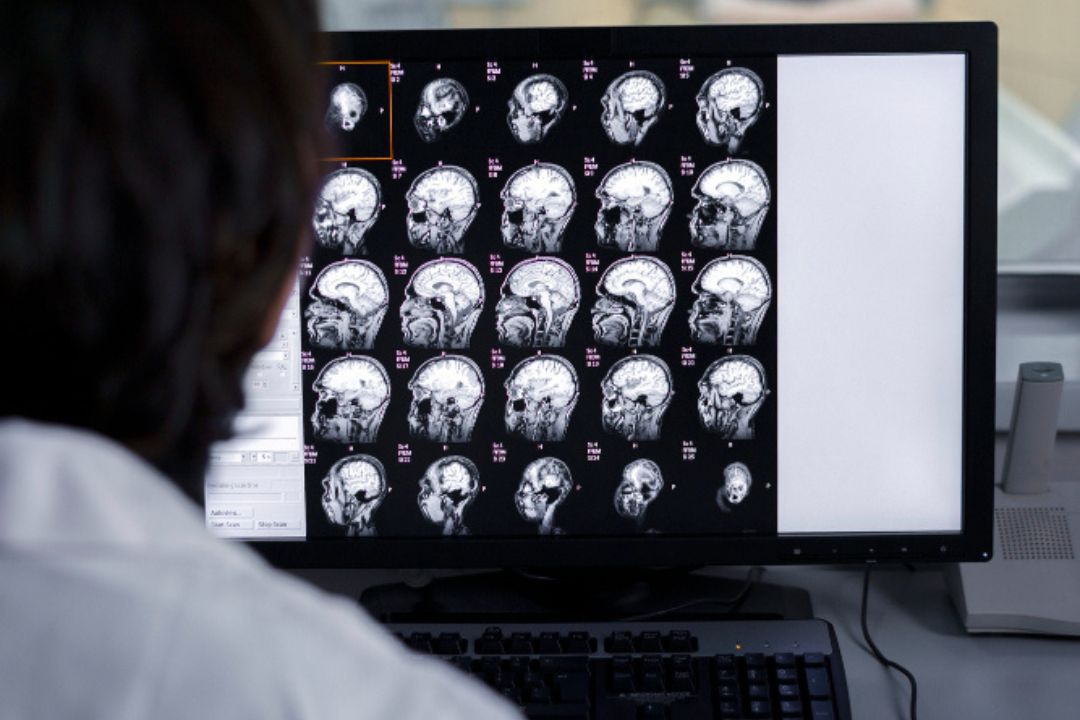
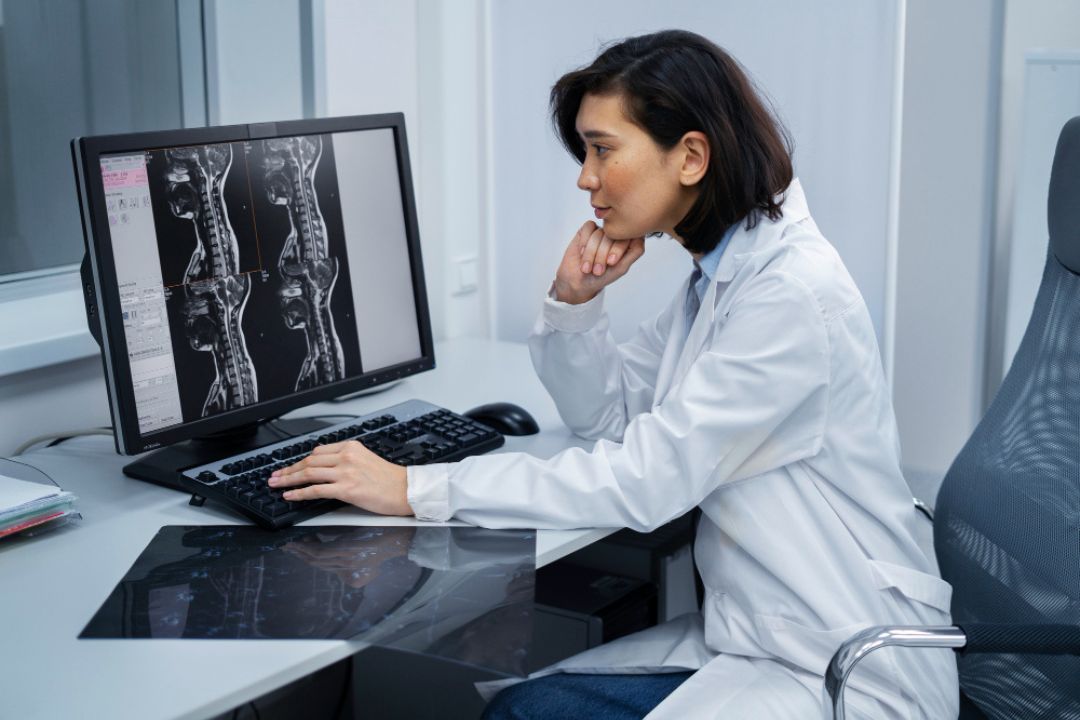
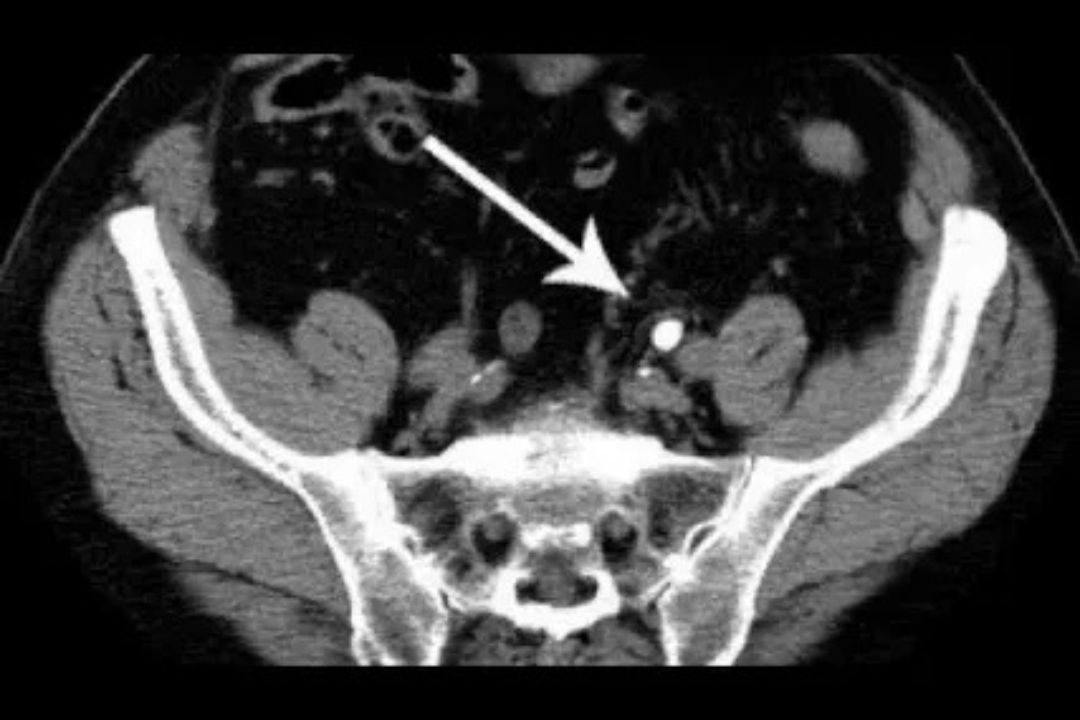
A CT Scan is an advanced imaging test that uses X-rays and computer technology to create detailed cross-sectional images of the body. These images provide a clear view of internal organs, bones, blood vessels, and tissues.
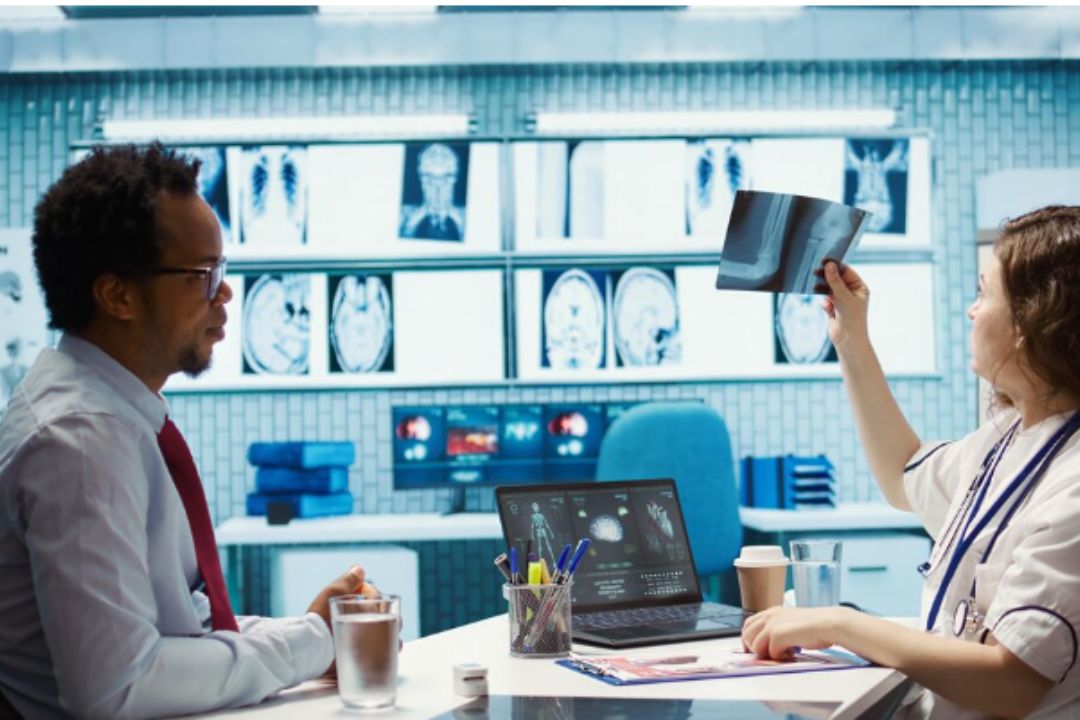
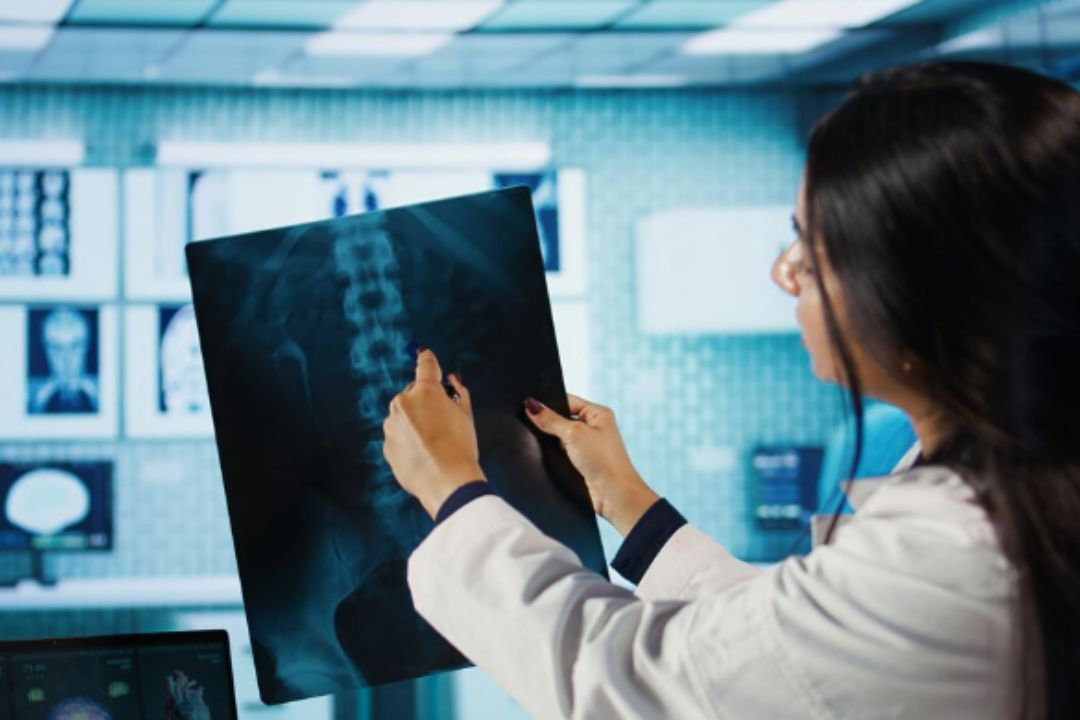
Unlike standard X-rays, CT scans produce highly detailed images that allow doctors to identify abnormalities that may not be visible through other imaging techniques.
CT scans are commonly used to examine areas such as:
Brain
Lungs
Abdomen
Pelvis
Bones and joints
Blood vessels
Because of this detailed imaging capability, CT scans are extremely useful in detecting cancer at an early stage.
Cancer often develops slowly and may not cause noticeable symptoms in the early stages. By the time symptoms appear, the disease may already be advanced.
Visit Now: https://www.diagnopein.com
Early detection offers several important benefits:
Cancer that is detected early is often easier to treat. Doctors can begin treatment before the disease spreads to other parts of the body.
When cancer is diagnosed early, patients may require less intensive treatments such as smaller surgeries or targeted therapies.
Early diagnosis greatly improves the chances of long-term survival for many types of cancer.
CT scans can detect tumors and abnormal tissue growth in many parts of the body. The detailed images produced by CT scanners allow doctors to identify even small abnormalities.
CT scans help doctors:
Detect tumors at an early stage
Determine the size and location of tumors
Identify whether cancer has spread
Monitor treatment progress
Evaluate the effectiveness of therapy
This information helps doctors create the most appropriate treatment plan for each patient.
CT scans are widely used in the diagnosis and monitoring of many types of cancer.
CT scans are particularly effective in detecting small lung nodules that may indicate early-stage lung cancer.
CT imaging can identify tumors in the liver and evaluate the extent of disease spread.
Because pancreatic tumors can be difficult to detect early, CT scans play a crucial role in identifying abnormalities.
CT scans can help detect tumors in the colon and surrounding tissues.
Imaging allows doctors to identify abnormal masses in the urinary system.
In some cases, CT scans are used as a screening tool for individuals who are at higher risk of certain cancers.
For example, people with a history of heavy smoking may undergo low-dose CT scans to screen for lung cancer. These scans can detect cancer before symptoms appear.
Screening programs using CT imaging have helped doctors identify cancers at earlier stages, leading to better treatment outcomes.
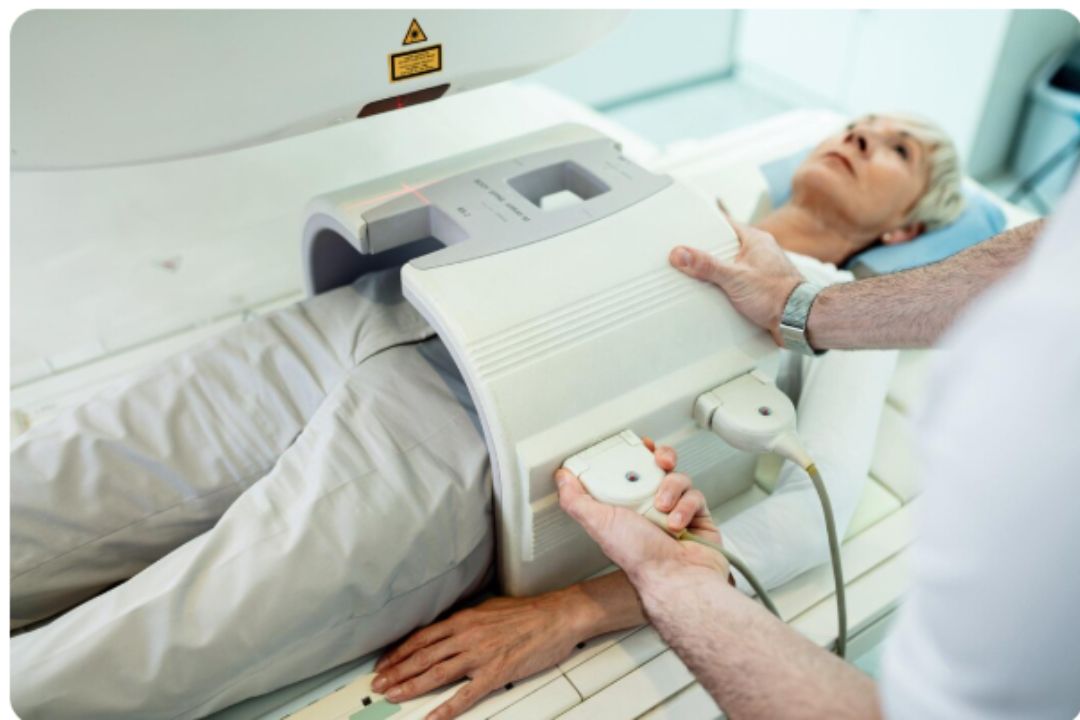
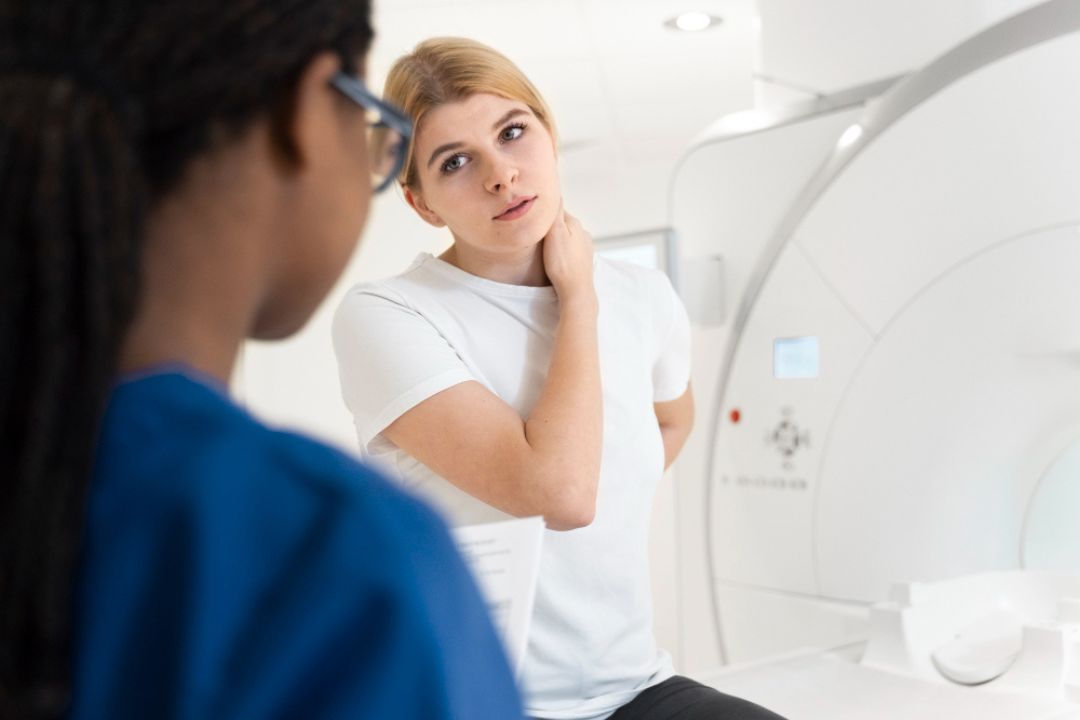
A CT scan procedure is simple and usually completed quickly.
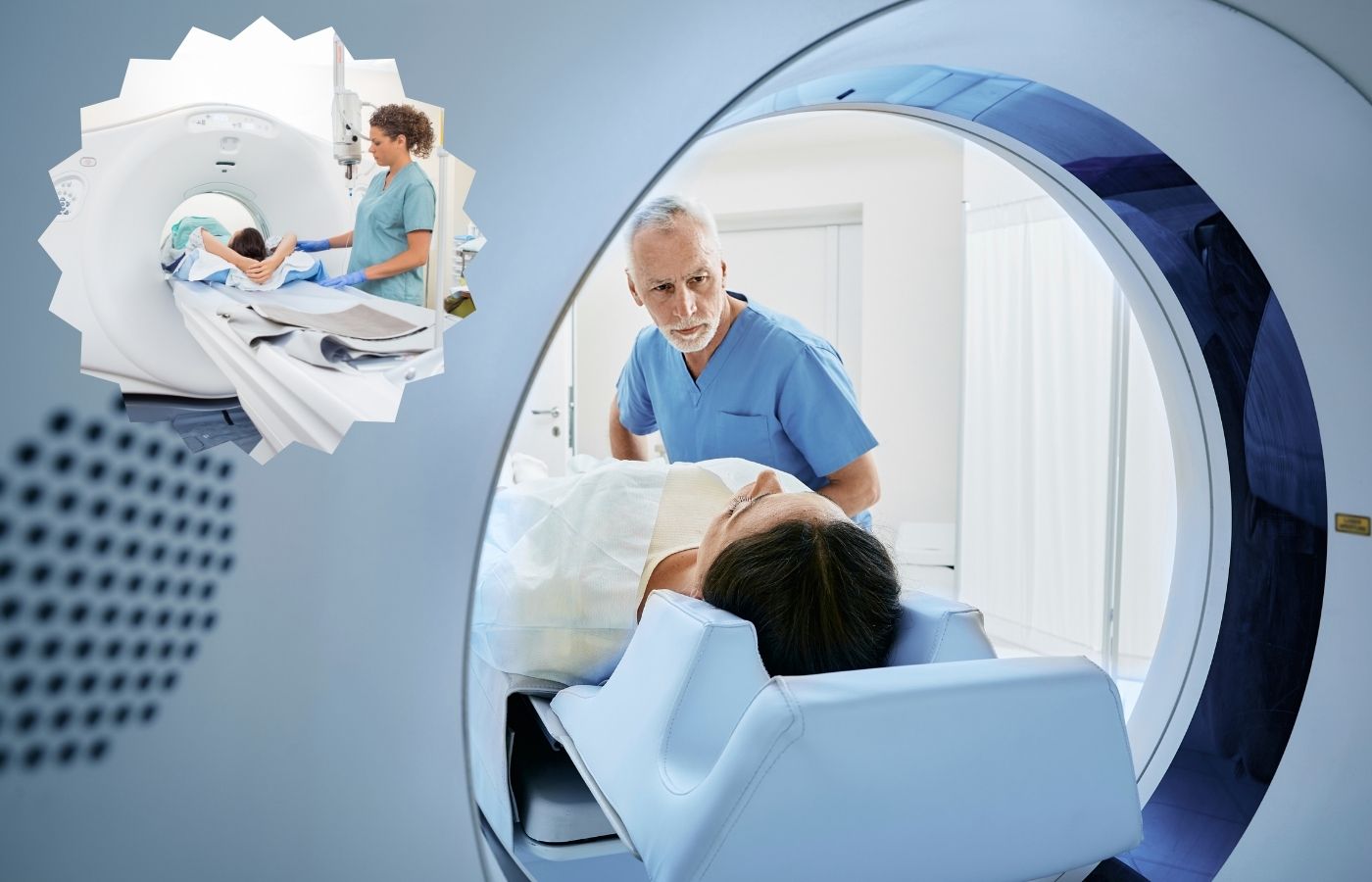
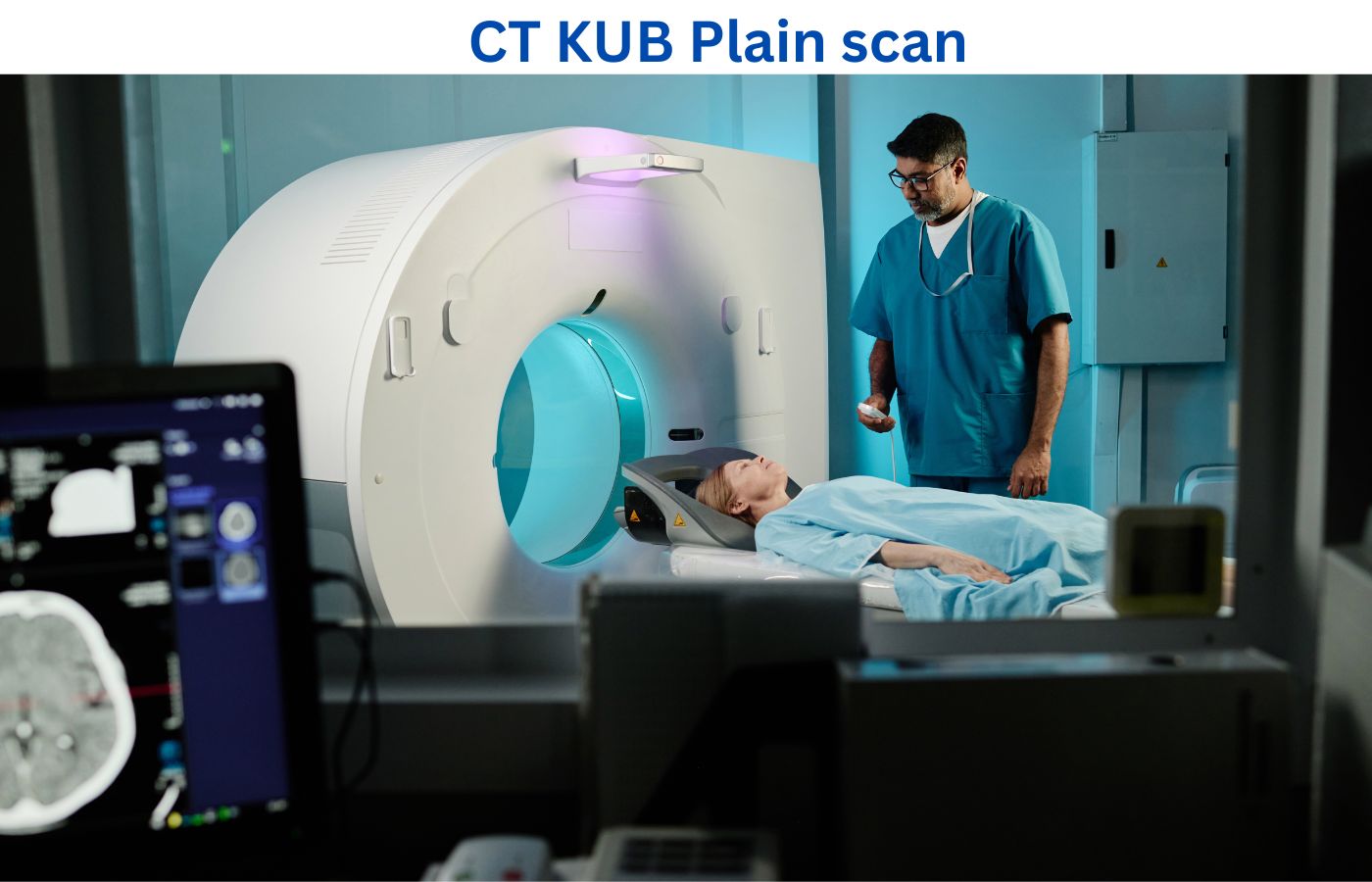
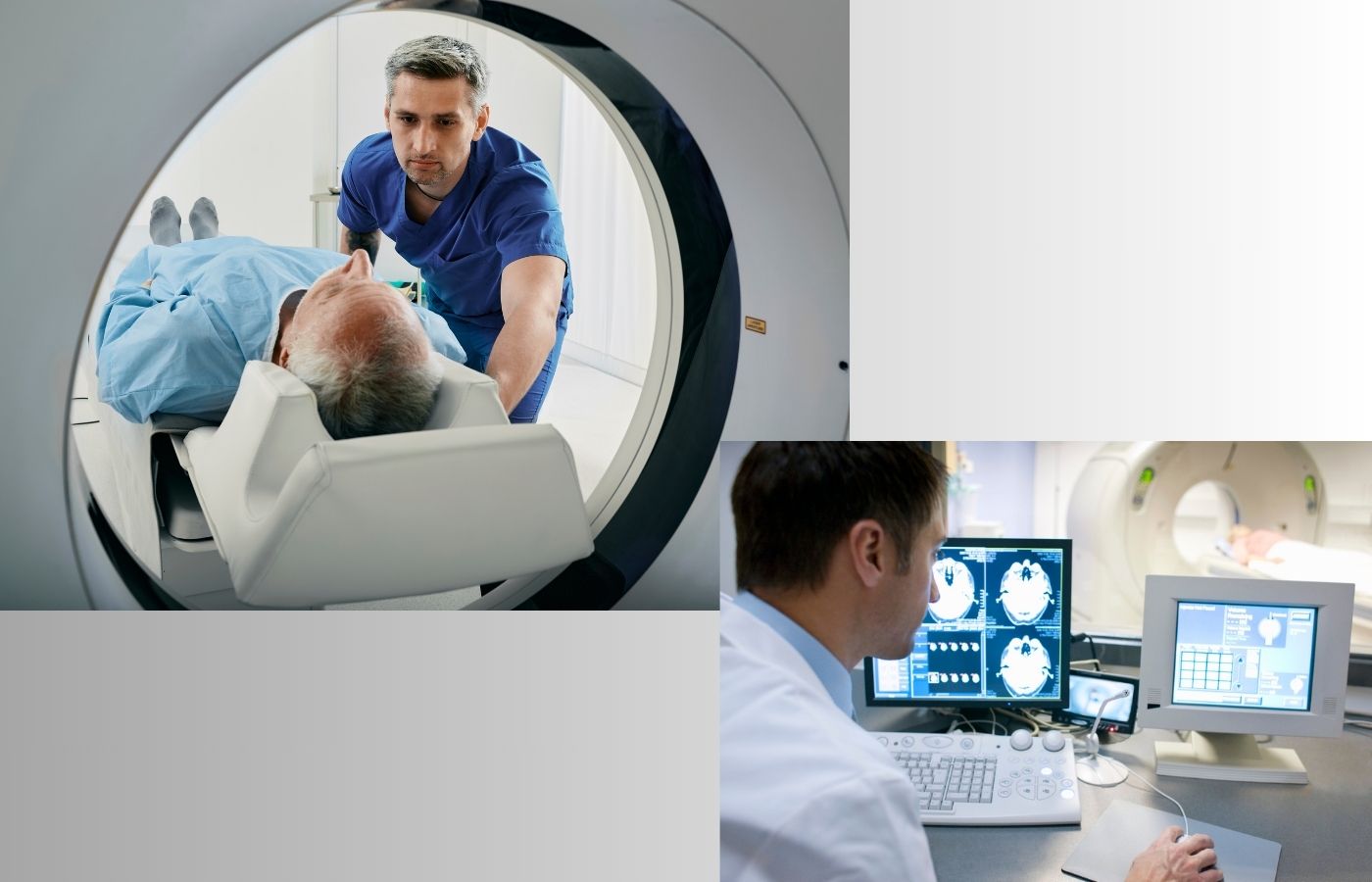
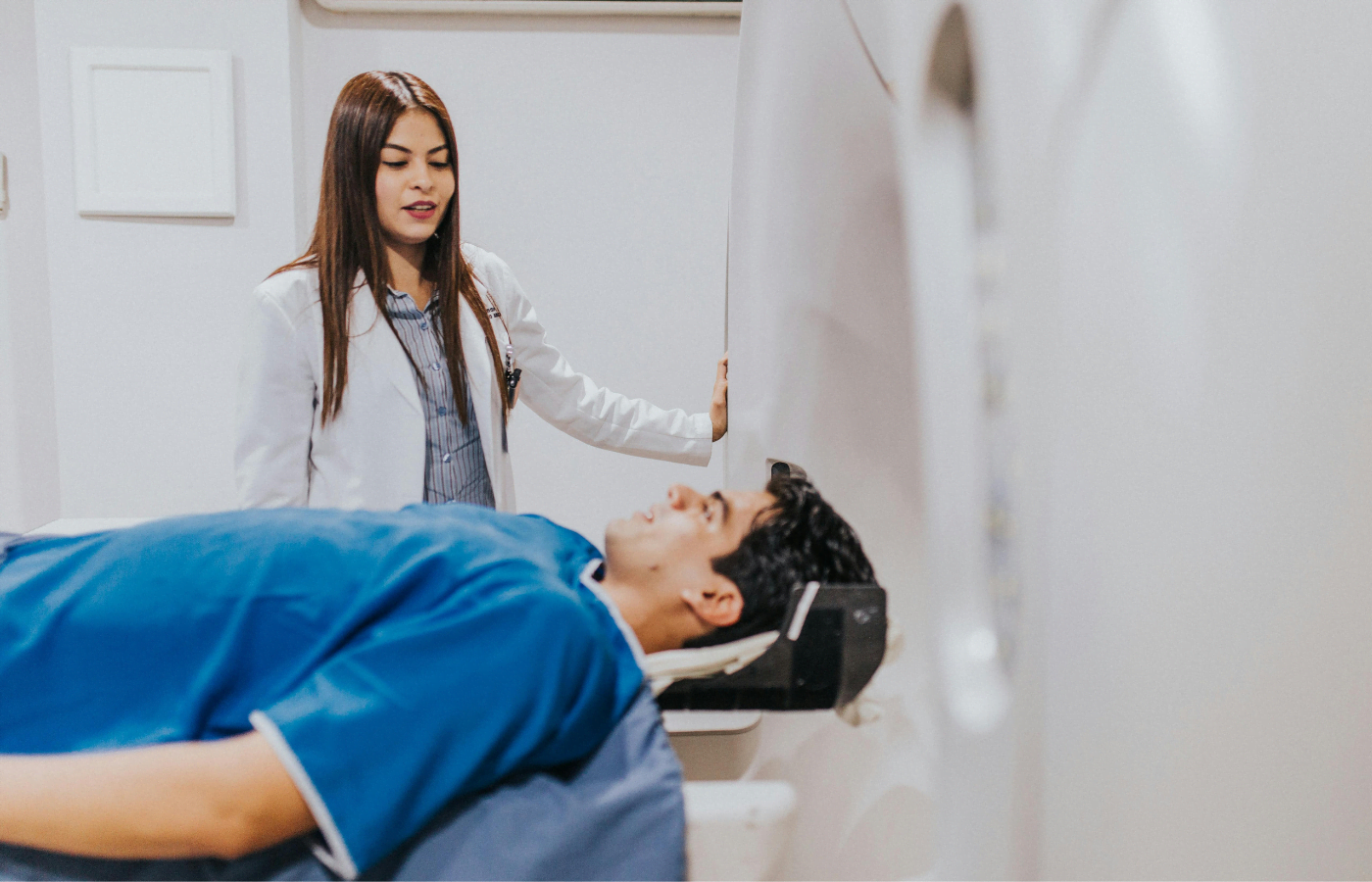
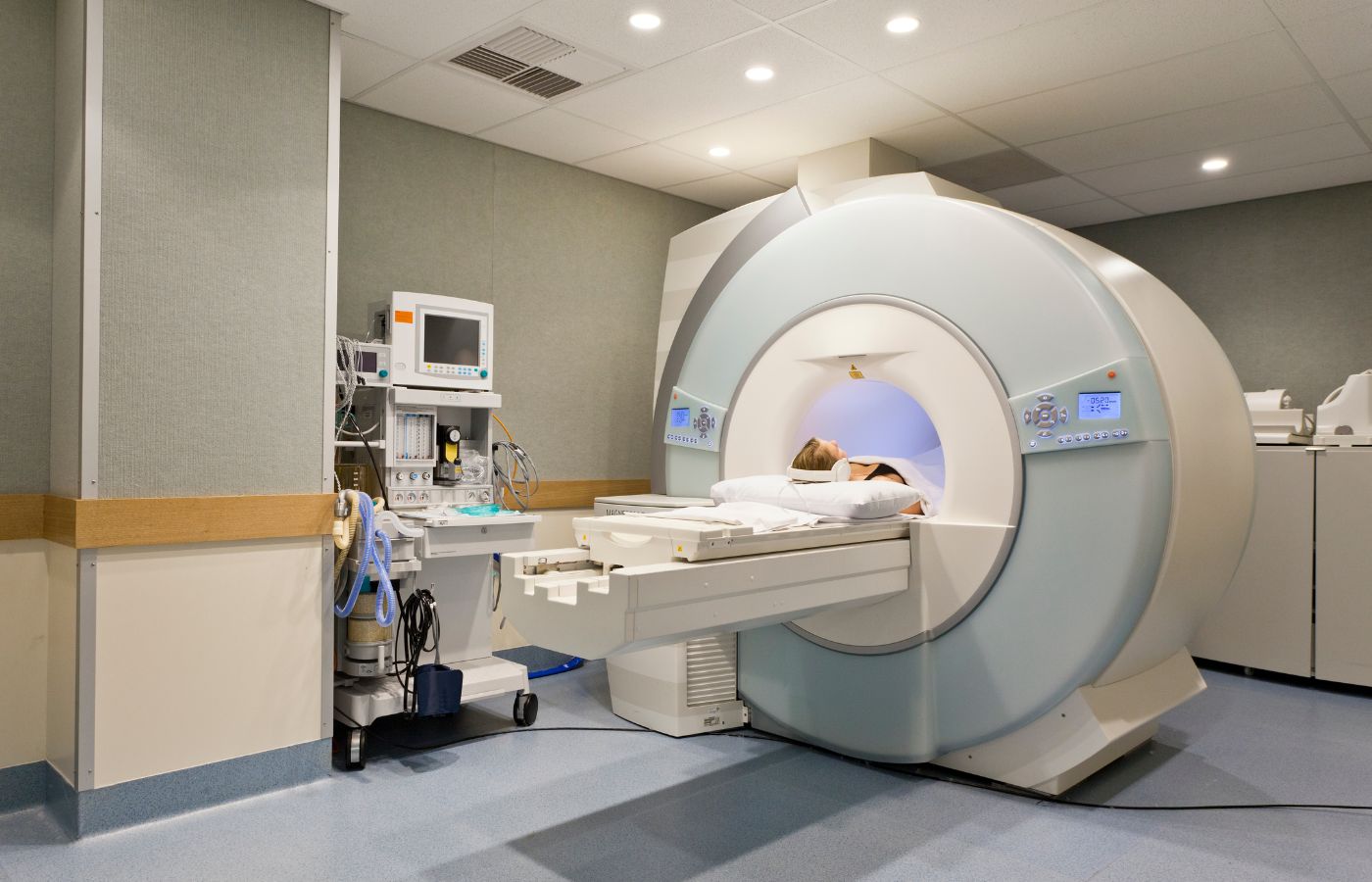
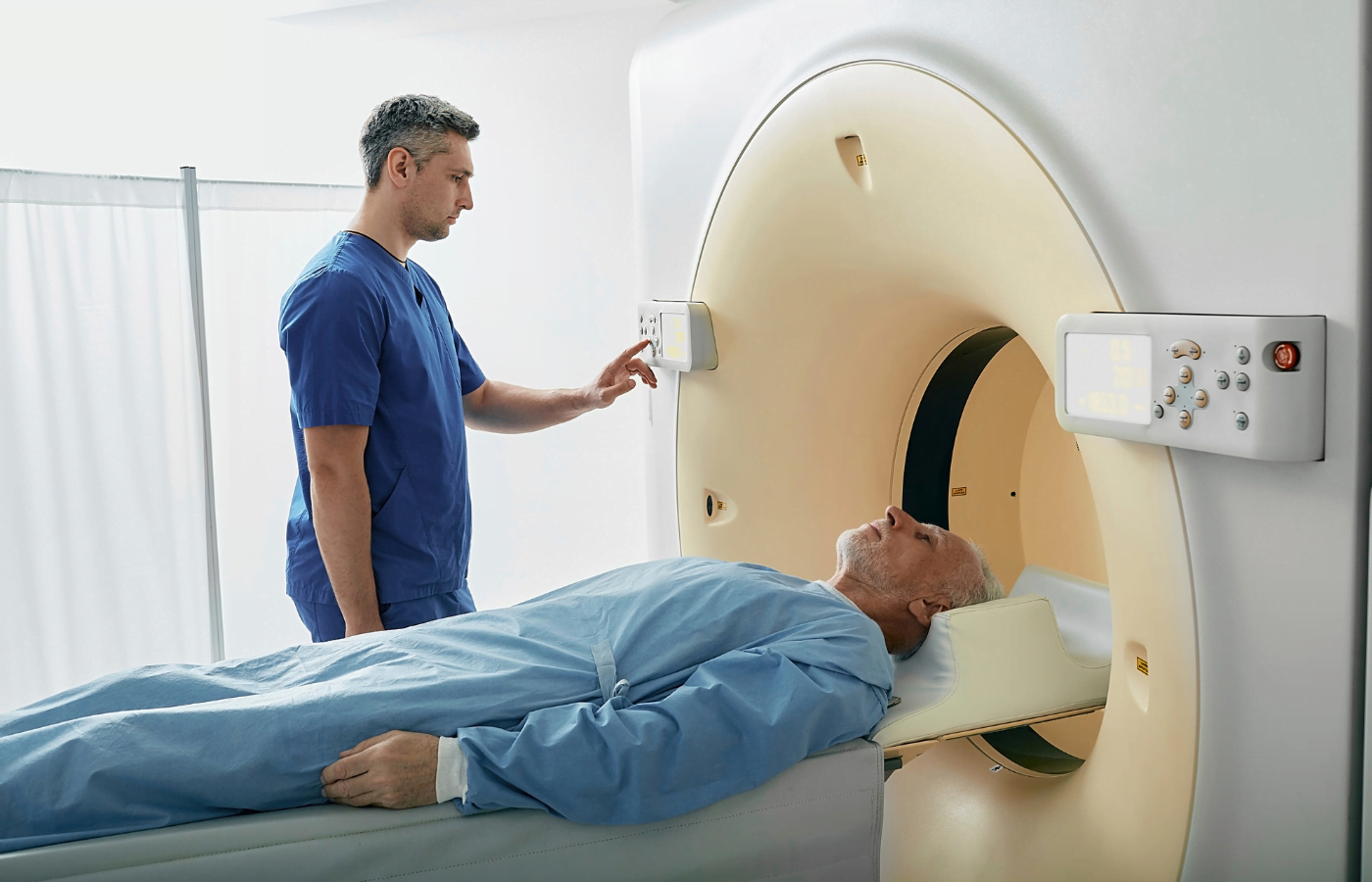
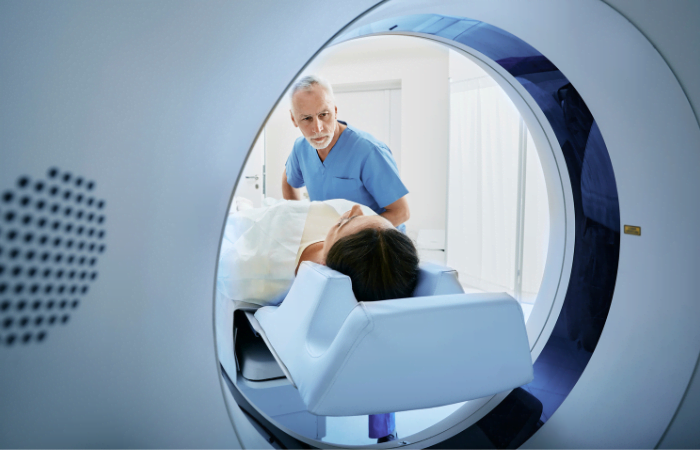
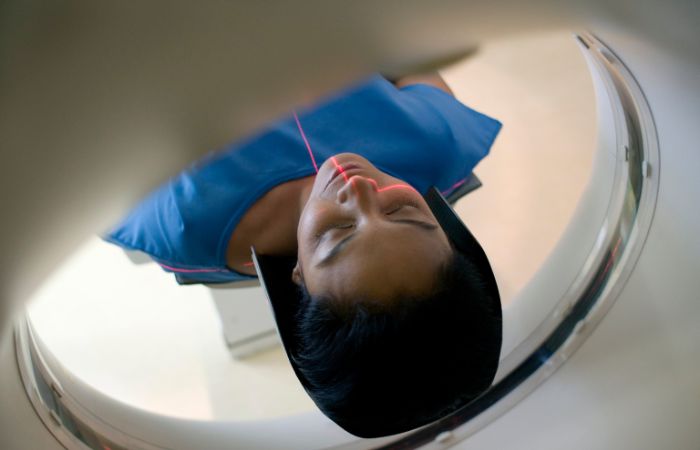
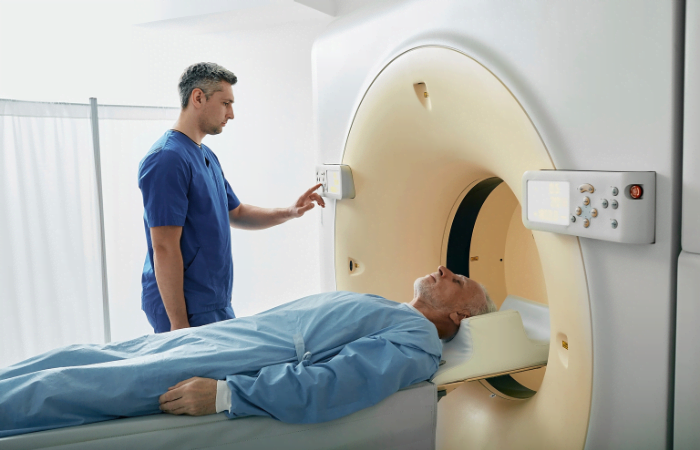
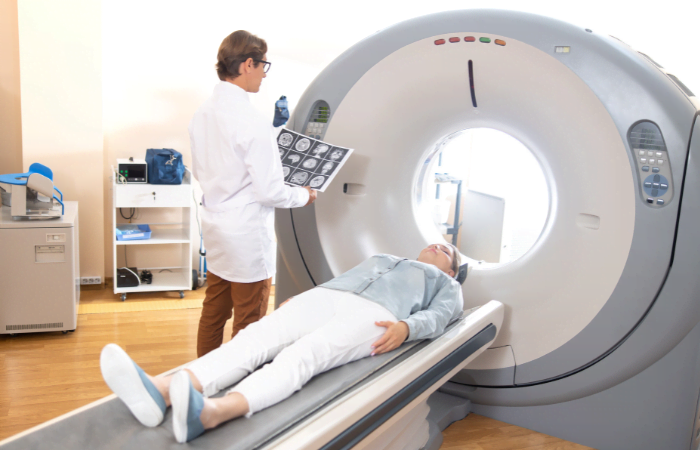
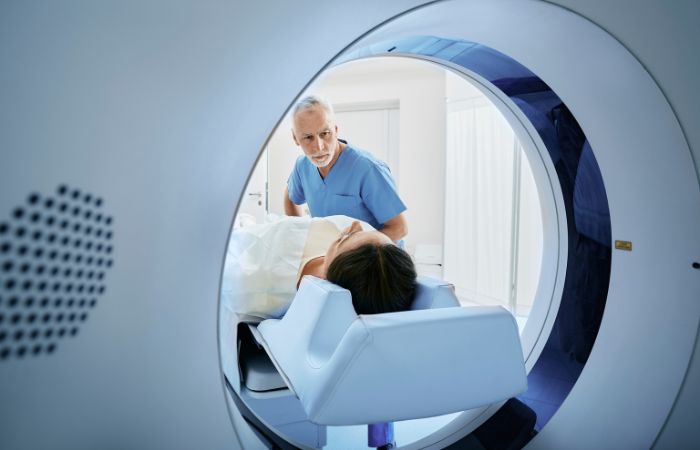
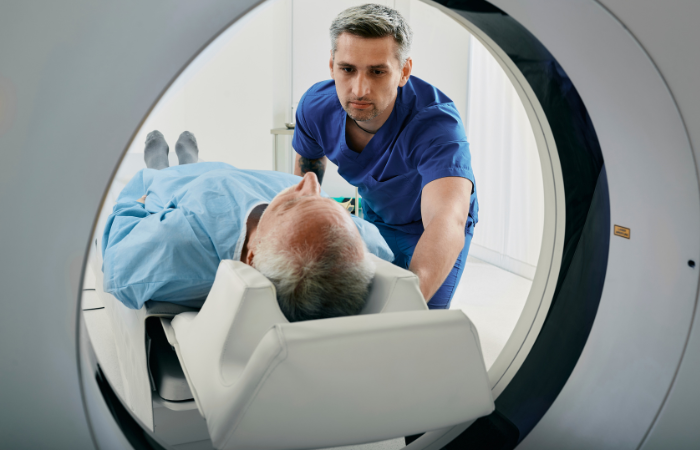
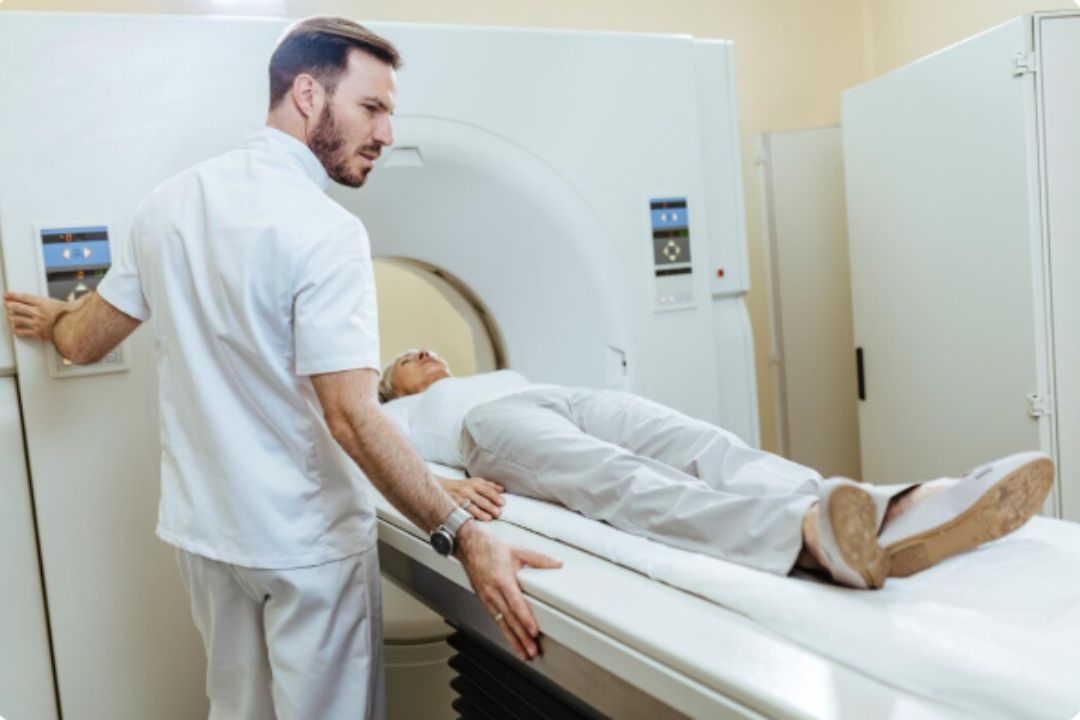
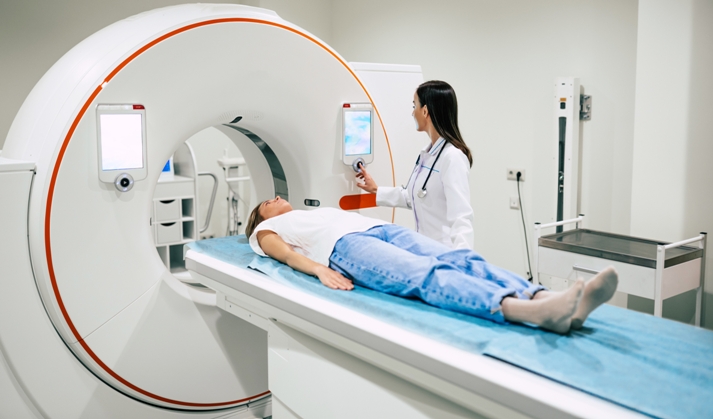
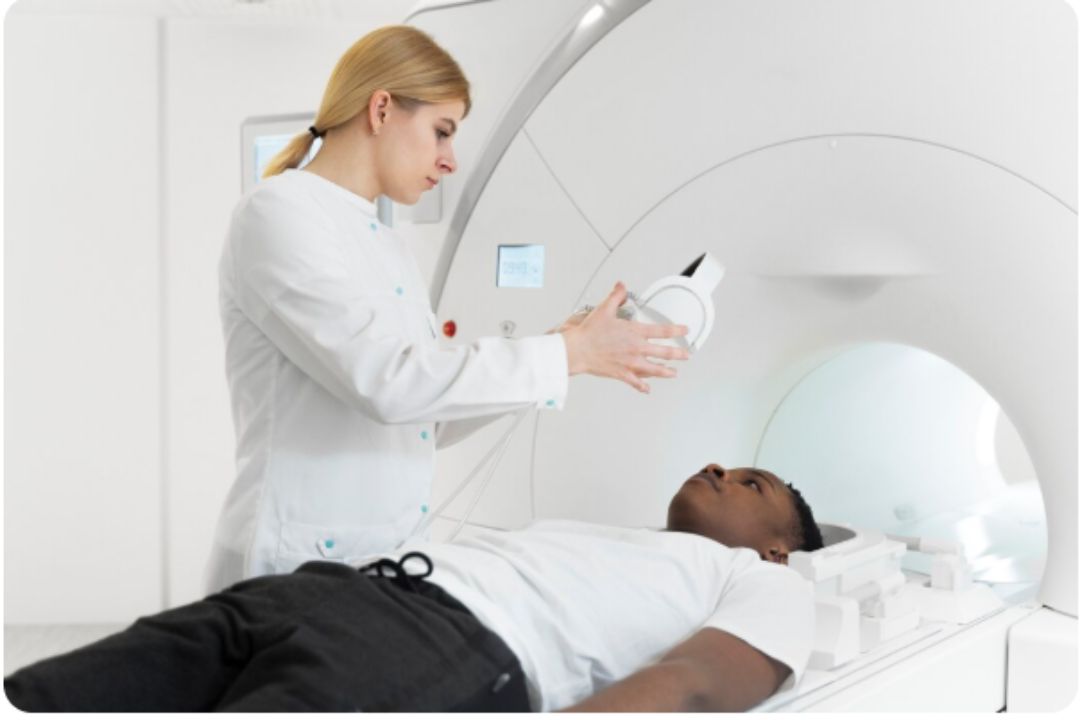
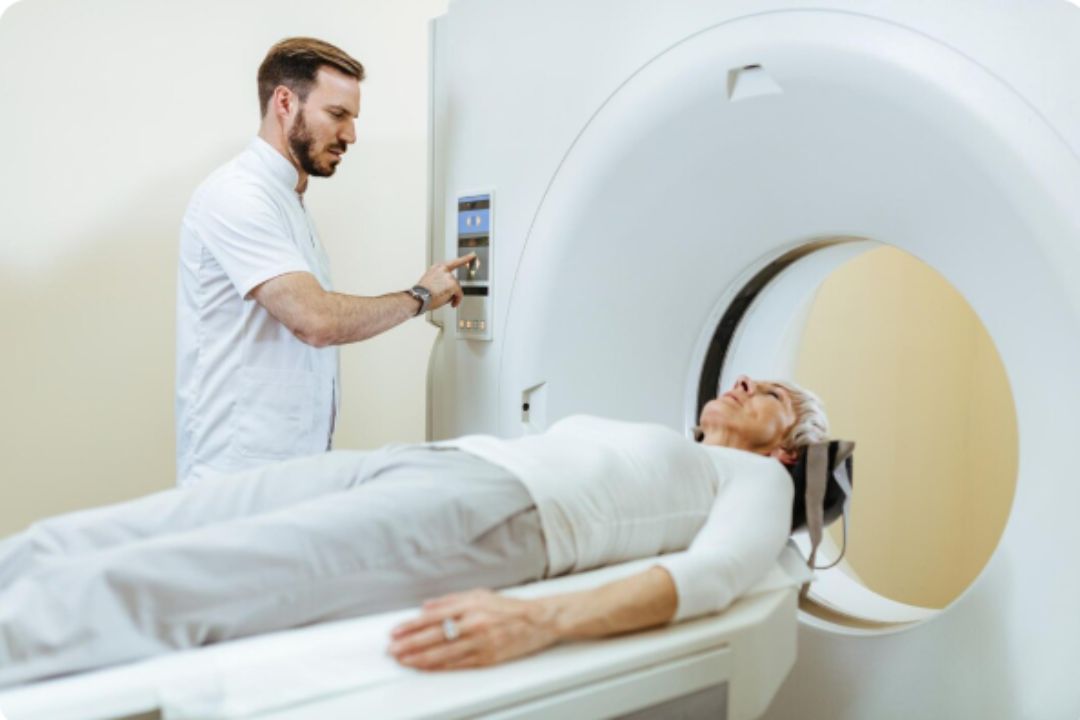
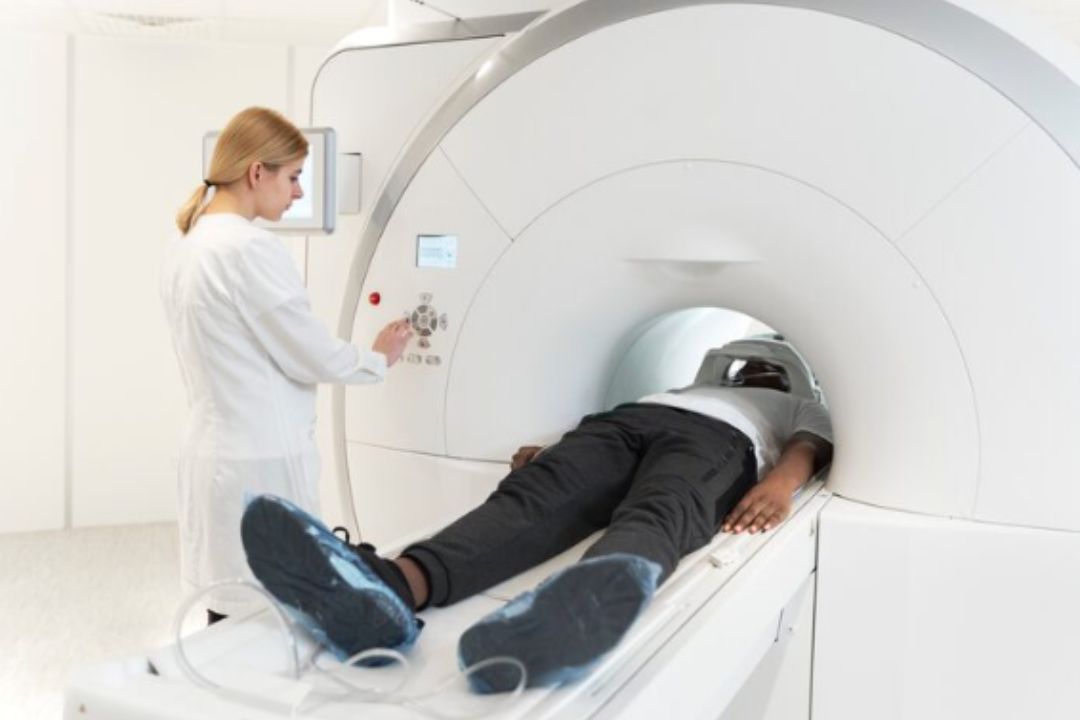
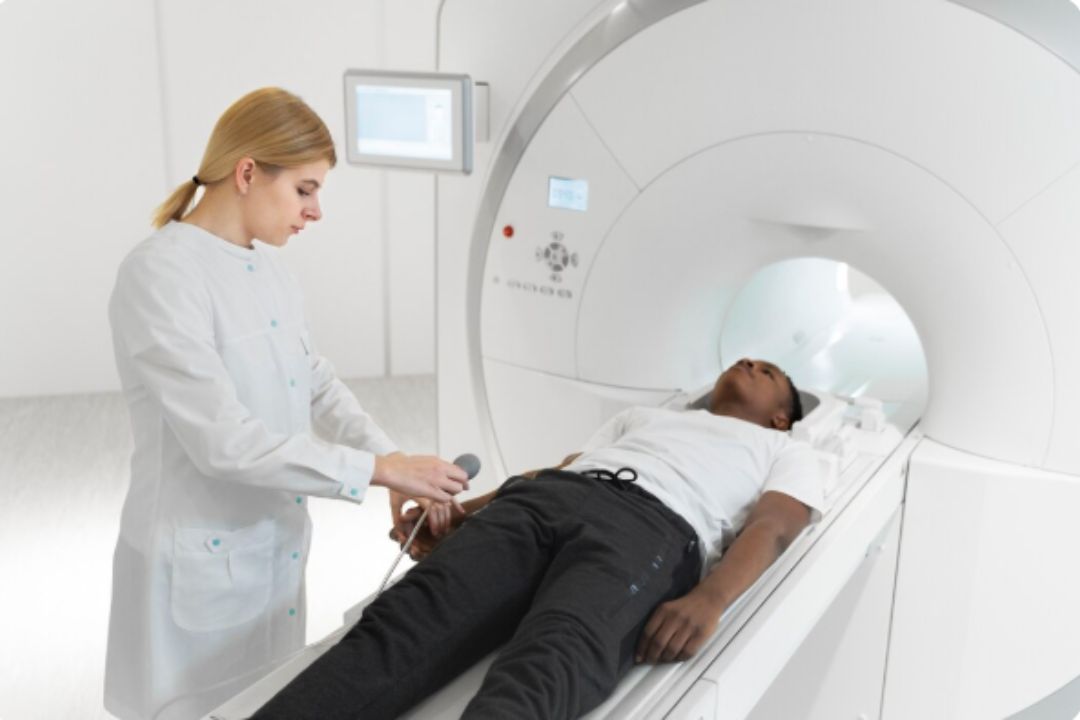
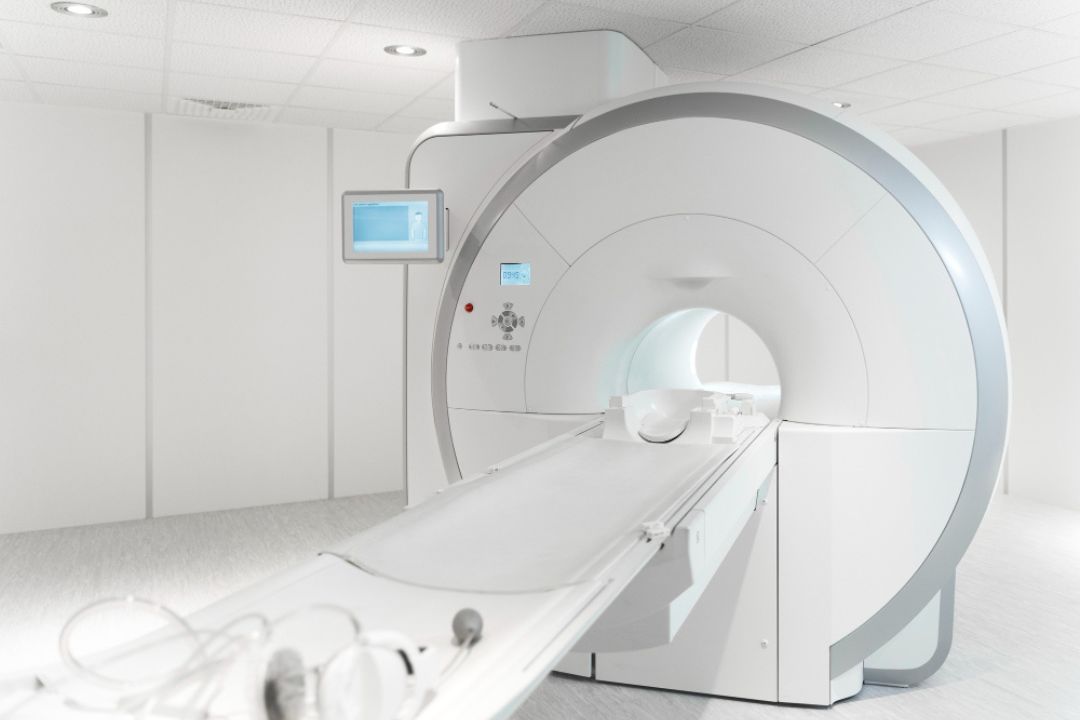
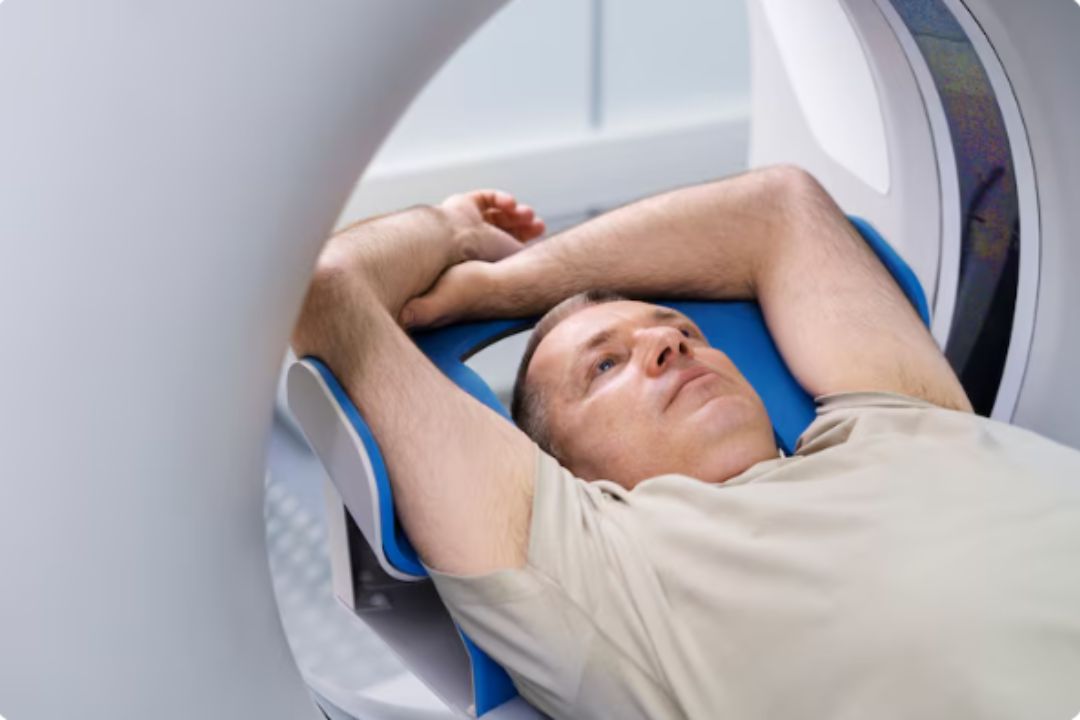
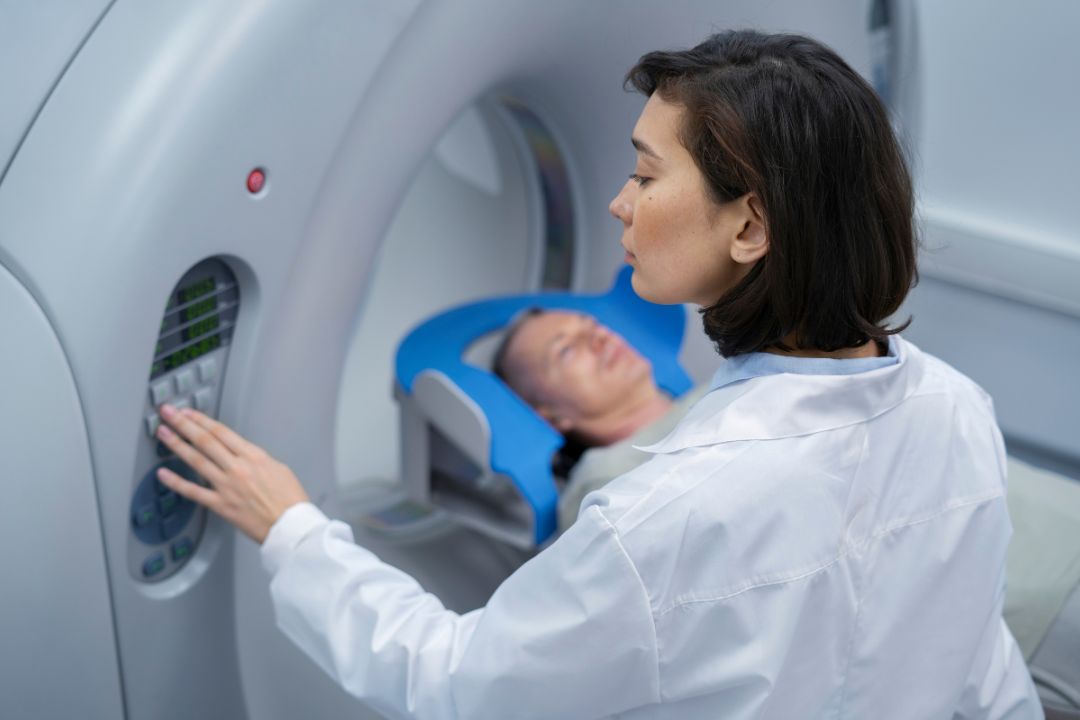
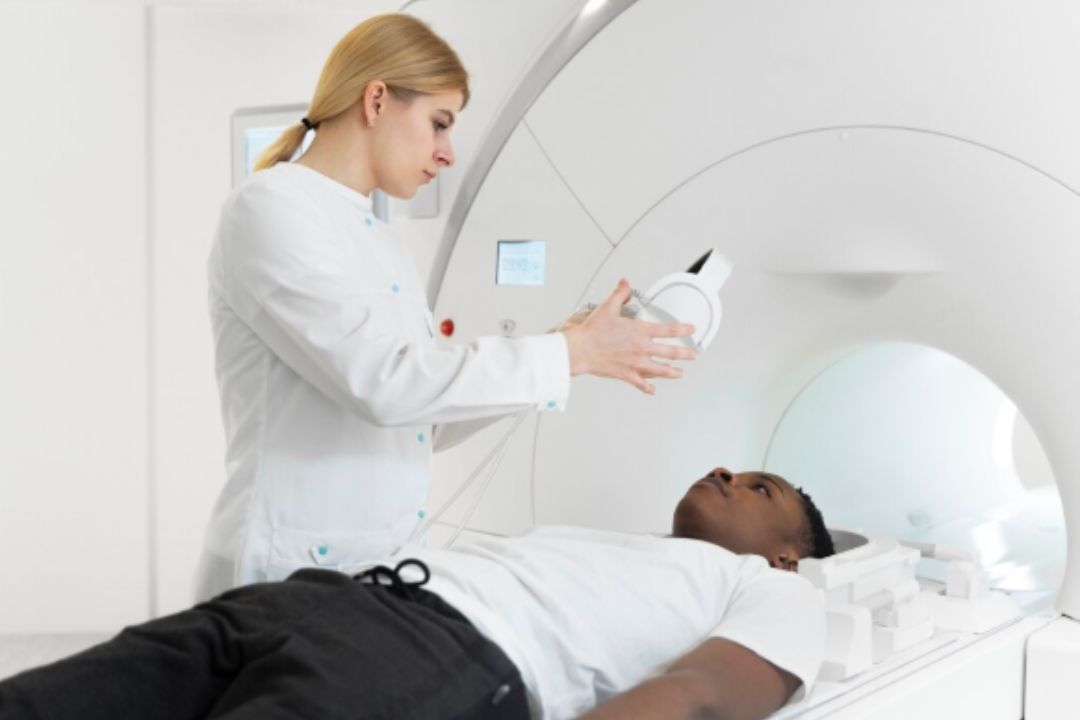
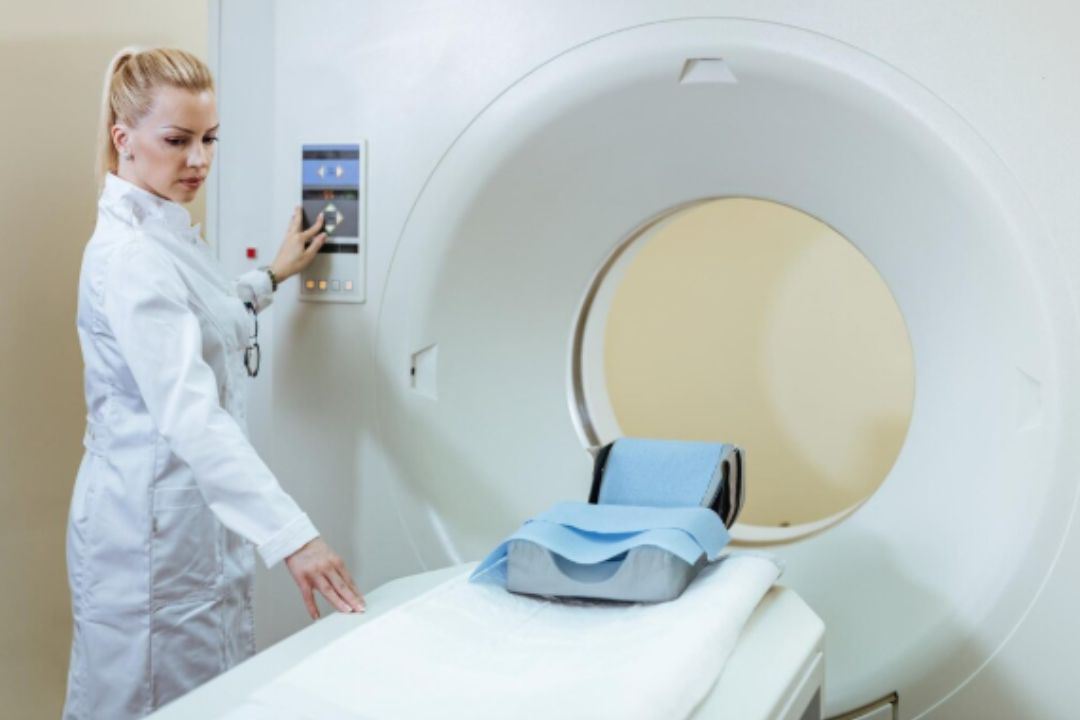
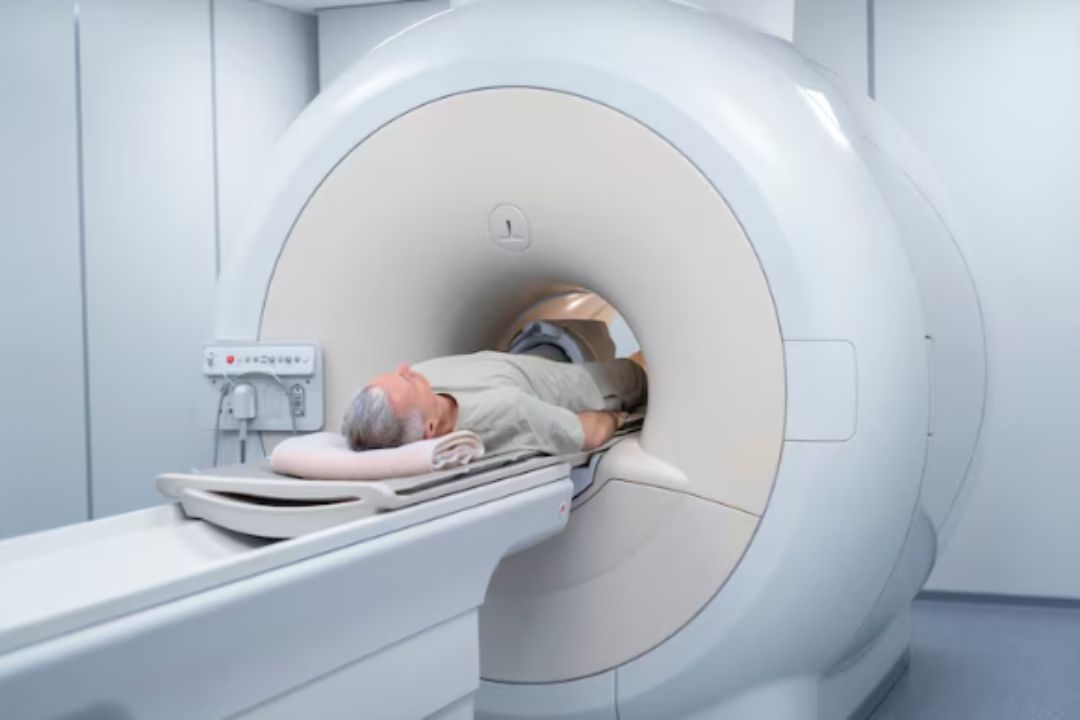
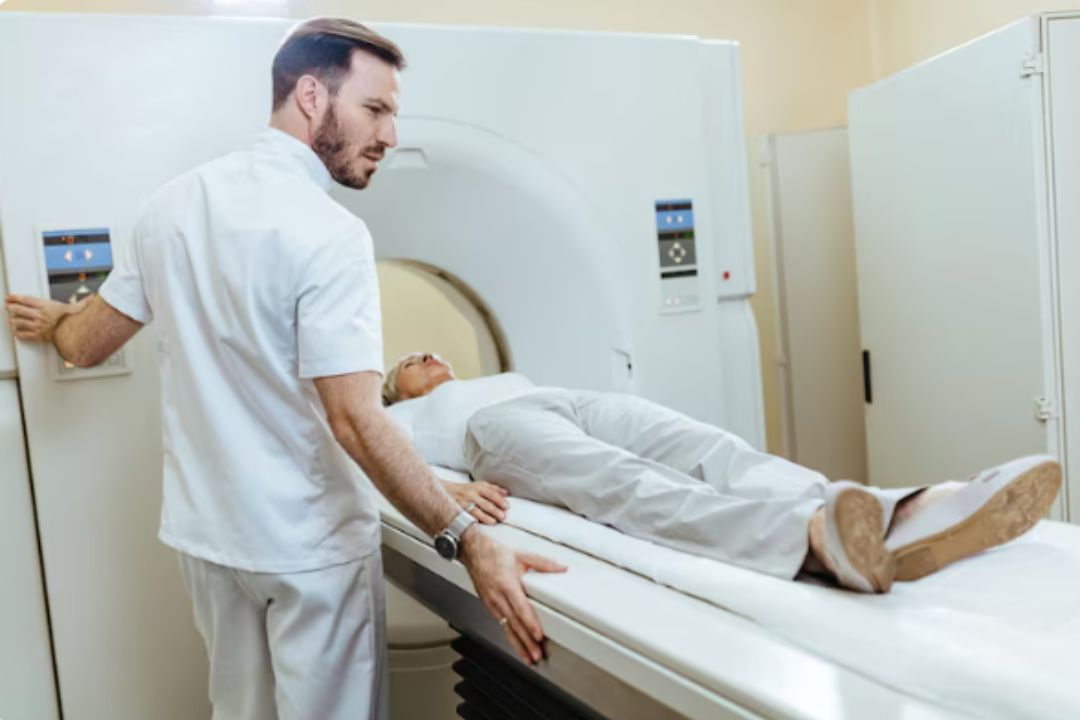
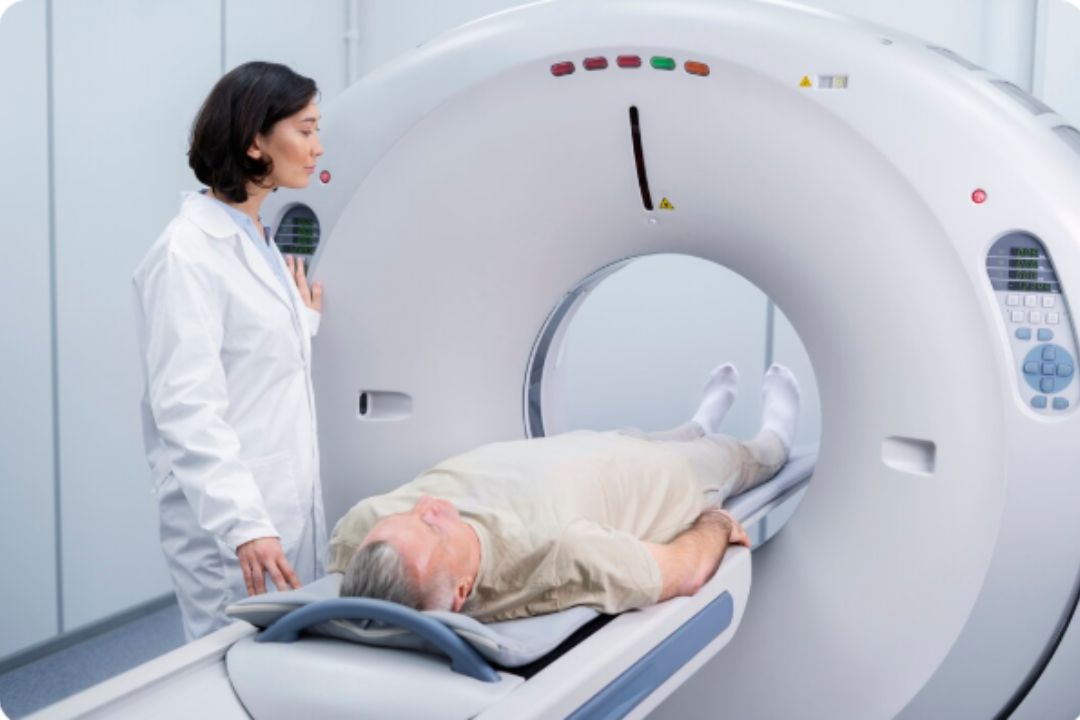
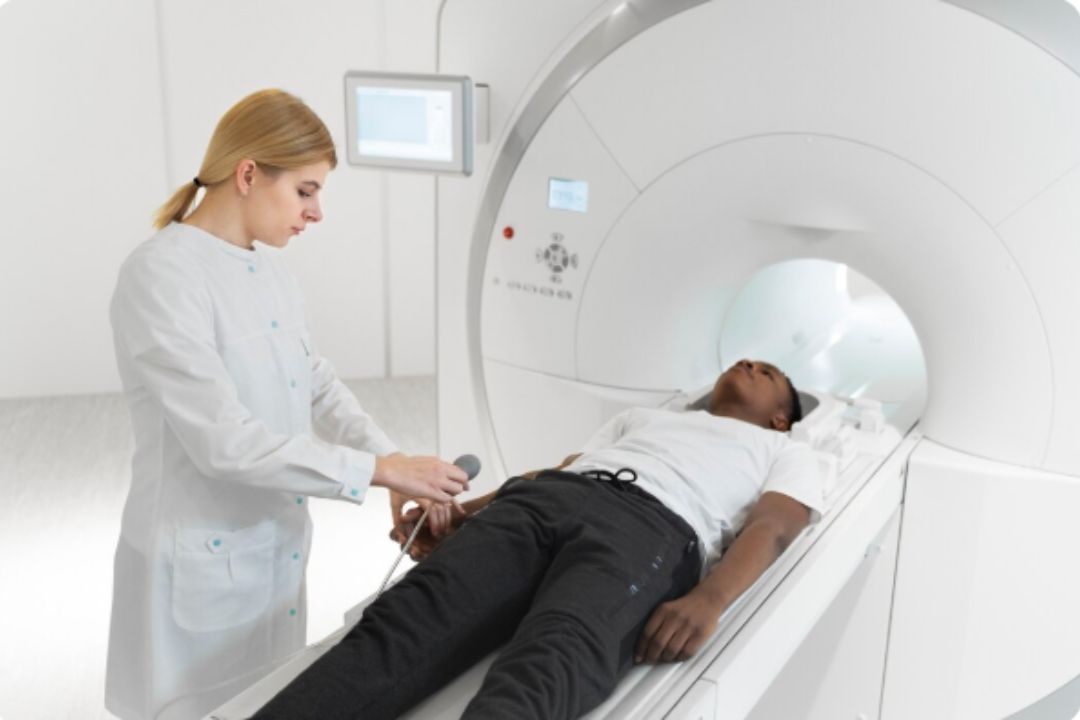
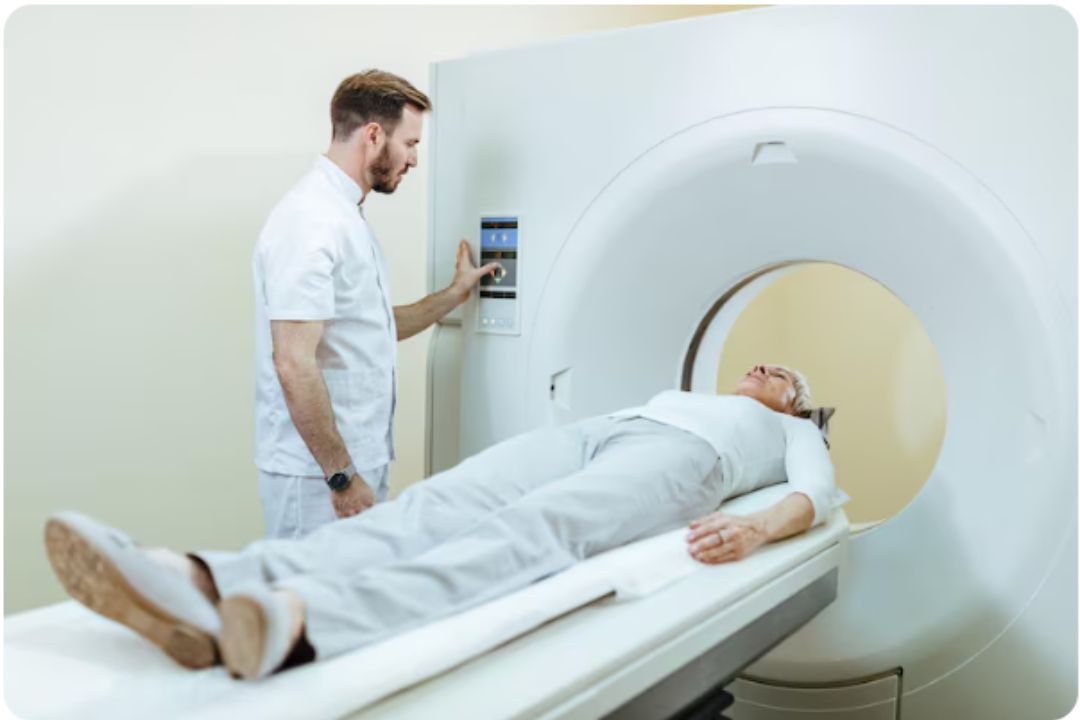
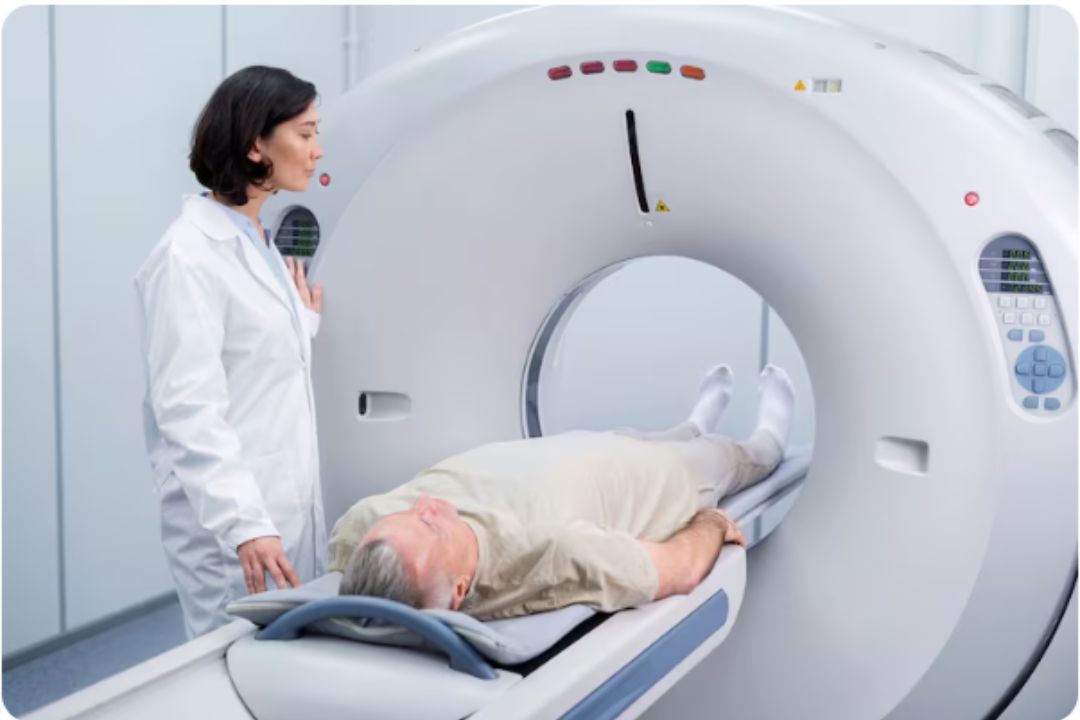
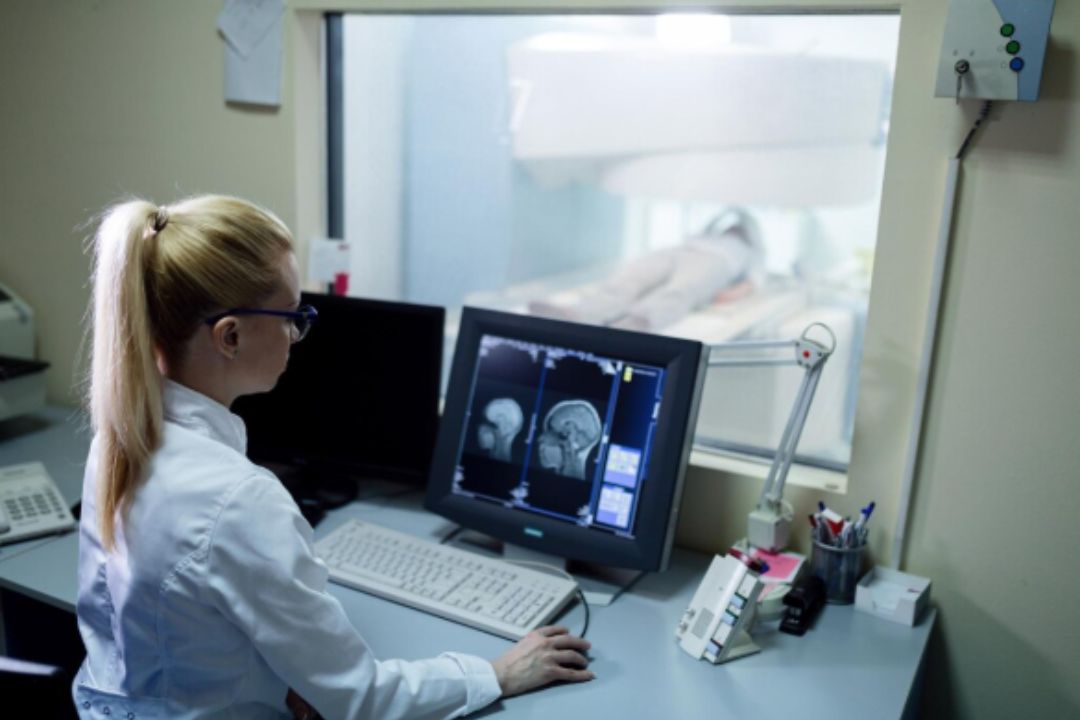
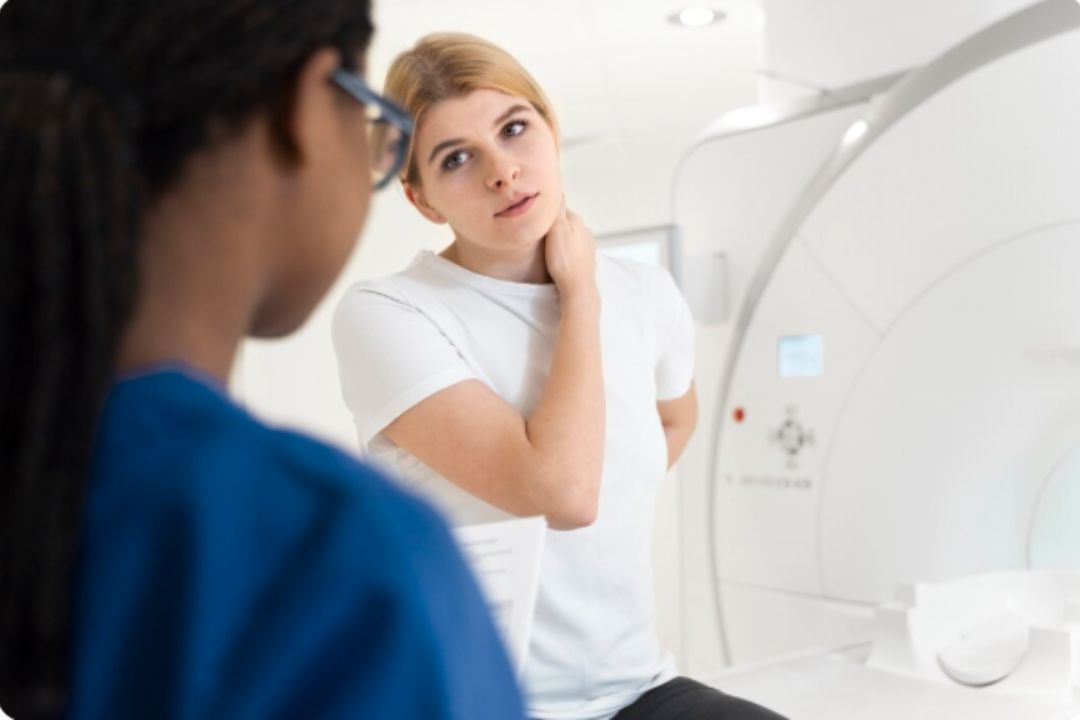
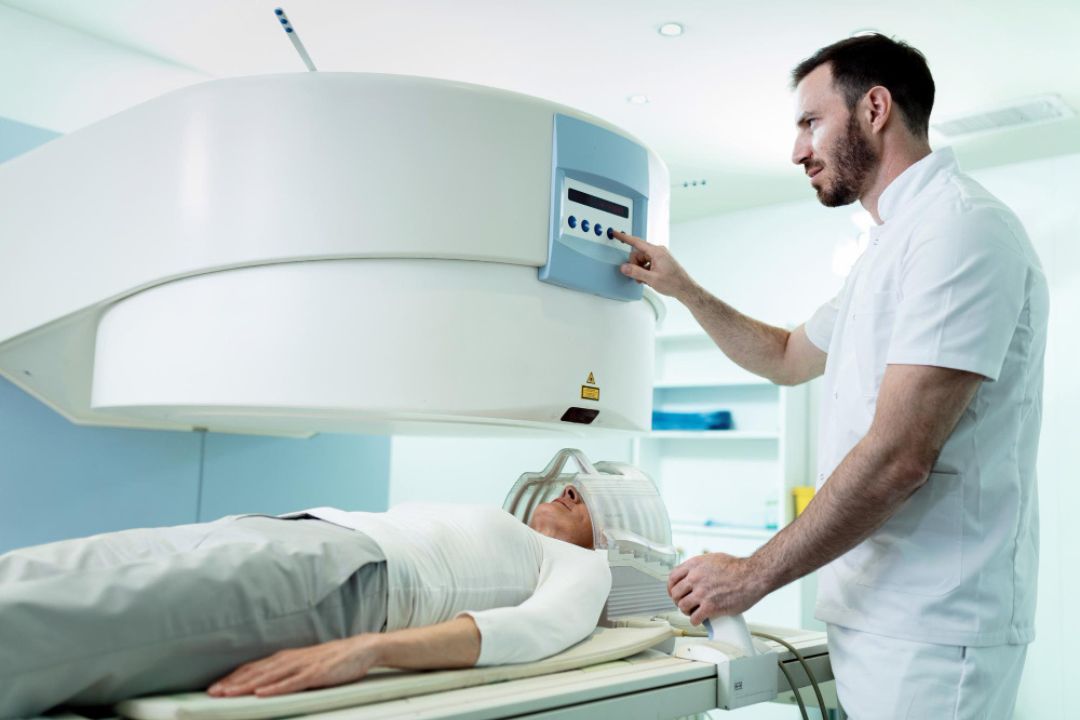
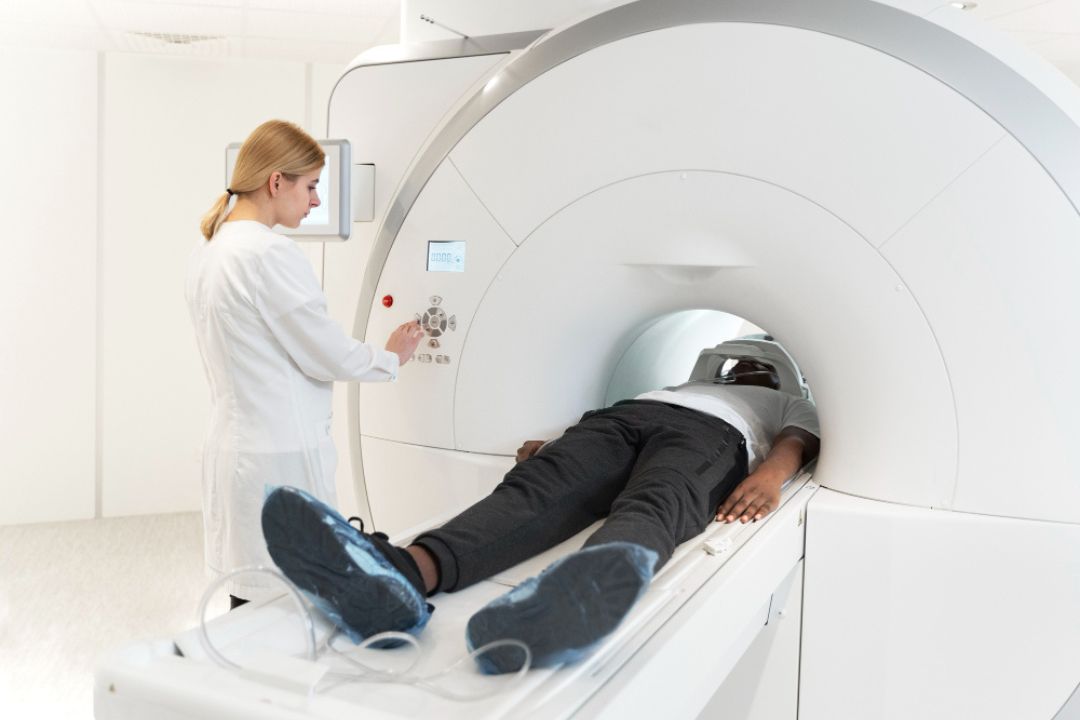
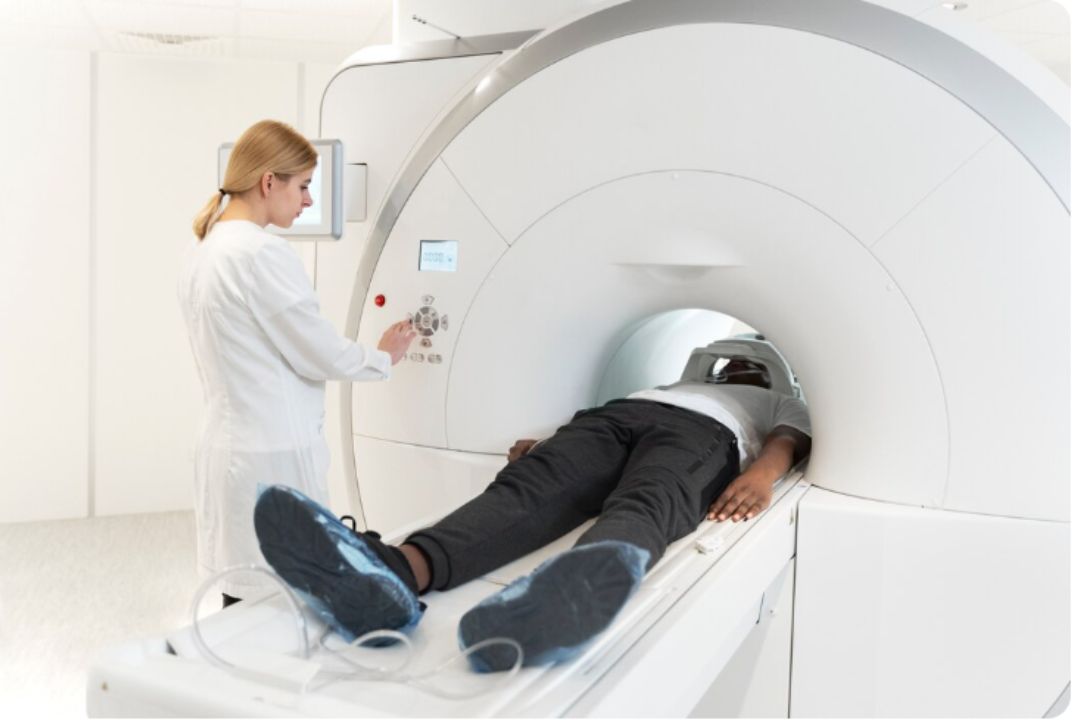
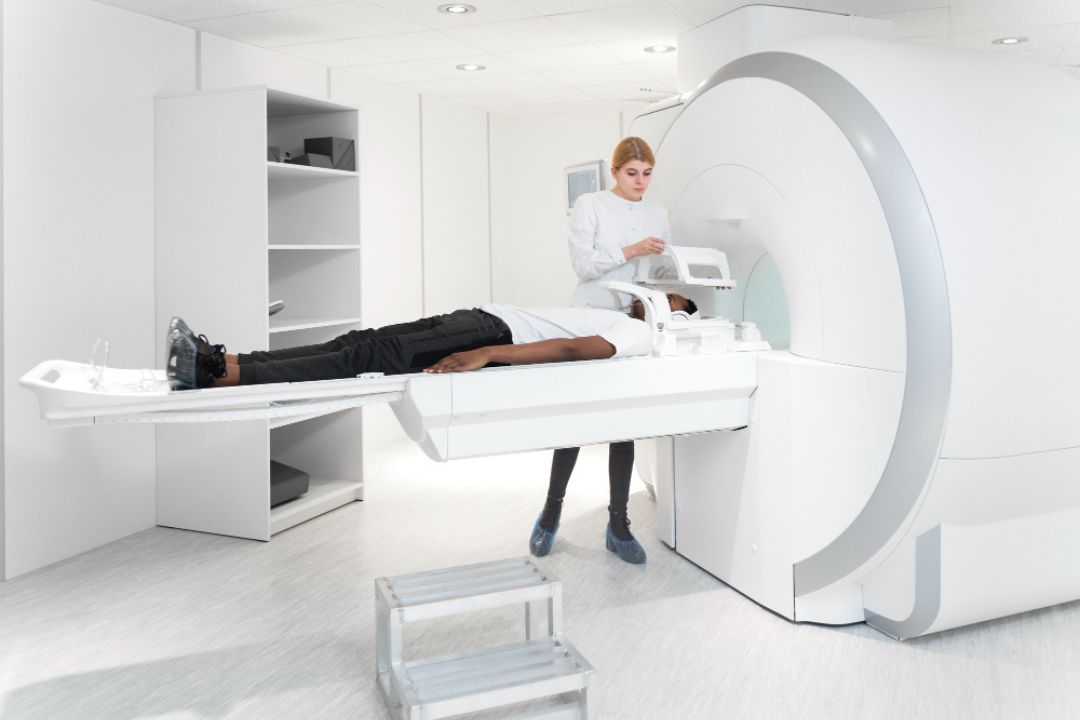
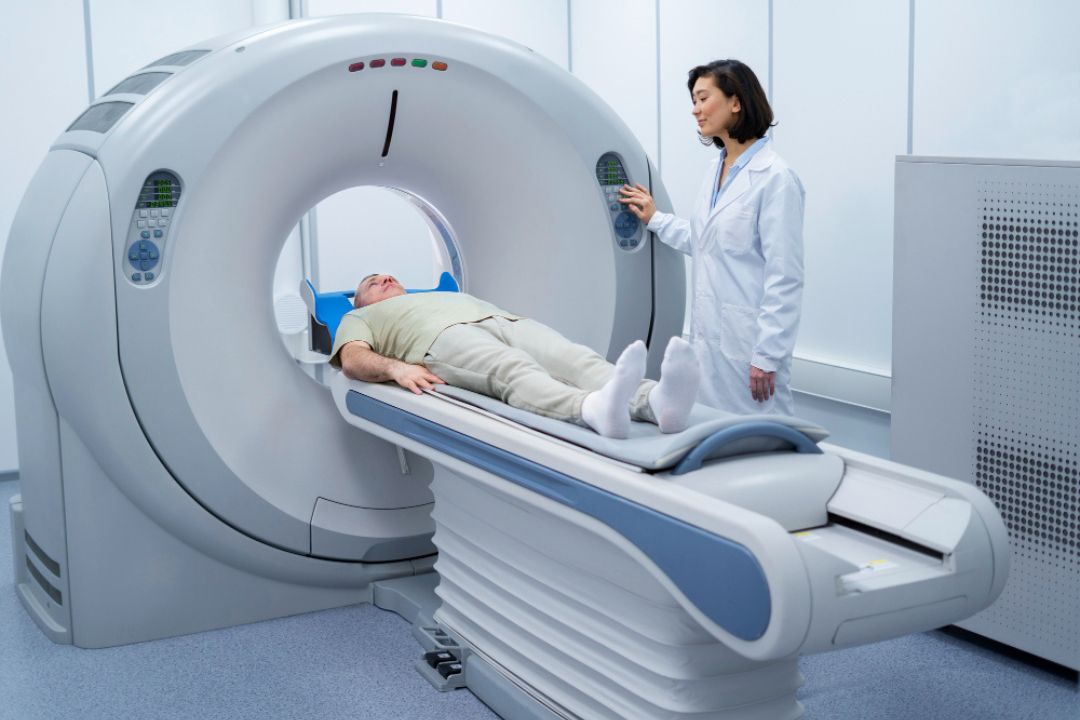
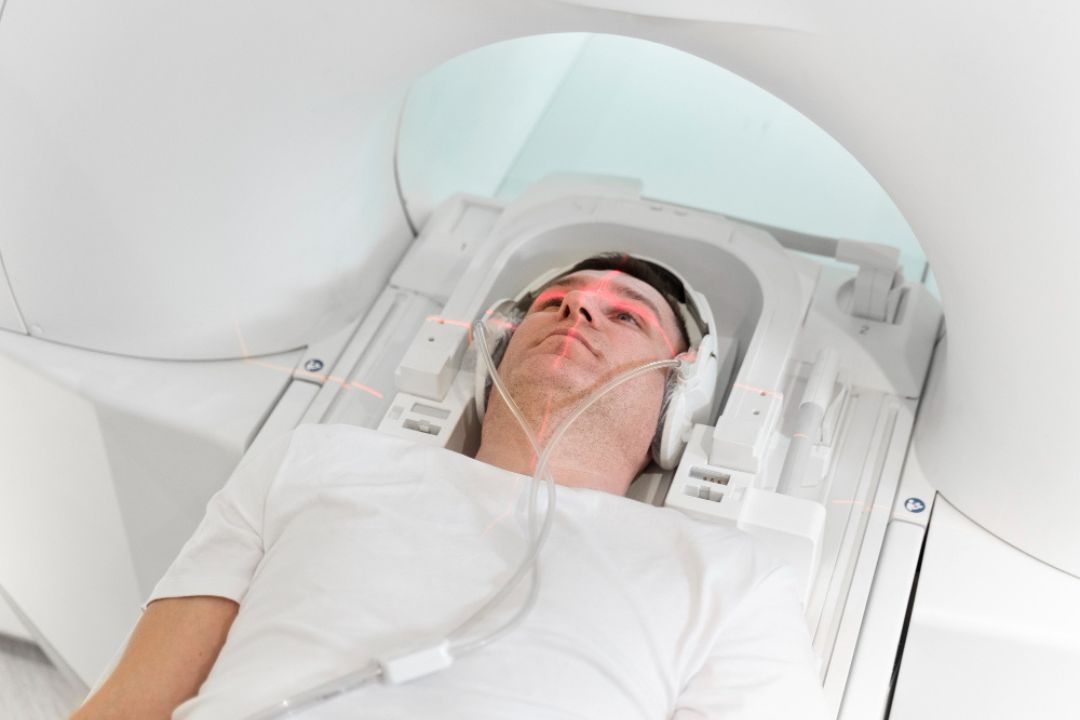
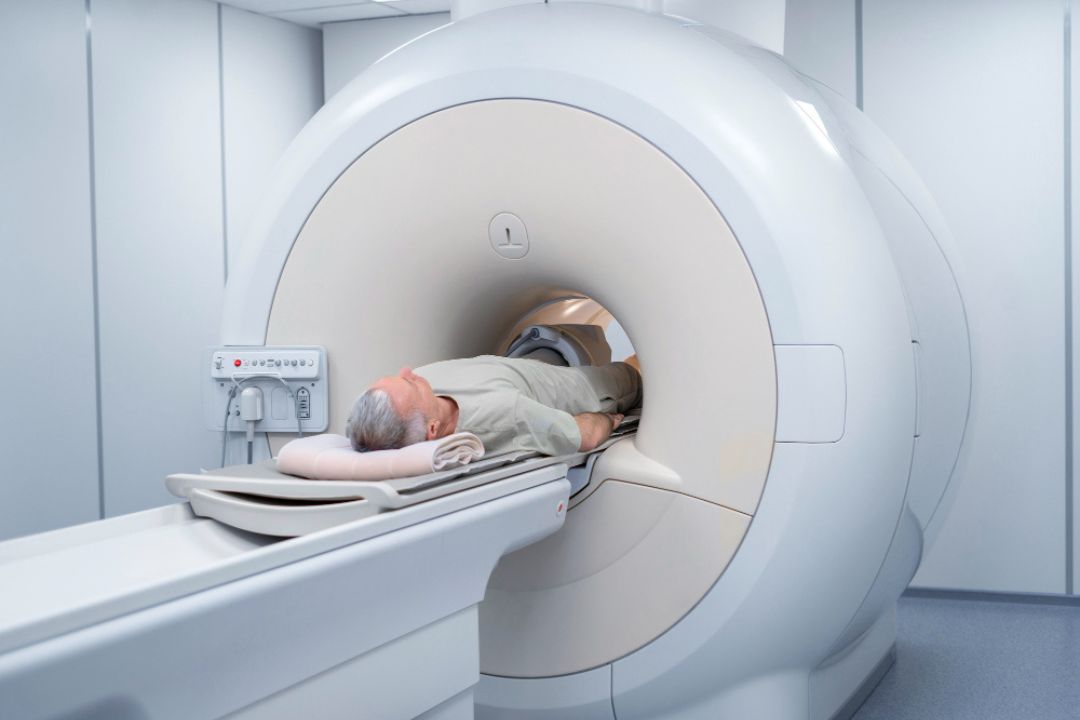
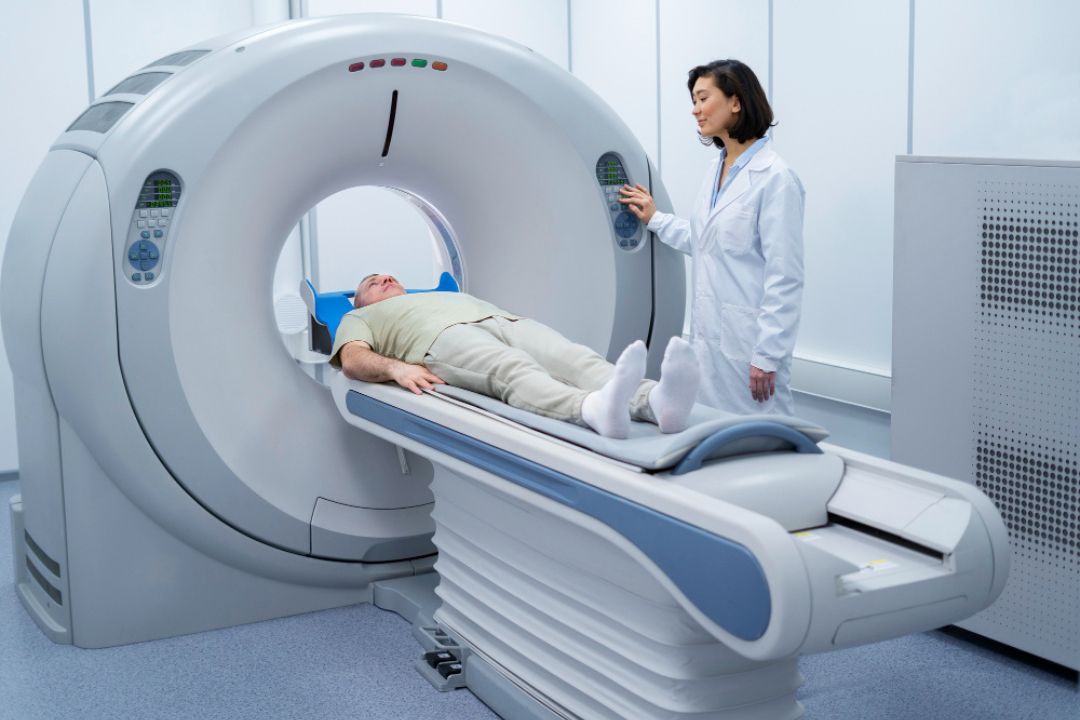
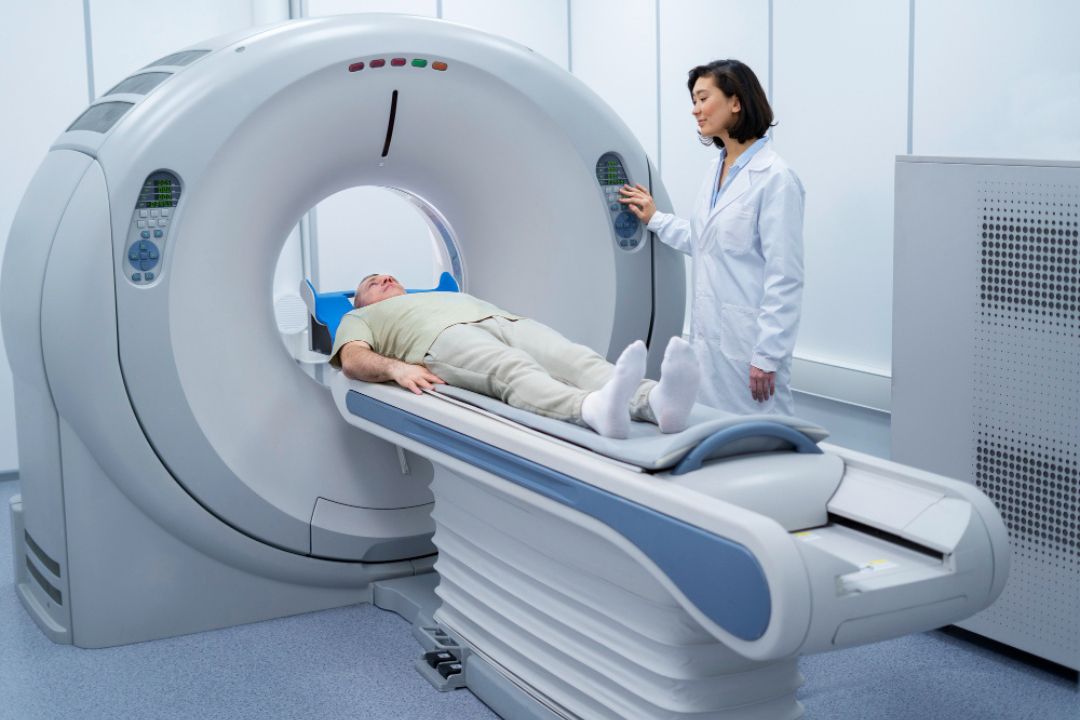
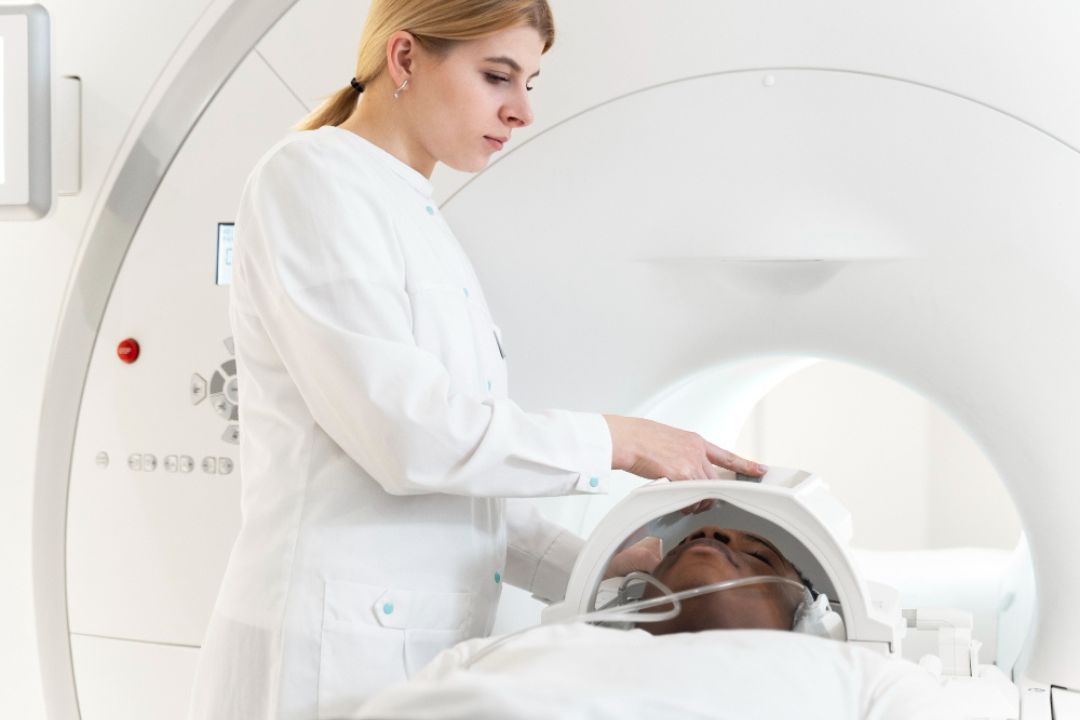
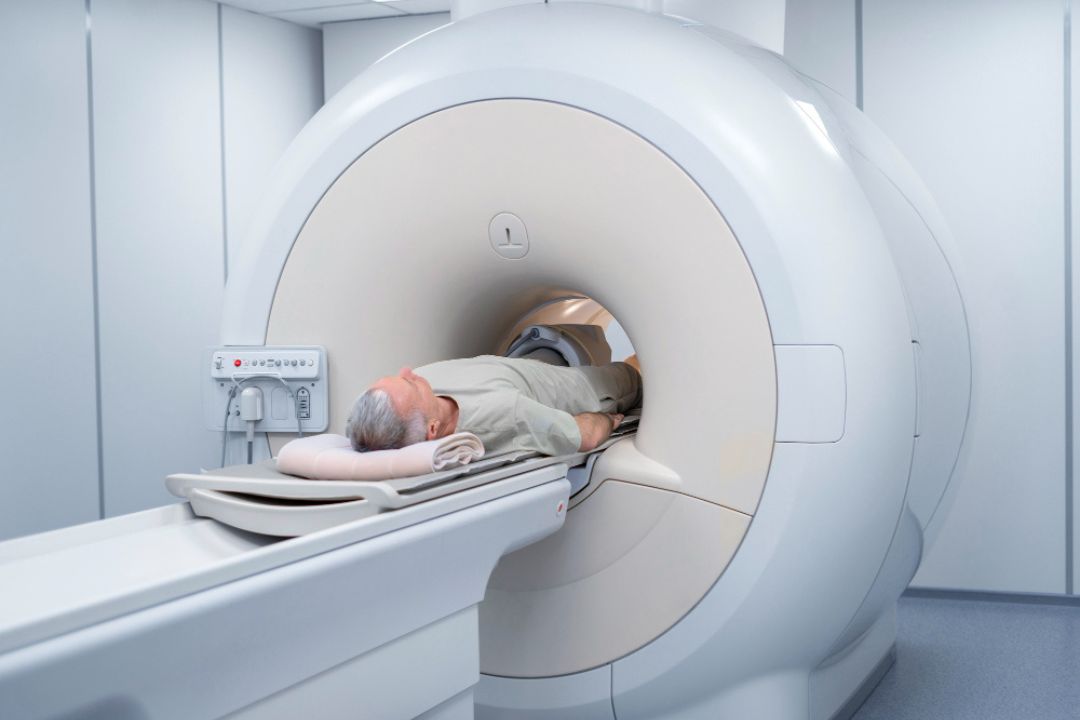
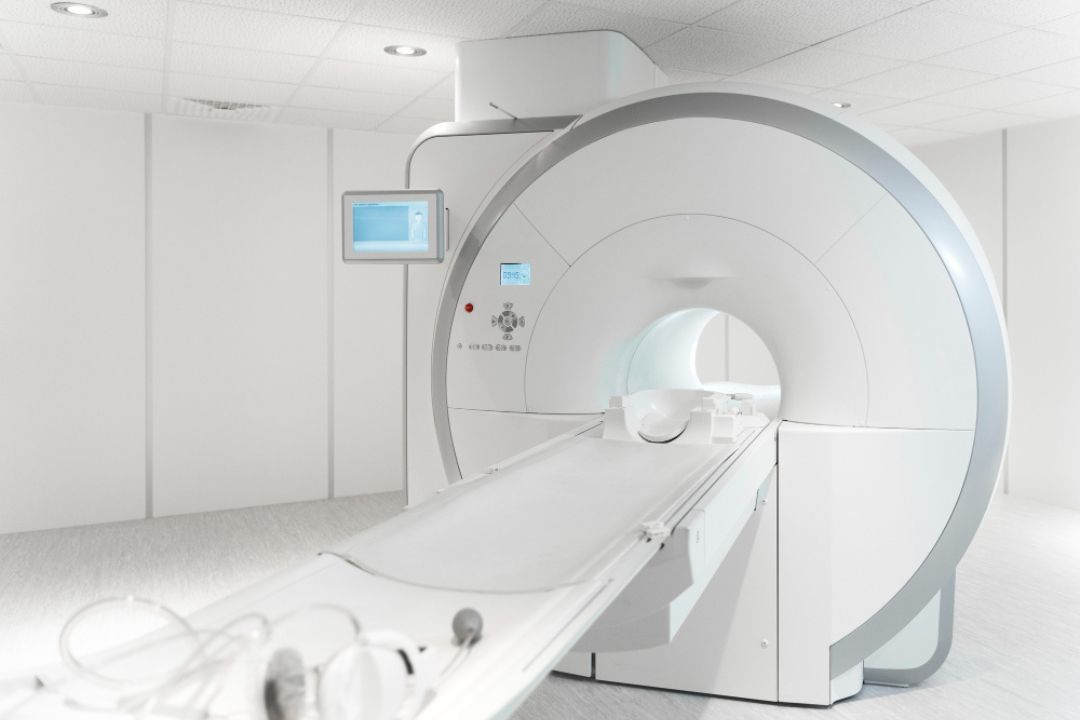
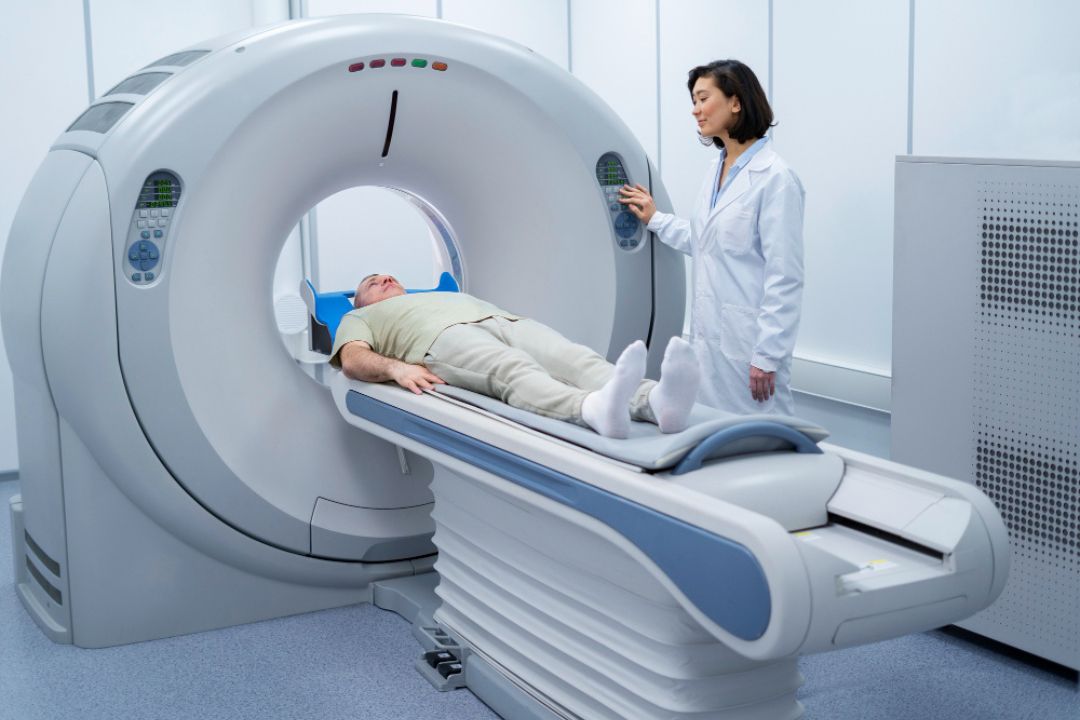
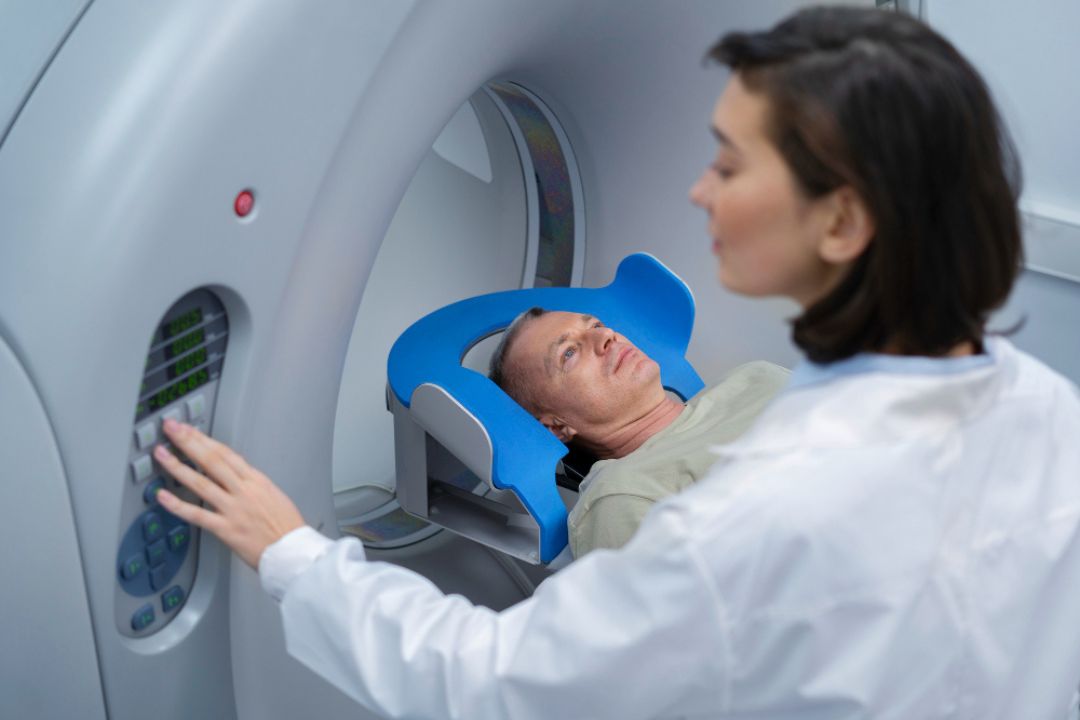
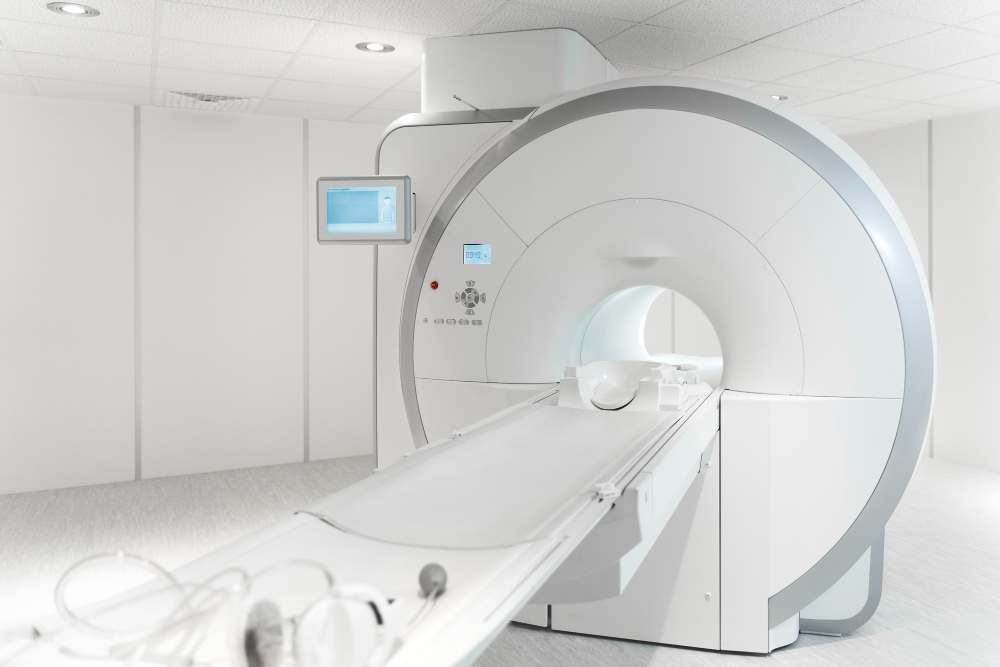
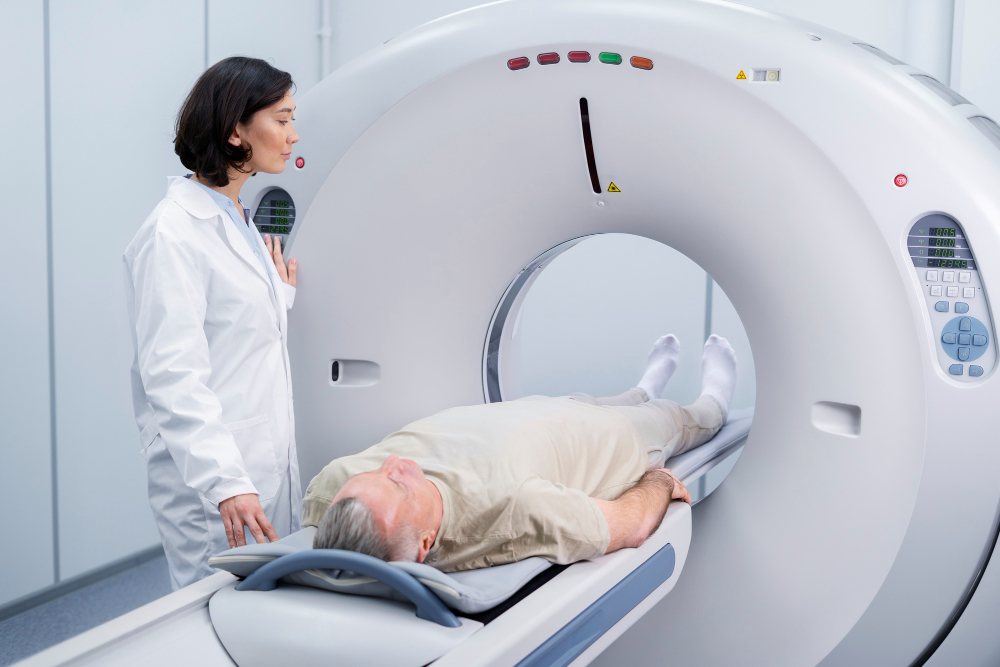
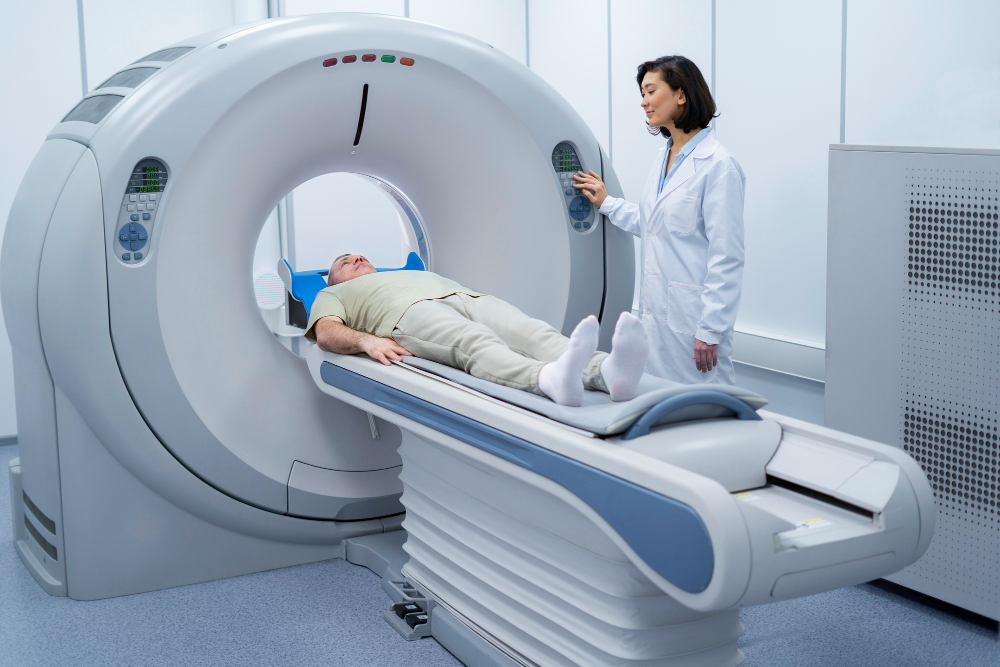
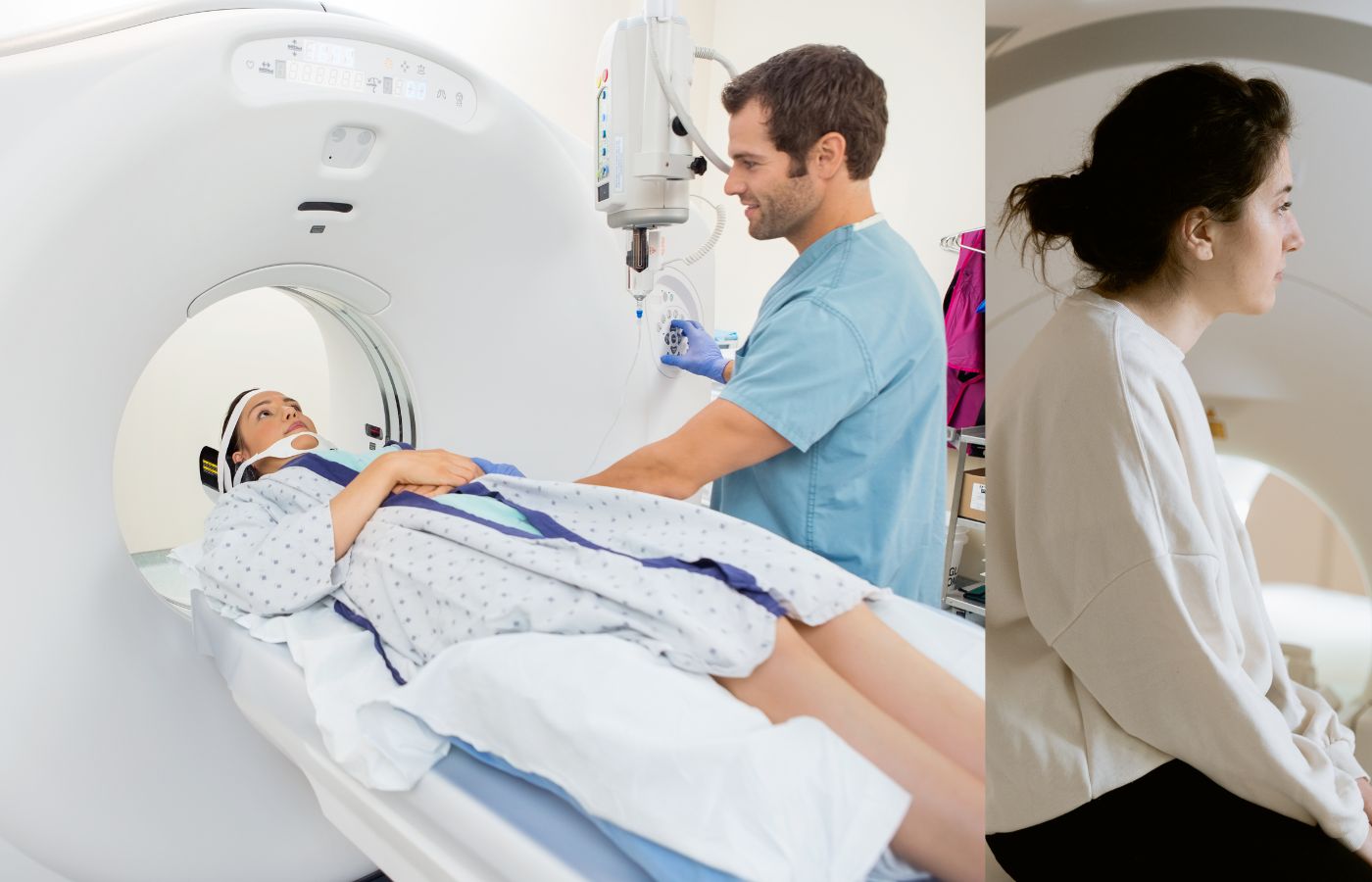
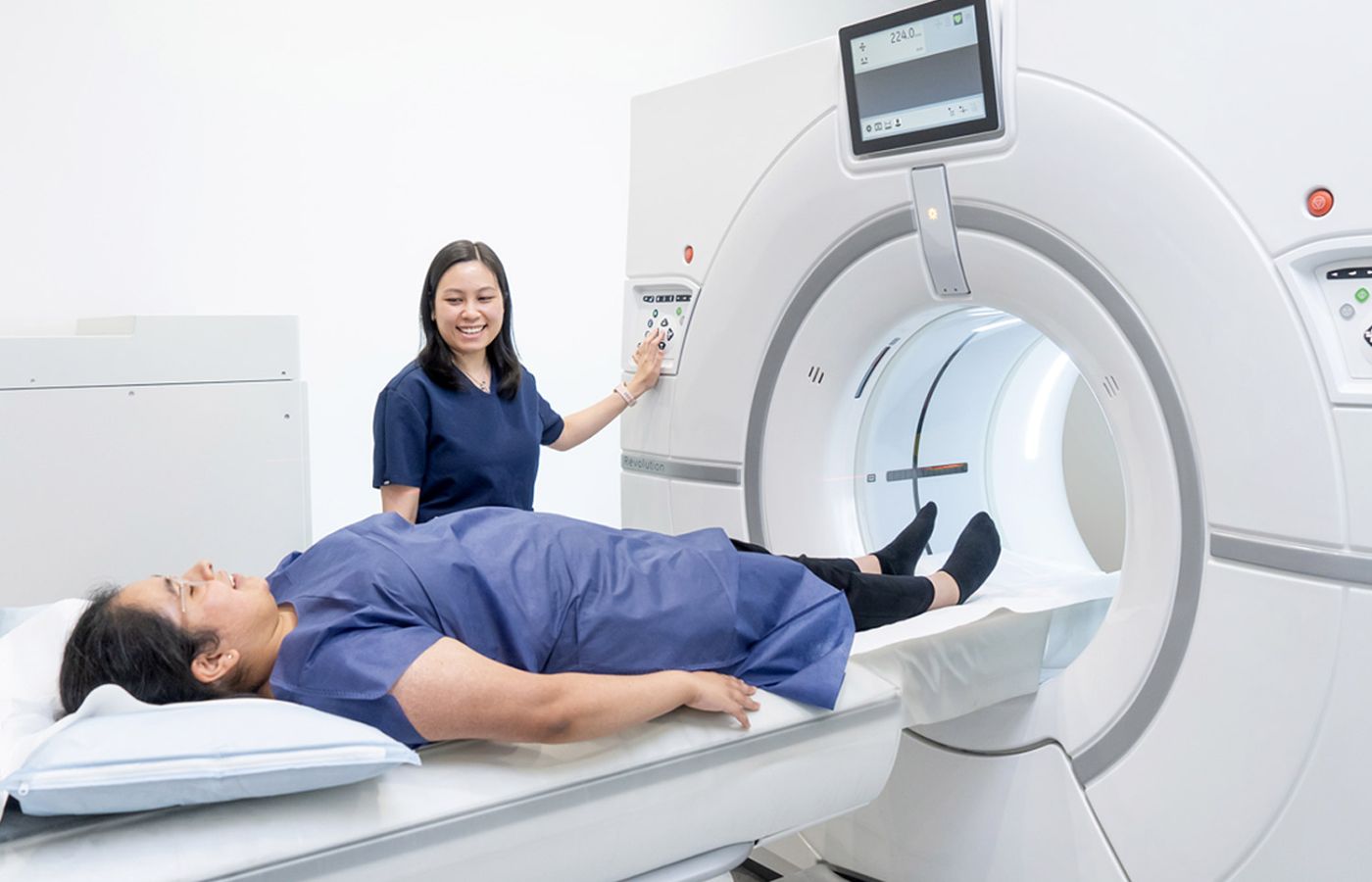
First, the patient lies on a motorized table that moves slowly into the CT scanner. The scanner is a large circular machine that rotates around the body.
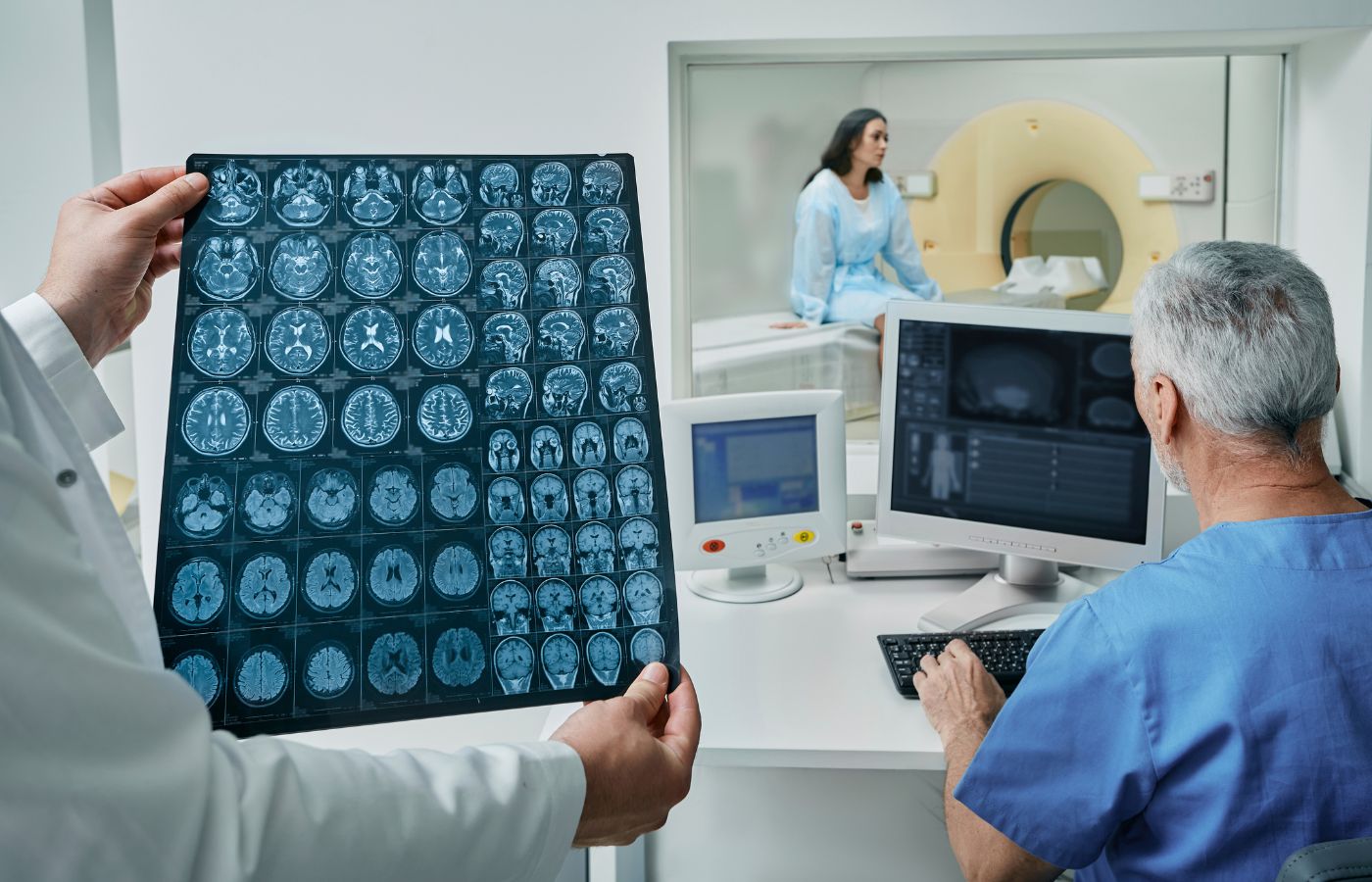
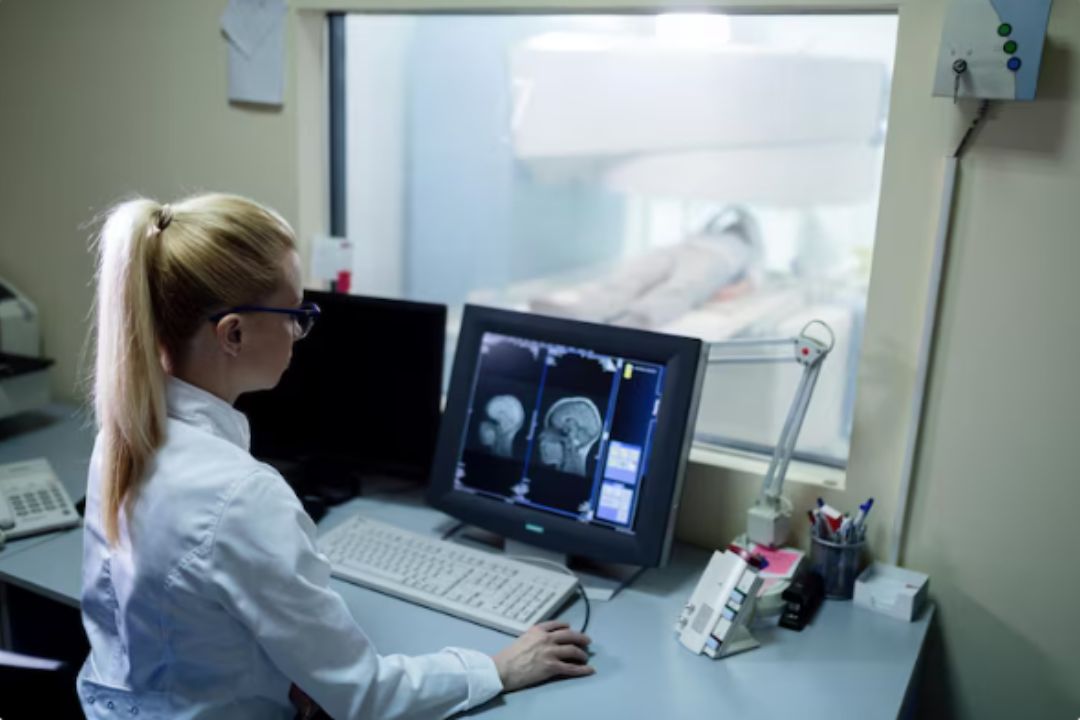
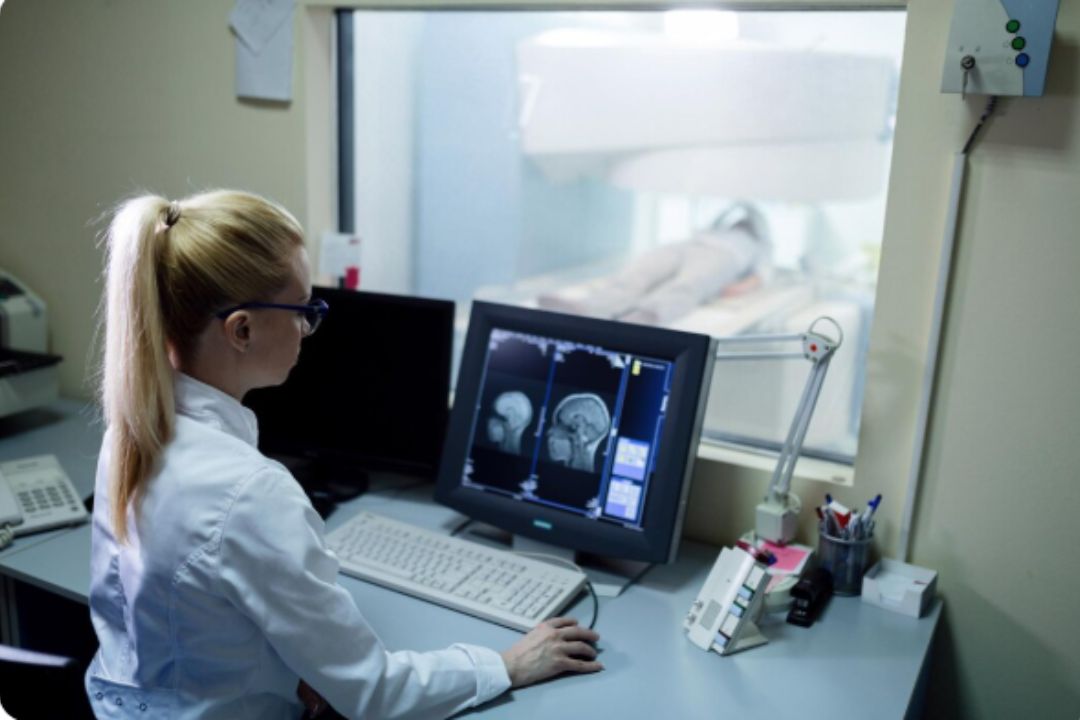
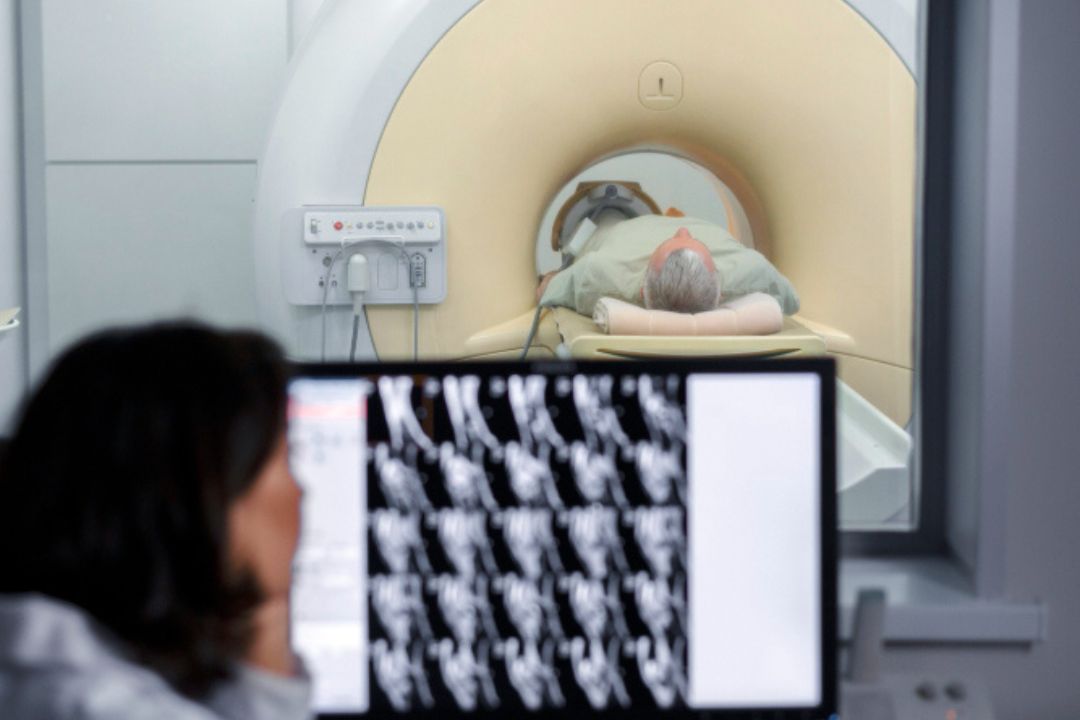
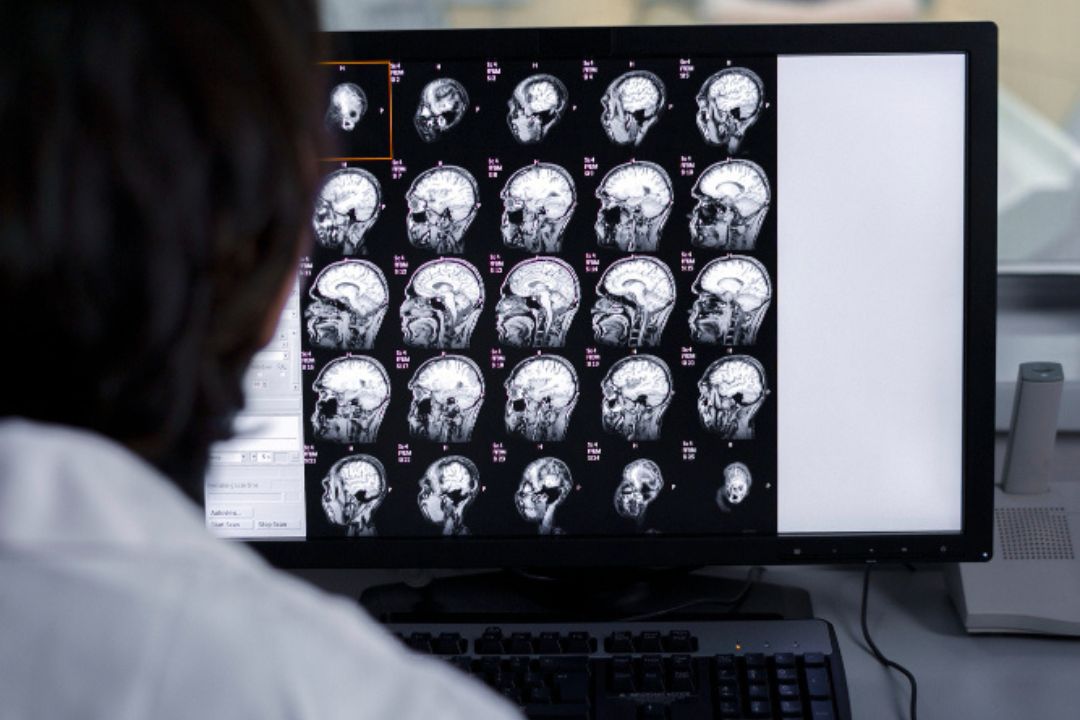
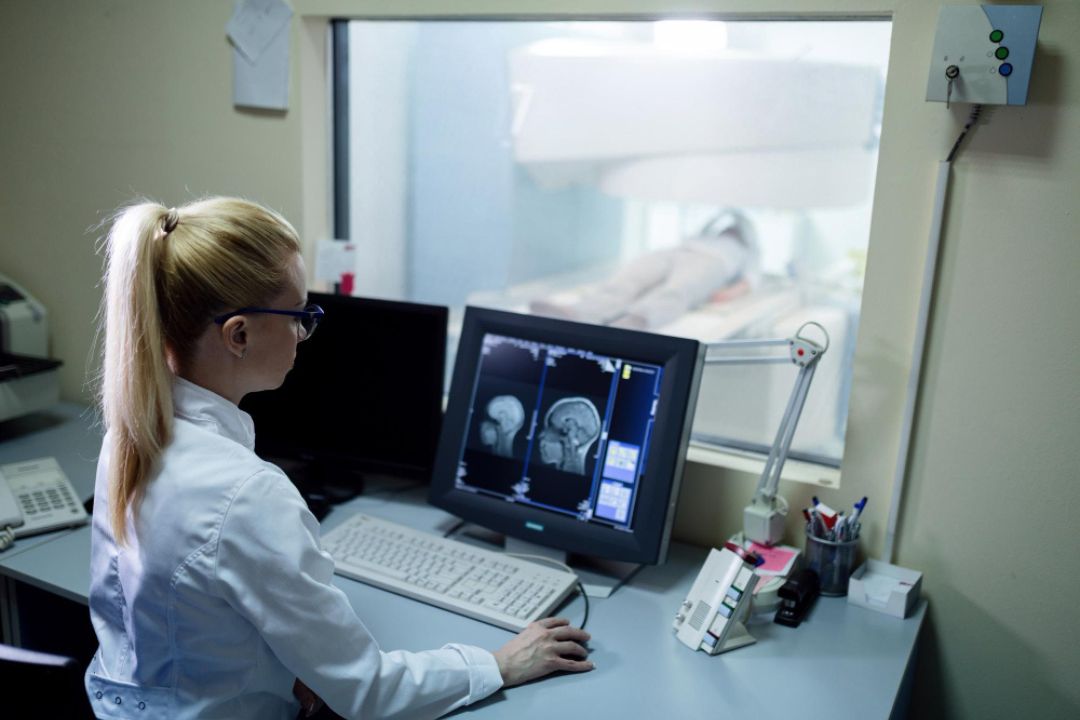
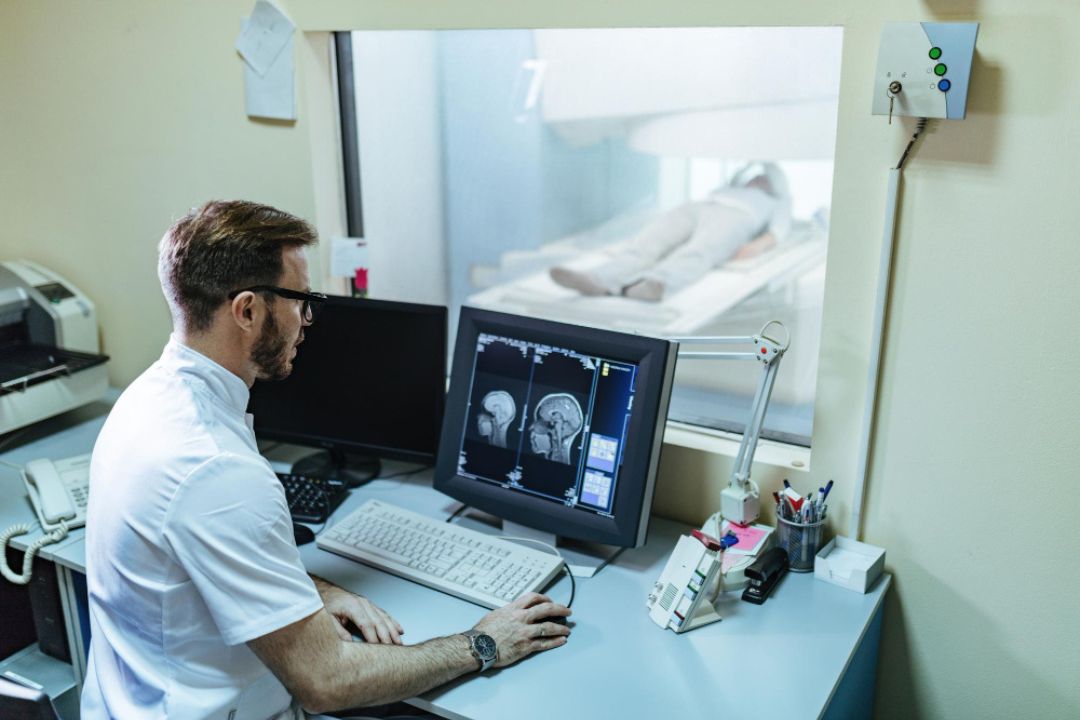
As the machine rotates, it captures multiple images from different angles. A computer then combines these images to create detailed cross-sectional views of the body.
The scan usually takes only a few minutes. In some cases, contrast dye may be used to highlight certain organs or blood vessels.
Modern CT technology provides several important advantages in diagnosing cancer.
CT scans produce detailed images that help doctors identify even small abnormalities.
The procedure is quick, making it suitable for emergency situations and routine diagnostic tests.
CT scans do not require surgery and are generally painless.
CT scans can examine multiple organs and body systems during a single procedure.
Recent technological developments have made CT scans even more effective in cancer detection.
Modern CT scanners now offer:
Faster imaging speeds
Lower radiation exposure
Higher image resolution
Improved 3D visualization
These improvements allow doctors to detect cancer earlier and monitor treatment more accurately.
Doctors may recommend a CT scan if a patient has symptoms that could indicate cancer, such as:
Unexplained weight loss
Persistent pain
Chronic cough
Unusual lumps or swelling
Abnormal laboratory test results
CT scans may also be used after treatment to monitor recovery and detect any signs of cancer returning.
CT scans play a vital role in modern cancer diagnosis and early detection. Their ability to provide detailed images of the body allows doctors to identify tumors at an early stage, when treatment is often most effective.
With continued advancements in imaging technology, CT scans are becoming even more powerful tools in the fight against cancer. Early detection through medical imaging can help save lives by enabling doctors to begin treatment sooner and improve patient outcomes.






.jpg "ct brain scan plain and contrast")



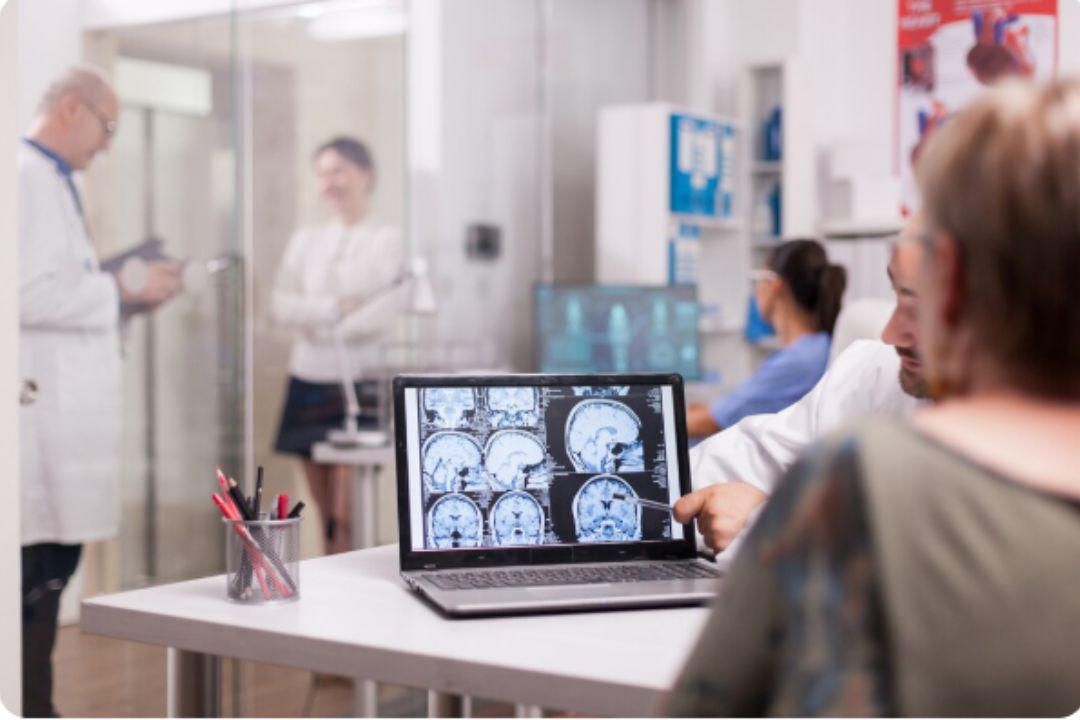
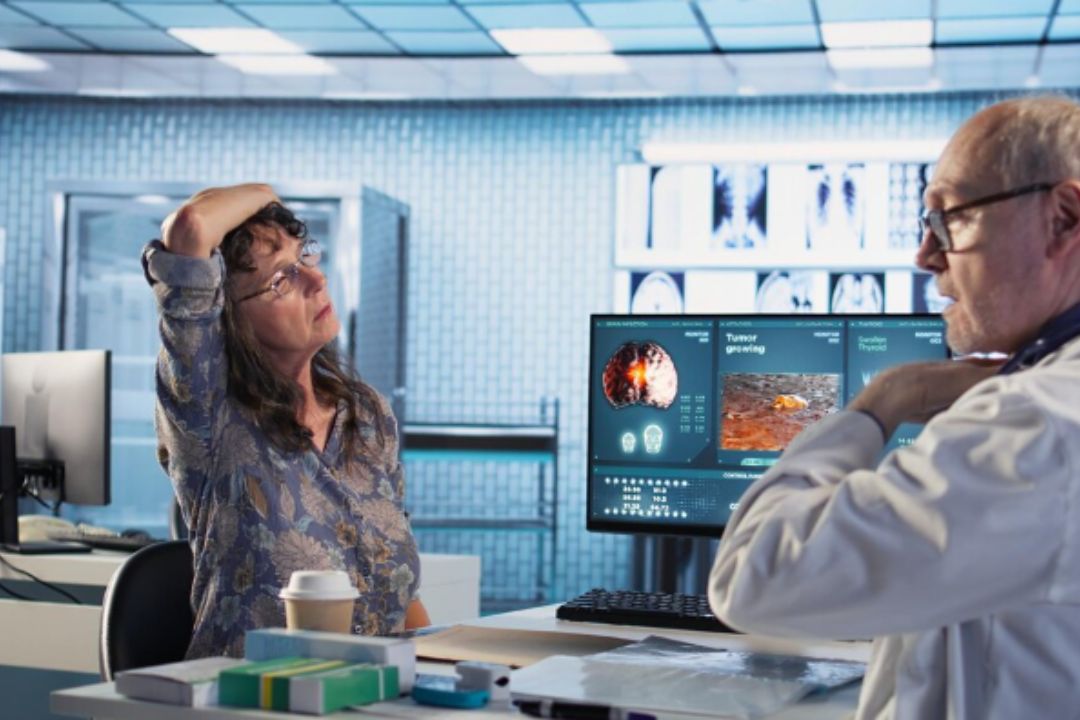

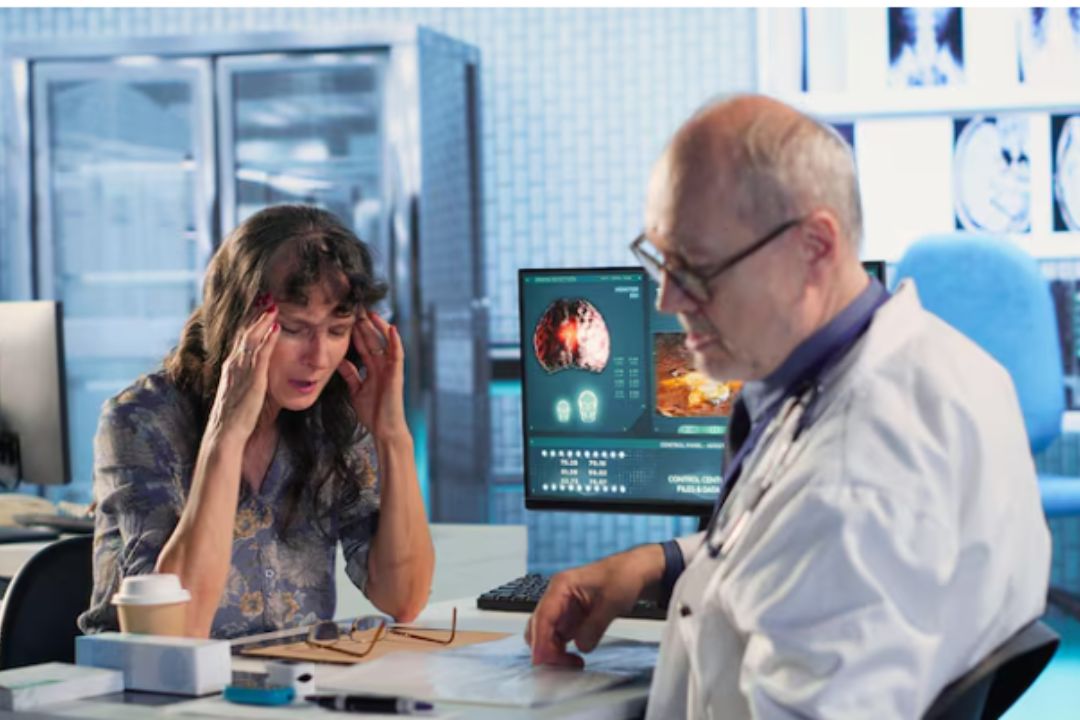
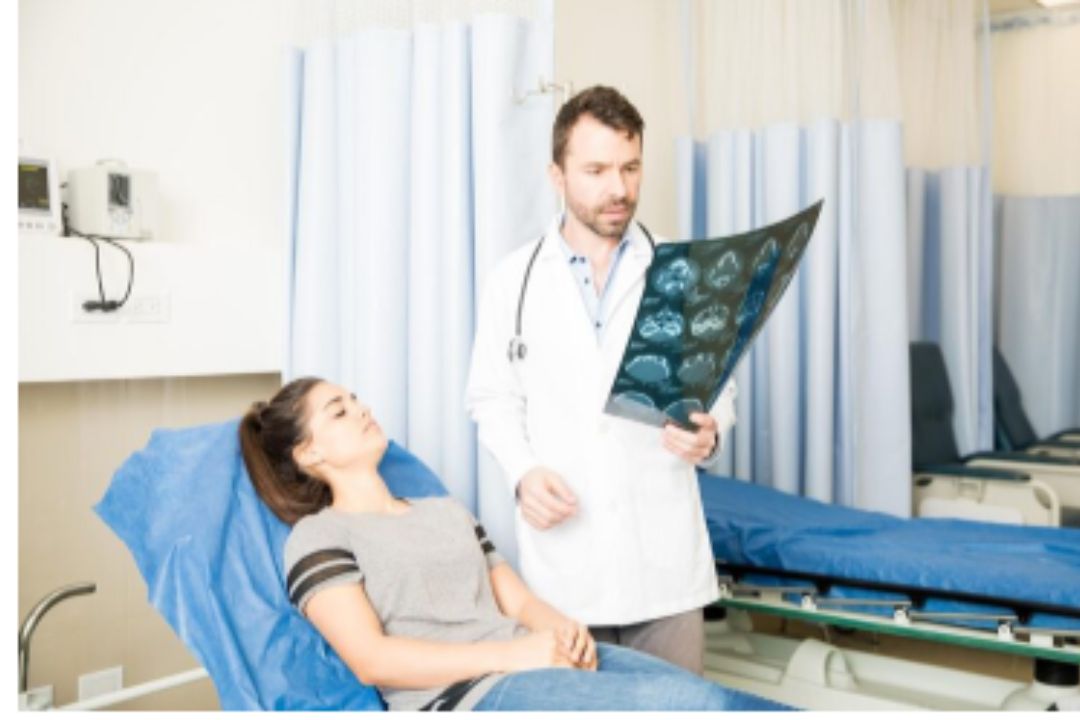



.jpg "ct scan")
.jpg "ct scan or mri for brain disorders")


.jpg "exploring the power of ct brain contrast in modern diagnostics")
.jpg "ct scan")







.jpg "ct scan")

.jpg "CT Brain Scan for Headaches")
.jpg "The Future of 3D CT Imaging")