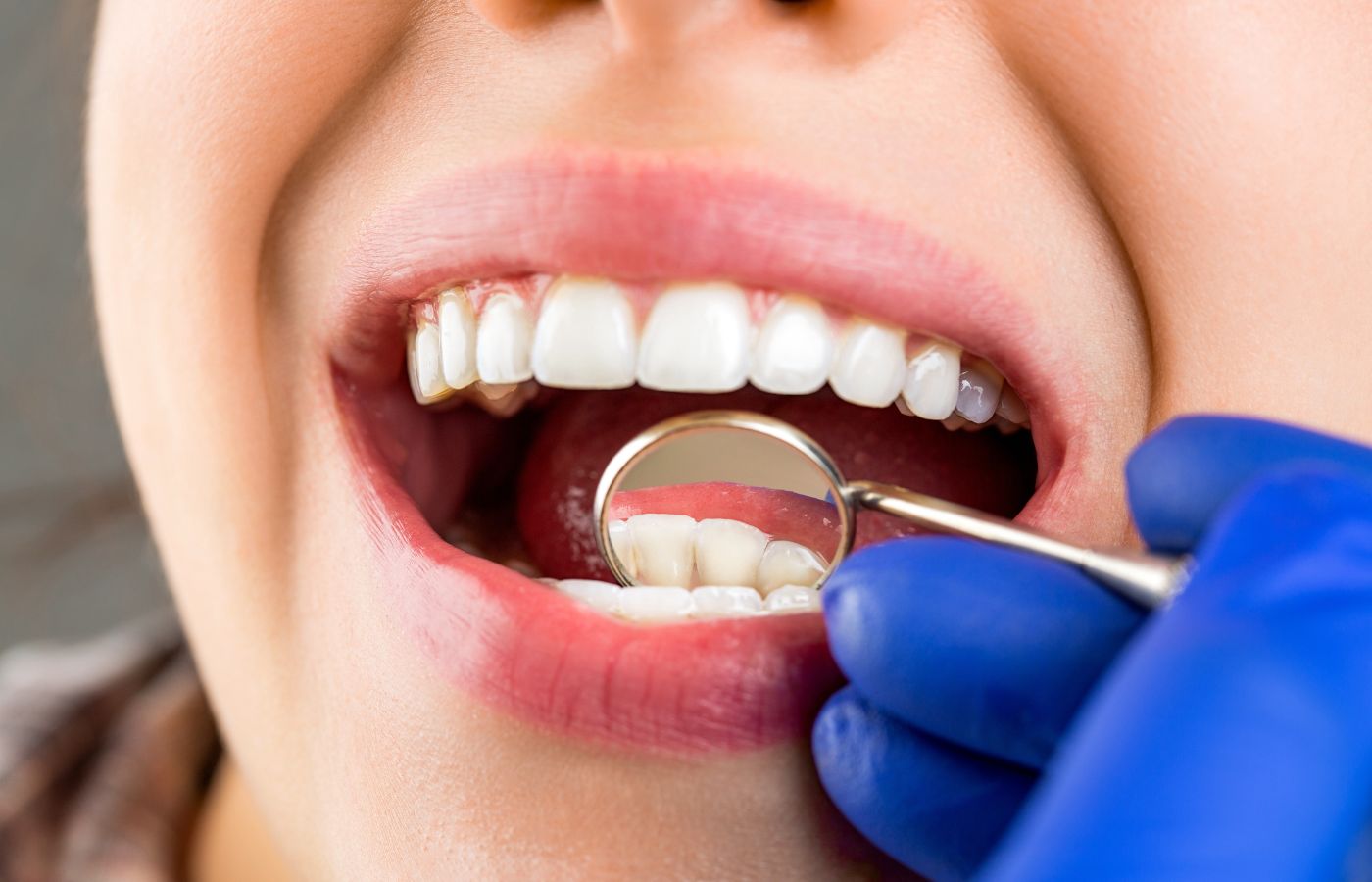
Maintaining good oral hygiene is an essential part of overall health. Proper dental care helps keep your teeth strong, prevents gum disease, and protects you from cavities and infections. Poor oral hygiene can lead to plaque buildup, tooth decay, bad breath, and even tooth loss if not treated properly.
A daily dental care routine that includes brushing, flossing, and regular dental check-ups plays a key role in maintaining healthy teeth and gums. These habits remove bacteria and food particles that can damage tooth enamel and cause gum problems.
Oral hygiene is important because the mouth contains bacteria that can form plaque on teeth. If plaque is not removed regularly, it can harden into tartar and increase the risk of cavities and gum disease.
Maintaining good dental hygiene helps:
Prevent tooth decay and cavities
Reduce the risk of gum disease
Maintain fresh breath
Protect overall health
Prevent tooth loss
Regular cleaning and proper dental habits keep the mouth healthy and prevent serious dental problems.
Brushing your teeth is the most important step in daily dental care. Dentists recommend brushing at least twice a day using fluoride toothpaste.
Brushing removes plaque and bacteria from the surface of teeth and prevents the buildup that leads to tooth decay. Fluoride toothpaste strengthens the enamel and helps protect teeth from cavities.
For effective brushing:
Brush for at least two minutes
Use a soft-bristled toothbrush
Clean all sides of each tooth
Brush gently using small circular motions
Brush your tongue to remove bacteria
These habits help maintain healthy teeth and gums.
Flossing is another essential part of oral hygiene. A toothbrush cannot reach the spaces between teeth where food particles and plaque often accumulate.
Visit Now: https://www.diagnopein.com/dental-clinic/Pune
Daily flossing removes plaque from these areas and helps reduce the risk of cavities and gum disease.
Flossing also helps prevent bad breath caused by trapped food particles and bacteria.
Mouthwash can provide additional protection against bacteria in the mouth. Antibacterial mouthwashes help reduce harmful bacteria, while fluoride mouthwashes help strengthen tooth enamel.
Using mouthwash as part of your dental routine can help control plaque, freshen breath, and reach areas that brushing and flossing may miss.
Many bacteria live on the surface of the tongue, which can contribute to bad breath and plaque buildup. Cleaning the tongue using a toothbrush or tongue scraper helps remove these bacteria and improves overall oral hygiene.
Adding tongue cleaning to your daily dental routine helps maintain fresher breath and a cleaner mouth.
Your diet plays an important role in oral health. Foods that are high in sugar can encourage bacteria growth in the mouth and increase the risk of cavities.
To protect your teeth:
Limit sugary snacks and drinks
Eat fruits and vegetables
Include calcium-rich foods such as milk and yogurt
Drink plenty of water
A balanced diet helps keep teeth strong and supports healthy gums.
A toothbrush should be replaced every three to four months or sooner if the bristles become worn. Worn toothbrushes are less effective at cleaning teeth and removing plaque.
Using a clean and properly functioning toothbrush improves your daily dental care routine.
Regular dental check-ups are important for maintaining good oral health. Dentists can detect early signs of cavities, gum disease, or other dental issues before they become serious.
Professional cleanings remove tartar buildup that cannot be removed by brushing alone. Routine dental visits help keep your teeth and gums healthy.
Maintaining good oral hygiene is essential for healthy teeth and gums. Simple habits such as brushing twice daily, flossing regularly, using mouthwash, and visiting the dentist can significantly reduce the risk of dental problems.
By following a proper daily dental care routine and maintaining healthy lifestyle habits, you can protect your smile and improve your overall health for years to come.

























.jpg "ct brain scan plain and contrast")

















































.jpg "ct scan")

.jpg "ct scan or mri for brain disorders")


.jpg "exploring the power of ct brain contrast in modern diagnostics")


.jpg "ct scan")



.jpg "ct scan")



























.jpg "ct scan")


.jpg "CT Brain Scan for Headaches")


.jpg "The Future of 3D CT Imaging")