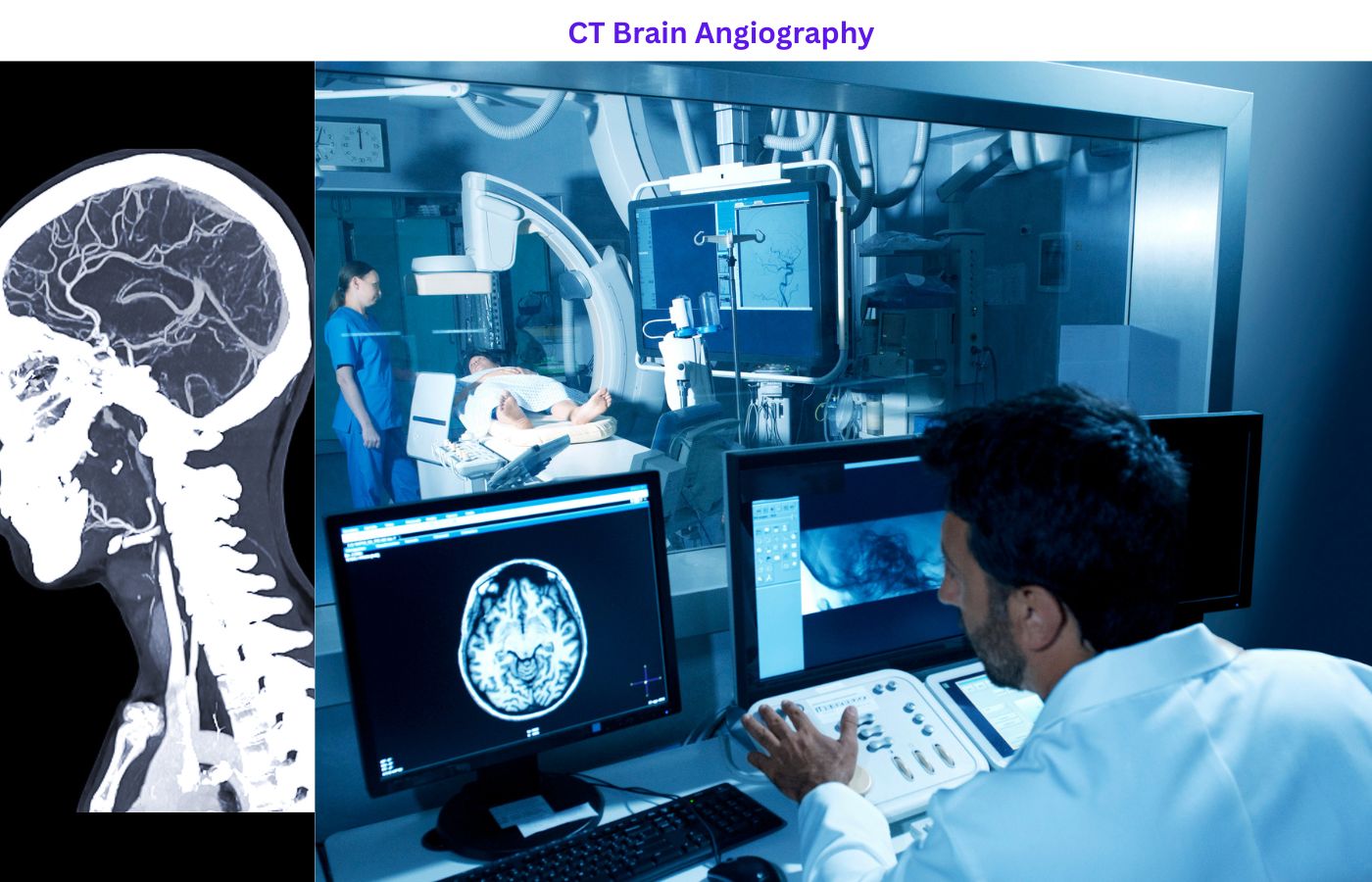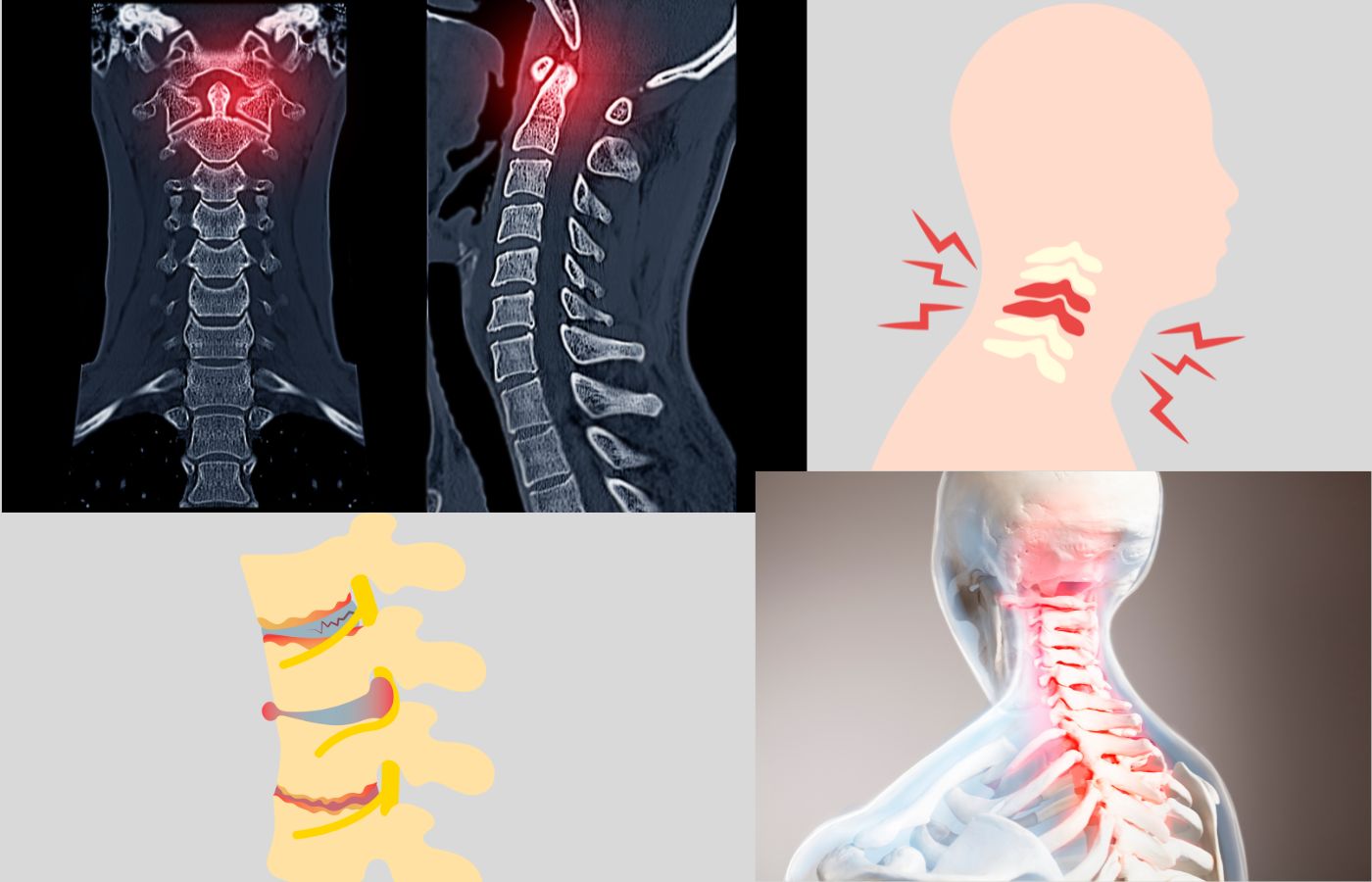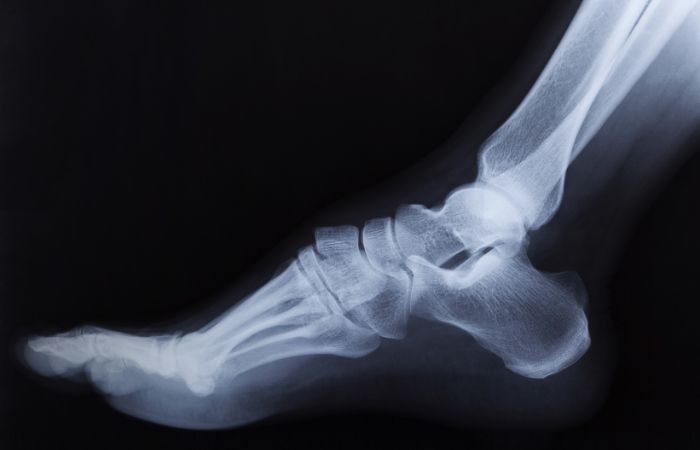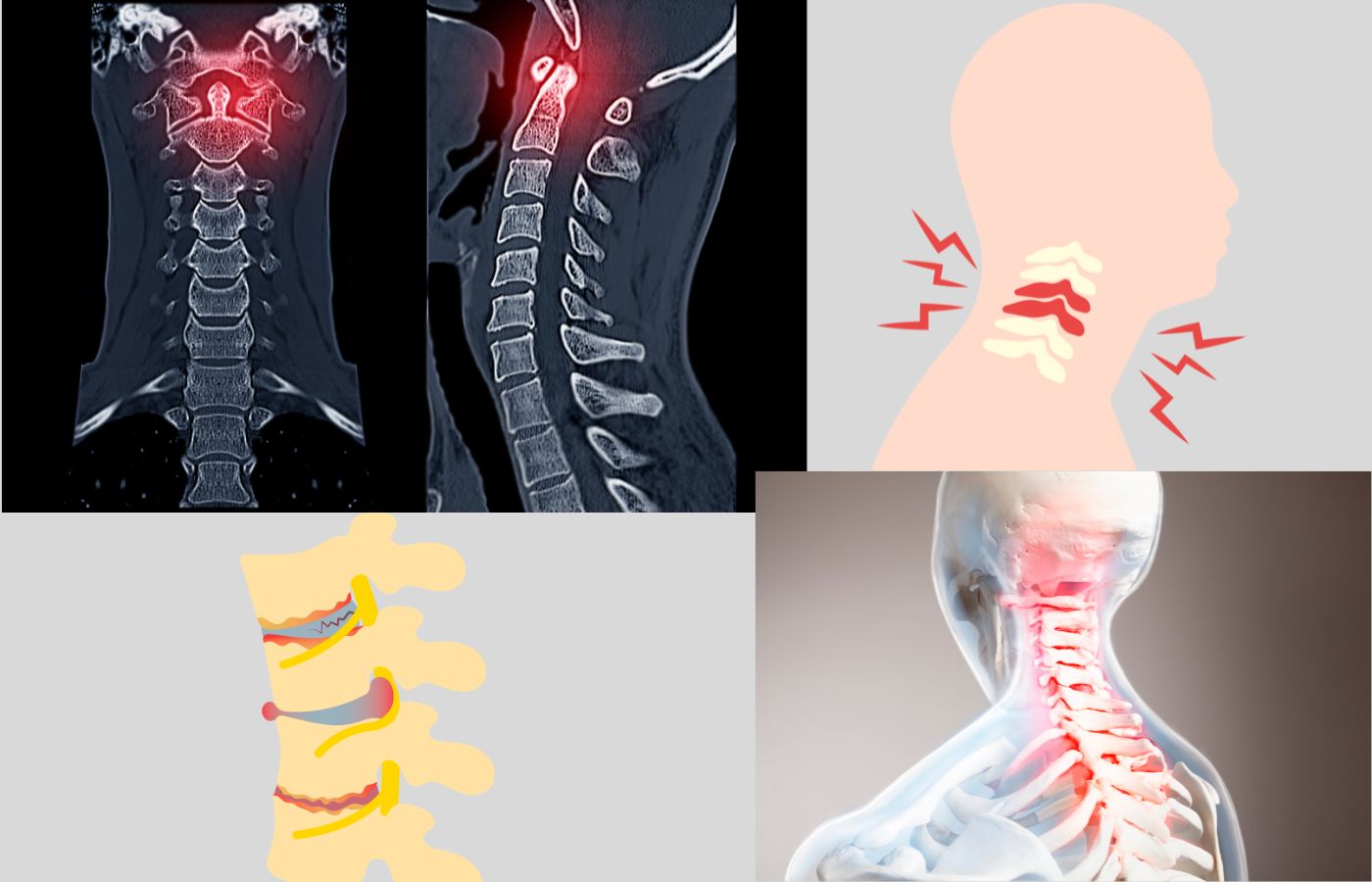
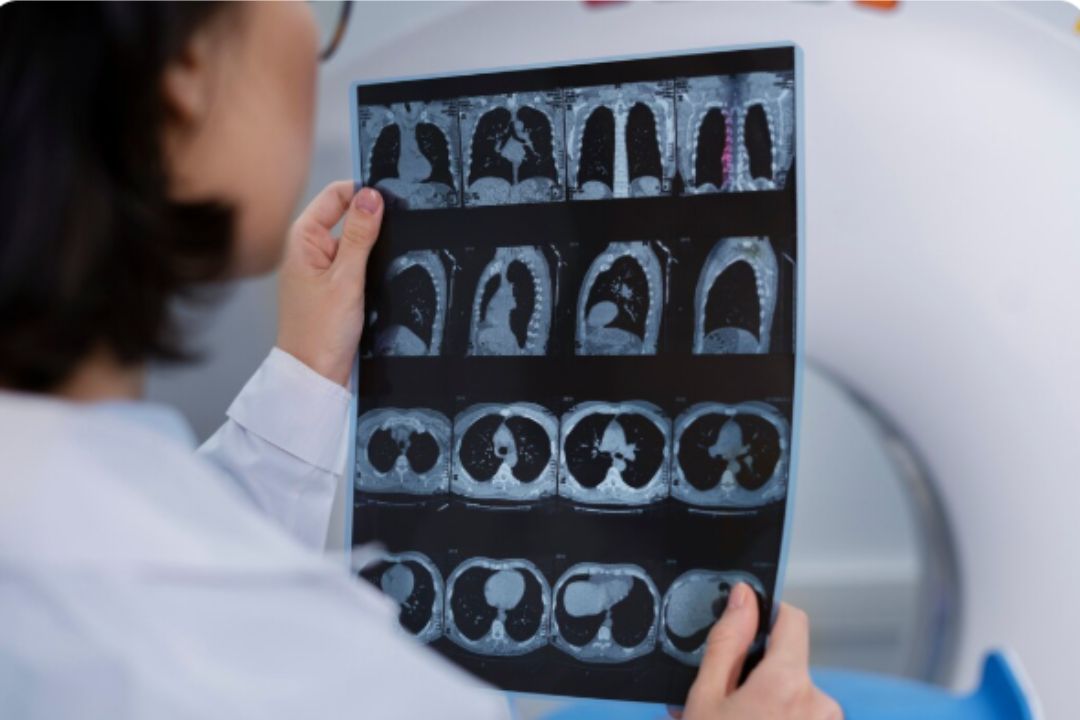
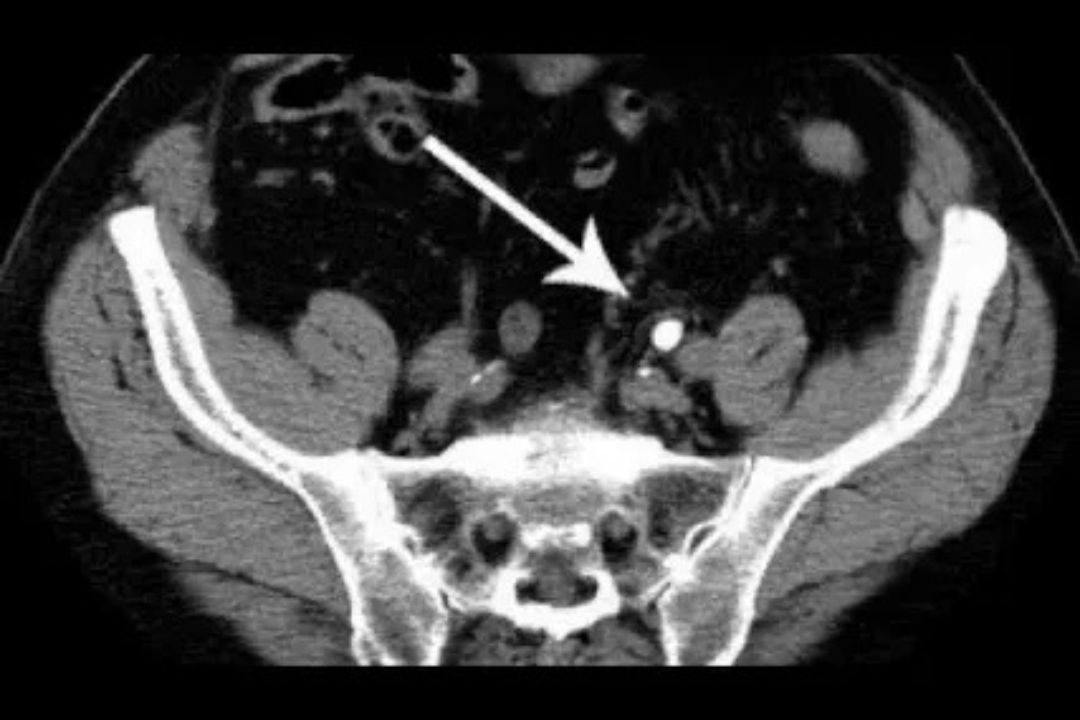
A CT Scan is a medical imaging test that uses X-rays and computer technology to produce detailed images of the inside of the body. Doctors commonly recommend CT scans to diagnose injuries, infections, tumors, or other medical conditions.
Proper preparation is important to ensure accurate results and a smooth scanning process. Patients may need to follow certain instructions before the scan, especially if contrast dye is used. Preparation usually involves fasting, removing metal objects, and informing the doctor about medical history.
Preparing correctly for a CT Scan helps doctors obtain clear and accurate images. Proper preparation also reduces the chances of complications or the need to repeat the scan.
When contrast dye is used, preparation becomes even more important because the dye helps highlight blood vessels, organs, and tissues more clearly during imaging.
Following the recommended guidelines ensures better diagnostic results and improves patient safety.
Always follow the instructions provided by your doctor or diagnostic center. Preparation requirements may vary depending on the type of CT scan being performed.
Your doctor may give specific guidelines related to fasting, medications, or medical history.
Before the scan, inform your doctor if you have any health conditions such as:
Kidney disease
Diabetes
Thyroid disorders
Asthma
Allergies to contrast dye
Patients should also inform their doctor if they are pregnant or may be pregnant because CT scans use radiation.
In many cases, patients are advised not to eat for several hours before the CT scan, especially if contrast dye is used. Fasting helps prevent nausea and improves the clarity of the images.
Some patients may still be allowed to drink water, but it is important to follow the exact instructions given by the healthcare provider.
Wear loose and comfortable clothing on the day of the scan. You may be asked to change into a hospital gown before the procedure.
Comfortable clothing helps make the scanning process easier and more comfortable.
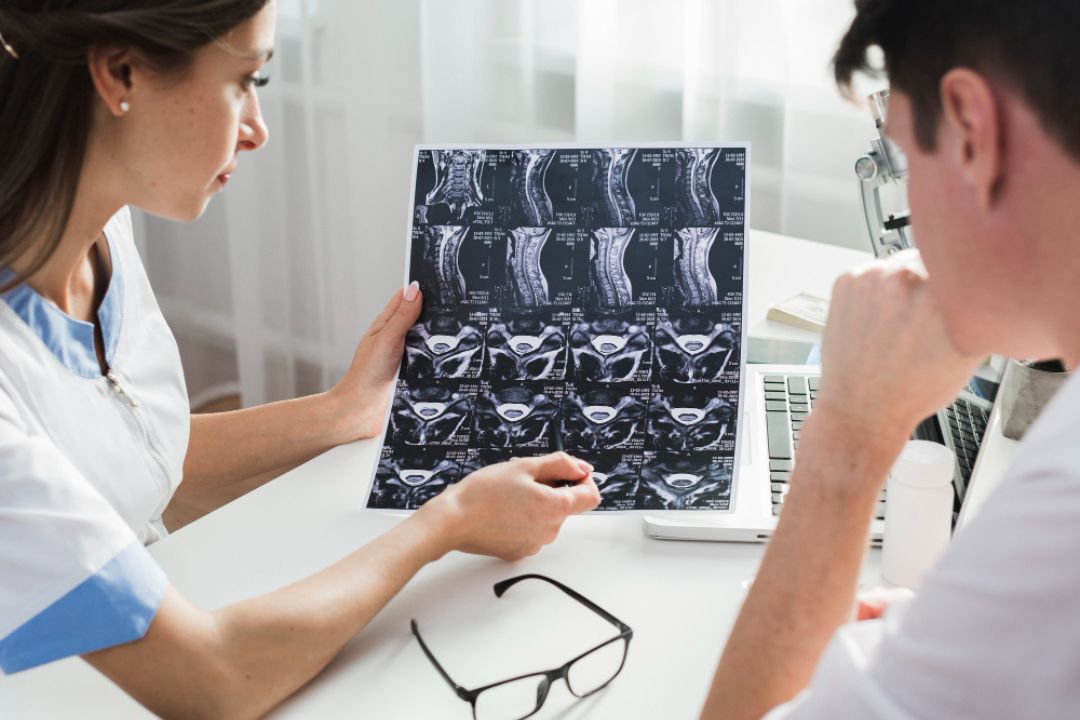
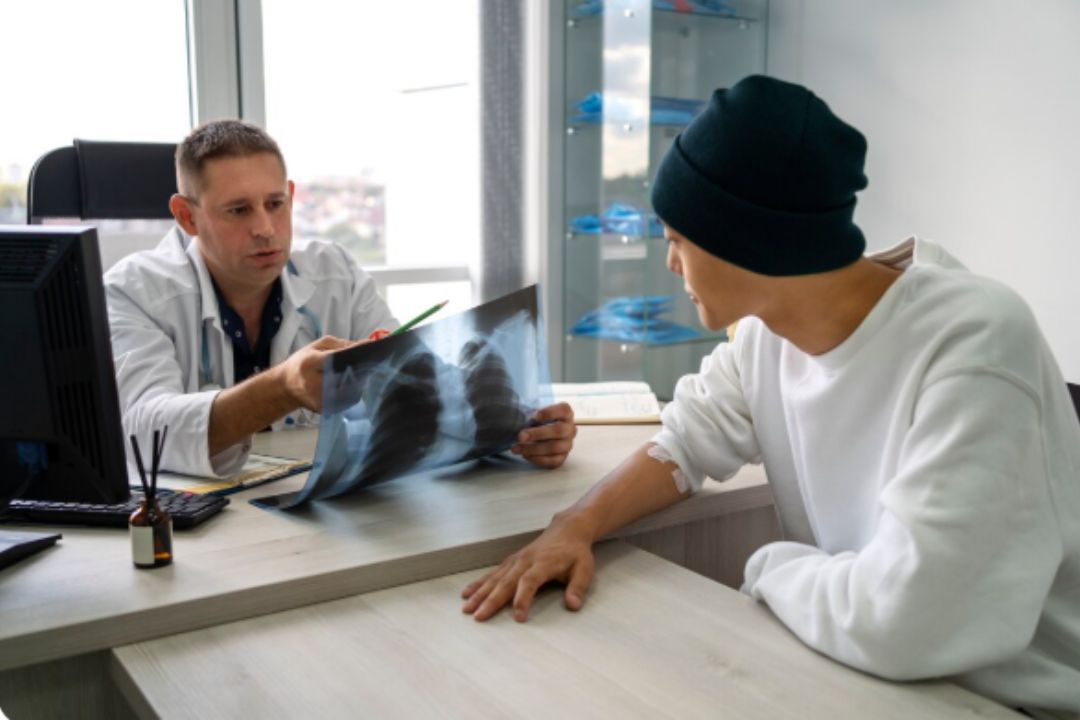
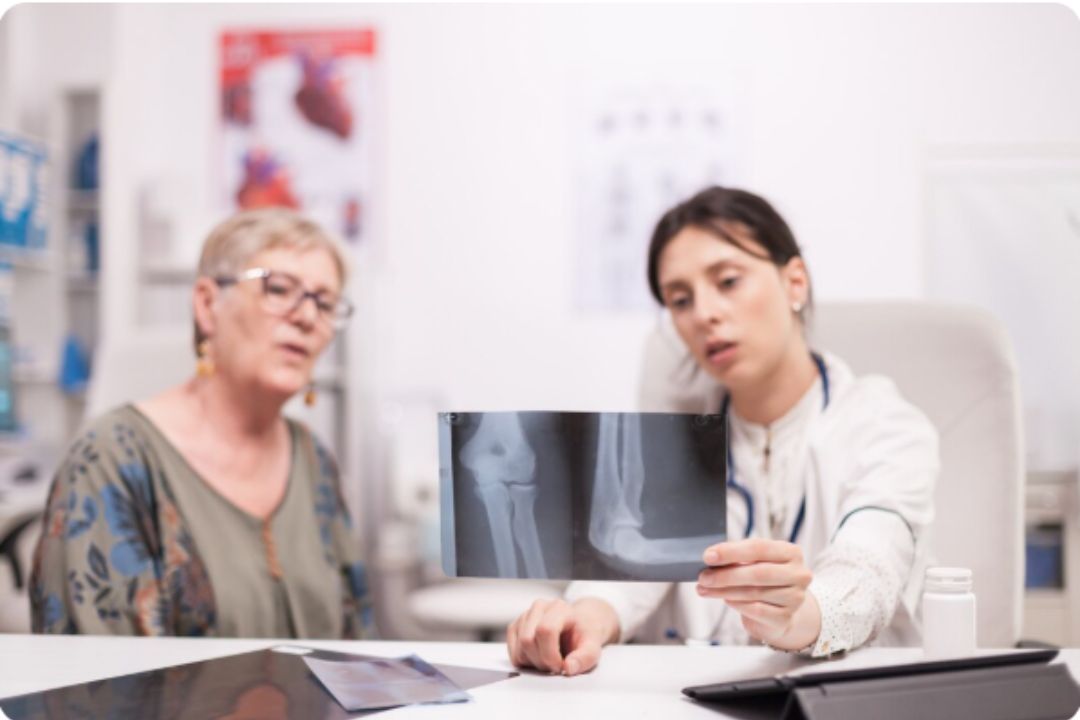
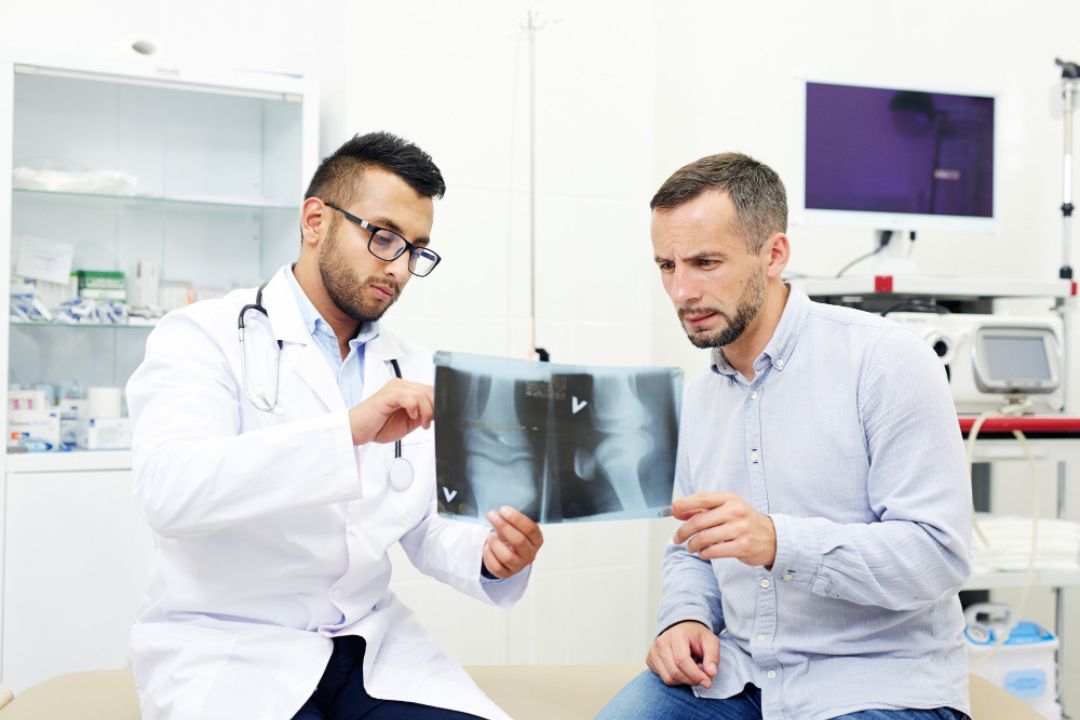
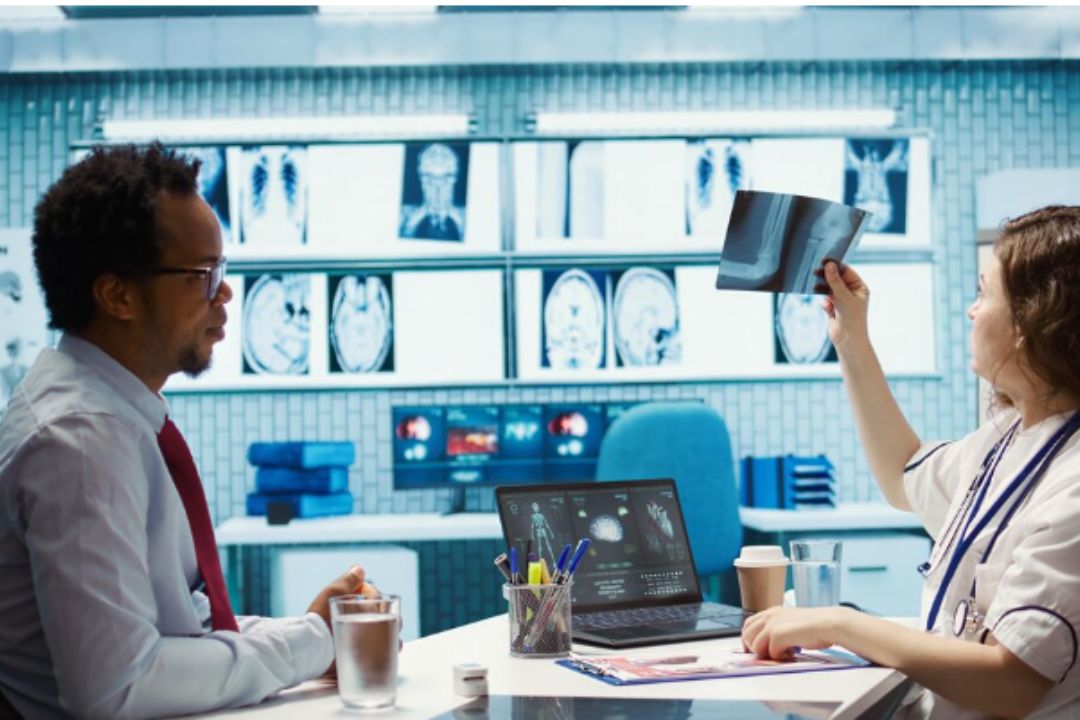
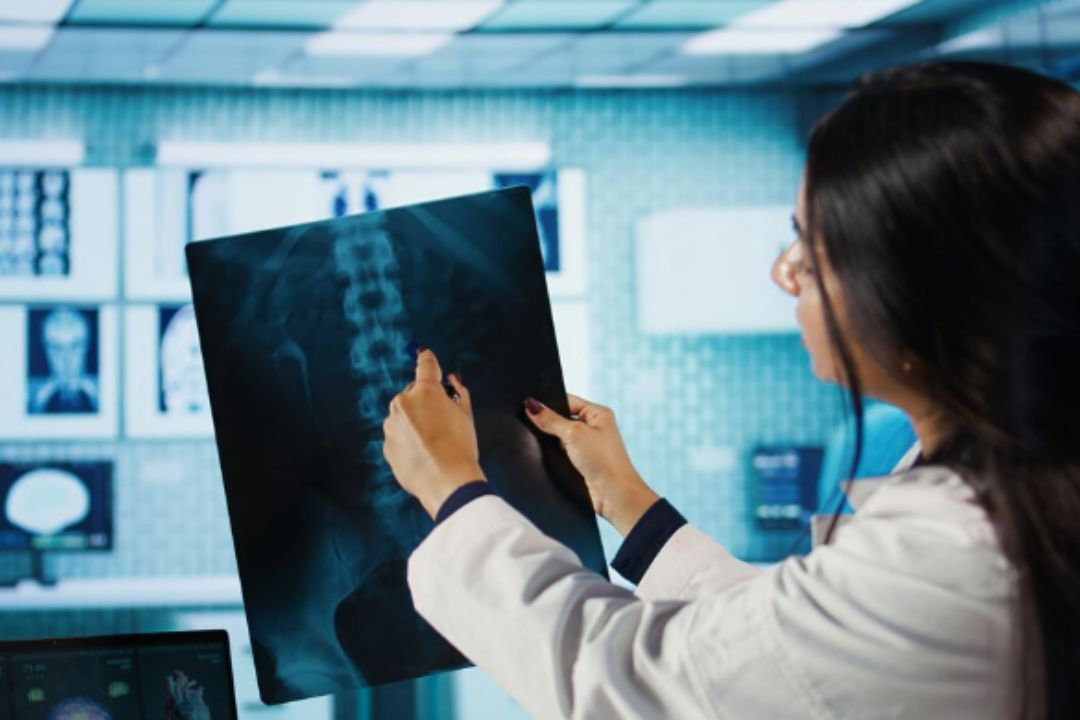
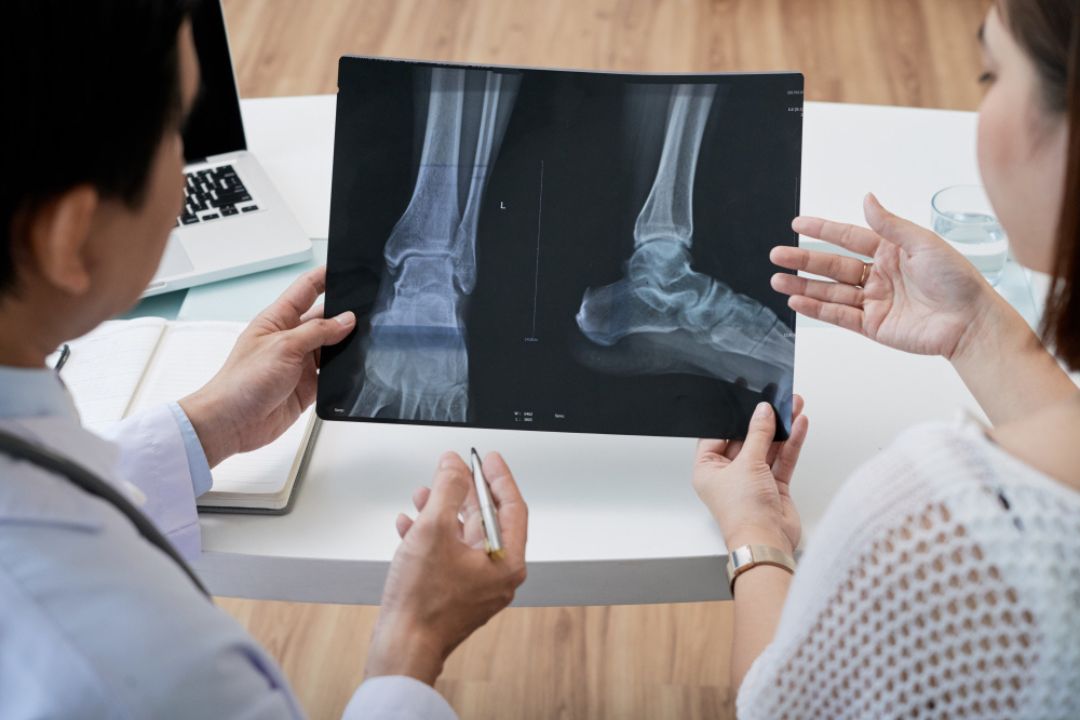
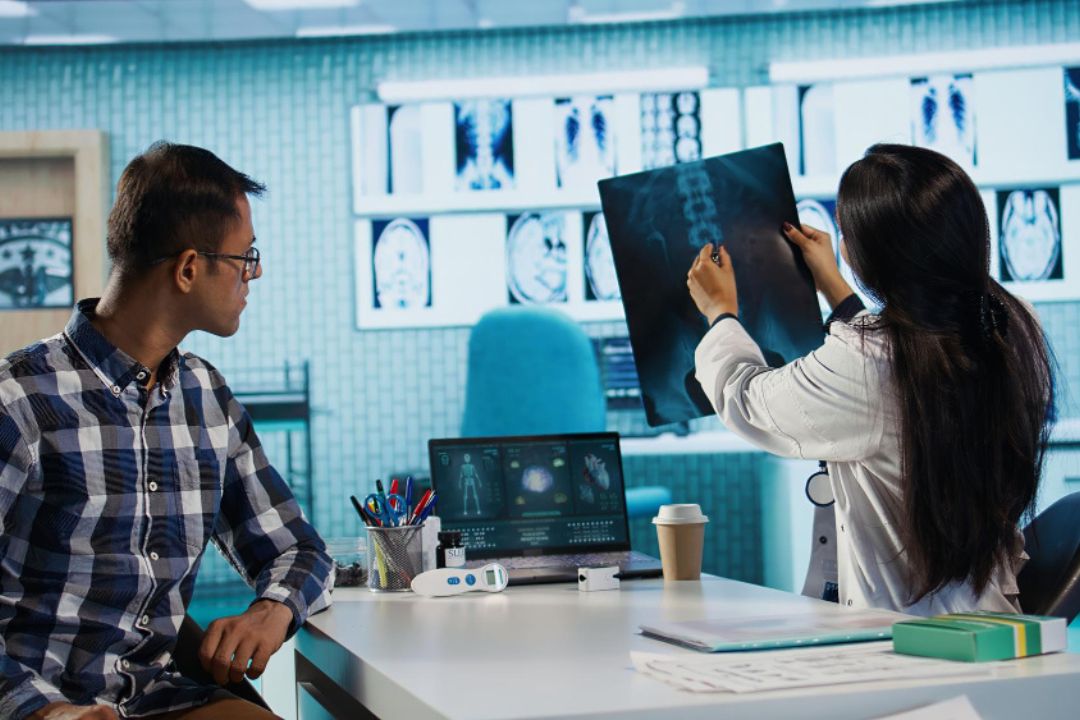
If you have previous imaging reports such as X-rays, MRI scans, or earlier CT scans, bring them with you. These reports help doctors compare results and make a more accurate diagnosis.
Patients are usually advised to avoid solid foods for several hours before the procedure. Eating heavy meals before the scan can interfere with imaging and may cause discomfort during the test.
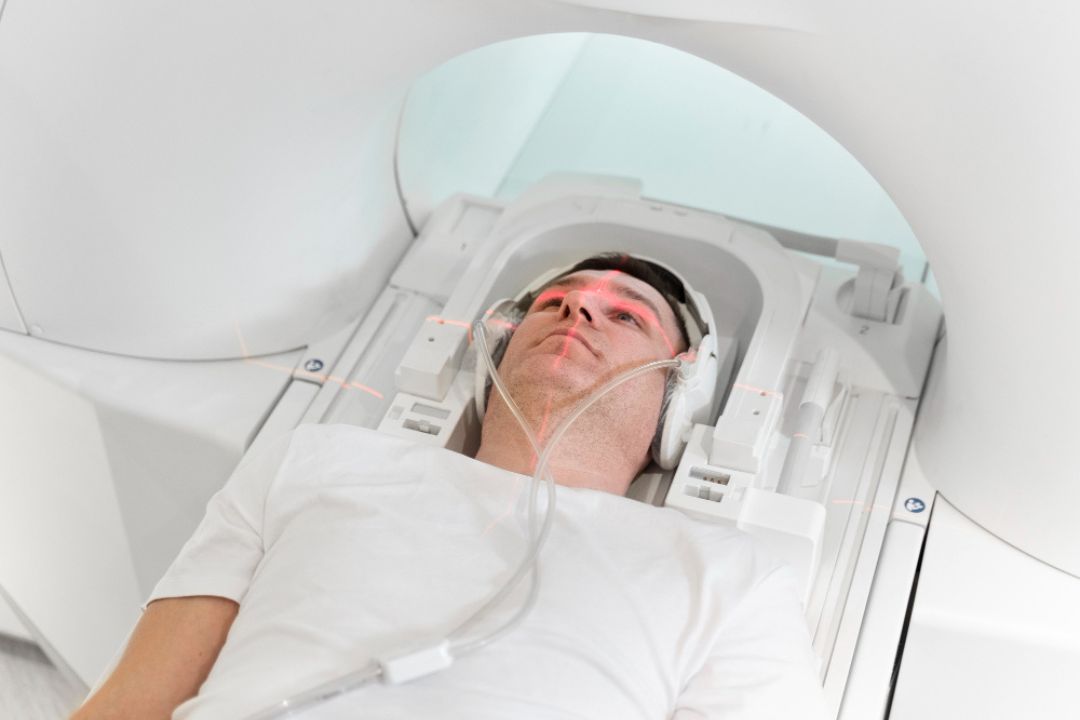
Metal objects can interfere with the CT images. Avoid wearing jewelry, belts, glasses, hairpins, or any metallic accessories before the scan.
These items may need to be removed before entering the scanning room.
Always inform your doctor about medications, allergies, and medical conditions. Some medications, especially certain diabetes medications, may interact with contrast dye used during the scan.
Providing accurate medical information helps doctors take necessary precautions before the procedure.
Some CT scans may require patients to avoid caffeine and smoking before the test because these substances can affect heart rate and blood flow during imaging.
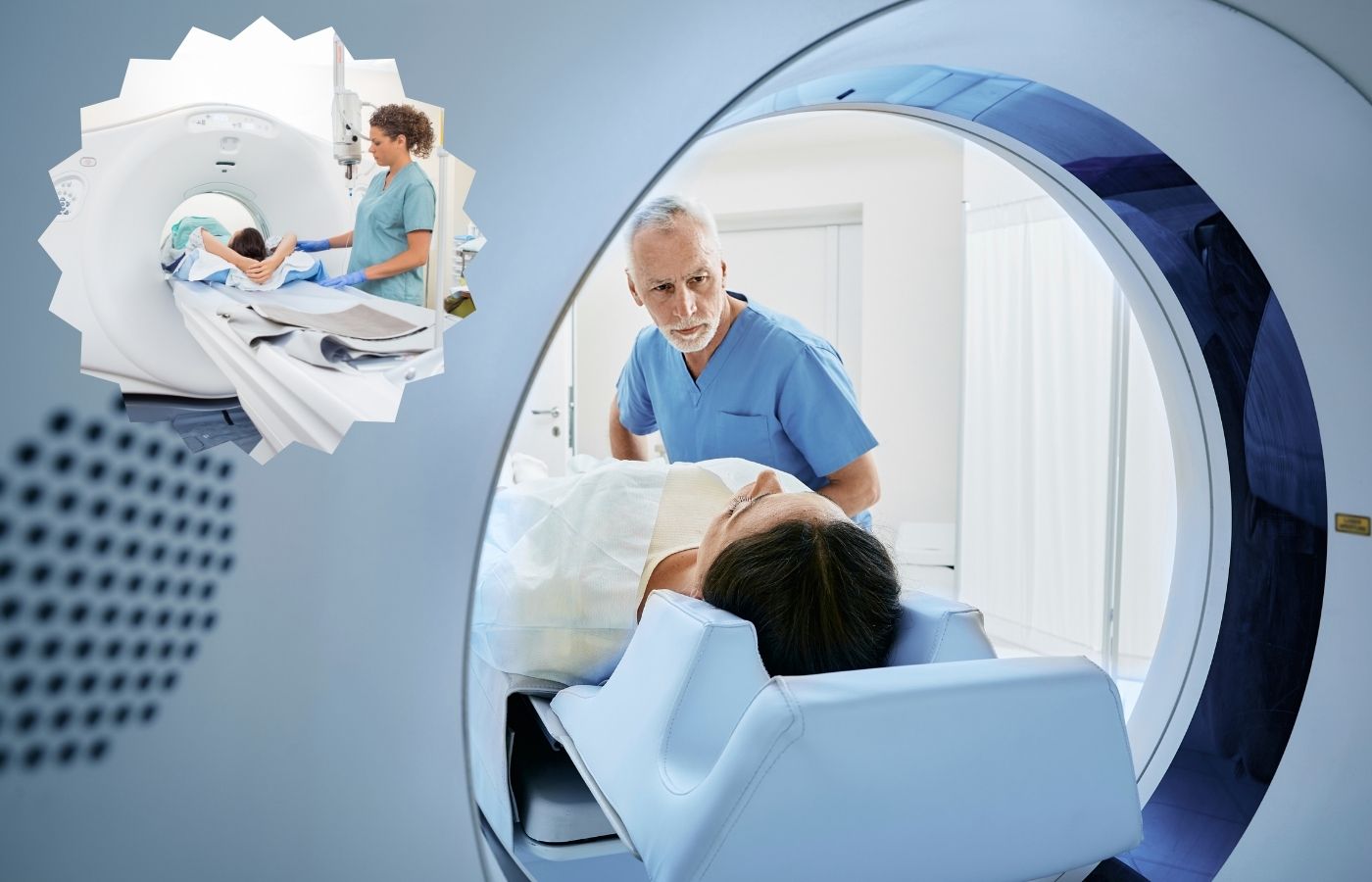
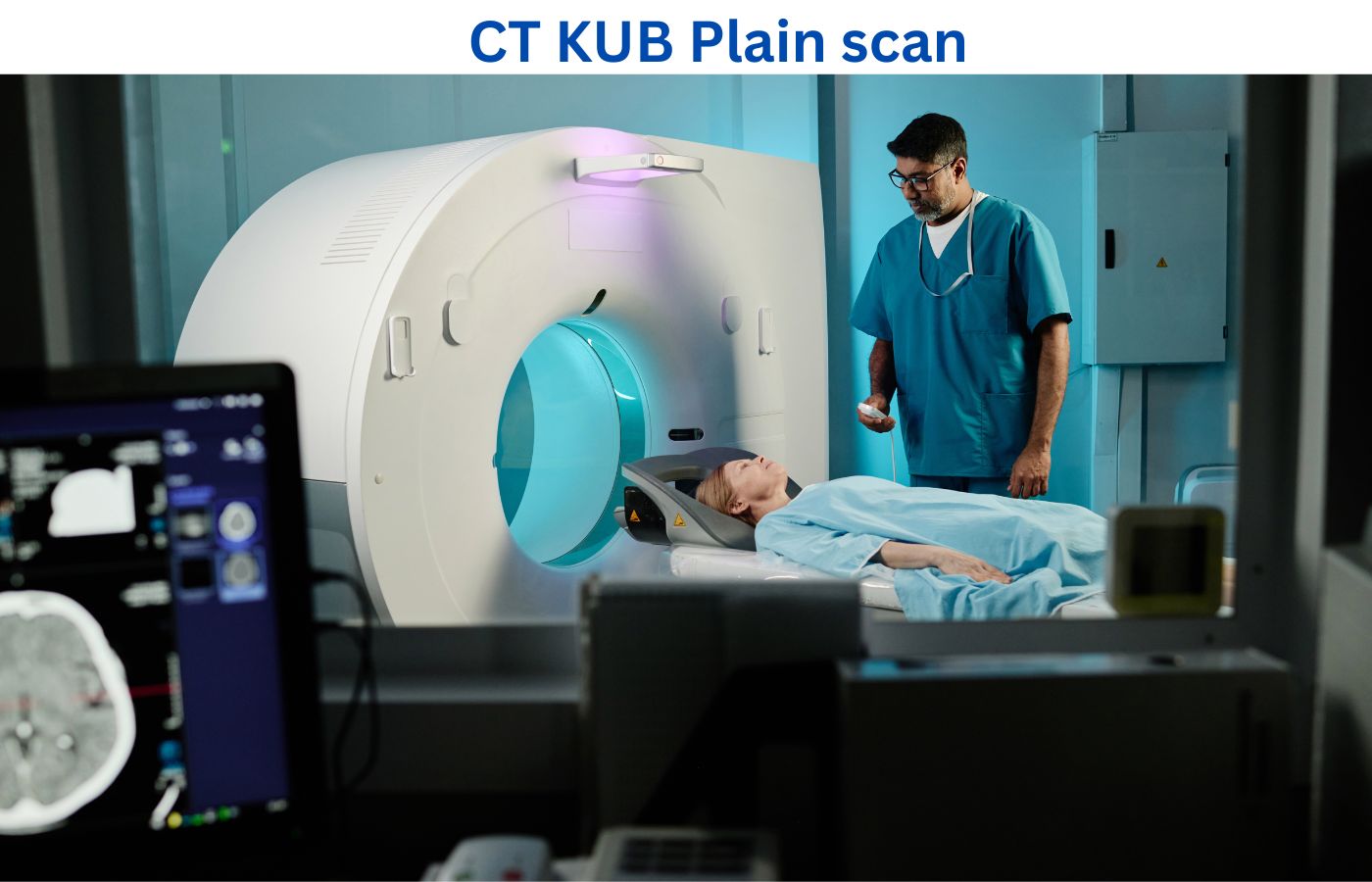
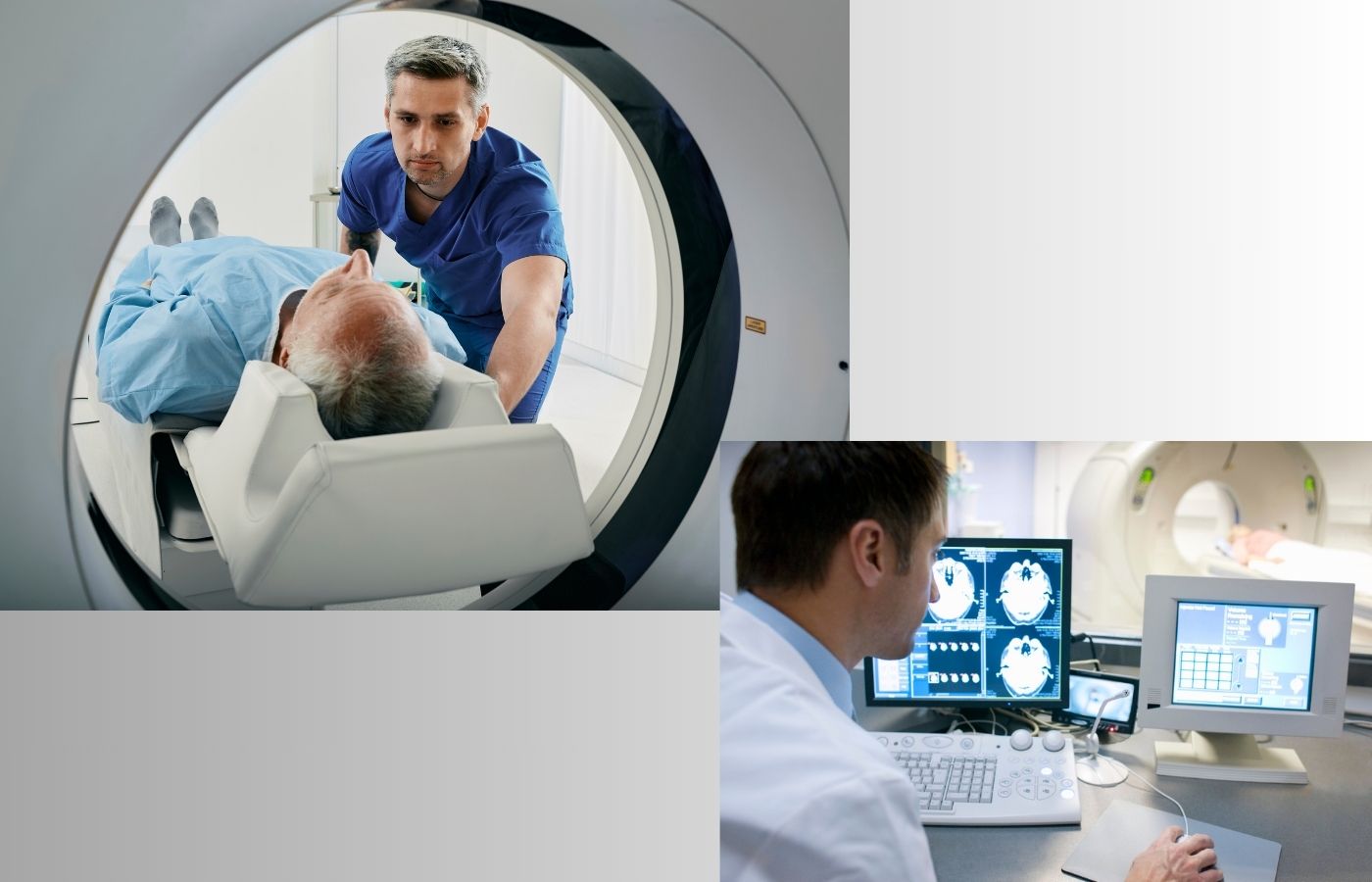
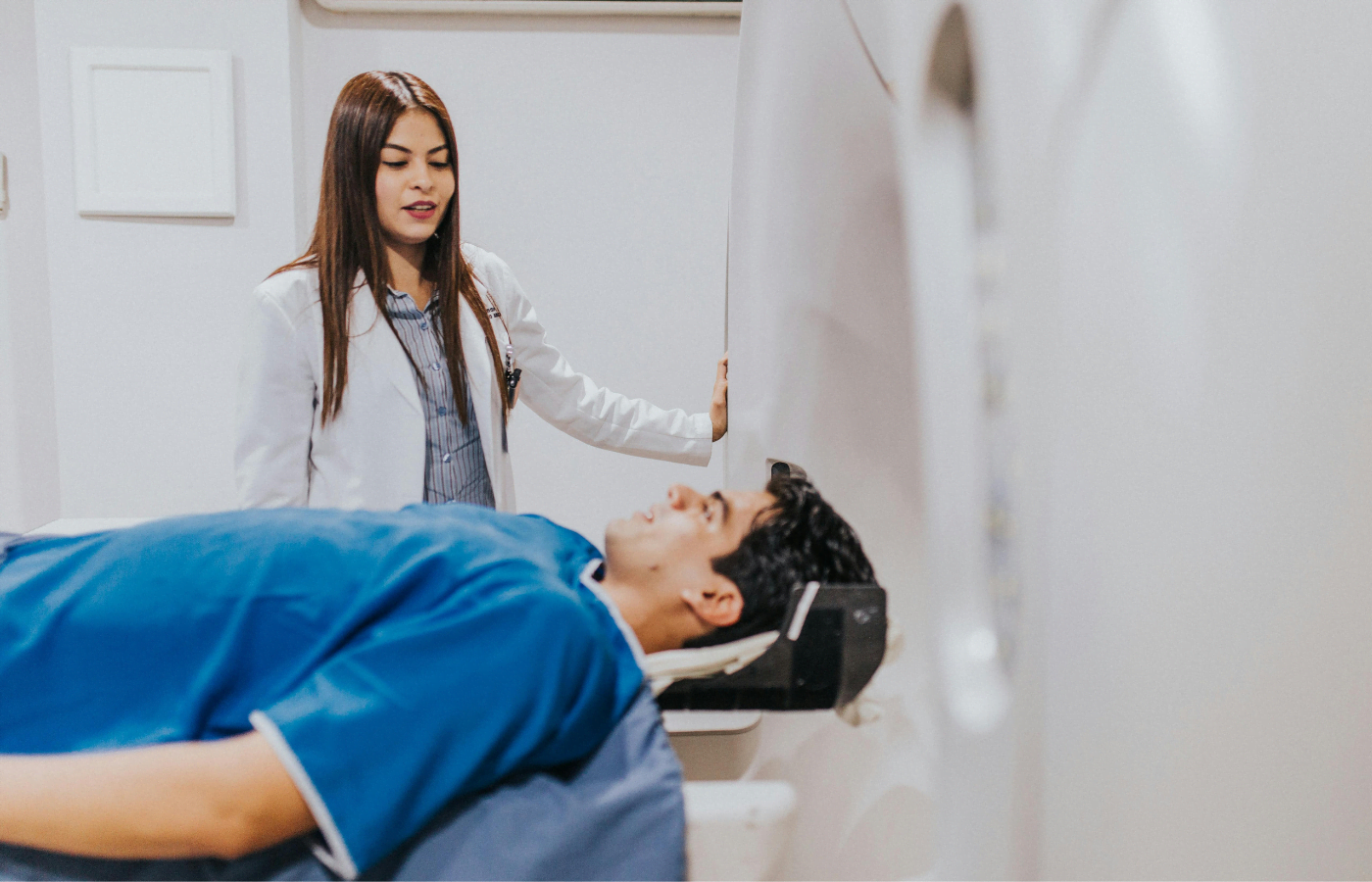
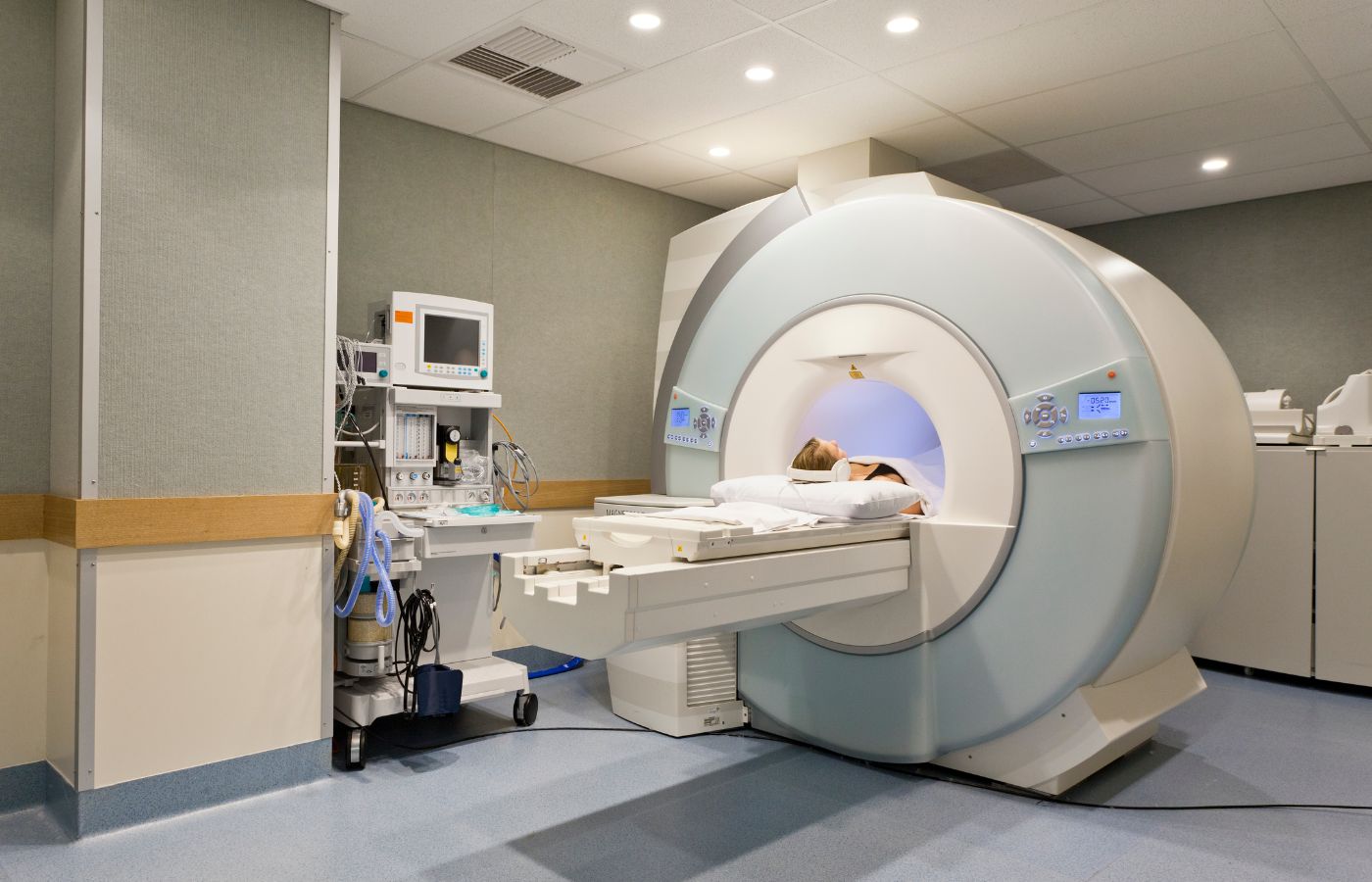
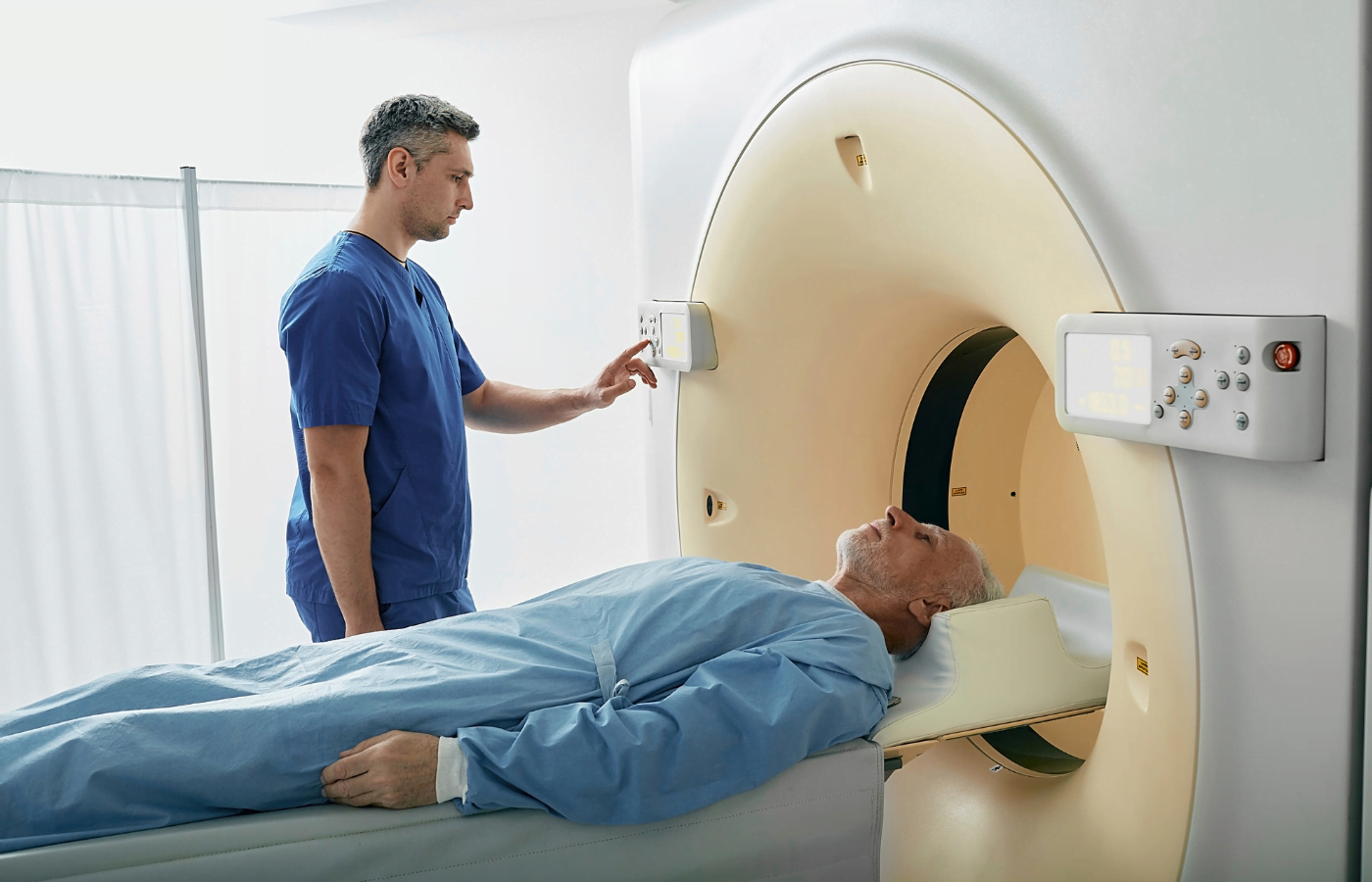
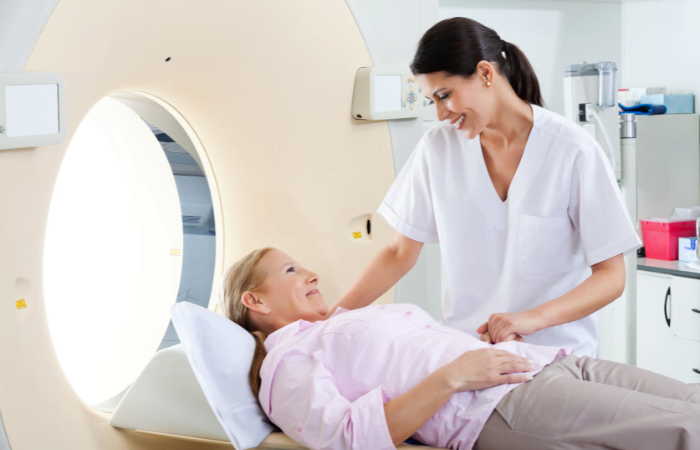
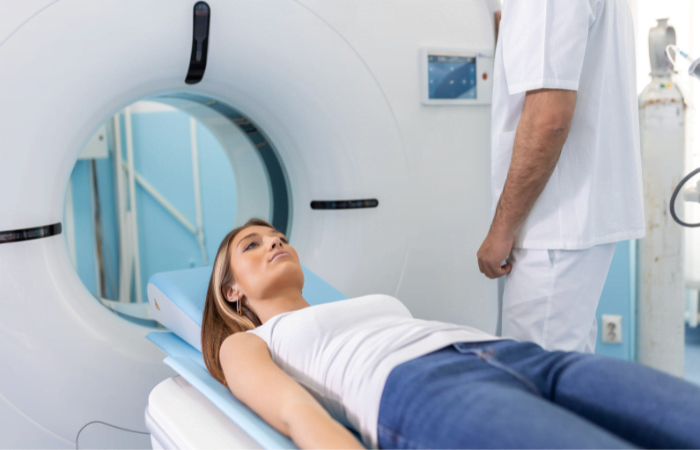
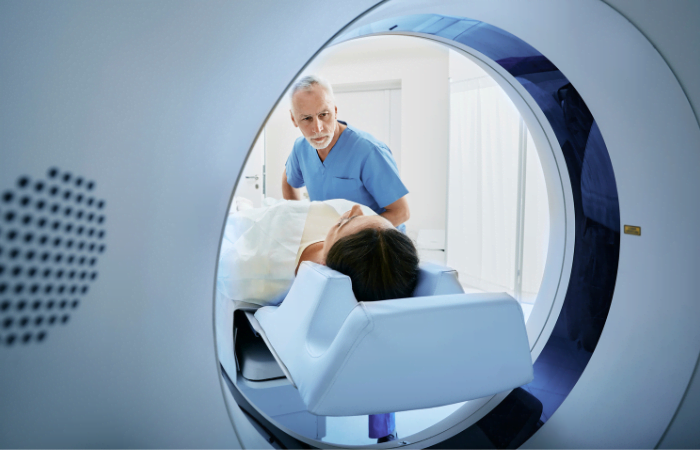
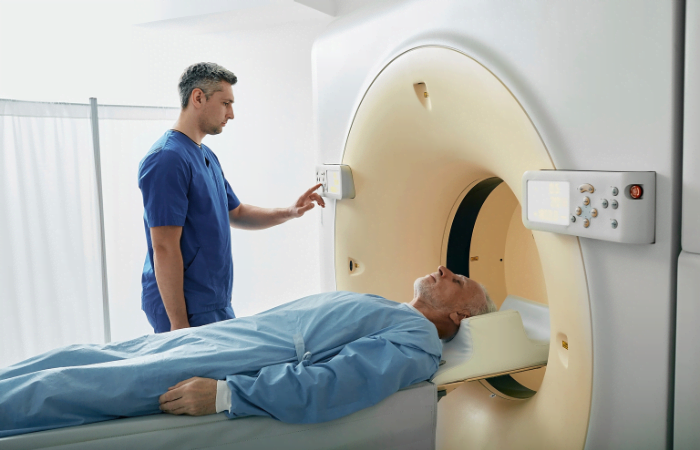
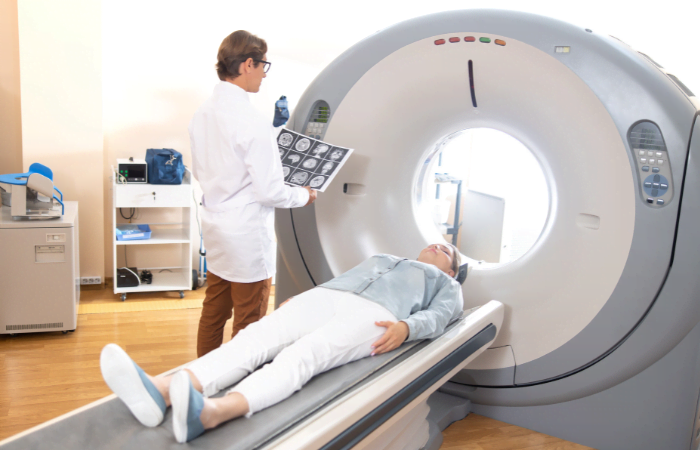
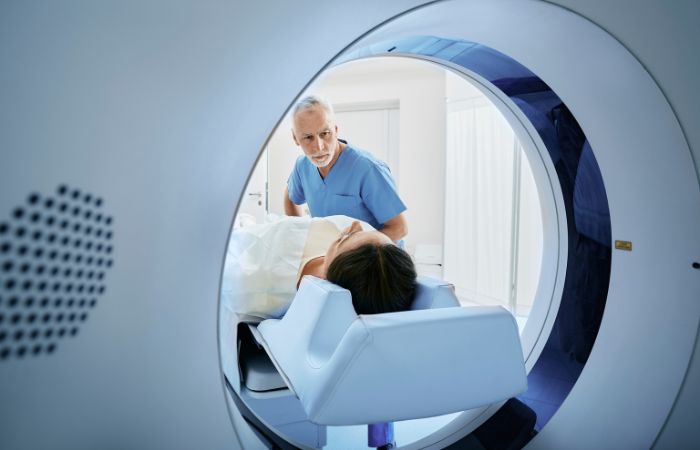
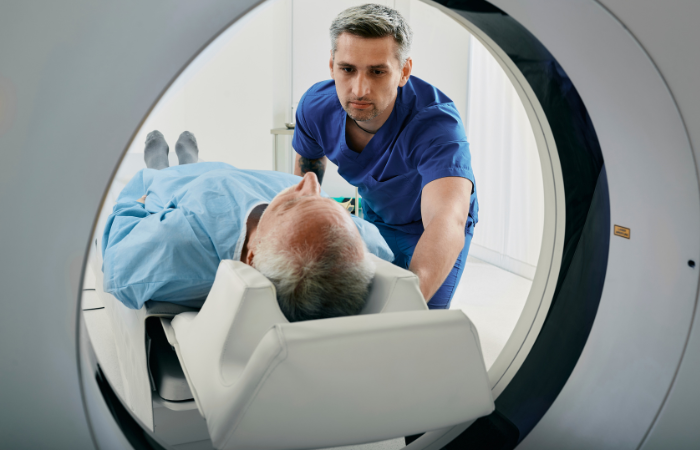
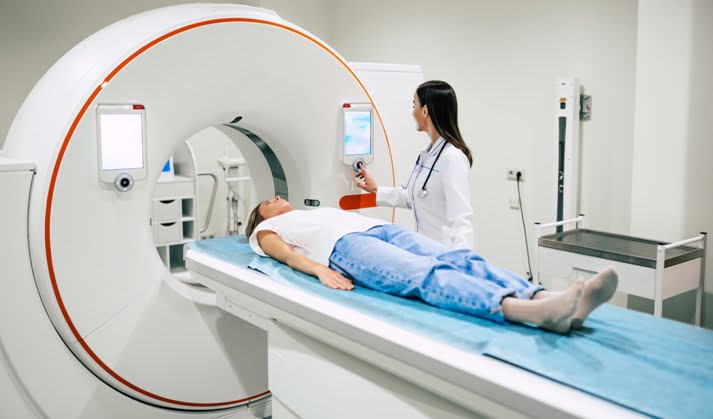
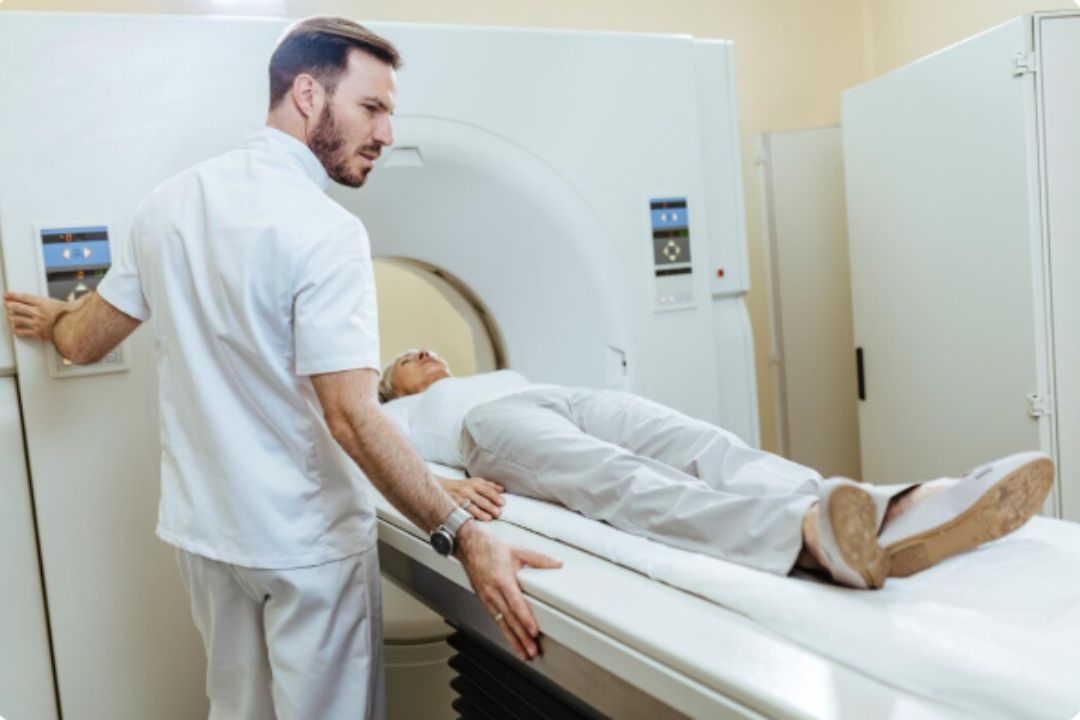
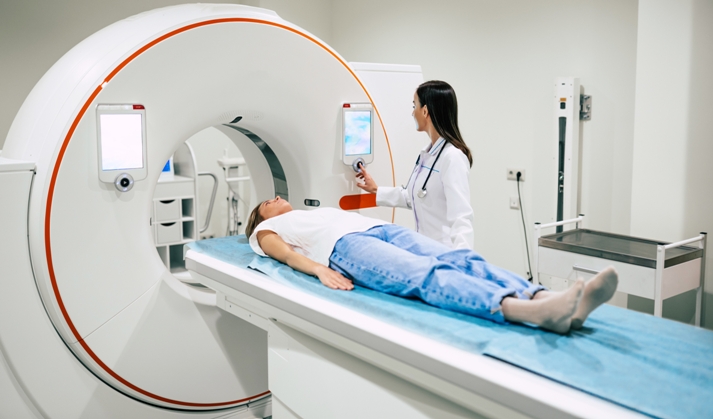
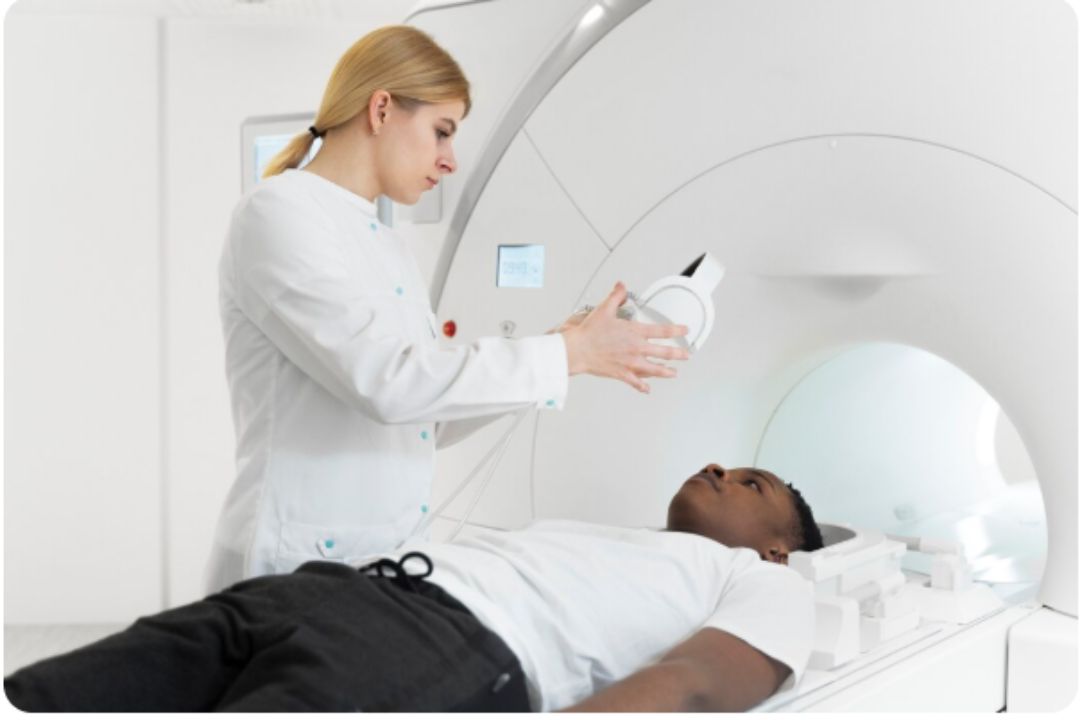
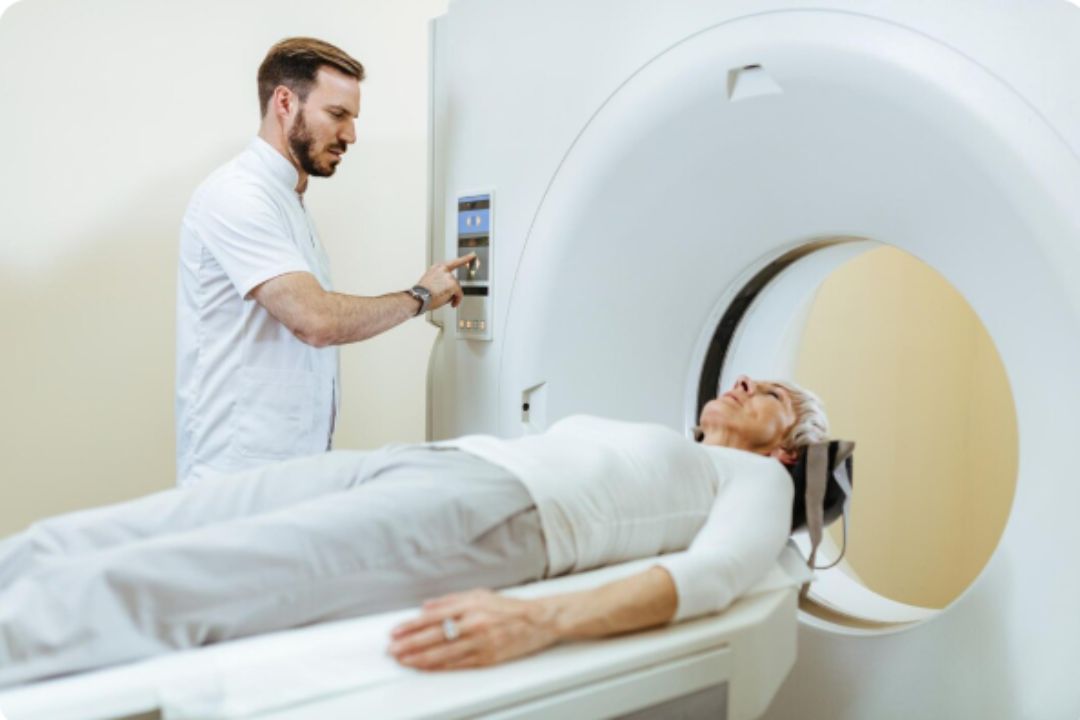
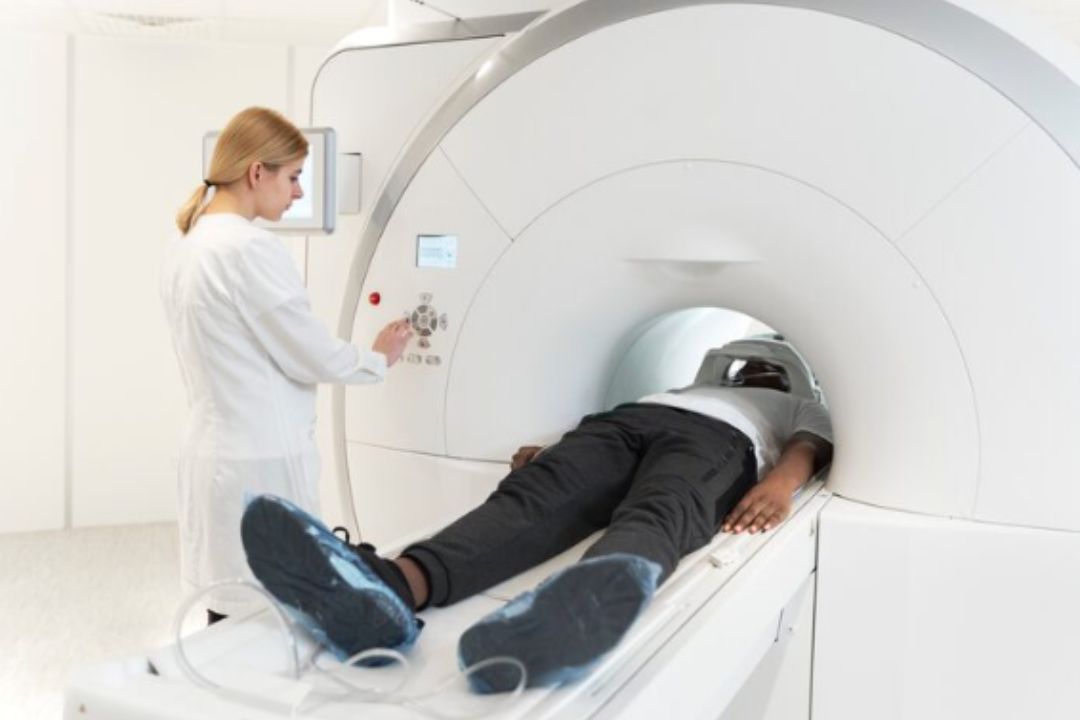
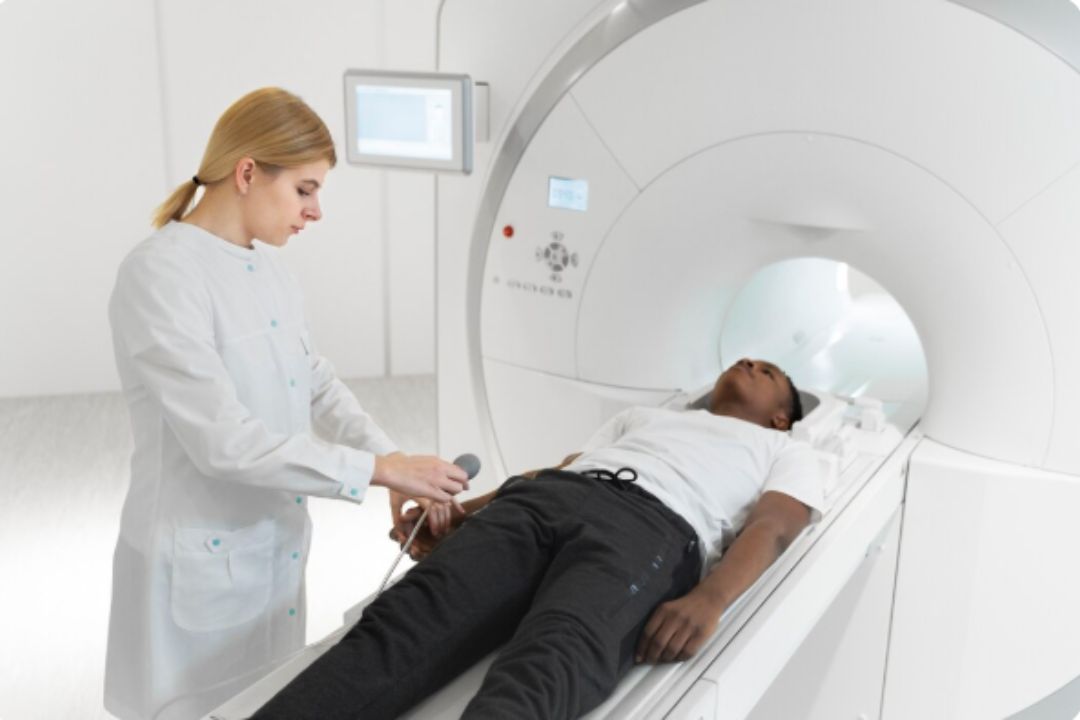
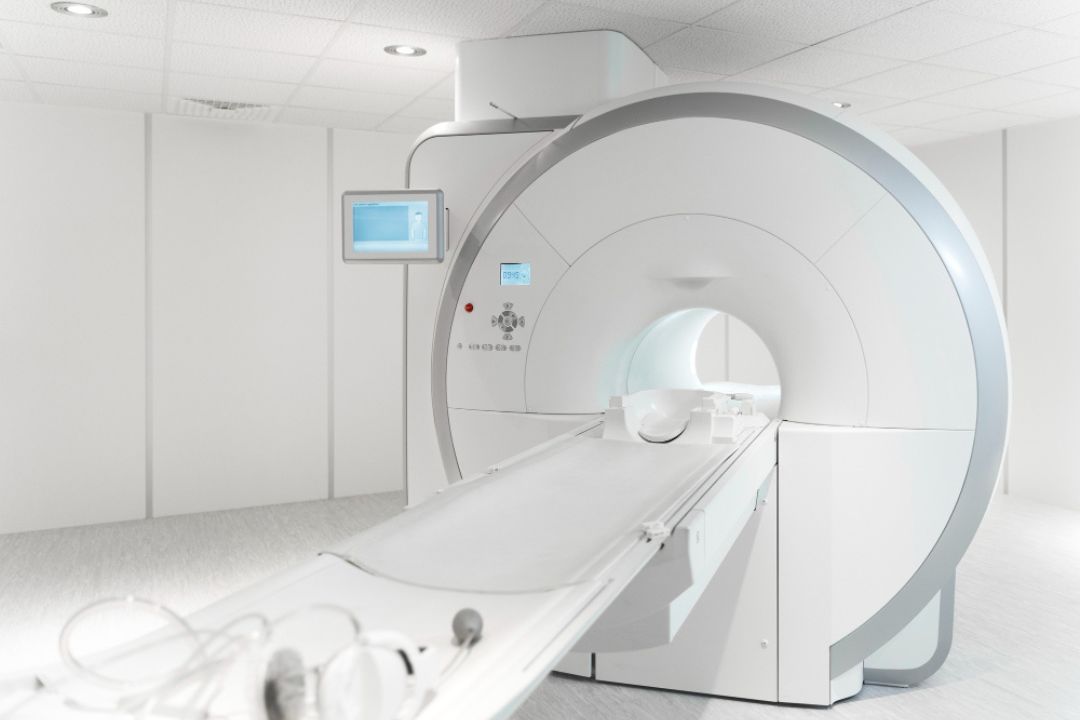
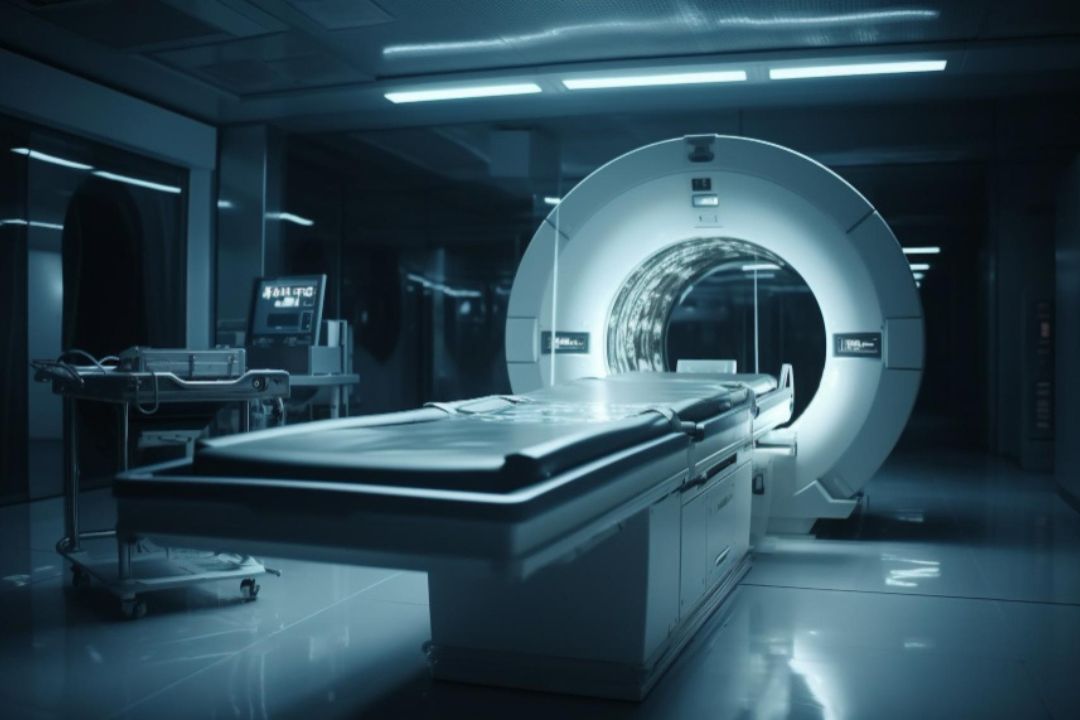
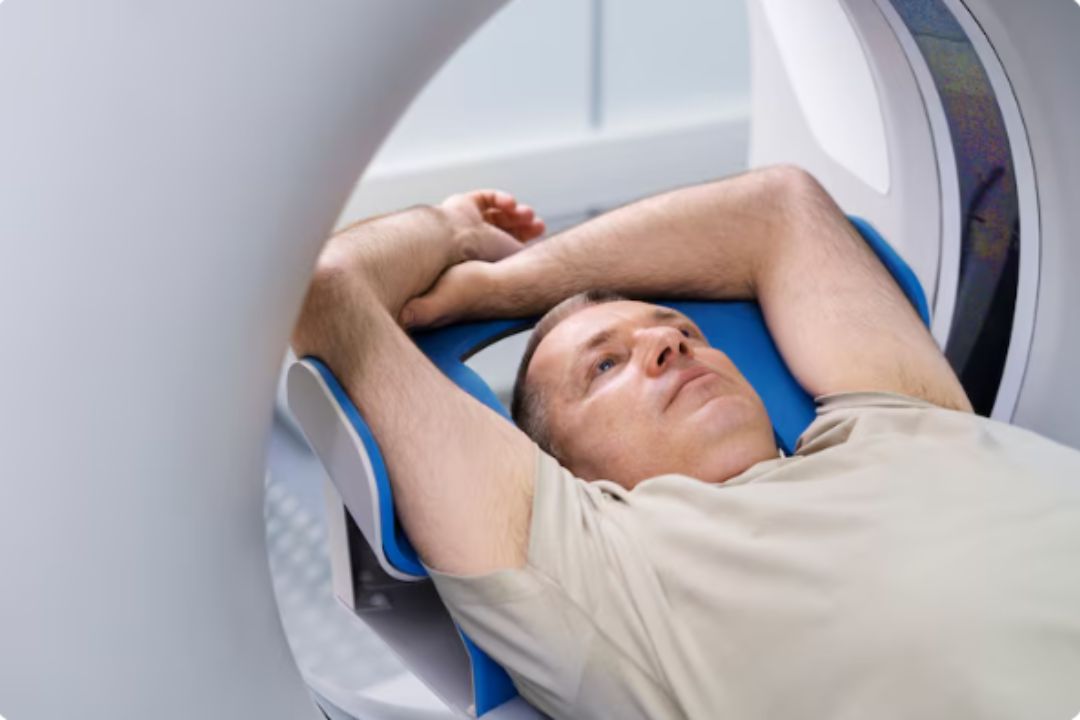
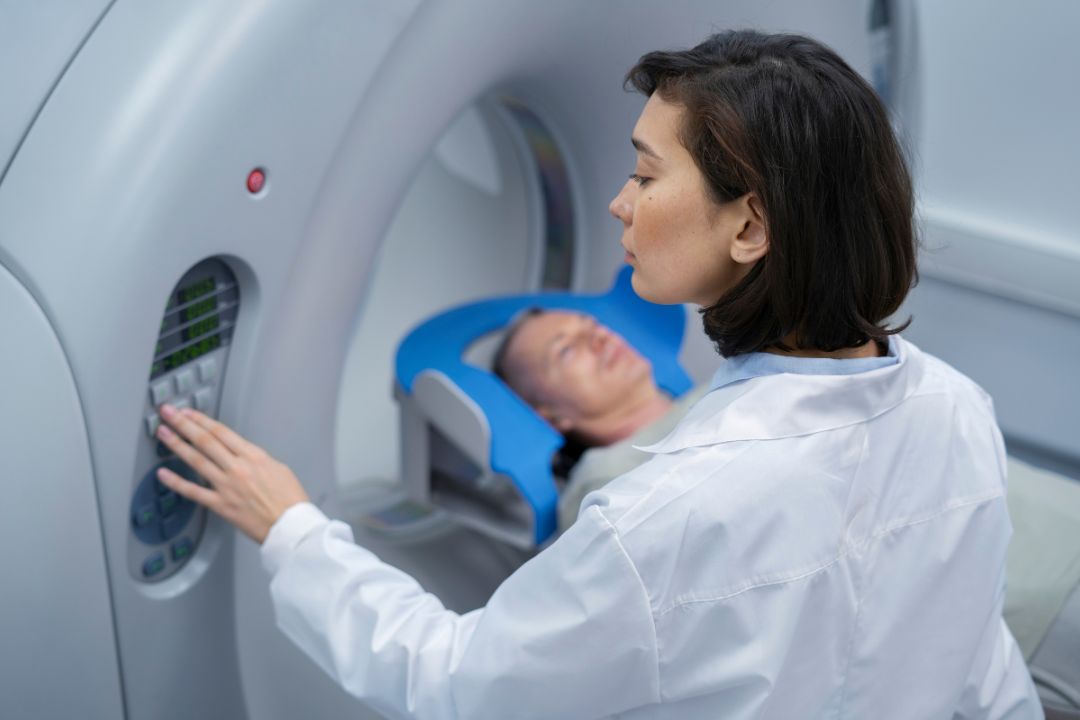
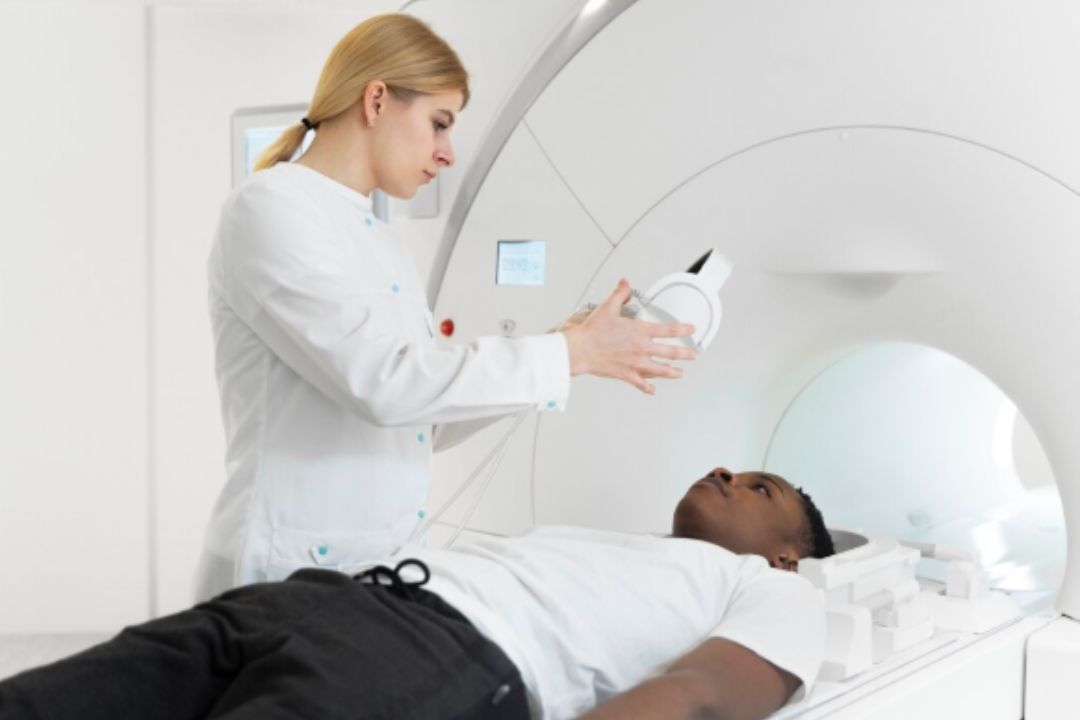
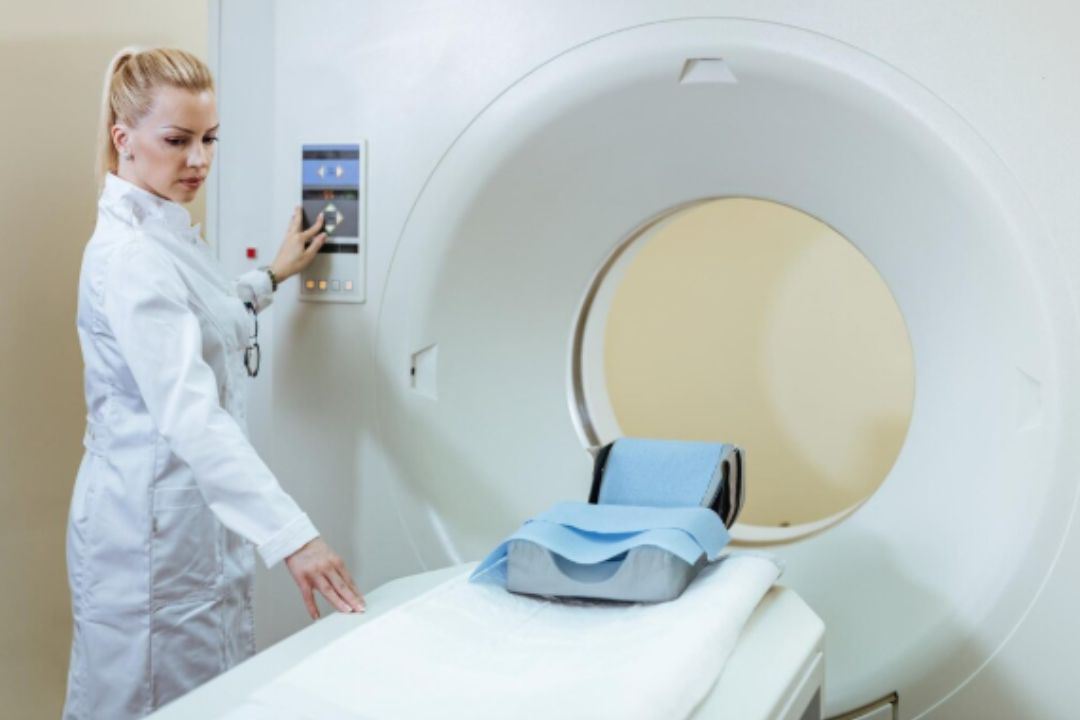
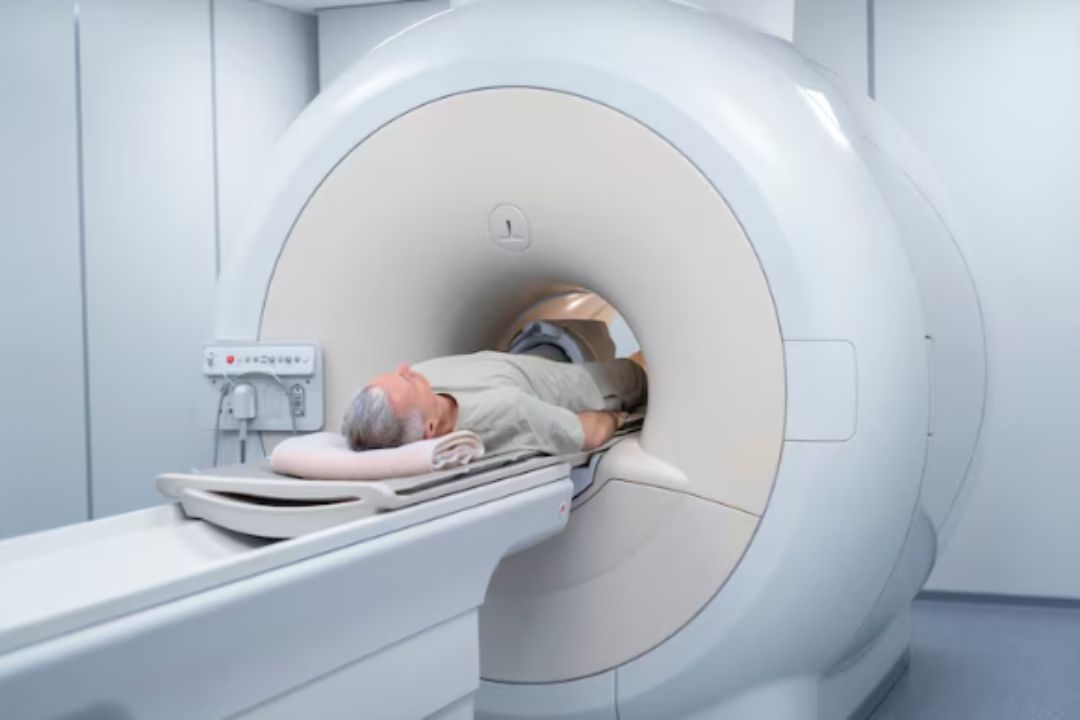
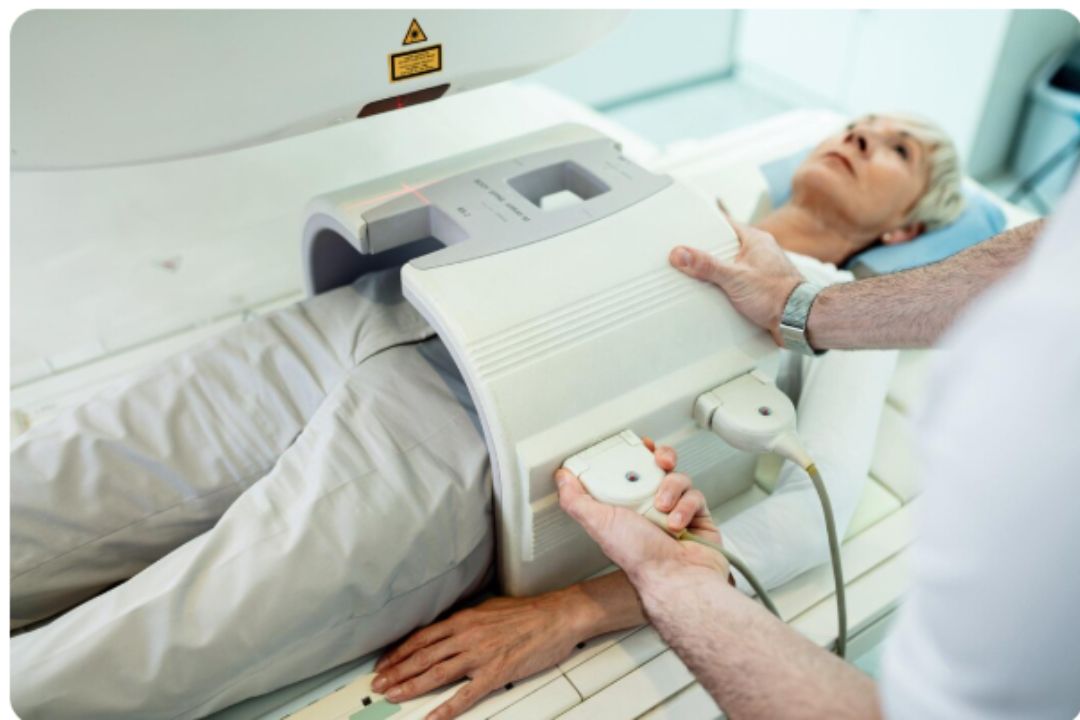
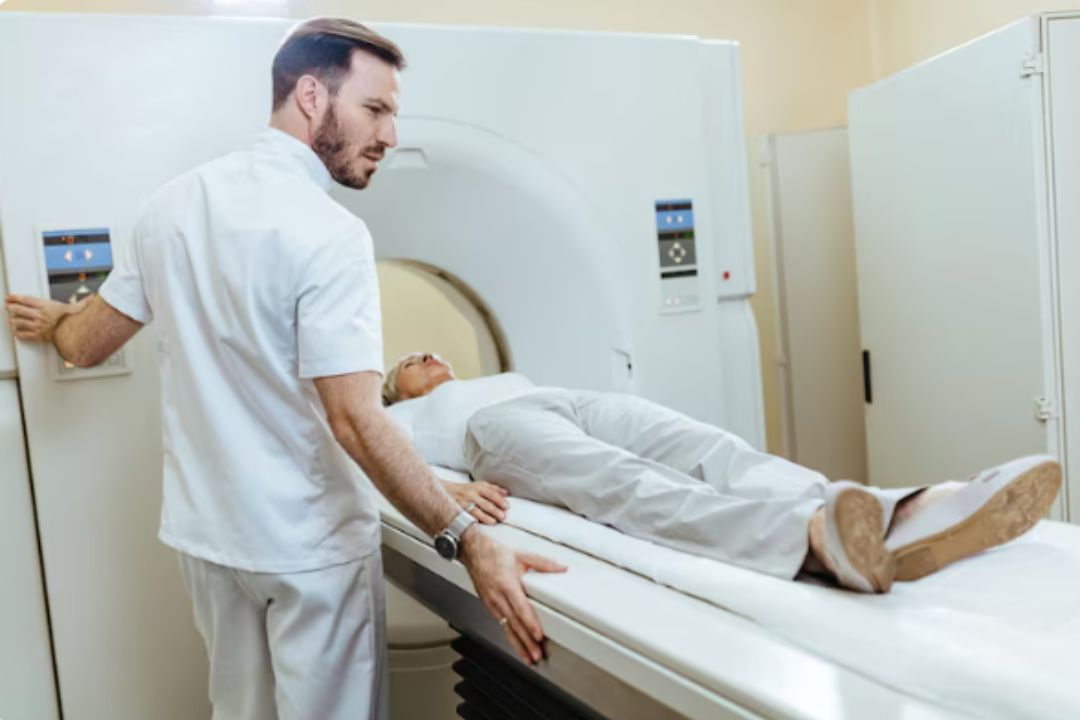
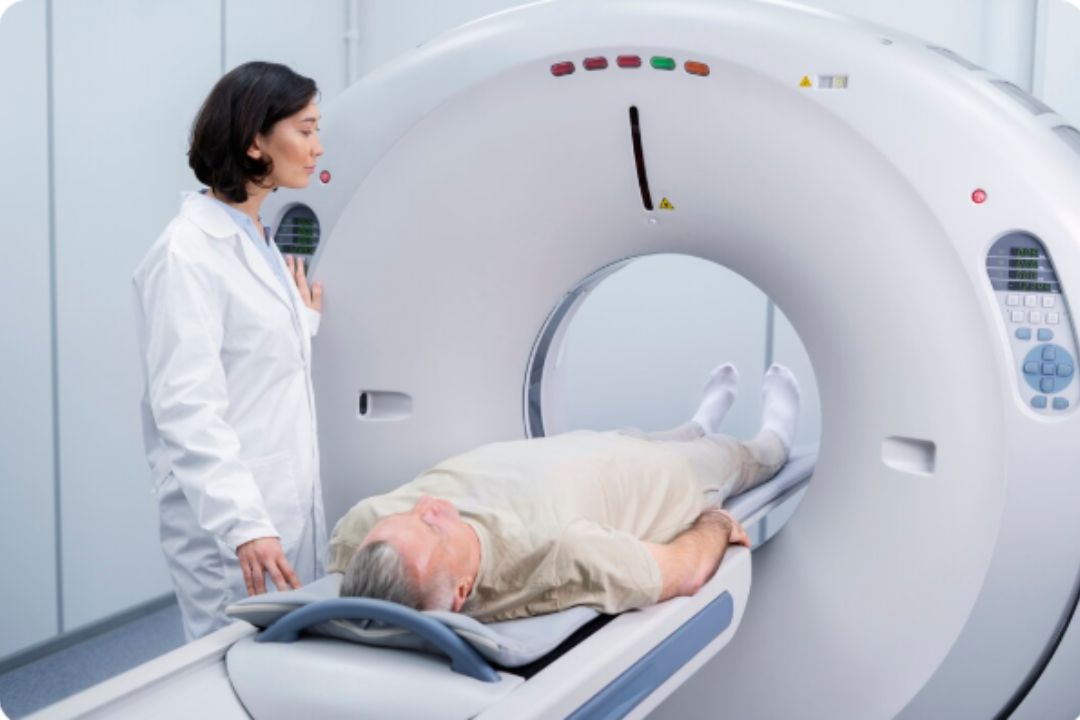
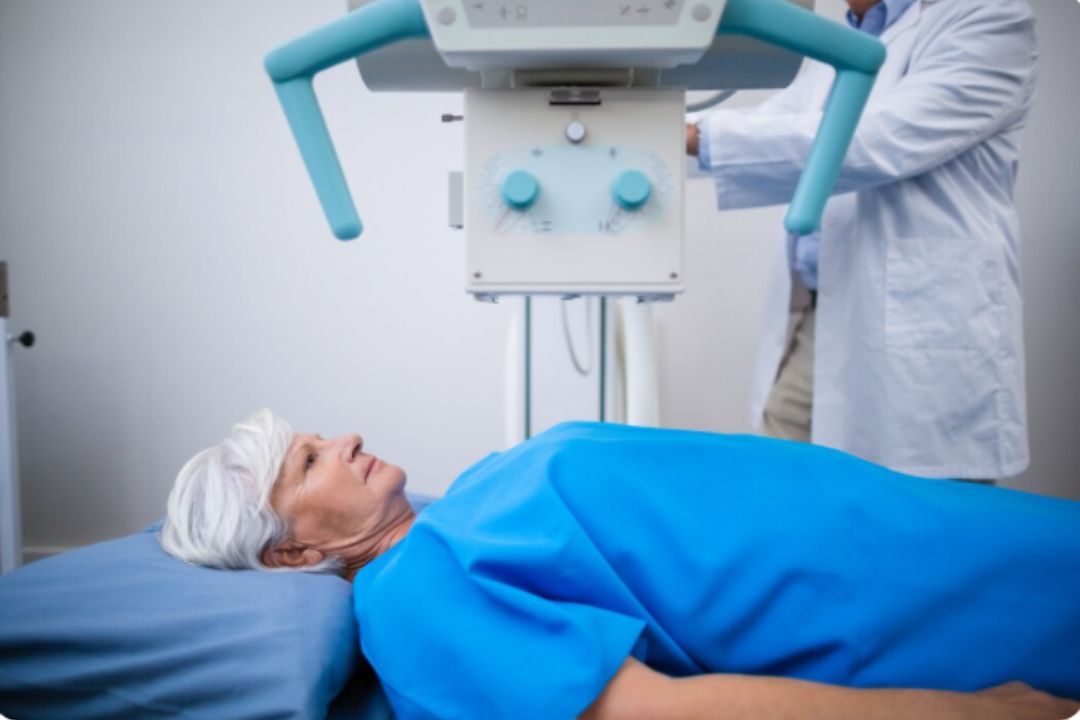
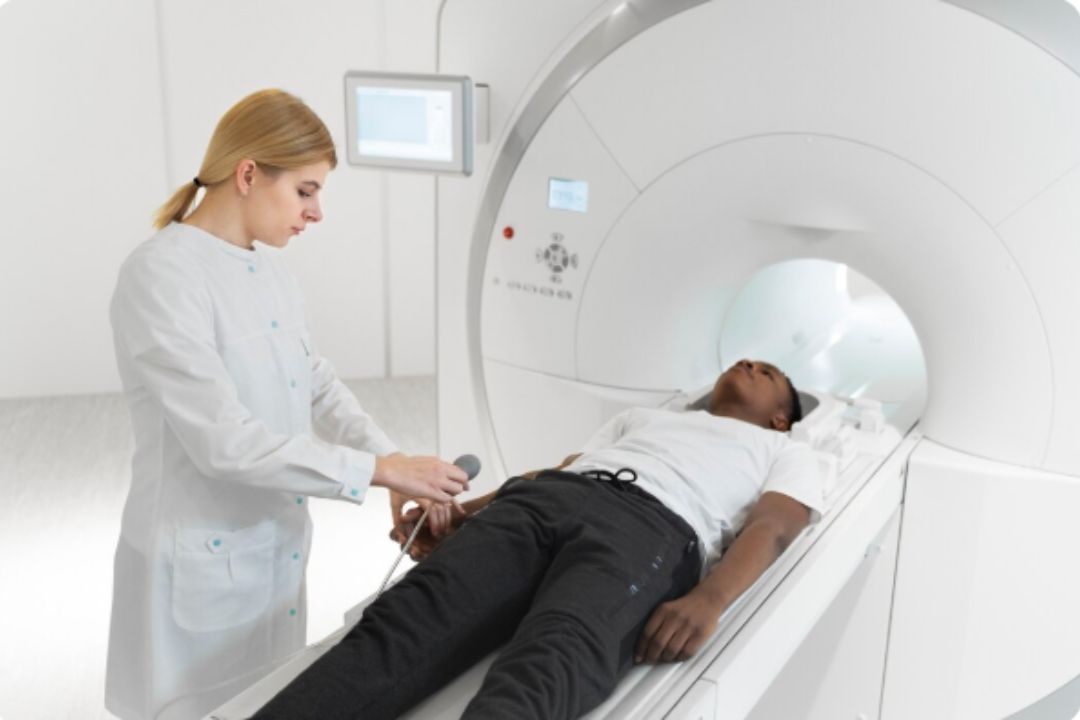
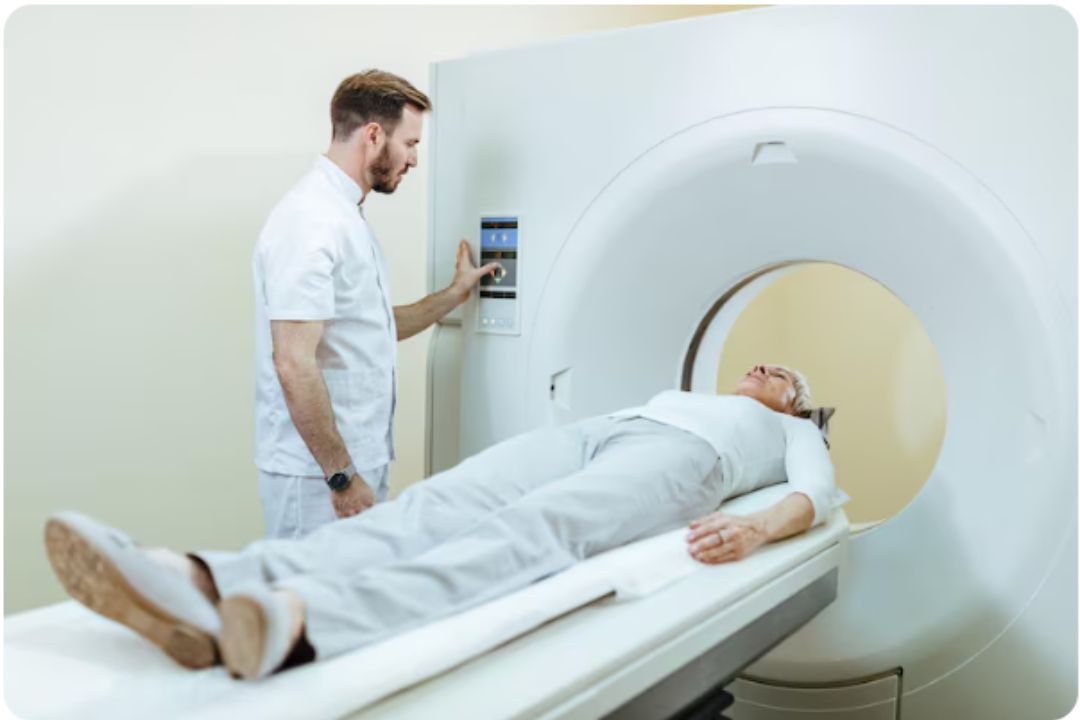
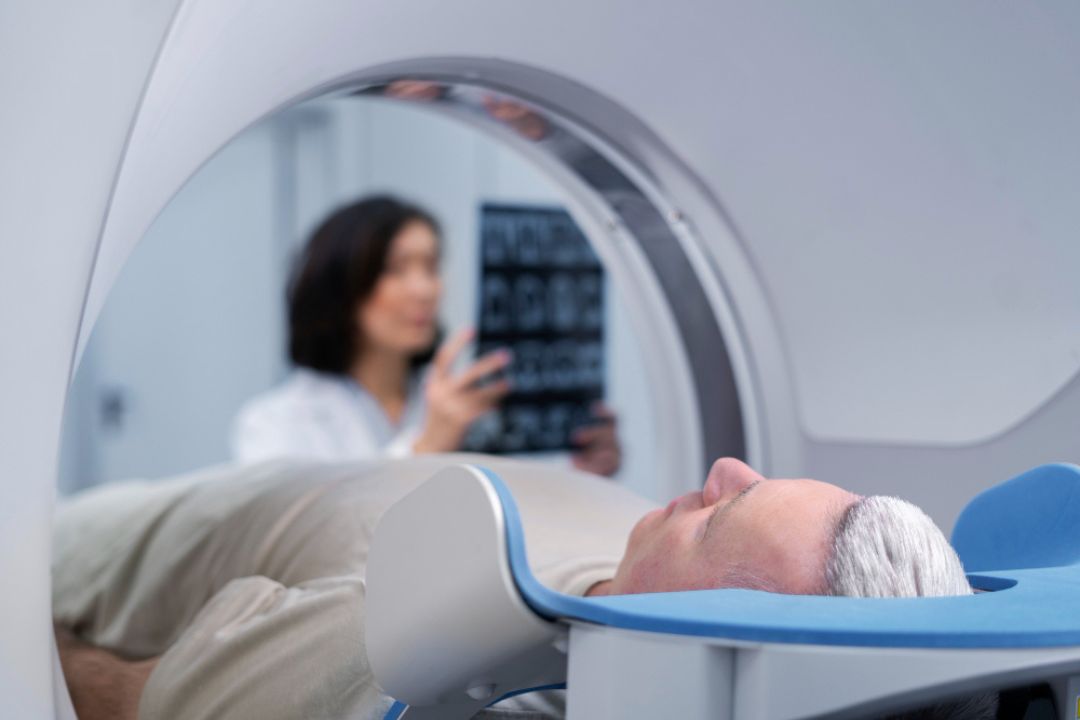
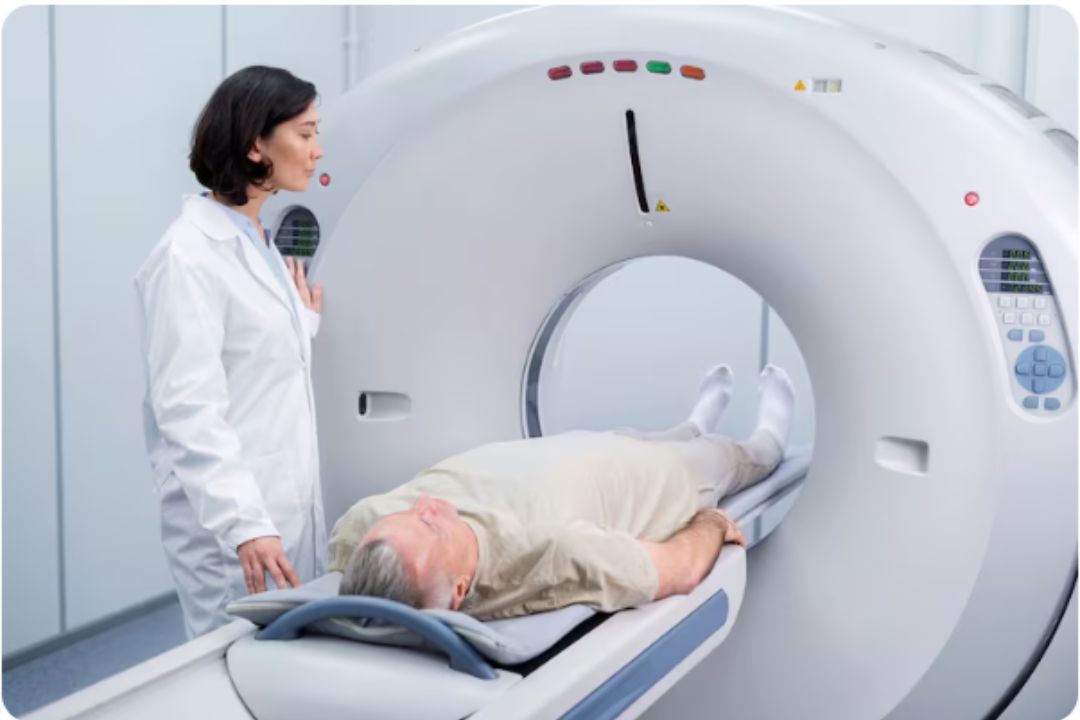
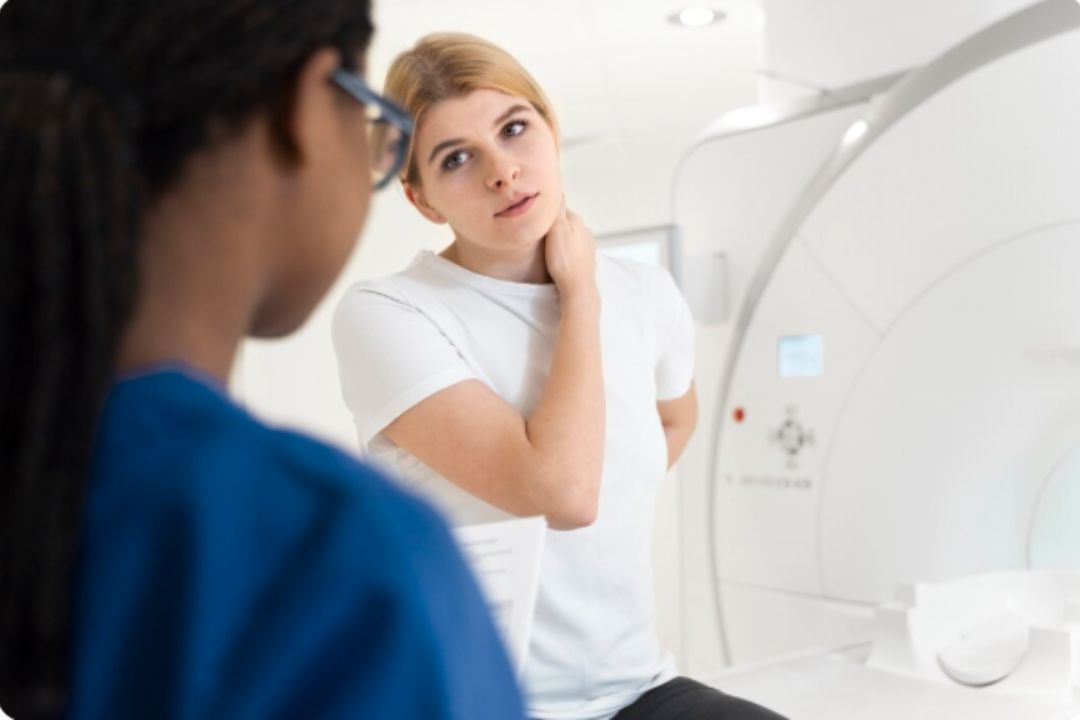
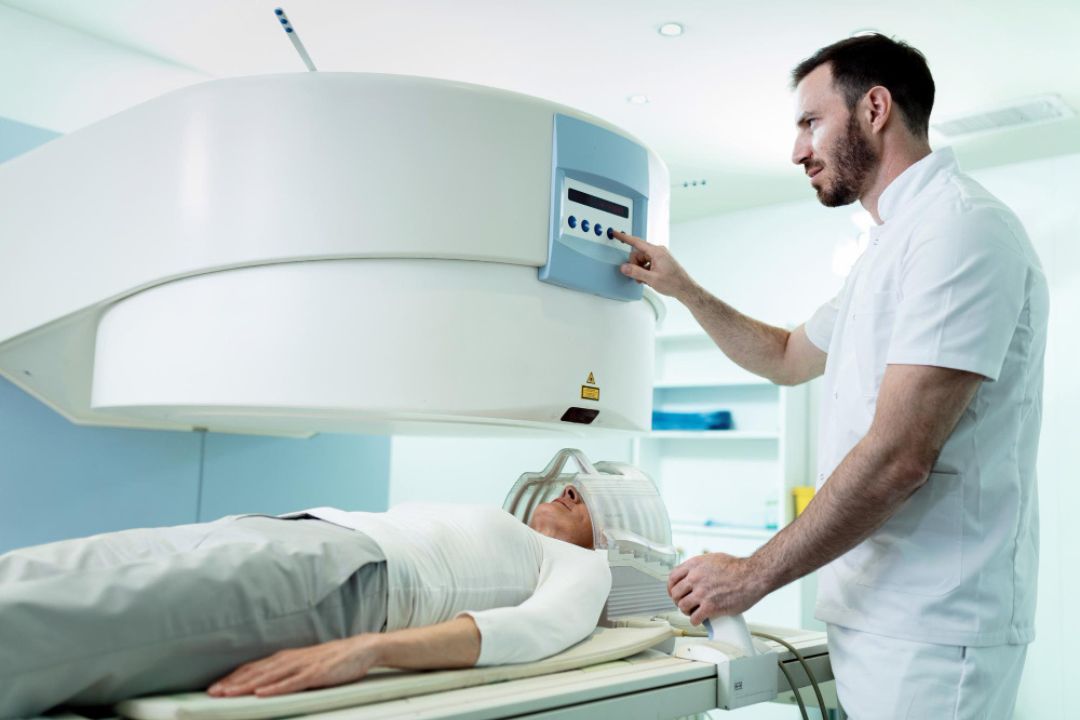
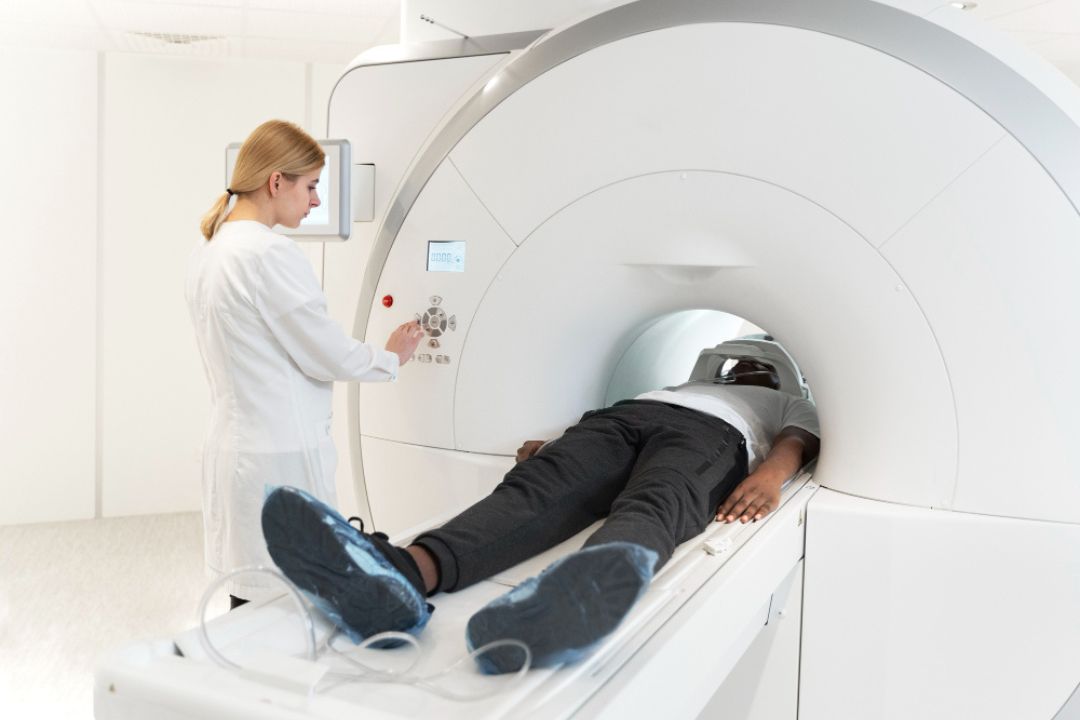
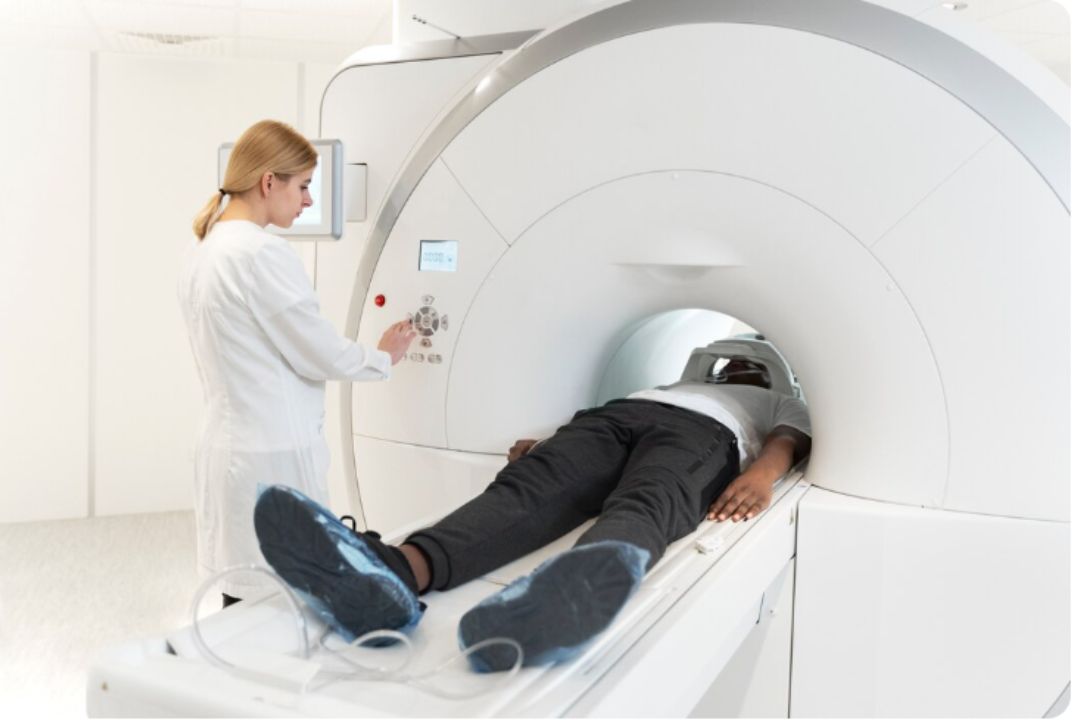
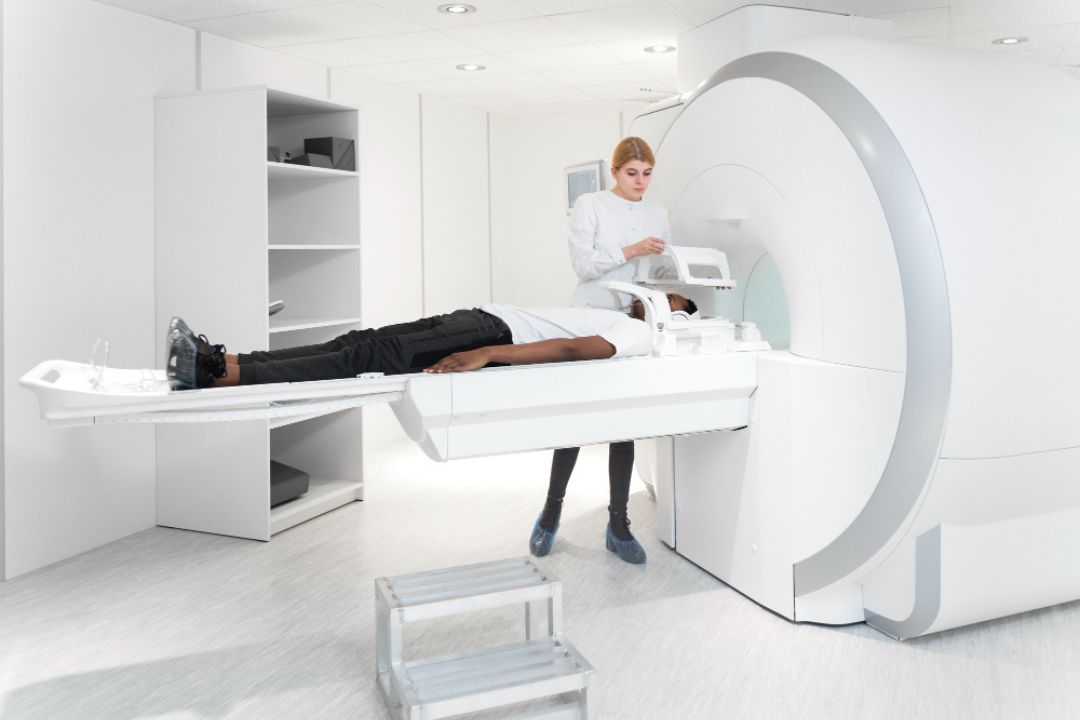
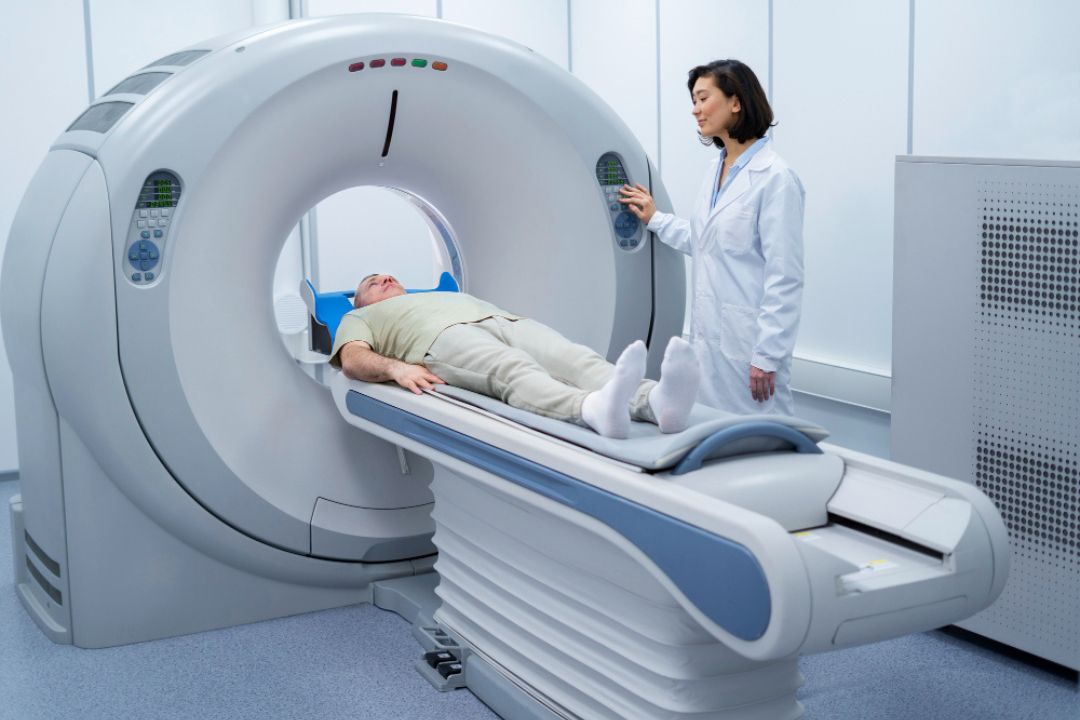
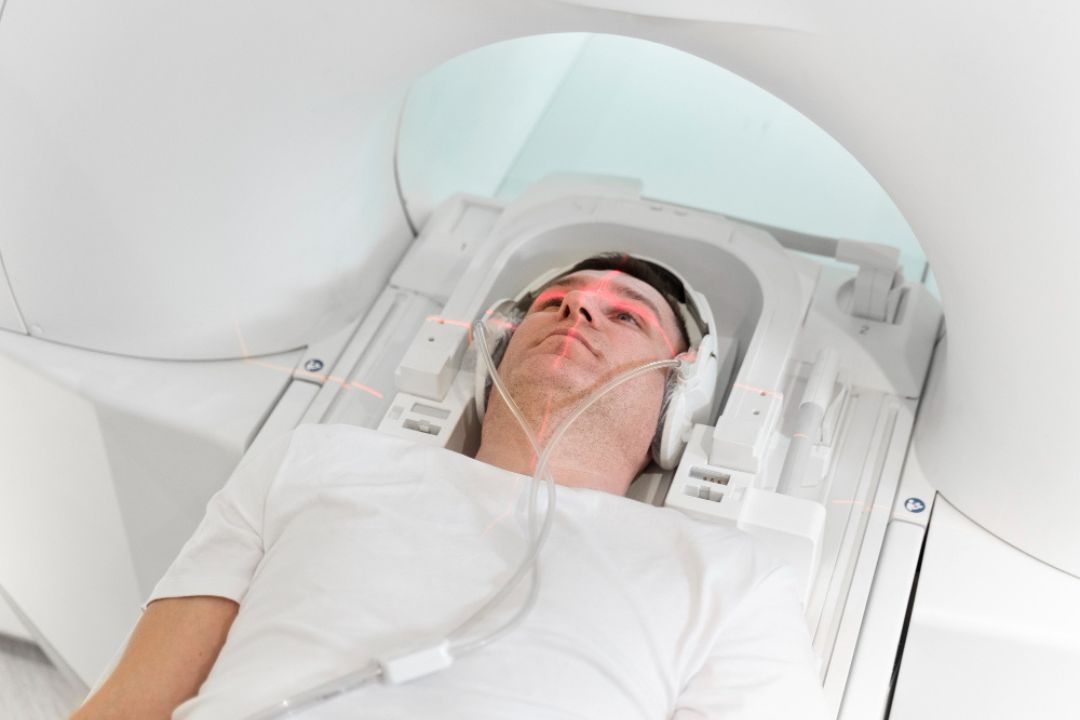
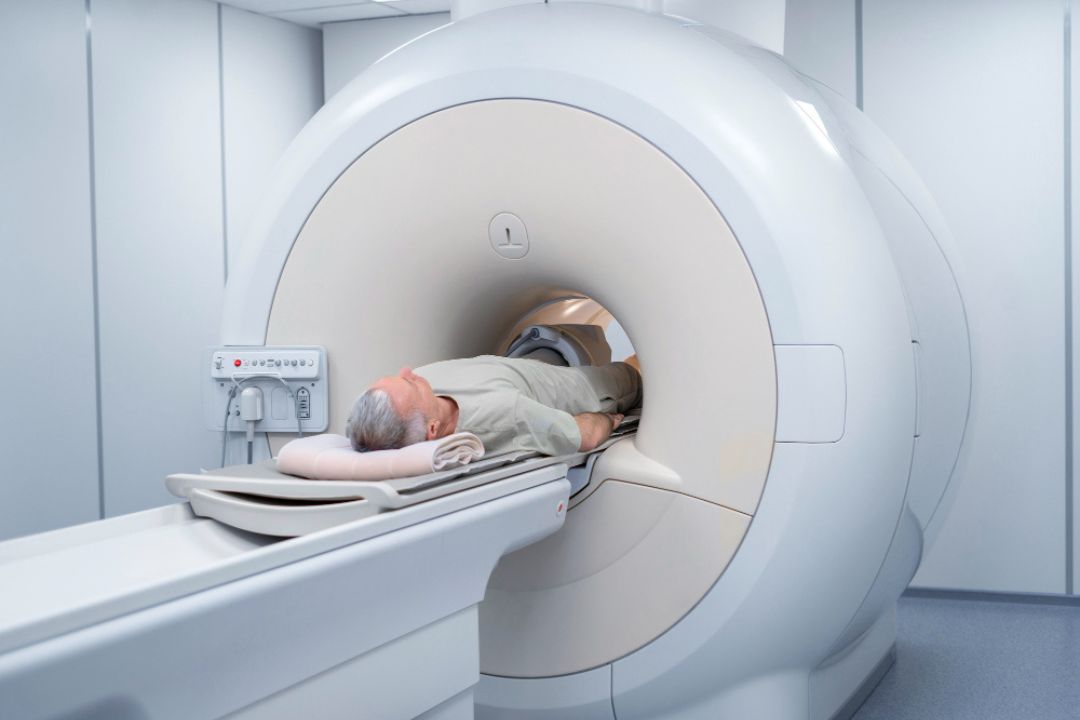
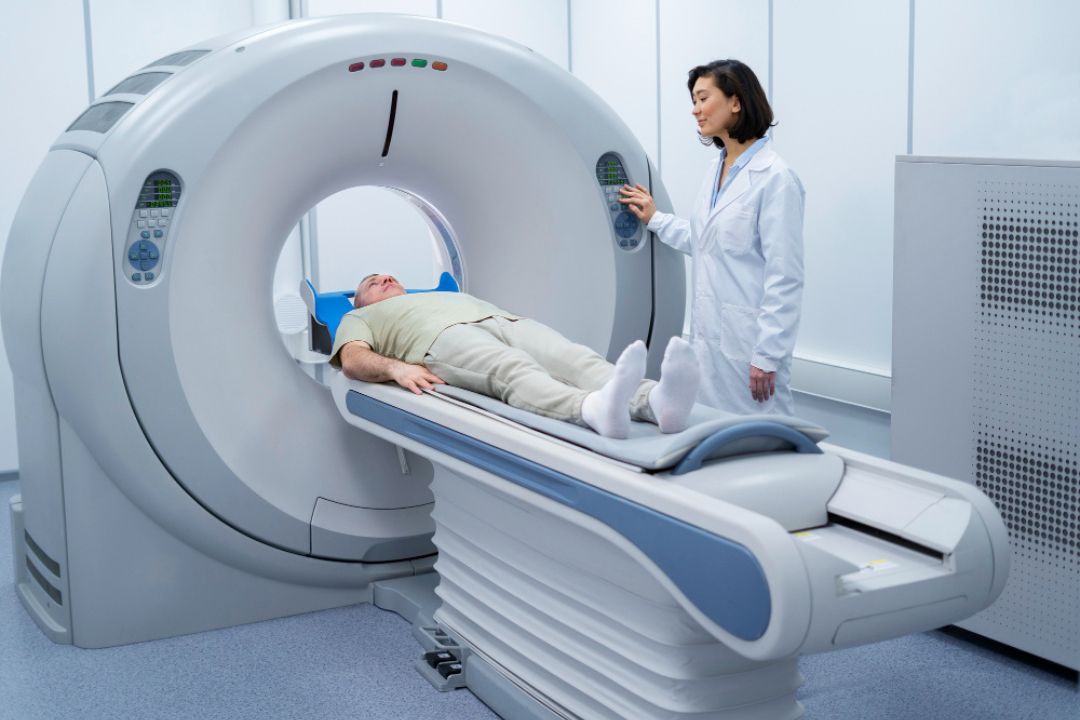
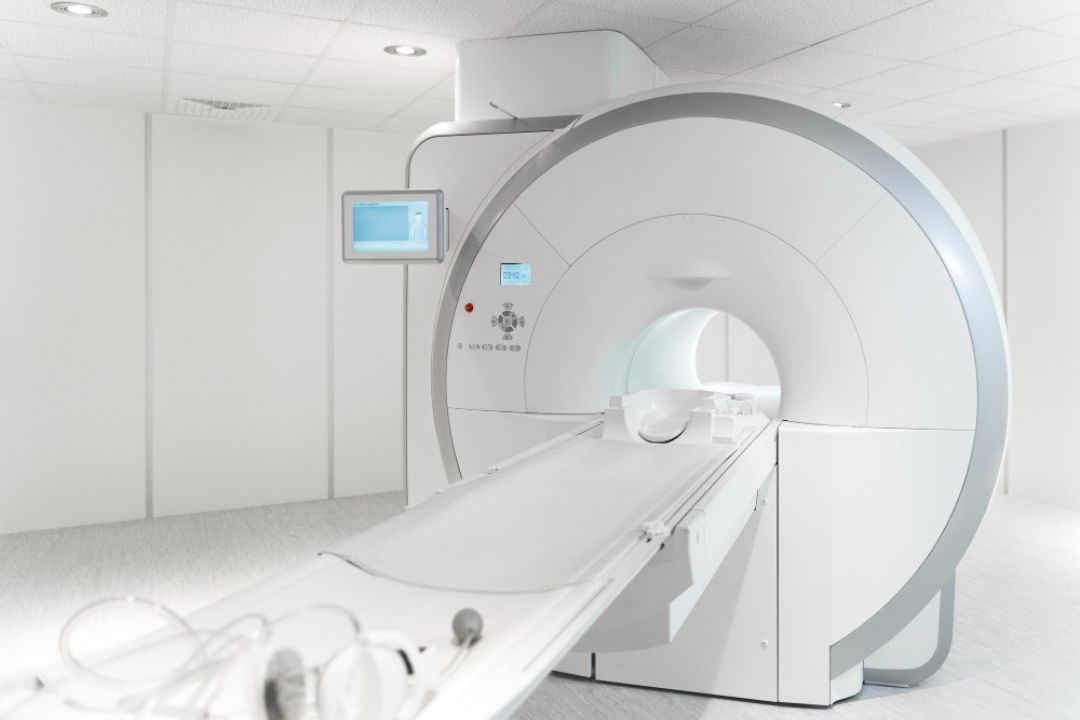
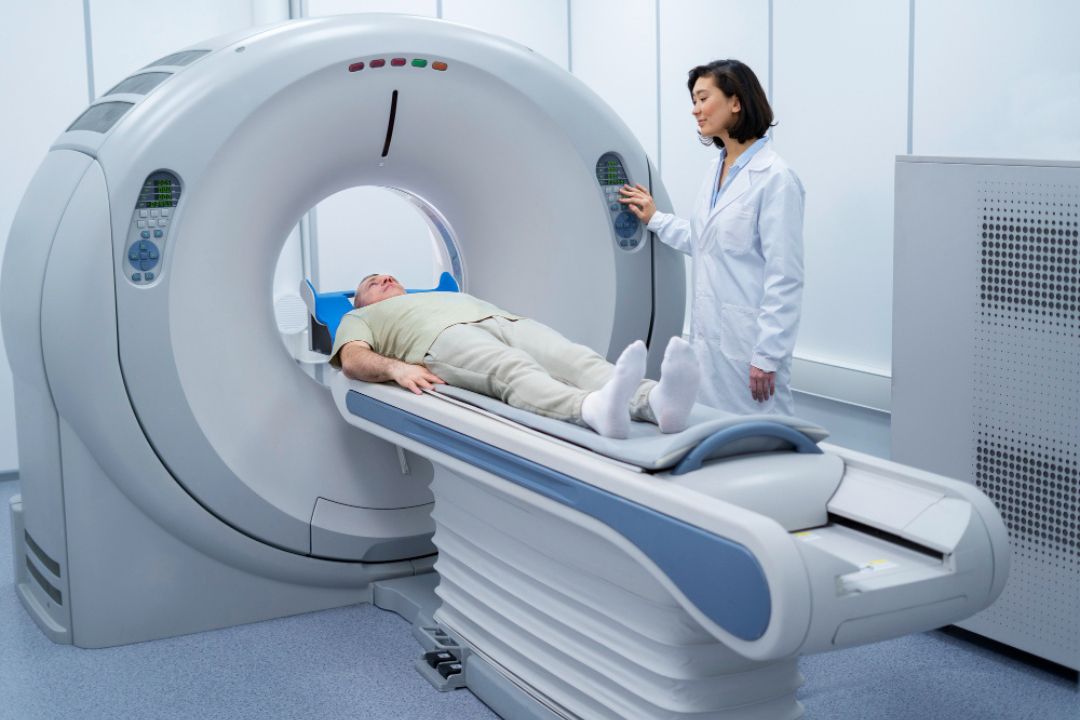
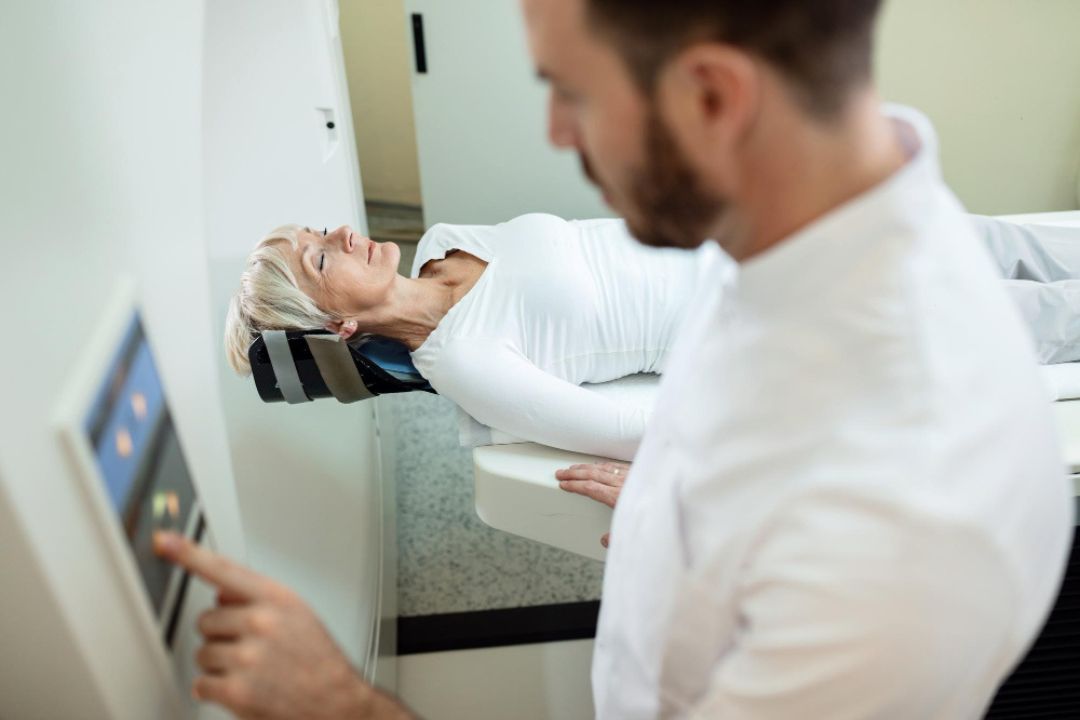
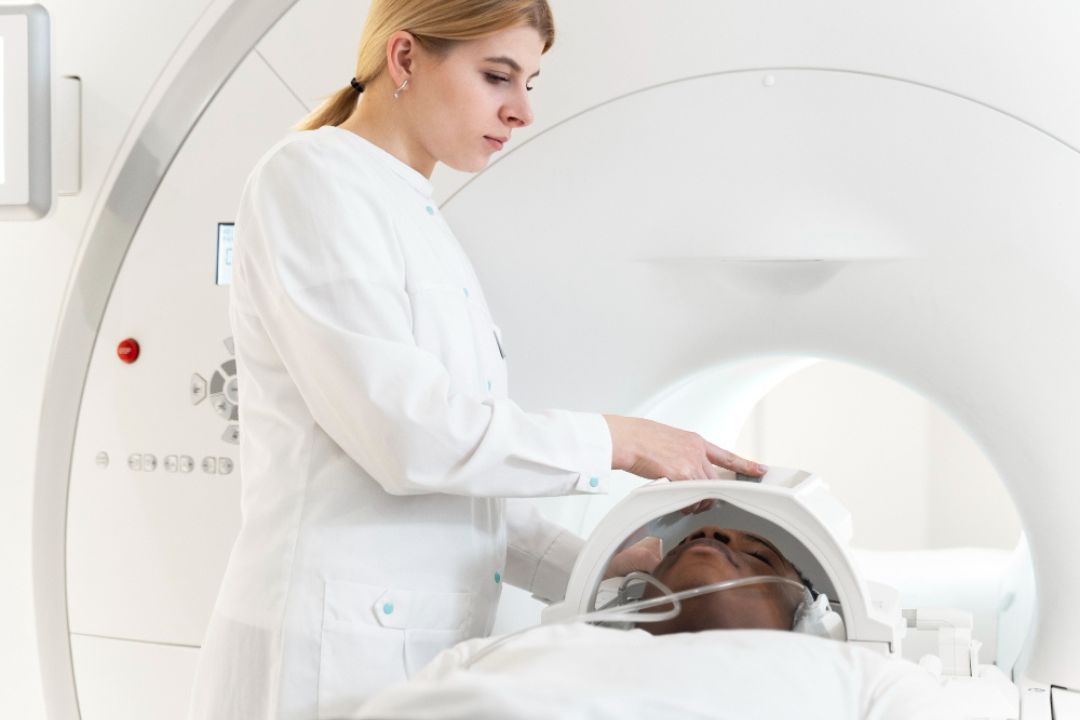
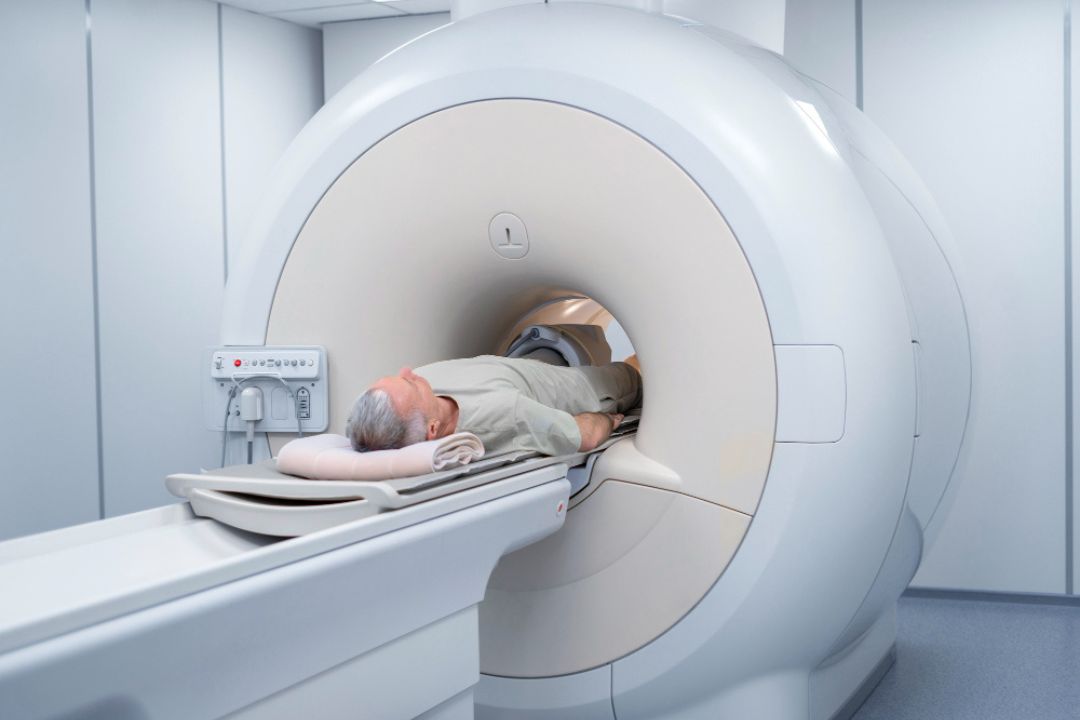
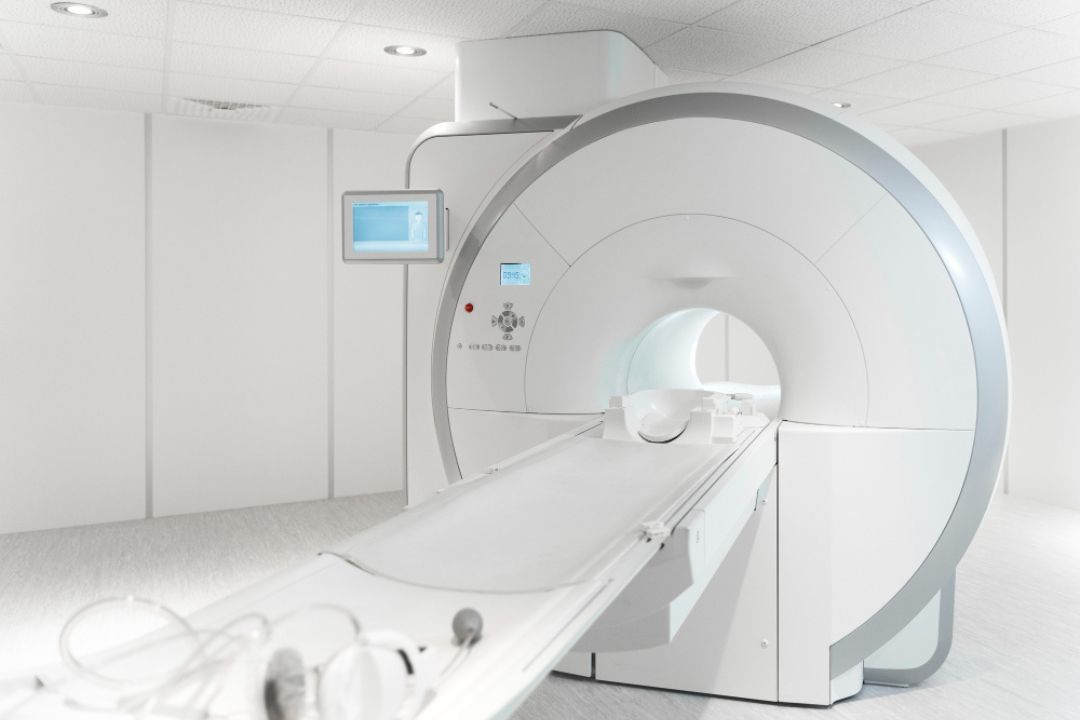
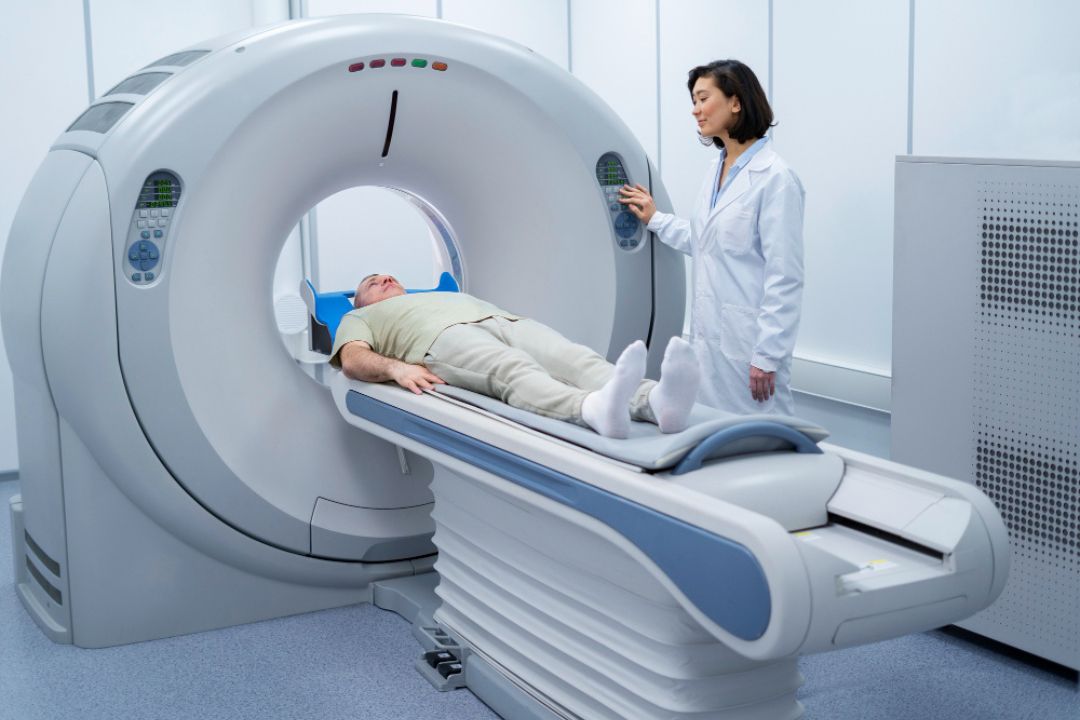
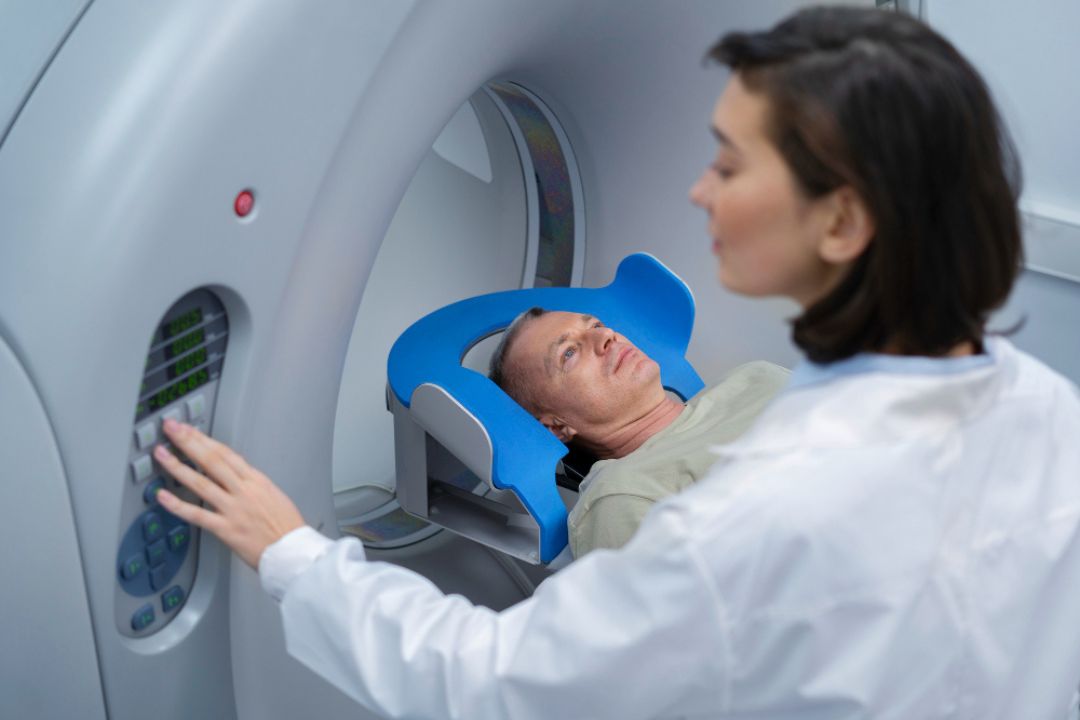
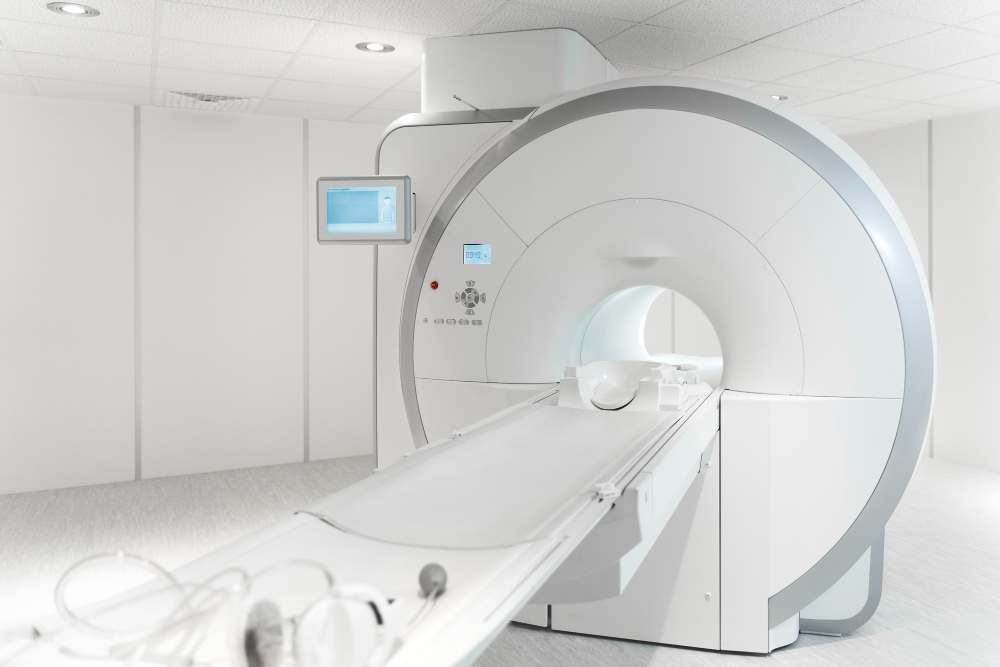
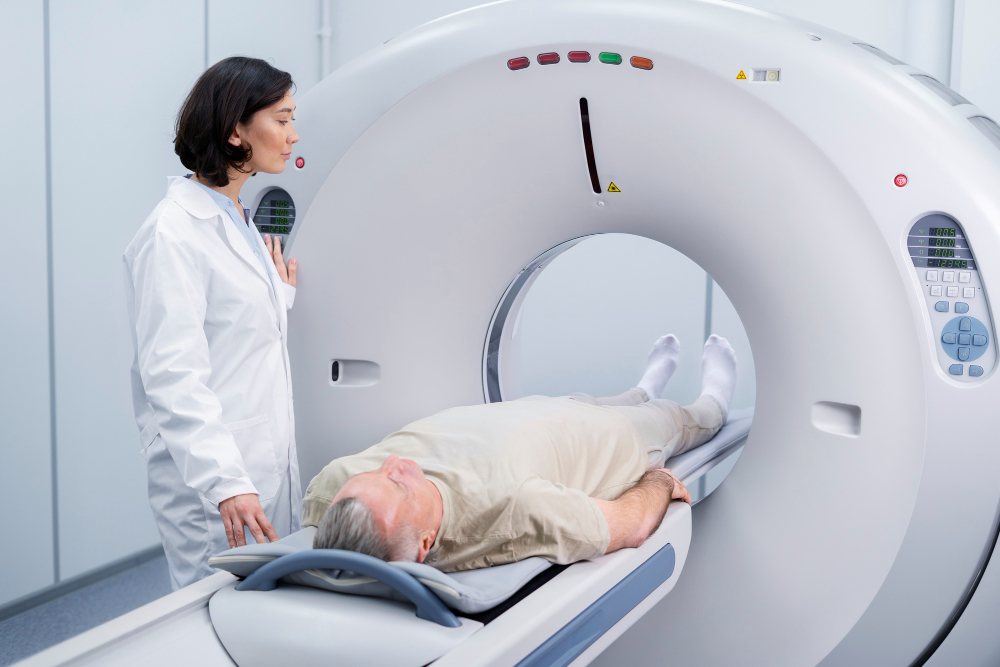
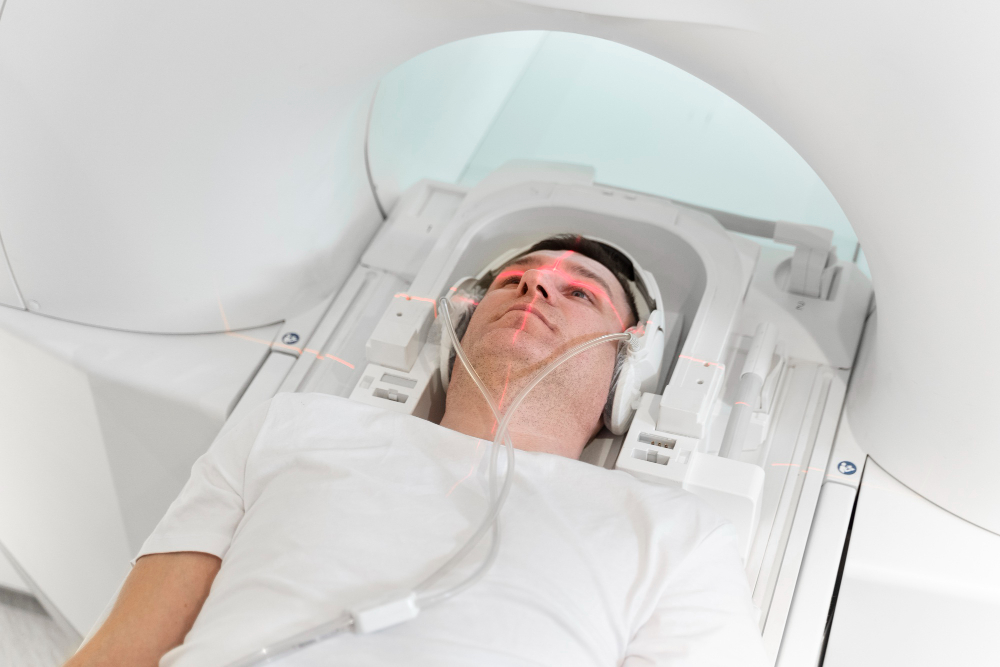
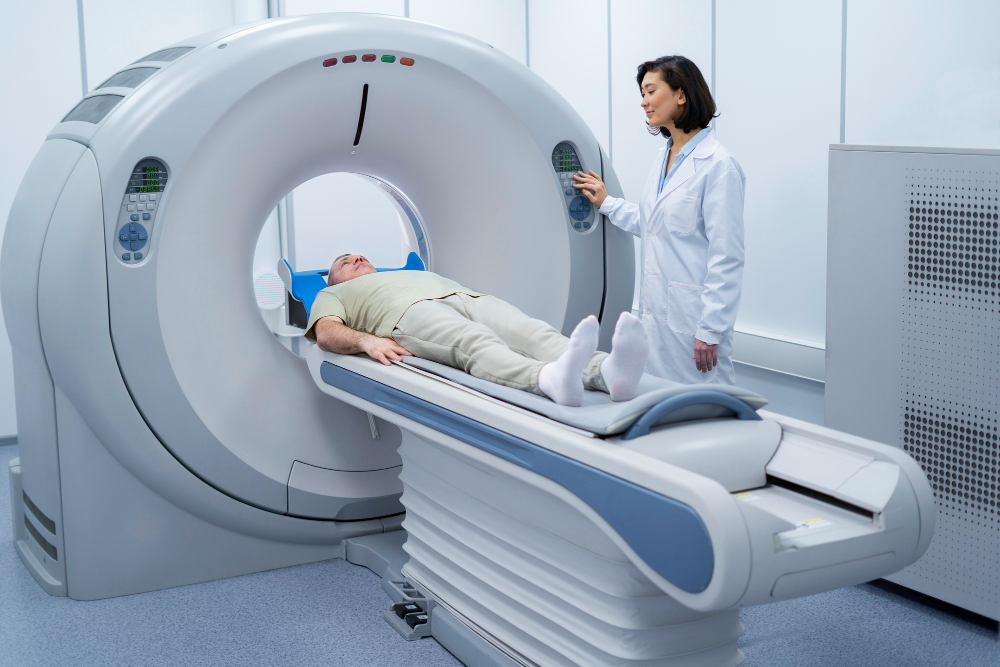
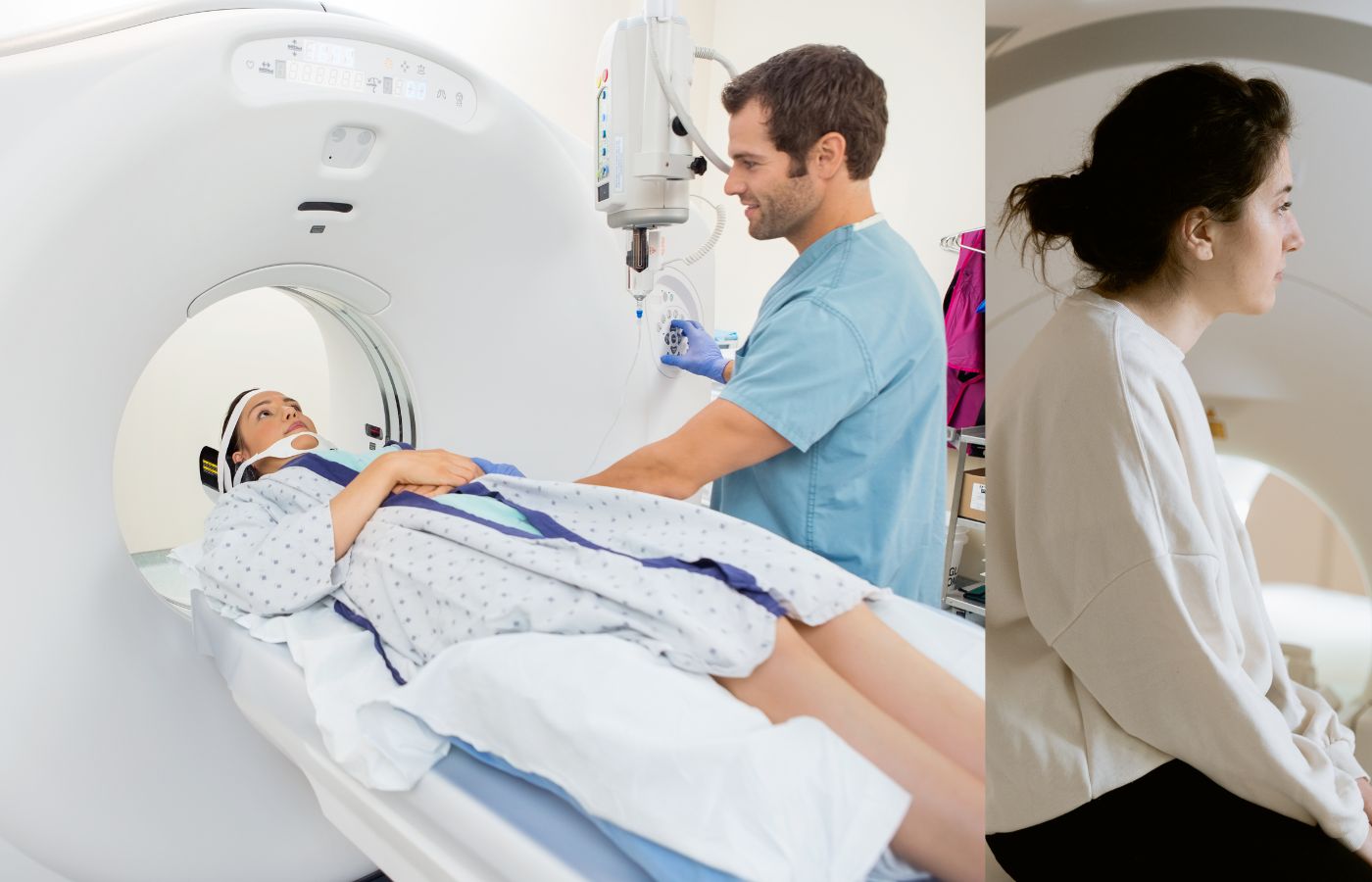
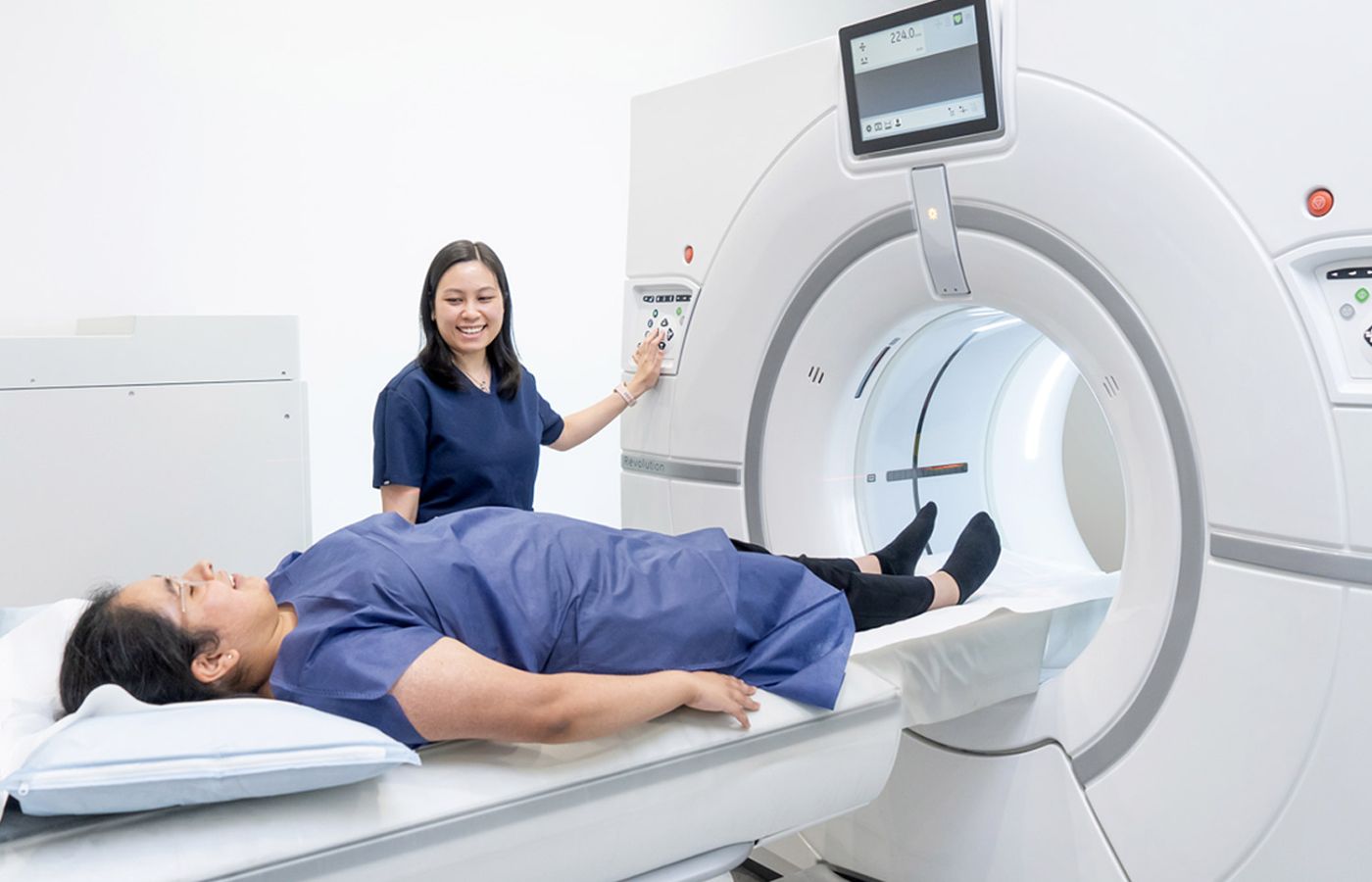
During the scan, the patient lies on a motorized table that moves through a large circular scanner. The machine rotates around the body and captures detailed images of the internal organs.
The scan is painless and usually takes between 10 and 30 minutes depending on the body area being examined.
If contrast dye is used, it may be given through an injection or as a drink to improve image quality.
Most patients can return to normal activities immediately after the scan. If contrast dye was used, doctors may recommend drinking plenty of water to help flush the dye from the body.
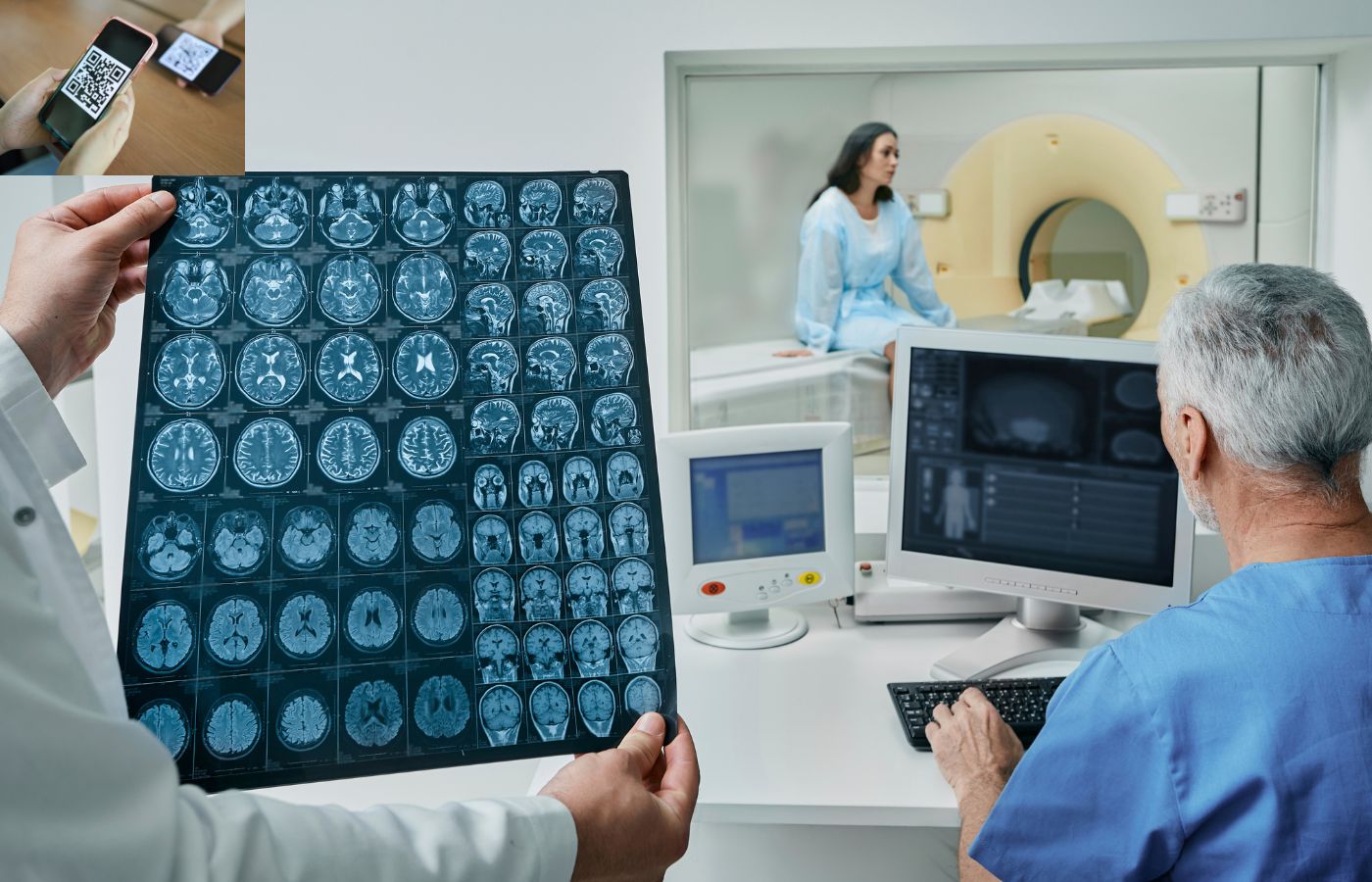
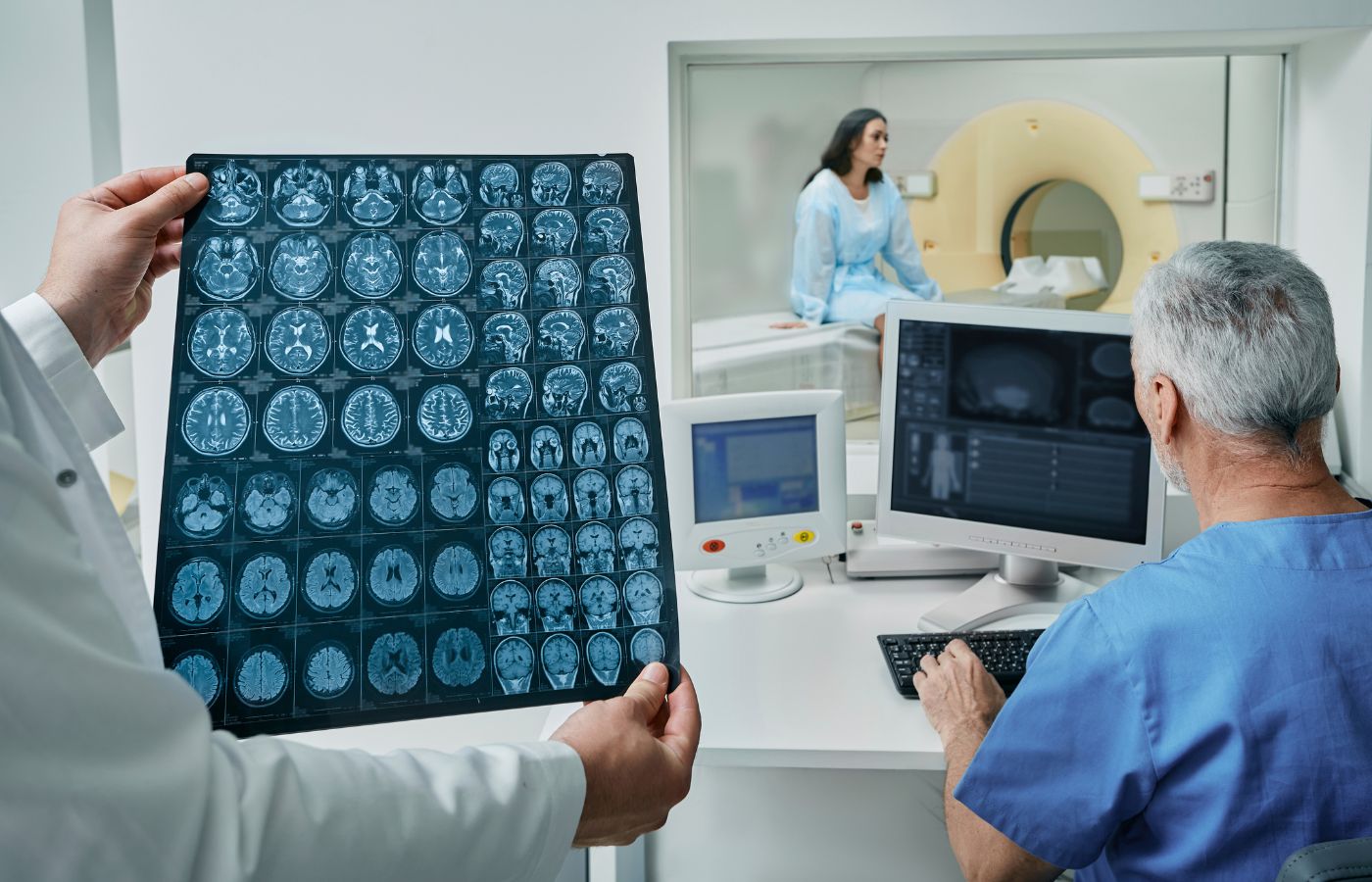
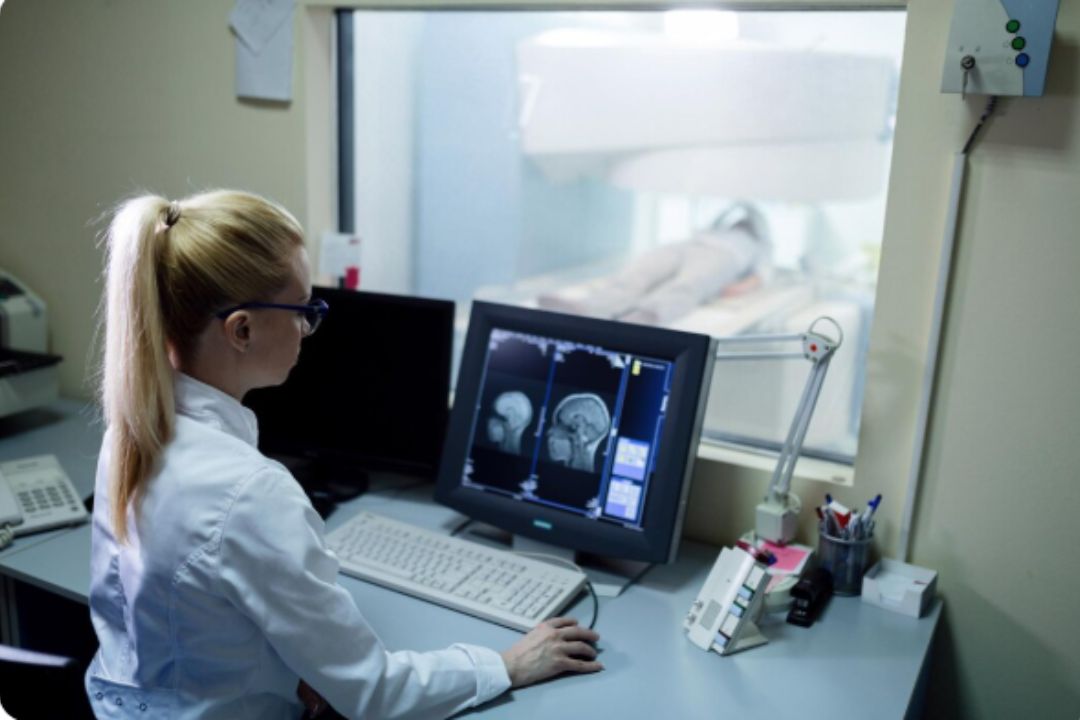
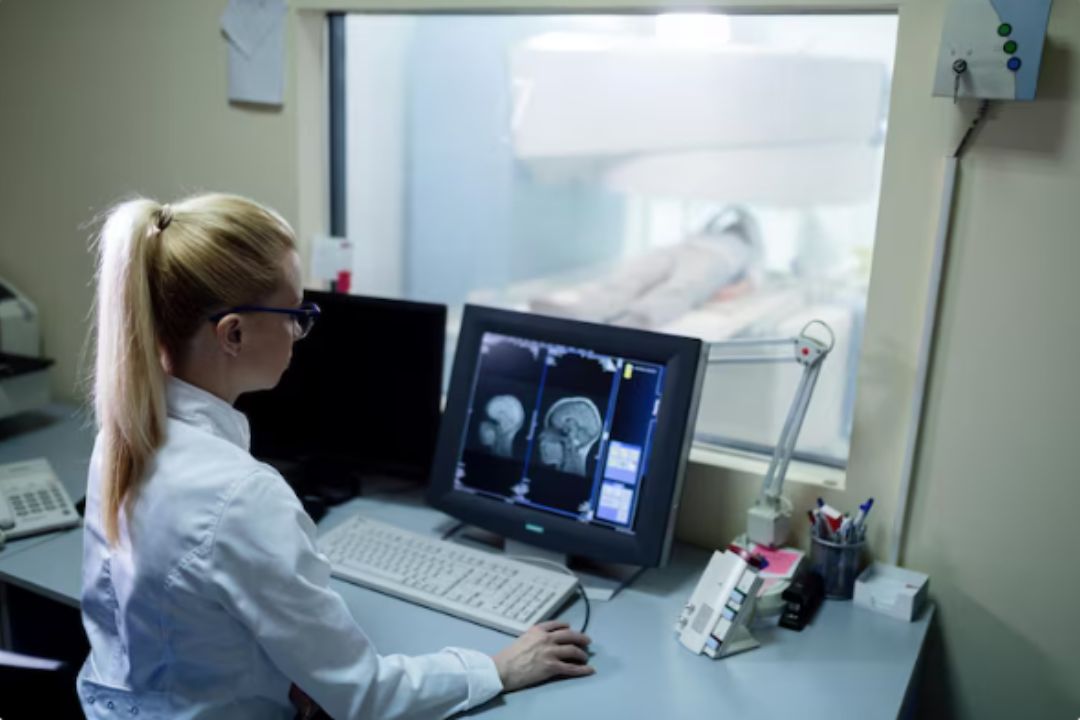
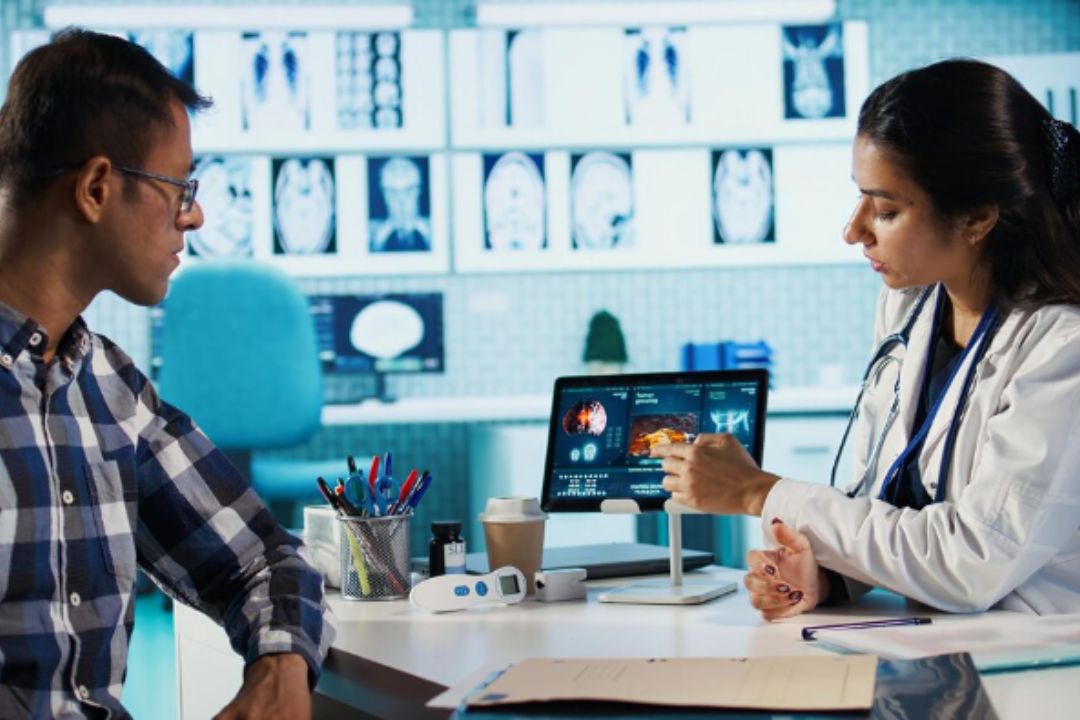
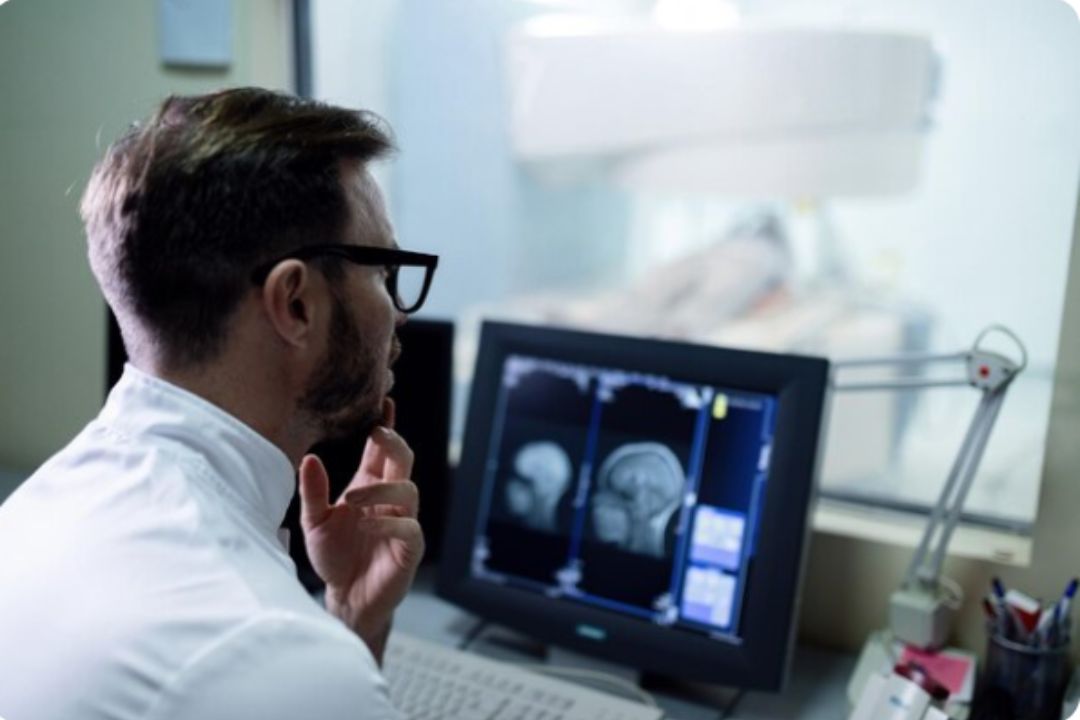
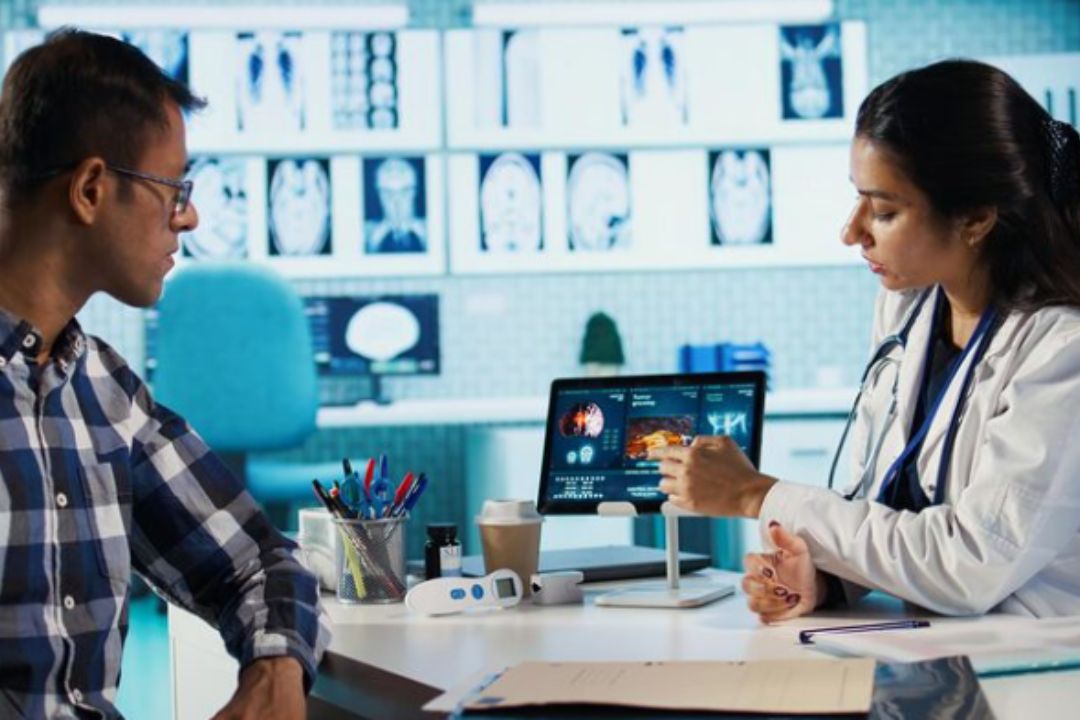
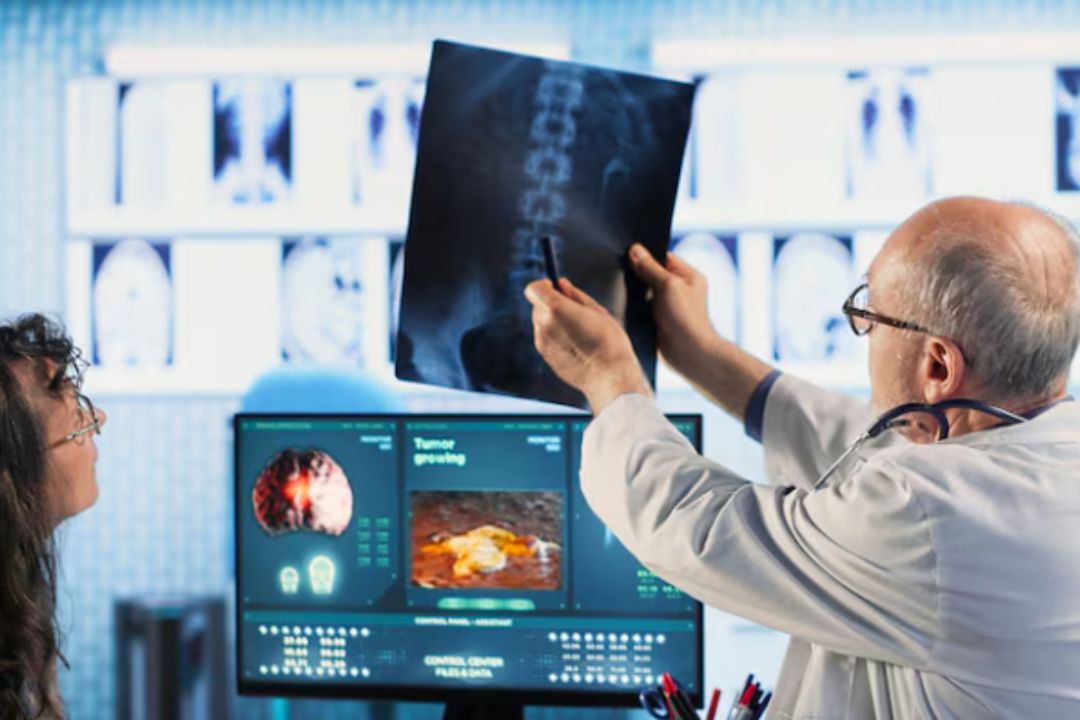
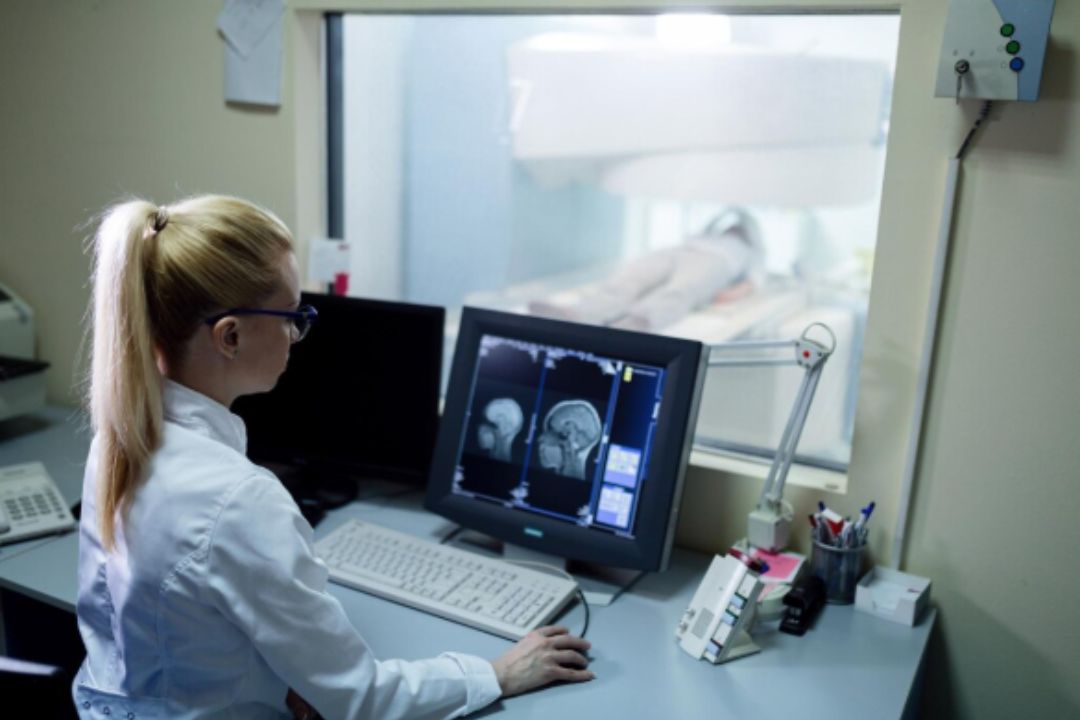
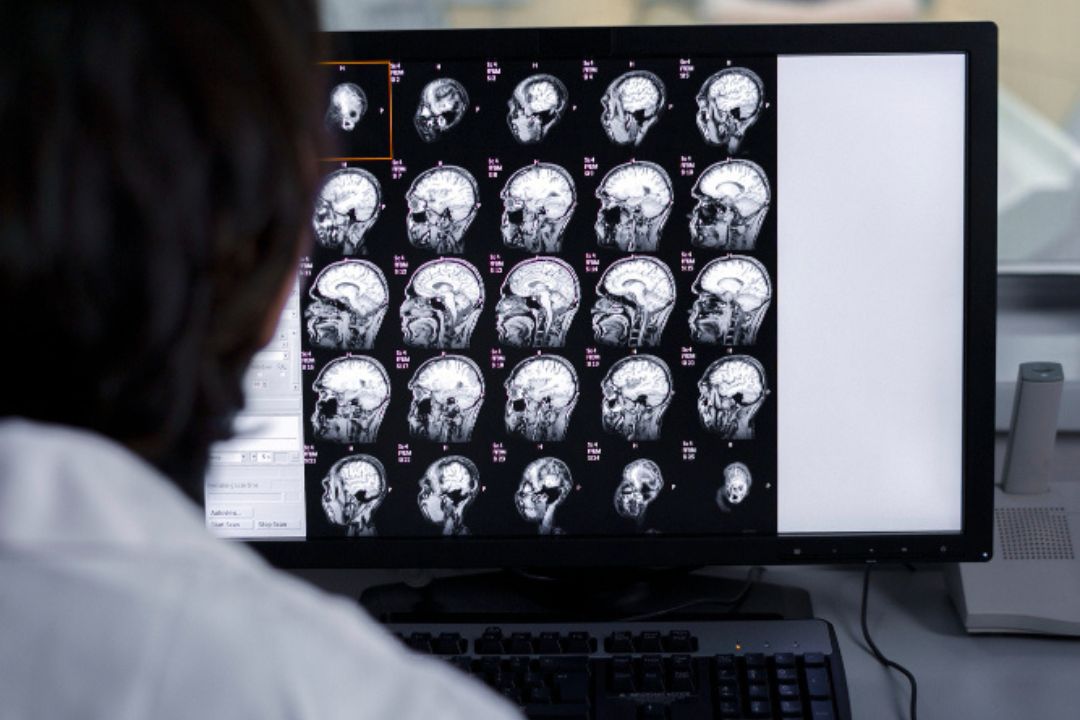
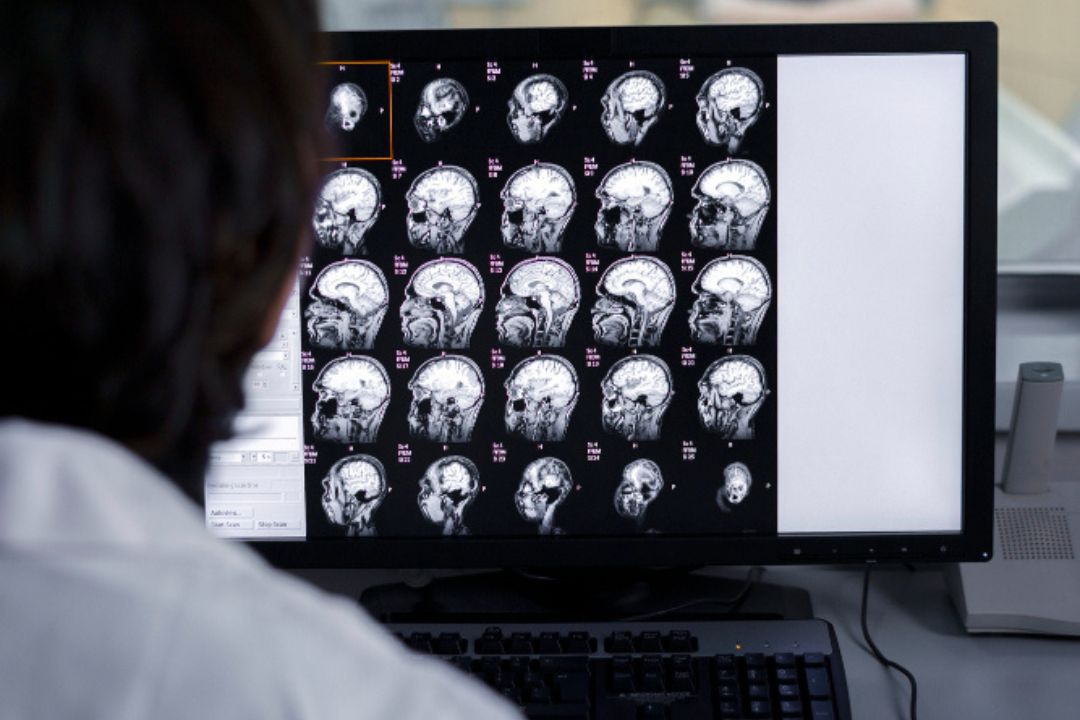
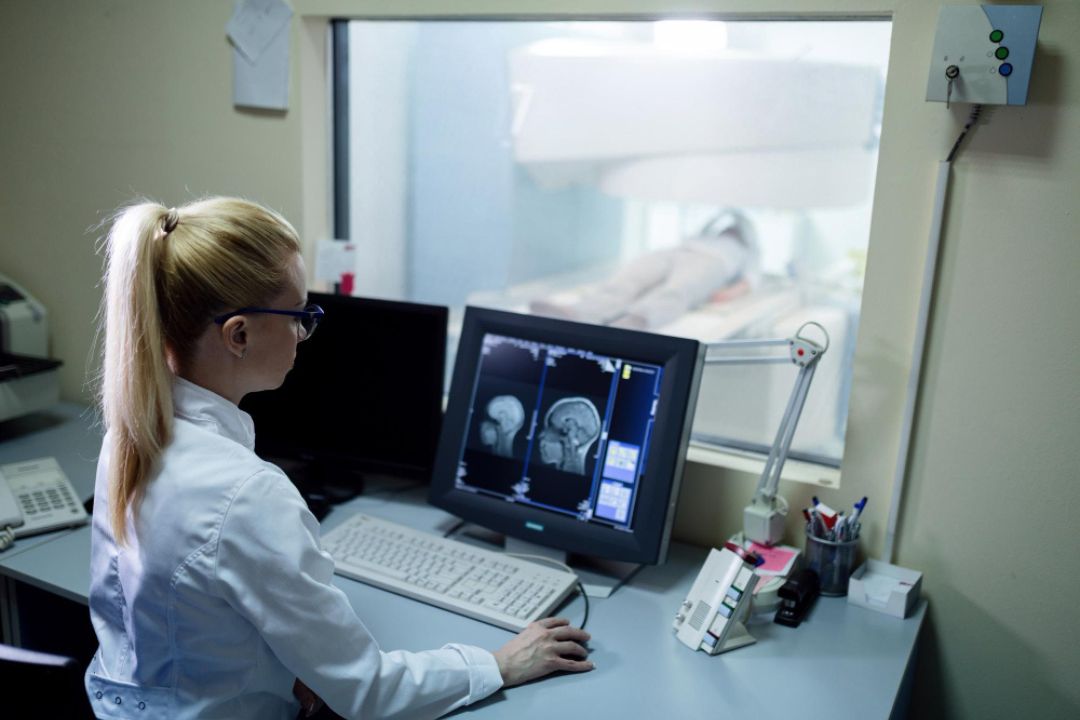
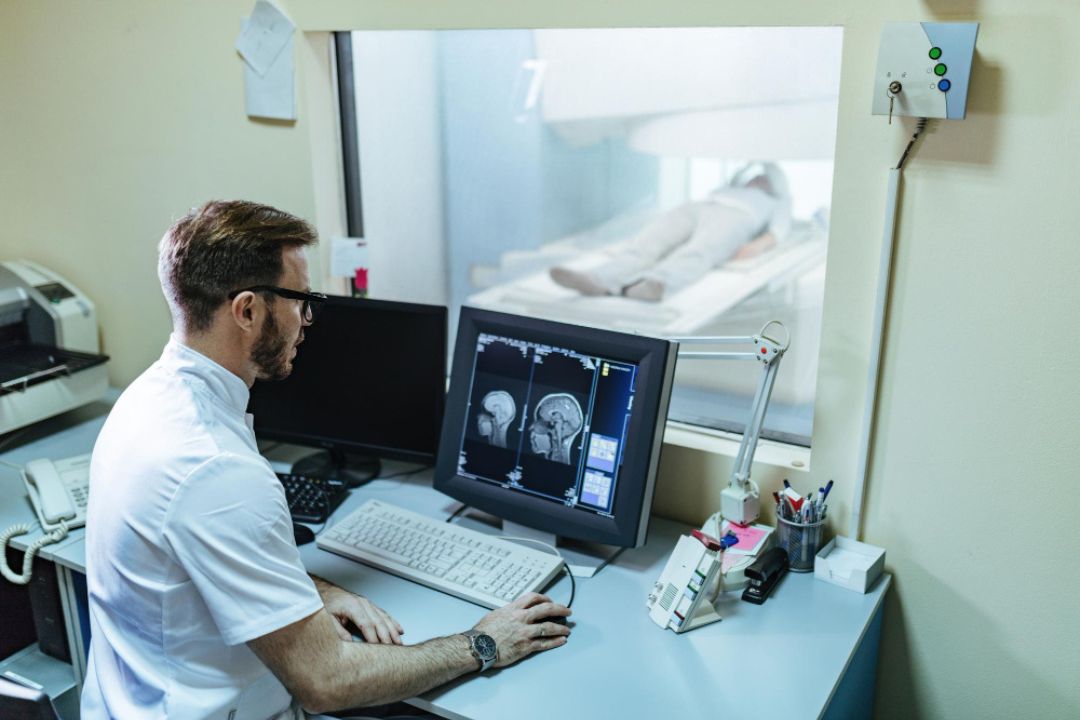
Results are usually reviewed by a radiologist and shared with the doctor who ordered the test.
Preparing properly for a CT scan helps ensure clear imaging results and a smooth experience. Following the recommended do’s and don’ts—such as fasting before the test, avoiding metal objects, and informing your doctor about medical conditions—can help improve the accuracy of the scan.
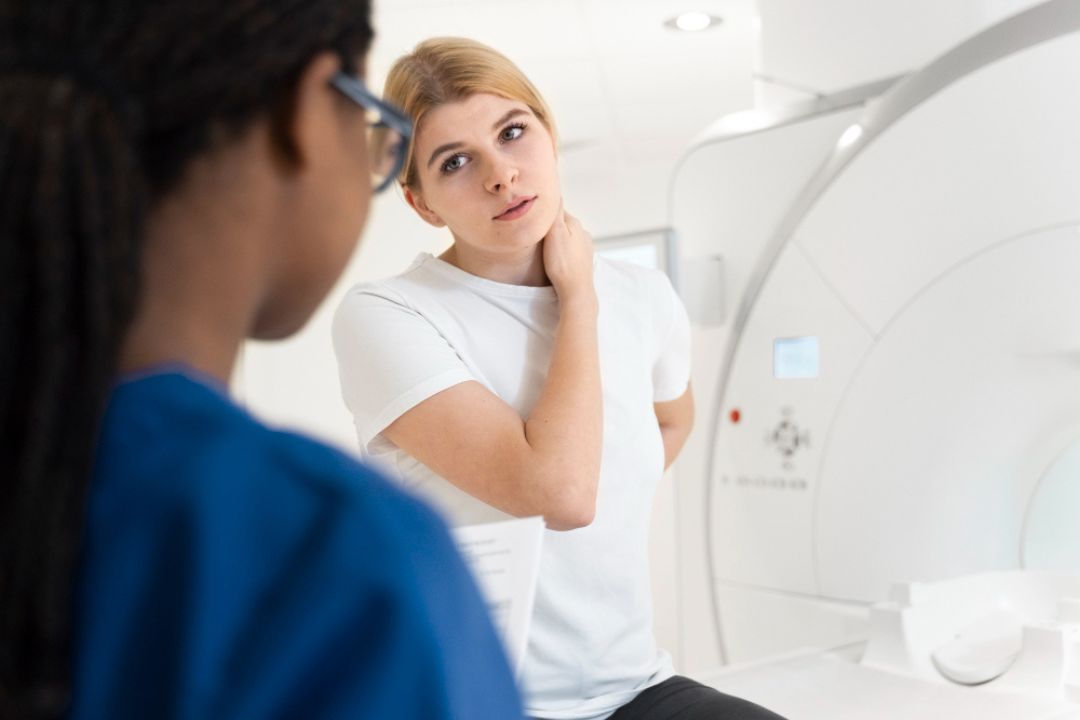
If you have any concerns about the procedure, it is always best to discuss them with your healthcare provider before the scan.





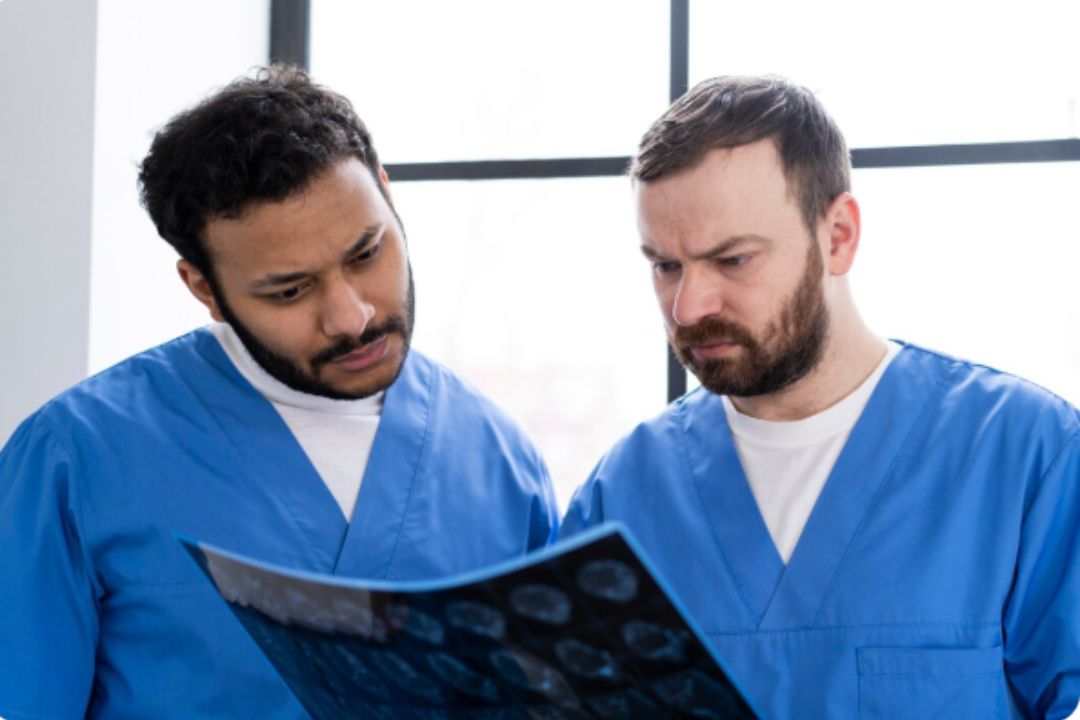
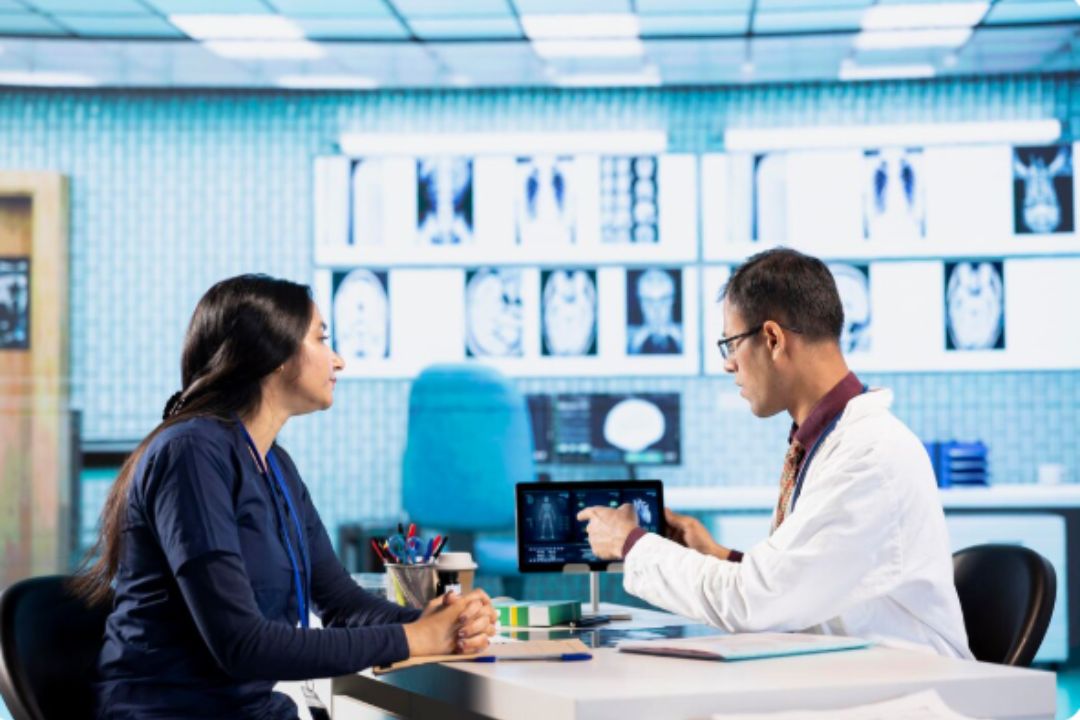
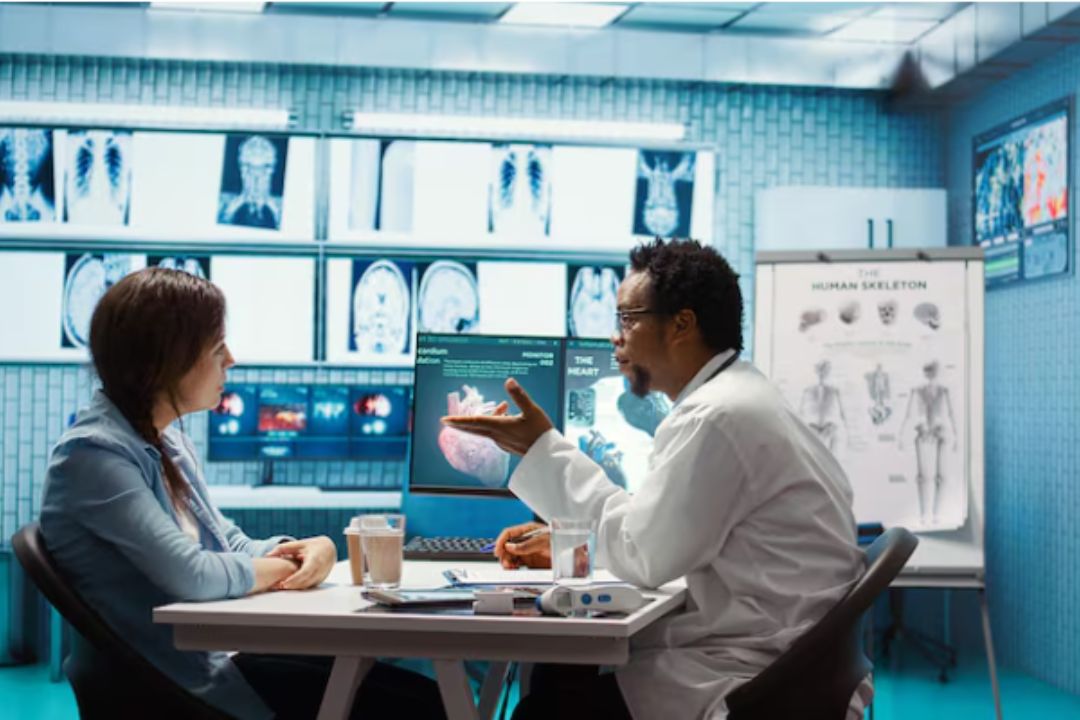

.jpg "ct brain scan plain and contrast")







.jpg "ct scan")
.jpg "ct scan or mri for brain disorders")


.jpg "exploring the power of ct brain contrast in modern diagnostics")
.jpg "ct scan")
.jpg "ct scan")







.jpg "ct scan")
.jpg "CT Brain Scan for Headaches")
.jpg "The Future of 3D CT Imaging")