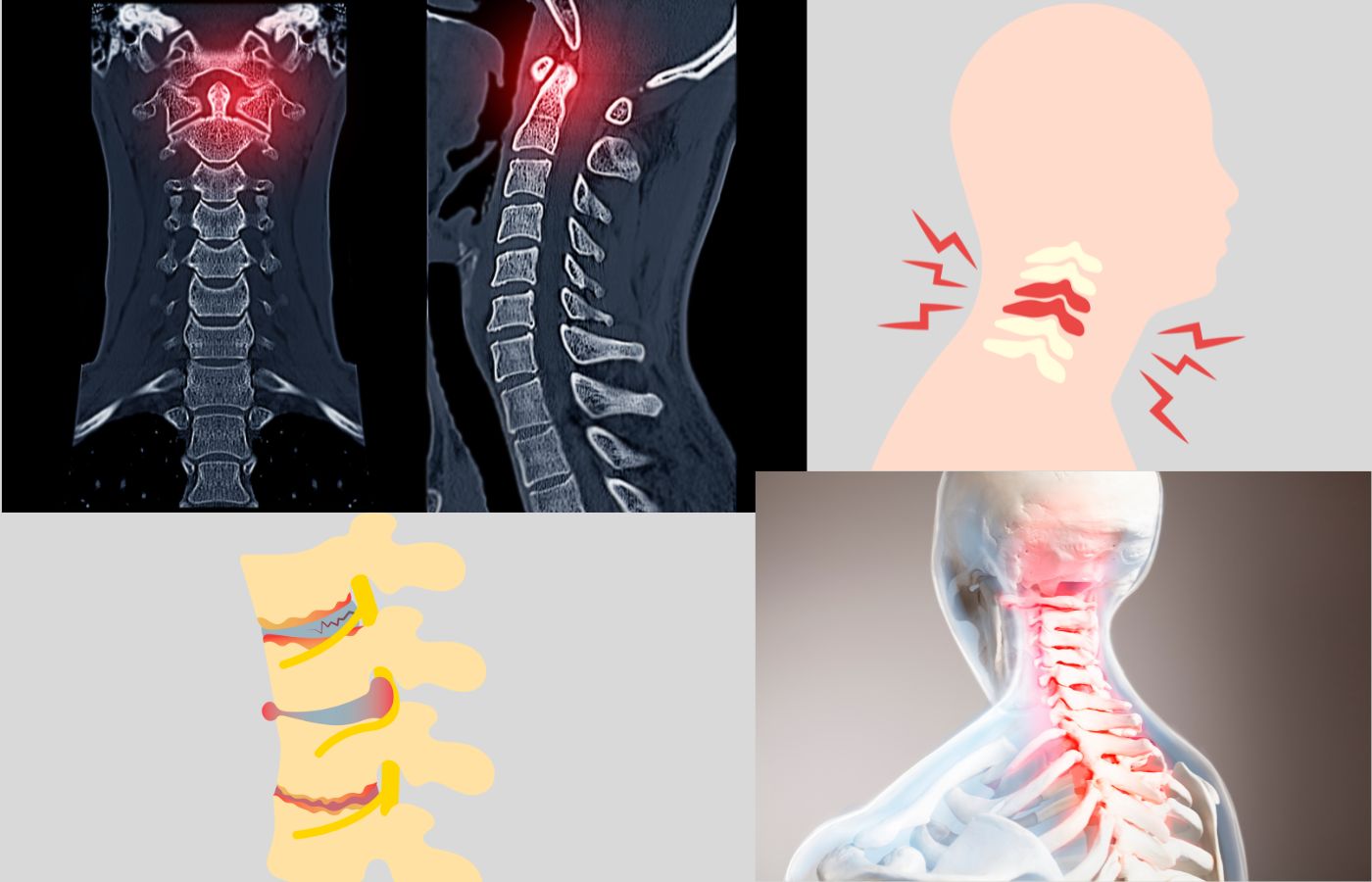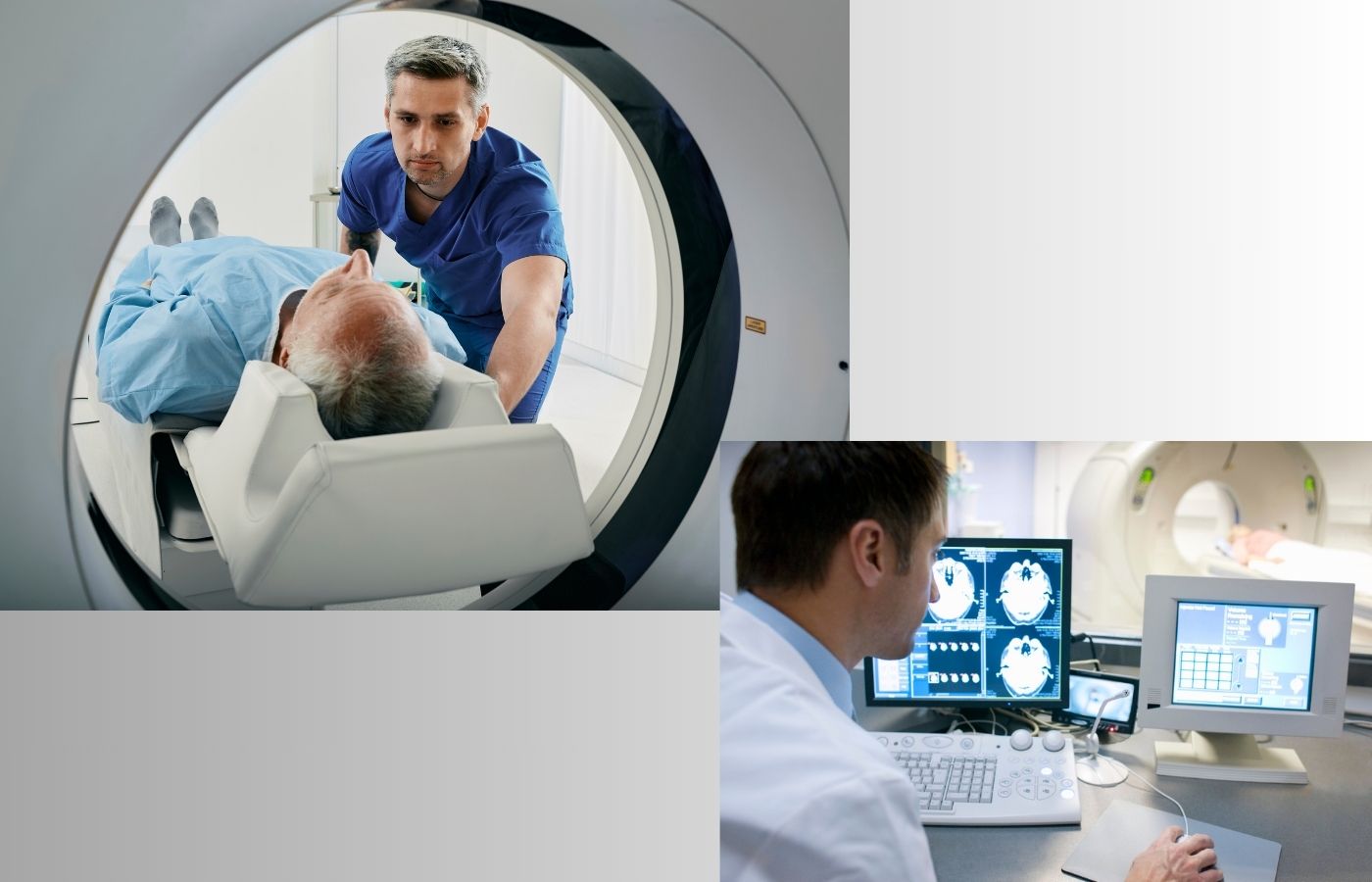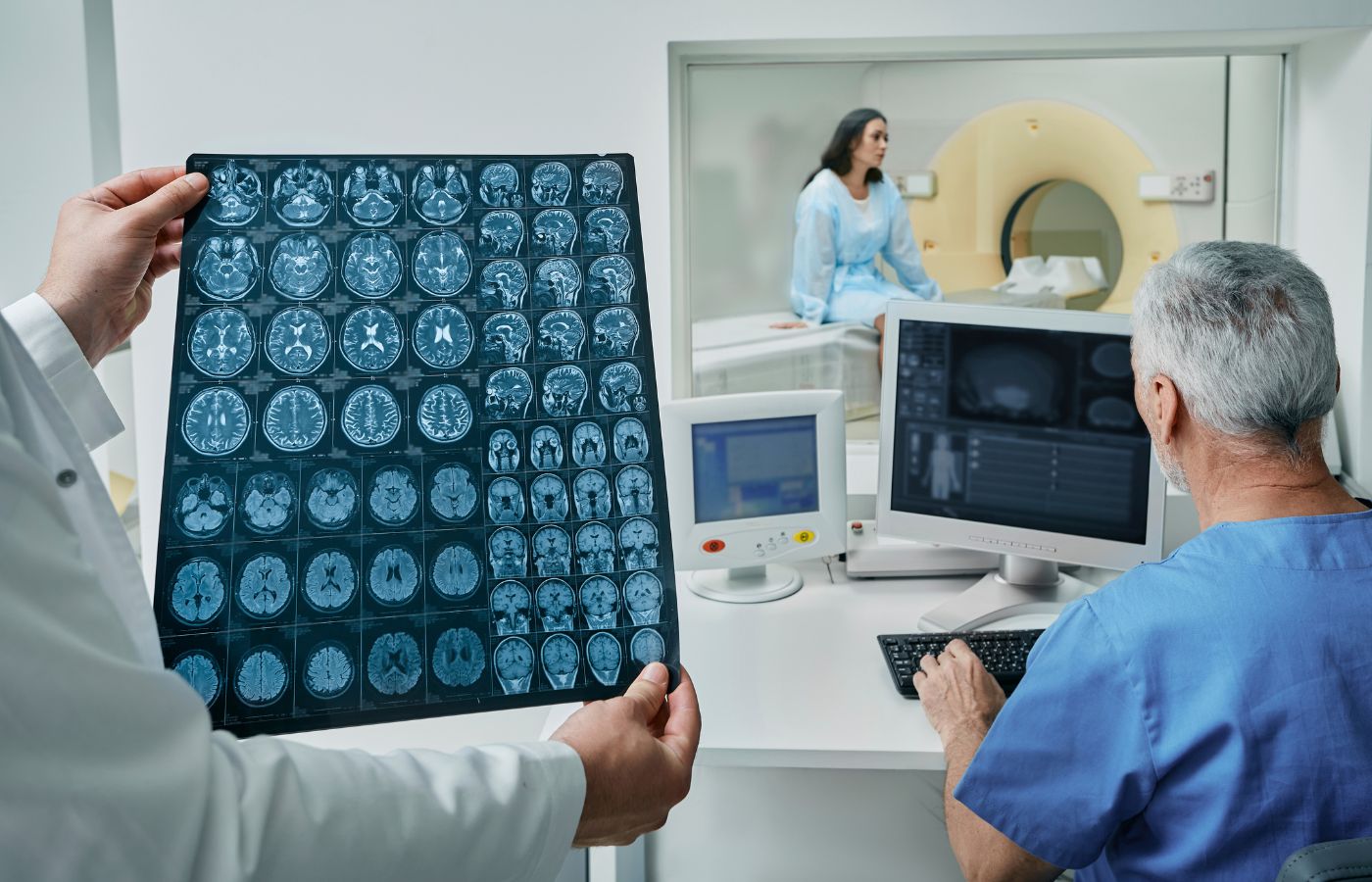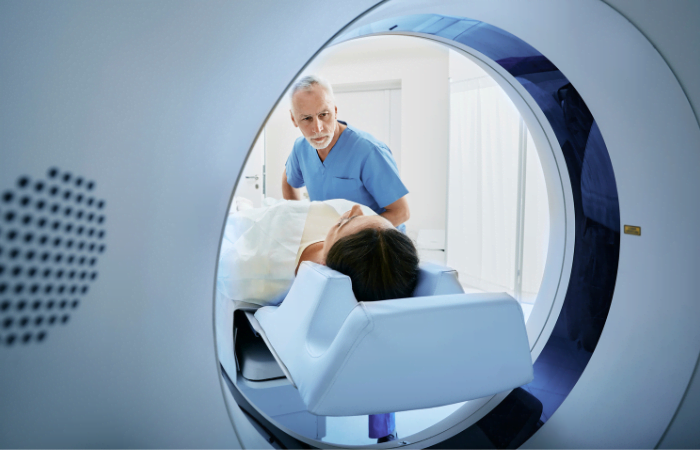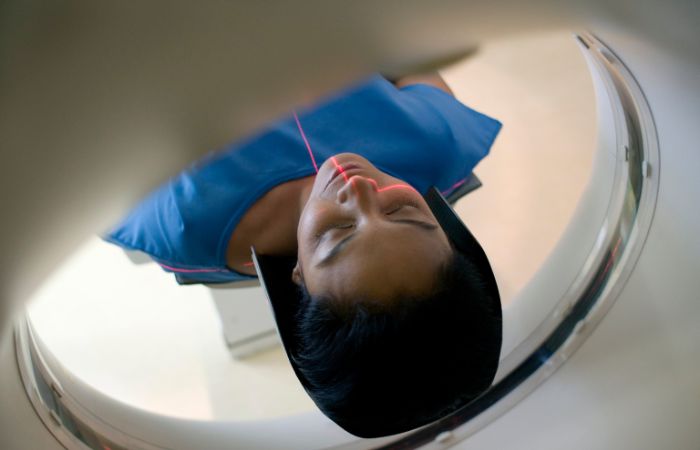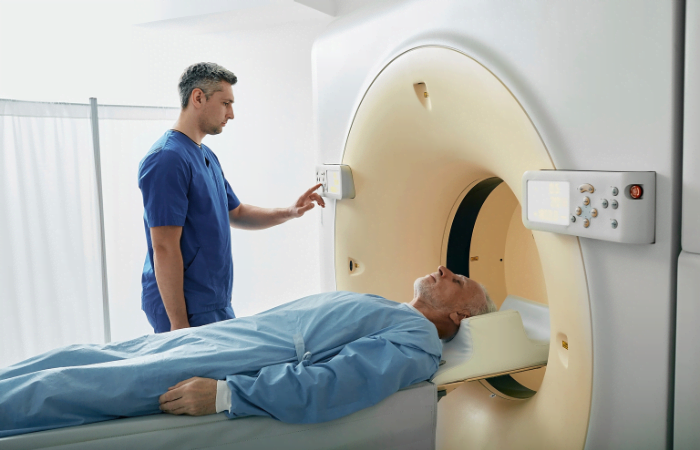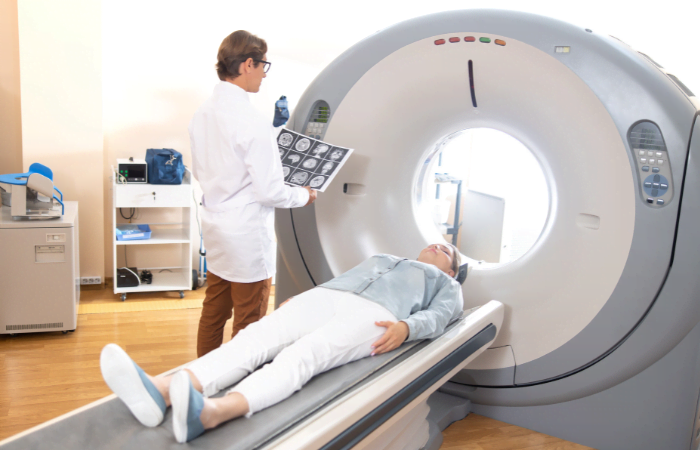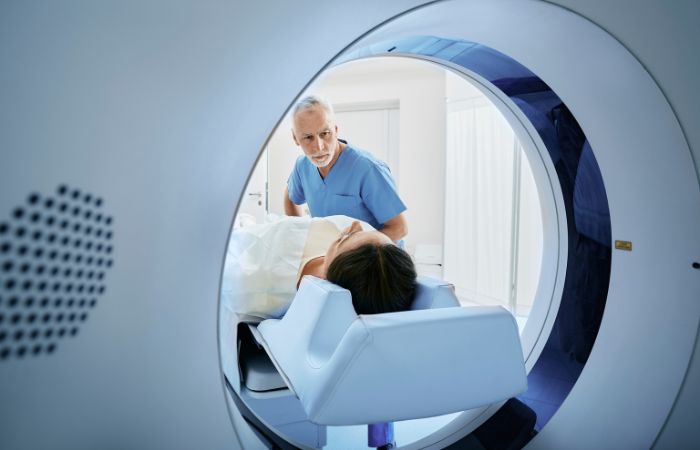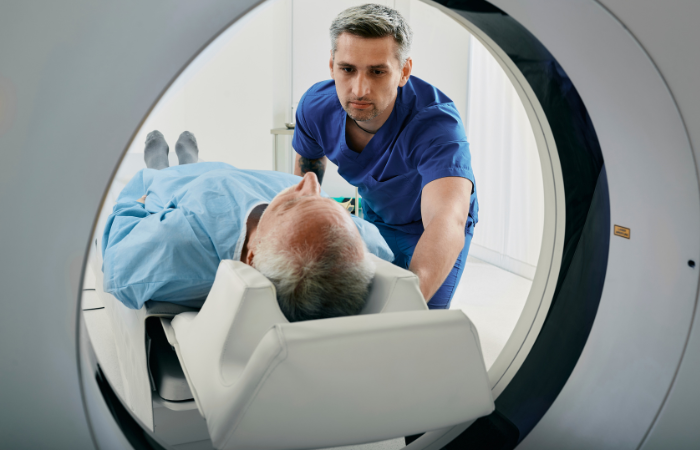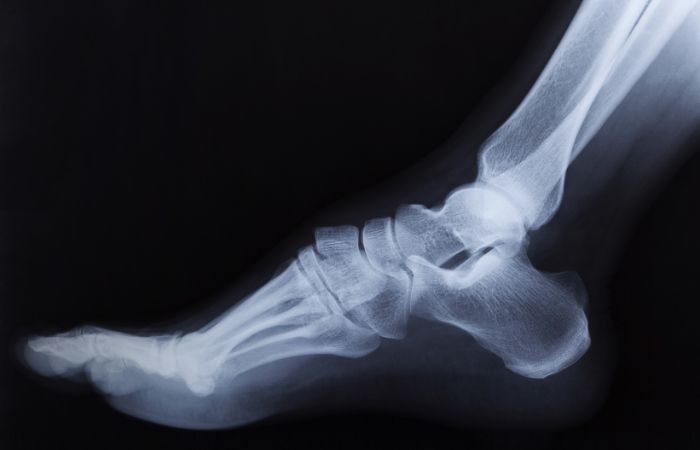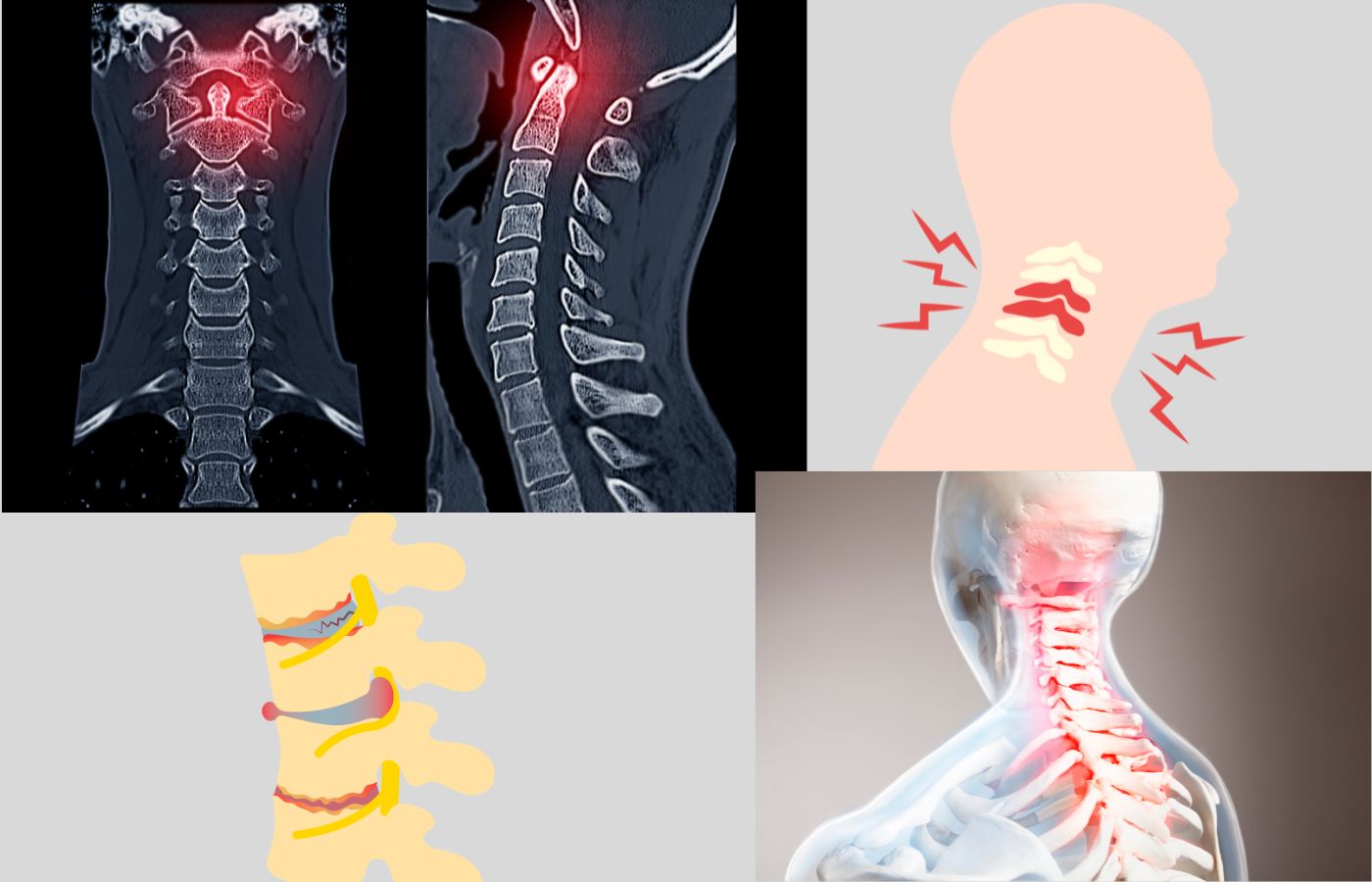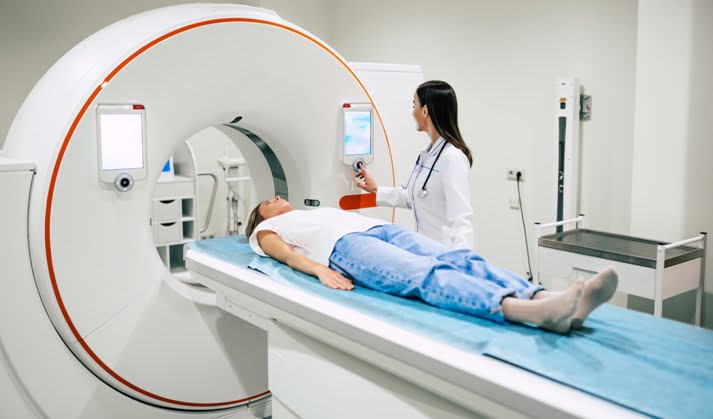
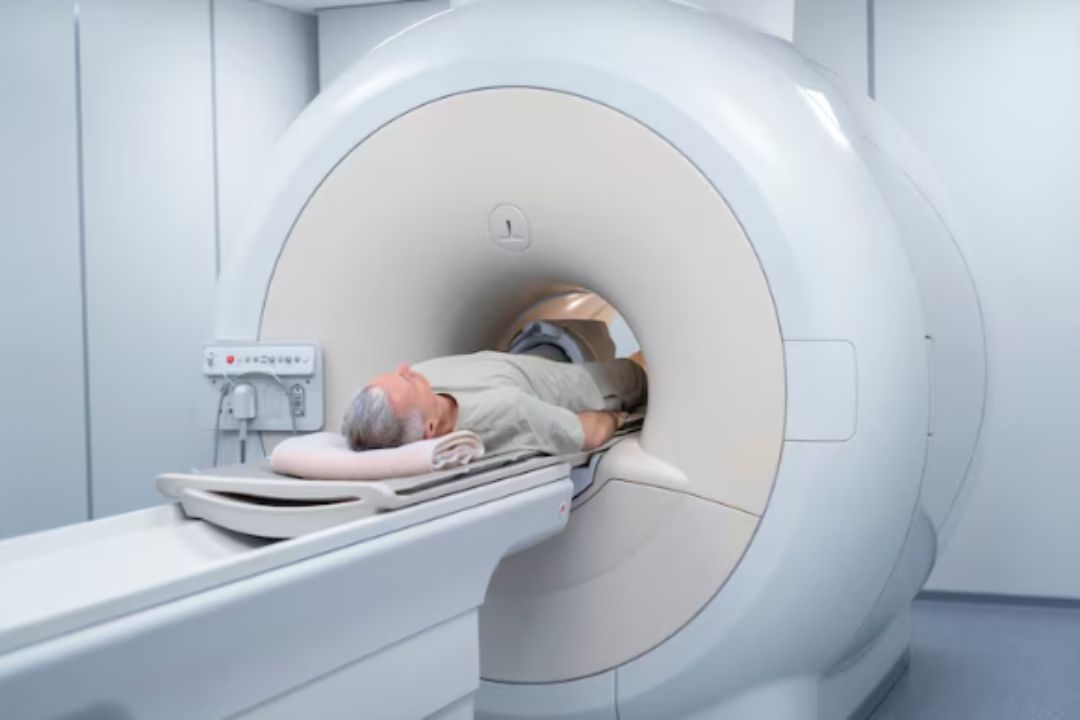
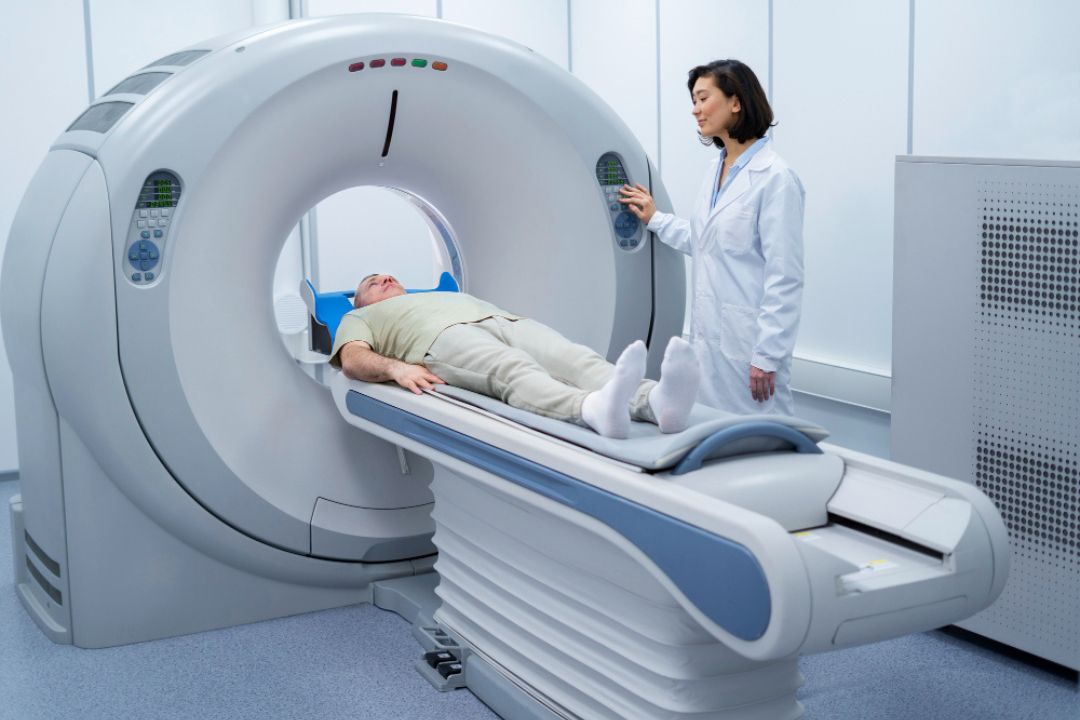
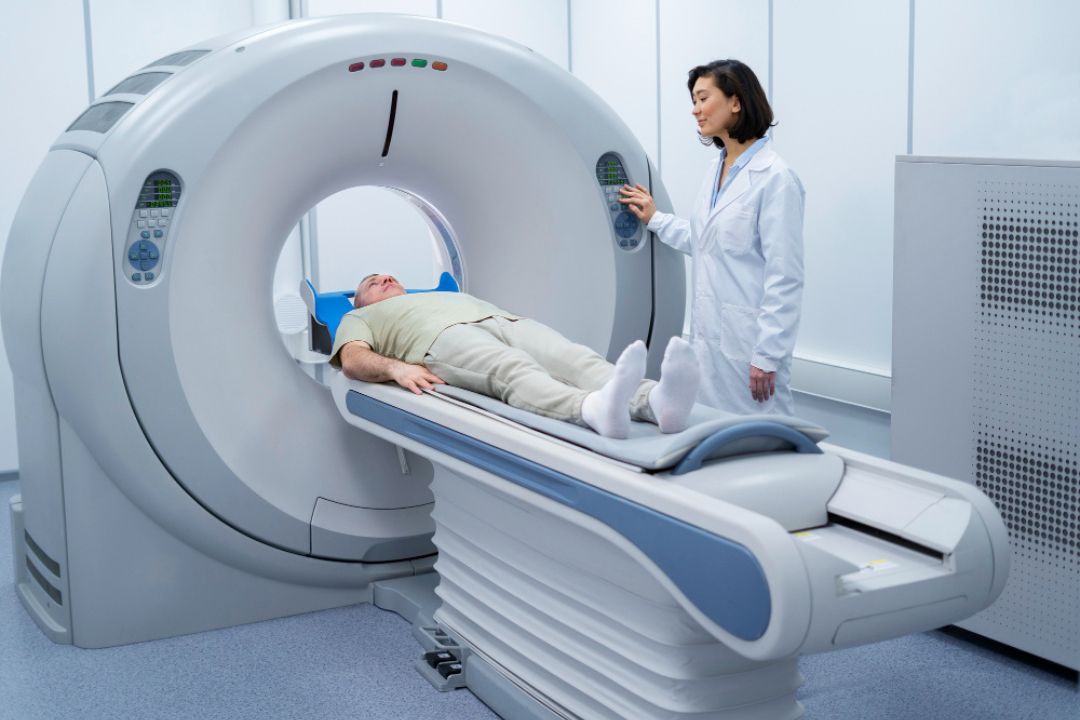
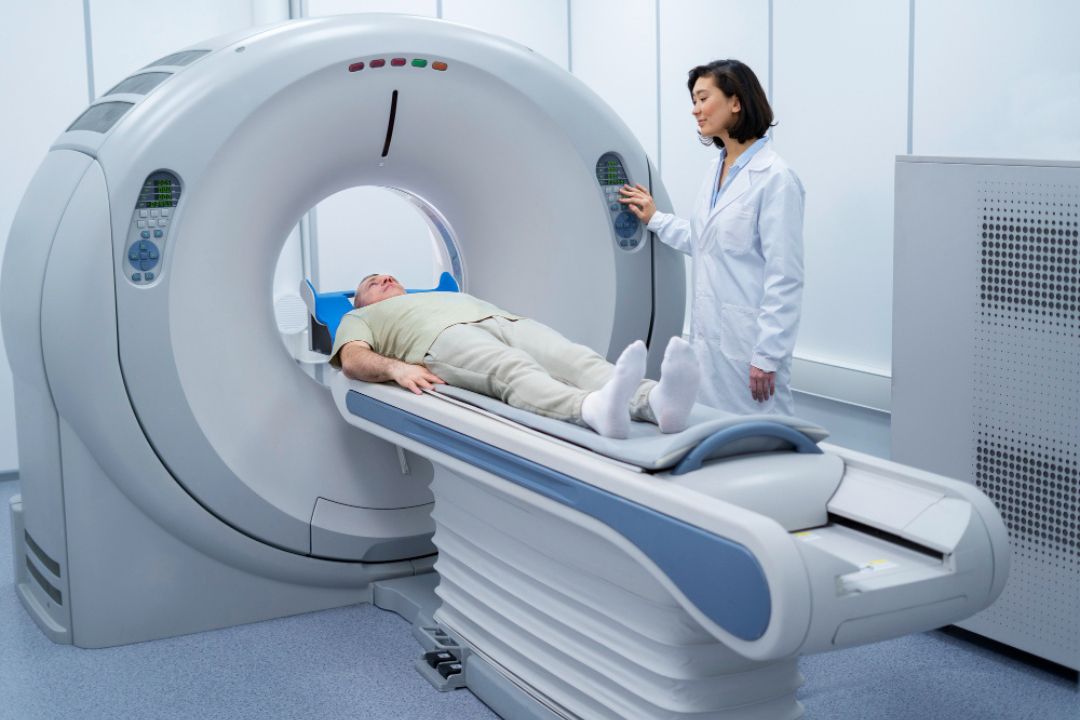
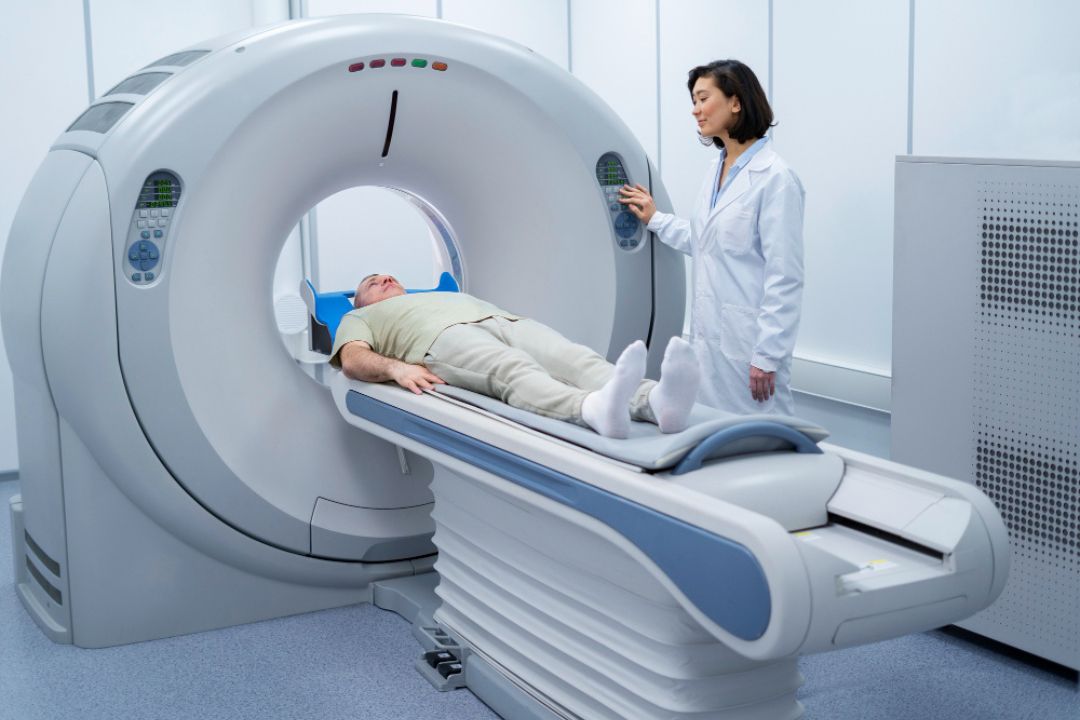
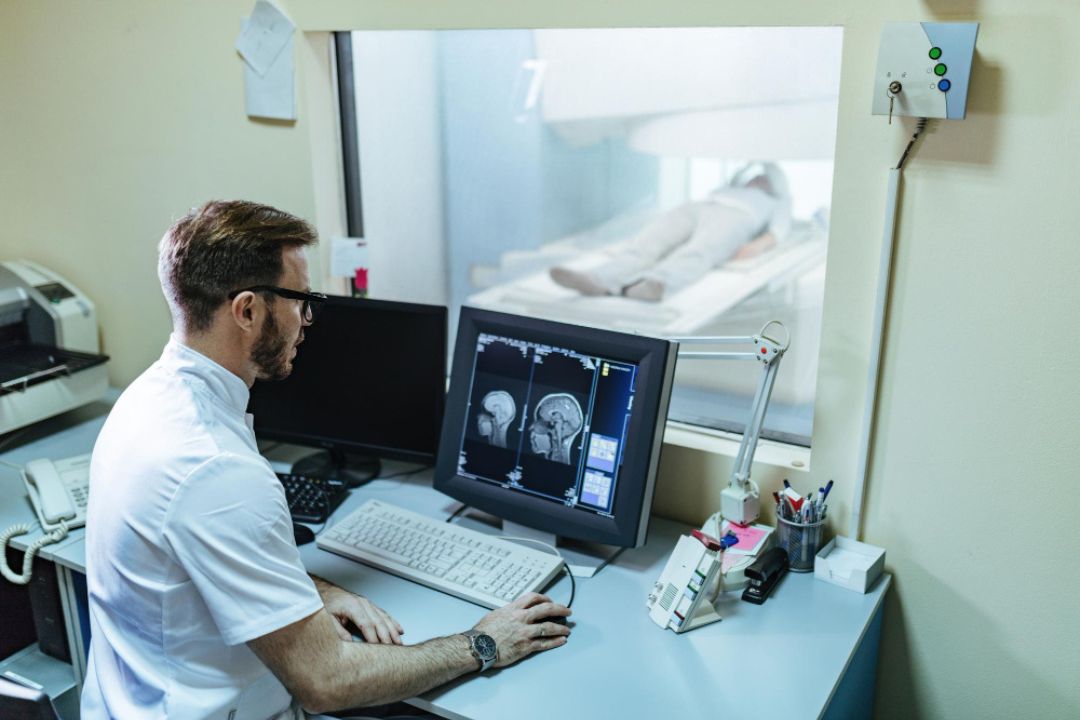
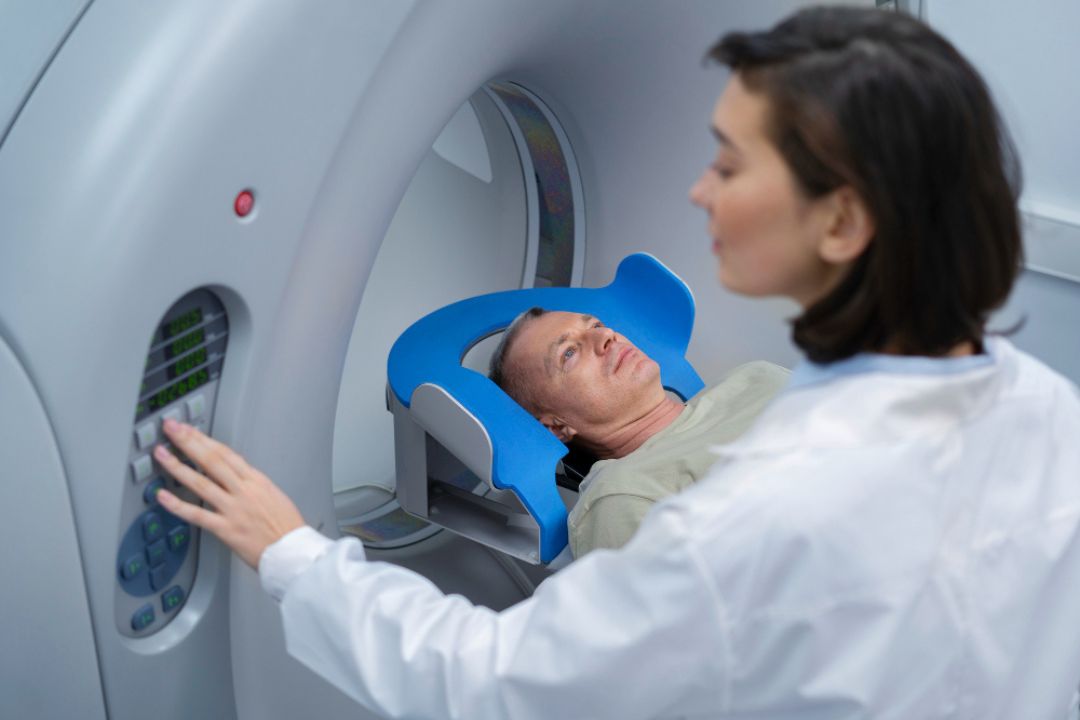
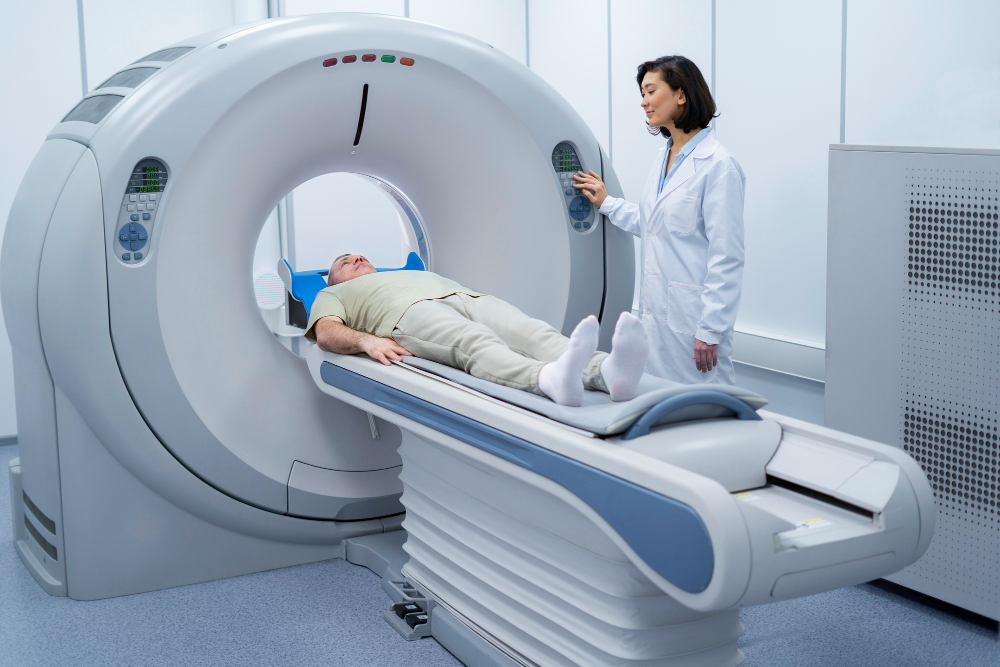
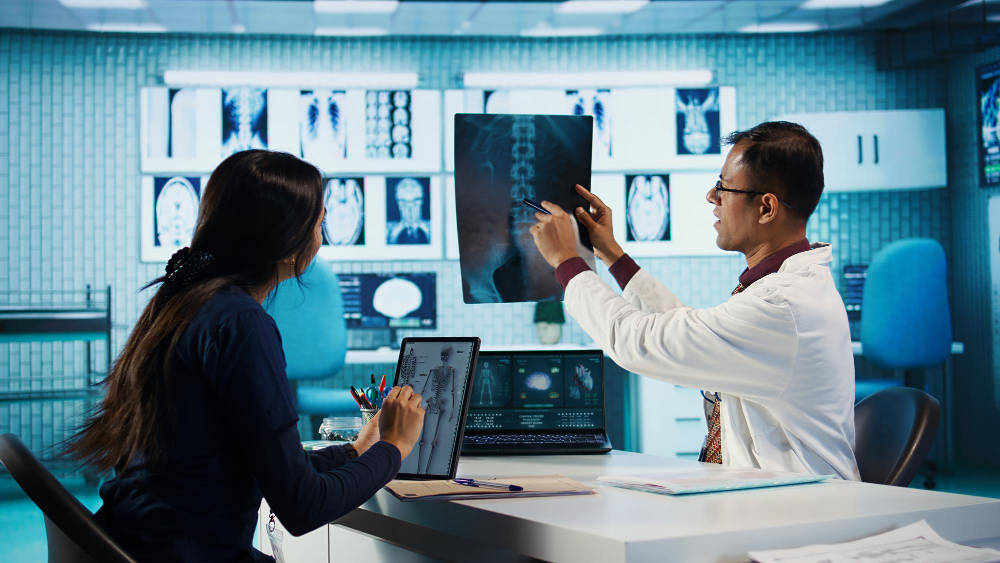
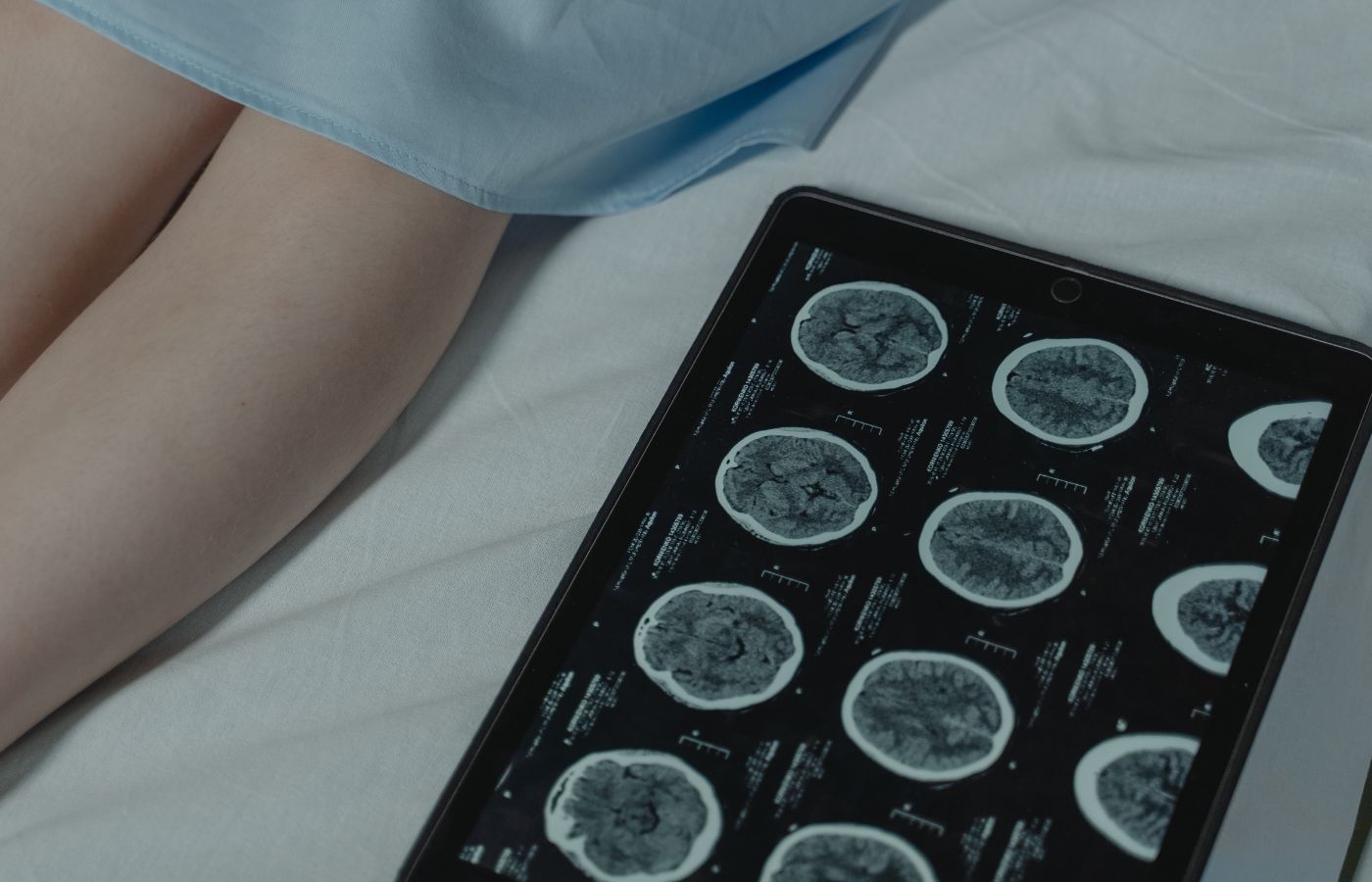
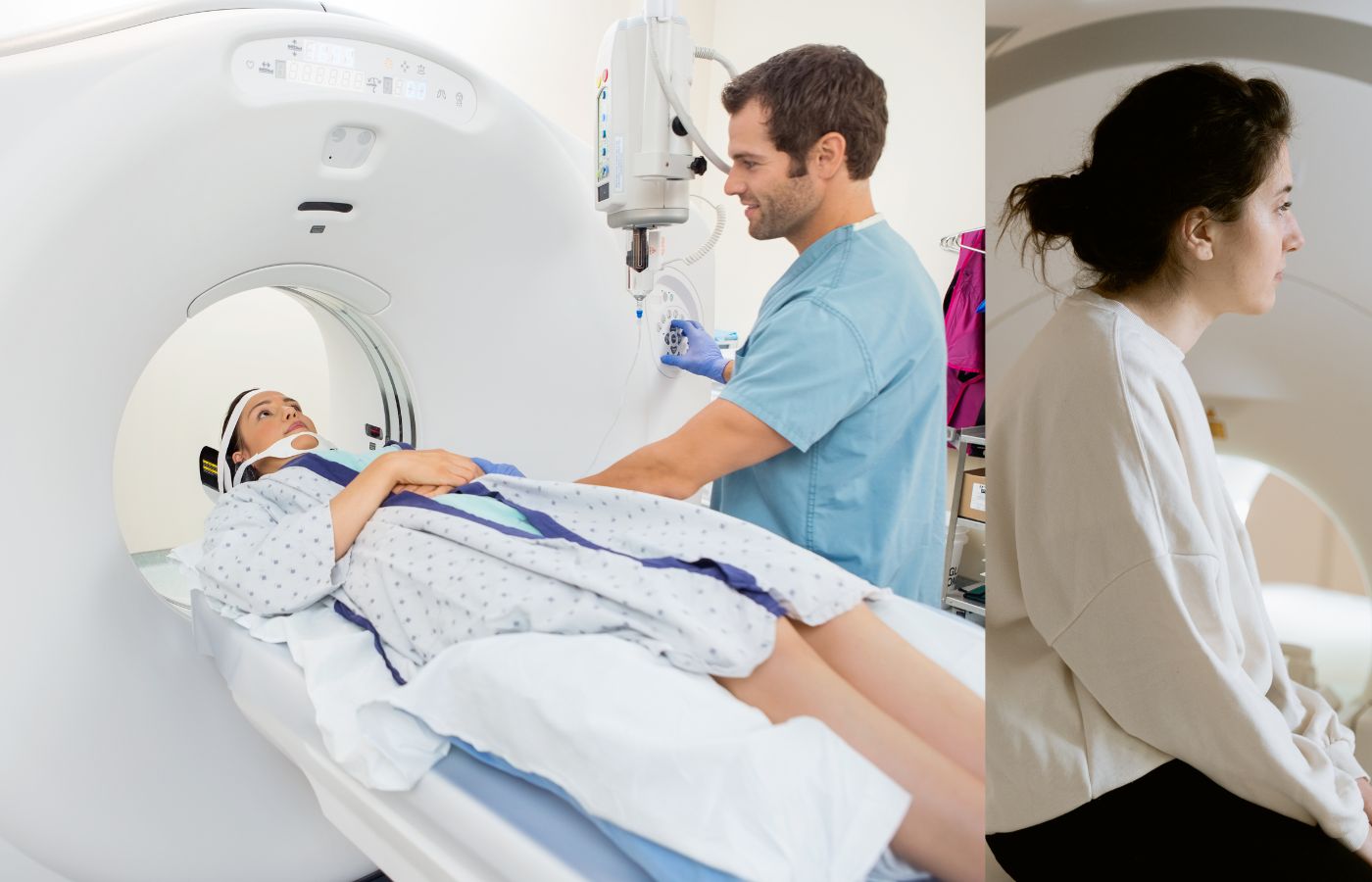
CT scans are widely used diagnostic imaging tests that help doctors examine organs, blood vessels, bones, and tissues inside the body. In many cases, doctors use a special substance called a contrast agent to improve the clarity of CT images.
Contrast agents highlight specific structures in the body so that abnormalities such as tumors, infections, or blood vessel problems become easier to detect. However, not all contrast agents are the same. Different types of contrast materials are used depending on the type of scan and the body area being examined.
Contrast is a medical substance given to a patient during imaging tests to improve the visibility of internal organs and tissues. It works by changing how X-rays pass through the body so that certain structures appear clearer on CT images.
In CT scans, contrast is most commonly administered through an intravenous injection, but it can also be taken orally or given through the rectum depending on the type of examination.
The purpose of contrast is to highlight:
Blood vessels
Internal organs
Tumors and abnormal growths
Areas of infection or inflammation
This helps radiologists make a more accurate diagnosis.
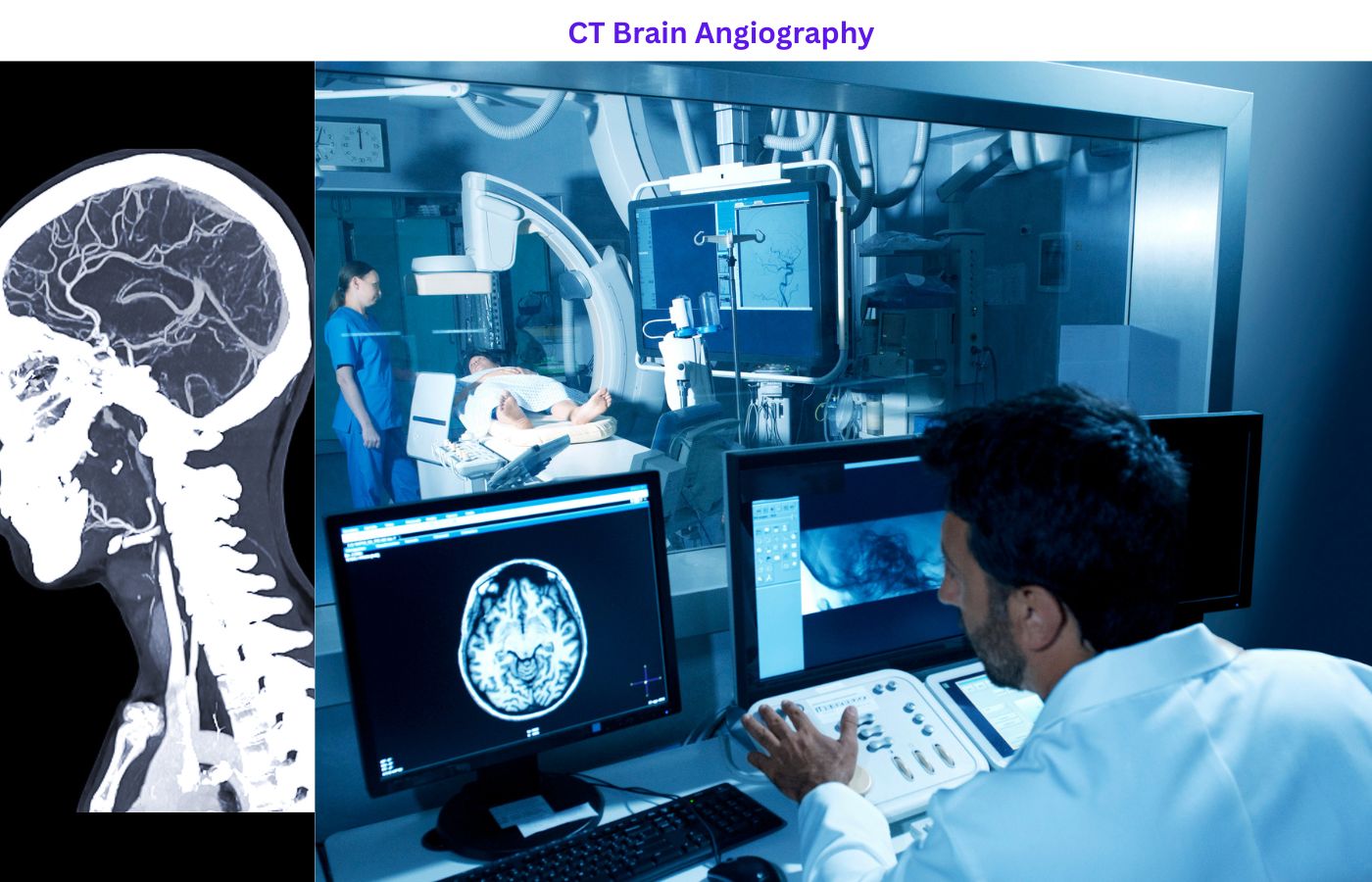
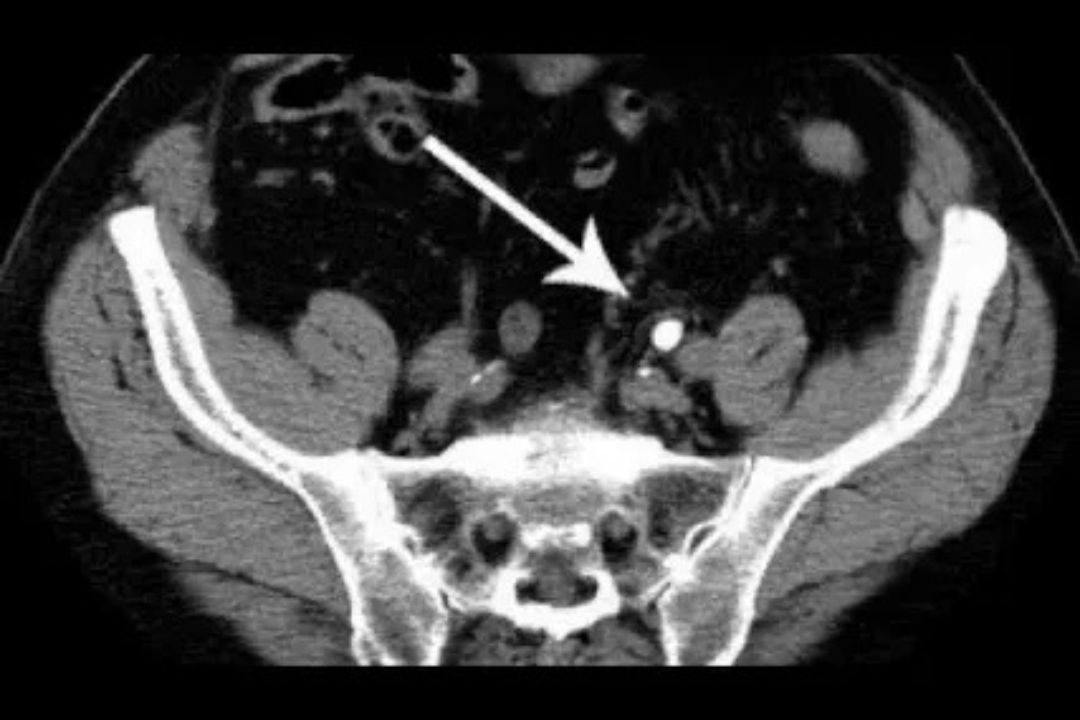
Iodinated contrast agents are the most commonly used contrast materials in CT imaging. These agents contain iodine, which absorbs X-rays and makes blood vessels and organs more visible in CT images.
Iodinated contrast is typically injected into a vein and is widely used for:
CT angiography
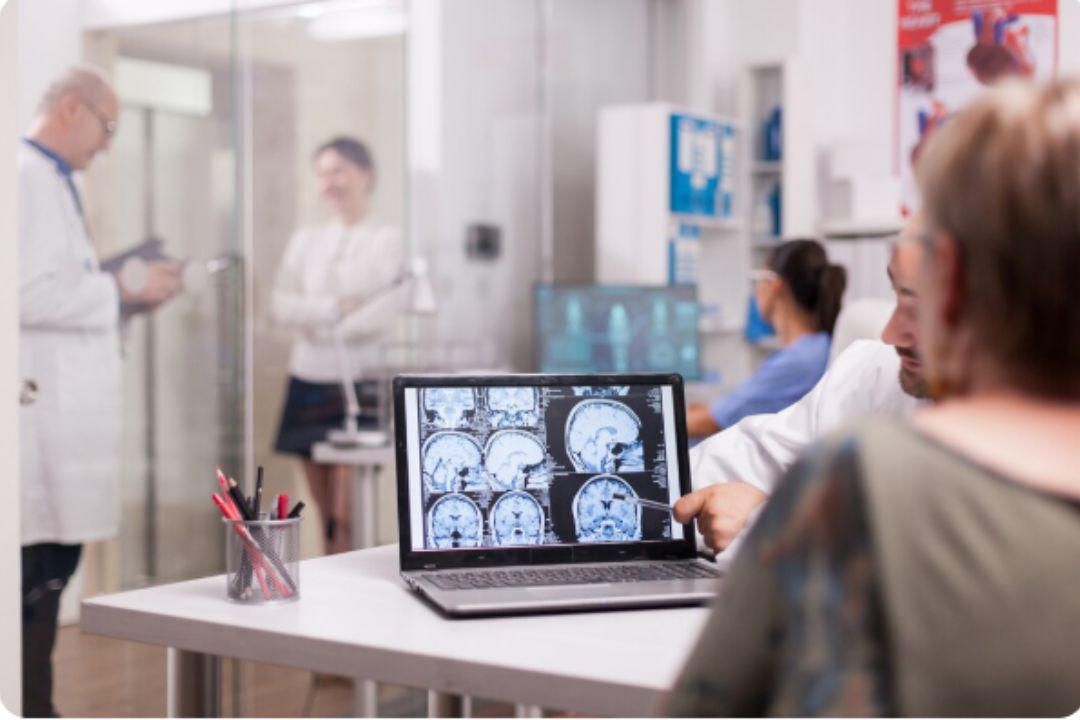
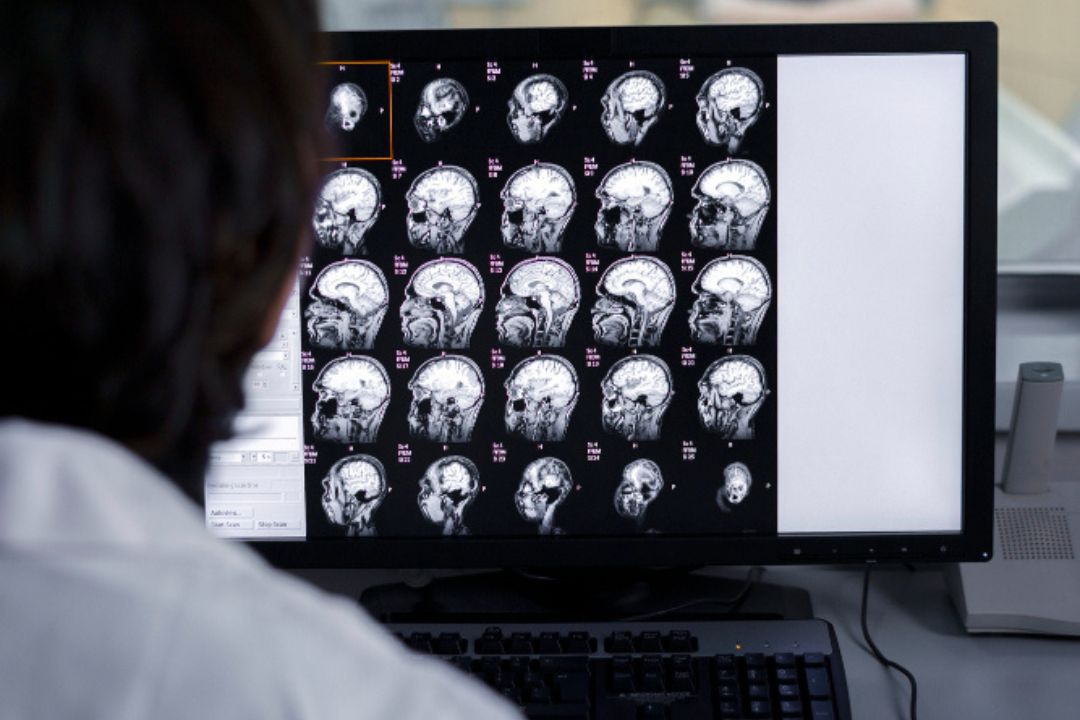
Brain CT scans
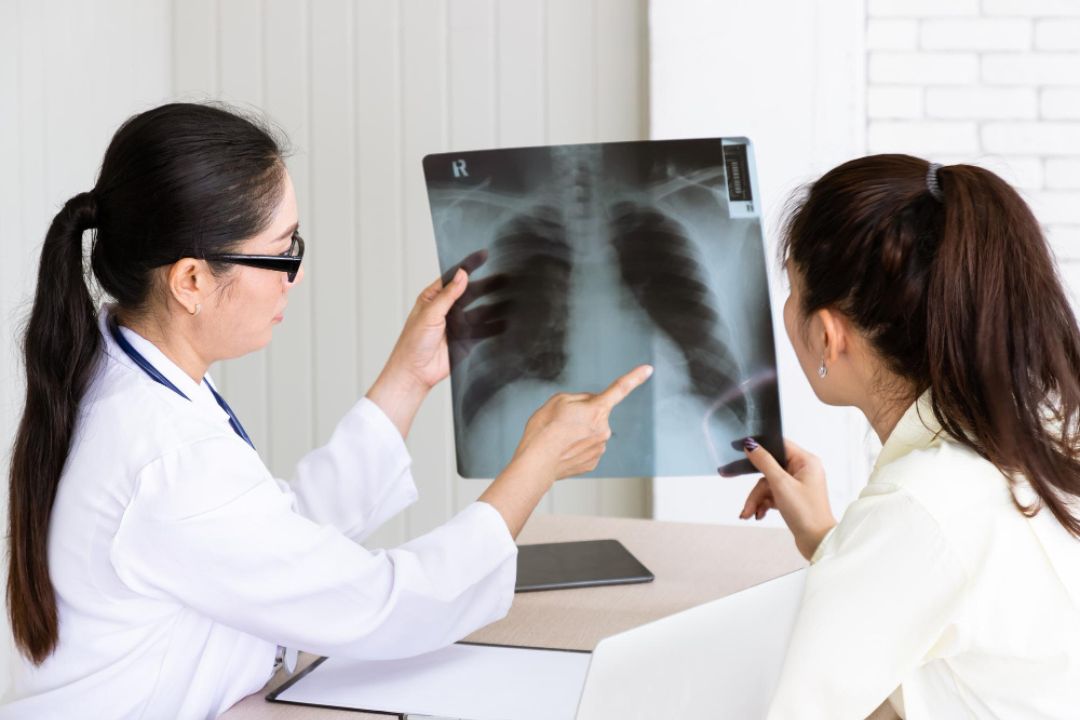
Chest CT scans
Modern iodinated contrast agents are usually non-ionic and have a lower risk of side effects compared to older agents.
Barium sulfate is another contrast material used in CT imaging, particularly for examining the digestive system. This contrast is usually taken orally or given through an enema to highlight the stomach and intestines.
Barium contrast helps doctors detect conditions such as:
Intestinal blockages
Tumors in the digestive tract
Inflammatory bowel disease
Abnormalities in the stomach or colon
Unlike iodinated contrast, barium remains inside the digestive tract and is not absorbed into the bloodstream.
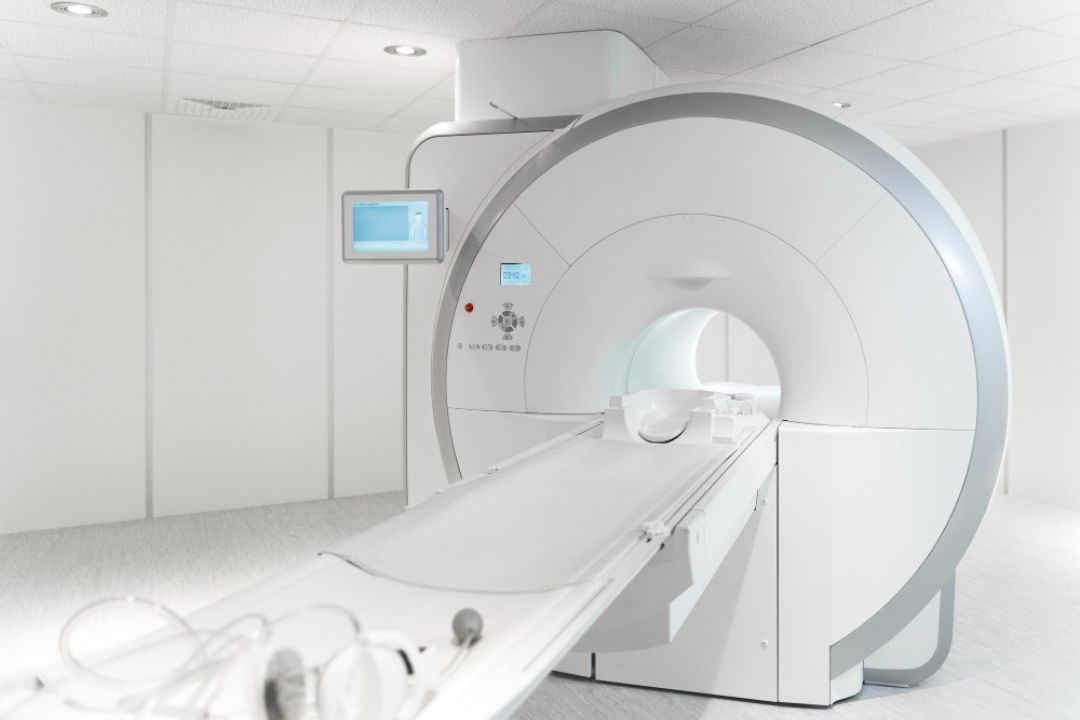
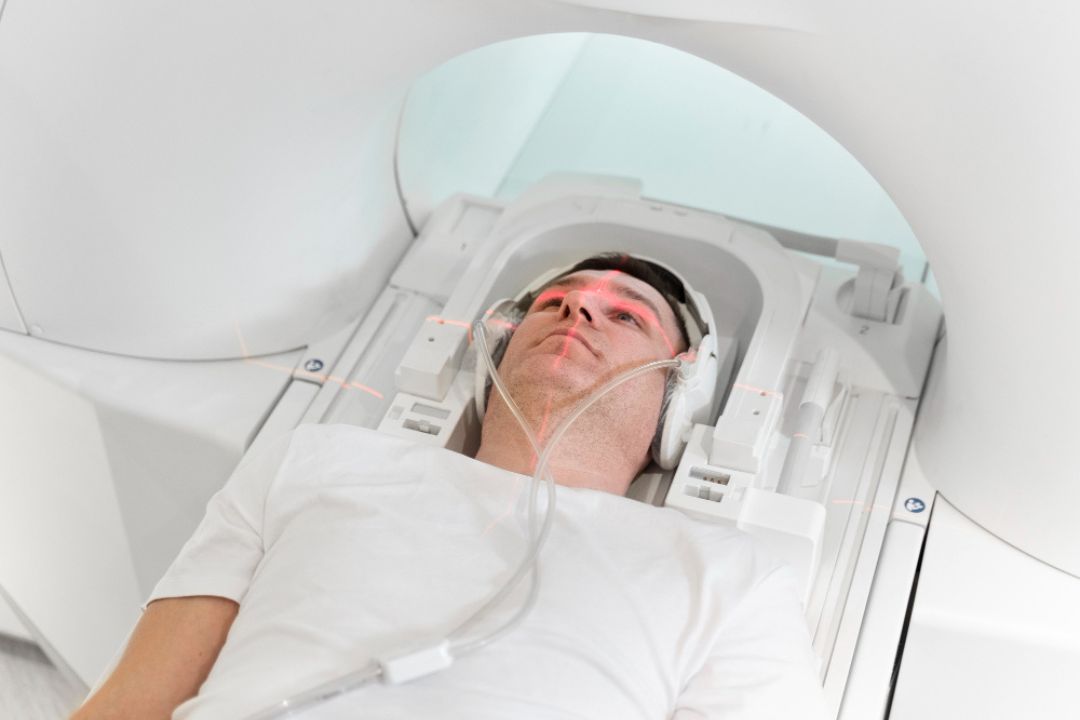
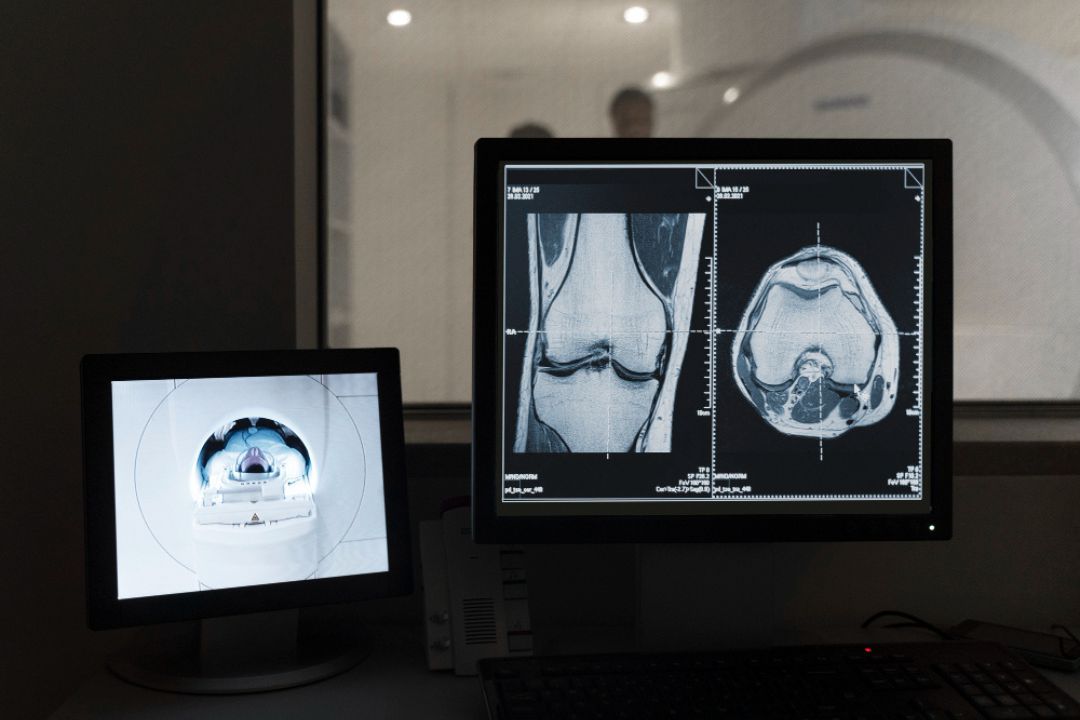
Gadolinium contrast agents are commonly used in MRI scans rather than CT scans. These agents work differently from iodinated contrast because they interact with magnetic fields instead of X-rays.
Gadolinium contrast is mainly used to enhance MRI images of:
Brain tumors
Blood vessels
Soft tissues
Spinal cord abnormalities
Because CT scans rely on X-rays, gadolinium contrast is generally not used for CT imaging.
In certain imaging procedures, gas or saline may be used as contrast agents. These substances help improve the visibility of specific organs or body cavities during imaging examinations.
For example:
Air or gas may be used to expand organs for better imaging
Saline solution may be used in specialized imaging studies
These types of contrast agents are less commonly used compared to iodinated or barium contrast.
CT contrast agents differ from other imaging contrast materials mainly in their composition and purpose.
Iodinated contrast is designed specifically for CT and X-ray imaging because it absorbs X-rays effectively. Barium contrast is mainly used for gastrointestinal imaging and remains in the digestive tract. In contrast, gadolinium agents are designed for MRI scans and work by interacting with magnetic fields instead of X-rays.
Each contrast type is developed for a specific imaging technology, which is why they cannot usually be substituted for one another.
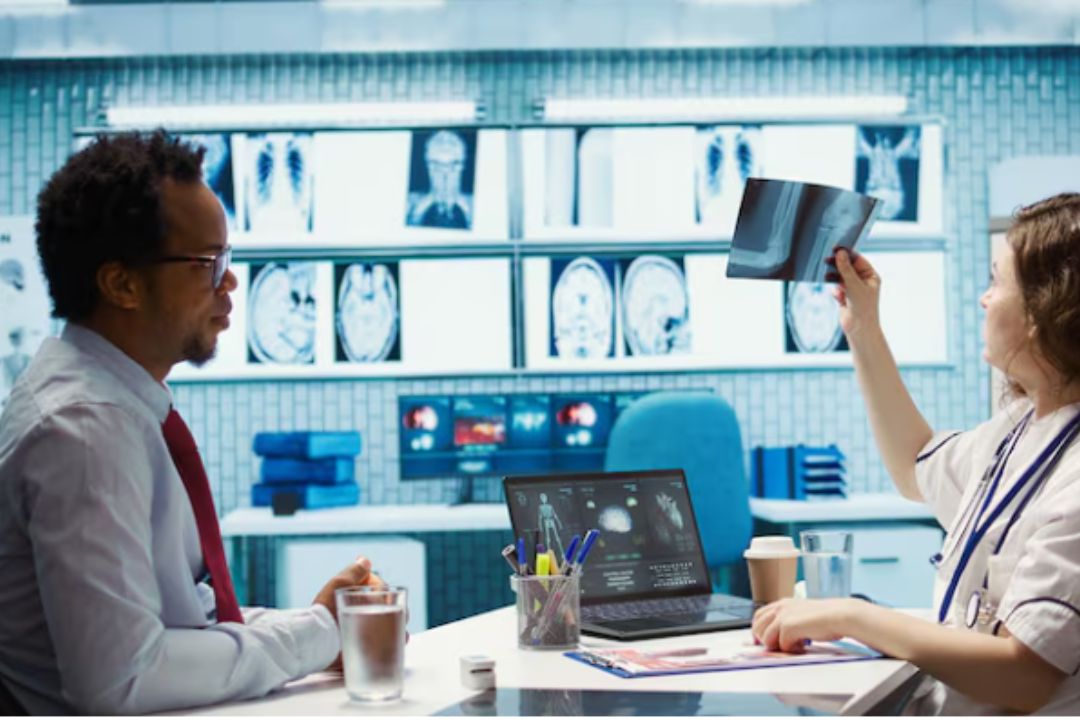
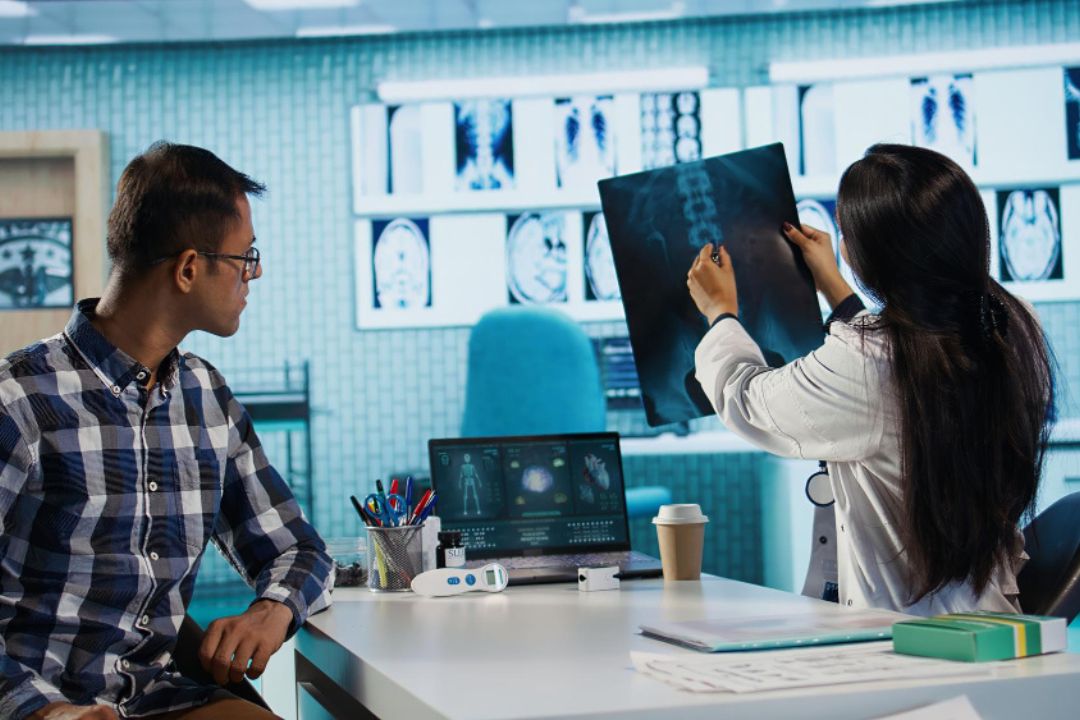
Contrast agents significantly improve the diagnostic value of CT scans. Without contrast, some organs and tissues may appear similar on imaging, making it difficult to detect abnormalities.
With contrast, doctors can:
Identify tumors and cancers
Detect internal bleeding
Evaluate blood vessels
Diagnose infections or inflammation
Examine organ structure in detail
This improved visibility helps doctors provide faster and more accurate diagnoses.
Most contrast agents are safe and widely used in medical imaging. However, some patients may experience mild side effects such as:
Warm sensation during injection
Nausea
Metallic taste in the mouth
Rarely, allergic reactions may occur. Patients with kidney disease or contrast allergies should inform their doctor before the scan.
Medical professionals carefully evaluate each patient before administering contrast to ensure the procedure is safe.
Contrast agents play a crucial role in modern medical imaging by improving the visibility of organs and tissues during diagnostic tests. In CT scans, iodinated contrast agents are the most commonly used because they effectively enhance X-ray images.
Other contrast materials such as barium sulfate and gadolinium are used for different imaging techniques, including gastrointestinal studies and MRI scans. Each type of contrast agent has a specific purpose and is chosen based on the medical condition being evaluated.
Understanding the differences between these contrast agents helps patients feel more informed and prepared when undergoing diagnostic imaging procedures.











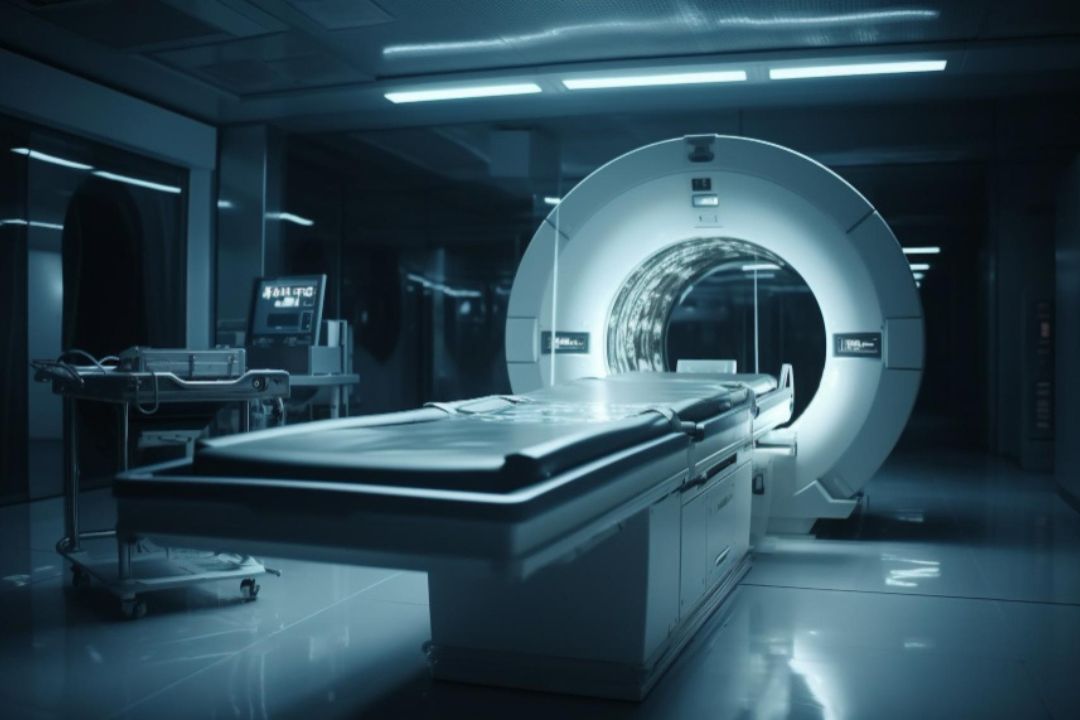
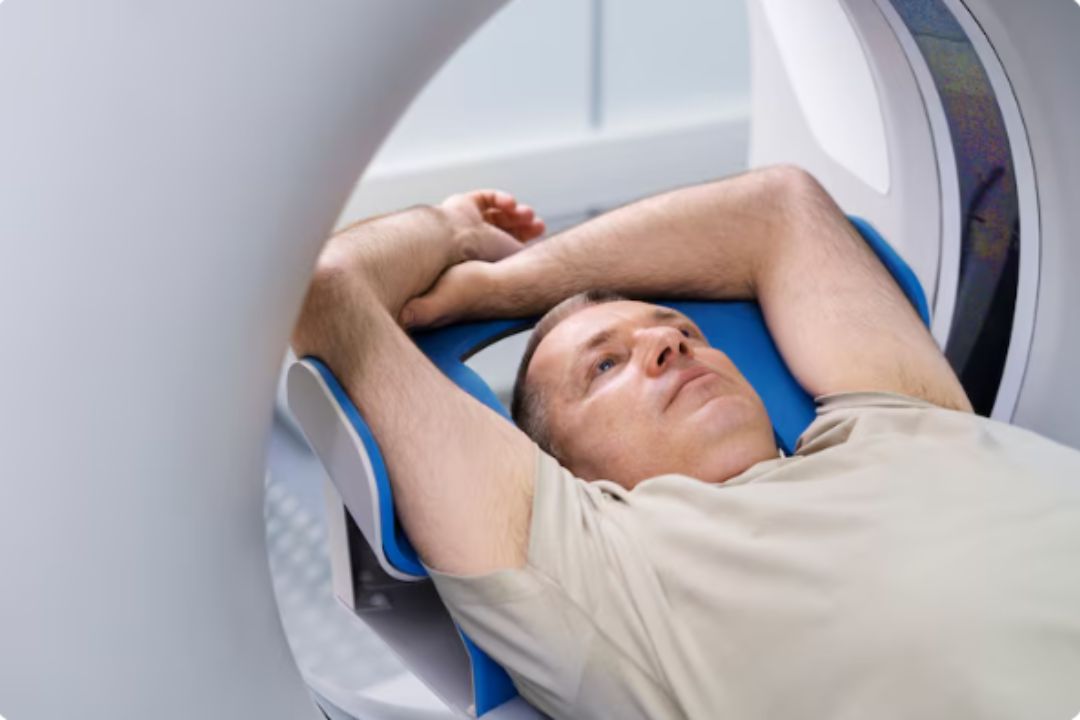

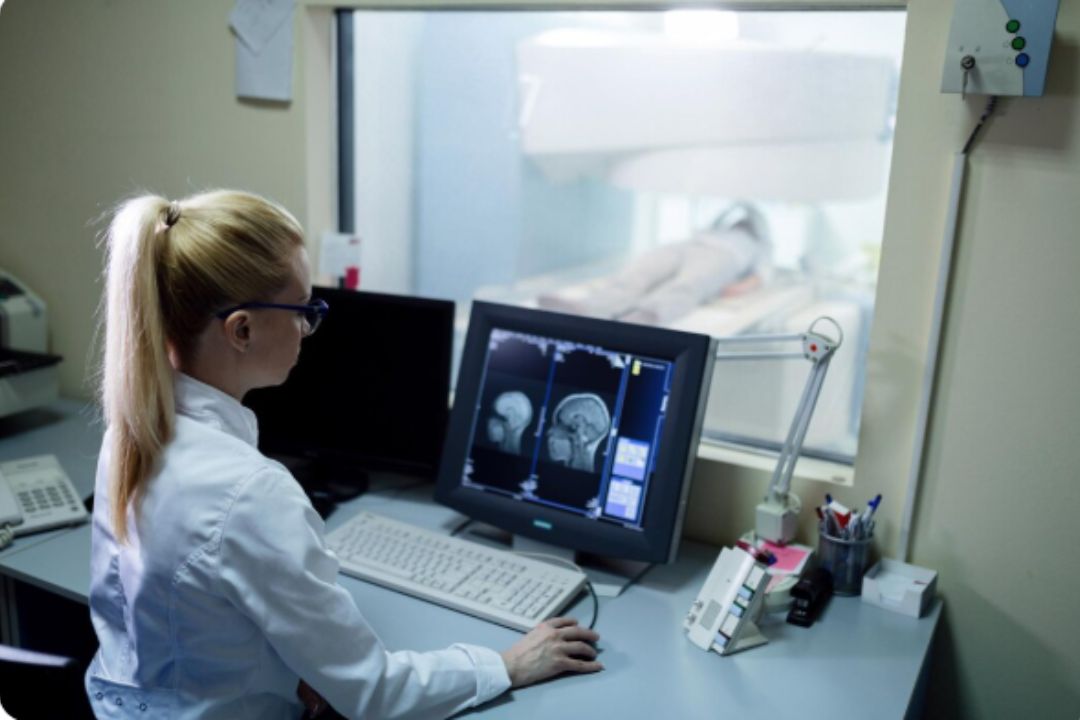
.jpg "ct brain scan plain and contrast")
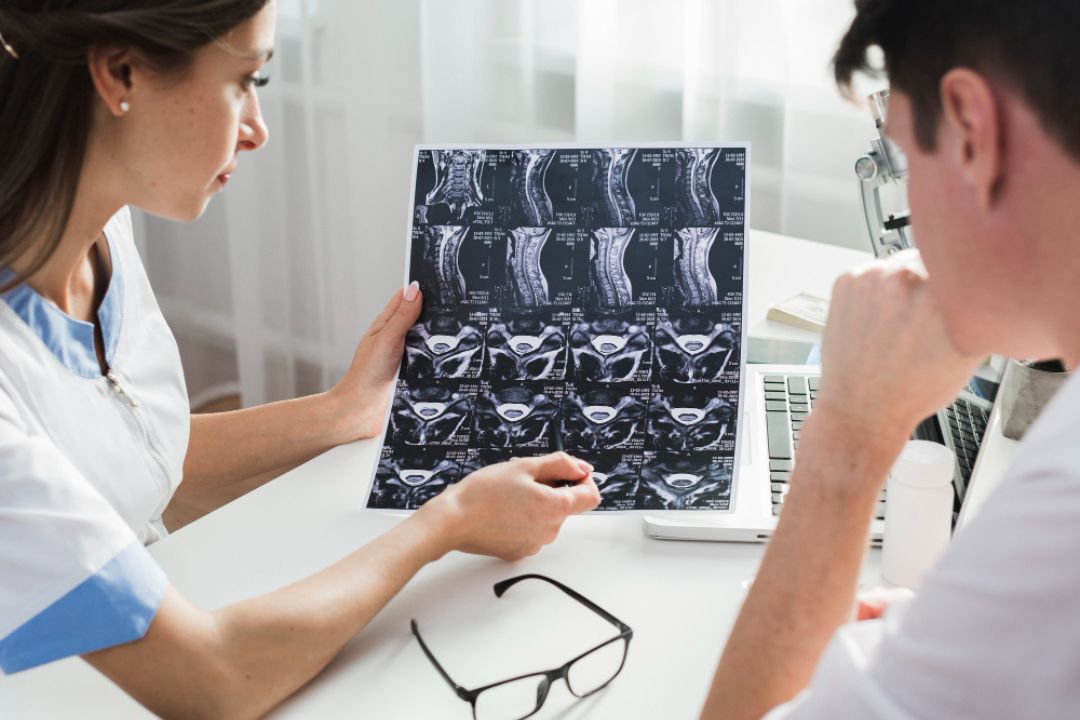
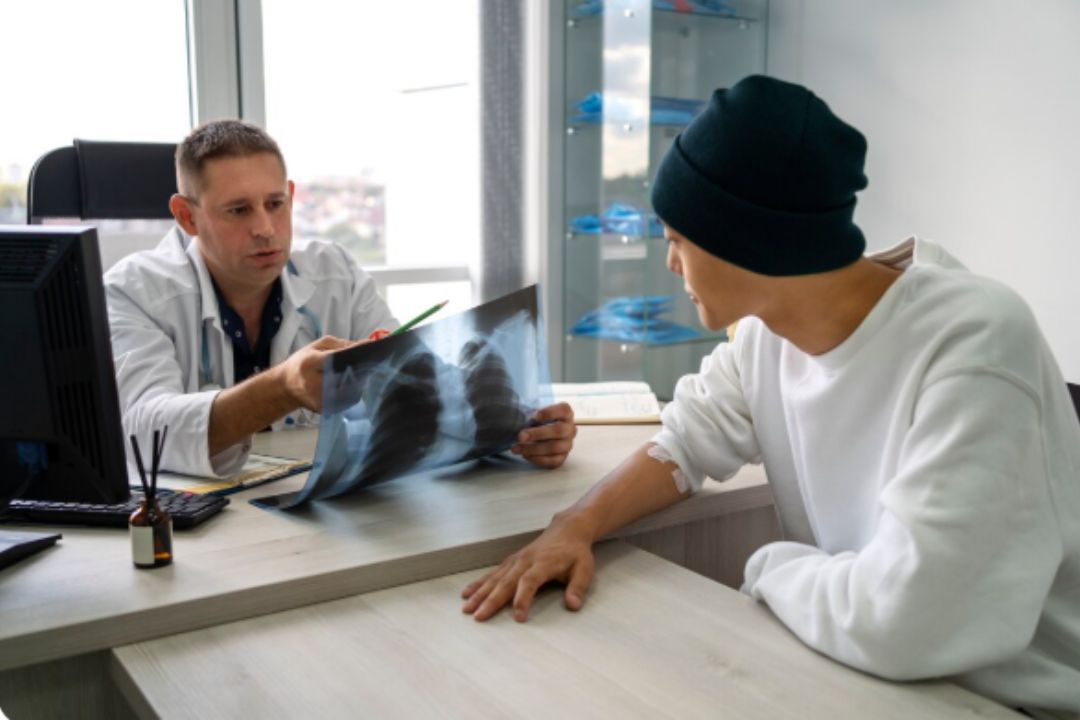

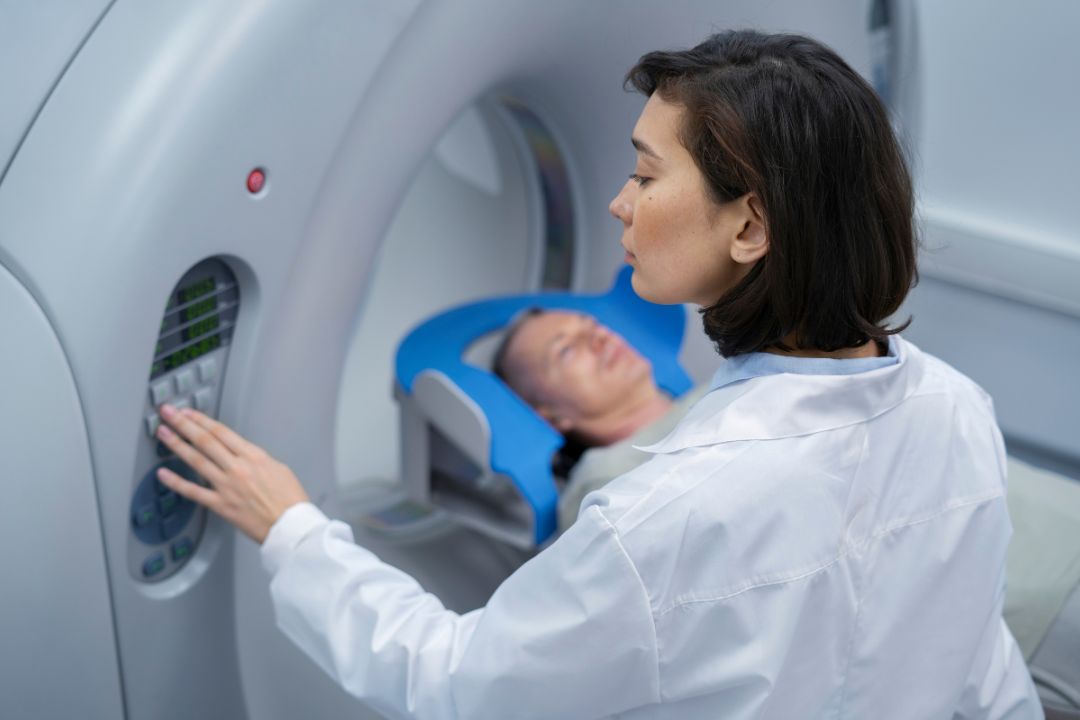
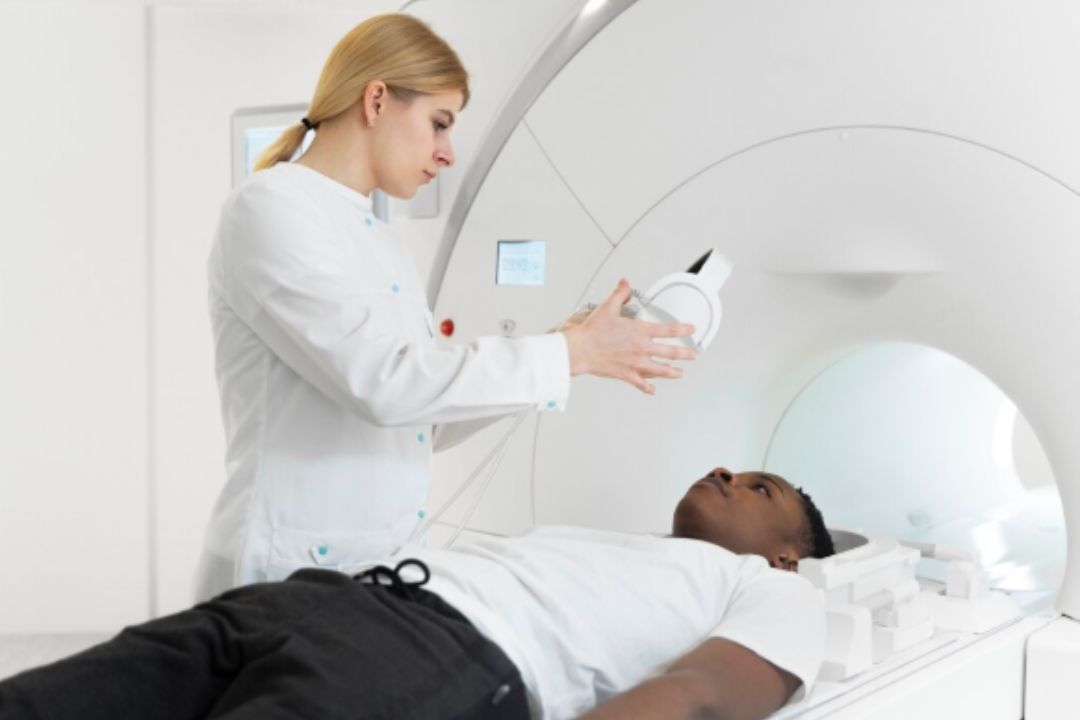

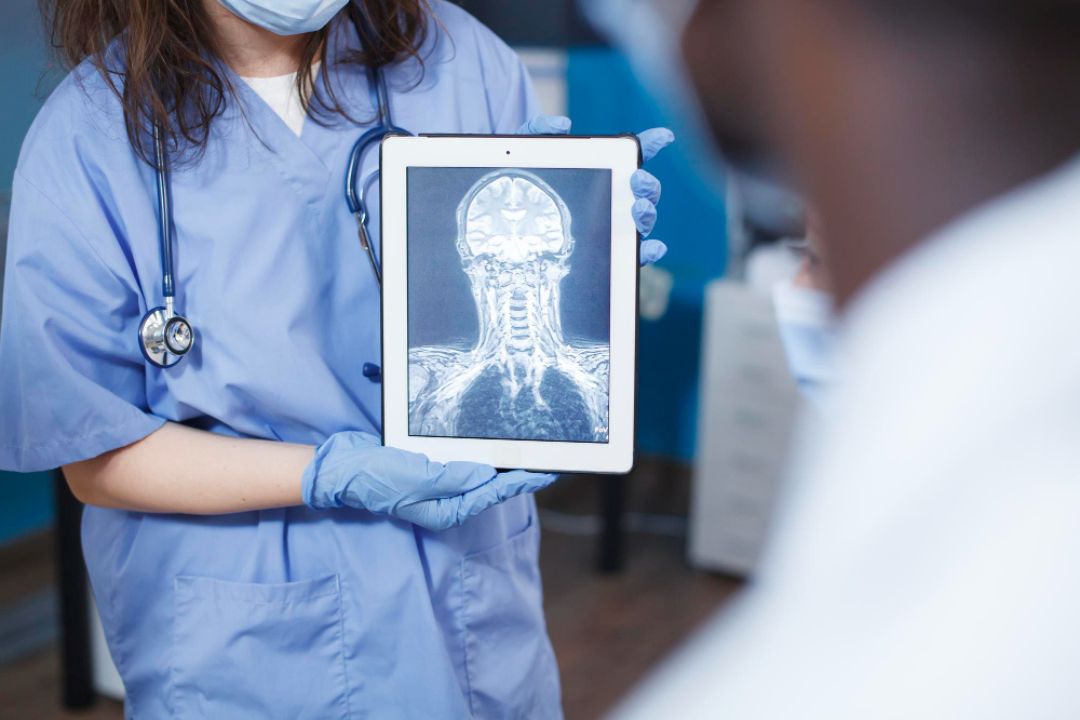
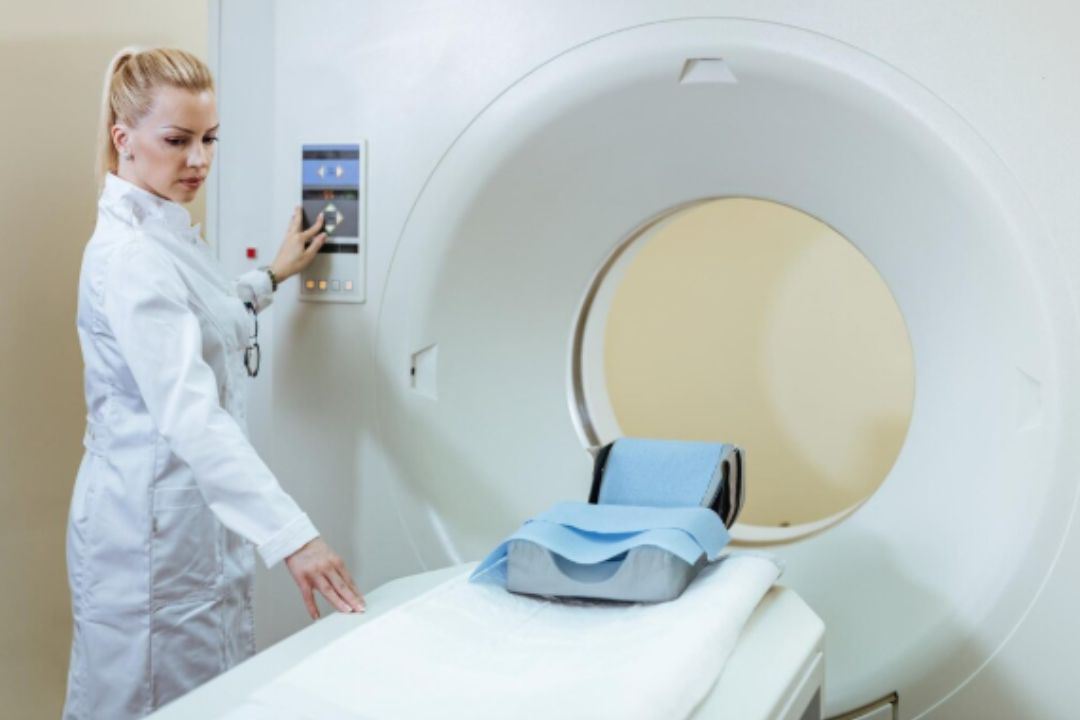















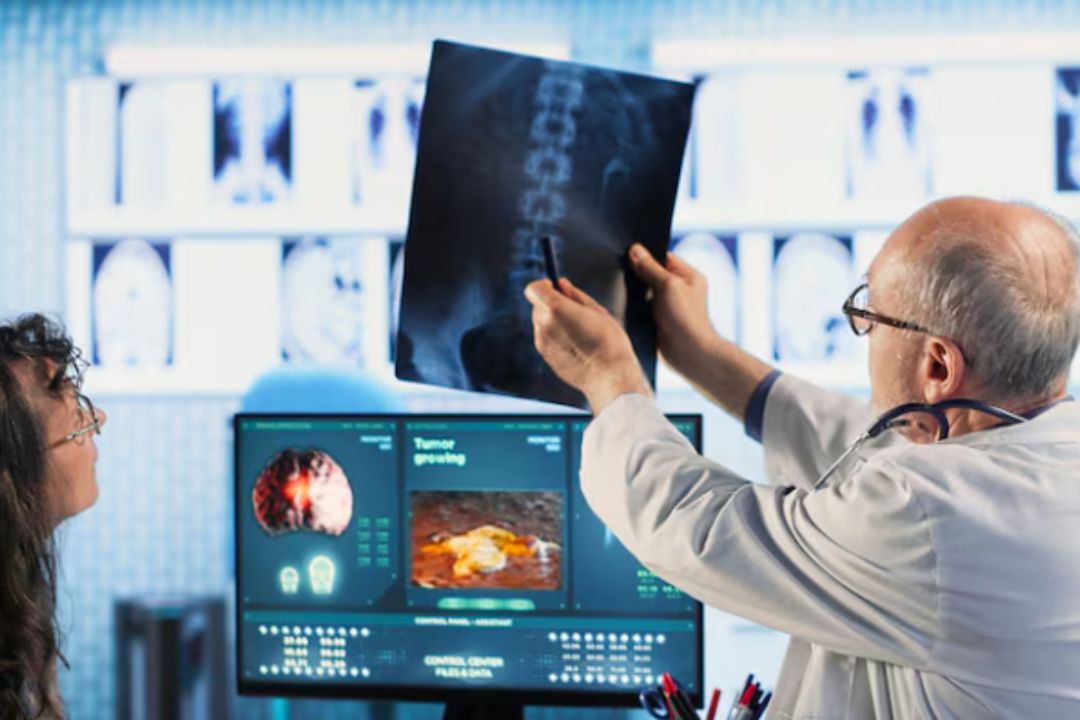
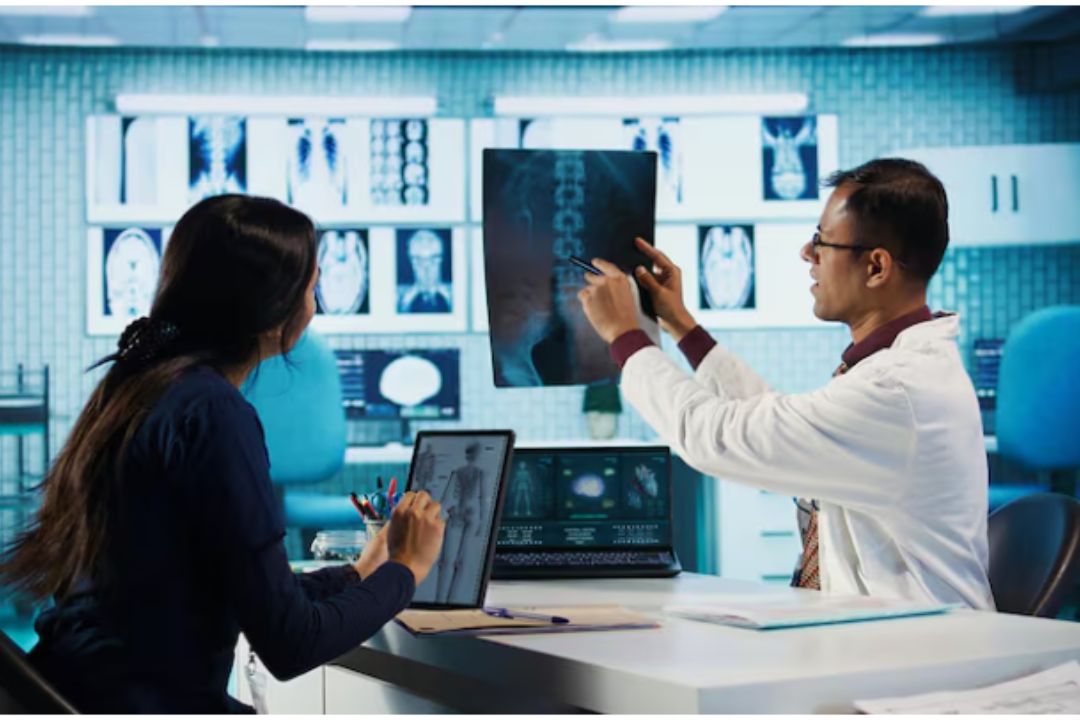
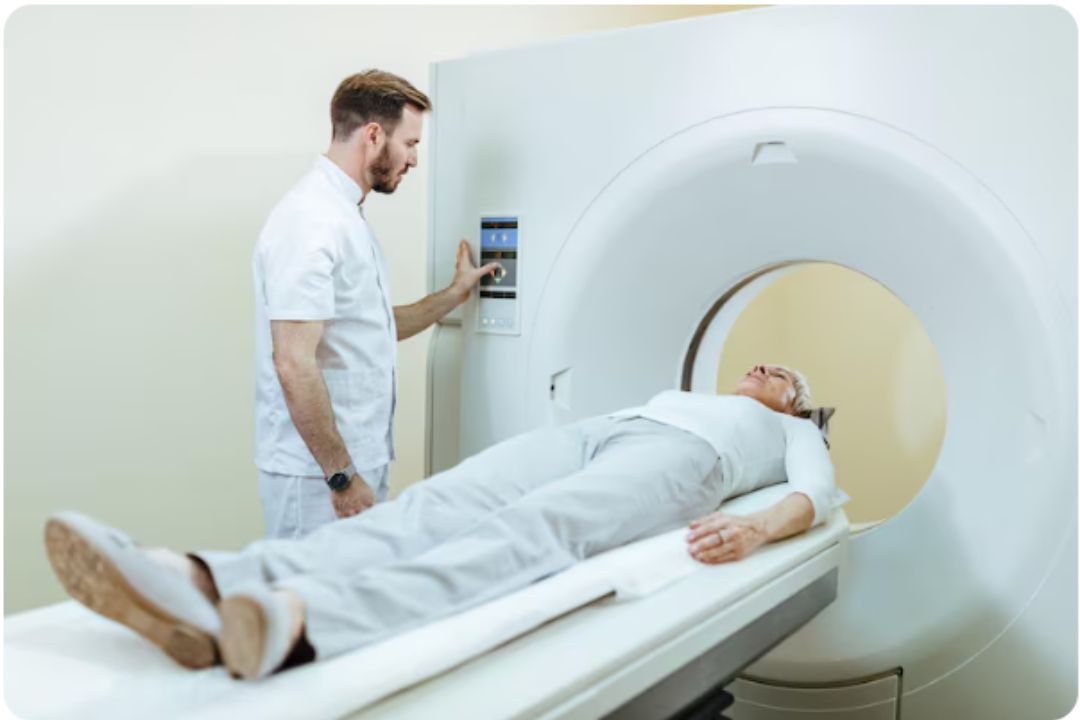

.jpg "ct scan")

.jpg "ct scan or mri for brain disorders")


.jpg "exploring the power of ct brain contrast in modern diagnostics")
.jpg "ct scan")
.jpg "ct scan")









.jpg "ct scan")

.jpg "CT Brain Scan for Headaches")
.jpg "The Future of 3D CT Imaging")