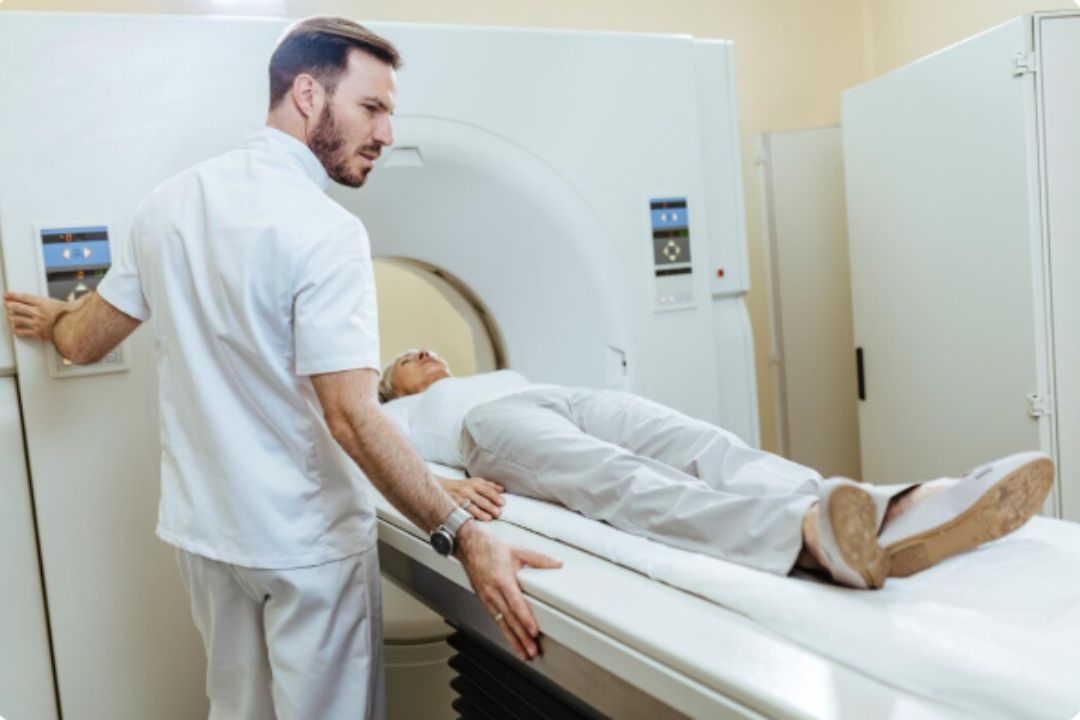
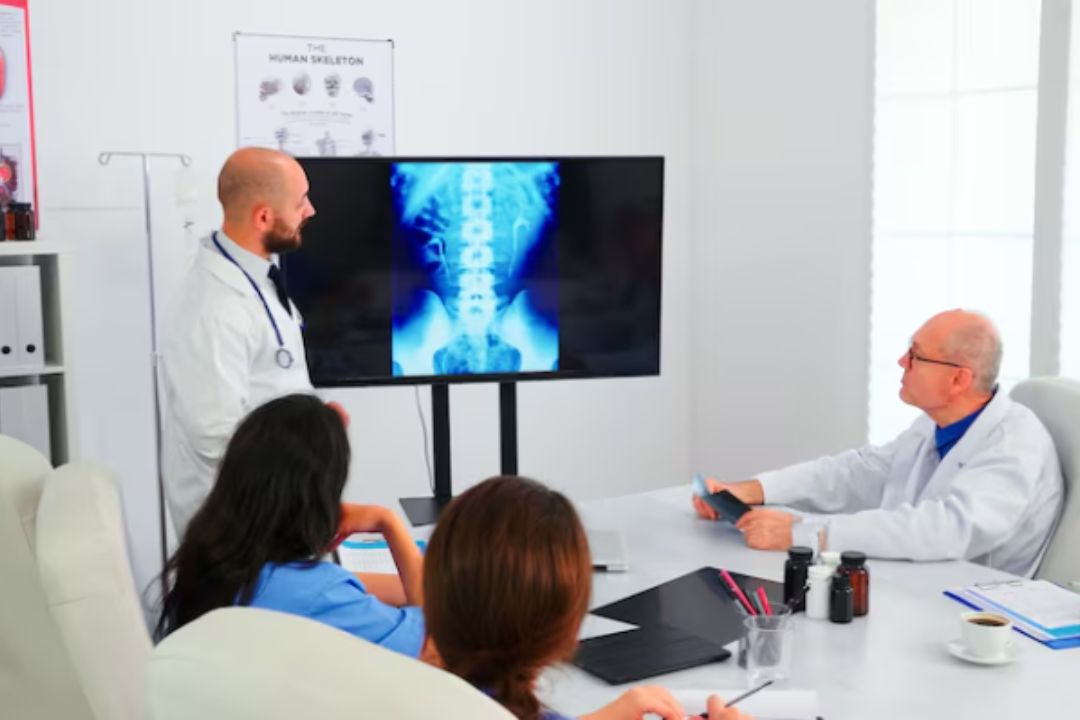
When your doctor recommends a CT scan with contrast, it’s natural to wonder about safety. Is the contrast dye harmful? What are the benefits versus a CT scan without contrast? This guide will help you understand the safety profile, key benefits, and essential precautions, especially for common exams like a contrast for CT scan of abdomen.
CT (Computed Tomography) contrast, often called “dye,” is a substance that enhances the visibility of blood vessels, tissues, and organs. It helps radiologists detect abnormalities that might be invisible on a non-contrast CT scan. The contrast is usually iodine-based and administered orally, intravenously (IV), or rectally, depending on the area being examined.
Improved Detection of Abnormalities
For a contrast CT scan of abdomen, the dye helps identify issues like appendicitis, cancers, internal bleeding, blockages, and vascular diseases with much greater precision than unenhanced scans.
Detailed Vascular Imaging
It allows for detailed mapping of arteries and veins, essential for diagnosing aneurysms, clots, and stenoses.
Guides Treatment Plans
Clearer images help surgeons plan procedures and oncologists monitor tumor response to therapy.
For most people, CT contrast is very safe. However, certain precautions are necessary:
1. Allergic Reactions: Rare (less than 3%). Most are mild (itching, hives). Severe reactions are very uncommon. Inform your doctor of any prior allergies.
2. Kidney Stress: The dye is cleared by the kidneys. Patients with pre-existing kidney disease may be at risk for contrast-induced nephropathy. Your healthcare team will assess your kidney function (via a blood test) beforehand.
3. Extravasation: Occasionally, IV contrast can leak into surrounding tissue, causing swelling or discomfort—usually temporary.
Use of lower-osmolar, non-ionic contrast agents has significantly improved safety.
Pre-medication (antihistamines/steroids) for those with known mild allergies.
Hydration before and after the scan to protect kidneys.
Patients with kidney impairment.
Those with a history of severe allergic reactions to contrast.
Costing: A CT scan with contrast typically costs more than one without, due to the contrast material and additional monitoring. Insurance usually covers it when medically necessary. At Diagnopein, we provide transparent, competitive pricing and help verify insurance coverage.
Comfort: The scan itself is painless. You might feel:
A warm sensation or metallic taste when IV contrast is injected.
A need to remain still for 10-30 minutes.
For abdominal scans, you may drink oral contrast, which has a mild, sometimes chalky flavor.
At Diagnopein, patient safety and accurate diagnosis are our top priorities.
Advanced Technology: We use the latest low-dose CT scanners and premium contrast agents to maximize safety and image quality.
Expert Team: Our board-certified radiologists specialize in interpreting both CT scans with and without contrast.
Patient-Centered Care: We screen thoroughly for risks, explain every step, and ensure your comfort.
Rapid Reporting: We understand the anxiety of waiting. Our efficient system delivers precise results to your doctor promptly.
Comprehensive Services: From scheduling to follow-up, we coordinate your care seamlessly.
When used appropriately, CT scan contrast is a safe and invaluable tool that provides life-saving diagnostic clarity. The benefits far outweigh the minimal risks for the vast majority of patients. The key is a careful patient screening process and expert administration.
If your doctor has recommended a contrast CT scan of abdomen or any other enhanced imaging, trust the experts at Diagnopein. We combine cutting-edge technology with compassionate care to ensure your scan is not only safe but also the most effective step toward your health and peace of mind.