In emergency and trauma care, speed and accuracy are essential for saving lives and preventing complications. When a patient suffers a serious injury, doctors must quickly identify fractures and internal damage to provide the right treatment.
A CT Scan (Computed Tomography scan) has become one of the most important diagnostic tools for detecting fractures, especially in complex or severe trauma cases. With advanced imaging technology, CT scans provide detailed images of bones and tissues, helping doctors diagnose injuries faster and more accurately.
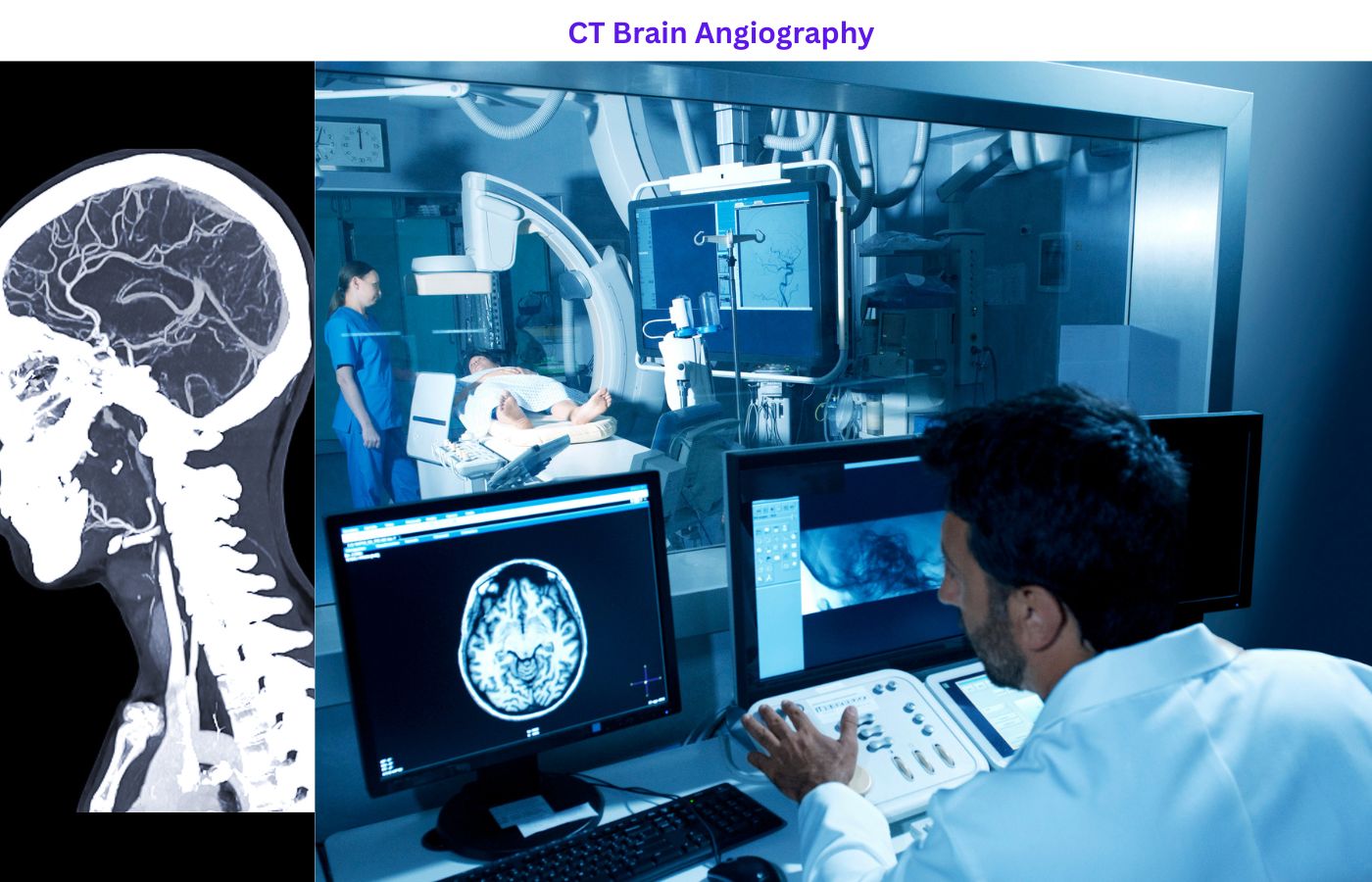
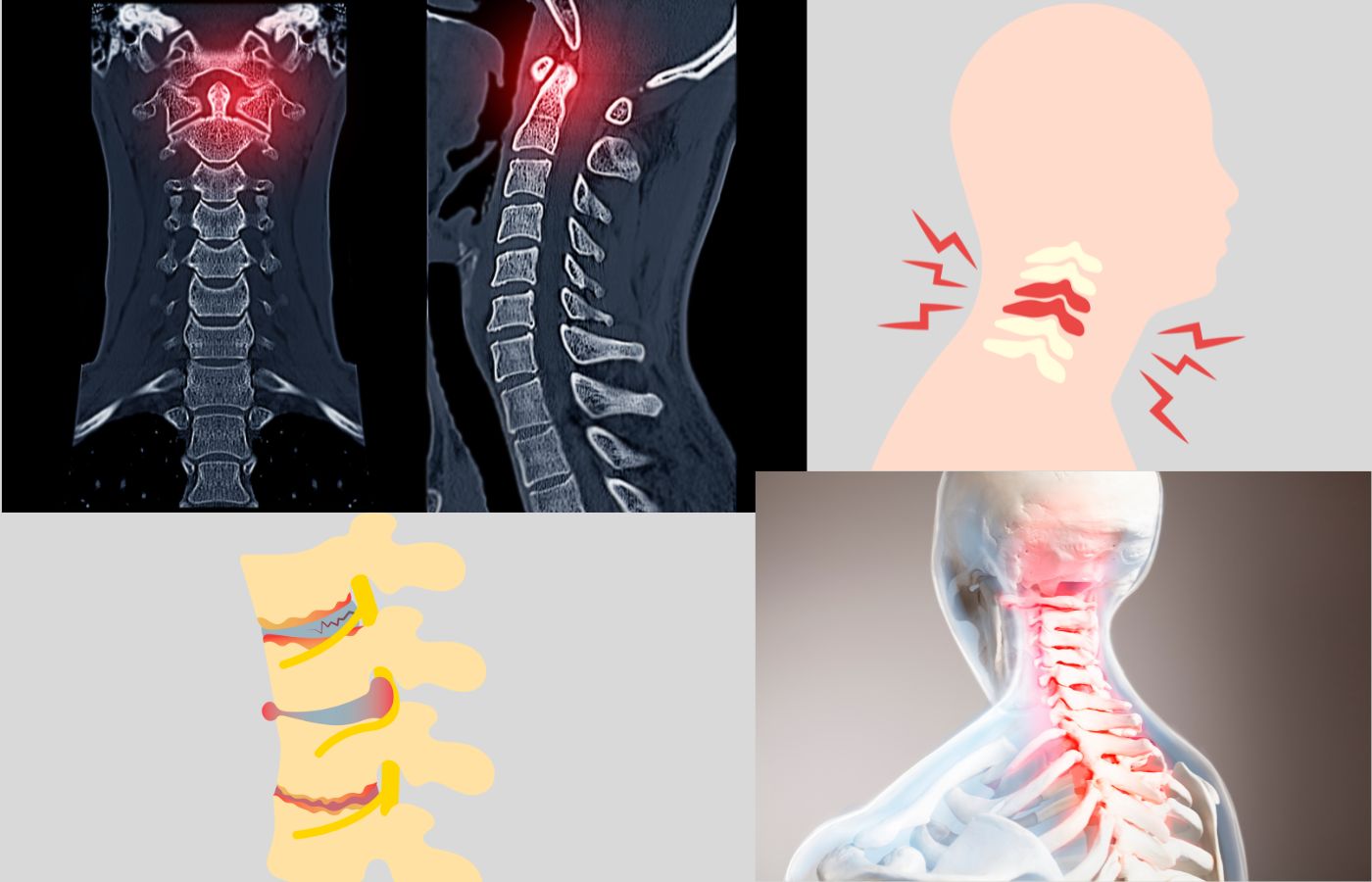
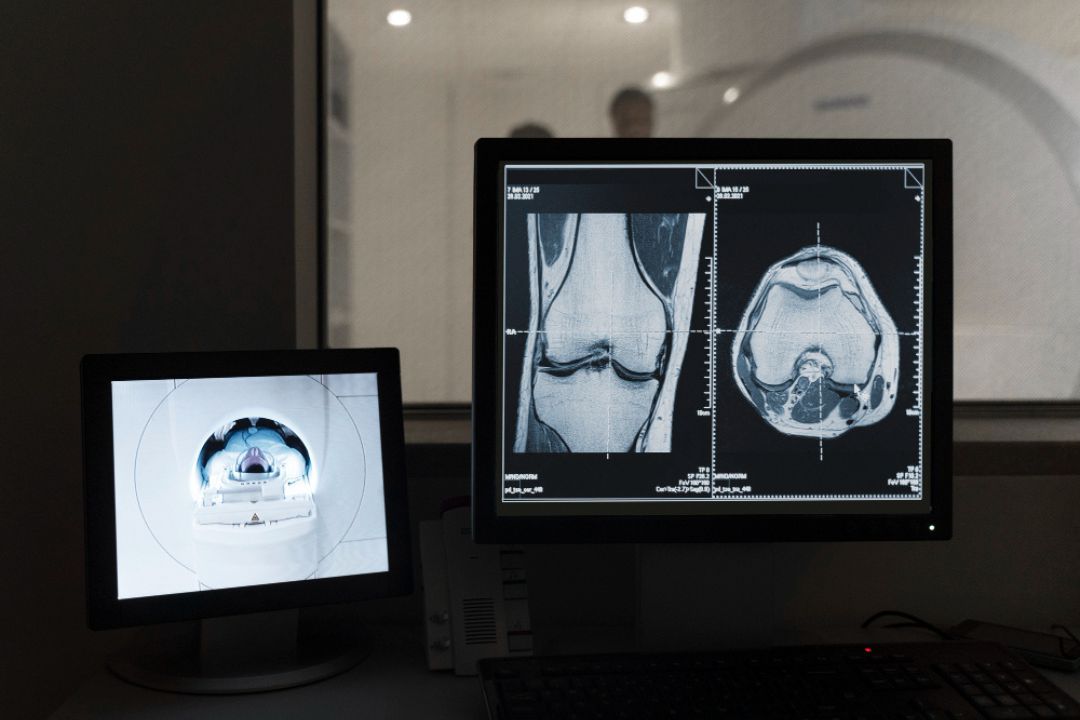
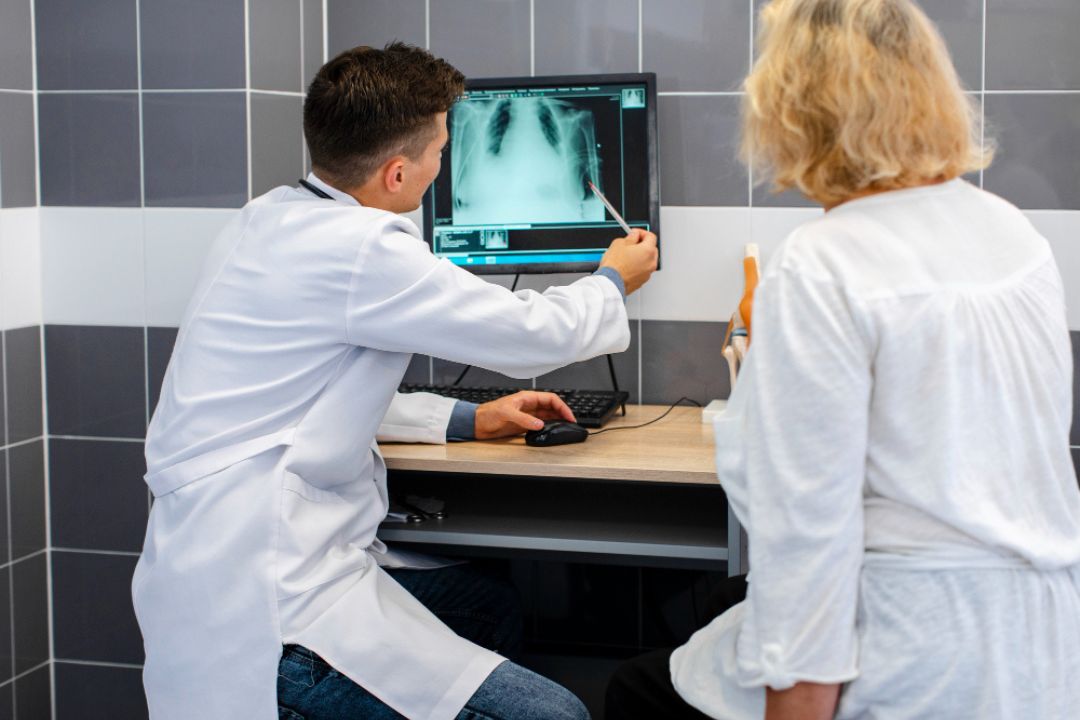
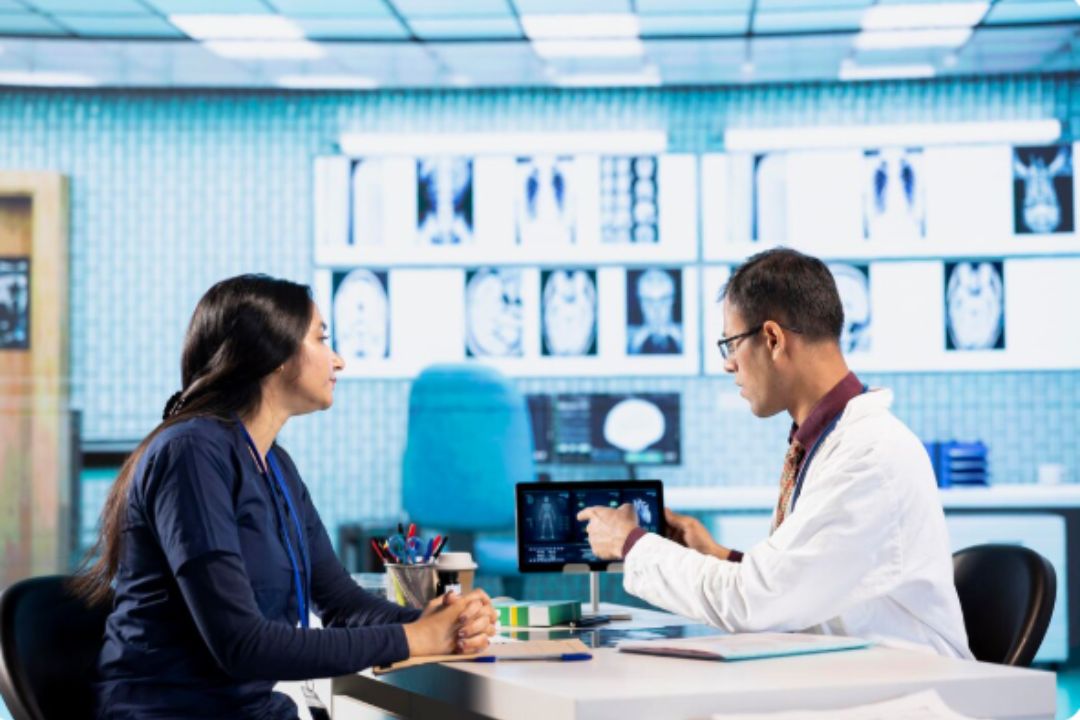
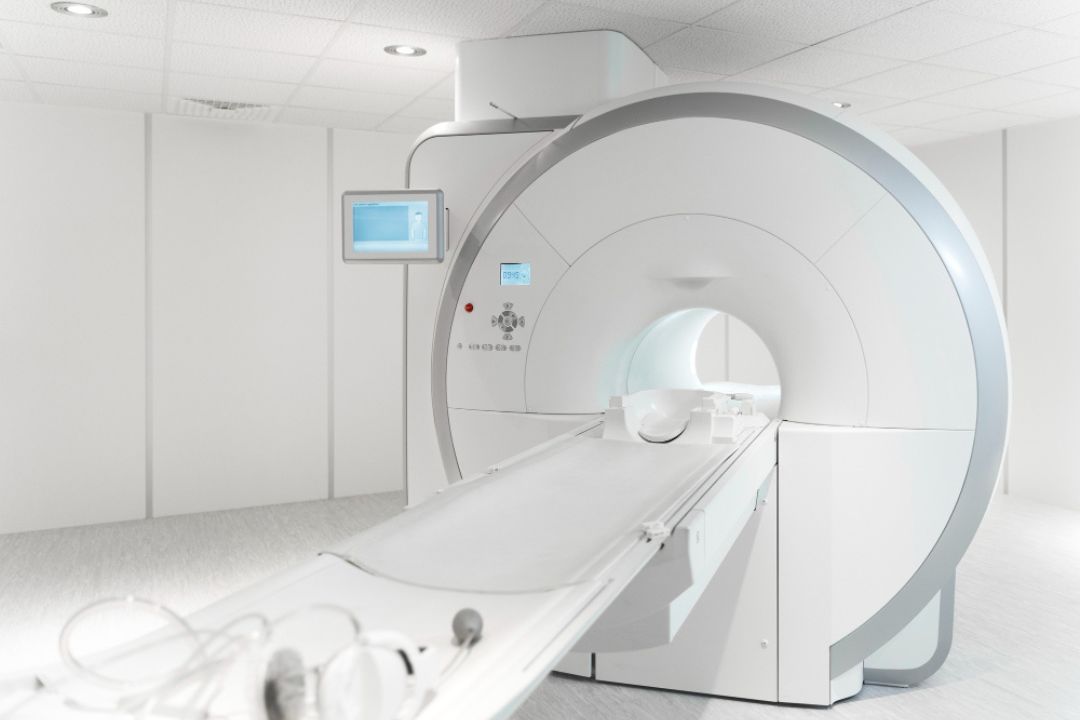
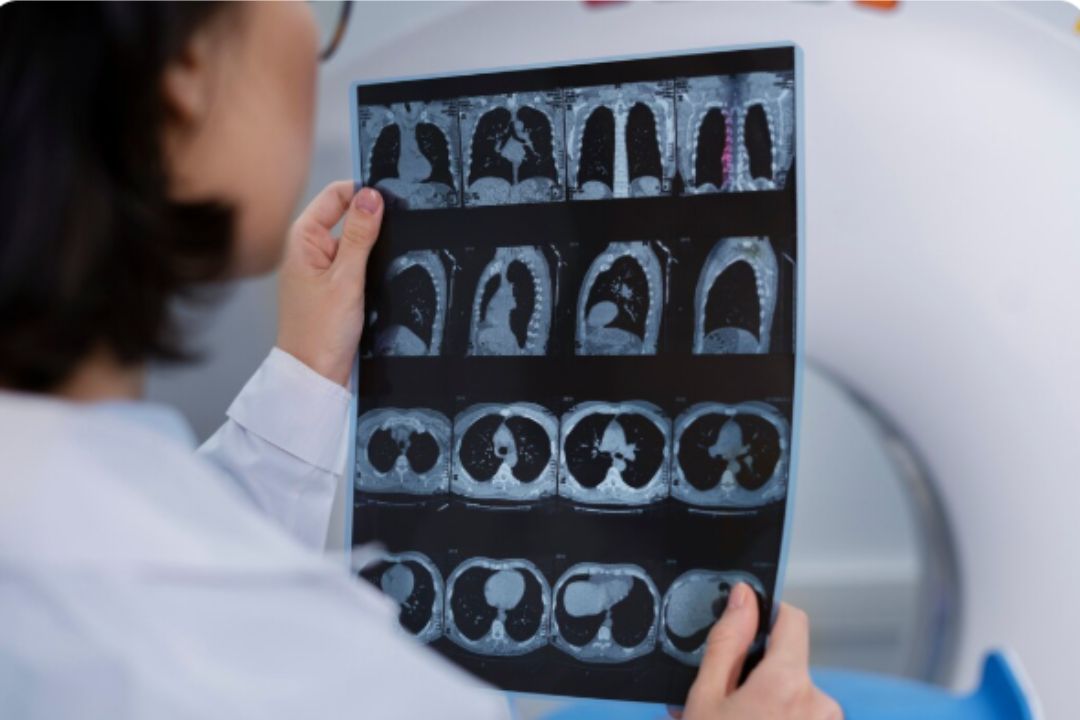
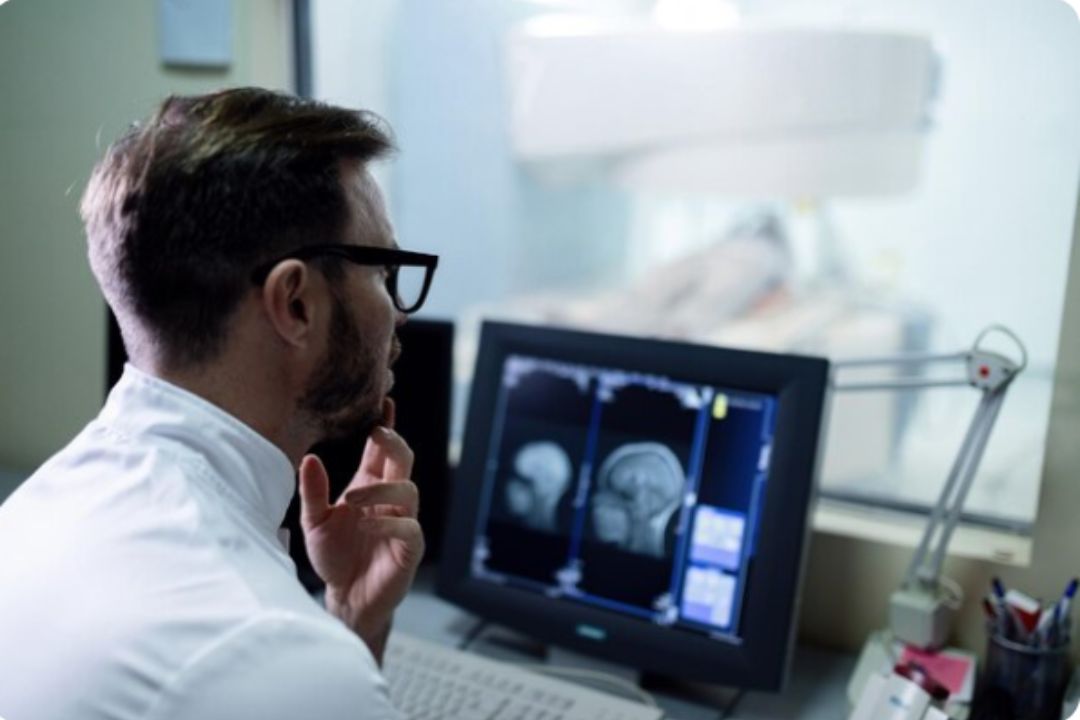
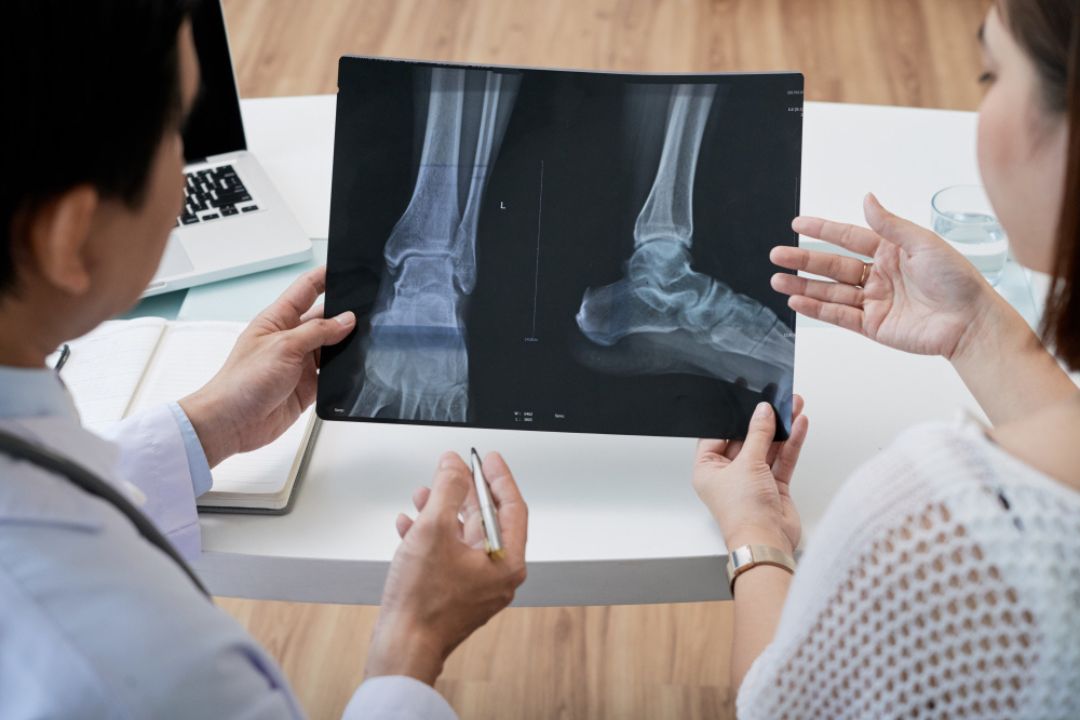
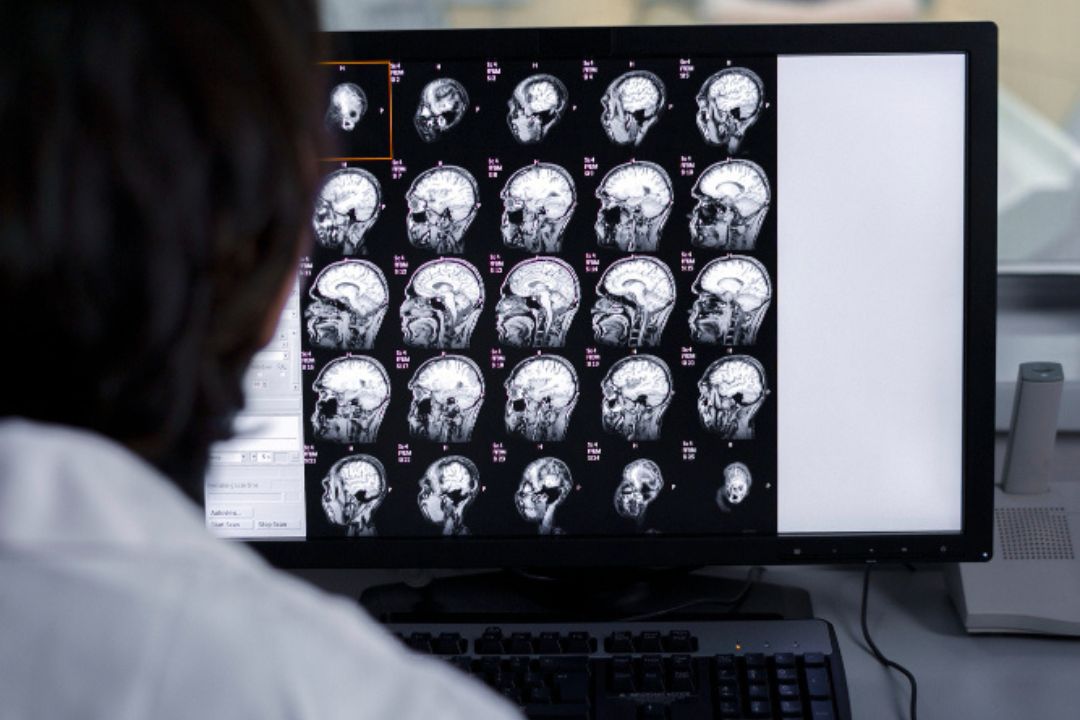
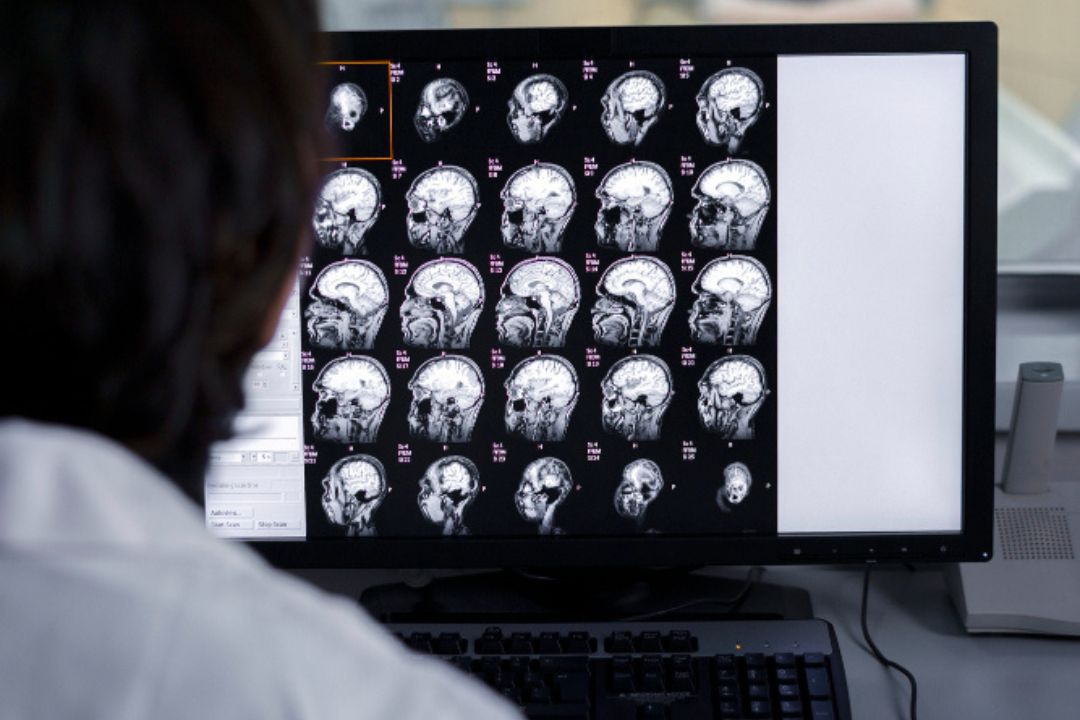
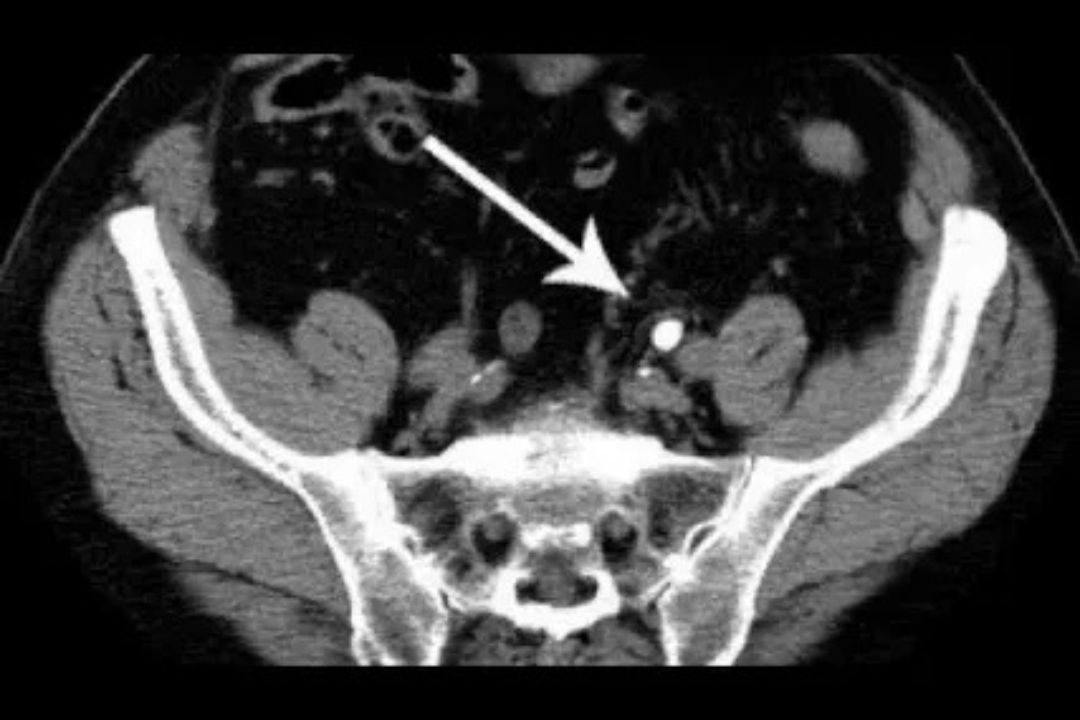
A CT Scan uses X-rays combined with computer technology to produce detailed cross-sectional images of the body. These images allow doctors to see bones, joints, and surrounding tissues with greater clarity than traditional X-rays.
CT scans are particularly useful for detecting:
Complex fractures
Hairline fractures
Joint injuries
Bone displacement
Damage to surrounding tissues
This detailed imaging helps medical professionals make accurate diagnoses in emergency situations.
In trauma cases such as road accidents, falls, or sports injuries, quick diagnosis is critical. Delays in detecting fractures can lead to complications such as improper bone healing, nerve damage, or internal bleeding.
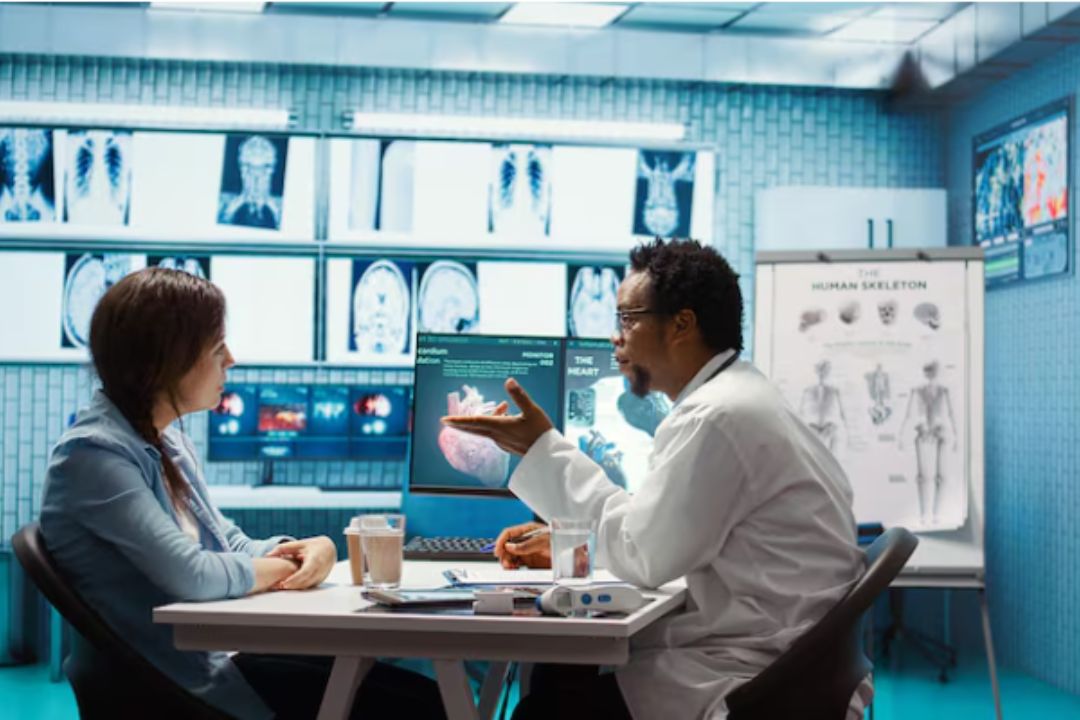
CT scans allow doctors to quickly evaluate injuries and determine the best course of treatment.
Faster diagnosis can lead to:
Immediate medical intervention
Reduced risk of complications
Faster recovery for patients
Better surgical planning when required
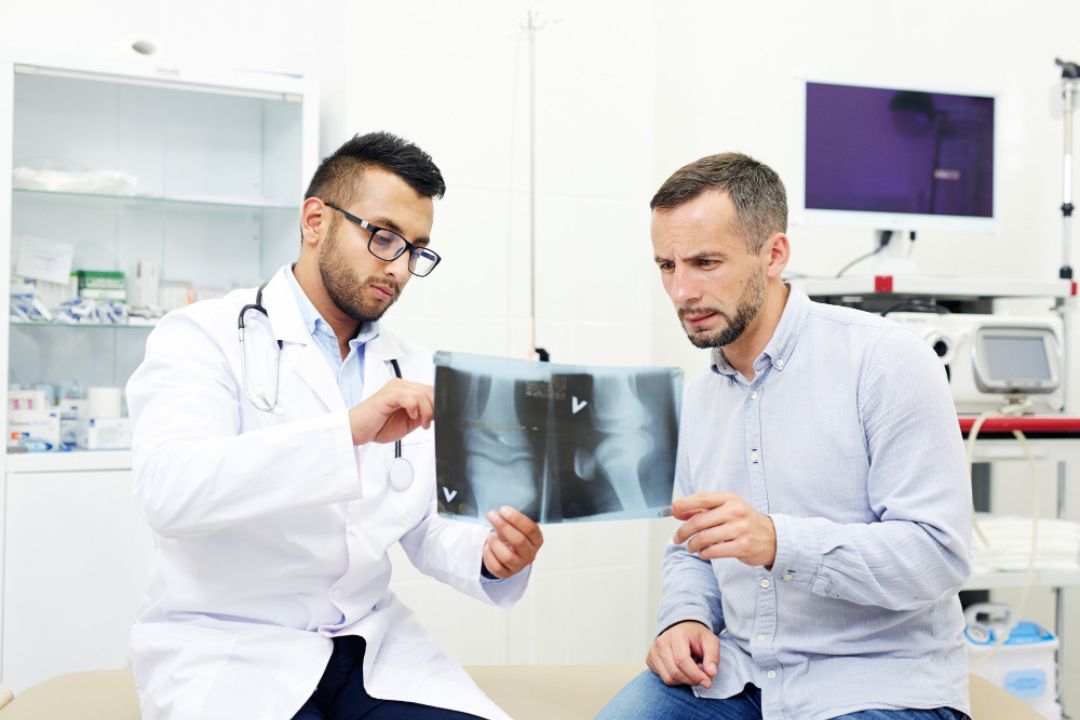
While traditional X-rays are often used as the first imaging test, CT scans offer several important advantages in fracture detection.
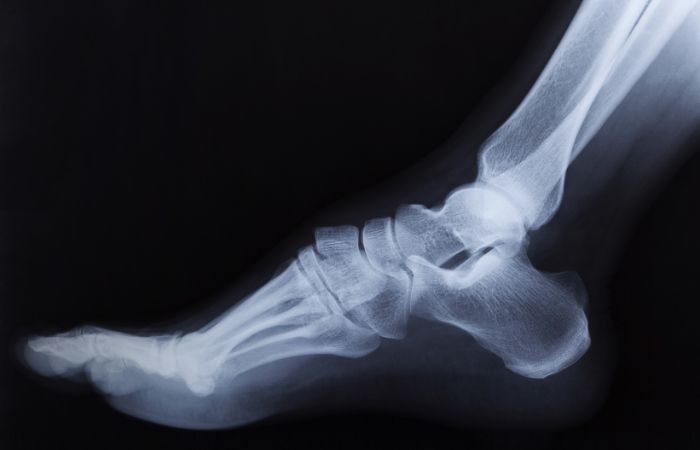
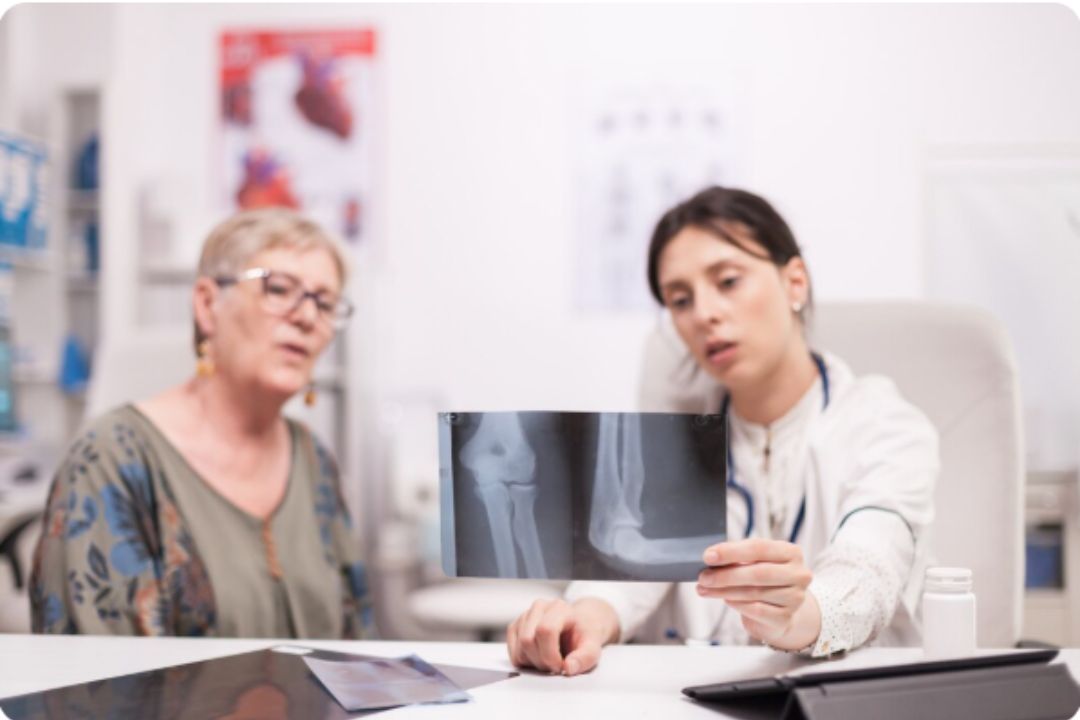
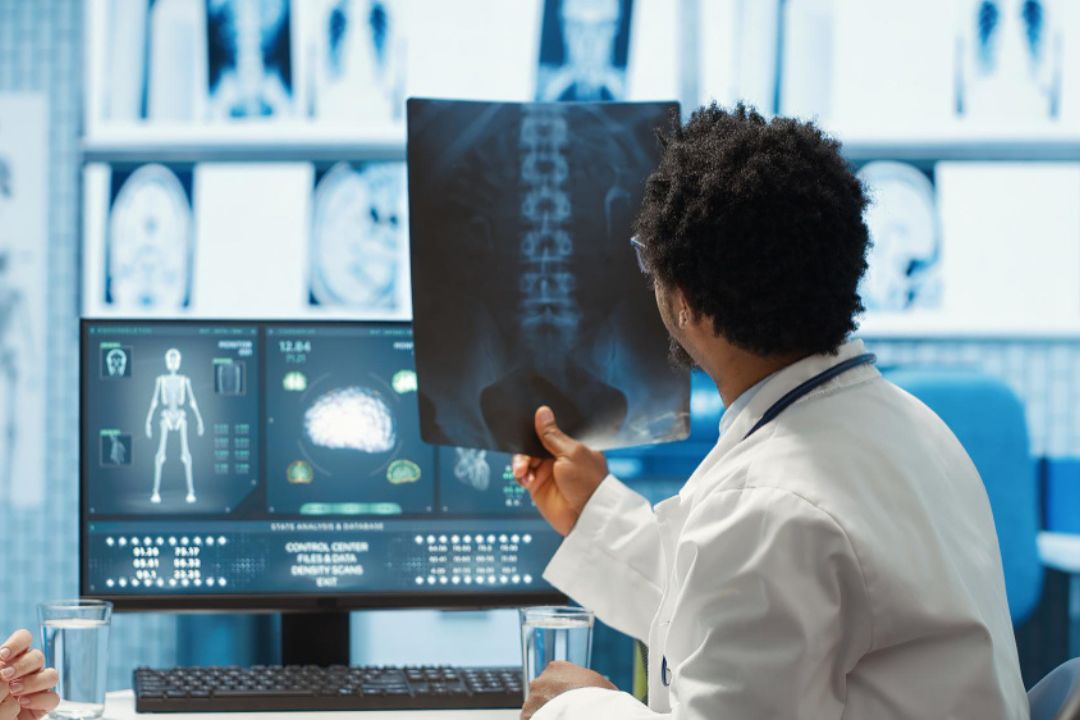
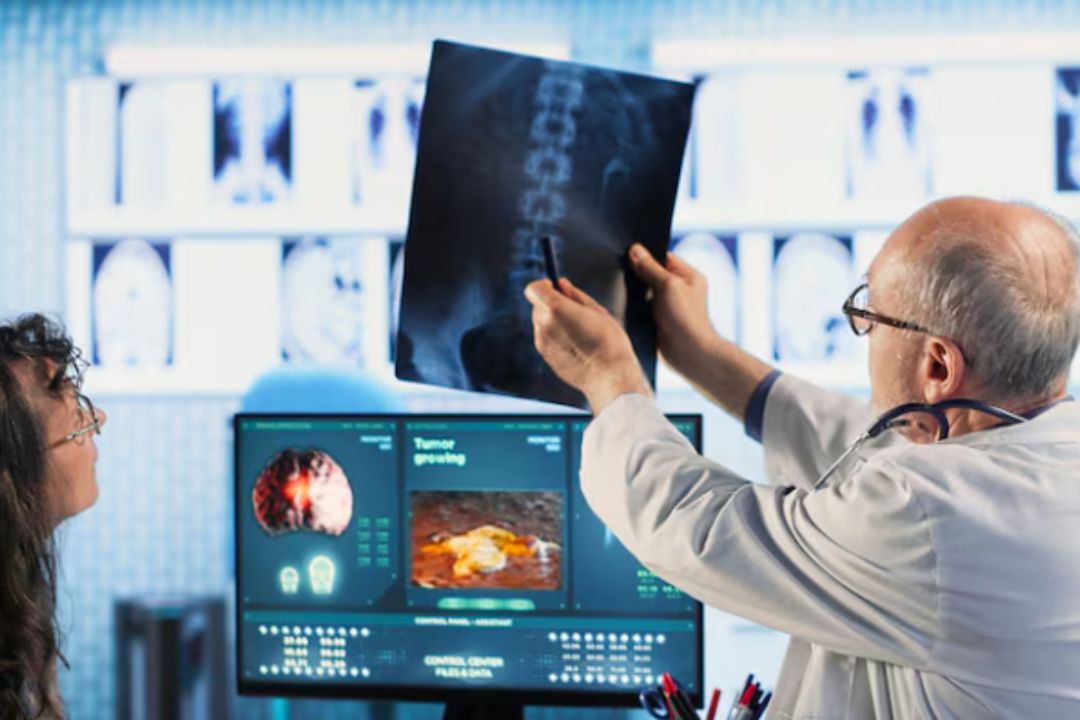
CT scans provide highly detailed images of bones, allowing doctors to identify fractures that may not be visible on X-rays.
In cases where bones are shattered or displaced, CT scans help doctors understand the exact structure of the injury.
Modern CT technology can create 3D images of bones, which helps surgeons plan procedures more effectively.
CT scanners can capture images within minutes, which is crucial in emergency trauma care.
CT scans are widely used in trauma centers to diagnose injuries affecting various parts of the body.
These include:
Skull fractures
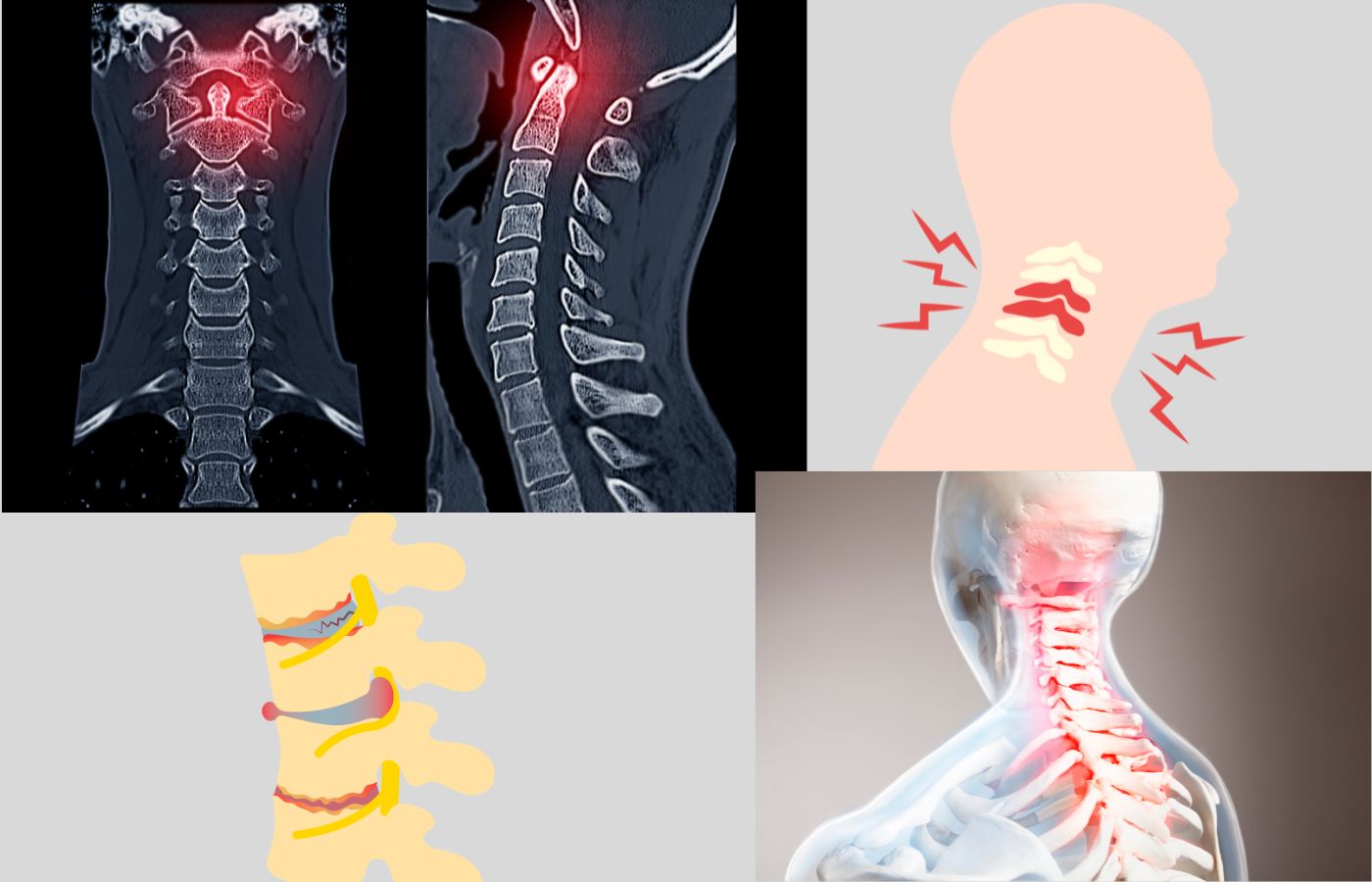
Spinal fractures
Pelvic injuries
Rib fractures
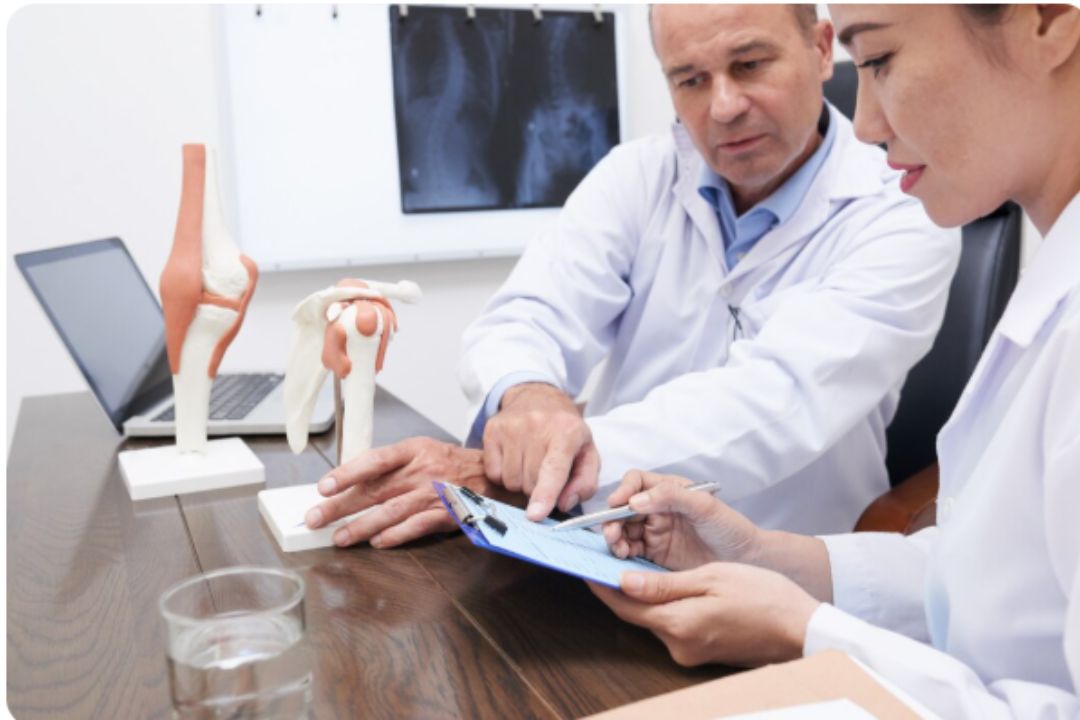
Joint fractures (shoulder, knee, elbow, ankle)
Facial bone injuries
The ability to visualize complex bone structures makes CT scans essential in these situations.
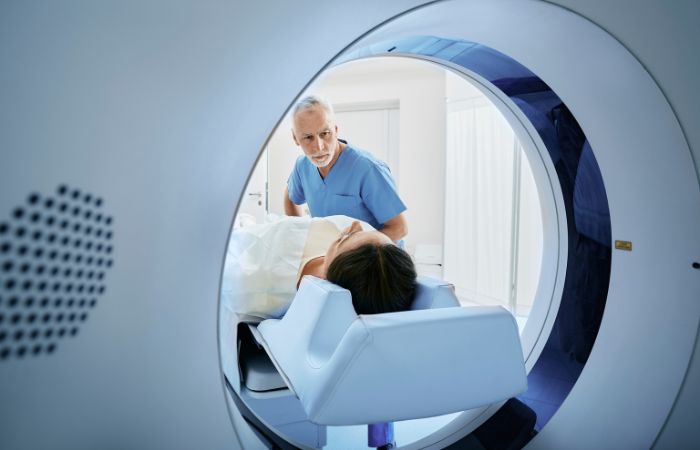
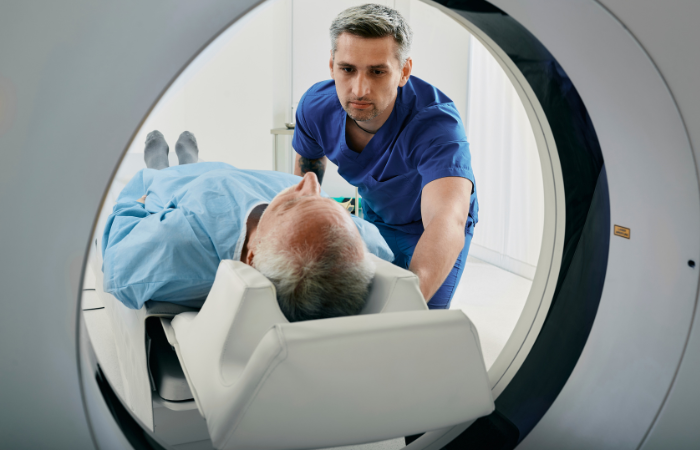
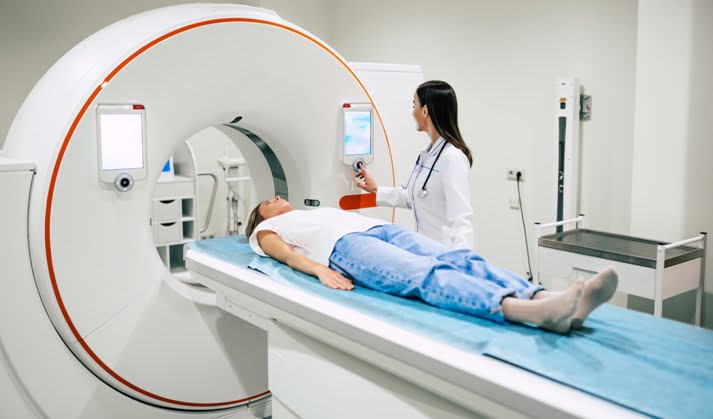
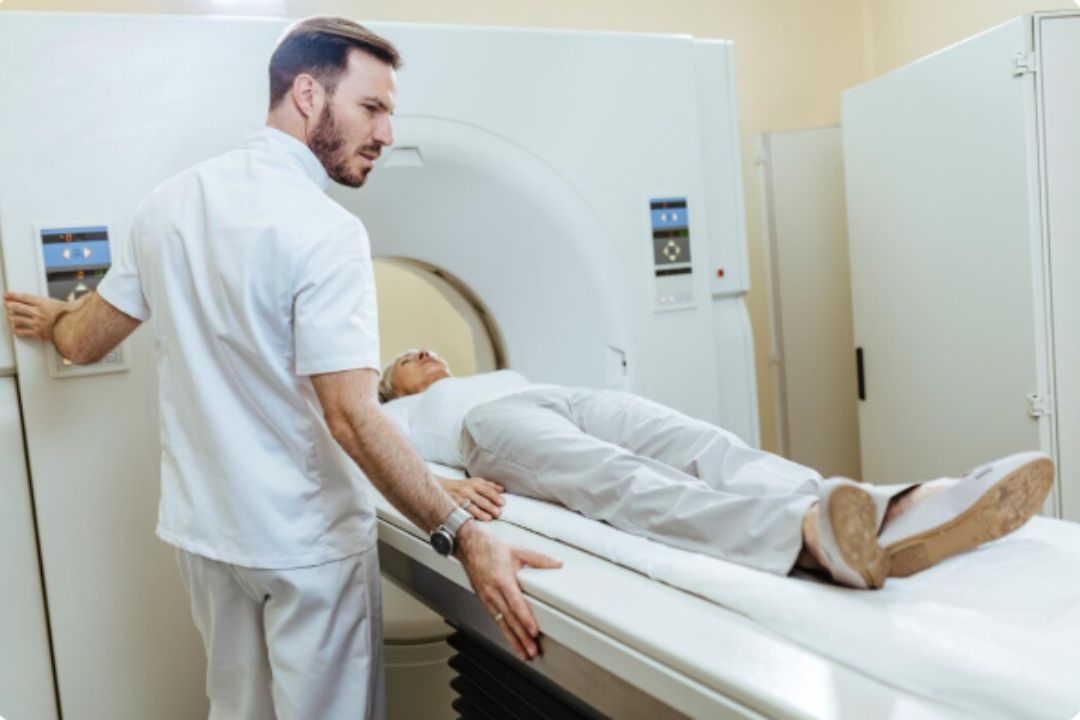
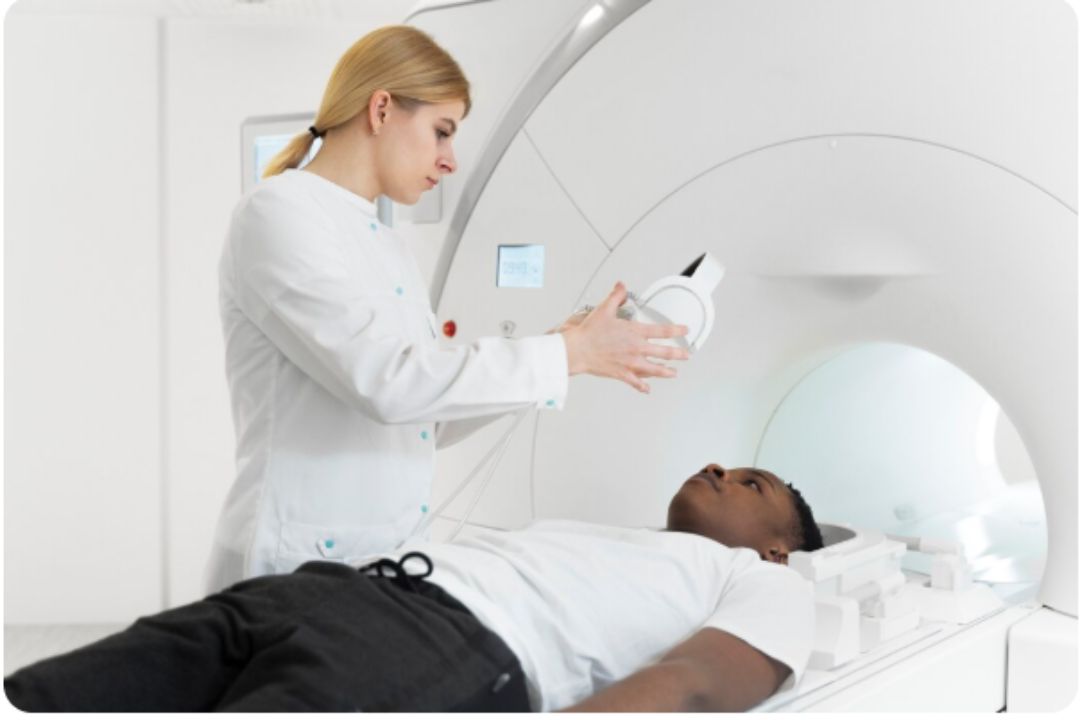
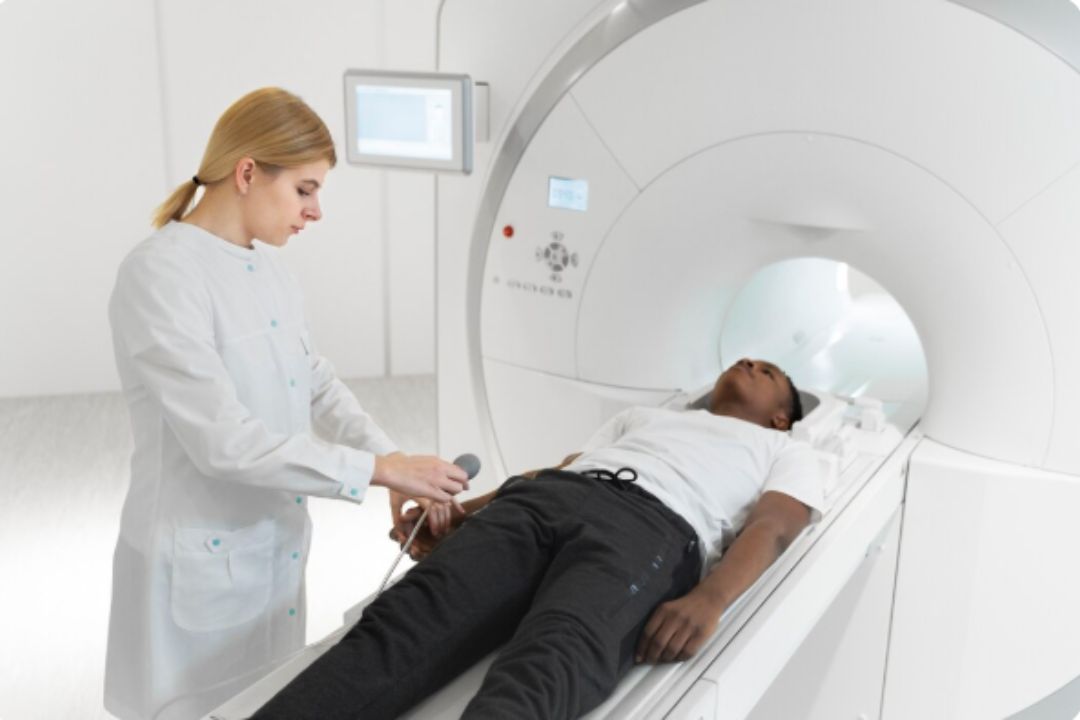
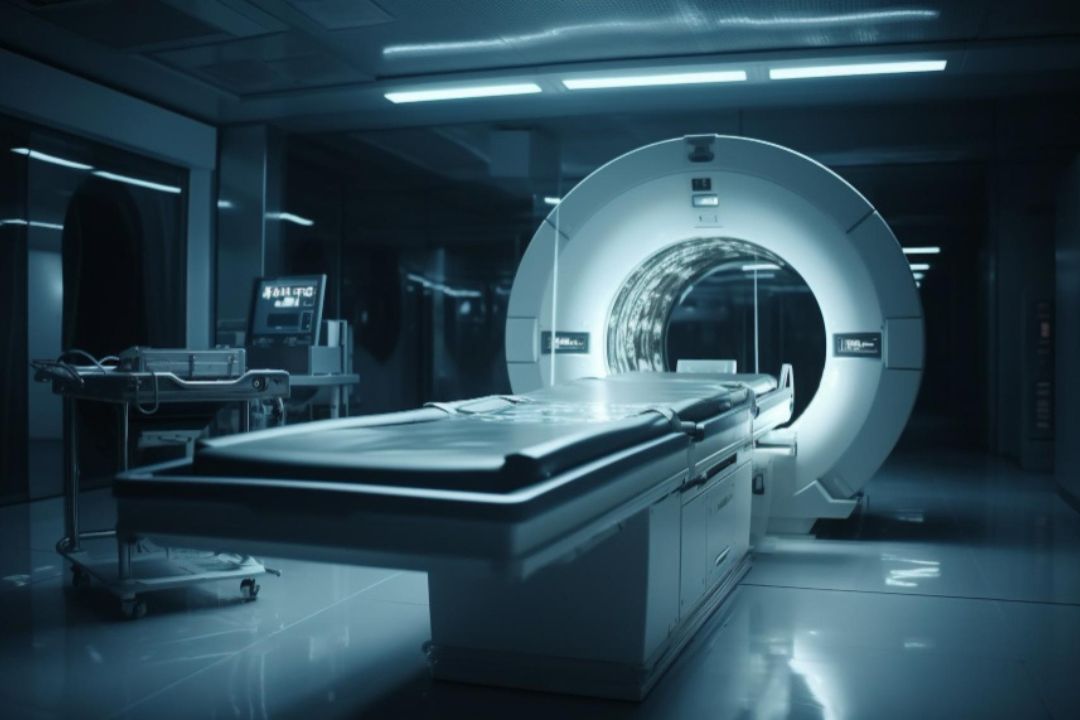
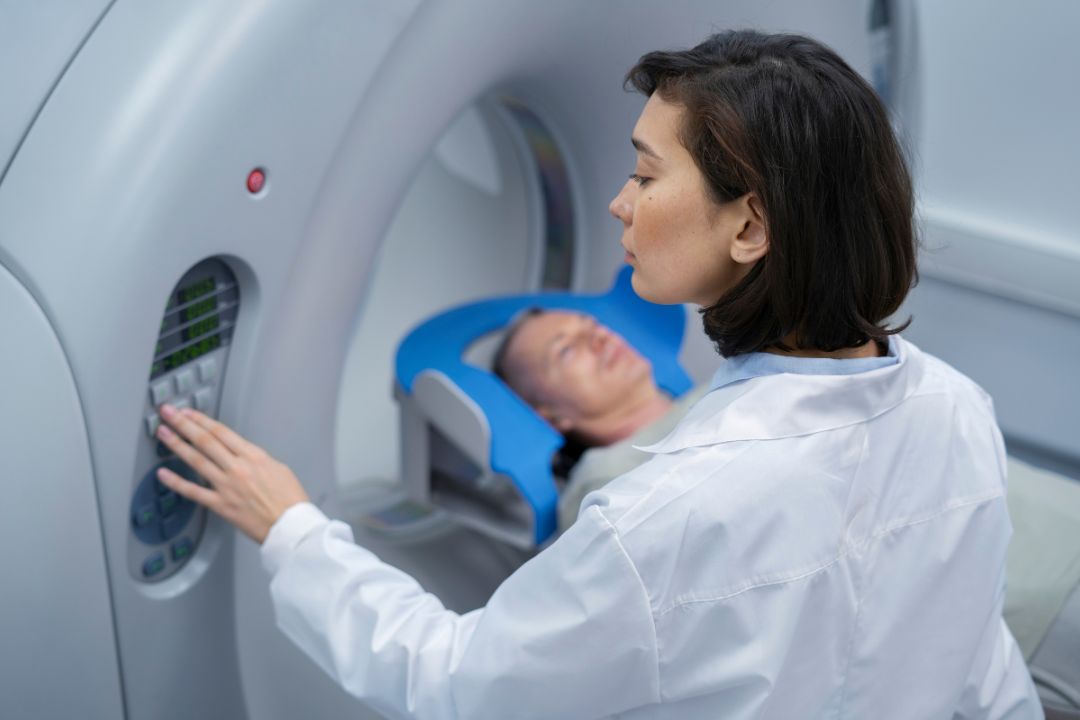
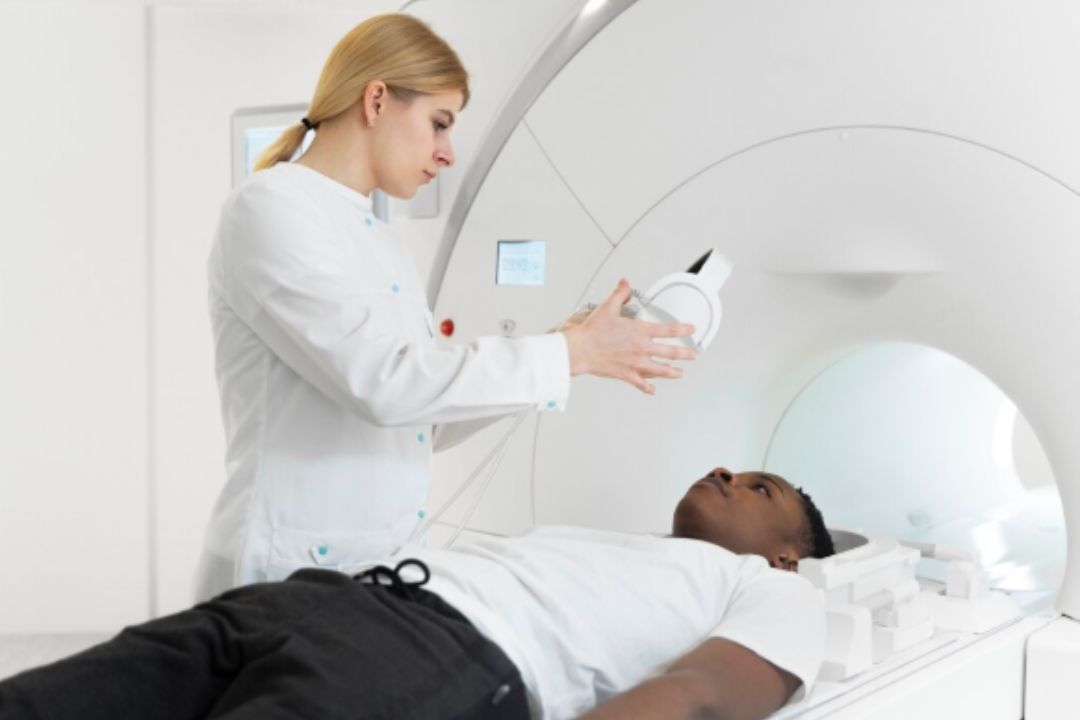
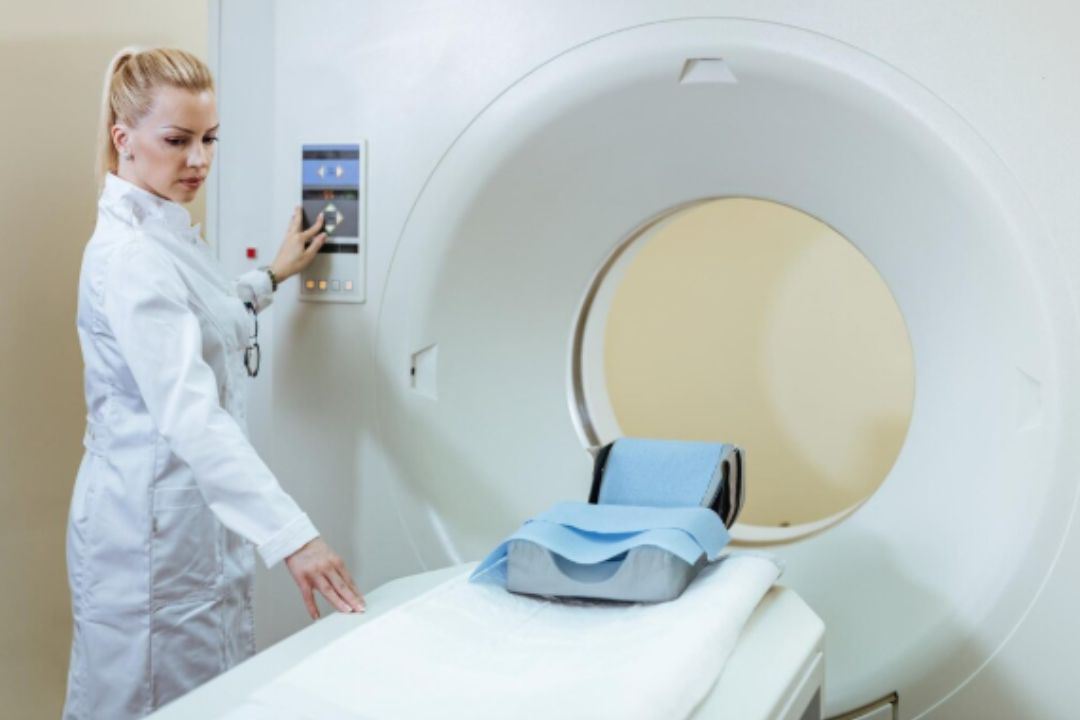
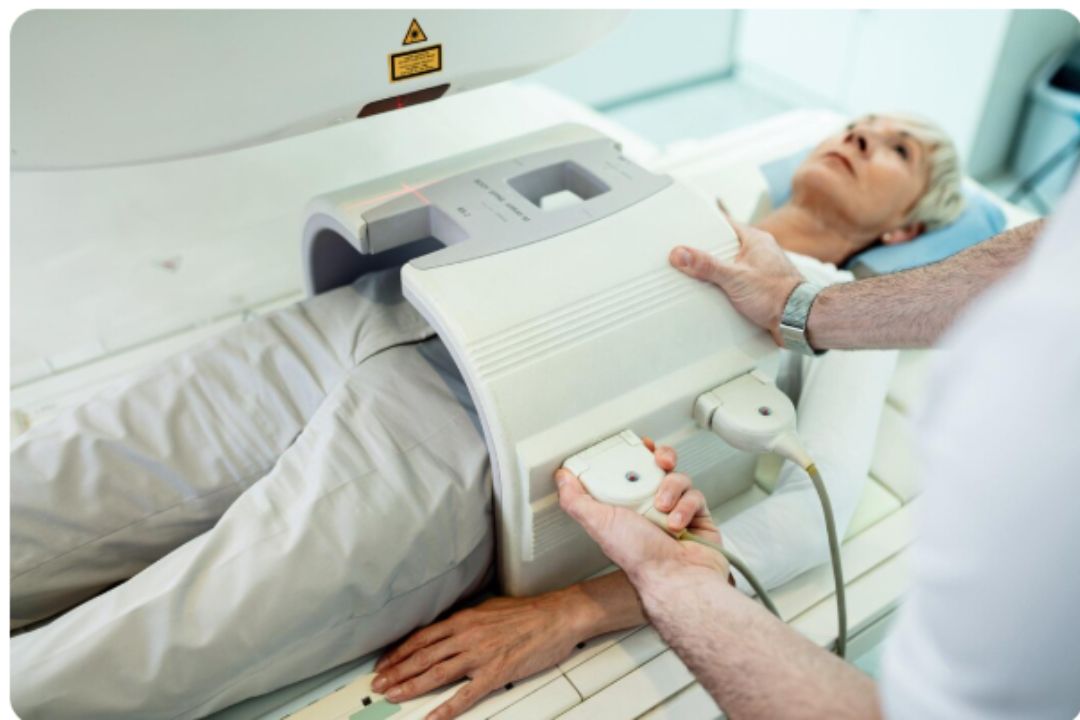
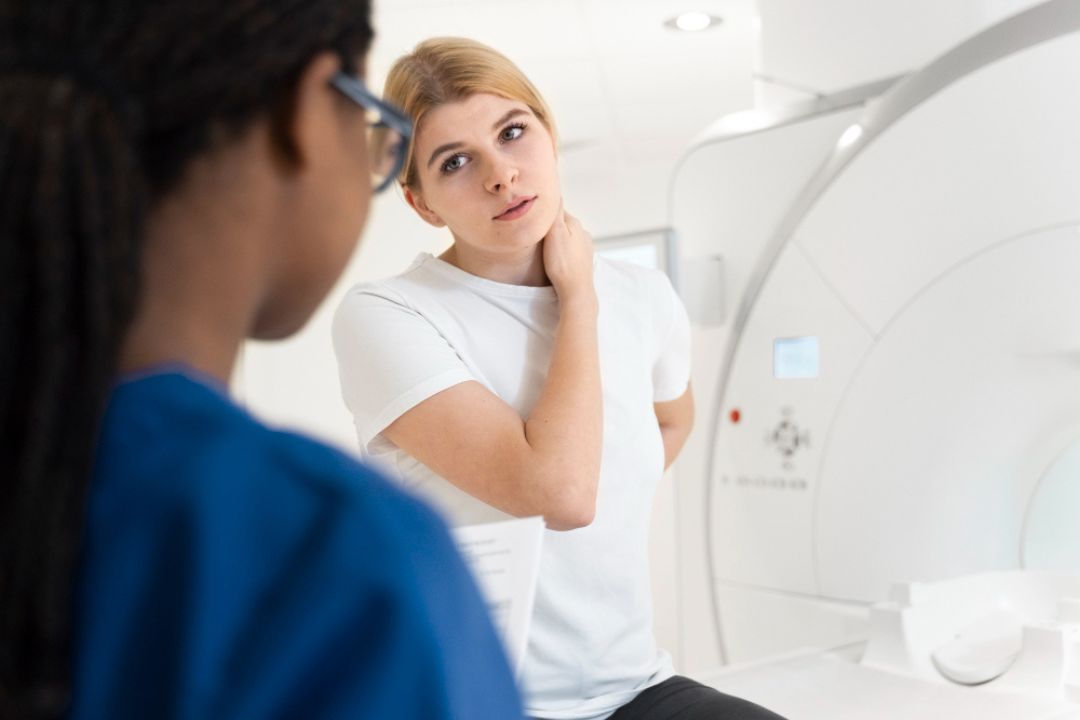
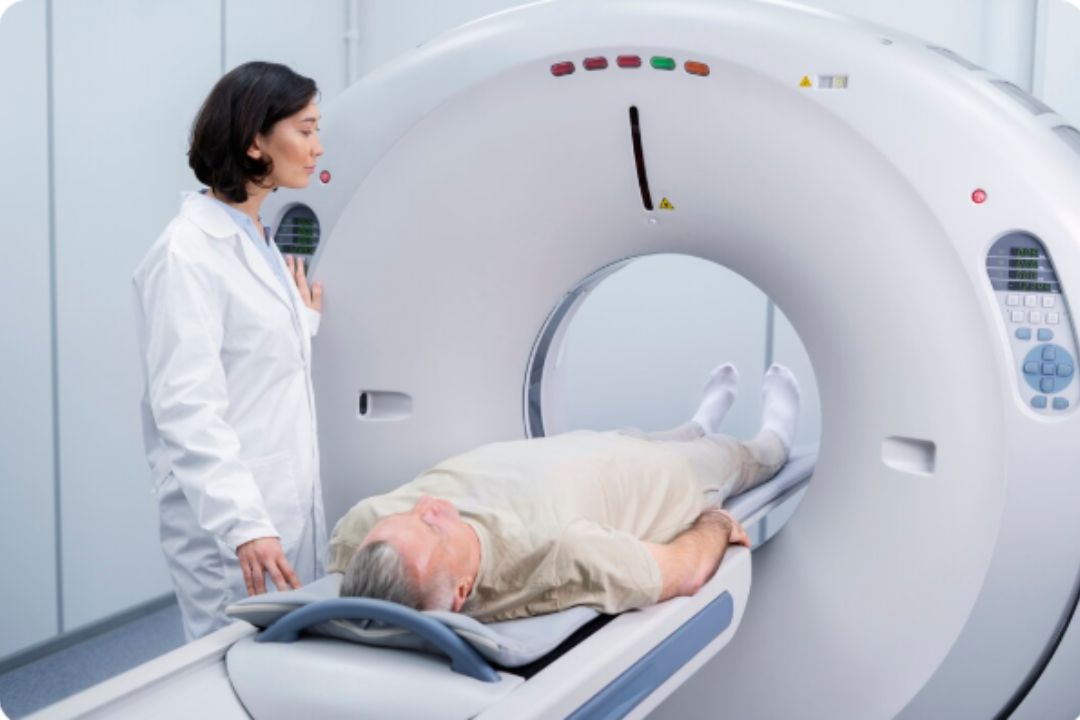
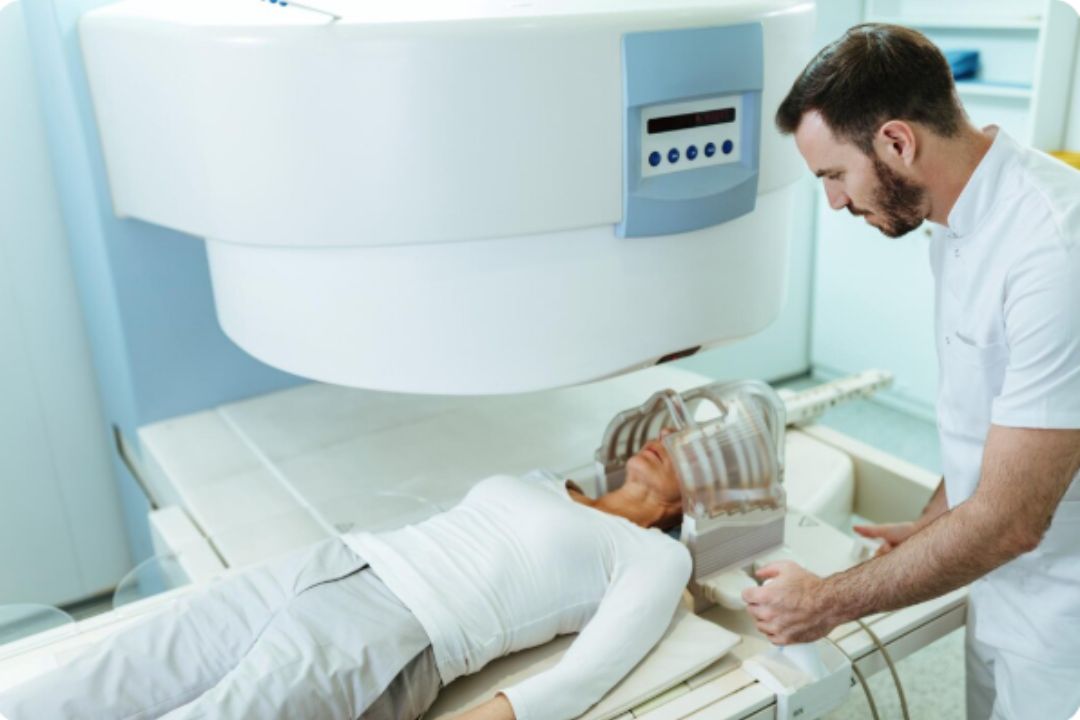
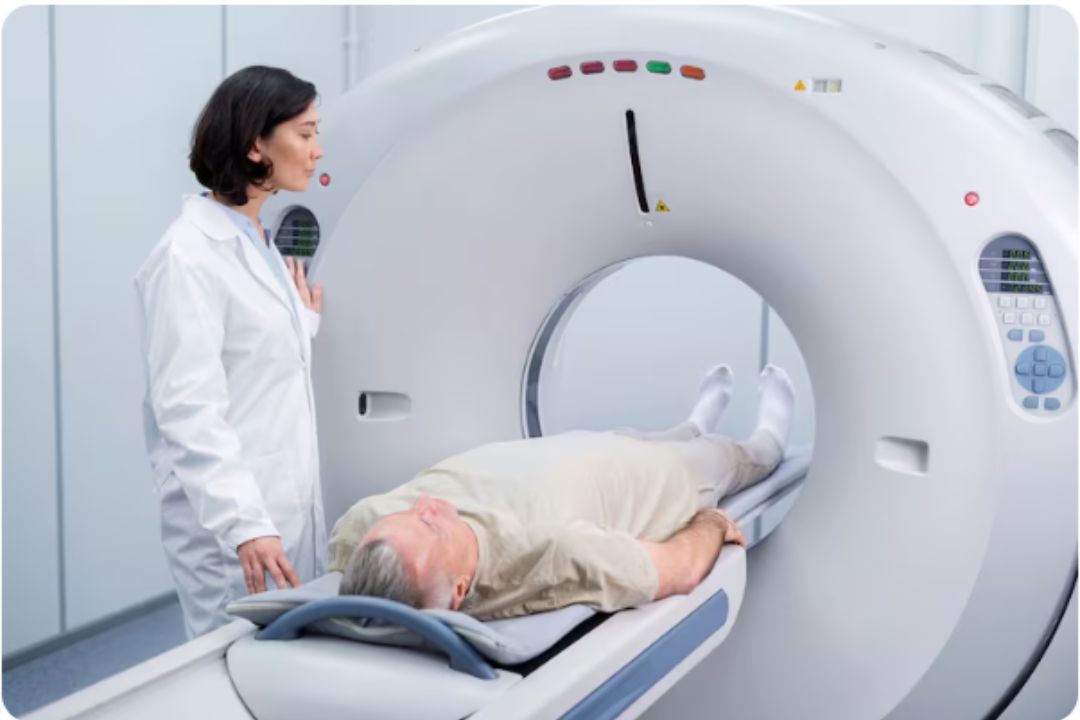
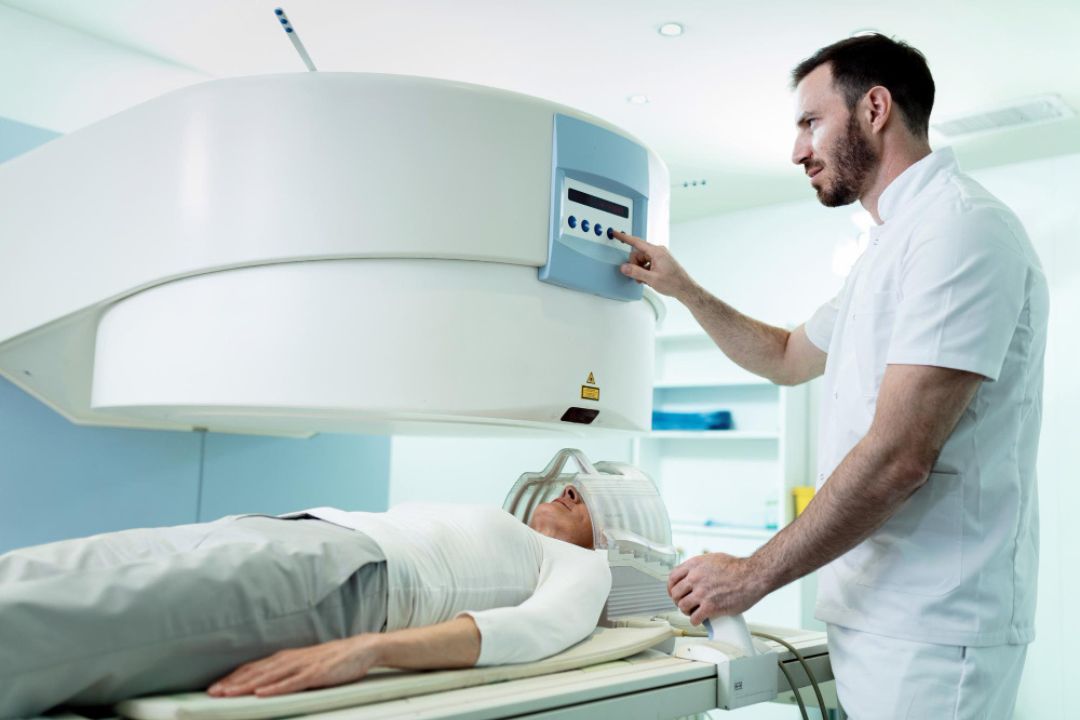
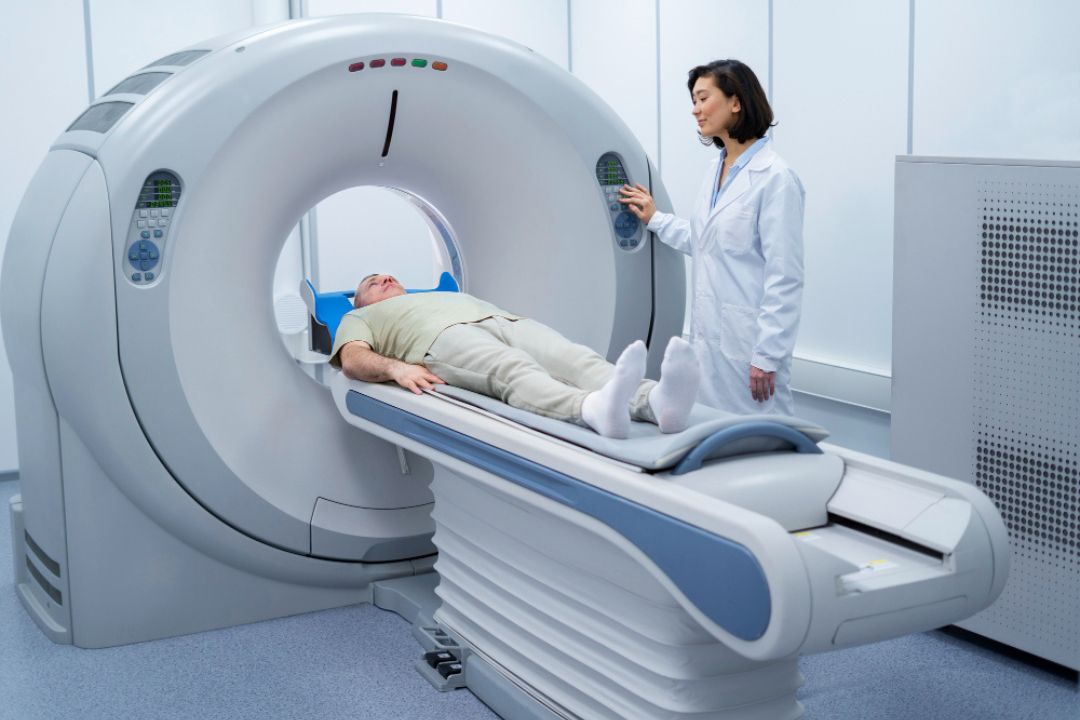
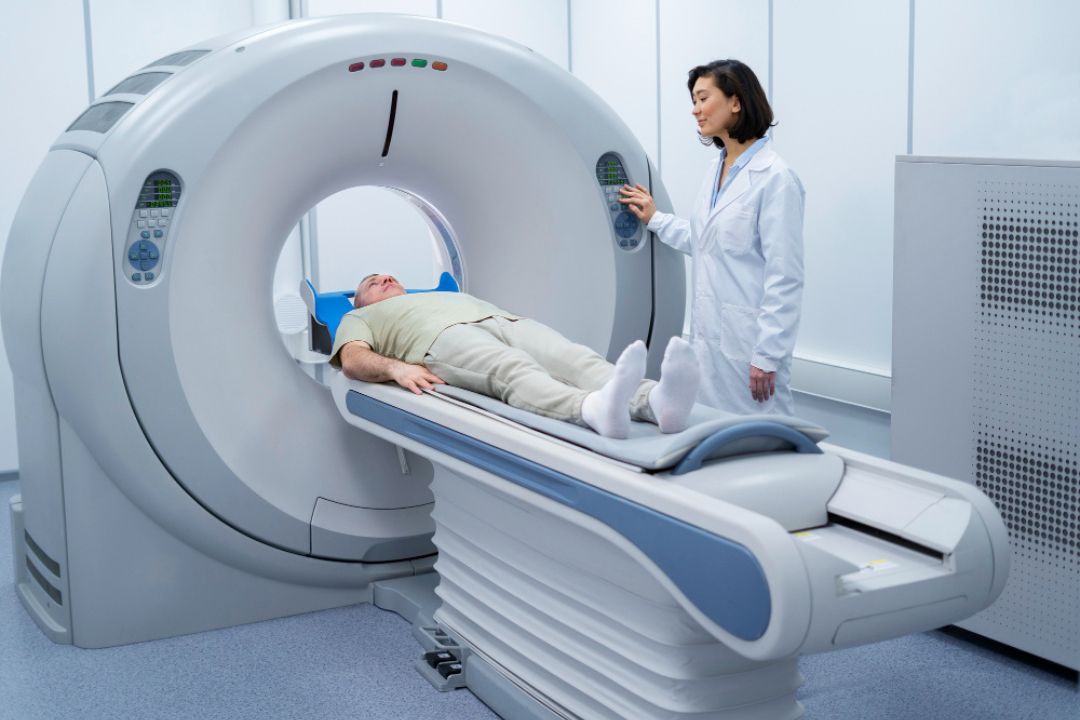
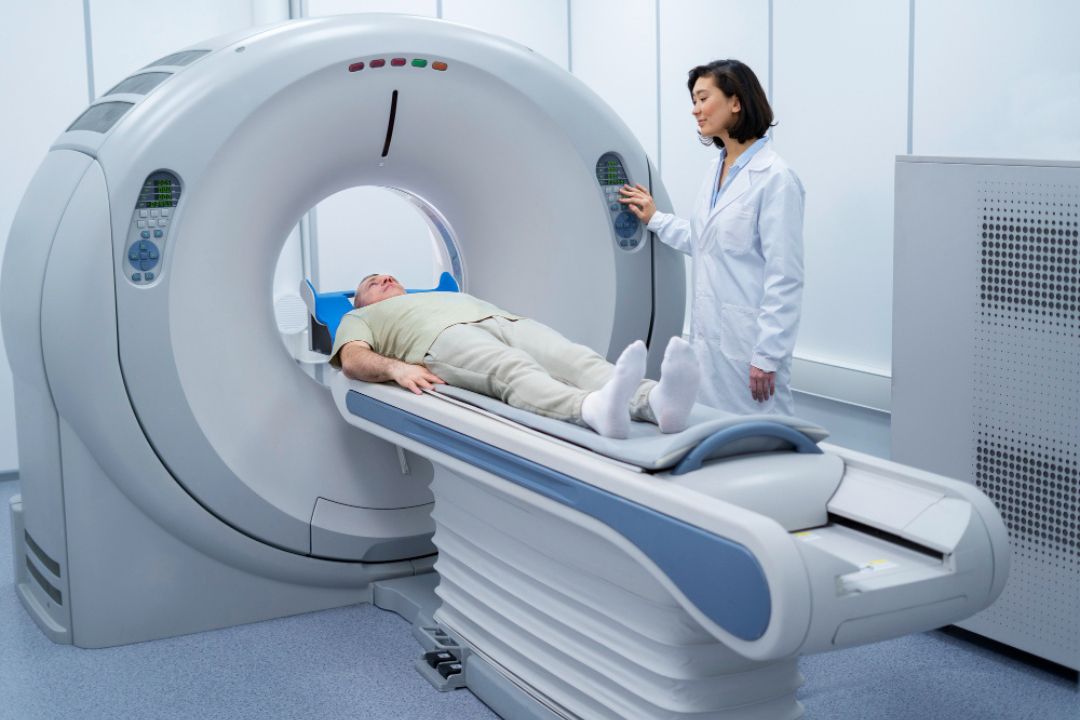
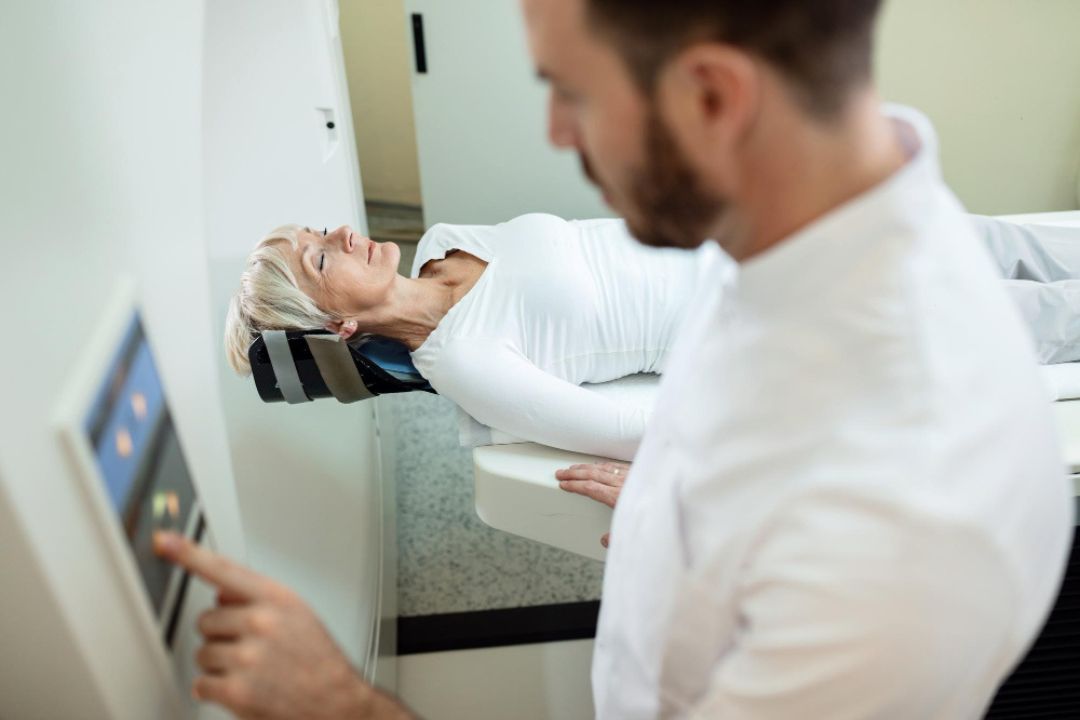
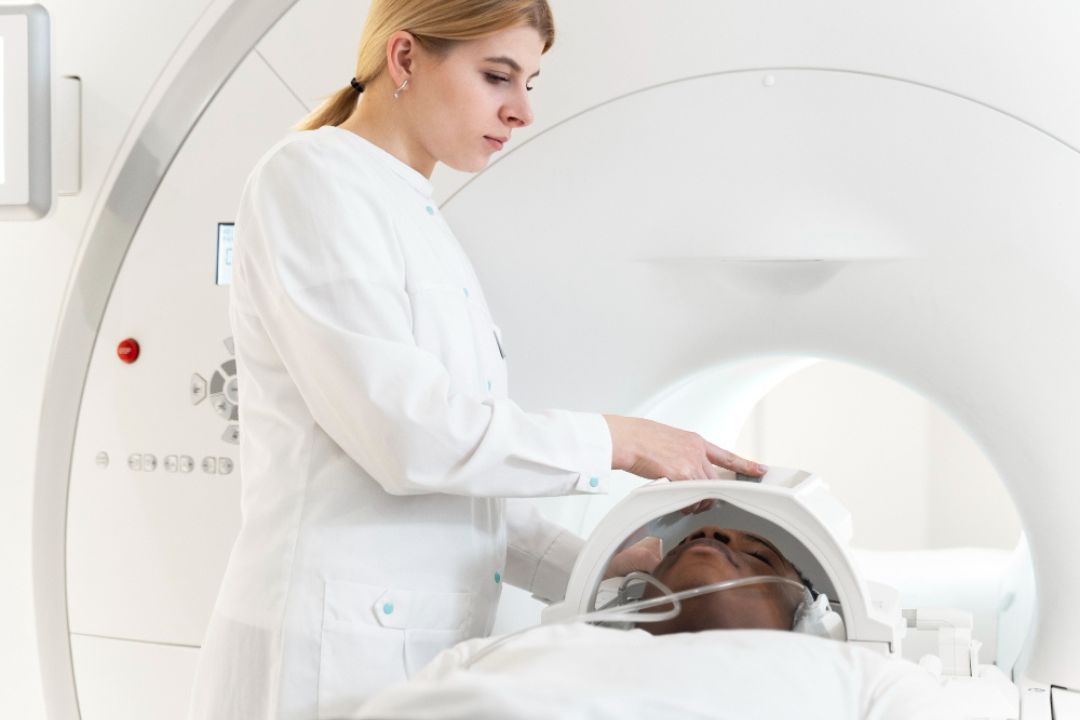
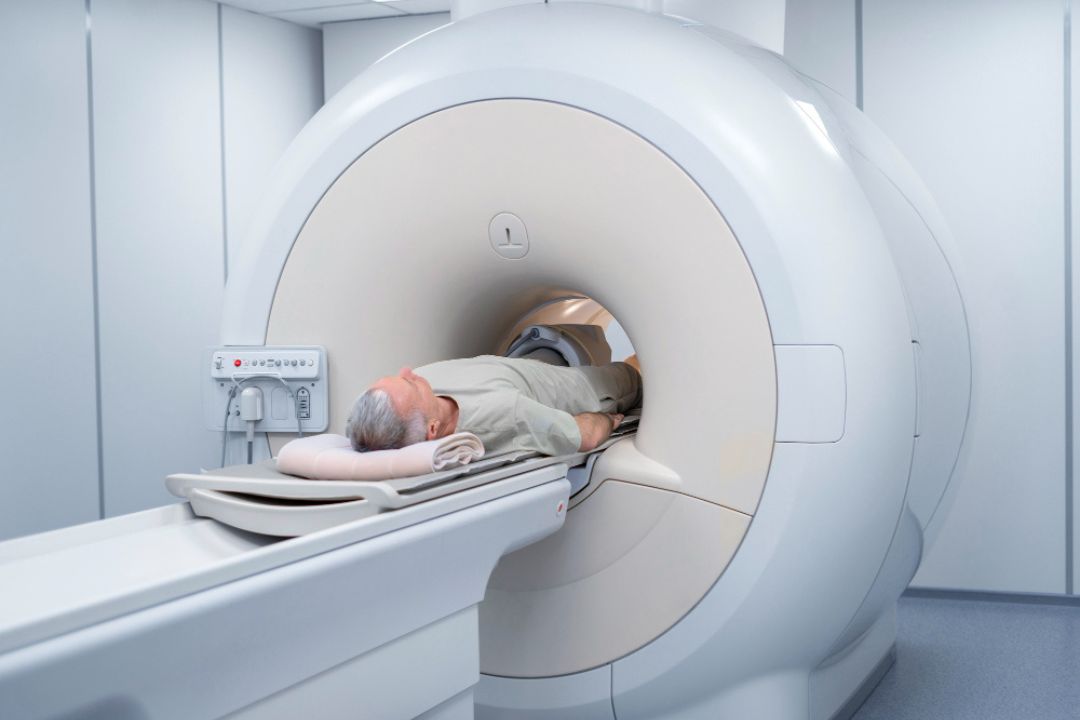
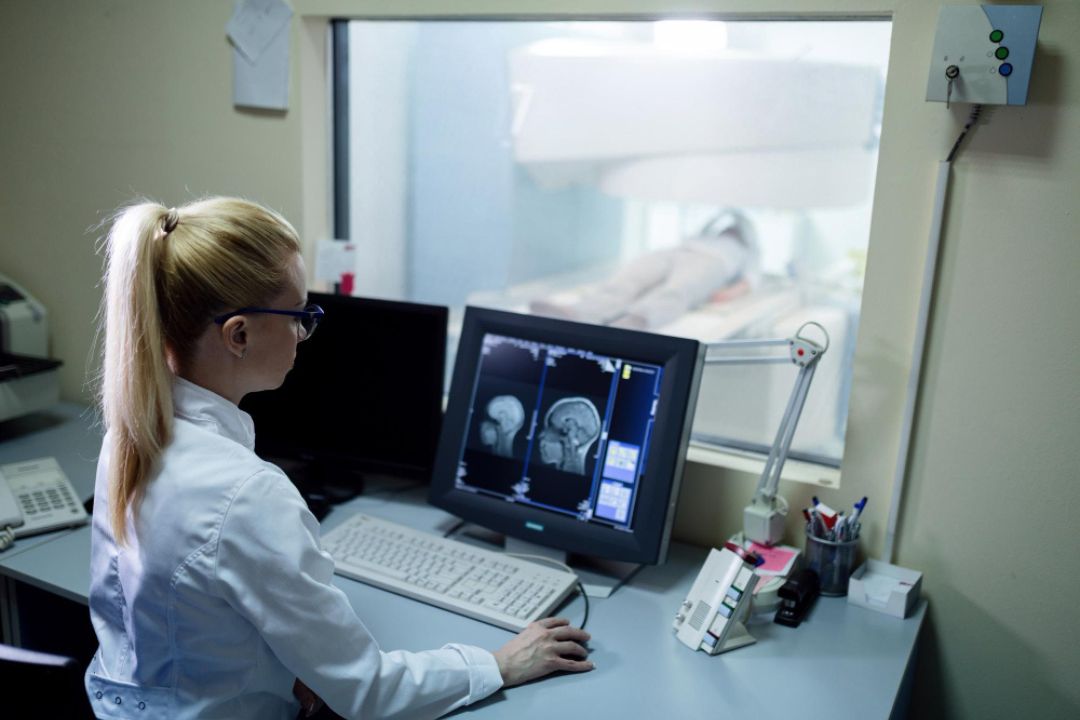
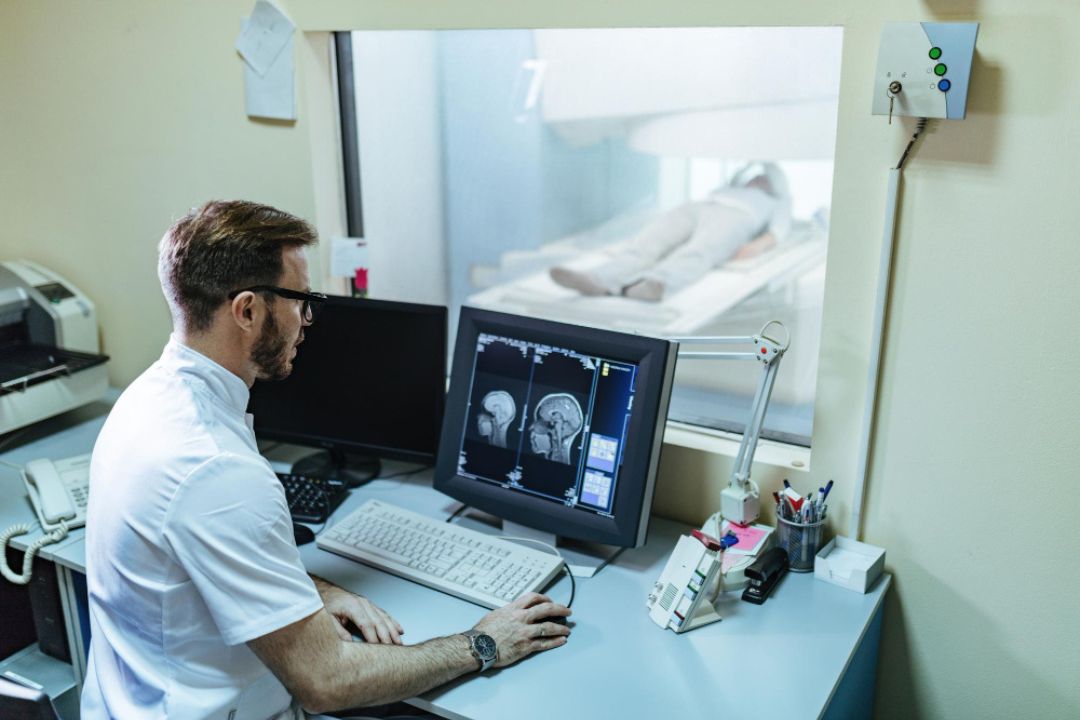
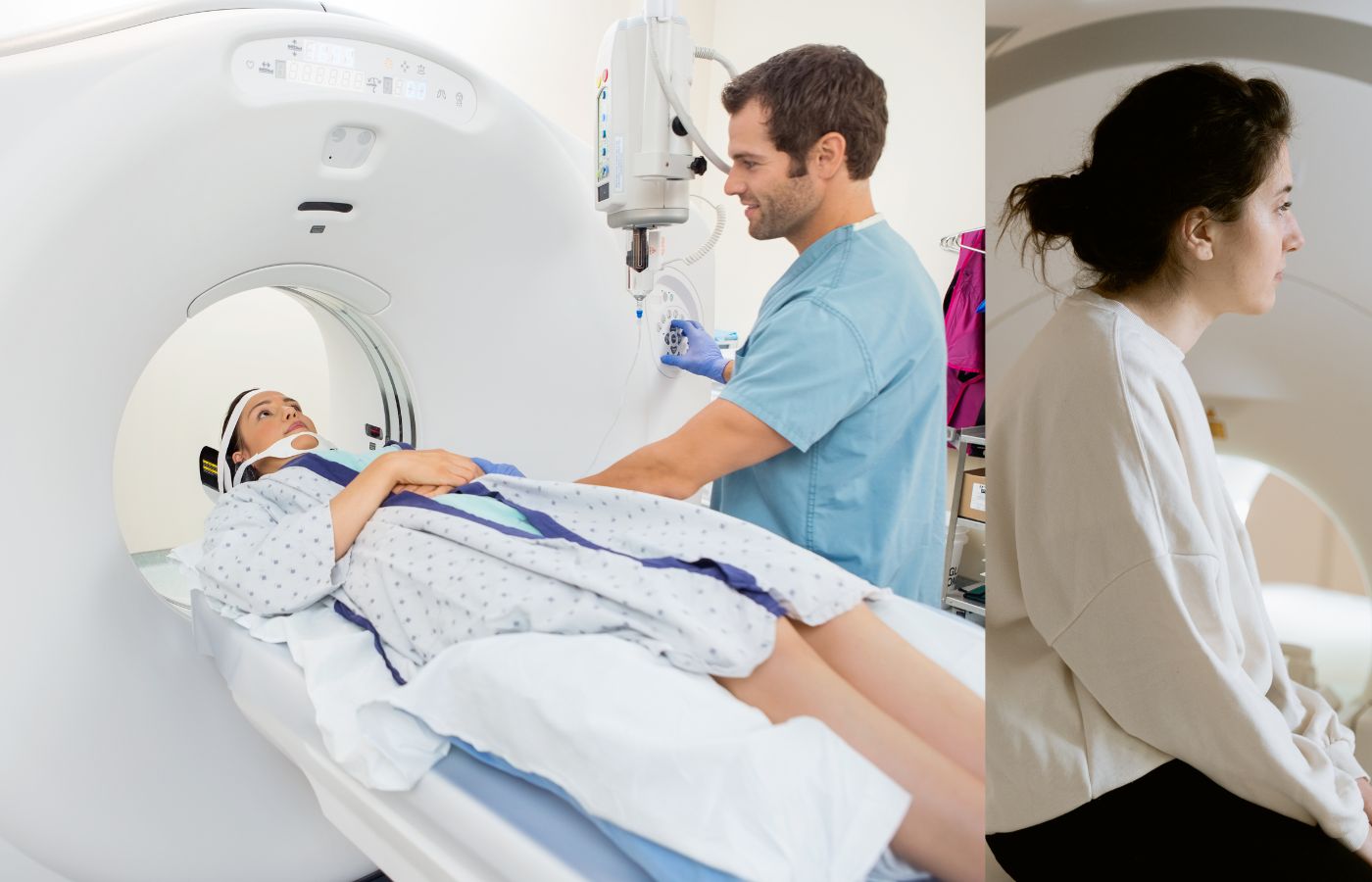
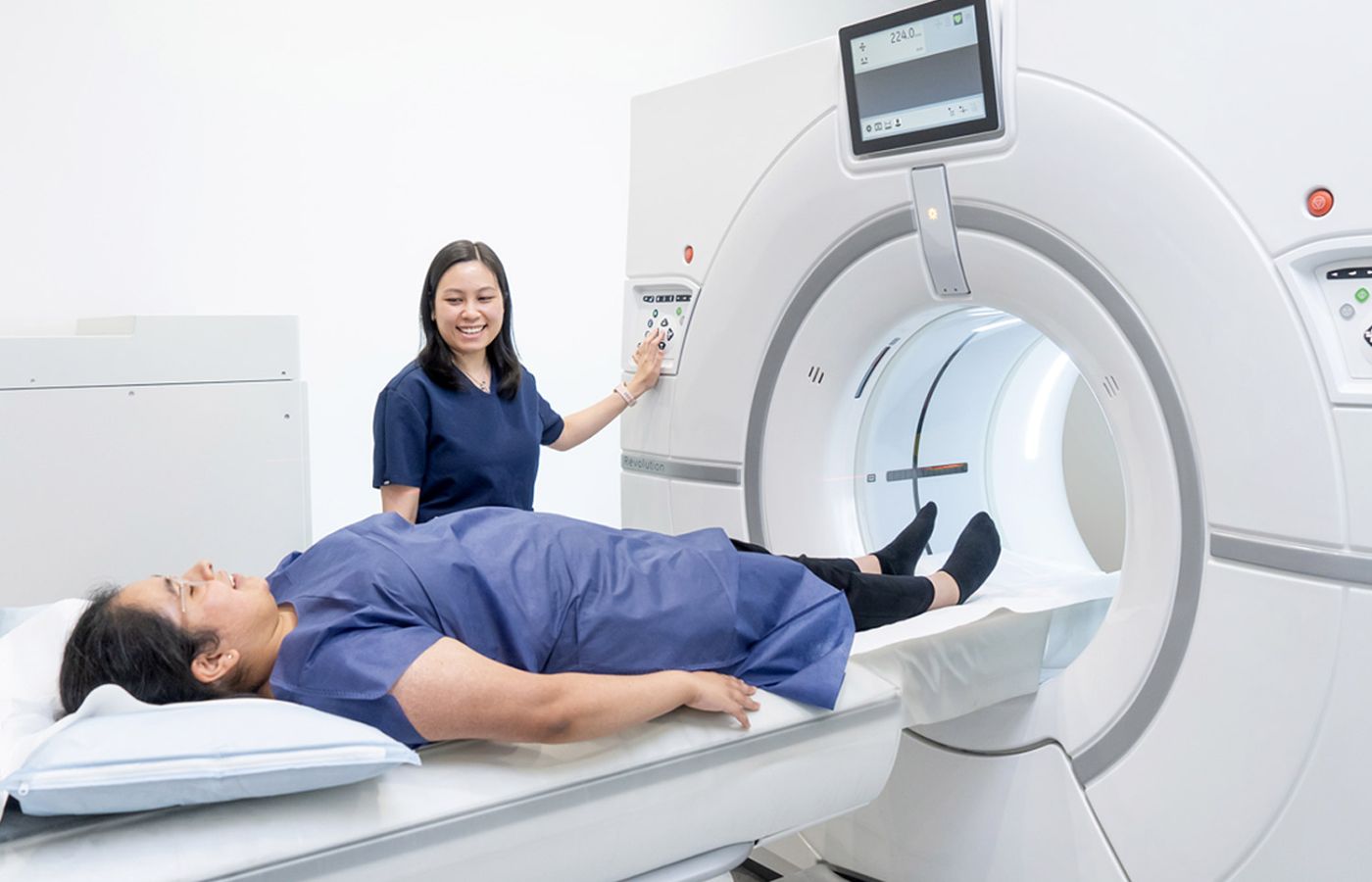
The CT scan process is quick and painless.
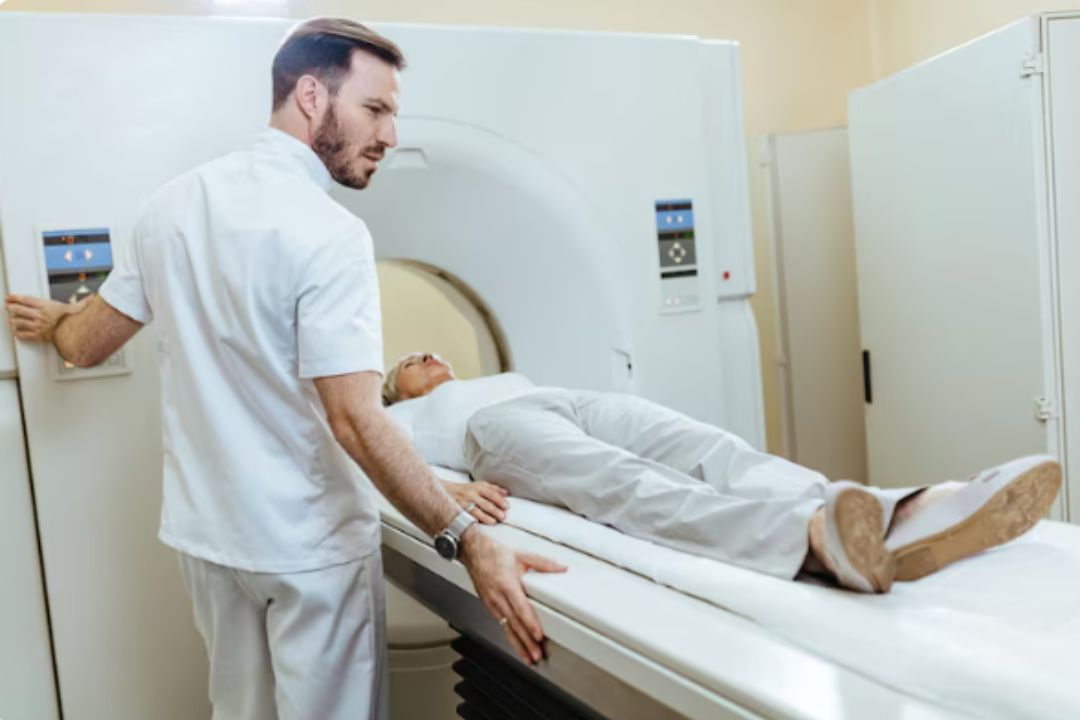
During the procedure:
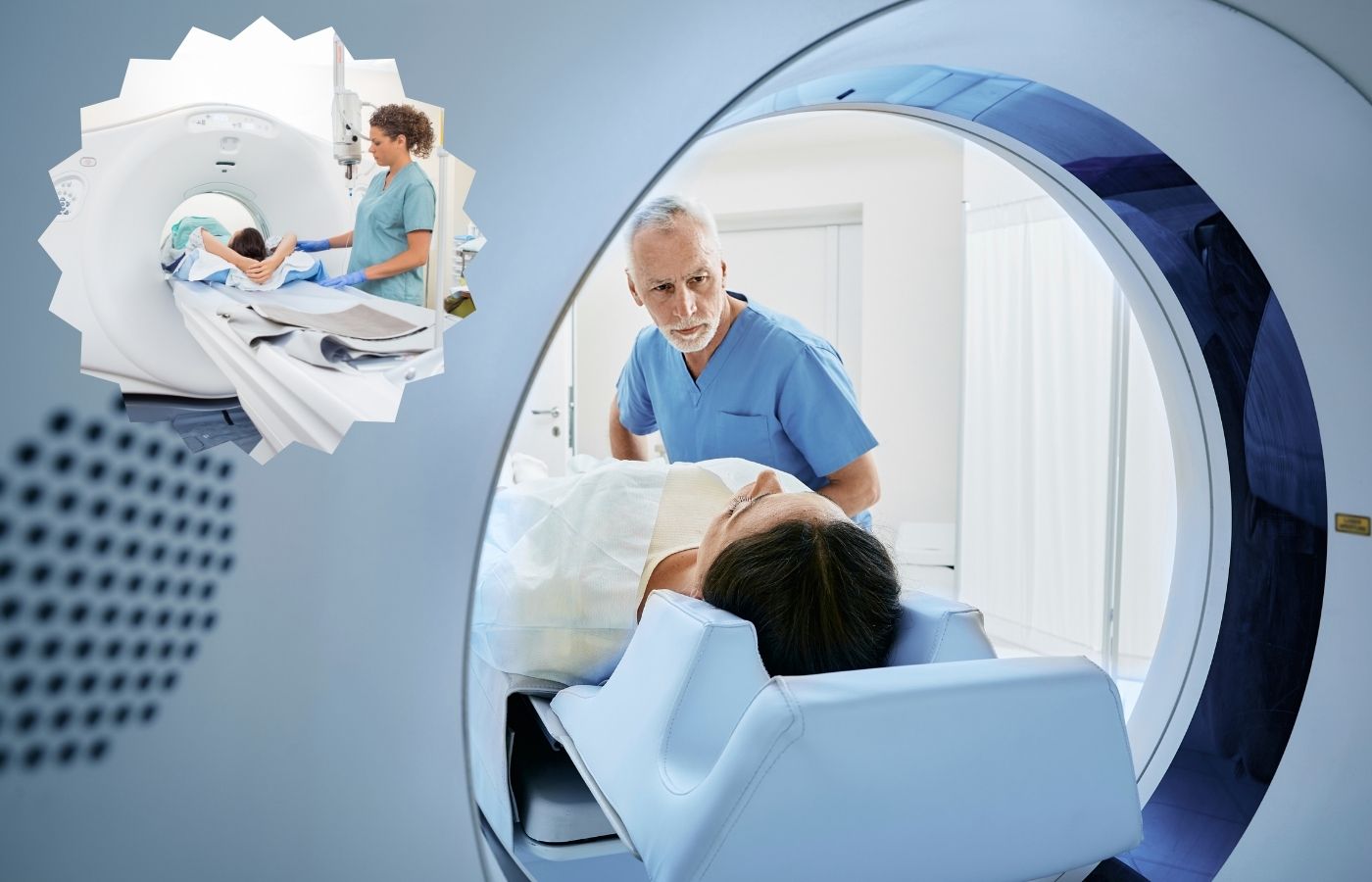
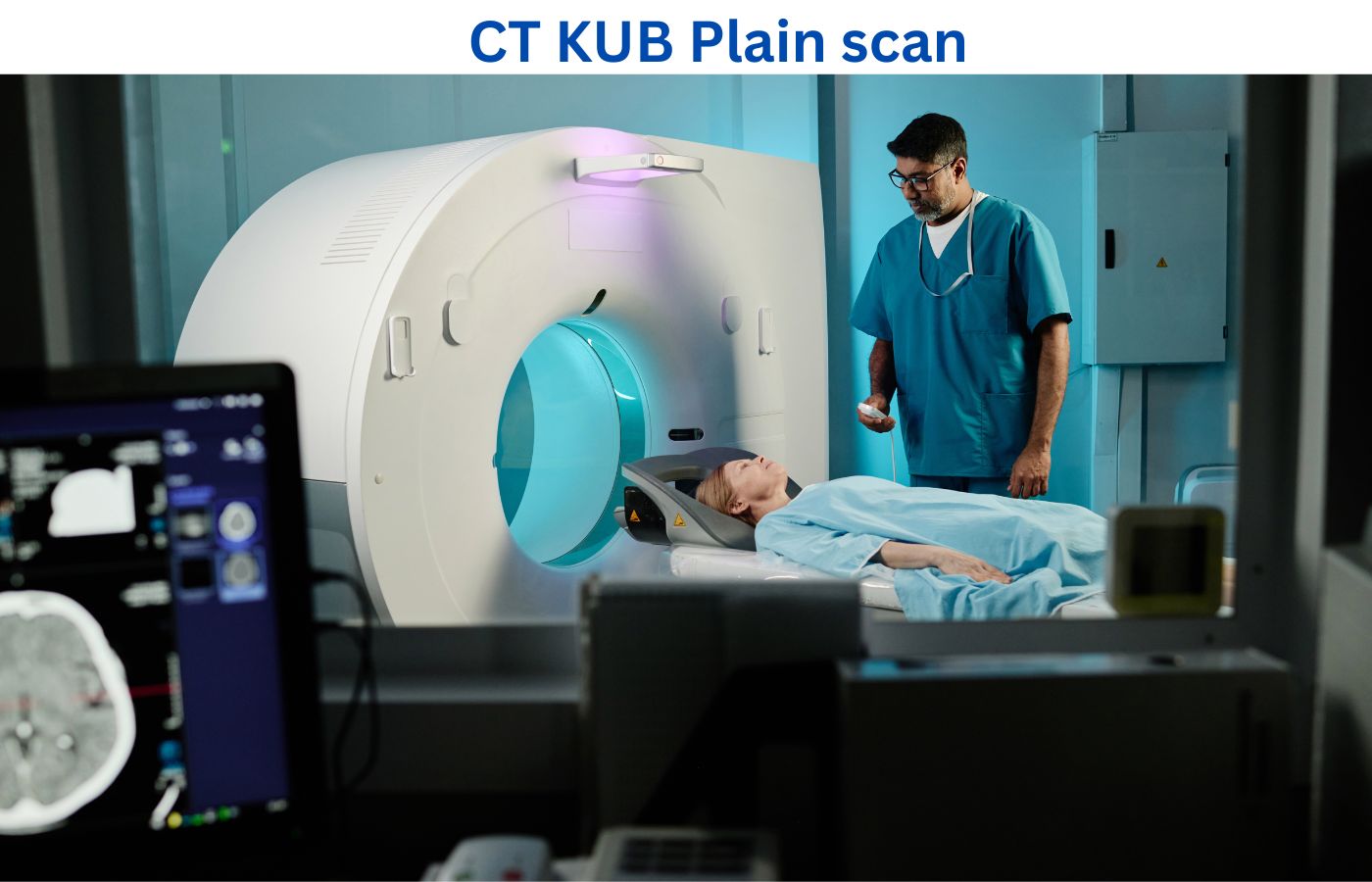
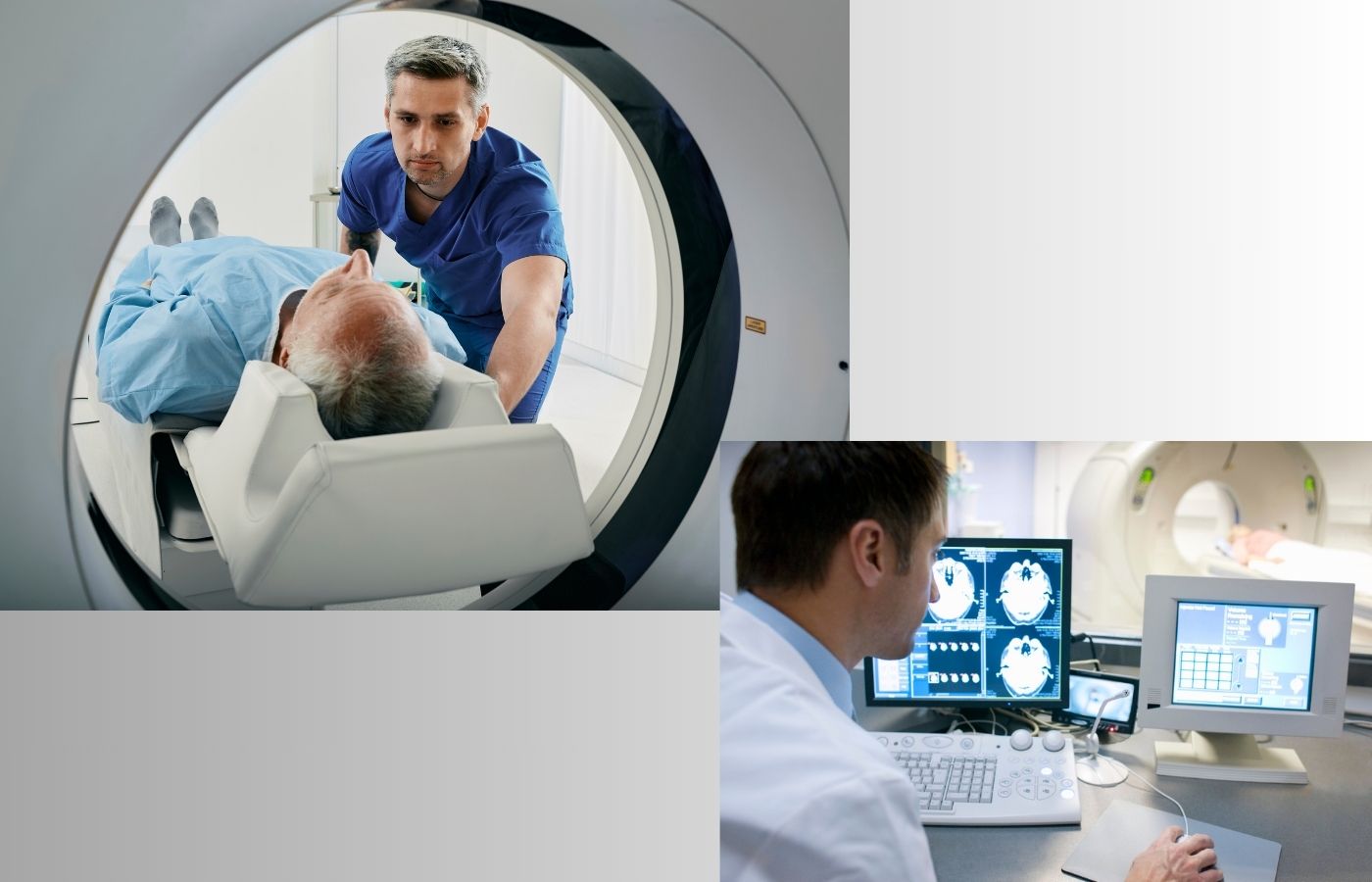
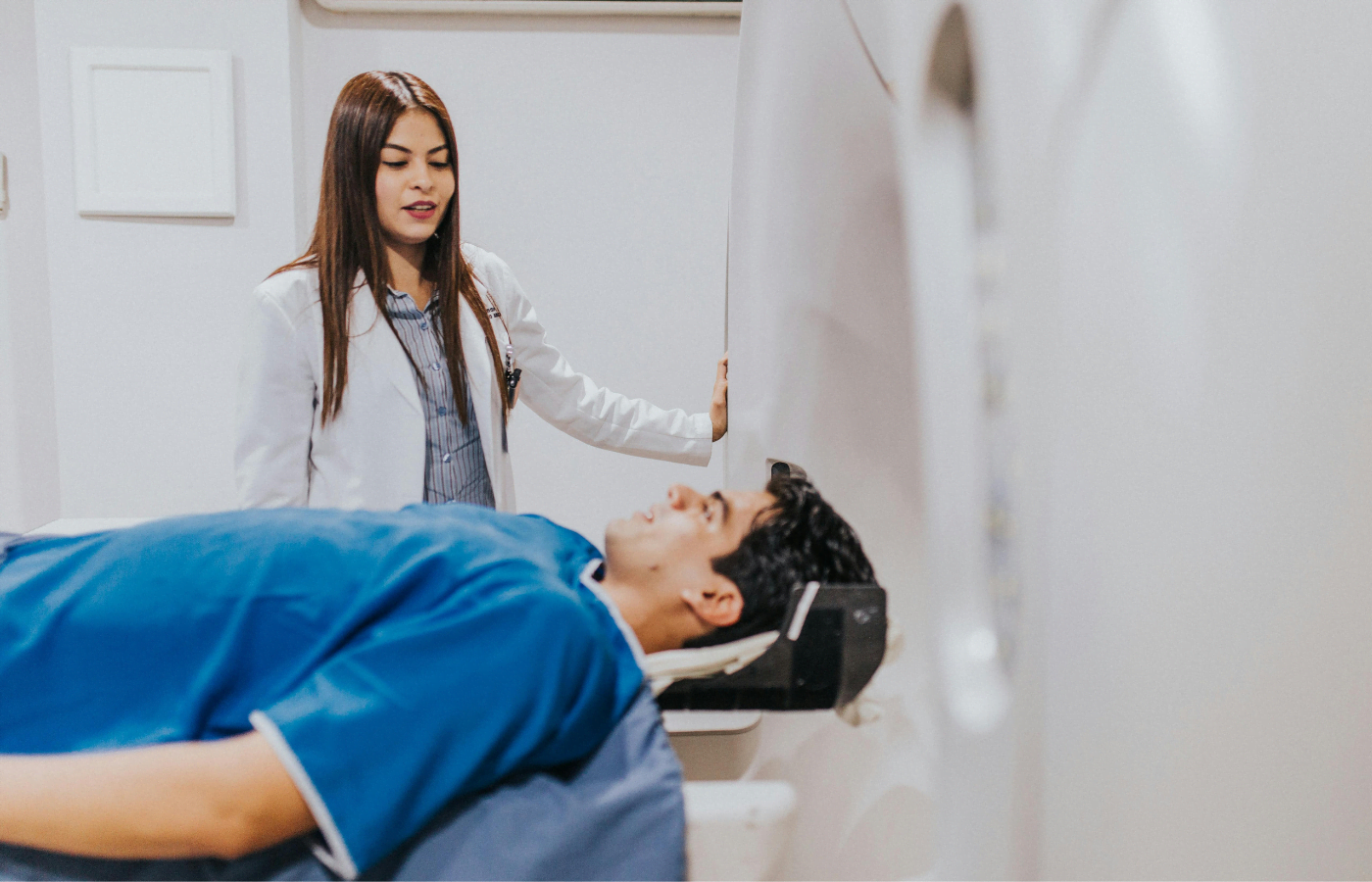
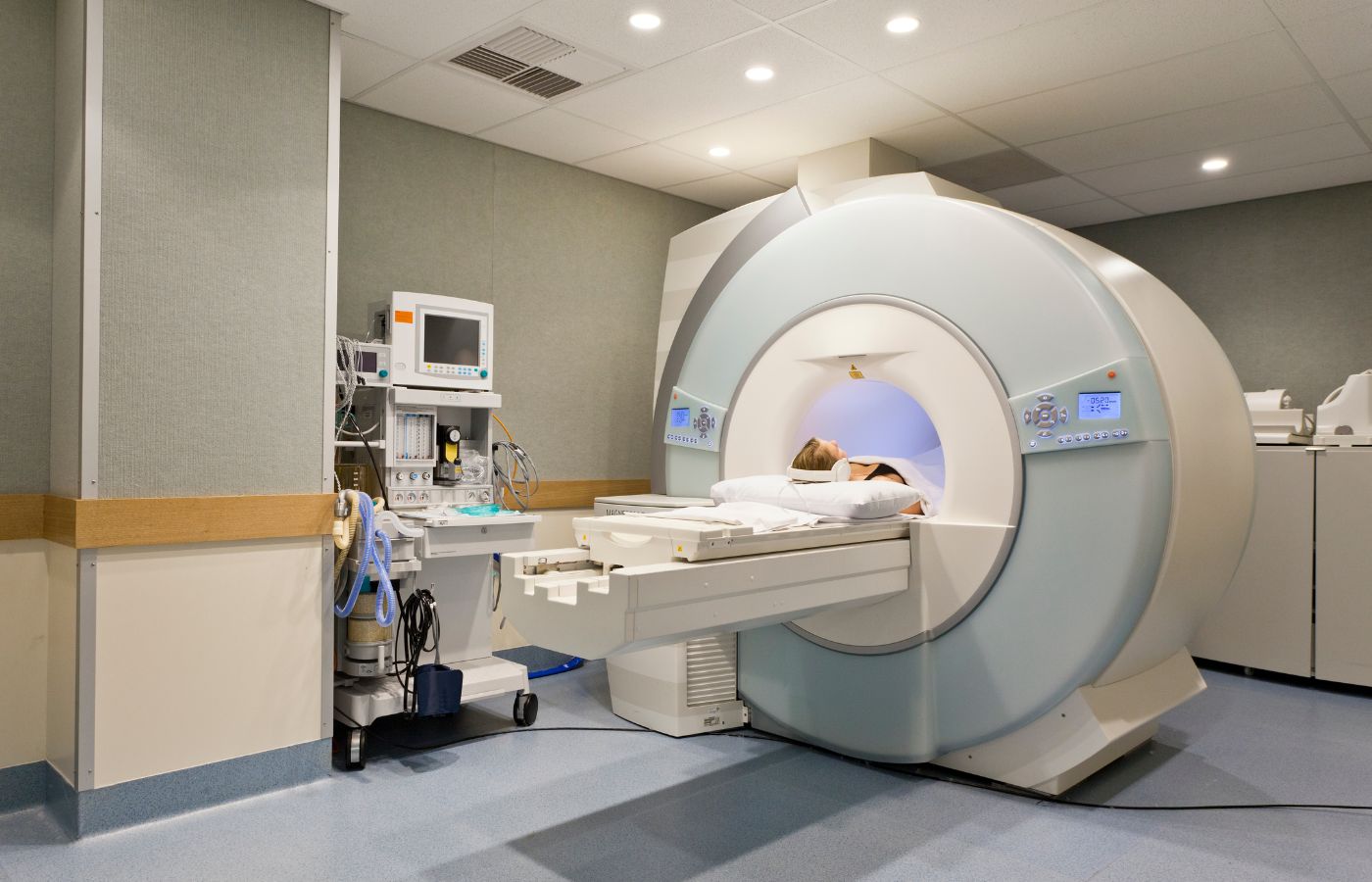
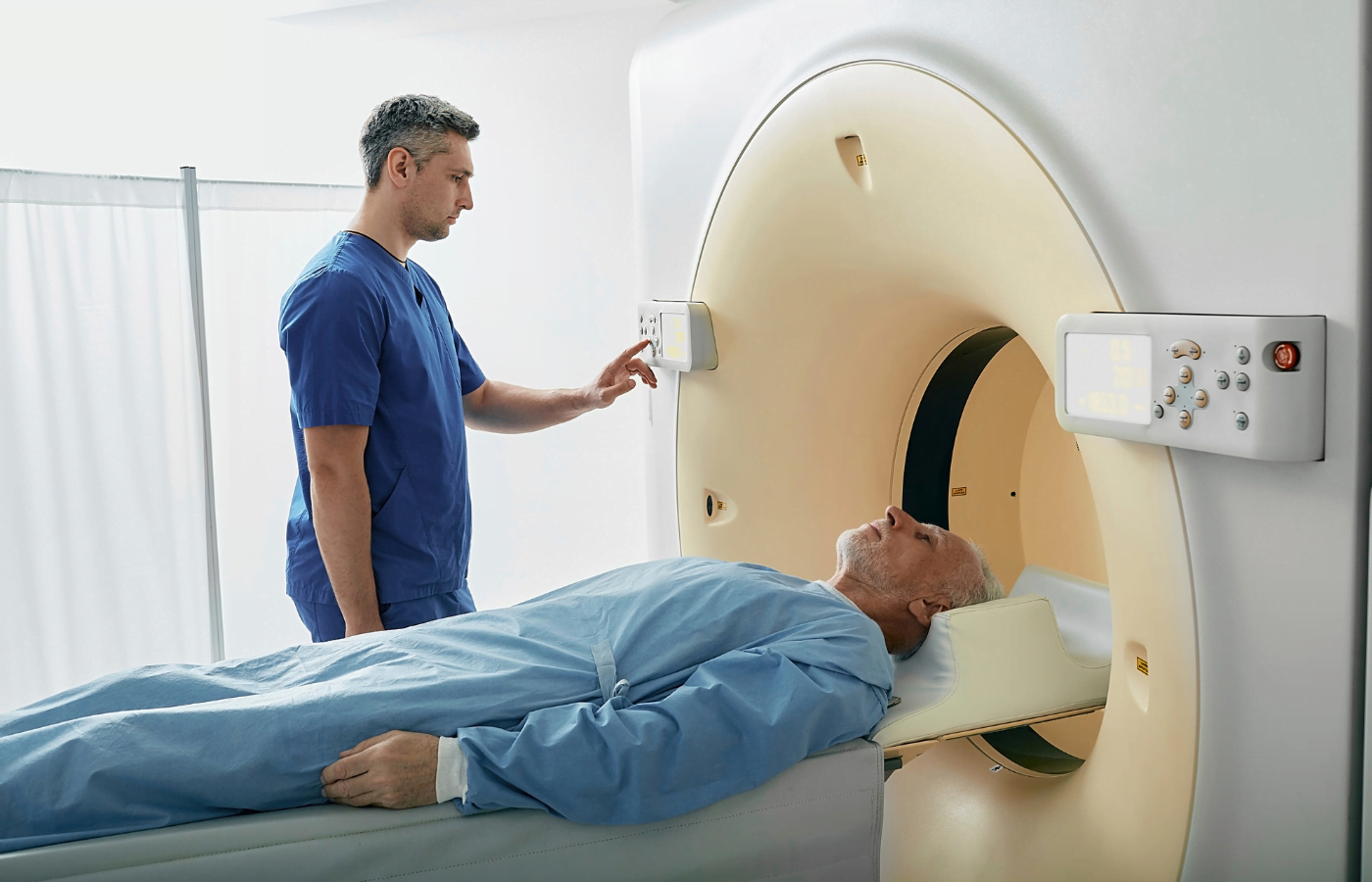
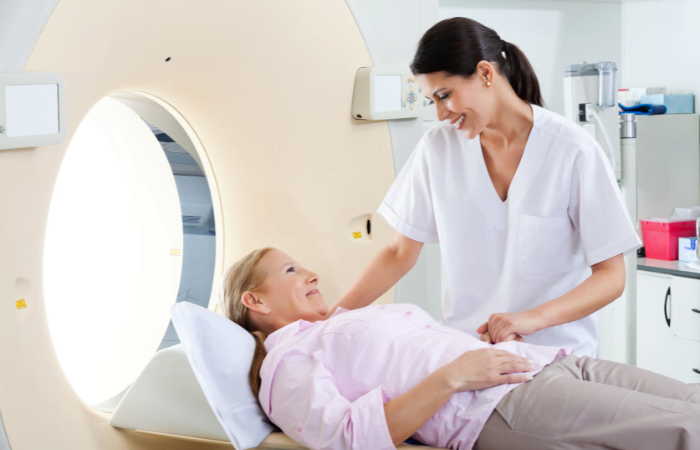
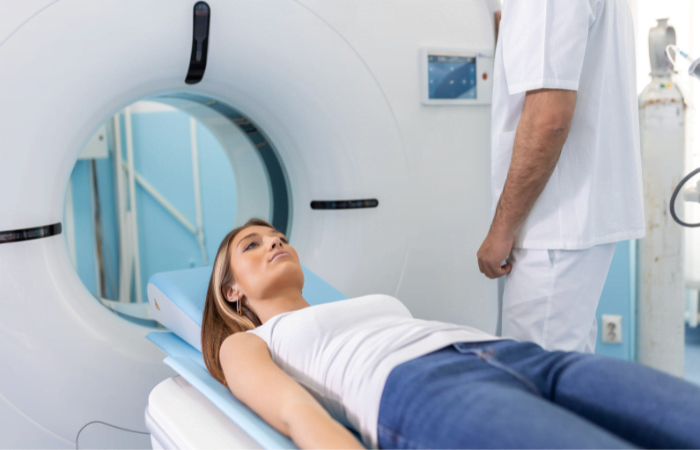
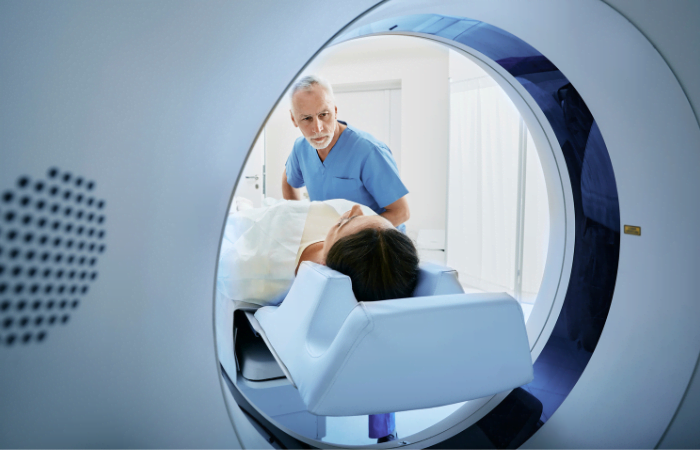
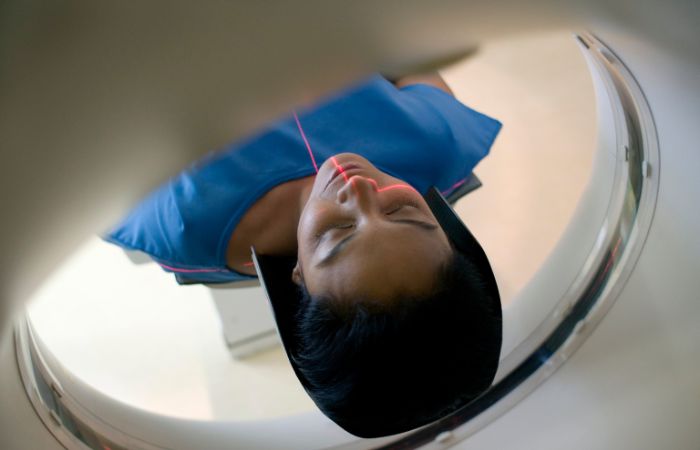
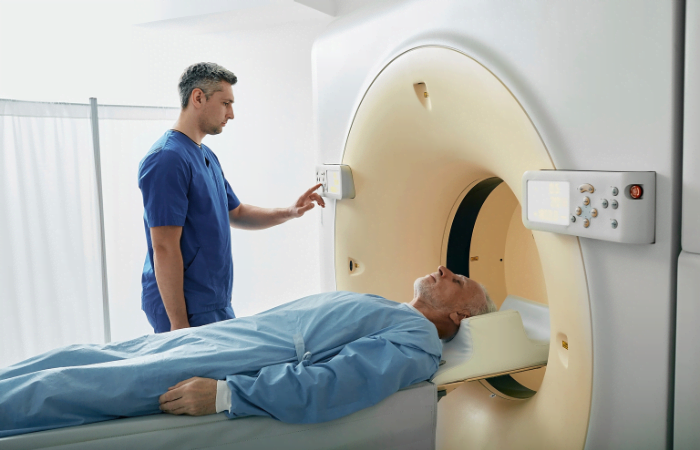
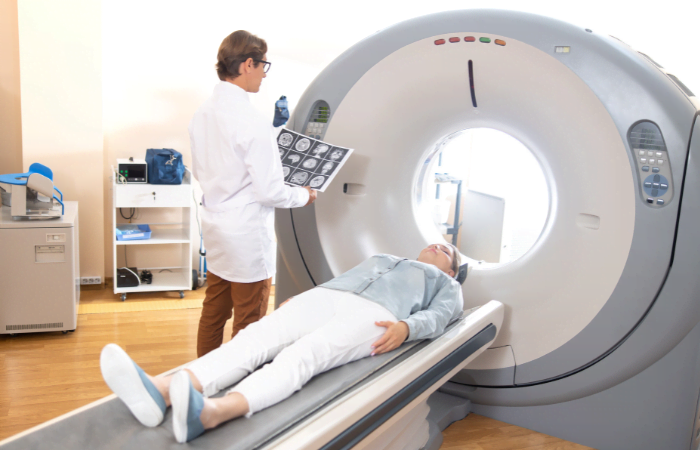
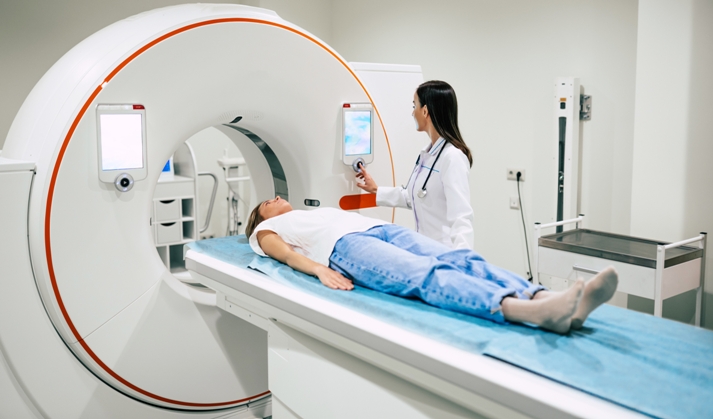
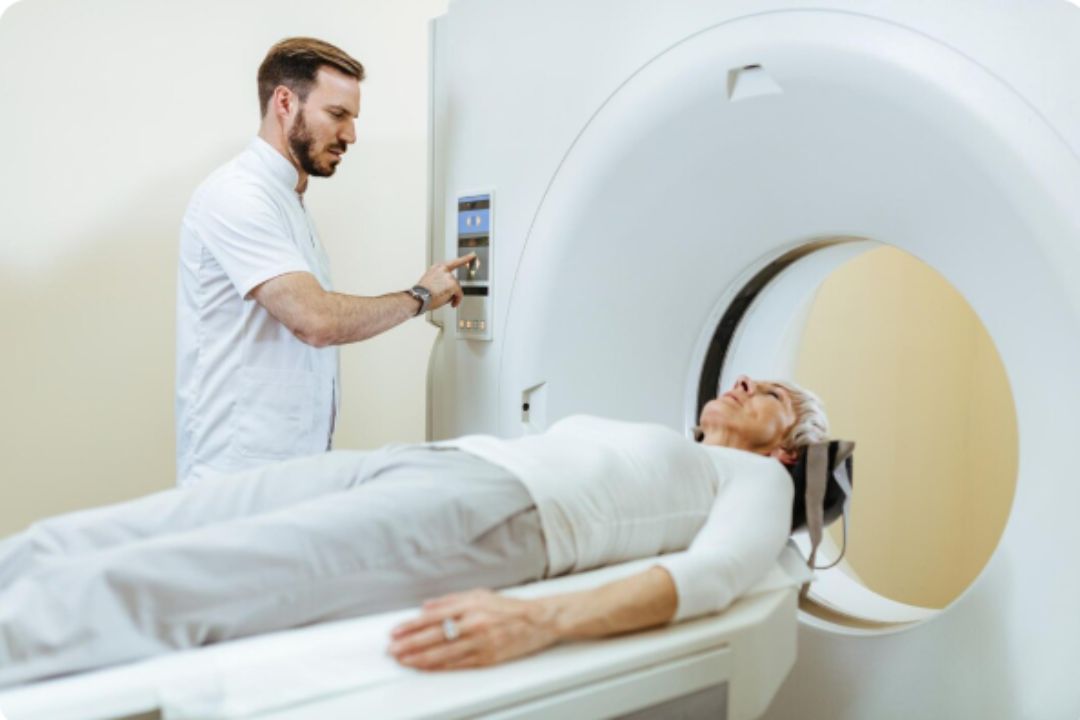
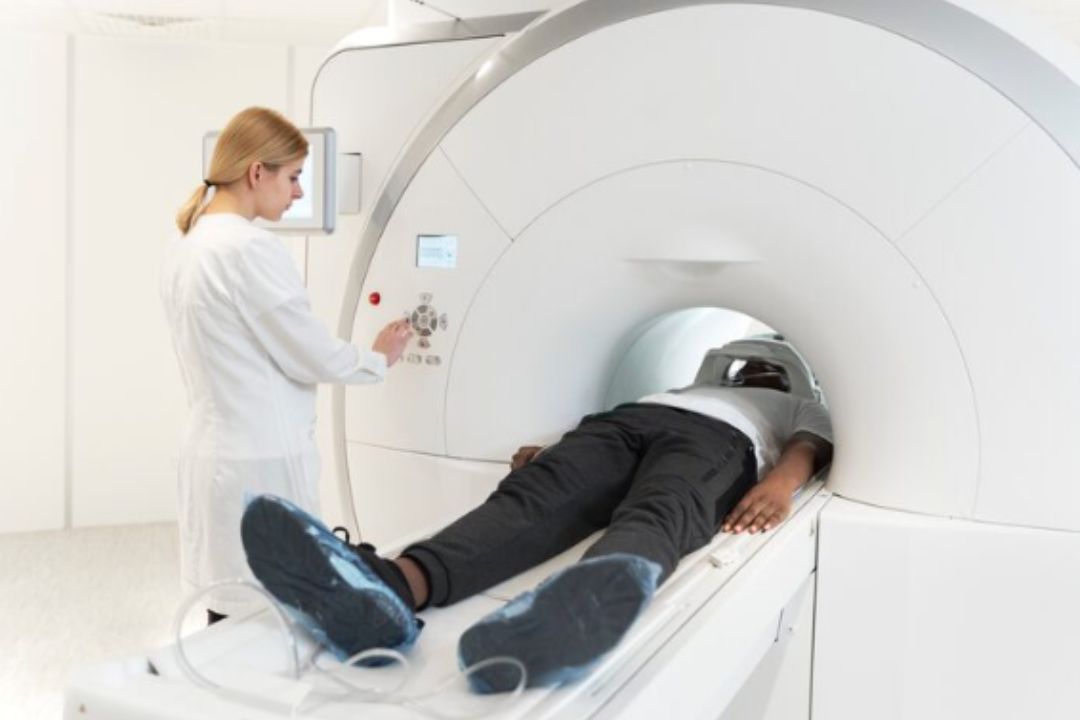
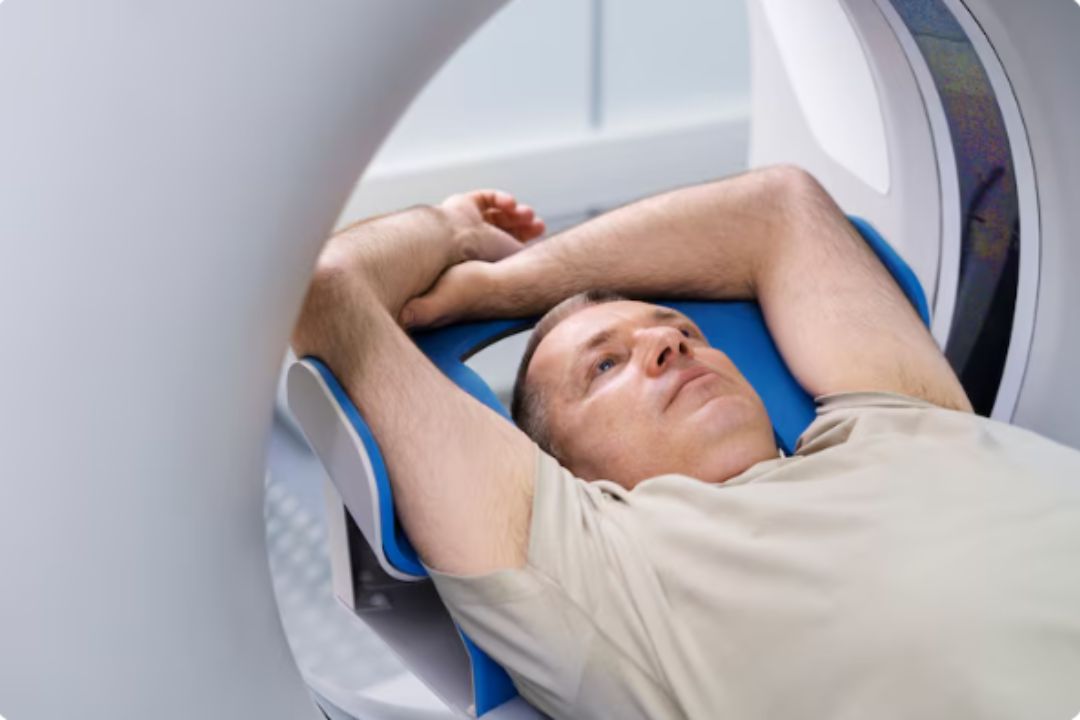
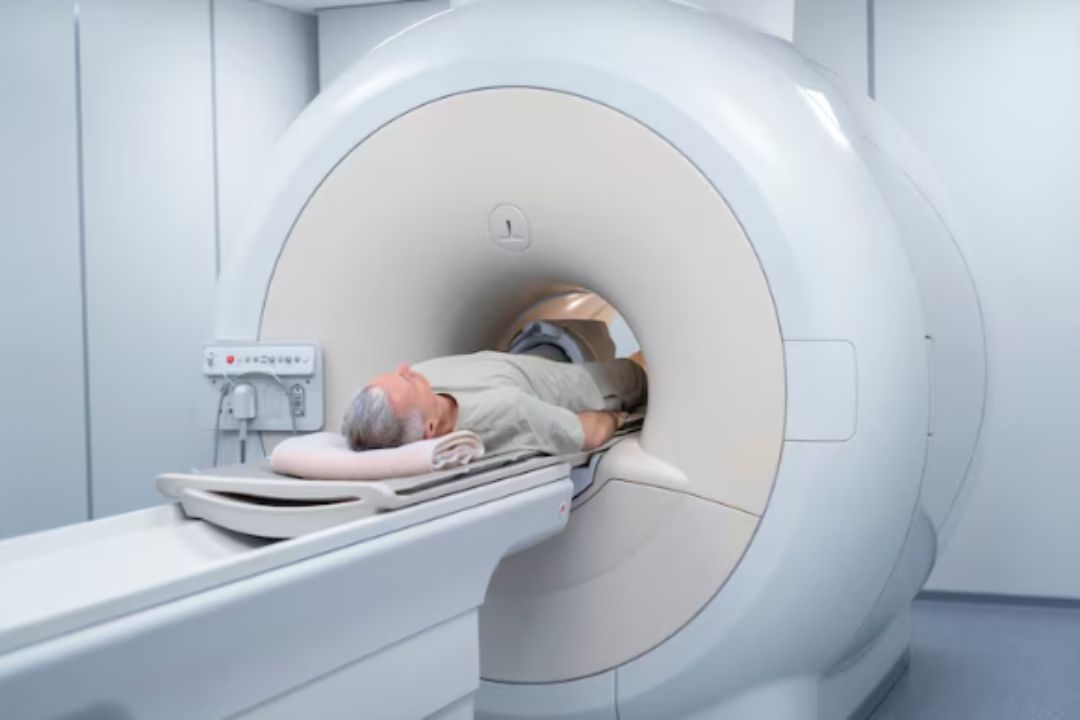
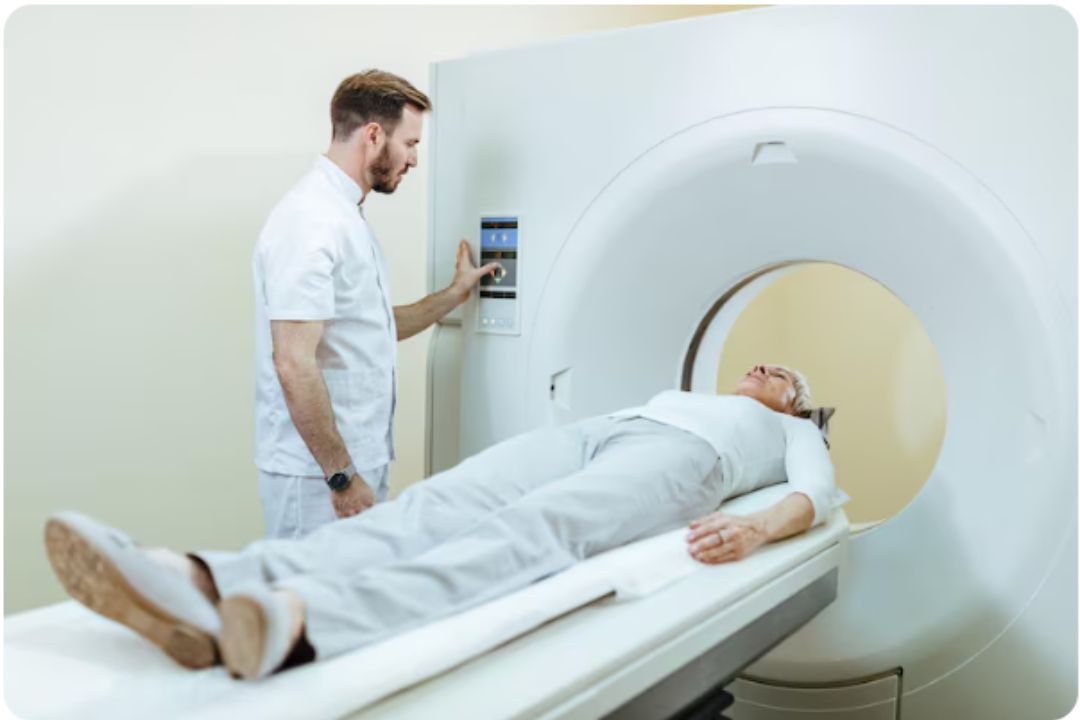
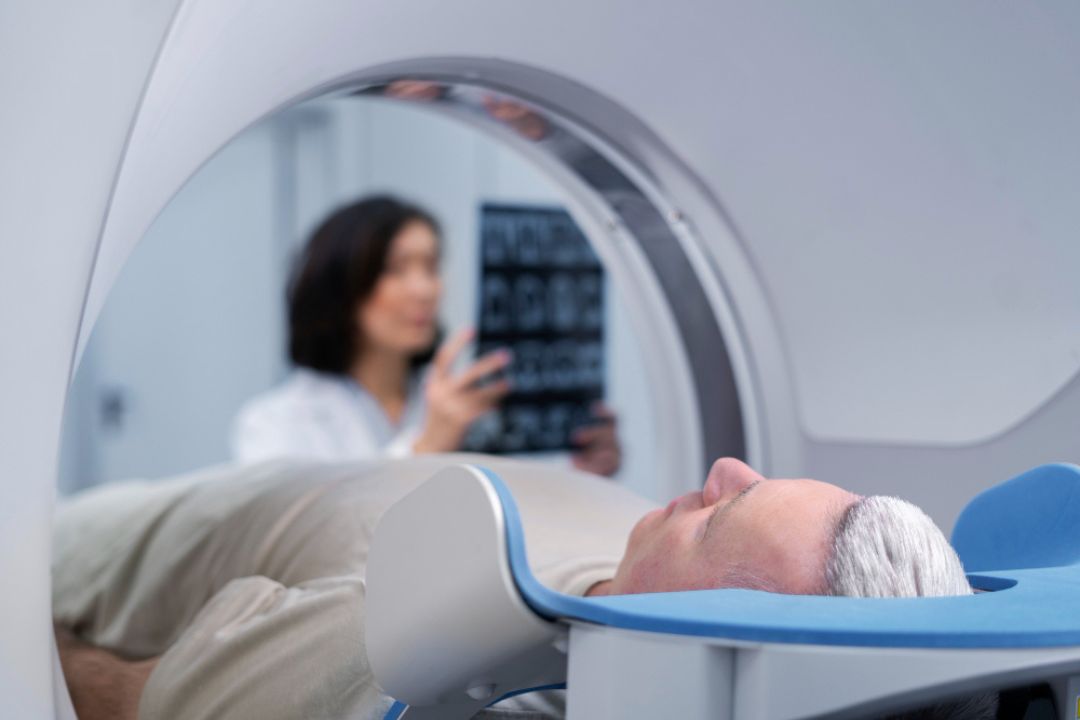
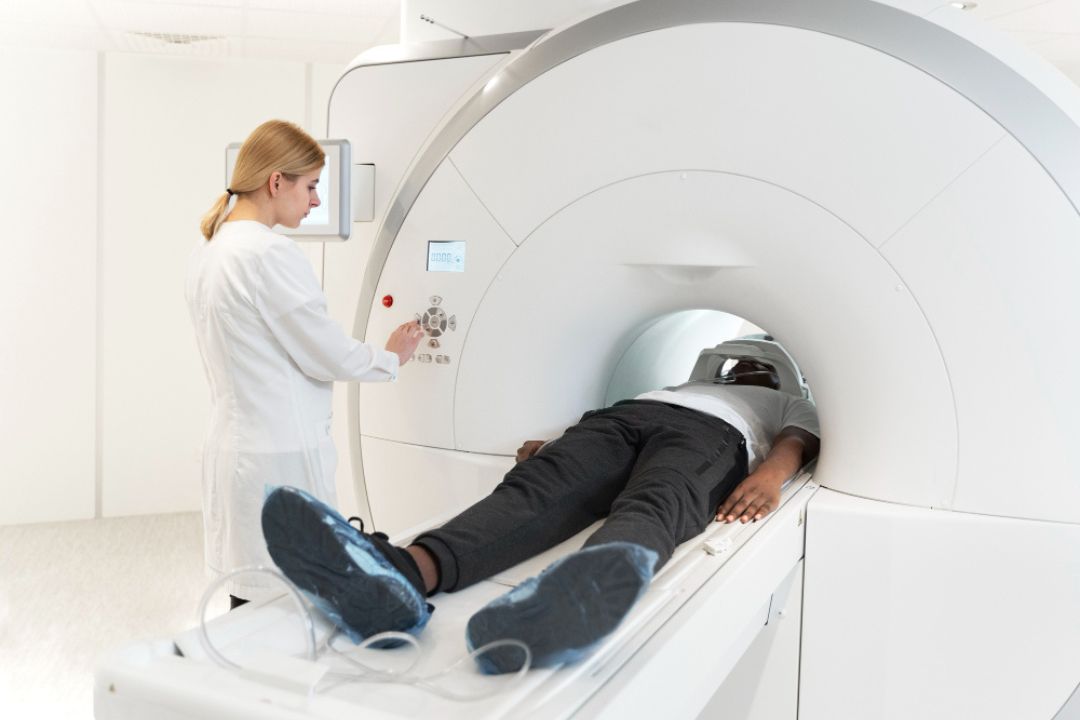
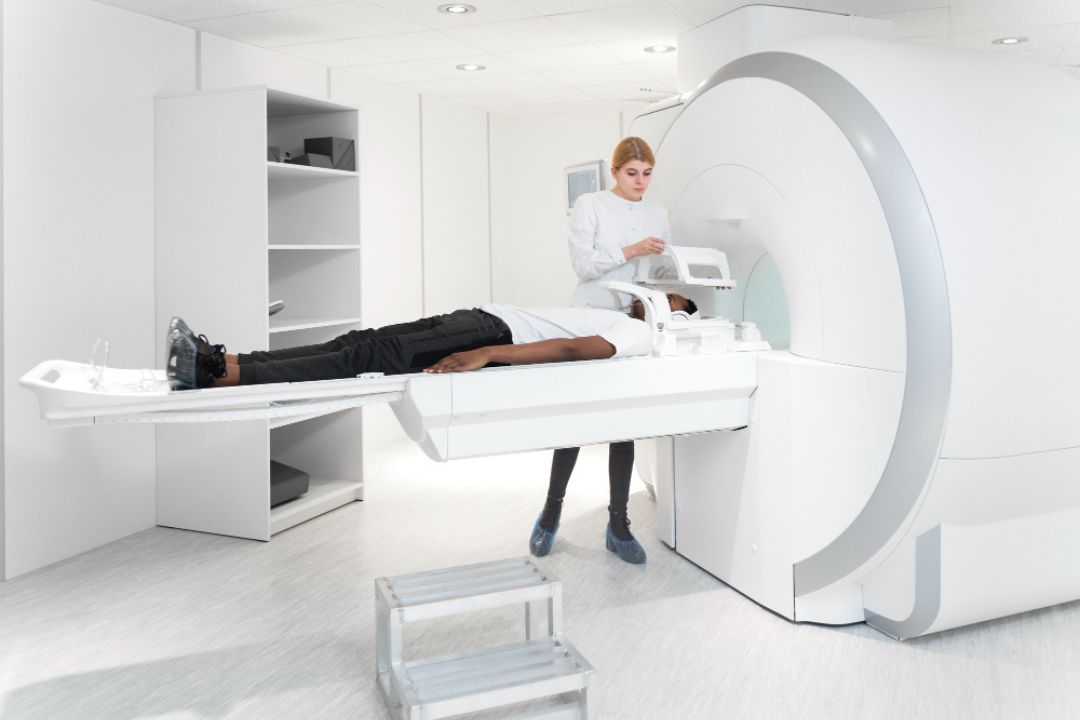
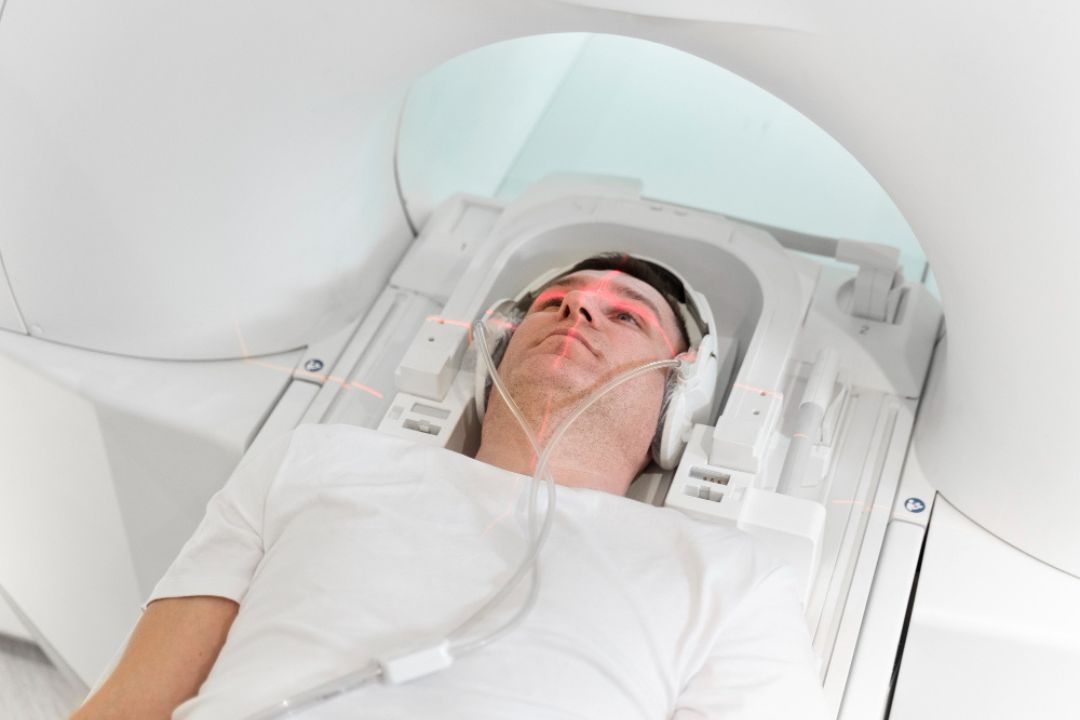
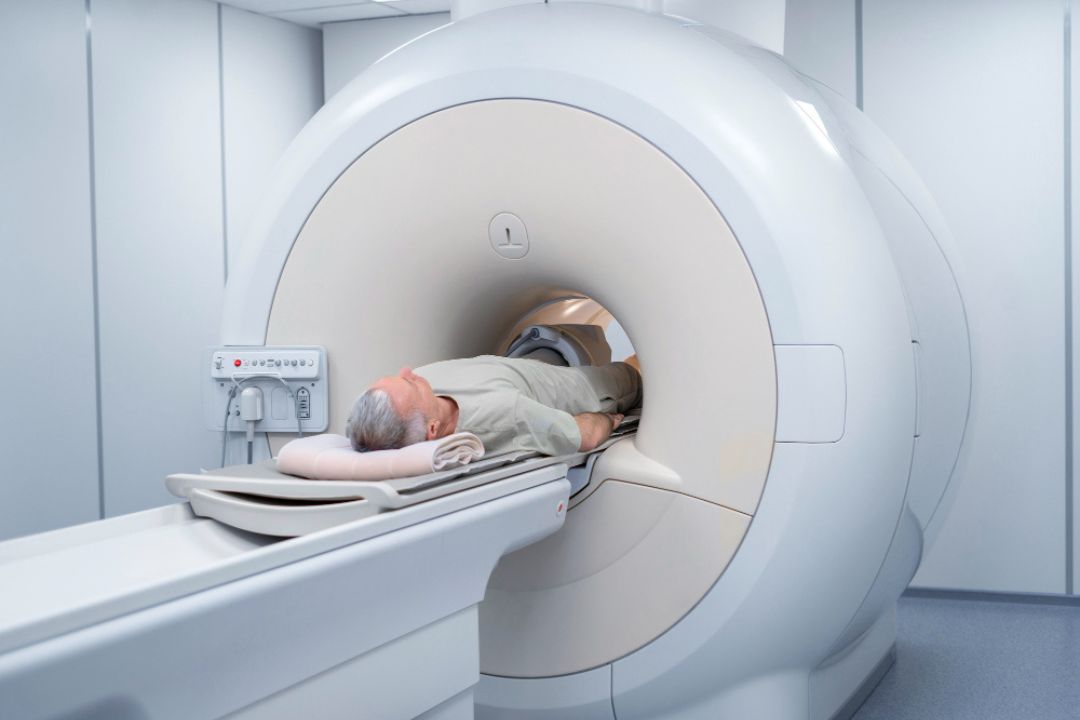
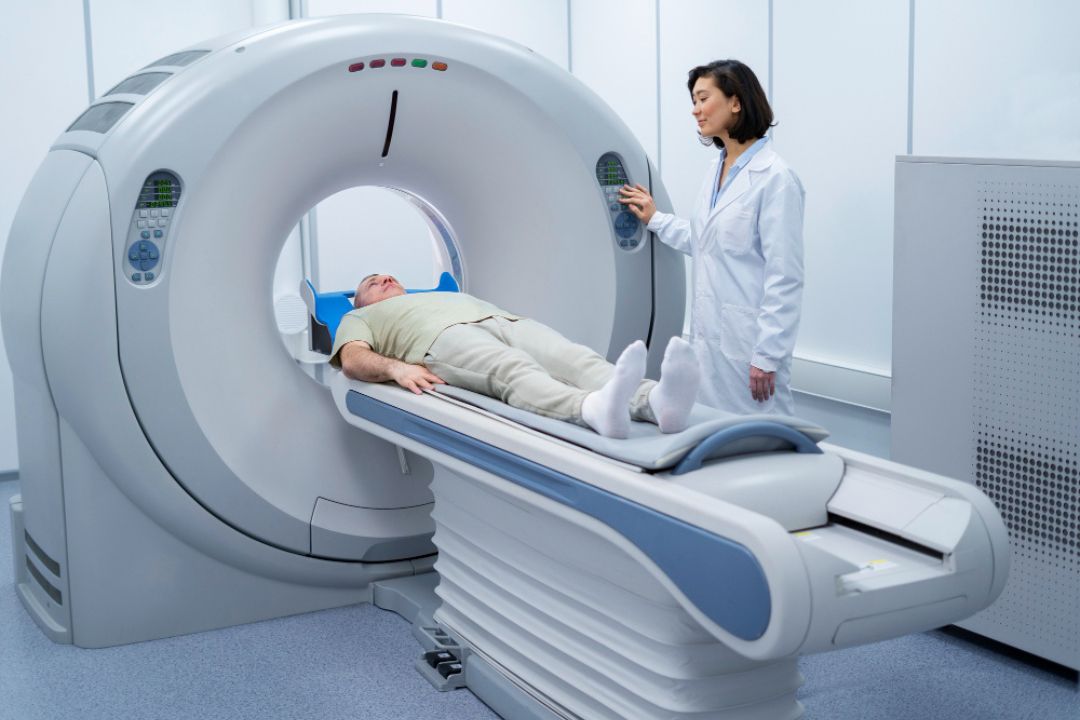
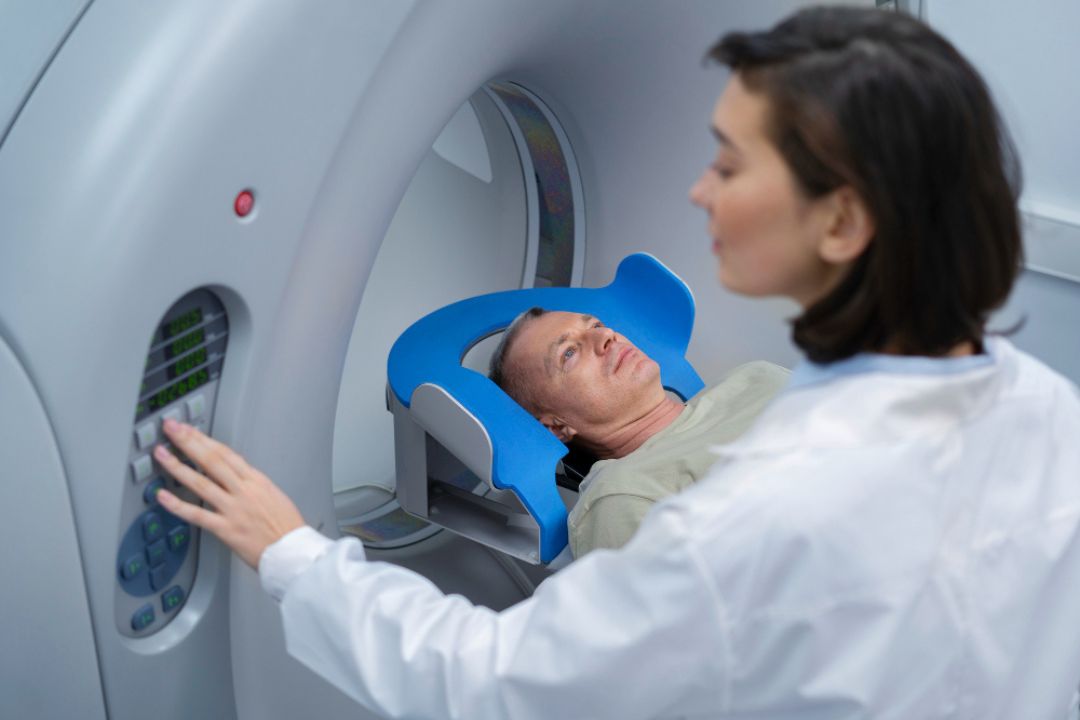
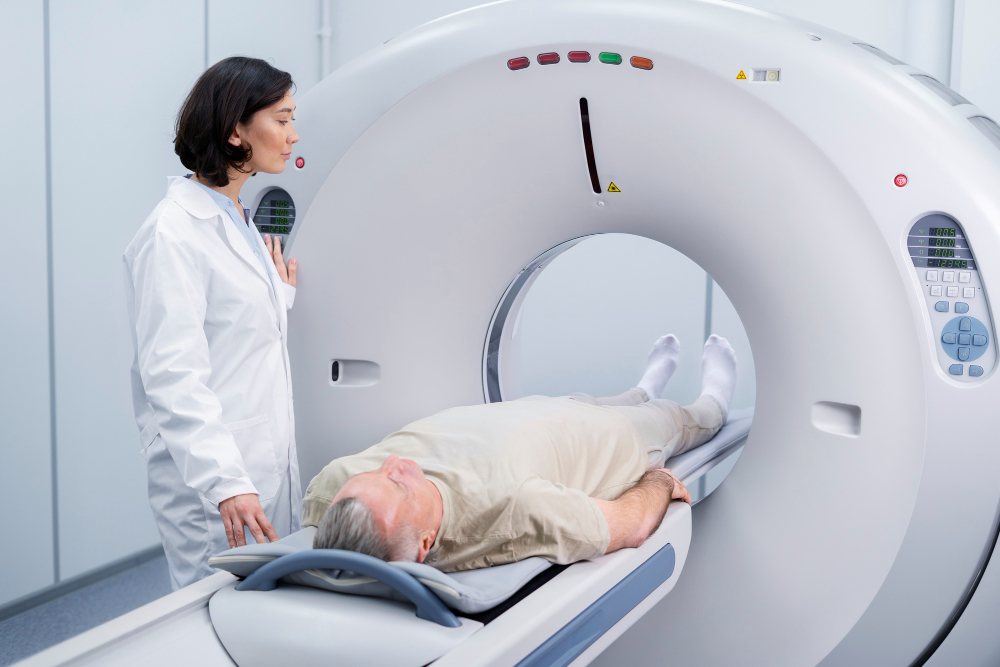
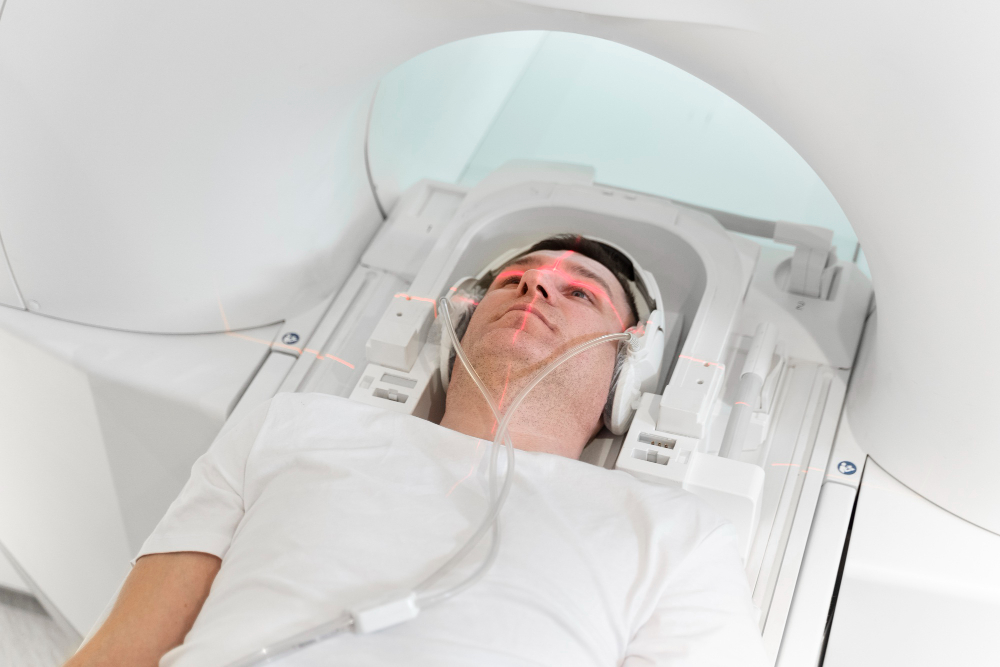
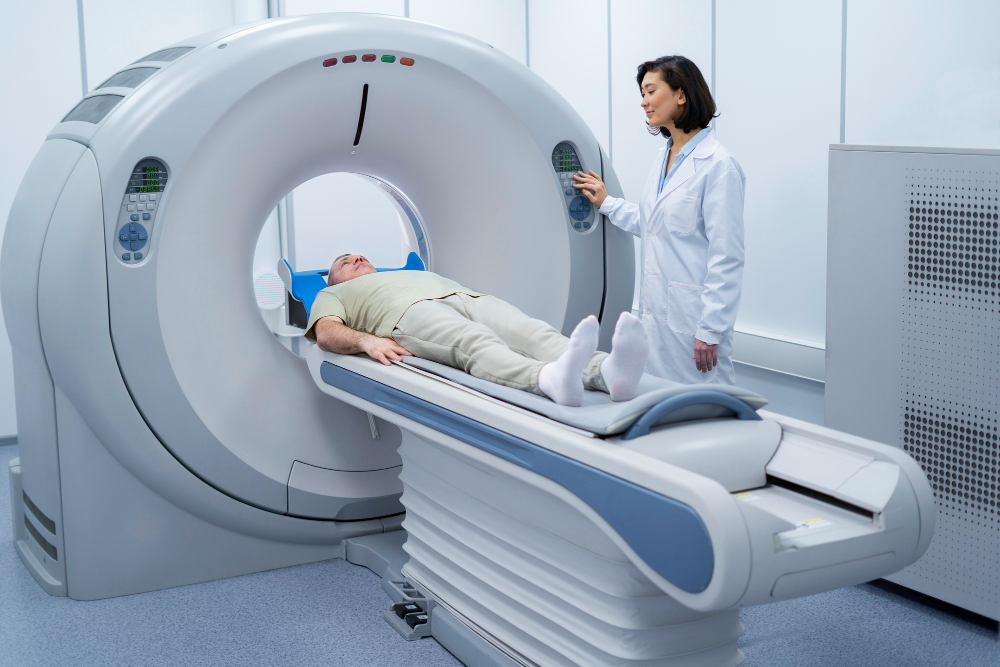
The patient lies on a scanning table.
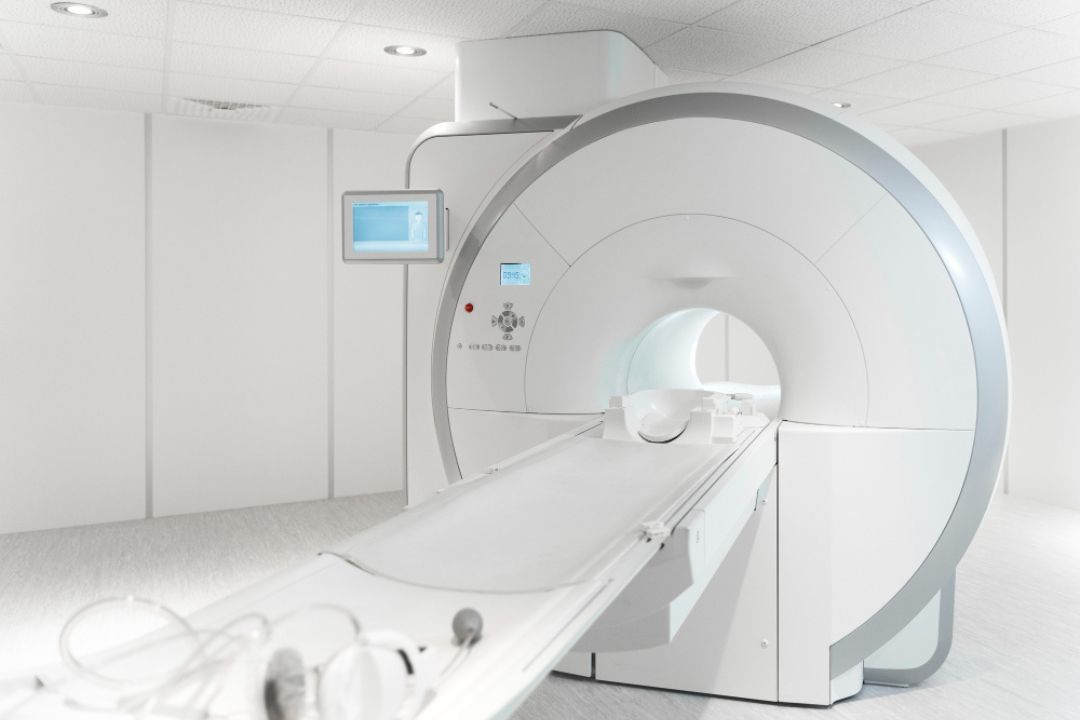
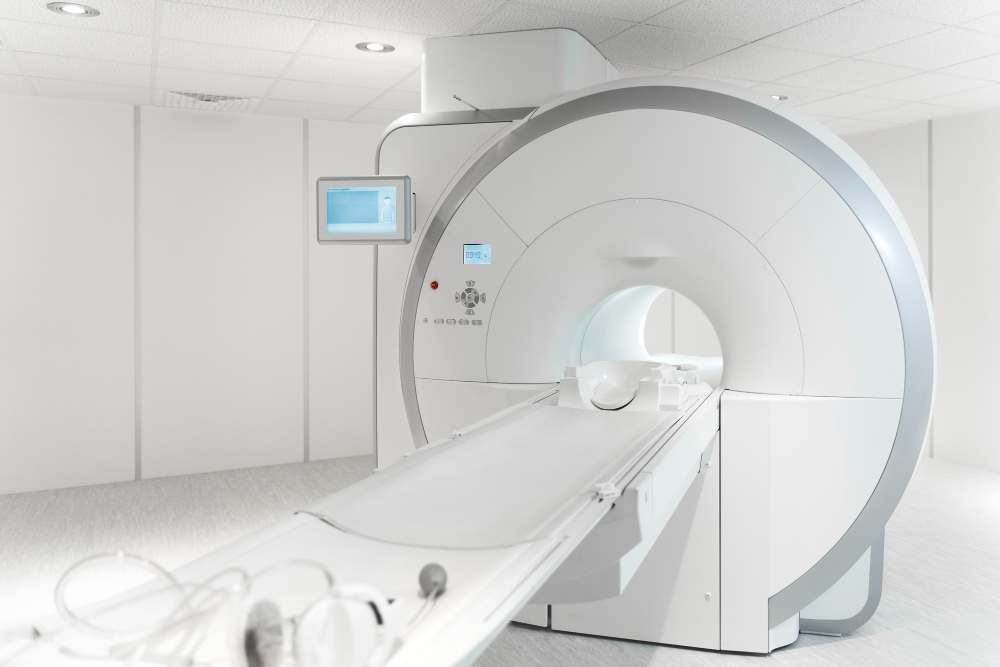
The table moves slowly through the CT scanner.
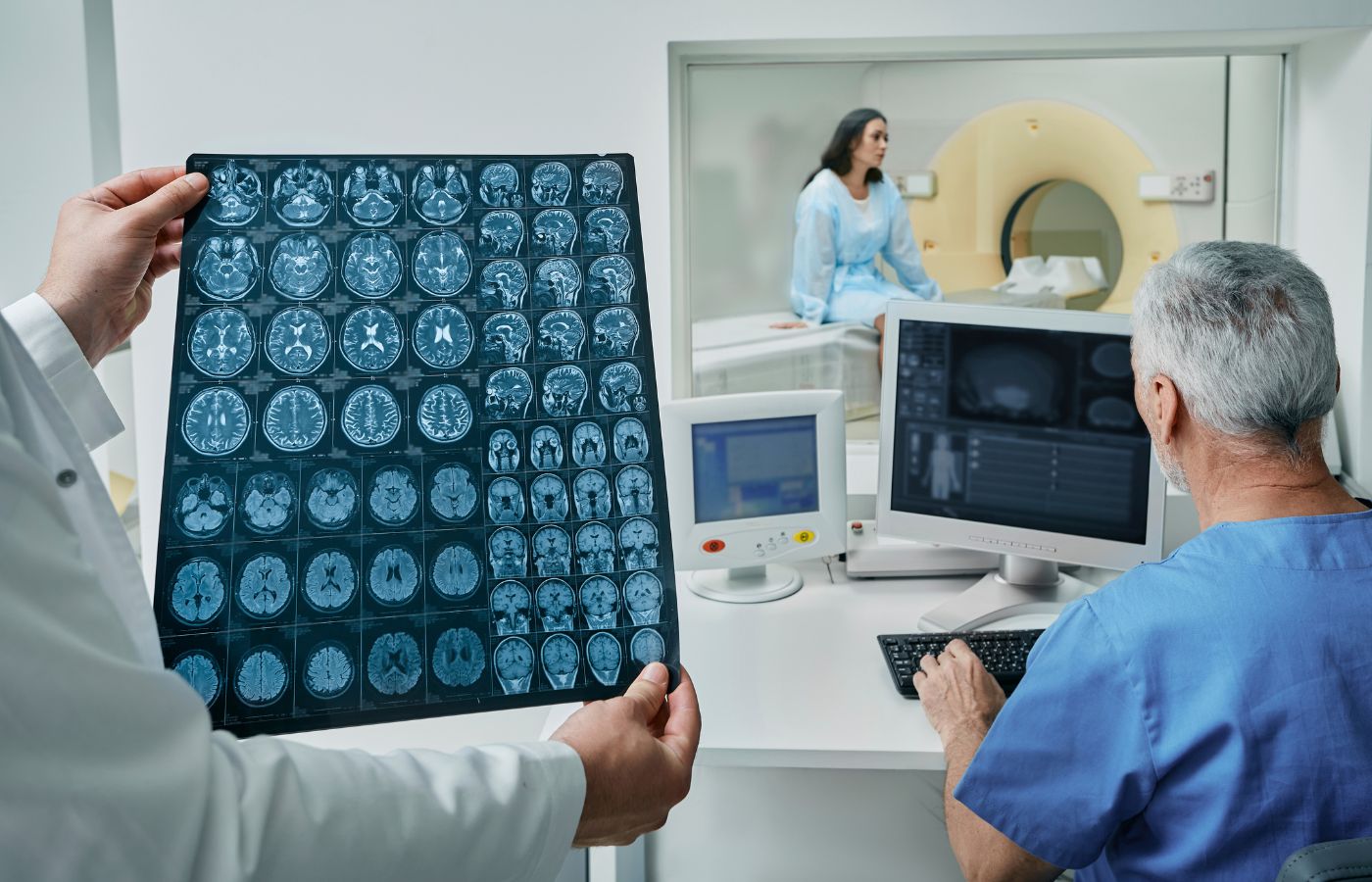
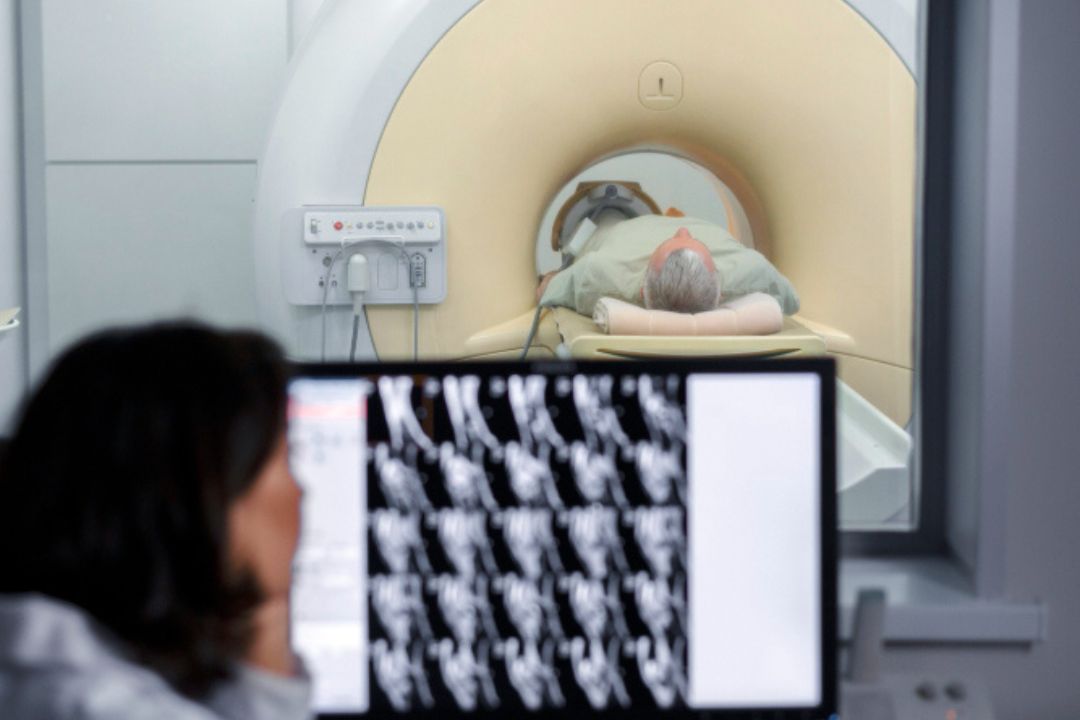
The machine captures detailed images of the injured area.
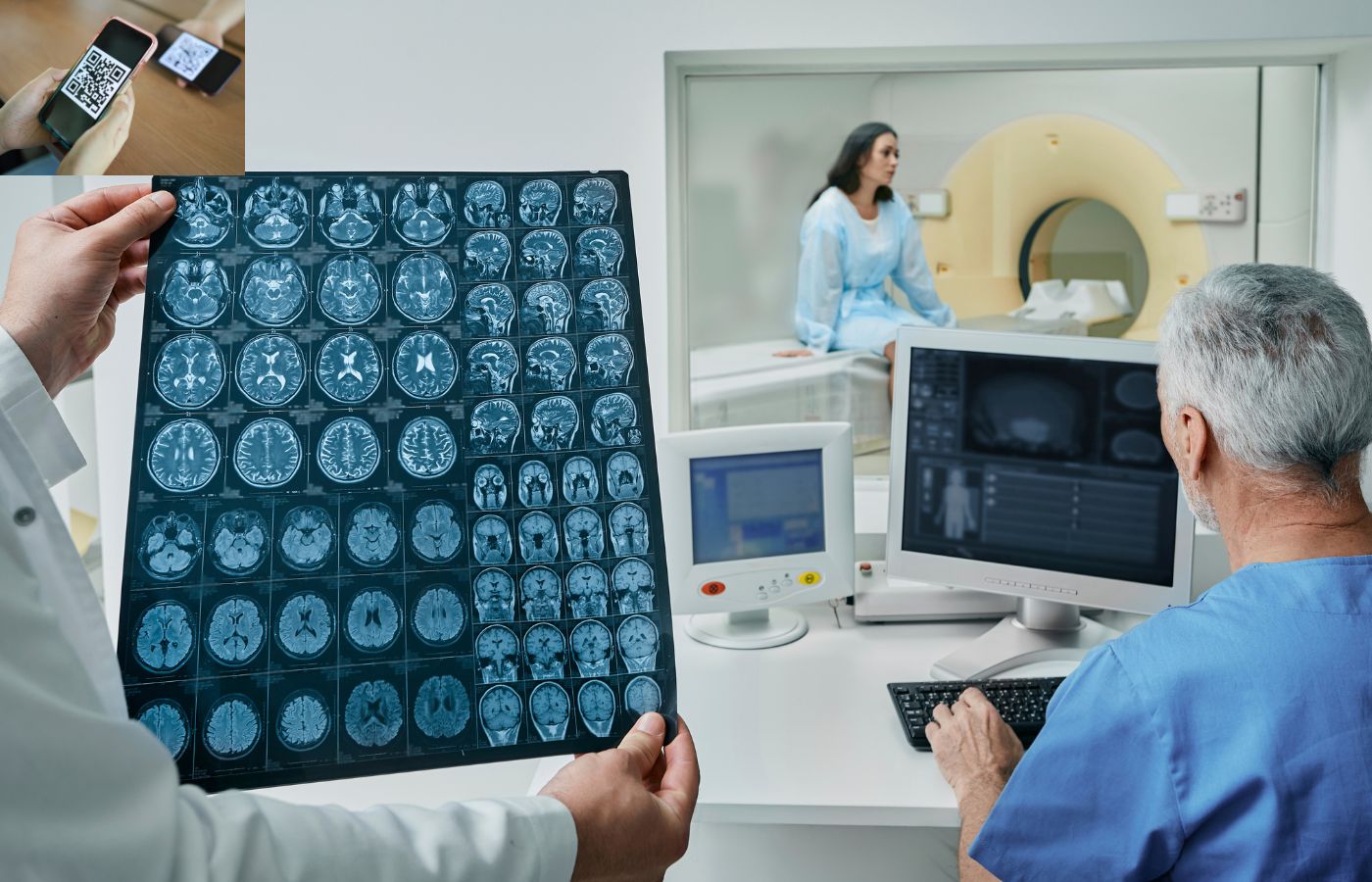
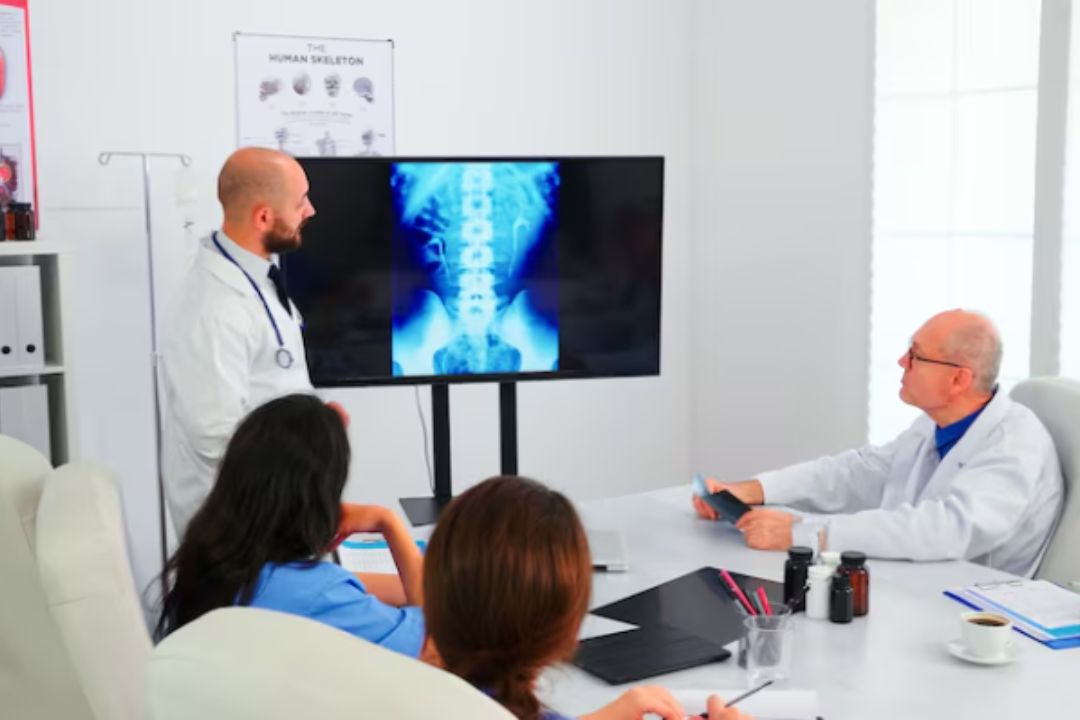
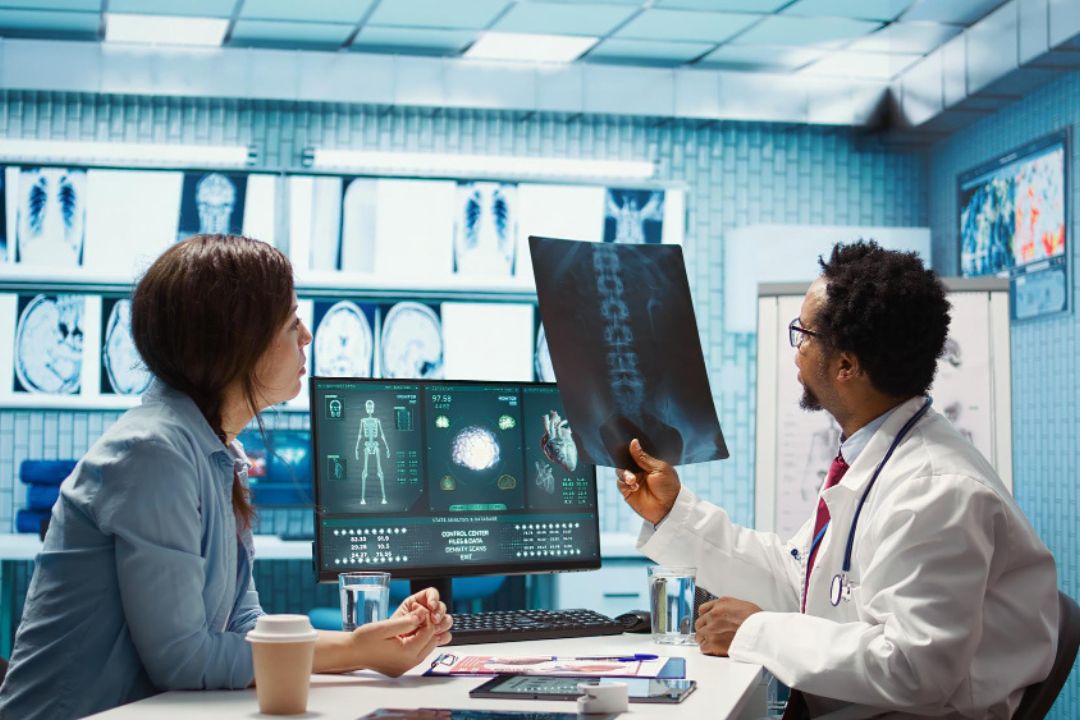
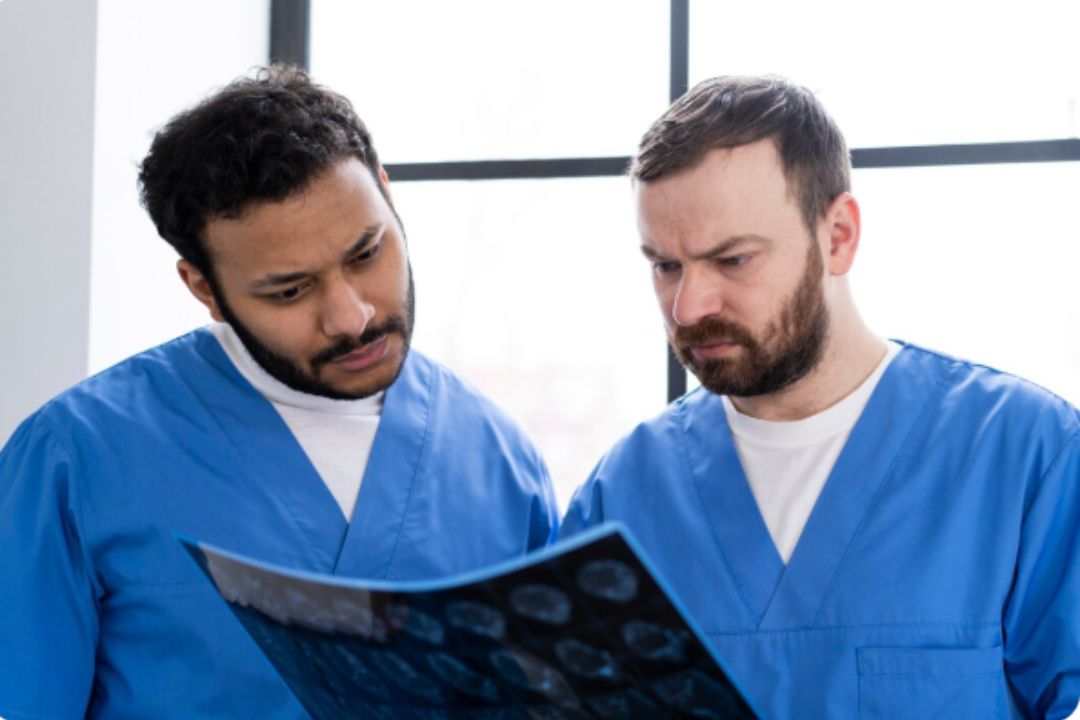
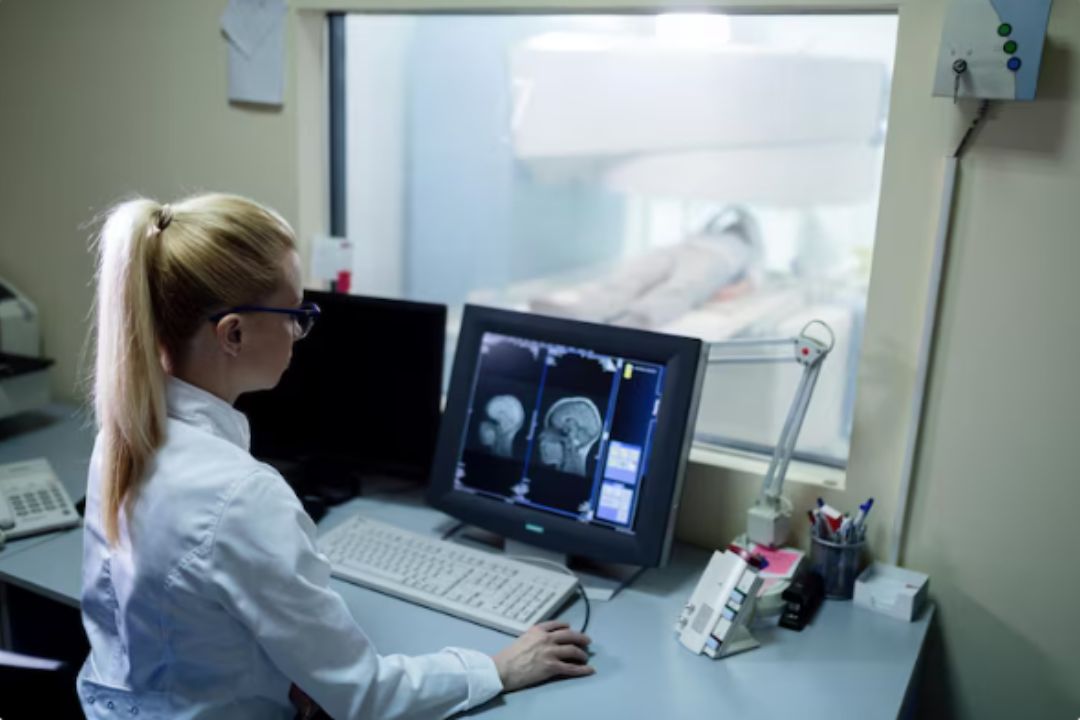
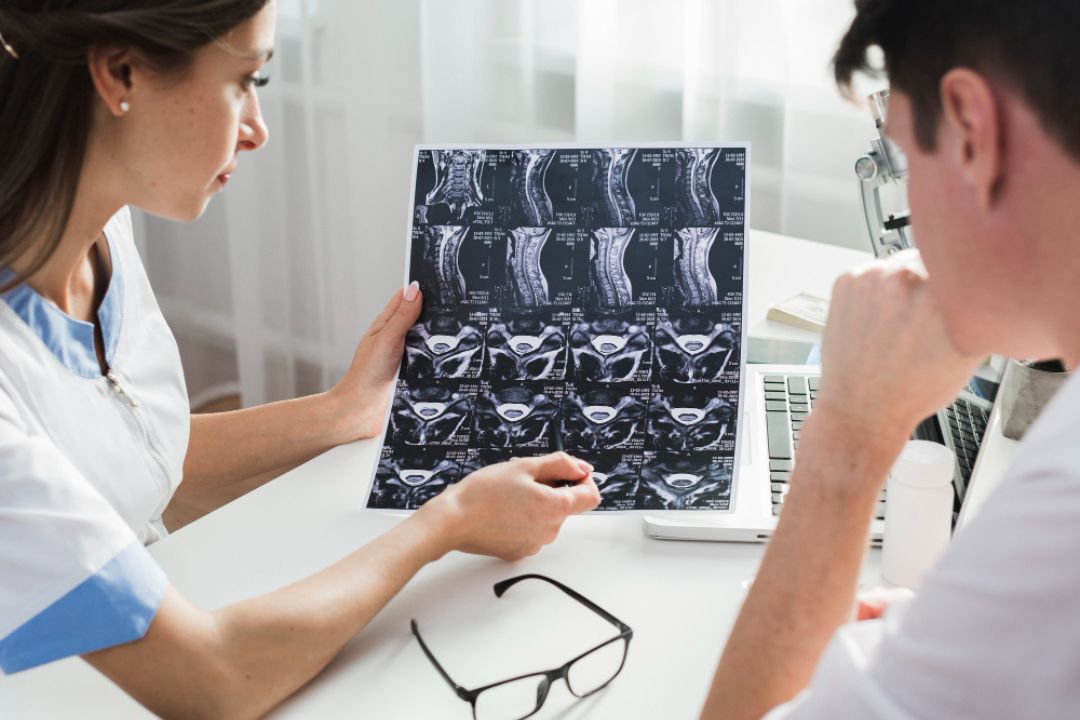
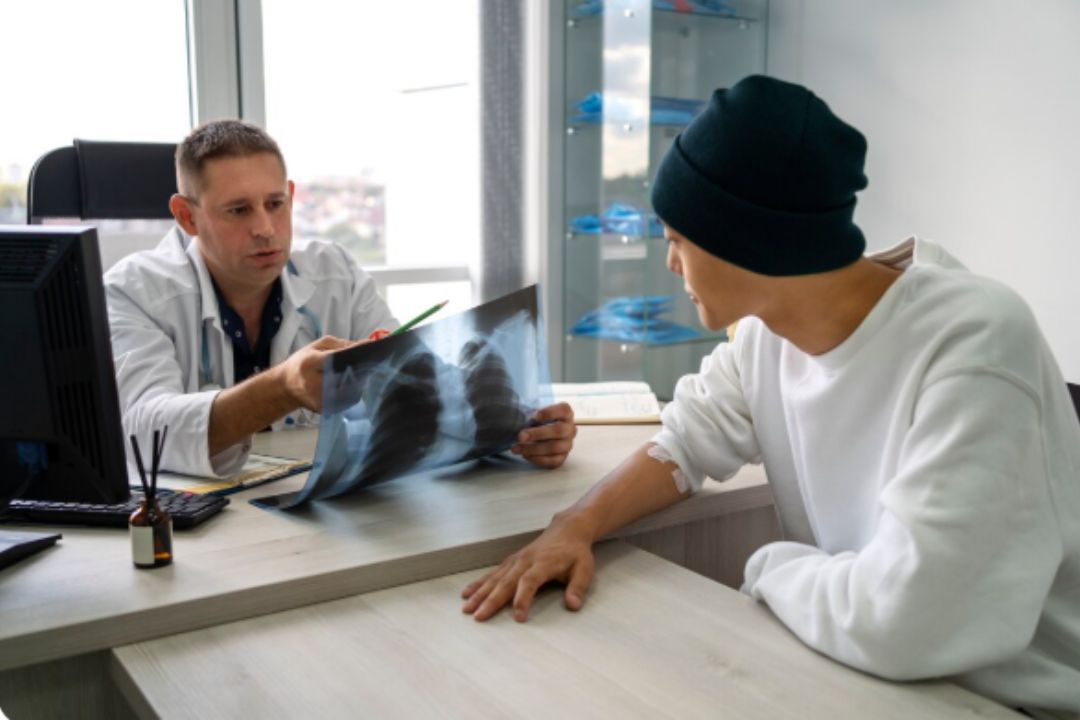
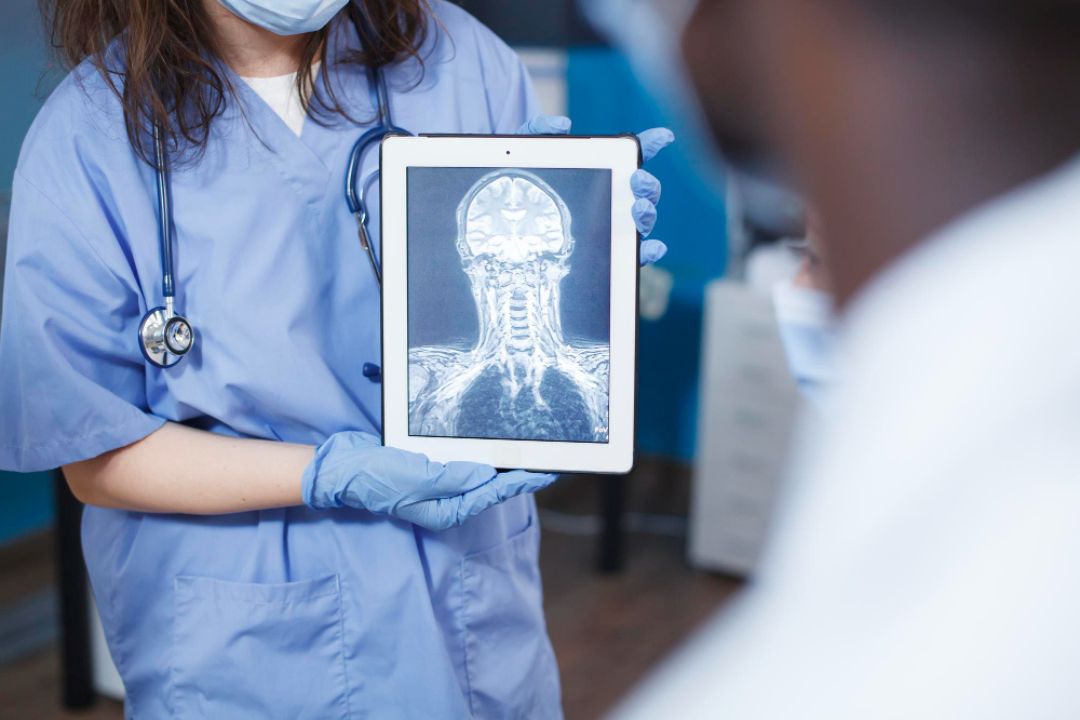
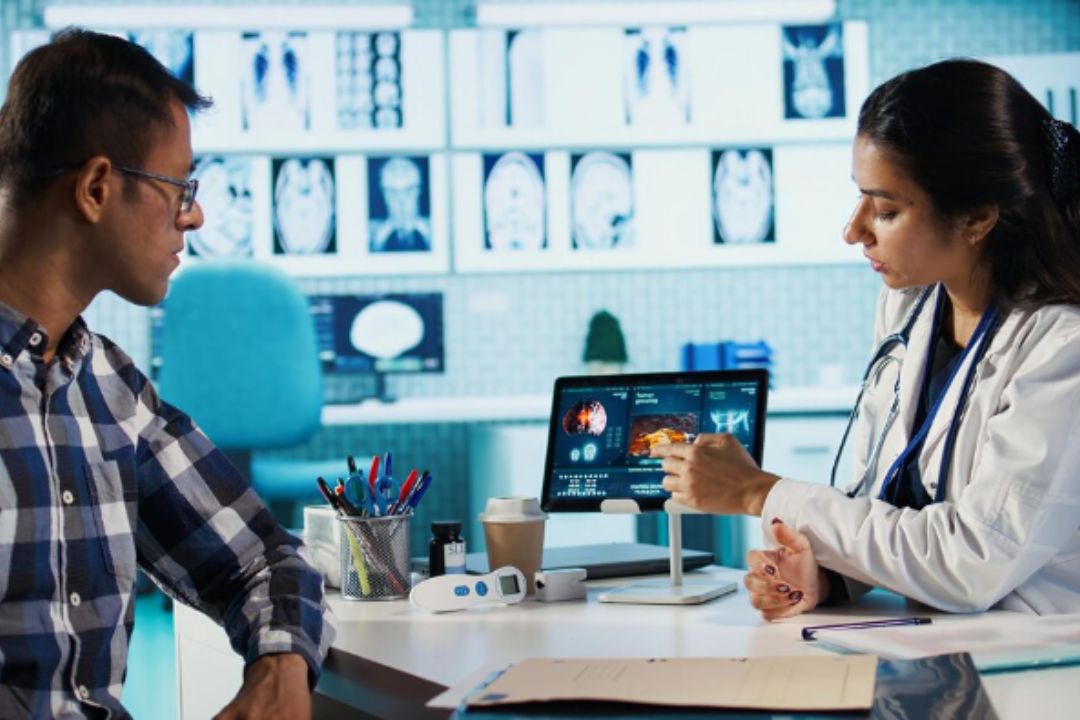
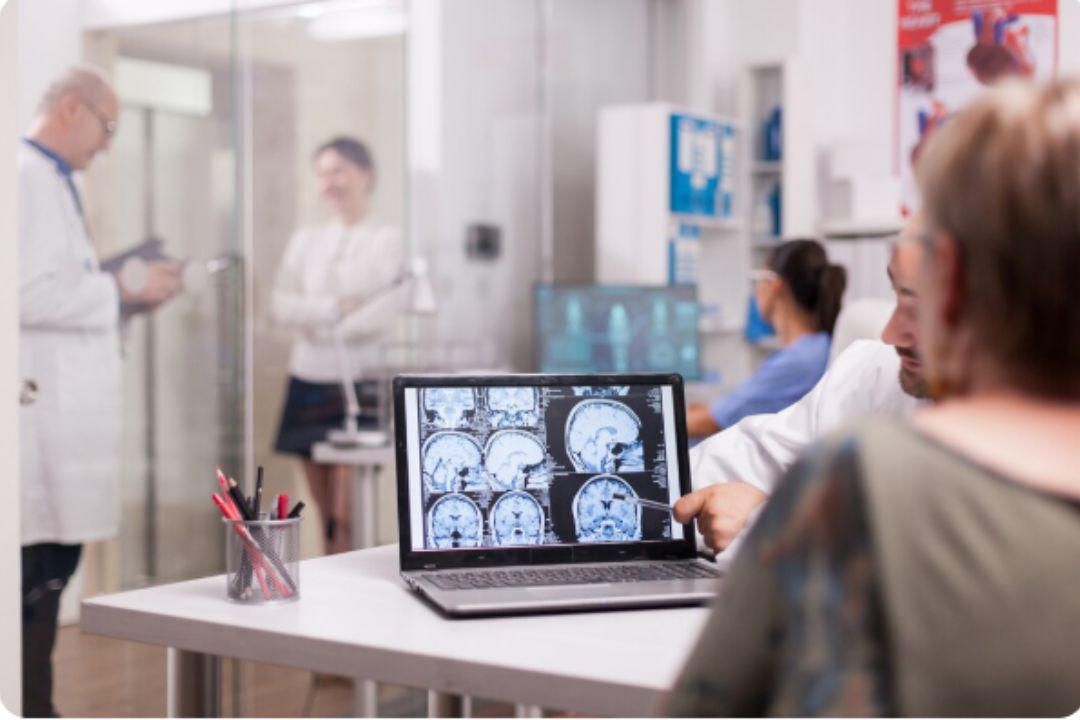
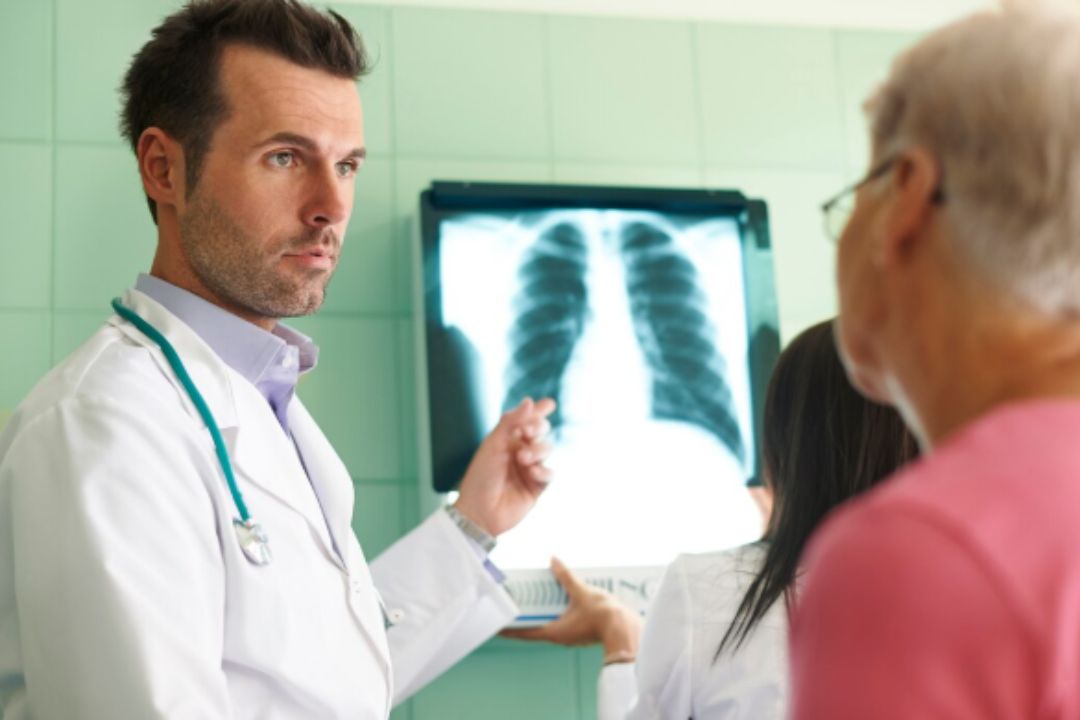
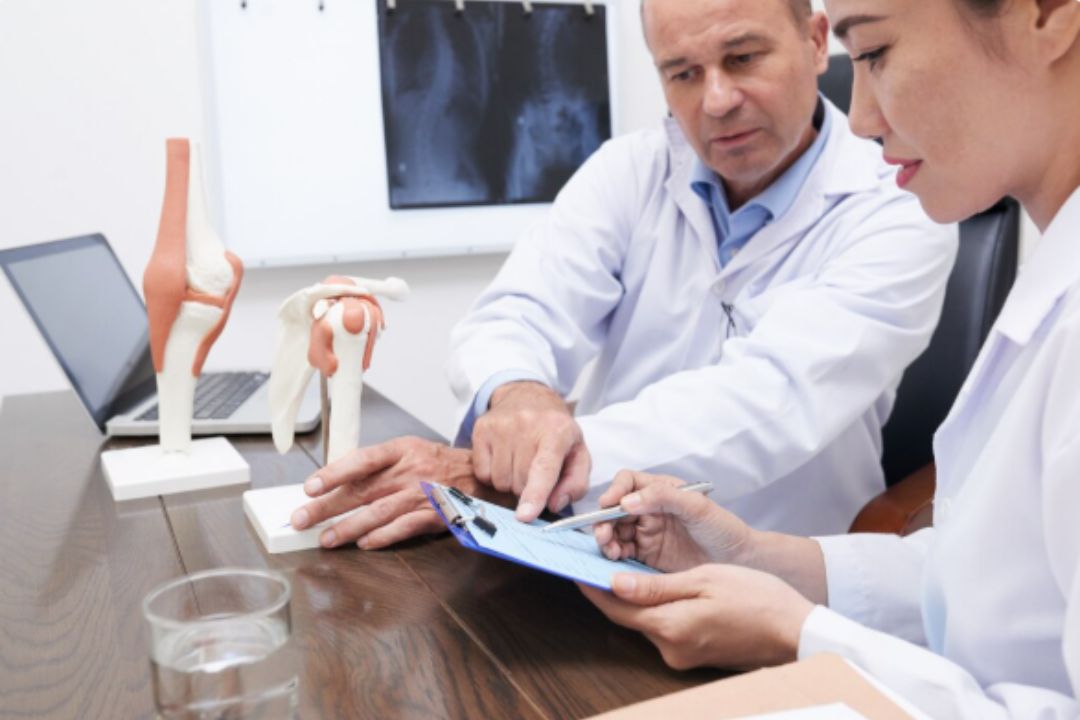
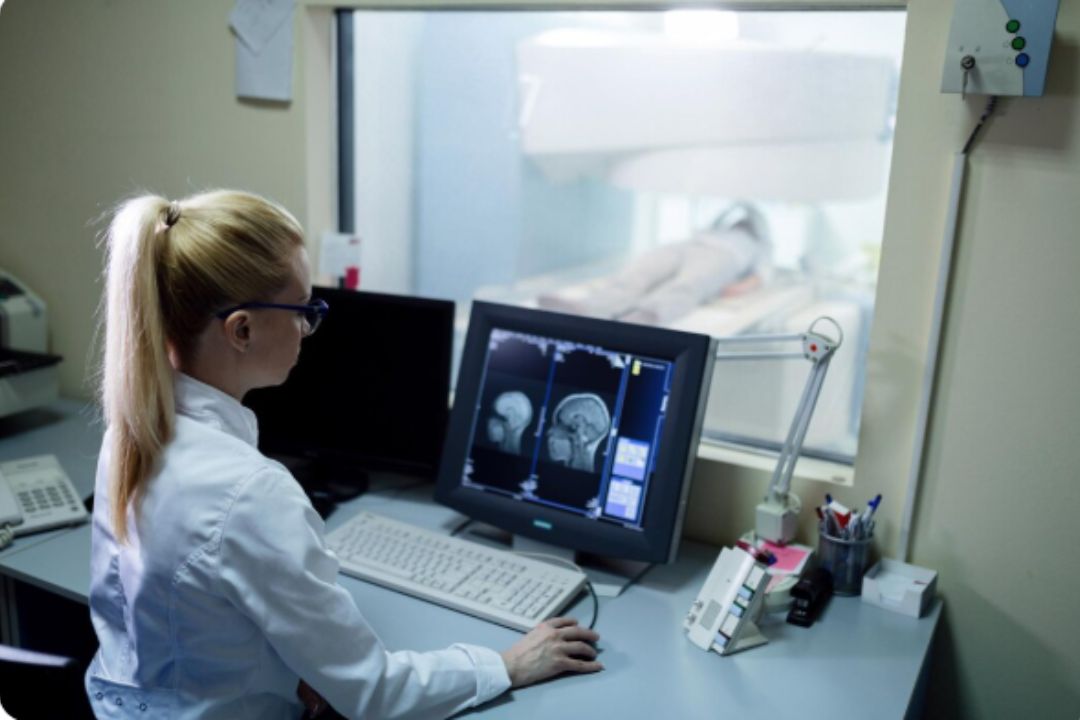
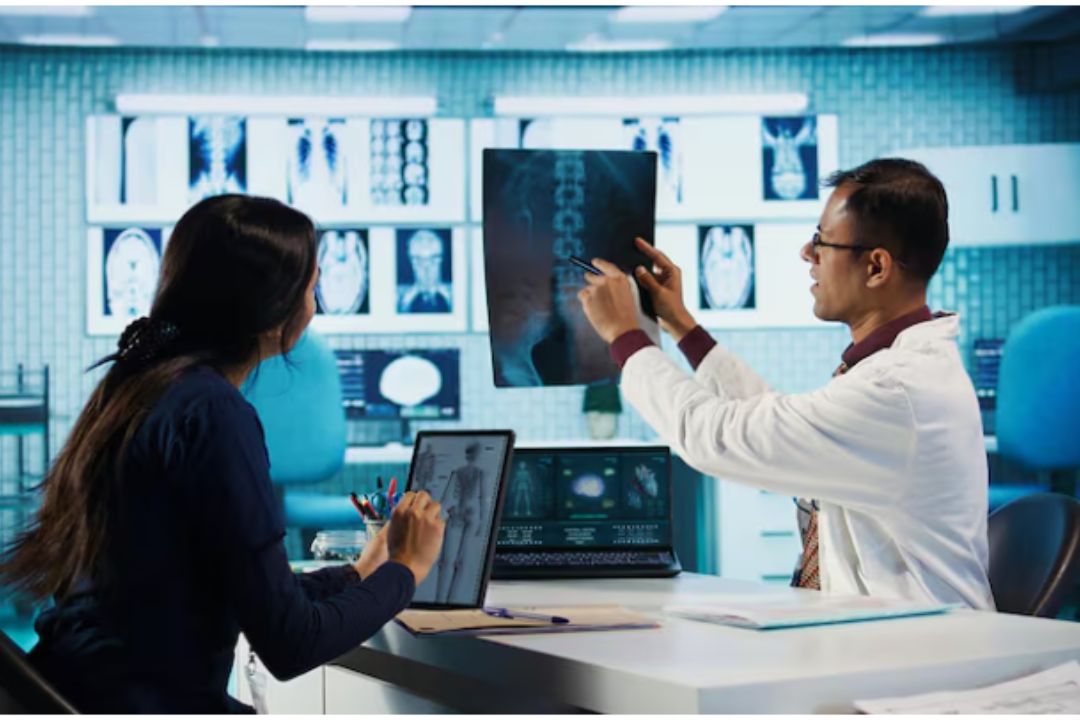
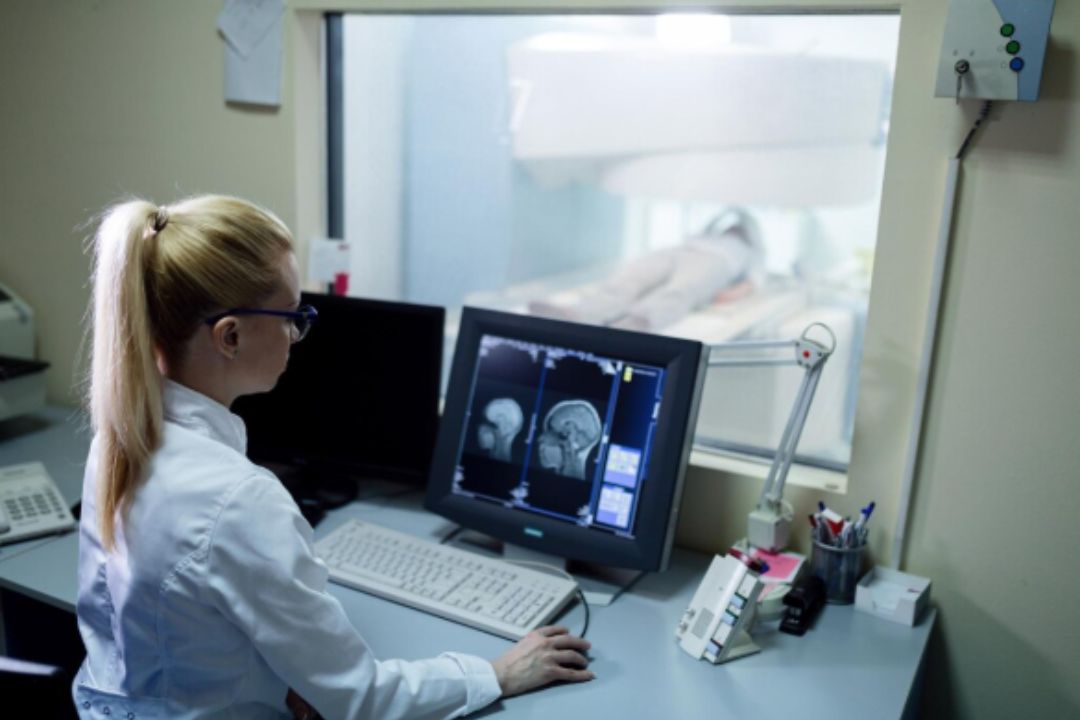
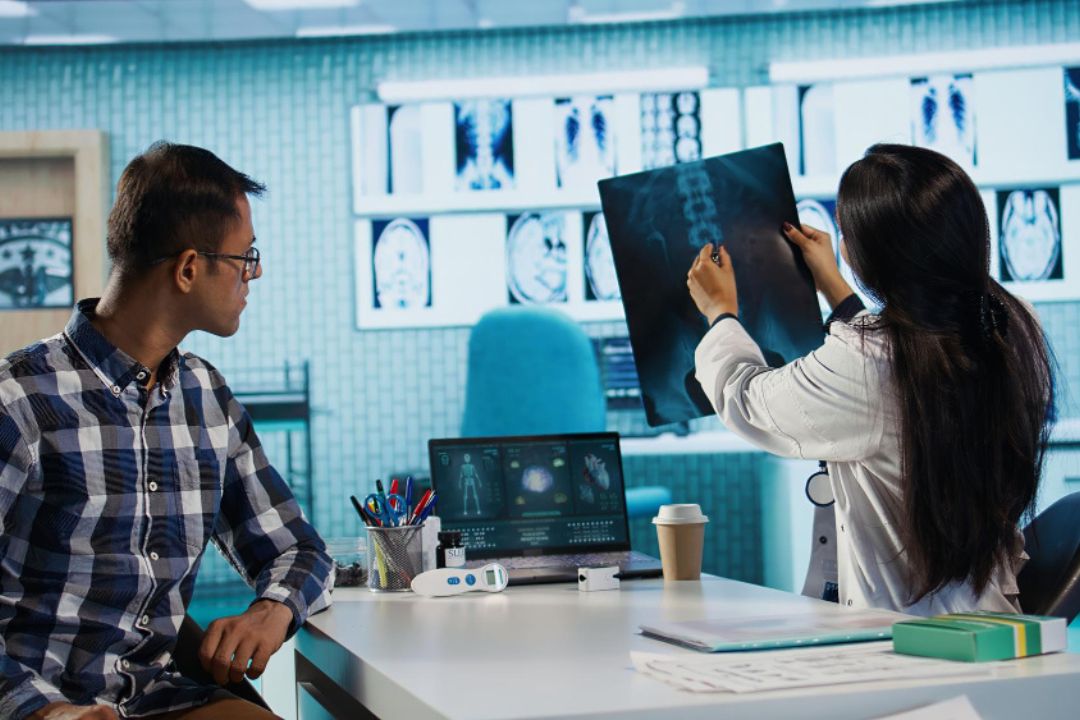
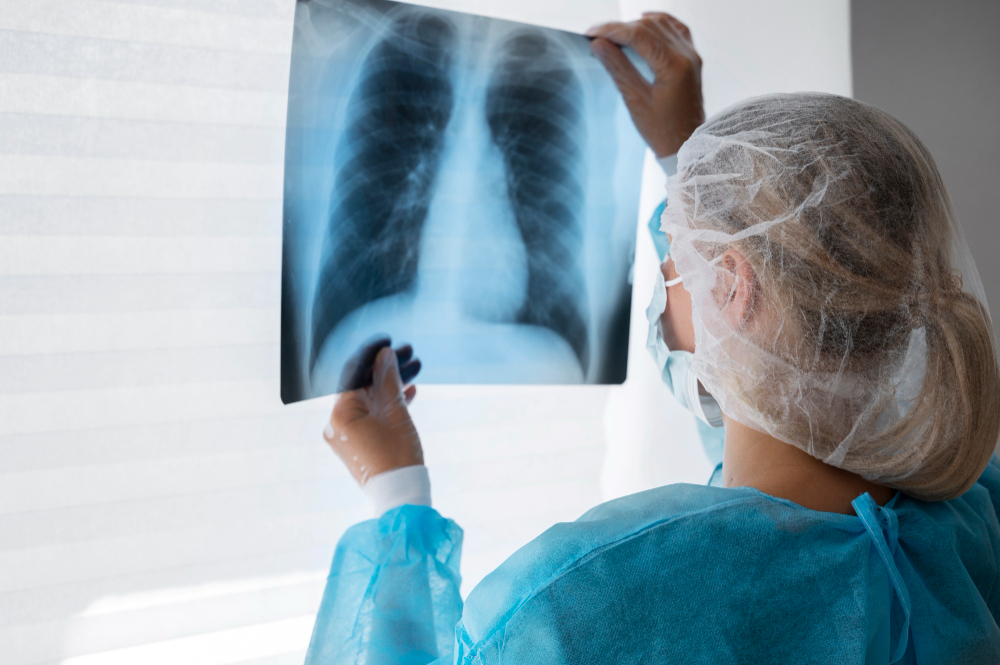
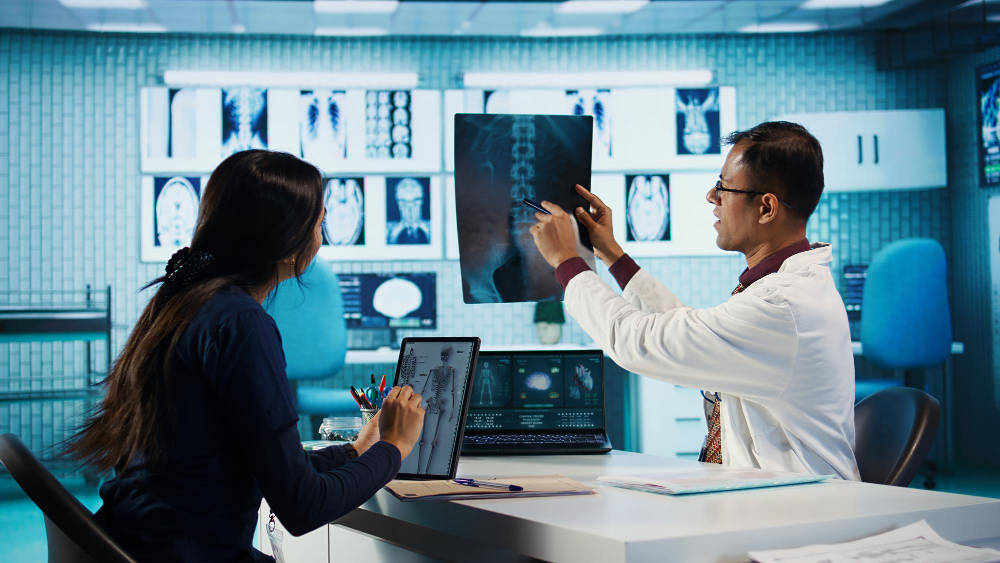
Radiologists analyze the images to identify fractures or other injuries.
Most CT scans for fracture detection take 10 to 20 minutes.
CT scans play a vital role in emergency departments and trauma centers. When a patient arrives with severe injuries, doctors often use CT imaging as part of a trauma assessment protocol.
The ability to quickly detect fractures and internal injuries helps medical teams make life-saving decisions.
In trauma care, rapid and accurate diagnosis is critical, and CT scans have become an essential tool for detecting fractures and evaluating serious injuries. With advanced imaging technology, CT scans provide detailed views of bones and tissues, enabling doctors to diagnose complex fractures quickly and plan effective treatments.
As medical imaging technology continues to improve, CT scans will remain a key component of emergency and trauma care, helping doctors deliver faster and more accurate diagnoses for better patient outcomes.





.jpg "ct brain scan plain and contrast")






.jpg "ct scan")
.jpg "ct scan or mri for brain disorders")


.jpg "exploring the power of ct brain contrast in modern diagnostics")
.jpg "ct scan")
.jpg "ct scan")







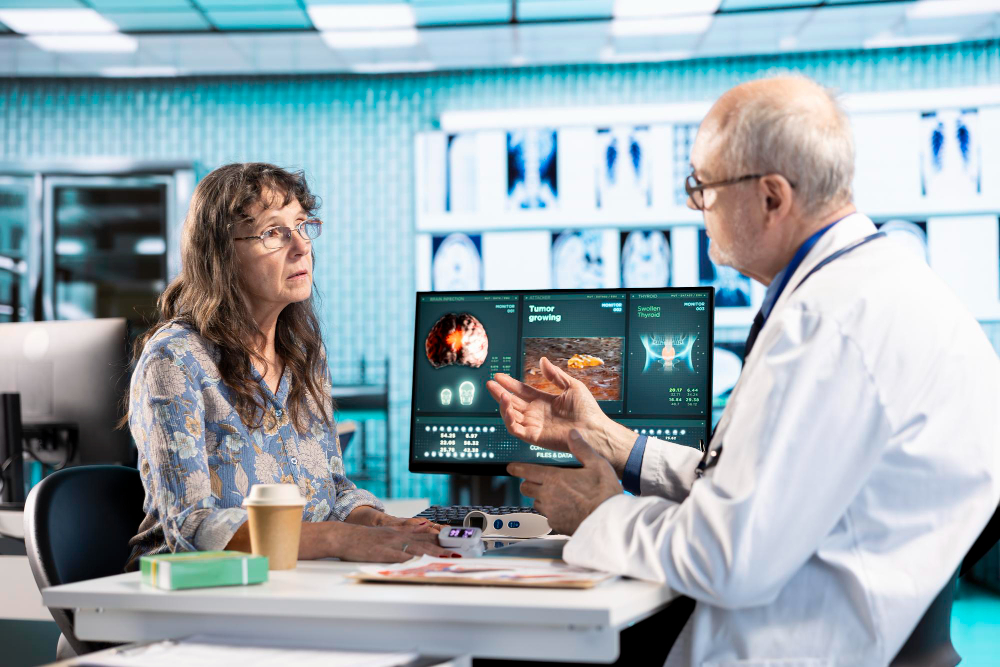
.jpg "ct scan")

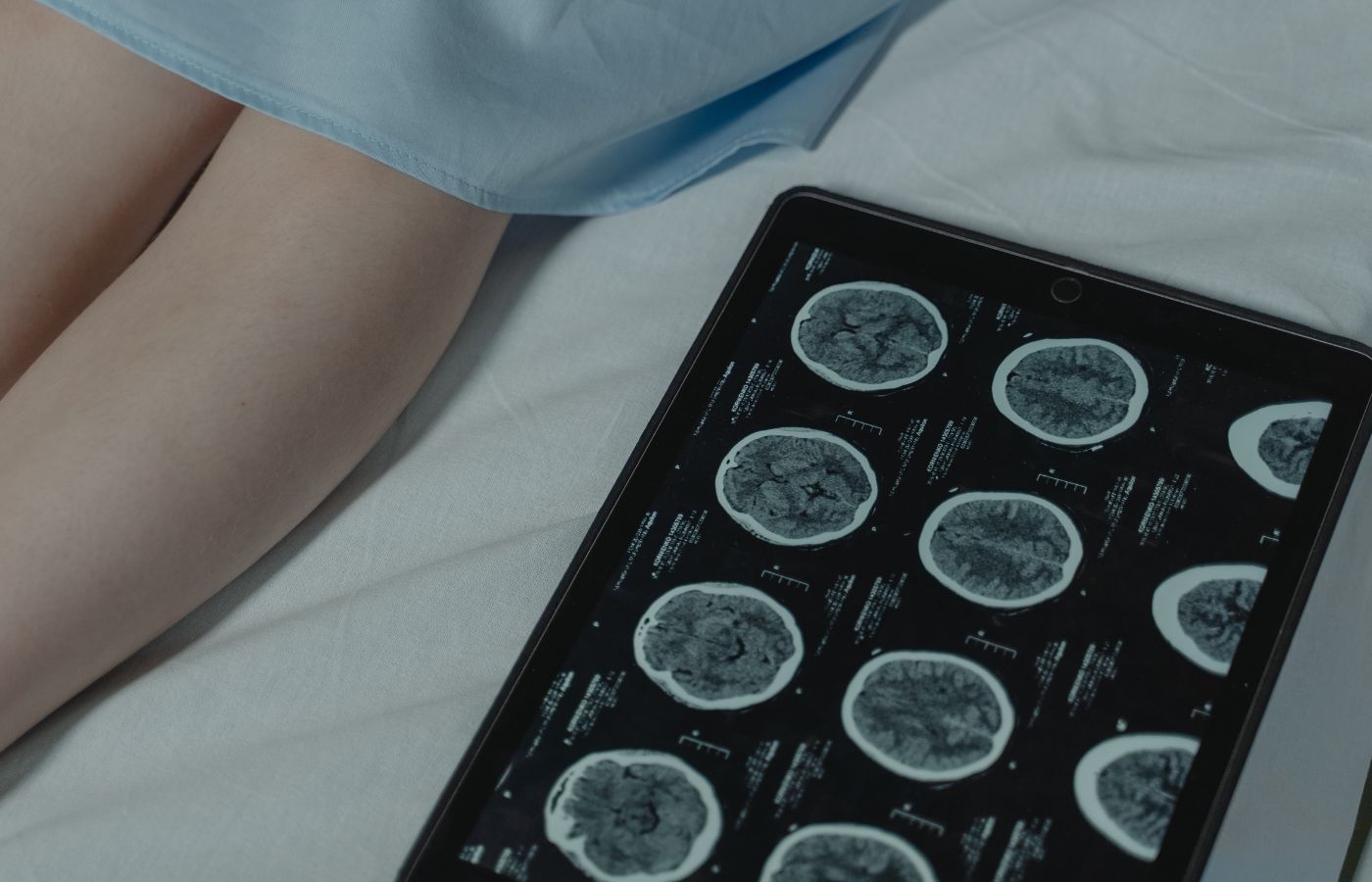
.jpg "CT Brain Scan for Headaches")
.jpg "The Future of 3D CT Imaging")