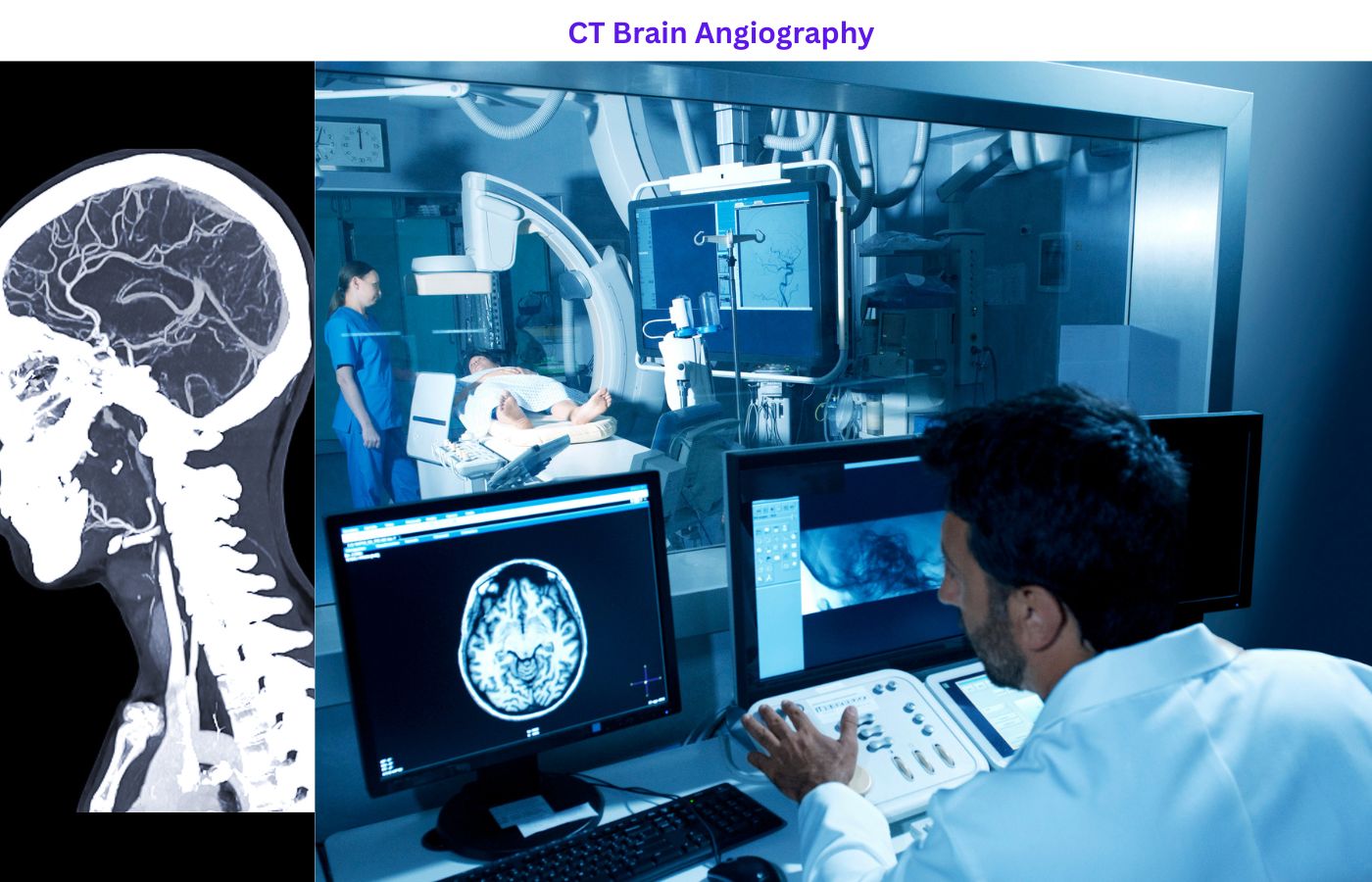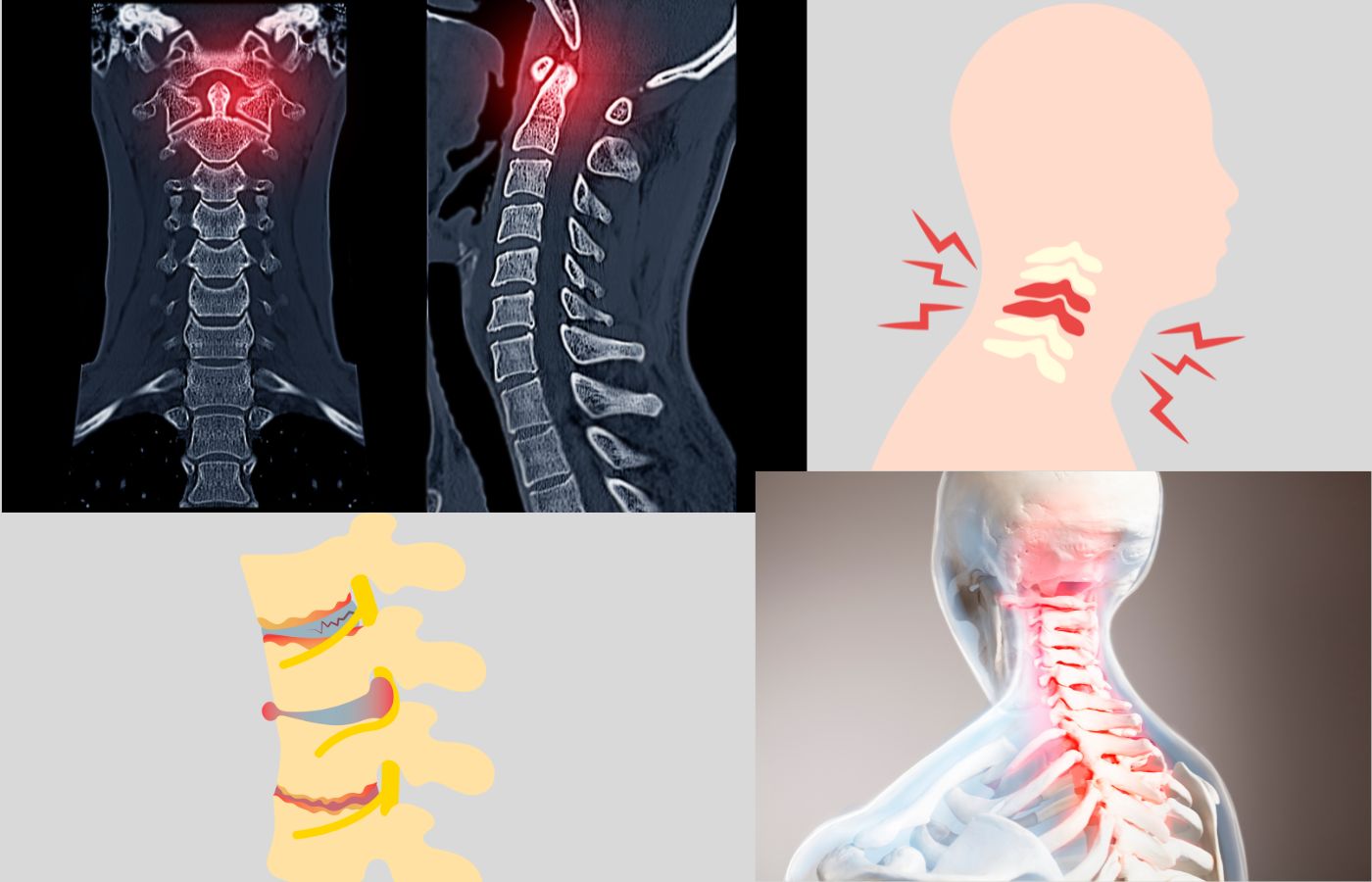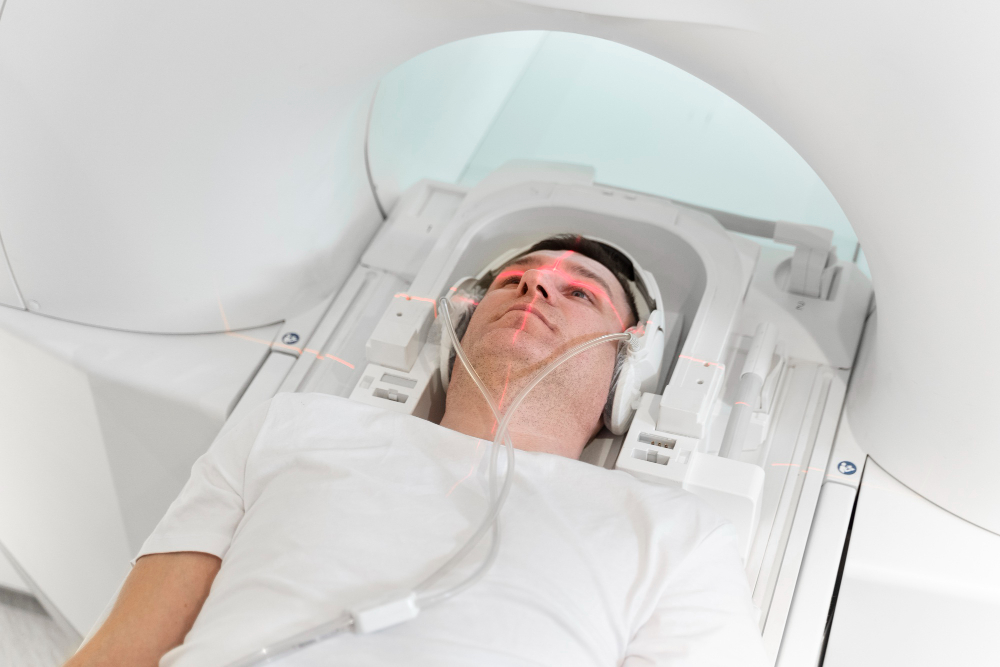
A CT Scan Of The Abdomen is a commonly used diagnostic imaging test that helps doctors examine organs inside the abdomen in detail. It uses advanced X-ray technology and computer processing to create clear cross-sectional images of internal organs such as the liver, kidneys, pancreas, intestines, and blood vessels.
Doctors often recommend an abdominal CT scan to diagnose medical conditions, investigate abdominal pain, detect infections, or evaluate tumors and injuries. Understanding the CT Scan Abdomen Procedure can help patients feel more prepared and comfortable before the test.
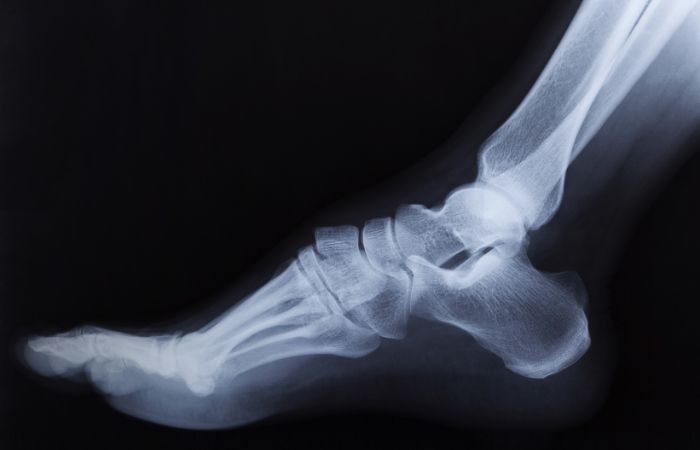
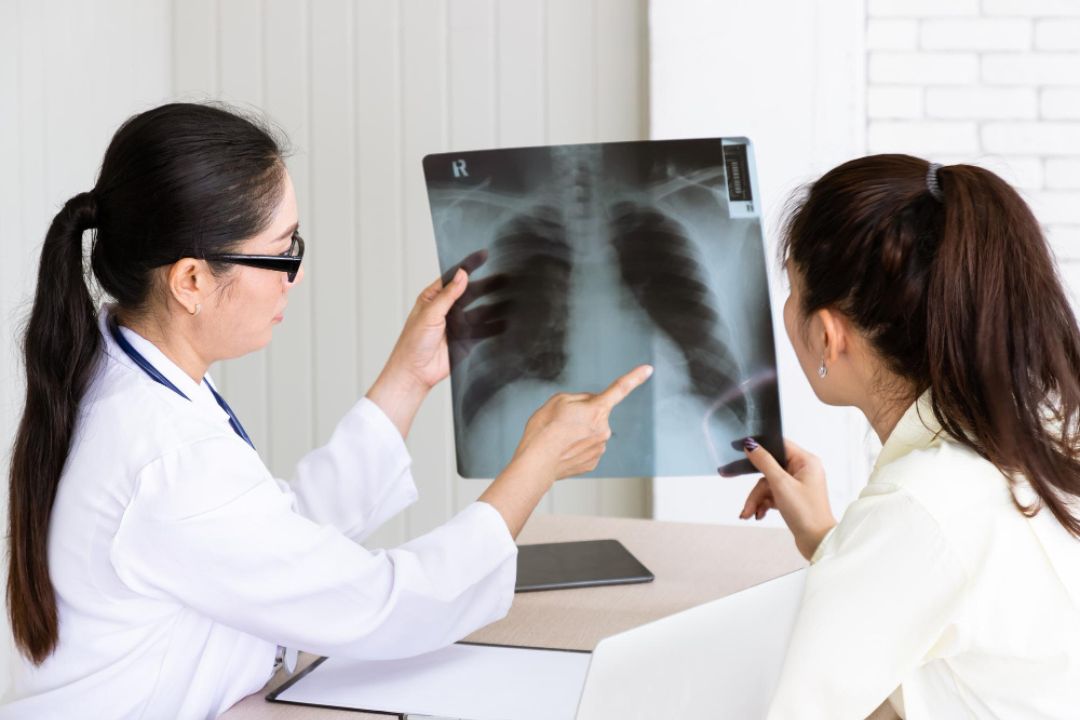
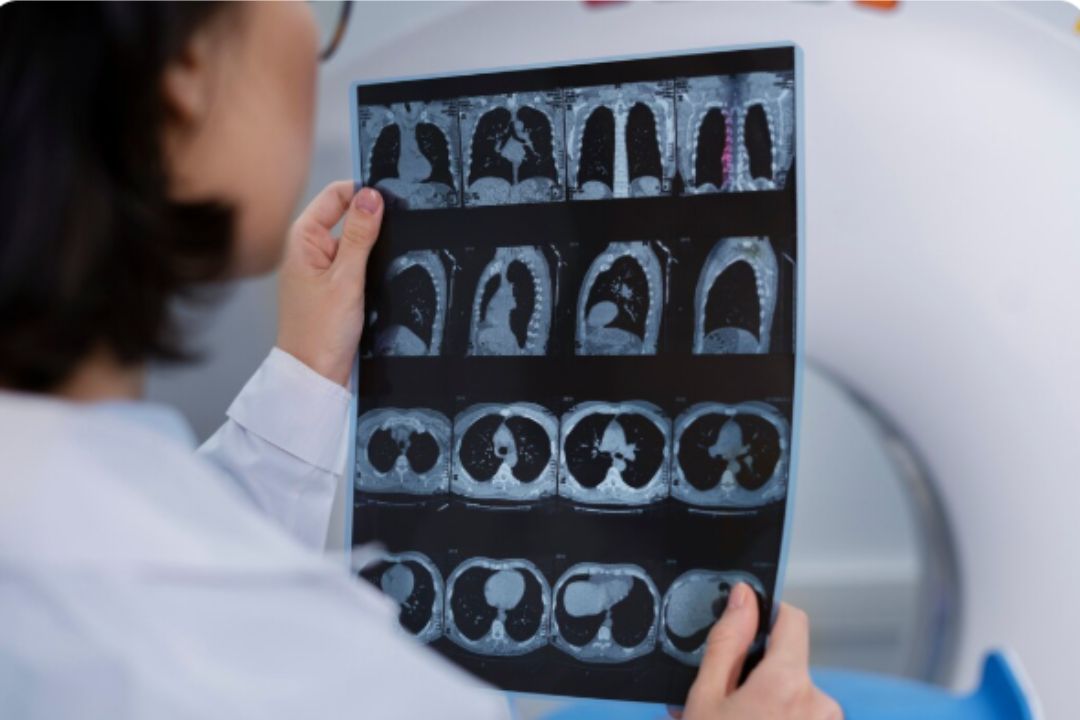
A CT Scan combines multiple X-ray images taken from different angles to produce detailed images of the body. Unlike regular X-rays, CT scans provide more precise information about soft tissues, organs, and blood vessels.
An Abdominal CT Scan specifically focuses on organs located in the abdominal region, including:
Liver
Gallbladder
Pancreas
Kidneys
Spleen
Intestines
Blood vessels
This test helps doctors identify abnormalities that may not be visible through other imaging techniques.
Doctors may recommend a CT scan of the abdomen for several reasons, including:
Investigating persistent abdominal pain
Detecting tumors or cancers
Diagnosing kidney stones
Identifying infections or inflammation
Evaluating internal injuries after accidents
Monitoring treatment progress for certain diseases
Detecting appendicitis or intestinal blockage
The scan provides detailed images that help doctors make accurate diagnoses and develop effective treatment plans.
Understanding the procedure can help reduce anxiety before the test.
Before the CT scan, patients may be asked to:
Avoid eating for a few hours
Remove metal objects such as jewelry
Wear a hospital gown
Inform the doctor about allergies or medications
In some cases, a contrast dye may be used to improve image clarity.
During the procedure:
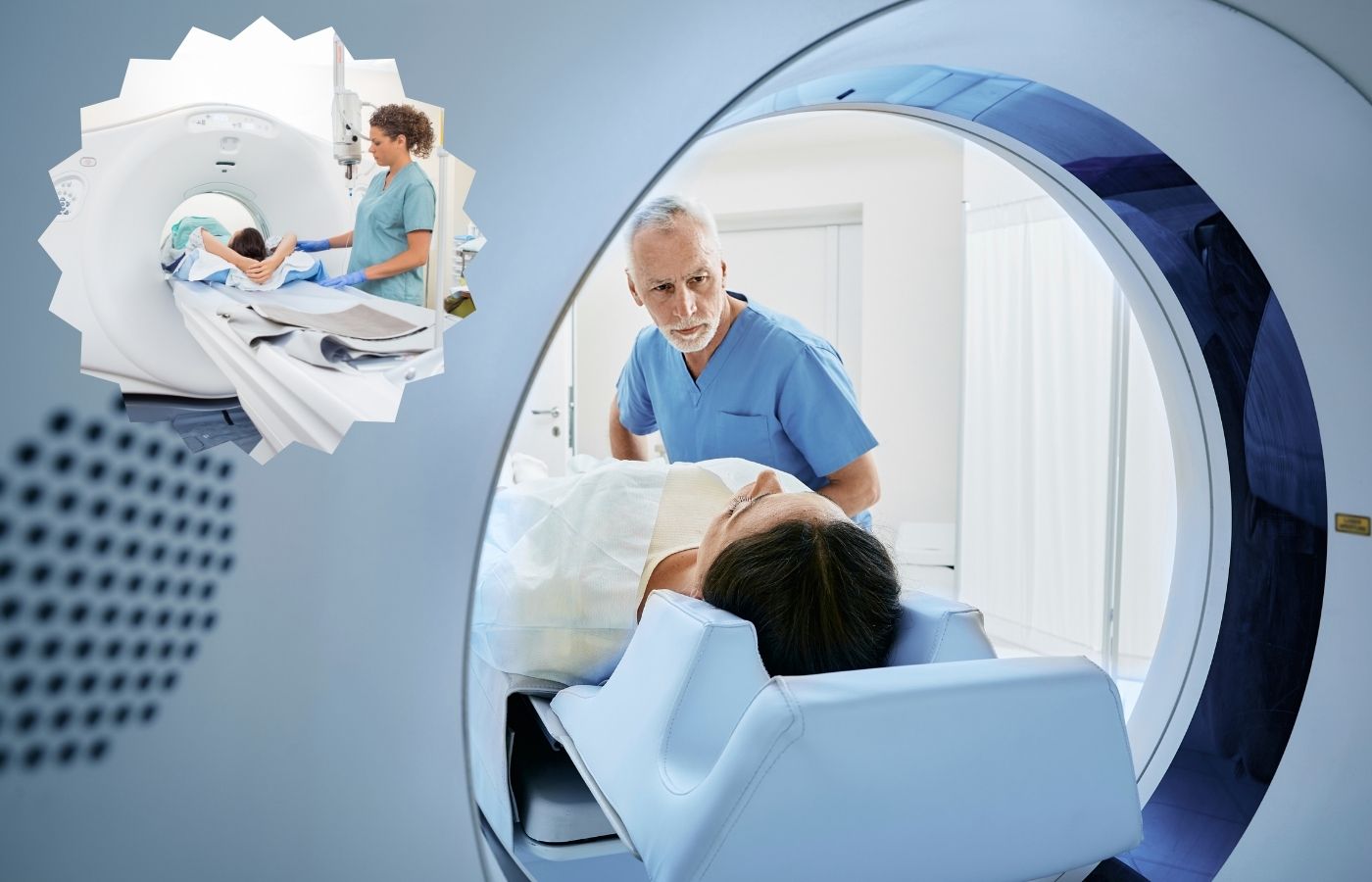
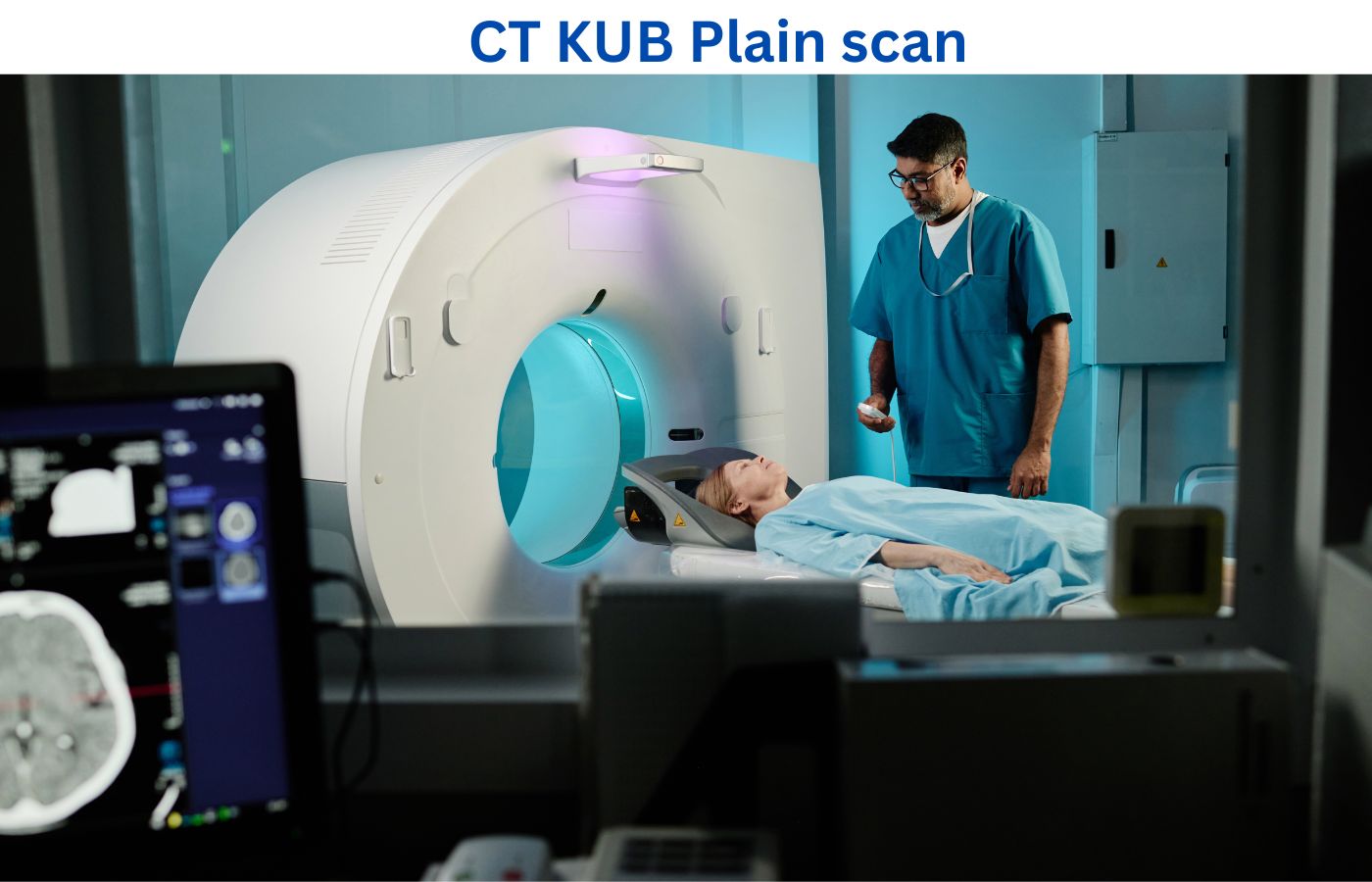
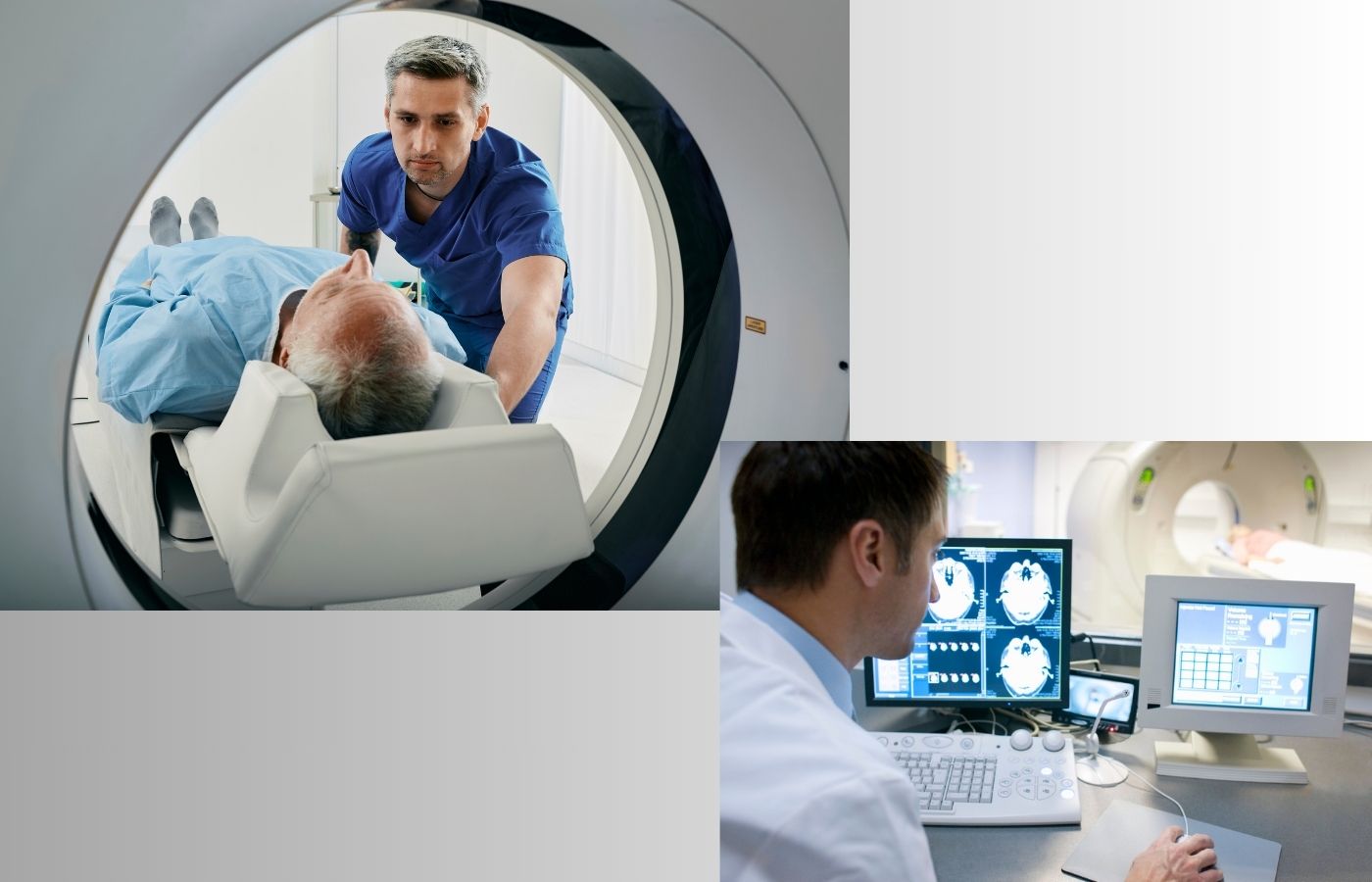
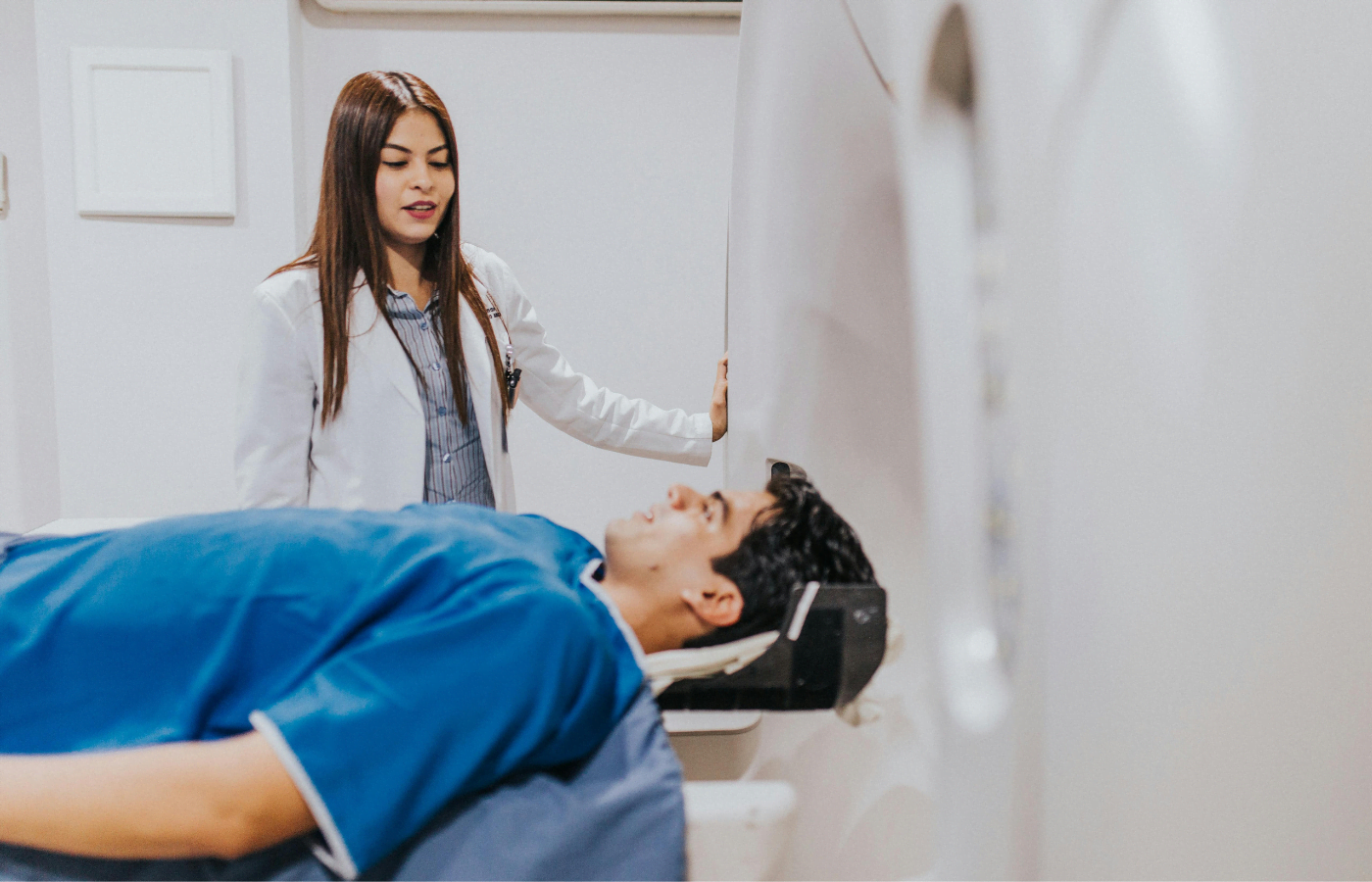
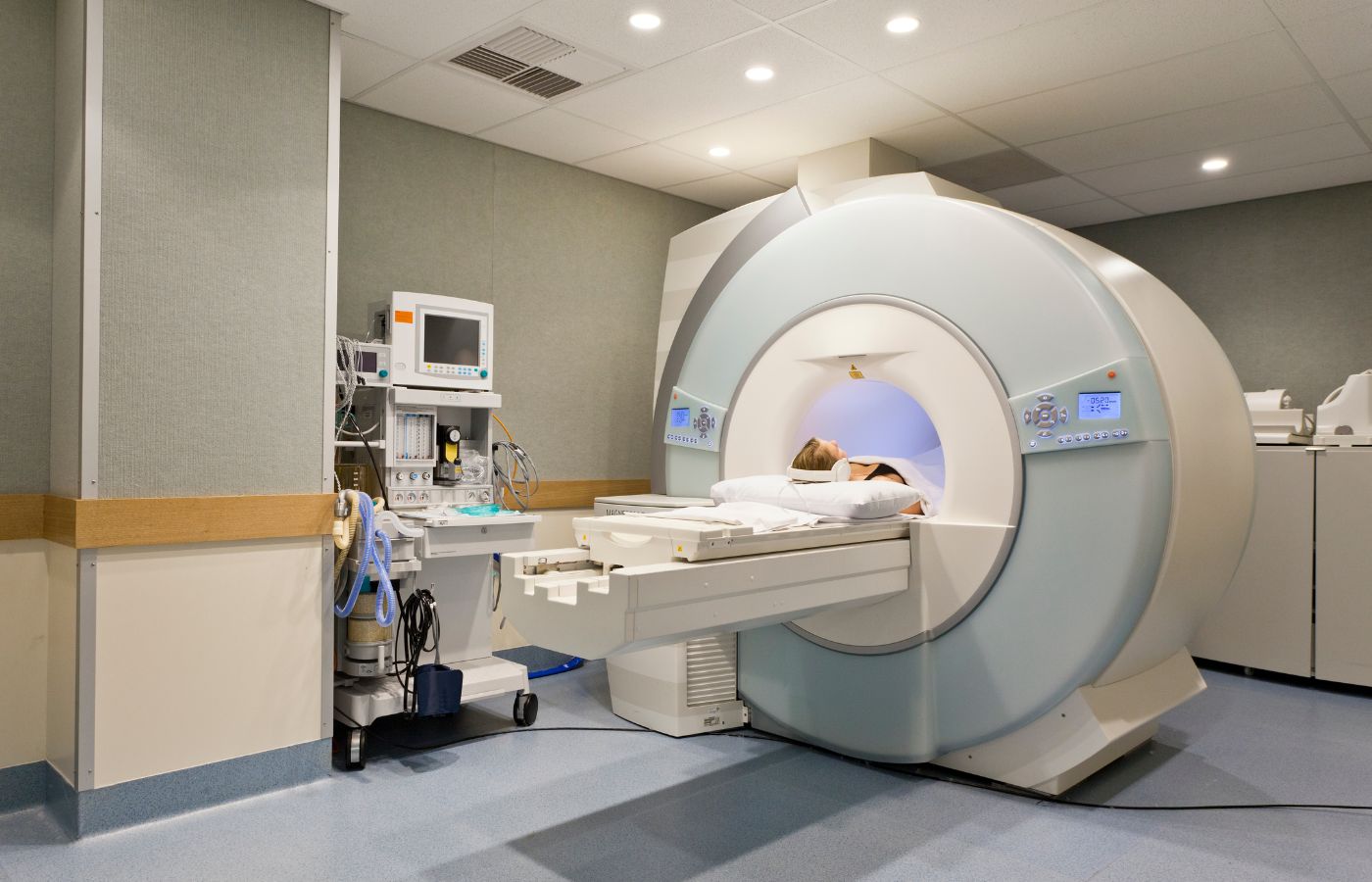
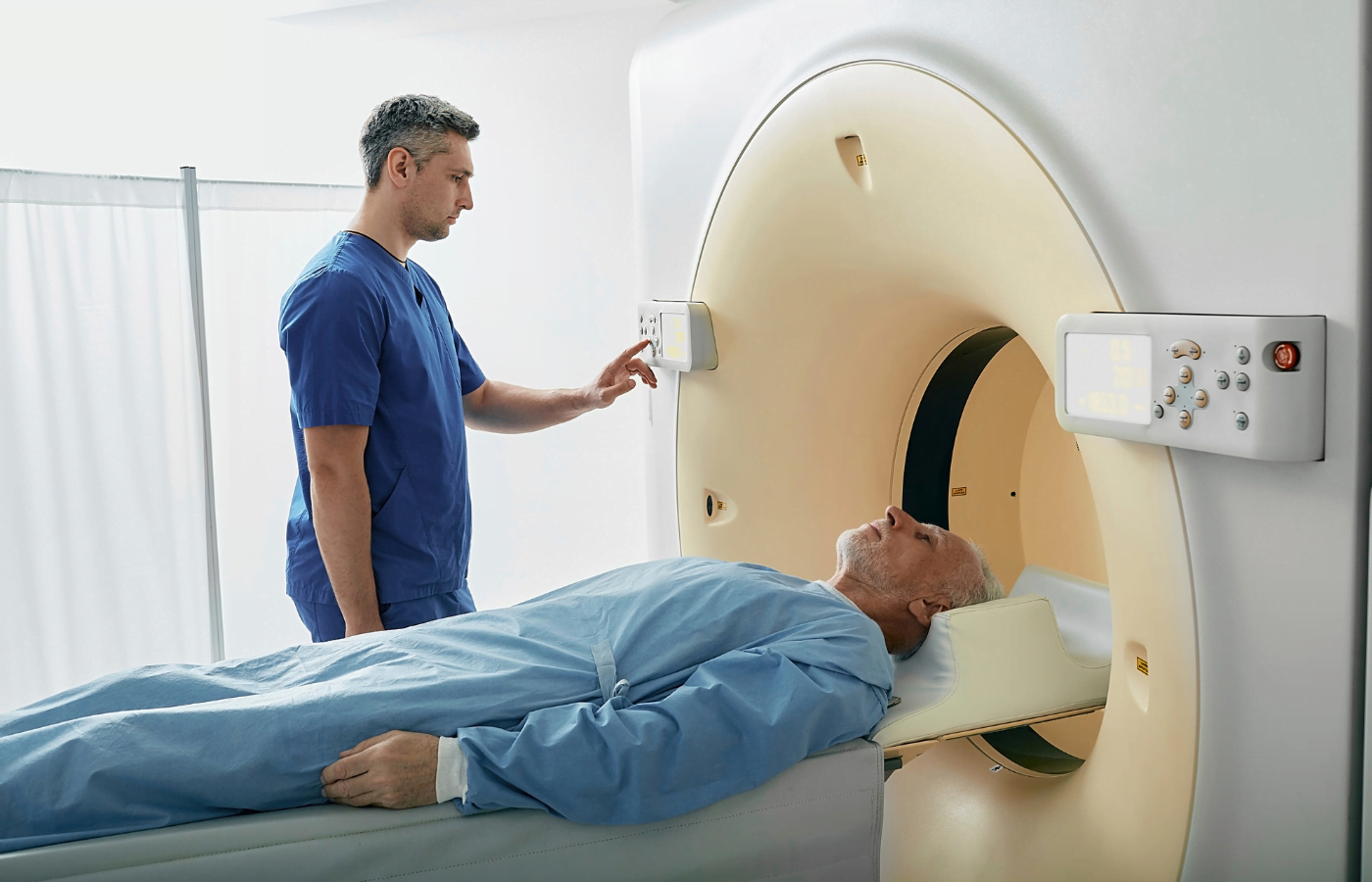
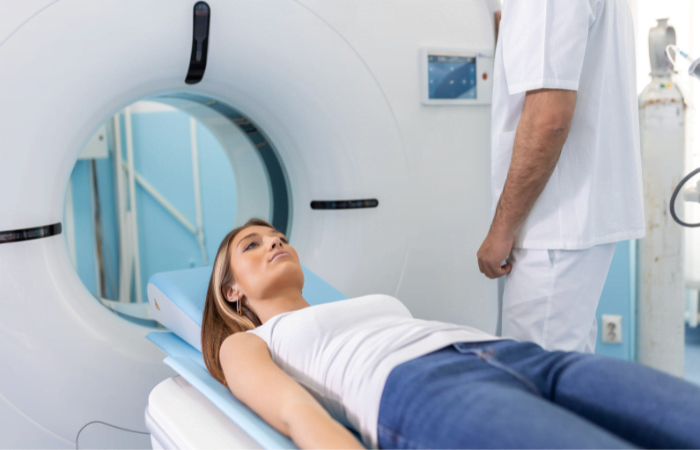
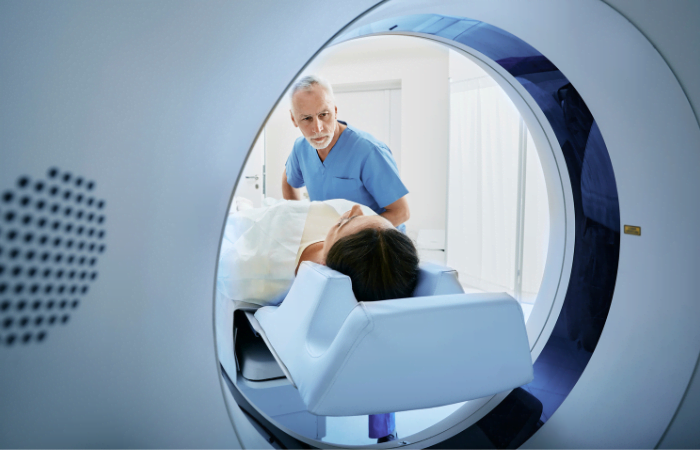
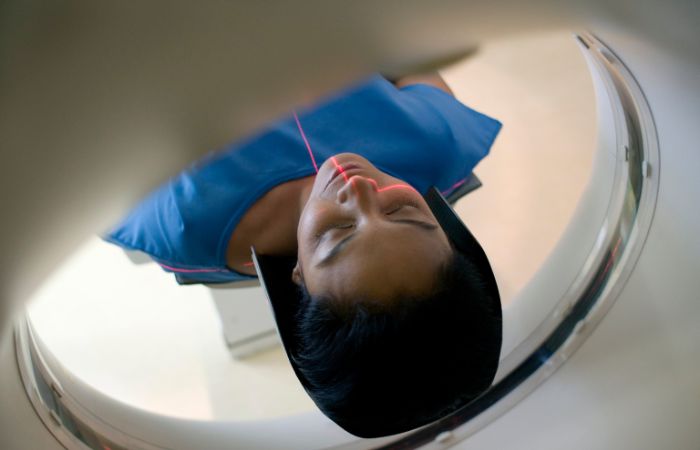
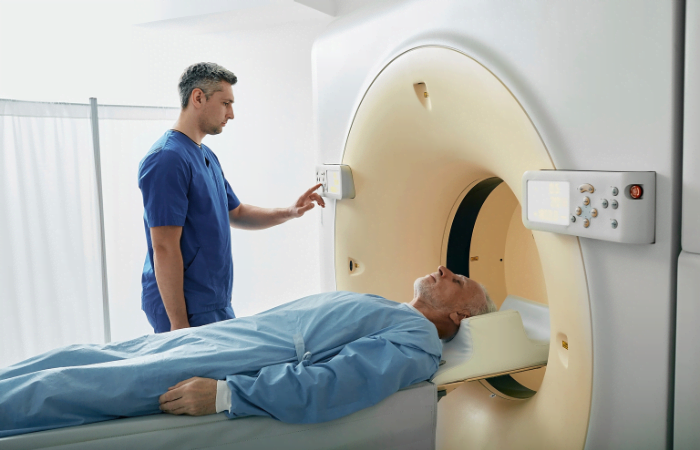
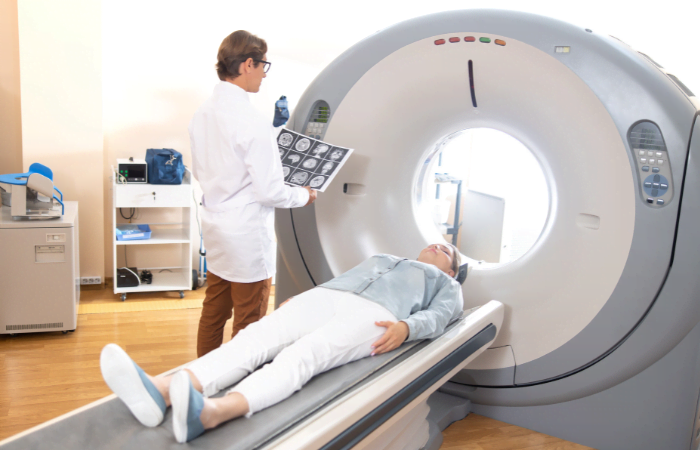
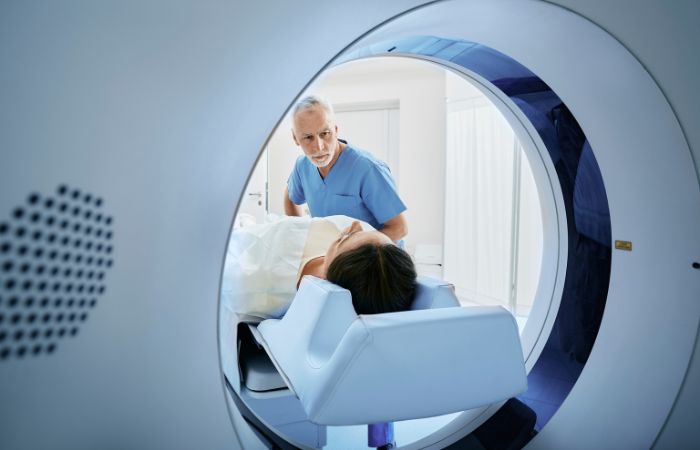
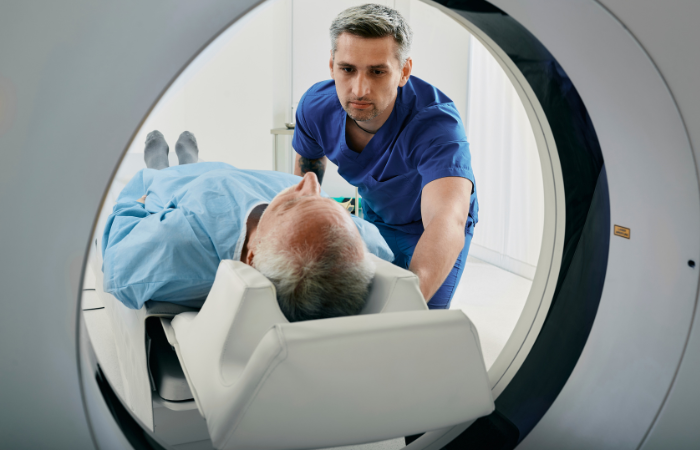
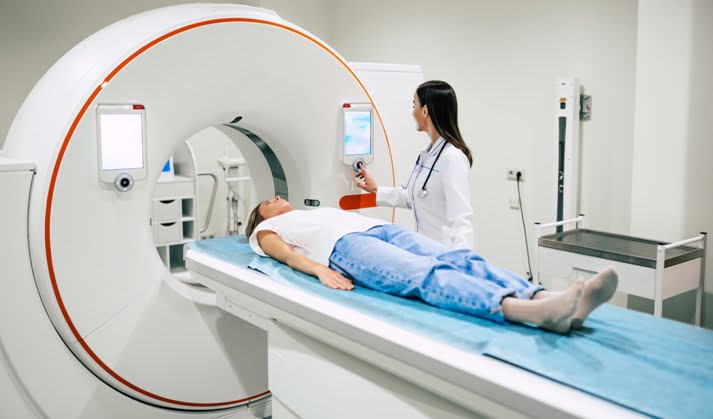
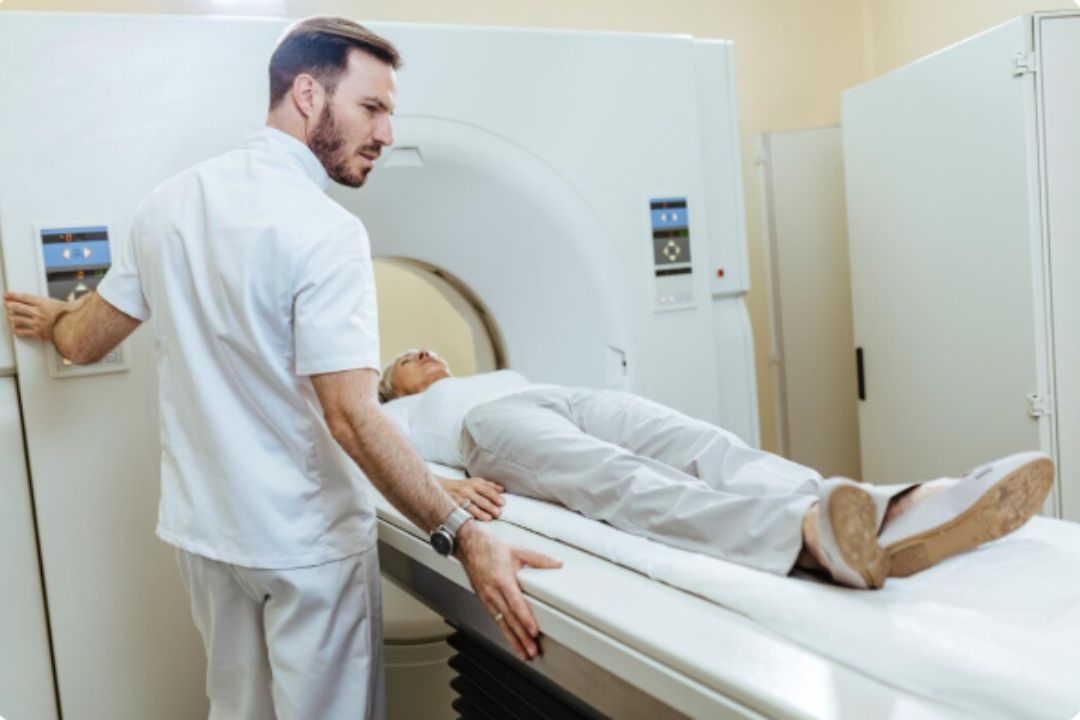
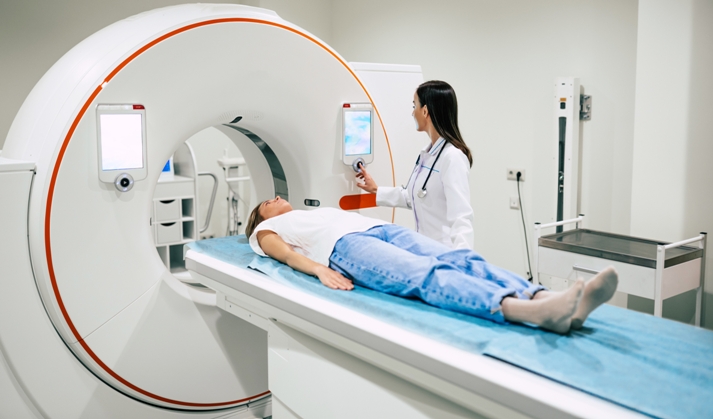
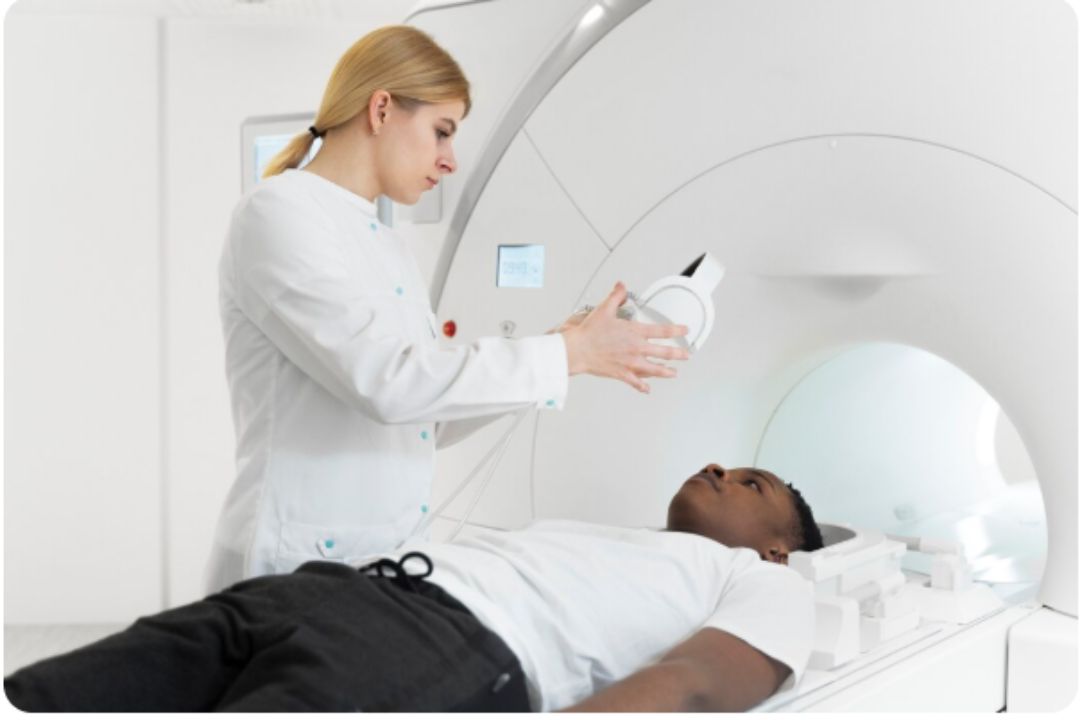
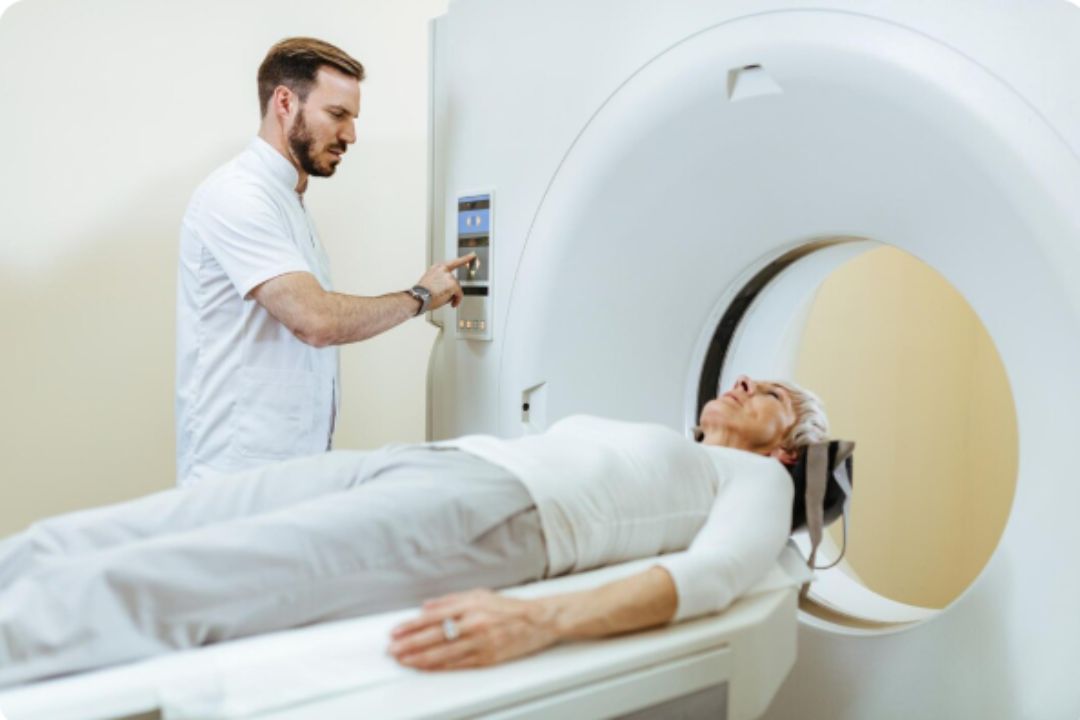
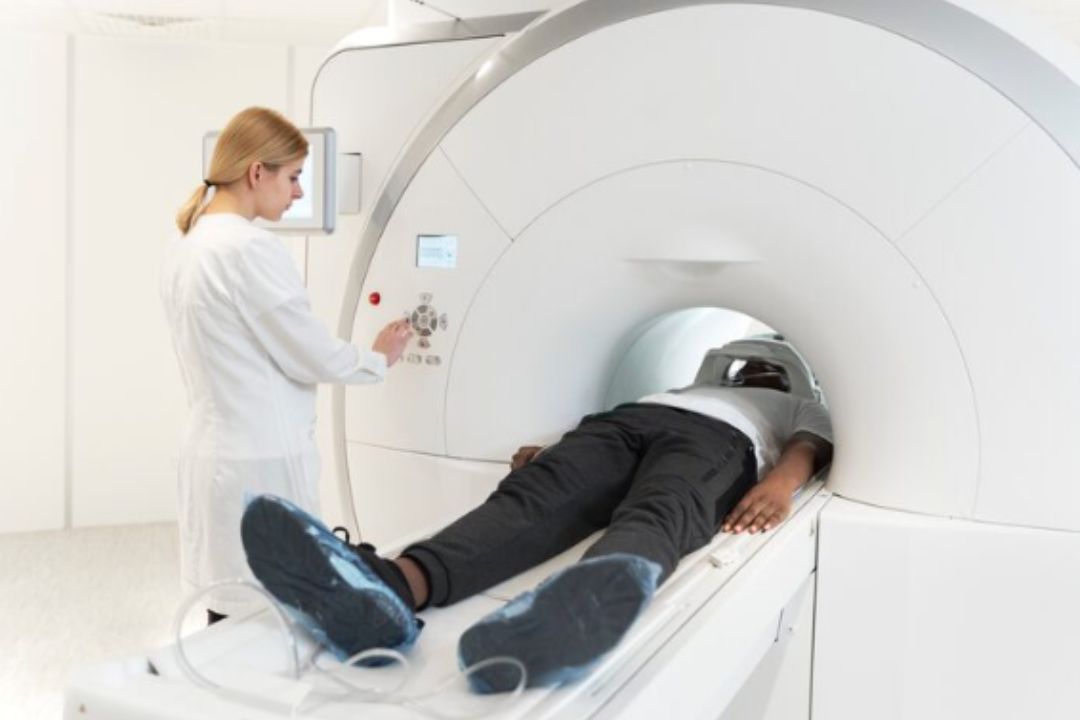
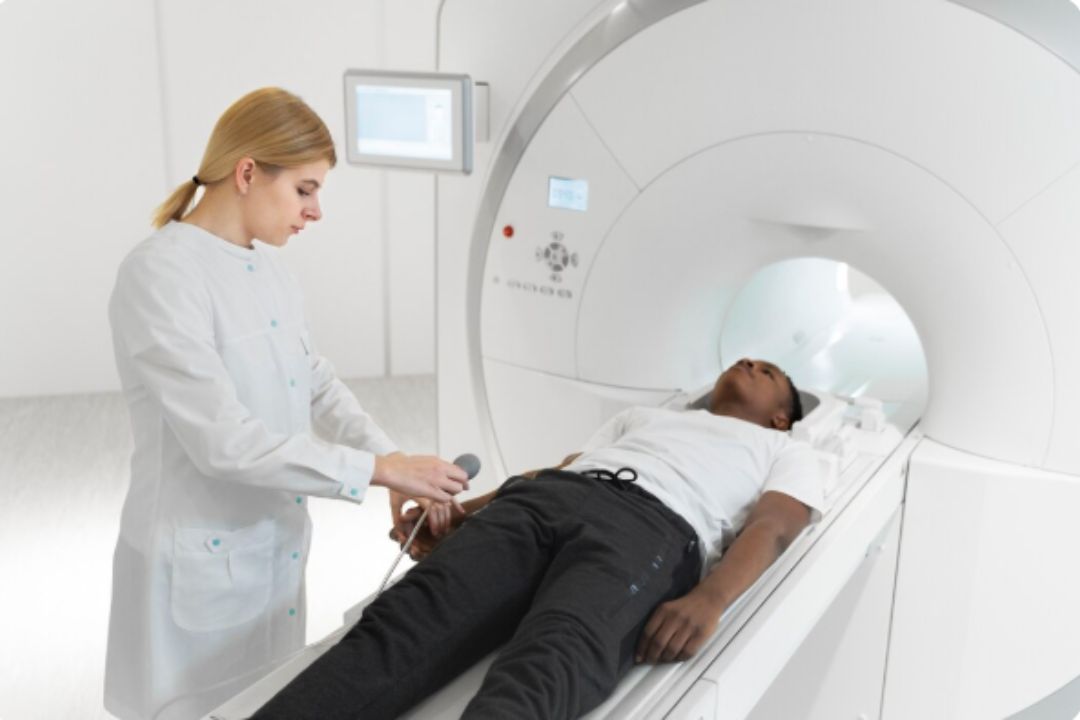
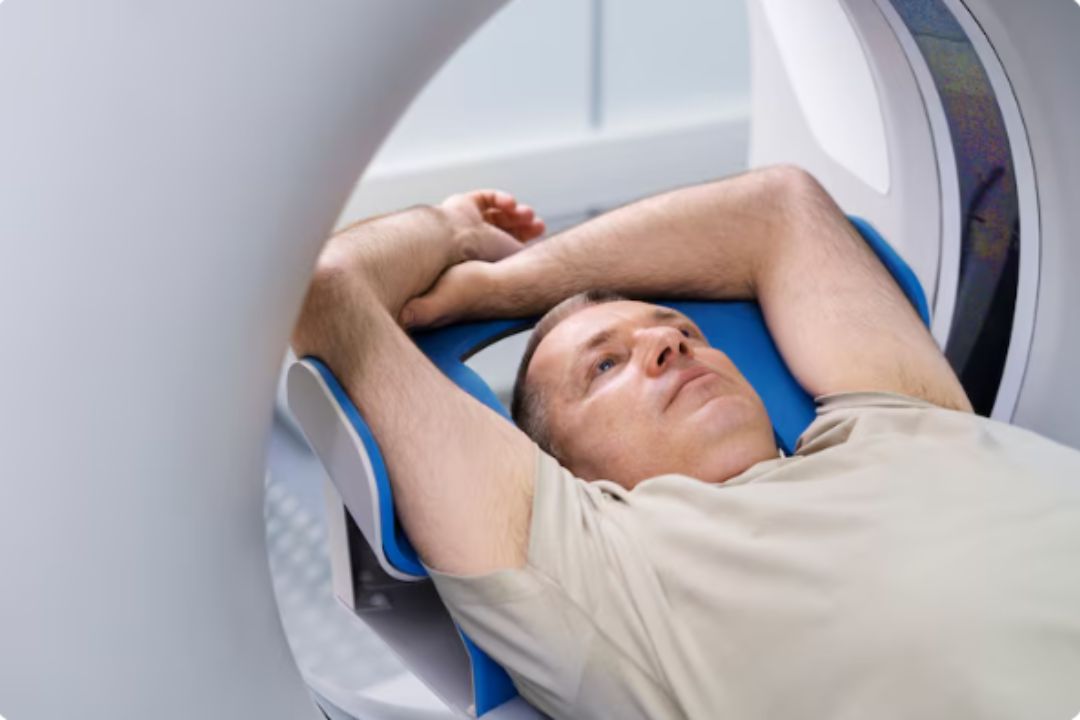
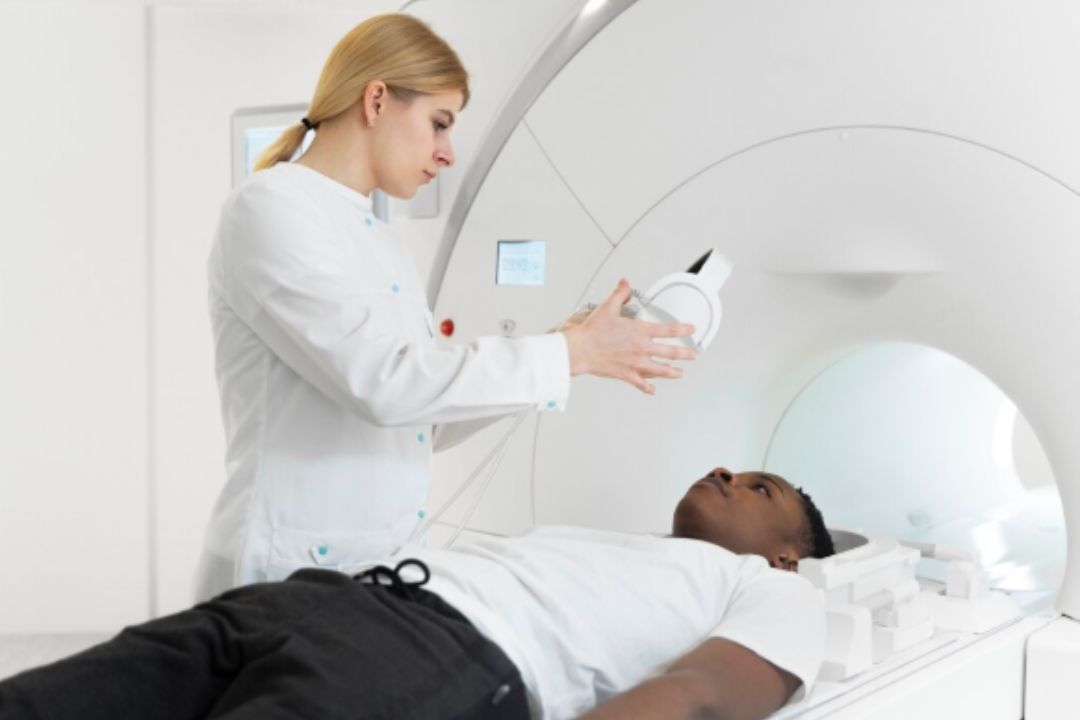
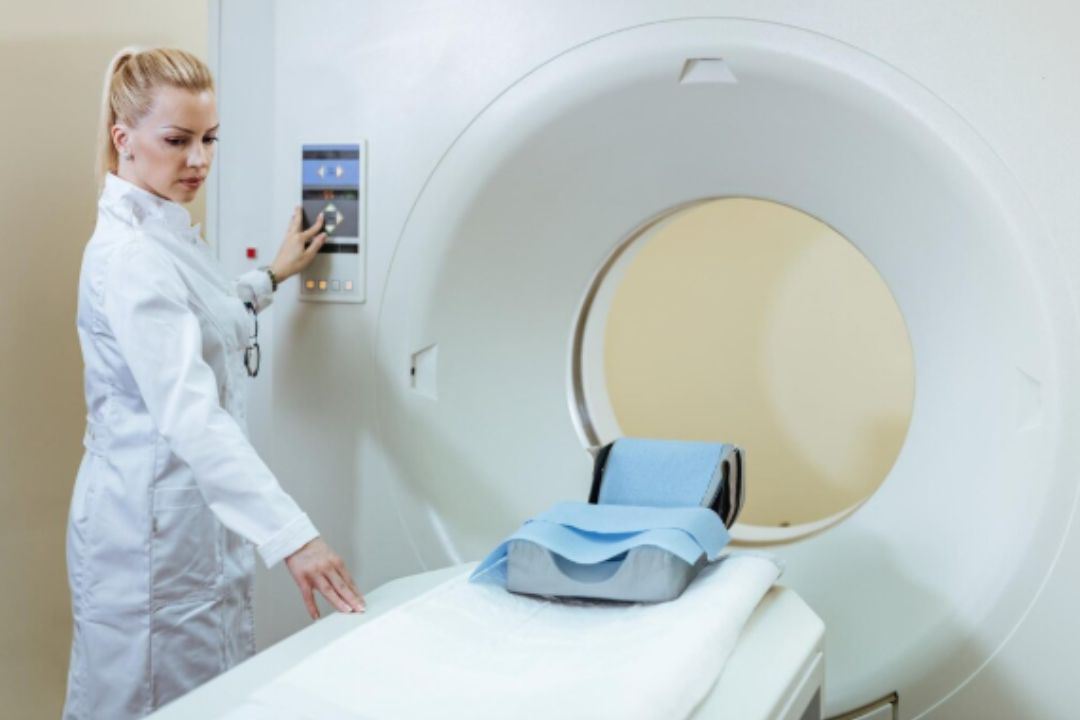
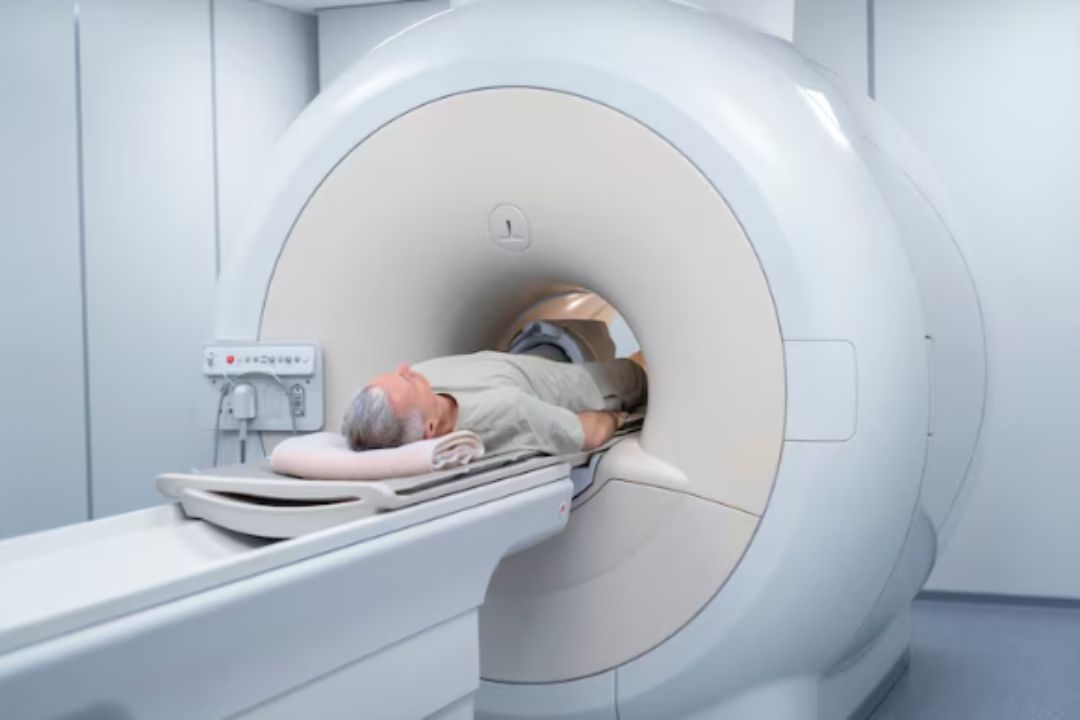
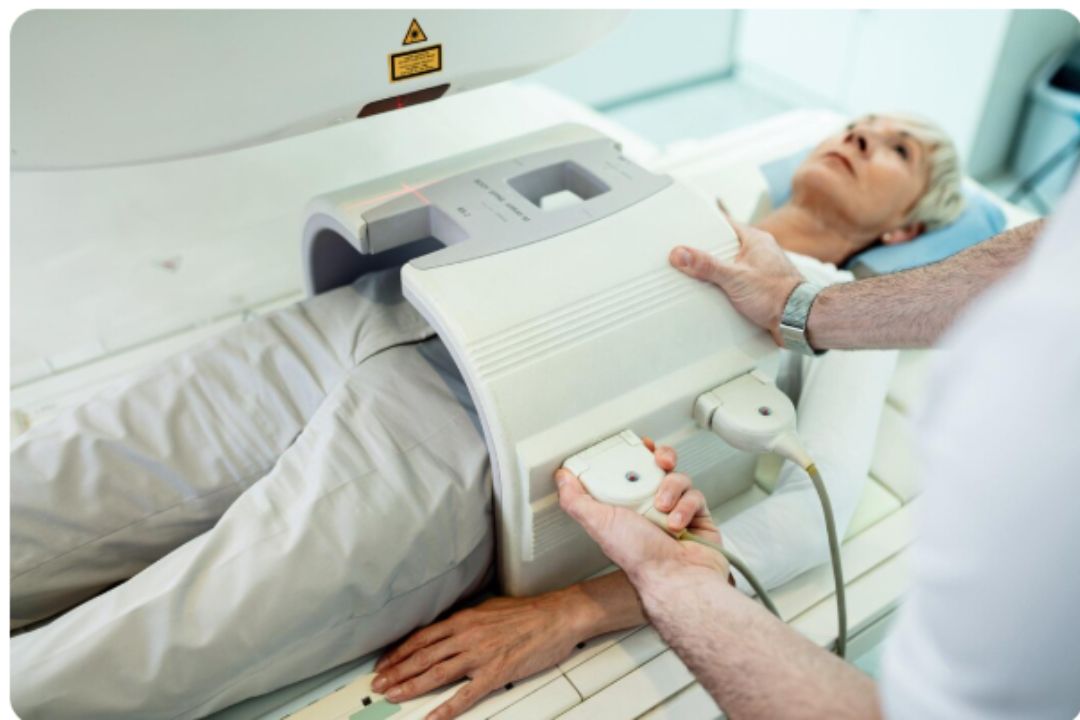
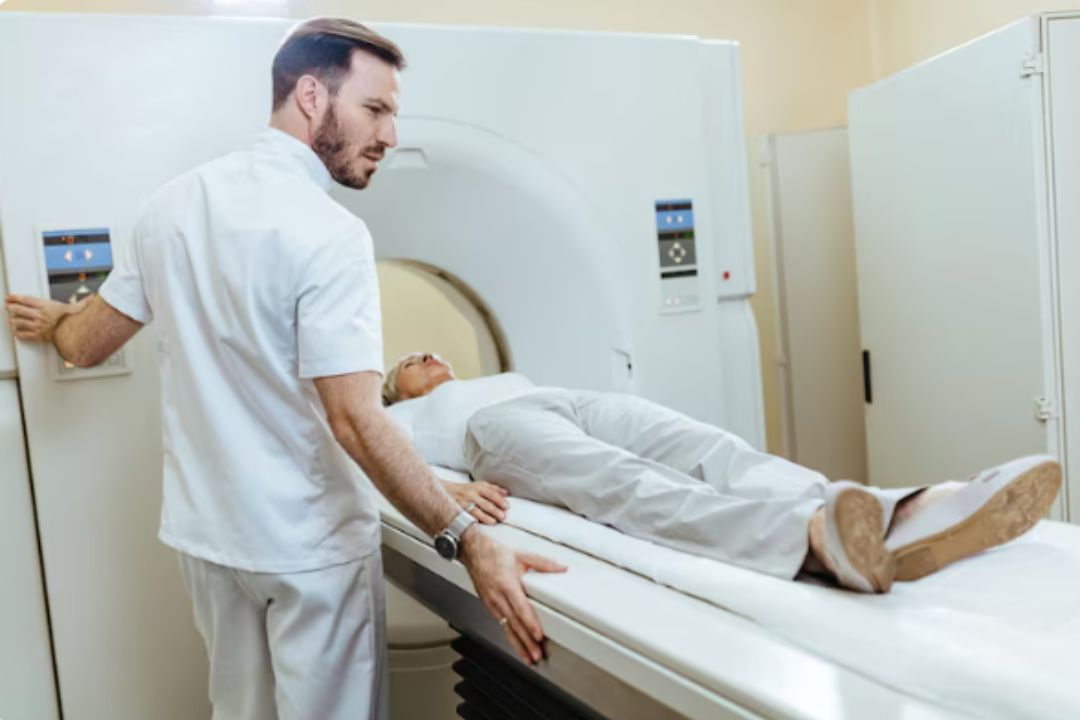
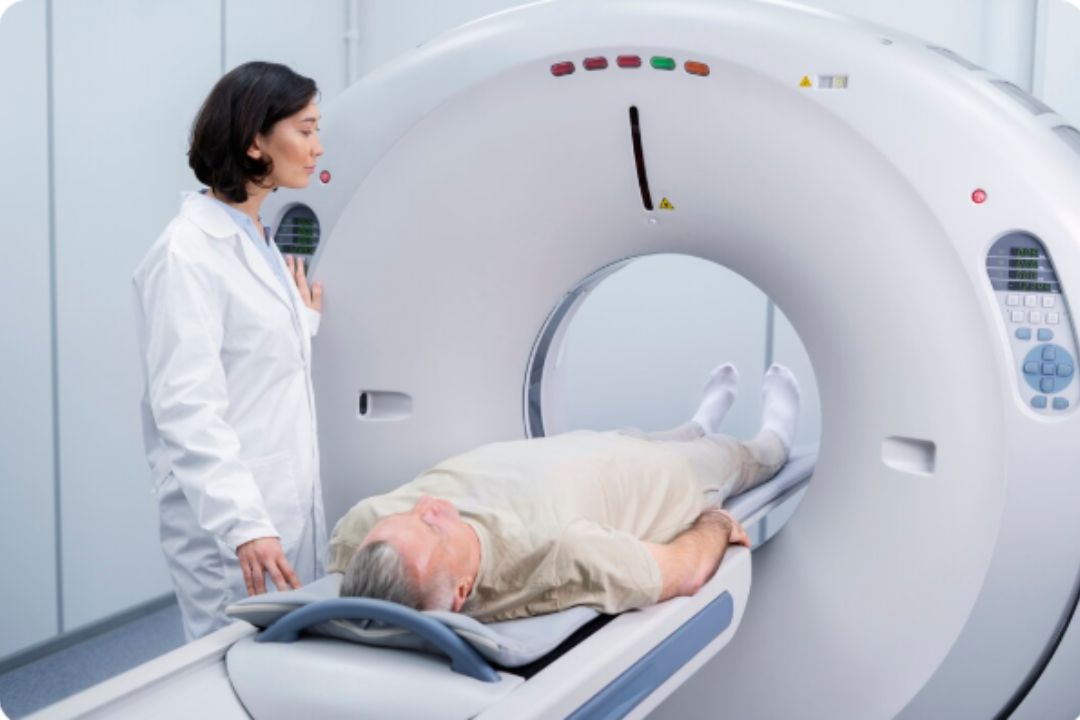
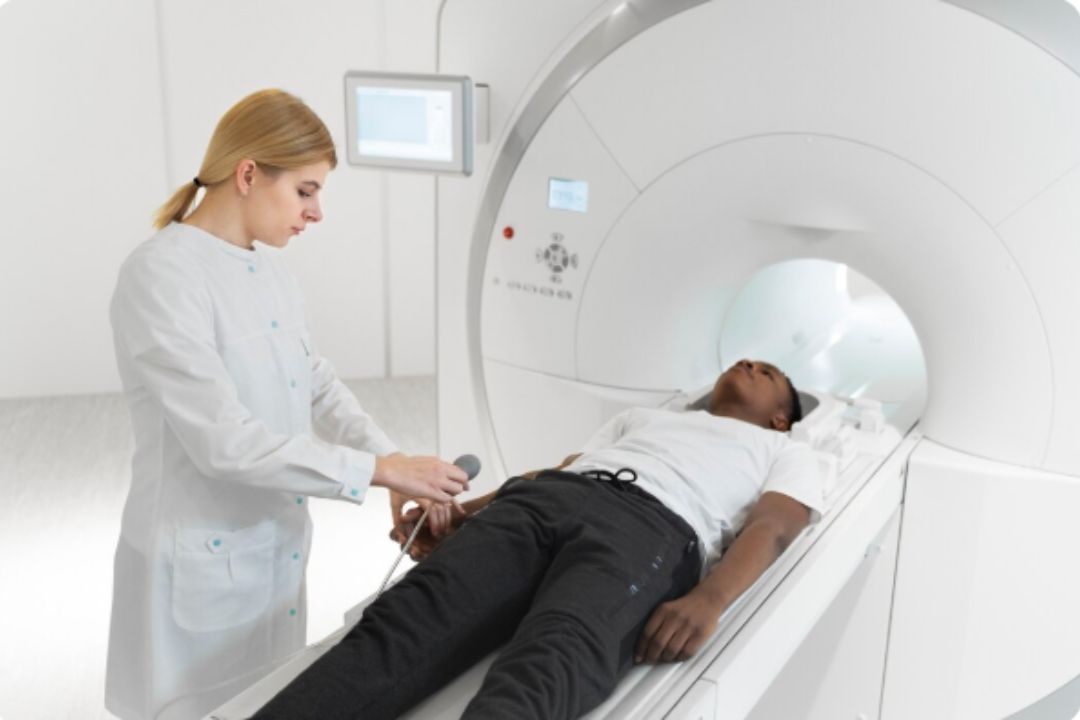
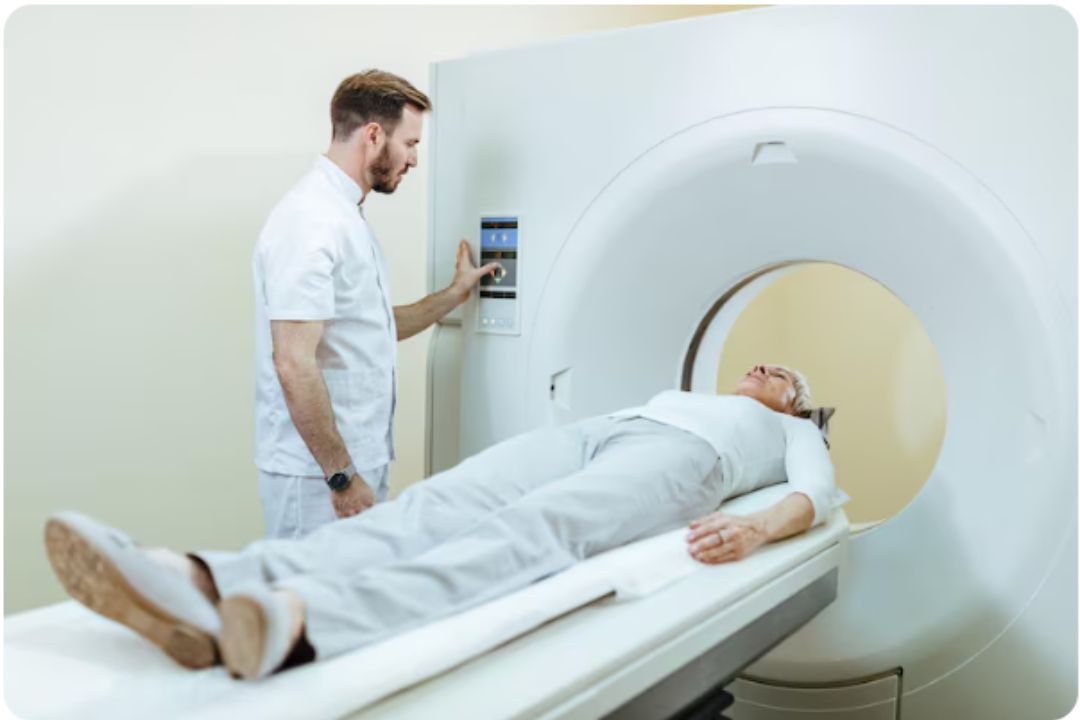
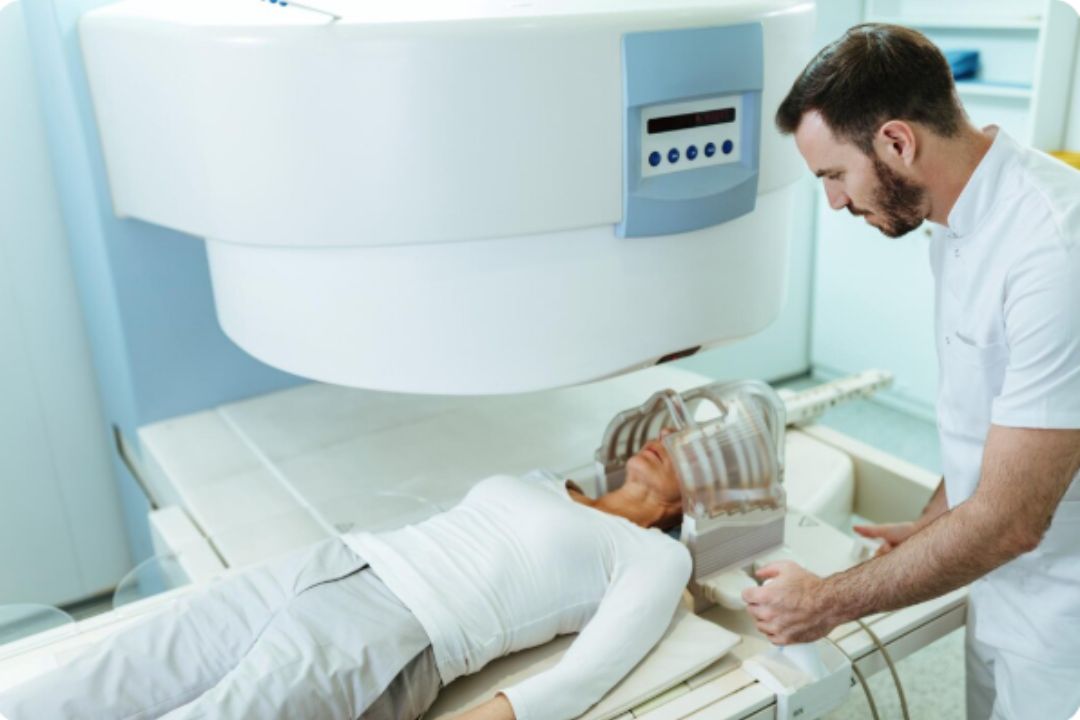
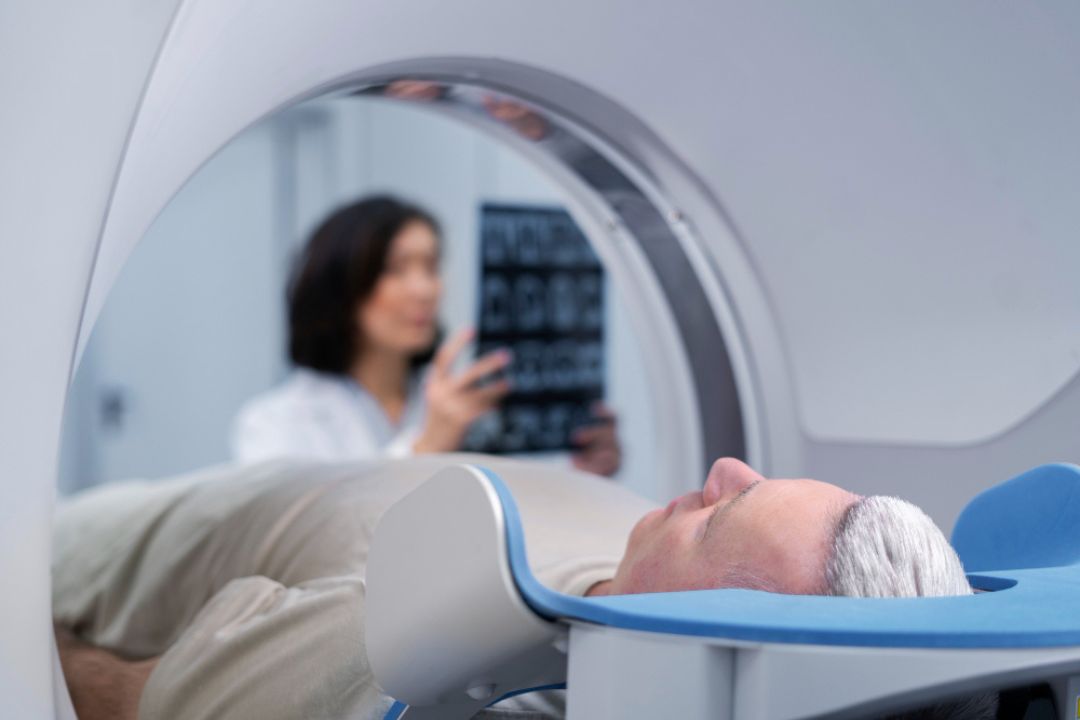
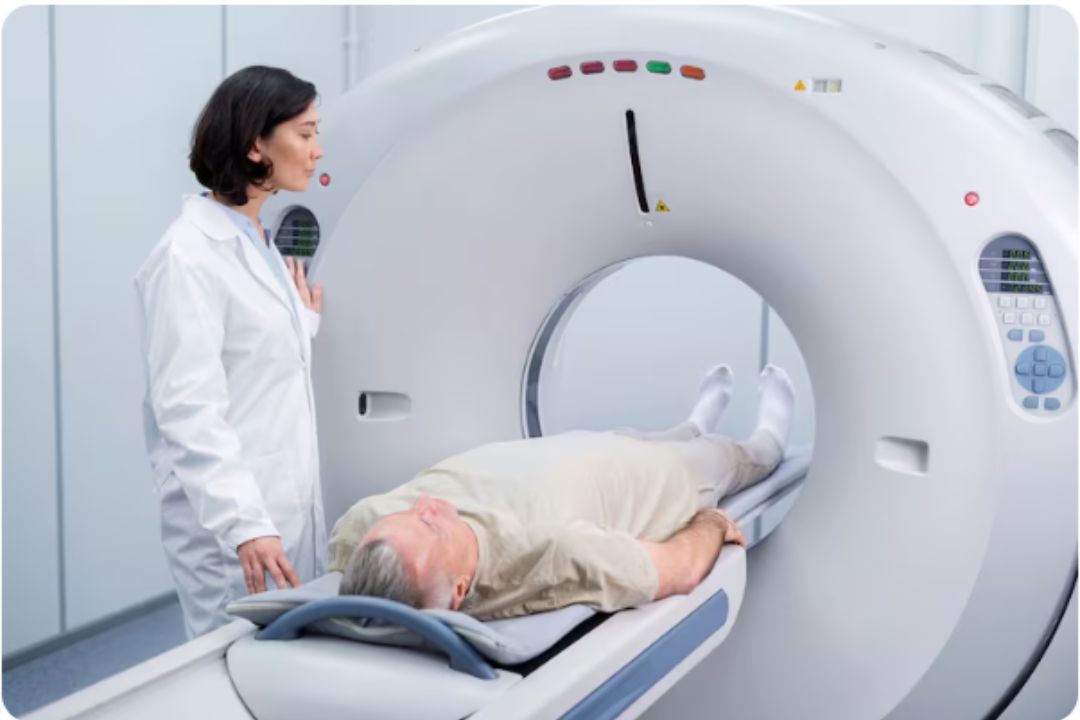
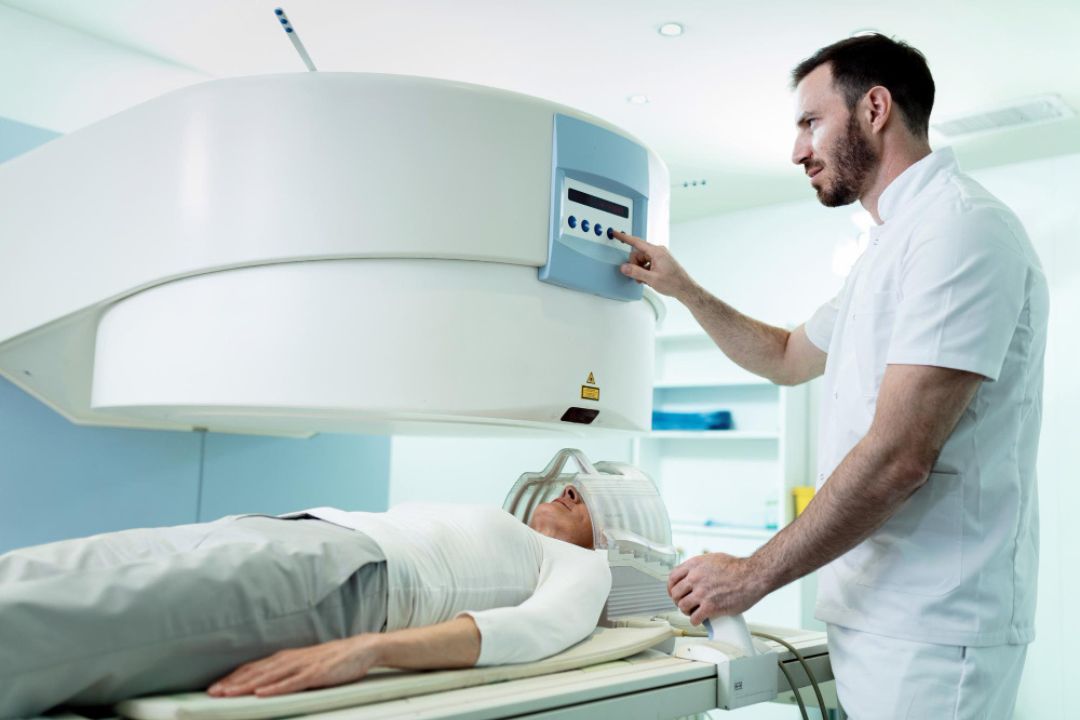
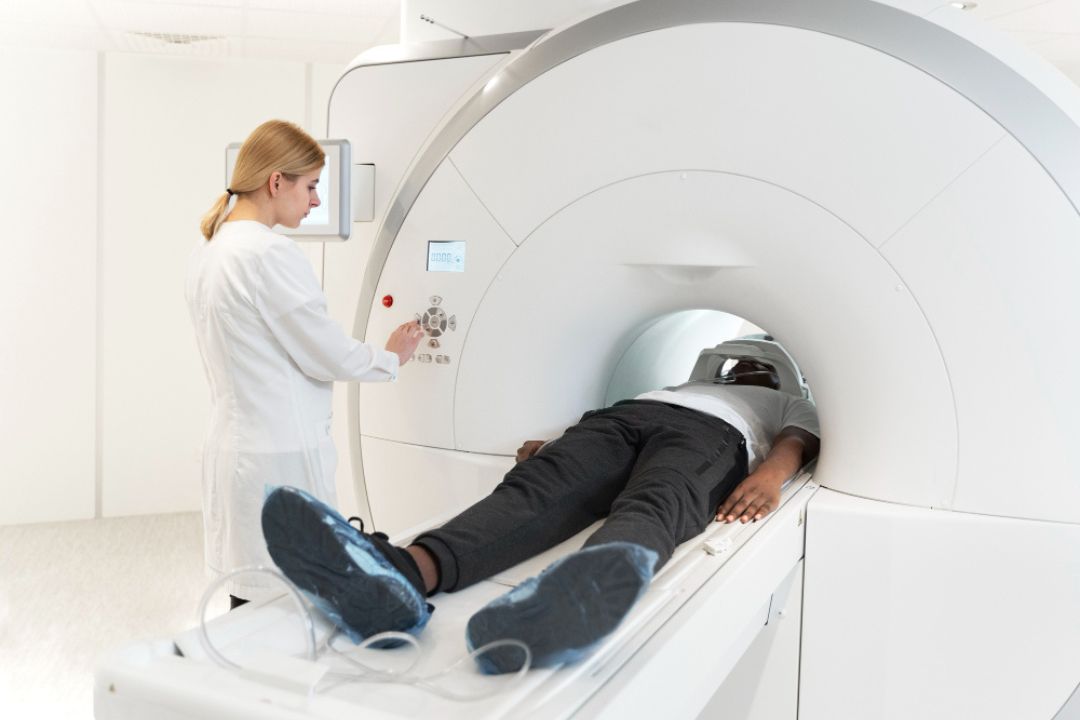
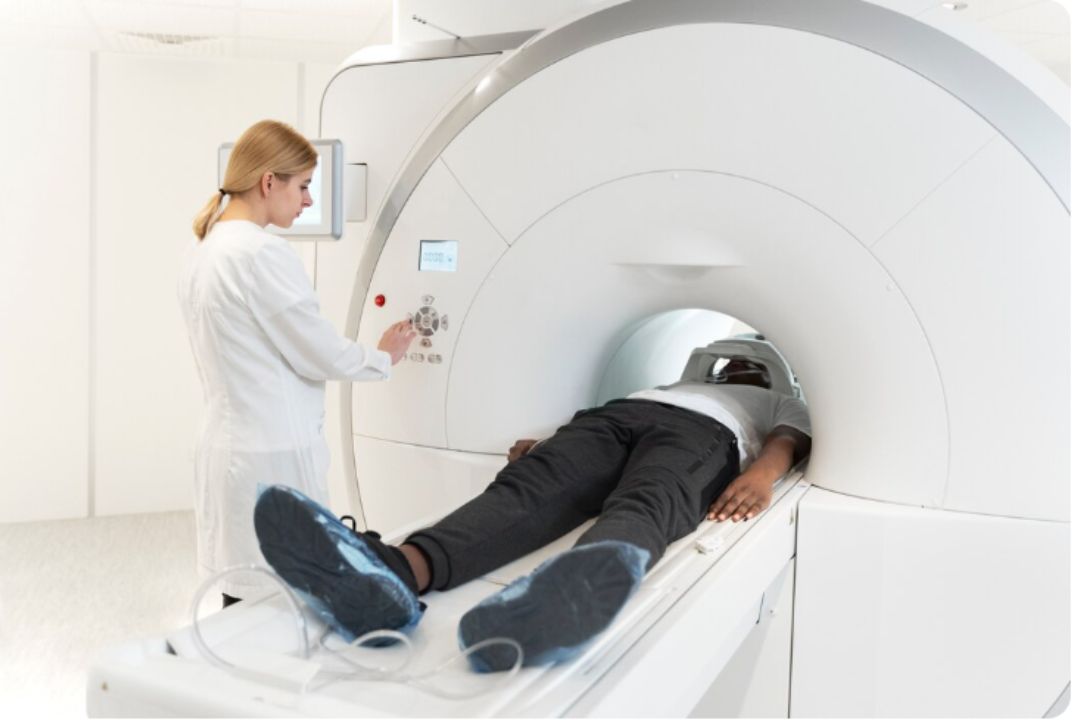
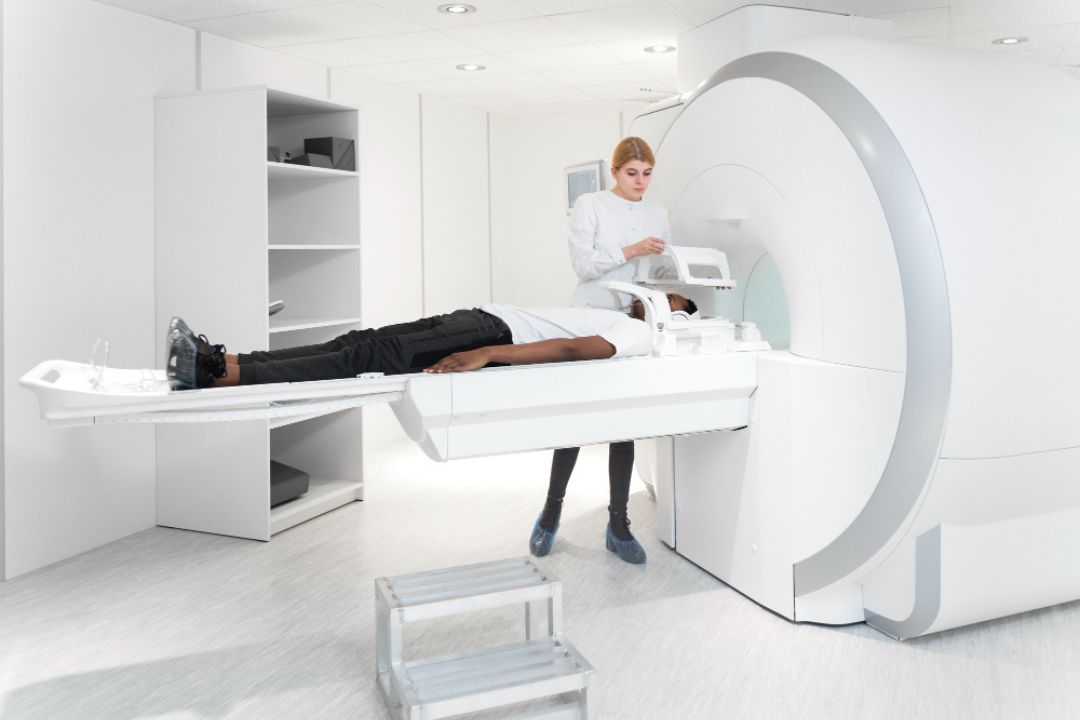
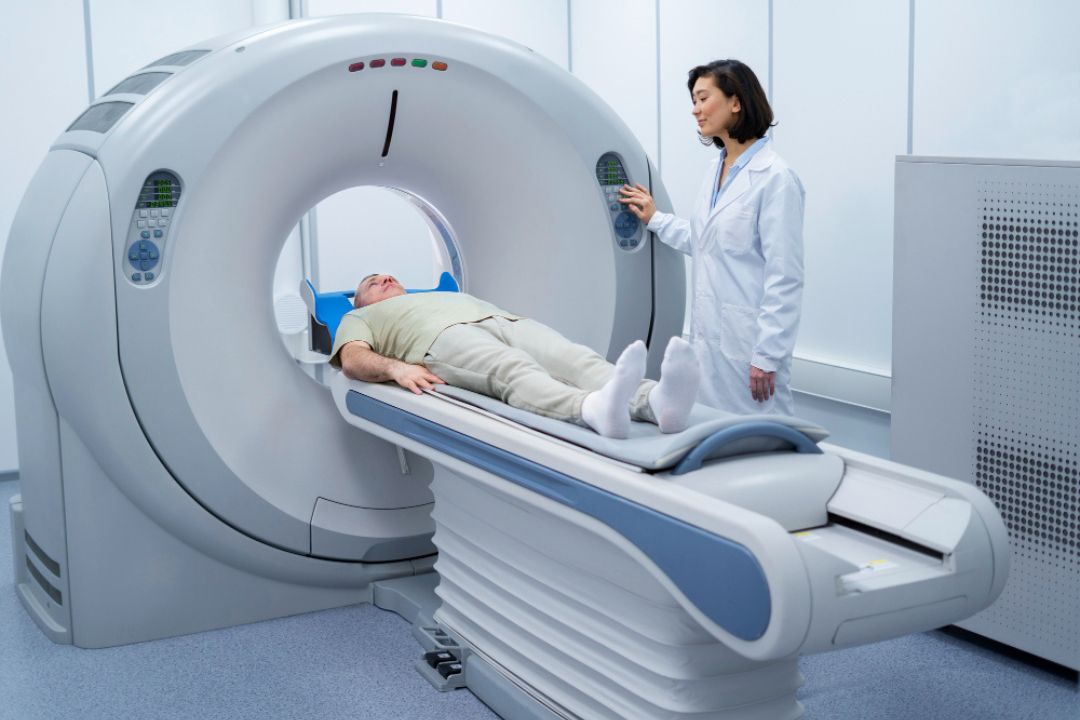
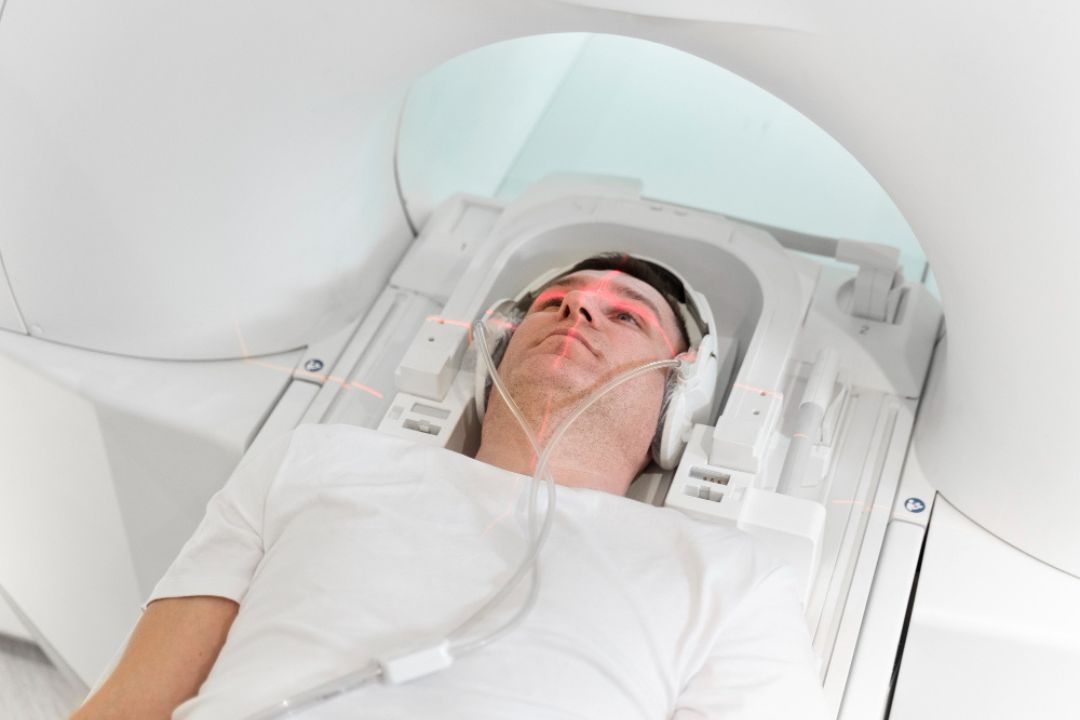
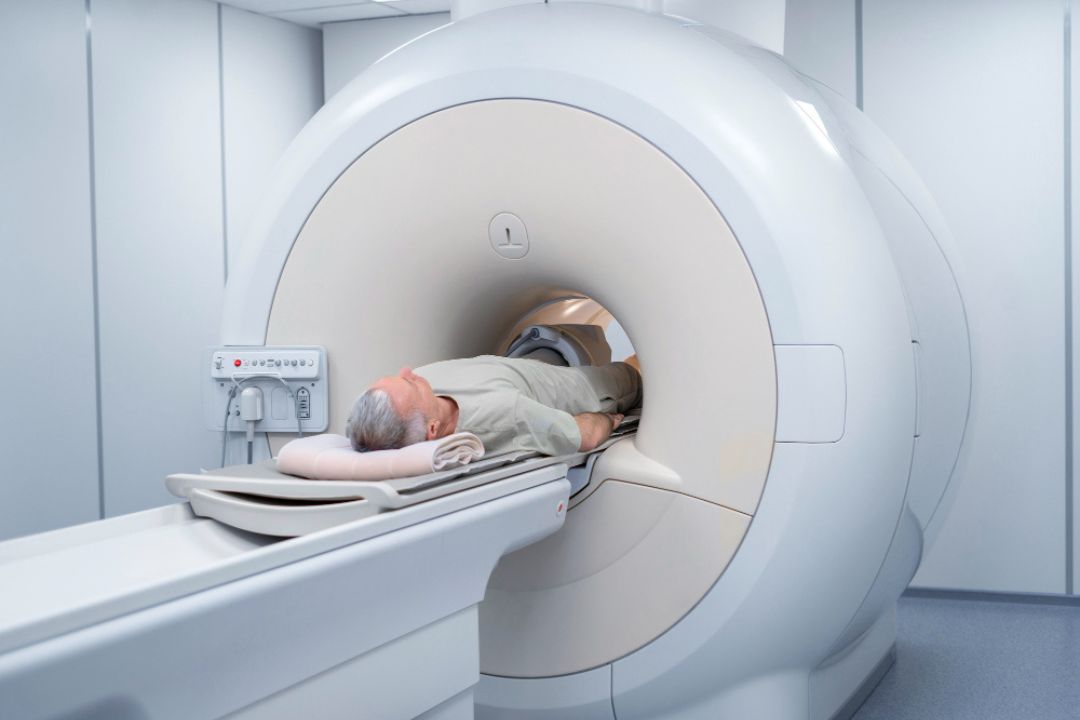
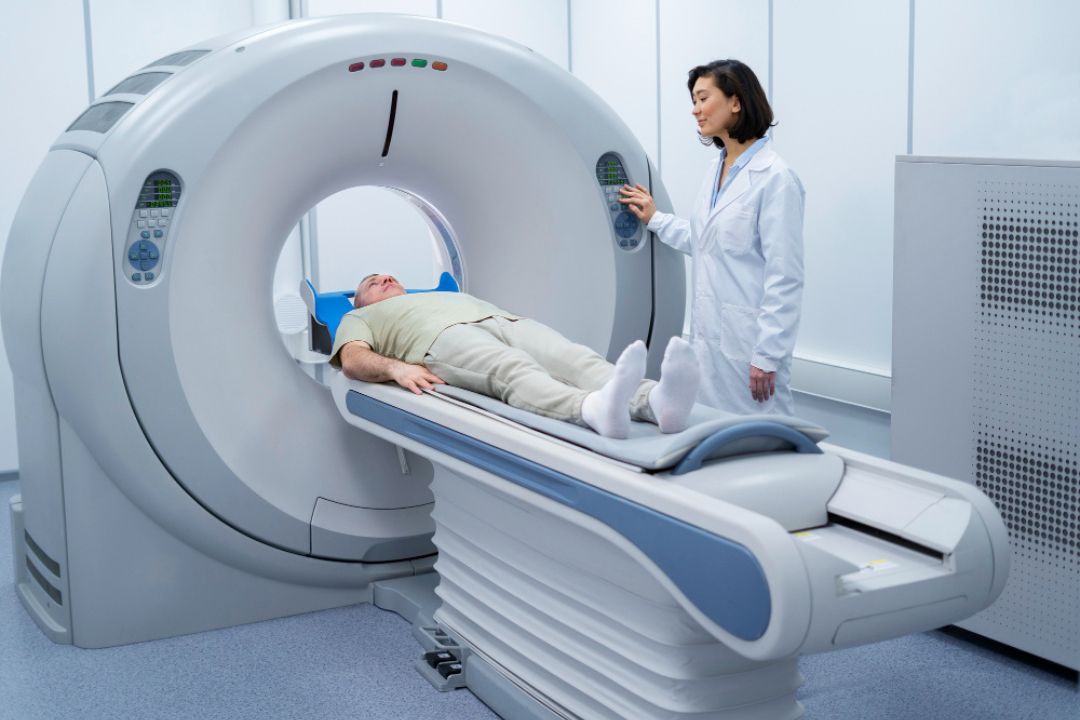
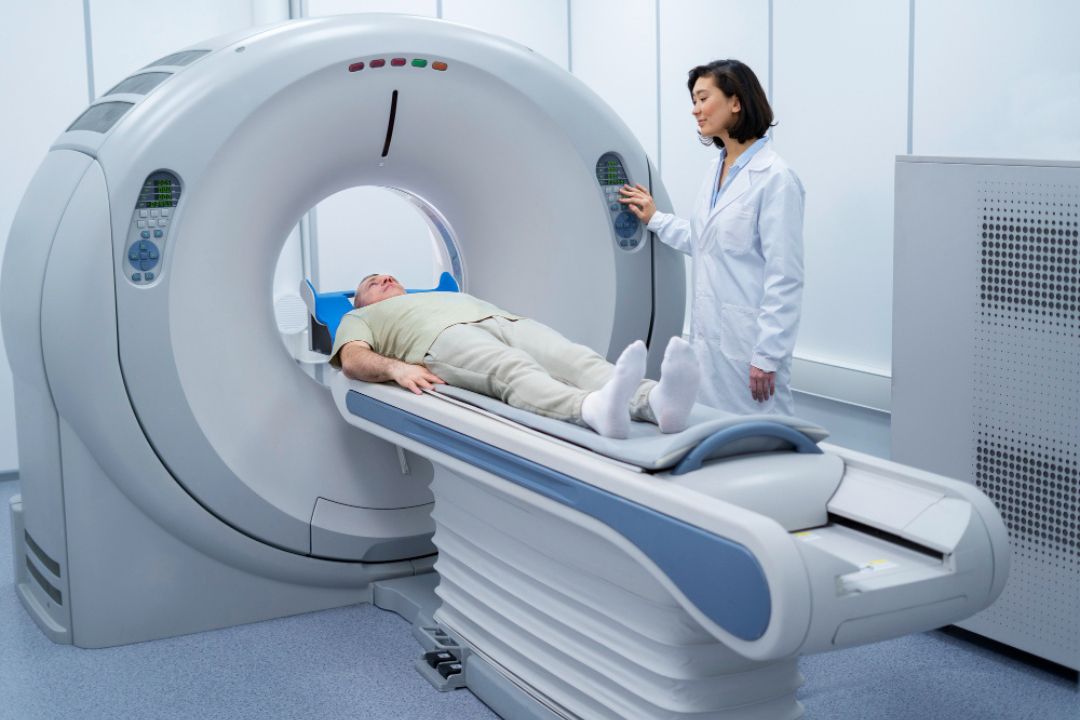
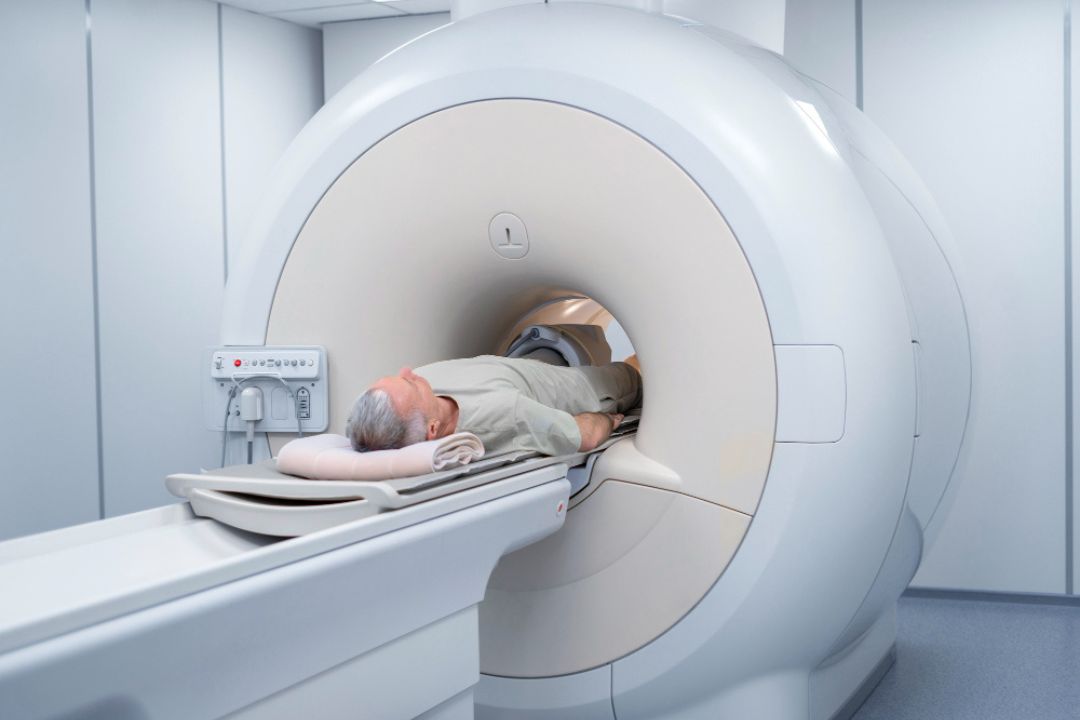
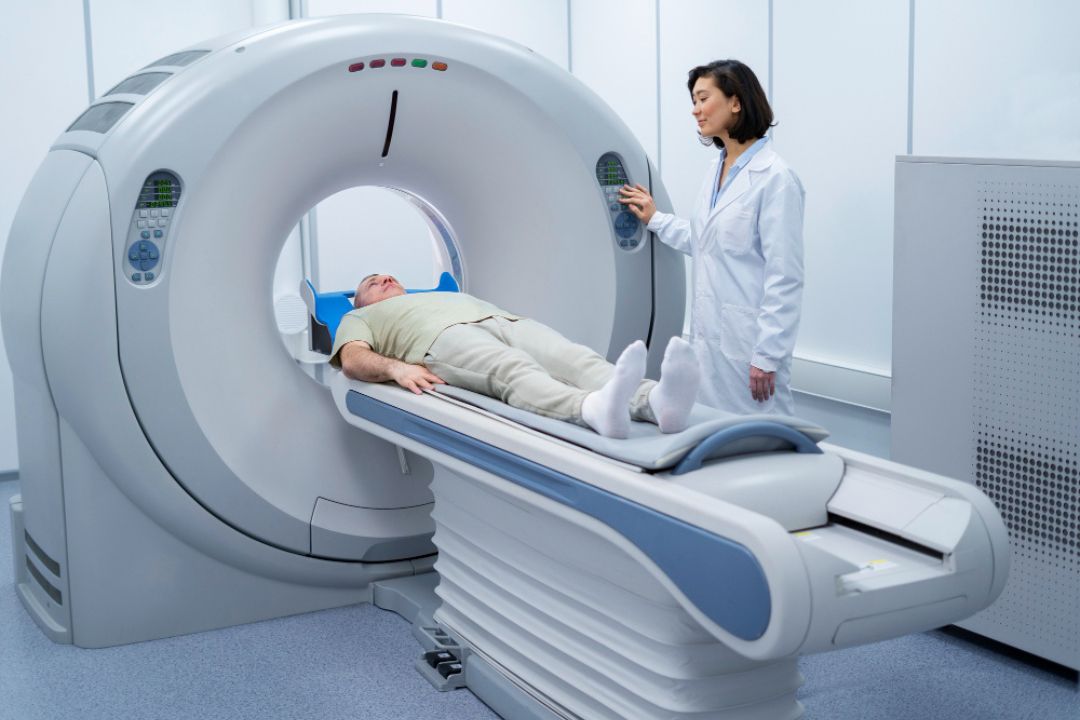
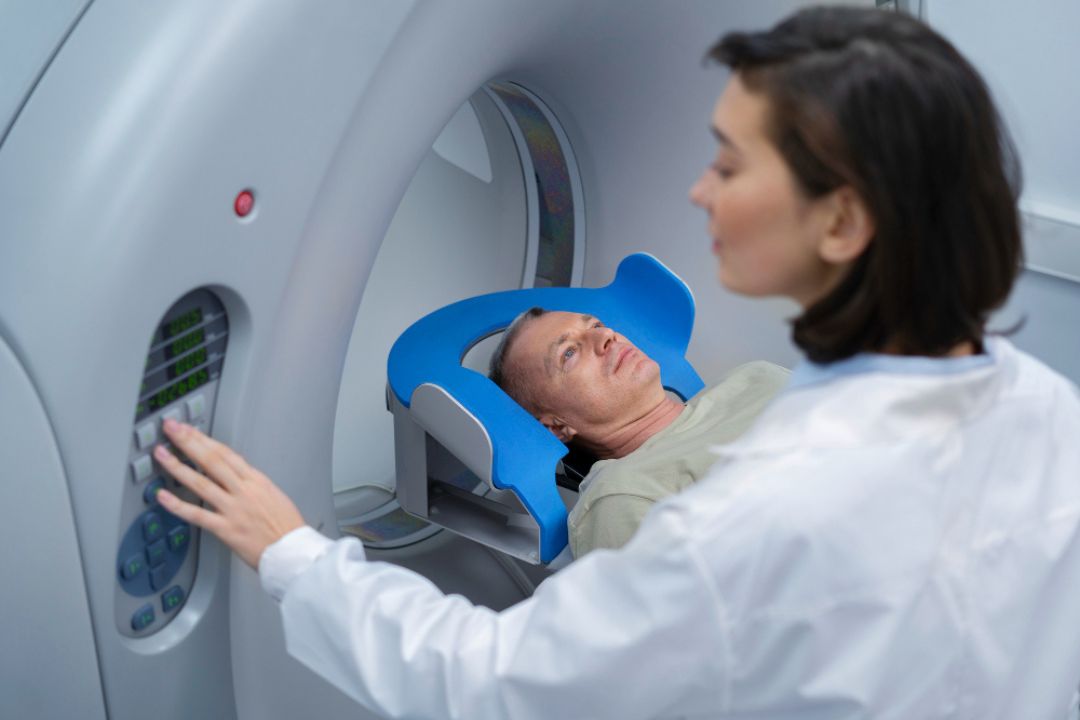
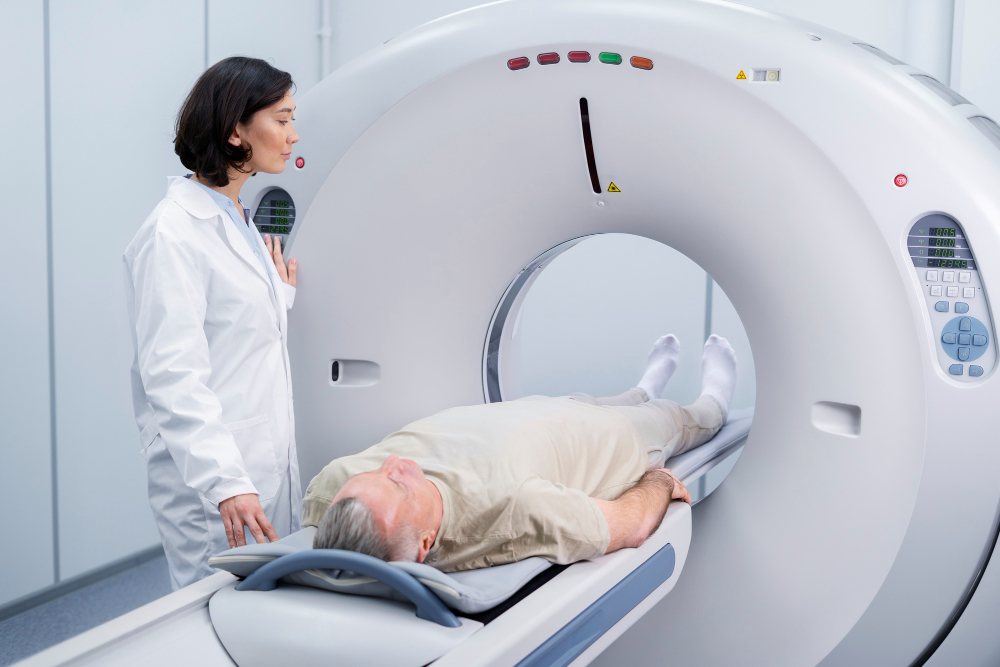
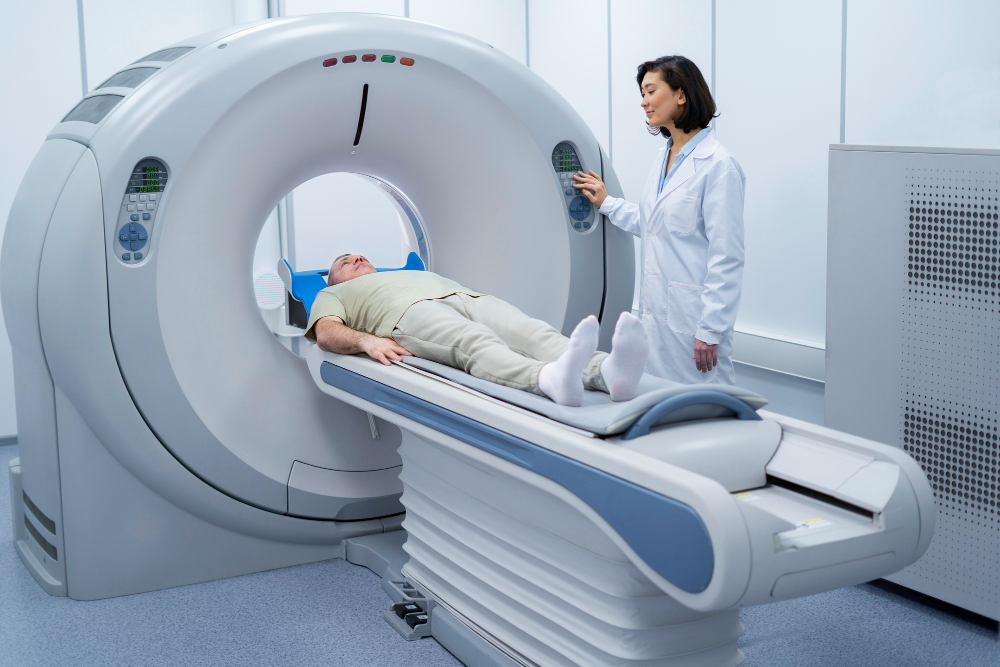
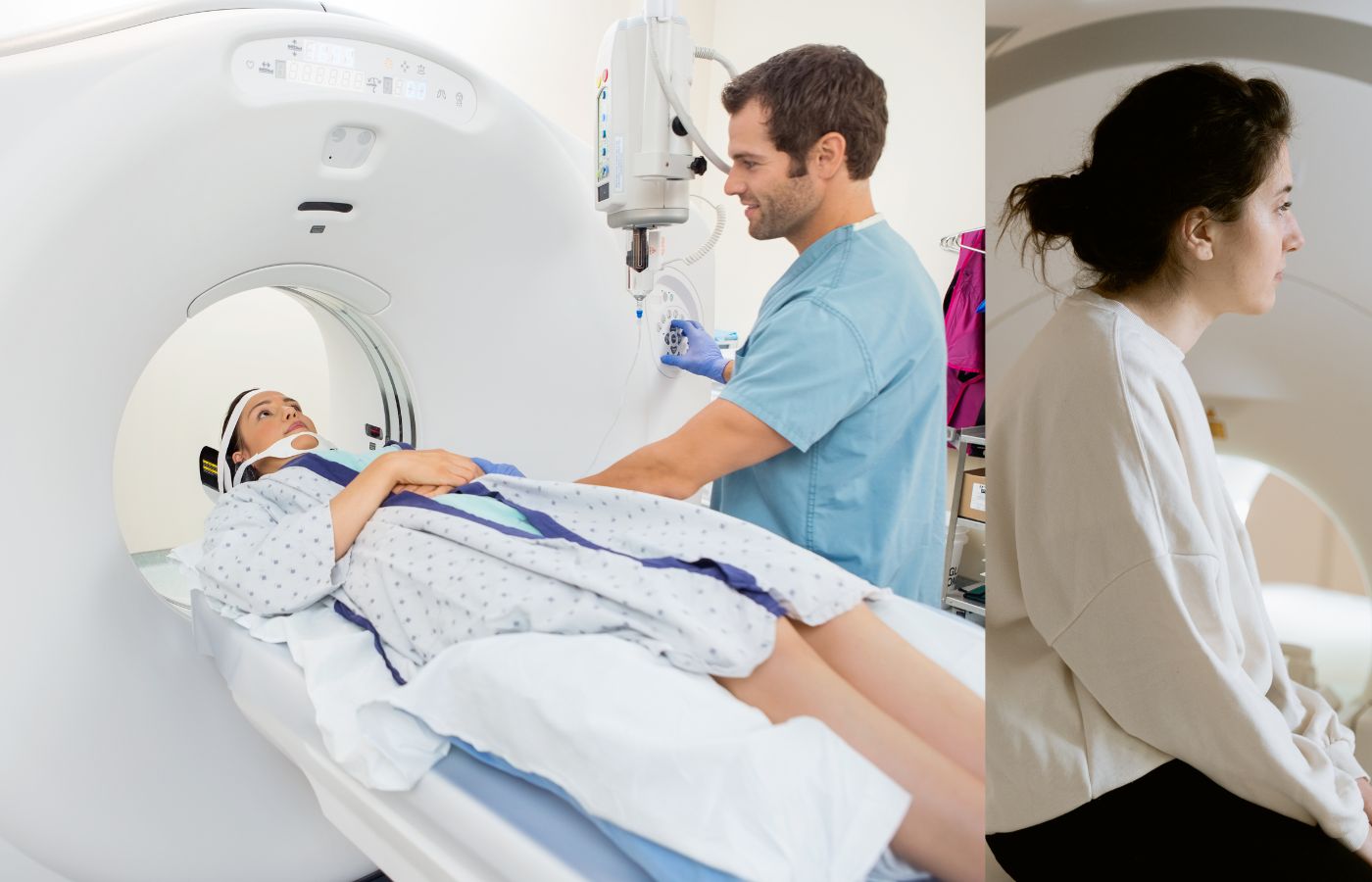
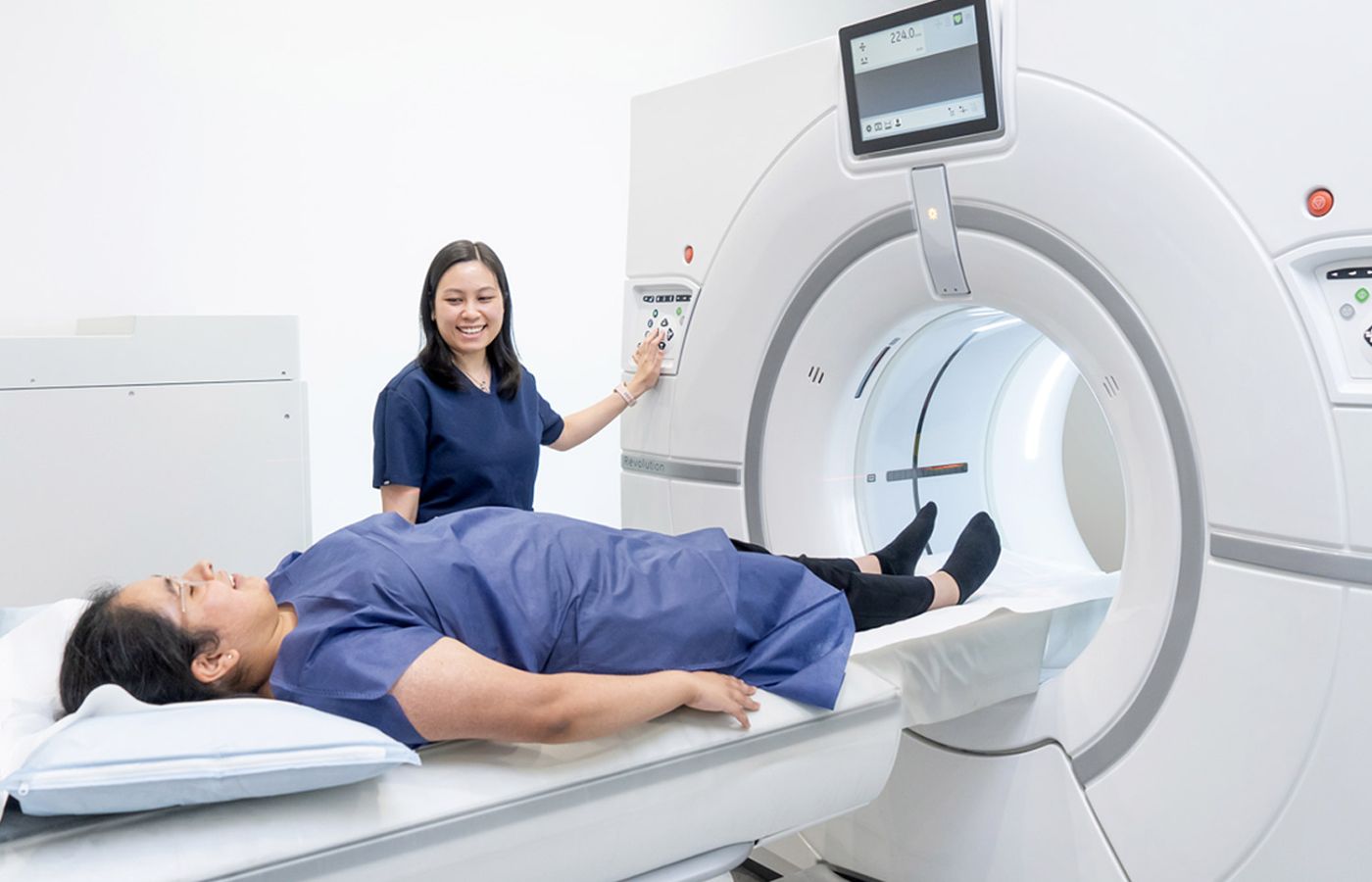
The patient lies on a motorized CT scan table
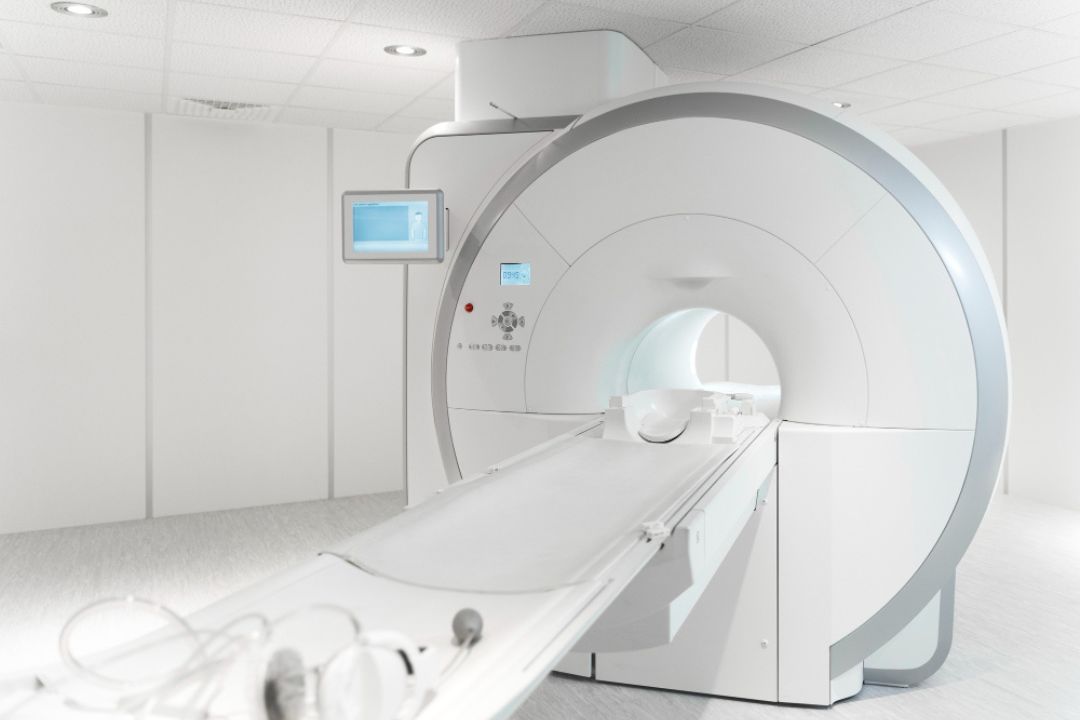
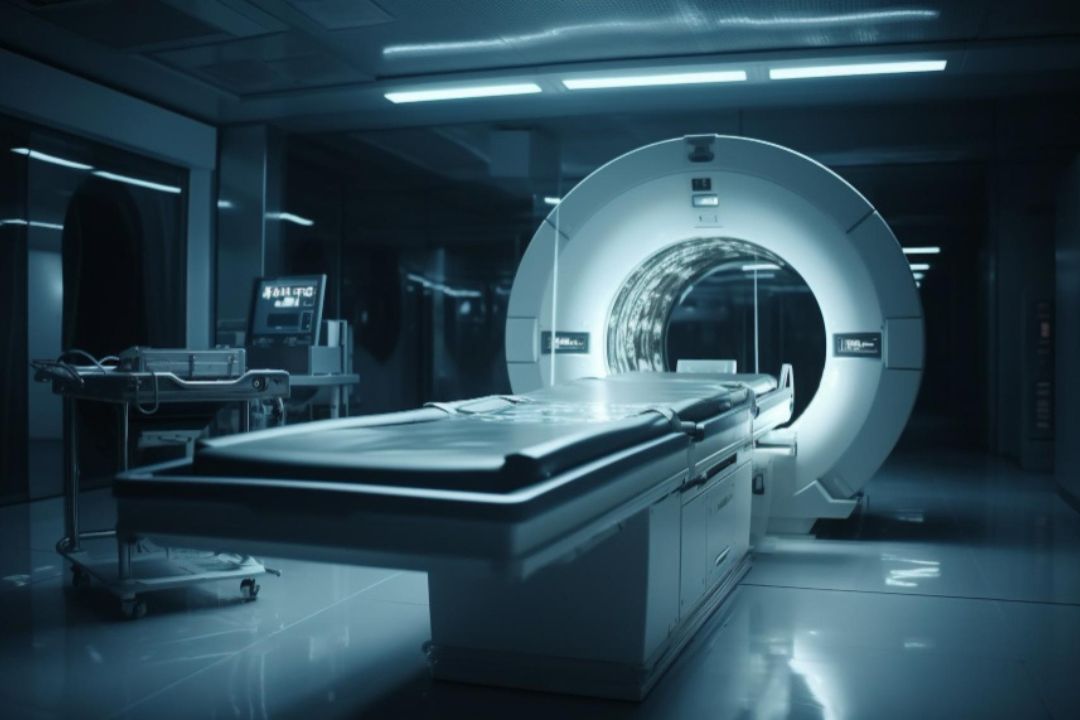
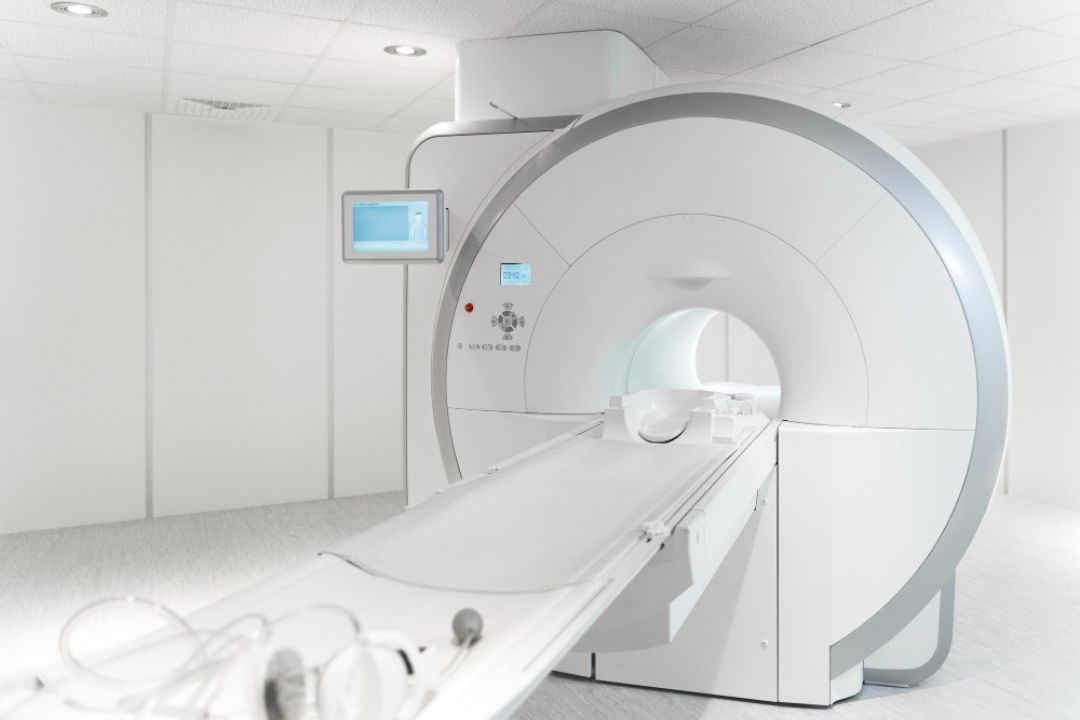
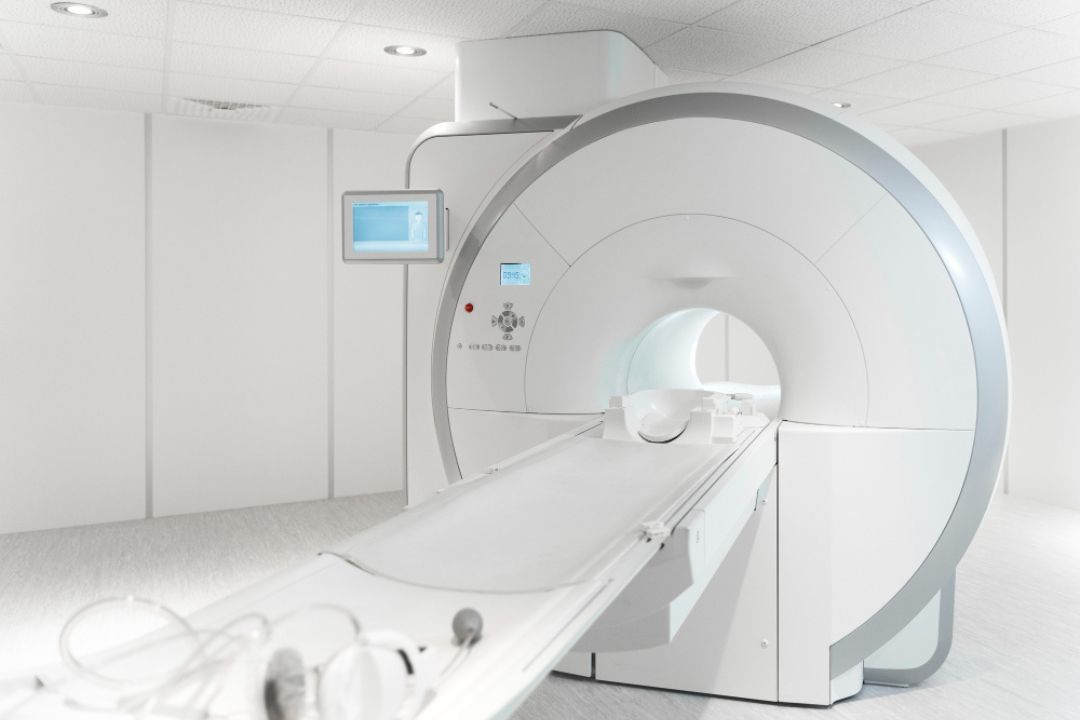
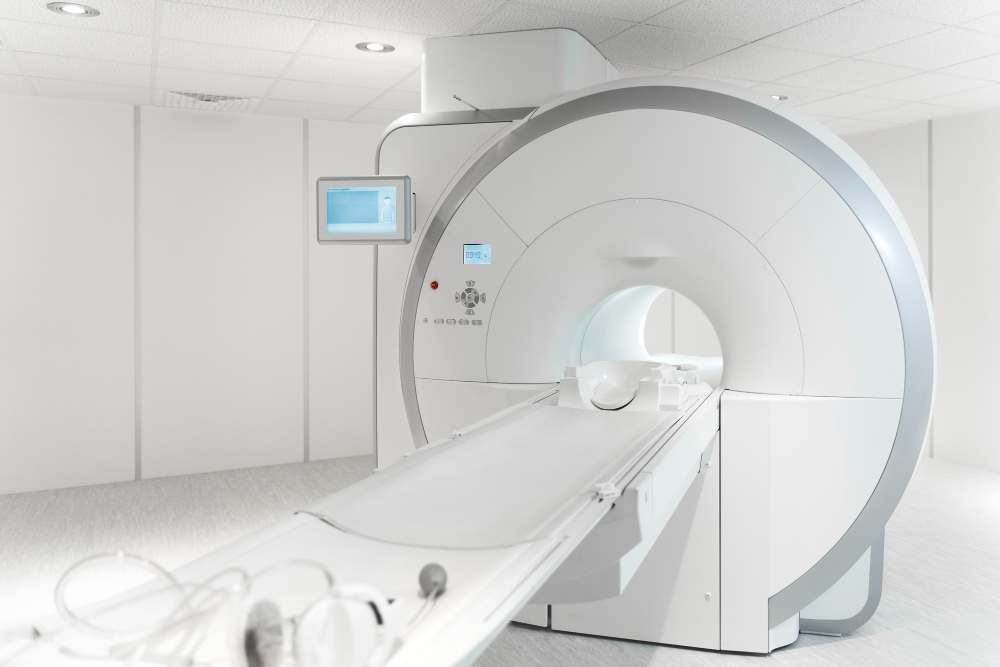
The table slowly moves through the CT scanner (a large donut-shaped machine)
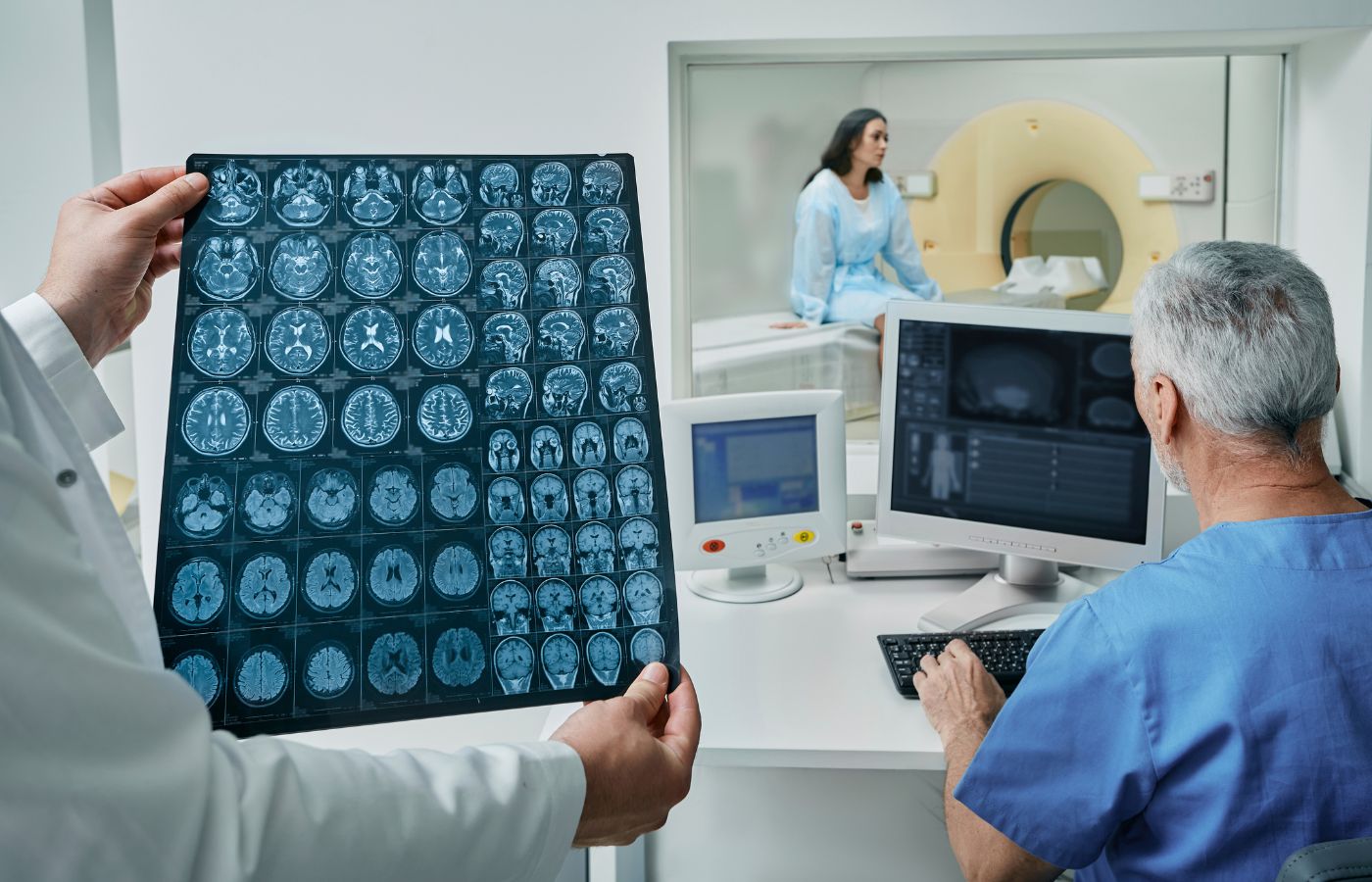
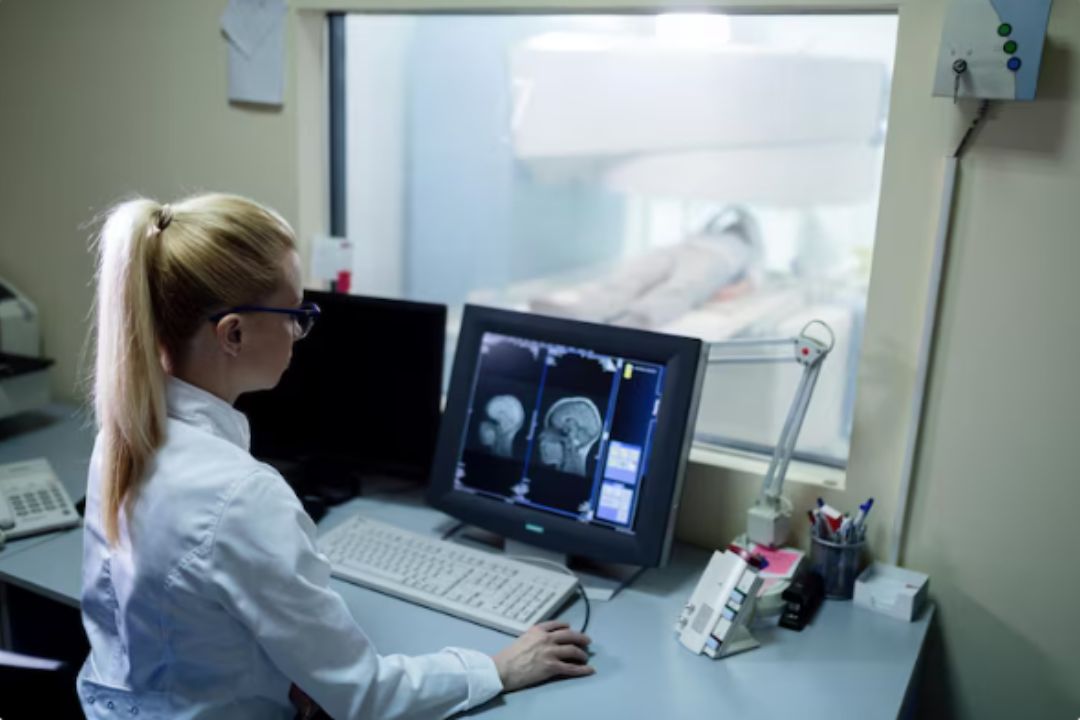
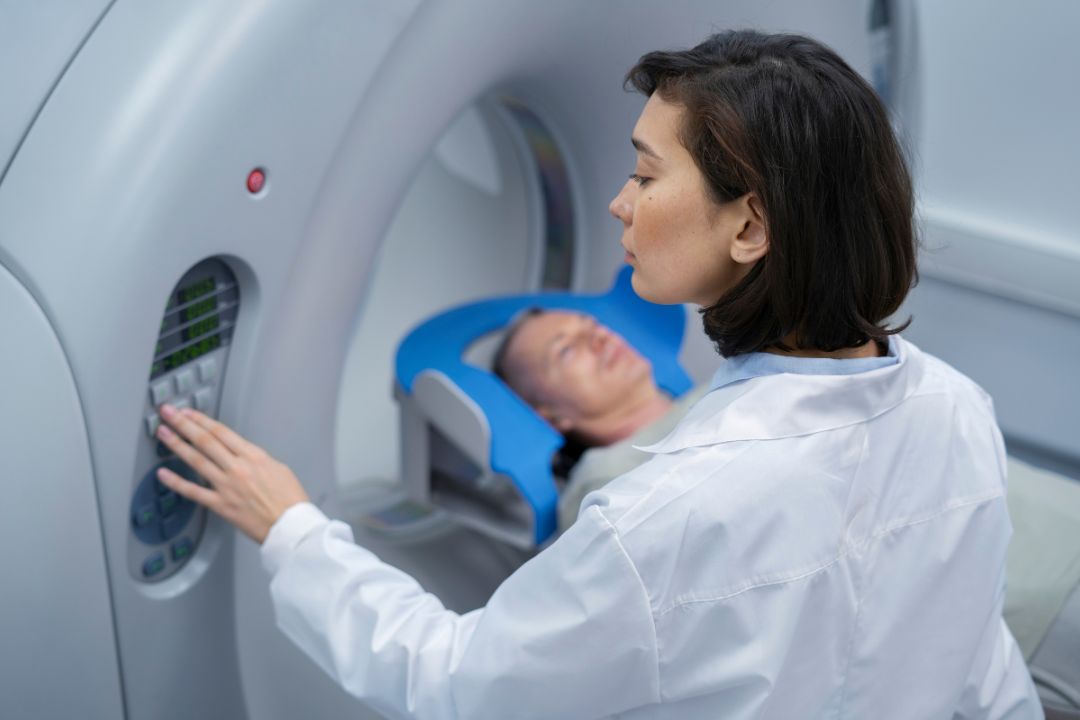
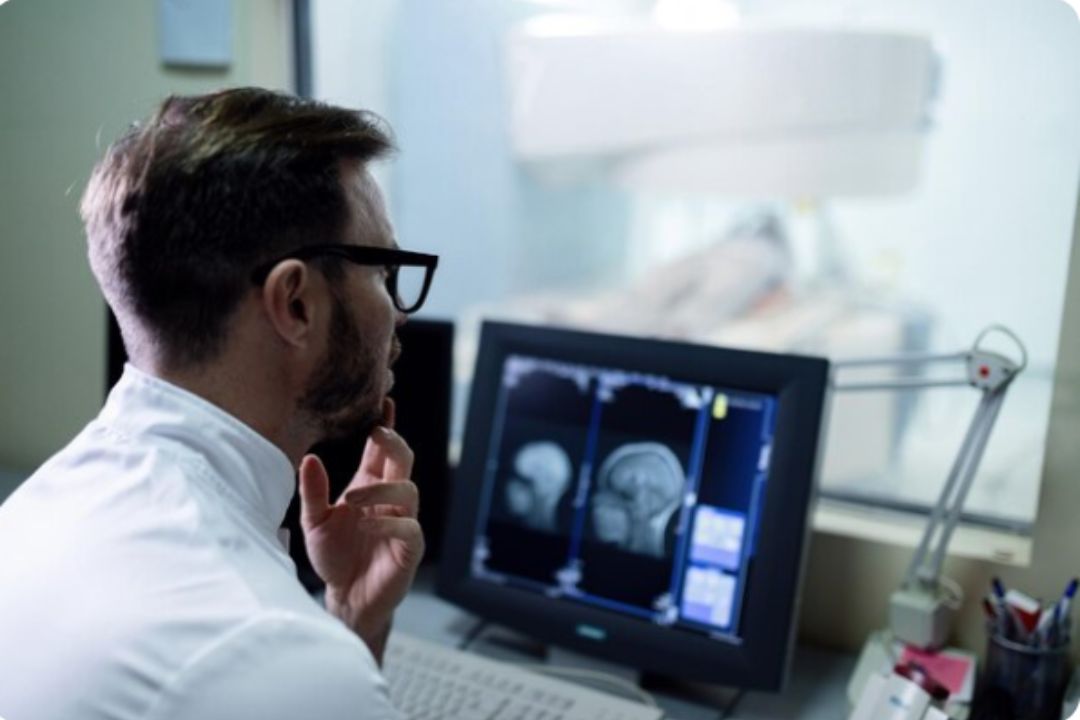
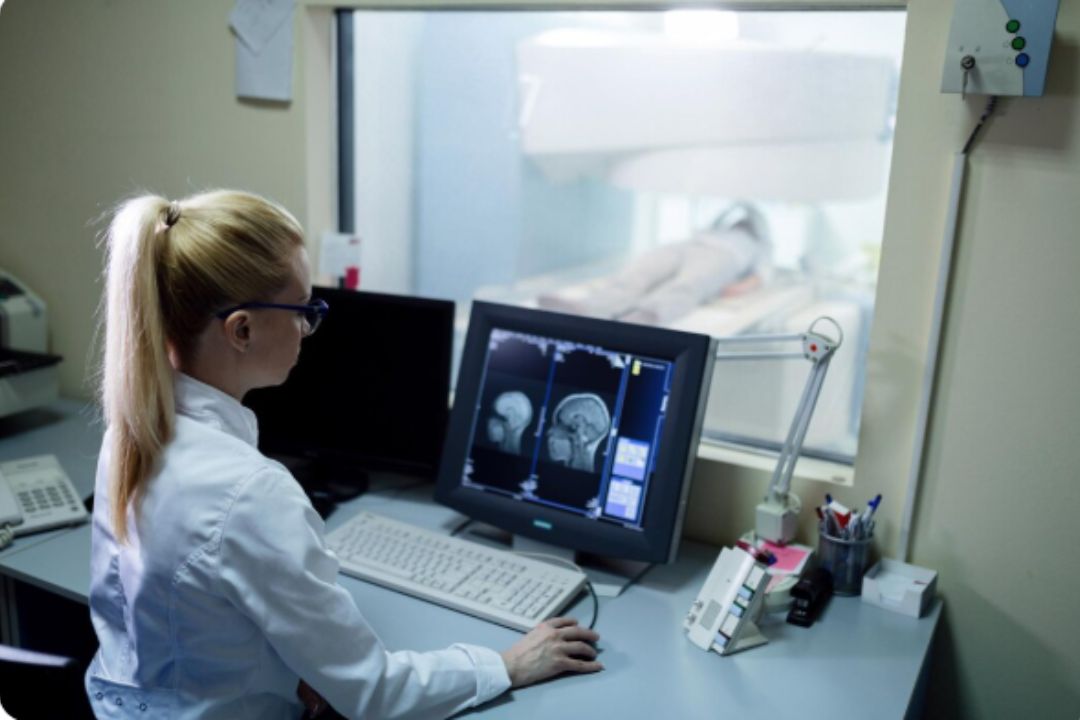
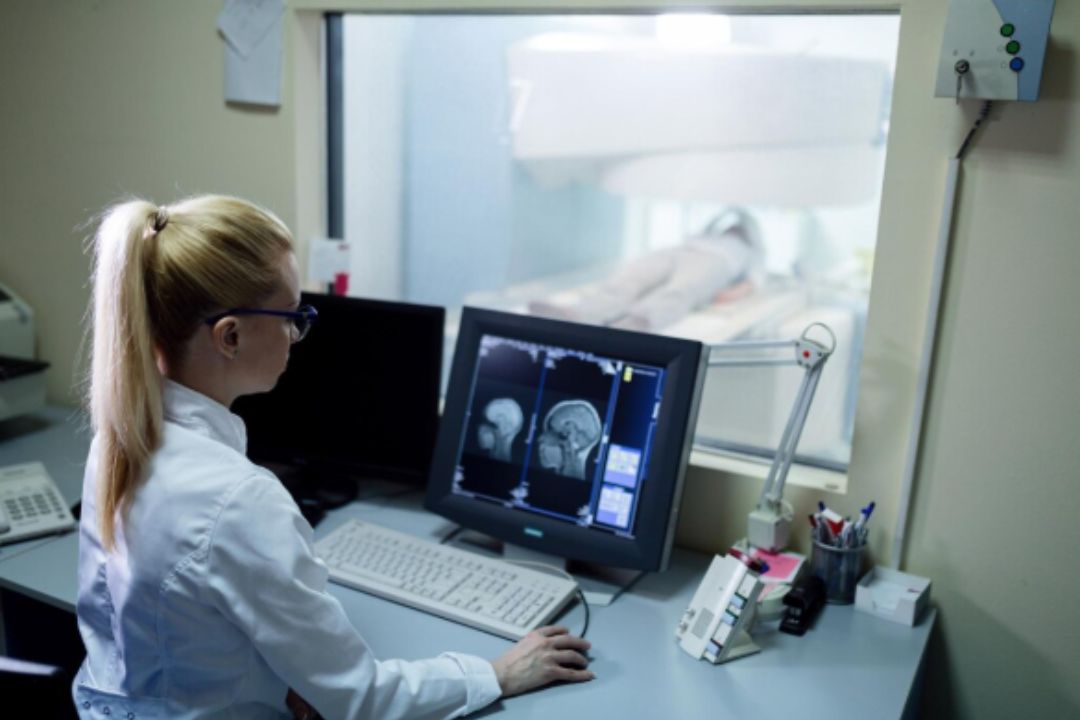
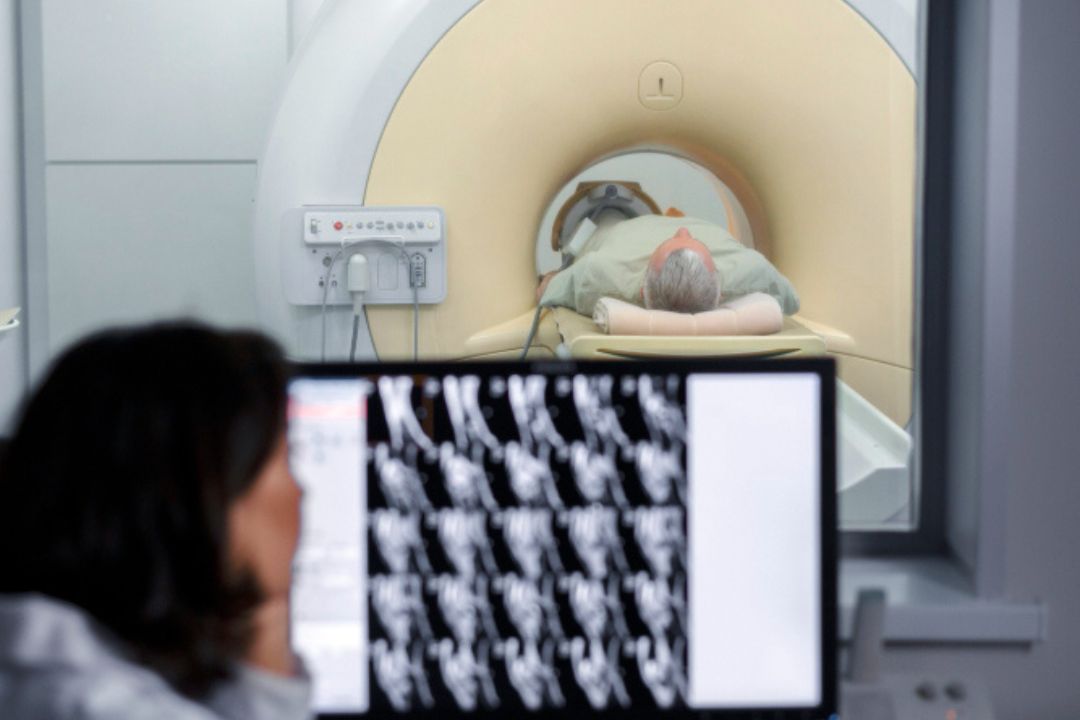
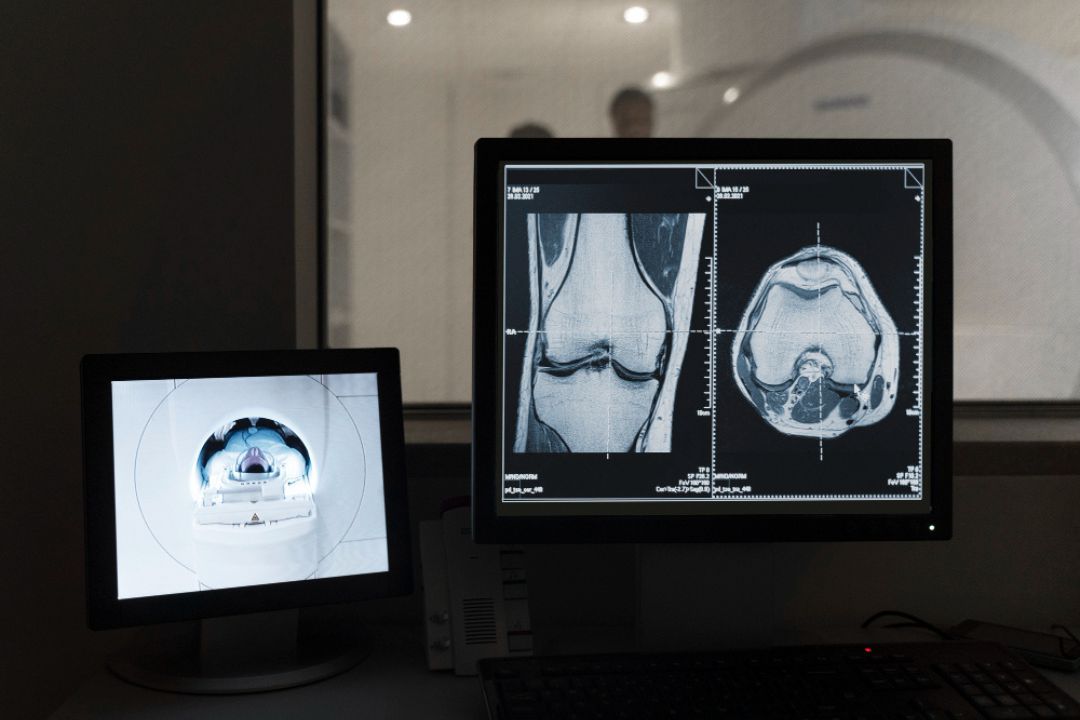
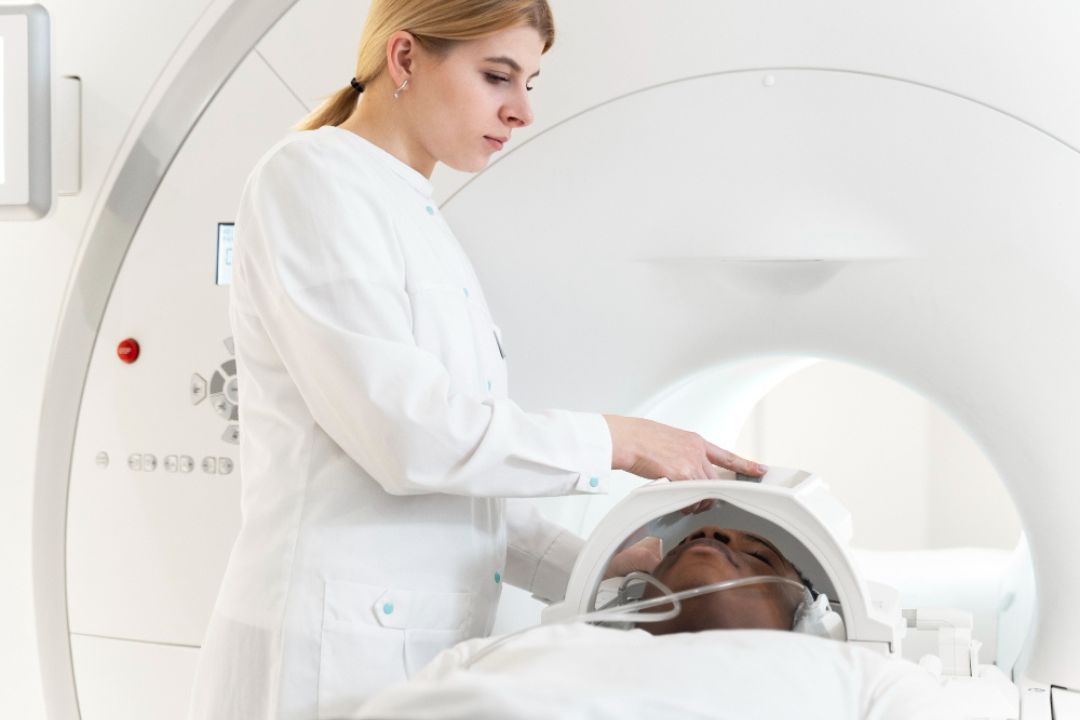
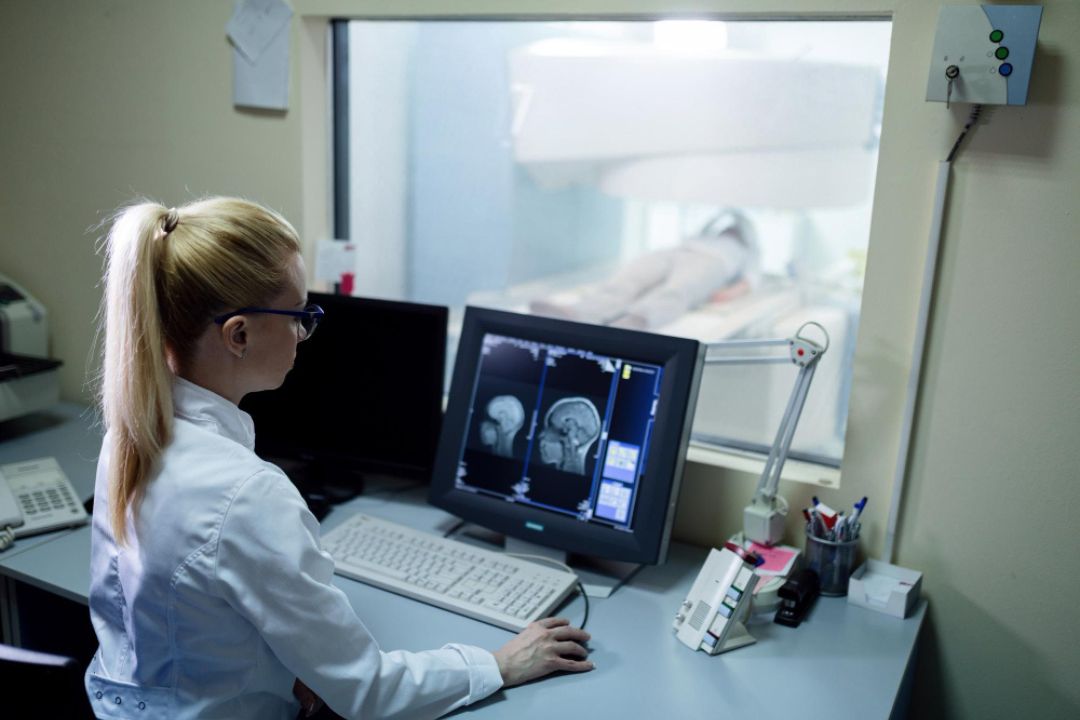
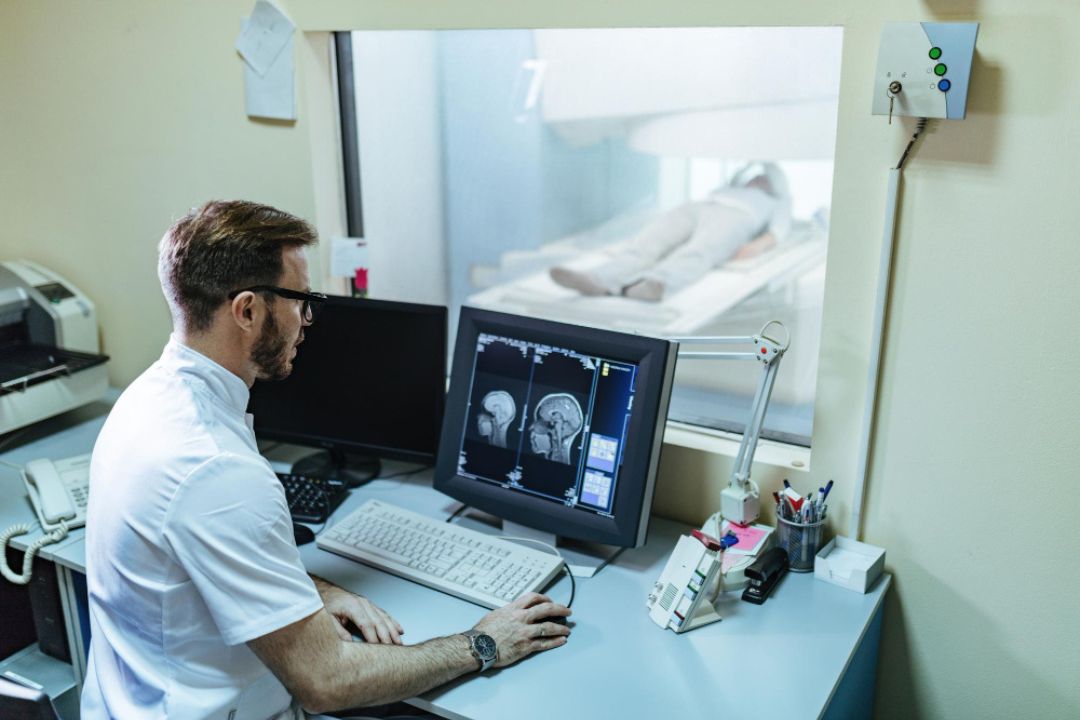
The technician monitors the scan from another room
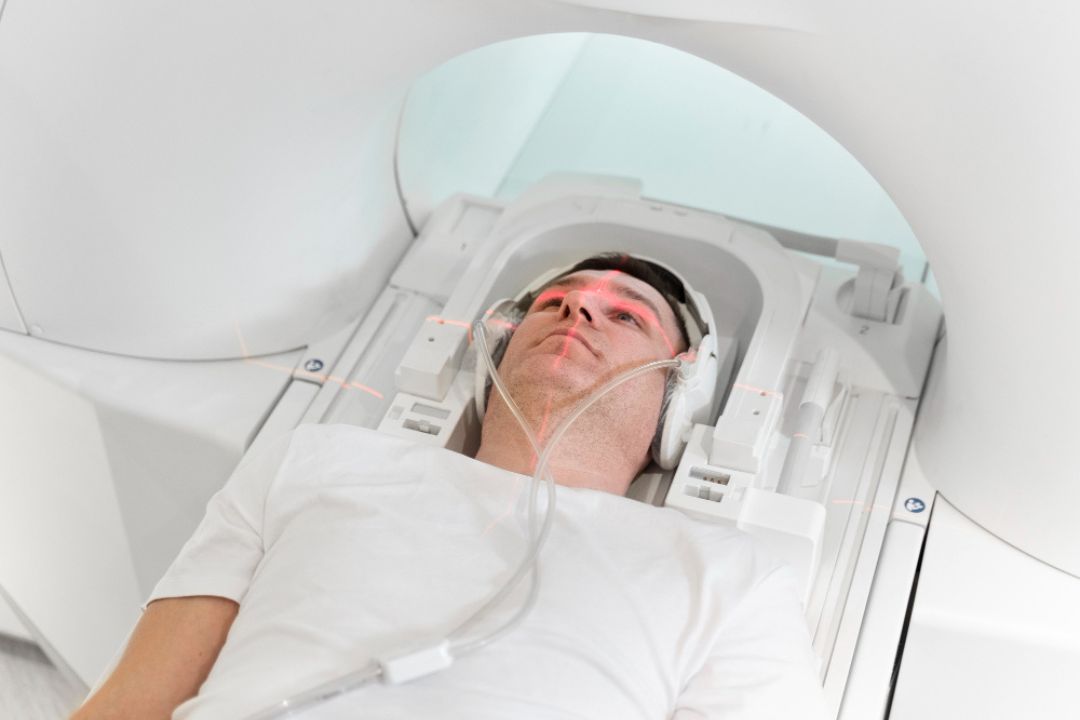
Patients must remain still during the scan to ensure clear images.
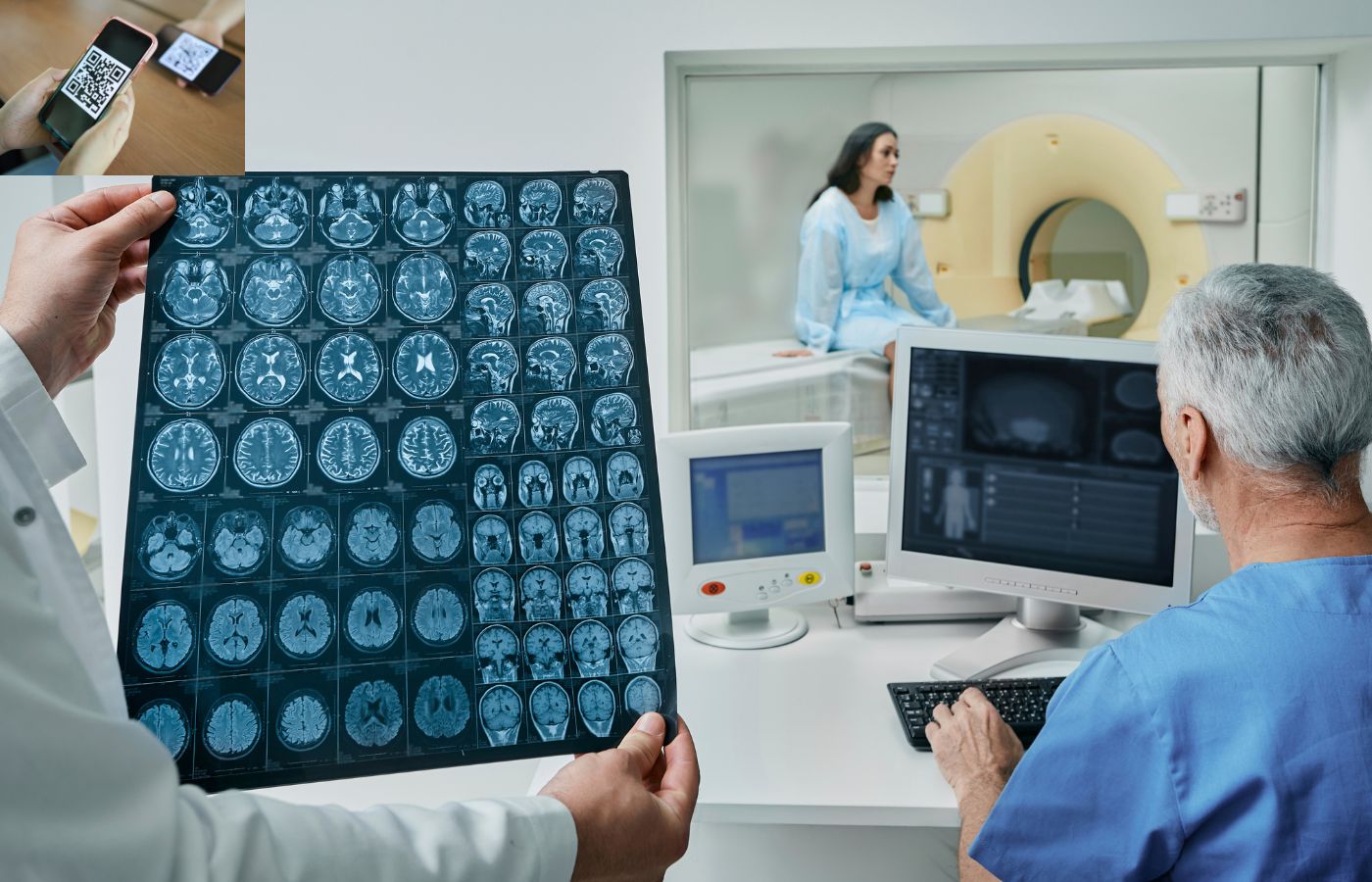
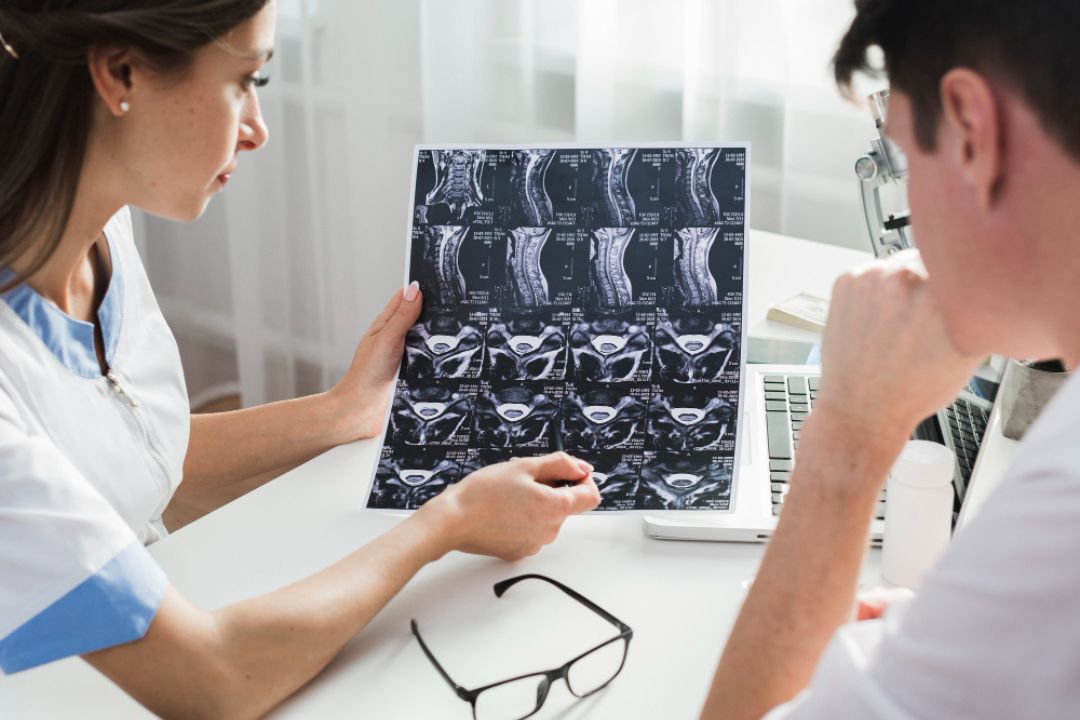
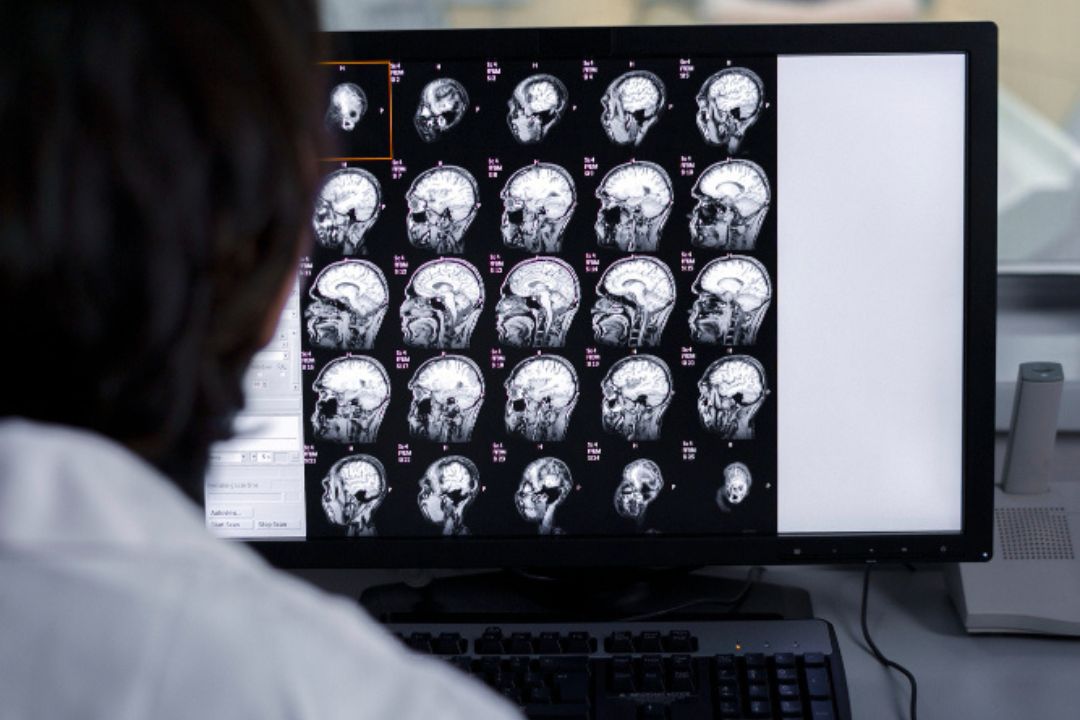
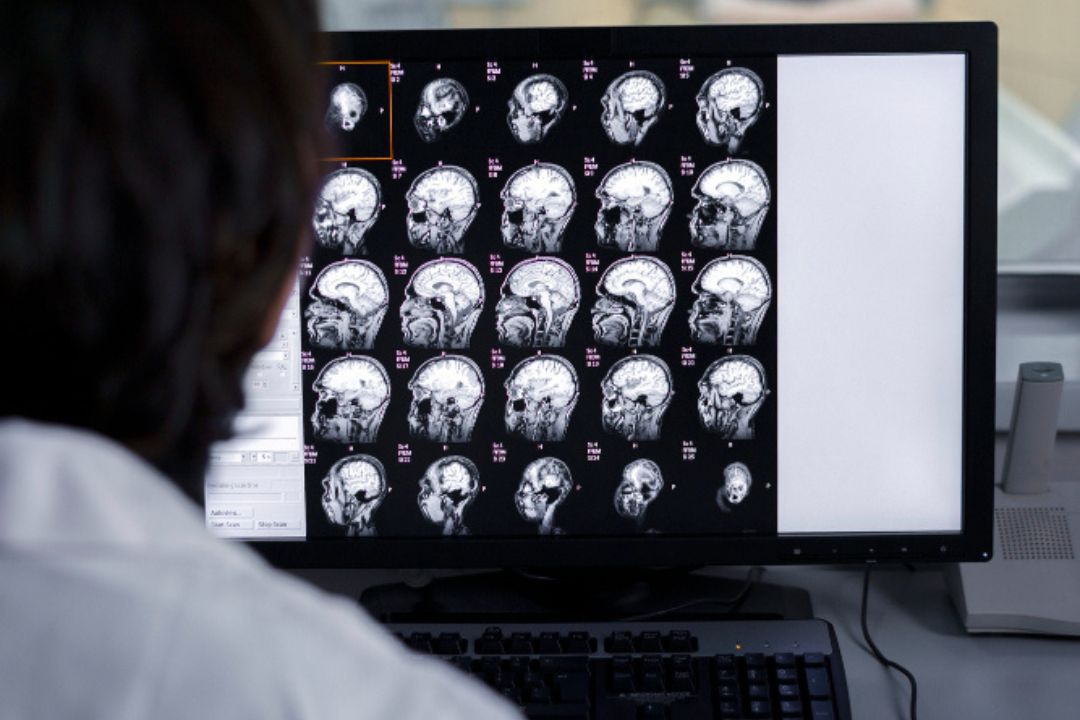
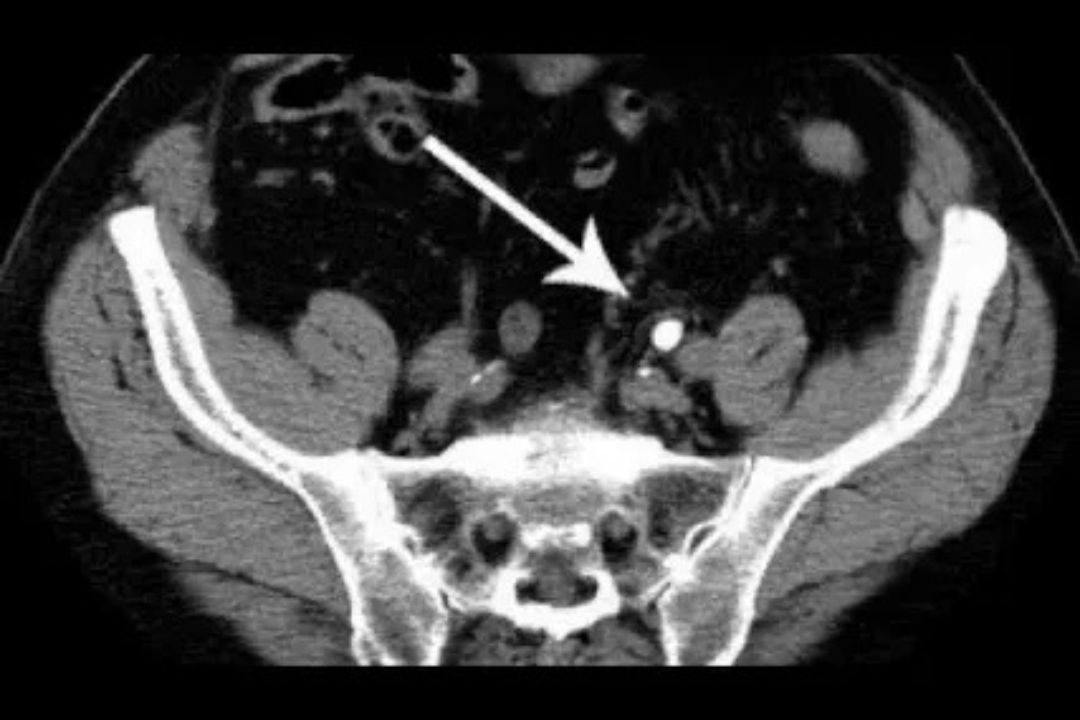
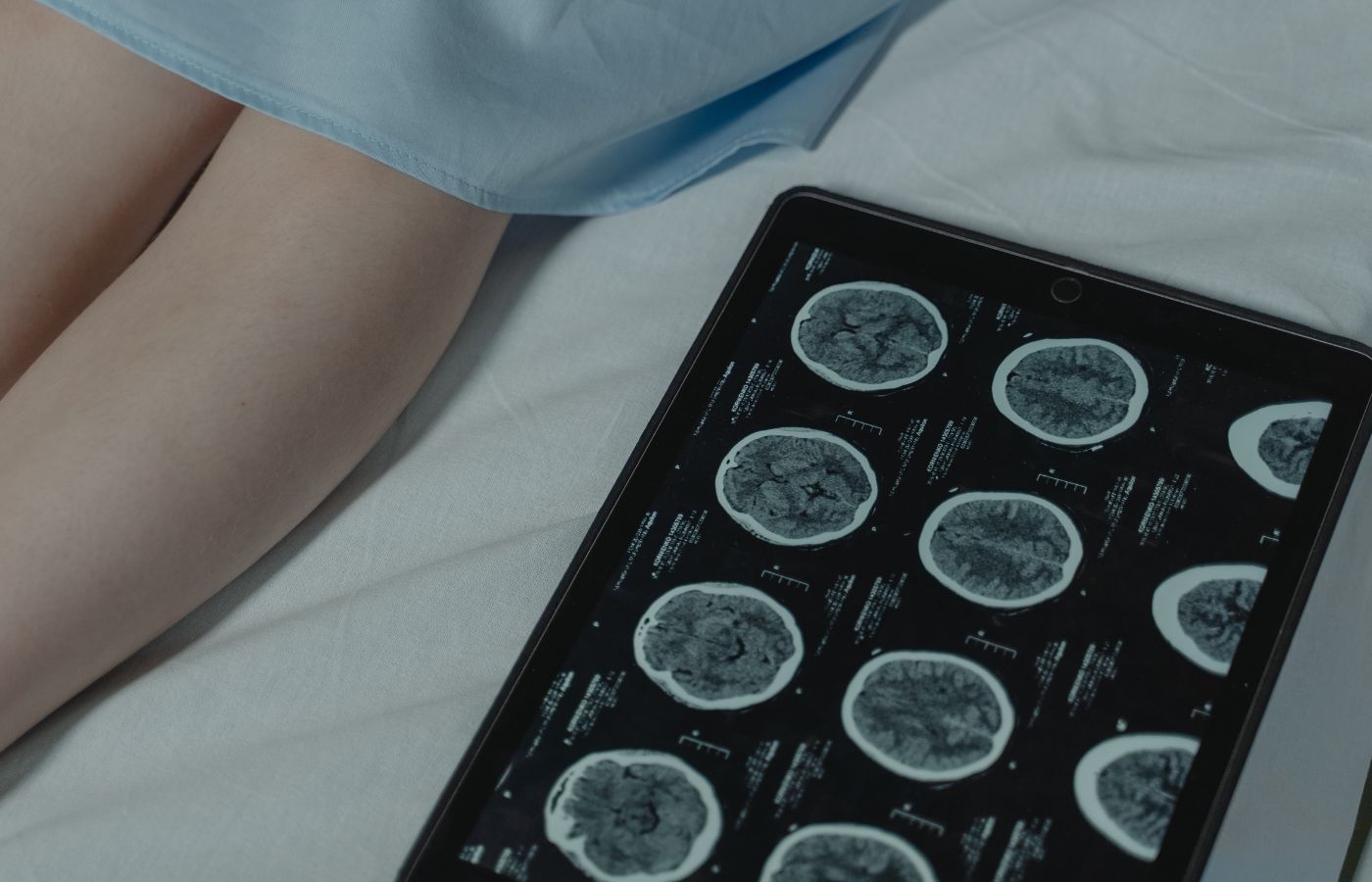
The CT scanner rotates around the body and captures multiple images. These images are then processed by a computer to produce detailed cross-sectional views of the abdominal organs.
The entire scanning process usually takes 10 to 30 minutes.
In some cases, doctors use contrast material to highlight specific organs or blood vessels. The contrast may be given in three ways:
Orally (drinking contrast liquid)
Intravenously (through an injection)
Rectally (rarely used)
Some patients may feel a warm sensation or metallic taste when contrast dye is injected, but this usually passes quickly.
A CT scan abdomen procedure is generally safe and painless. However, there are a few considerations:
Exposure to a small amount of radiation
Possible allergic reaction to contrast dye (rare)
Temporary discomfort during contrast injection
Diagnostic centers follow strict safety guidelines to keep radiation exposure as low as possible.
After the procedure:
Patients can usually return to normal activities immediately
If contrast dye was used, drinking extra water may be recommended
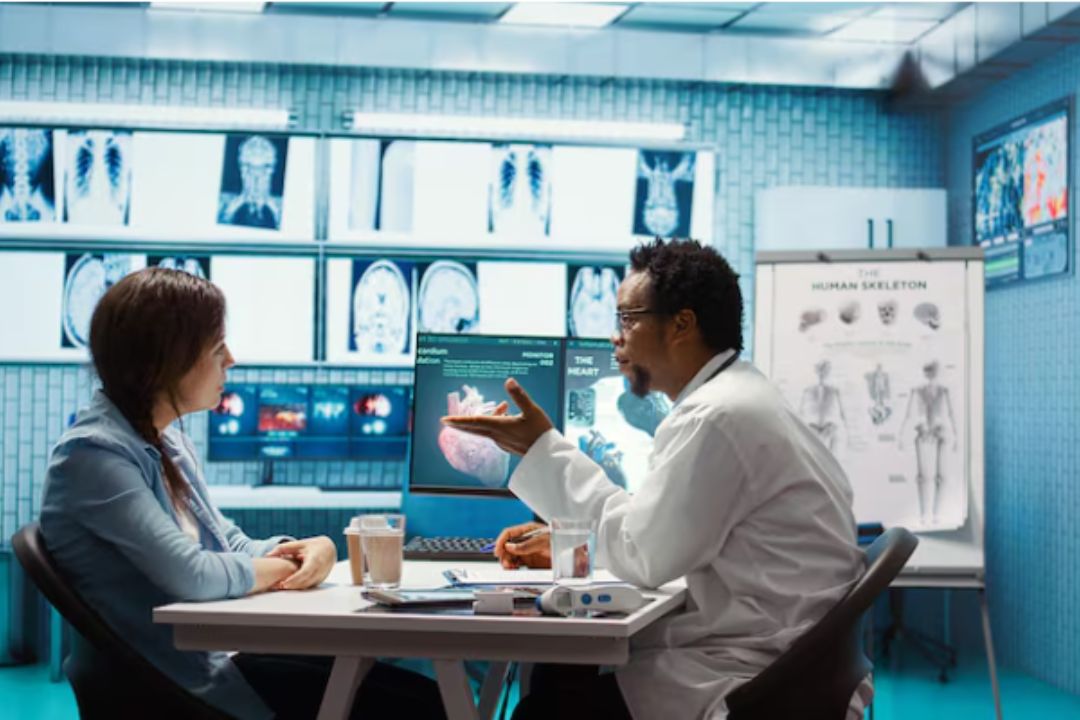
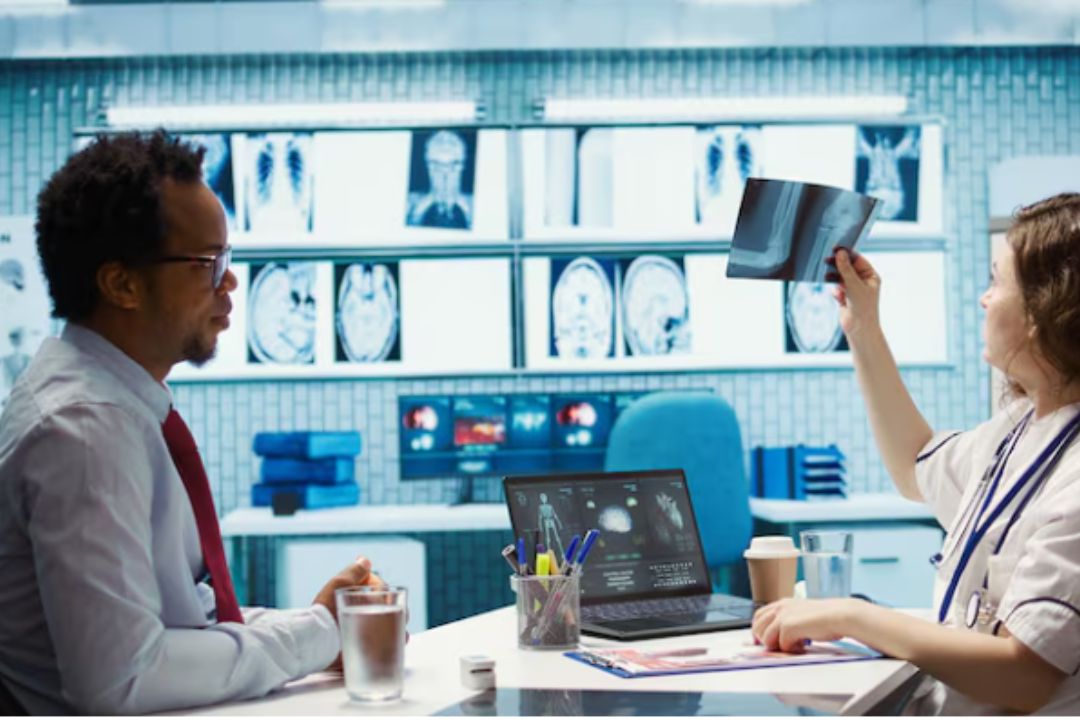
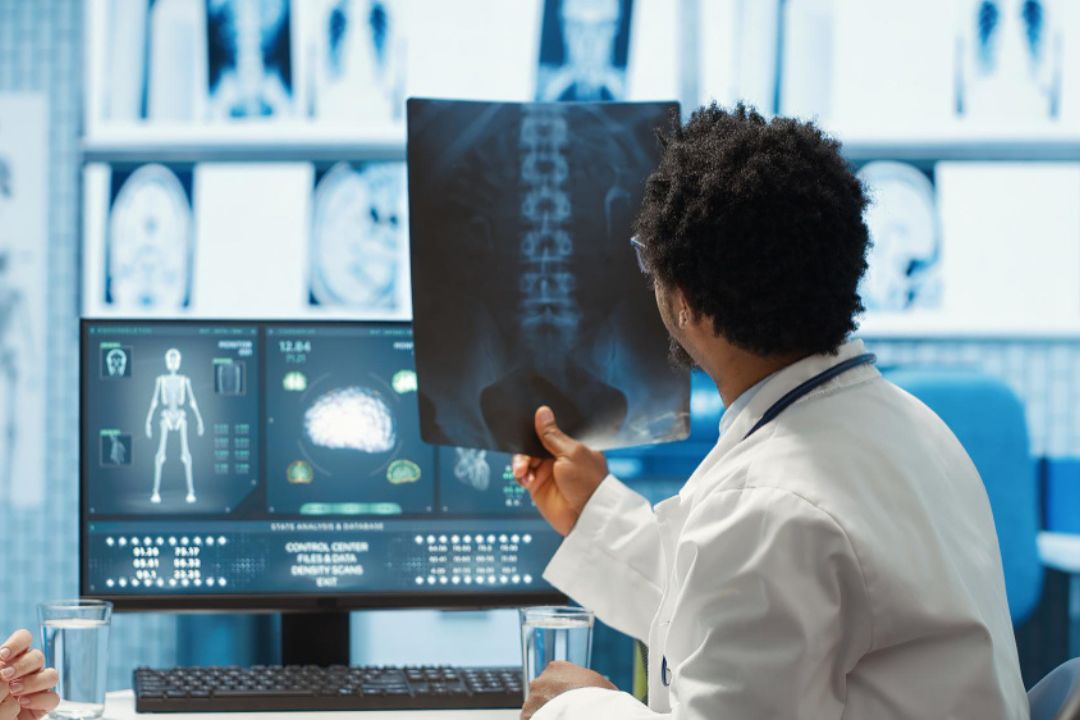
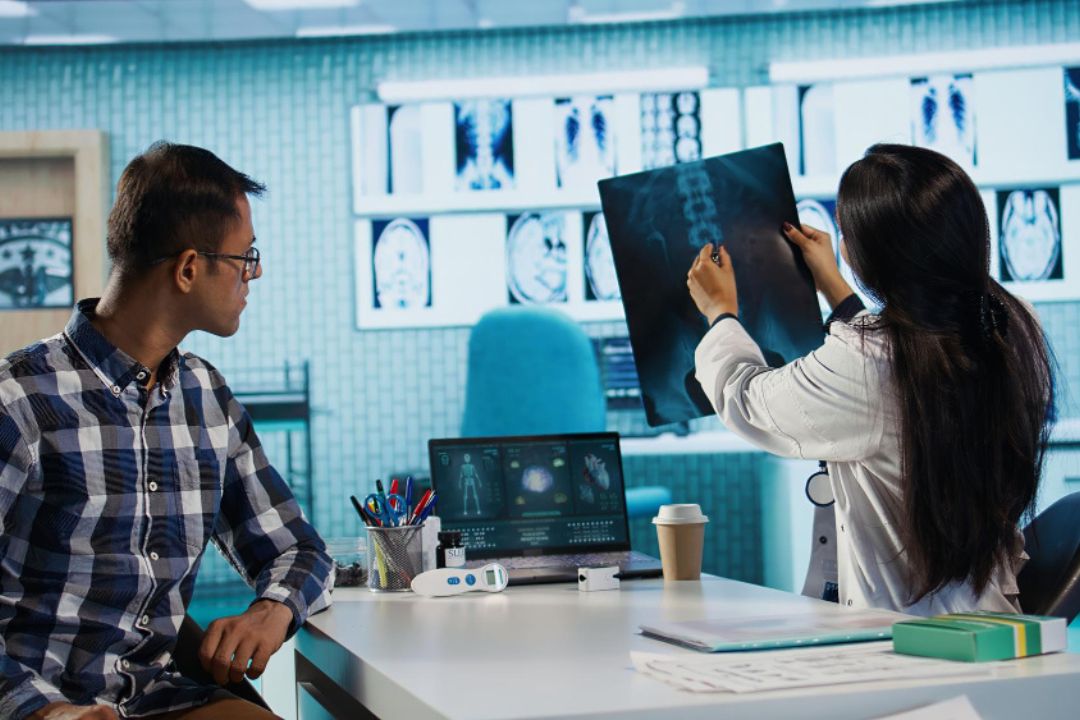
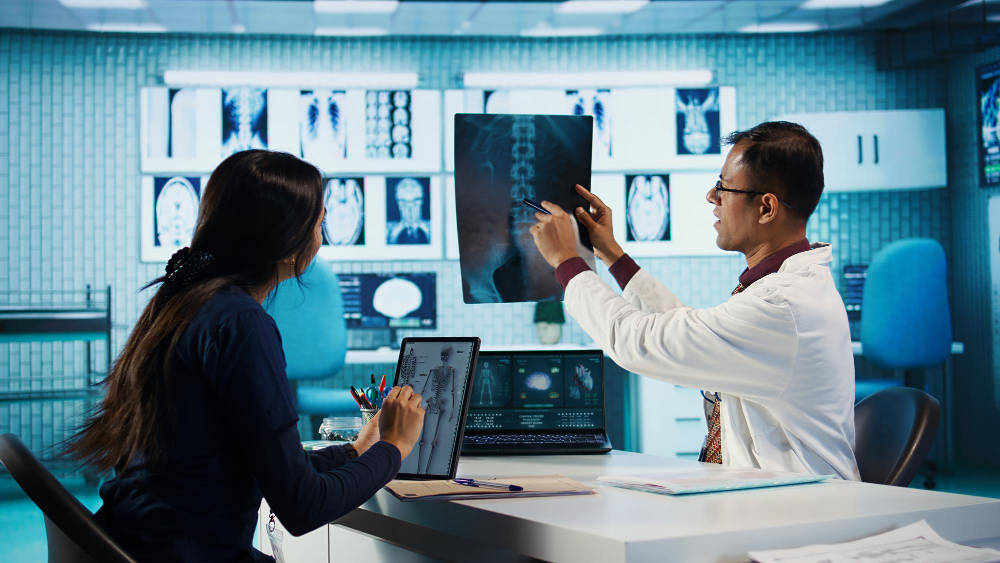
The radiologist analyzes the images and prepares a diagnostic report
Your doctor will review the results and explain the findings.
You may need a CT scan if you experience symptoms such as:
Severe or unexplained abdominal pain
Persistent digestive problems
Sudden weight loss
Suspected internal injuries
Signs of infection or inflammation
Early diagnosis through imaging can help detect serious conditions and guide appropriate treatment.
A CT scan abdomen procedure is a reliable and effective imaging test used to diagnose a wide range of abdominal conditions. The procedure is quick, non-invasive, and provides highly detailed images that help doctors detect problems early and plan the right treatment.
If your doctor recommends an abdominal CT scan, understanding the process can make the experience easier and less stressful.













.jpg "ct brain scan plain and contrast")


















.jpg "ct scan")

.jpg "ct scan or mri for brain disorders")


.jpg "exploring the power of ct brain contrast in modern diagnostics")
.jpg "ct scan")
.jpg "ct scan")











.jpg "ct scan")

.jpg "CT Brain Scan for Headaches")
.jpg "The Future of 3D CT Imaging")